

We knew it was going to be a bad year this year when the grasshopper nymphs would bounce up like a solid wave with each step across the fields. There are billions of them, and I am powerless to do anything about it. The time to plan was several months ago, but I didn’t. I didn’t have time or energy to build screen houses and boxes. It is not an insignificant task – so I resigned myself to the possibility that my beautiful pollinator gardens throughout the ranch would be no more. What I did not expect is that they would also consume the oak seedlings that I painstakingly planted across the front of the ranch. That made me crumple inside.


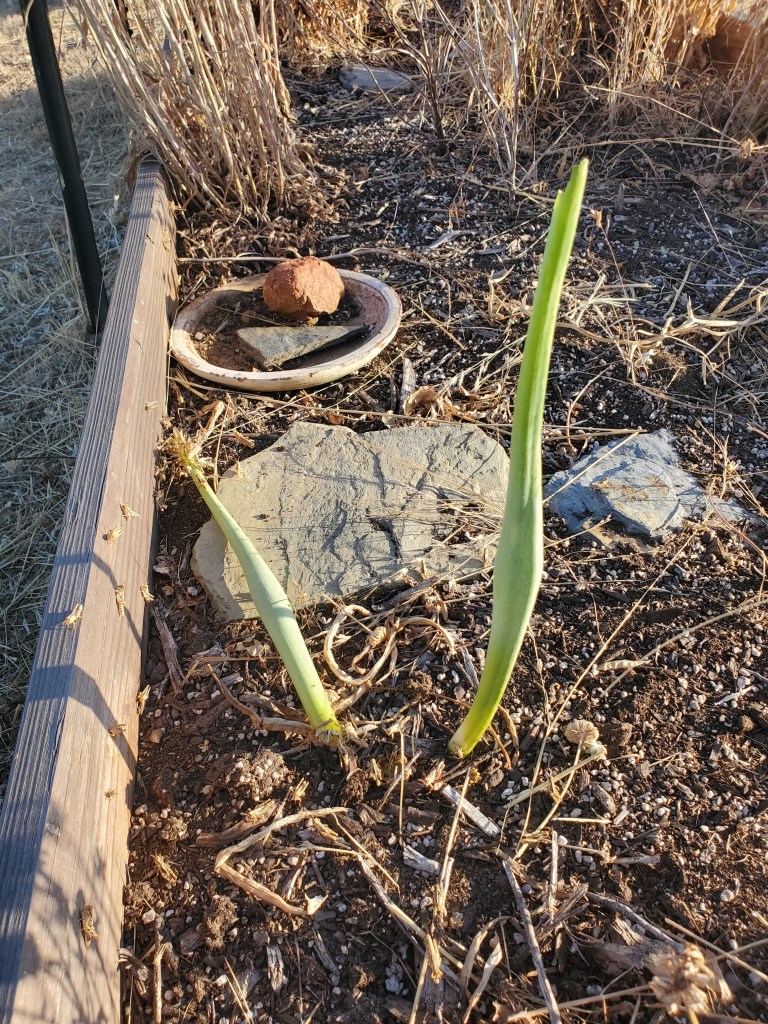
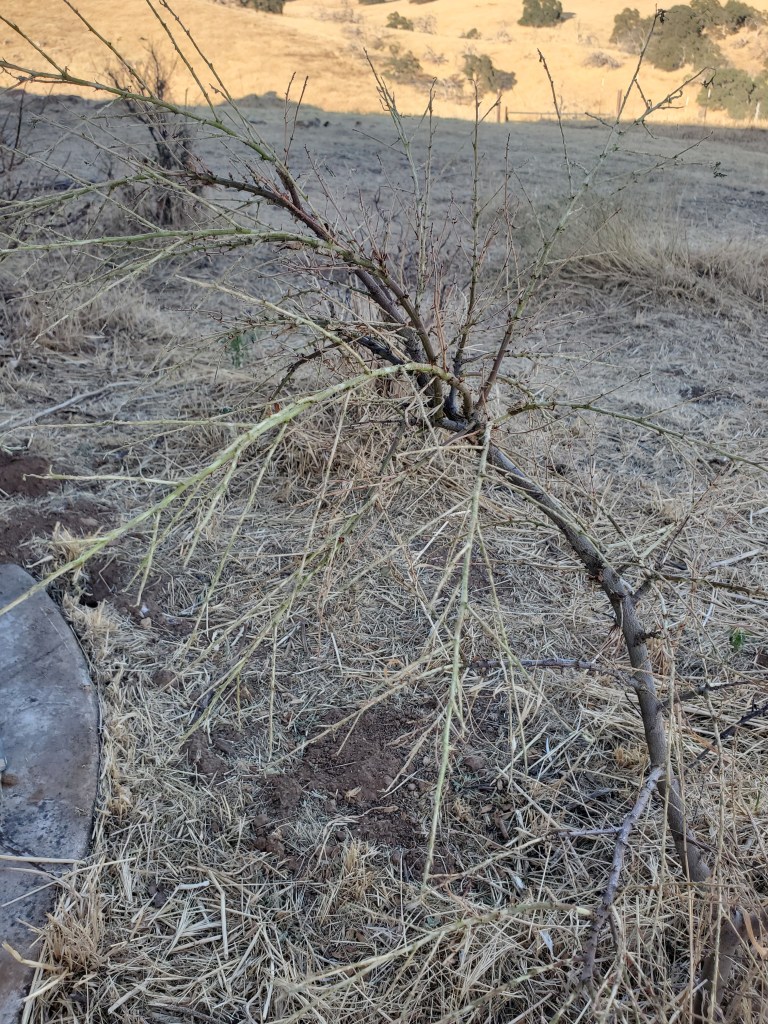

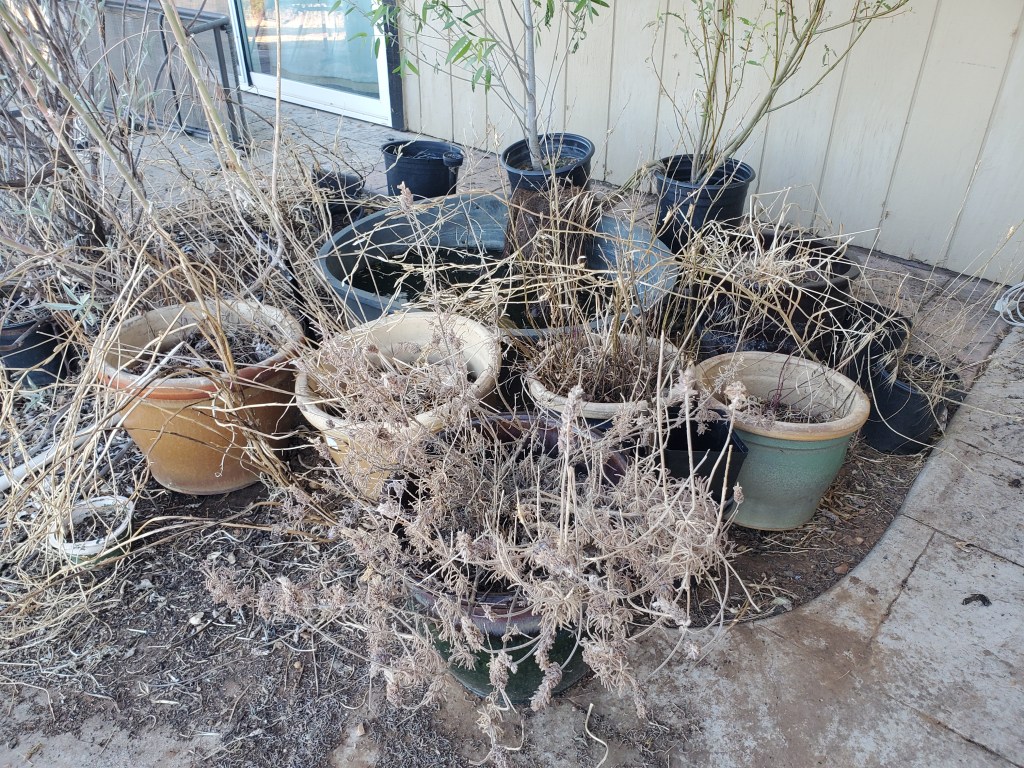
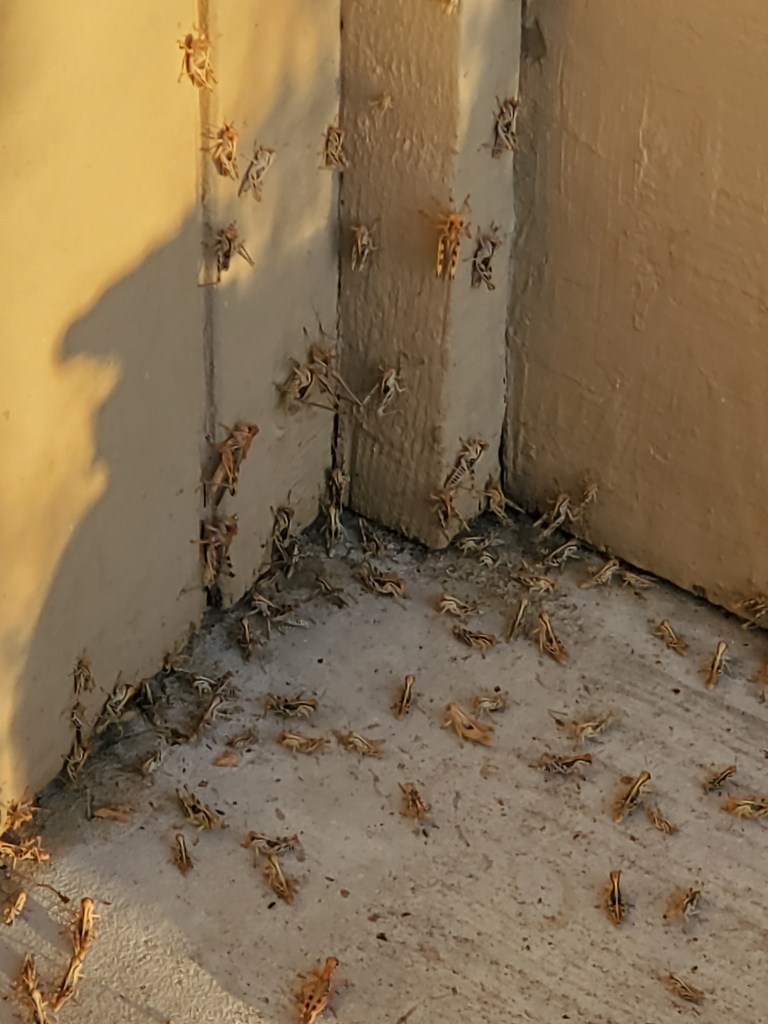
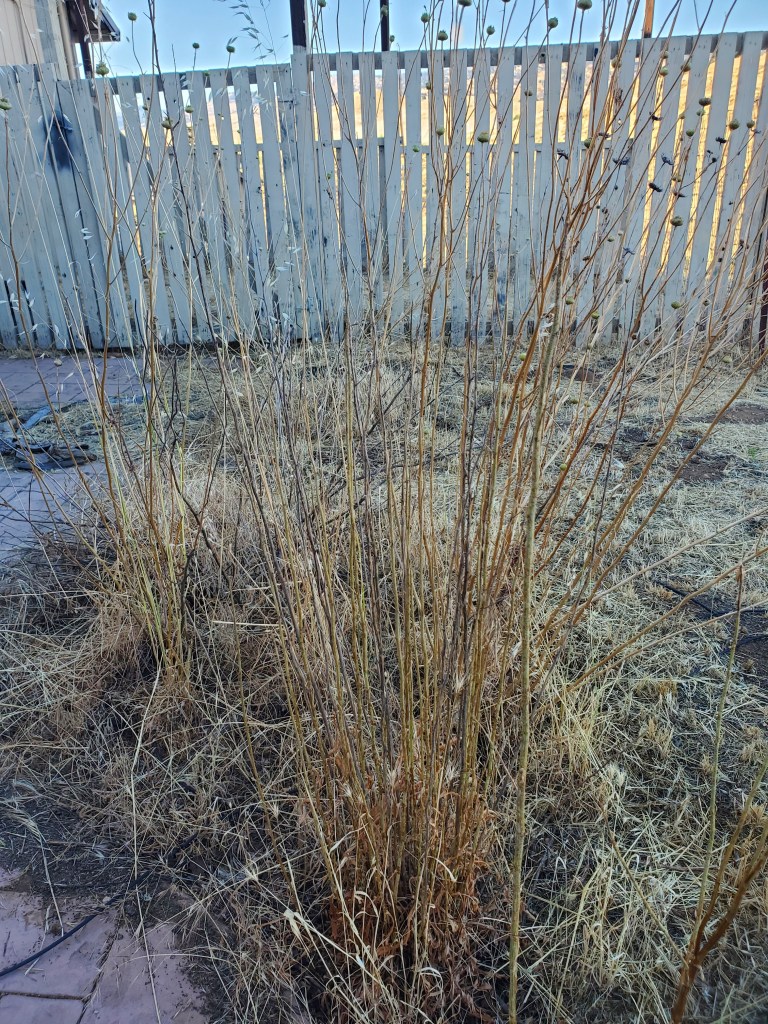
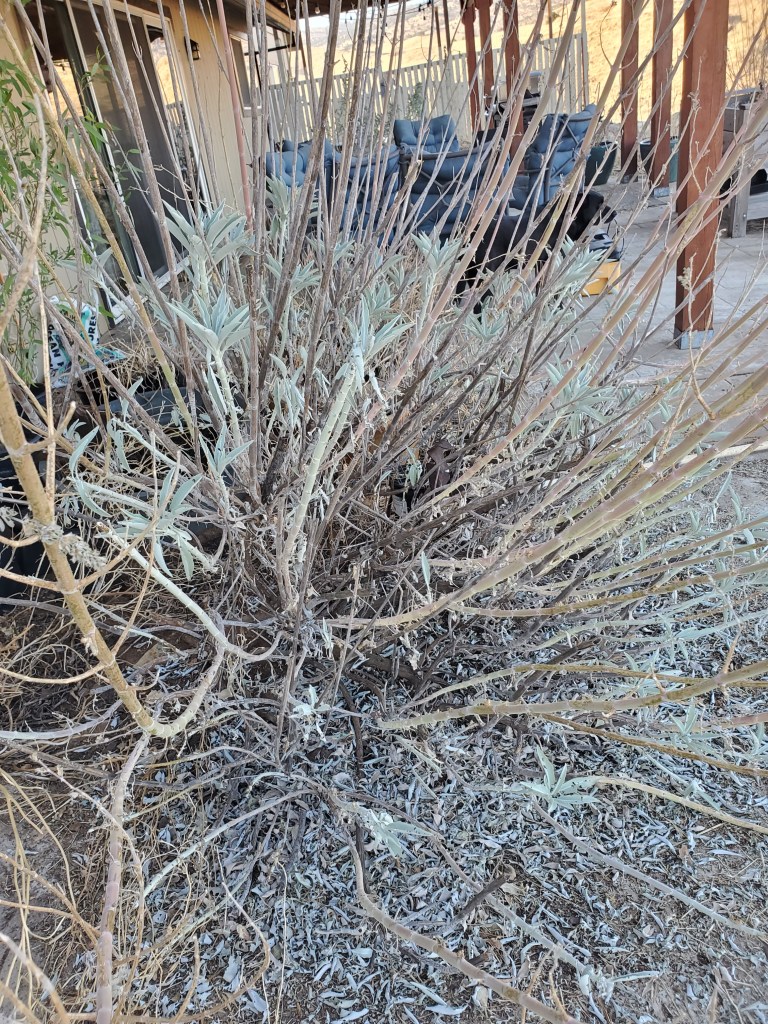
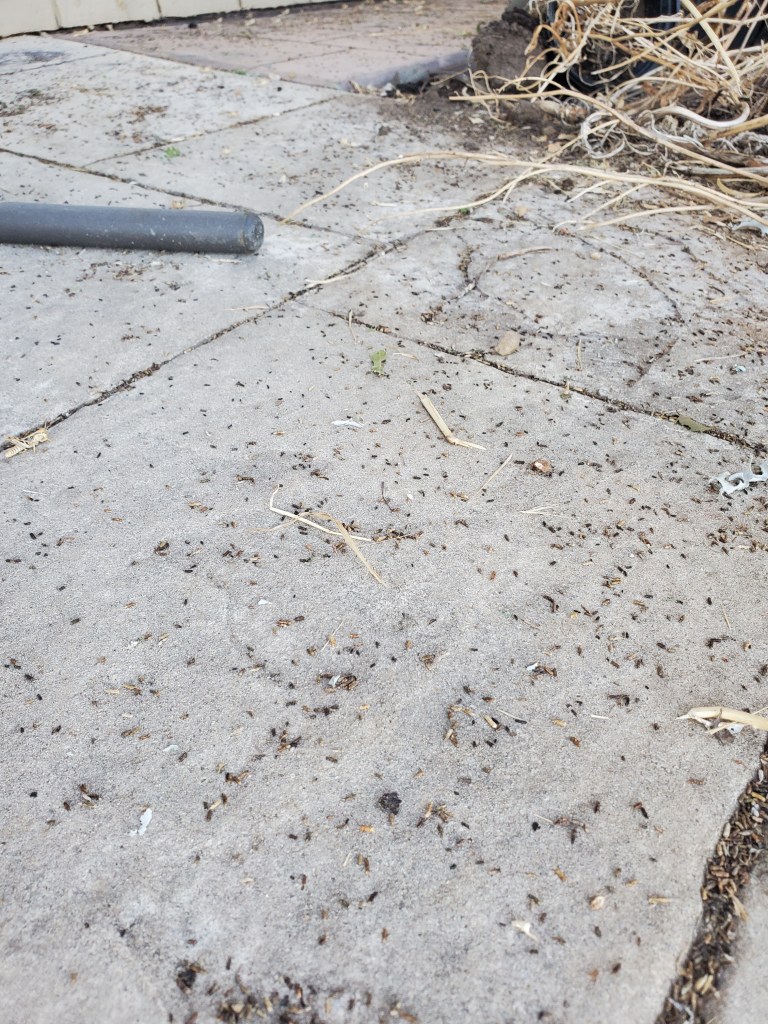
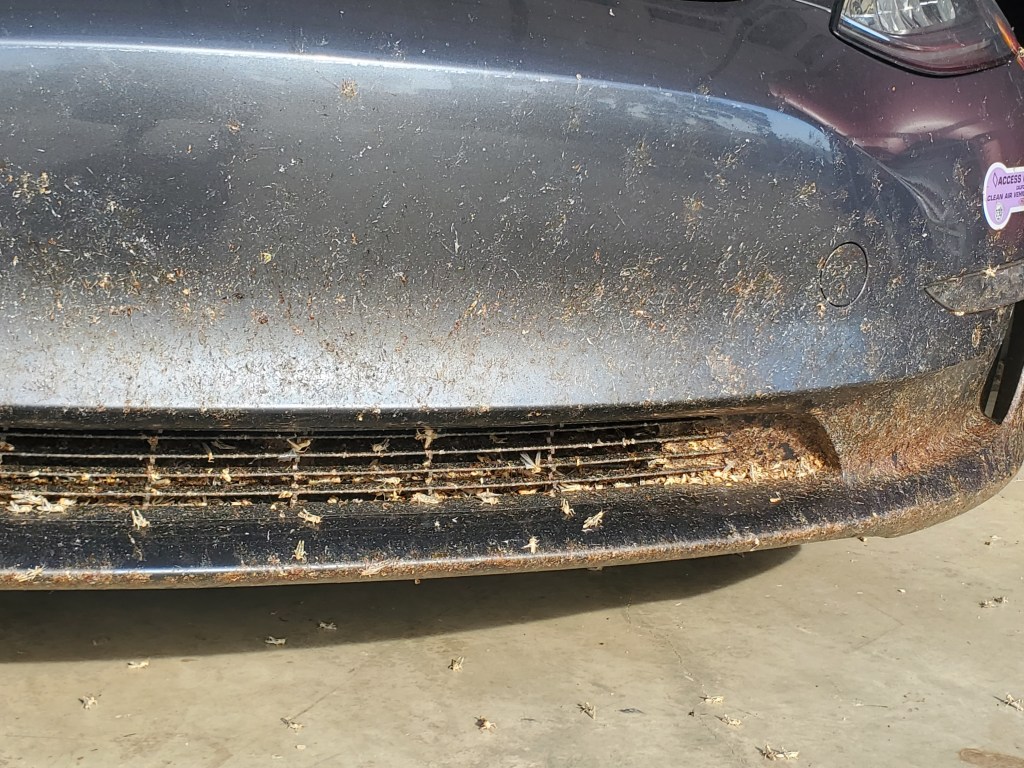
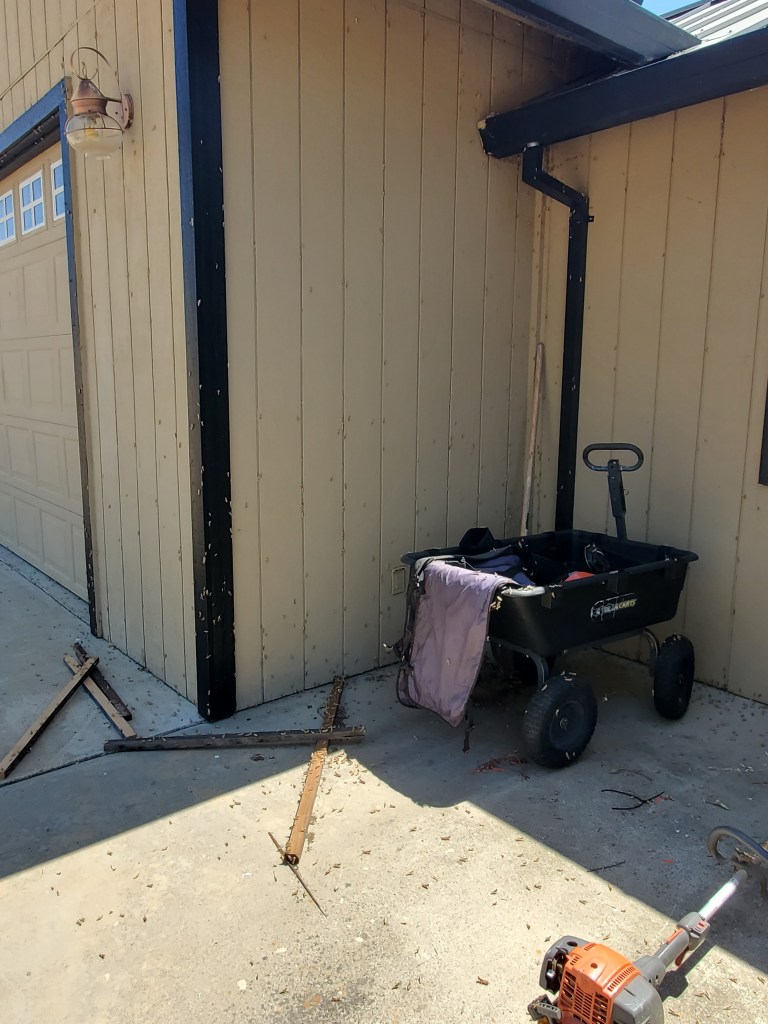
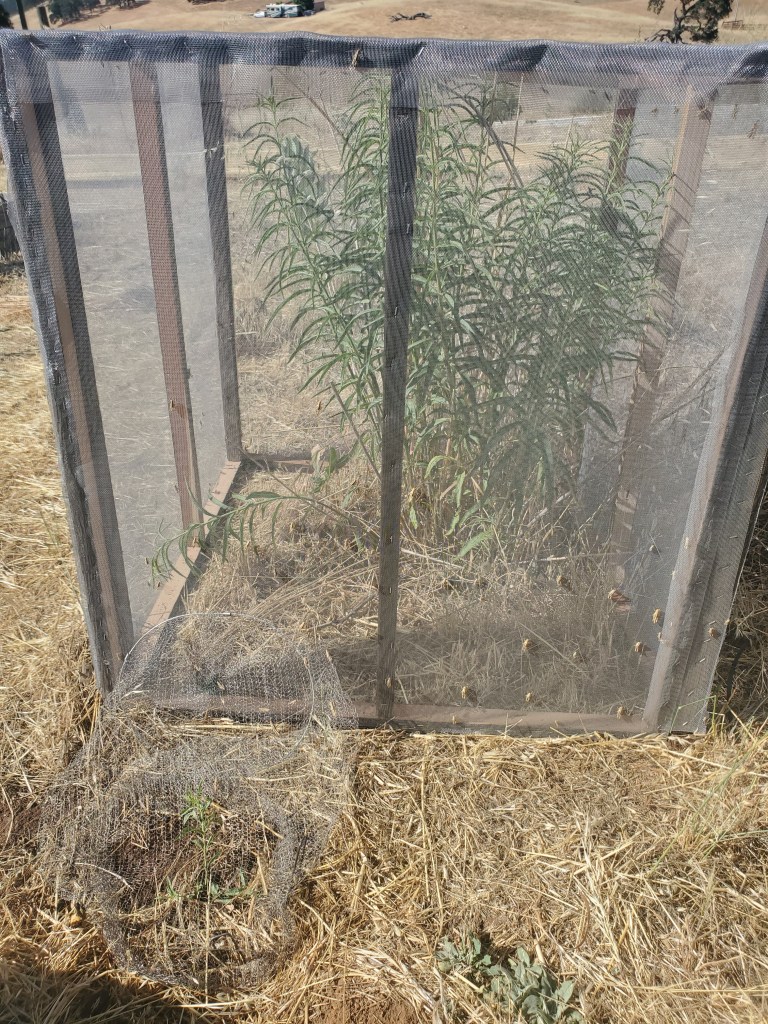
David raced to build me a few screen boxes last week. For him, they take about 3 hours each – much too long to build enough to save plants. In the end, he built two – one with plastic screen and one with metal screen. He used what we had for the window screens. Unfortunately, as you can see in the image above, the plastic is not durable. The hoppers can eat through them. We tried to save a sage, a narrowleaf and two other nectar plants. The purple sage nearly died last year. I figured if it was not covered, it might not live through another ravenous incursion. The narrow leaf is the largest, most mature. Last year, the monarchs chose this one and a few others on which to lay their eggs. I am trying to have something for the monarchs when they come back. The other two nectar plants will likely get eaten. There is no box to hold the structure. The screens are pinned around the plants and thus, open to being shifted by the hoppers. It will likely just slow down the inevitable. I am not sure what I will have by September for monarchs to feed on — maybe tarweed and seep monkey flower if I am lucky.

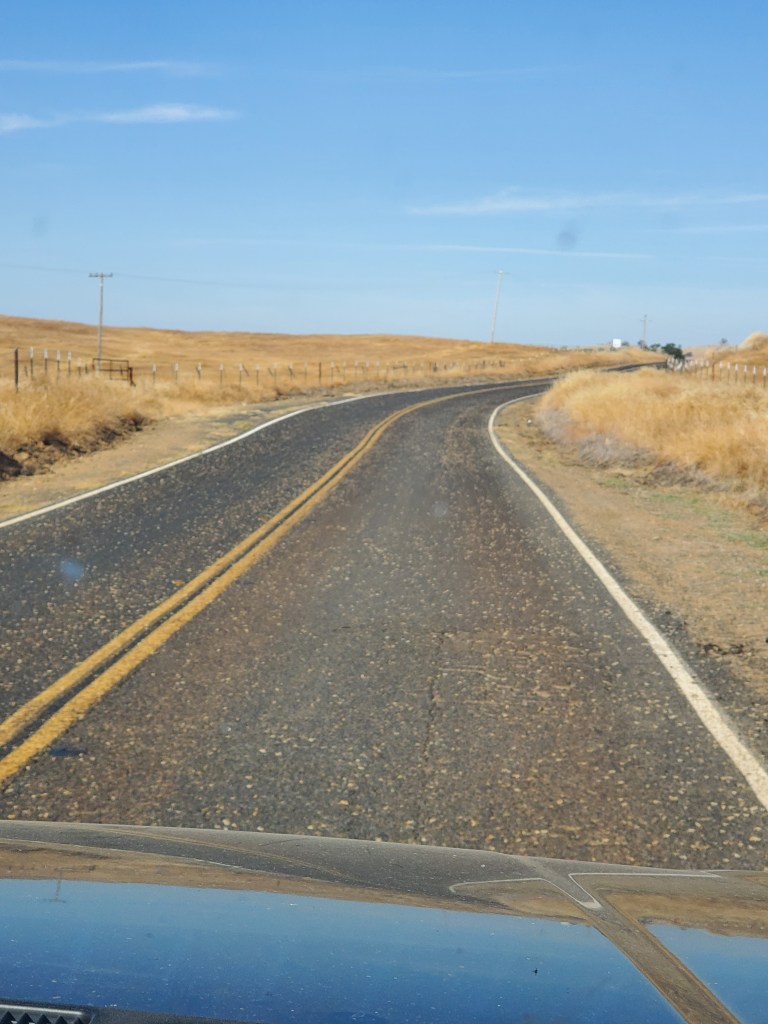
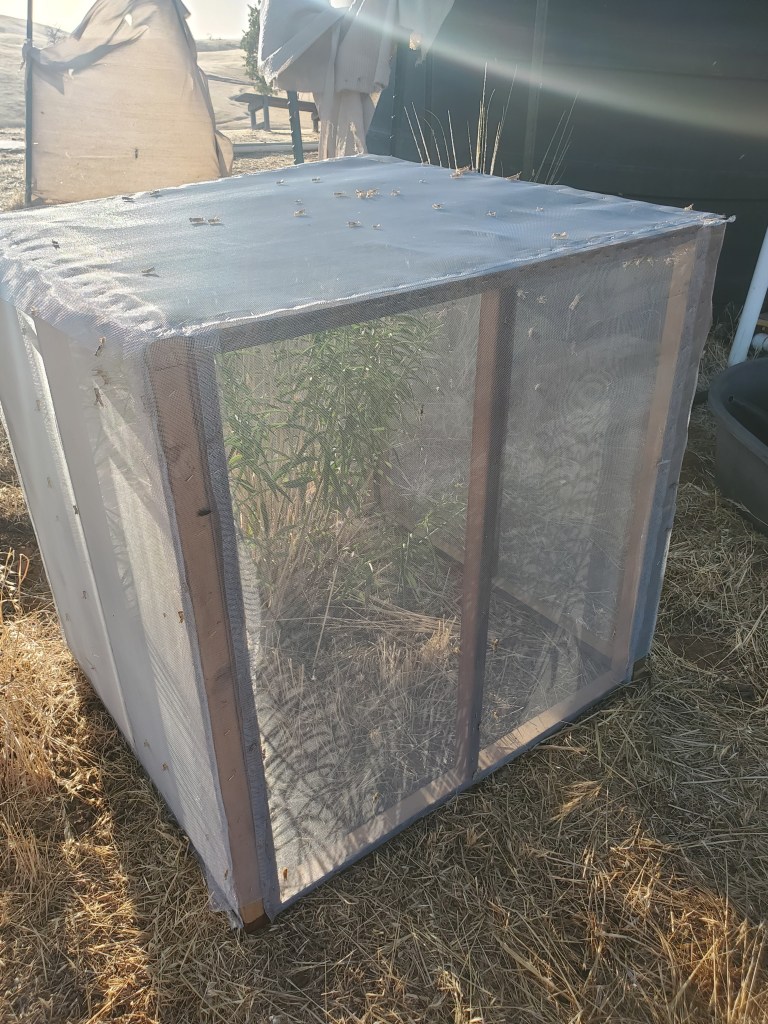
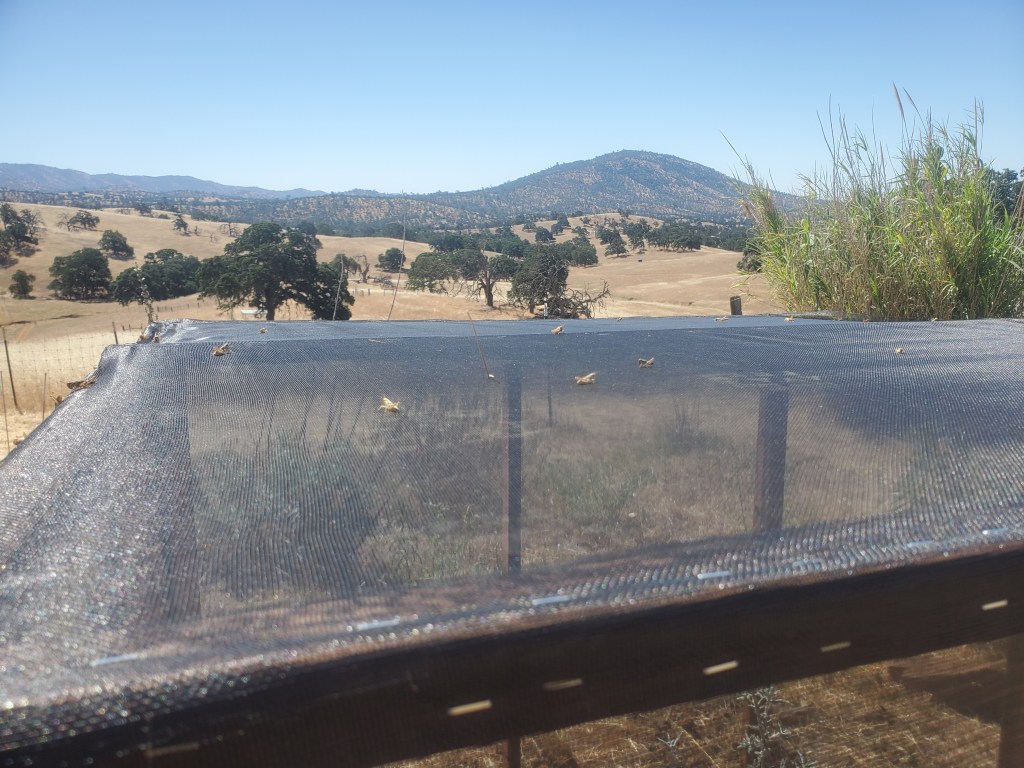

We are still watering. The roots are alive, and will need strength to make it through this onslaught.
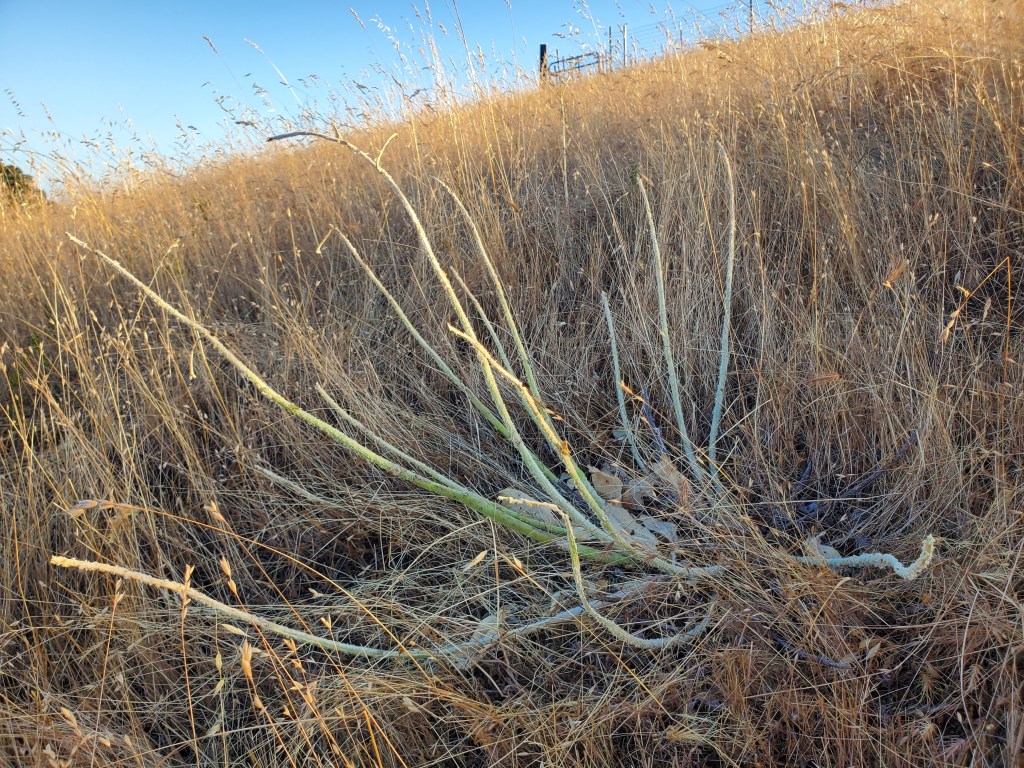
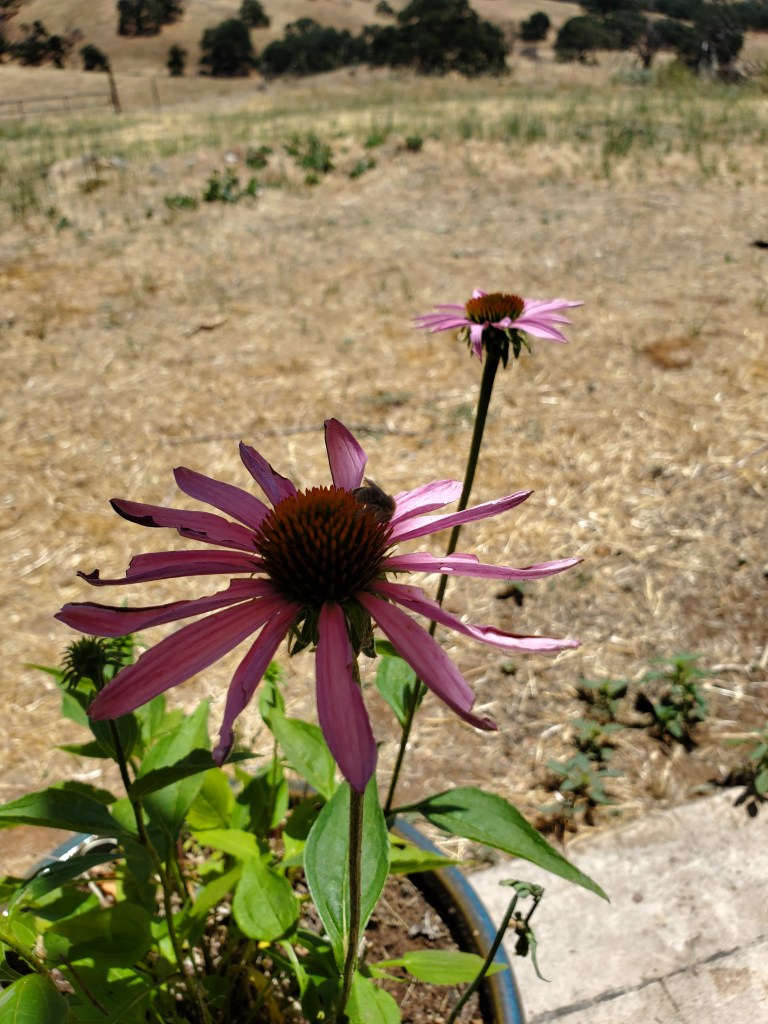
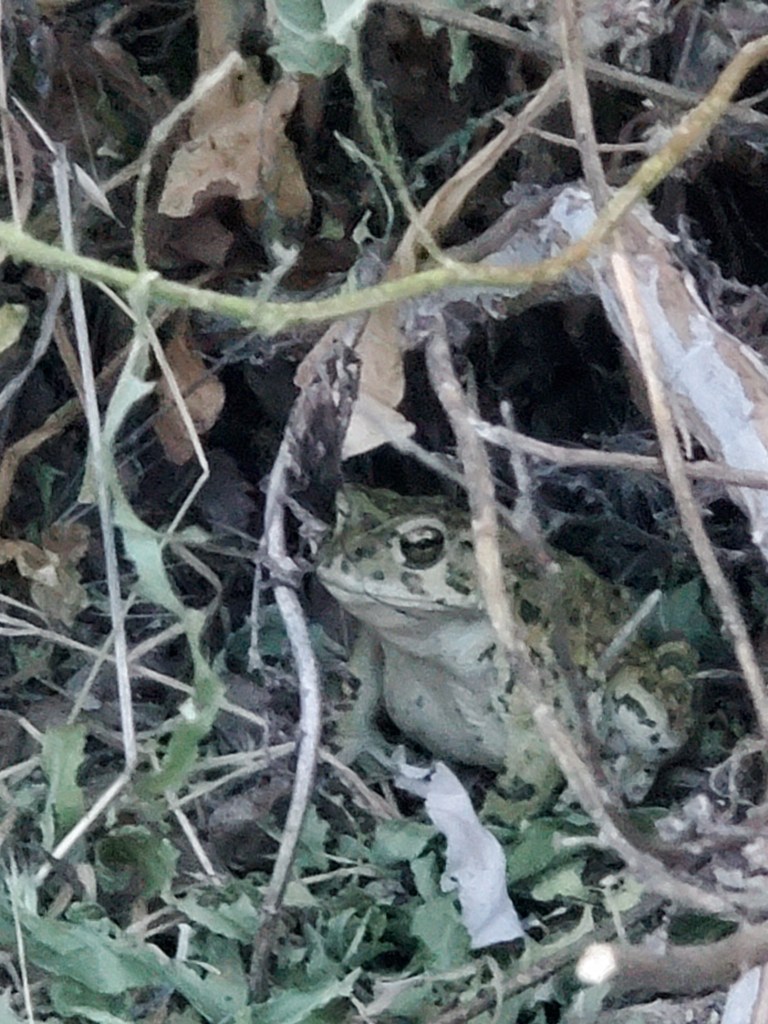
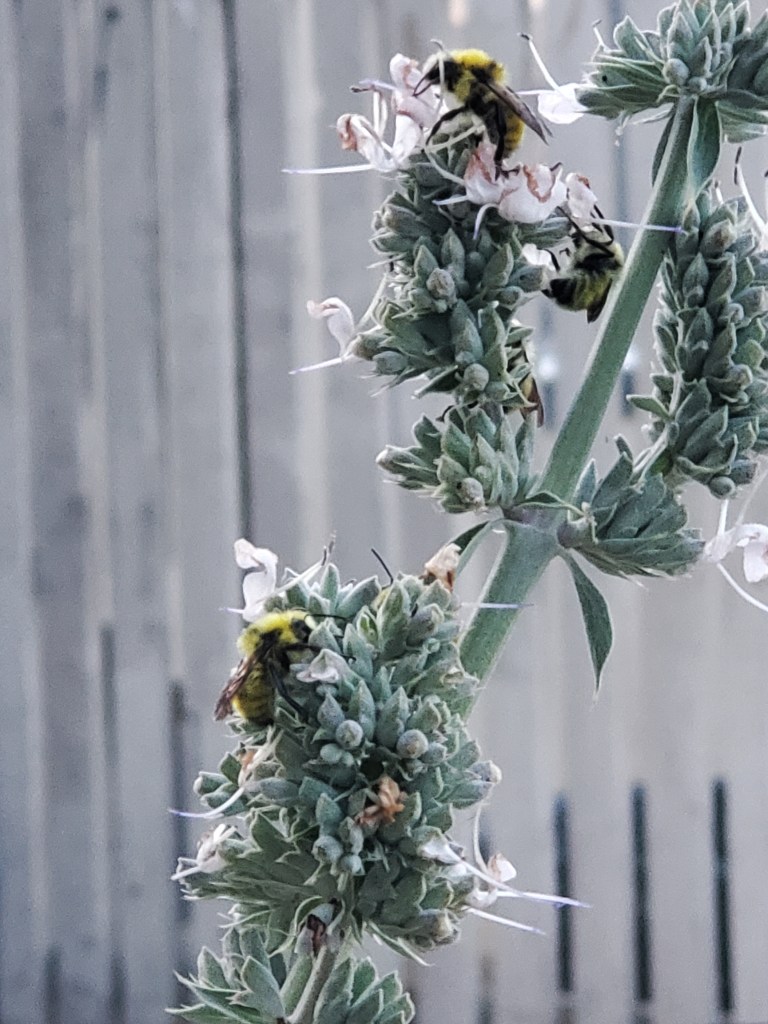
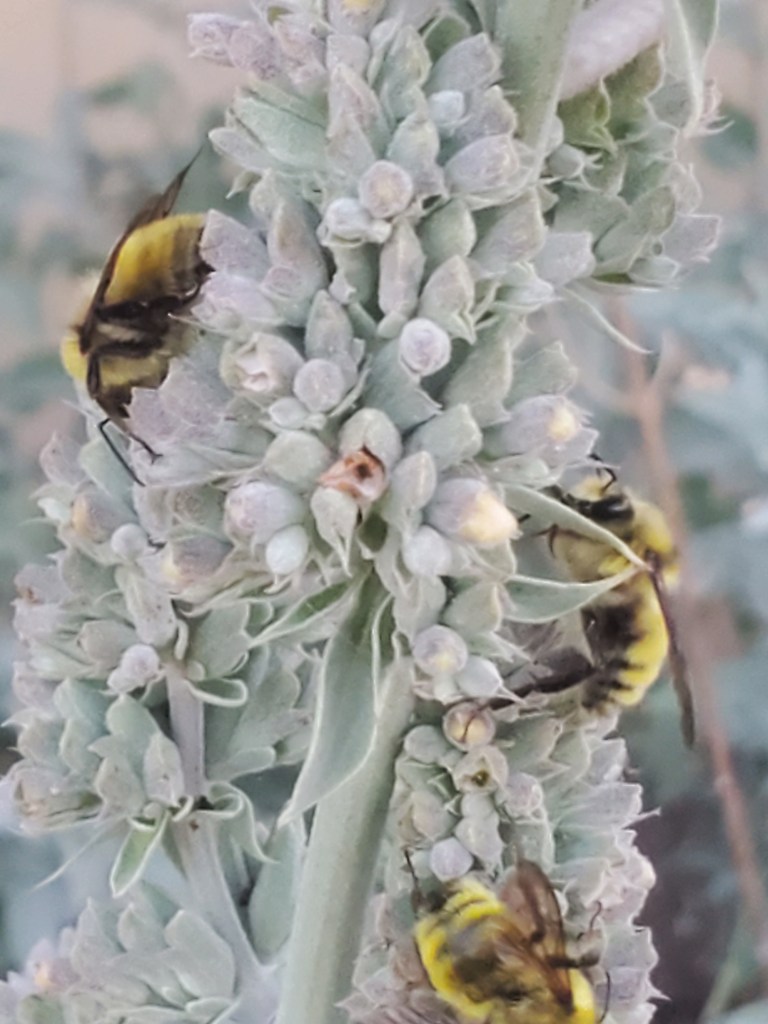
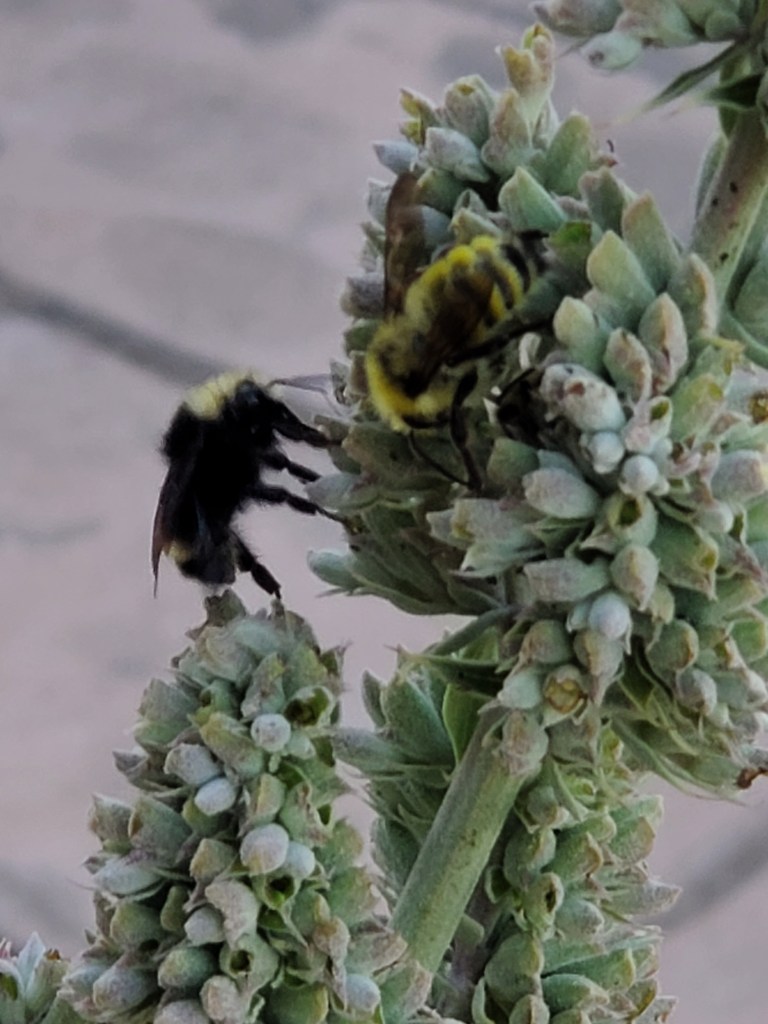
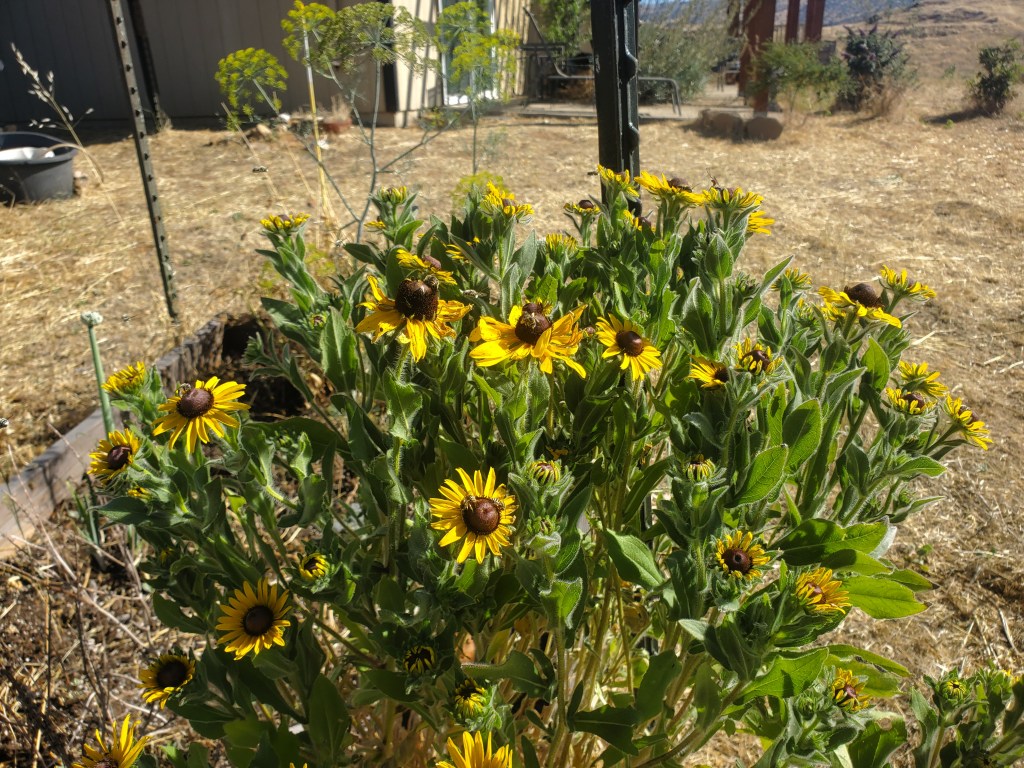
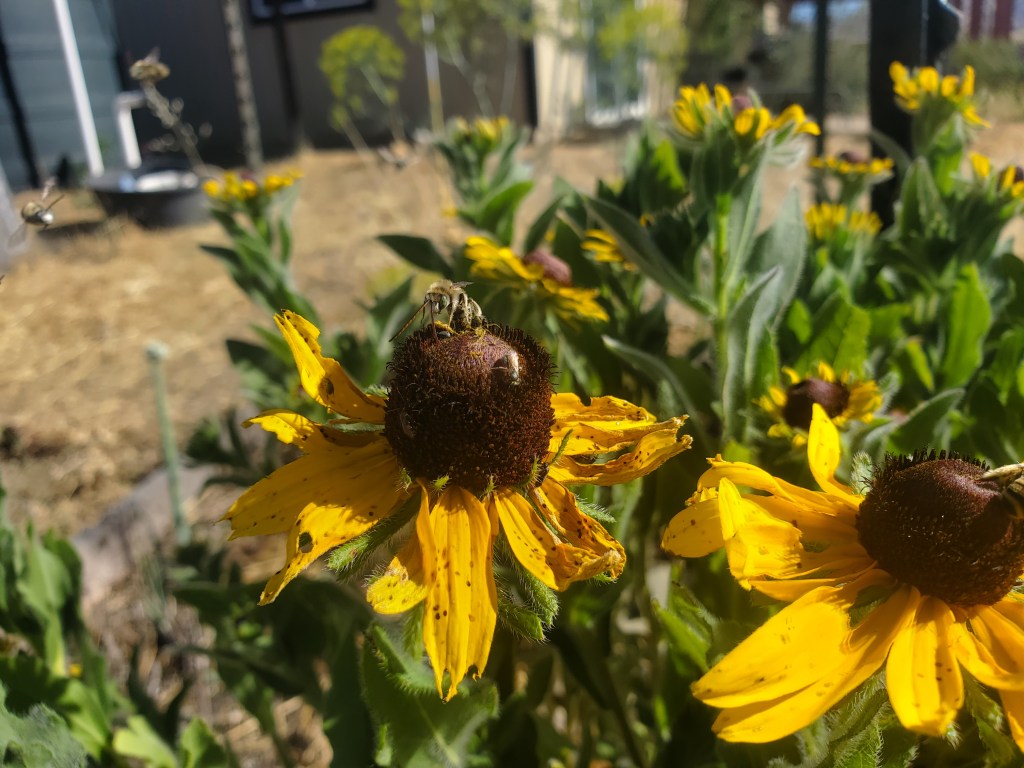
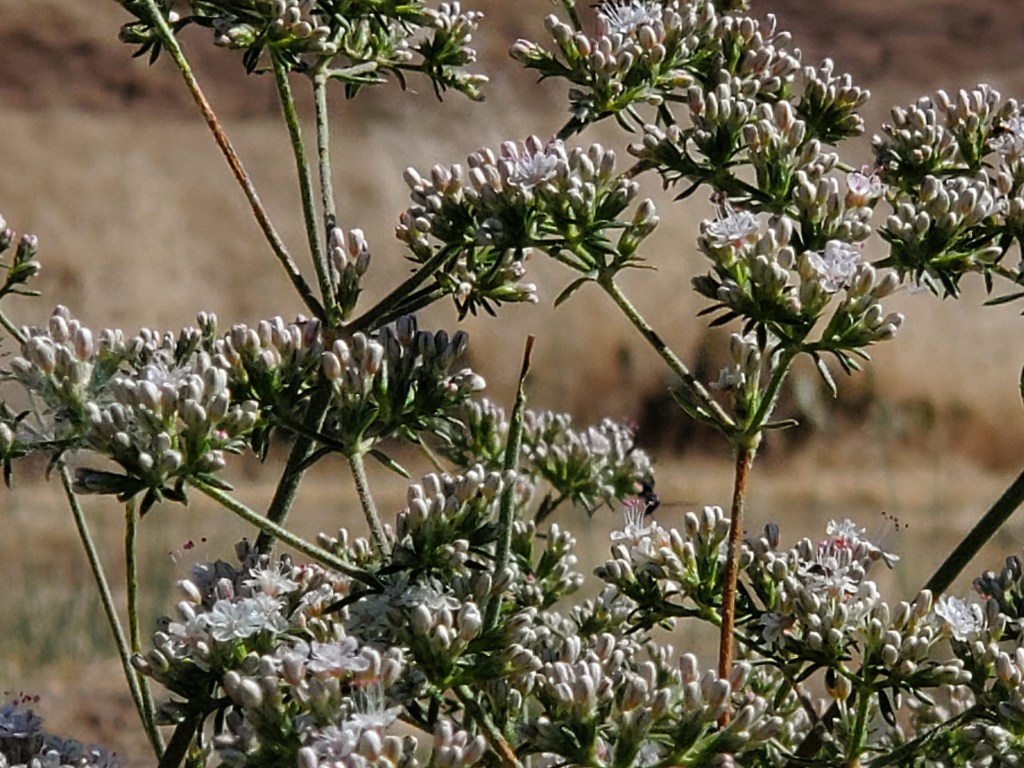
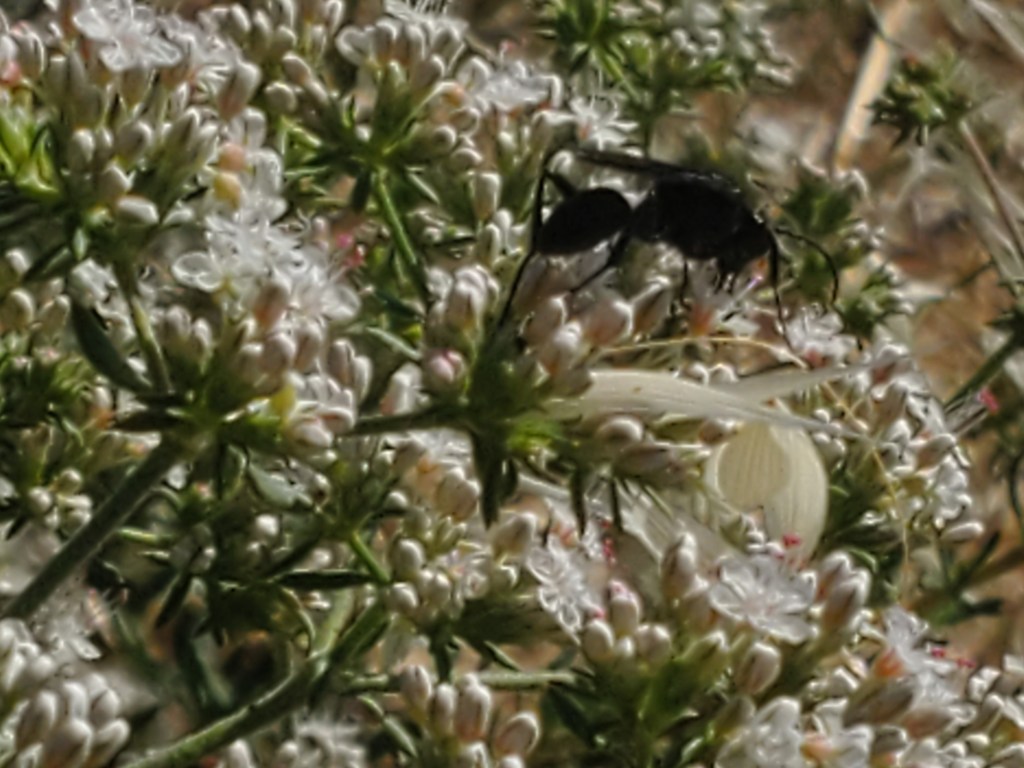
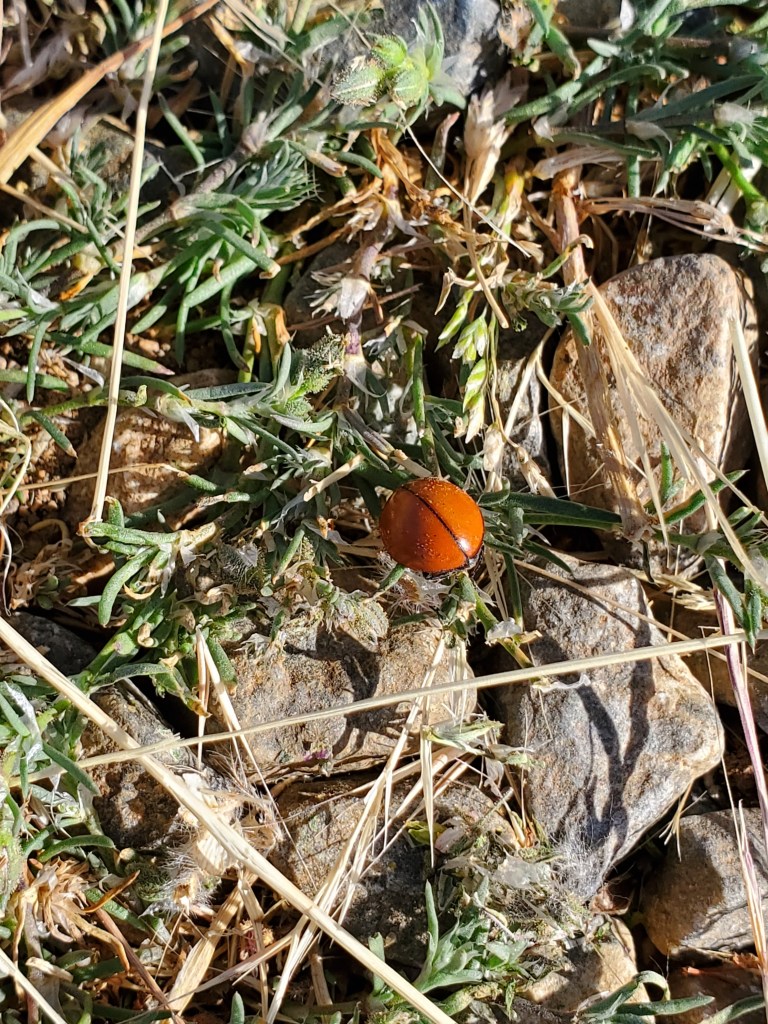
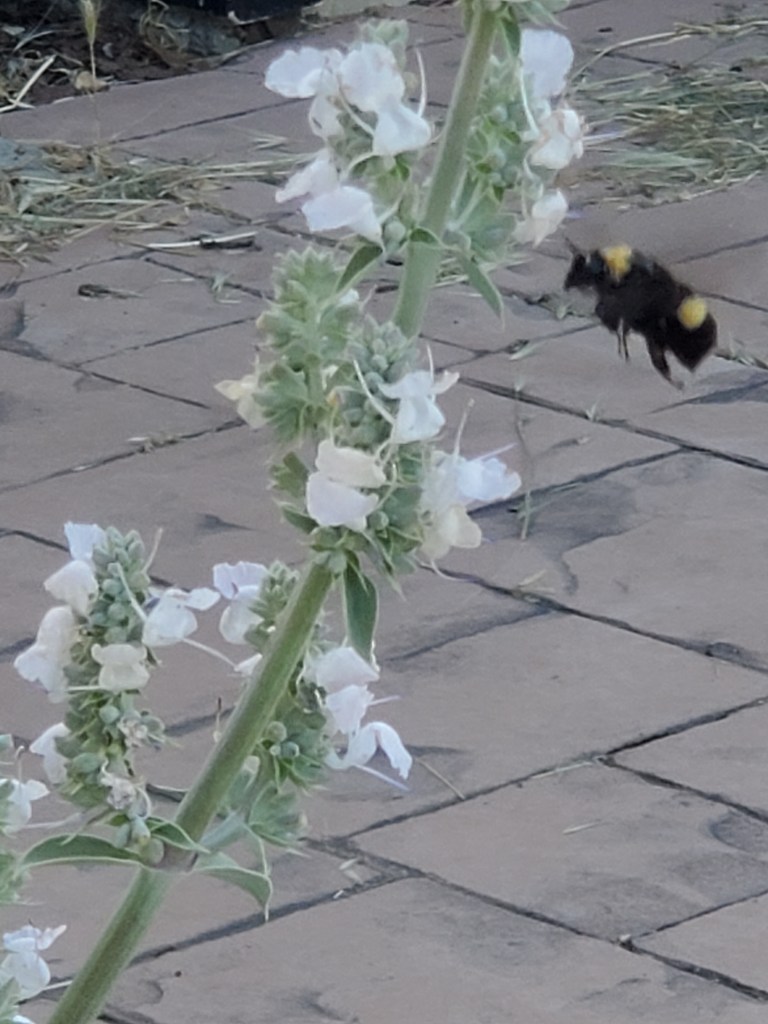
I am loathe to post photos of before this plague. It hurts to see the beauty of this place. I worry about all the bees that used these plants for food and lodging. What will become of them? It is important to see all the life these plants supported before they were ripped to shreds. Again – all of the plants below are now gone.


Milkweed – a Race to Save the Seed Pods
I have been traveling for work much of April and May. As the hoppers continued their death march, all I could do was hope from afar that it would not be as bad as I thought. Over the phone, David would prepare me for the worst. “Hey HB”, he would say. “Don’t freak out, ok? The grasshoppers are taking everything down. Expect that when you get home.” Guilt would creep into my dreams. I was not around to protect the California Milkweed seed pods. When I returned in early June, I ran to the close plot to gather seedpods. To my horror, most of the plants, seedpods and all, were completely gone. Stems were stripped. Please understand that this is early. Last year and the year before, the hoppers did not decimate things until late June and July when the pods were more mature. I thought I had time. Operating off this data, it shocked me to see the California Milkweed like this. My stomach sank as I ran from corpse to corpse looking for any sign of seedpods. I was going off location memory as some places only the absolute bottom of the stems were left. Luckily, I found a few with pods remaining.
It was getting hot, and I was running over the unshaded hillsides. I moved as quick as I could up the steep slope to the large section of California Milkweed. I did not expect to find much – but – to my joy and surprise, several of the older large plants were still intact. And…two had a large number of seed pods. With relief, I harvested them to continue my work of spreading their seed when it was safe.
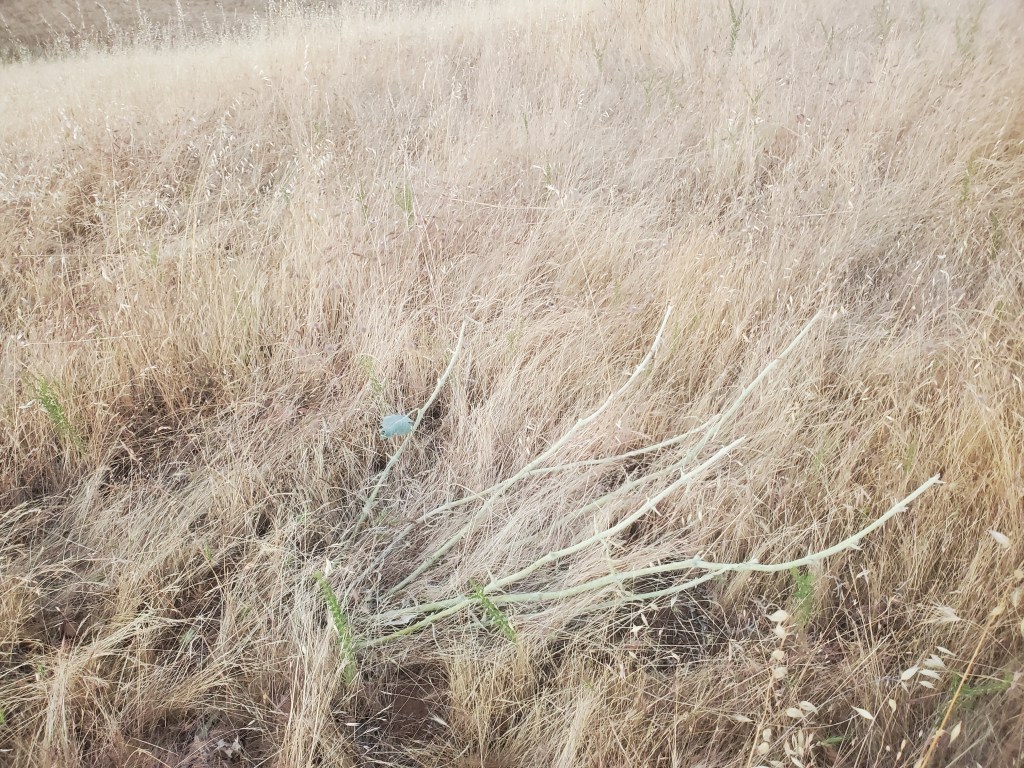
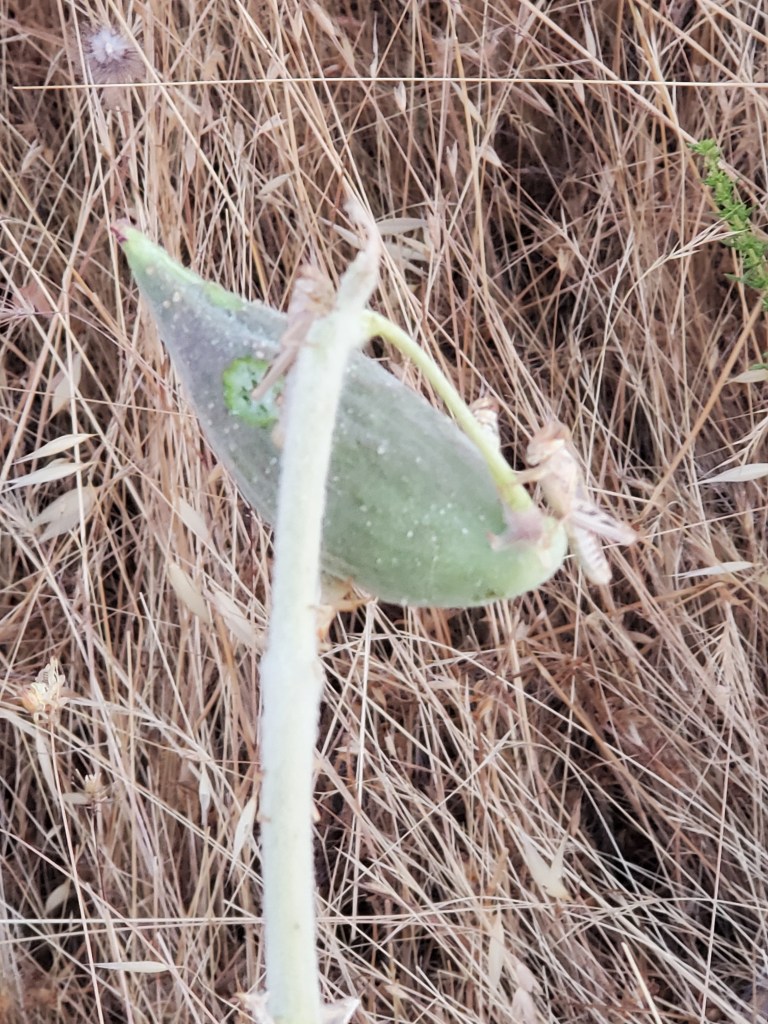
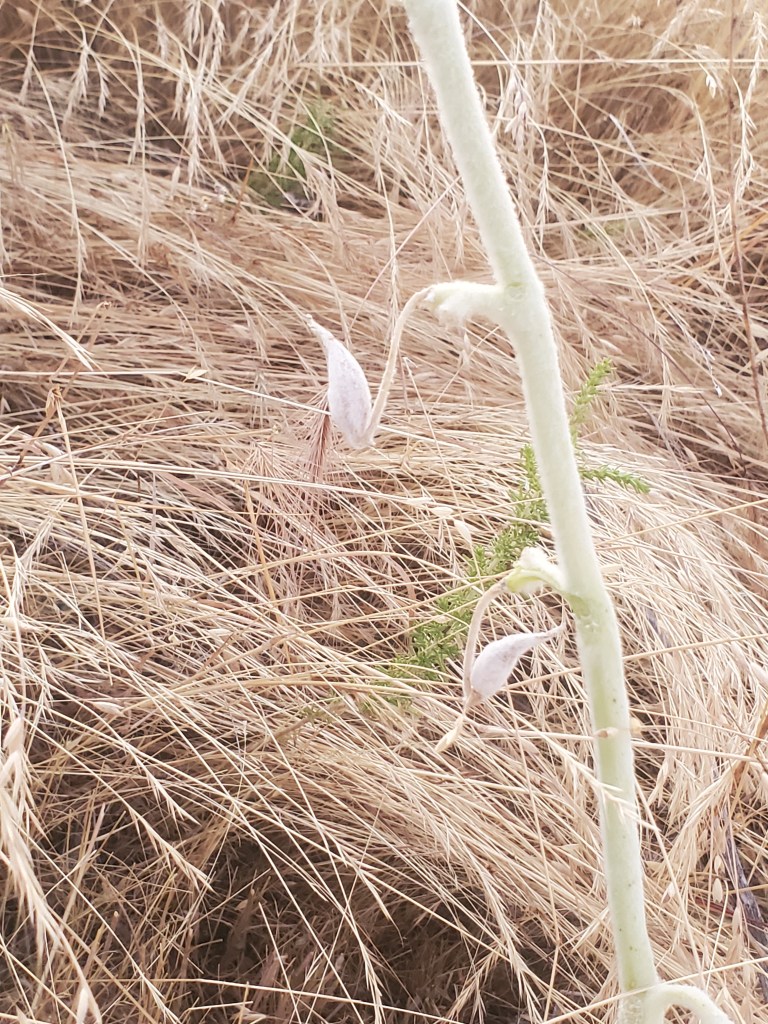
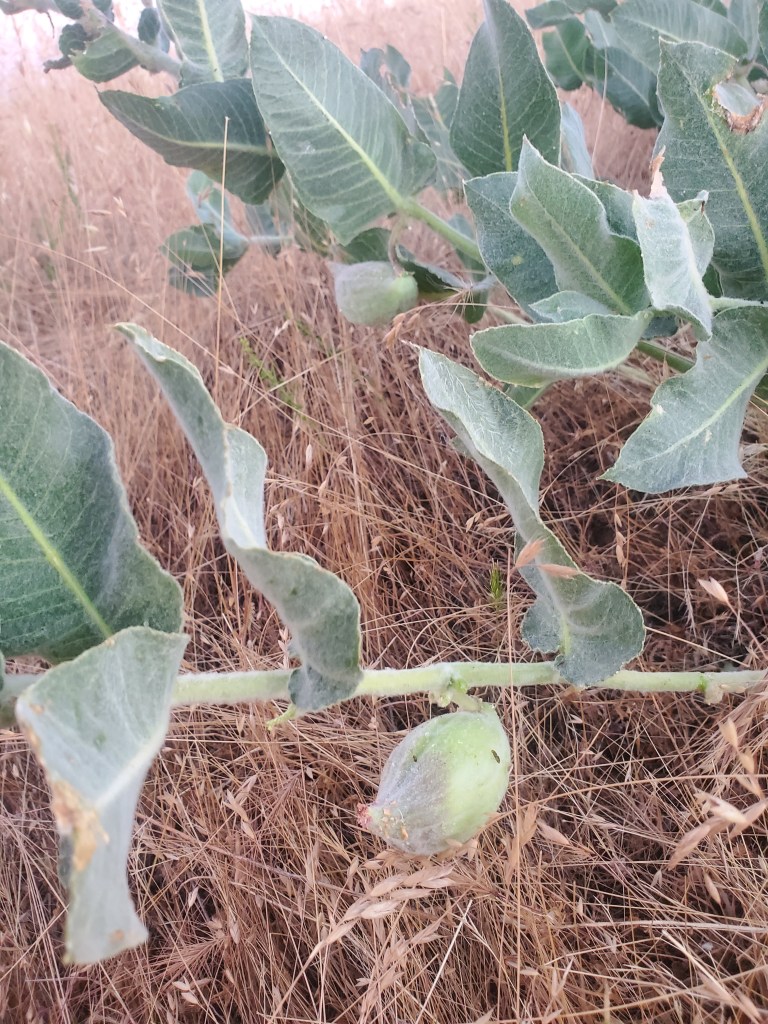
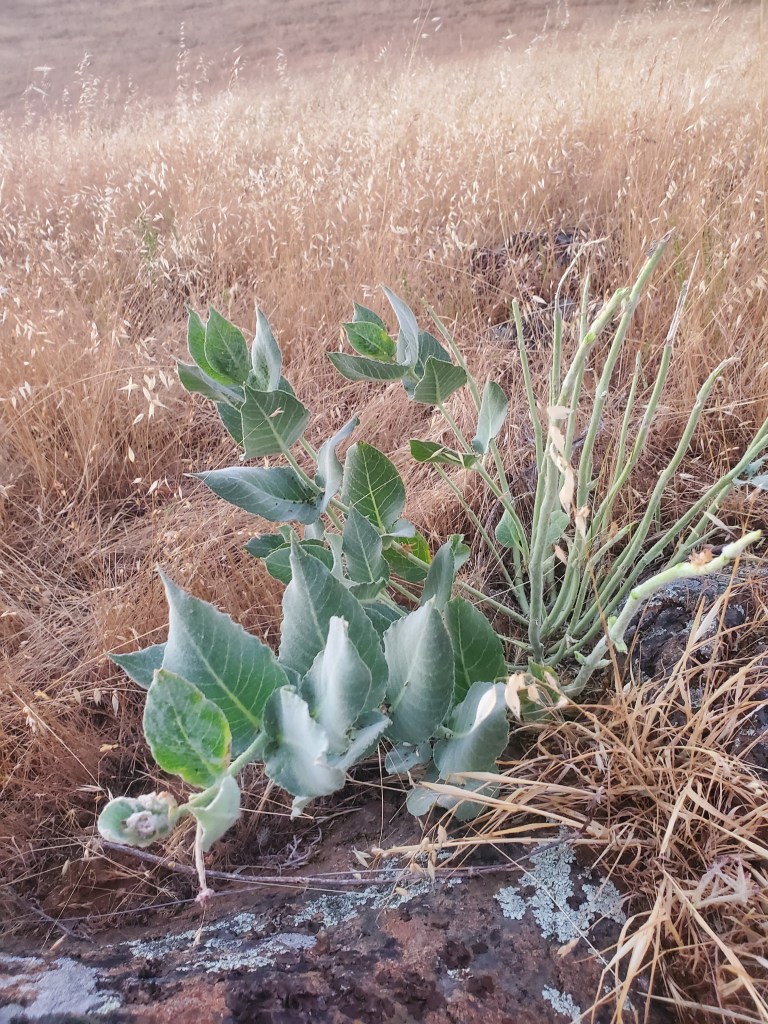
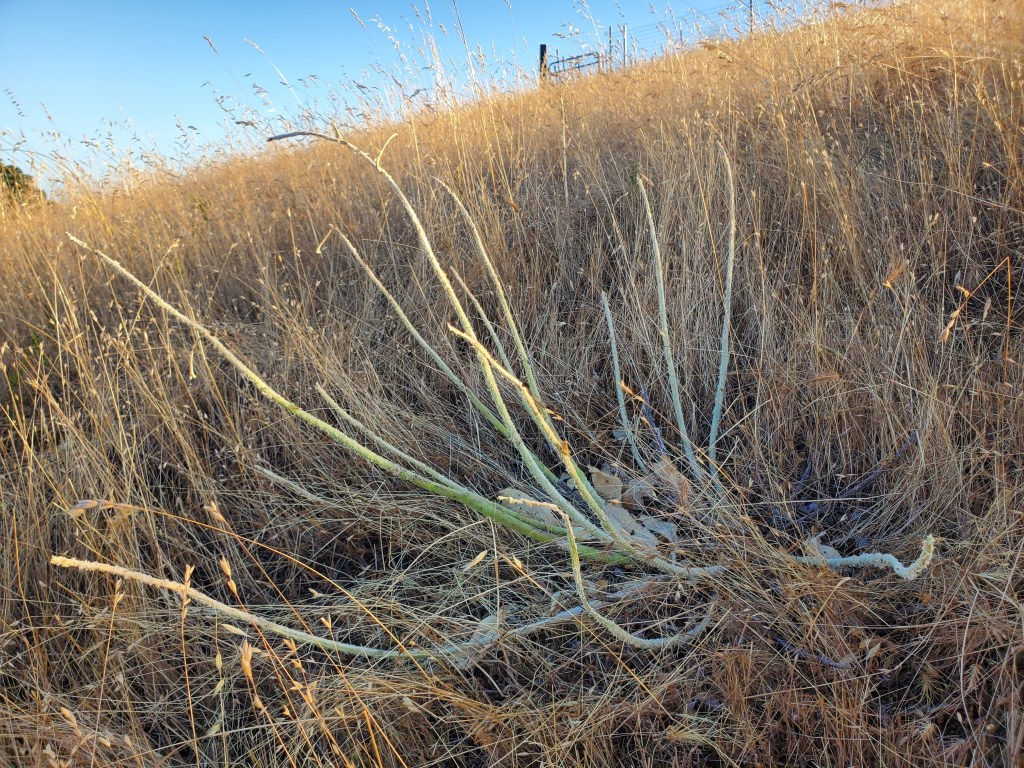
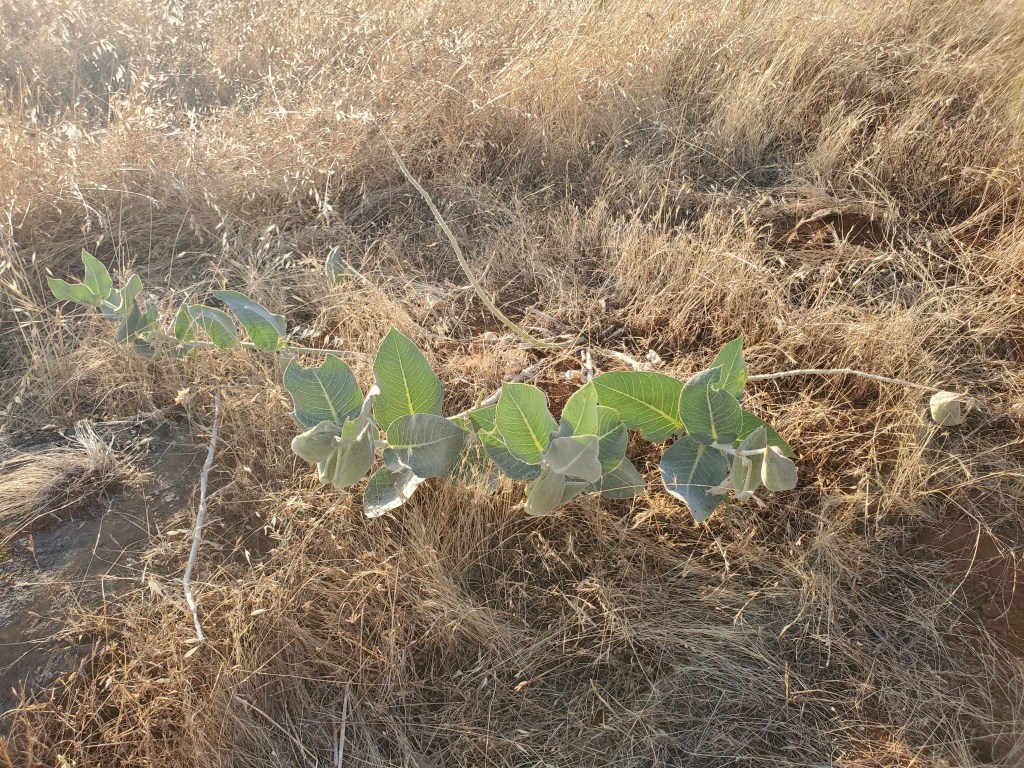
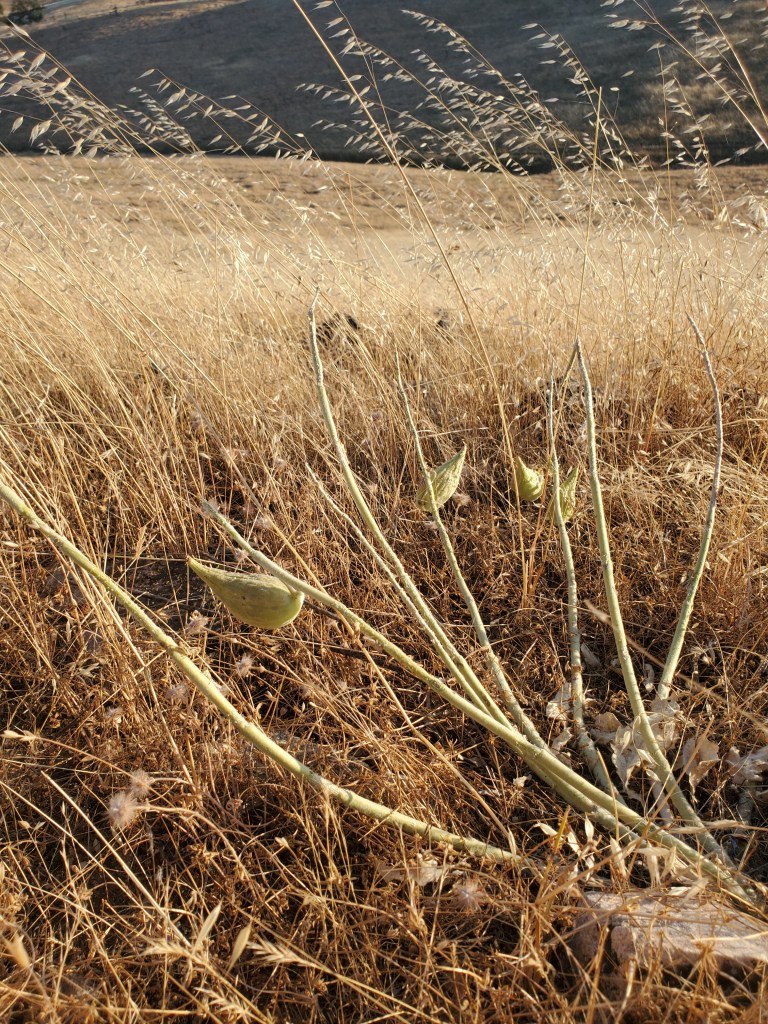
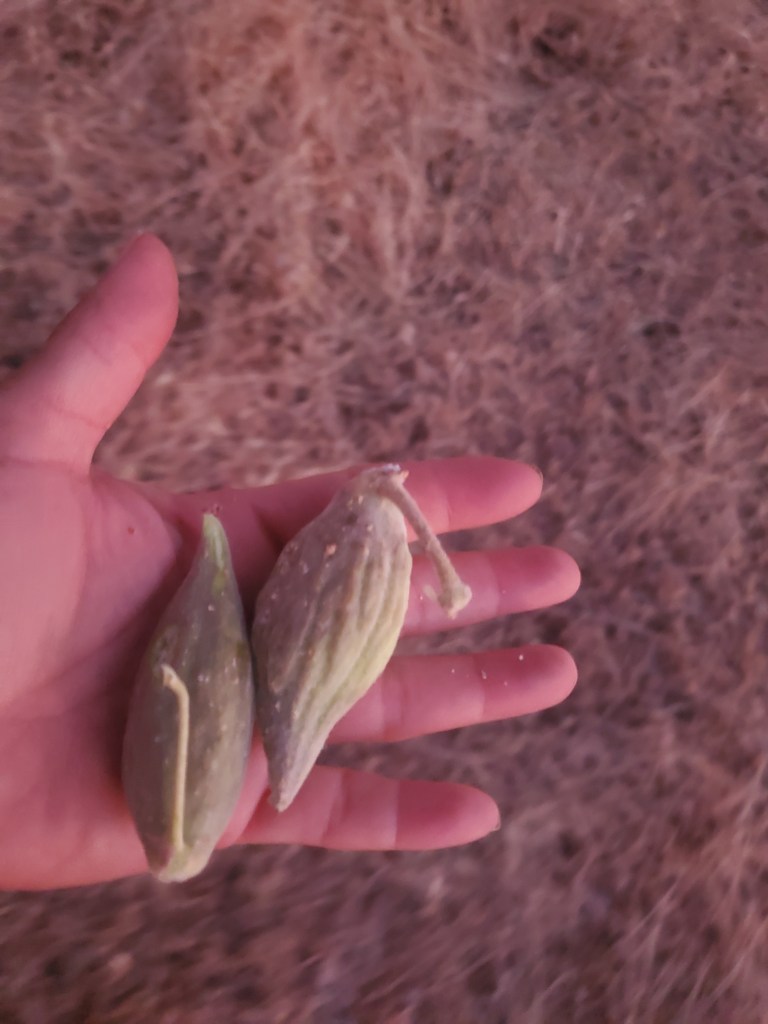
In all, I gathered 13 pods. I left three immature pods on one stem, and will go back for them in a few days. They might have a chance – but they really were not ready to be pulled off.
Abundance in the Creeks
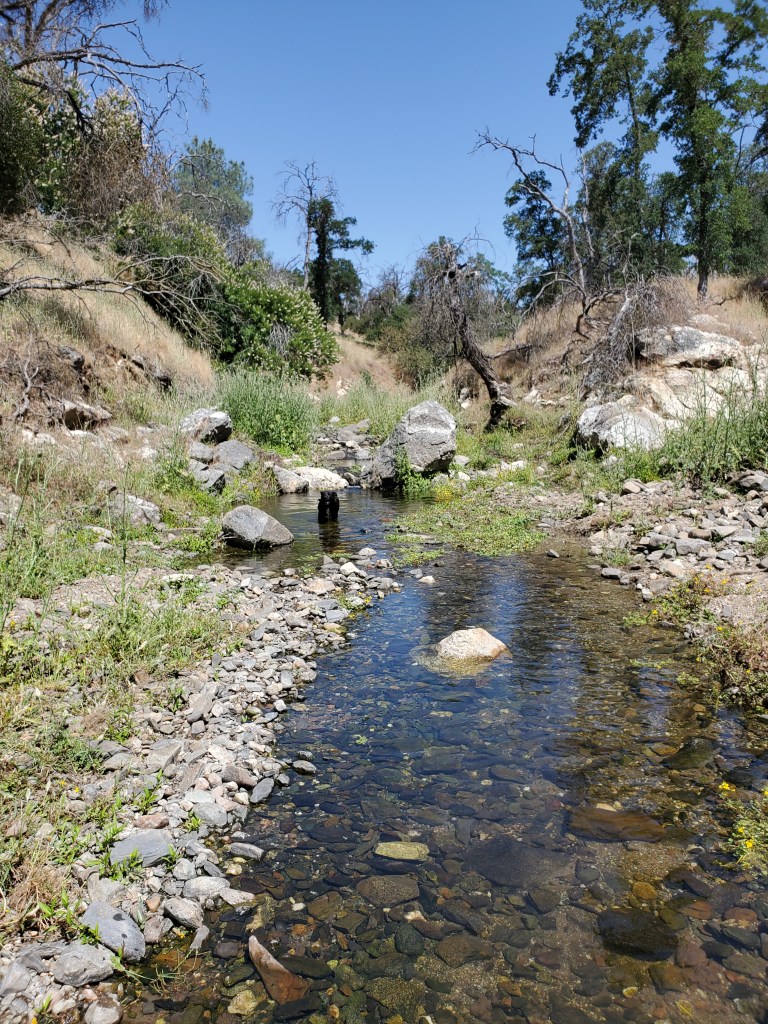
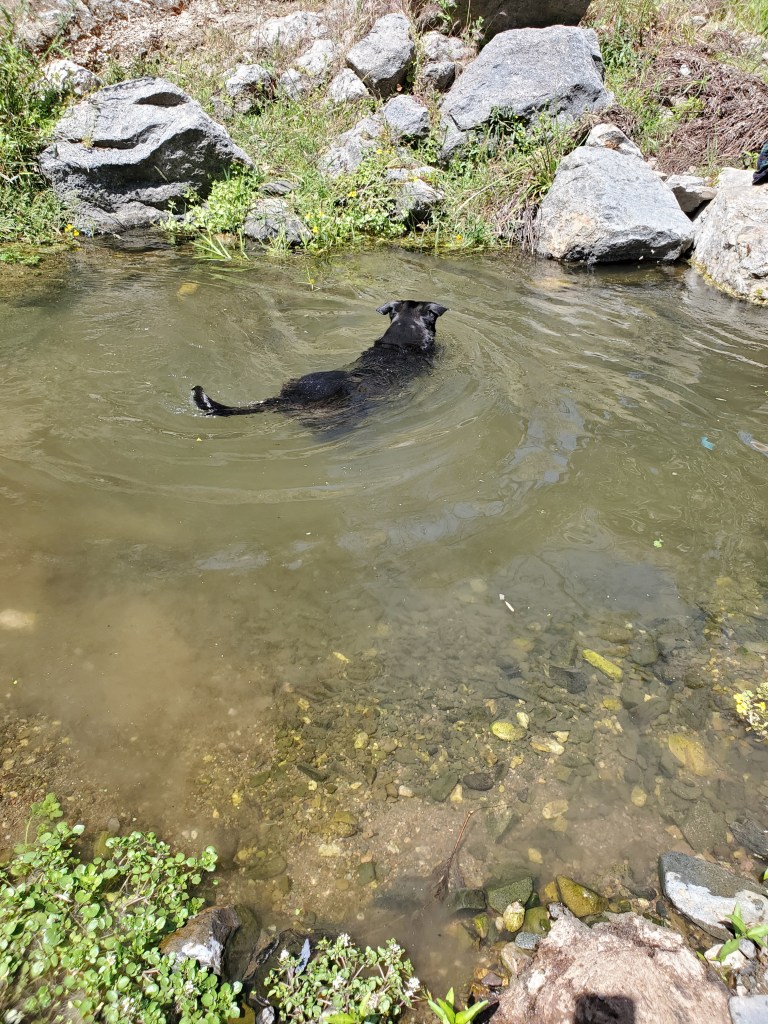
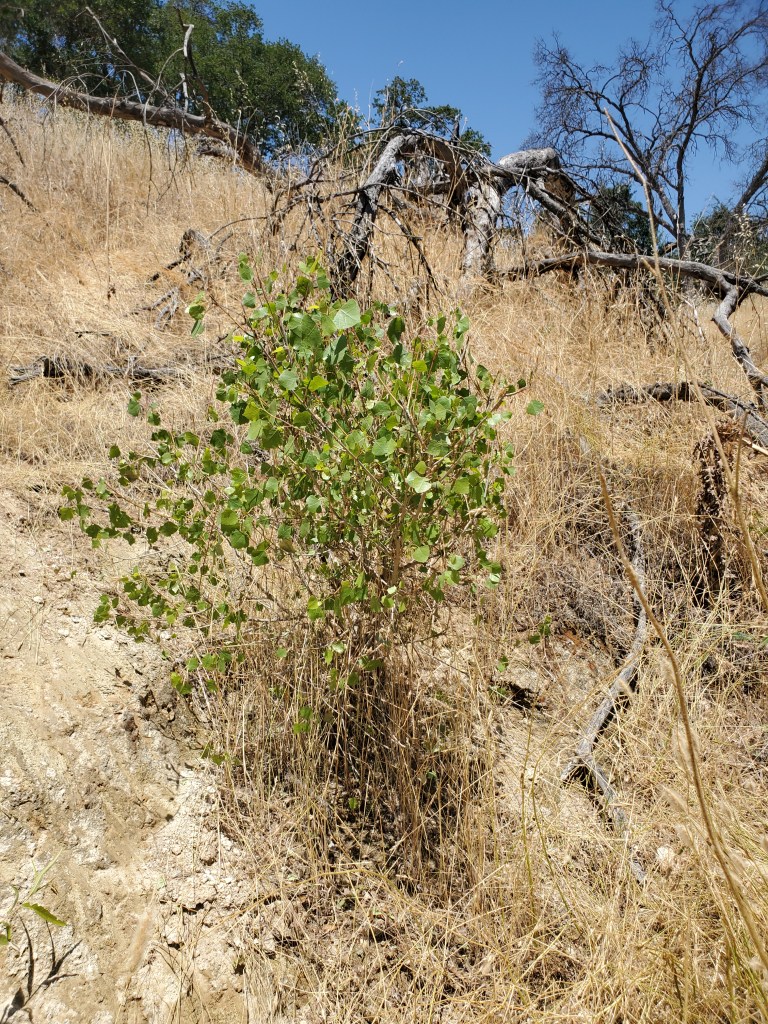
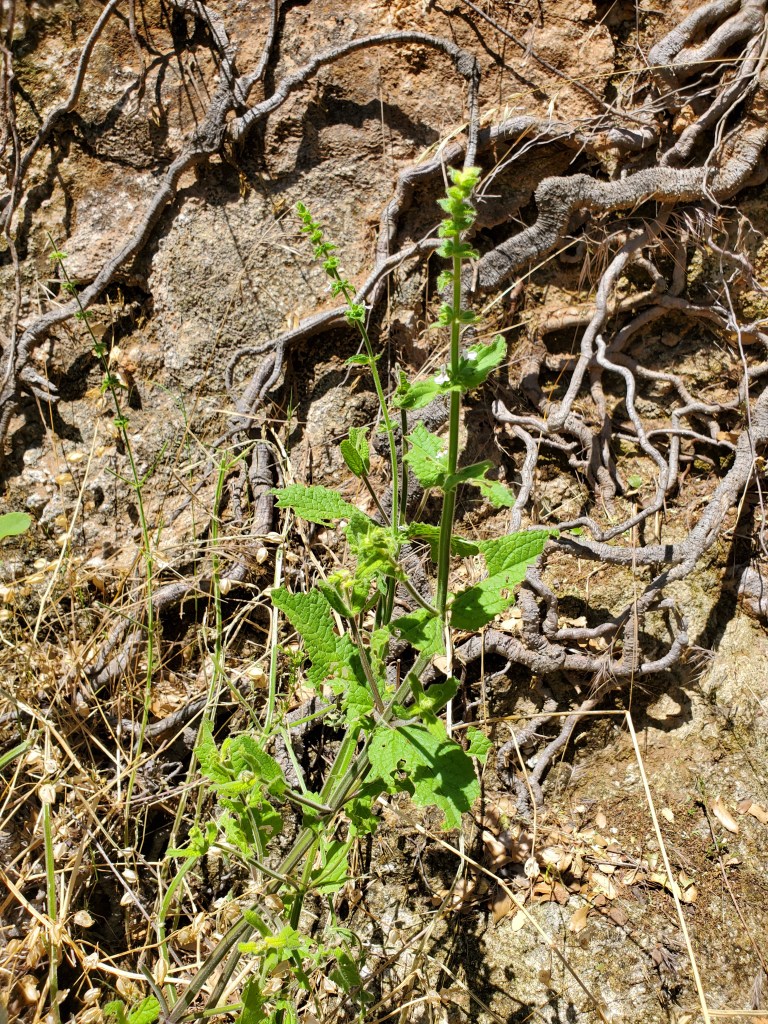
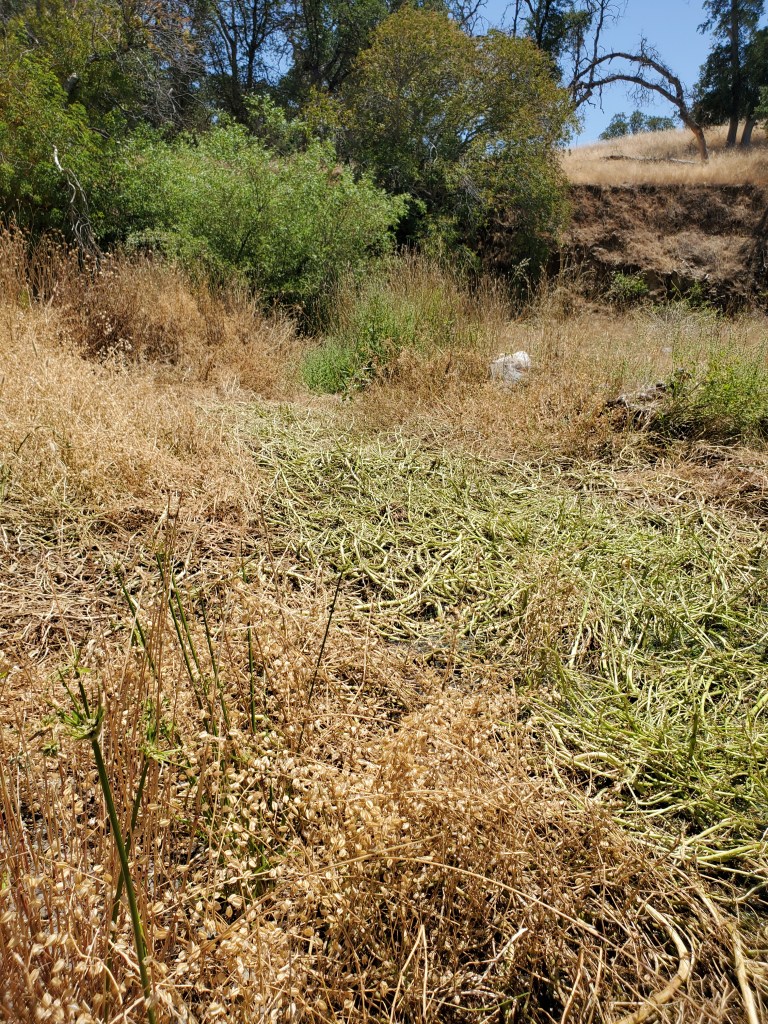
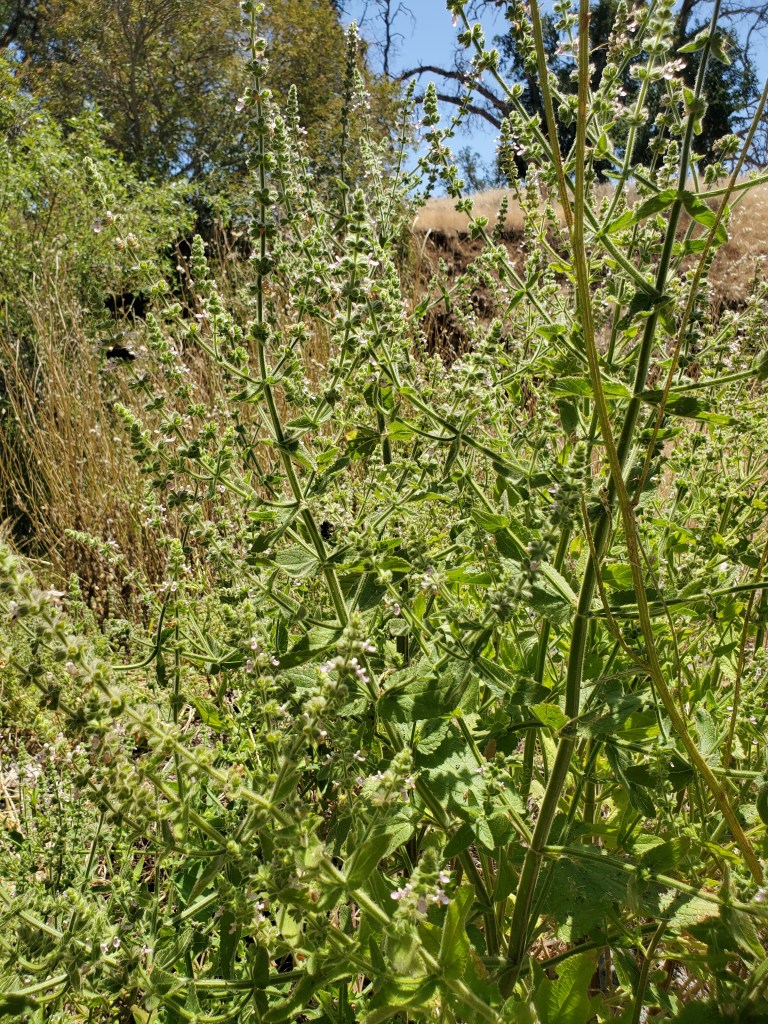
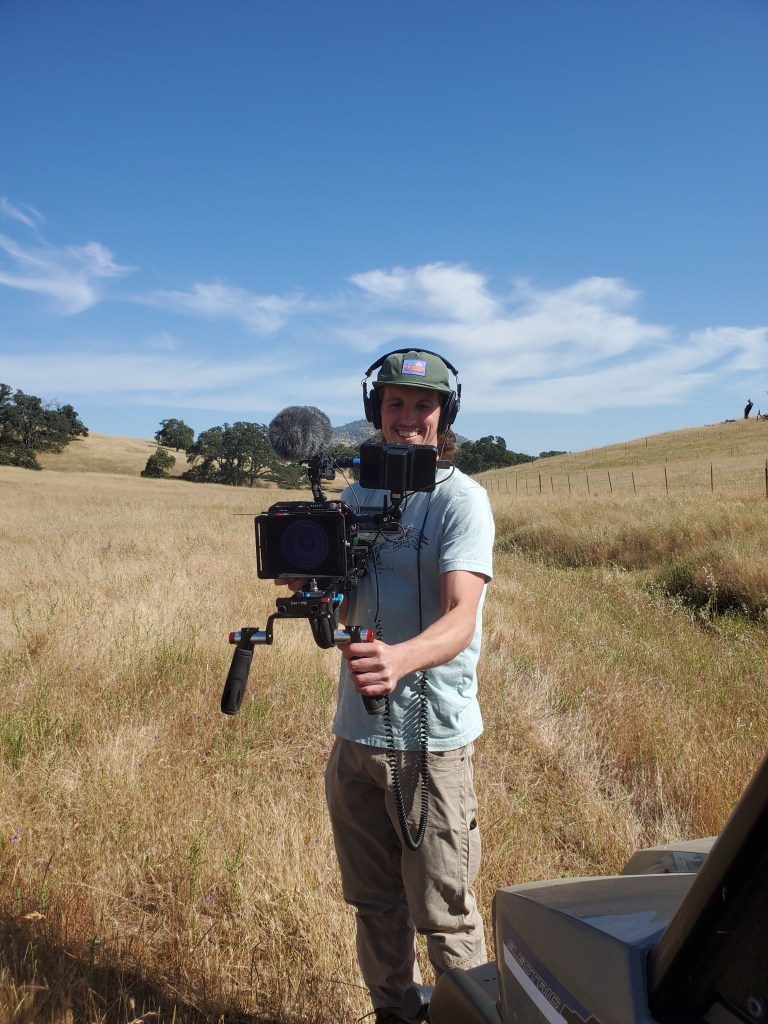
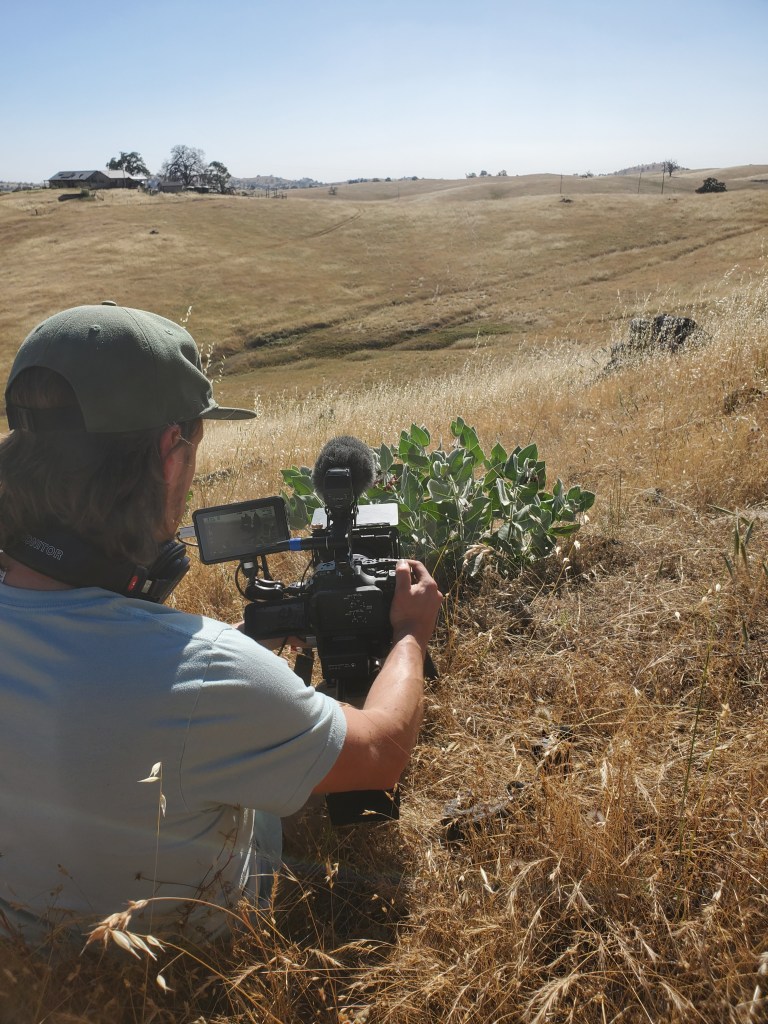
The last few weeks I took several biologists and a documentary filmmaker (Ian Nelson) across the ranch to showcase some of the stewardship work we have been doing. While in the riparian areas, we were able to witness an abundance of buckeye butterflies, great nectar plants, and a new cottonwood seedling. Shockingly, however, the grasshoppers are in the creeks as well. This is highly unusual. They tend to avoid wet places, and the creeks are still flowing with plenty of water. One biologist thought cattle got into the exclusion areas and ate the plants in the creek. I said, “No, this is grasshopper devastation.” She looked closer and saw the filigree in leaves and stems from a billion little mouths taking bites. She was shocked. As such, even in the excluded areas, there is no seep monkey flower, datura, or other riparian broadleaves. Even the thistle is eaten. Fortunately, the buckeye trees were still in bloom and a few other species had blossoms. As we approached some intact plants, we saw a diversity of native bees, including bumbles. My heart swelled. Now I knew that the bumbles had a place to find food. Phew!

Beautiful Reciprocity
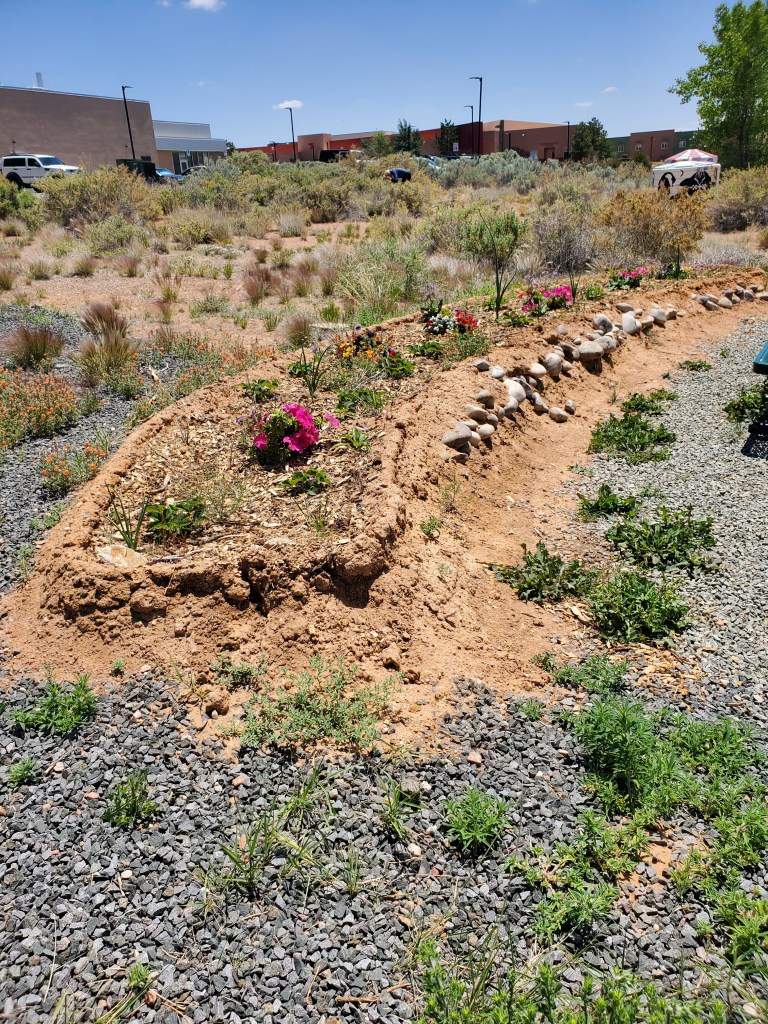
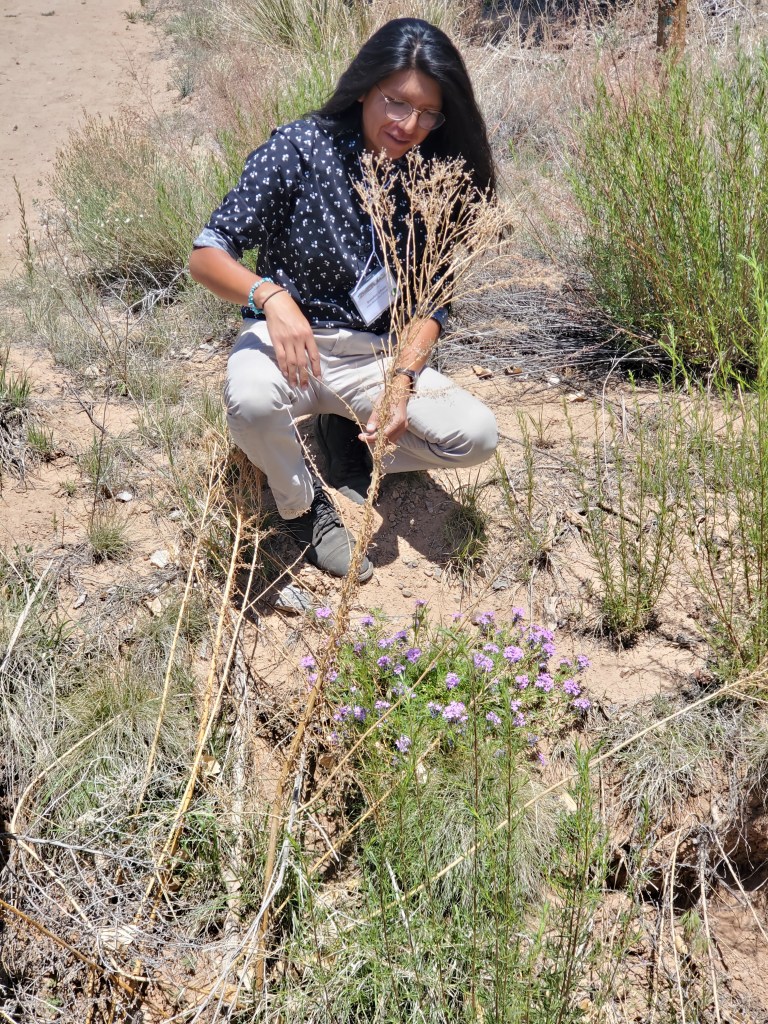
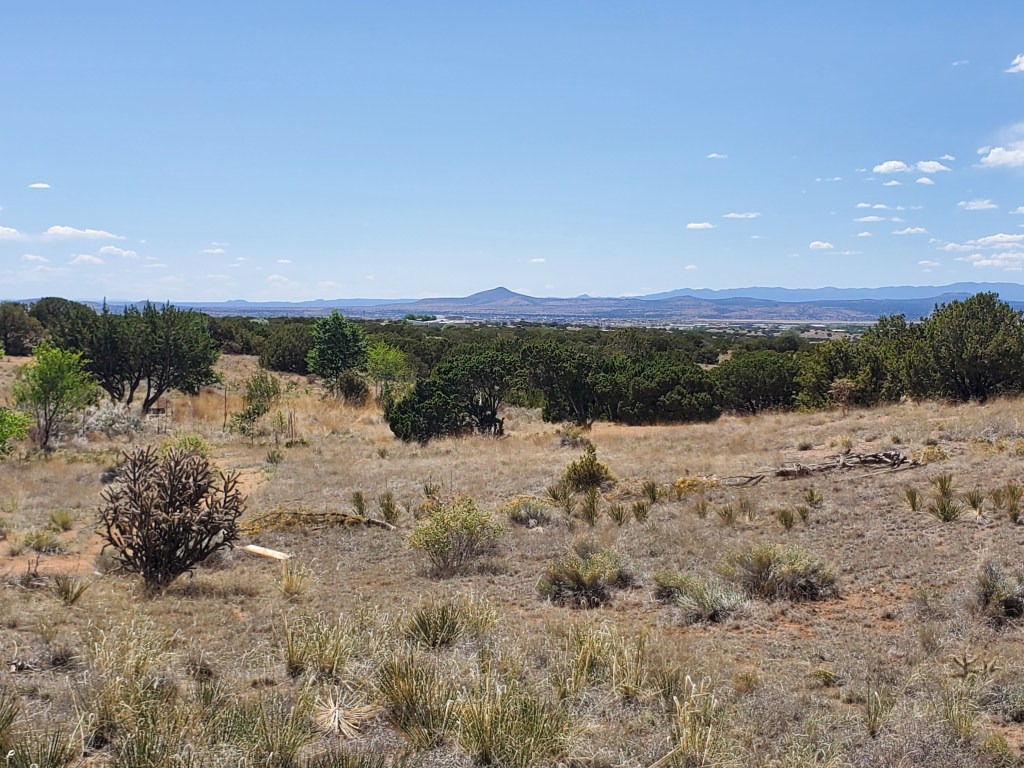
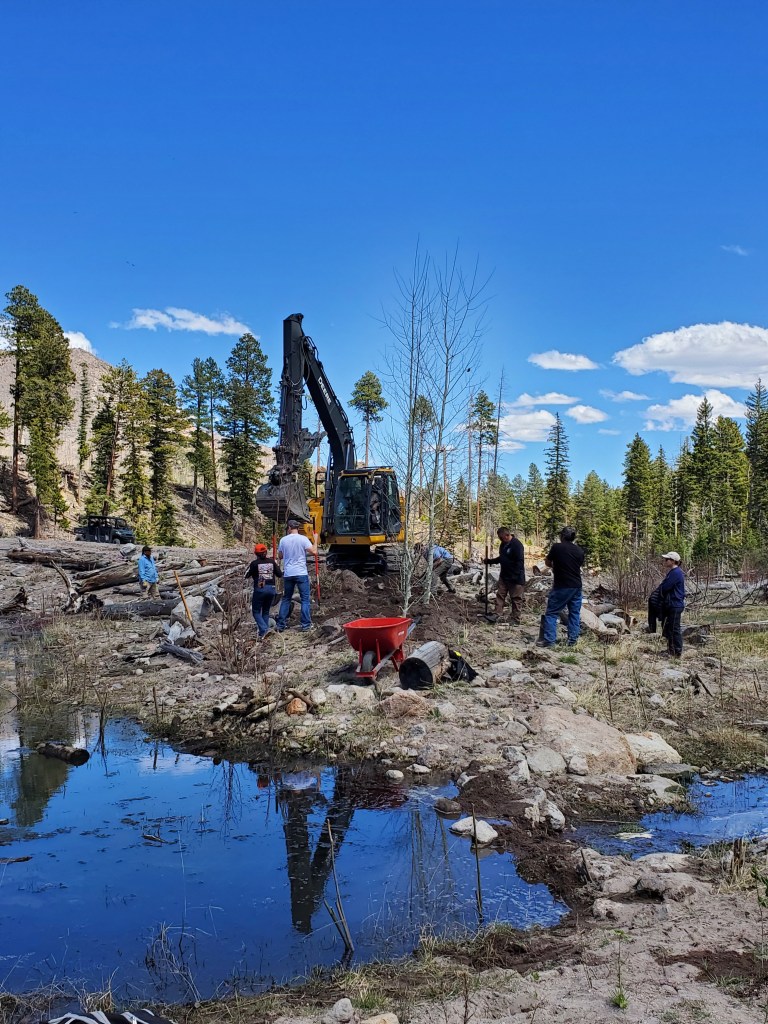
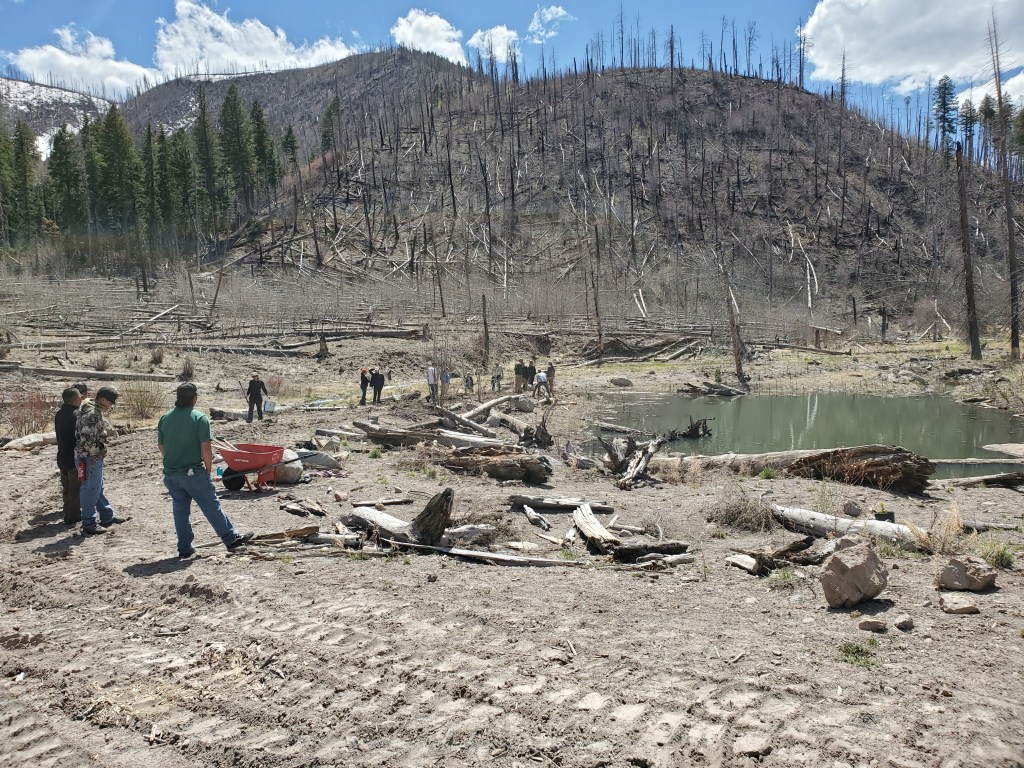
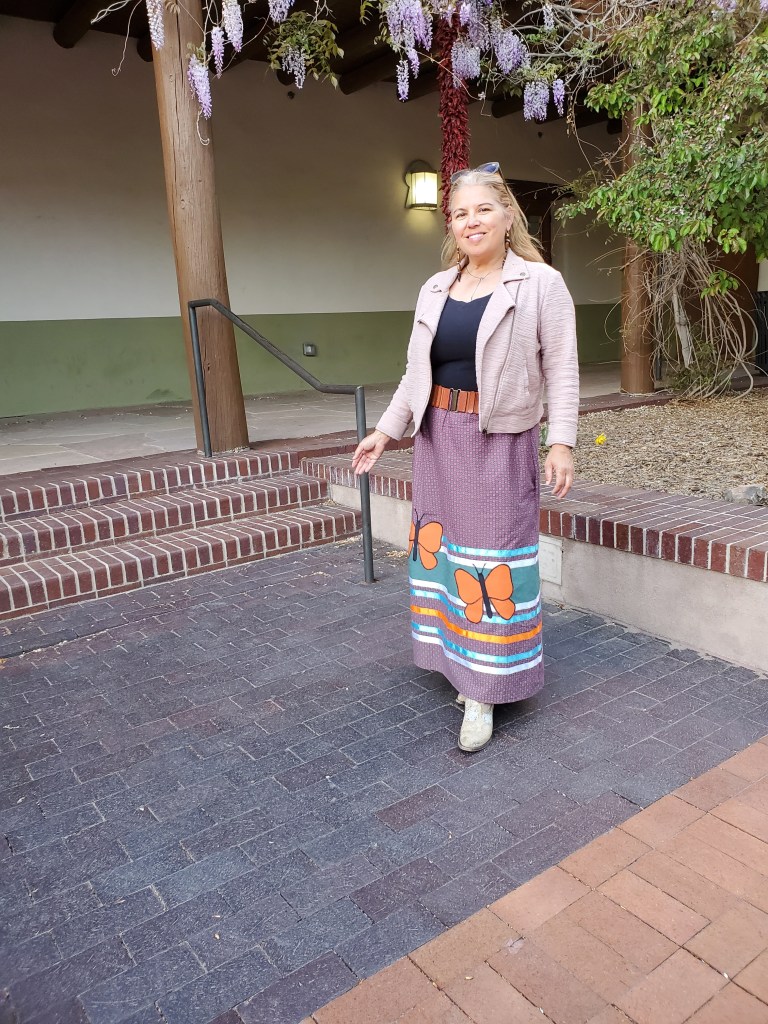
Prior to the destruction, I had the honor to go to New Mexico twice for tribal events. The first time, I went to learn about riparian restoration at the Santa Clara Pueblo – the Poeh. We planted 100 trees and plants on their tribal lands after learning from their work.
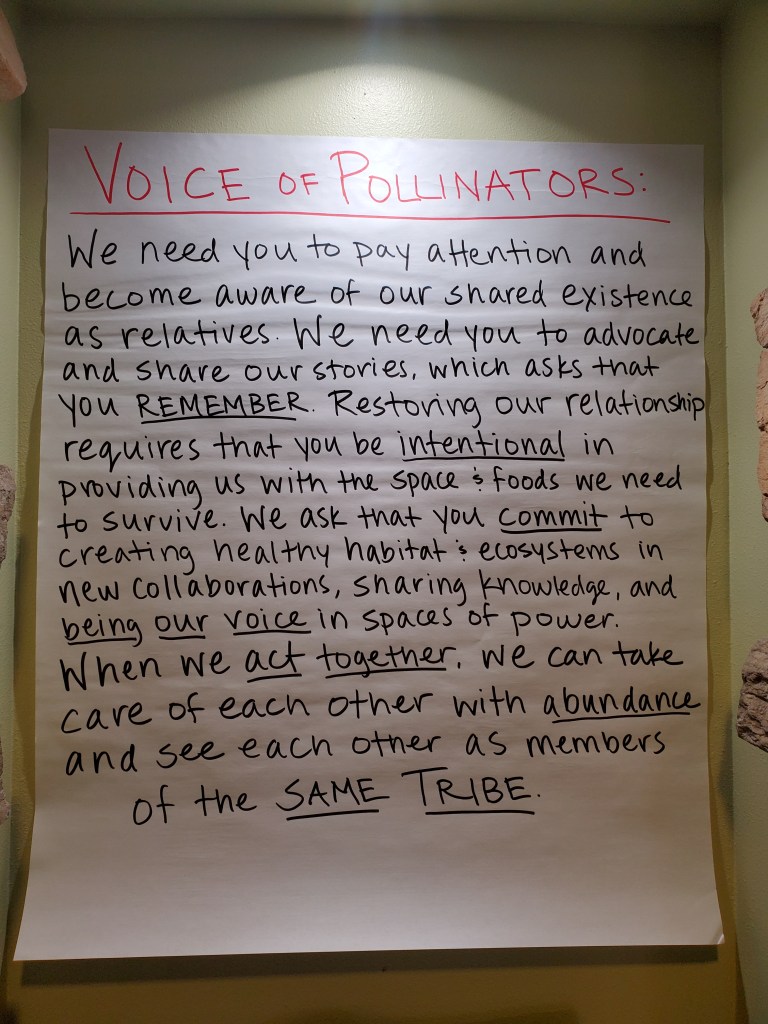
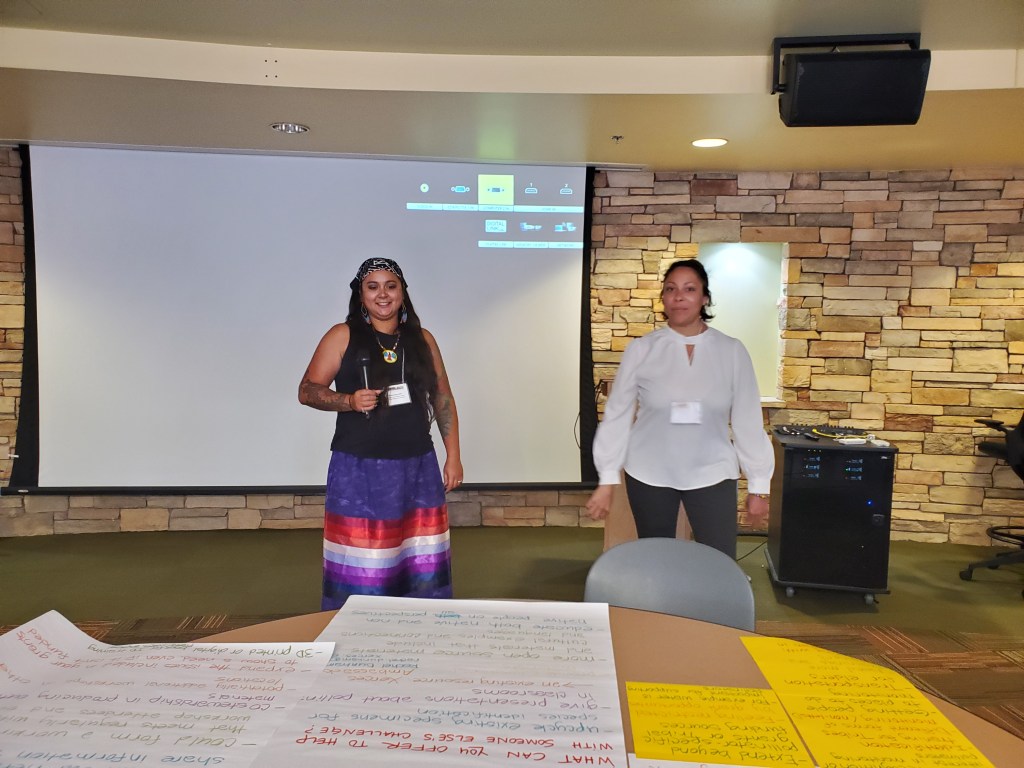
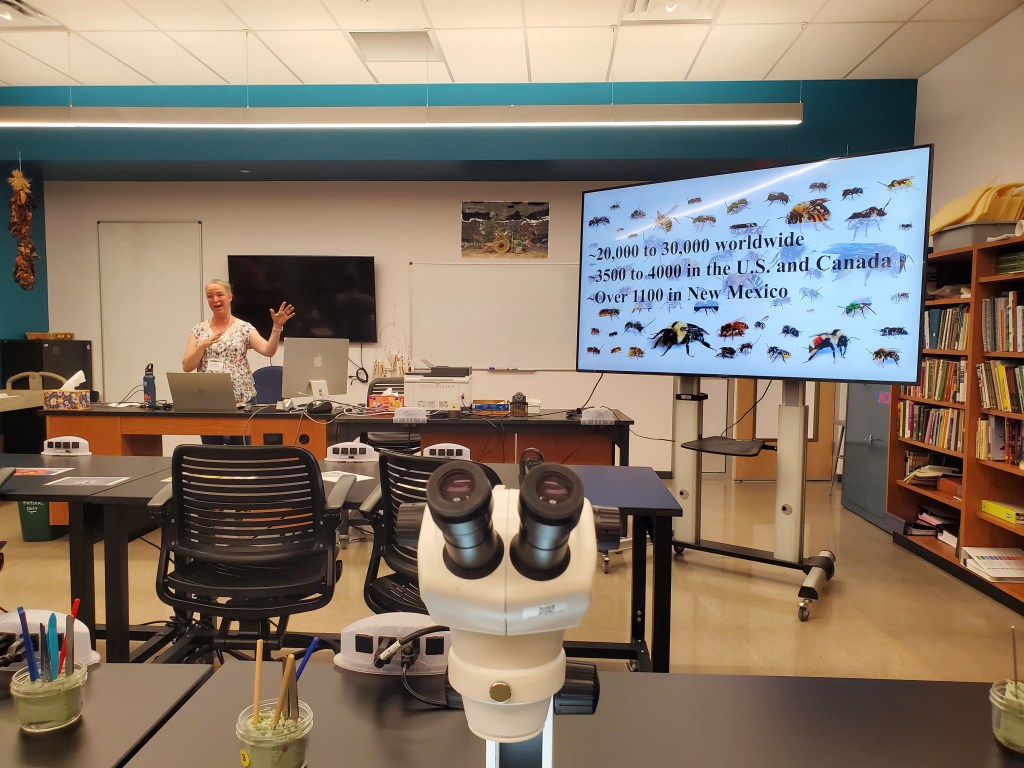
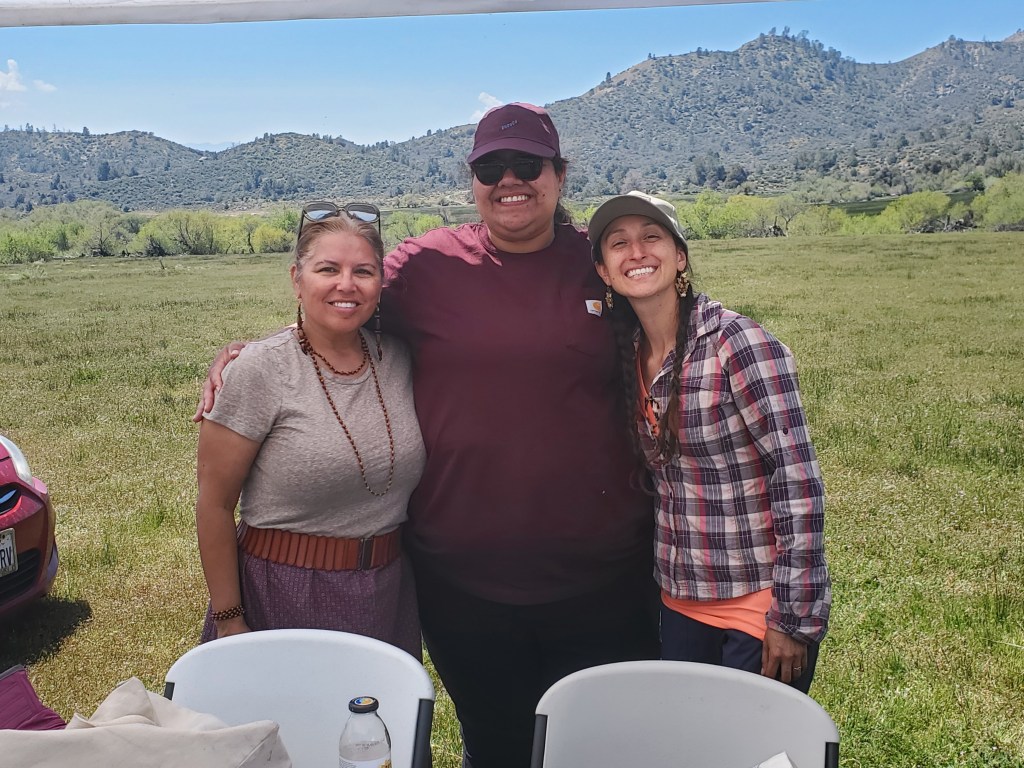
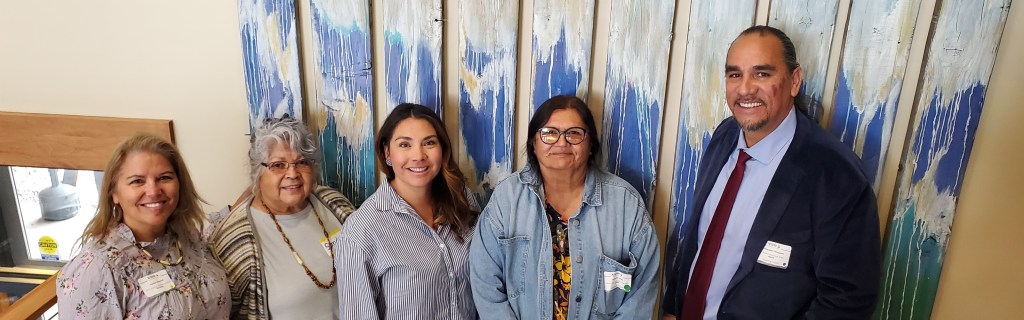
My second trip was incredible, having been invited to present a case study on my pollinator work to a pollinator tribal summit at the campus of the Insititute of American Indian Arts (IAIA). Shana, the Southern Sierra Miwuk Nation Pollinator Coordinator, was invited as well. She presented and did an excellent job. There were US government agency leaders and over 15 tribes working on or wanting to start some type of pollinator habitat work. It was an incredible opportunity and experience. I met so many passionate people and enjoyed the beautiful weather of Santa Fe.
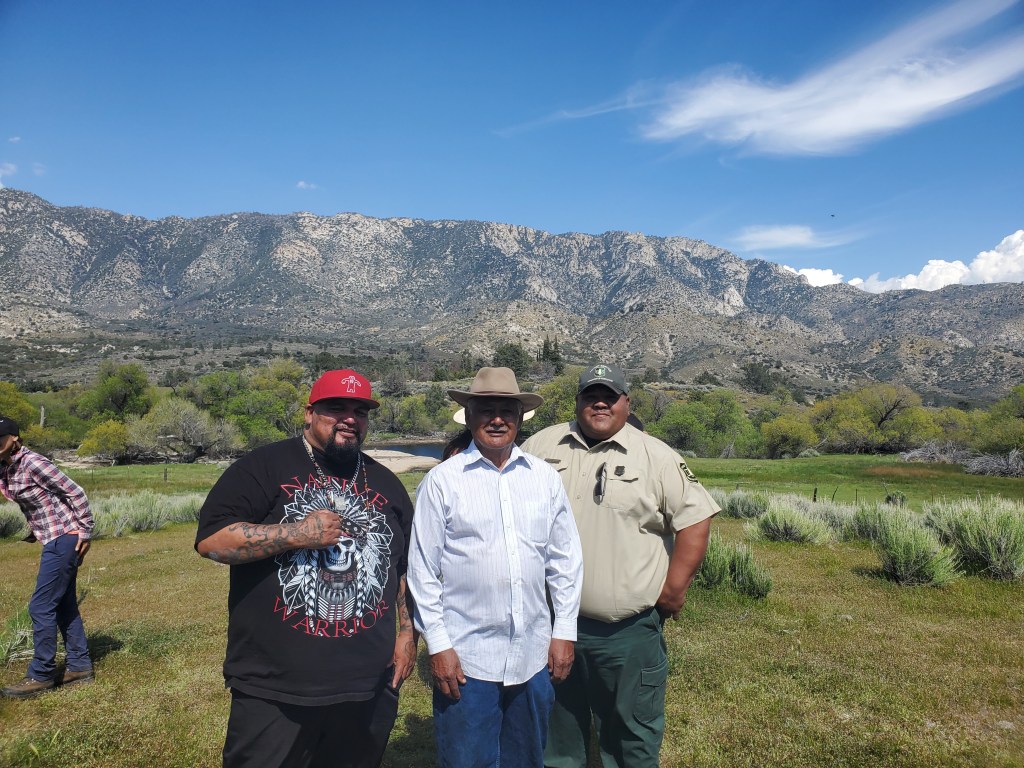
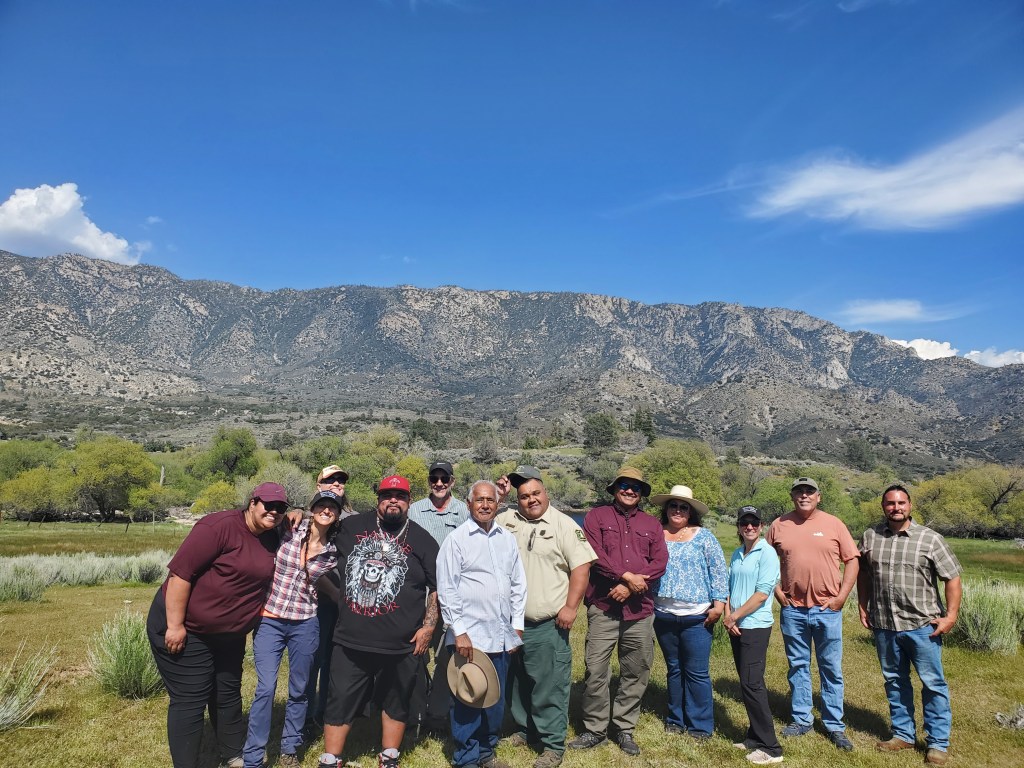
I also attended a ceremony of remembrance for the ancestors slaughtered at the Tubatulabal Tribe on their recently returned lands in April. It was moving. They are working to restore the lands to traditional uses. They want the ducks back, which is the meaning of their name – people of the mud duck. To bring ducks back you need water and insects. I helped them complete their application for a Xerces riparian habitat kit and learned in May that they had been awarded the grant. So grateful to Xerces for this habitat kit program and to the Tutbatulabal Tribe for everything they are doing to live in right relationship with the land.
I am also involved in the California Jobs First initiative and was recently appointed to the California State Fair Board. In all places, I am hoping to ensure an Indigenous perspective is at the table informing decisions – and hopefully, helping resources move to Indian Country, which has, for far too long, suffered from significant under-investment.
To be given guidance, opportunity, learning – they are gifts. They help advance my ability to be of service in this climate changing world. As such, I need to ensure I use these gifts to provide a benefit, to be helpful in a meaningful way – not a way that just I want, but a way that serves a greater good. This is reciprocity.
Don’t Get Down – Get Planting
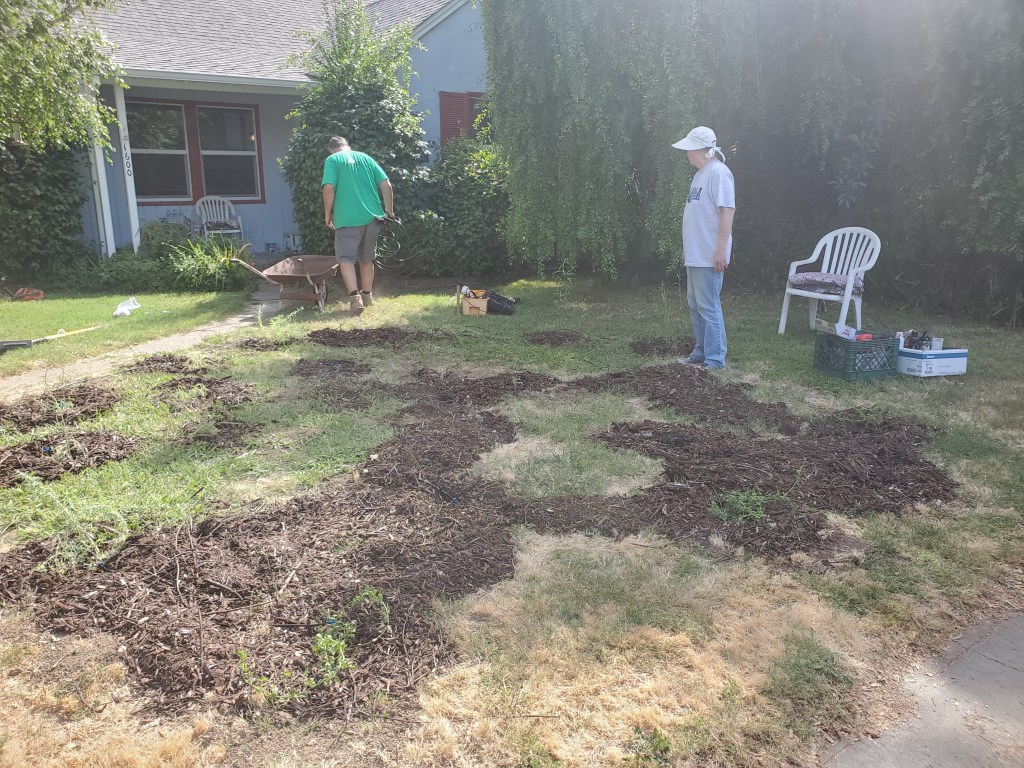
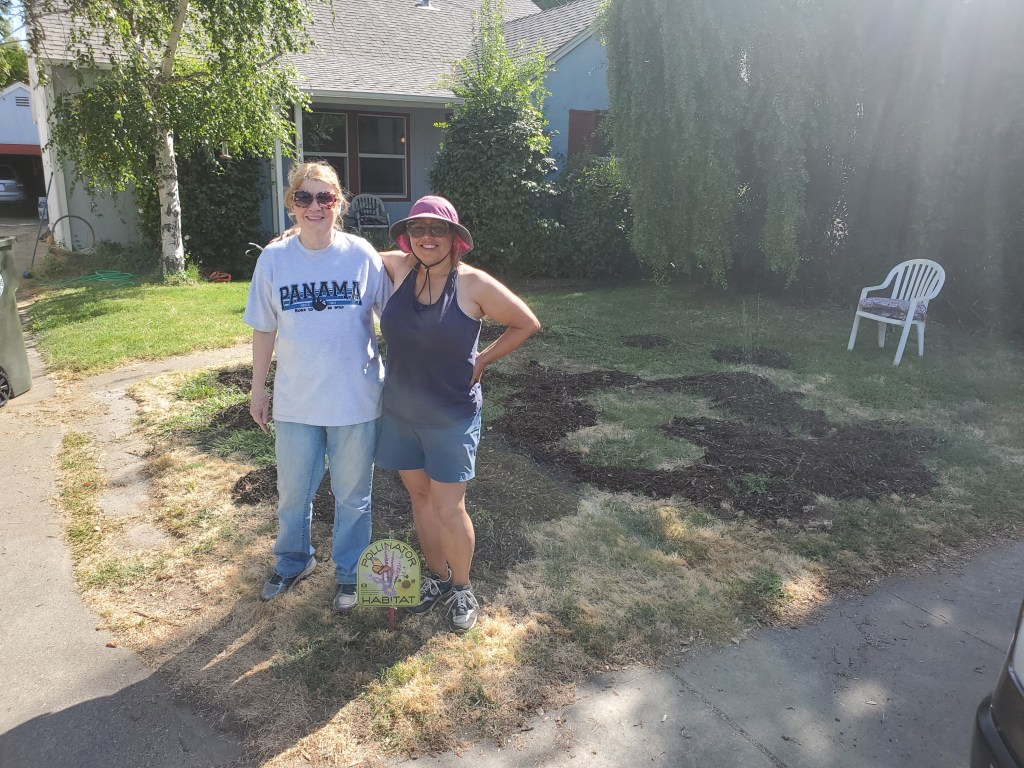
As the landscape around the house is converted from blooms to straw, I made plans to continue to build habitat in Sacramento. While on a trip, I met Brenda Marsh. As people do, we discussed our work and involvements. When she learned about the severe decline in insects and pollinators, she asked if I would help her make a pollinator garden at her home. Of course I said yes! She lives in Sacramento. Since she is busy working and travels quite a bit, she does not have much landscaping – mostly an unwatered crabgrass lawn and some beautiful trees.
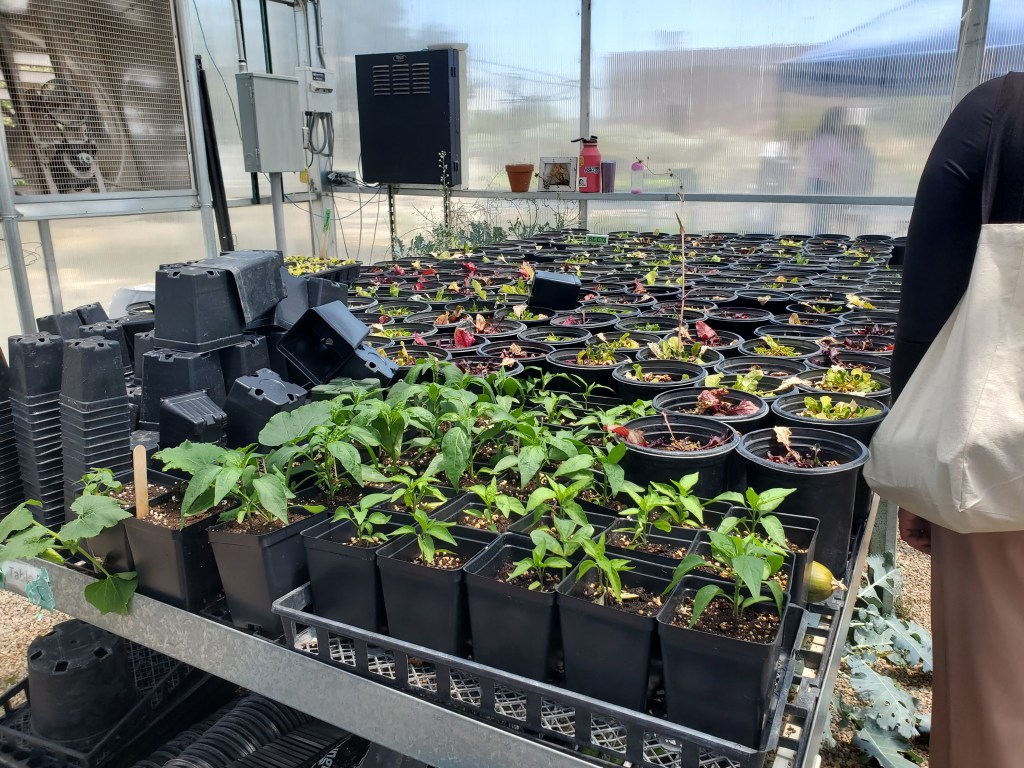
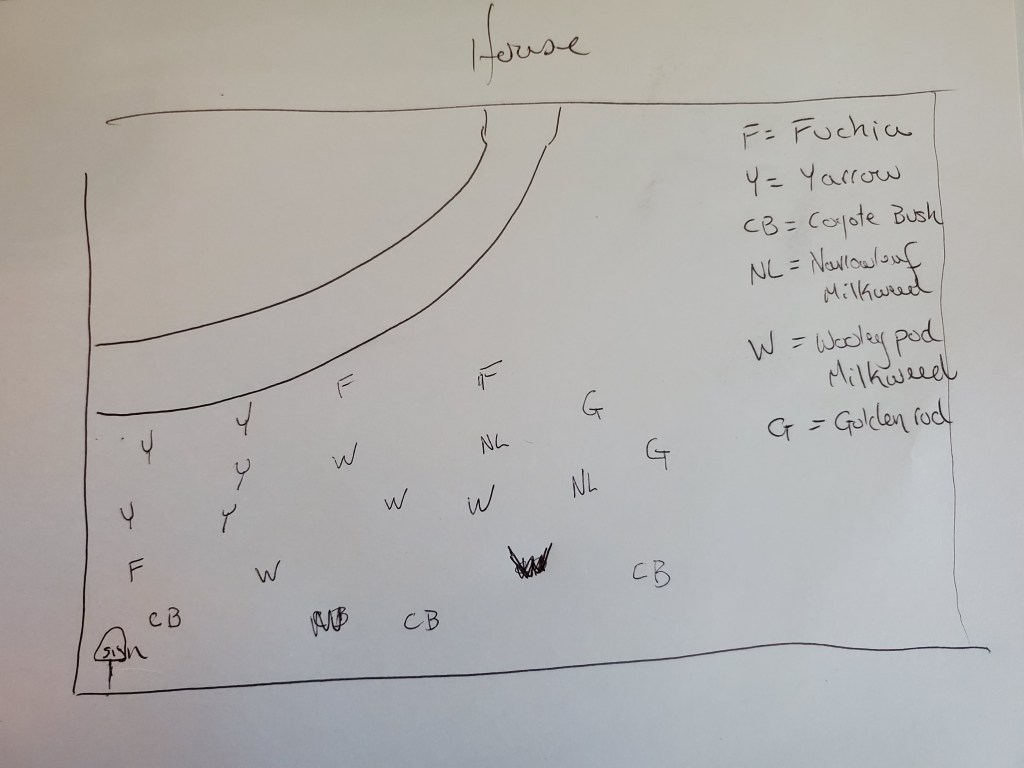
I did a little planning figuring out where the plants would go and in what configuration, and then I asked Ron Allen at Mariposa Native Plants what he had available. In the end, we got 20 plants, seven milkweeds and thirteen nectar plants. I convinced David to help me (I told him there was a great lunch in the deal for him). He is great with irrigation systems. David pulled together some irrigation supplies and off we went.
Much of Brenda’s neighborhood is sterile with lush green lawns and some exotic nectar plants. Still, while we were working there, we saw a big yellow swallowtail butterfly and a white sulfur fly by. Two blocks up and around the corner, there is a house with a wonderful native plant garden. It was bursting with life. This meant that there would be some nice islands pollinators could hop to without fear of pesticide and herbicide use. In all, it took about 4 and a half hours, not counting travel time. Thanks to Brenda for being part of the solution!
My next plan is to help a lady in Clovis plant a large pollinator garden within her nine acres. I met her on the plane on my way back from Santa Fe. She had no idea about the horrific decline in pollinators and was anxious to do something. These are examples of why we need to be talking about this work, what is happening in the world and that there are solutions people can be a part of. Media is great, but the person to person connection is most effective. Those relationships are durable treasures that can spark incredible change. We need to be connected to one another and in reciprocal relationship with the earth now more than ever.


 PolliNative
So sorry to hear of the grasshopper devastation in your vicinity. I understand how disheartening that must be. I am Starting to see a few grasshoppers in the town of Mariposa and wondering if they will make it here in mass? Hope not.
LikeLike
Thanks Mike. Eek. I hope you don’t get them in any numbers that are destructive. Birds like to eat them, but they can only handle so much.
LikeLike