More Blooms But No Butterflies. Cows Return and Bust Up The Joint.

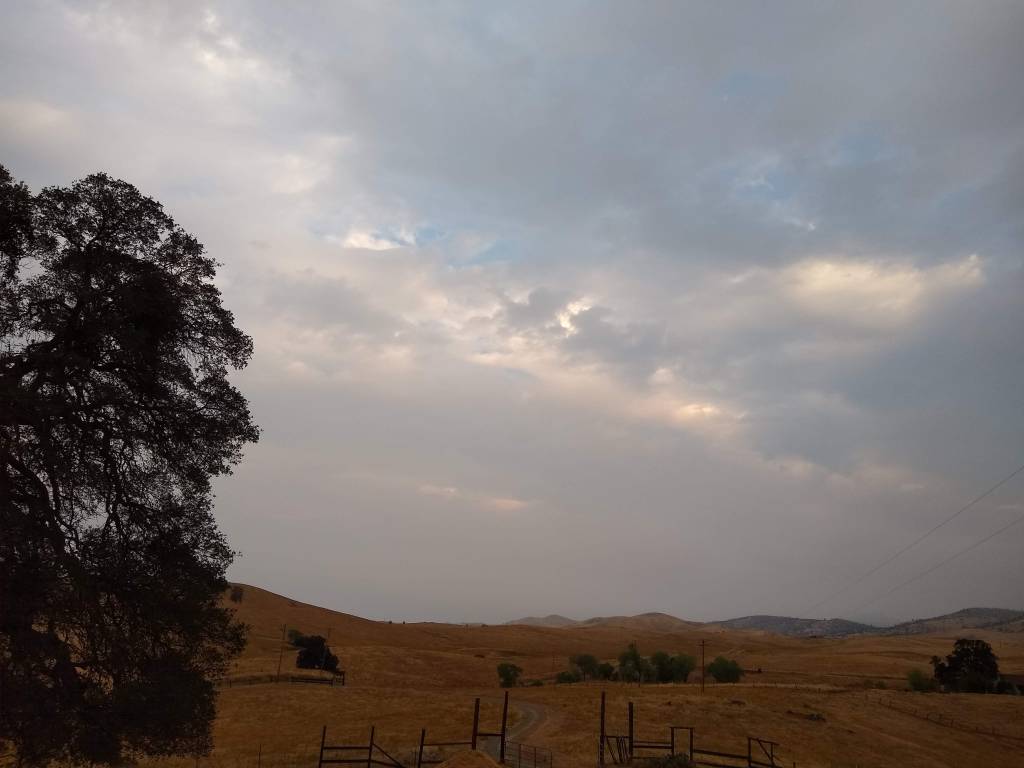
Smoke and more smoke makes working difficult.

The smoke has officially made me depressed. Especially when the air quality reading is above 150, which it has been more often than not, I am not able to spend much time outside. I breathe shallow, and I have to work slower. This is excruciating for me and decreasing oxygen to my body. Although it was not planned, I had ordered an electric ATV back in July to replace using the big truck and decrease the fire danger when transporting water to the Spring Creek sites. I did not know that this purchase would be crucial for my productivity in the smokey horror day after day (dramatic flourish intended). With the eATV, I am able to haul more water up the hill to the other plantings and more quickly. I also have the ability to strap on a smaller tank to water the more distant Sites 7 and 8. The plants need water, regardless of environmental conditions. I just have to be safe, use a mask, try to slow down and not stay outside as long as is typical. I live in service to the a’wuu’atee (butterfly food) in the deepest hope that next year the butterflies will come.

Speaking of A’wuu’atee – Blooms

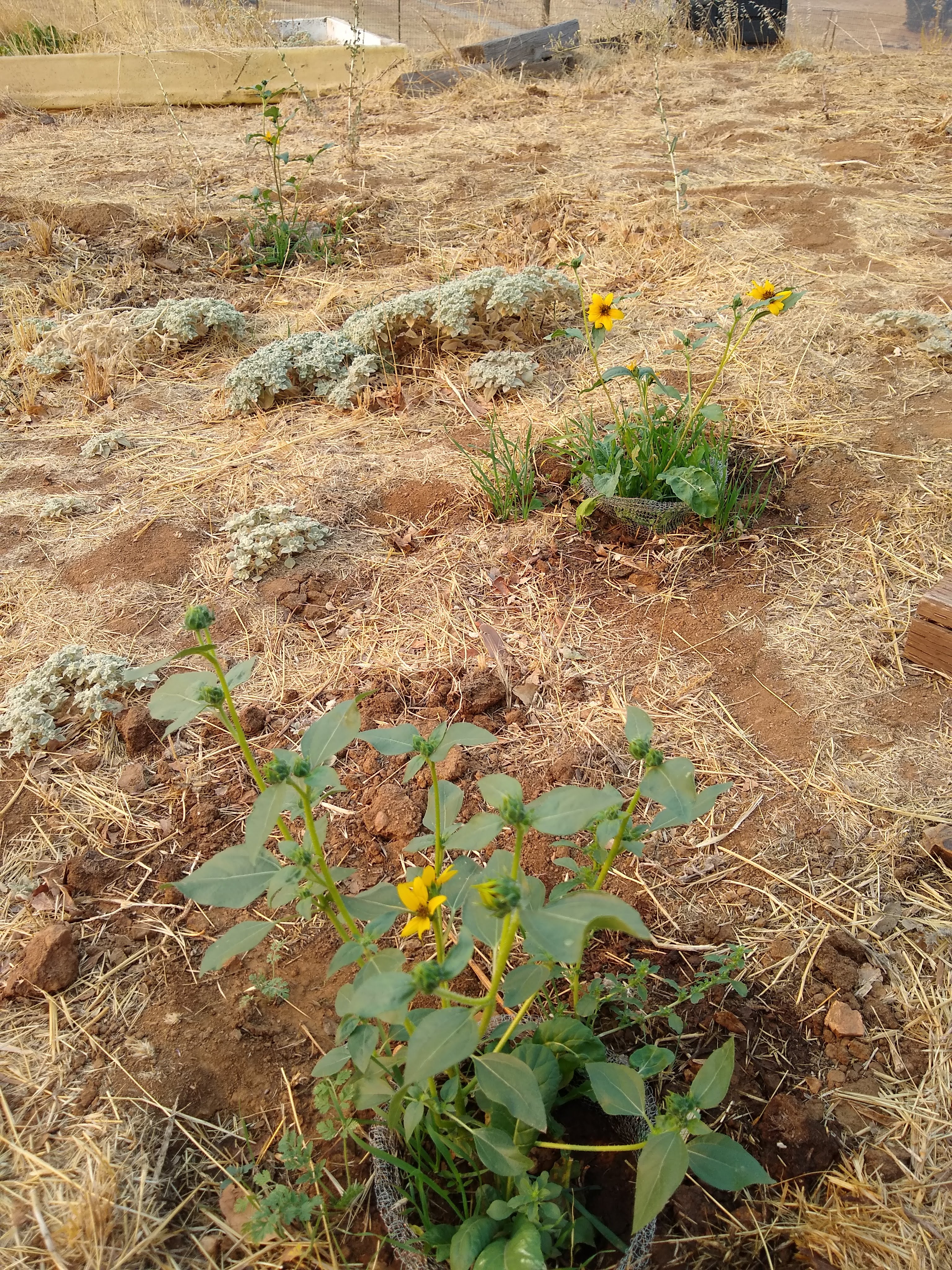
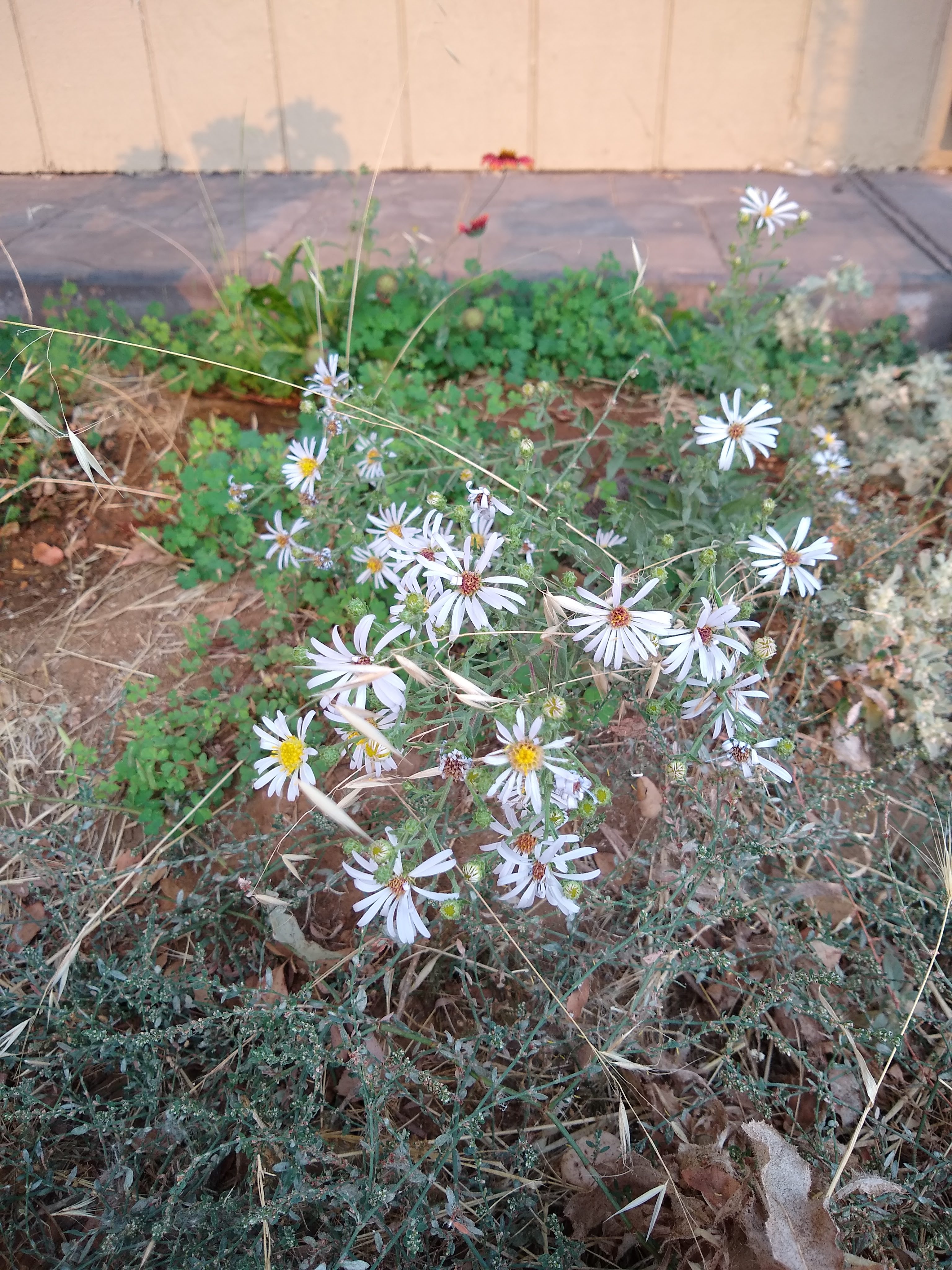
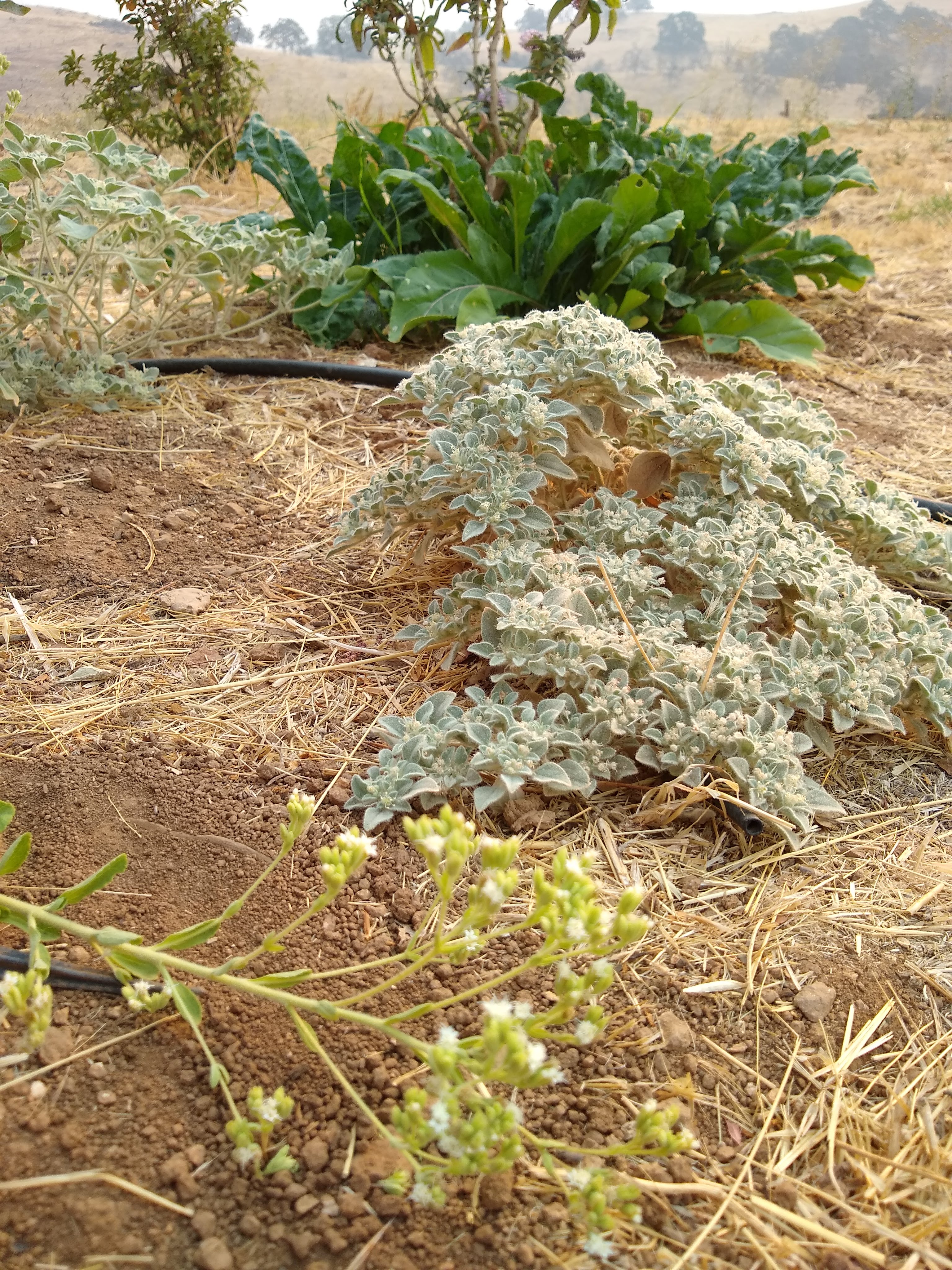
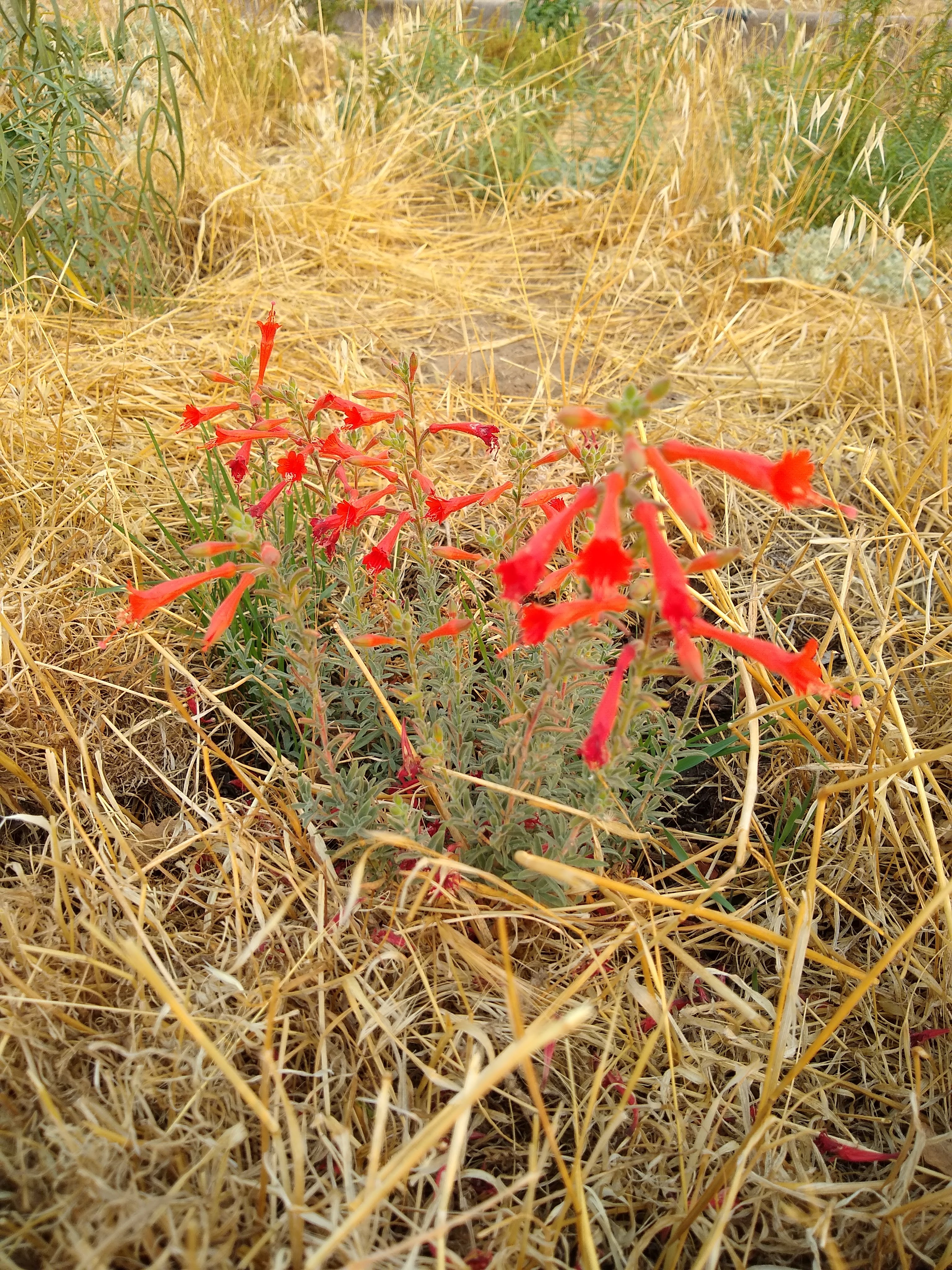
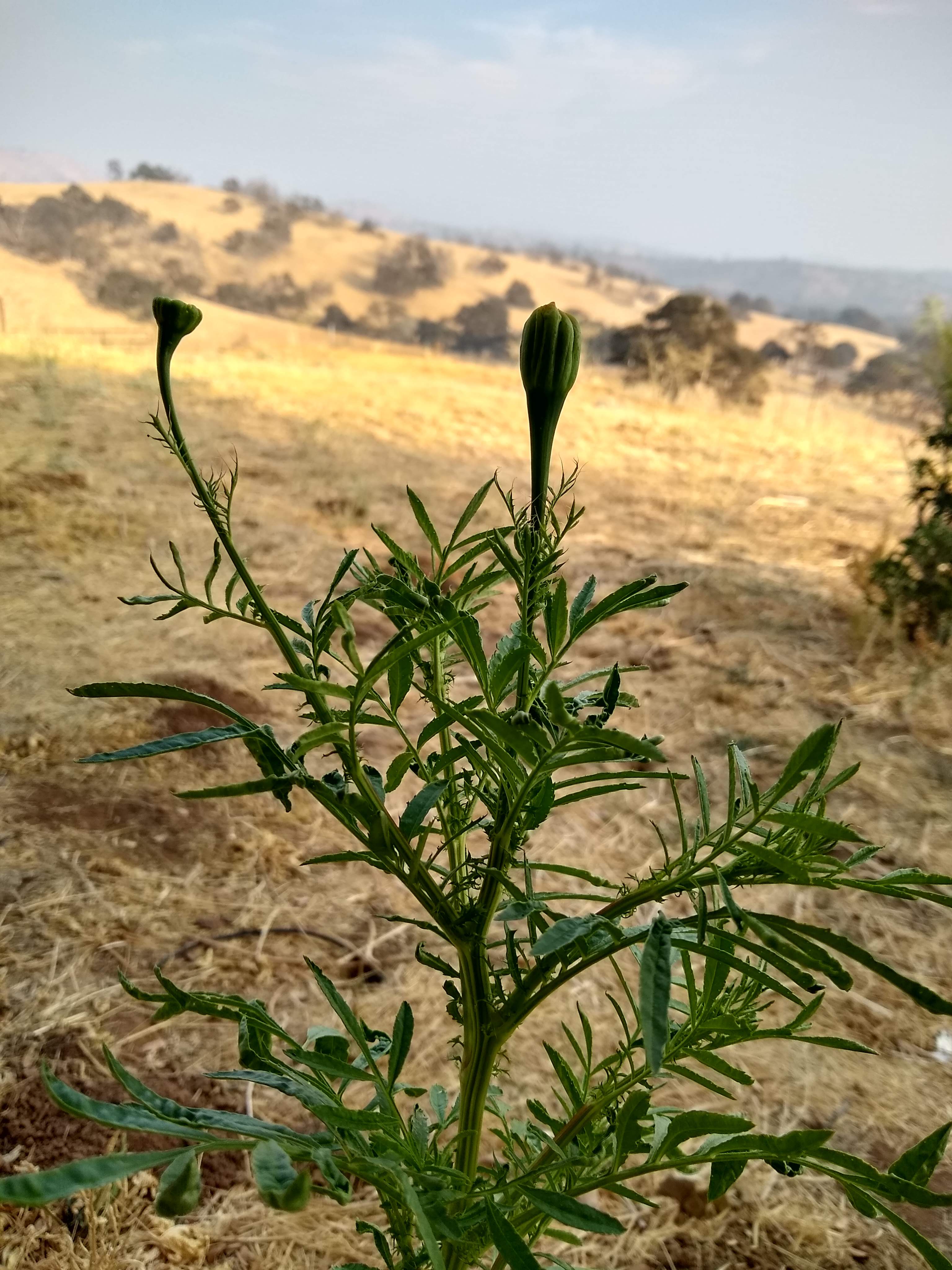
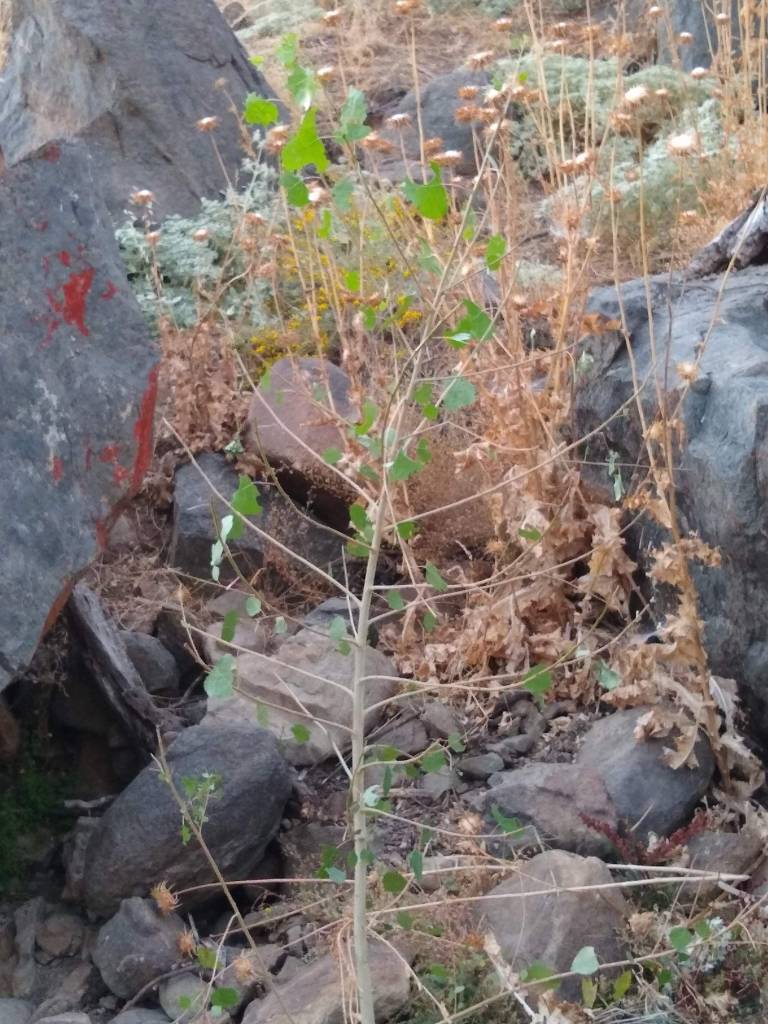
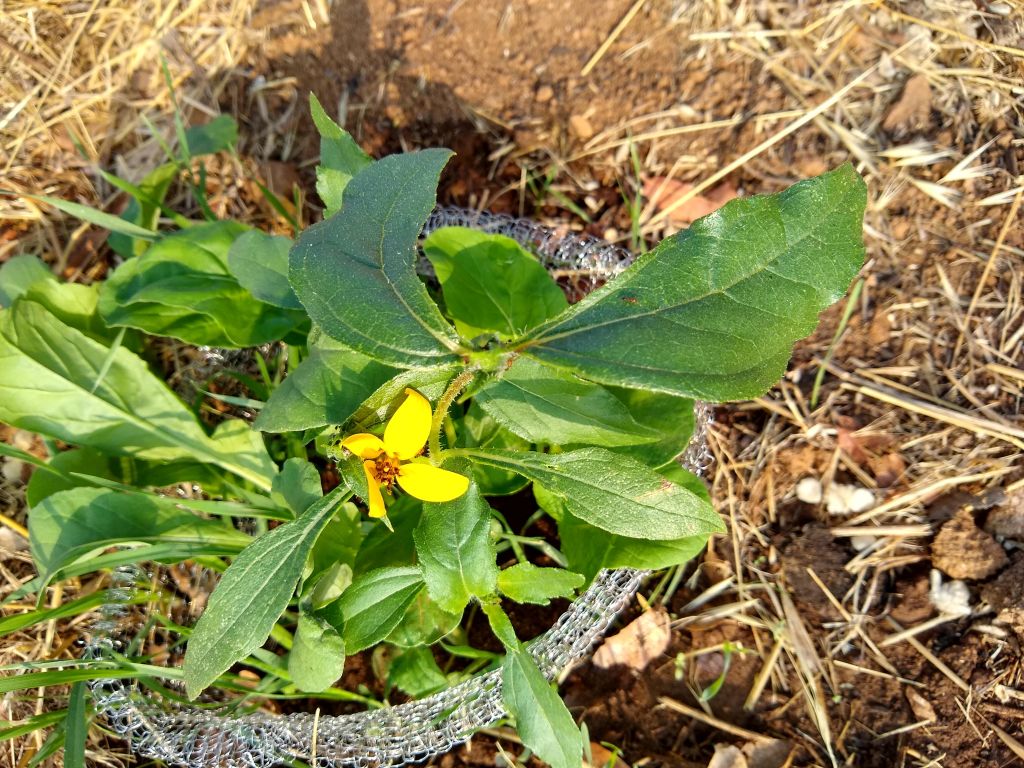
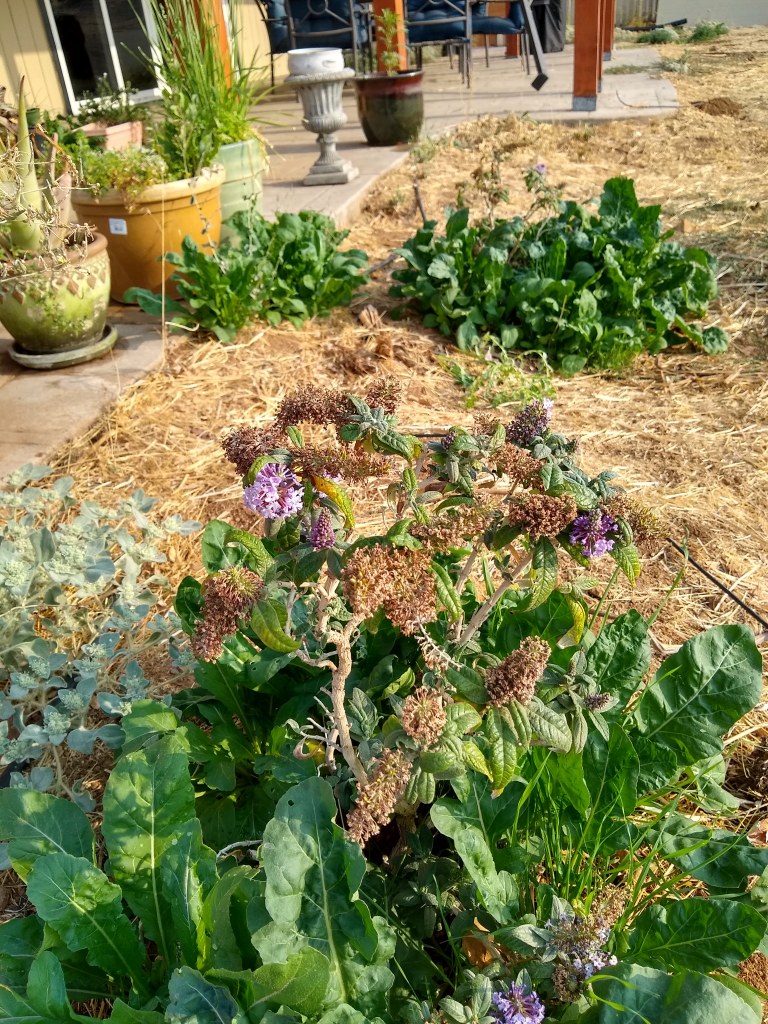
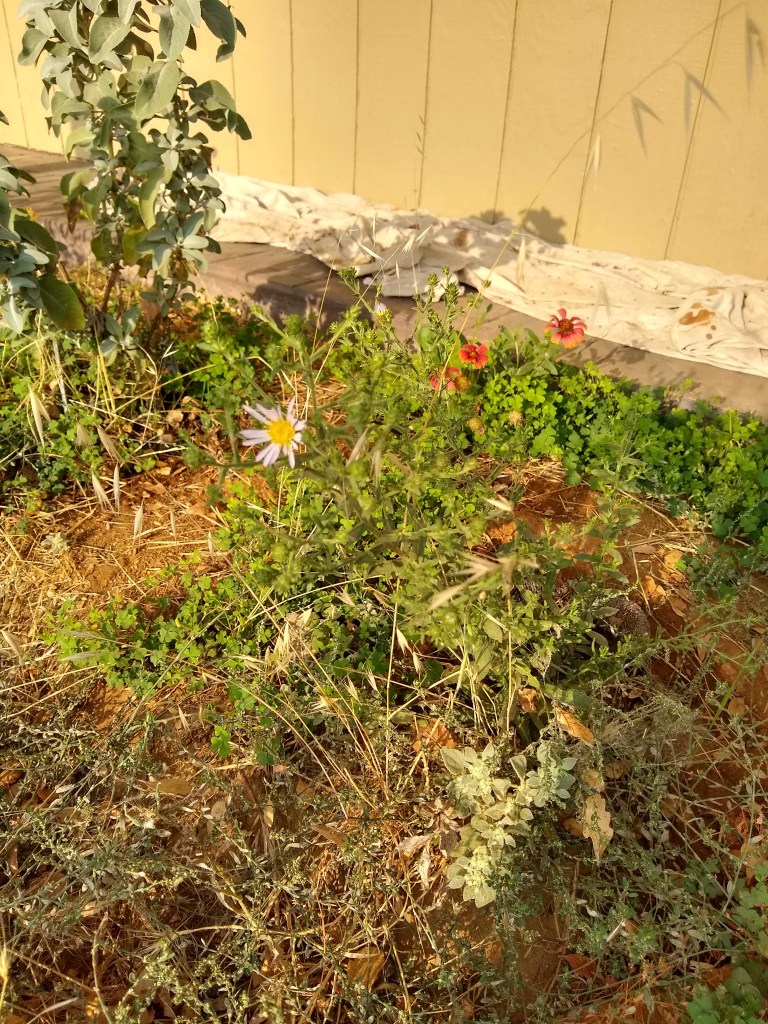
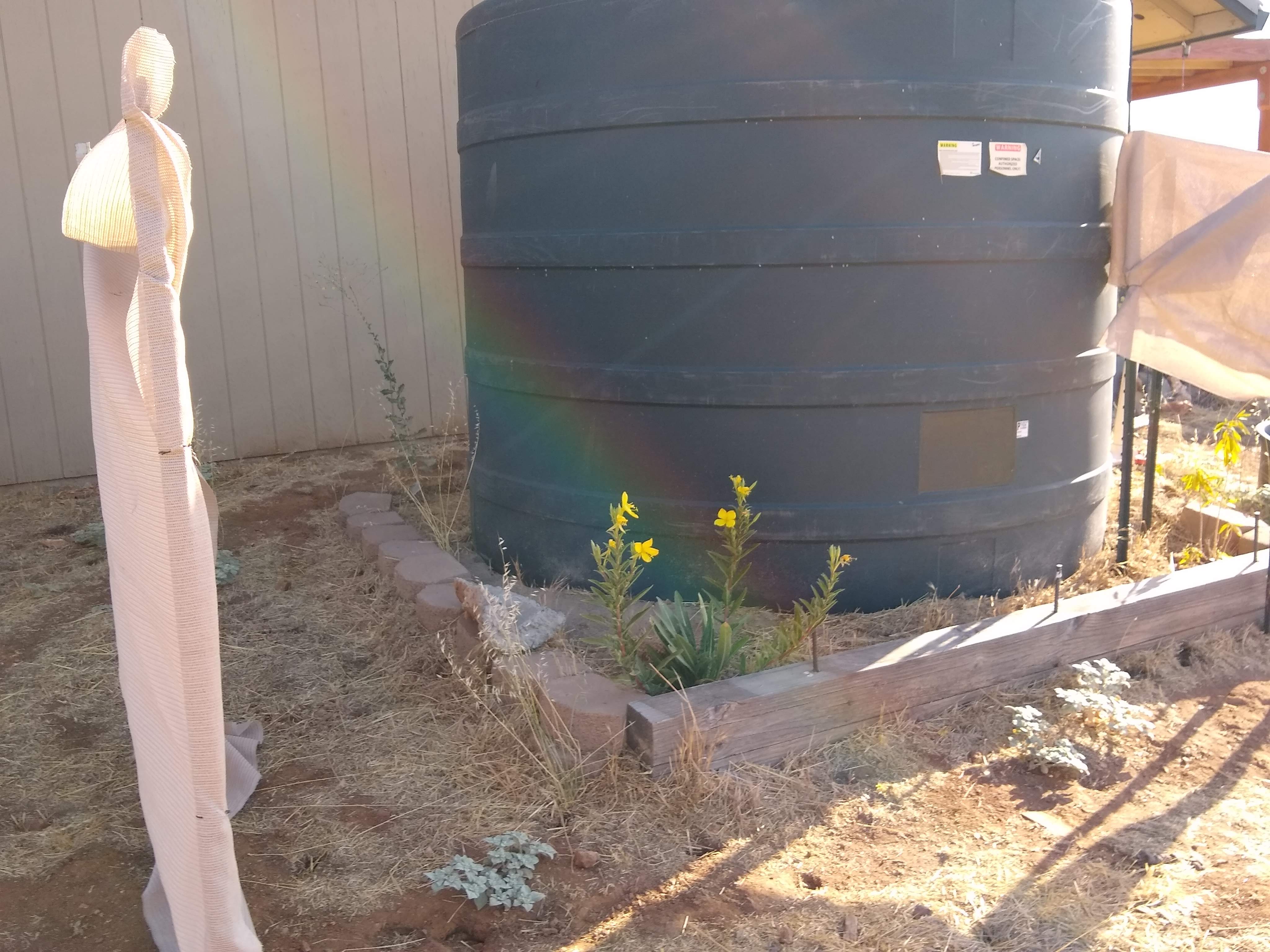
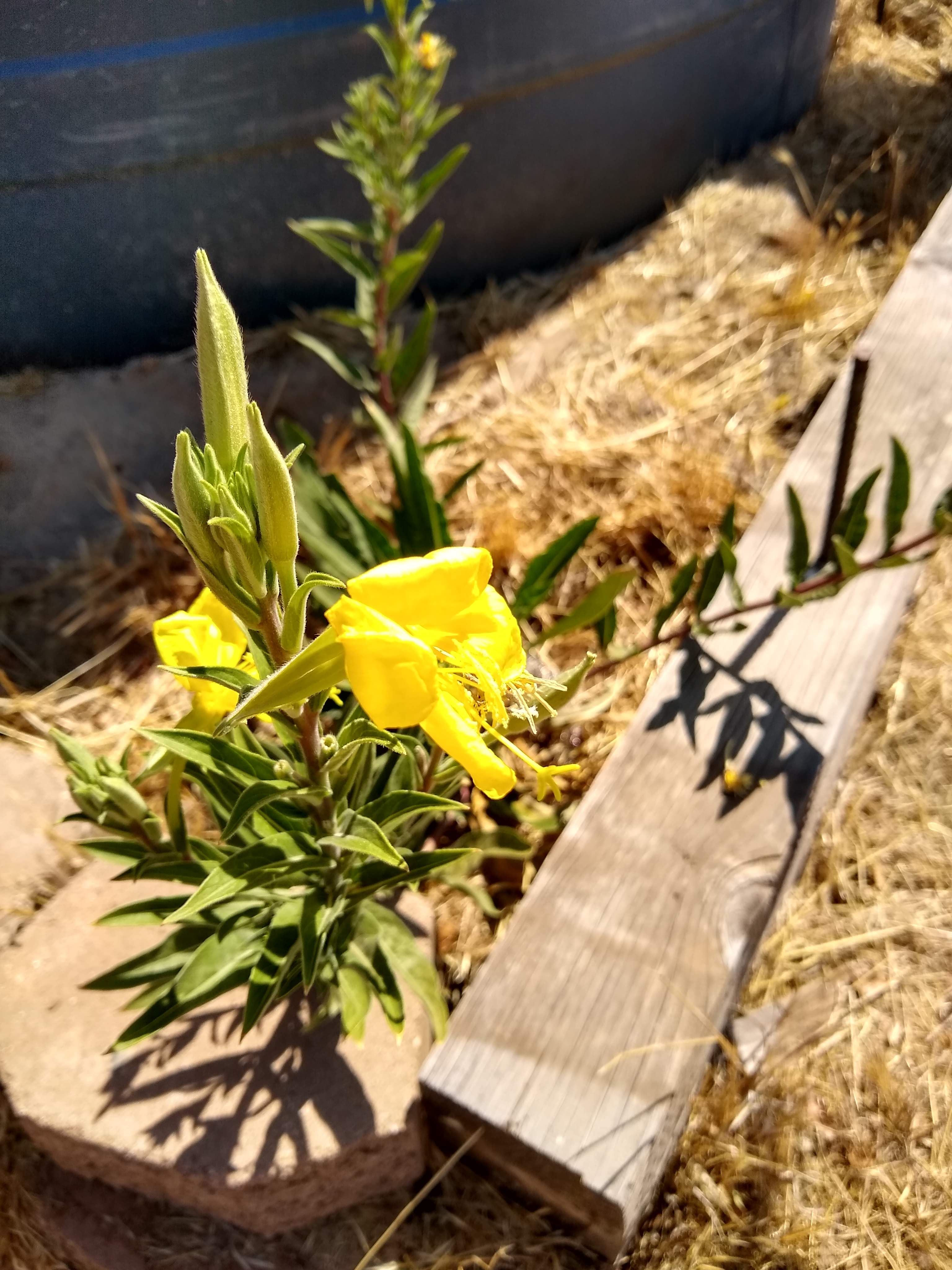
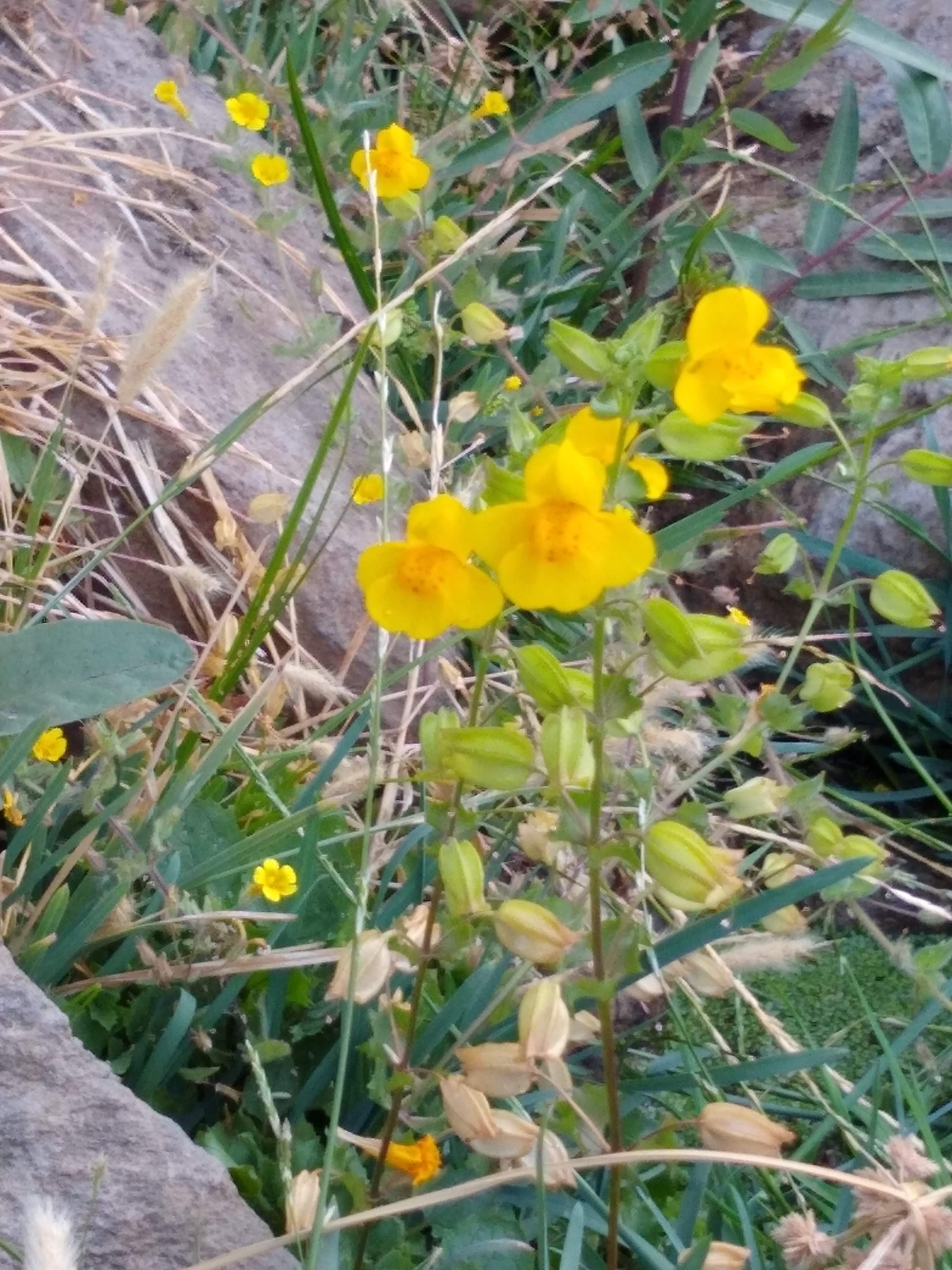
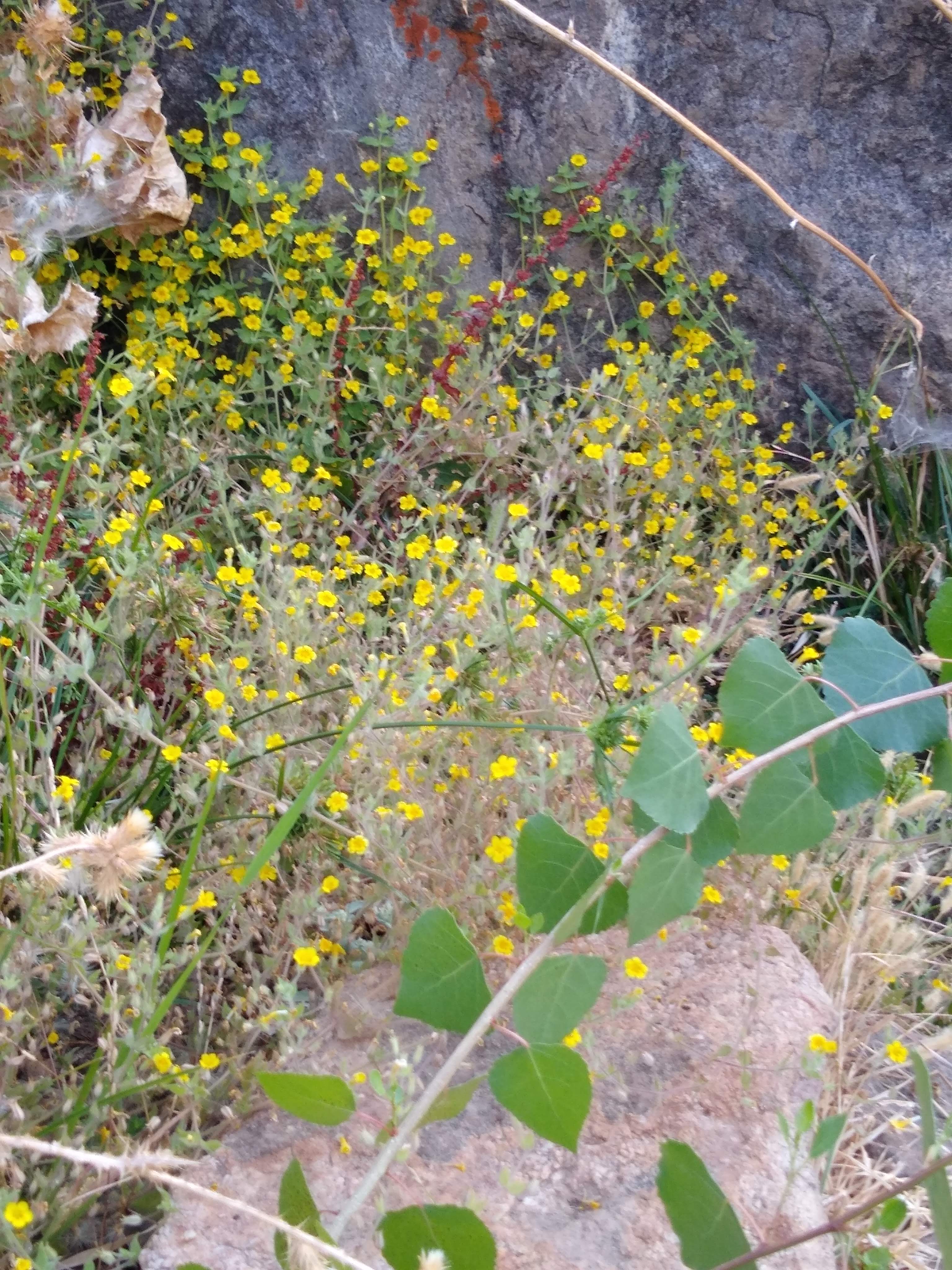
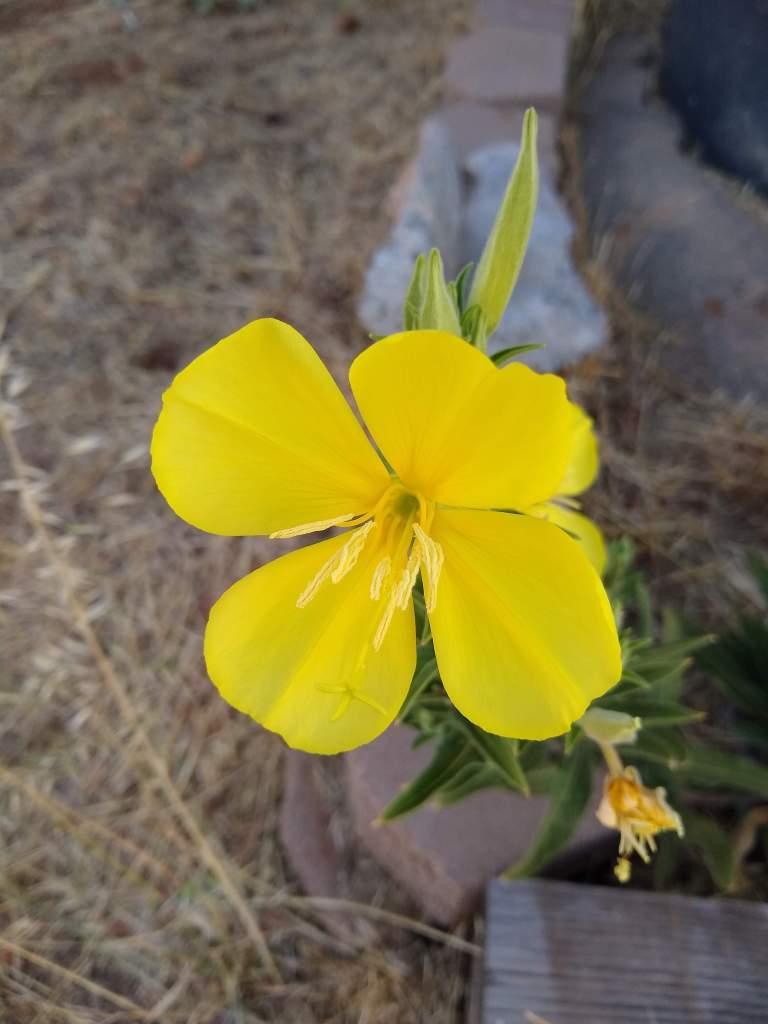
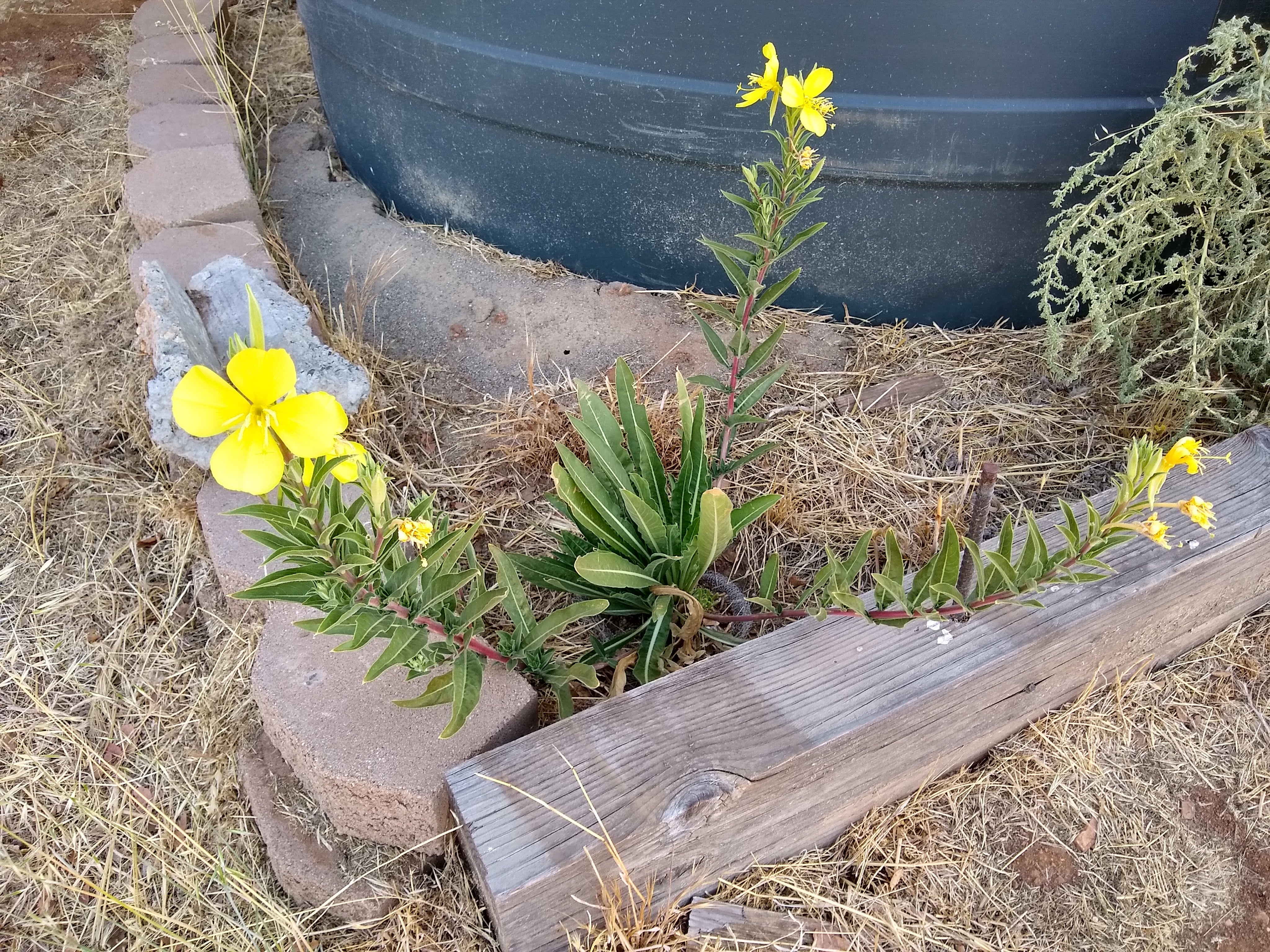
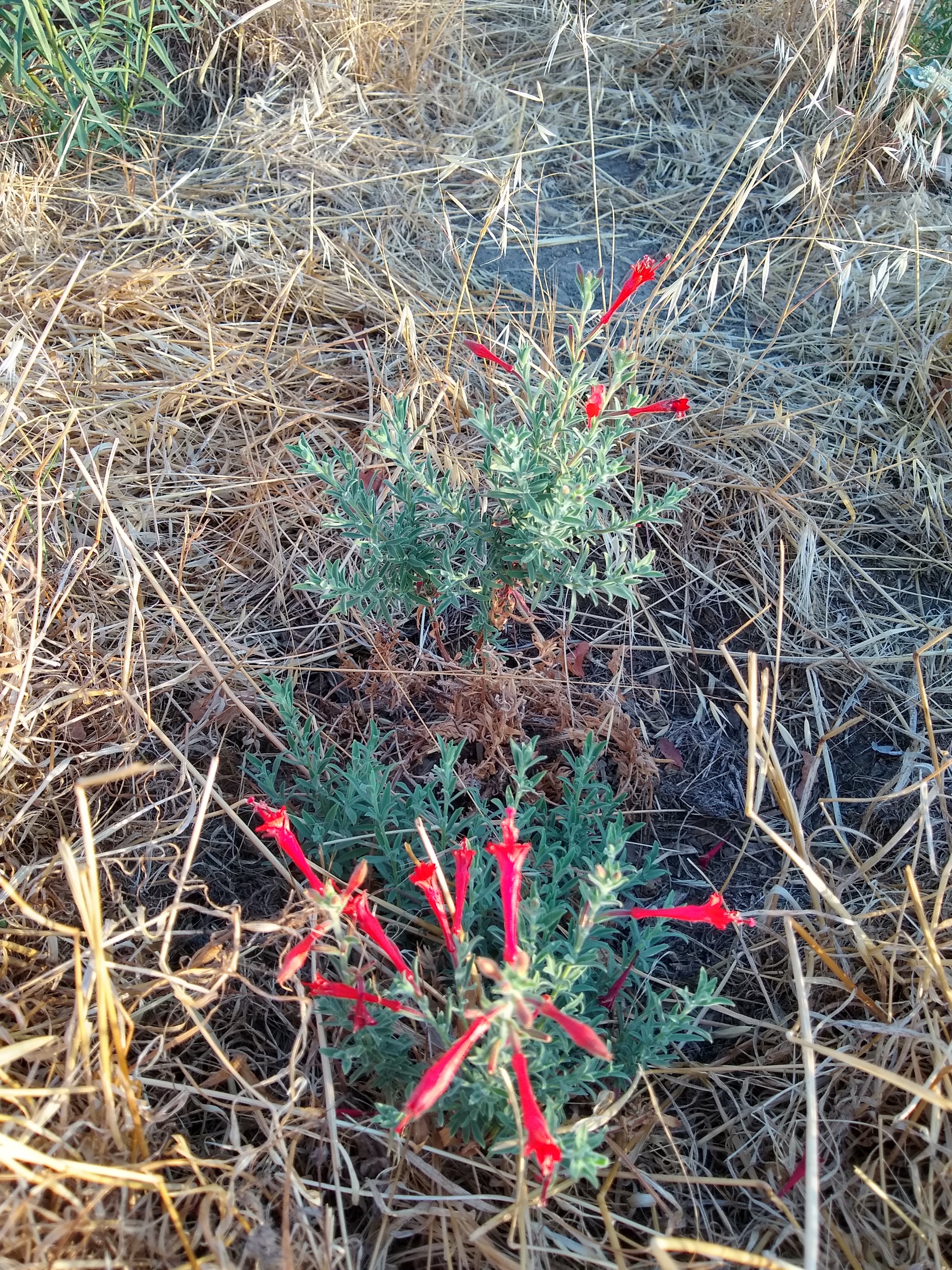
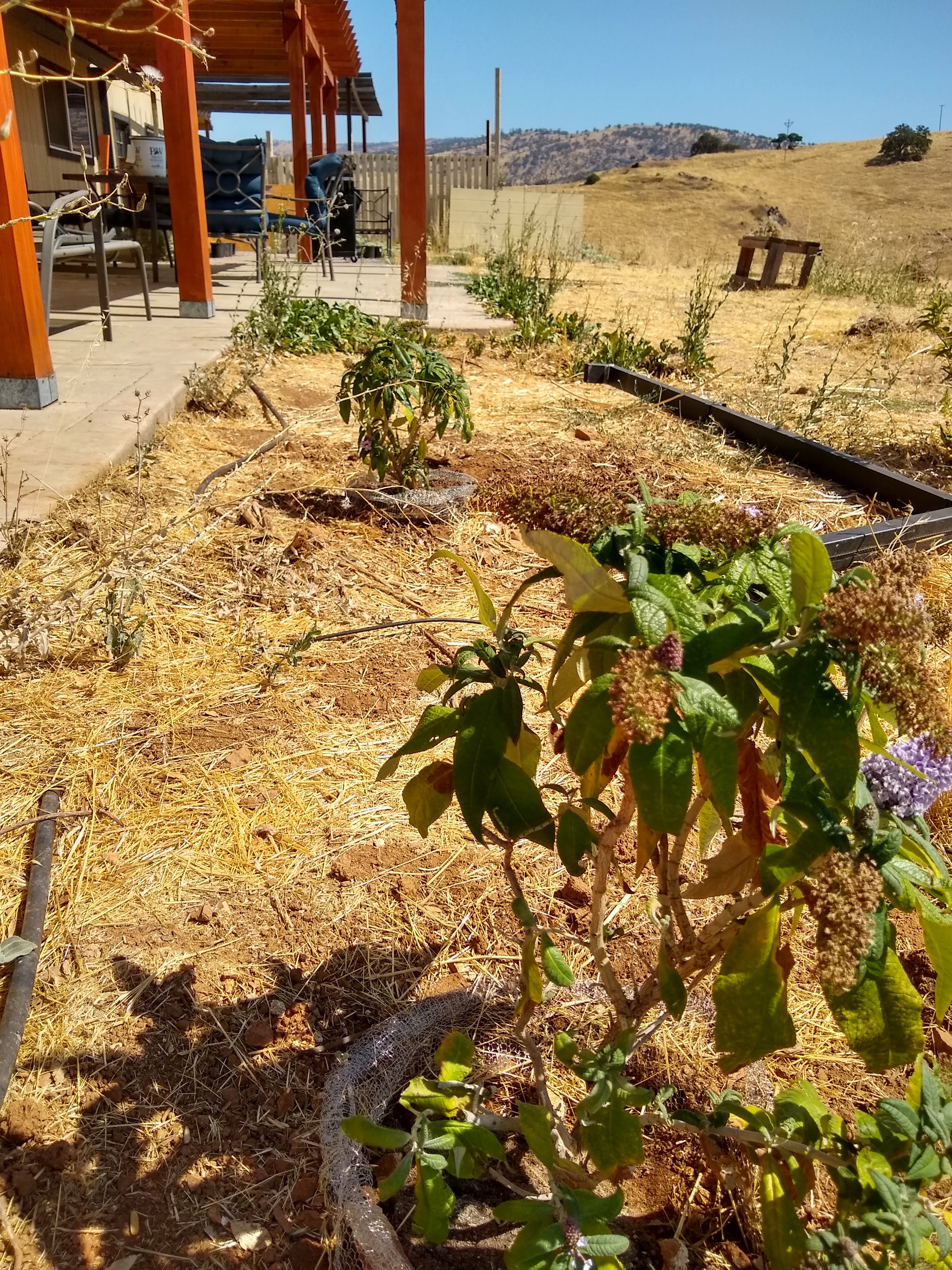
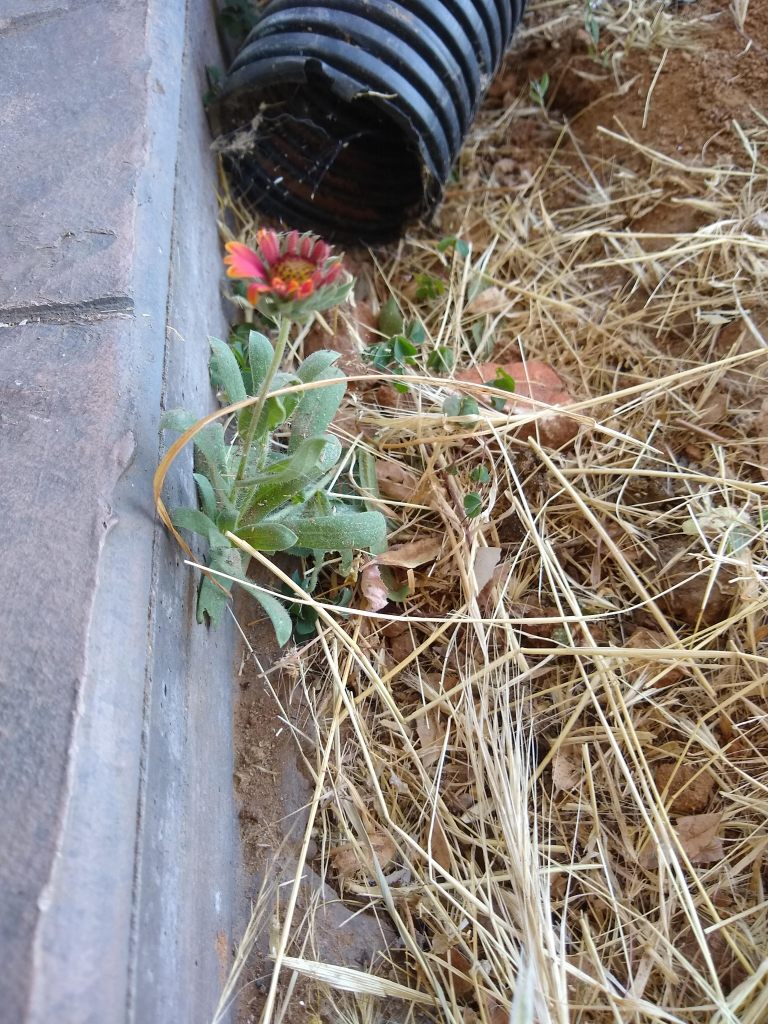
As mentioned in other posts, it is essential to stagger the bloom times of plants so that there is a continuous supply of nectar. We have a huge group of mid to late and late bloomers providing ample, scrumptious choices. The California fuchsia, butterfly bush, and primrose are still going having started their blooms in August. The aster, sunflower and marigolds are opening fully just this month. Many of my herbs are in bloom as well (stevia and rosemary are pictured). If the smoke lifts, we may get some non-monarch visitors before the blooms are whithered. As I relayed in my last post, during the two days the smoke completely lifted, I saw two types of butterflies, more bees and other pollinating flies. It was incredible. A storm is due in this weekend, which I hope will be big enough to clear the smoke out.

The Cows are Back
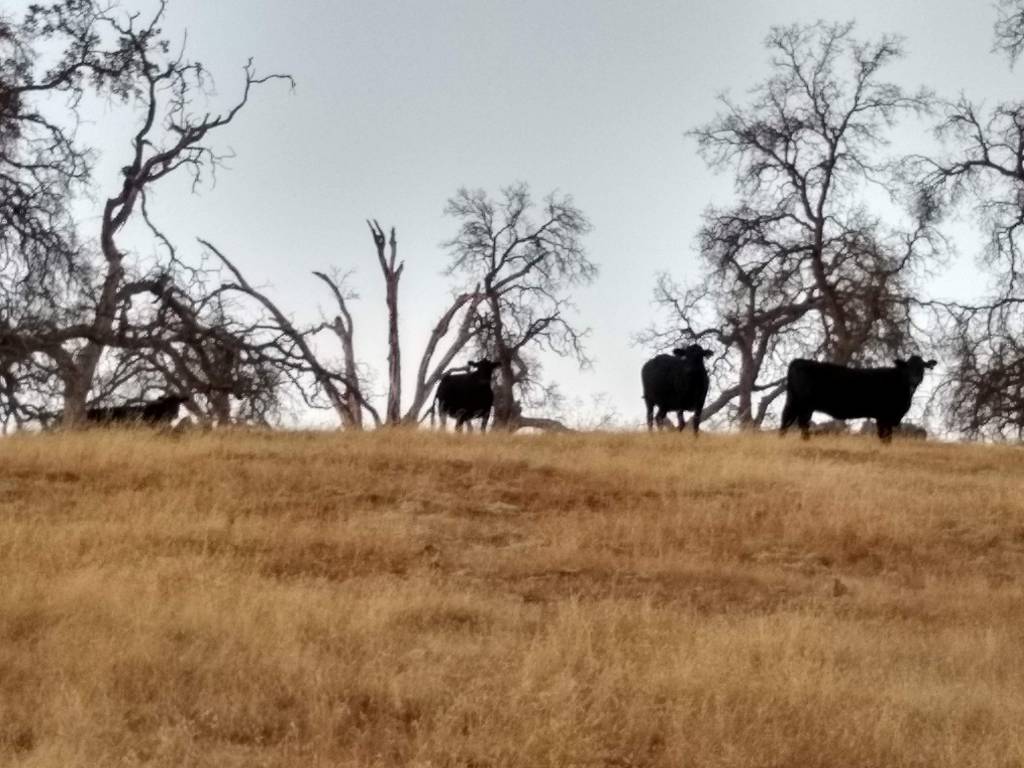
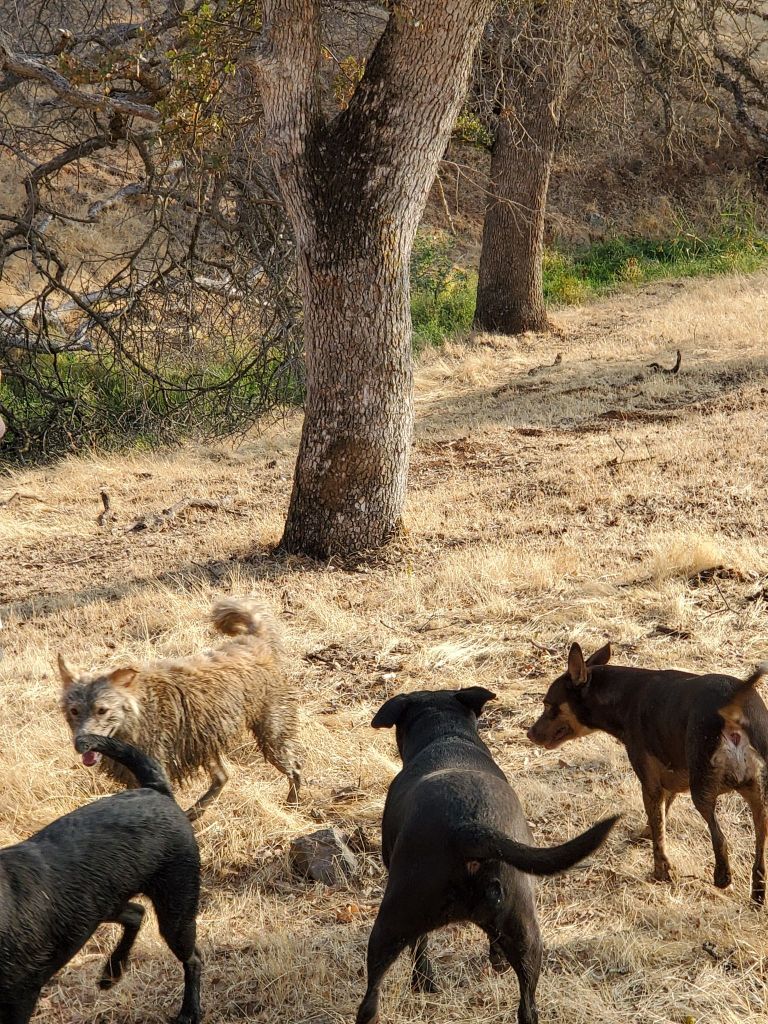
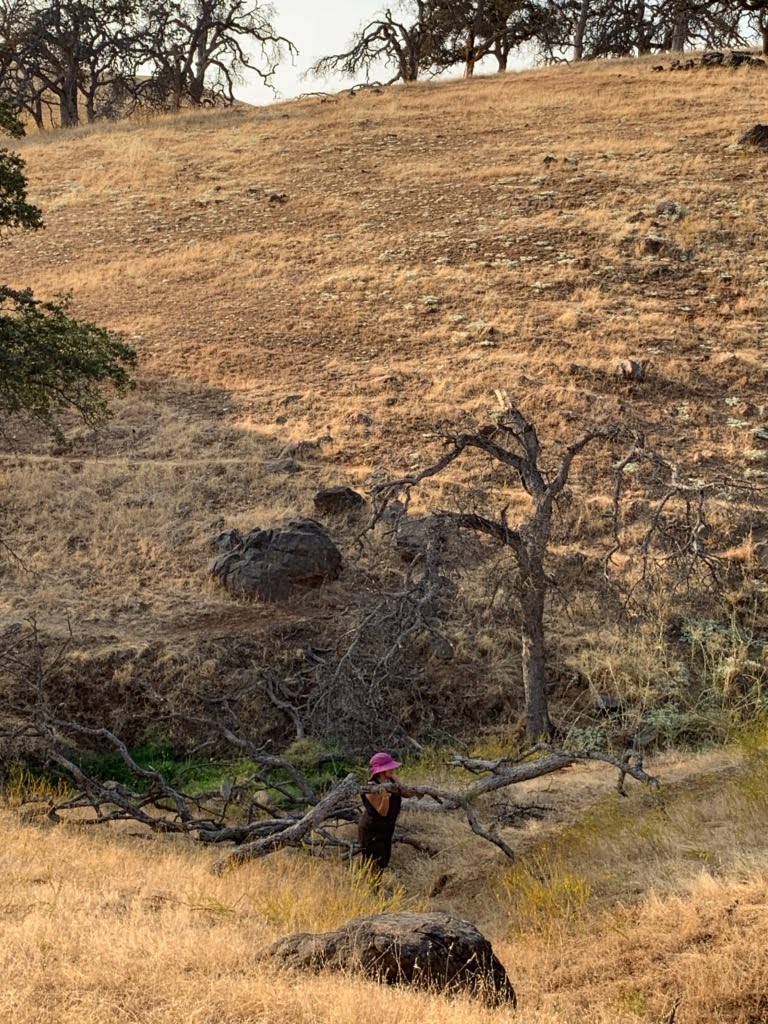
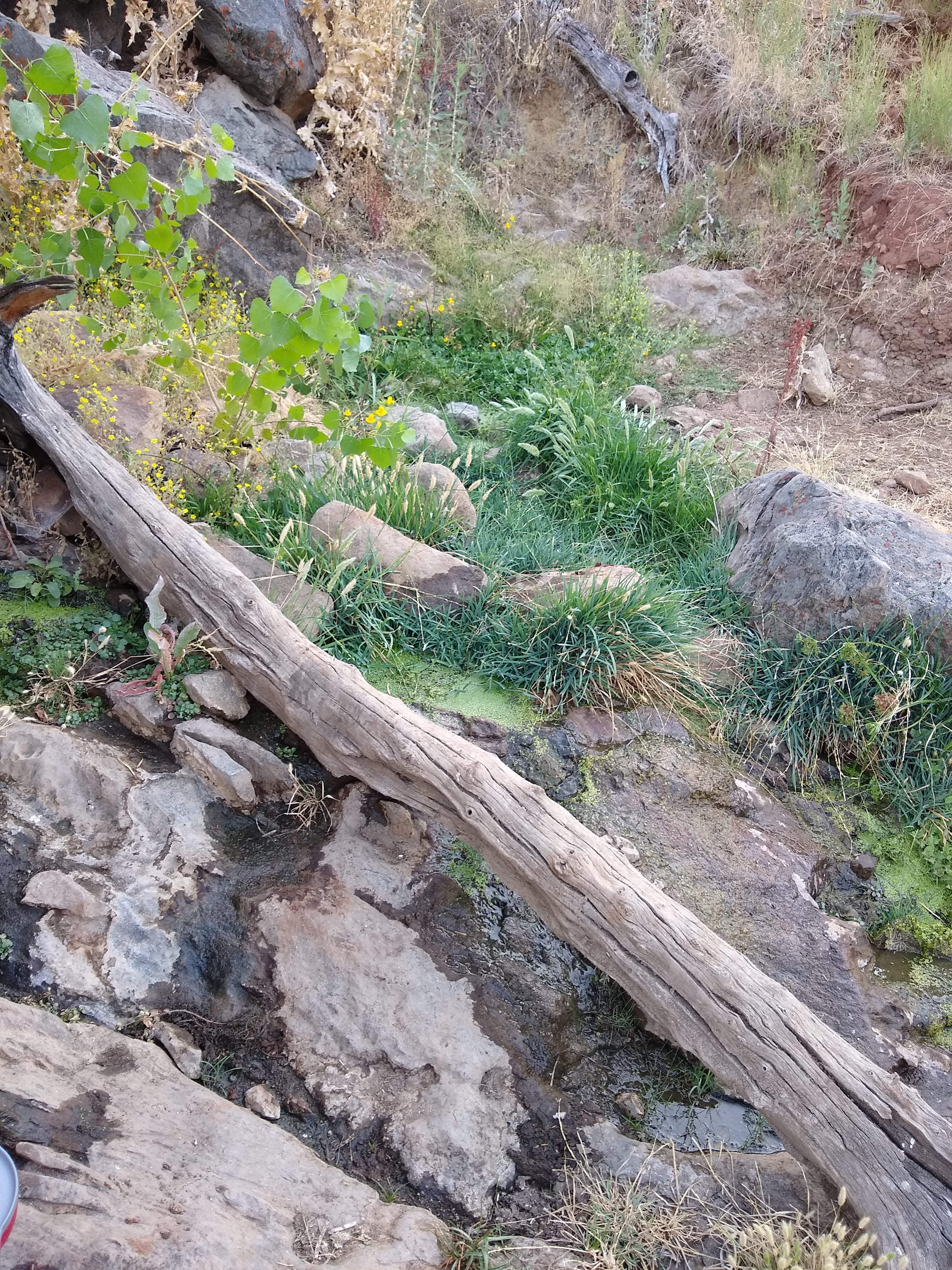
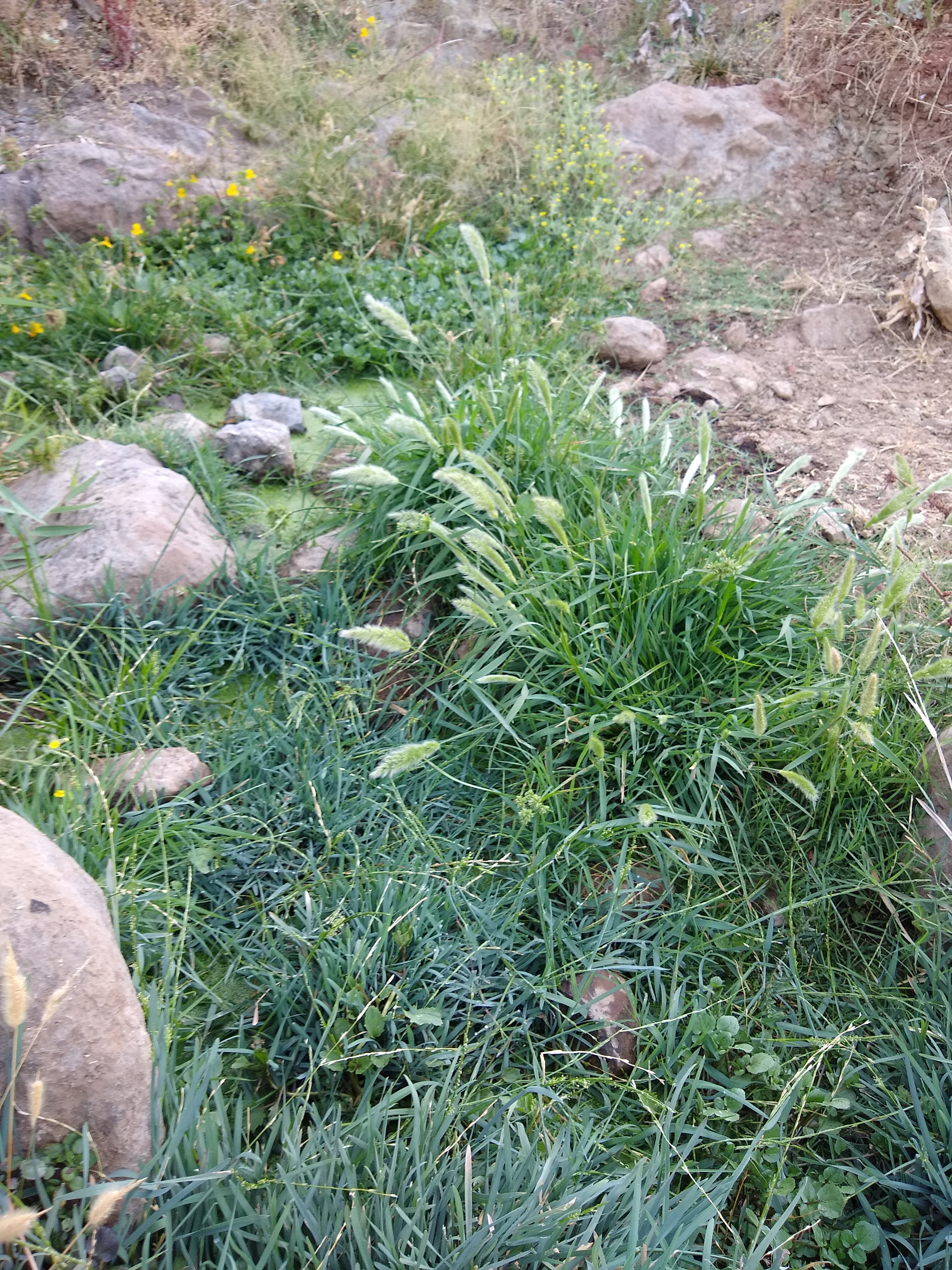
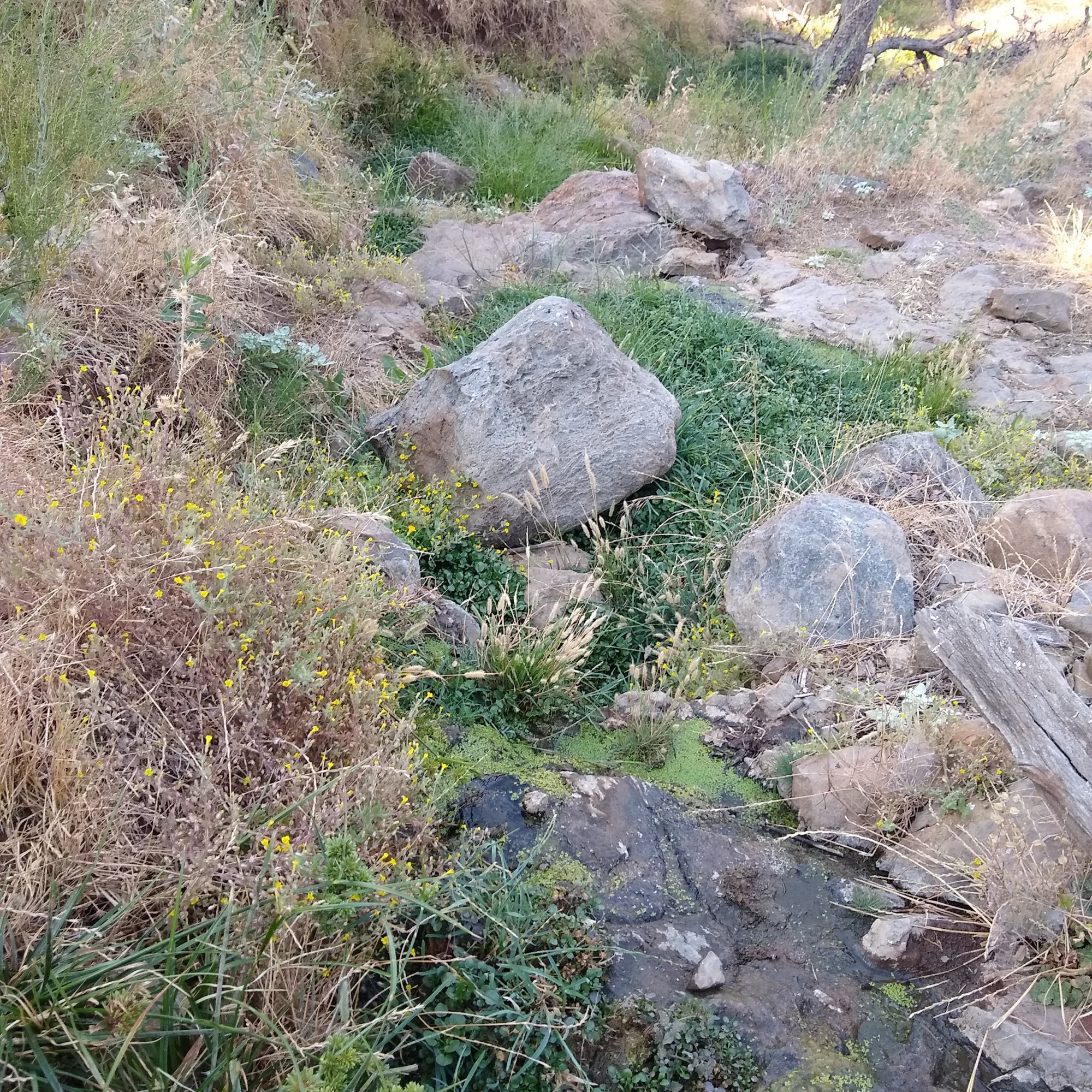
The cows have returned and are wondering why I am interrupting their pillage of the creek.

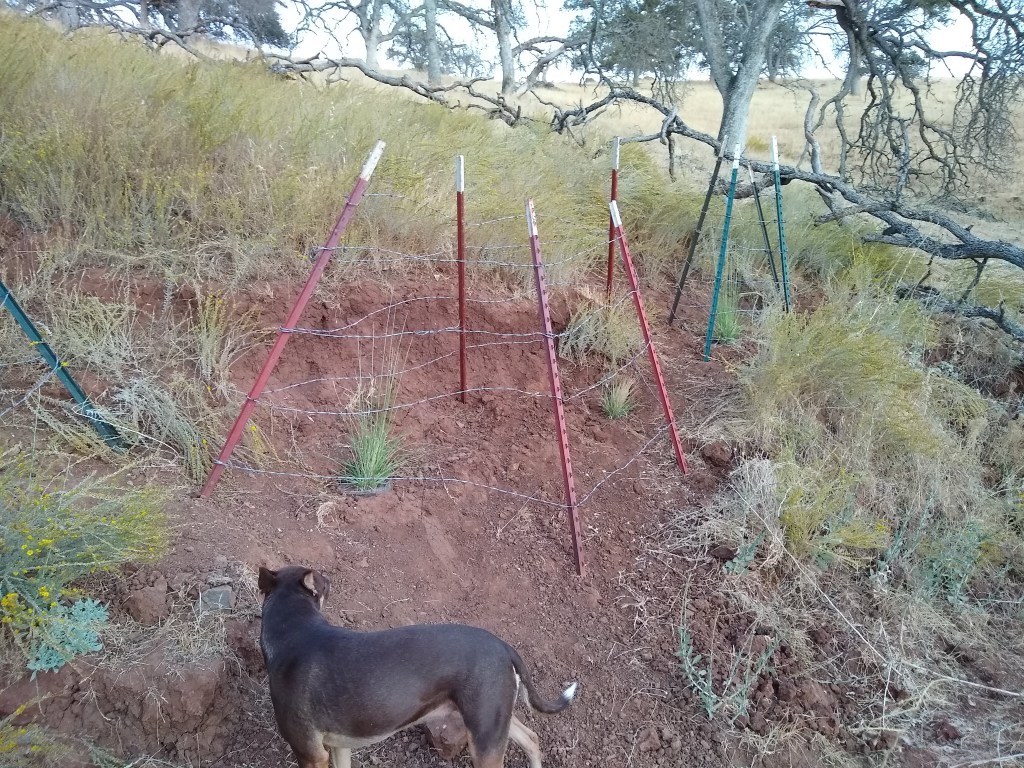
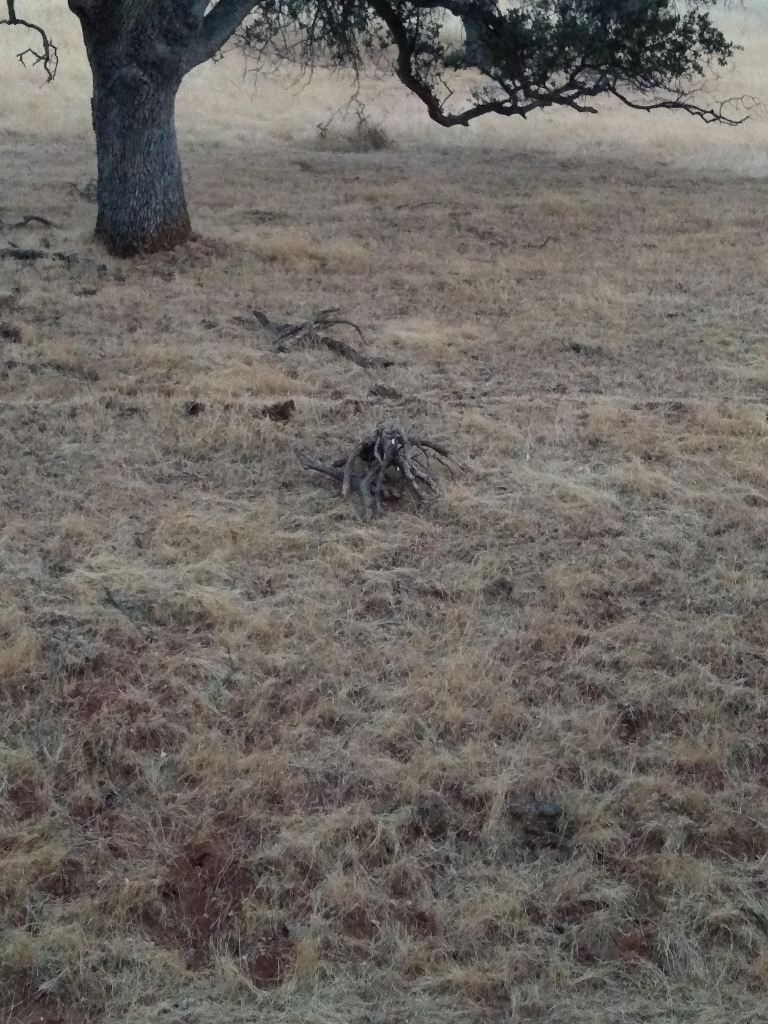
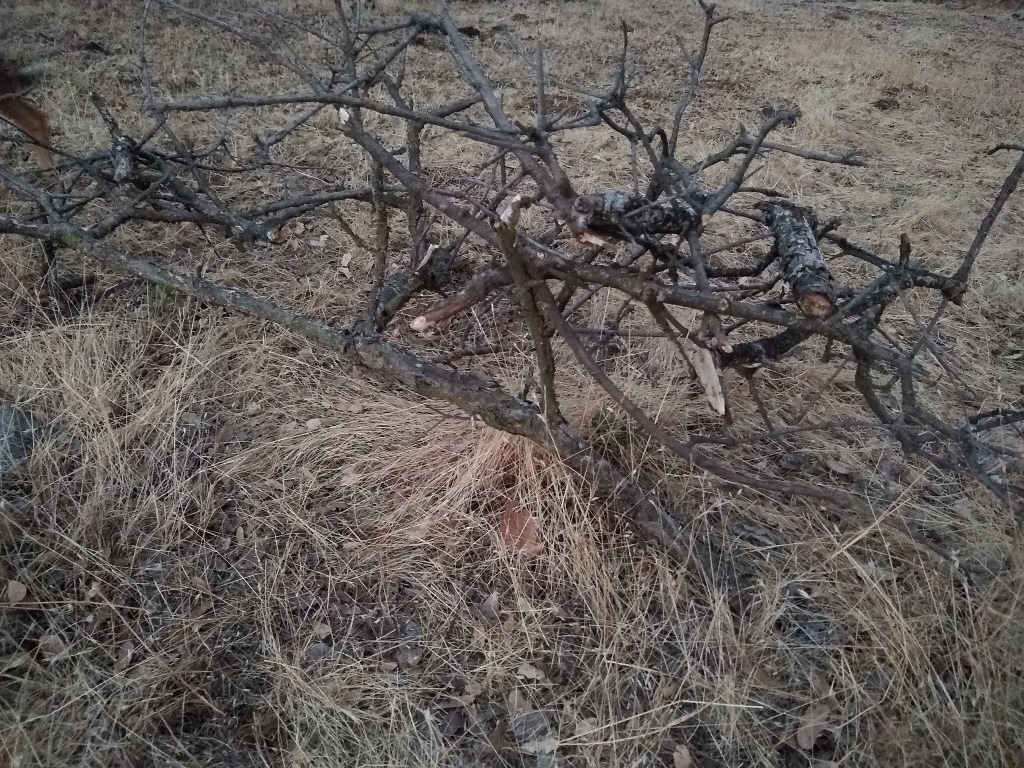
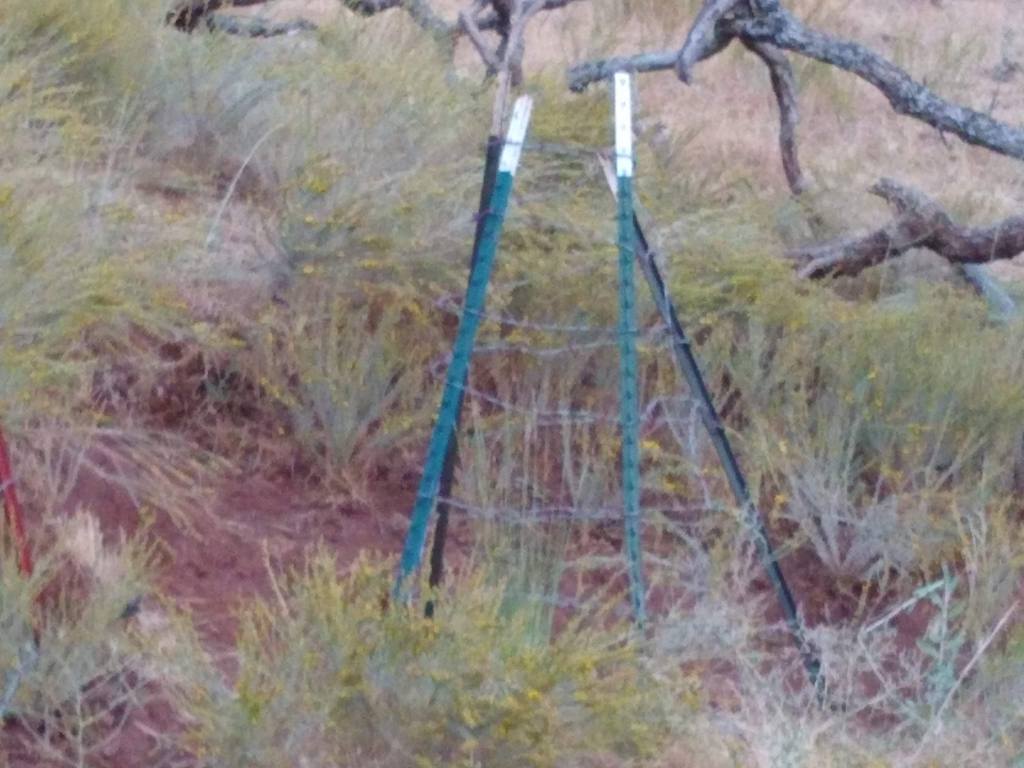
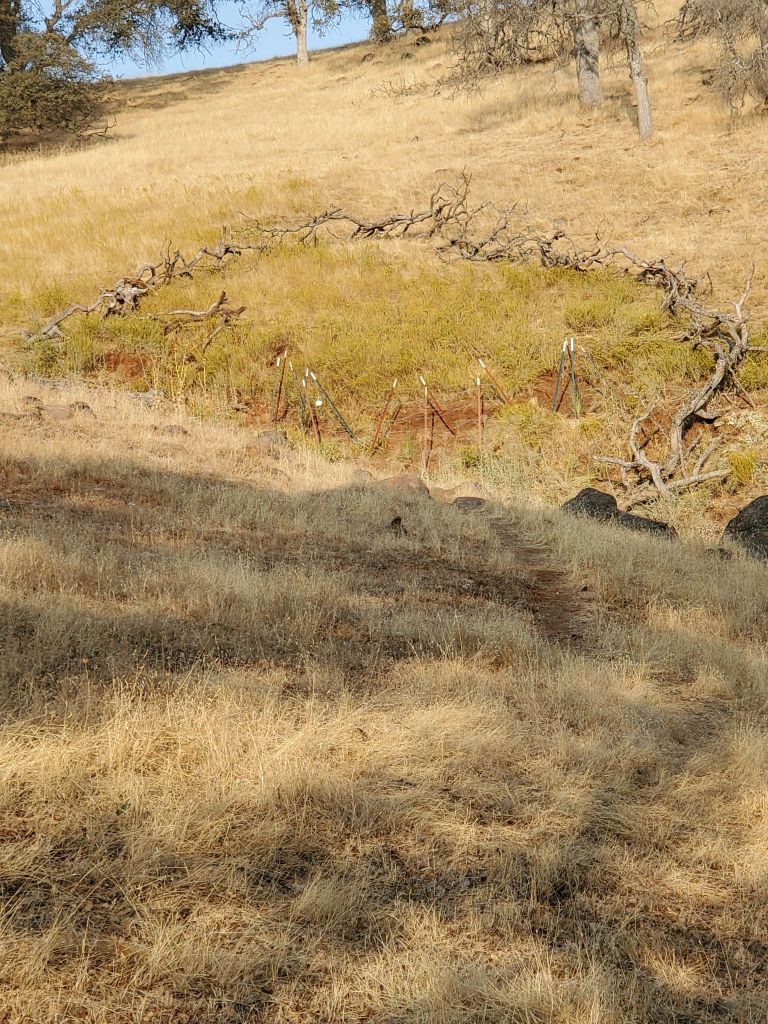
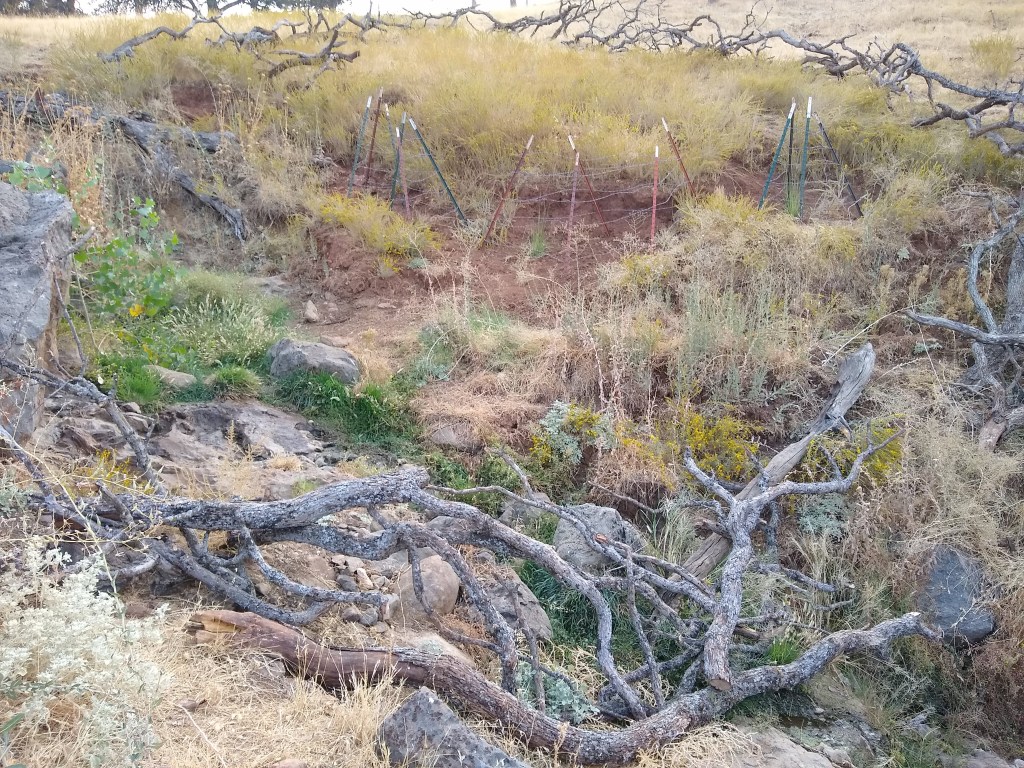
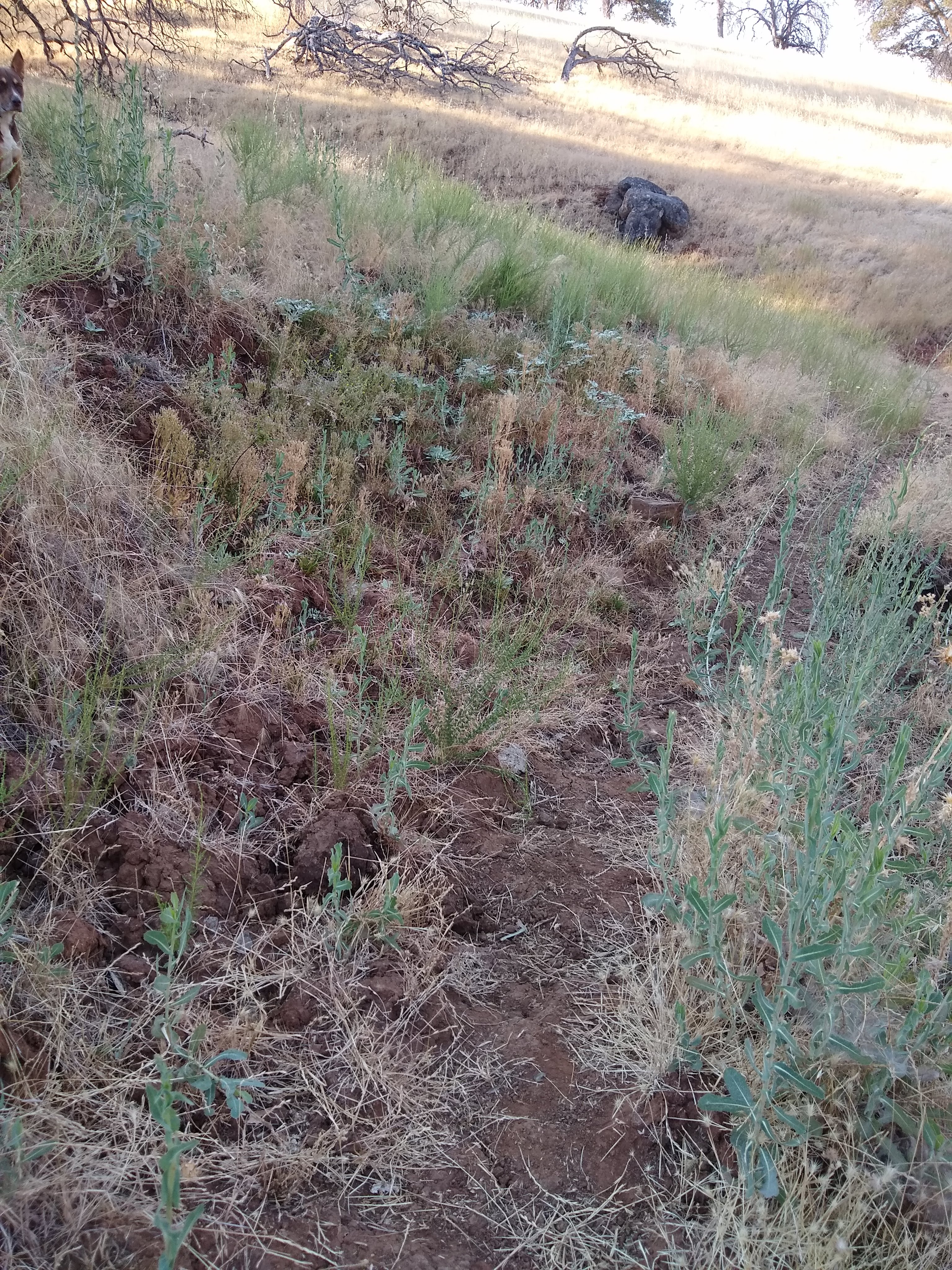
You may have been waiting with tremendous anticipation from my post a couple weeks ago wondering if the cattle broke through the fortifications or if they held…after all that work. Well…I will end your suspense. The barbed wire structures held, the branch fence failed in one location opening up the entire section of creek to grazing.
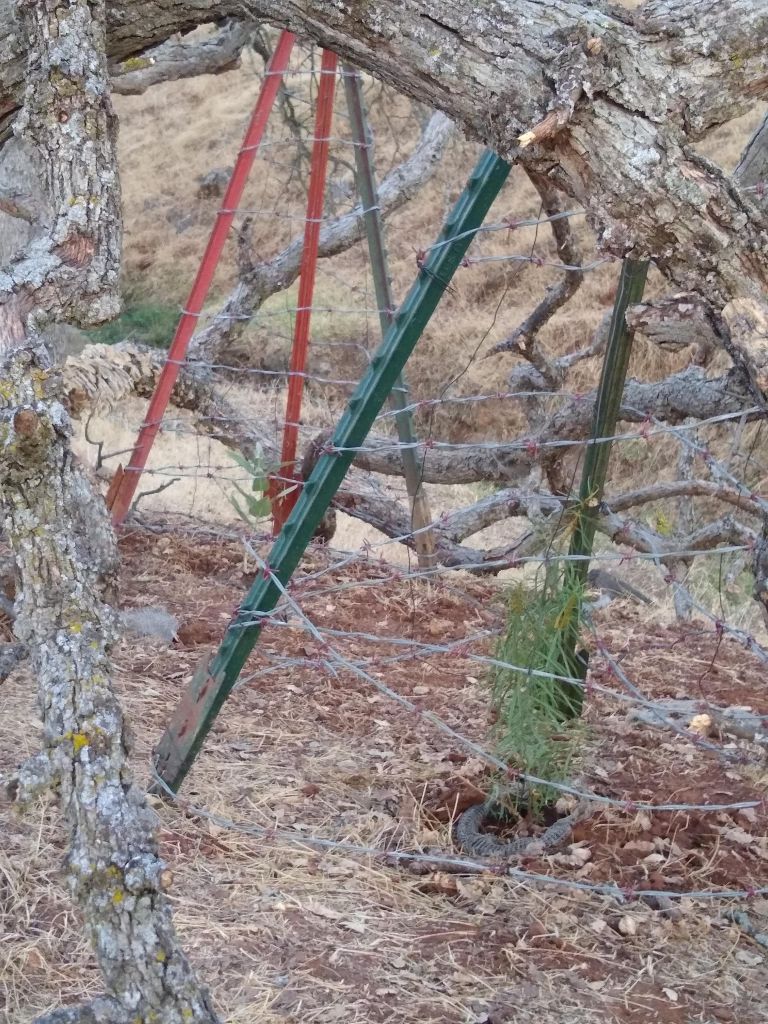
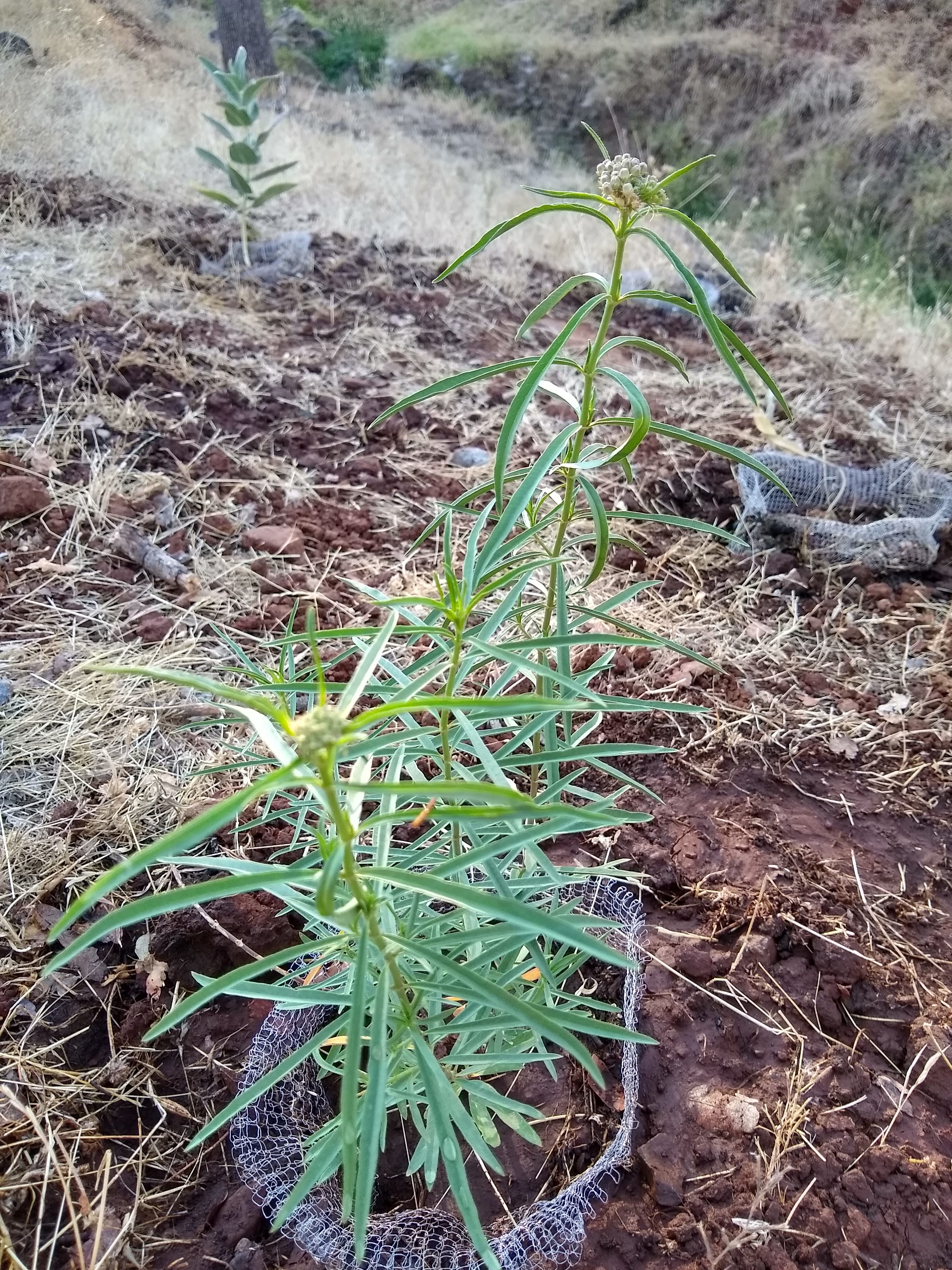
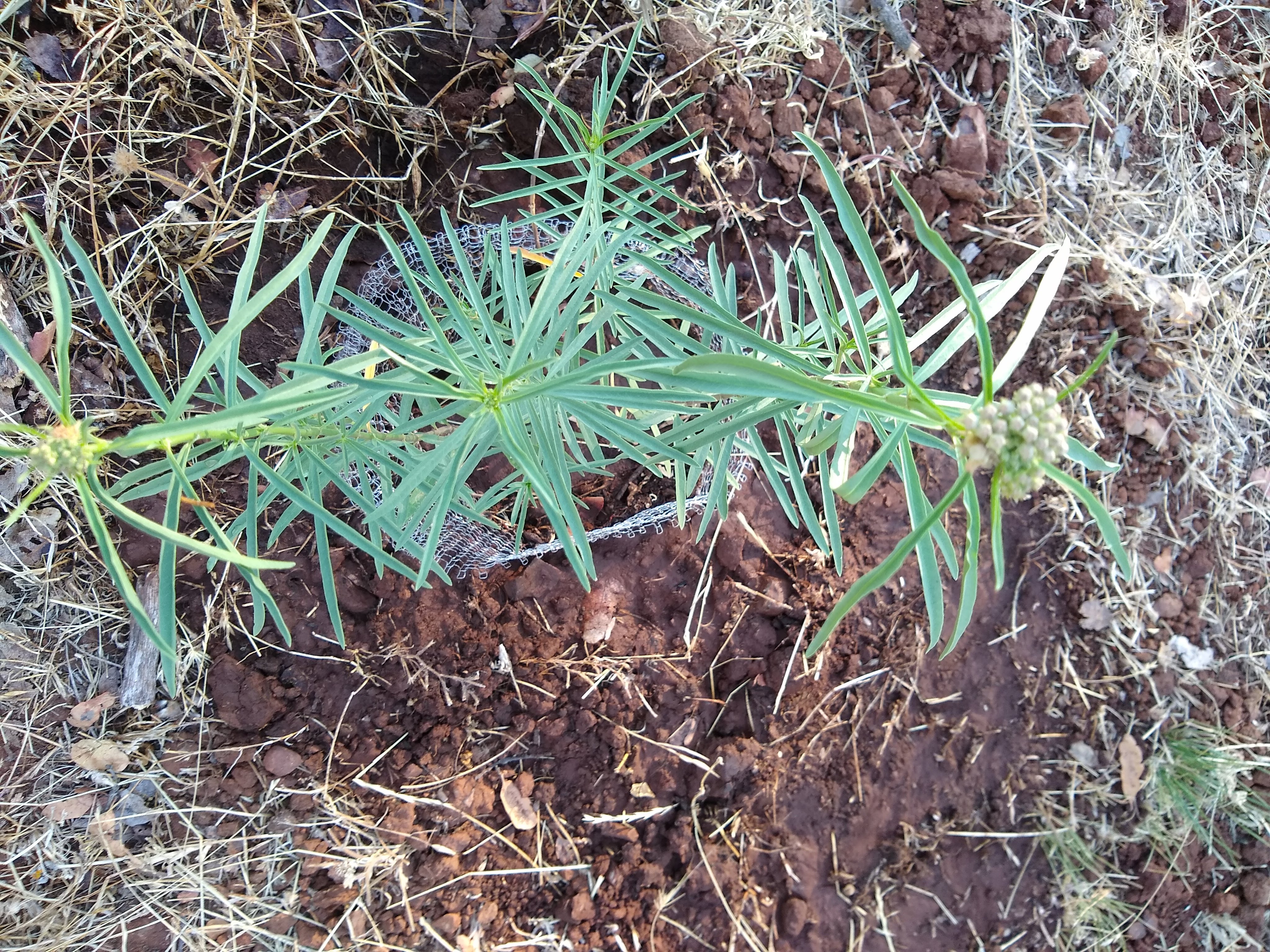
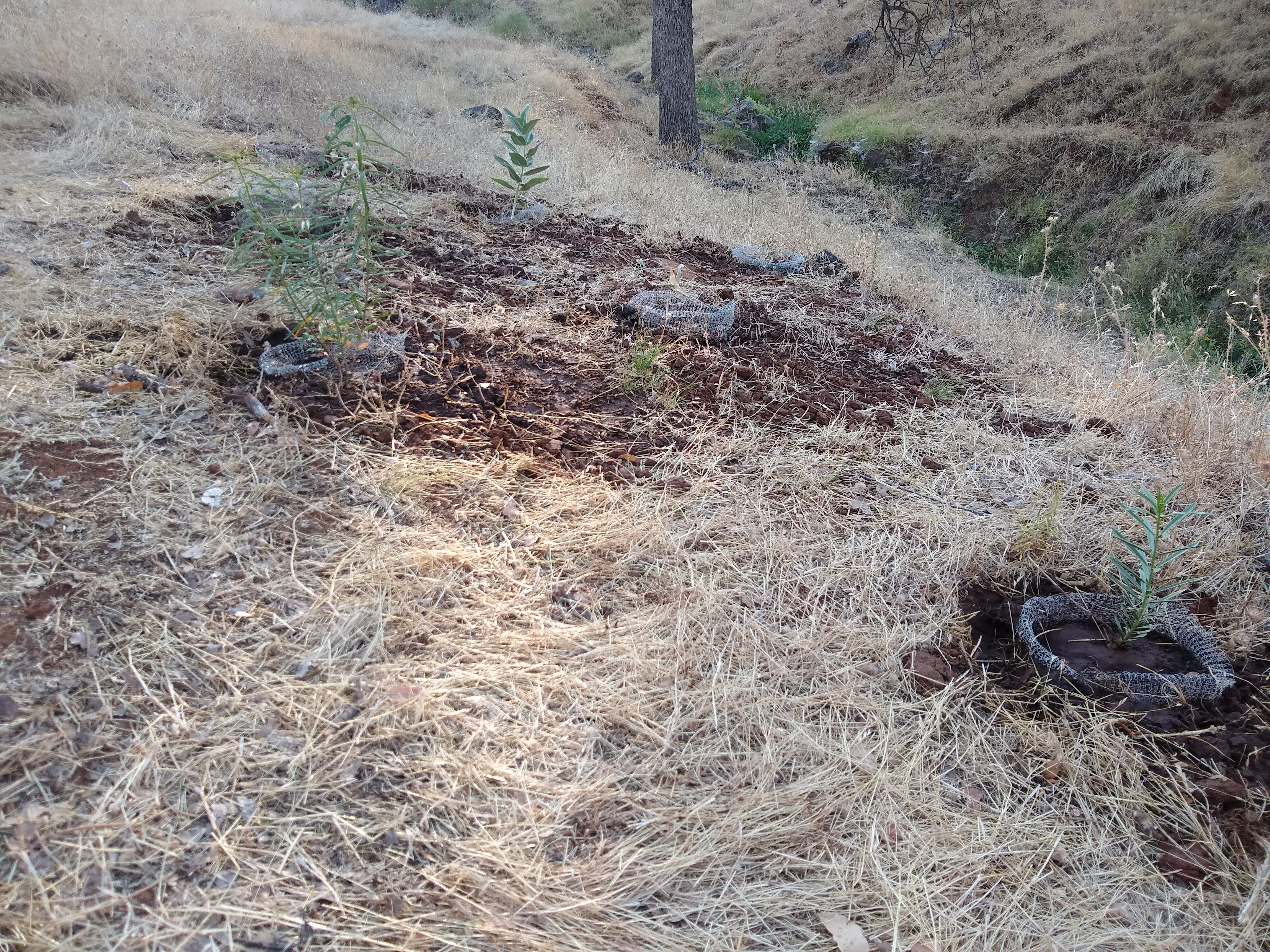
I have four to six Xerces butterfly plant kits as part of a grant project arriving in November. Most will be planted on the top of the hill, but two to four kits are meant for the creek. I still need to think through how to protect them. There is only so much more time in the growing season, and I am trying to avoid the expense of professionals installing an electric fence until next year. In my grazing plan, the fence comes down after growing season since there are no sprouted plants on which the cows will want to browse. More on this in November. We may make more small fortifications around the monarch “islands” we intend to plant.

Other Items of Note
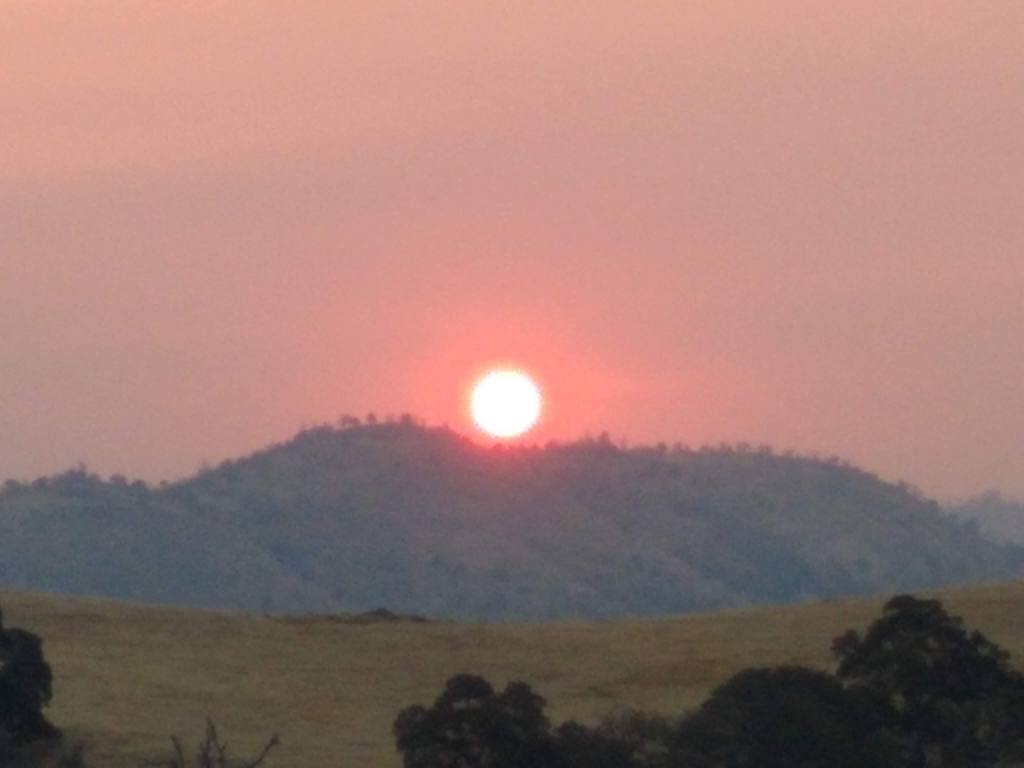
Sunrise every day

The smoke continues to vex me, but I have carried on with the work and making adaptations as needed.
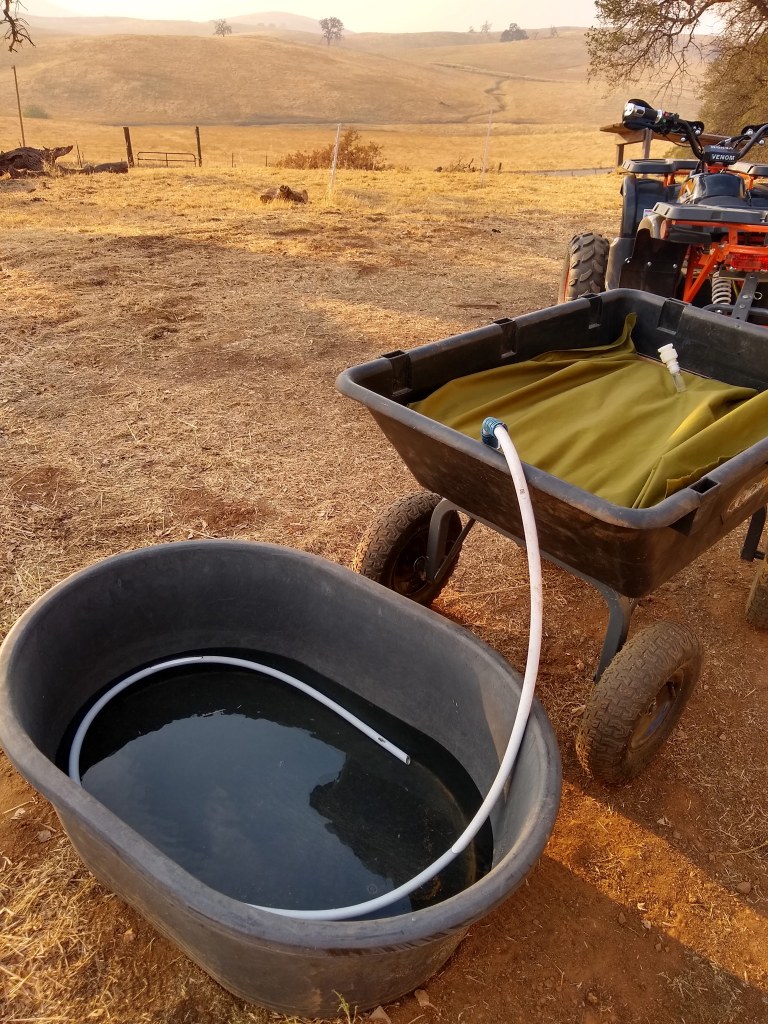
New water transport method

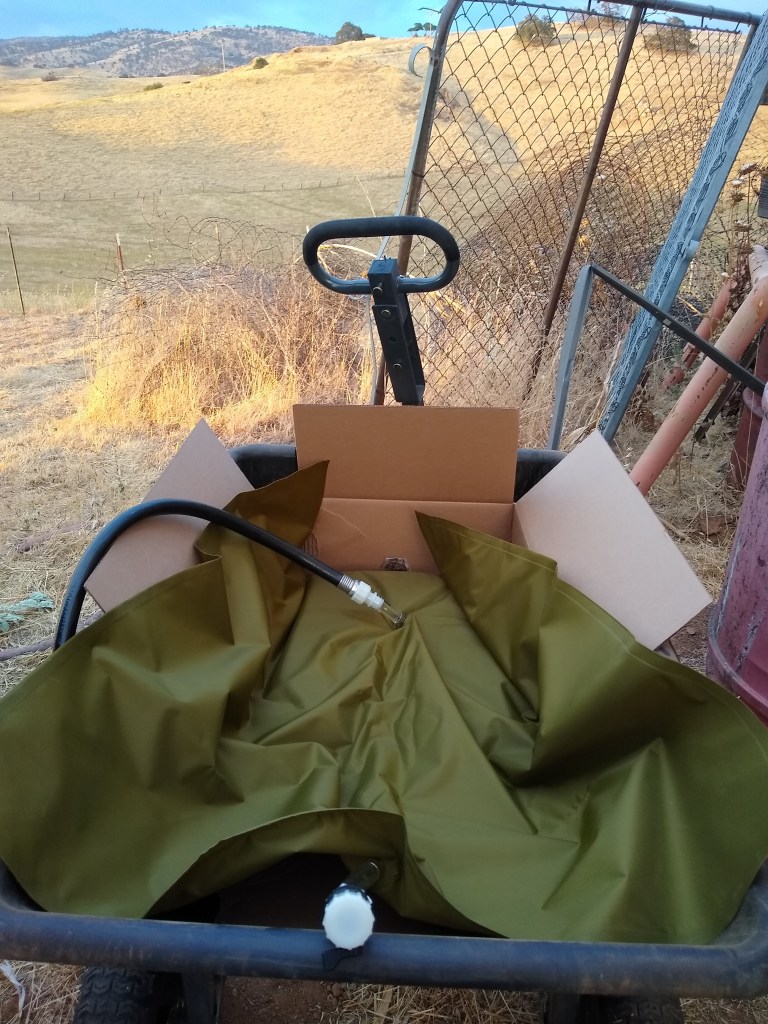
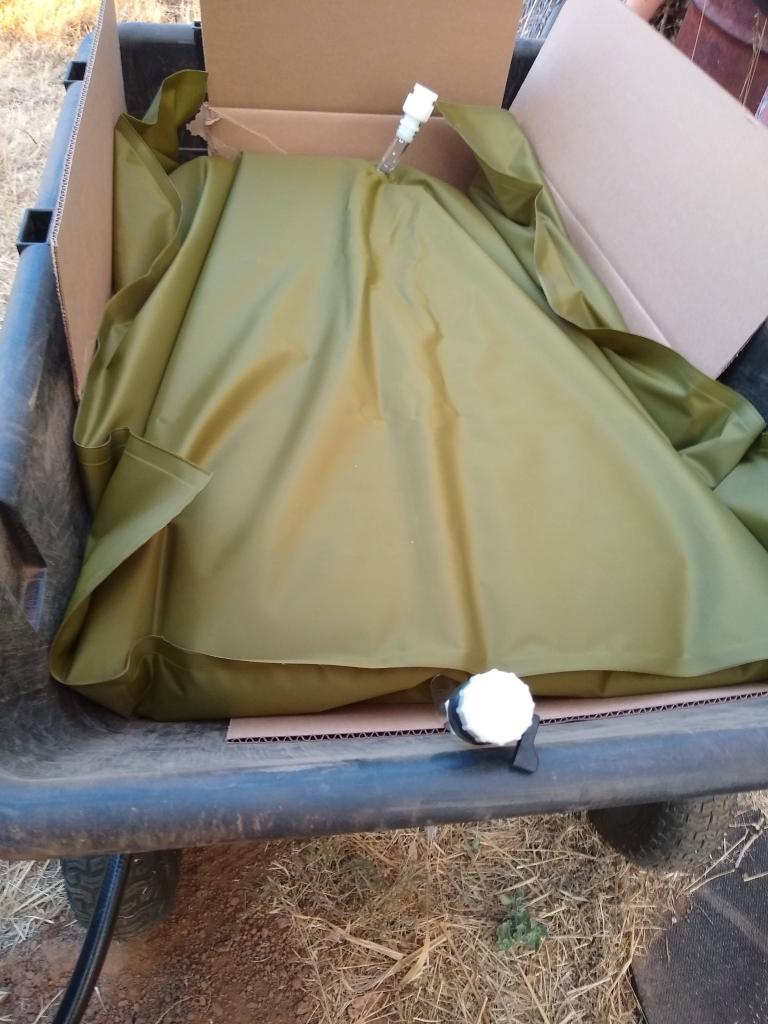
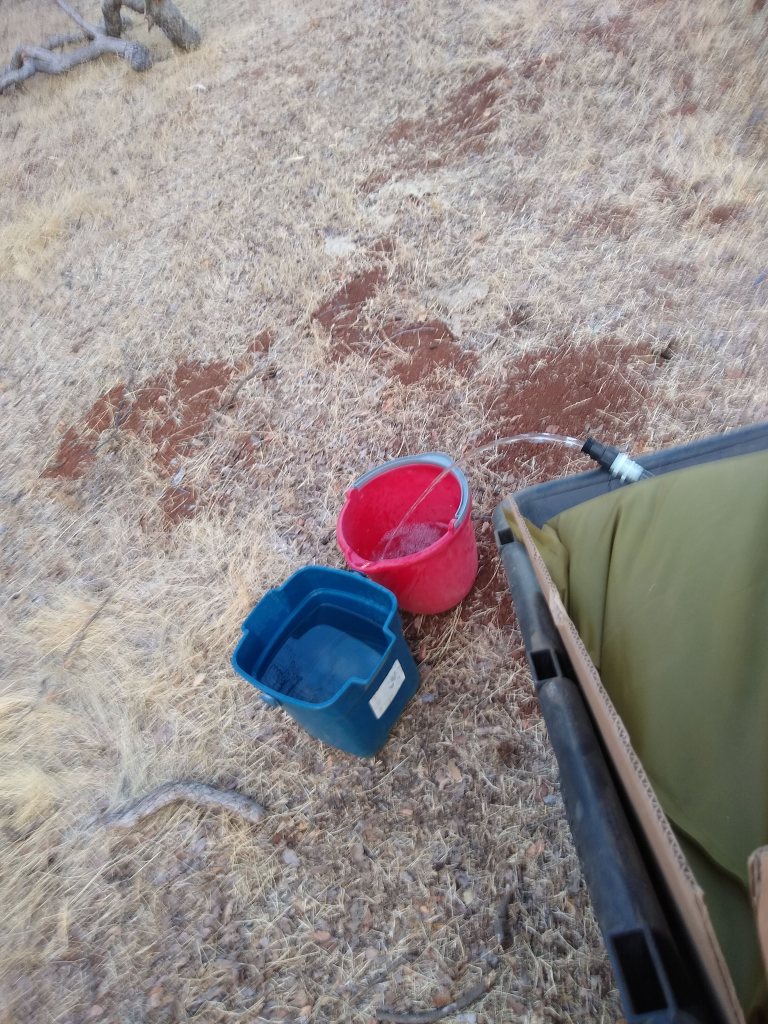
To increase efficiency, I no longer push and squeeze on the bladder. I connected a short hose to it and let it gravity feed as I scoop water into my buckets and water the plants. This has worked well. I’ve begun to fill the bladder to full capacity so that I can have two trough fulls of water per each trip. This enables me to have a full trough waiting for me the next day and not have to spend as much time outdoors in the smoke.
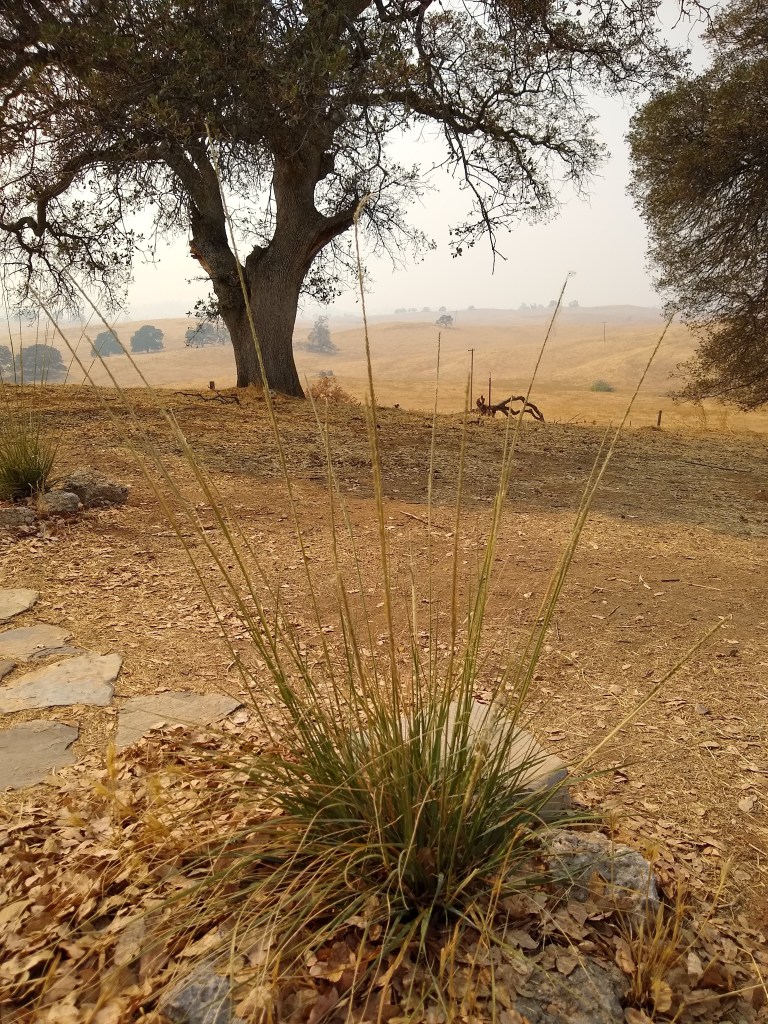
Deergrass on the west side

Most of the deergrass plantings have done remarkably well. Many now have new shoots and blades with seed. I am so excited to see if I will have more painted lady butterflies next year with these healthy additions. There are fifteen planted. Two I planted really late and were root-bound. One has some new sprouts; the other still has no signs of growth. If I only lose one, that will be a victory. I continue to water it hoping that the roots are still alive.

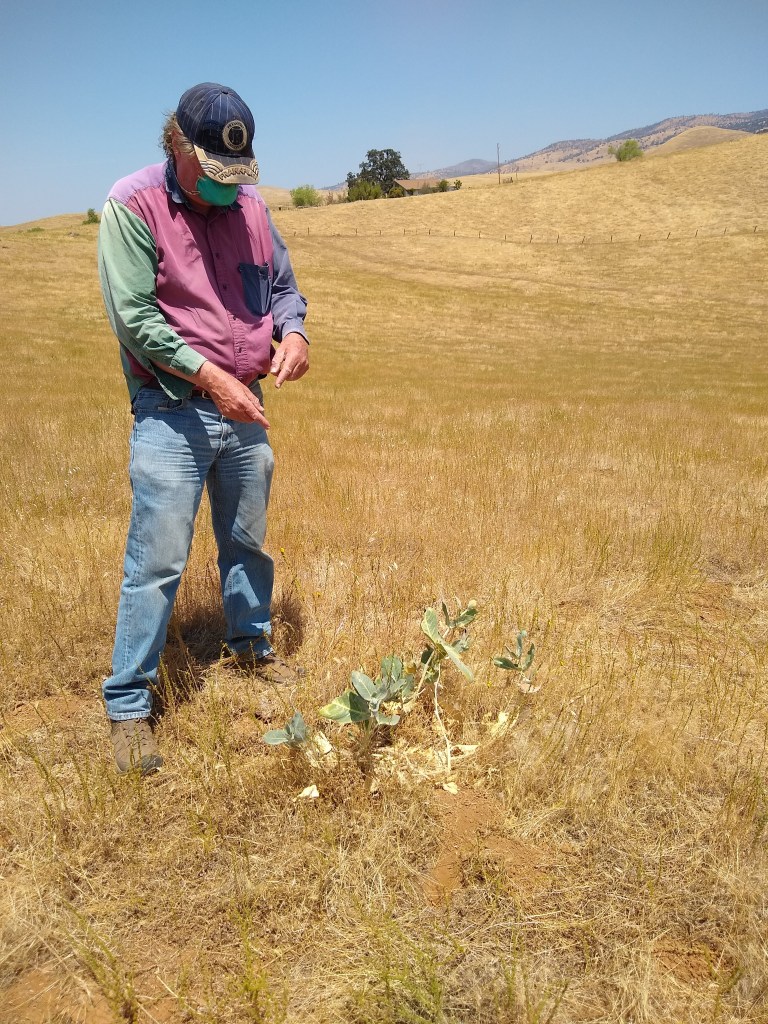
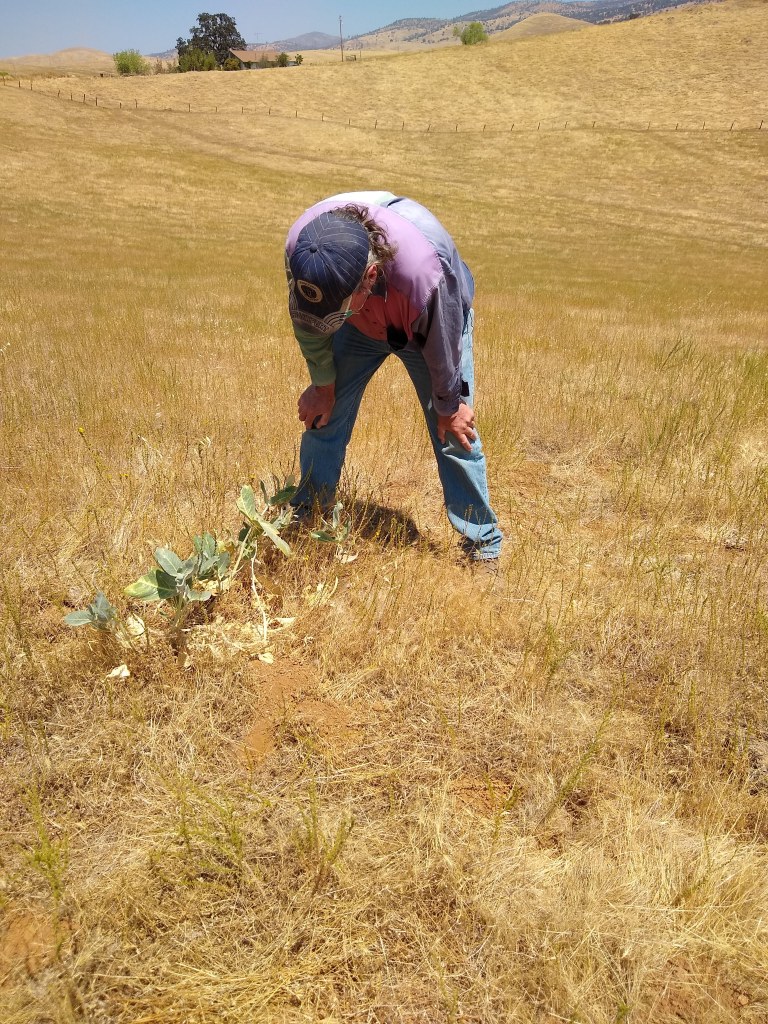
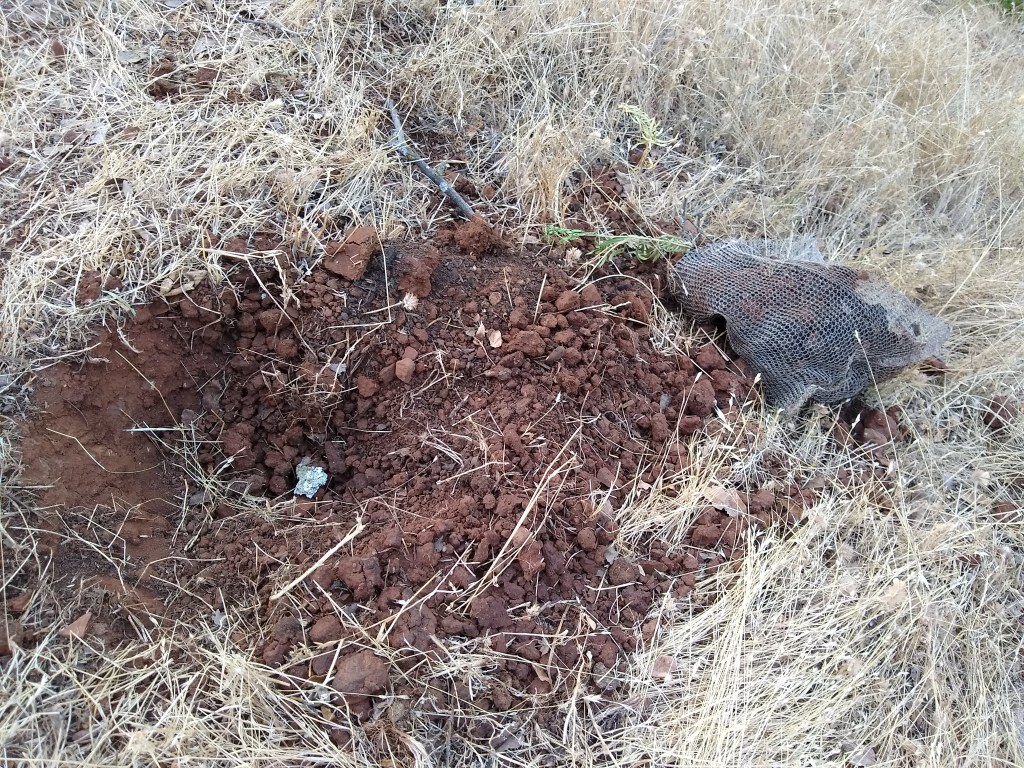
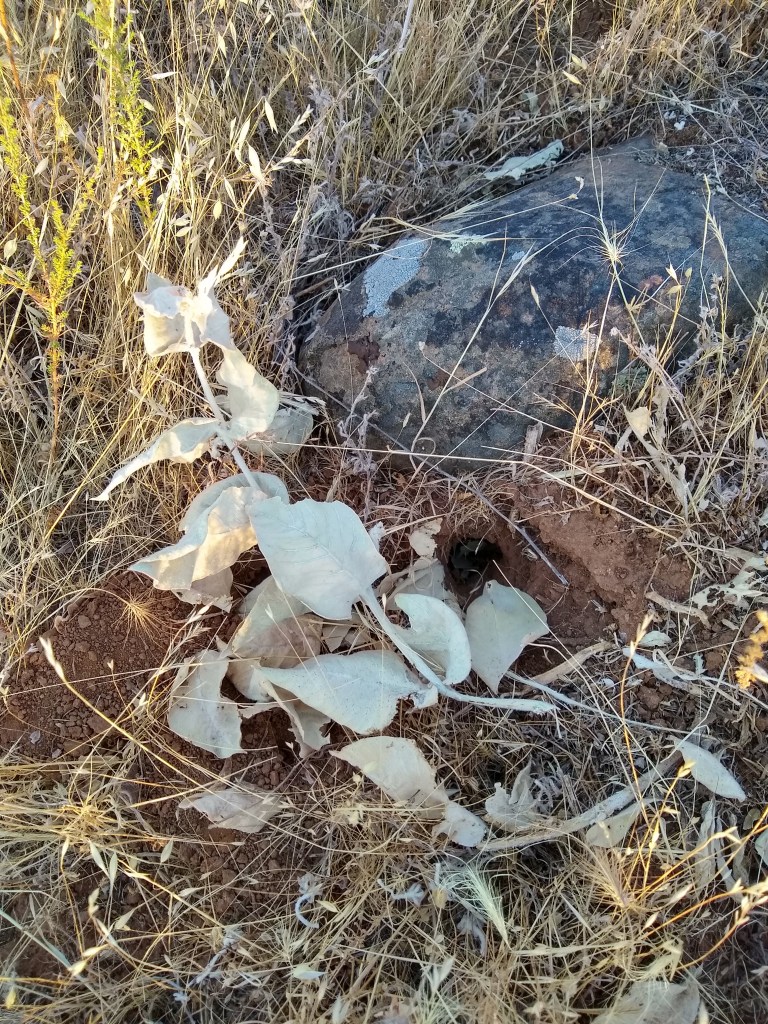
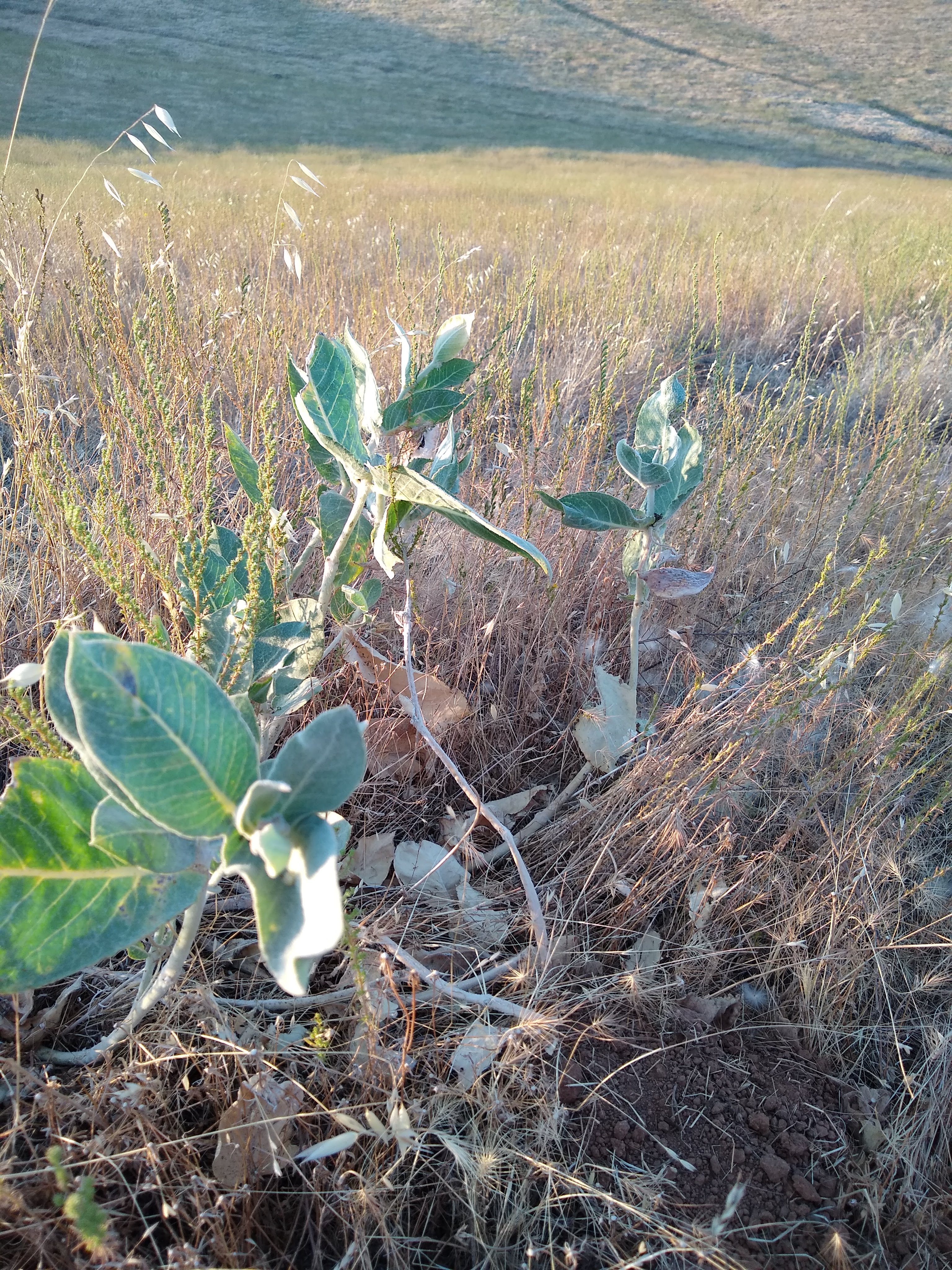
The gophers have eliminated all milkweed that resprouted from the original test plots except two small runners. They will likely fall victim before the end of the growing season. Some creature continues to snip marigold plantings. Fortunately, that has slowed, and I have been able to keep other parts of those two marigolds alive to replace the larger, main structure. We will see if they survive through the growing season.

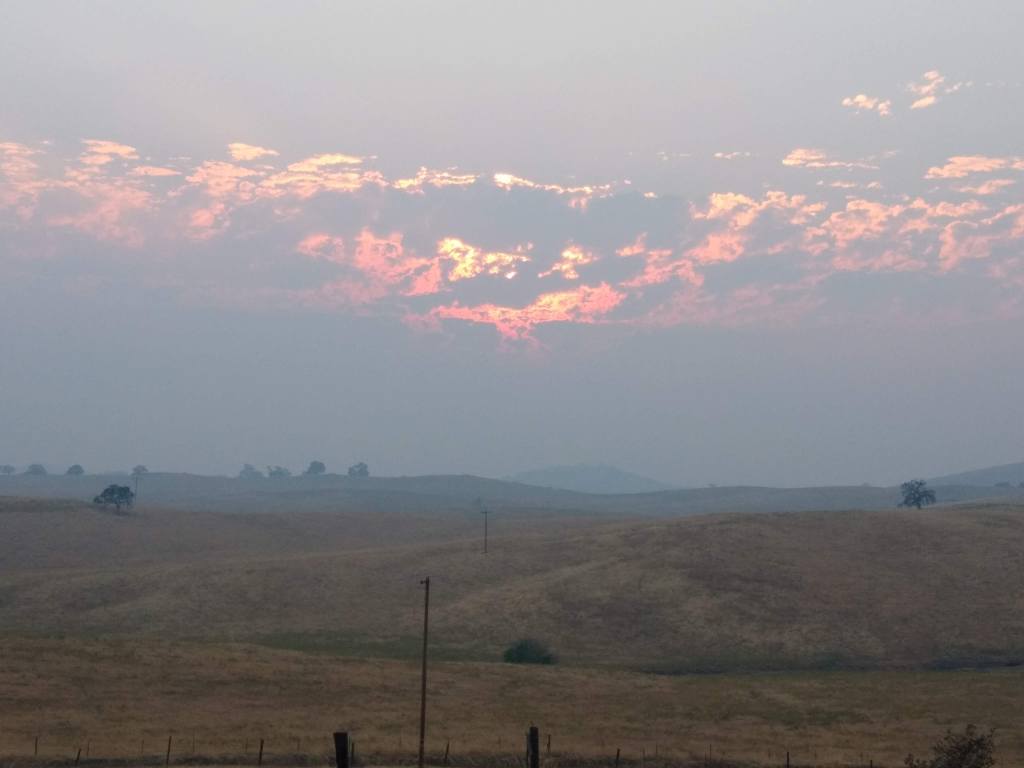
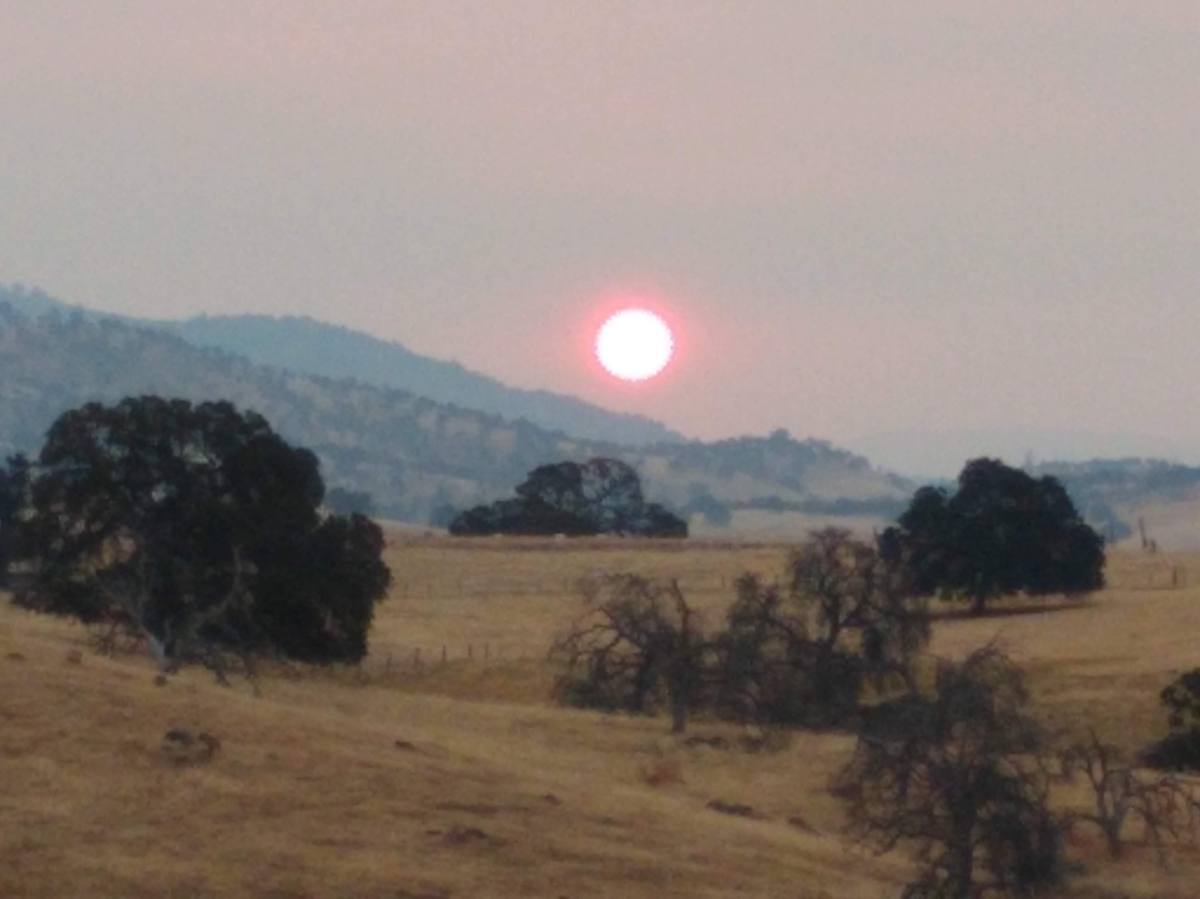
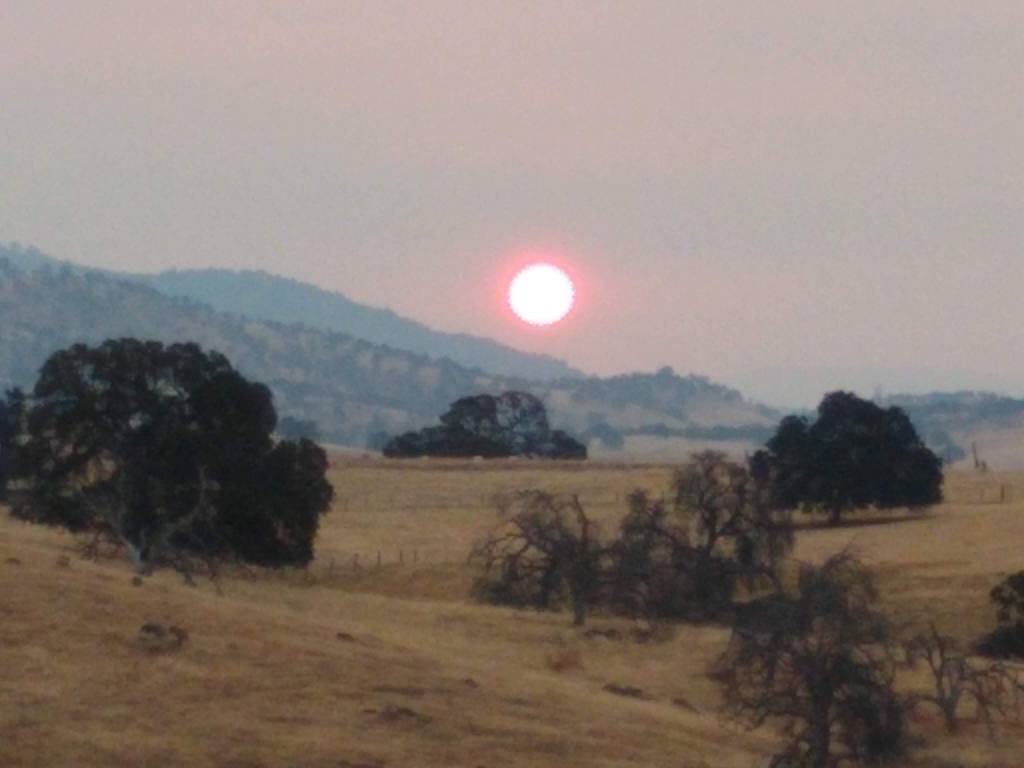
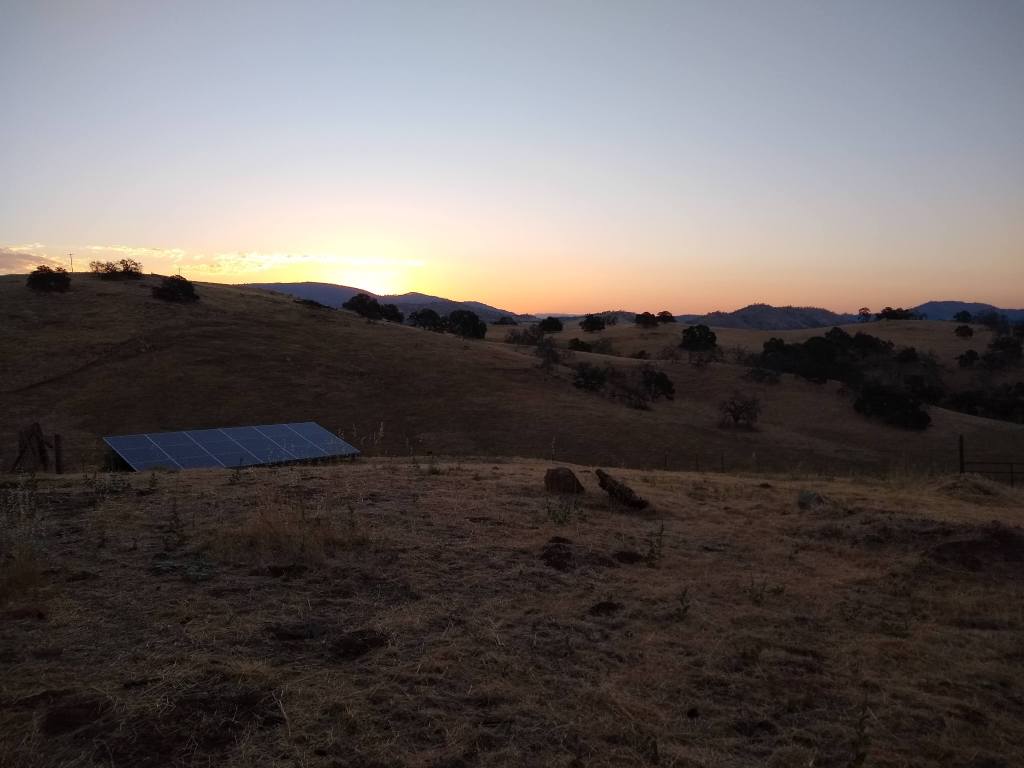
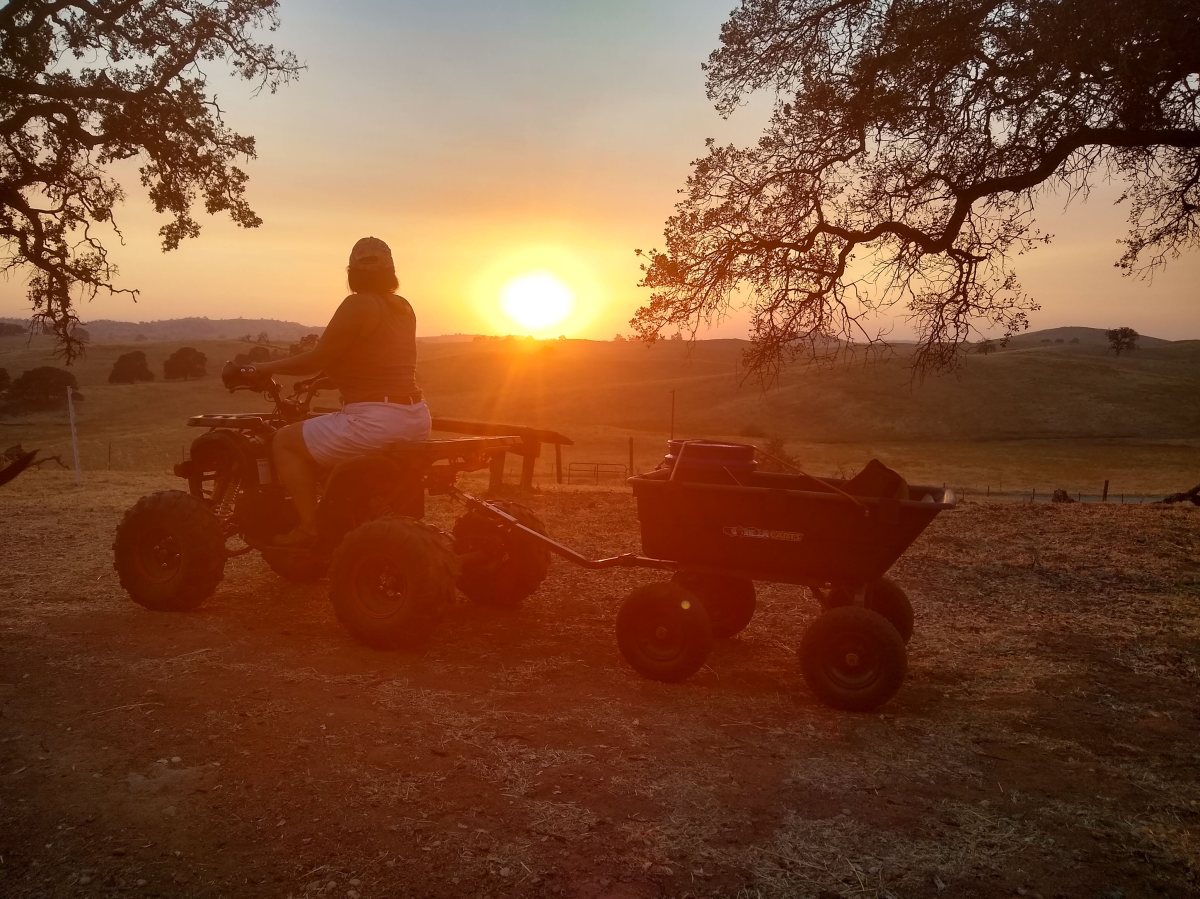
We are in a maintenance and planning phase – so not as much to do. In November, we will be digging holes again for the Xerces plant kits and possibly working on some temporary fencing to protect the riparian pants. There have been only two “helpful” things about the smoke. Its thickness has decreased overall temperatures from the predicted 100s to the low to mid 90s, and the particulates make for stunning sunset colors. However, I would giddily trade both in less than a second for clean air.
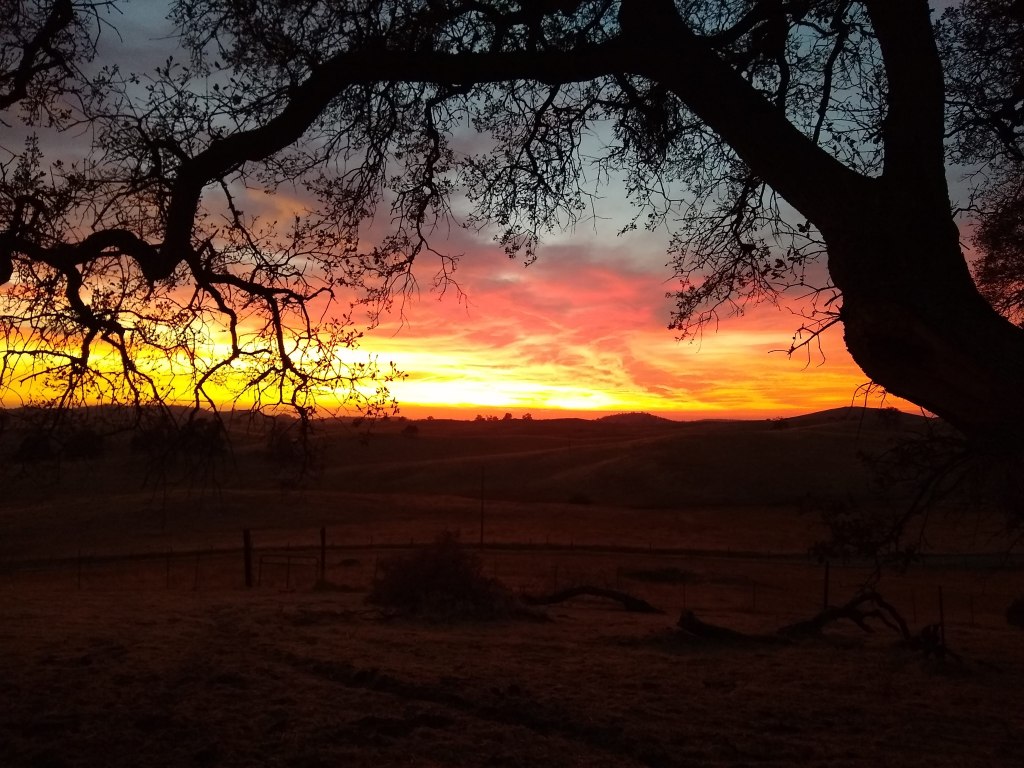
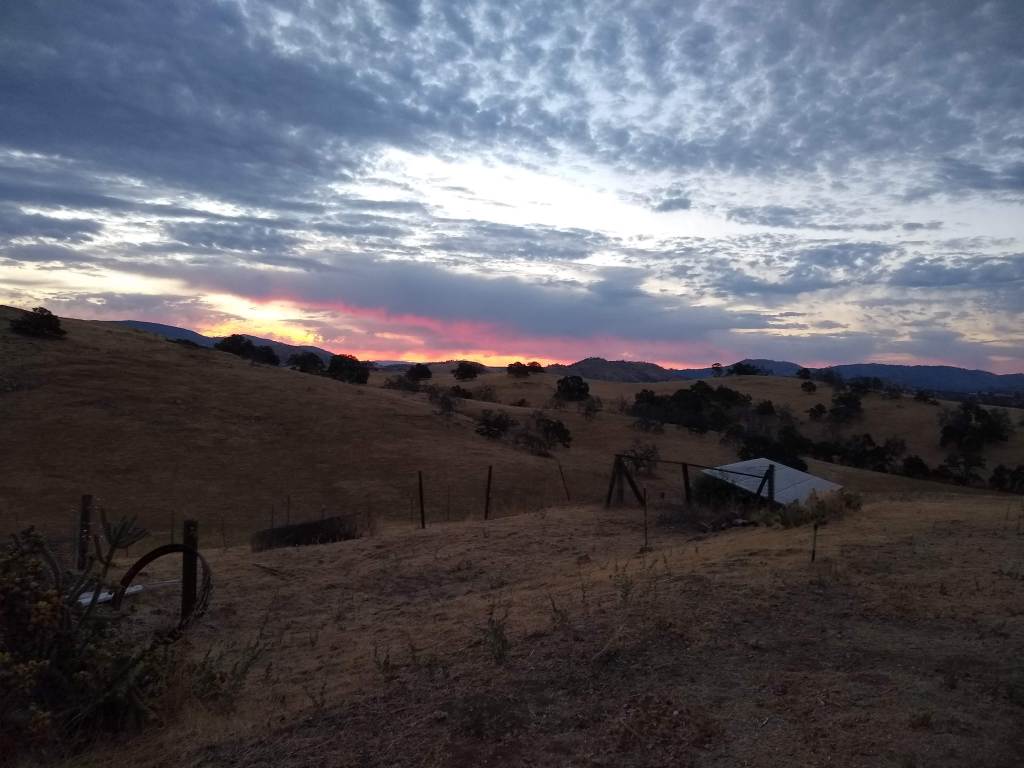
Smokey sunset at the ranch

Mistakes. Smoke Inhalation. Cow Pressure. Not a Good Month.

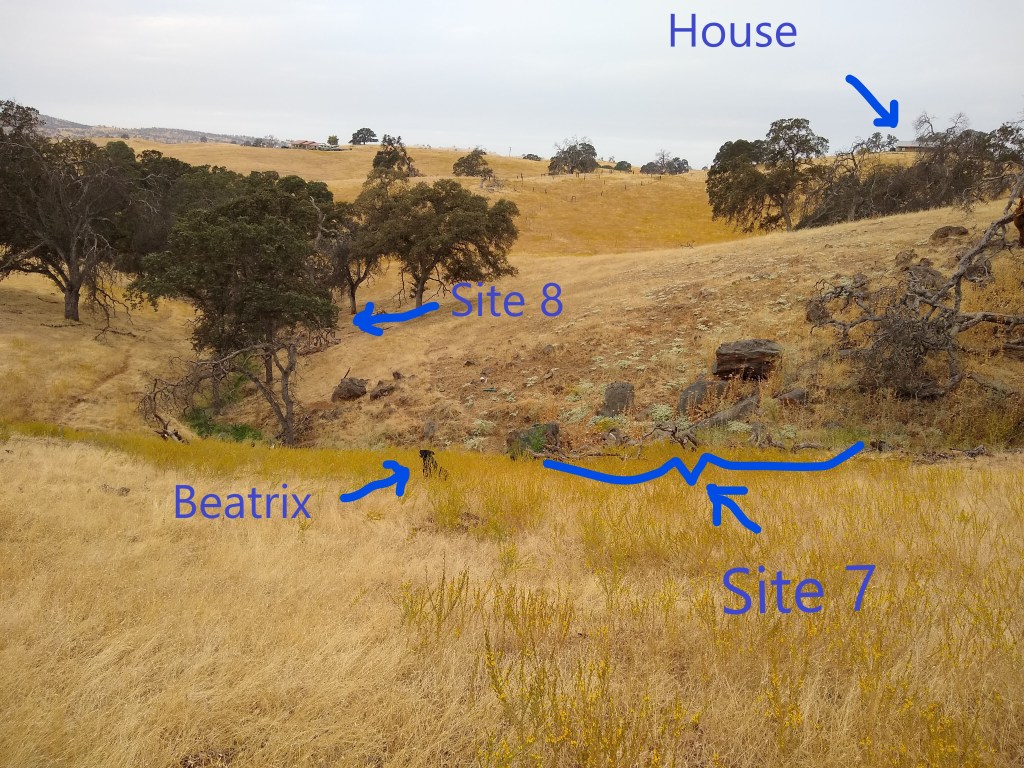
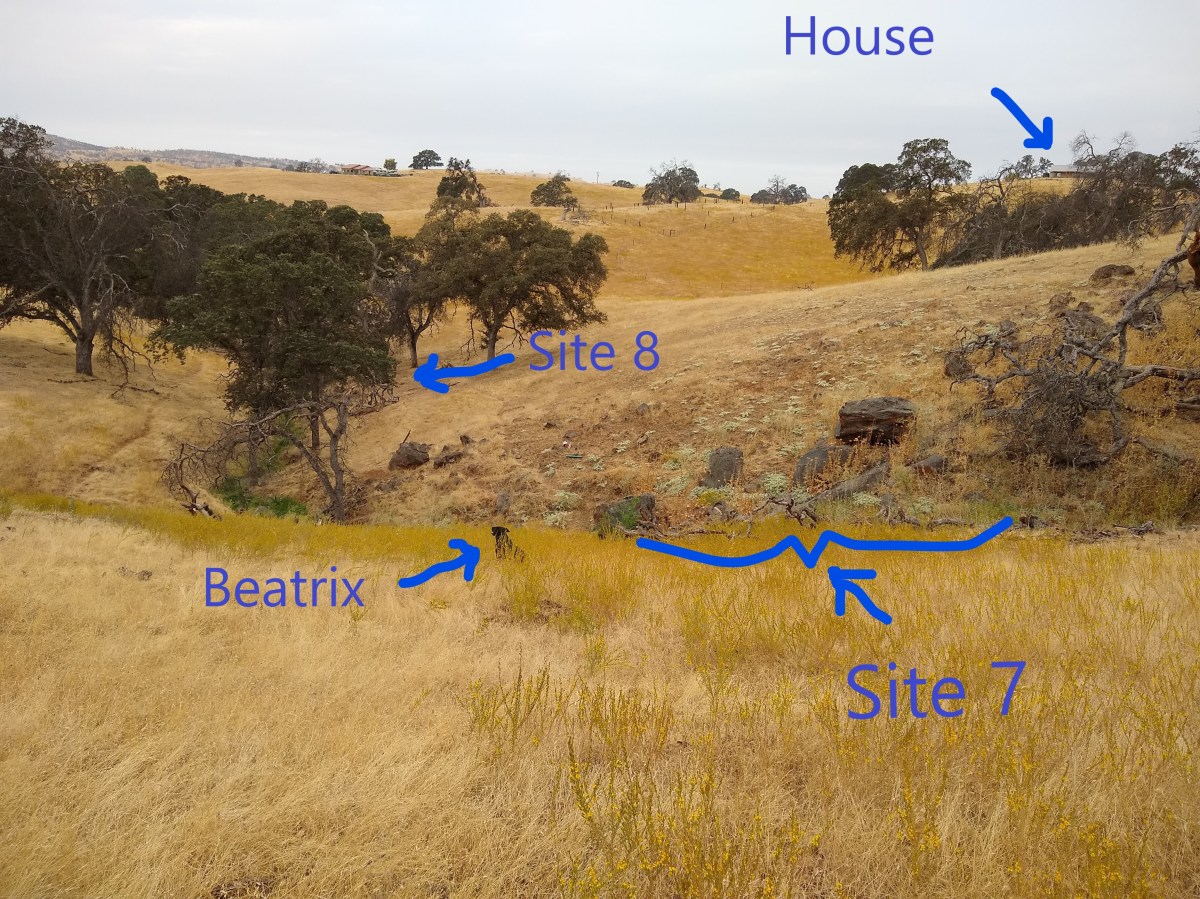
Overview of Spring Creek sites with annotation

Despite daily care of the plants, I have not felt like writing. In addition to the death of my beloved cat of 16 years, Andromeda, on September 4th, my brain has been suffocated in hazardous levels of smoke. In the last two weeks, every particulate in the region has passed through Hornitos. My days have been spent inside greedily hording oxygen molecules, constantly monitoring air quality for just the right time I can rush out and perform my chores. The weight of the smoke on my chest was matched only in the urgency I felt to complete the fence work around Sites 7 and 8. I got a text from Tom the cattleman that the cows would be back last week. Normally, I get a bit more notice, so I asked if it was at all possible to delay their arrival. It was, and the count down began.

It was a huge mistake for me to delay building the fence. Although I could not have predicted this long lasting hazardous level of smoke, more than in any other year I have been alive, I certainly knew it could be hot, or that something else may have conflicted with the time. It was a mistake to not have pushed myself to learn more about electric fences and just install it. Ok – moving on.

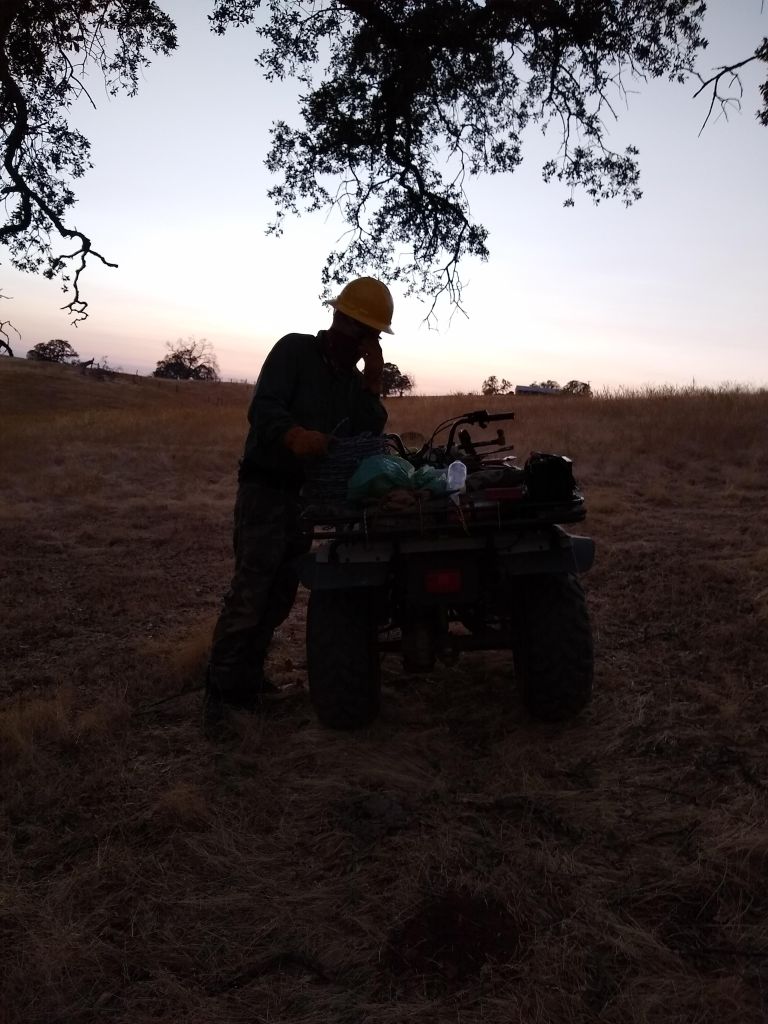
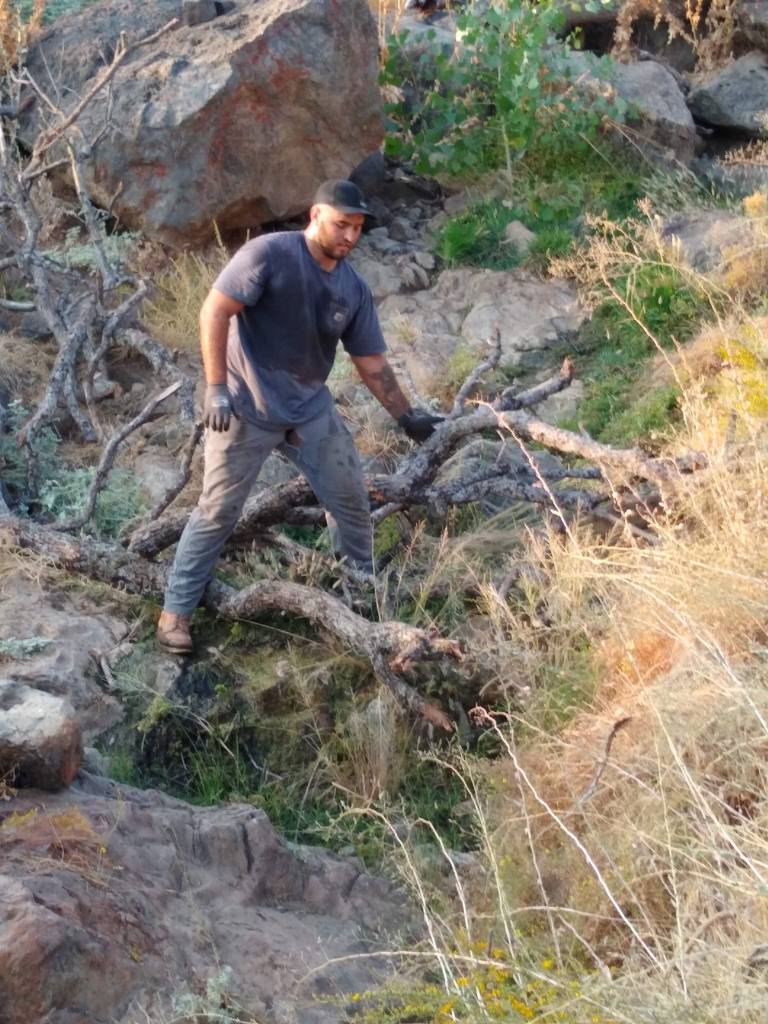
Doing things last minute inevitably results in a less efficient design and corners being cut. Ideally, I had wanted to fence off a larger section of the spring creek. Keeping the cows from munching the flowers and grasses butterflies and other pollinators depend on was the goal. With my husband unavailable due to another project, I really needed some help. My neighbor, Ric Wetzel, had offered several times in the past to do watering if needed. I never want to take advantage of anyone – so I just said “thank you; I have it covered.” This time, I asked if he could bring his quad and help me pull some downed branches into an organic barrier around the creek. He said “yes” – but he ended up helping with everything. Thank you Ric!!!

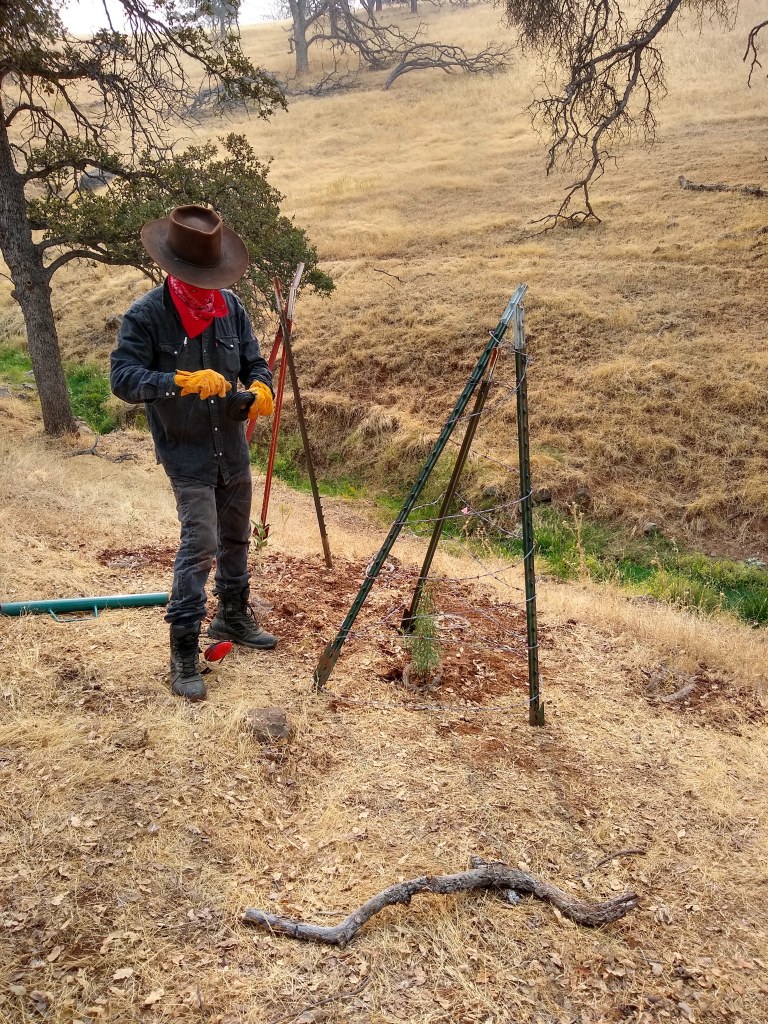
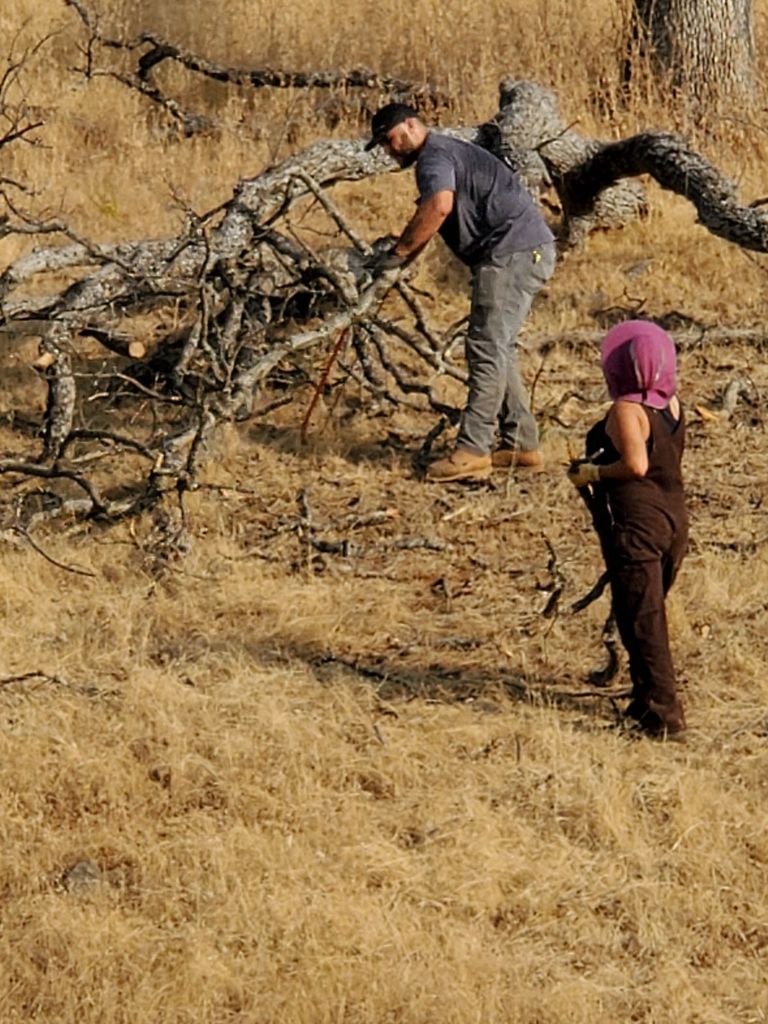
Neighbor Ric Wetzel helping me build protective fencing around the milkweed

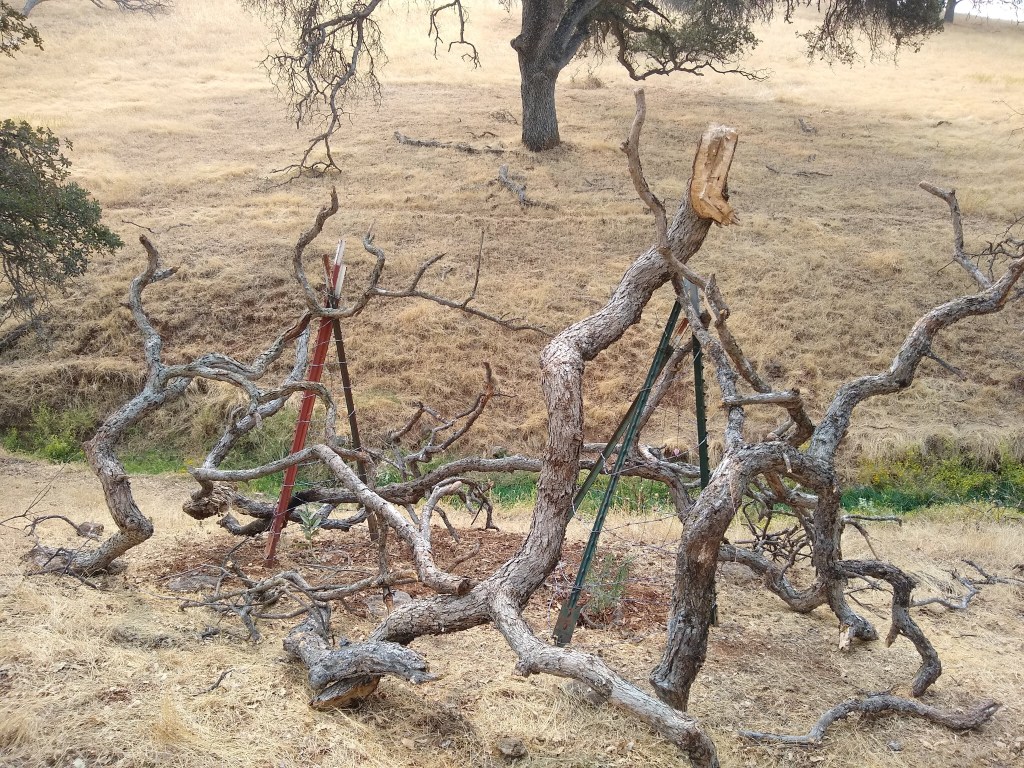
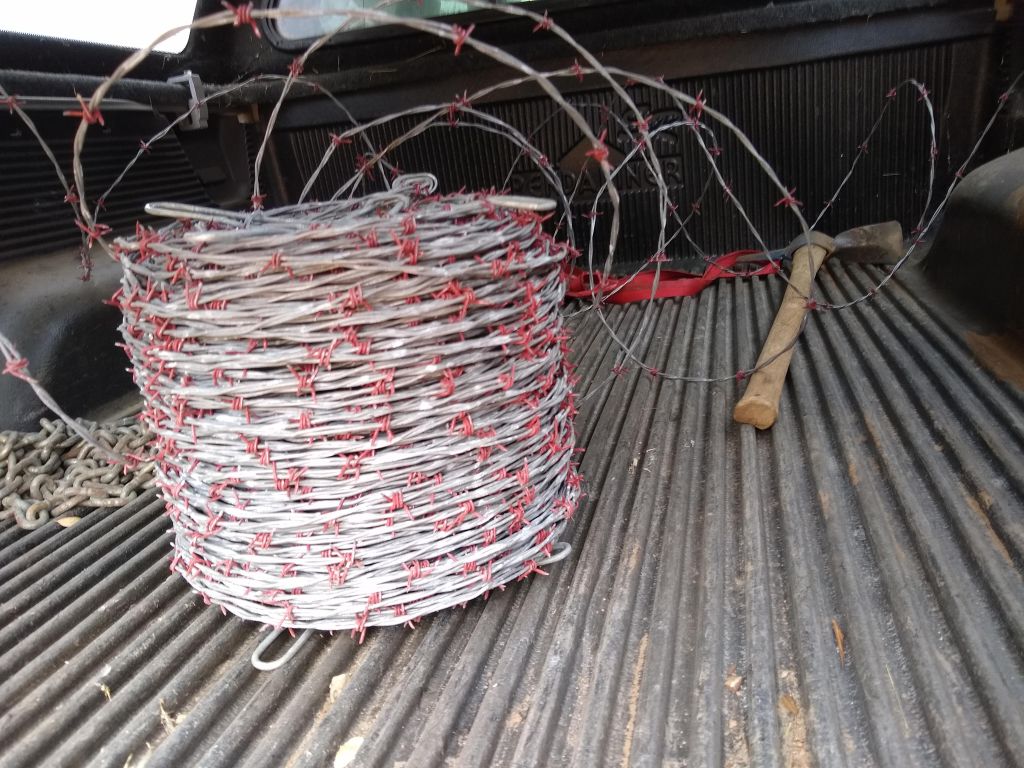
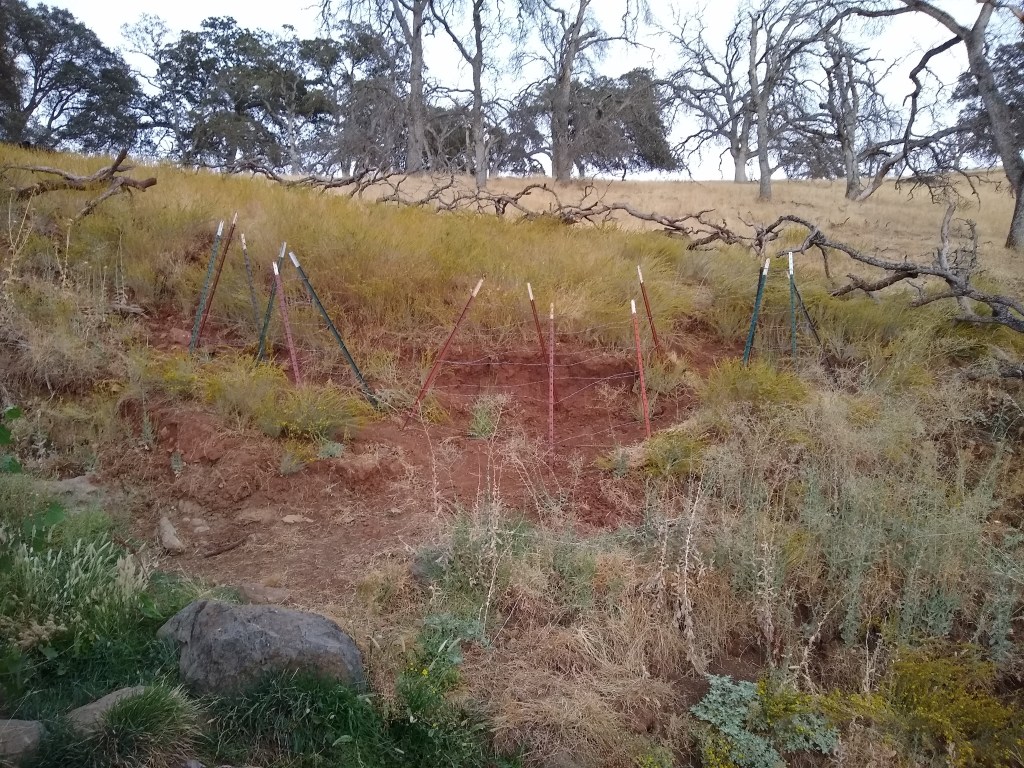
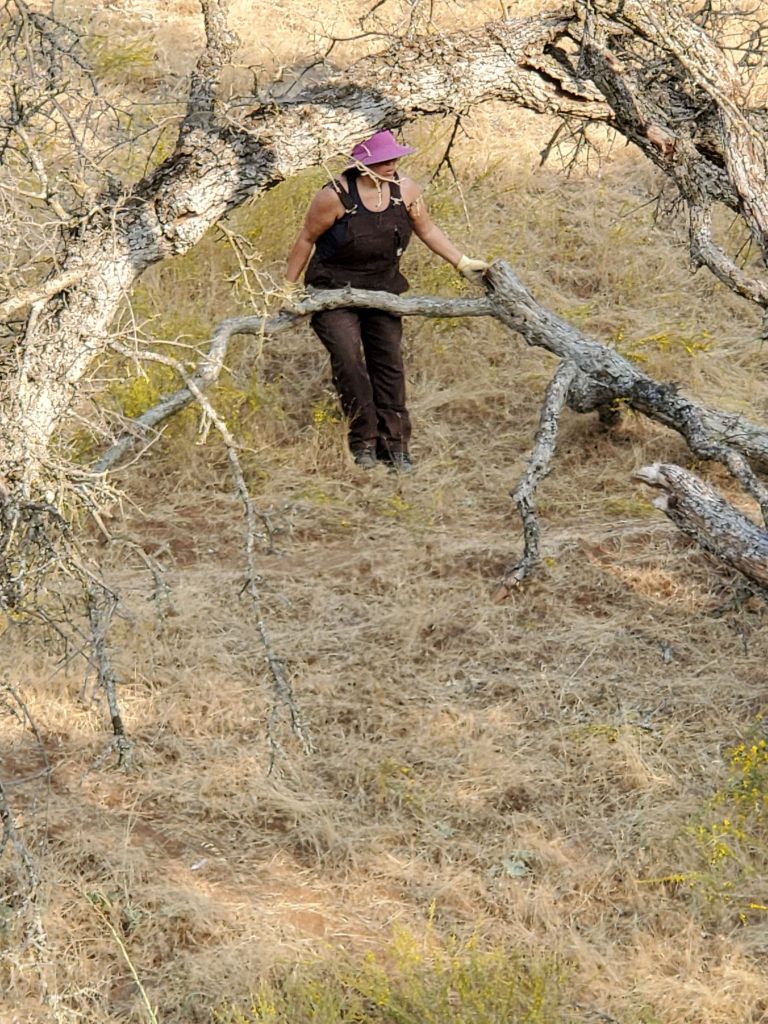
I loaded up all the supplies into my truck earlier in the week, so when the smoke lifted a little, I could jump in and get to work. I wore my N95 mask as I hauled tools, t-posts and wire from where the truck was parked to the sites. What I decided to do was create a cone around the milkweed and loop barbed wire around the structure. Jesse, one of the biologists with whom I consult, recommended that we use downed branches to create an additional barrier between the structure and the animal. The idea is to push the animal out, create more space, so there is not the ability to browse on the plant even a little. The final structure is pictured below.

Protective coverage of Site 8 plants

The branches are not secured. This will be a test to see if the cattle will push on them or if the optics are enough to keep them moving along.

Unfortunately, I ended up sick from working in the smoke. When I say sick, I mean lay down and sleep sick. I was outside hauling and pounding t-posts for several hours over two days. I did not realize I was that sensitive and that my N95 would not protect me as much as I thought. Fortunately, my neighbor was not as sensitive and stayed well. I lost Sunday afternoon through Wednesday. All I could do was water a handful of plants on my patio. On Thursday evening, a storm came through. On Friday September 18th, we got a miracle reprieve – rain, wind and clean air!

Rain clouds, smoke gone, joy returned

I immediately got out to work. Breakfast would have to come later. I did not know how long the clean air would last. After hauling water, I set out for Site 7 to work on the structures for protecting the deer grass and hillside. I installed 14 t-posts, and set up all the materials for the afternoon. Ric arrived later that day and began building a gorgeous wooden fence from downed branches. I joined him a little later and we installed the barbed wire. It was nearly dark when we concluded the day – still not finished with the site.

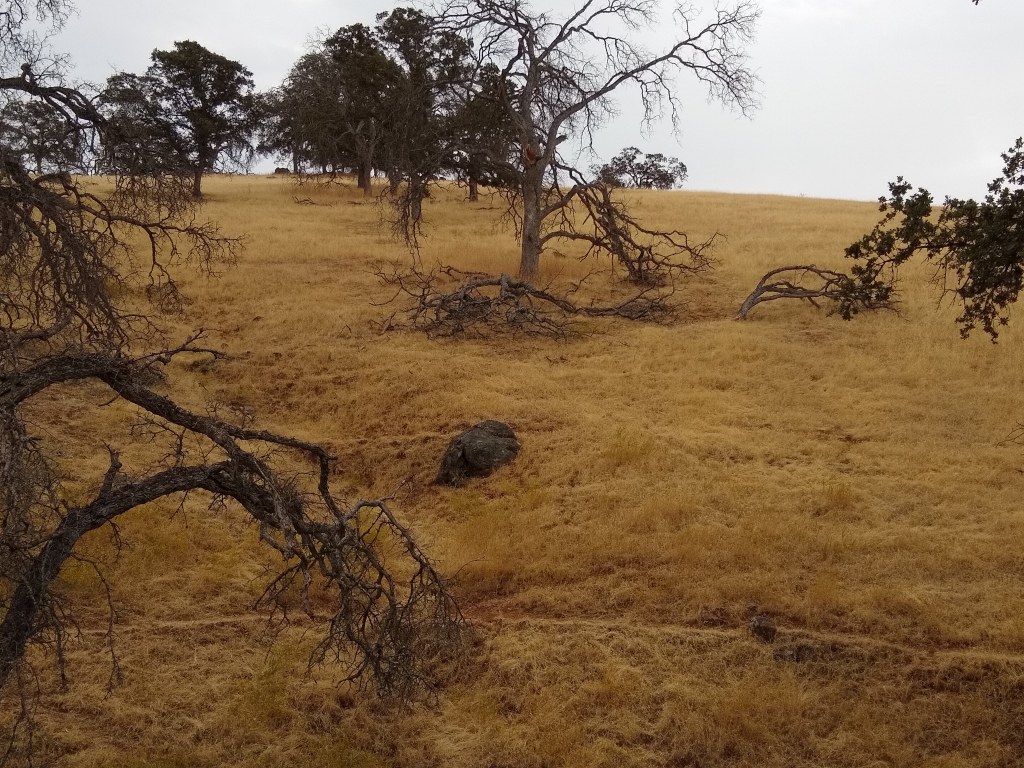
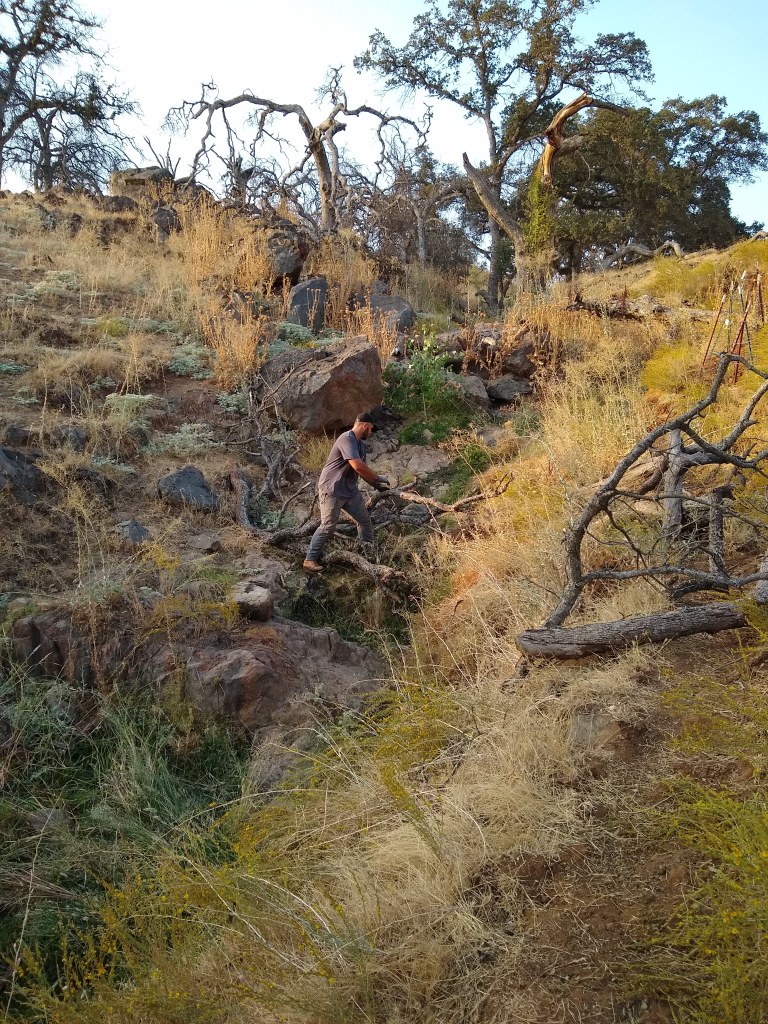
Although there was still more to do, I was exhausted. I called in reinforcements – my nephew Ashtin and his finance Desiree. I was grateful when they said they did not have any real plans and could help. Together, we sawed, hauled, dragged and placed branches across cow trails, in front of the deer grass structures, and along and across the banks of the creek. I had to concede defeat for my ideal. We were not going to be able to wall off the section of creek I wanted, so I settled for just a small portion.

The clean air and smell of Fall was a huge jolt for me. I so appreciated the efforts of my neighbor and family – a million thank yous. We will see if this works to keep the cows out.

Smoke Clears – Butterflies (not monarchs) and Bees Return

The smoke dampened everything, from animal activity to my spirit. It was eerily quiet – few bird calls, no native bees, few honey bees, no butterflies. After the storm, all of the sudden there were little white butterflies, speckled butterflies, native bees, pollinator flies and lizards. The birds started singing again. Fortunately, more of the nectar plants had begun to bloom, welcoming these cherished visitors.

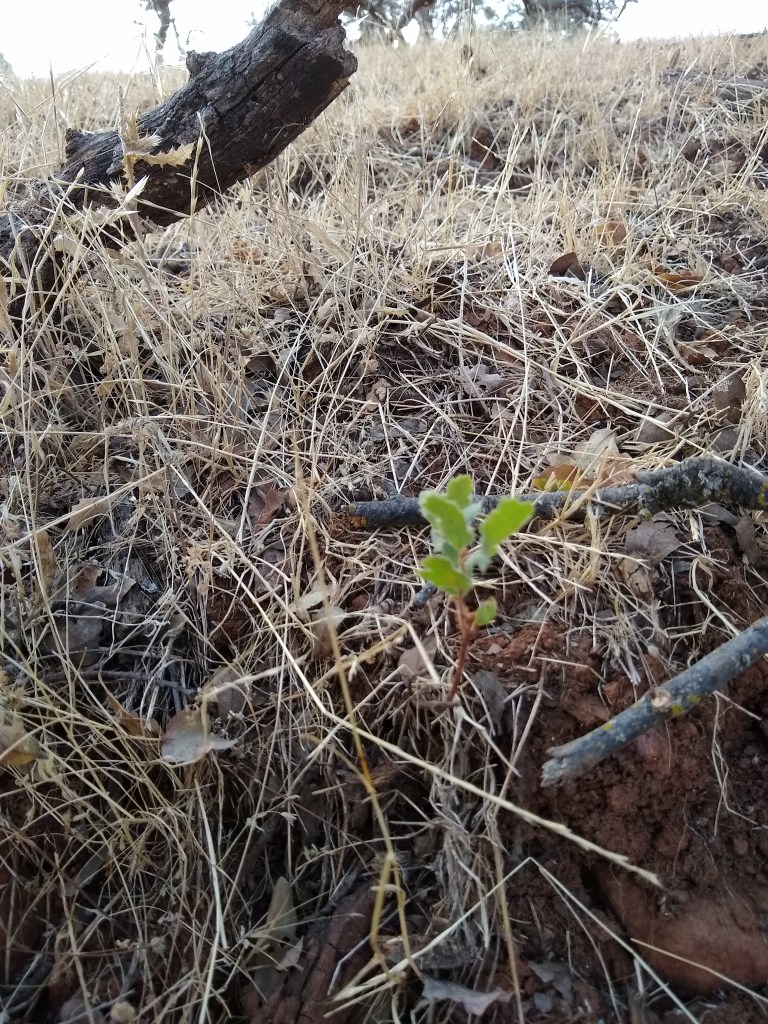
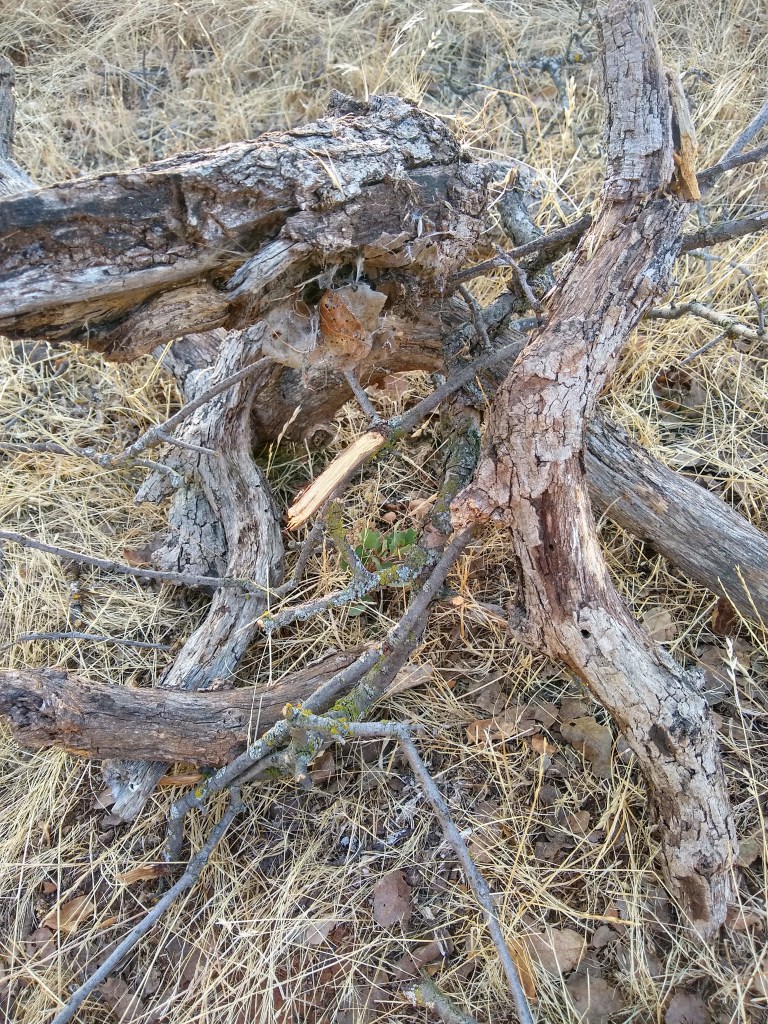
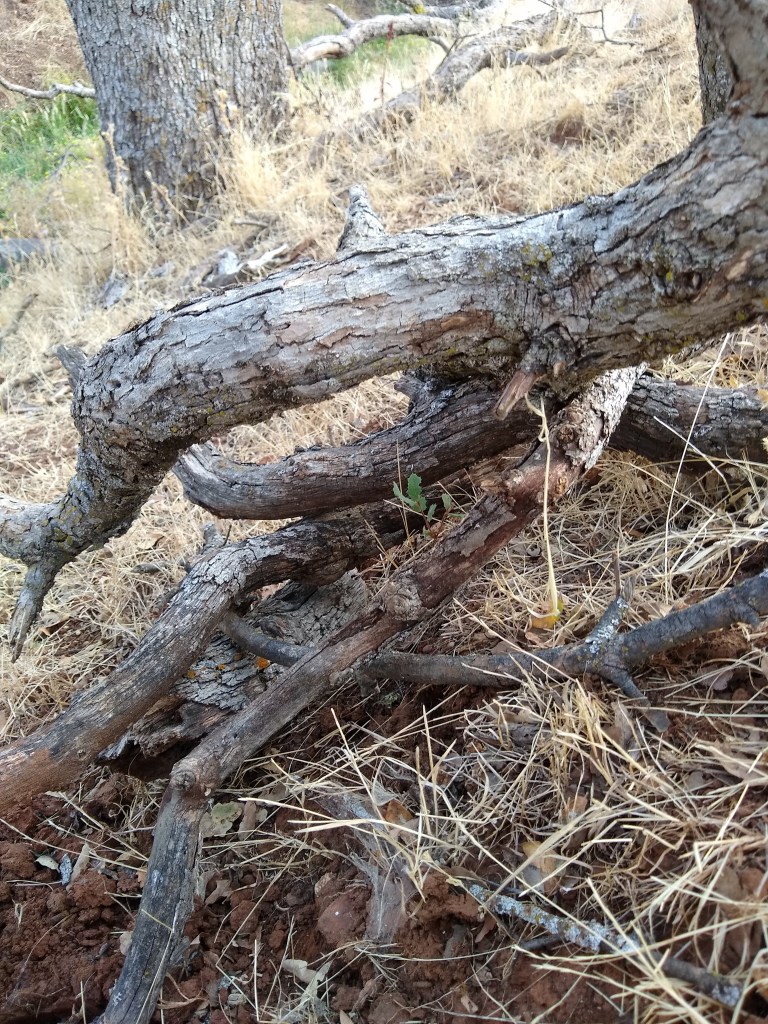
Today, after watering, I went back to the spring creek to do a little more work. I had spied a few oak starts and wanted to protect them from cattle grazing. I picked up smaller downed branches and sticks and covered the seedlings – ensuring that sunshine could still penetrate. We will see if these small brush piles work as a deterrent.

Transitions

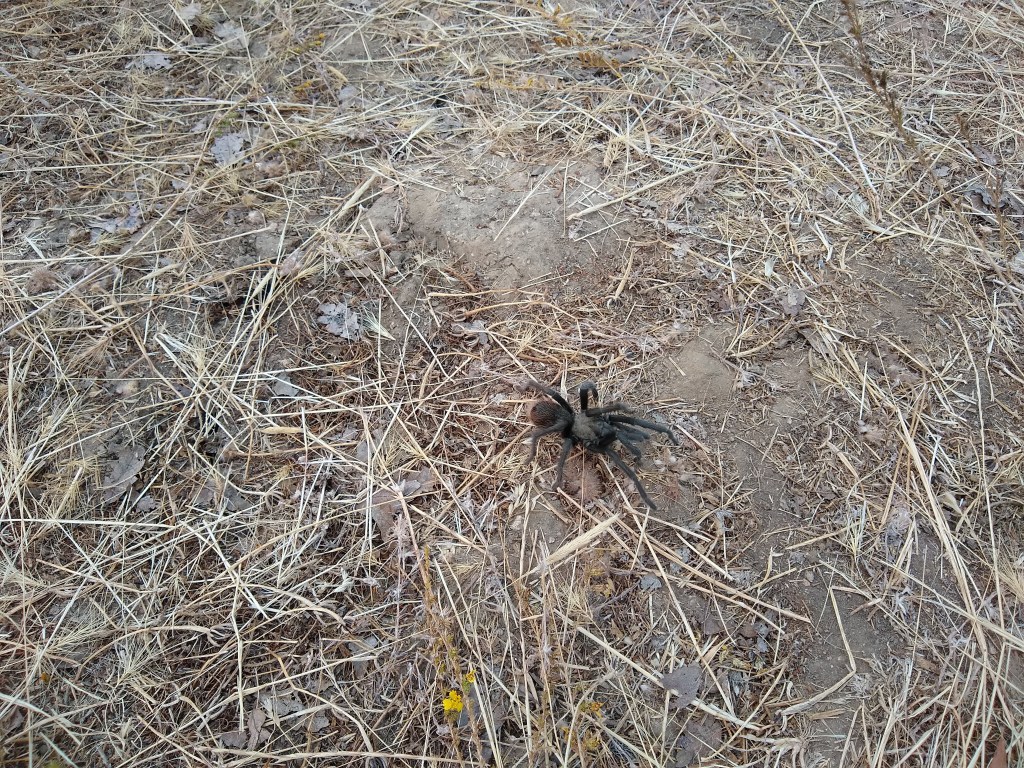
A tarantula friend

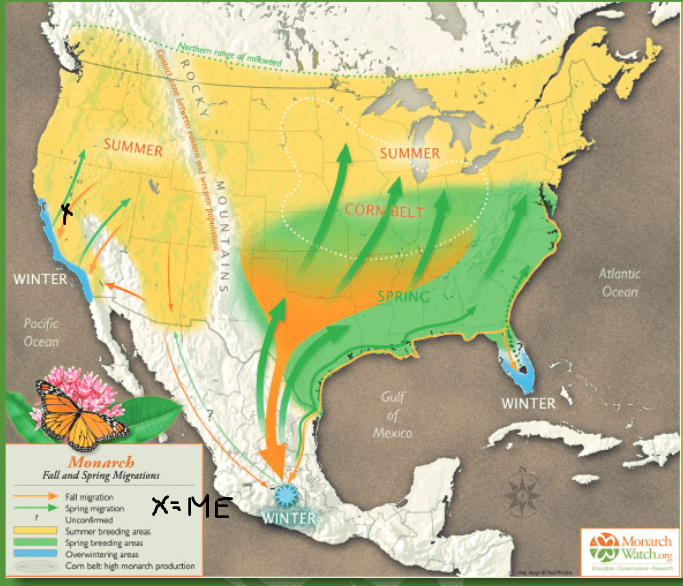
The days are getting shorter and the tarantulas are out. It is just about Autumn. All the monarchs should be tucked into their overwintering site by October. The chance of me having a sighting here is getting less and less. I understand from my monarch class that the monarchs have already begun arriving on the coast. There have been the fewest sightings since stats have been captured along their migration path. It would truly be a shock if any were to stop by. Is my project too late to help them? I comfort myself with the eternal phrase, “There is always next year.” I will have more plants and more mature plants to provide respite on their journey north. Maybe they will stop by.

Will They or Won’t They -Stay Tuned…

Sunset through the smoke and leftover moisture from the Pacific last week.

No, this is not a sitcom complete with the formulaic “Will they or won’t they get together” question, but it does sometimes feel like one. It is now September, and the monarchs are for certain on their way back to the coast from places up north. I look everyday asking, “Will they stop by?”

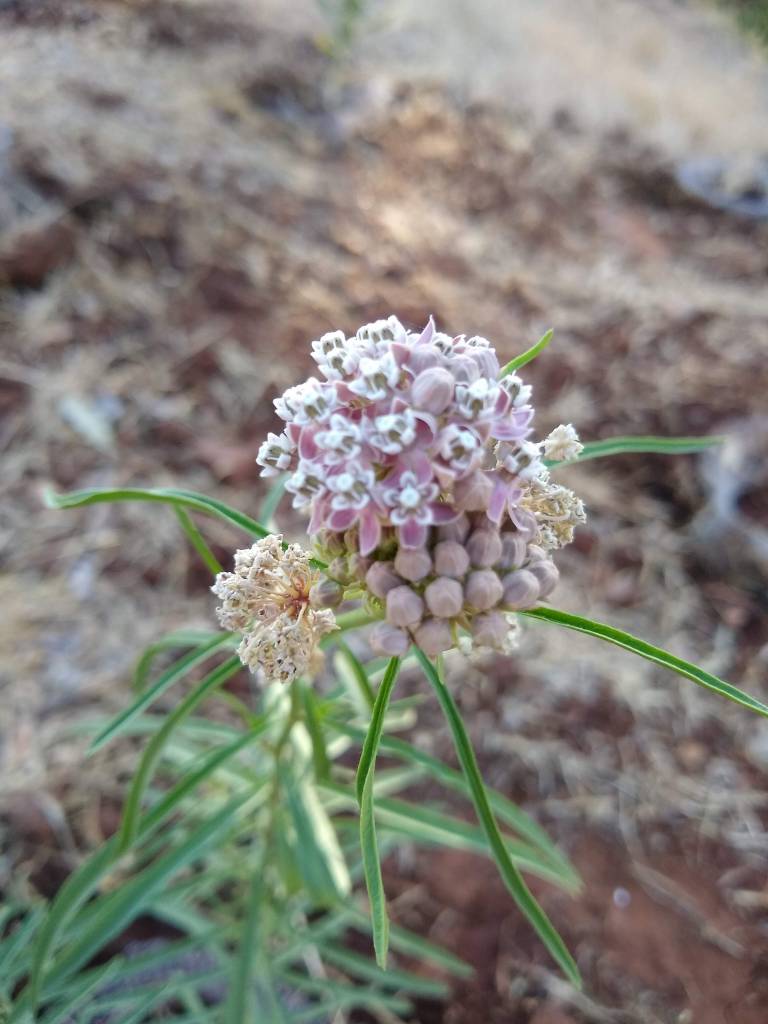
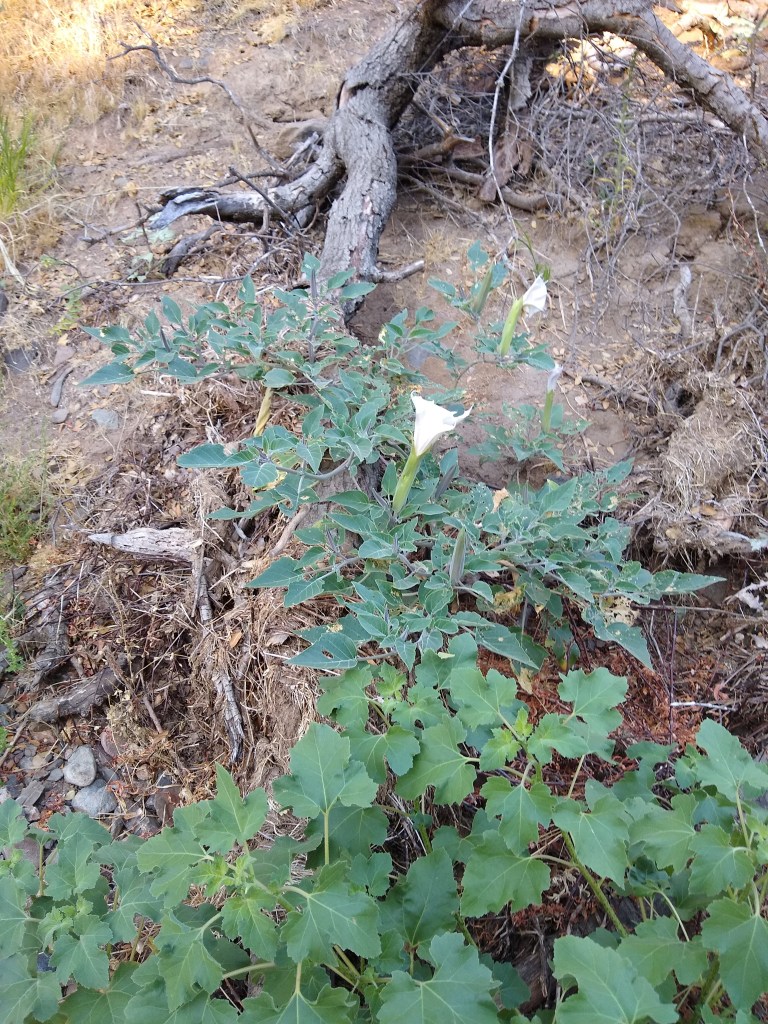
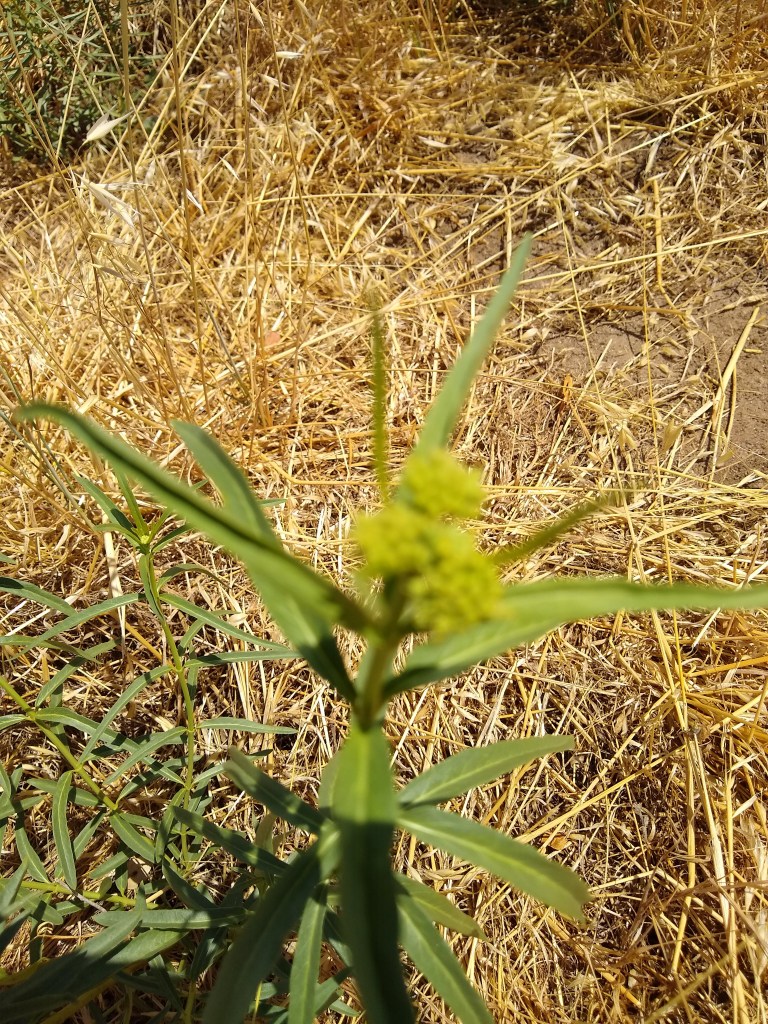
Several of the plants are in bloom, but most look a bit rough. I don’t think the smoke is helping their growth or health. One native yarrow plant is in bloom. The primrose keeps budding, but the blooms look tattered by the end of the day. I discovered two volunteer romneya (maybe) that have buds on them in addition to the one I planted. The California fuchsia has a few remaining blooms and some of the narrowleaf milkweed still have their blooms. All others are still growing with no sign of blooming.

Fortunately, I am getting some help from the Mother Earth. Tarweed and doveweed are in bloom all over the place. In the spring creek, a number of flowers are still blooming as well. Maybe we have enough to support a few monarchs.

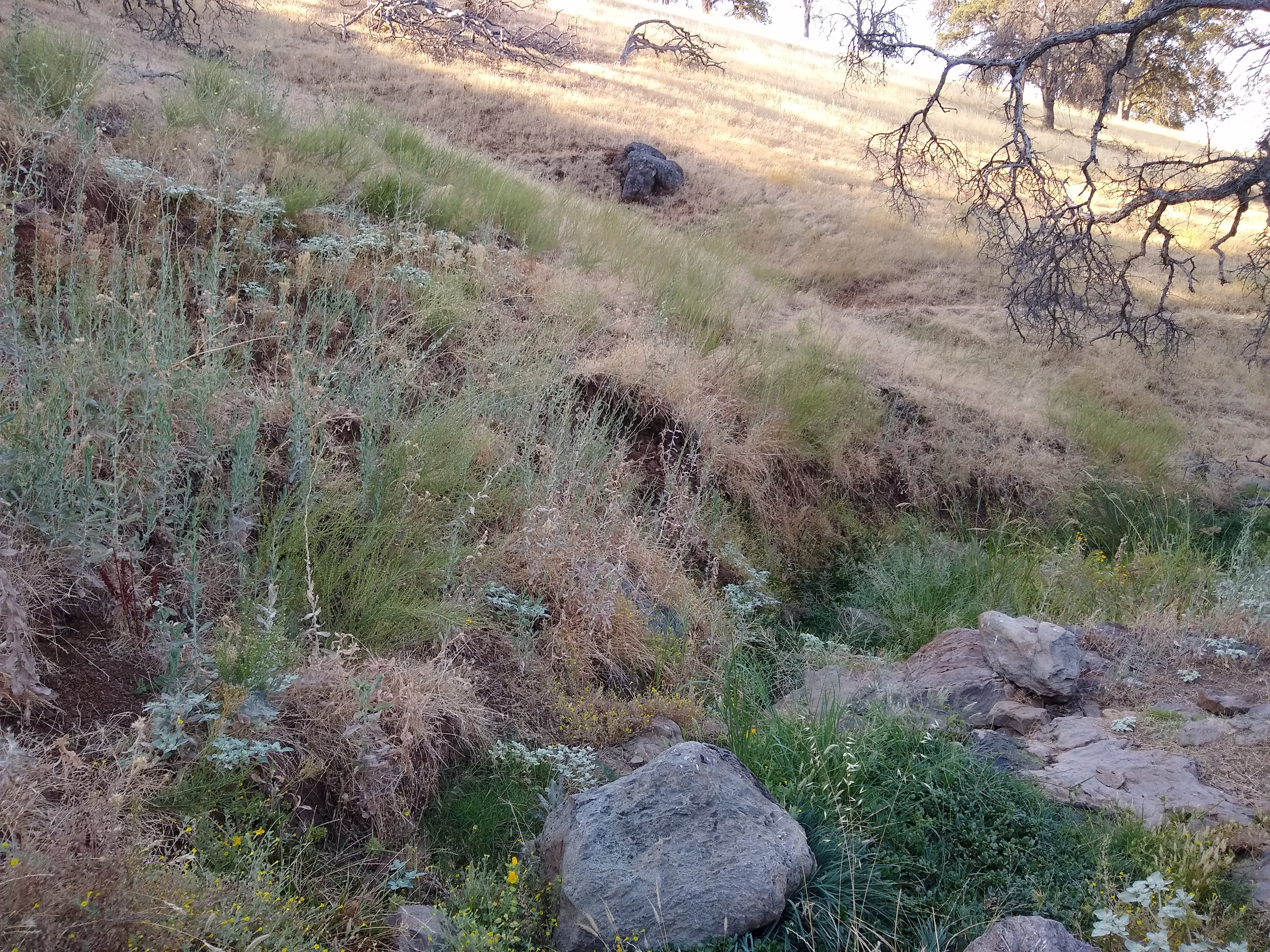
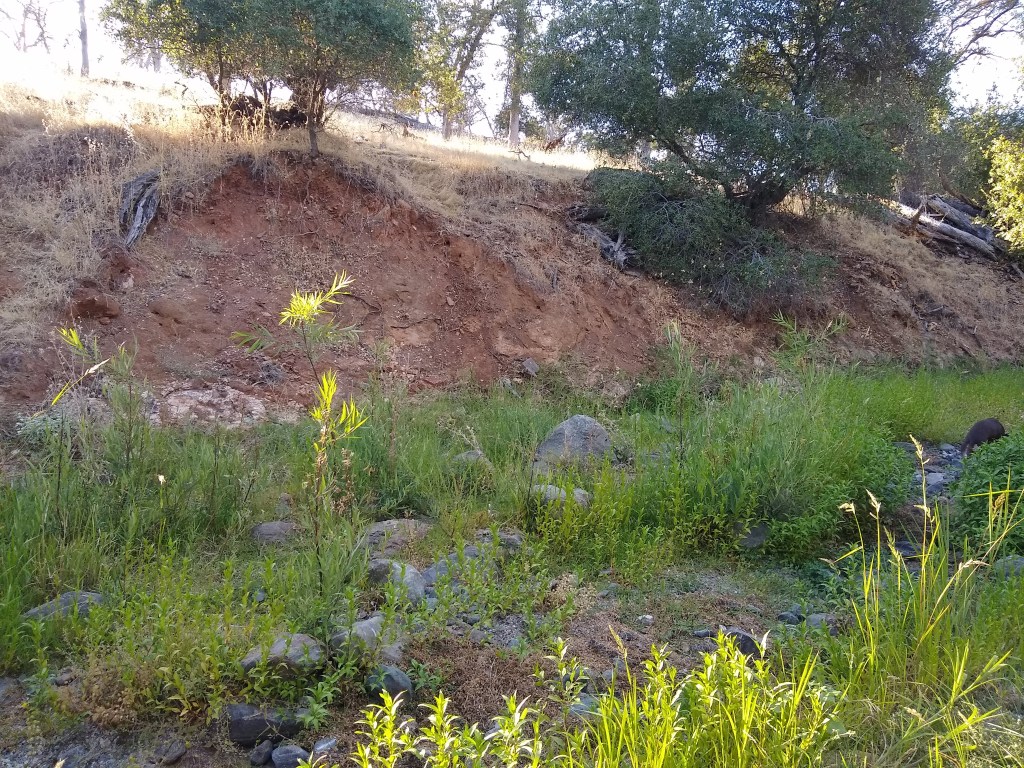
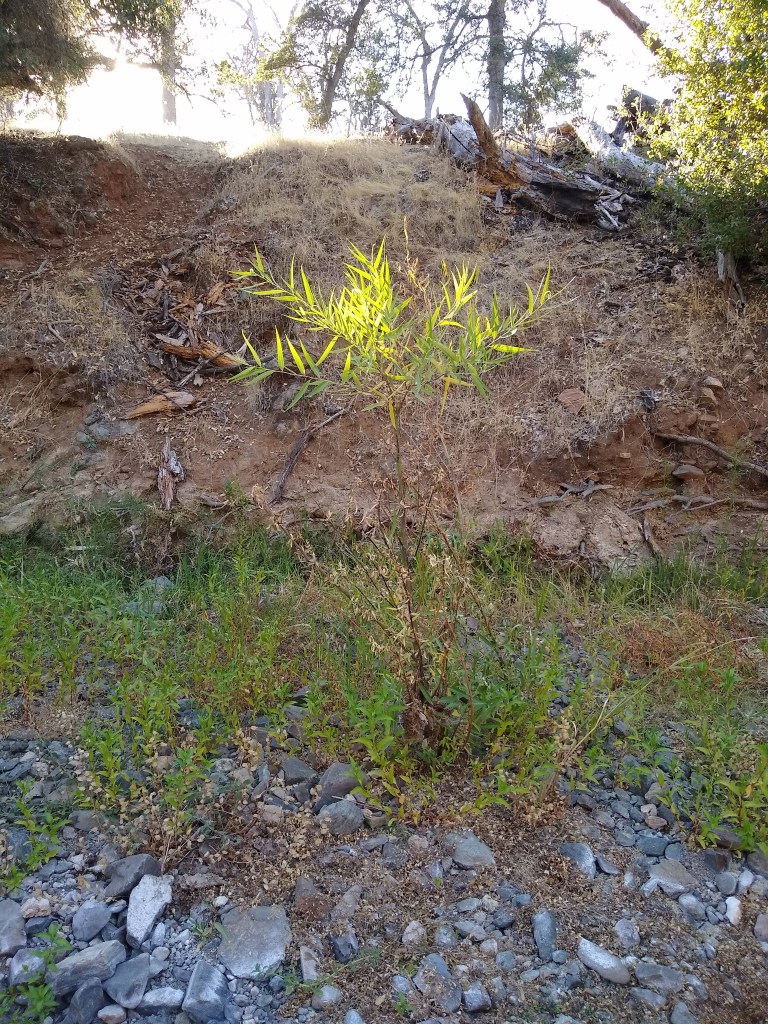
At the spring creek, there was plenty of tarweed and doveweed. There were also other flowers for which I do not know the names. I found another volunteer romneya (maybe). The deer grass is doing well. The remaining milkweeds are too. In total, there are sixty one plants I planted that survived.

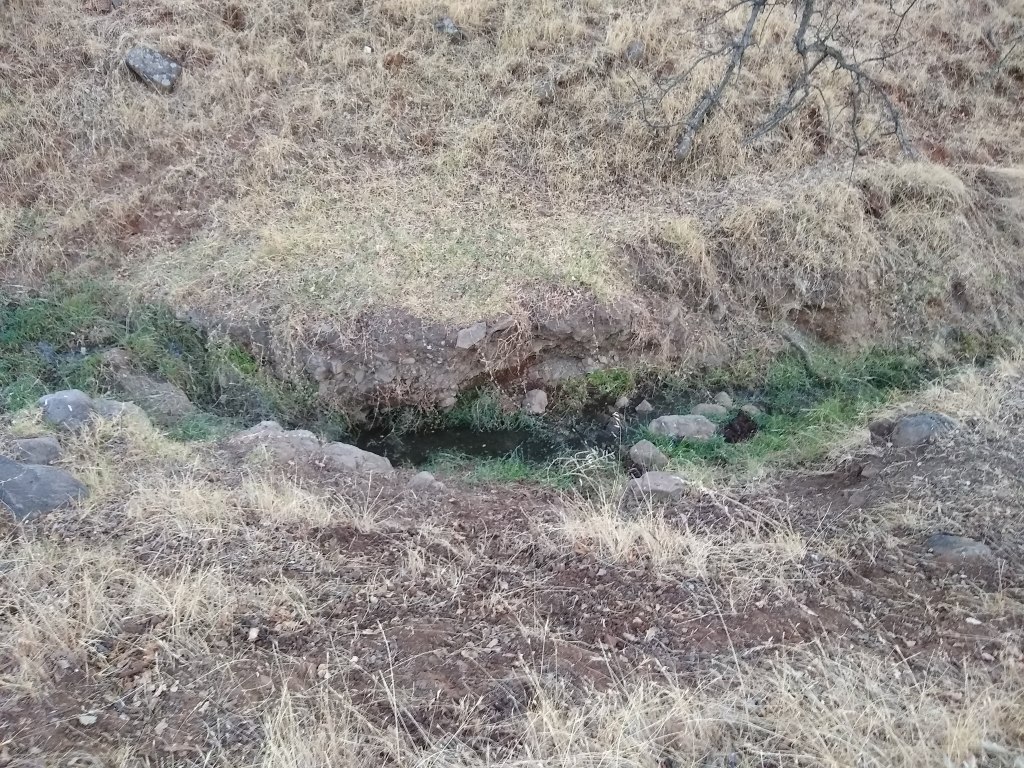
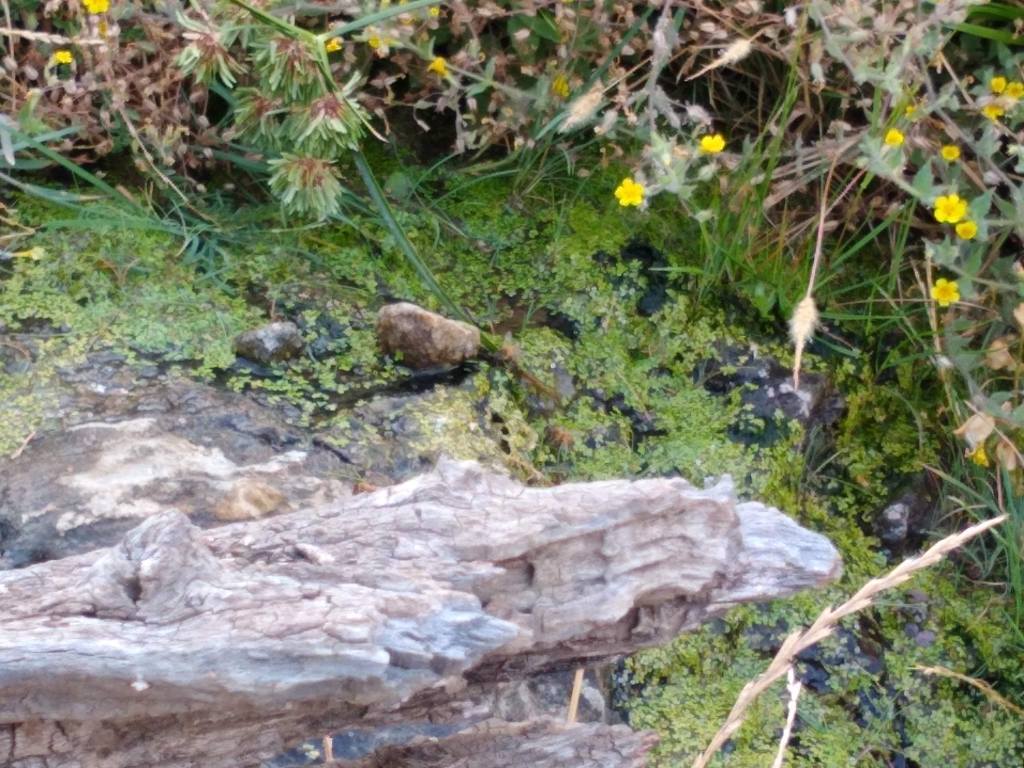
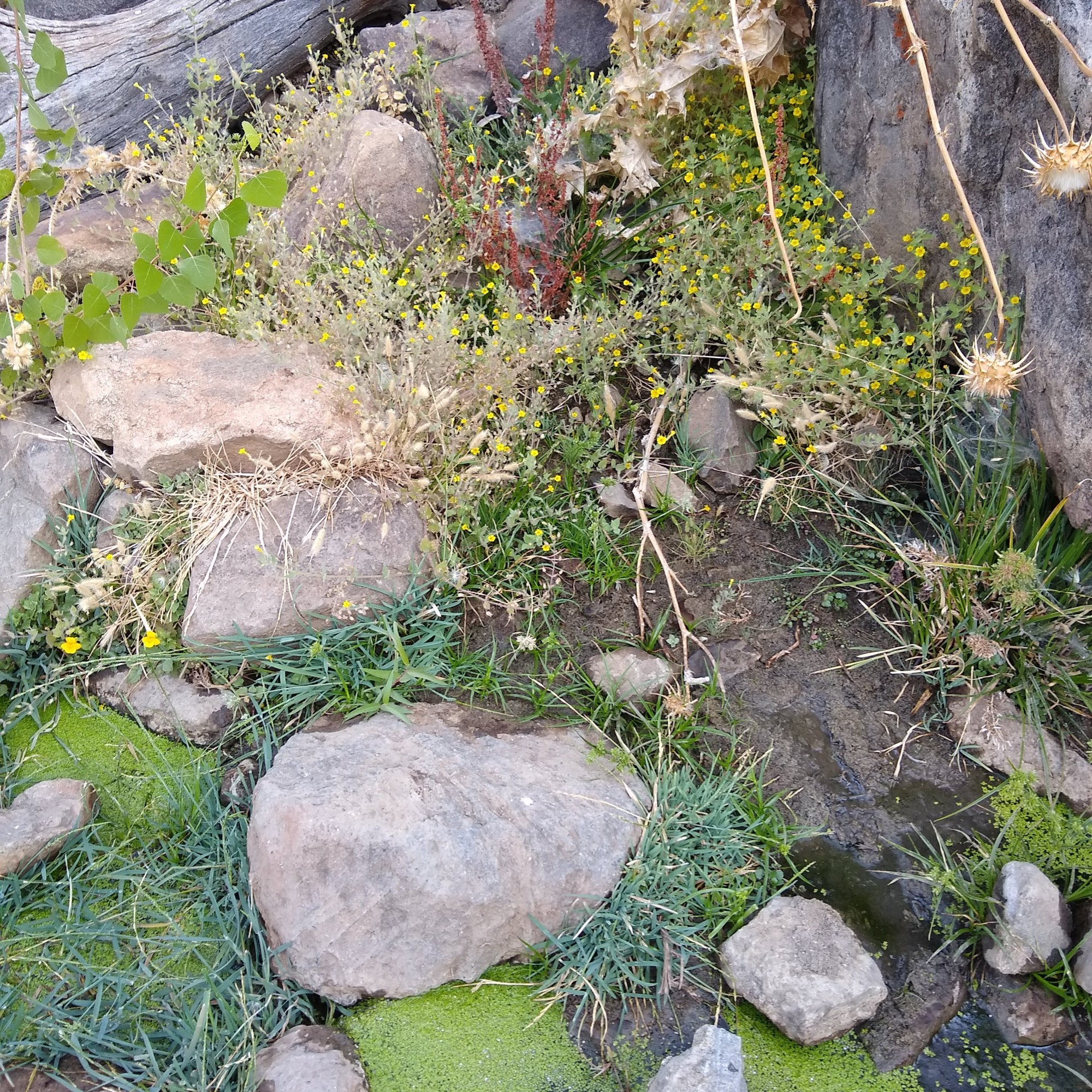
The spring is still flowing at a trickle. There is a little puddle in the crease of the rock. It is giving life to all the plants below and so many insects and animals. I saw a wood rat (or some other rodent) scurry under the thick spent purple thistle stalks toward the puddle. The bees were everywhere picking up water and nectar.

Other Updates

Marigolds

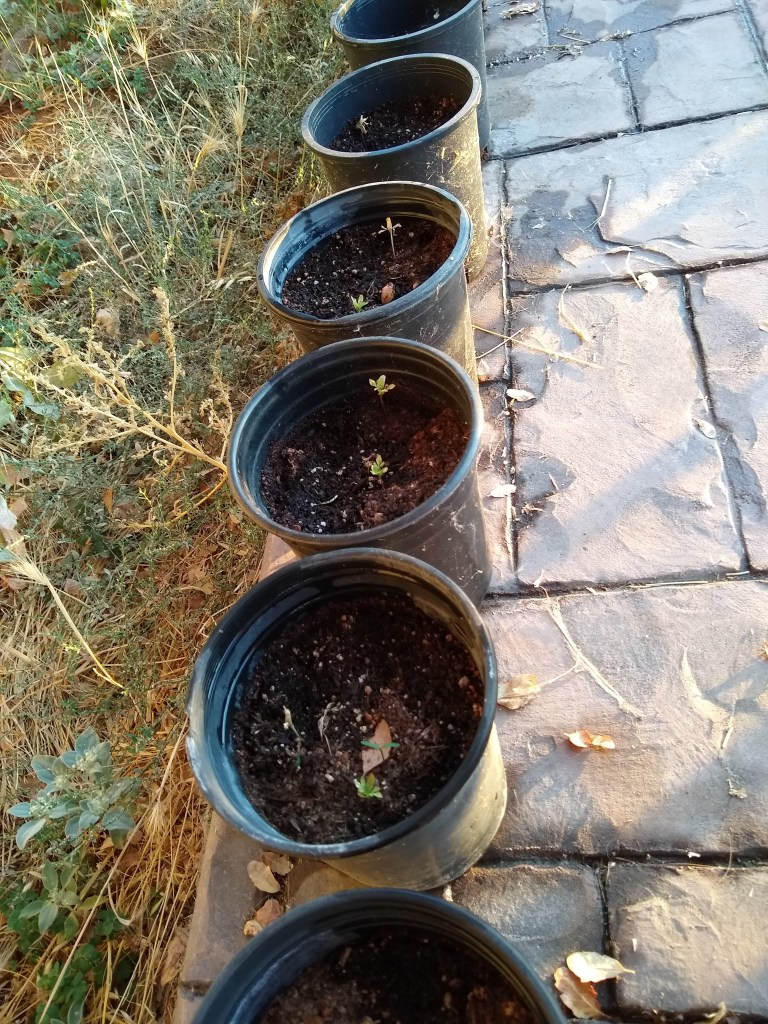
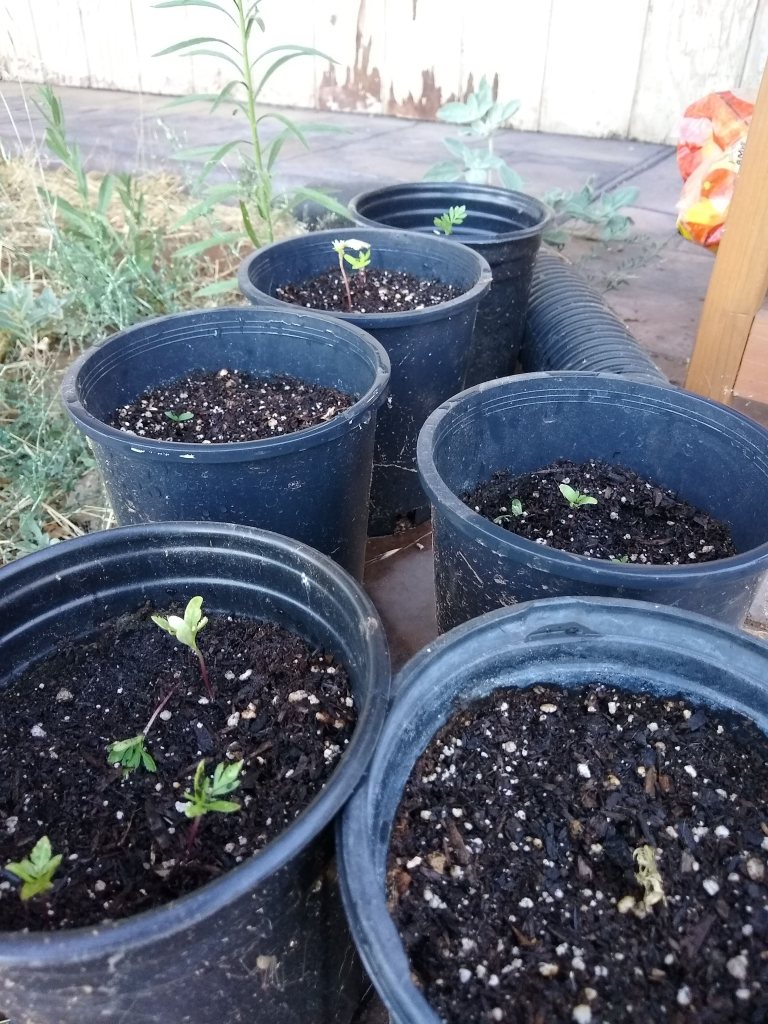
You may recall I had much trouble this year starting the marigolds from seed in pots. I sewed them directly into this old pot outside, and they did really well. I thinned them as they got larger, and transplanted them to areas throughout the yard.

I think I will sew directly into the ground next year too. I did this in other areas, and the seedlings are doing well.

Side-of-the-Road Sunflowers

The side-of-the-road sunflower seed heads I planted back in June sprouted, but never got very big. I finally gave up growing them further in the pot and transplanted the three that were successful. They are now near the South Plot milkweeds.

I also noted that one of the transplanted marigolds was getting blown around too much by the wind. I created a rock shelter to give it some space and time to grow larger and stronger. The rock shelter is definitely helping slow the wind.

Marigold seedling with rock windbreak

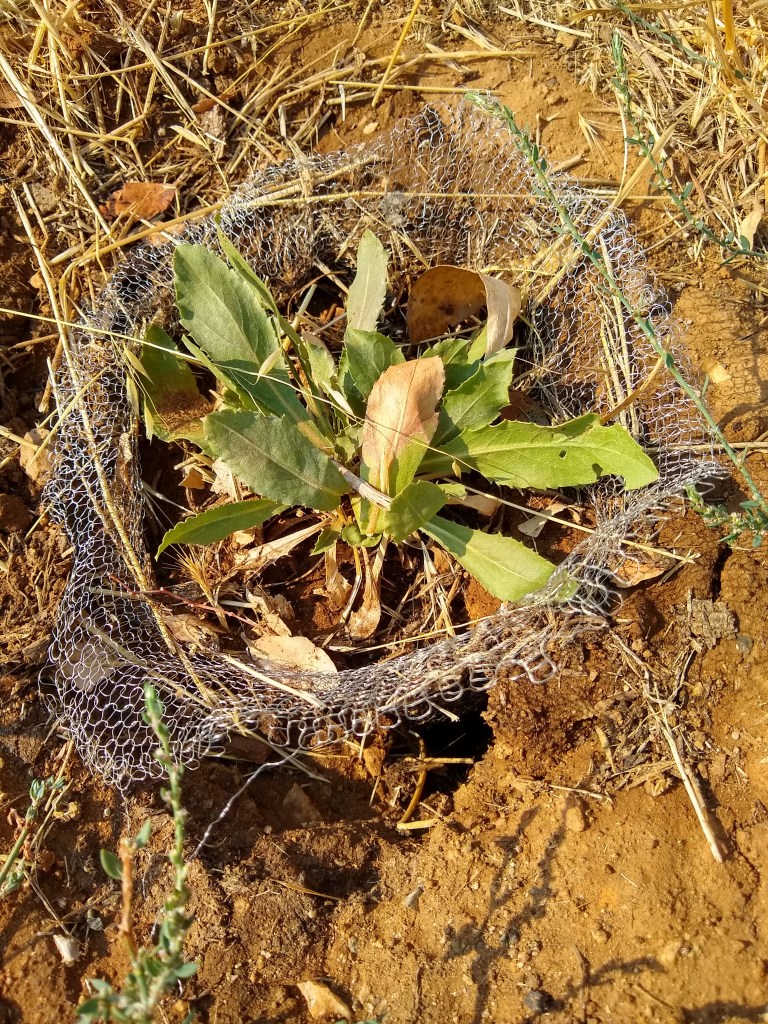
This will also help the soil retain moisture instead of getting dried out from the wind. The rock structure is already encouraging a lizard to make its home there. The mesh baskets are working out really well. I have seen several plant “saves” where a round hole is abutted to the basket. Thank you to the inventor.

Large gopher hole adjacent to the coyote mint

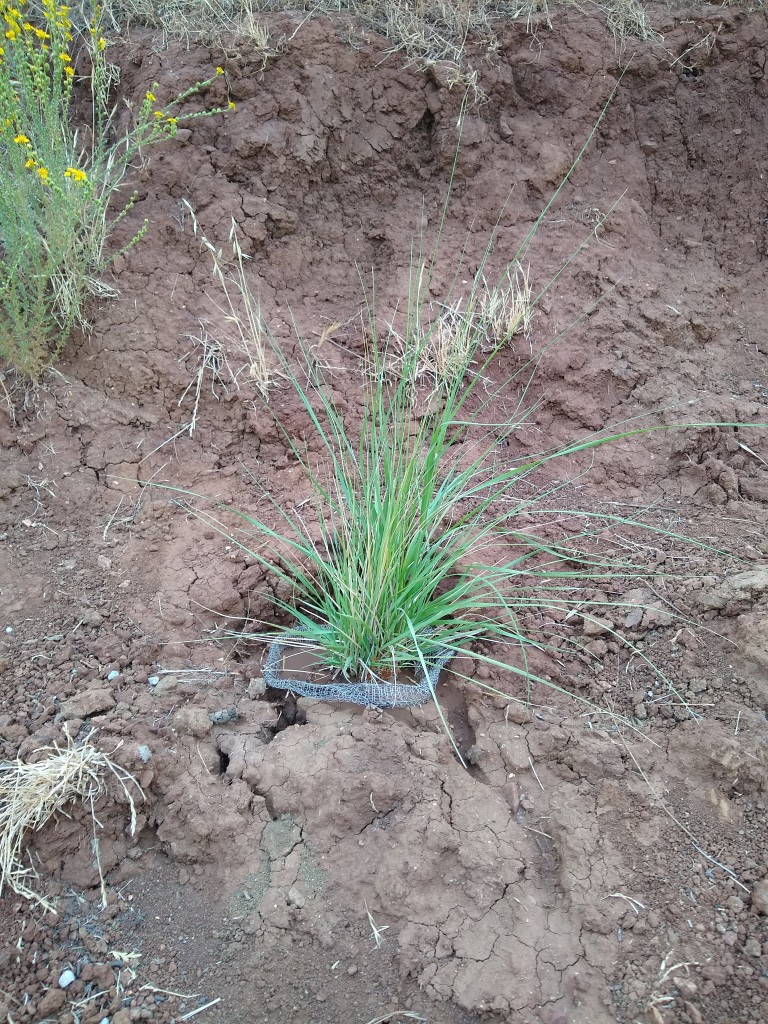
The deer grass is very healthy at Site 7 (the deer grass site) as are most of the plantings near the house. I am hoping that some painted lady butterflies decide to make their homes on these plants. I am also hoping that the reeds will be used for baskets once the plants establish more. They need us to take from them so they can renew. Humans are part of the ecosystem and have co-adapted with plant and animal relations since the beginning. Our challenge as humans is not to take more than we need and endanger the live of the plant or other animals that need it.

Healthy deer grass at the deer grass site

Planning for the Future

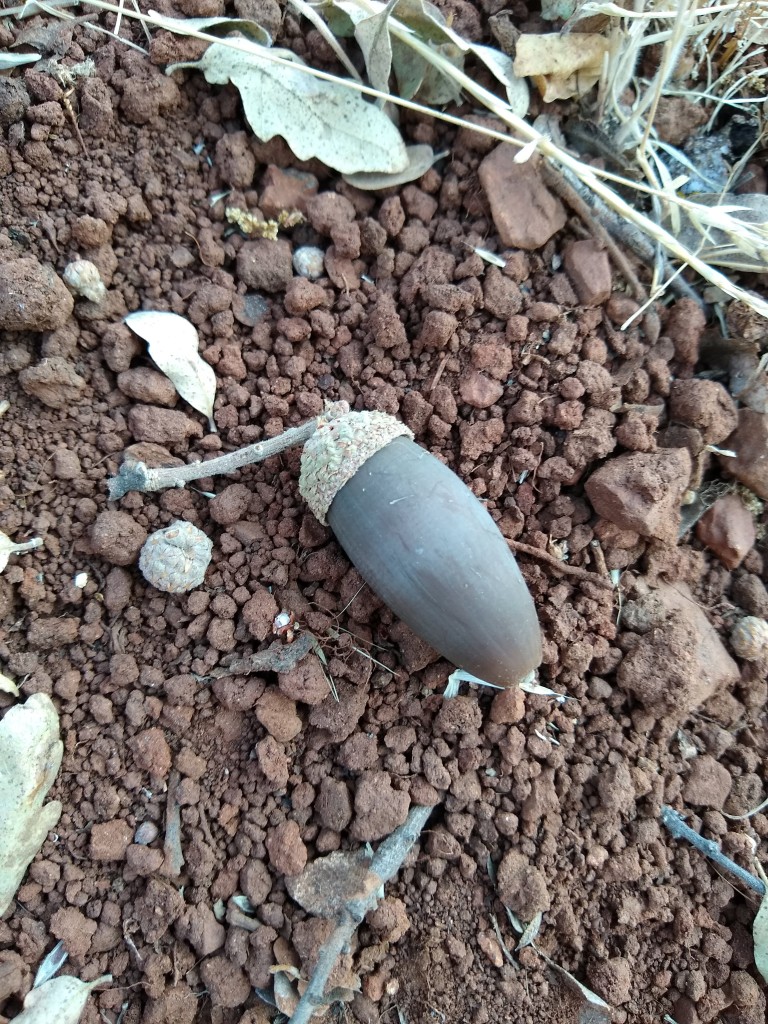
Acorns are falling!

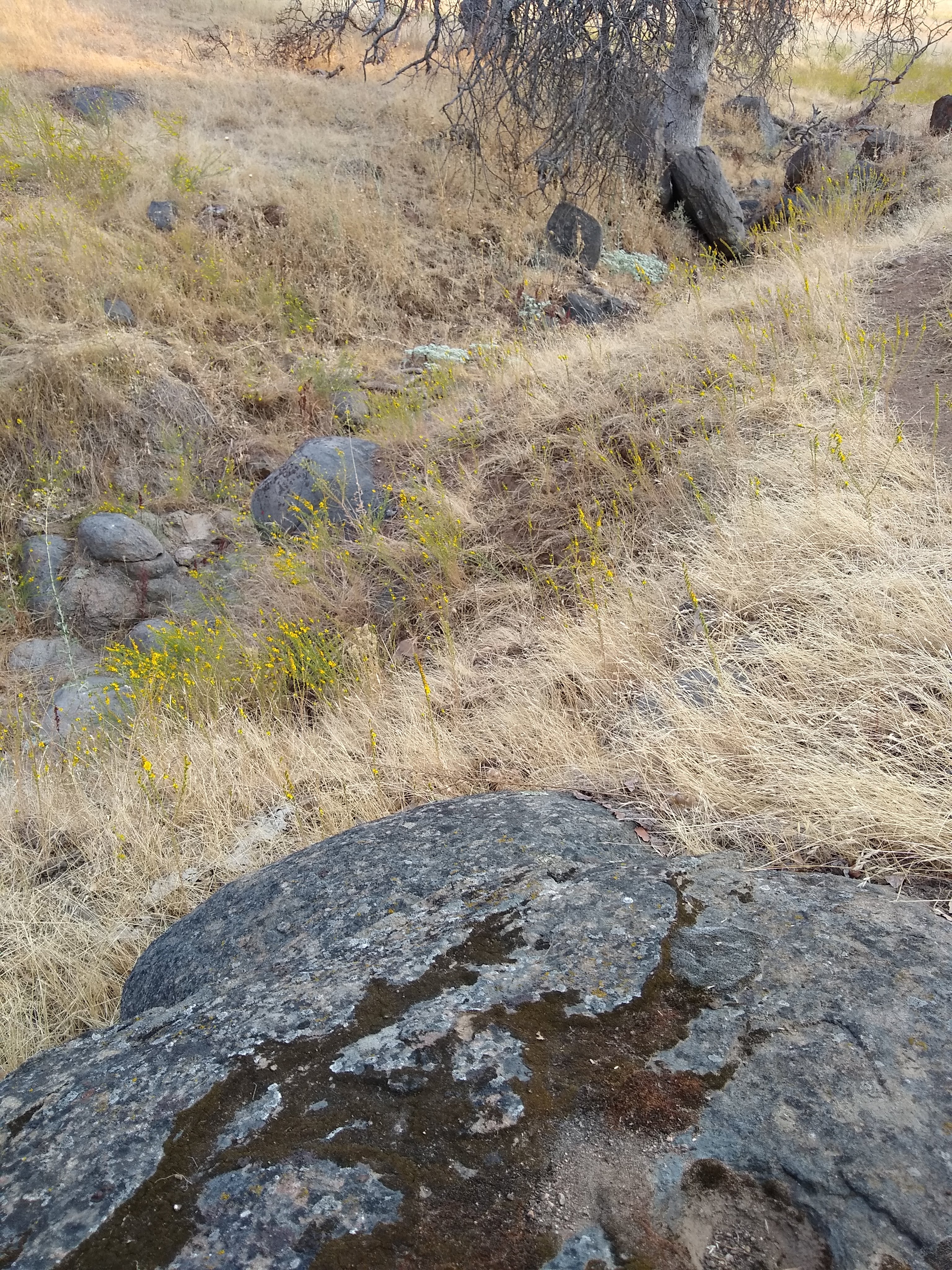
With maintenance and adaptive management on cruise control, I turned my thoughts to the next steps. I scouted up the spring creek and decided to plant the next site there. With COVID, we will not be able to host the elementary school children to help plant this Fall. So, I decided to save the easier access locations in the arroyo for the children next Spring. I will focus on the more difficult to reach sites this Fall. The site in the images below is Site 6. It is very special because there is a grinding rock.

I was fortunate to be included in a grant written by the Resource Conservation District (RCD) to the Xerces Society for several milkweed plant kits. They will be available for pick up between October and December. Melinda, from the RCD, recommended that we pick them up around the time the rain starts. We will need to get them in the ground fast, and I have a number of places identified. More on that in a future post.

The smoke is still with us – waxing and waning. We are in fire season, which gets worse each year. It has let up considerably the last four days, but today it is worse. I am taking care of myself when I go outside to do chores. I transport and haul water, plant seedlings, water plants, build what is needed – but all with a mask. Smoke is very unhealthy. I don’t let my dogs stay outside long. I use the Purple Air system to monitor air quality. I also use airnow.gov to monitor smoke flows. Finally, I also follow the progress of the fires and firefighters at the Cal Fire incident map page. Please use these resources too so that you can determine whether to perform activities and the risk. I am so grateful to all the firefighters, their families and all those in support/management positions for the work they do to keep our communities safe. There is so much challenging us right now. To everyone, please take good care – – and let’s hope I have some photos of monarchs to share in the weeks to com. Will they stop by?

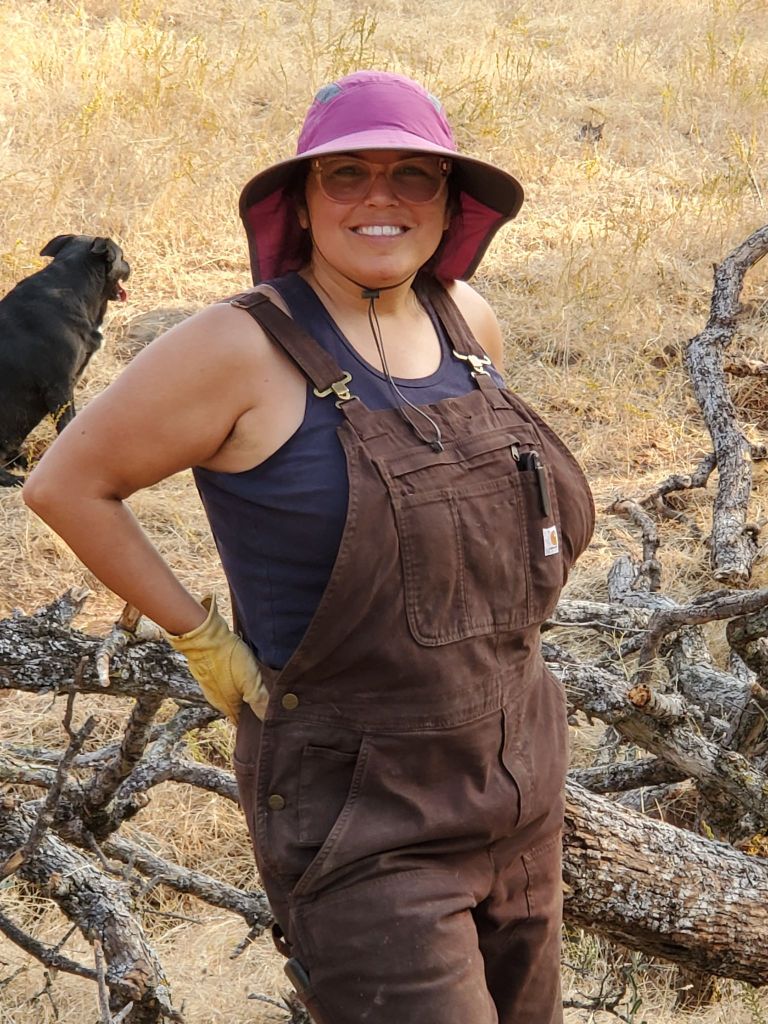
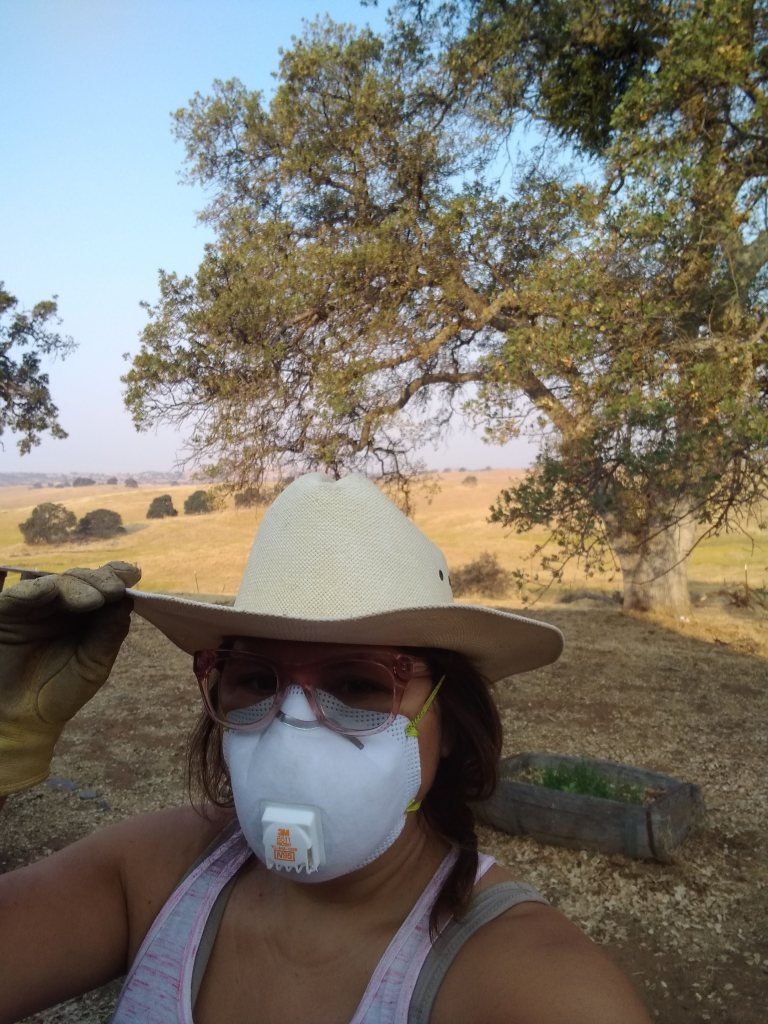
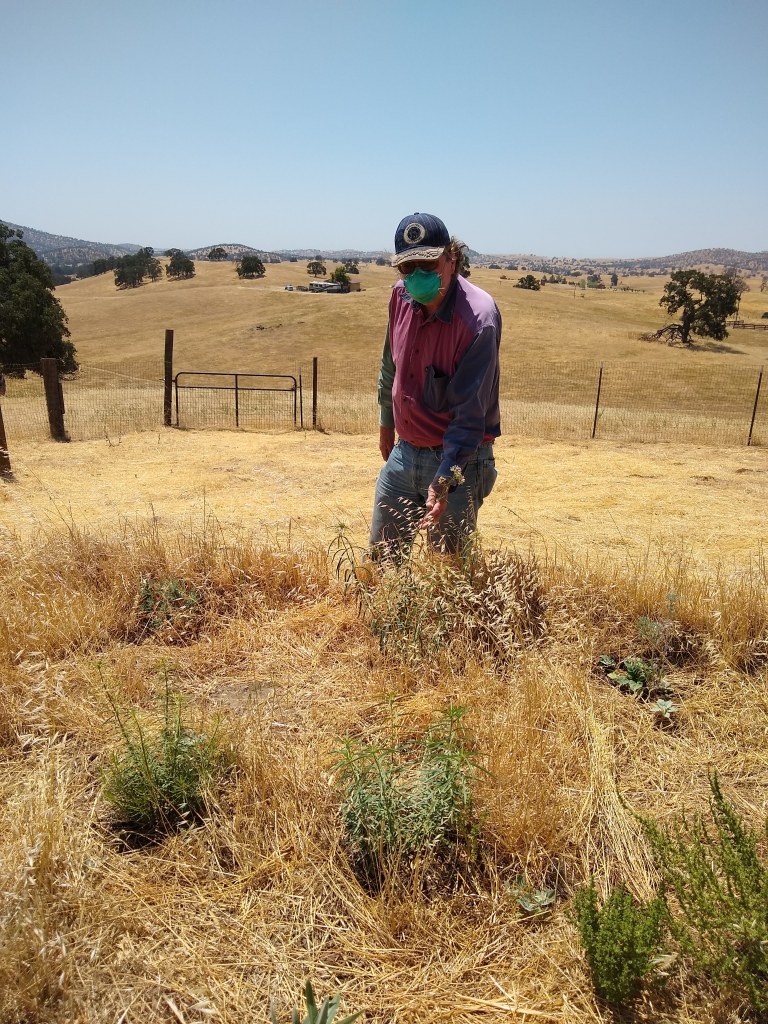
Me after watering Sites 8 and 7 (deer grass site) this week

Wildfire, Drought…and Locust?

Sunrise with the smoke

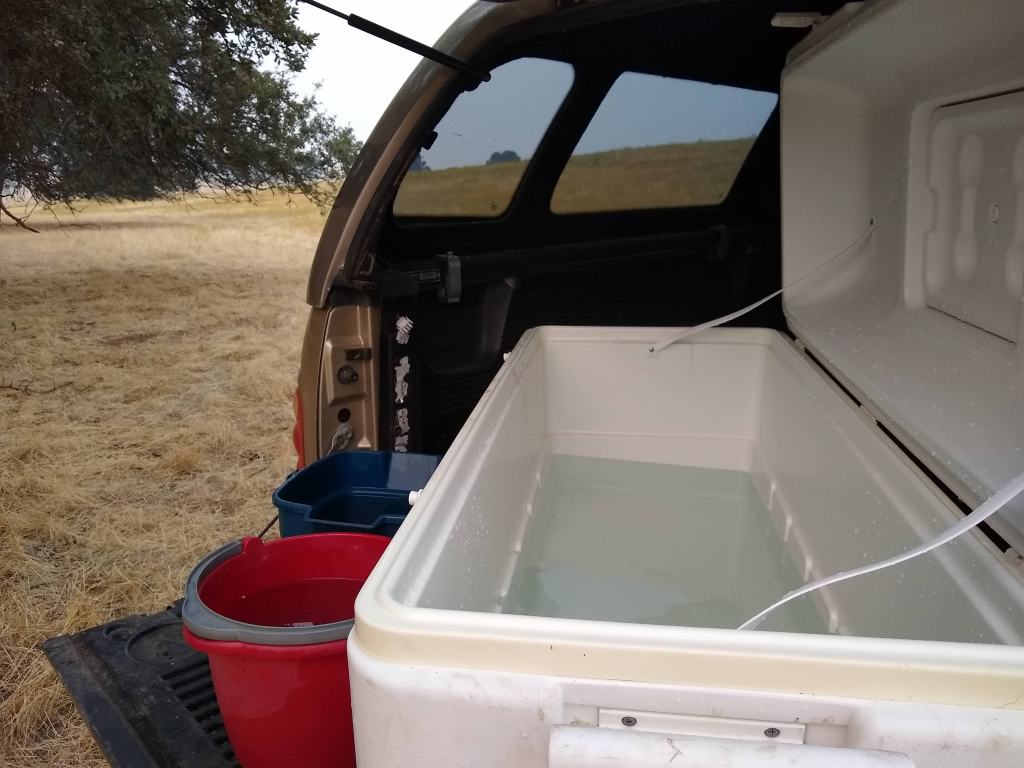
With the smoke being least horrible in the mid-morning and the temperatures down due to smoke coverage, I was able to start out later than usual for my weekend watering. The bladder being bunglesome and the old barrel requiring much effort, I needed a new method to transport the rainwater when using the truck. I decided to fill an old, large cooler and use it as the transport vessel. It is lower slung, easy to move around, and does not require my tailgate to be down (less scraping). It also has a spigot I can use if needed.

Using a cooler to transport water to Site 8 and the deer grass site

The unit only holds about 16 gallons. This won’t be enough as I expand my plantings on the spring creek. I will figure out something new when we get to that point. For now, this worked beautifully. I was able to scoop the water easily into the buckets then haul them to the two sites.

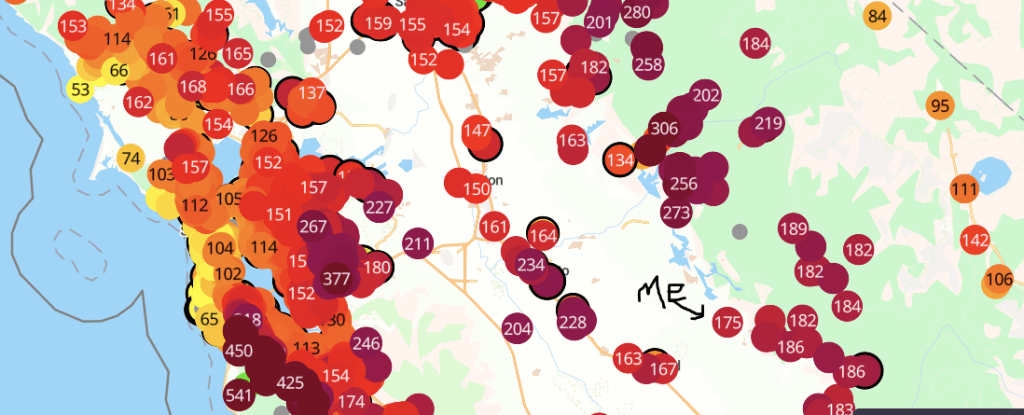
This is much effort in the smoke, which continued to hold steady at unhealthy levels. Fortunately, I have N95 masks, and it worked very well for me to keep my lungs and brain safe. There are several data tools I use to check air quality and smoke drift. One is the Purple Air network. Several years ago, I installed a Purple Air air quality monitoring unit at the house. It helps my husband and I make decisions about our activities during bad air times.

Almost the entire west has horrible air. A screenshot of Central California

The above image shows the how awful it was today…and this is actually an improvement from yesterday. For your reference, I marked my site. Regardless of the air quality, the plants need the water. I have a commitment to them – so I must work outdoors.

Water Update

Tank 3 on the south side of the house is now empty. Just under 5,000 gallons remain in tanks 1 and 2 with just one and a half months to the start of the rainy season (October 1 – hopefully). The National Oceanic and Atmospheric Administration (NOAA) is observing trends in the data that suggest we may have a La Niña year, which means drier conditions for us. I will continue to conserve, as always. With Tank 3 empty, I now need to transport water from Tank 1 uphill to Site 9, the nectar plants and the old South Plot.

Filling the trough next to Tank 3

For this, I did use the bladder and cart. I filled the bladder, then hauled it uphill, tipped the cart and let the water flow. It is not as easy as it appears in the photo. The bladder moves constantly. You cannot leave it alone in the cart to fill the trough. It will rollover on itself and fall into the trough or on the ground. It has to be held in place most of the time during the transfer. It is an exercise in patience, and I am looking at this as an opportunity to rest, meditate, and/or send out loving thoughts. I am going to need to figure out a better way to be more efficient. Especially during this time when the smoke is so bad, despite wearing a mask, I still want to limit my exposure outdoors. You may wonder why I am filling a trough. It is for ease of dipping my buckets and watering can. I can move faster that way.

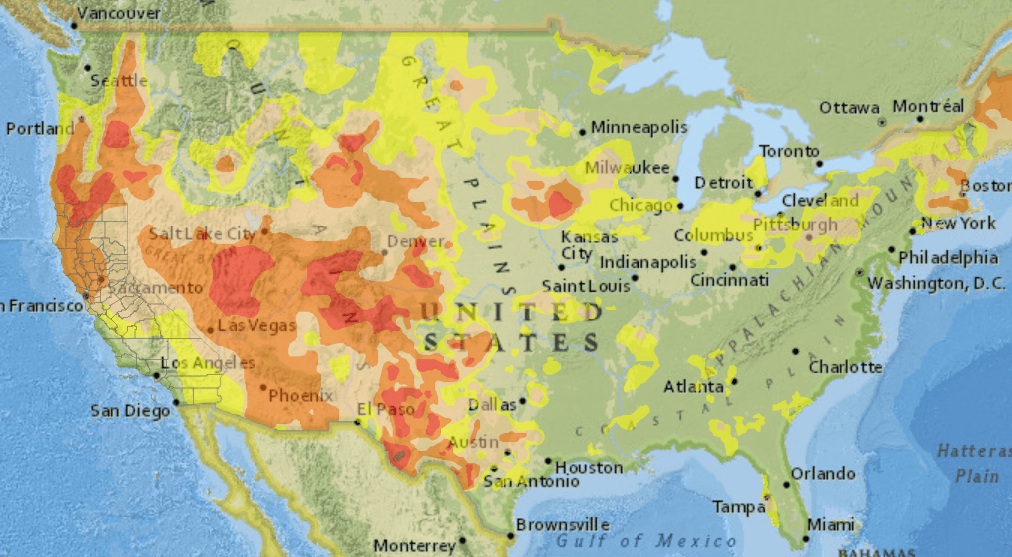
Drought

Drought.gov drought monitoring map. The redder the color, the worst the conditions

Another reason I use a trough is to share with my animal and insect relations. While watering the spring creek today, I noticed that the new little pond that developed on its own is now dry. The spring is still trickling, wetting the rocks, but it is not flowing sufficiently to replenish areas of standing water. With us being in moderate drought (see image above), little standing water on this side of the ranch, and especially with the thick smoke drying out the membranes of all living things, I needed to ensure there was some water available to other creatures.

Trough near the North Plot

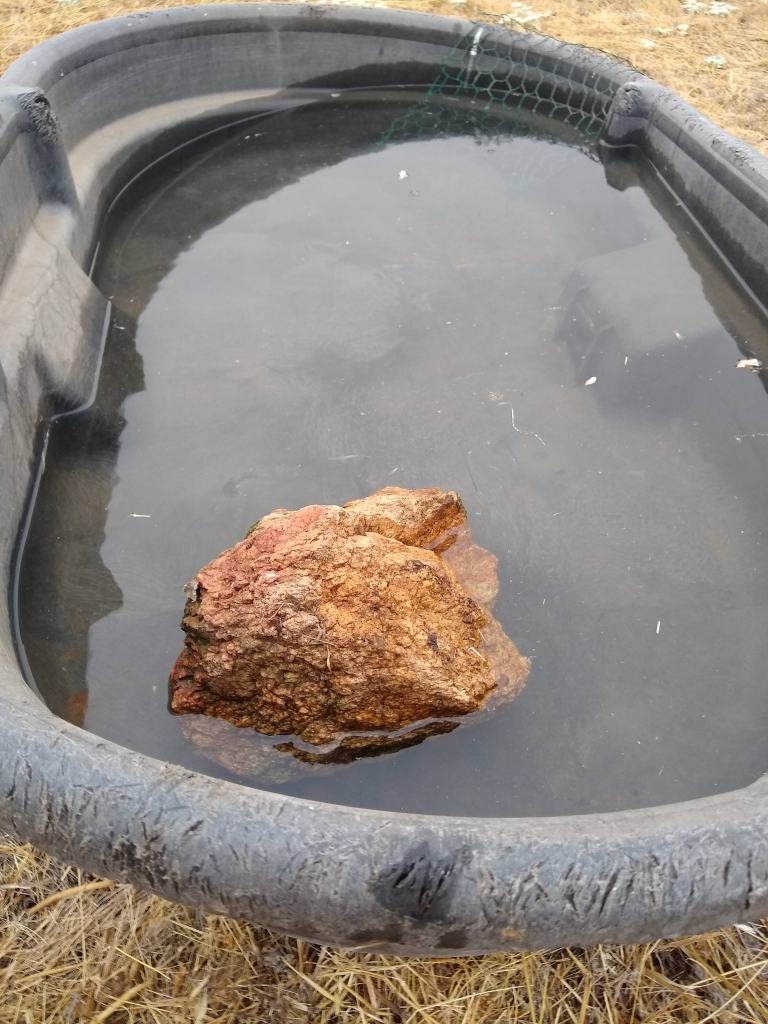
In addition to the trough near Tank 3, I placed another trough further away from my house near the old North Plot, downhill from Tanks 1 and 2. Note that I placed a rock (in the foreground) and a piece of coated mesh (in the far end of the trough). These items are available to help animals that get caught in the trough to escape. Remember, troughs have only steep edges. They are not graduated like a pond. If a bat or rodent slips in while trying to drink from the edge, I am hoping they can find an escape route using one of these tools. It is not only humane, but it helps maintain water quality. With the drought, I don’t have any water to waste. I don’t want to have to throw out water that has been contaminated by a dead creature.

Locust…sigh!

If wildfires, thick smoke, drought, hurricanes, derechos, tornadoes, covid, civil unrest, fascism in our homeland, and murder hornets were not enough, I added locust to the list today. I found three large “grasshoppers” on the plants. <<Sigh>> All of this is so much, but I take comfort knowing that the earth will survive. Even if I am not able to provide all the things the monarchs need this year, though I will be deeply sad, I will keep trying.

Personal Thoughts

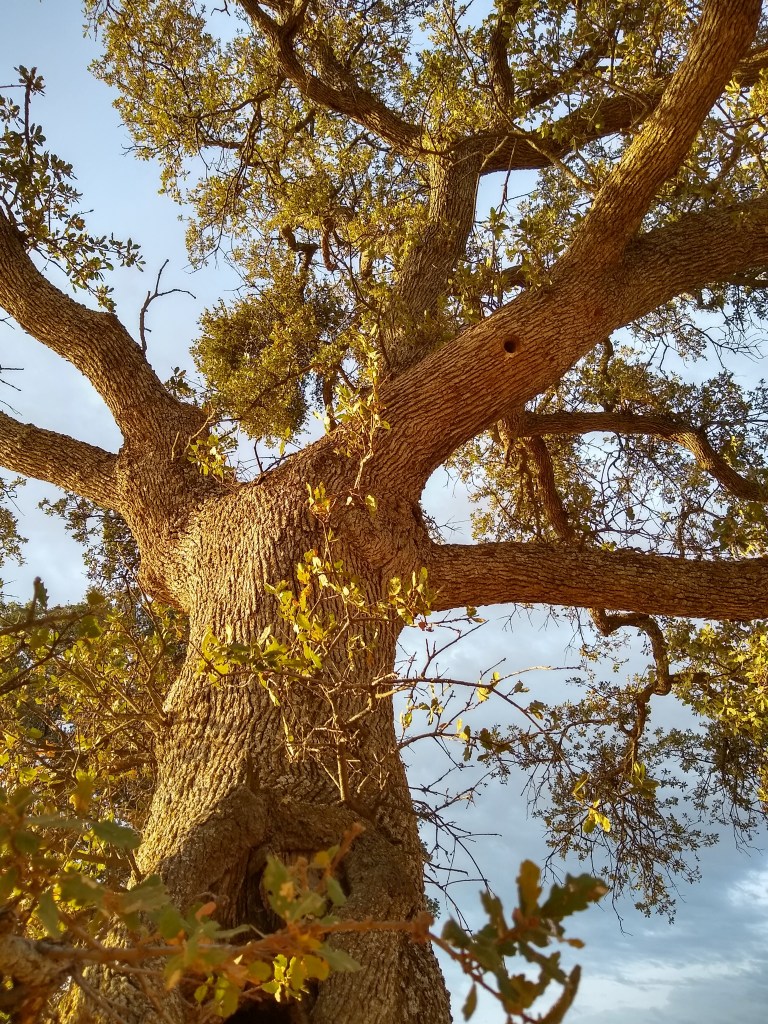
Old oak that lost her branch the other day

Change is inevitable. I don’t want some things to change, like the majestic oak trees that dot the landscape. They are dying. Other things I do want to change – like having a decrease in the number of grasshoppers that visit. To the untrained senses, it may seem like this is the end of the world. One thing after another continues to occur with significant natural devastation and human suffering. Indigenous elders, like some of my elder friends here in Mariposa, tell us that these actions are Mother Earth healing herself. Put into more dominant culture terms, we’ve reached a tipping point in response to our excess and greed. A person cannot continue pooping in their kitchen without some consequences – like illness. The fact that the planet is attempting to balance, create harmony, may not be a comfort to many as the level of suffering continues to mount across the world and the burden of that suffering disproportionately falls on the poor who are often people of color, pushed to the margins, especially indigenous people.

We each have a responsibility to live with respect for all living things. Our needs do not always supersede the needs of other living things. The questions I always have are – Will people listen? Will people learn?

On an indigenous women’s conference this Sunday, I listened to and learned from a Native elder, Abuelita Amalia. She said (and I paraphrase):

I love myself. I take care of myself. I respect myself. If you love yourself, you will love everything. If you take care of yourself, you will take care of everything. If you respect yourself, you will respect everything. We are plugging Mother Earth’s veins with plastic, bottles and trash. Animals are dying too. Stop consuming the things that hurt us. Love yourself. Take care of yourself. Respect yourself.

Abuelita Amalia

Heatwave + Blue Oak Limb Crashes Down

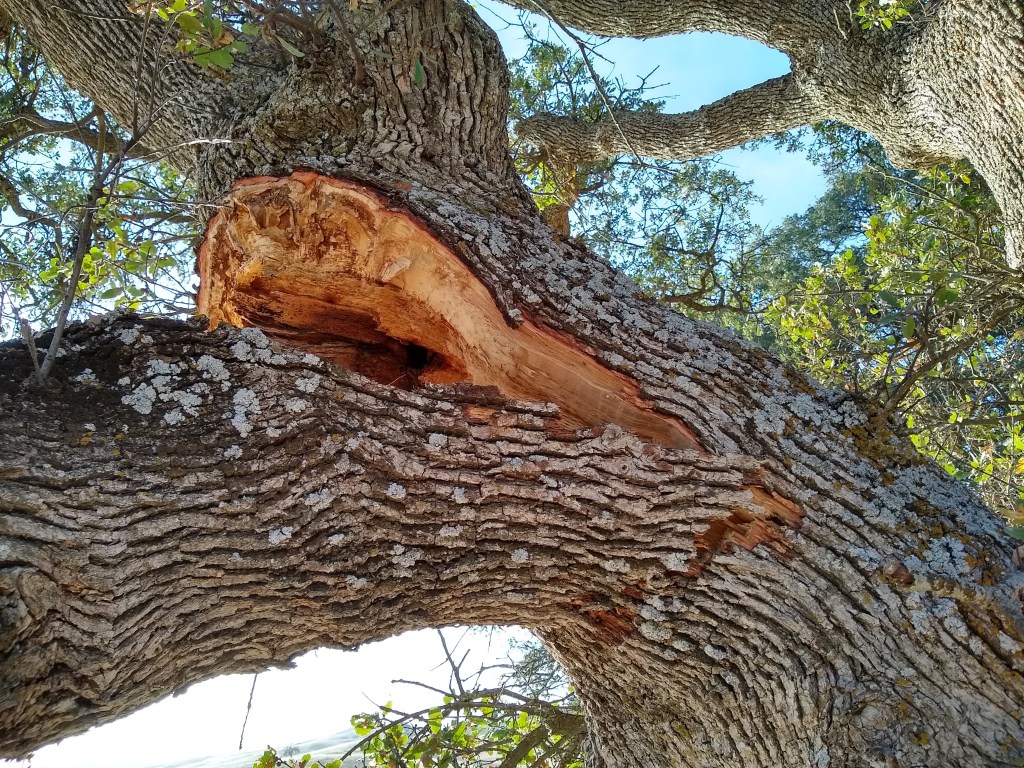
A majestic blue oak limb comes crashing down

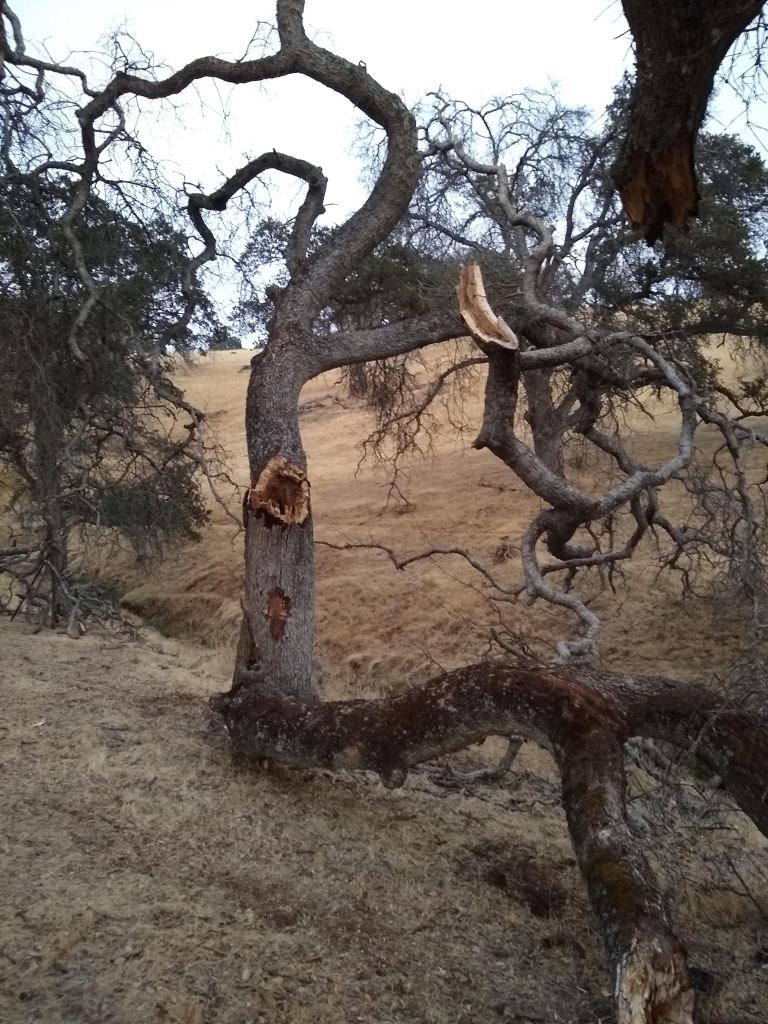
We are in drought. The California drought monitoring website, Drought.gov, lists this area as “in moderate drought”. How this is defined practically is that crop/pasture damage is possible, water shortages are developing and voluntary water restrictions are in place. Here in Hornitos/Catheys Valley, David and I always behave as if we are in drought. We conserve water daily. Sadly, this is not always enough. Yesterday, a massive limb on our good old friend blue oak tree in front of the house came crashing down. These massive trees often shed one or more limbs when they recognize there is not enough moisture to maintain their overall health. It is not a good sign.

The last time a limb came down was at the beginning of the horrible, long, five-year drought. Normally, we leave dead trees and limbs where they are for habitat. However, this being within our 100′ defensible space zone, we will need to chop it up and move the wood away.

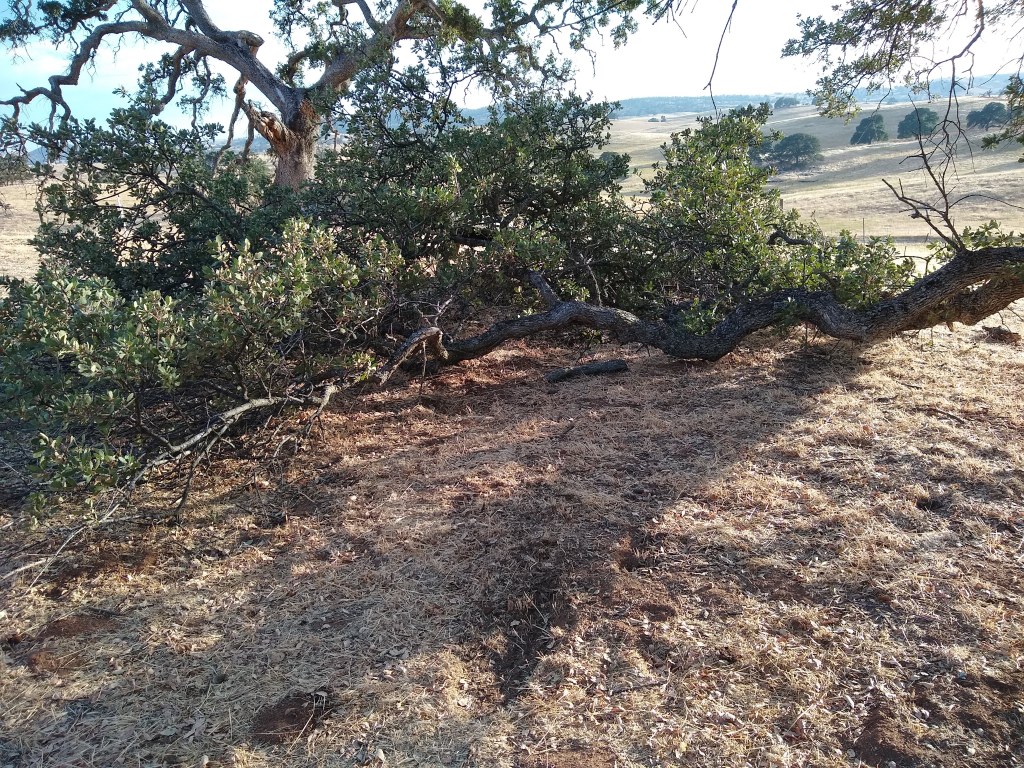
In the last drought, we lost nearly 300 oak trees across the ranch. I have been noticing the dead trees falling apart, but did not expect the healthy trees to be losing branches. On my next venture across the ranch, I will take note if the living trees are also losing branches. I will also need to be extremely careful to avoid, as much as possible, walking under the oaks on the property. I am planning on creating brush piles with the downed branches away from the house to create habitat areas and places where plants can get a head start away from the mouths of hungry cattle. I discussed this in a previous post on this blog. To briefly reiterate, I planted an acorn under one small brush pile I created in the hope it will be protected as it sprouts a new tree.

It’s Hot!

Even though we are in a heatwave, the butterfly plants must get watered. I have been soaking them this week to ensure deep moisture content even as the above surface area dries out in this heat.

The new potable water bladder being filled for its first use
The water bladder filled

I prepared my watering system for Site 8 the night before so I could just “get going” as soon as I arose. I decided to use the cart with the new water bladder to prevent any chance of the truck heating and starting a grass fire. This meant I had to walk the entire way to Site 8 pulling the cart. I did it once with help, but today, I had to go it alone. David was too tired to assist.

6:00 am departure time. Warm with moisture in the air
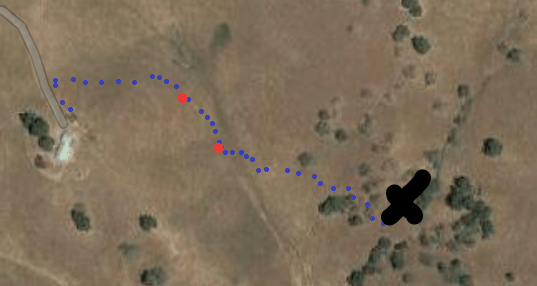
My route from the house to Site 8. The red denotes the areas where my cart spilled. Then, “X” marks arrival to Site 8.

It was already quite warm when I started. There was leftover moisture in the air from the recent Pacific Ocean hurricane activity. We did not get any rain up here, but it was humid. Water weighs 8.33 lbs per gallon. I had 20 gallons in my bladder. The cart was heavy. The water, because of the soft sides of the bladder, would slosh around. The bladder has a 30 gallon capacity, which I do not need yet. Typically, I only use 8 gallons for Site 8 and the Deer Grass Site because seven of the 9 original plants were pulled up by wild pigs. Although I water them in the hope that the roots are still alive and will re-sprout, I reduced the water per plant to 1/4 gallon. The remaining two receive one full gallon. Also the deer grass across the creek receive their full water allocation as well.

Action shot: I used the dump truck feature of the cart to dispense water into the buckets for hauling to each plant

I brought the 20 gallons to soak the plant area to help them survive the heatwave. I do not plan on watering mid week at the site. It is too hot and arduous. I used the dump truck feature of the cart to dispense the water from the bladder into the buckets. I then hauled the buckets to each plant to water them. I like using the buckets because I can measure how much water I am using and how much I am providing to each plant. I did not have to go as far as usual since I personally hauled the cart all the way to the site. I definitely felt like an oxen or horse!

Striking sky and tarweed

It was beautiful early in the morning. I really wanted to get there and back before the sun came up. The heat is truly crippling. Yesterday, I had to take two breaks watering Site 9, the nectar plantings and the North Plot. I had gotten a late start, and the sun was already up. It was that debilitating.

Same image as above. Uploaded again for convenient reference

Unfortunately, it took longer than anticipated. The cart, with its sloshing water, tipped over. I had not paid enough attention to the grade change and over it went. I had to use my brain and some brute strength to get the bladder back into the cart. Again, the bladder weighed almost 167 lbs! There was no way I could lift it. Instead, I brought the cart around to the down-slope, tipped it over again so its opening was facing the bladder, shoved the edge of the cardboard liner that I used to line the bottom of the cart under the bladder, and sloshed it over itself into the cart, then used my body and arms to tip the cart right-side up again. It worked! I continued paying closer attention. Unfortunately, on a fast downhill track, I did not quite catch it in time, and it tipped again. I would be lying to you if I said that I did not curse myself a bit for not being extra careful. The truth is, I got a little too complacent because of the heat and effort it was taking to haul the cart. I did not make that mistake again. In fact, I switched the track to blaze my own trail uphill so I was on a bit wider and more level ground (See image above. Red dots indicate tipping areas.).

Field of tarweed illuminated by the early sun

On the way back, the sun was up. It was already hot. However, the wind was blowing, which cooled me some. I started at 6am and returned home by 8am. I will likely have bruises from using my body to force the cart upright, but it is well worth it. I saw a butterfly yesterday, which excited me beyond measure. It was not a monarch; it was a reminder that they are on their way though.

This is a labor of love, and I am so willing to do the work it takes to restore this habitat. That said, I will REALLY love it when my electric ATV arrives.

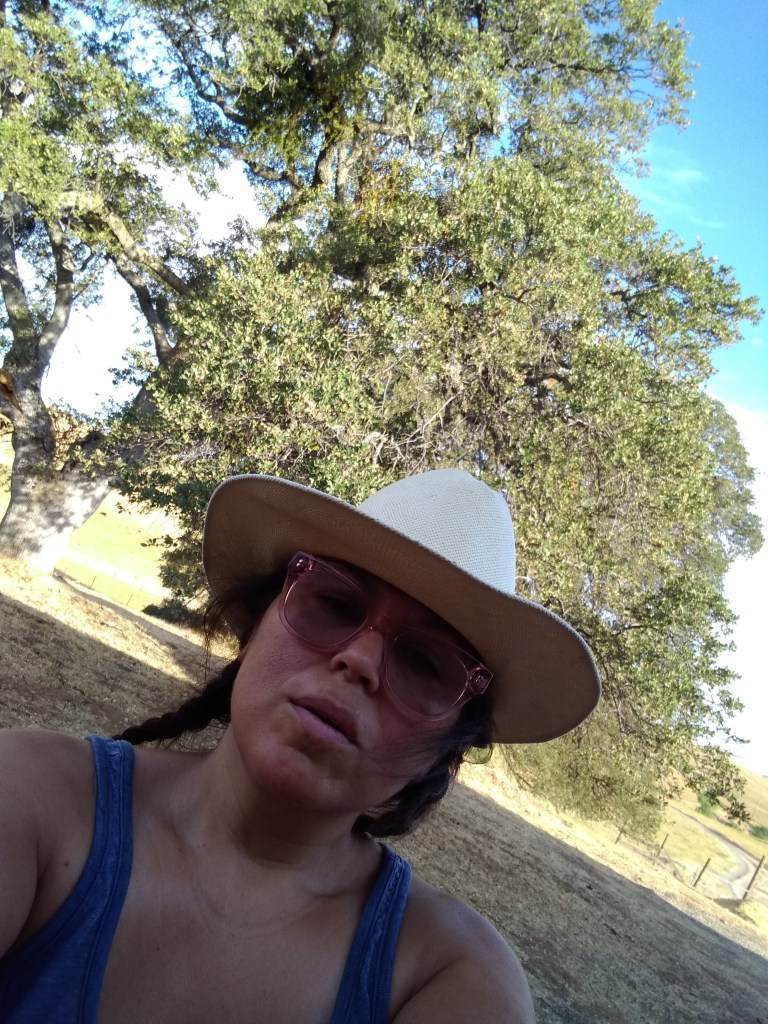
Not really a selfie person, but I had to show you my beet red face and sweatiness. Crazy!

Everyone- stay safe out there with this heatwave. Heat is very debilitating, and it can dehydrate you fast. Make sure you:

  1. Drink plenty of water with electrolytes,
  2. Eat some salty snacks,
  3. Take many breaks
  4. Don’t work during the hottest time of day.

Adaptations and Bruce Lee

Spring Creek still flowing enough to make the rocks moist providing critical access to water for pollinators

“Be like water” is one of the many amazing concepts shared by Bruce Lee, the martial arts legend. When David and I were studying Jeet Kune Do, Bruce Lee’s martial arts method, under our teacher John Castro, who was trained by the Gracie Brothers – and they trained by Bruce Lee – we learned more than how to move our body. We learned life lessons. This was one of the most profound. The concept of being like water is two fold. First, water takes on the shape, the contours of that which it occupies. It adapts. Second, it shapes and reacts. Think of the Merced river continuing the carving of the Yosemite Valley, yet finding a different path when confronted with a new barrier. Through its adaptation, it flows.

When designing and implementing a landscape, work with the land. Don’t try to dominate it. In the end, it is much more powerful than you anyway. This is a very indigenous value and why adaptive land management is more interesting to me than a purist landscape restoration ideology.

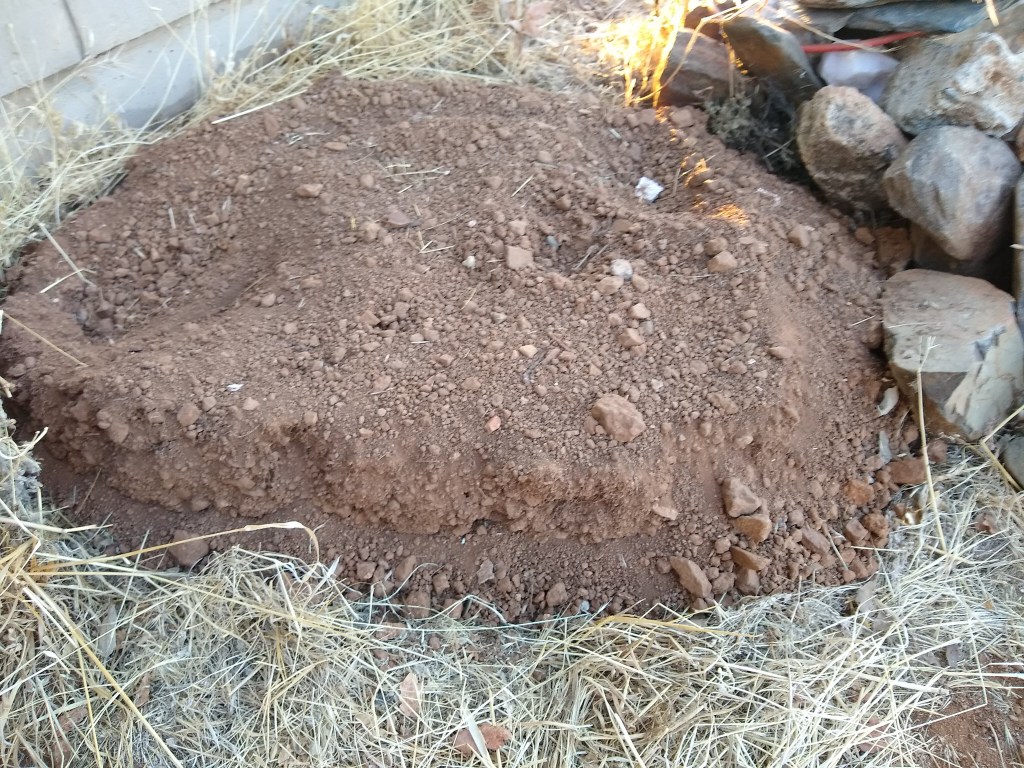
A massive gopher mound

I have stopped being mad at the gophers, and instead, am using their industry. I’ve been needing more soil to fill in around my plantings, and have been struggling to scrape up enough soil around the transplant holes. Then – I saw the gopher mounds in a new way – as fill dirt. The gophers have become my partners. The mound, for example, pictured above, is not the result of a mega monster Jurassic rodent. I am not really sure why this occurred. One of my stock troughs was flipped over for a while as I was waiting to get started on my new fountain project. The gophers, for some reason, continued to bore up under the trough. The result was this massive mound. Thank you gophers. I now have extra high quality local dirt to transplant the baby marigolds. Adaptive land management.

Marigold seedlings
Using a wind screen to protect the blooms. Note the slits in the screen.
A prime rose bloom destroyed by the wind

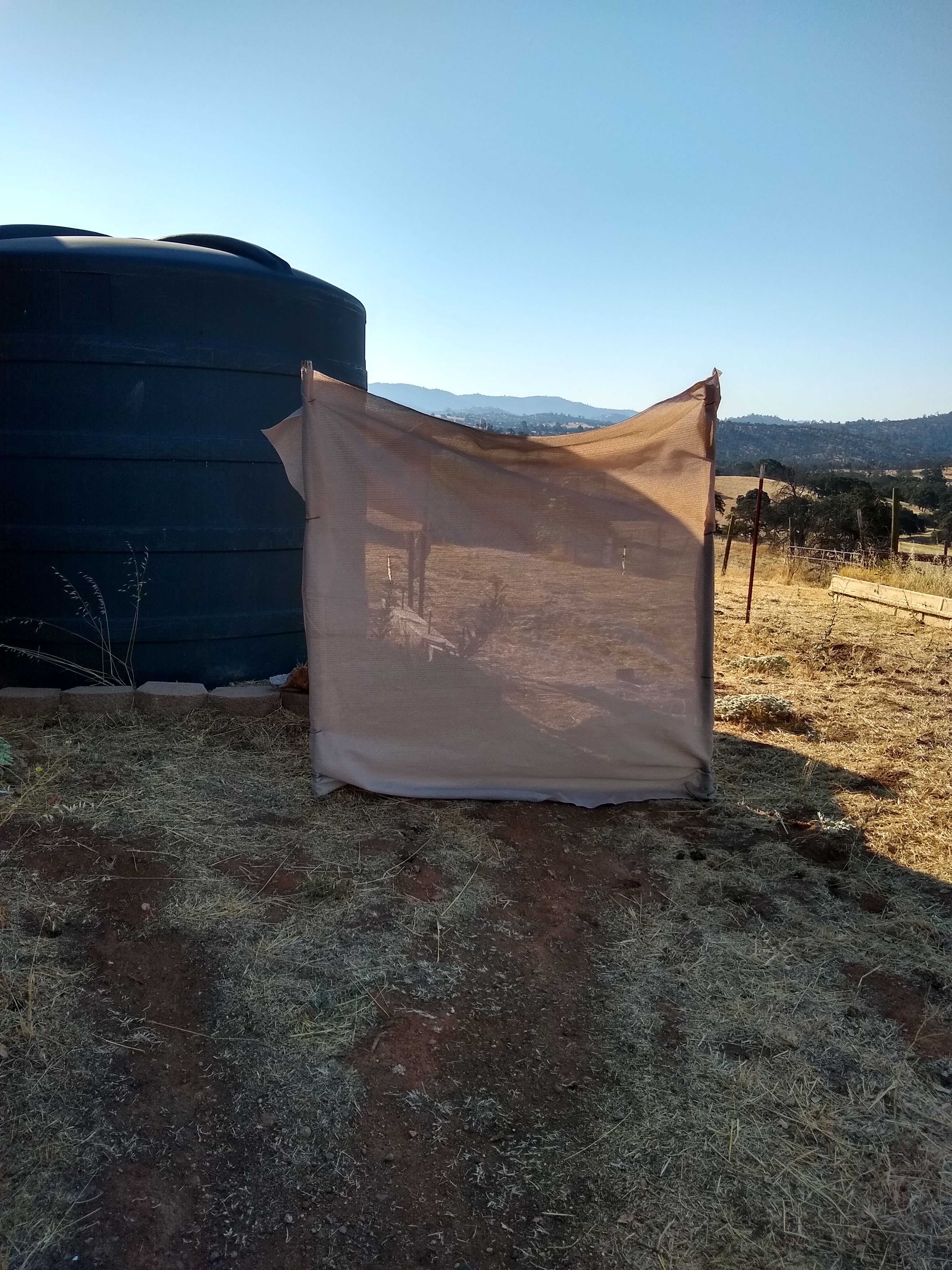
The wind blows very strong in the afternoons. In addition to drying out the soil, it has been destroying the gorgeous blooms on the prim rose. I used t-posts and shade cloth in a vertical orientation to slow the ferocity of the wind. The wind and I need to work together. So that my screen does not come crashing down, I must place slits in the shade cloth. This takes the full force of the pressure off the structure by allowing some of the wind to move through it. It is a common engineering practice; nothing new. However, it is another example of being adaptive – working with the elements rather than trying to control or dominate them.

Prikley lettuce blooms

As stated in my previous post, instead of spending energy on pulling weeds, use them for their nectar. Let them take some of the load off by providing even more food for pollinators. This said, there is one plant I “go to war with”- puncture vine (goat heads). Those are way too destructive and invasive. I pull them out wherever I see them – and have the energy to do so because I work with the Earth instead of to control it. Be like water. Adapt, align, flow.

Beauty At Spring Creek

A healthy bloom on a narrowleaf milkweed at Site 8, with a healthy showy milkweed in the background

Watering this past Sunday at the Spring Creek sites was uneventful – no pigs, no decimation, no sadness. I took the time to watch bees drink from the moist rocks in the creek. I sat with the milkweed and told them stories about the babies they will soon protect and feed. I touched the deer grass admiring their long, willowy sprouts hoping they will be home to painted lady butterflies in the Spring and maybe part of someones’ basket after their lengths were spent. I am fortunate to be one small part of many living things in nature, and that my time of consciousness on this planet will be spent improving things for the many and not constricting access to resources for the few. Through this blog, I am grateful for the opportunity to share these experiences – especially as people are more shut in – in the hopes that the stories and images will bring some level of connection with this process outside to people in their homes.

Blooms, Shade and Brawn

In this blog installment, Heather discusses a’woo’atea (butterfly food) /nectar, monarch migration, shade and the beauty of nature.

Primrose blooms

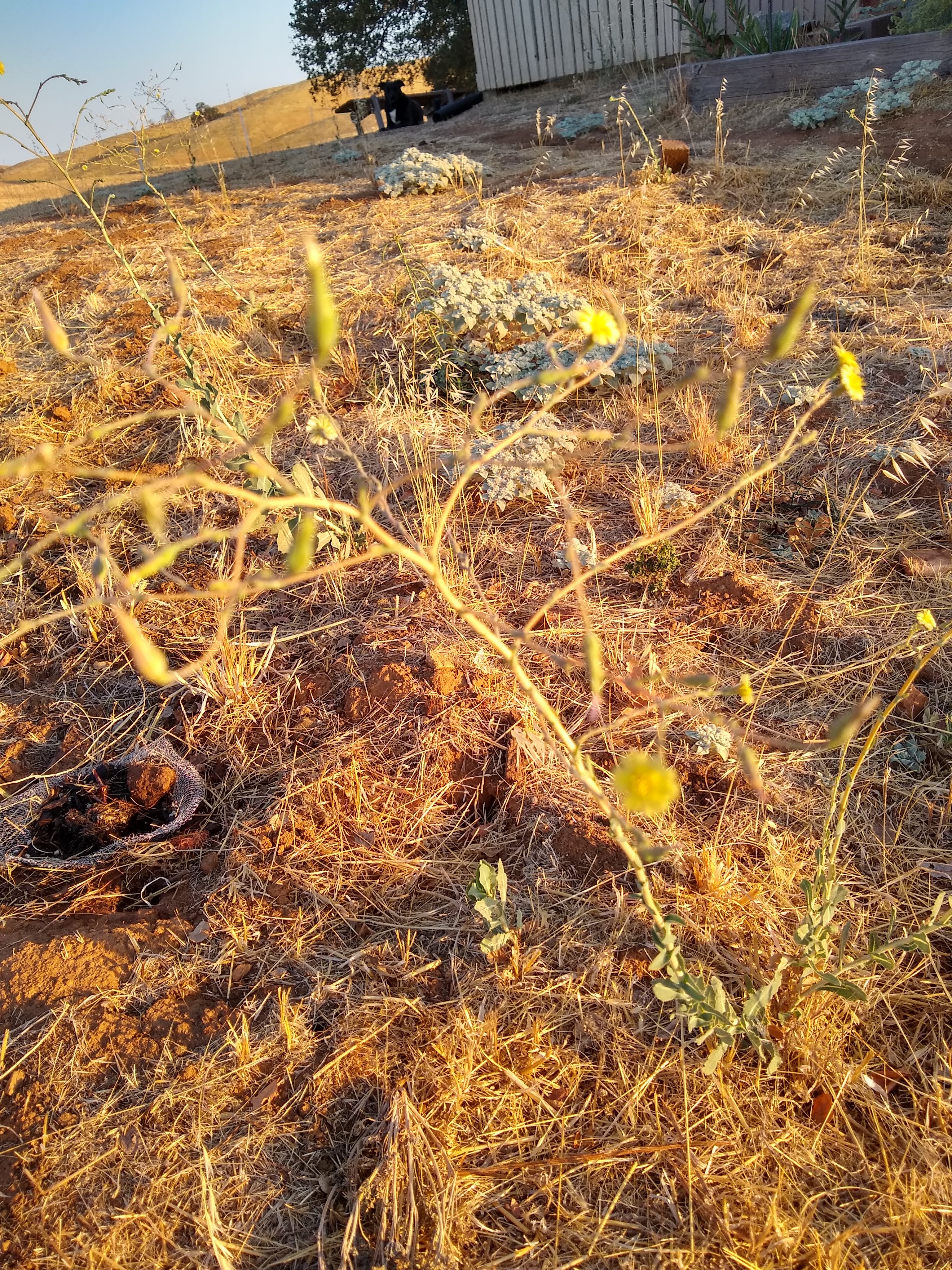
Flowers really are the manifestation of happiness. All one needs to do is look at, and sometimes smell, a bright, beautiful bloom to make their level of joy increase. The blooms are also a sign that the plant is settled in and growing. Plant happiness is a constant worry of mine. When you spend a great deal of time, sweat and financial resource, added to -oh, the fate of the monarch butterfly – you desperately want the plantings to succeed. In fact, the western monarchs should be beginning their migration south from Canada/Idaho/ Eastern Washington this month. Having blooms on the plants means there is a’woo’atea (butterfly food) available to them if they choose to stop here on their way back to the coast.

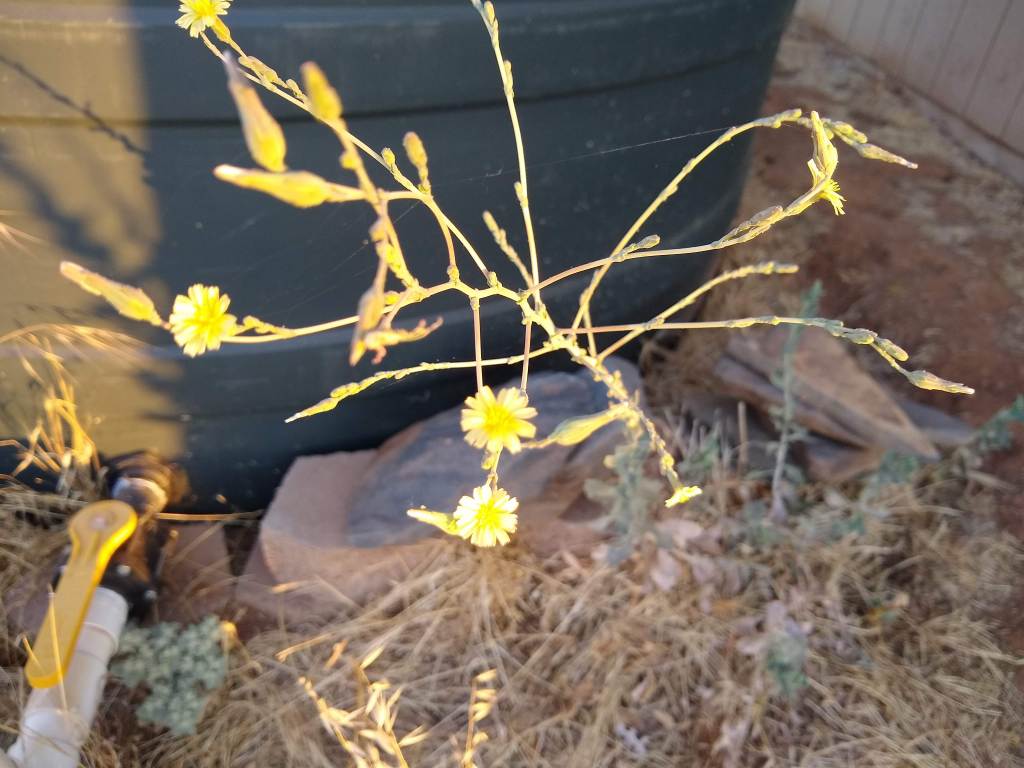
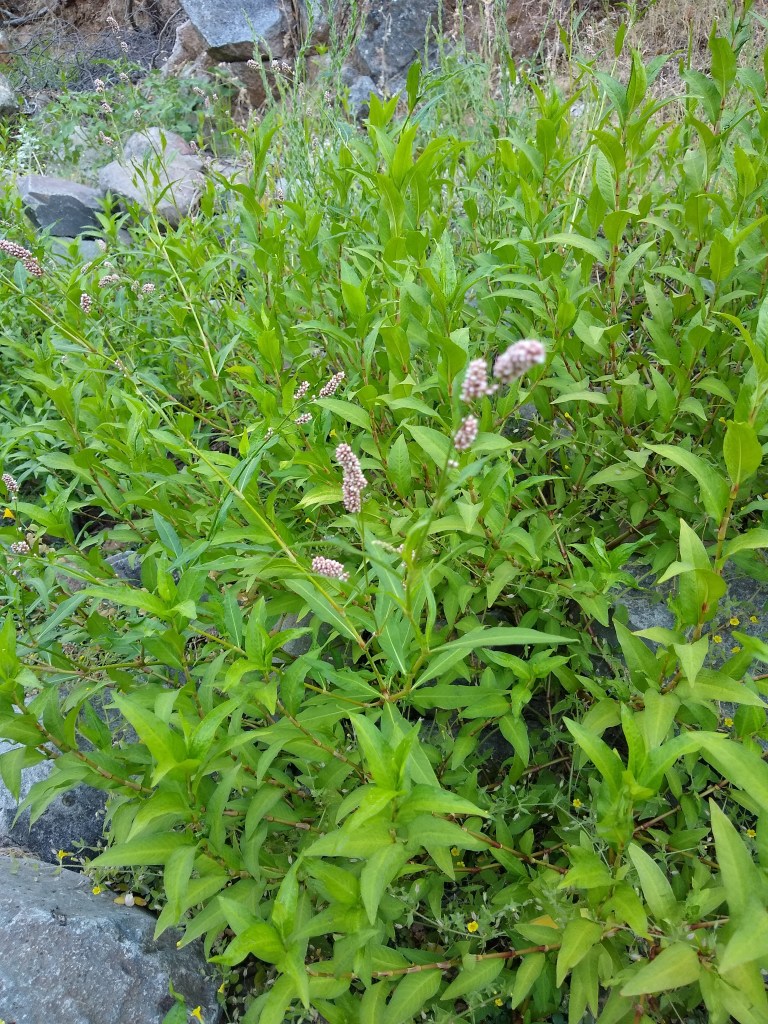
In the first row, third image, you will see what is widely considered a weed, prickly lettuce. It is in bloom. I want the availability of the nectar, so do not pull them. Even if this plant will not interest the monarchs, it will provide food for other pollinators, and may decrease competition for monarch food. I also care about the survival of all pollinators. To gain more nectar, I “cheated”. I planted two non-native butterfly bushes (bottom right photo). The other times the monarchs were here, I had a large butterfly bush. I decided that this is an “all hands on deck” moment for the monarchs, and having a sure favorite would increase their ability to refuel. Most of the plants are natives, and will adapt to this place well providing a food source for years to come. Diversity is key to survival.

I began my short course on monarchs through Monarch Joint Venture this past week. It is an 8-week course filled with a variety of data on monarchs. I am hoping to learn more about the migration and how my project can do the most to effectively help.

Sometimes “Full Sun” Really Needs Shade

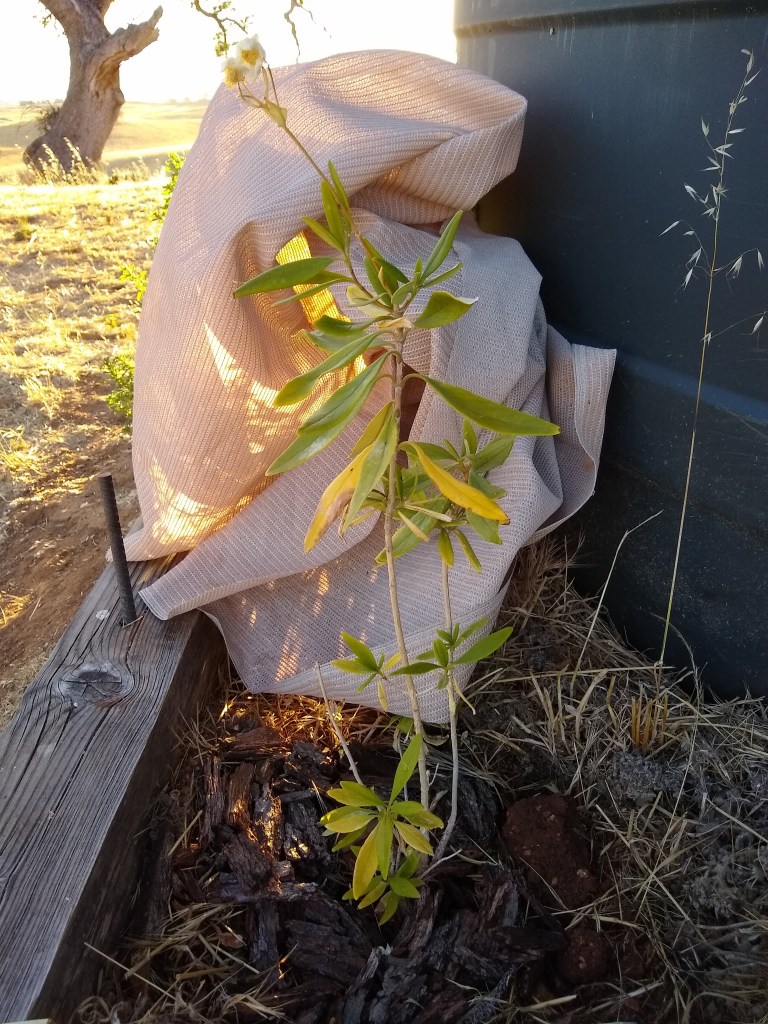
The carpenteria gets a new shade structure

I noticed last month that the carpenteria was looking very droopy and yellow. Further back in this blog I discussed using a tomato cage and shade cloth to provide this sun-loving plant with some shade. With the wind, the tomato cage was not sturdy enough to stay in place. I tried a number of configurations, but nothing worked. The other day, I made a shade structure with t-posts, wire, and shade cloth. I pounded the posts into the dirt well past the t-braces so the posts would have better strength. The structure predominantly shades the plant from the south sun and allows for east and west exposure. So far, it is holding despite the afternoon wind. Most importantly, although it does not look like it in the photo above, the carpenteria is much happier.

A New Tool

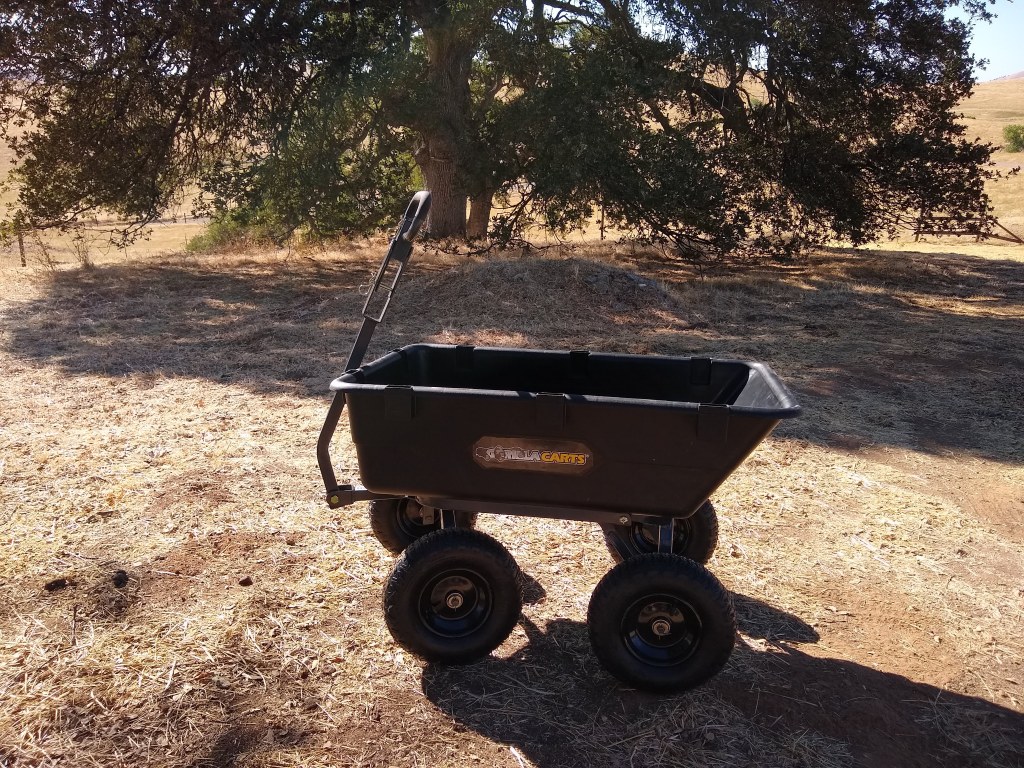
My new Gorilla Cart

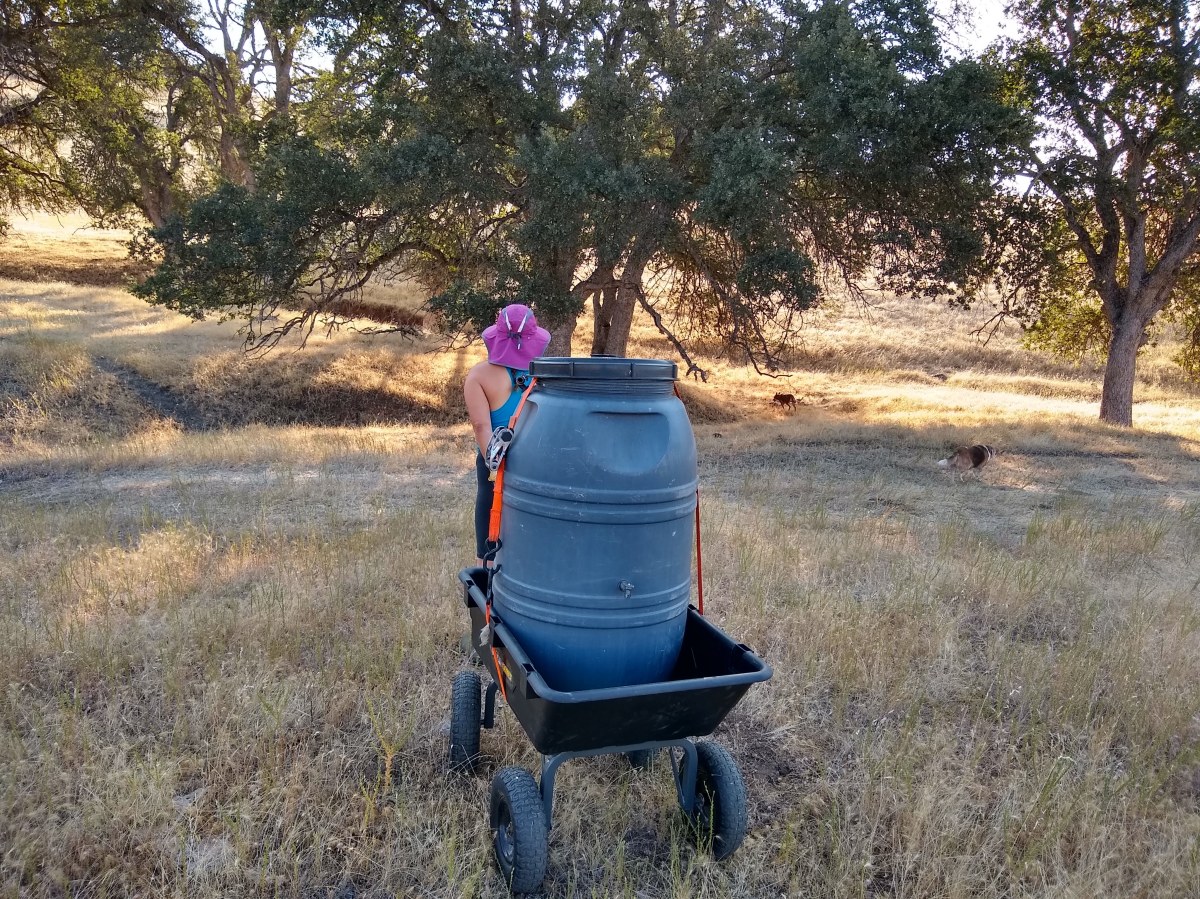
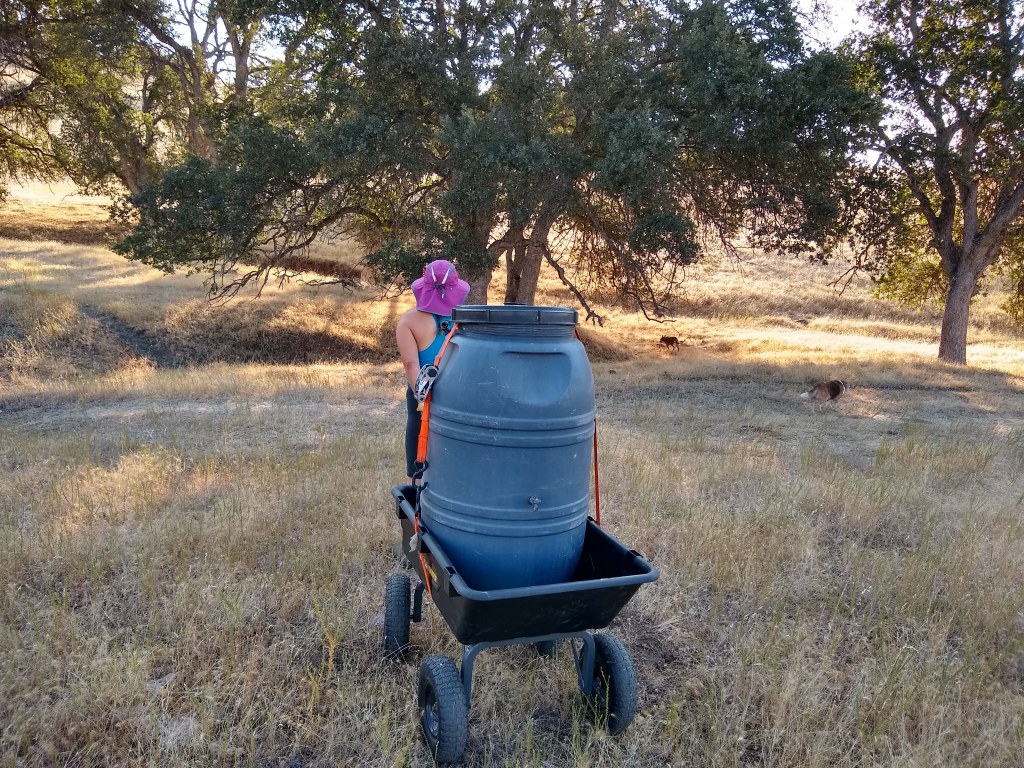
I will be obtaining an electric ATV soon. It is supposed to be delivered in a couple weeks. I will be using this for water and supply delivery to the far off sites. My fear of starting a grass fire compelled me to look for another solution. The Gorilla Cart is 1/2 of that solution. This will be the cart that gets hooked up to the back of the ATV. David performed an exhaustive search to figure out the best quality for the best price. This unit has a dump-truck feature as well as a convertible handle that goes from hand pull to a pin hitch. It is stable with four wheels – and so far I love it! We had to put it to good use last weekend. Our nephew borrowed the truck, and we had to figure out another way to water. I enlisted the help of David, and together we pulled 25 gallons of water from the rainwater tank to Site 8 and the deer grass site. It took much longer than with the truck, but the cart proved its worth.

Heather pulling the water barrel about to cross an arroyo

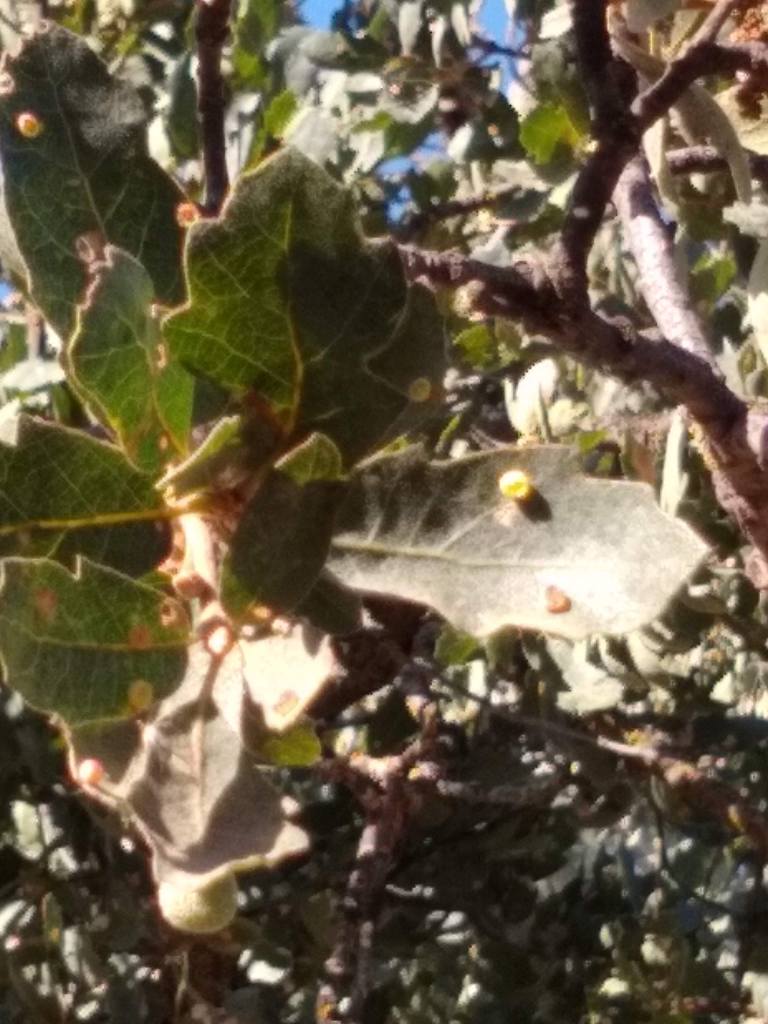
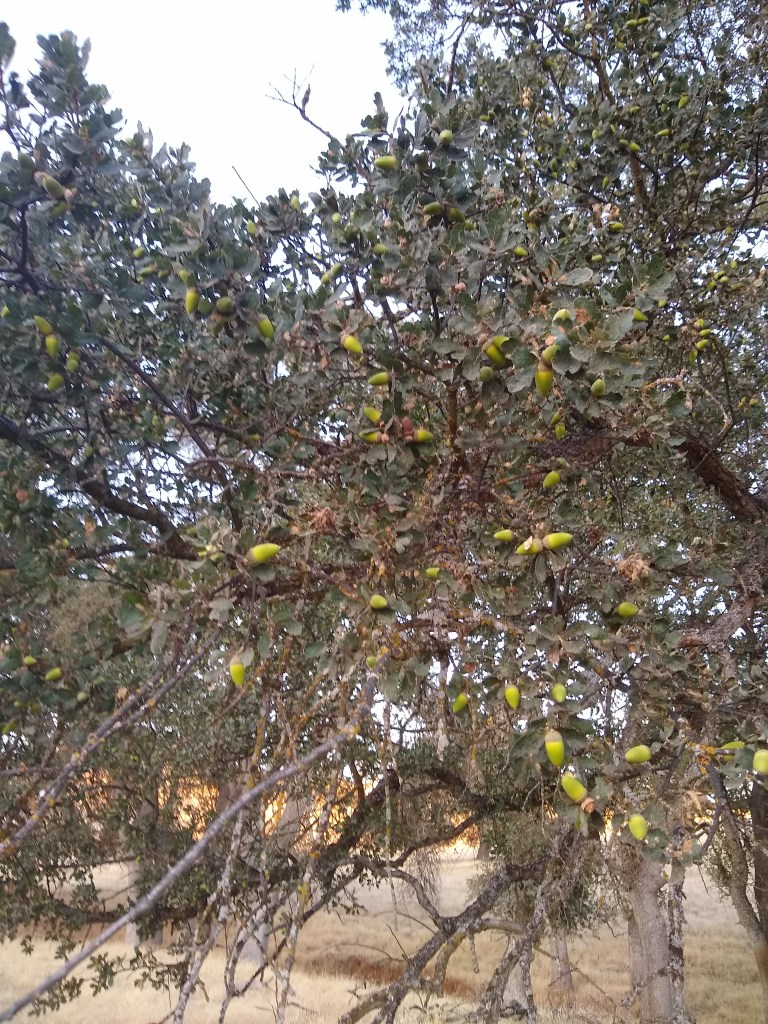
We are definitely mid way through the summer. As I was walking the ranch taking advantage of the cooler weather, I saw the acorns beautifully developing on the branches. I saw insect cocoons, like blisters, on oak leafs, juvenile raptors soaring, calling out with their not quite mature calls, and buckeye trees with shriveled leaves making way for lustrous seed pods. The larger creek on the mid section of the ranch, though moist with limited flow, was filled with life. Blooms and new willow tree saplings, blue birds and doves were abundant. I disturbed a falcon and an owl from their high tree branches, their beauty nearly bringing me to my knees. I smelled warm wood and a sweet medicine there in the creek.

On my way back to the house, I observed small flecks of hay, like a trail of breadcrumbs, from the meadow toward the pond. My cattleman is back. He dropped off an elder bull the other day, and lured the bull’s aging, hulking frame to an ample water supply where he can amble and wallow and not have to go too far. The flecks shook me from my rapture. The cows will be back soon. I need to get that darned fence done.

Pod Opens, Clean Bill of Health and New Pig Attack

a. california seed pod collected last week opens

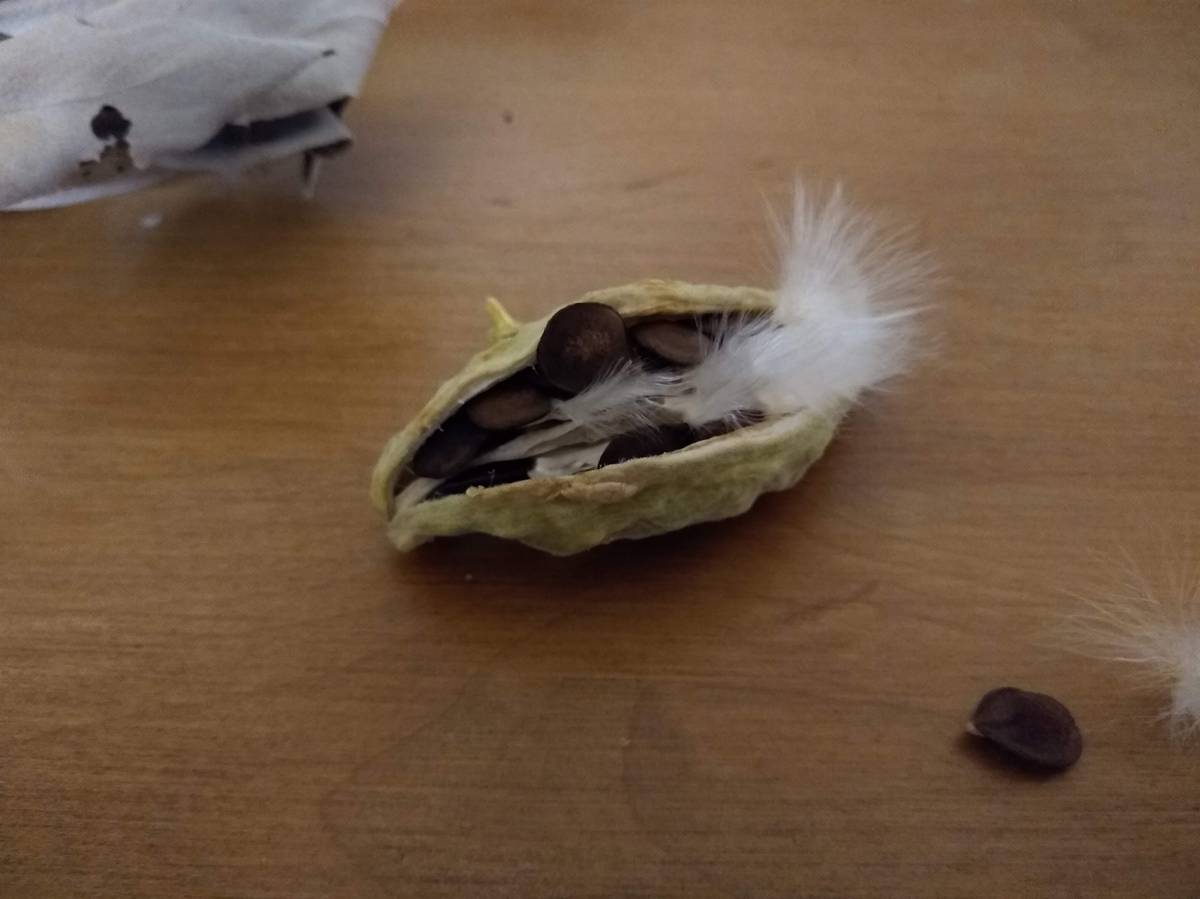
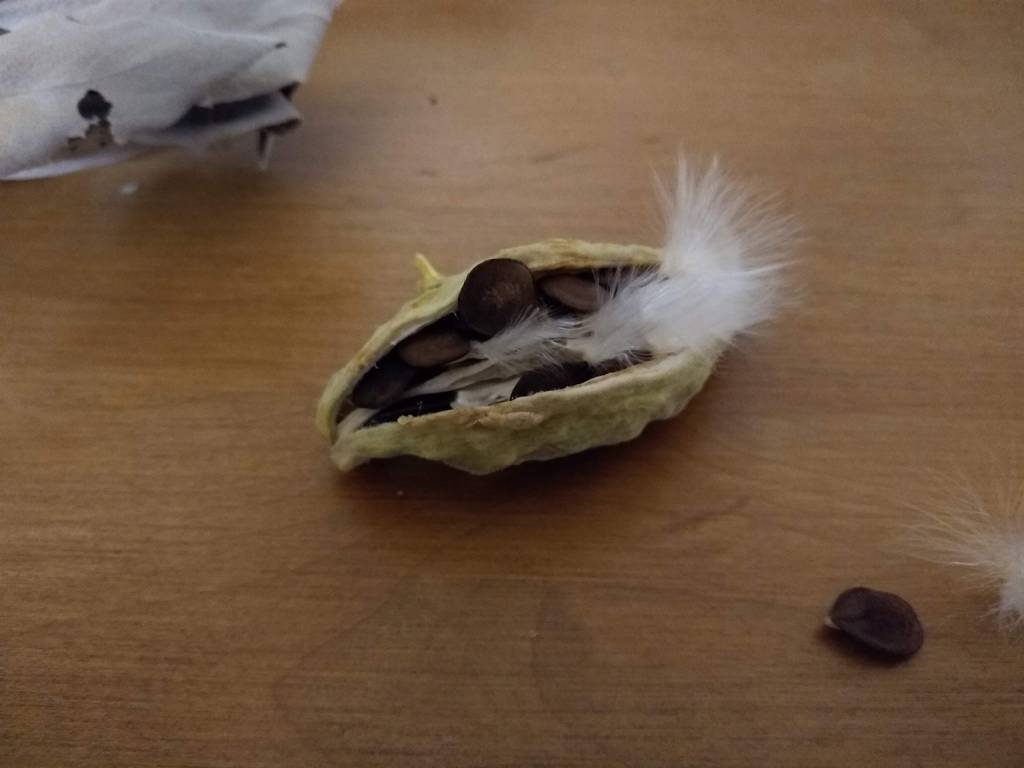
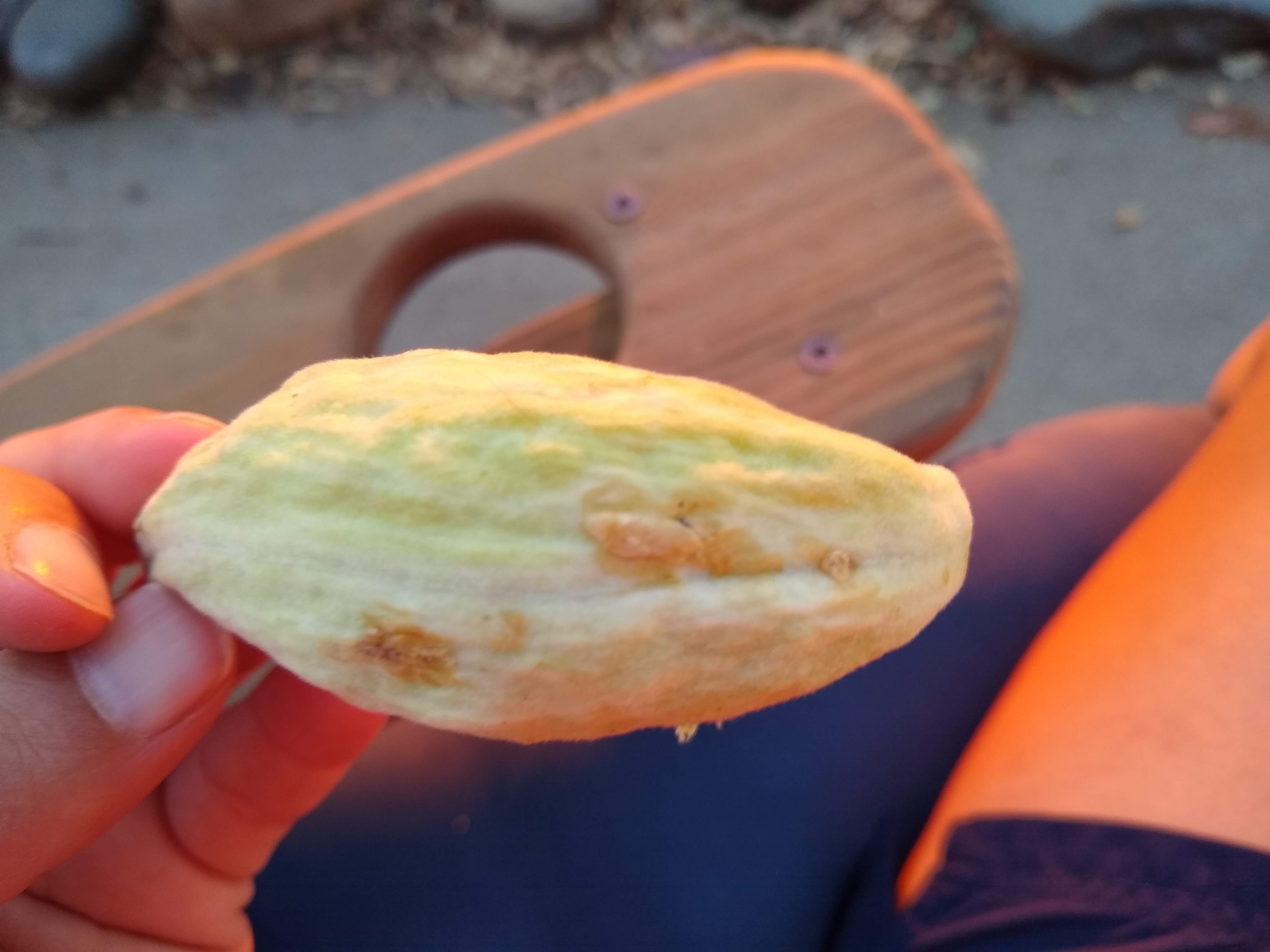
The miracle of the a. californica milkweed continues. The one unopened seed pod I harvested last week opened – and the contents were spectacular. The seed is thin and brown, and is supposed to be attached to the fluff, which aids the seed in spreading by helping it float through the air. The seed is certainly not heavy, but seems to be too heavy for the fluff to carry. In fact, when I saw the fluff around the plants, I saw no seeds attached. The specimen I took out of the seed pod (see photo below) did not appear attached at all – or it so delicately attached that it disconnected simply by my removal of the seed.

Seed and aerial fluff partner harvested from the pod

The destination of this seed pod is Ron Allen and Mariposa Native Plants. A. californica is a very special plant. It is an early bloomer offering the Monarchs a crucially important food source (awuuate’) after the first 100 or so miles of their journey north. It is also endemic to only some parts of California. Ron will be propagating another generation from this pod to be planted next year. Again, this plant is very special.

Clean Bill of Health

Since Ron was coming by to pick up the seed pod, I asked him to take a look at some of the plants I had concerns about. He ended up taking a look at each of the plants I have in Site 9, the South Plot and the nectar plantings. I also double checked that the adaptations I had made to some of the plant watering schedules would be ok for the them in the long term. He was impressed with the health of the plants and even surprised that some were still looking green at this point in the summer. The plants I thought had problems were actually doing well. Native plants do not look the same as exotic nursery plants that many of us may be used to. They often look died back or really rough in the summer depending on their life cycle. I am extremely grateful that Ron shares his knowledge, and was so relieved at the clean bill of health.

Another Wild Pig Attack

The smaller of the narrowleaf milkweeds was the latest victim

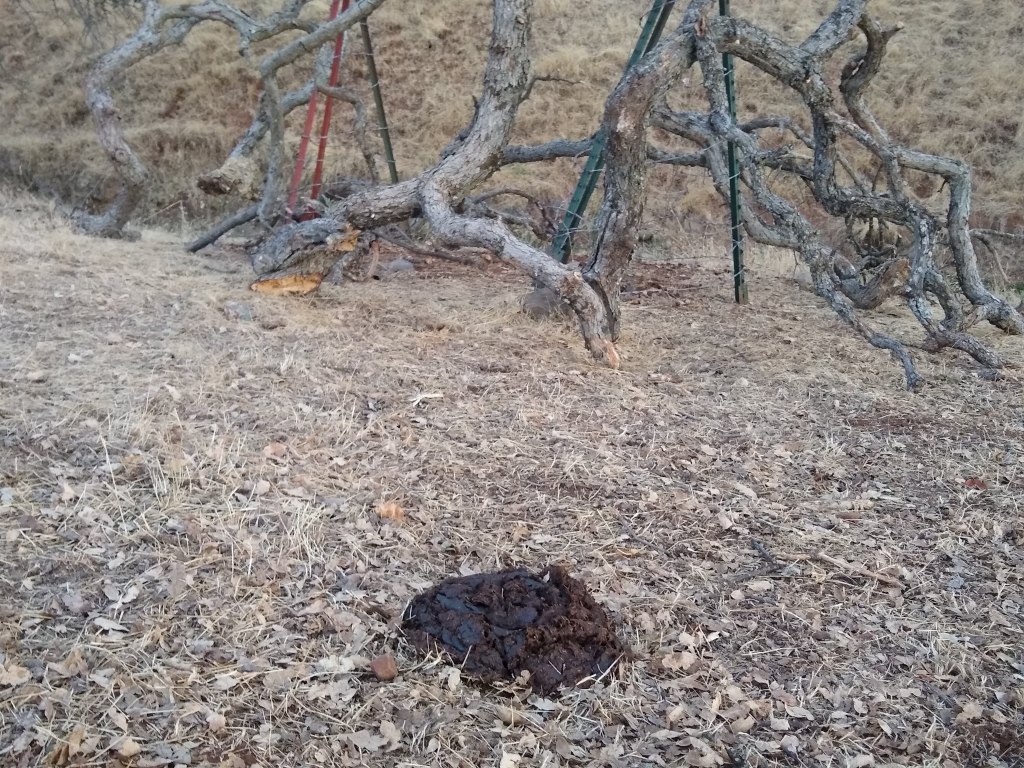
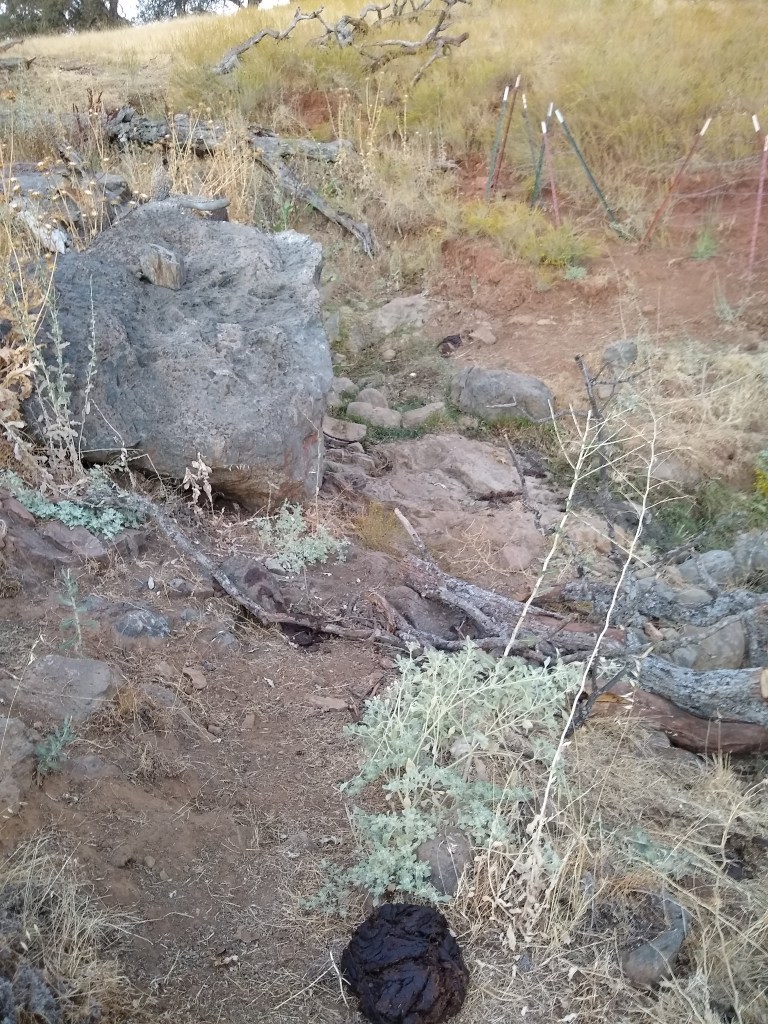
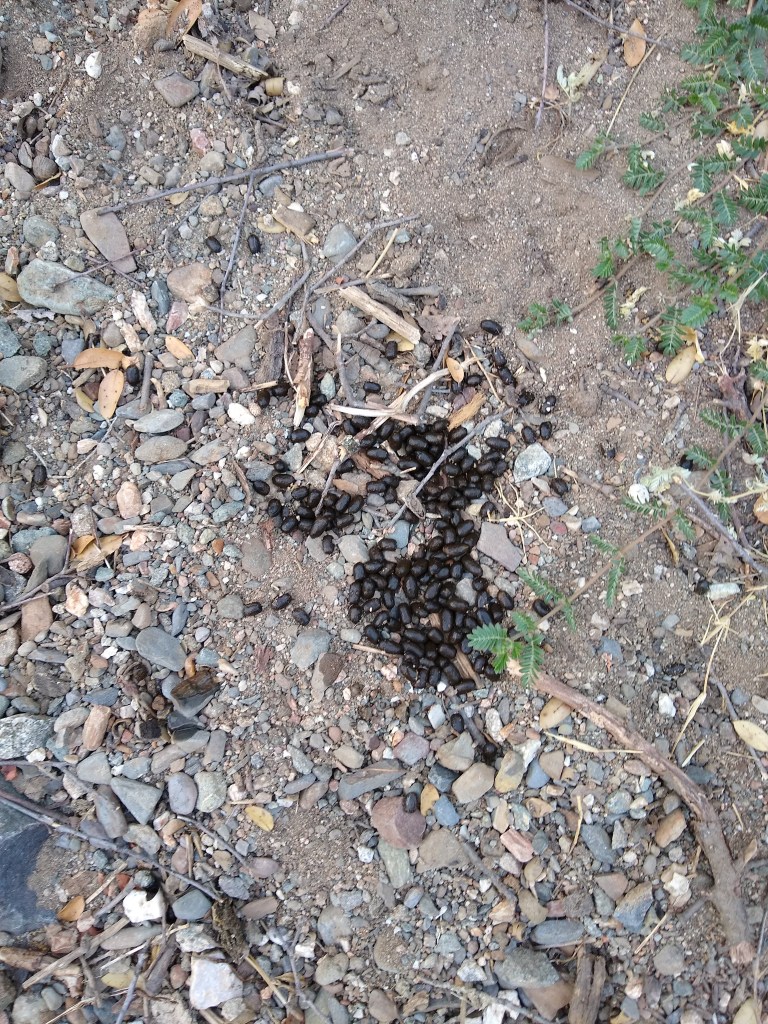
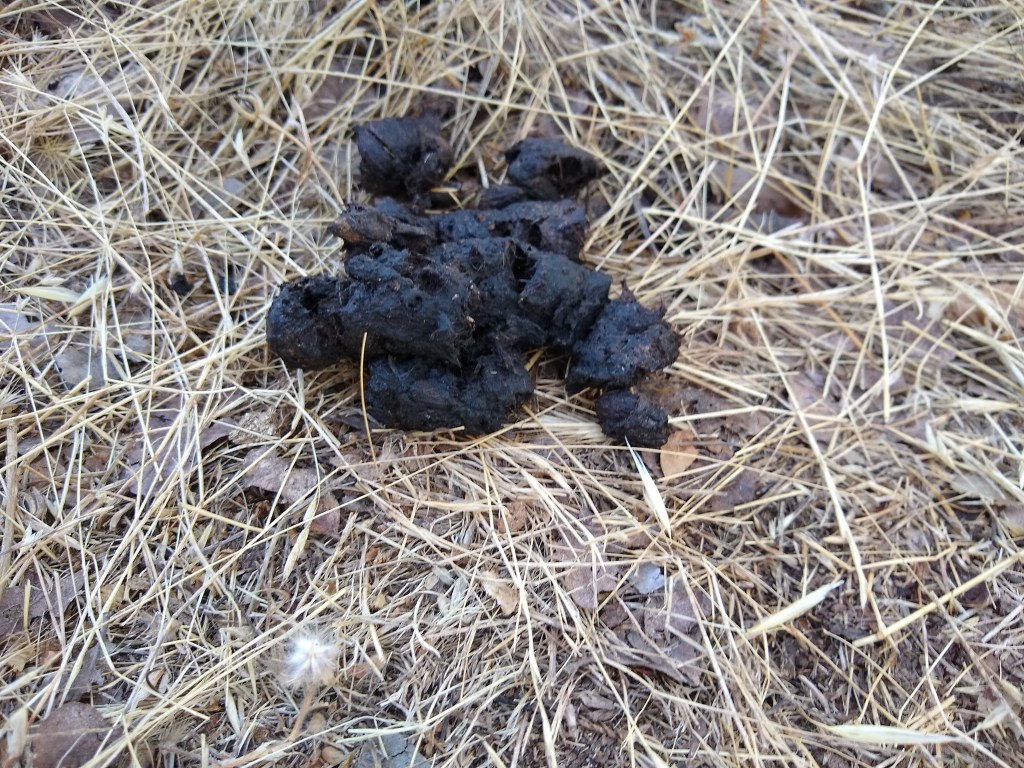
While on my way to water Site 8, I smelled a trash odor. Then, I saw fresh hog scat (photo below). I knew the wild pigs were back. My heart raced as I approached Site 8. Damn! Of the remaining three milkweeds, one had been rooted out and lay lifeless in its basket. As I did the last time the pigs slaughtered my milkweed community, I quickly picked up the basket and replanted it with the hope that the roots might still be intact. I resumed my watering of the healthy milkweeds, and the hopeful watering of all the replanted victims. I left the poor little narrowleaf packed in, standing at attention – a vertical monument to the cruelty of the pigs.

Wild hog scat
Another day I rise well before the sun

Each day, I rise before the sun to beat the heat as I haul water all around my plantings. It is a labor of love. I had biologists on the ranch last Friday conducting an assessment for a conservation plan. One of the biologists was from Xerces Society, the butterfly conservation group. After they came back from an epic trek, they informed me that they saw a yellow swallowtail butterfly and several buckeye butterflies. They also found naturally occurring narrowleaf milkweed in a more remote area of the larger creek that runs through the mid-part of the ranch. That I was overjoyed at the news is an understatement. These things make all the effort worth it. I want to bring the monarchs home, but I am also keenly aware that I am creating habitat for all types of butterflies. I will take the win.

Cycles and Seeds

a. Californica (heartleaf milkweed) seeds being launched by the wind

This planet is so amazing. It is constantly humming, moving, creating, recycling – and we are all so interdependent. Watching the comet, Neowise, over the last several days very much makes one feel small and that everything we know, everything we do, is just one piece of an immense puzzle. Putting together a butterfly habitat is its own puzzle. The monarchs migrate, so they need ready nectar and milkweeds at a variety of times during their migration. This means that what you choose to plant must have a variety of growing and blooming times.

On the way to water Site 8, I checked on the heartleaf milkweed (a. californica) community closest to the house. They were mostly all gone. What had been a joyous discovery only two months ago, was either completely disappeared or small, wilting bushes, nearly dried out, with brown, crinkled branches lying just under the failing limbs of the once robust plant.

A heartleaf milkweed plant fully spent probably helped along to its current state by a gopher

As I find always with nature, where there is death, there is life. One a. californica was still vertical and in the process of releasing its seed. What a remarkable site! In May, they were just beginning to bloom. Last month, I saw seed pods begin to form. Now, they were dried, open and a carpet of fluff surrounded the plant and adjacent area. It was reproducing. I plan to trim the grass or graze the area hard in February next year. If there is no rain in March, I will water it with the rain water, and I will see if the plants grow.

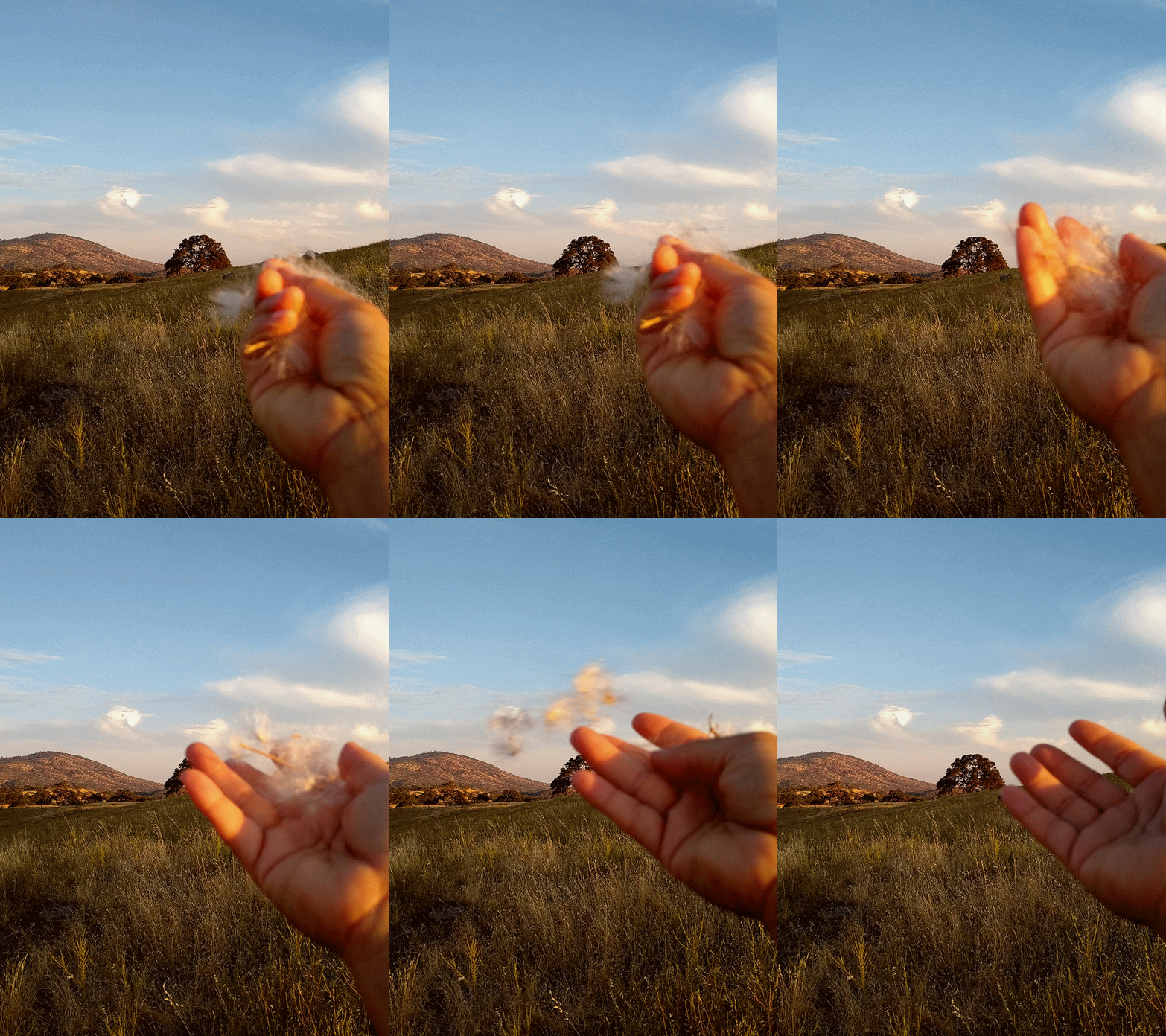
I also helped the seeds along by picking up a handful and letting the breeze take them.

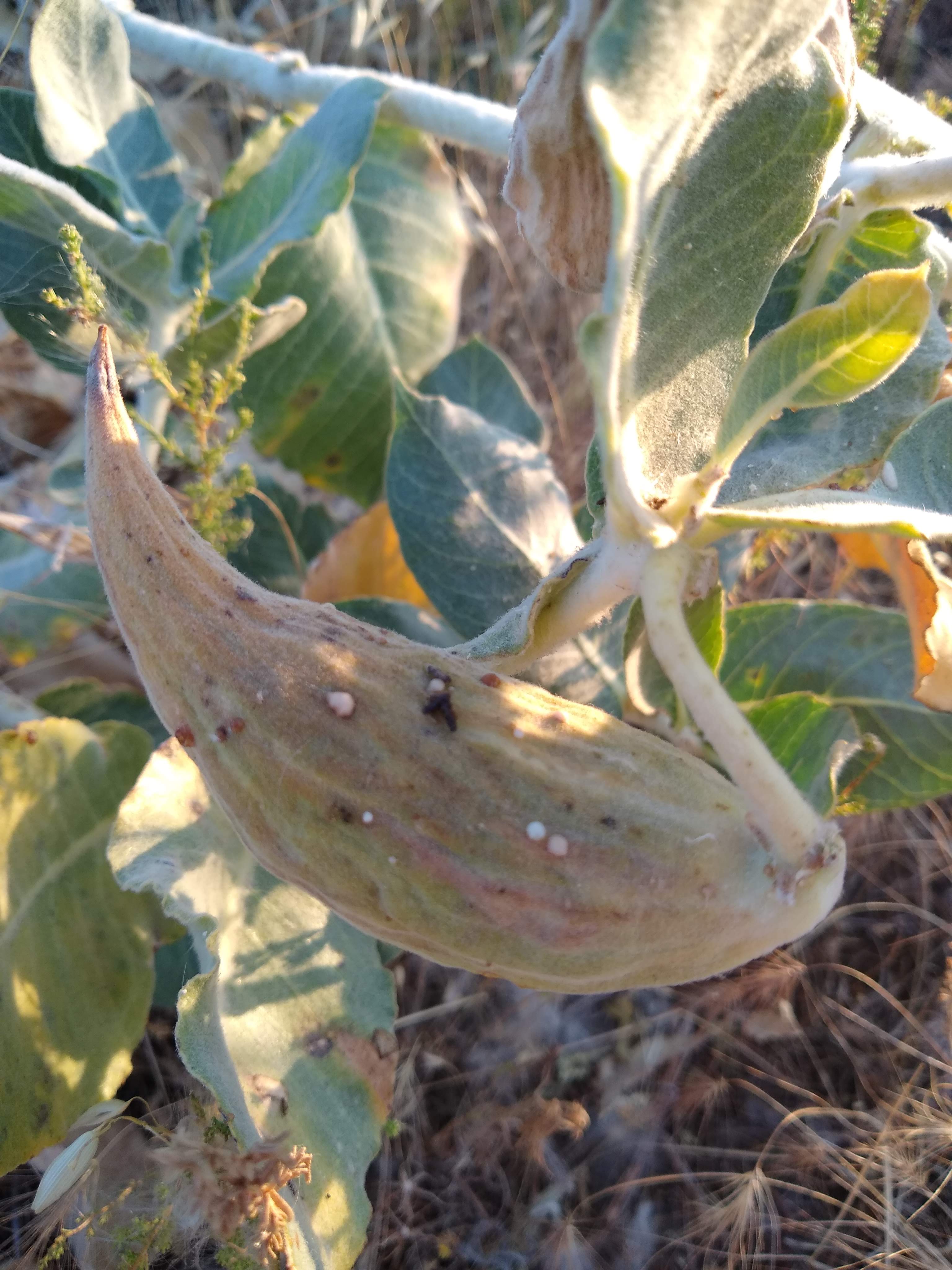
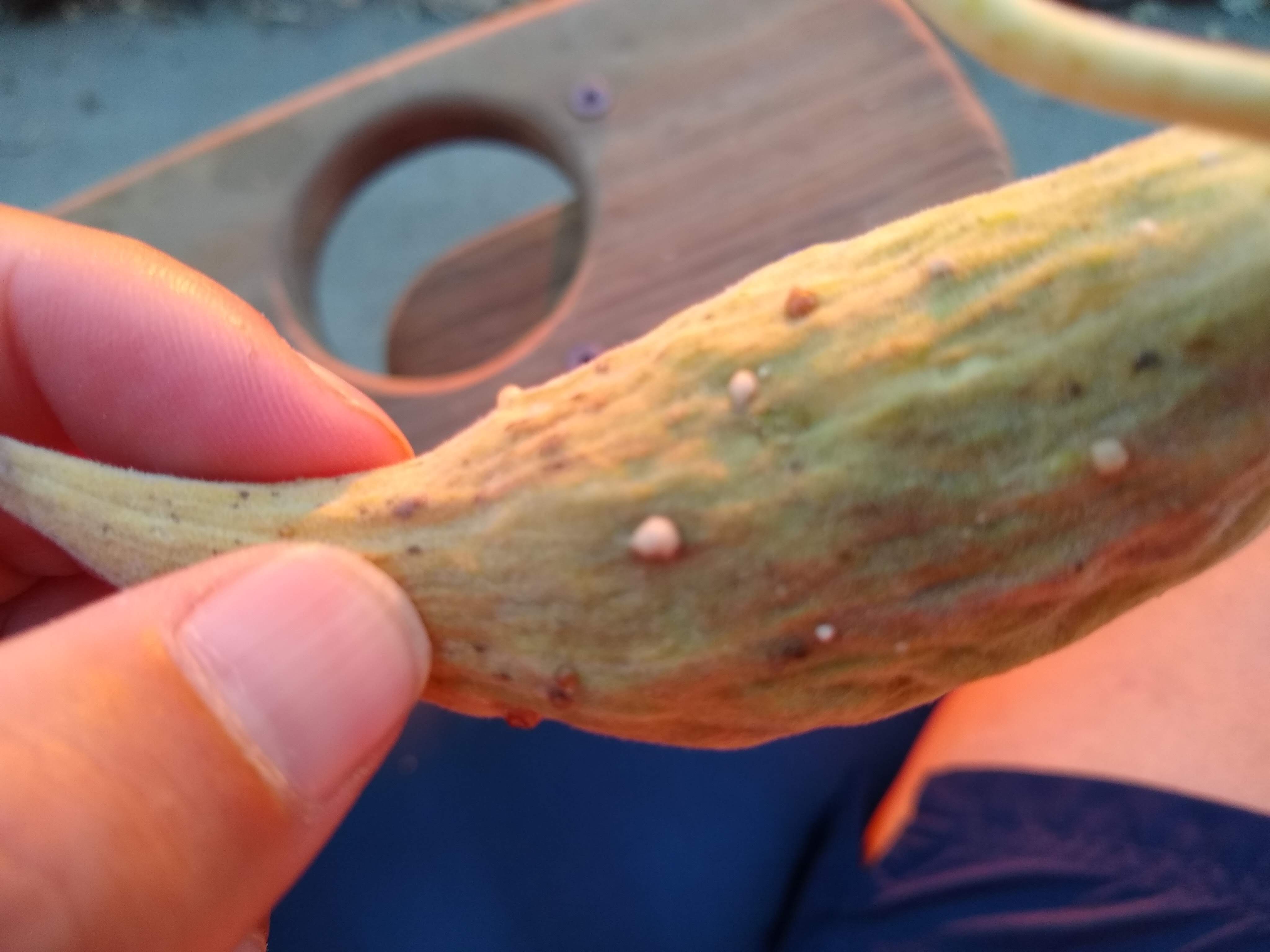
I turned my attention to looking at the leaves for any signs of a chrysalis. I got lucky – not that I found anything close to a butterfly chrysalis; I found an unopened seed pod! I remembered Ron (Milkweed expert) and I talking about these plants in May, and him saying he might want a pod to propagate the a. californica. Fortunately, it was not too late. I took a close look at the pod. There were what I think are some non-butterfly cocoons and some other items stuck to the pod. I harvested it, and have it inside for more observation. I left a message for Ron. If he no longer wants it, I will go back to the site when the pod fully dries, and attempt to sew the seeds throughout that area. I am not as good as he is by any stretch of the imagination. I won’t waste any seed trying to germinate them myself.

As the a. californica die back, the narrowleaf milkweeds are blooming. I have one blooming in Site 9 and one in Site 8. For a fantastic guide to what butterfly plants bloom and when so that you have a continuous supply of food, visit Xerces Society.

Site 8 is healthy despite the murderous rampage of the wild pigs. The three plants, two narrowleafs and one showy, left growing are doing well. I am still hauling water from the rainwater tanks. As the days get hotter more days in a row and the humidity drops, I get more nervous about driving on the grass. Fortunately, I have been extremely careful. I won’t go out if the humidity is too low, the wind is blowing, or the air is too hot. Also, the truck is very well maintained. There is nothing dragging or dripping. I am working on another solution. More on that in a different blog entry.

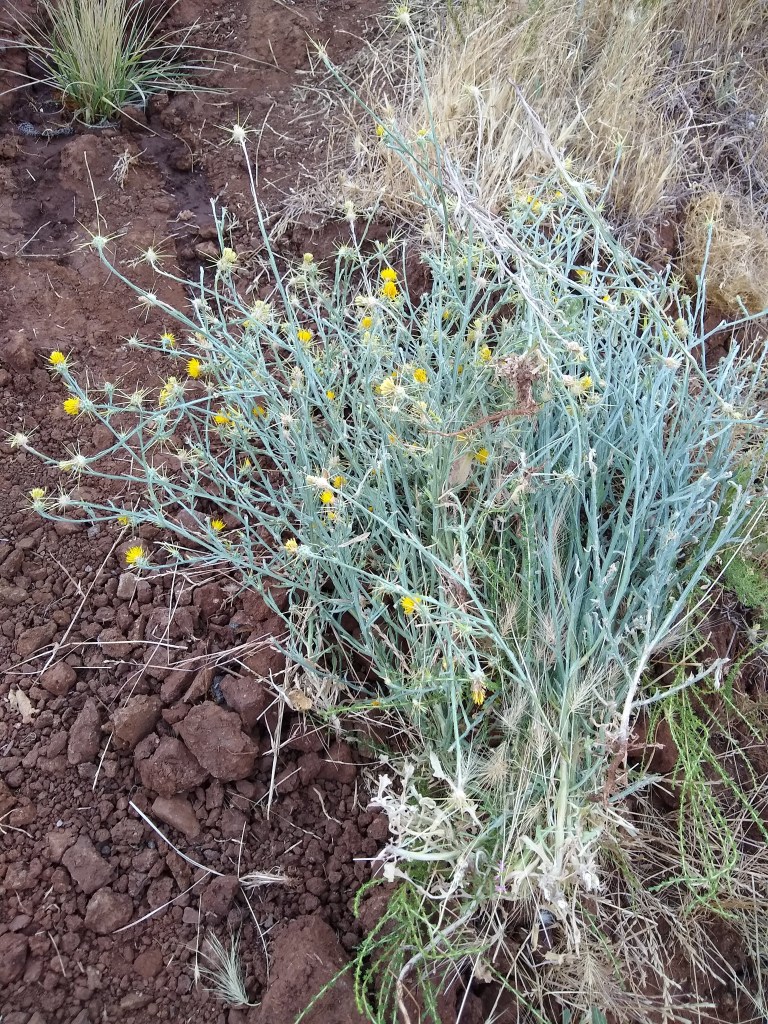
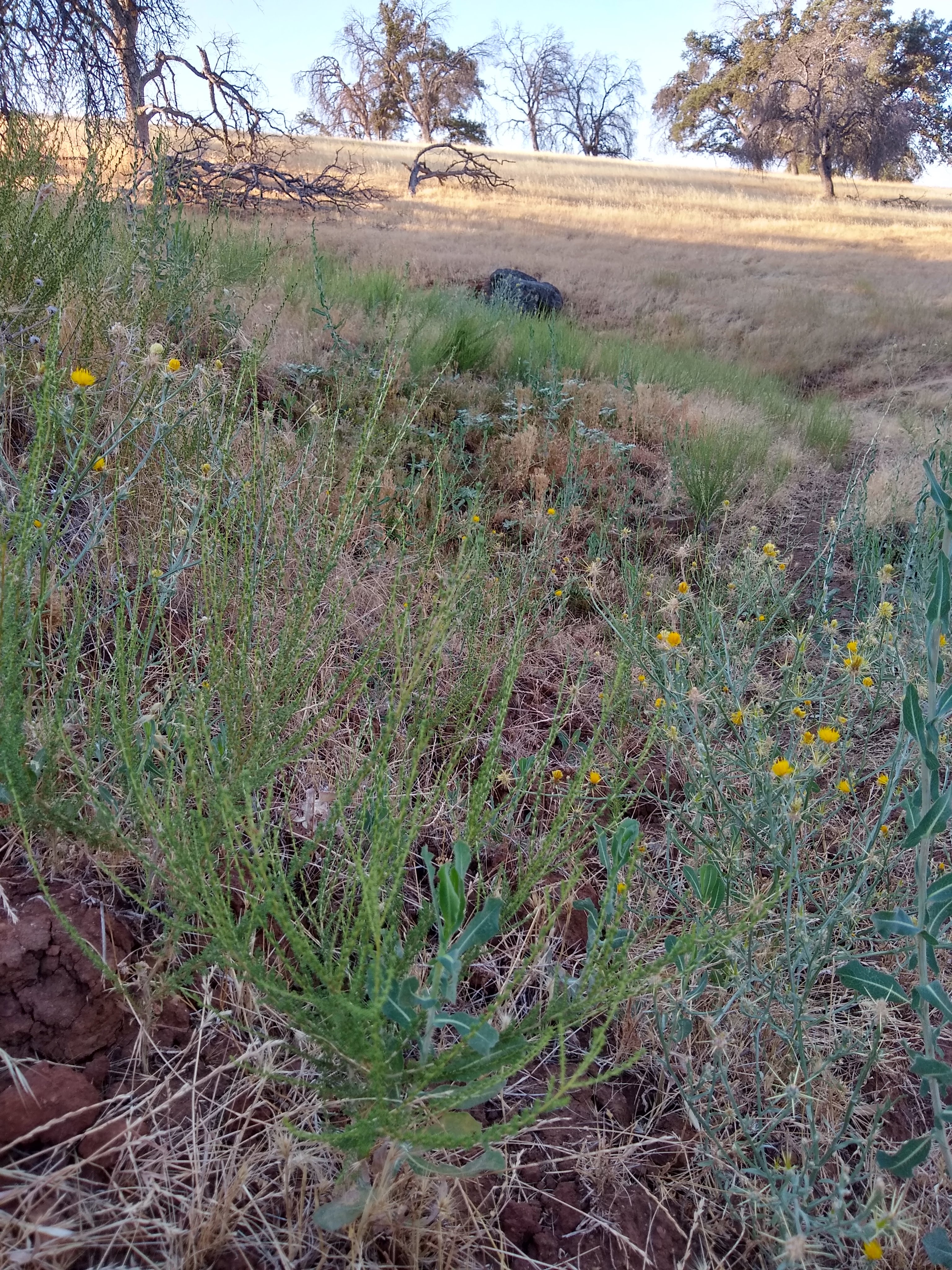
The Spring Creek is just barely producing now. Water movement is very, very light. There are, however, still a variety of wildflowers blooming. The bees are enjoying some of them. While watering the deer grass on the creek, I saw a disturbing site – a noxious weed, yellow star thistle – growing in the creek bank. I have not had it on the ranch before and can only guess that the rain events we’ve had, where we get several inches in an hour or within a few hours, are bringing seeds from other places to settle in my area.

A pile of weeded yellow star thistle with deer grass in background

Our former Agricultural Commissioner, Cathi Boze, was always educating on this weed and telling all the ranchers and ag people in her classes or at Farm Bureau meetings how awful it is and what programs were available to eradicate it. It is an invasive plant that is prolific and steals the moisture from native plants that flora and fauna rely on. It is also toxic to horses. You can see why yellow star thistle is a concern to both ag and naturalists.

Beyond providing ecological services on a ranch, such as butterfly-related plantings, there is the normal stewardship ranch owners/managers must provide to ensure the ground is as healthy as possible. Soil and grass are two critical elements that must thrive to produce a healthy food, fiber and/or habitat product. To prevent further spread, I pulled out the entire patch. I always bring/wear my leather gloves with me when I work outside. They are very needed for plants like thistle that have hard spikes. I think I pulled most before they seeded. I will keep a watch for more in that location, and throughout the rest of the ranch.

Not exactly the same spot, but you can orient by the flopped over dead tree in the upper right of the before image’s frame and in the upper left of the after image’s frame.

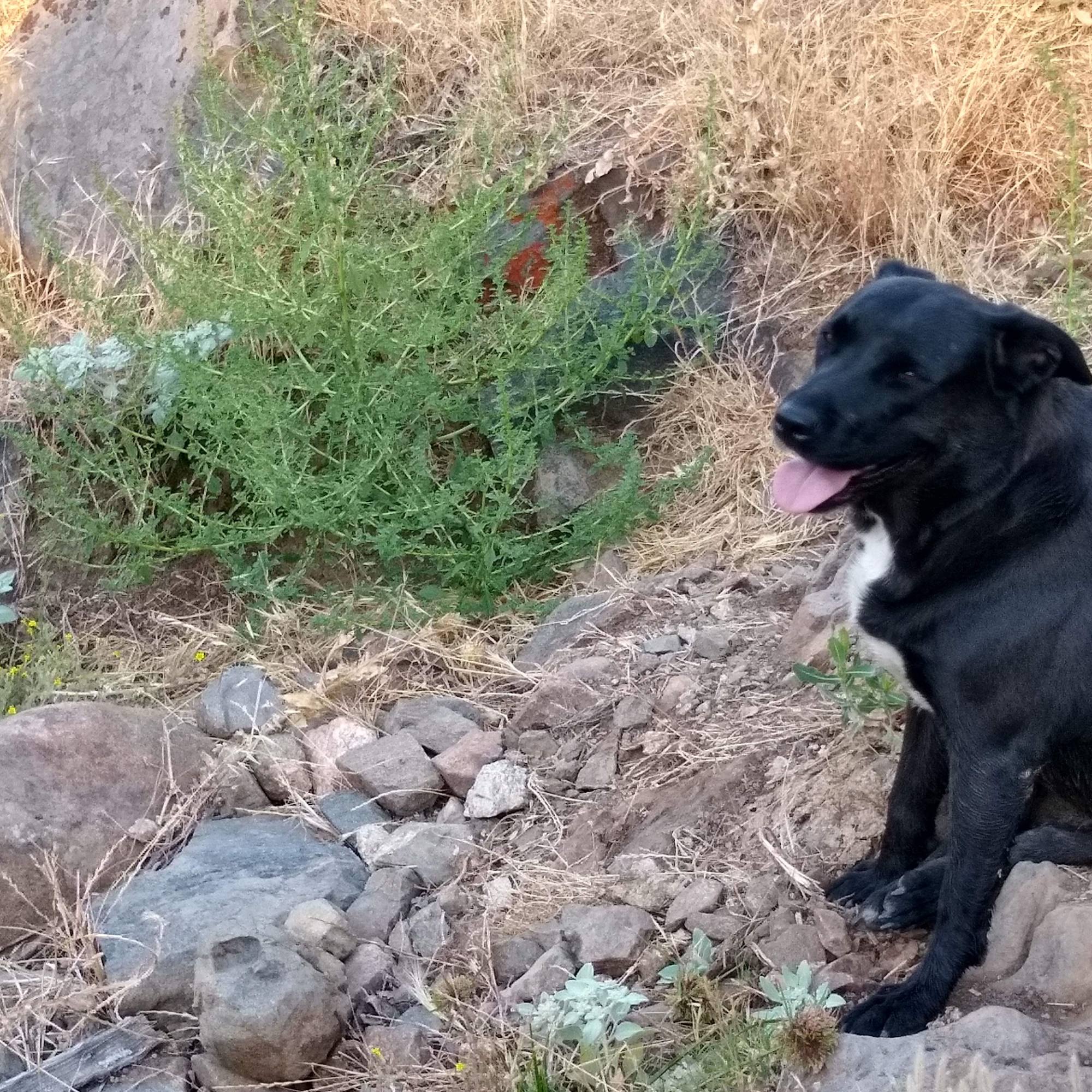
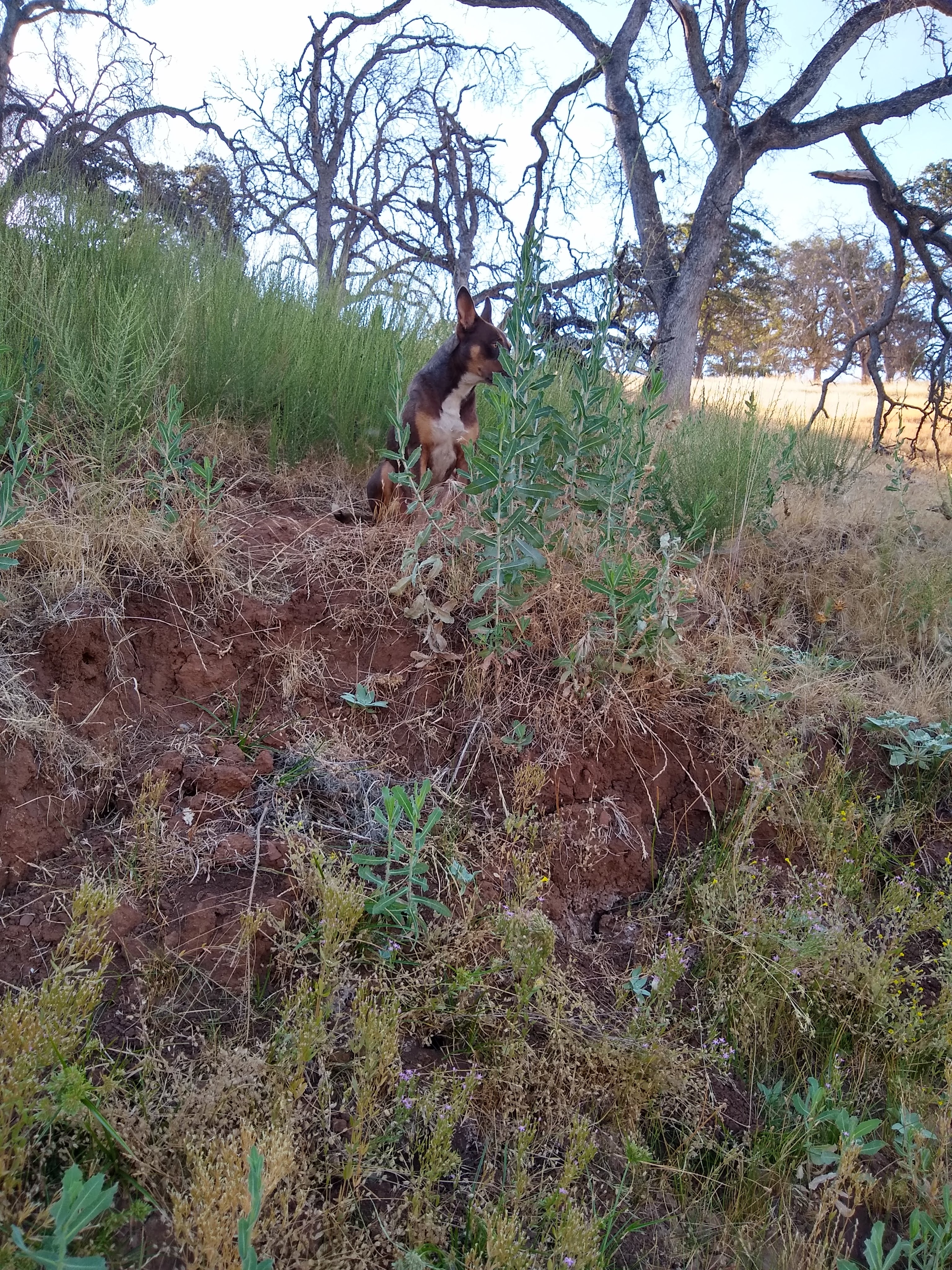
Ever since the week of the pig incident, the dogs have been extra vigilant as we approach this location. To honor the valued work of my fur babies, I will share some of what they do. They run ahead of me, circle the area with nose to the ground and in the air. They check out more ground that I can cover in the same amount of time. Once they are sure there are no pigs (or other threatening creatures in their opinion – which can include squirrels, ravens and pretty much anything else), they sit close by, watching as I work. In this next set of photos, Millie sits high above where I am working, guarding the area as I am engaged in pulling the thistle out. She takes her job very seriously and so do I.

Walappu’ ‘Uuchuthuu (Butterfly Home Place)

Logo for the Southern Sierra Miwuk Nation – First people of Mariposa County

Although I am Native (Yoeme/Yaqui) from my mother’s people, I am not Southern Sierra Miwuk. As I mentioned in one of my first posts, I live on the traditional and contemporary lands of the Southern Sierra Miwuk people. Because of this, I feel a responsibility to ensure that what I do reflects at least some of their culture. My sister married into the Central Sierra Me-Wuk, who are their cousins to the north, and I have a Me-Wuk niece. To support her and fulfill my sense of responsibility, I volunteer with the Tribal Council, go to Council meetings and participate in events. When I decided to make this habitat project larger and write for grants, I knew I had to name the project in the Miwuk language. I had studied the it years ago, but it was in my niece’s Central Sierra Me-Wuk dialect. This place needed to be named in the local language. The words can be similar, but they are not exact. Although, in the past year, I had spoken to several elders and other members for guidance, I asked the Council for official permission to use the language and help deciding on a name. It was an honor to present this project to them, and I appreciated that they approved its support by acclamation. I worked with a subcommittee of the Language Committee, Frannie Gann, Millie Davis and Tony Cabazut to find a name. Butterfly Home Place was chosen. It reflected the intent to bring the monarchs home and the creation of habitat that would support all of their home-making needs. Thank you to the Council, the subcommittee and the entire membership for the support. The Southern Sierra Miwuk are also fighting for Federal Acknowledgement of the treaties they signed in the 1800s to access the benefits promised to them. To learn more about the Tribe and/or to support their fight for Federal Acknowledgement, visit their website.

Heather with her darling niece in 2019

Walappu’ ‘Uuchuthuu Status

I added a “Lessons Learned” page to capture some of the key items I am learning. Check it out, and let me know if you think this will be helpful.

Gophers have eaten 4 of the 5 milkweed plants that came back from last year in the North Plot. The only one left is the one showy milkweed. I am hoping that the plants will re-sprout by September. I am continuing to water them. Also, I am not despondent like I was last year. Experience has taught me that something will come back, and so I just go the flow of nature.
Romneya blooms
Narrowleaf blooms. These will turn white shortly.

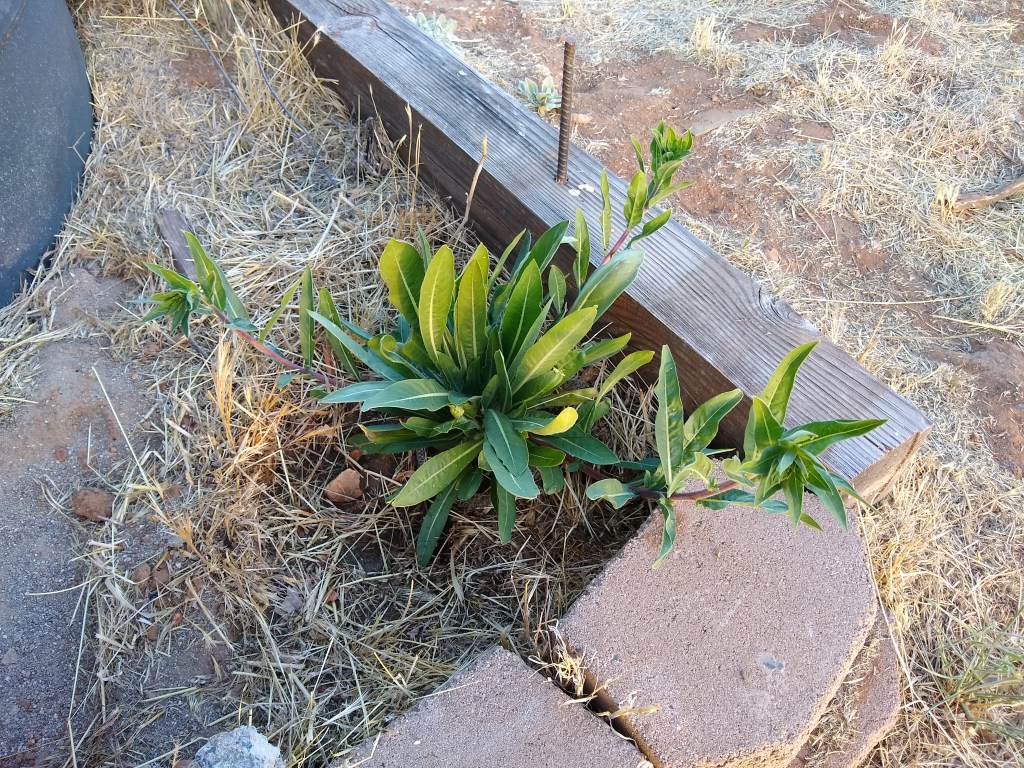
We have blooms! A couple of the plants are grown enough to have blooms (see images above). Several more are growing really well, and I am hopeful for blooms from them. The primrose (picture below) is very happy where it is and has been growing really well.

Happy primrose

We are practicing adaptive management. This means that we change course, or pivot, as we see something not working. This requires daily observational data gathering. For example, I noticed the carpenteria was not doing well. It was droopy with yellow leaves. In houseplants, that can mean over watering. But, I had been following the watering protocol closely. I took a photo and sent it to Ron, my native plant hook up and UC Master gardener contact, to ask for his advice. He told me that yellow leaves in native plants are often a sign that the plant needs more water. He also shared that the plant could be getting too much sun. Again, the climate is changing. Plants that, in the past, traditionally could take full sun, seem to do better with partial shade. Instead of disturbing the roots by replanting her, Ron recommended installing shade and providing mulch at the base. I grabbed some bark from a downed oak branch near the house, broke it up and made local mulch. I then took a tomato cage and bungeed shade cloth to it. I installed it to the west of the plant. The wind kept knocking it over, so I left it horizontal, reinstalled the shade cloth, and found it works better. I’ve been watering the carpenteria twice a week. With all the adaptations, she seems happier.

The carpenteria after some modifications (hack job!)

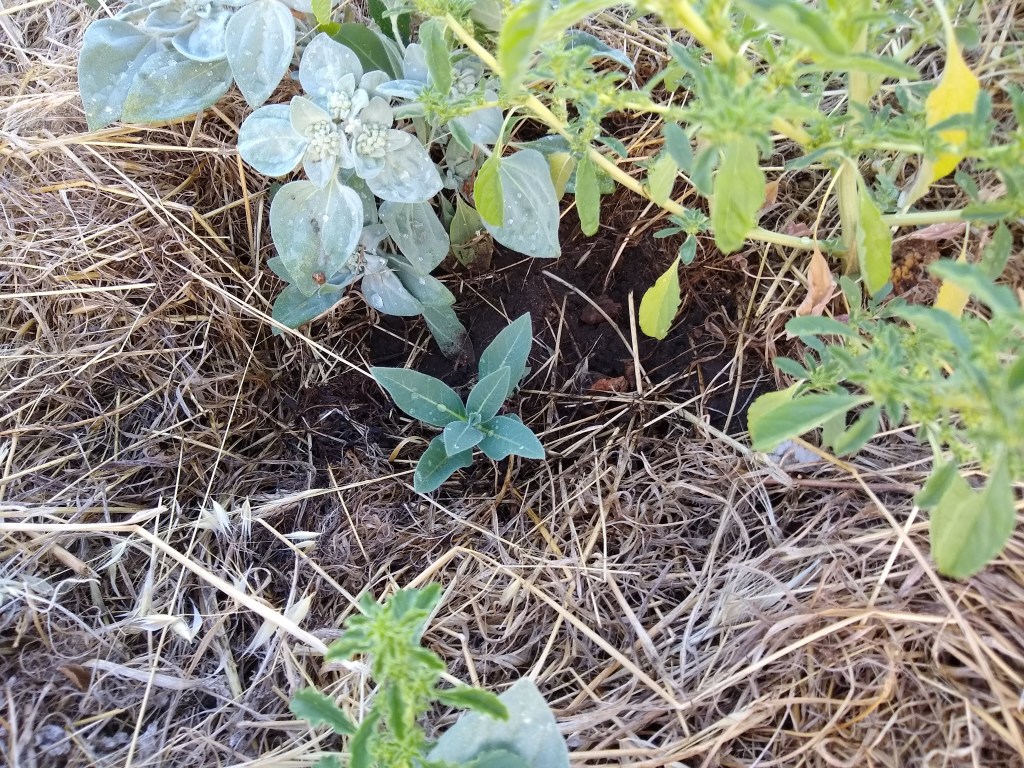
Something else I have observed is that my butterfly plants that have other volunteer plants growing right next to them appear to escape the notice of the creature that has been snipping them. What I have adapted is that I no longer pull the volunteers/weeds away from my butterfly plants – unless they are clearly preventing the health of my butterfly plant. If there is no issue, I let them help each other.

Pigweed growing adjacent to an aster
Woolly Pod milkweed growing peacefully with pigweed and another common plant that the bees love

I started more marigold seeds several weeks apart. The seedlings are growing. I am hoping they will not get burned up, or whatever happened to the first batch, now that they are in 1 gallon containers and in the northeast section of the patio instead of the southeast. It also appears that a bird took a seed and dropped it in my other planter. We actually have a bloom! Maybe I should just sew a bunch into the ground and see what happens. I did not do this initially because of the gophers. We will see what happens to this little one.

New marigold sprouts next to the old
Surprise Mexican marigold

Overall, the days continue to go by quickly. It is not uncommon that Monday turns into Thursday given the routine and rhythm of each day. My husband and I joke when we wake up each morning that it is “Groundhog Day” – a reference to the Bill Murry movie where he is trapped in a time loop, and it is the same day each day. Covid has slowed our days, which are no longer marked on a regular basis with unique engagements, experiences or other appointments. We are learning a lot from this time. I do appreciate the slowing of my life. I have noticed more all around me – both in nature and in human nature. Not all of it is pretty, but the lessons are useful.