California Milkweed seedpod eaten through by grasshoppers
This year is bad for grasshoppers. Even after 21 years, I cannot discern a pattern to which years will be plague-level. They can be bad in drought years and in water years, hot weather or cool weather. If someone knows more or has a theory, please share.
All new plants and many mature plants are eaten. Even sage, with its gorgeous fragrant secretion, have been consumed. Some of the Xerces hedgerow bushes and most of the plants closest to the house are still surviving – but it may only be a matter of time. Perhaps Erma, my toad friend, is keeping some of the hoppers at bay. Most of the plants in her section are still intact. Sadly, the sage and wormwood are being consumed. It is near complete devastation. In years past, this level of destruction would crush me – since so much time and work has been spent in making a healthy, full-spectrum native plant habitat. However, I have seen the plants reemerge in subsequent years. Perhaps not all survive, but most come back, and this level of sustainability is exactly what I want to see. This reemergence of milkweeds and nectar plants demonstrates establishment, which is a huge success.
Even so, I still need to intervene to give native plants the advantage. The grasshoppers are so bad that they are eating the seedpods of the crucial California Milkweed — before they are ready to open and disburse. I took a closer look to understand how complete the decimation was, and found that they are eating the seeds as well.
Immature seeds that have been partially consumed. Seeds should be a dark brown
In late June, I went to the large plots searching for pods to save. I had to act fast; many plants had been consumed already.
I trudged up the hill finding intact pods on plants. Some were still small. The cooler temperatures delayed milkweed growth resulting in some plants emerging later and not having as much time to mature, develop flowers and seedpods. I picked pods knowing they were not quite mature. Since it is this late in the season, I know they will continue to dry in the bag and produce fully mature seeds. I did this in other years when grasshoppers were bad. When I pulled, most pods had limited resistance, but still secreted the “milk” from the plant. It felt as if I was detaching a baby from its mother’s umbilical cord – separating it from its nutrients. I promised the plants I would return the seed when it was safe.
In total, I collected 24 pods. With approximately 8 seeds per pod, I will be able to distribute up to 192 seeds back to their locations. I will fulfill the promise to the mother plants probably in October when the hopper danger has passed. As I went back down the hill, wind whipping around, I ensured the bag was folded tightly, and placed under my arm. The wind had tried to take the bag from my hands several times already. The lightweight treasure is easy to roust. Today, at least, I could claim victory.
Partially eaten Ca MilkweedFully eatenCool spider on partially eaten milkweedHopper!Chewed up seedpodSeedpods with outer layer eaten, leaving the pod crispyPartially eaten immature seeds inside assaulted seedpodMother’s milk oozing from disconnected stemsLeft: pod with outer layer beginning to be stripped. Right: more mature, intact podBagged and protectedThe future
June Bumbles
David gets into bumble watching too!More sightings of our unique yellow friend
June was a great month for bumble bees. I had many sightings to add to the citizen science project Bumble Bee Watch. If you want to make a difference for bumble bees, besides ensuring habitat and nectar, you can also help scientists track them. Set up an account today and upload images as you find these critical, fuzzy friends doing good work in your garden.
Wanderings
It is remarkable how a place can change in just two weeks. I was gone on vacation and came back to more skeletal plants and even brighter yellow grass. As dry as the grass is, the soil continues to hold moisture. I placed my hands in the dirt as soon as I got home just to check in with the land. Springs are still flowing and areas with a high water level are still green. There was a horrific 110 degree day while I was gone, and David made one fatal mistake. He did not double check the seedling trays. The water can evaporate rapidly from the shallow basins drying out the media in the same day. With the temp so high and no additional infusion of water, the seedling media dried out. I lost half of the seedlings that were sprouted. Fortunately, several still made it though. Life on the ranch can be tough especially if you are not always monitoring.
Standing water in June!Still moist in JulyYet another surface on which to capture waterStripped salviaDavid did his bestI can plant more radish. They grow fastSunflower before hoppersSame sunflower two weeks later
David has been building a carport, which is another opportunity for rainwater catchment. We will add some screens, PVC pipes and tanks in the coming months. This week, hopefully, my log and rock drop structures will be put in the arroyo to slow runoff in storms. This will preserve soil moisture and build the channel back up. We will be prepared for next year.
As I write this early in the morning, the birds are beginning to sing. The coyotes just finished their morning chorus. The young ones have now joined in. Another generation will take their place on this land, helping the ecosystem by eating rodents, rabbits and other fare to keep populations in balance. If only they ate grasshoppers too.
Looking on the bright side – that has been my reflection for the last month. I have come to terms with the fact that the monarchs skipped me this year. I’ve heard reports from many friends and readers that they have spotted a monarch or had multiples in their gardens. All sightings have been friends/family closer to the coast or higher in elevation. They skipped me. I can’t blame them. It has been very cool here. It seems that many hung out in gardens on the other side of the coast range for days waiting out the weather. Then, they were able to cruise another 100 or so miles, past me, to just up the mountain. Oh well. I am glad they are surviving and making their journey.
Maybe they will stop on the way back – or next year.
We have so much gorgeous milkweed – at least four different species – narrowleaf, ca milkweed, showy and woolly pod. They are all healthy, strong and growing well. I thought, “Well, maybe someone will get some use from them”. We have had only a handful of butterflies, which I mentioned and identified in my last post. I’ve seen just one other since, a painted lady (I think – since they flit so fast). No butterflies…but…something else just as exciting – bumble bees, and almost 30 of them at one time!
I believe this is a bee hole. Note the constructed sleevePlay find the bumblesI haven’t seen this one before!
As I have reported in a past blog, bumble bees are in decline. They are ground nesters and susceptible to disturbances in soil movement. Pesticides and herbicides also account for their decline. Something else I noticed, when the sage was in full bloom, and attracting all types of pollinators, the European honey bees seemed to gang up on the less numerous bumbles and push them away. While they found another flower to harvest from, it made me wonder if all the bee boxes everywhere aren’t causing some problems. My neighbor two parcels south always has a person drop over 30 hives each year for several months. I love honey, and honeybees, but as with anything, scale is critical to consider as we think about policy and our own choices about how we steward land. I have a rogue honeybee hive in a nearby creek too that I love to visit. There is something marvelous about a group of animals that escape their human serving bonds in an effort to become wild, and live on their own terms. It is about living in balance; we all need one another to thrive. It is a partnership, a relationship that is multi-directional, not ones’ needs more than another. We must respect one another to make things work for all of us. Again, it is all about scale.
Not only are the bumbles using the blooms, I’ve seen more tarantula hawks than ever flying around, enjoying milkweed (and other) blooms.
A tarantula hawk finds something interesting on one of the spent flowers
The tarantula hawks are big, with a long nose, deep black coloration, a large abdomen with stinger and small (as compared to their body size) orange wings. As I was walking the ranch, they seemed to be everywhere I went. When they fly close to you, you pay close attention. They are not aggressive, but can sting humans if provoked. I have heard from others around here that their sting is extremely painful. I pay them much respect. Their name holds a grim tale for one of my favorite creatures on the ranch, the tarantula. If you want to learn more, this Natural History Museum site seems a credible source.
Bad News: Grasshoppers
Not even full grown
It is a horrendous year for grasshoppers. They are not yet fully grown and have caused significant, heartbreaking destruction. Sixty percent of the Xerces plants I painstakingly planted have been eaten. Some are making a come-back, but they will not stand a chance. All I can hope for is that their roots were strong enough to return next year. Fortunately, some of the early blooming nectar plants already grew, bloomed and seeded. So far, all the new Xerces milkweed has remained untouched. I don’t hold out hope that they will be spared. The hoppers ate the Ca Milkweed down to sticks the year before last.
The hoppers are also shredding my existing, mature plants. They murdered three of the four big leaf maples last year. Only one emerged with leaves, and sadly, will likely be finished off this year. The sages that are further from the house have been mangled as was the buddleia. The further from the house, the more decimation there is. They are plague level. While there are natural predators all around, there are not enough to keep them in control. A friend at the Tribe told me that their ancestors used to use fire to round them up and eat them. I am thinking about starting a grasshopper farming operation. Insect food is the trend for the future!
I began collecting seed pods from several of the plants so that the hoppers did not eat them before they could spread. You can see in some of the photos below, the hoppers are already taking a bite into the seed pods. Fortunately, the pods are the last of the plant they will eat, which gives them time to mature and me time to collect them. The Ca Milkweed is critical.
Hopper eatingChunks out of the podMore scrapesNot quite mature Ca. Milkweed seedpods
Good News: Milkweed Spreading
Another “bright side” is that many of the older milkweeds are beginning to spread. It has taken four years, but they are established. For Xerces and Ca Wildlife Board (via Mariposa County Resource Conservation District), funders of my increased scale for planting, this is a great return on investment. I know I will have nectar plants with the prescribed grazing and riparian exclusion during blooming times, but previously, milkweed was much rarer on the ranch. Now, through these investments, milkweed is established in greater numbers and places on this rangeland…and they are doing it without supplemental water. This is a huge win for pollinators, since rare bumblebees seem to love the flowers as well as monarchs.
Milkweeds
Maintaining Habitat
Most of the work I do is not as exciting as planting new, healthy plants. It is straightening gopher baskets, re-piling rocks, checking water, fixing fence, cutting grass and limiting or removing invasives – among many other things. The cool weather has given me the opportunity to work longer and more hours into the season to get things done. Recently, I checked the wildlife guzzler. It is still filled with water, though it has decreased a bit. There is evidence of birds using it. The cows knocked down the panels, and the calves can get in, so the rock and branch ramp to the guzzler was disturbed. I re-piled the stones and branches so that smaller creatures have access the guzzler. I also cleaned out some leaf material from the water.
PoopA natural ladder all the way to the top
Another not real sexy task is removing seed heads and flowers from the thistle. With the rains, it has really taken off this year. I have had to travel away from the ranch several times this spring, which has meant that the thistle has already bloomed, and some are already gone to seed. Dressed in my canvas overalls and rose gloves, I took out probably 300 heads from the creek out of a million. It is important to use a thick plastic bag that seals. Thistle is so sharp, it can slice through a regular plastic bag and release the seeds you worked so hard to prevent from spreading. For this effort, I used an empty dog food bag with a Velcro closure. It worked great. While I was cutting off bloom and seed heads, I saw a bumble using the thistle blooms. It made me feel slightly better for being so derelict in my responsibilities. At least in those areas, there will be a few thousand less chances for spread.
No heads on these stems!Sealed. Adios
Befriending a Toad
There have had been many frogs and toads around the ranch. While I have not seen many of the small tree frogs (that used to hang out on the doors and windows) in the last 15 years, I have seen several toads near the house each year (maybe that is why I don’t see the small frogs). Amphibians are remarkable animals. They live in and out of water and eat a significant number of insects per day. I am particularly grateful to the toads. They eat grasshoppers, and I have one lovely lady that is protecting my medicine and tea plant area. Her name is Erma (pronounced Air-d-ma, the Spanish way, but I linger on the “air” part trying to make it sound like a “ribit”.). I think she has been in that same location for several years as she can burrow in the ground to avoid dry conditions for quite some time. The area Erma is occupying is watered regularly with rainwater I collected over the winter. There is also a trough in that section I keep half filled with rain water. I still have two Xerces willows in pots in the trough. Their roots are extensive. The leaf cutter bees seem to love their leaves, so I kept a couple at the house instead of planting them in the creek. Erma loves soaking in the trough. I find her clinging to the willow roots or just on the escape ramp, her eyes and nostrils barely out of the water. She is so beautiful.
In years past, the toads would defecate on the patio. Their poo is quite large and slimy, as you might imagine. I have not seen any poop on the patio for a few years. Erma, it seems, prefers to poo in the water trough. Even though fresh water is added daily, it became a creamy jade green with floaters. Ick, I know. I wasn’t sure if I should clean out the trough, or if she preferred it, um…highly organic. I believe, for my elevation, it is beyond the breeding time. I did not see any tadpoles when the water was less green, so decided to dump the water.
What an effort. I have rocks in the bottom for habitat and to create various depths. No way was I able to lift it, not even David is strong enough, and I did not want to tip it and disturb Erma. That meant I had to use a bucket to bail the water out to a level where it could be lifted. What a messy muck. The water would splash up hitting my face and clothes. Then, I would walk it over to a planted area, bucket full, to release the load. I was thinking that dispersed, these nutrients would be good for the plants and soil. Back and forth, I walked bucket sloshing with the green goop. David sat at the patio table, feet kicked up on another chair, coffee in hand, enjoying the “zen” of my repetitive movement. I don’t mind him watching me work. I enjoy the company. It was a beautiful morning. Finally, I was near the bottom. David put his coffee down and helped me take the trees out, move the rocks and pots away from the site. We lifted the trough to the other end of the patio where I dumped the rest. I rinsed the rocks, escape ramp and roots of the muck. The trough was replaced, and everything put back. With newly rinsed buckets, I began walking back and forth from the south rainwater tank refilling the trough. It was done. All the while, Erma was watching me from her spot under the sage in the dirt. Her throat was pulsing as she stared, which is not something I see her do often. I don’t know if that meant she was happy, anxious or just digesting some bug. No matter, she will have a fresh trough of water for her soaking…and pooing enjoyment.
If you want to learn more, here is an interesting citizen science resource I found that covers amphibians. From this site, there are other credible links to official resources.
Erma hanging out in the green muck before cleaningErma’s homeWillow rootsMuch clearer waterErma – look at those cute nostrils!Erma’s go to location when not soaking in her tub
Blooms Continue
One of the keys to high quality habitat is to have plants that bloom throughout the year. Currently in bloom are buckwheat, sage, lavender, showy milkweed, sunflowers, primrose, yarrow, verbena, gum weed, salvia, Mexican sunflower, and I just found one black-eyed susan. In the creek, the yellow flowers are still in bloom – and of course, thistle. On deck is more sunflowers, buddleia (if the hoppers don’t get it first), narrowleaf milkweed and golden rod. These all have unopened buds.
Narrowleaf on deckShowySage. Can you find the bumbles?Yellow creek flowersPrimroseSunflower
Excluded Riparian Areas Doing Well
The Odom Creek riparian area excluded from grazing this year is continuing to do great. The black oak and cotton wood seedlings that showed up last year are thriving. There is plenty of yellow flowers in the Spring Creek. Both are still running, but Odom is big and still cold from snow melt. Walking near it you feel the temperature change. You also feel humidity from the evaporation. David found small frogs hopping in the creek and burrowed in the dirt. A young redtail reprimanded us for entering her domain. The mass of rushing water really changed things on the creek. It opened up some of the more narrow upstream passages. I don’t see the massive narrowleaf milkweed, or any of the other milkweed I found last year. The water may have rushed the roots away. There is a massive pile of sand and rock deposited from the storms. Maybe something new and good was brought downstream. I did see many datura and found some vinigarweed beginning to grow (Love that stuff!). Generally, all of the oaks have never looked better. Their leaves are full and deep green. The blue oak seedlings in the exclosures are continuing to do well. Gads, they grow so slow though!
Deep, cool poolDavid and Beatrix in the creek bedThe large spring is deep, clear and looking healthyLots of water skippersA massive pile of sand and rock from the huge storm waterFig seedling. Seedlings clinging to the steep creek bankNatural log check dam in spring creek Creek full of grass and flowersSomething big bedded downBlue oak seedlingSpent white lupine. I harvested some seed to spread close to the house next year
Unusual Visitor
When David and I arrived back home the other day and let the dogs out, a little piglet emerged from the north water tank area. I think she saw our chubby lab Beatrix and thought it was its mom. We were in shock. This has never happened in the 21 years we’ve been here. Immediately, we began looking around for mama pig. Wild pigs are extremely large and intelligent. The last thing we wanted to do was get in between a mom and her baby. David, being the sweet giant he is, immediately went into the house, cut up an apple and tried to give it to the baby. It charged him, and he gave up. I said, “Let’s just leave it alone. Mom is either watching us right now, or she left it because there is something wrong with it.” I thought about what I might do if it was orphaned, and decided I would let nature take its course. They are non-native after all. We went into the house. When we came back out 15 minutes later, it was gone.
Whoa, what’s that?That’s not my mom.Mom’s bed
Sows (female pigs) leave their drove (or herd) to have their babies. We found the area where it appeared the large mother bedded down. I don’t know if she birthed her babies close to the house, but it seems she felt safe enough obscured in the tall grass, David had yet to cut, to have her family close by us dogs and humans. I take that as a compliment. Wild pigs are non-native and very destructive to the ground (If you look at an early blog post “Wild Pig Attack”, you will see how they ripped up one of my first pollinator plots.). However, it is a privilege and wonder to see anything as unique as this.
Planting Seeds for the Months Ahead
I spent the morning the other day cleaning up, repotting, and planting seeds in the seed tray. I seeded marigolds, black-eyed susan, coneflower, and road-side sunflowers. I also put in some seeds for my garden – spinach, tomato, basil, carrot, radish and dill. I have been eating out of the garden -lettuce, arugula, peas, chives, mint and onion – and want to continue through the summer. I planted a lot of basil. My sister enjoys making pesto, and I greatly enjoy eating it. I plan to bring her the 18 seedlings for her cooking pleasure.
Beginning Finally done. Seeds in seed trays and some improvised basins. Tags (from popcicle sticks) to remind me what is what
Wanderings
Bright sides. This September, it will be four years since I began this habitat journey. I will save my full reflections for an anniversary post, but, despite the heartbreaks, stickers, and injuries, this ride has been one of the best things I have done with my abilities. I have learned incredible things. One is to chill out and look on the bright side. This spring we have not had many raptors, which is highly unusual. In fact, it has never been that way in the open grassland part of the ranch. The sky has has never seen a day without a red tail. My ears have captured the bouncing chords of p-eee-ahh, p-eee-ahh and brought them inside my head, and then to my heart, every day. There is a family that lives on the hill. They soar with their babies about now, in threes and sometimes fours, if one from the previous year makes it home. My ranch is named after them…Taawe Bwia, or land of the hawk, in my native language. Where are all the taawim (hawks)?
During the deluge this past winter, the drops turned to torrents, cascading downhill, filling every hole and then coming out every hole, spiraling, like eddys, when in the flats. I remember seeing air bubbles coming from the holes. I thought it was from the energy of the movement. But, maybe it was from what lived below.
As I look back on the blog posts, the imprints of my memories, thoughts and emotions, I see much disdain for the underground relatives, the gophers, moles and voles. Whatever was taking down my plants – I resented. While I always respected their right to live, to have families and feed their families, just as I do, I was still distraught. All the work, the expense, the hopes and desperation I had packaged in my heart, my singular focus on doing my part to help the monarchs survive, it blocked my senses, the whispers from my ancestors, telling me u betuku bwia weweriam, empo Heather hikkaha. Hikkaha (The under land relatives, Heather you listen. Listen.). Last year, I began to hear. I made peace. I remembered that they are aerating the land, allowing water to go deep to roots, allowing other creatures, like bees and snakes to have homes when they are not there. They are teaching me what belongs and at what scale. They are helping me access soil so I don’t have to dig, and they are bringing in yo’oem (my ancestors), the hawks to me. They give their lives for Taawe. The gophers have been so generous, and I have been so ignorant. Without them, their size and numbers, Taawe cannot be here – and that is a tragedy. Taawe eats mice, lets me know to be alert when something is passing through, reminds me how we are connected to above and below, and reminds me that I am seen, even when I think I am alone someplace or in my mind’s space. I am part of something.
Today, as I walked among the yarrow that is finally spreading beyond the cages, I saw a bloom wiggle, then drop. A crunch, crunch. Another wiggle, then drop more, then one more time and crunch, crunch. I did not try to interfere. I did not growl. A slight smile crossed my face. I said, “Take what you need.”
Green leaves on other treesA dear old friendLarge trunk
The record waters of Winter 2023 came too late for my great, great grandmother tree. Last year, in this blog, I relayed how she was losing leaves in May, when they should have been growing out and green. Then, in my August 2022 post, I shared that all her leaves turned brown all at once. That must have been the moment of death. Despite the signs, I held out hope that she would recover. When all the oaks began sprouting leaves, and she did not, I deluded myself that she was just late. Eventually, I had to admit she was gone. When he was over in March, I consulted Ron Allen of Mariposa Native Plants (He is also a UC Master Gardener). He looked at the branches, chose one of the smaller ones, and it snapped right off, dry throughout. He said she was gone.
What I determined I needed to do is plant seedlings. After the loss of my favorite oak in December 2022, I resolved to collect acorn and plant them. There are no guarantees with that, and we have certainly not had any seedlings over the years with all the acorn those trees produced. This is why I had to pivot to seedlings. I got two from Ron. We discussed how the roots of the trees, even though dead above, can still be alive for some time below. Ron was telling me about how these dead trees are called nurse trees, and when planting seedlings within the crown, they have a better chance of survival because the roots protect them. There is communication and sharing of resource. There is so much being written now of what is happening below the surface of the soil, and it is magnificent. Of course, Indigenous communities knew about these connections. Many stories contain valuable information and lessons that survived colonization. I will see if I can share a story in a future post.
Bees Have Emerged
I am happy to report that the native bees have finally emerged. I have seen several semicircle, precision cuts in leaves telling me that the leaf cutter bees are out. Although I saw the female crotch bumble bee in April, I saw the majority of other native bees beginning mid May. We had several groups of smaller bumble bees. This is fantastic since they are a species in decline. In each grouping there was a larger sized bumble and two or more smaller bumbles. I wonder if the larger was the female and the smaller were males. There were many, many more European Honeybees competing with the bumbles for food. Fortunately, I have significant blooms this year and think there is enough to go around. I also saw small gray native bees with the abdomen stripes. They seemed to disappear when I got close with the camera. Although I am nearly finished with my pollinator steward certification program, I am just scratching the surface of available knowledge on native bees. There is so much to learn and so little time to dedicate.
Crotch Bumble BeeFemale bumble I thinkNectaring on the sage bloomsIn flight (top center)They love the sage!
Plenty of Nectar and Milkweed – Few Butterflies
Above is a screen shot of the latest citizen data on the monarch migration. It comes from the Western Monarch Milkweed Mapper site. The cool temperatures have had them leaving the groves later than last year and possibly staying in more temperate areas longer. Far less sightings have been recorded as compared to last year. I am not sure what it all means yet. Reader, would you help? If you are in the west, please use this tool to document sightings of monarchs. I am going to ask my crowd on social media to help track them as well.
As of this writing, my many stands of mature milkweed have gone unused. There is absolutely no sign of chewing (herbivory) on the plants. I have seen only a handful of butterflies. Most were painted ladies, some cabbage and sulphur, and one red admiral.
Seedpods already set on the Ca MilkweedNarrowleaf and broadleaf milkweedsShowy milkweedCalifornia Milkweed with new blooms. Note the white film covering the pink. Those are blooms ready to emerge. The bottom left corner is a bloom already expended.
I am still holding out hope for monarchs. Some of the California Milkweed has fresh flowers sending scent into the air. Temperatures have been erratic, which may have contributed to the butterflies being mistimed with the flowering.
From Green to Yellow
Every year I am stunned by how rapid the shift is from green grass to yellow grass. Many of the photos in this blog post were taken two to three weeks ago, so you will see things as green. By the end of May, most of the landscape turned yellow. There is still water remaining in the arroyos and the swale pond. Typically, by June, they are all dry. The springs are still green as well as the recharge areas in the arroyos. Tarweed is up and some are in a very early bloom. The doveweed has emerged and will be large by August – or possibly earlier like the tarweed. We still have a large number of wildflowers – purples, whites, yellows. A beautiful native toad is living in my patio garden area. The cows are fat and happy. This is a year of abundance of food and water, but not a very large population of insects to use them.
Erratic weatherHelloCow near Ca milkweedMonitoring the milkweed and cowsStanding water in the arroyoI disturbed a red tail hawkWildflowers and hillside springLadybugWildflowers persistSpring creek natural check damSomeone big was laying here in the enclosure – deer? pig?Spring creek with lots of wildflowersOak seedlingAlgae in creek flowMushroomsClover and lupineMasses of white lupine in enclosureHeading outYellow Mariposa LillyDang – lost a native beebloomsGorgeousHappyTaken the other day – still got waterI love you and would kiss you, but I already have a prince
It is breathtakingly gorgeous in the foothills right now. Between the calm temperatures, billions of wildflowers, nectar-laced scents, and avian concerts, it is magic. There continues to be water running in the lesser creeks and drainage’s, and the soil moisture content is high. With the increasing heat, the grass has grown a foot in a few days obscuring some of the native plants that were just inching out. Fortunately, some of the milkweeds got started before the recent warm-up, but, at least for the milkweeds, grazing has continued to give them a chance.
Lots of larkspur popping upAn iris in the front from my friend JakkiPineappleweed. I love the smell as I walk on it. It’s a mix between pineapple and chamomilePoppies just emerged the other dayWhite-tipped clover in the arroyo
I walk up the steep slope to the largest A. Californica (California Milkweed) patch daily to count the plants and monitor them for caterpillars. Two days ago, I saw an orange-ish butterfly large enough to be seen by my limited eyesight. It was too far away to see if it was a monarch. I also did not have my glasses on. I waited for some time, but it did not return. Consequently, I am no longer leaving the house without my glasses and binoculars. As of today, I counted 16 individual plants. Just yesterday it was 14, and a couple days before that 13 and 9. So far, no emergence in the next largest site near the house. However, the one plant in the SW facing site has emerged and the west facing site has one of the two plants emerged. Unfortunately, the locations where I installed the Xerces plugs or 2021 collected seeds are not emerged. I imagine they may take a couple years to establish.
Flowers growing in ledges on a boulderFlowers have a great viewNew milkweeds
Tree Work
It is an emotional moment to see a grand tree cut up. If you are a regular reader, you will recall that a beautiful, healthy oak tree that was growing at an angle toppled over in the Spring Creek this past January. Between the angle, the saturated soil, wind and freeze of water on the branches, the weight became too great, and the grand tree pulled up by her root ball. It was also a reminder to me to be extremely careful as I walk among the oaks. I had just passed under her the day before.
When the tree fell, her weight was propped up on its branches and near my riparian fence gate. The smaller branches could give way releasing her massive bulk onto anything under it. It was a dangerous situation. I had no choice but to remove her.
These trees are ancestor relatives. Their lives have spanned 4 or 5 generations of my human family. Imagine their perspective of us always coming and going, building then tearing down, seeking and finding, singing and sleeping. We must be so peculiar to them. I love trees deeply. I appreciate their shade, smell, cavities breeding life, branches for singing birds, the food they provide, their moist soil under the canopy and how their roots are deep and connected. They have so much to teach us.
It is within this context and within the sensitivity of my soul, that a small piece of my heart breaks when the saw goes through my fallen relative. For such a solemn moment, the right sawyer is needed. I was grateful that Nick Brochini was available. Nick is Miwuk and understands the gift of the tree. He does not take it for granted. I don’t have to explain myself when I need to touch her and say a prayer of gratitude for her magnificence.
Nick was a young teen when I first met him. I was a tutor in the Indian Education program at the high school. He would come to the room, always a big, happy smile and carrying a turtle back pack. It was so cool; he really pulled that look off. It set him apart. Nick was a nice kid. Not a regular student in need of tutoring, he was mostly in need of community. We always enjoyed seeing him when he came through and loved hearing the tales of his school day.
Nick grew into an adult, a husband and a father over the years. His children are beautiful. I see them at the community Pow Wow from year to year. I hope they are proud of their dad. He is an expert with the saw. He knows trees and shares helpful information. He showed me the gaping hole in the tree, the rot from within. He told me all the oak trees have this. Just like humans, they develop healthcare issues as they age. He showed the start of interior rot in a smaller branch as well. What a lesson. At least some creature will have a good home.
Nick works quick!Working on the larger branchesNick!Showing me the rot hole just starting in the branchThe large rot hole near the center of the trunk
I left a large section of her main trunk as a monument to her. Part of it will act as a check dam and the other will extend beyond the creek banks. She is beautiful even in death. The rest of the material will be used for brush piles and fire wood. Her flesh will keep my nephew and his family warm next winter. Chiokoe uttesia Huya into Nick weweriam (Thank you relatives – Tree and Nick).
David bringing the big truck with his tools…just in caseGoofy me posing in front of the brush pile I builtTired but happy again!
After Nick left, David and I sprung into action building brush piles and stacking wood. Within one second of me stepping away, a bird landed on the pile to check it out for a new home. That made me happy. My work is worth something.
More Visitors
Life on the ranch is a joy I cannot adequately explain. I am the kind of girl that loves spiders, snakes and frogs. I like the smell of manure and don’t mind getting it on my boots. Not everyone is into this kind of life. For me, it is heaven. Here are some recent visitor to the house:
Geese fly low above meI think this is a Ca toadGopher snake inside the house gently taken outside by DavidWestern sulphur I thinkKingfishers migrating throughClose up of kingfisher
Check Dams Working
Nature gave me some help this year in building check dams. The photos below show one that nature built with wood that fell into the creek. Note the sediment upstream has accrued and is nearly at the height of the land, and note that downstream is still carved deeply. Holding the sediment back achieves a number of goals, 1) to increase water quality, 2) make the access to the creek more usable by wildlife, 3) build back wetland type soil, and 4) slow water runoff to retain it for flora, fauna and groundwater recharge.
Sediment already growing grass as creek lightly meanders throughLeft is upstream. Right is the drop off downstream.
Wanderings
I left David weedeating around the monarch plots and went to check on the California milkweed sites. I love to walk, even on this cool, windy day, so I decided to walk further looking for more milkweed. One can only hope. While out, I found so many other beautiful things. We live on a remarkable planet. Love it. Cherish it. Protect it.
The view from aboveBeatrix decides not to ascend the steep hillWoodpecker graineryGrainery for acorns close upMore stashed acornsOn the hunt for California MilkweedXerces showy milkweeds emerge
David stands next to a brush pile built to support birds and other creatures
There is no doubt that David loves me. Any person that would sweat for hours doing the back-straining work of building brush piles for their wife’s habitat project is running on more than calories. It has got to be love. Last weekend, David and I spent the morning hours of each day building brush piles. We work on habitat for more than just monarchs. Brush piles make a great home for birds, small mammals and other living things. Wildlife need all the help they can get in the changing world humans have made for them.
There are many resources online that can teach you how to build them and discuss in greater detail the benefits. Here is what we did:
Find a spot near a riparian area and not in the middle of a field. For the “efficient” among us, the spot will be close to a plethora of downed branches.Create a foundation with the largest logs, like 6″-10″ diameter. This will likely require some saw work. Both of us know how to use a chain saw. Always use protection.We were building a 10’x6’x6′ tall structure. We laid three of the largest logs as the first layer. The second layer are large logs too, but can be smaller than the first. This gives the structure a longer life.You lay the second layer in a grid pattern (perpendicular like tick tack toe). Like so…Then you add all kinds of other branches, sticks, leaves to build it up.Final product!Sweaty and tired but happy with the pileBuilding pile number 2Again, laying the base layer of three large logsBeginning layer twoMaking the gridAdding moreBrush pile two complete
I will be adding some game cameras to see who moves into these structures. Even though David and I both tired quickly, we feel so grateful for the ability to help the wildlife that live with us. Each pile takes two and a half hours with a 10 minute water break to build. It is good to do this work now with the temperatures so cool. Thanks also again to our neighbors Ric and Kim who allow us use of their fully electric Polaris, which made the work much easier. We are mindful of native bees that could live in the downed wood. We tried to look for what could be bee holes and not cover them up. Generally they should be ok in the brush pile. Piles are meant to have many openings and not be compact.
Native Bees Still Need Time to Emerge
I am learning a great deal in my Pollinator Stewardship Certification program – particularly about bees. This is an area where I had many deficiencies in knowledge. Because of the cool temperatures, native bees are still developing in their cavities where they were laid last fall. It is important to delay winter clean up, like leaf raking, downed tree removal and pruning dried stems from perennials. I came across this fantastic infographic posted by my friend Ray on social media (with thanks to the creators from the Kanatsiohareke Mohawk Community):
Did you know that 30% of native bees nest in stems, leaf litter, downed branches and other above ground cavities? The other 70% nest below ground either in their own holes or in vacant gopher holes. Most are solitary nesters – in other words, no colony. The exception are bumble bees which live in below ground cavities in very small colonies. They are my favorites because they are so cute, fuzzy and colorful. You can learn more information about bumble bees from the Pollinator Partnership. Most native bees do not live long, especially the males. Females have more time so they can nectar, build their nest, create a large pollen ball and lay their eggs on it. The pollen ball is to give the growing bee baby enough food to fully develop before it emerges. There are 4,000 species of native bees. Check out this handy identification guide and see who is living in your yard, then you can see what you can do to make their environment even better for them to succeed.
Storms Remove Sediment and Plants
The high and fast water flow has deepened water channels and widened creek beds. This has exposed much rock and may have taken many of the plants I painstakingly planted over the years in the several sections of Spring Creek. All I can hope is that they are able to get a foothold down stream and establish new life there.
Branches pushed together down stream creating check dams and sandbarsWhole chunks of creek bank removedOak seedling still surviving along the creek bankAnother chunk of bank gone and channel deepened significantlyBedrock exposed. Channel deepenedHuge chunk of the bank removed. Sediment washed downstreamDebris scattered in the creek. Hillside slidesSpring creek widened and sediment removed from banks. Rock check dam gone
California Milkweed Continues to Emerge
We are up to seven individuals now! Hoping to break 30 this year as I carefully monitor, graze around and spread seed each year.
Almost missed this little one
Tending to Xerces Plant Plots
Remarkably, 100% of the Xerces plants I planted last November and December are doing extremely well. This past week I have been carefully trimming the grass around each plant to give them a chance at some sunlight and growth. Ok, don’t think I am crazy, but I am cutting the grass with scissors. It allows for greater precision and eliminates the chance I will cut into my plants accidentally in the thicket of grass. The grass grew rapidly as soon as we had a few days of sun and increased temperature obscuring some of the plants. I am carefully trimming the grass instead of pulling it to give any cavity nesting native bees a chance to emerge. This year was cold and cold longer into spring than other years. Like the milkweed, native bees need the soil temps and air to be warmer before they emerge.
This is why I use guide posts, so I can find the plots when the grass obscures themWhere are the plants?!I think I see a gopher basketAh, all better. Grass cut around the plant giving it more air and sun. Look! Narrowleaf milkweed is starting to emerge.Another plant doing well
Wildflowers and Wanderings
Oak seedling hanging in there on the creek bankThe large lupines are getting ready to bloomThistle taking over the spring on Spring CreekMaggie’s oak seedling still doing wellA huge flock of swallows dart around the skyThere were over 100 birds!One of my favorite wildflowers – the yellow ones with red stemsPond is beginning to recede after the high watersDavid fixes the gate thrown off its hinge by massive windsDramatic skiesOld oak trunk barely held upMillions of brodeaePurple hillside!
The first California Milkweed emerges and she is a beauty!
I have been checking the A. Californica sites for a week now. The benefit of documenting my work on a blog is how easy it is to see when something bloomed, emerged, went to seed, etc. You have an idea of when to expect things if you cannot quite remember. At this time last year, we had California Milkweed emerged. I figured with the cold, snow and copious rain, the California Milkweed may be delayed. Like a reliable friend who knows just when to call to cheer you up, there she was on March 15 – her beautiful furry leaves emerging from the dirt – A. Californica. Ahh, but there was not just one, there were two. I think these are the two great grandmothers of the milkweed patch. They are the first to emerge, the largest and get the caterpillars on them first. There is another large sized one as well. I went to look for her, but she was not there. It was not until a couple days later I found her. Those milkweeds are tricky. One moment they are not there, the next, they are.
Second plant same as the first – March 15Third plant – March 20
I have always been a “chill” girl, never anxious, always planning ahead and under control. However, now that I have met California Milkweed, I am like a helicopter mom. I check on the plants almost daily. I worry when I see too many cows near the patch. After the atmospheric river that dumped an inch of rain in 20 minutes and made a hundreds of impromptu creeks along the hills, I had to trudge up the steep hill to make sure the plants were alright, that they were not swept away by the temporary torrent. They are built for weather of course, and I was just being ridiculous.
The storm was ferocious. Streams of water that were too much for the ground to absorb rushed down the steep slopes and into the drainages and creeks. I was only able to see it because the clouds were high. It was incredible. Upon closer inspection using binoculars, you could actually see rapids created by rocks and undulations on the surface of the slope. Mother Nature is a badass lady. It also struck me how so many patterns in nature are replicated. The shape of the impromptu water system was like a neuron. It makes sense; human neurons deliver electro-chemical impulses to make our body go, feel, be. This “neuron” is part of an overall structure delivering a life-giving substance that also alters, through the movement of sediment, the structure of the Earth’s body. Water is the Earth’s go, feel, be.
Not a swimming pool, my patio planterSeedling trays overflowingRainwater tank full and overflowingMassive water runsClose up of the impromptu run – note the rock area. That is where my babies are!
As soon as the rain cleared, I made my way from the house to the patch to check on the plants. I believe in my trusty rain boots and wear them in every season. It was probably not the best decision to head out, rain boots or not, before the water had a chance to drain a little bit more. As I headed for the hill, I had to cross the arroyo/drainage. That was no problem; however, a soggy, muck of mud was on the other side. This is a spongy area that catches water and retains it longer than other areas. I made the wrong decision to cross in this area. My boots, with feet inside, sunk deep into the mud, and then mud closed in on them. I was stuck.
Back in my big city days, I remember going into a large furniture store that also sold interesting knick-knacks. There was a survival book opportunely set on the counter of the check stand for the impulse buy. Well, that worked. It looked interesting, and I bought it. Now, this might be too much information, but I know all of us humans share the same proclivities for restroom reading – so I will share… I had many enjoyable moments on the toilet reading through that book. It is the kind you leave in the bathroom for intermittent engagement and not a cover to cover read. Fortunately, one section of the book dealt with what to do if you were caught in quicksand. I decided quicksand, mud you sink into — same thing.
The author said to escape, you needed to move at a 45 degree angle. If you tried, like one normally would, to climb out vertically, you sink more. I had already tried that, and indeed, I just got stuck more. So, now I squatted with my right leg and leaned 45 degrees to pull out my left leg trying to stay upright and not become a mud-pie. I heard a sucking sound. An air pocket! That was good. I pulled with more energy. My booted foot began to move -left, right, left, right. Yes, it is working! Finally, I pulled it free. My excitement quickly turned as the extra energy I applied began to twist me. Remember, my right booted foot was still firmly stuck in the muck. My body twisted. I tried to stay upright, but I fell. My right foot pulled out of the boot, and I landed face forward into the mud. As much as I carefully tried to avoid it, I became a mud pie after all.
A little mud splatteredMud and soaked jeansContinuing to check dams and fence gapsMe explaining after David asked, “What happened to you”Trying to pull off the caked mud after it dried a little
Undaunted, I still continued on my quest. I reversed course, followed the arroyo, now a rapidly flowing creek, found a spot to cross without the sponge and began my trek up the steep slope. The plants were there, unaltered, built for this eventuality. I just hoped that all the seed and plugs I planted in December remained in place. I have been checking those areas too. Nothing emerging so far.
I continued to walk the ranch, covered in mud and wet through my knees, thighs and one sock. My boots and jacket protected my other layers, so I was still warm. I stopped in the creek to cup the water and wash off my jacket, boots and pants. That mud is sticky. The majority of it washed off, but still left a streak. I will need to wash the jacket with a cloth later at home. All the dams held and there were no blockages in the gaps between fencing and creeks. Just some dirty clothes and a sore right foot from the twist. All in all, a good day.
Regular Monitoring
One of the activities I perform most is monitoring the condition of the ranch. This includes assessing water levels, fence condition, check dam integrity, plant health and a general look to see what is new or identifying things that could be a problem, like all the downed trees and limbs. I love to walk and be in nature – so monitoring is one of the most enjoyable things about being a land steward.
The weather has been tricky. Between damaging storms have been joyous spring-like days. It can be hard to stay focused on work. Eventually, I extricate myself from behind my computer and head out onto the land. Last week was gorgeous weather. I even opened the windows to exchange the air in the house one day. The smell of millions of wildflowers entered. It was incredible. It was also warm enough to be in short sleeves, so I sat in the sun a little enjoying the quiet natural noises of my surroundings. As I did, I thought to myself, “Why don’t I do this more?” Life has become so much work. There is always plenty to do. I think people are finally waking up to the realization that, even if you love what you do (and I do), you need to find moments of nothing, to sit quietly, to just be and be without deadlines, dramas, and to-dos. Below are some photos from a recent monitoring expedition.
BrodiaeaRelaxing in the sun-ishWashing the boots. Water is deep in the creeks and drainagesBucolicSnow caps continue at the lower elevationsWatching meI didn’t mean to capture this intimate moment. Just saw the fly and zoomed.Buffleheads migrating through!Gorgeous moss growth on the rocksMore gorgeous mossCheck dam holding“Fluffy” the bull runs over to meWater still flowing from the Swale PondPopcorn flowerSo much water there is a puddle next to the creekNatural check dam created from fallen limbs and debrisWater had swollen to 40′Natural check dam slows water and sediment flowThe neighbor’s pond is fullDogs catch sight of a ground squirrel and take offMuddy, wet and happyTools of the tradeLupine pre-bloom. There are millions of them!Pretty magenta flowers are everywhere this year. Dramatic skiesHills of purpleAn old check dam from a land steward long agoHorseshoe submergedSplash of orange
Now is a good time to remind folks about mylar balloons since I found yet another one on my monitoring expedition. Please don’t use them. I know they seem like a festive way to say, “Congratulations”, “Happy Birthday” and everything else. They often get let go by children, and some adults, and end up as dangerous trash others have to clean up. They are dangerous because calves, who are just learning to explore their world, can eat them, blocking their digestion and result in a very painful death. I pick up almost a hundred a year. We seem to be on the right wind pattern for dying balloons.
The Garden
I sowed peas and oats to build nitrogen in the soil and as a cover crop. With the cold temps and frequent cloud cover, they have not grown as much. I also placed some in my seed starting tray. Some seedlings sprouted when there was a longer beak between storms, and I am placing them in open areas in my raised beds. Maybe the sowed seeds will catch up at the next break. I did see some initial growth out of the seeds. The arugula that my dear friend Caroline Korn gave me many years ago has really taken off. We have fields full of it. It has been so crucial for bees, butterflies and even hummingbirds. I sighted a red admiral butterfly. It will likely freeze or get too wet to survive with the next storm cycle. The weather has been alternating between spring-like and winter. Well, I hope it will survive long enough to procreate.
Anna’s HummingbirdRed Admiral butterfly
Wanderings
Exhaustion can be good for the body and mind if done intermittently and not often. The dogs and I come back from our adventures tired, but happy. I am continuing with my Pollinator Steward Certification. I don’t know if I will change careers, but it is good to always be learning so you can do what you do better.
Completely exhausted, Beatrix falls asleep on my legMillie barely able to keep her eyes open after our epic monitoring journey
I had a wonderful email from my friend Marian back in January. She was sharing an old mutual friend’s (Chris’) self-made book about a close encounter with a monarch last year. The three of us shared an office back in the day when we were all young healthcare professionals serving the public. Now Chris and Marian are retired (not yet for me) and onto other things. One of the many things Chris does is being a Master Gardener. Chris, was so inspired and transformed by her encounter with a monarch that she wrote a children’s book about her experience. She did an outstanding job researching monarchs and telling the story. You can check out the charming video of her reading the book here. Thanks so much to Chris for allowing me to share her work.
Hornitos is not in the snow belt of the Sierras. When we first moved to the ranch twenty years ago, we would receive a few centimeters, maybe 1/4″, a few times a year. For the past nine or so years, we’ve had perhaps three or four days of snow. In all of those days, the snow would be fully melted by mid morning. Not Saturday (2/25). Like a sci-fi film with time machines, pods or shapeshifters, I went back in time and was inhabited by the joy I felt as a child. Acknowledging that the snow has been a major crisis for many people in my community whose electricity has been out or who have been trapped in their homes for days, at my elevation, it has been a different experience. It moved me to write this essay on snow days.
Early morning. Oak covered in snow
The weather report had been promising snow for days, but nothing. As a child of the mountains, my DNA has been trained to quiver with anticipation at the word “snow”. Alas, each morning I would awake, heart filled with hope and throw open the curtains. Green, gray, blue…no white.
Driving home from a rangeland meeting Friday night, the rain continued to increase the further I drove into the foothills. It was that thick type of rain, the kind that if it was cold enough, it could move to solid form. I kept and eye on the temperature…45…41…39. It was 38 degrees as I pulled into my driveway. Not cold enough. Still, it was only 7pm. There was time overnight for the temperature to dip. So – maybe… possibly…hopefully?
That night was a good night. I did some work, had a meal, watched a show with my love, brushed my teeth and then went to bed with the sound of the rain on the roof, great big quit pulled up tight, warm dogs curled on the floor breathing heavily with sleep, a feline stretched alongside of me. I was asleep immediately.
A clinking woke me at 6am. Although reminiscent of Santa’s jolly jingle, I knew it was the jiggle of Jolee’s collar. The dogs were awake. Except for the collar, it was extremely quiet, snow quiet. Like the child I was growing up in the Sierras, I bolted out of bed. Now 52, I risked pulling a muscle…but the adrenaline protected me. I launched vertically, then made a diagonal trajectory to my large curtained slider. Jerking the curtains right, toward the wall, I had to catch my breath. It was white, not translucent white from a dusting of snow, it was thick, storybook white.
Driveway covered in snowSolar panels and hillside in snow
Poor David. I screamed. “David, it snowed! It snowed! Look darling! Look!” He fumbled for his glasses, grabbed mine, realized his mistake, then searched again for his. “D, do you see it?! There has to be almost three inches on the fences!” David finally with his bearings – and his own glasses – let out an audible gulp of air. “Whoa. That’s a lot.”
David does not get emotional. For me, it is a muscle memory of a child who lived on the edge of a national forest, 30 miles from Yosemite. Snow is fun, no school, staying home, sledding, hot cocoa, and fresh baked goods if we were lucky – and we almost always were (Thanks mommy). Snow days were time with family. Snowball wars with siblings. Warm fires. Games. Storytelling. The adults in the house actually listened, cared about what I had to say, and I felt like I was important to them.
Fortunately, I slept in something warm – a holey cashmere sweater and old exercise pants – because I went straight out the door. I didn’t have time for boots. I pulled on my gray sheepskin slippers, dogs at heels, brain fuzzy with joy. It was snowing and cold…and I did not care. The dogs immediately began running and playing. They too know how remarkable it is to feel the fluff of frozen water, snowflakes delicately stacked one on top of the other.
Play time!Early morning run around the yard
I ran across the untouched snow like my winter ancestors in animal skin-clad feet. Those slippers are older than my time with David. They were a luxury I had to have at a time when I did not have as much. When I was a teen, I usually handed my paycheck to my parents. They were going through a tough financial time then. My father had fought in Vietnam, and I just don’t think he could shake the anger. Although he was good at what he did, it could be difficult for him to hold a job. The time I bought my slippers, he had been working steadily, so I kept some of my pay.
We lived at over 3,500′ elevation. In those days, the higher the elevation, the more affordable the home. It was so cold. Our house had electric heaters and a fireplace. Electricity was incredibly expensive, and we were absolutely forbidden from turning on the heaters. Fireplaces can only heat so much of a house, especially when there are two floors and the fire is on the top floor. I dreaded getting ready for school on winter mornings such was the cold. But, I knew if my feet were warm, the rest of my body could handle the temperature. So, with my extra money, I tentatively made the purchase – tentatively because those slippers were expensive, and that money could go to a multitude of other things, needed things. I decided I needed that warmth and bought them. Each time I slip them on, I say a quiet “thank you” to the sheep whose life it took to keep my feet warm. I have honored its sacrifice for over 30 years.
Eventually, the cold brought me back to the present day. I came back into the house, snowflakes in my hair and on my sweater but feet dry and warm. David was still struggling to get winter clothes on. Hey y’all, David is from LA so… two layers of sweaters, snow pants on top of sweatpants, double hooded, and snow boots. Love this man. He makes me laugh. Of course, I was already laughing with pure joy. I grabbed my waterproof boots, a jacket and hat and was out the door again, playing with my dogs, running in the snow, a child again.
David and I overwhelmed with the moment
After some snowballs lobbed, I set off for a long winter walk. David went back inside after he began to slip a little, preferring the view from the window than a precarious walk. It was just the dogs and I. Into the quiet we went, carefully watching for trees too labored under the weight of snow, avoiding stepping through the rushing, frigid snow melt water, but fully enjoying being the first tracks in the snow. We are connected to this landscape. Respecting it, knowing how it is built so we stay out of trouble. My people’s word for snow is sapam. It is built on the words ba’am (water), the verb sapa weche (to freeze), and connected through “weche” in kom weche (to fall down) -so “snow” equals frozen water that falls down. Our Indigenous language, like our minds, are structured to acknowledge the interconnections of our world, the relationships of how we all fit together. In this place, with my fur-babies, forests, creeks and hilltops, I feel like one creature, just as I did when I was a young person wandering through the snow-filled forests, sheep-skin slippers, dog, loving family, home.
JoleeTracksBeatrixMillieSwale PondMore playMy tracksYummy snowExploring with respectOn the hunt
January and February have been nice. Although I’ve still been out monitoring and planning, I have not had to do as much physical labor. The rest has been welcome. Last December and November, I planted the Xerces Grassland Habitat Kit – over 200 plants and perhaps 1000 seeds. Certainly, this is an effort of love for the land, love for butterflies and bees. This week feels more spring-like, so I am outside again performing maintenance labor. While out pulling grass and straightening gopher baskets already planted into the ground, I saw the first butterfly of the season. What incentive!
Can you spot the basket in the grass?Straightened baskets and pulled grass
The monarch overwintering count has been encouraging, with the number of adults just over 330,000. This is up from the 260,000 last year. We all need to recognize, however, that these numbers are nothing compared to what their population should be. Monarch and other butterflies were in the millions in most of our lifetimes back in the 1980s. Please continue to do everything you can do to build habitat and make conditions livable for these relatives of ours.
Rains Bring Flowers
As I’ve performed my walks about the ranch, the smell of nectar hangs in the air. It is so sweet. My mind turns fuzzy – like that “in love” brain block. I am intoxicated from the smell. It is no wonder February is the month we celebrate love. I try not to admit that the fuzzy head is from a histamine reaction – allergies. The sense of being in love with the world is too pleasant a thought.
I follow my nose and am led to small, low growing white flowers. There are millions of them in all the areas without much grass. These are the first wildflowers of the season to emerge.
In just a week, there are more blooms. Arugula, not a native plant, but very prolific (and delicious), begin to blossom. There are thousands of plants with many flowers each. Then lavender….then brodiaea…and soon many more.
Sweet white flowersArugulaBrodiaeaDillLavender
Water
Weeks after the major storms, the arroyos are still running, albeit a trickle, but still moving. The creeks are running well, but slowing. Pockets of algae are beginning to form. Algae occurs when there is significant nutrients in the water – typically the result of fertilizers farmers use and livestock. Here, it is the result of cattle poop. The cows were rotated to the north just after the big storms. The algae began to show last week. It is one of the down sides of cows. Algae can starve water of oxygen and make it inhabitable for other life. When it gets think, I try to open up holes on the surface of the water to allow movement and oxygen absorption. It is a losing battle of course. Unless I remove it after it forms, it just grows back again.
Algae on the edges and behind rocksAlgae building up, but you can see clear to the bottom for now
The force of the water was so tremendous, it blanched rocks – making the rock surfaces white. The torrent also deposited a remarkable amount of rock and sand into the creek channels. In some locations, the height of rock piles increased by 6″.
Water has receded reveling sandy edges and barsBright whiteMuch debrisWhiteRocks deposited midstreamRocks for a mile
Although it was shifted around during higher flow times, the bulk of my rock check dam held. It retained the sediment, which built up behind it. It is absolutely stunning how much rock and sediment flowed down even on small creeks.
Rock check dam. Note the sediment behind and to the rightClose-up of the sedimentLook at all the rocks!
Fire
I attended the Southern Sierra Miwuk Traditional Ecological Knowledge program, which was two days. The second day, we worked on using fire to make the ground and specific plants healthy. I am not too comfortable around large fires – small fires ok – but large are a bit daunting. With each experience, I get a little more comfortable. I would like to have a burn at the ranch in fall and target eliminating medusa head and promoting some of the riparian native plants.
Excellent teachers!Almost doneIrene chainsawing a downed treeWatching the piles carefully
Wanderings
Beautiful sunsetRemarkable clouds sitting on the mountainsA young bull inquiring about my activitiesThere he is!Our newest fur baby, JoleeRoot ball from toppled treeFallen pineHalf fallen pineMillie keeping watch as I lounge watching birdsWild pigs turned up the groundBeatrix watches for coyotes as the sun setsA nice bonfire to end a productive day
A. Californica seeds from 2021 ready to go into the ground
Cold nights and winter rains provide a nice rest from the typical pace and scale of stewardship work. It is very pleasant to sit with my mug of tea staring out the east facing window while still in my pajamas. I am in no rush, as I am in the spring, summer and fall. I can lounge a little and contemplate the future I am attempting to create for monarchs, pollinators – really, all living things. At some point, reverie must turn into action, so I pull on my overalls, turtleneck with flower embellishments, slowly bend to pull one wool sock on, then the other. No searing sun in recent weeks, so choose to warm my ears instead of protect my skin. The best choice is the knit cap my mother made – a pink crocheted masterpiece. Finally, I put my rubber muck boots on. I prefer to work in these – easy on, easy off and waterproof. It has been wet, and soggy ground is everywhere, even between storms.
The past few weeks, I’ve been working on impromptu, small check-dam structures to slow storm run off, A. Californica seed planting, infrastructure checks and garden clean up. Soon, I will find the energy to deepen troughs dug two months ago and create more mini swales.
Ca milkweed seeds saved from 2021Seeds still attached to their duff ready to fly awaySeed that flew, but I caught it and buried itDried pod with its treasureSeeds in podI use a butter knife to barely open the earth and …insert the seed then…tuck the seed inSeed ready to be coveredPond dam still holding but some damage doneSpill way on the neighbor’s pond is clear. Whew!Catching some sunWide, shallow place to get a drinkGutter guards working. Downpour goes to tanks
Playing in the water is fun. The next gallery shows my work building a mini check dam across the bottom of Spring Creek. The concept of the check dam is to slow water runoff to prevent down stream erosion, and give water an opportunity to sink in to recharge ground water stores. Another benefit is to build up sediment behind it, which helps decrease the depth of a section of creek that may be unnaturally steep.
Starting with a line of rock across a narrow section of creekFinished a full line. Note the width change and increased depth behind the rock lineAdded more layers of rock and some branches. Created some white water from the back upFinished productBuilding a mini check dam
Rain (Destruction + Rebirth) Continues
Water is both a destructive and a life-giving force. The recent series of storms have required the evacuation of towns, soiled water sources, torn up creeks and rivers, and resulted in loss of life. However, this water will also help start seeds, fill up low reservoirs, clean up debris in stream beds, and bring life to many a creature just waiting for the right amount moisture, like frogs. We have not had an abundance of frogs for several years. The ground has been too dry and standing water too warm. As you can imagine, with all the water across thousands of open acres, the frogs sing an amphibian anthem to life and water. Oh how I love hearing their cacophony of croaks and chirps.
The rain has also filled my rainwater tanks, which will keep new pollinator plants alive when temperatures soar past 100 degrees later this year. Although it is a soggy, muddy mess out here, I am filled with gratitude and joy. Chiokoe uttesia va’am (Thank you water).
Debris naturally makes a check damConfluence of the arroyo and Spring CreekAnother natural debris damMushroom-a-poloozaMore mushrooms find life from moistureExtensive downed trees and branchesPlaying in the waterMess of debris from the windOdom Creek makes a new rock barRapid water on Odom CreekOdom swelled to 100′ across New pond from debris damEroding damDogs at spillwayMore fun in deeper waterMushrooms on tree trunkFallen beauty. Note flattened grass where creek swelled and moved rapidlyAll the sediment was removed from under and around this fence postNeighbor’s road taken out completelyRapid water erodes east fork of Odom Creek revealing layers of sediment and rock
The Xerces plants are doing extremely well with all the rain. Some of the mature plants are looking over watered, but still very healthy.
Stewardship: More Than Just Brawn
There are many types of “seeds” one must plant to produce a better future for our non-human relatives. Last week, Tara (Southern Sierra Miwuk Nation) and I provided comments at the California Wildlife Conservation Board meeting in support of a grant opportunity that would benefit Mariposa County and fund the Pollinator Team for another five years (The Board voted “Yes”!!). I have written and co-written grants, sent written comments on policy changes and tried to work with my county on pesticide/herbicide use reform. I also continue to learn so that I can be more effective as a habitat restorer and as an advocate. In December, I attended the Intertribal Agricultural Council conference – very cool. In February, I will attend the Community Alliance with Family Farmers (CAFF) Small Farms Conference. I am also thinking about getting certified as a Pollinator Steward. It is a little expensive and not entirely in my career area, but it is something I enjoy. Thinking about it.
I am still grieving the loss of my beloved 200+ year old oak. The curtains stay shut in the rooms that viewed her. I don’t want to evenaccidentally glance that direction and see her laying there, tall stump, slump of branches, leaves still clinging. I finally gathered the courage to explore her corpse. Her insides were webby, evidence of rot. I found black on the interior too. Lightening strike? But, it was color more than char and in the middle of her, so perhaps evidence of fire 100 or so years ago. I am not a tree expert, so will need to ask one.
As I explore, never do I use gloved hands to touch her. I want to feel her thick bark and the energy that wanes from her trunk. I want to remember her and how she feels, how she makes me feel. It moves me to reflect on how desperate I was to remember the softness of my mother’s skin as she lay in the hospital bed hooked to breath sustaining machinery. I never wanted to forget – knowing I would never again have the chance to feel her hand warm, blood moving through all the veins, feeding that supple, impossibly soft skin. I held her hand until she was gone. I will hold the trunk of this grandmother tree until she is gone too.
But, I am sorry dear reader. It is the holiday season, and I should not burden you with grief. My love for this magnificent oak brings echos of my mother, and I listen for those memories and then I write. As my pen and touch of keyboard, this is how life moves, with happy and sad. Like all of you, all of us, we will, I will survive the sadness.
How To Work Through Sadness: Plant New Life
Ca fuchsia near creekPlanting purple needle grass seed in furrowsTools of the tradeCa milkweed goes inTechnique for moving dirt to create a deep hole for the very long Ca milkweed rootsTrying to establish a new Ca milkweed community in the rocksMuddy, dirty workEmpty trays remainAsleep on the jobFinal product: Another “lily pad”complete. I reused old reflective stakes to ID the locations of the plants to prevent weed-eating them in the spring
The massive kit of Xerces nectar plants, milkweed and seeds have all been planted as of Thursday. Hooray. That was a monumental effort. I only have a handful of the surplus narrowleaf milkweed and the California milkweed they sent home with me to plant. Those will be in before Christmas. I have created several new “lily pads” or plots of milkweed in the center and nectar surrounding. Except for those that went into the creek area and the A. Californica, all plants were planted in stainless steel speed baskets. The disturbed dirt was covered with bark mulch. I was very careful to look for signs of native bee holes and deliberately did not plant near gopher holes, where native bees may have chosen to live. I learned so much from the native bee webinar Xerces provided. It made me feel much more empowered to make good decisions in my pollinator habitat work.
Create a furrow. I made it curves thinking it might catch water running downhill better and help the seedsDistribute the seed evenlyCover it up. Birds will get some, so place more than you think you will needPurple Needlegrass Seed Planting
There were a couple plants whose roots were not well formed yet. I planted those in one gallon containers and will watch for their progress. Maybe next year they will be ready to be planted into the ground.
The California milkweed planting required me to find suitable locations where they might have the best opportunity to thrive. I followed the lead of the existing California milkweed. I listened and watched carefully. As a result, I traversed steep slopes, found to rocky outcroppings and chose southern exposures in an attempt to get the most milkweed emerging the earliest. I am crossing my fingers some will take.
My load ready to go!Planted with as little soil disturbance as possiblePlantingLong handled hand trowel. Thanks to neighbor Ric for the recommendation!Planting in a disturbed areaPolaris up high. Thanks to Kim and Ric!!Millie takes in the viewUp in the rocksPolaris gets the job done!
Storm Damage Extensive
Landslides
I walked part of the ranch after the storm and found more toppled oaks, downed branches, and land slides into the creeks. It was a ferocious storm. In the spring creek, two sections of the bank slipped into the creek. It looked as though a dead tree was toppled and lodged there as well – pushed in place by the rush of water. The creek channel had been widened, and it was a sloppy, murky rush of water running. I noticed that where I had planted deergrass that had matured, the land did not slide. It did take out two smaller deergrass that had not had an opportunity to get large. They were the plants most accessible, so they got hit by the cows most often. See the photo above. Look for the t-post “tipis” and the fan of grass (green at the bottom to yellow fan at the top). I used the Xerces purple needle grass seeds to reseed the slide area. I will keep monitoring to see if that bunch grass establishes there in the spring.
Sadly, a majestic, large, healthy oak also toppled toward the bottom of the riparian fencing. What a huge loss. That is where the creek formed a natural shallow pool. It was a nice spot for the cattle to drink and not impact the stream banks. Her roots also made nice caves for frogs to find shade when the pond was full. She was not down the first time I assessed damage. It was the second day after the storm. We had a freeze, and I think the moisture on the branches froze and made them heavier. Combine the heaviness of the branches with the saturated soil and her slightly angled growth from the side of the creek bank, and they were the right conditions for her to fall. Unlike my favorite tree by the house, she toppled at her root ball, which adds more evidence that this was the issue and not poor health. I did not have any more tears to shed, so I simply embraced her trunk, touched her branches, examined her leaves and thanked her for what she provided me, the frogs and the water for so many years. Unlike the area near the house, there are many baby oaks along the creek, which have a high likelihood that they are hers. I have been protecting them for years, so I feel like I have done something for her, something that would have made her happy. RIP maala huya (mother tree).
Water and Plants
The guzzler is filled and working very well. Thanks again to David for all his work on that. It makes me beyond happy to provide assistance to wildlife who will benefit from this when water becomes scare again.
There is plenty of water now. The creeks are running, the swale pond is filled and there are still standing puddles. It took three storms to get here. The land was so thirsty that everything was absorbed until this last major storm.
I found two deergrass that I did not plant and a black oak in the spring creek!
Gratitude
I am not able to do anything I do without the help of so many. This was evident during a site visit the other day by NRCS and Cal Fish & Wildlife staff. Their knowledge is remarkable, and their understanding of the funding system through their agencies is crucial. While here for just a couple hours, Joe Medley, who is a bird specialist, saw or heard:
Great blue heron Bald eagle (at Slate Gulch and Hornitos Road departing site) Red-shouldered hawk Red-tailed hawk Mourning dove Acorn woodpecker Red-breasted sapsucker Northern flicker American kestrel Say’s phoebe
Loggerhead shrike Yellow-billed magpie Common raven Oak titmouse Bushtit White-breasted nuthatch Ruby-crowned kinglet Western bluebird American robin White-crowned sparrow House finch
I was overjoyed learning about the diversity of birds he heard and saw. Being a better bird identifier is on my list of things to do!
Pictured (l-r): Beatrix and Millie dog helpers. Rosie (Fish and Wildlife), Alisa (pronounced Eliza), John, Joe, Jennifer, Curt (NRCS)
I am so very grateful to everyone that has helped me make this pollinator habitat expansion happen. Together, we brought monarchs back to this place. Thank you will all my heart to: David, my spouse for all the labor. Tuck, Les, Lois, Bill and Helen – Southern Sierra Miwuk elders I spoke to before beginning this effort. My neighbors, Kim and Ric Wetzel for the use of their Polaris and for the early labor by Ric. My cattleman Tom Fane for working with me on grazing schedules. Ron and Bev of Mariposa Native Plants. Melinda Barrett from Mariposa Resource conservation District. Deedee Soto, Jessa Kay-Cruz and Angela Laws from Xerces Society. The Southern Sierra Miwuk Nation, Kristie Martin, Nellie Tucker and Tara Fouch-Moore for taking on the Walappu’ ‘Uuchuthuu Pollinator Program. CARCD – grants and newsletter. Monarch Joint Venture – education programs. NRCS – great educators and funders: John Grimes, Jesse Balm, Alisa (did not get the last name), Joe Medley, Prospero, Curt and Jennifer. Cal Fish and Wildlife, Rosie Gonzalez. Point Blue staff who worked on an initial plan with NRCS Elaina Kromer. A special thank you to readers/friends who have sent kind words of encouragement: Sherry, Jo, Lisa, Jeanne Ann, Lisa, Karen, Susie, Melinda, Clay. I almost ended the blog earlier this year, but your words of encouragement kept me going. And, a final thanks to all the people who were inspired by the work to save the monarchs and planted milkweed and nectar. Only because of this multiplier effect will we be able to make a difference. Sorry to anyone I missed on this list. Chiokoe utteisavu (Thank you all) for the work you do to make the world a better place for all living things, all our relations.
Since this may be my last post of the year, Happy holidays to you and yours.

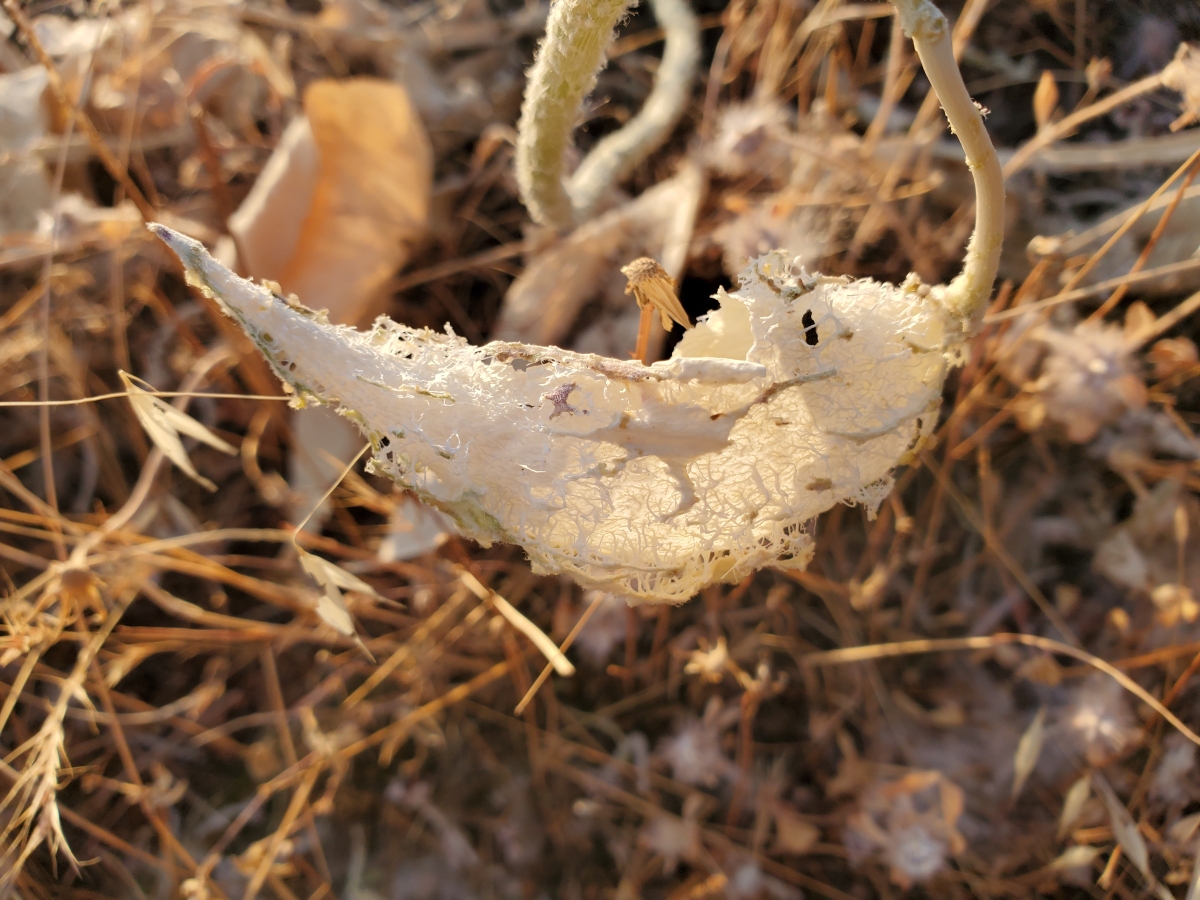
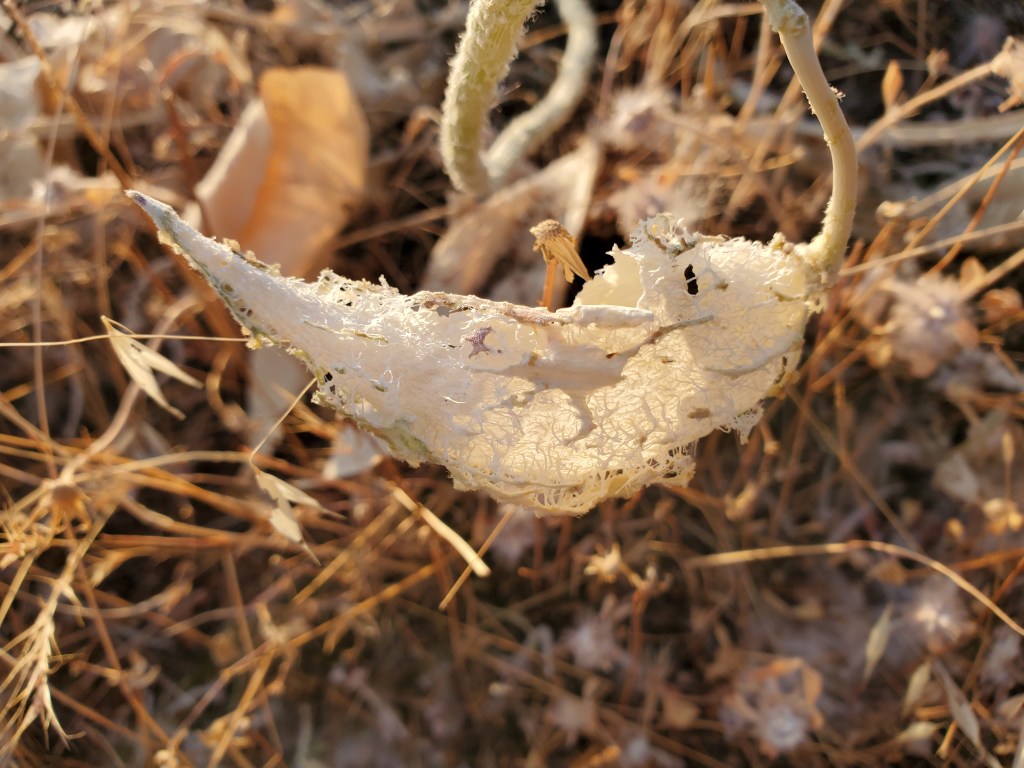

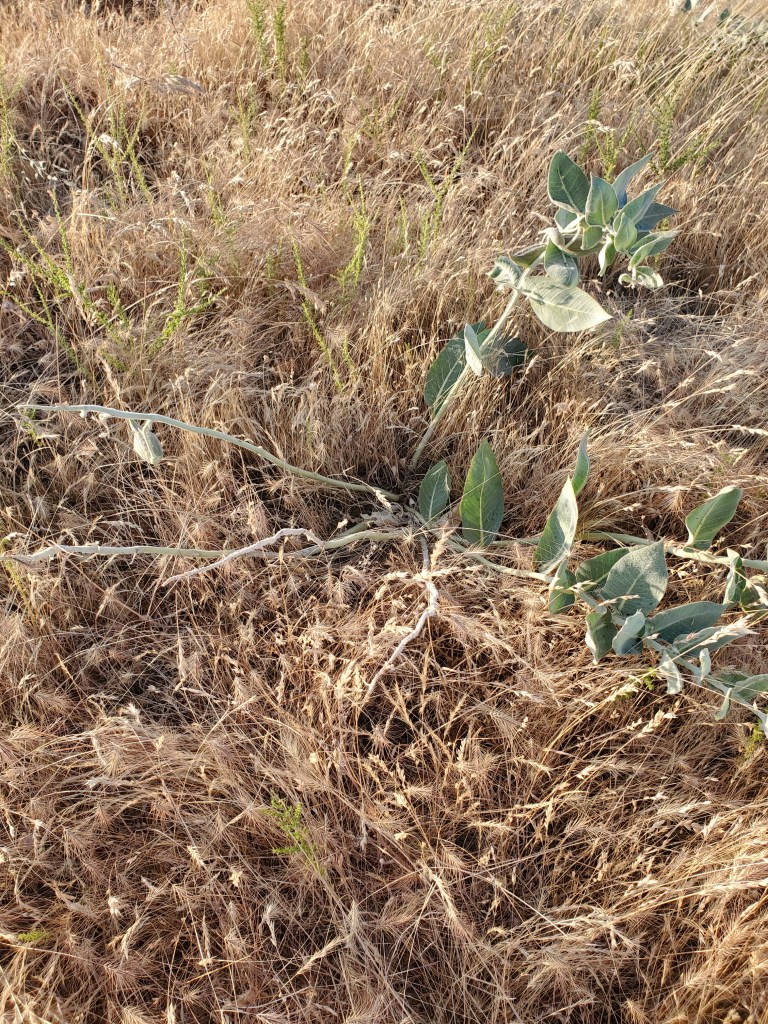
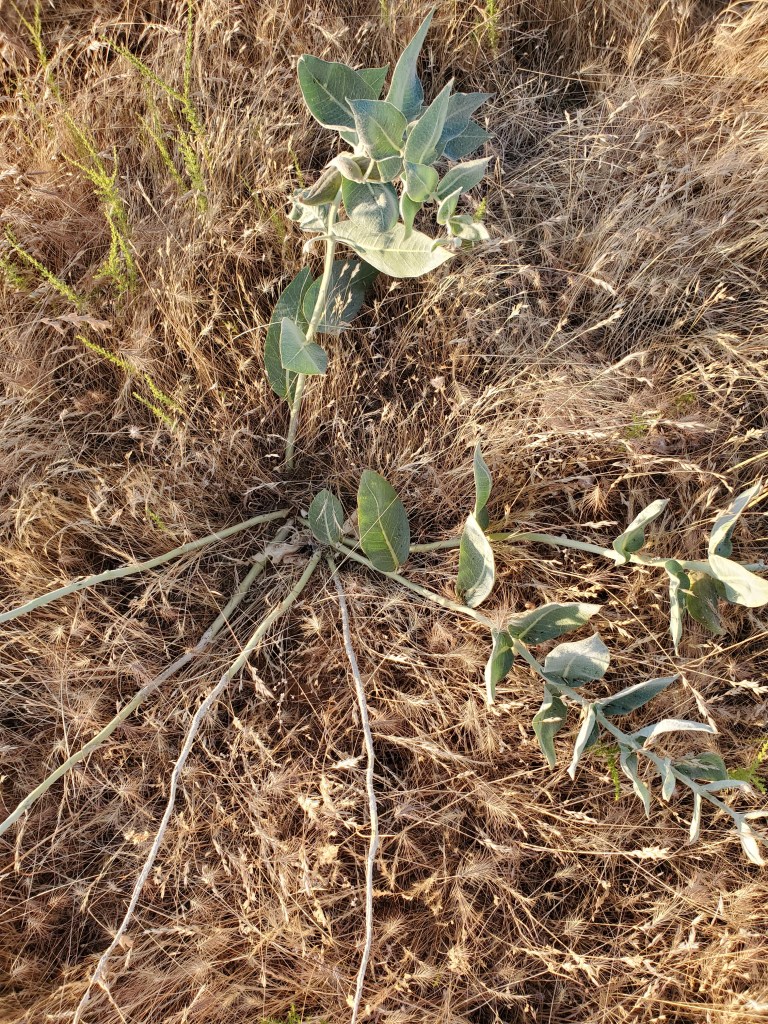
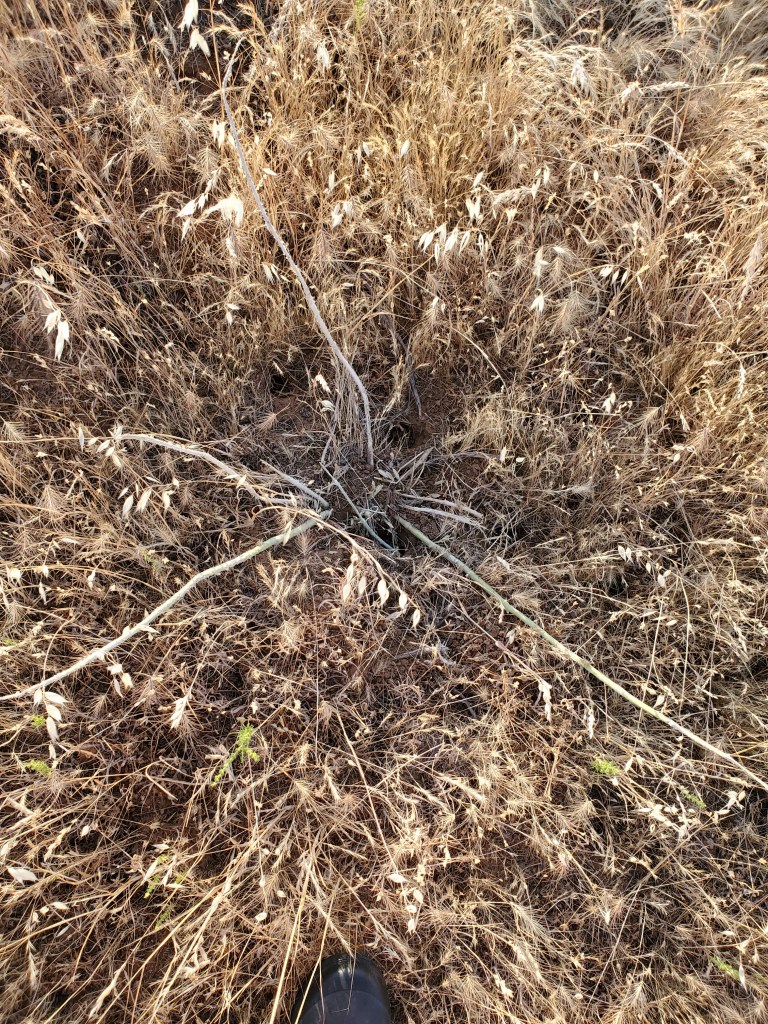
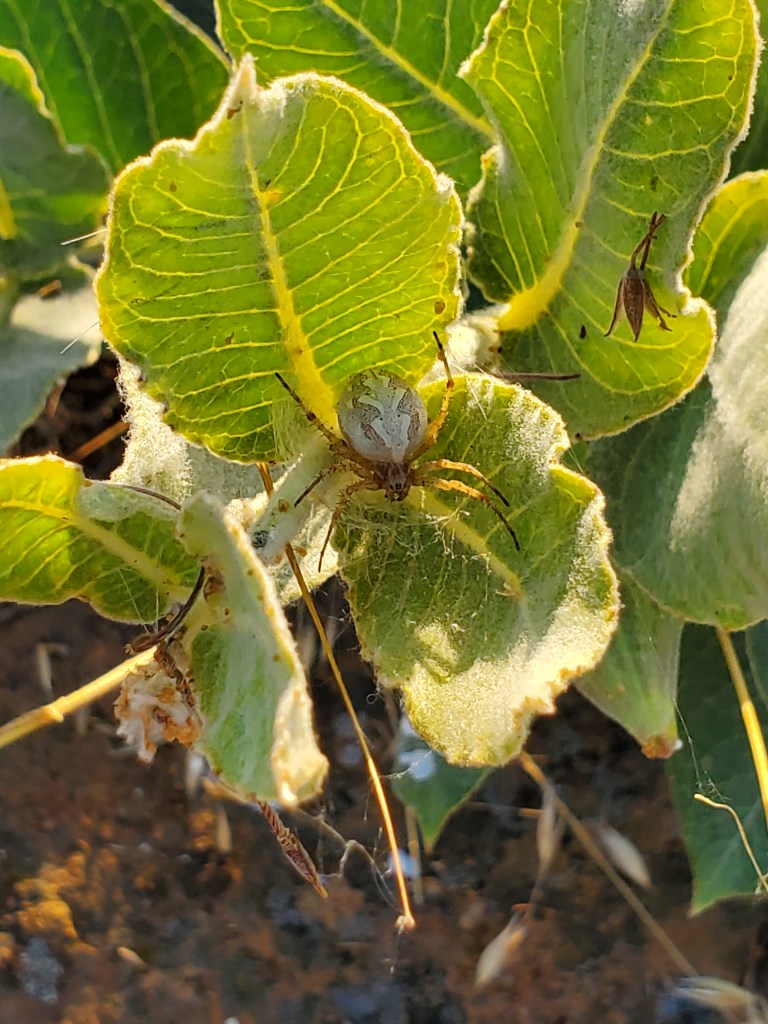

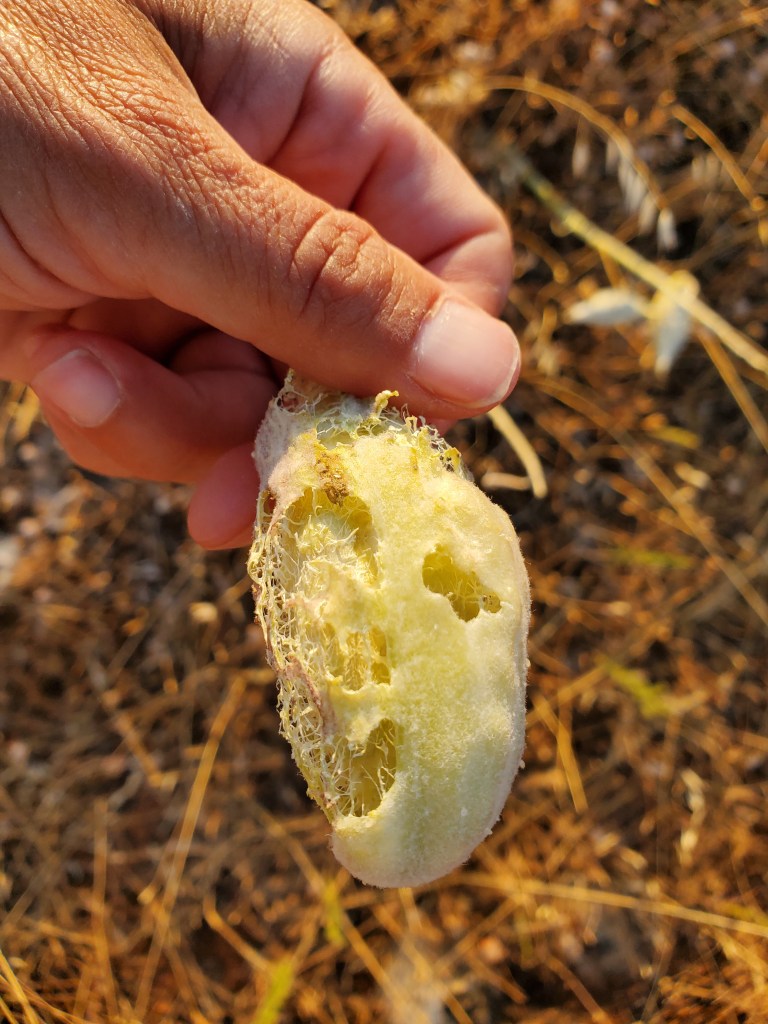
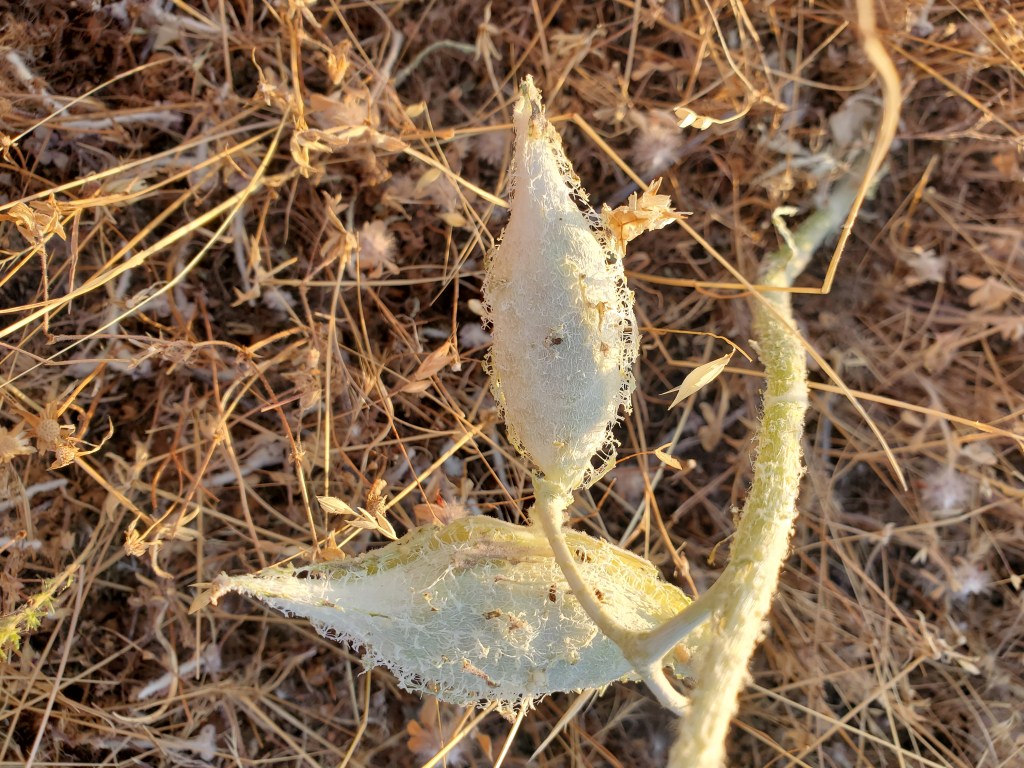
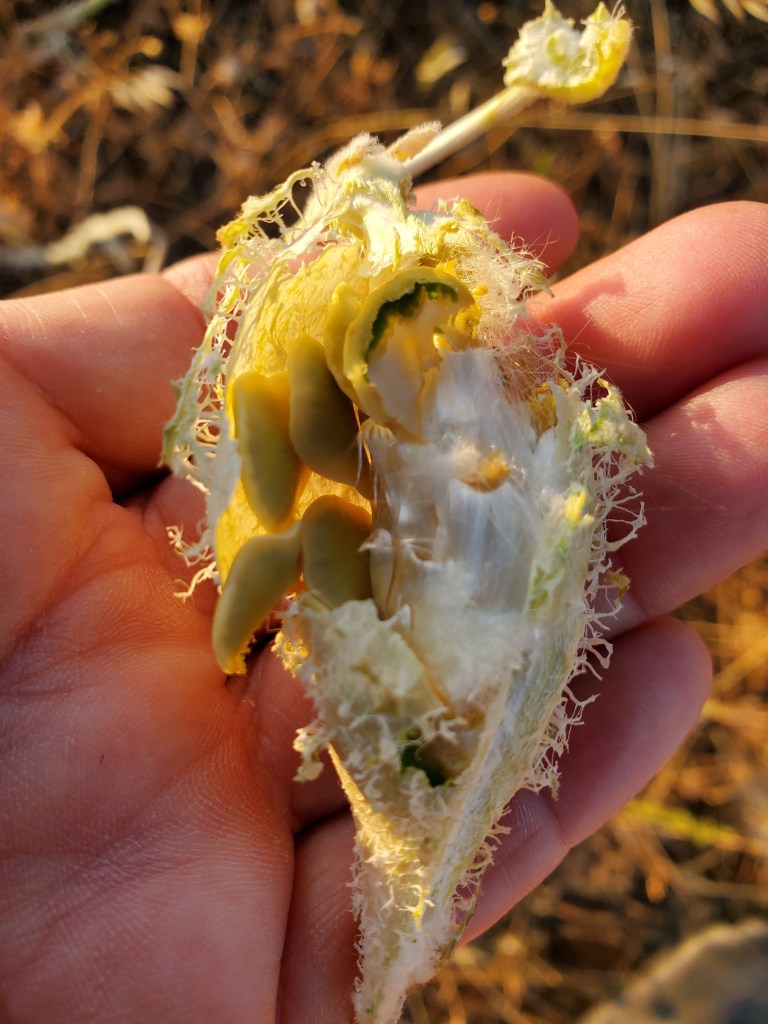

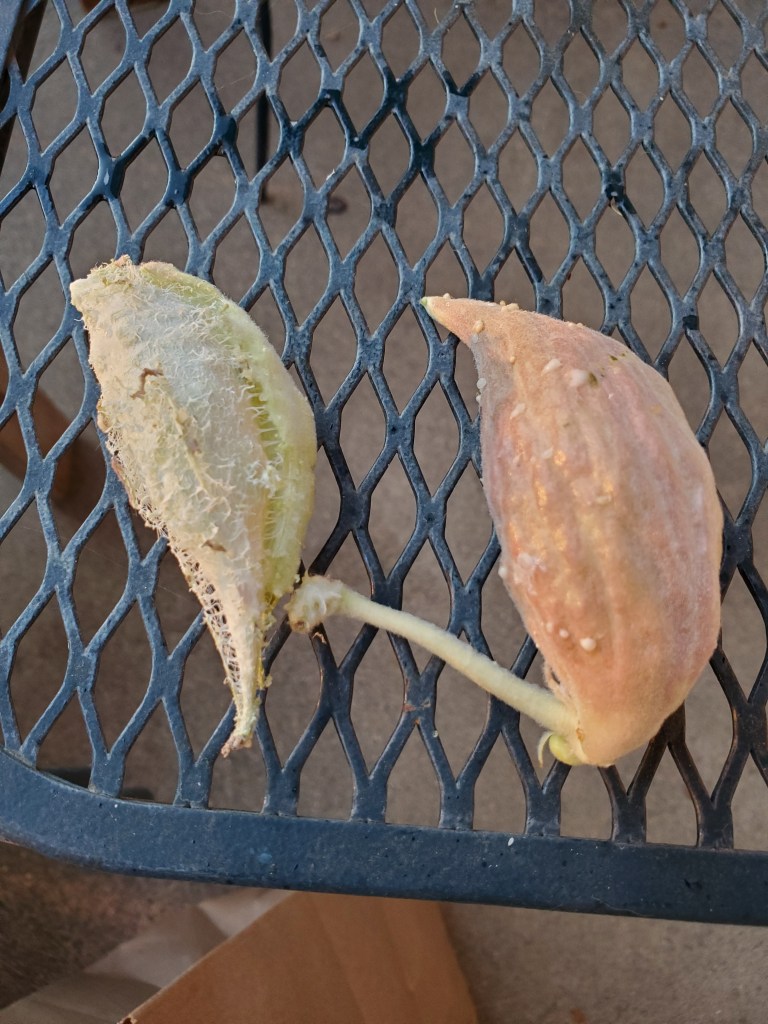

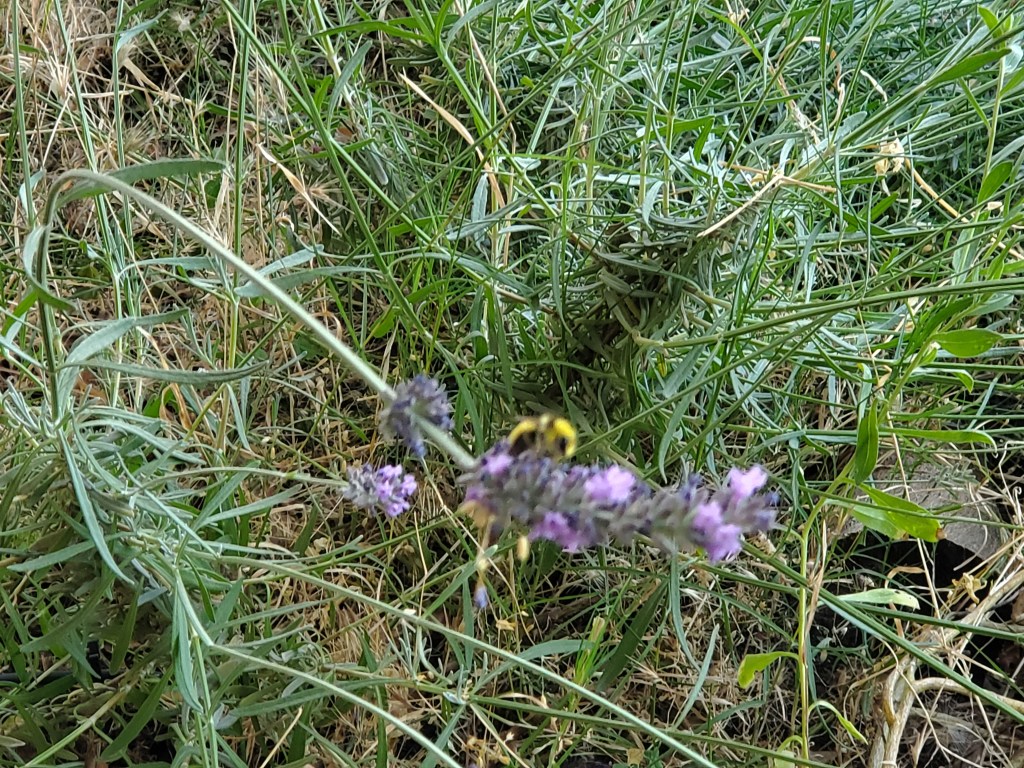
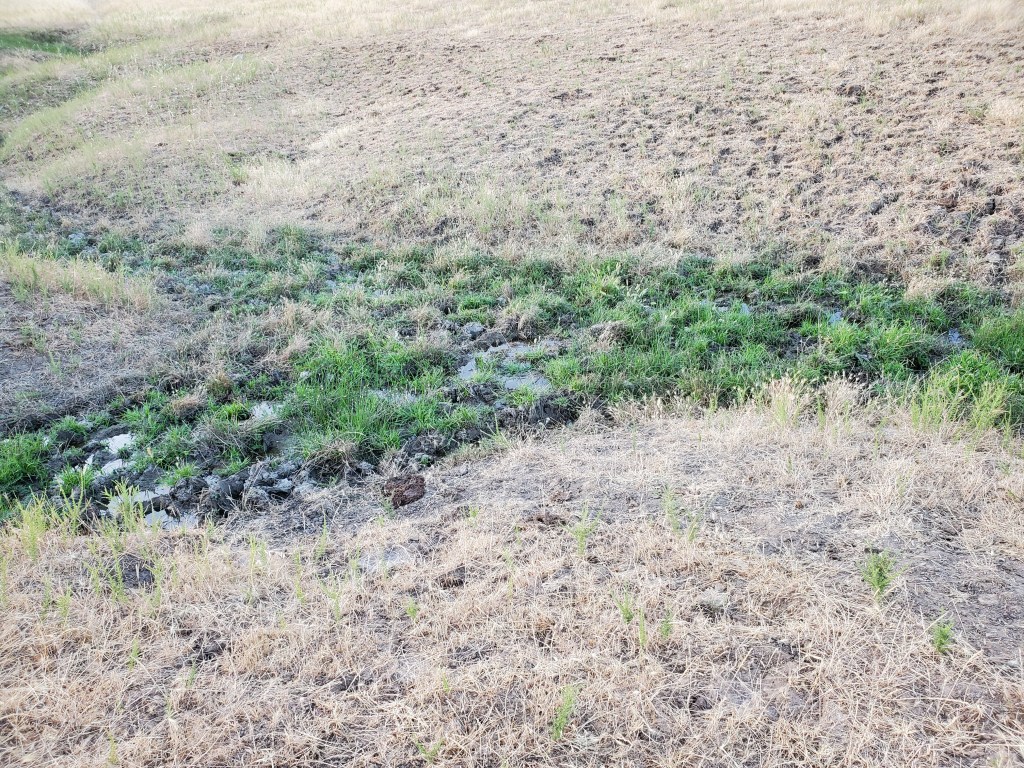

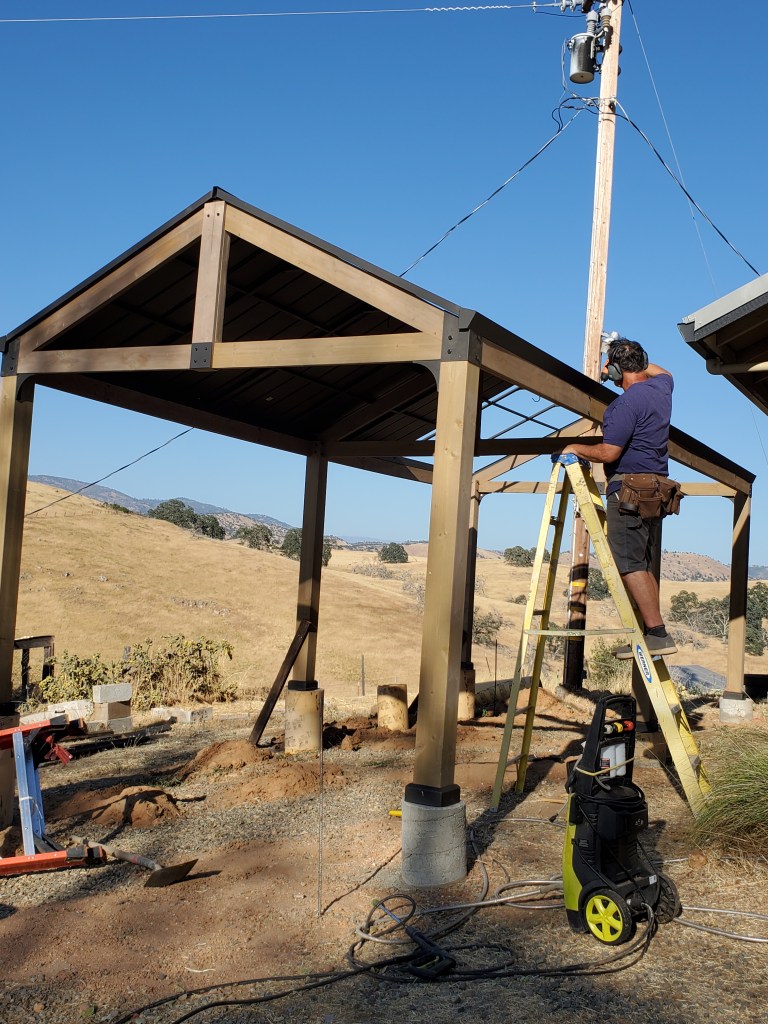


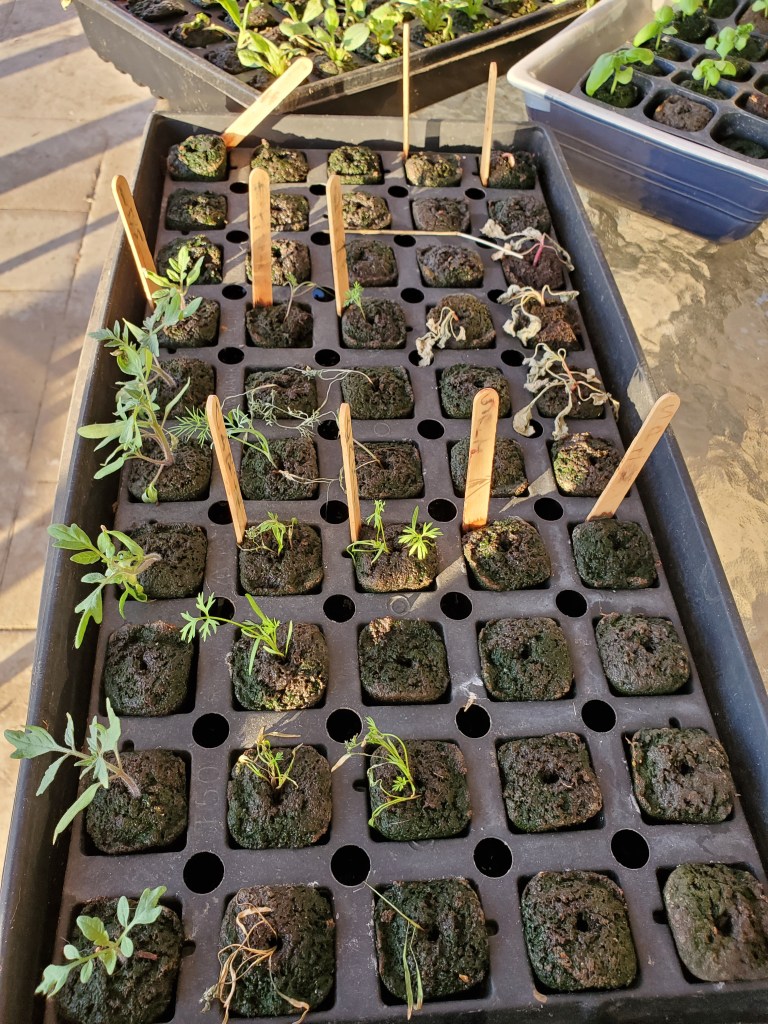

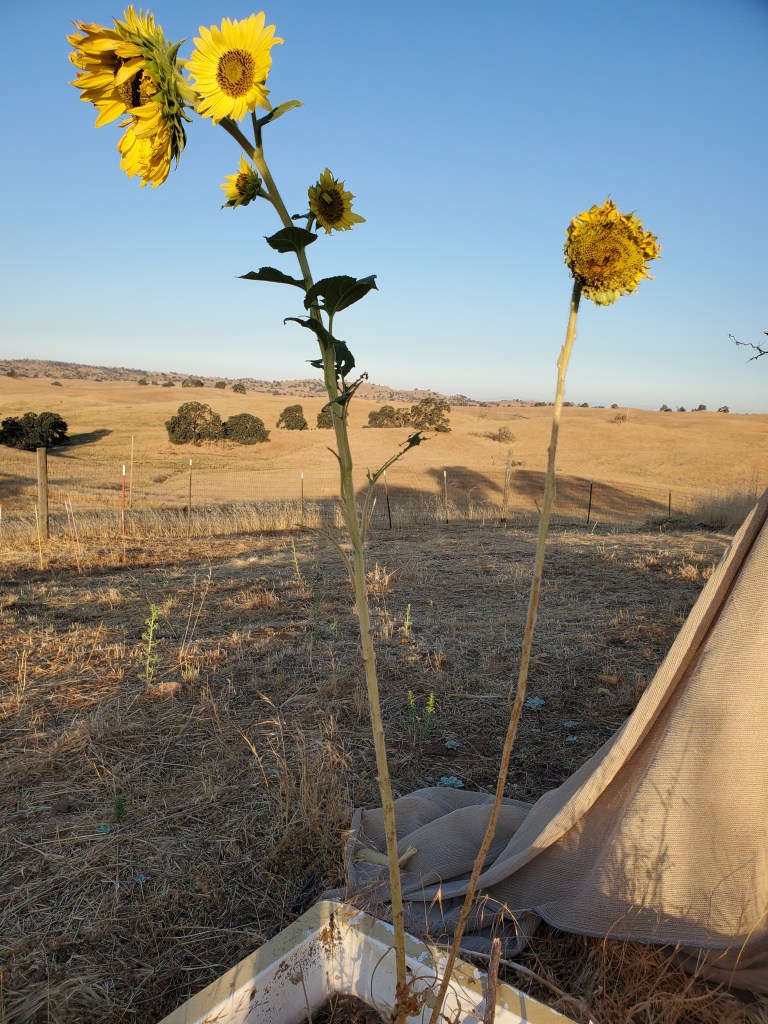
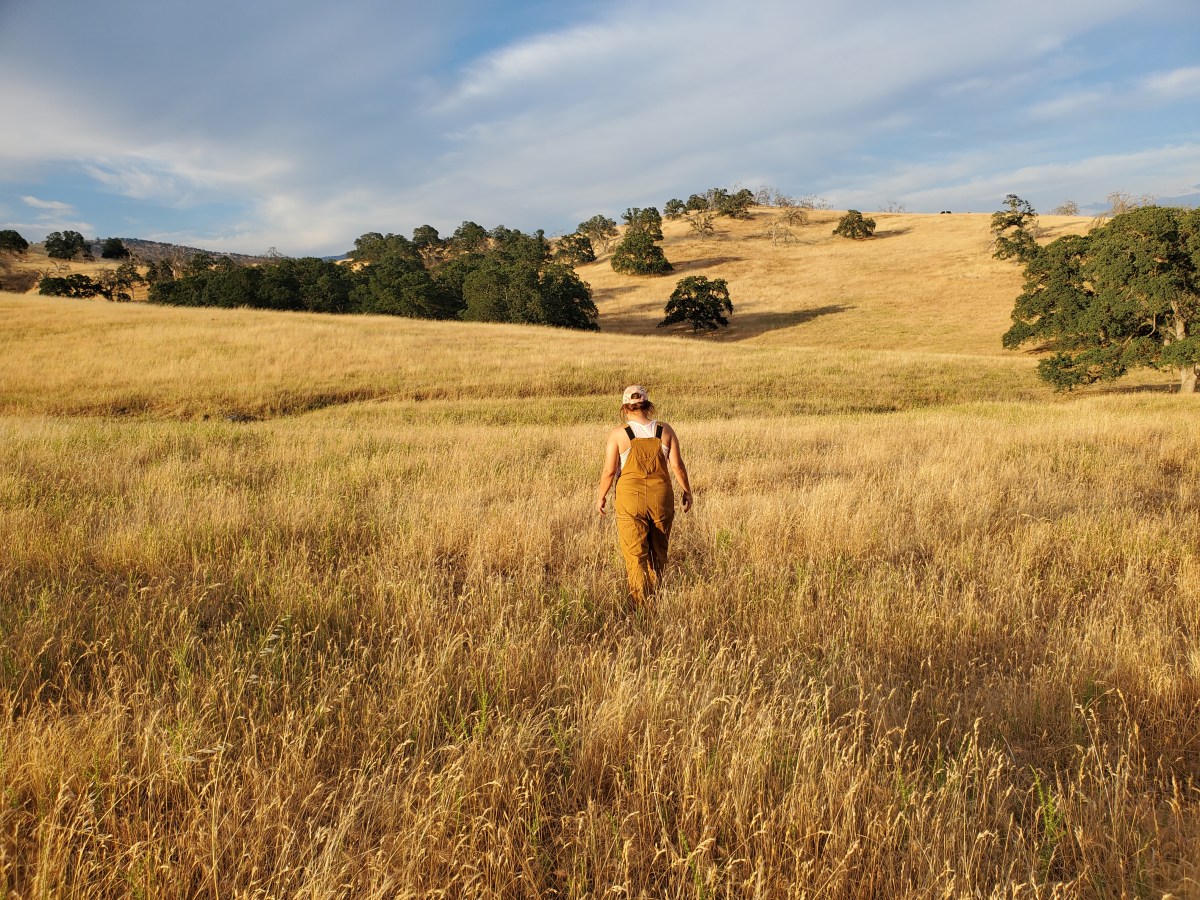
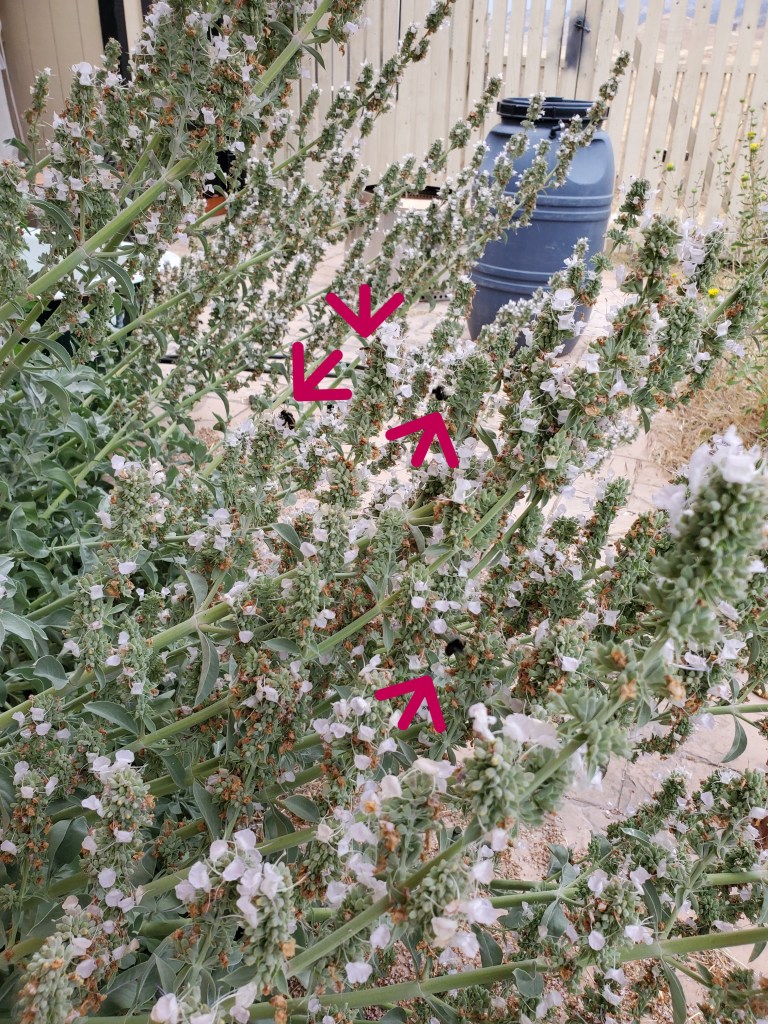

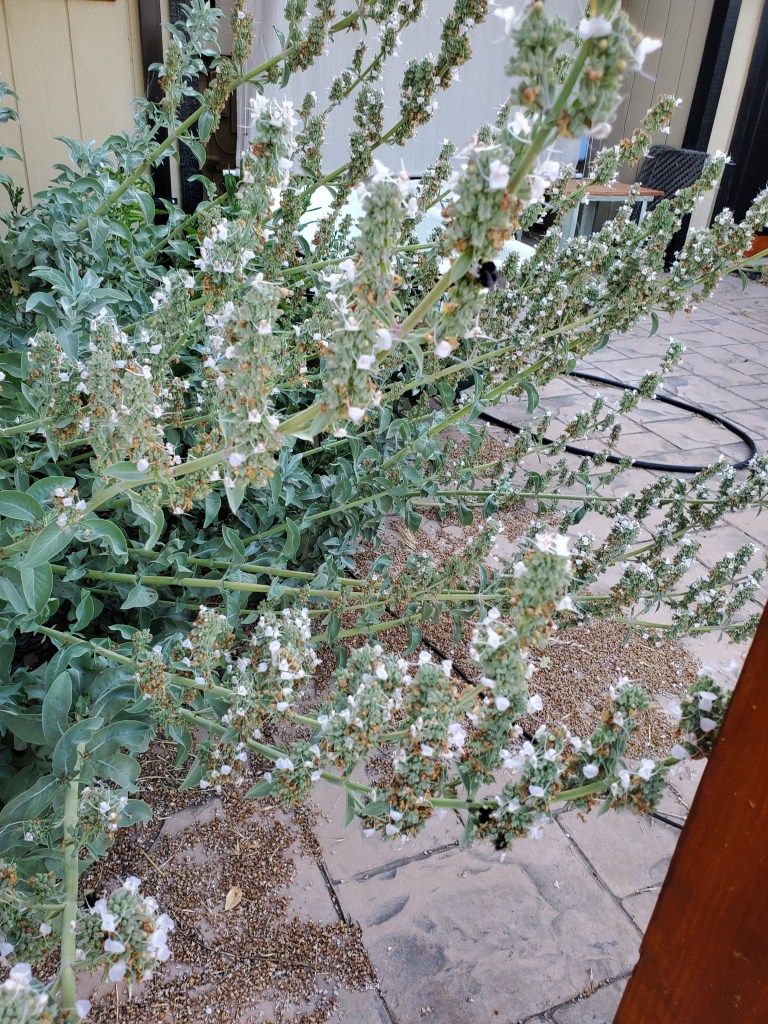
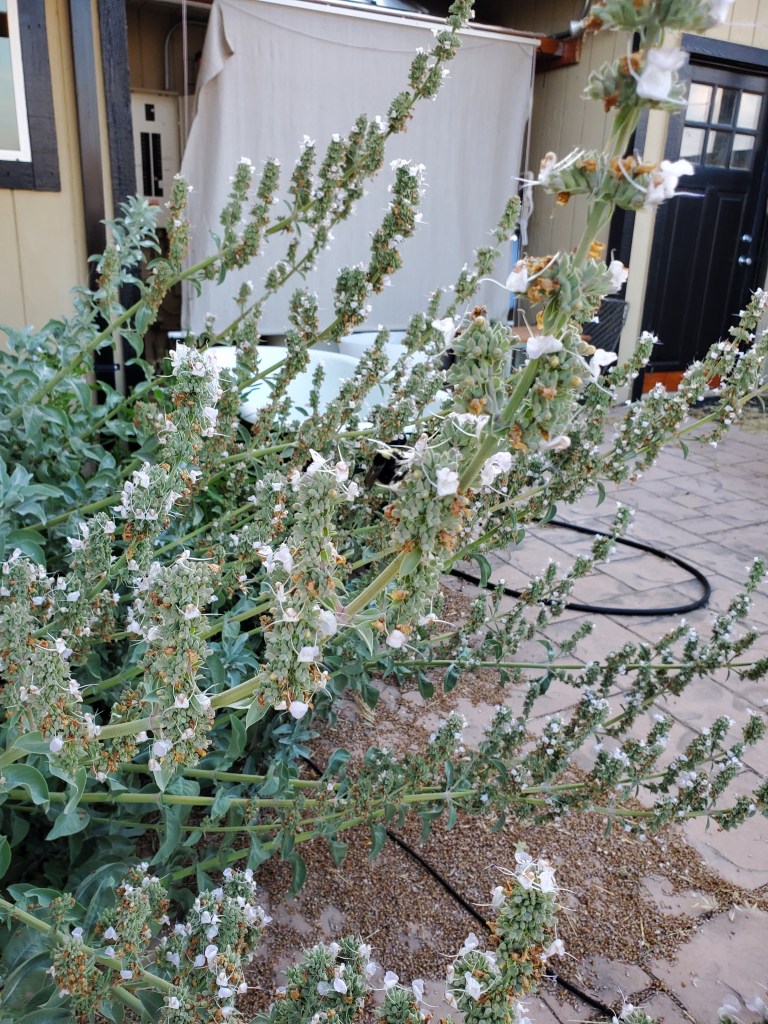


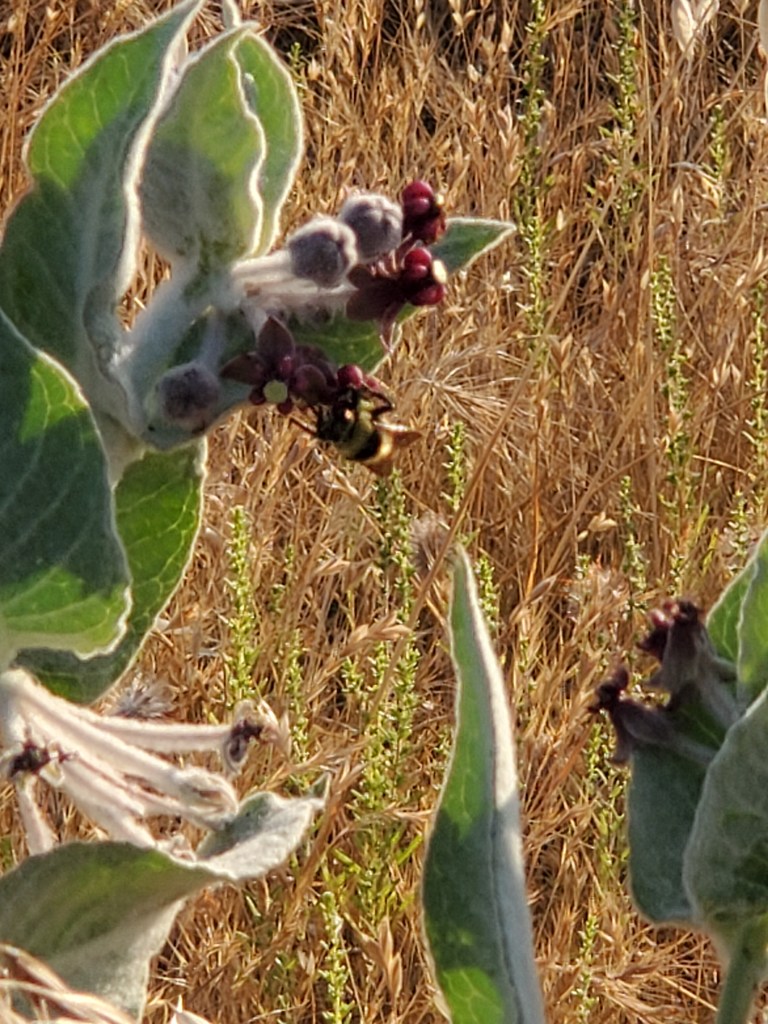


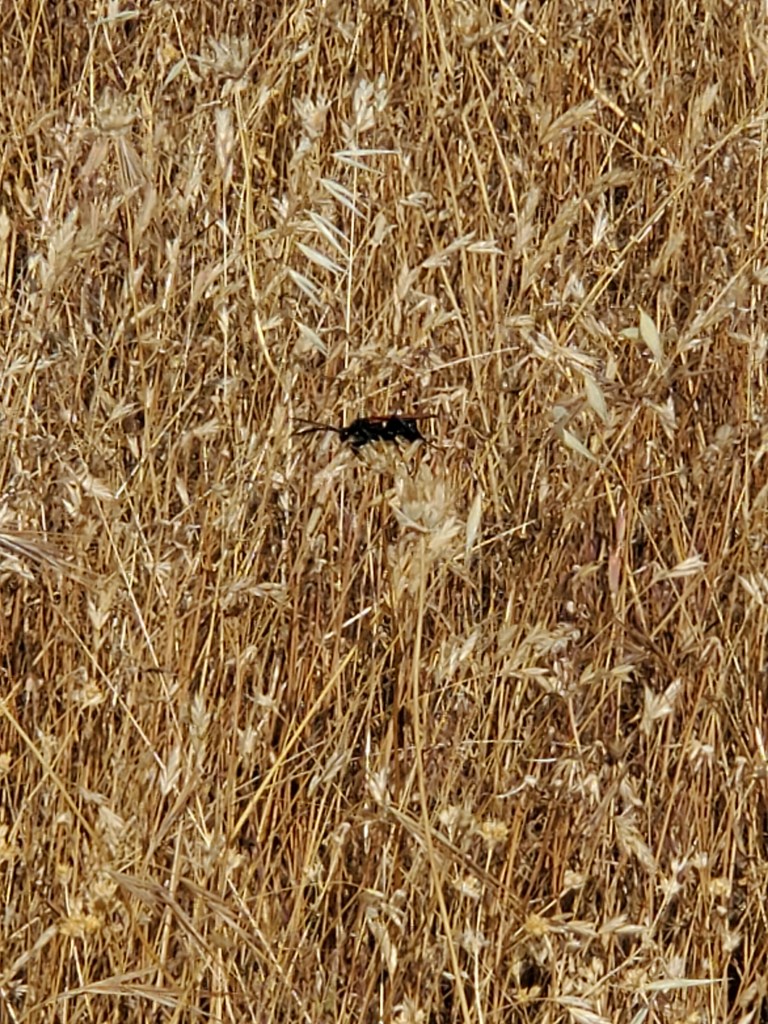


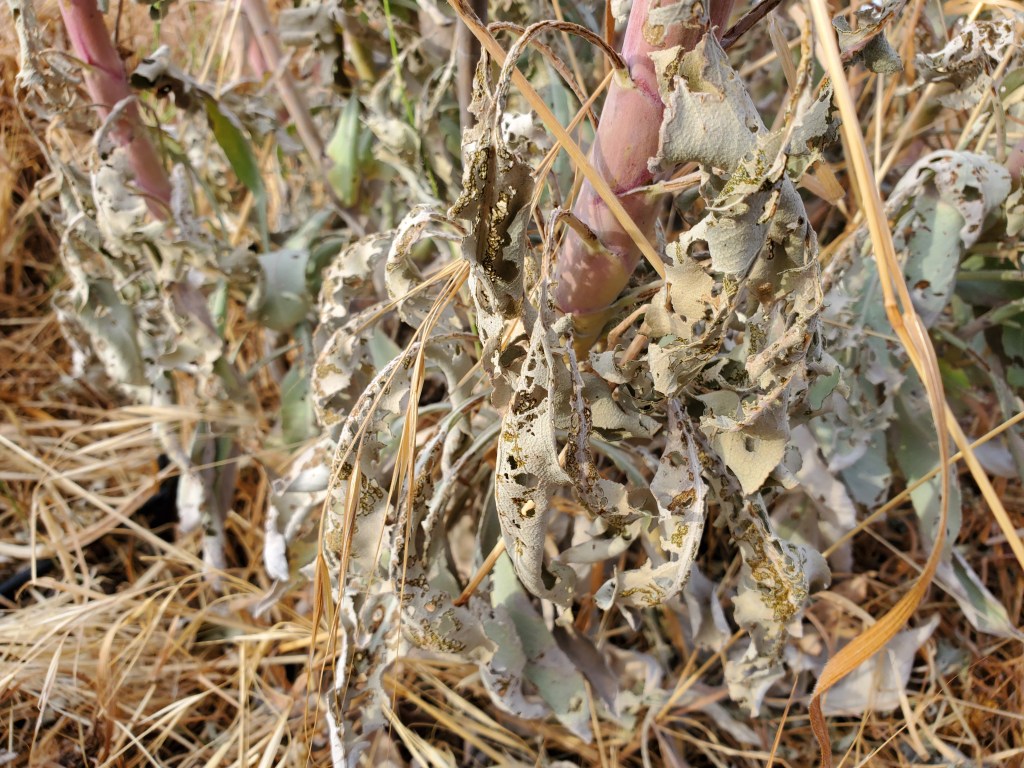
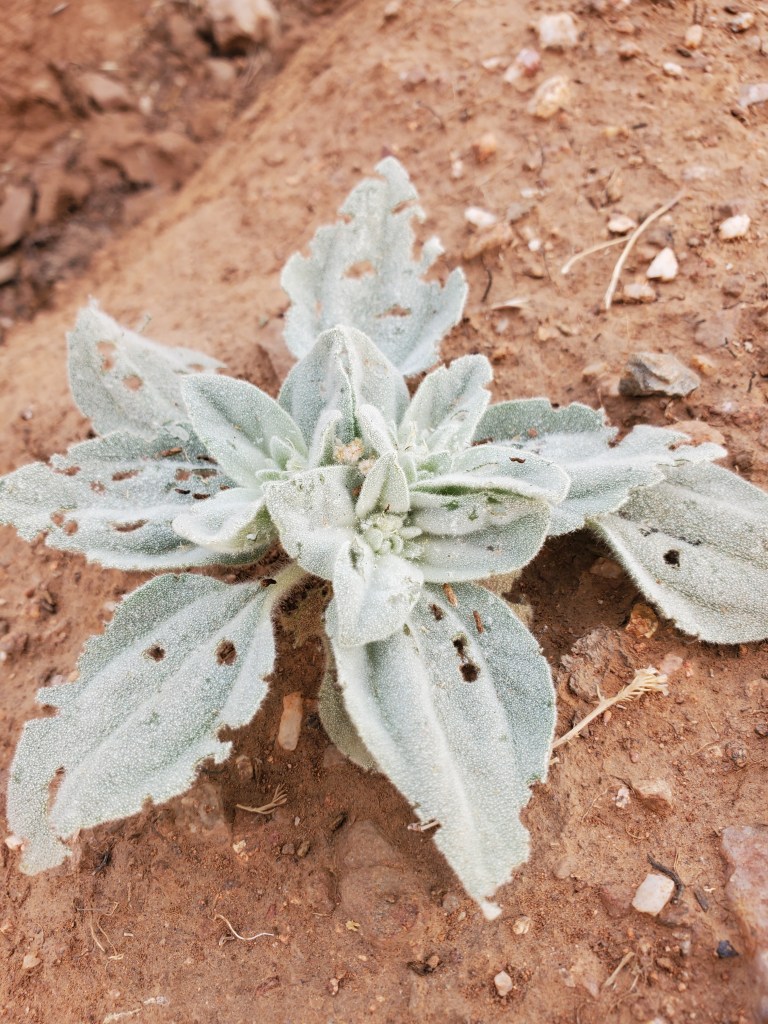


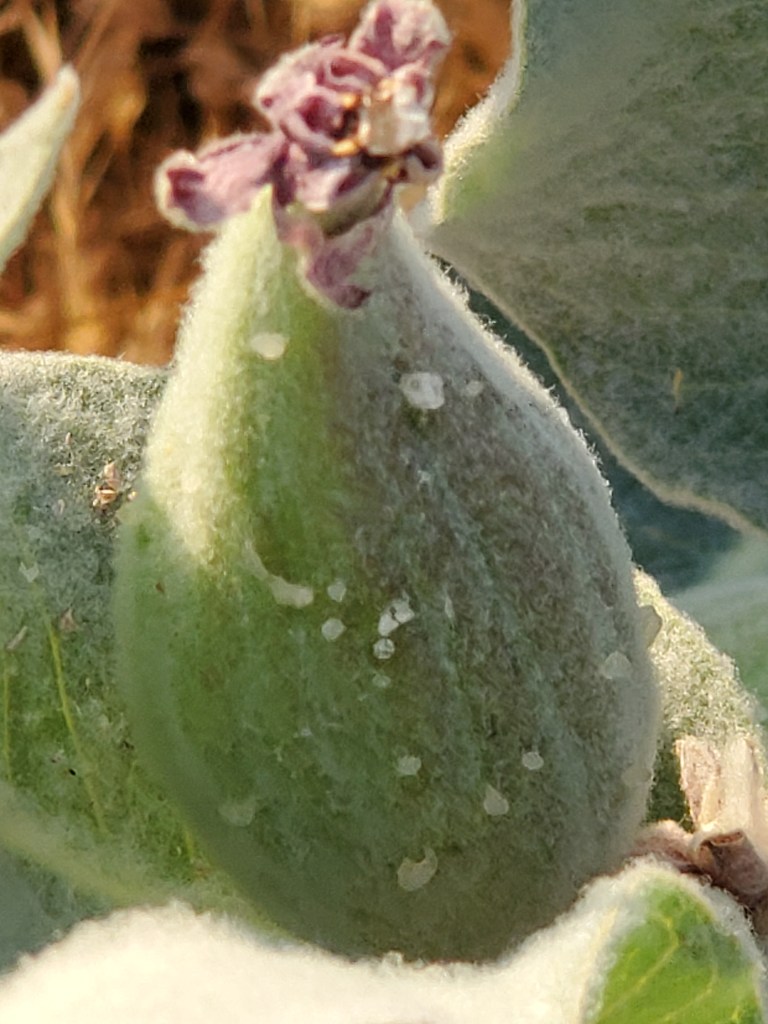

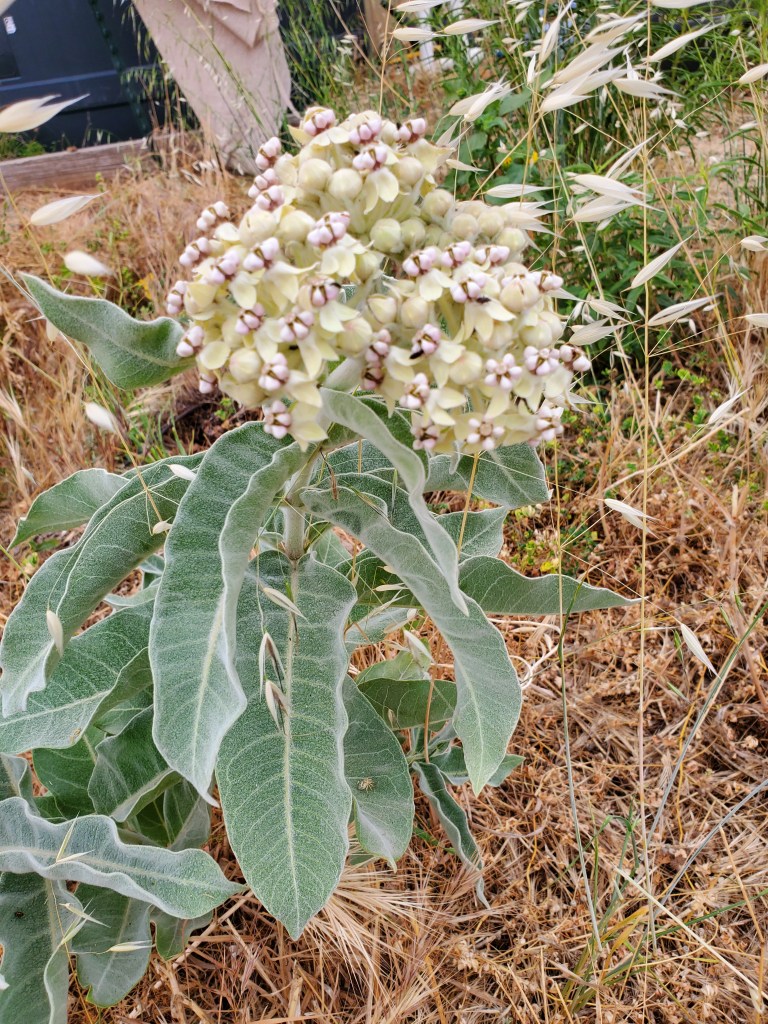
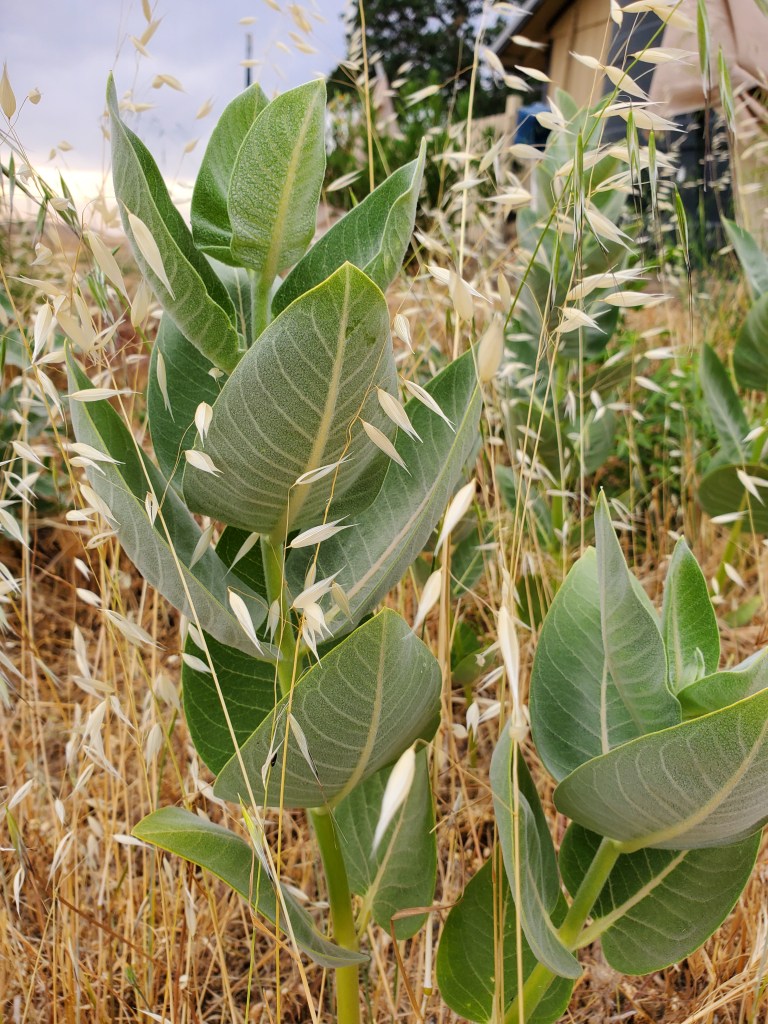

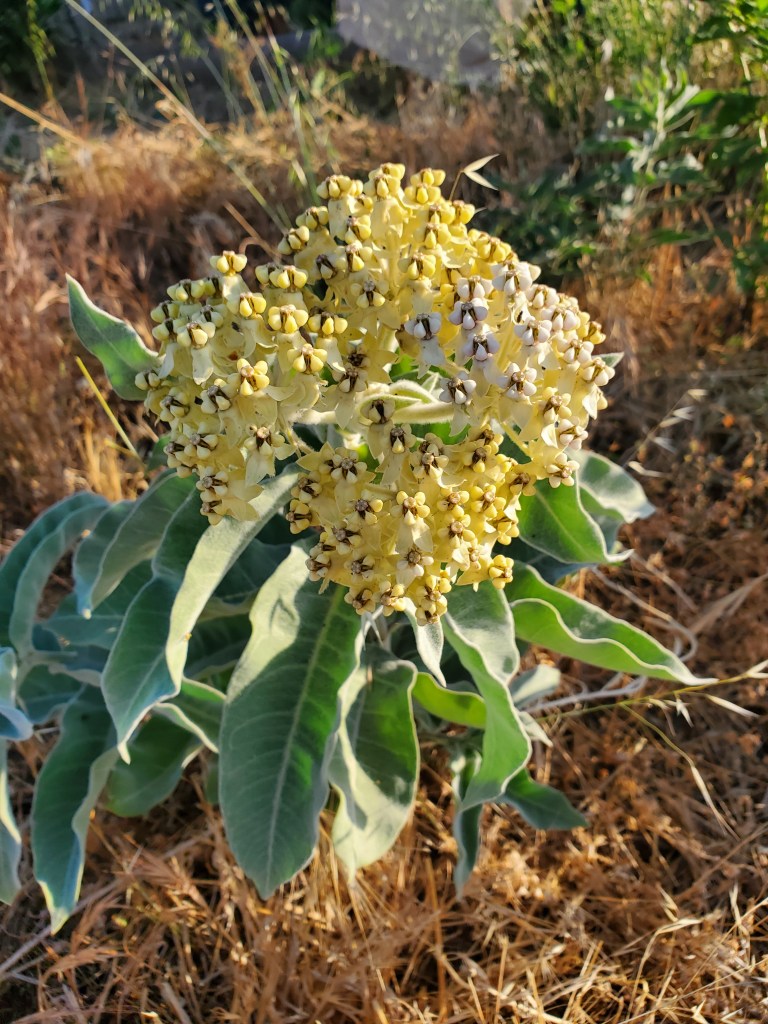

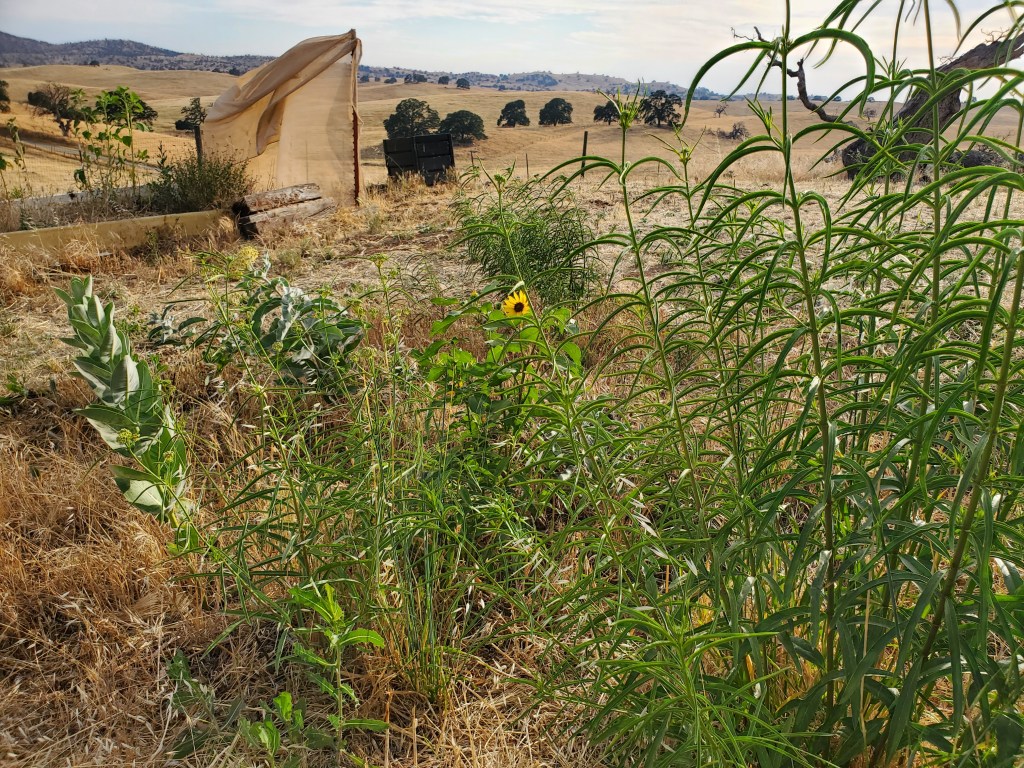

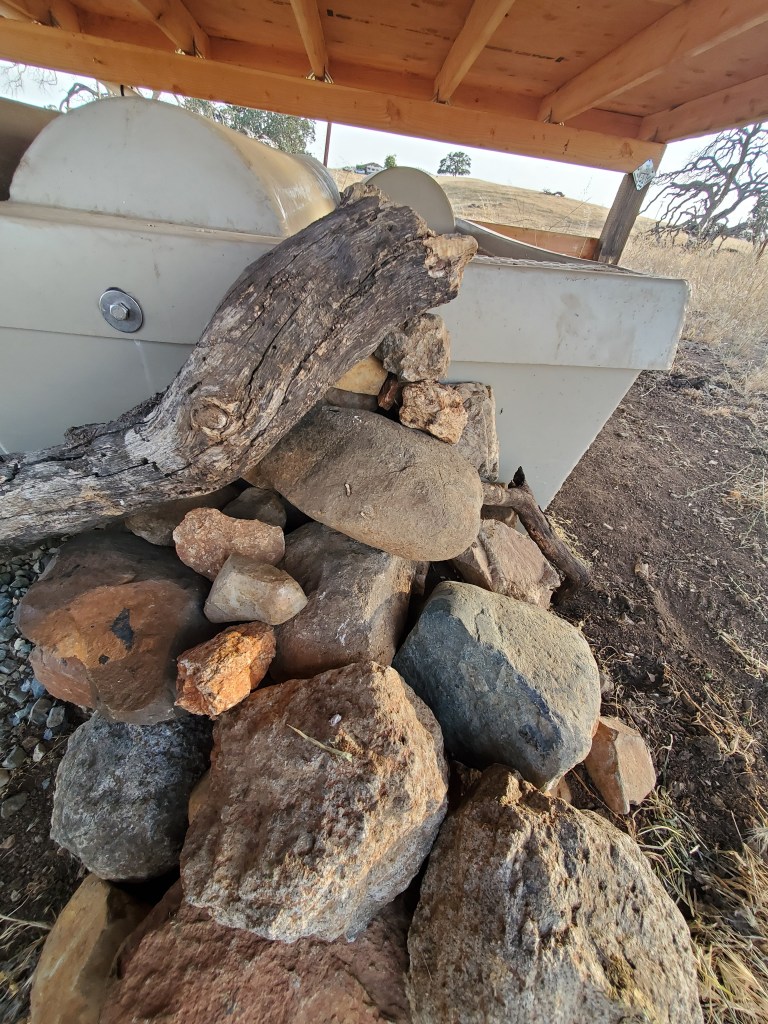

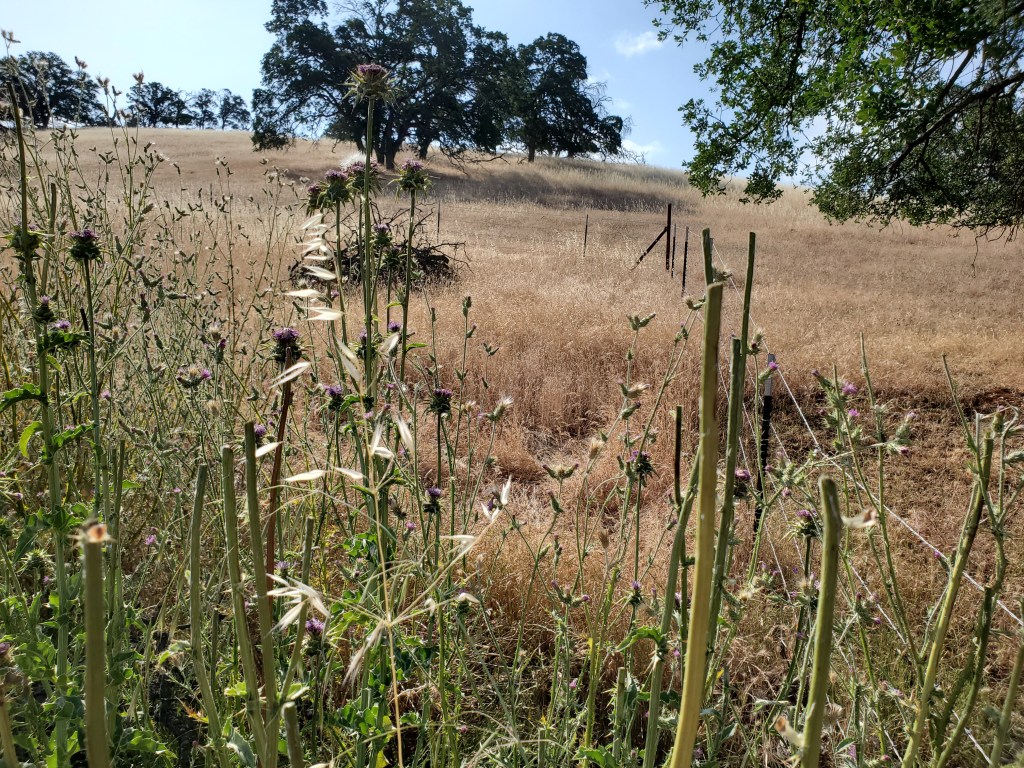

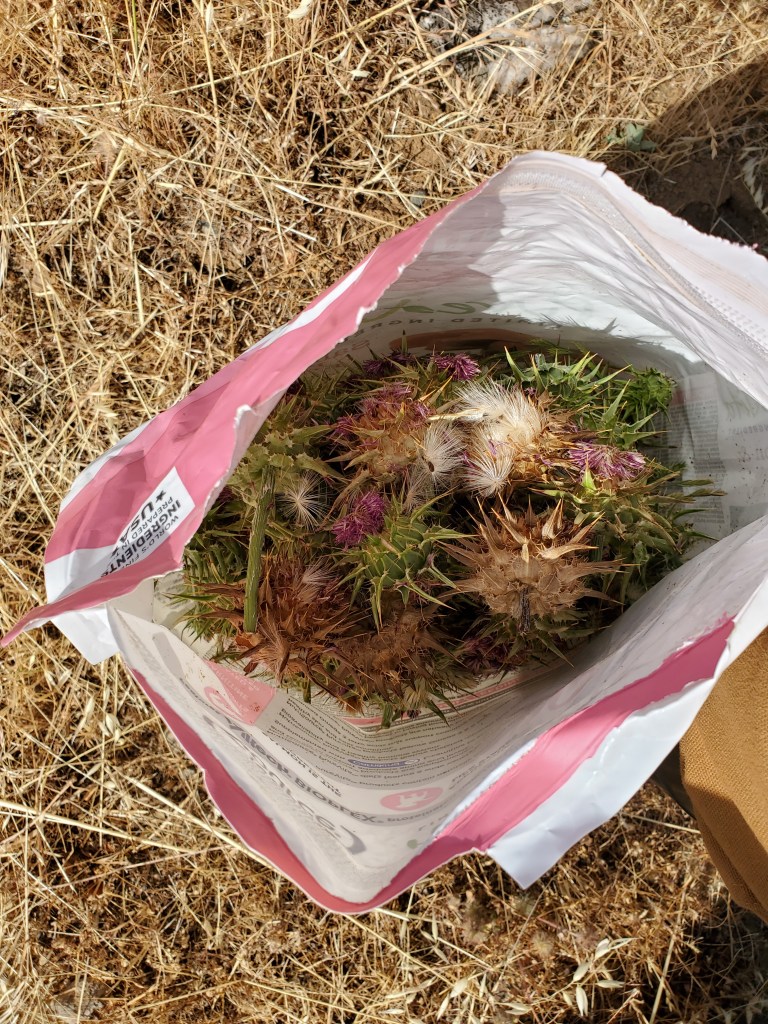
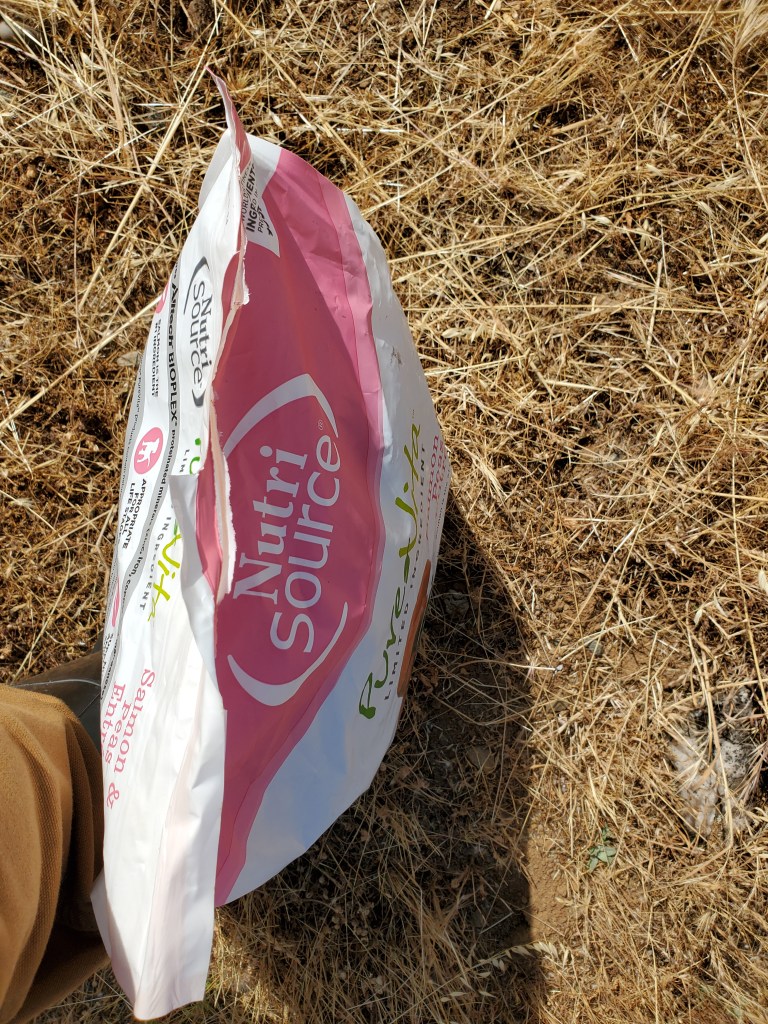
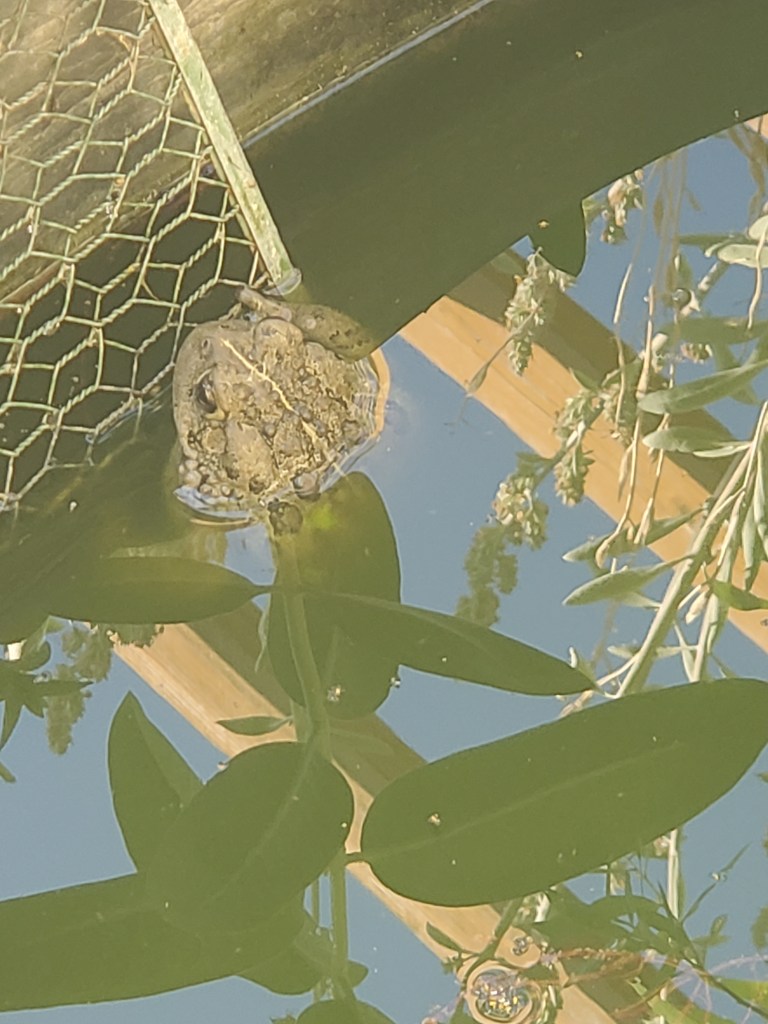
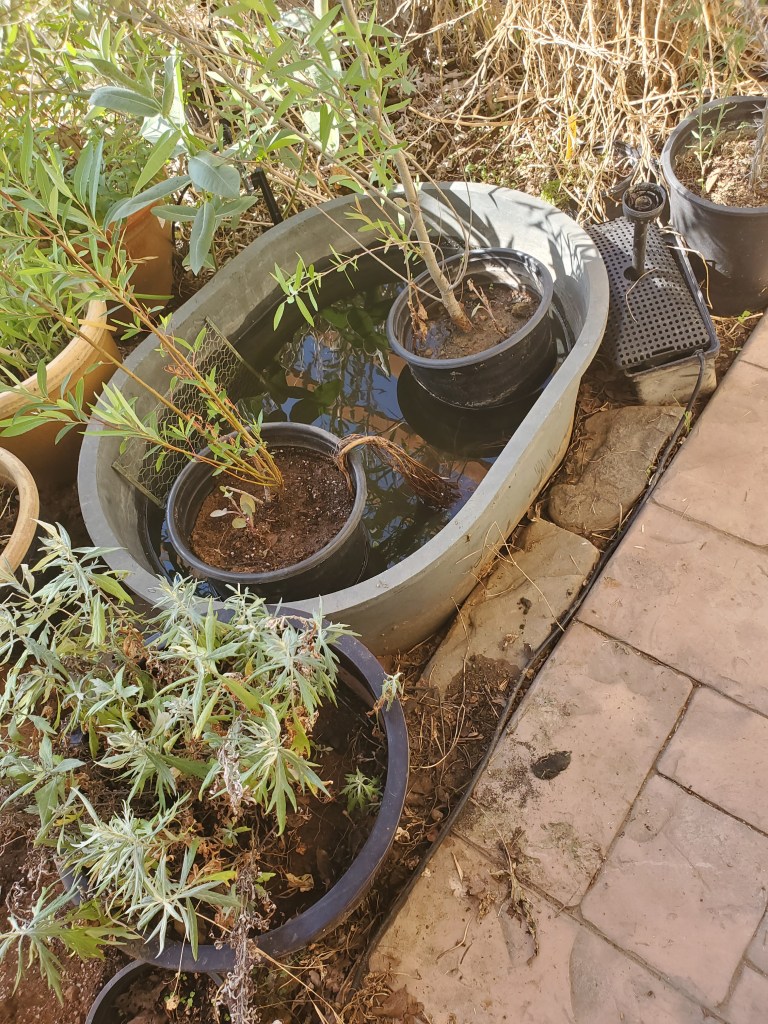
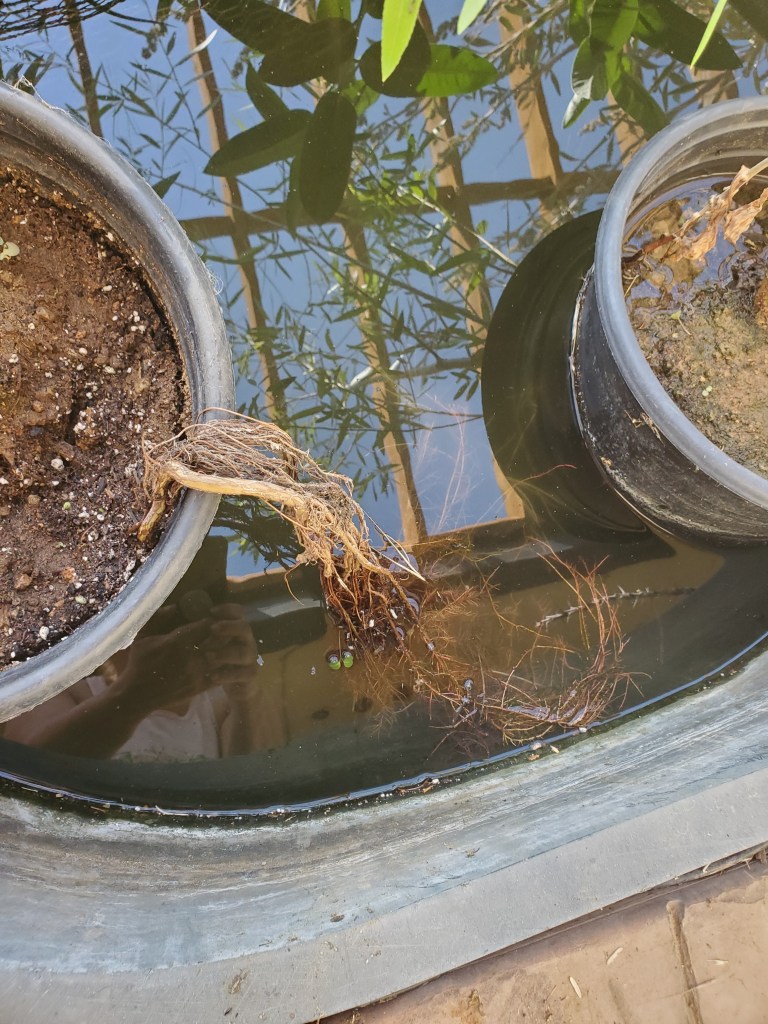
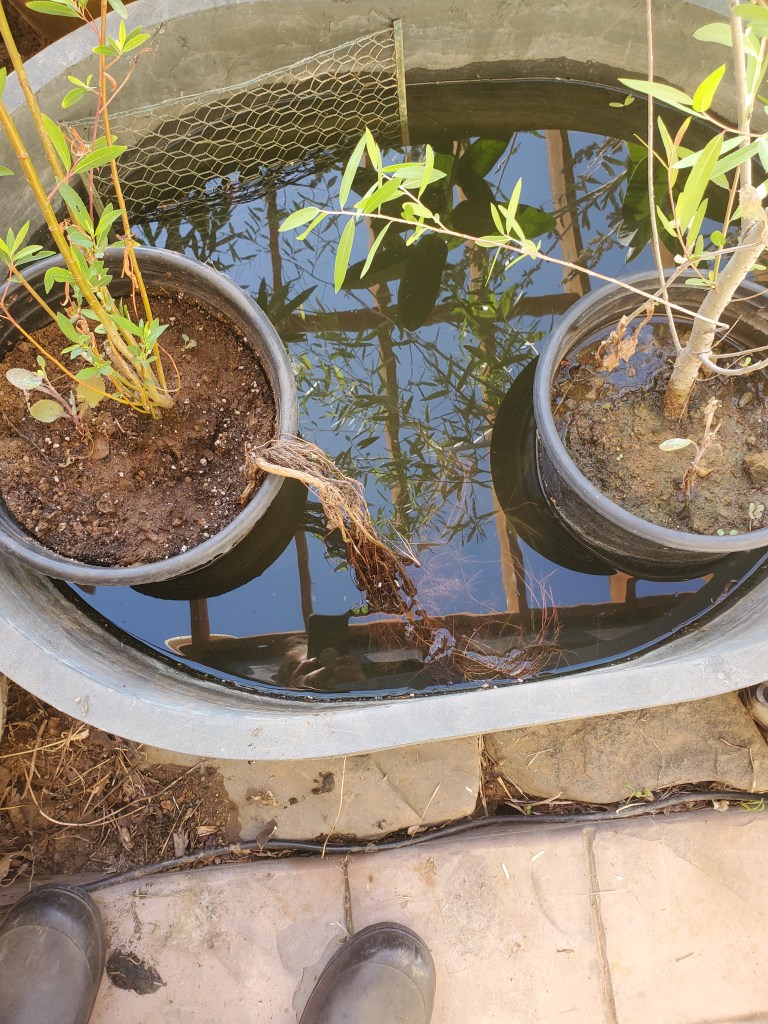
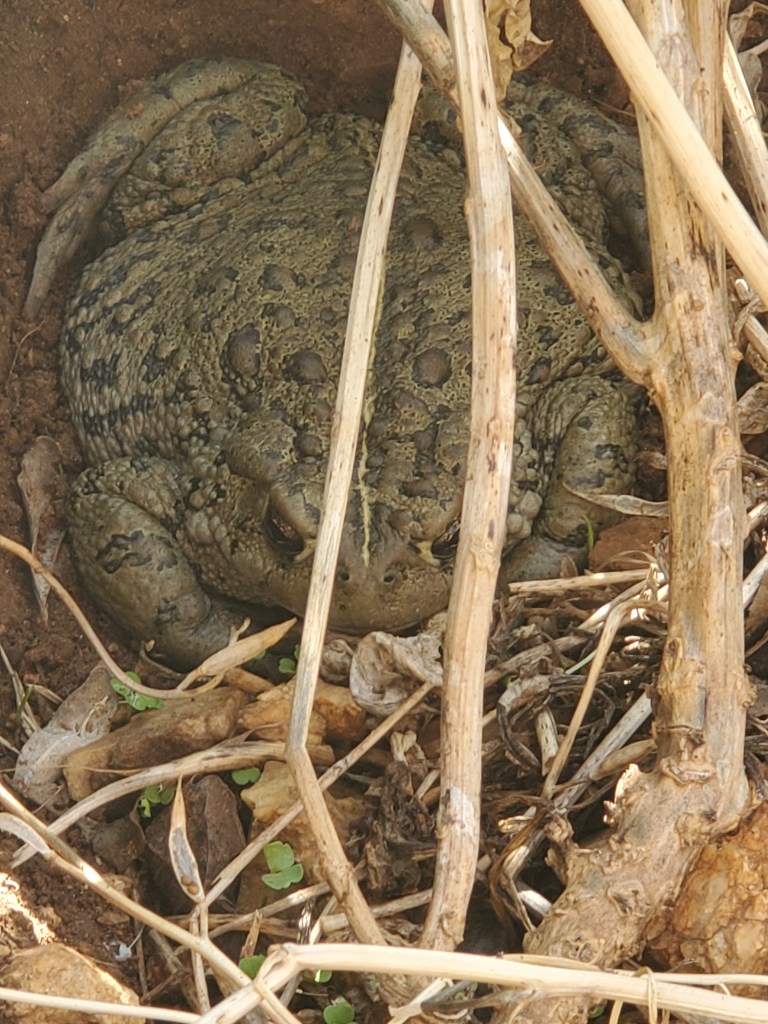
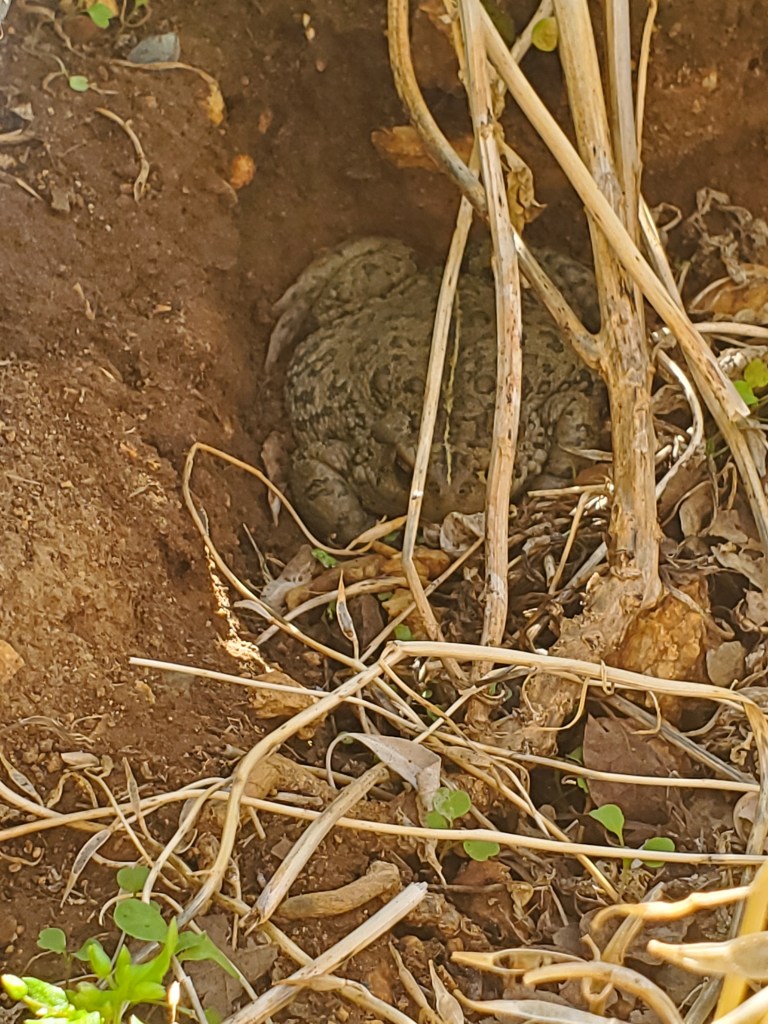

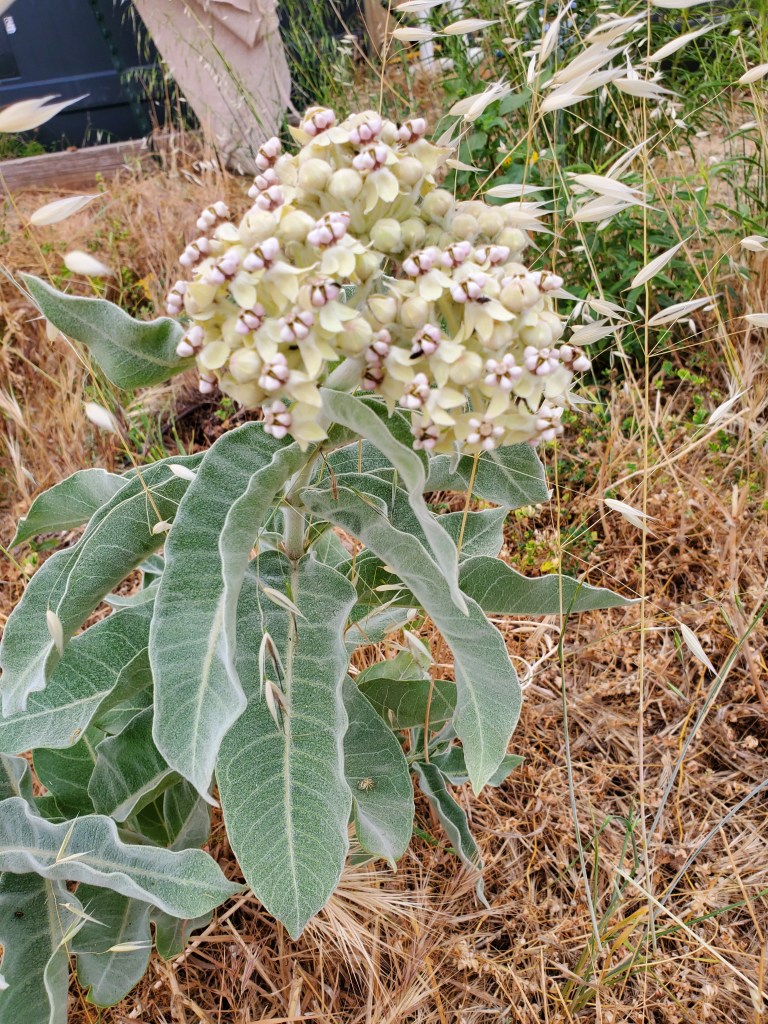
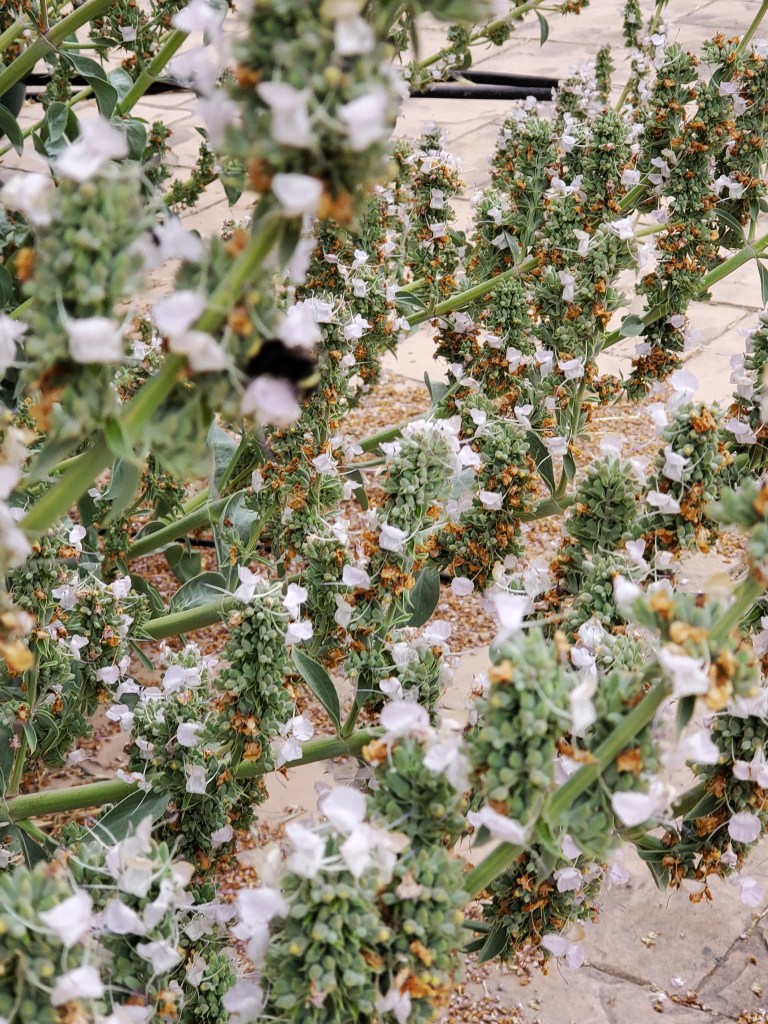
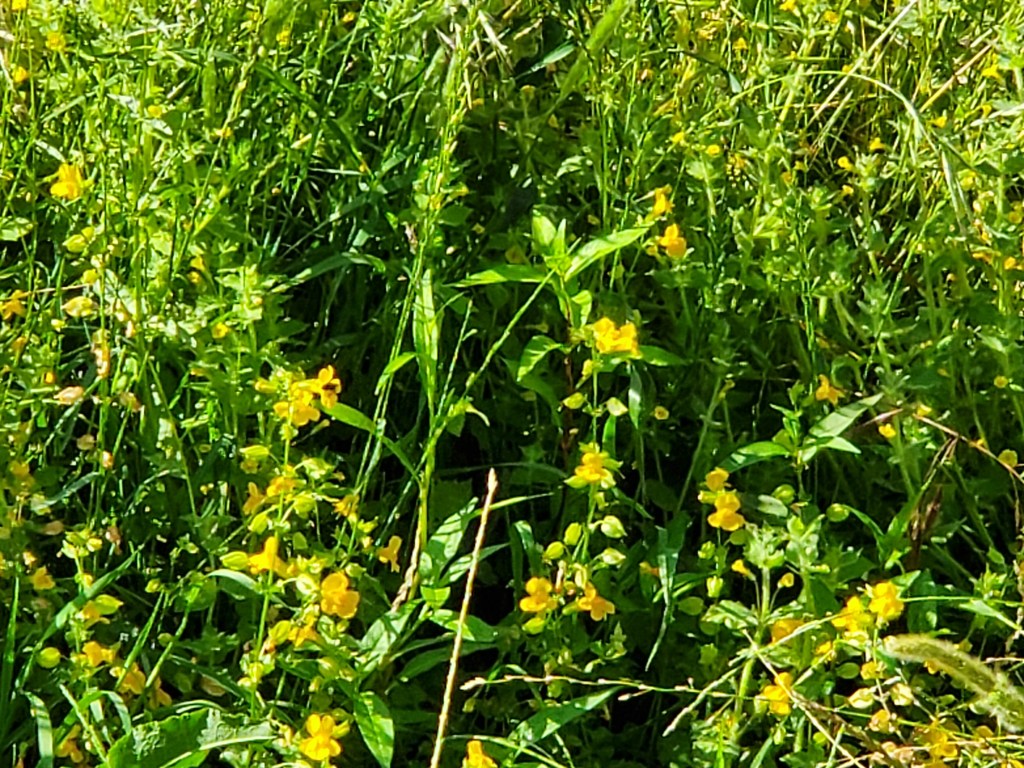

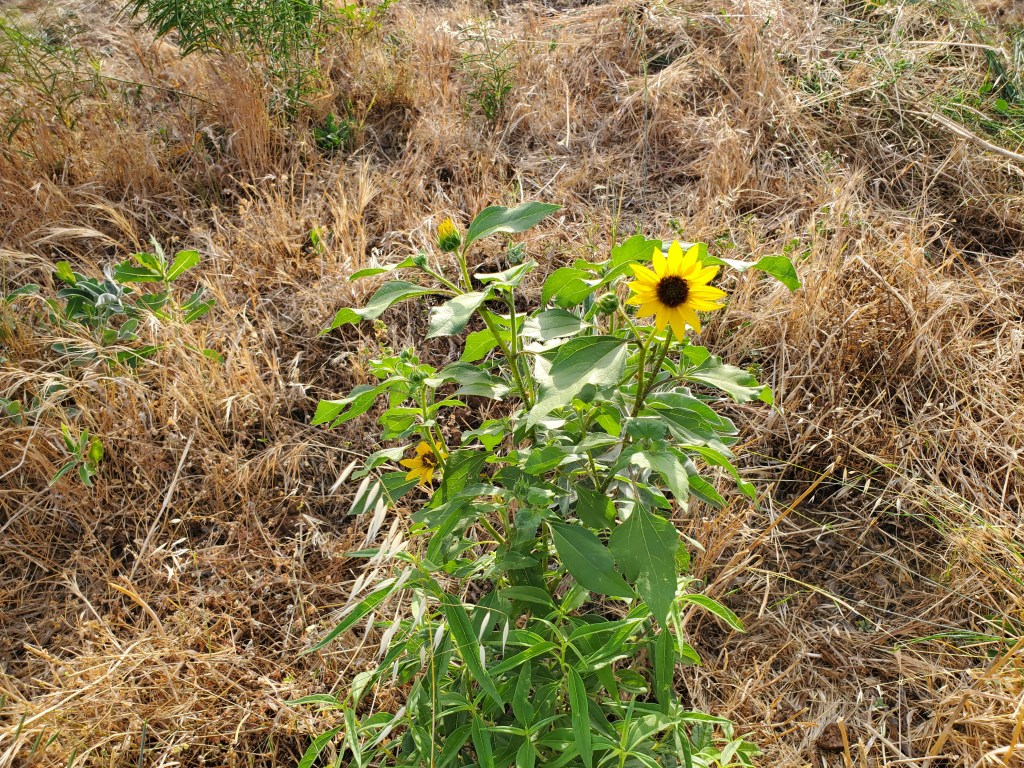
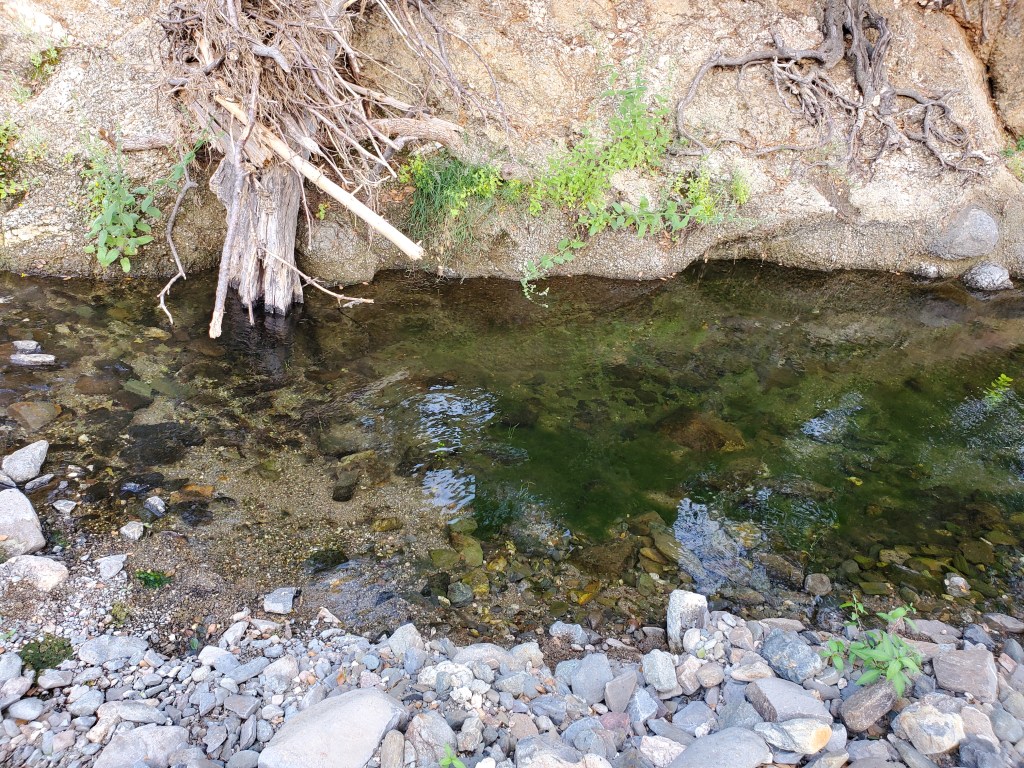
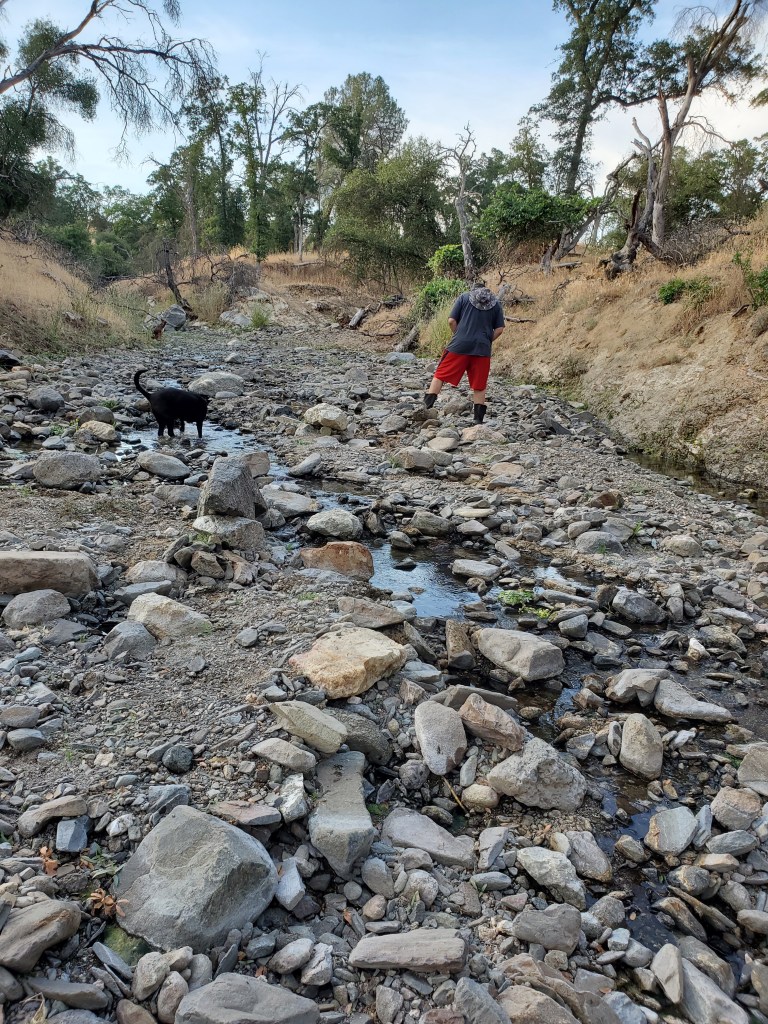
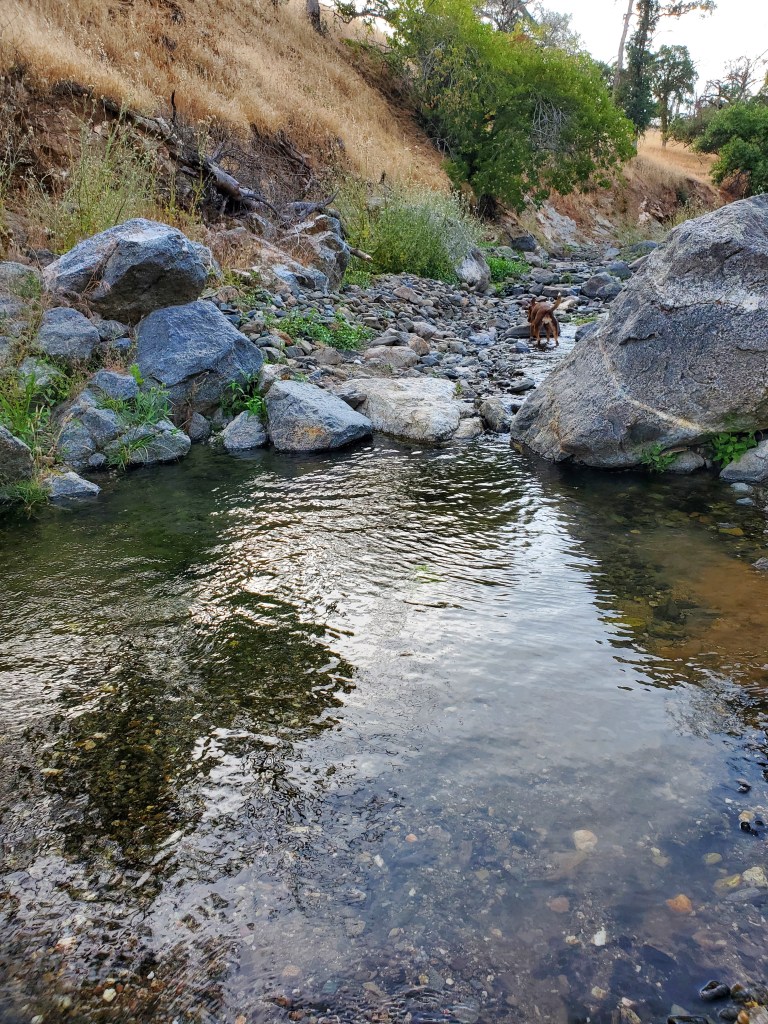
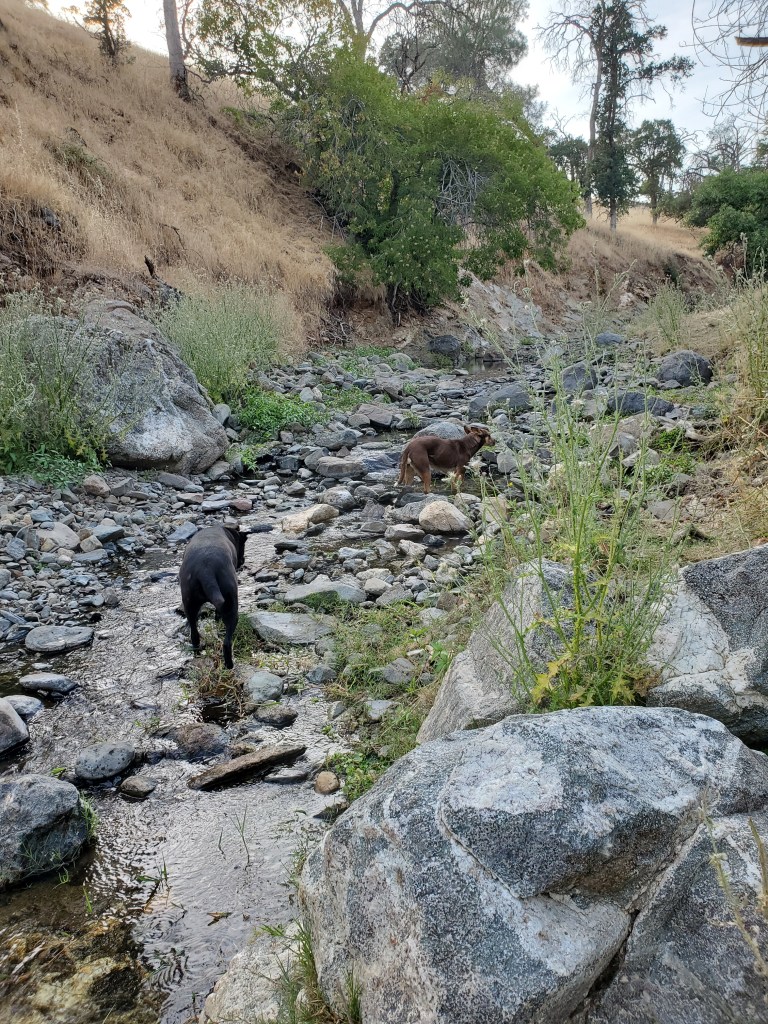
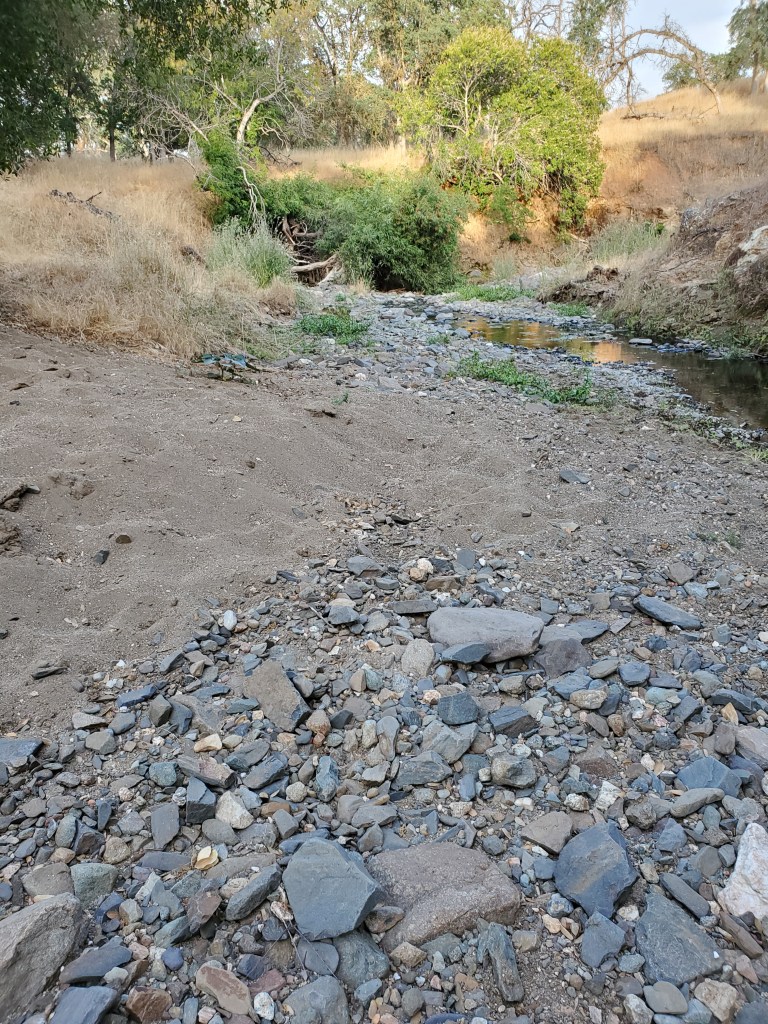
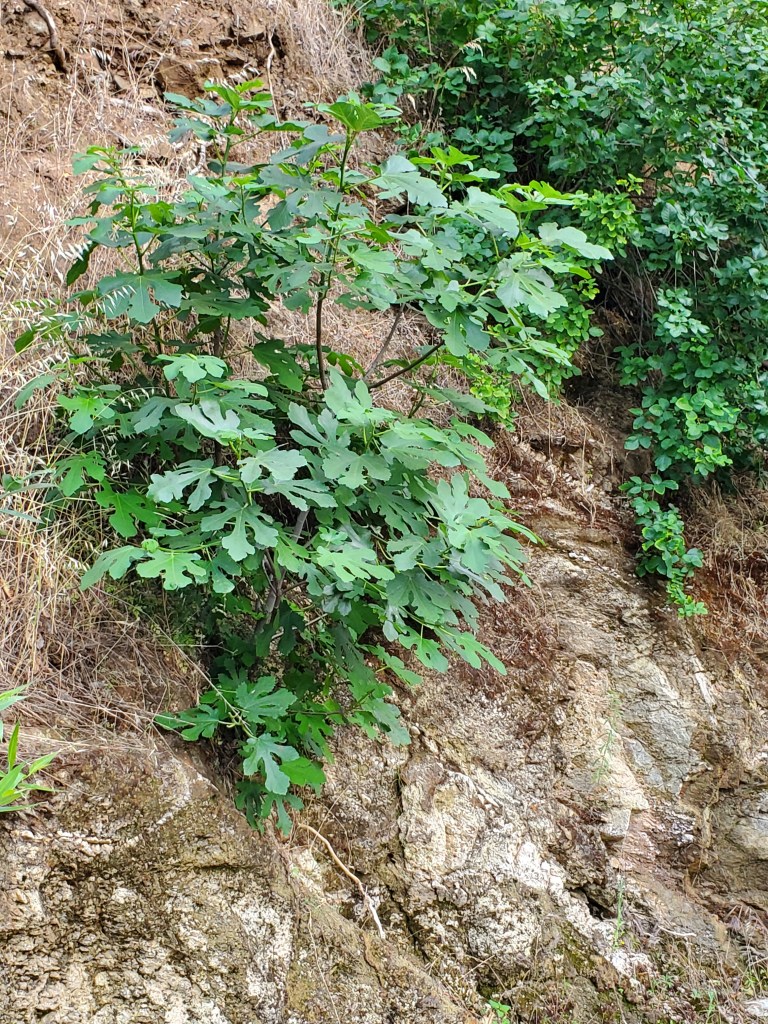
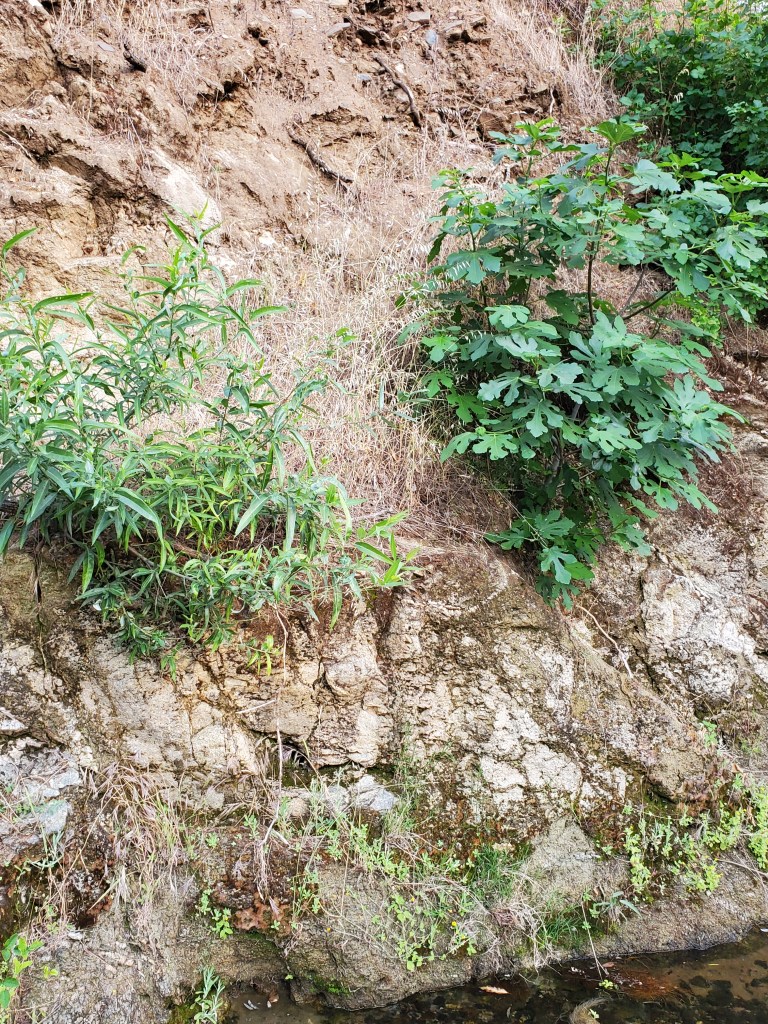

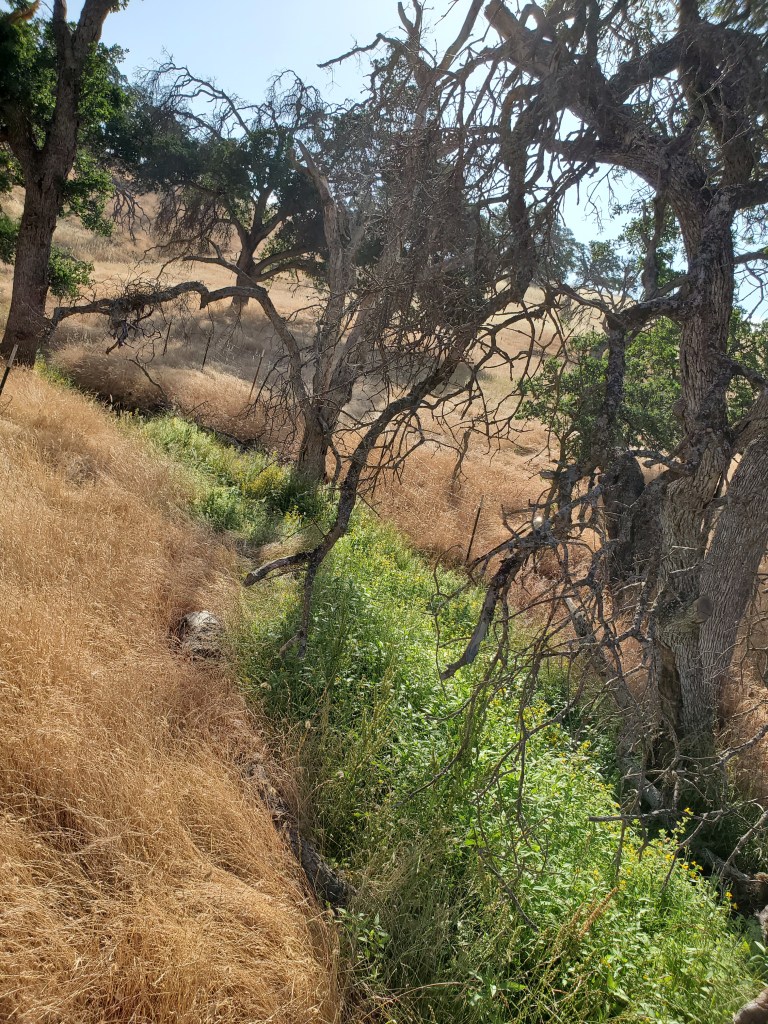
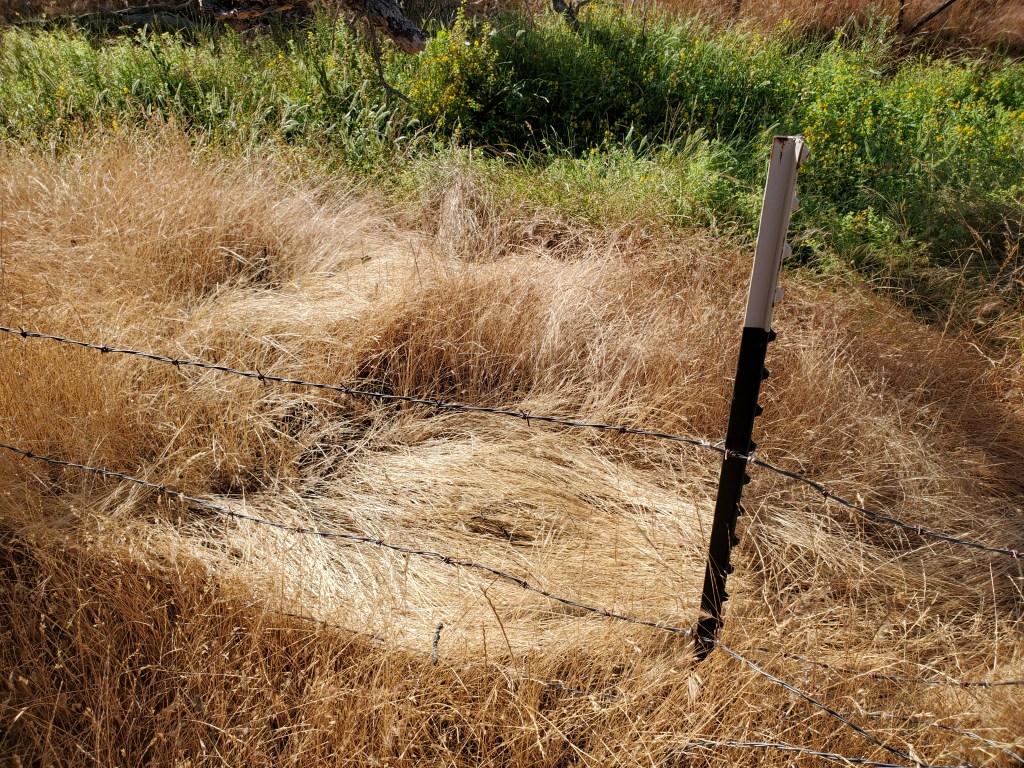
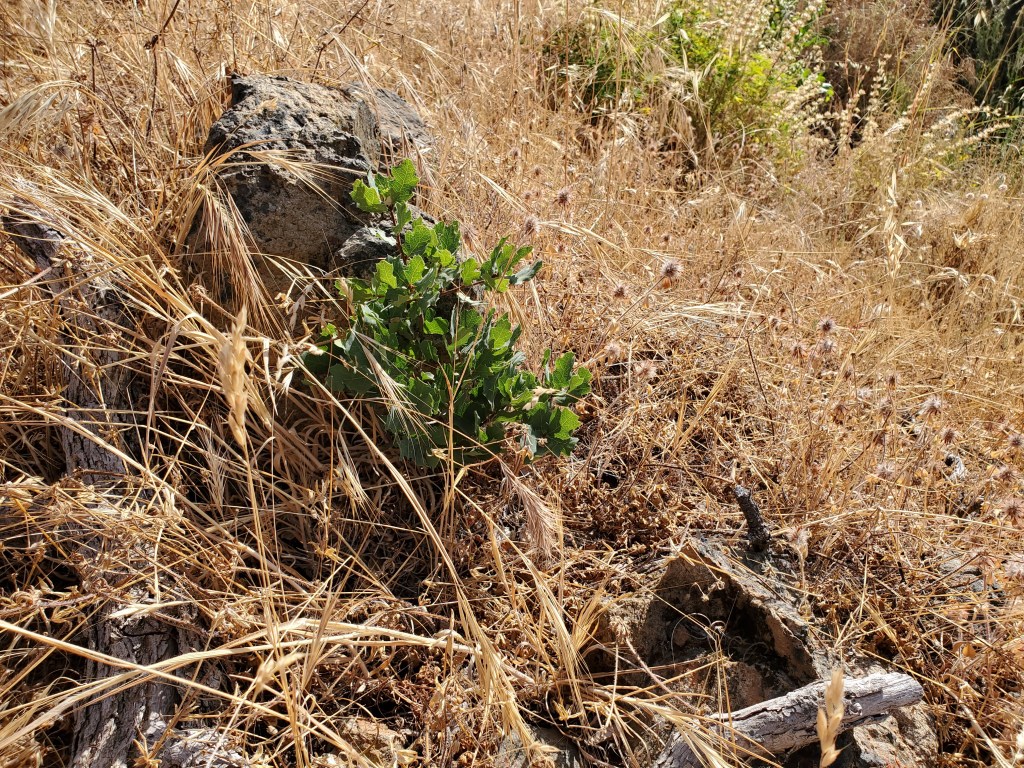
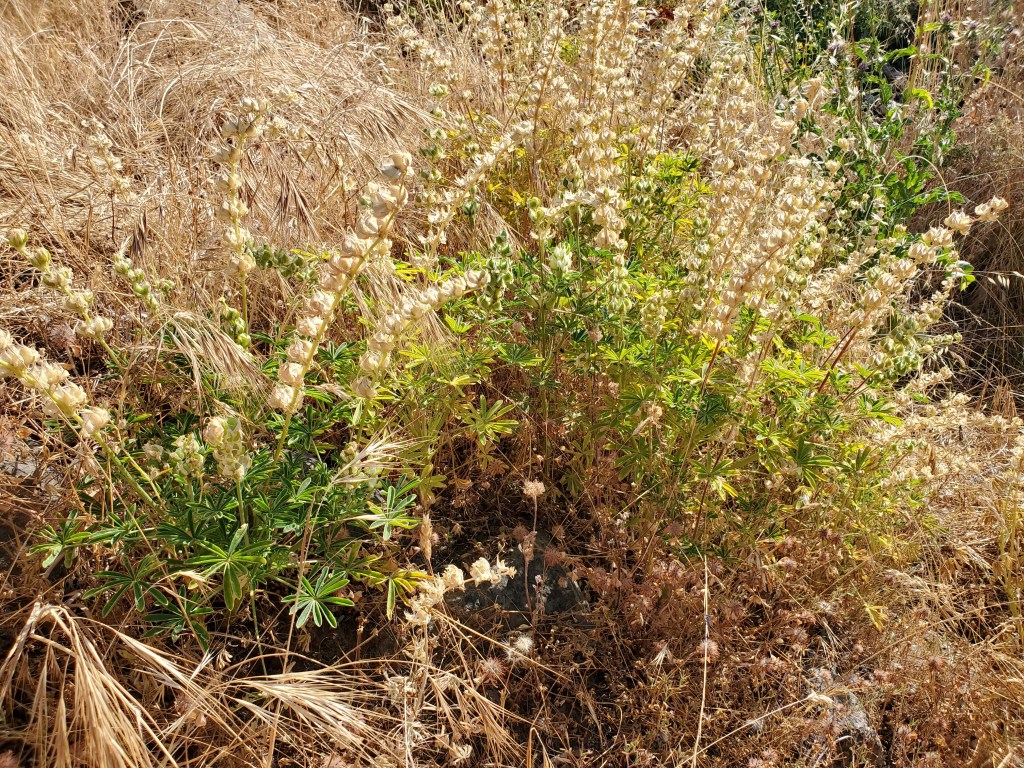
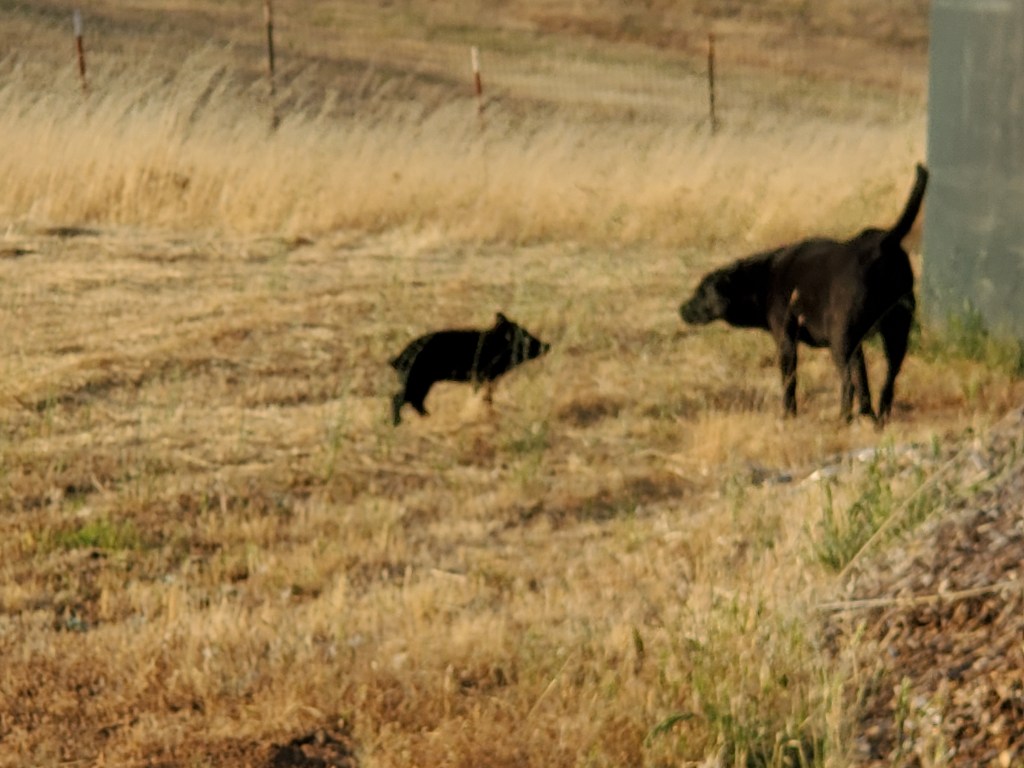
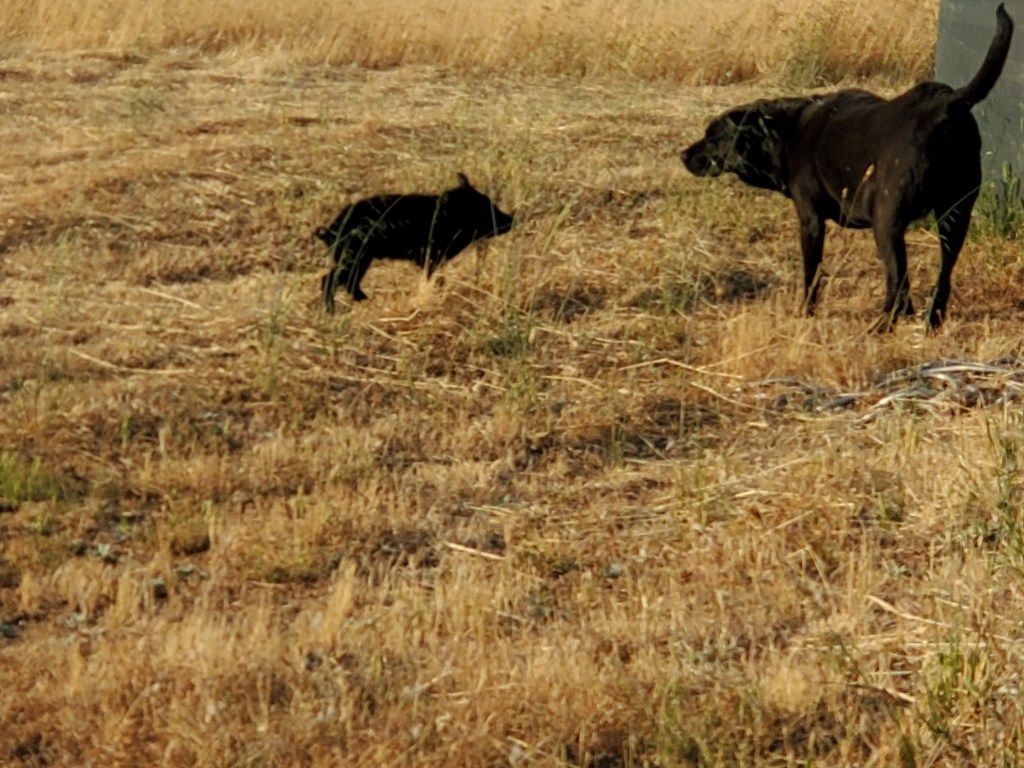
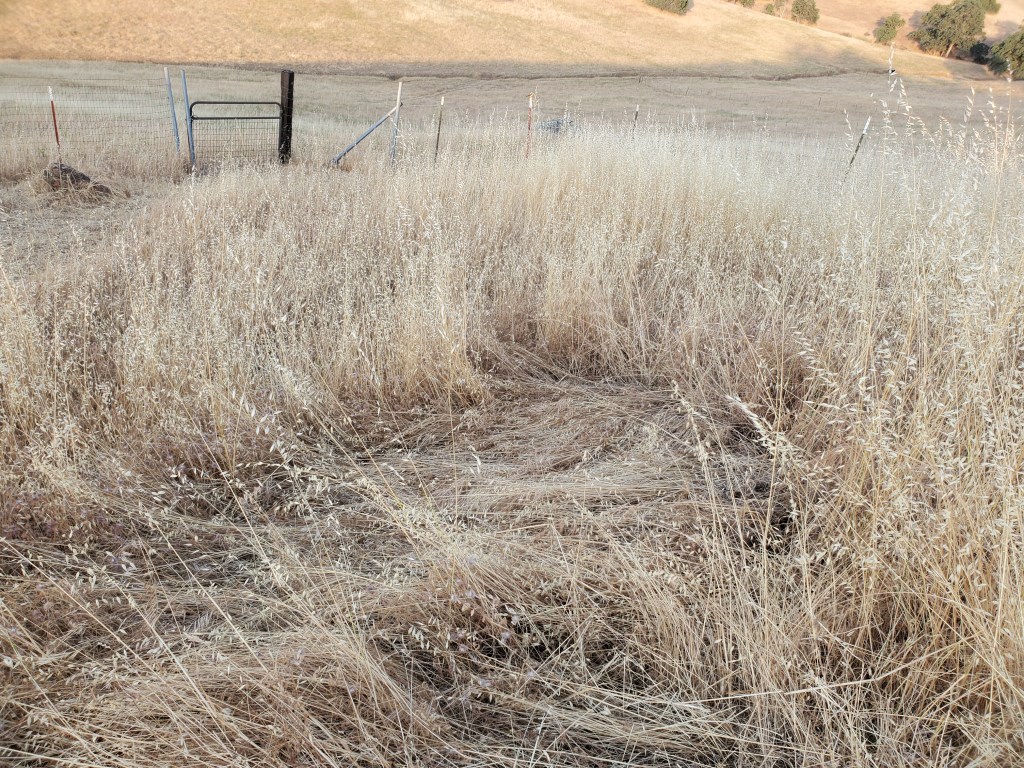
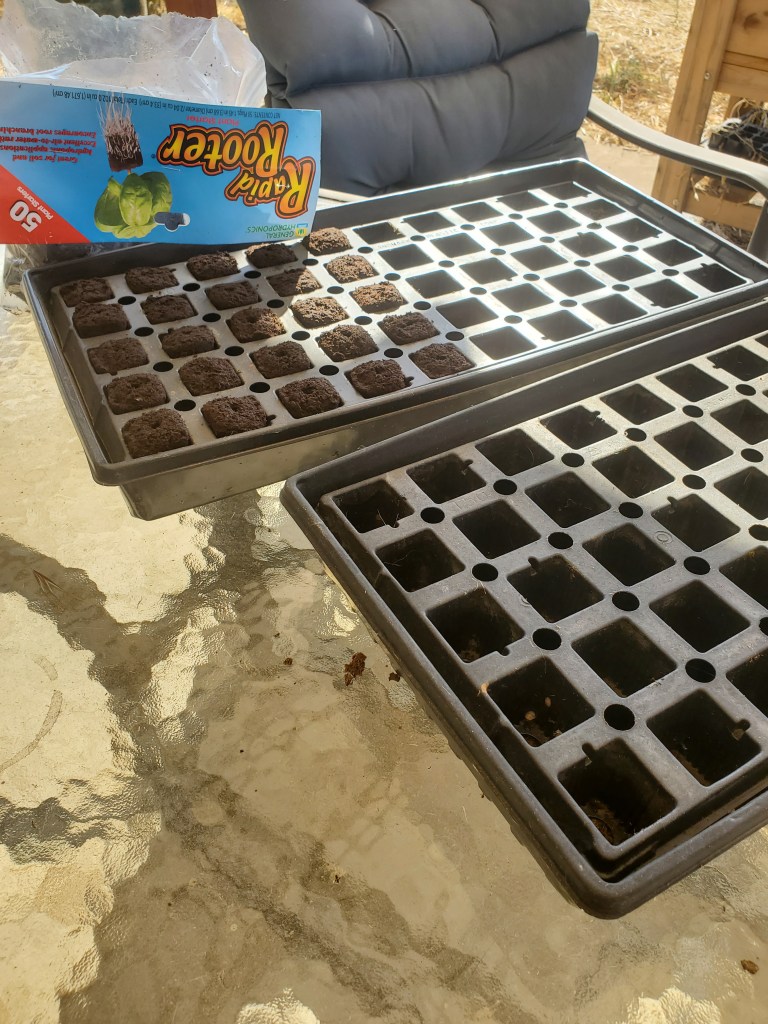
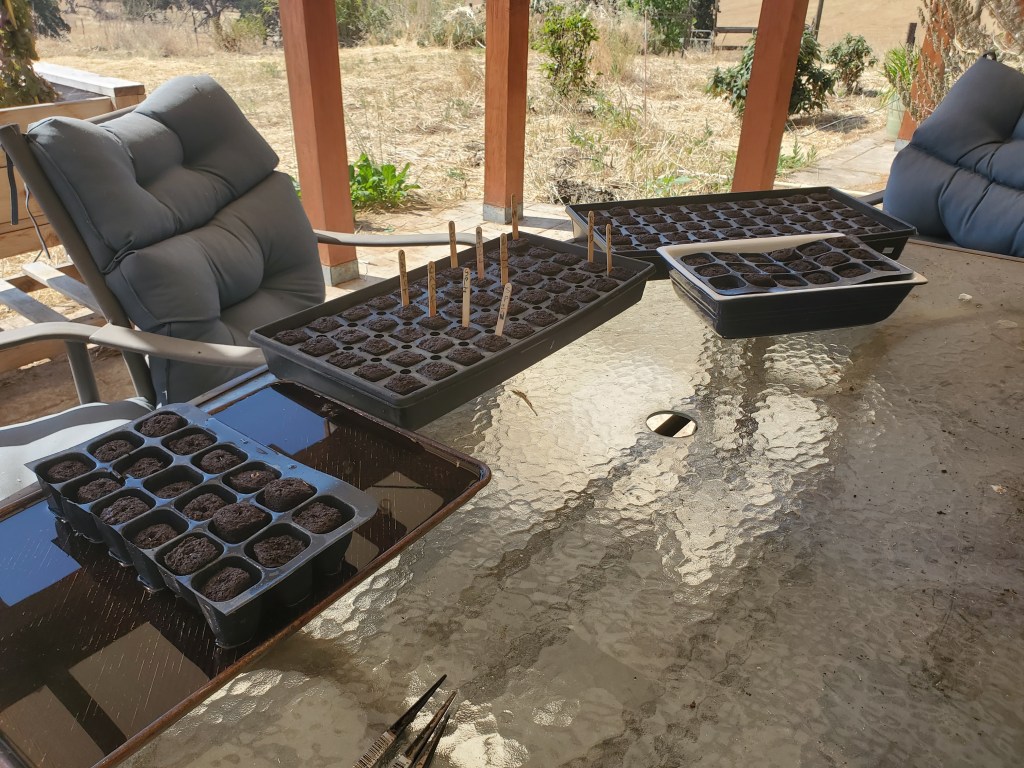


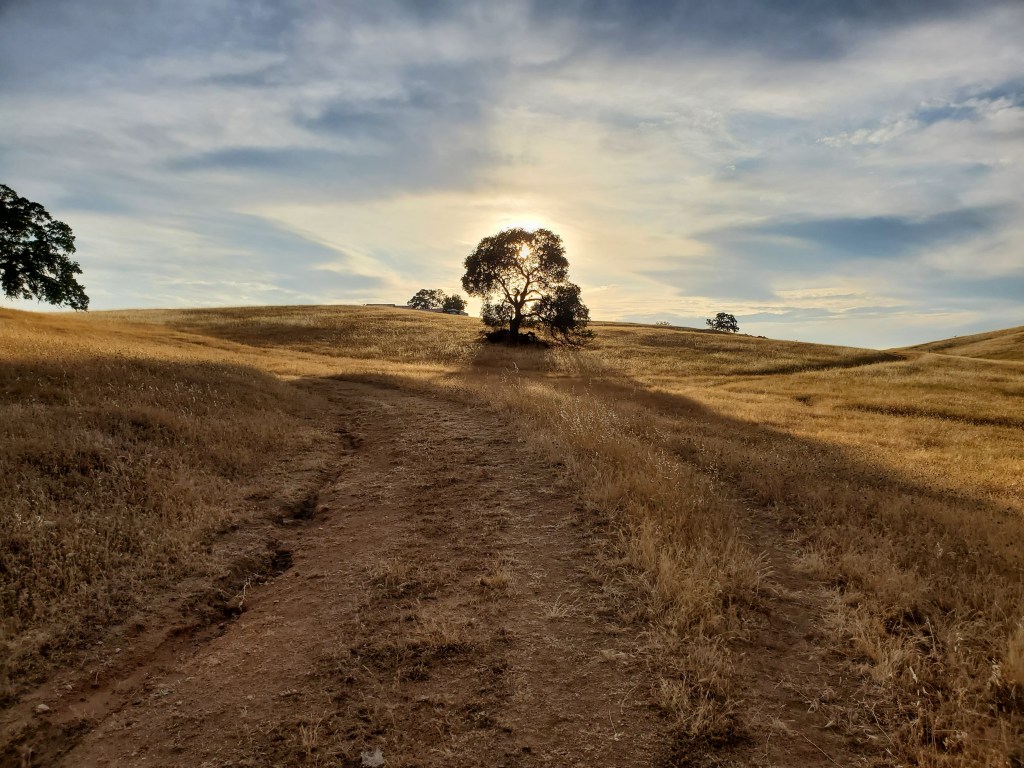


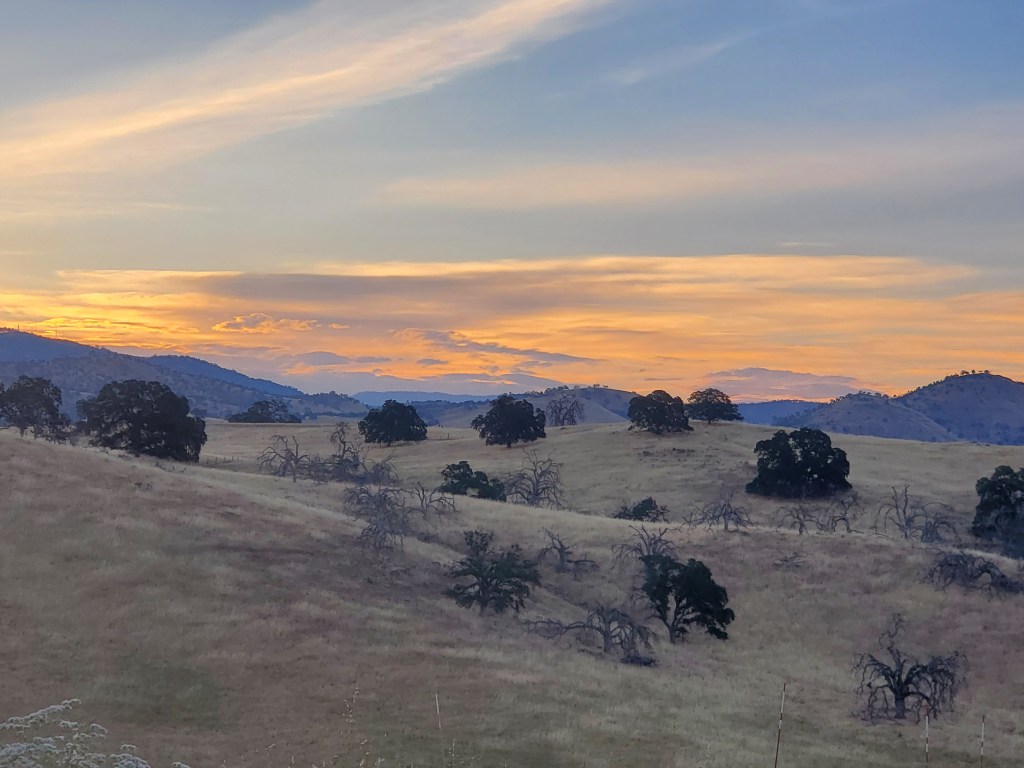
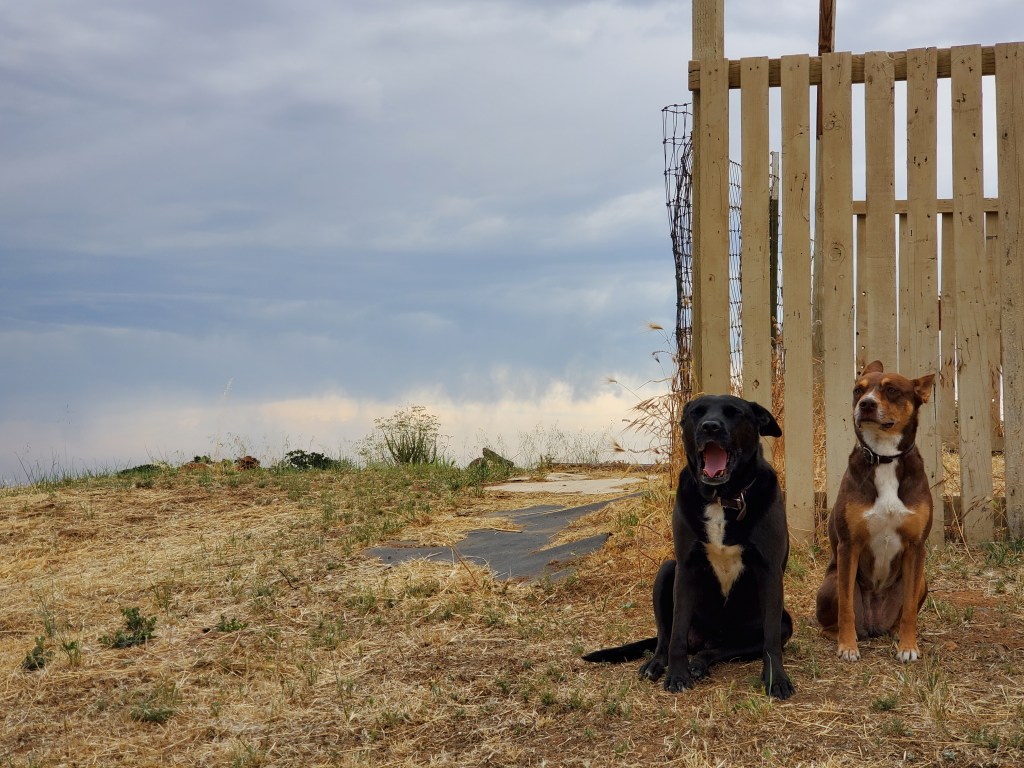
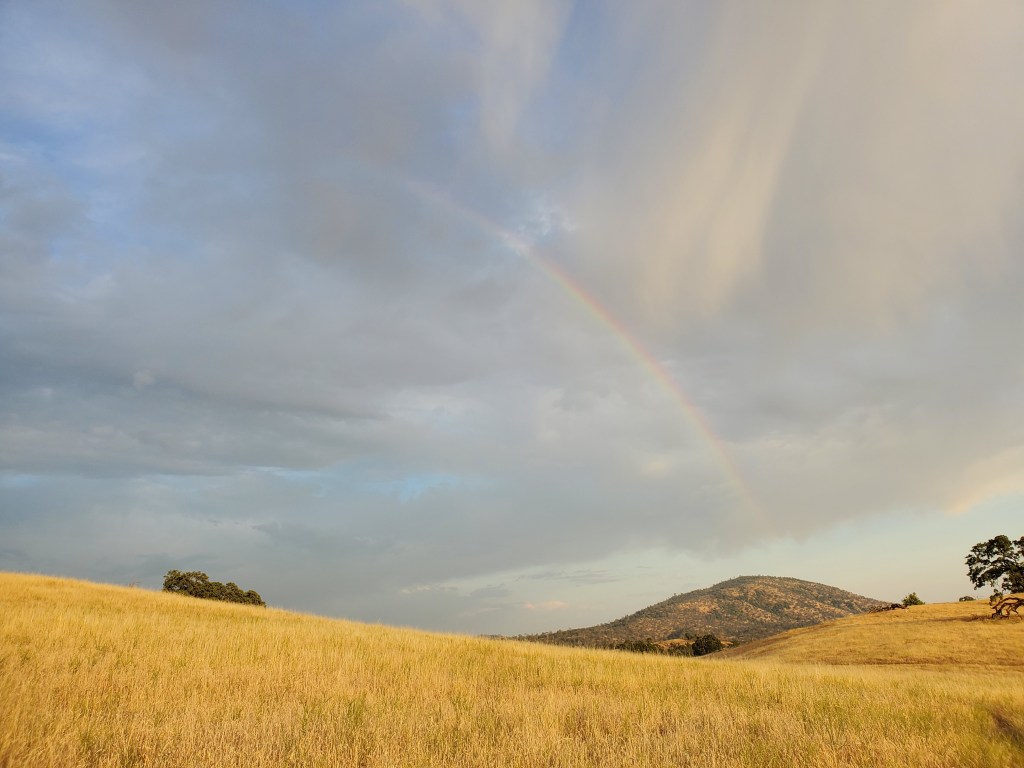

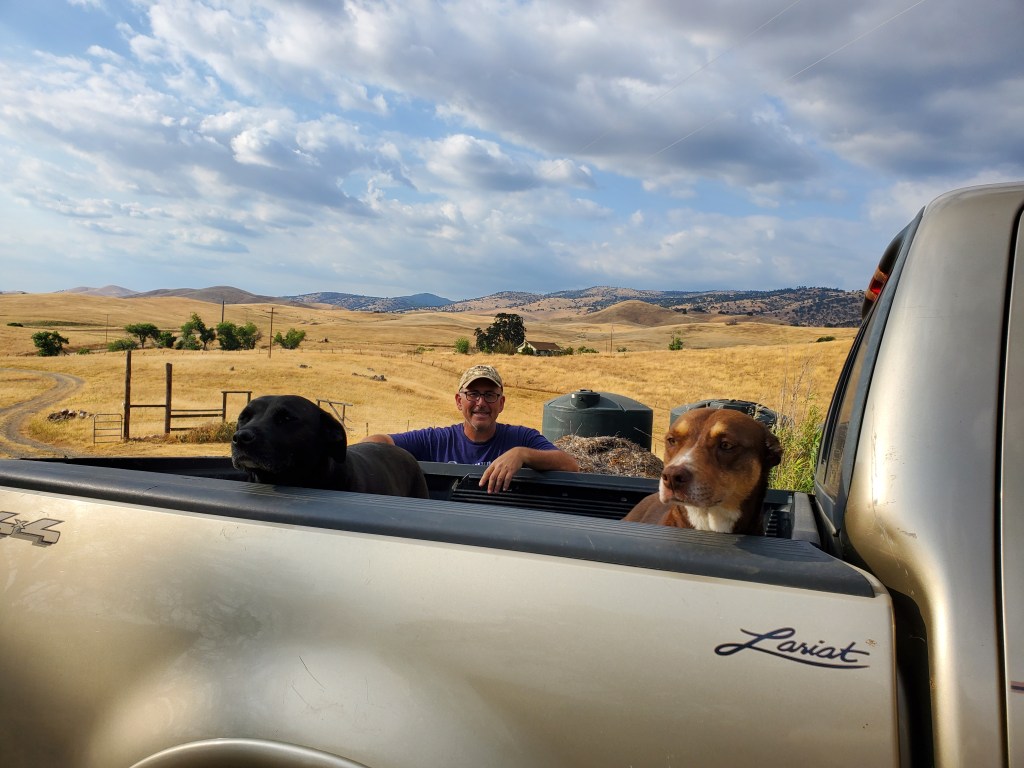

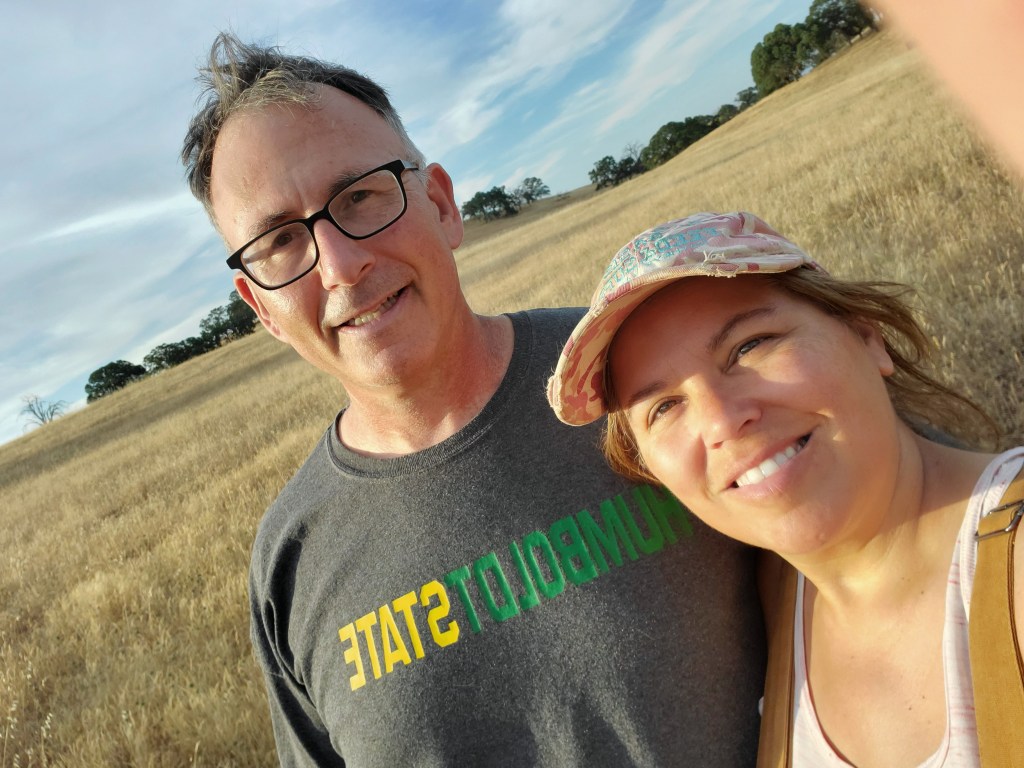

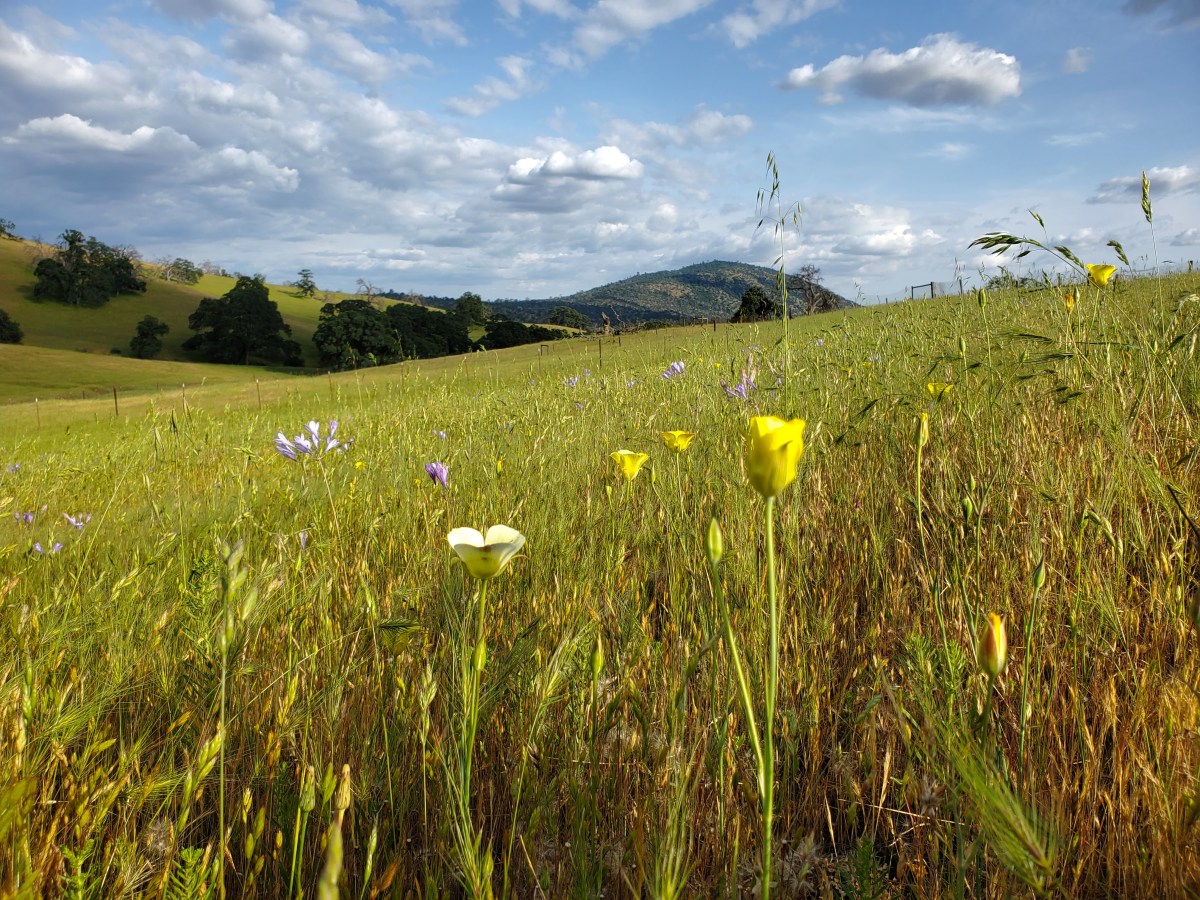


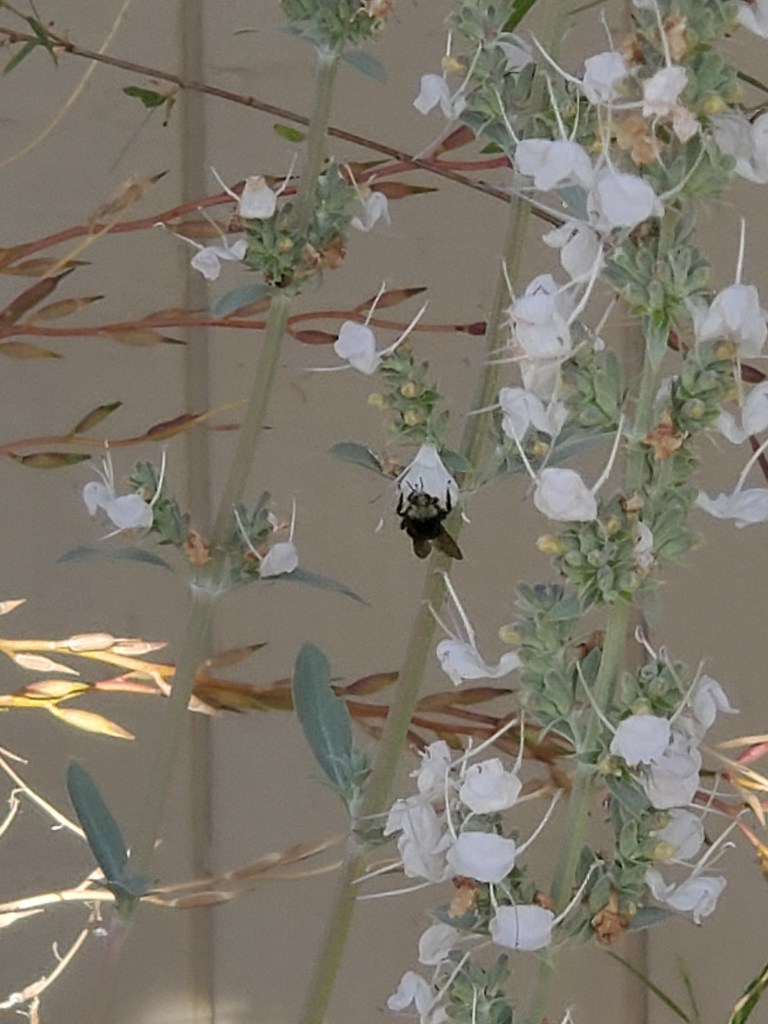
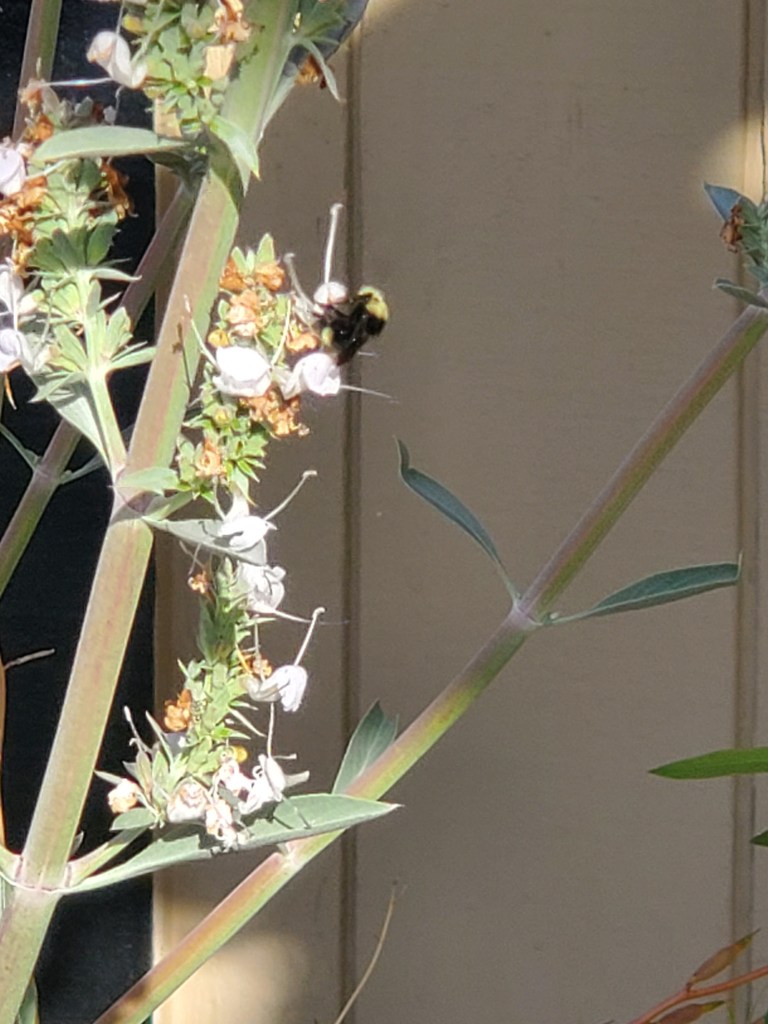
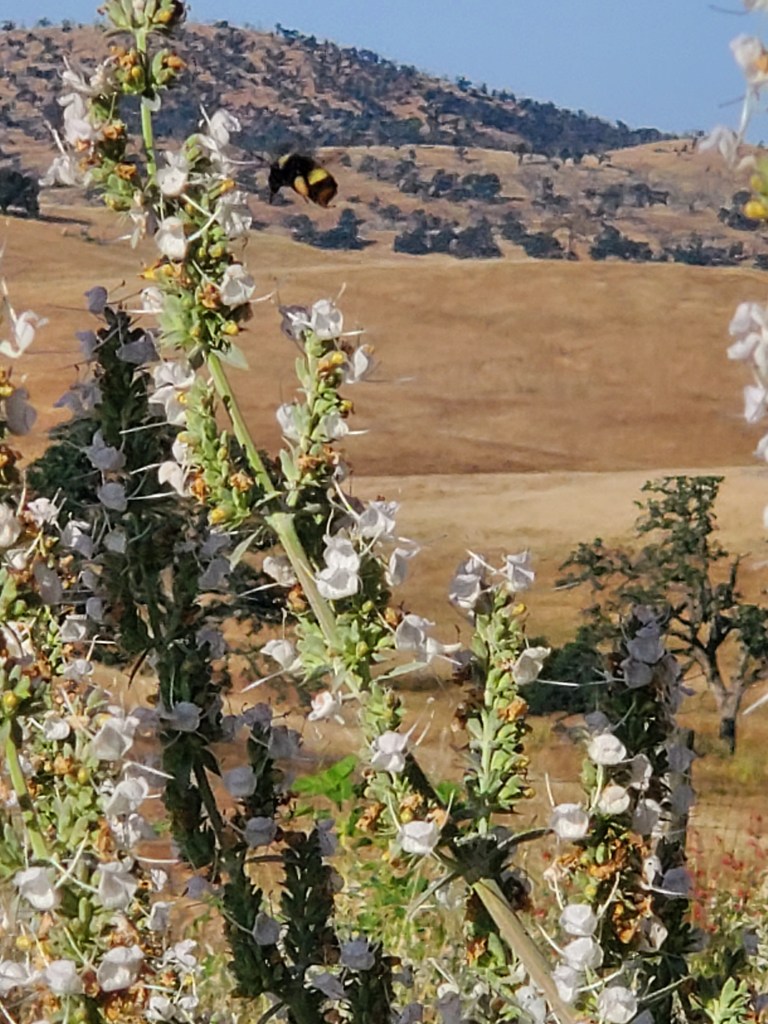

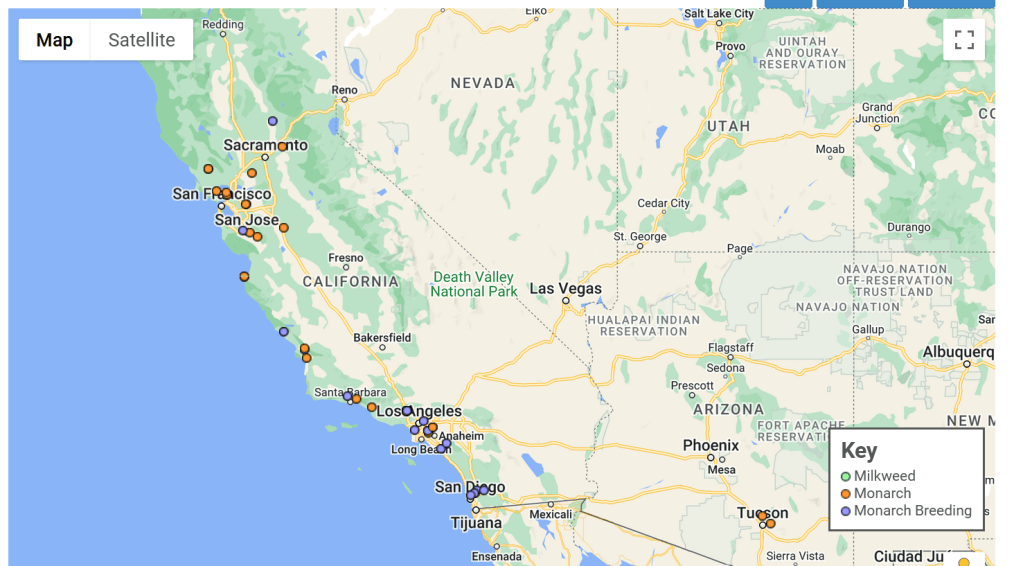

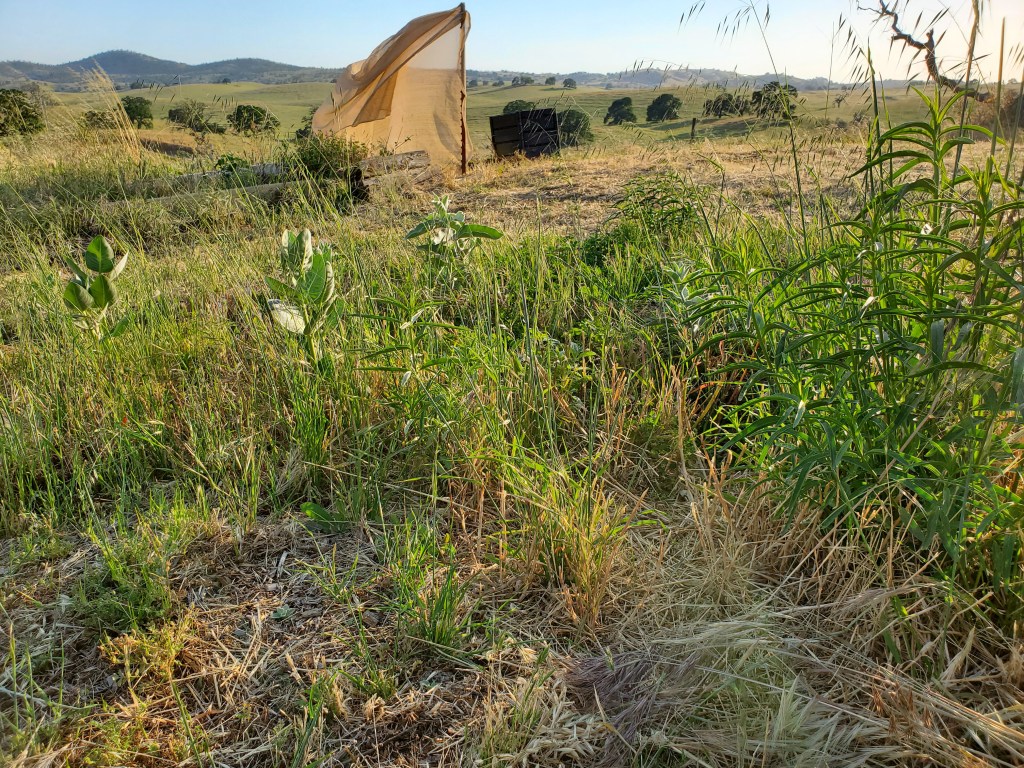
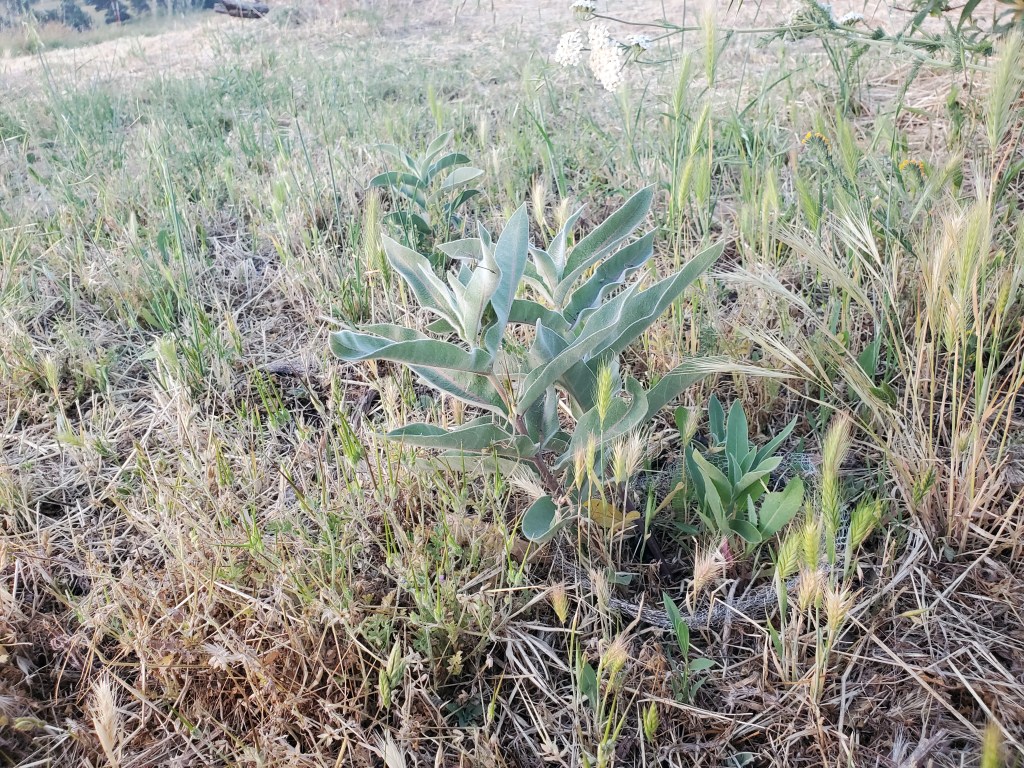
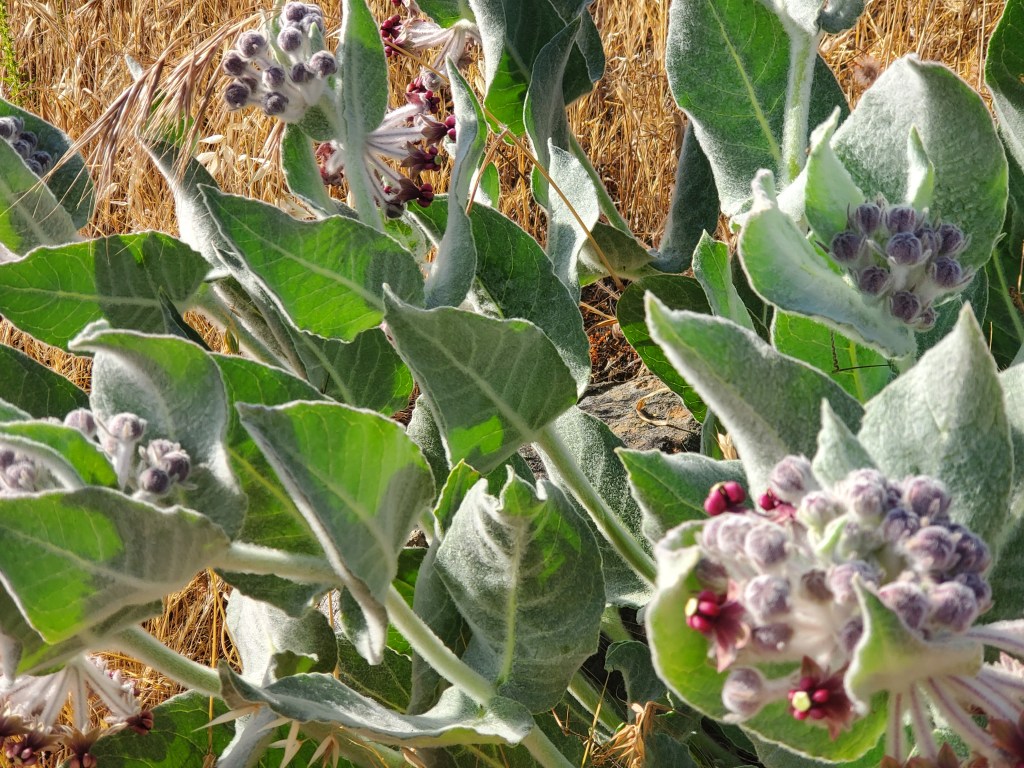
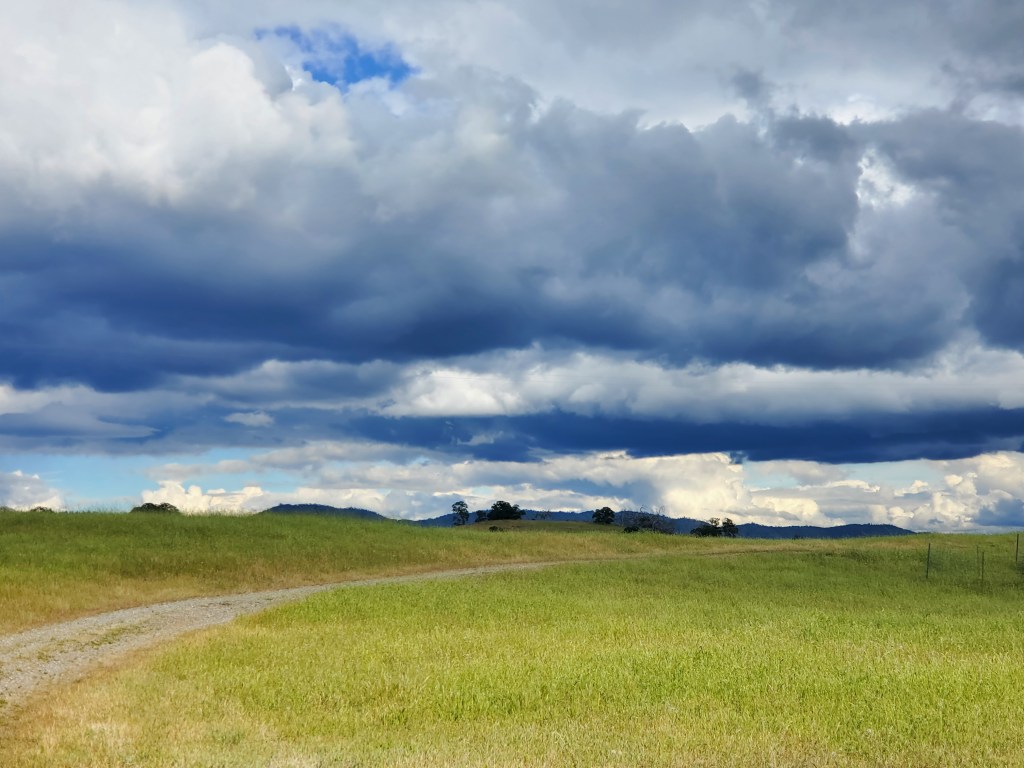

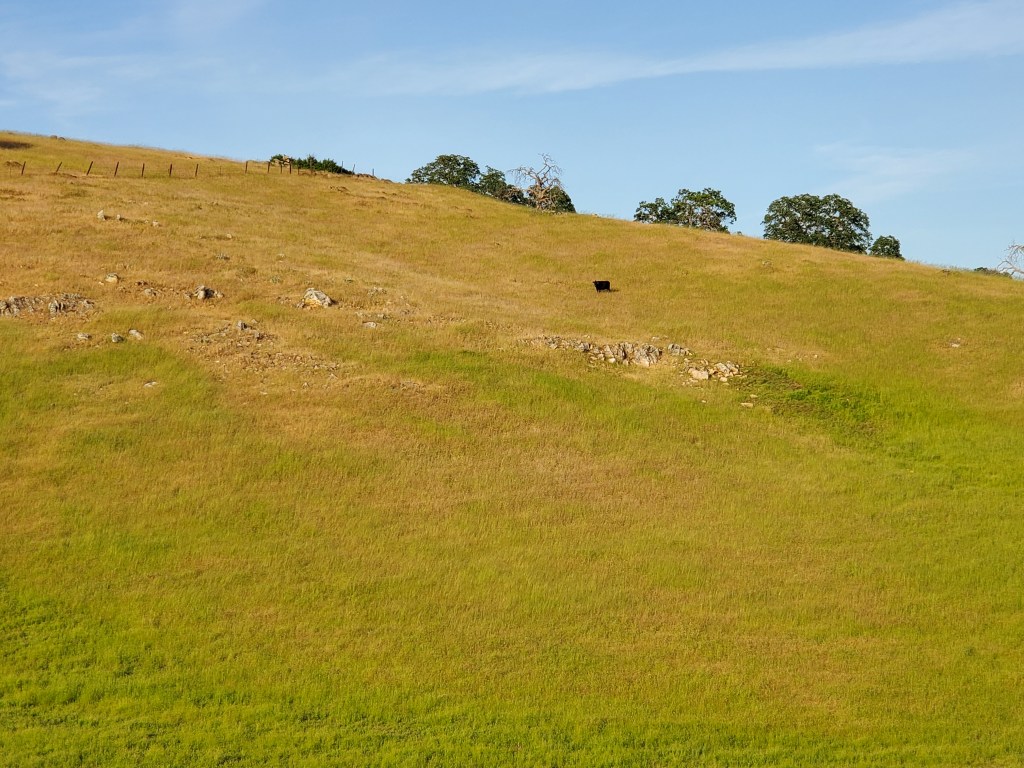
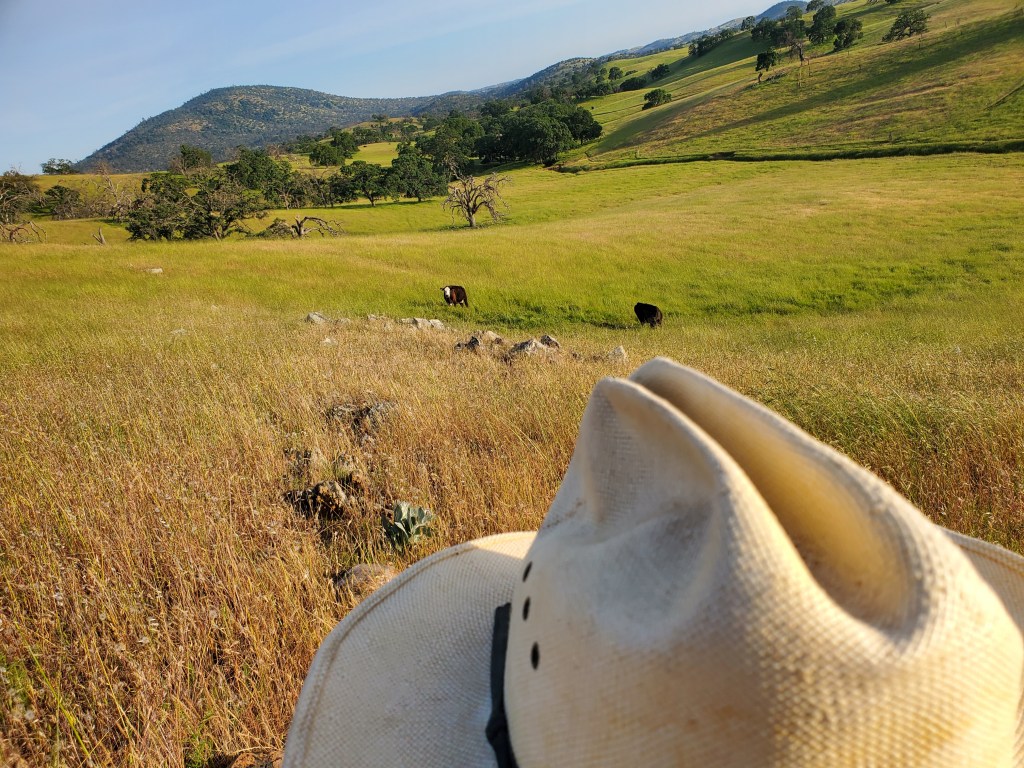


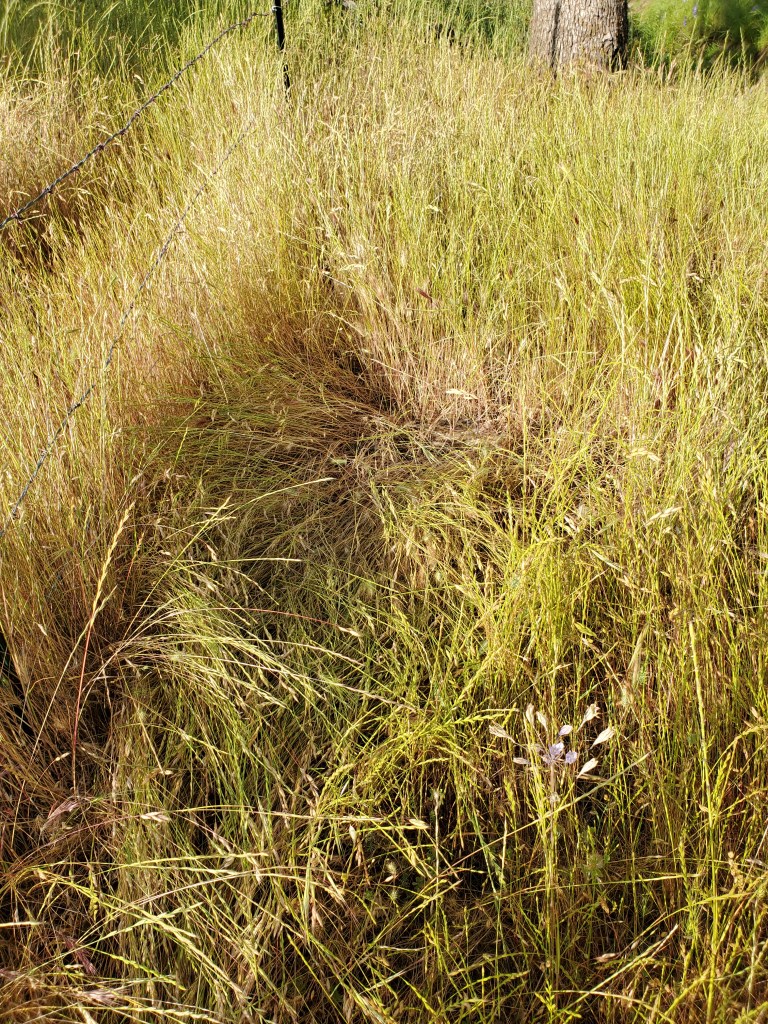

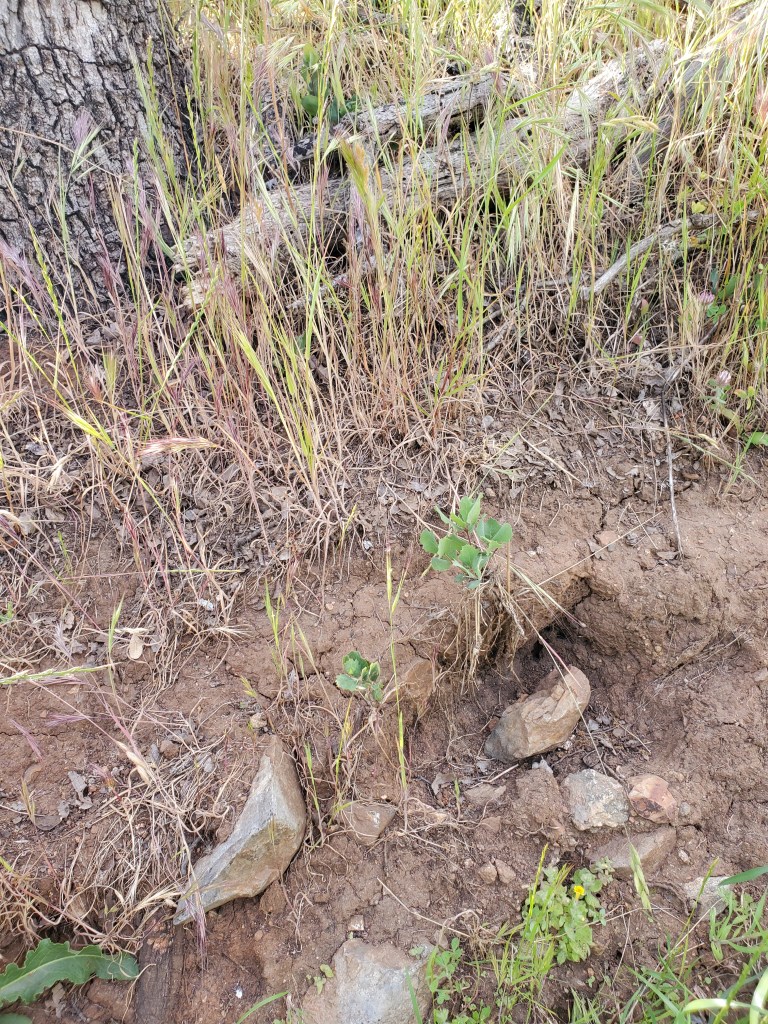
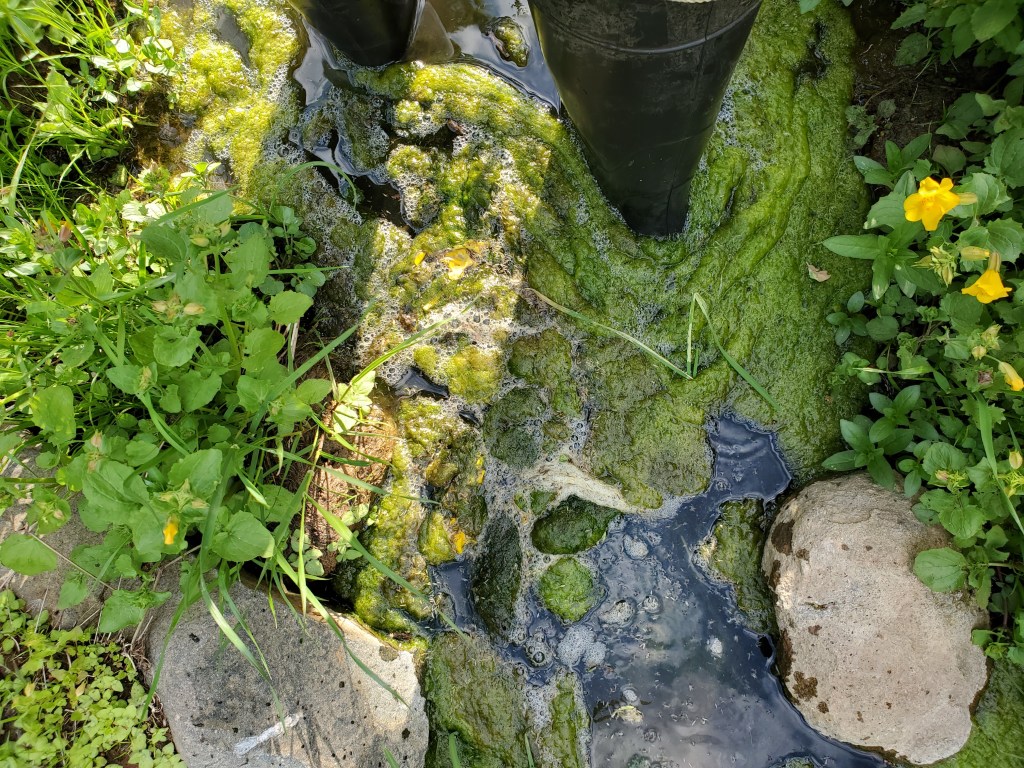
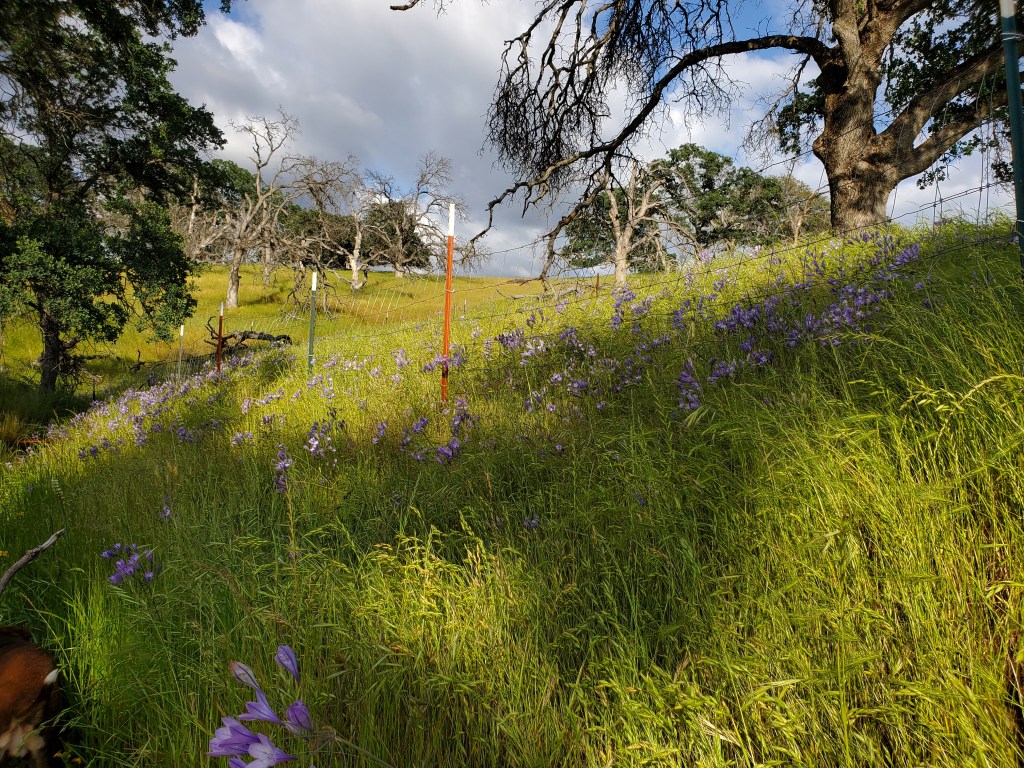
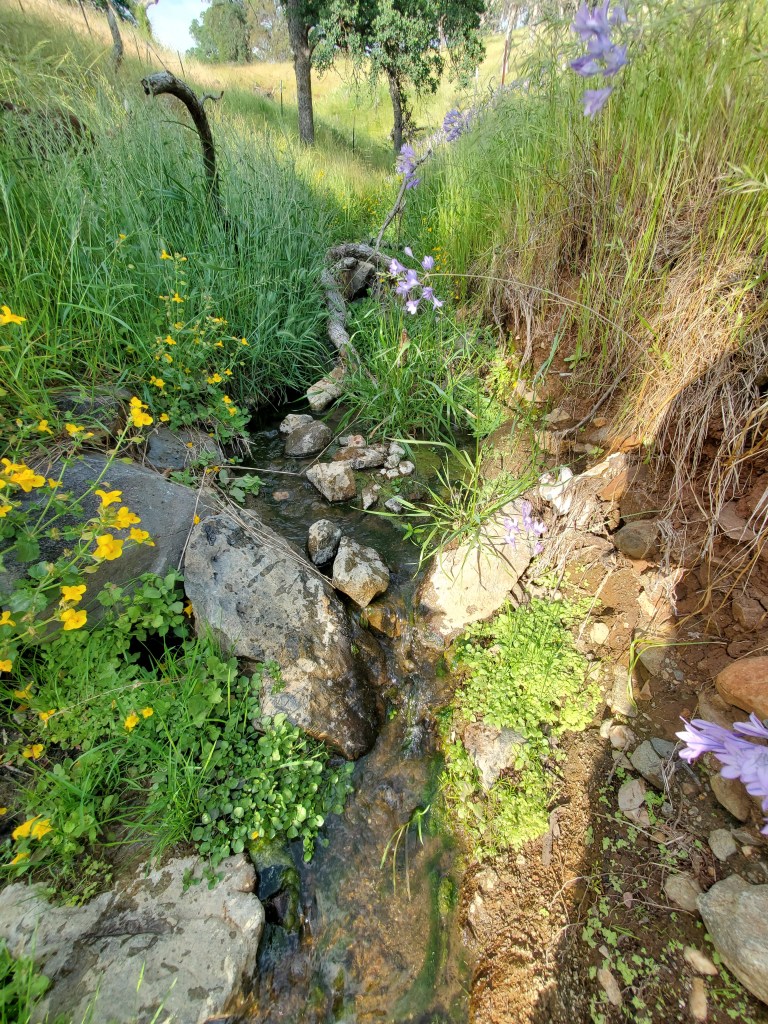
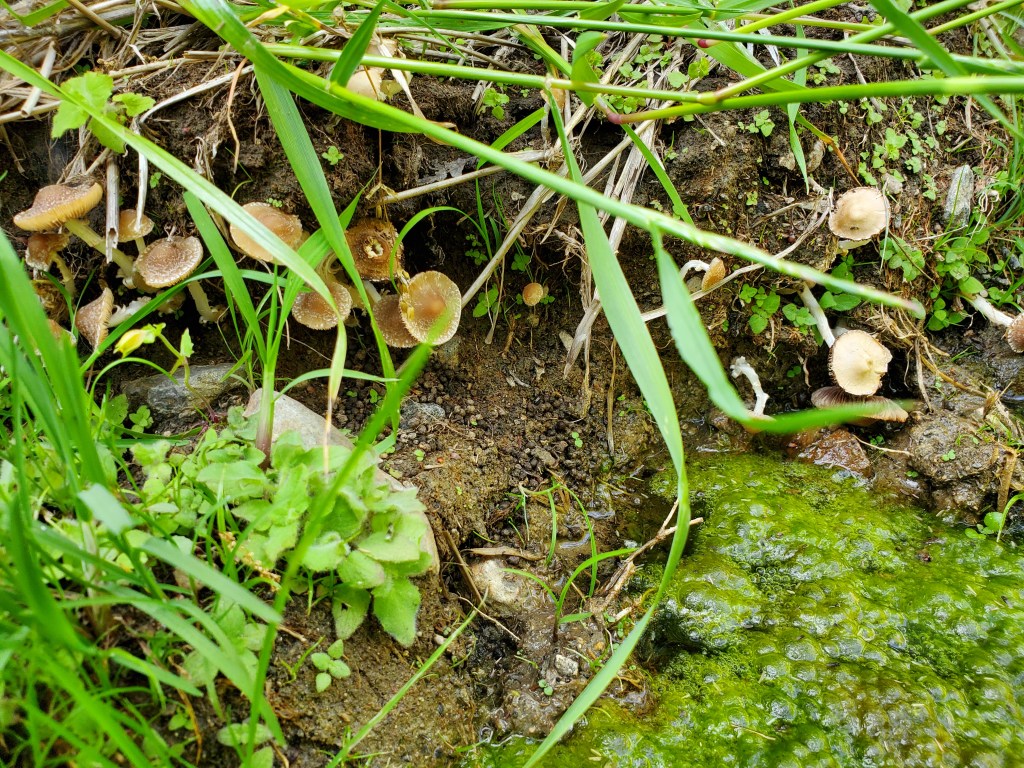
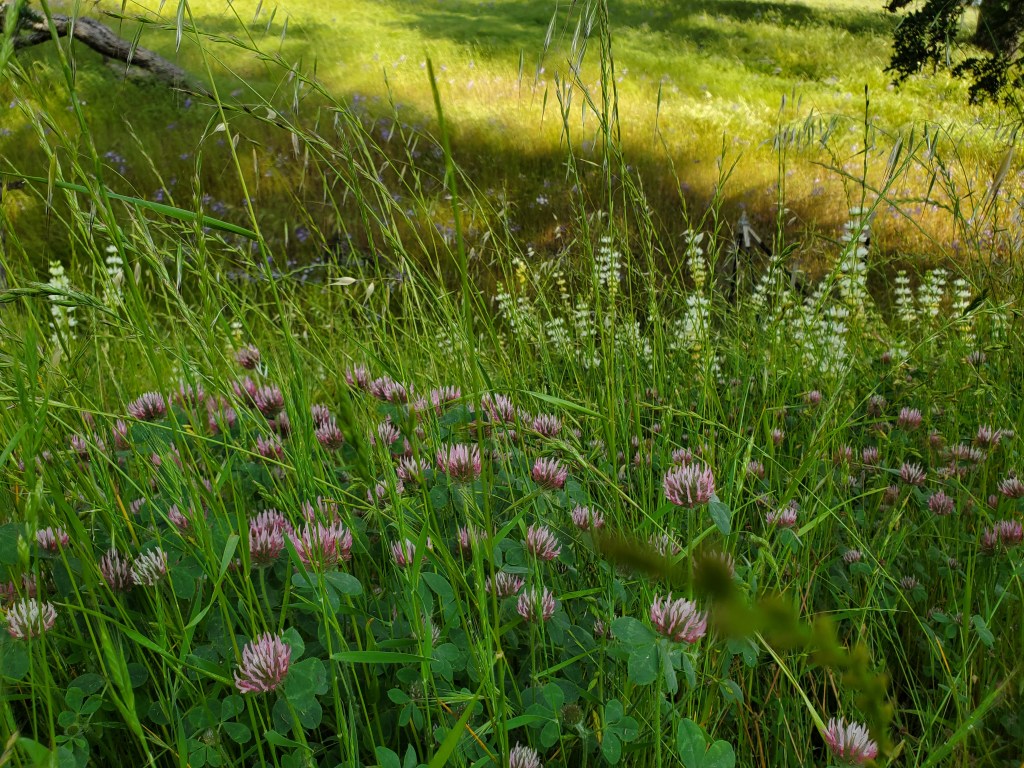
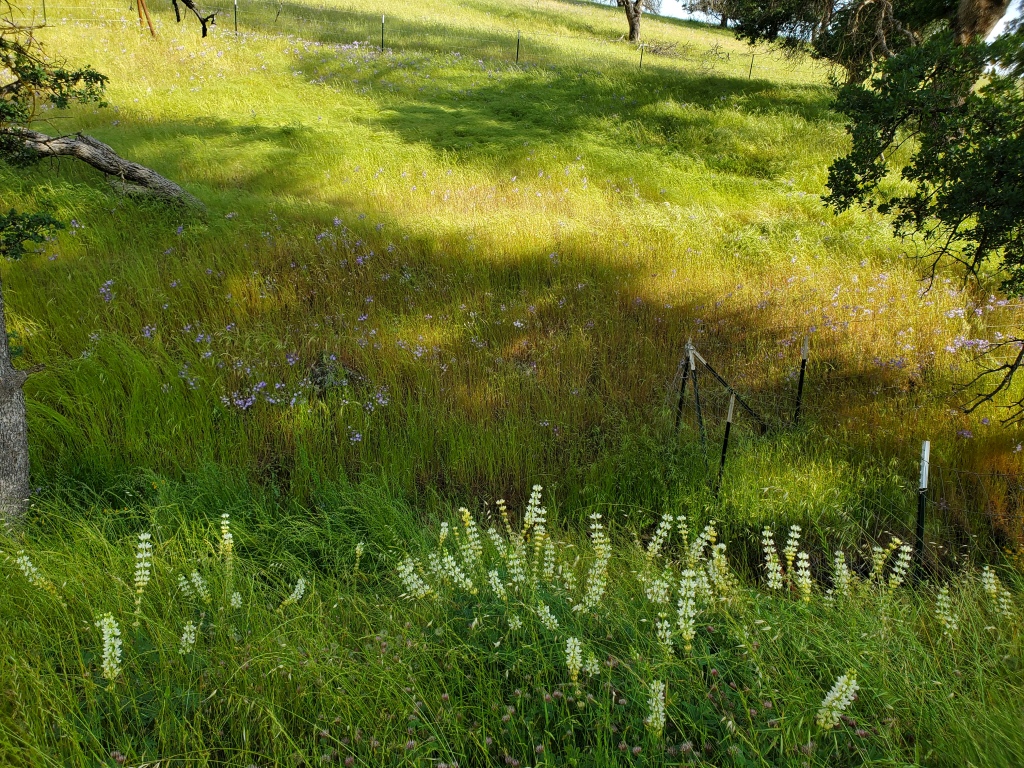
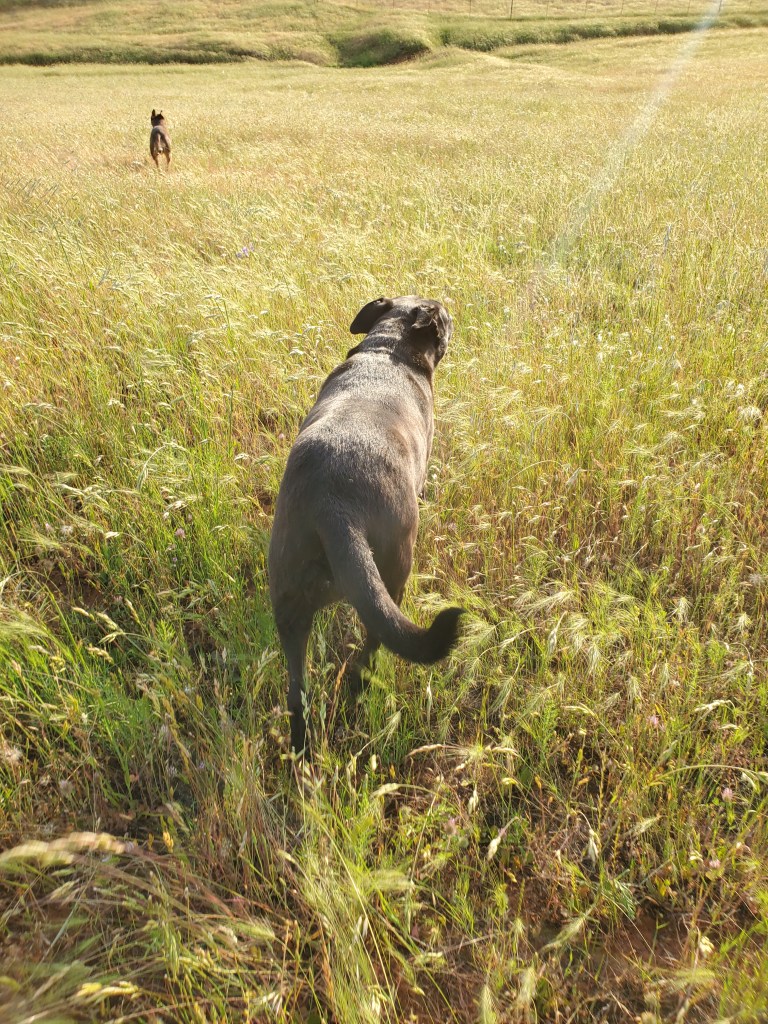
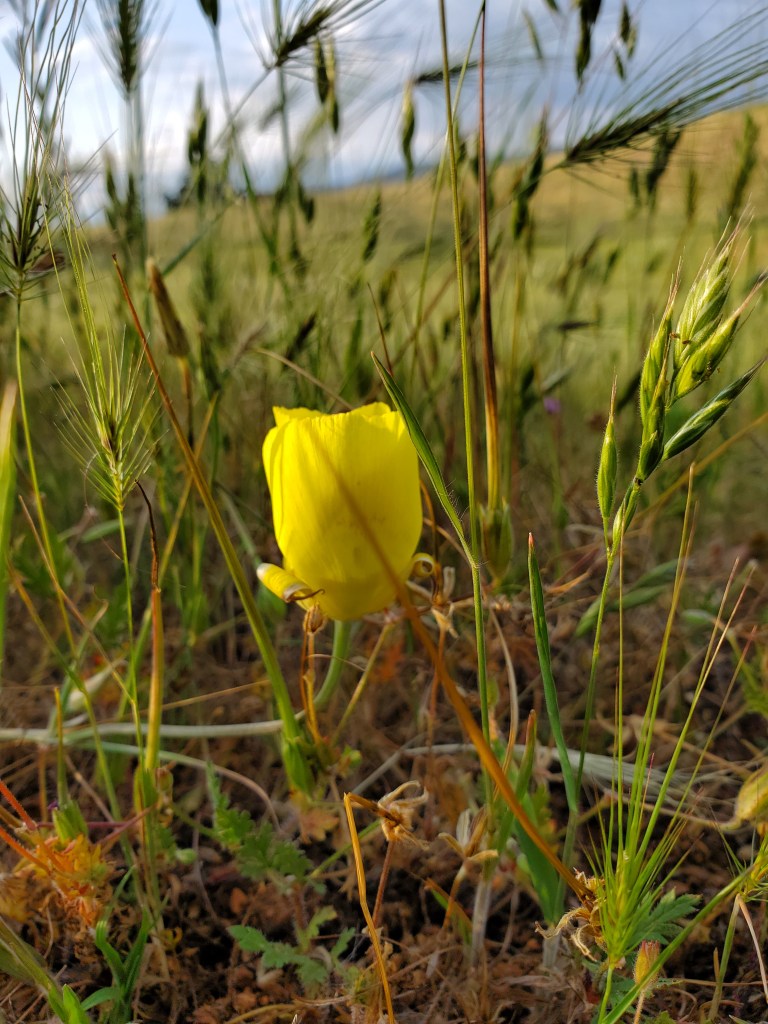


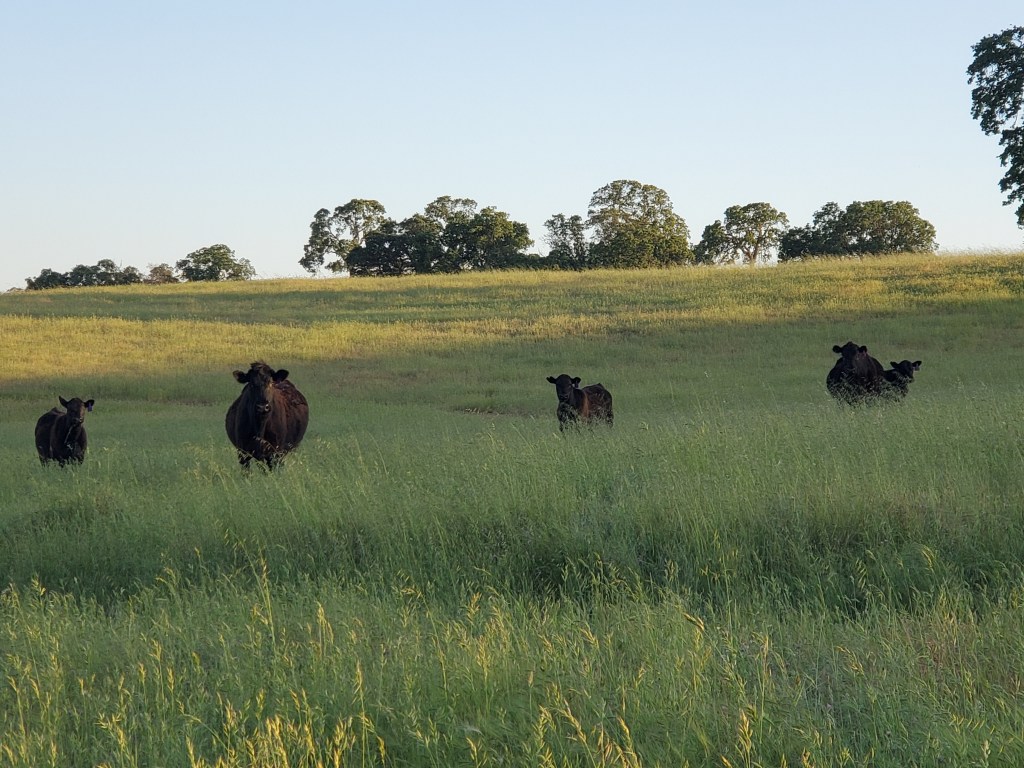
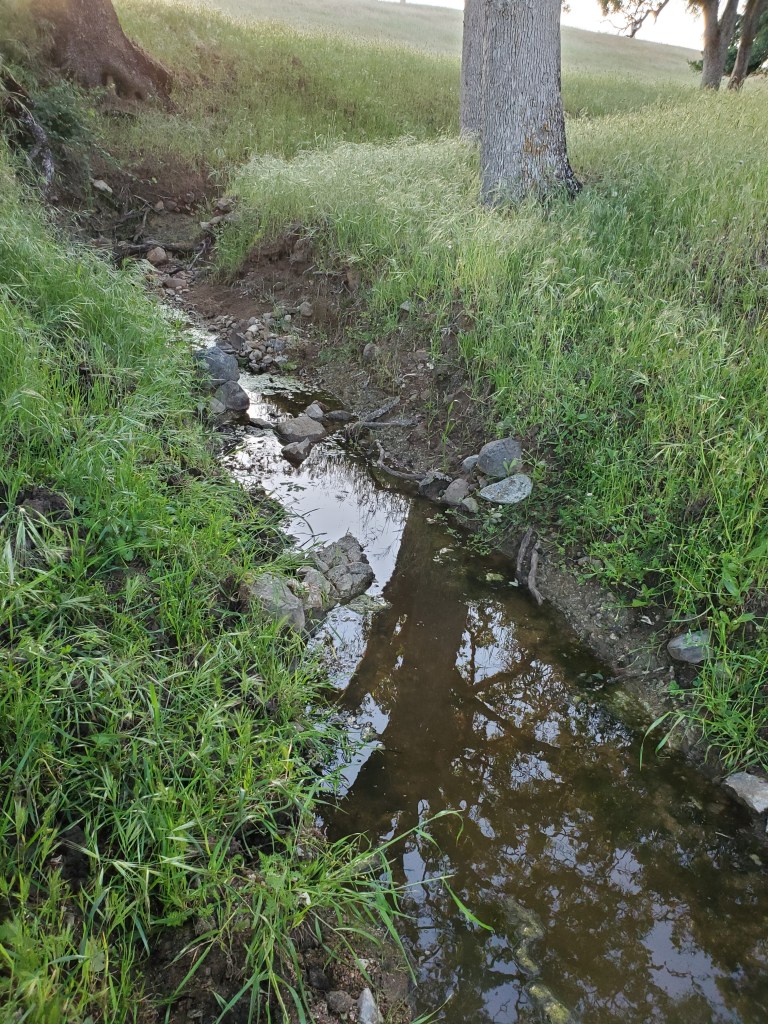
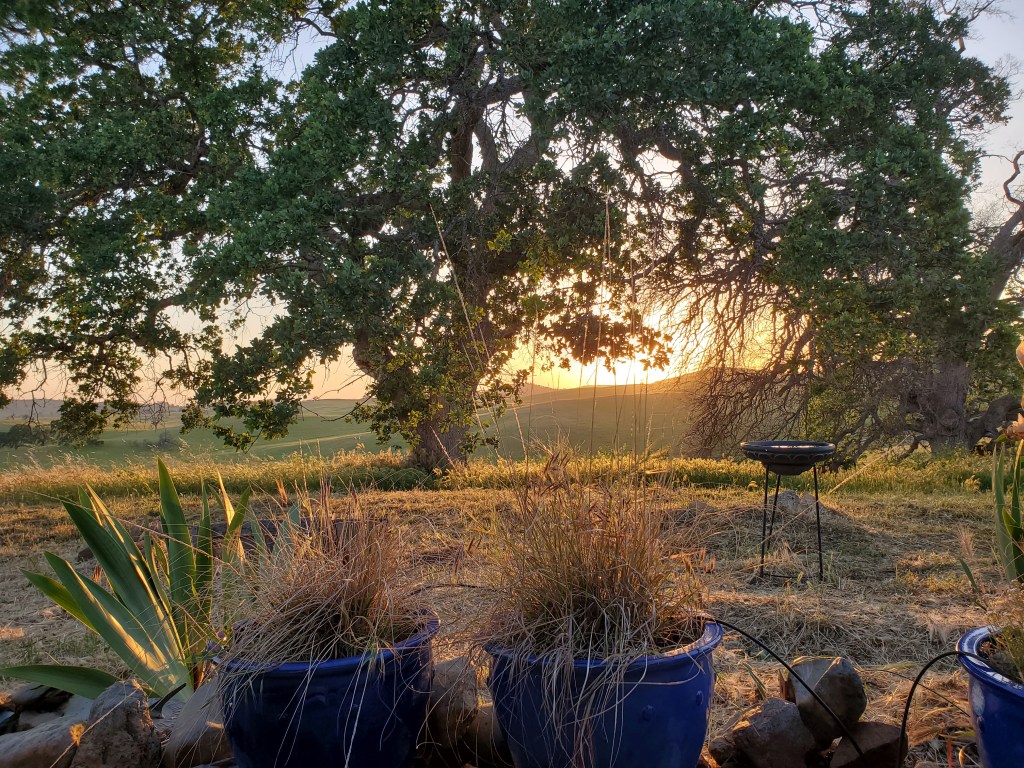

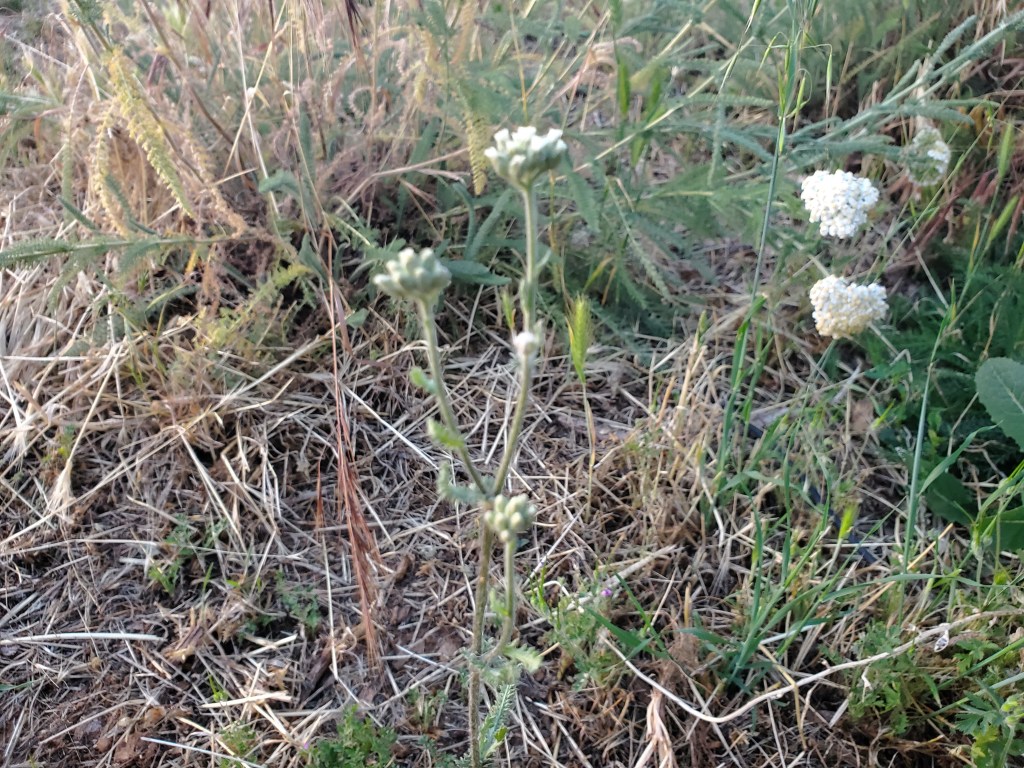
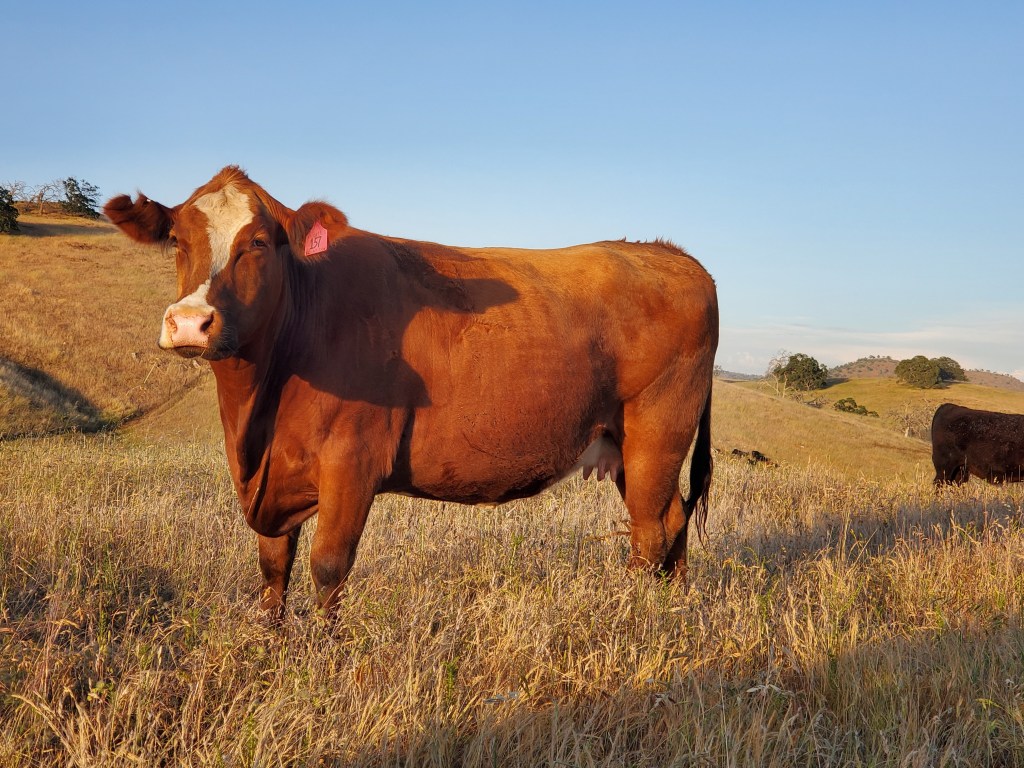
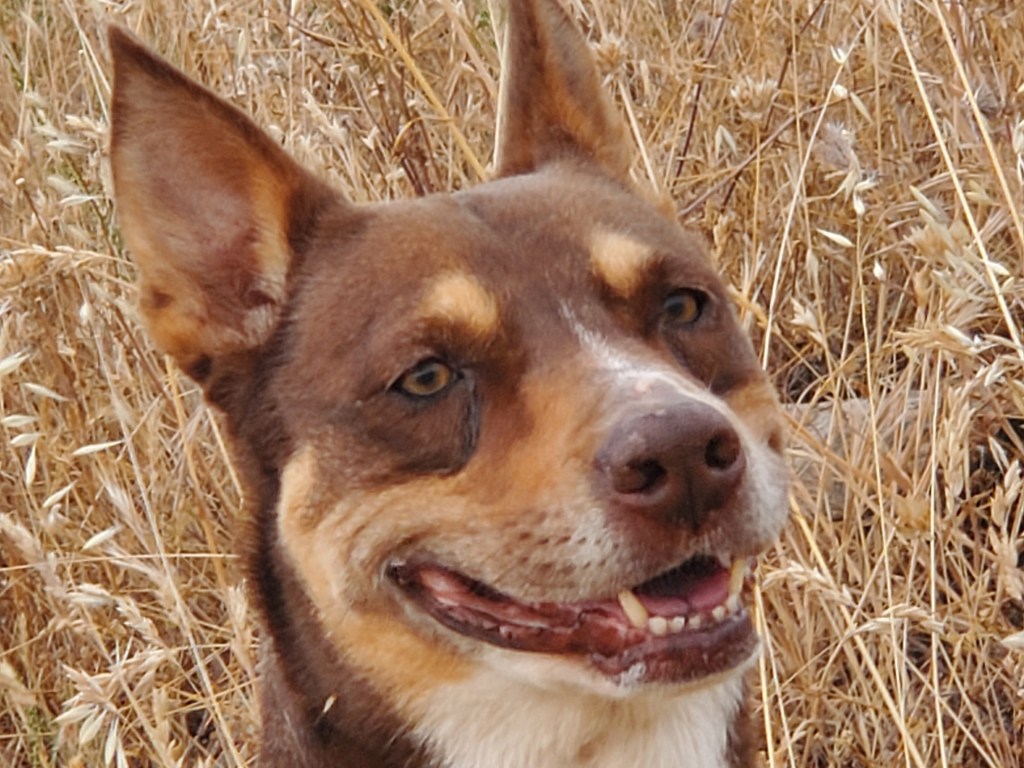
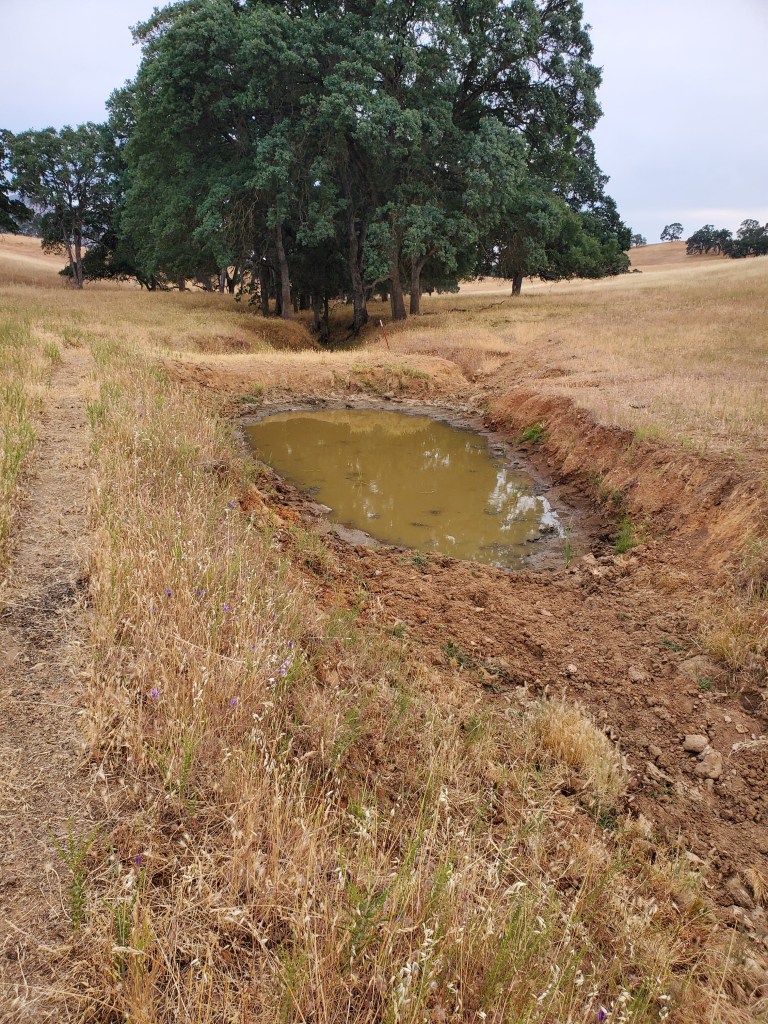
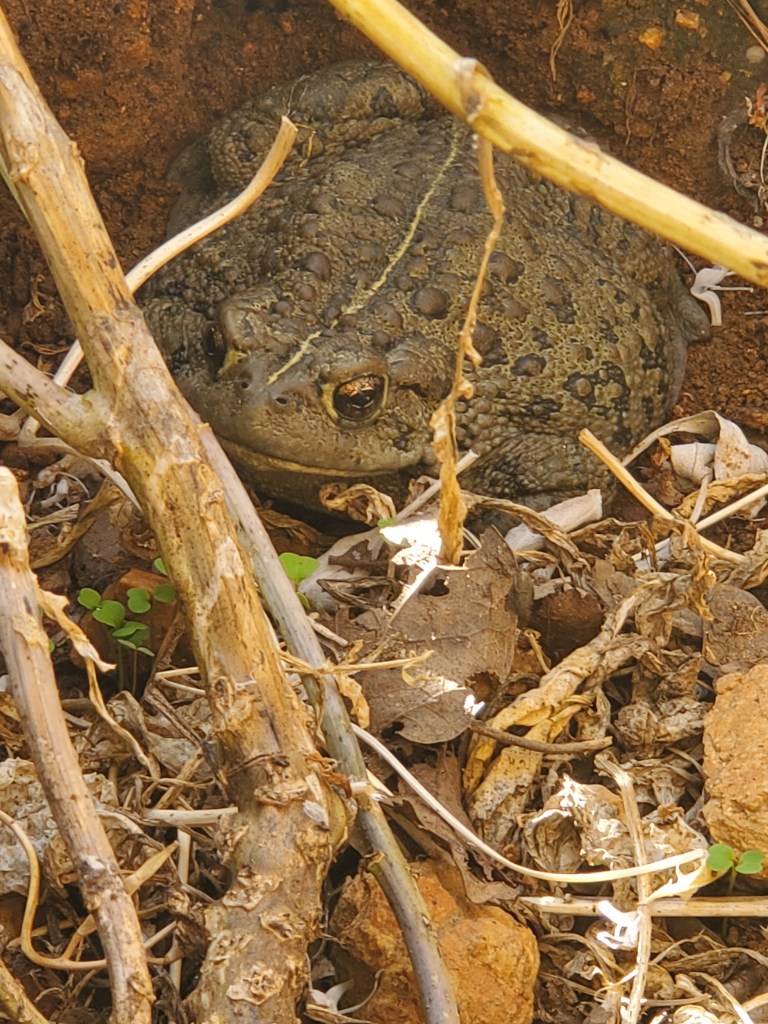
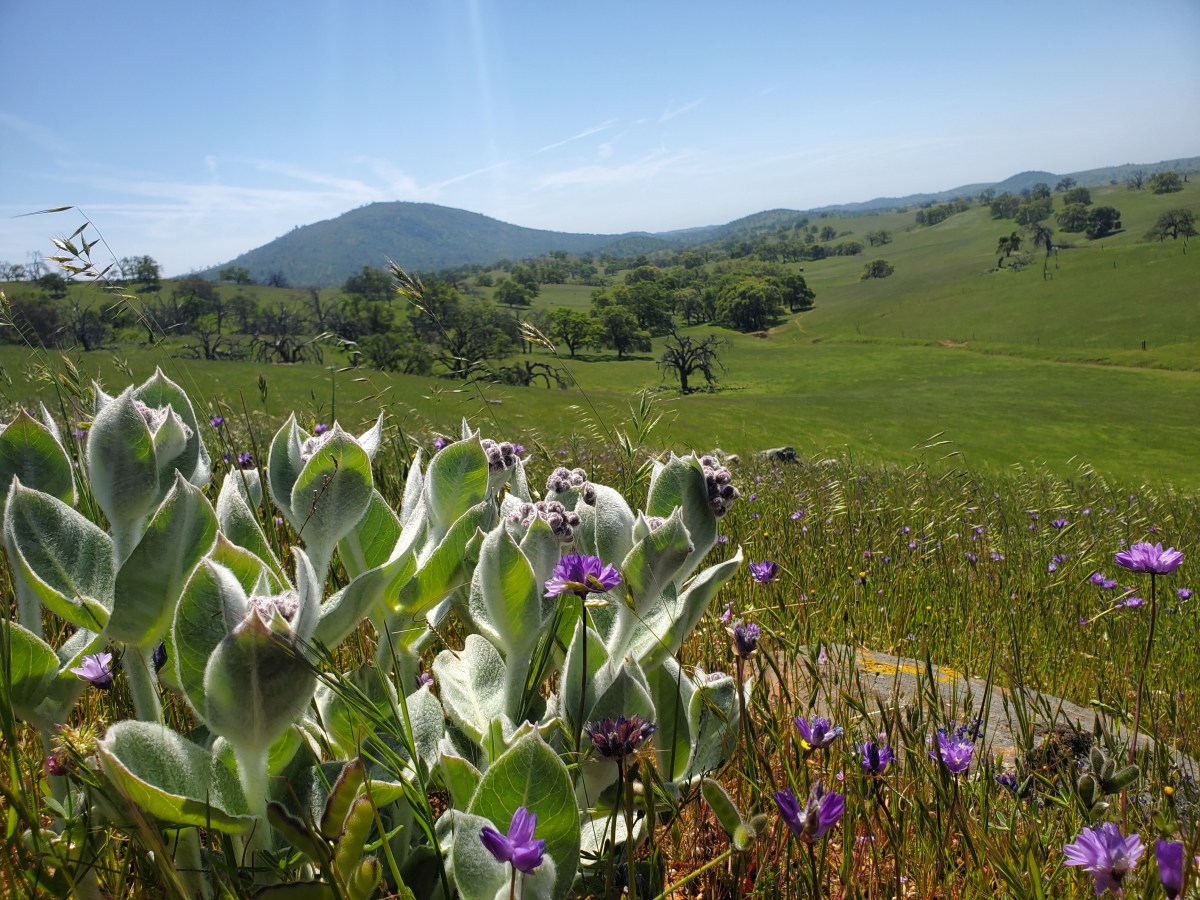

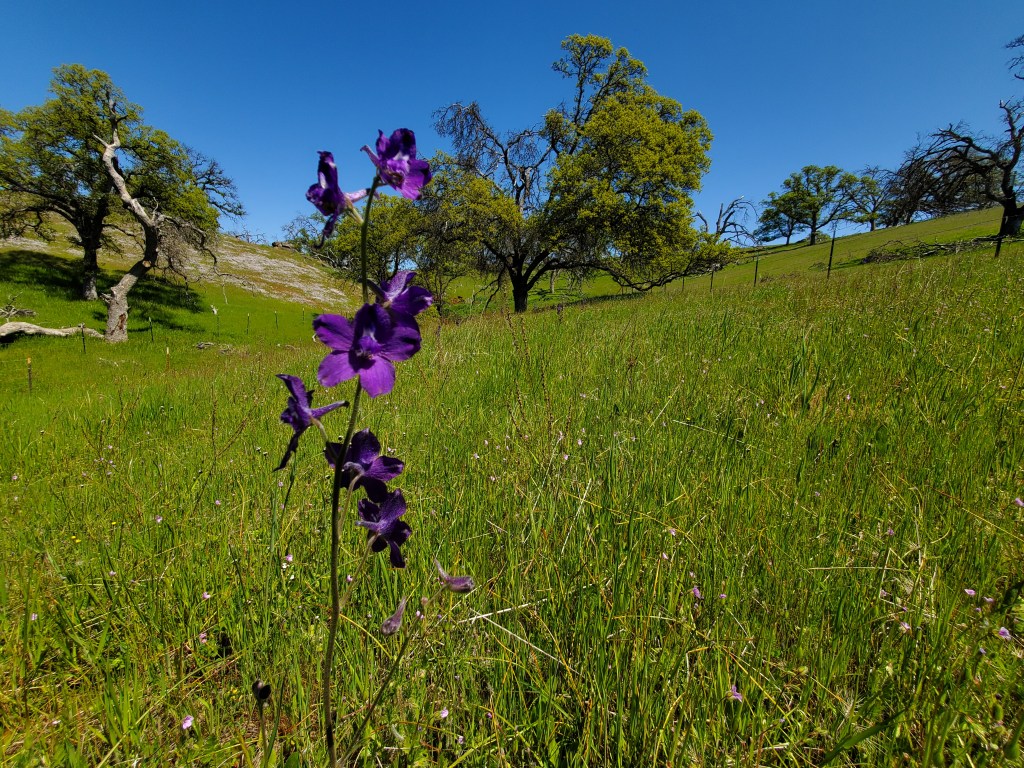
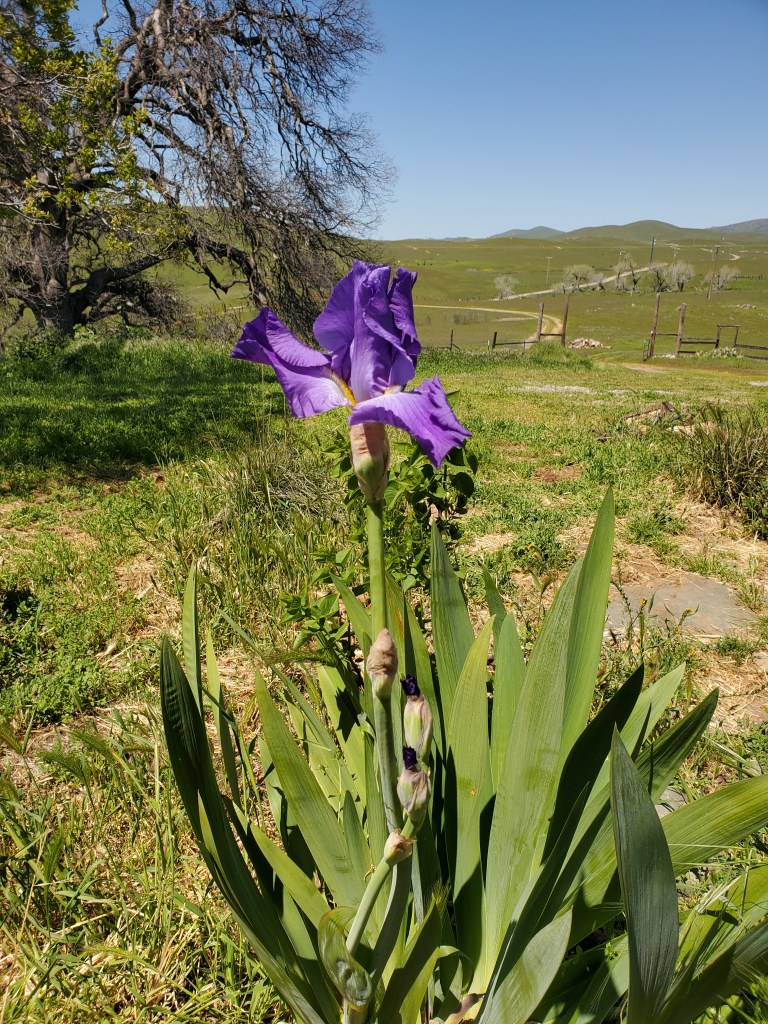
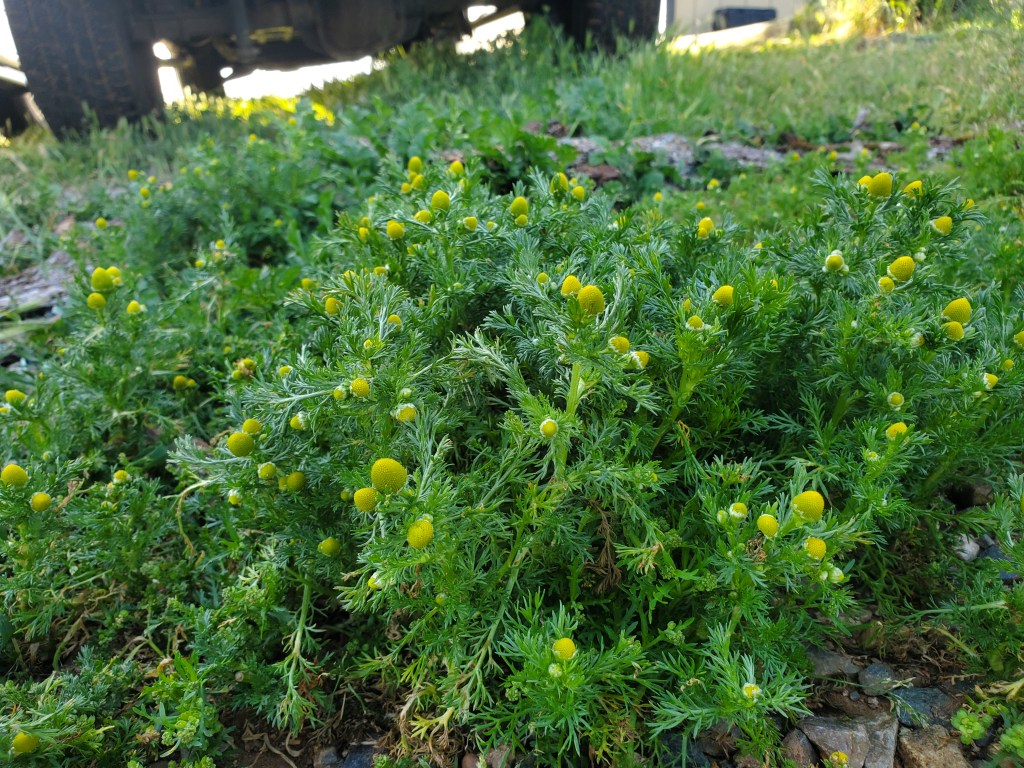
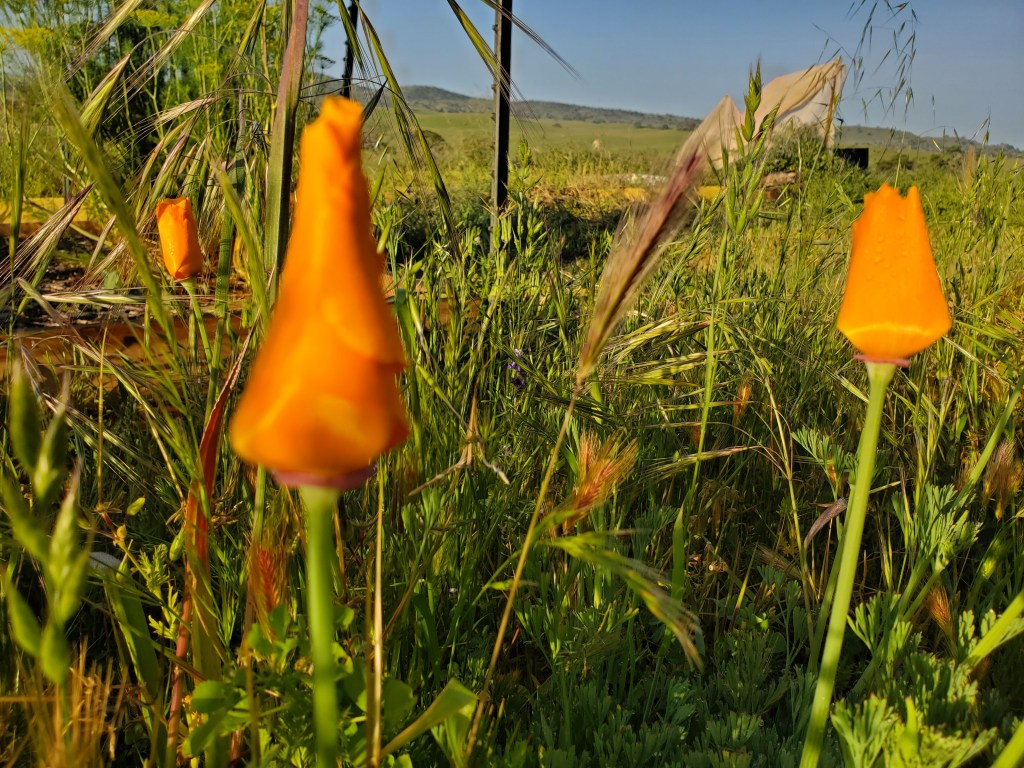


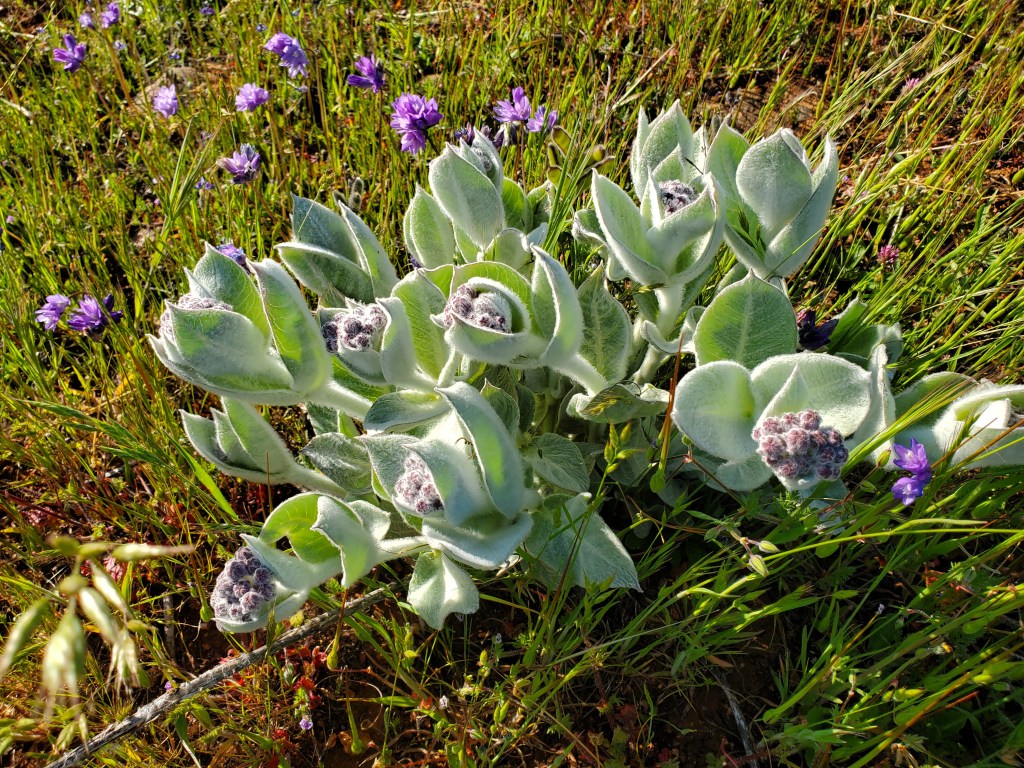

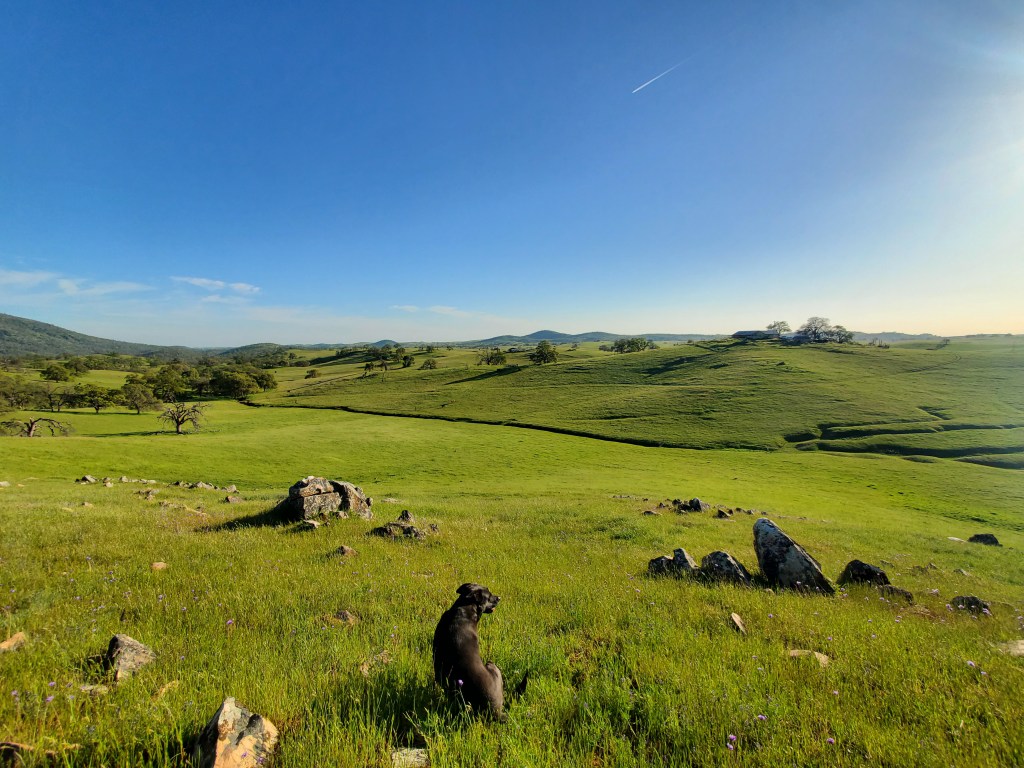

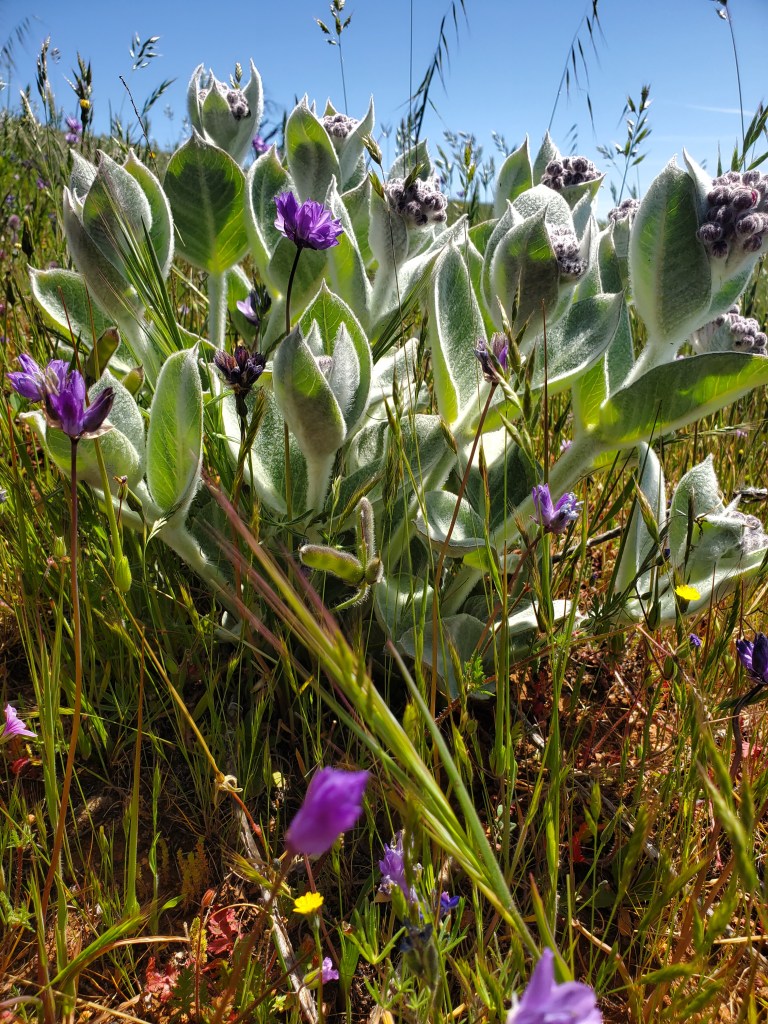
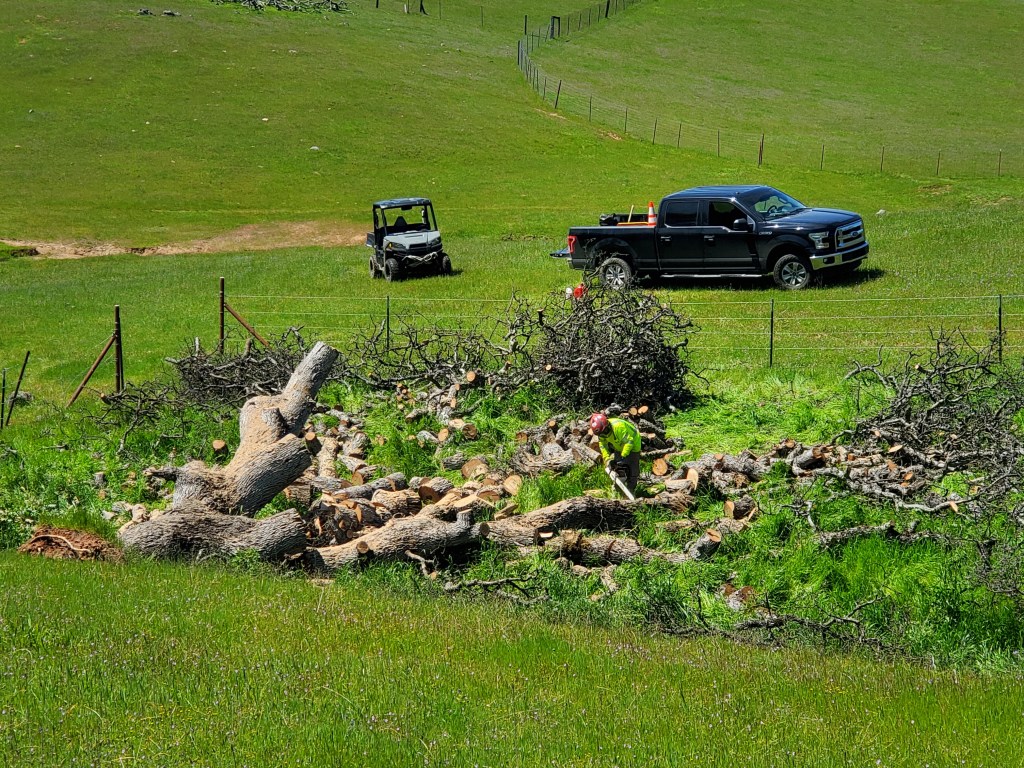


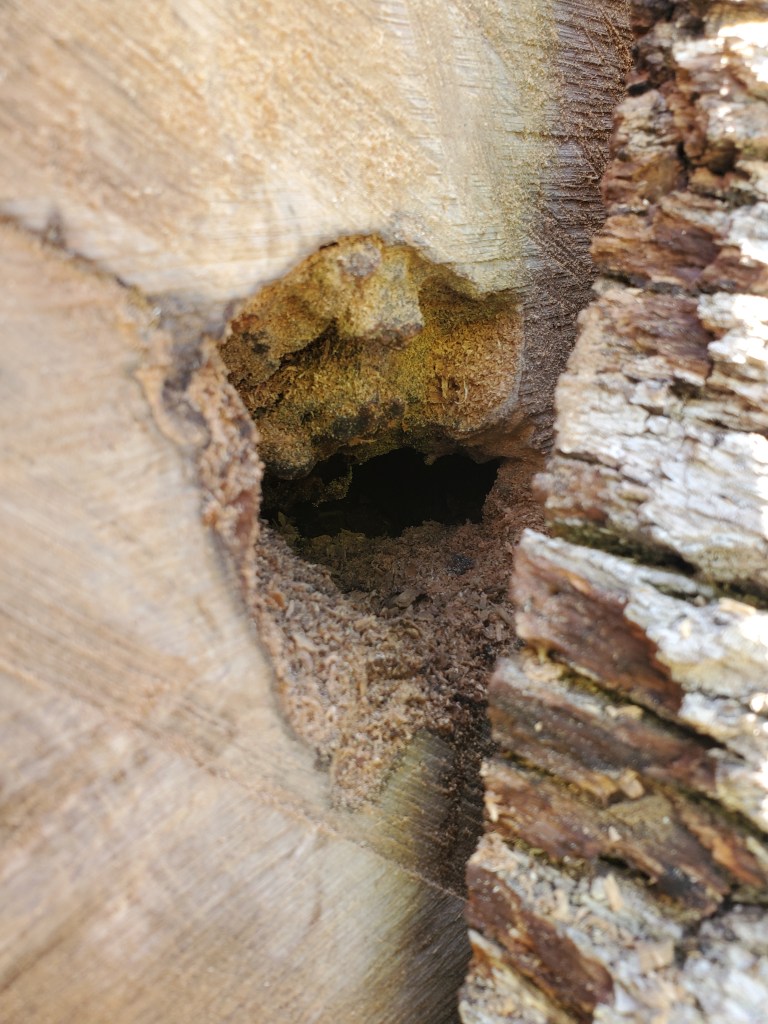
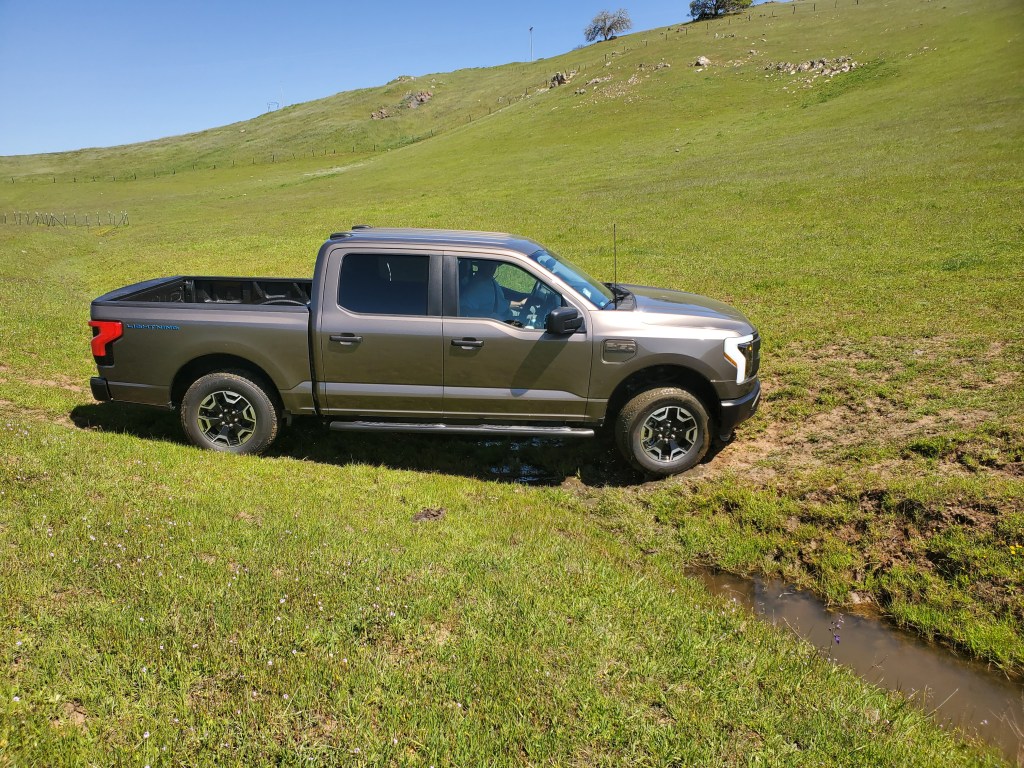
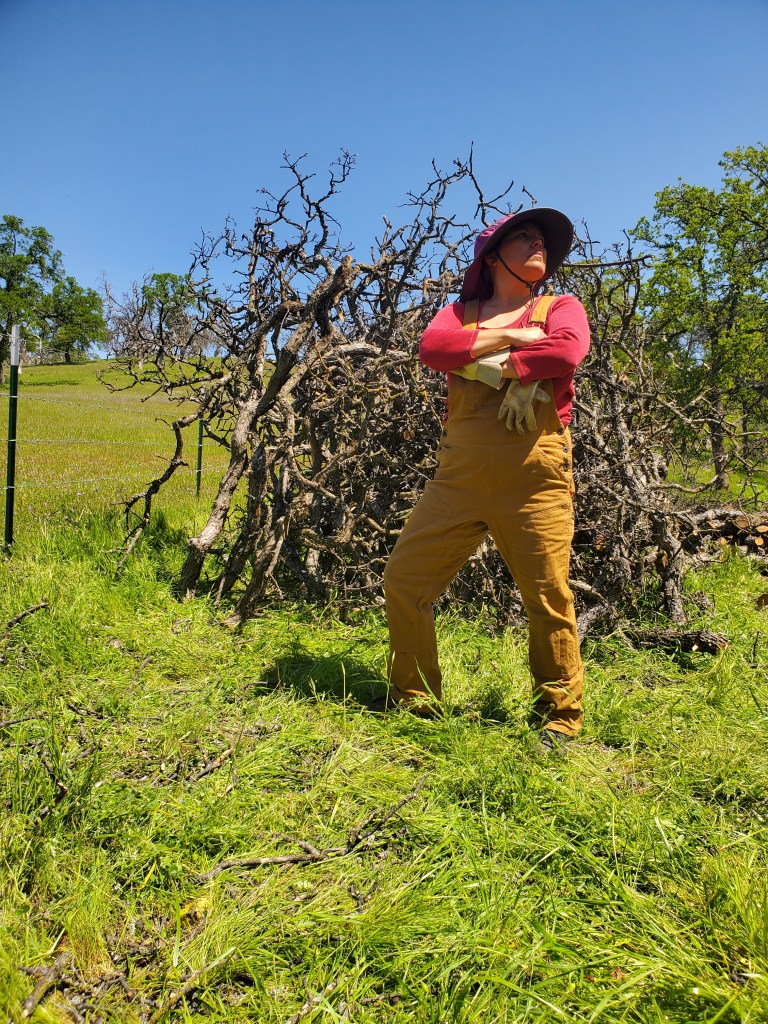


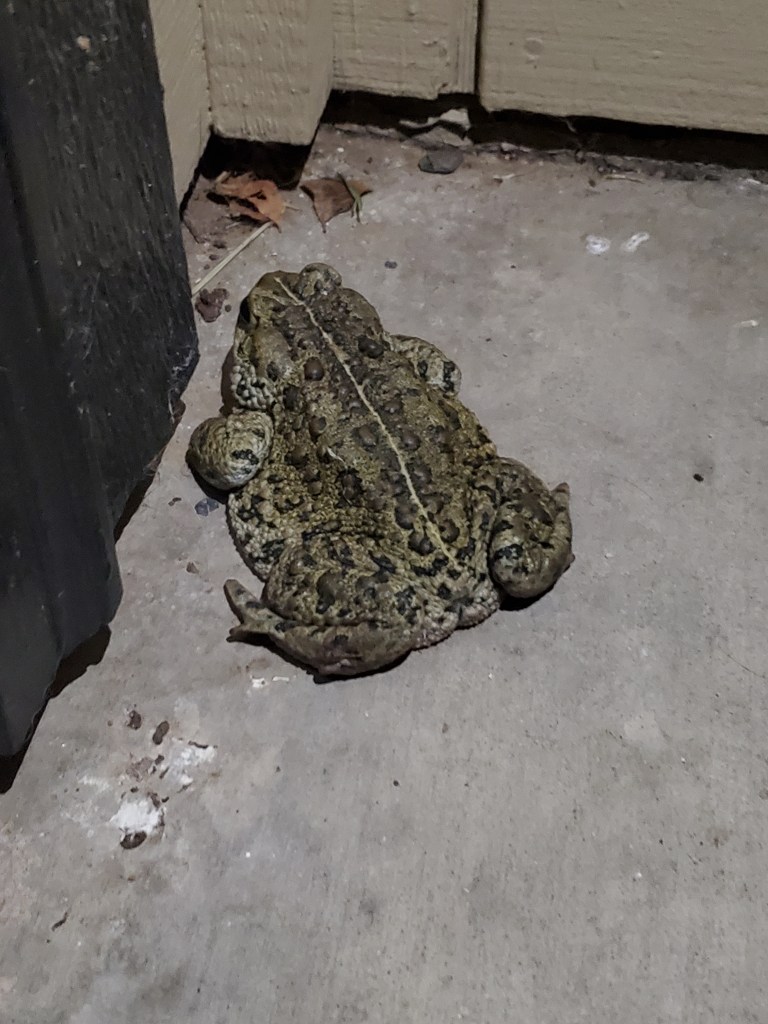
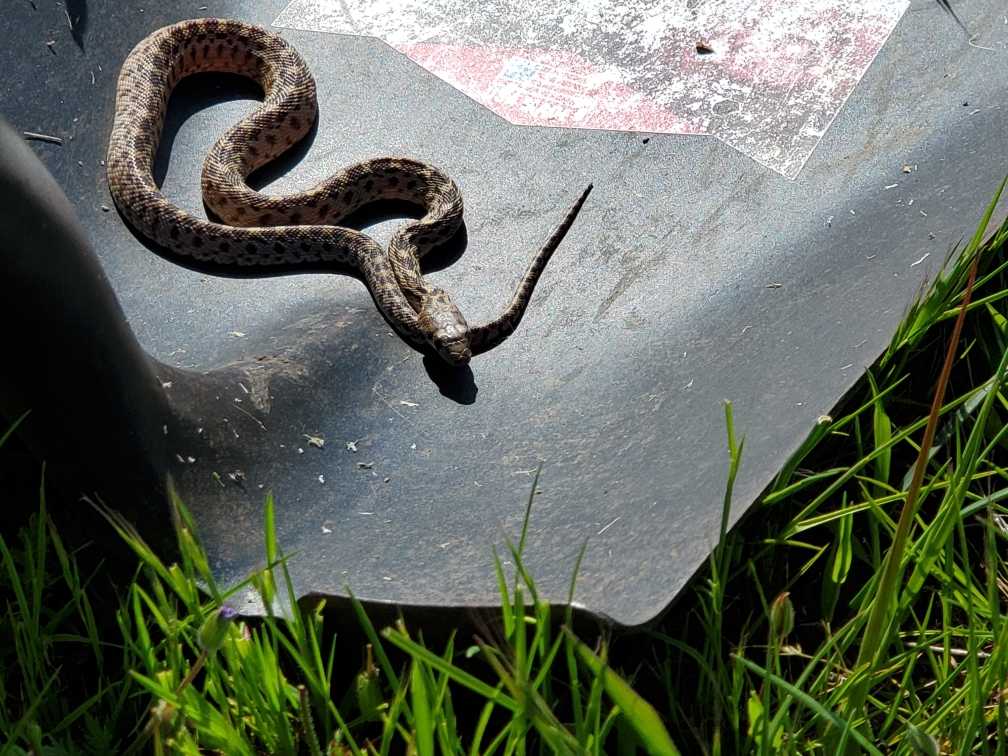
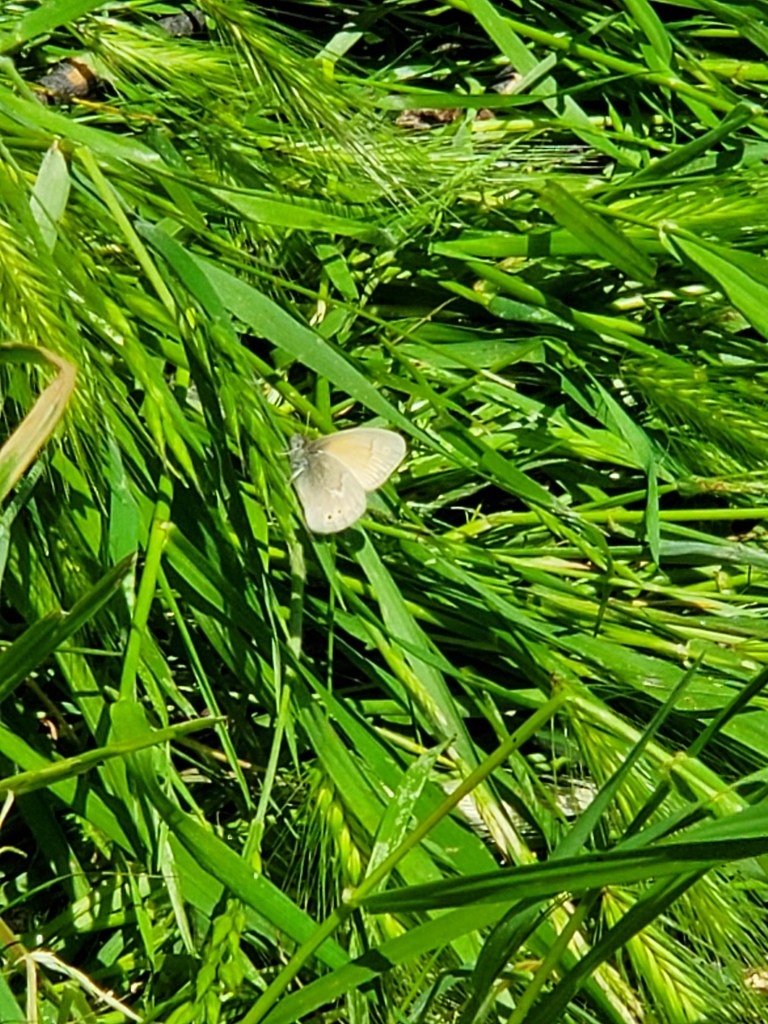


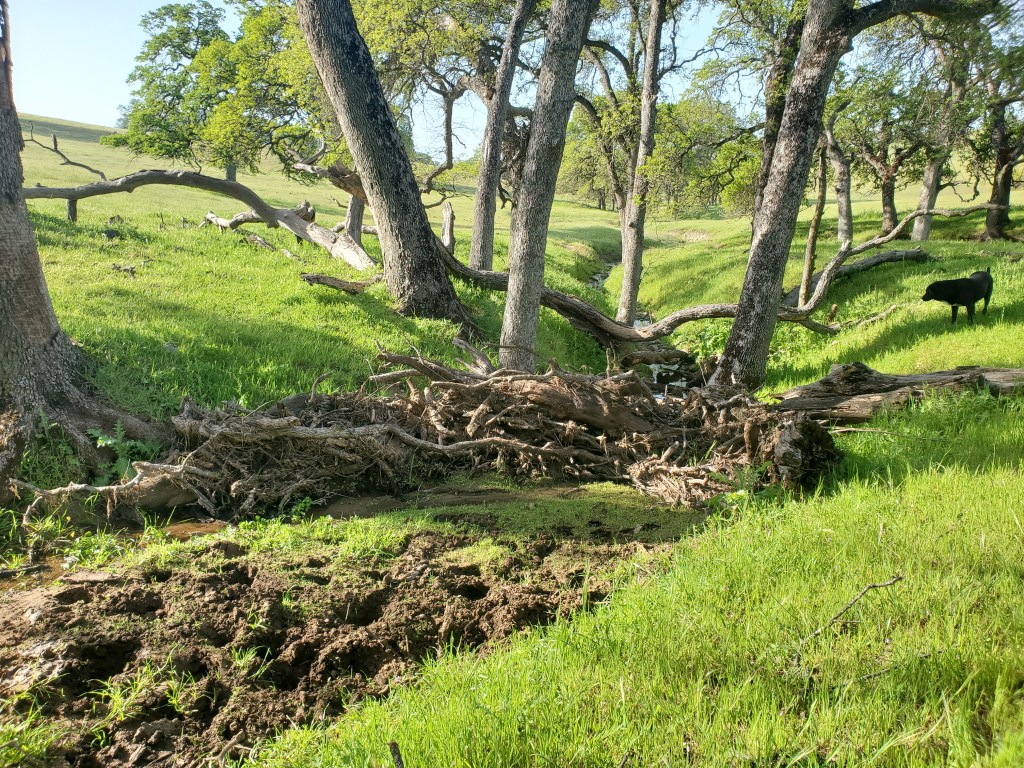
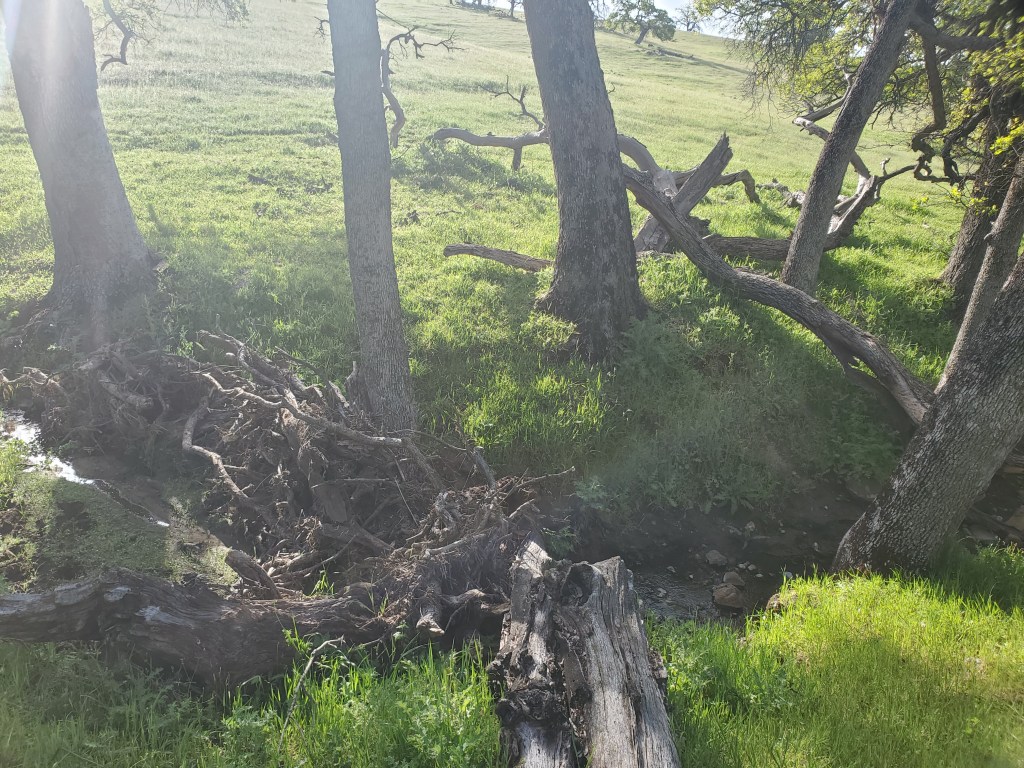


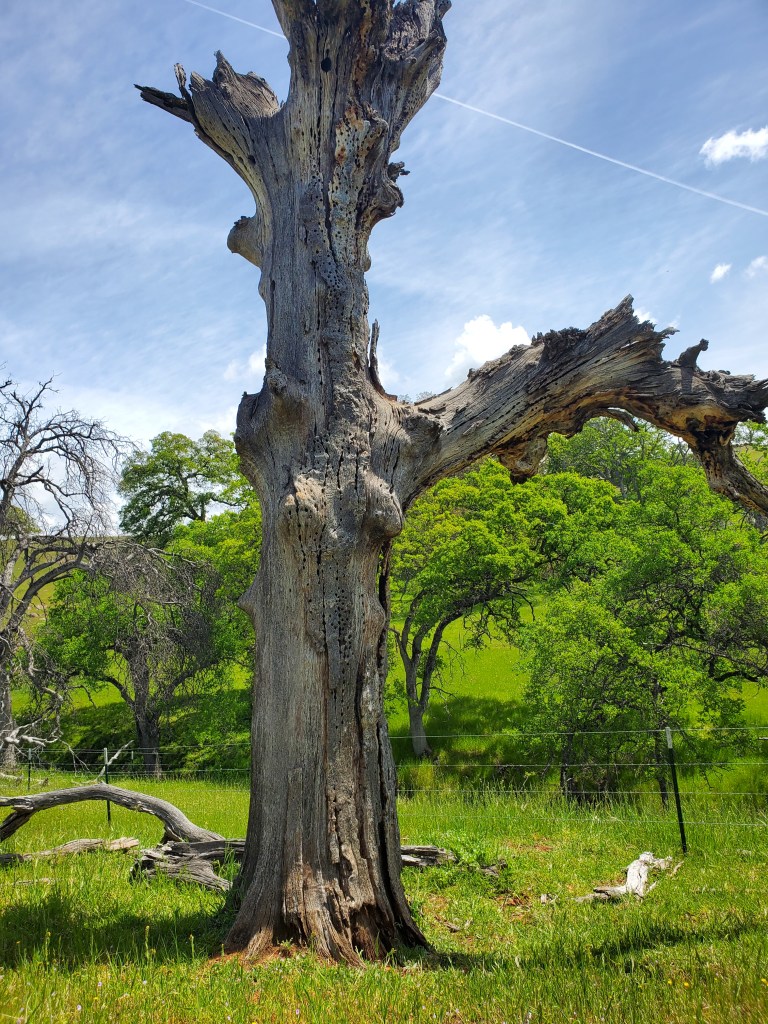
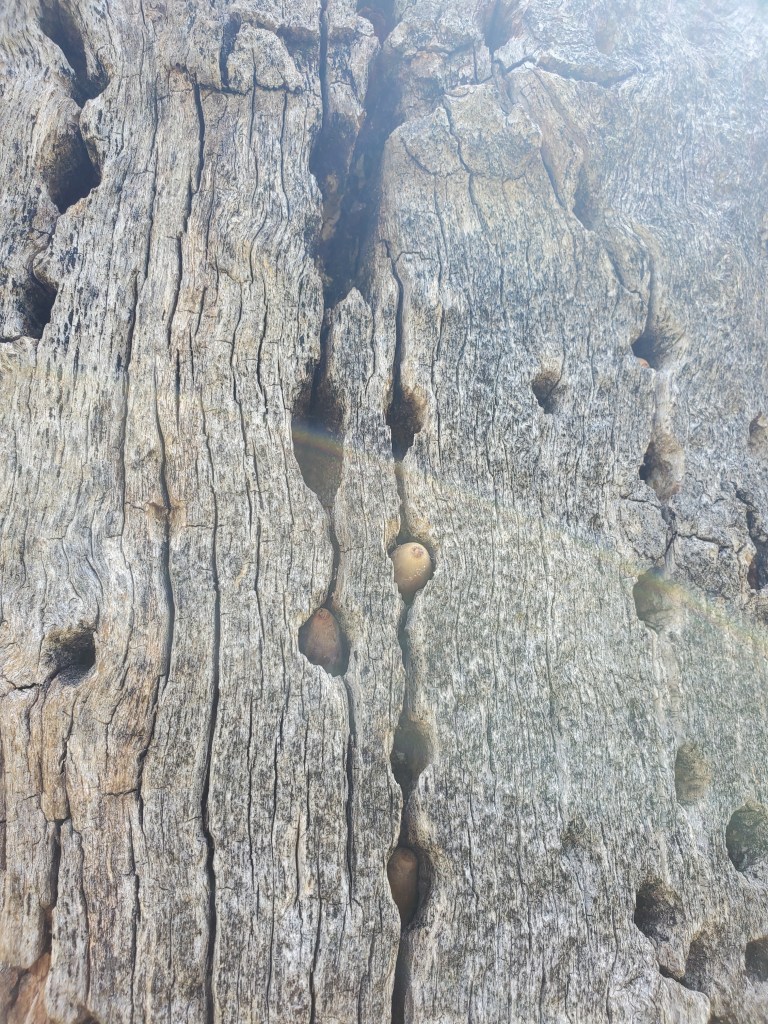
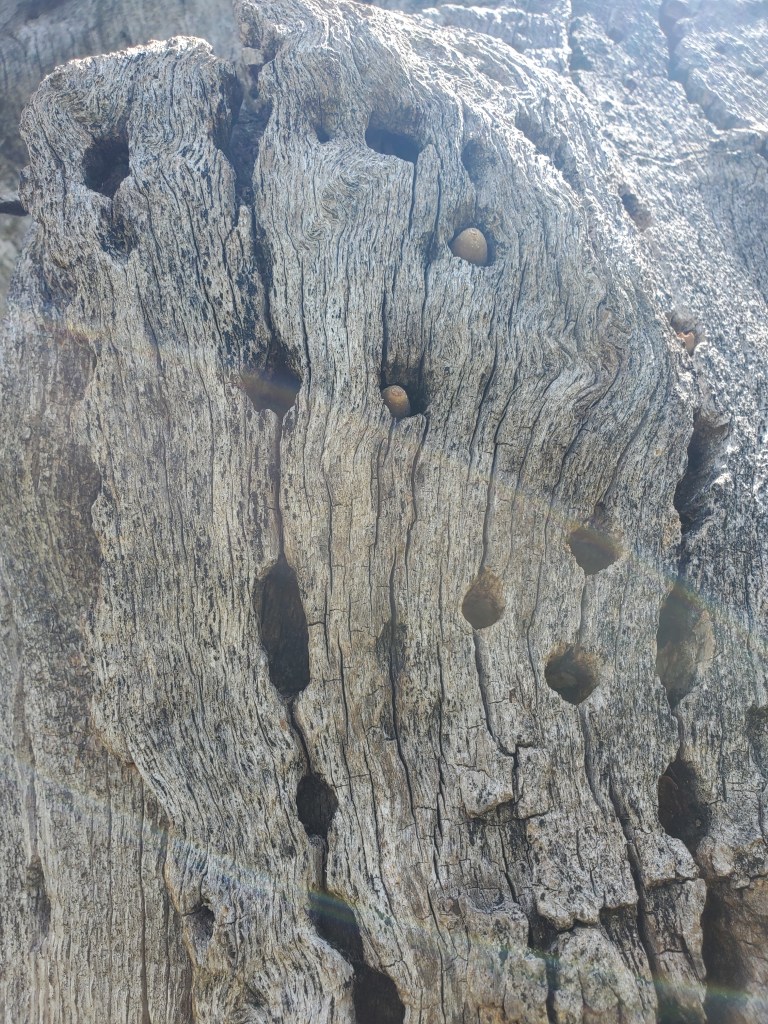
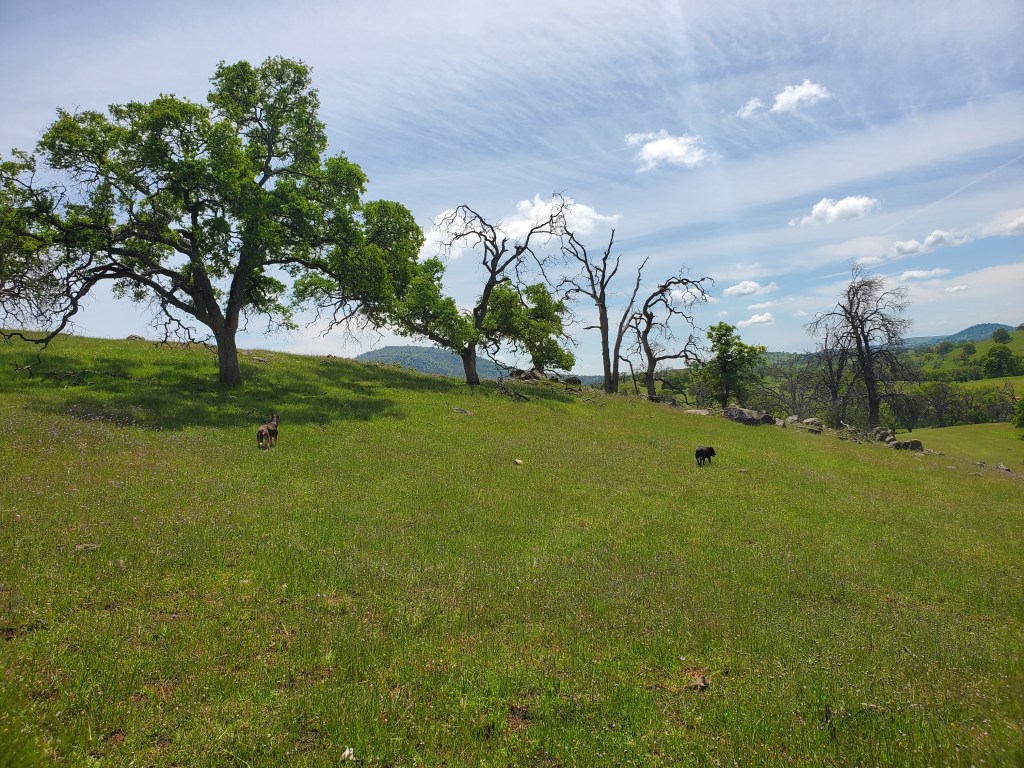

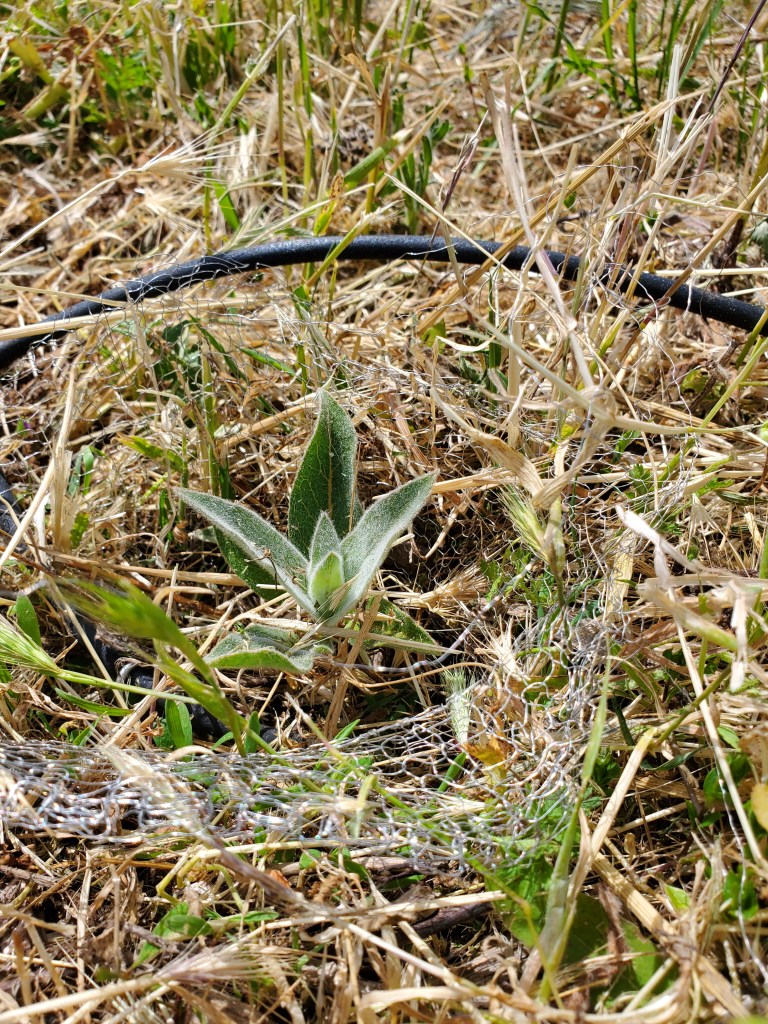
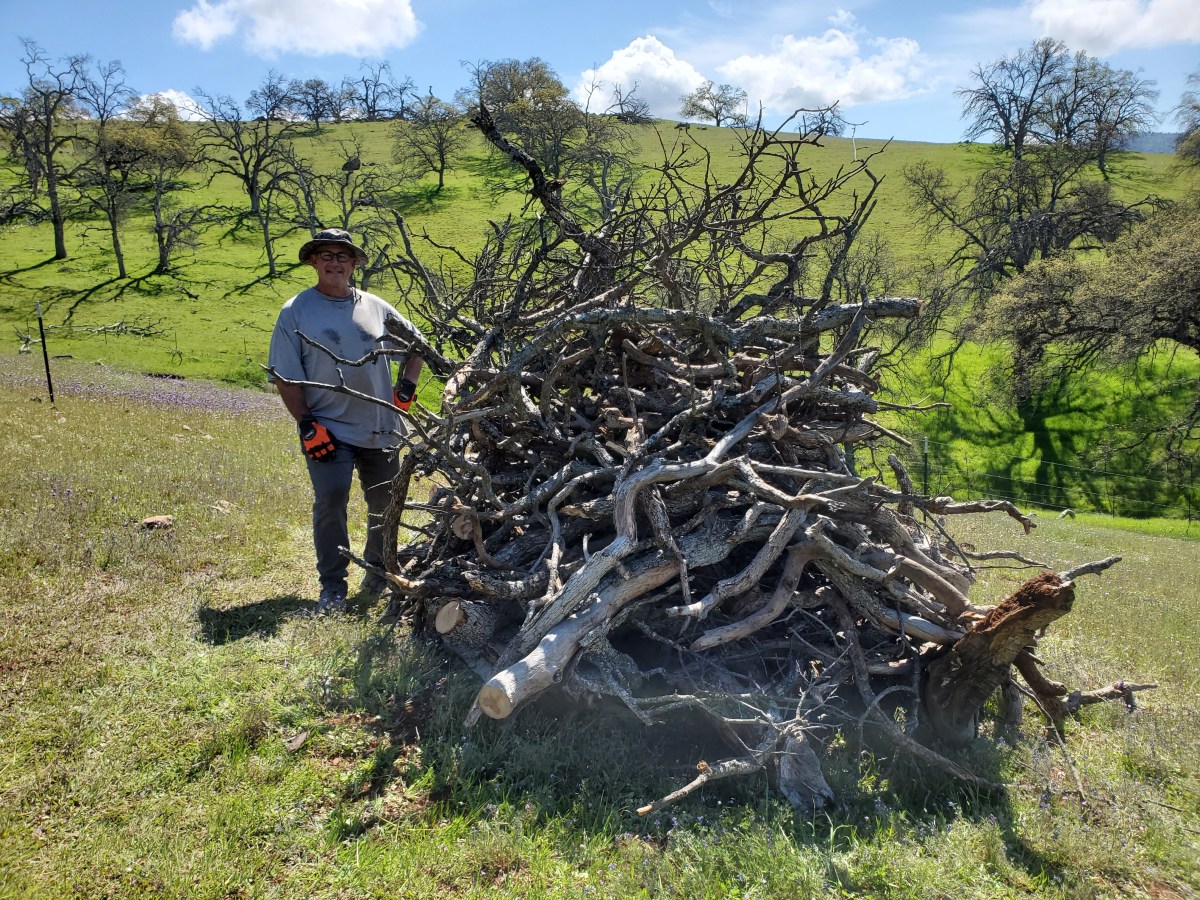
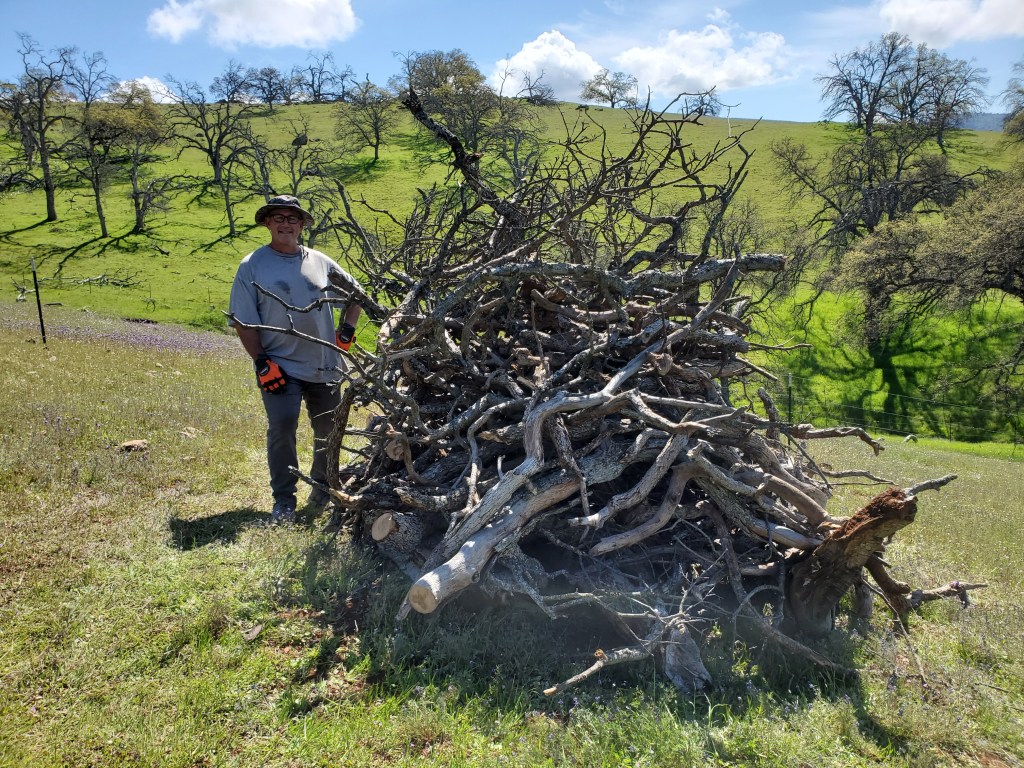
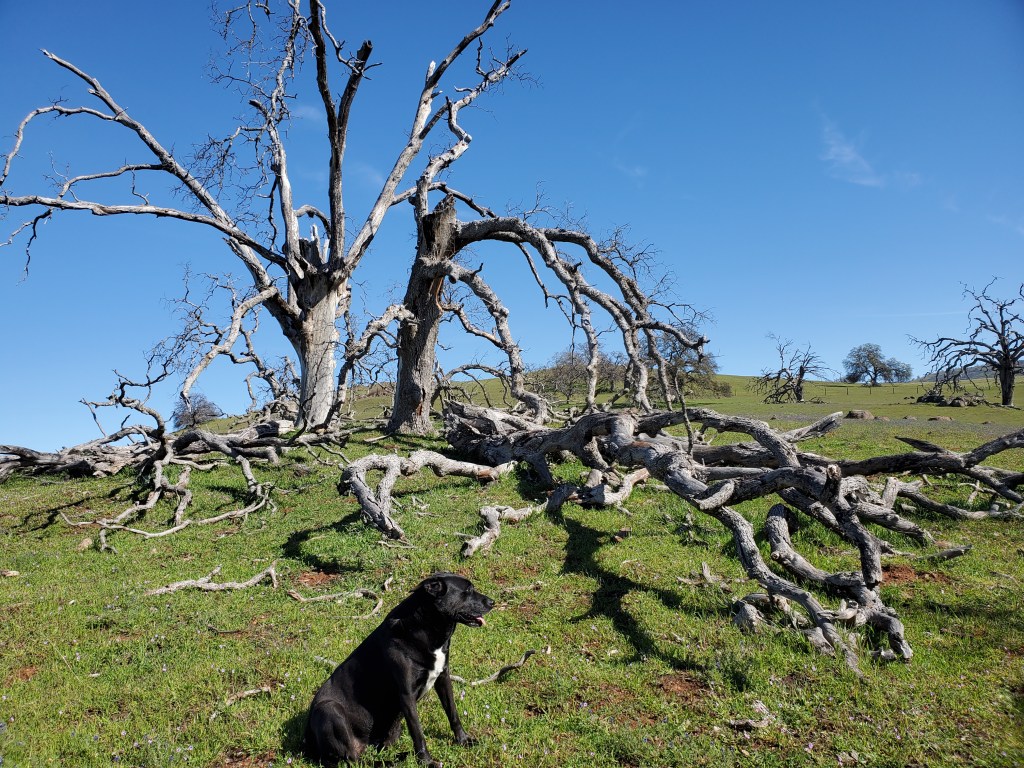

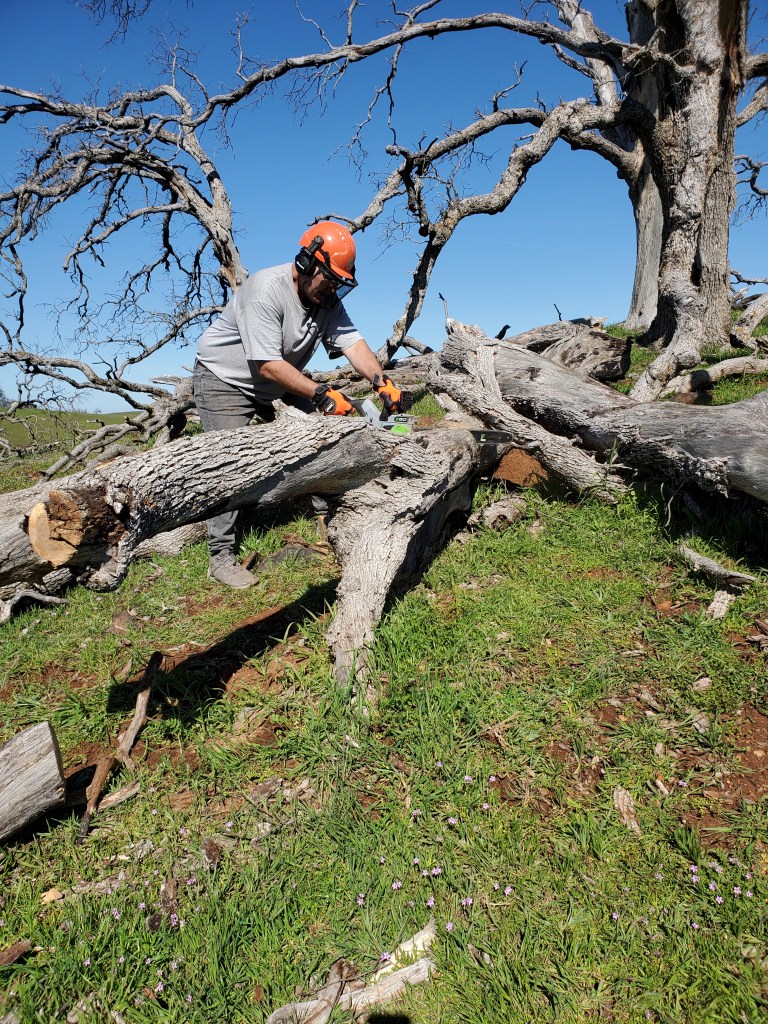

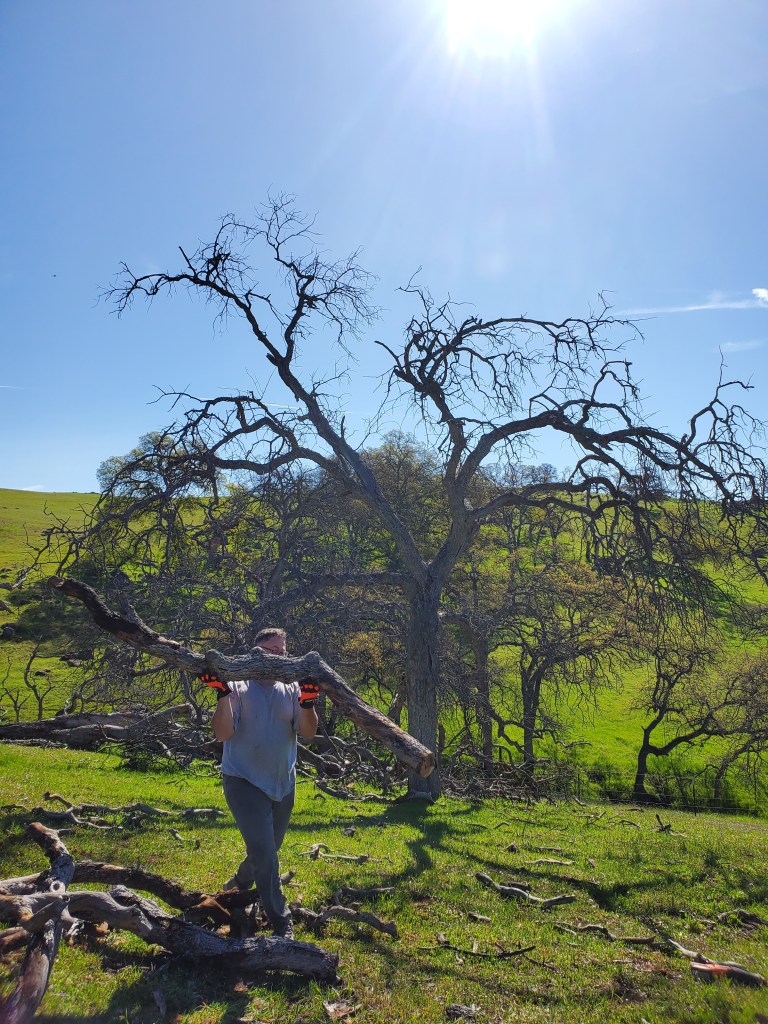
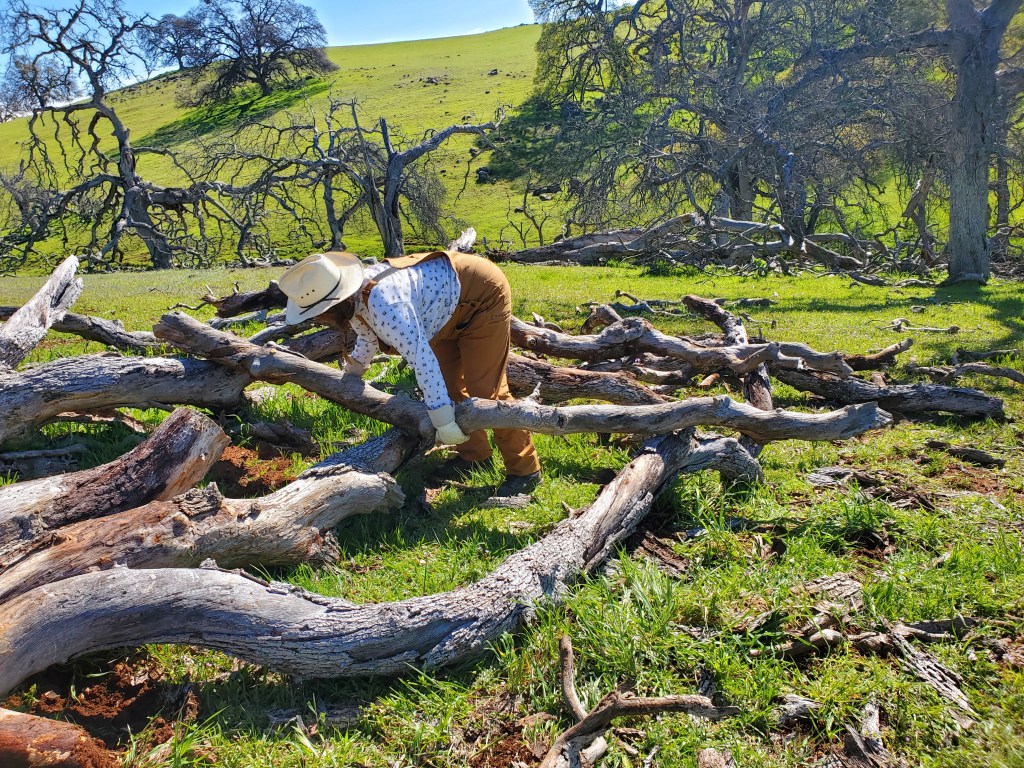

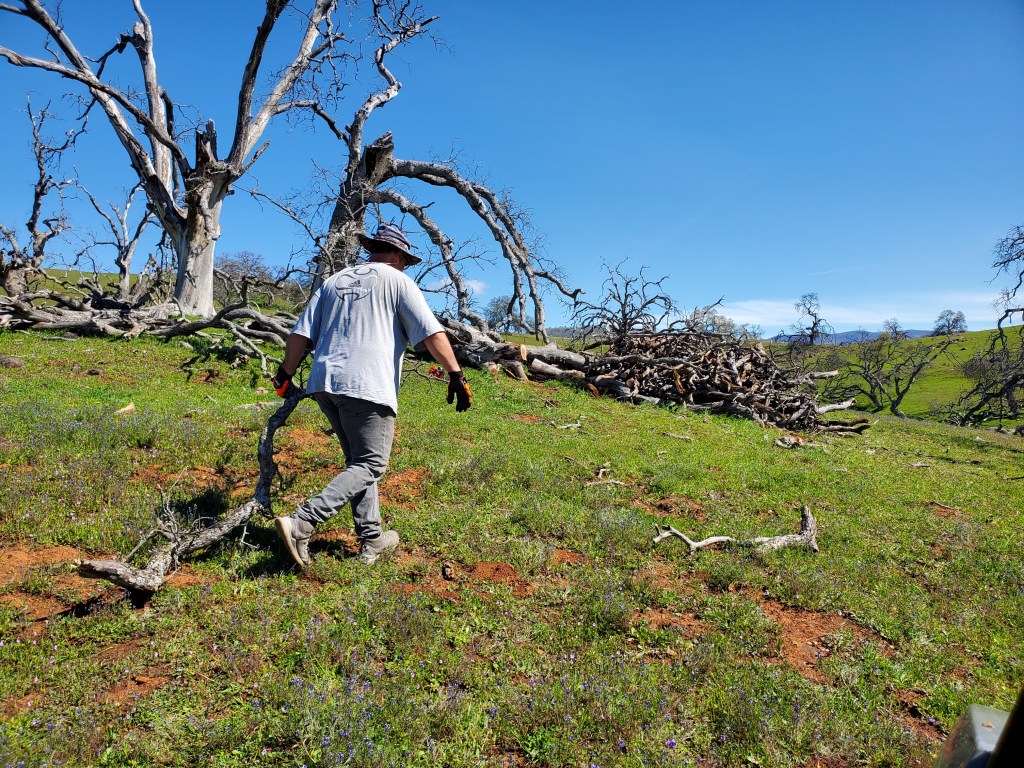
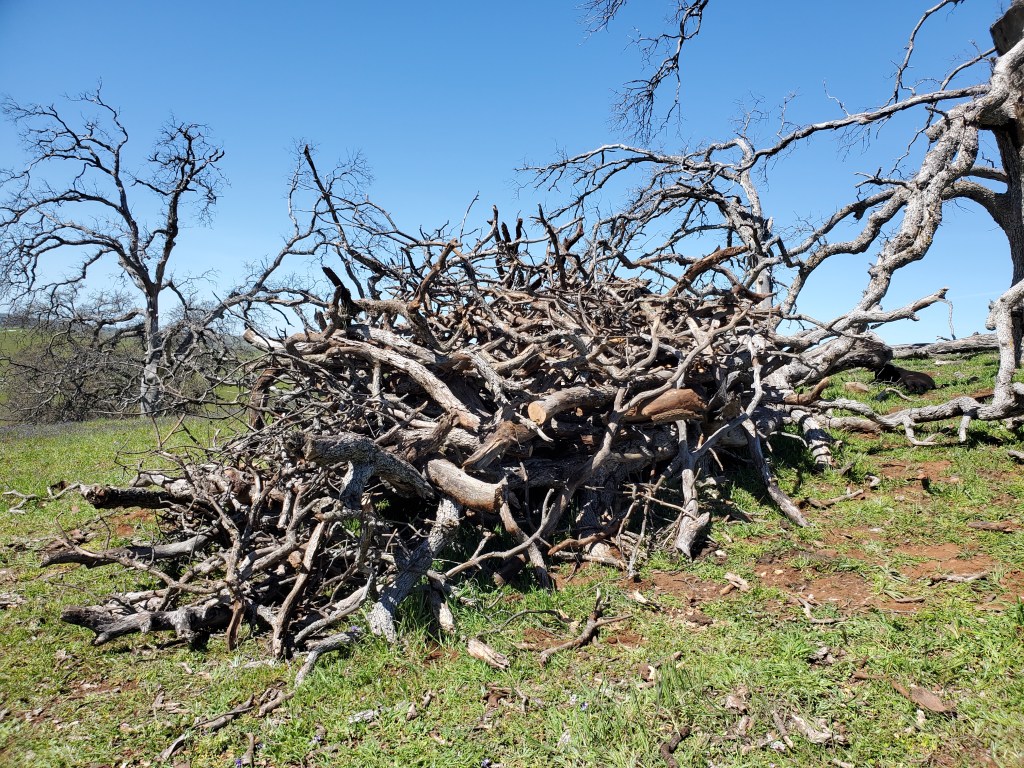

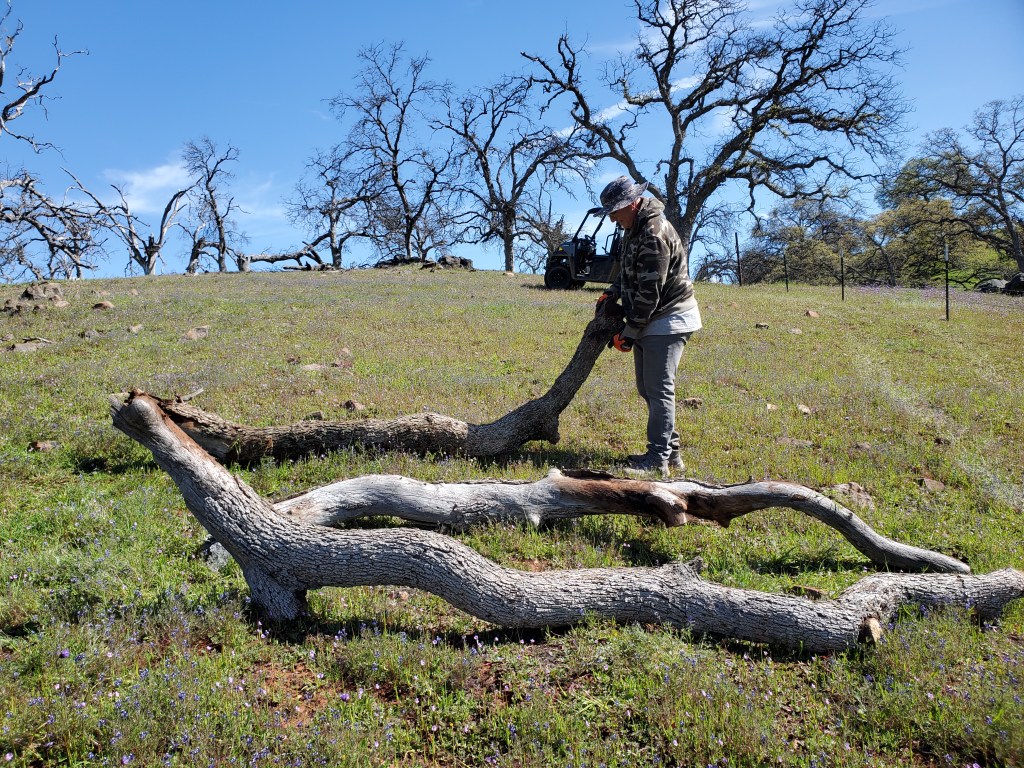
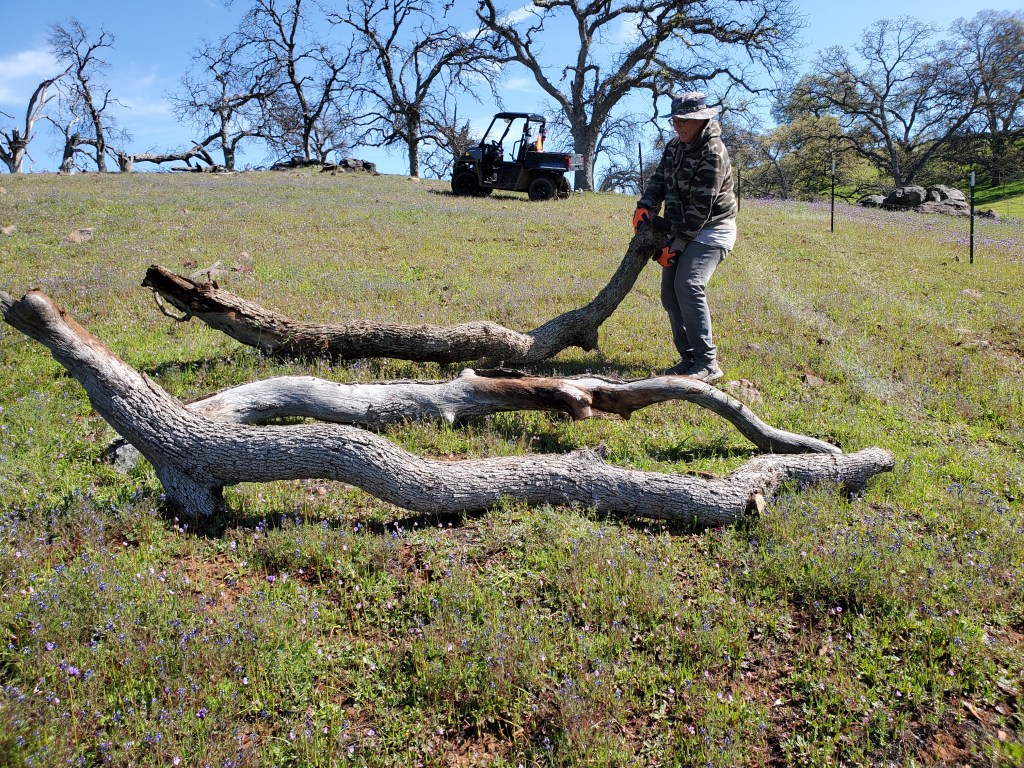


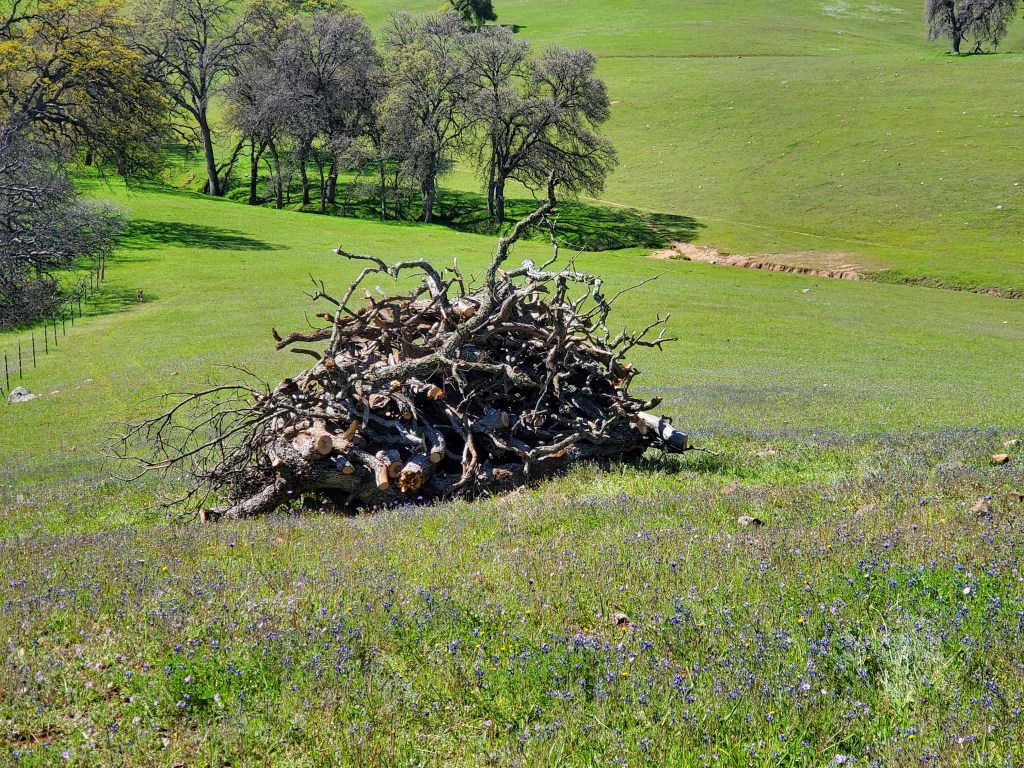
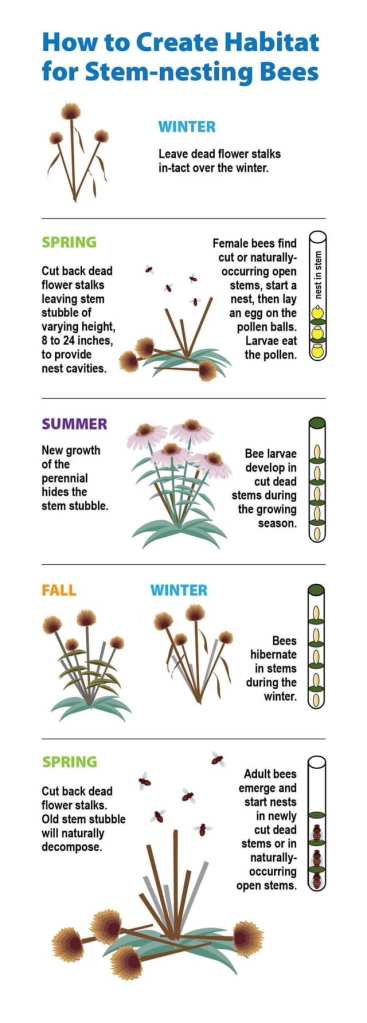
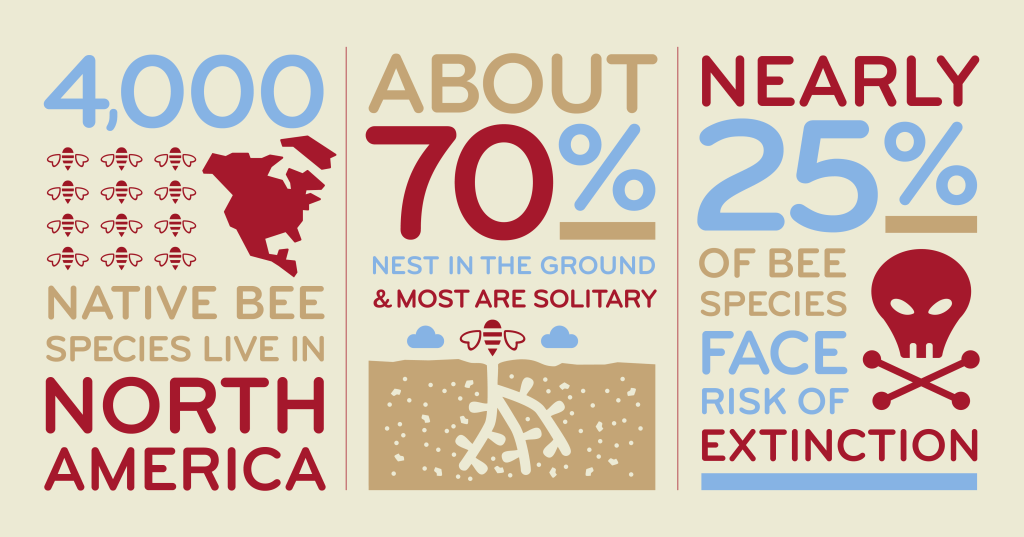

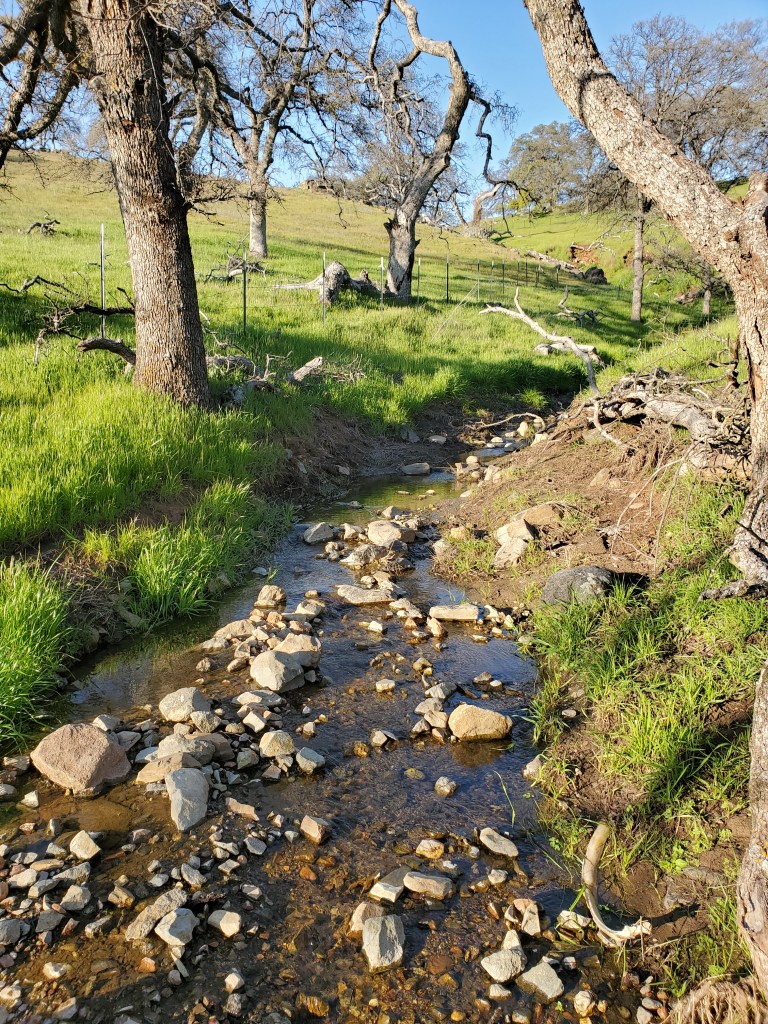
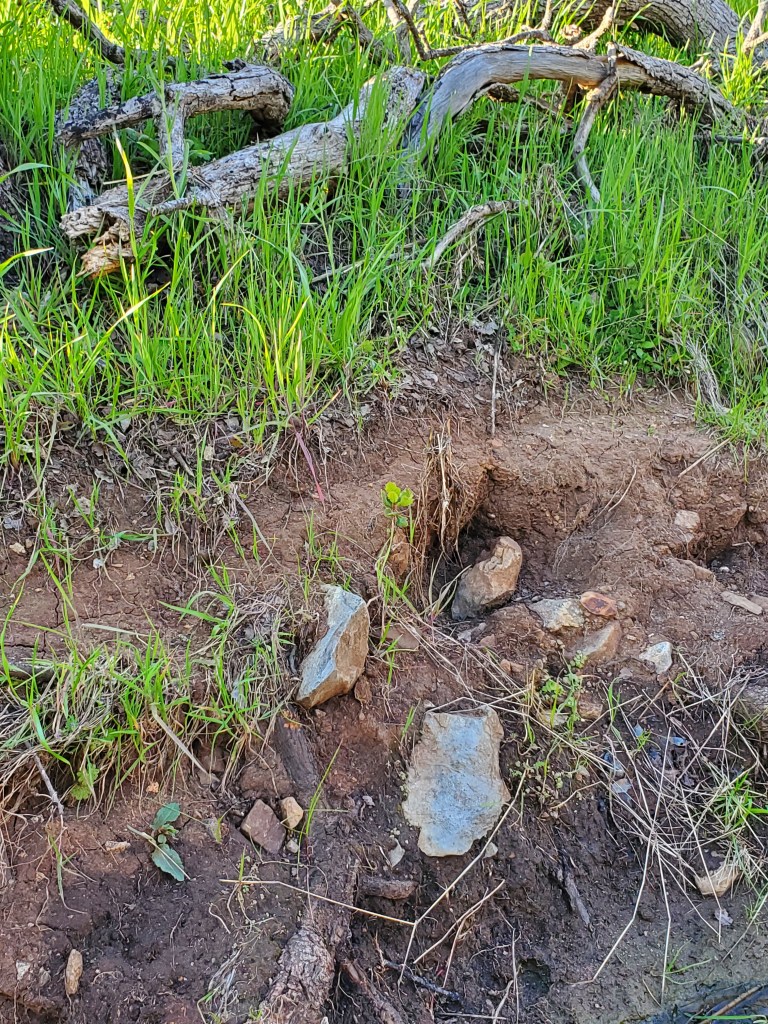
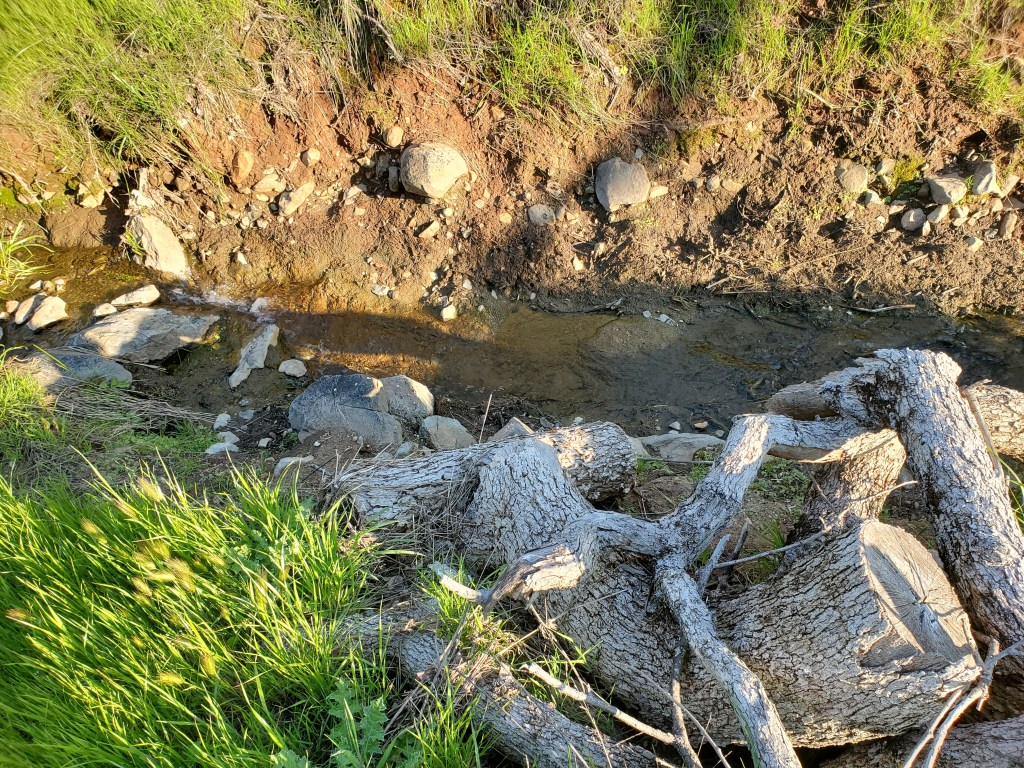
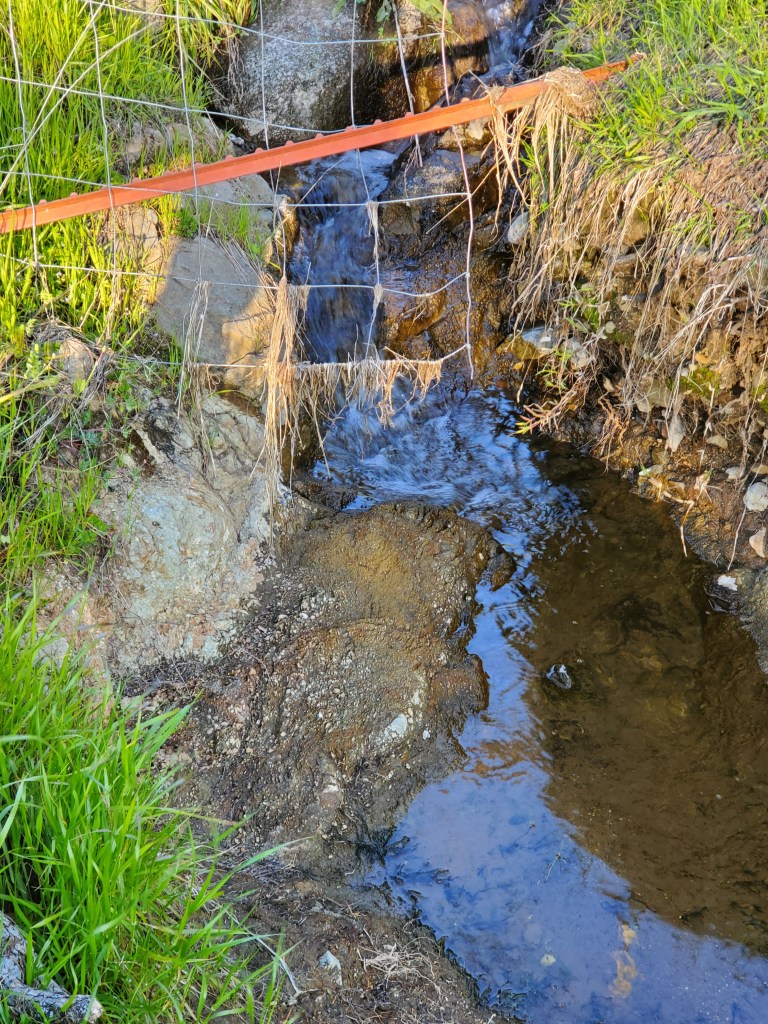
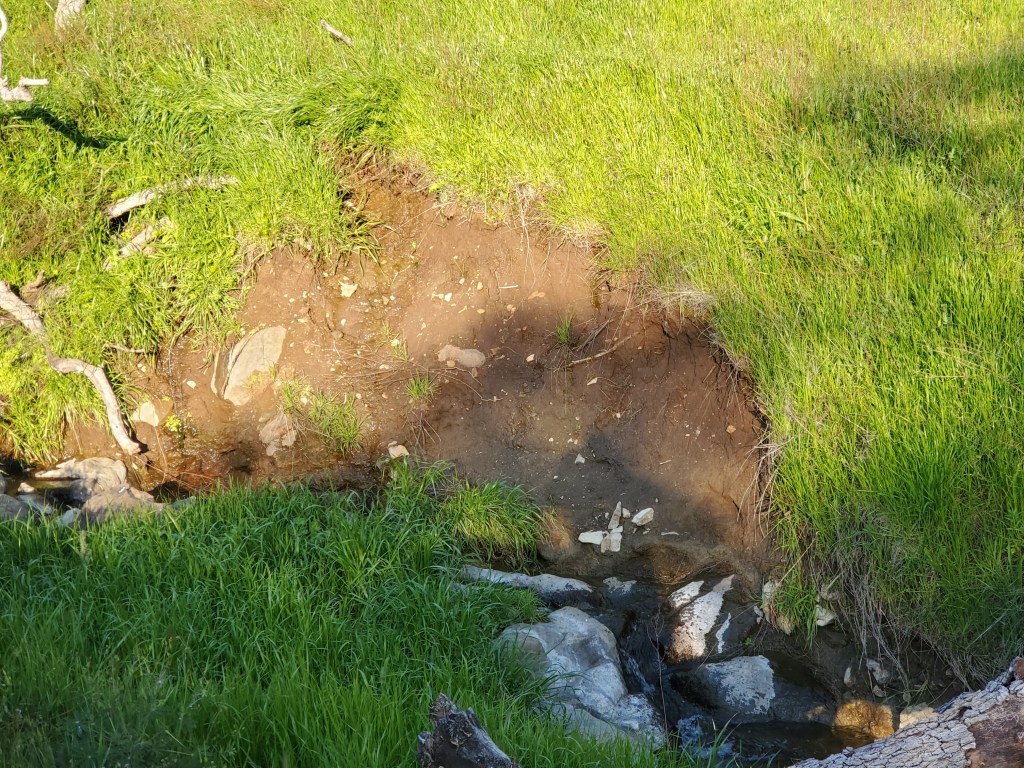


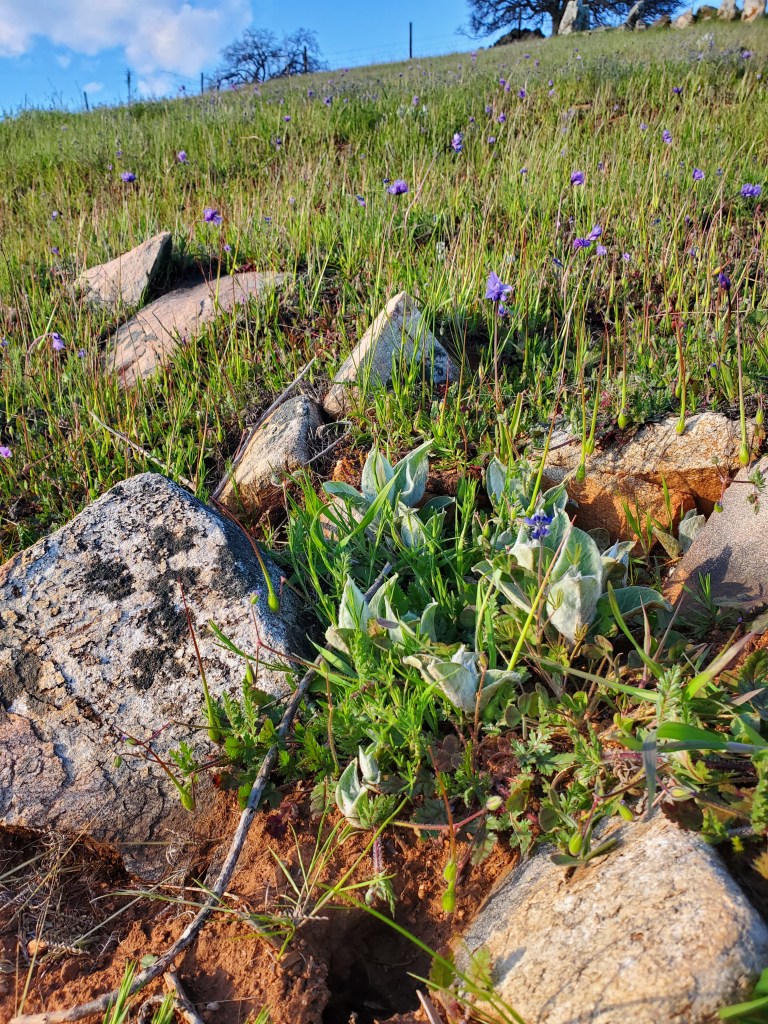


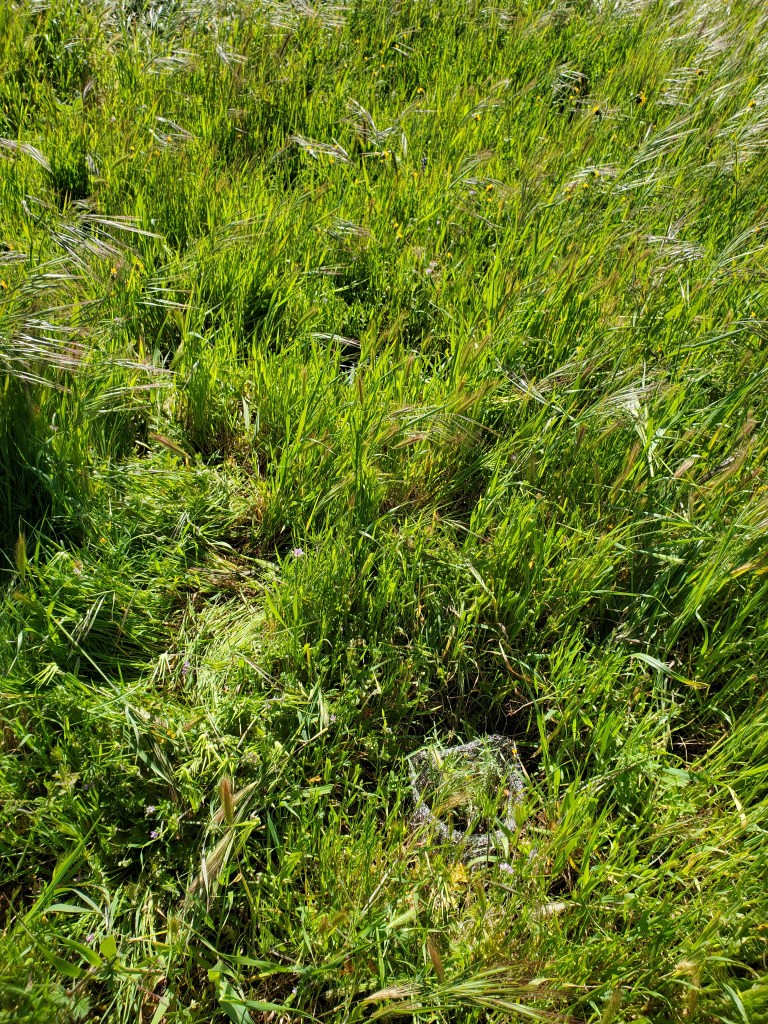

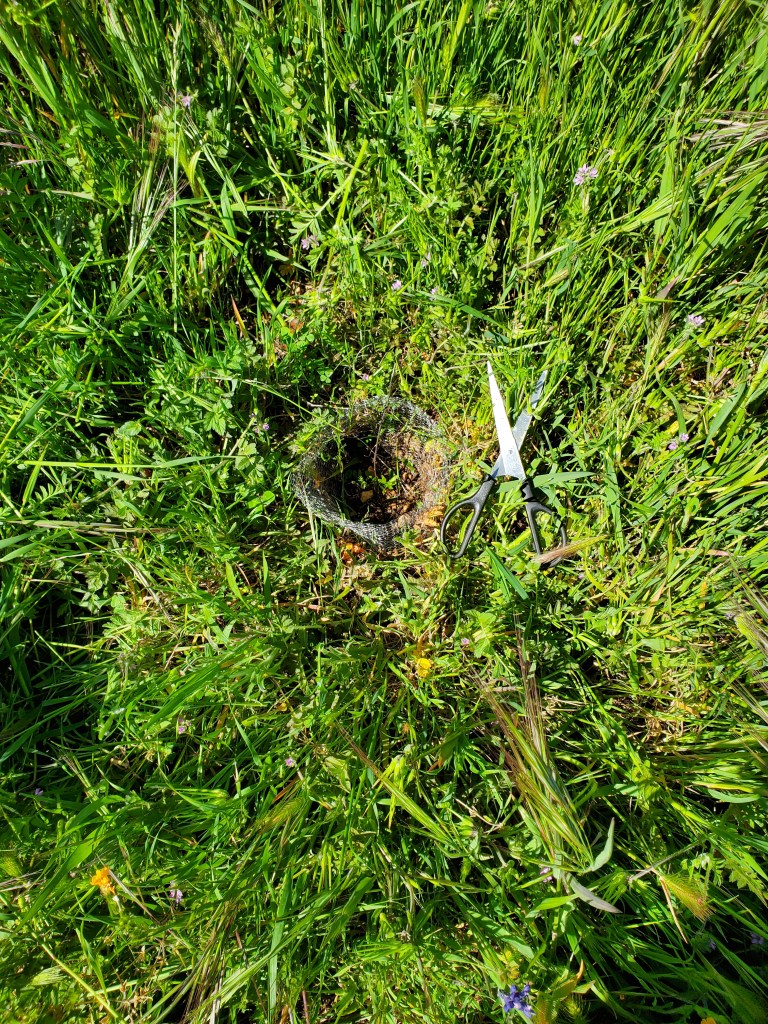
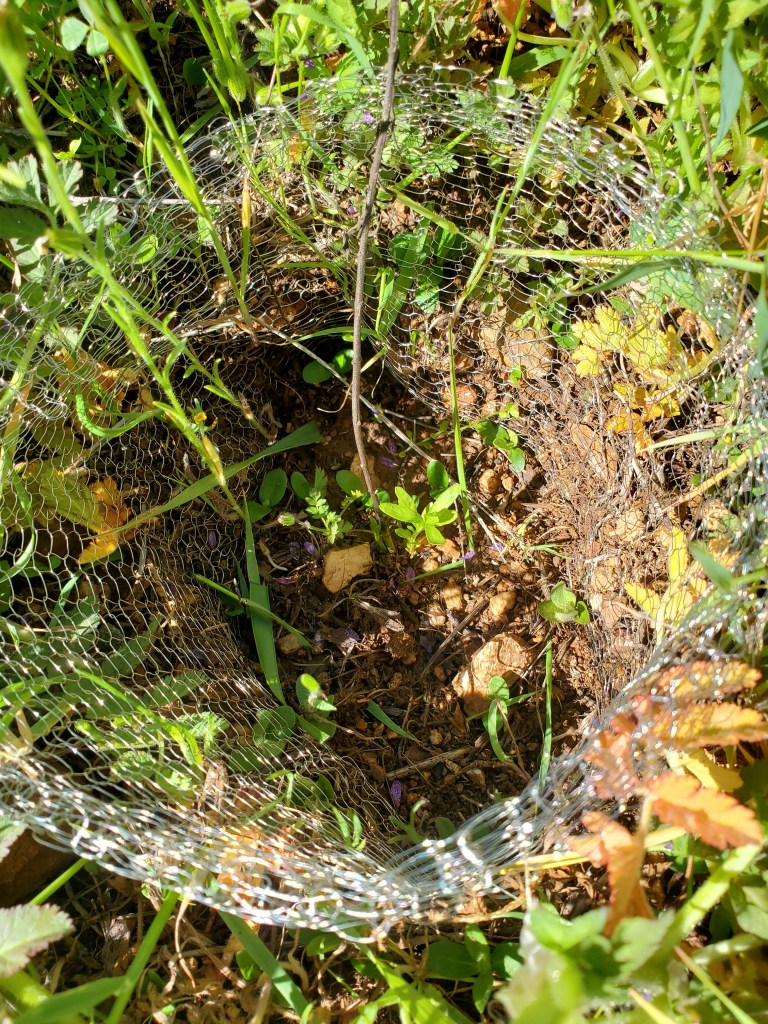
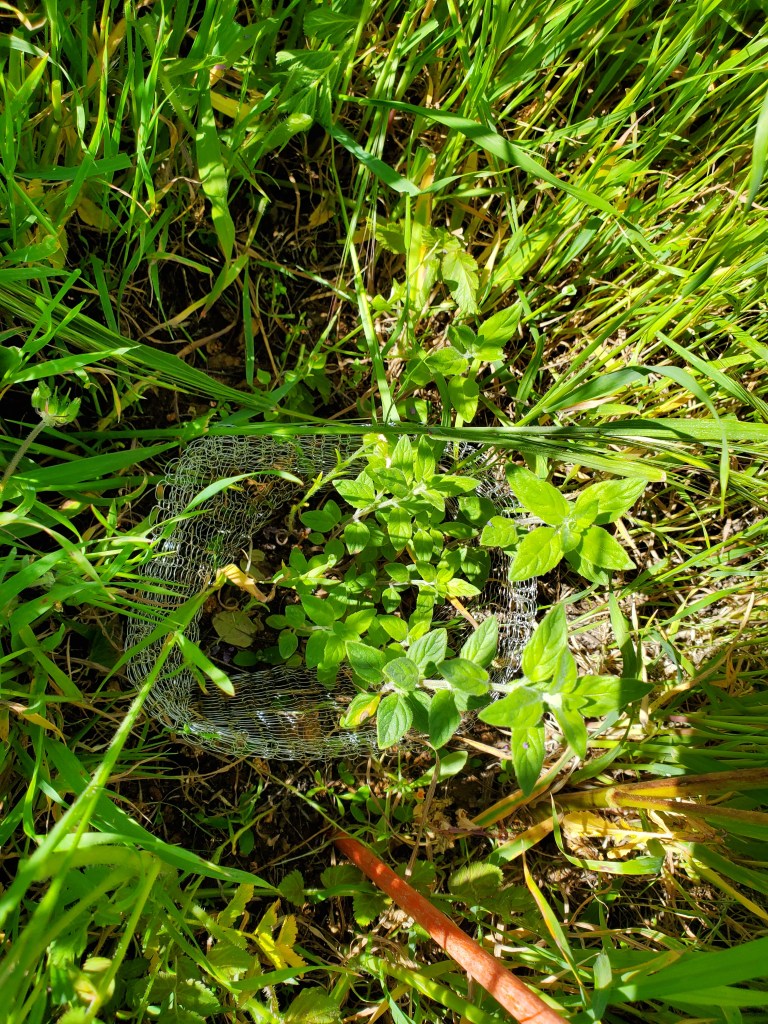
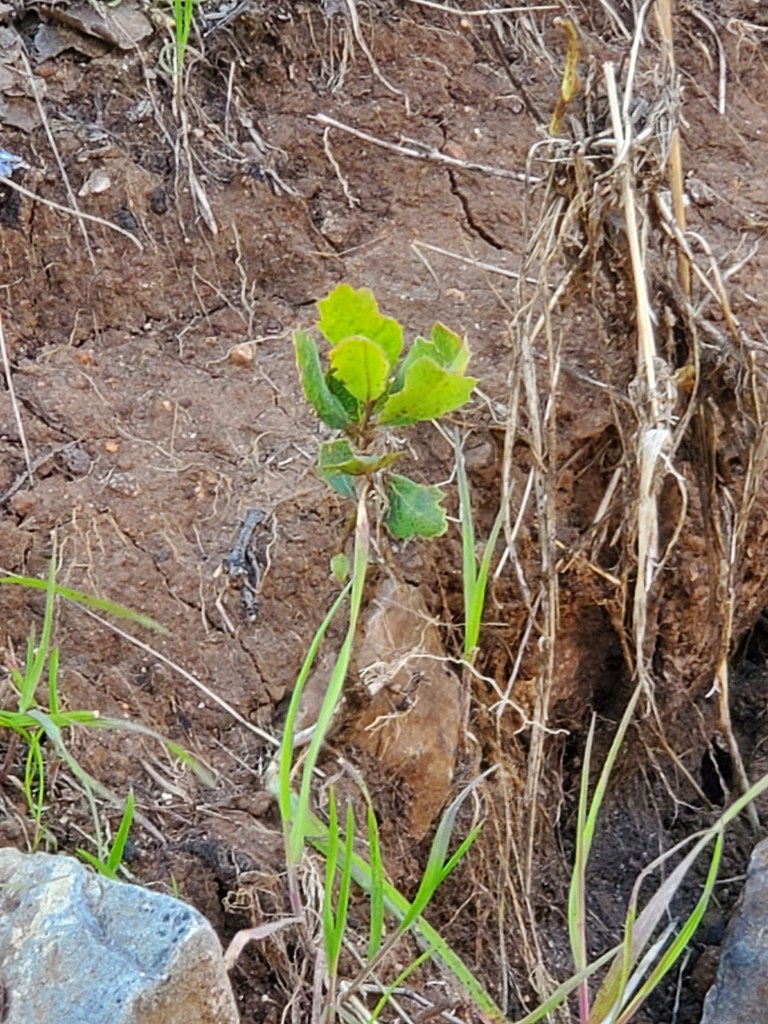
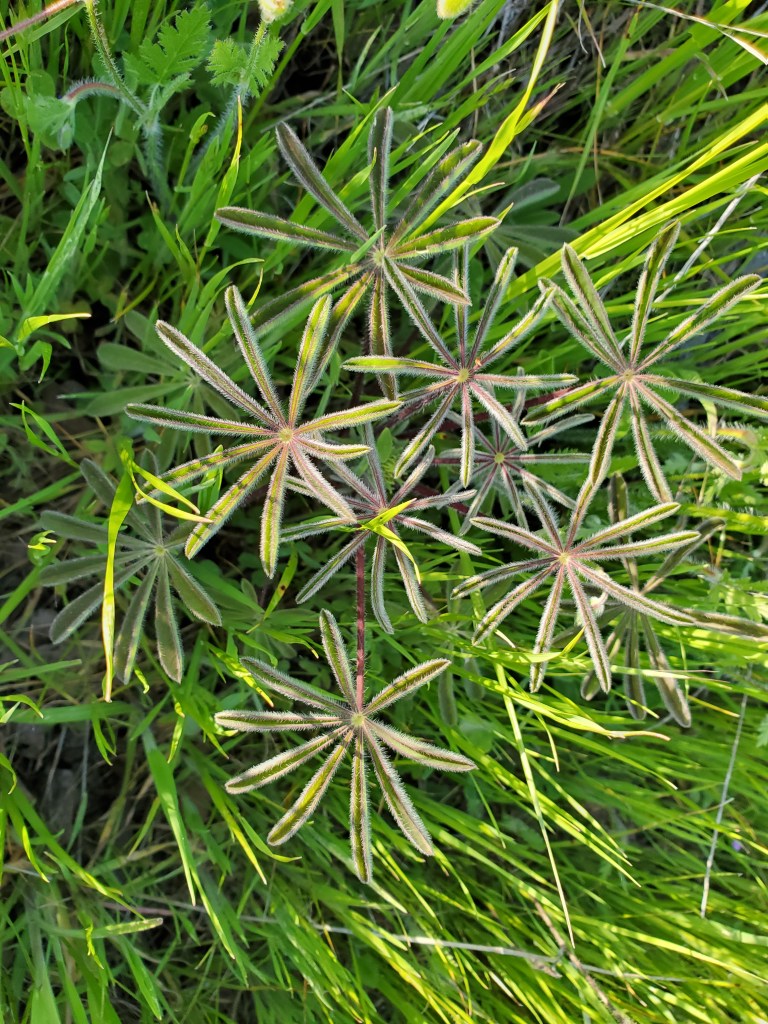




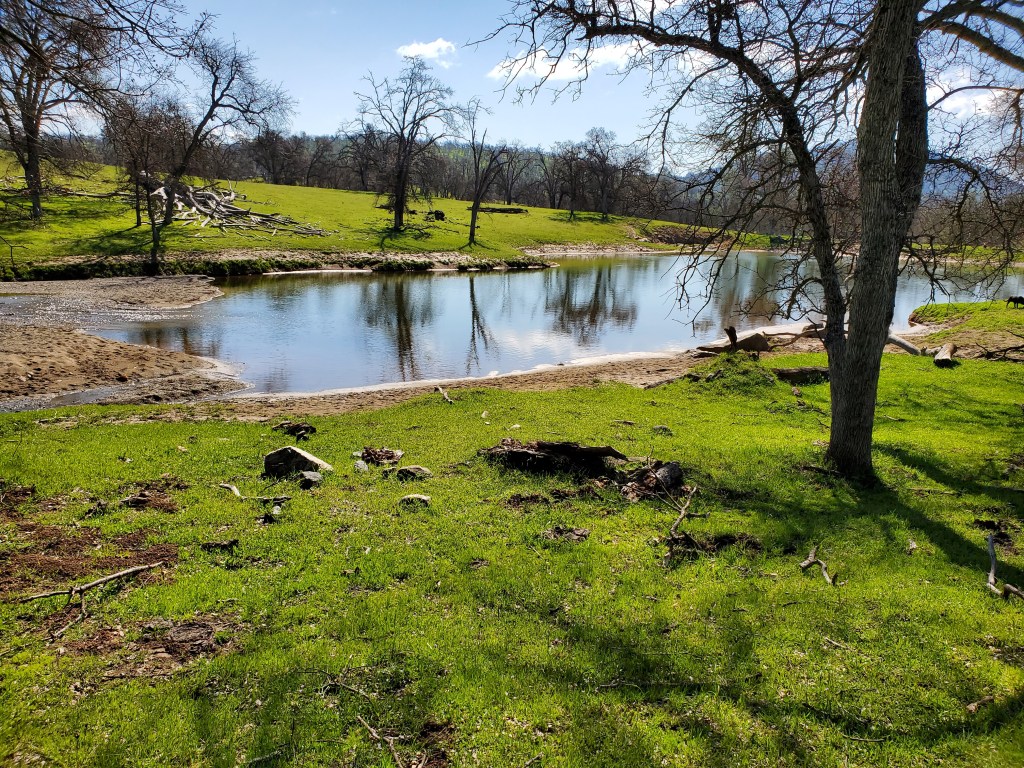


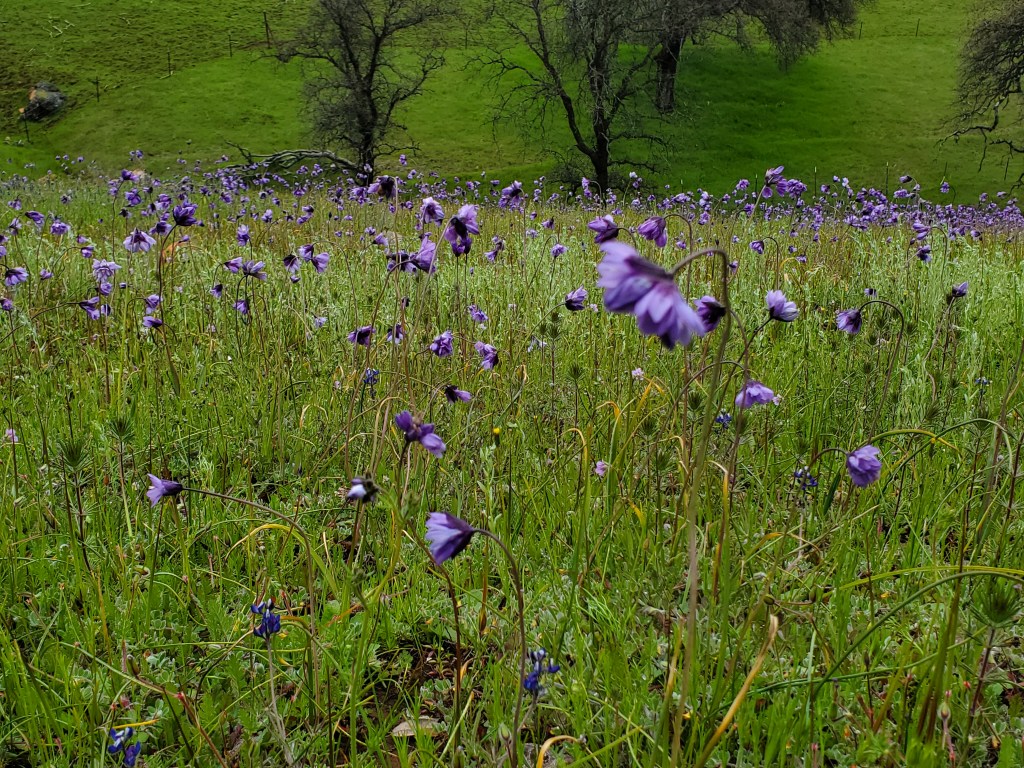



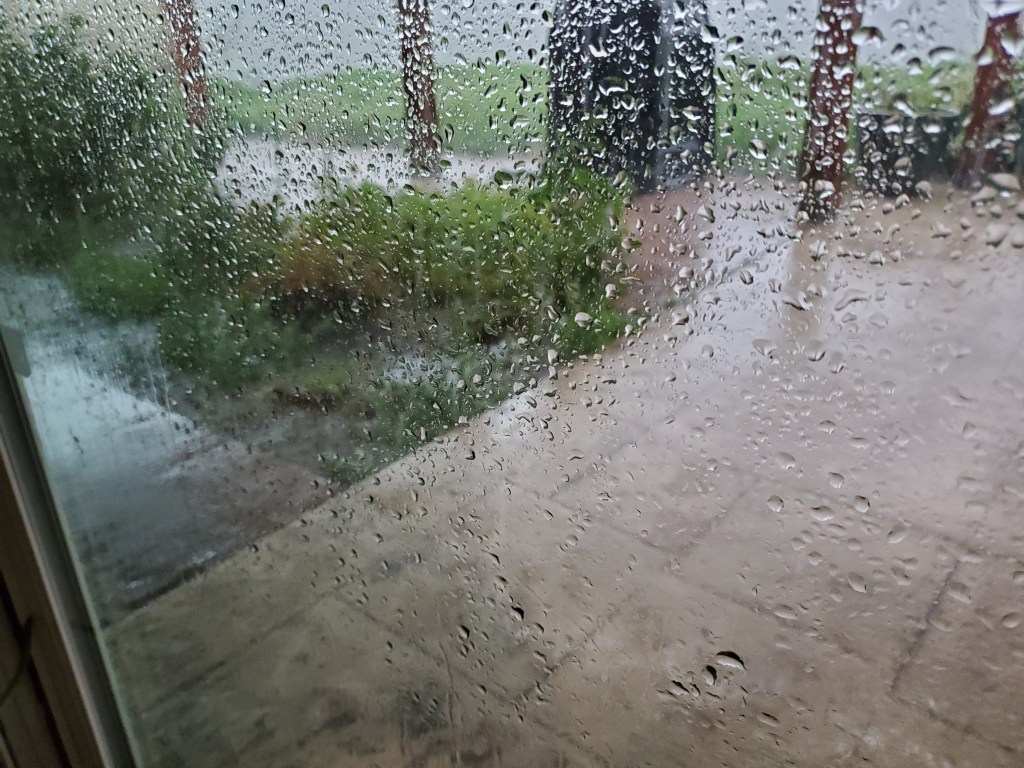
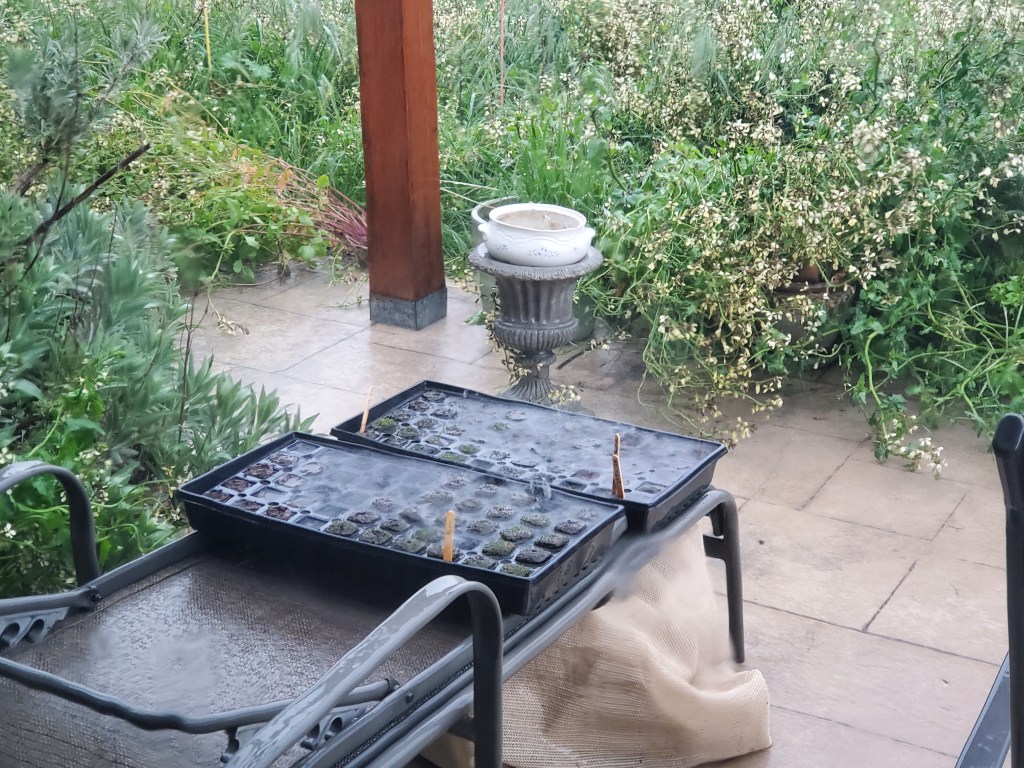
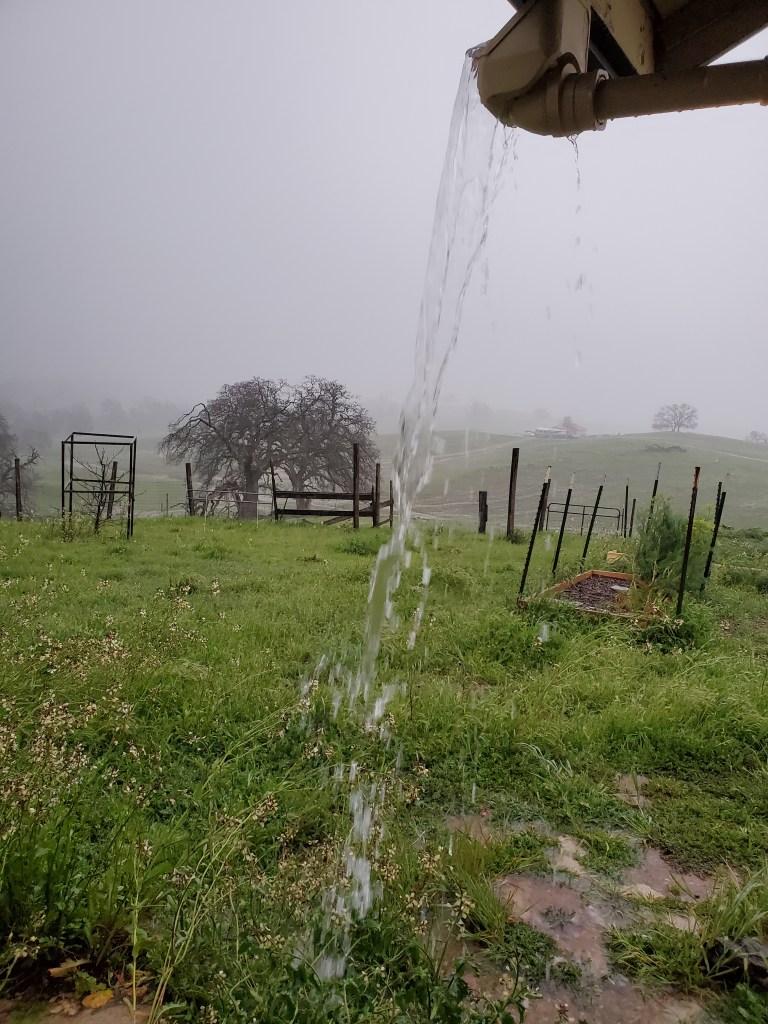
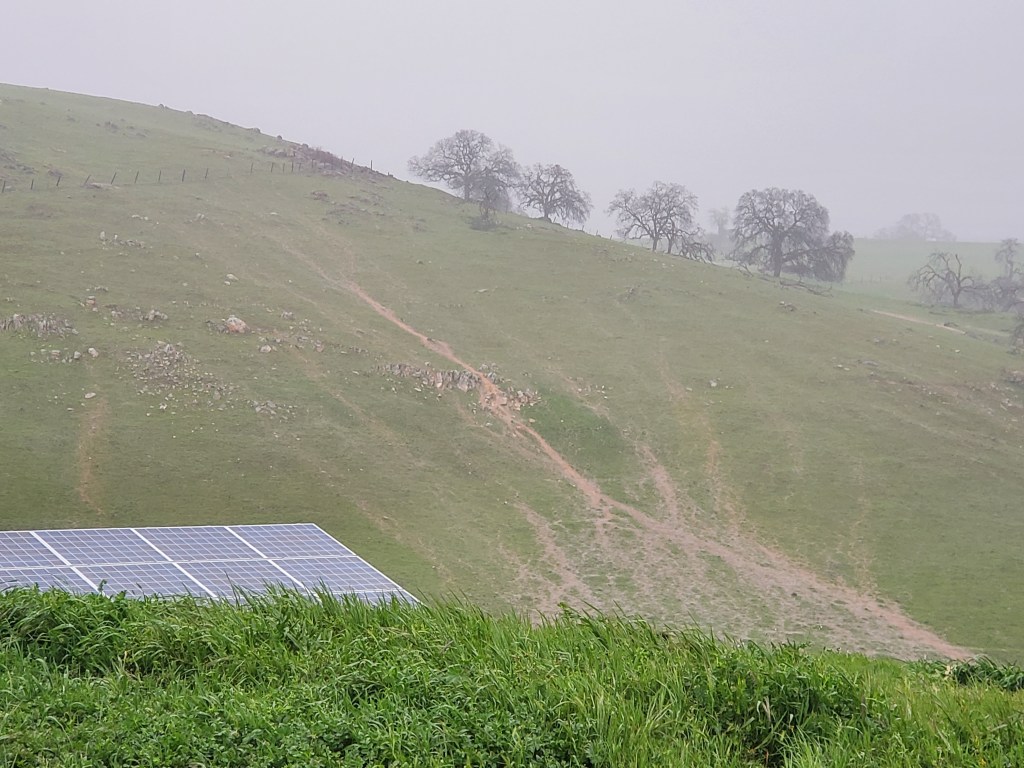
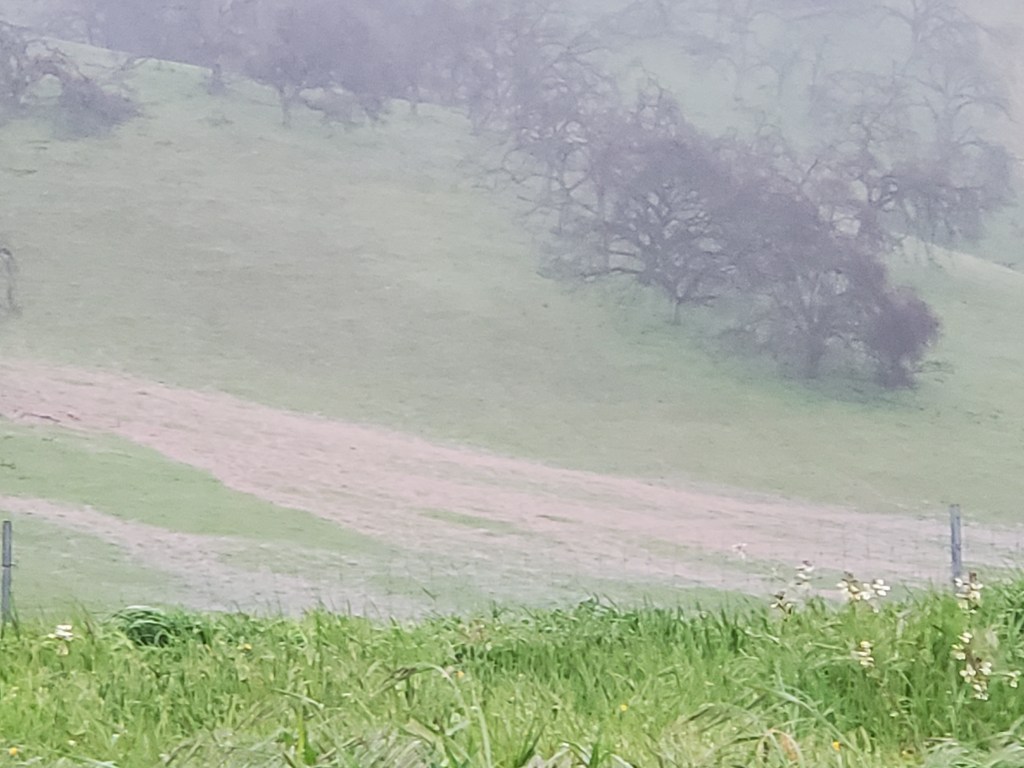

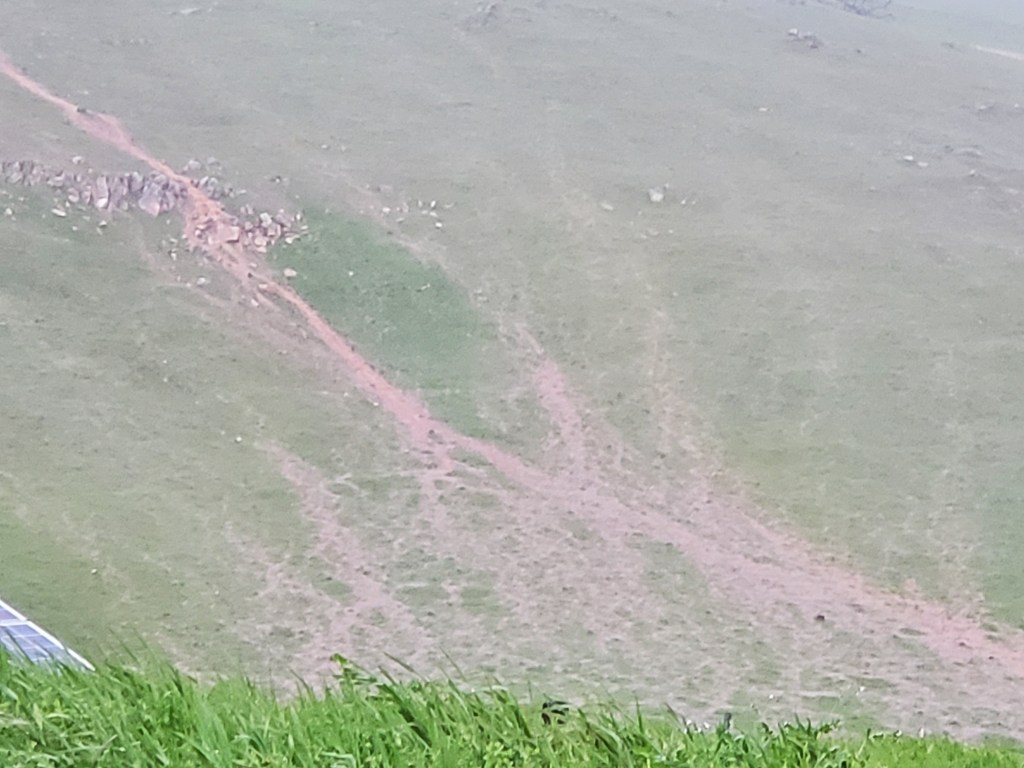
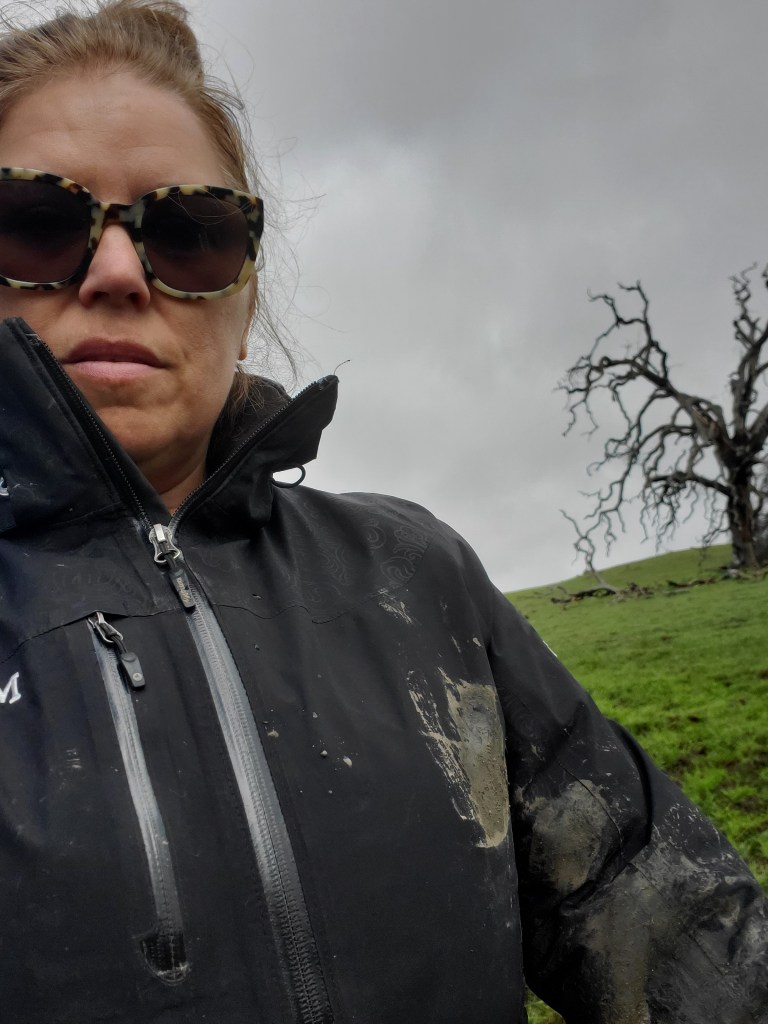
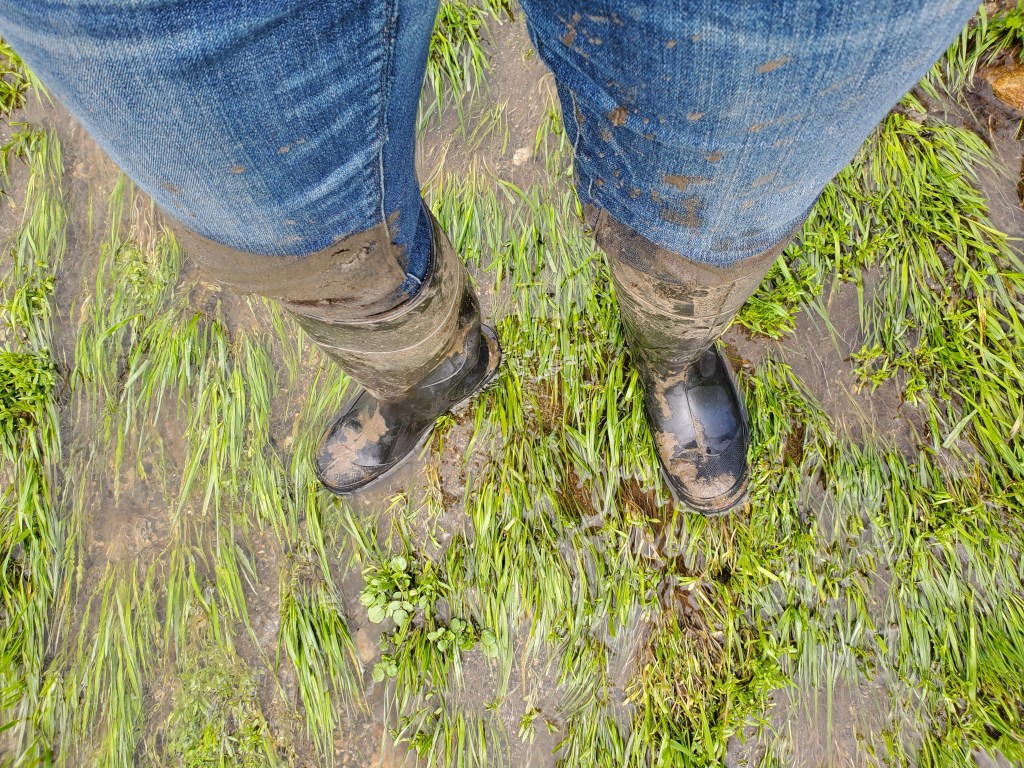


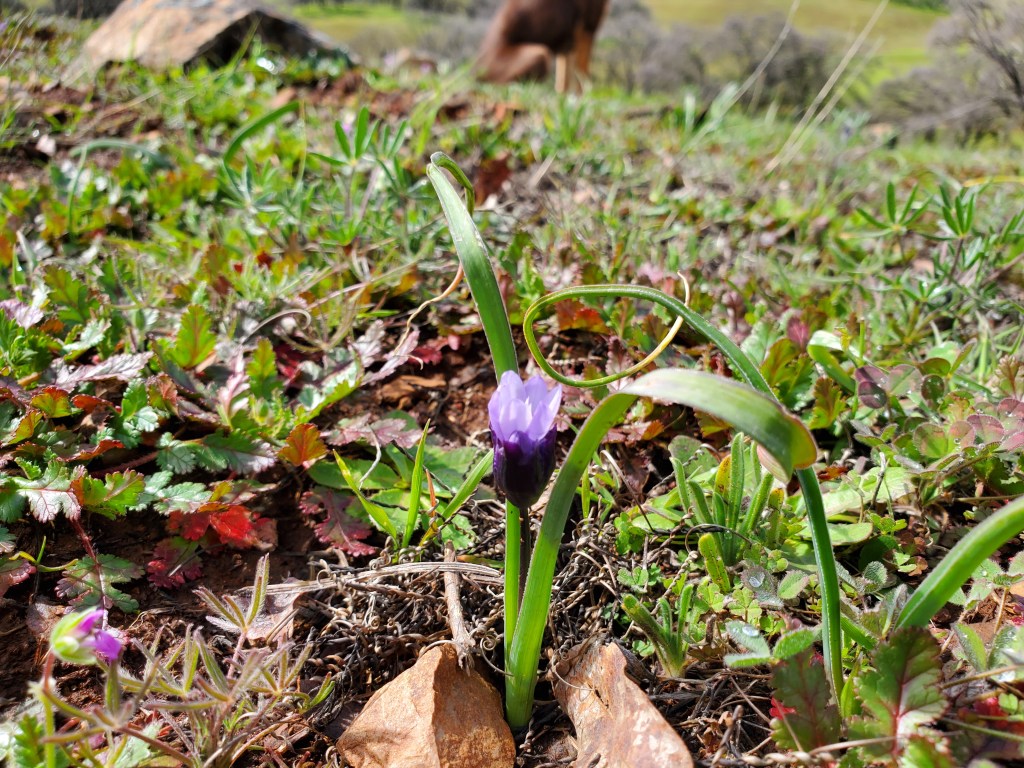



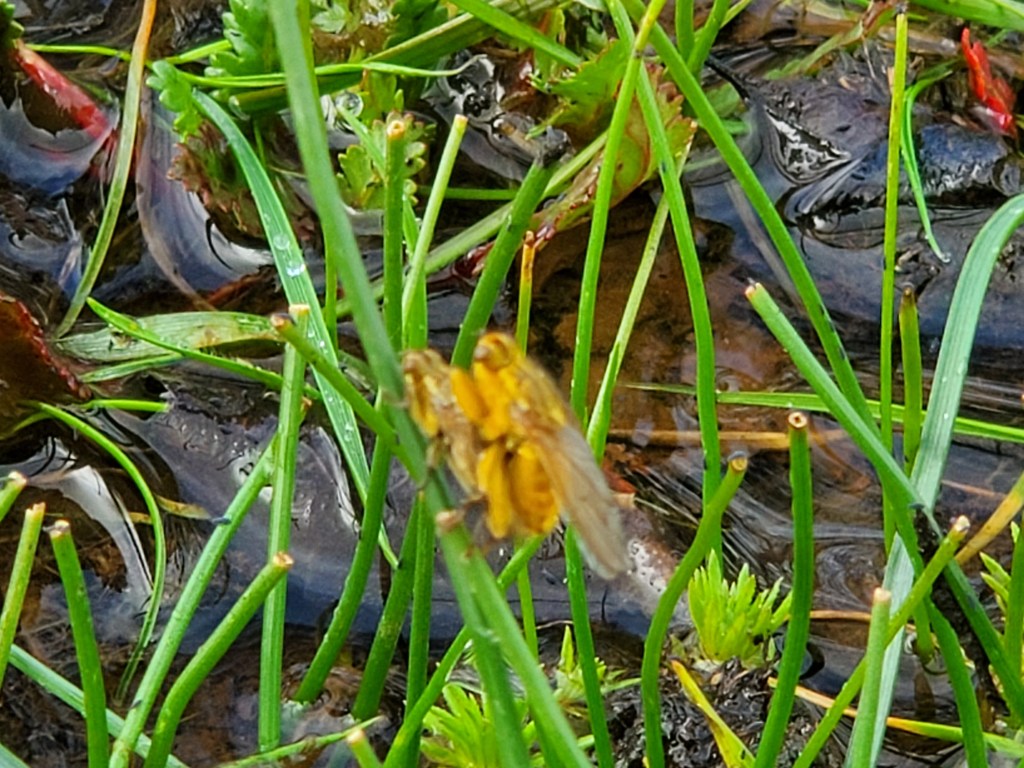

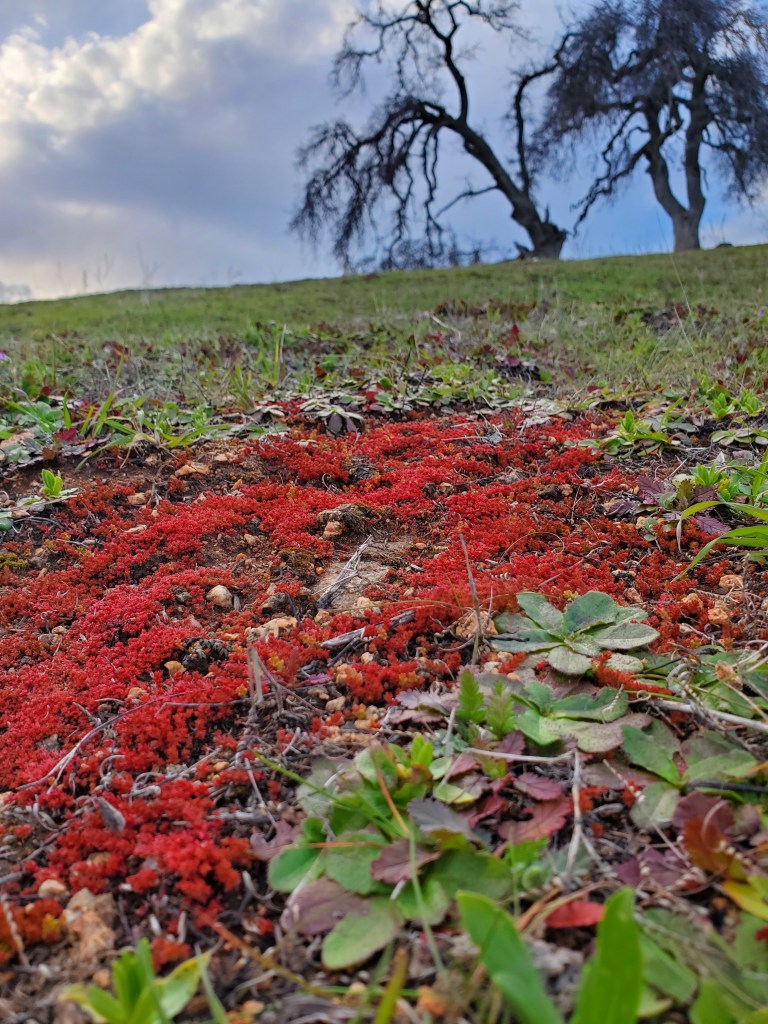

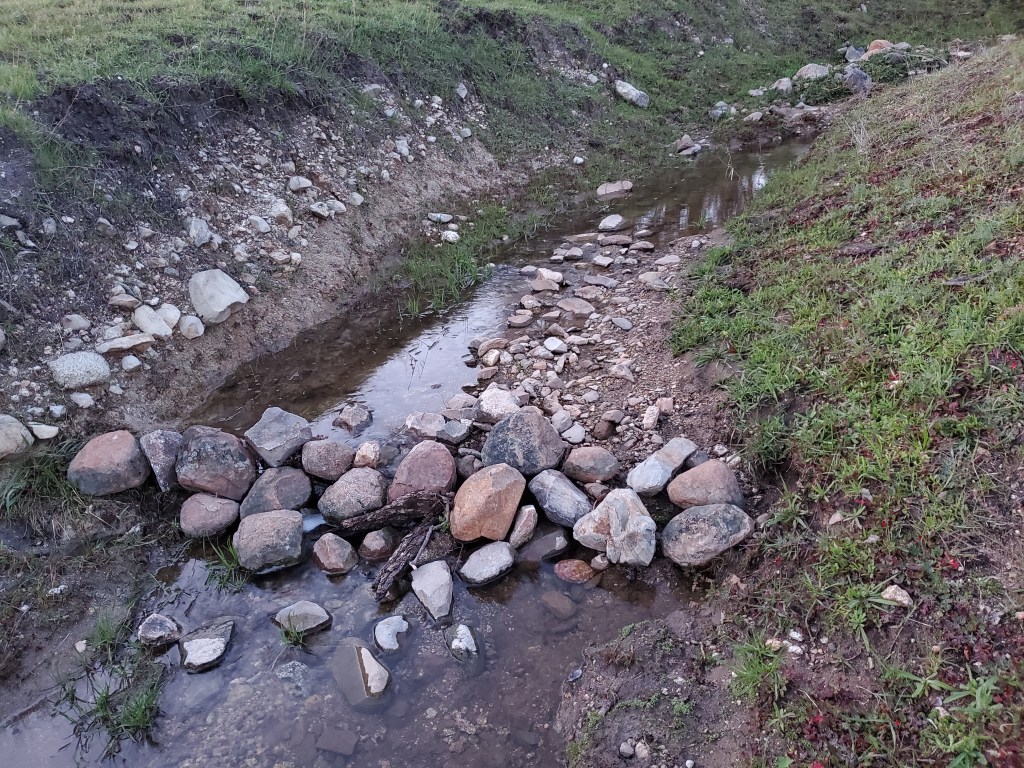
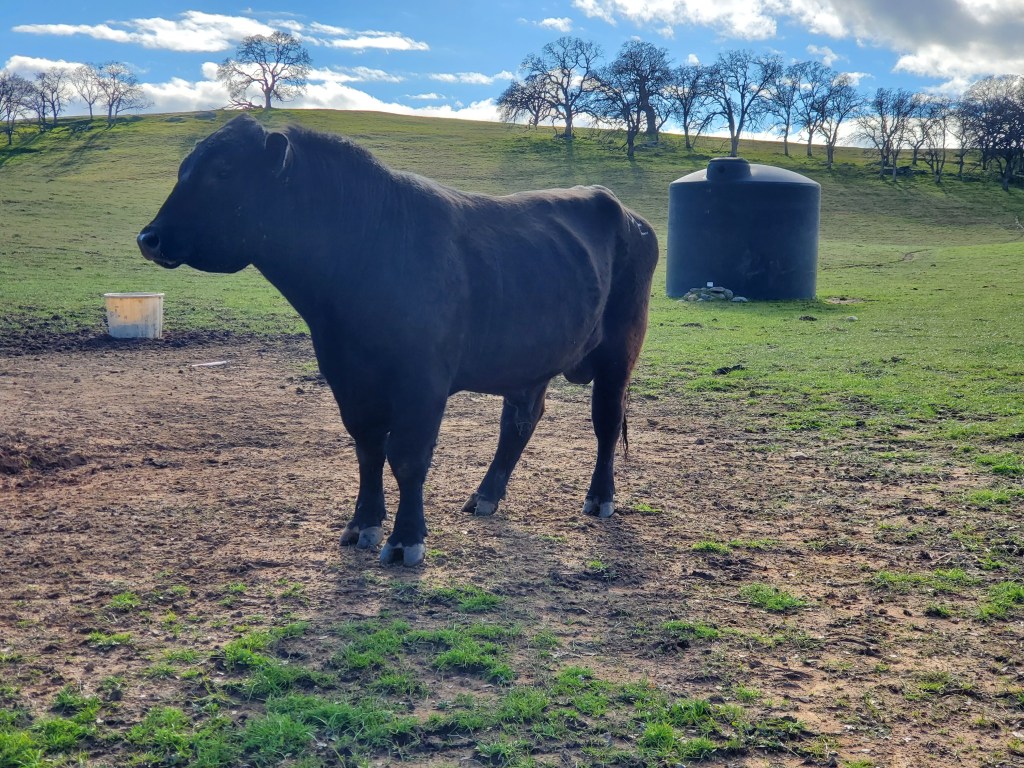
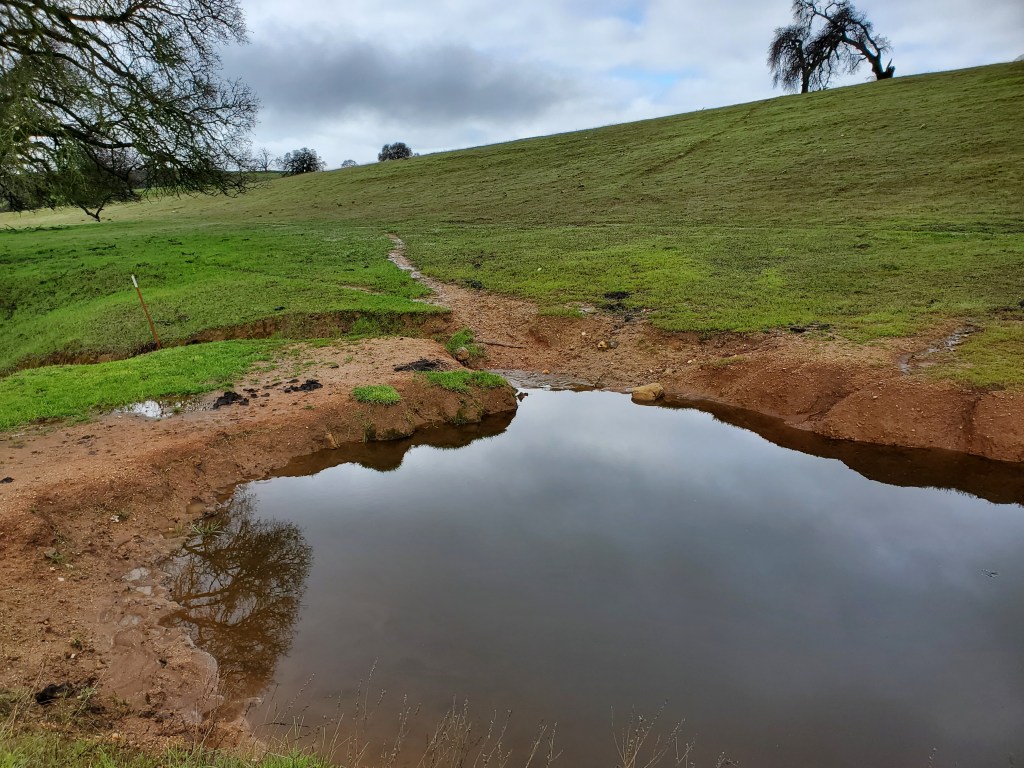

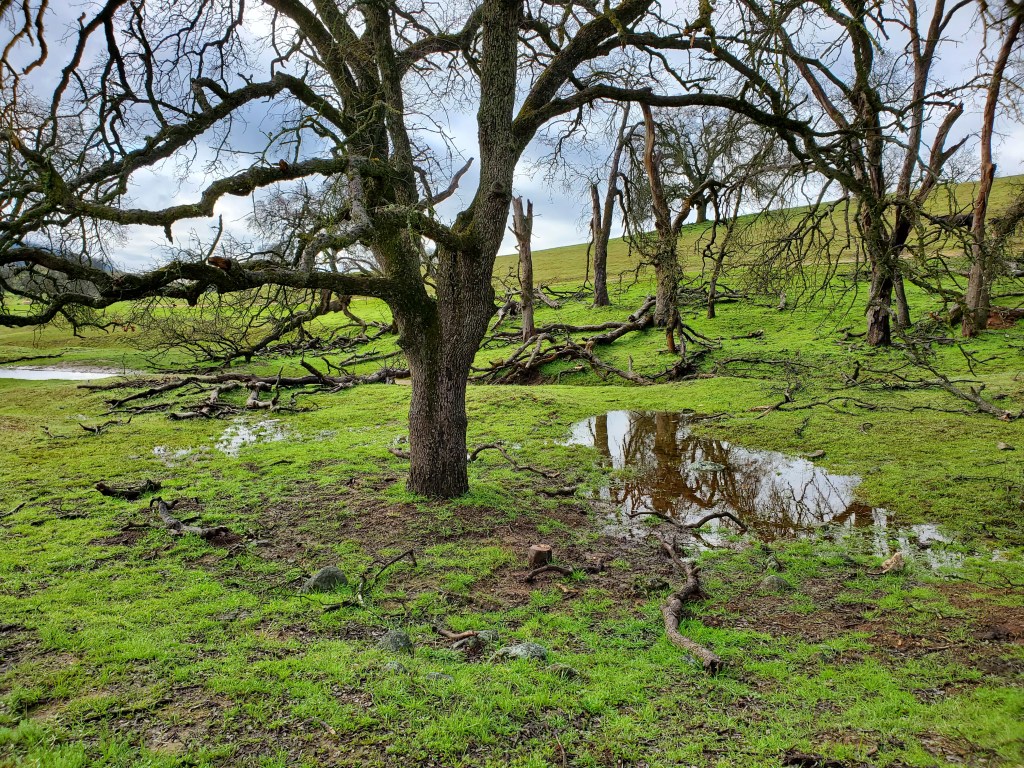
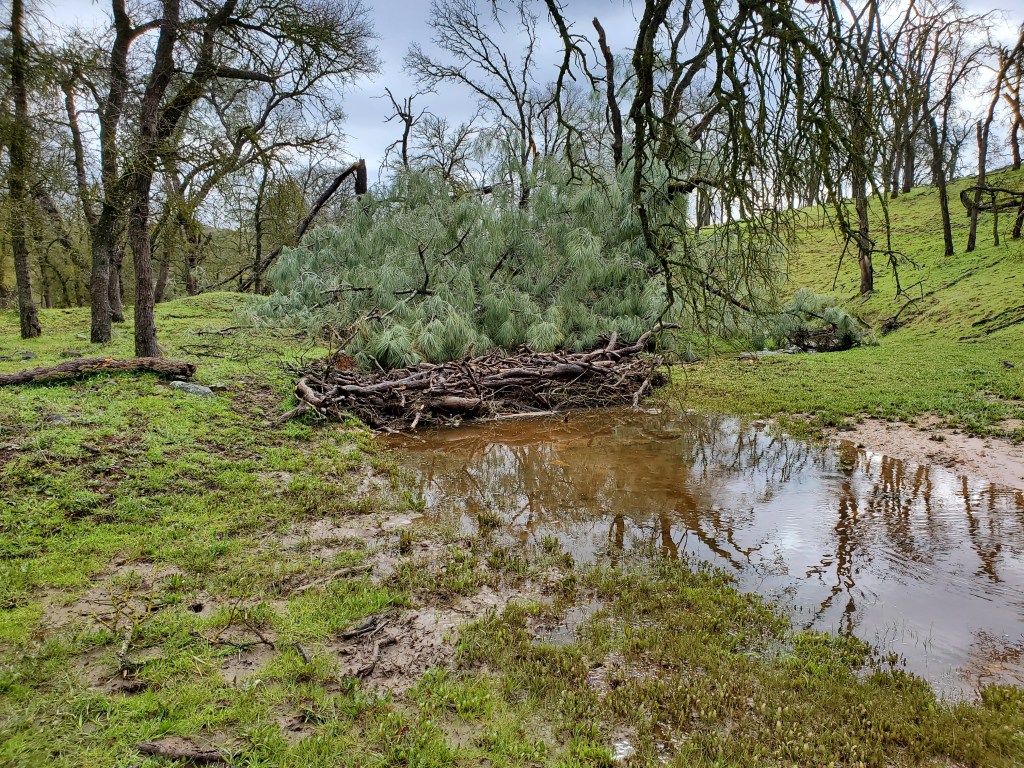

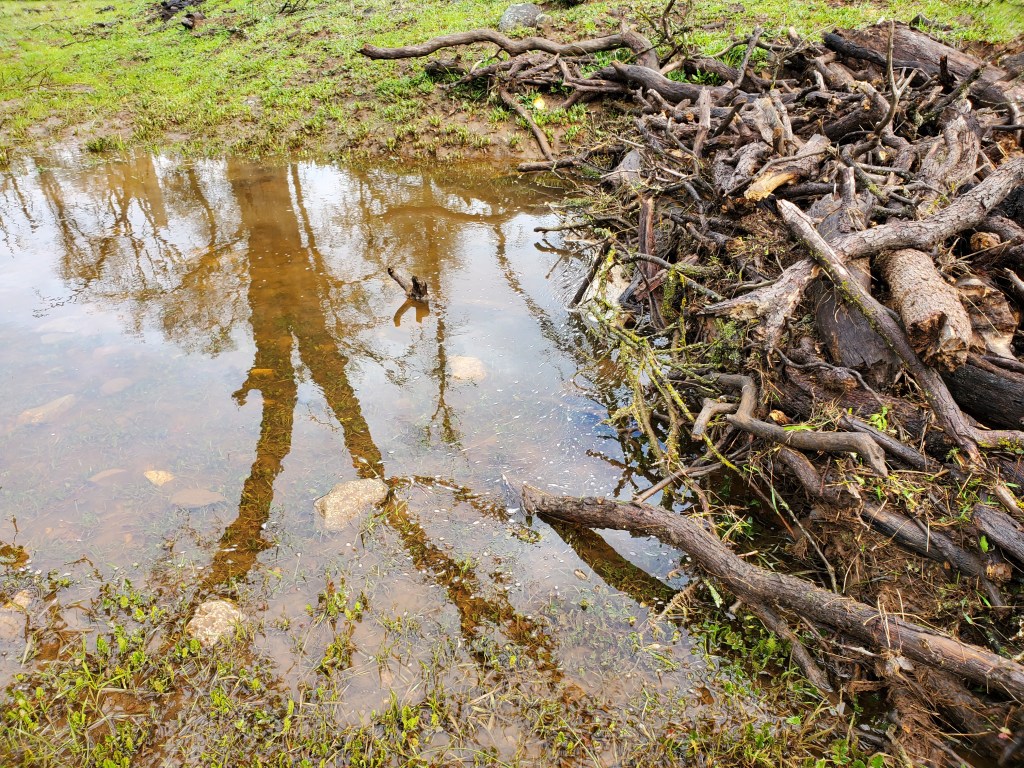
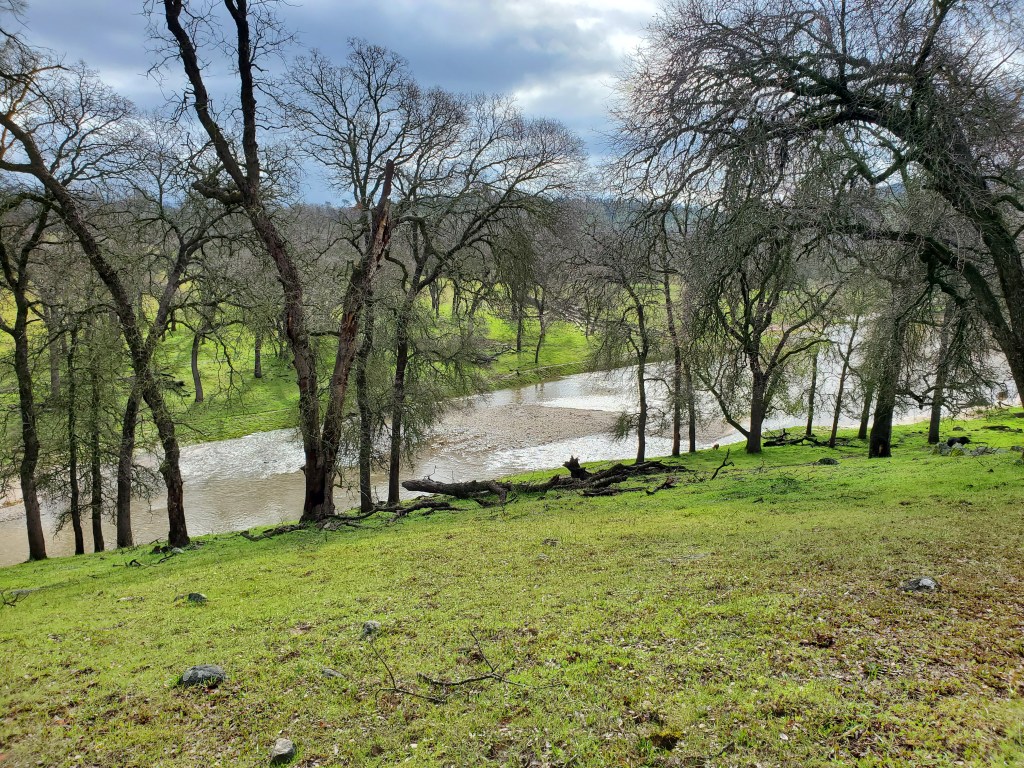

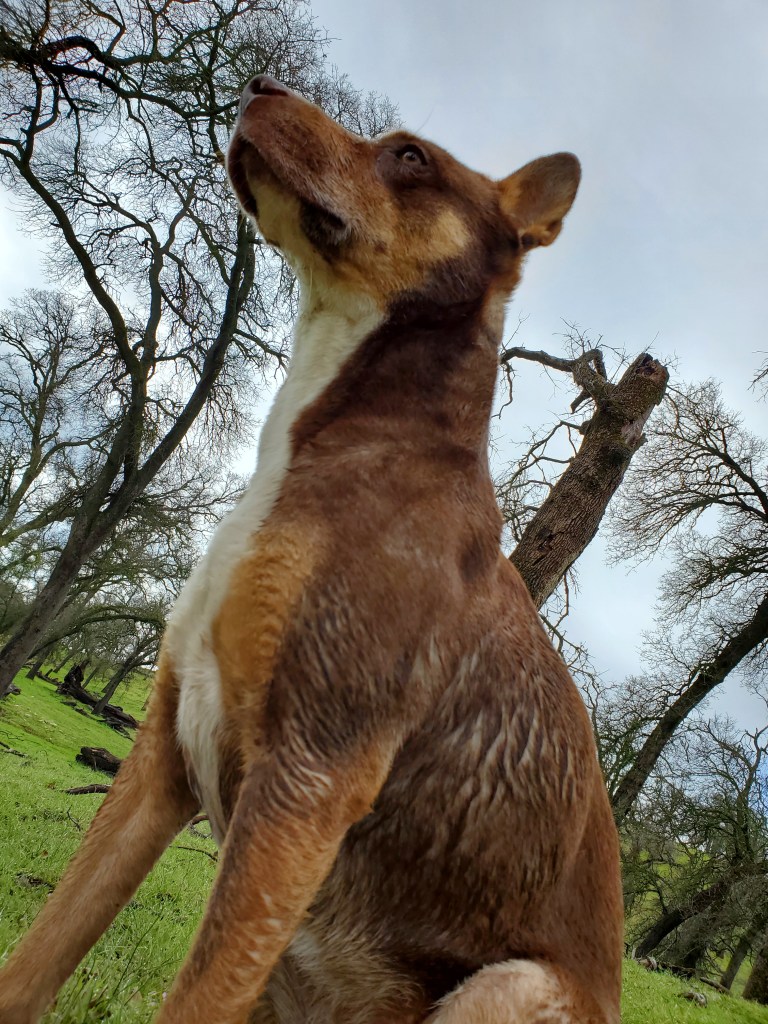

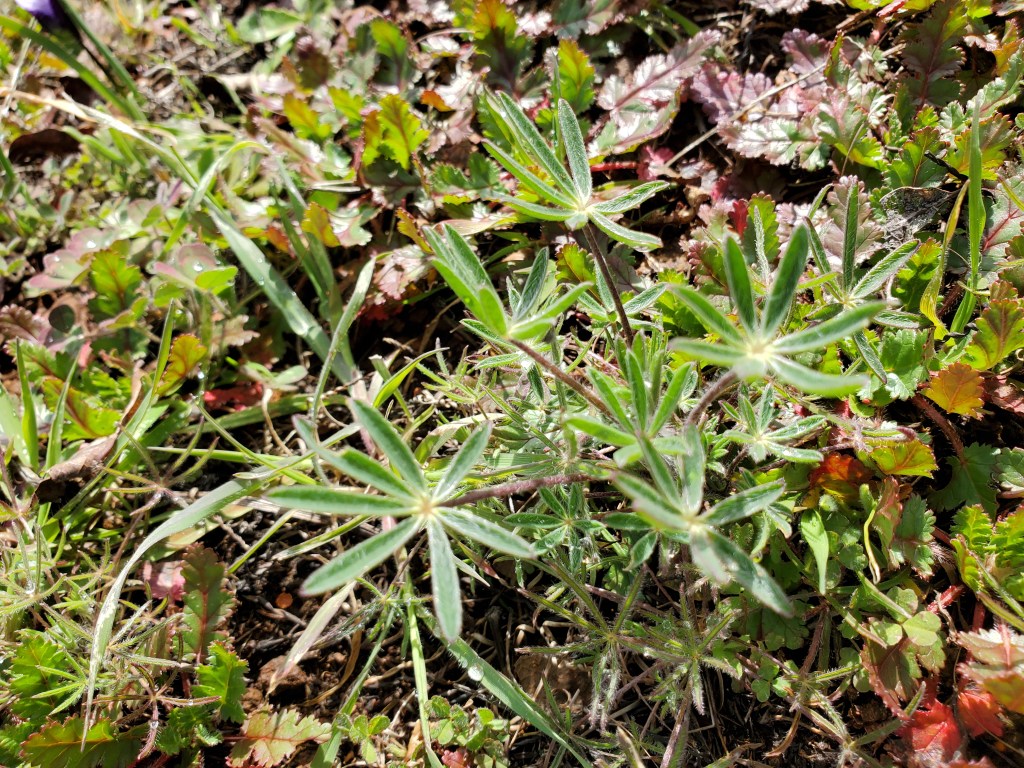

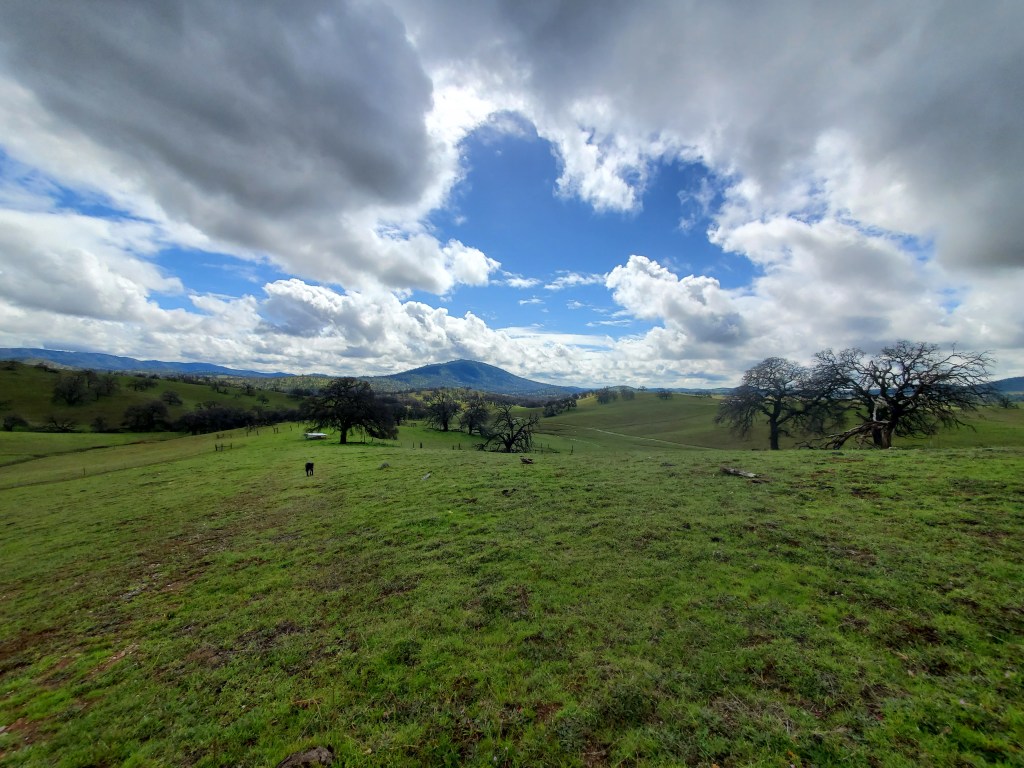
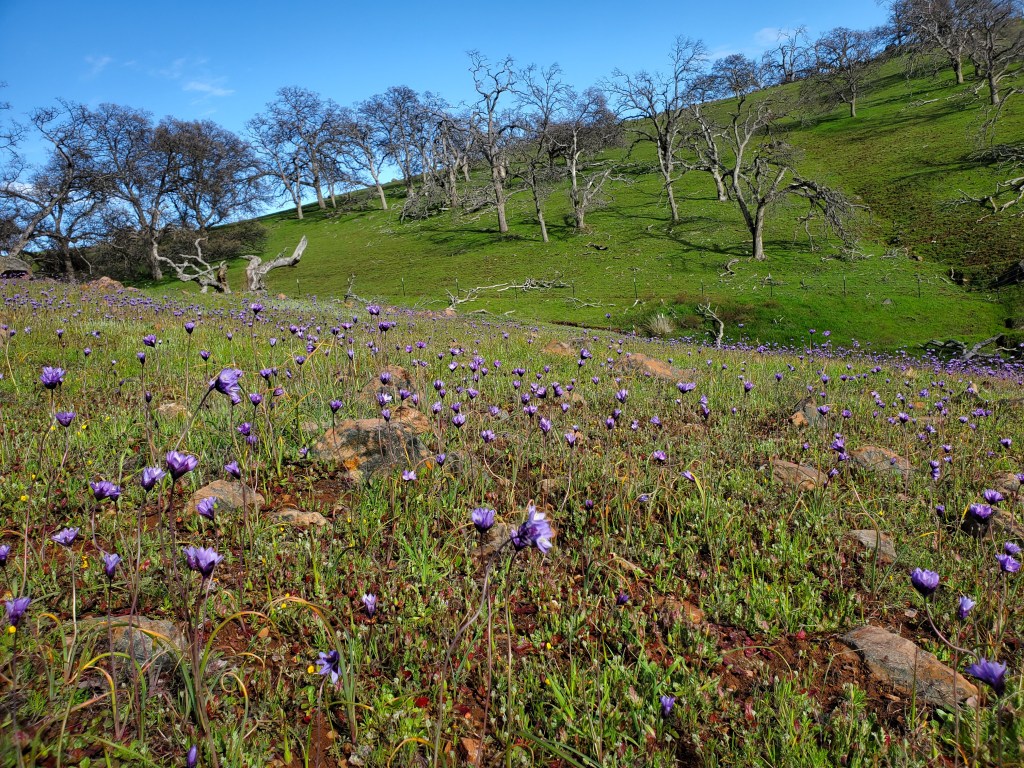
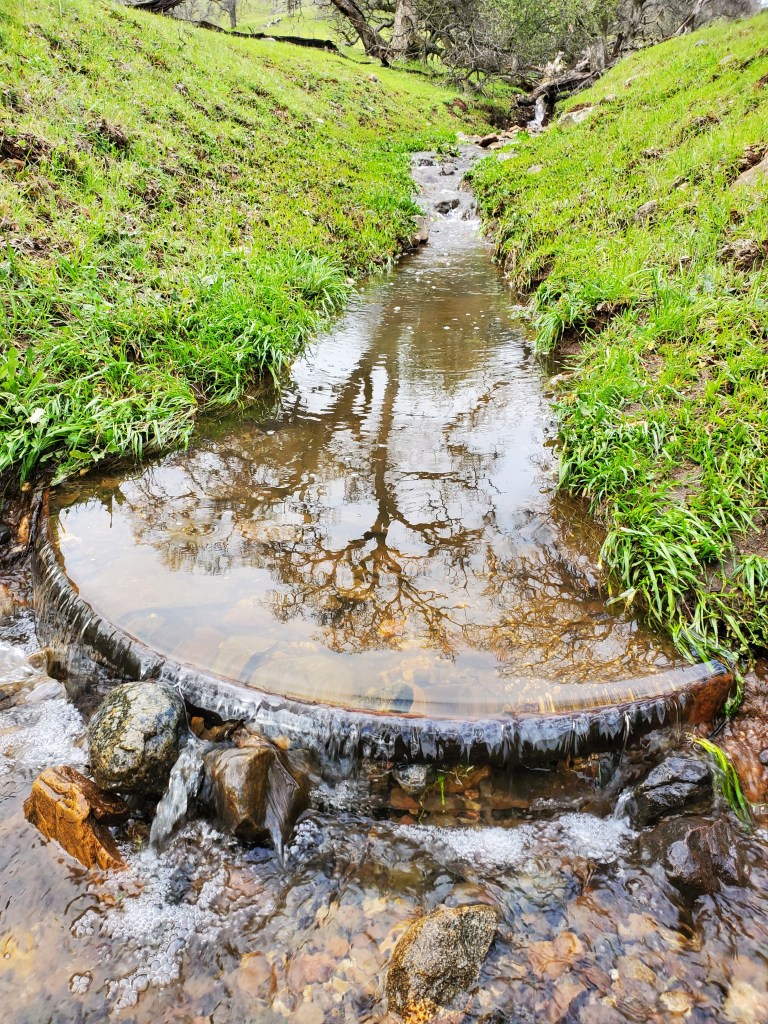
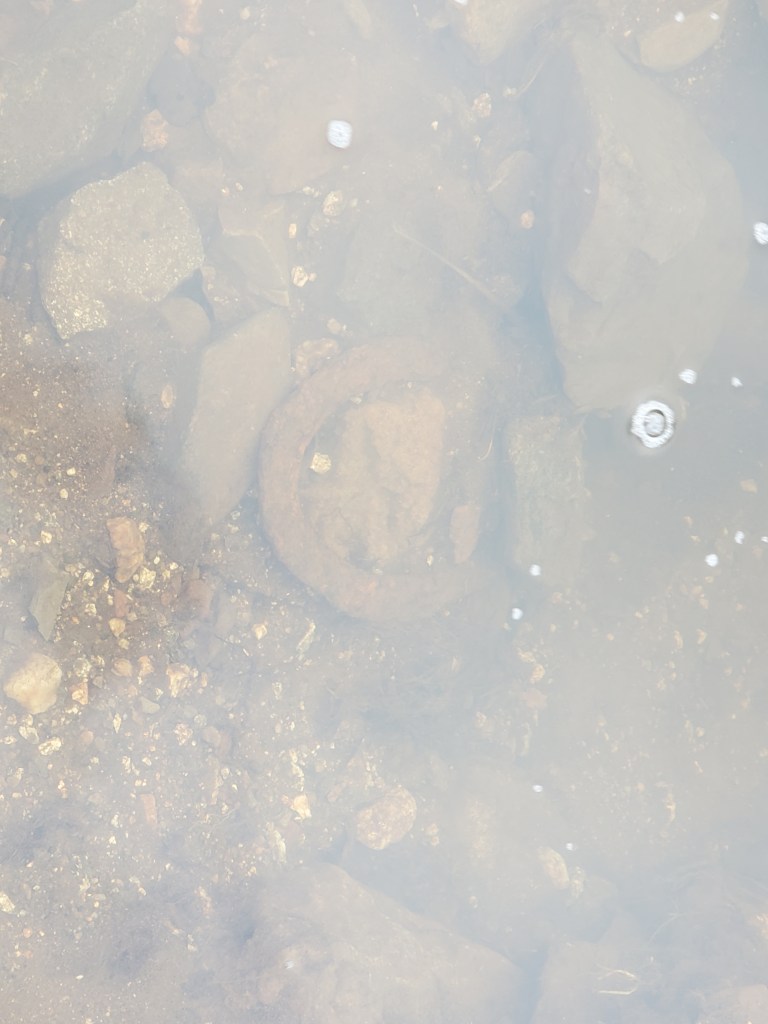
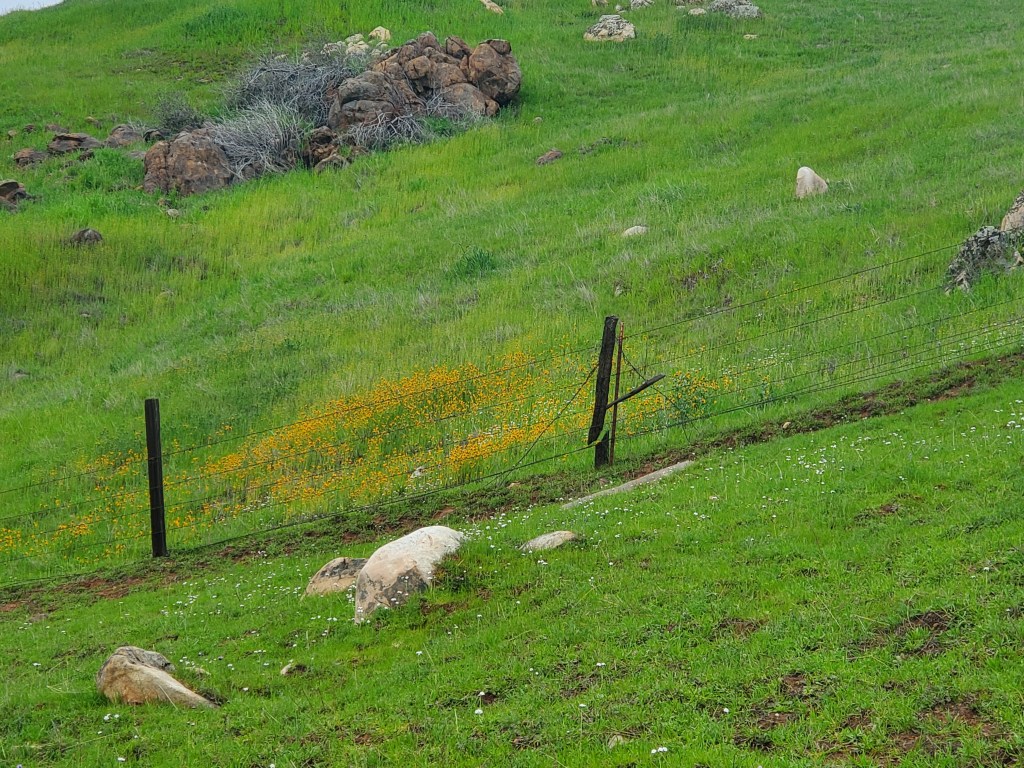

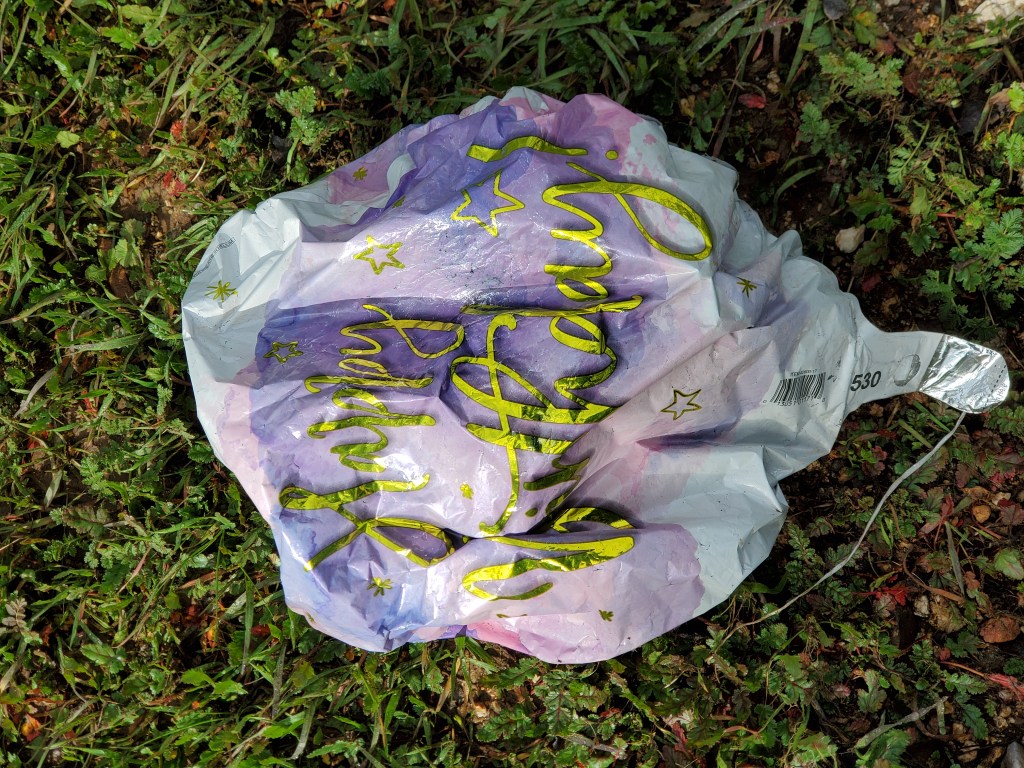


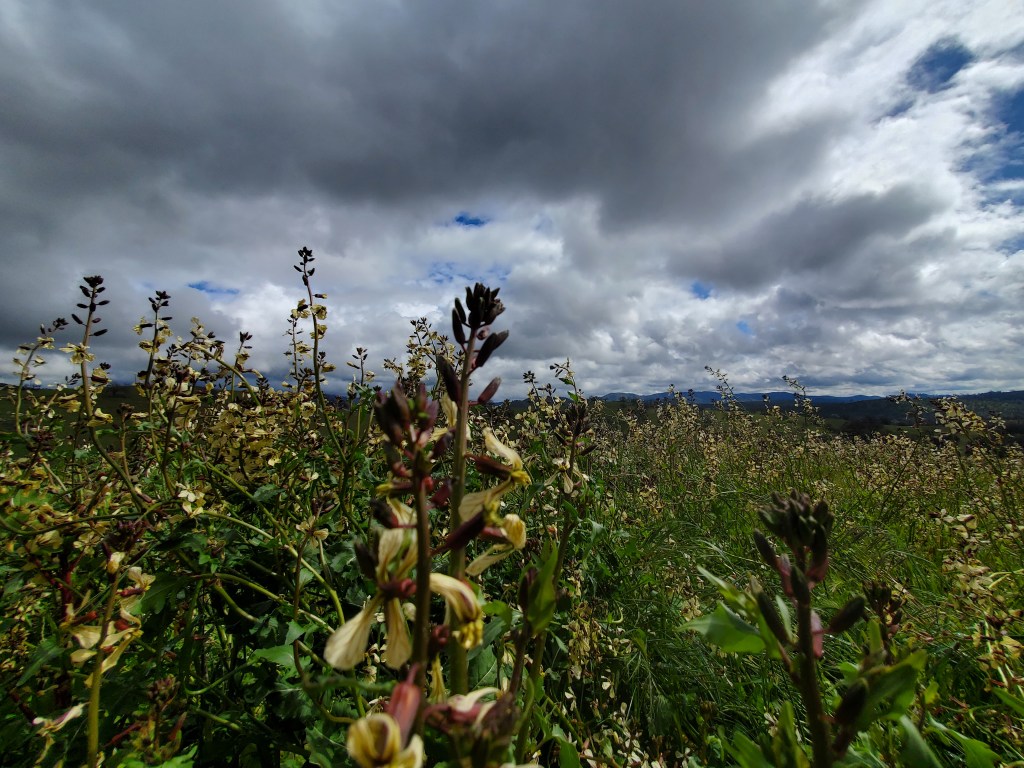
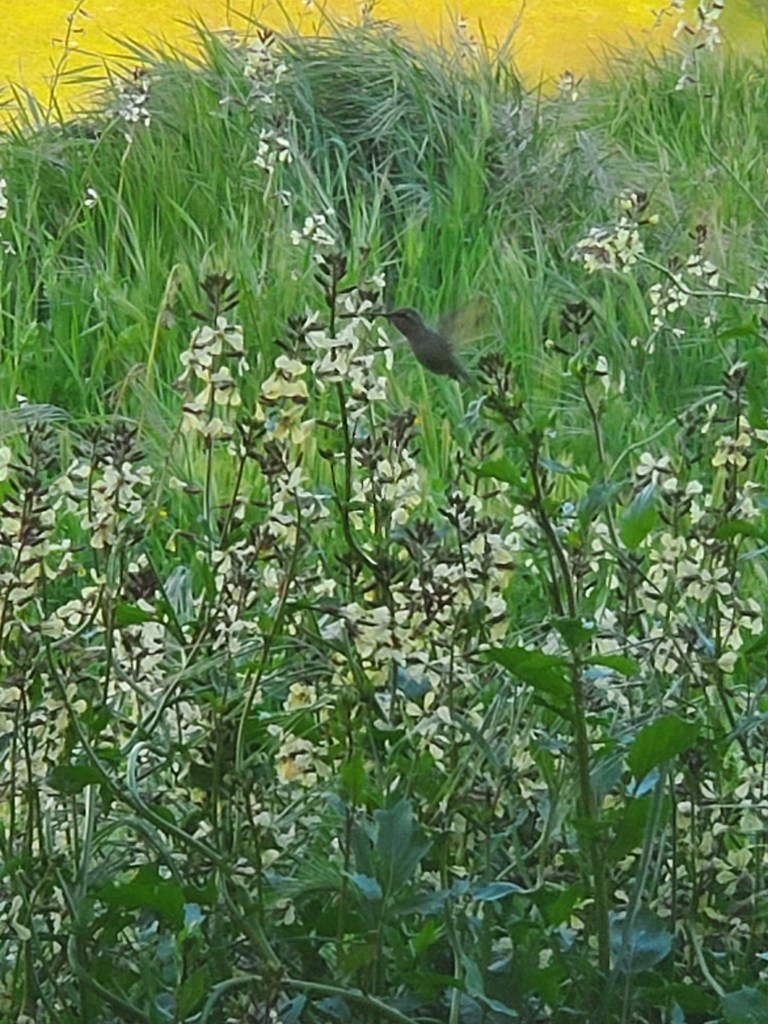
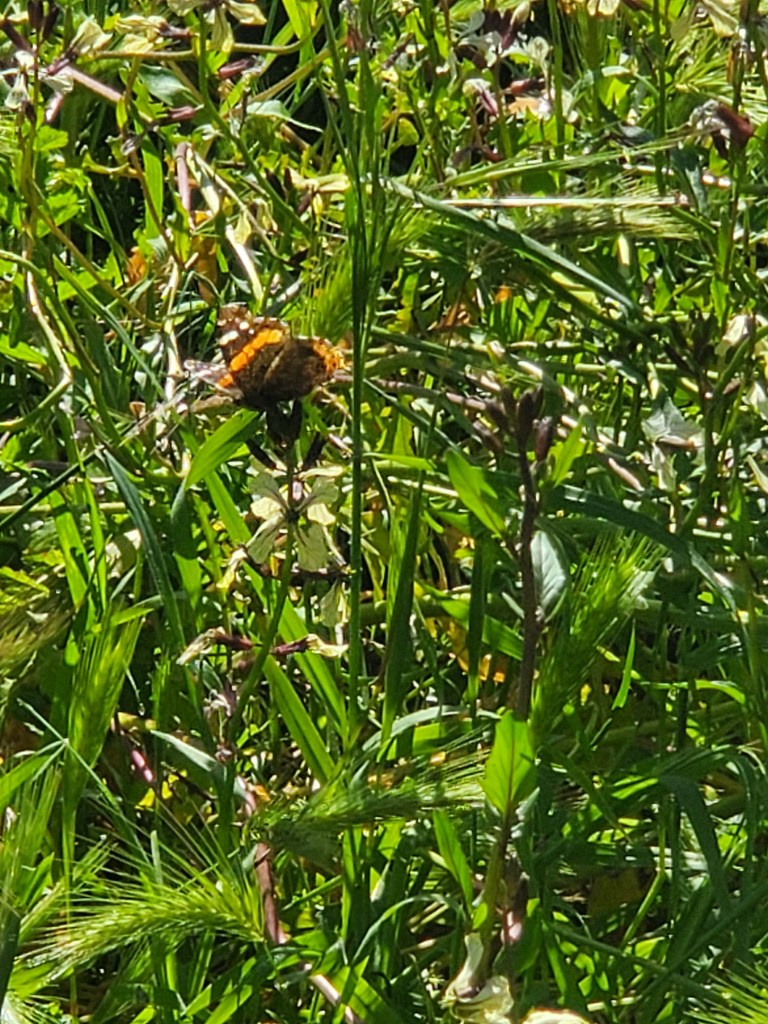

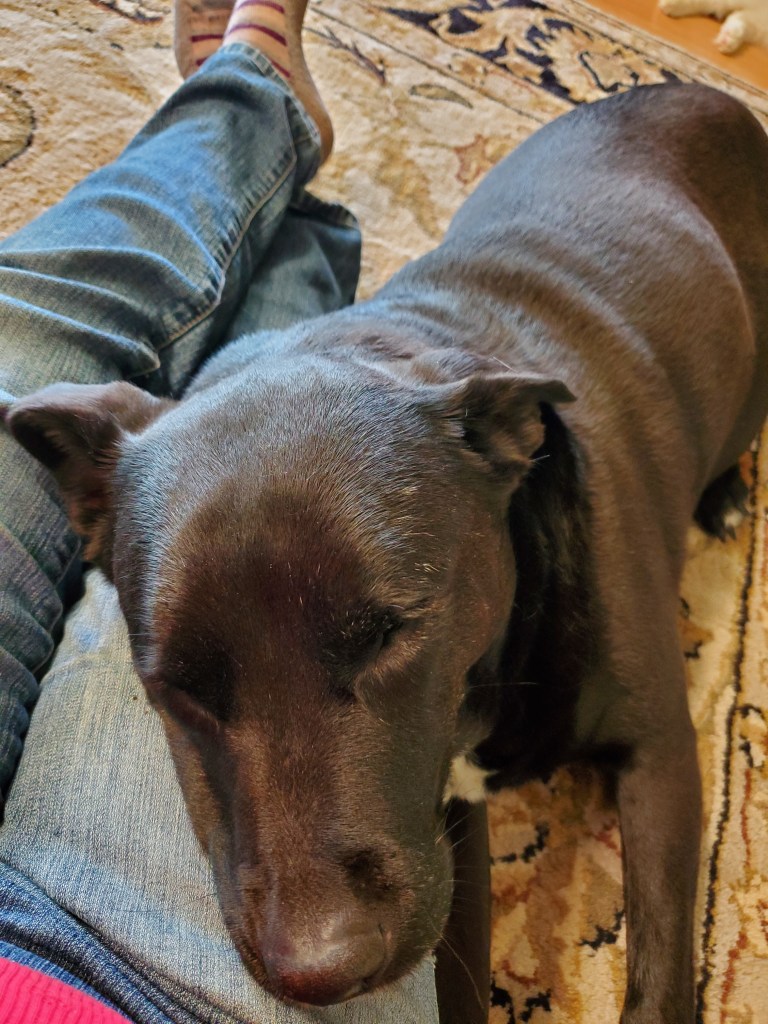
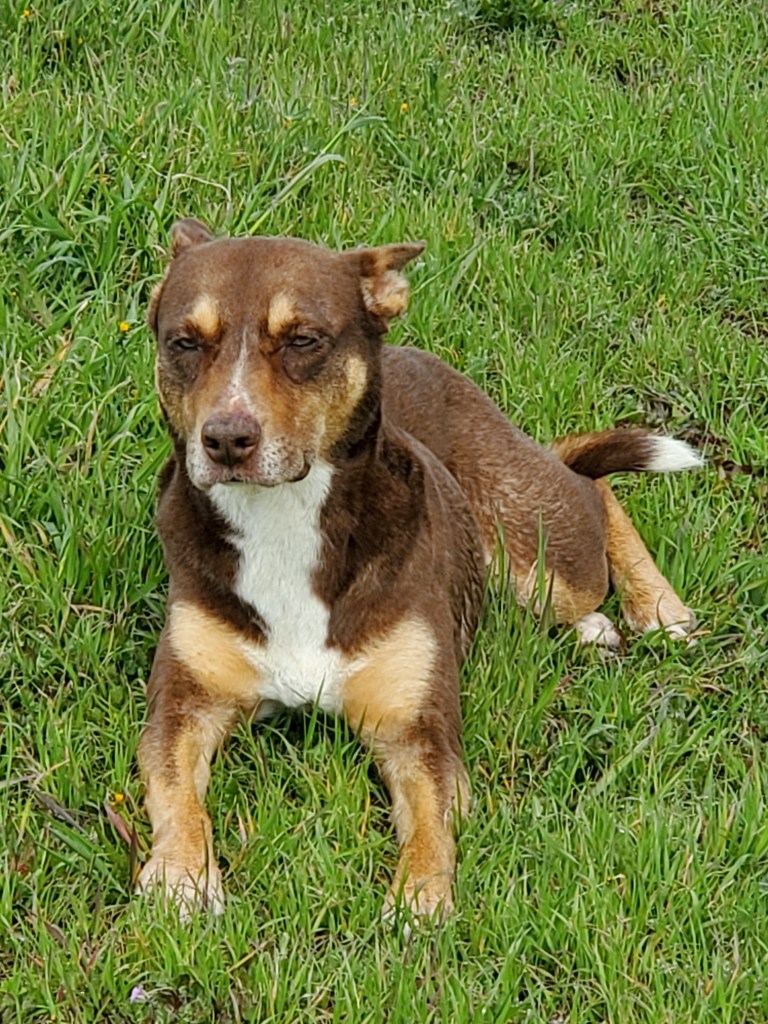

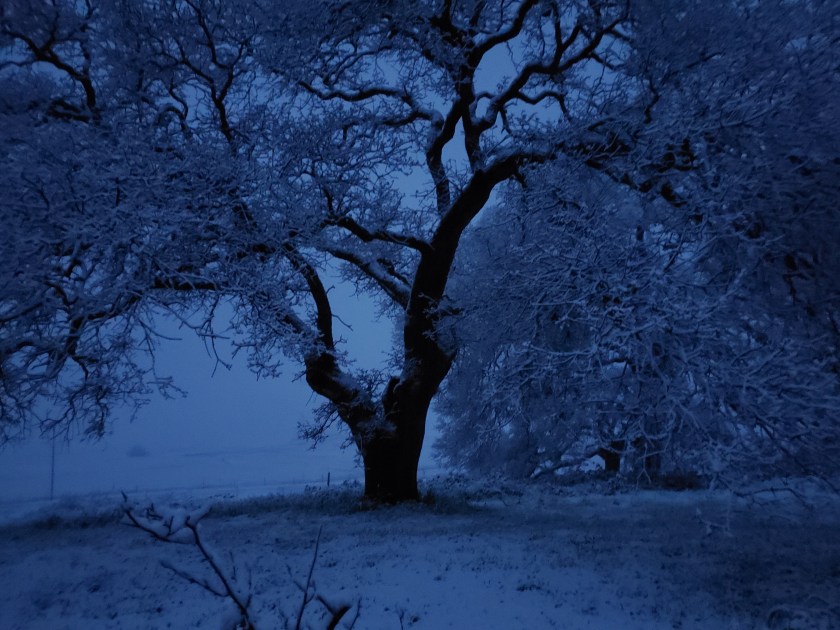
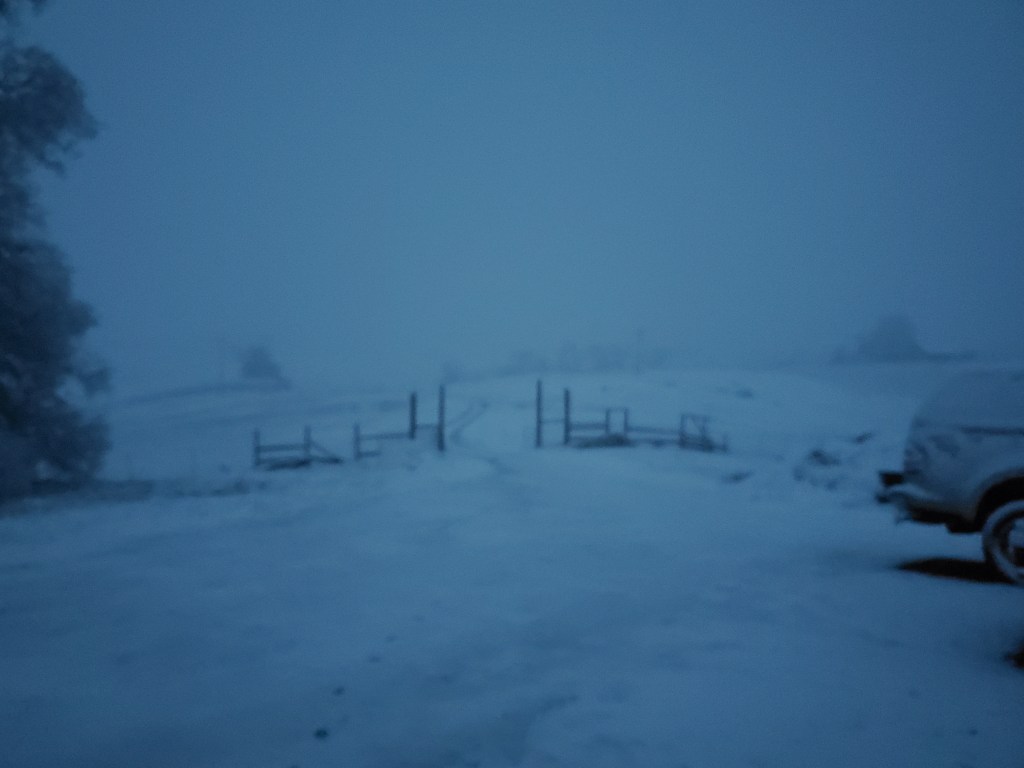
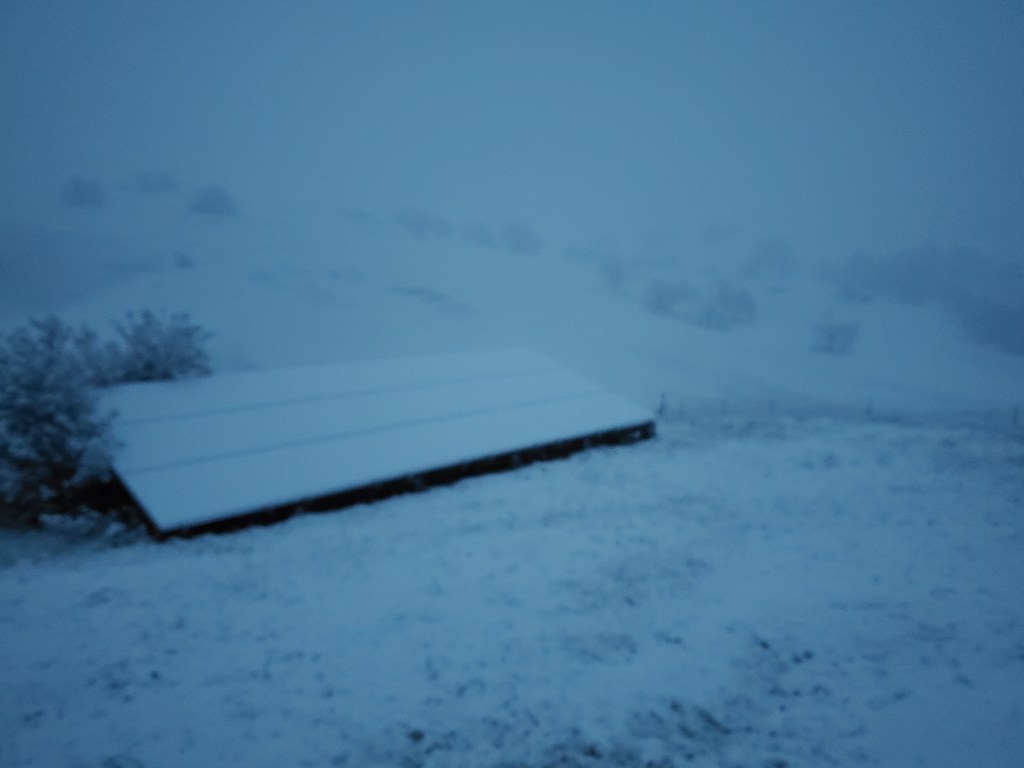
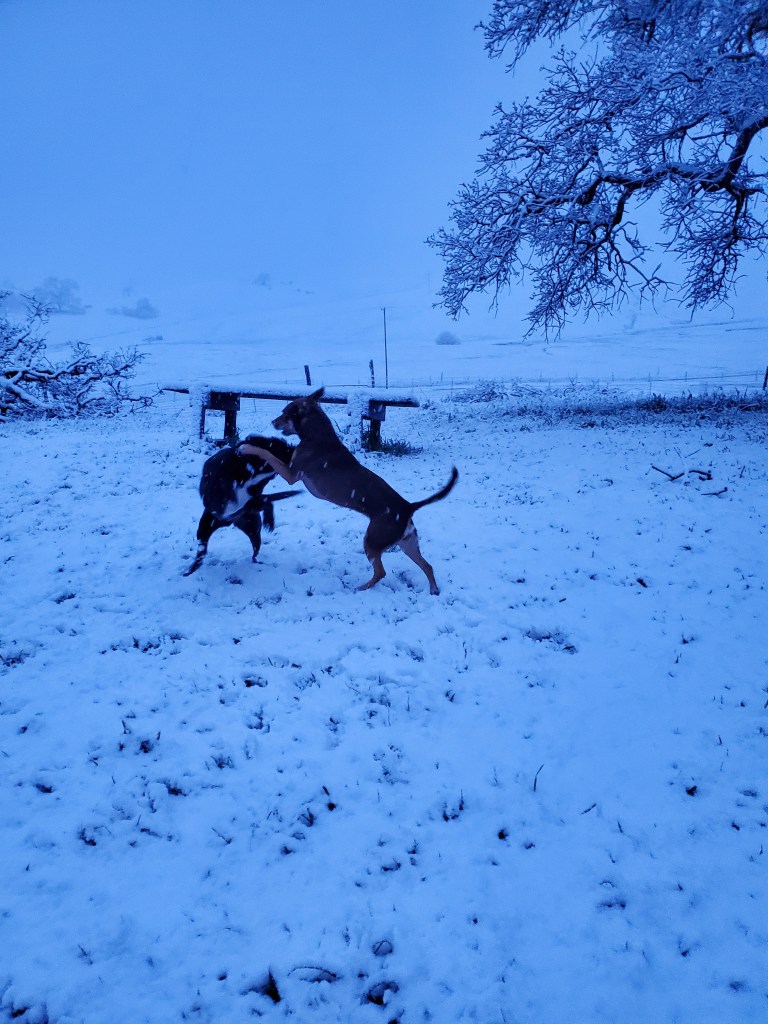
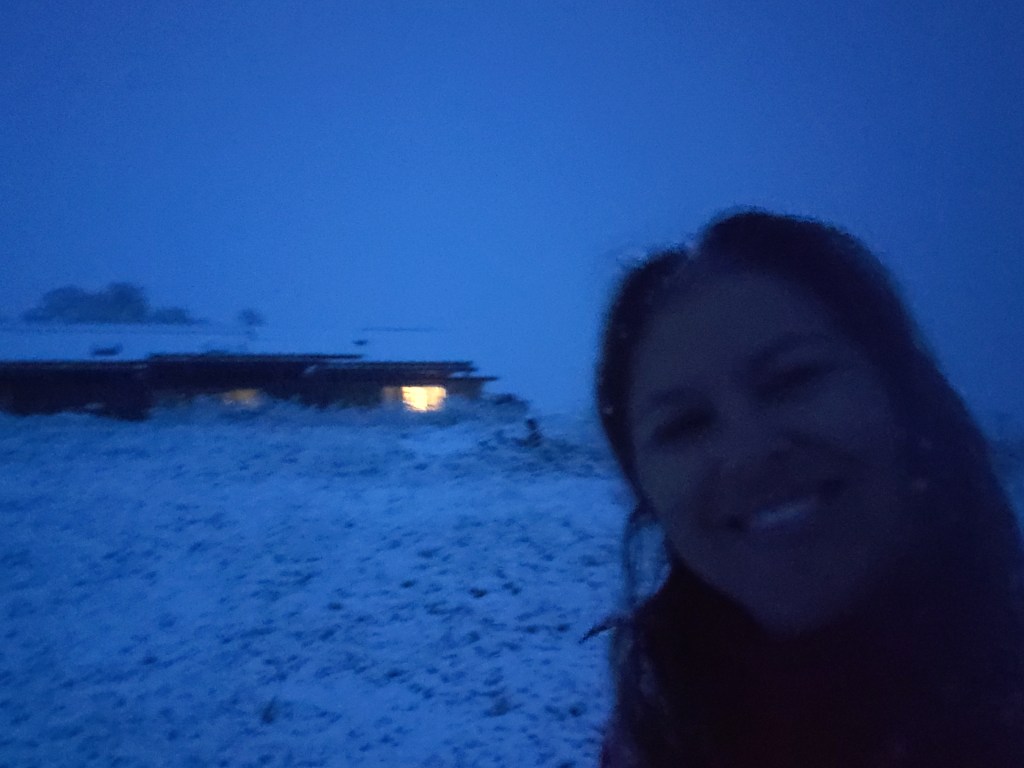
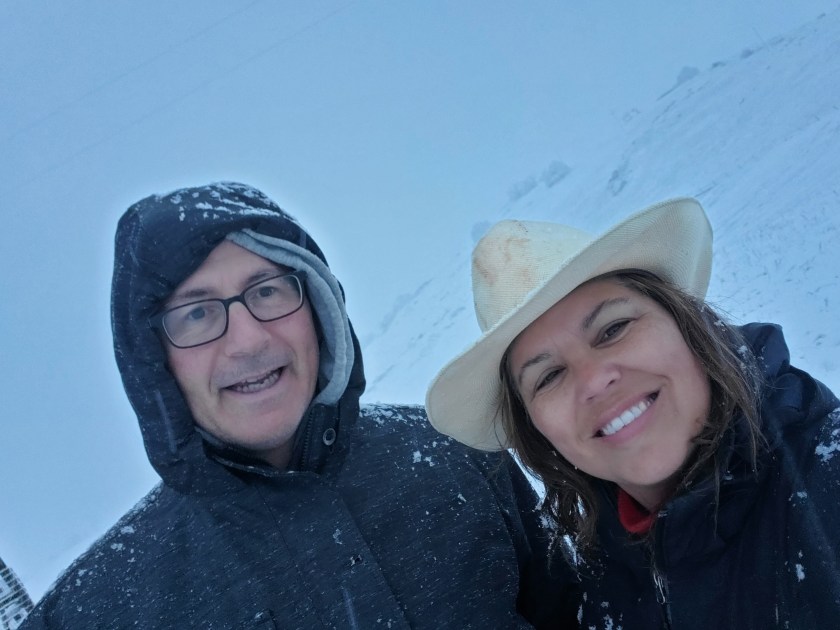
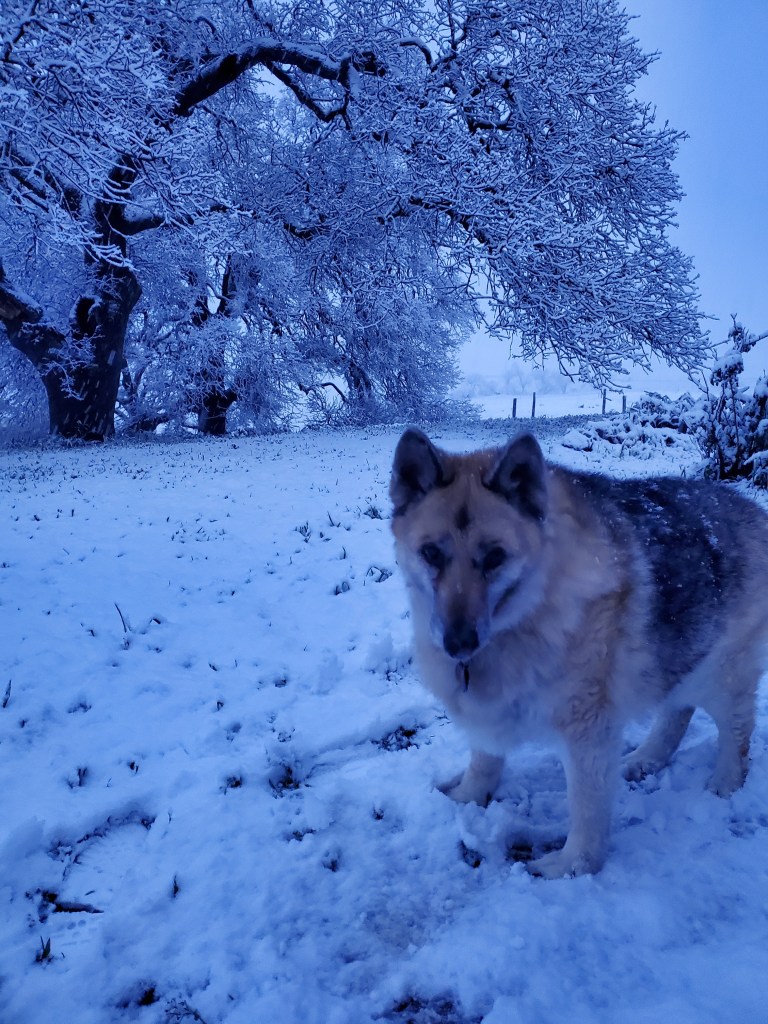
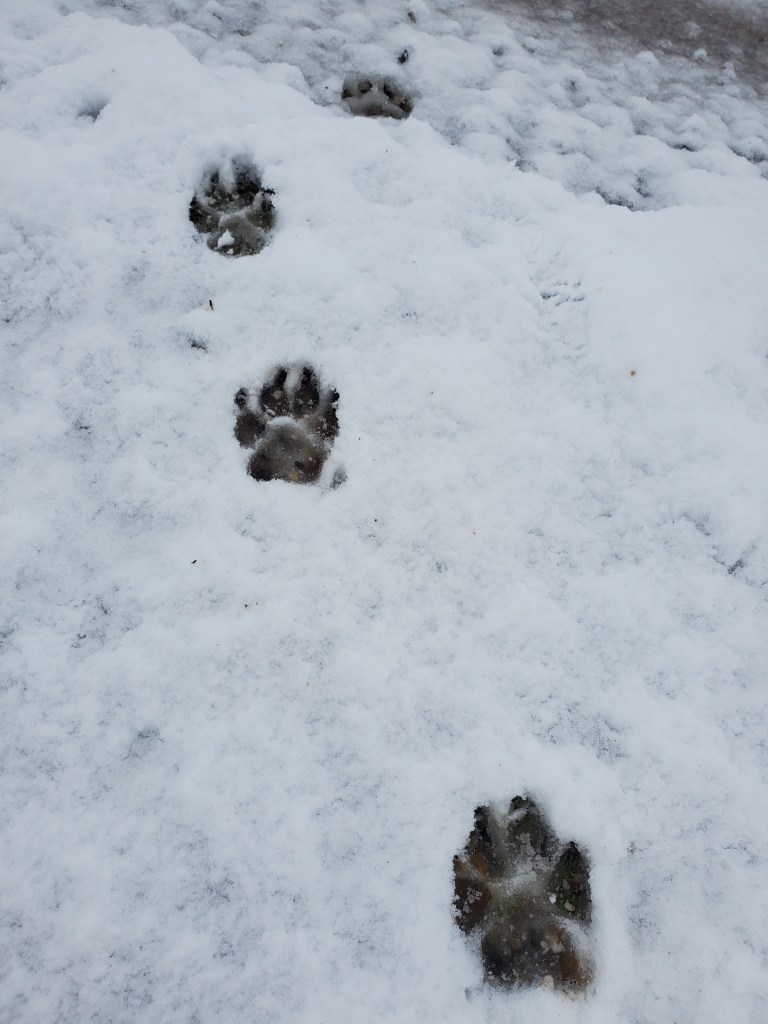
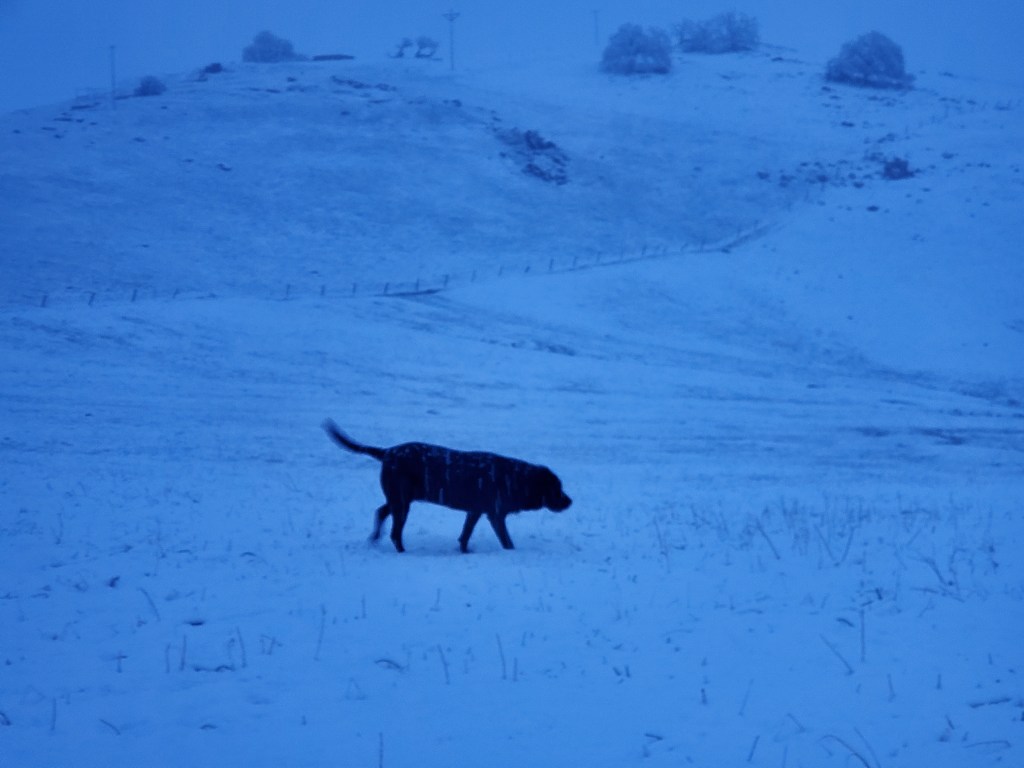
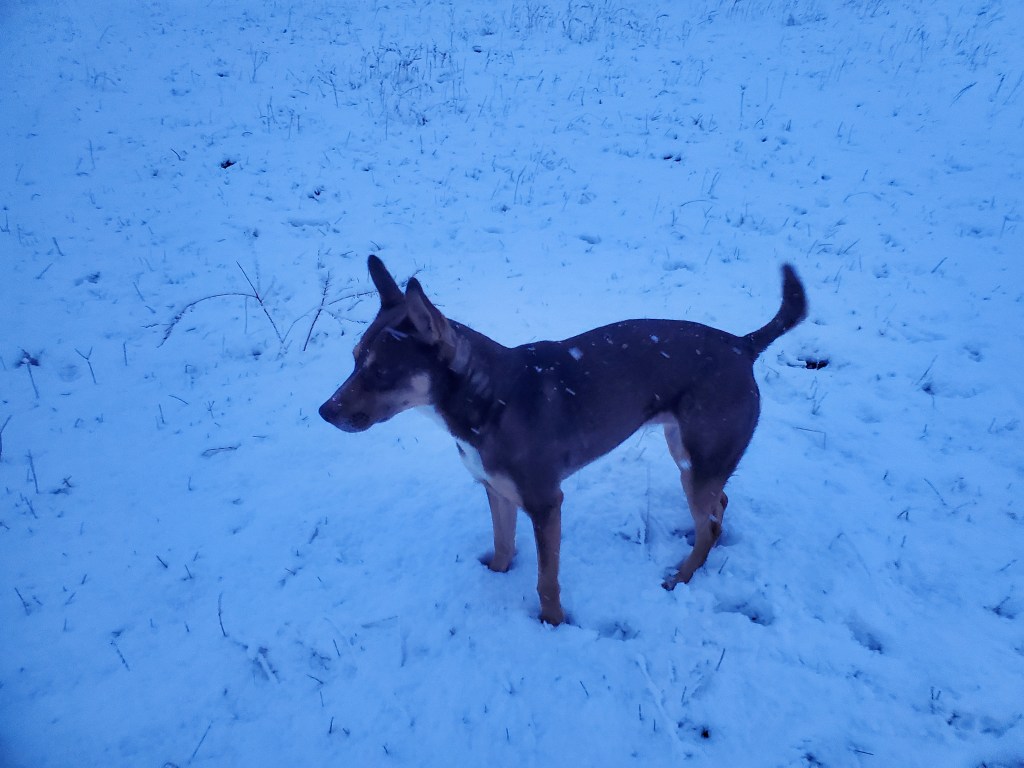
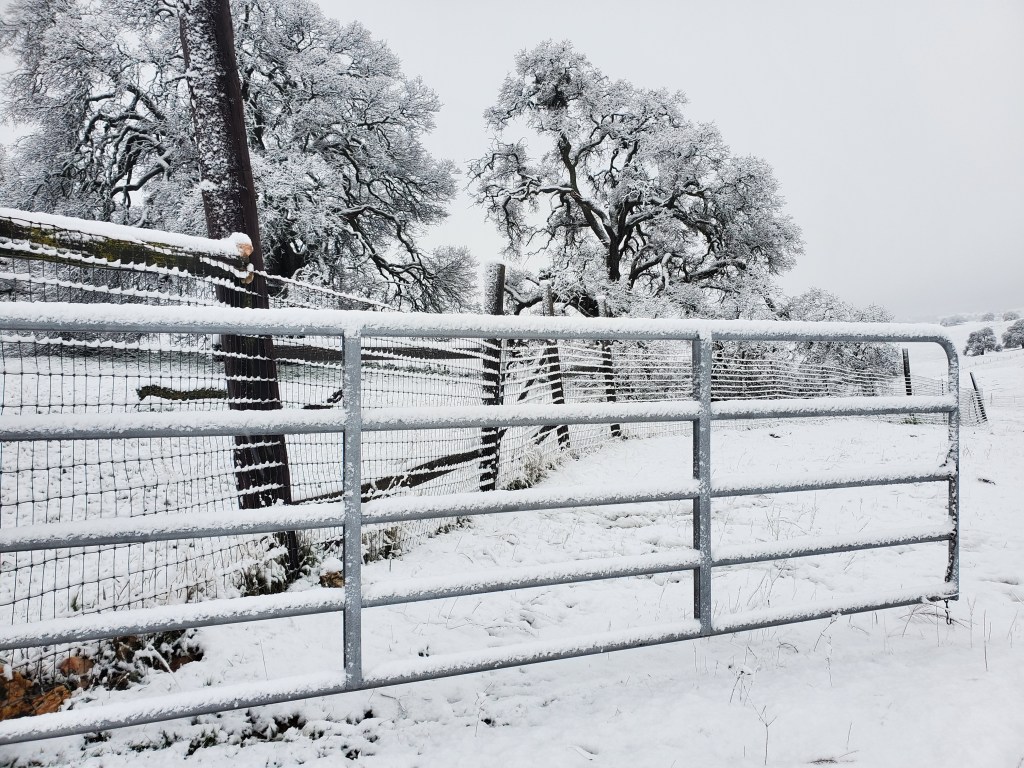

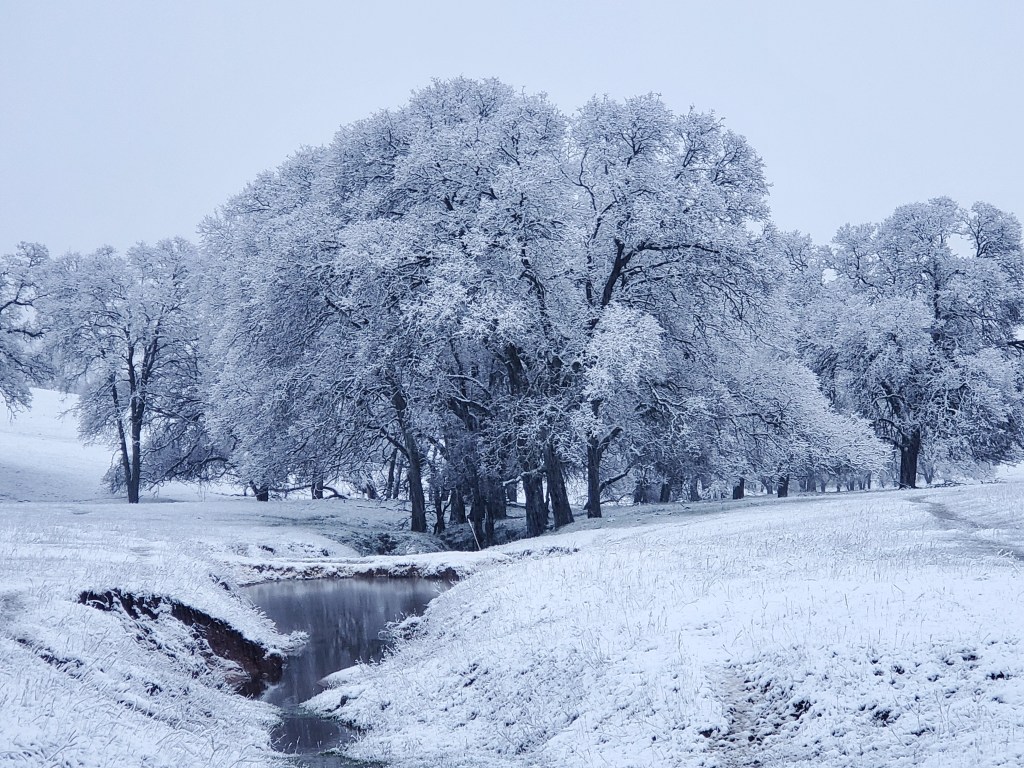
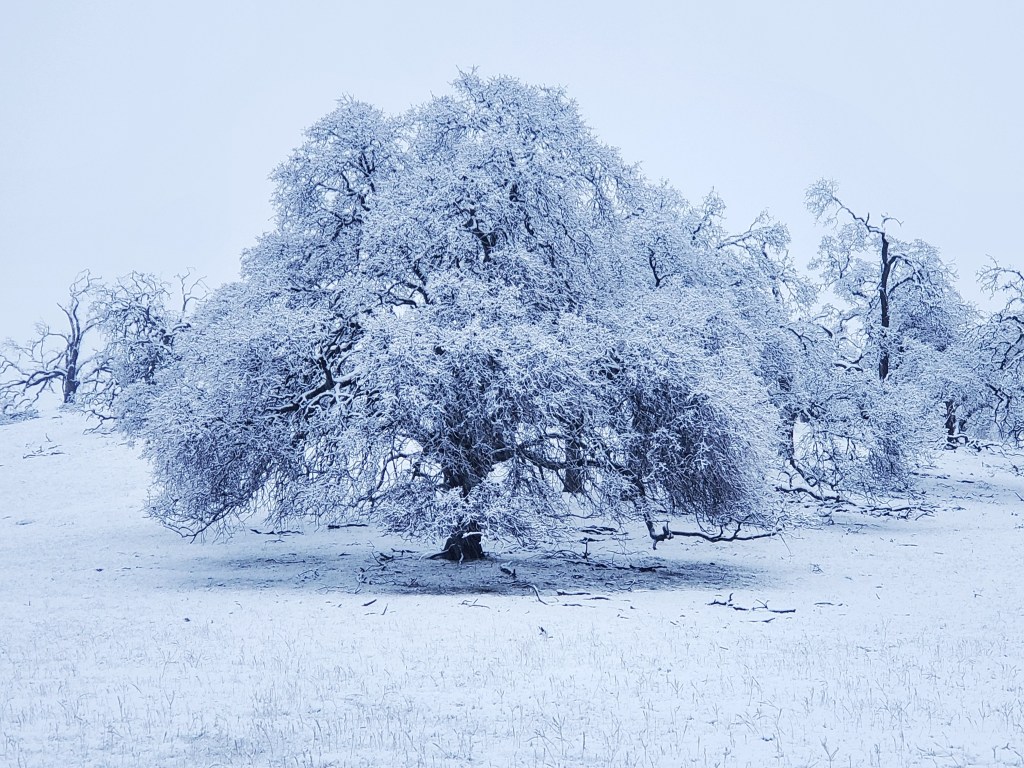
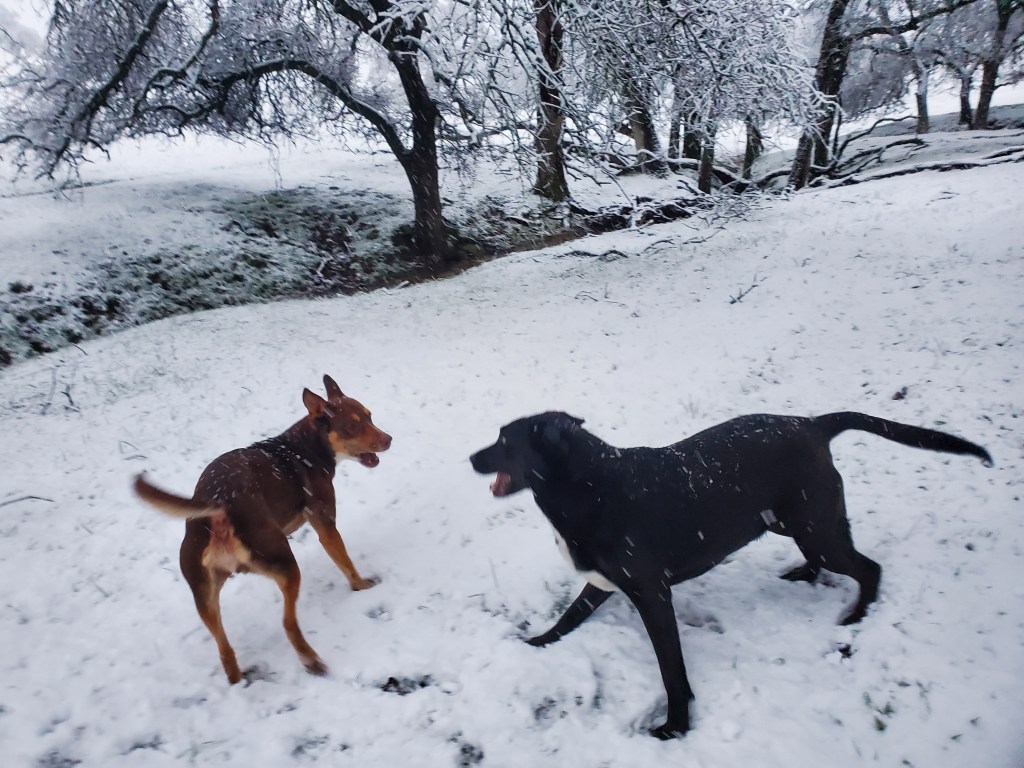
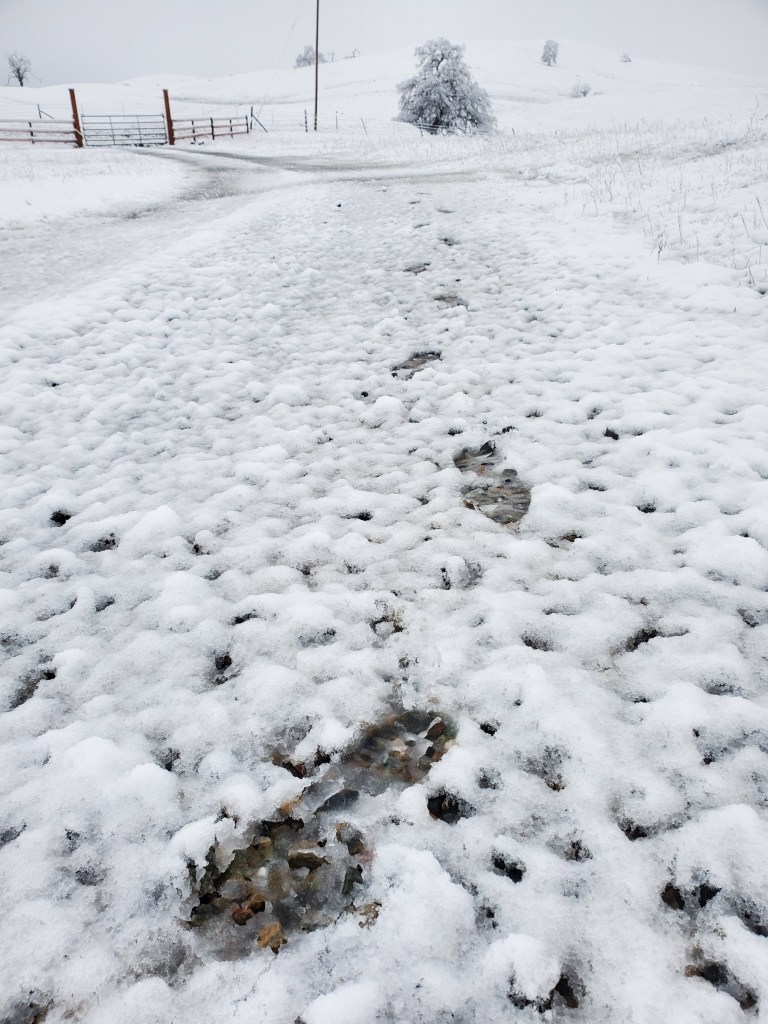


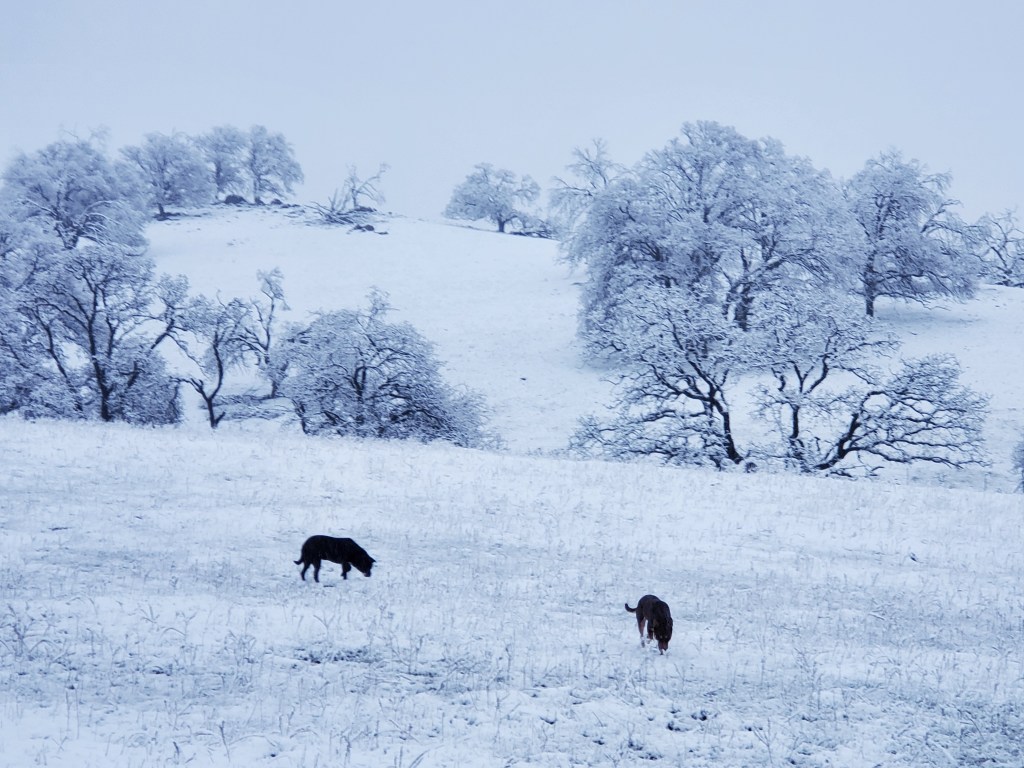
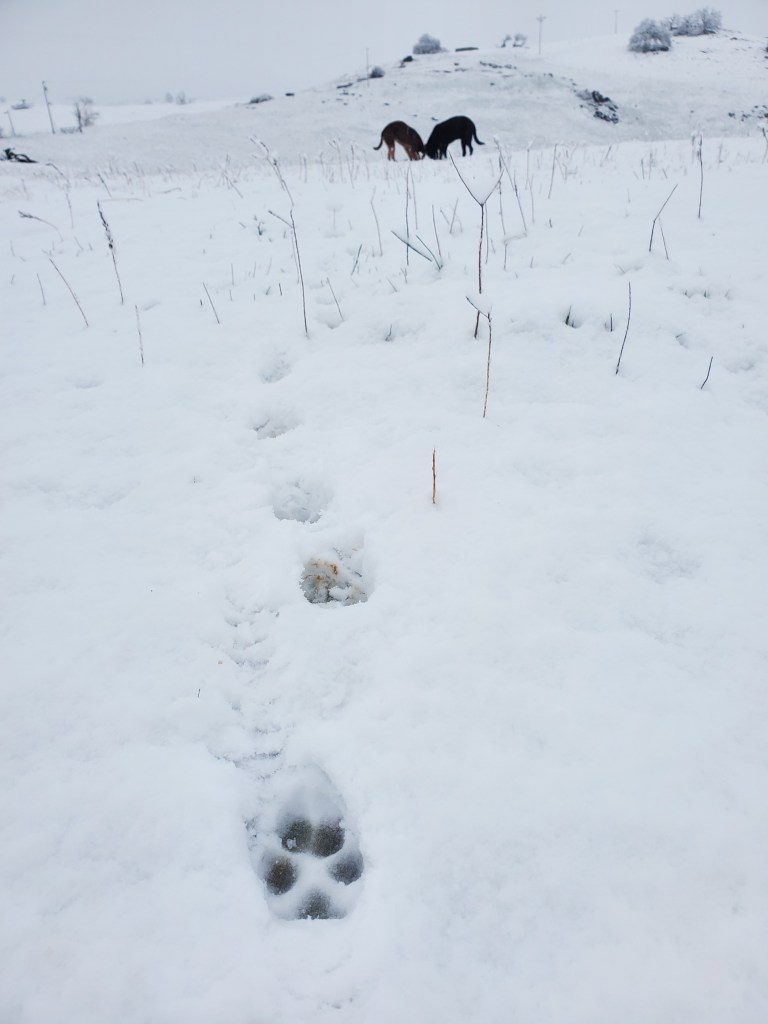

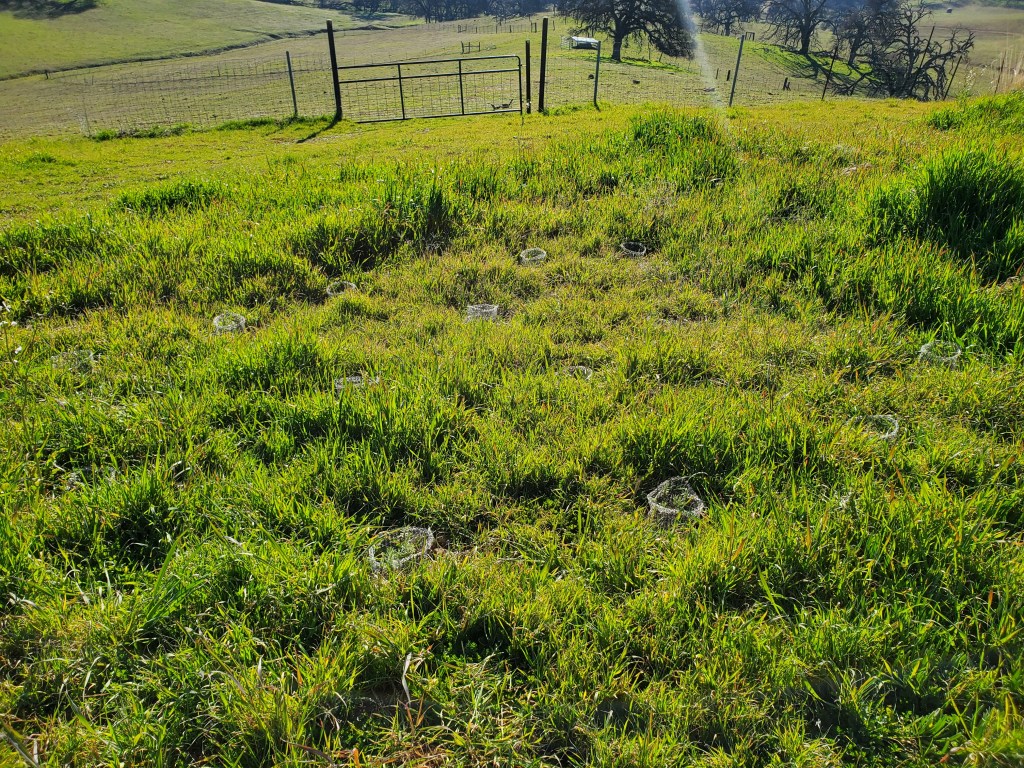
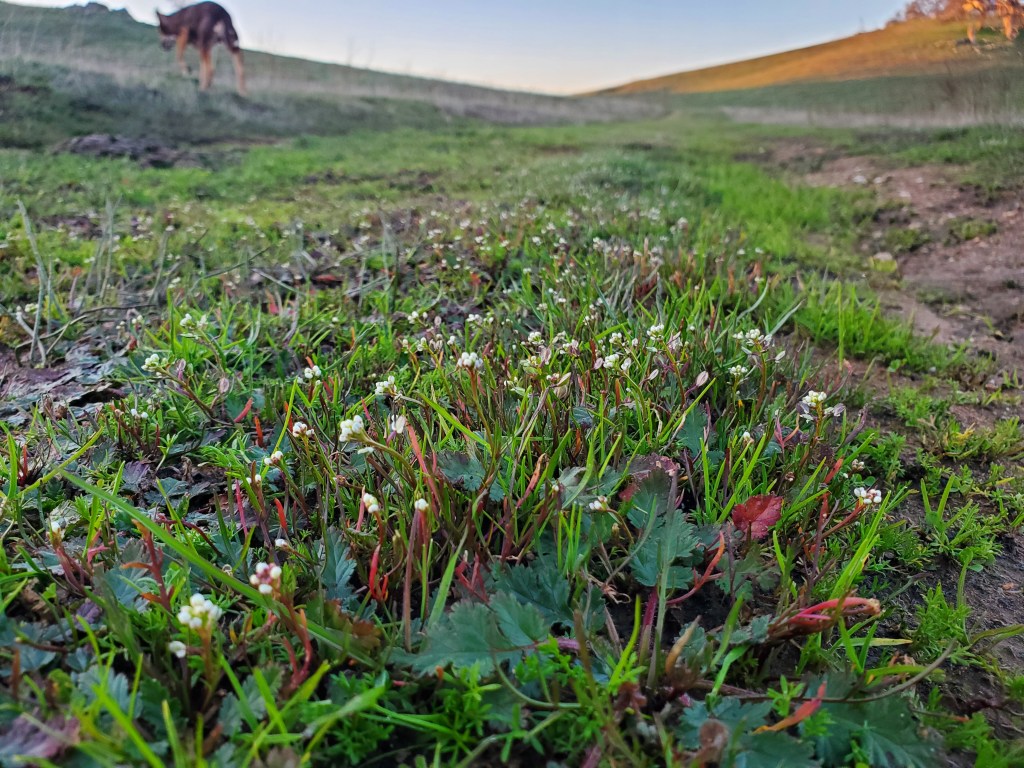

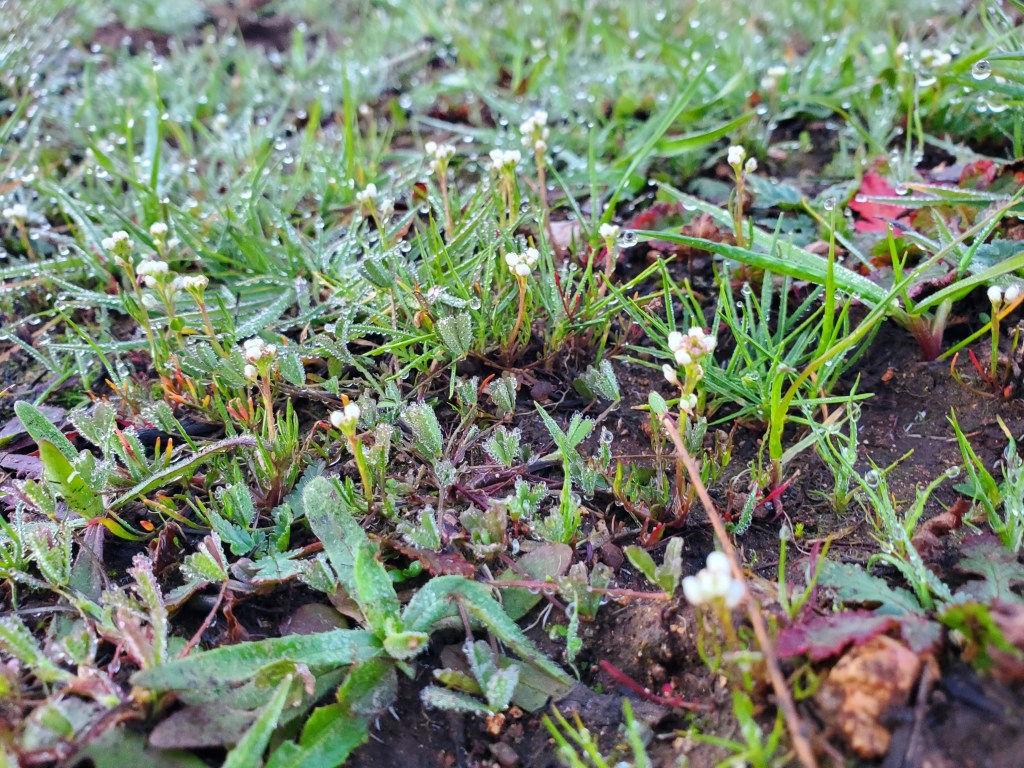
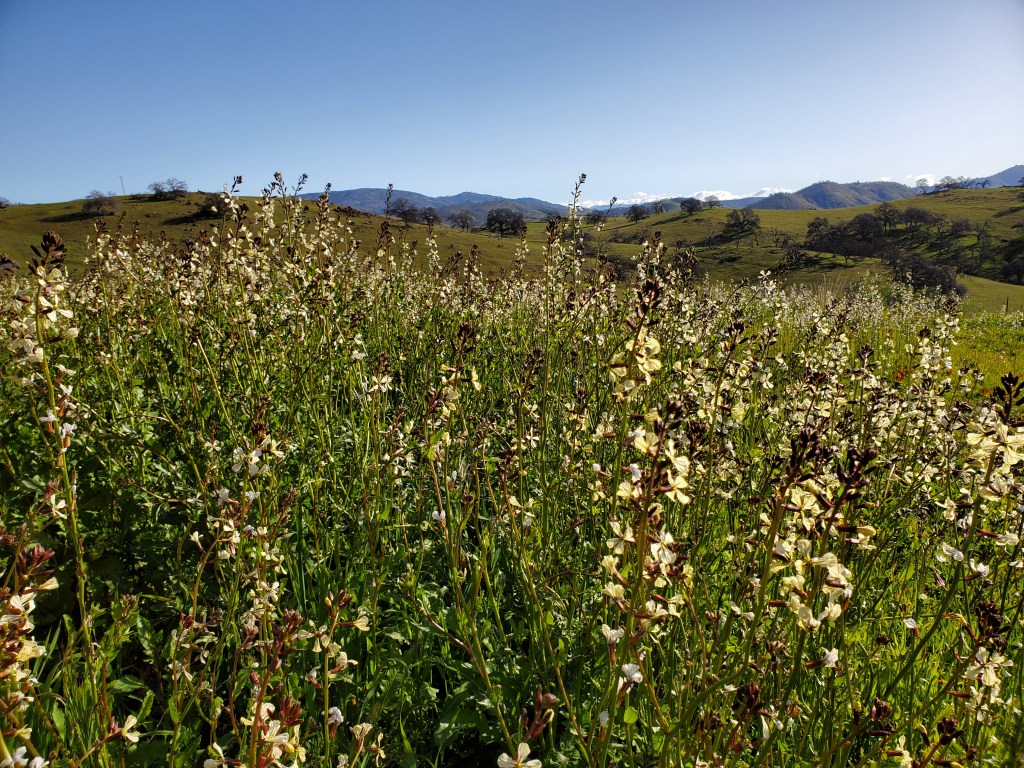

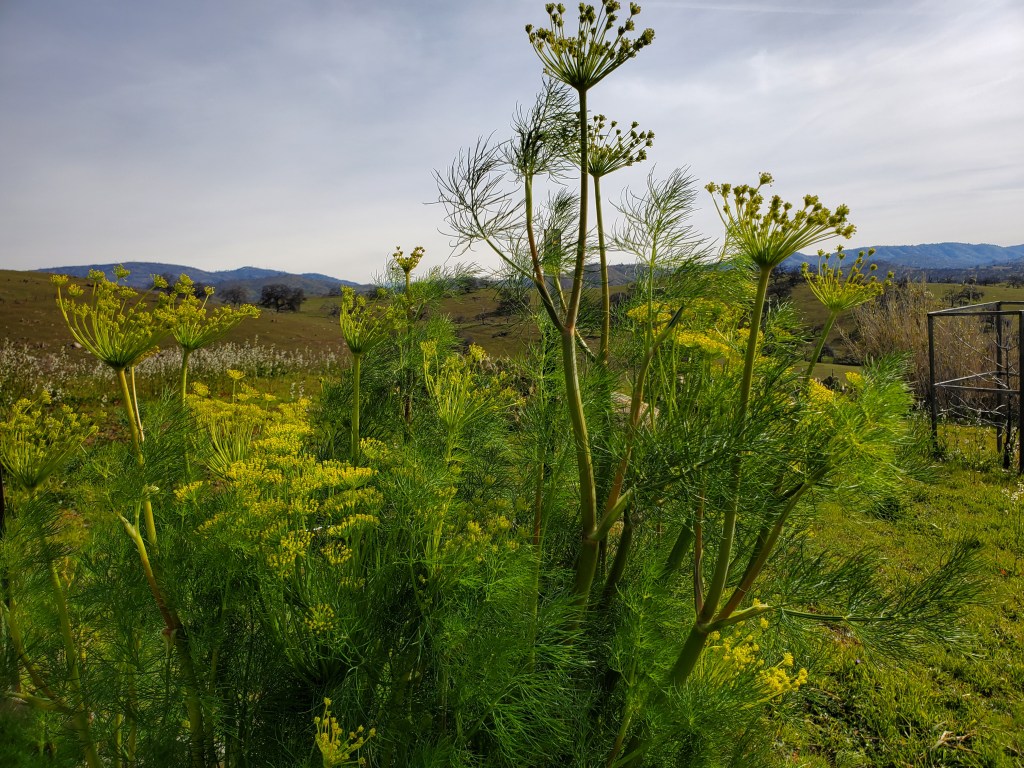
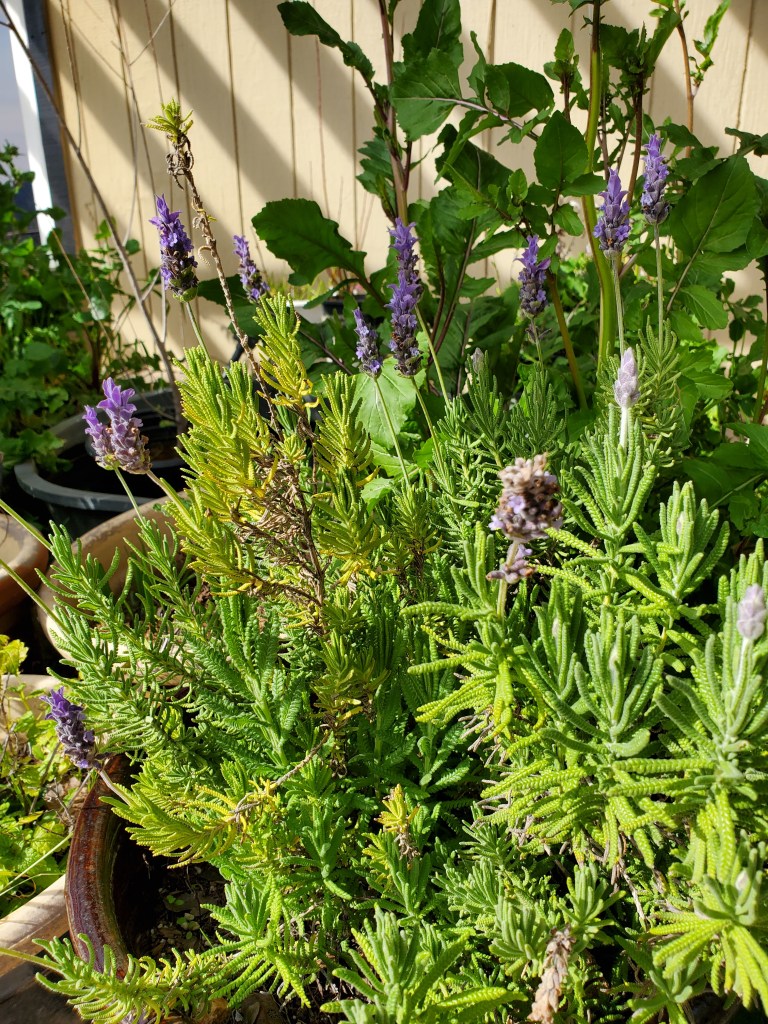
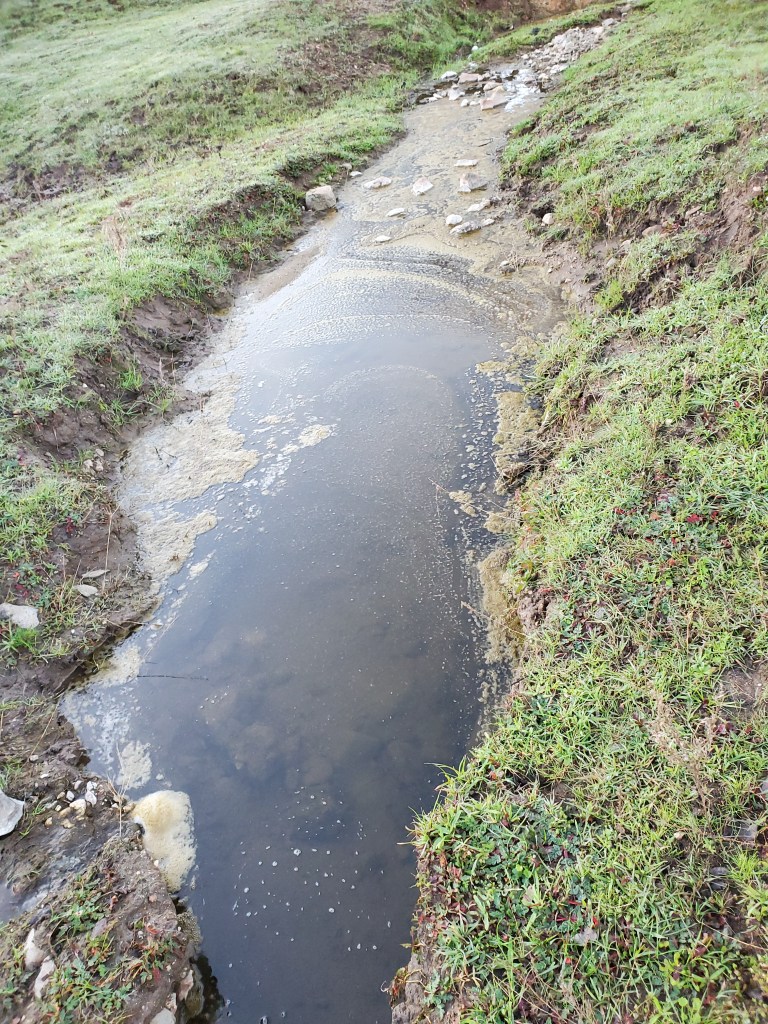

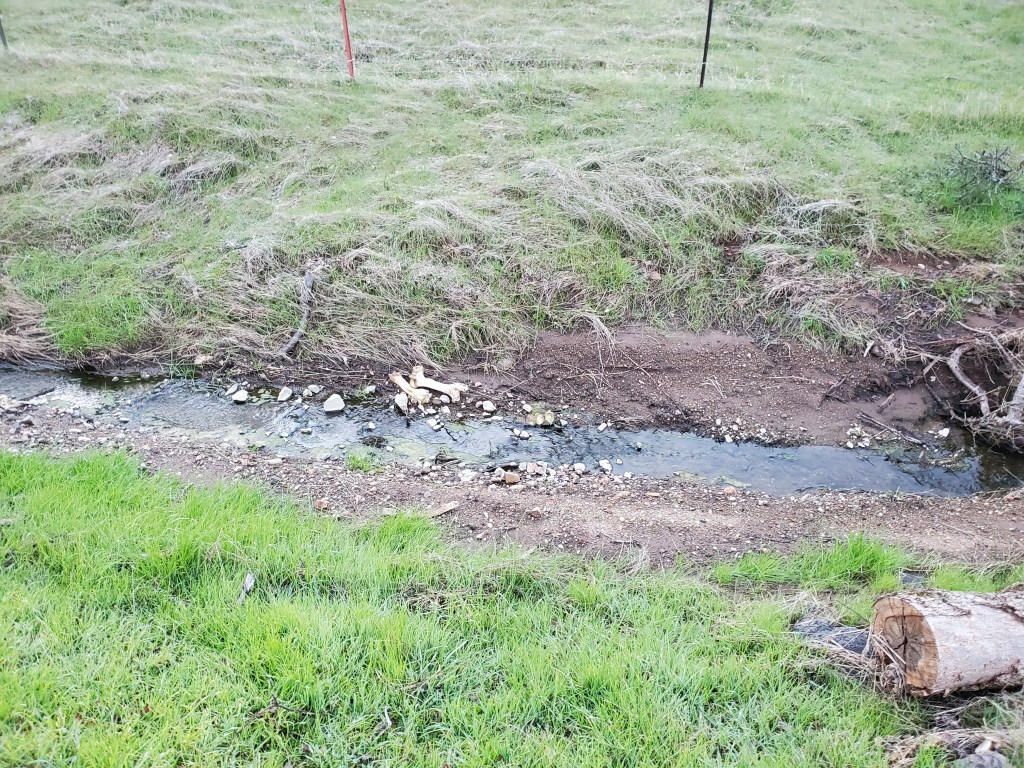
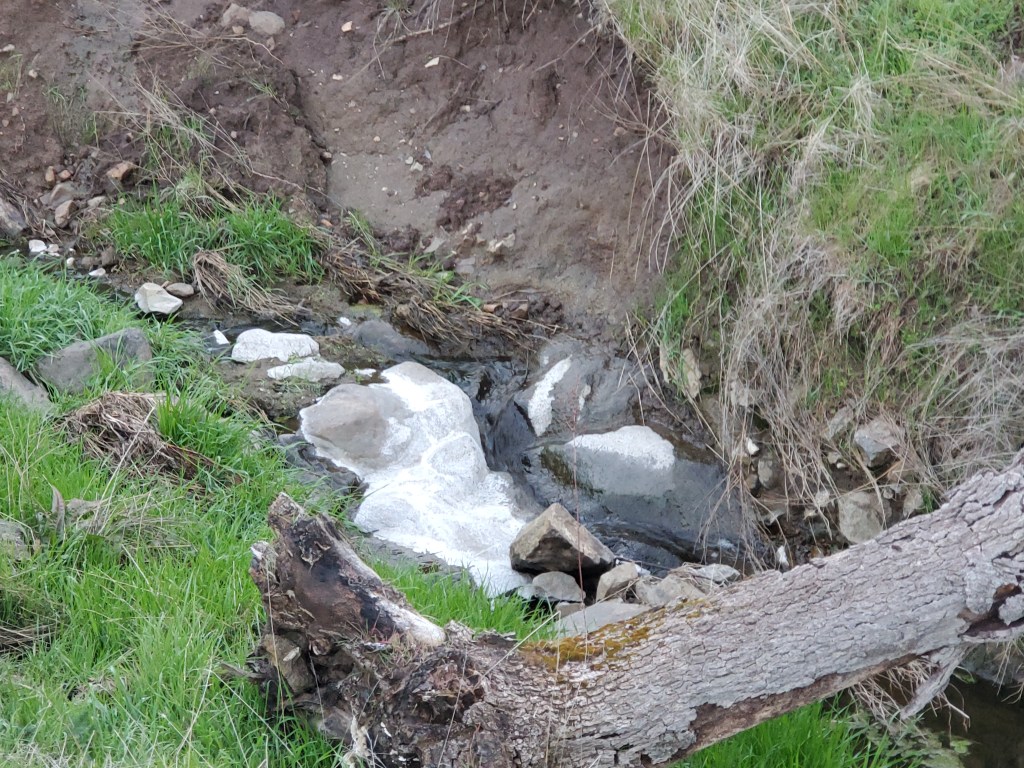


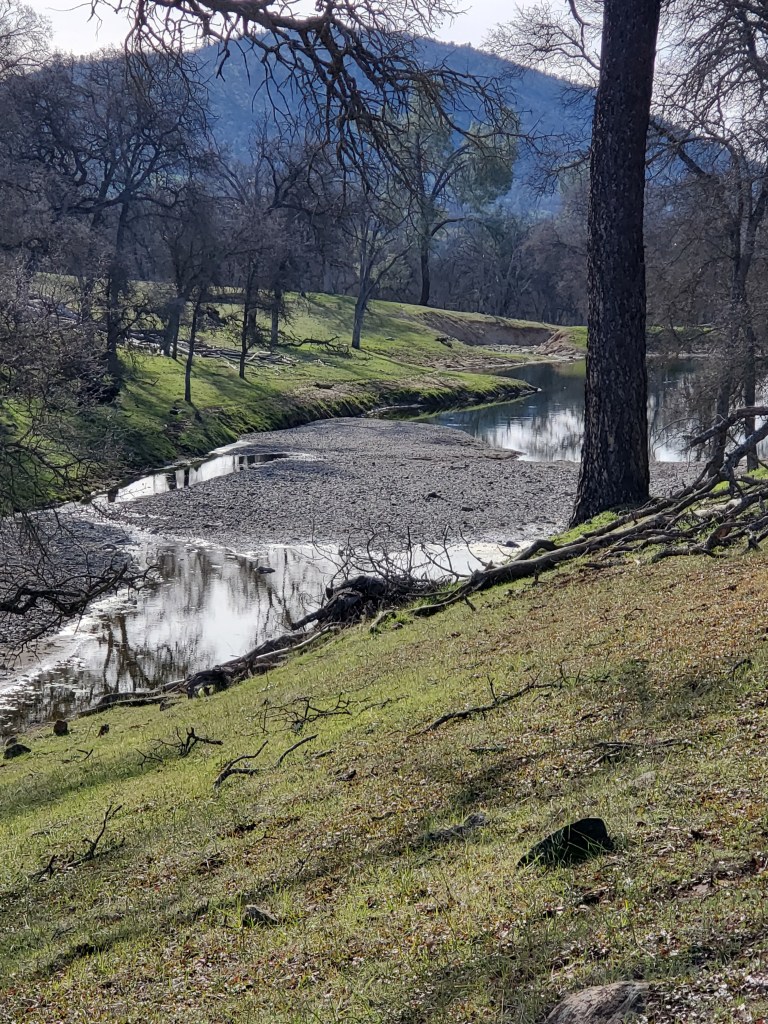


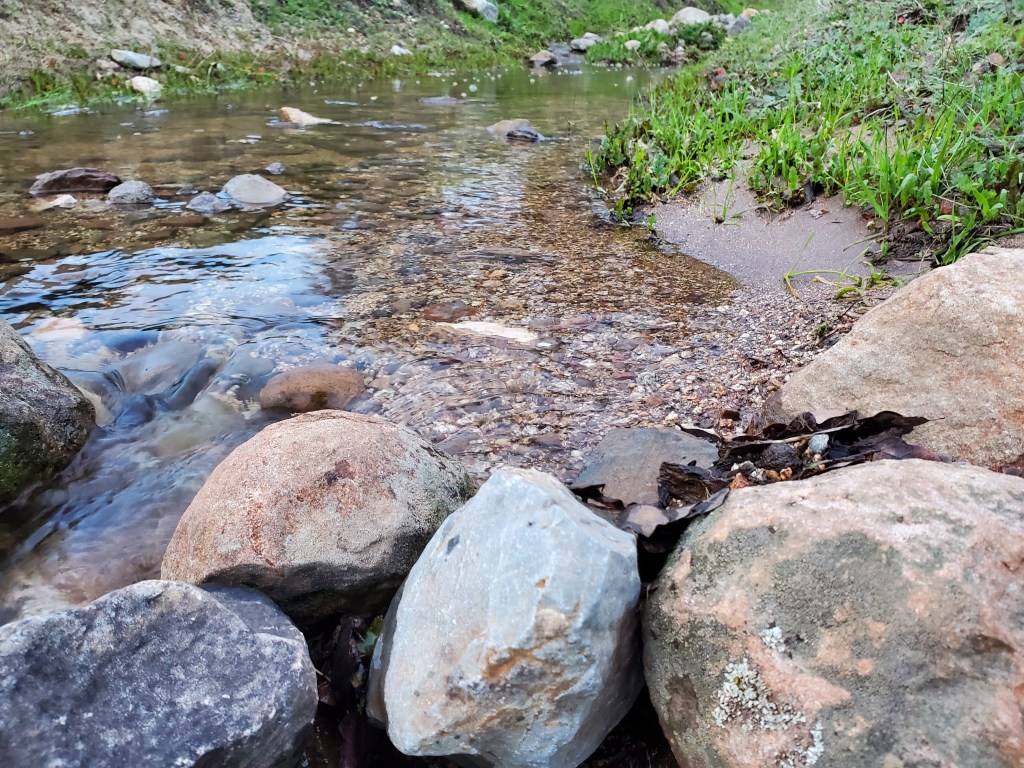

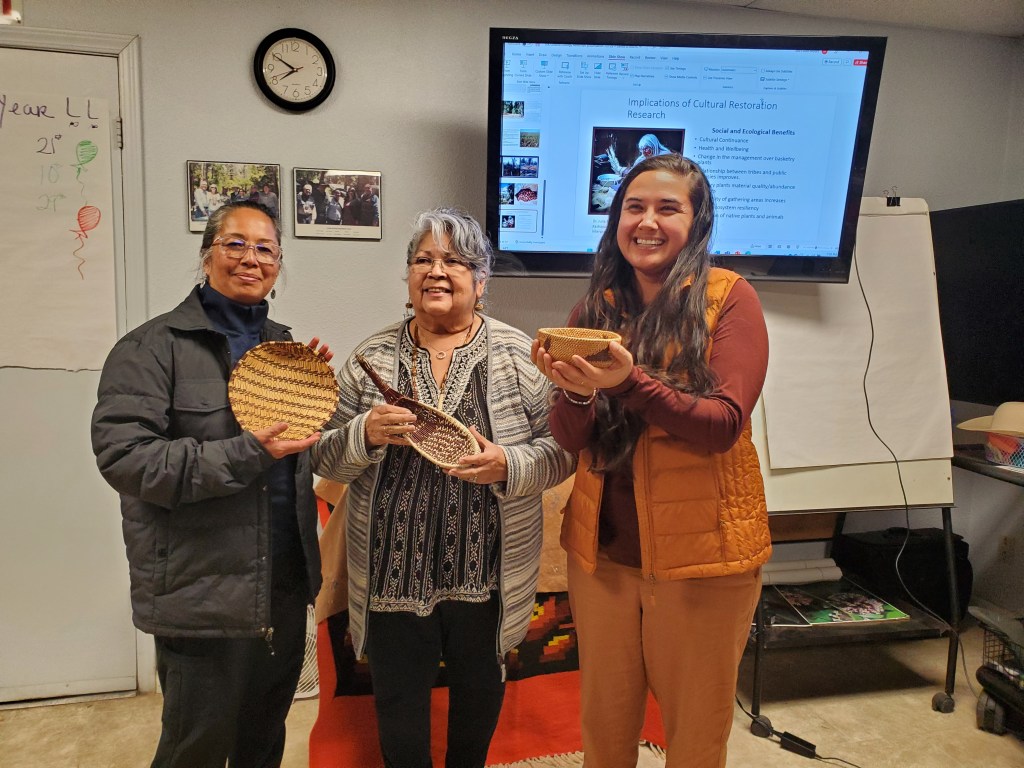
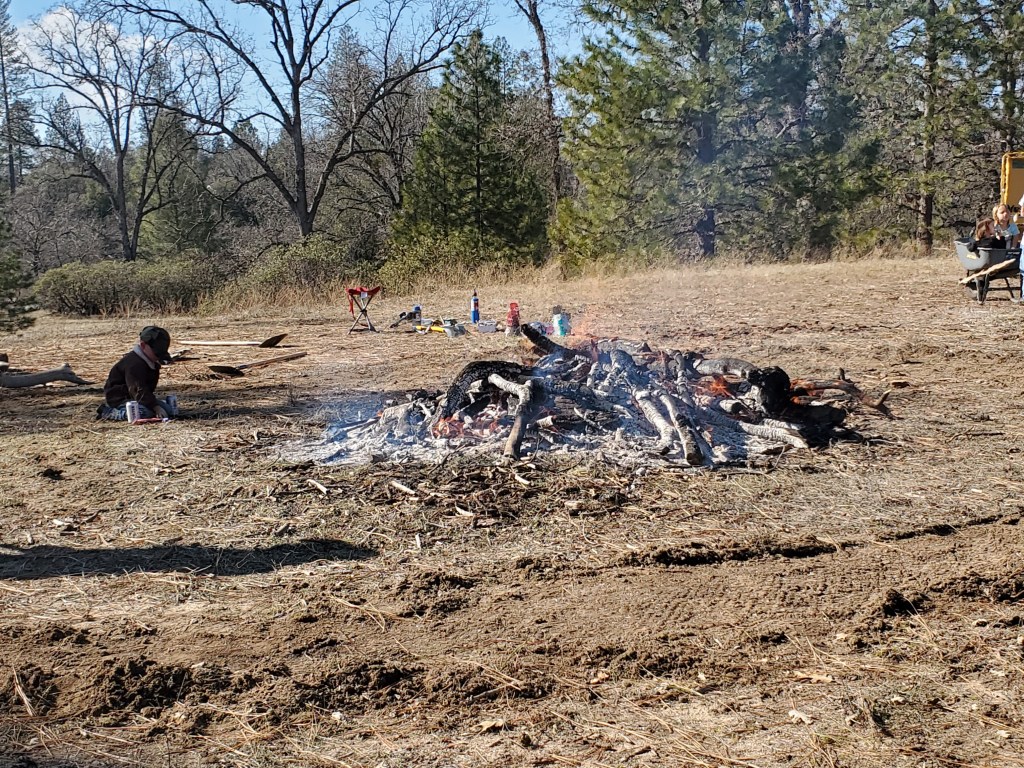
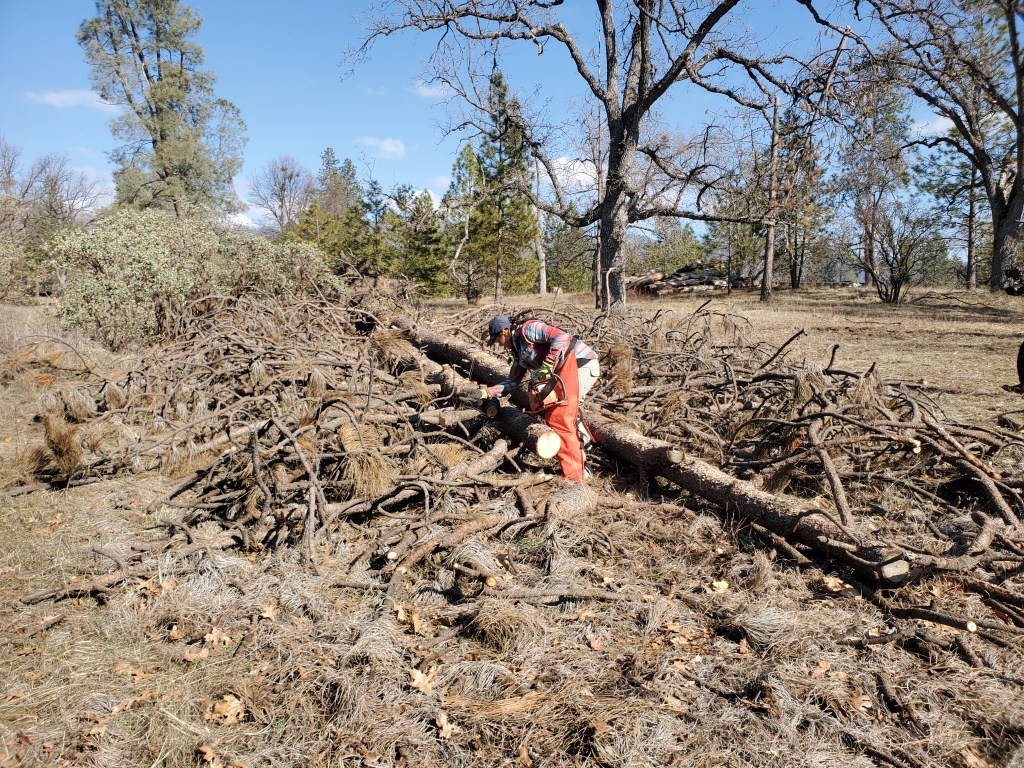
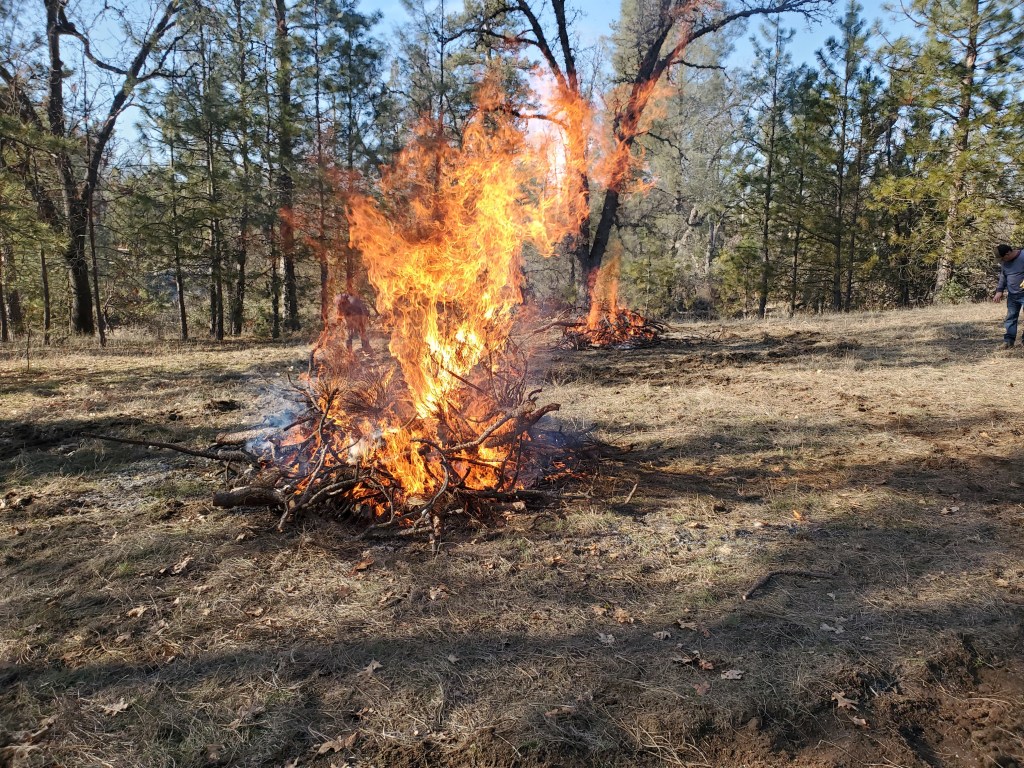
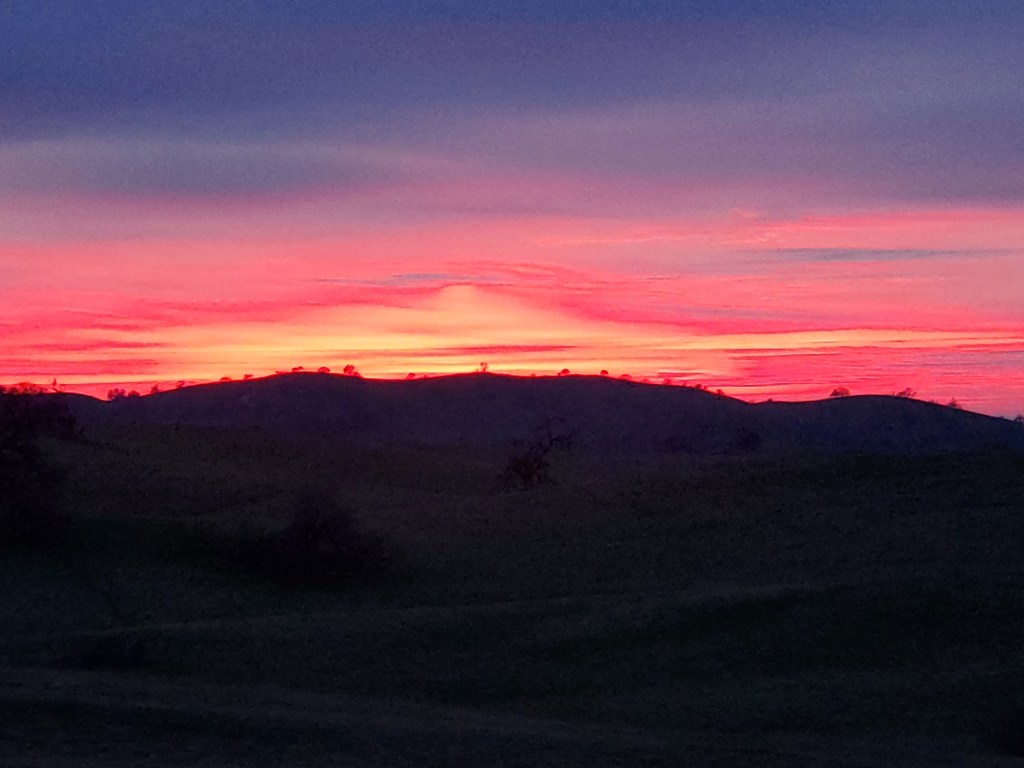
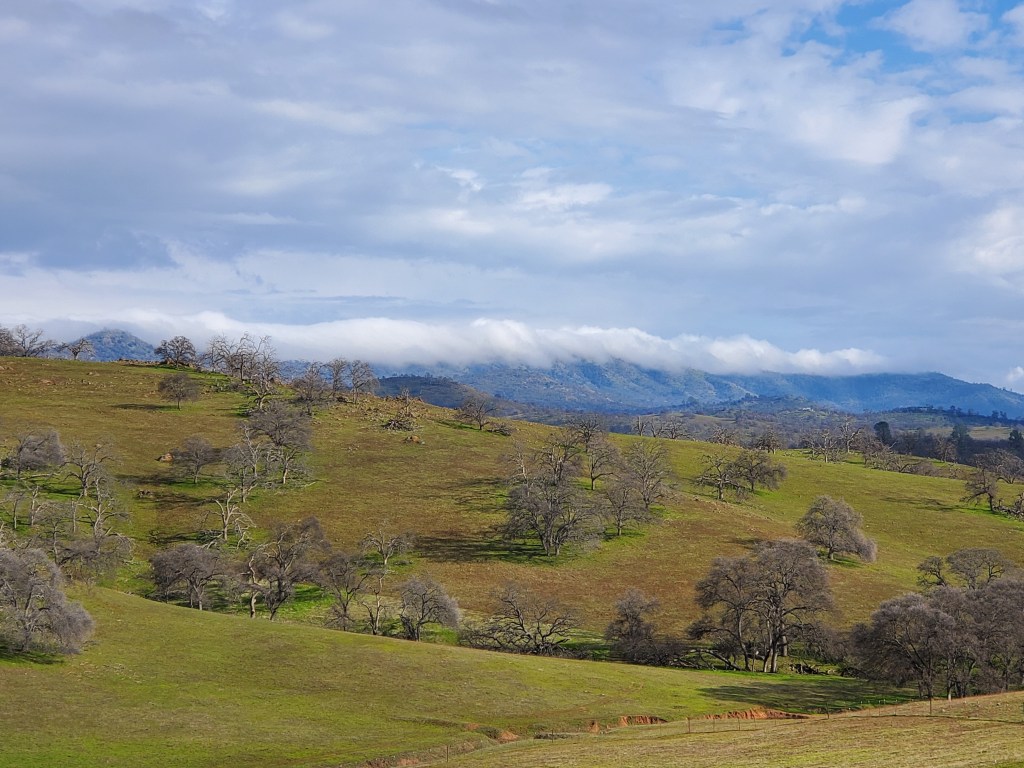


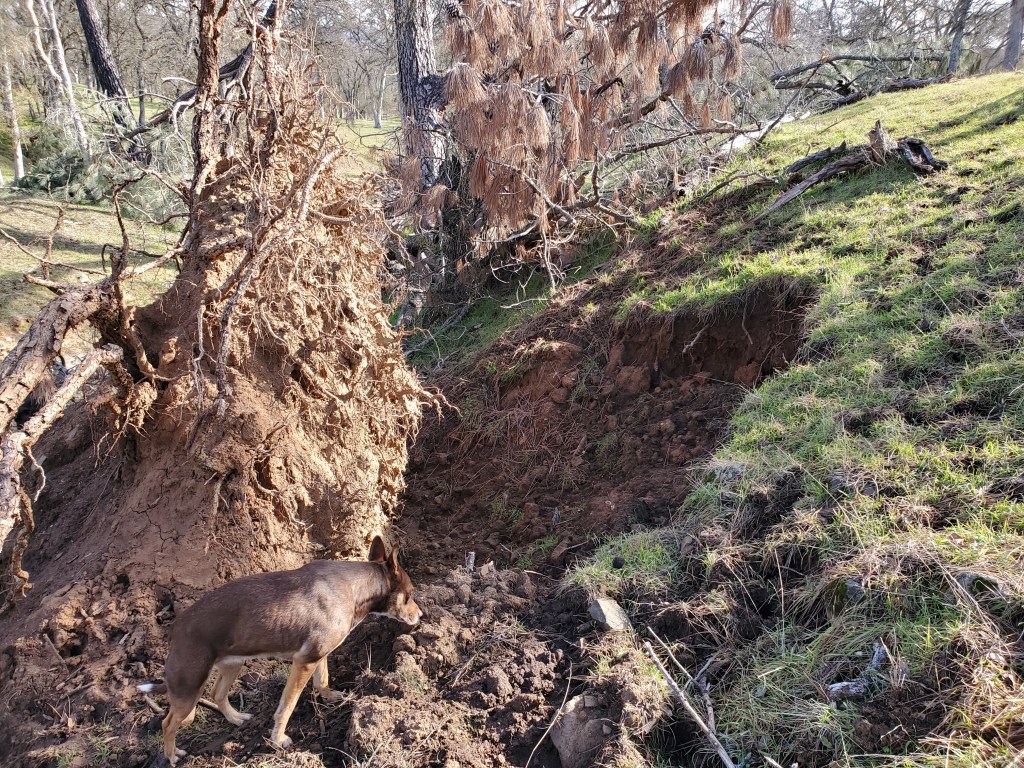
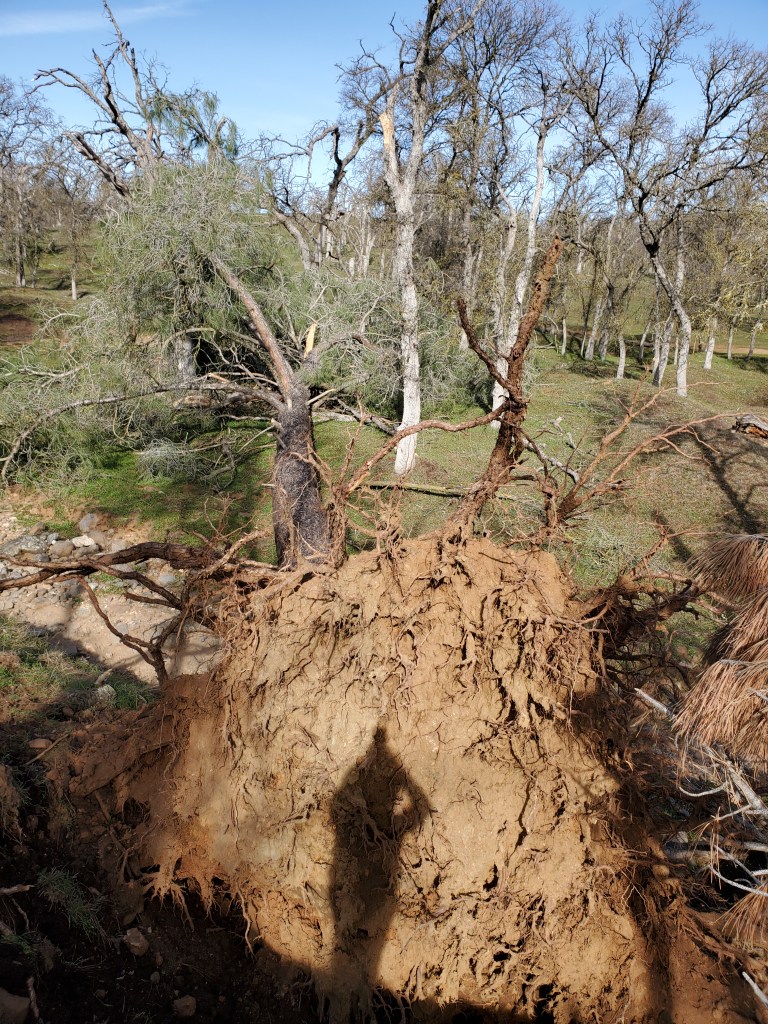
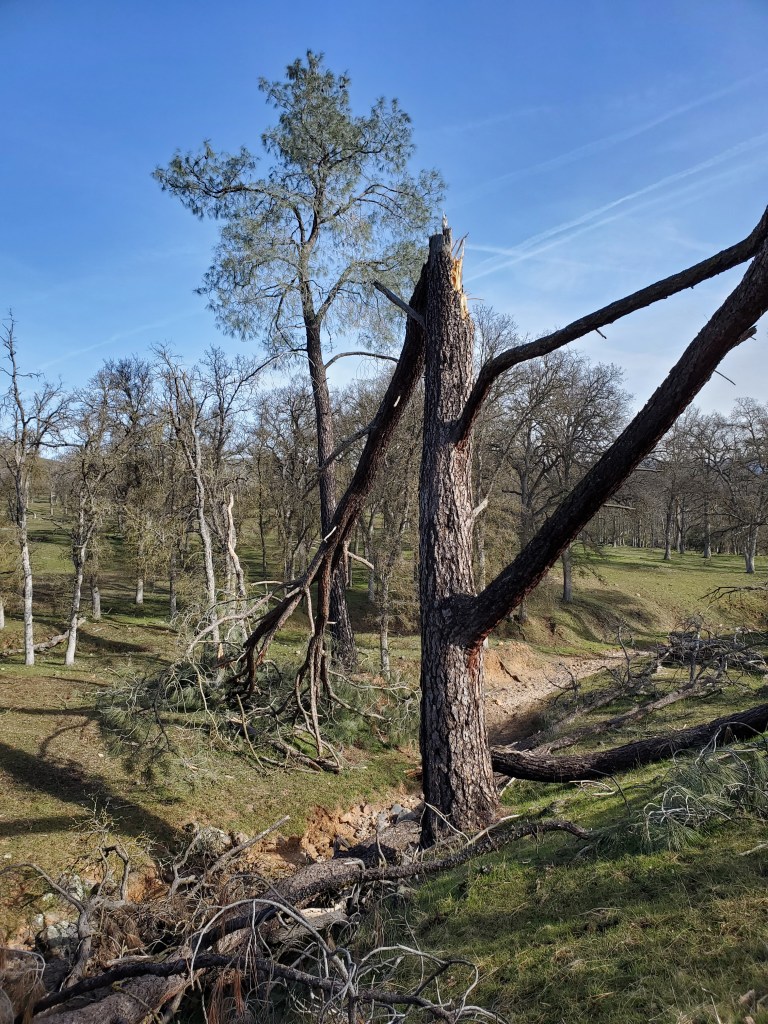
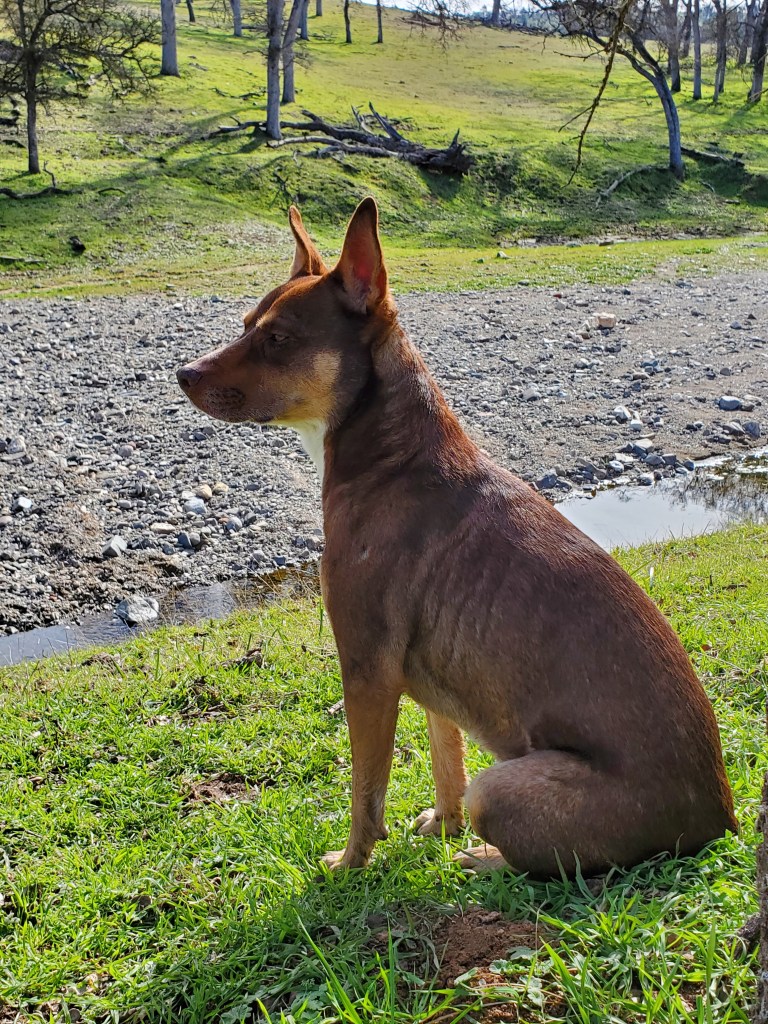
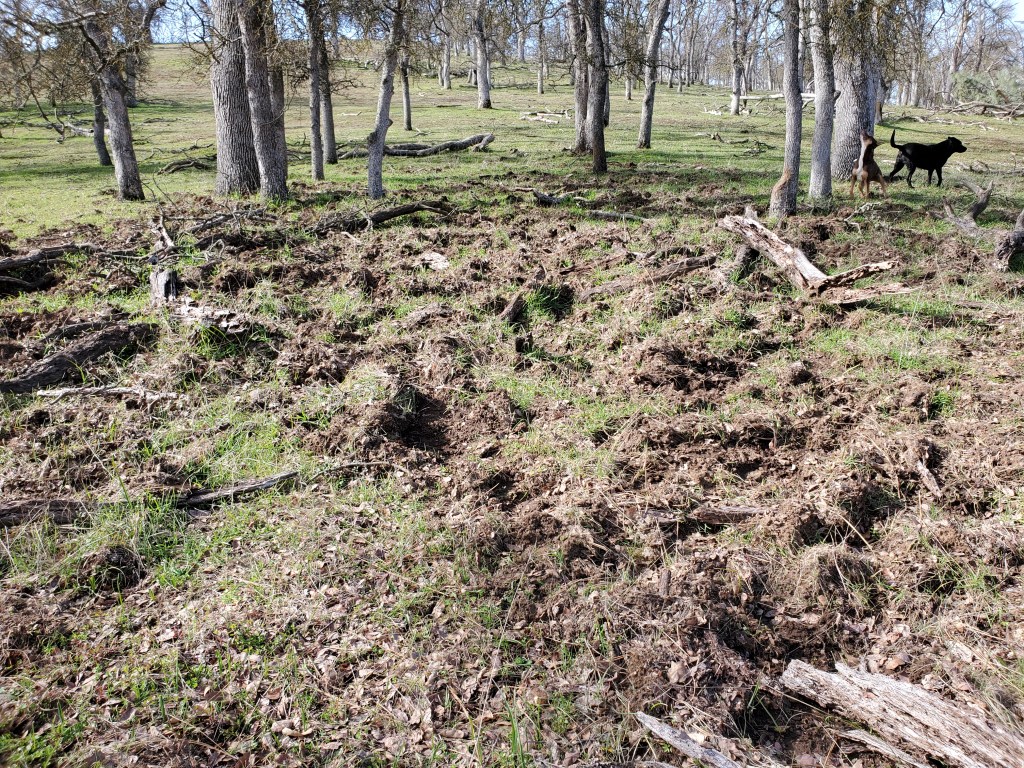

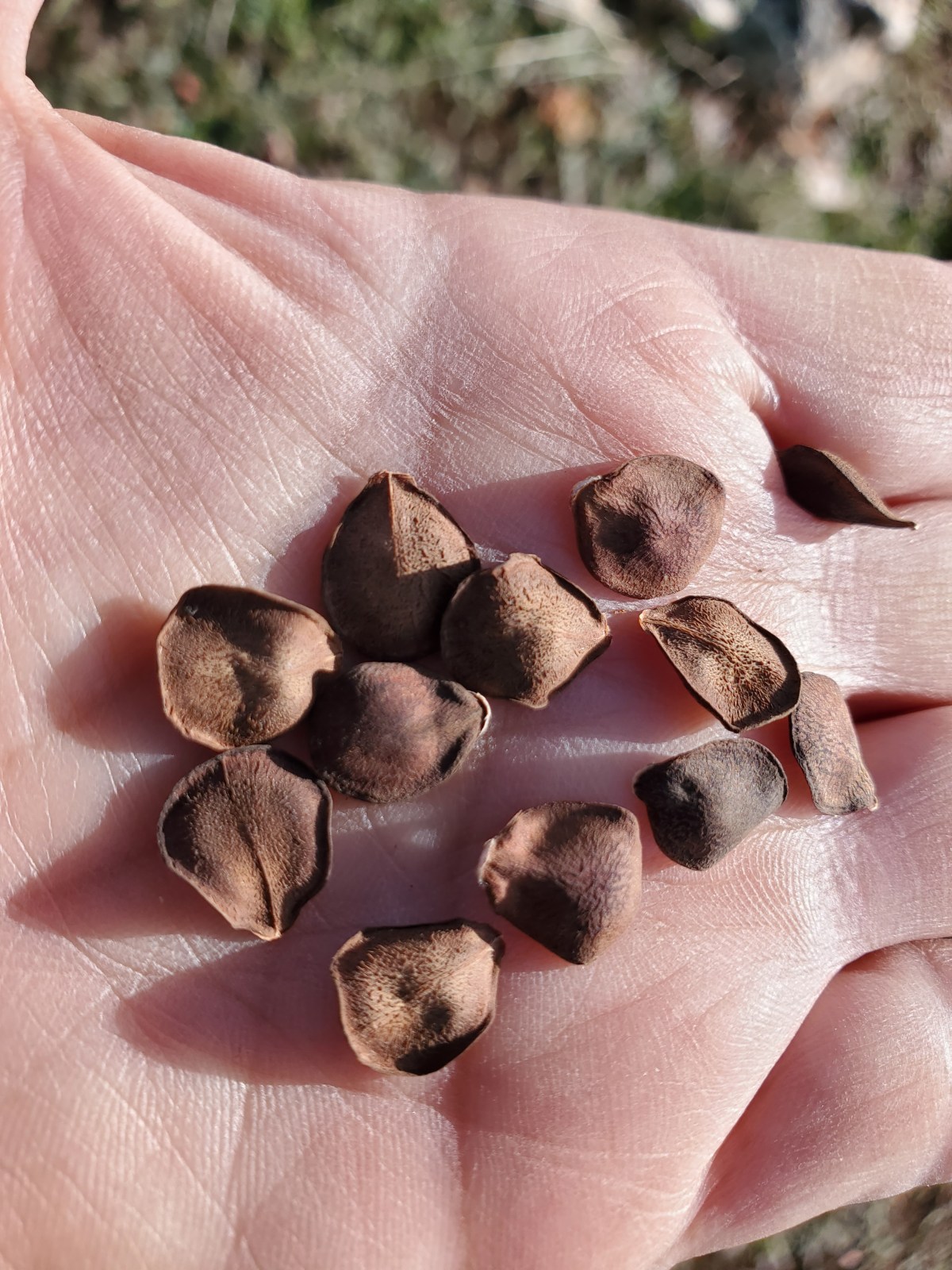

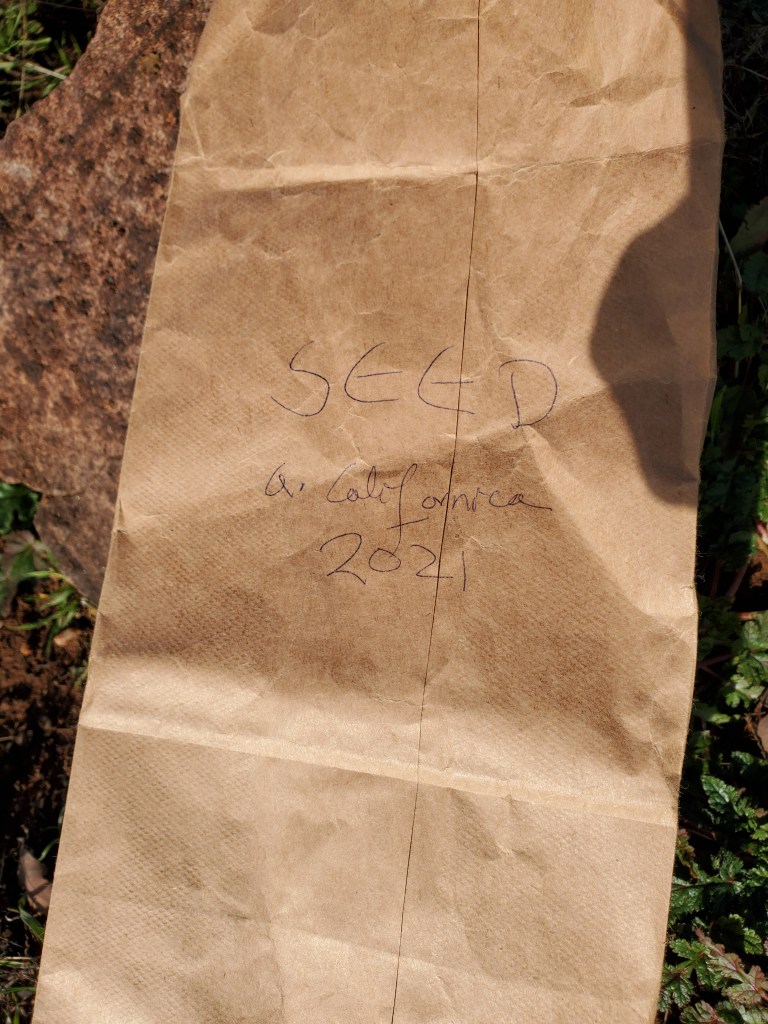


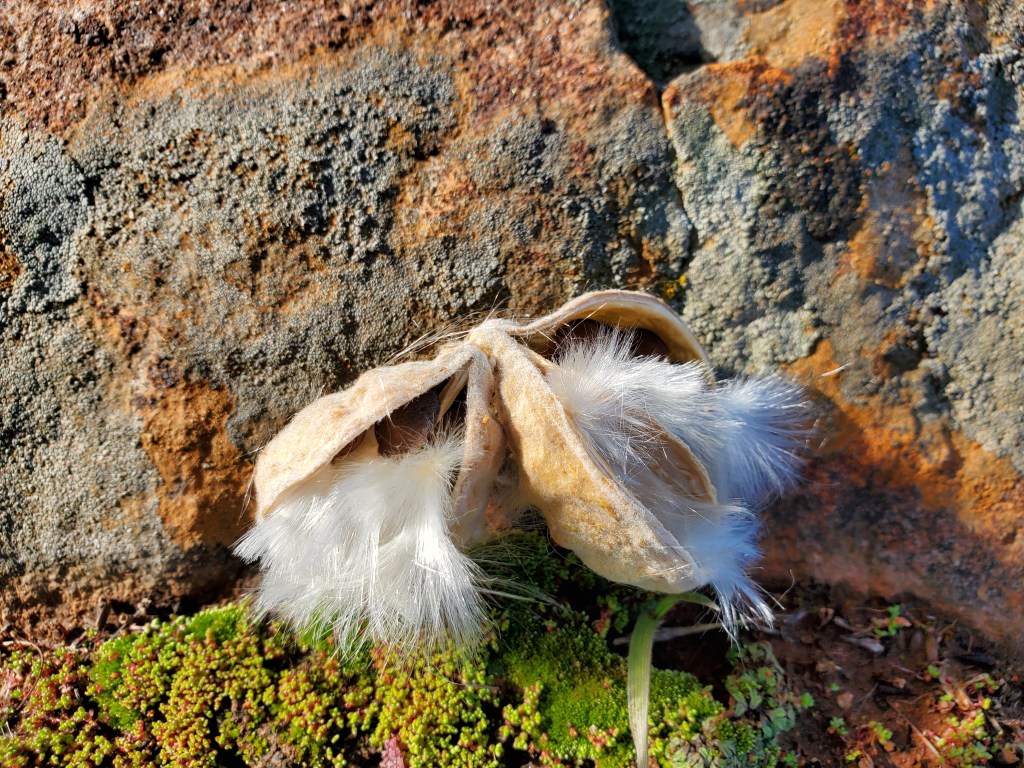

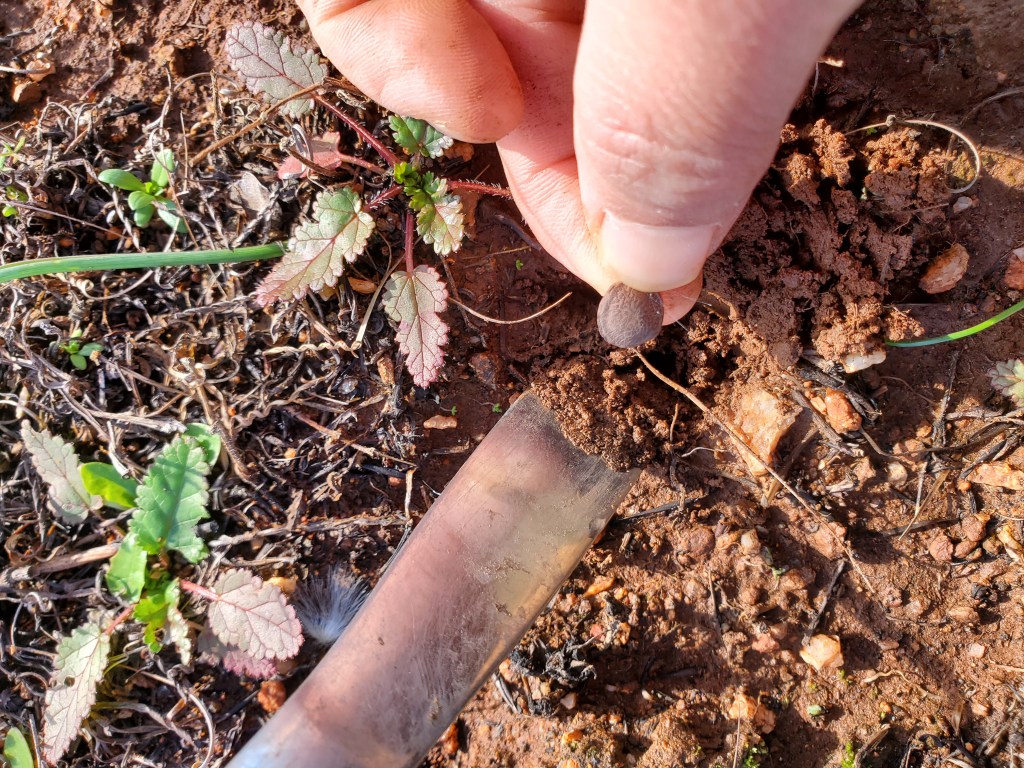

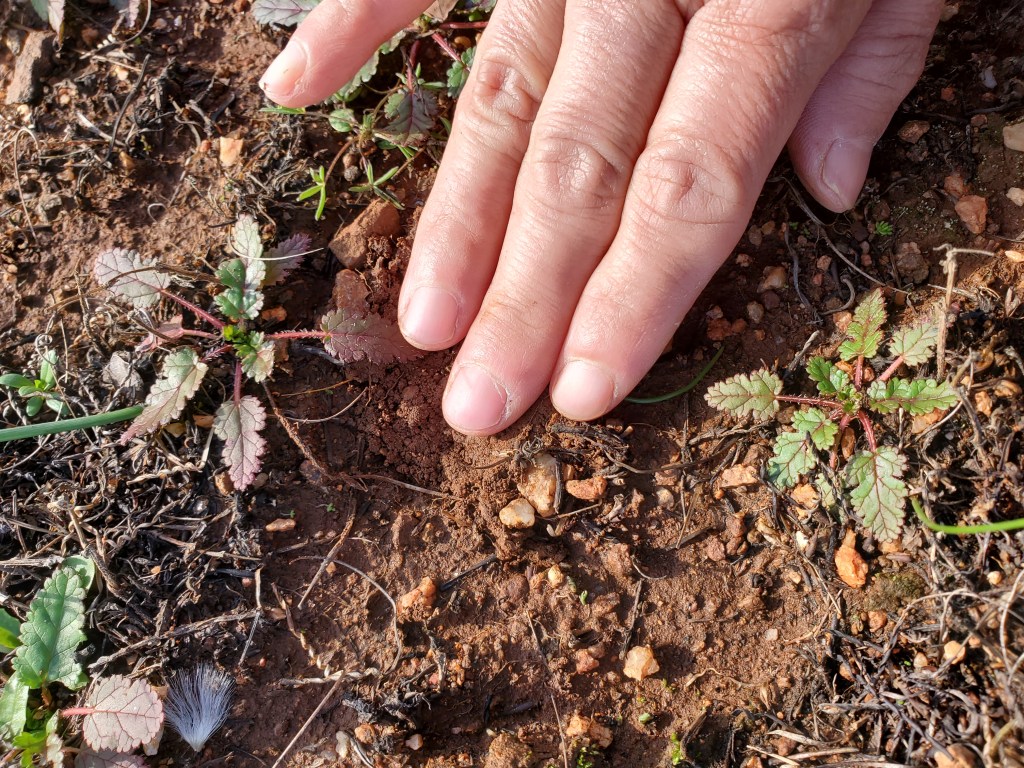
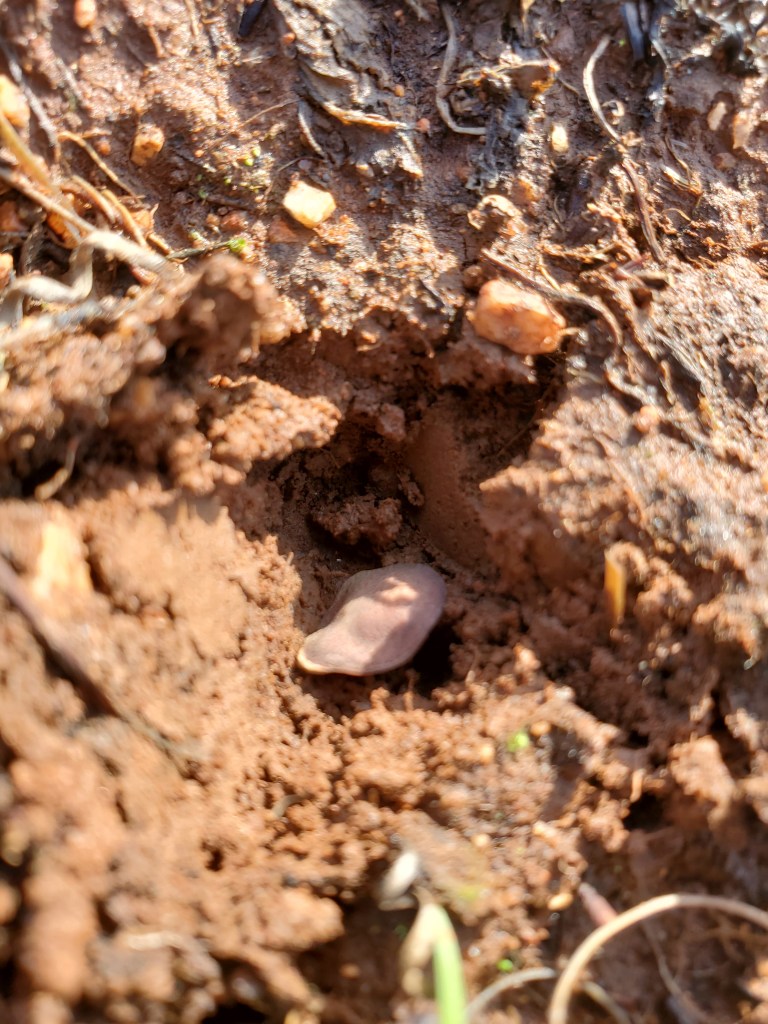
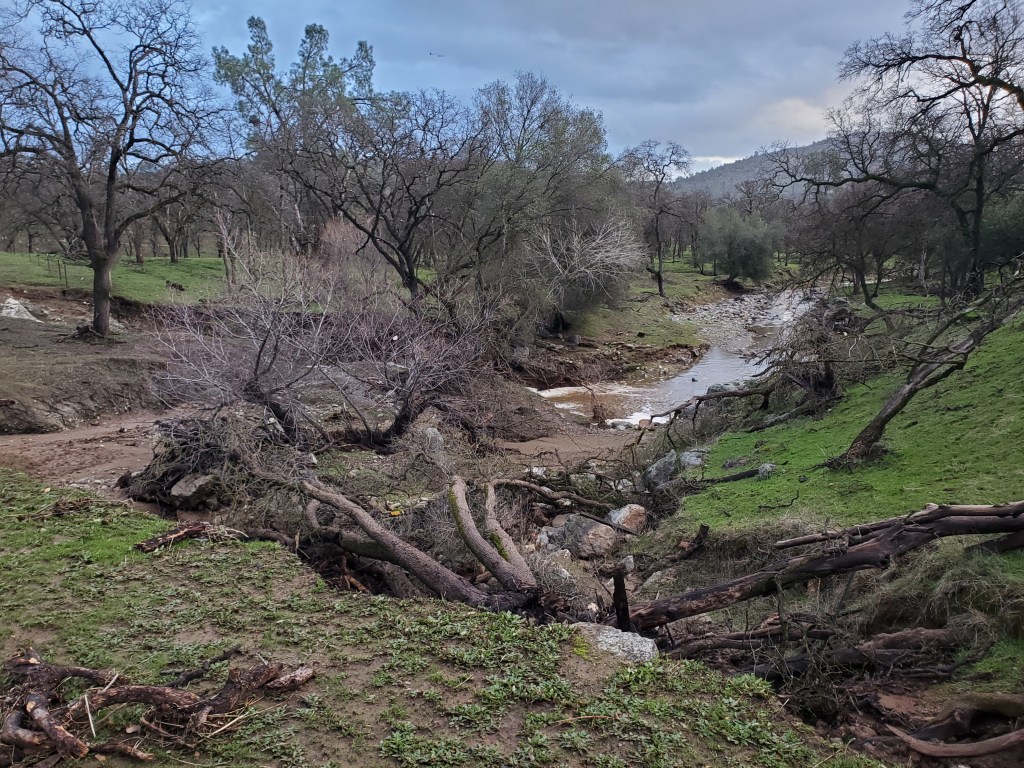
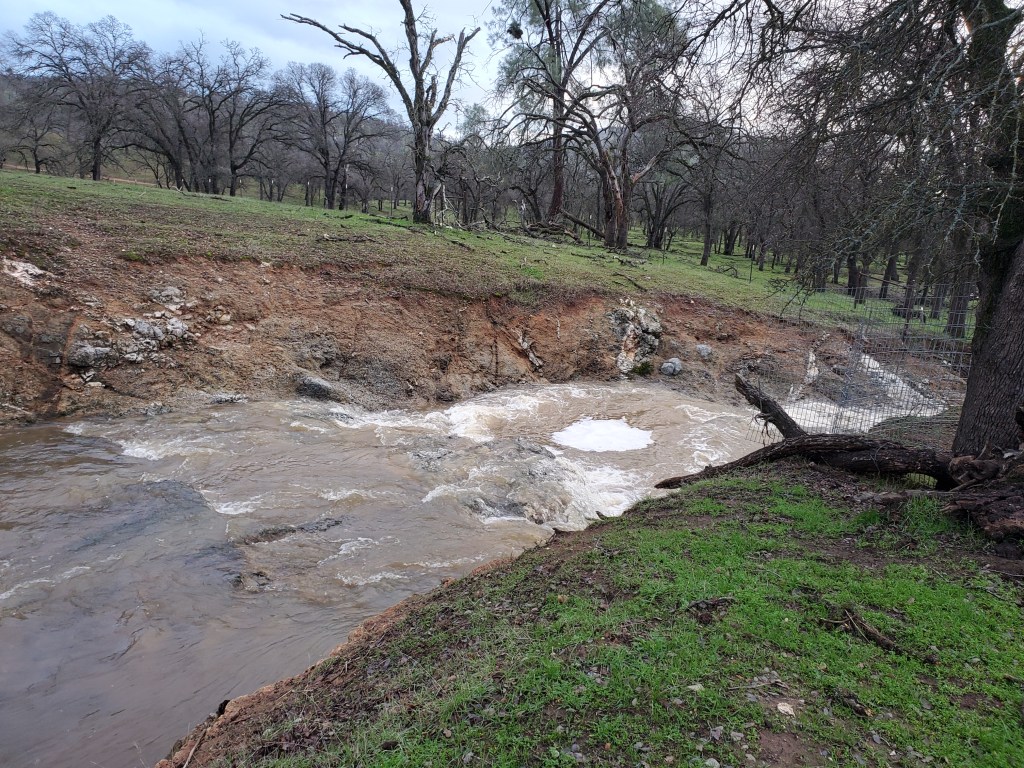
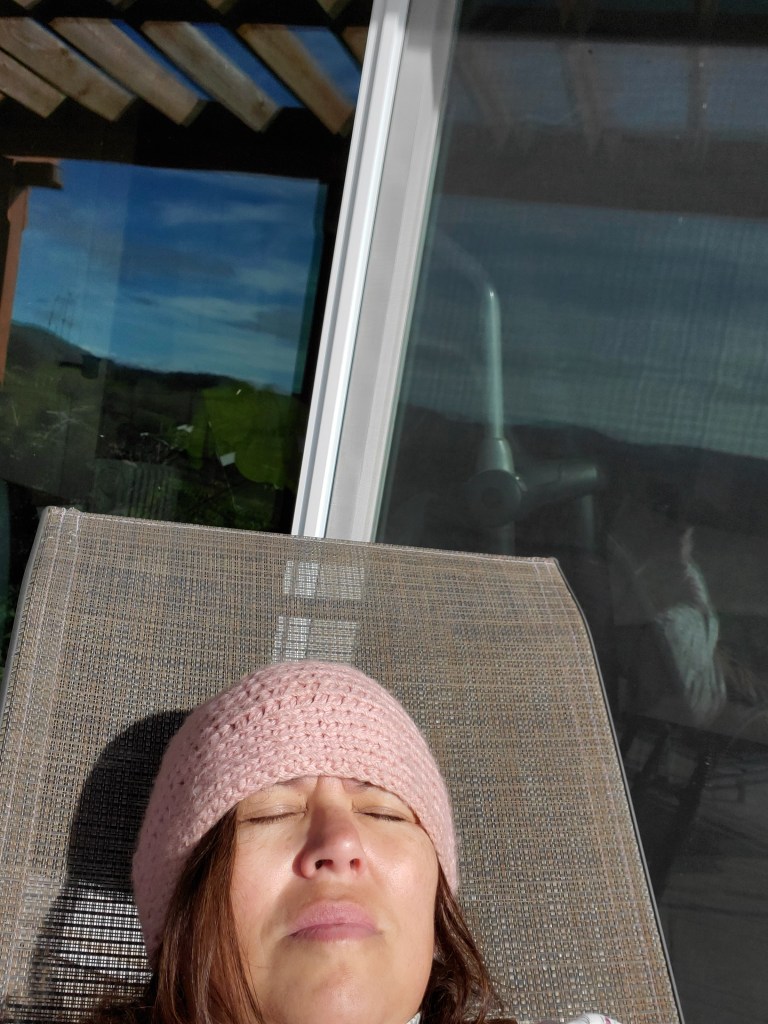

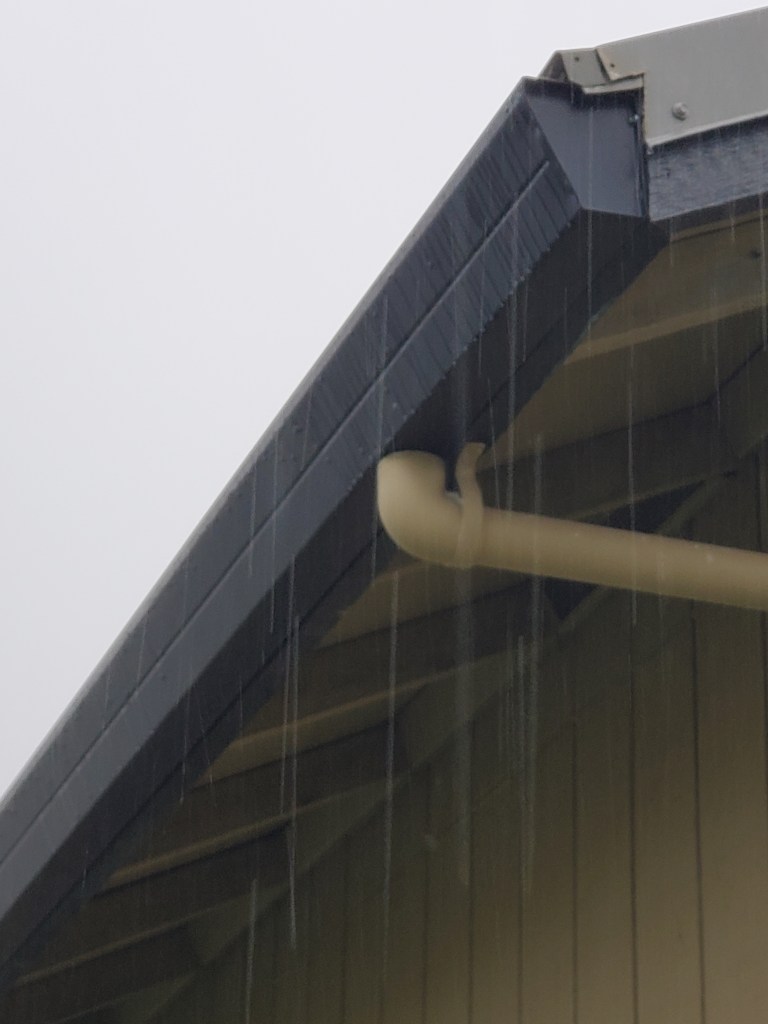
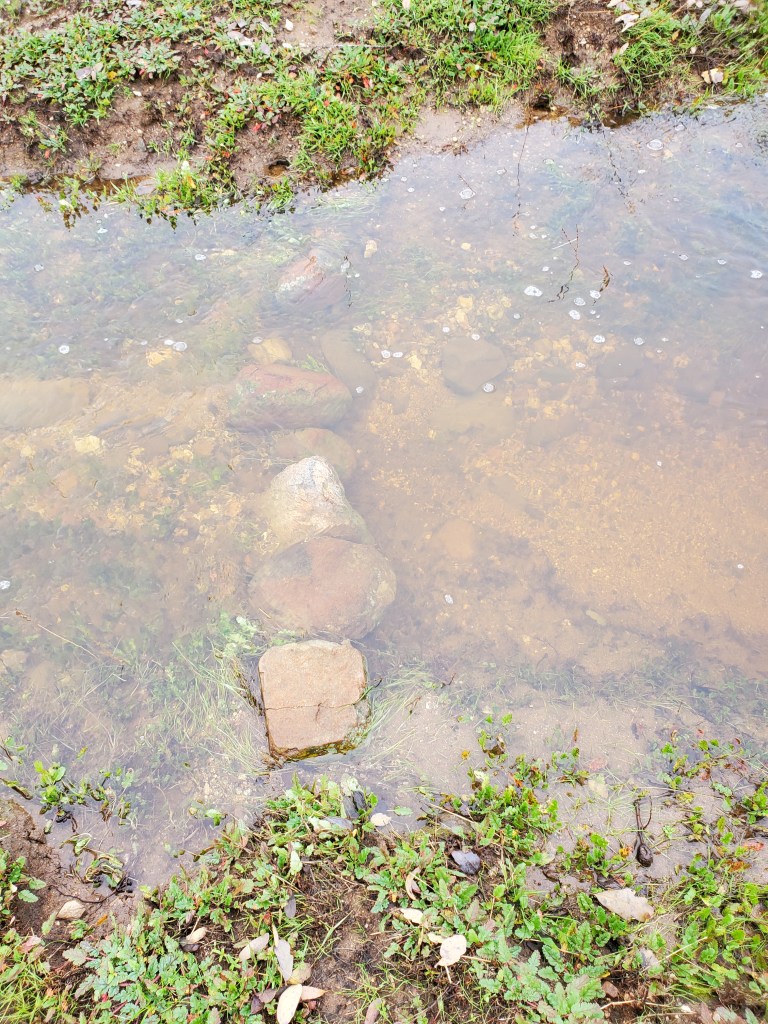
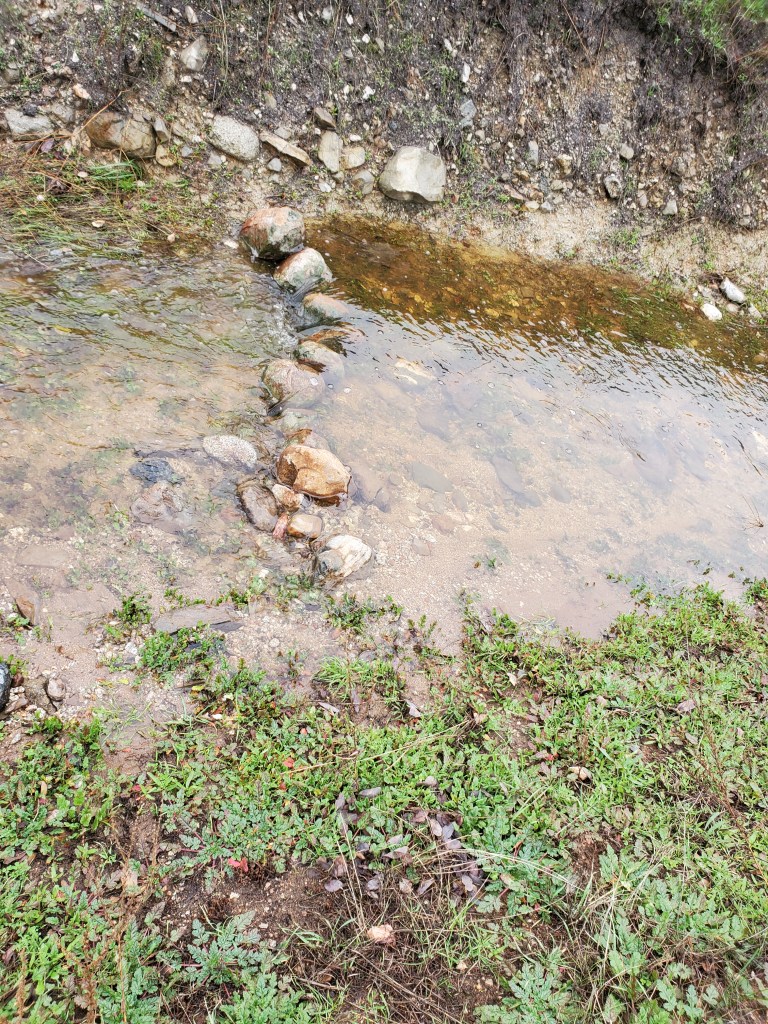
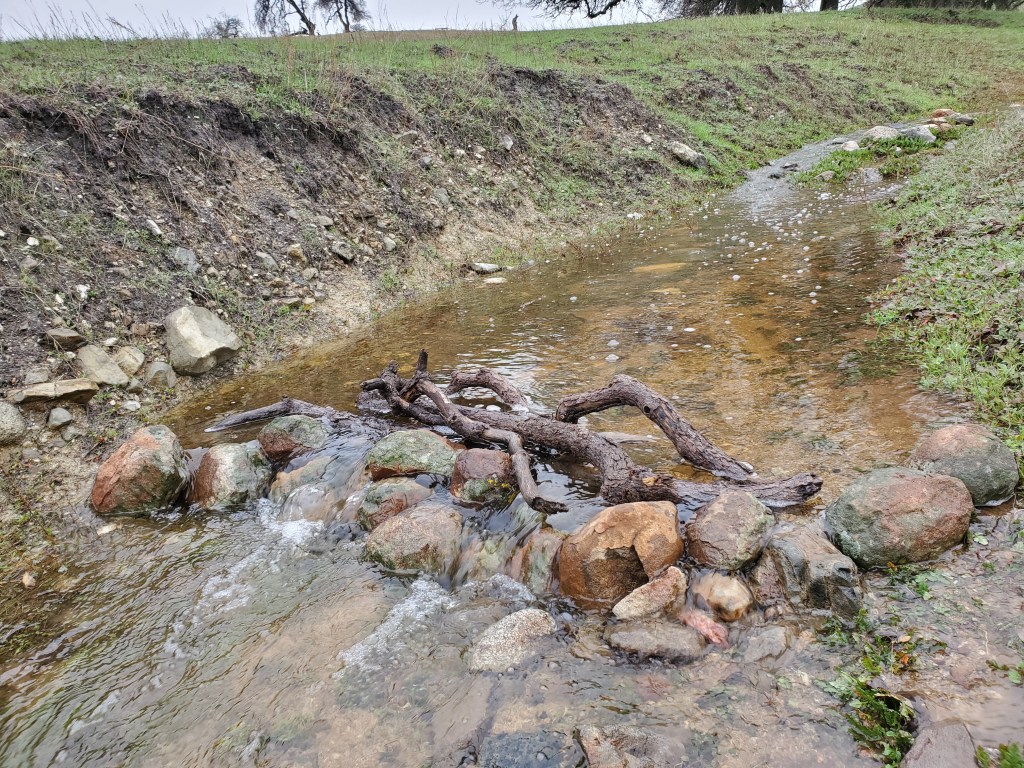
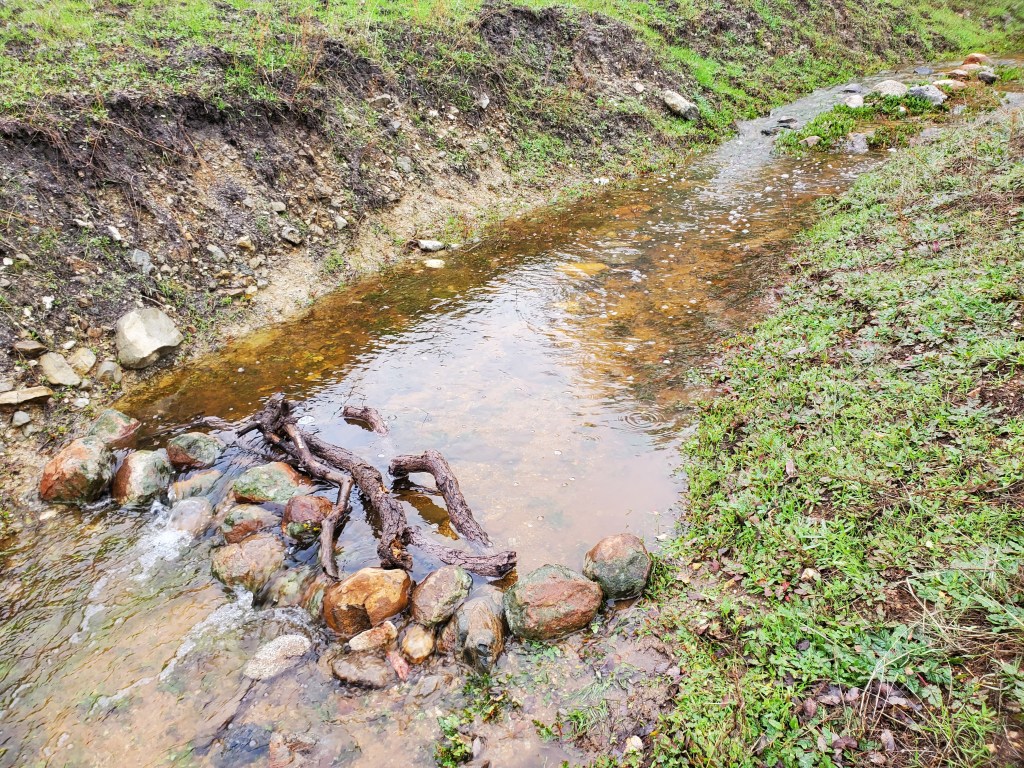
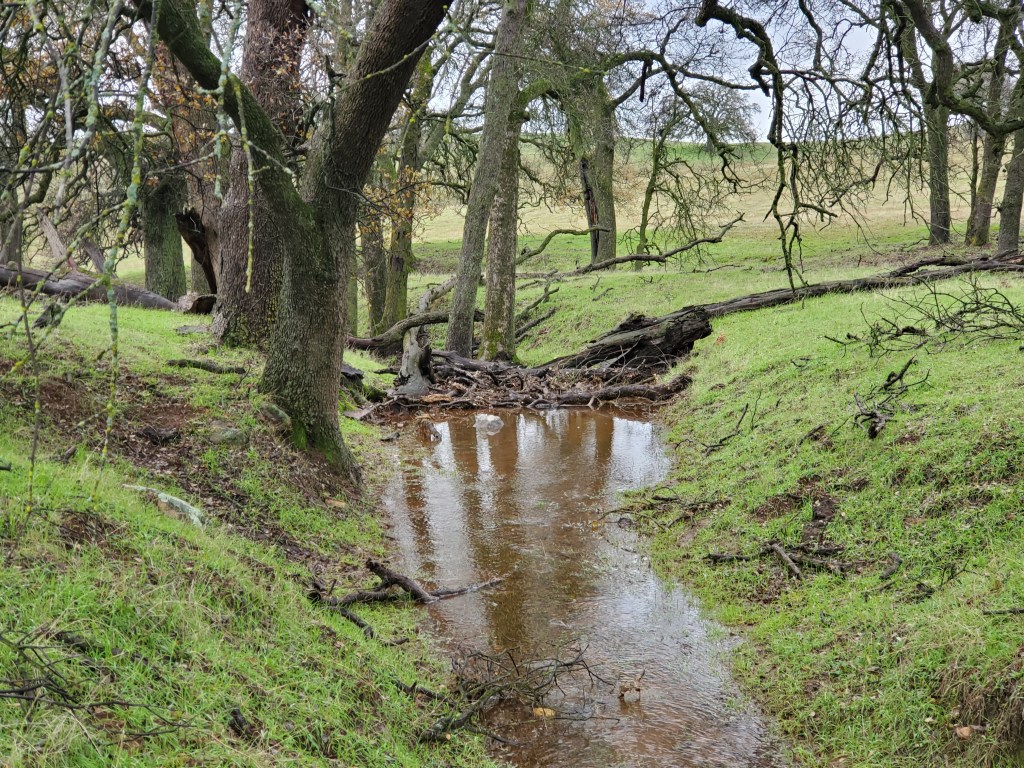
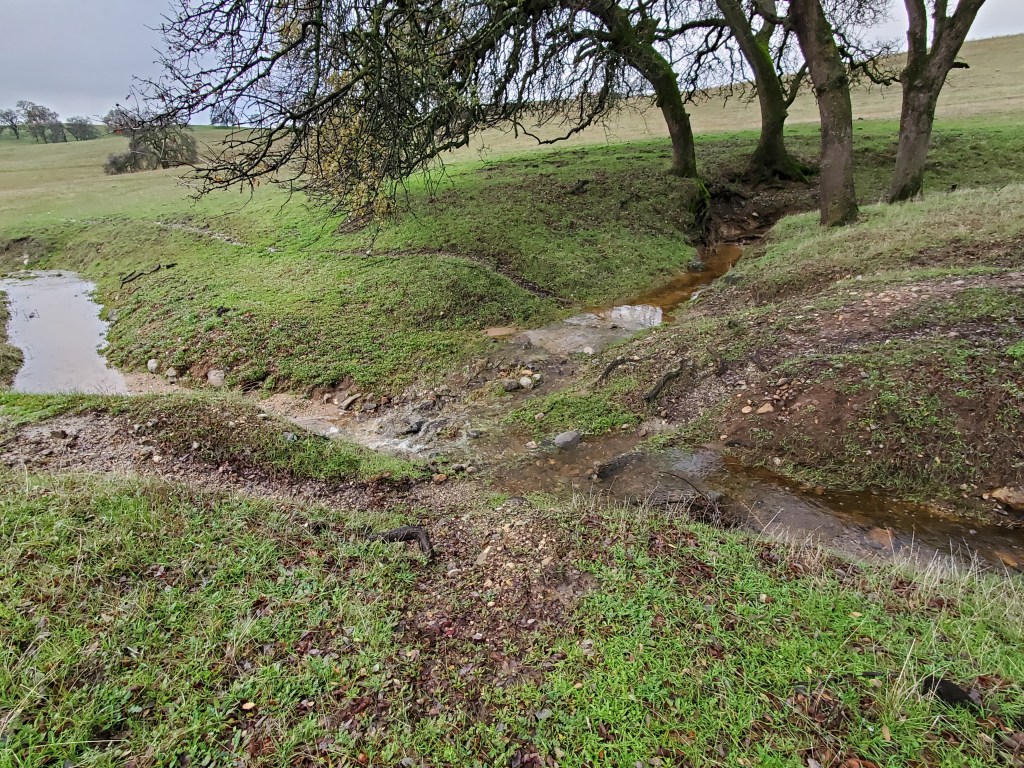
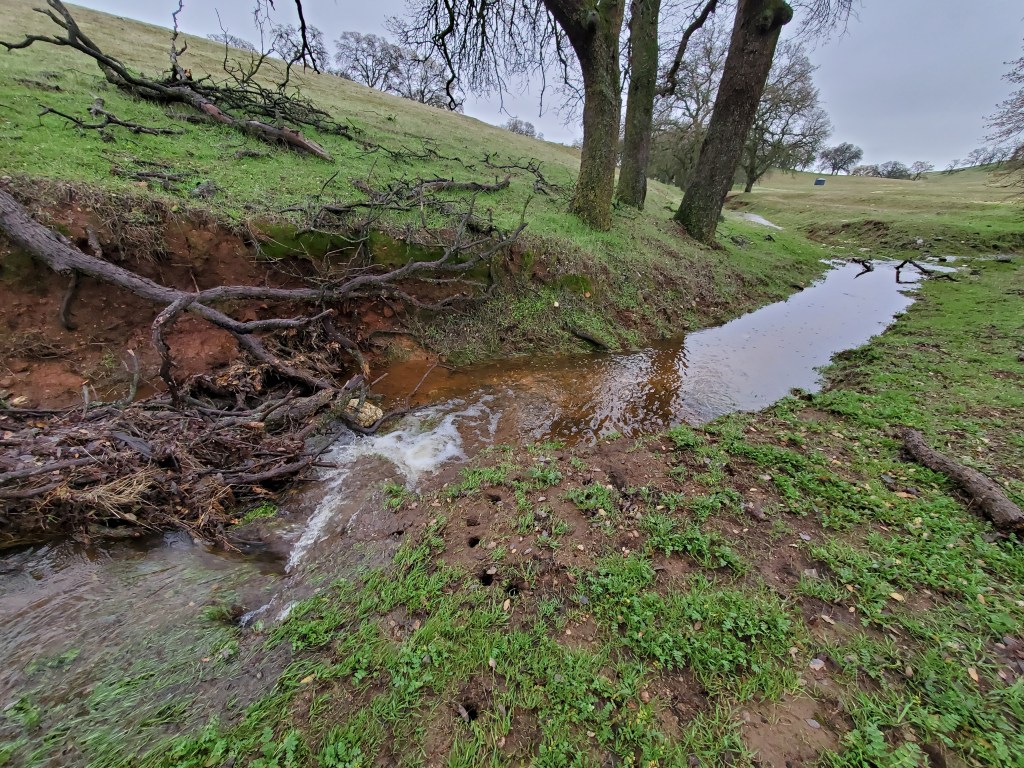


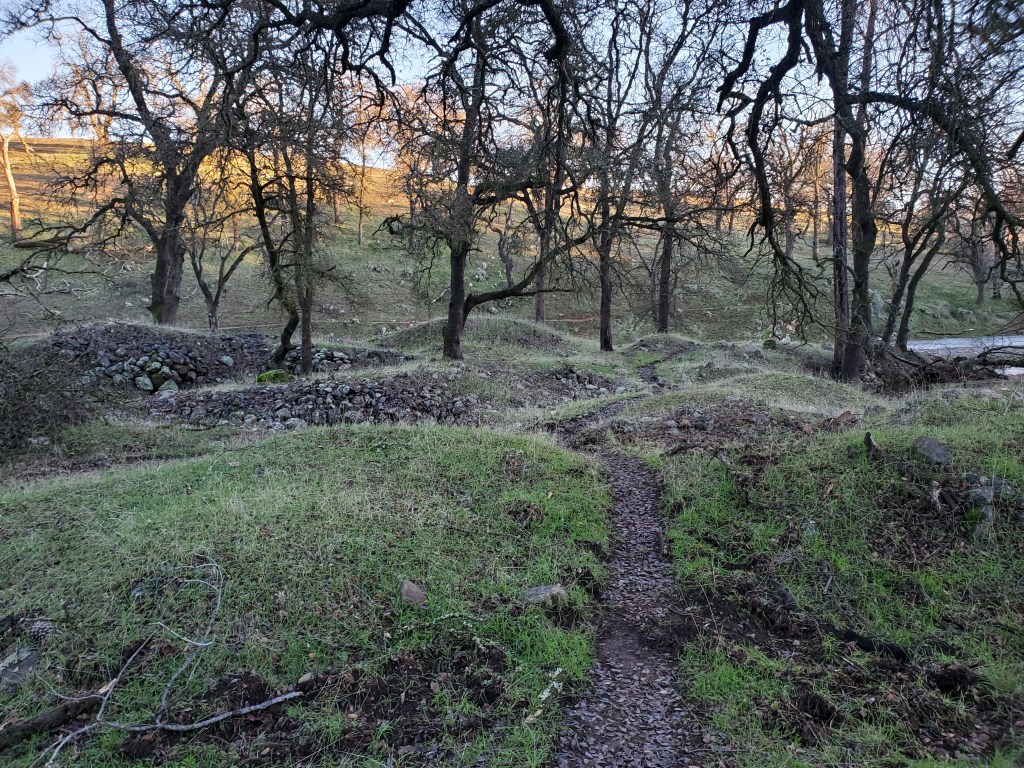
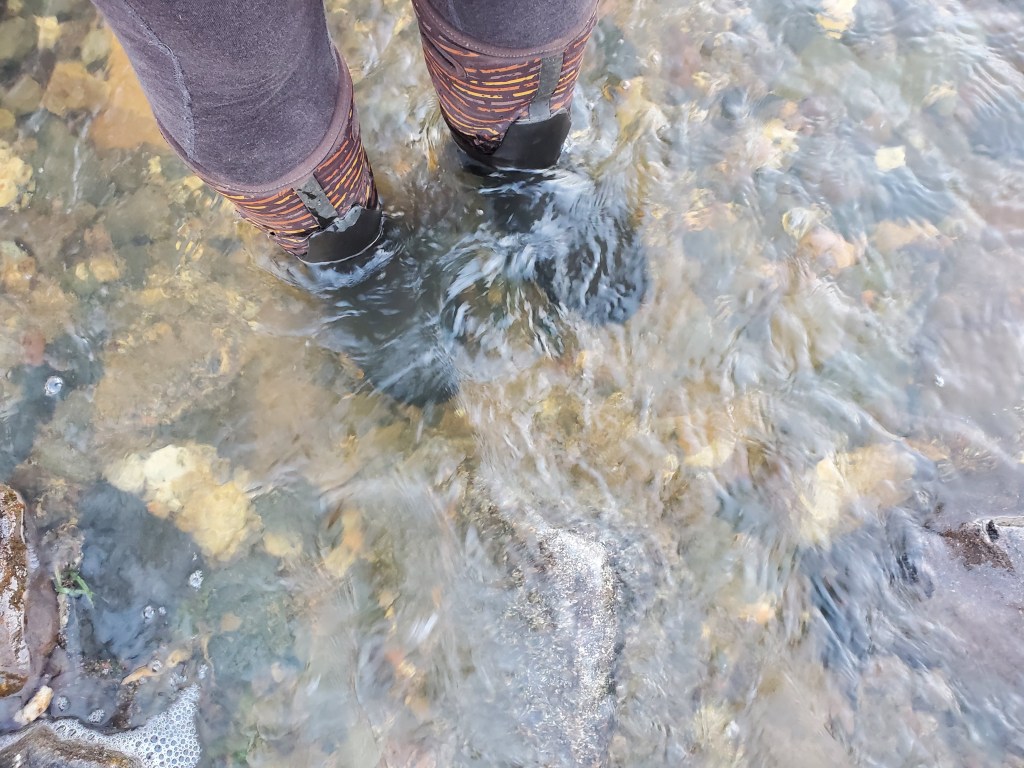
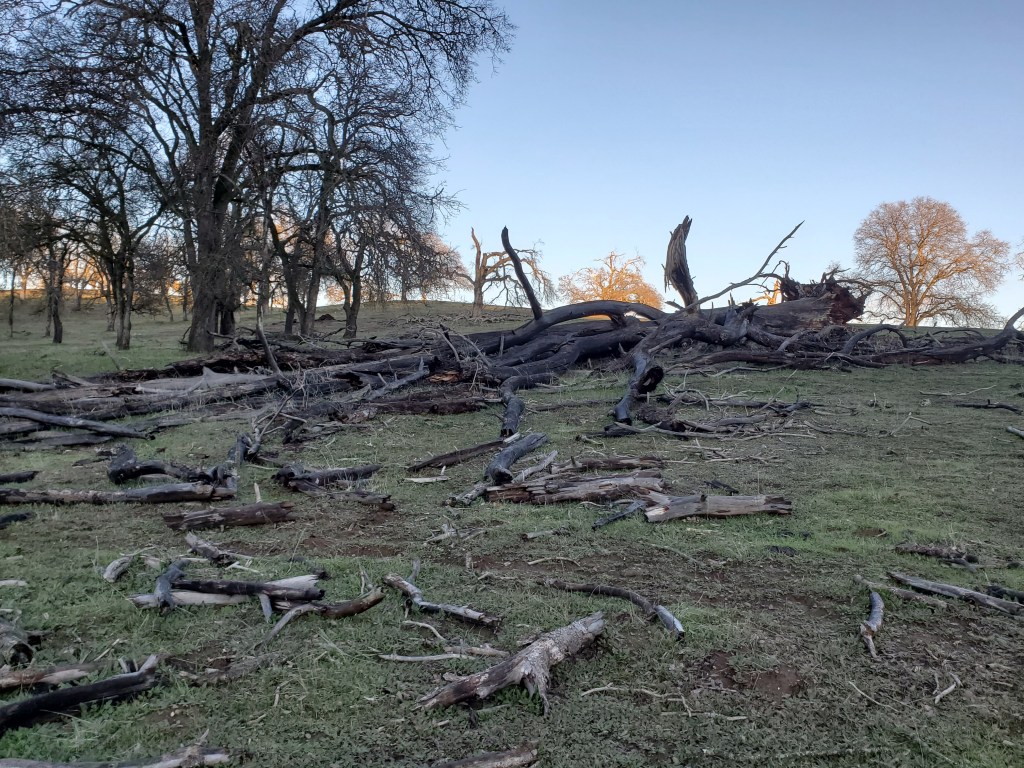

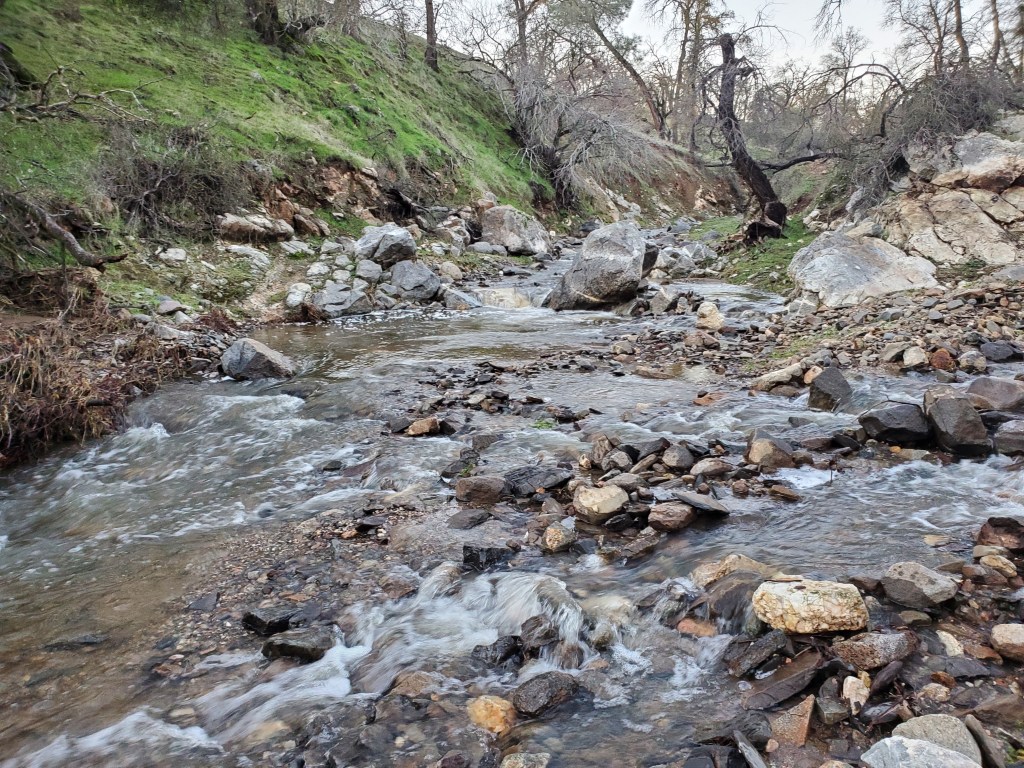
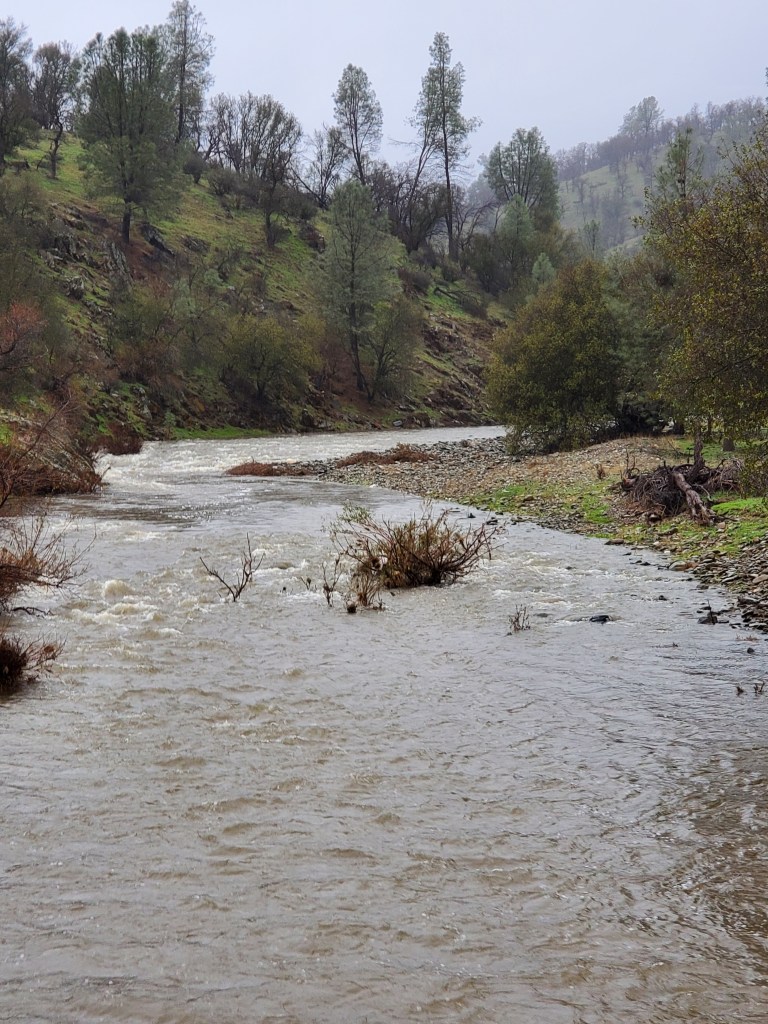
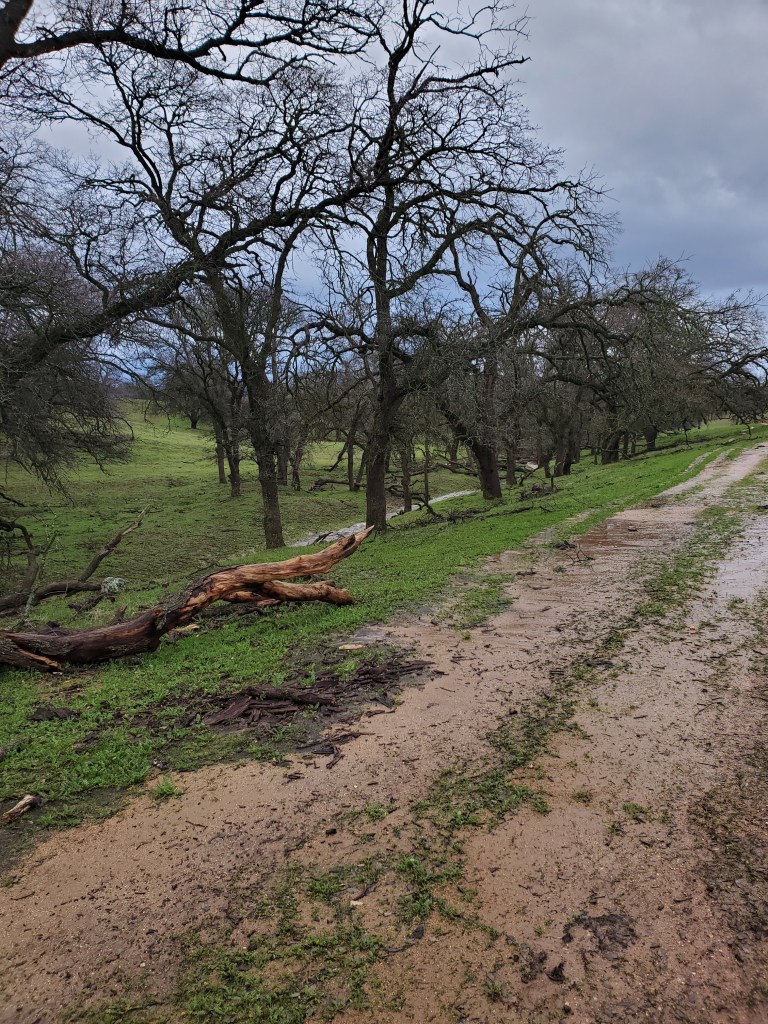
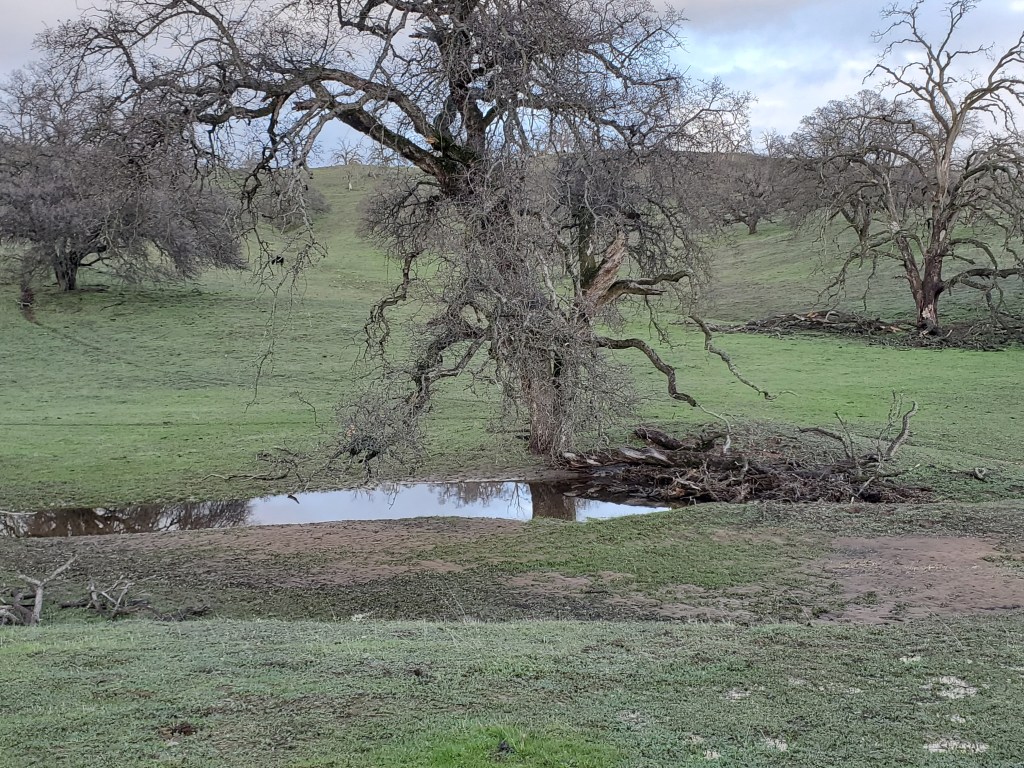

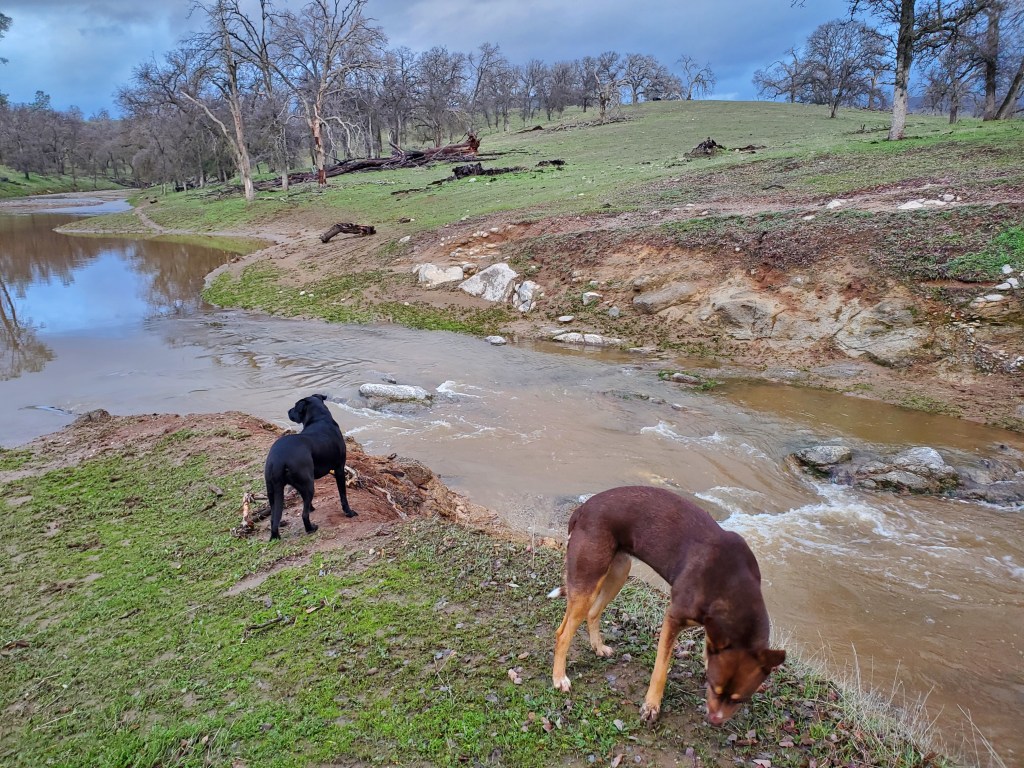


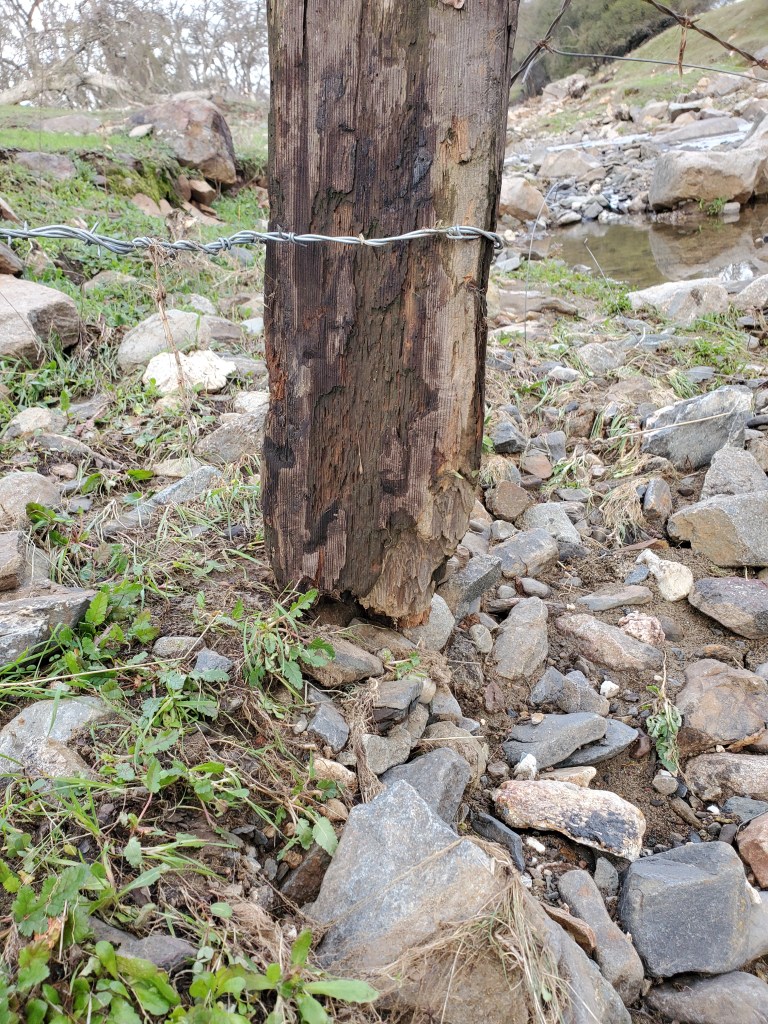
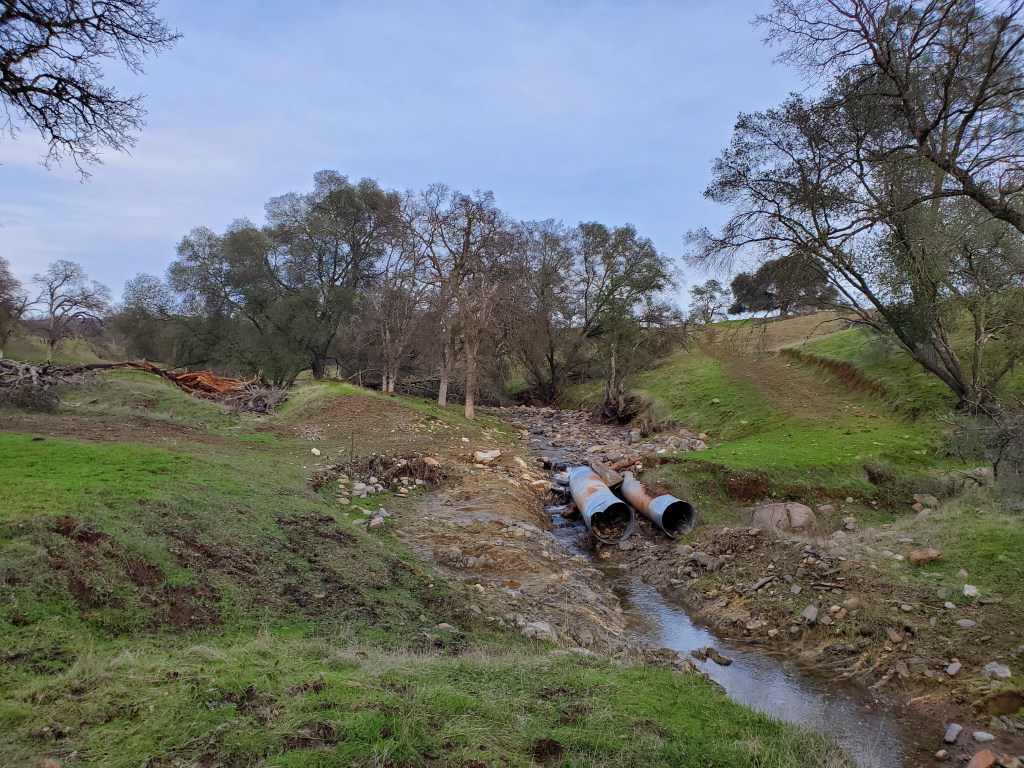

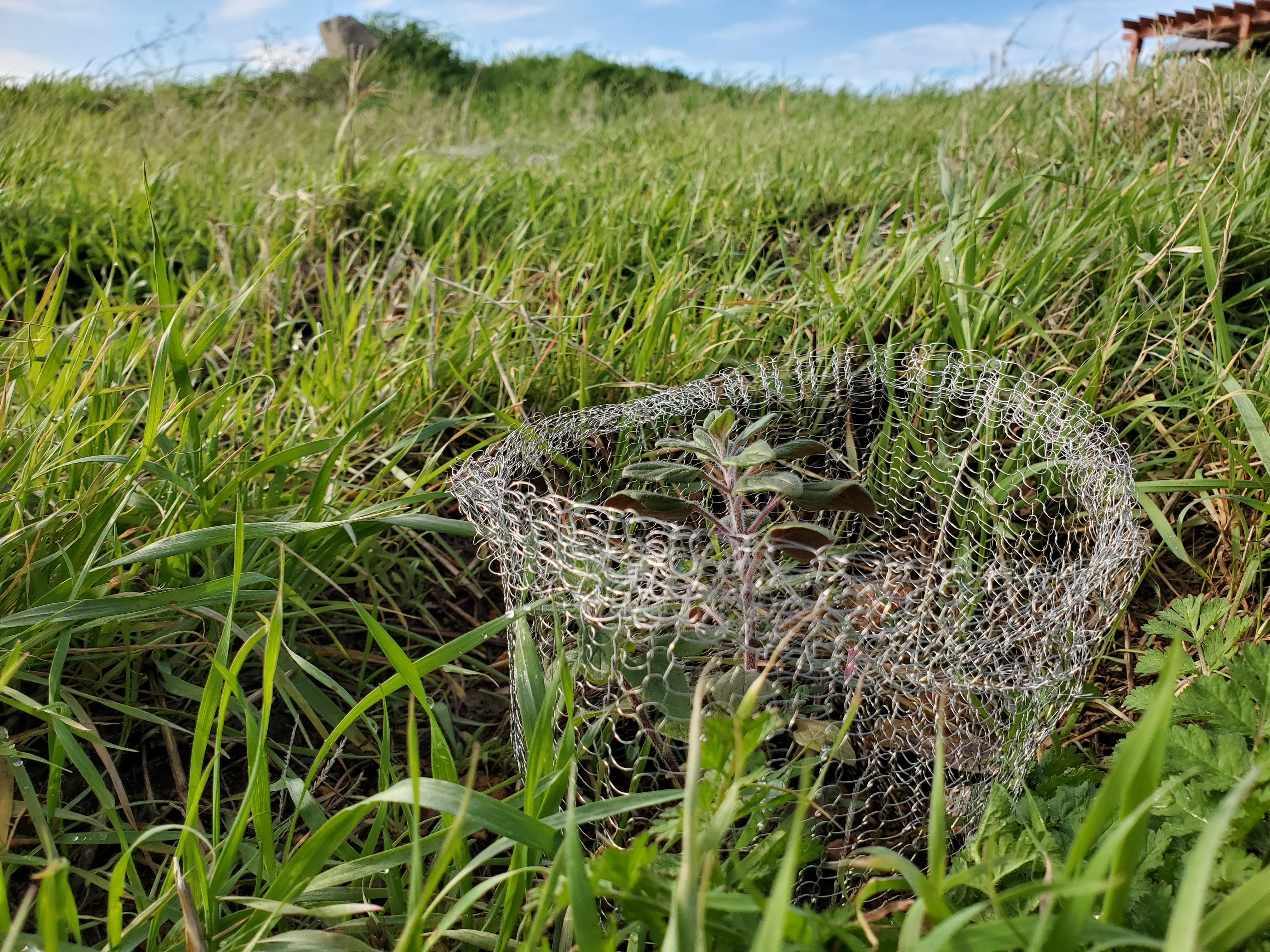
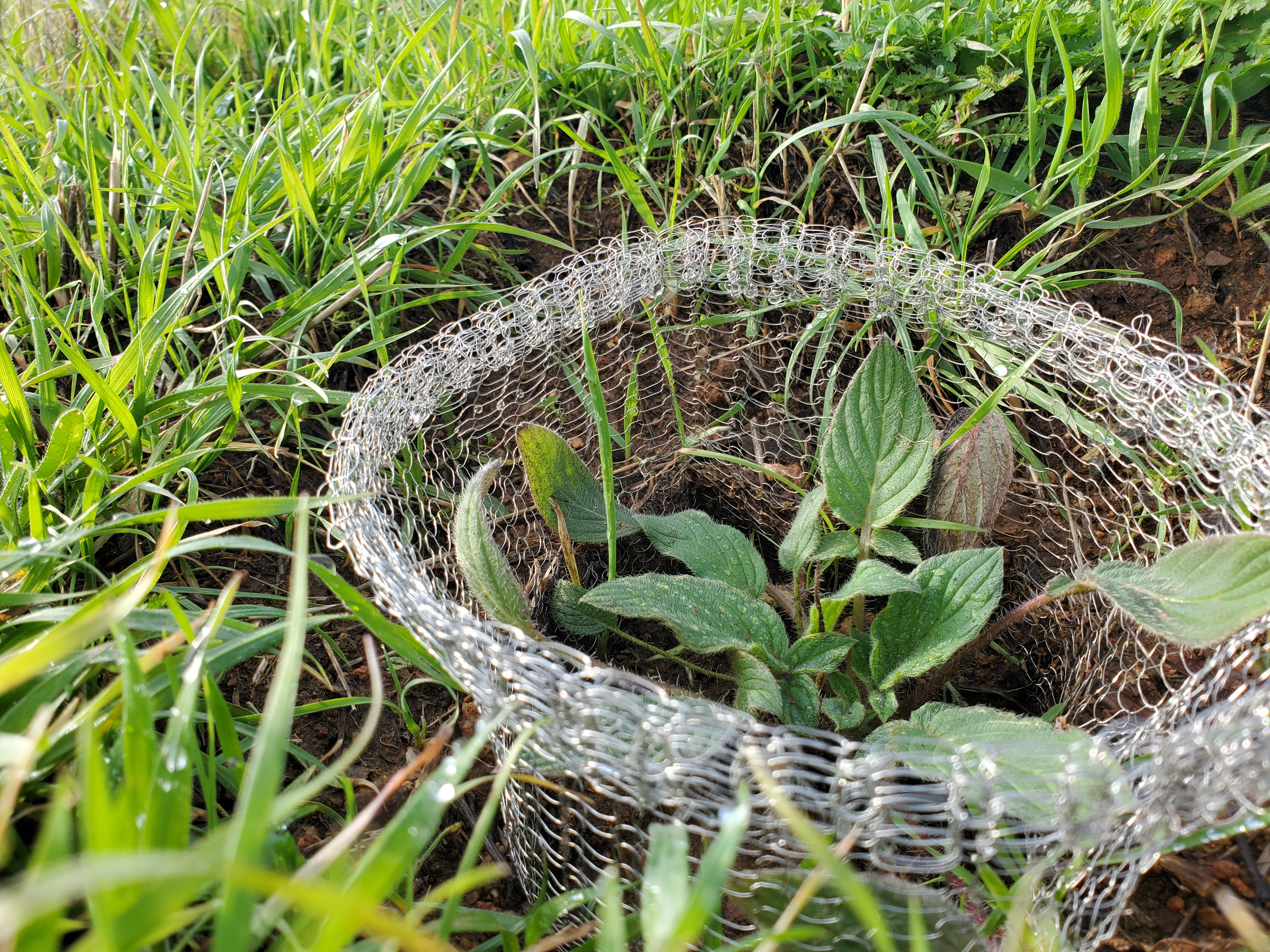
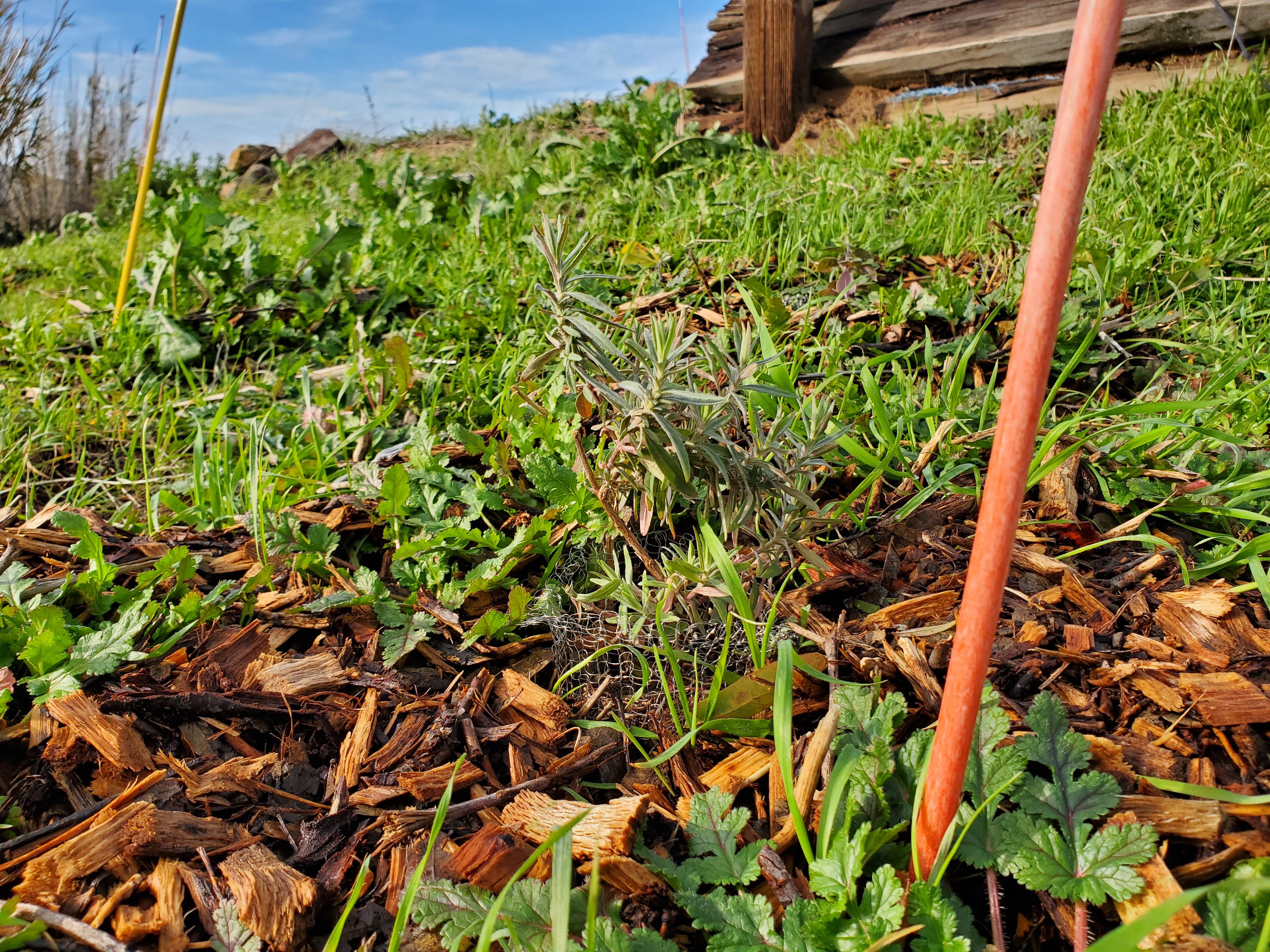
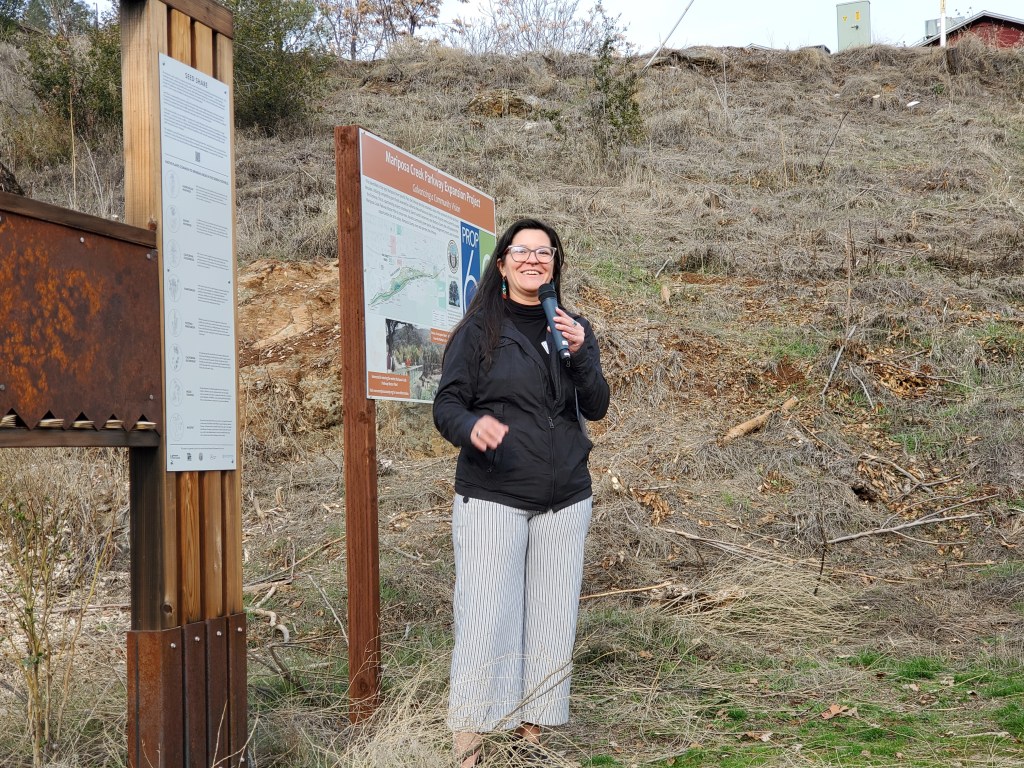


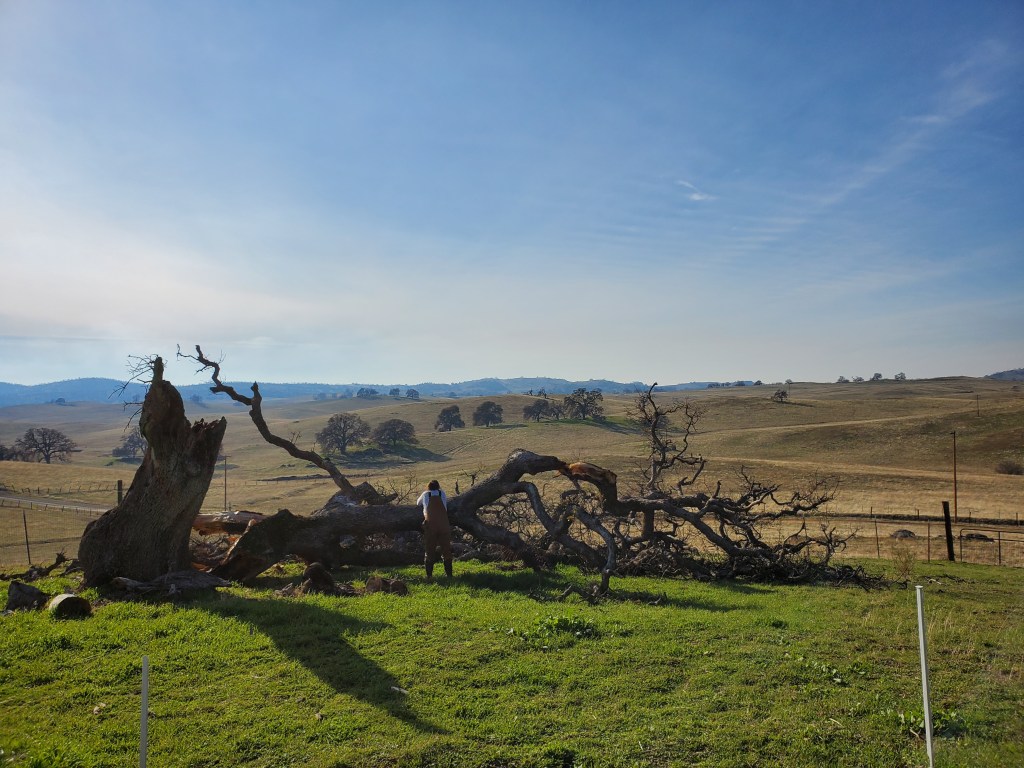

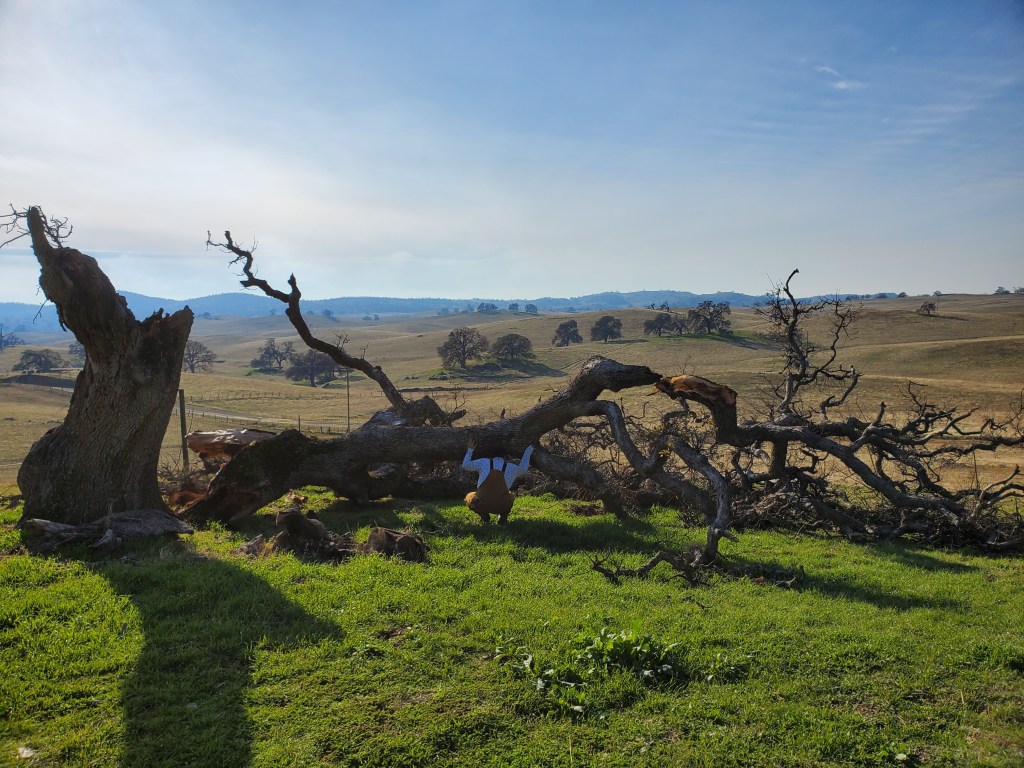


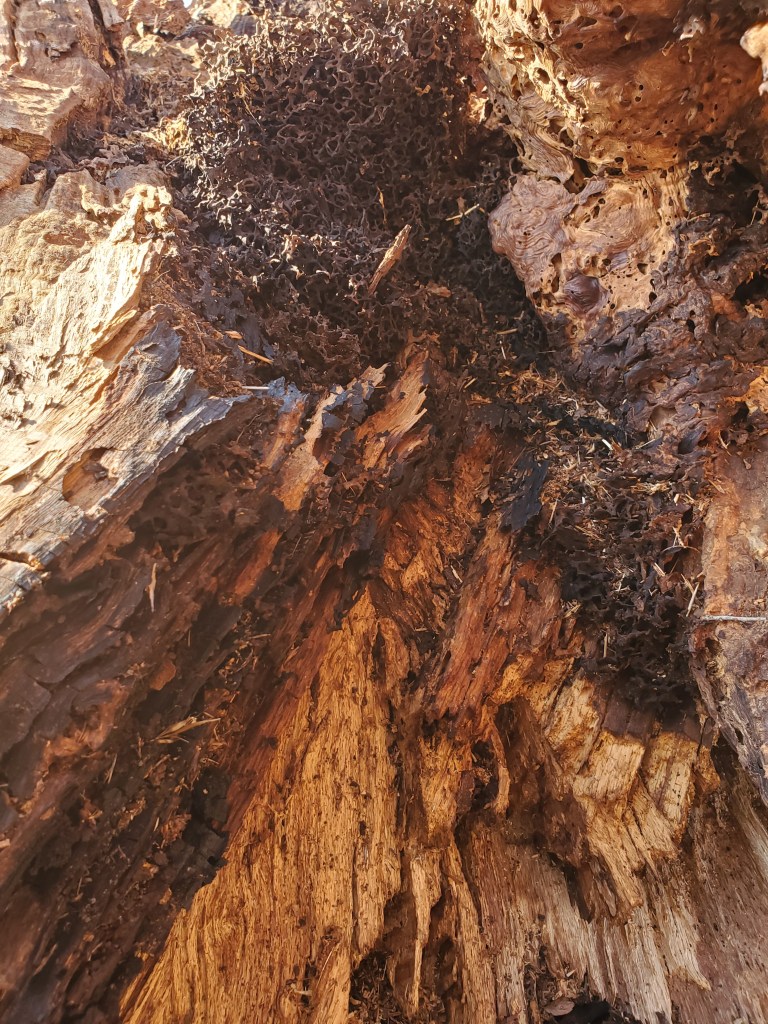


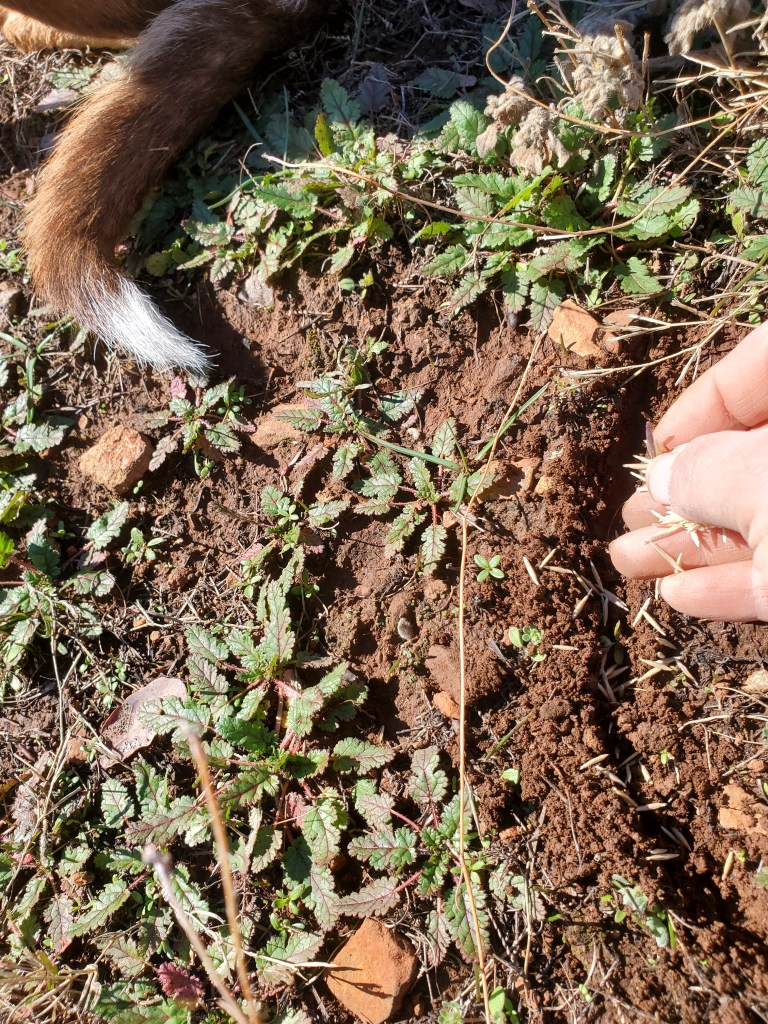


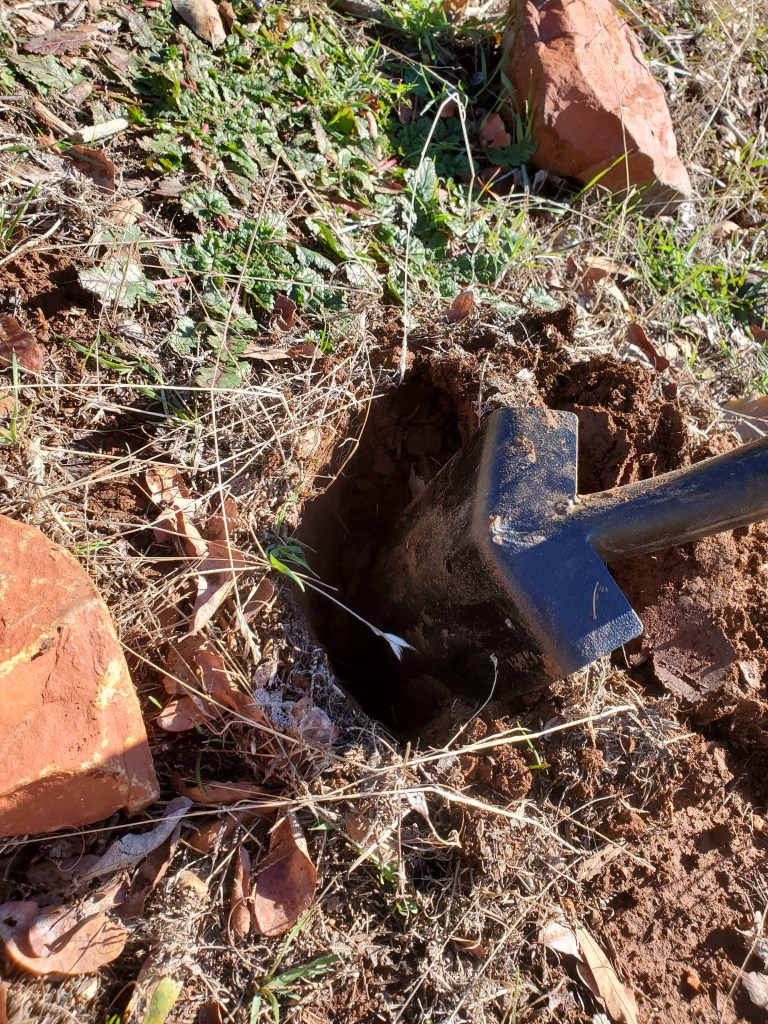
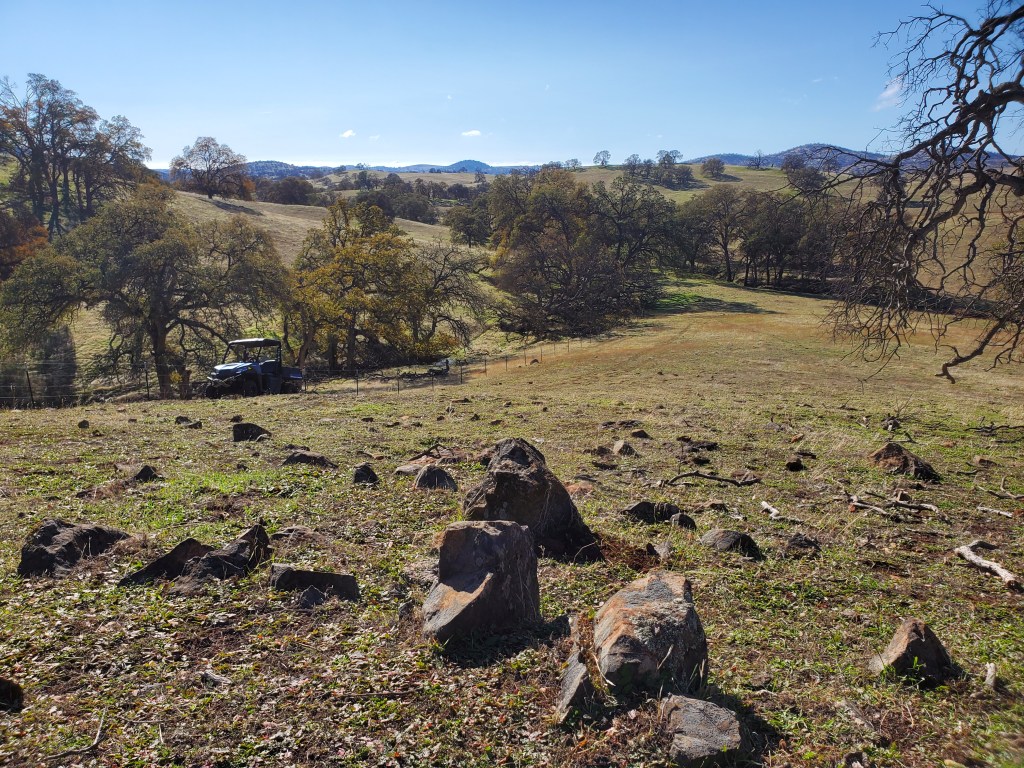
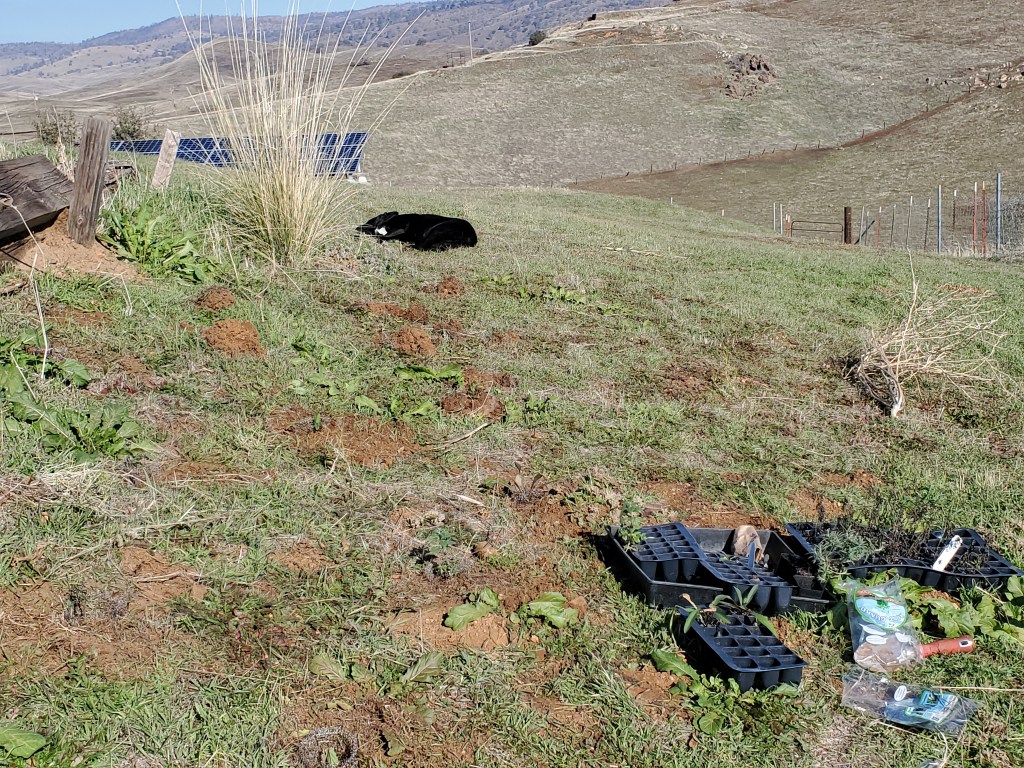

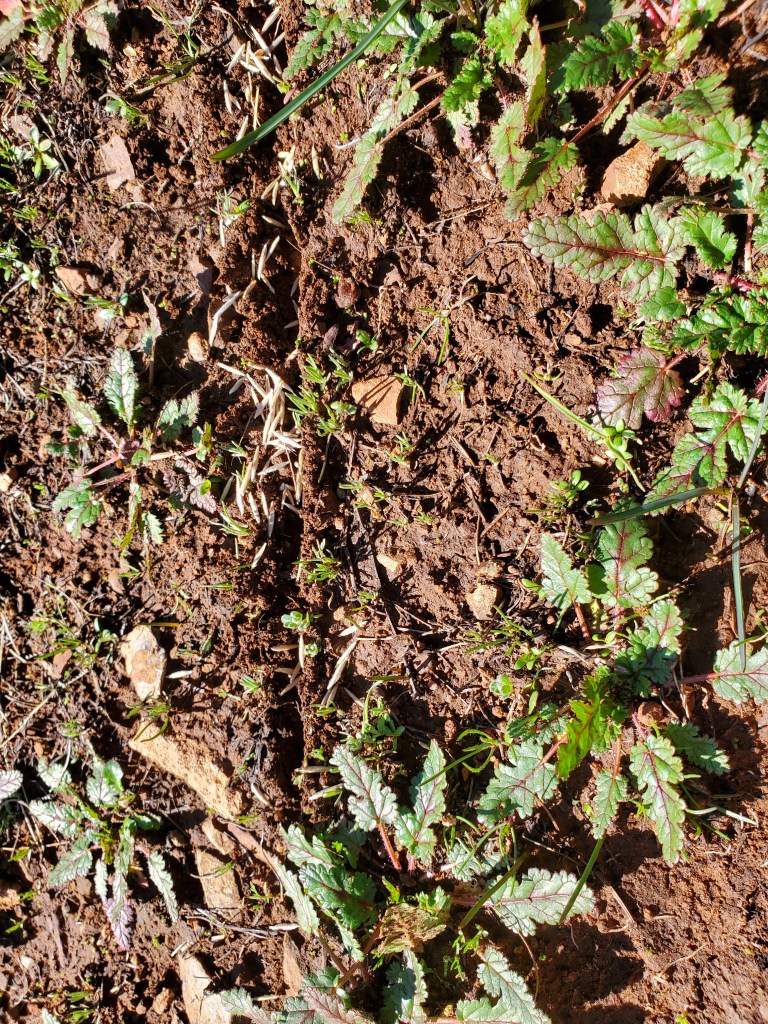
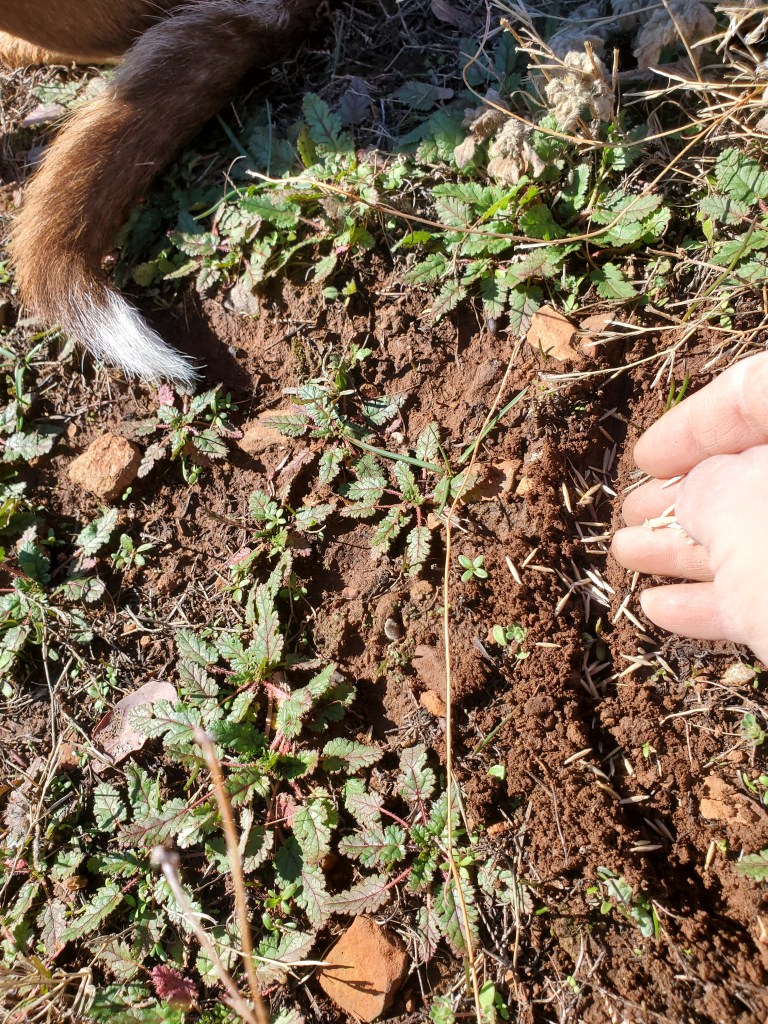
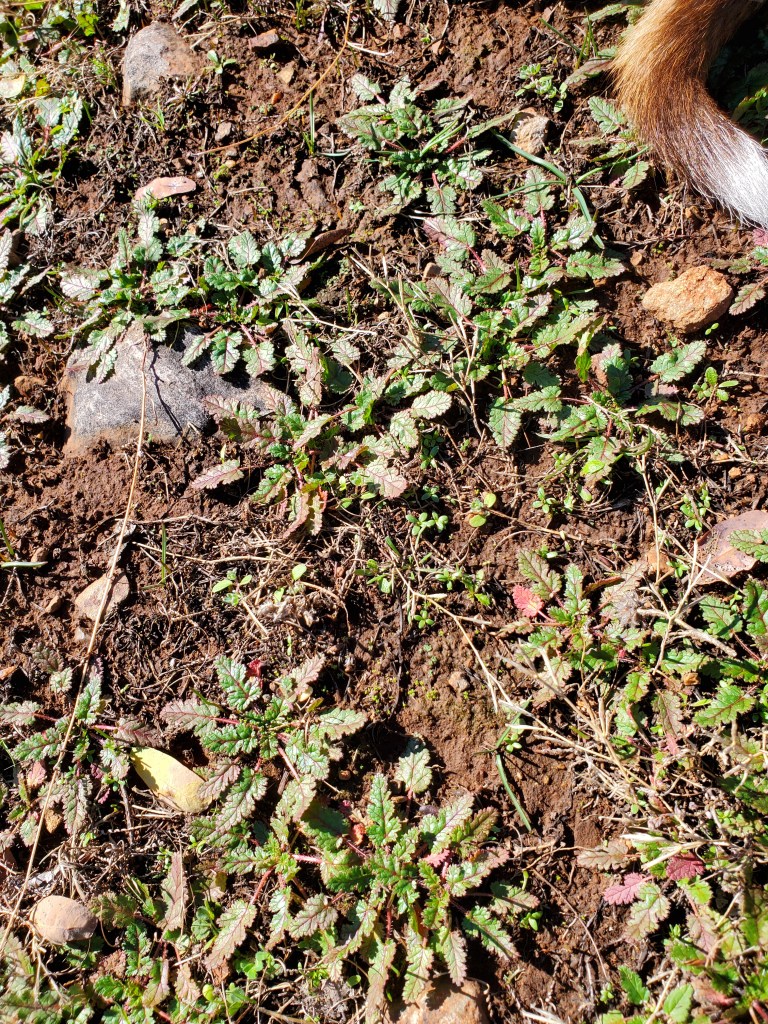
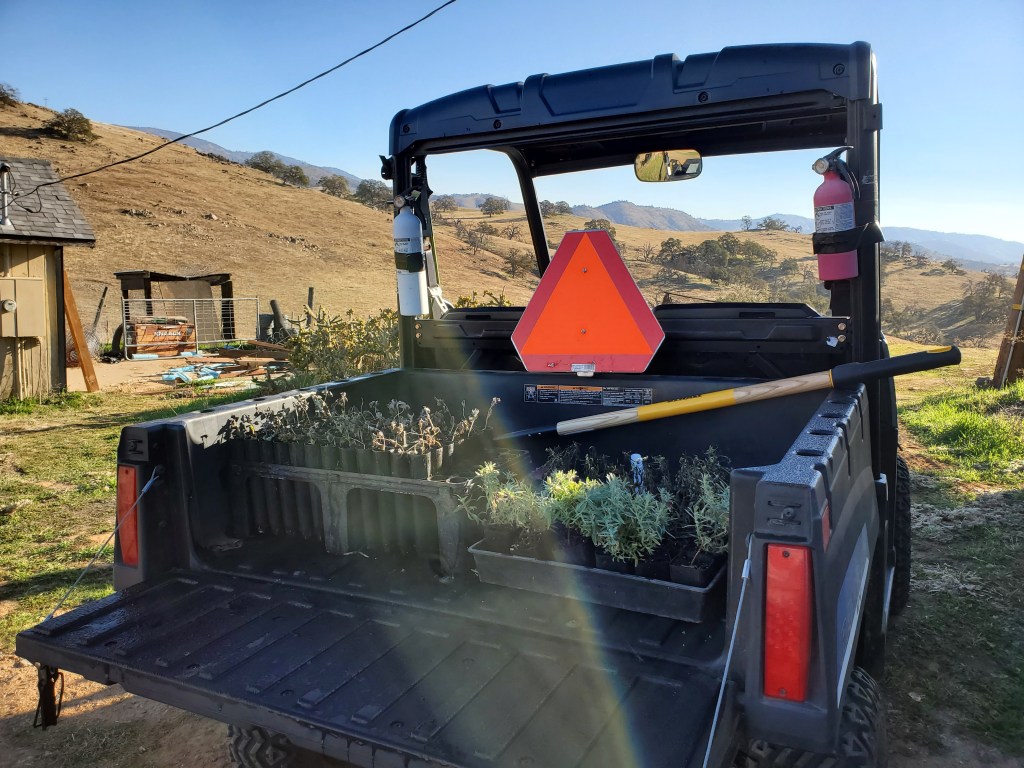
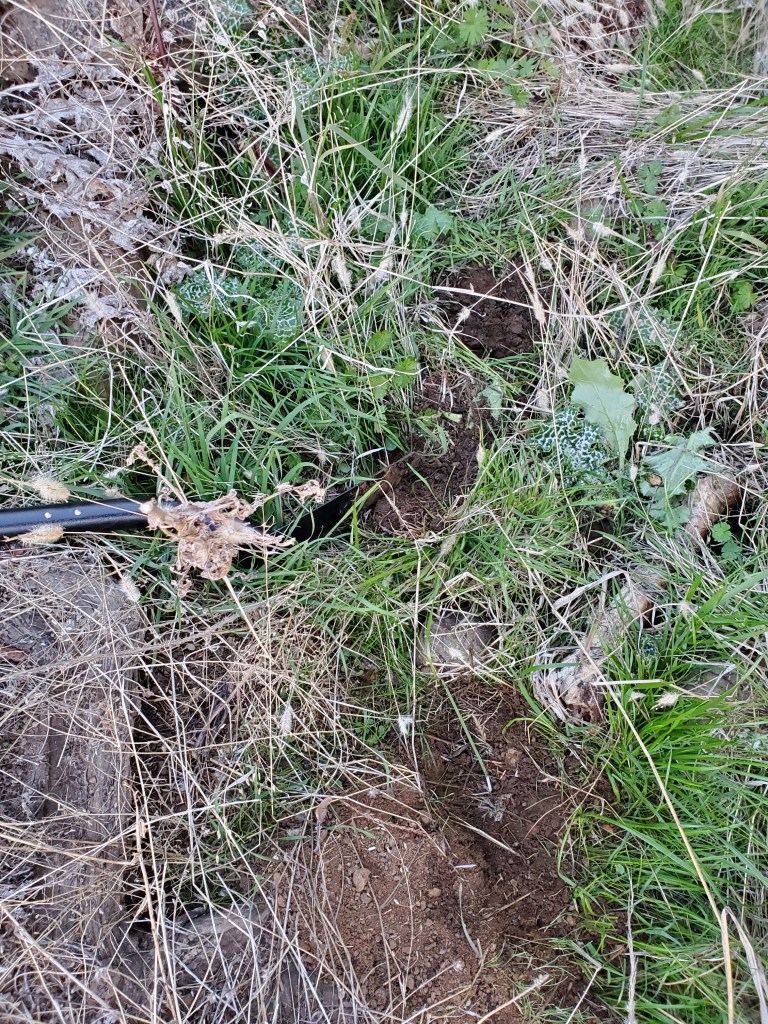
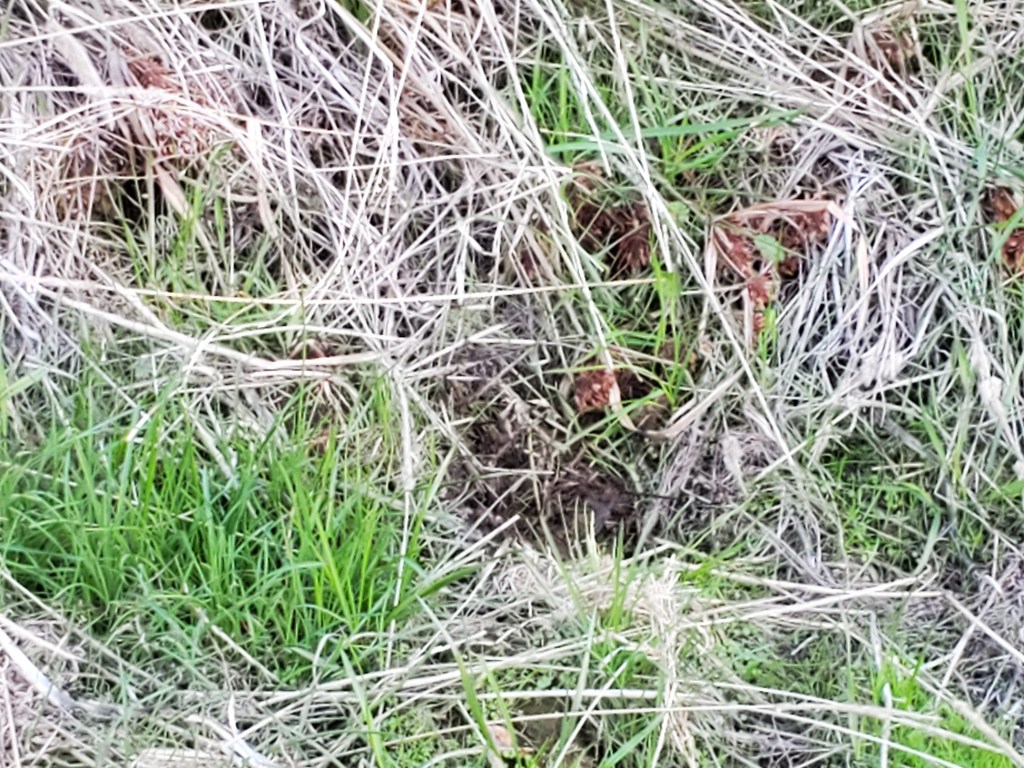
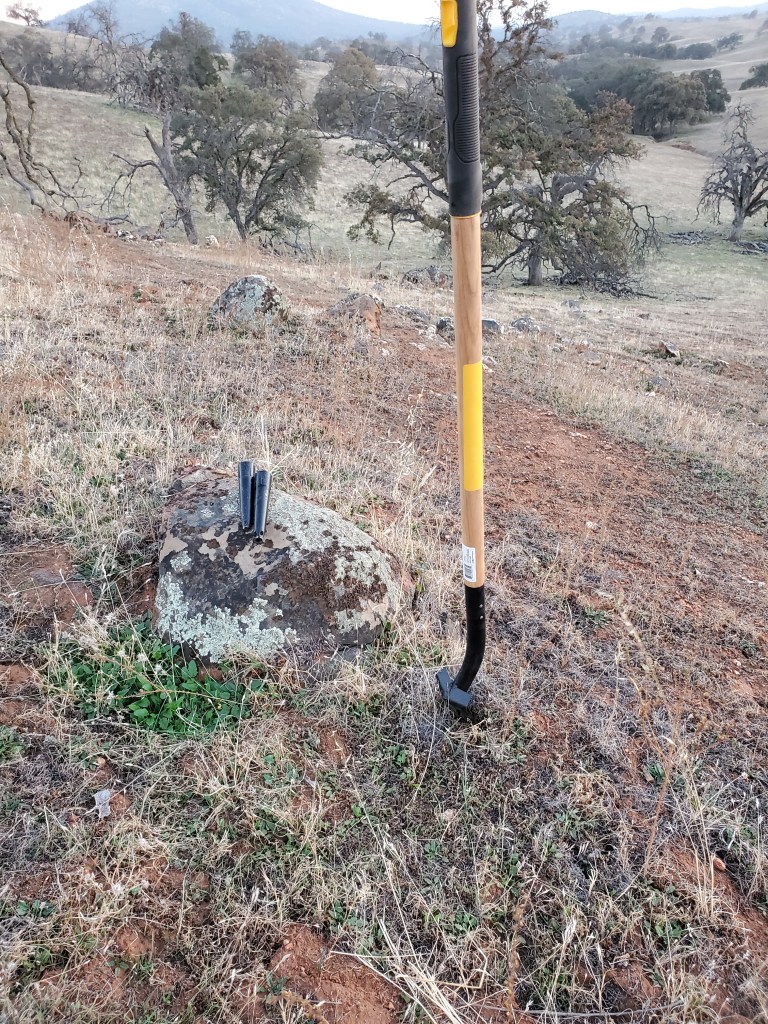
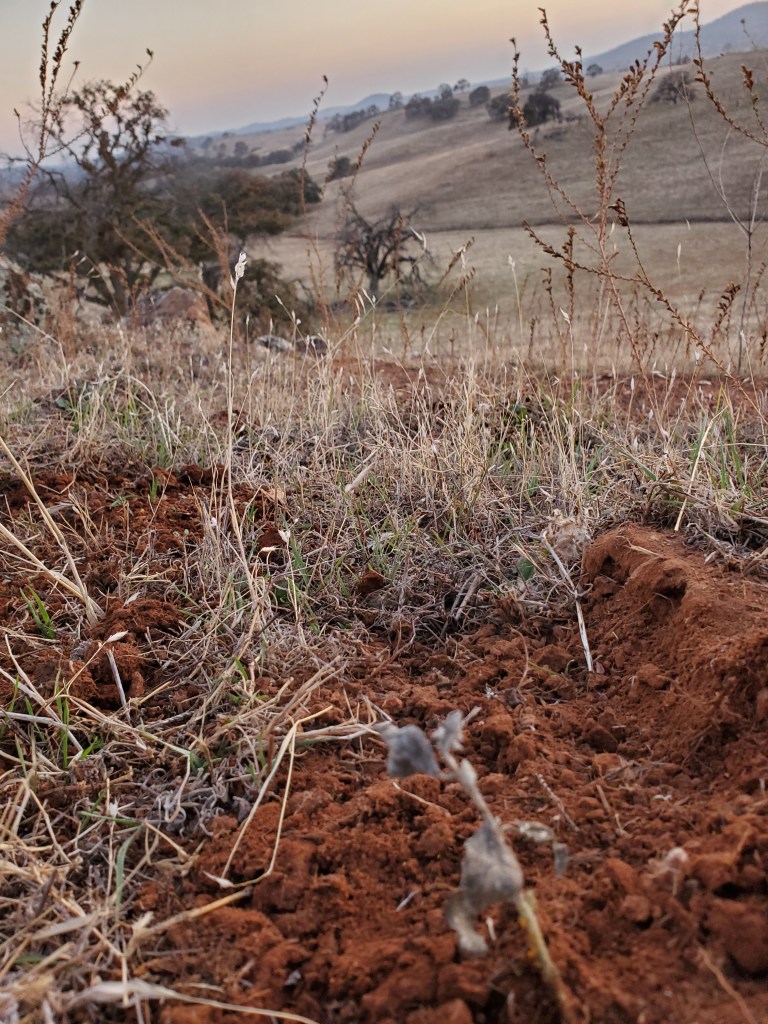

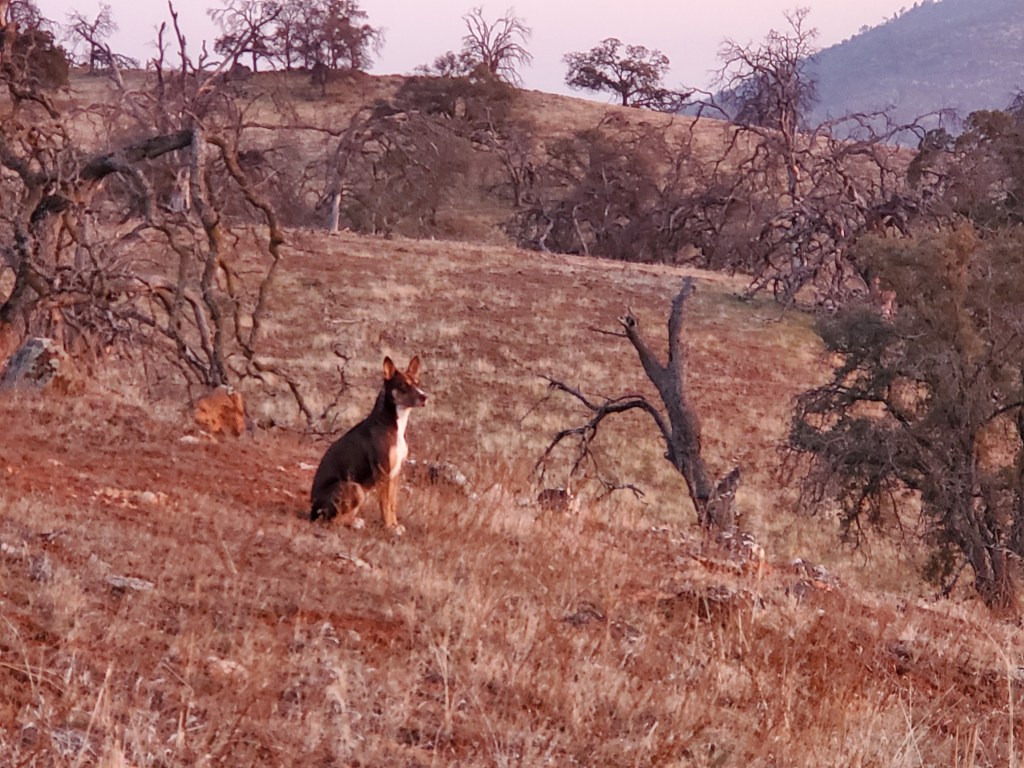

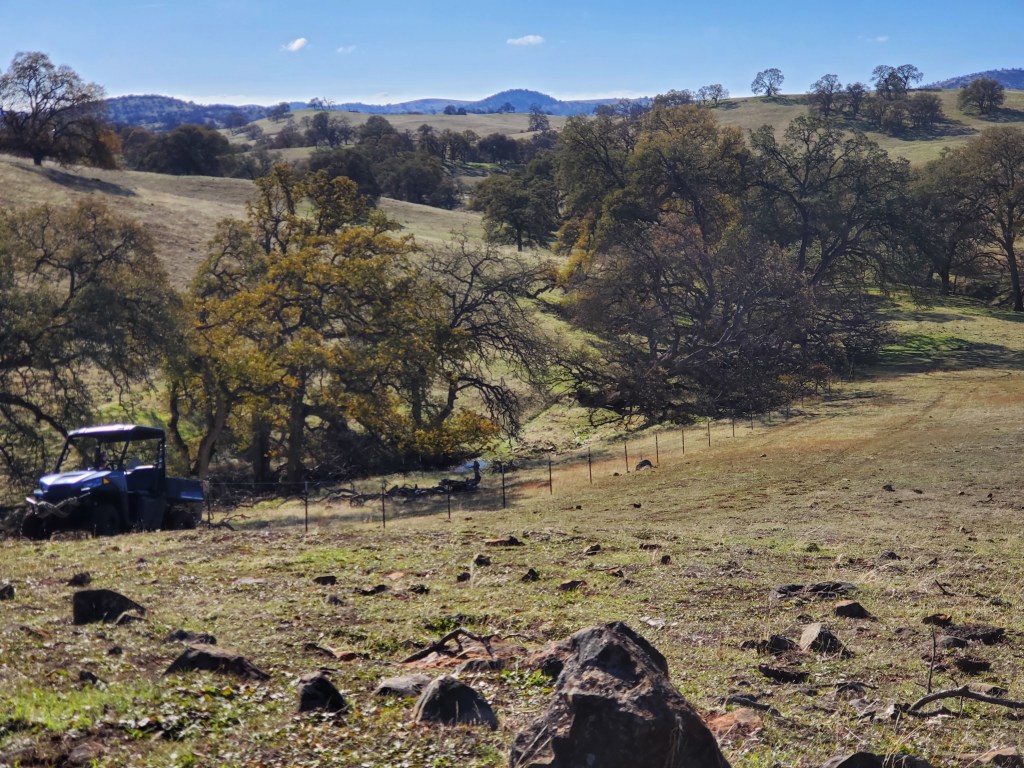
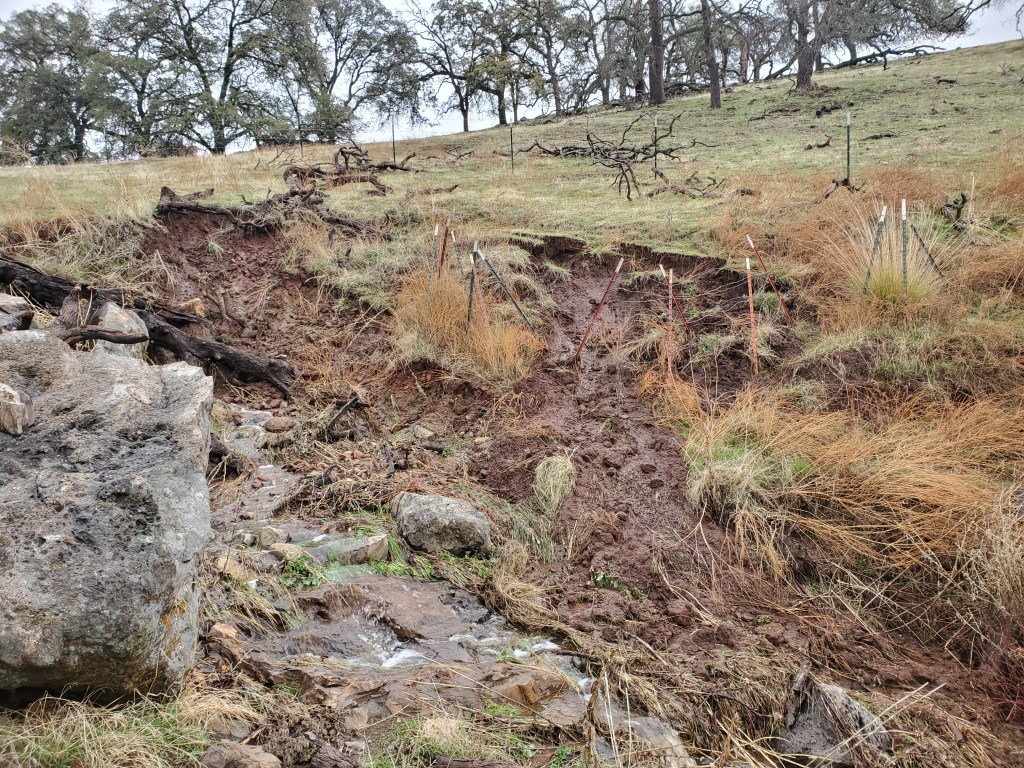
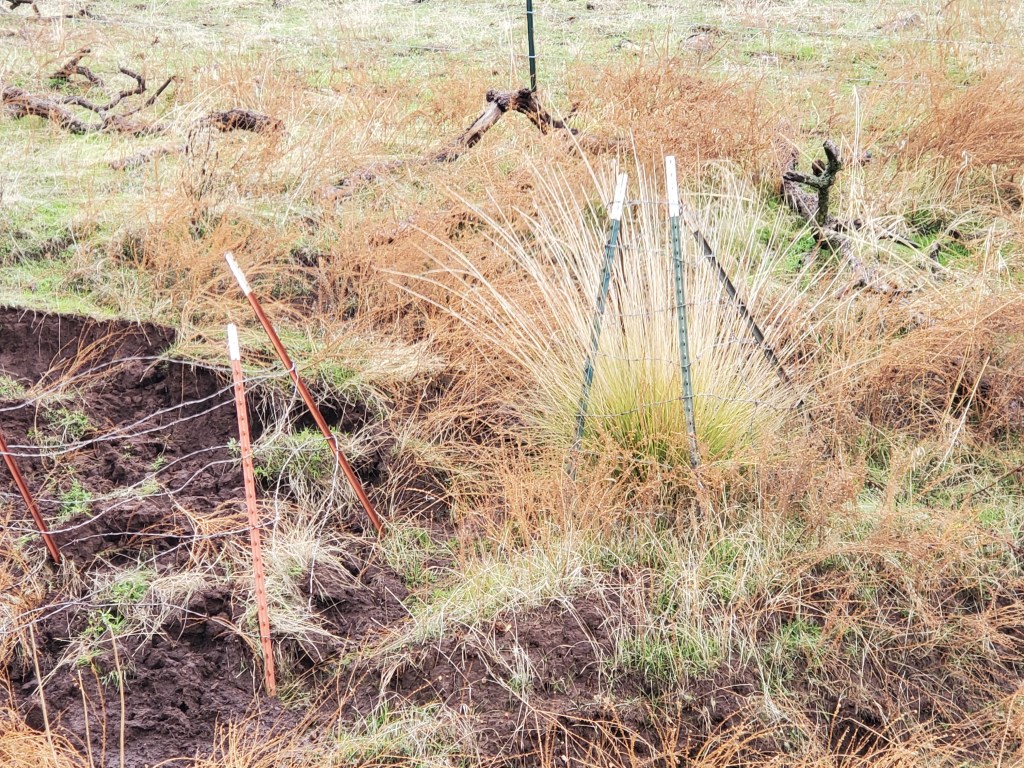

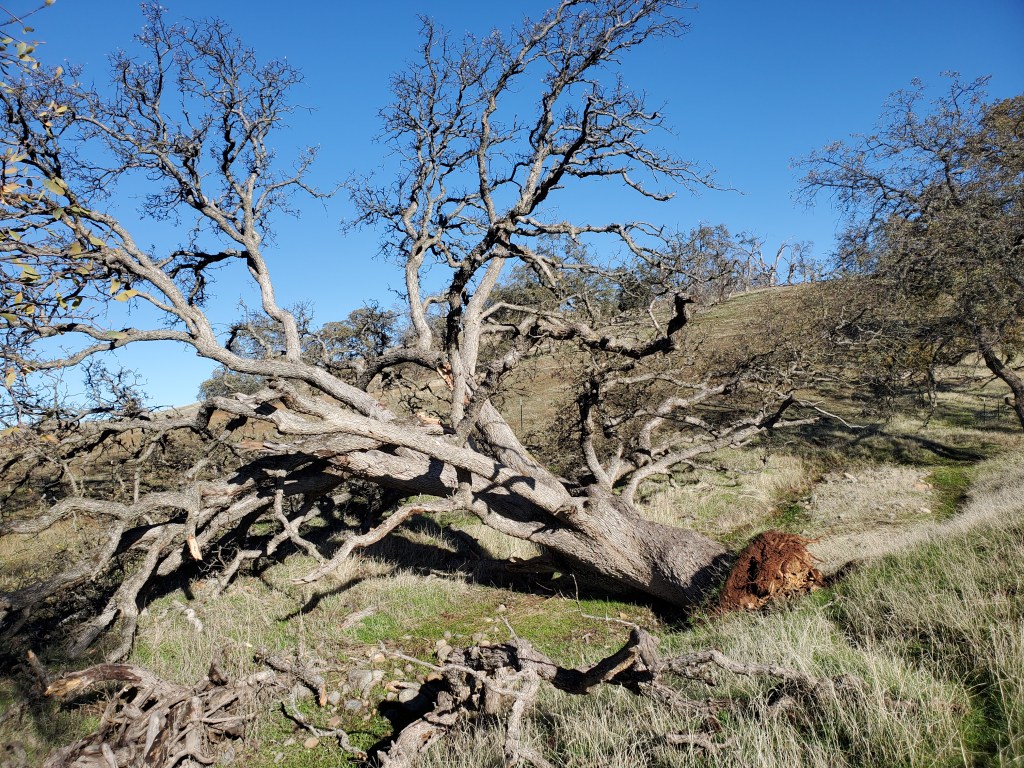
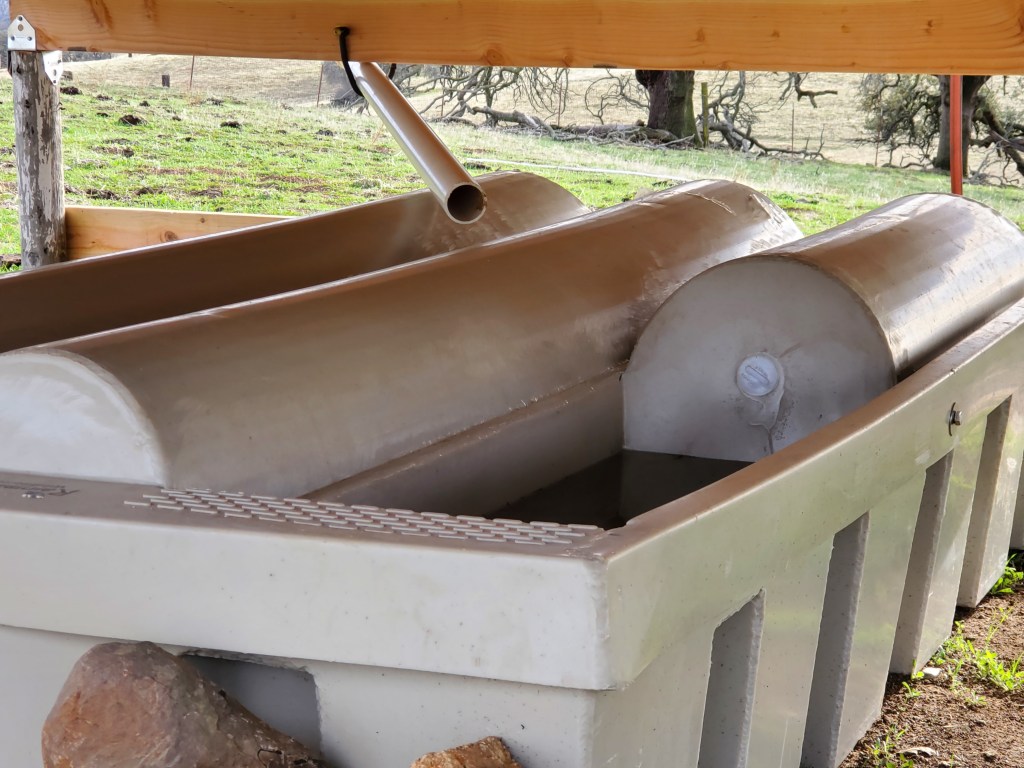

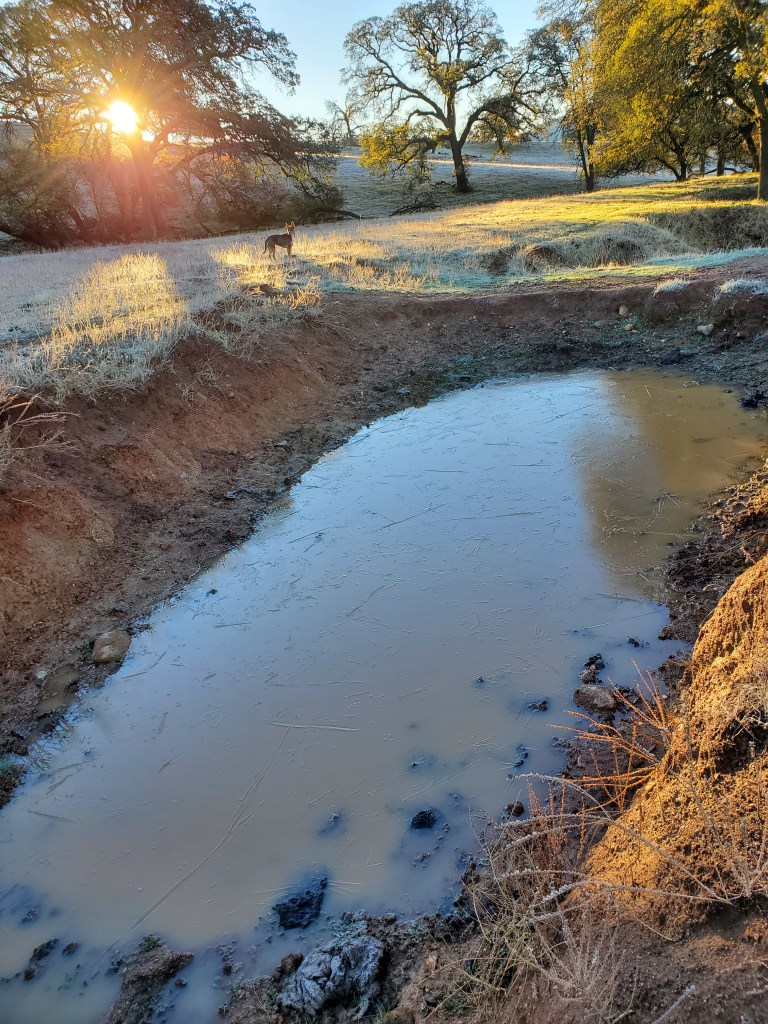
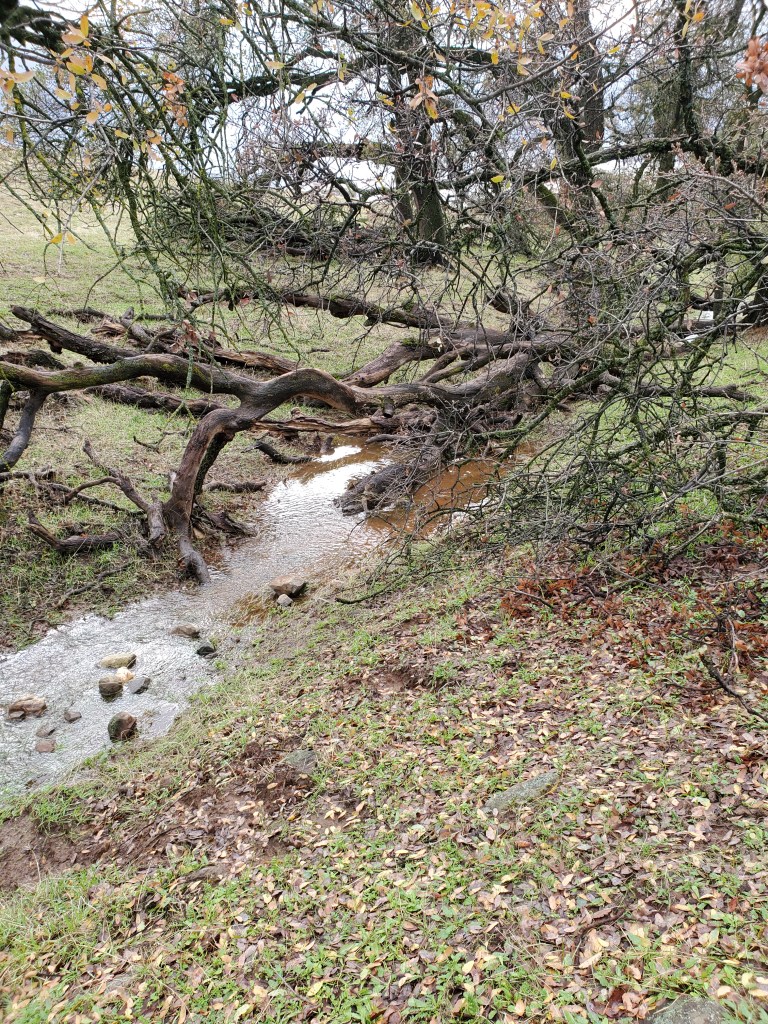


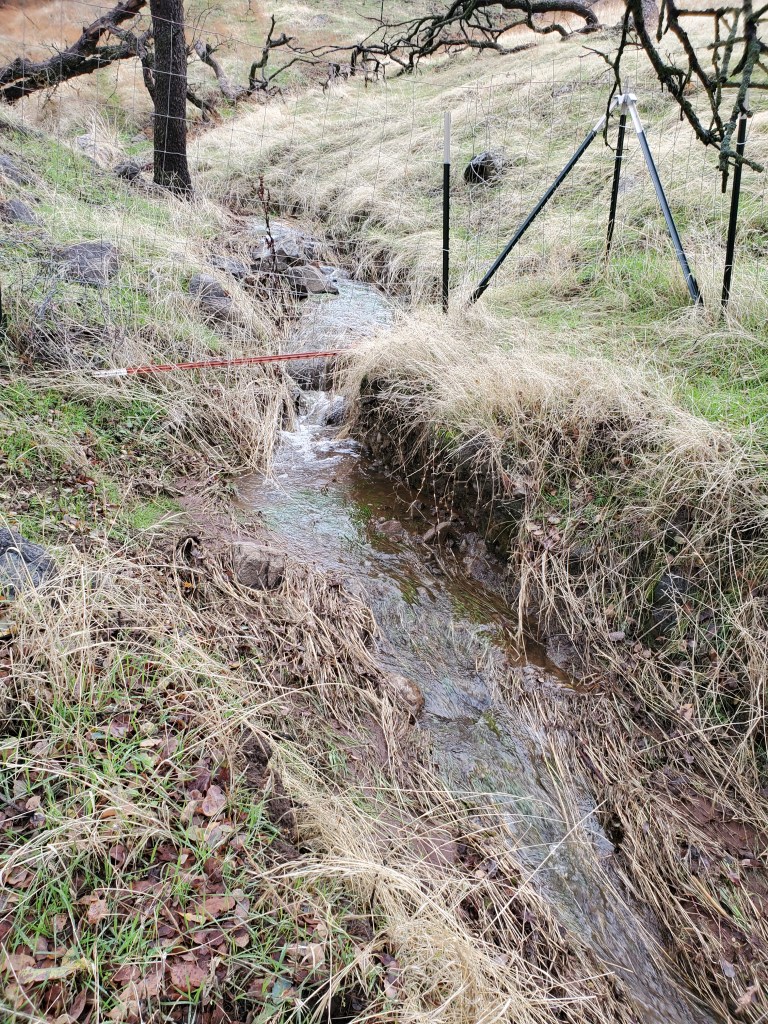
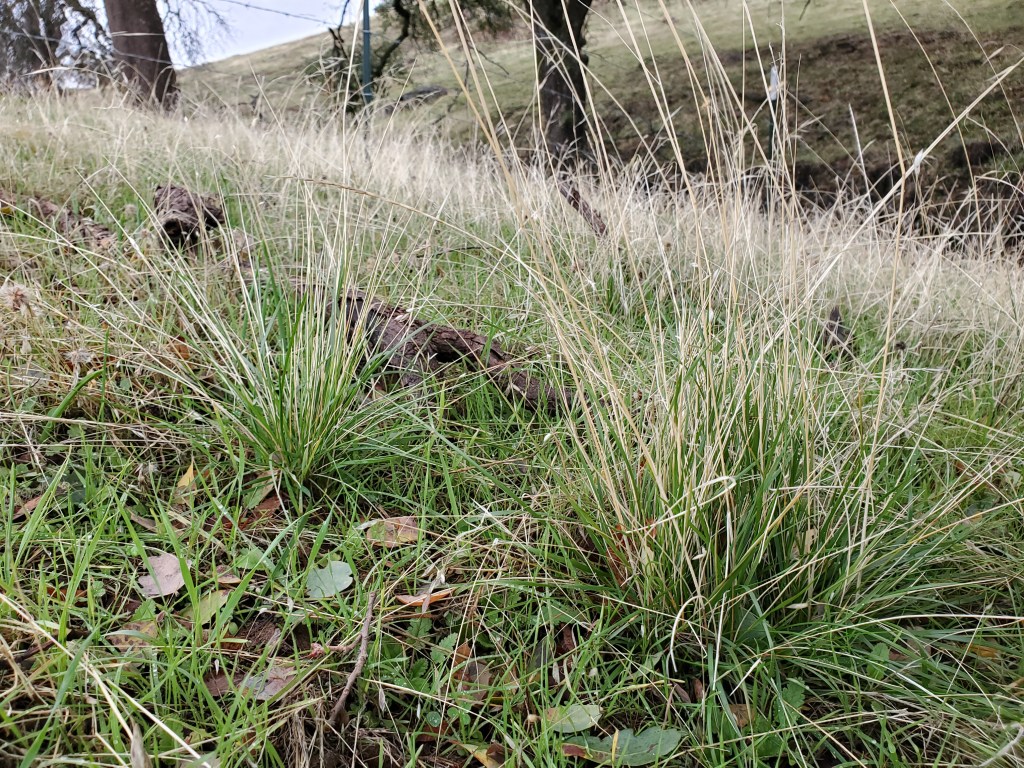
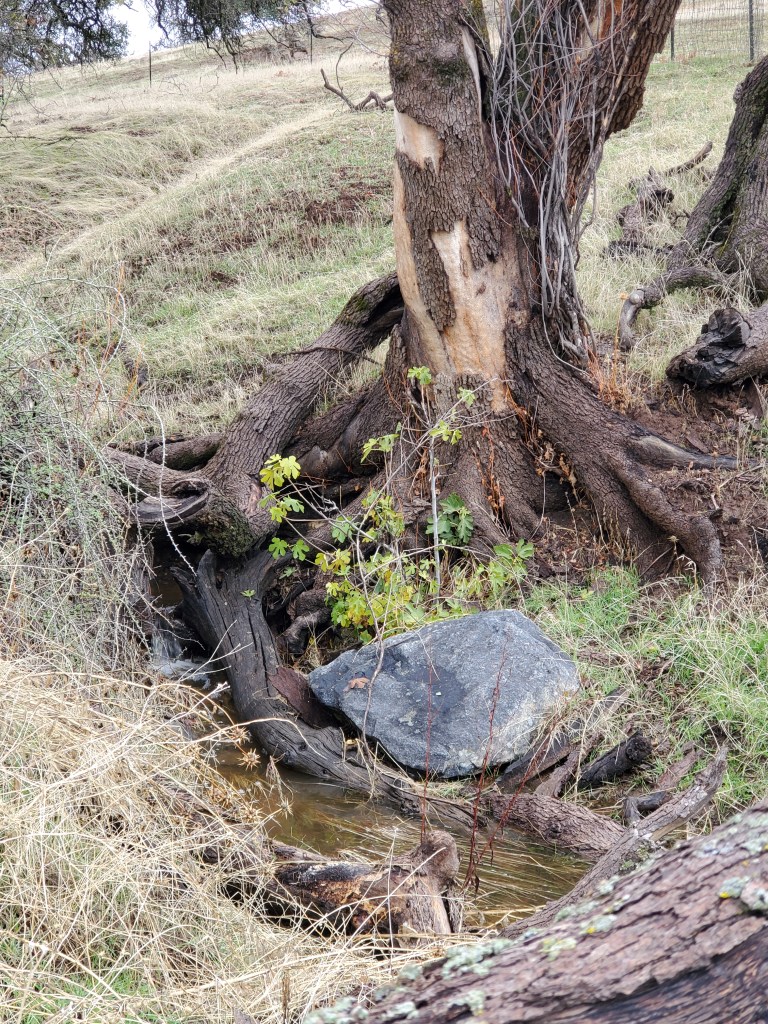
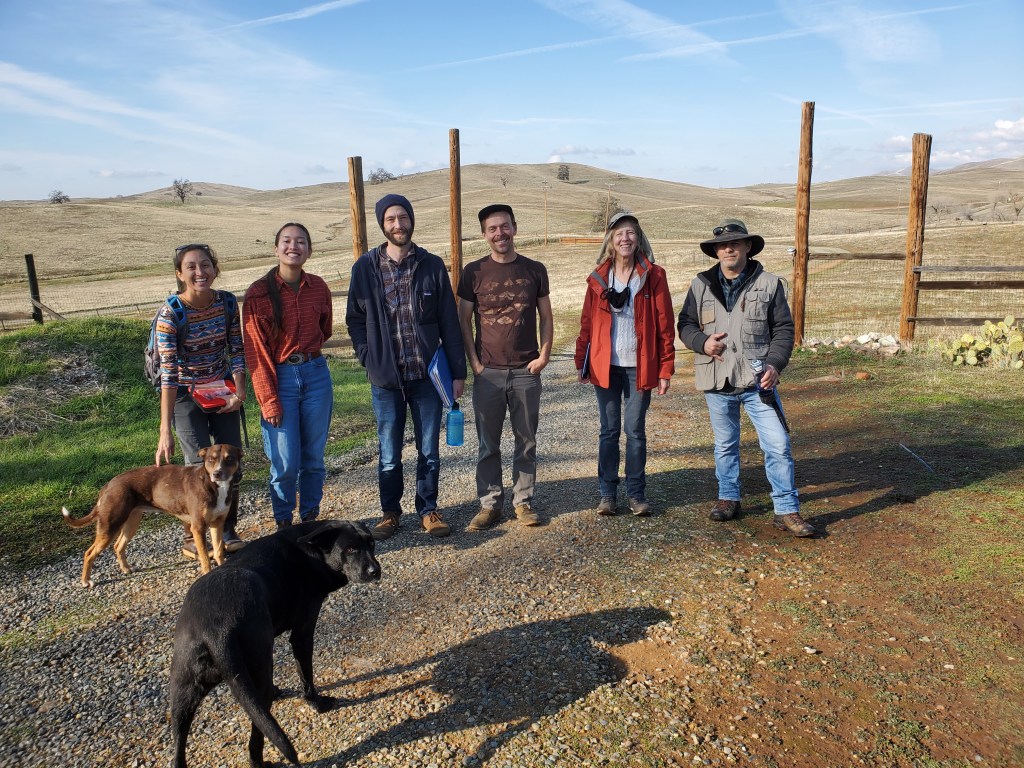

 PolliNative