Another Winterless Year

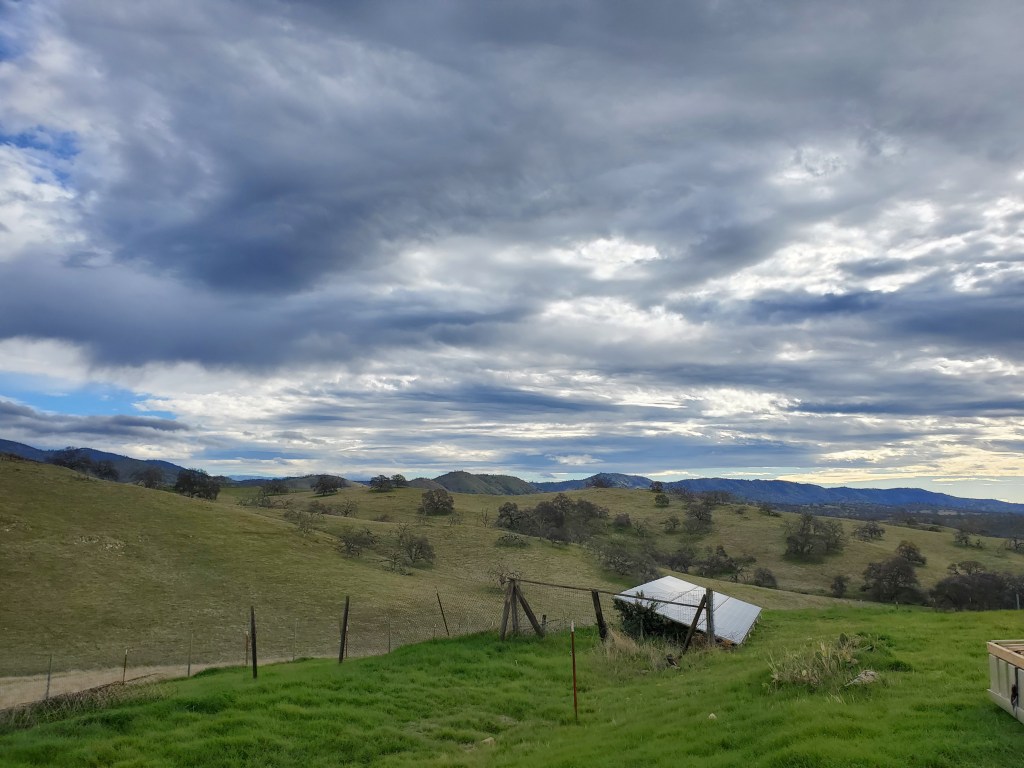
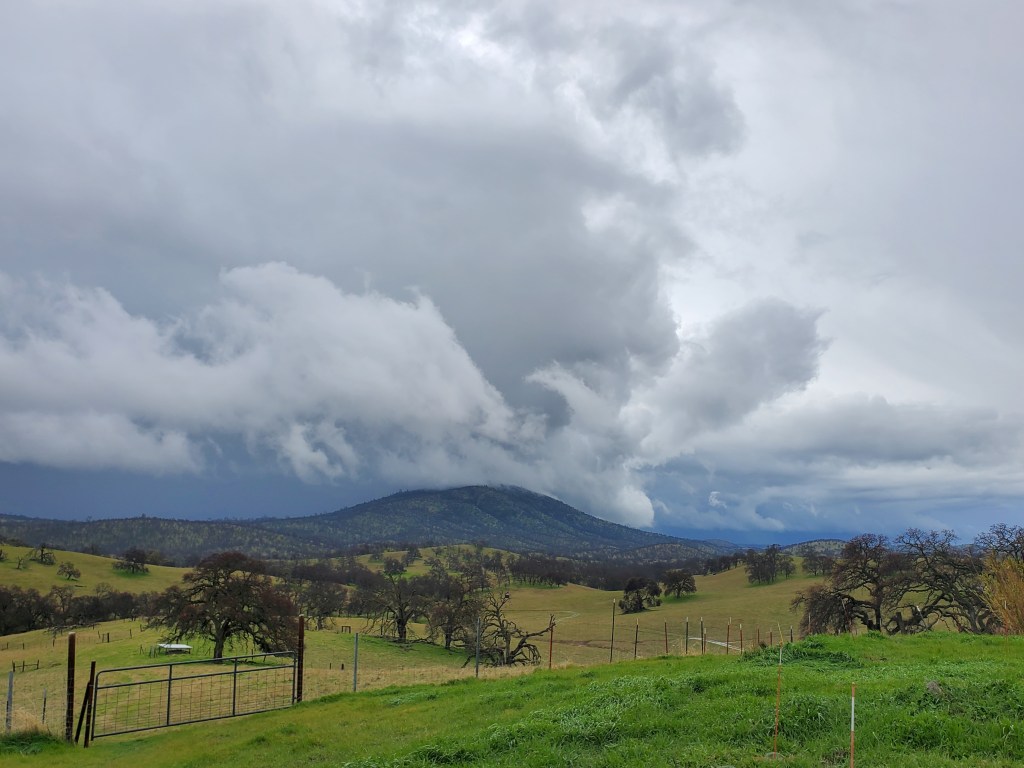
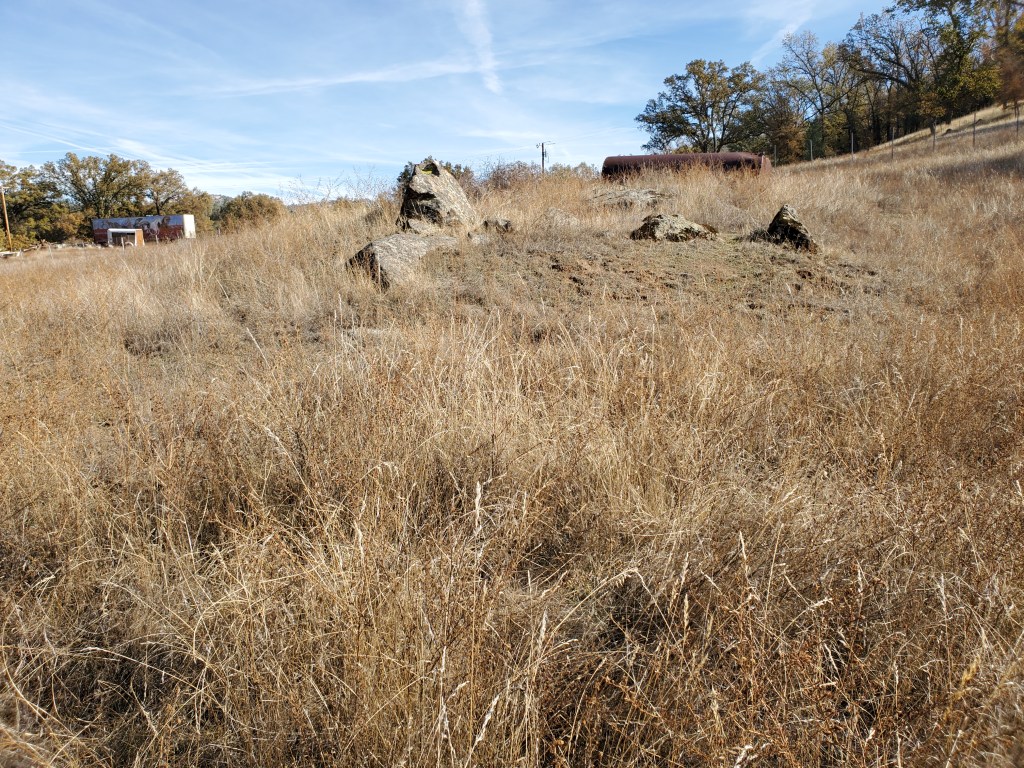
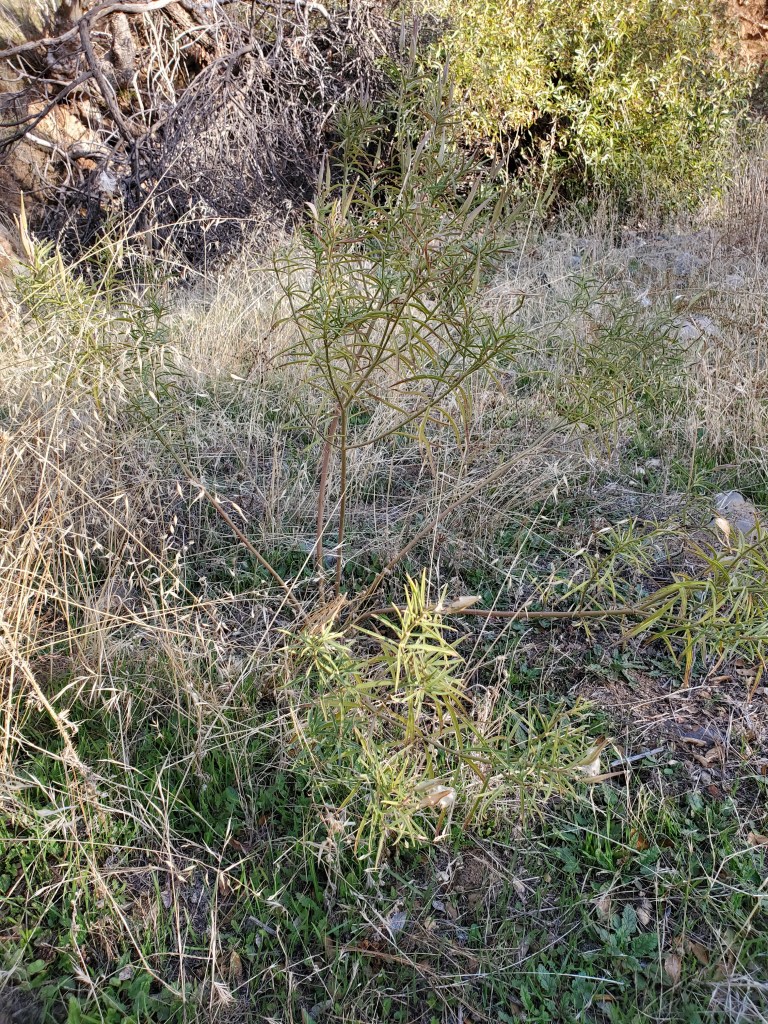
Like last year, and perhaps one or two others, the winter has been short -maybe two weeks in total. Although we’ve had some cold days and rain storms, less than 3 weeks have had frost, and some of those frost days were only in the arroyos, and spread across the hills. No snow this year or last. When I first moved here in 2003, we reliably had 2 to 4 snow events per year. I am at a fairly low elevation, so when I say “snow events” I mean snow that is 1 to two cm deep or simply snow that does not stick. As a child growing up an hour north, we had snow every year. This is not normal. The years not only are getting warmer, they are staying warmer longer. In fact, we’ve had far too many warm days this “winter” when it should be cold.
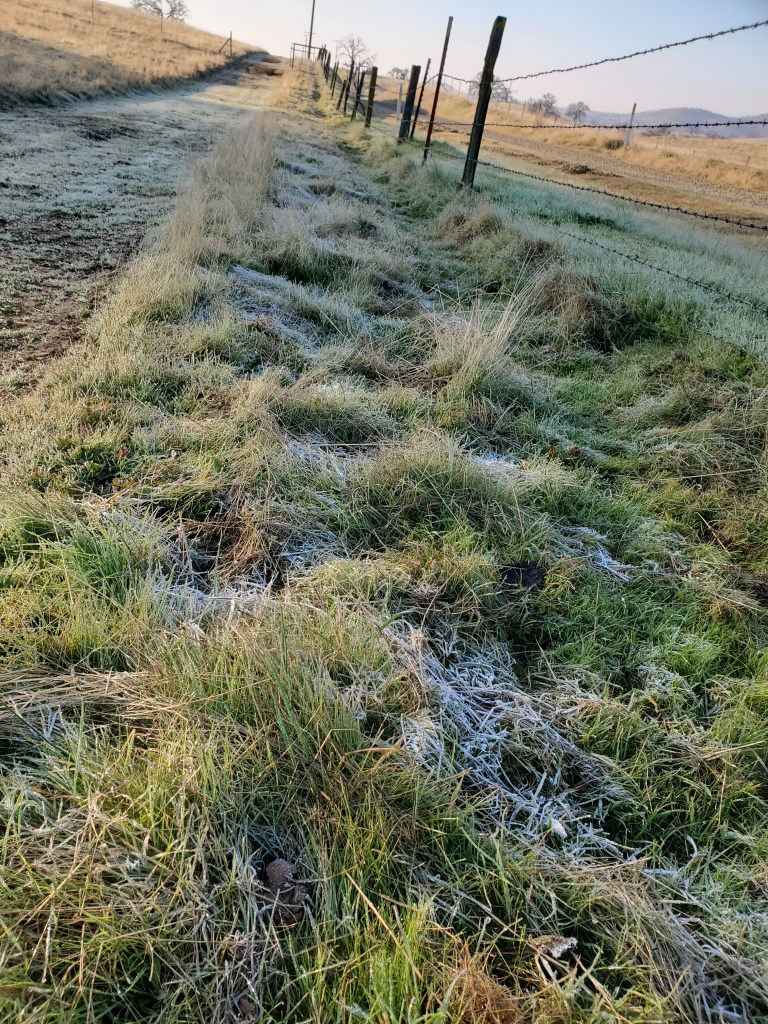
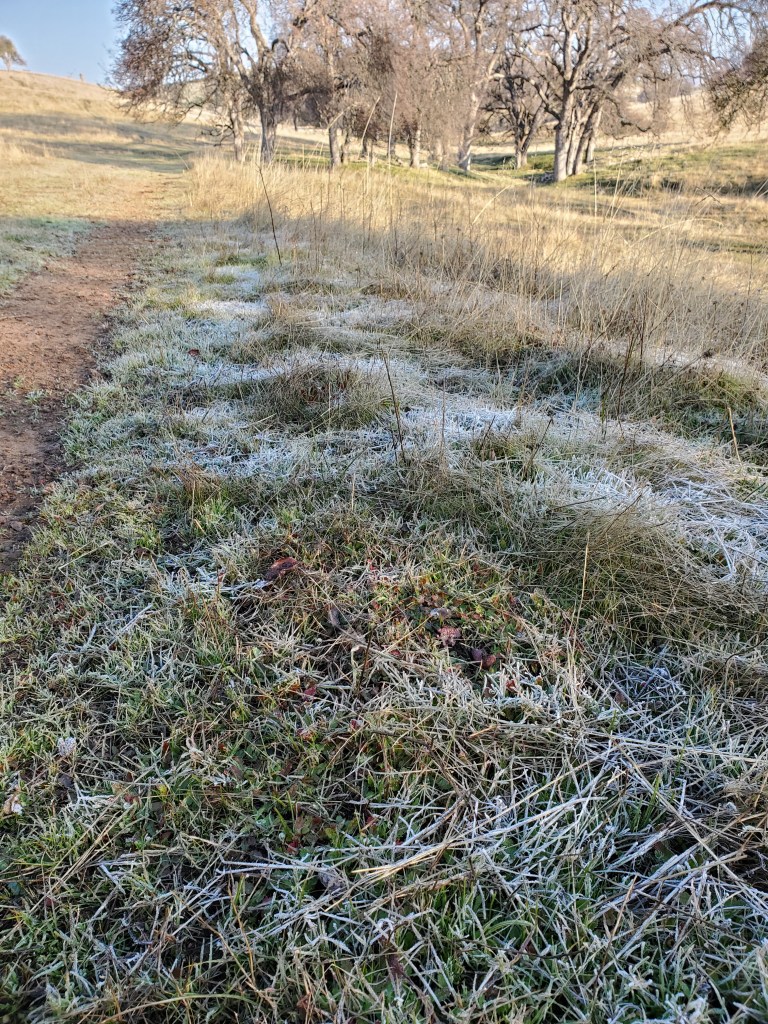
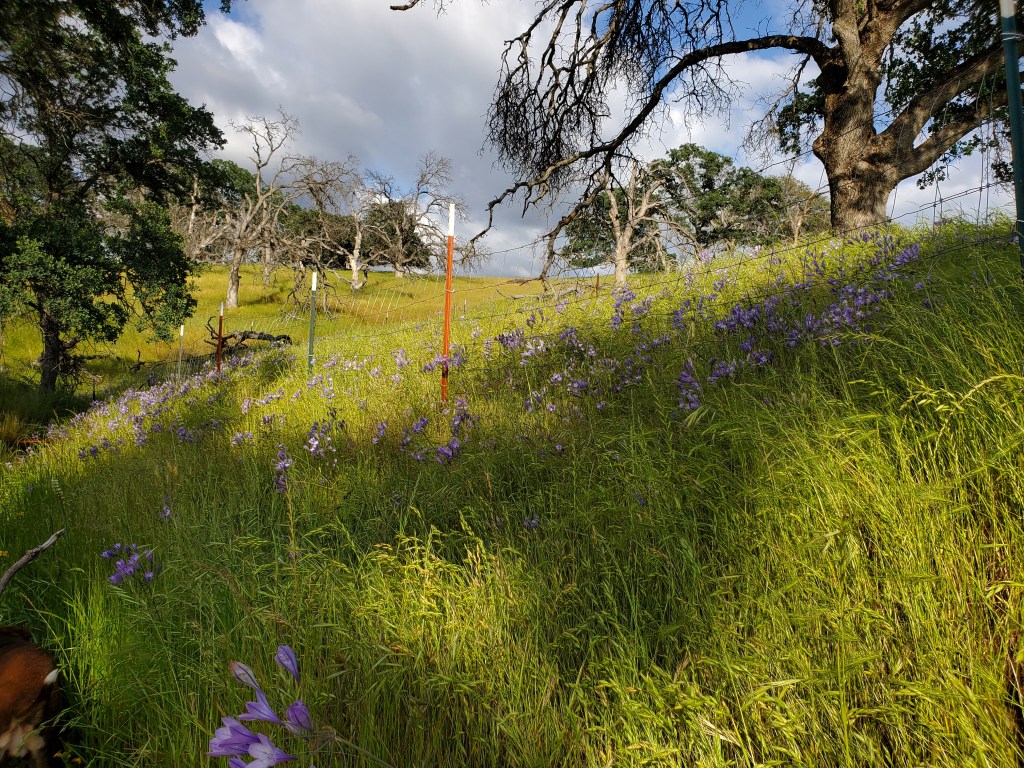
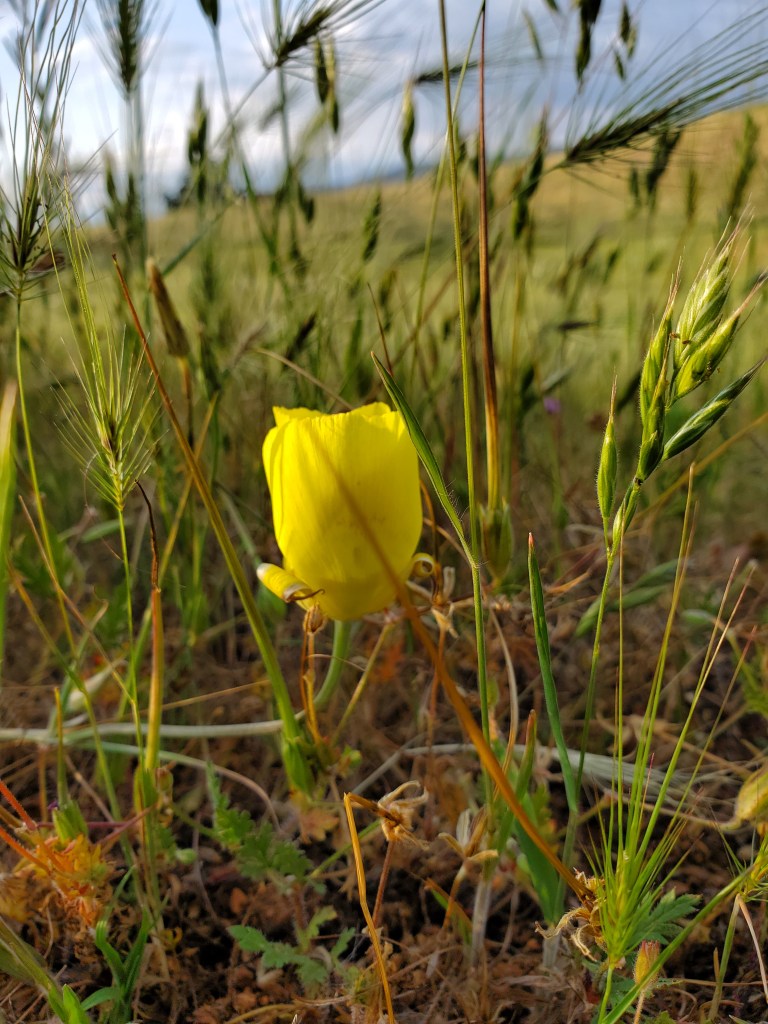
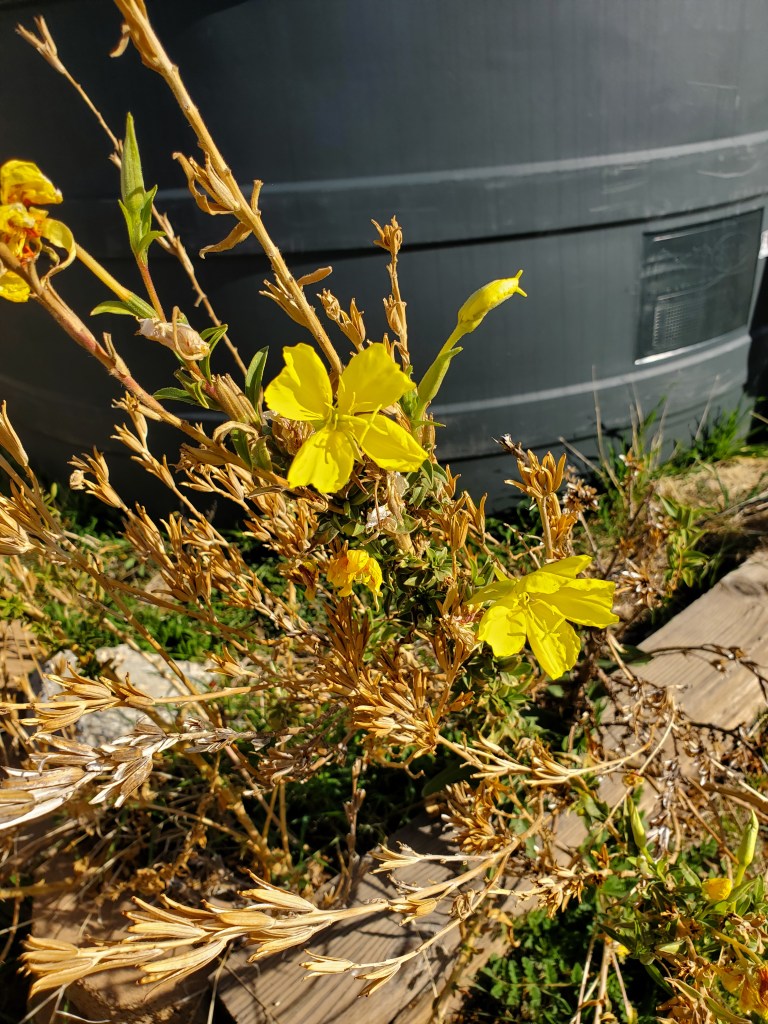
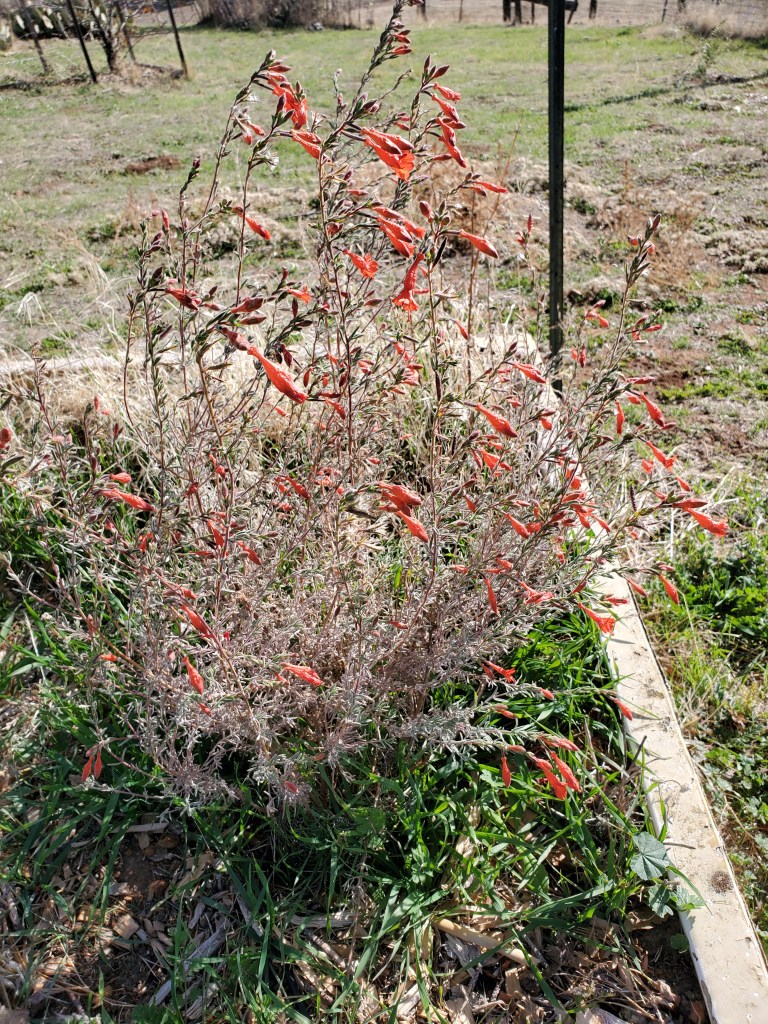
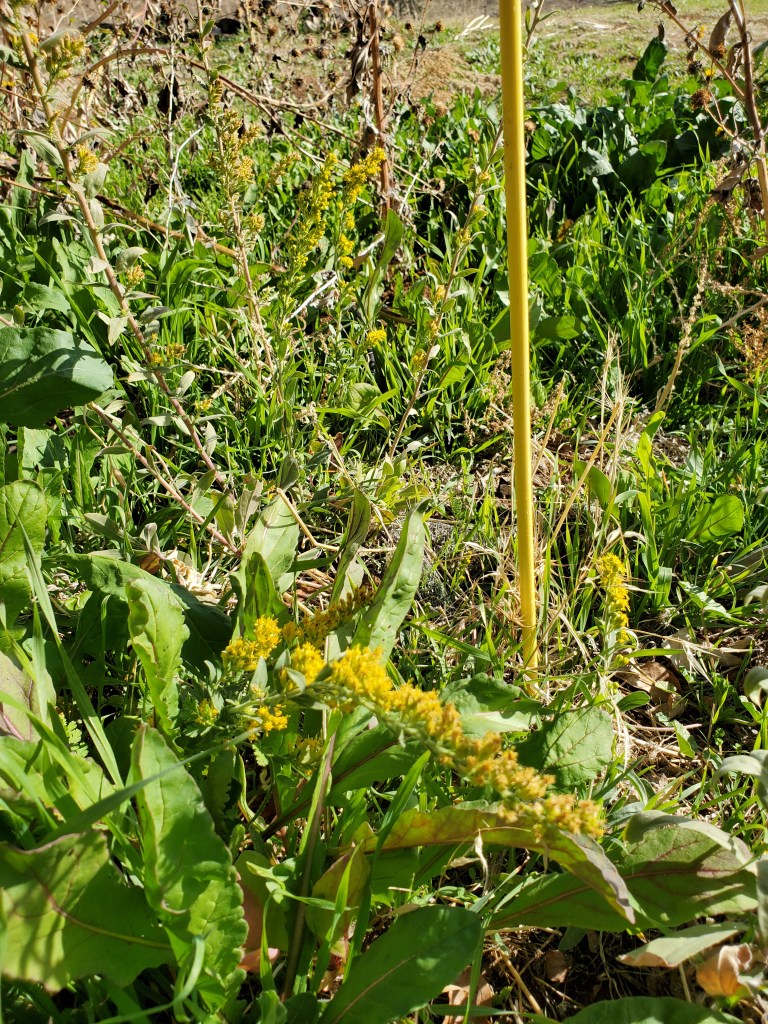
Wildflowers that used to come out in March, which itself was slightly early, now come out in February – and even this is shifting fast. I spotted my first wildflower the first week of February. I am terrified of the day that I begin to see them in January.

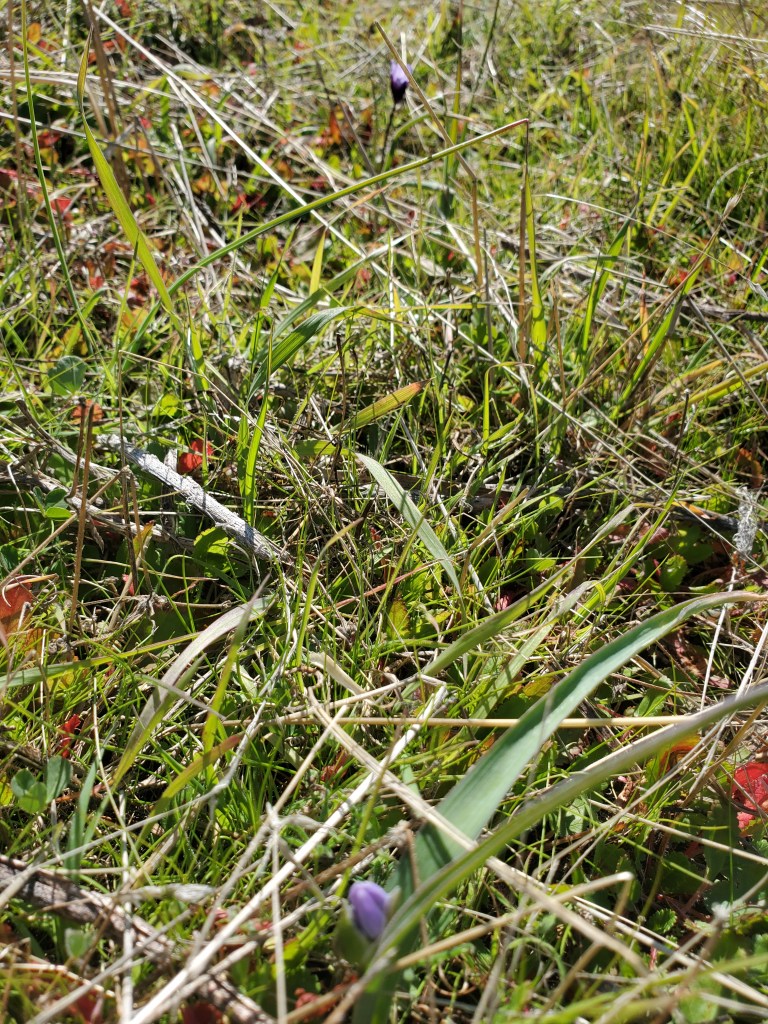
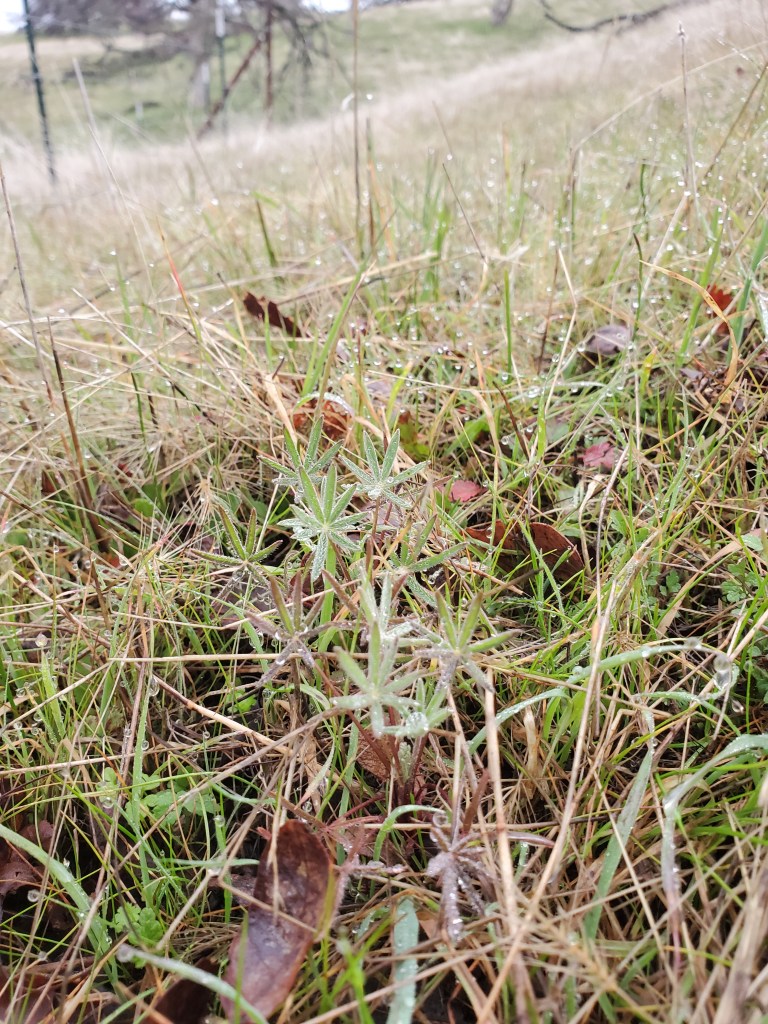
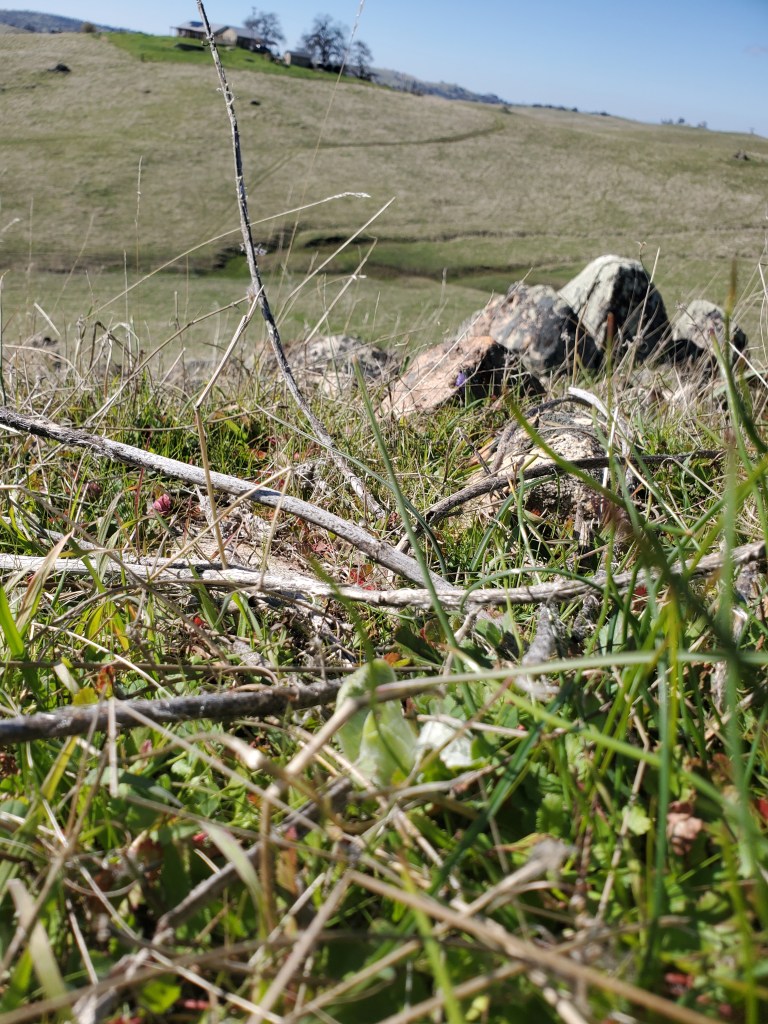
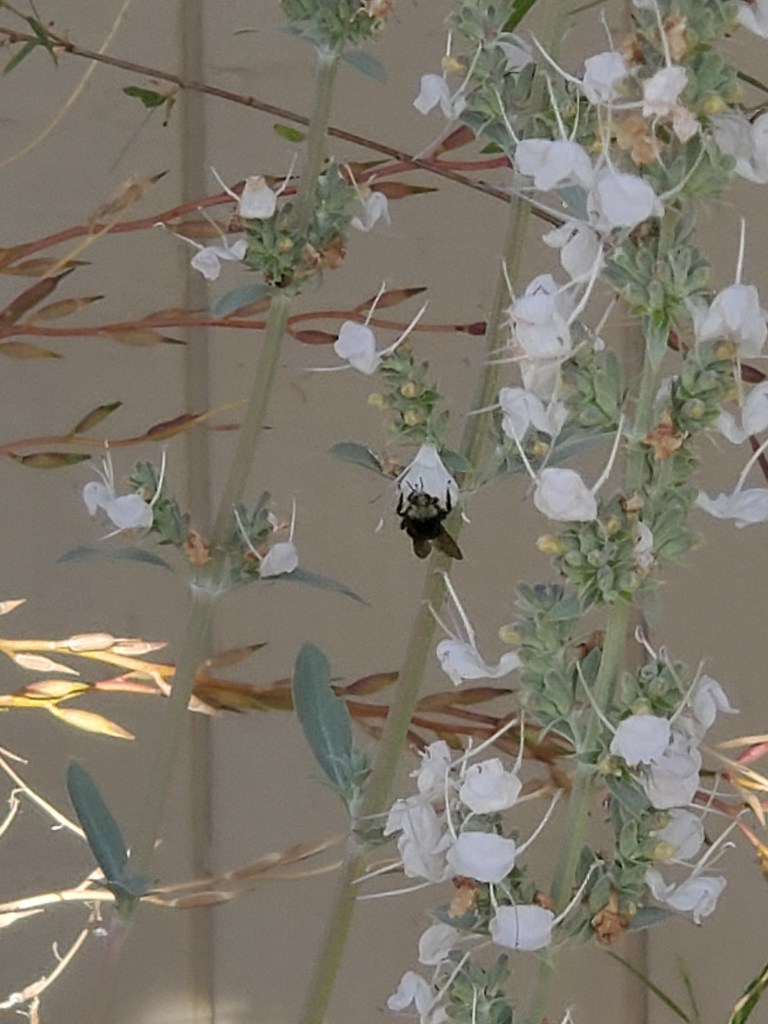
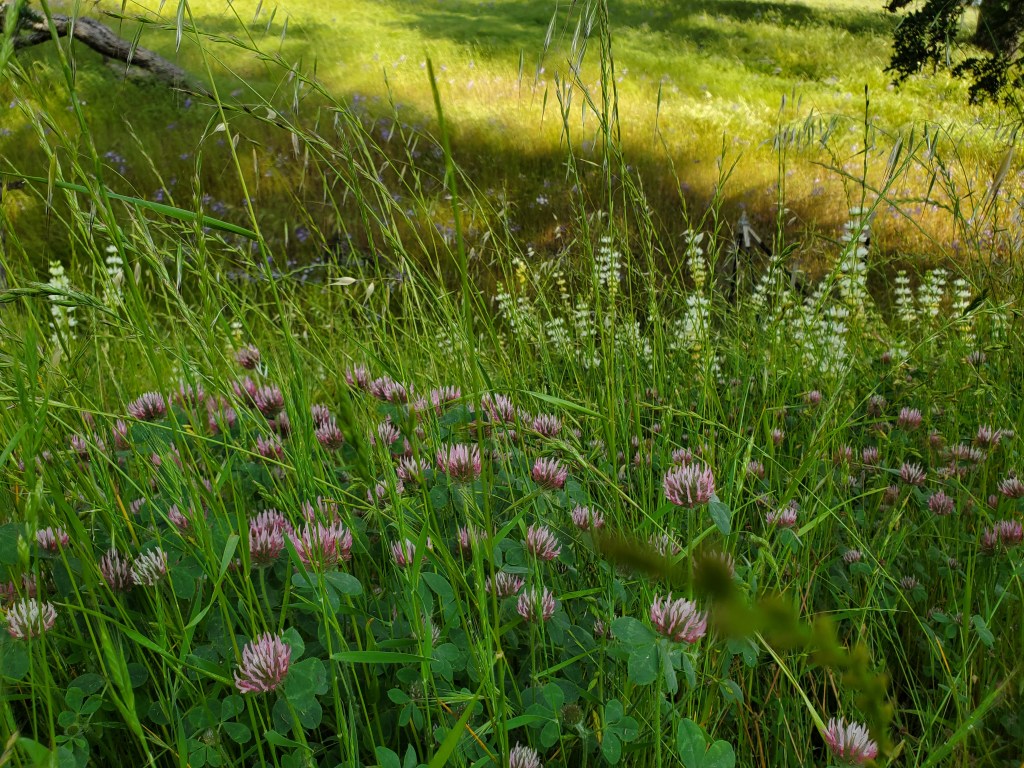
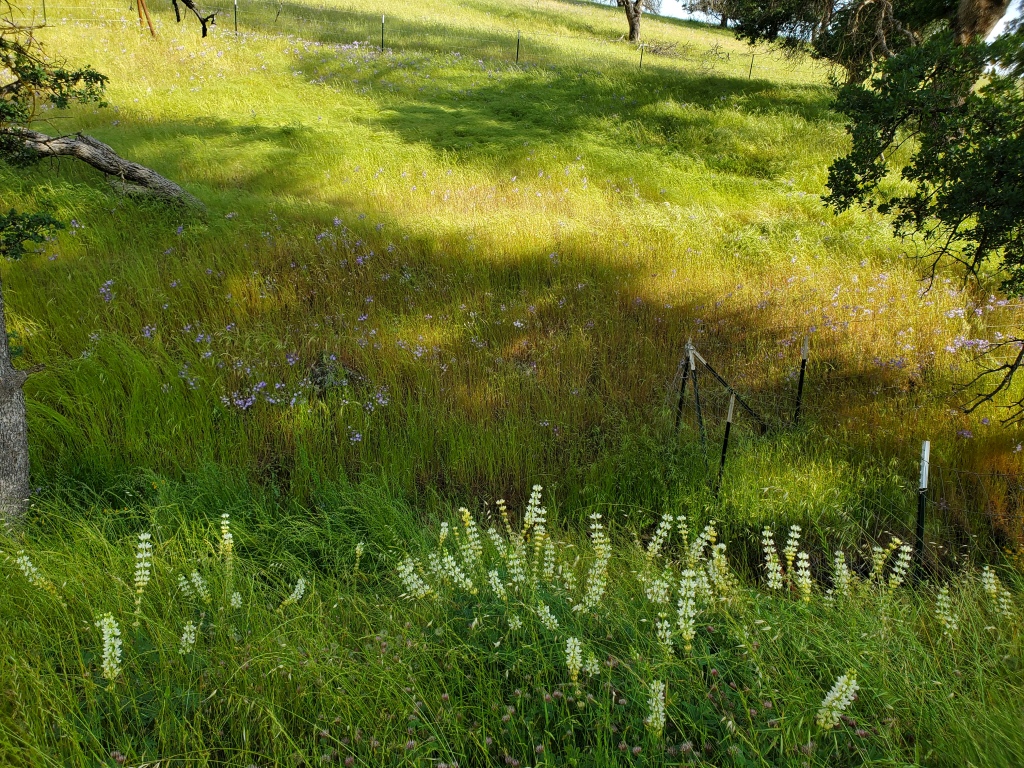
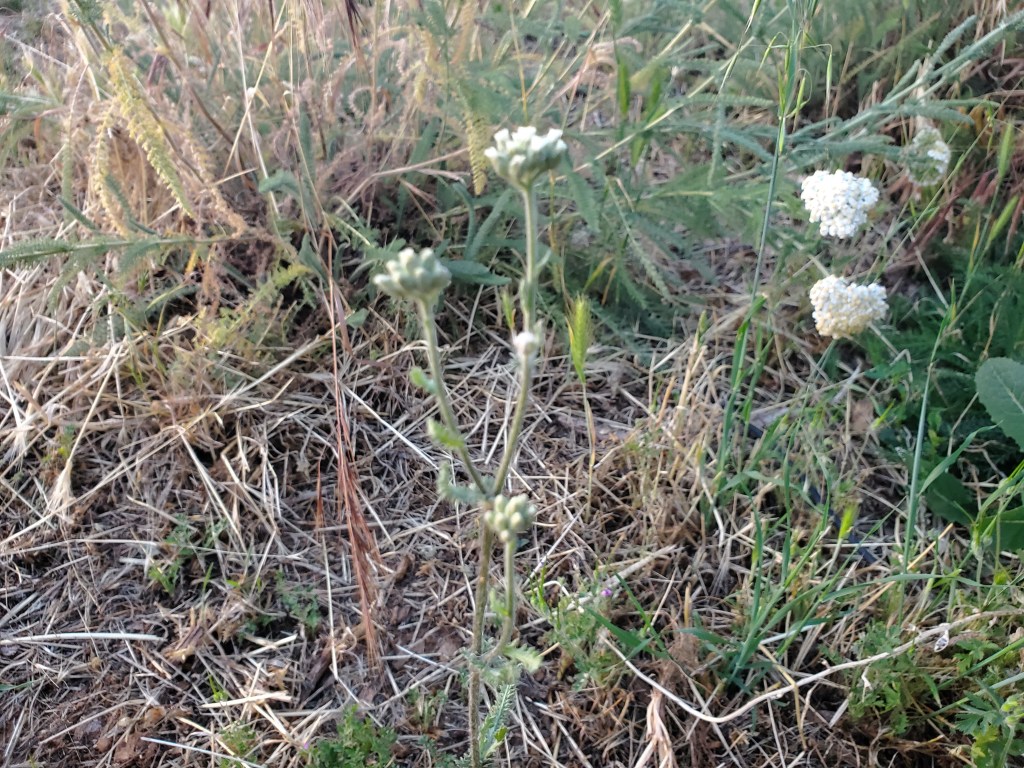
The second week of February, the short white wildflowers are appearing, with many other buds waiting to open. These are what I call the super nectar flowers. There a typically millions of them, tight and close to the ground, that make the air smell so sweet.
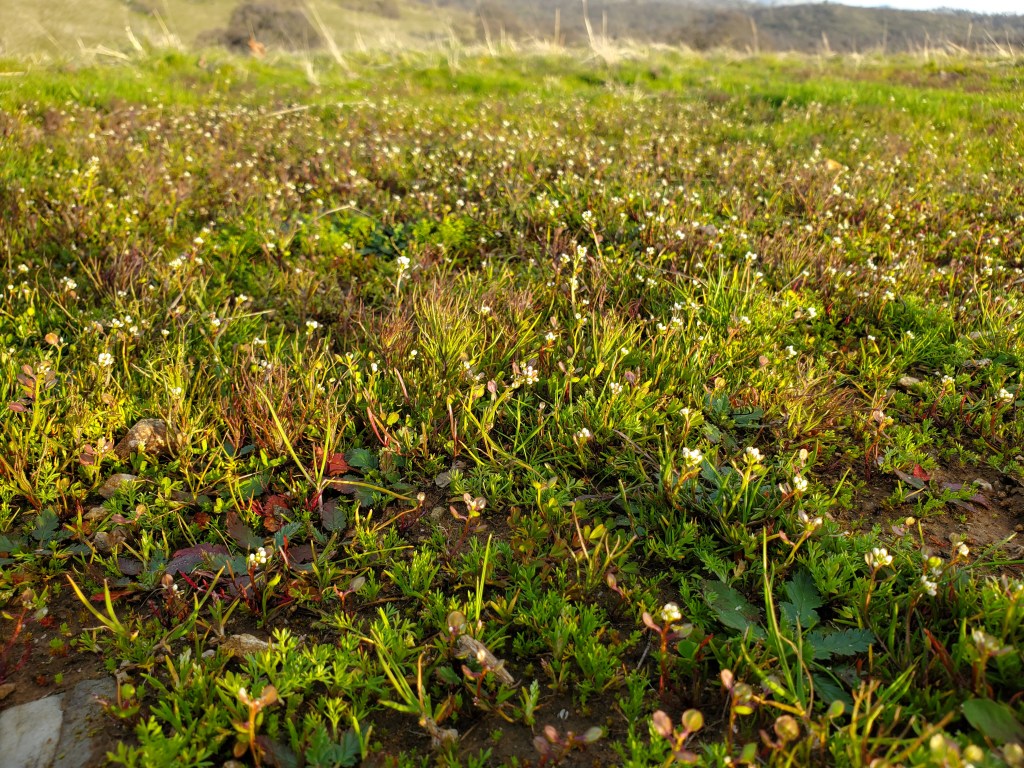
These shifts in bloom time can be devastating. All of us animals depend on cycles when our foods emerge. We cannot have mismatches, when flowers appear too early and bees and butterflies appear at the regular time only to find that their nectar sources have already bloomed and are gone. Or, the weather turns cold again after being warm, signaling the flowers to bloom and trees to leaf, then killing the emerging buds. I have seen this happen before. Both scenarios are destructive. Having diversity among nectar plants is critical, but even with this, it still decreases the available nectar impacting population sizes and potentially health.

Large Storm is Destructive

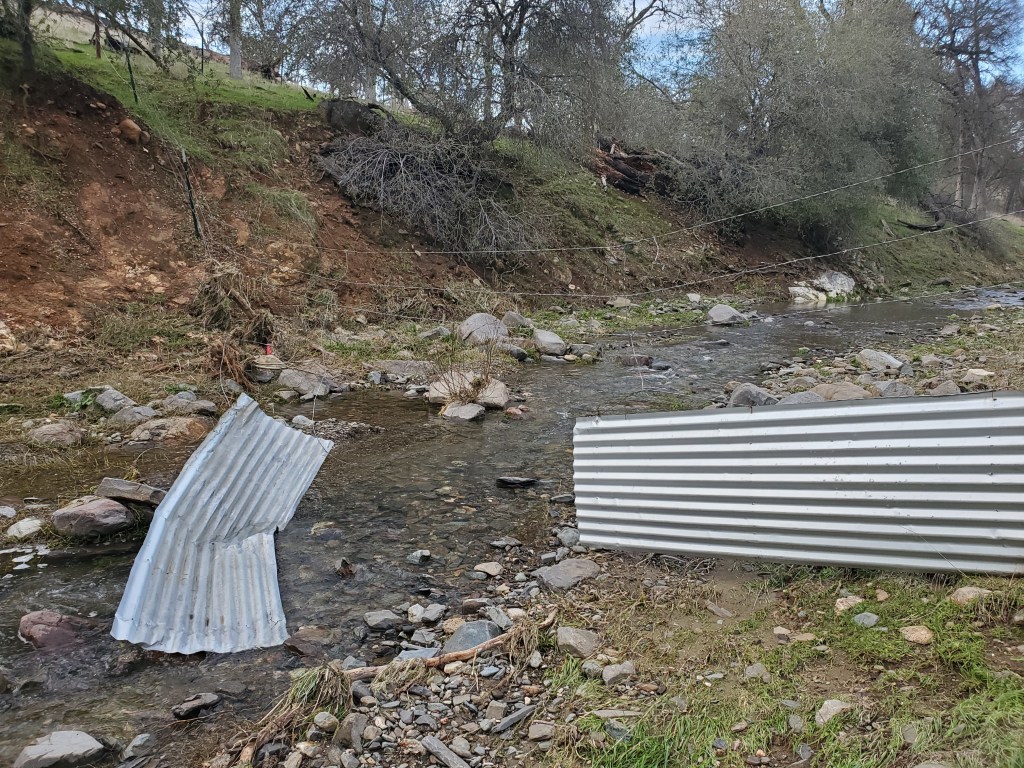
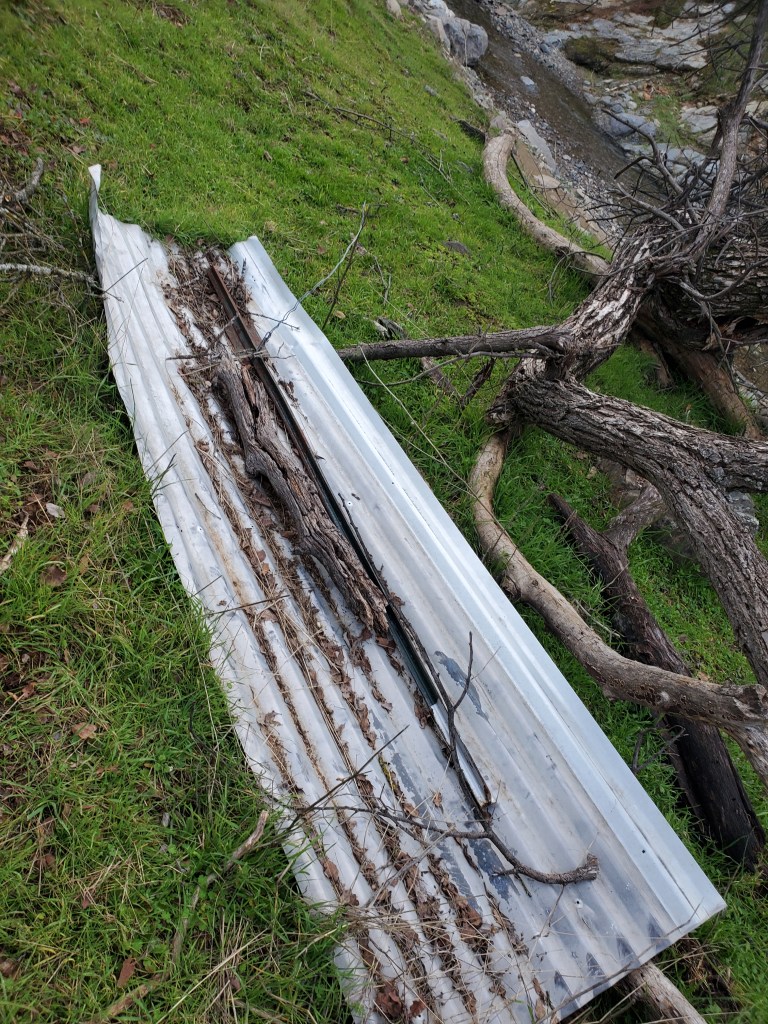
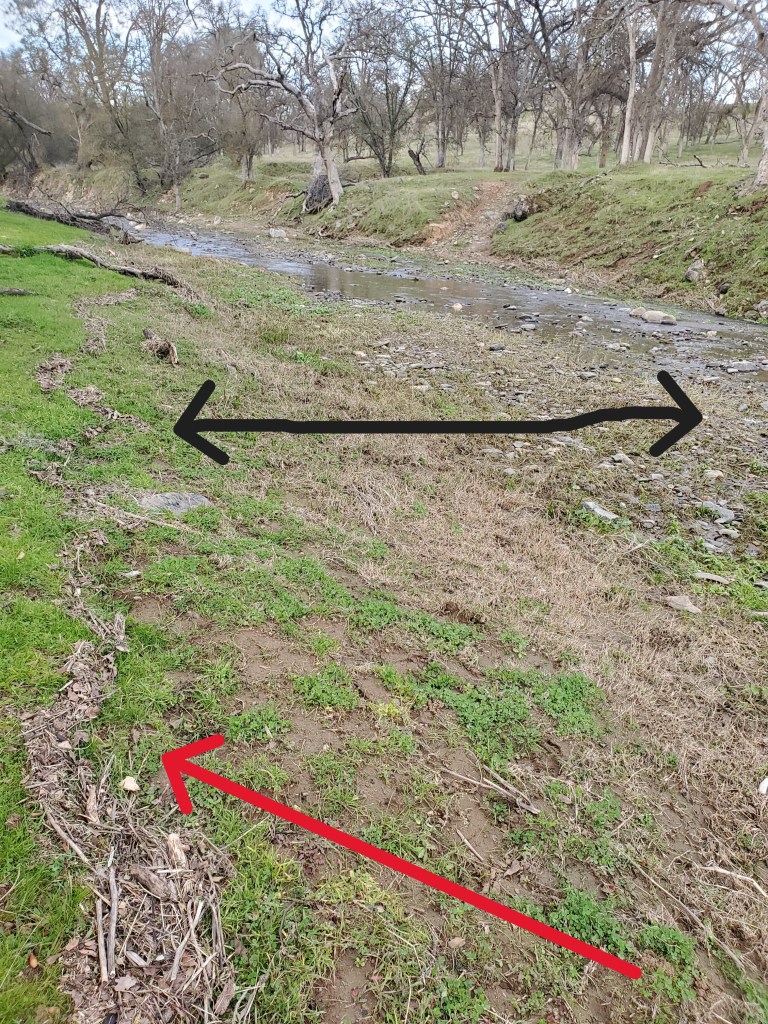
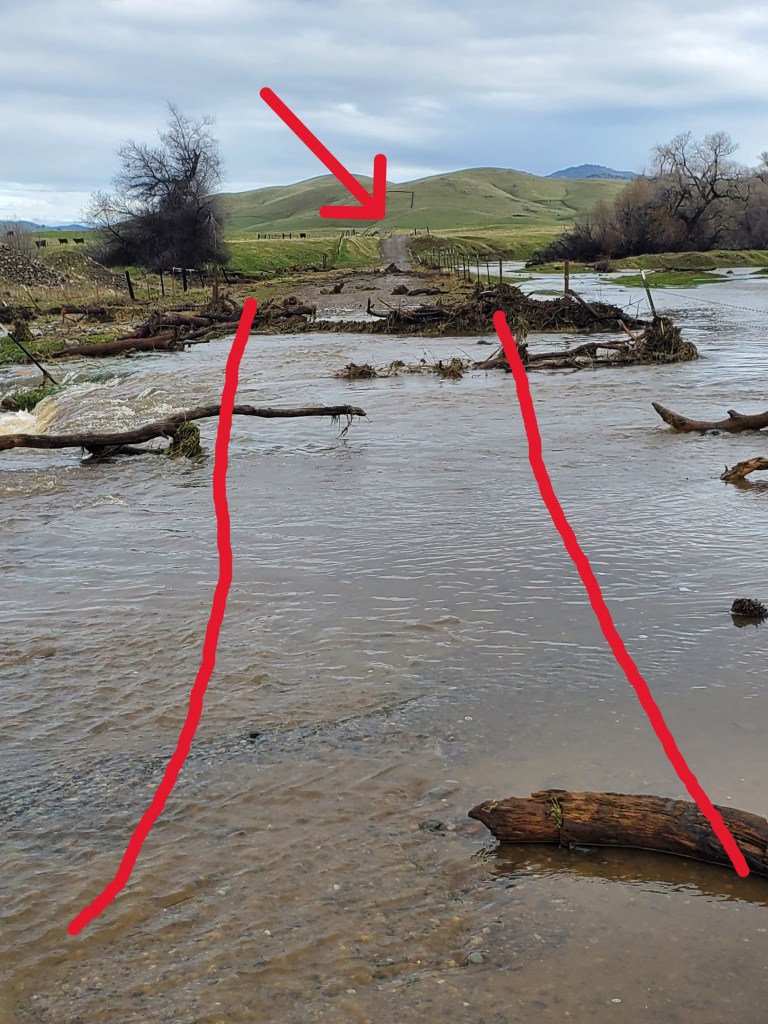
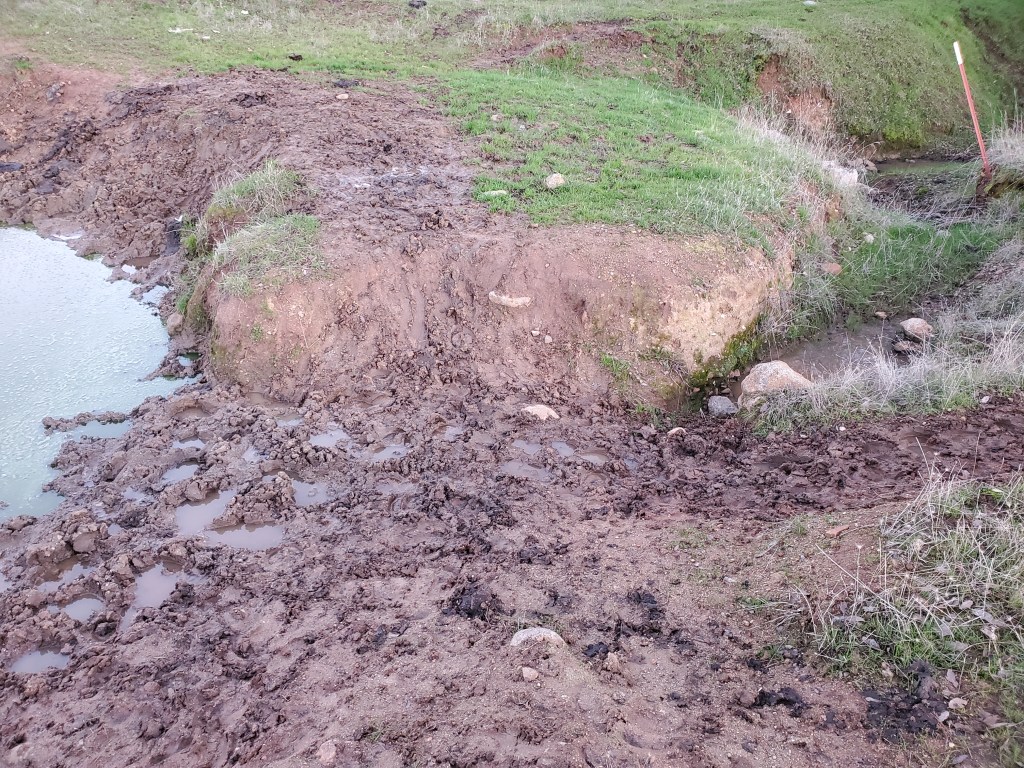
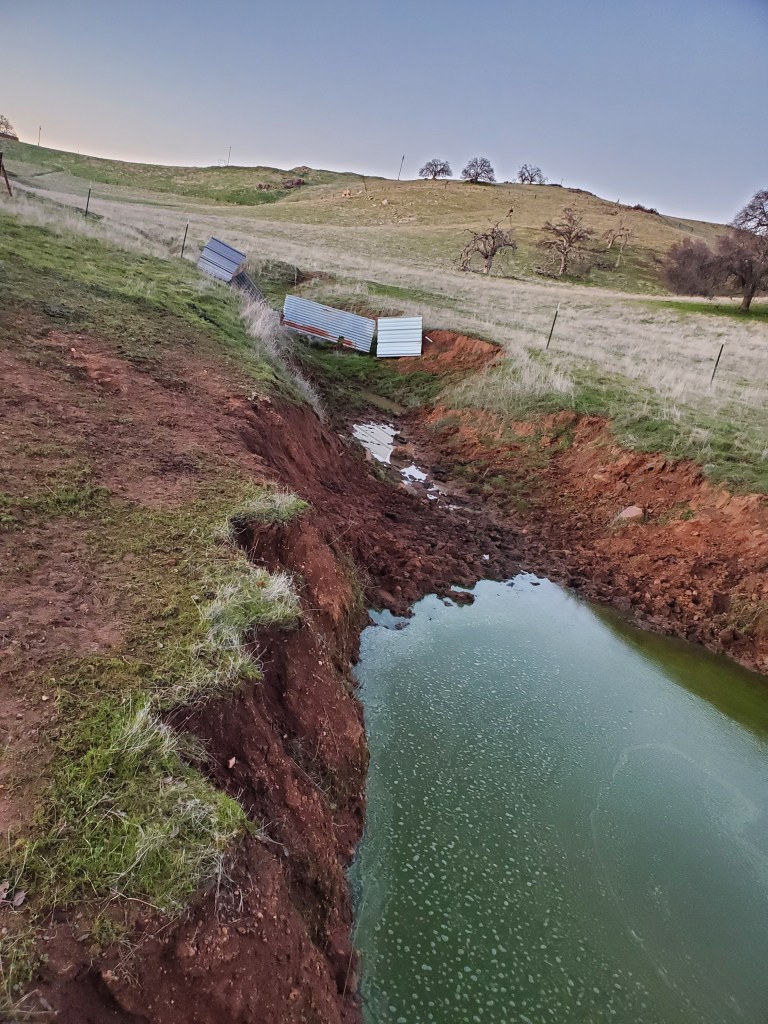
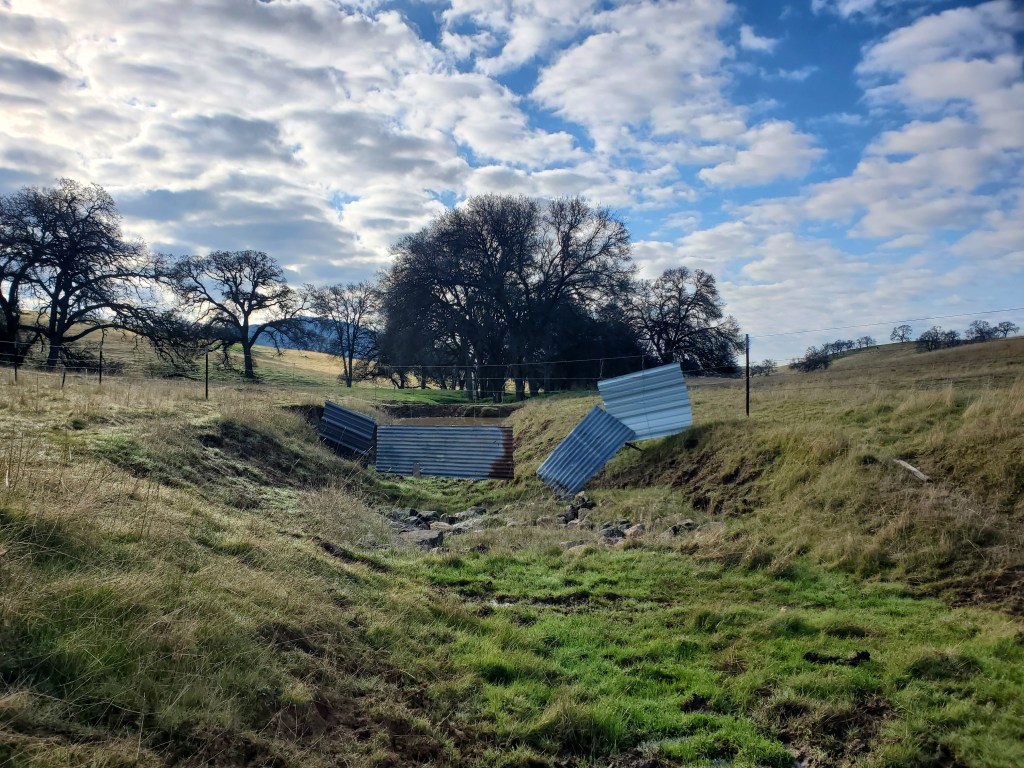
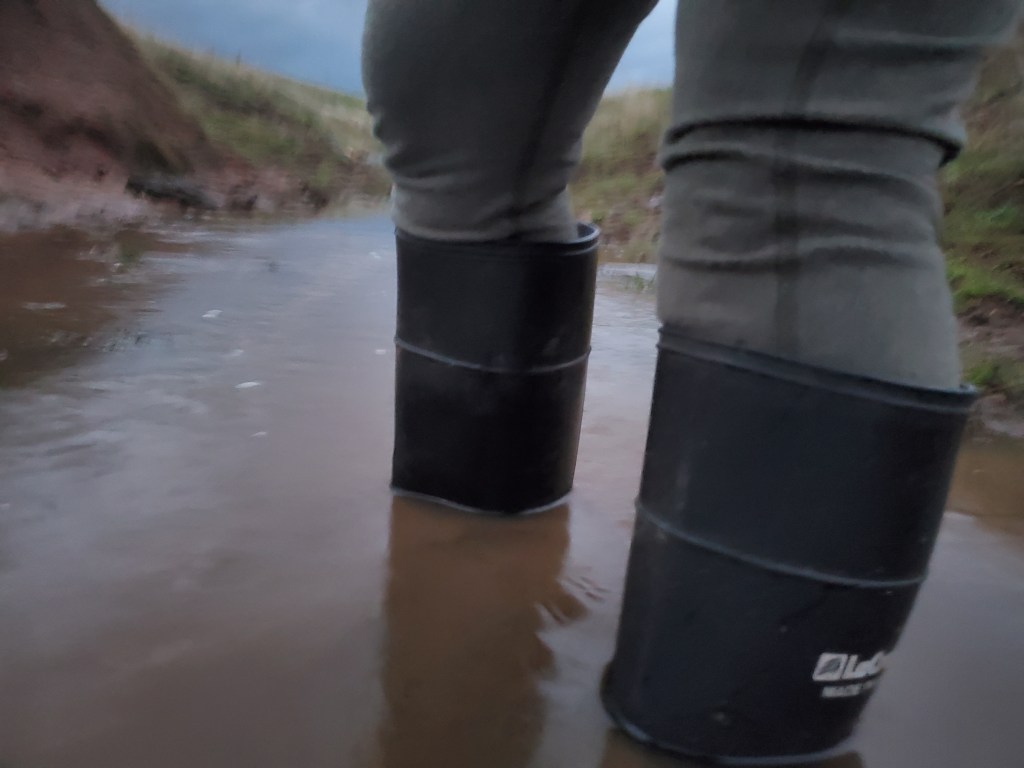
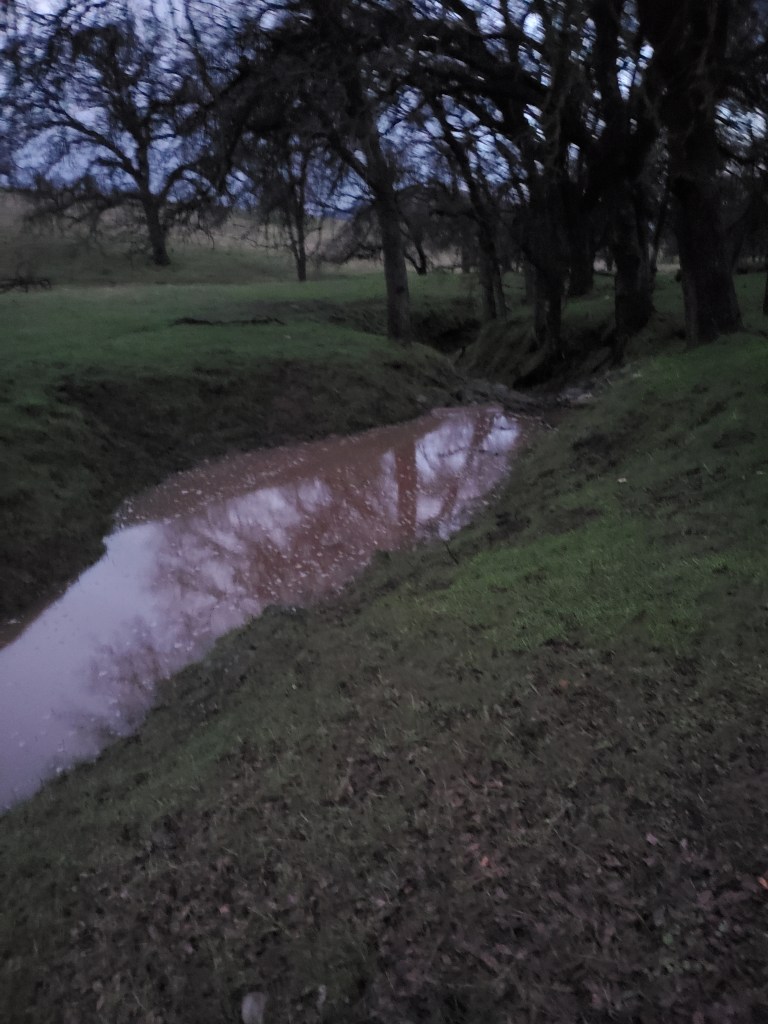
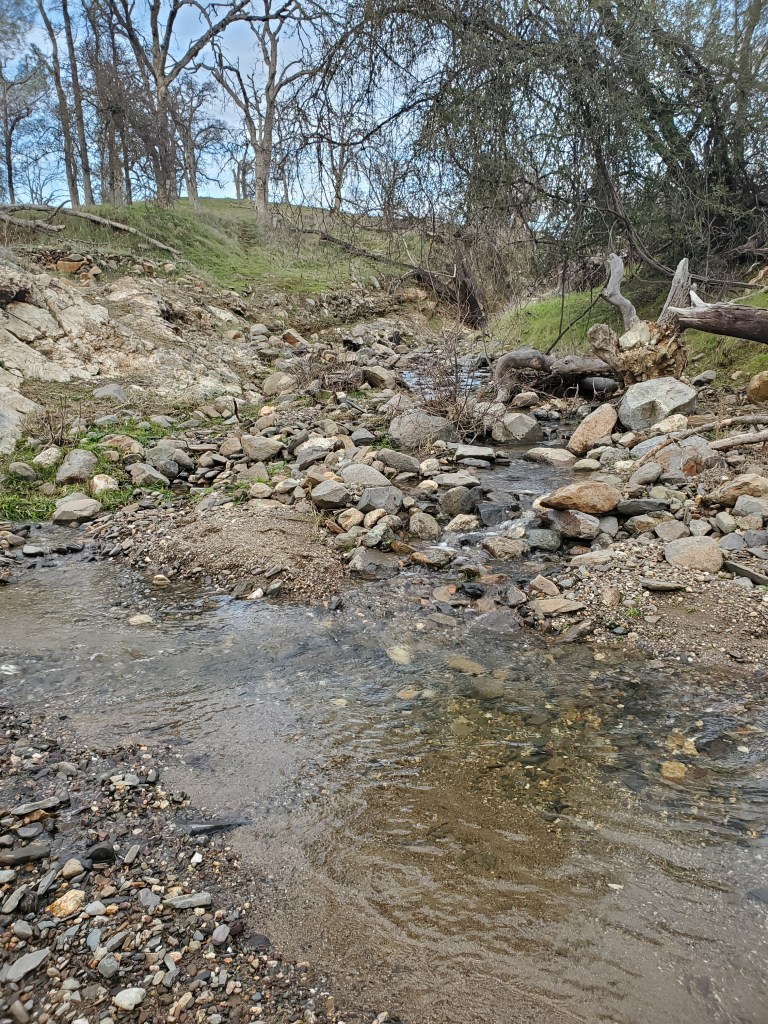
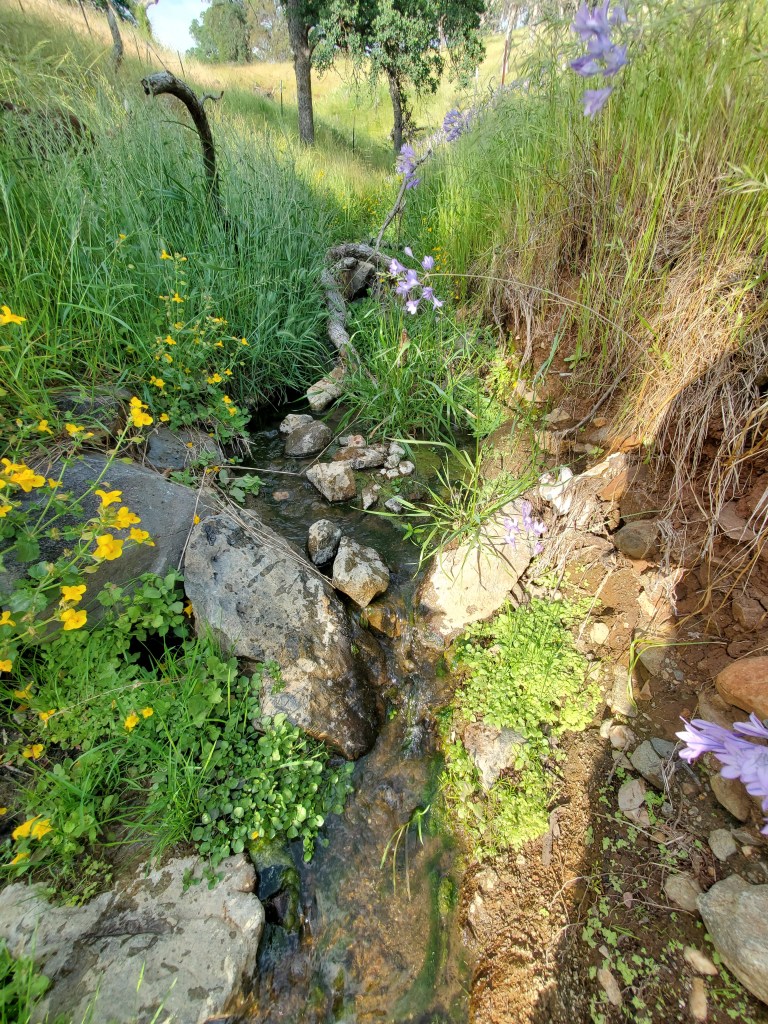
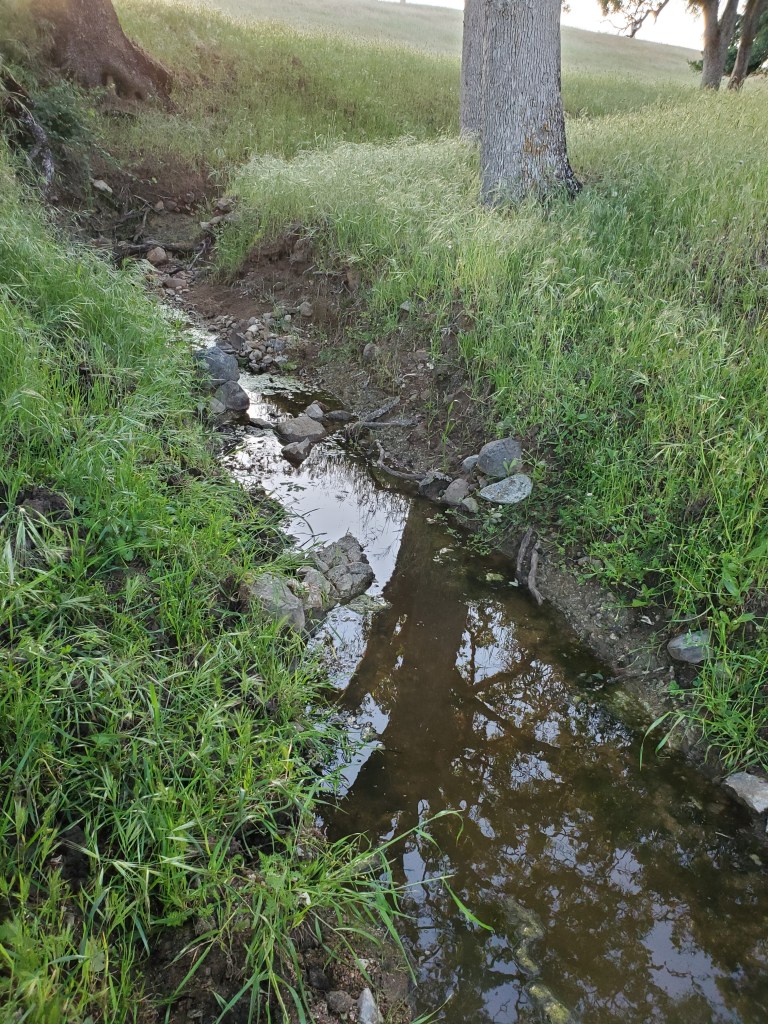
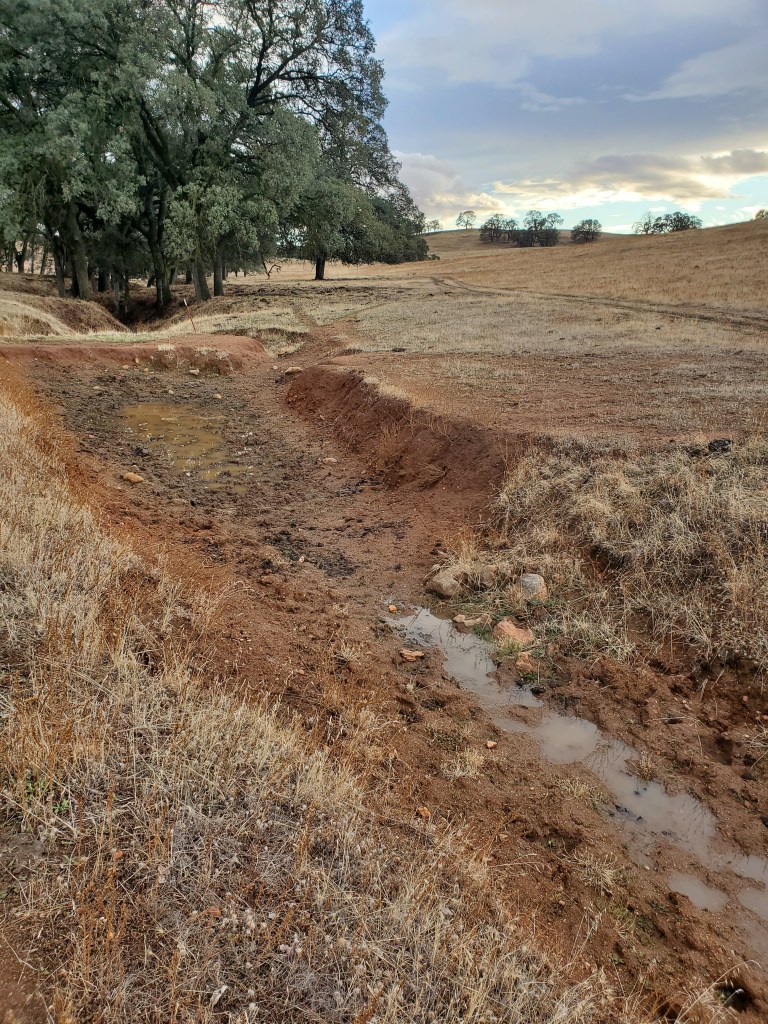
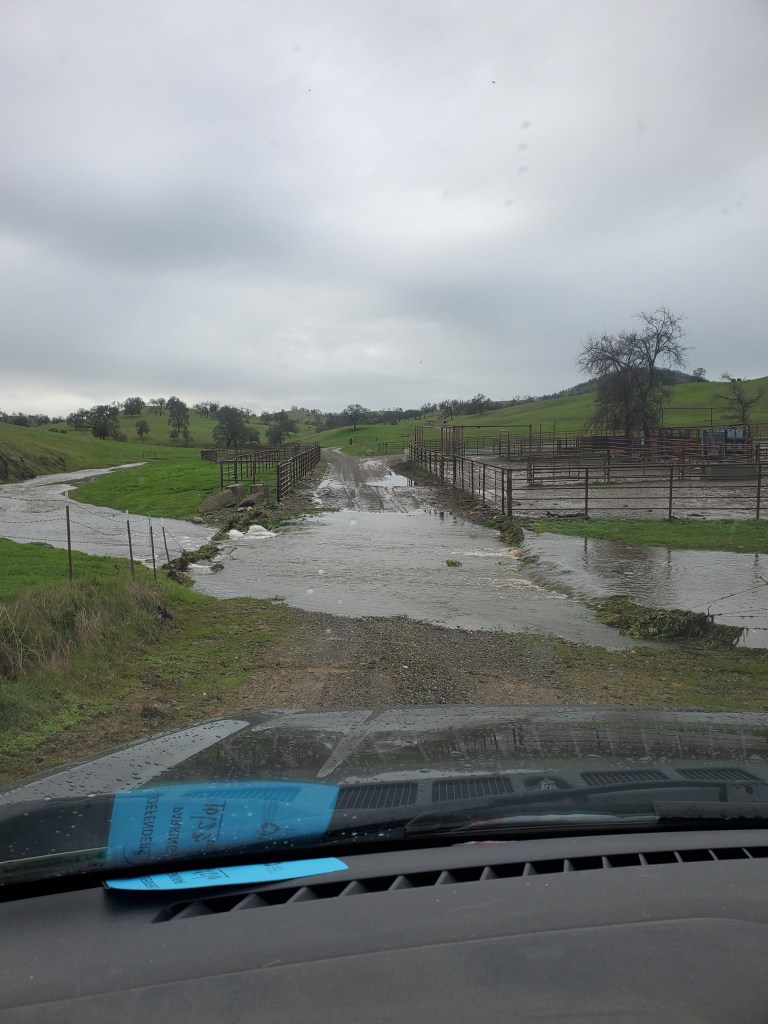
We did have a good storm the third week of February. It rained 2.25″ in a few hours. This was enough to over run roads, creek banks and surge in a destructive way. Some of the tin panels I use along the fence line to block the openings across the creeks from cattle got disconnected and moved downstream. The force of the water surge on Odom Creek actually tore the bottom wire apart, snipped it right in half, tearing the tin off and floating it downstream. Fortunately, I found all the panels that were torn off. David and I will reattach them. They need to be in place to prevent the cows from accessing my oak seedlings and other plantings.
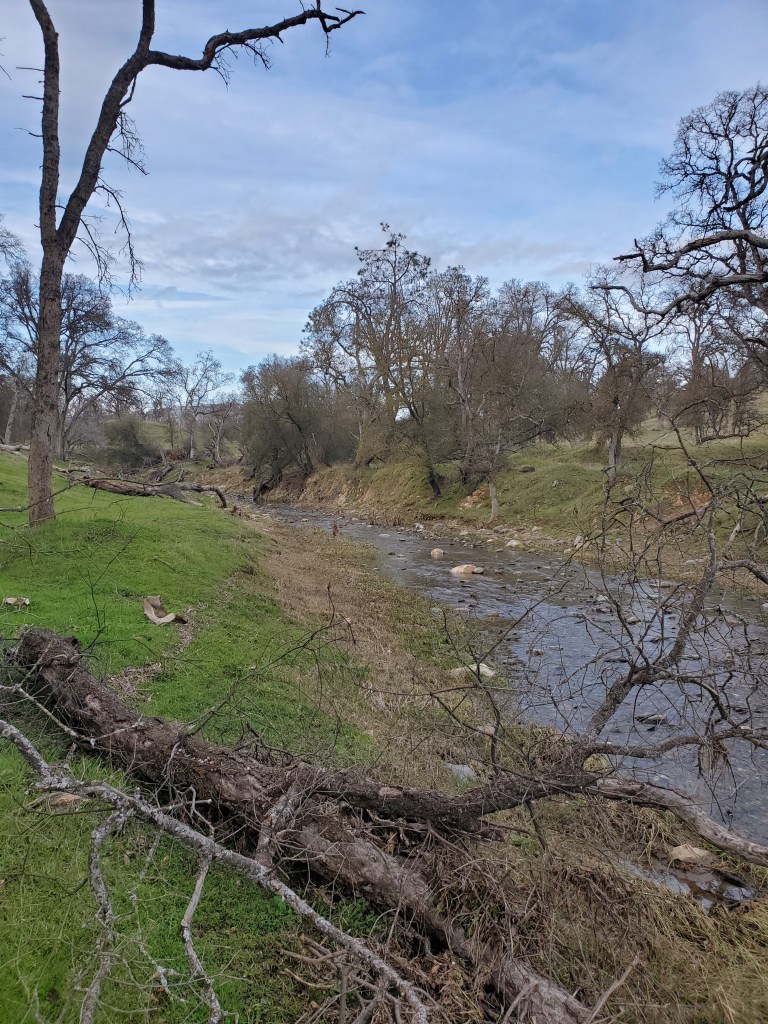
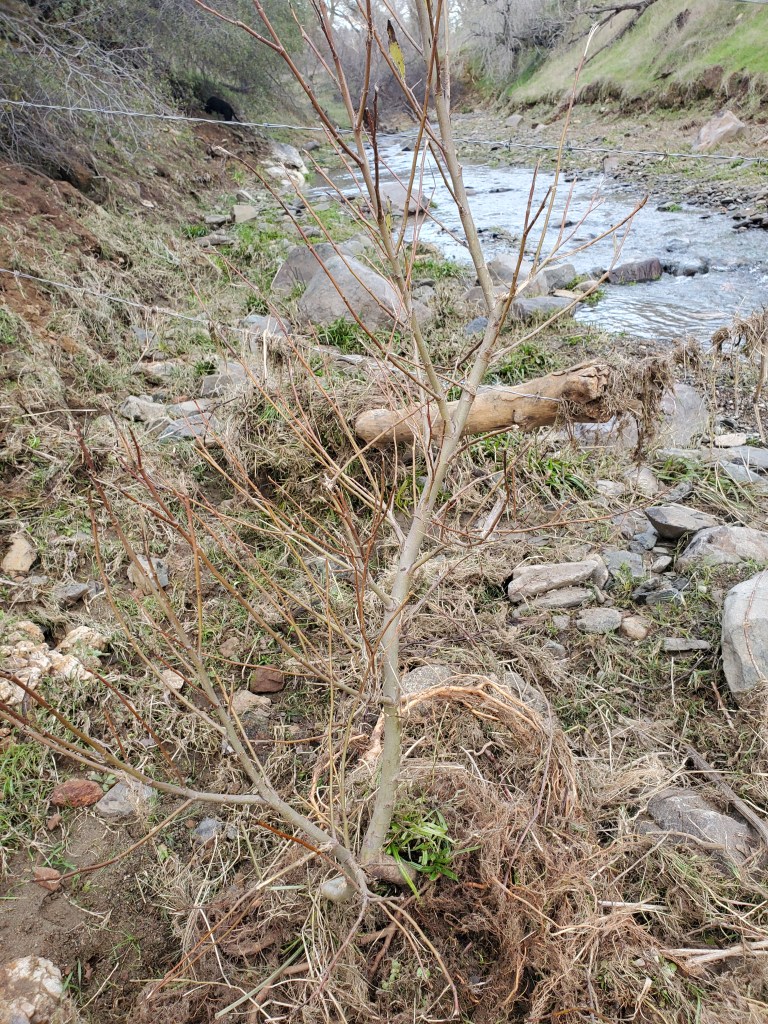
The surge also twisted up vegetation on the fence lines. Sadly, I found the young willow I had been so excited to see. She was ripped out of the ground, roots and all, taken downstream and deposited near the fence line where I found her on her side. I lifted her upright after scratching a pathetic, shallow hole with my foot. I did not have a shovel with me when I went to assess damage, so my foot was all I had. It was not much of a hole since the ground in the creek is rocky and thick. Still, I placed some of her long roots back into the ground, carefully, hoping that they will be resilient and allow her to grow once more. She is a willow after all – strong and prolific.
California Milkweed Emerges!

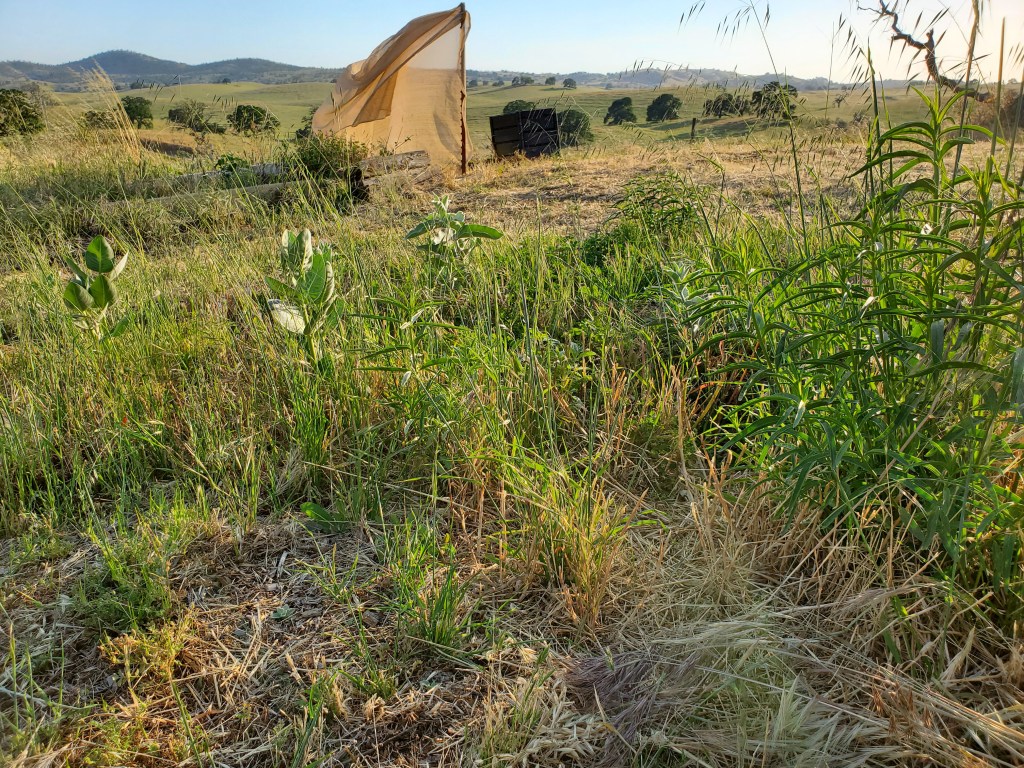
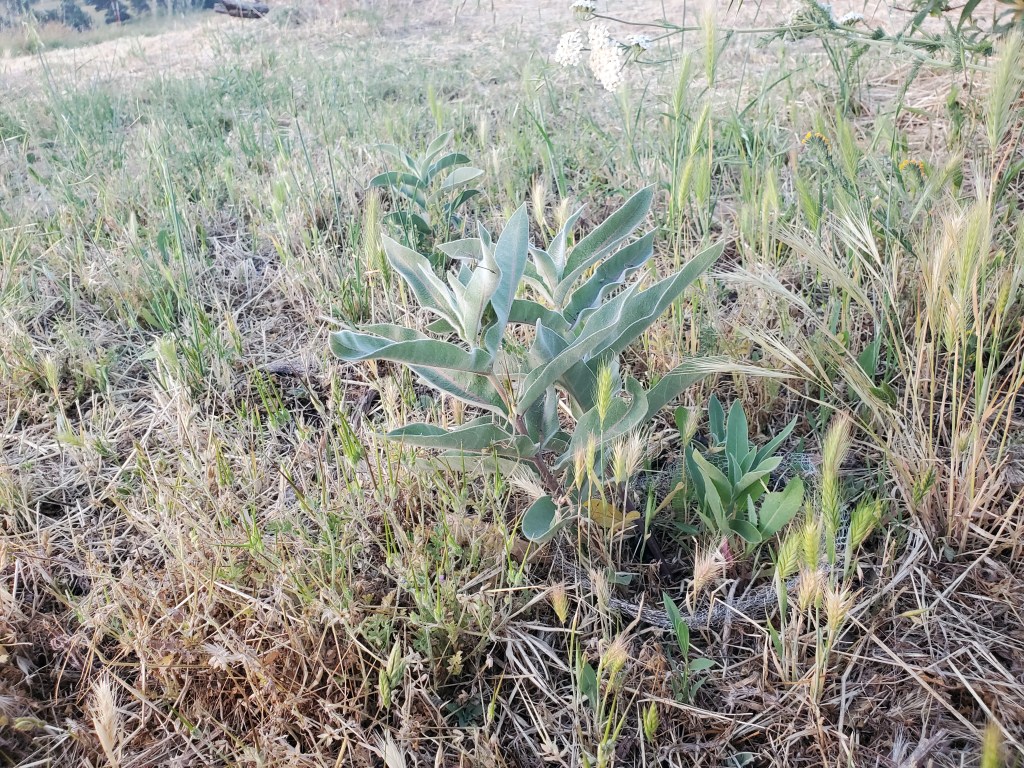
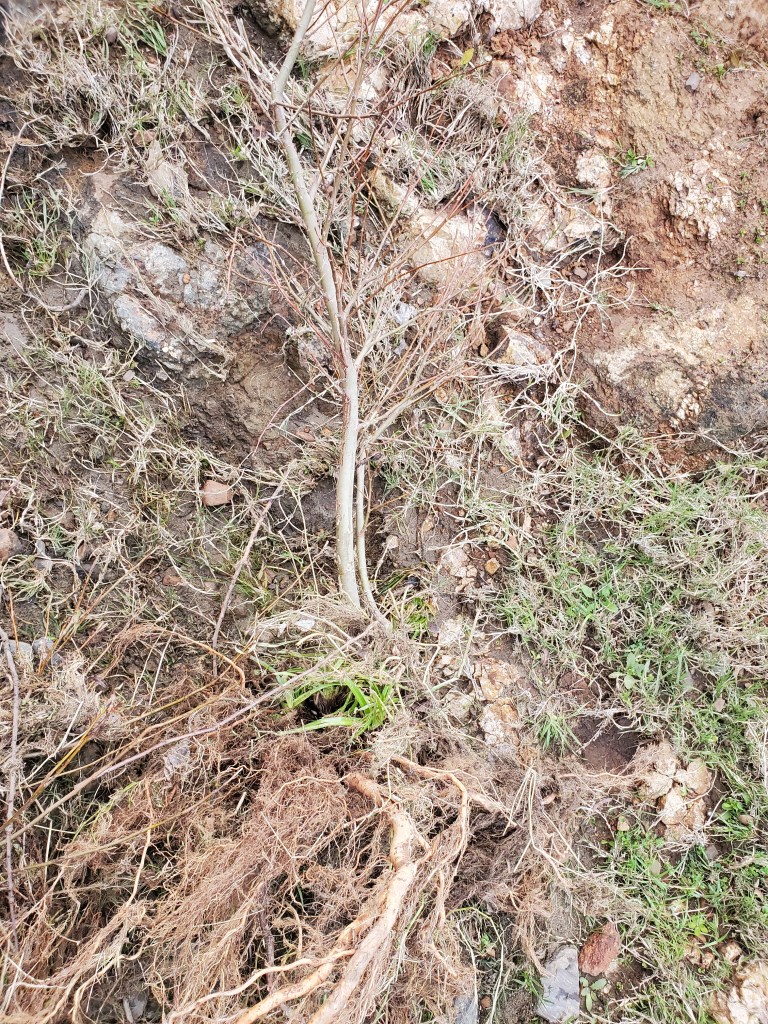
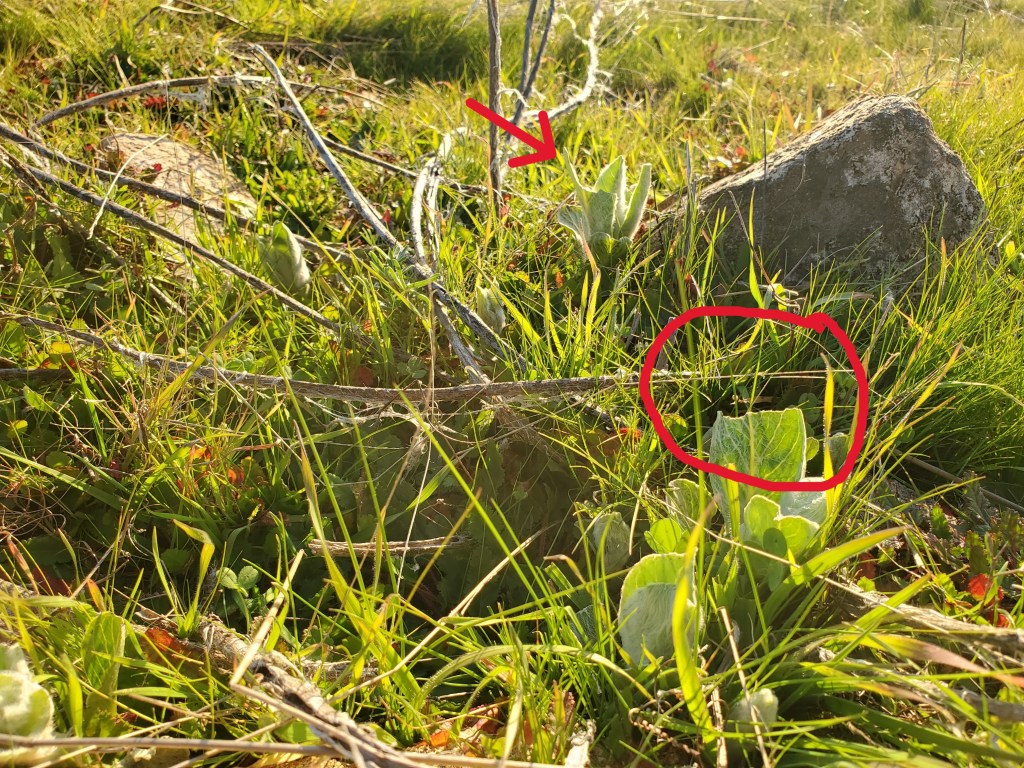
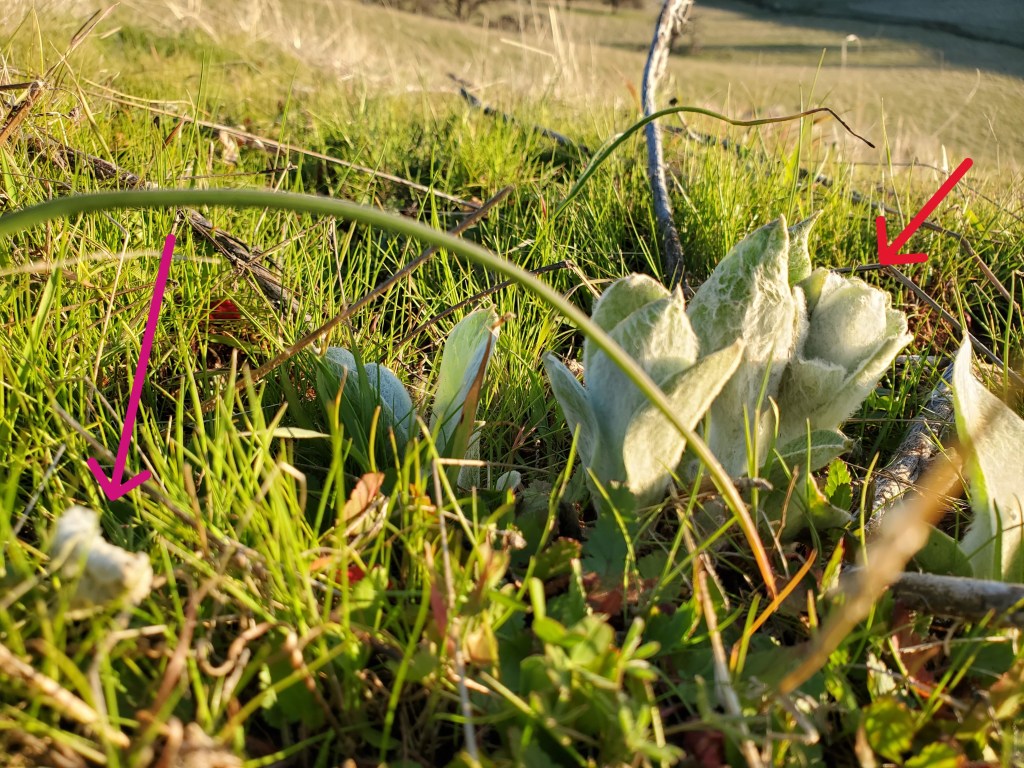
The California Milkweed has emerged two to three weeks earlier than 2024. I saw the first leaves on Feb 9 this year and noted that last year it was the last week of February.
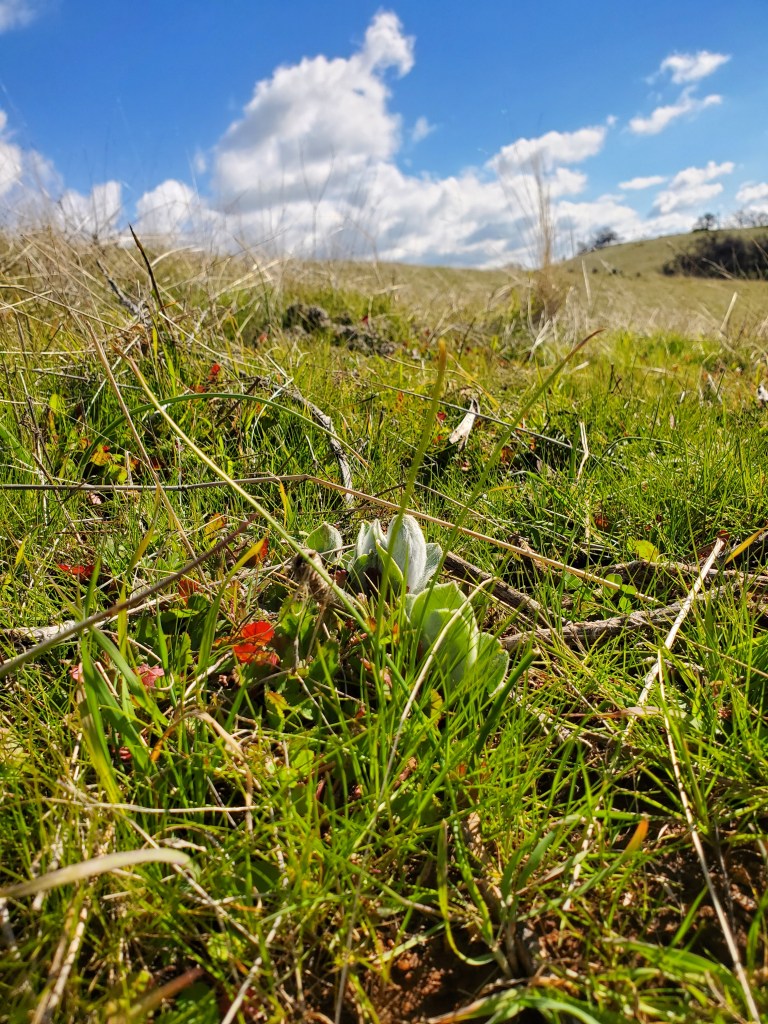
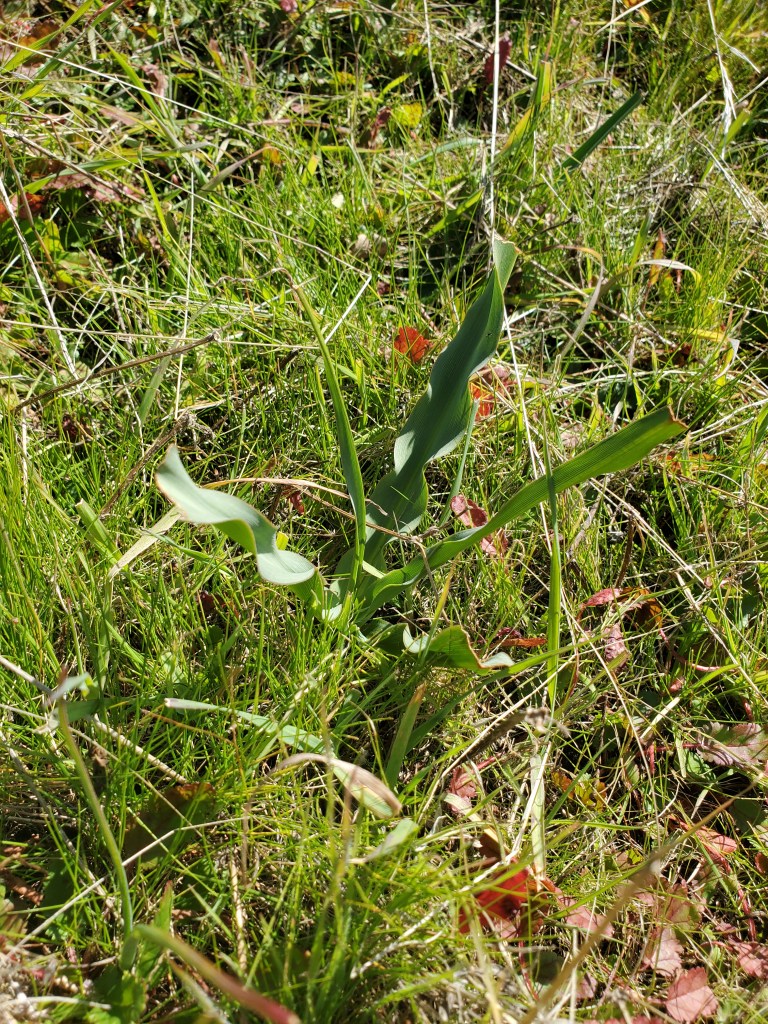
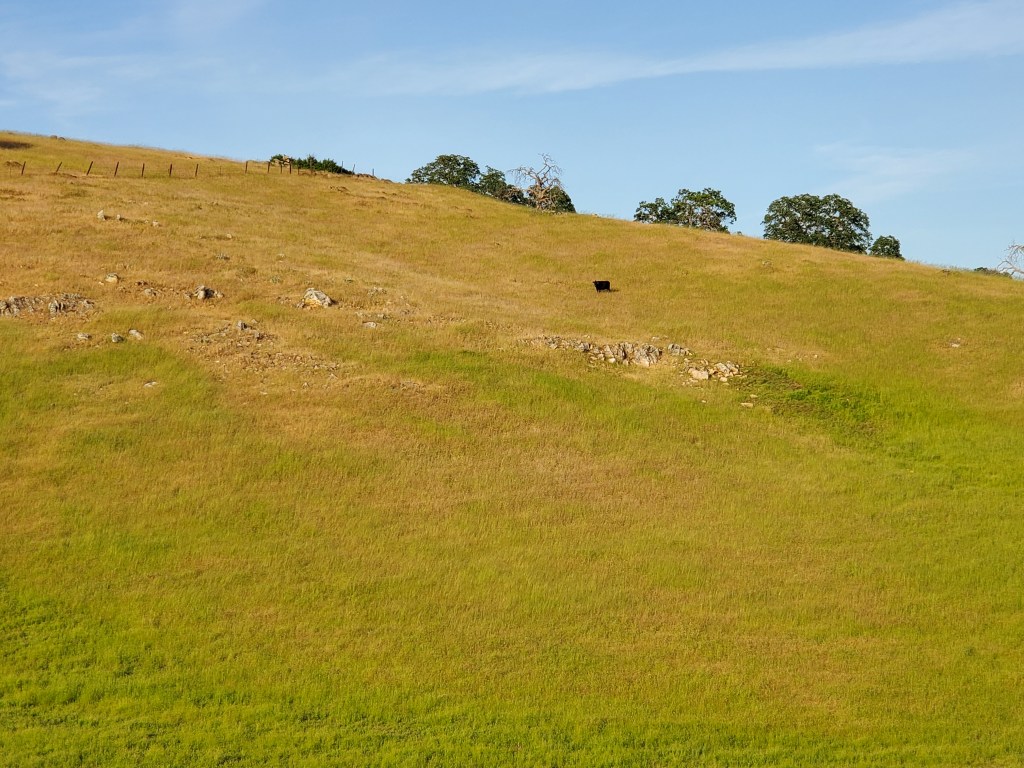
The cows have been on the hillside with their calves, so I went to check on the plants. I noticed each of the milkweeds had a snip taken out of one leaf; they had been grazed. Most likely, it was a calf testing out the green fuzzy plant. The snips appear to be spit out and located near the plants. Definitely not a tasty meal for anyone except a caterpillar. The plants are growing rapidly, and will be fine. The cows are on the south part of the ranch currently. I will be shutting the gates to the north field in a week before they return, excluding them from the far north field.
Grass Nirvana for Cattle
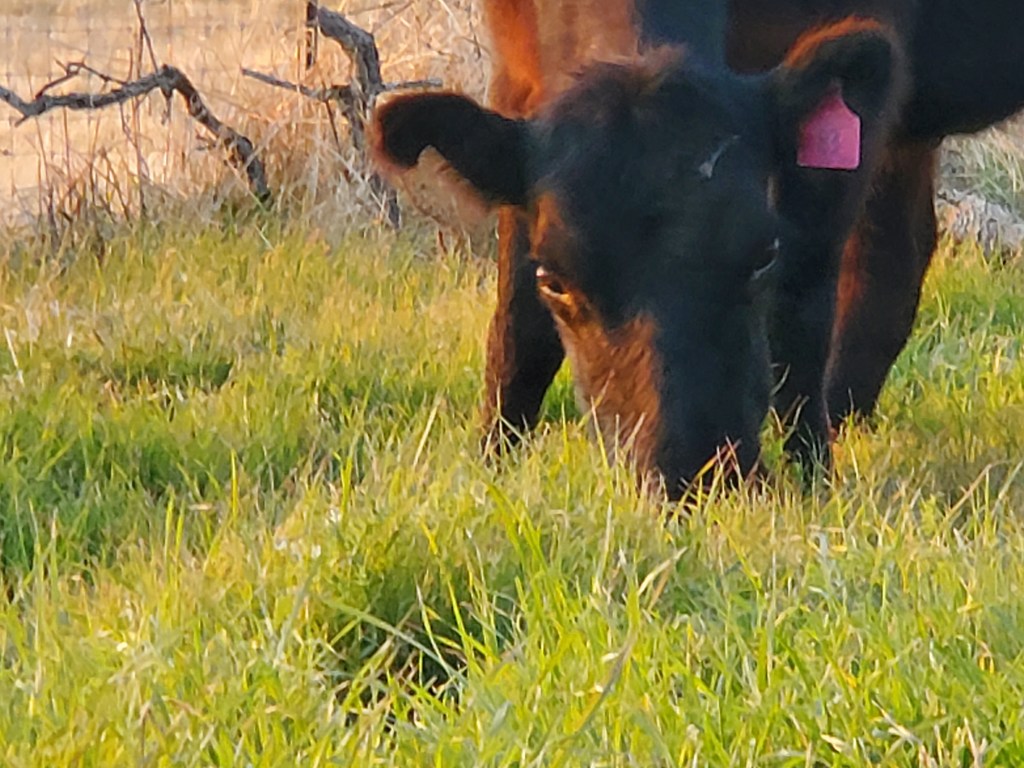
Happy eating

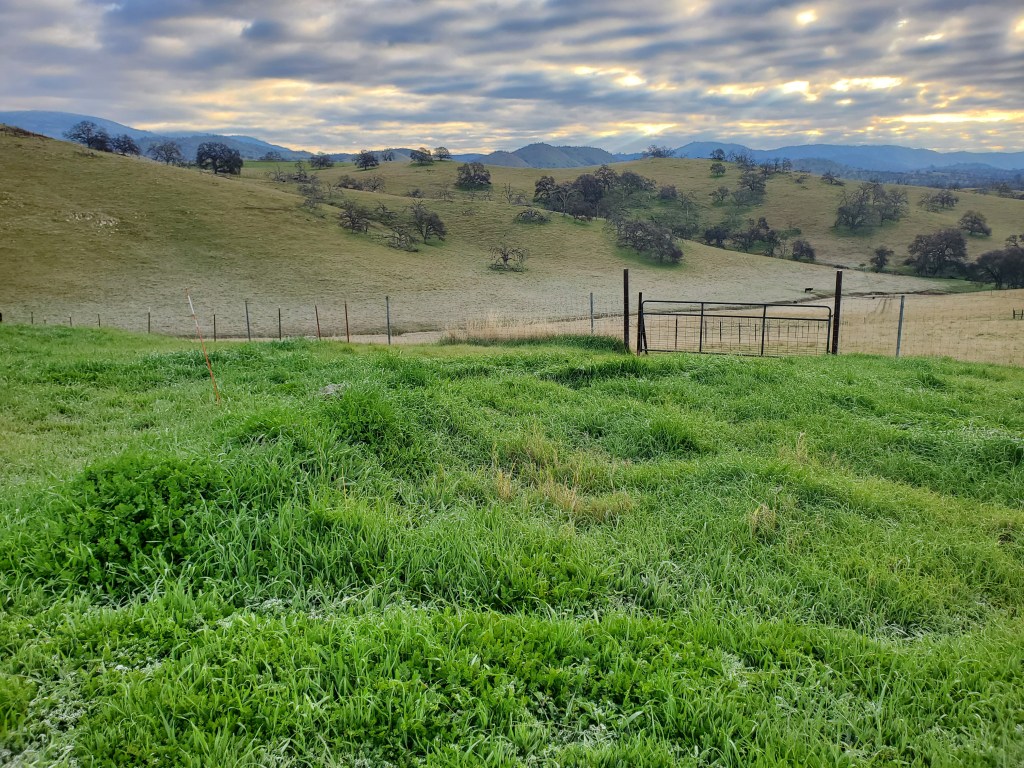
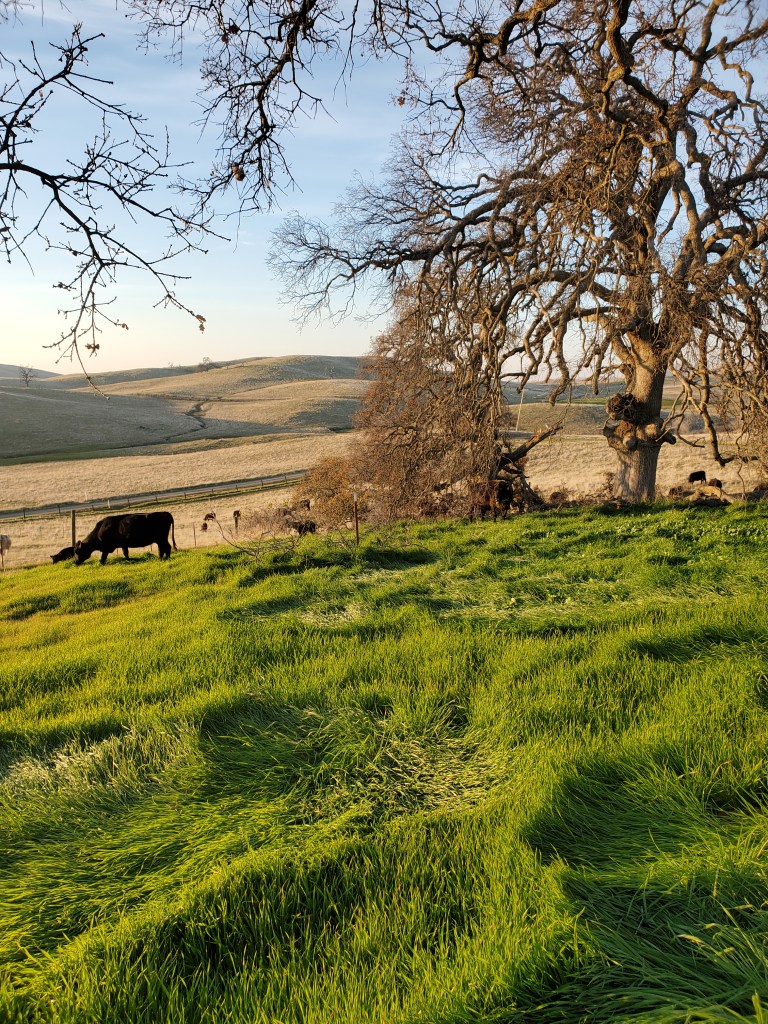
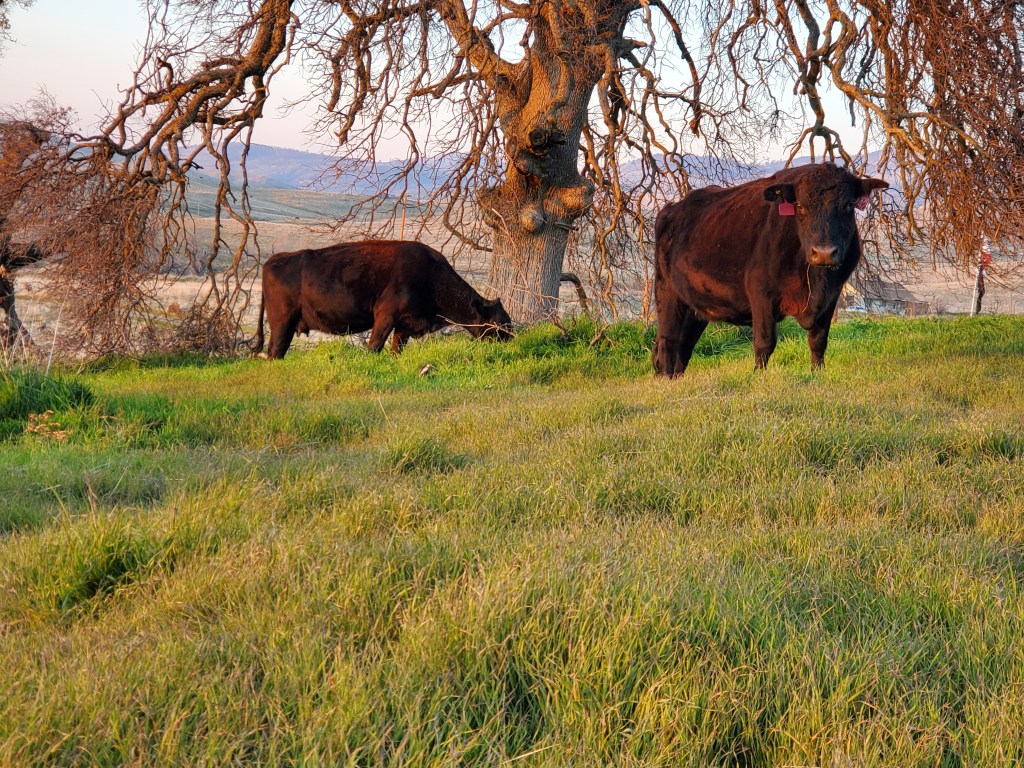
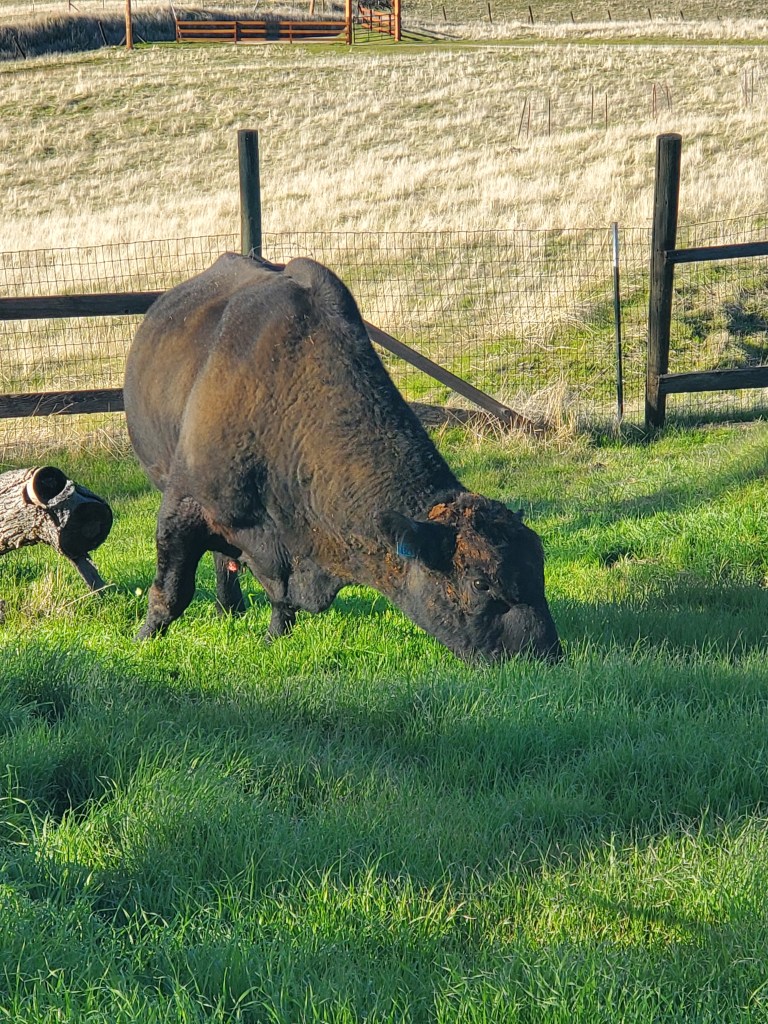
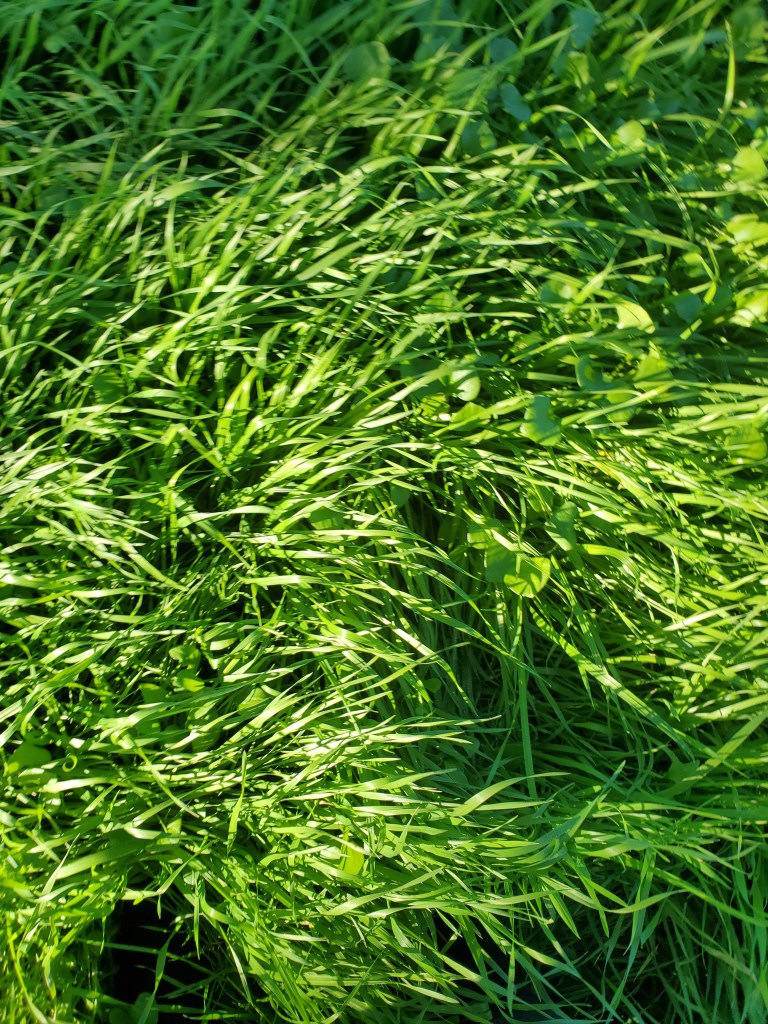
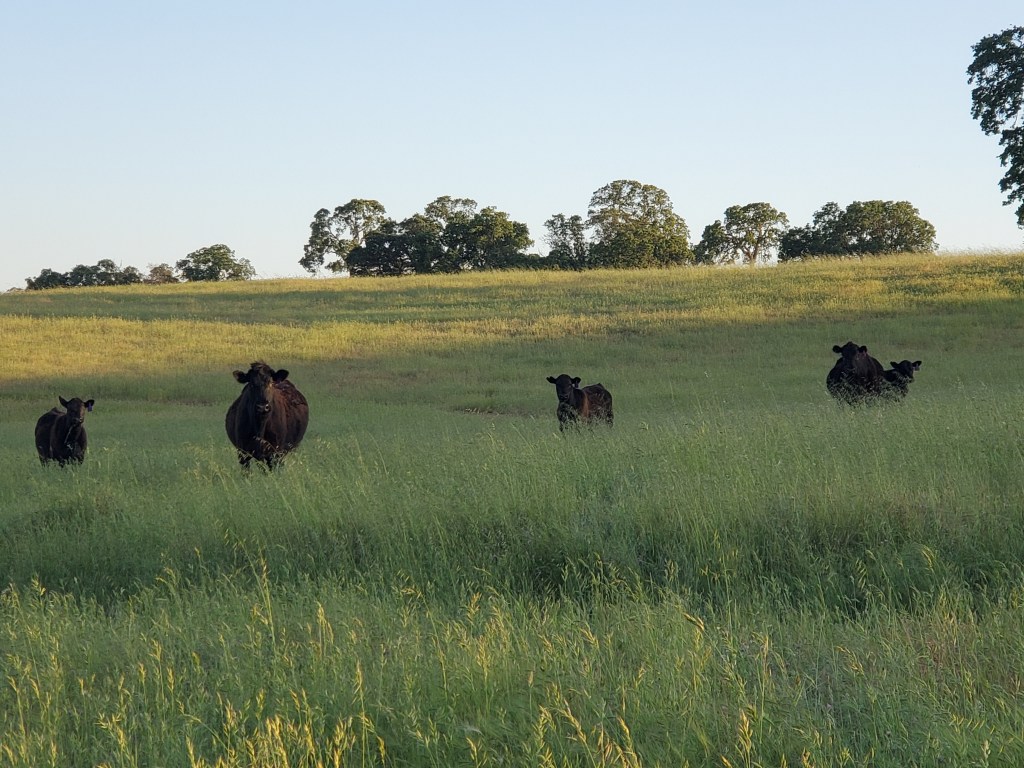
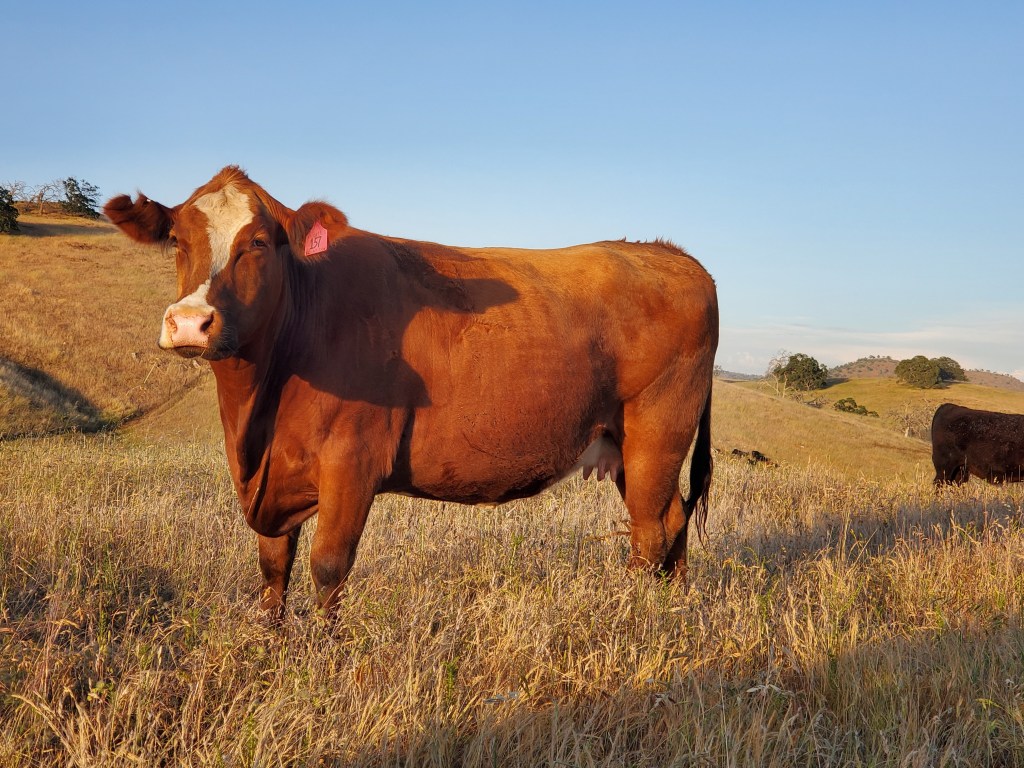
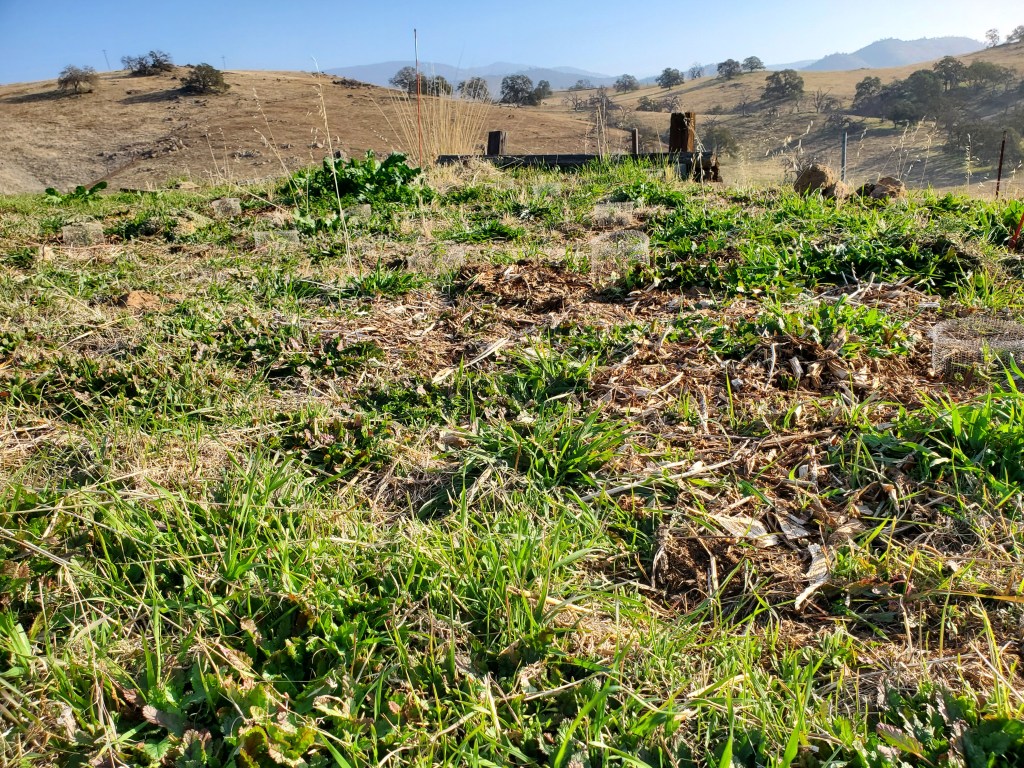
The grass is super lush around the house. Oh, and the cattle are eyeing it every day. Particularly, there is a group of mamas and babies that rotate to the front gate in the afternoon each day to see if I will let them in.

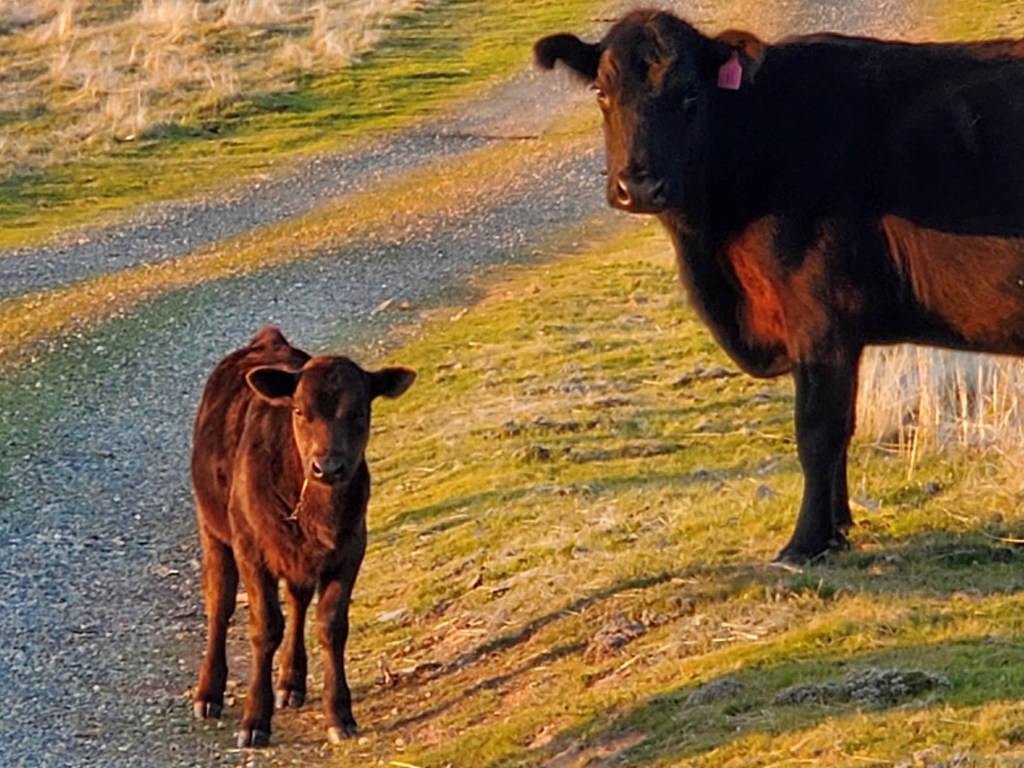
When I have time to watch them, I will let them in for an hour or so to have them help trim the grass without impacting my native plantings. You can see how much they love the verdant blades. They move their heads to the left and right greedily eating without a break. When I can no longer watch them, I usher them out, gently pressuring them to move toward the gate. There are a couple of ladies who never want to leave. They stop to take bites. I have to shift closer. They move, stop again, grab a bite. I move. They move…and so it goes. They snort their disdain, but eventually they kindly acquiesce.
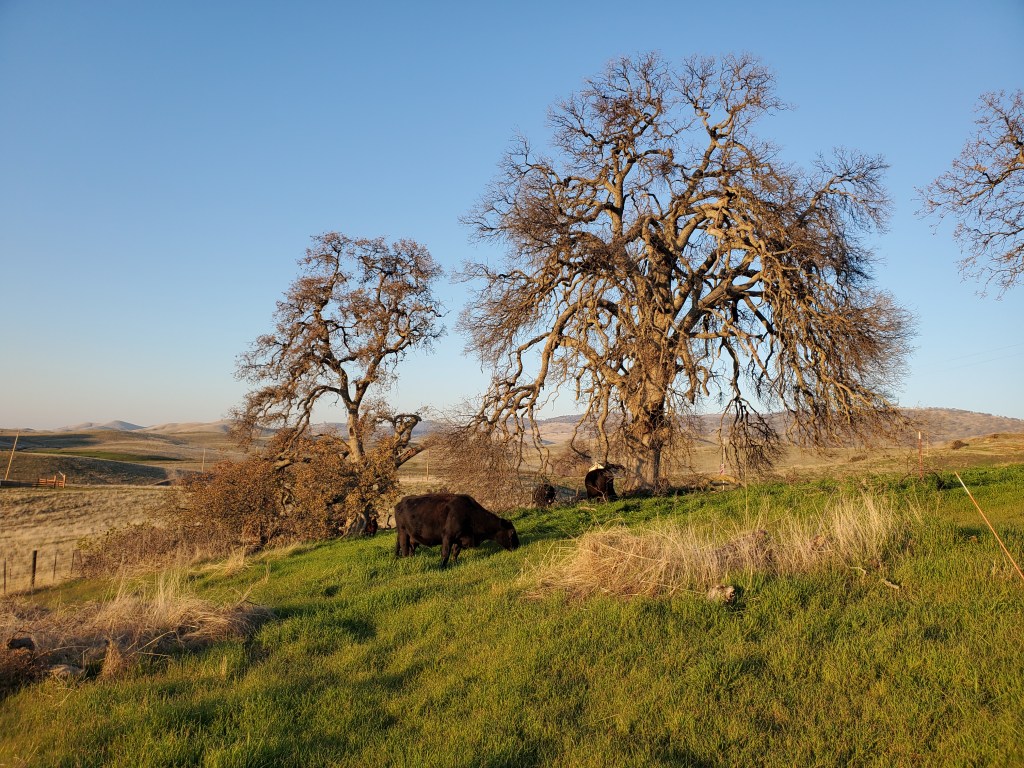
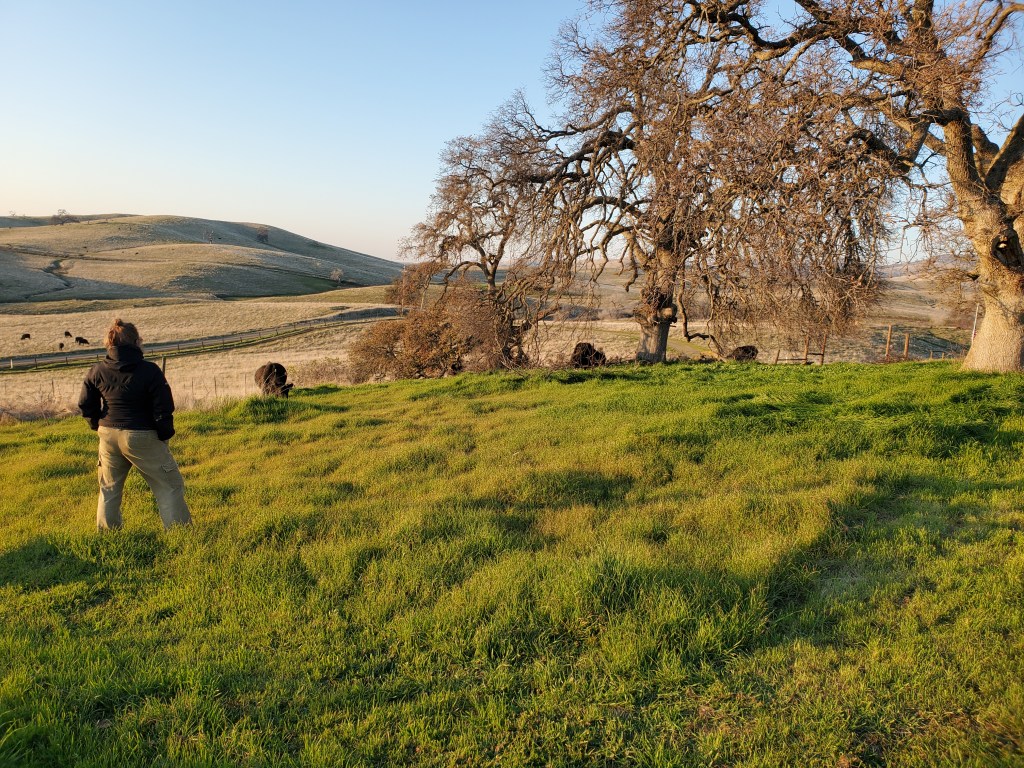
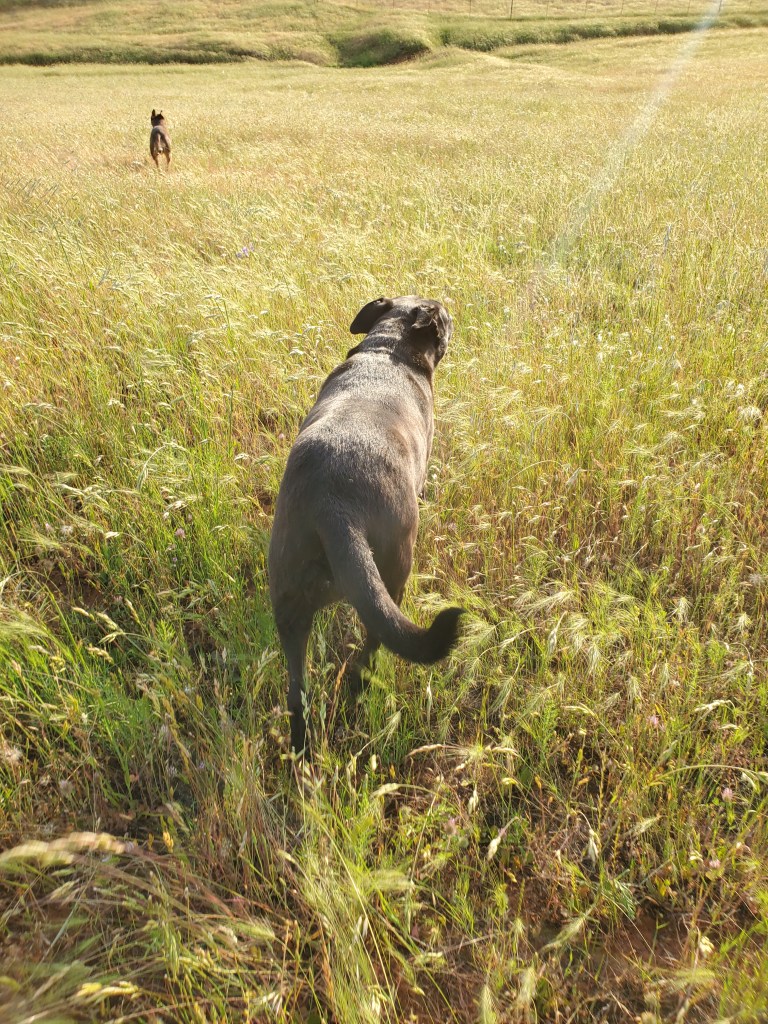
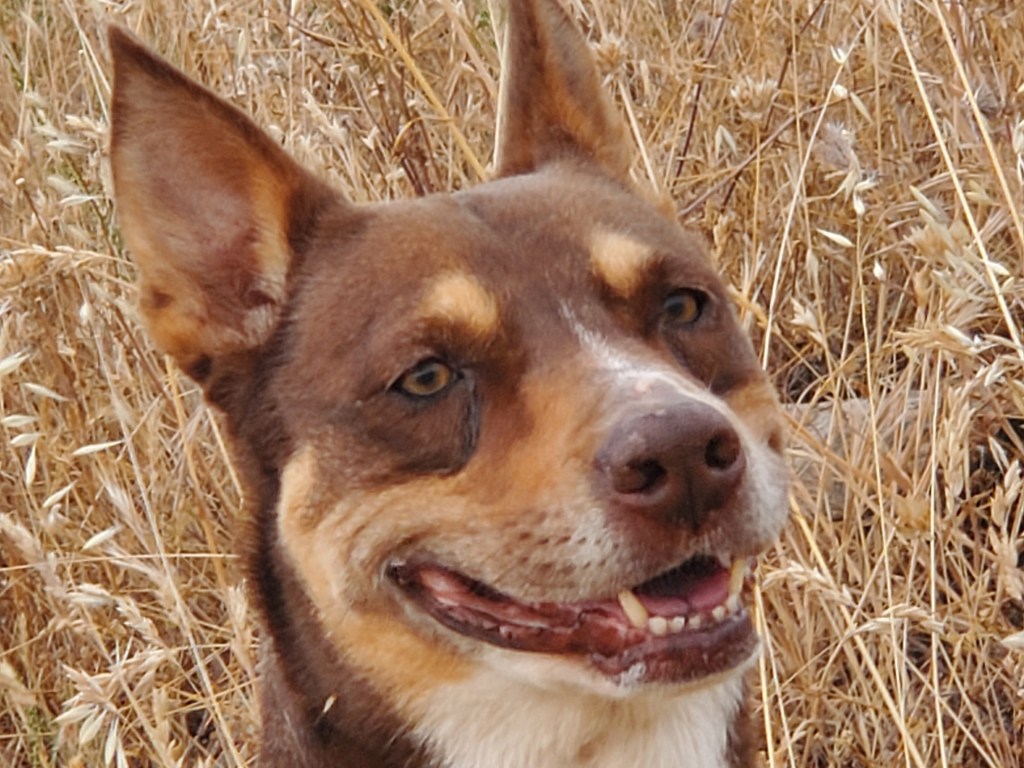
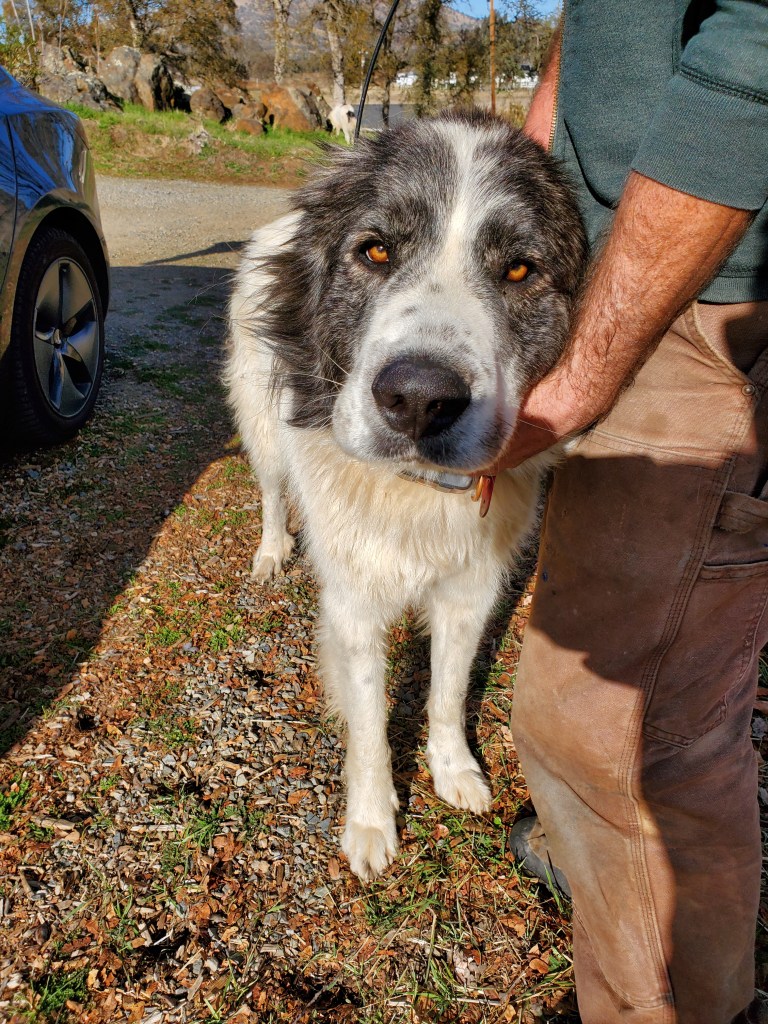
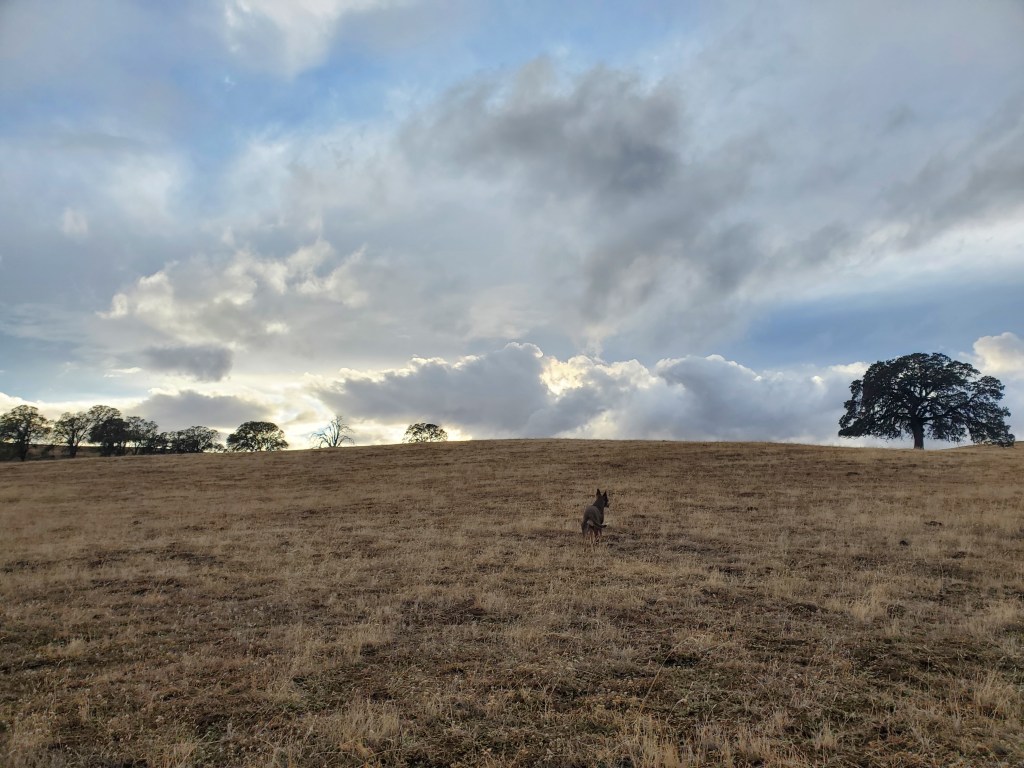
People ask me why I don’t use the dogs to move them out more quickly. The ladies have entered at my invitation. They are helping me, and I respect them. The dogs can be a blunt instrument. I am gentle and precise. We walk out slowly together.
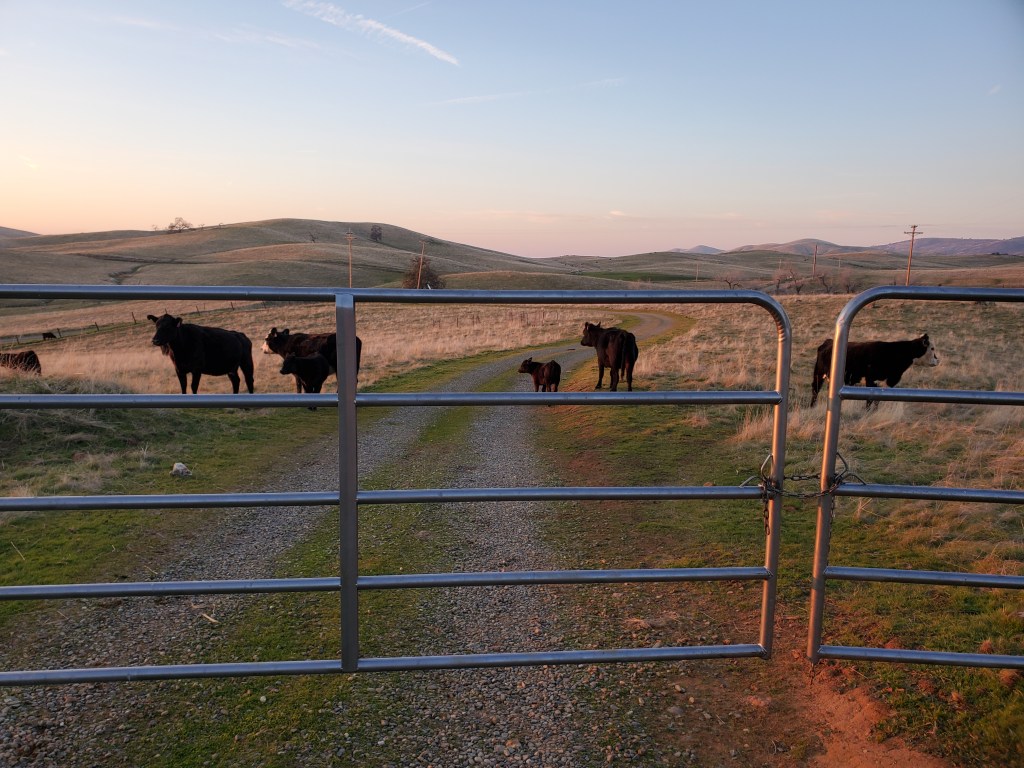
“Dang it! Do we have to go so soon?”

Guzzler Project Moving Forward

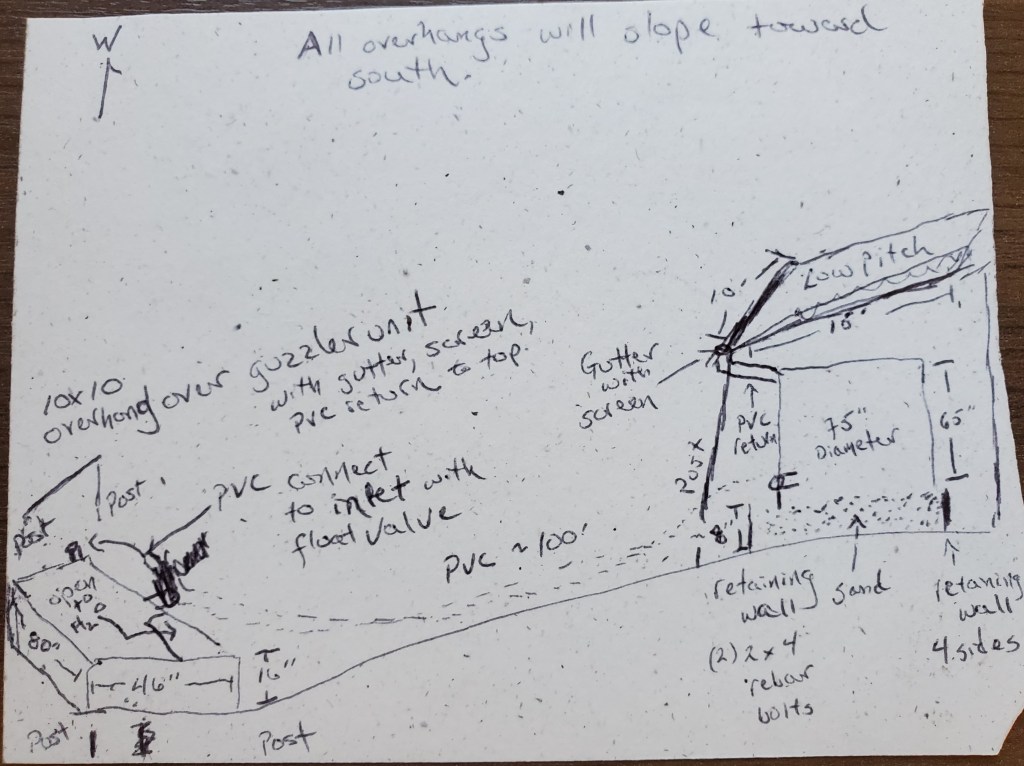
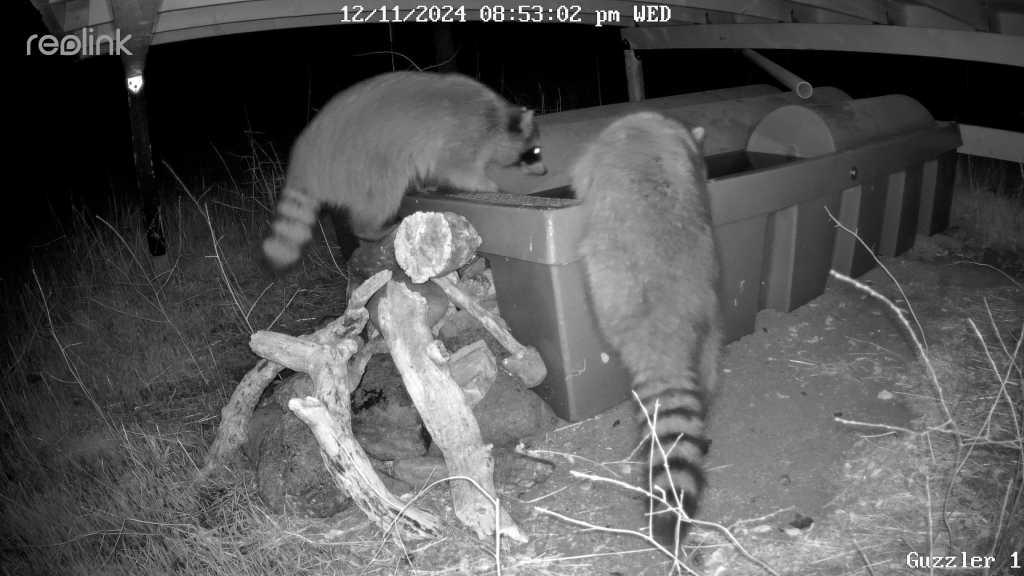
With my dad doing better, I have had time to focus on my guzzler projects. The two new tanks were delivered and will feed each guzzler when installed. I had planned to have 1,000 gallon tanks, but the cost was nearly identical to the 1,500 gallon size. It seemed ridiculous not to purchase the larger volume size. With the additional volume, I may also be able to use some of the water for irrigation around the tank area.
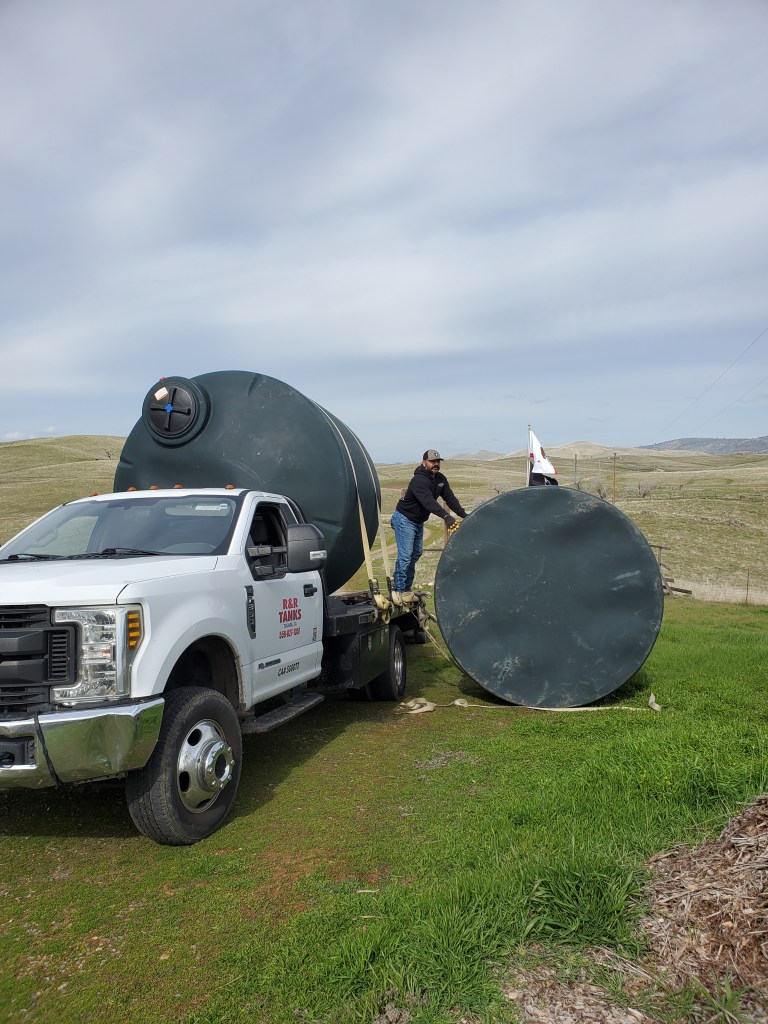
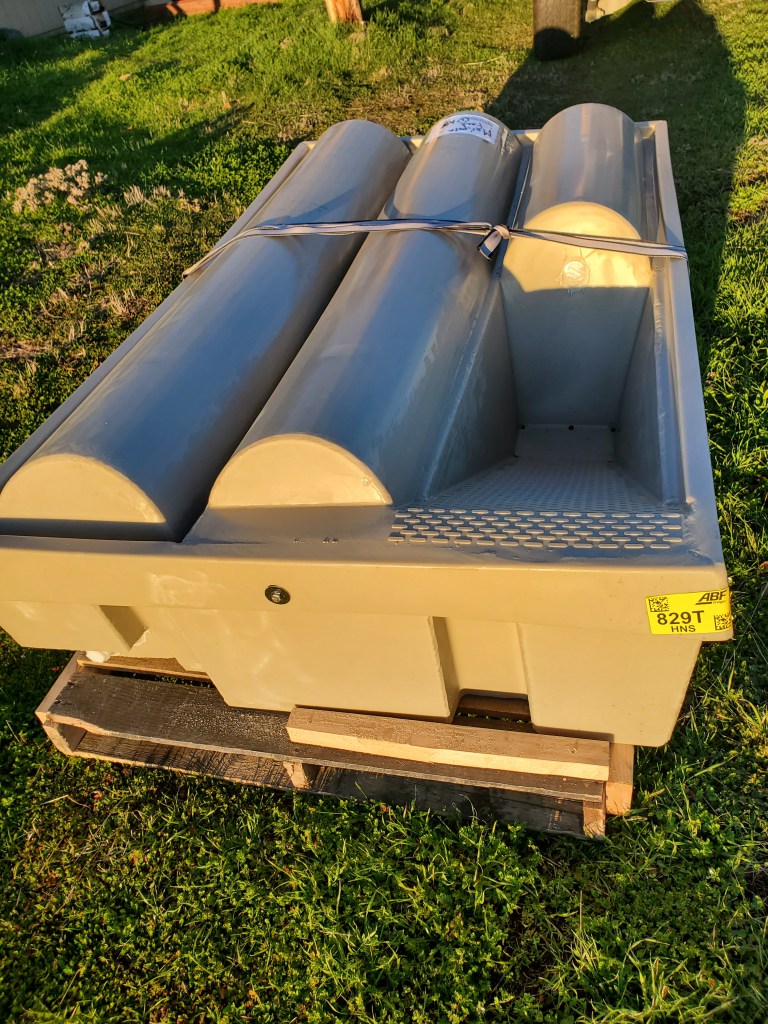
In my last post, I mentioned having the second guzzler delivered. With all the main elements here, I am ready to get the materials needed to cover them and link them together. David, my ever patient husband, will be building the overhang structures to cover the tanks and catch the water. The overall concept is for wildlife to have access to clean and abundant water, especially during times of drought. My original guzzler is doing great and a variety of animals have used the water even with the nearby creek still running. We had a good rain year in 2024, so the guzzler stayed filled throughout the summer and fall, but barely. The water really got low and began to get murky. These tanks will allow me to provide ongoing fresh water to wildlife through abundant and lean times.
Odds and Ends

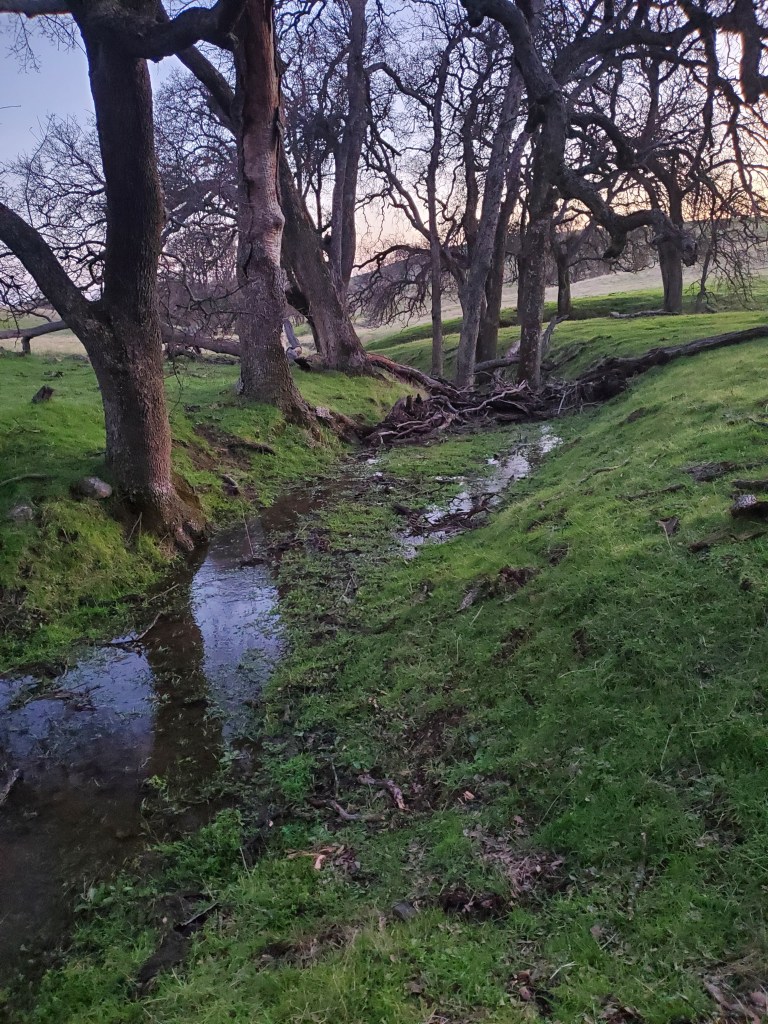
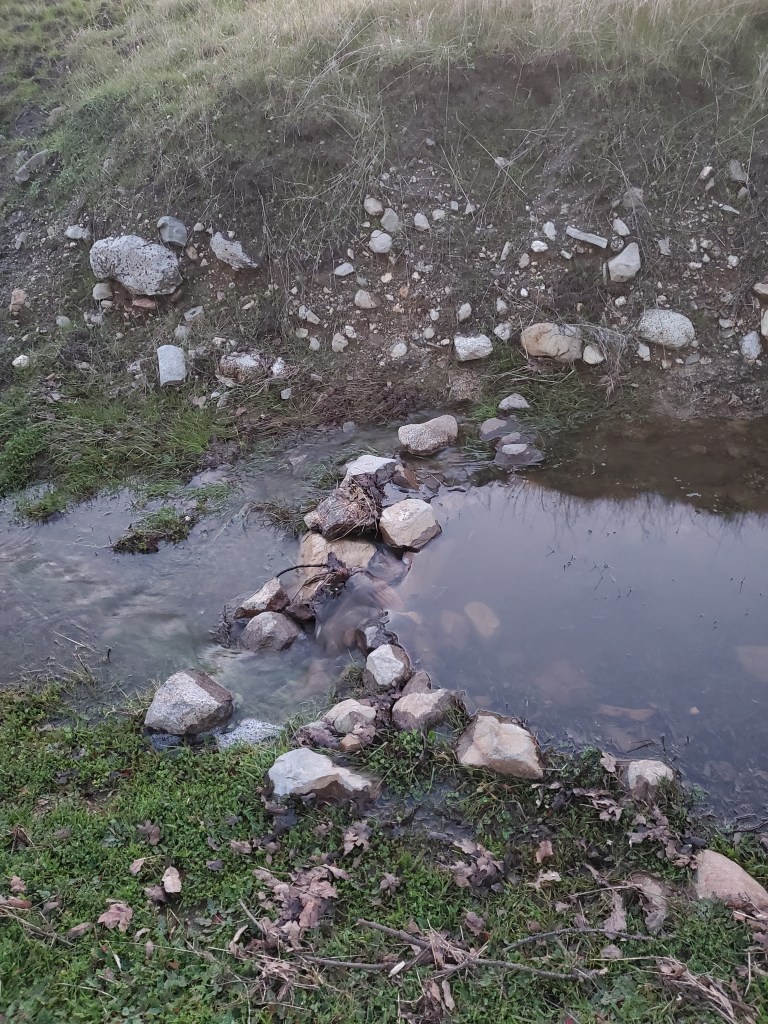
It was a joy to have cold weather and storms, with the most recent one being very large. Water is life, and life is omnipresent and happy when water is around. After the storms, I check my dams to see how they are doing. Everything is holding in place, even my little rock check dam. You see the water, when the creek is running slowly, backing up as intended. I will be placing another dam below that one to slow more water and hopefully spread it out a little to soak the ground and make it more hospitable for oaks.

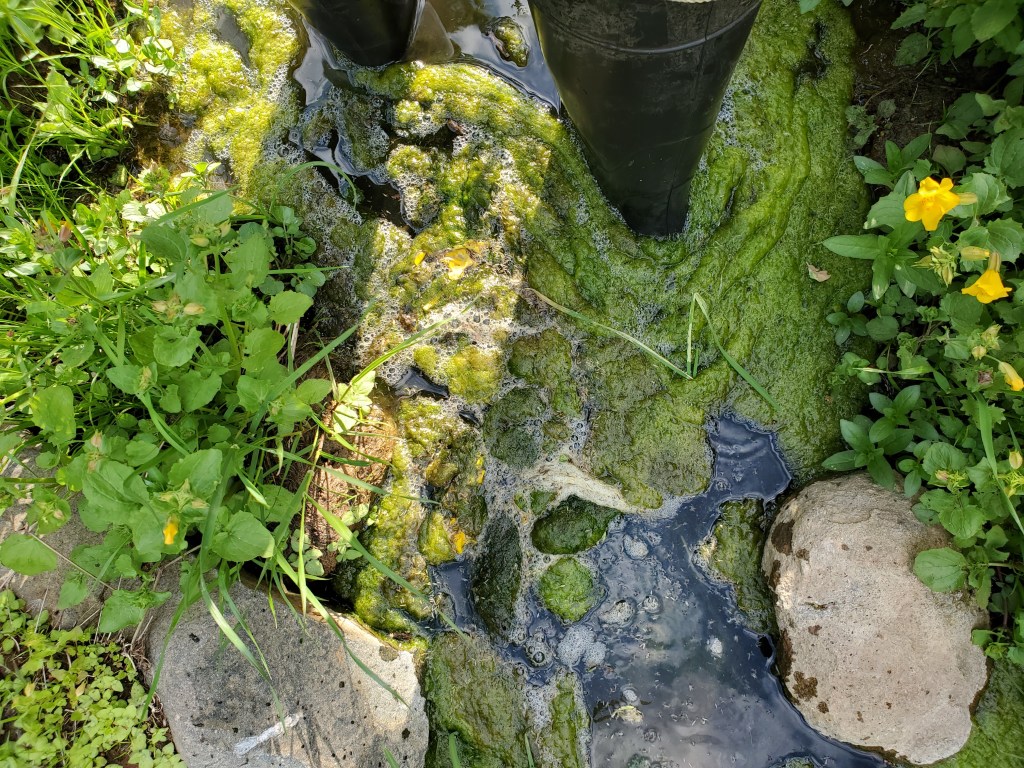
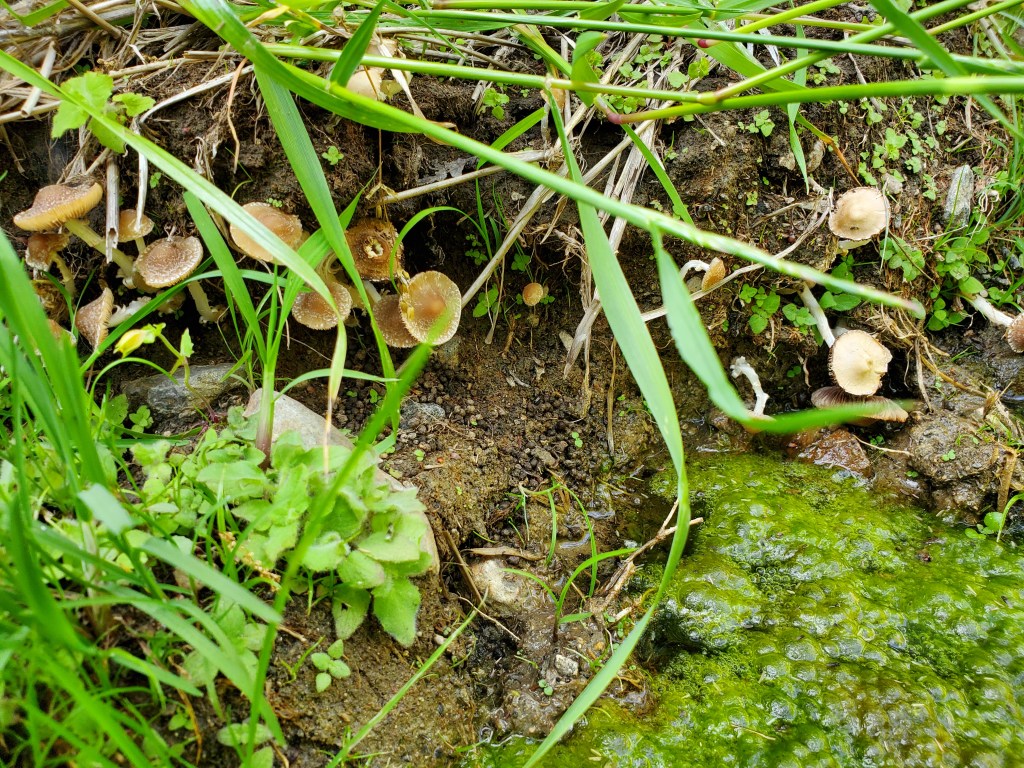
With water also comes ducks, geese, egrets, herons, mushrooms, mayflies, and green grass. This is such a pretty time of year.

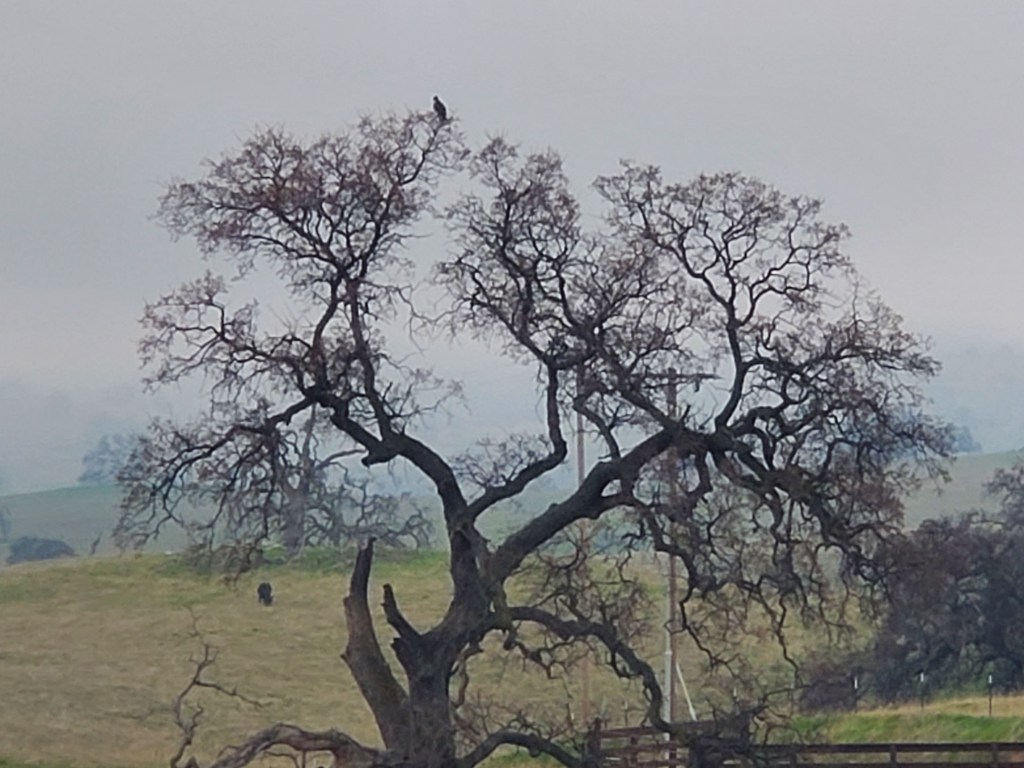
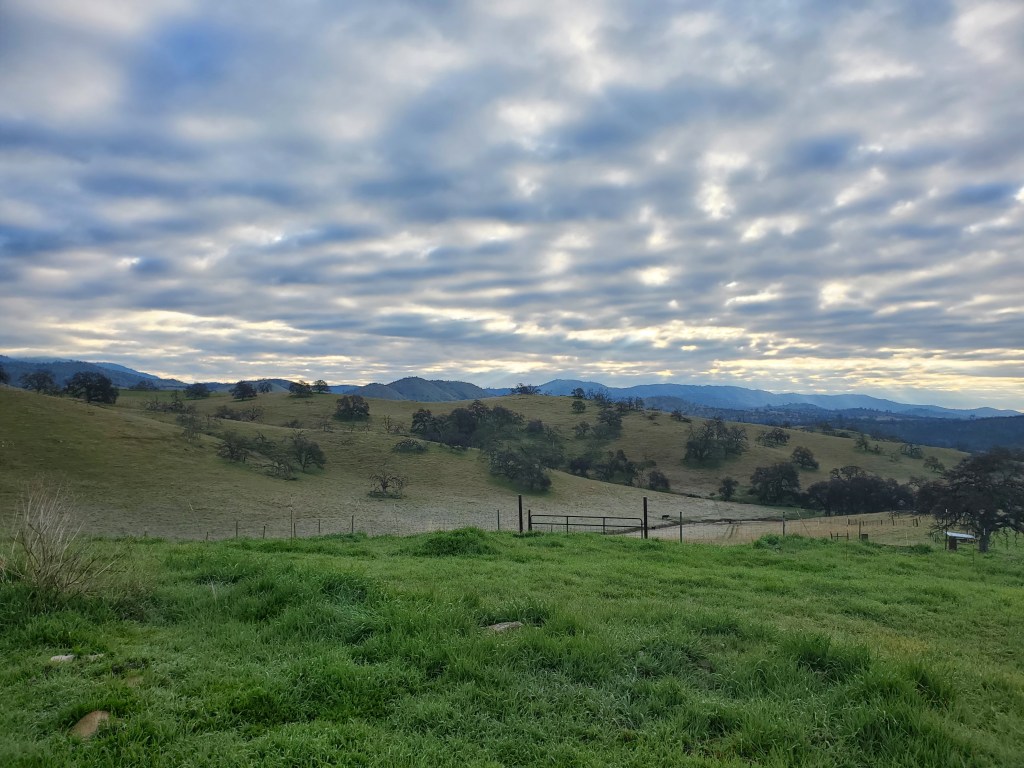
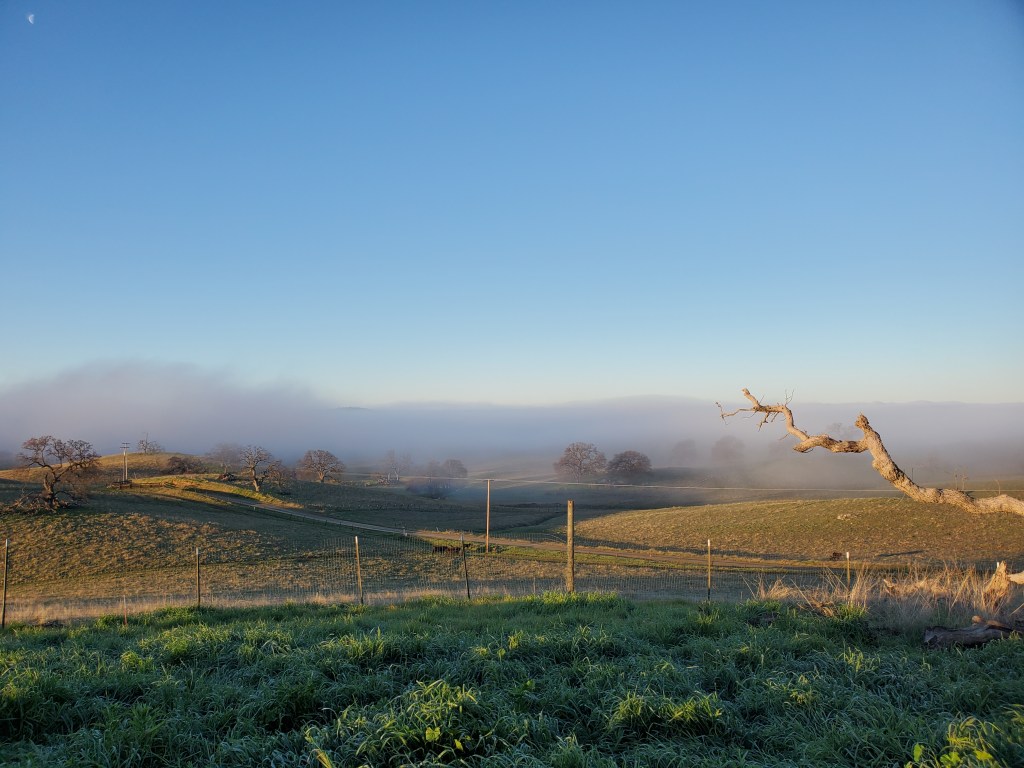
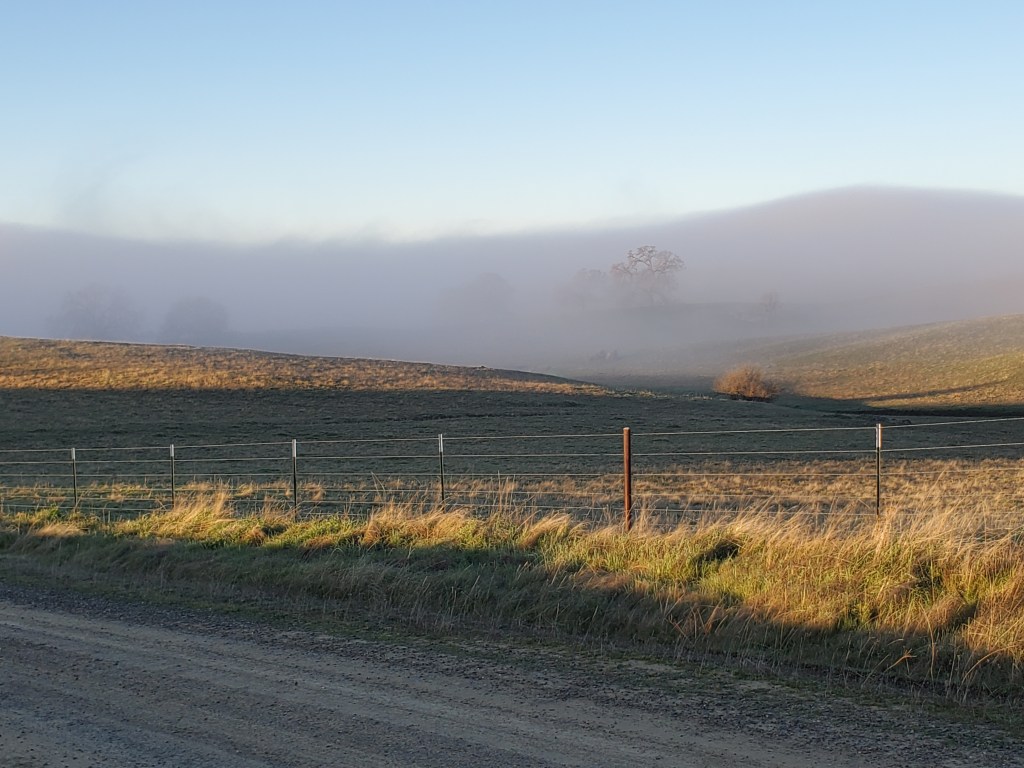
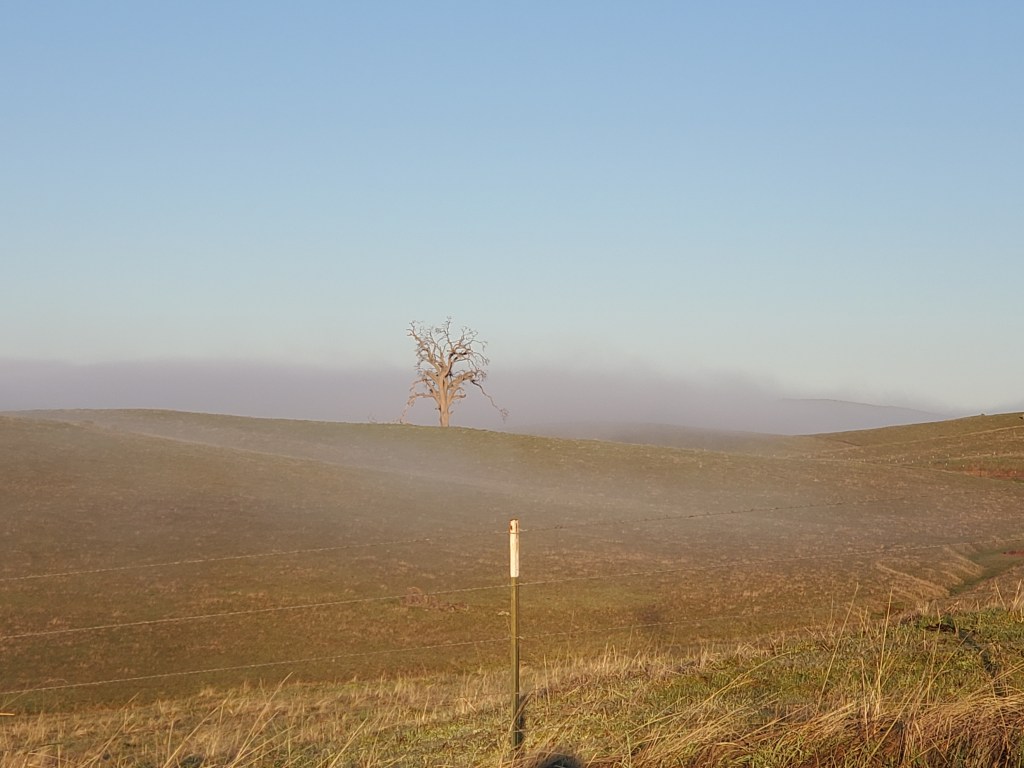
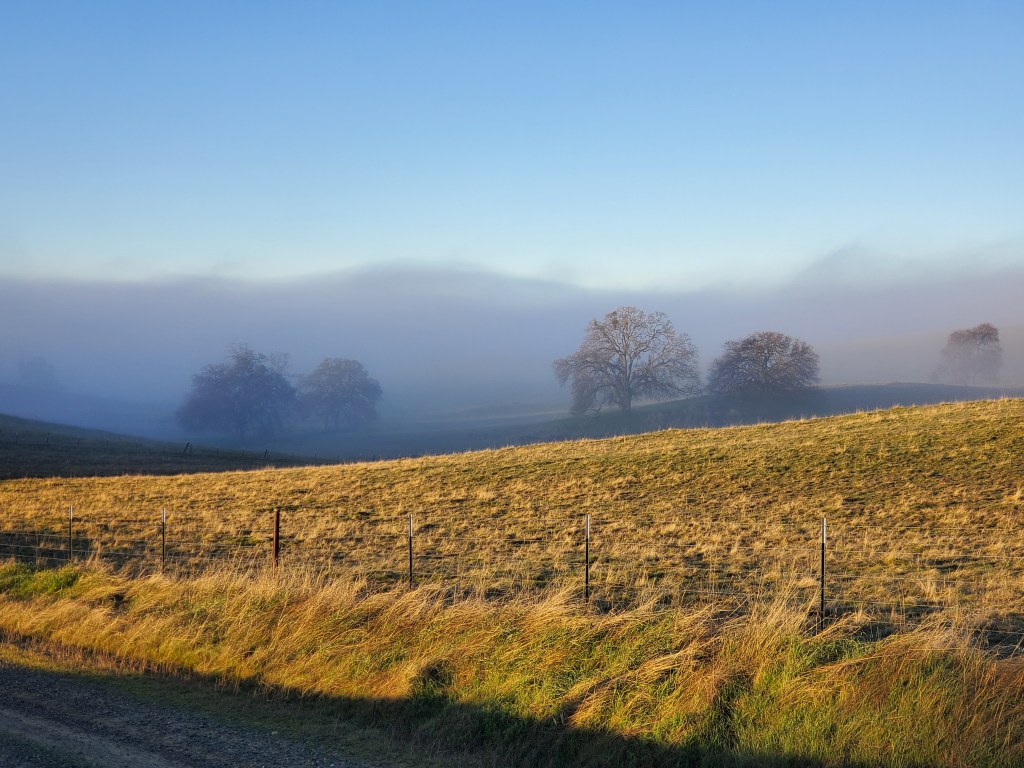
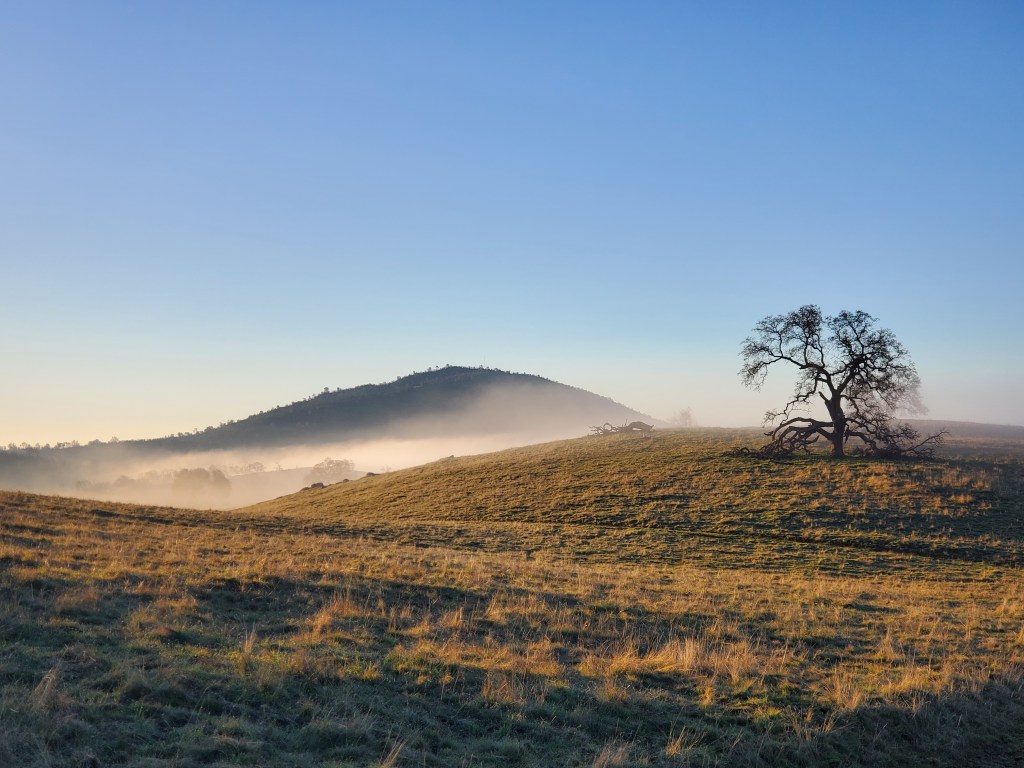
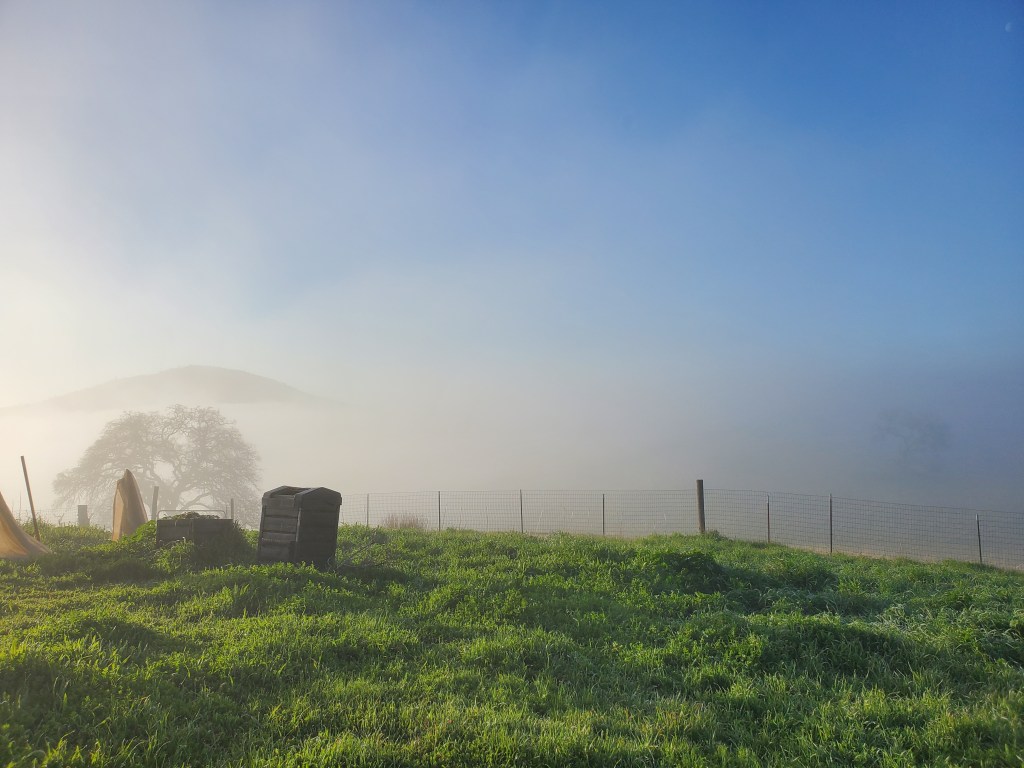
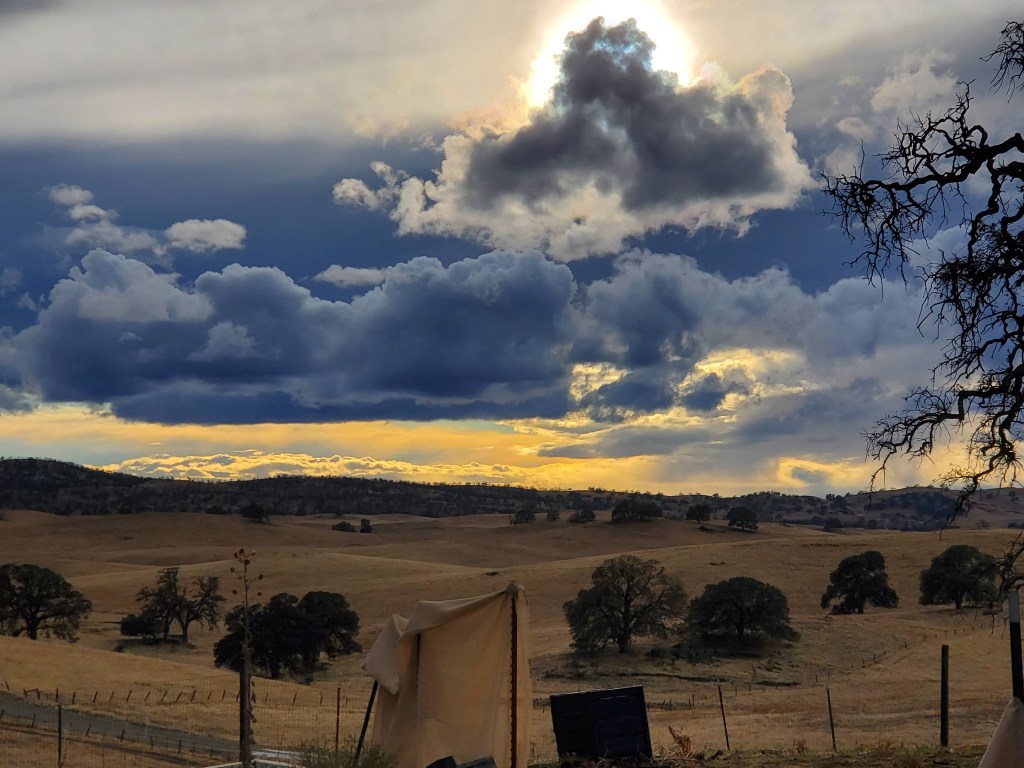
We are generally above the fog line, but every now and then, the fog rolls in. I don’t mind. It keeps the soil moist and the temperatures down. The fog is pretty too.
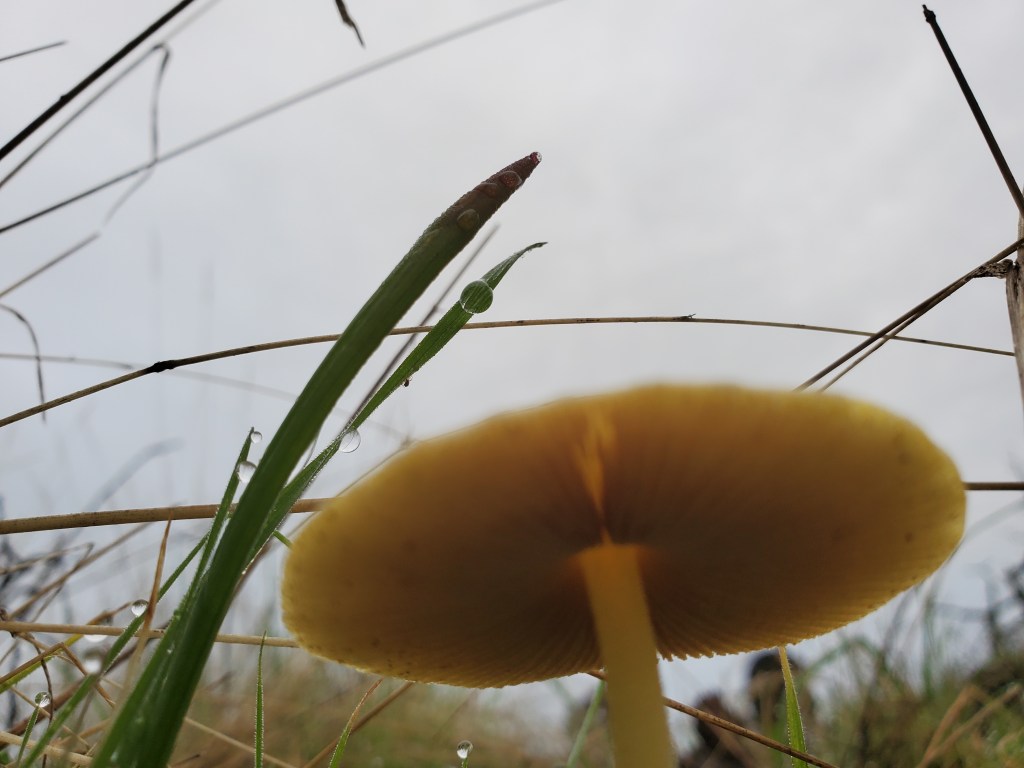
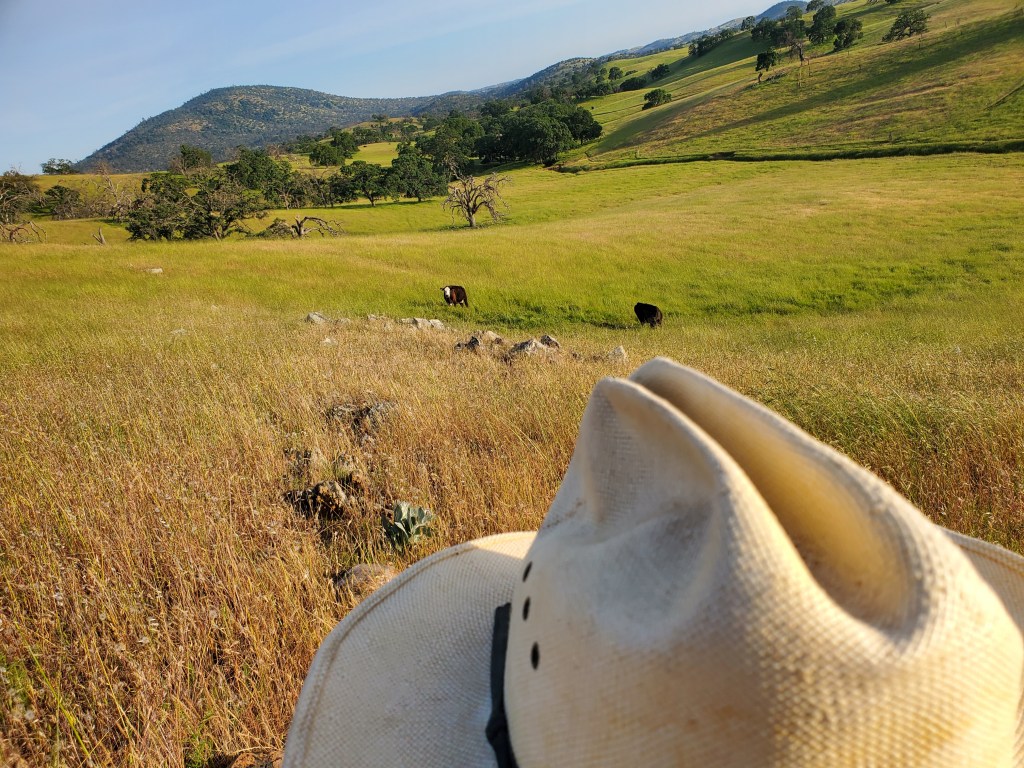
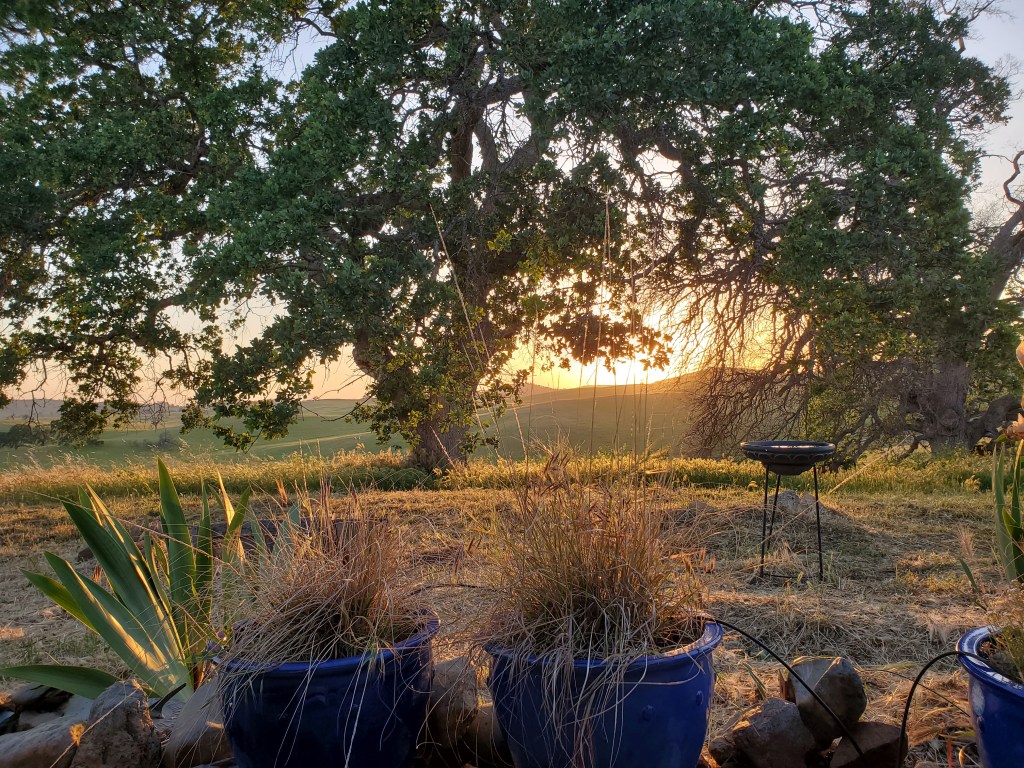
Sometimes I lay down, listen to the birds, feel the cool ground on my back, smell the air, look at the sky. I did this when I was young, and it was happiness. The key is time – to think, relax, breath and connect. Anyone can do this anywhere, a park, a back yard, a patio with your potted plants.

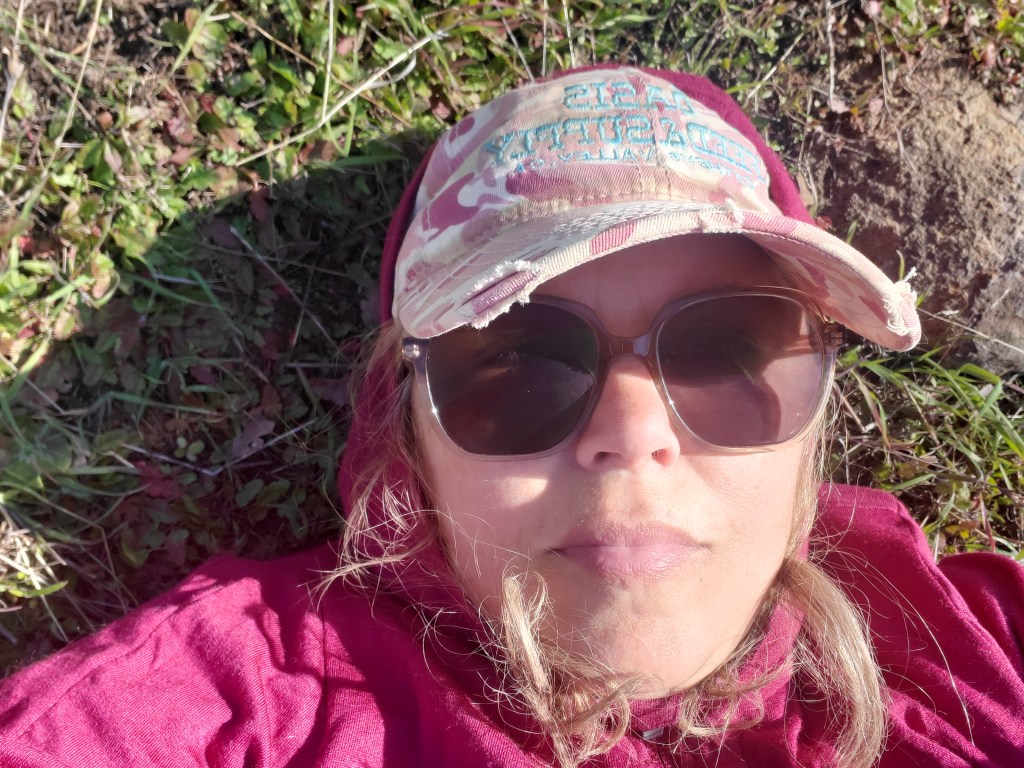
Joy is possible and necessary even in a time filled with bad news. All we need to do is look around, smell, hear, touch, and especially, feel.
More Tragedy. Bumbles. No Monarchs…Yet.

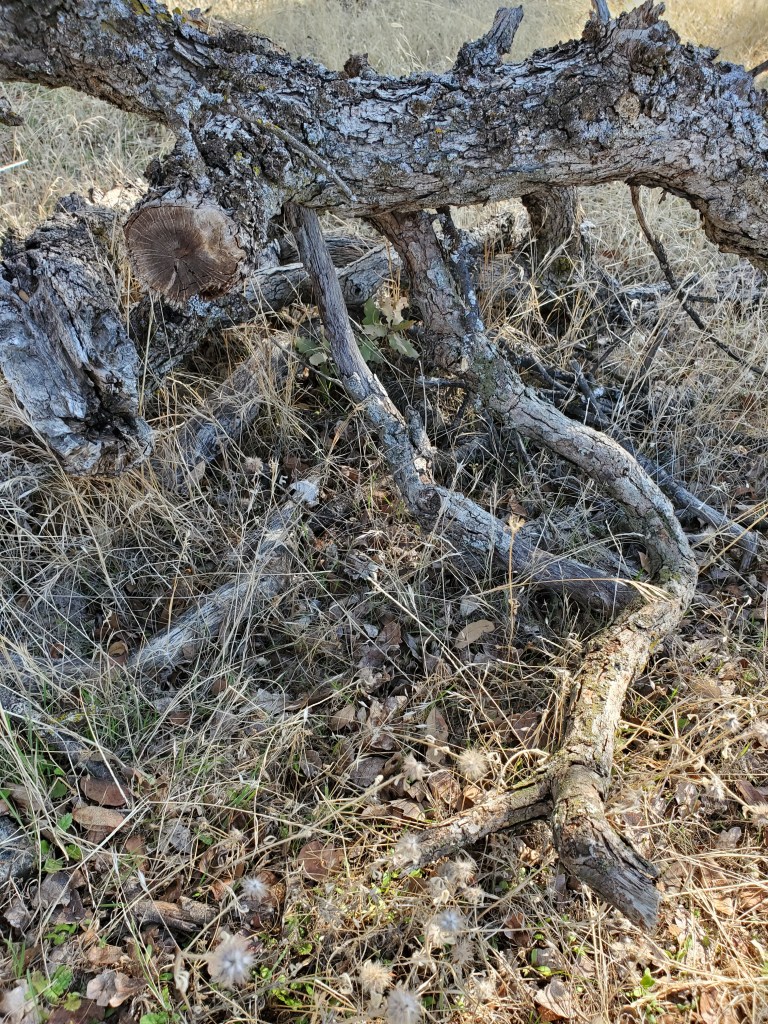
The record waters of Winter 2023 came too late for my great, great grandmother tree. Last year, in this blog, I relayed how she was losing leaves in May, when they should have been growing out and green. Then, in my August 2022 post, I shared that all her leaves turned brown all at once. That must have been the moment of death. Despite the signs, I held out hope that she would recover. When all the oaks began sprouting leaves, and she did not, I deluded myself that she was just late. Eventually, I had to admit she was gone. When he was over in March, I consulted Ron Allen of Mariposa Native Plants (He is also a UC Master Gardener). He looked at the branches, chose one of the smaller ones, and it snapped right off, dry throughout. He said she was gone.

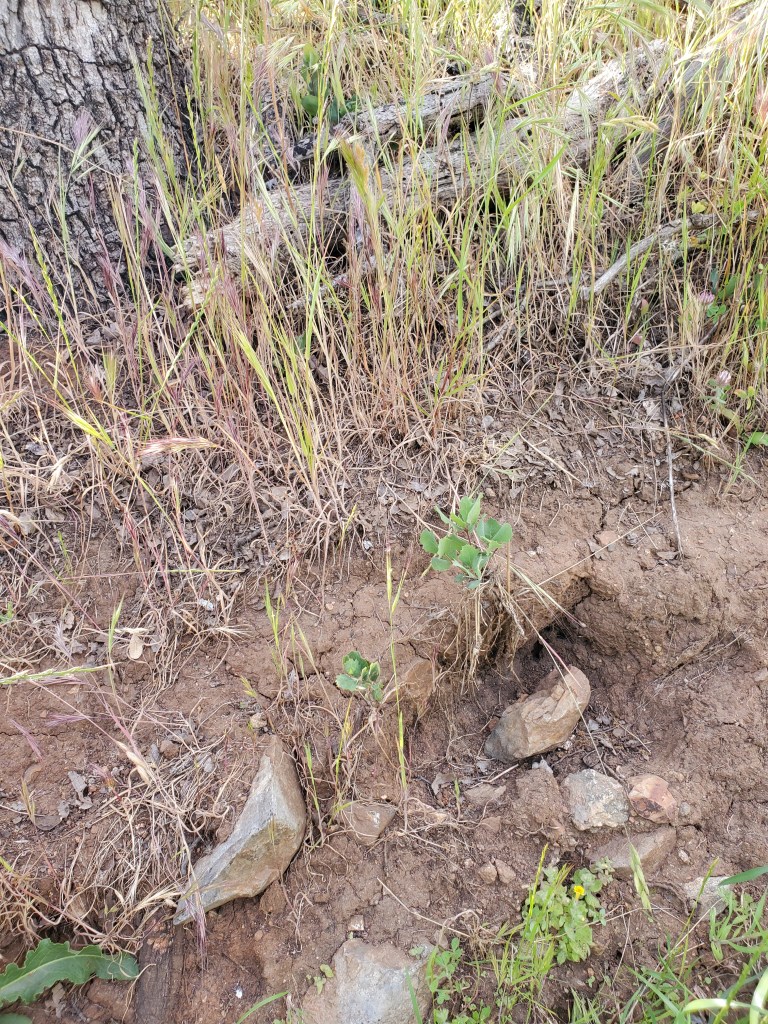
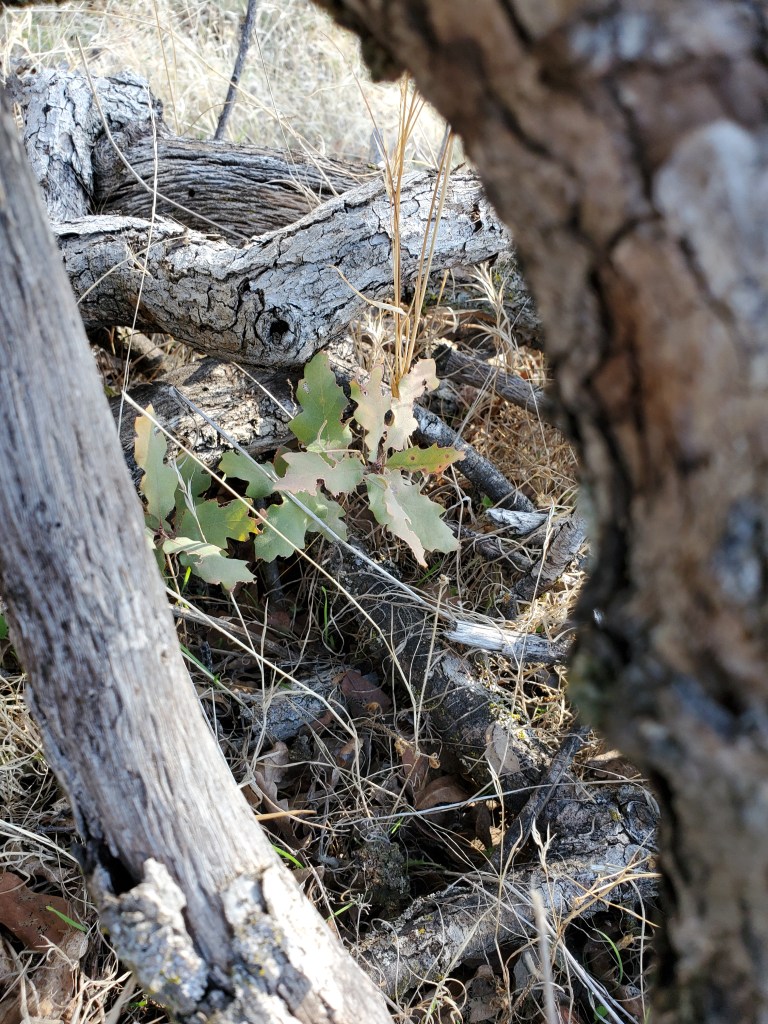
What I determined I needed to do is plant seedlings. After the loss of my favorite oak in December 2022, I resolved to collect acorn and plant them. There are no guarantees with that, and we have certainly not had any seedlings over the years with all the acorn those trees produced. This is why I had to pivot to seedlings. I got two from Ron. We discussed how the roots of the trees, even though dead above, can still be alive for some time below. Ron was telling me about how these dead trees are called nurse trees, and when planting seedlings within the crown, they have a better chance of survival because the roots protect them. There is communication and sharing of resource. There is so much being written now of what is happening below the surface of the soil, and it is magnificent. Of course, Indigenous communities knew about these connections. Many stories contain valuable information and lessons that survived colonization. I will see if I can share a story in a future post.

Bees Have Emerged

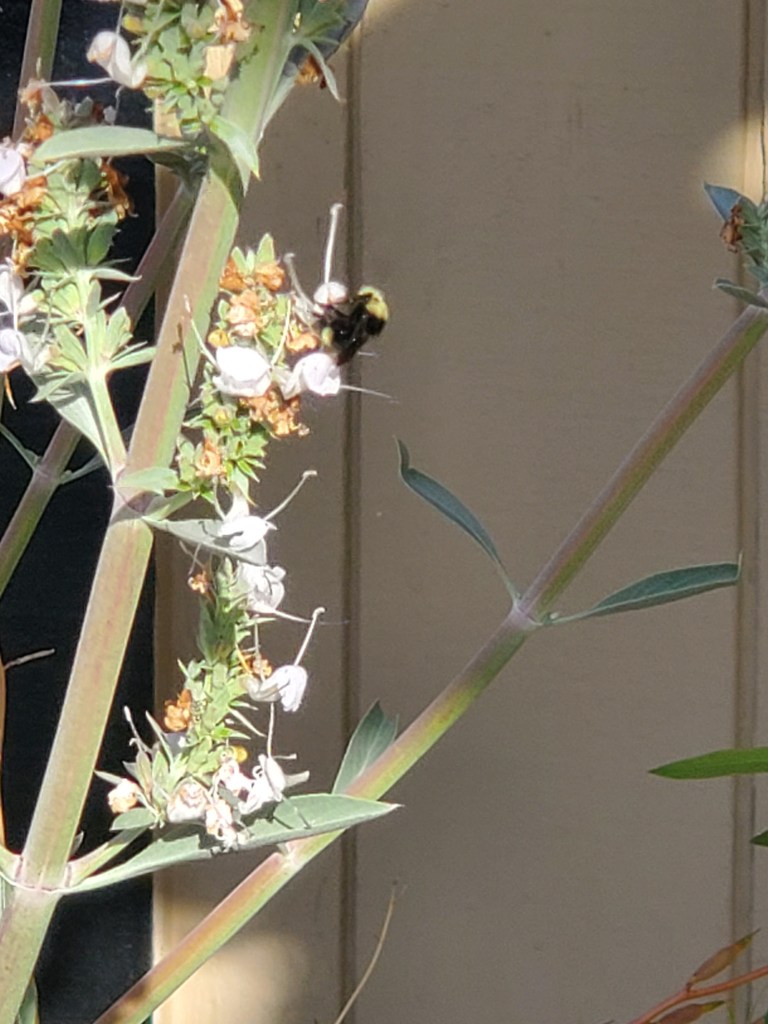
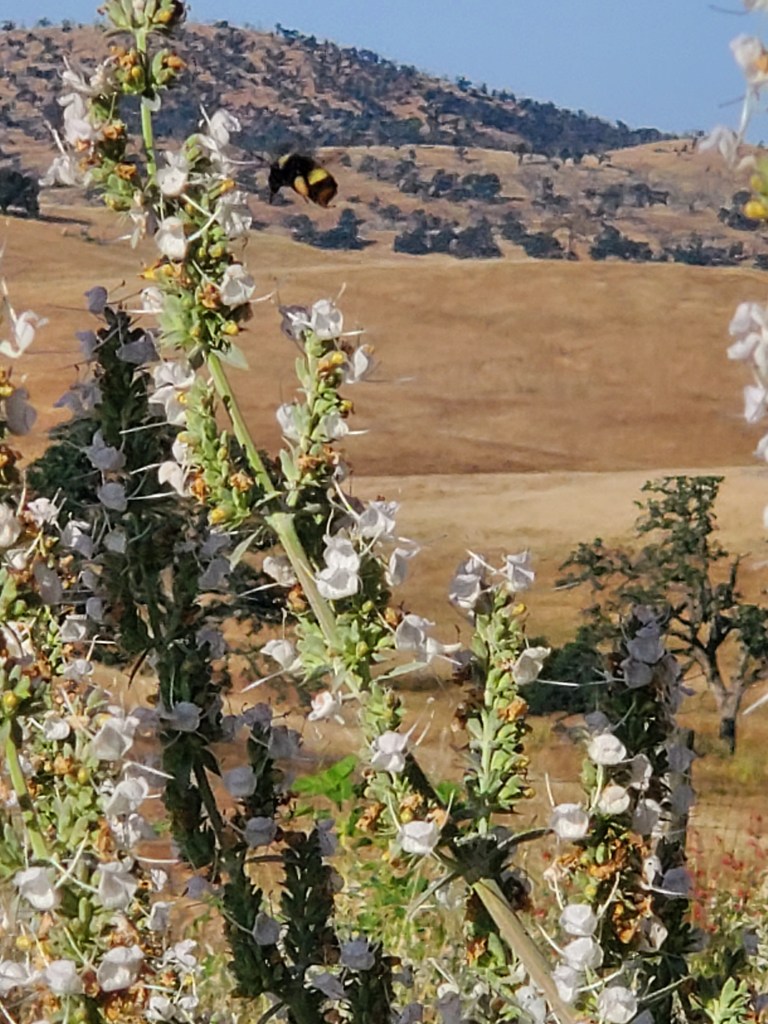
I am happy to report that the native bees have finally emerged. I have seen several semicircle, precision cuts in leaves telling me that the leaf cutter bees are out. Although I saw the female crotch bumble bee in April, I saw the majority of other native bees beginning mid May. We had several groups of smaller bumble bees. This is fantastic since they are a species in decline. In each grouping there was a larger sized bumble and two or more smaller bumbles. I wonder if the larger was the female and the smaller were males. There were many, many more European Honeybees competing with the bumbles for food. Fortunately, I have significant blooms this year and think there is enough to go around. I also saw small gray native bees with the abdomen stripes. They seemed to disappear when I got close with the camera. Although I am nearly finished with my pollinator steward certification program, I am just scratching the surface of available knowledge on native bees. There is so much to learn and so little time to dedicate.

Plenty of Nectar and Milkweed – Few Butterflies

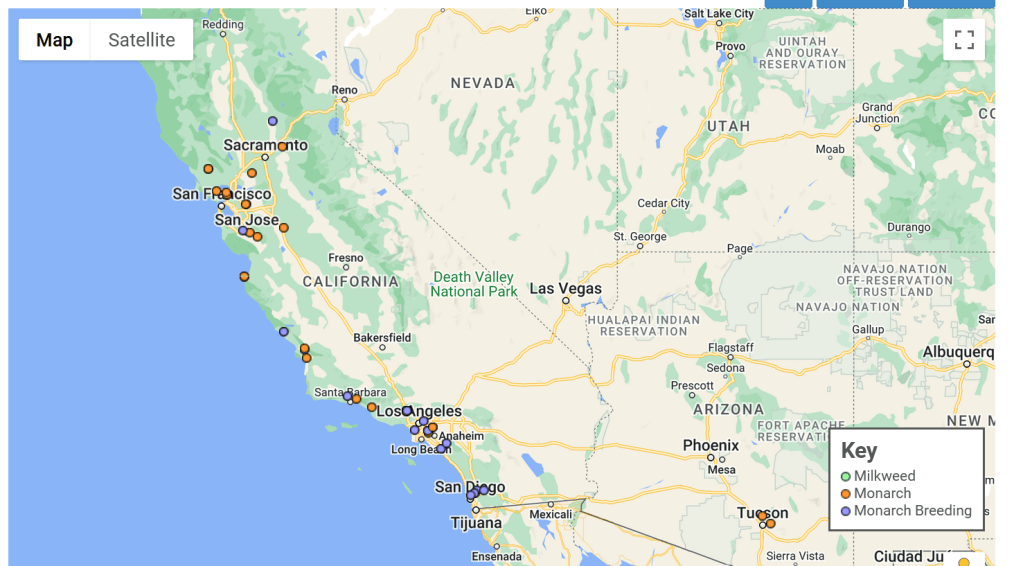
Above is a screen shot of the latest citizen data on the monarch migration. It comes from the Western Monarch Milkweed Mapper site. The cool temperatures have had them leaving the groves later than last year and possibly staying in more temperate areas longer. Far less sightings have been recorded as compared to last year. I am not sure what it all means yet. Reader, would you help? If you are in the west, please use this tool to document sightings of monarchs. I am going to ask my crowd on social media to help track them as well.

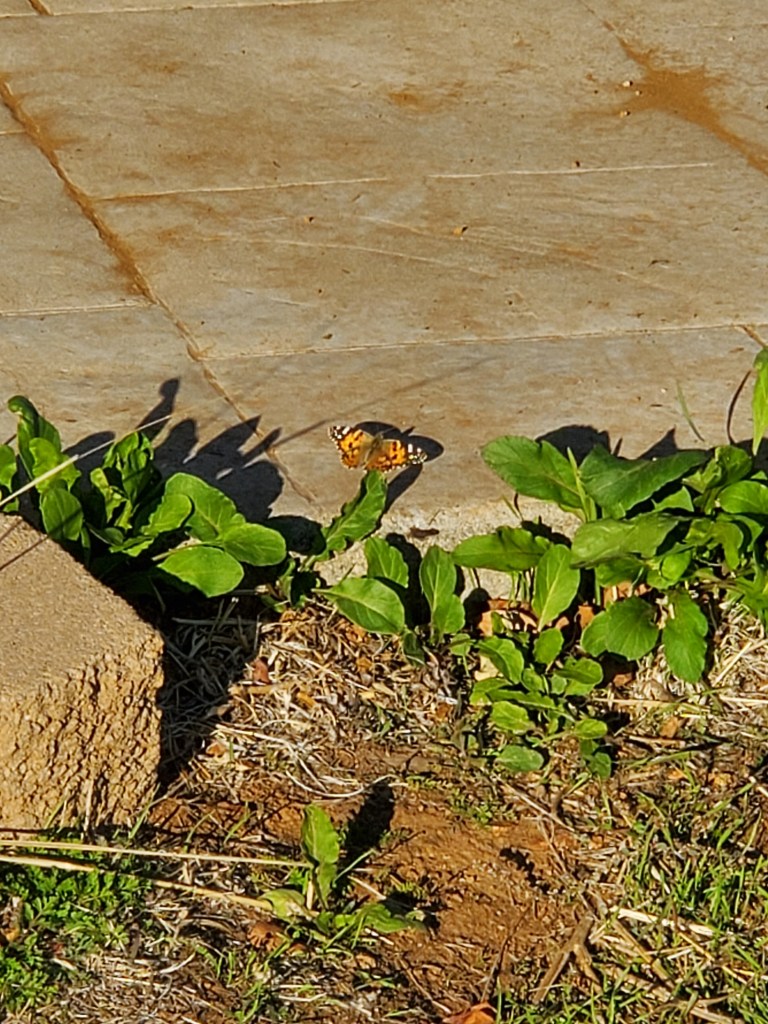
As of this writing, my many stands of mature milkweed have gone unused. There is absolutely no sign of chewing (herbivory) on the plants. I have seen only a handful of butterflies. Most were painted ladies, some cabbage and sulphur, and one red admiral.
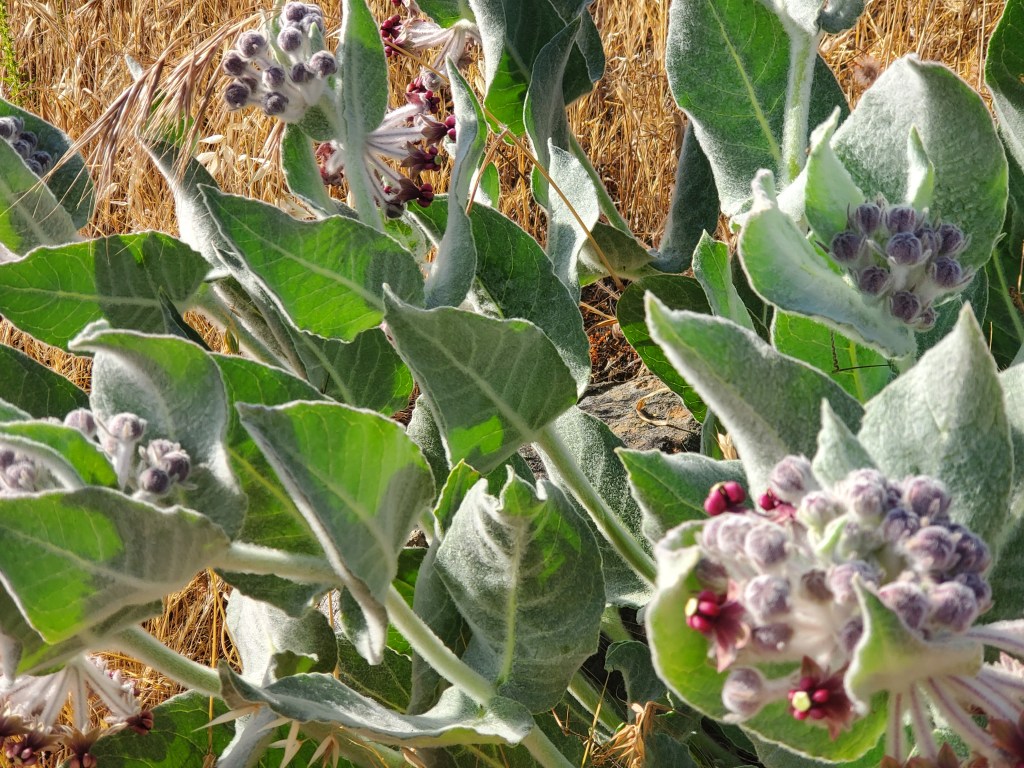
I am still holding out hope for monarchs. Some of the California Milkweed has fresh flowers sending scent into the air. Temperatures have been erratic, which may have contributed to the butterflies being mistimed with the flowering.
From Green to Yellow

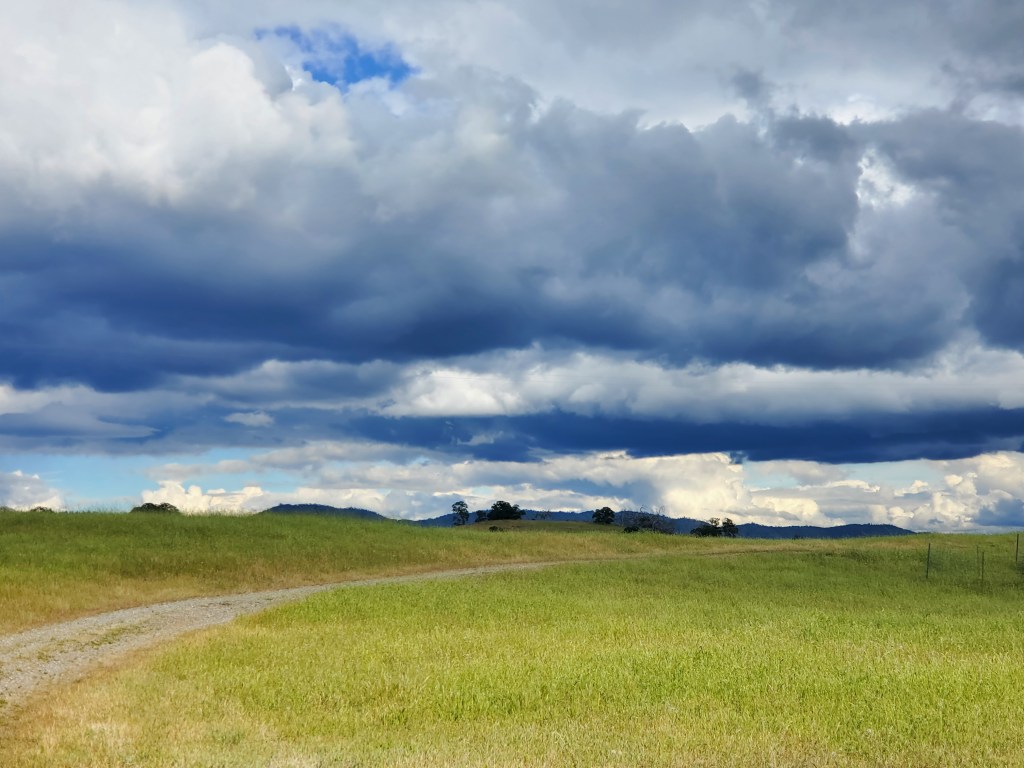
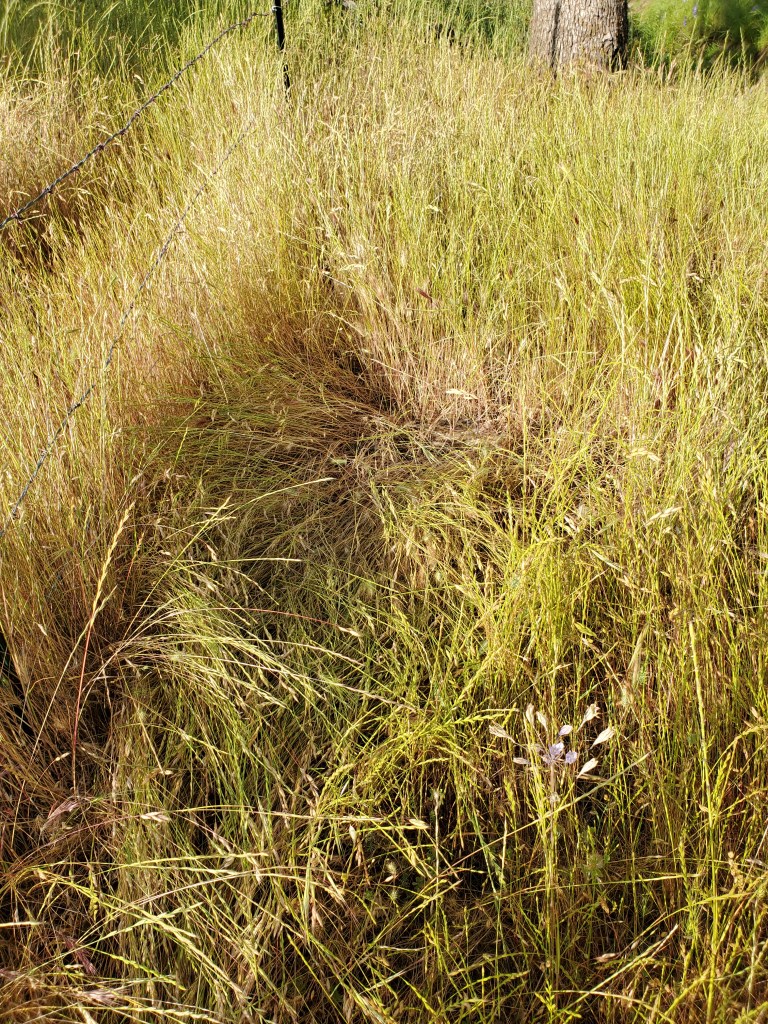
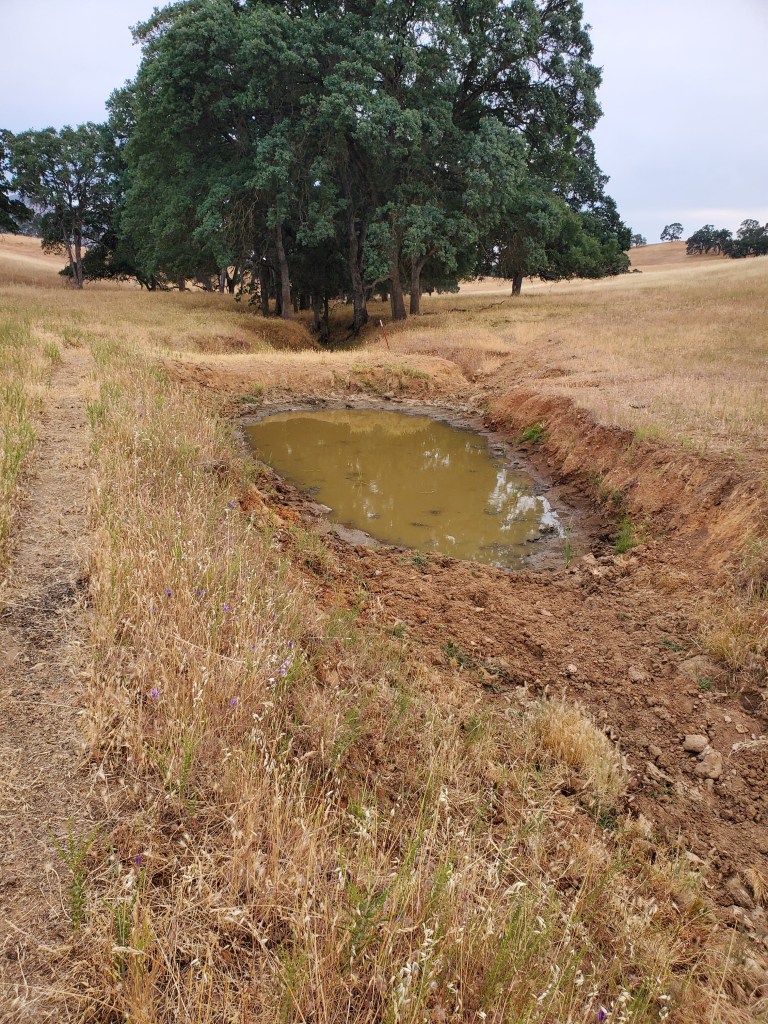
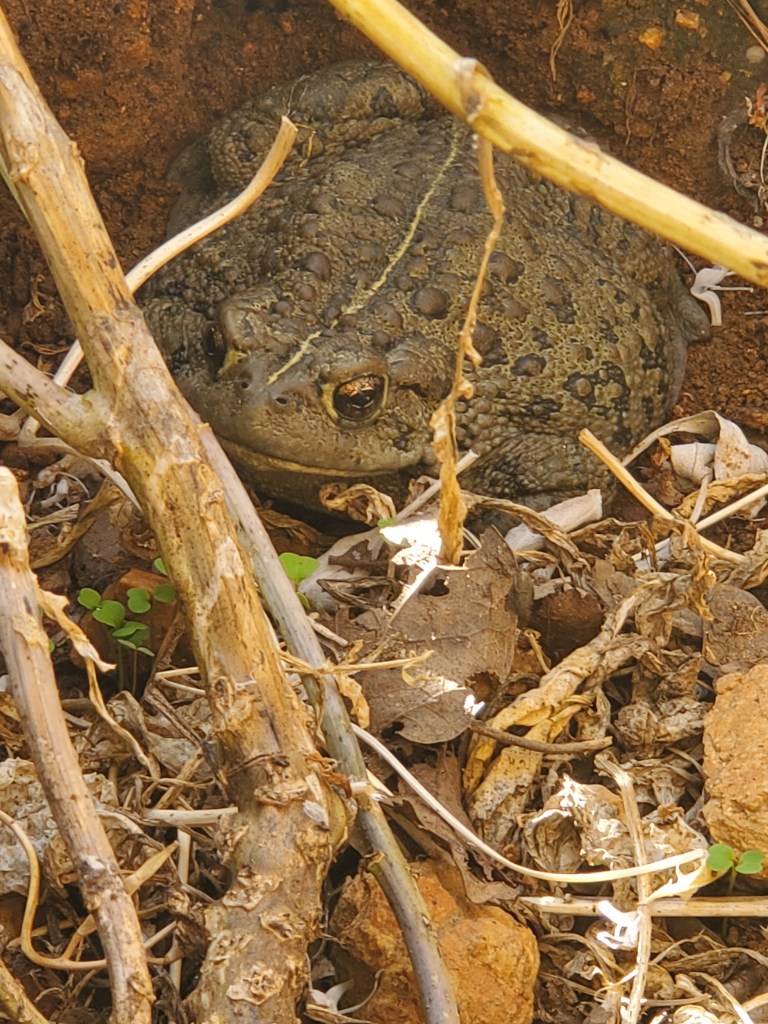
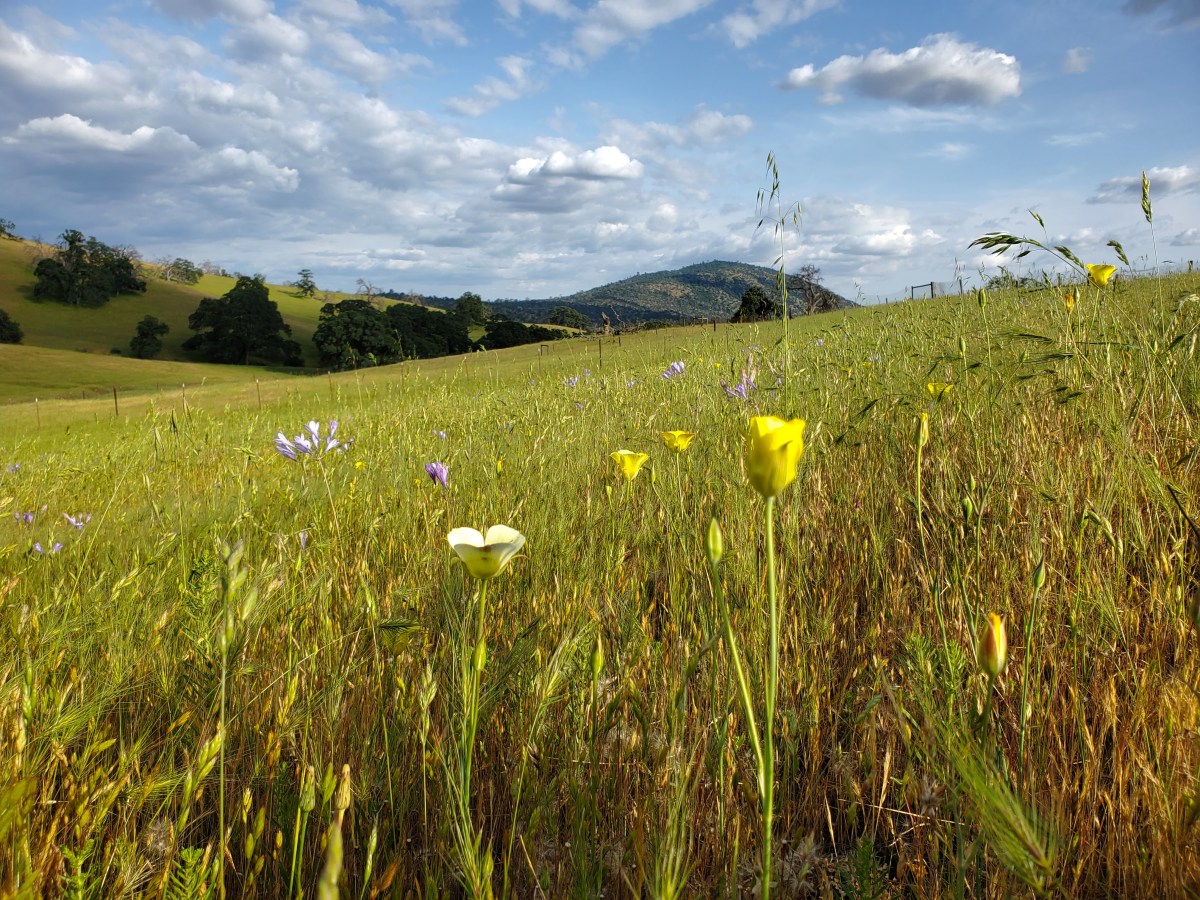
Every year I am stunned by how rapid the shift is from green grass to yellow grass. Many of the photos in this blog post were taken two to three weeks ago, so you will see things as green. By the end of May, most of the landscape turned yellow. There is still water remaining in the arroyos and the swale pond. Typically, by June, they are all dry. The springs are still green as well as the recharge areas in the arroyos. Tarweed is up and some are in a very early bloom. The doveweed has emerged and will be large by August – or possibly earlier like the tarweed. We still have a large number of wildflowers – purples, whites, yellows. A beautiful native toad is living in my patio garden area. The cows are fat and happy. This is a year of abundance of food and water, but not a very large population of insects to use them.

November: Rain to Cold to Warm Again with Cold Nights and Dry. Blooms, Butterflies (still) and Falling Trees

Narrowleaf milkweed seeds ready to float to their next life

With the exception of early November, it has been dry. The early month rain was wonderful, but we need more sustained days to really get the ground and creeks back to typical functioning. Although there have been cold days, the sun has come out and created warm temperatures. There are still butterflies and blooms, bees and bugs of all sorts. We all need rest, and this lengthened growing season is not healthy for any of us – soil, bugs, plants…me.

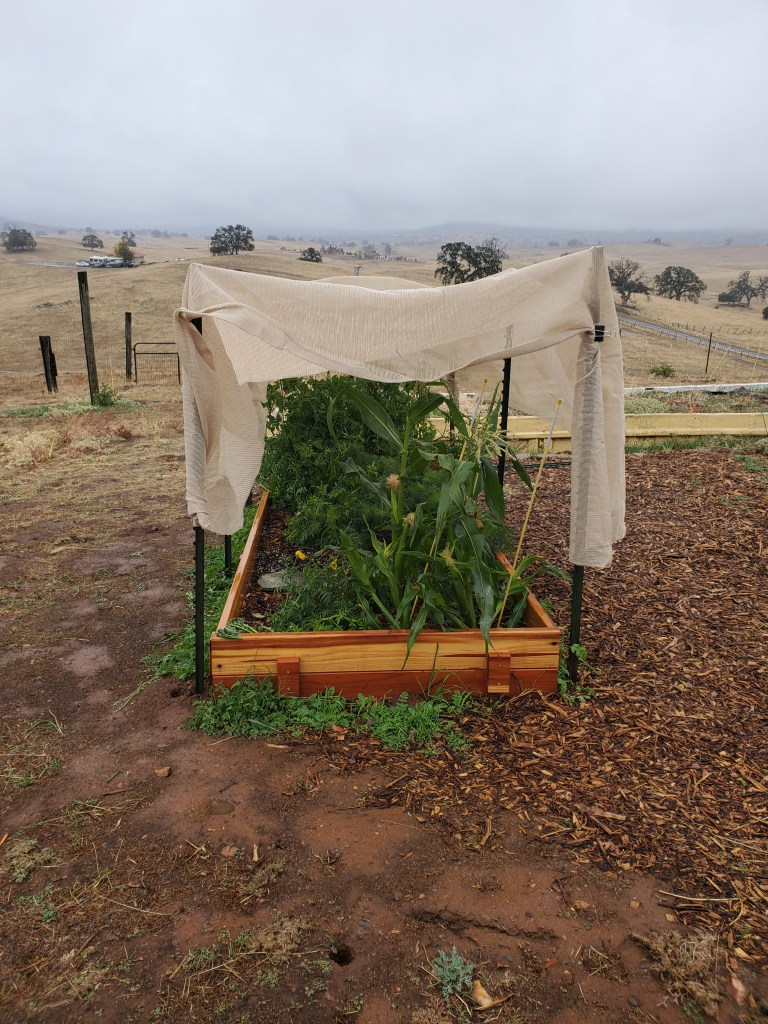
The garden is still going strong too. I have made wonderful salads for family and friends for over a month now. Would you believe that I still have tomatoes growing?! The tomato plants are definitely showing signs of cold, but the blooms are still converting to fruit. It is not hot enough to turn the tomatoes to red, but I am thinking I will make a sizable green tomato salsa.

Xerces Plants Almost All Planted – Whew!

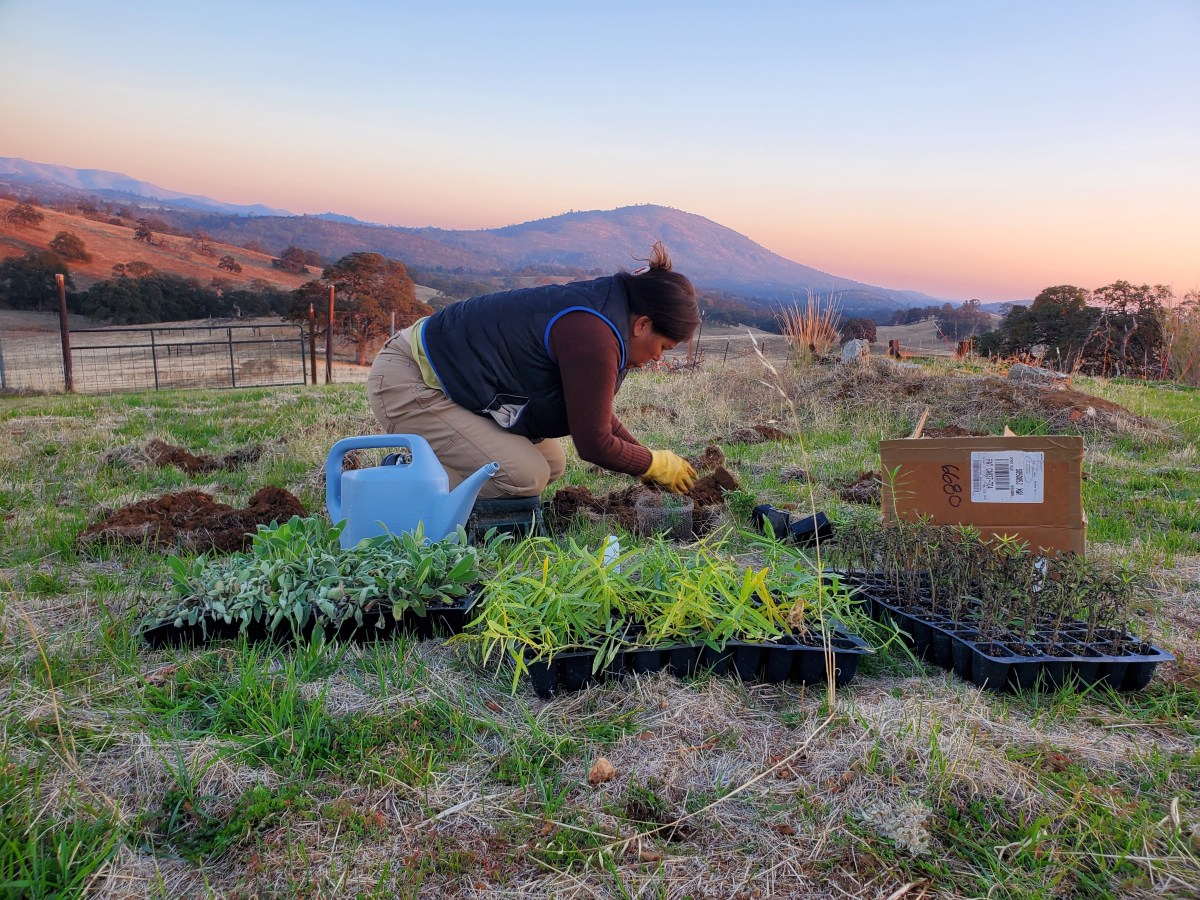
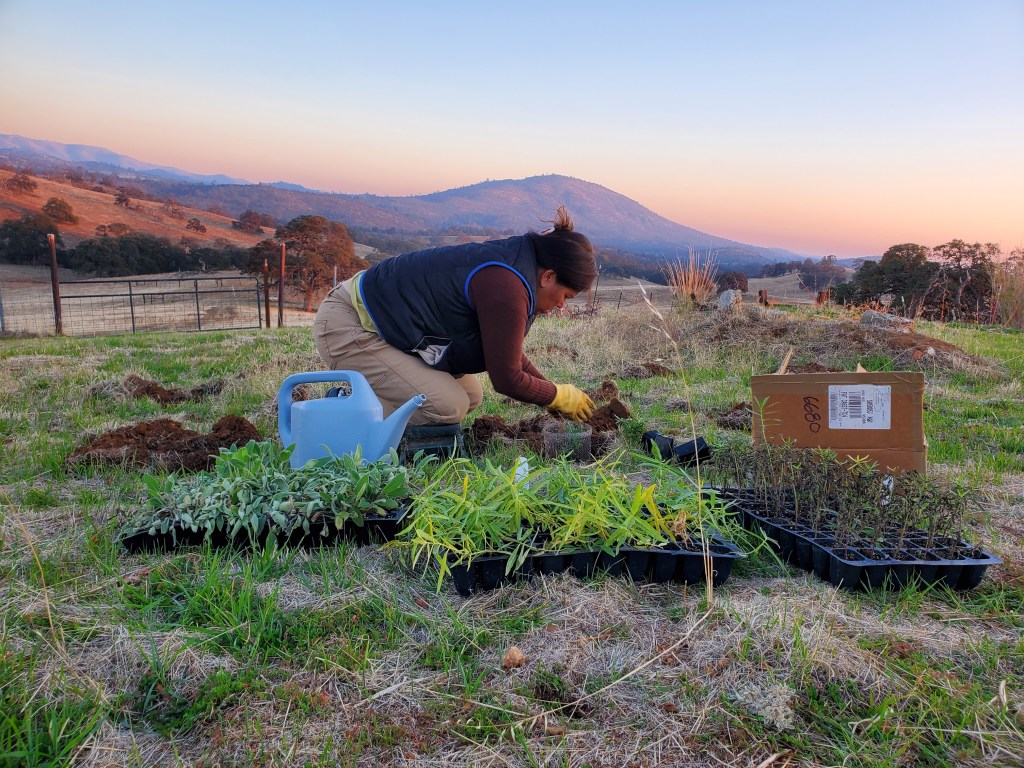
I am down to 31 nectar plants to plant and around 30 milkweed plants. This may sound like a lot, and it is, but I started with well over 200. Because Xerces had some extra plants they provided and because my water situation changed for the worse since the time I submitted my request to participate with them, I enlisted the help of some friends to plant at their more lush, water-rich properties. I gave friends, Raw Roots Farm (Lauren and Andrew Gliken) and Letha Goger some milkweed and nectar plants to augment their existing habitat.

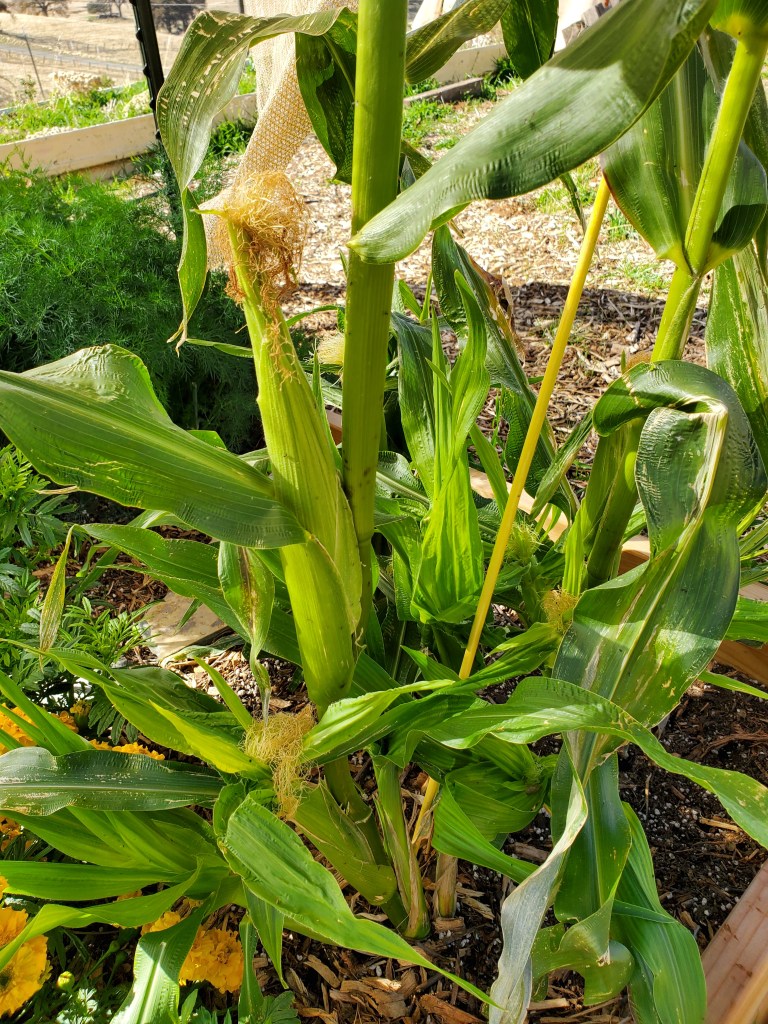
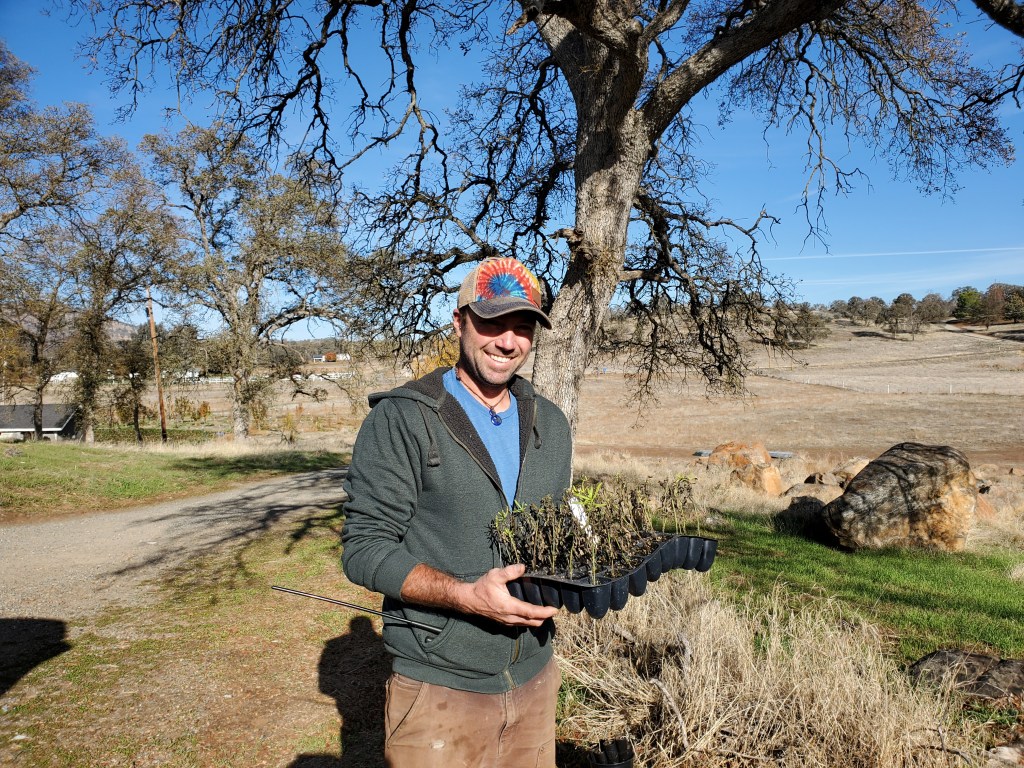
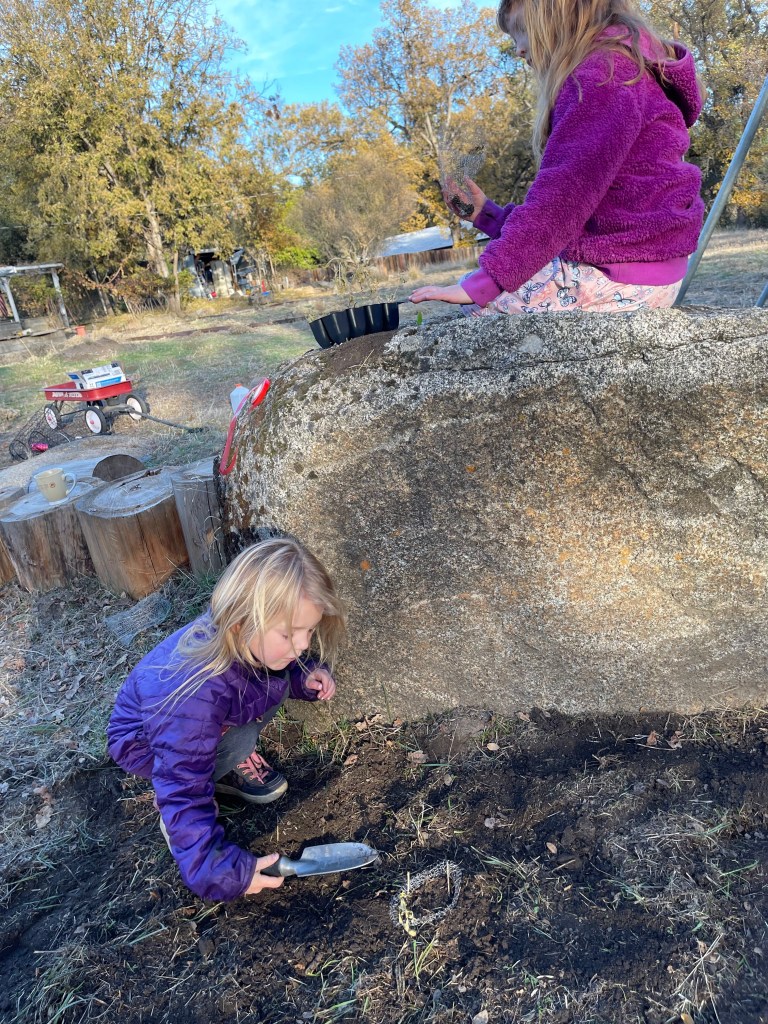
Raw Roots is located along Owens Creek in Catheys Valley. They already have a large stand of narrowleaf in a low-lying, moist area of their farm. Most importantly, they already have an irrigation system to support the plants in the first couple years and in dry times. Fortunately, Andrew’s family was visiting for the Thanksgiving holiday and were conscripted to help with the planting. I love it when families, especially children, are involved in stewarding the land. It is a strong, important lesson to teach them of their responsibility to all living things. Amazingly, while I was there dropping off some plants, a monarch flew by. WHAT! Shouldn’t they be on the coast overwintering by now? With climate change, who knows how all of us will adapt (or not). This beautiful butterfly was large. I only saw it for a moment. Andrew told me that he had caterpillars this year that he found on the corn. Interesting.

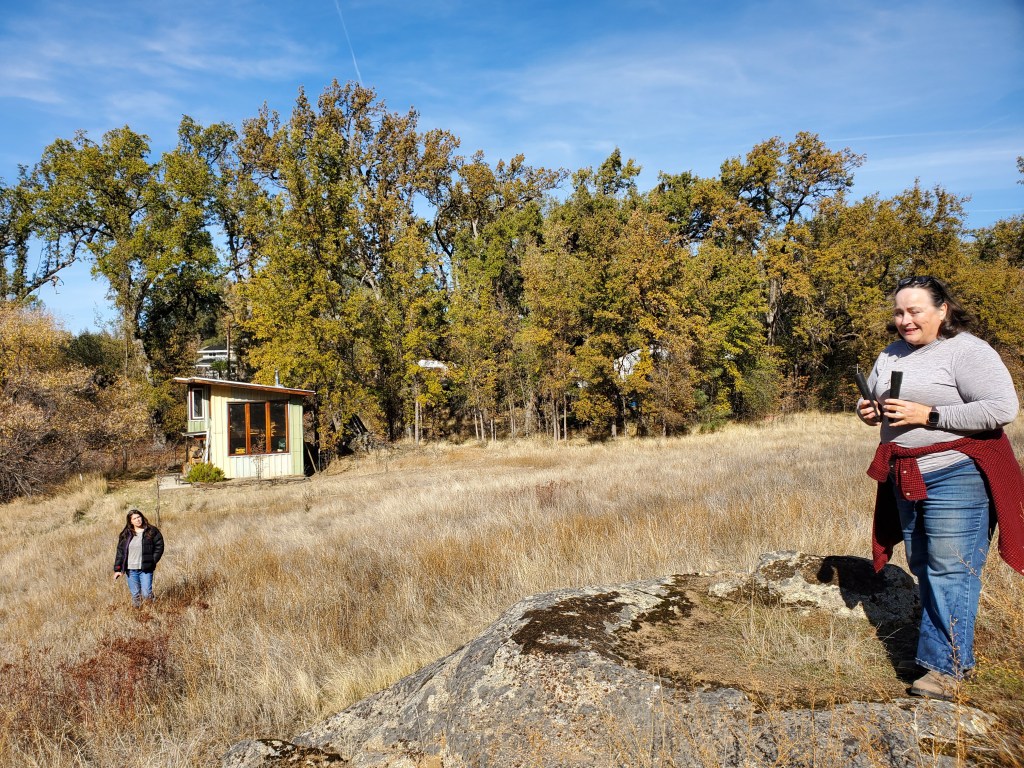
Letha Goger is the matriarch of an incredible family of people who provide exemplary public service through their paid and volunteer work. She recently volunteered to become a Xerces Ambassador. I was so excited when I heard she did that. There is something very deep in her that wants to serve the land. She has a beautiful piece of property with existing habitat and water infrastructure. On the property is the confluence of two washes and a spring fed creek – all within the Mariposa Creek watershed, I believe, and located in the area between Mariposa and Catheys Valley. Kristie Martin from the Southern Sierra Miwuk Nation’s Pollinator Team and I went to Letha’s to do an assessment and make recommendations. She has a great spring and moisture-rich property. Plants are happy there, and the Xerces plants will have a high likelihood of establishing. I gave her some milkweed and some nectar plants. including the California milkweed scientists are finding is so vital for the early part of the monarch migration. Letha was overjoyed. Kristie and I identified several places in the moist areas where plants would be able to establish best. There were a couple of other places closer to the house where Letha is able to irrigate them. Overall, this will be a key location in an important watershed for monarch migration adjacent to existing habitat. We are really making some headway in Mariposa County for expanding pollinator habitat.

Thank you to the Glikens and Gogers for their incredible support of pollinators from before this time to now and into the future. Chiokoe uttesia.

Water Projects

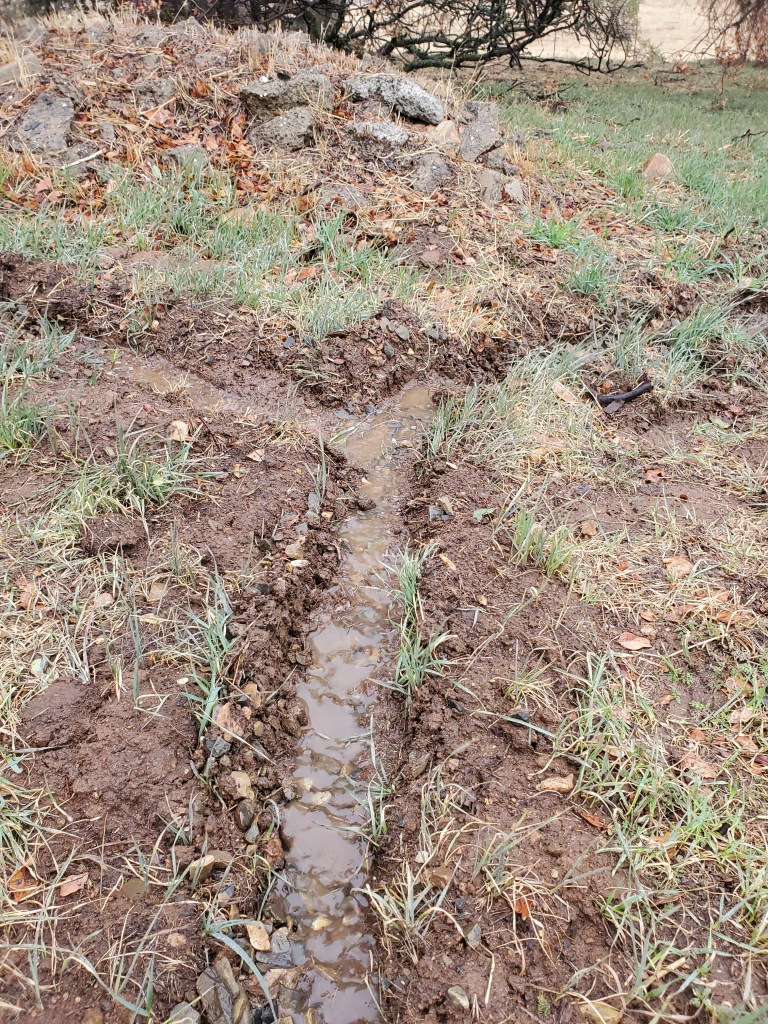
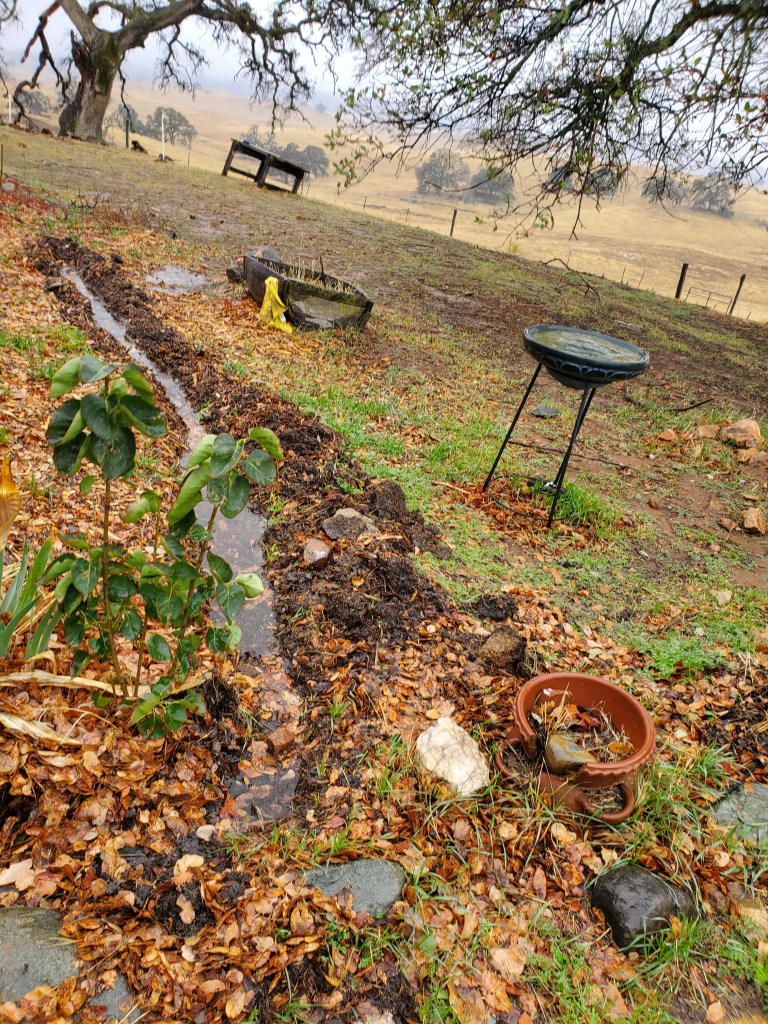
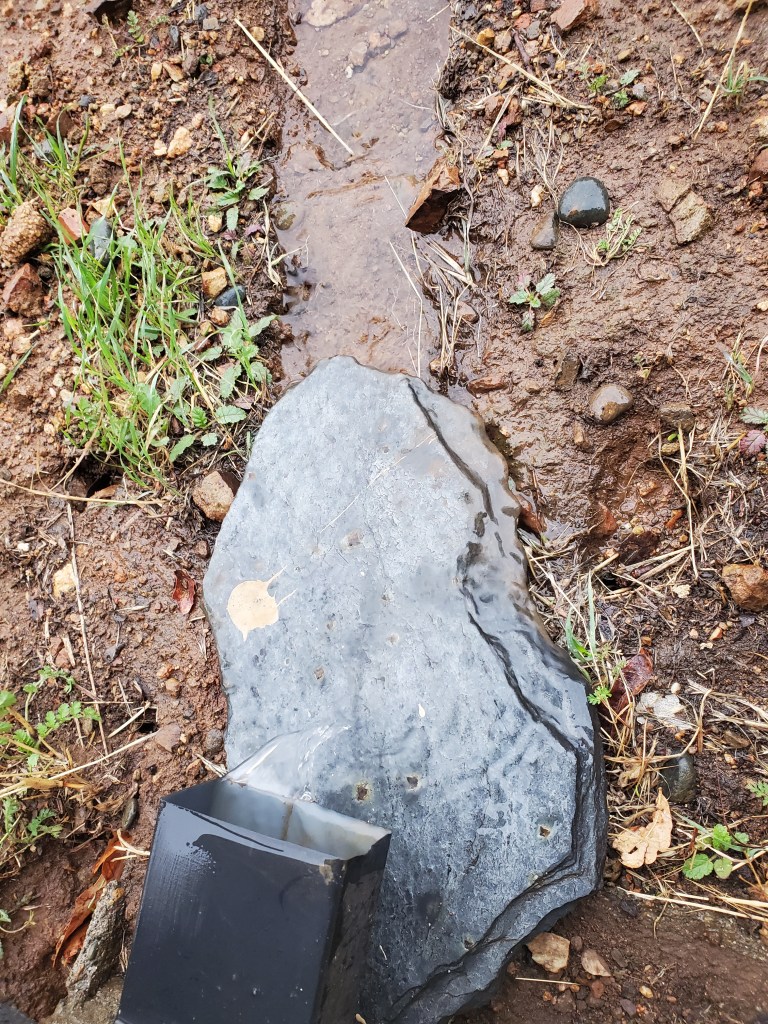
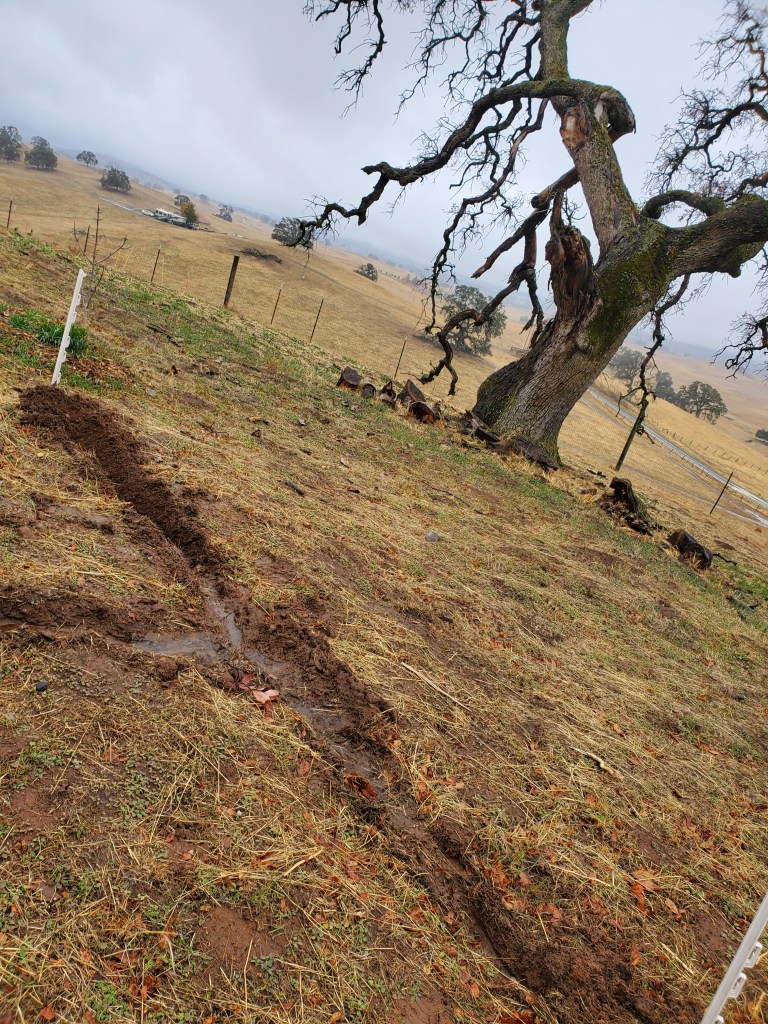
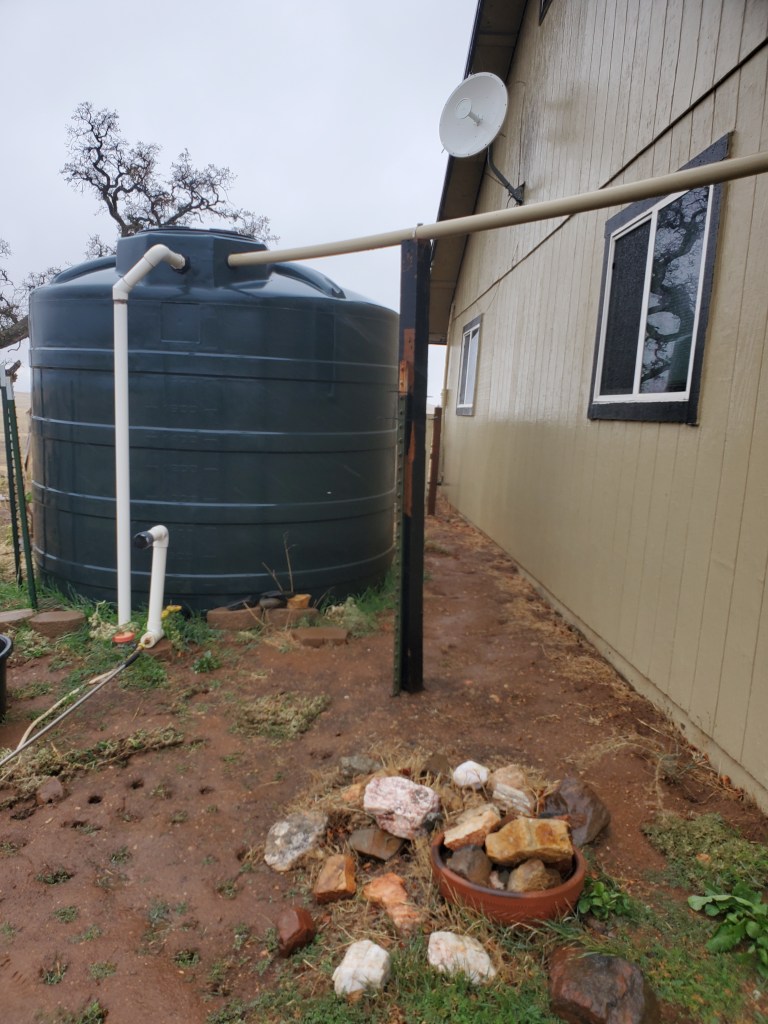
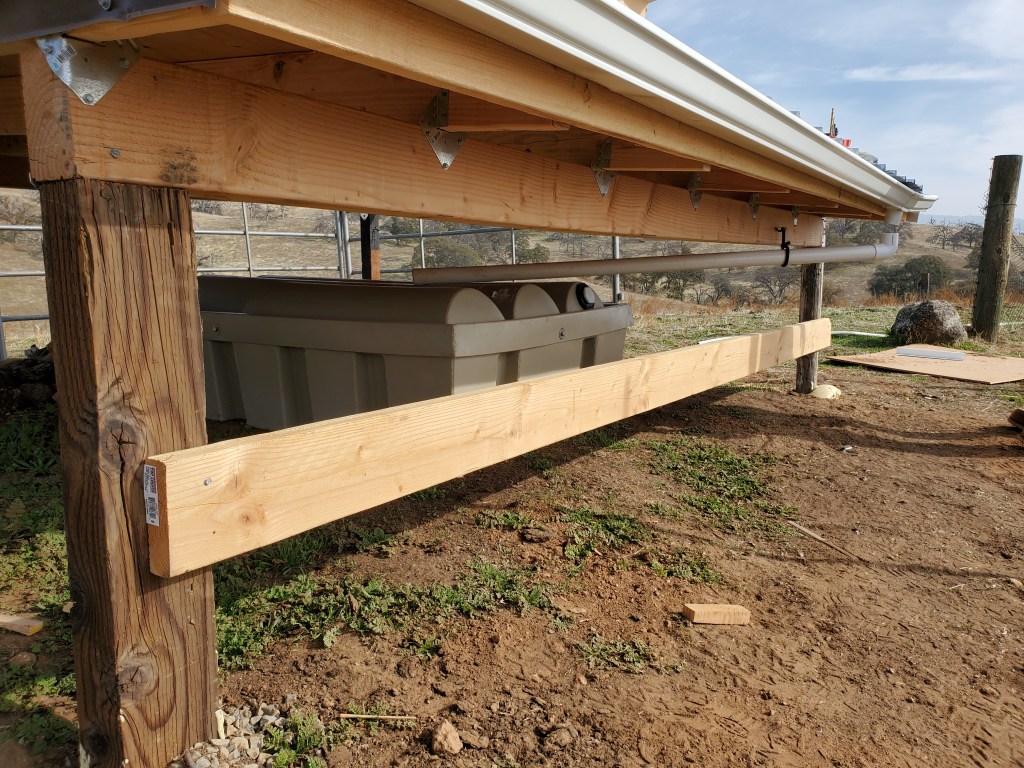
At the beginning of the month, it rained. I deepened existing rainwater channels and dug new ones to the ailing grand blue oak trees. David propped up the south rainwater tank pipe to promote better flow from the gutter point of entry, which was overflowing with the new catchment entry receptacle. The swale pond finally had standing water, even though it was just a little. I am still waiting for my cattleman to be healthy enough to take a look at my log and rock drop structure. I am anxious to get that installed to slow the runoff from the storms. Poor guy. He has had several health issues in the family all at one time. We wish them well always.

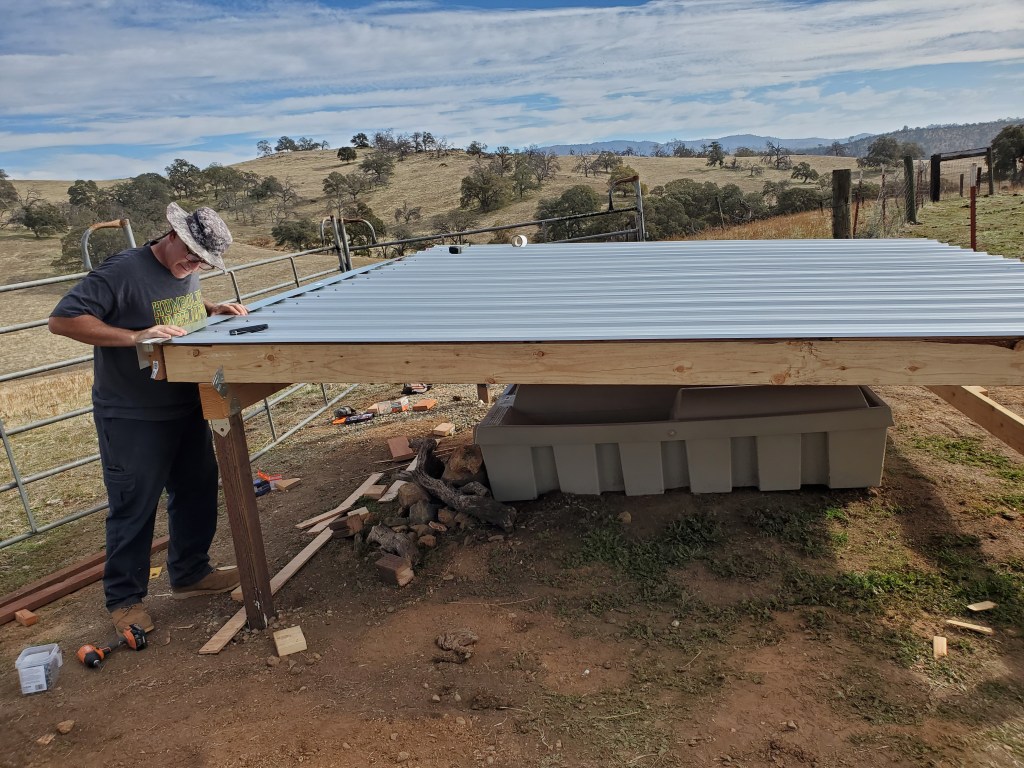
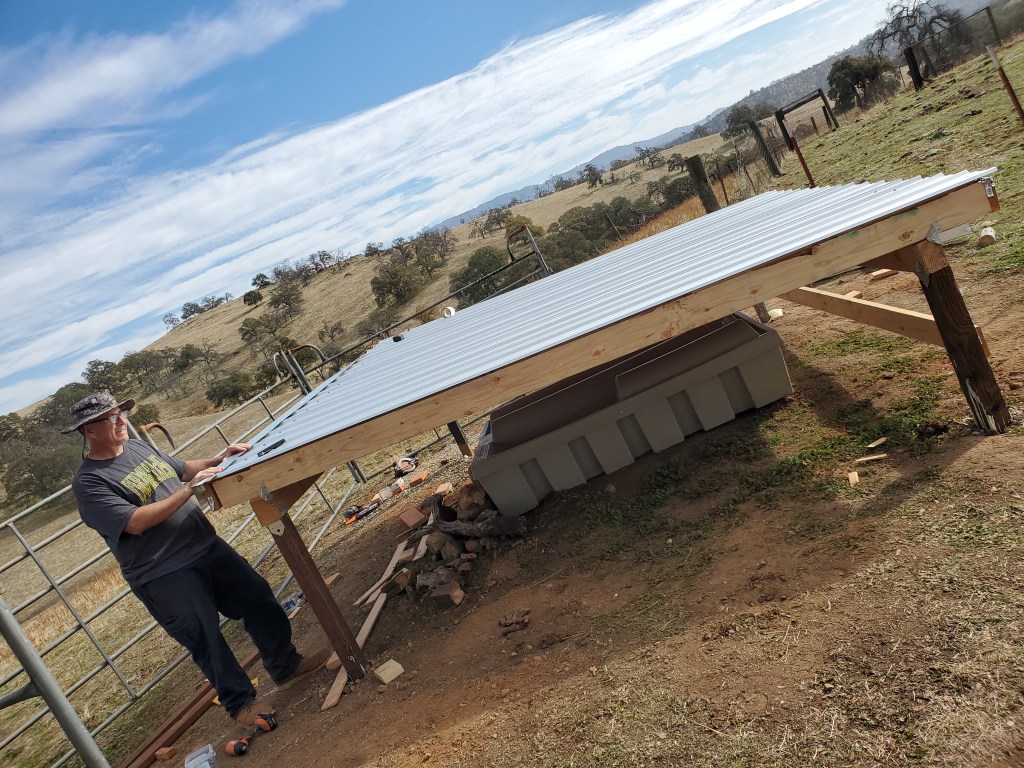
The guzzler project is almost finished. David has taken on the task of building the guzzler overhang. He is not a contractor. It has been slow going, but it saves us money. We are not wealthy people and every penny counts here. If I paid for someone to do everything, I would be broke. He has done a good job, and boy that structure looks pro!

Walking the Ranch I Find a Forest in Crisis

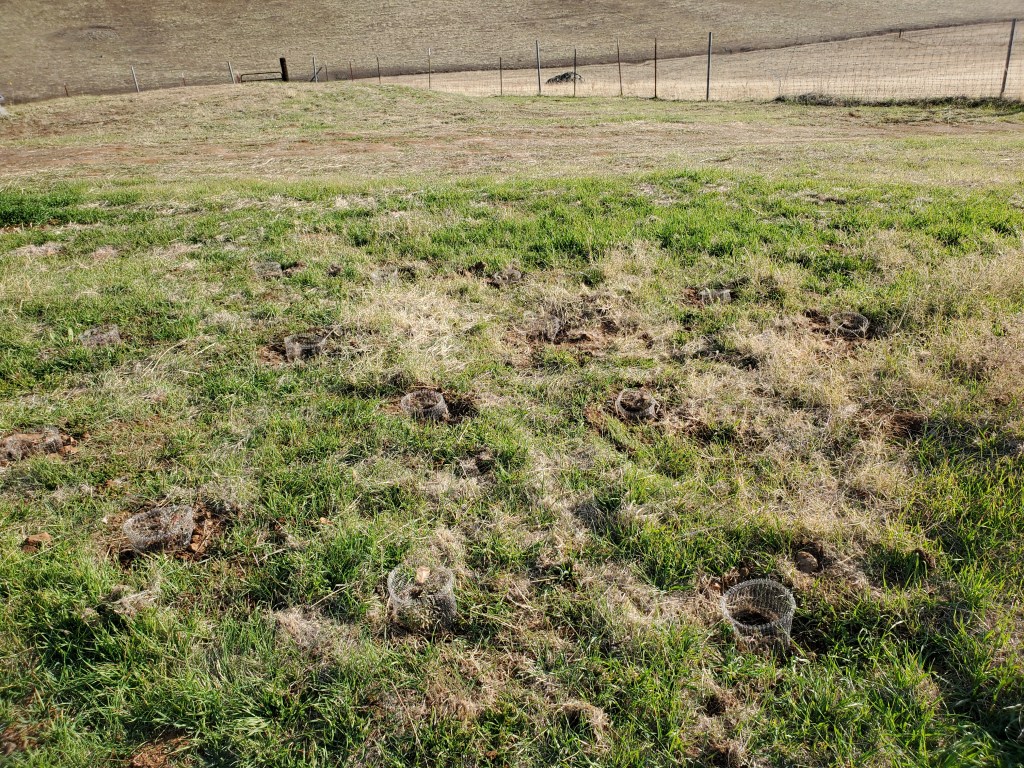
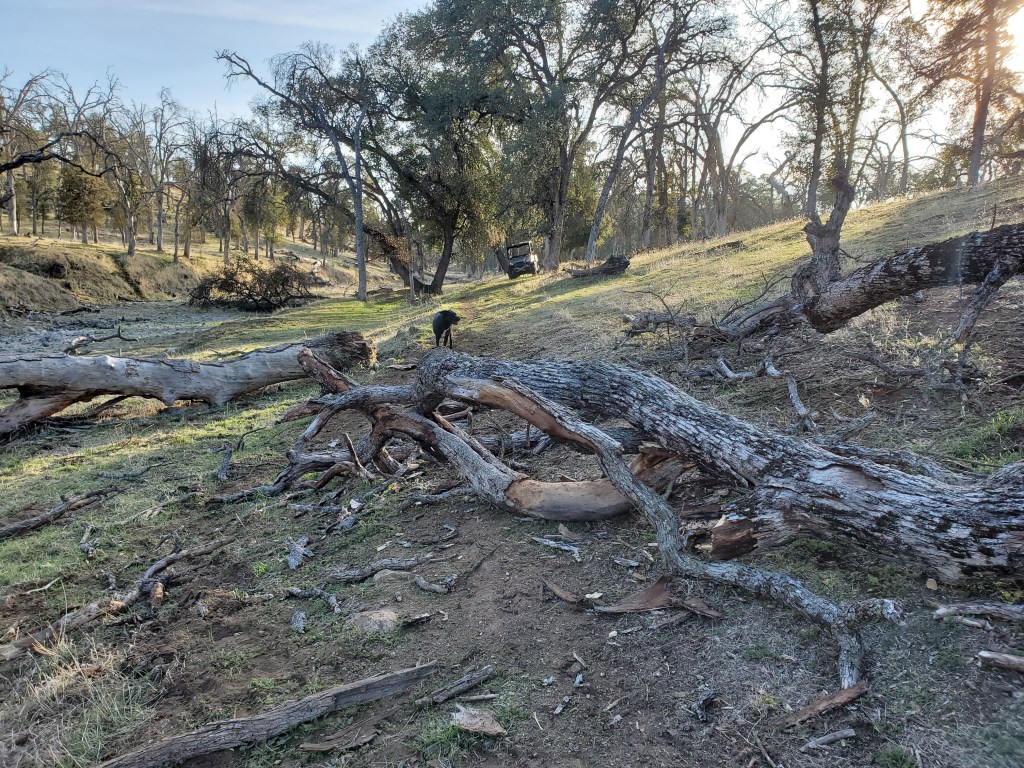
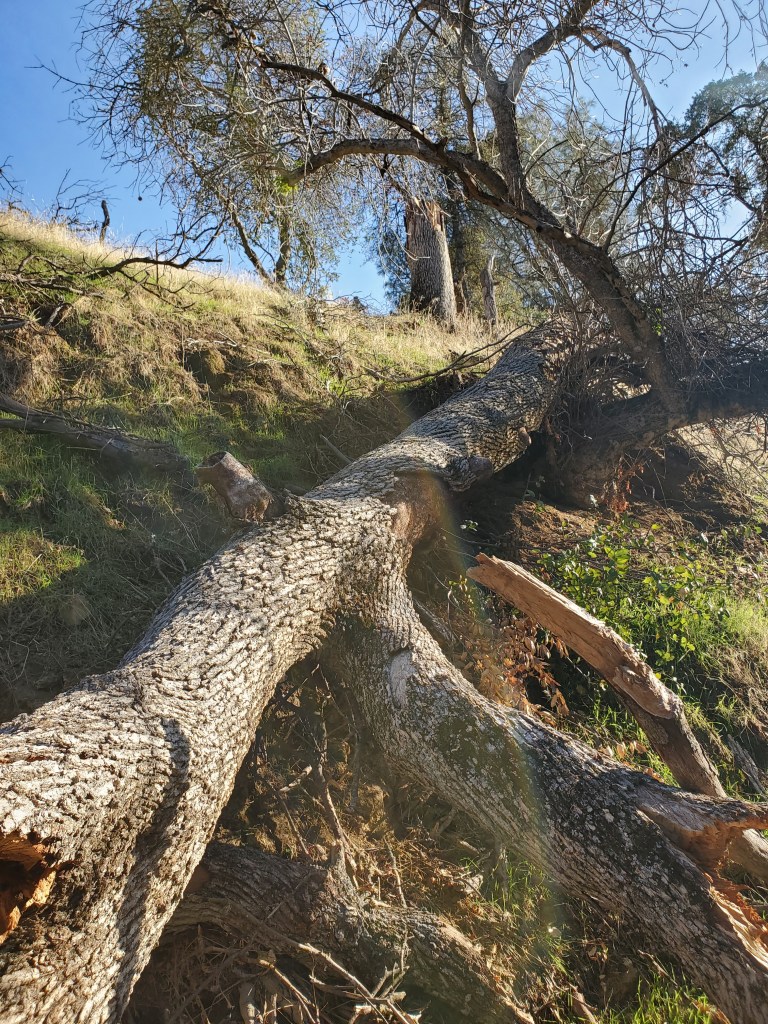
The spot I had picked out to plant the Xerces milkweed and other nectar plants is no longer viable given the intense dryness of the landscape. I have been scouting other locations, looking for existing milkweed as a sign of a good place to plant. The mid and back sections of the ranch are more forested than the open grassland of the front. Over the last three months, the decline of the forest was evident. Even if I was blind, the level of dismemberment of the trees would be noticeable. The dry crunch of leaves and smaller phalanges of branches loud and audible. The smell of dried oak and newly severed bark unmistakable. The impassibility of the trail from large branches or full trees returning to the ground from their skyward heights tactile.

I no longer feel comforted as I walk through the woods. I feel anxious. I feel uncomfortable. It is as if a great windstorm swirled through leaving wood all over the land and full trees tumbled. I will not walk under any dying or already dead tree for fear of a limb dropping. I keep the dogs close or not bring them with me at all. You can hear the echos of something stepping, wood moving, limbs cracking. It could be a distance away or over your shoulder. The forest is dying.

I can only hope that the clearance of so many trees and branches allows the others to flourish. Something deep within my heart tells me that very little can thrive in such detritus and dryness. Water is life and there is little, so very little, water on the surface, within the soil or absorbed into the fractures and cracks underneath the land. I will do what I can, but the issue is larger than me.

My constitution cannot tolerate depression and gloom for long. Fortunately, I am not built that way. So…I look for signs, anything, to convey hope, repair, life. First, I see deer grass that I did not plant. Then, I see the remains of a multitude of vinegarweed, plants I had only seen one or two of in years previous. I continue my walk and see a healthy black oak seedling and a healthy cottonwood seedling. I find more than 30 blue oak “babies”. Finally, I see what I am looking for – a nearly 4 foot tall wild narrowleaf milkweed with seed pods galore. This is the place I will plant – the place where I will work in partnership with in malla, u bwia (my mother, the land), and together, we will start over. We will heal.