Fall is in the Sky on the Ground and in my Nose

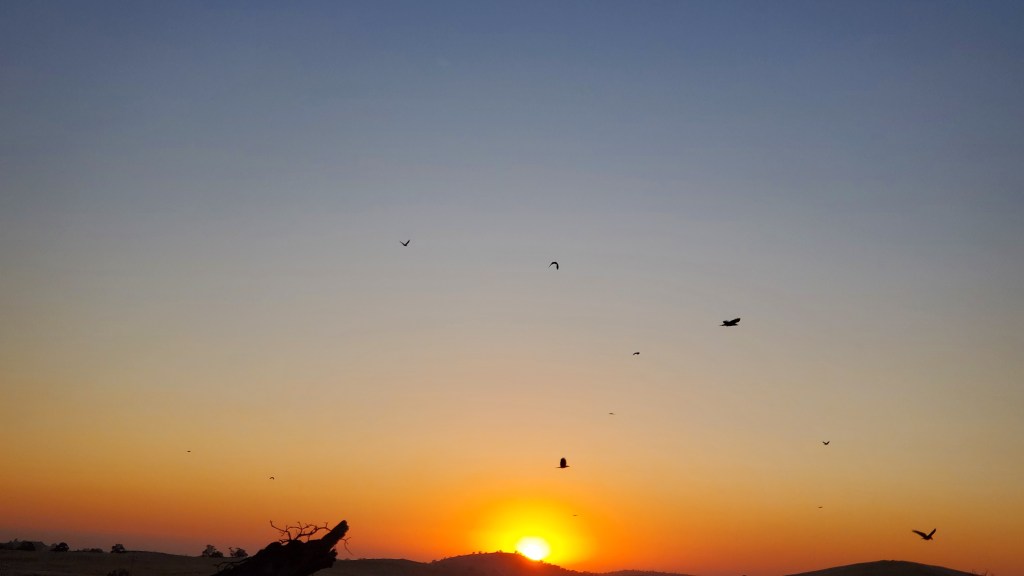
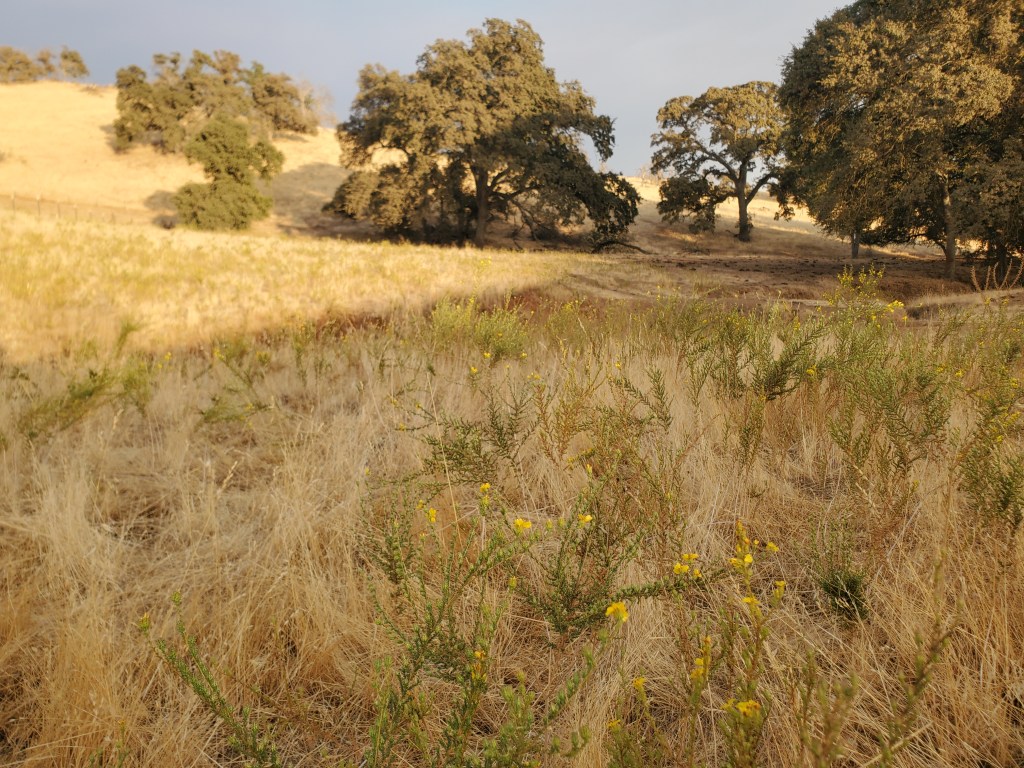
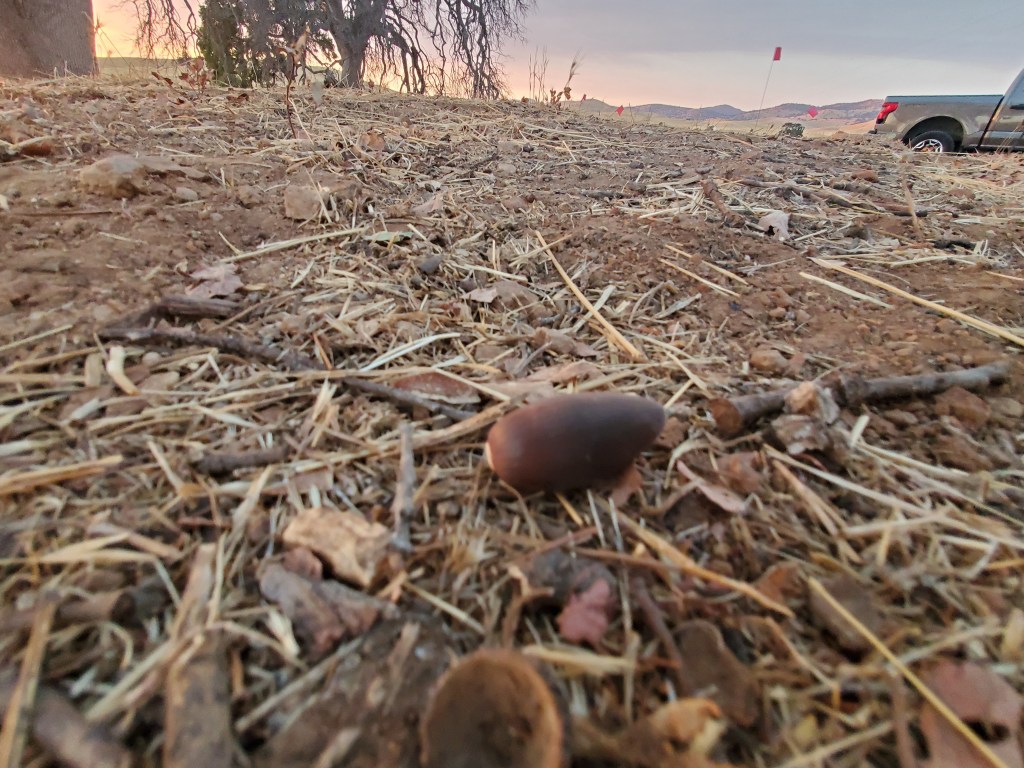
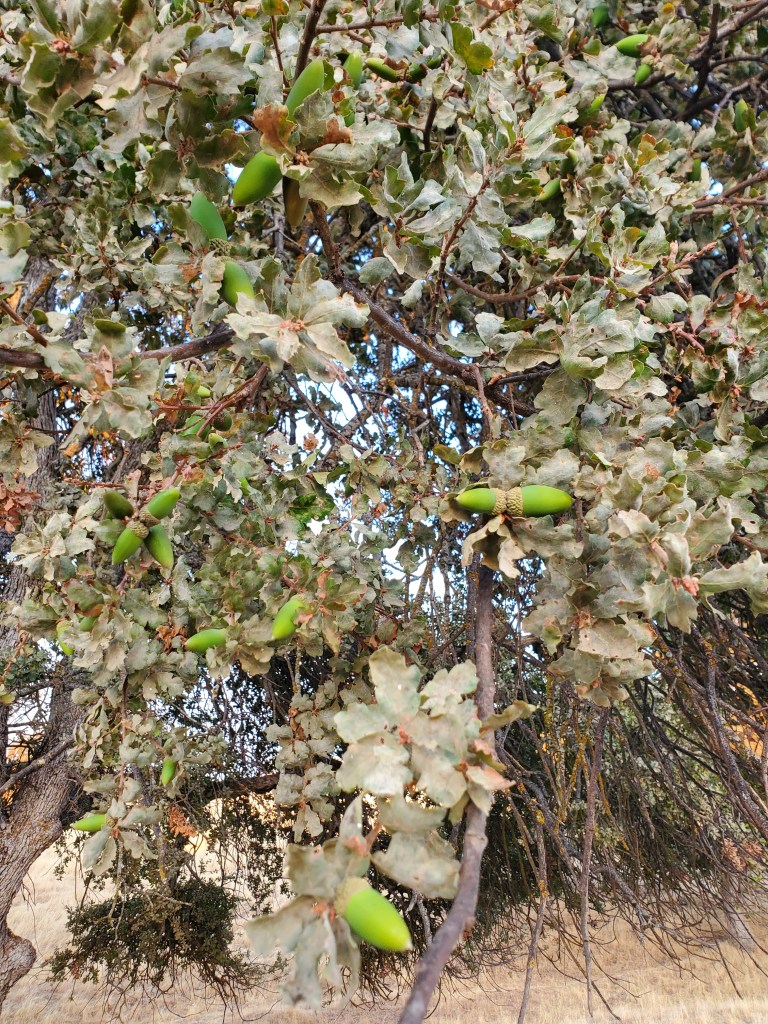
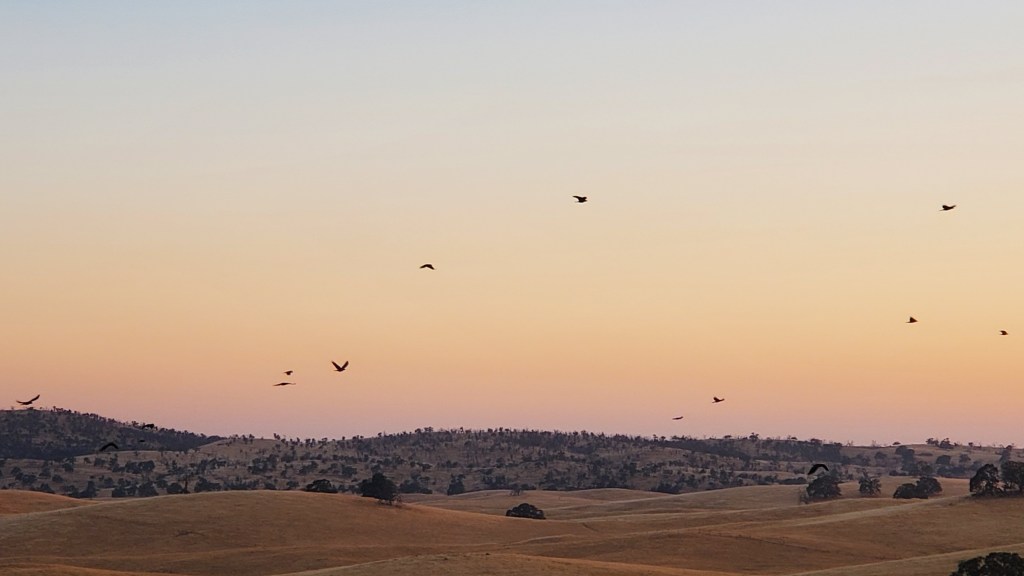
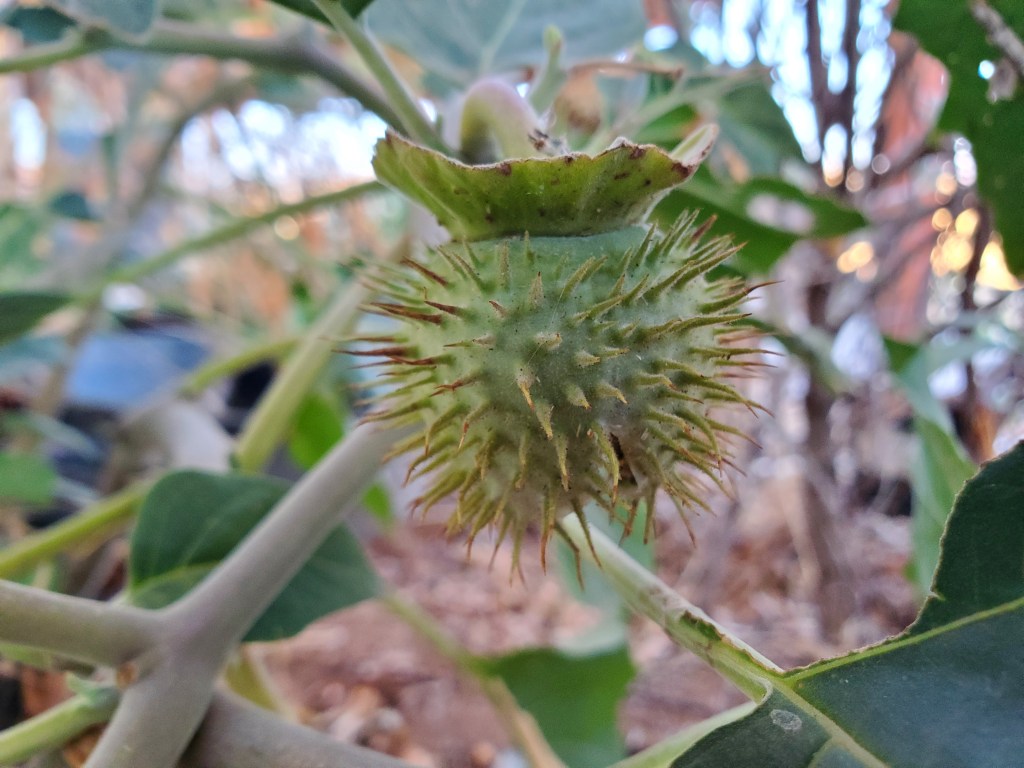
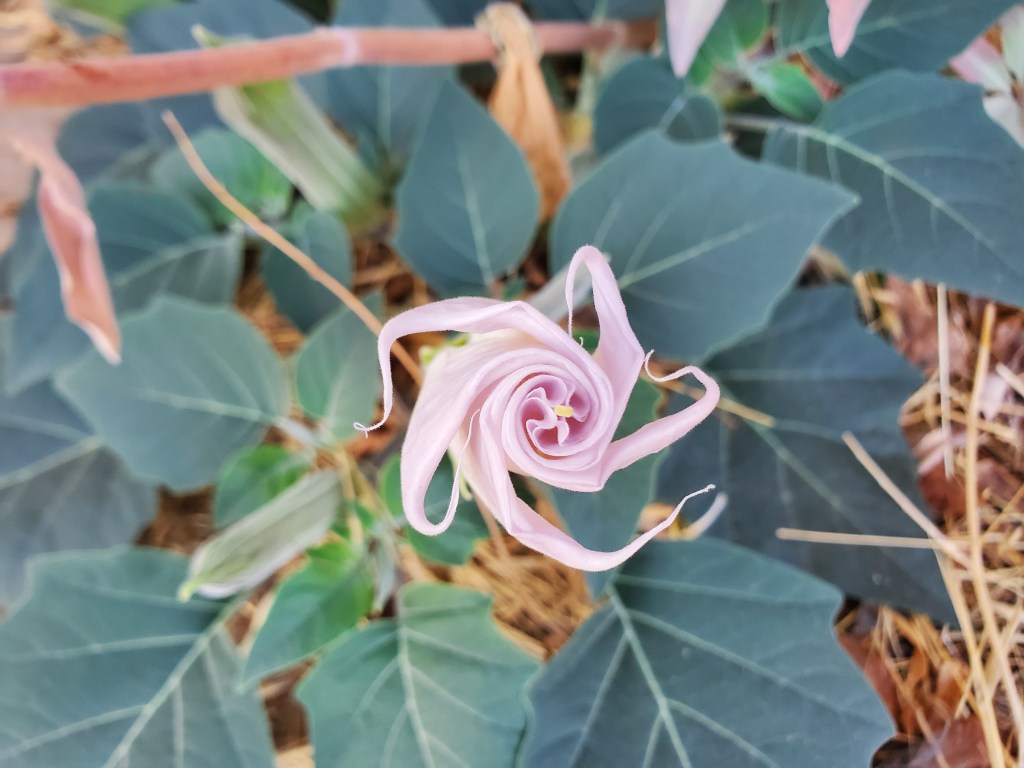
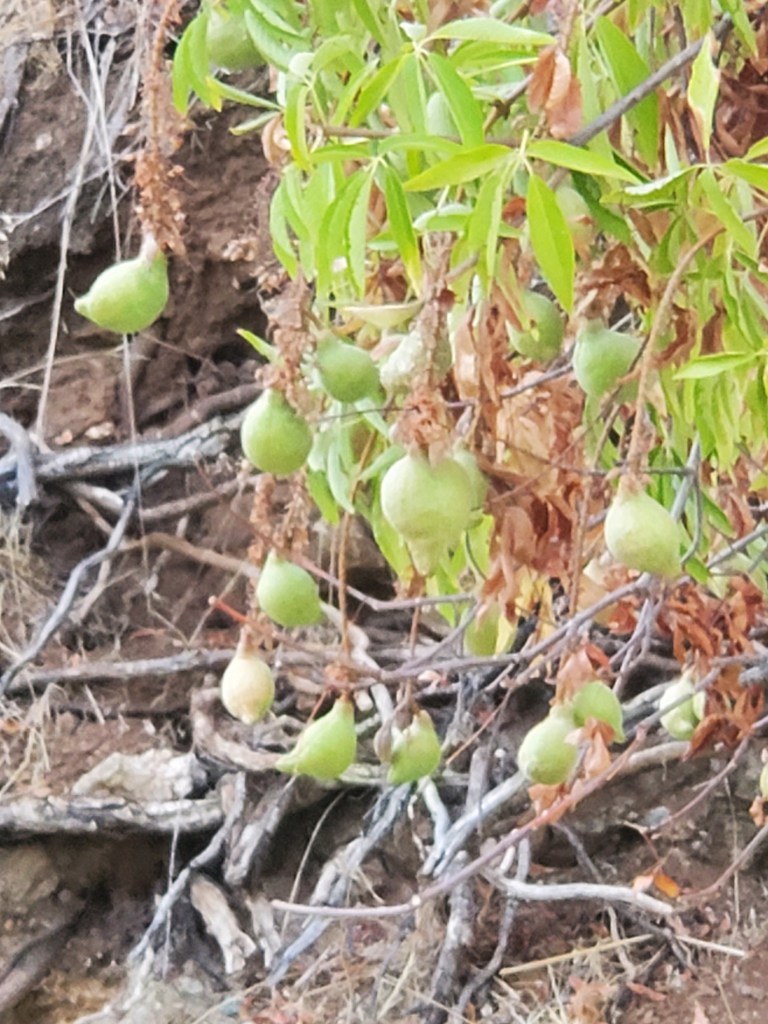
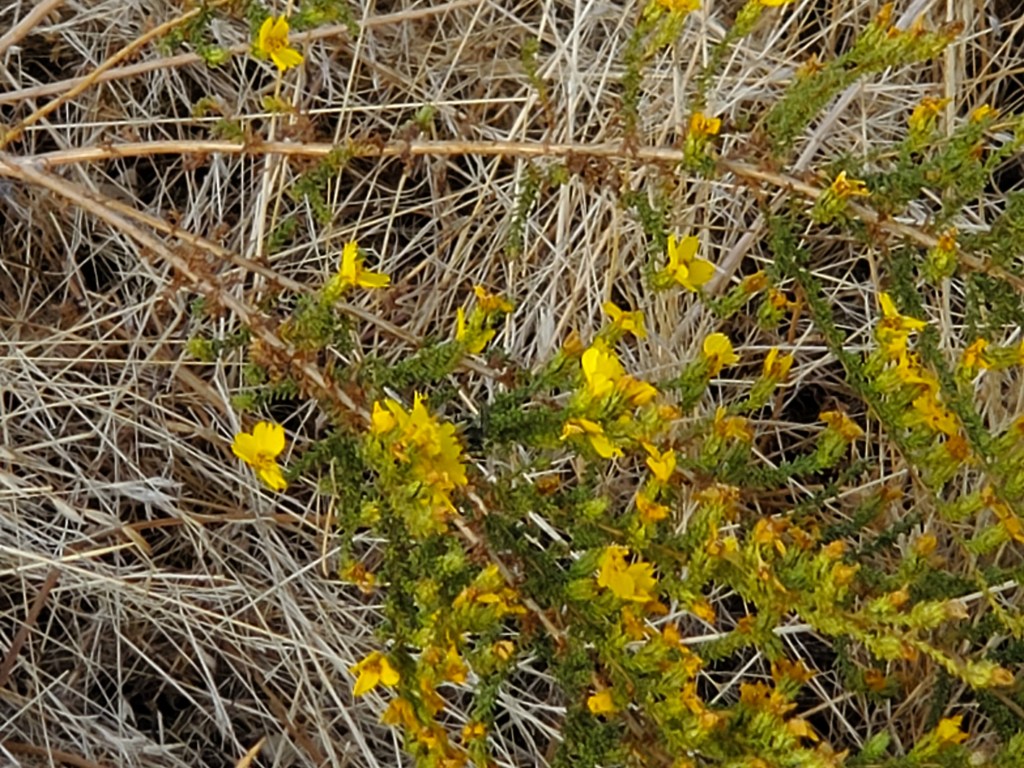
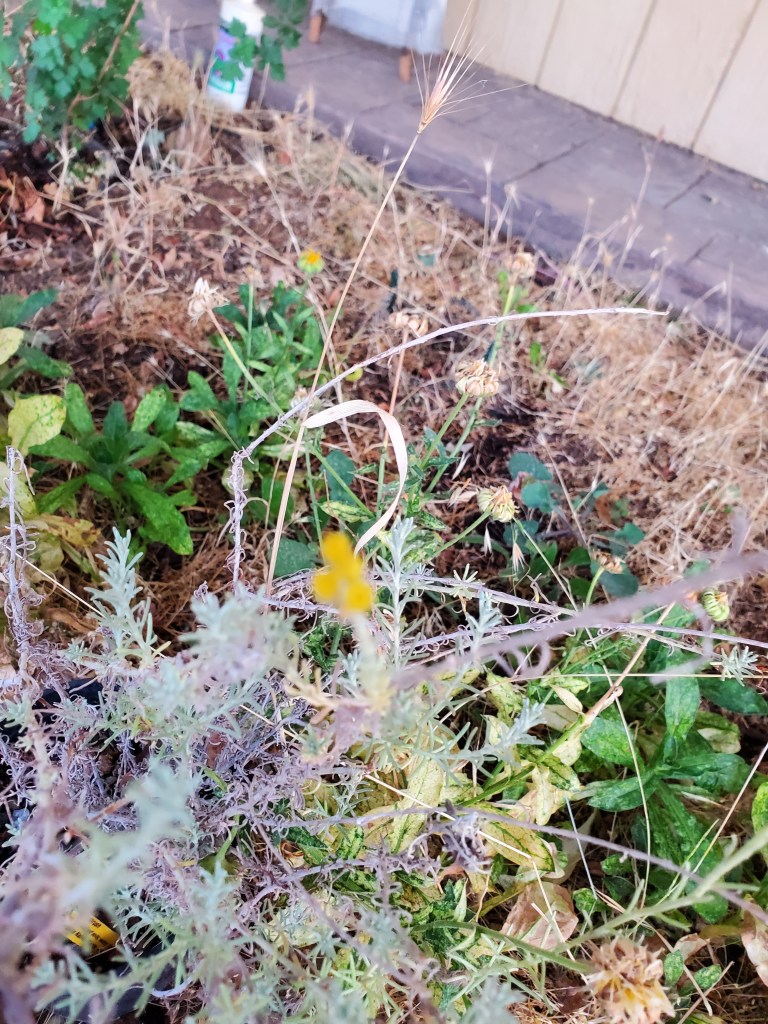
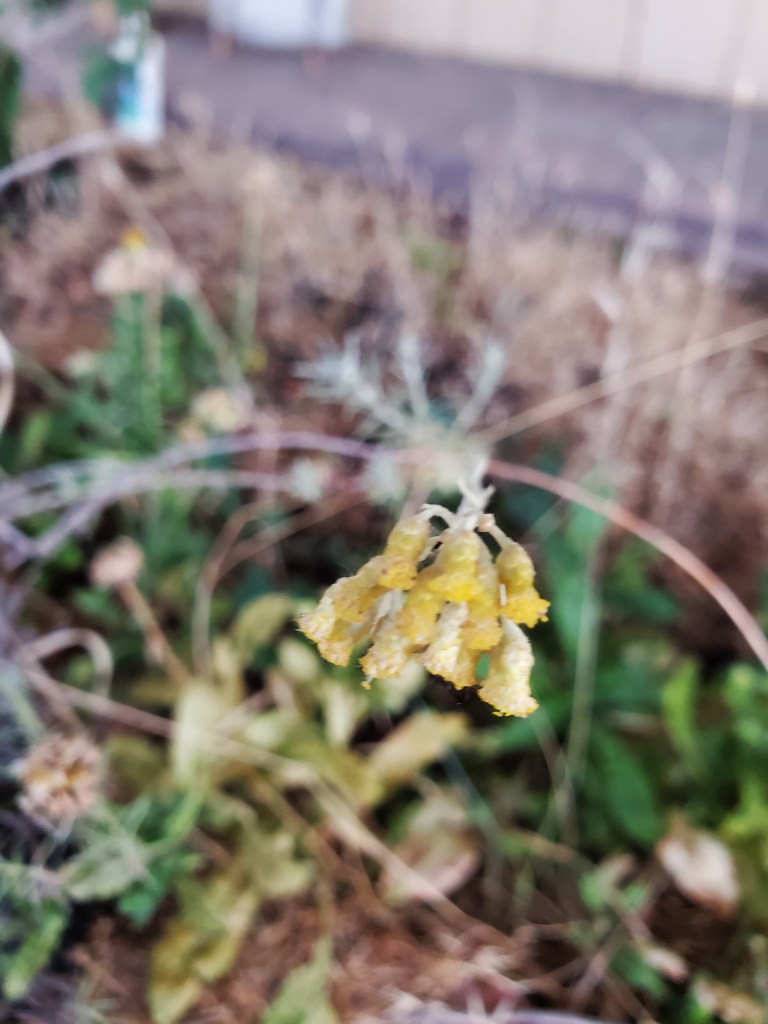
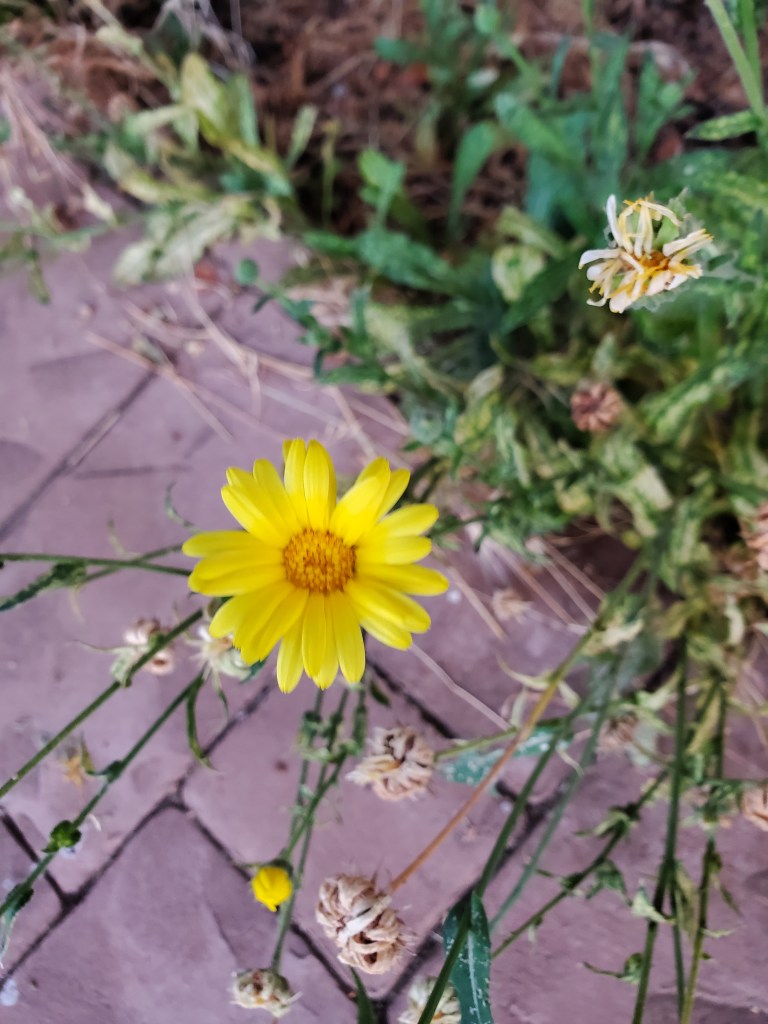
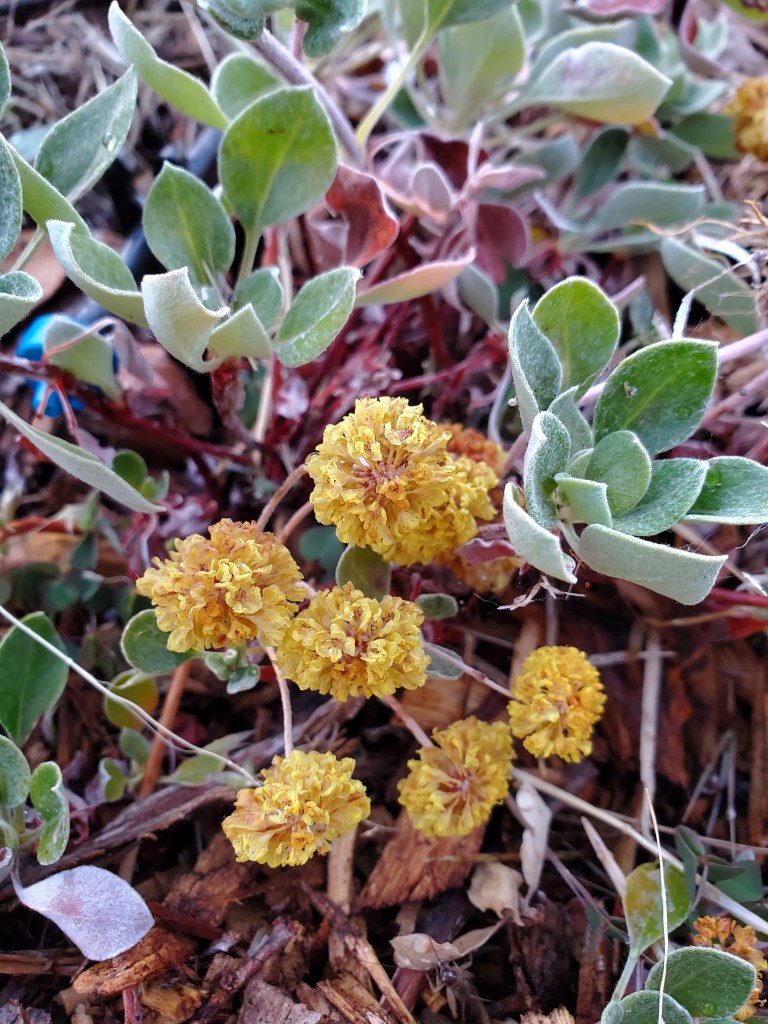
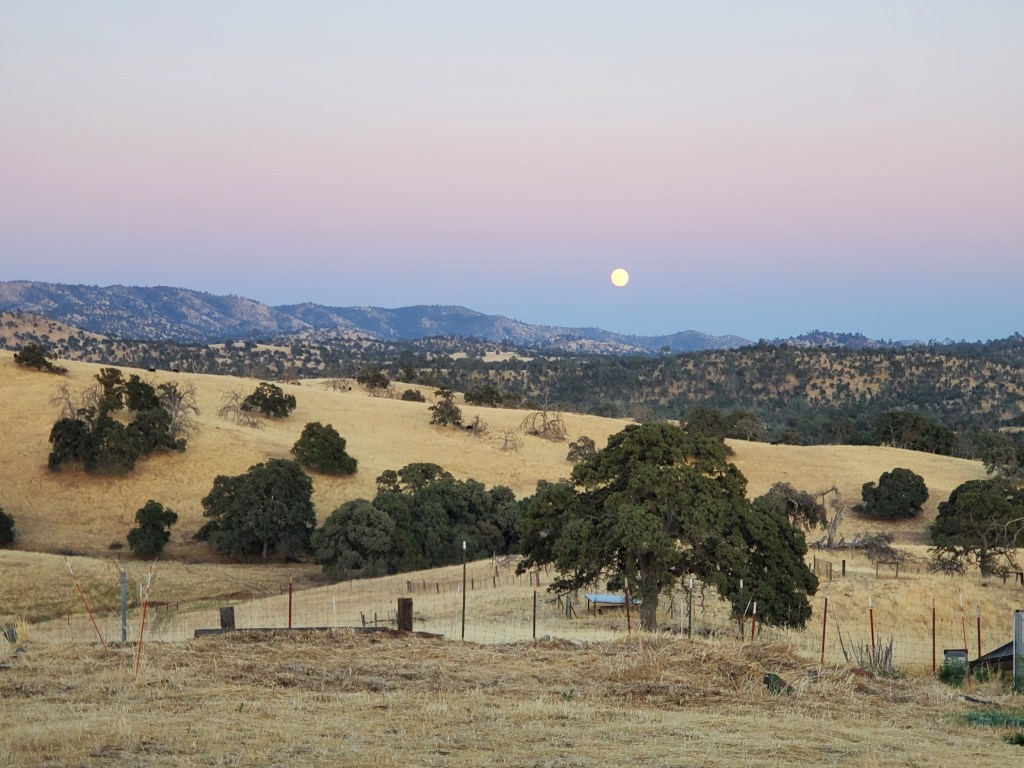
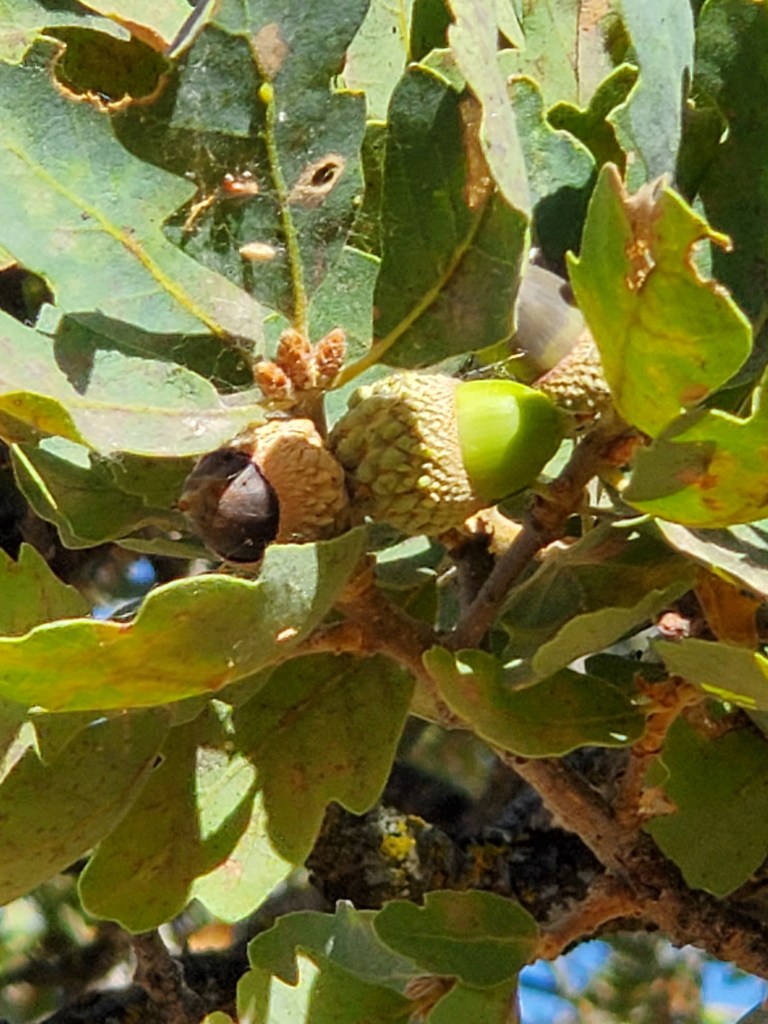
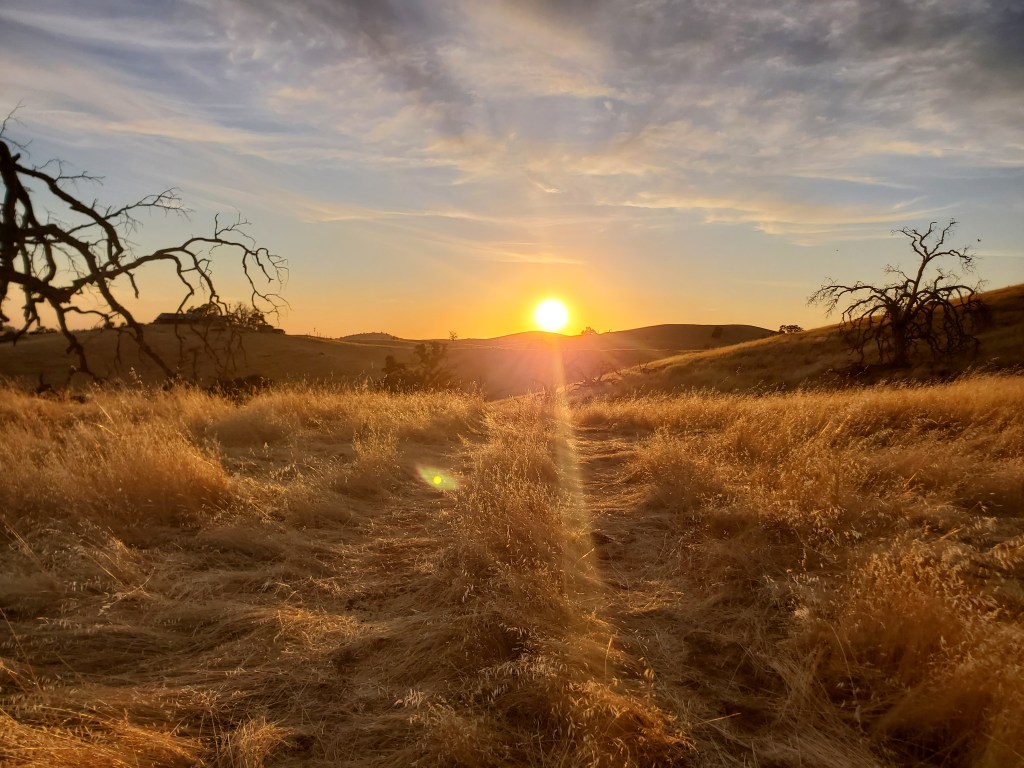
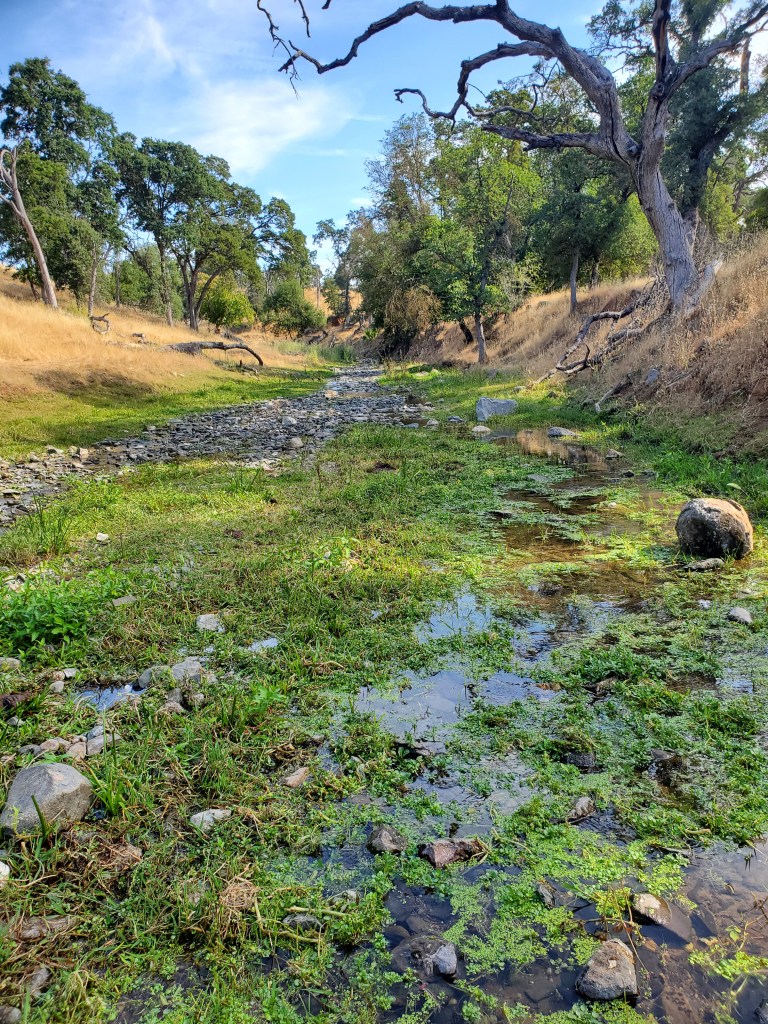
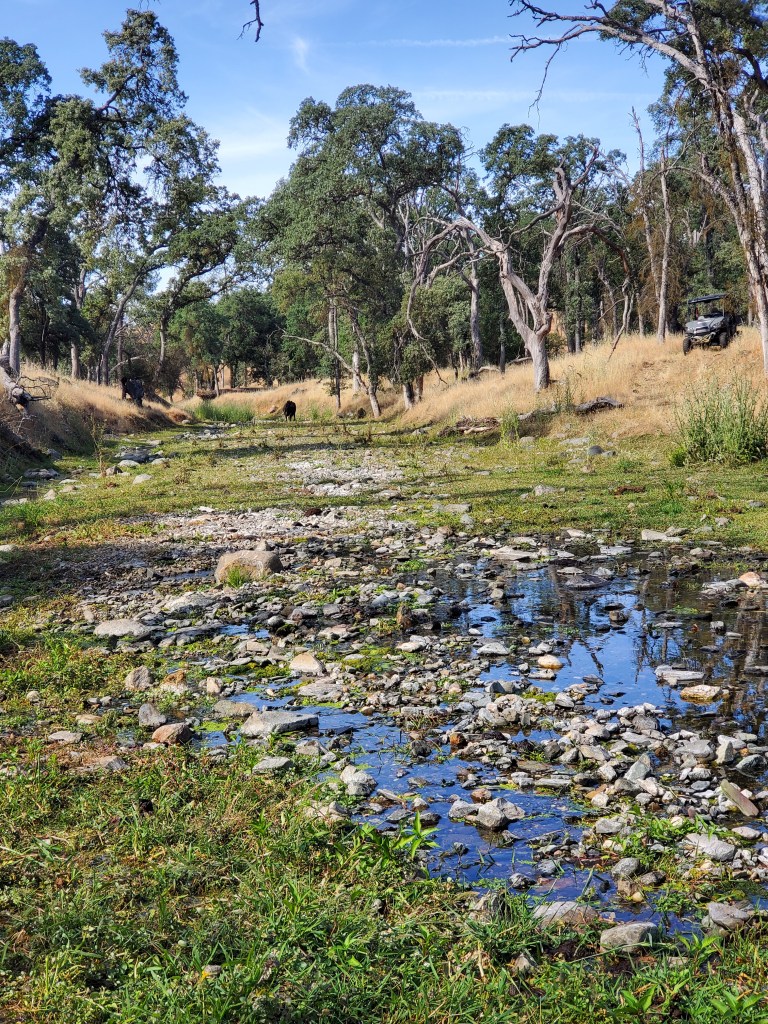
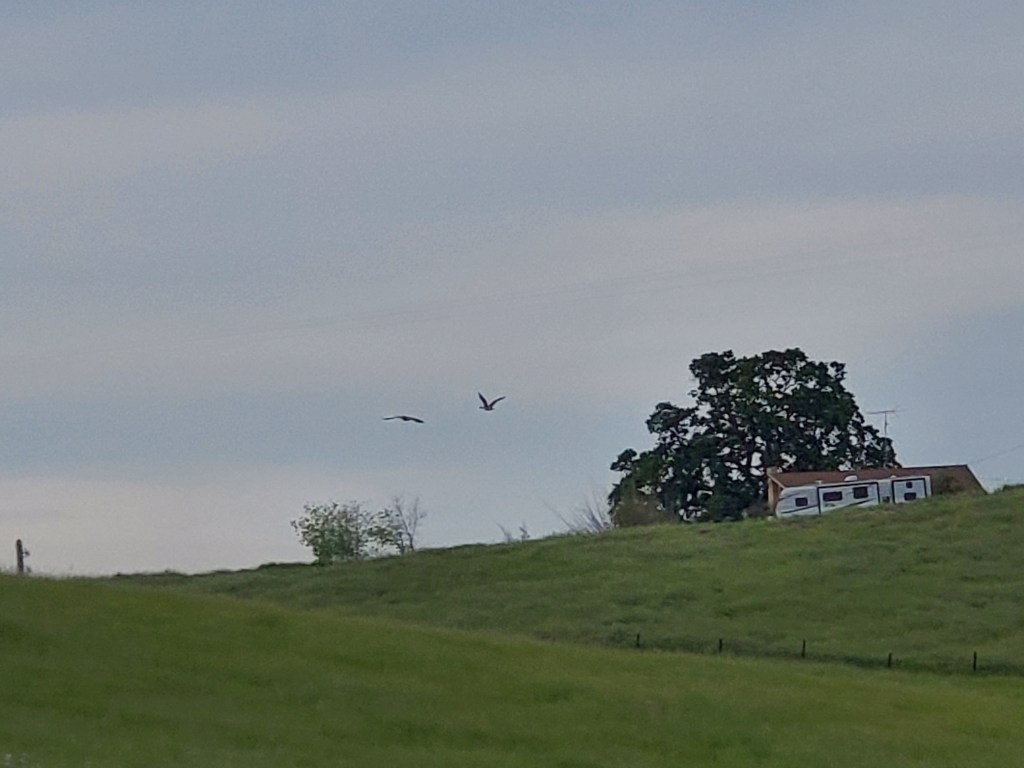
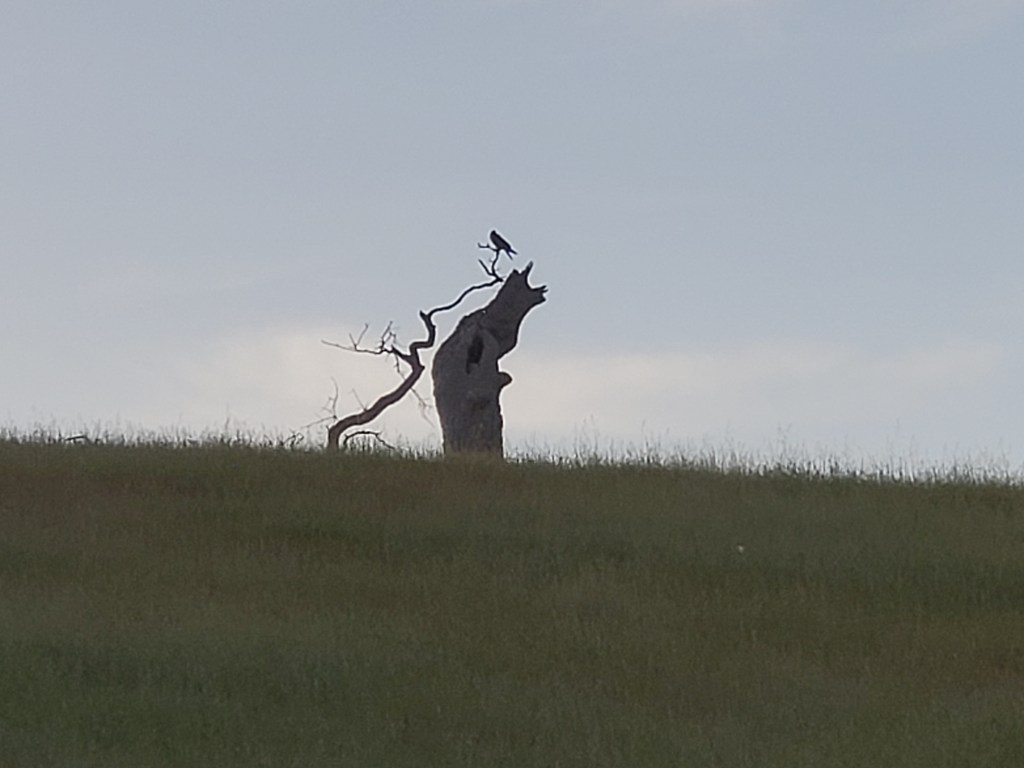
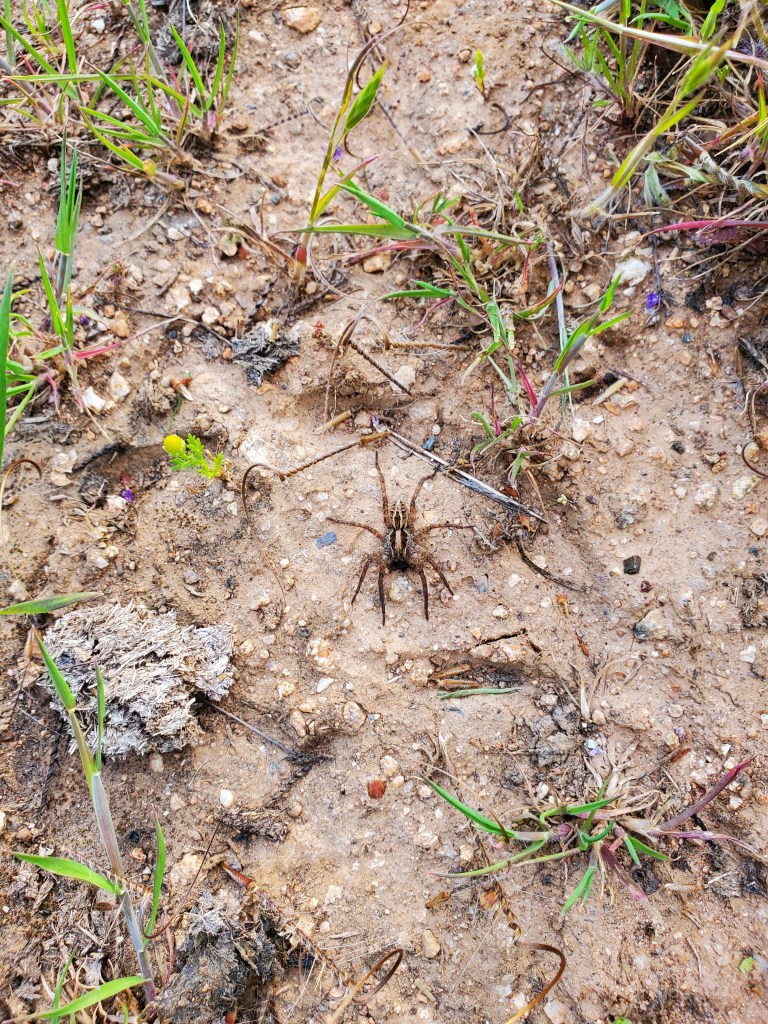
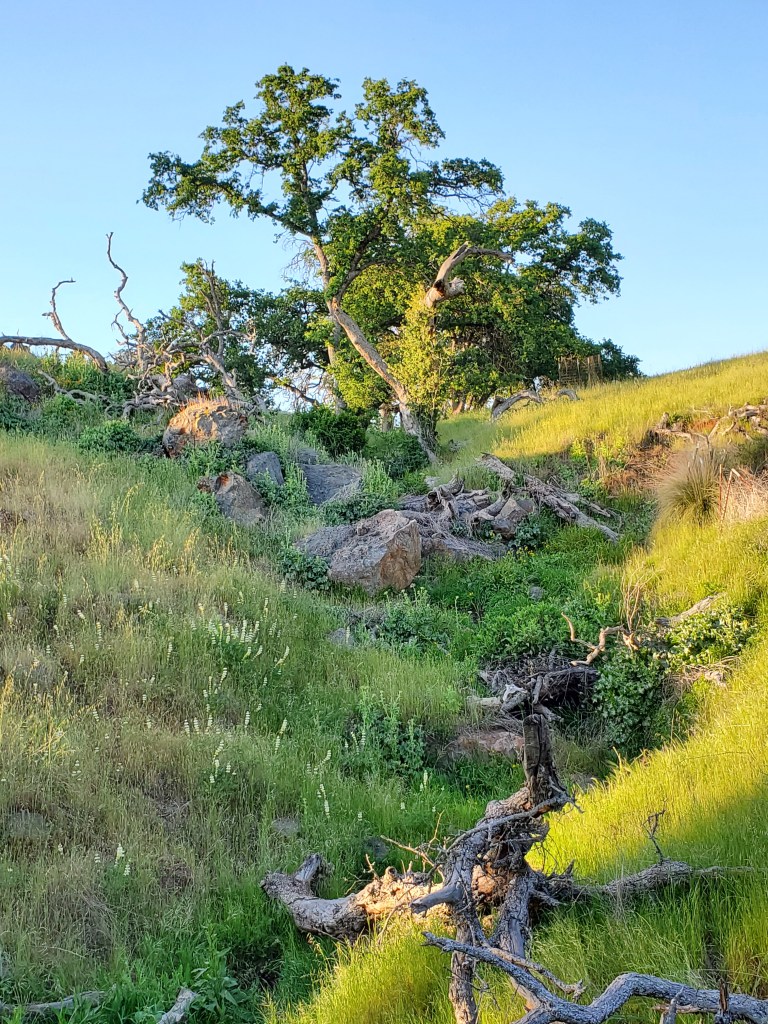
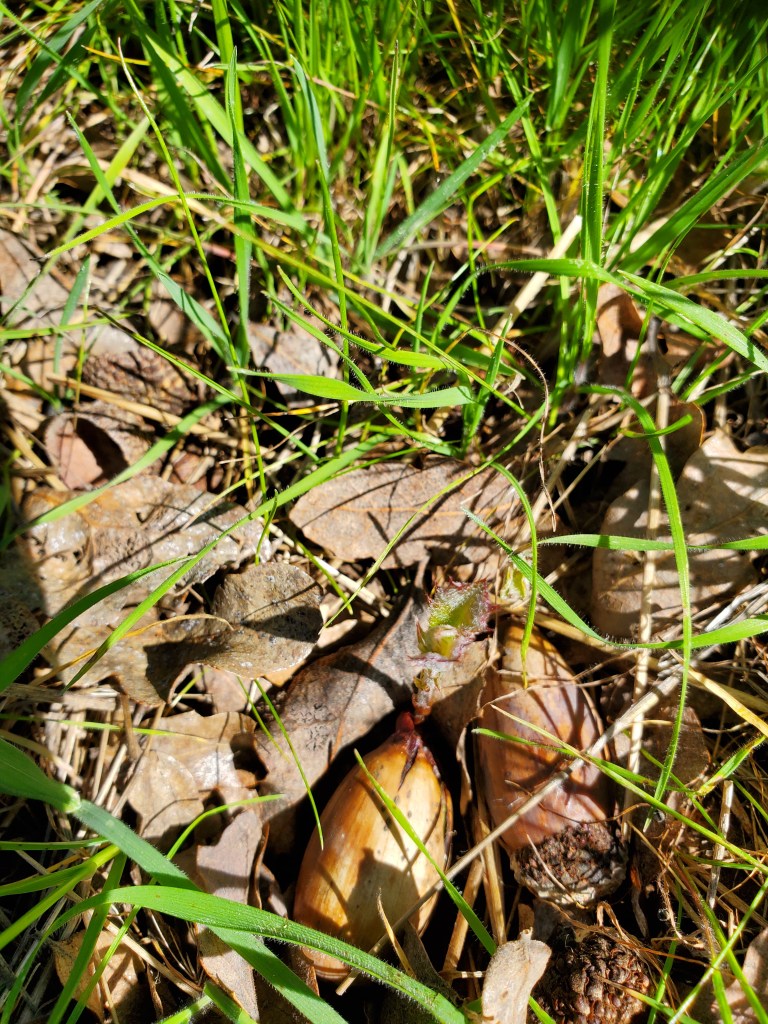
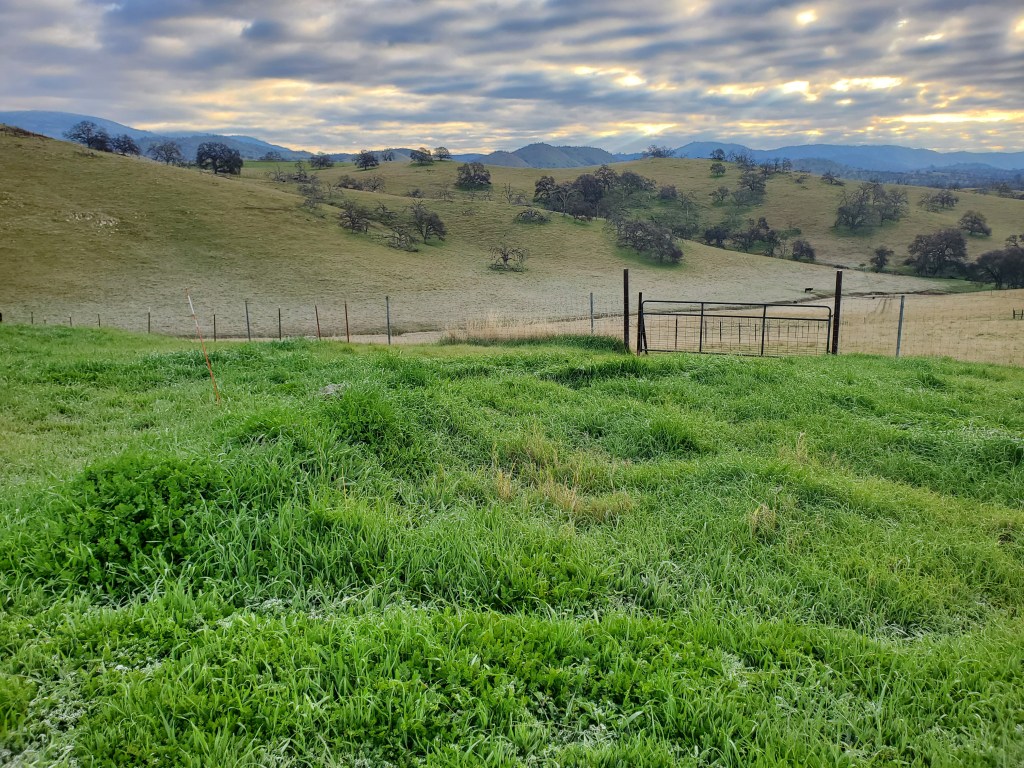
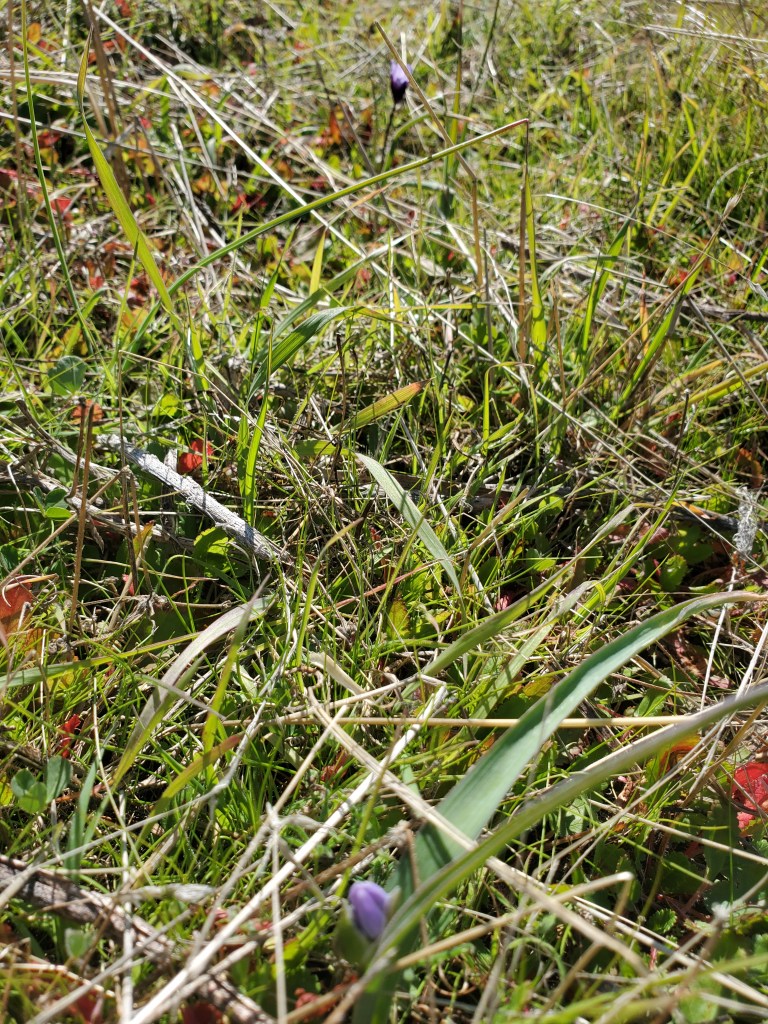
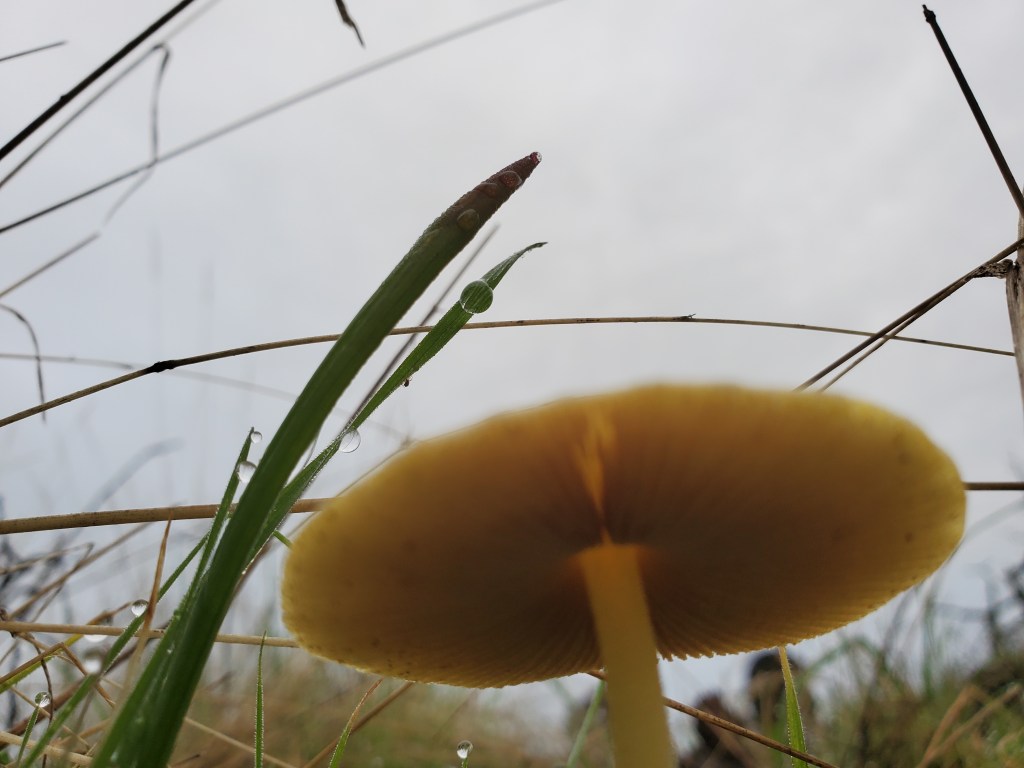
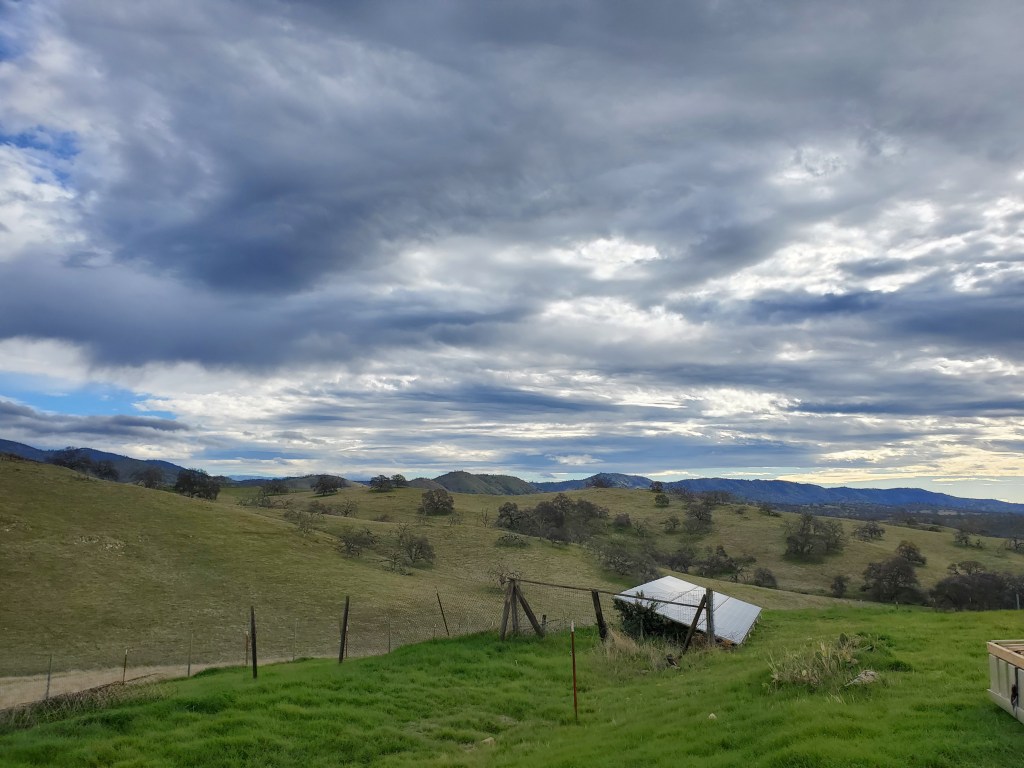
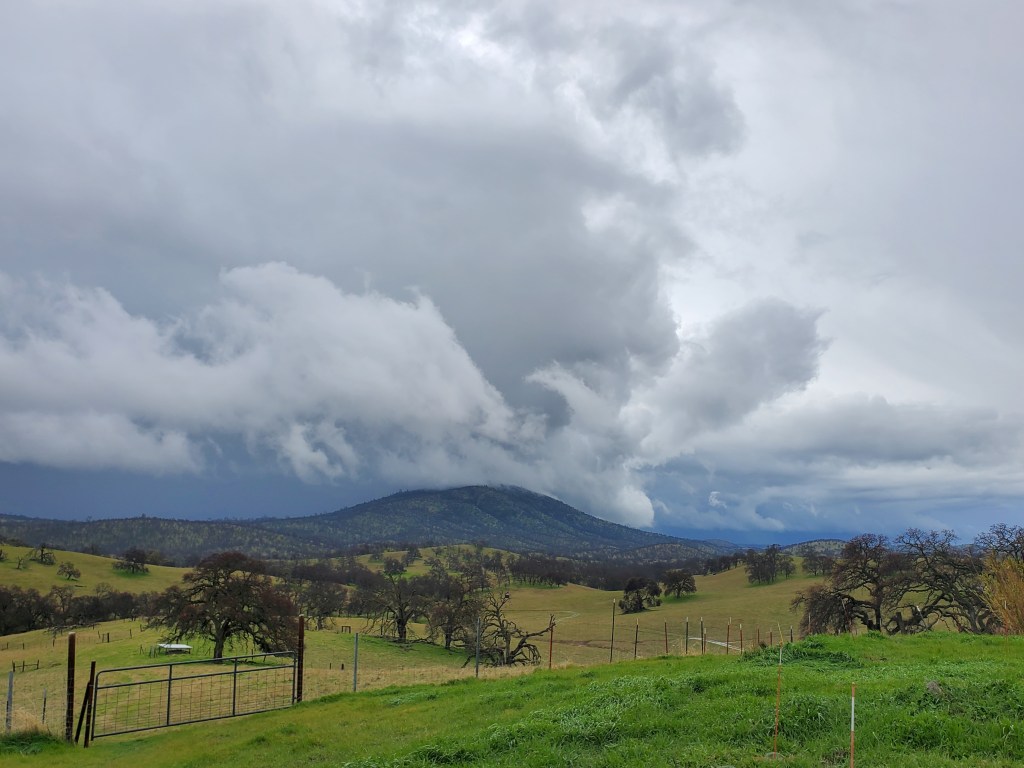
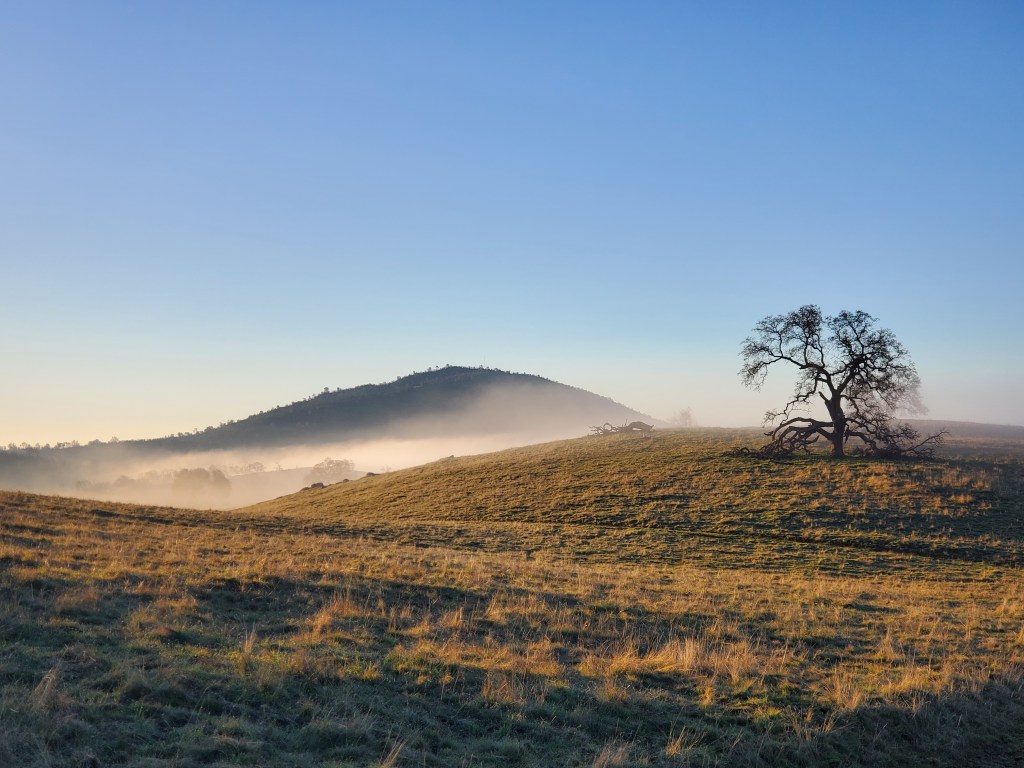
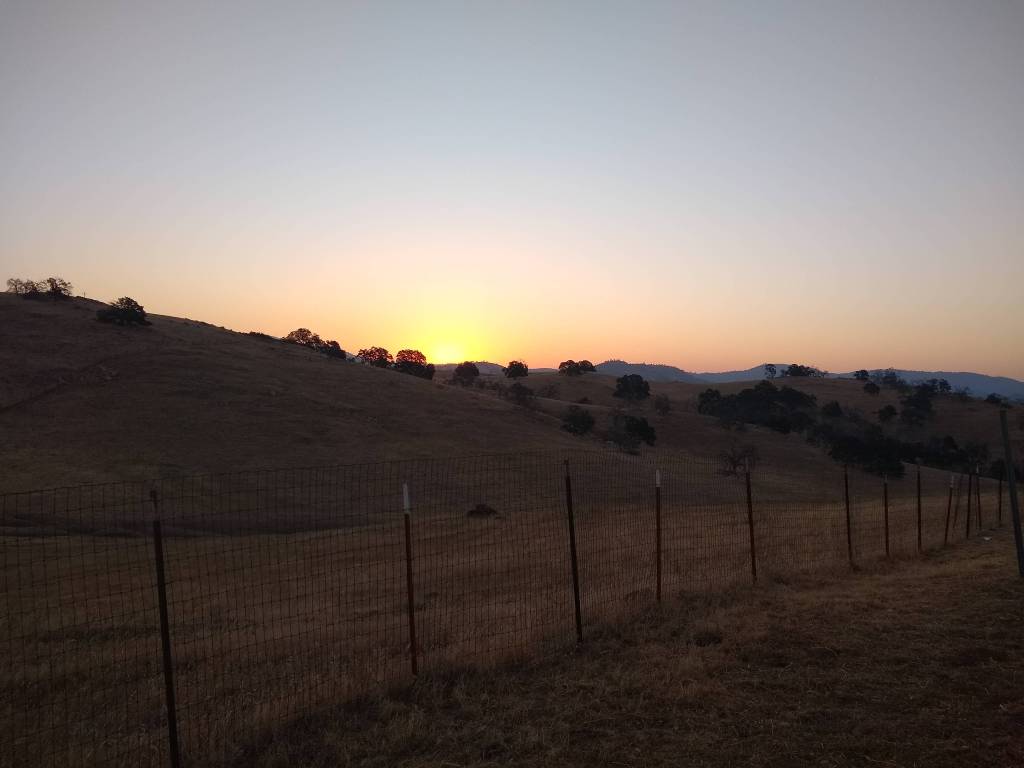
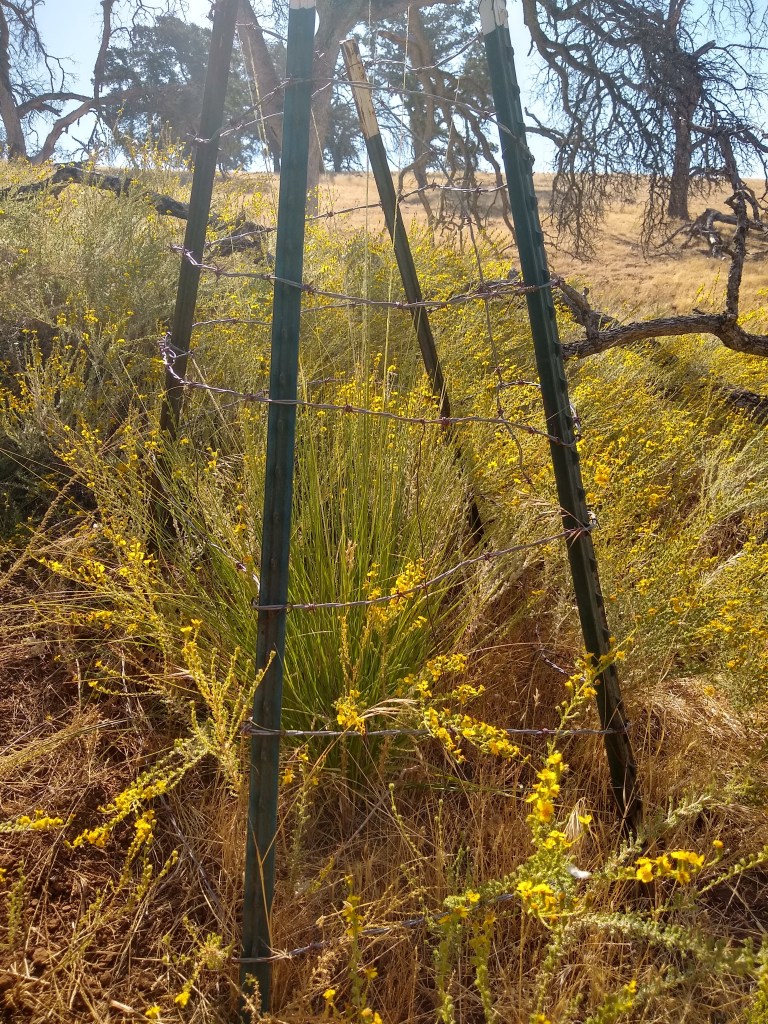
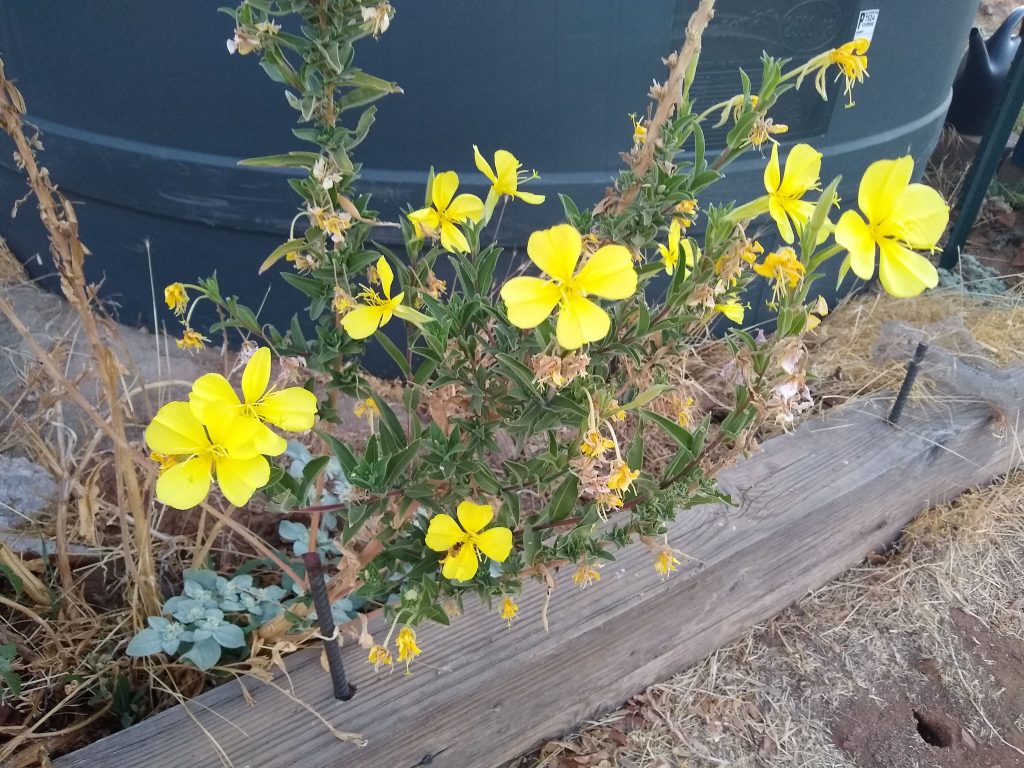
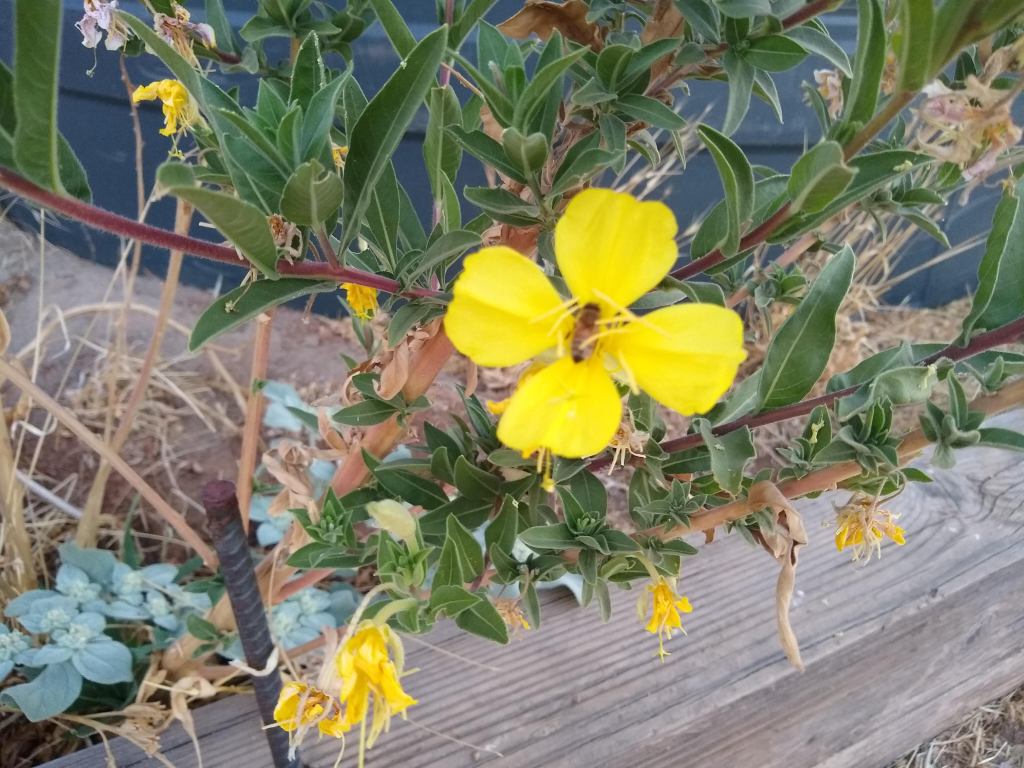
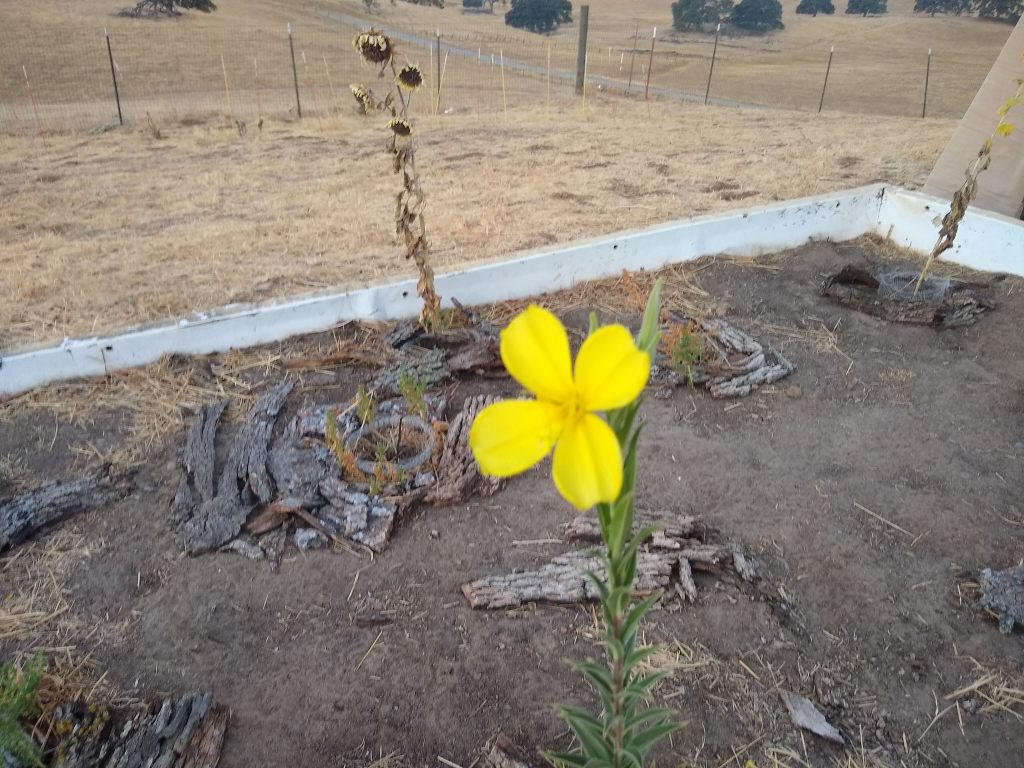
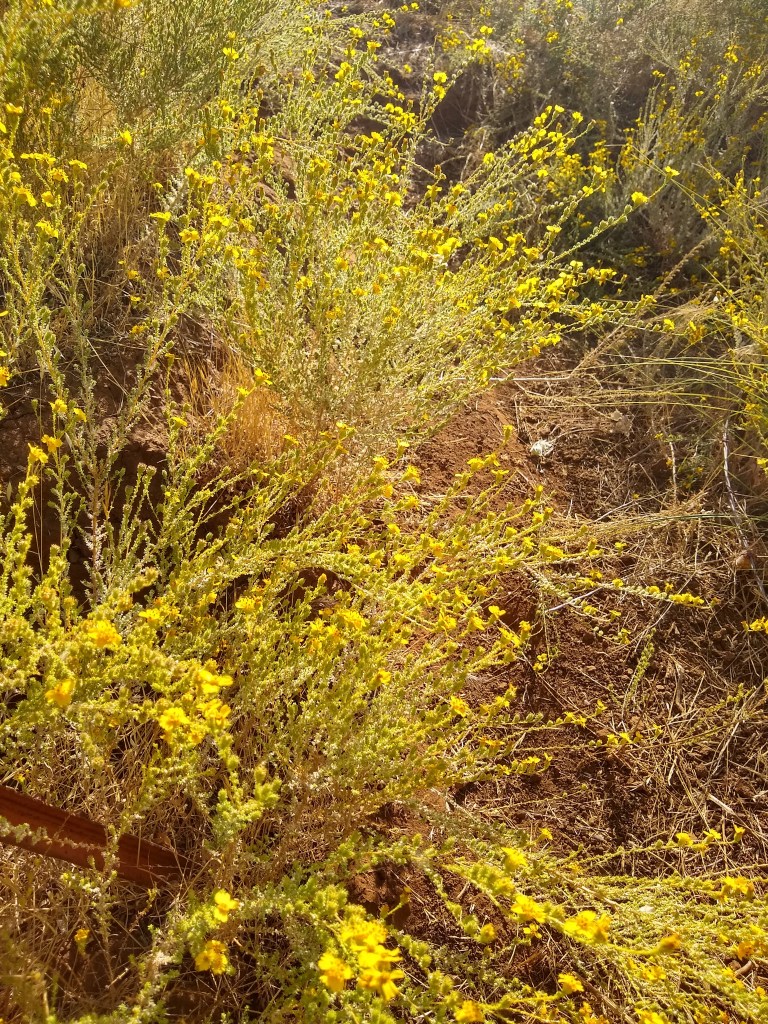
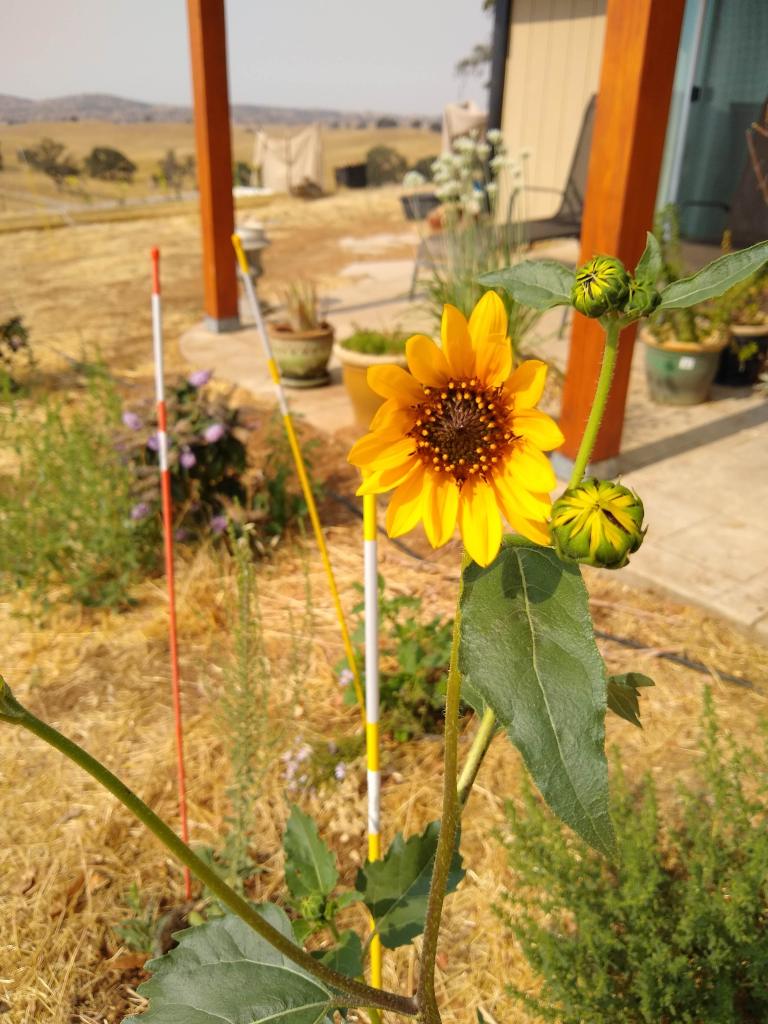
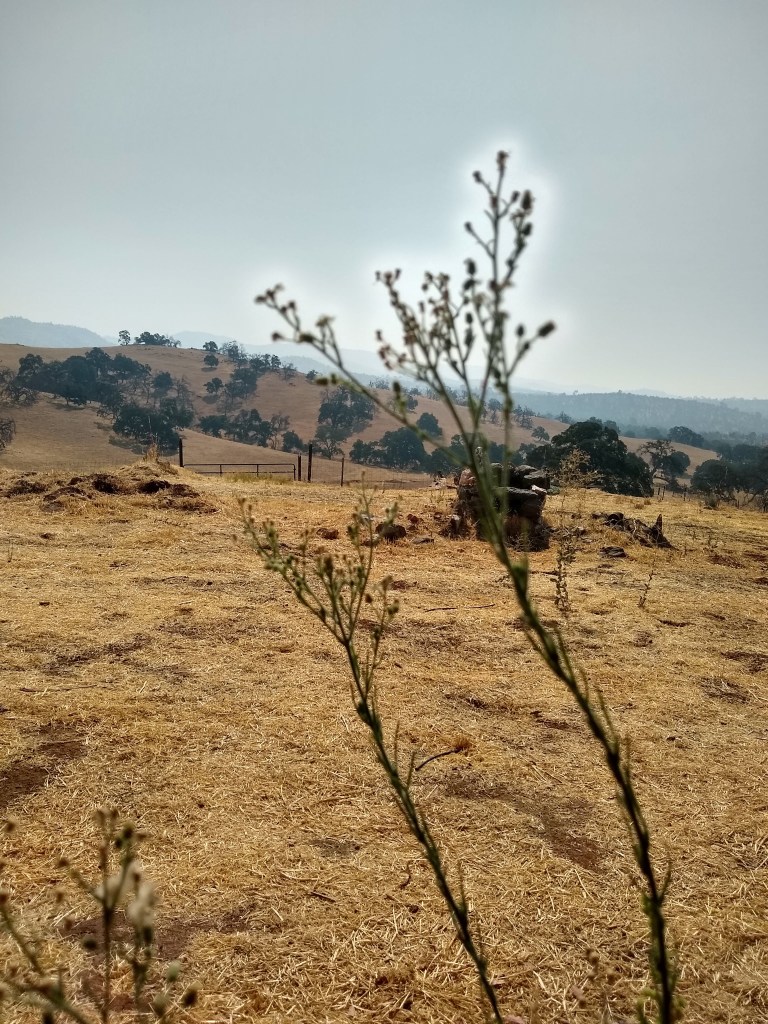
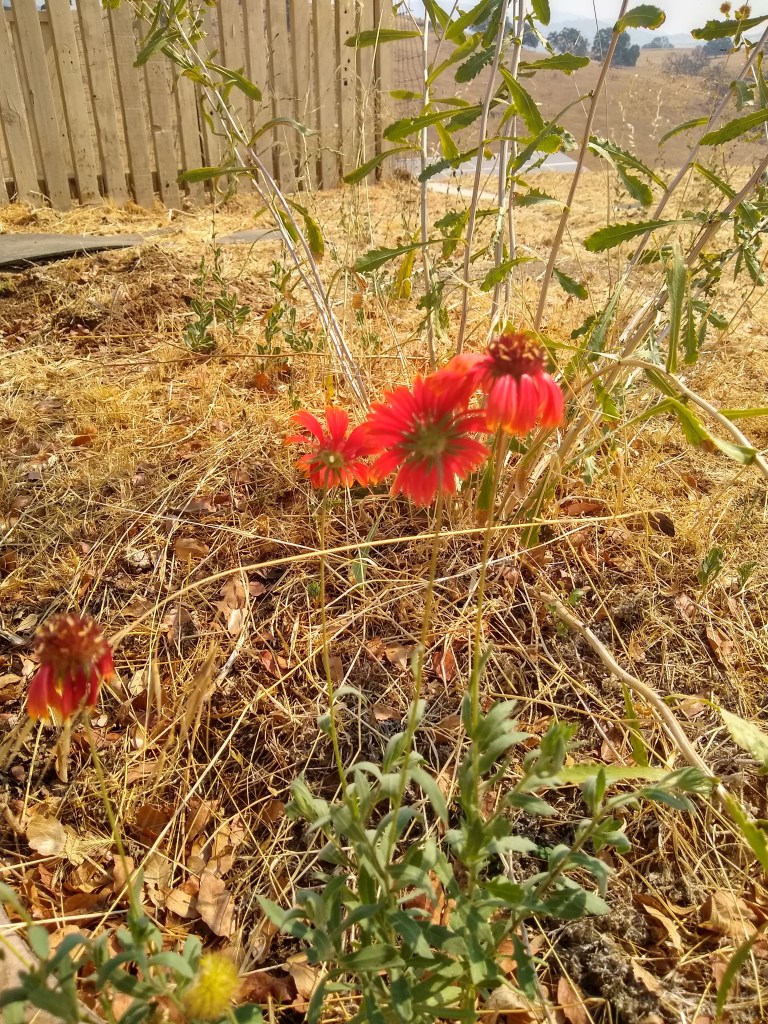
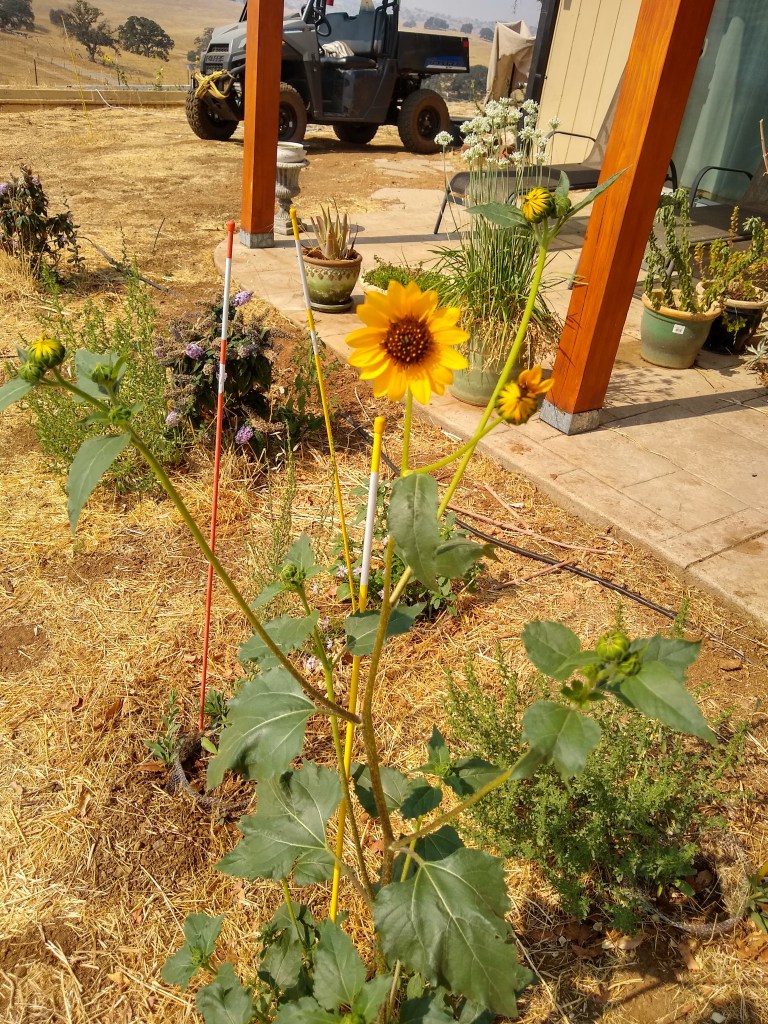
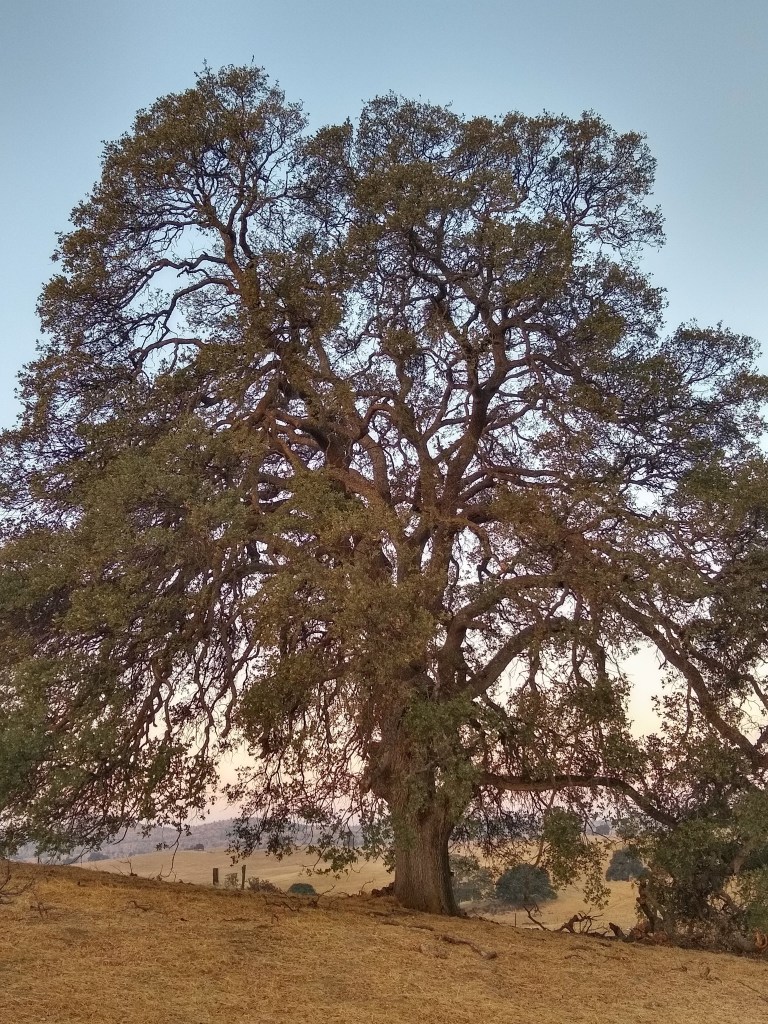
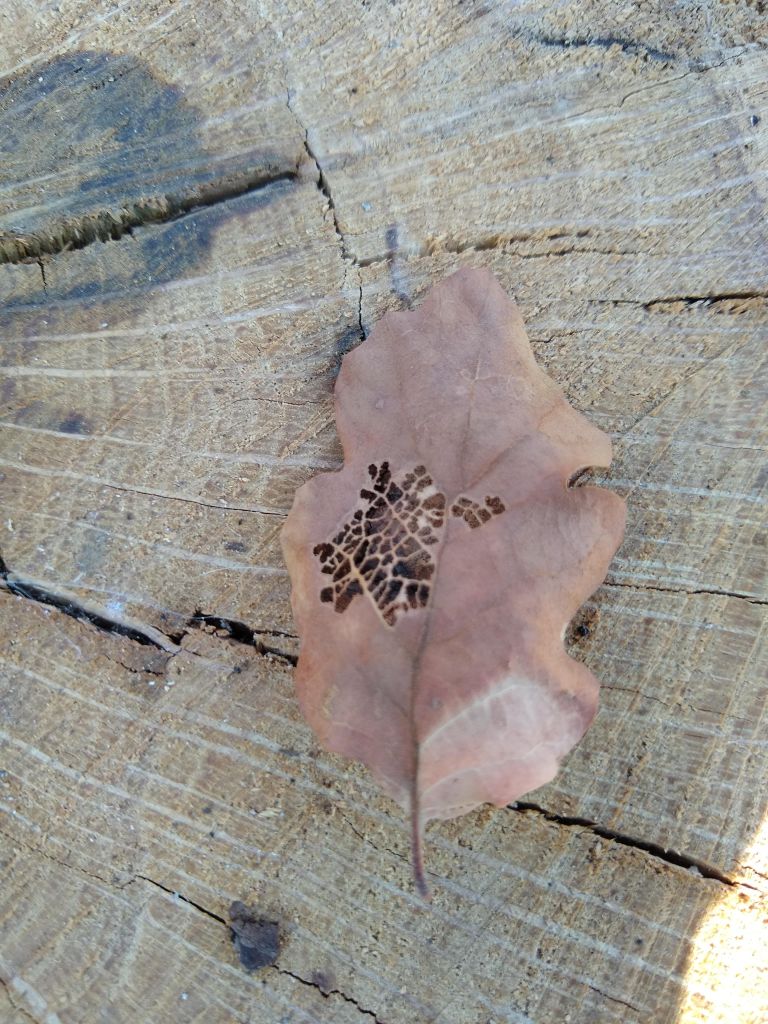
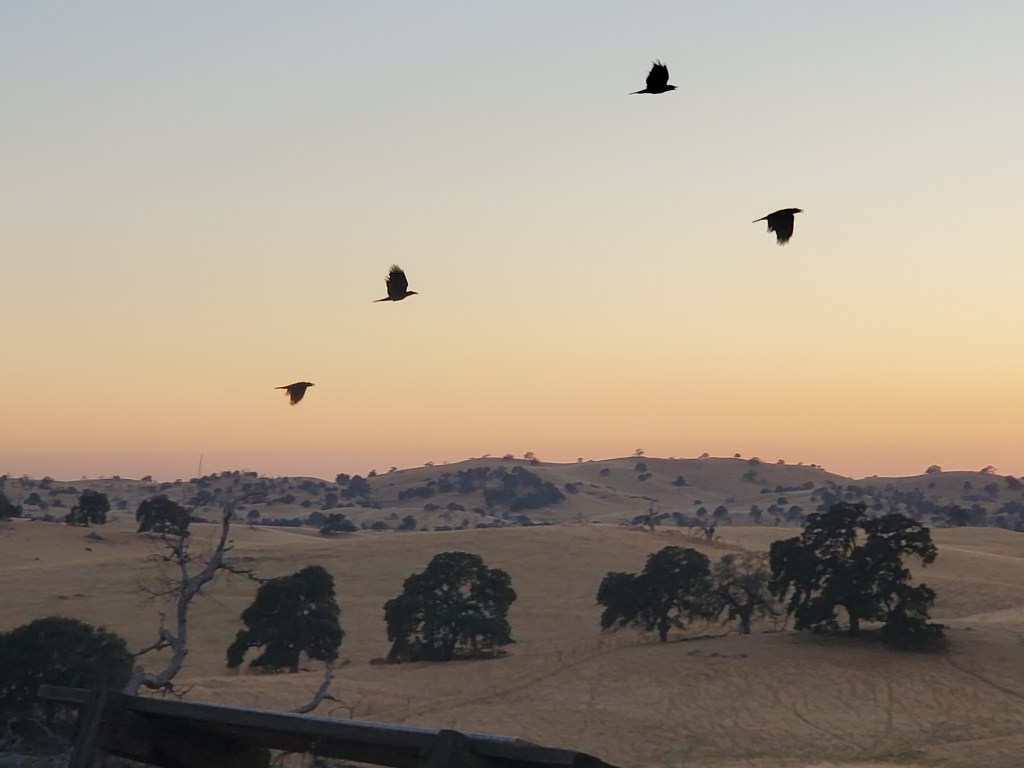
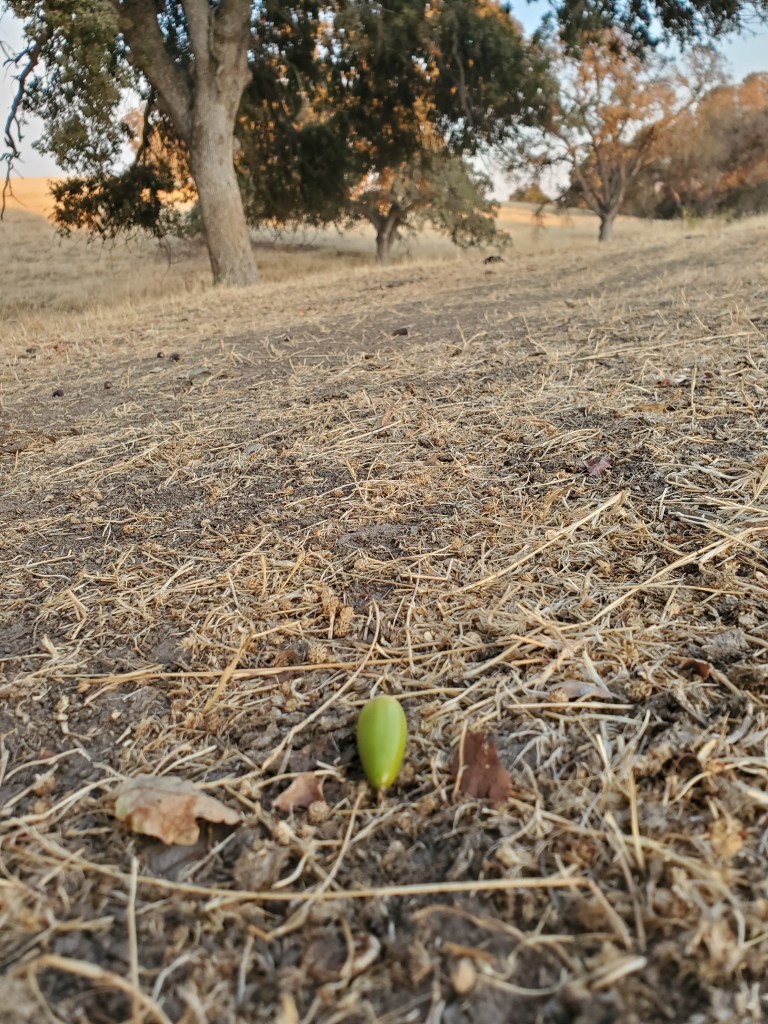
Tarweed, with its most incredible of smells, is bursting all around. Its first blooms tell me that Fall is near. Acorns are dropping, some with the almost neon green of youth and others with the dark brown of maturity. The wind has been knocking them out of the tree, too soon for some and just right for the others. Then, we have been witnessing the nightly spectacle of a thousand ravens fly from the valley to the foothills on their dusk time commute to roost safely somewhere up hill from us. David and I have been sitting on the front patio to watch this massive nightly migration. You can hear the wings flapping before you see them. It is incredible. We are waiting to begin seeing the tarantulas. This is the one harbinger of Fall that we have not seen yet. Probably soon!
Seed Collecting

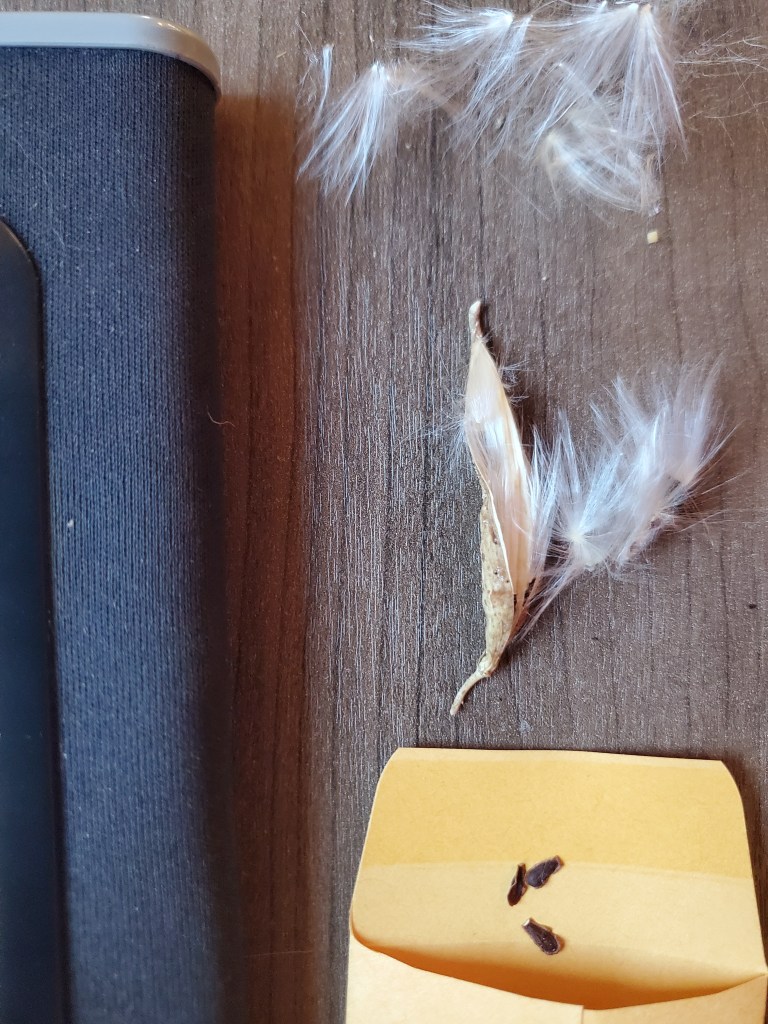
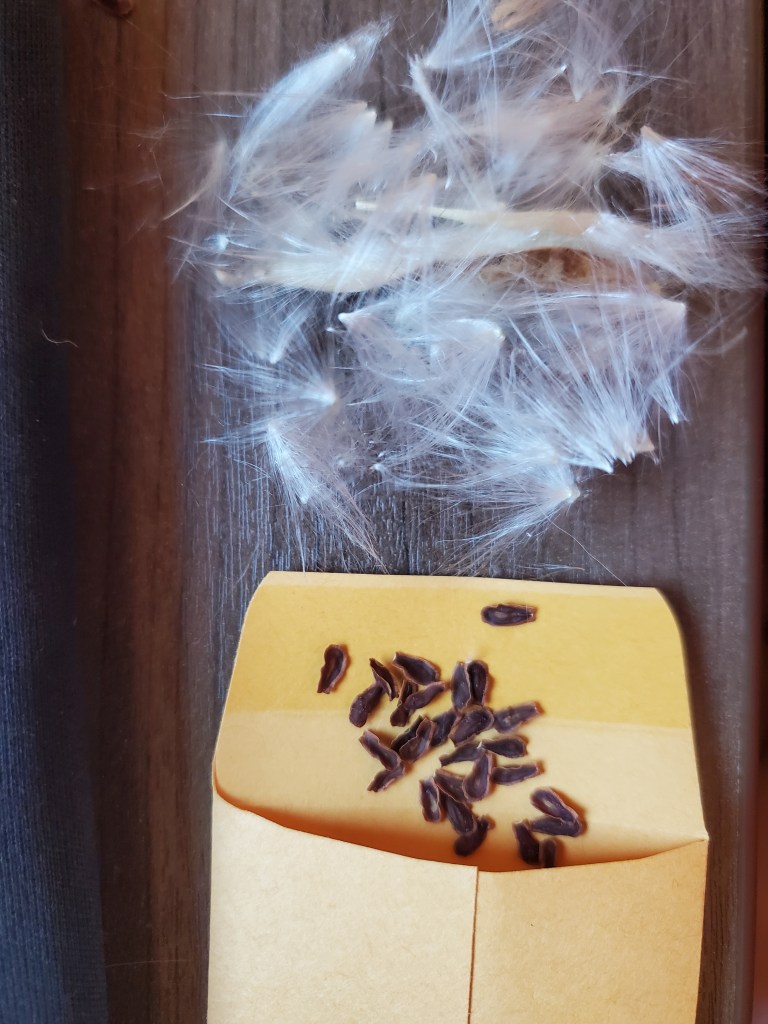
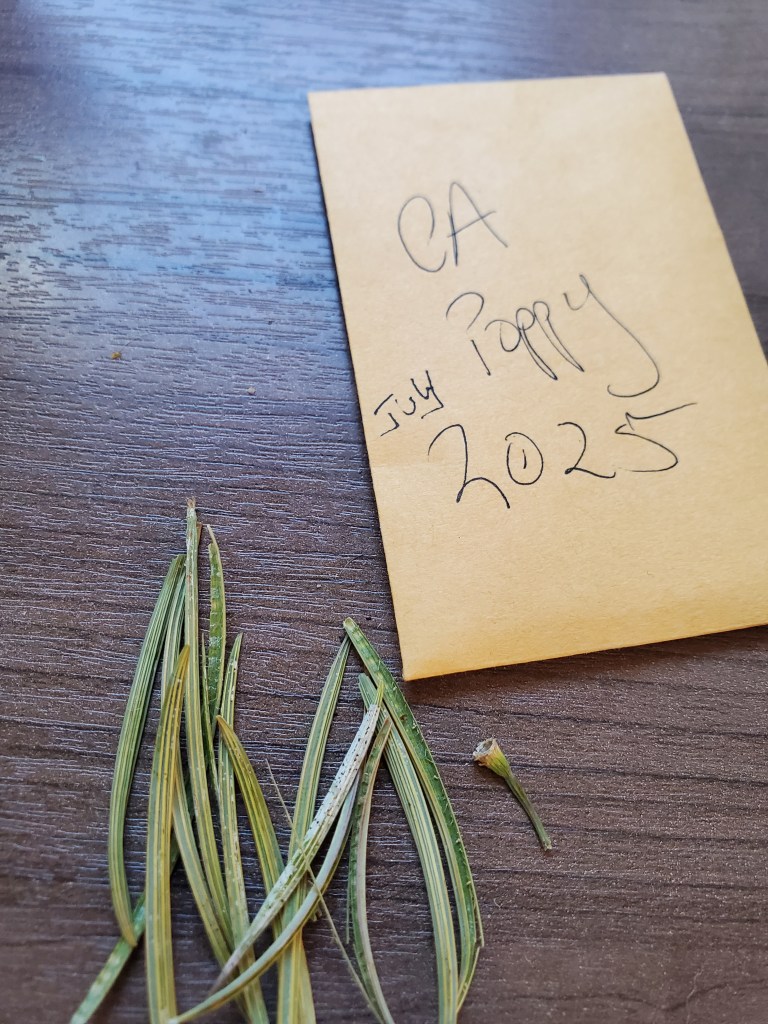
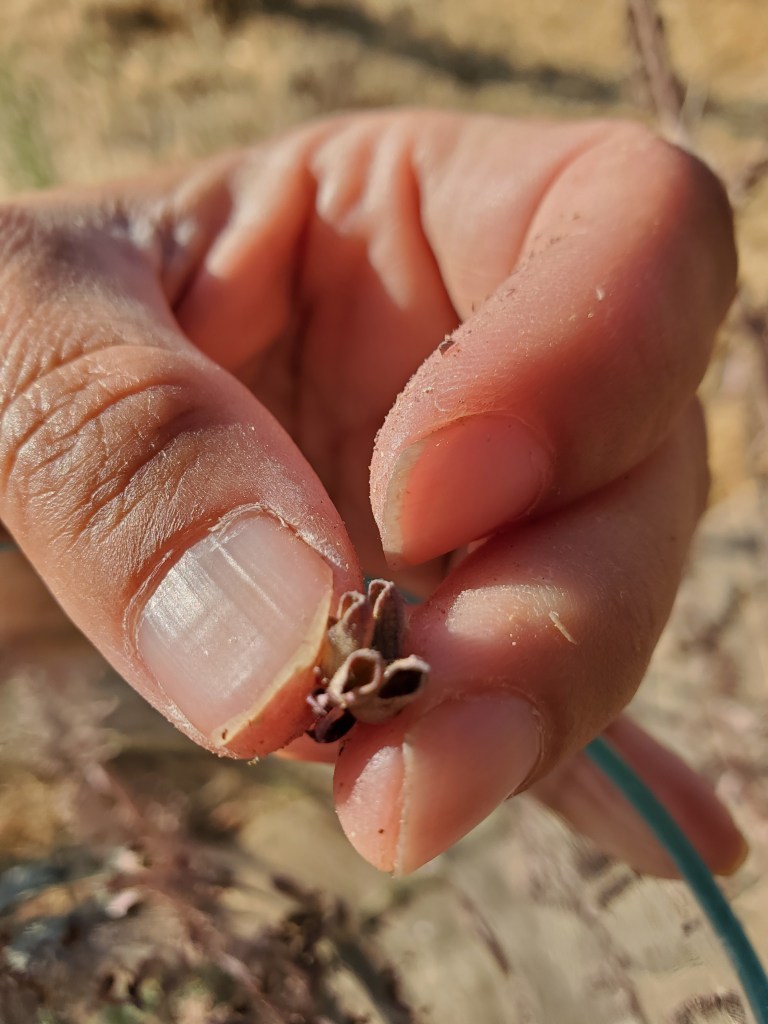
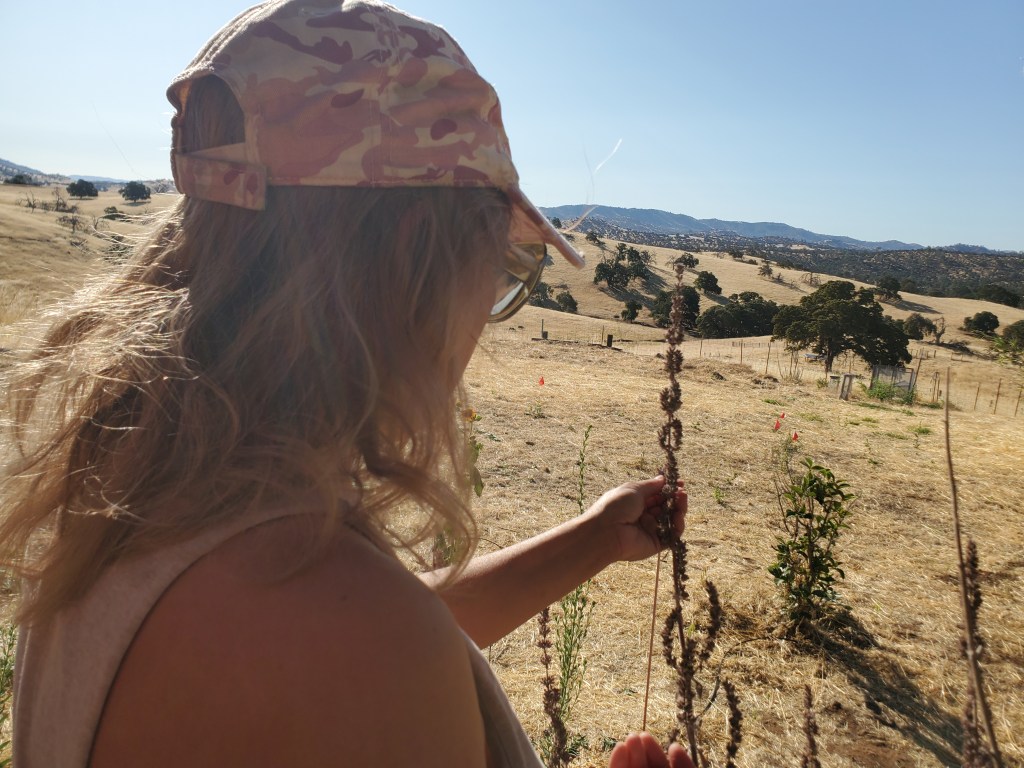
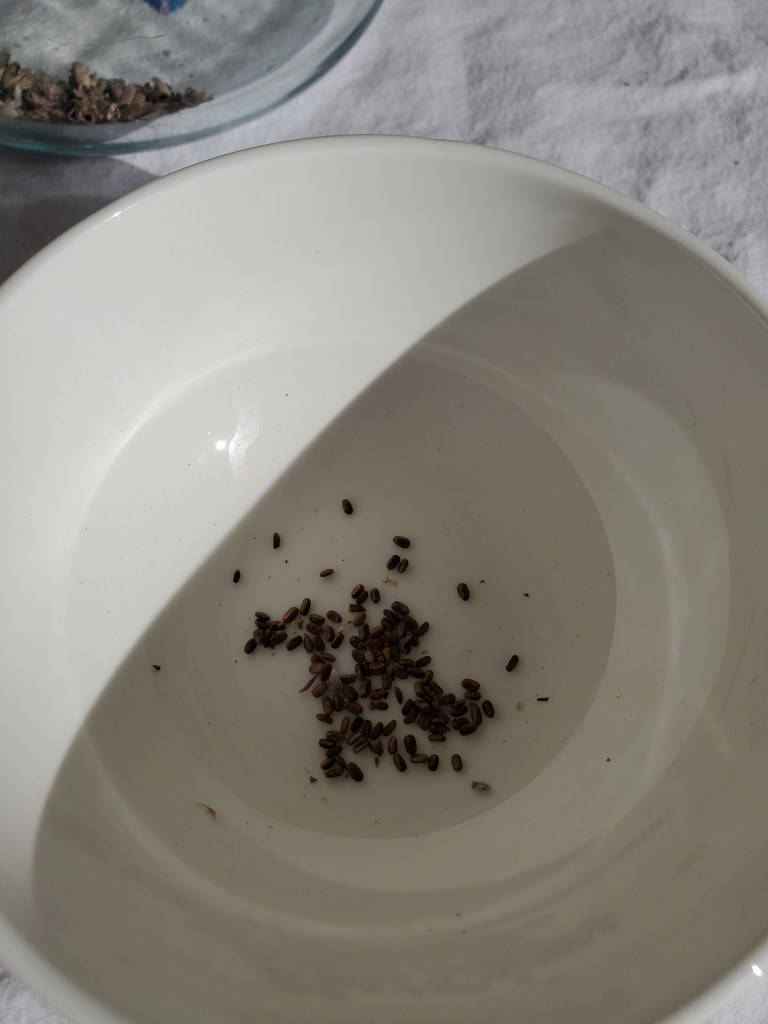
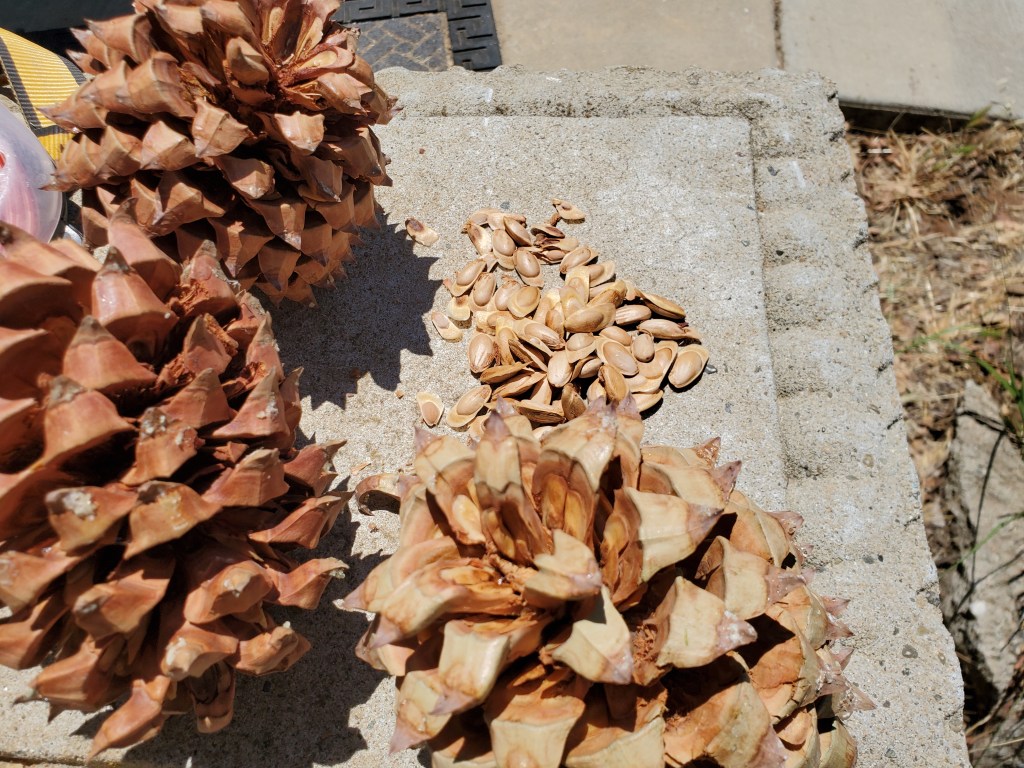
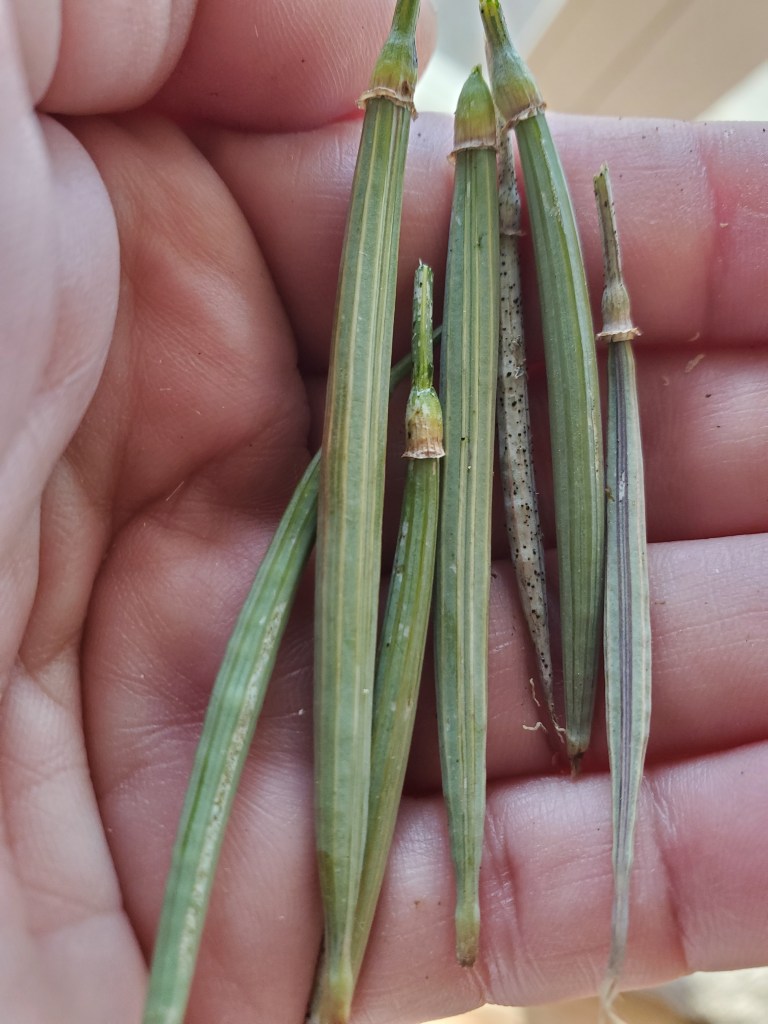
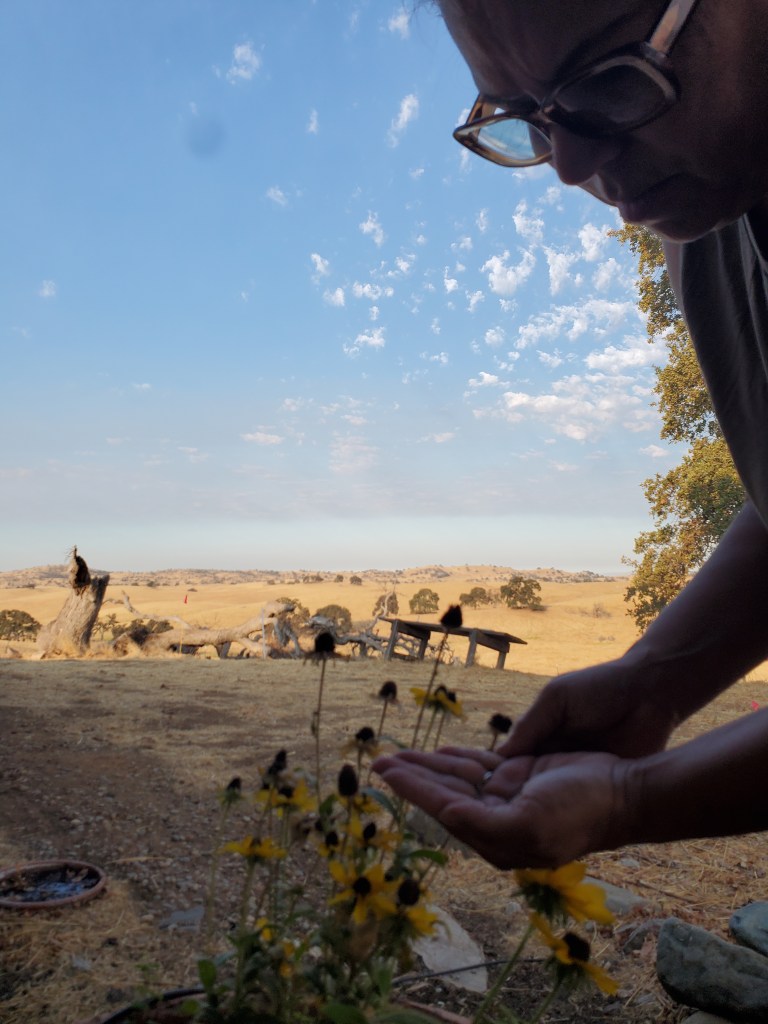
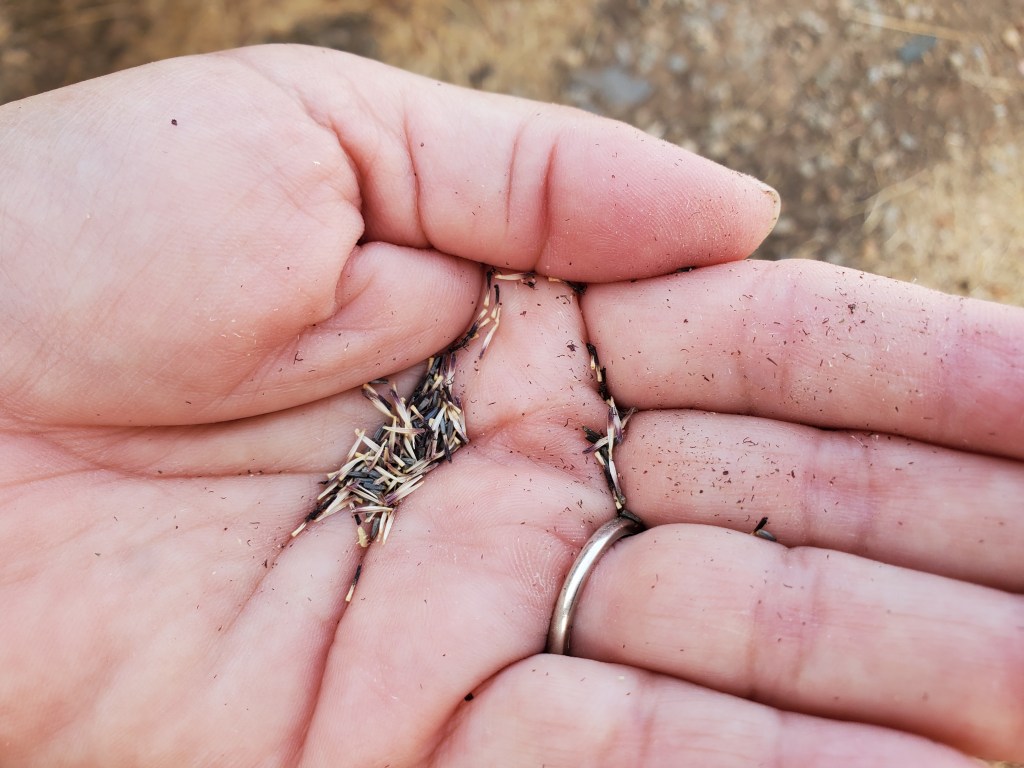
For the past couple months, I have been seed collecting, storing up for next year. I’ve shared when I’ve had an abundance and left most for the birds, other wildlife and propagation. I plan to do a burn to rejuvinate the land and clear thatch of medusa head. These seeds will help make a good start.
Guzzler Work and Visitors

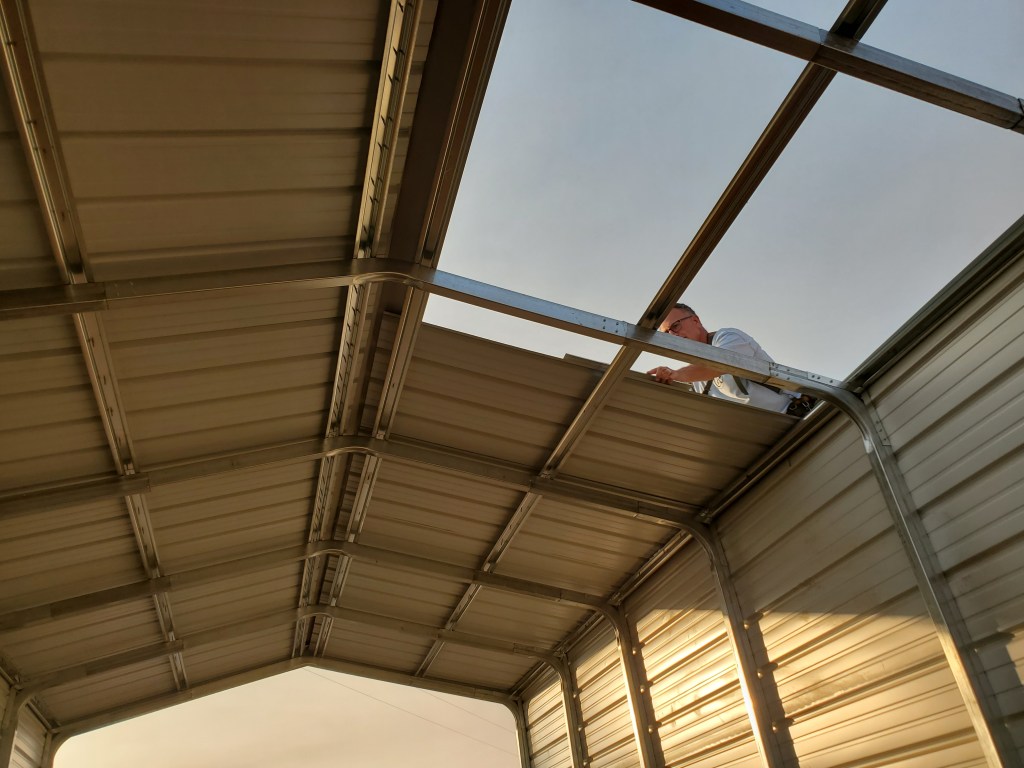
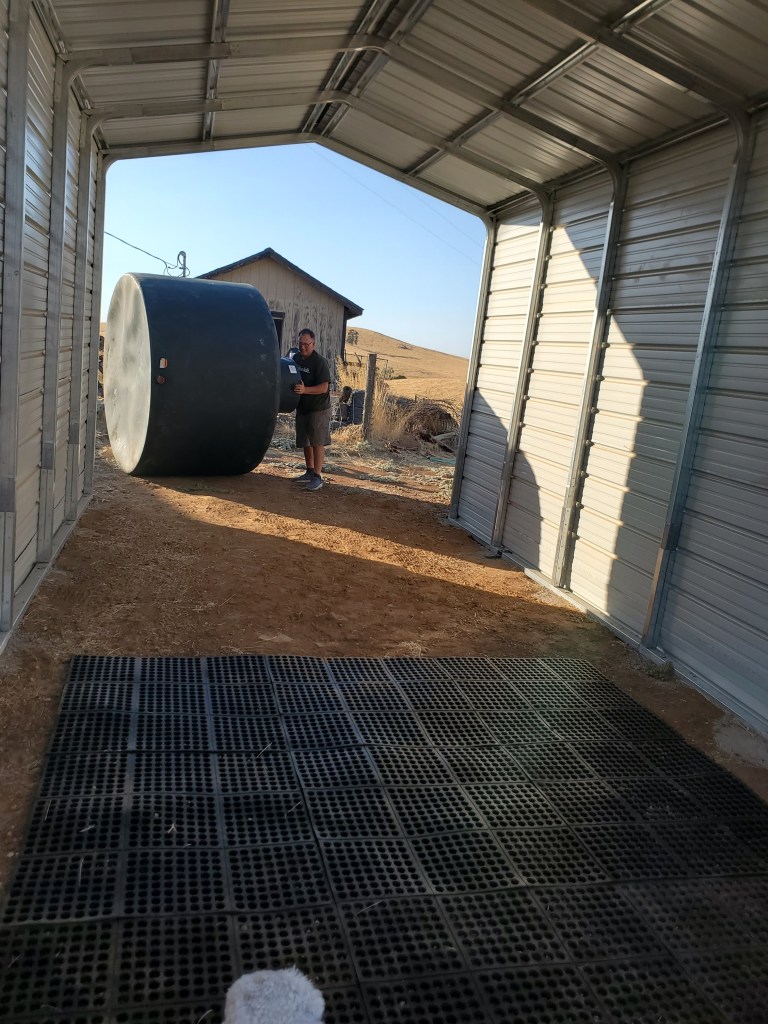
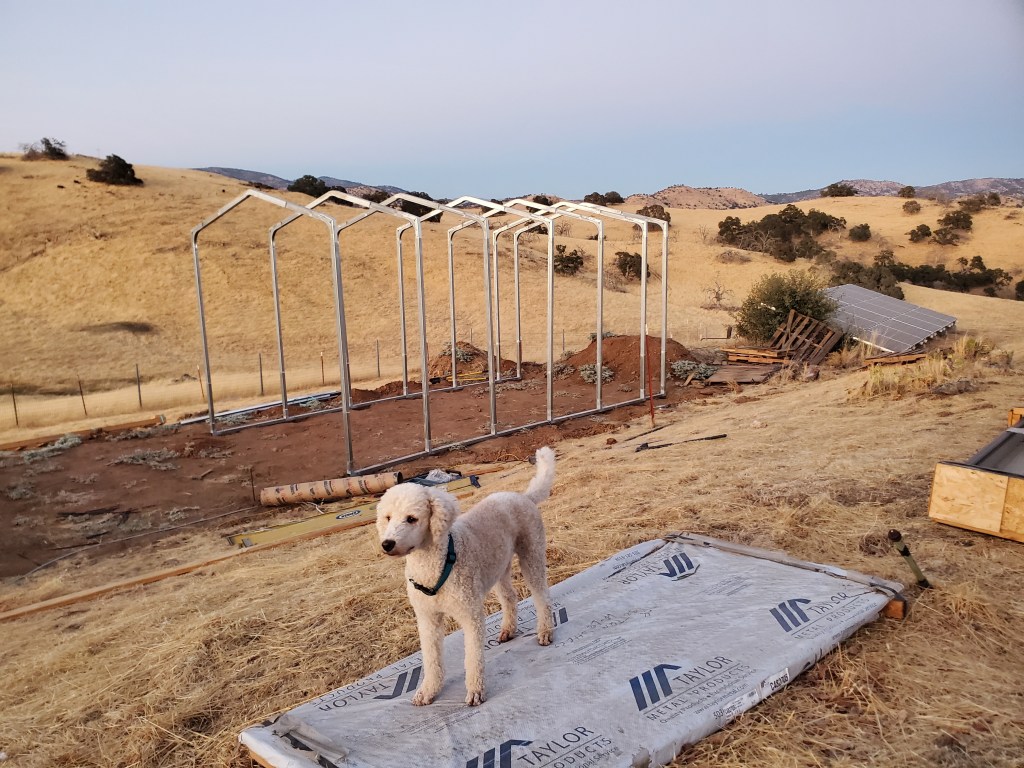
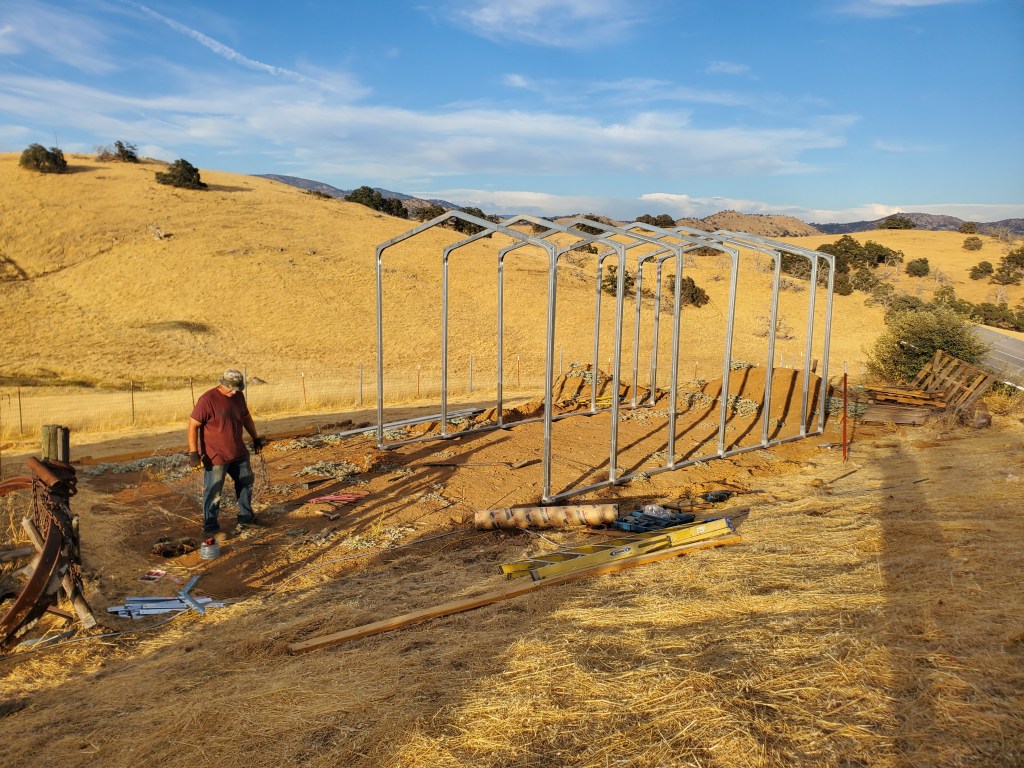
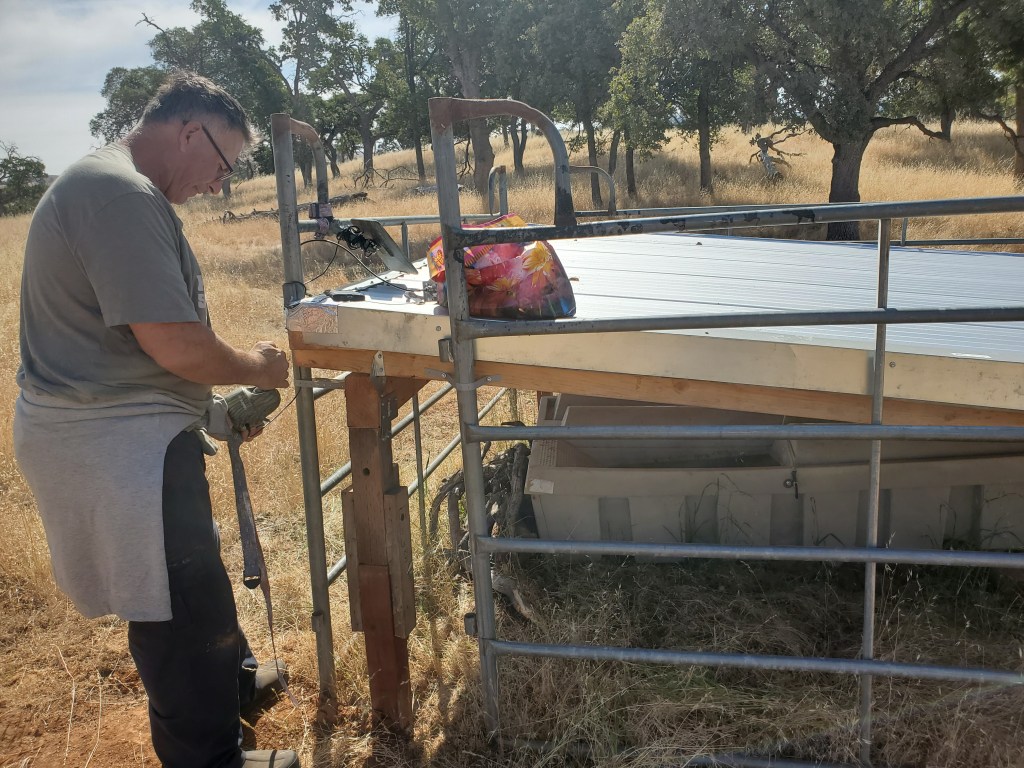
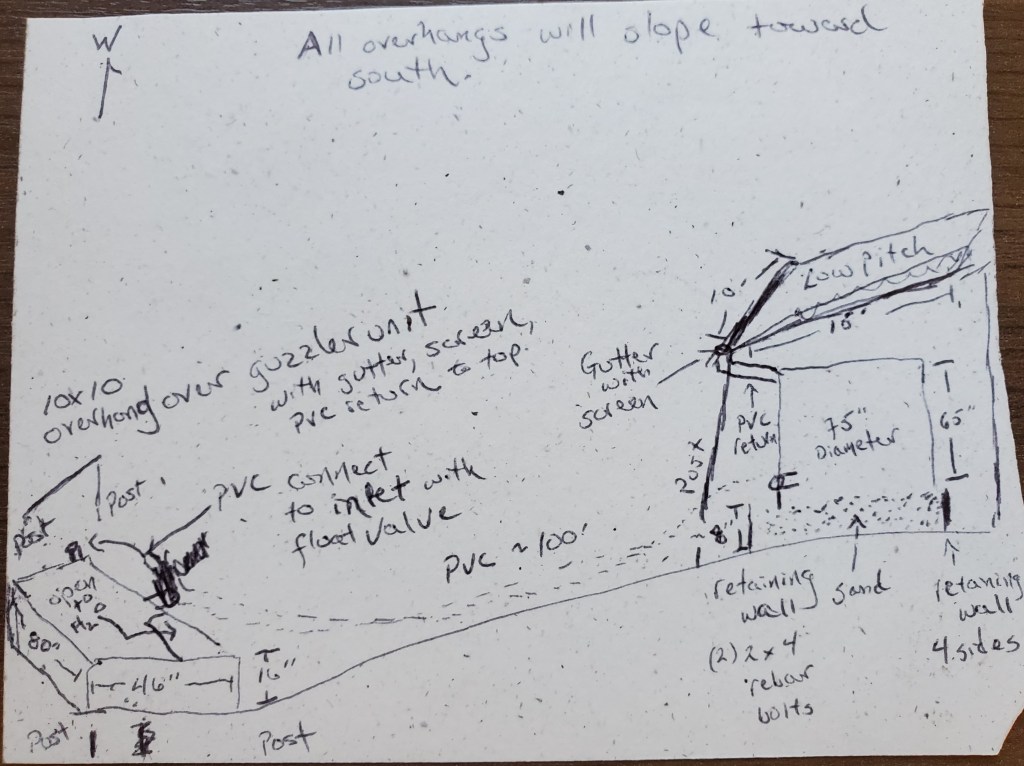
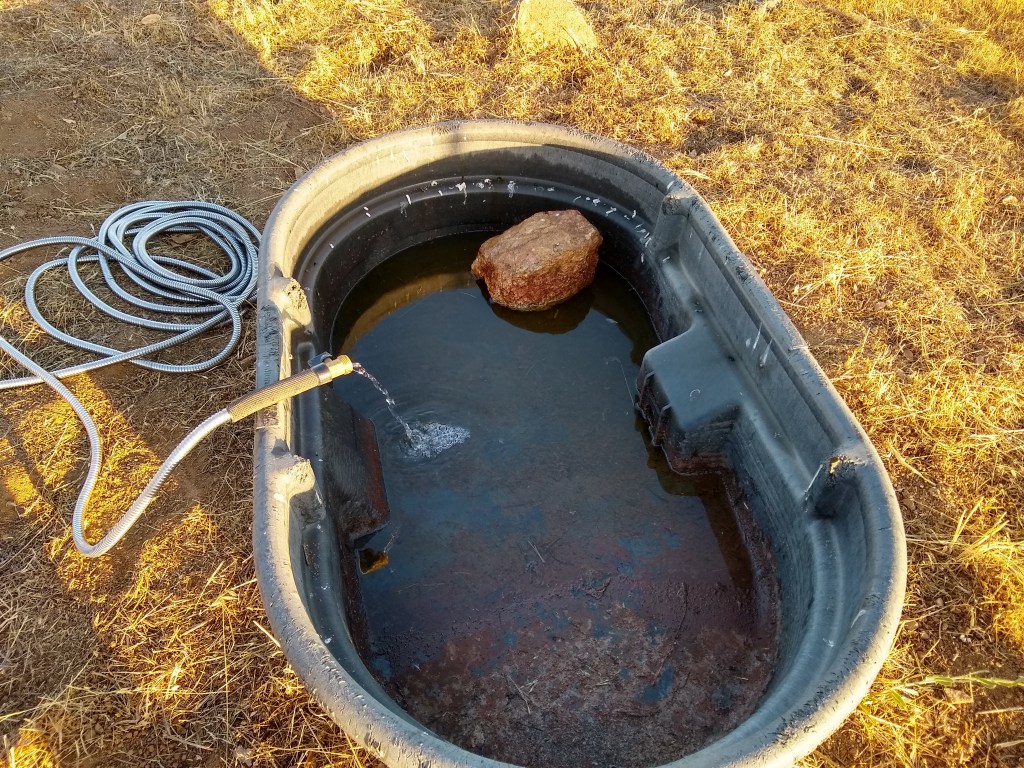
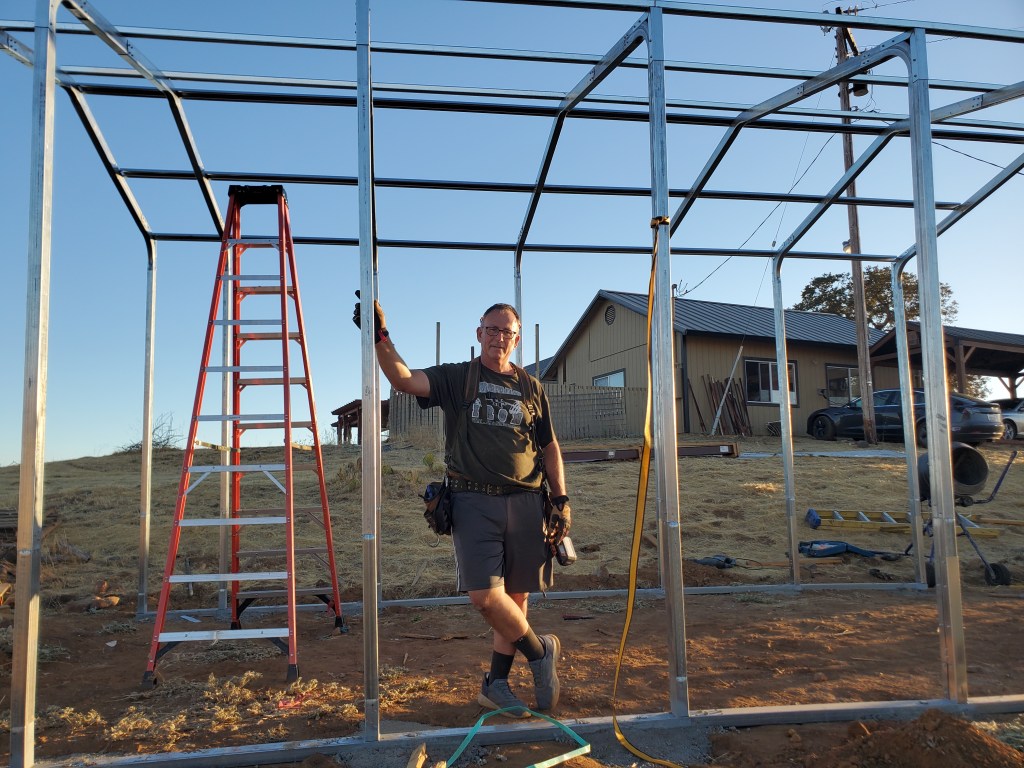
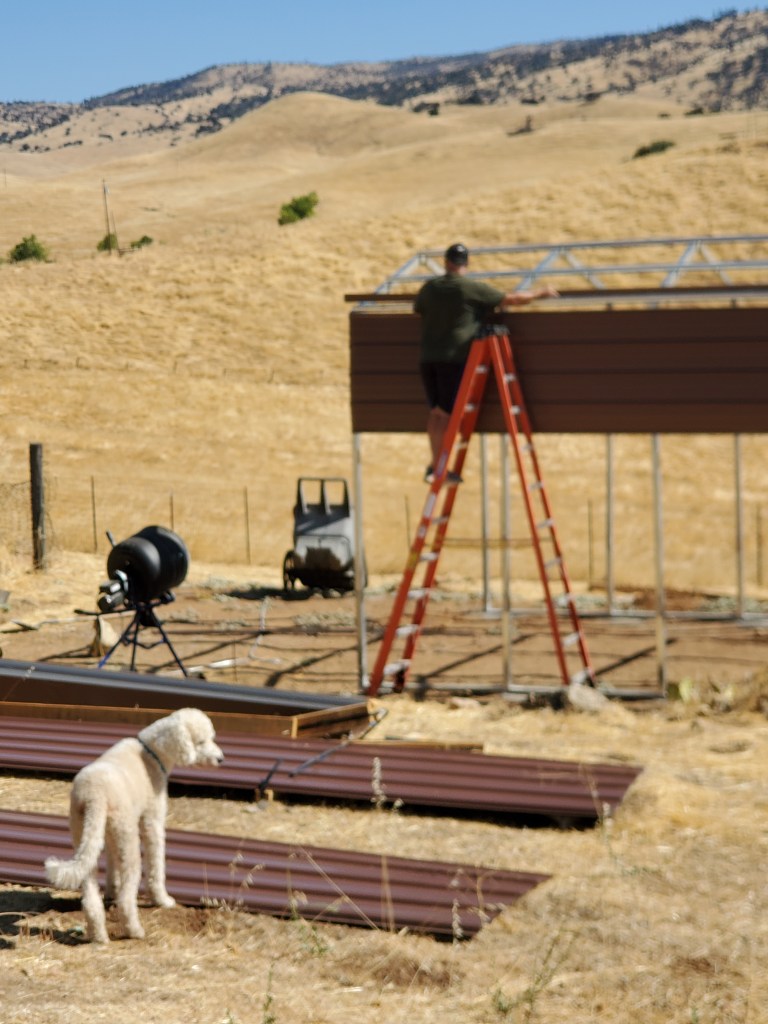
David has been busy at work on the metal building to be used to shelter tanks and collect rain water for the guzzler. I oversized it to eventually include a larger volume tank that will irrigate my next project of establishing a field of native grasses. For now, the shed holds a smaller 1,500 gallon tank to keep fresh water in the wildlife guzzler. We installed stainless steel mesh gutter screens to improve the quality of the rainwater catch. Although we took the flat area to hardpan and David and I both raked the ground to clear rocks, there were still quite a few rocks embedded in the hardpan. In order to prevent water tank punctures from those rocks, we chose to install a rubber mat floor to be a barrier between the tank and the rocky surface. Remember, water weighs 8.34 lbs per gallon. Full, the tank will weigh 12,510 lbs. That would be a lot of downward pressure onto those rocks. I want to say a very public “Thank you” to David for his tremendous work on building this building for me. It came out great and will yield up to 2,302 gallons of rain water in an average precipitation year.
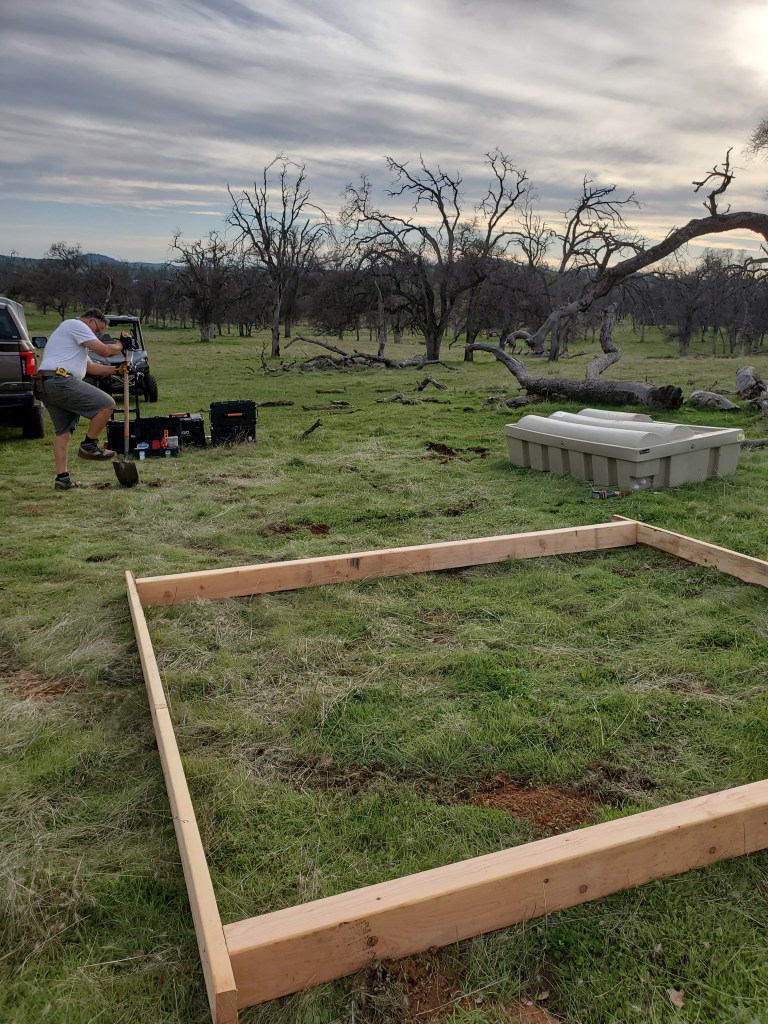
We plan to build a wooden structure to cover the tank that will be linked to Guzzler 2 in the near future. Why wood and not another metal building? We are planning to build on a slope. Metal buildings need a flat surface. With wood, we can place the post on piers that will level the structure.

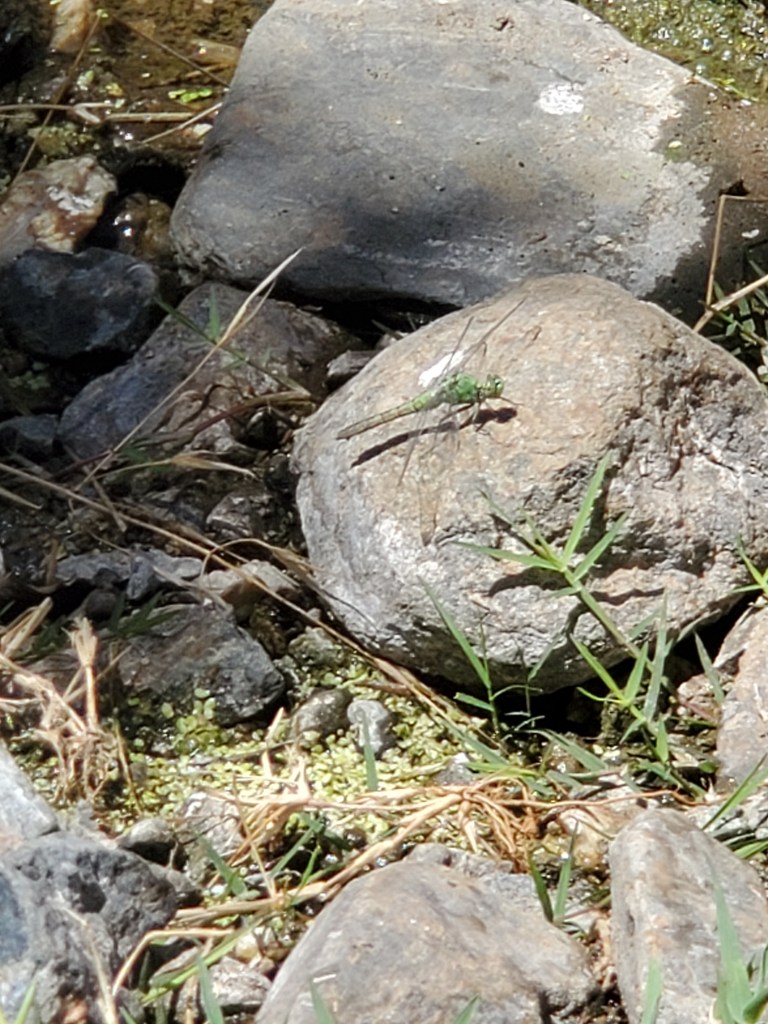
You may wonder why all this effort to feed some guzzlers that already have their own catchment system – wildlife and drought. We barely made it through a normal precipitation year last year with water in the guzzler. There was an inch left, and it was getting use. We lived through the drought and saw so many insects, birds and animals desperate for water. I remember placing a bird bath in the middle of the drainage during a drought. I would haul water to it and fill it up daily. Bees, flies, dragonflies and birds all flocked to it in large numbers. I never saw bees aggregate like that. It stayed with me. When I learned about guzzlers that came with their own escape ramps built in to prevent animal drownings, I started to plan them across the ranch. I also thought about how I could retain the creek water longer as well, thus the rock and log drop structures. Water is life. You really understand this during a drought.

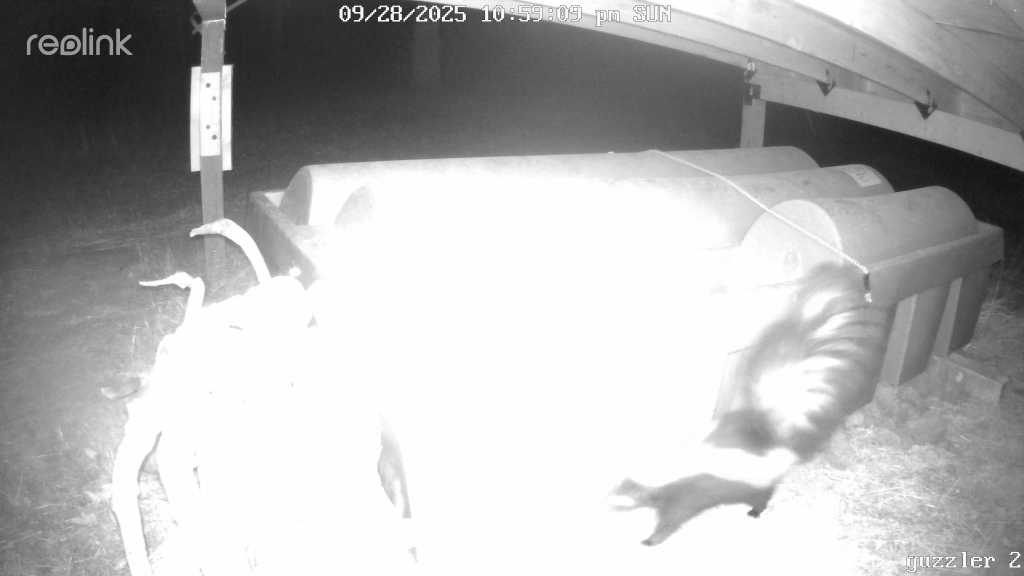
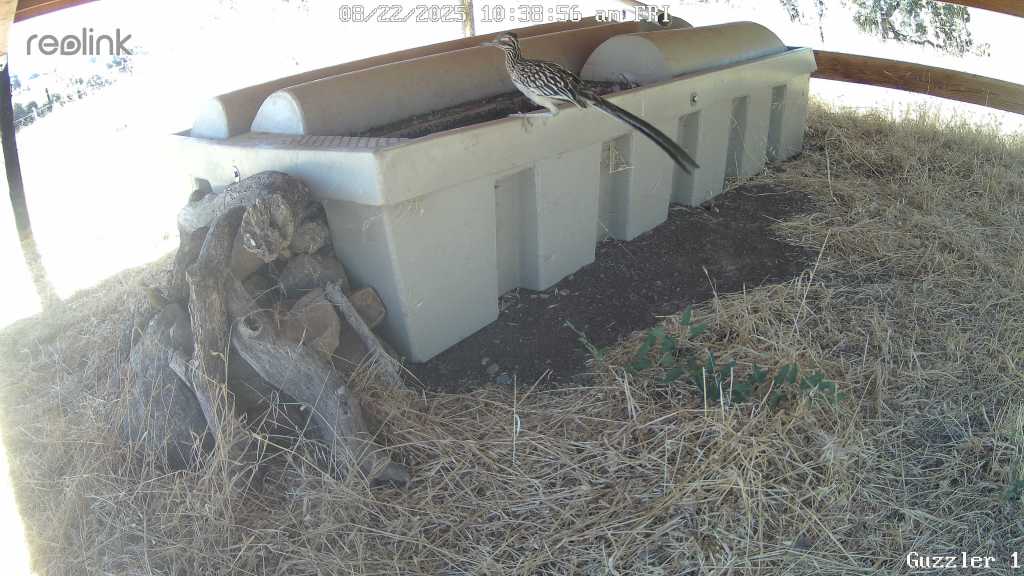
Animals have been using the guzzlers even when the creeks have water. I am so grateful for the opportunity to make a difference in their lives and return some resource where it has been over-drafted by human activity. The guzzlers have seen so pretty cool activity over the past several weeks.

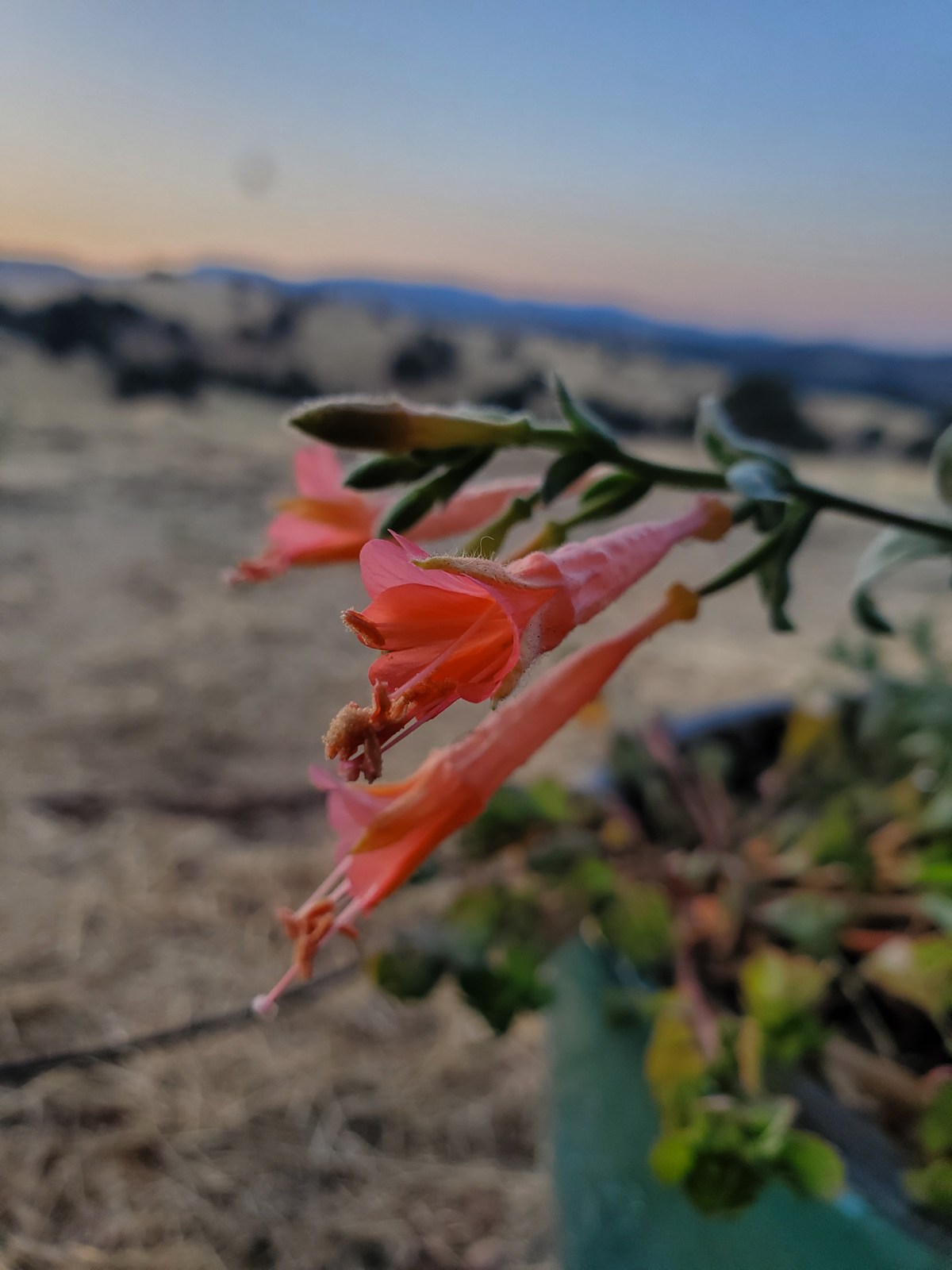
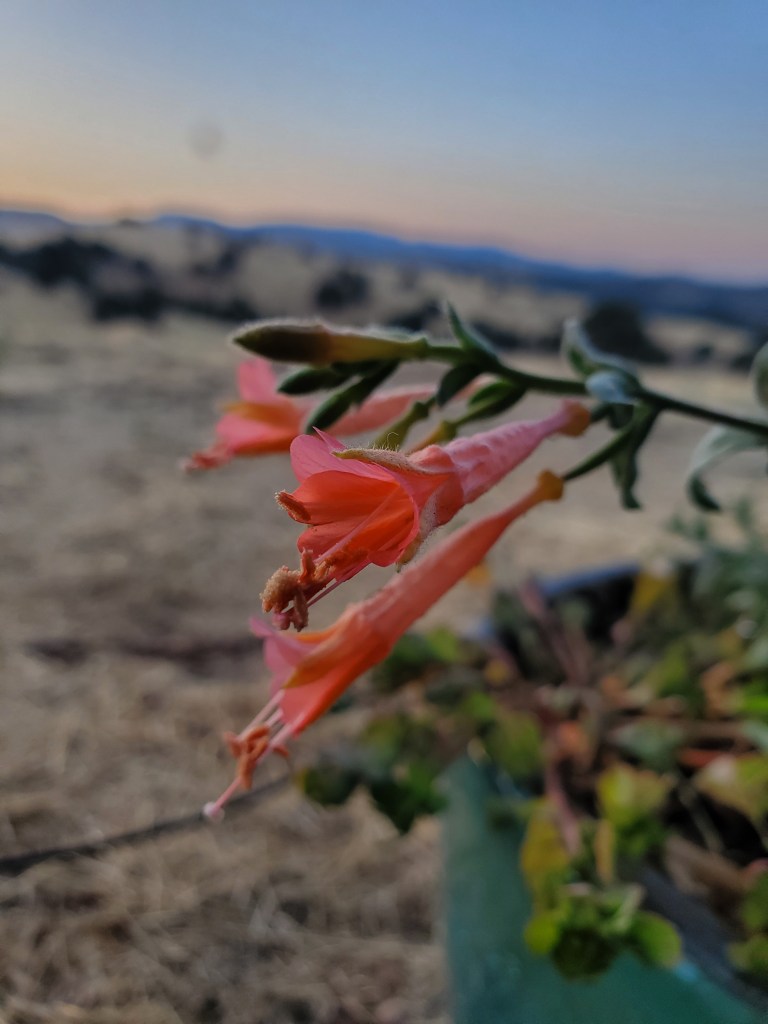
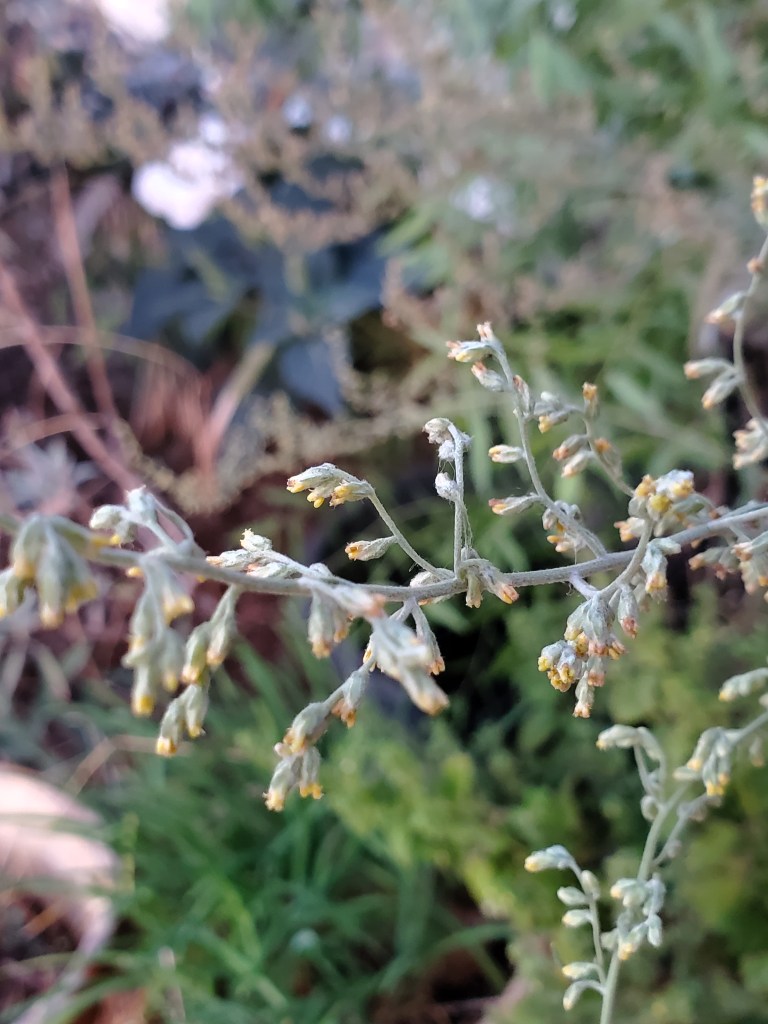
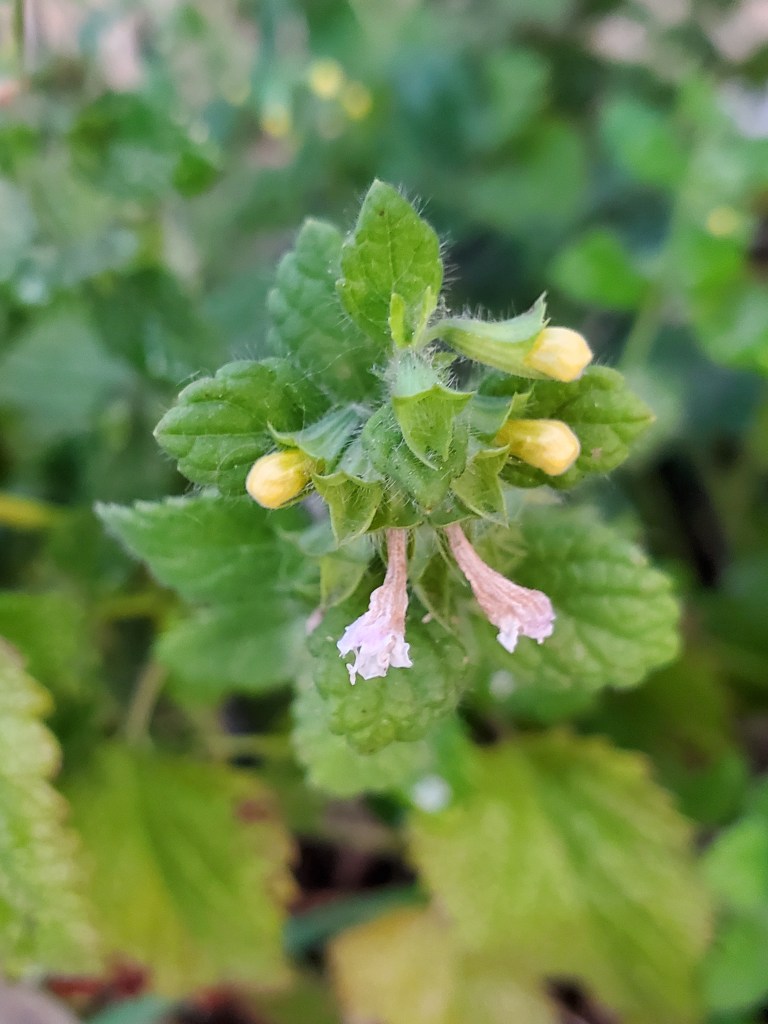
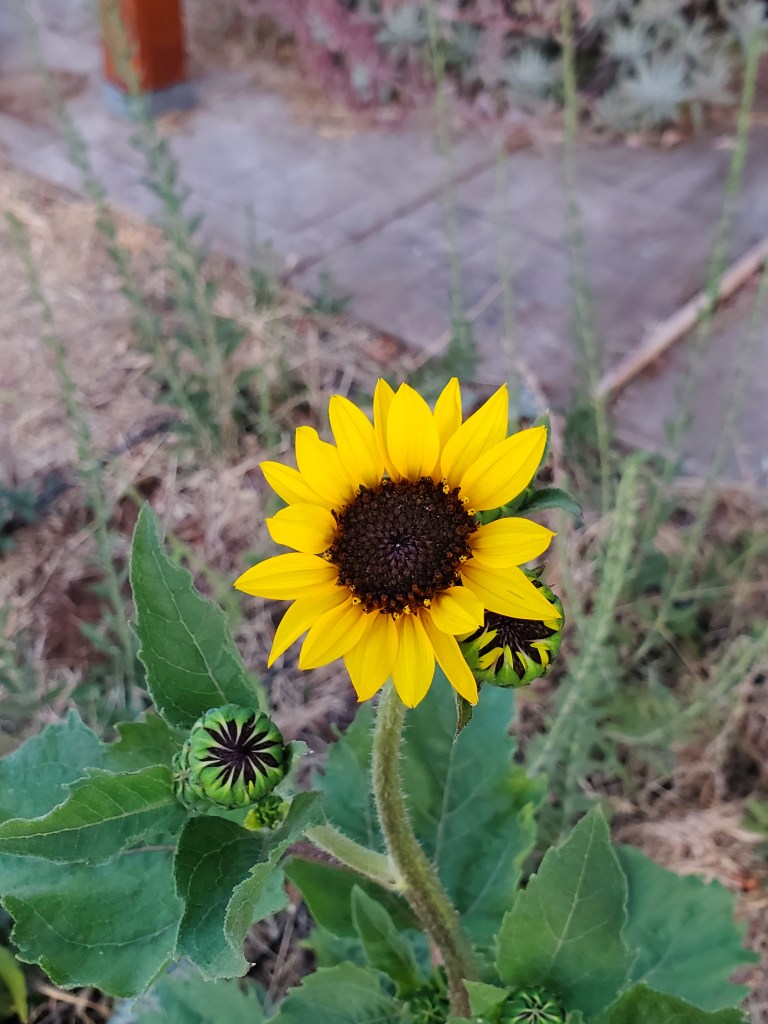
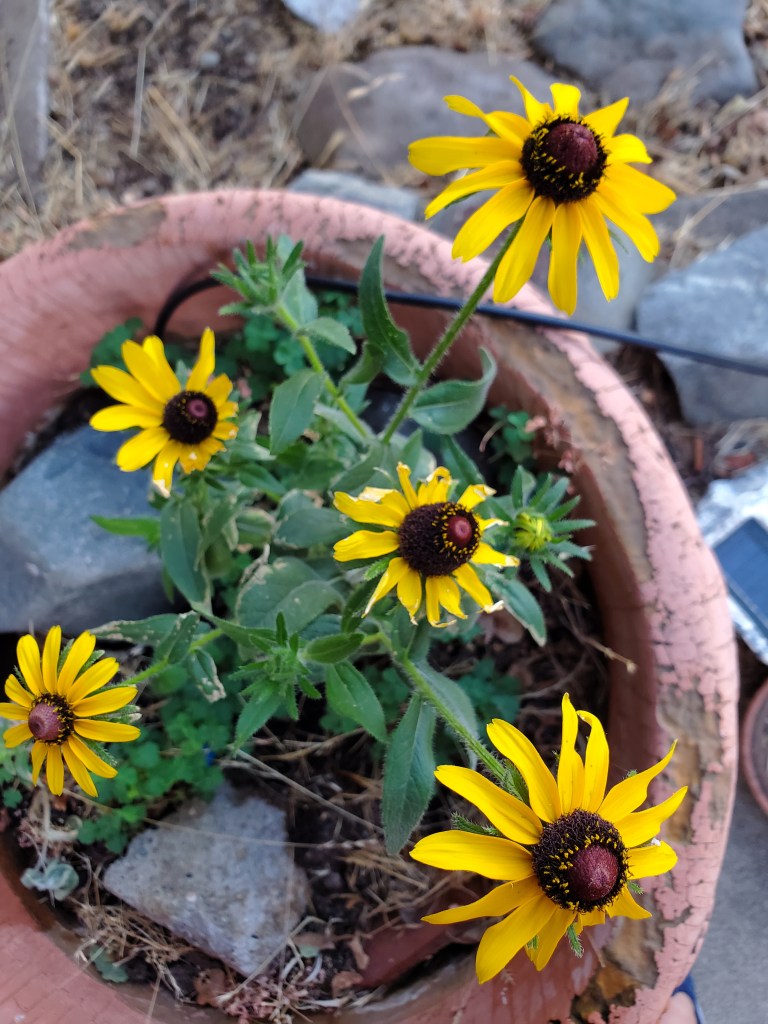
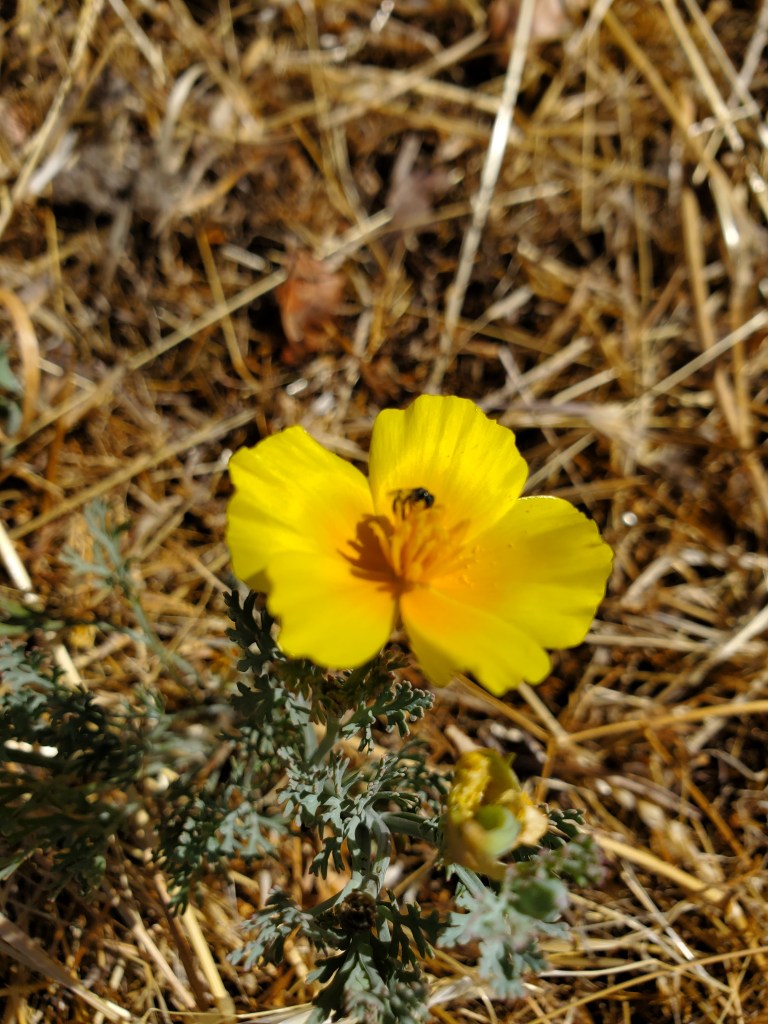
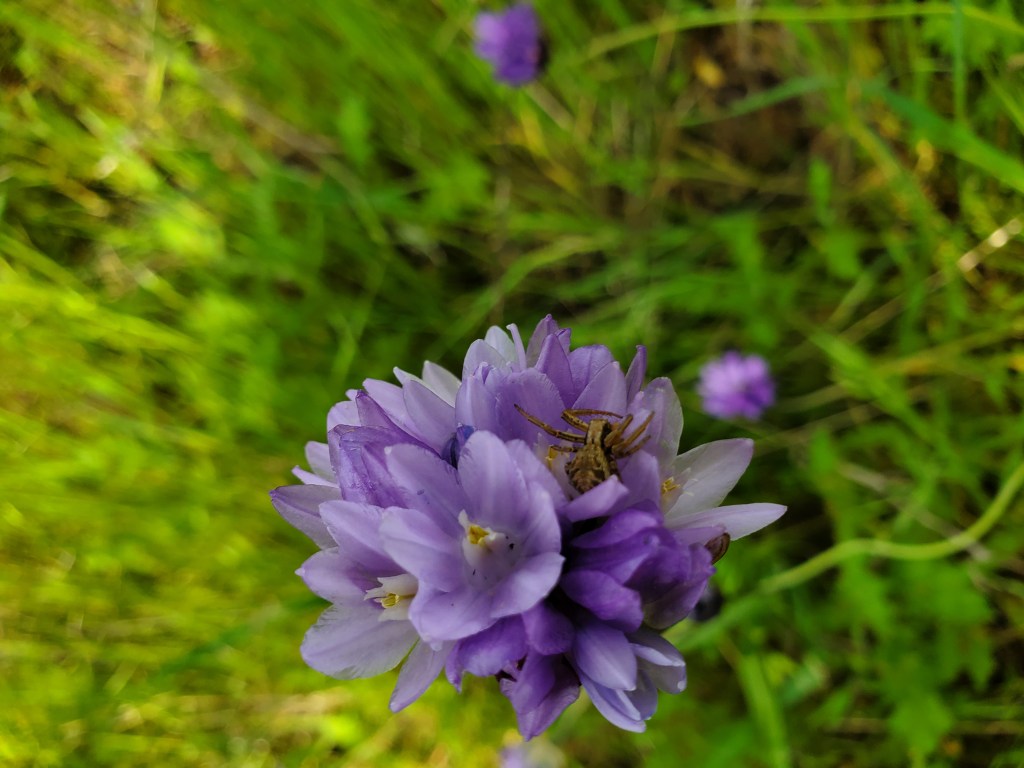
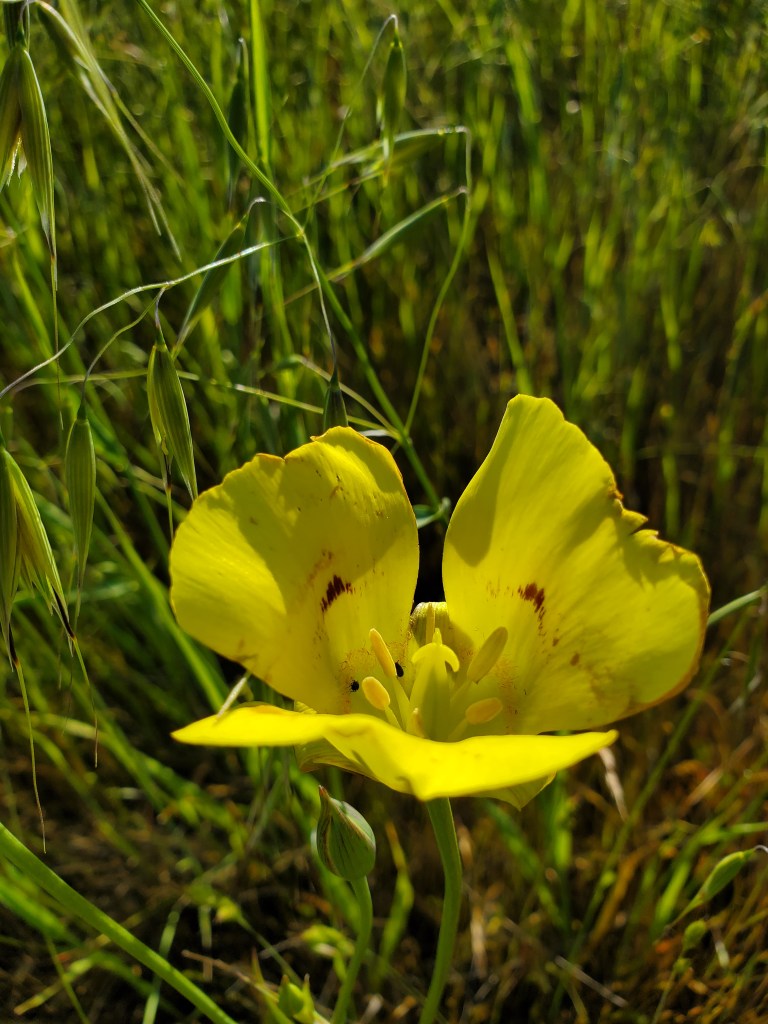
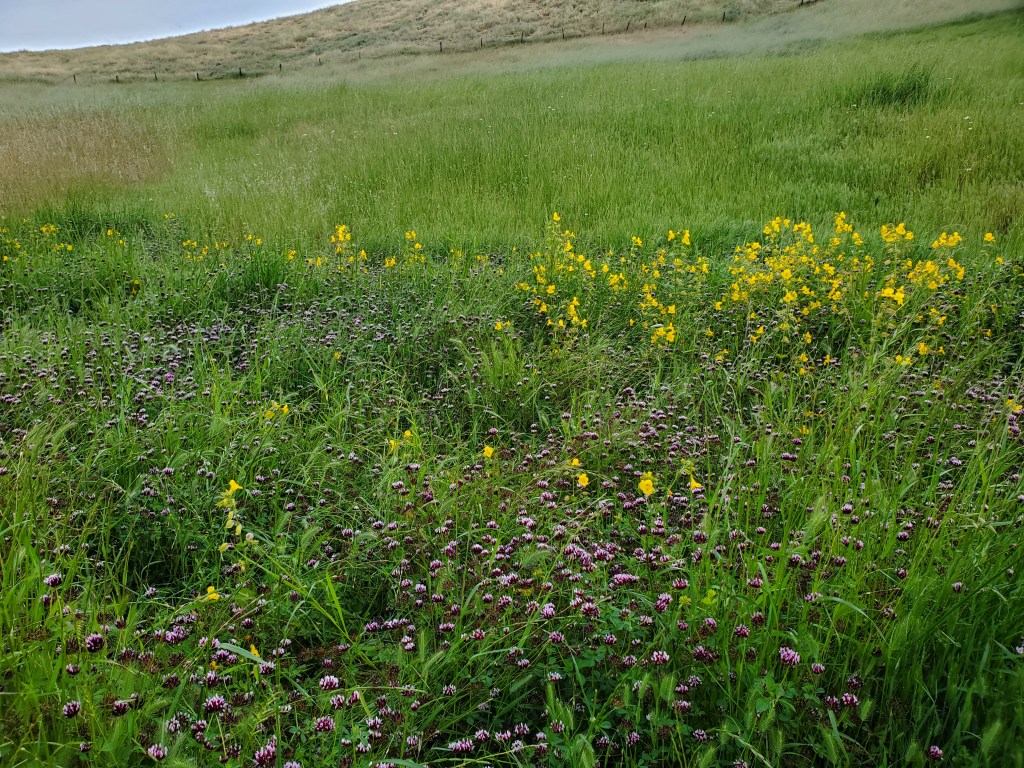
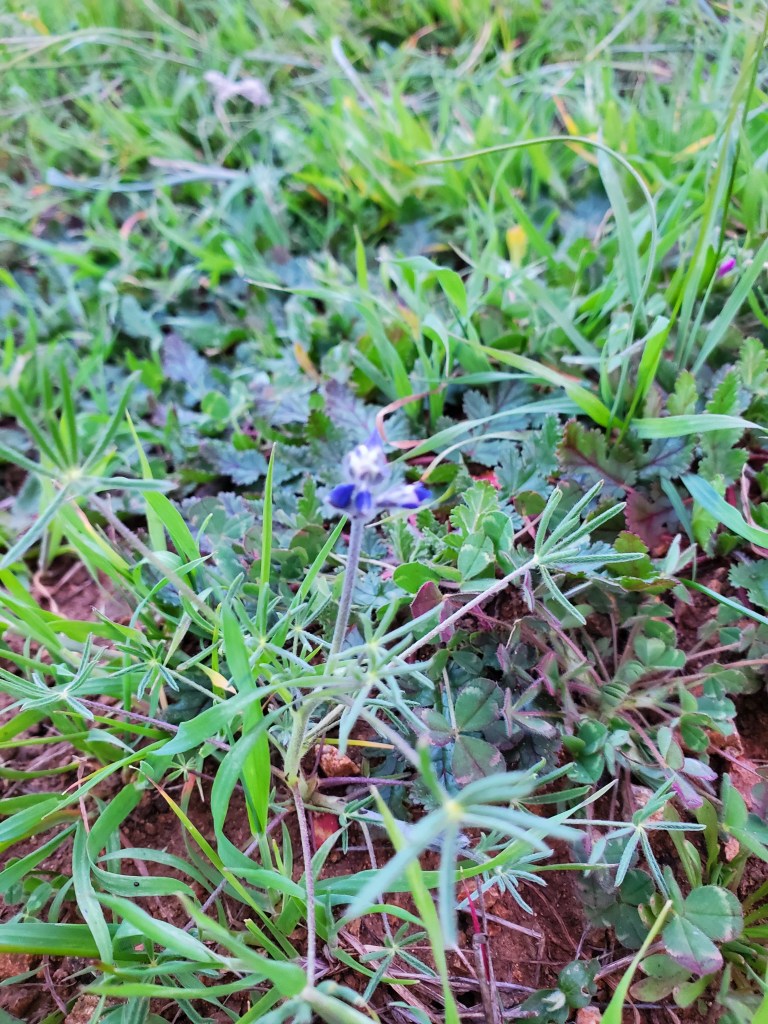
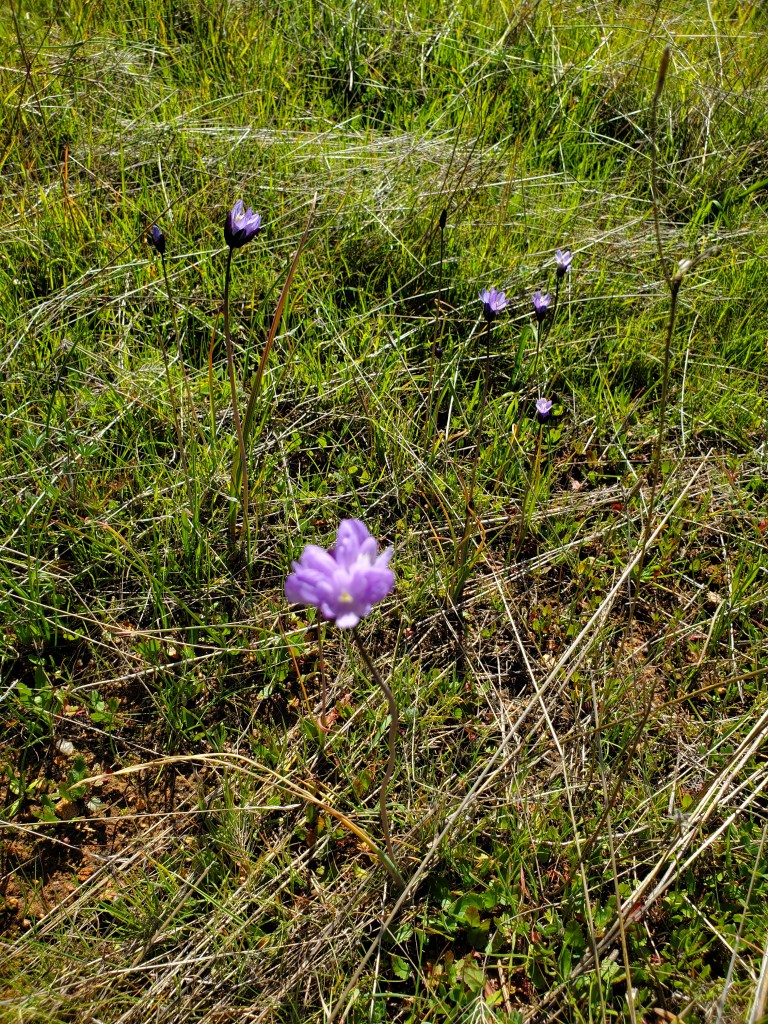
Currently in Bloom Plus Cool Seeds

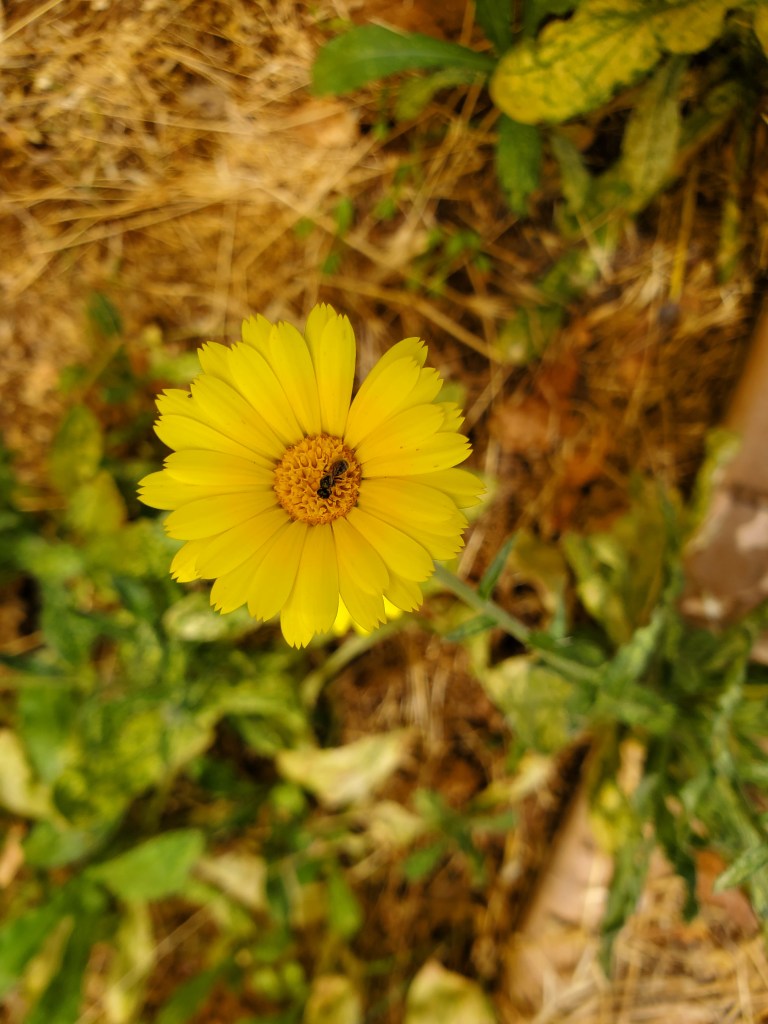
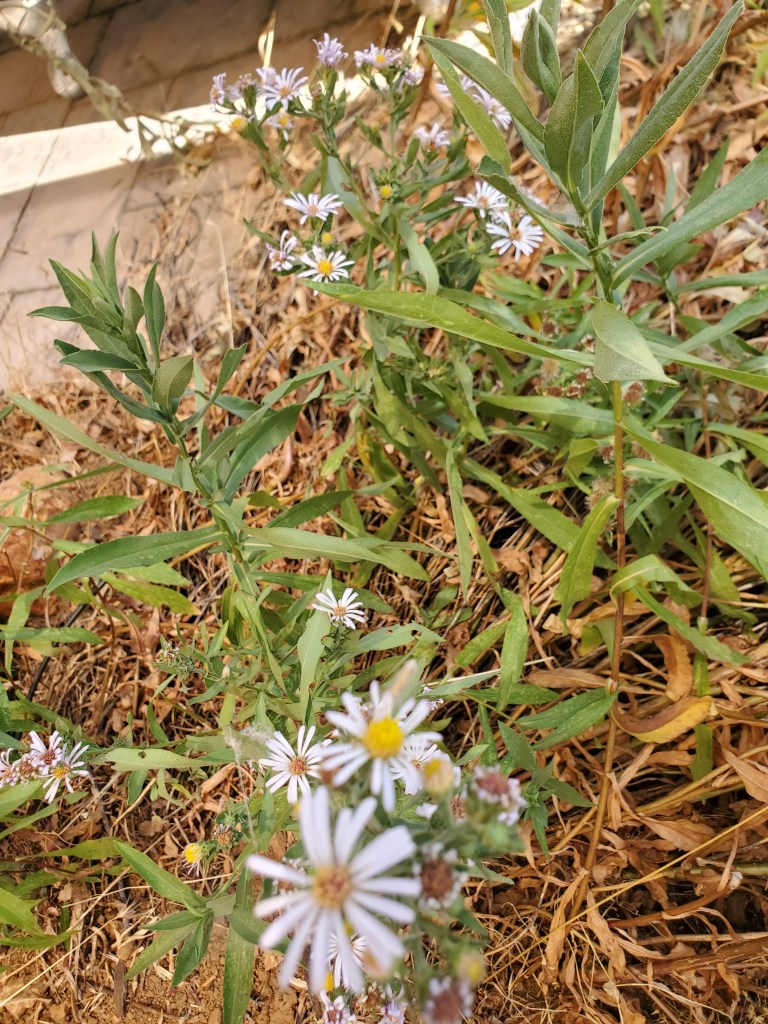
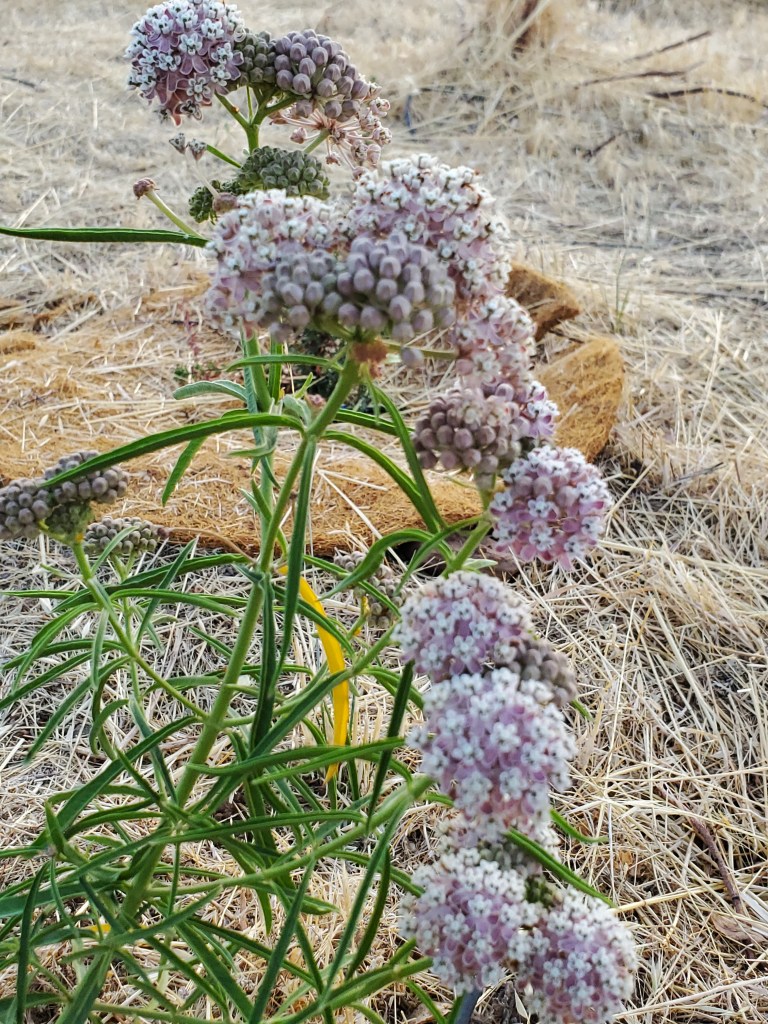
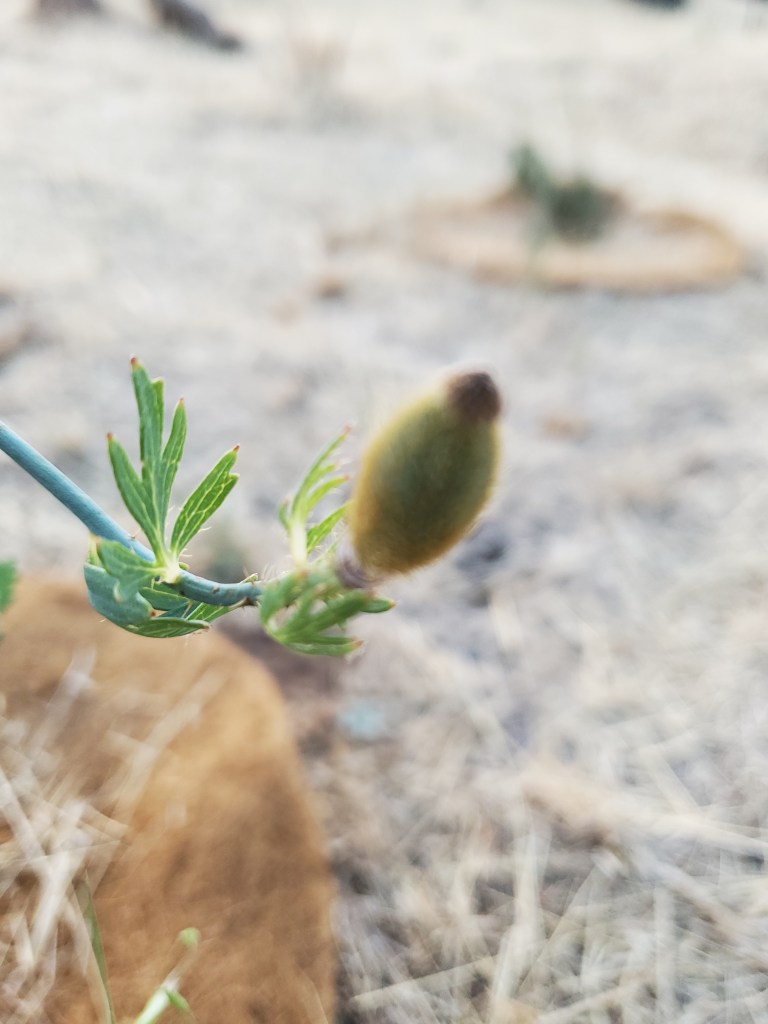
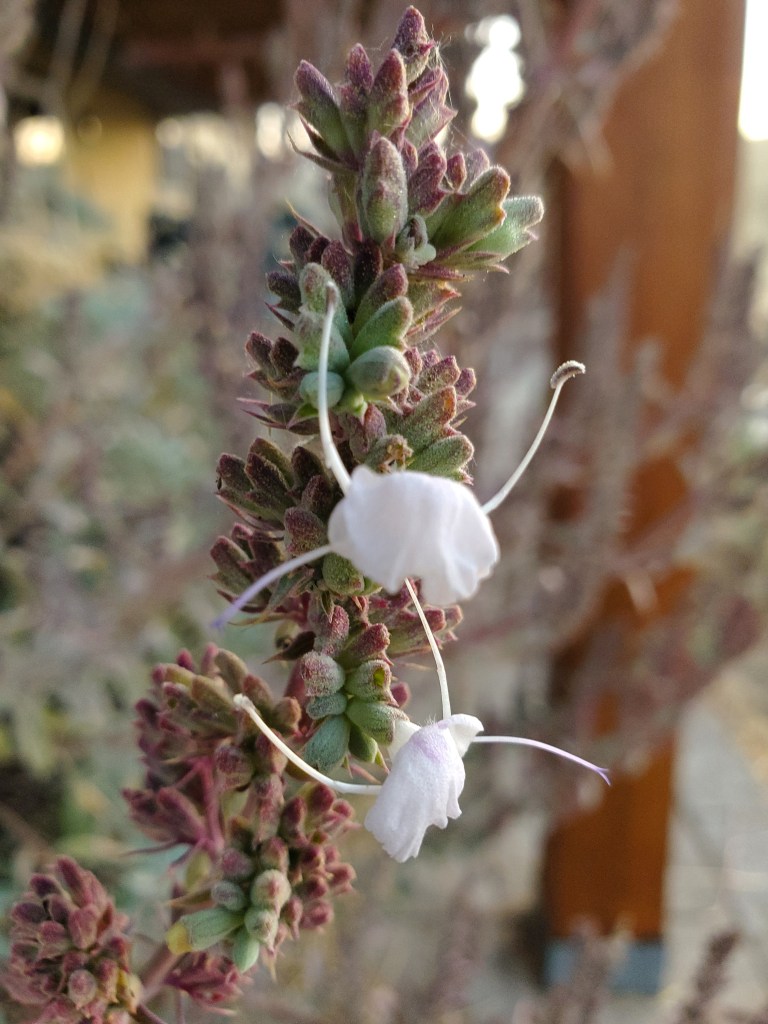
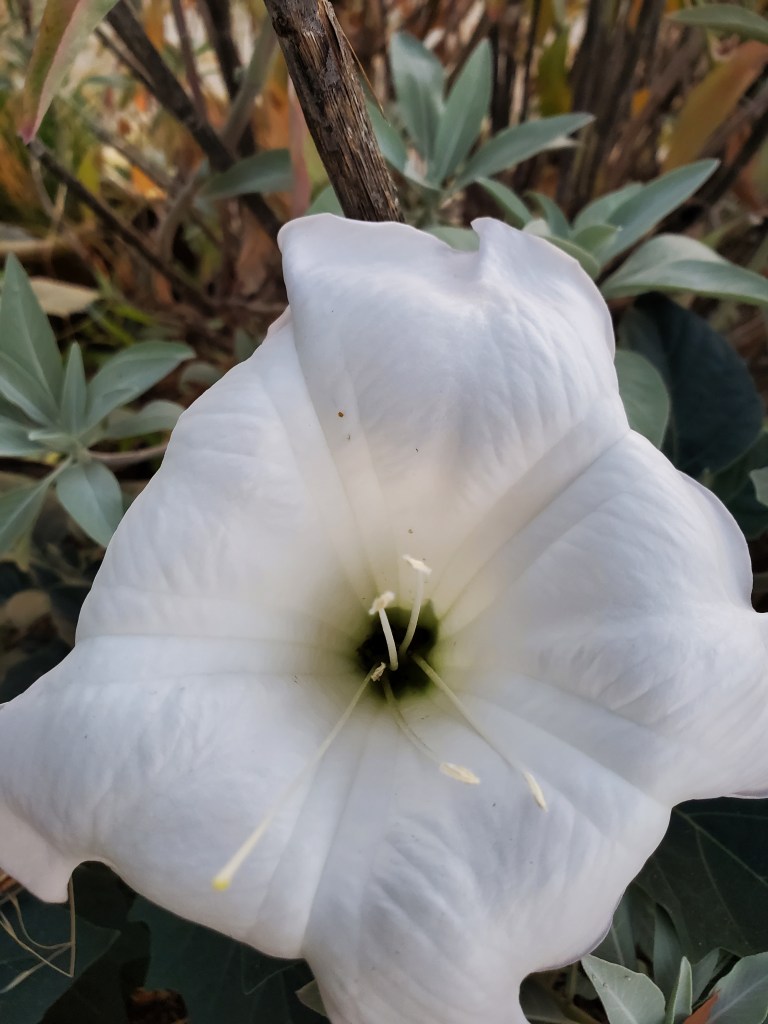
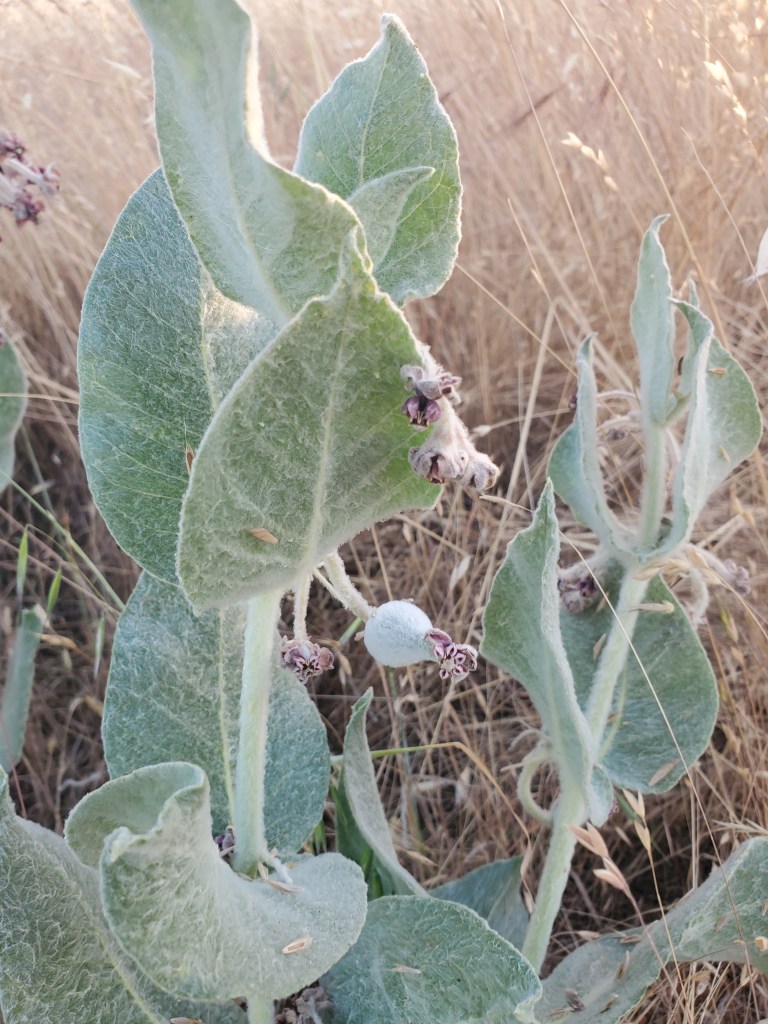
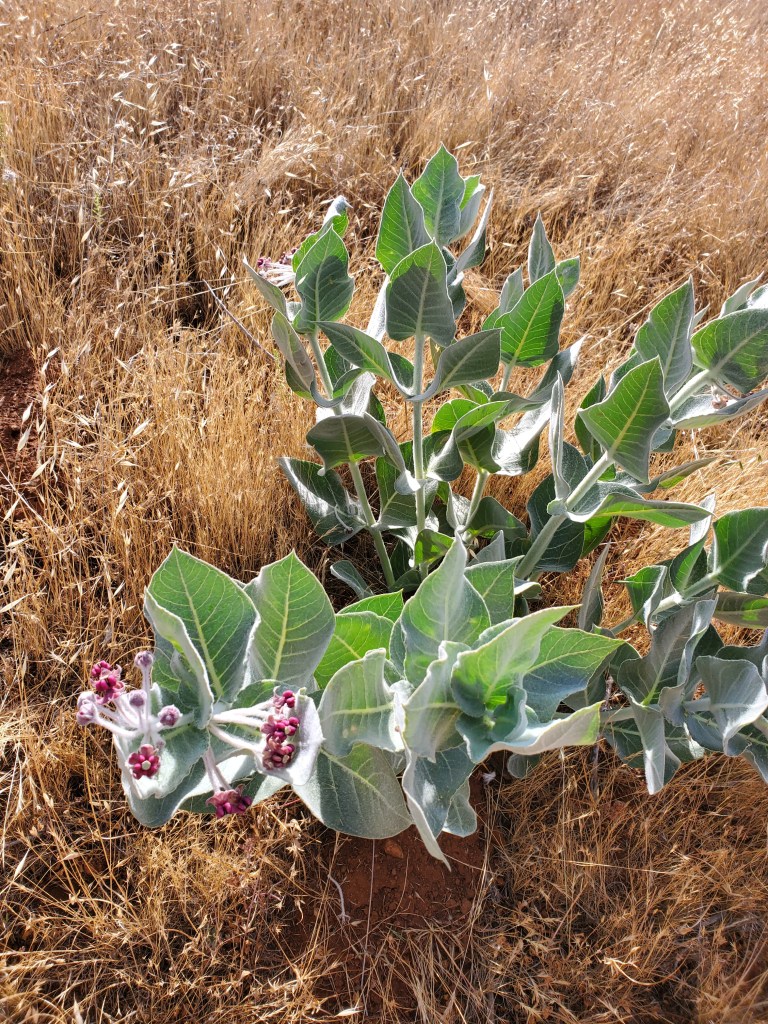
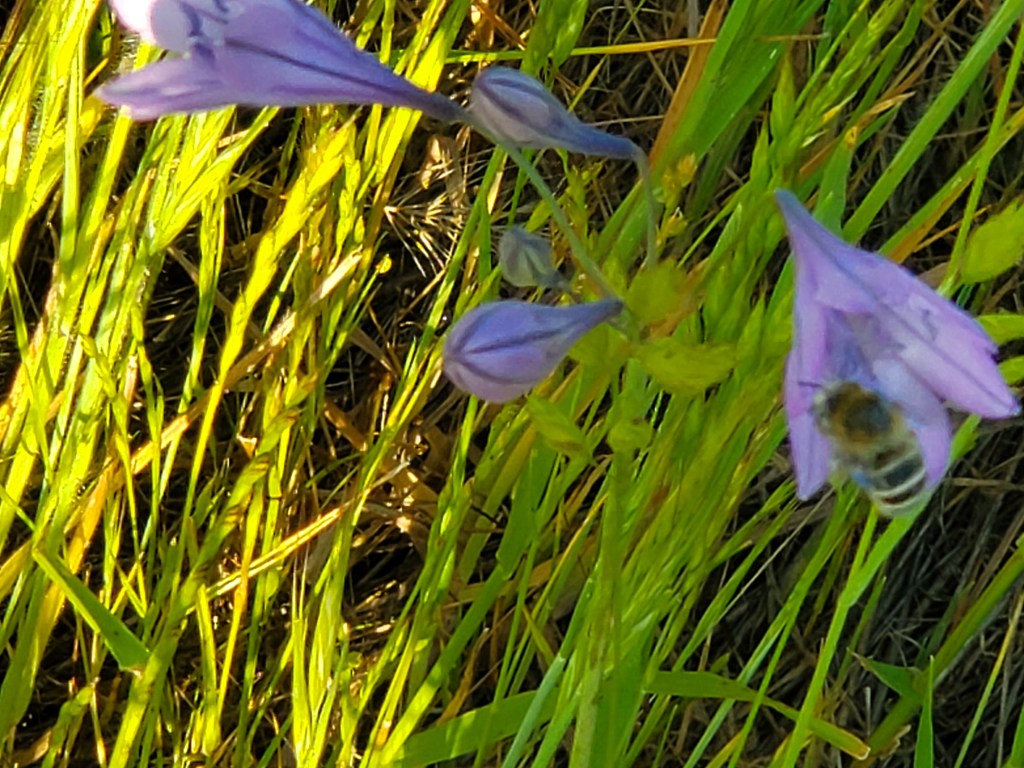
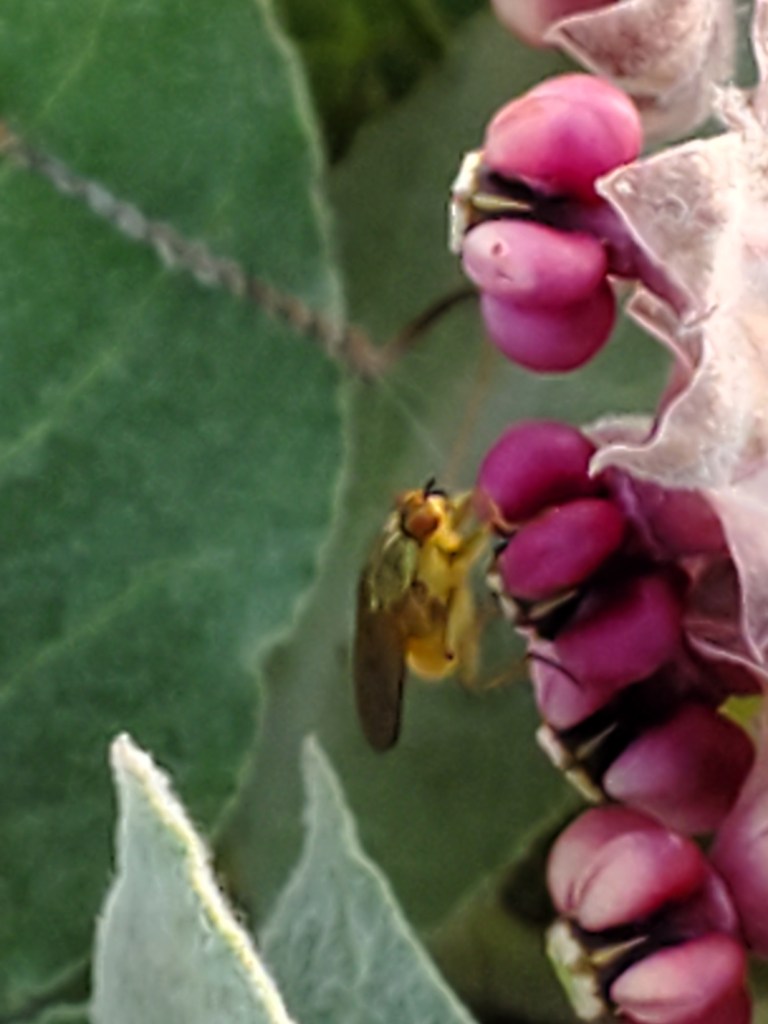
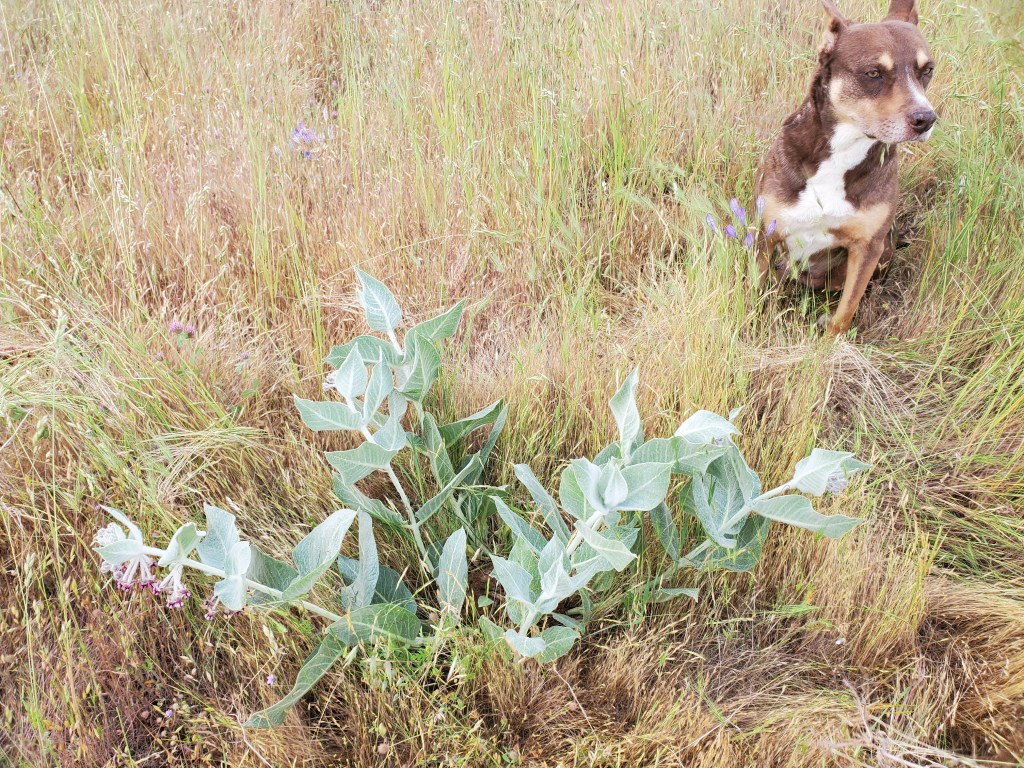
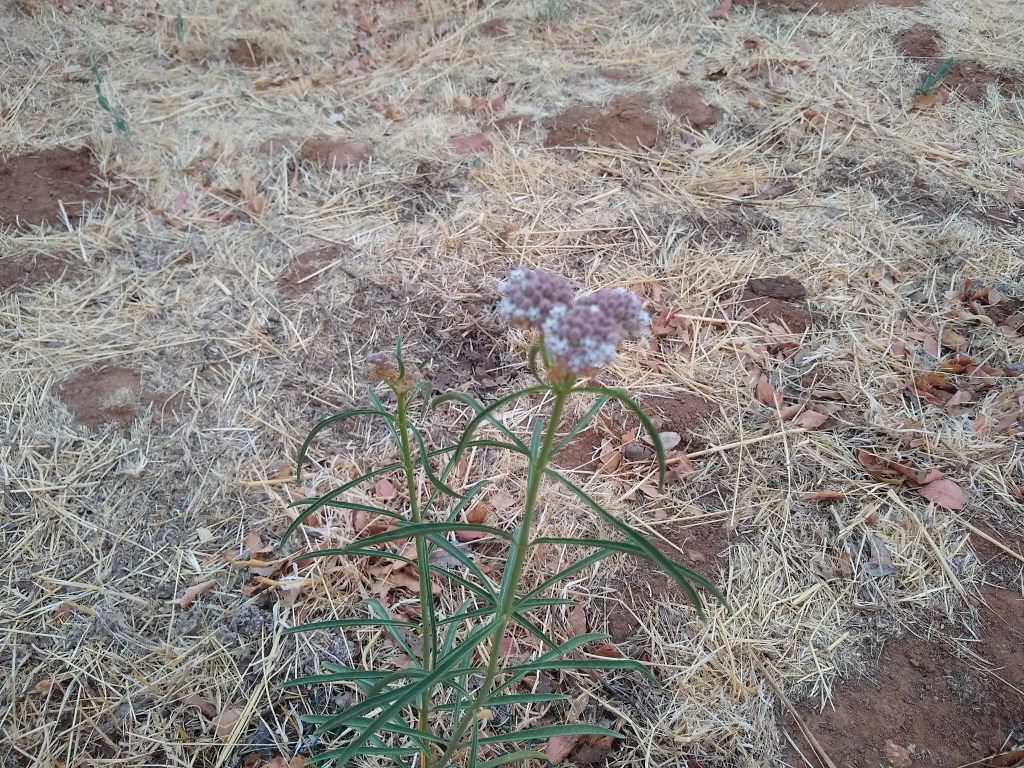
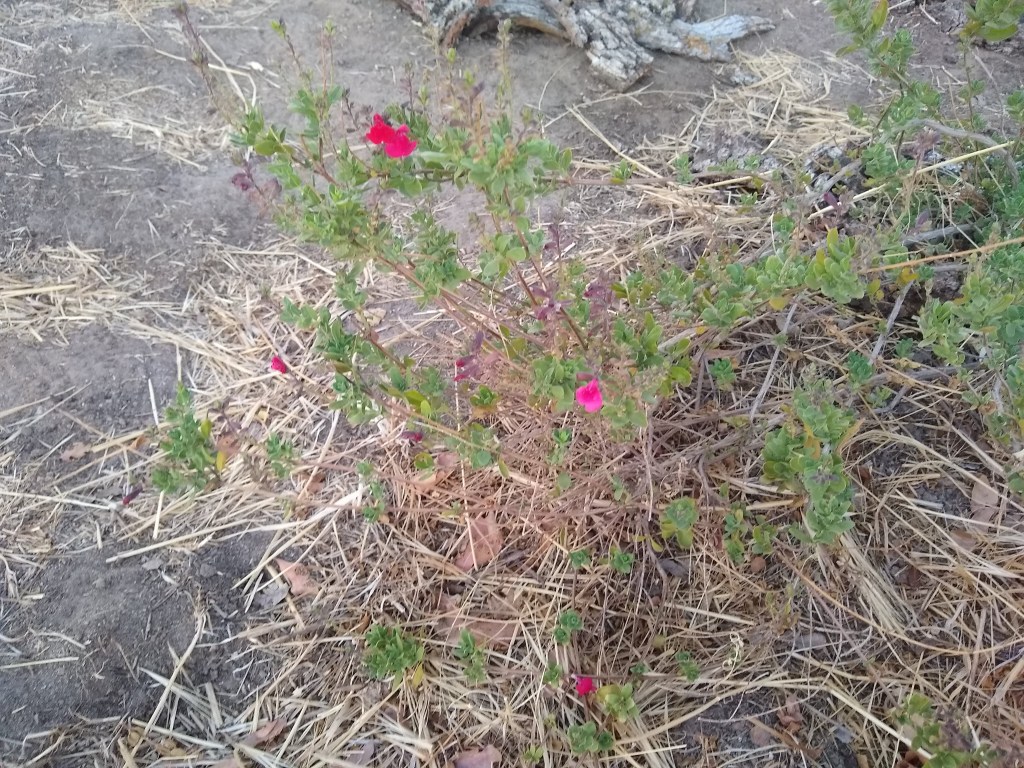
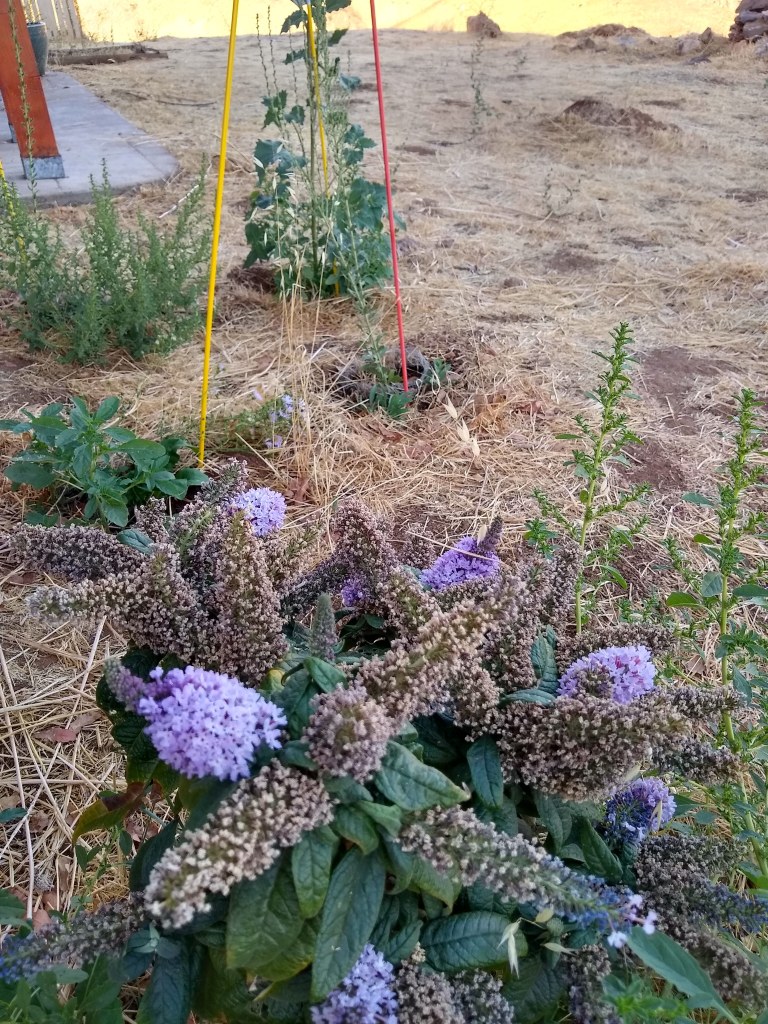
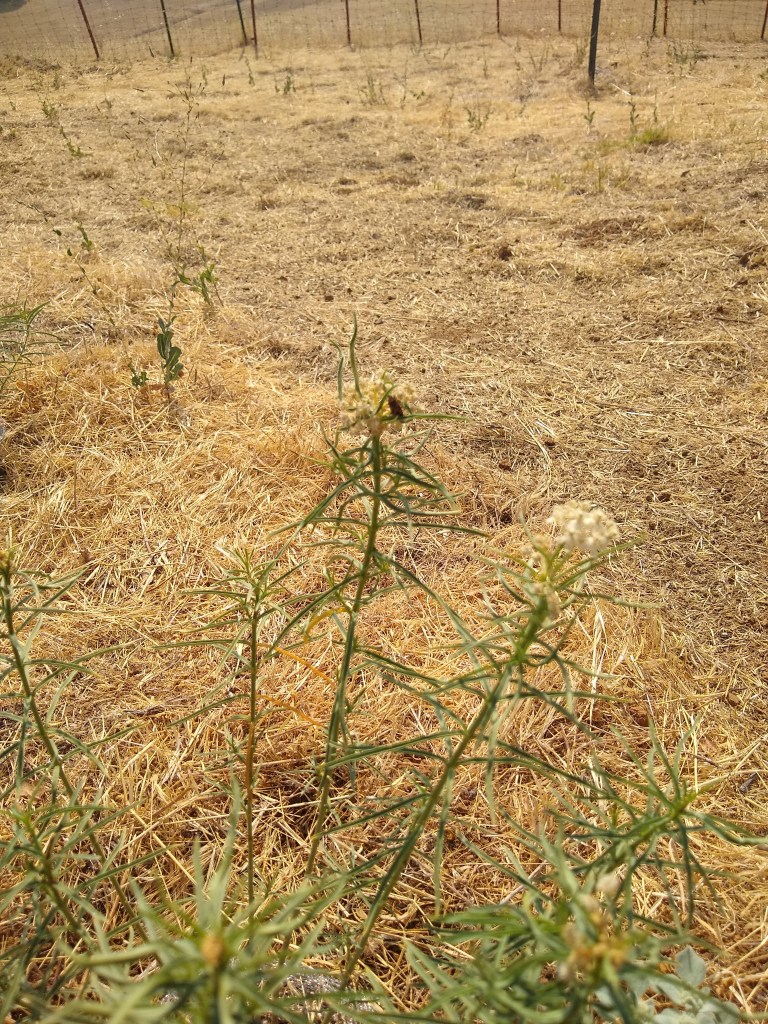
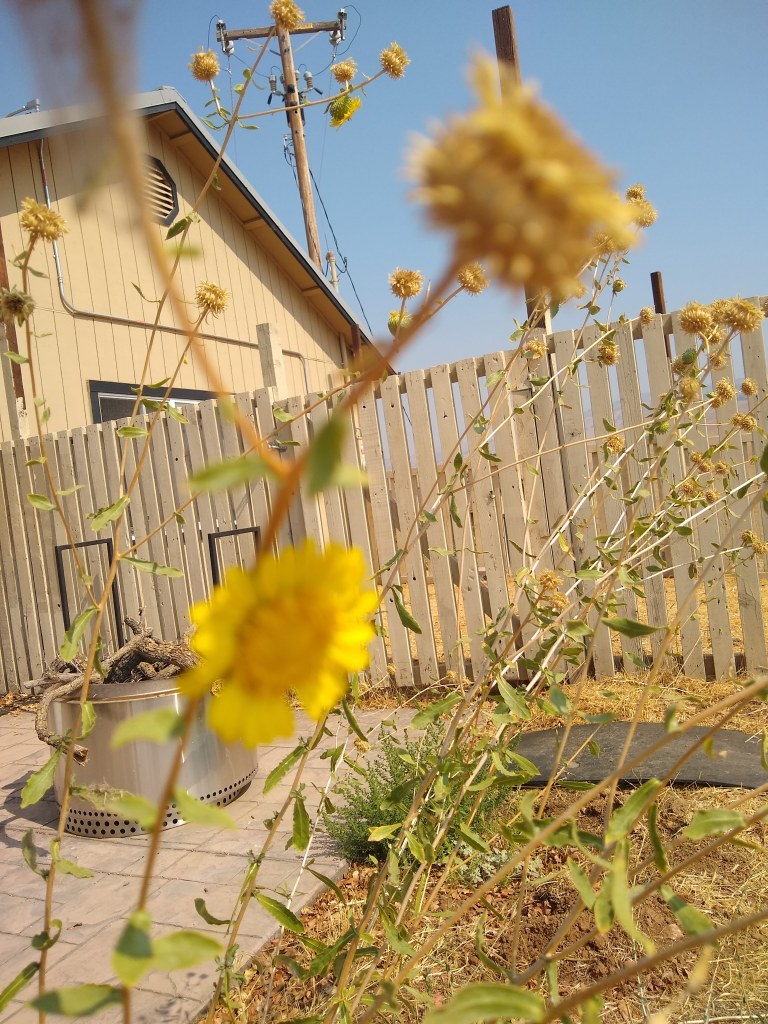
There is ample nectar but not many nectar users around the house. I’ve seen some silver native bees, european honeybees, hummingbirds, and a few mournful duskywing butterflies – oh and ants too. That is about it. Still no monarchs. I check the milkweed daily and nothing. If we do not get them again, that will make three times in a row we’ve not hosted. That makes me very sad.

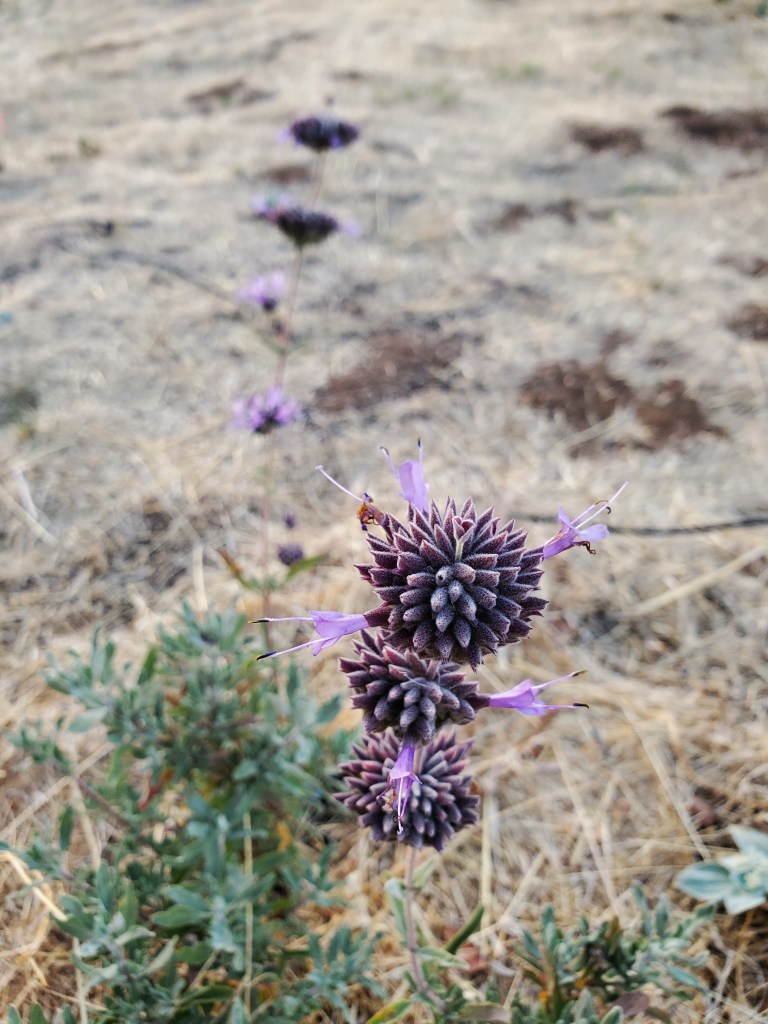
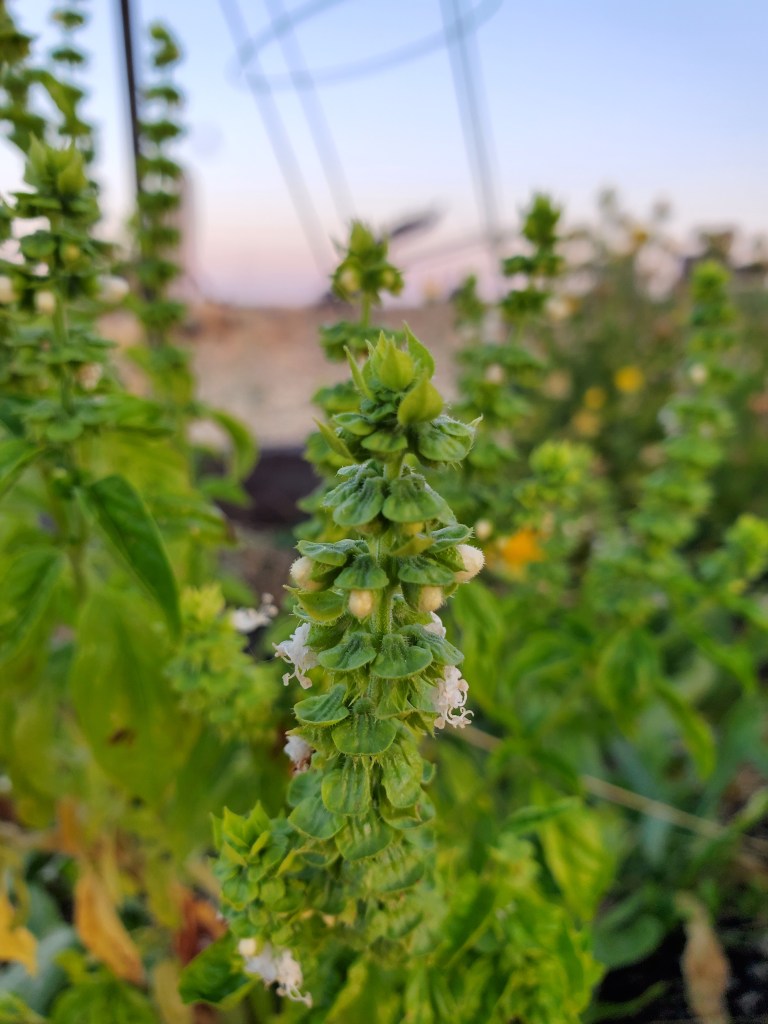
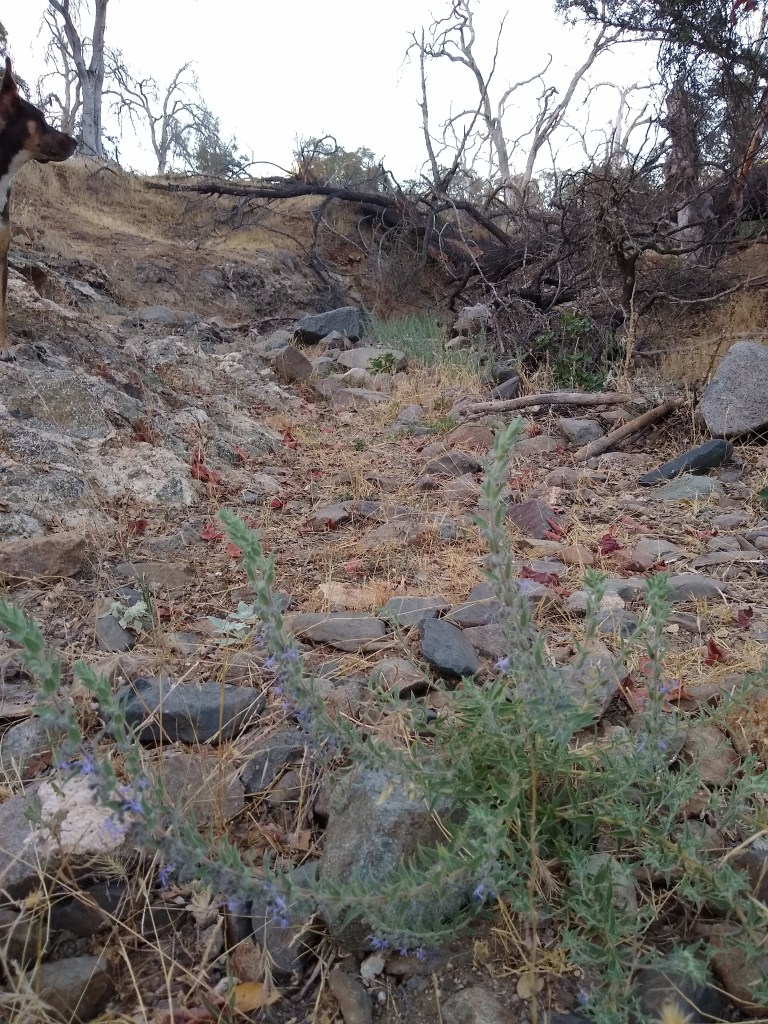
Not pictured are verbena, and basil. Both are in bloom. We also have a good volume of tarweed. The air smells beautiful.

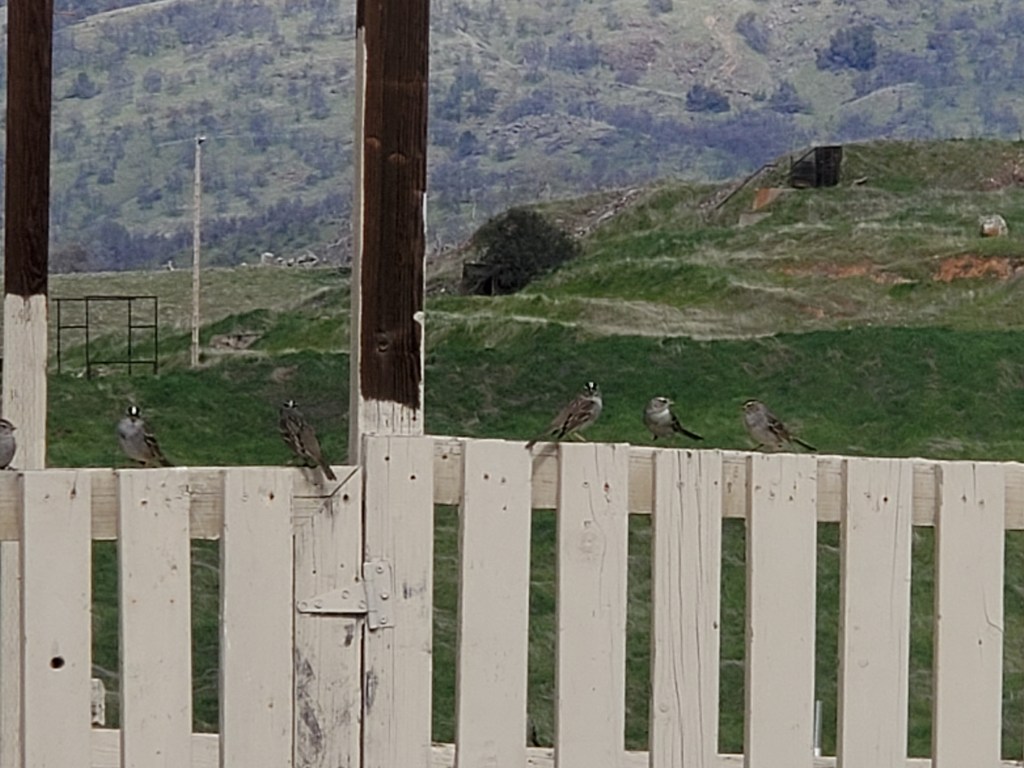
More Wildlife

Oak Seedlings Update

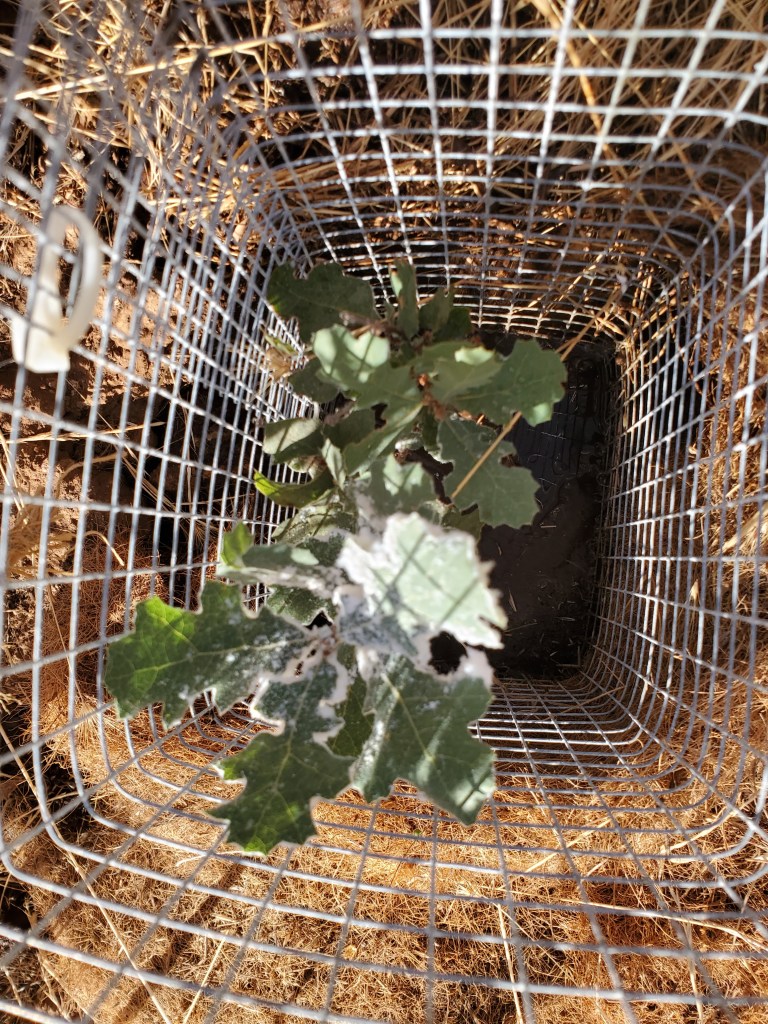
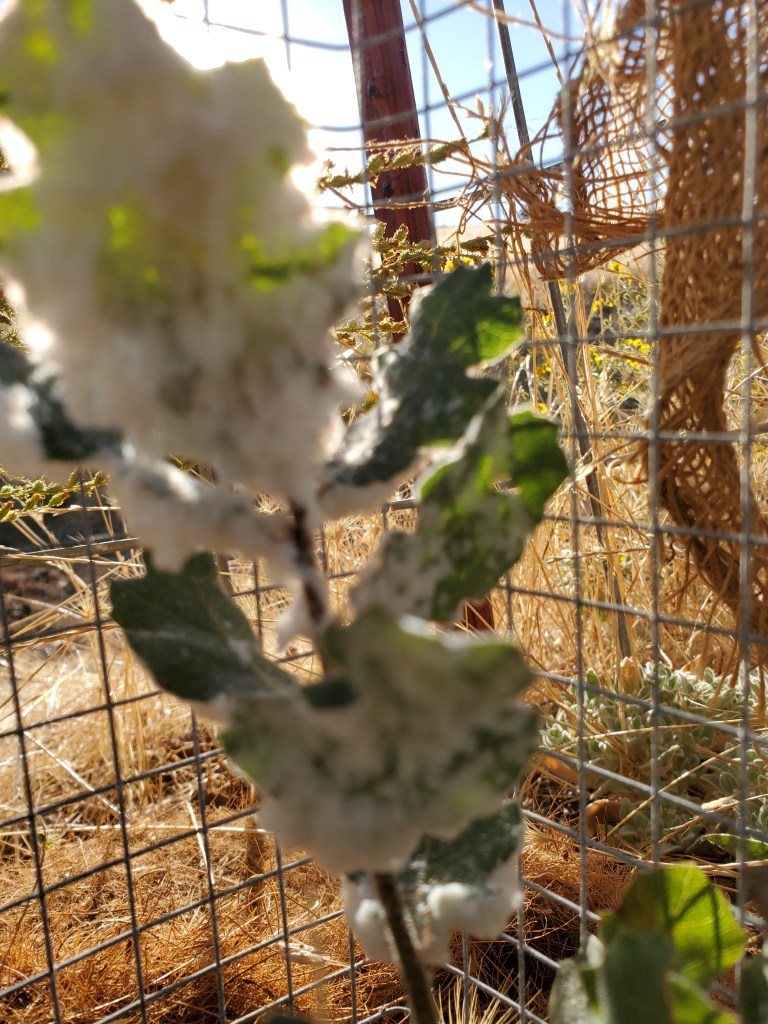
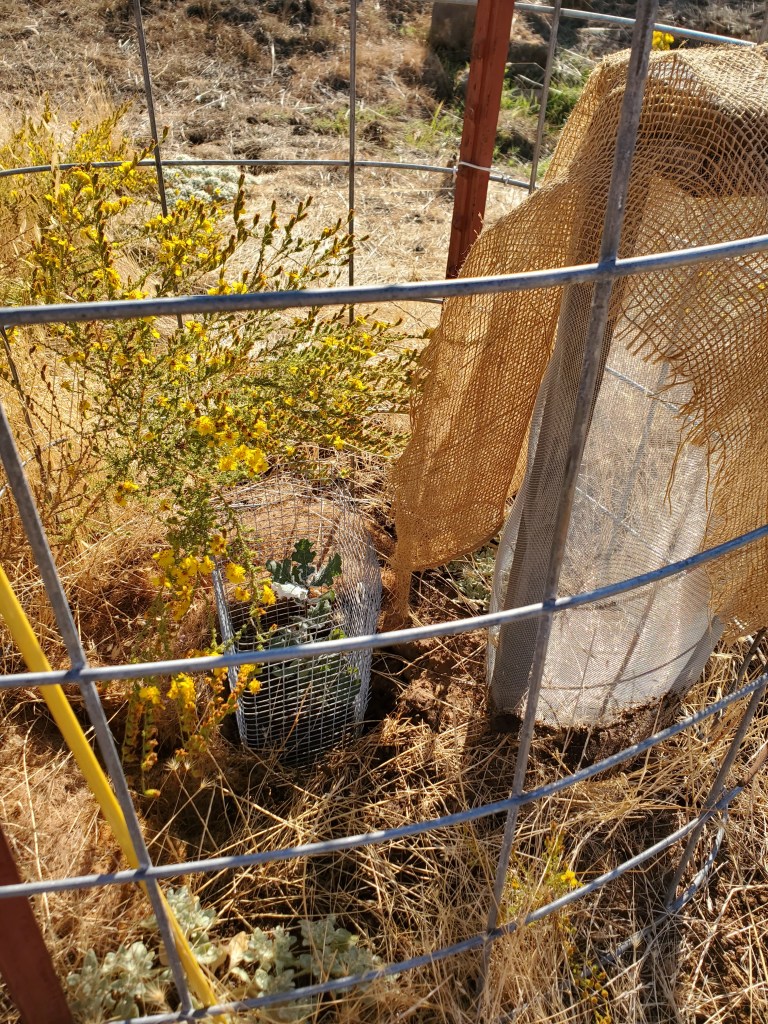
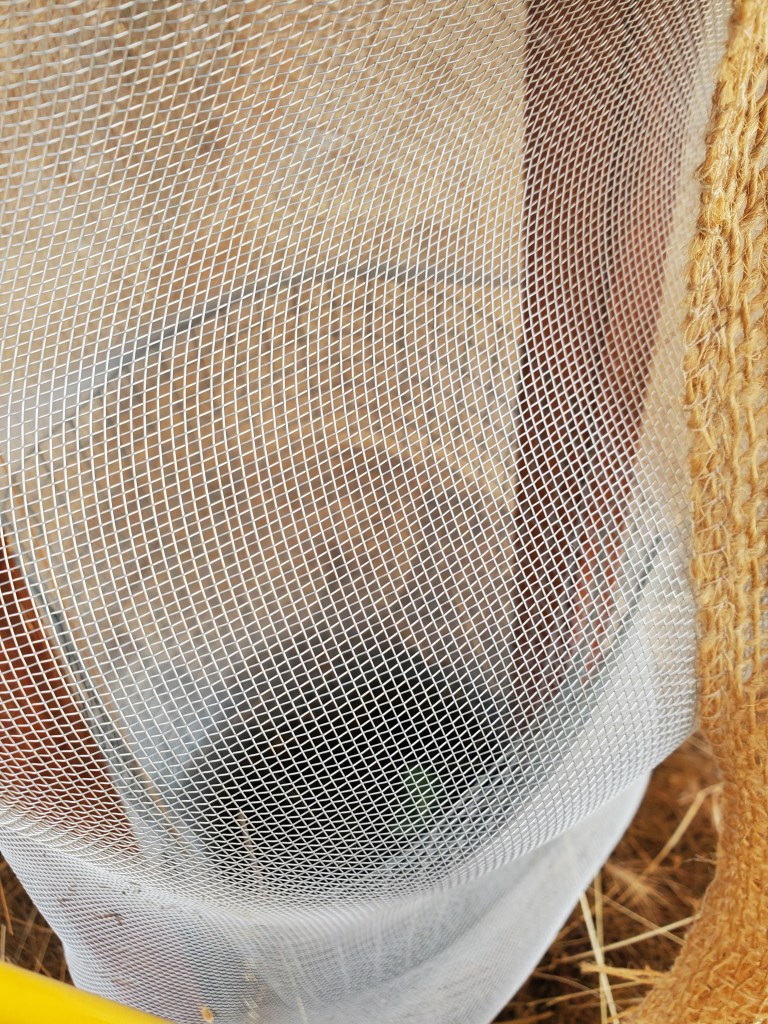
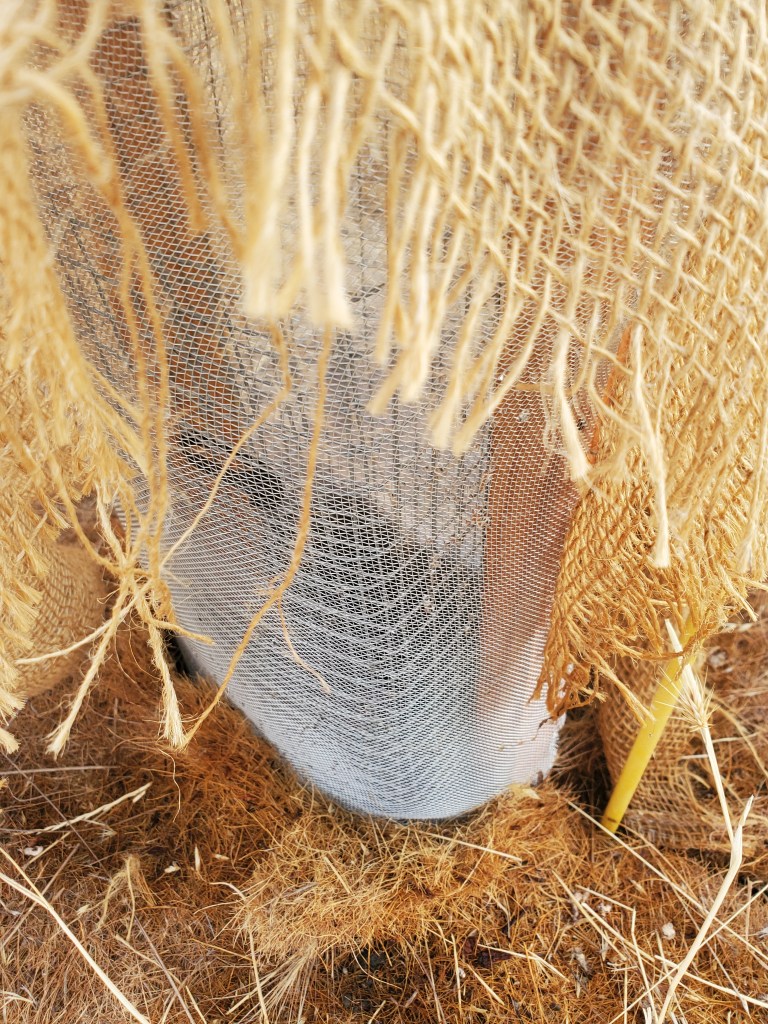
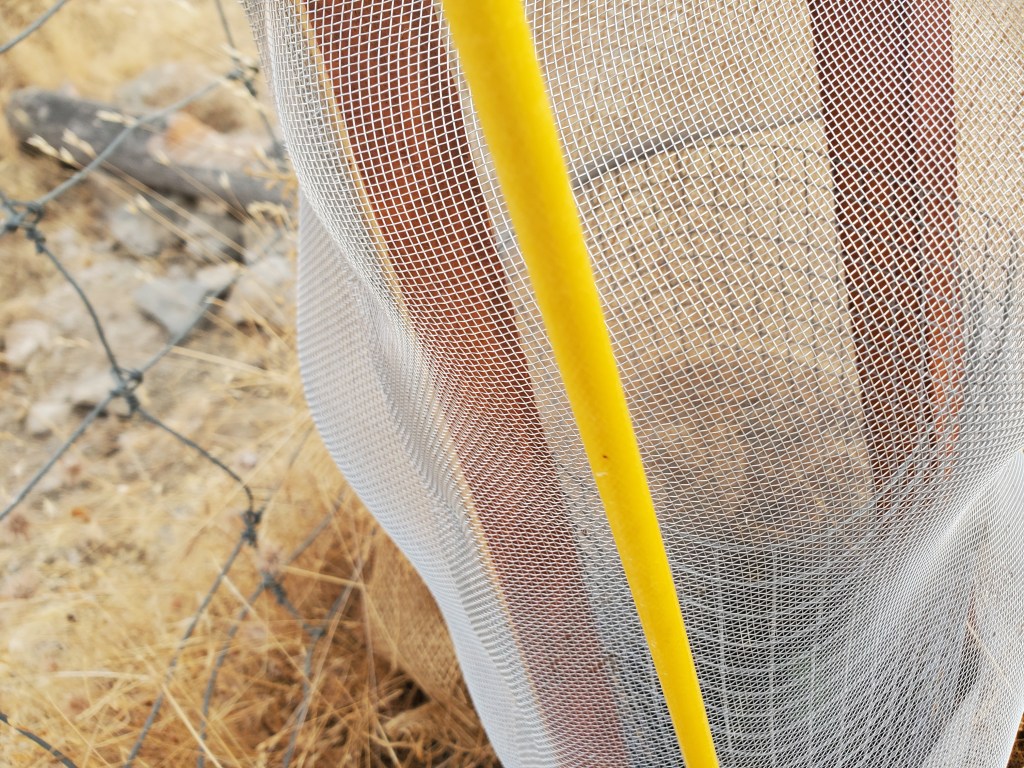
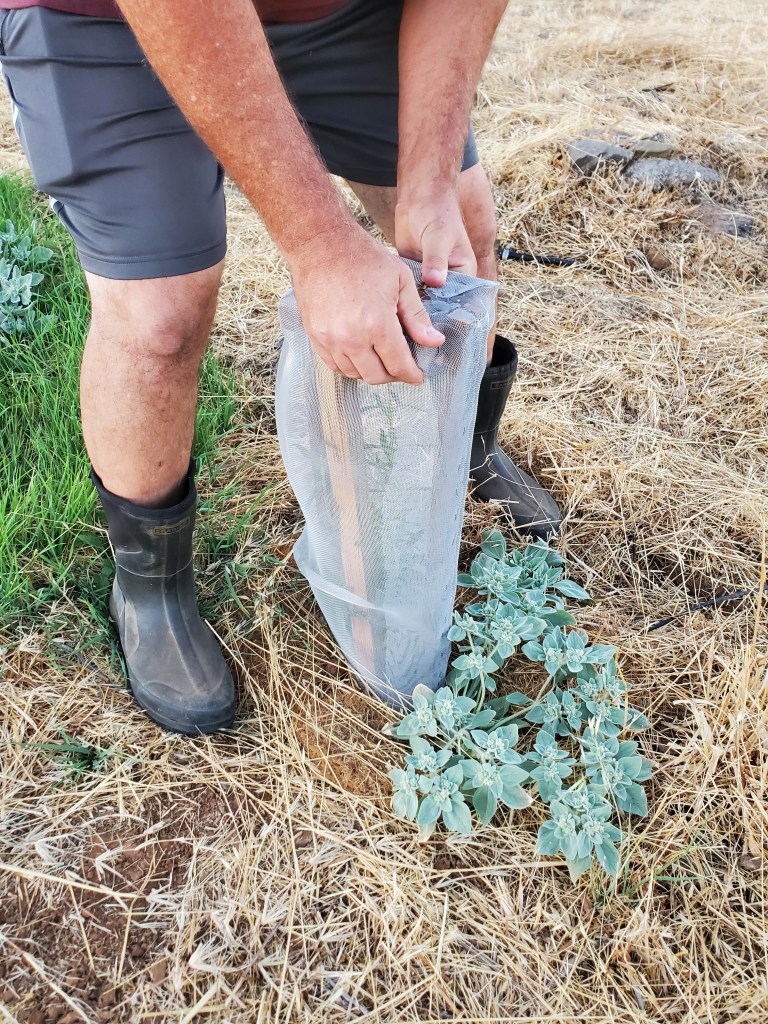
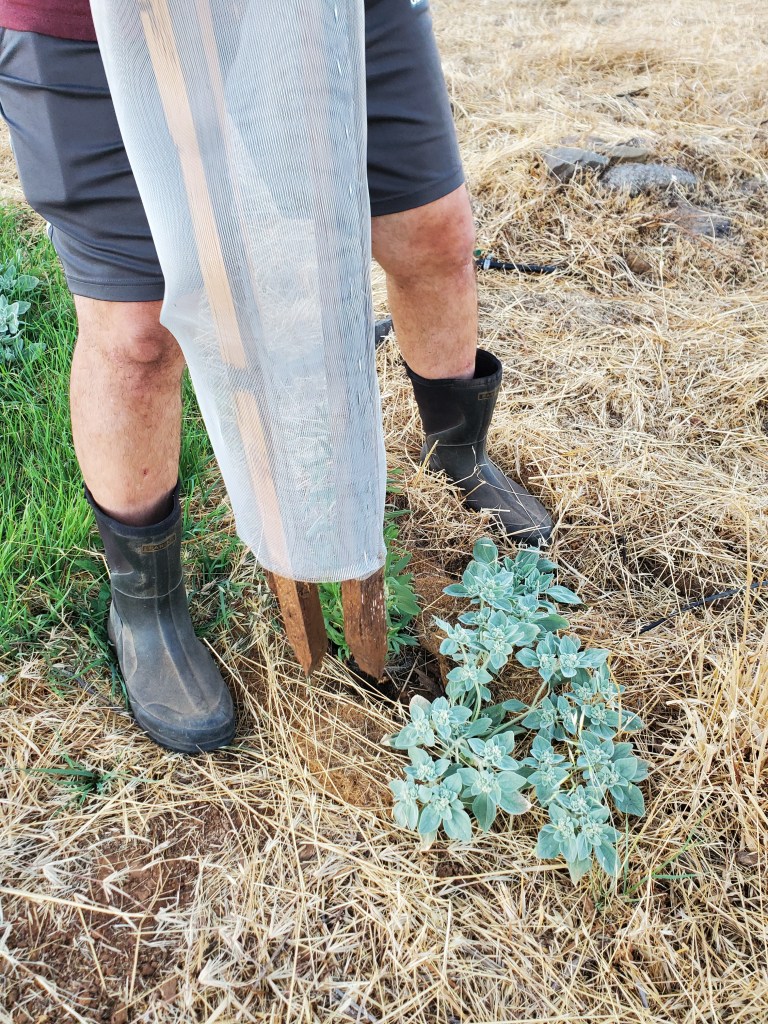
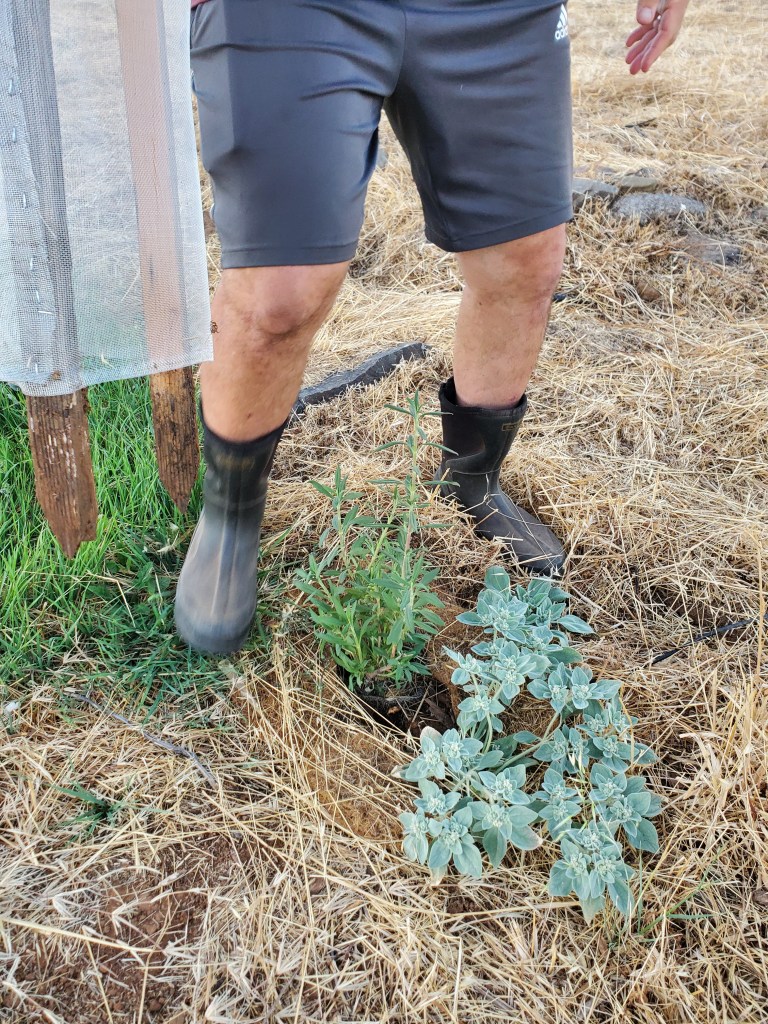
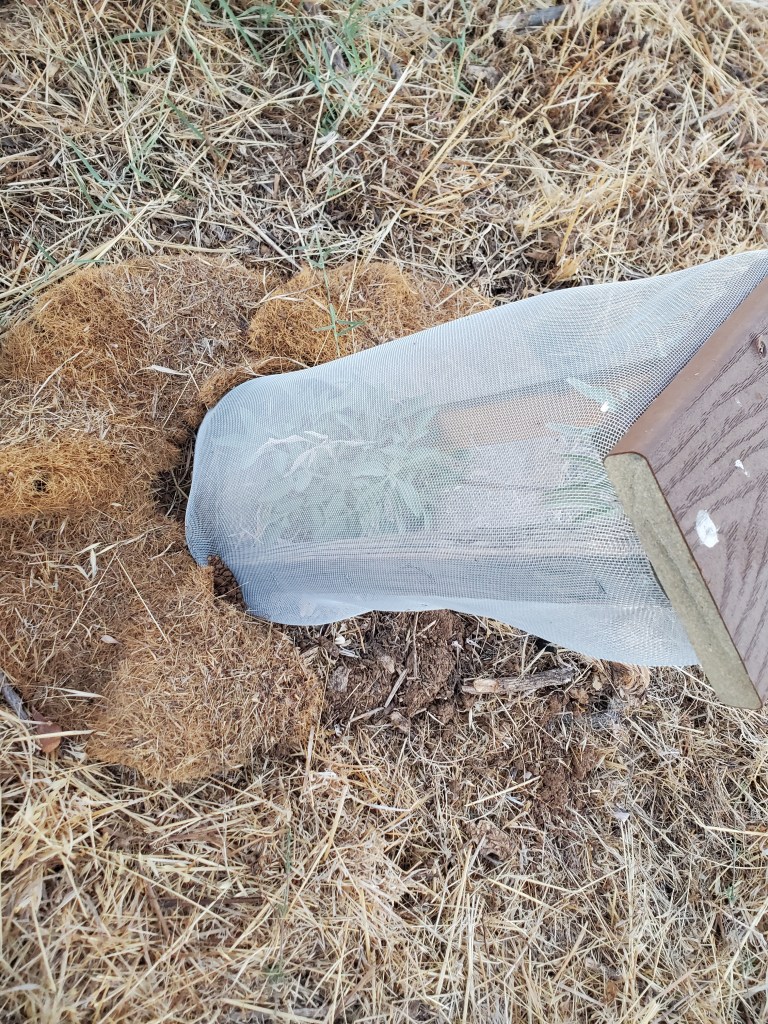
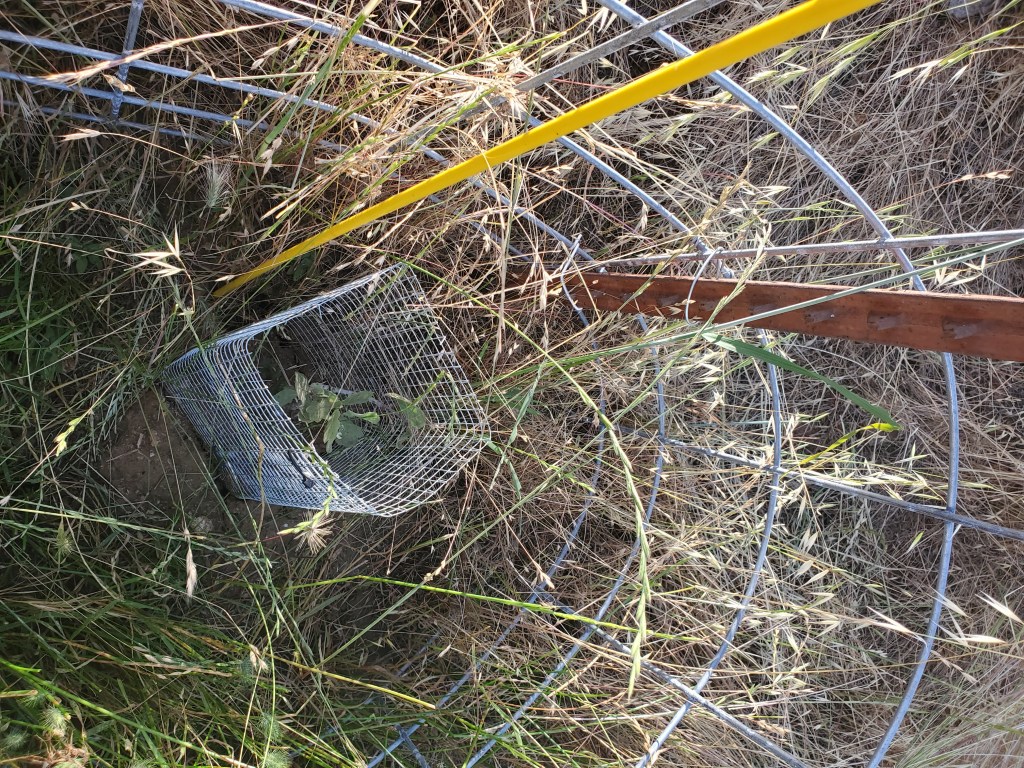
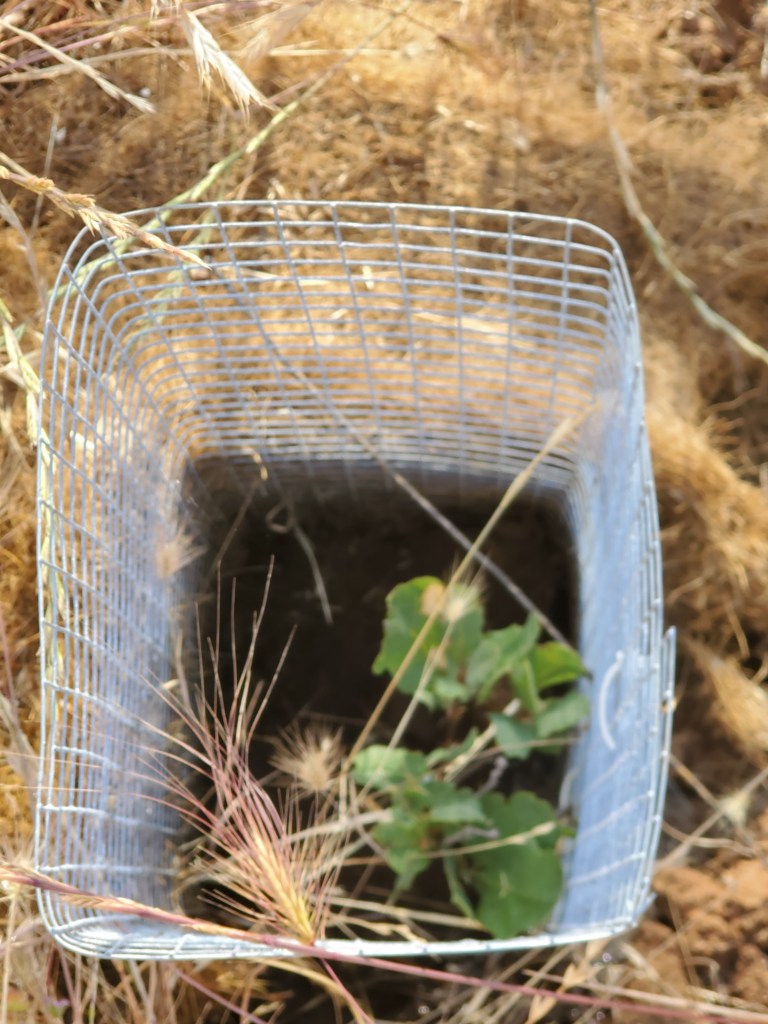
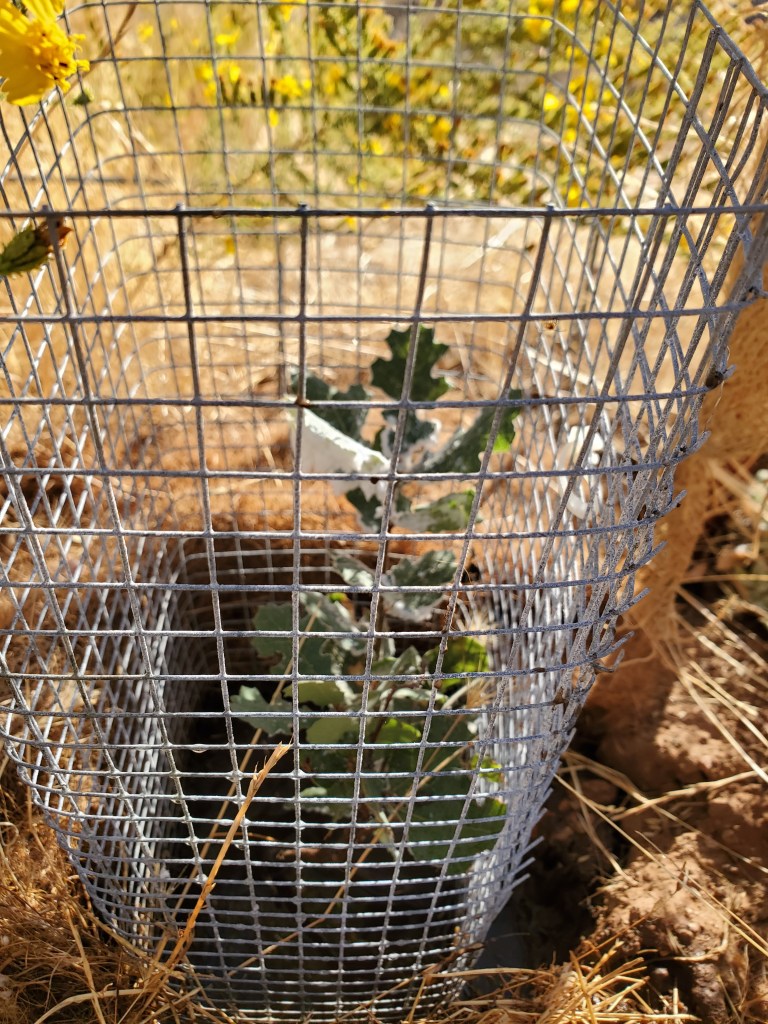
I’ve continued watering through the season. Most of the seedlings are doing great. I’ve begun to remove the screens that saved them from grasshoppers. It seems like they feel a freedom. They come out and just feel tall and happy. It has been an emotional up and down process with some being eaten by the hoppers early on – but not so much that they had no chance to come back. In all, four seem to have been stunted by the attack. As long as they are still firmly in the ground, I will hold hope that they will come back next year. In a big shock, one of my healthiest, happiest oaks developed a thick, disgusting fungus. I took off all structures around it to give it more air. I hope the sun will kill it off. So far, it has not resolved. She is strong, and I am hopeful she will survive this.

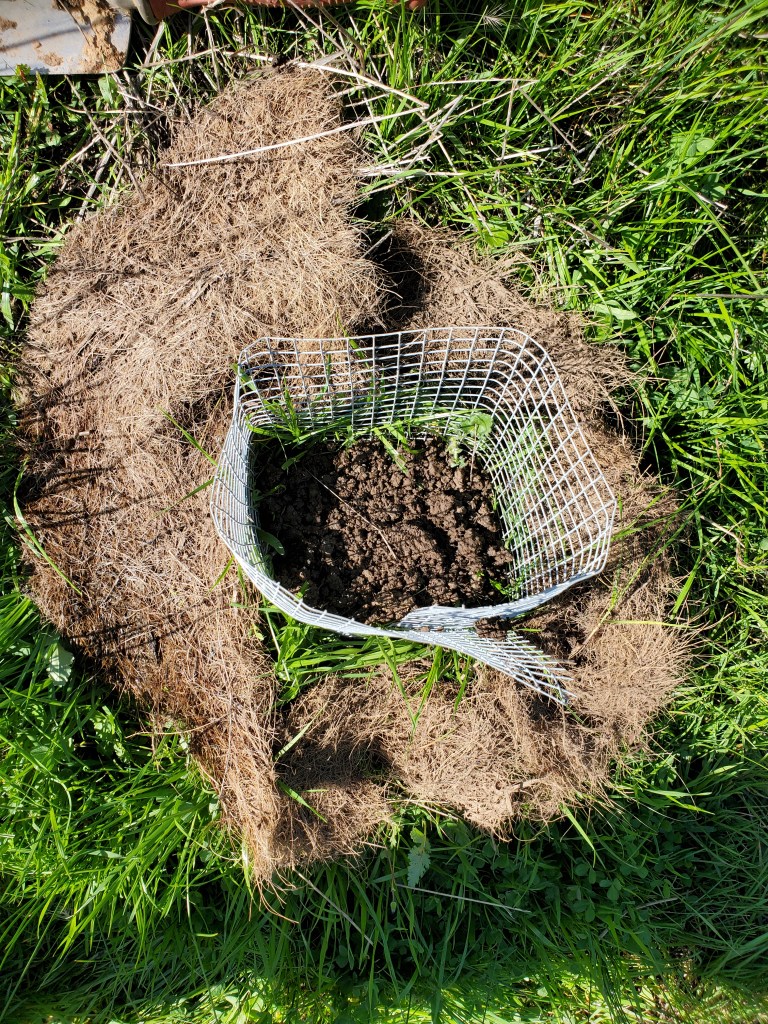
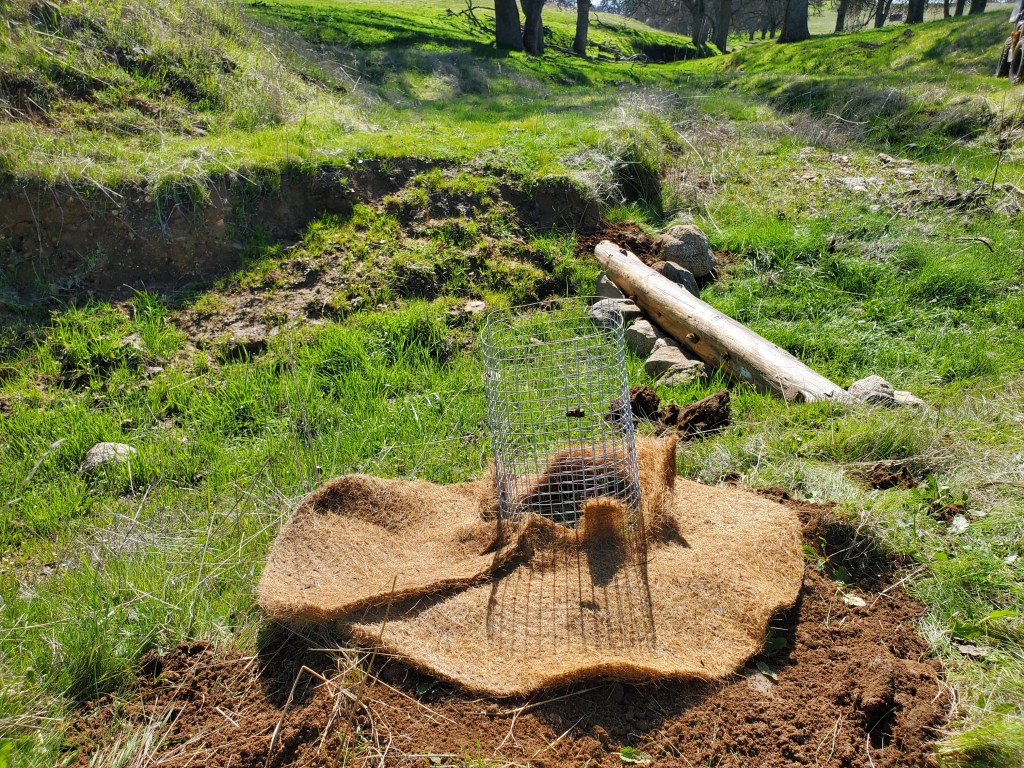
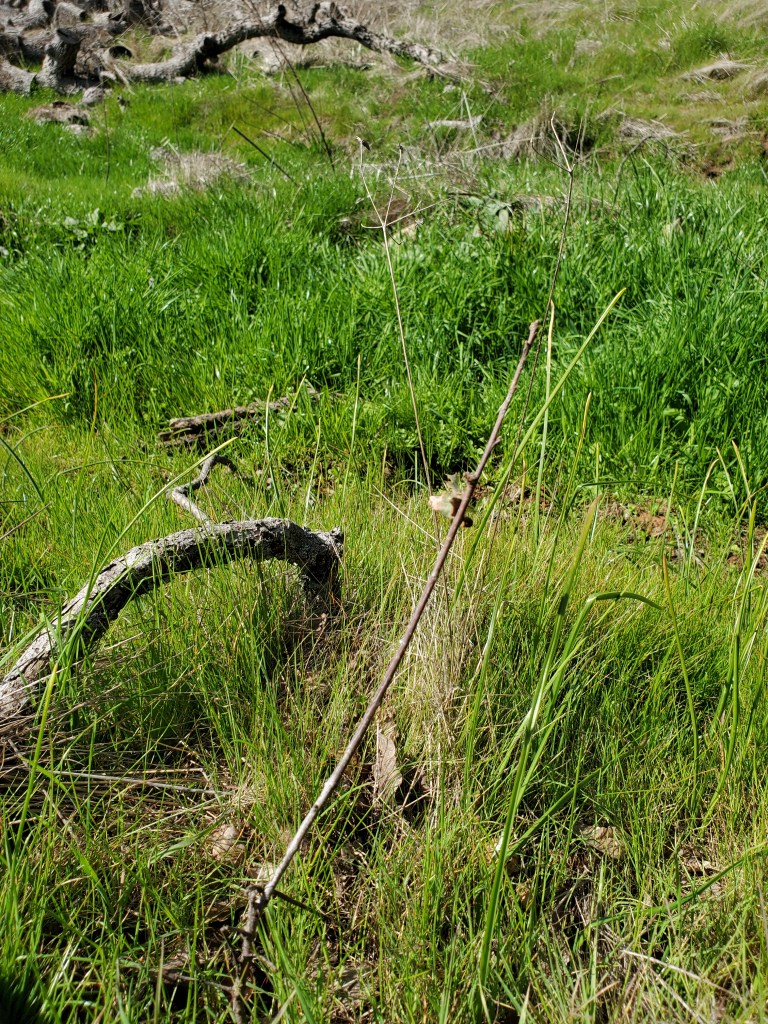
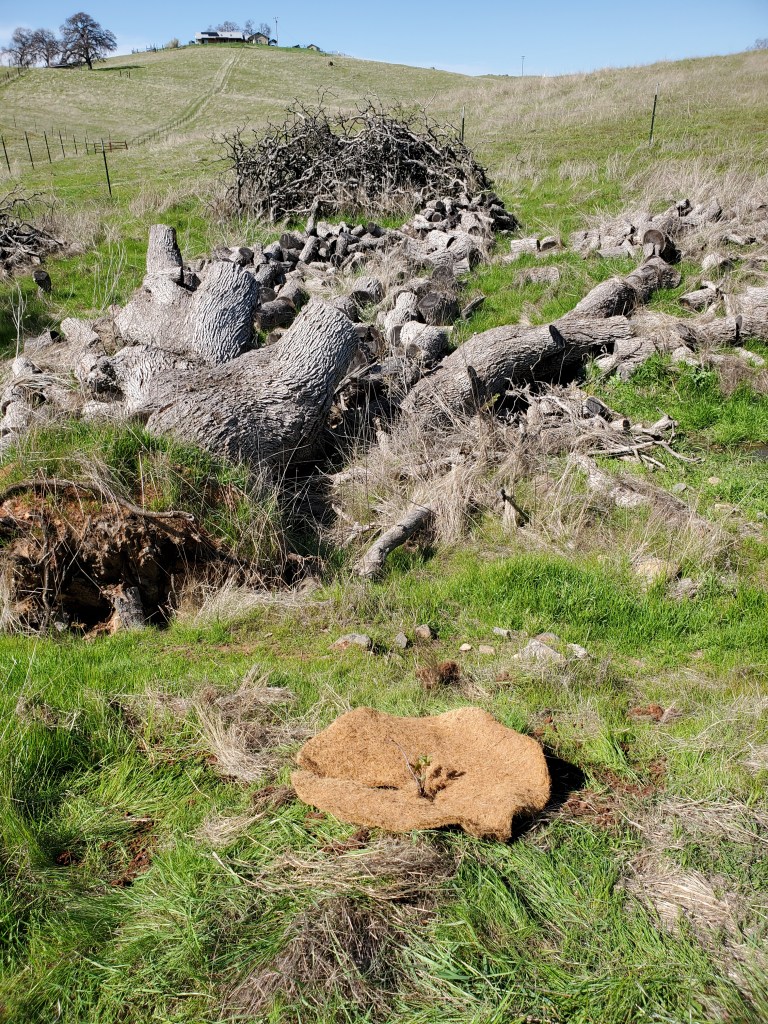
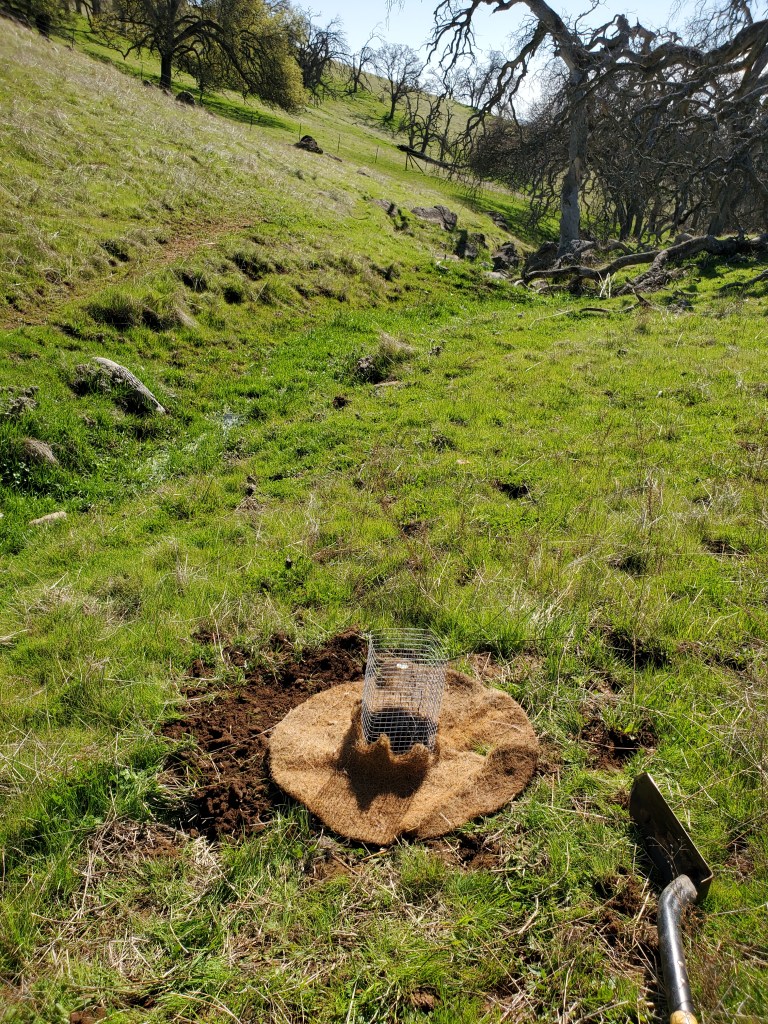
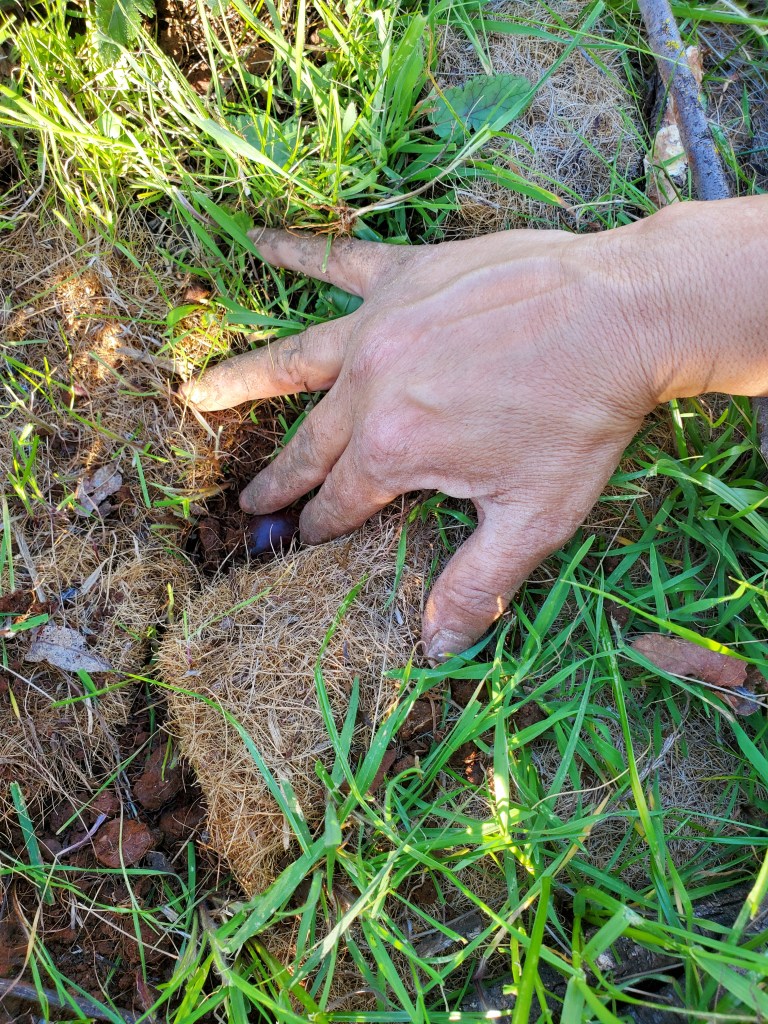
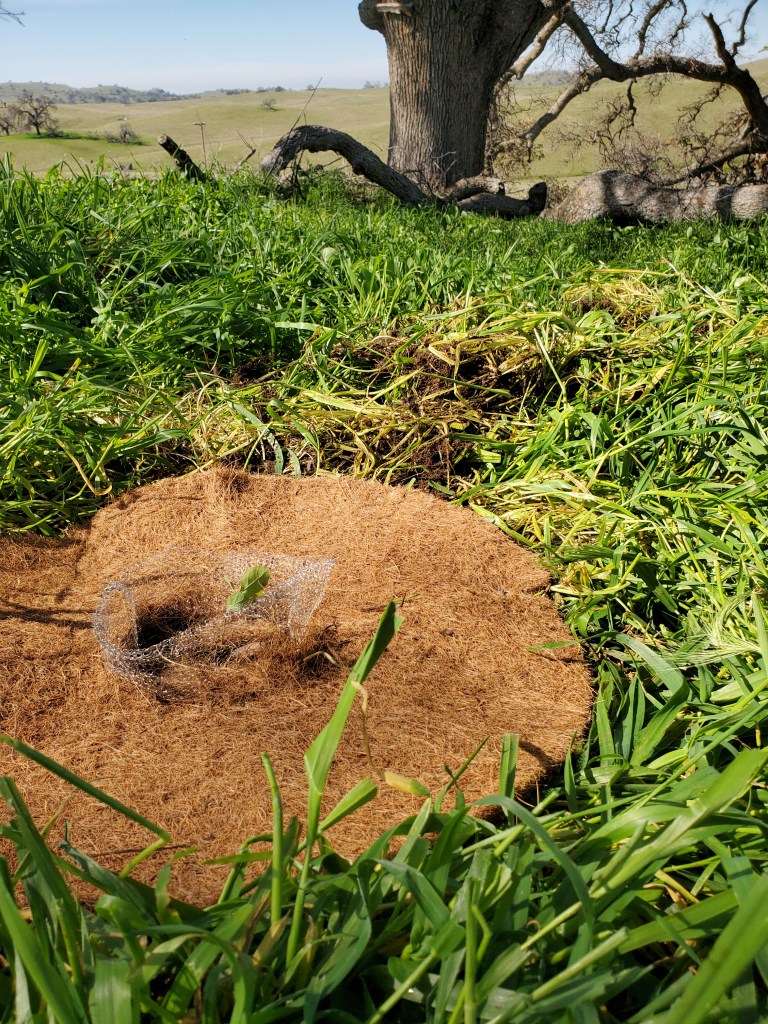
The seedlings will be dropping their leaves soon. I still need to surround the naturally recruited seedlings, which had dwindled in number from gopher predation, with a coir pad. This will help limit grass growth around it and aid me in identification of where they are at. This is helpful so we don’t weed whack them next year.

Transition

We began this post talking about the transition to fall. I began writing it in mid August as I was seeing signs of the change. Now, here we are well past the fall equinox. It is definitely fall – more storms and temp drops. In addition to the seasons, life continues to shift for me. My father, who I’ve cared for the last year and a half and who has lived with me for over a year, moved out to become more independent with some support in a larger city. I found myself missing him emerging from the room that was once mine, which I gave to him, and me saying “Good morning! Sleep well?” Always up first, I would be sure to have water ready for a hot cup of tea, and medications organized. Caring for someone takes organization. It is process on top of process to ensure wellness. I don’t miss the horrors of his illness and the mental, emotional and physical exhaustion, but I do miss the camaraderie. Fortunately, he is not far away. He is thriving, and we visit him at least weekly and call several times a week.

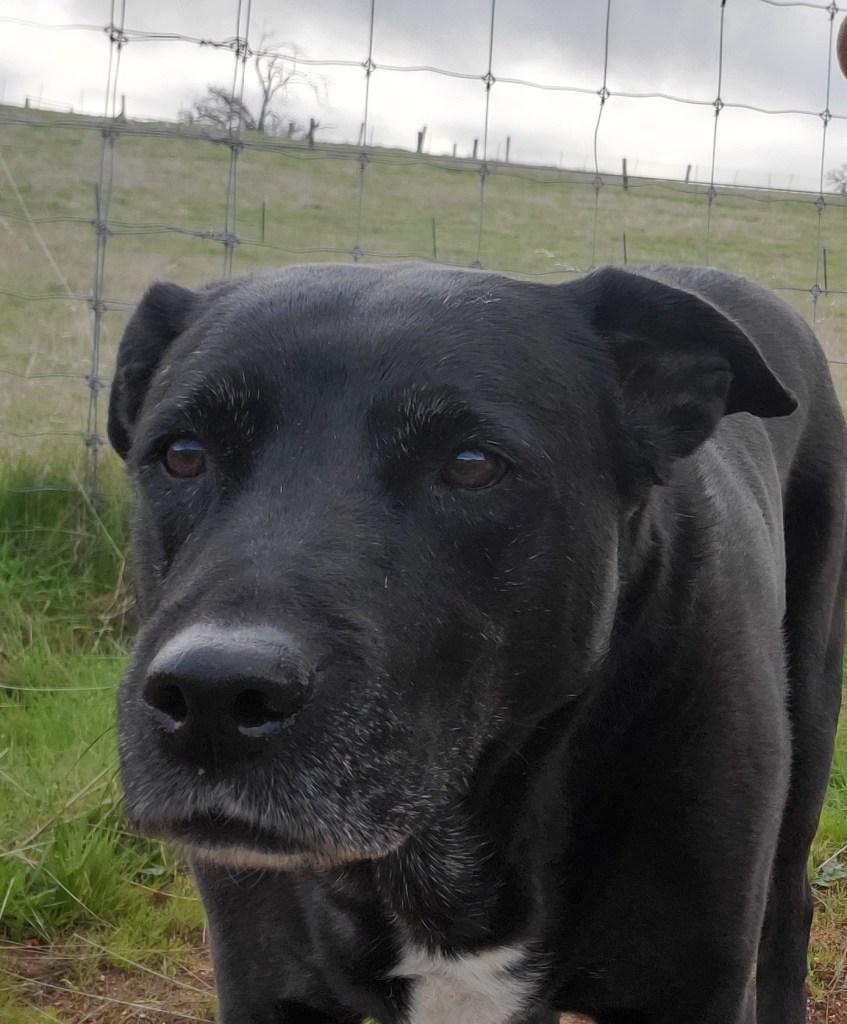
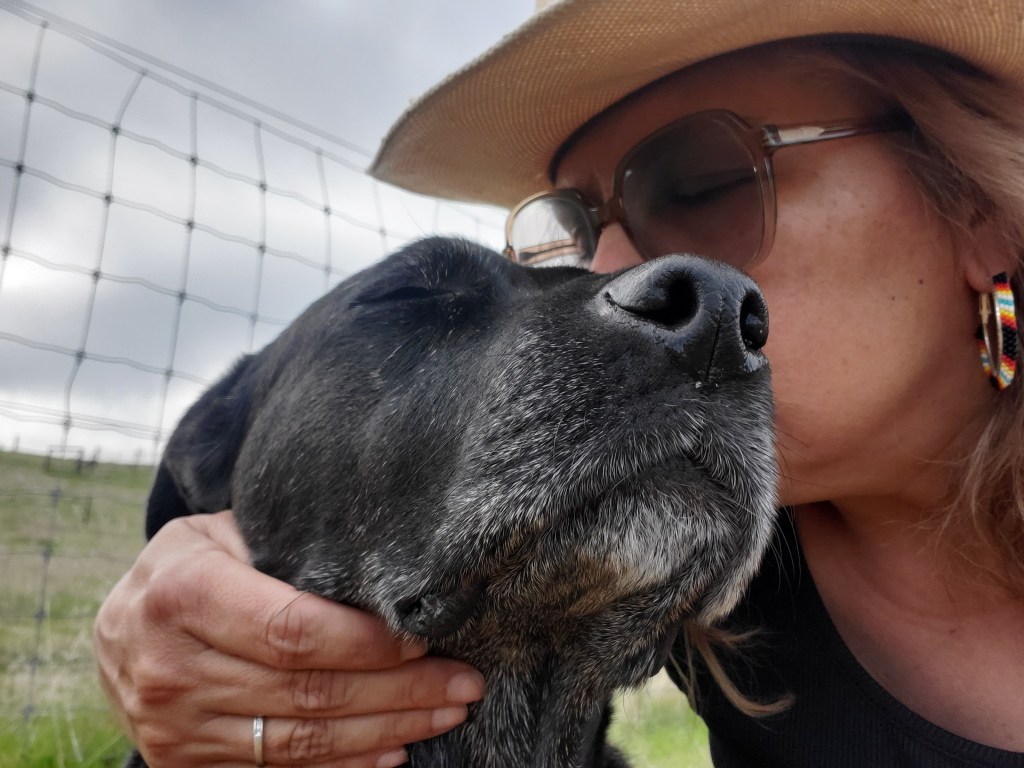
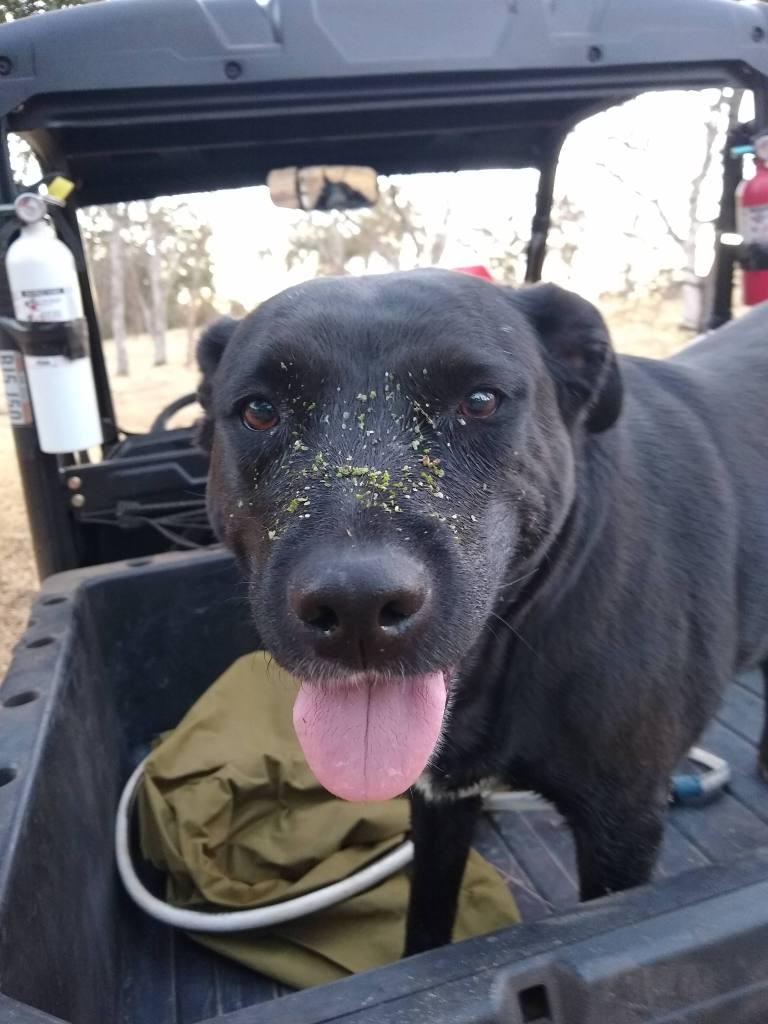
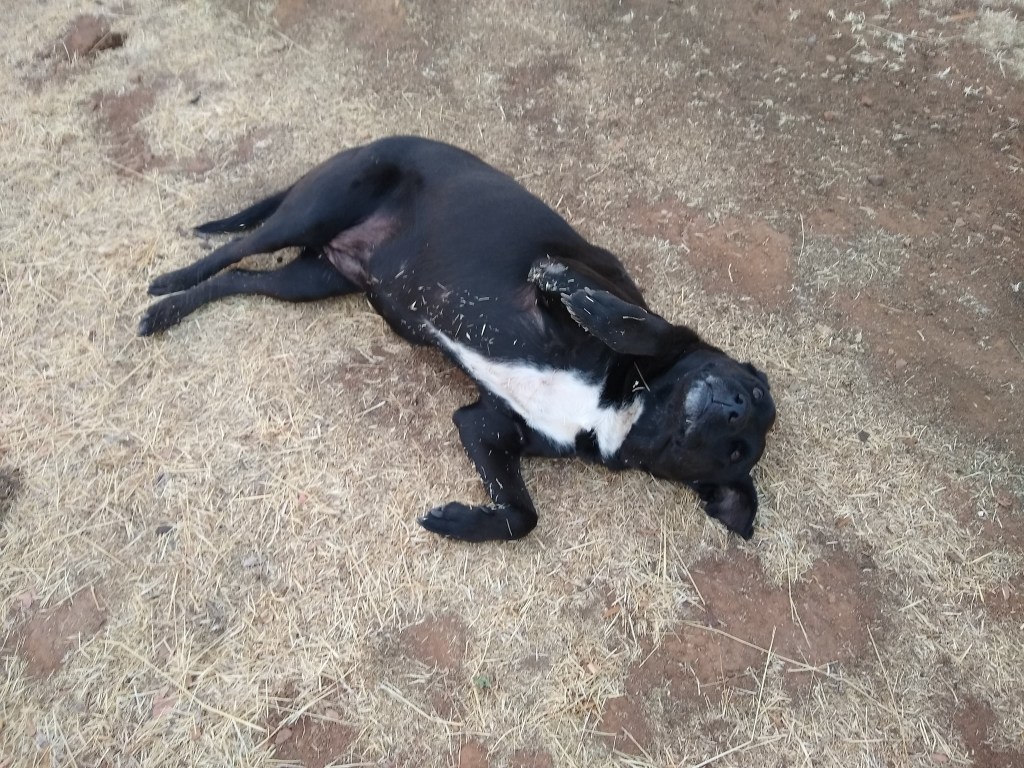
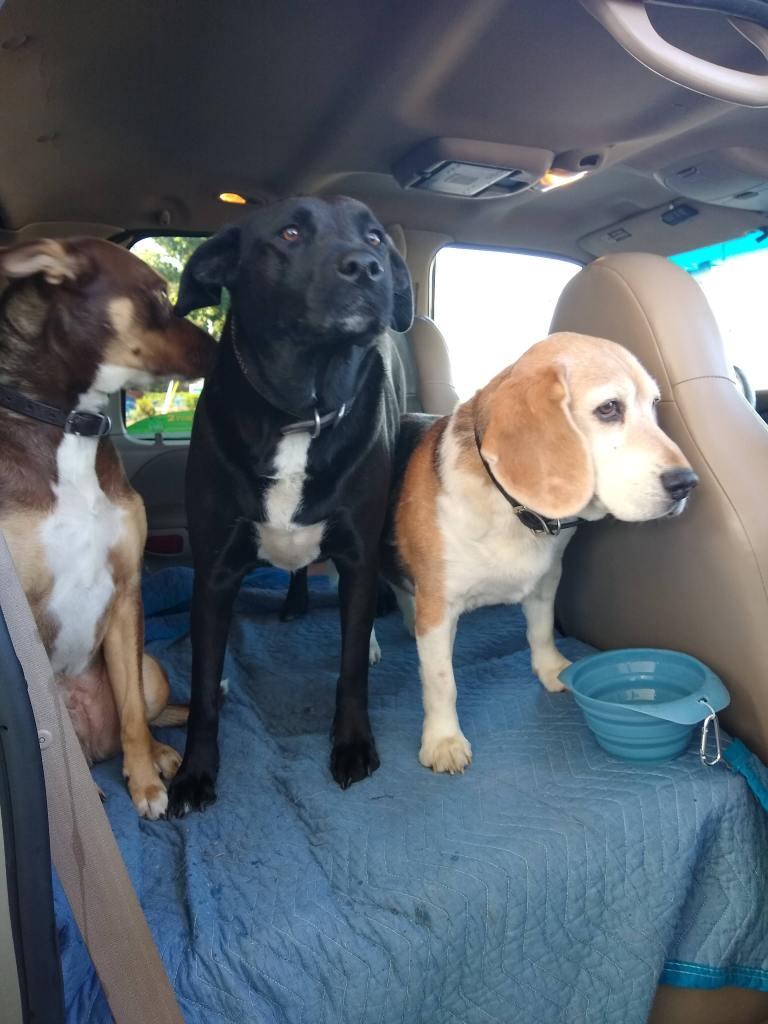
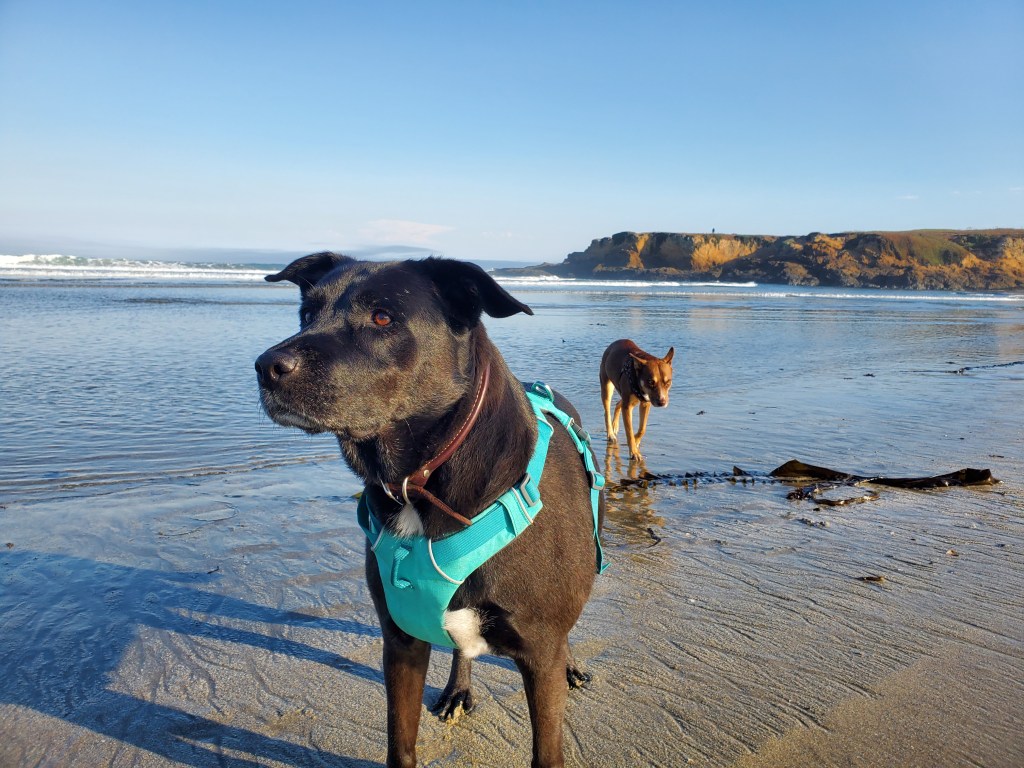
Last week, my beloved old lab Bibitrix also moved on. She had an injury that was not healing fast enough, and her body got sicker and just gave out. There are few blogs that do not contain at least one sighting of Trix – in foreground or back. She has been my steady companion for nearly 11 years and the most “solid” of all my fur babies. No issues, just enormous love, tail wags when I entered the room, closed eyes as I stroked her head. Just sweetness in a 60+ lb package of black fur. I am glad she is no longer suffering. She lived a charmed life being loved by all and benefiting from our family’s active lifestyle – traveling here and there, seeing relatives that spoiled her, swimming in gorgeous mountain waters, hiking across open rangeland and forests. She had a babysitter that would bake her organic chicken for dinner. Most nights, she ate better than me. Oh, I am taking a deep breath now to stave off tears and sigh. We love our animals so deeply. They are innocents we protect and support. It is the cycle of life, and we are never really ready to close the loop.
Flowers, Oaks and Rangeland Care

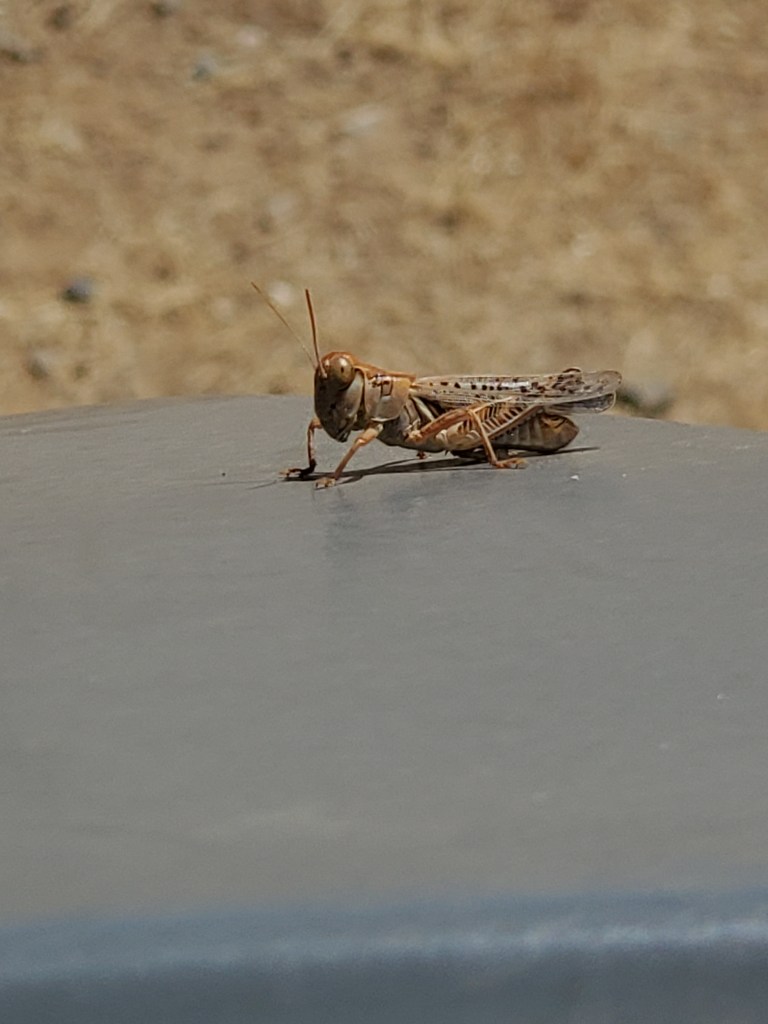
We have gotten lucky. The grasshoppers have not stripped everything. Their population exploded, especially near the riparian areas, then, all of the sudden, they abated. The hoppers had started eating their way up the hill. They hit some of my outlying plots hard, but then stayed away from the habitat closer to the hilltop. The oaks planted on the lower Spring Creek area and those down hill from the hilltop were not so fortunate. They were eaten, but quick action with screen boxes saved some. Several have come back and are leafing out again. I gave out a loud yip when I saw that. I had felt so dejected. I still lament the loss of the other trees. It is difficult to get a blue oak to grow under my specific conditions – heat, grasshoppers, gophers. Every year lost is one year less with young trees. I have to do better.

Since my last post, I have been focused on watering the oaks every five days. Having this cadence seems to be a recipe for success. It helps me not only keep them hydrated, but to trouble shoot any issues they may be having. The remarkably cool weather, for a July, has been helping give these trees a chance. I love them so much, and want them to thrive.

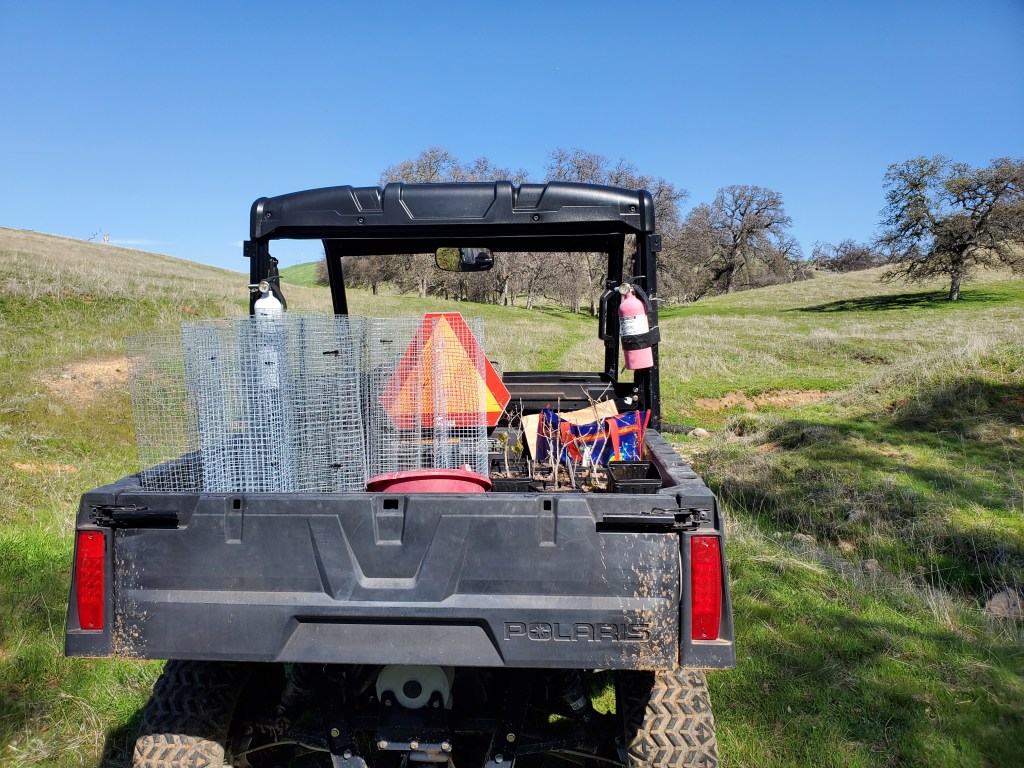
With the hoppers having abated, David and I have been slowly releasing the plants we covered in screen boxes. They have done very well. We are keeping the oaks in screen boxes just in case. I will plan to lift those in September. Thank you again to David and Sam for making those so quickly!

Blooms

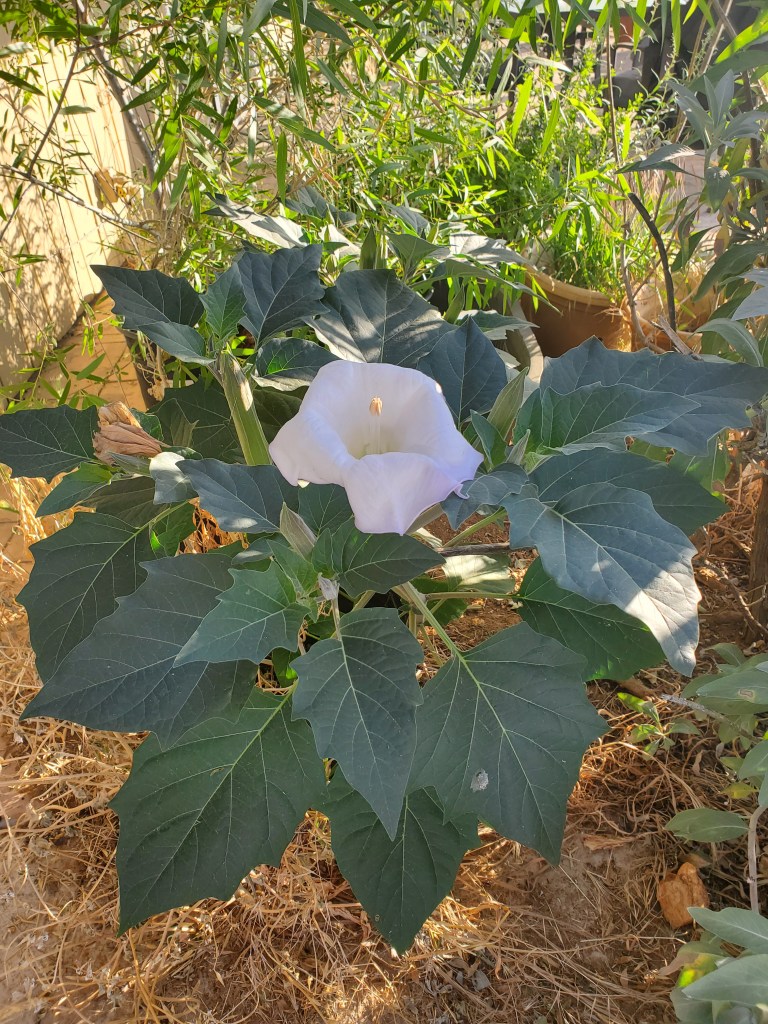
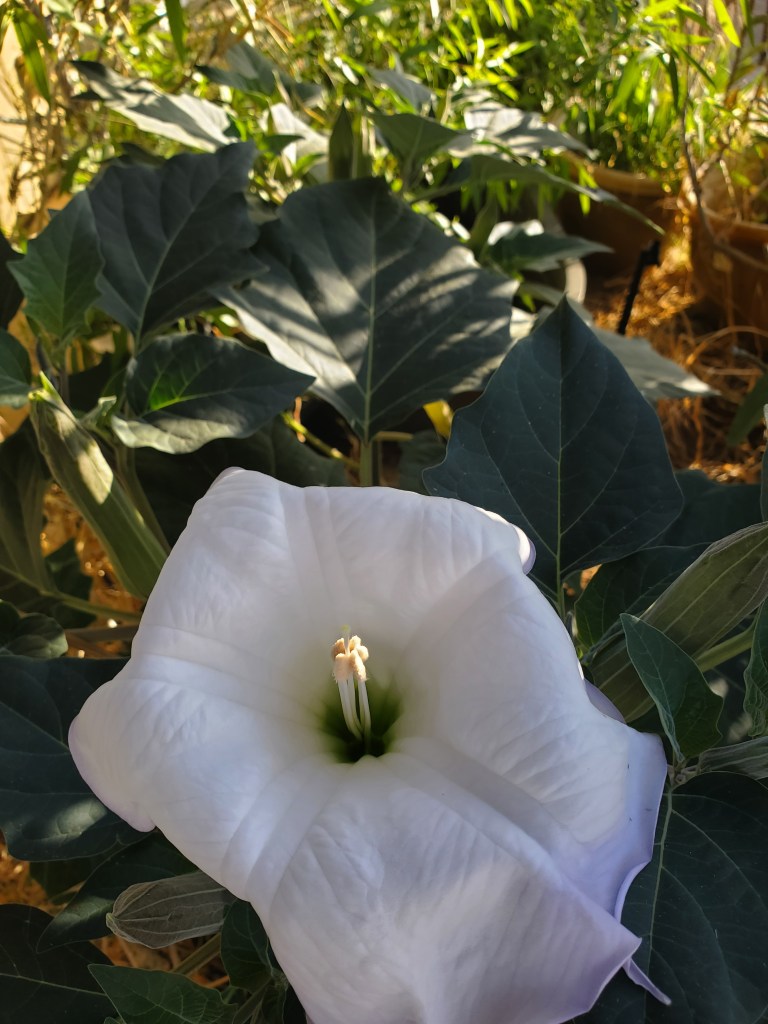
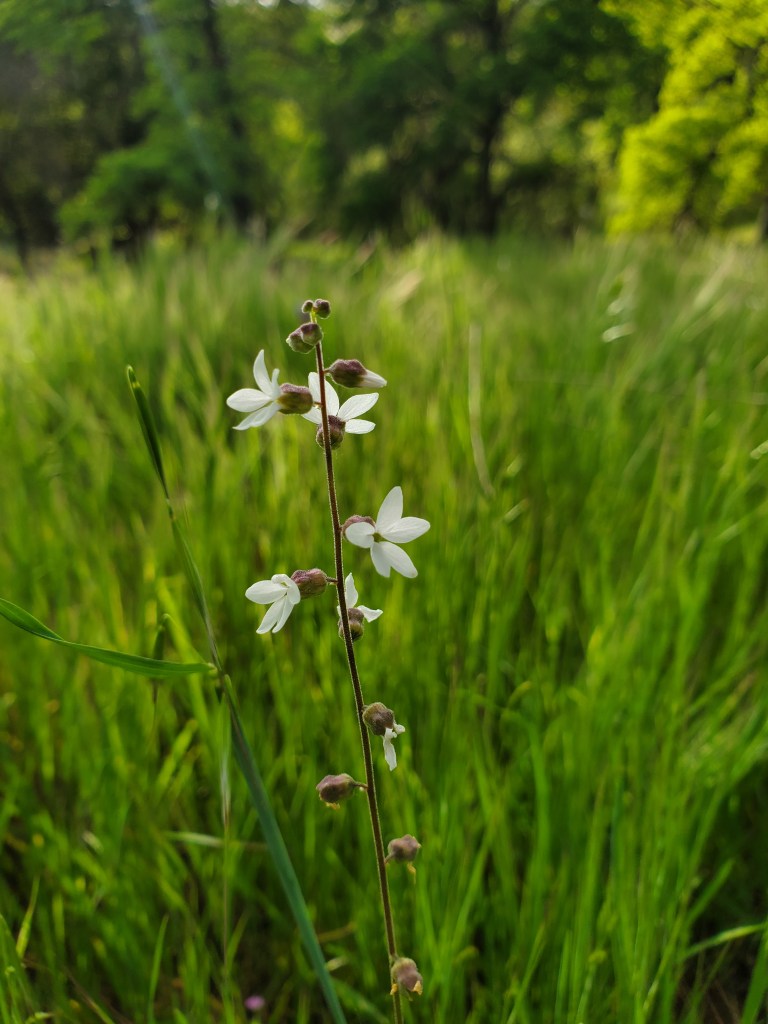
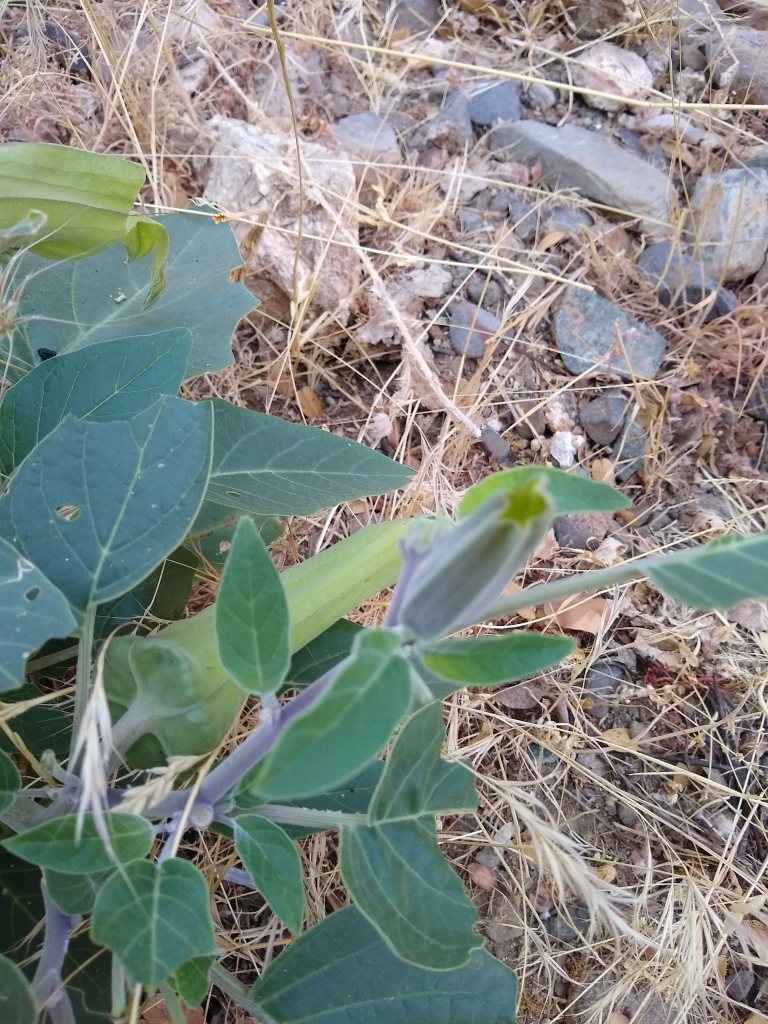
Blooming on July 13 when I began this post and mostly still blooming now are pacific asters, datura, sunflowers, matilla poppy, California poppy, narrowleaf milkweed, California fuchsia rabbit brush, black-eyed susan, marigold, sulfur buckeye, and worm wood. There were a couple small blooms on the white sage, basil and other garden items.

Ranch Maintenance

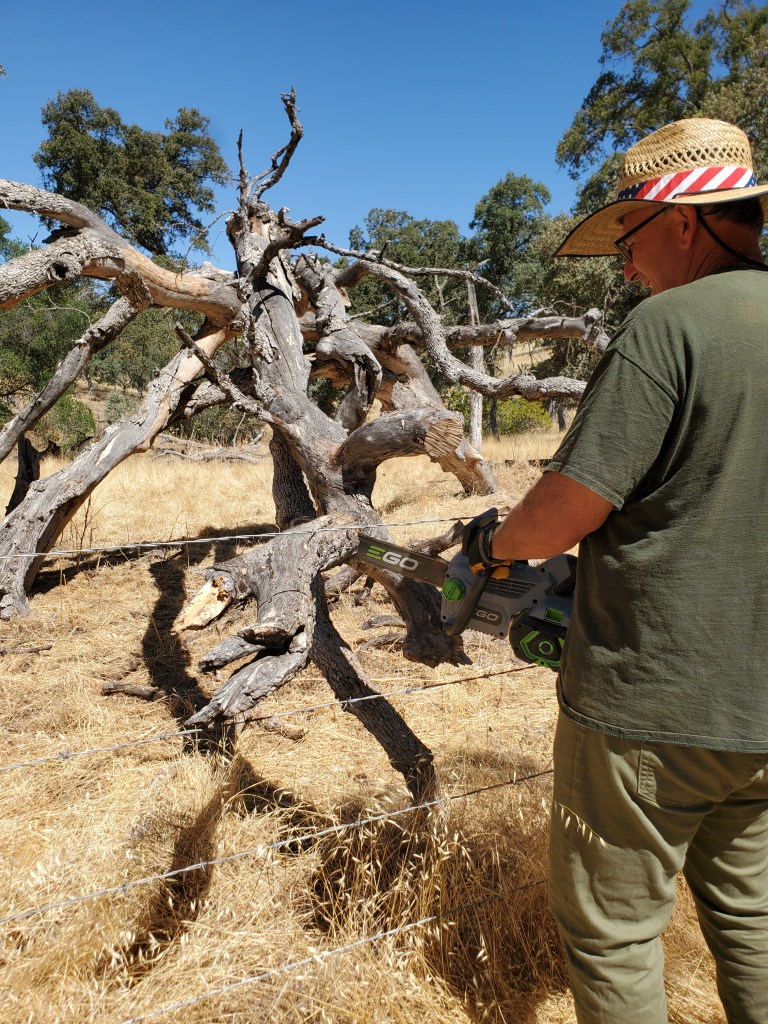
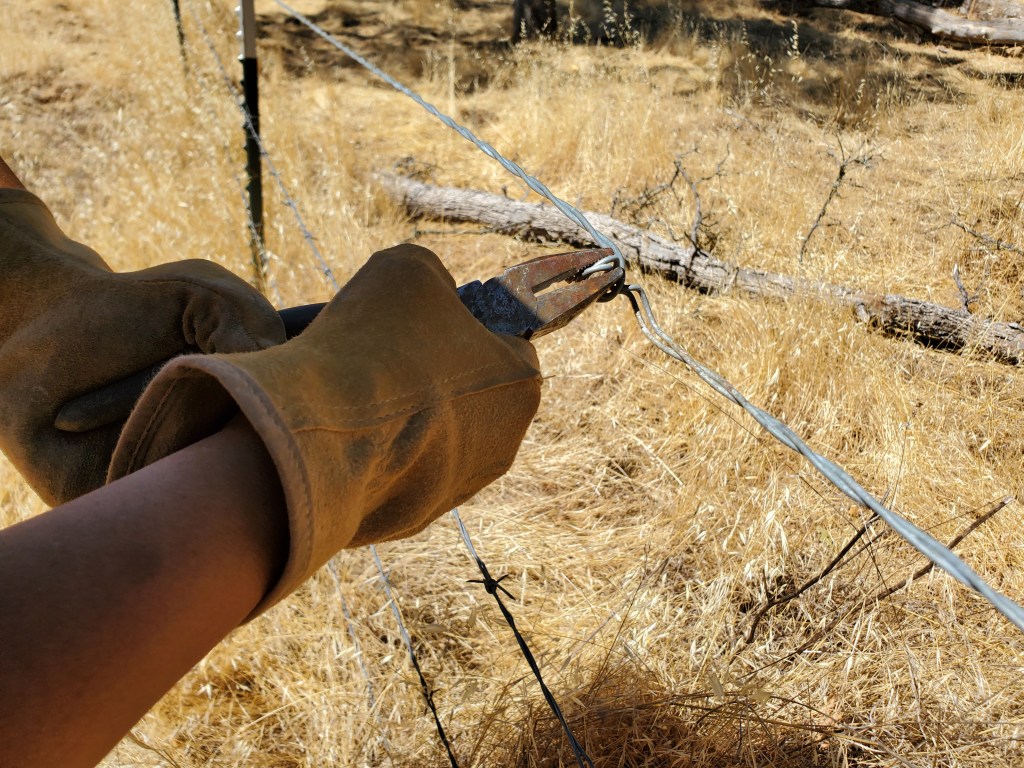
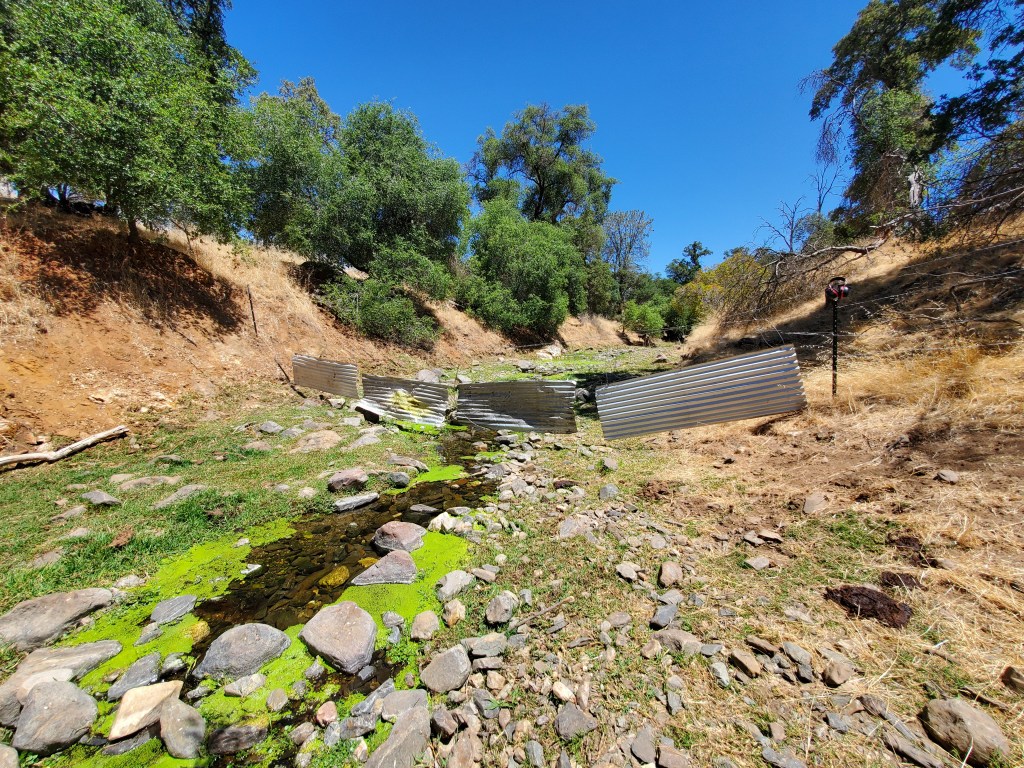
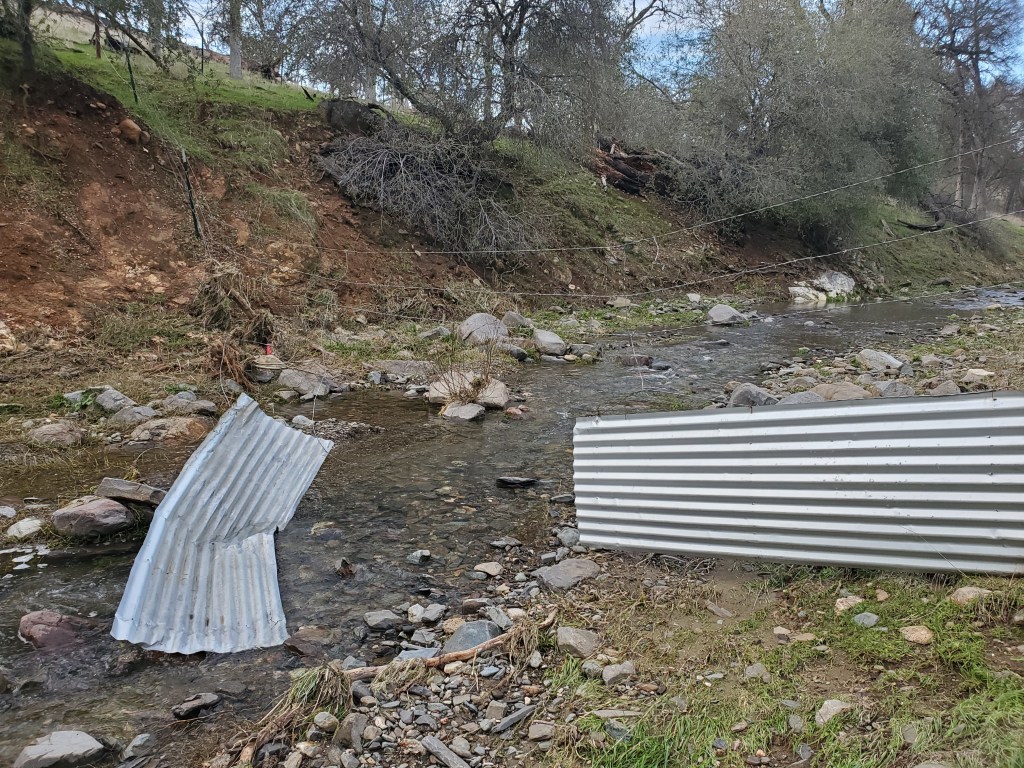
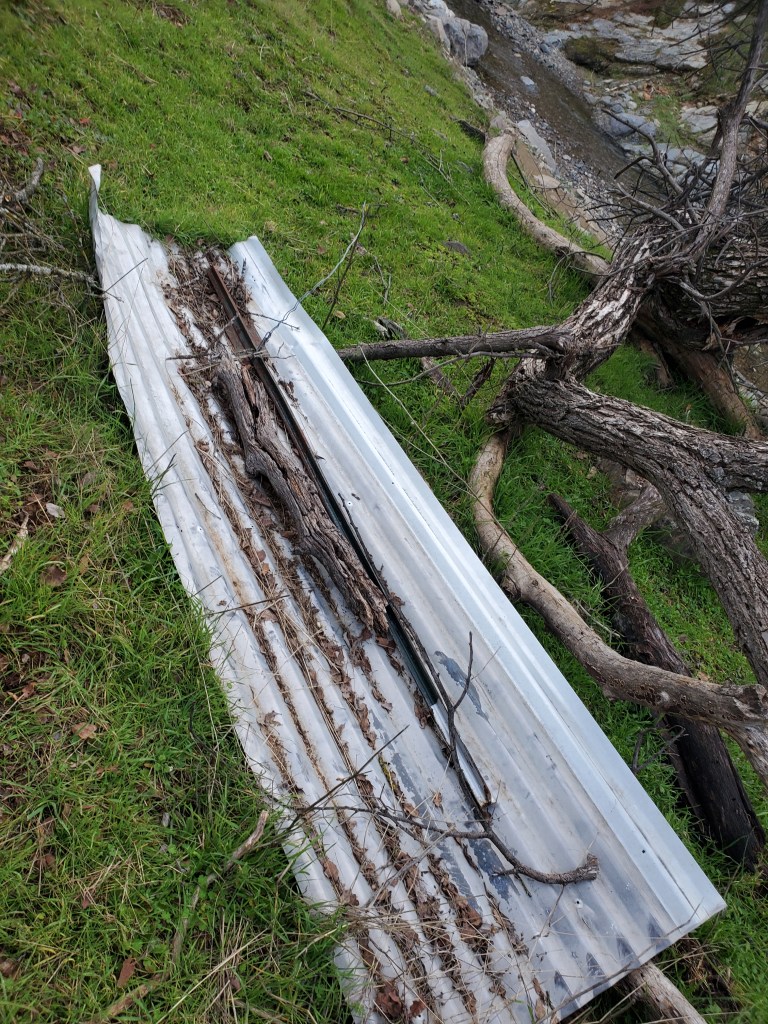
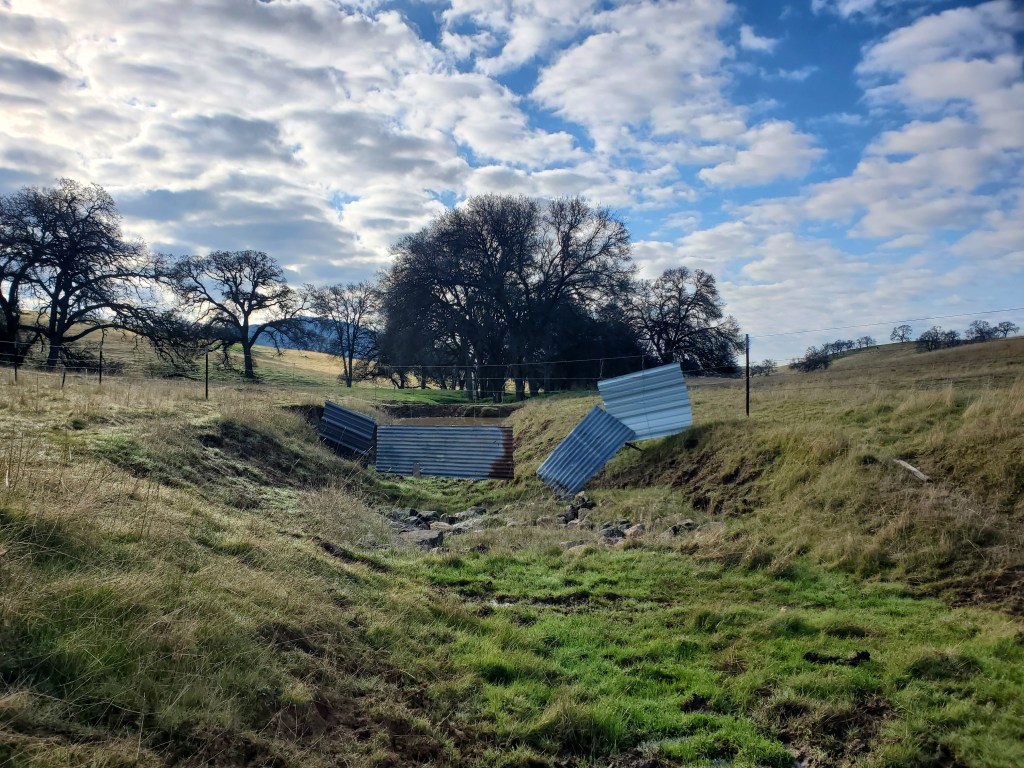
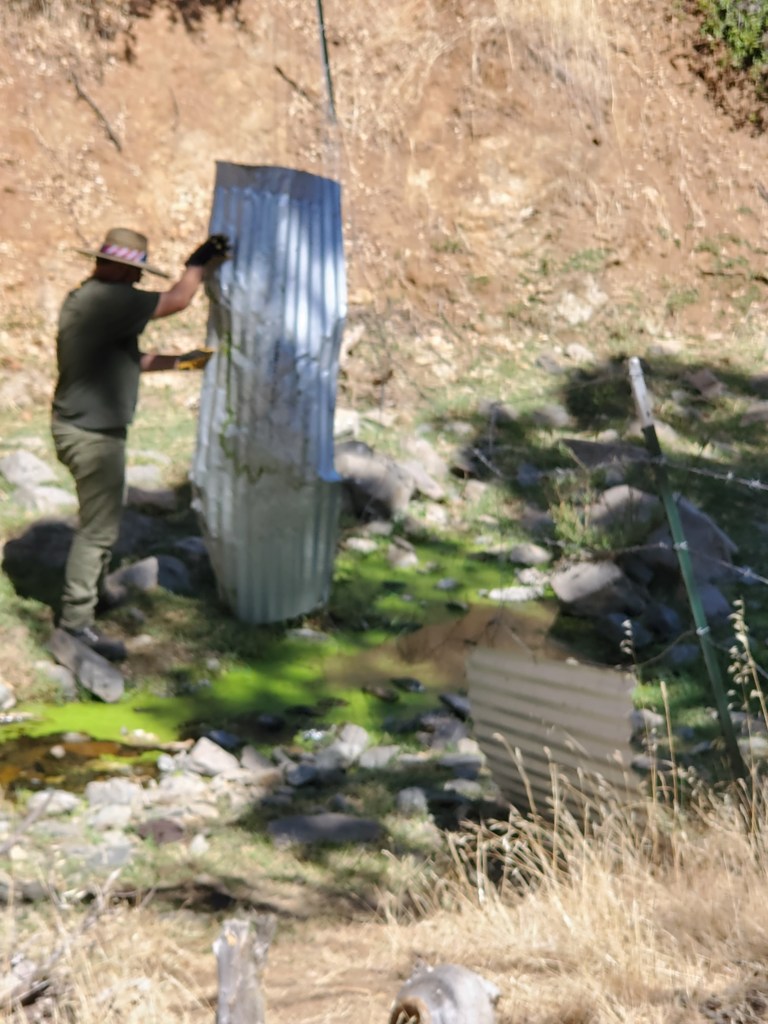
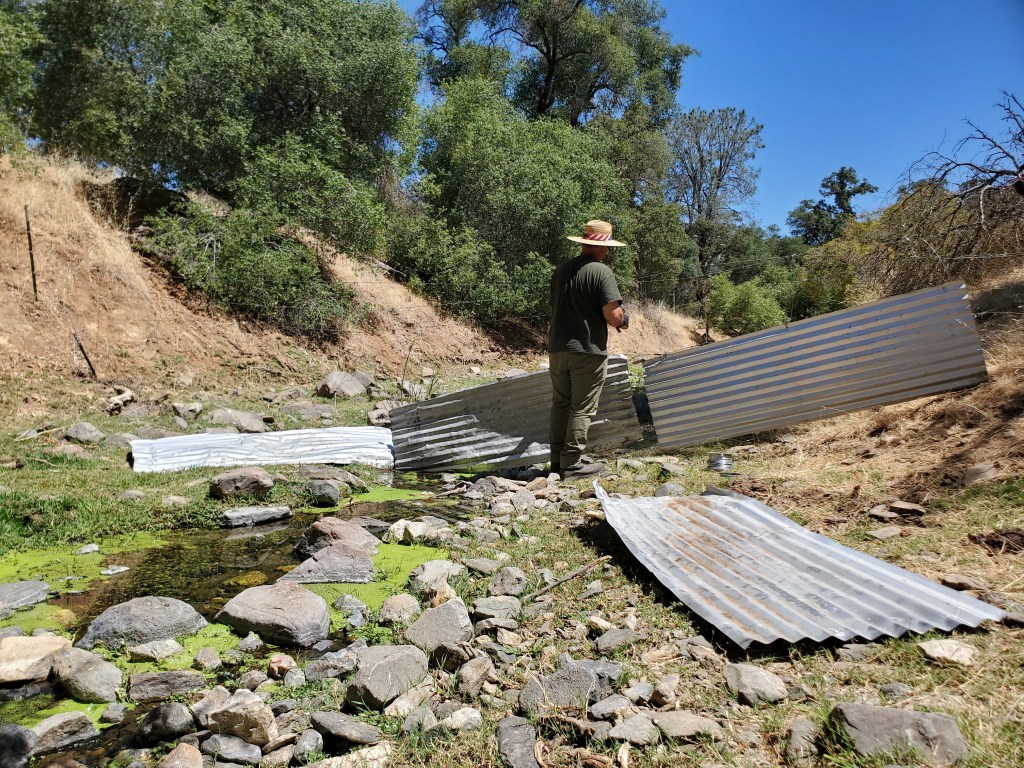
One of the things I love about living on a ranch is that there is always something to do. David and I finally got to the fallen trees and water gaps on Odom Creek. After one of the last major storms this past winter, high winds blew down several branches and dead trees. Two fell on the Odom Creek riparian exclusion fence, making the fence slack. High waters from a rain event took the tin blocking cattle access through the water gaps (areas where the creek flows through between two stream banks under a fence crossing the creek) and deposited them downstream. I retrieved them soon after the storm but did not replace them until several months later due to other issues requiring my attention.

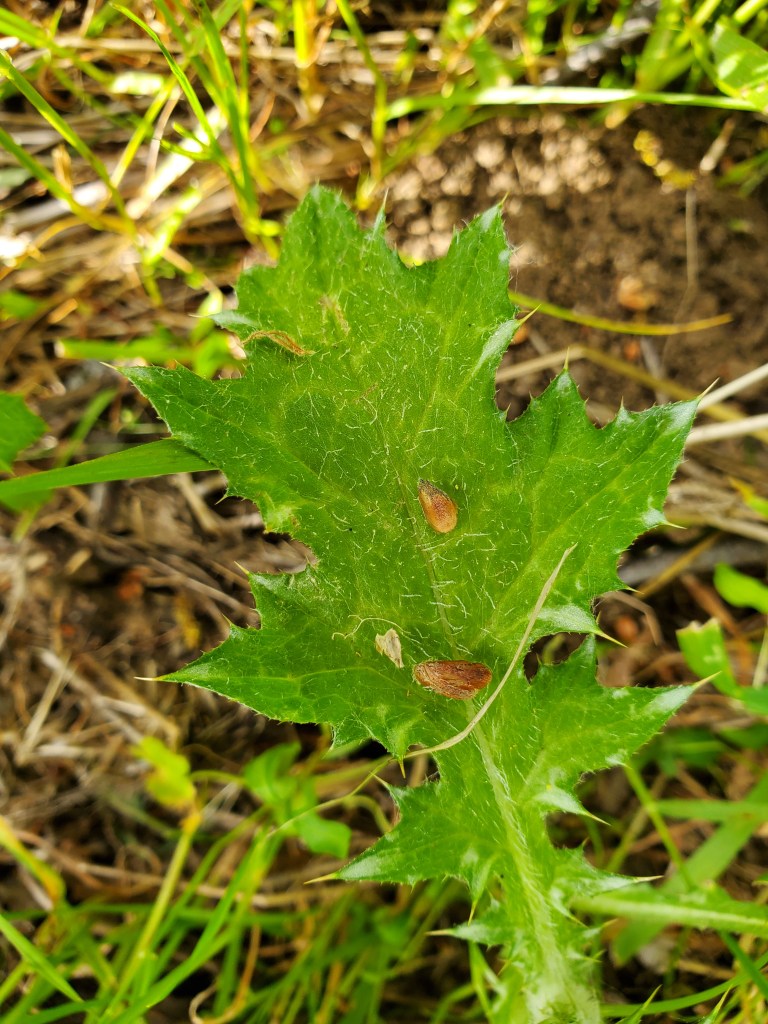
With the tin down, it opened a small pathway for cattle to get into the exclusion. Grass and creek plants that typically grow inside the exclusion area were nowhere to be found. Adding to this was the large number of grasshoppers near the riparian areas this year. Thistle, which the cattle normally leave alone due to their spiky, tough exterior, were stripped to skeletons. Both contributed to no vinegar weed (another favorite), less watercress, no milkweed and no thistle nectar.

Wildlife

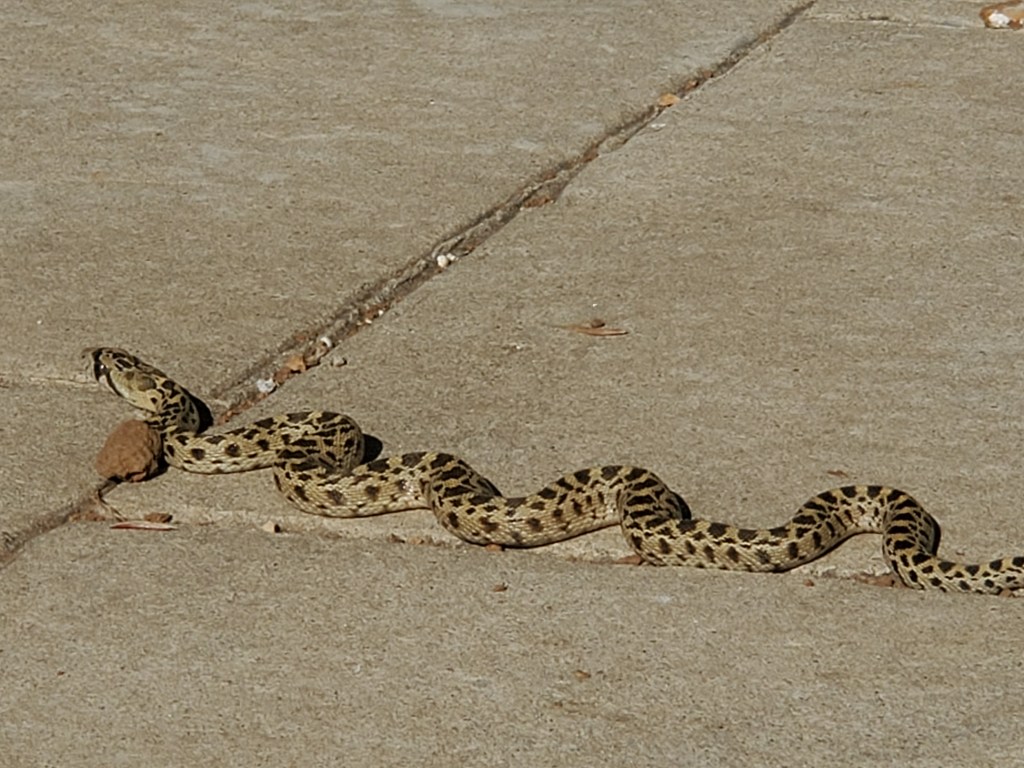
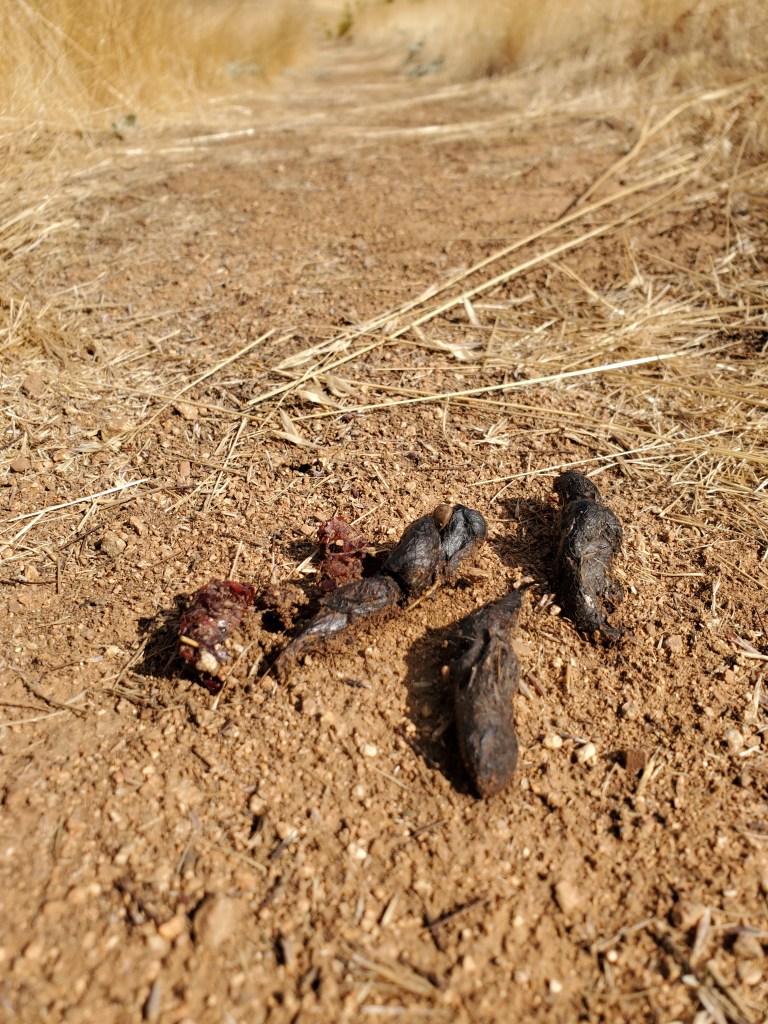
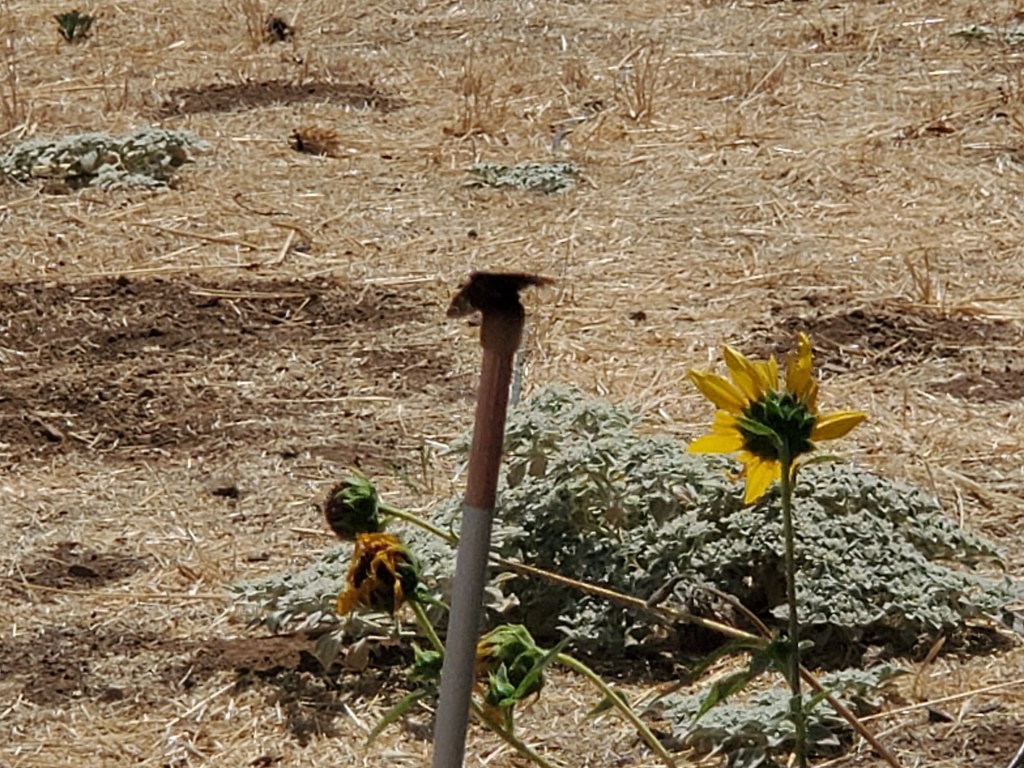
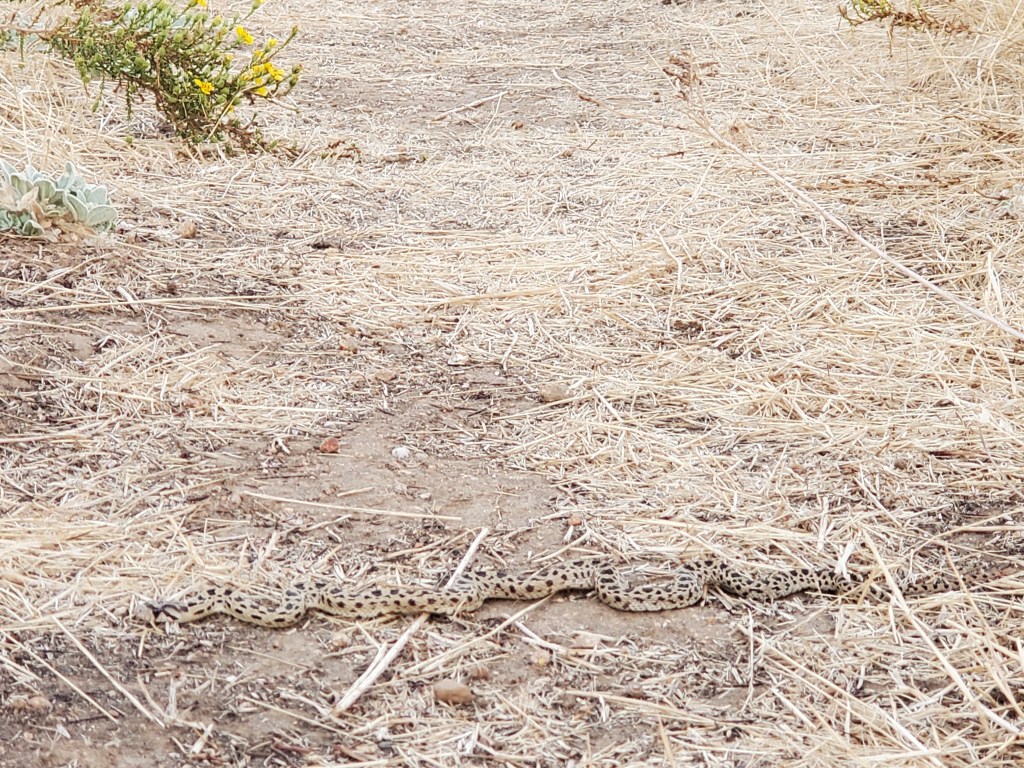
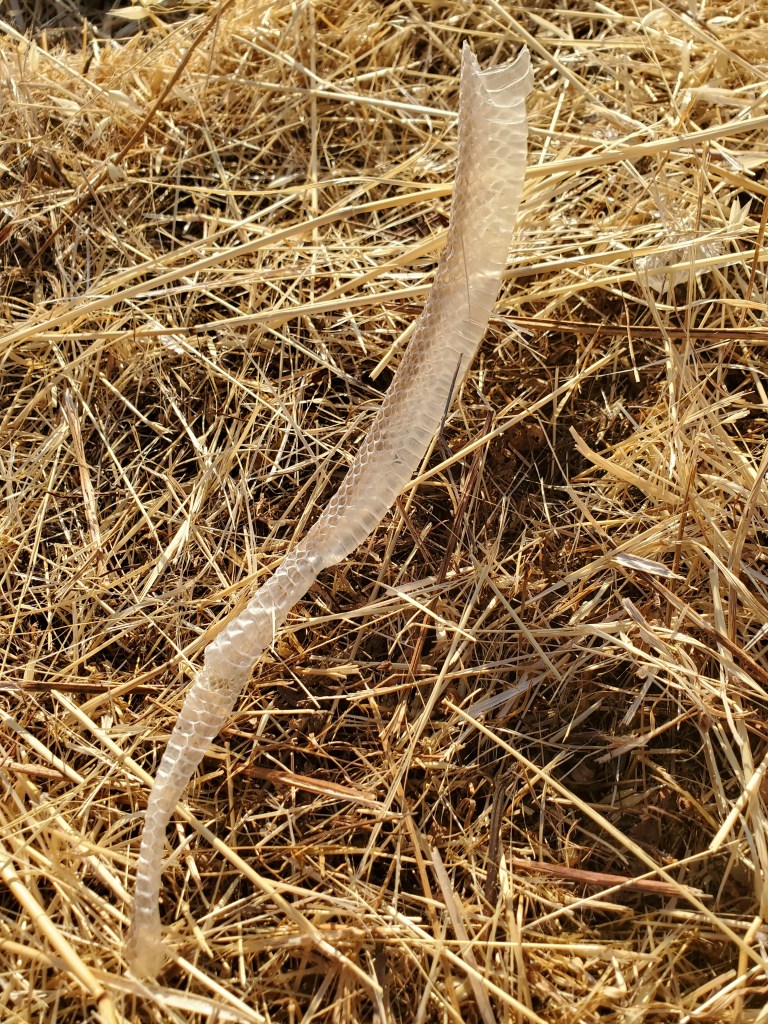
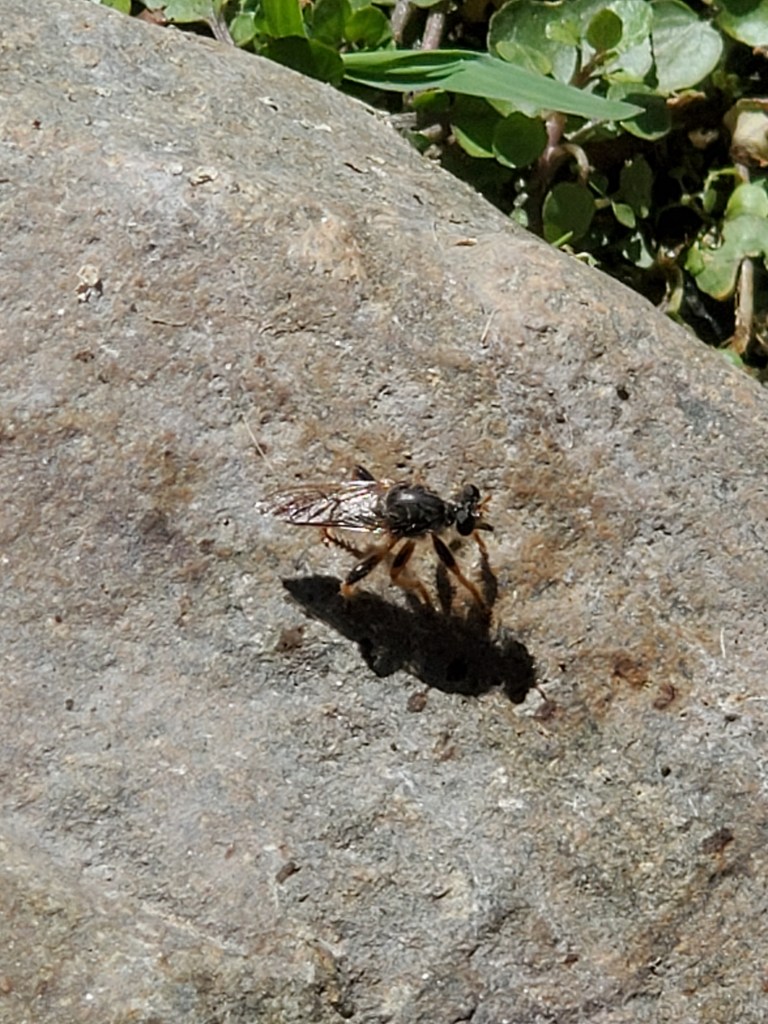
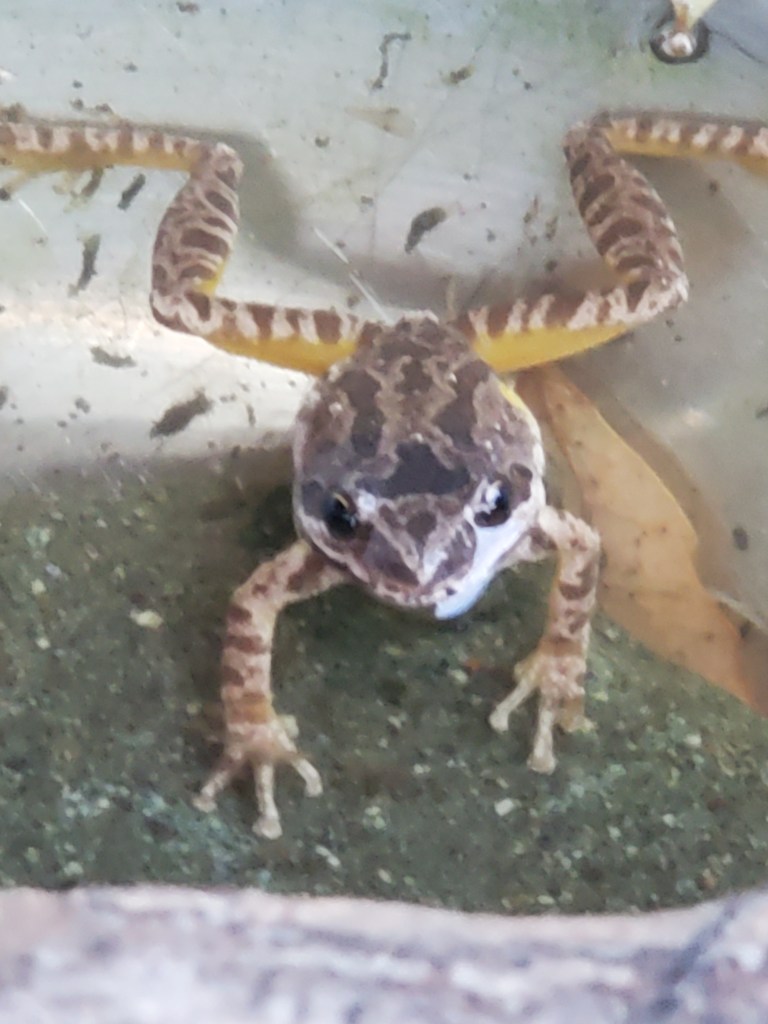
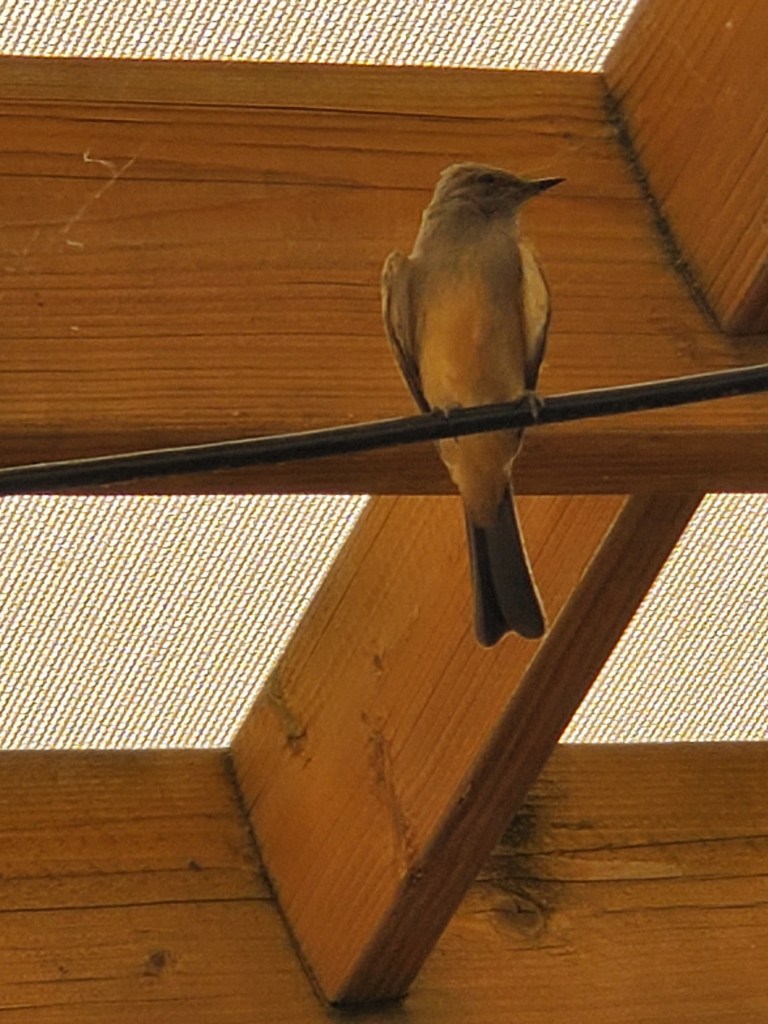
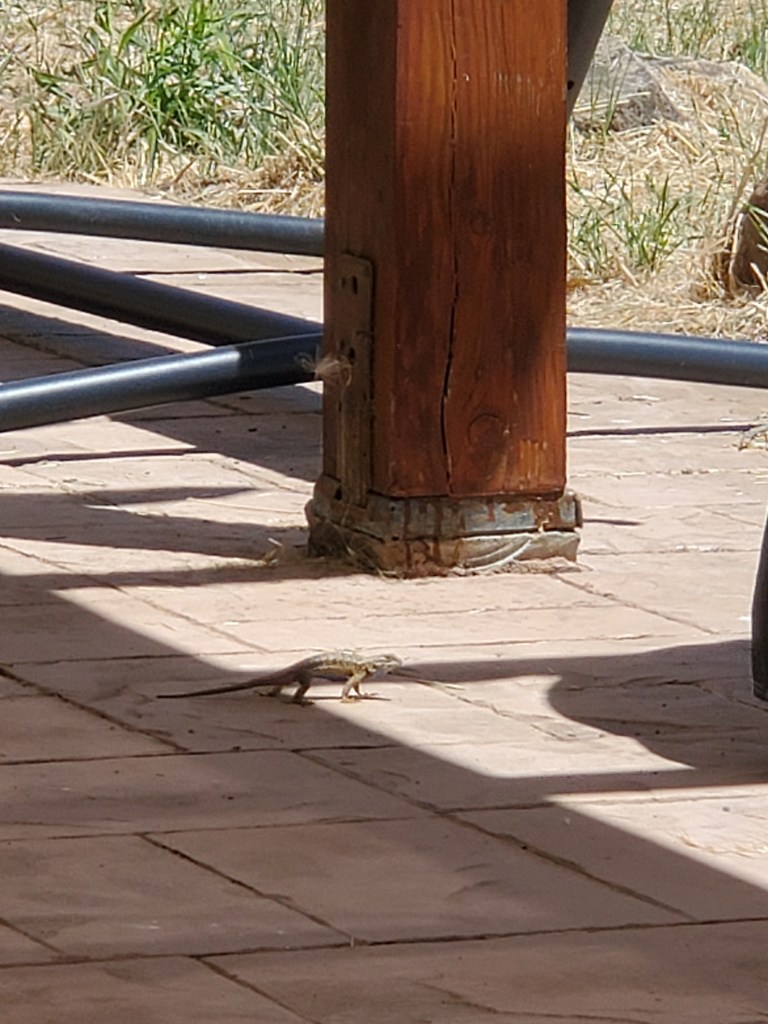
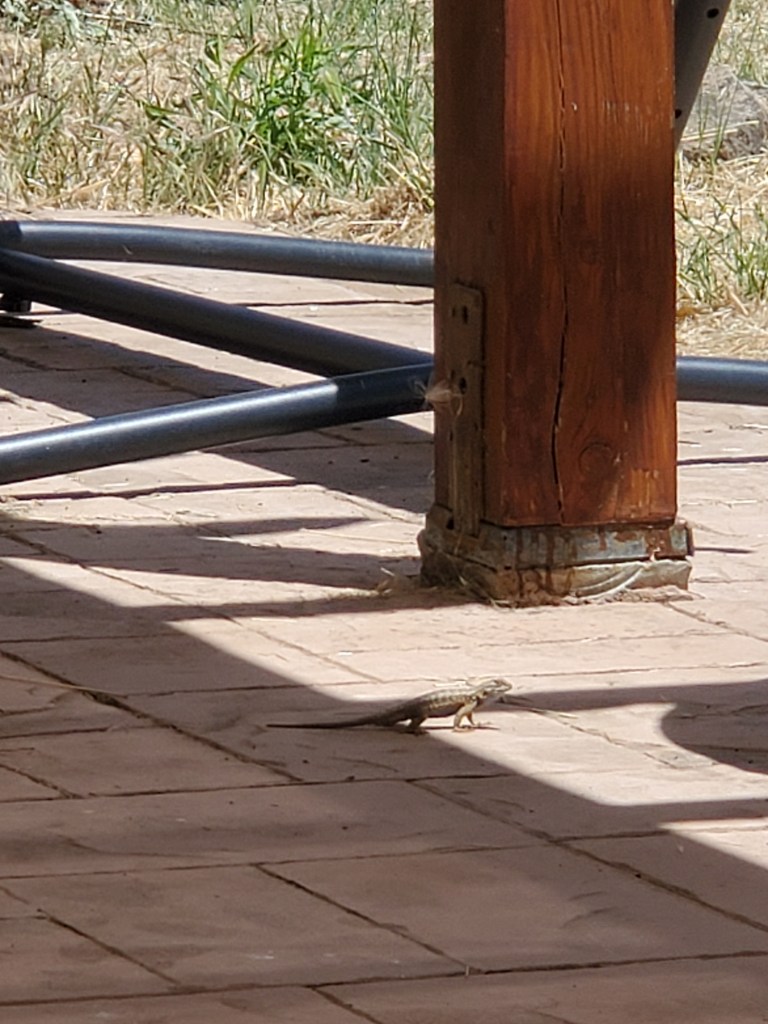
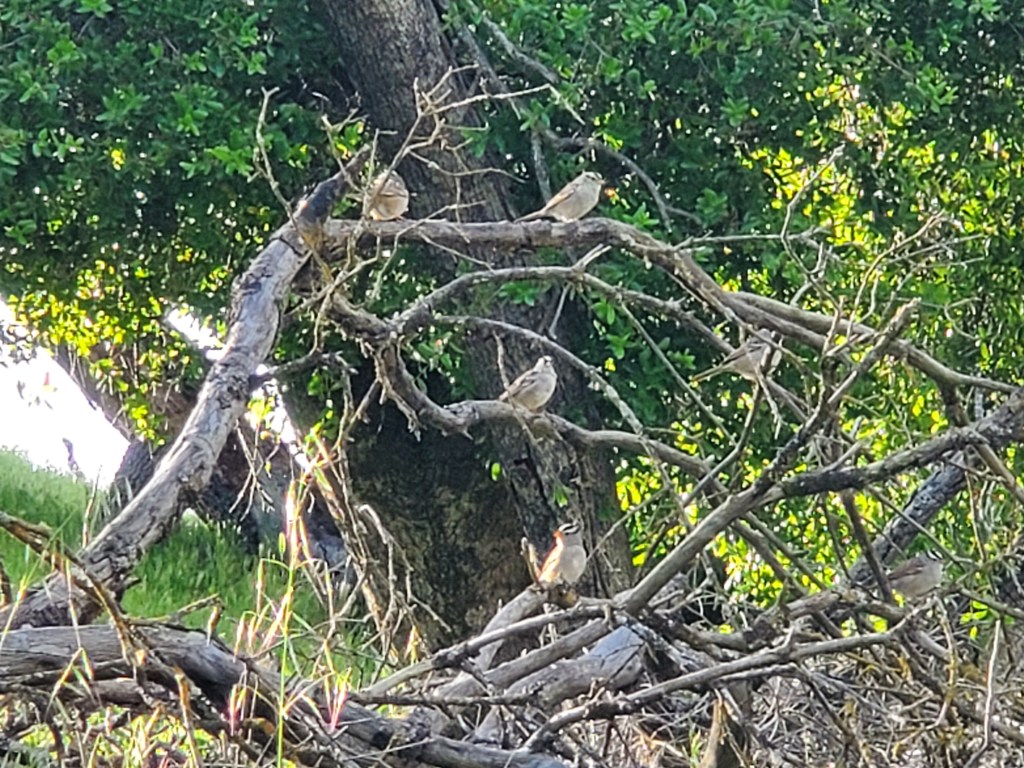
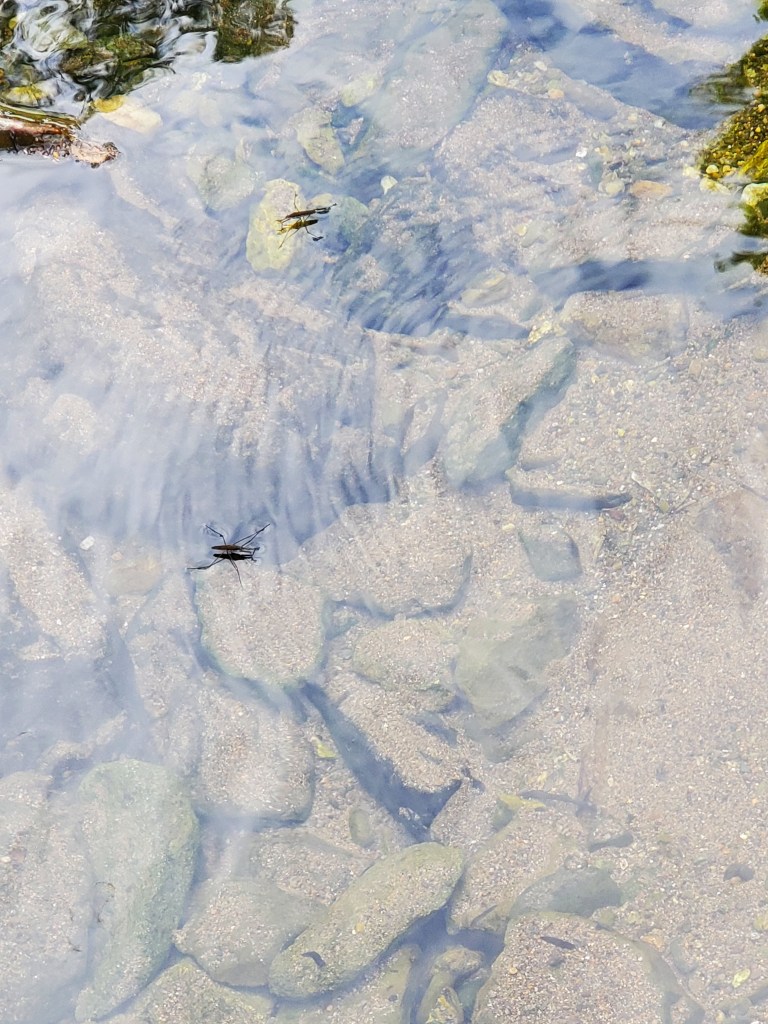
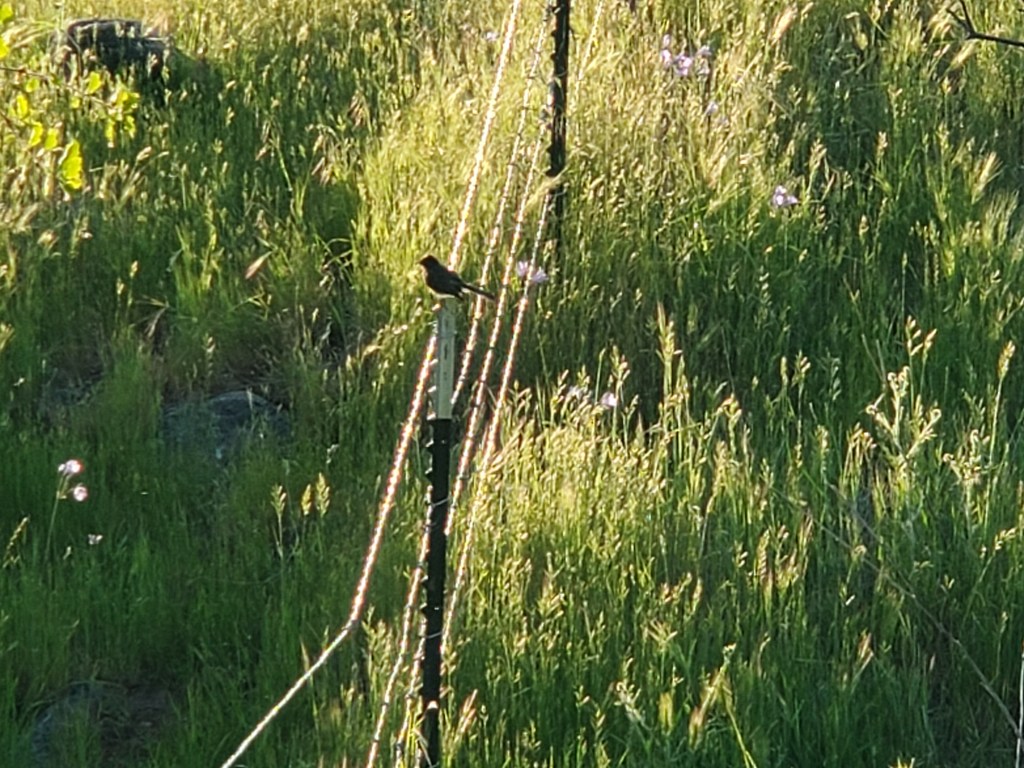
Although I’ve not see as much wildlife as I have in the past, there have still been some beautiful encounters. Running across the road in the near area, and sadly no photos, I have seen coyote, a bobcat and bunnies. Below are other friends.

Seed Collection

As plants begin to die back and set their seeds, I have been out collecting. I never collect more than 10% of what is available. I share with the birds as well as leaving plenty to grow the next generation.

Rainwater Catchment Building Continues

One of our ongoing projects has been to create a fresh, ongoing supply of water to the wildlife guzzlers. Recall, we built a small overhang over the guzzlers to catch more rainwater than if they were left out on their own with their beveled tops. The overhang also acts as shade to decrease evaporation from the unit. Some years, the water captured lasts the entire year. During droughts, the water has run out by late August. To prevent running out, but to also inflow more fresh water, we are building a larger rainwater catchment up hill to gravity feed into the guzzler. The tank is 1500 gallons and will be under a metal building to protect it from sun exposure and heat gain. David has been working on it and will likely be done a week from this post. I am very excited to keep water flowing throughout the hot months. The guzzler has become a very busy place with ground and song birds, raccoons and one feisty feral cat. Thank you to the Natural Resources Conservation Service (NRCS) EQUIP program, US Fish and Wildlife Partners Program and Point Blue Roots Program for believing in this work and supporting it.

Fire Danger Ever Present

Living in the new norm of ever present fire danger feels unsettling. When I was a child growing up in the Sierras, fires were part of life, but rarely major conflagrations. There was more water then and less people. I never worried, and I don’t recall my parents worrying the way I do now.

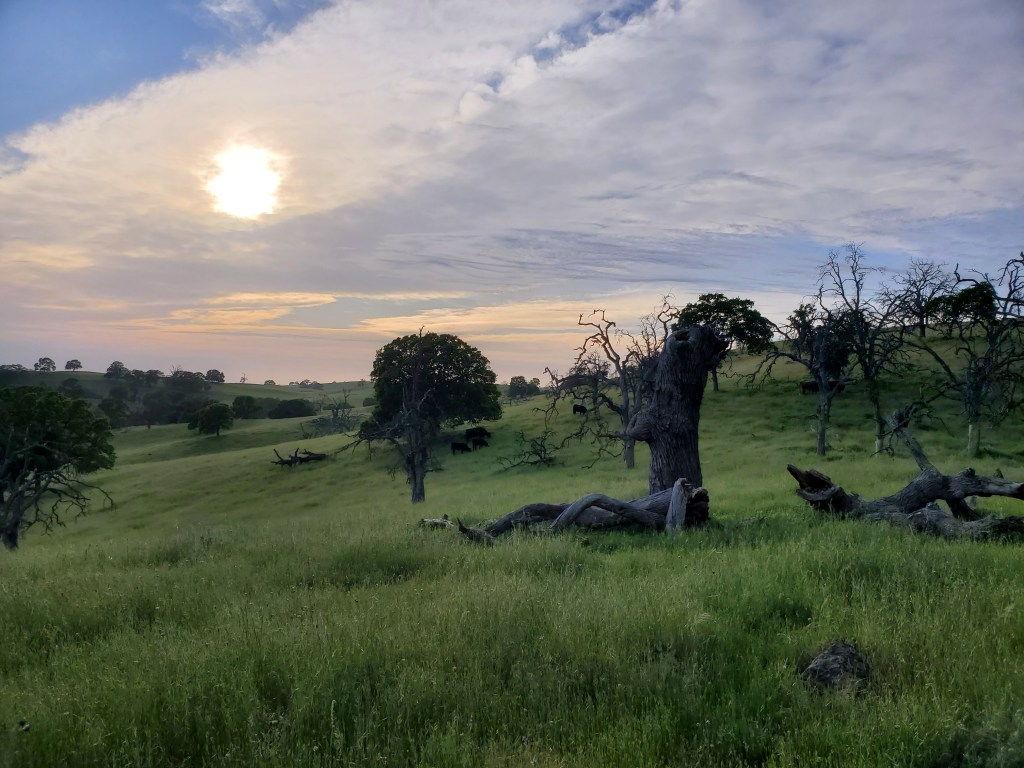
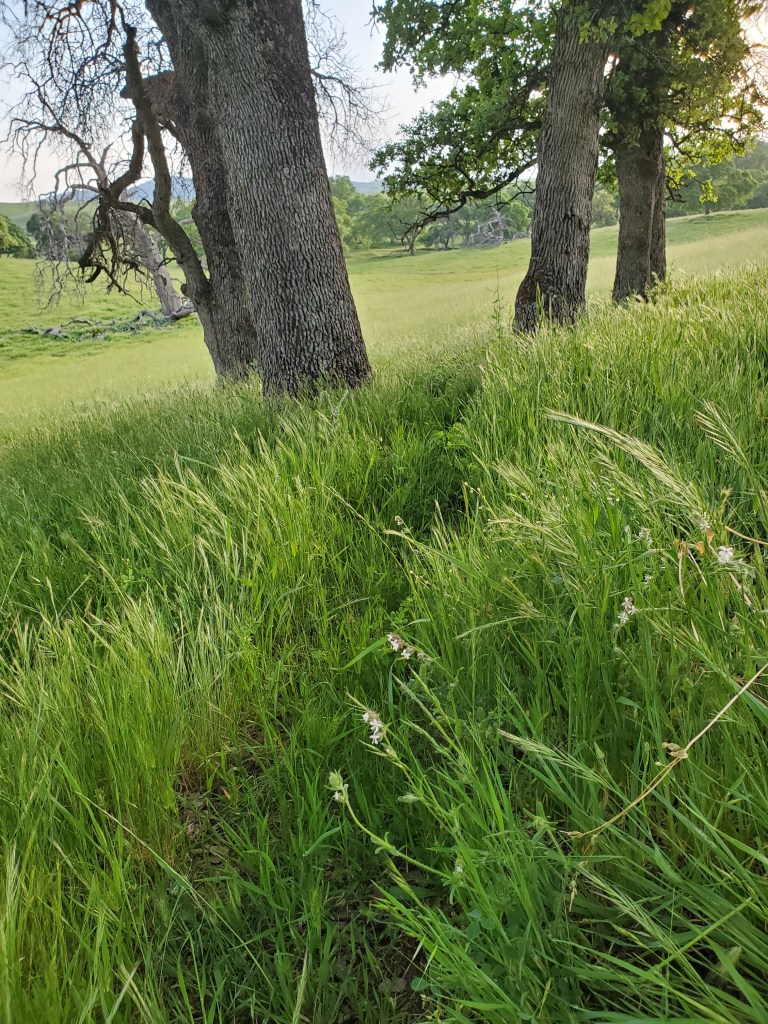
This year and last, we had a nice, steady stream of rain events that kept the soil moist longer into the summer. This year, in fact, David and I both noticed that all the oaks look healthy and happy. Their leaves have stayed on and are a vibrant green. Fresh, well-formed acorns are setting now. July has been much cooler, and that has helped the mature trees too.

Even with these positive signs, I still cross my fingers that a major fire will not rip through the land. Through my work in natural resources, I can see the massive investments by the state in fuels reduction and stewardship. Communities are working hard, year-round to be better care-takers of the land. The problems of over 100 years of fire suppression, population growth in wildland areas, more efficient ag tech to suck water from the land and climate change shifting temps into record levels are all massive issues to overcome. The pace and scale needs to be even greater – and as importantly, if we do not tackle the root causes, we will be constantly fighting an uphill battle. Stewardship, care for the land, being in good relation is not work; it is life. It is an ongoing relationship where a thoughtful existence results in abundance and health in an environment where we can all live – nature relatives, humans – and thrive.

Relationships

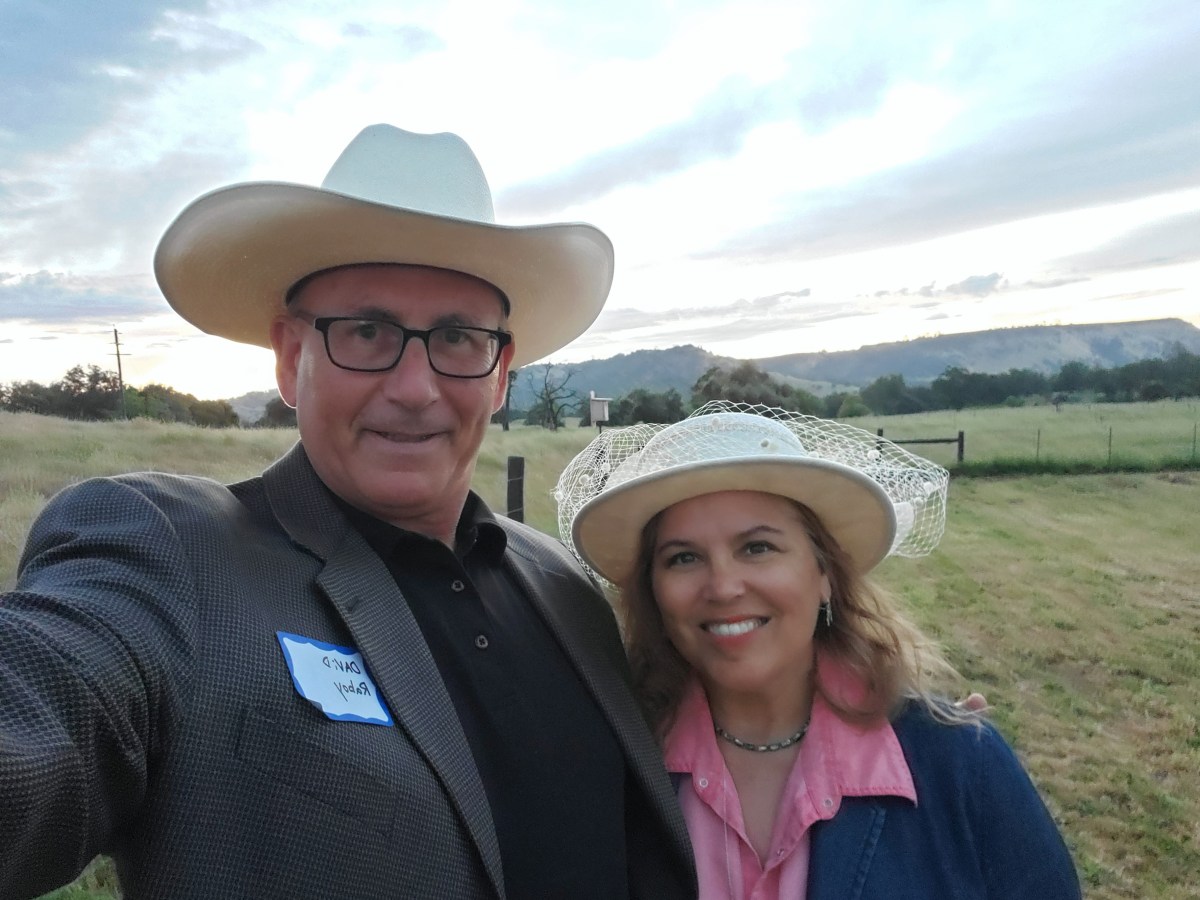
My hubby and I at the Sierra Foothill Conservancy dinner

We need each other.

As the monarch needs the milkweed, and the milkweed needs the soil, and the soil needs the rain, we rely on systems that work together so that we may live.

Recently, I was hit by a car. I was riding a rental bike, like I’ve done for years in nearly every city to which I travel, and a distracted motorist saw me too late, hit the breaks, but still made impact with the bike sending me into the gutter of the road. I don’t remember from impact to lifting my head up from the ground, but as I lifted my head, the breath knocked out of me, the sting of air making contact with my insides, the smell of blood, I was in disbelief. How could this happen to me? I am so careful.

To walk across a street, to ride a bike with traffic, to drive through an intersection, these are all acts of trust, a dependency on others, a relationship where you rely on others to understand the gravity of responsibility and a determination that laws will be followed. Sometimes our relationships break down, rules not followed, predictable patterns altered, one side exploits the other taking more than is given – the balance that makes life possible can begin to shift.

While there is beauty across the ranch, nectar in all colors, shapes and sizes, there are not many insects using them, particularly butterflies. There were mostly cabbage butterflies this year nectaring on the wildflowers. I saw two yellow swallowtails. David saw one orange butterfly (He couldn’t identify it, though I hoped it was a monarch.). And, just the other day, I saw a checkerspot. Not much of a list compared to years past – especially when there is so much nectar around. Last year, I understand; we were decimated by grasshoppers. There was nothing – but this year – there is so much.

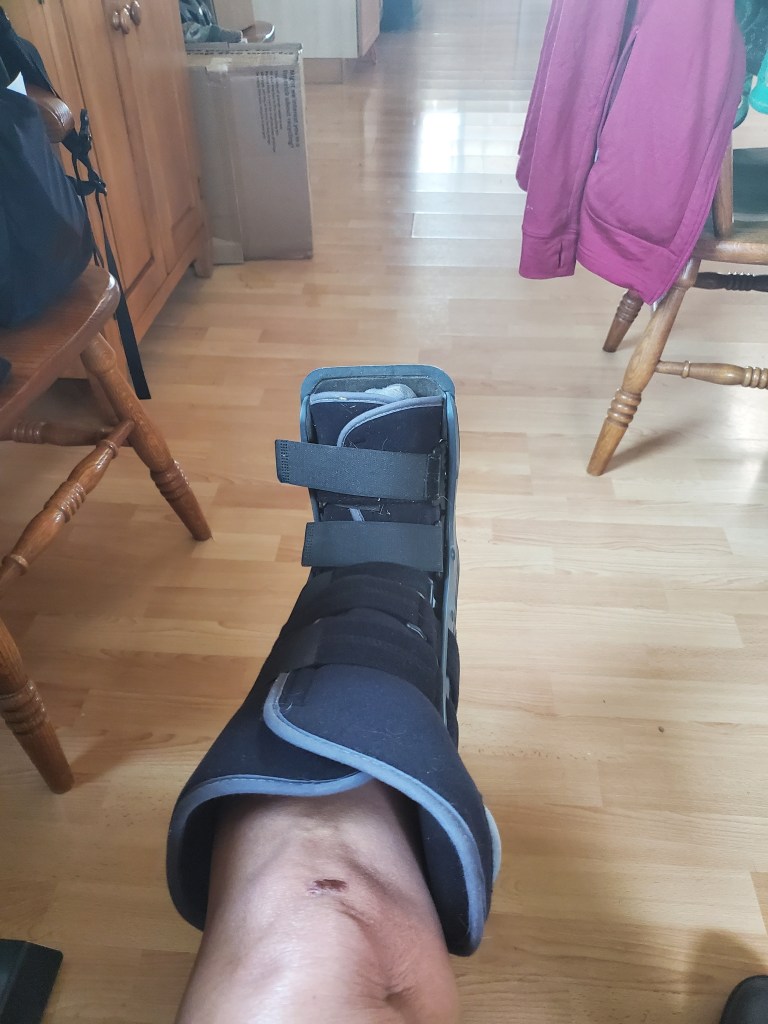
The following photos were taken largely in late April and early May when the grass was still green – and when I still had full use of my legs and hands. At this time, late May, the hillsides are yellow from young grass turned to hay and the water ways have shrunken and drainages dried. I am healing, but poor David is having to do my work and his.

Oaks Surviving

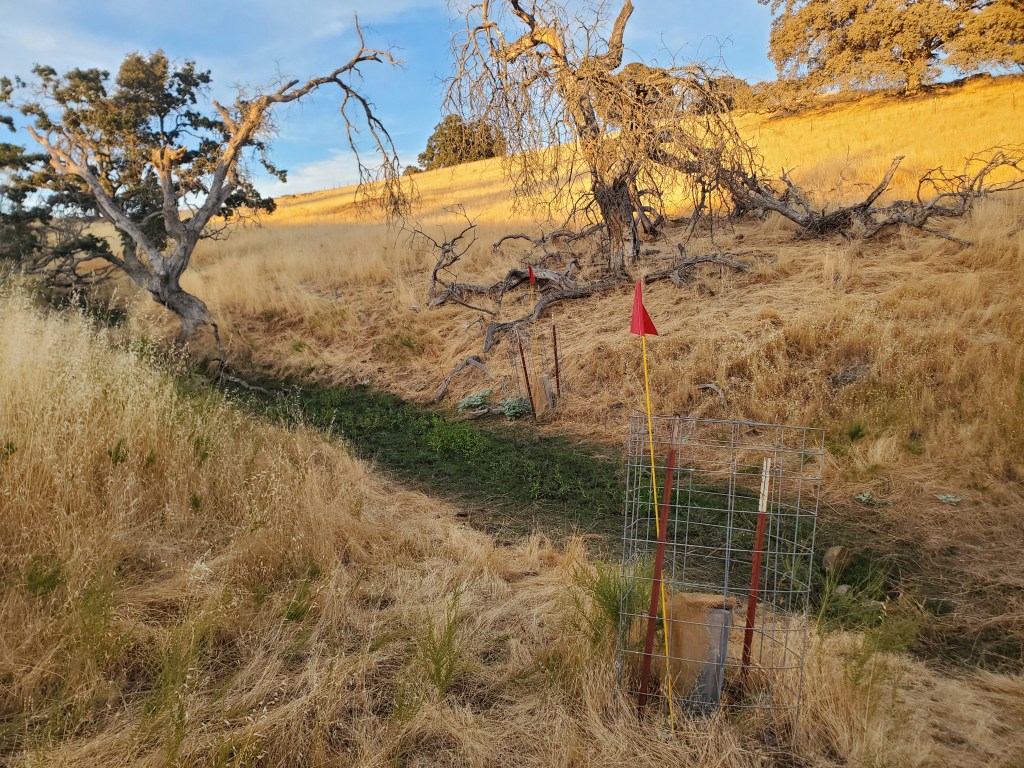
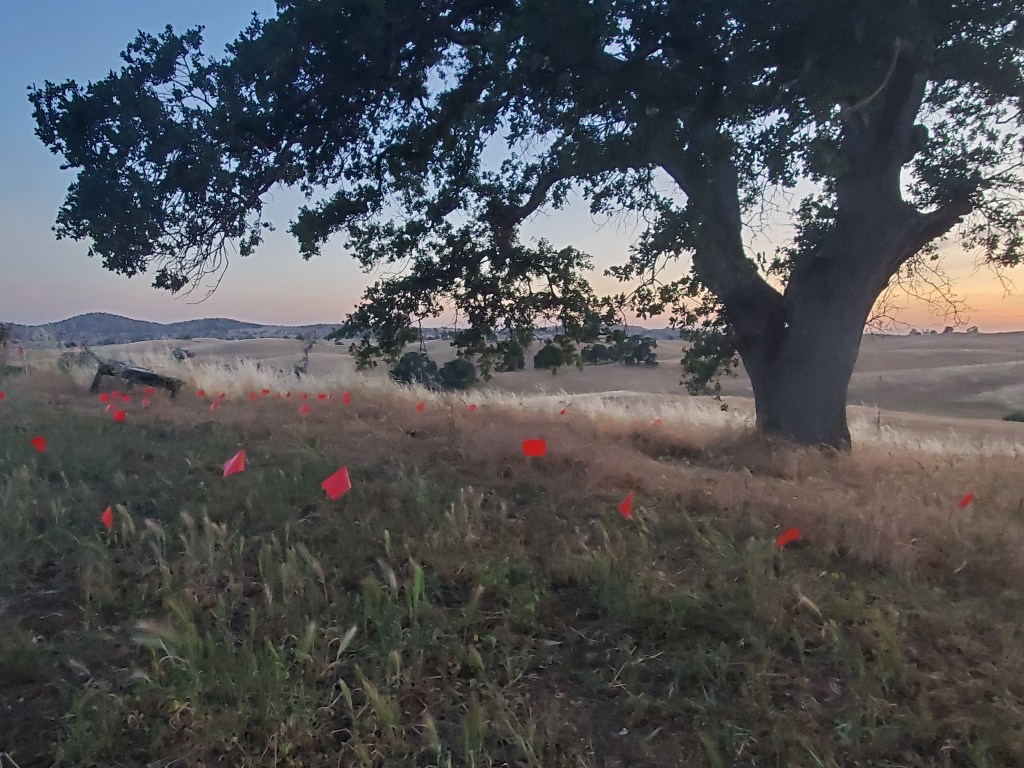
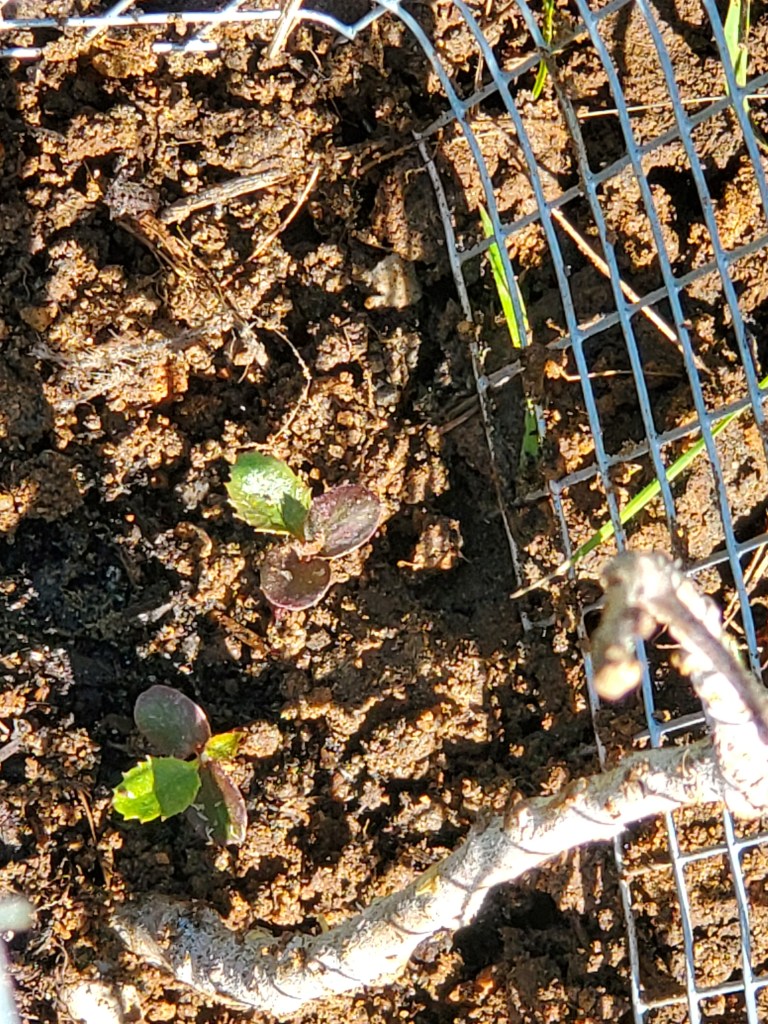
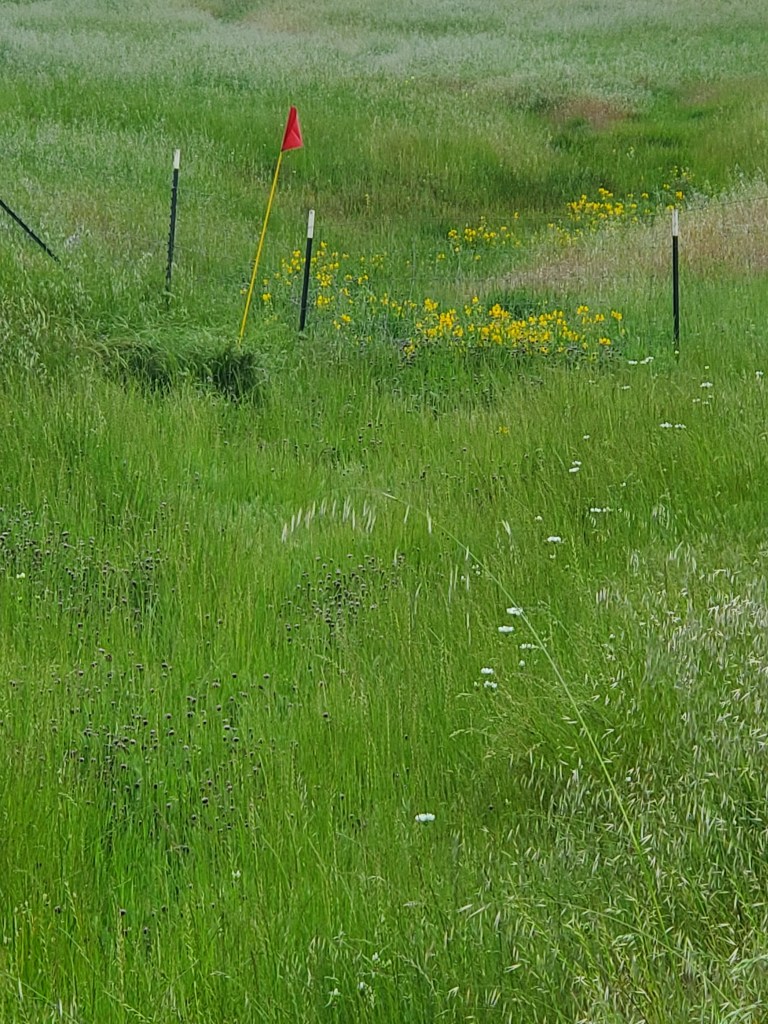
Most of the planted oaks are surviving. We lost two of the 19 seedlings. The areas with acorn plantings – none of them came up. The acorns were all taken. However, there has been a blockbuster of natural recruitment (oaks emerging naturally from acorn). While weed eating, David found one hundred emerged oaks around one of the grandmother blue oak trees. We have looked at other nearby oaks and found more seedlings. Evidently, there is the right combination of moisture, acorn and soil conditions to allow for massive propagation. Don’t get too excited. Most of those babes will get eaten. With vigor, David flagged the seedlings so he could keep an eye on them and continue to pull grass as new shoots grew, but he quickly saw that these seedlings were also delicious meals for gophers. We are going to try to cage some of them and water them – especially outside of the enclosure where the cattle graze.

No Monarchs – Again. But, Bumbles Return

Sadly, the California Milkweed has remained pristine, no telltale bite marks, yellow stain or caterpillar poop. The north facing plants are still blooming with just a few beginning to set seed pods. The south facing plants, reliable hosts for traveling monarchs, are fully spent and well into setting seed pods. The only reason my spirit is not completely crushed is that the crotch bumble bees still reigned supreme on the hill in the milkweed plots. I even saw some down the hill near the cow clover. They seem to be increasing in number slightly.
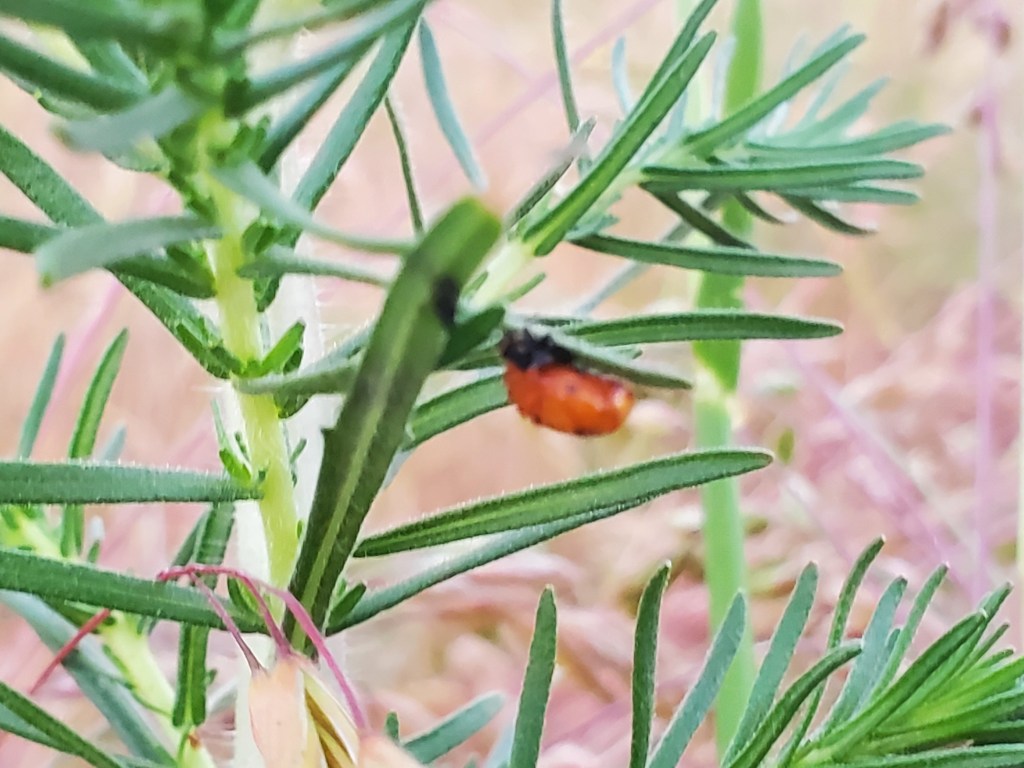
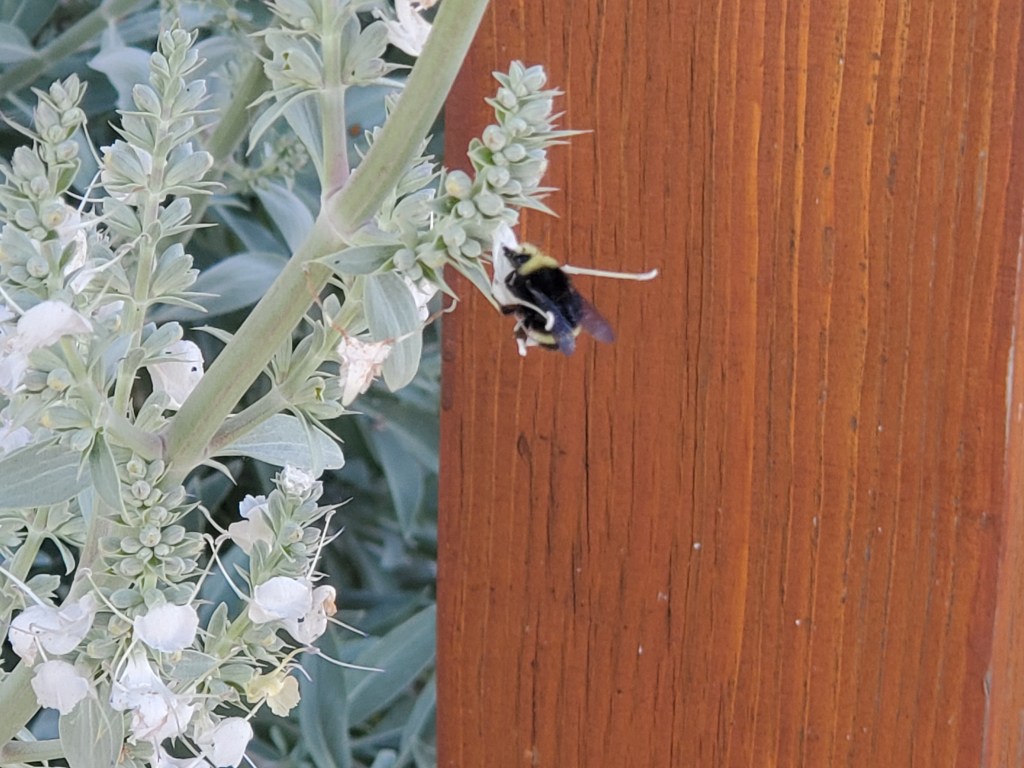
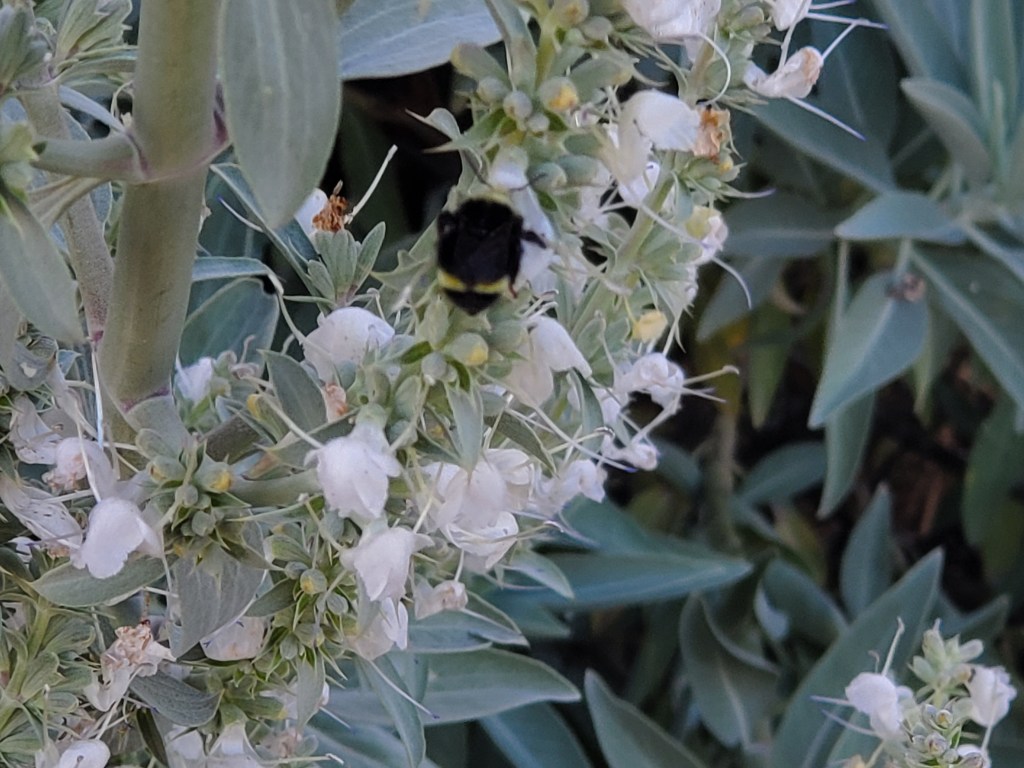
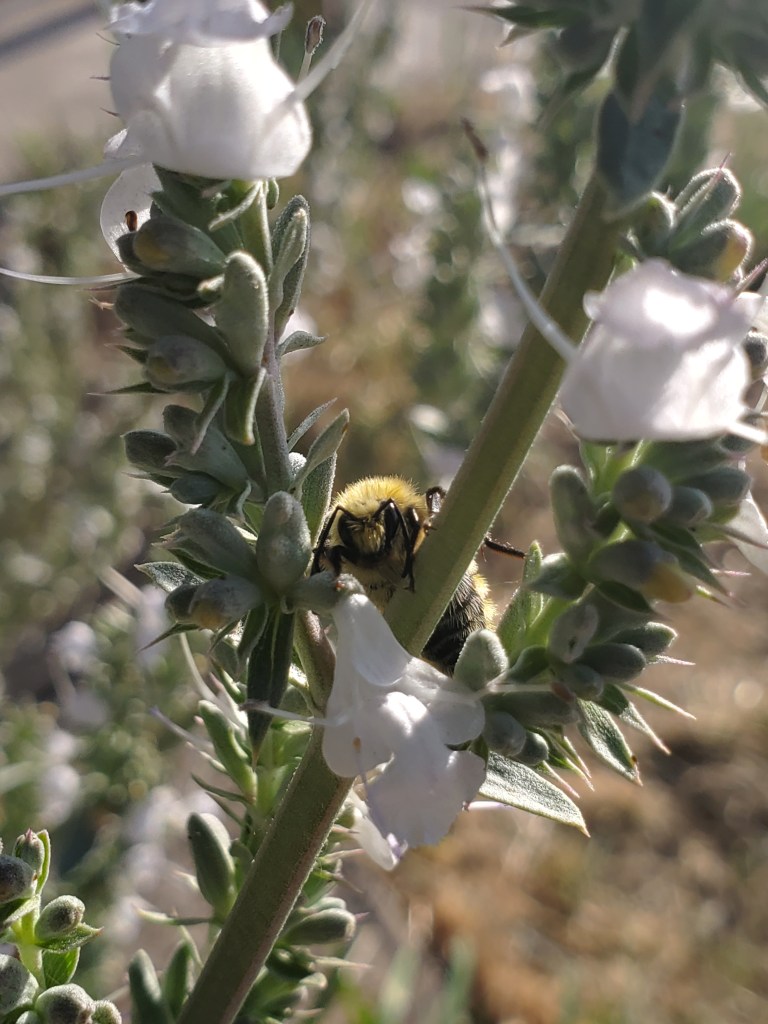
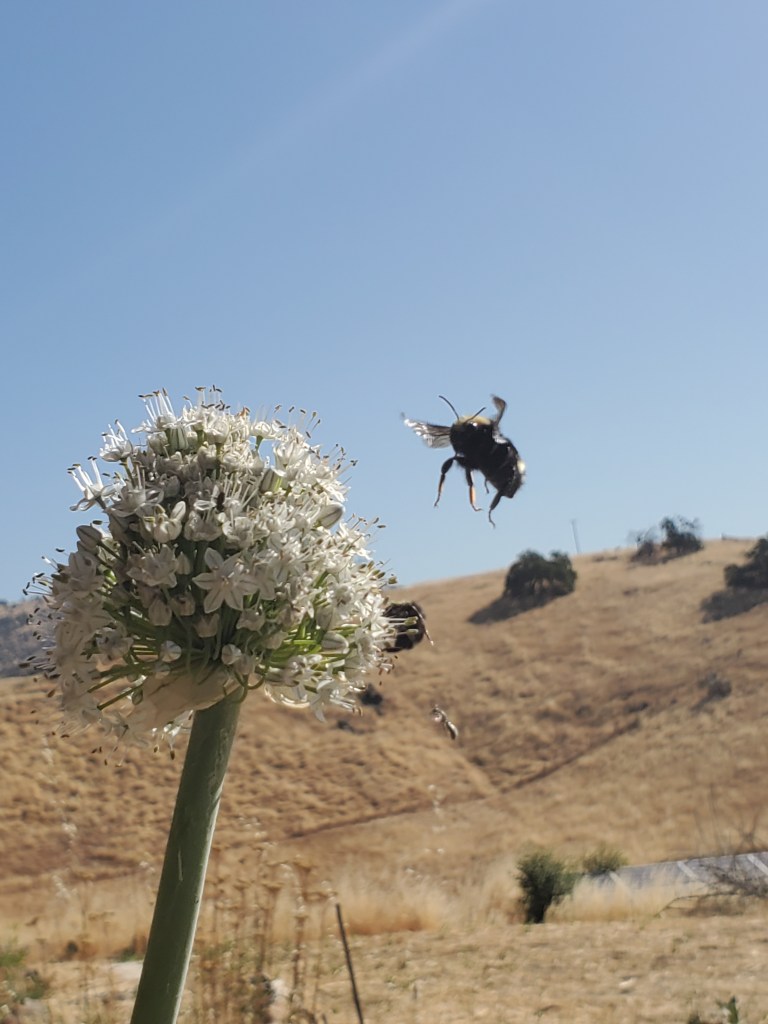
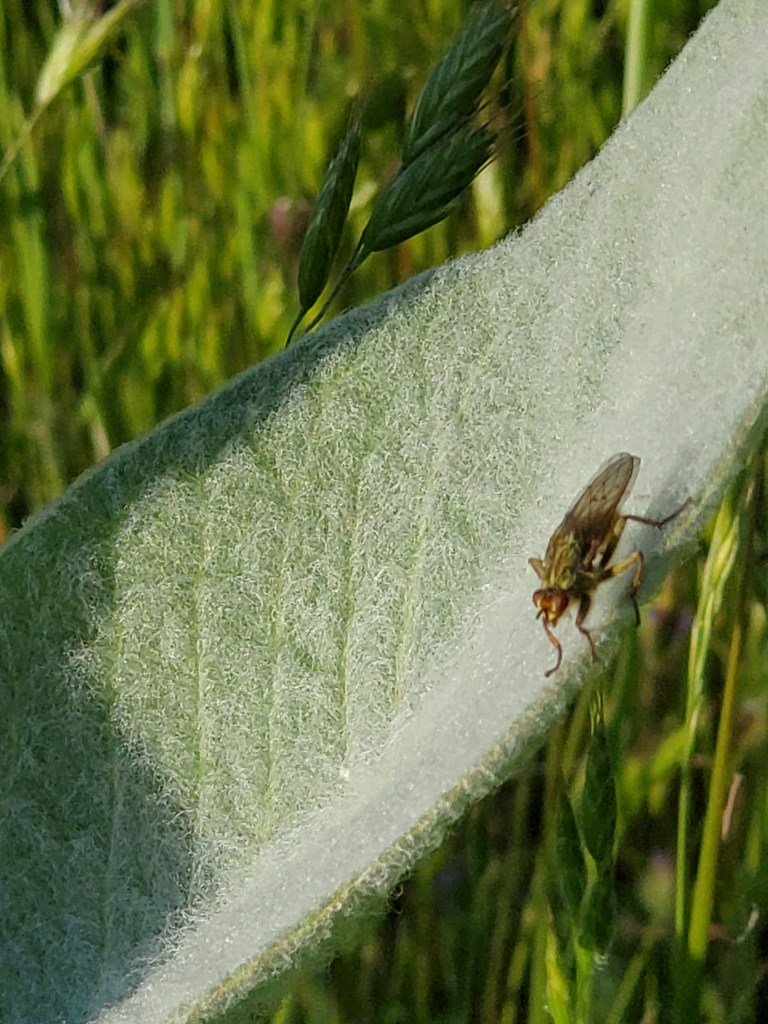
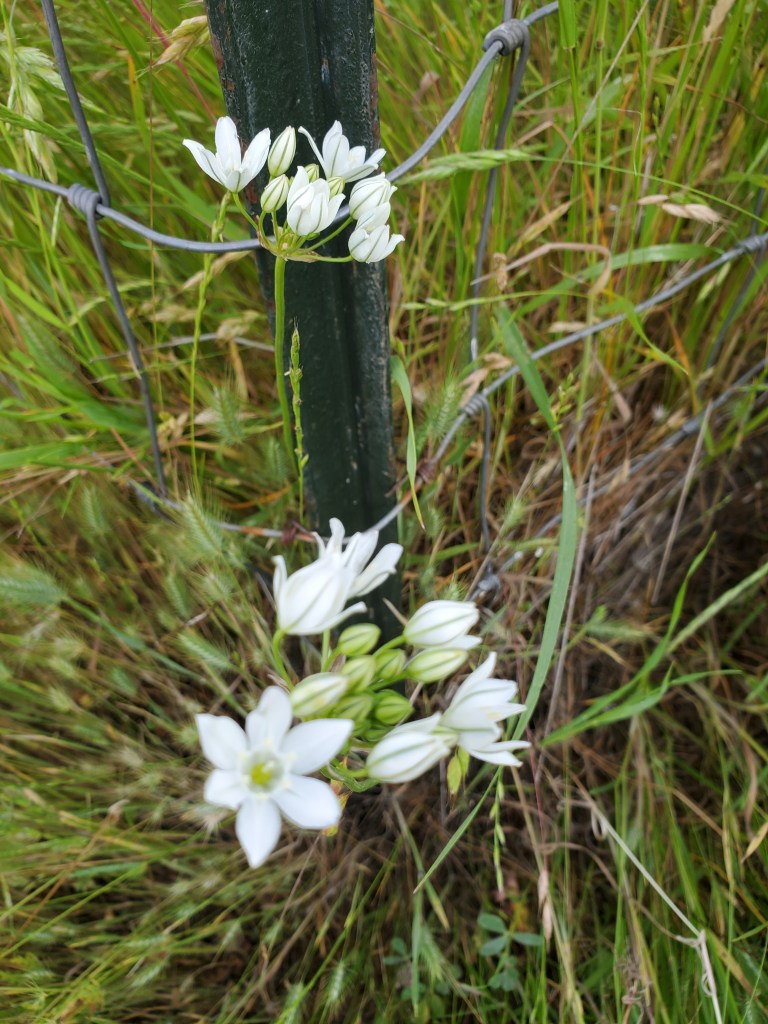
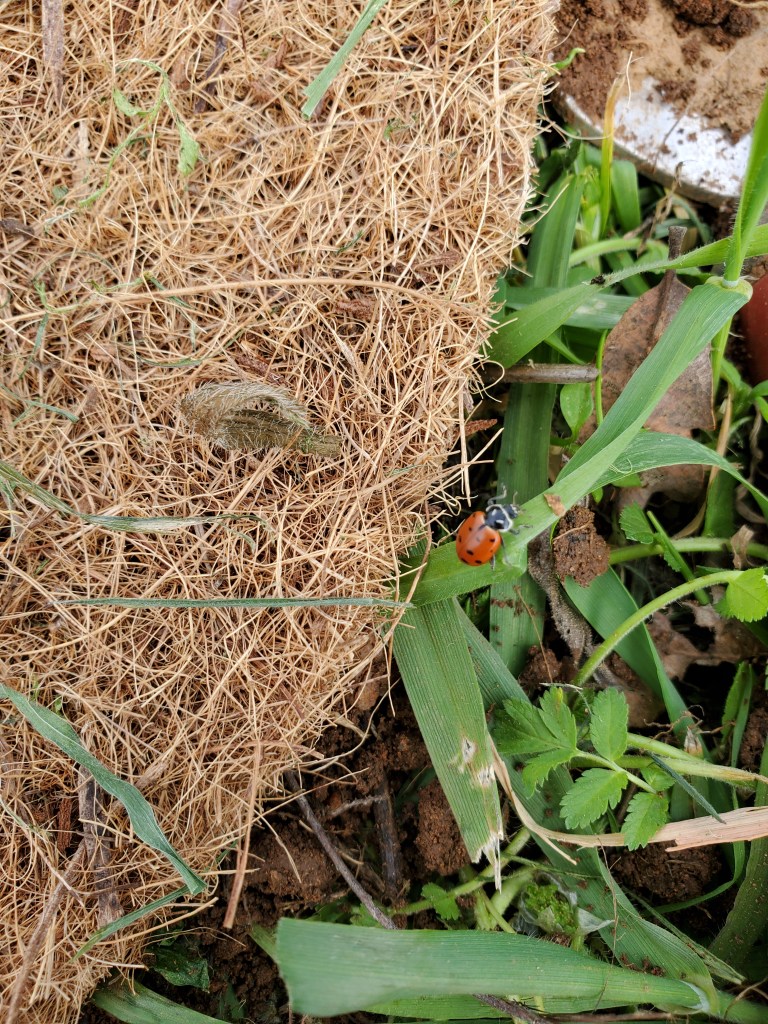
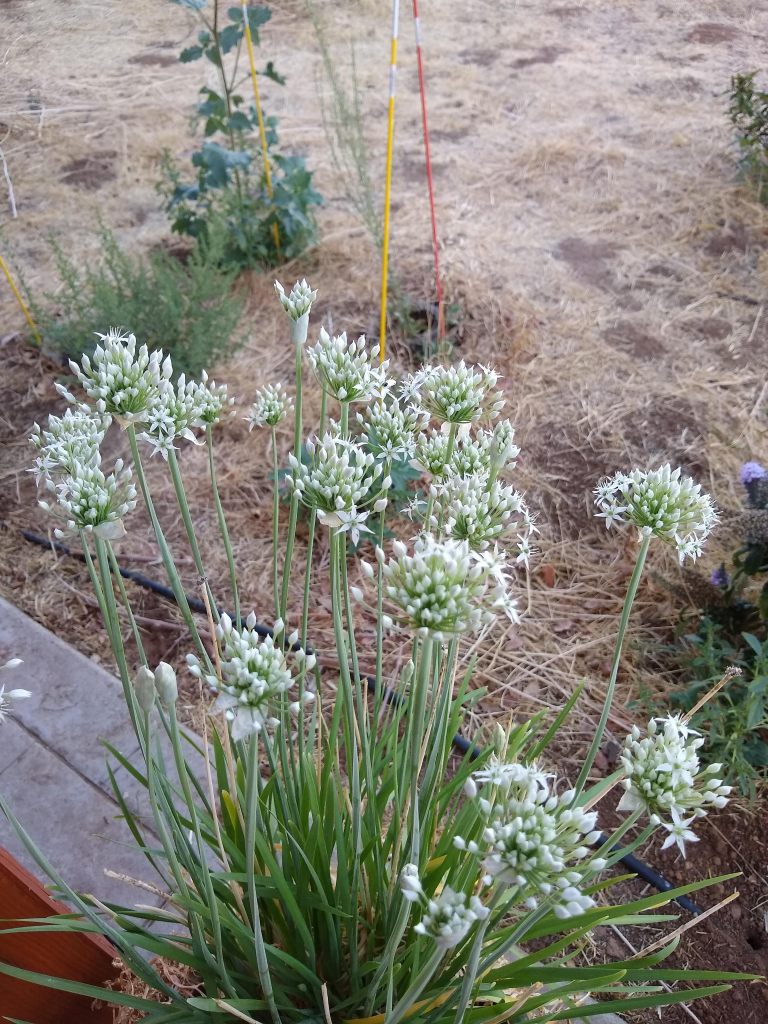
With the survival of my old white sage plant from the grasshopper incursion, its blooms have brought back a myriad of bumble bees and small pollinating flies. The onions are blooming as well and have encouraged micro pollinators into the yard. I love seeing those very small, hard-working insects. More lady beetles have been around, but not in numbers I’ve seen before. Of course, house flies seem to be abundant every year, and this year is no exception.

With the second lowest count of monarch adults since the history of the overwintering count, I perhaps should not have hoped for a visit. This would be the second time in a row monarchs have bypassed the ranch. I understood skipping us last fall on their way back. Truthfully, I didn’t want to be here. All the stripped and murdered plants, grasshoppers shifting around like flakes in a snow globe, it was all too sad. But, I stayed. I had saved one large narrowleaf milkweed with a screen box my husband made. I kept watch on that plant for the entire summer to make sure it was still available should the monarchs stop back on their way to overwinter. Like a child at Christmas, I waited for an orange, black and white Santa to come, gifting their eggs to hatch and a sense of fulfilled purpose and hope. But, Monarch Santa never came, and I questioned my work. How could I do better? How can I make the habitat more resilient?

Birds and Other Wildlife

The bird songs have been incredible this spring. I finally set up my hammock, and when I have time, lay in it and listen. There are audio devices available now to hang in trees, record and send back to the vendor for a list of birds present based on the songs. Very cool. I want to do that.

Even though I don’t have a value-added product I sell from the ranch, I decided I wanted to become an Audubon Certified ranch. This is a badge that tells consumers that your ranch adheres to a set of protocols that promote more sustainable ranching practices – and certainly promote better habitat for birds. I already follow and perform many of the practices they outline, so I think we will be a good fit. I applied to do this because I want access to more expertise on bird habitat and become a better birder. One of the things I am really excited to work on is improvement of quail habitat. They are so cute. I want them to thrive here.

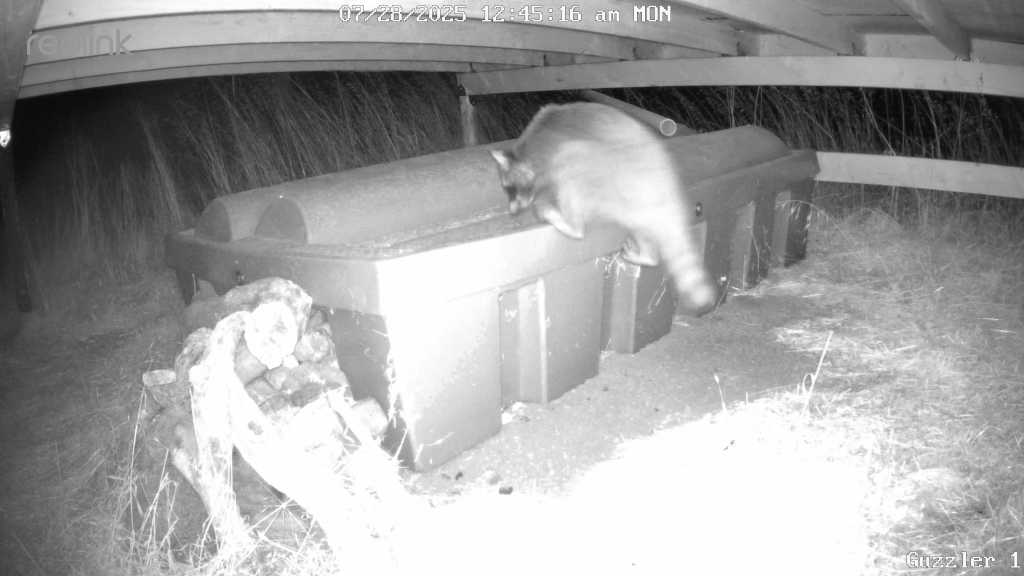
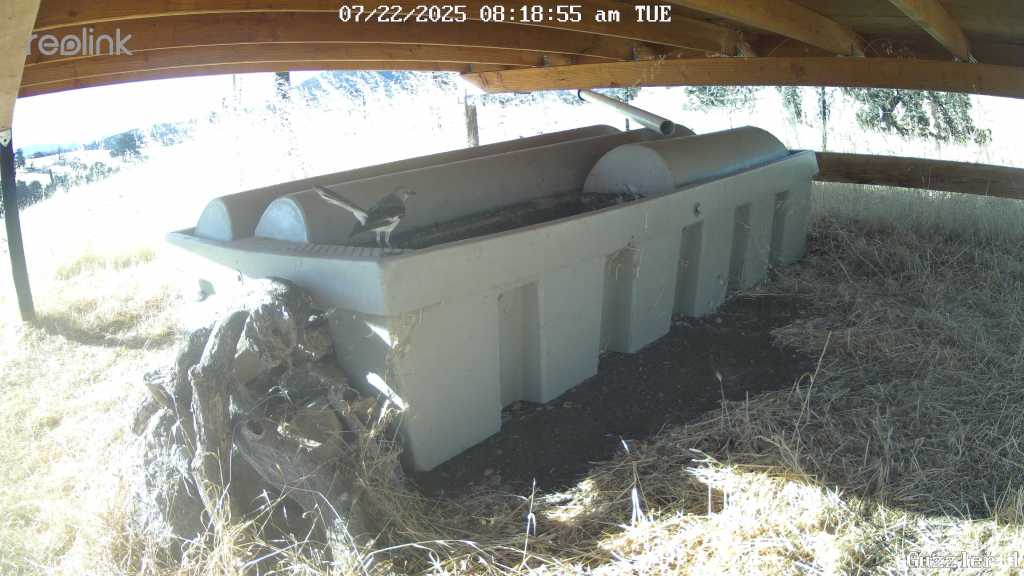
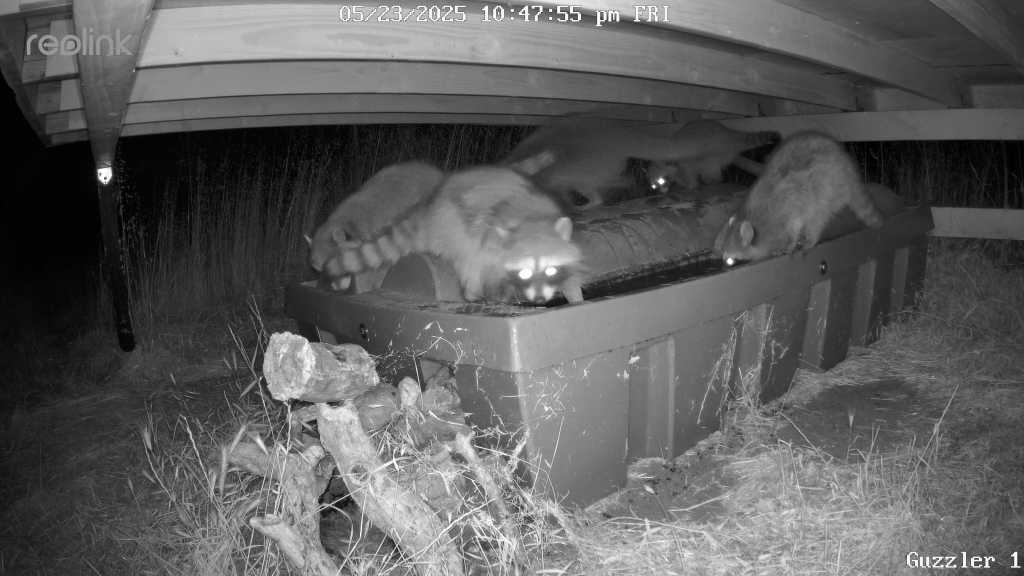
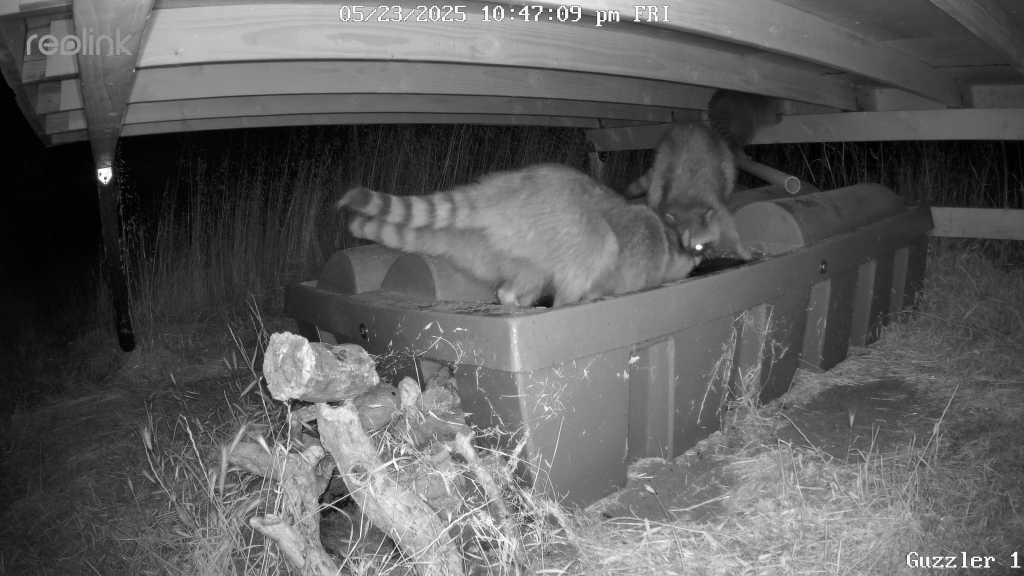
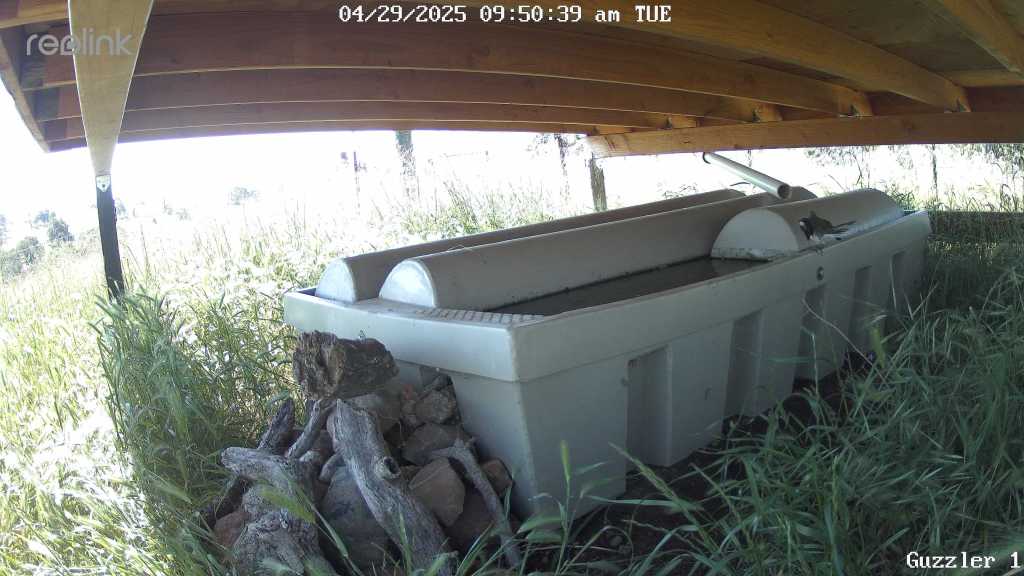
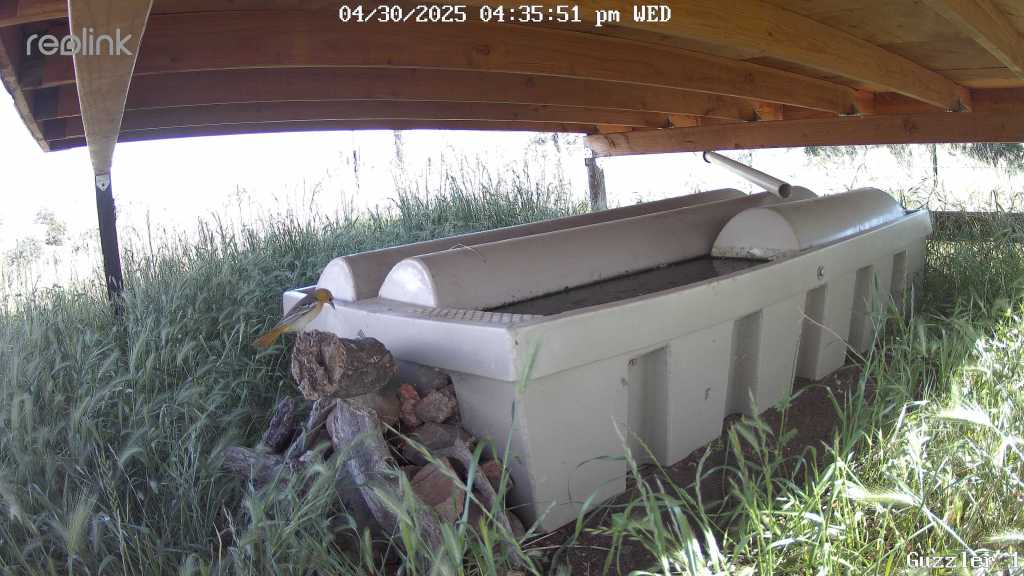
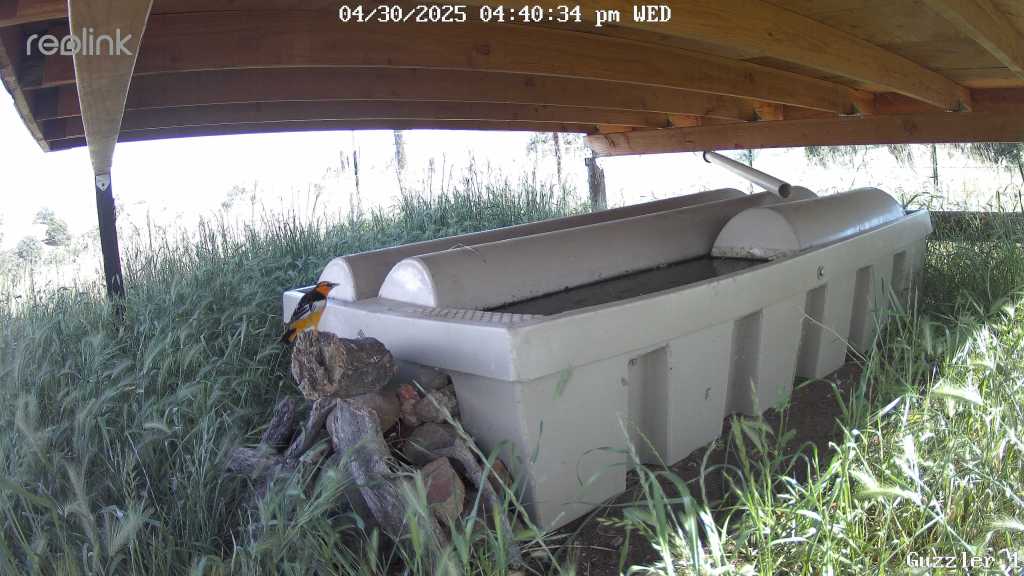
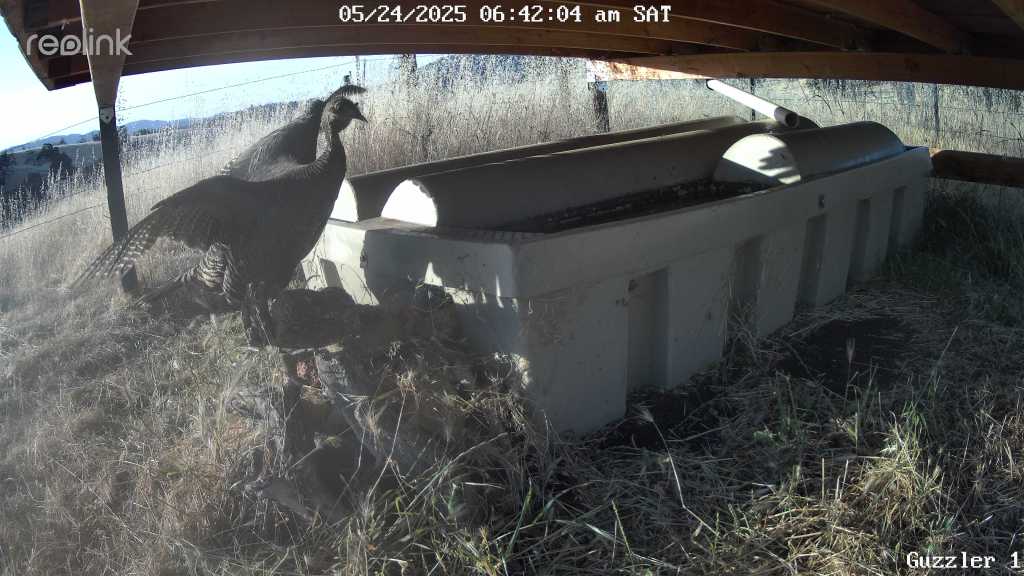
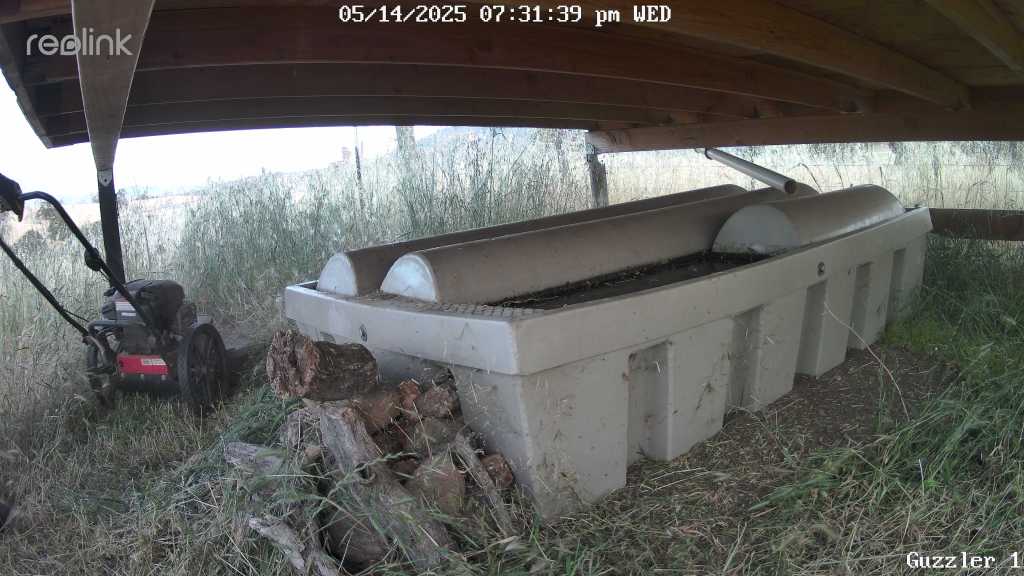
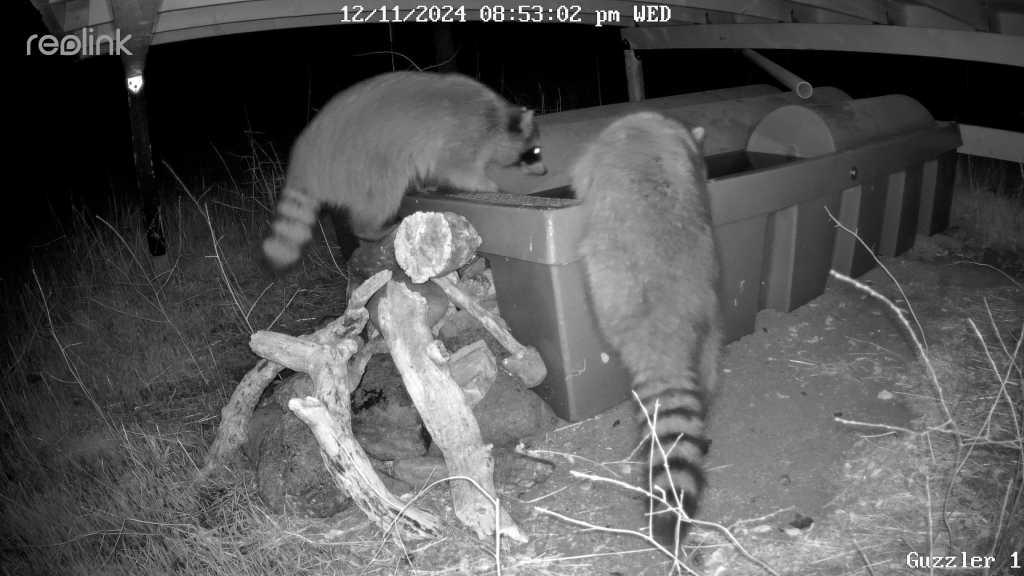
There has been quite a bit of action around the wildlife guzzlers. Raccoons at both Guzzler 1 and 2, and birds at Guzzler 1. There was even a family of five raccoons that visited. Check out the photos below to see who stopped by.

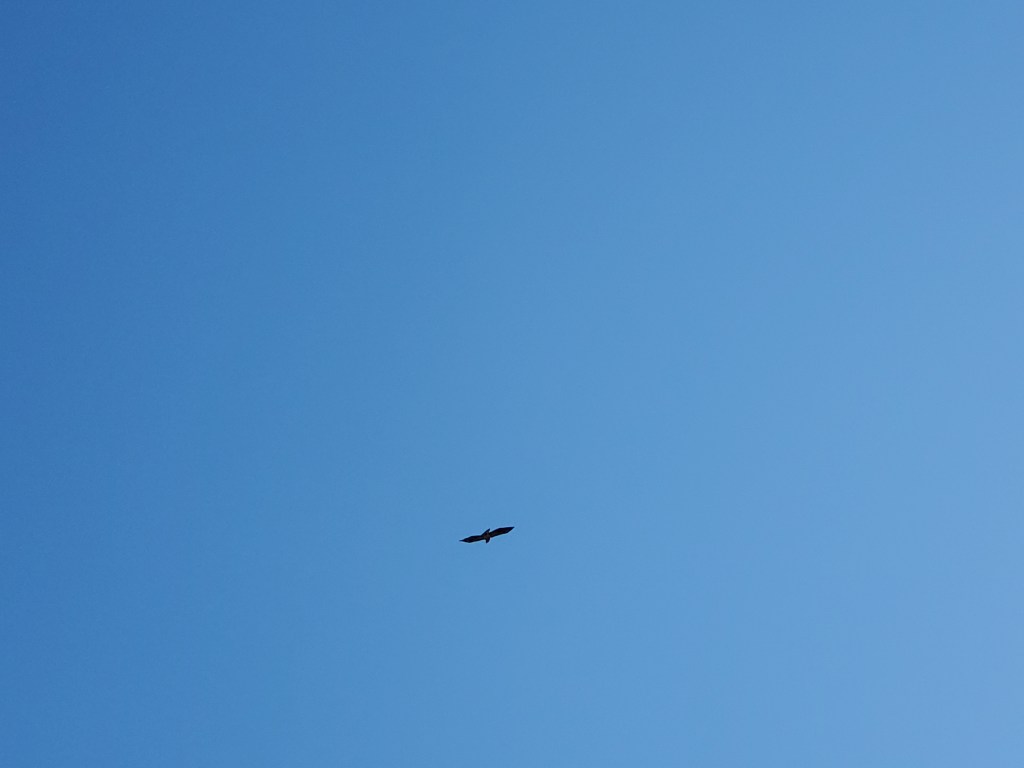
I also had a wonderful encounter with a hawk. I called to him, and he came. I talked to him as he circled me 8 times. Wow, was he a beauty.

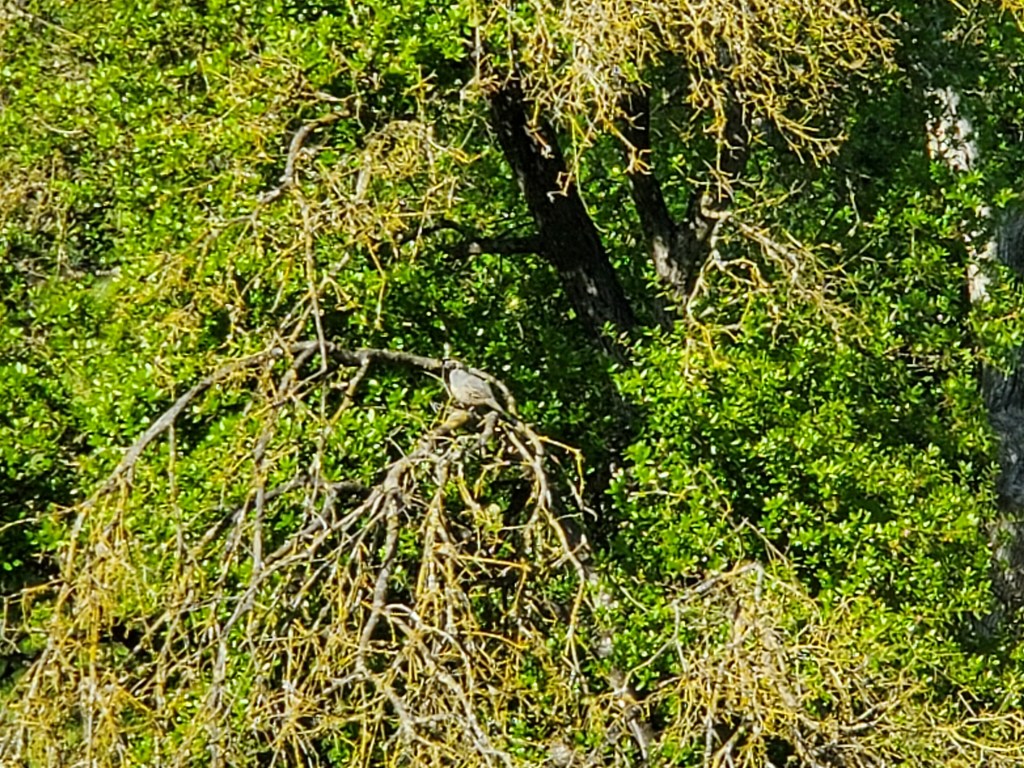
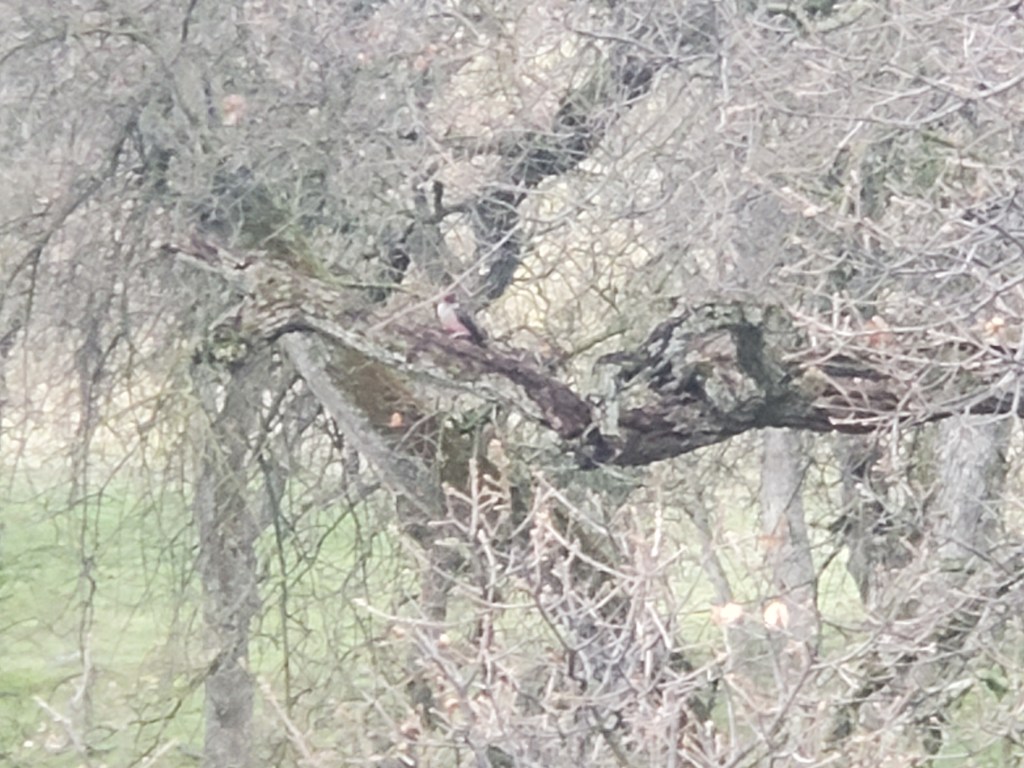
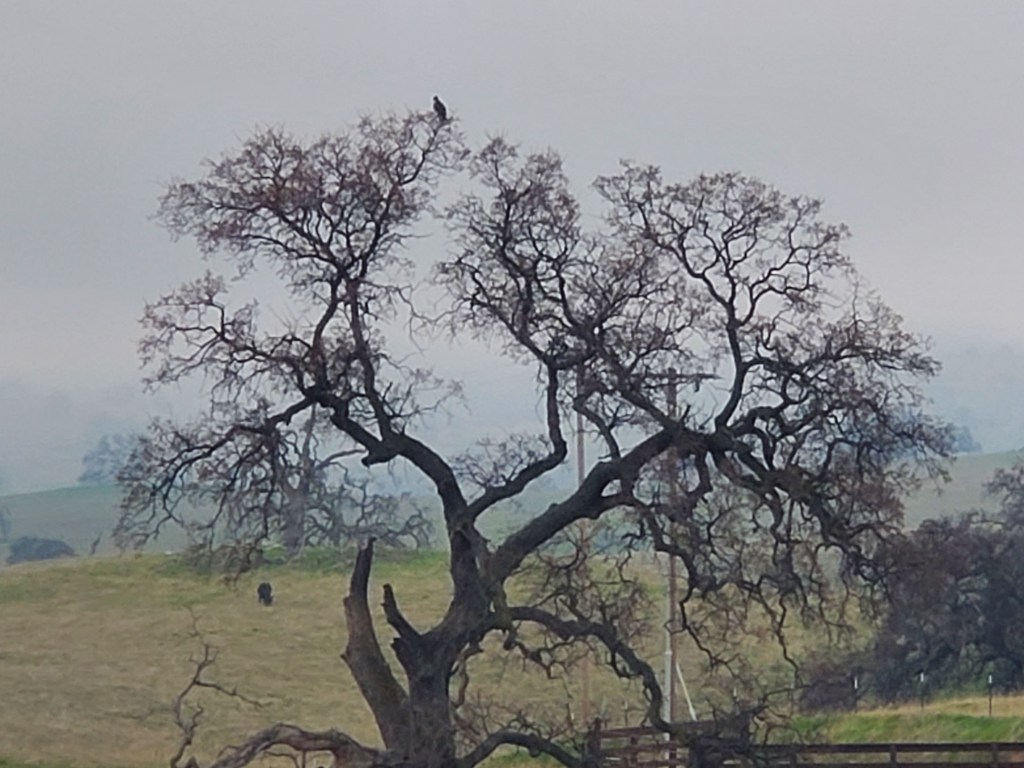
While walking in the grove, I saw a large bird in a tree. I tried to get good photos, but by this time, you know that is not my best skill. After showing them to a friend who knows much more than me, he thought it was a lewis woodpecker. I know we have those, so I believe him!

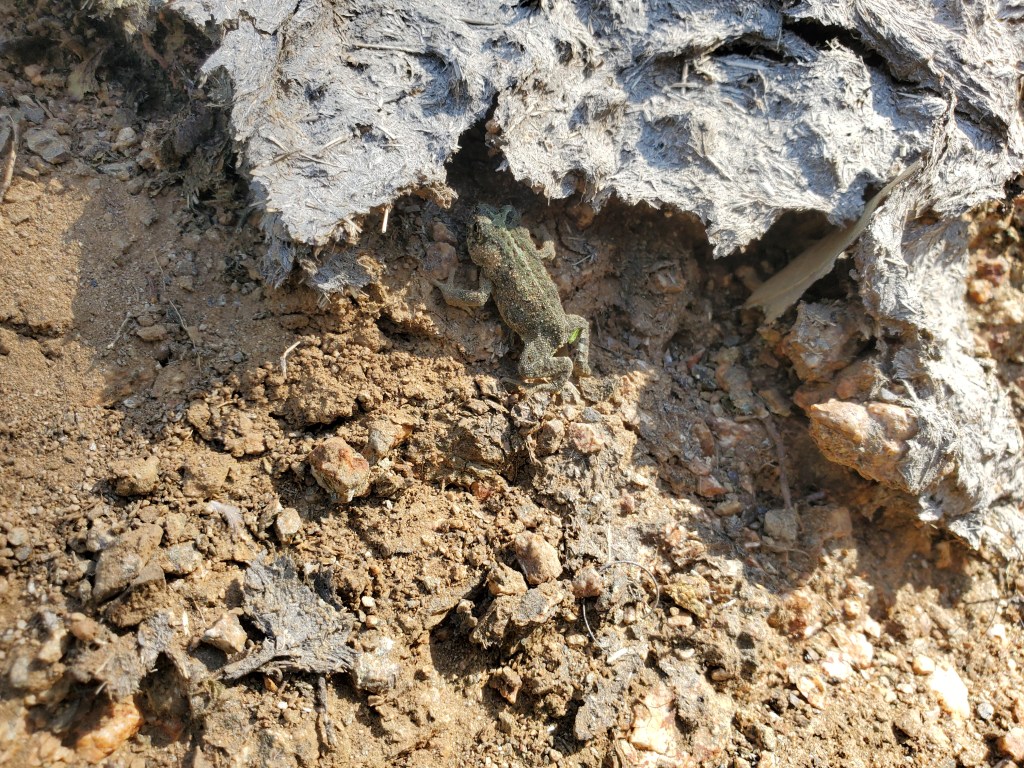
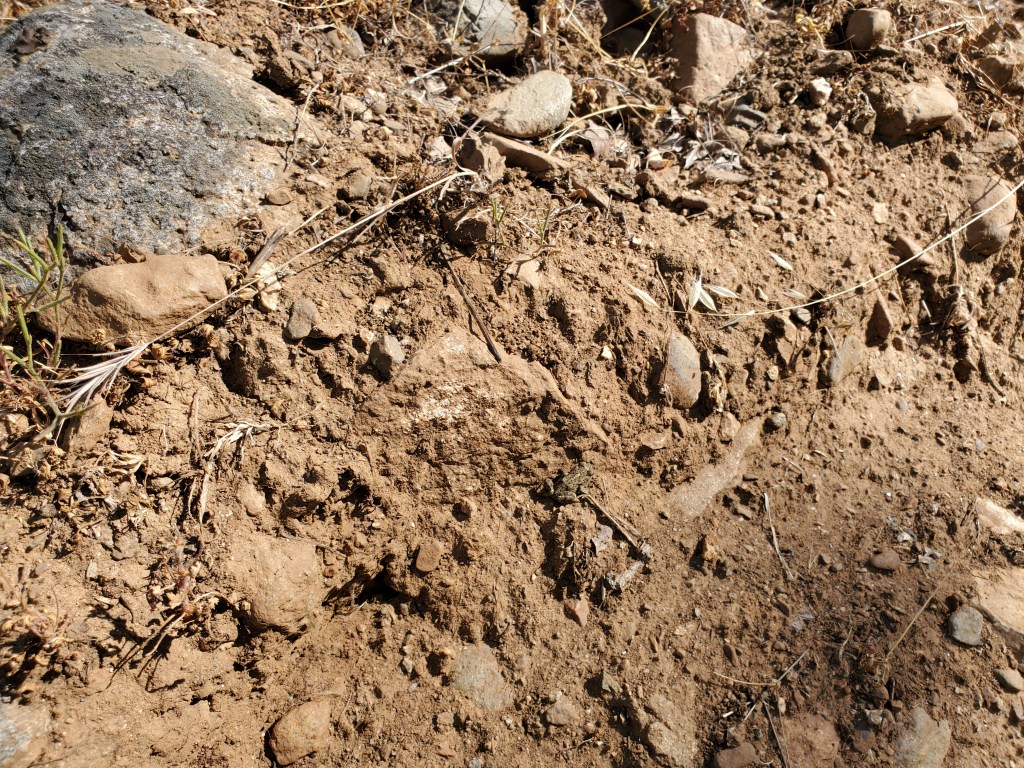
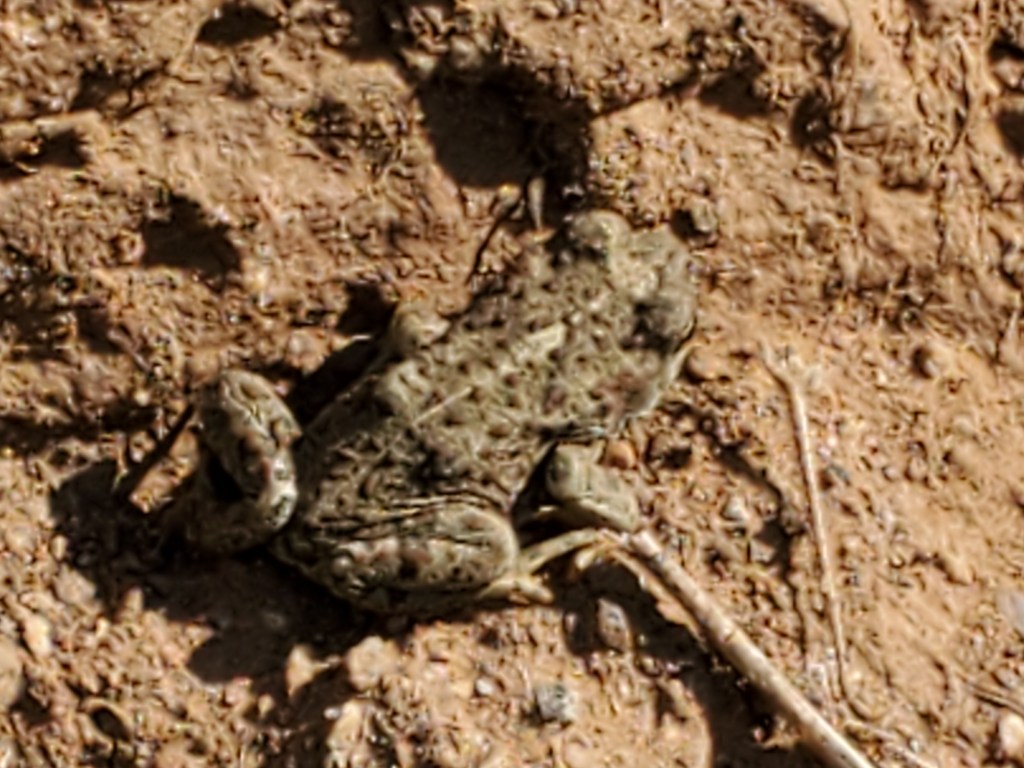
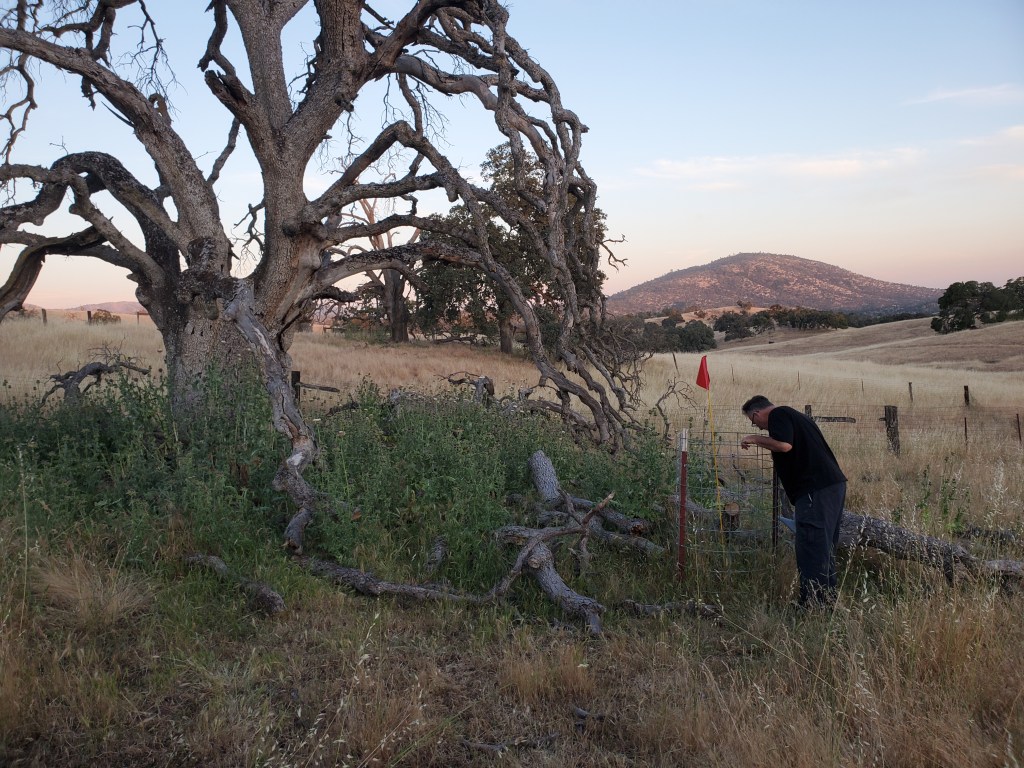
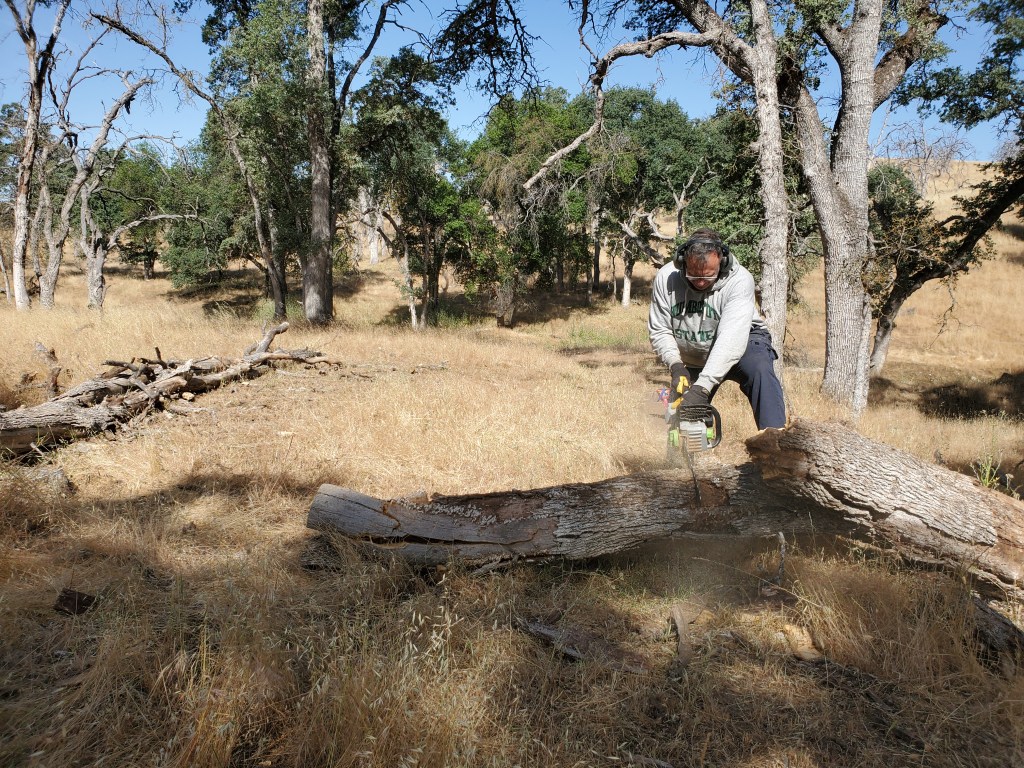
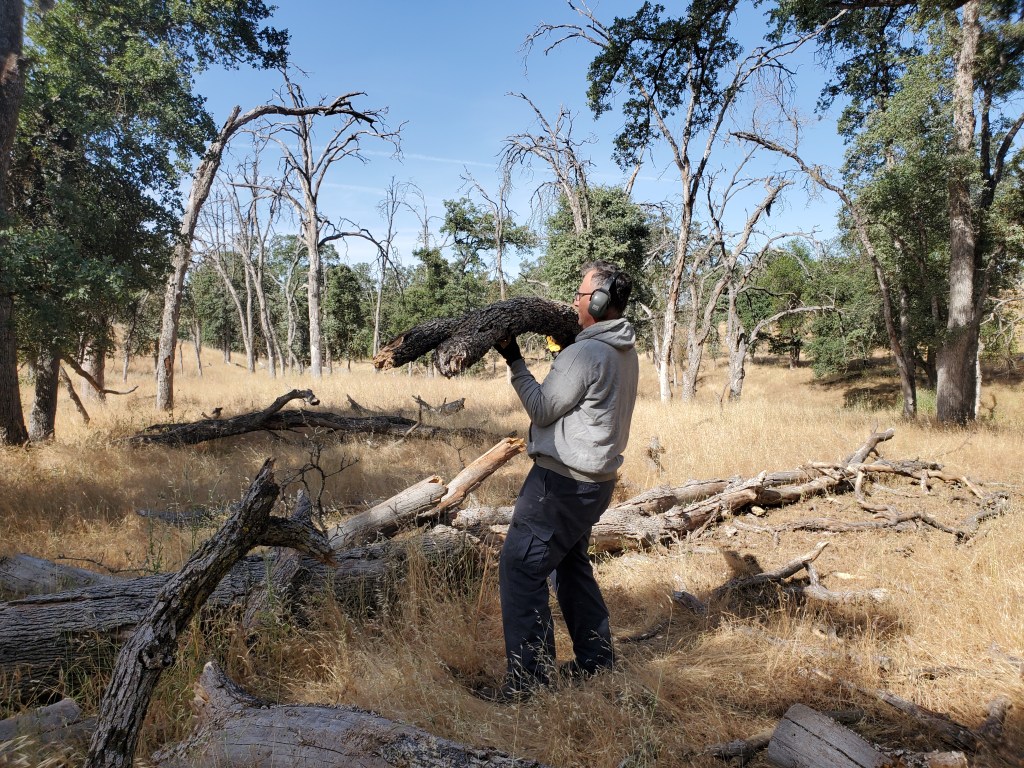
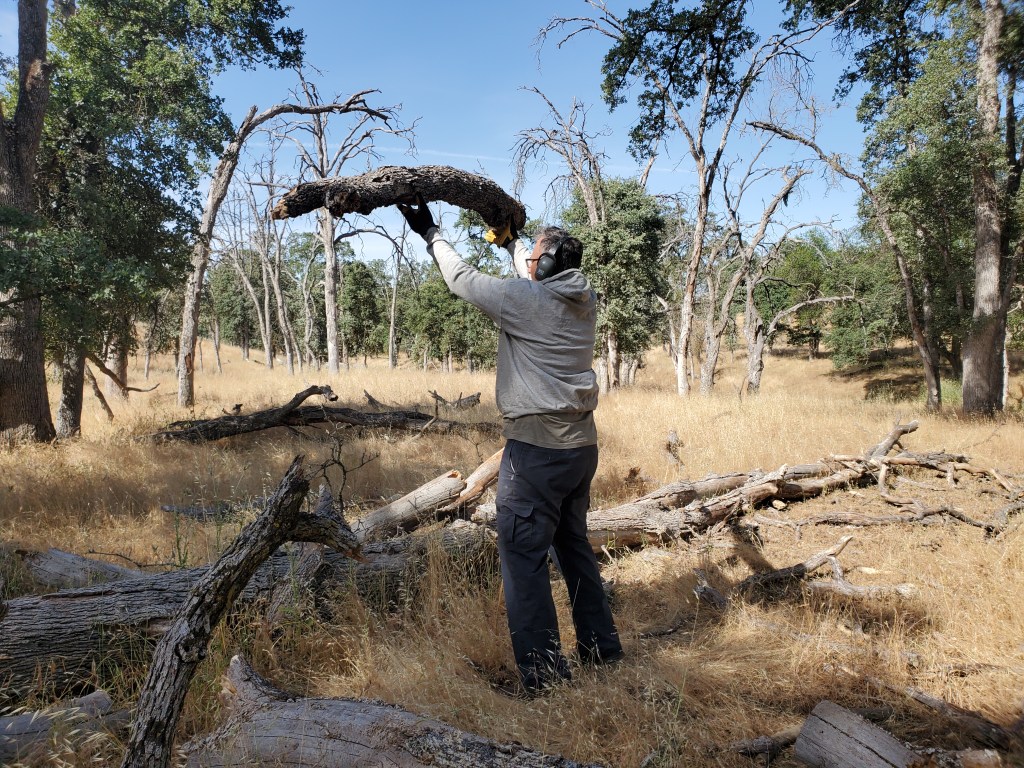
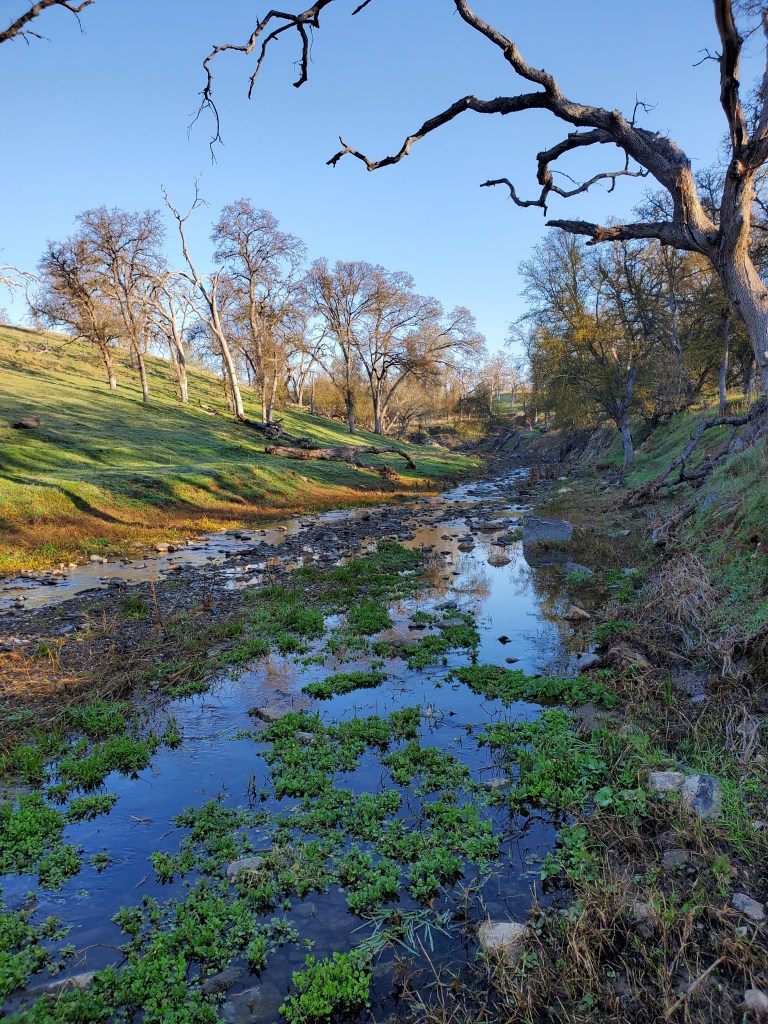
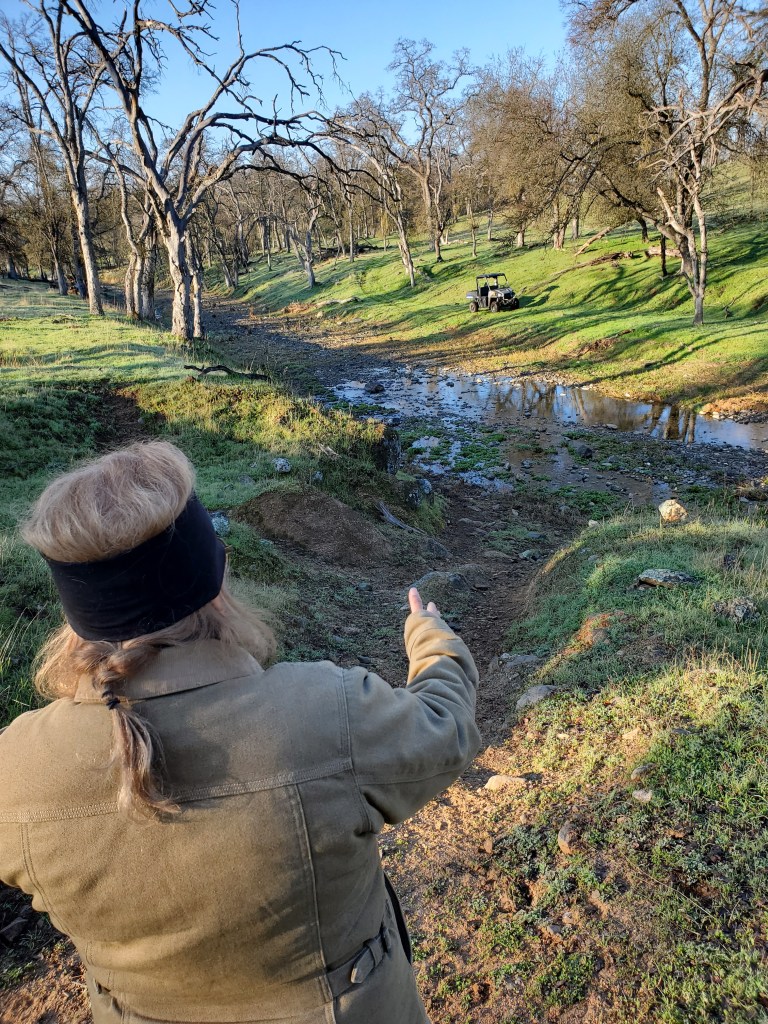
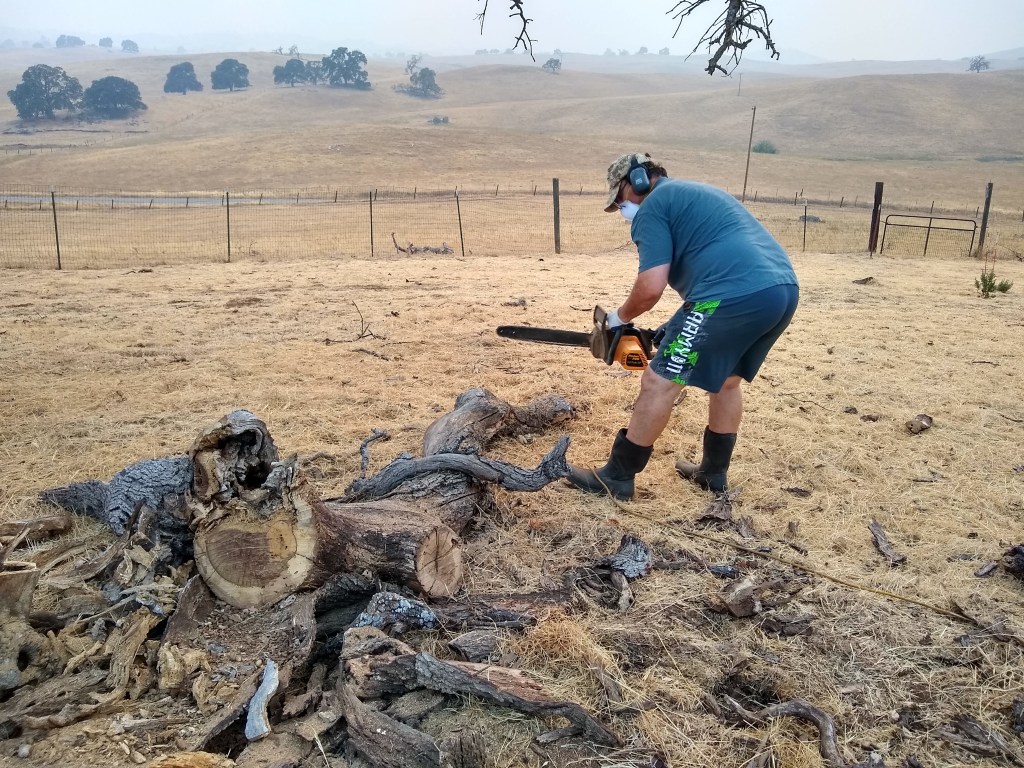
When David and I went to check on Guzzler 2 and cut up the downed tree across the road, we noticed that there were hundreds of what looked like little baby toads hopping around the Odom Creek riparian area. I had Dave stop the Polaris and keep it parked at the top of the hill, so we didn’t impact (read: squish) this incredible hatchery of hundreds of amphibians. We had to haul all the equipment by hand across the creek and up the other side, deal with the tree, then move on to the Guzzler 2 to troubleshoot the camera and weed around the guzzler. Fortunately, David is incredibly strong. He hauled all the chainsaw equipment, and I, with my bum leg and bum right hand, carefully carried the bag of game cam equipment.

Lots of beauty all around us.

Land Stewardship

Work on the land is never done. Type A folks and list makers, don’t feel panic. Feel joy. Ours is an ongoing relationship of commitment and love. What a sense of accomplishment you feel when you see the land around you look healthier, smell wonderful, and host so much more wildlife. You did that; you are fulfilling your responsibilities as a species with your particular brain, hands, food needs and knowledge. Chiokoe uttesia weweria. Thank you relative.

It has been difficult to fulfill these responsibilities for me as of late due to the accident. But, prior to that, there was considerable weed pulling and whacking, monitoring milkweed, watering the planted oaks, and watering native plants to give them a good start.

Wanderings

You just keep moving. There is always so much to do, so much to accomplish and commitments to fulfill. There can be little time to reflect on the “what wases” and “what could have beens”. Walking is where I reflect, and that has temporarily been taken from me. Sitting in my hammock, my bum hand, ankles and leg in sight, unable to perform some of the simplest of tasks, learning to use my left hand for more than is typical, my emotions stir. They shift, float round and round, then settle in to a simmer. What emerges is the knowledge, clearer than ever, that we are all part of one larger whole. In Indigenous circles, we talk about “All one nation.” or “All one people.” How many times I’ve used that statement believing it from a scientific point of view, not the philosophical or the practical. Sitting, as I was, not useless, not helpless, but more in need – not as useful as I’d like, the thought of how much help I have already needed and would continue to need was acid simmering, a dull pain then realization – “all one people”.

I thought about the man that hit me, the man that helped me, the first responders, the unconcerned officers, the hotel staff most of whom were kind, our friends that came to the rescue (Carol, Sean and Ernest, then Josh to check my wounds), my boss Nancy whose compassion and understanding is simply inspiring – and blindingly effervescent, my husband’s love for me. How remarkable a life is it to see such consideration and care. It is not that I think I don’t deserve the kindness of others; it is simply uncomfortable for me to cause any imposition. I know everyone has challenges they are dealing with, and I don’t want to be one more weight. But, how I cried at the love shown to me and to David. How I sobbed feeling David’s arm reach around me to provide support when my leg didn’t want to work, and the care with which he changes my bandages, ignoring the blood, goo and scabs as he navigates the myriad of bruises to delicately place a clean pad with antimicrobial cream over the broken skin he has always loved to touch. We are all one people not just in DNA ways, but in the need we have for one another – not just to receive care, but to provide it.

My accident could very easily have resulted in a worse outcome, as the left temporal lobe area of the helmet, scraped and cracked, would indicate. So, the bandage changes, the leg support, the running around watering oak trees, pulling weeds, planting plants – they are all a joy for him because it could have been so different, something that is too dark to think of, but close enough to see the shadows of what could have been.

As with everything in my life, I see it as a metaphor or a parallel with the life of the monarchs. There are so many who care. They see the changes, the damage, the need for help, and they jump in, an ocean of people whose relationship with this beautiful insect leaves a trail of life in the form of habitat, improved policy, and human relationships that bring joy. We all need each other because we are all one living organism – all of us – monarchs, bees, dogs and trees. We are all relations. We see the shadows too dark to contemplate, and thankfully, some refuse to imagine a life without monarchs – and so we work, together, caring for one another, healing and hopefully, leaving what is broken more intact, enough to support millions of butterflies, and every life, once again.

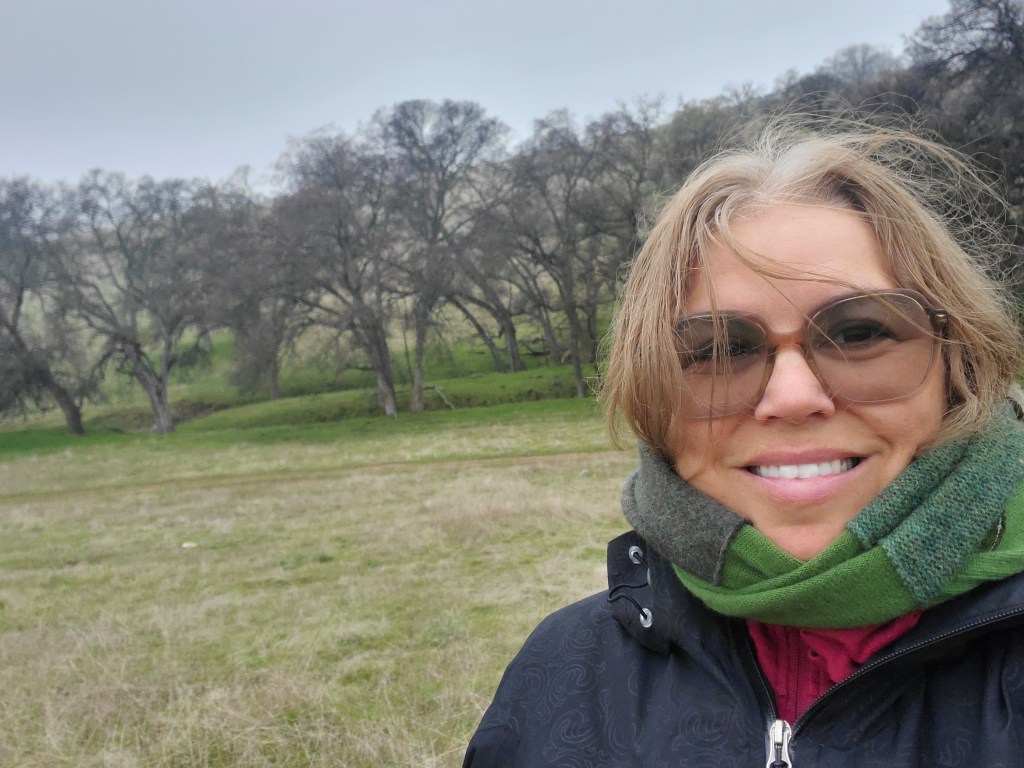
I started this blog post with a photo of David and I. This relationship is my skeleton, my skin, my connective tissue, supporting everything I do. The center of my story, however, is the land – in bwia ania, my land universe. It is my heart, one of my deepest relationships. This beautiful planet, with all its environs, is the reason we are all here. It gives us food, air and water. Let’s be a good relation, in good relation, with her and one another.

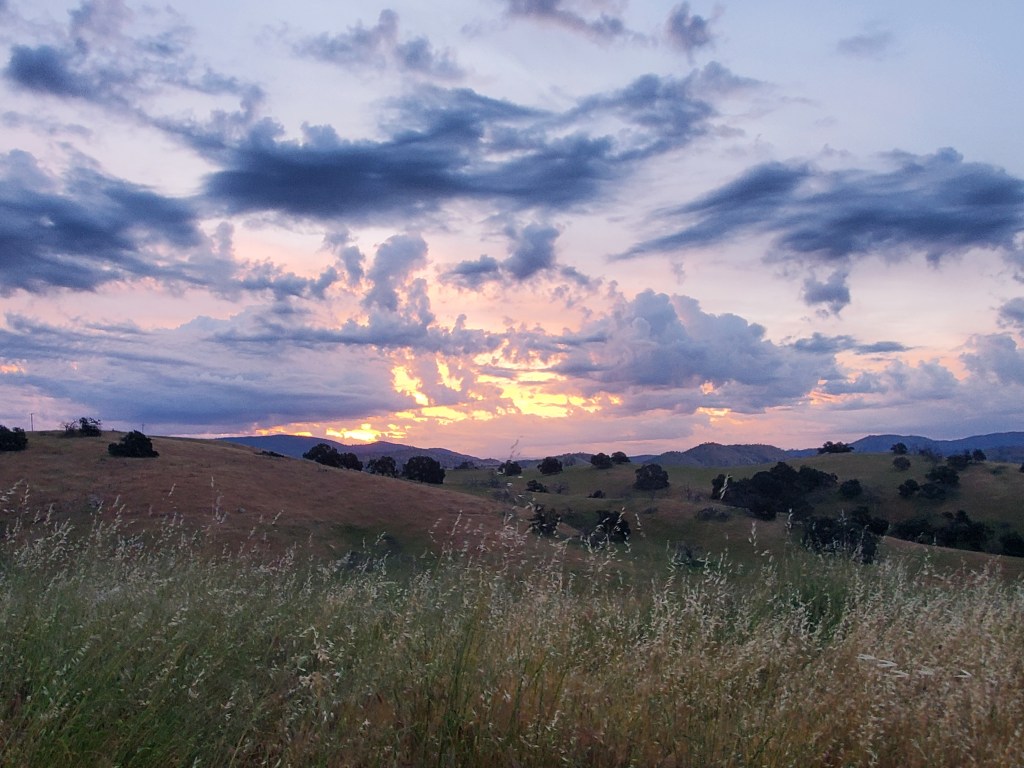
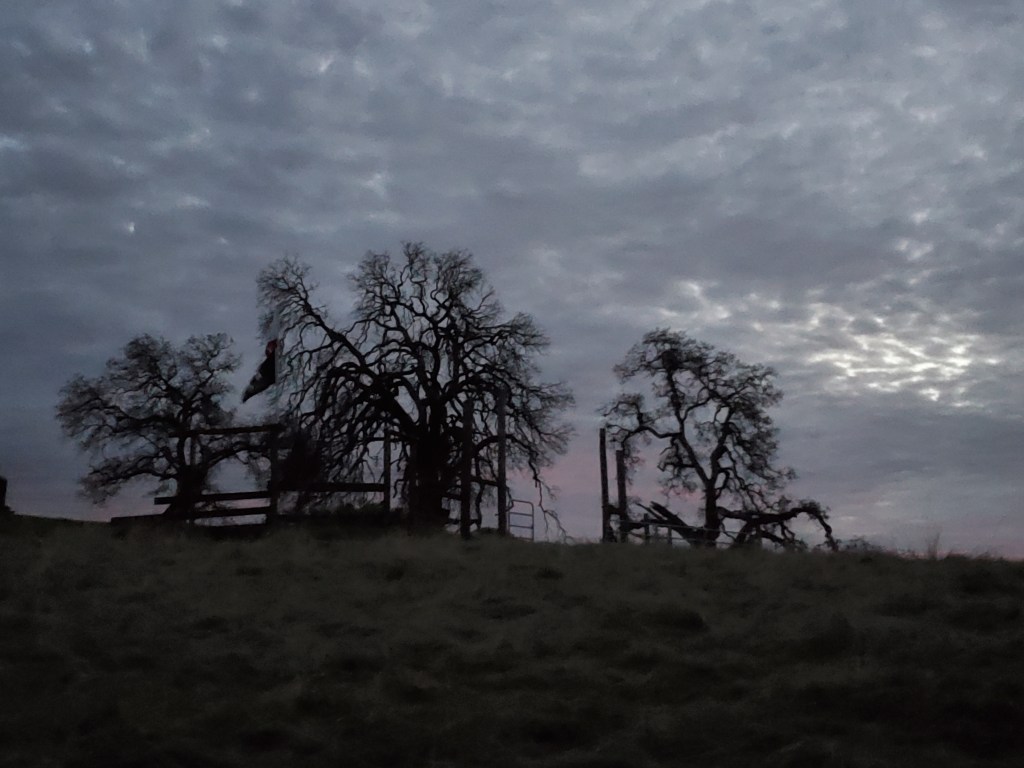
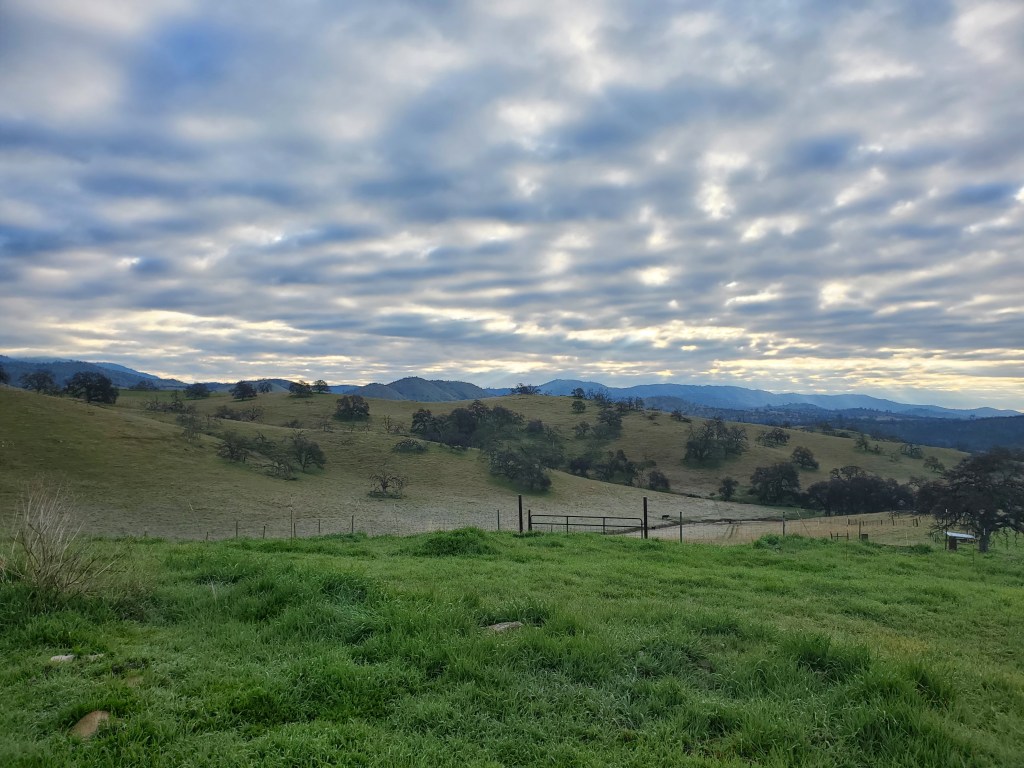
Sunrise after a storm at Tawim Bwiapo (Place of the Hawks)

Frog Songs|Blue Oaks Planted|Guzzler Install

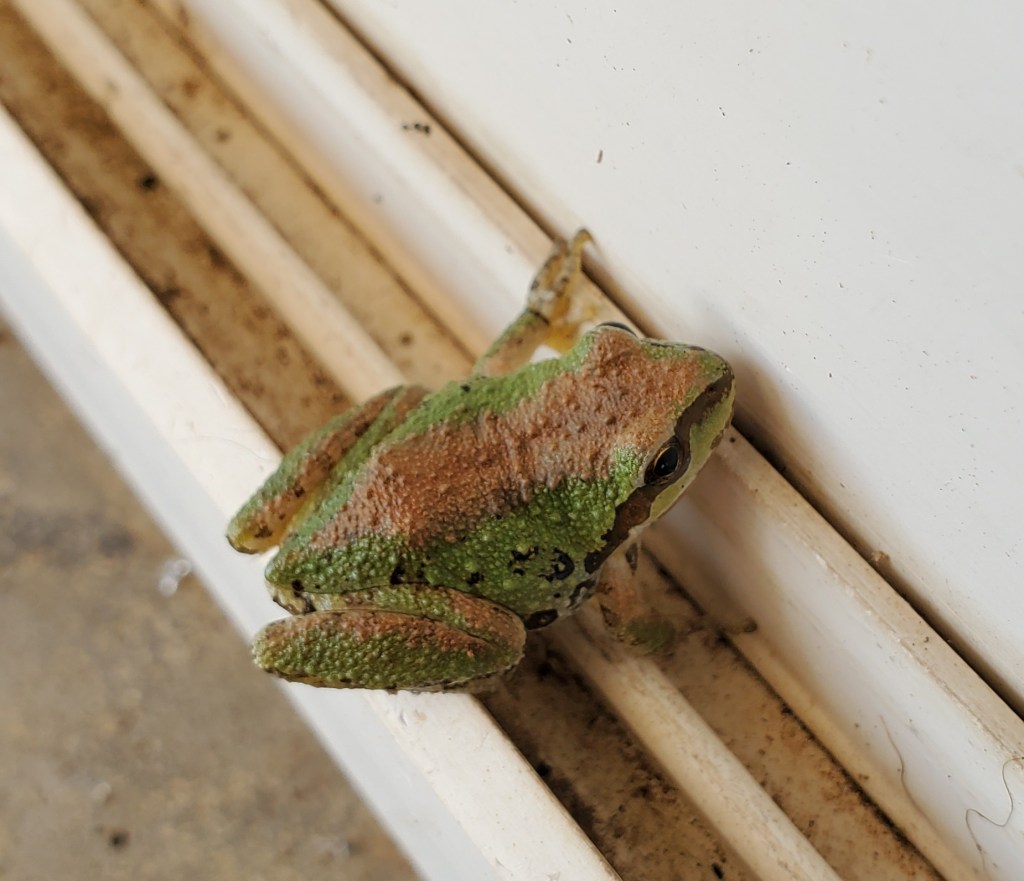
Sierra Tree Frog thinking about climbing the sliding door

Every day, I am treated to a symphony orchestra of such precise, crisp quality that I am moved emotionally. Each diverse player is always in-tune, and the music is in stereo. No, I’ve not traveled to San Francisco or Los Angeles. I step out on my front porch to a noisy, bustling world — first the rushing creeks after the rain, then chorus frogs with their undulations in 360 degree splendor. The coyotes cannot be left out. They join from far distances and close, their songs carrying across arroyos and hills. A mourning dove enters the symphonic experience just at the right time, then a muted tink of the rustle as a light breeze moves through the oak branches, playing the leaves like keys of a piano. Like a horn, a screech owl hoots, or a barn owl screeches. California toads croak, then trill. Finally, my own heart plays a role keeping time, threading through this musical soup, a genius blend, warming and nourishing, rich and whole.

Guzzler Project

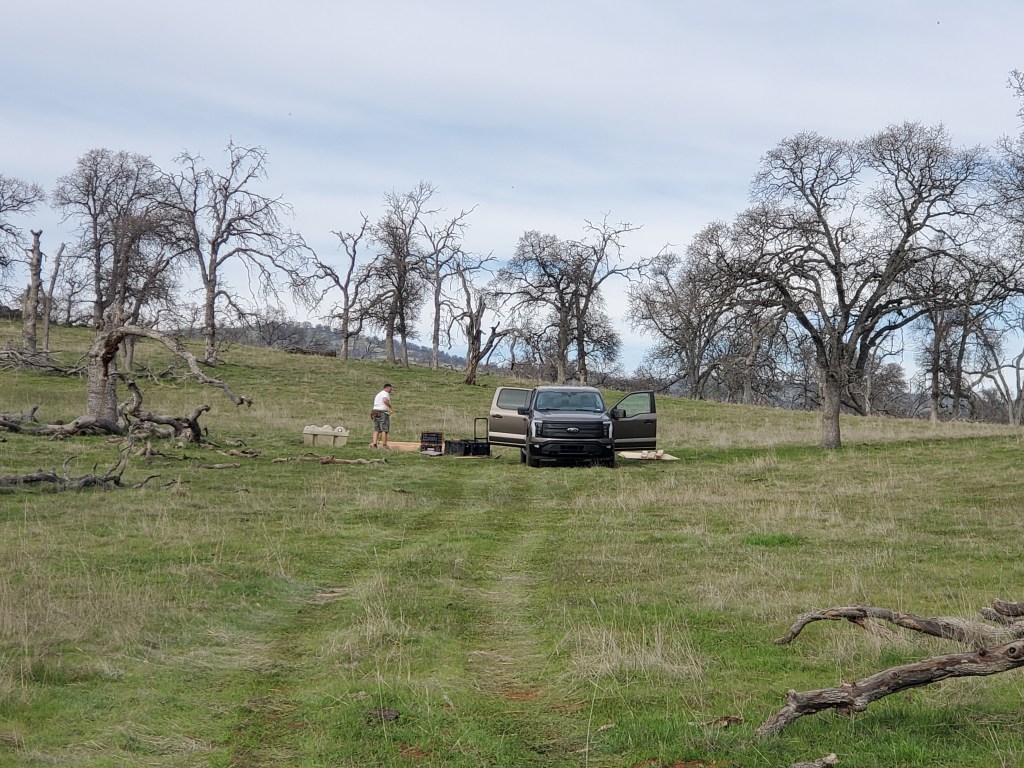
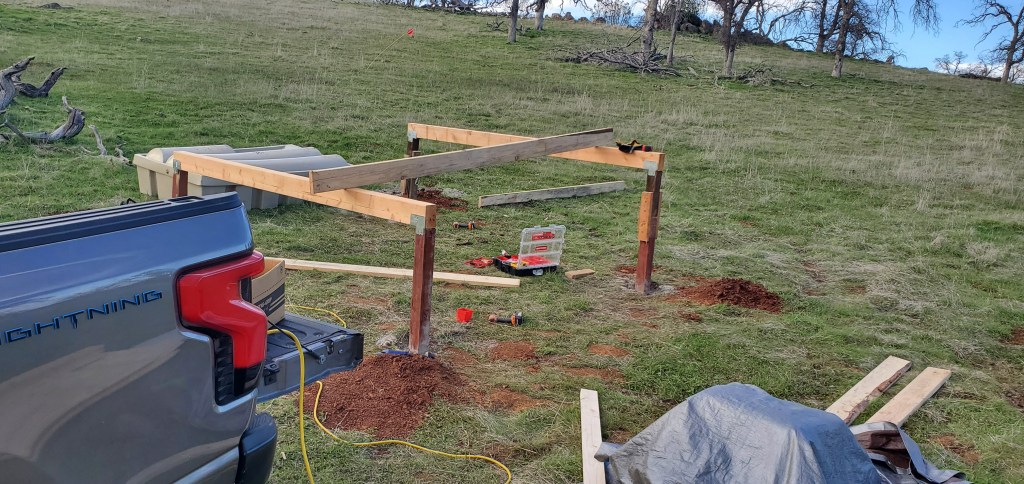
Construction of Guzzler Two, which is located on the east section of the ranch, has begun. David made a mistake early on in the dimensions. Although he fixed it, we lost half a day putting us behind timeline and up against the recent rain storm. He got the posts sunk and cemented and the headers on, but was not able to get the rest of the joists, roof and gutter on. It was disappointing, since we have a week of rain. However, I have to give us both a break. Life has been challenging. There was no time to start earlier. We have so many projects, medical appointments for dad, work and catch up for work from the last several months as well as other volunteer responsibilities. I remind myself that we just can’t do it all.

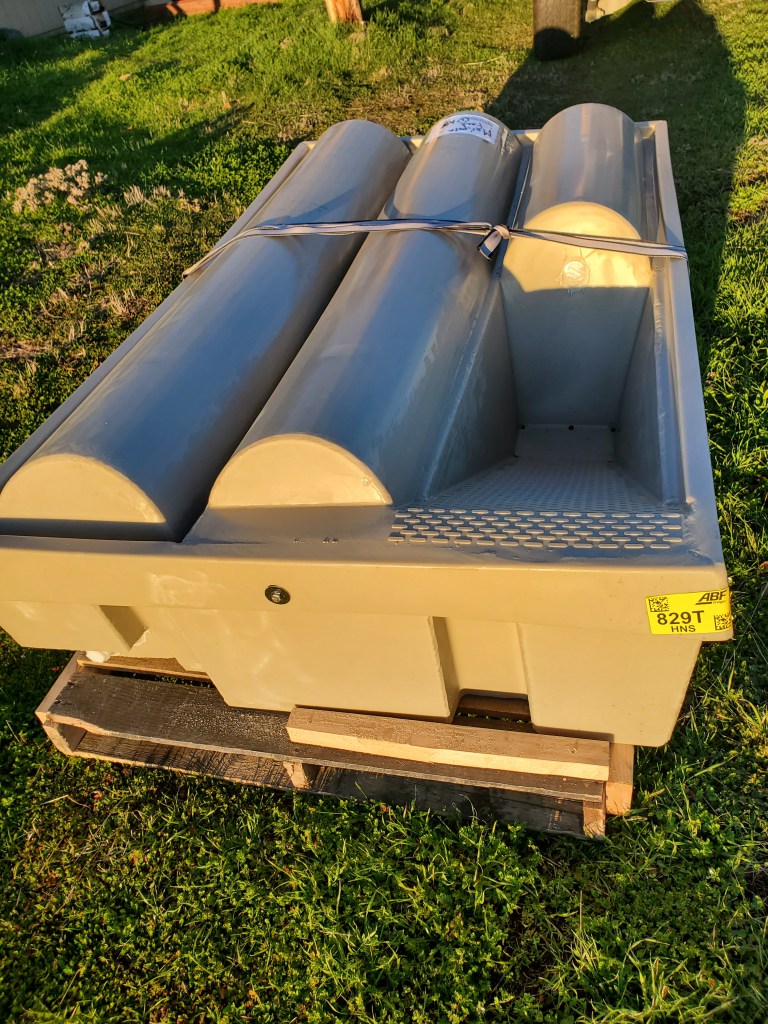
I am grateful for the time we can dedicate. At least the guzzler is up, and has a beveled lid that is designed for rainwater catchment. There is a ramp built in, so we will get some water in and have a working unit for animals.

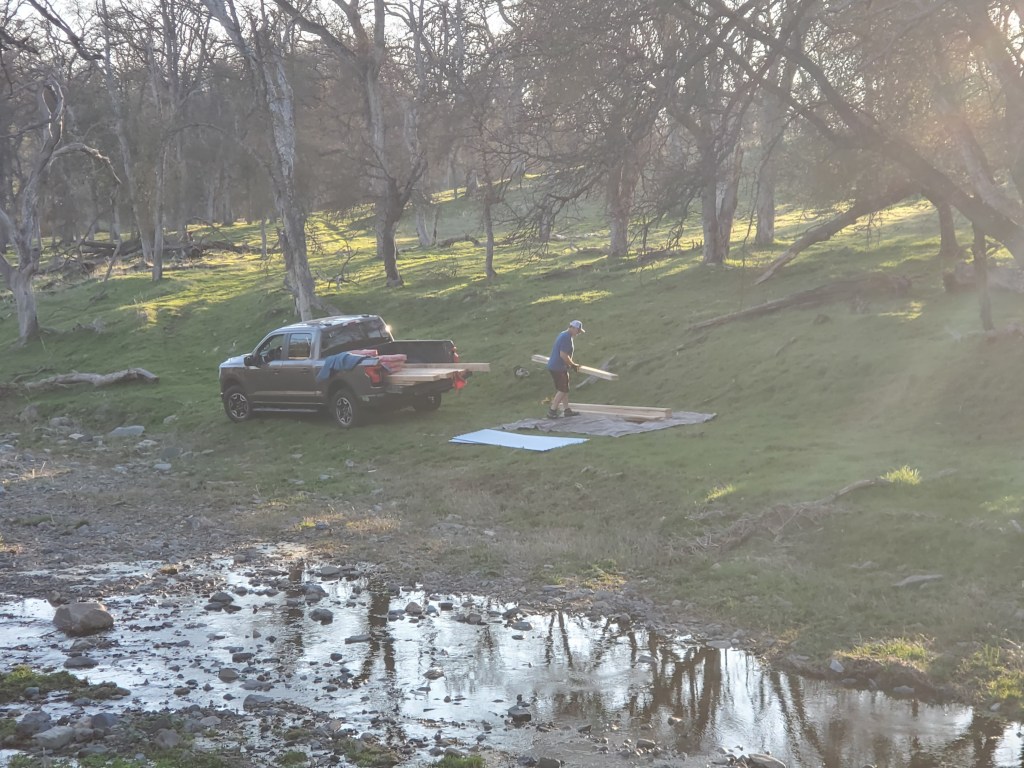
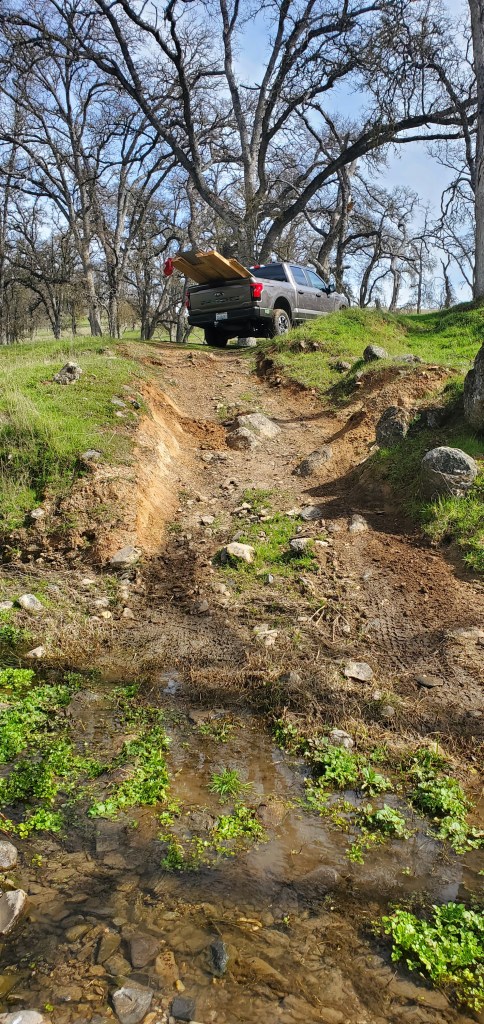
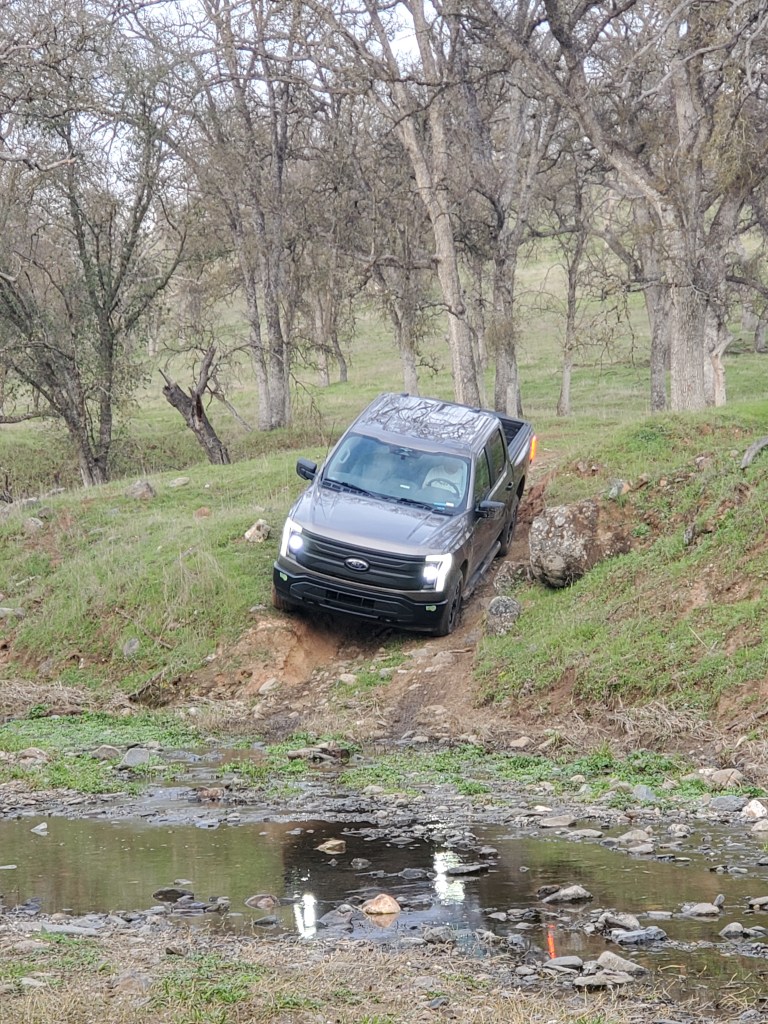
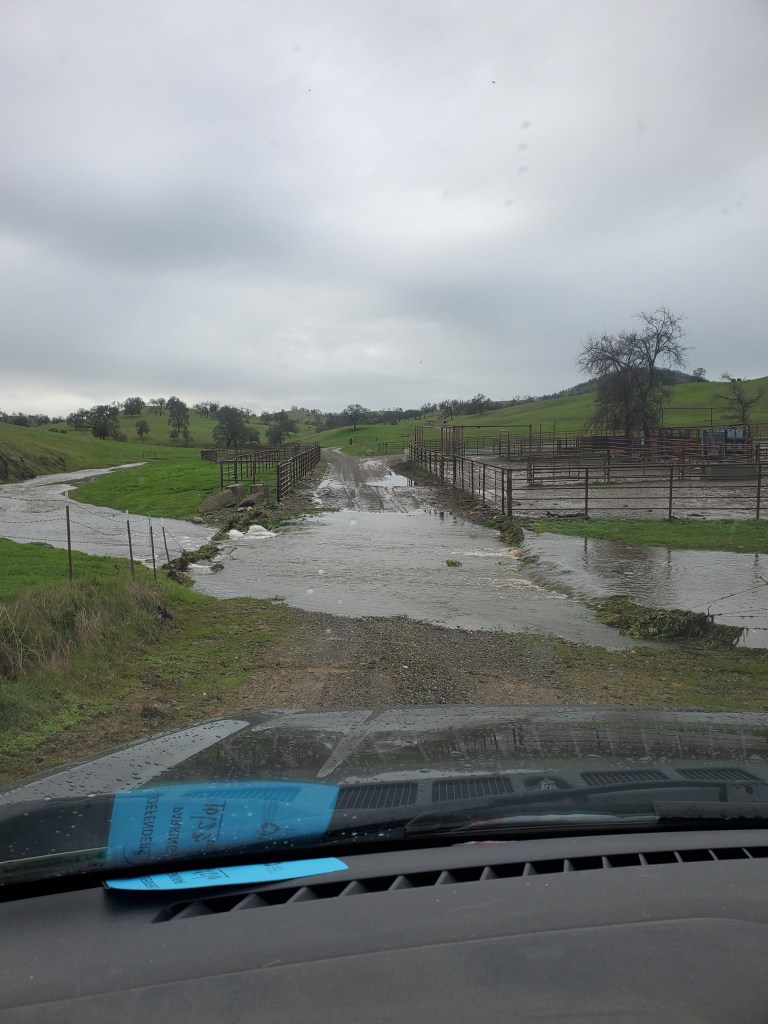
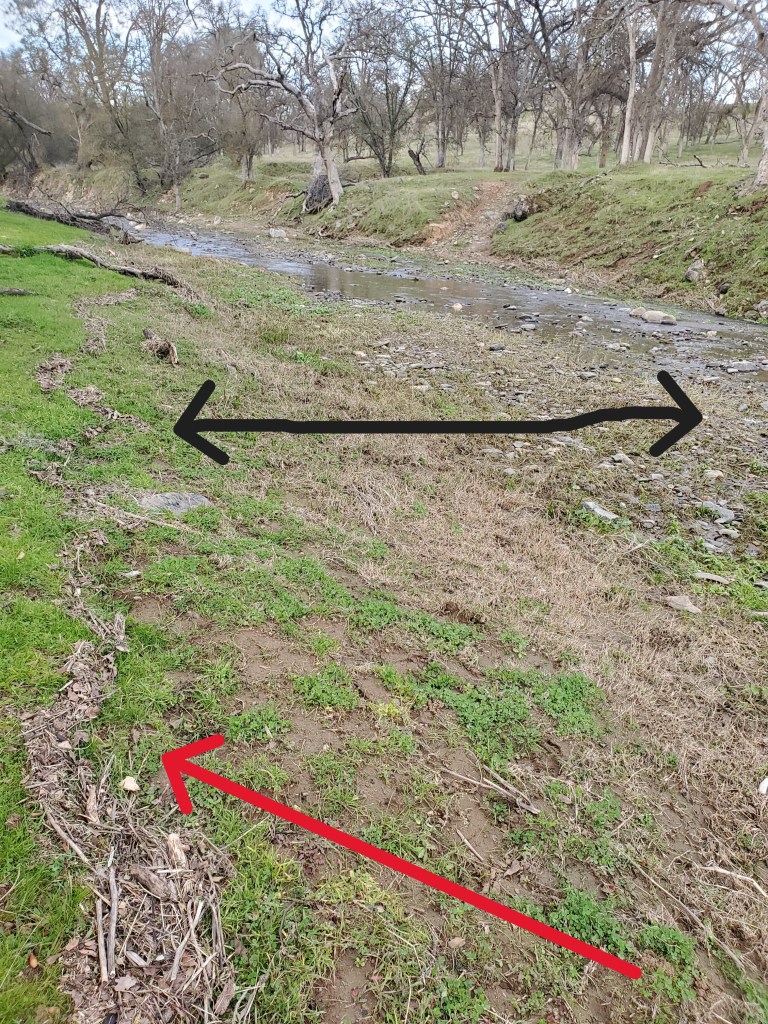
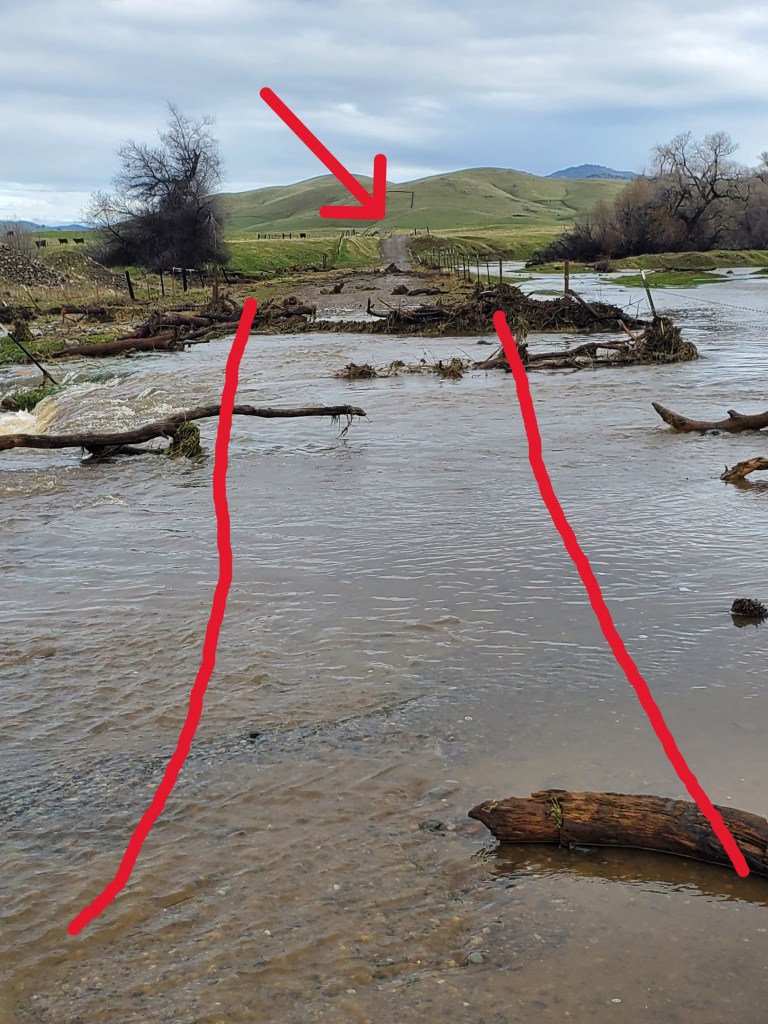
In 2015, the big flood year, the road to the area east of Odom Creek on the ranch was washed out. I would access via foot or ATV. We initially began to stage the materials on the west side of Odom Creek, but David had a feeling he could make it in the truck. I thought this should be a big “no”. Besides the fact that this is a newer truck David uses to commute with, I try to limit motorized vehicles on the ranch simply because their impact on the soil. Everything we have is electric, so I am not concerned about emissions or oil leaks. The weight and act of rolling across the ground over and over has consequences. This is why I stay in my tracks as much as possible when servicing plantings.

Well, when I left to plant oaks, David measured the area, measured the truck, measured the area, measured the truck and decided to go for it. He texted me some photos, and I was shocked. The truck made it. I thought that perhaps making one trip with the truck instead of five with the ATV might be better. I walked the route first trying to make sure there were no frogs or other wildlife, then I allowed myself and/or David to roll through the water and on the bank again. I am trying to do what I can to mitigate damage and hoping the guzzler will make up for any damage we may be causing rolling our vehicles back and forth.

Blue Oaks Continue to be Planted

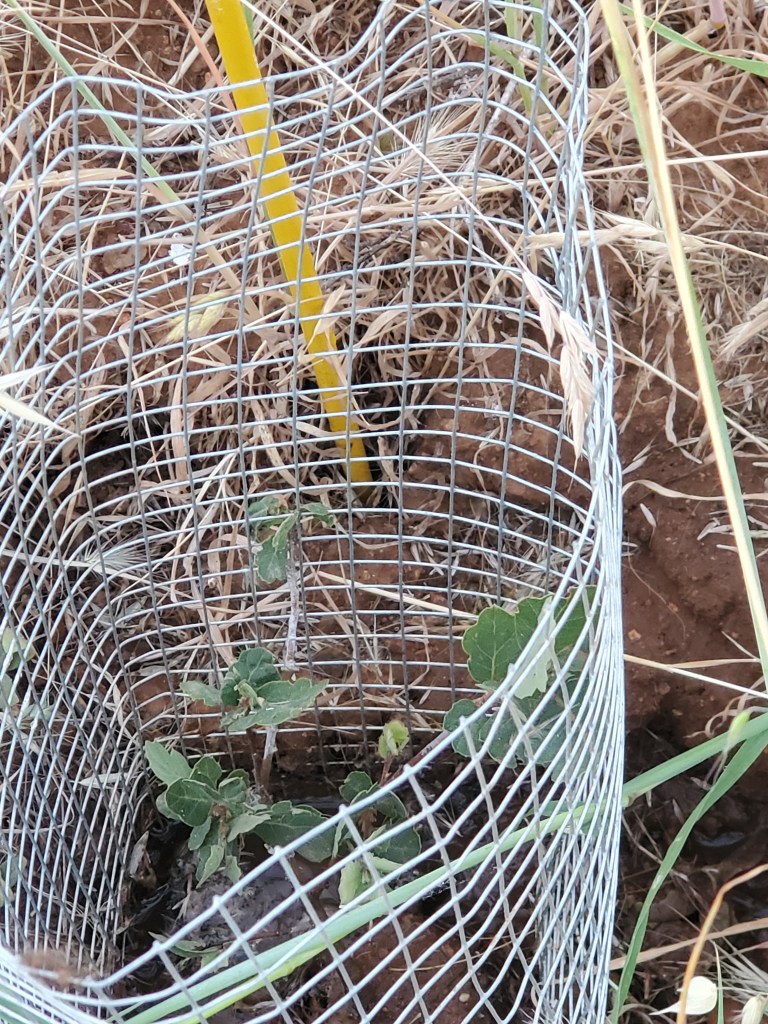
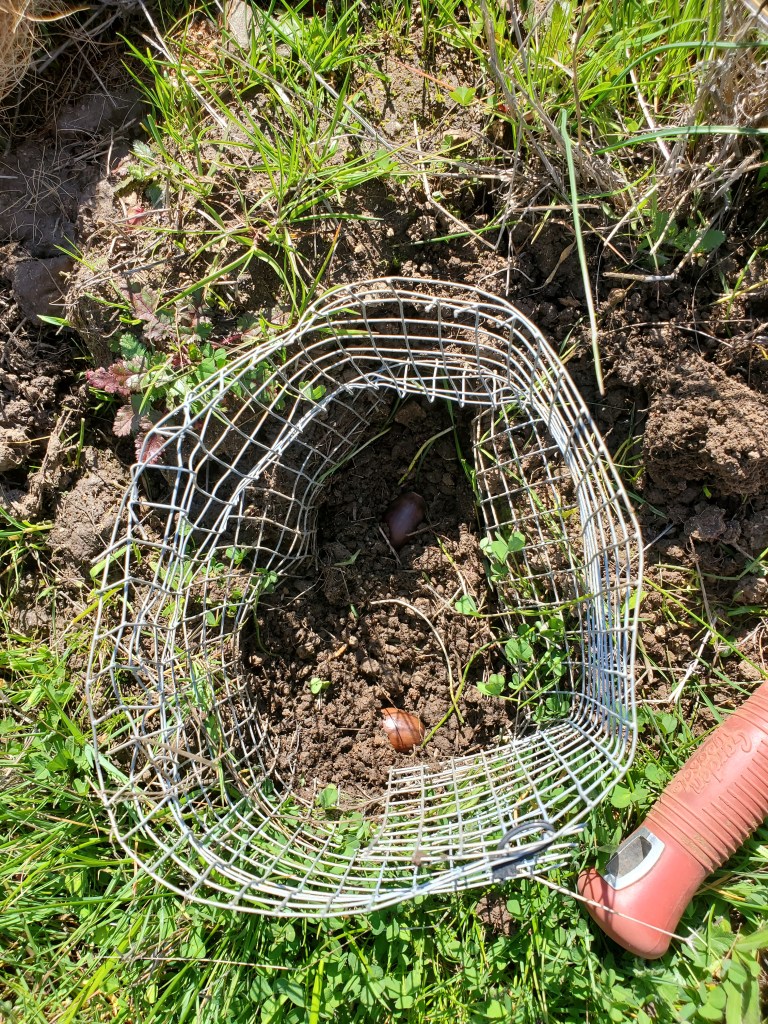
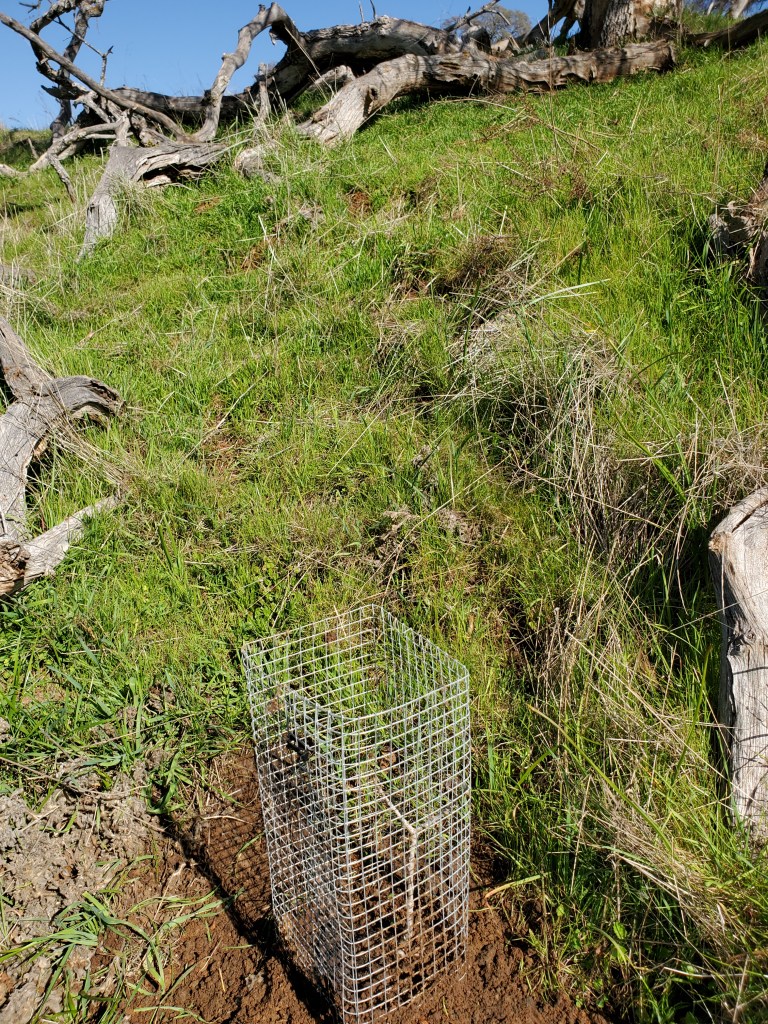
I have accelerated my work getting seedlings and acorns in the ground. With the challenges of life, I’ve not had enough time to spend. Fortunately, the ground was still soft from prior rains. It was easier to work with. Most seedlings required gopher protection. This means digging 18″ +/- holes in which to place specially designed cages with soft wooden bottoms that are long enough to allow the lengthy oak taproot to grow. The wood bottoms have holes for drainage and root movement. Conceptually, the soft wood bottom will rot in a year or two, opening up more space for the roots to thicken and become resilient.

In all, I planted close to 60 acorn along the creek and in five cages left over from last year. For the seedlings, I planted three along the Spring Creek, three in the new grove near the driveway, and four near the house. I will be planting five more down slope from the house in an effort to repopulate two areas with oak die-offs. Those will take a little more time since I will be creating a trench above and below each seedling to capture more rainwater. This will help increase soil moisture near where the roots can access it. I still have a pile of local oak bark to fill the trenches and absorb more water. The next step for all of the oaks outside the exclusion zone will be to build a fence.

New Log Drop

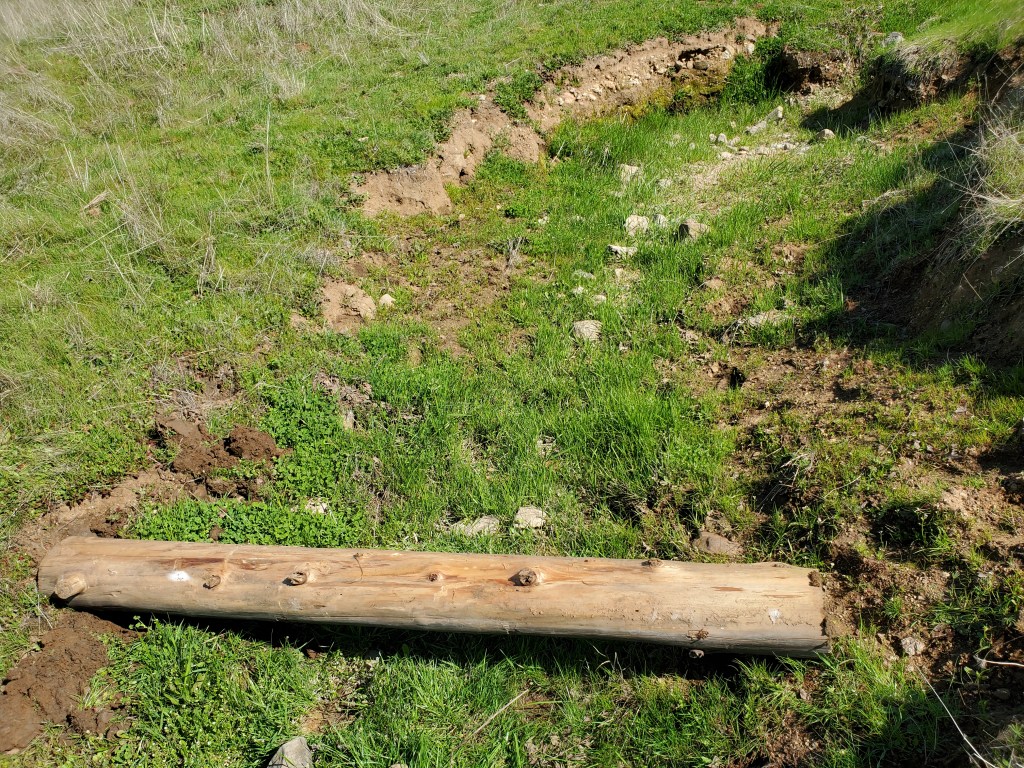
I created a very informal log drop further down stream on the Spring Creek. Again, the goal is to slow the rushing water from increasingly aggressive storms to try to retain the soil moisture and give the land more of a chance to recharge ground water. I also placed an oak behind the log drop to, hopefully, provide more moisture for the oak to thrive longer in dry conditions. The soil has a lot of clay, which retains moisture. There are groves up and down stream from the oak planting area, so I think the soil can work for these oaks.

Wildflowers are Up

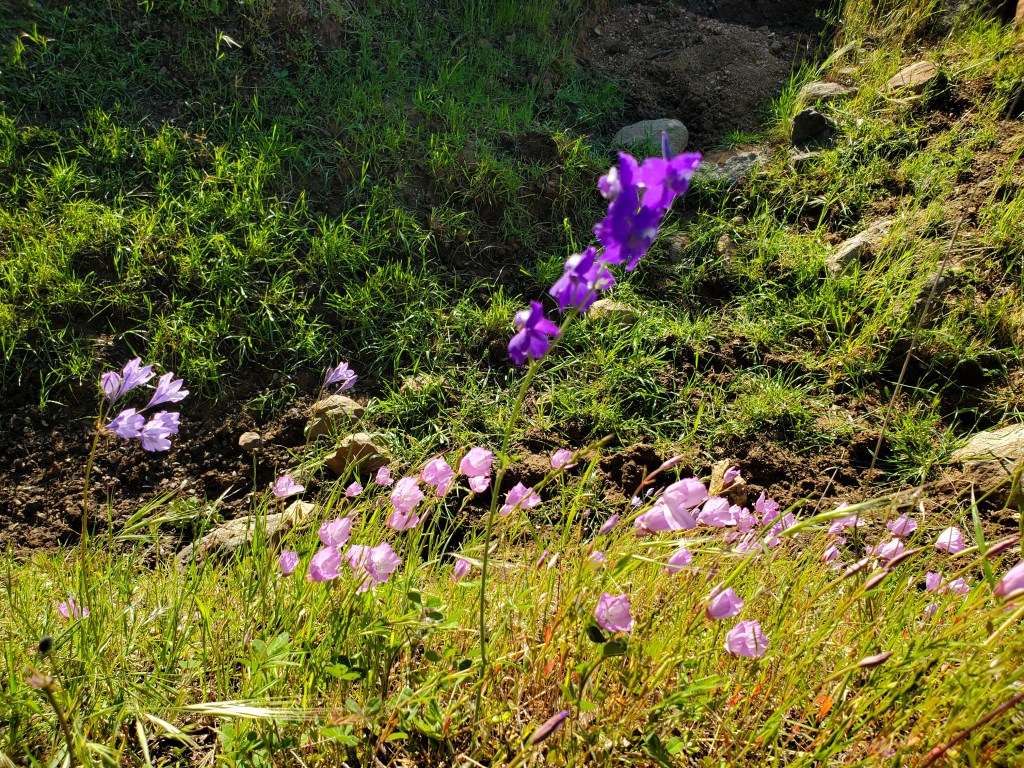
The wildflowers are in full display, with more blooming each day. There are so many colors – blue, purple, orange, white, and of diverse variety. I also saw my first butterflies on March 1 (possibly buckeyes. They were brown) and heard a large bee. Spring is happening whether I am ready or not…I’m not. The air is smelling like nectar. In another few days it will be heavy with the perfume of a million flowers.

Odds and Ends

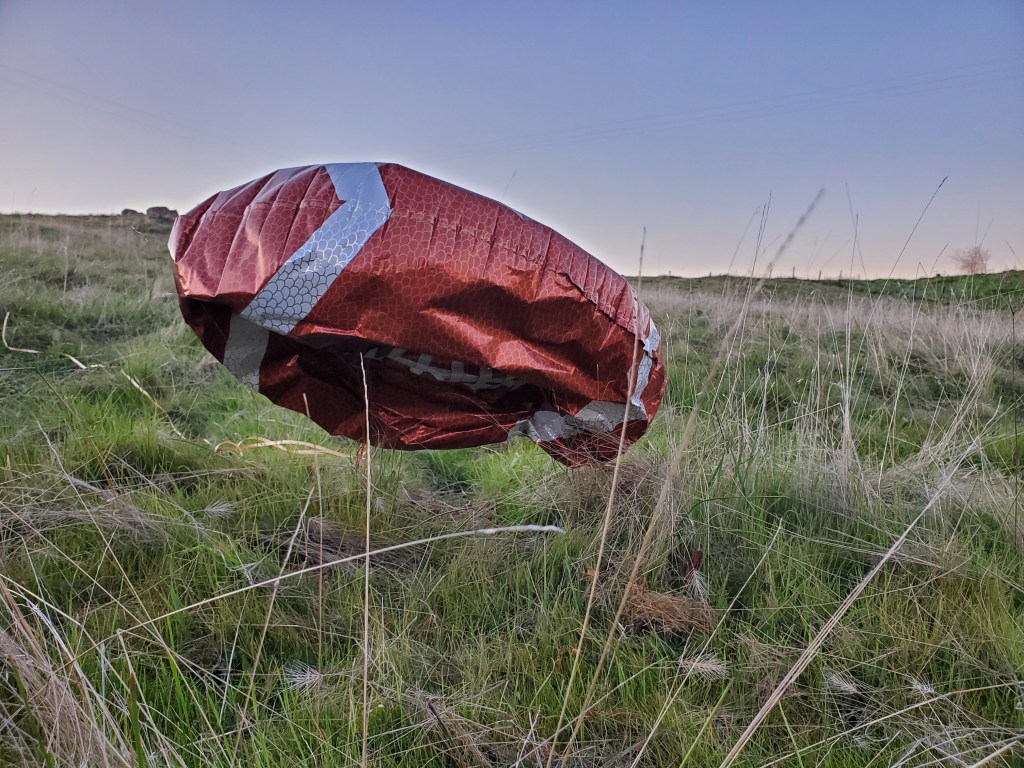
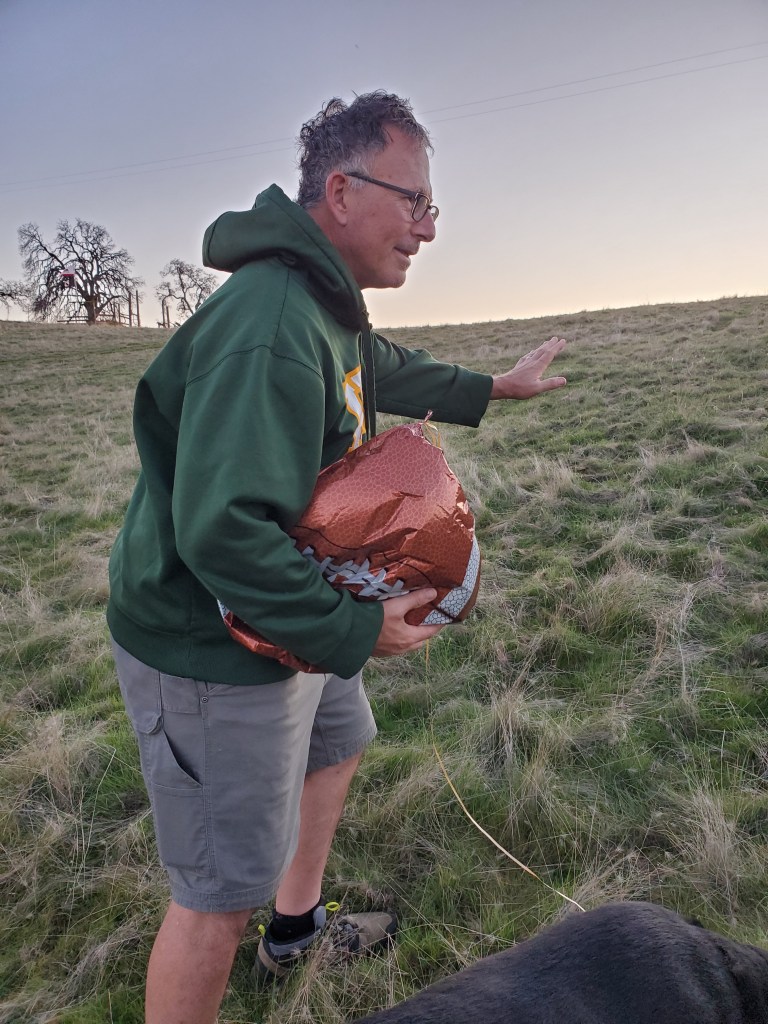
The joy of living here and caring for the land is immense. There is always so much to see and experience, even 22 years later. I pick up garbage that floats through the creek, blows down the hill or floats in the air. It seems we are always finding mylar balloons. Please don’t purchase them. They are trash and end up at my place. They can kill calves who do not know what they are and eat them.

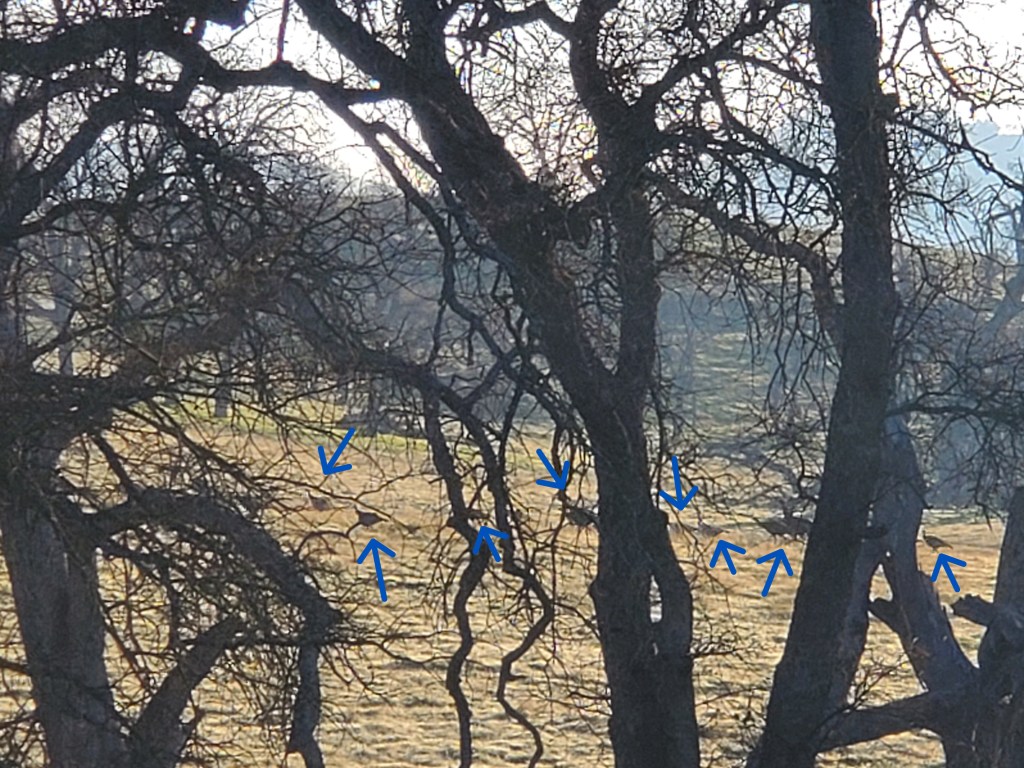
While planting oaks, I heard a whoosh near my head. Two redtail hawks in their mating ritual, dove and sped back up high near where I was working. It was incredible to see and hear them so close. Getting an early start to the day allows us to see so much wildlife. We saw a huge group of turkeys. They are large and interesting, though they are not native. They eat the eggs of quail, harming their populations. I wish a bobcat would control their population more. People think they are cute and feed them just a few miles down the road, but they are very destructive. I would rather see quail than turkey any day. The lady beetles are out. They are really beautiful. I used to see them incubate in tree bark as a child. We had so much abundance then. The other evening at dusk, as David and I were finishing our work, we saw a great blue heron flying to the east. I hope it stopped at the neighbor’s pond and decided to stay a while. We used to have a mating pair that would return each year. They had their nest in a tall bull pine on the neighbor’s property. It fell one winter. When the couple returned the next year, they did not stay. The male would come back year after year with no mate. What a loss.

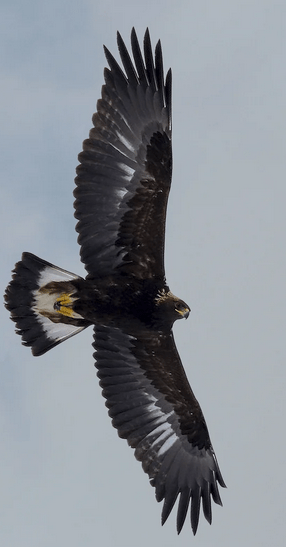
Probably the most exciting thing I have seen in a long time was a golden eagle. It honored me with its presence on February 27. I was looking out the living room windows, which look to the east. I saw a massive bird fly down the hill. It circled the tree near guzzler 1 then flew back over the house. I dropped what I was doing and flew outside. It was about over the house then, so I rushed around the side of the house to get another glimpse. It was massive with long, dark fingered wings and gorgeous white patches underneath. It flew north west, presumably to the Merced River, which is close by.

I screamed. David thought I was crazy. I couldn’t stop telling him about it. My goodness, it was gorgeous. David finally protested after the third retelling, and I said, “Now you know what it feels like when you tell me constant ‘bug in the compiler’ stories about your tech issues.” “Touché.” he said.

We are doing something right when an eagle comes to visit. We work hard to be good stewards and good ancestors. Thank you eagle for letting us know.

This is what it looked like, but it all happened too fast to get a picture.
Photo credit: RaptorResources.org

Another Winterless Year

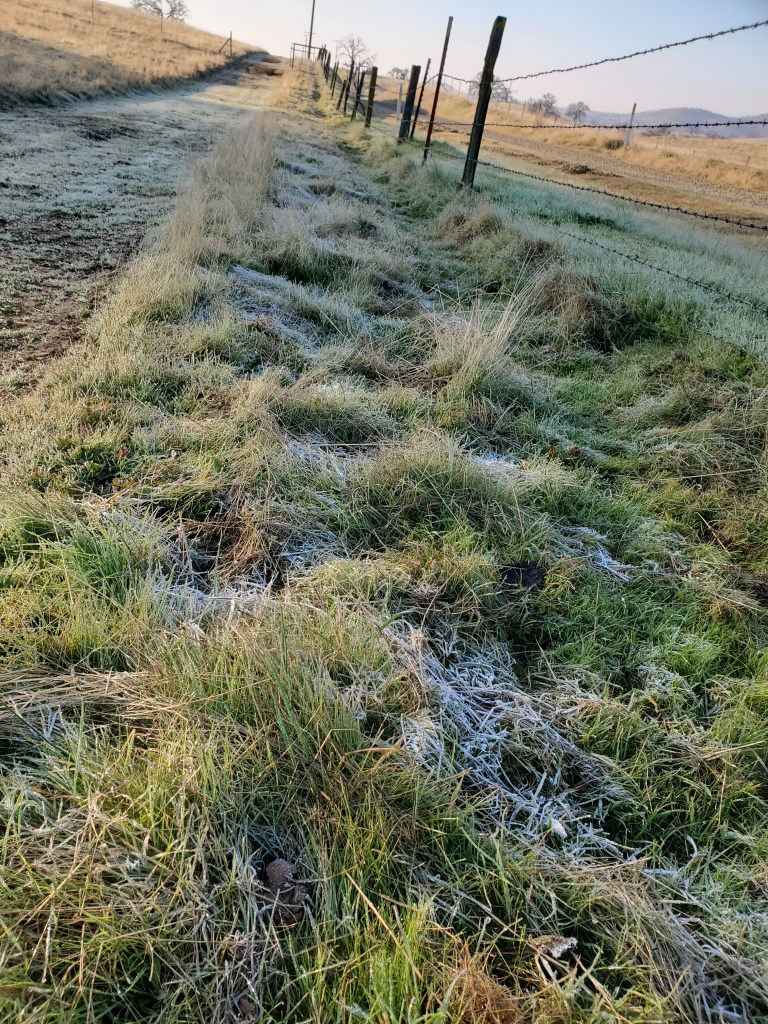
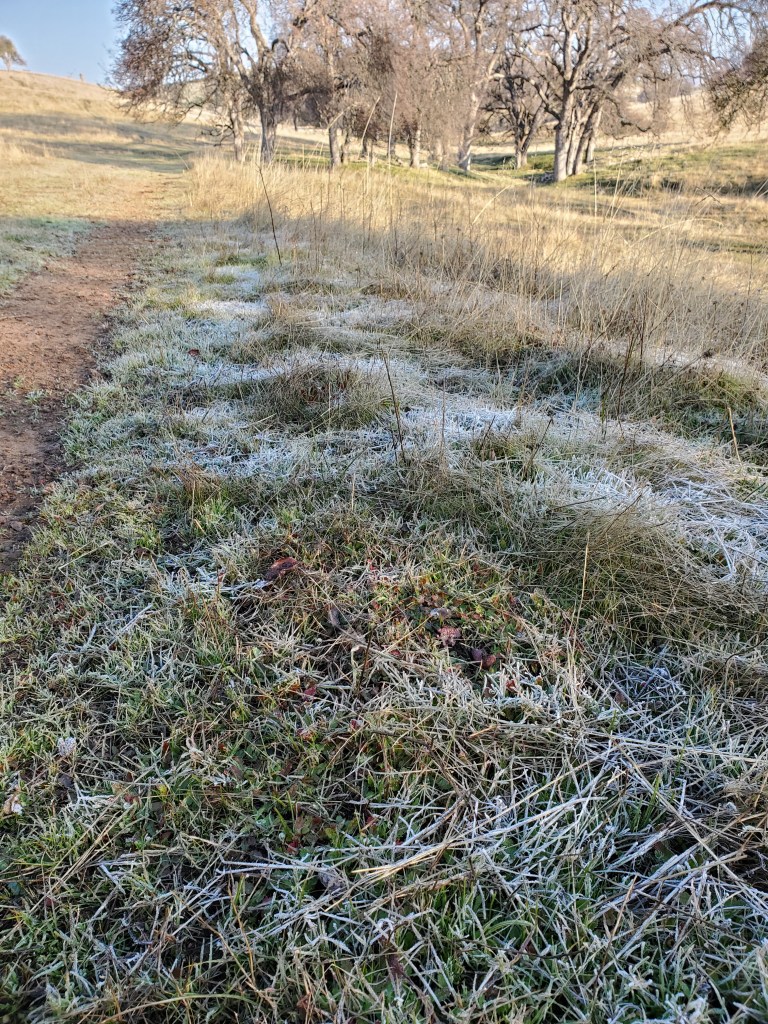
Like last year, and perhaps one or two others, the winter has been short -maybe two weeks in total. Although we’ve had some cold days and rain storms, less than 3 weeks have had frost, and some of those frost days were only in the arroyos, and spread across the hills. No snow this year or last. When I first moved here in 2003, we reliably had 2 to 4 snow events per year. I am at a fairly low elevation, so when I say “snow events” I mean snow that is 1 to two cm deep or simply snow that does not stick. As a child growing up an hour north, we had snow every year. This is not normal. The years not only are getting warmer, they are staying warmer longer. In fact, we’ve had far too many warm days this “winter” when it should be cold.

Wildflowers that used to come out in March, which itself was slightly early, now come out in February – and even this is shifting fast. I spotted my first wildflower the first week of February. I am terrified of the day that I begin to see them in January.

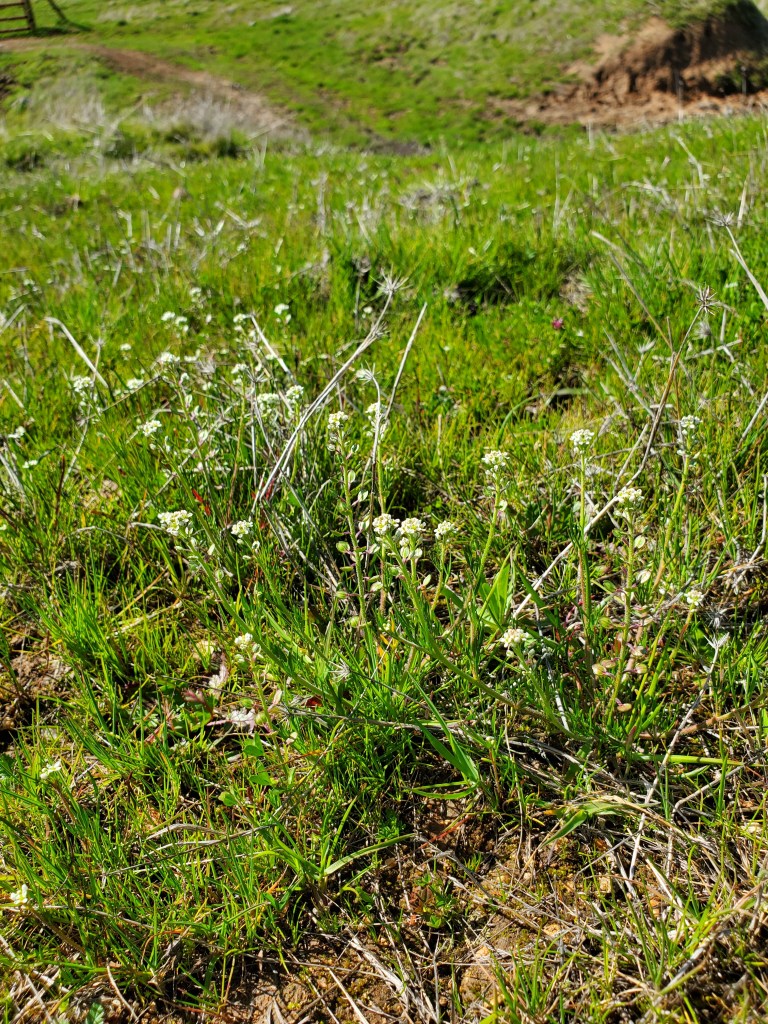
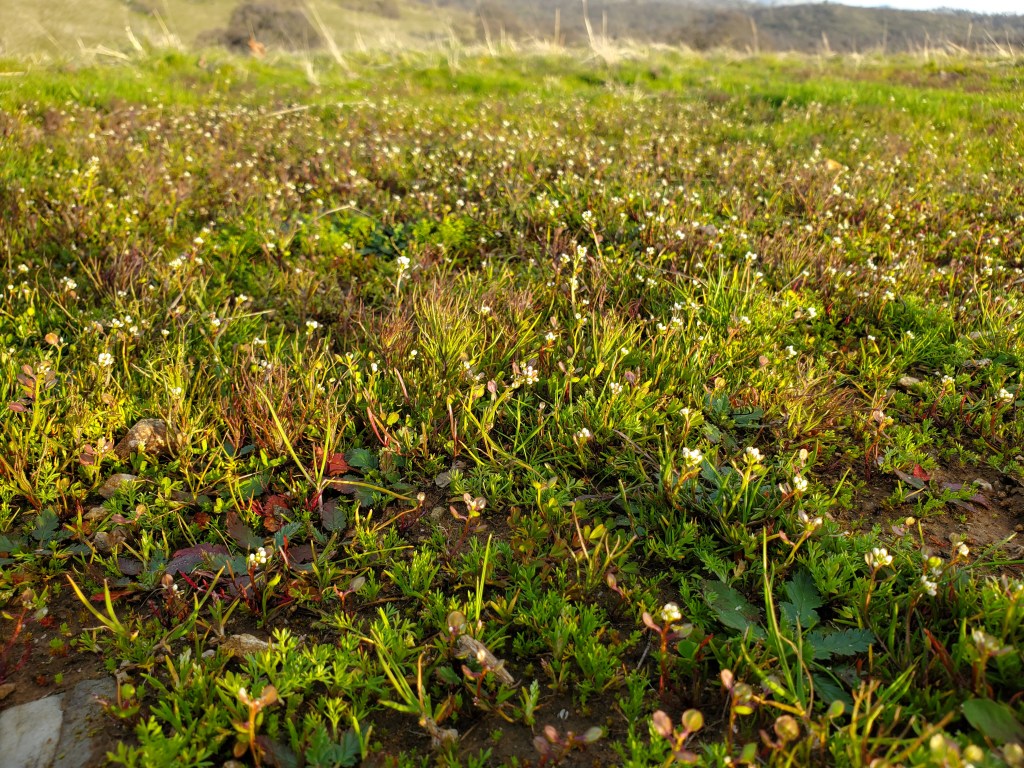
The second week of February, the short white wildflowers are appearing, with many other buds waiting to open. These are what I call the super nectar flowers. There a typically millions of them, tight and close to the ground, that make the air smell so sweet.

These shifts in bloom time can be devastating. All of us animals depend on cycles when our foods emerge. We cannot have mismatches, when flowers appear too early and bees and butterflies appear at the regular time only to find that their nectar sources have already bloomed and are gone. Or, the weather turns cold again after being warm, signaling the flowers to bloom and trees to leaf, then killing the emerging buds. I have seen this happen before. Both scenarios are destructive. Having diversity among nectar plants is critical, but even with this, it still decreases the available nectar impacting population sizes and potentially health.

Large Storm is Destructive

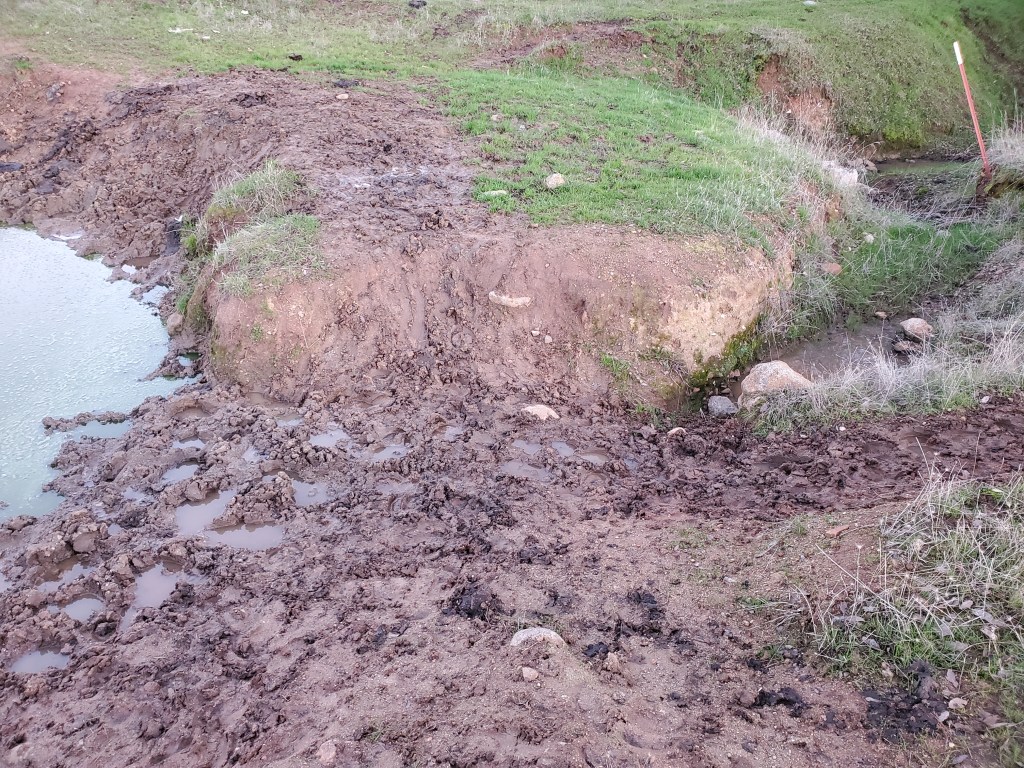
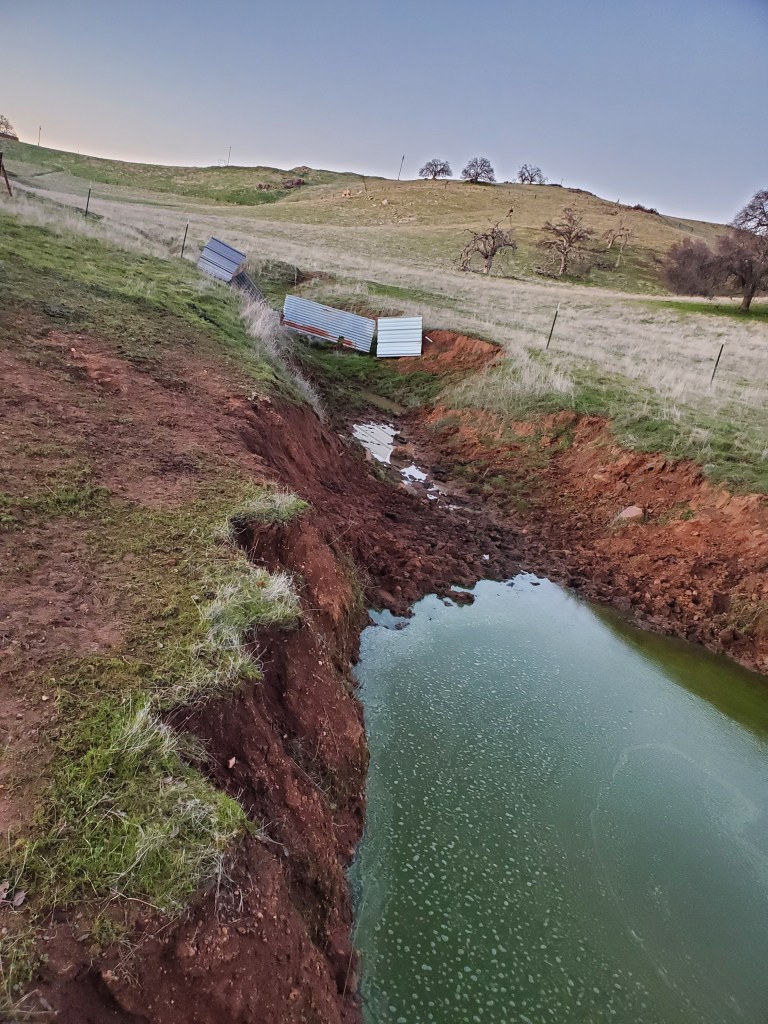
We did have a good storm the third week of February. It rained 2.25″ in a few hours. This was enough to over run roads, creek banks and surge in a destructive way. Some of the tin panels I use along the fence line to block the openings across the creeks from cattle got disconnected and moved downstream. The force of the water surge on Odom Creek actually tore the bottom wire apart, snipped it right in half, tearing the tin off and floating it downstream. Fortunately, I found all the panels that were torn off. David and I will reattach them. They need to be in place to prevent the cows from accessing my oak seedlings and other plantings.

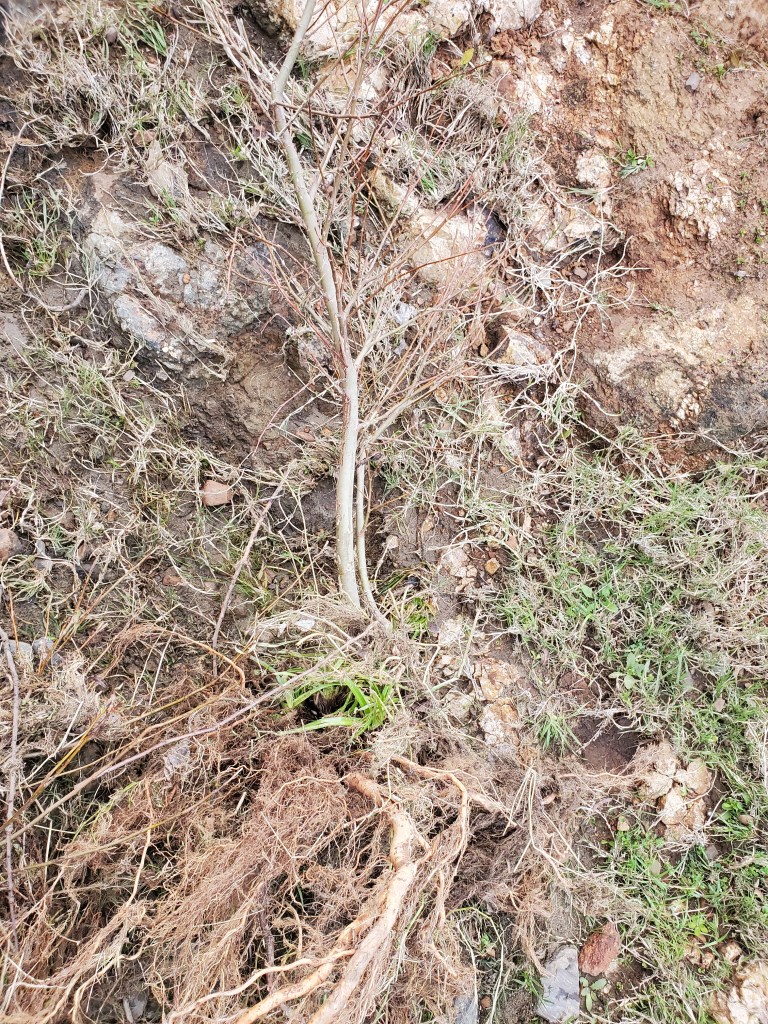
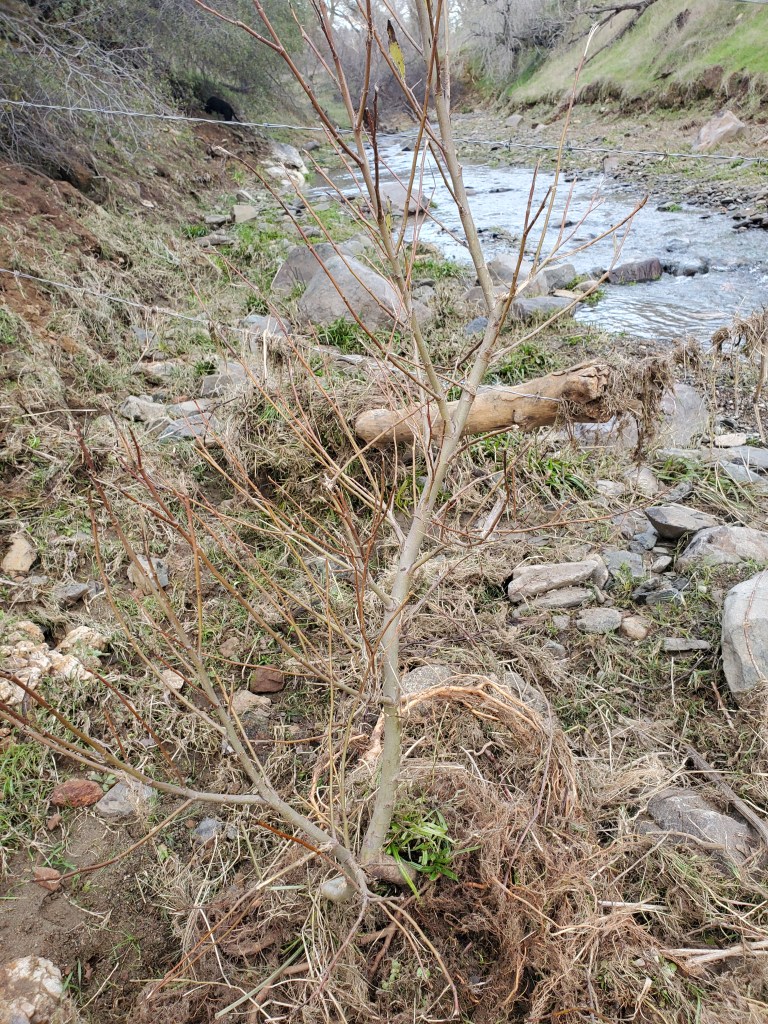
The surge also twisted up vegetation on the fence lines. Sadly, I found the young willow I had been so excited to see. She was ripped out of the ground, roots and all, taken downstream and deposited near the fence line where I found her on her side. I lifted her upright after scratching a pathetic, shallow hole with my foot. I did not have a shovel with me when I went to assess damage, so my foot was all I had. It was not much of a hole since the ground in the creek is rocky and thick. Still, I placed some of her long roots back into the ground, carefully, hoping that they will be resilient and allow her to grow once more. She is a willow after all – strong and prolific.

California Milkweed Emerges!

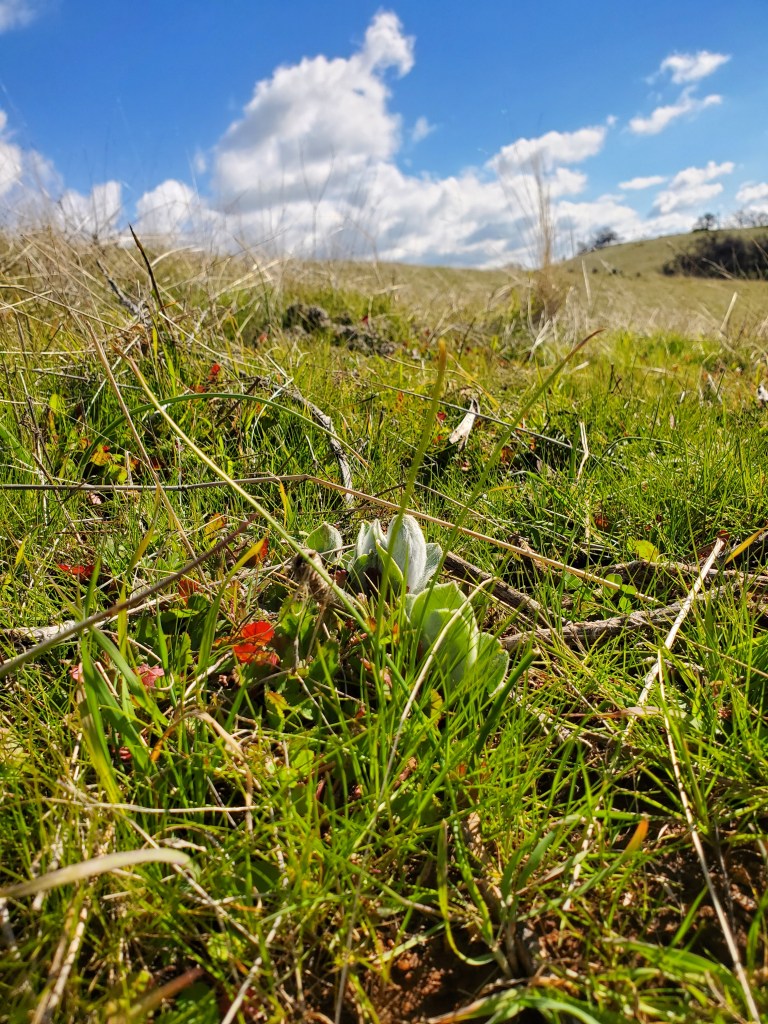
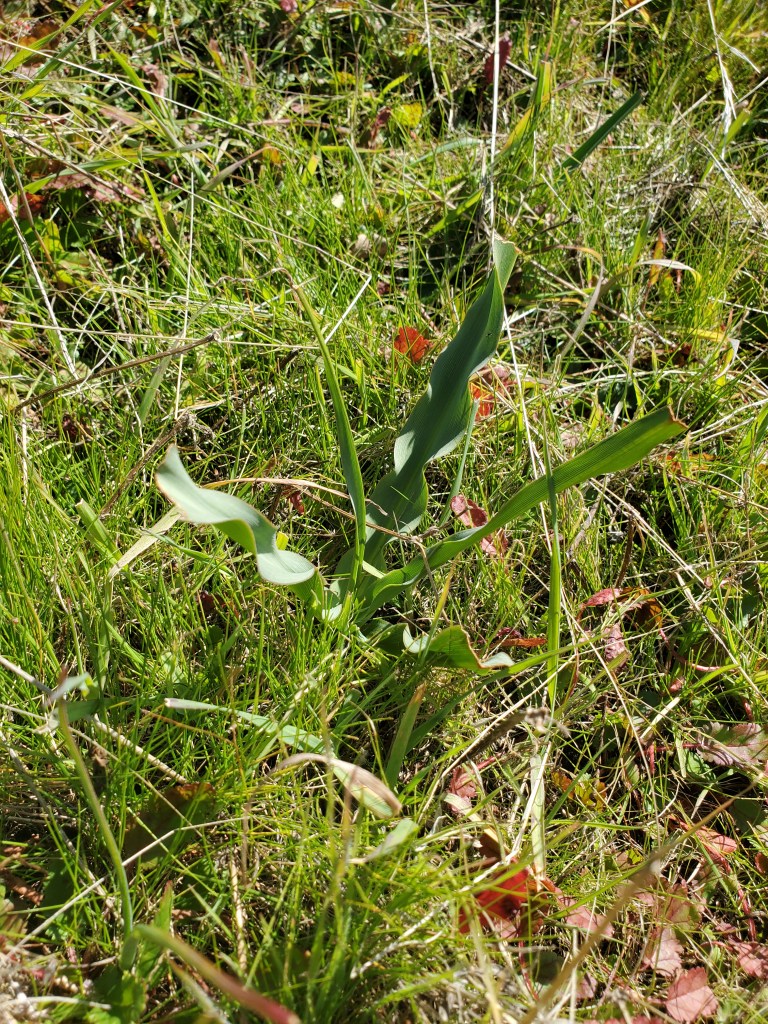
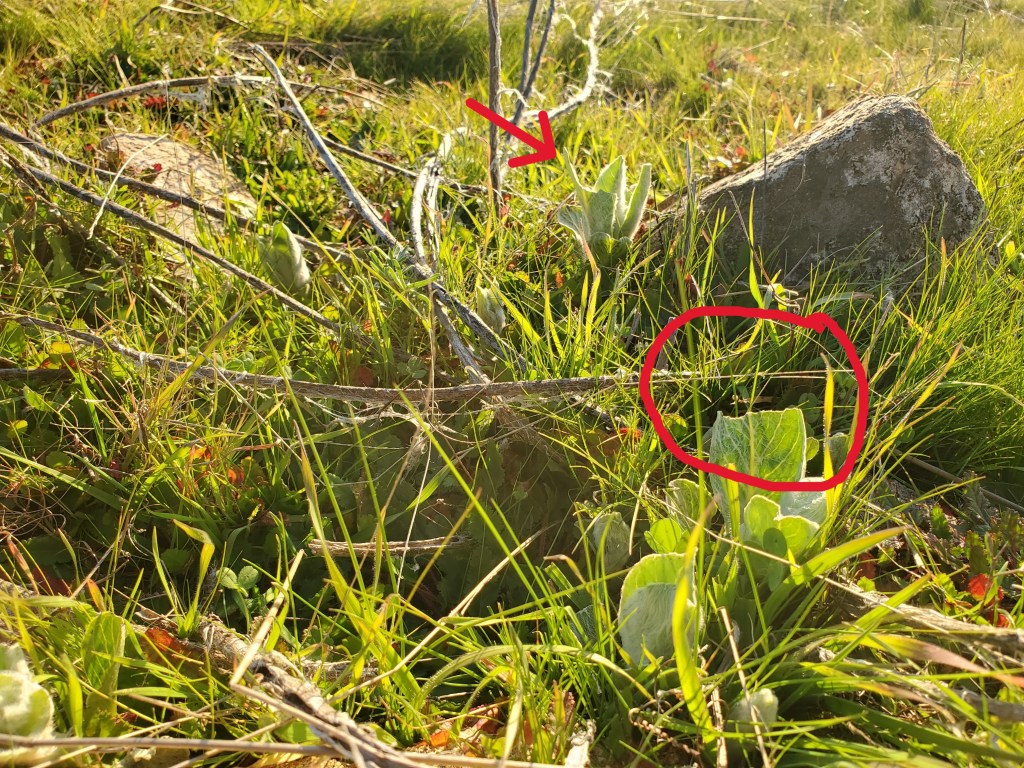
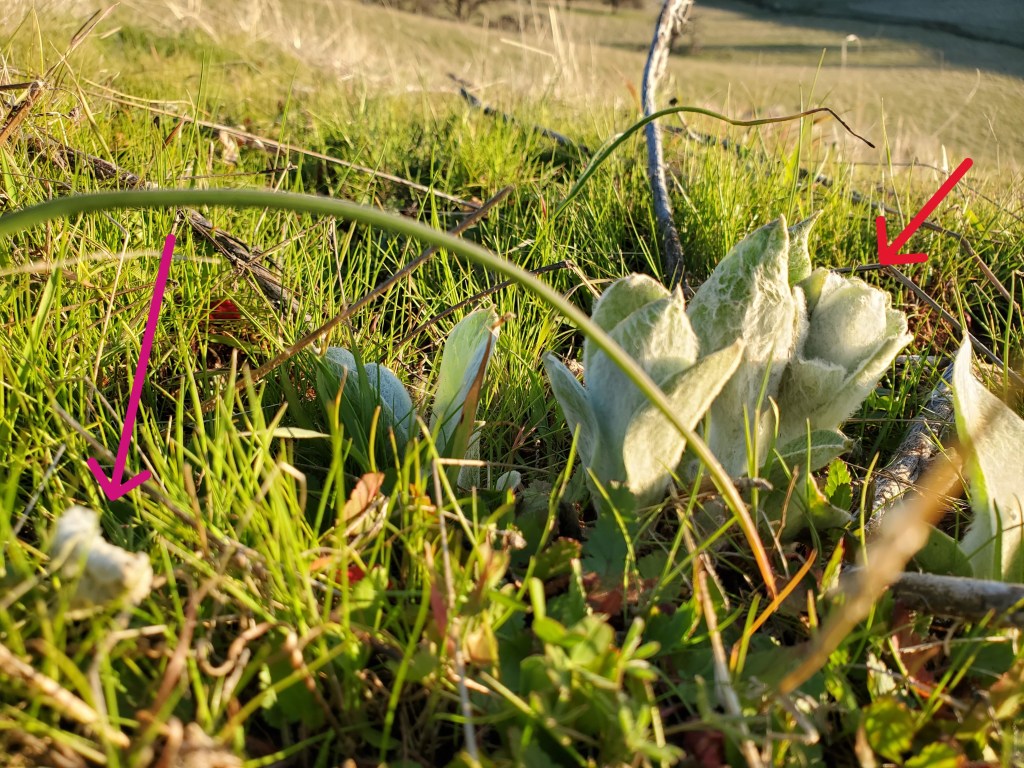
The California Milkweed has emerged two to three weeks earlier than 2024. I saw the first leaves on Feb 9 this year and noted that last year it was the last week of February.

The cows have been on the hillside with their calves, so I went to check on the plants. I noticed each of the milkweeds had a snip taken out of one leaf; they had been grazed. Most likely, it was a calf testing out the green fuzzy plant. The snips appear to be spit out and located near the plants. Definitely not a tasty meal for anyone except a caterpillar. The plants are growing rapidly, and will be fine. The cows are on the south part of the ranch currently. I will be shutting the gates to the north field in a week before they return, excluding them from the far north field.

Grass Nirvana for Cattle

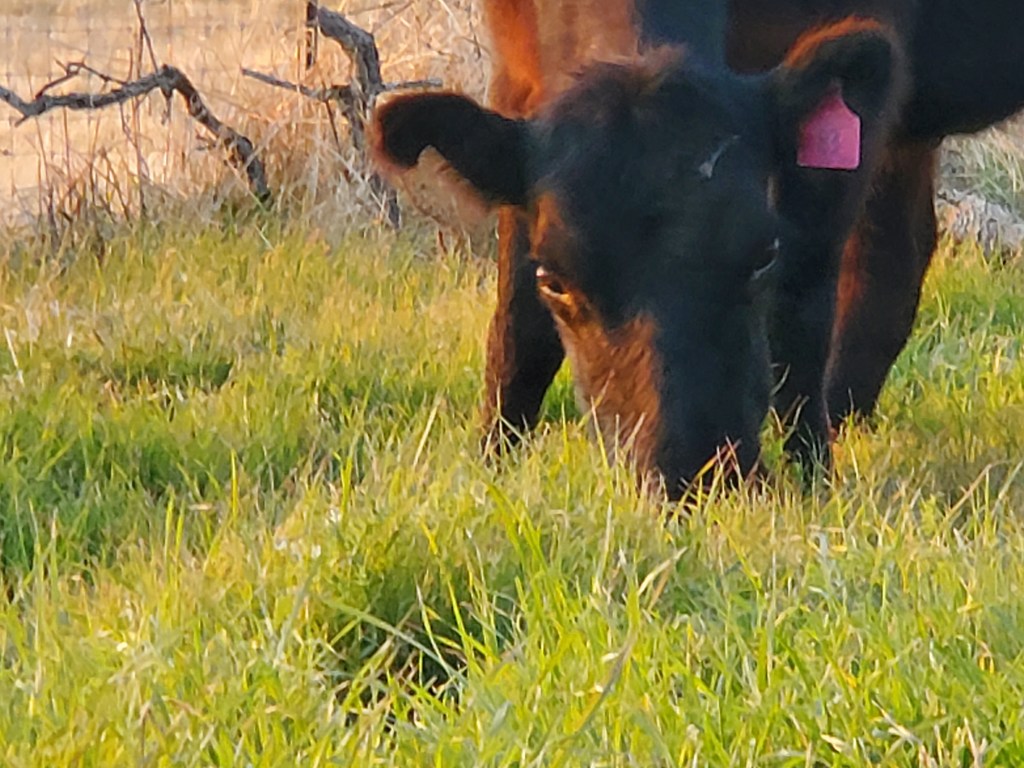
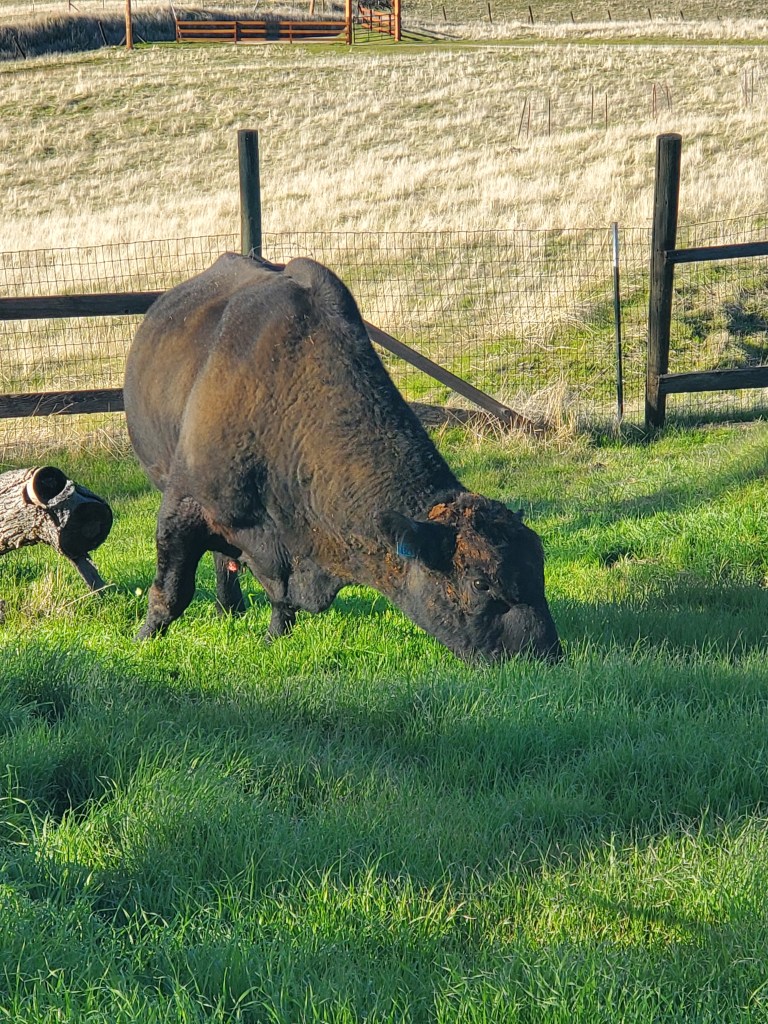
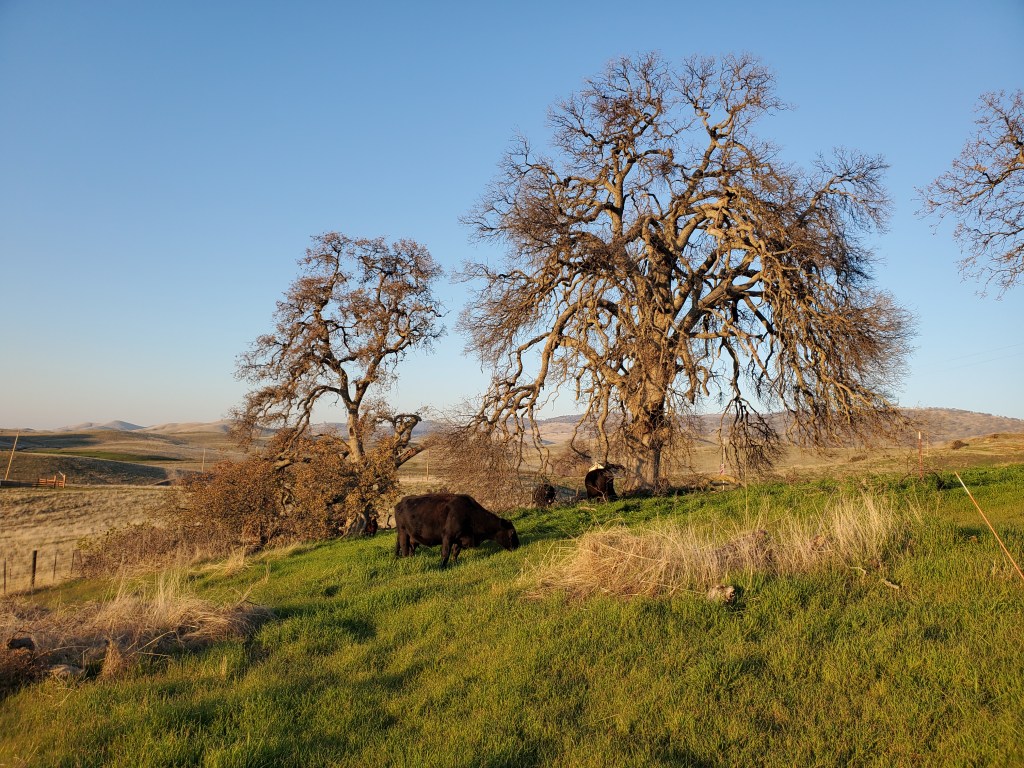
Happy eating

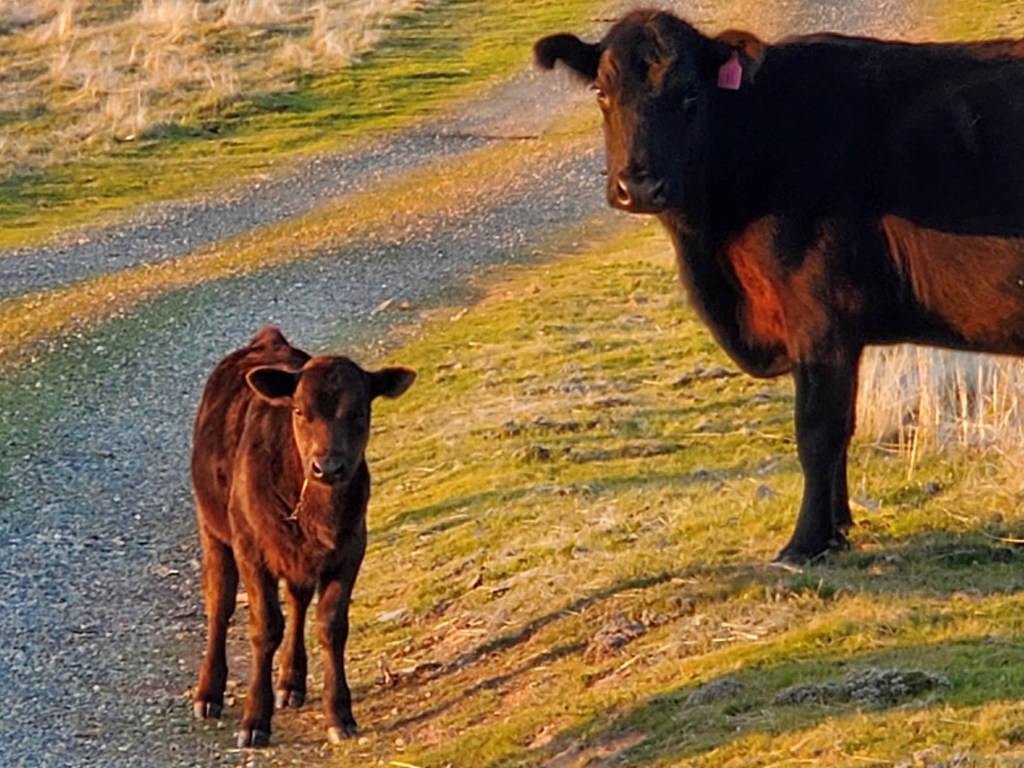
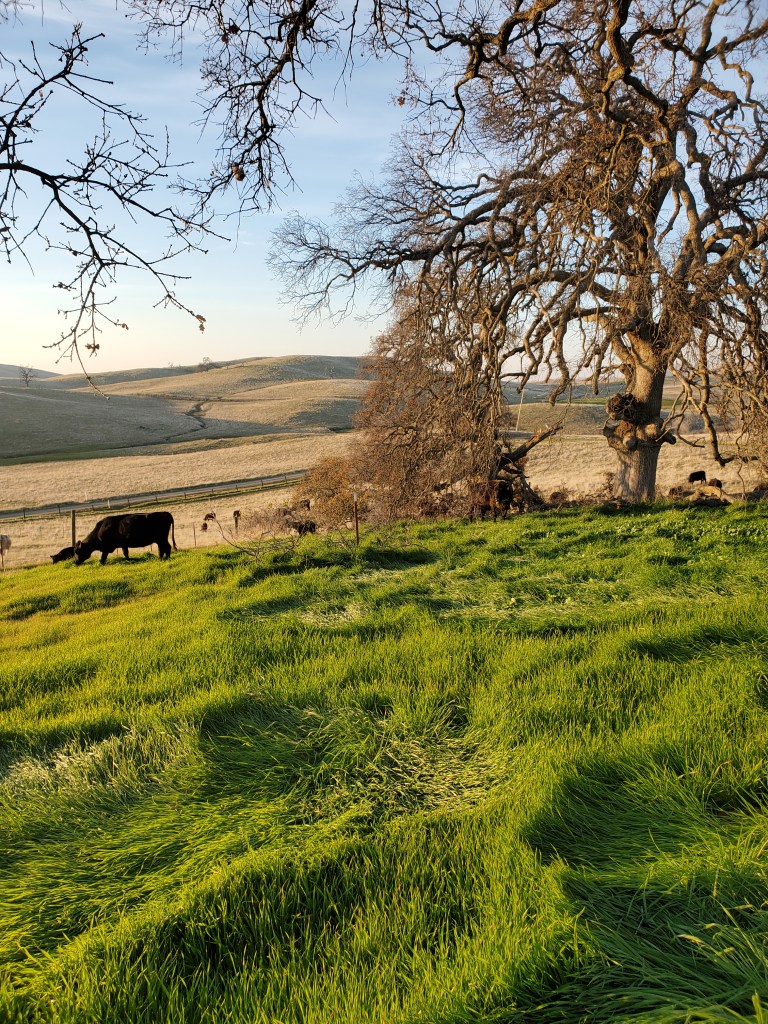
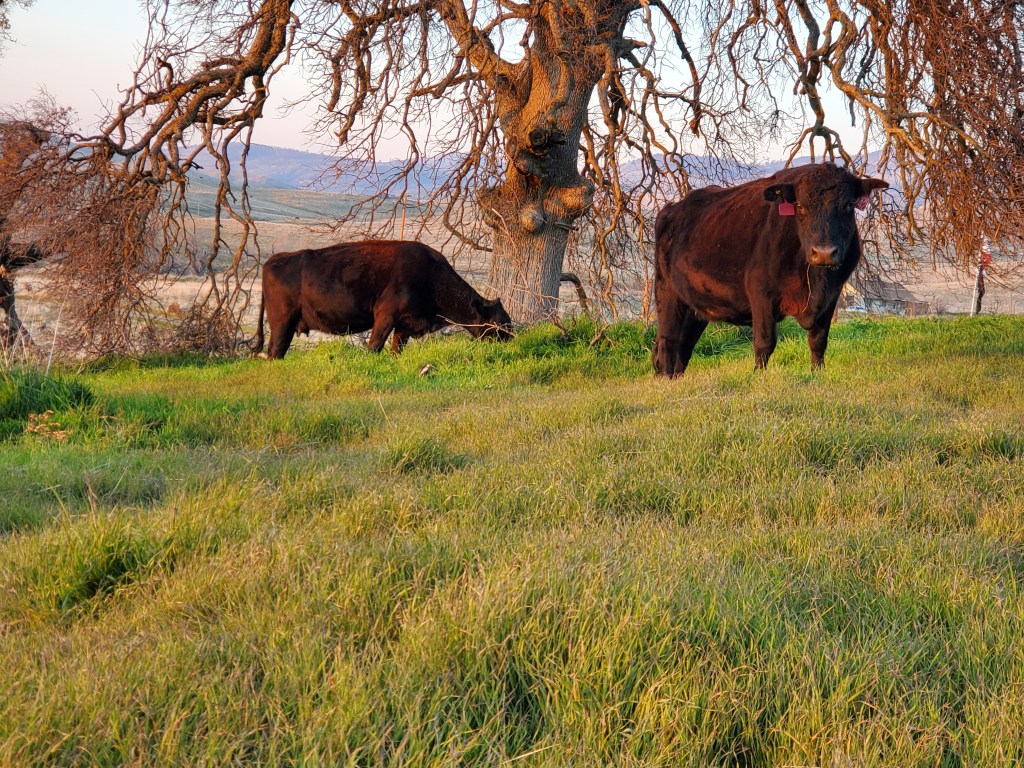
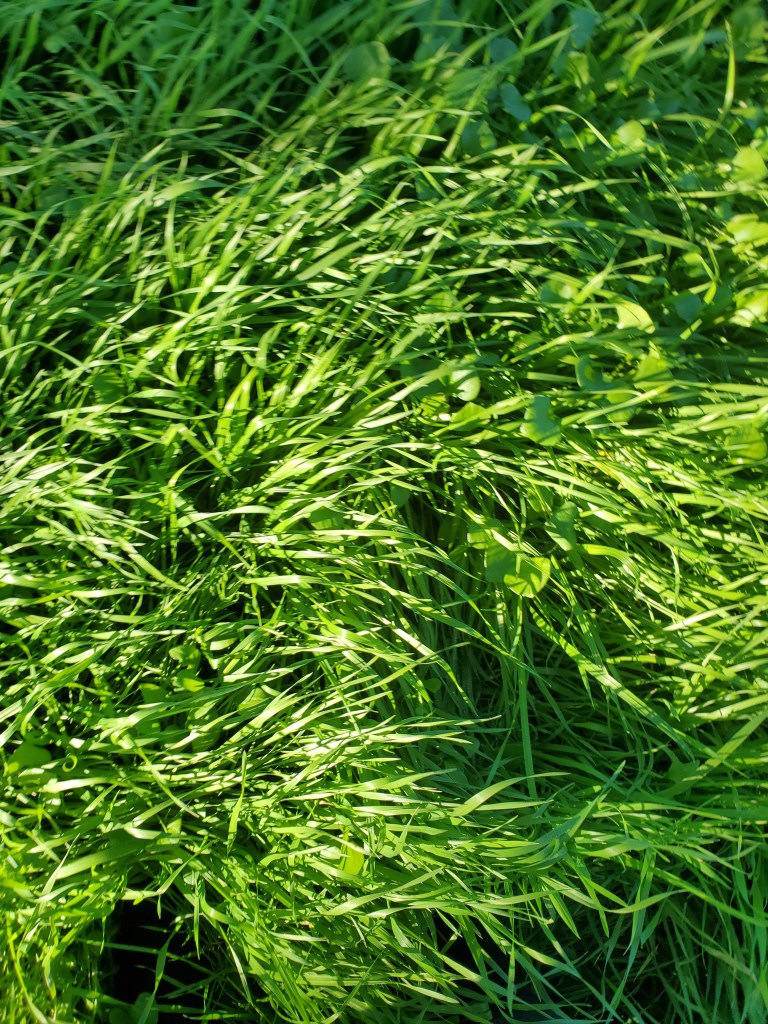
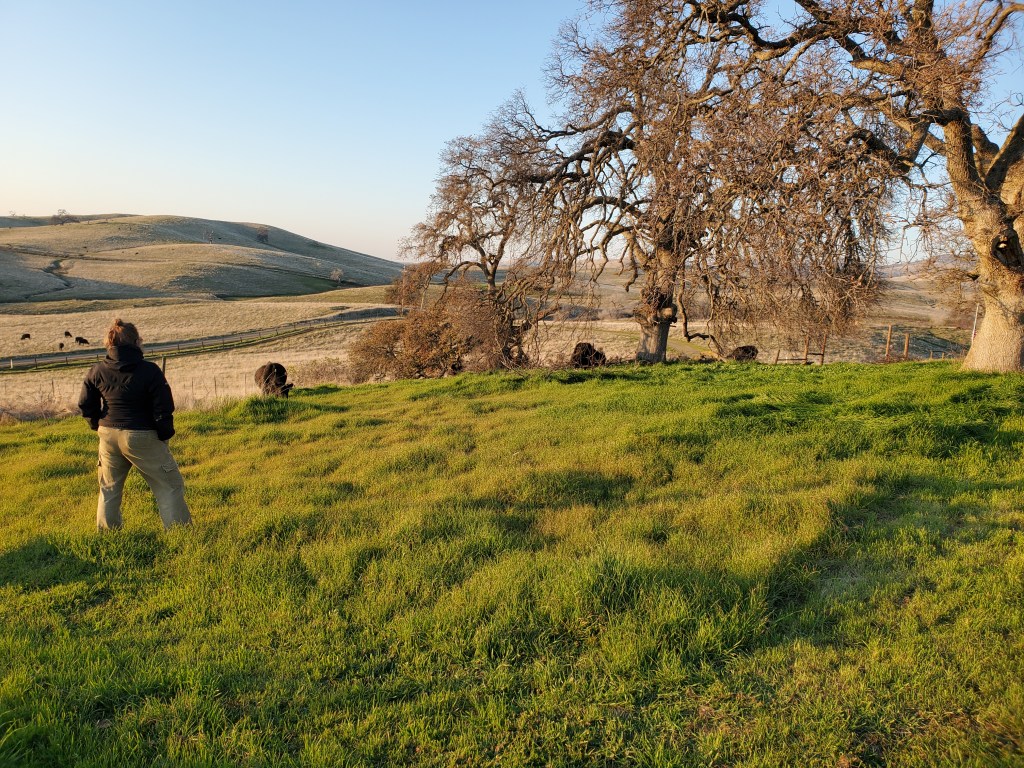
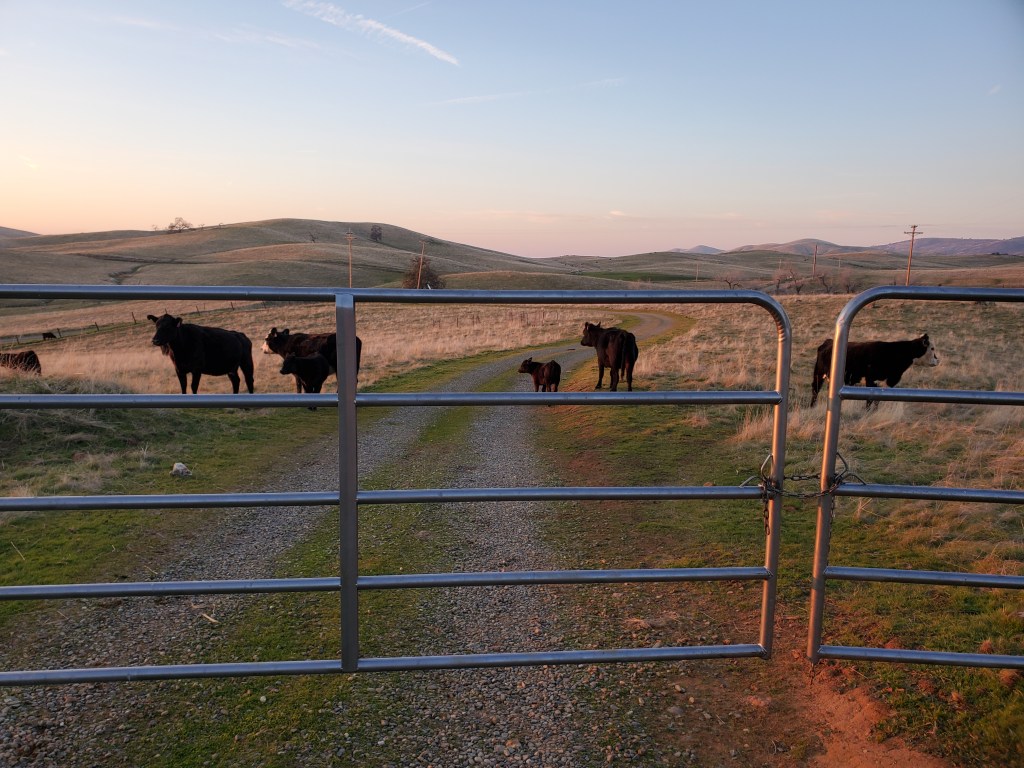
The grass is super lush around the house. Oh, and the cattle are eyeing it every day. Particularly, there is a group of mamas and babies that rotate to the front gate in the afternoon each day to see if I will let them in.

When I have time to watch them, I will let them in for an hour or so to have them help trim the grass without impacting my native plantings. You can see how much they love the verdant blades. They move their heads to the left and right greedily eating without a break. When I can no longer watch them, I usher them out, gently pressuring them to move toward the gate. There are a couple of ladies who never want to leave. They stop to take bites. I have to shift closer. They move, stop again, grab a bite. I move. They move…and so it goes. They snort their disdain, but eventually they kindly acquiesce.

People ask me why I don’t use the dogs to move them out more quickly. The ladies have entered at my invitation. They are helping me, and I respect them. The dogs can be a blunt instrument. I am gentle and precise. We walk out slowly together.

“Dang it! Do we have to go so soon?”

Guzzler Project Moving Forward

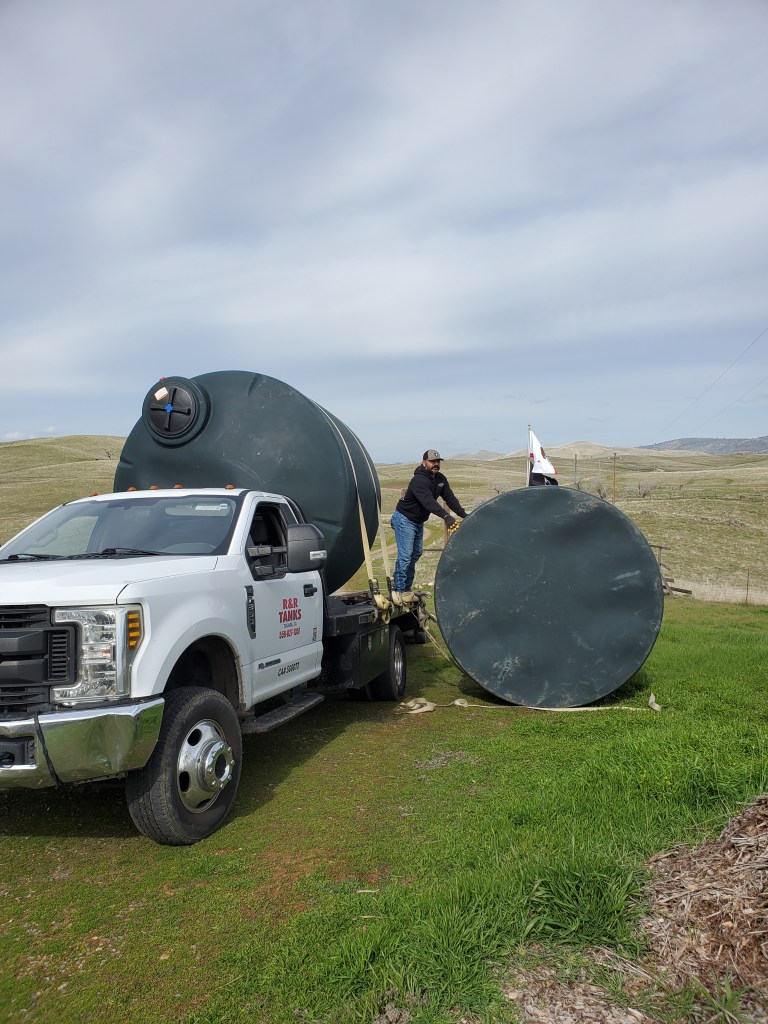
With my dad doing better, I have had time to focus on my guzzler projects. The two new tanks were delivered and will feed each guzzler when installed. I had planned to have 1,000 gallon tanks, but the cost was nearly identical to the 1,500 gallon size. It seemed ridiculous not to purchase the larger volume size. With the additional volume, I may also be able to use some of the water for irrigation around the tank area.

In my last post, I mentioned having the second guzzler delivered. With all the main elements here, I am ready to get the materials needed to cover them and link them together. David, my ever patient husband, will be building the overhang structures to cover the tanks and catch the water. The overall concept is for wildlife to have access to clean and abundant water, especially during times of drought. My original guzzler is doing great and a variety of animals have used the water even with the nearby creek still running. We had a good rain year in 2024, so the guzzler stayed filled throughout the summer and fall, but barely. The water really got low and began to get murky. These tanks will allow me to provide ongoing fresh water to wildlife through abundant and lean times.

Odds and Ends

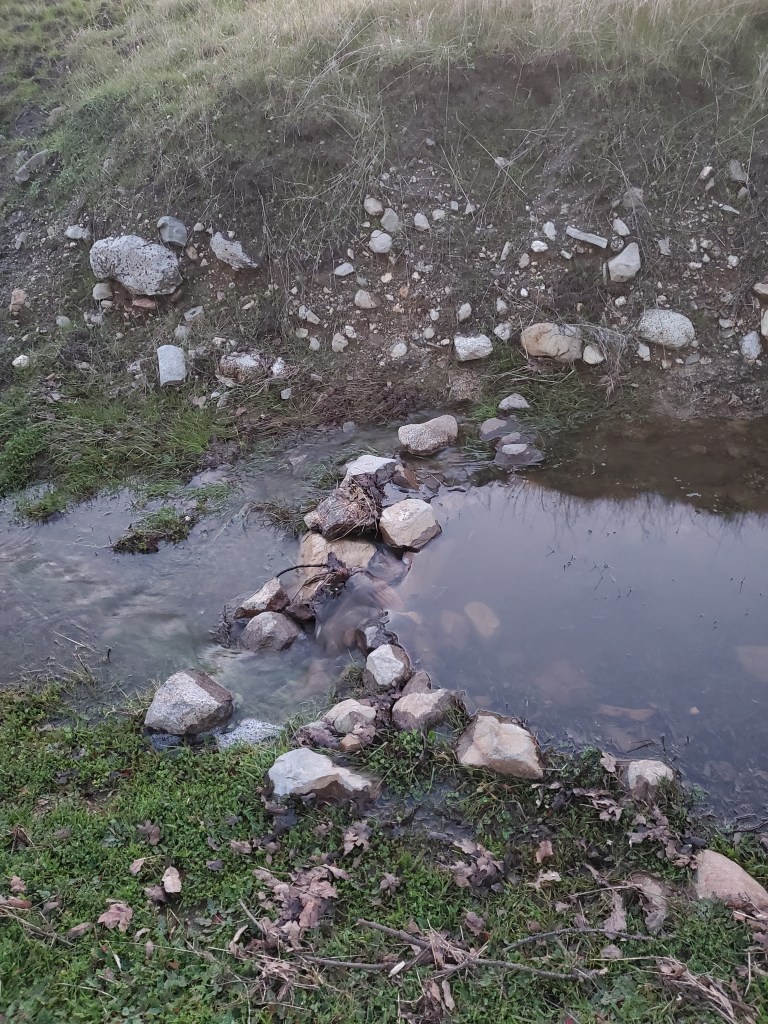
It was a joy to have cold weather and storms, with the most recent one being very large. Water is life, and life is omnipresent and happy when water is around. After the storms, I check my dams to see how they are doing. Everything is holding in place, even my little rock check dam. You see the water, when the creek is running slowly, backing up as intended. I will be placing another dam below that one to slow more water and hopefully spread it out a little to soak the ground and make it more hospitable for oaks.

With water also comes ducks, geese, egrets, herons, mushrooms, mayflies, and green grass. This is such a pretty time of year.

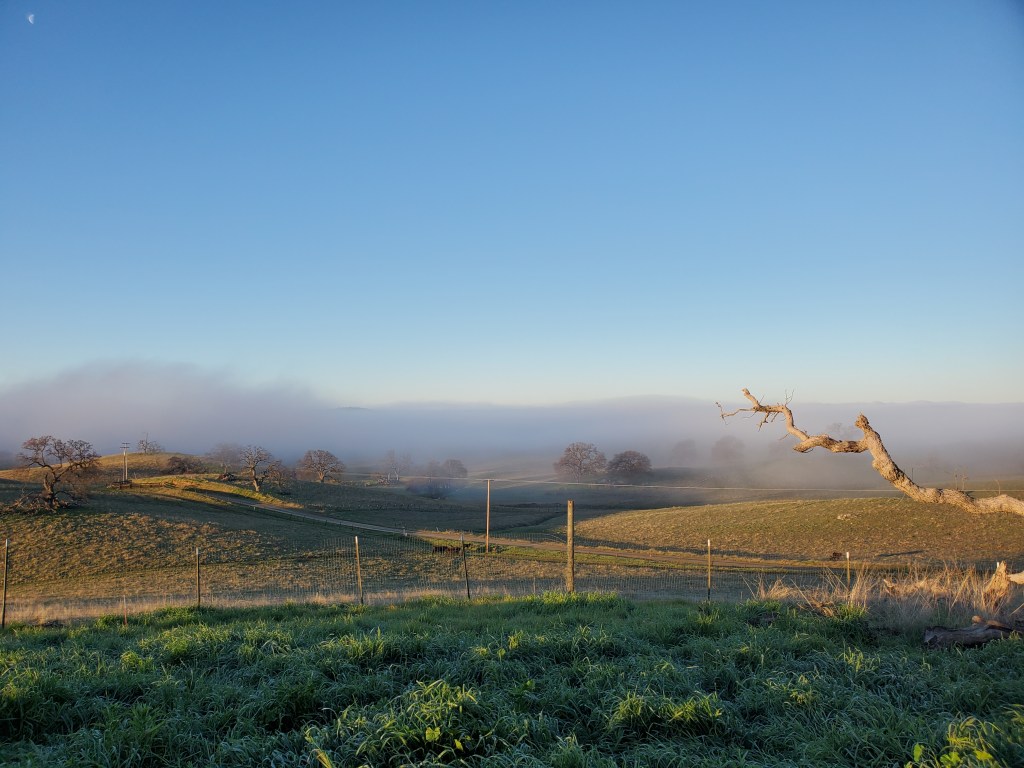
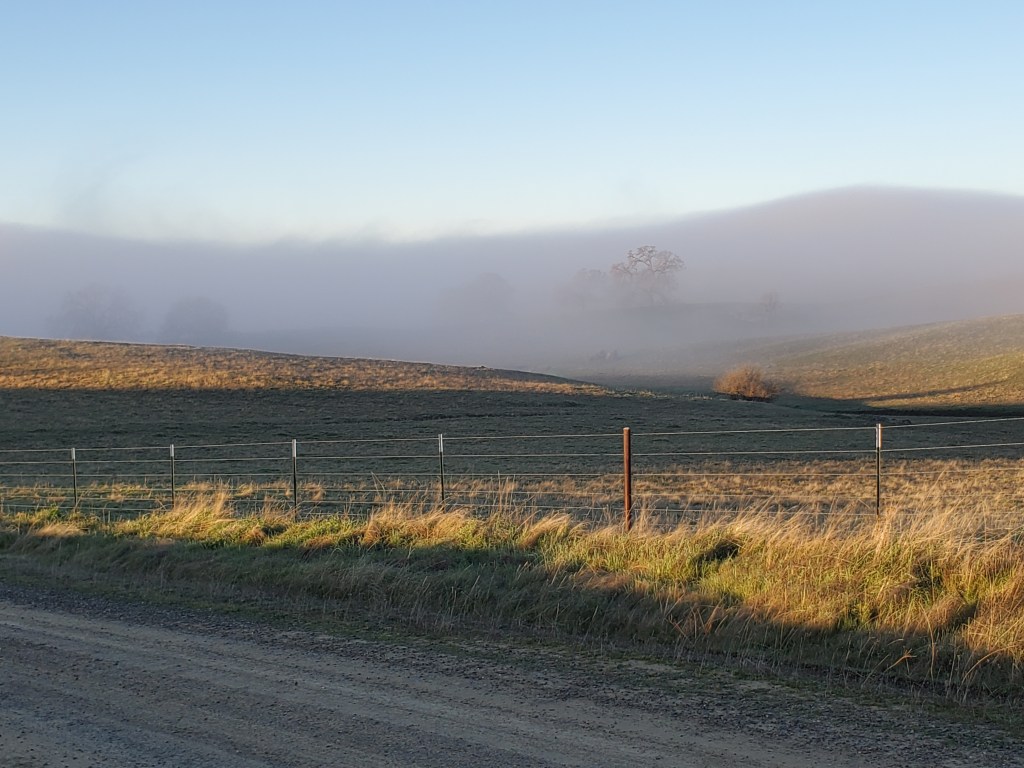
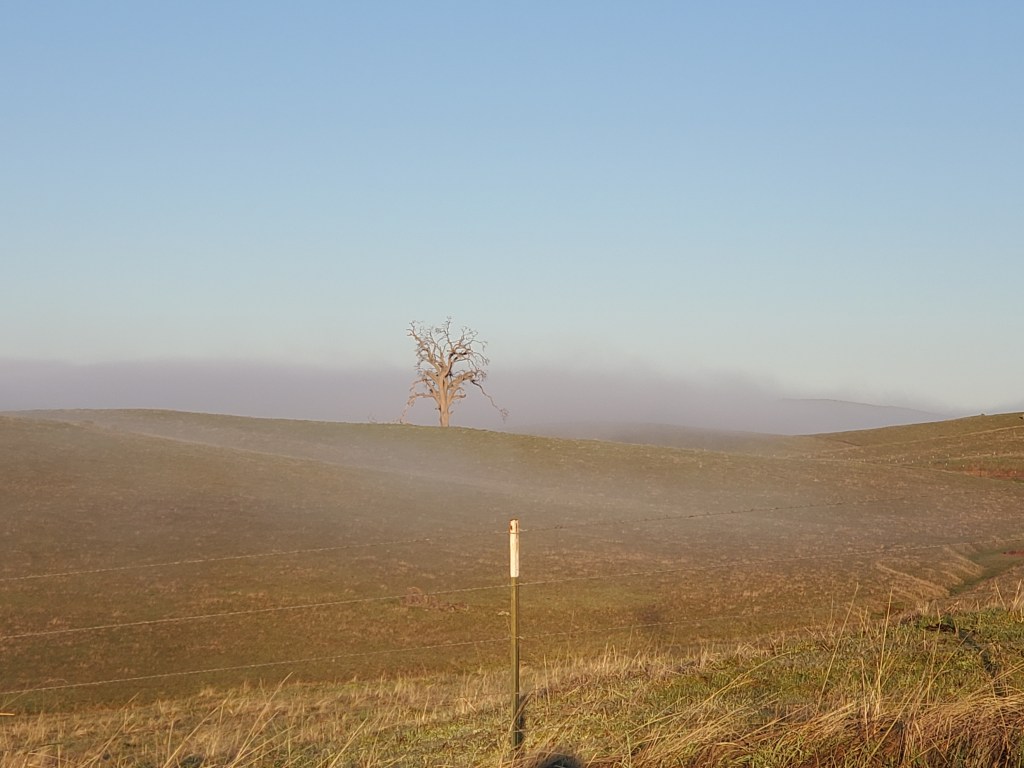
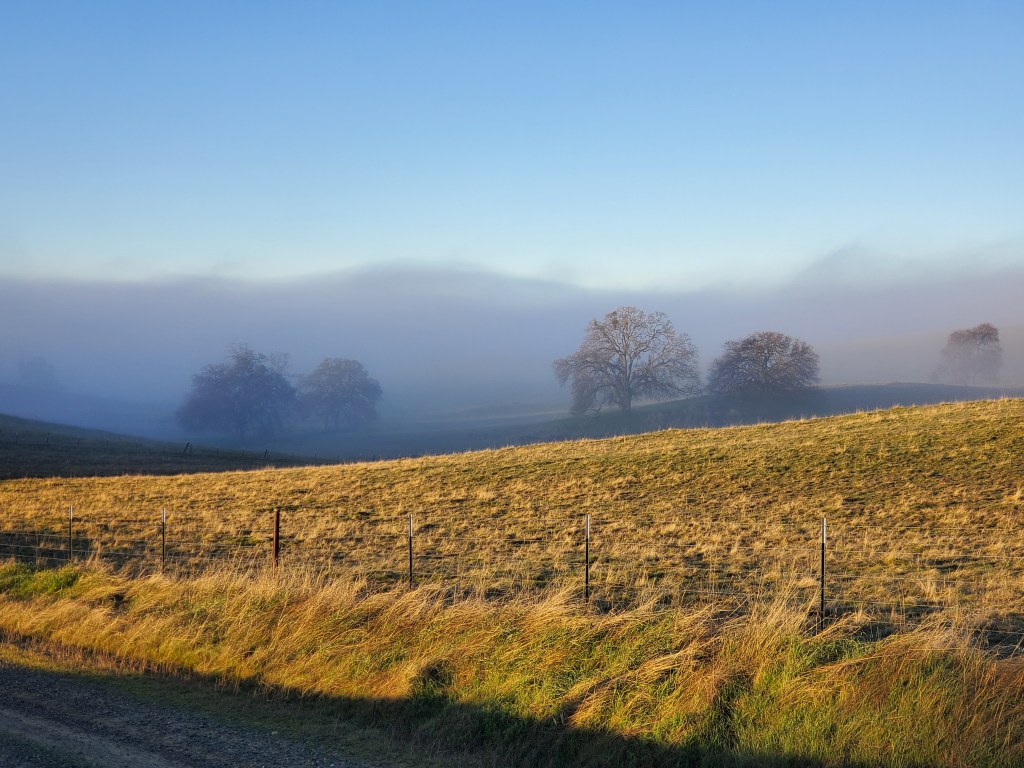
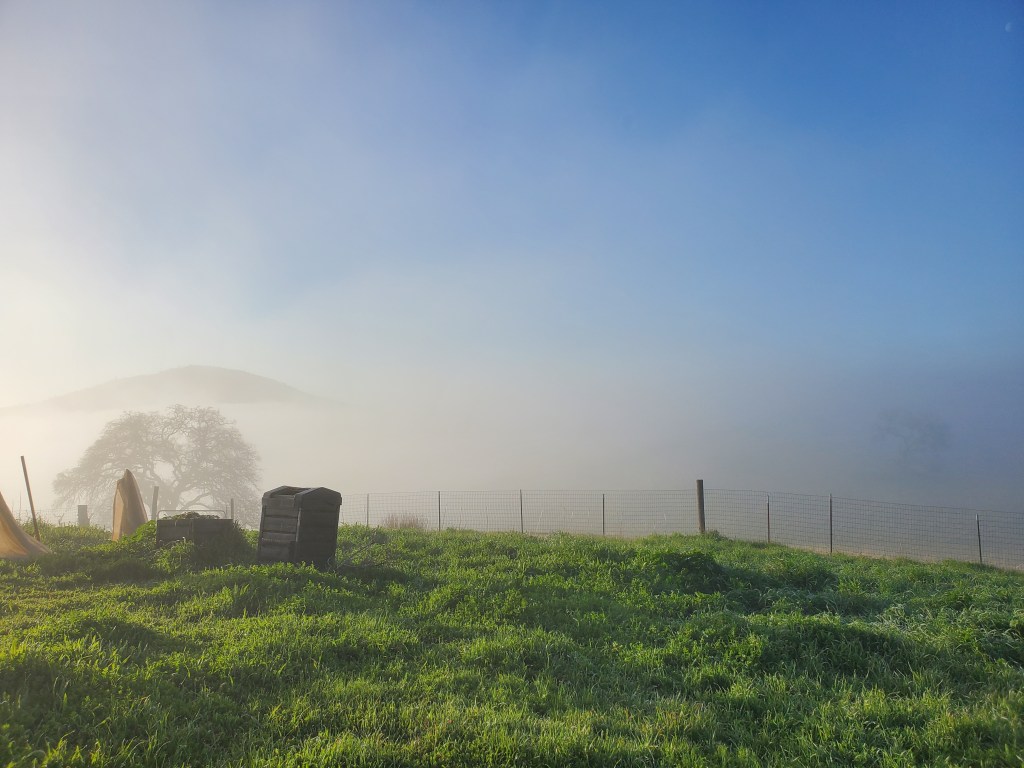
We are generally above the fog line, but every now and then, the fog rolls in. I don’t mind. It keeps the soil moist and the temperatures down. The fog is pretty too.

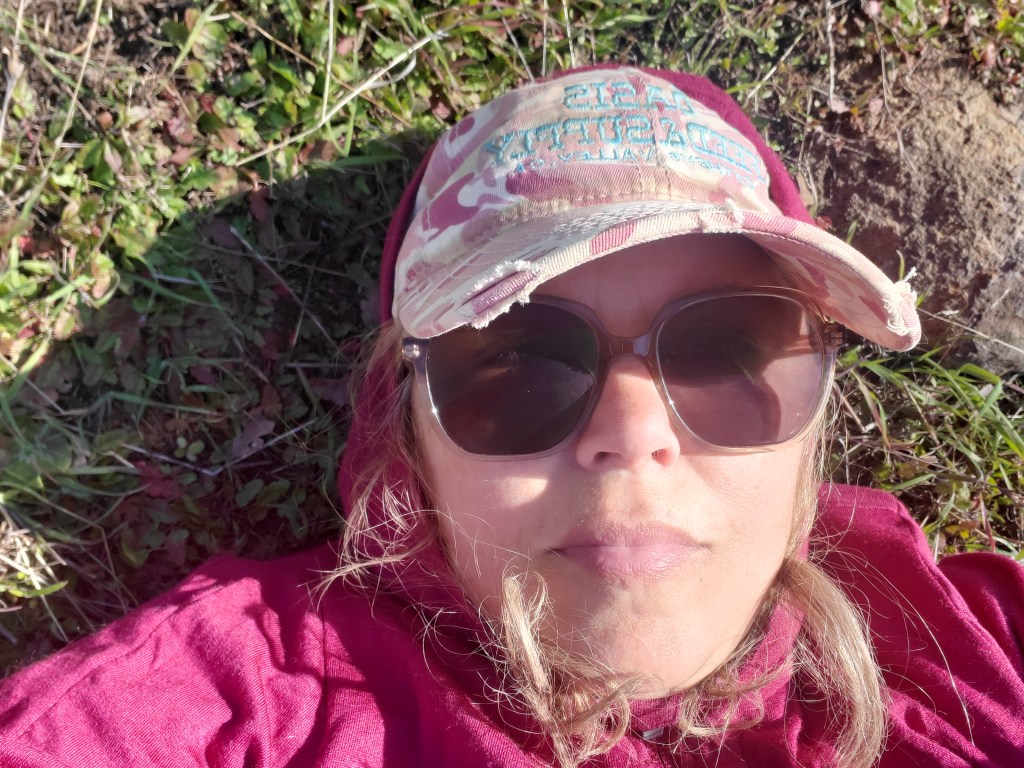
Sometimes I lay down, listen to the birds, feel the cool ground on my back, smell the air, look at the sky. I did this when I was young, and it was happiness. The key is time – to think, relax, breath and connect. Anyone can do this anywhere, a park, a back yard, a patio with your potted plants.

Joy is possible and necessary even in a time filled with bad news. All we need to do is look around, smell, hear, touch, and especially, feel.

Nassua (Fight)

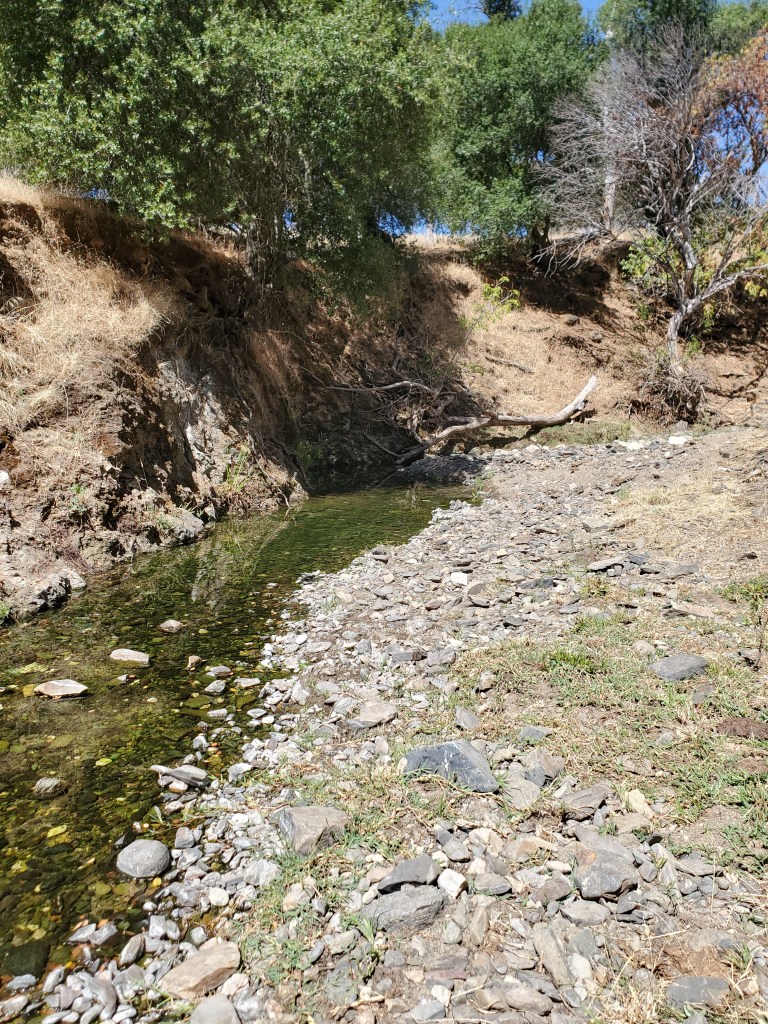
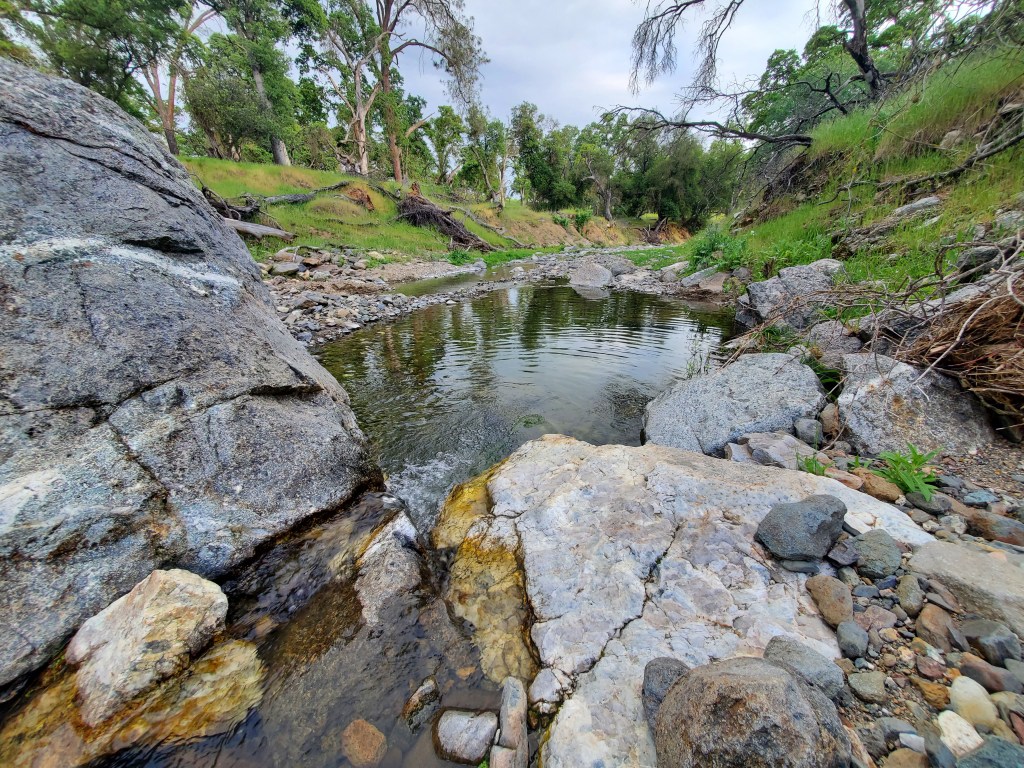
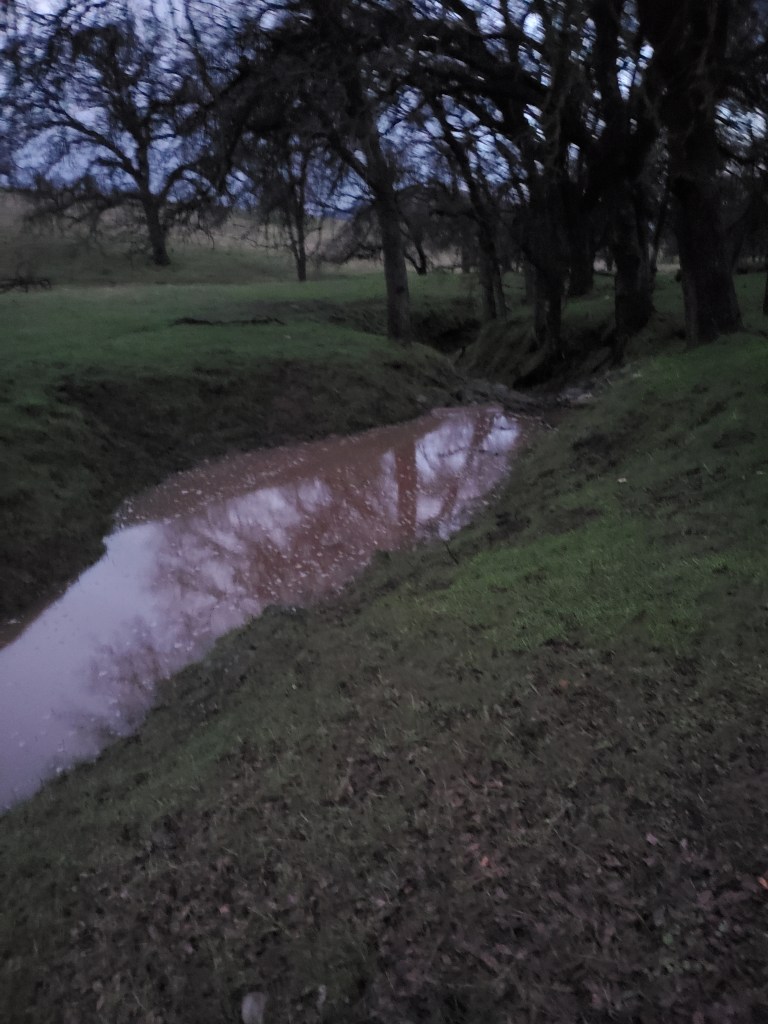
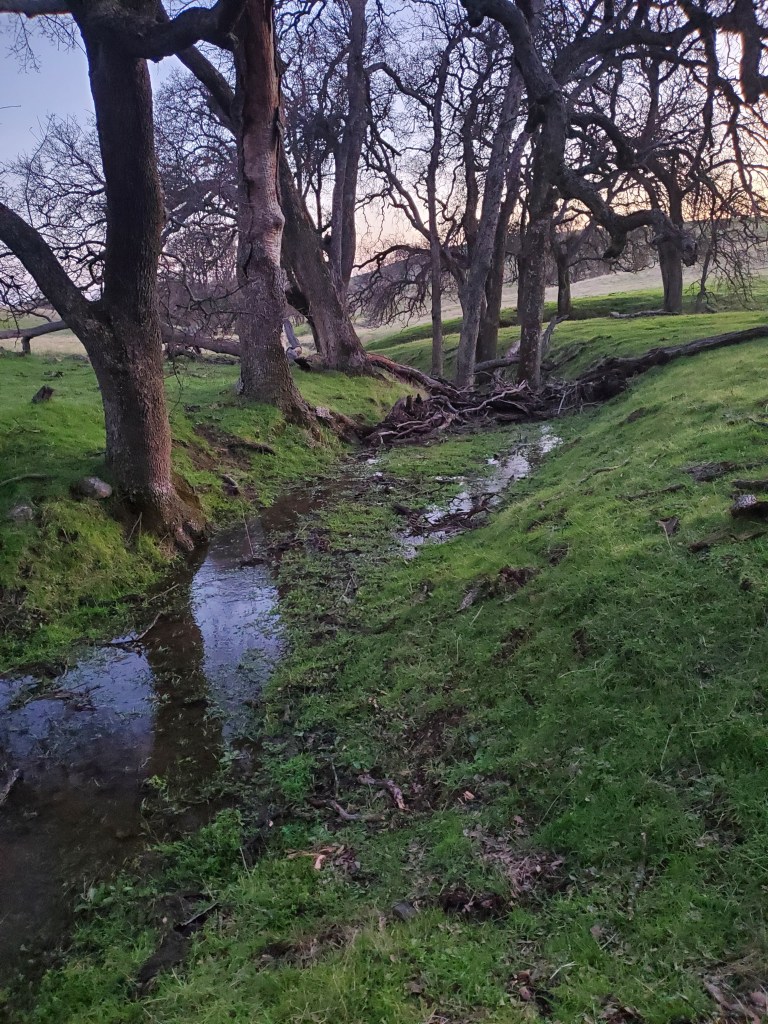
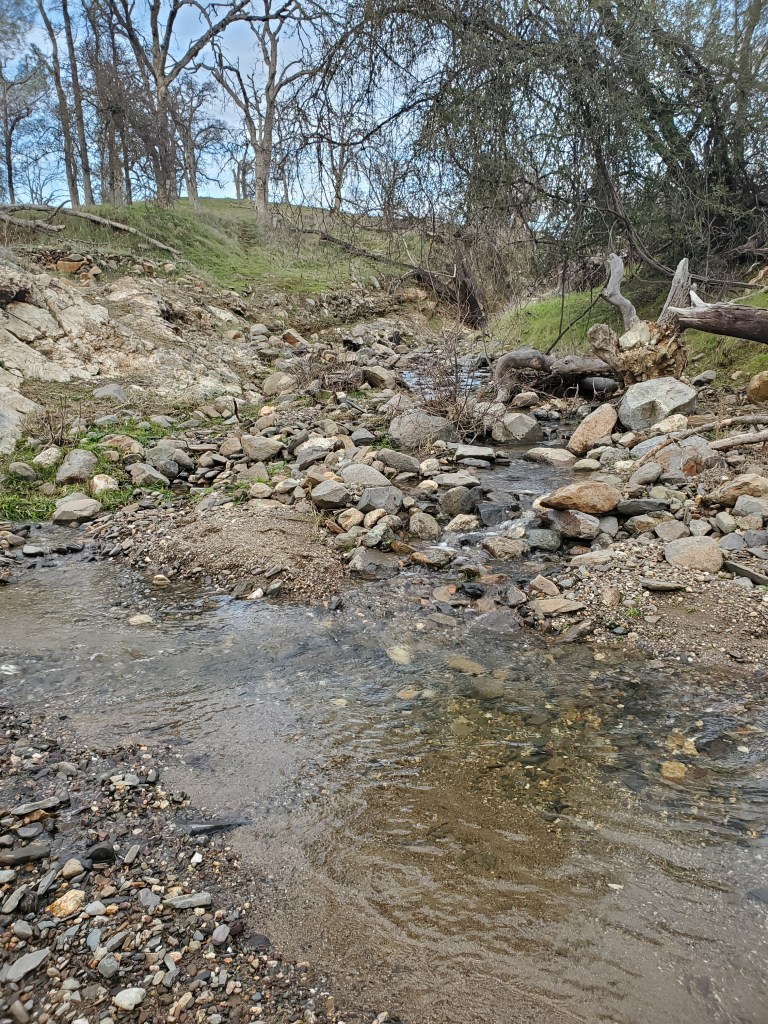
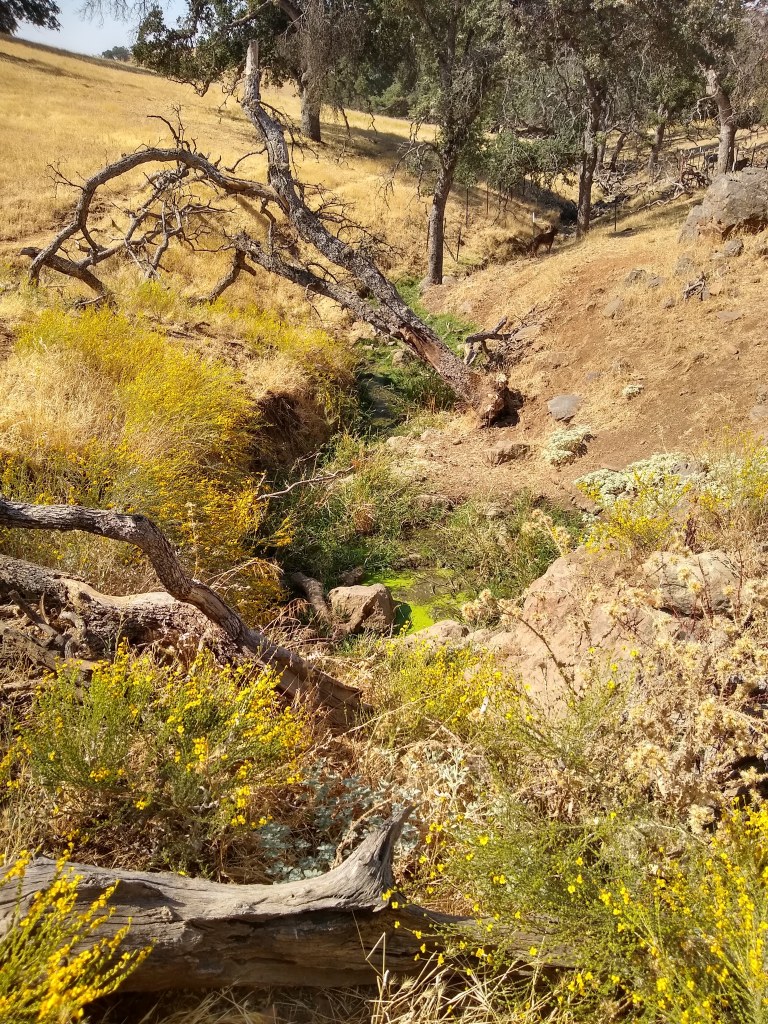
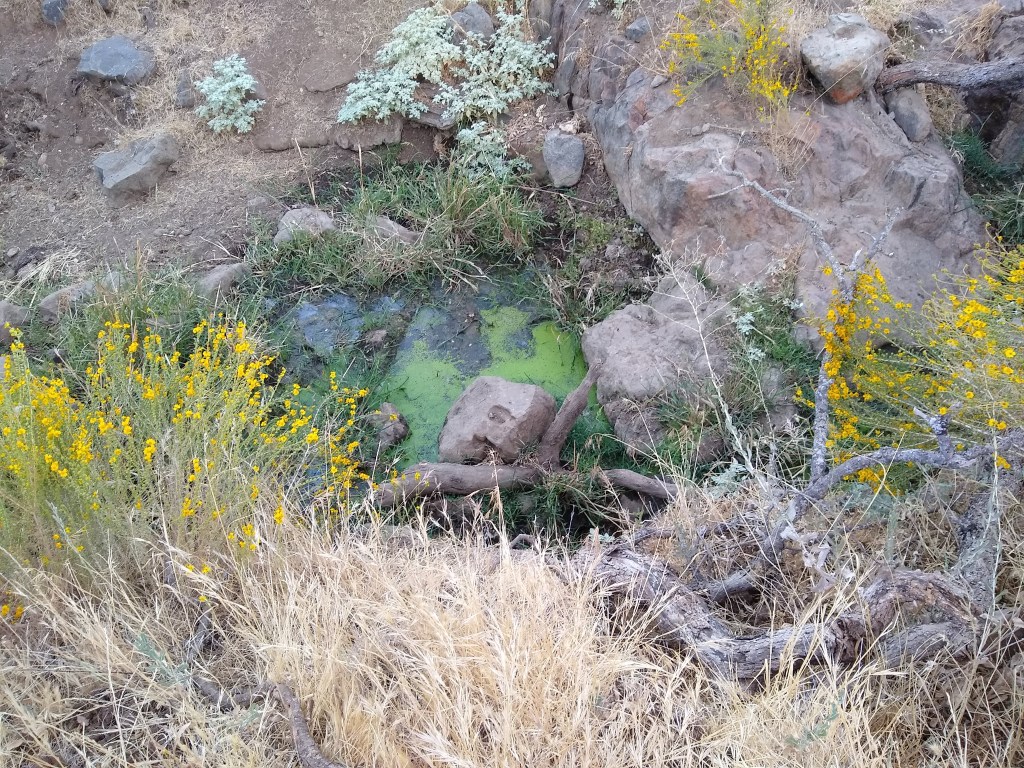
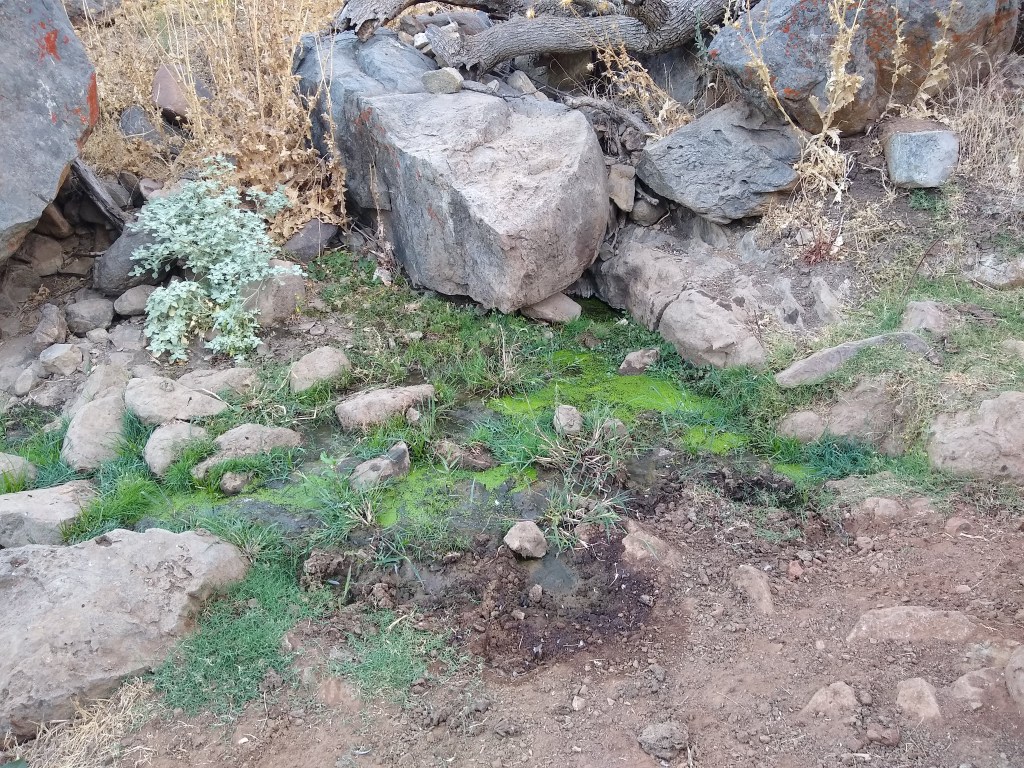
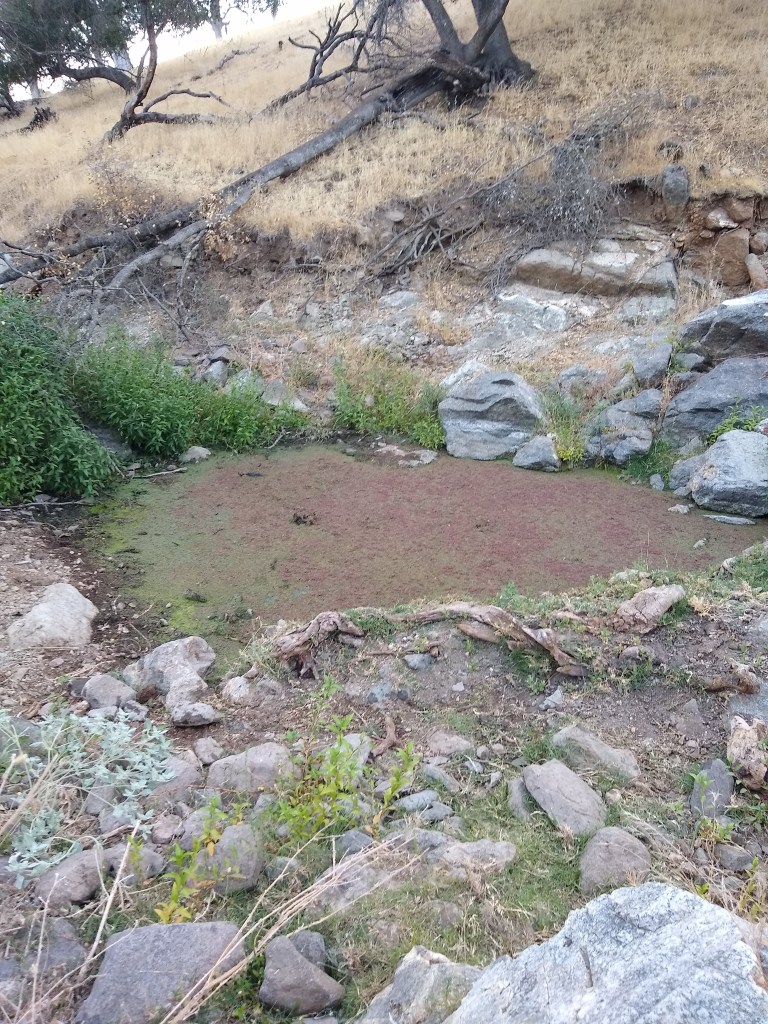
The spring along Spring Creek fights back from the heat wave and created two new pools

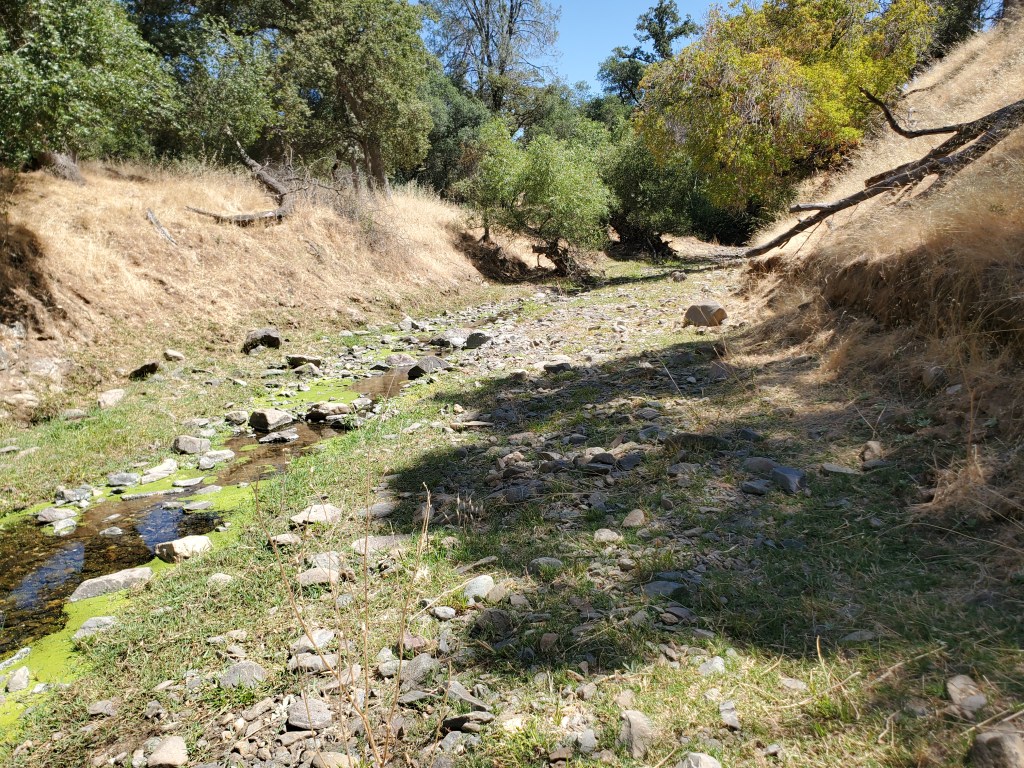
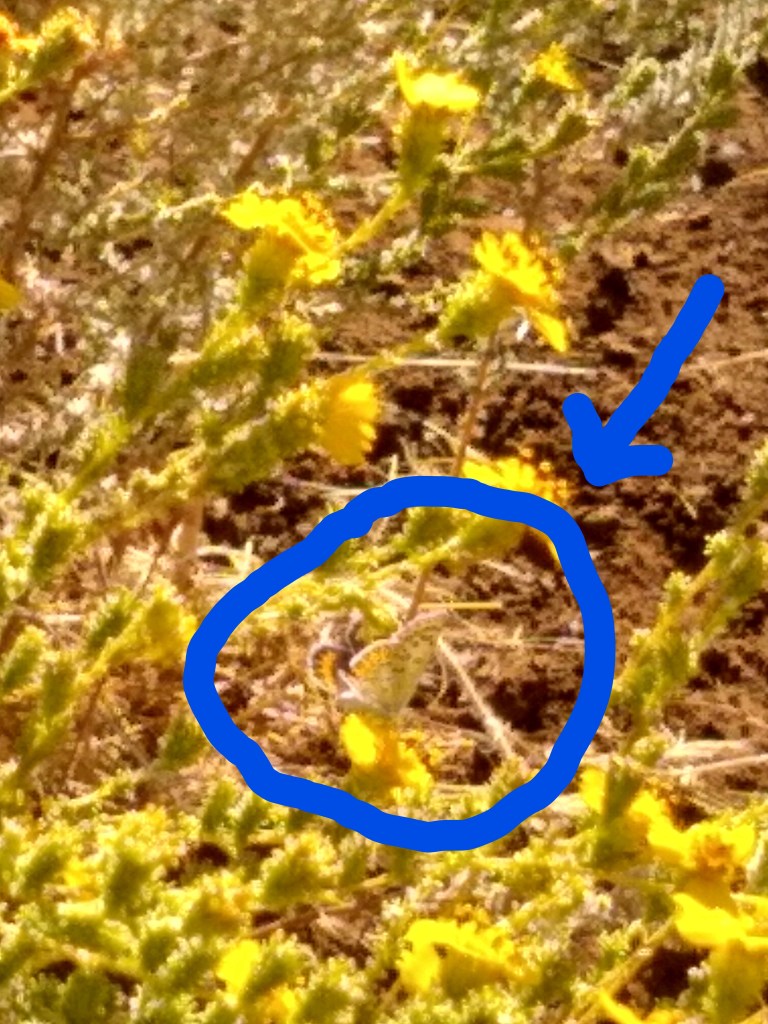
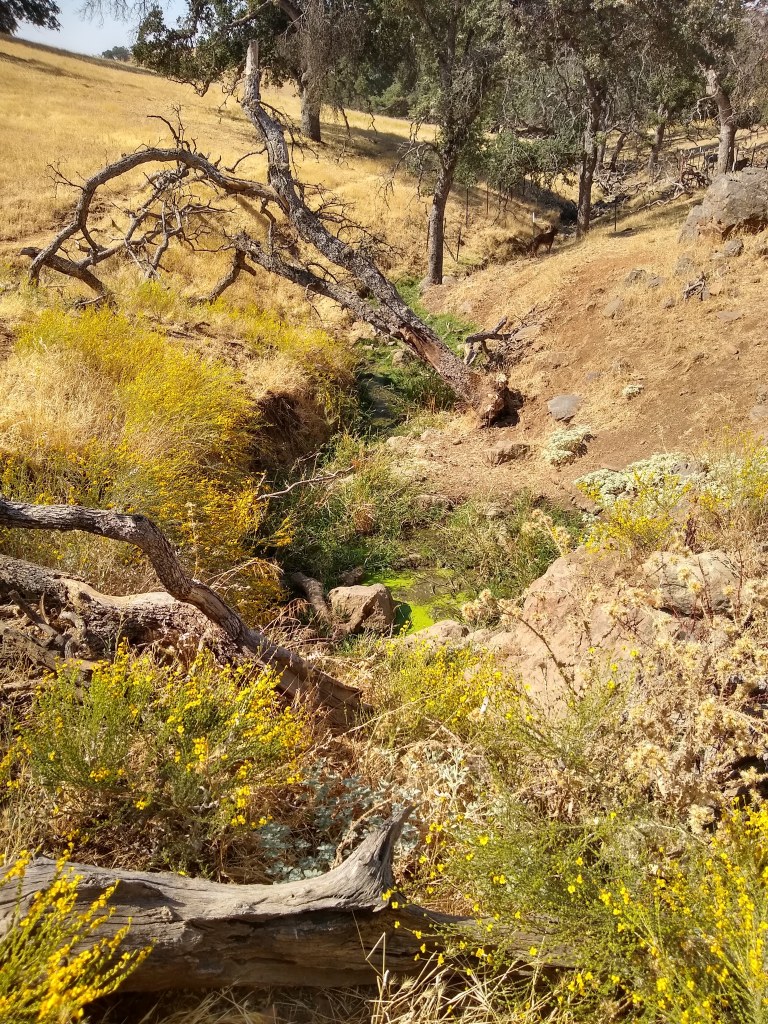
I almost did not use “fight” as the blog title. Like many people, I am sick of all the division – the fighting over everything – like masks, which should be basic decency and thoughtfulness. The heat has been deadly, and everything, including humans, are fighting to survive. In my nearly 20 years on this parcel of land, I have never seen this level of quiet, this few birds, insects — and no butterflies. Even ants, which are hardy and reliable visitors, have been largely missing in the house, along the patios and near the house. I know it is the heat because when the temperatures dropped back into the 90s with cooling overnight, there were more bugs, and yes, we had ants inside all of the sudden. One of the most visible shifts when the heat cools, is the presence of birds – more flitting about and singing. It was a horror, truly, to see several birds during the heat wave panting, just standing on the patio with their beaks open. The filled water troughs and consistent, albeit low volume, water production in the Spring Creek have been life savers. One of the greatest miseries over the mass of 100+ degree days was the was the 9 week absence of any butterflies. On August 31, I saw my first butterfly in those 2.25 months. The next day I saw another one, and over the weekend there was another one. There should be so many more, but I am glad to see any.

I have three narrow leaf milkweeds blooming currently. The others are a little further behind. There are milkweeds that continue to grow 2, 3 even 4 times after being eaten by gophers. They inspire me to keep working, to keep watering. The narrow leaf milkweeds seem to have the most growth potential and speed than the broad leaf milkweeds. The spring continues to fight the heat to keep water moving and pooling down the creek bed. There are somehow sunflowers, lilies, and other plants that have appeared despite the heat and lack of moisture. With all of these examples of determination from in werweriam (my relatives), I must continue to have hope and some grit to keep going. I see bird poop and feathers on and adjacent to troughs. I see tracks adjacent to and shifted boulders in the creek trough. The water is making a difference. So – I get up each morning before the sunrise to check on things and work each evening until just after sunset watering and filling troughs. David is helping me cut wood so we can create mulch for the beds. The wind has blown the grass mulch off and exposed the soil. The mulch will be help retain moisture. We have to keep going and get these plants, animals and insects through to the rainy time, which we all hope is soon.

Va’am Hiapsa (Water is Life)

Without water, nothing is possible. There are only 780 gallons left in Tank 2. This equates to approximately 23 days of water. Do I use well water until the rain comes? Do I let most of the plants try to survive on their own? Do I cull the native plants that have bloomed and are closest to their dormant period despite them being green – so that other plants can continue to live longer with regular watering? Am I too over concerned about the oaks’ and their access to ground water? Can I watch all my hard work and these plants that I love so much whither and die? As I watch my tank water level decrease every day, it reminds me that I will need to make some tough choices soon.

We are making headway here. There are plants that have established very well, lots of plants in bloom and plants that grew from naturally distributed seed. Although there has been attrition due to gophers, extreme heat and simply failure to thrive, the system is functioning. It is on a much smaller scale than I anticipated when I started, but I am seeing modest progress.

Checking-In on Friends

I went to Caroline Korn’s home to check in with her and see how the broad leaf milkweeds were doing. Caroline is one of the finest gardeners I know, and sure enough, the milkweeds were doing very well. I could not believe that she pulled out all of the runners from the plant that was in the adjacent spot. She is remarkable! Caroline realized most of her blooms were from food plants and has decided to plant more native nectar plants. We will be sure to “hook her up” with some from the Xerces Kits in November. Being near a creek and having existing habitat, she is a good candidate for the kit.

Next Steps

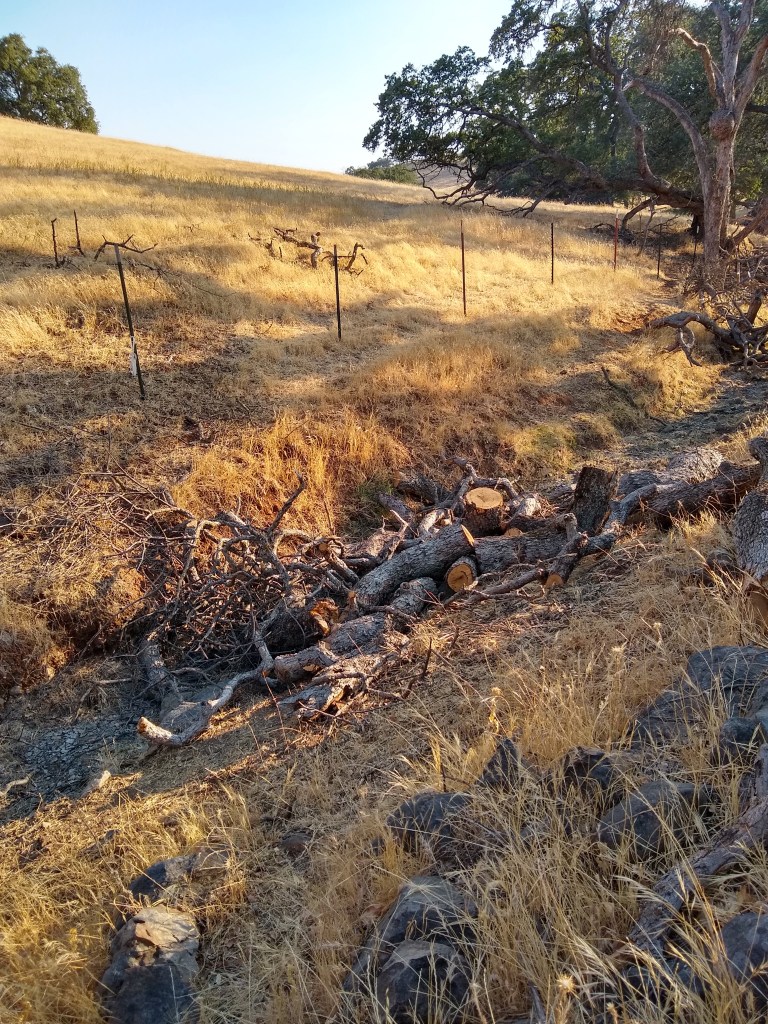
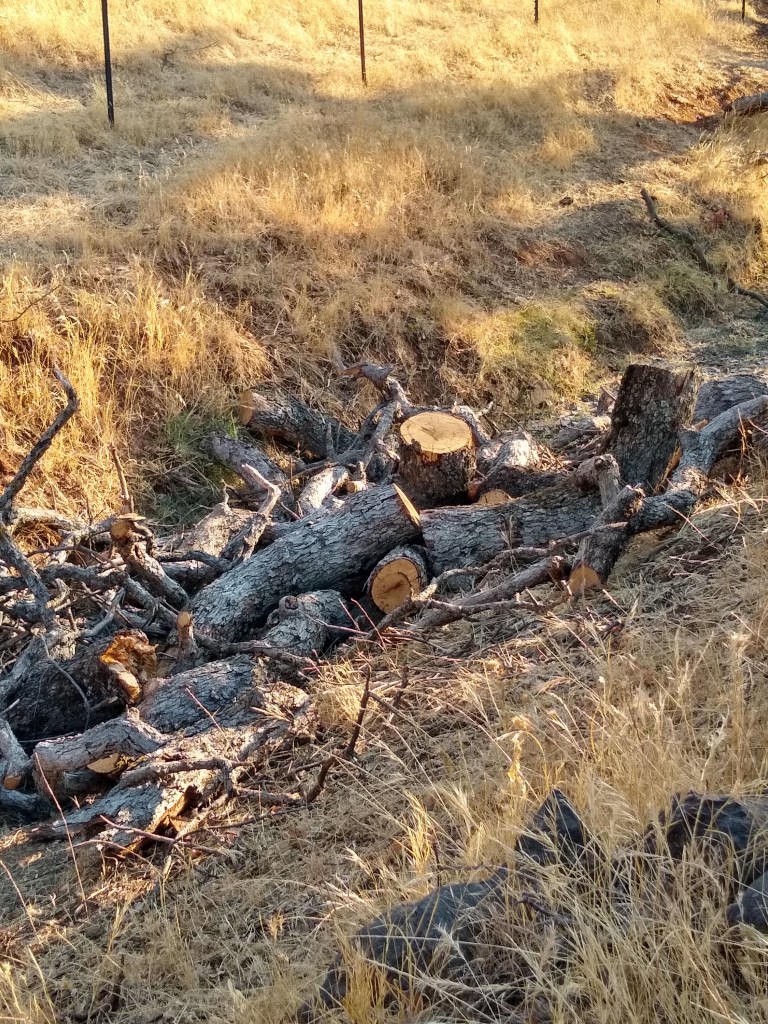
With the acorn falling, it is time to think about the waterways and preparing for rain. I am going to work on some modest log dam structures or beaver dam analogs. I still need to find a good plan for how to make them. I have the logs from the couple dangling branches I had cut, and set into the creek bed. I cleared out the smaller logs so I have room to work and can build the foundation. I don’t want to create a pond. I want to slow the runoff down and back the water up a little so the soil gets a good dose of moisture.

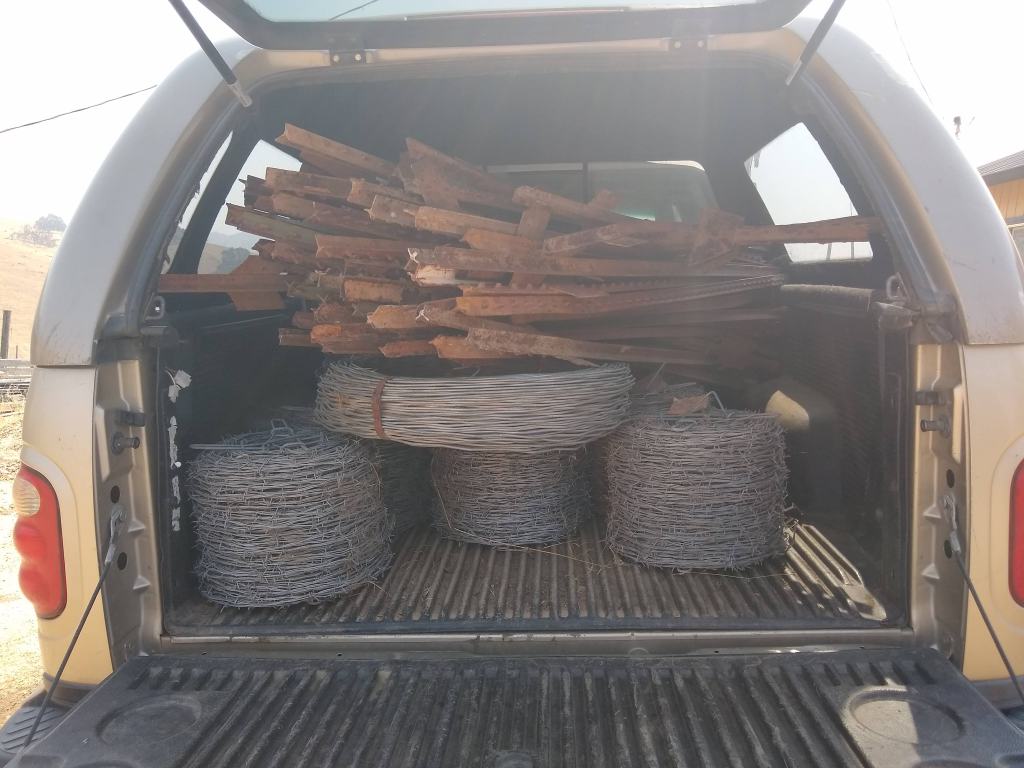
David helped me pick up a massive load of new commercial grade barbed wire, well-used t-posts, smooth wire and clips from a friend’s family that was selling their ranch and equipment. The truck was loaded down. This trip, even with current gas prices, was well worth it. I will now have enough barbed wire to build the two riparian protection fences at a fraction of the cost. Thank you Arturo and Carolina. We wish you well in your next chapter of life!

Packed truck

Even with all the dust, heat and wind, there is so much beauty here. It is a constant reminder to be grateful, and it gives me the courage to even consider that the rough days will pass.