
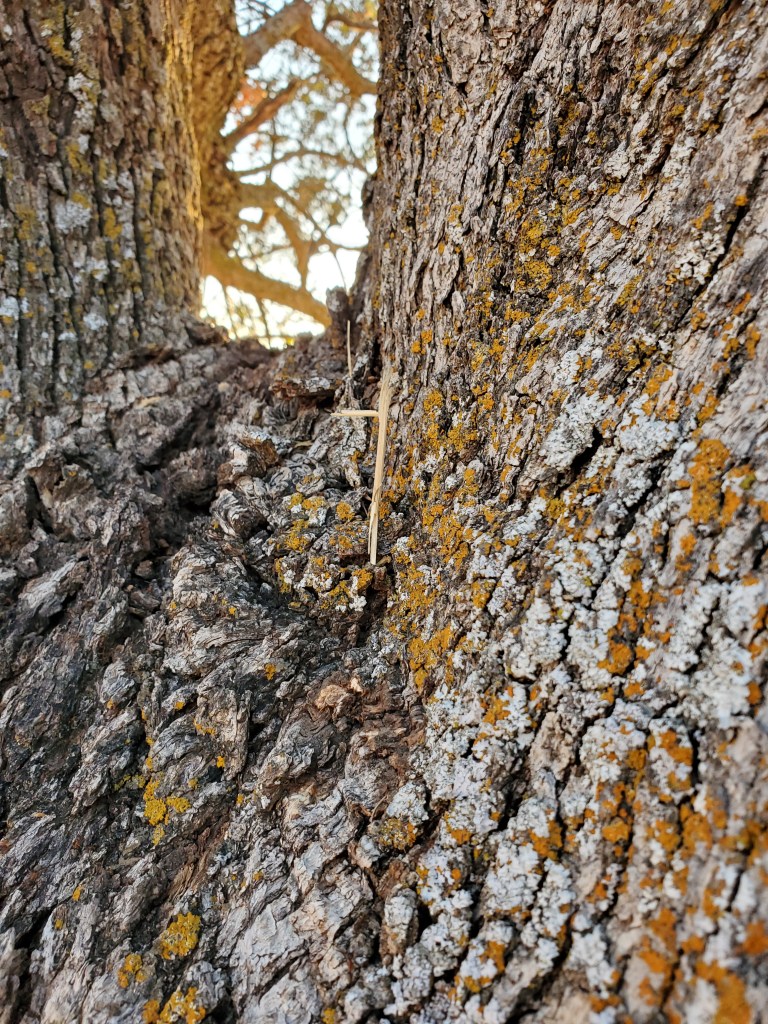
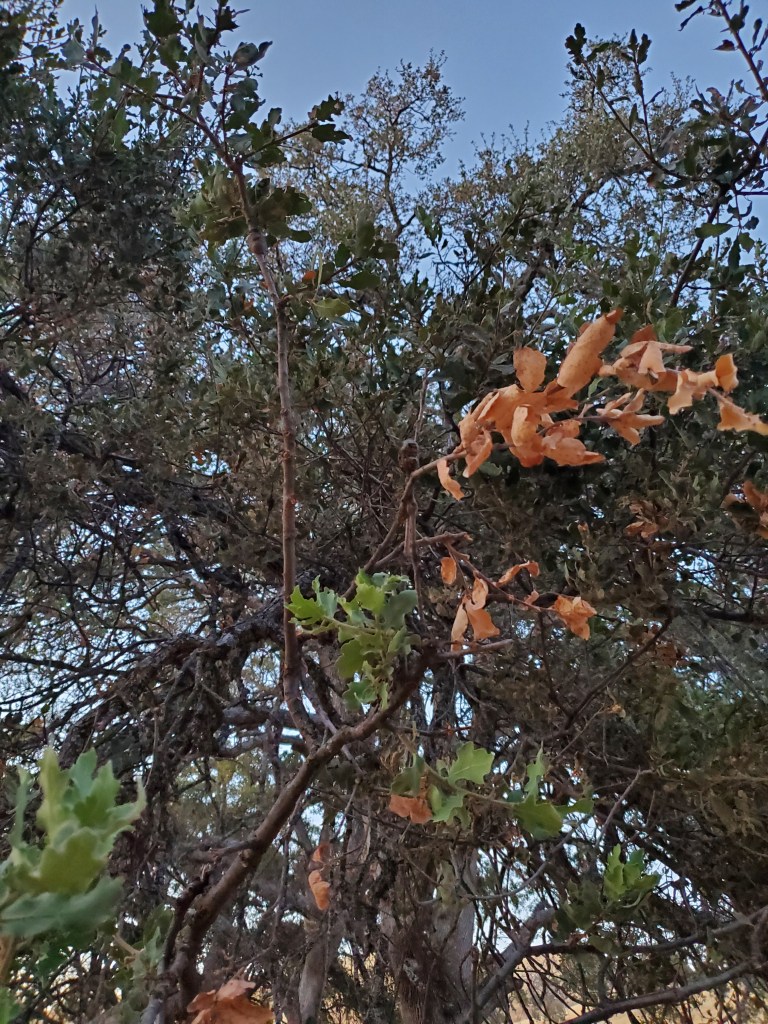
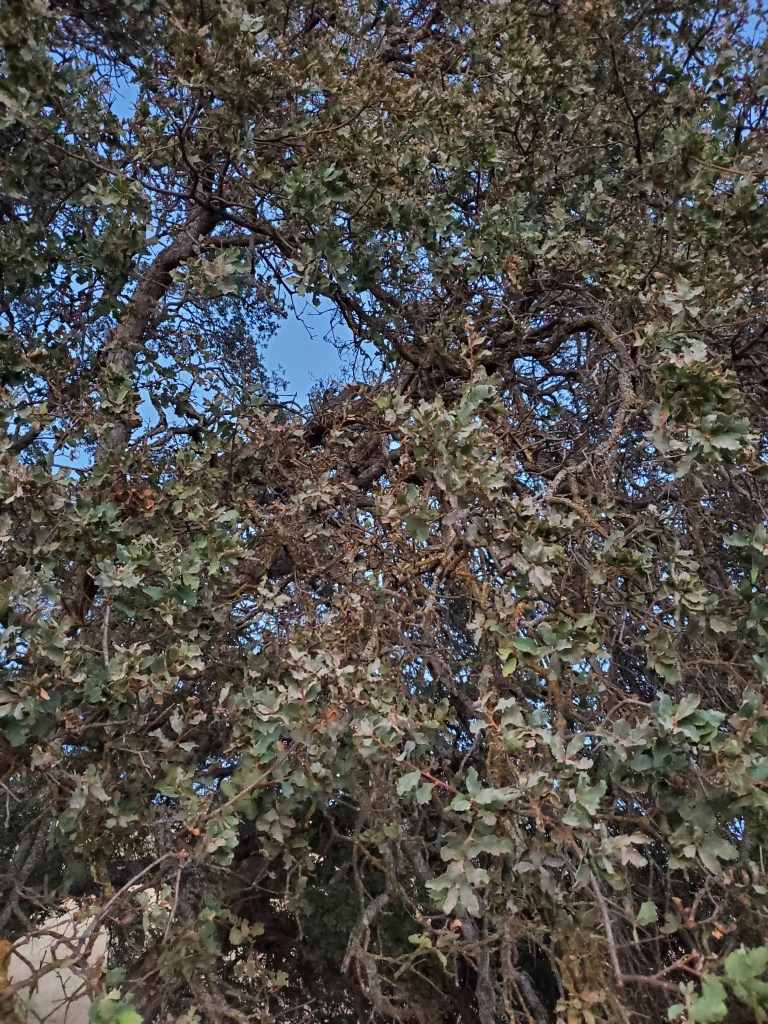
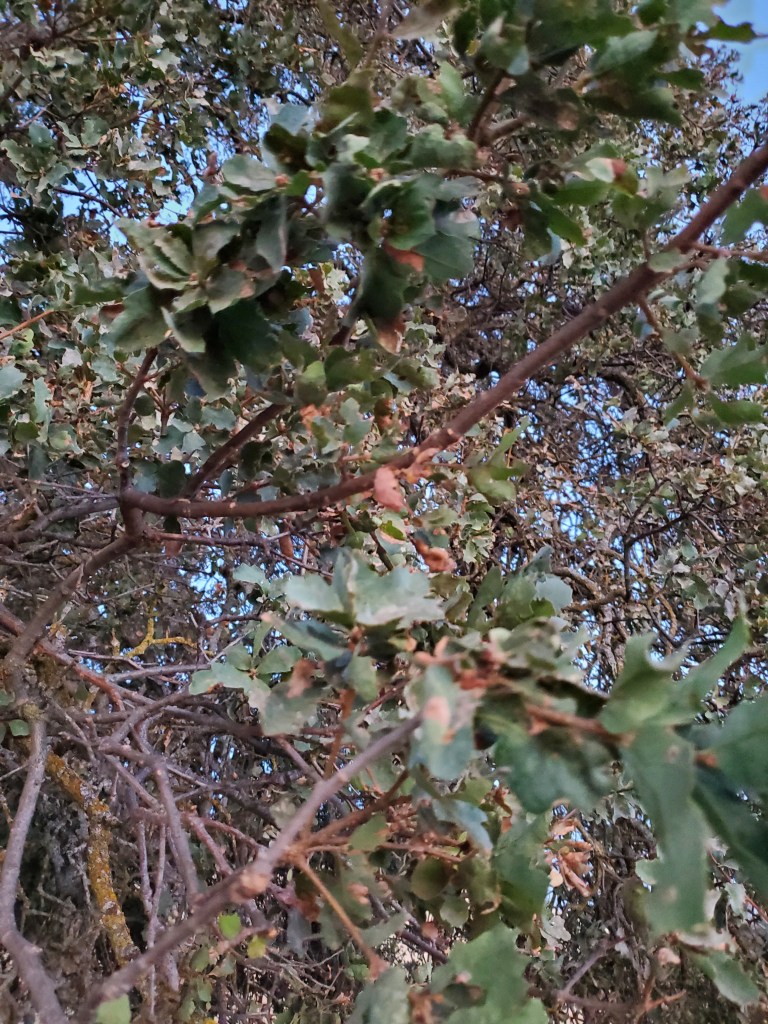

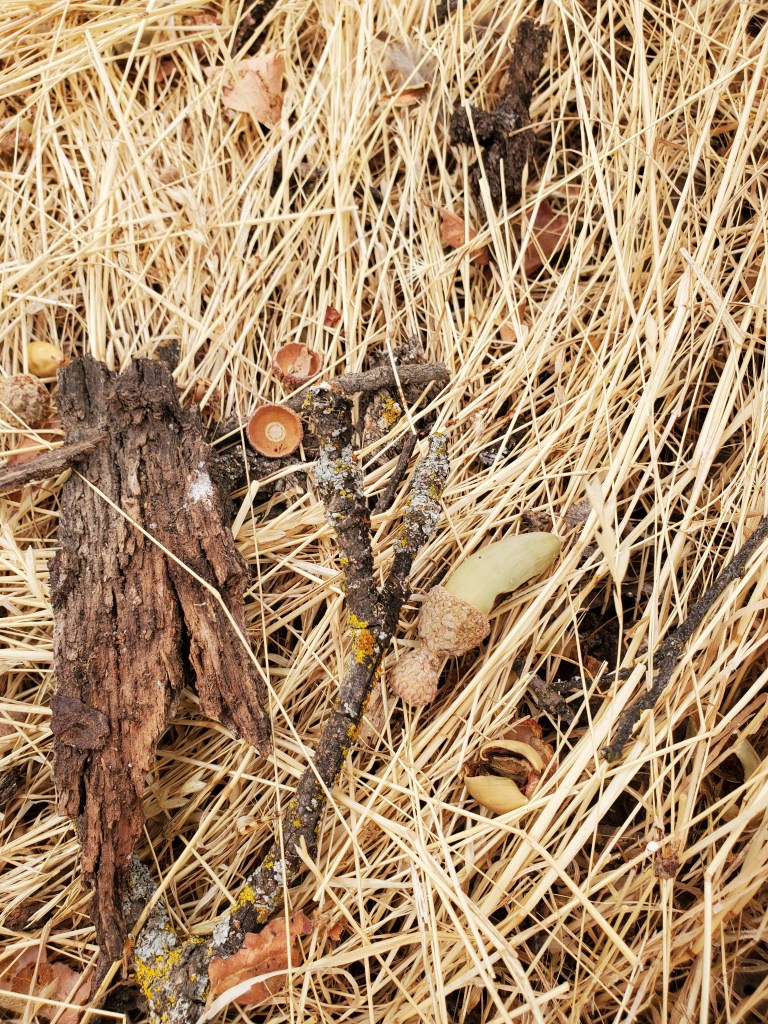
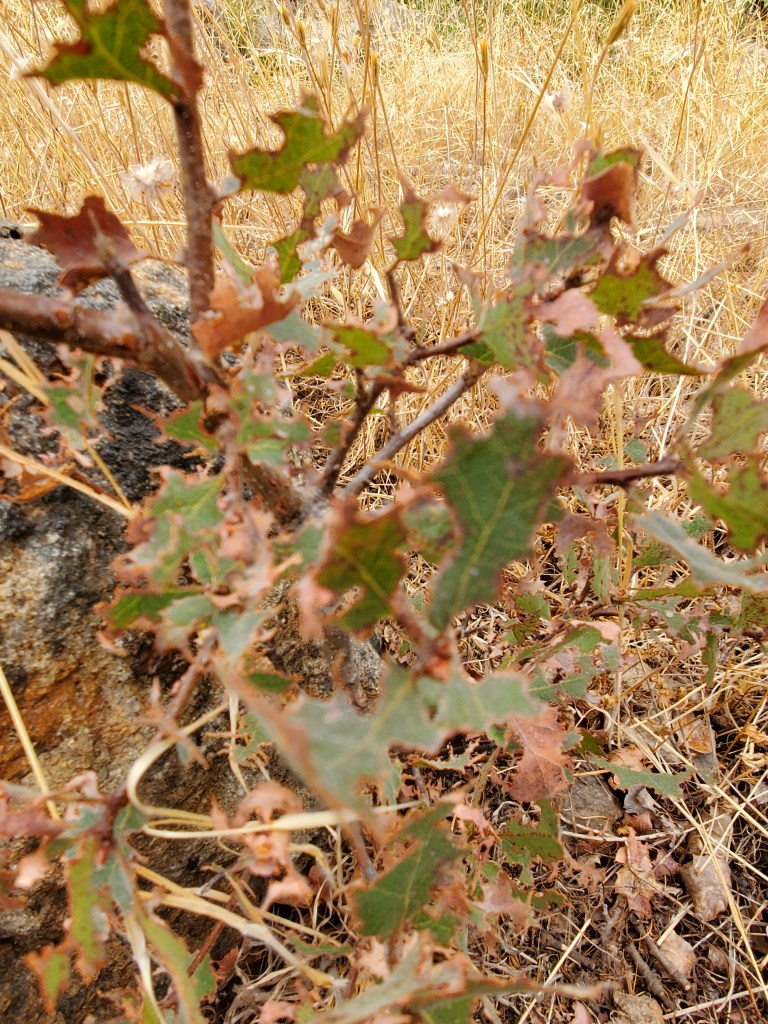
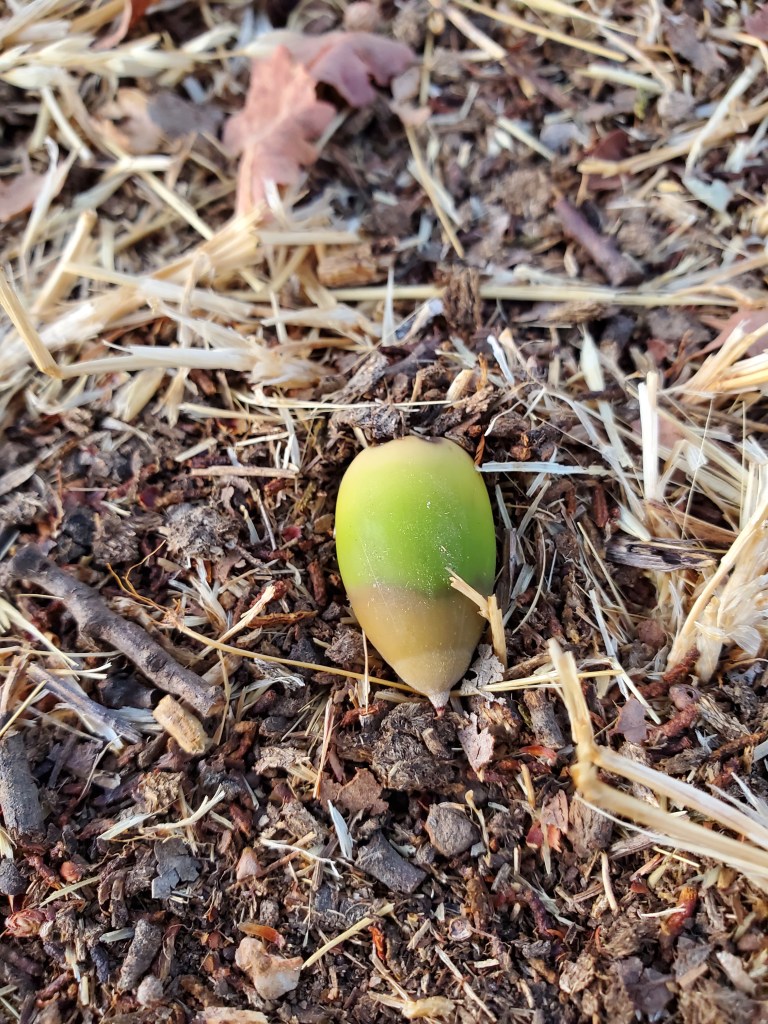
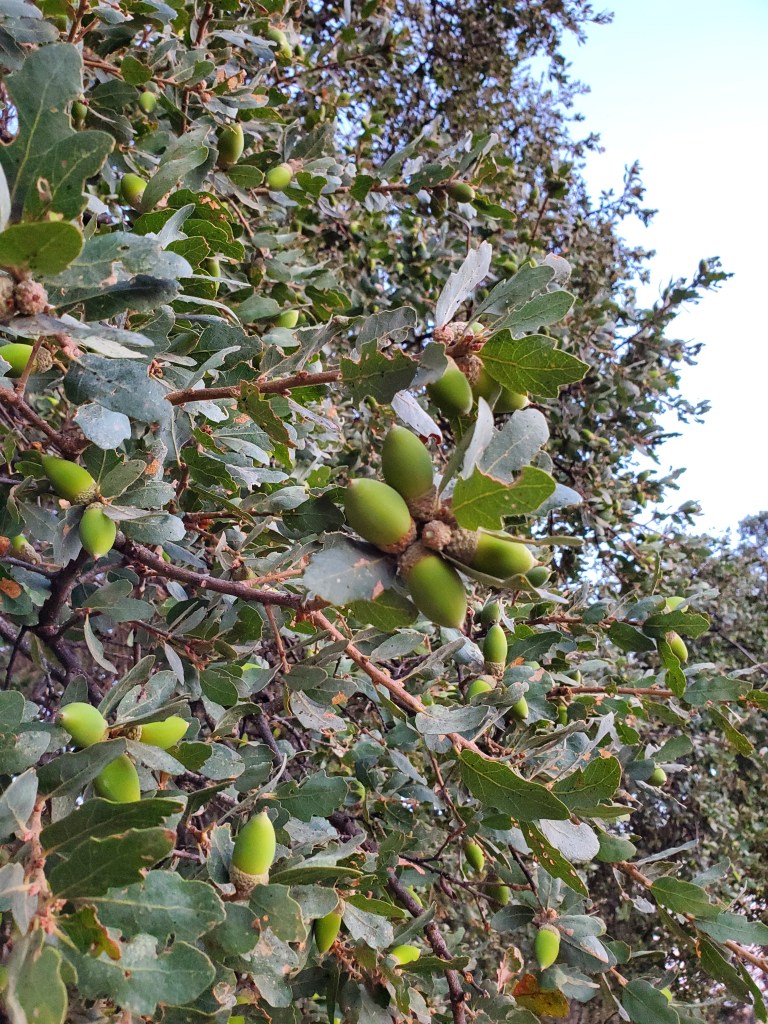
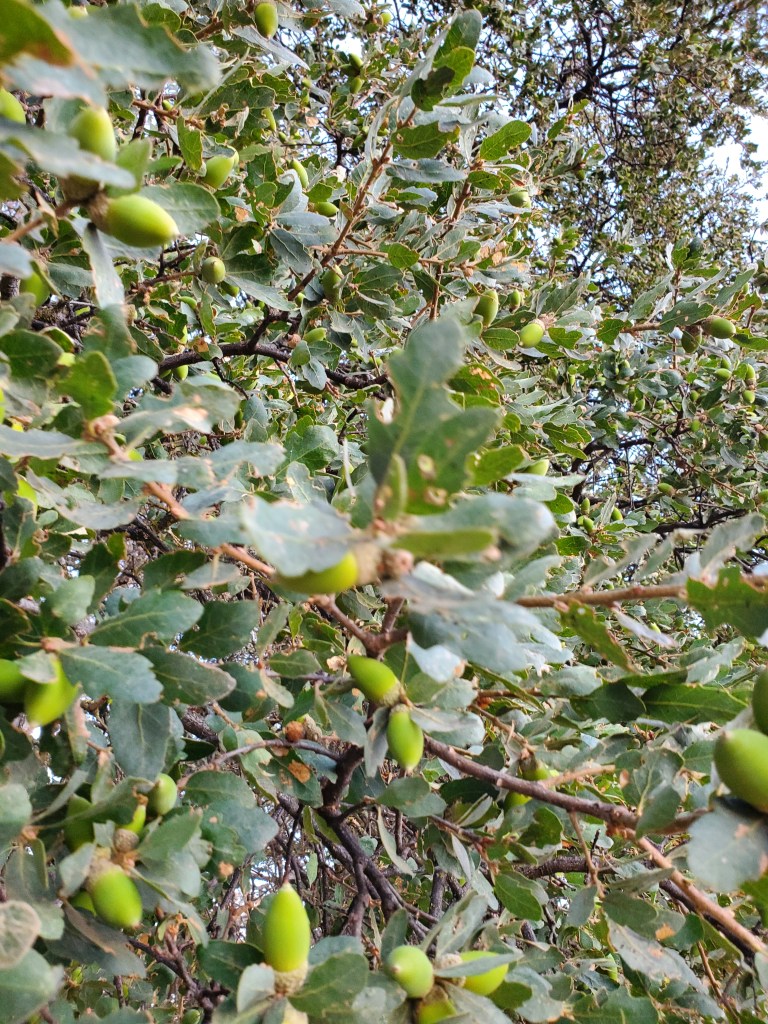
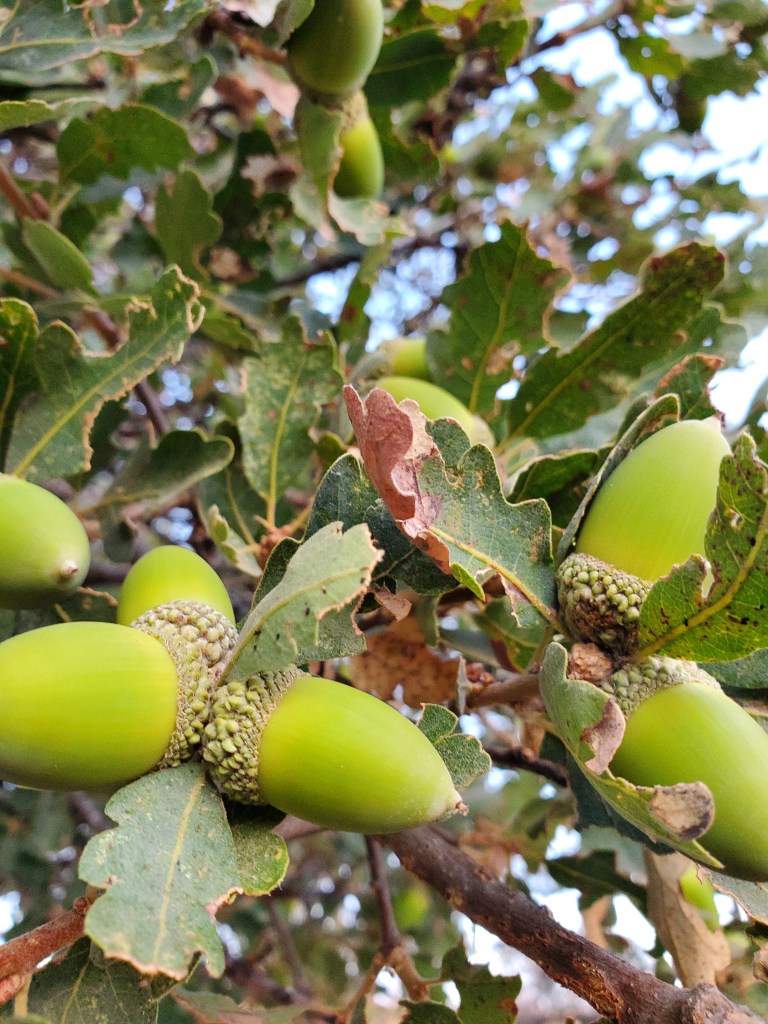
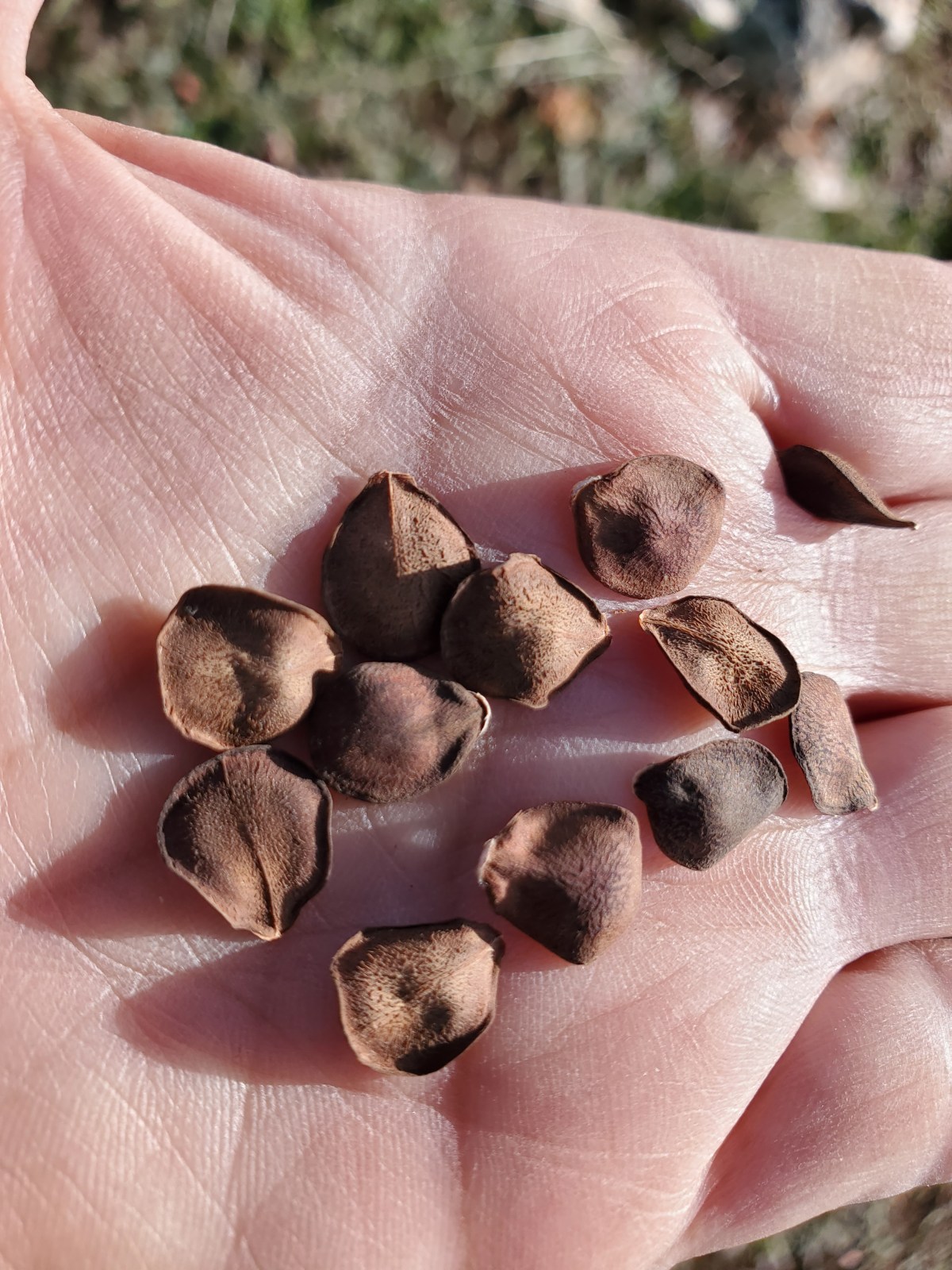
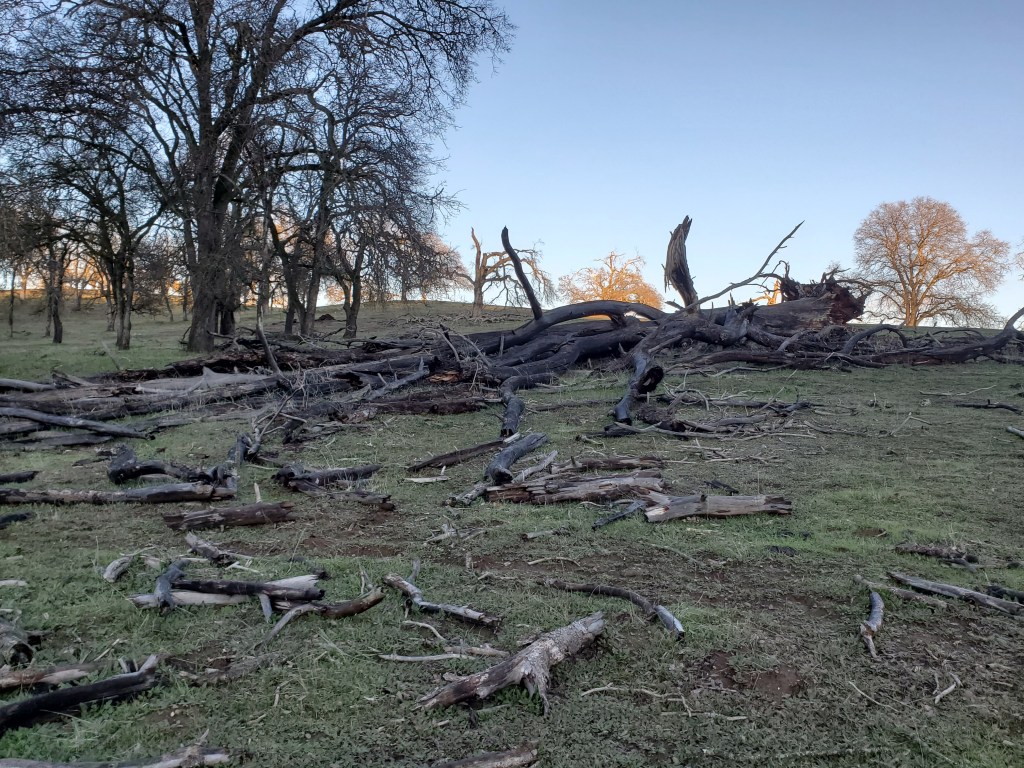
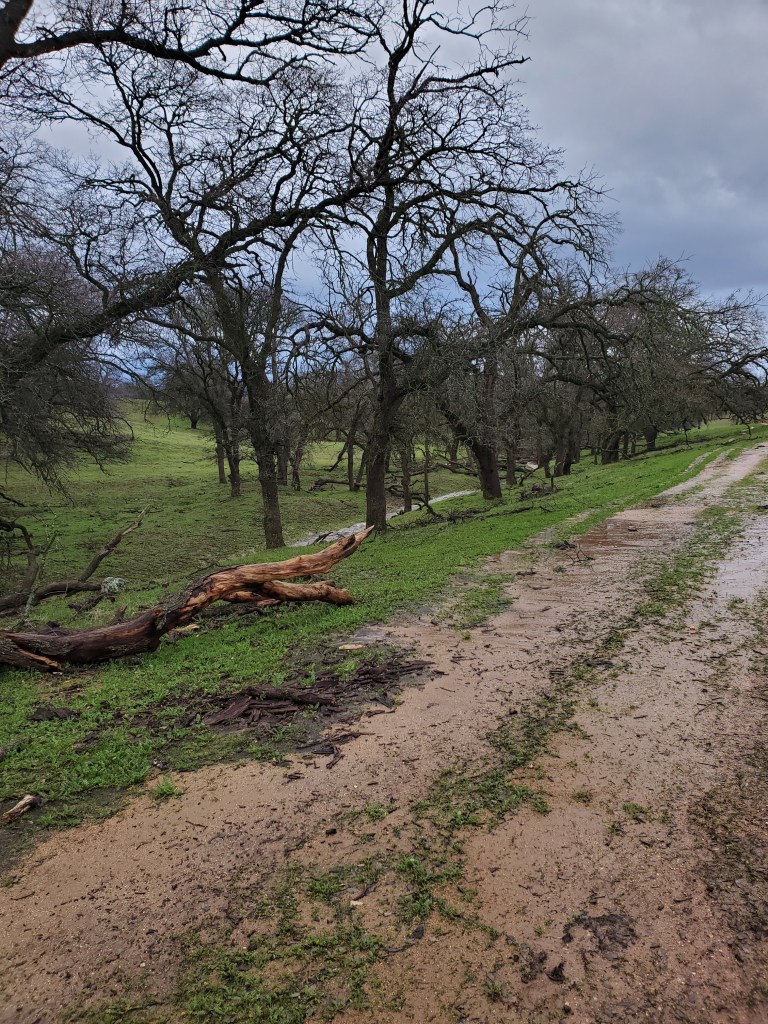
What looked like a bumper crop this year of acorns has transformed to crispy leaves and dumped immature acorns. July happened, and with it, record sustained heat. Oaks are resilient, but so many days of extreme heat on the heels of a long drought within the recent decade are just too much even for these magnificent giants. They had plenty of water over the last two years. Even with water though, they are suffering. Prior to the heat, I was overjoyed to see thousands of acorns on the trees. It was exciting to think I could do more oak planting using my own acorn stock – and even have enough left over for the animals and me to enjoy. My hopes withered like the leaves I was watching, as day after day, green acorns appeared on the ground, less leaves on the trees, and the remaining leaves showing signs of burning / crisping. Most of the grand oaks no longer look so good.
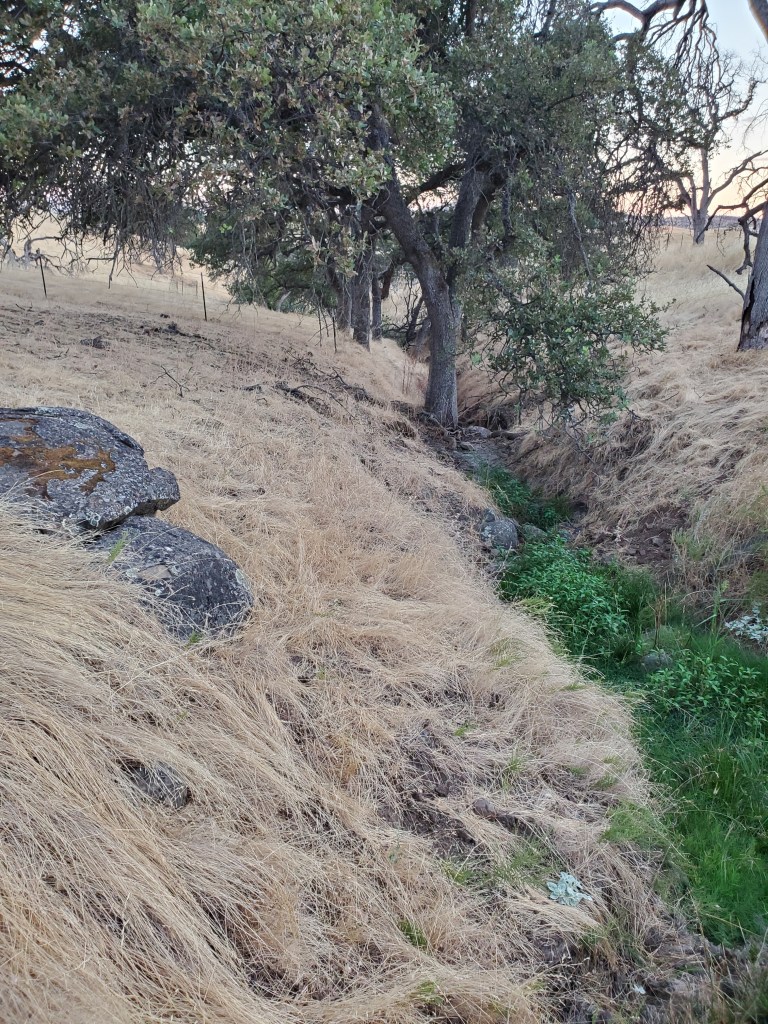
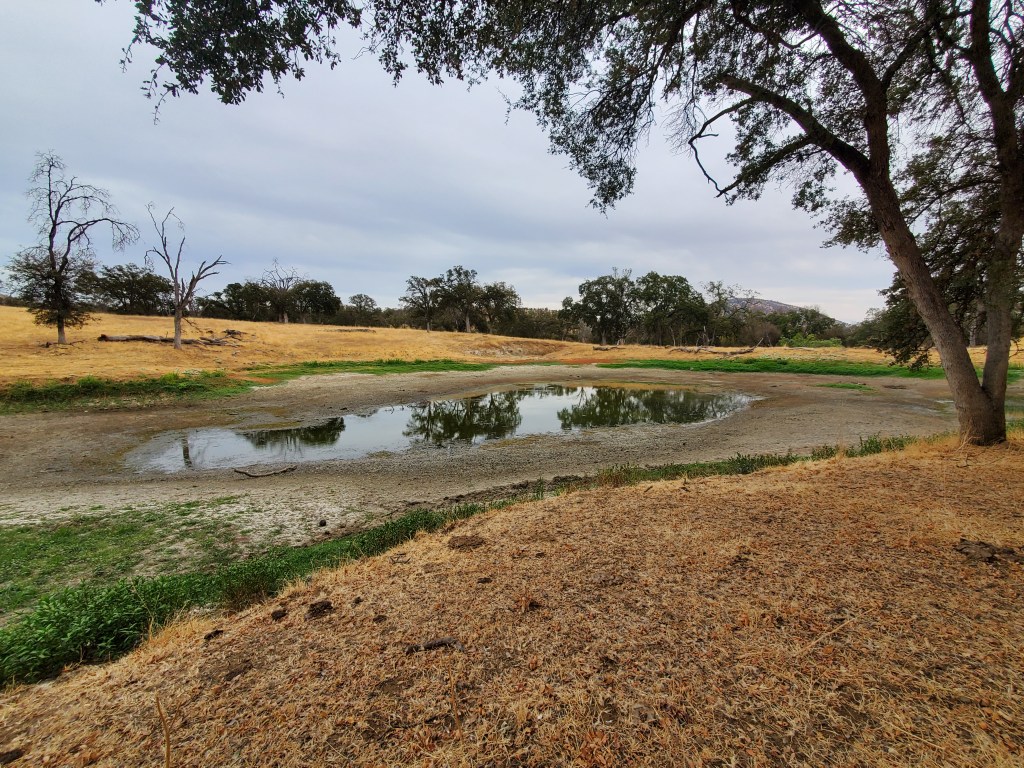
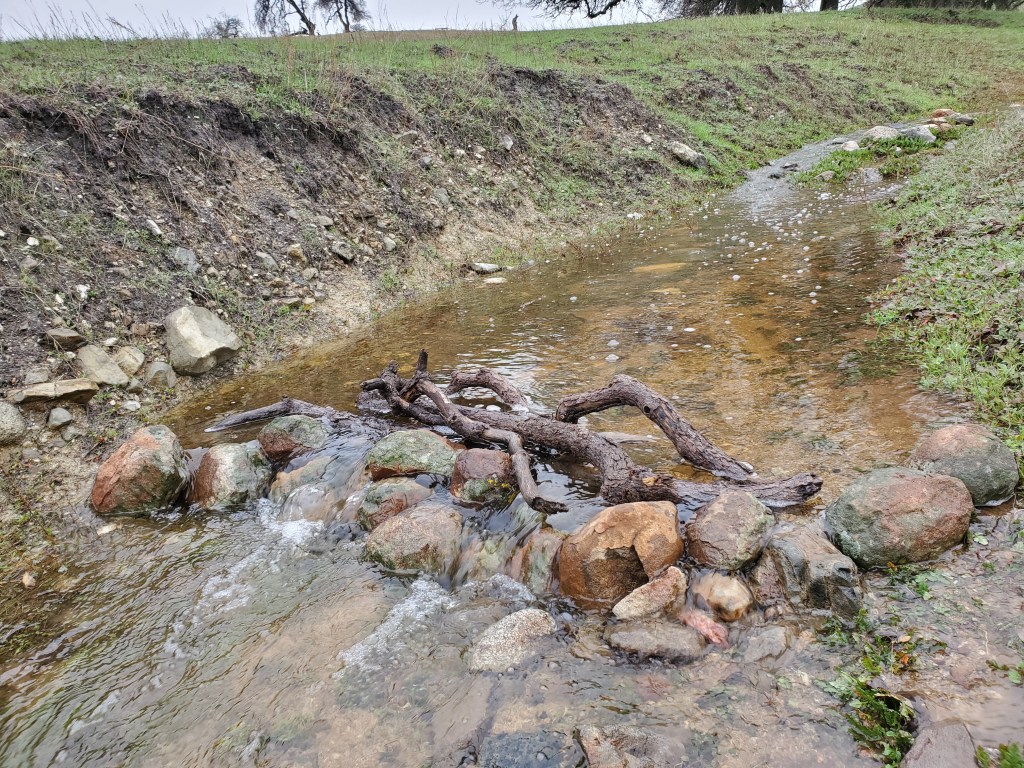
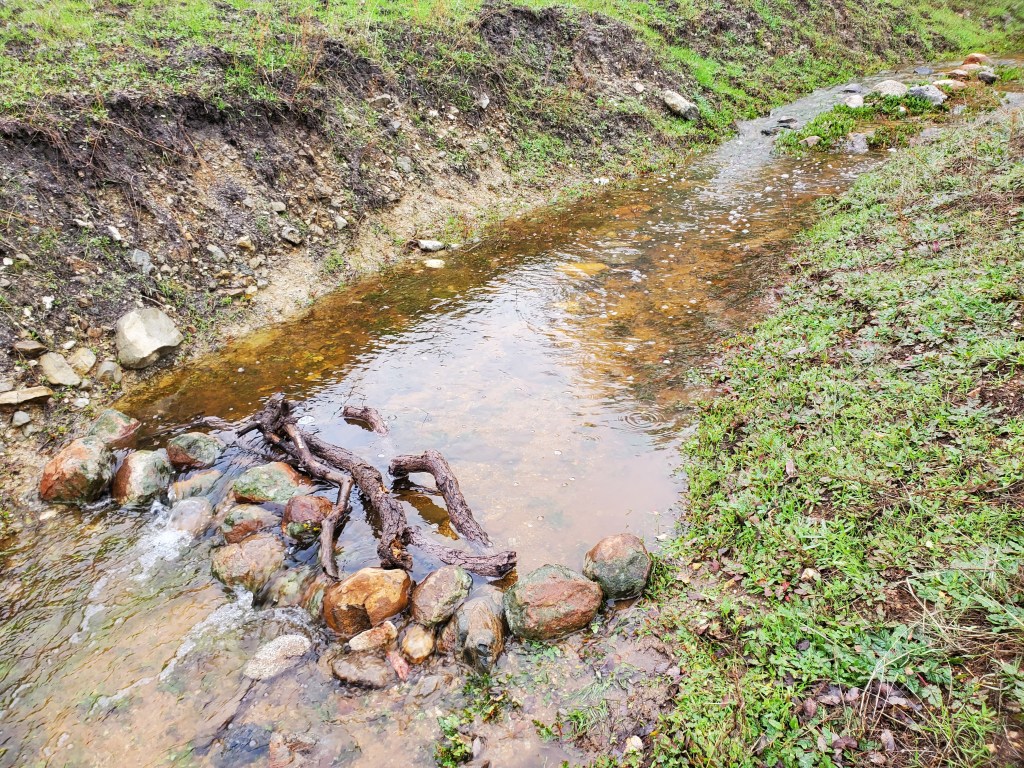
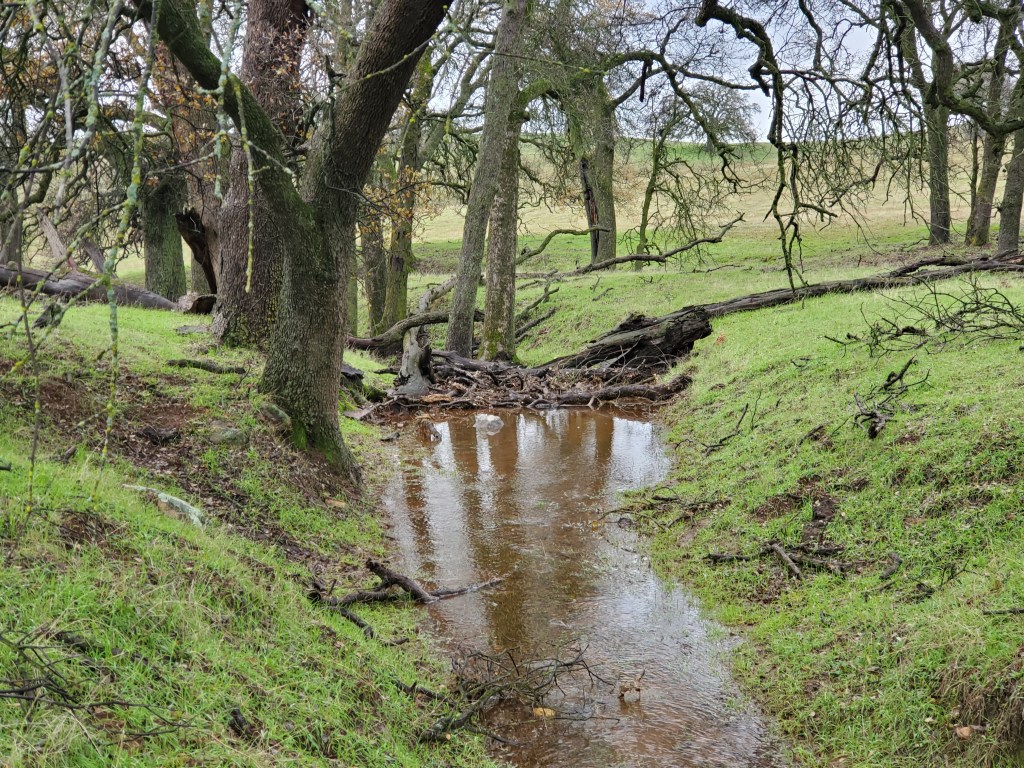
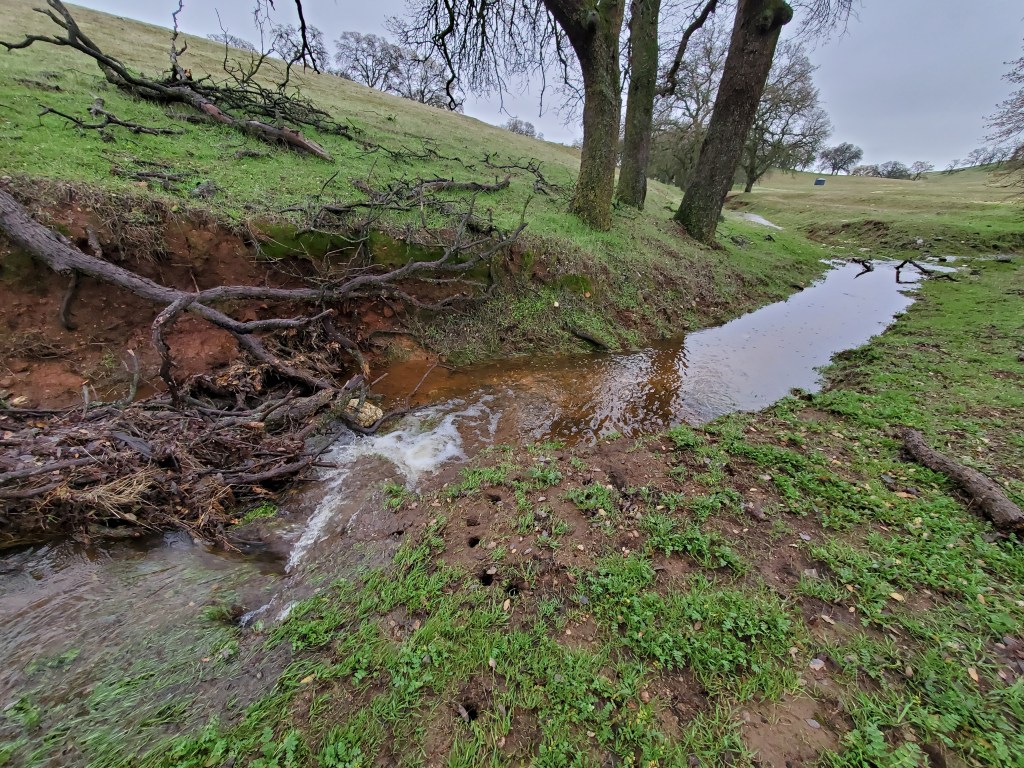
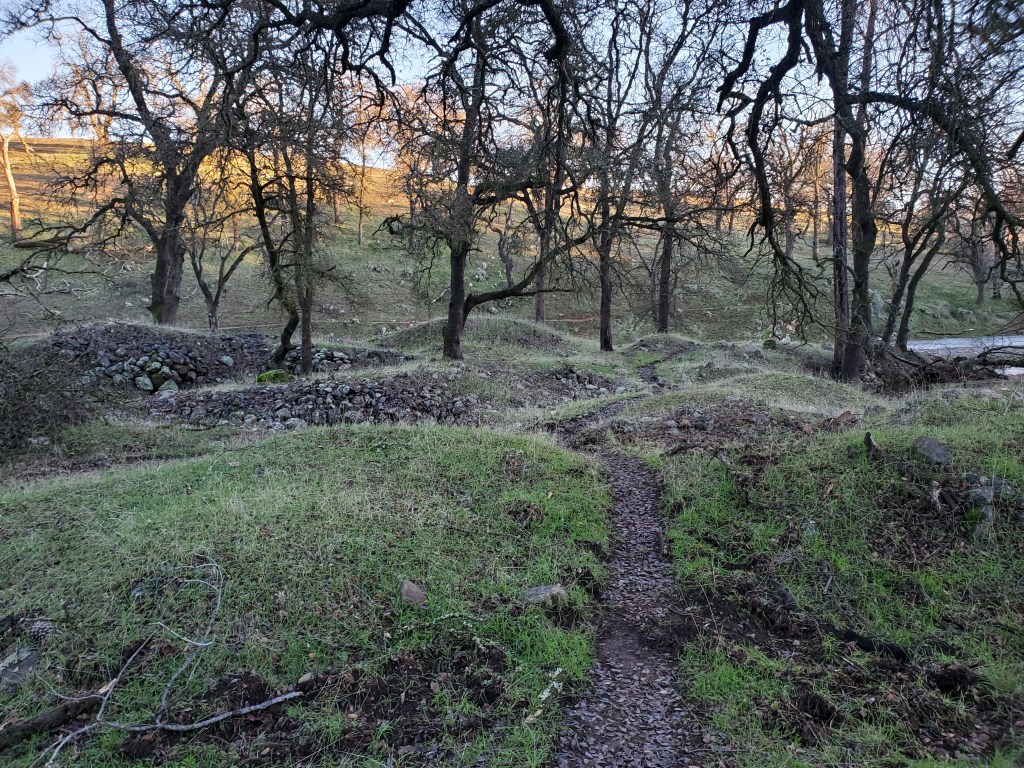
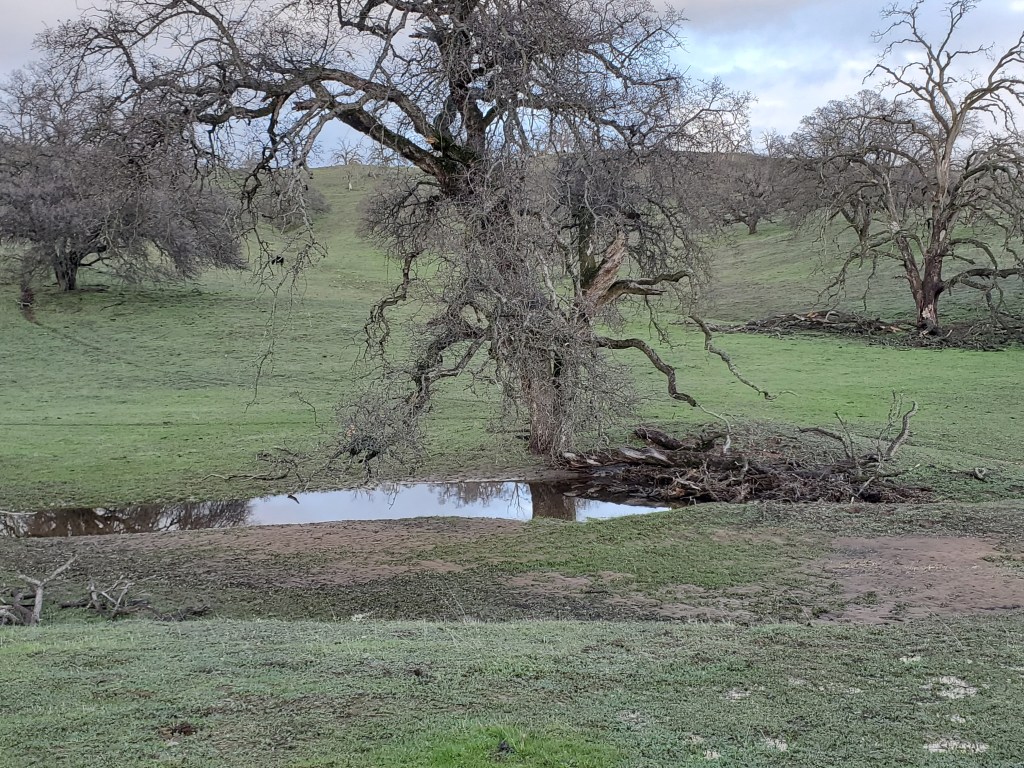
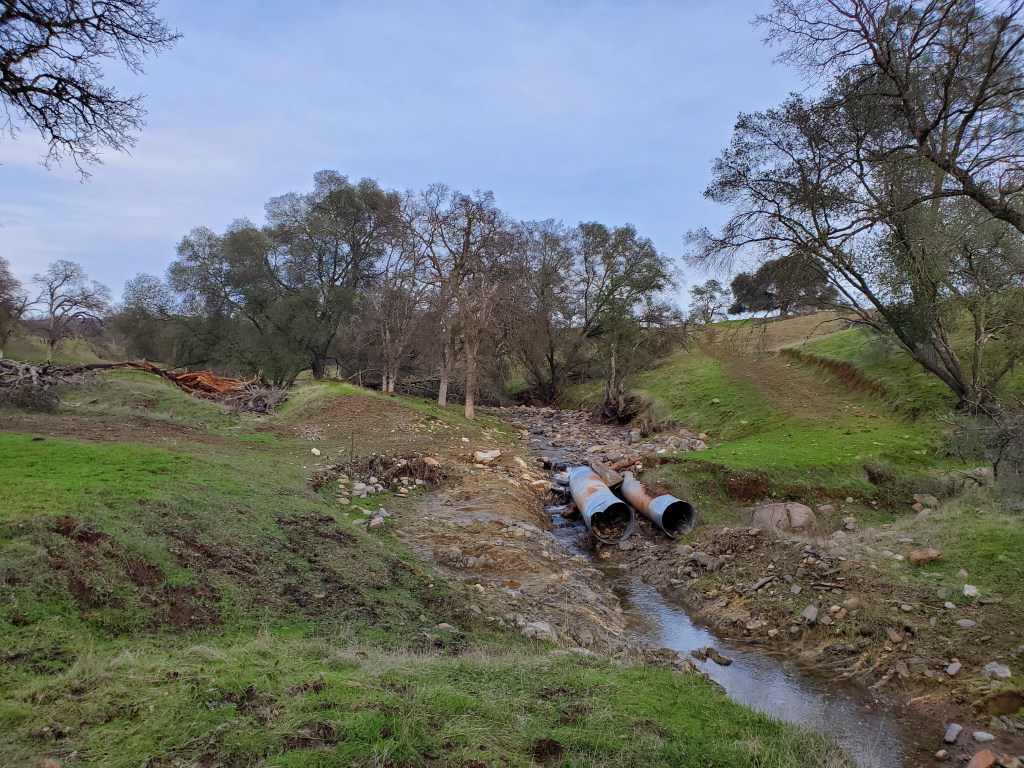
One bright sign is that the oaks adjacent to the swale pond are doing extraordinarily well. Their leaves have withstood the heat and acorns are still attached in copious amounts. Hoping for repeat good news for those oaks adjacent to the check dams, I explored the grove. Sadly, the trees were crisped. Even the oaks sitting lower in the creek and drainages were rough looking. The check dams slow the runoff holding back small quantities of water for a short time. The swale pond holds large quantities of water over a long period of time. I only did a very cursory look, and need to do a more thorough examination across the entire ranch to understand if this is the pattern. If so, how can I ever hope to save these magnificent relatives, so critical for food, shelter and shade on such a large scale?

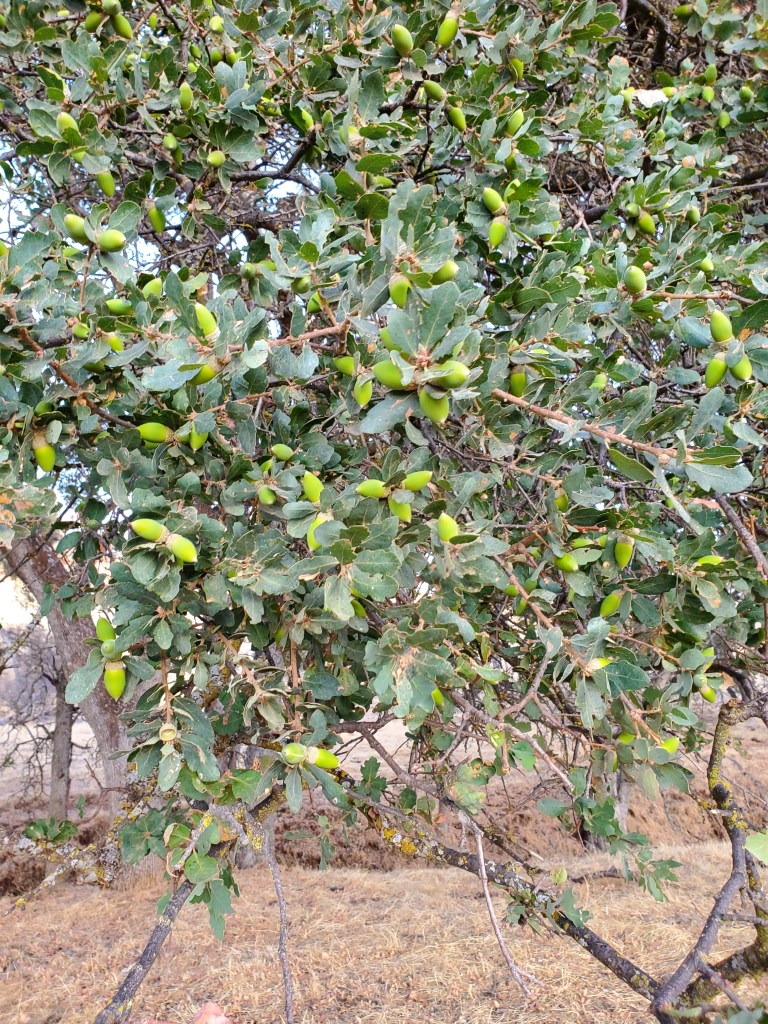
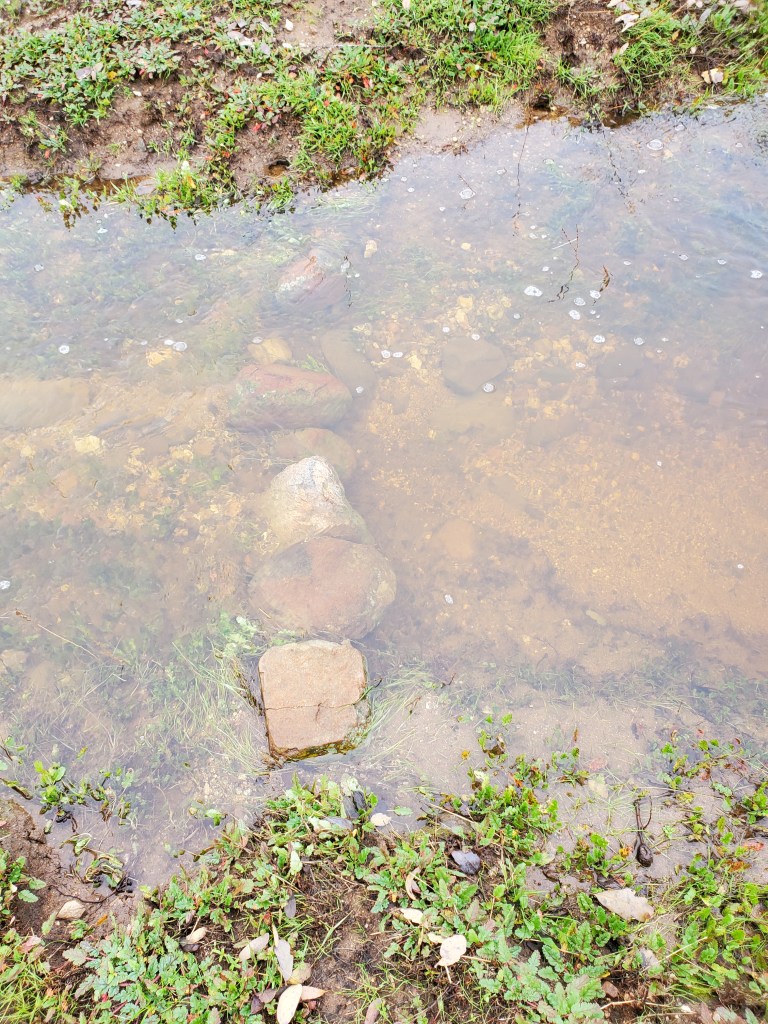
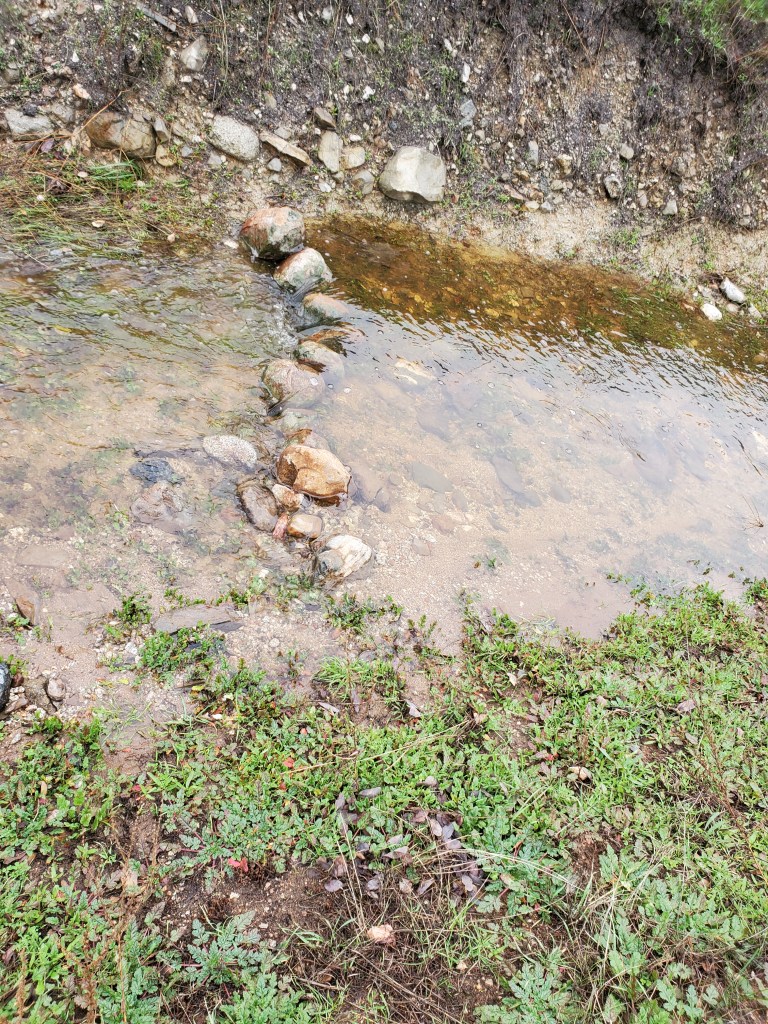
Water – Still Here
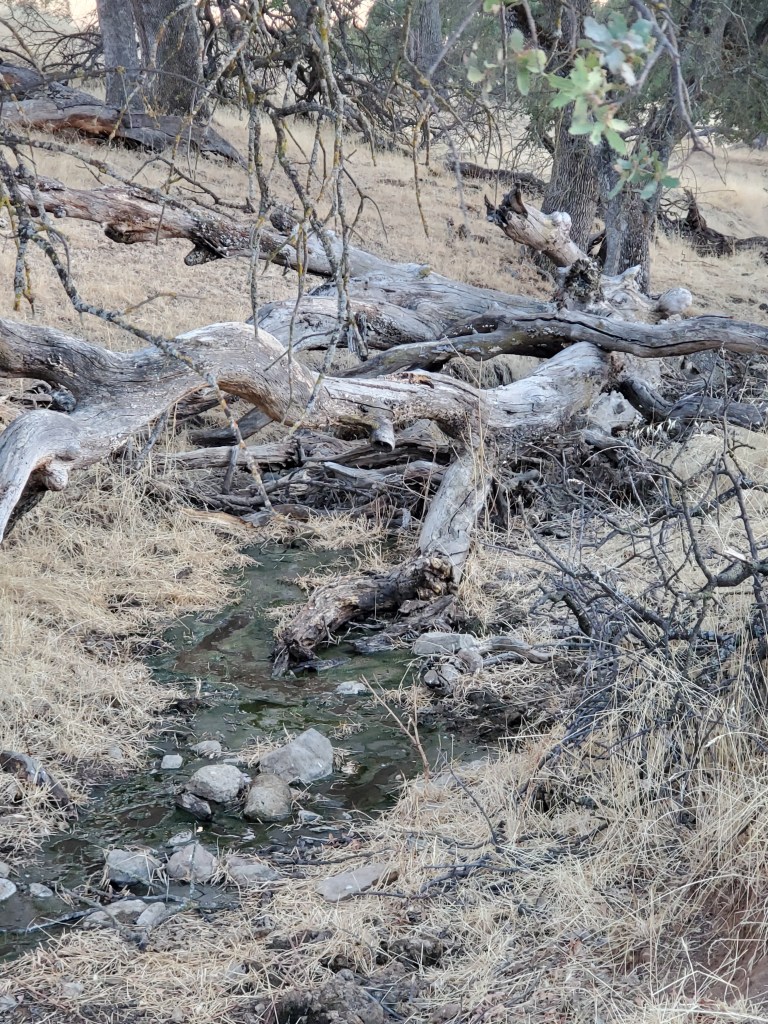
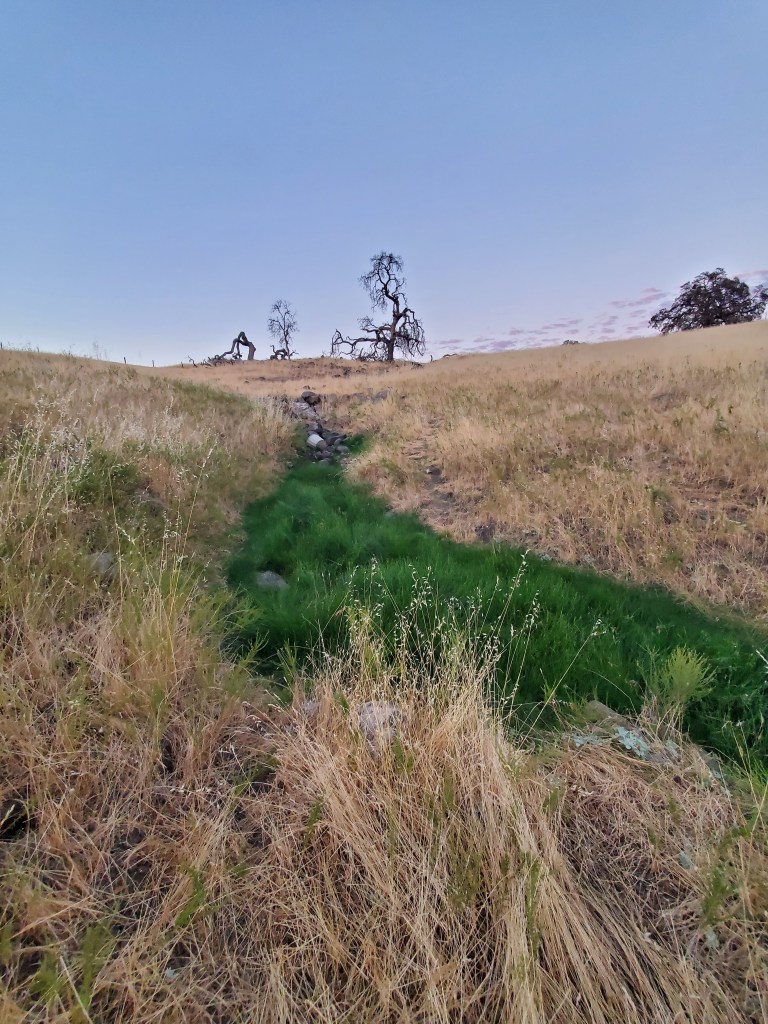
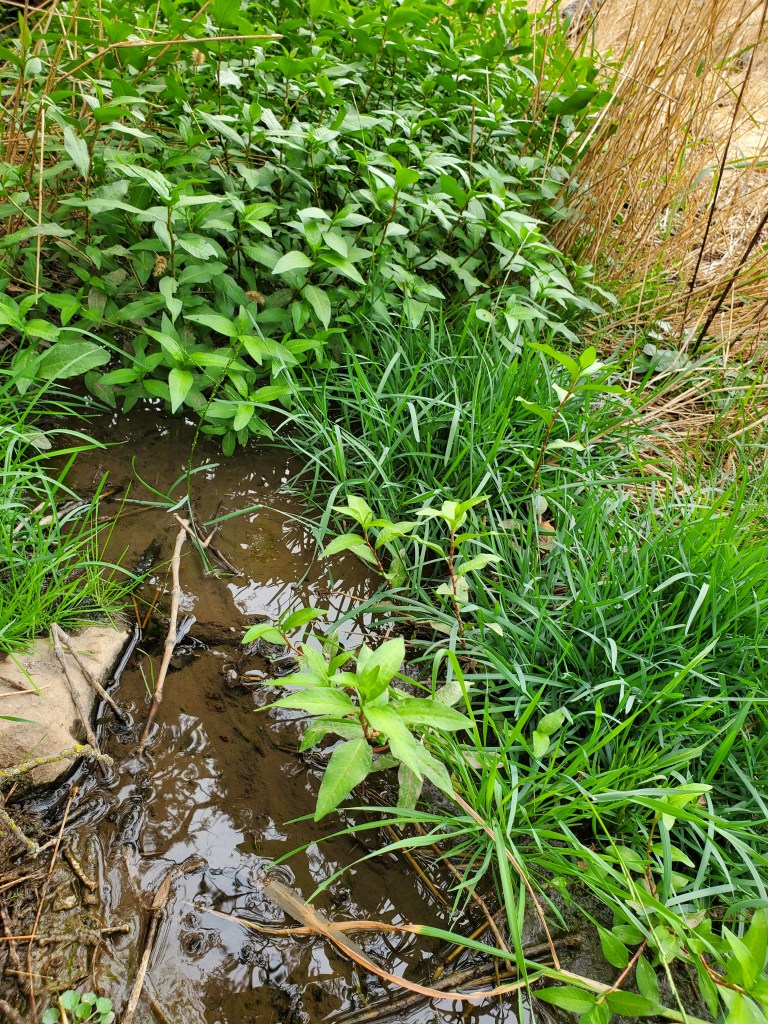
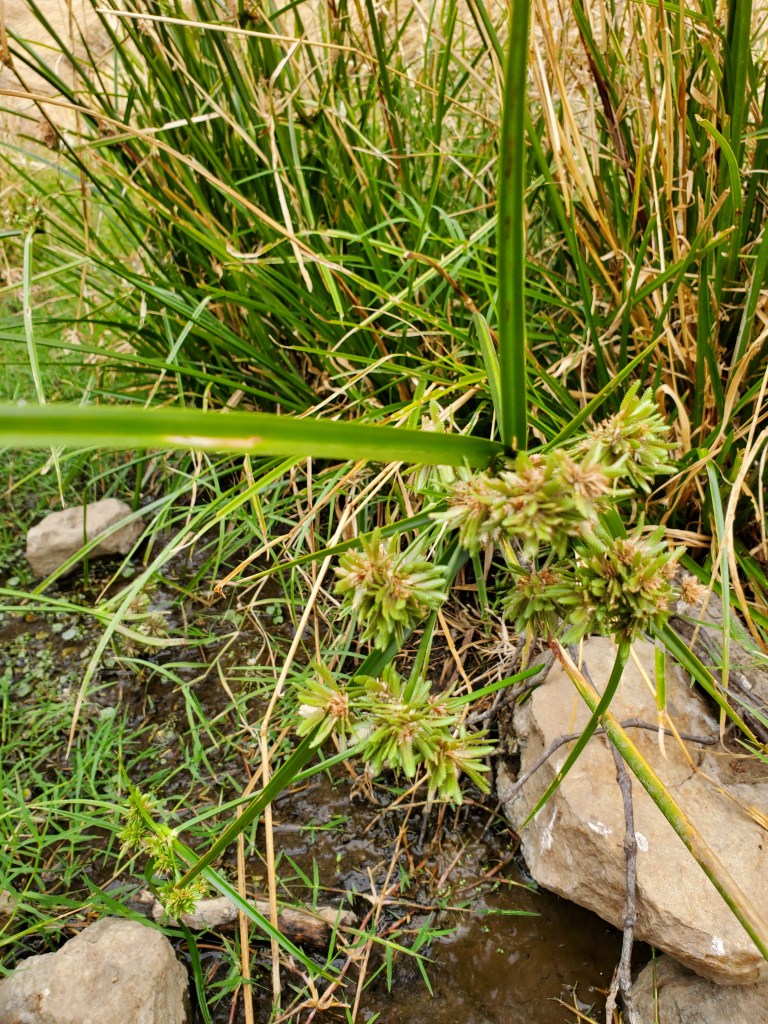
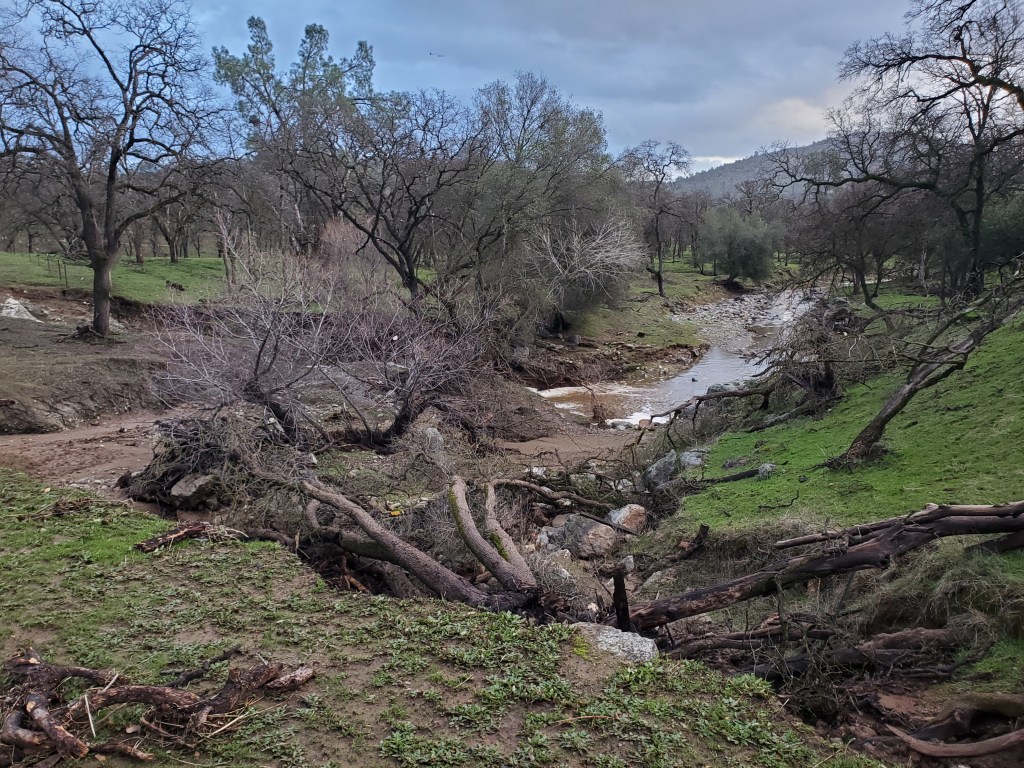
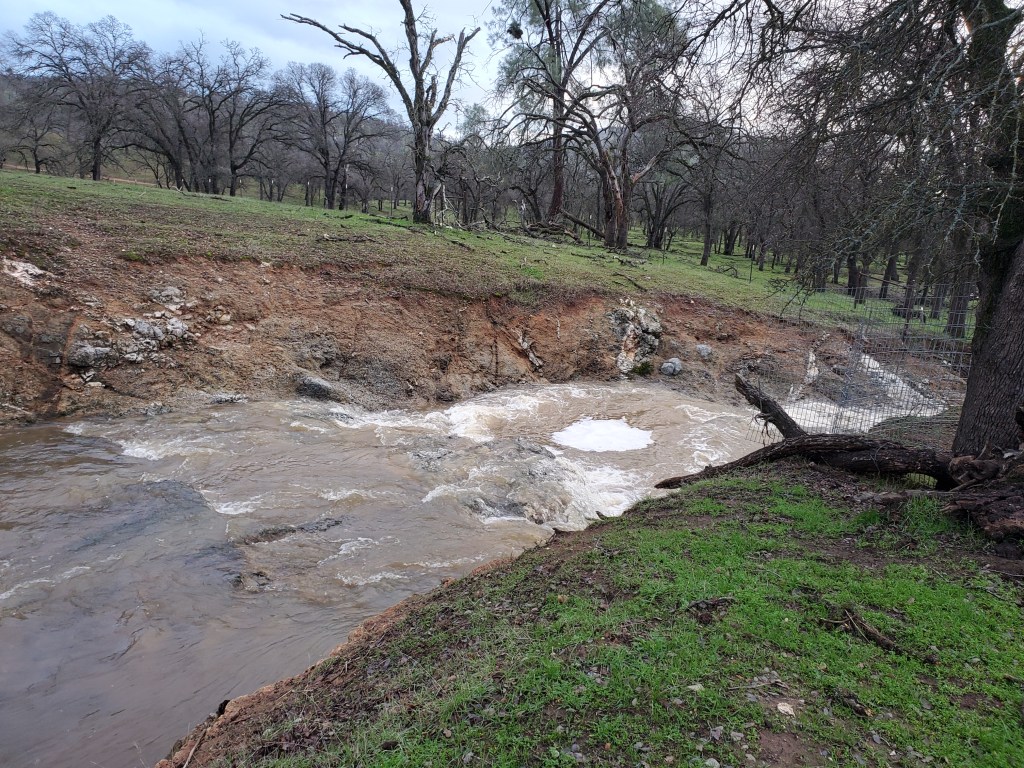
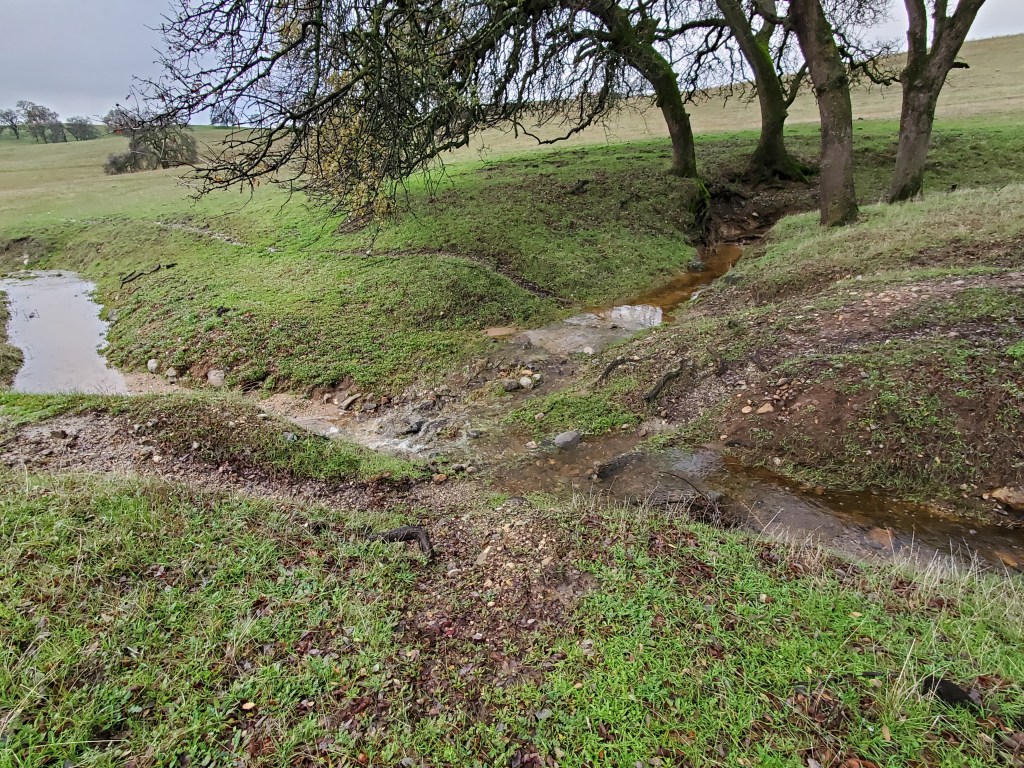
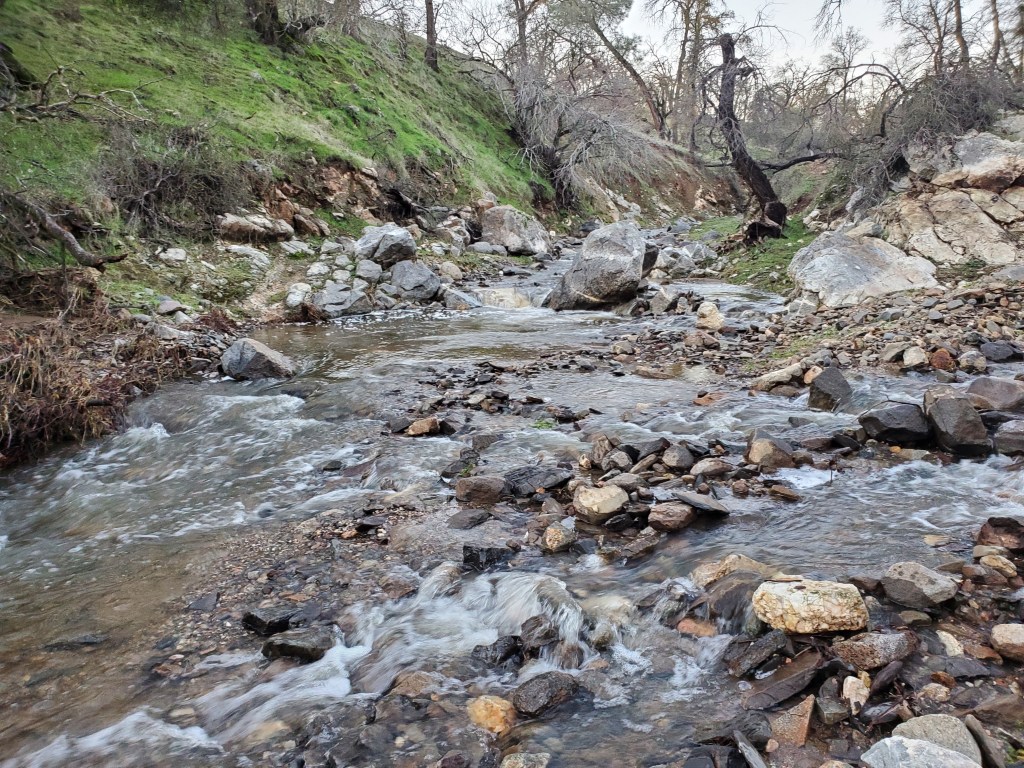
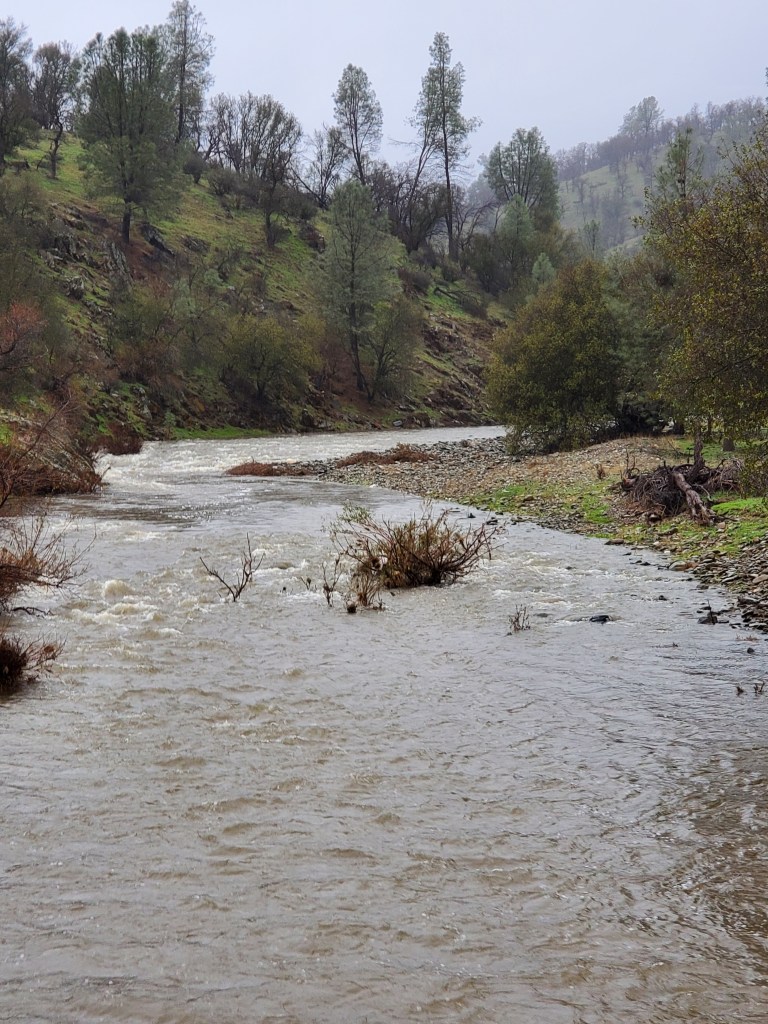
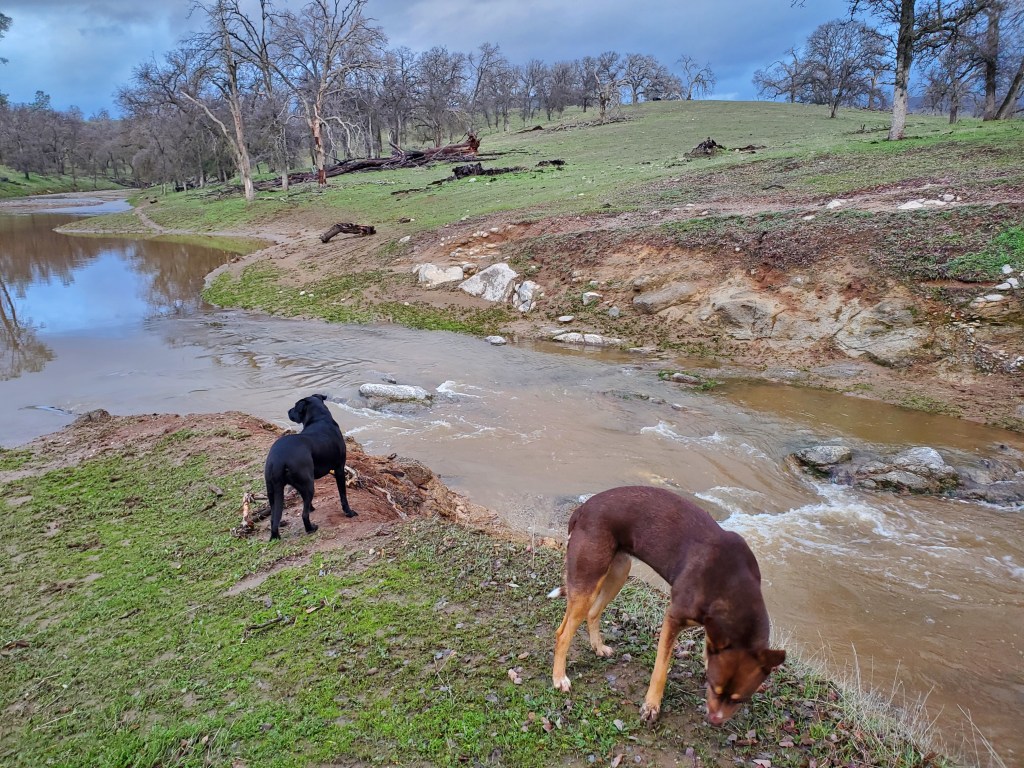
I am grateful that there is still water running in the creeks and seeping from the springs. It ensures life can continue and that there are nectar flowers to feed hungry pollinators. There was also watercress – a wonderful treat for humans.

Traditional Foods – Critical
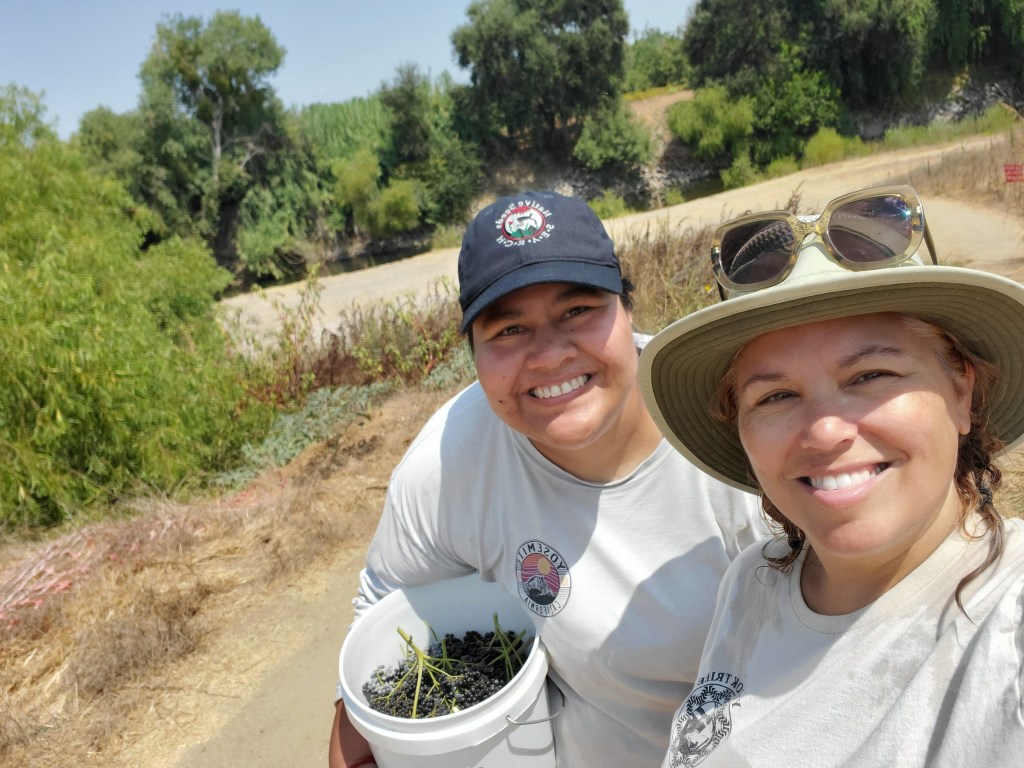
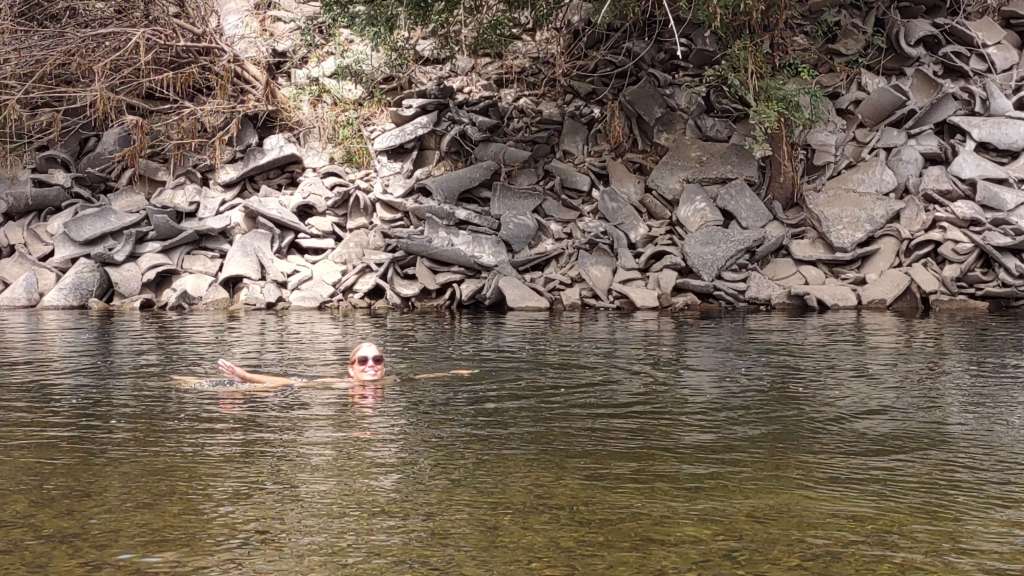
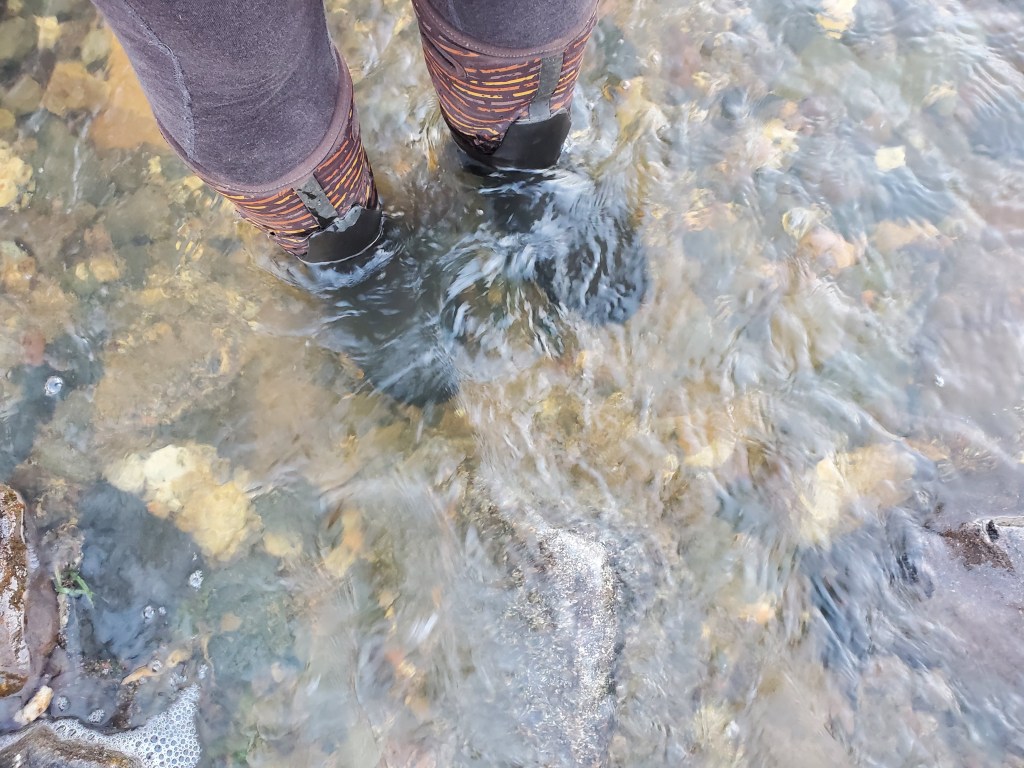
The weekend before last, my young friend Deedee and I went to gather elderberry. Although we gather for ourselves, our primary mission is to gather for the Tribal elders. We always provide the largest and best berries for them. I kept a small bag to make elderberry syrup for my family and friends. Elderberry is a medicine plant and helps the immune system. Gathering can be a dusty, sweaty business. Fortunately, the site we go to is adjacent to the Merced River. I jumped in for a rinse off and swim. Pure joy!

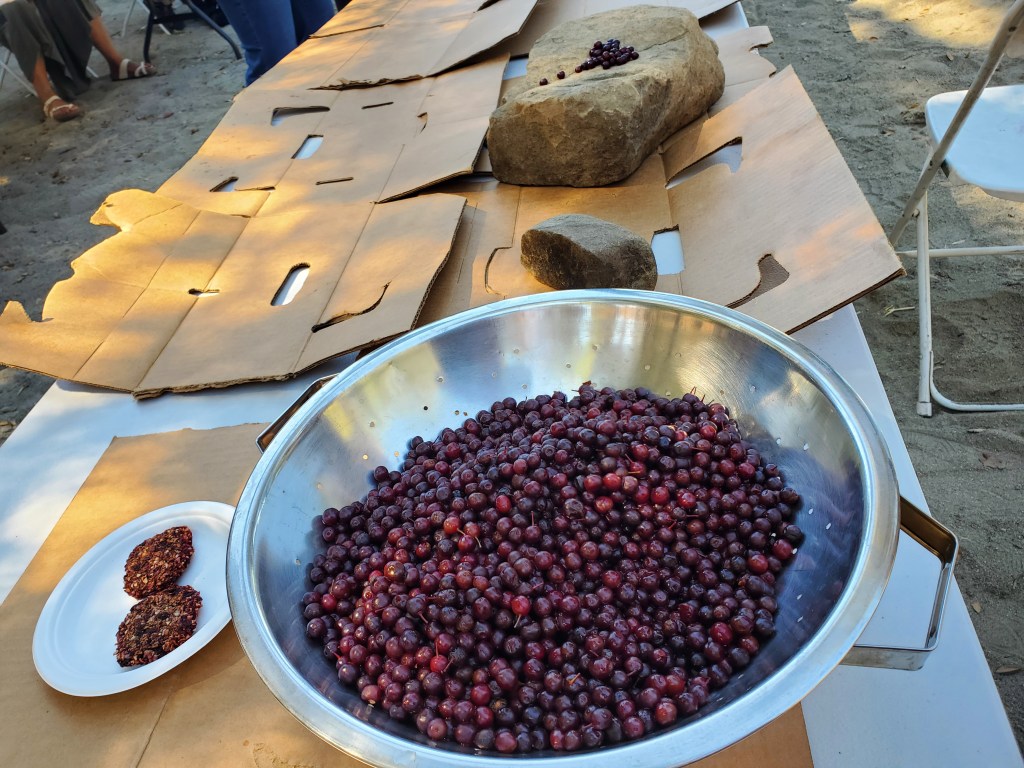
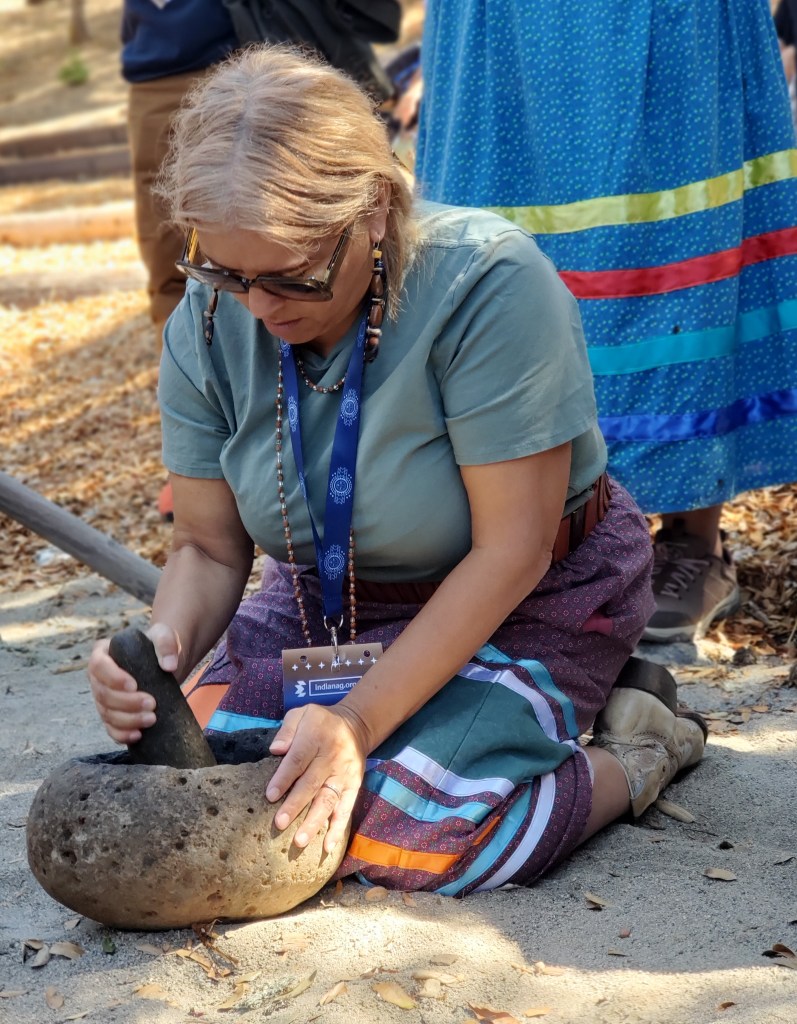
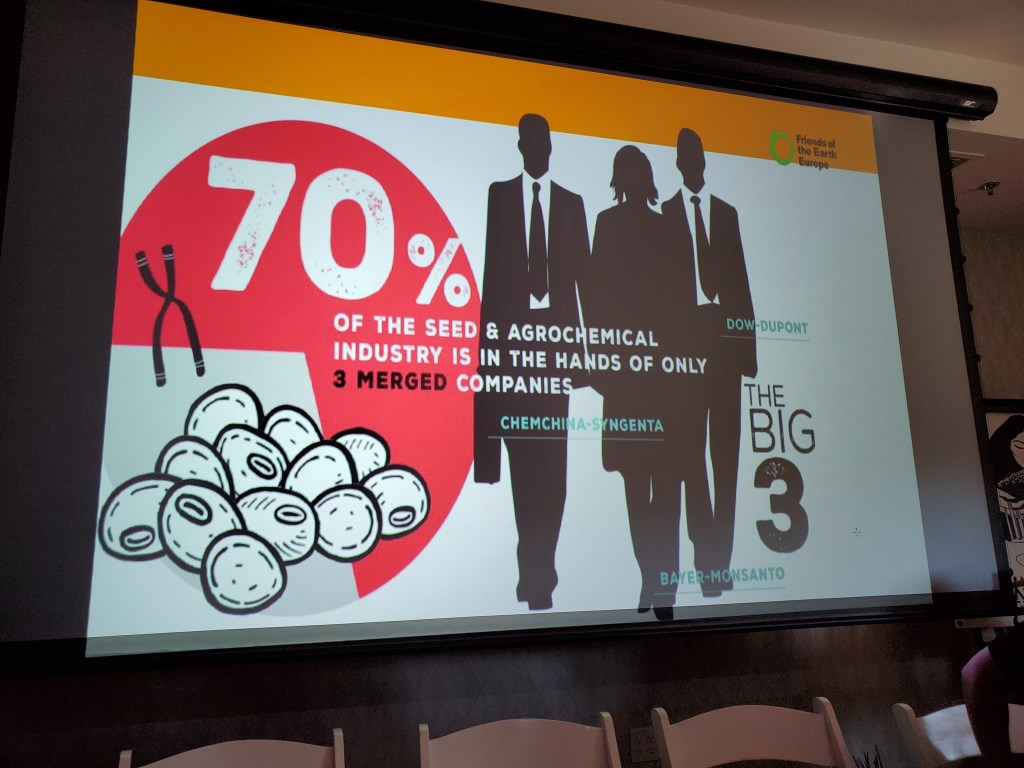
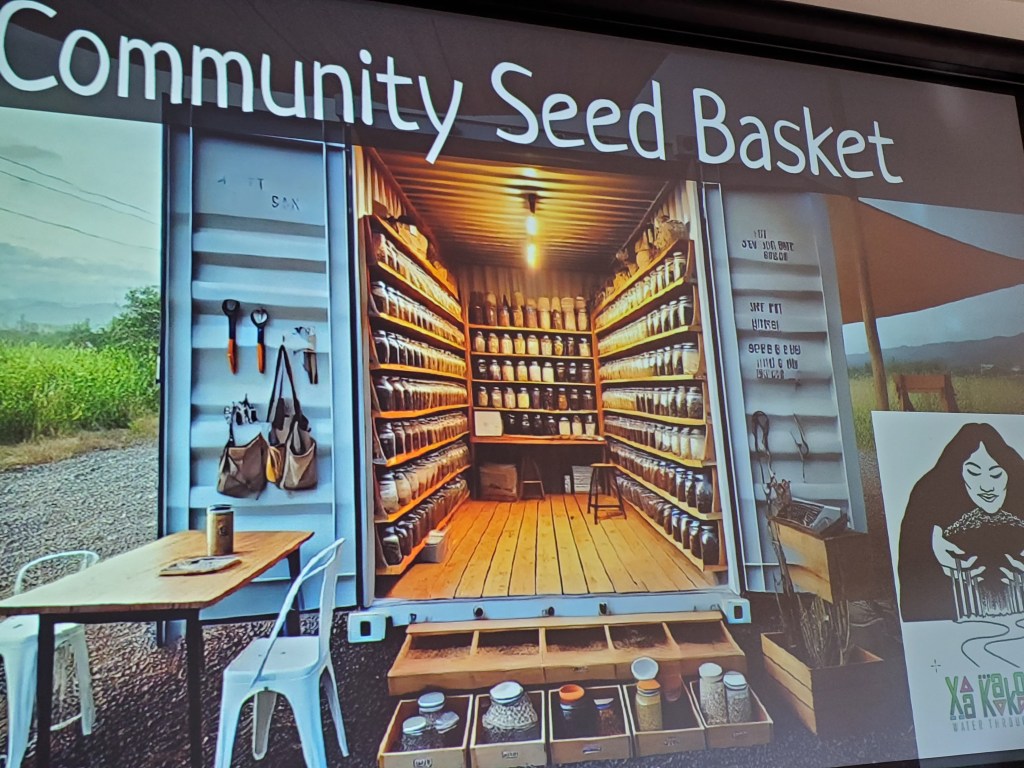
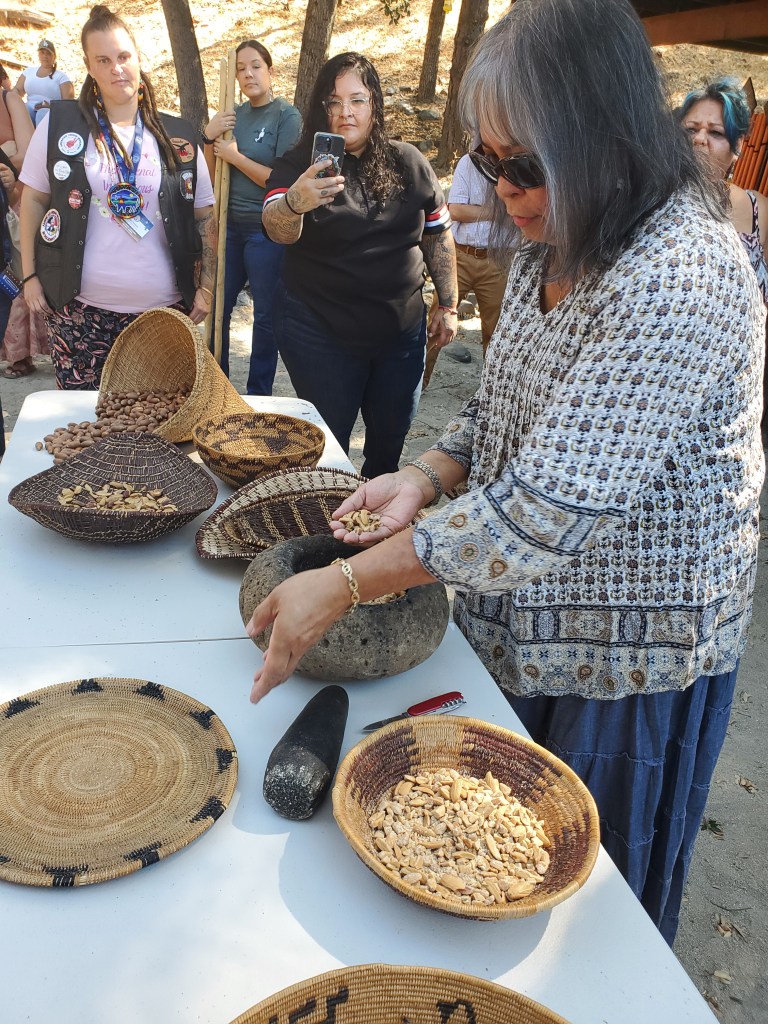
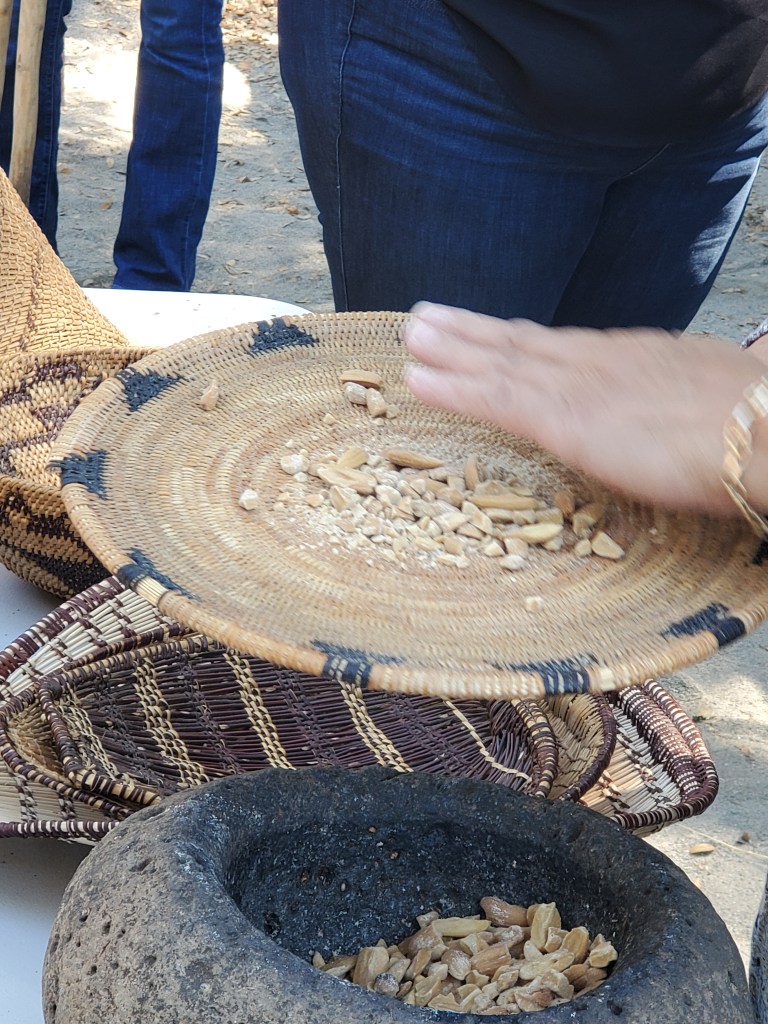
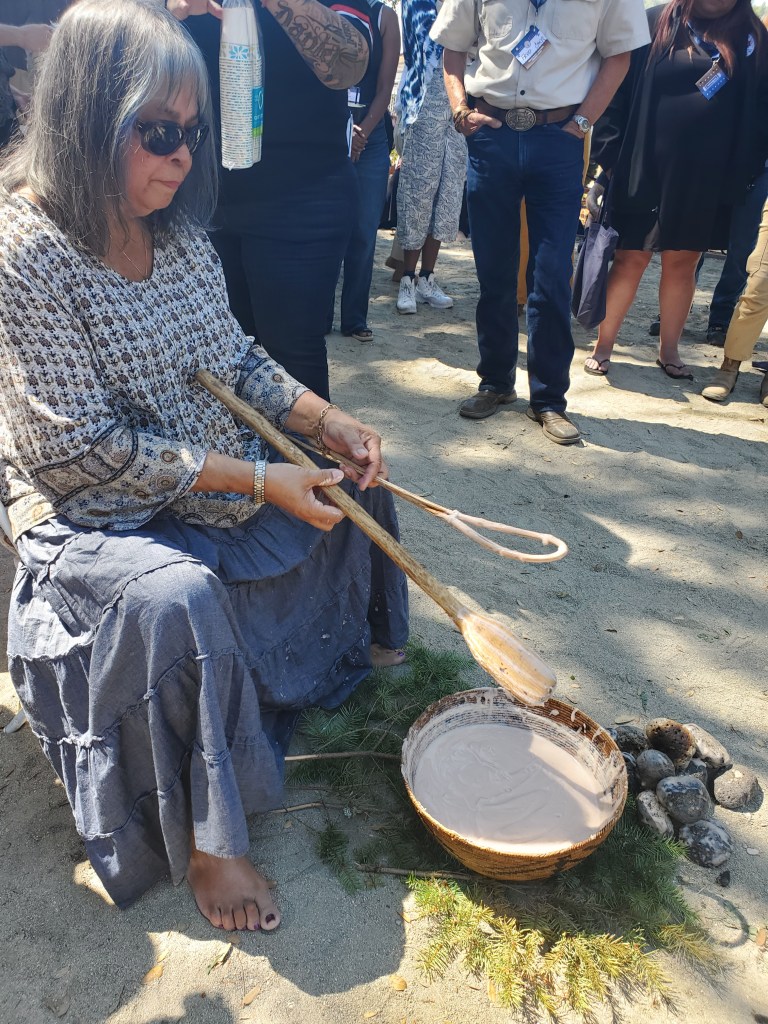
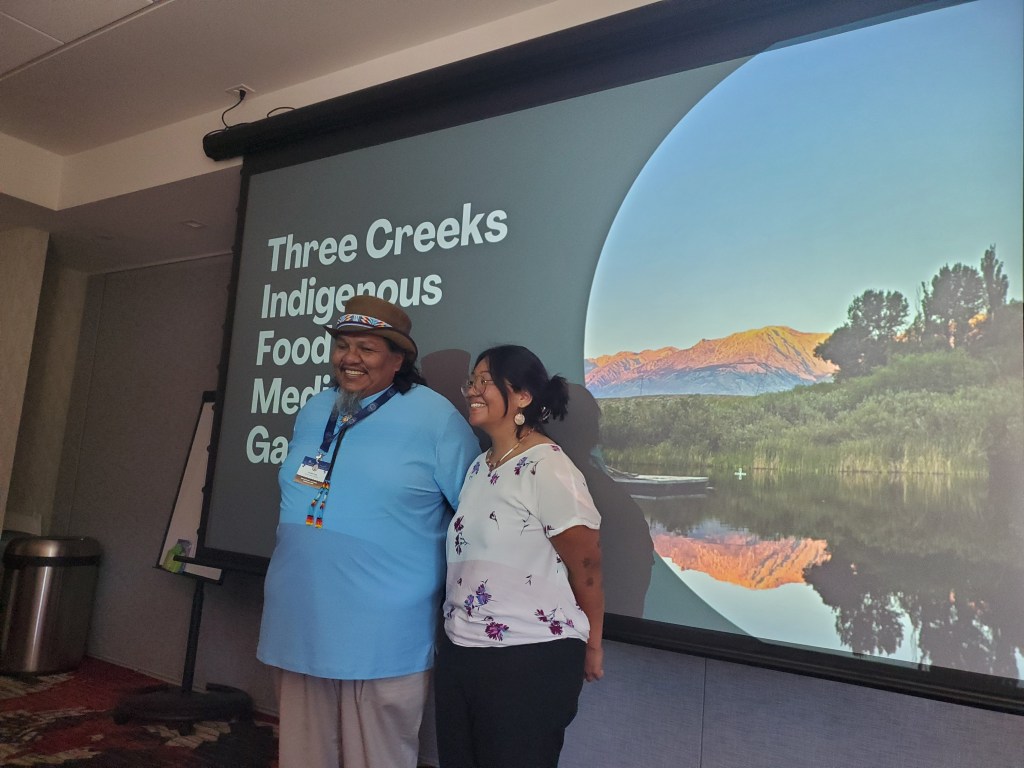
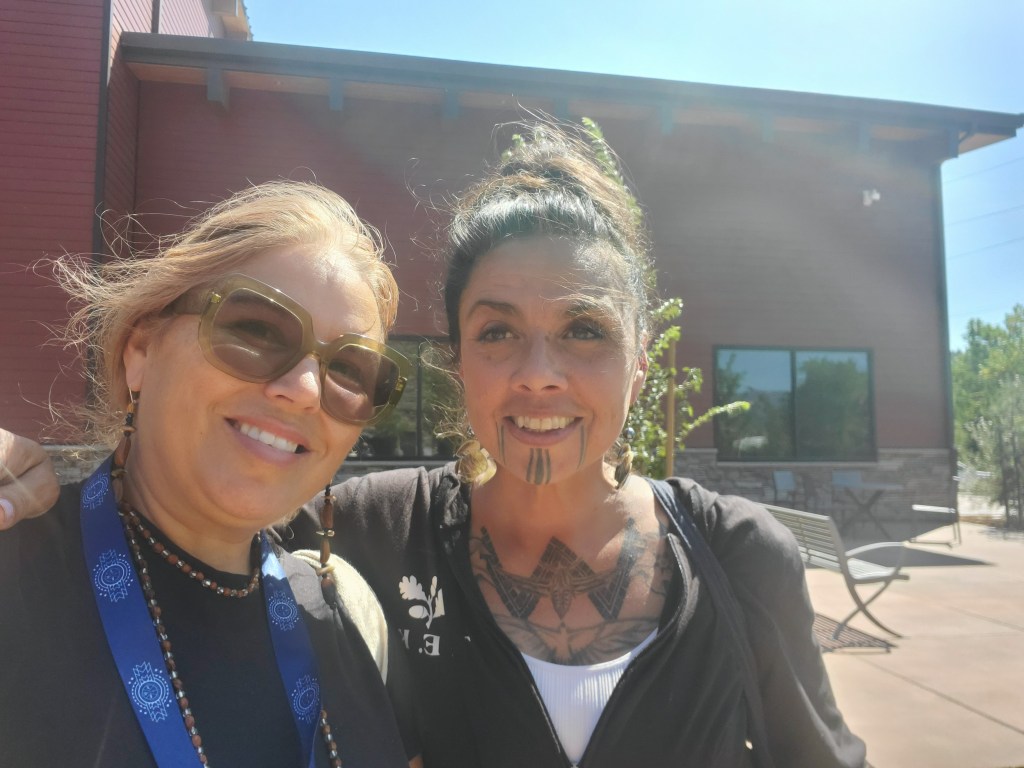
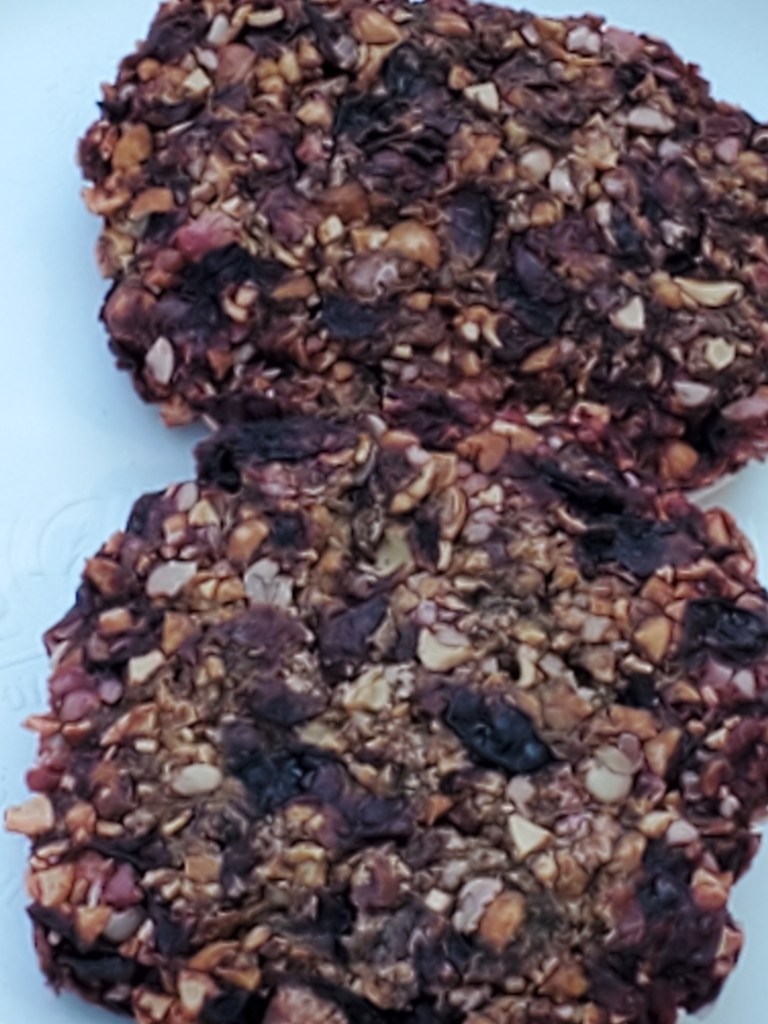
Last week, I had the absolute delight of attending the Intertribal Ag Council Pacific Region gathering over at Coyote Valley. It was an incredible two days of learning, seeing old friends and making new ones. There were some demonstrations of acorn mush making and choke cherry preservation in addition to learning about projects and programs from people all over the region. Jennifer Bates, the acorn mush demonstrator, was from the Calaveras/Tuolumne Miwuk people. She said that as long as the acorn is good, the people are good. They have survived on acorn for thousands of years, and won’t starve. This is exactly what I thought too, which is why the condition of the oak trees on the ranch is so concerning. Her acorn flour was from black oaks – super tasty. It was some of the best acorn mush I’ve had.

More Life Returns
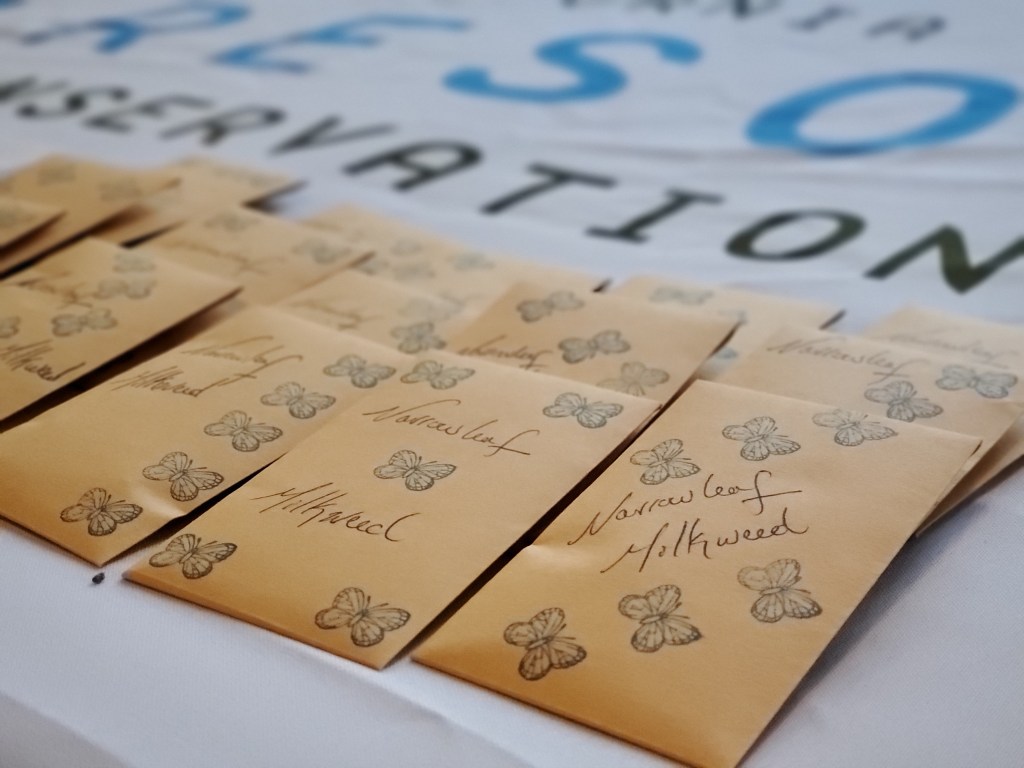
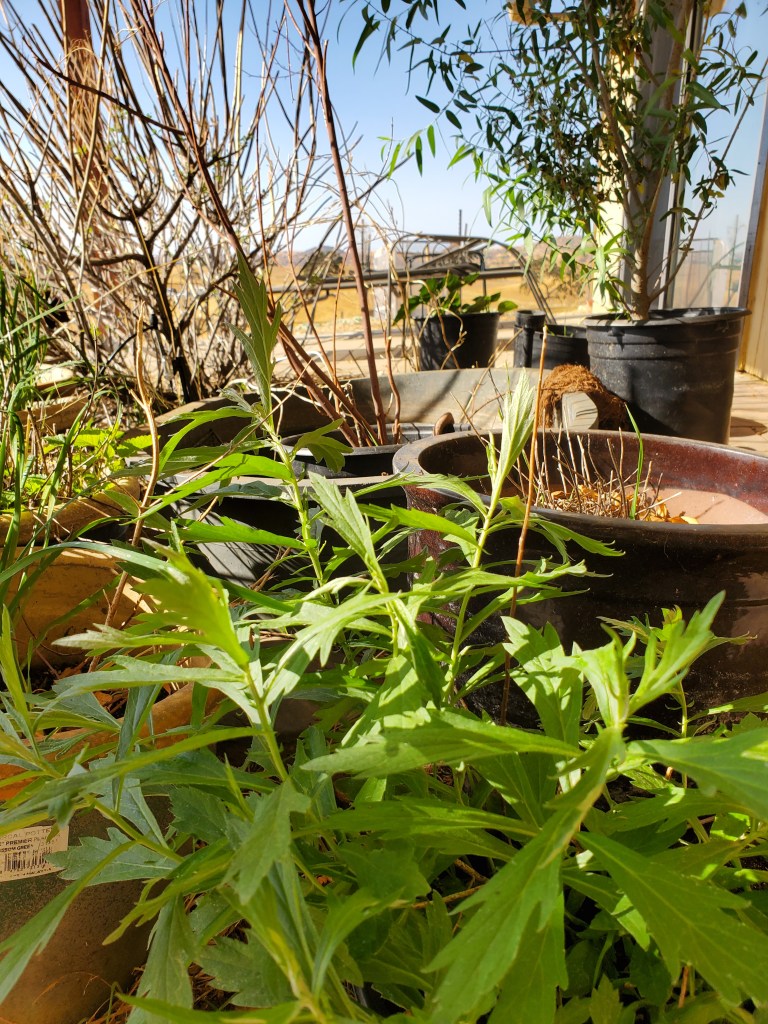
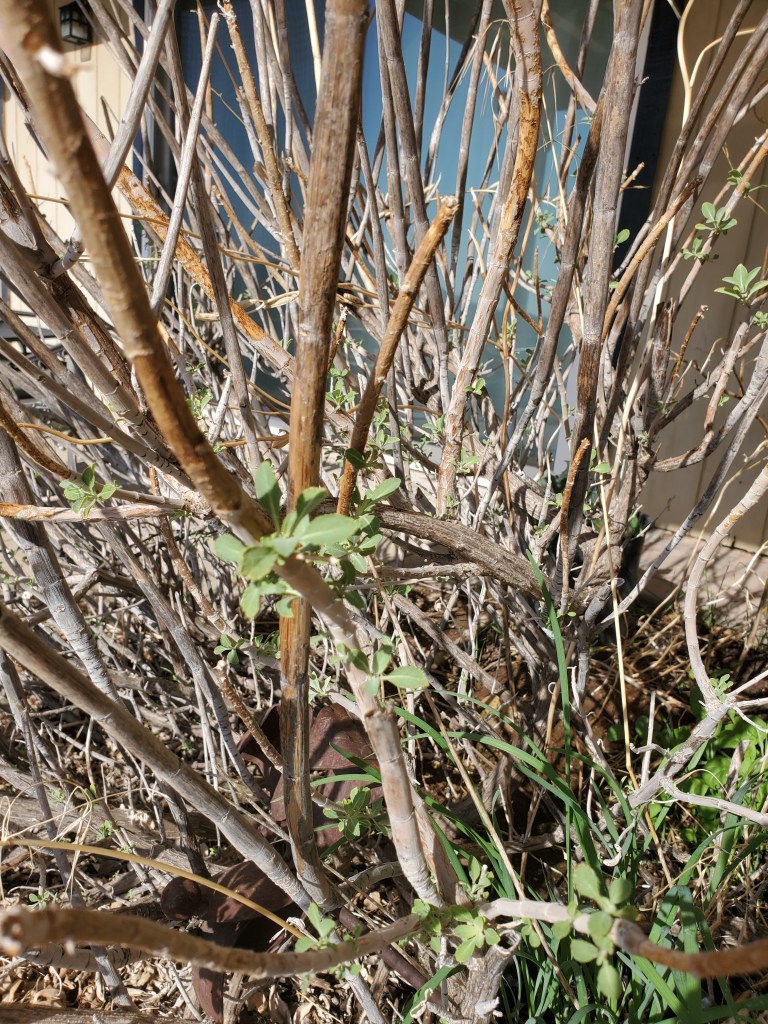
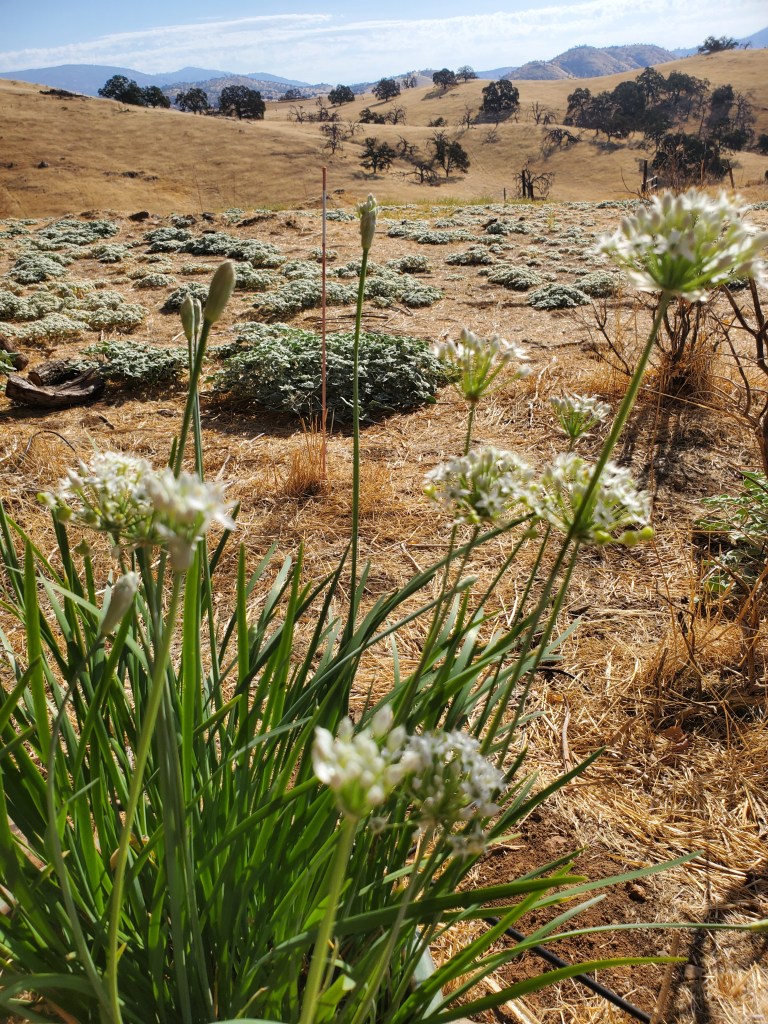
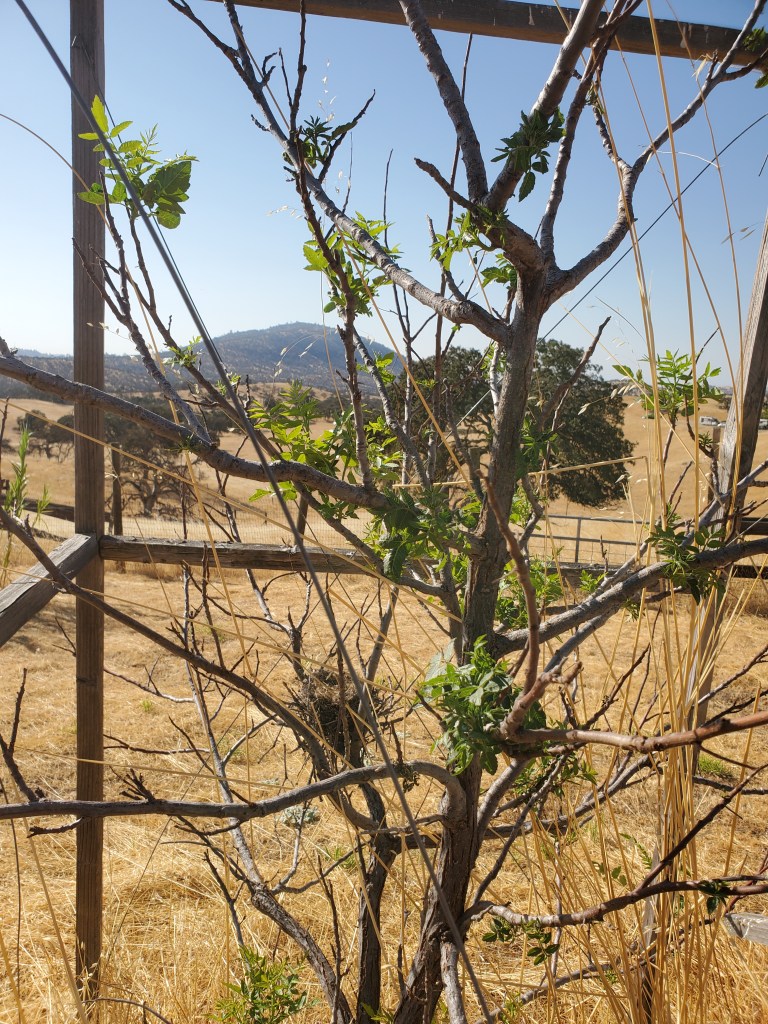
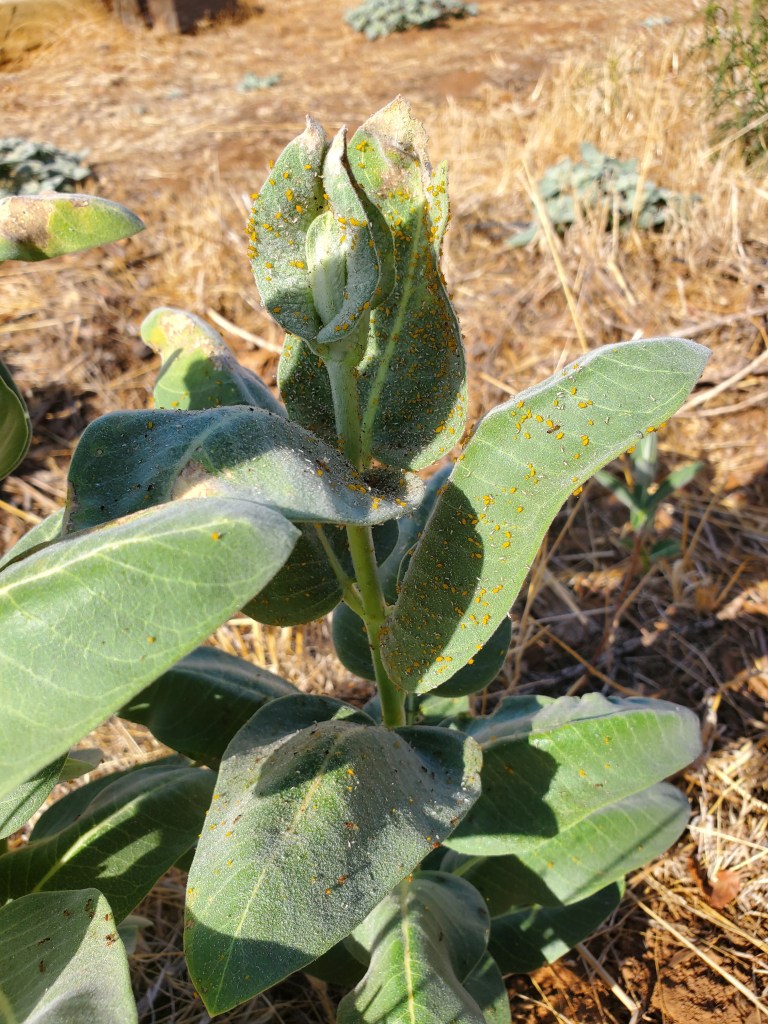
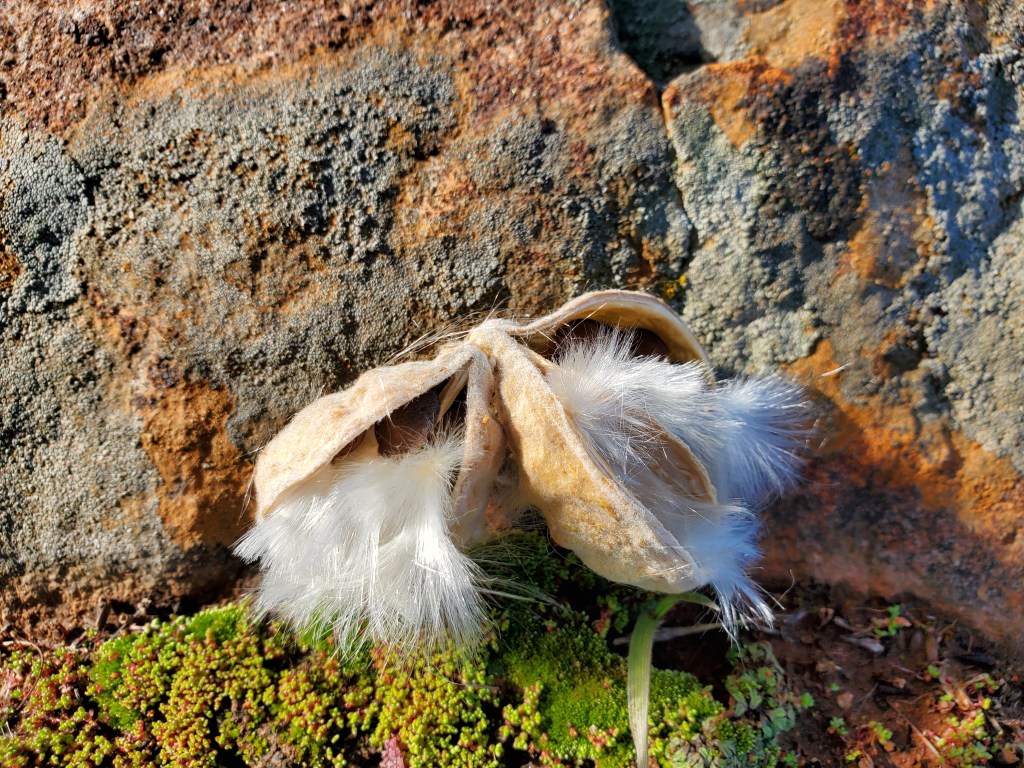
When I returned from my conference and seeing my family on the coast, I came home to even more returned plants. The white sage is resprouting leaves. There were more milkweeds popped up and bloomed. Onions and lemon balm have taken over the potted plants. Most surprising, the walnut tree resprouted leaves. I did not expect that. The wormwood returned and is thriving. Every morning, with the heat of the sun, between the wormwood and sage, it smells like being in ceremony. It elicits such good memories of being together with family and friends, connected to the earth and ancestors, taking time to be present in the moment of life and being grateful for everything.

Wanderings
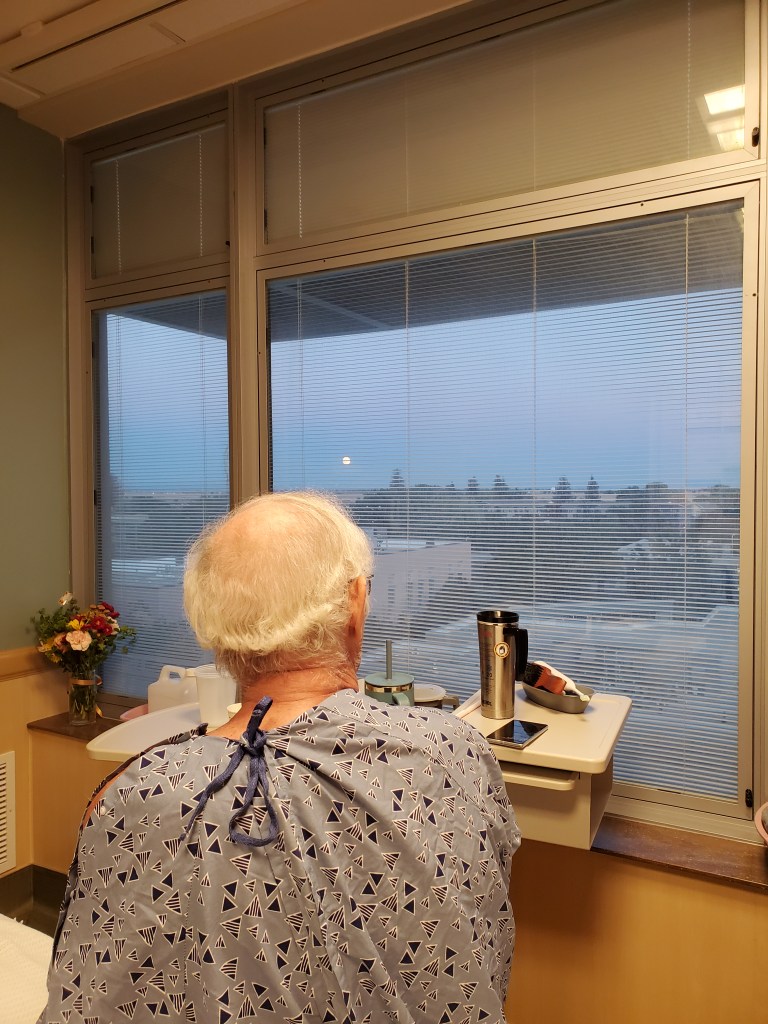
Thinking of life and death, the cycles and blurred lines, has been top of mind. I’ve lost so many friends these past three years, helped others who were sick, and now my father is facing a difficult illness, of which we are still figuring out the details. While my education is helpful, it is the garden that has prepared me. I understand that life is about the seeds we plant – the confidence and joy we help others to see, the kindness we show, the service we provide, and yes, the milkweed that resprouts. What seeds has any of us planted? What goodness have we cultivated in the world? What kind of ancestor do you want to be – one that created, nurtured and cultivated to expand beauty and repair or one solely focused on the self and what can be gained? That question is what makes the difference in the blurred edges of existence. Like my garden, there is no end, just different versions of oneself – emerging, growing, blooming, seeding, serving, withering, nourishing in death, then reemerging again. Each stage is beautiful and requires energy – to take, to release…and to give.
















 PolliNative