



Take a deep breath. Release. The air is now thick with nectar. The sweet smell is hanging on the moisture molecules of humidified air. With it, comes the scent of grass, freshly grown, and a hint of oak bark still moist from the rains. I hope you can imagine this smell of spring. It invigorates me and lets so many other nature relatives know the time to emerge is near.
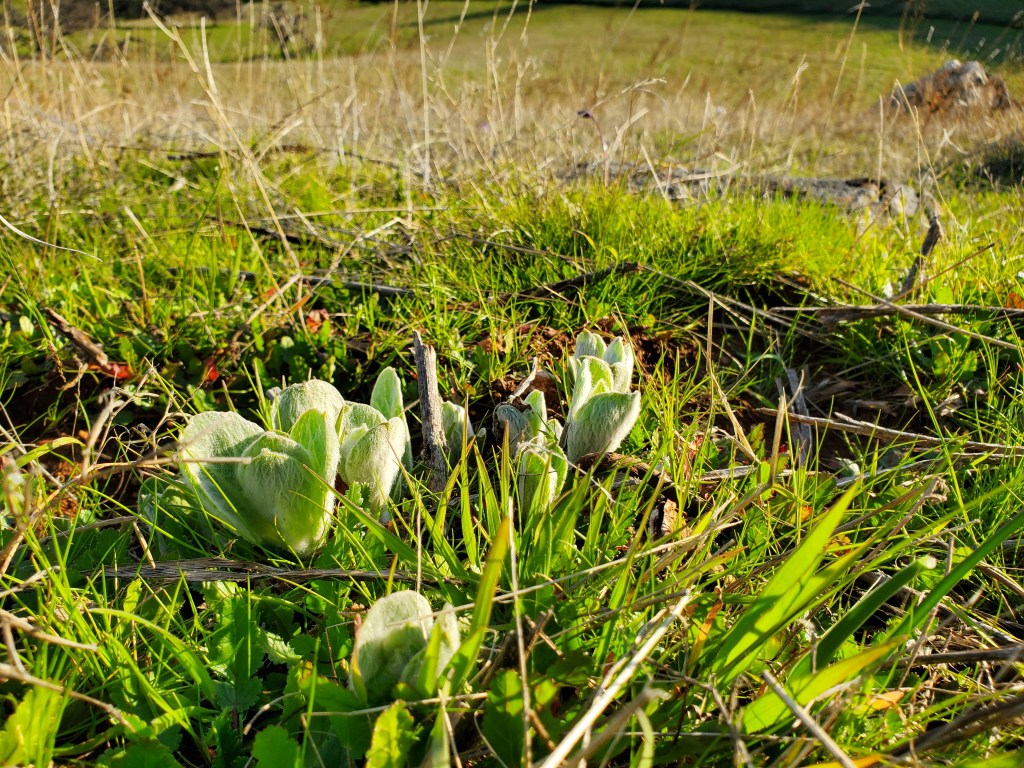
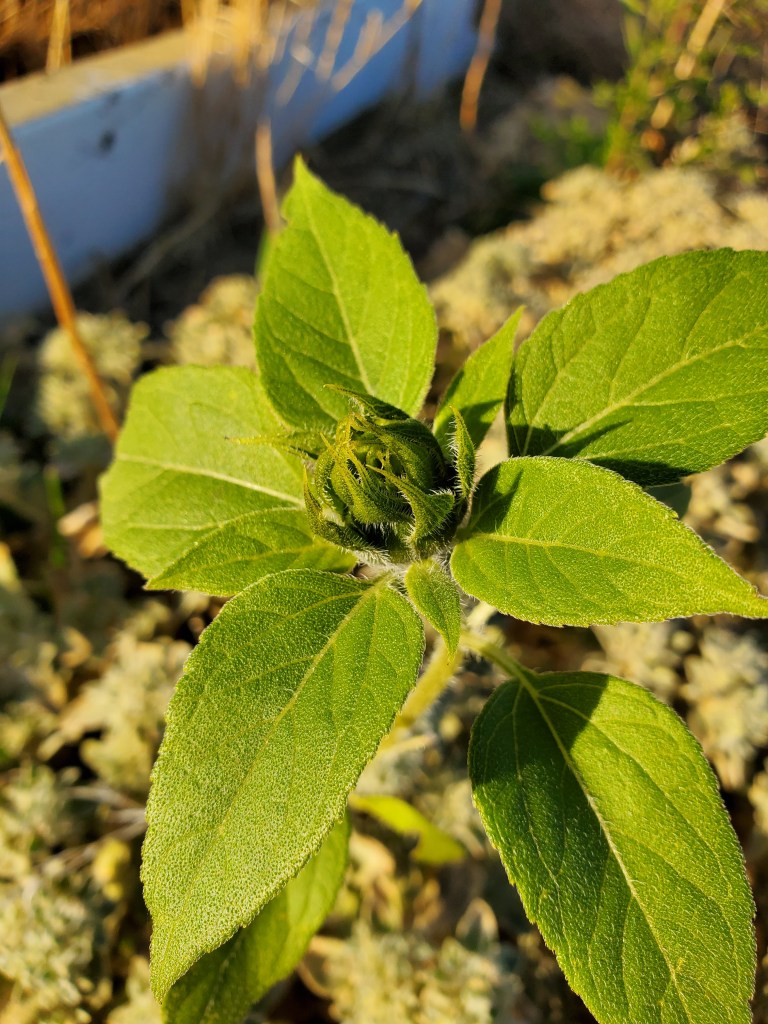
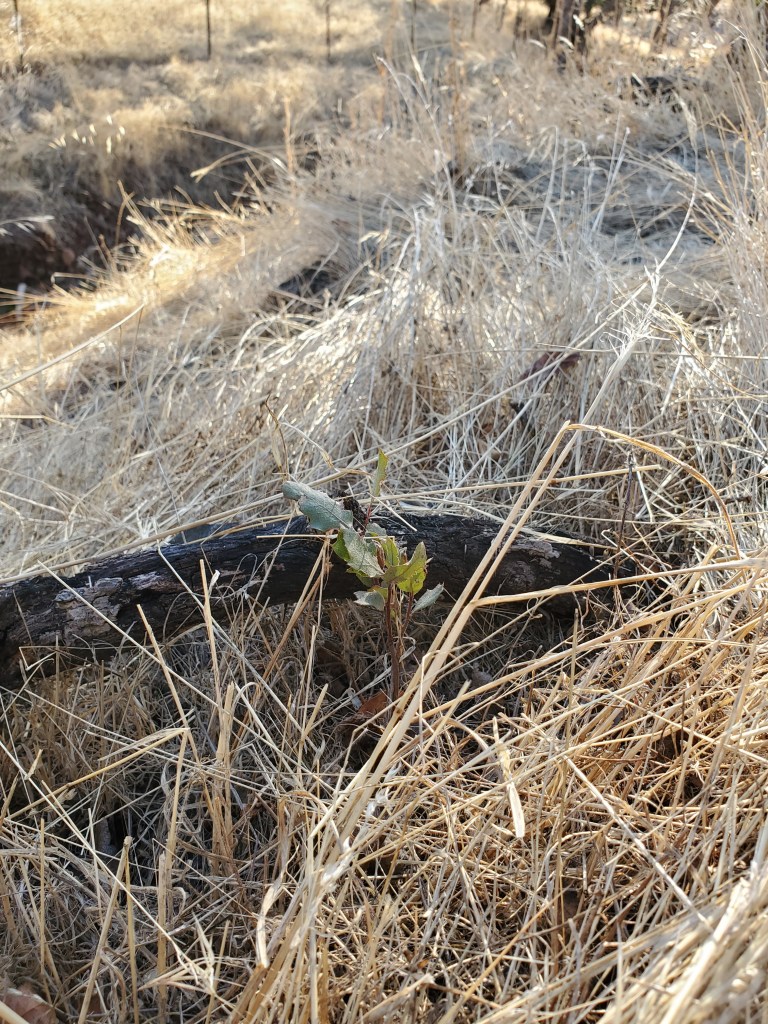
Drinking with my nose, walking up the 60% grade hill to the California Milkweed plots, I begin to look down wondering if my favorite plant has made its way up from underground life. It took a little searching, but I found them early last week, the soft, velvety leaves of A. Californica. I expected to perhaps find emergence on the three most mature plants, but I found a fourth as well. In finding the fourth surprise plant this early, I am feeling like things are continuing to heal, expand, and thrive.
The cattle are toward the end of their rotation on the south side of the ranch. They will be on the north side soon for 2 weeks. If I see signs of monarch usage, I will shut the new gates to the far north field. What a relief! I won’t need to stress about protecting the plants this year. Thank you to John Grimes and the National Resource Conservation Service (NRCS)!
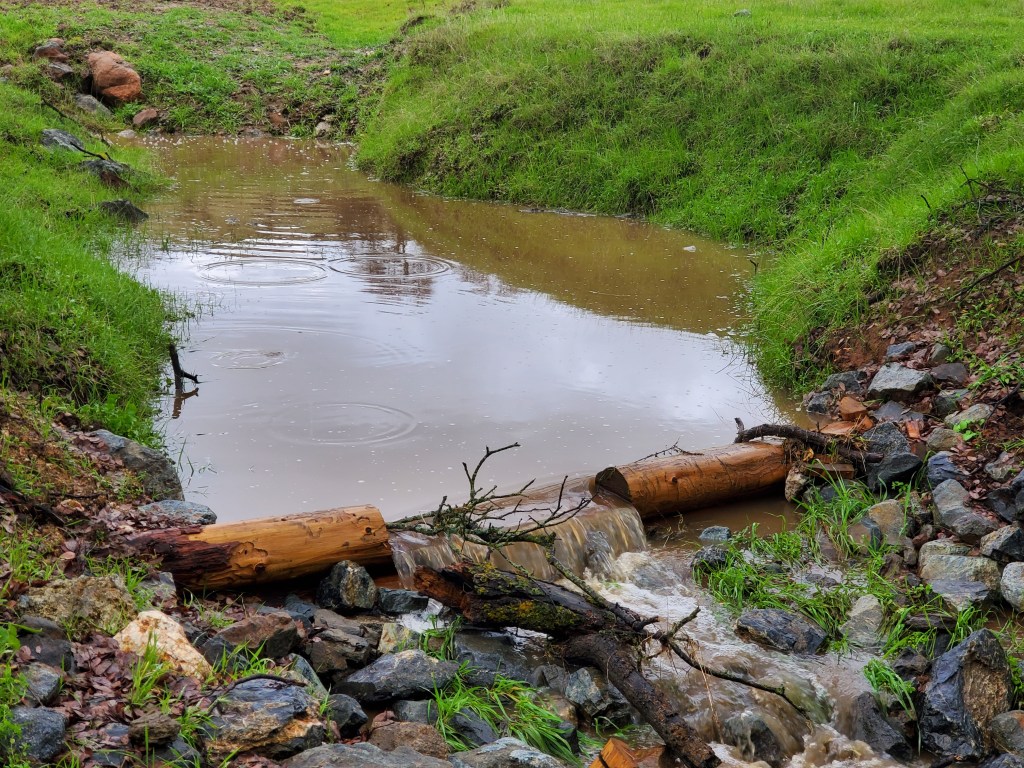
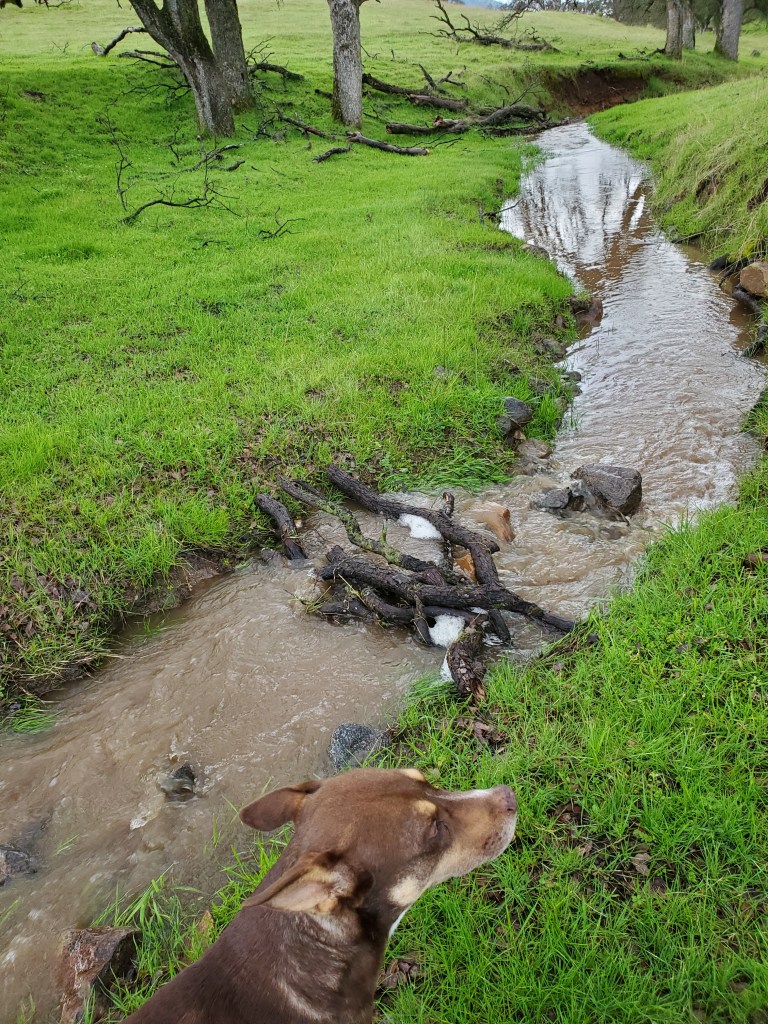
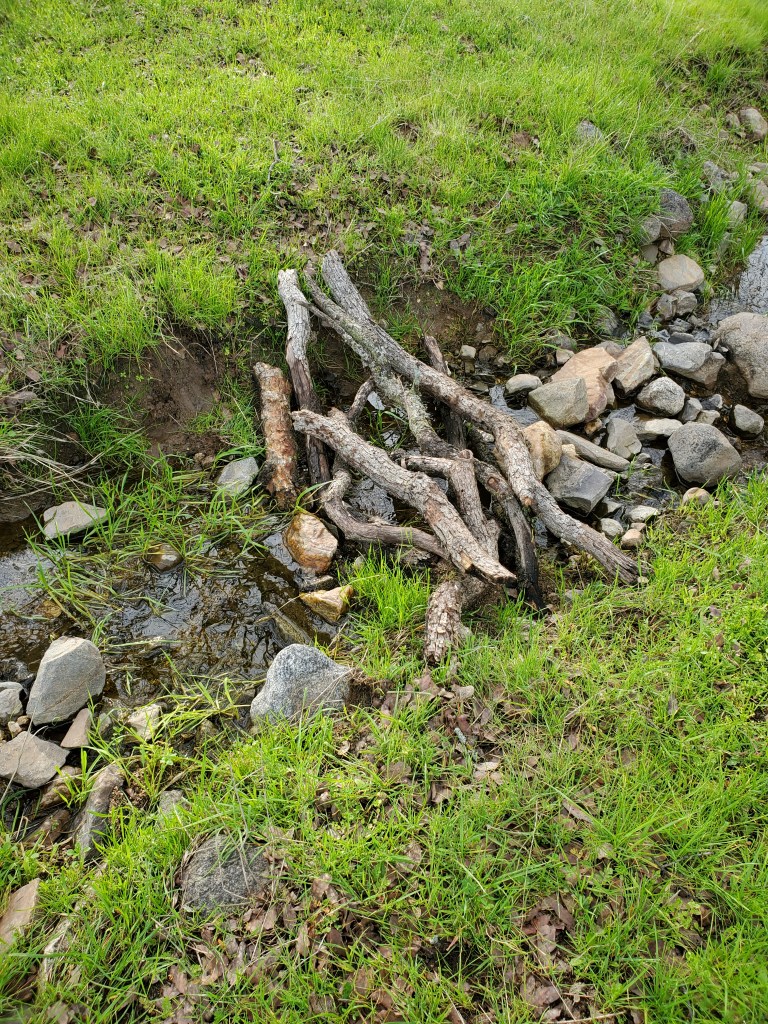
Monitoring Rock and Log Check Dams
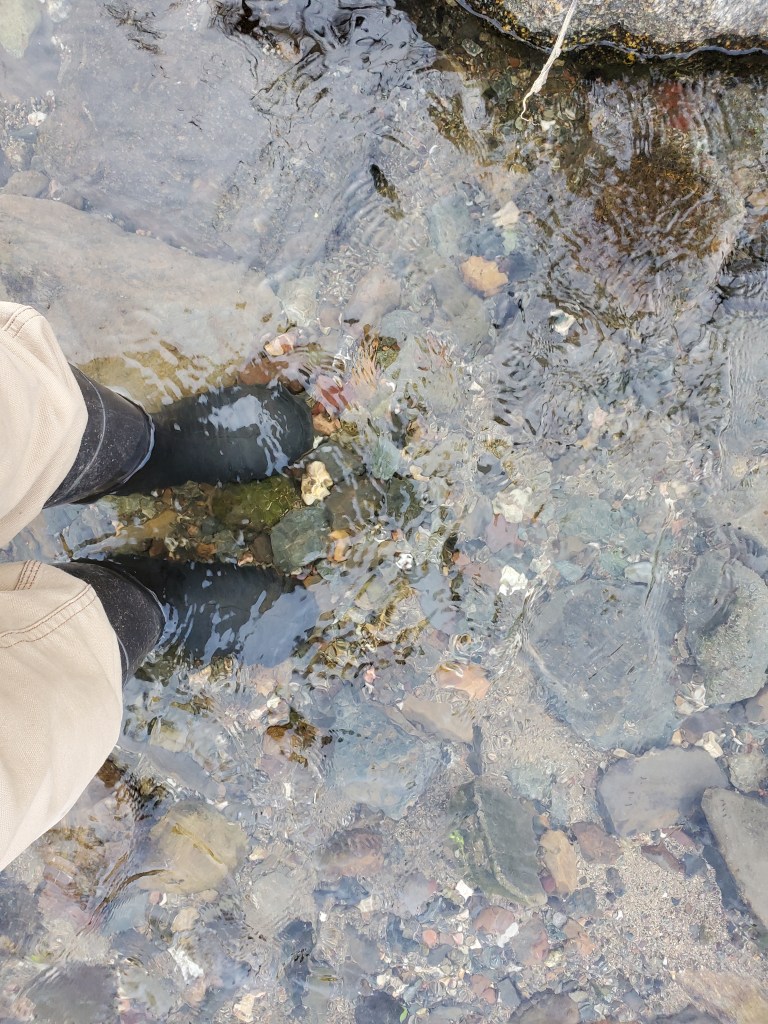
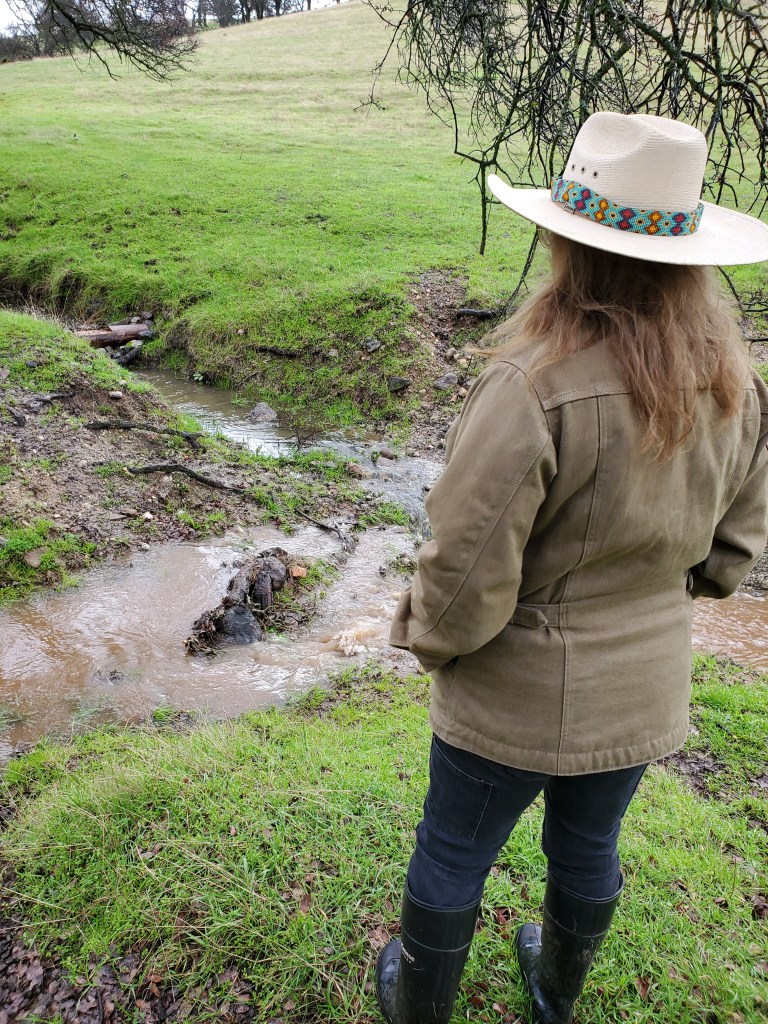
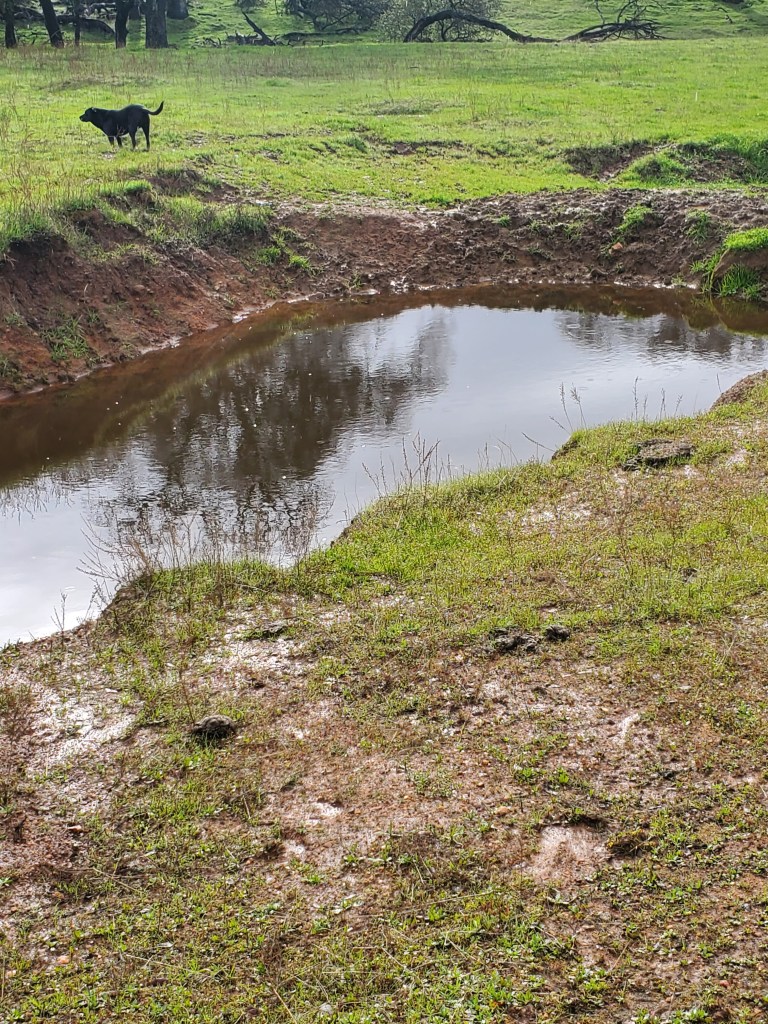
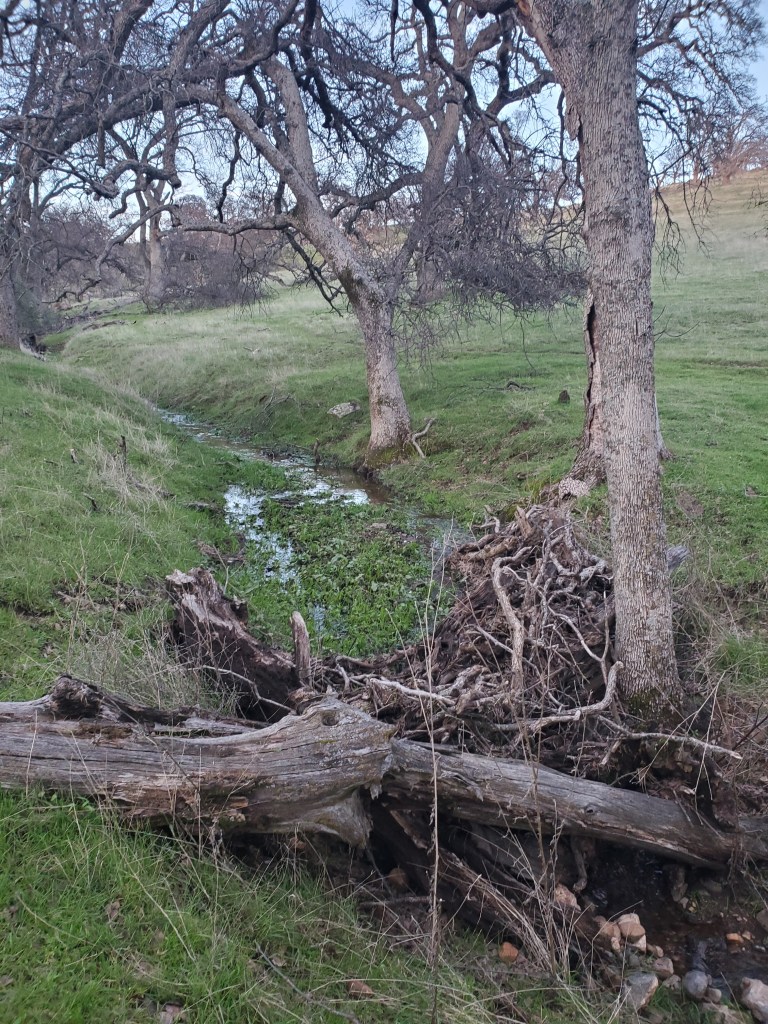
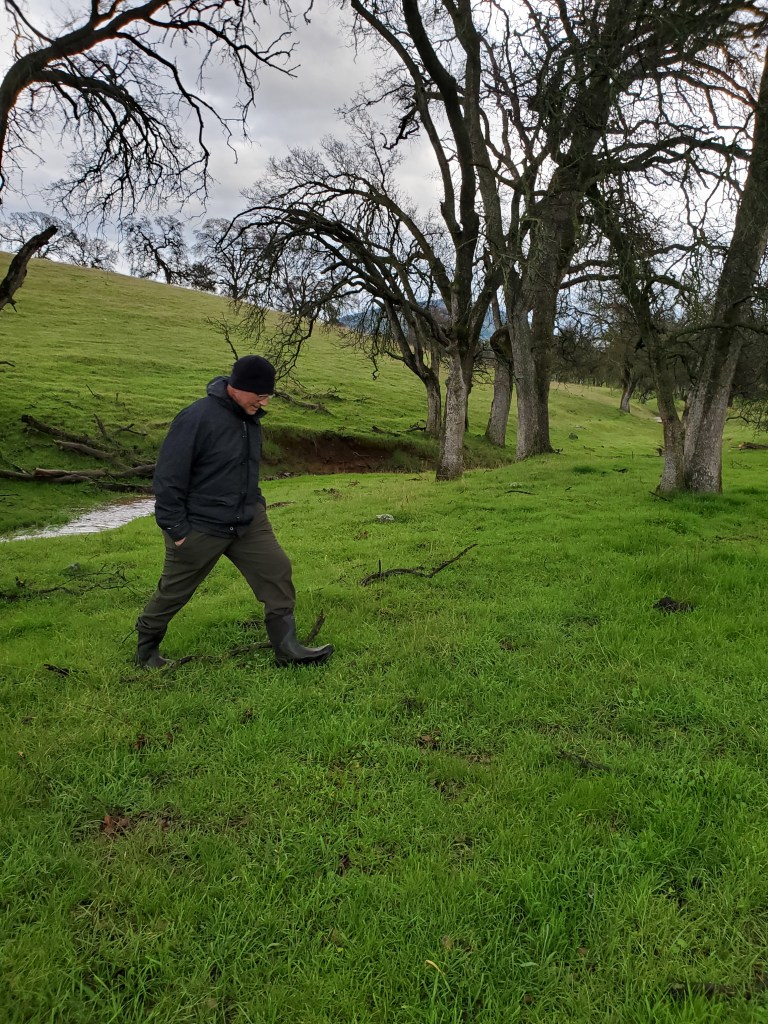
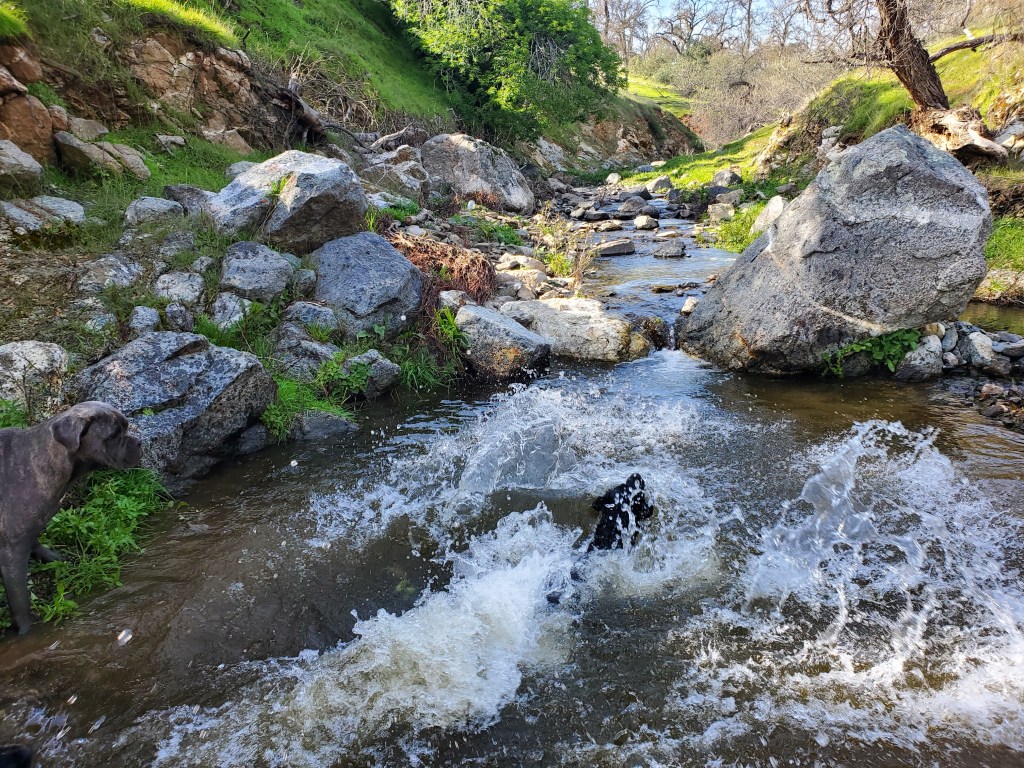
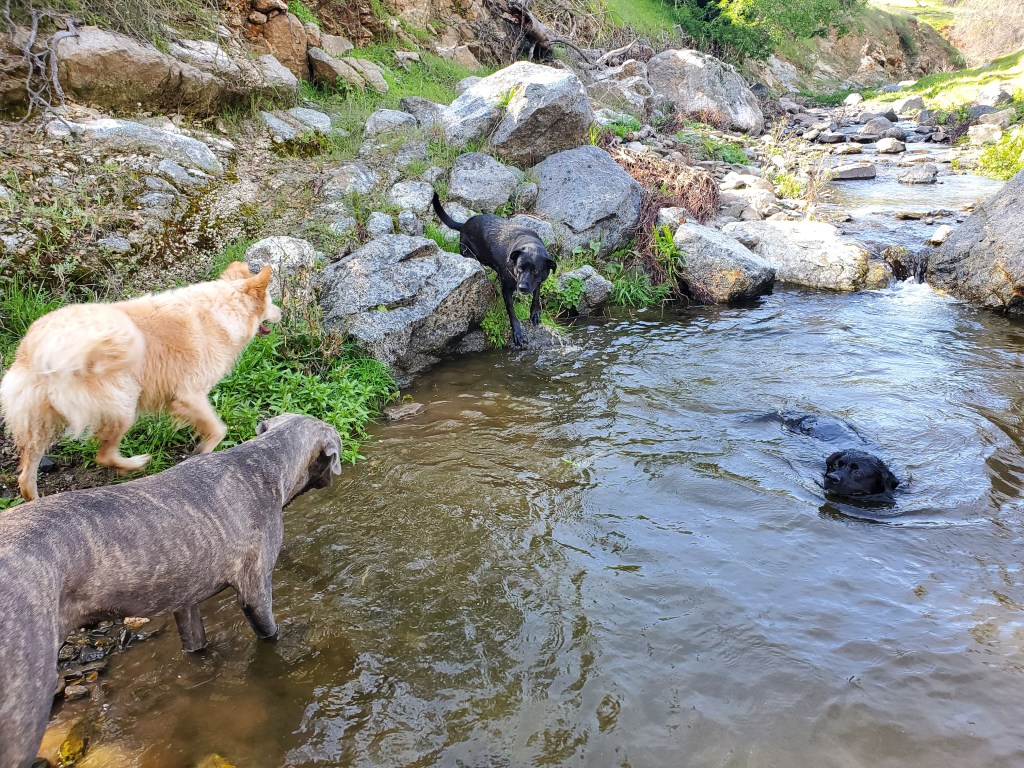
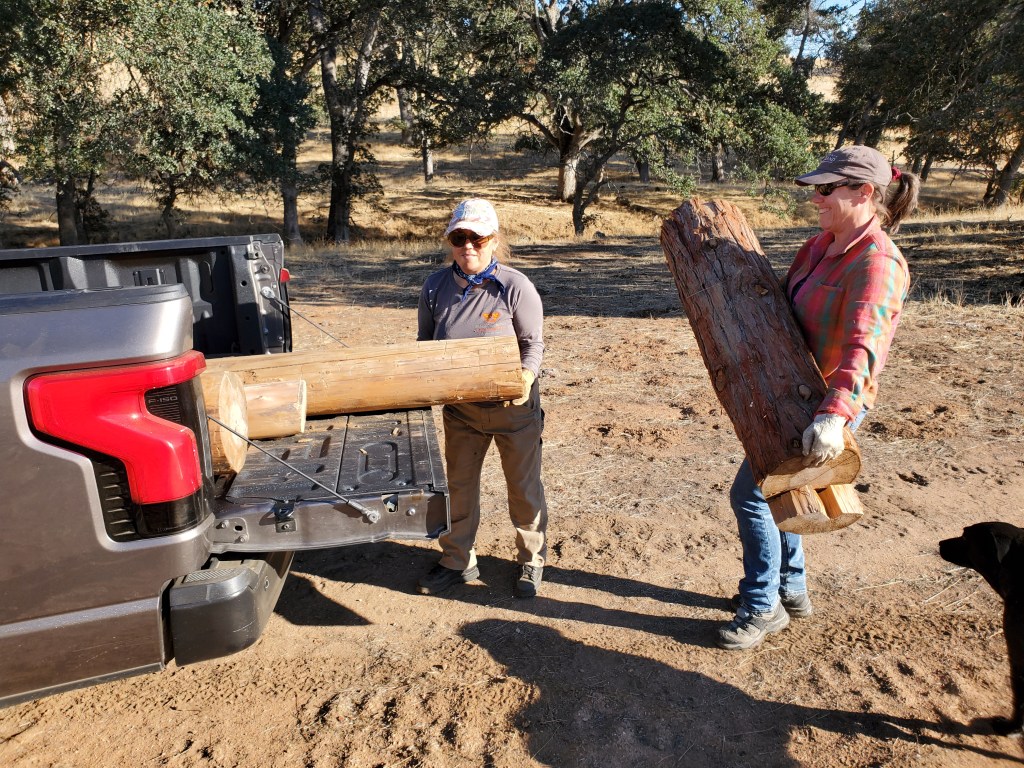
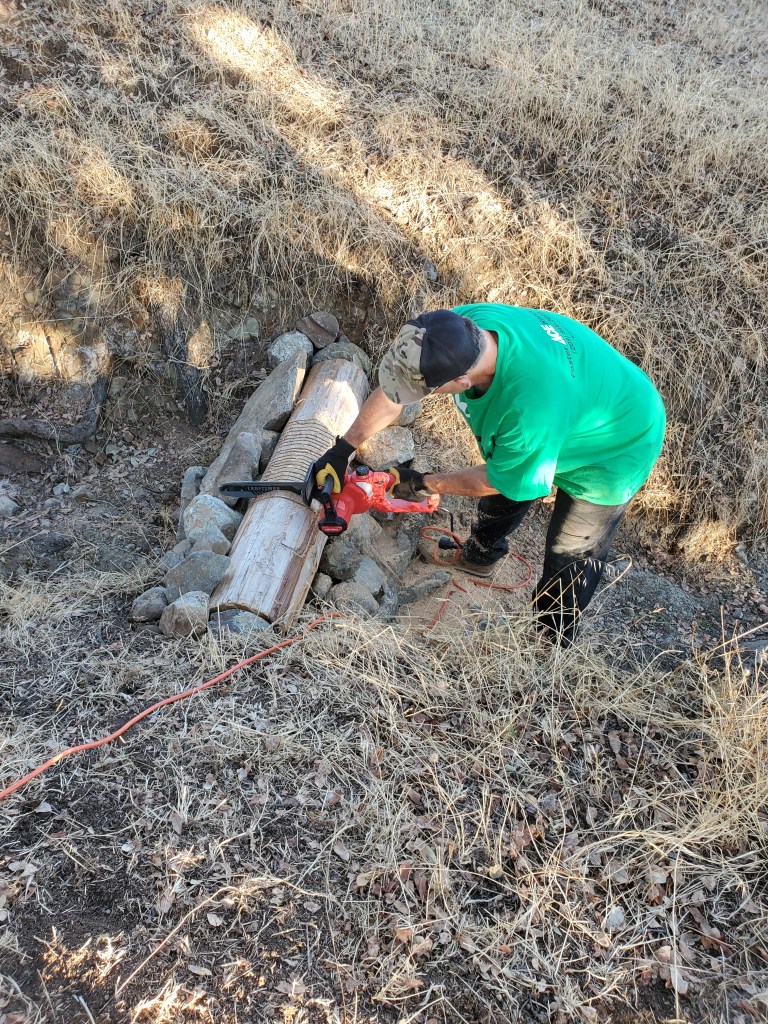
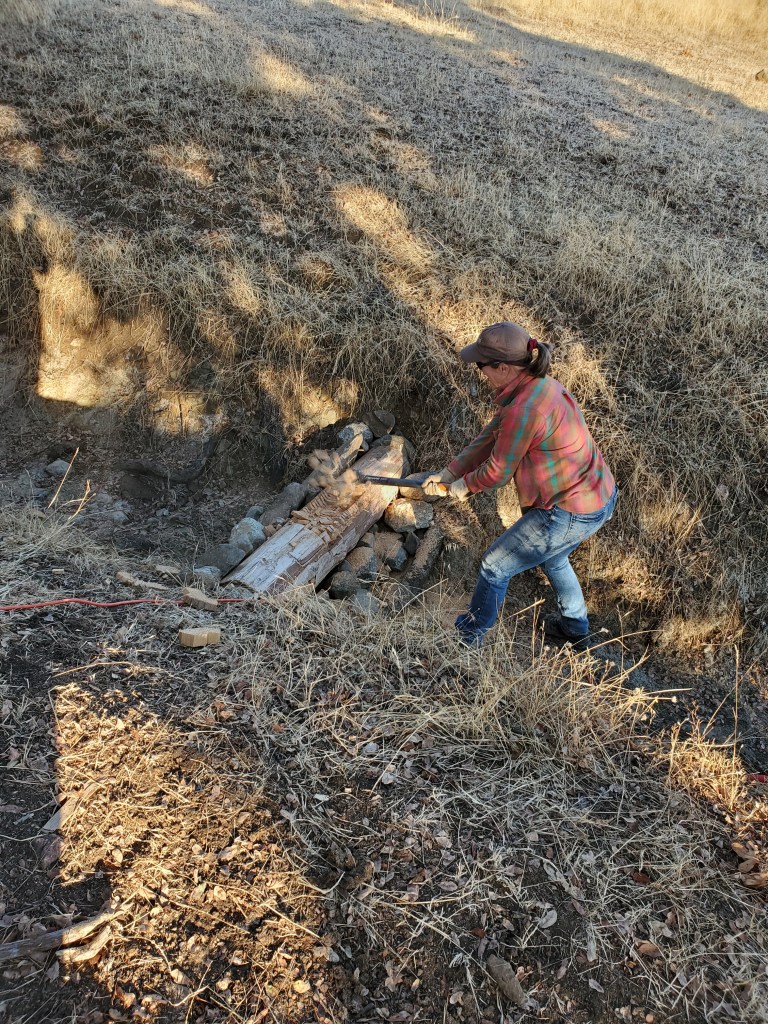
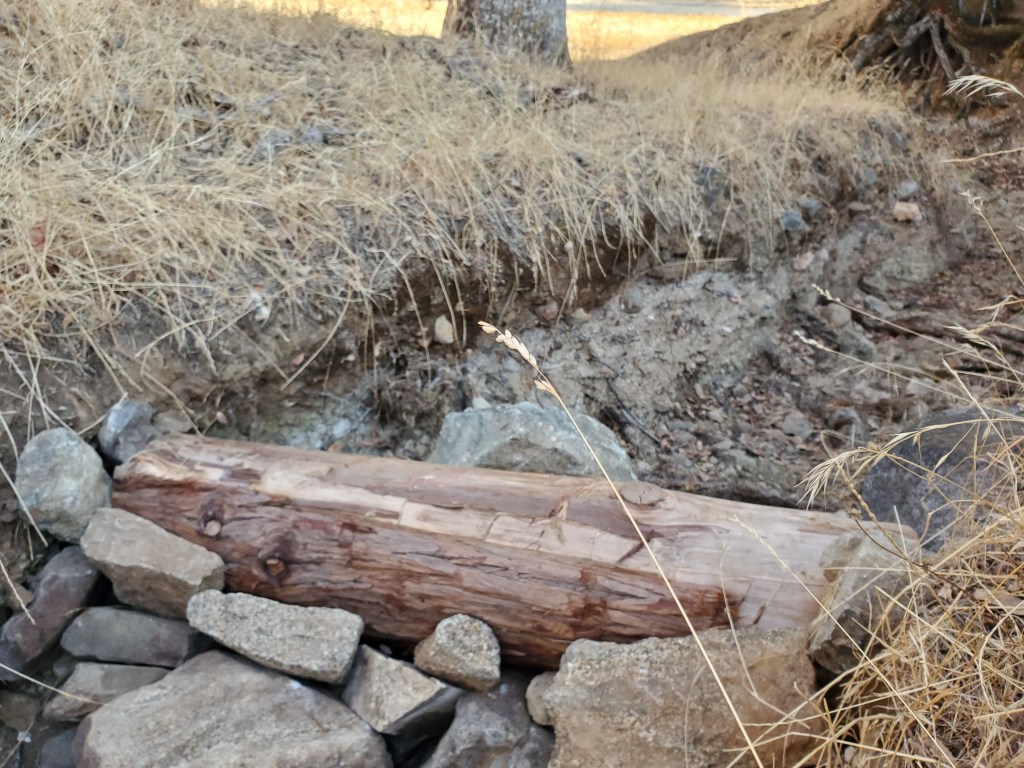
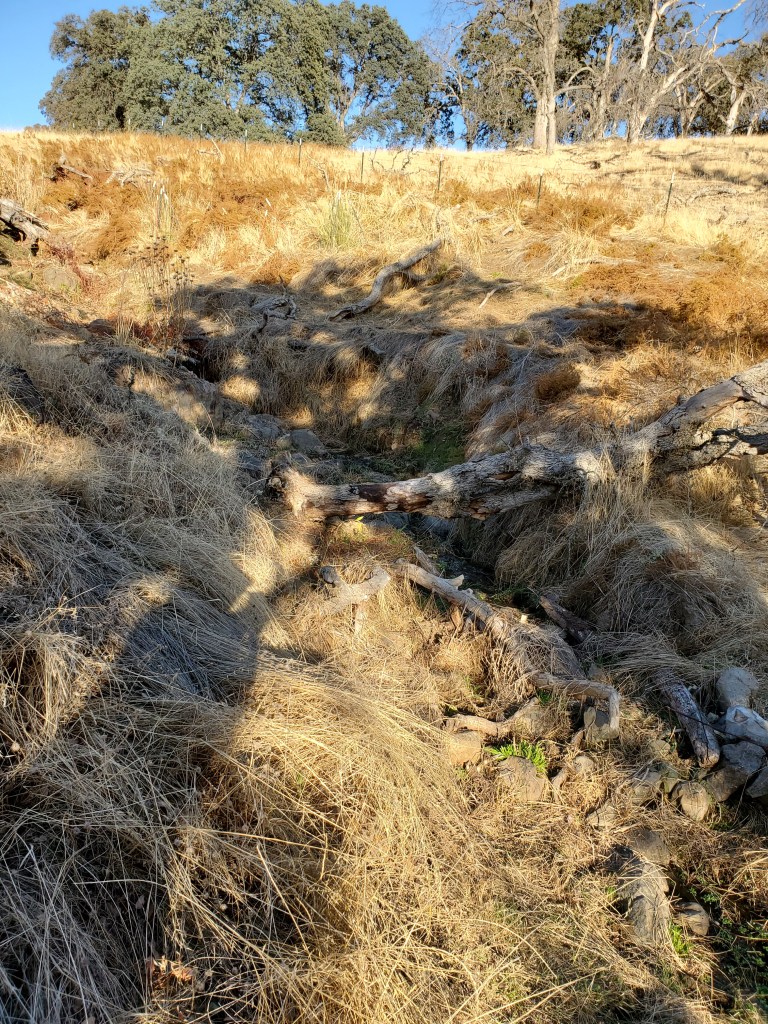
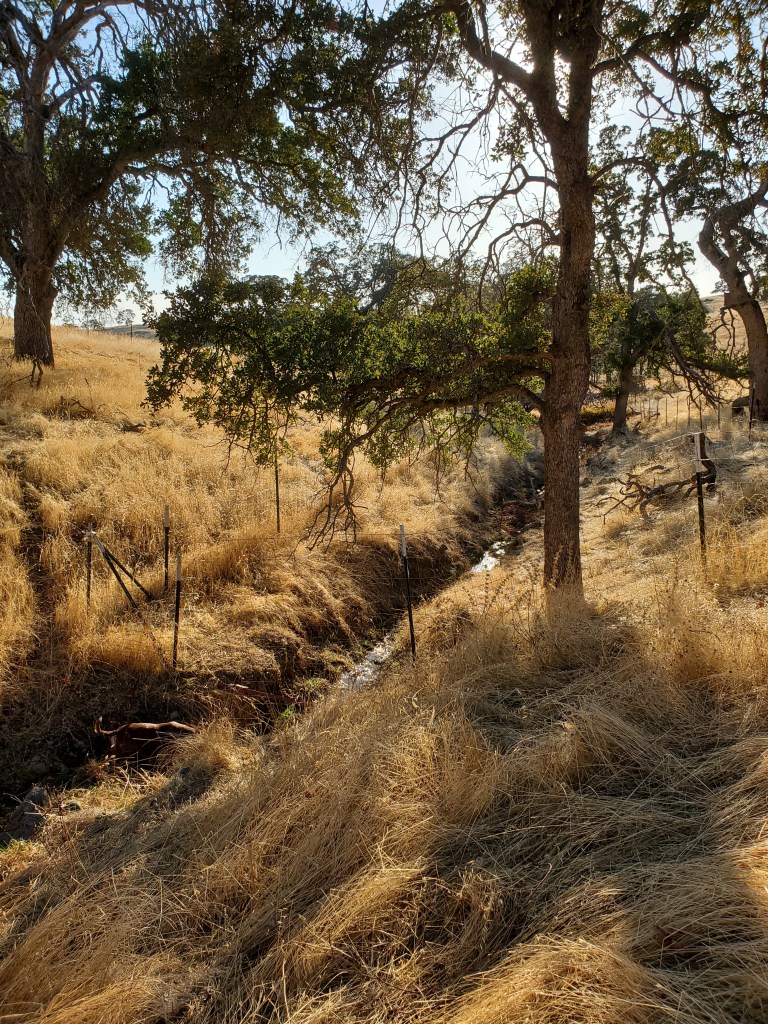
We have significant sediment build up behind even the smallest of check dams. Plants are beginning to take root creating a new habitat – from running water to a marshy water filter of plants and sediment that did not exist before. I get to play in the water too, so it is not all work. I added another small rock check dam even further down the drainage to continue the slowing process and make a wide spot that may be supportive of an arroyo willow. I am still considering whether I will plant one there. The water needs of the willows are considerable, even the ones adapted to this drier climate.




Planting More Oaks and Seeding

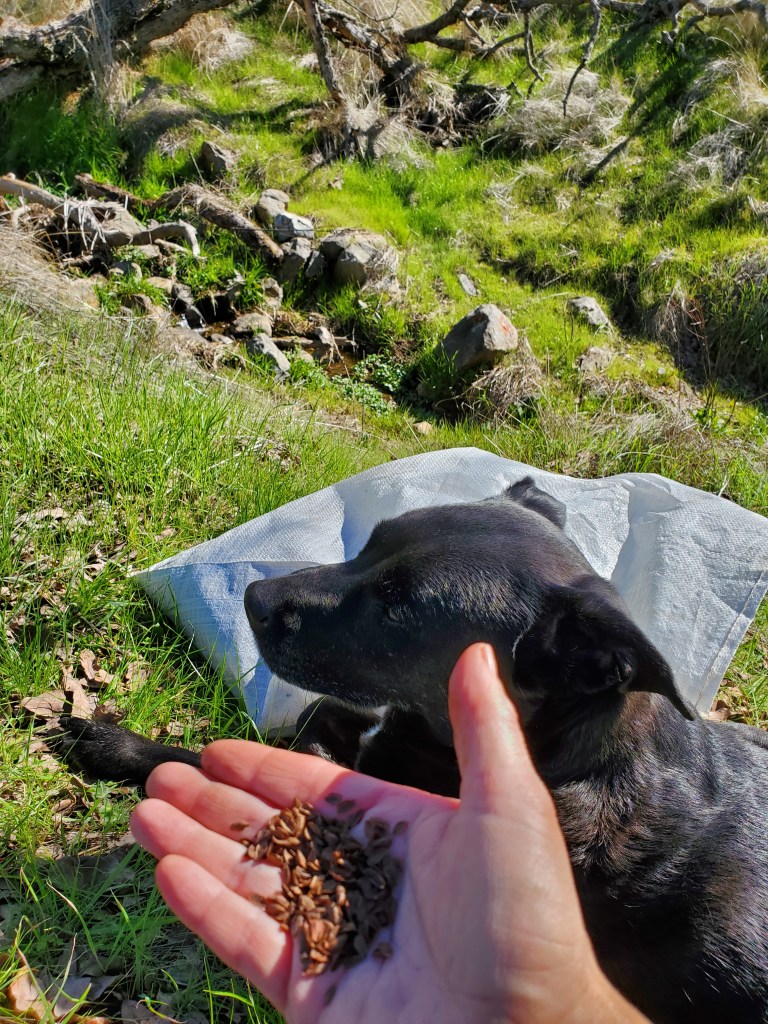
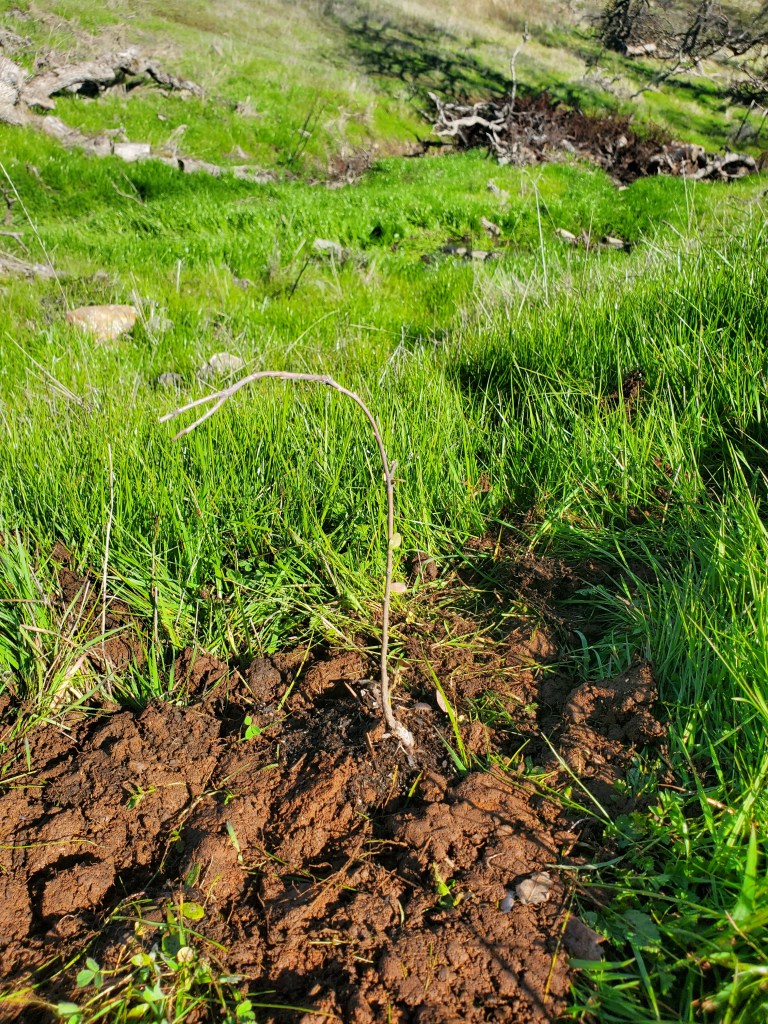
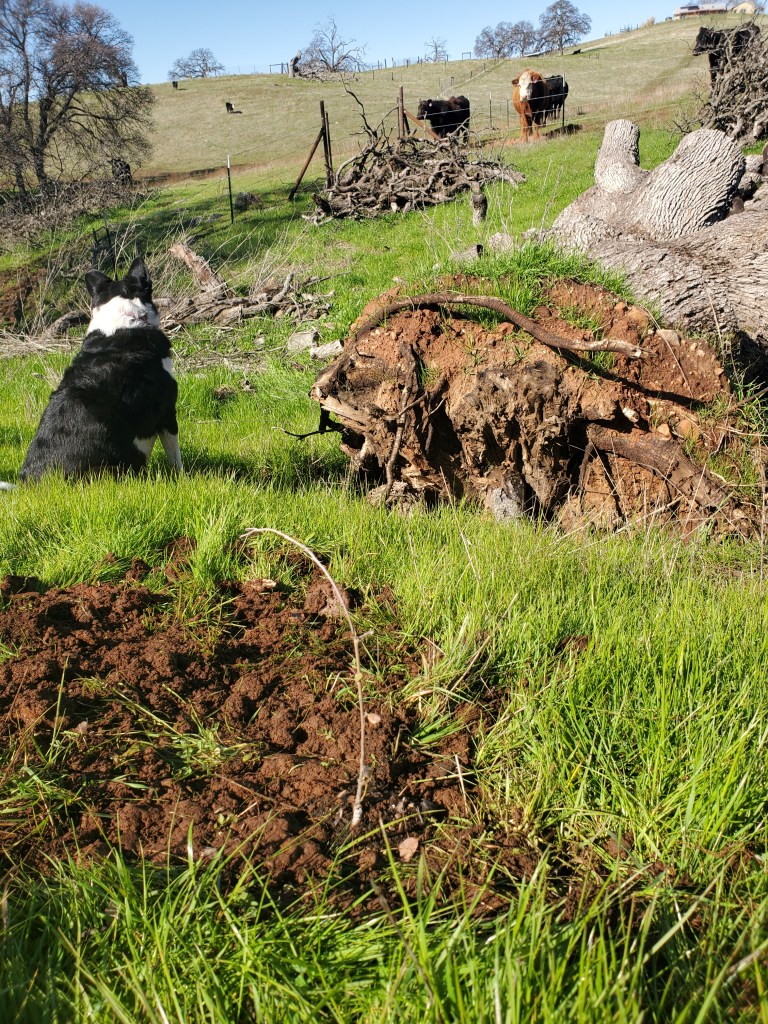
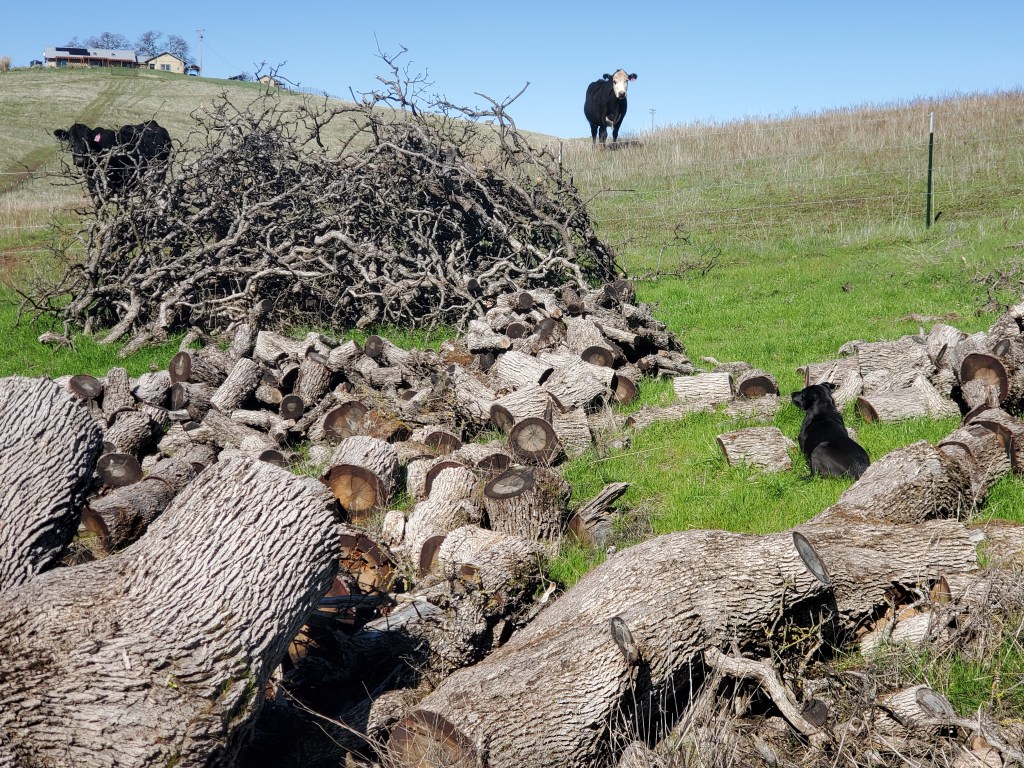
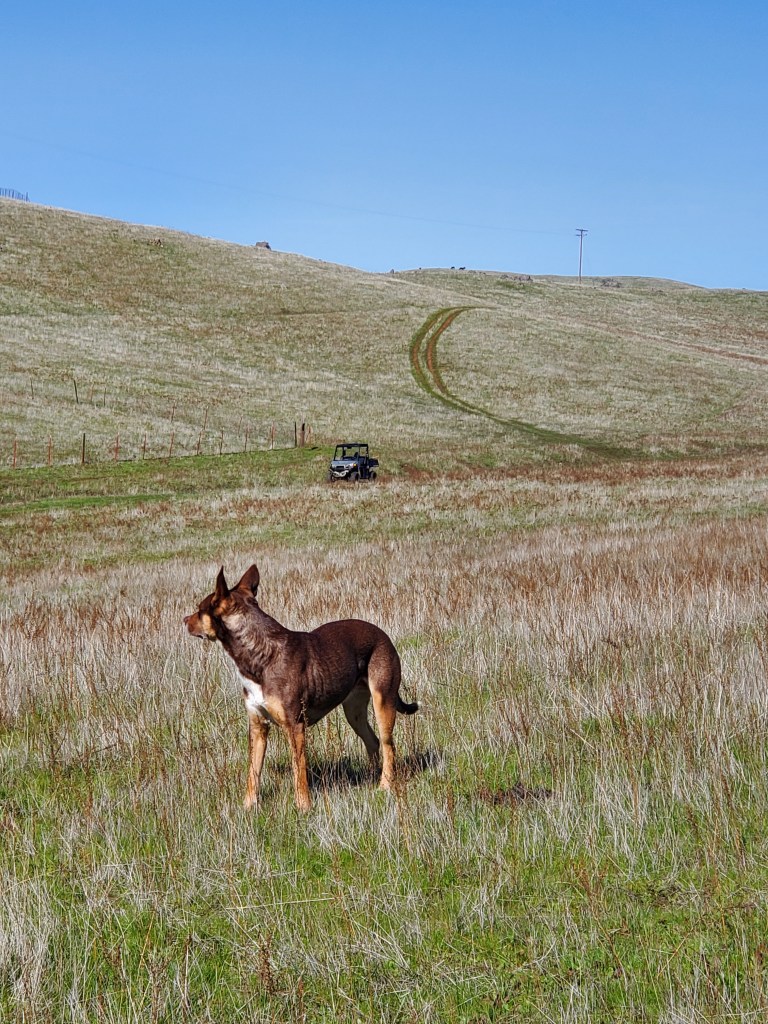
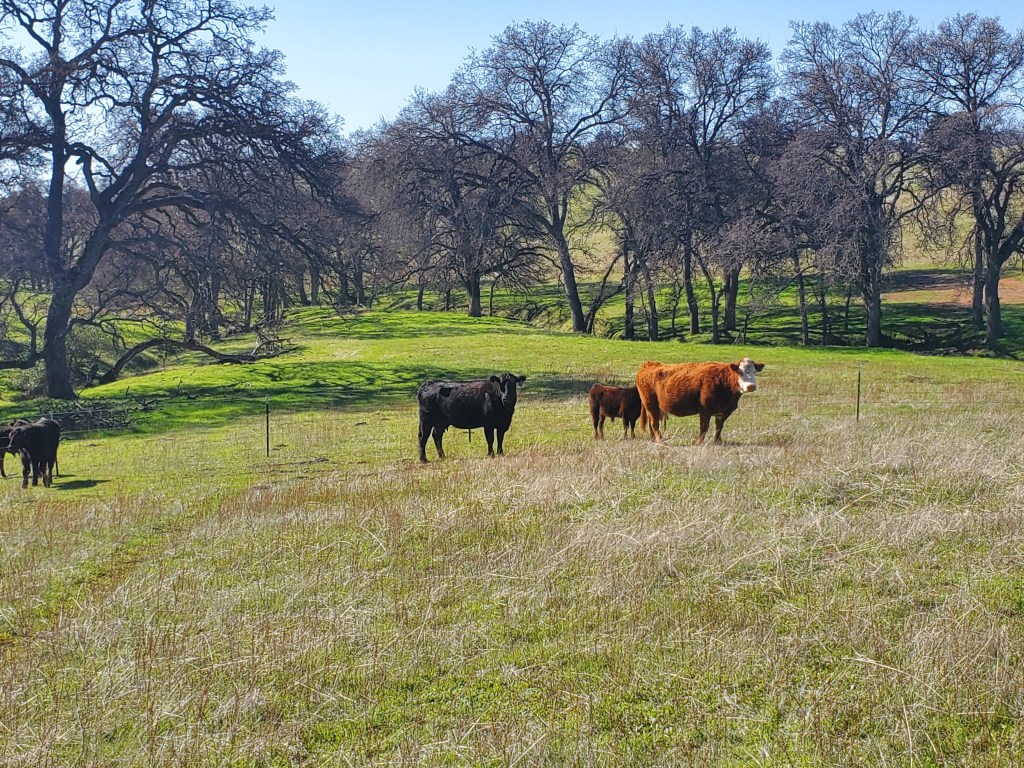
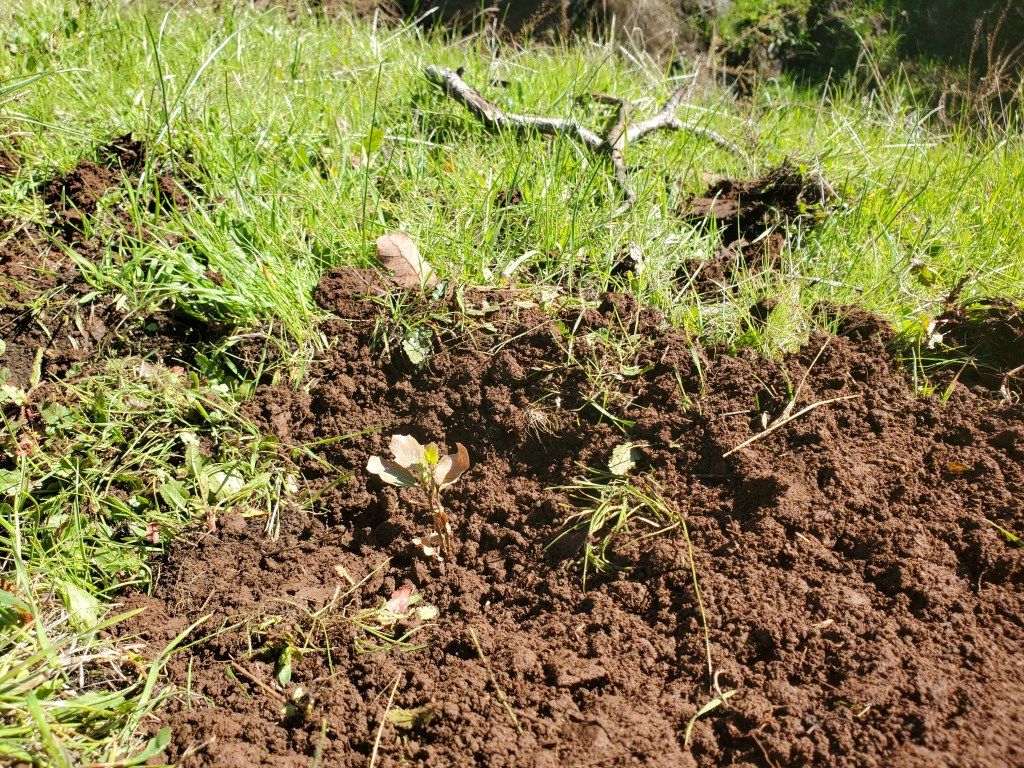

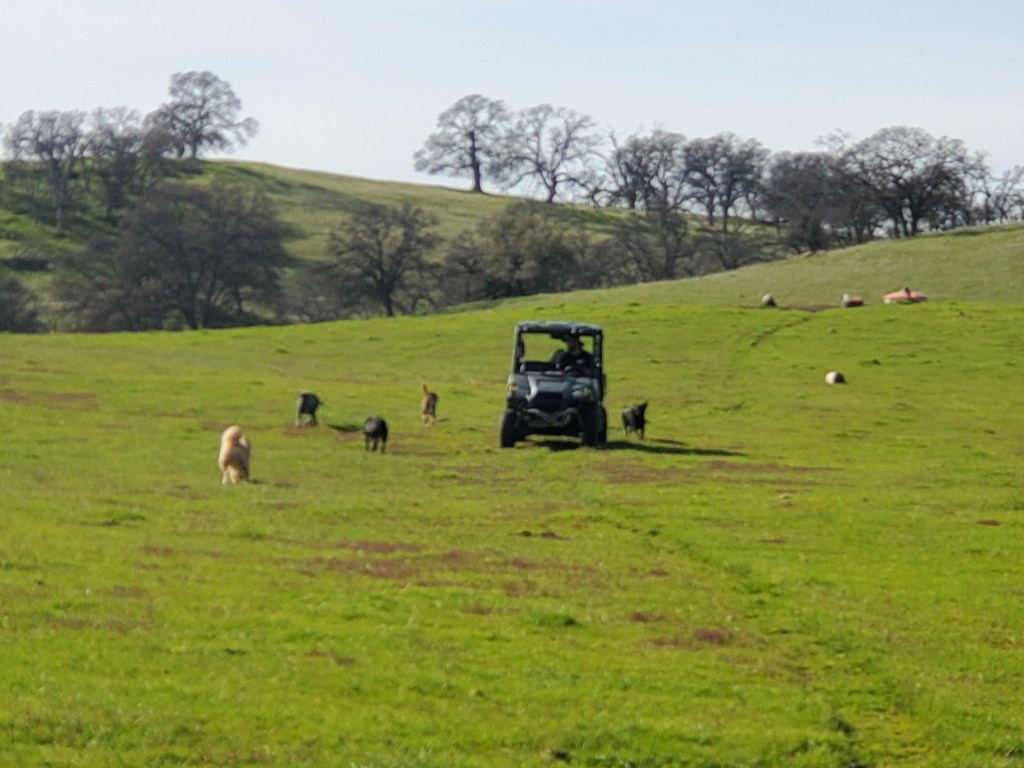
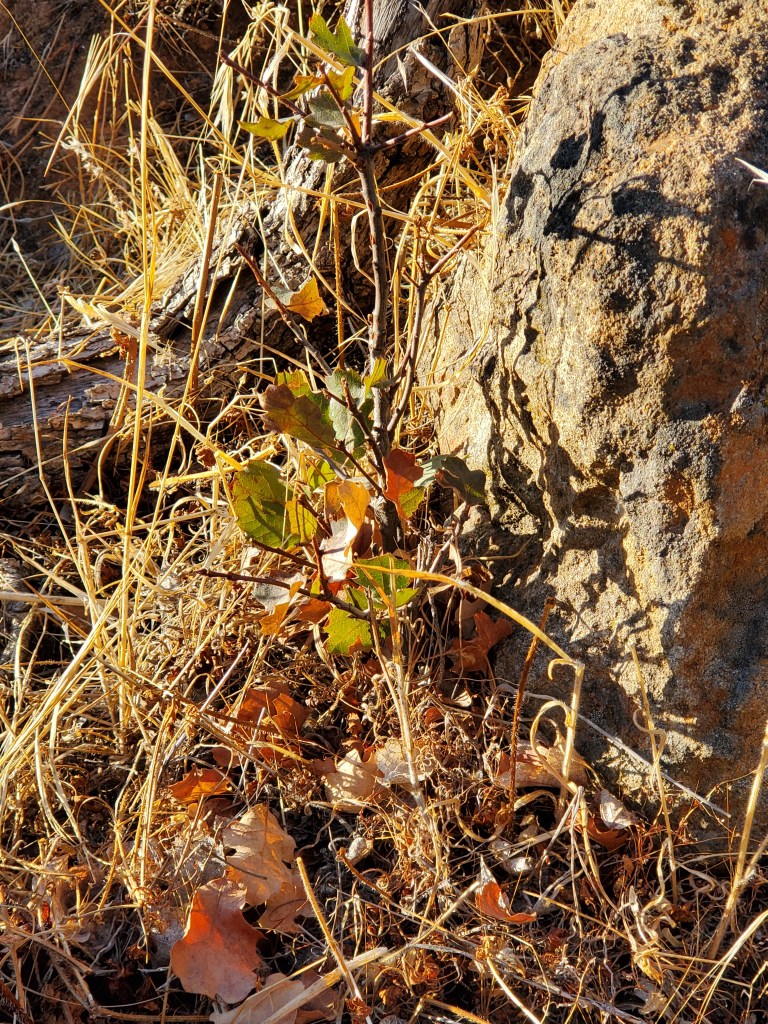
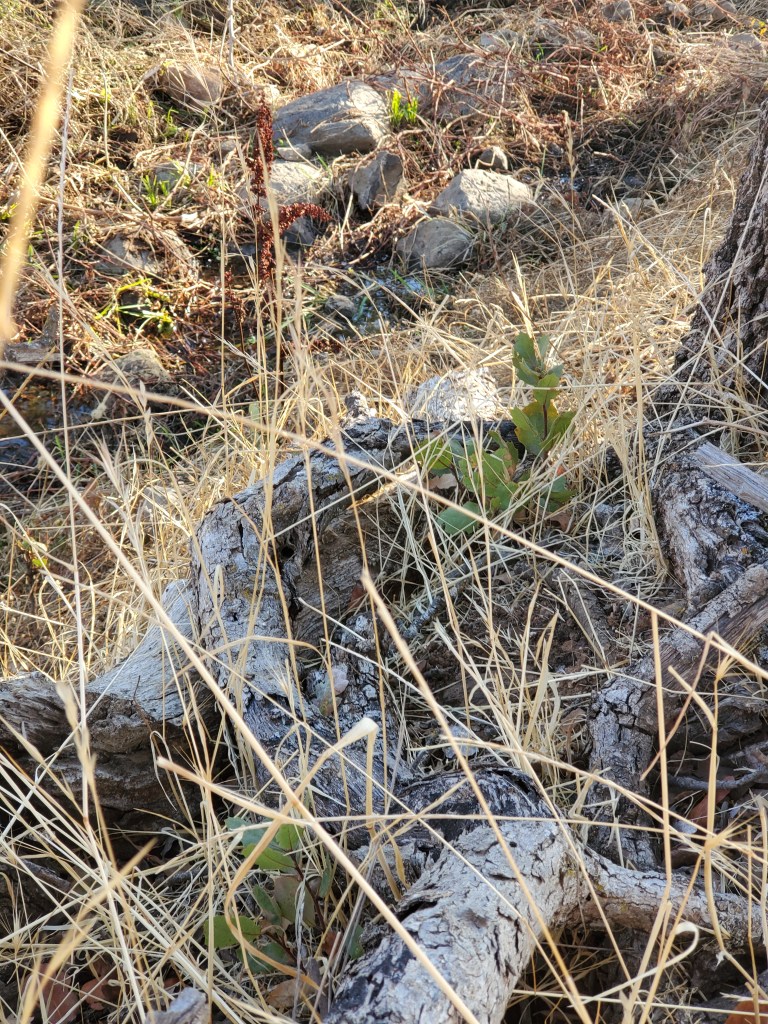
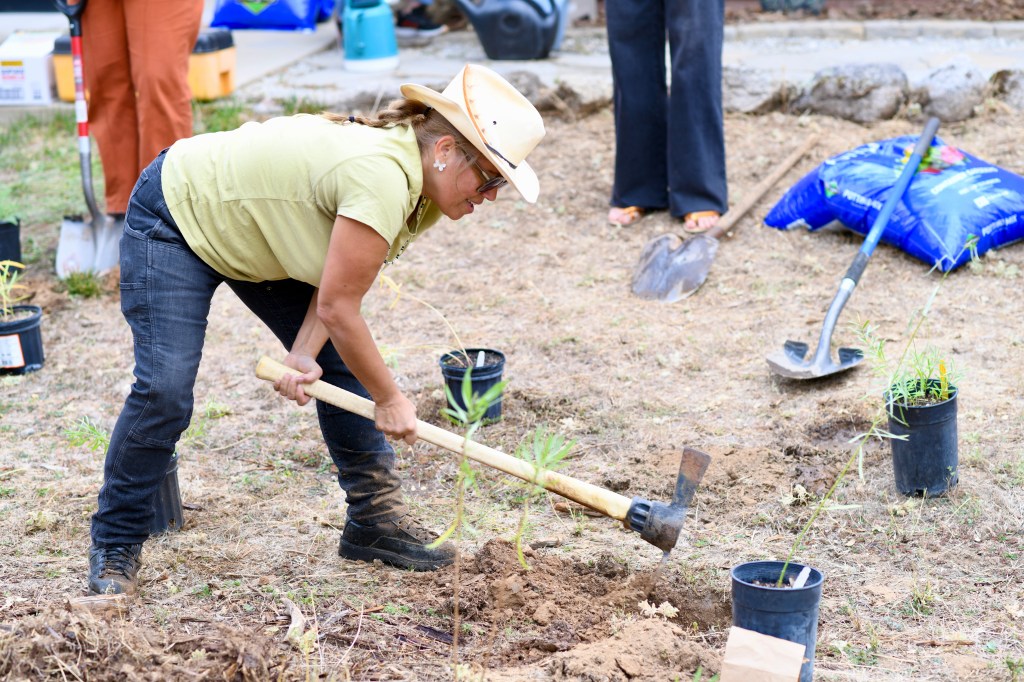
I am continuing to plant oaks, albeit slowly. The seedlings have green sprouts, so I am going to try to hurry and get them into the ground. Of course, the day I went to plant a couple, the cows were loafing with their babies nearby. I try not to disturb them too much. They look so comfortable and peaceful when they are lying on the ground, taking in the sun or languidly chewing cud. The babies can spook easy, and that can get the entire group alerted. More than the economics of running fat off them, I simply want to respect their peace if I can. As such, it makes more sense to park the vehicle and walk my tools and plants the remaining distance.
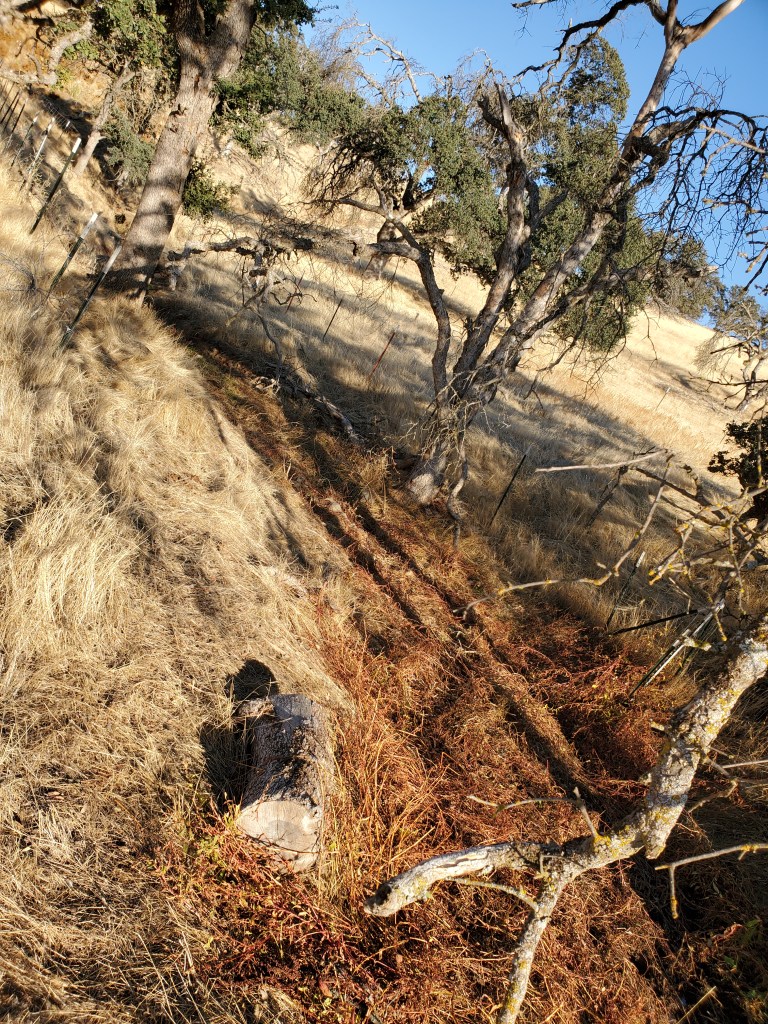
The first seedling, I plant in the exclosure near the area where the healthy oak fell over last year. That will be a good place with ample water. I place the tree very straight slightly higher up the hill from the up-turned rootball. For the second seedling, I choose a place near the grinding rock among the skeletons of old trees but near enough to living trees. It is another area near the water with shade and light. I say a prayer for each, welcoming them home and a wish for their wellness.
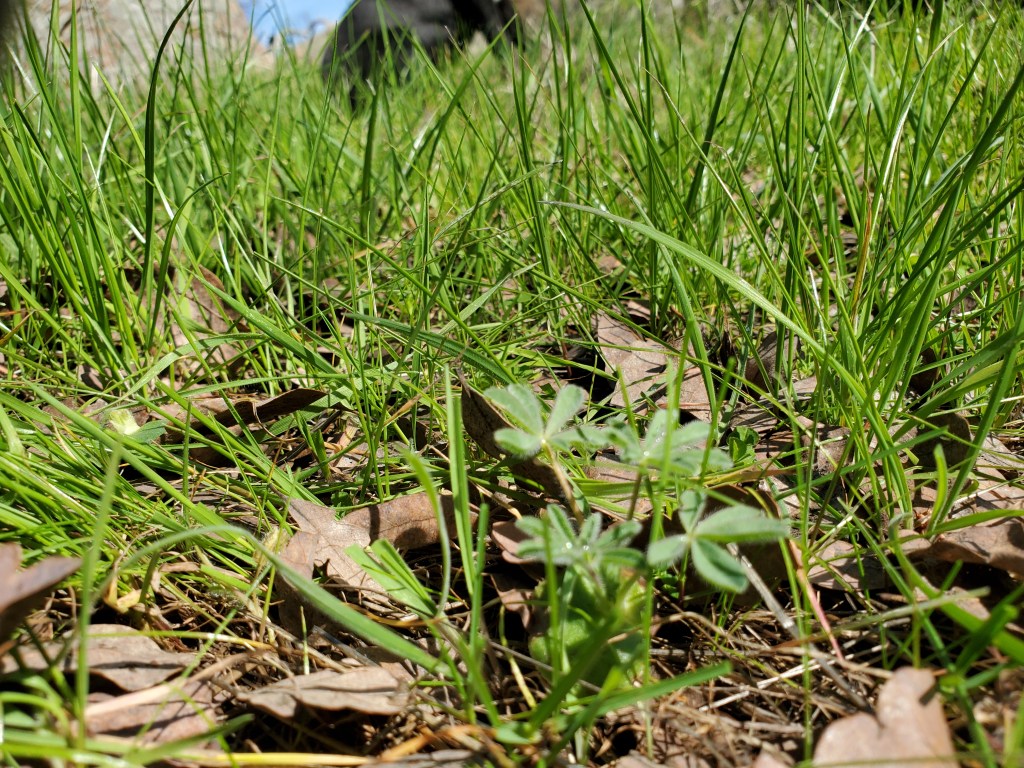
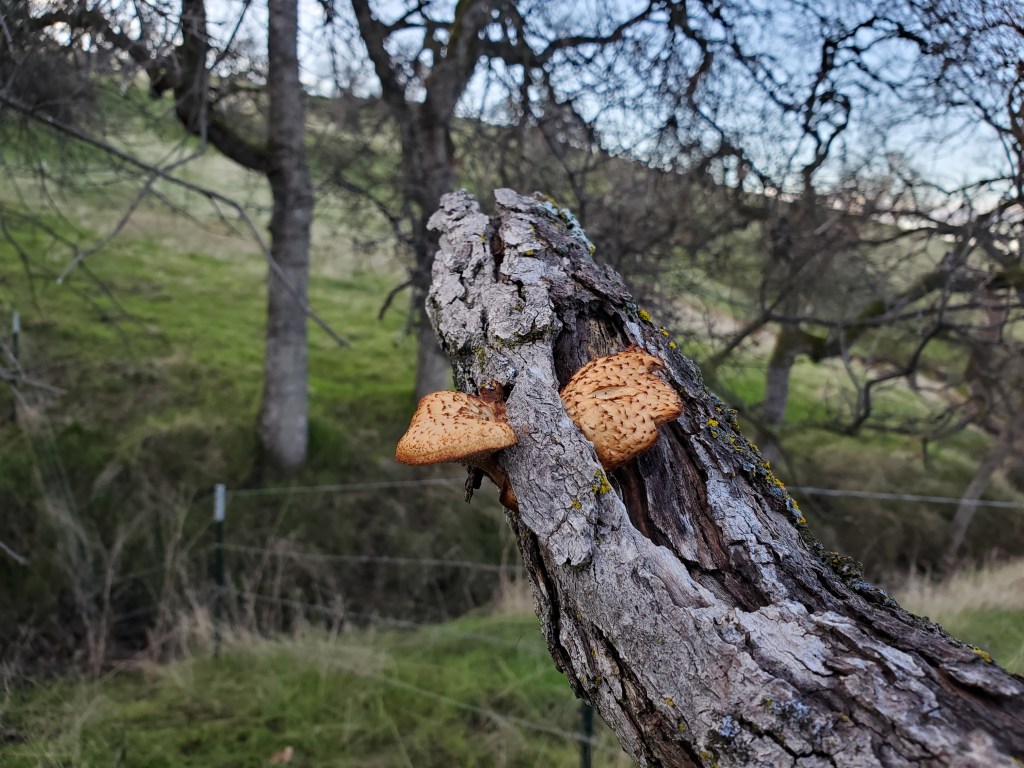
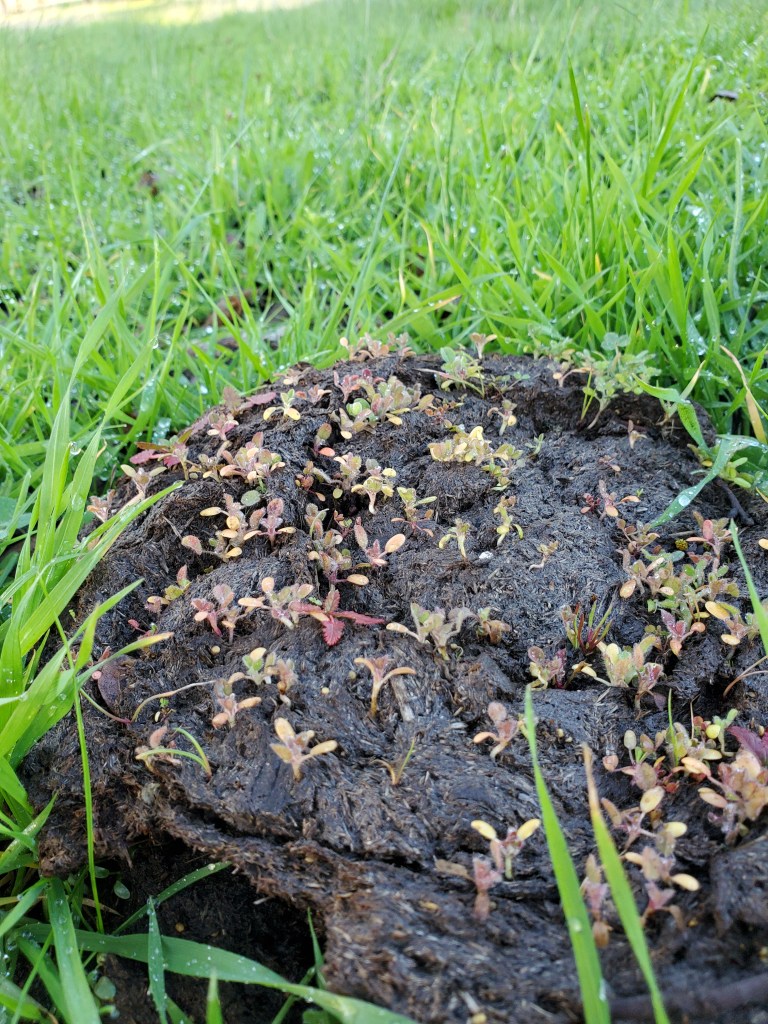
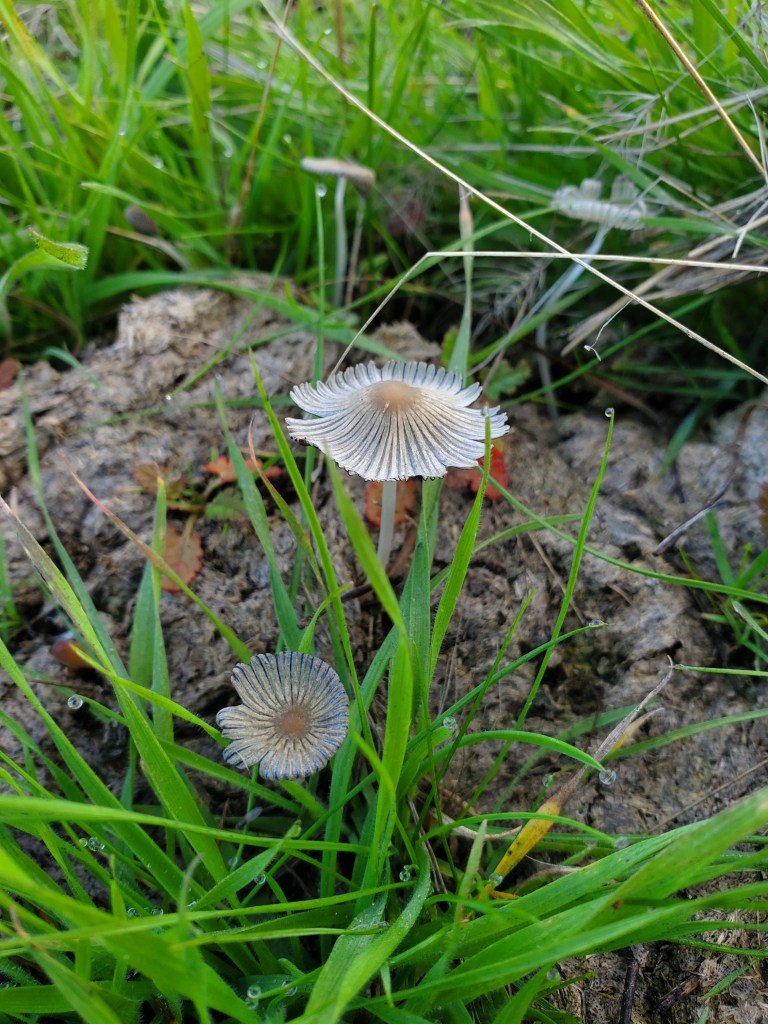
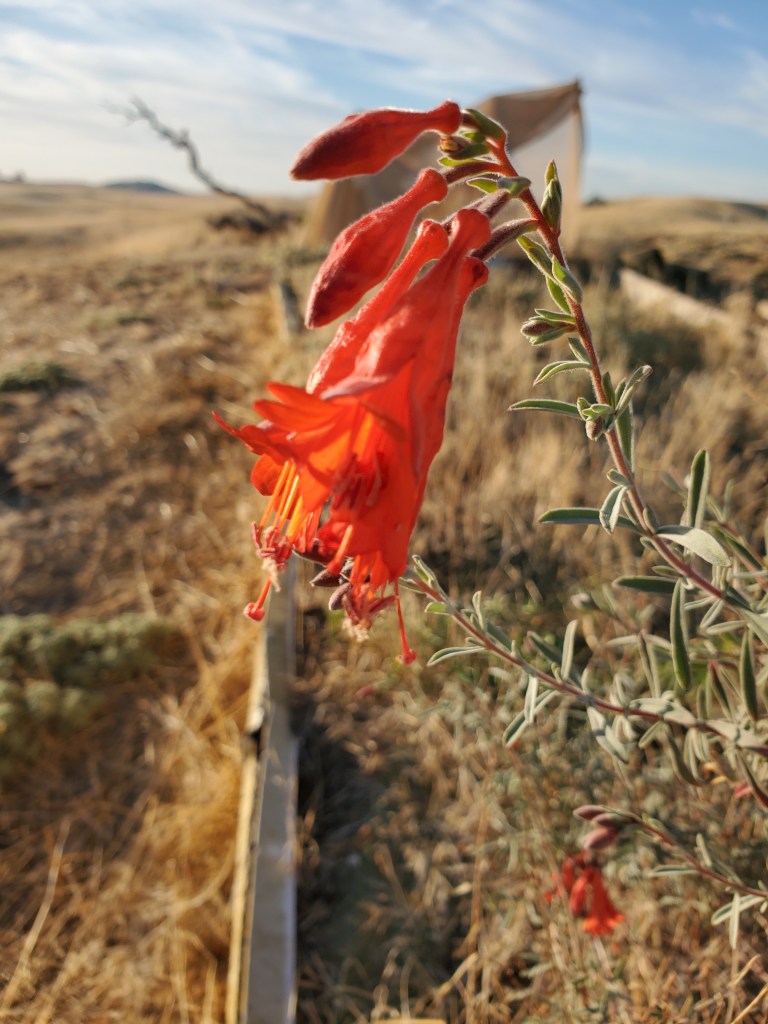
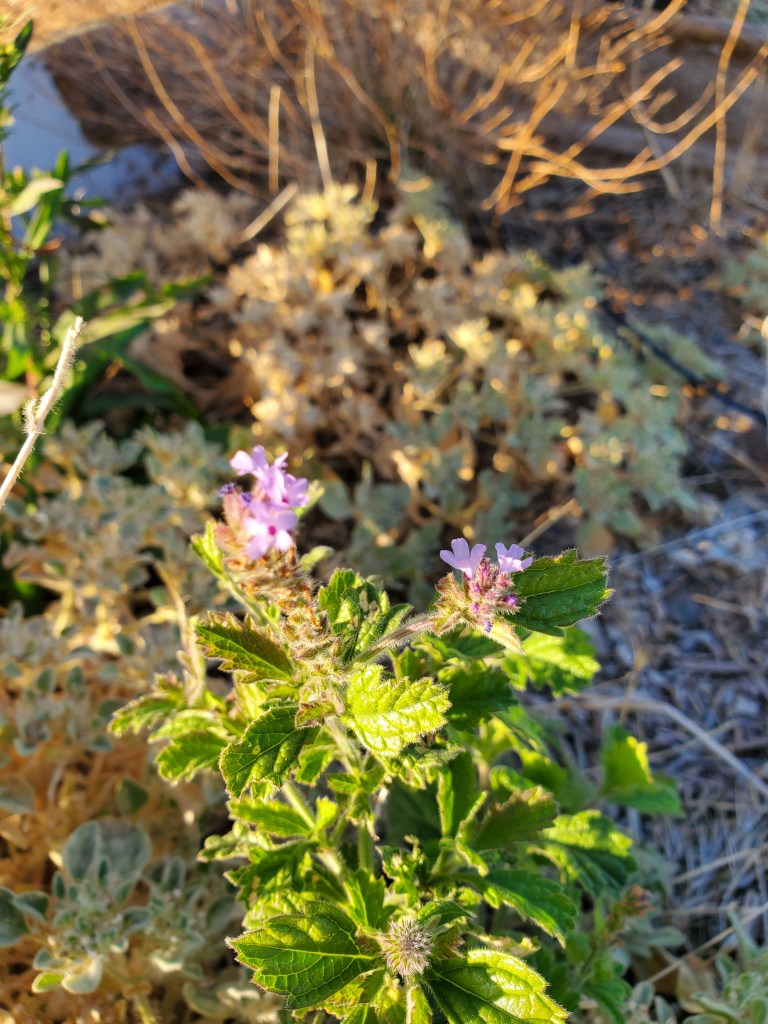
Mushrooms and Wildflowers

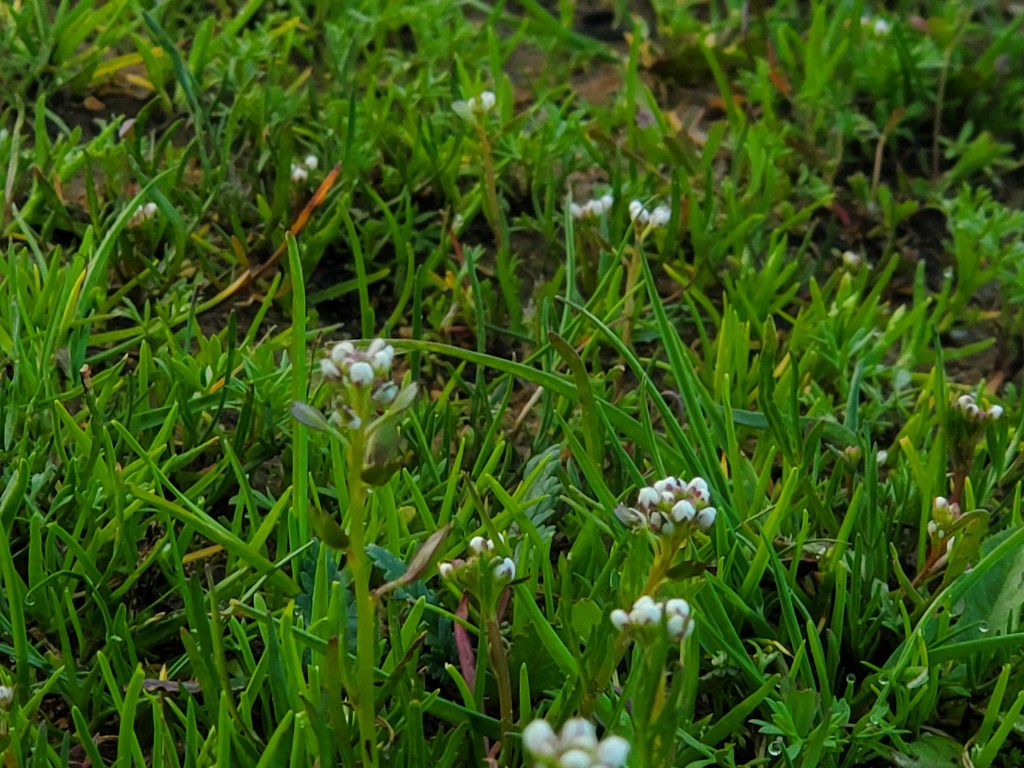
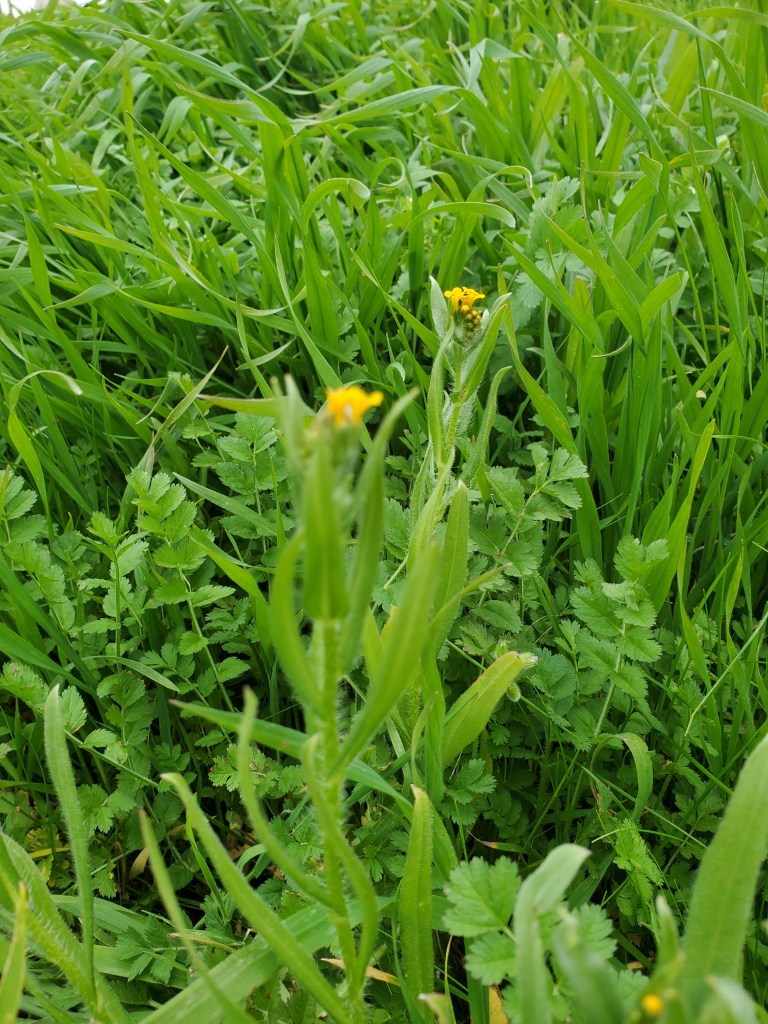

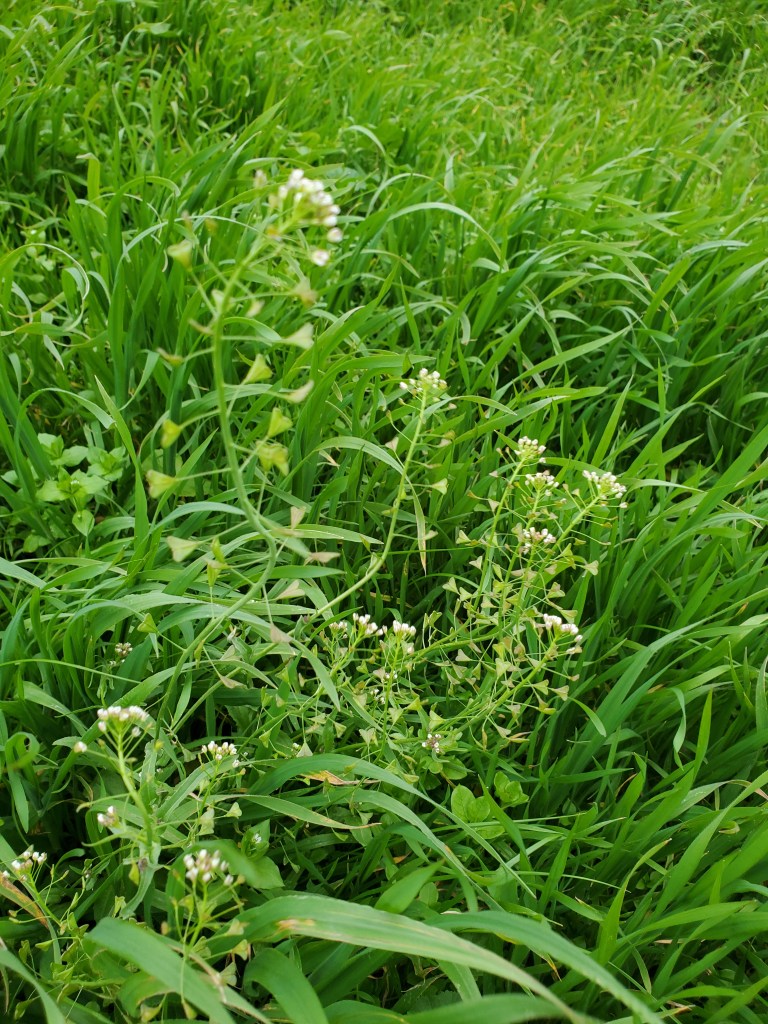
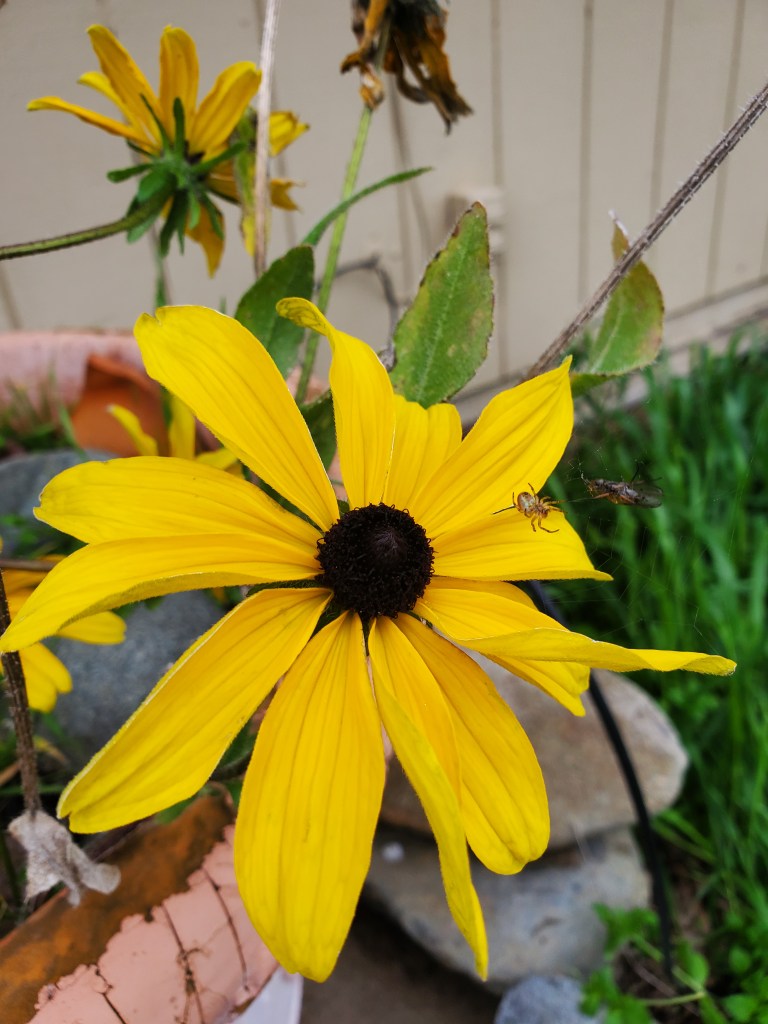
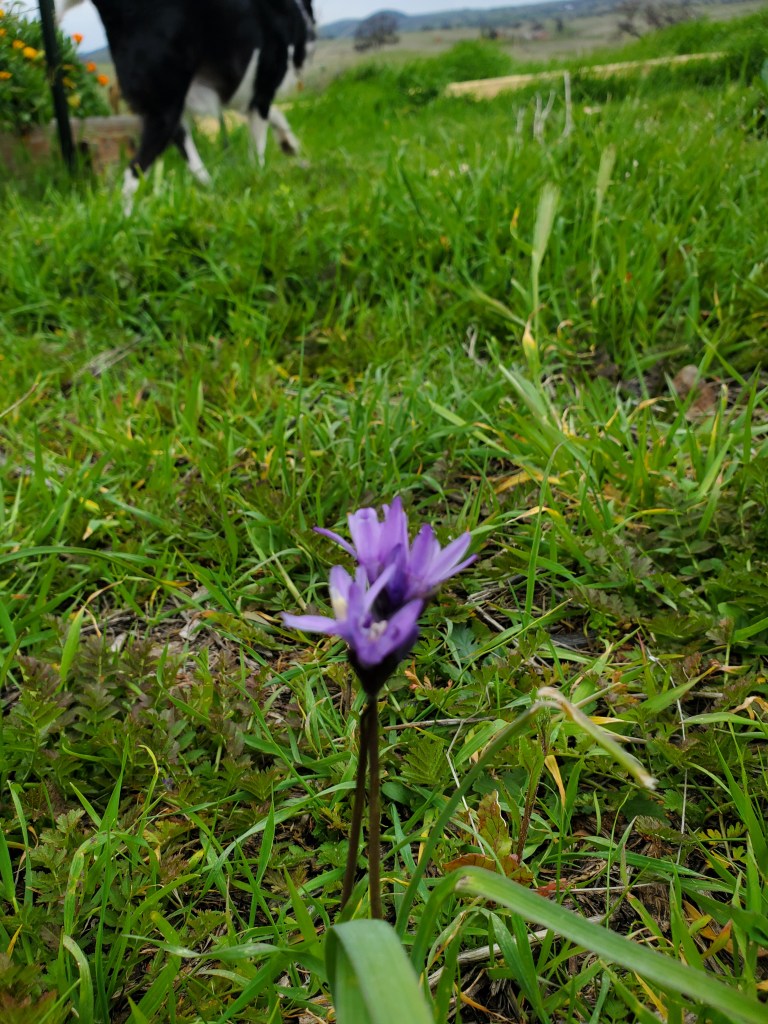
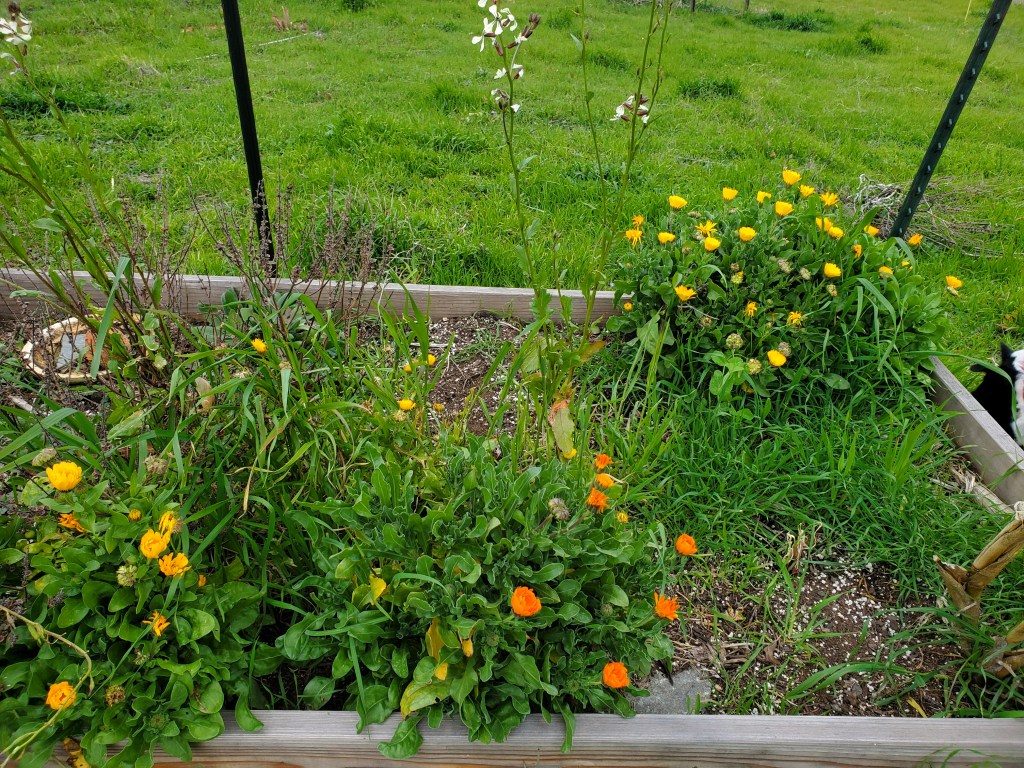

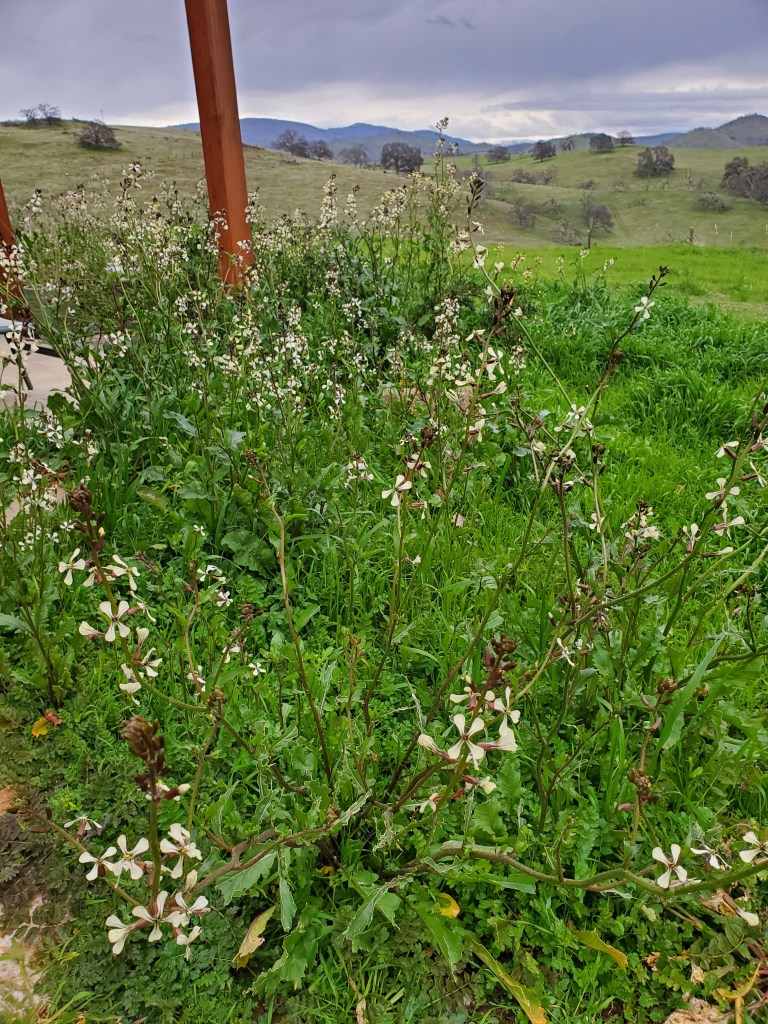


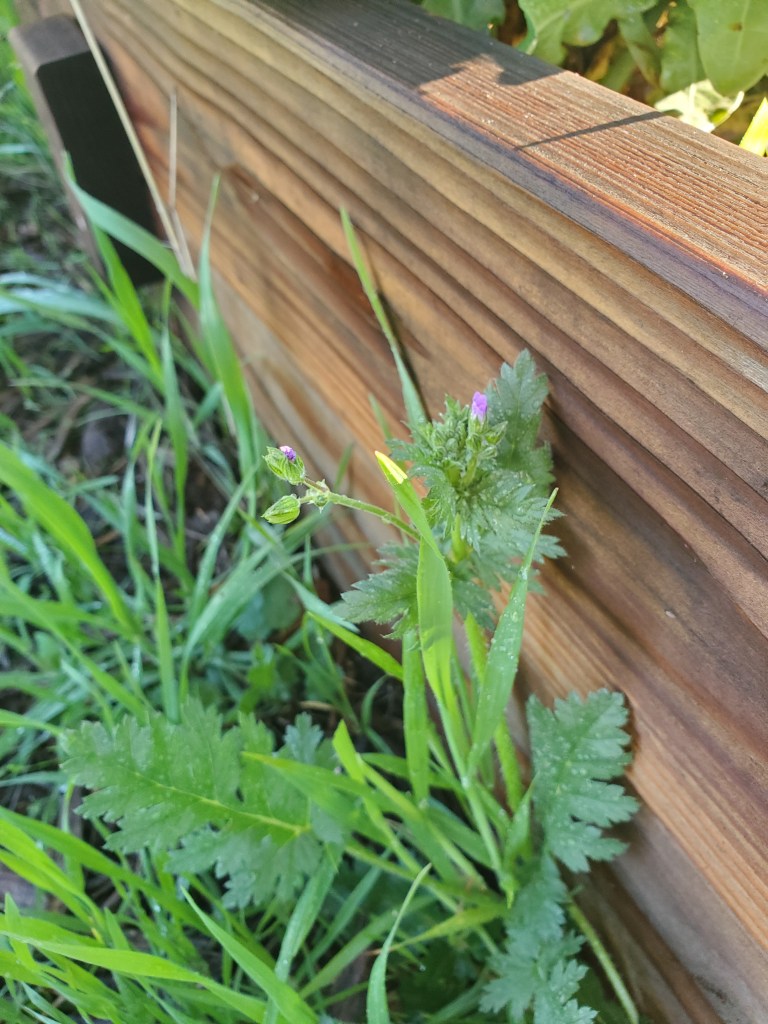
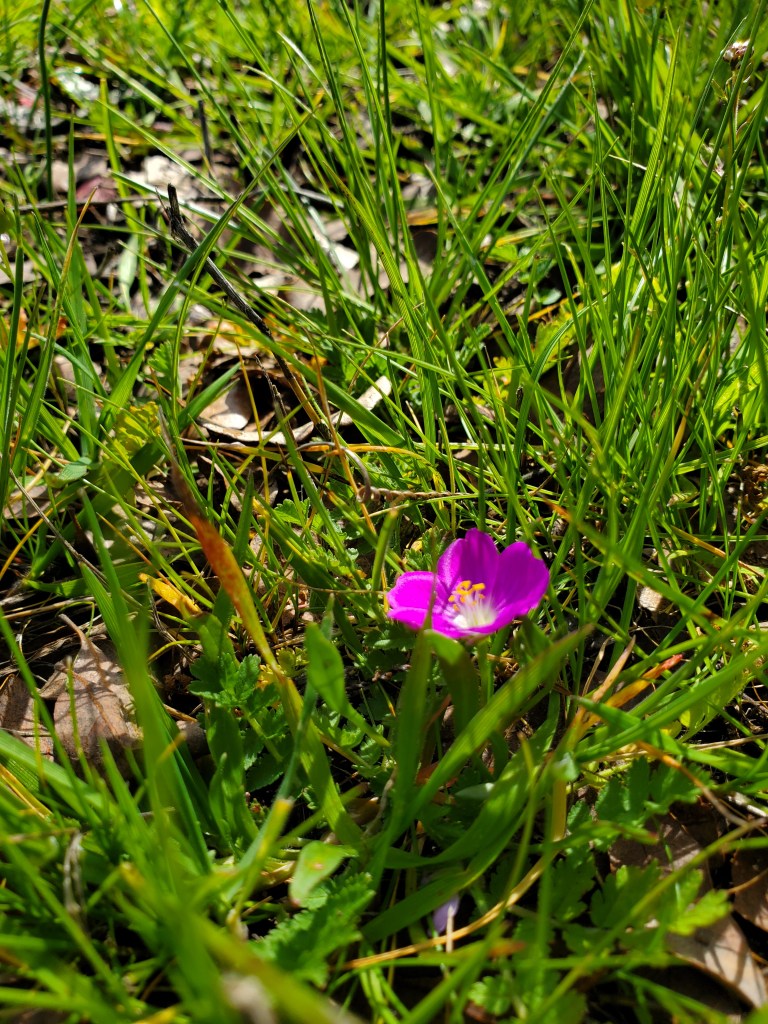


Bees
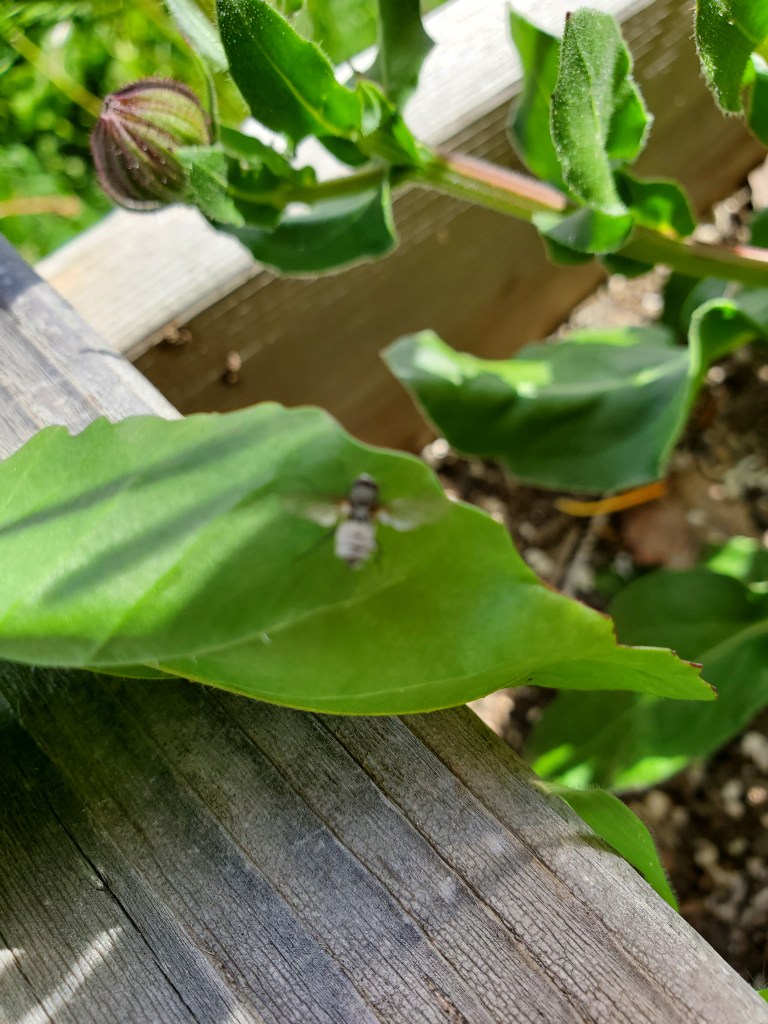
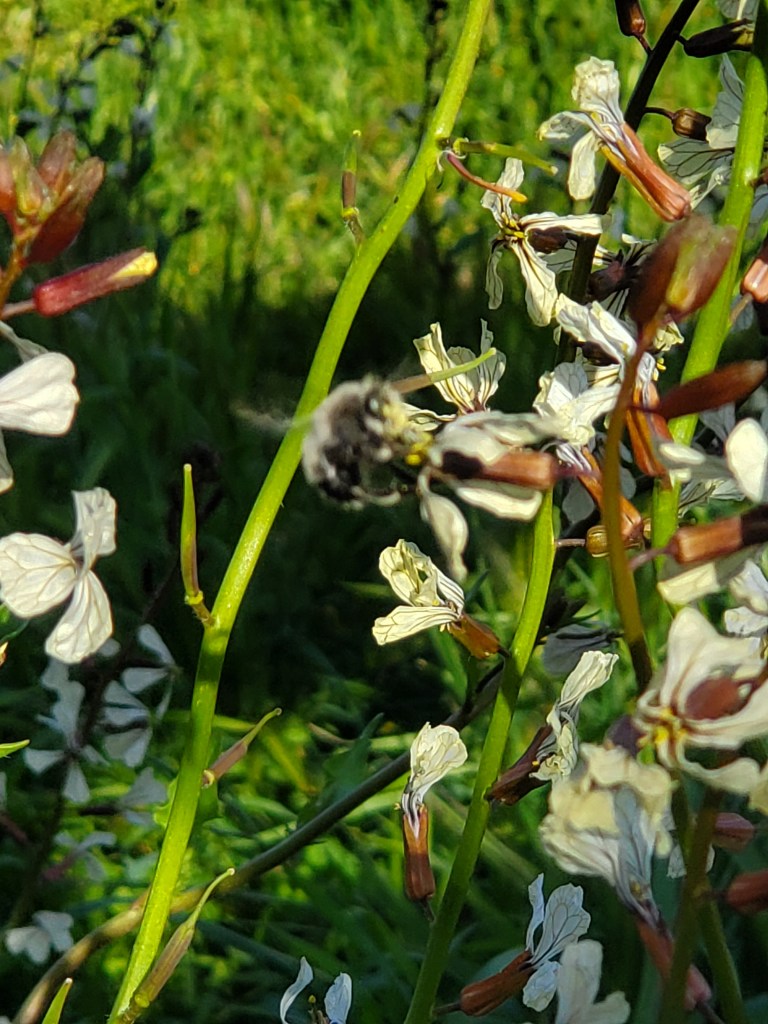

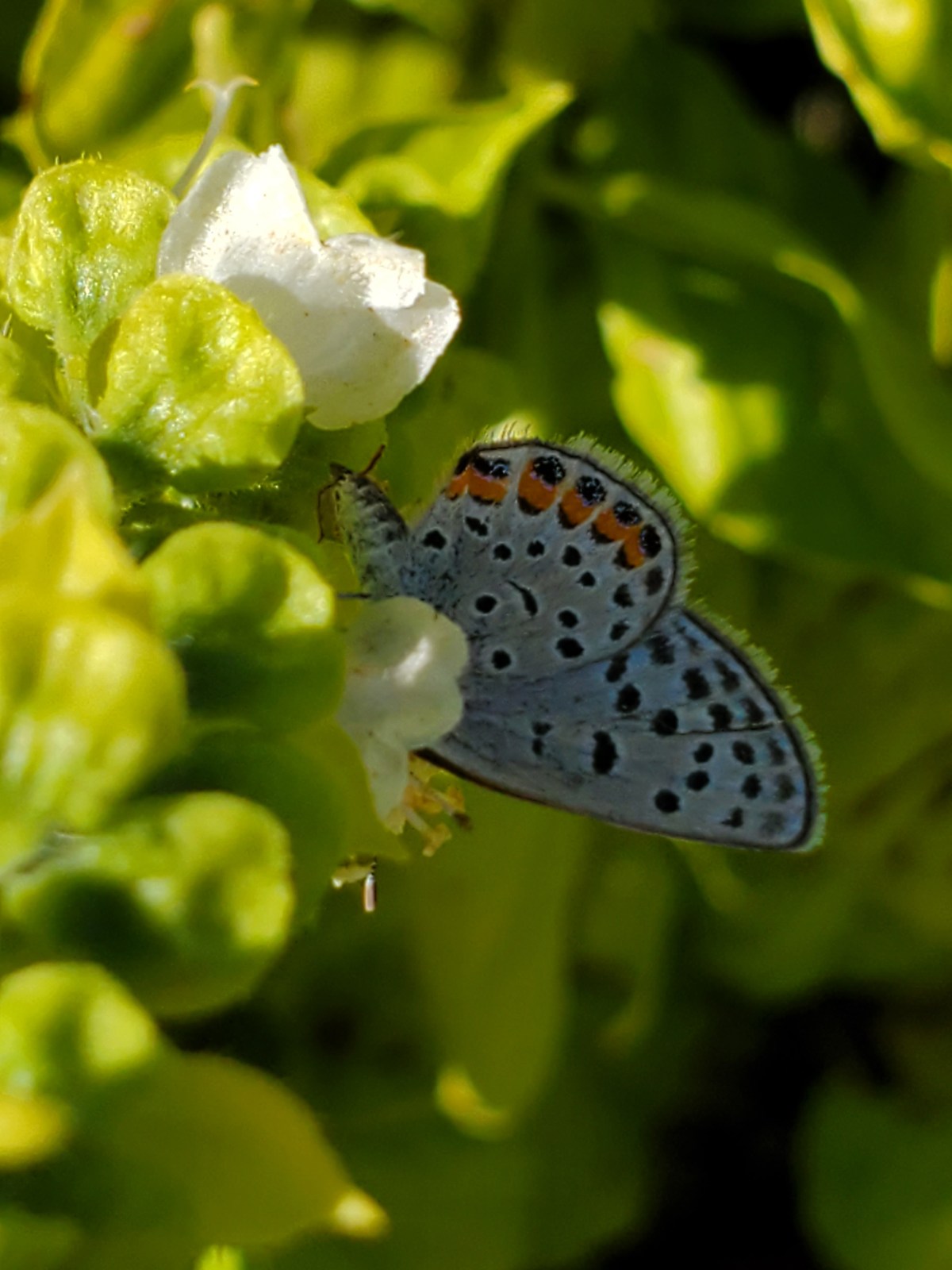
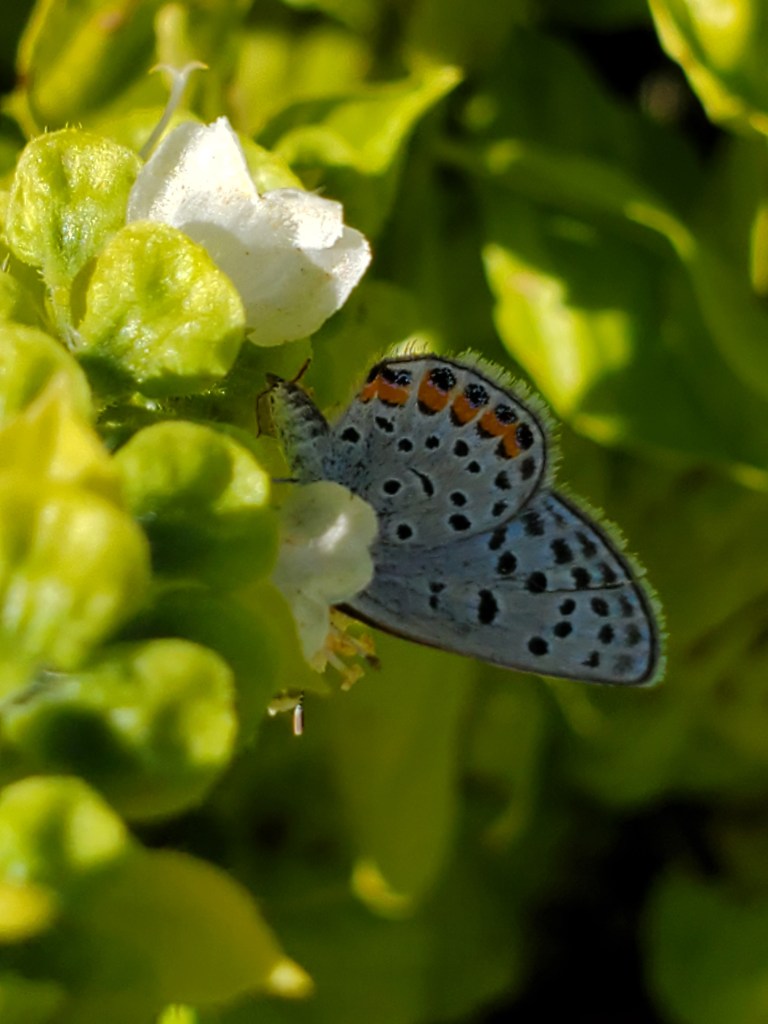
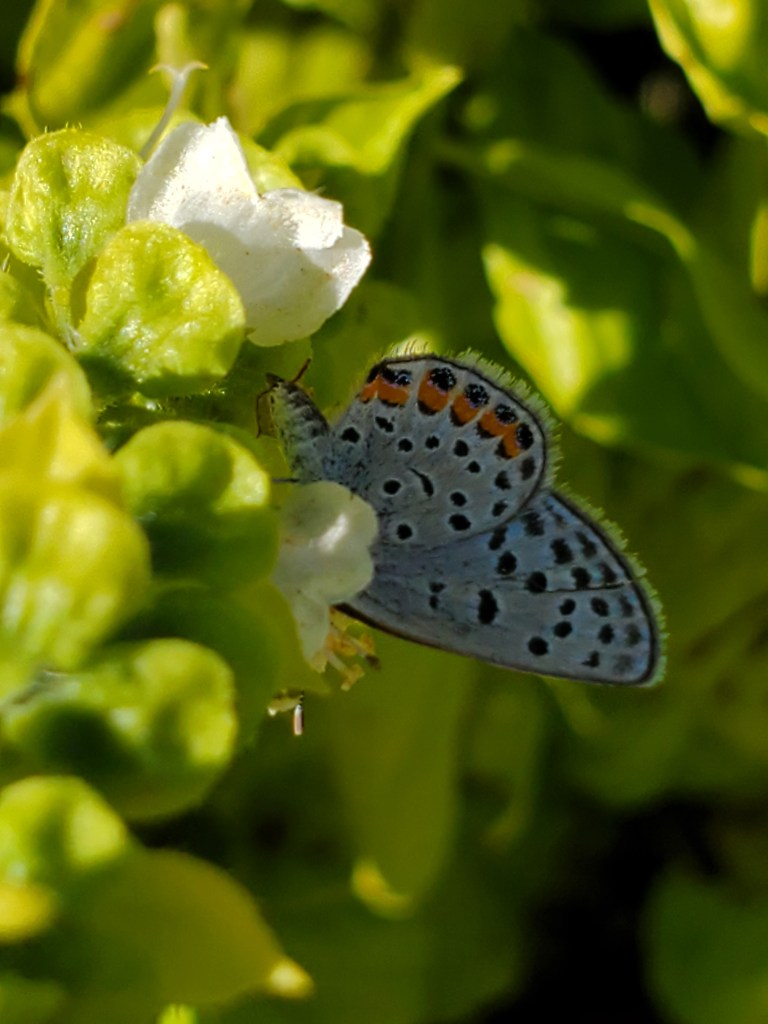
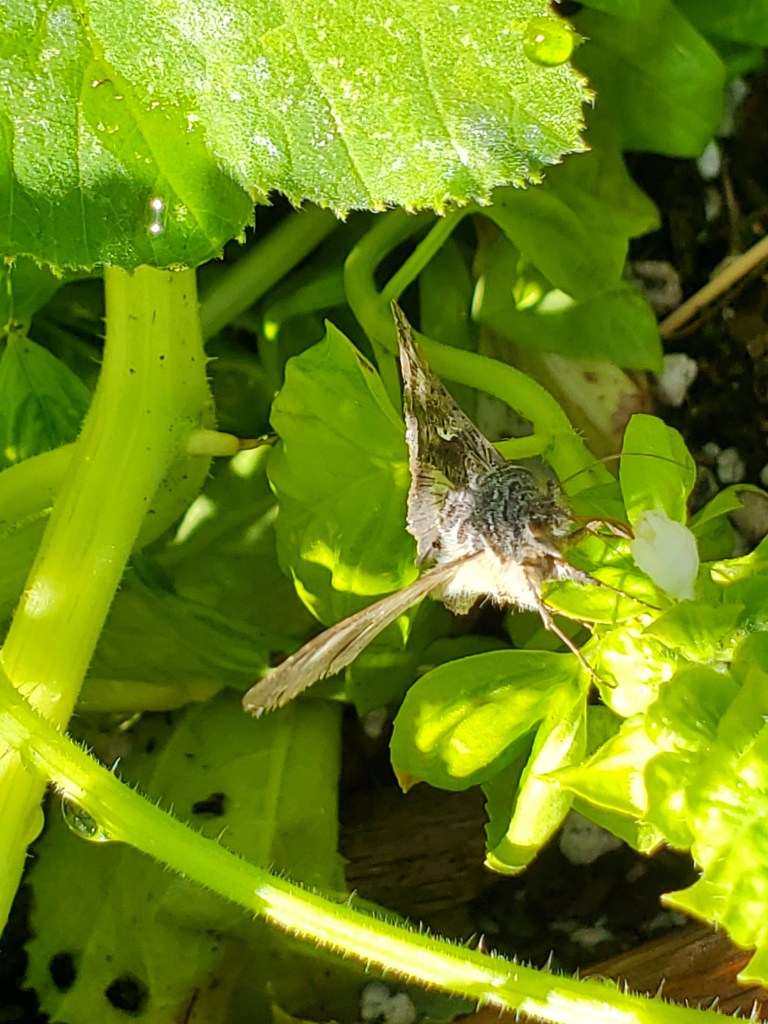
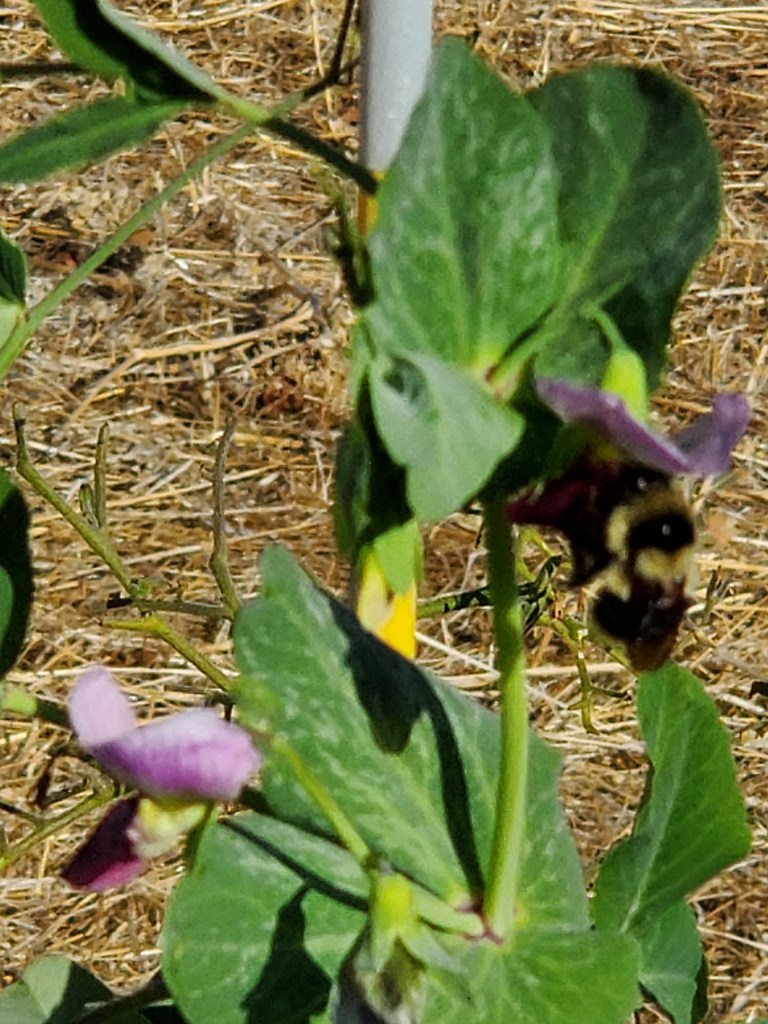
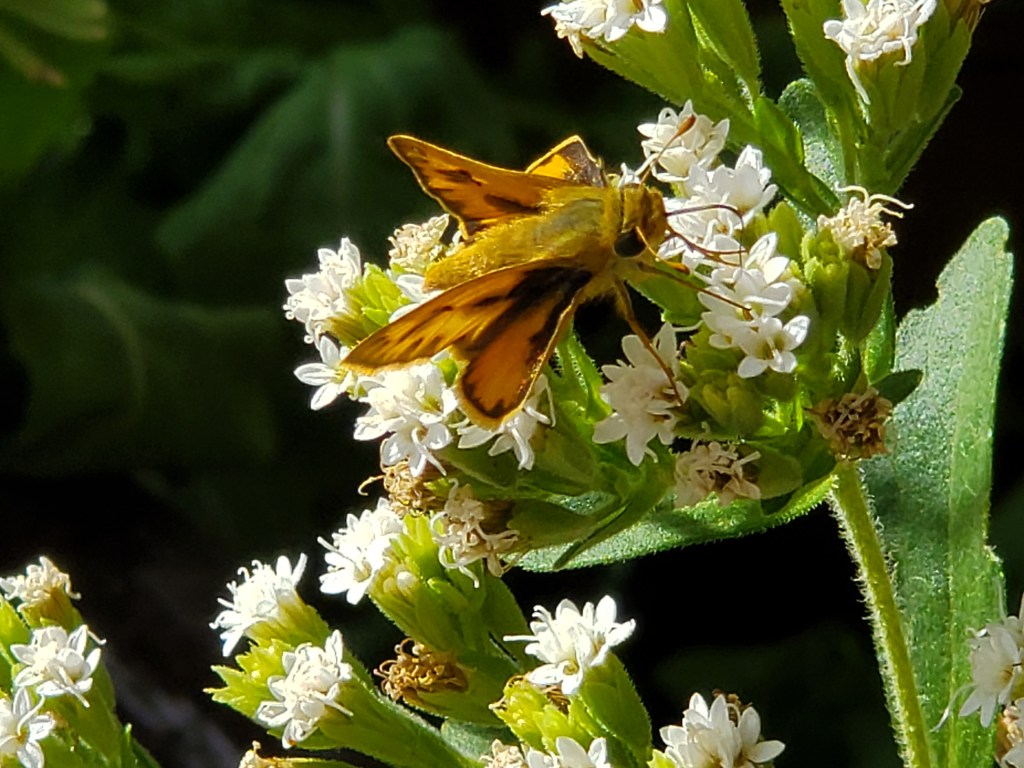
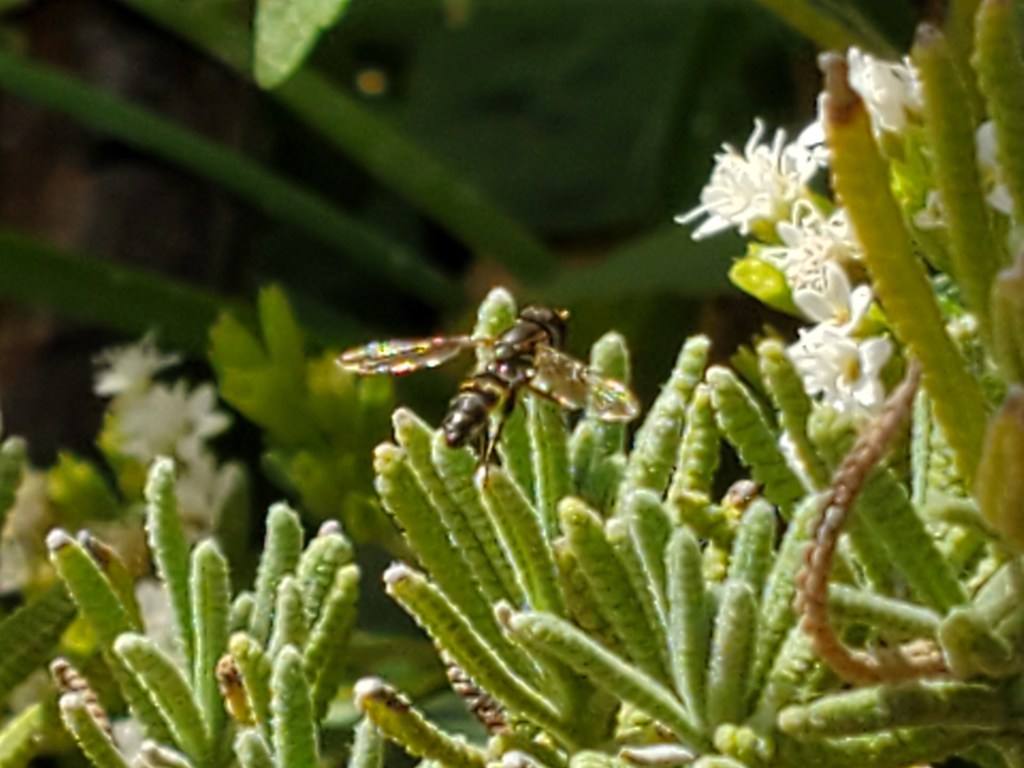
When the sun comes out, we are seeing some significant bee action. Honeybees, a cute silver native bee taking a nap, and fuzzy silver bumble bees have presented themselves. There were some viceroy butterflies just the other day. They are large and orange, so very exciting to see. They move too fast and don’t stay long. It is rare that I get a good look at them let alone a photo.
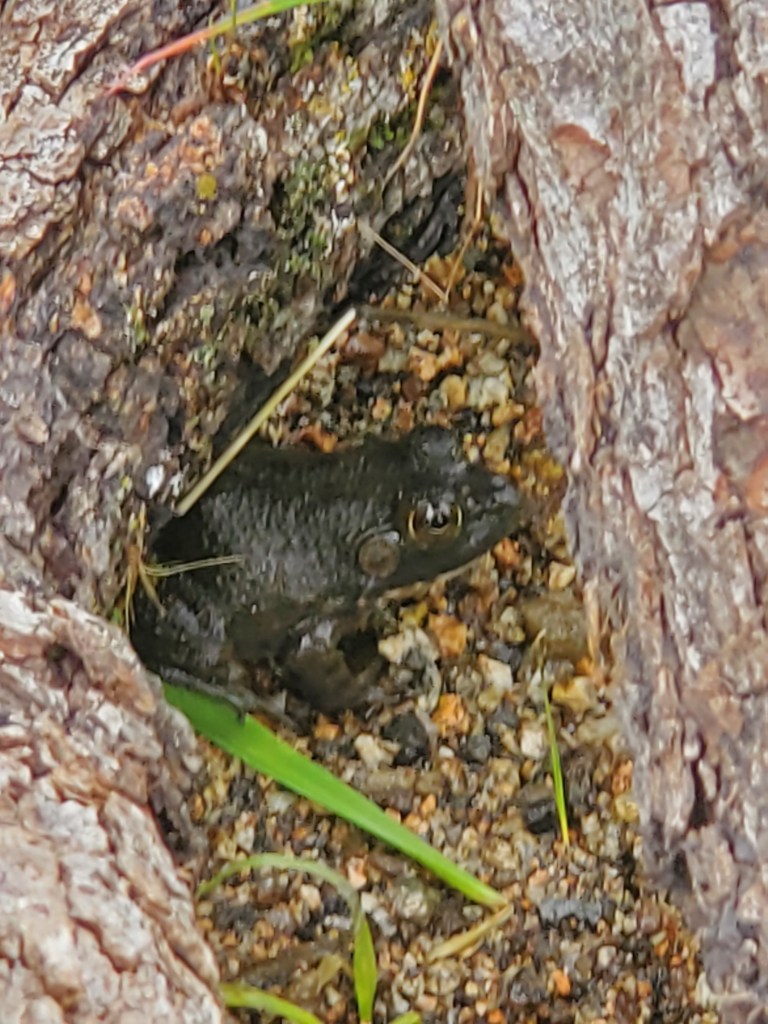
A very special guest made an appearance twice – a rough legged hawk. They live in the arctic north and fly south for the winter. Mariposa County is near the absolute south portion of their range. According to bird resources and my Stokes bird book, it is rare to see them this far south. I am thanking all the water for staying here and making a compelling habitat for some remarkable raptors this year, including a bald eagle the other day.


Stewardship is Not all Outdoor Work
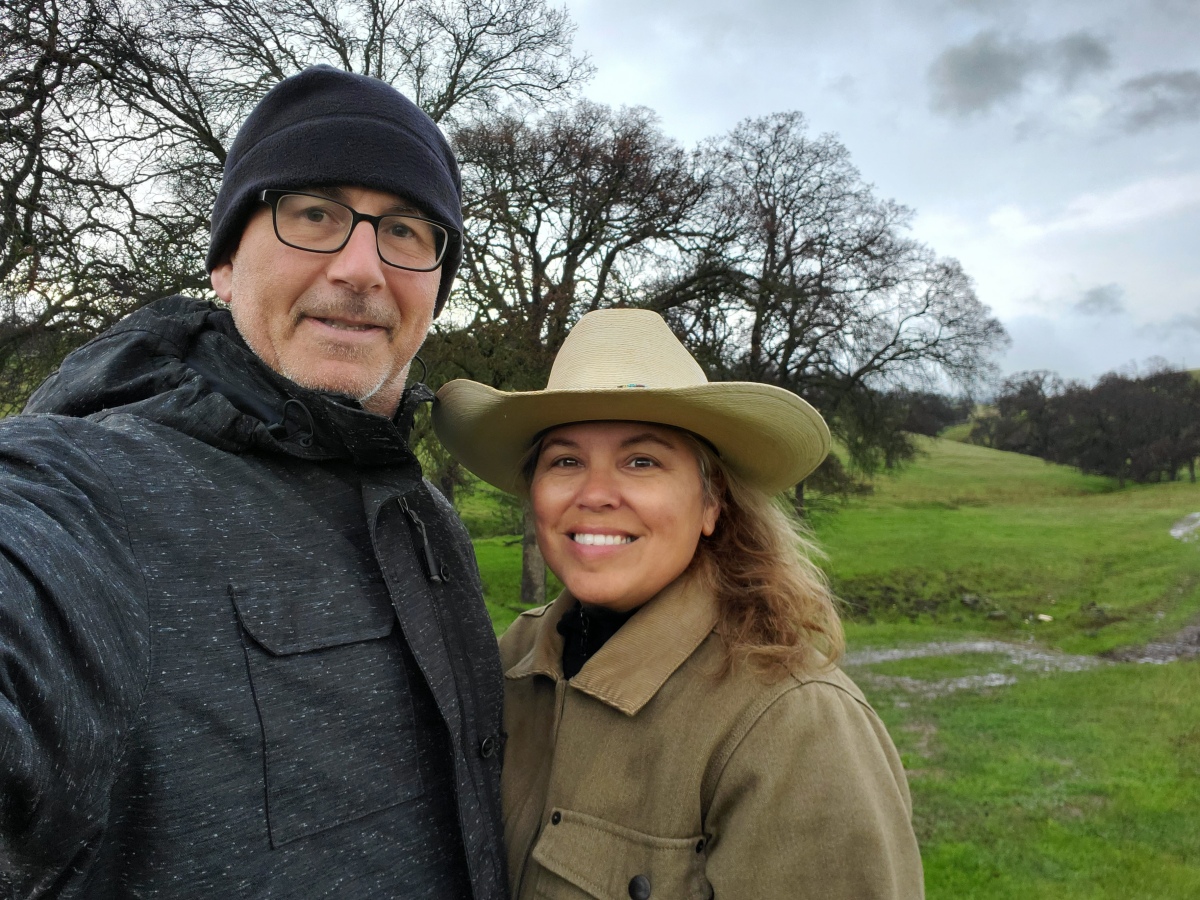
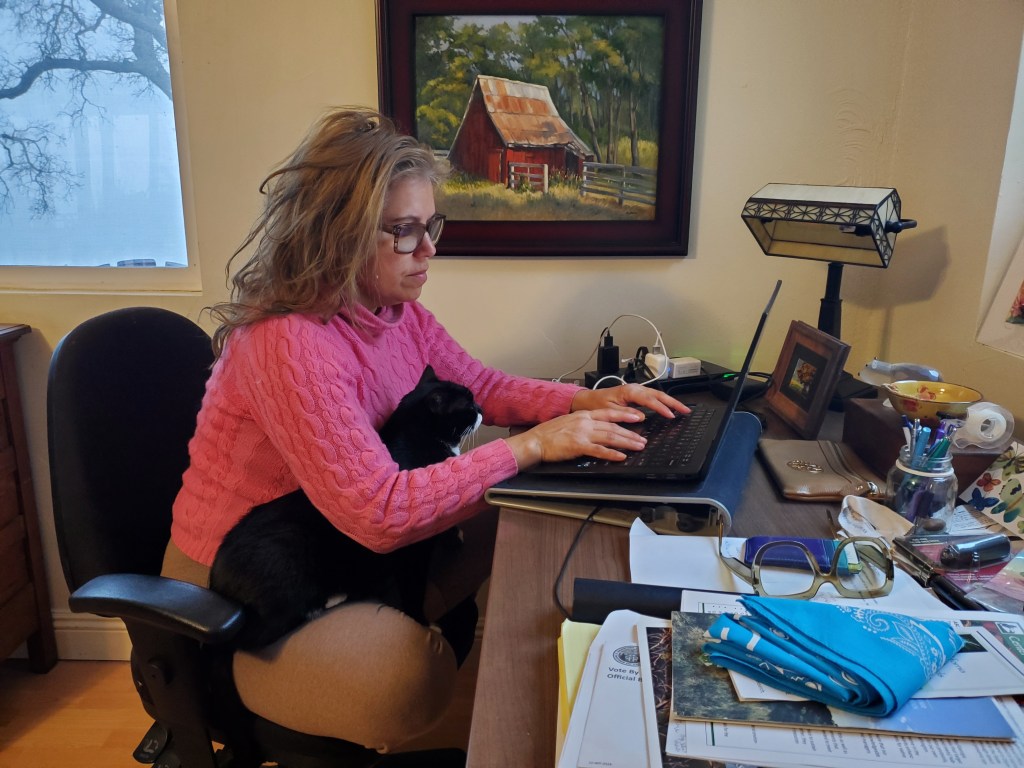
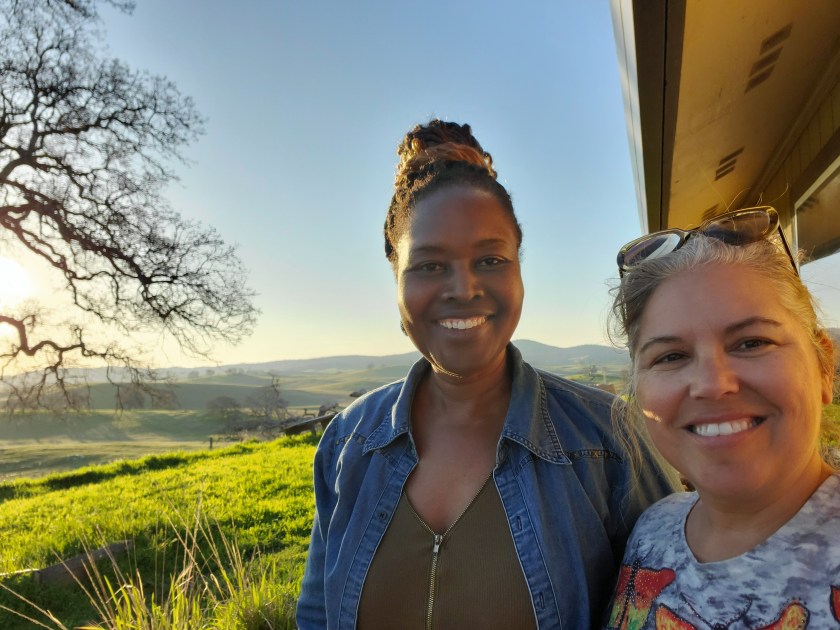
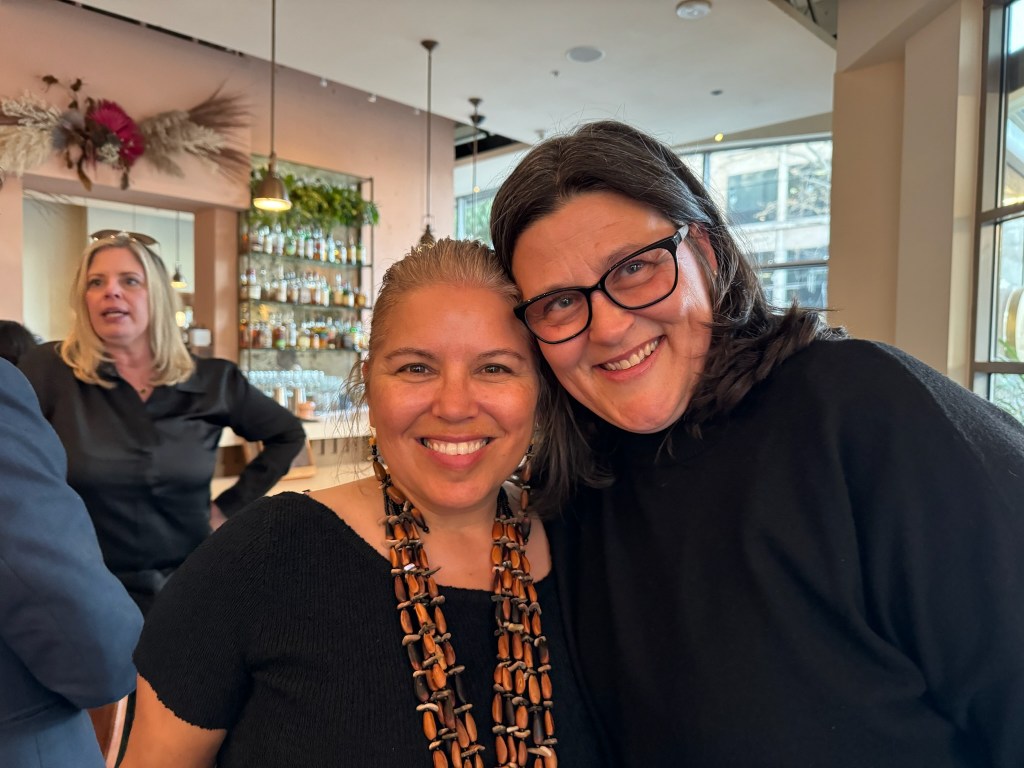
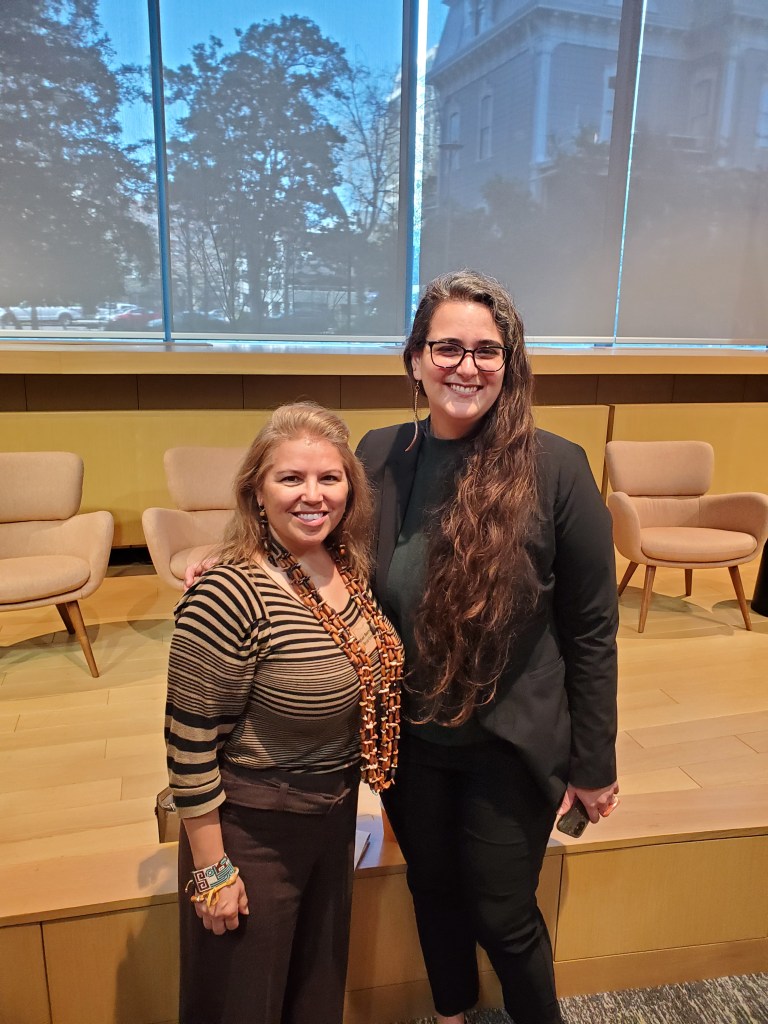
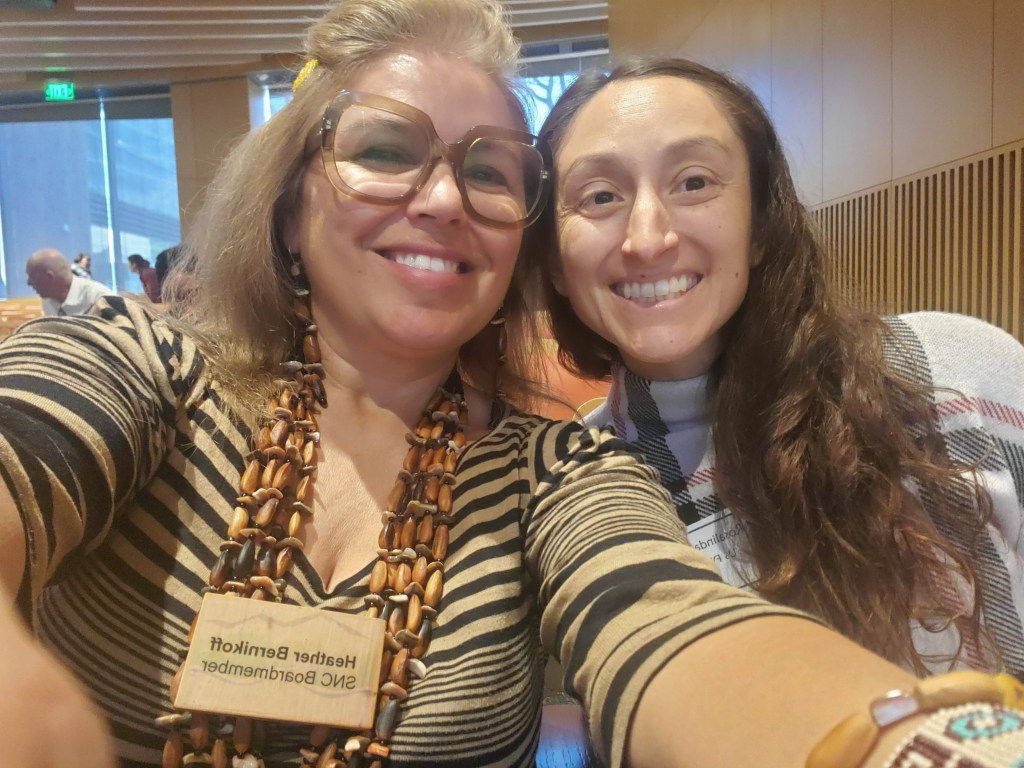
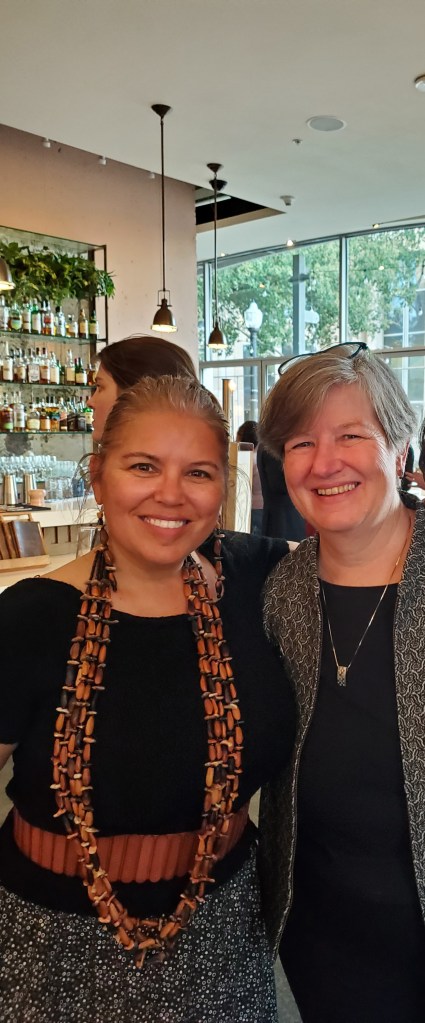
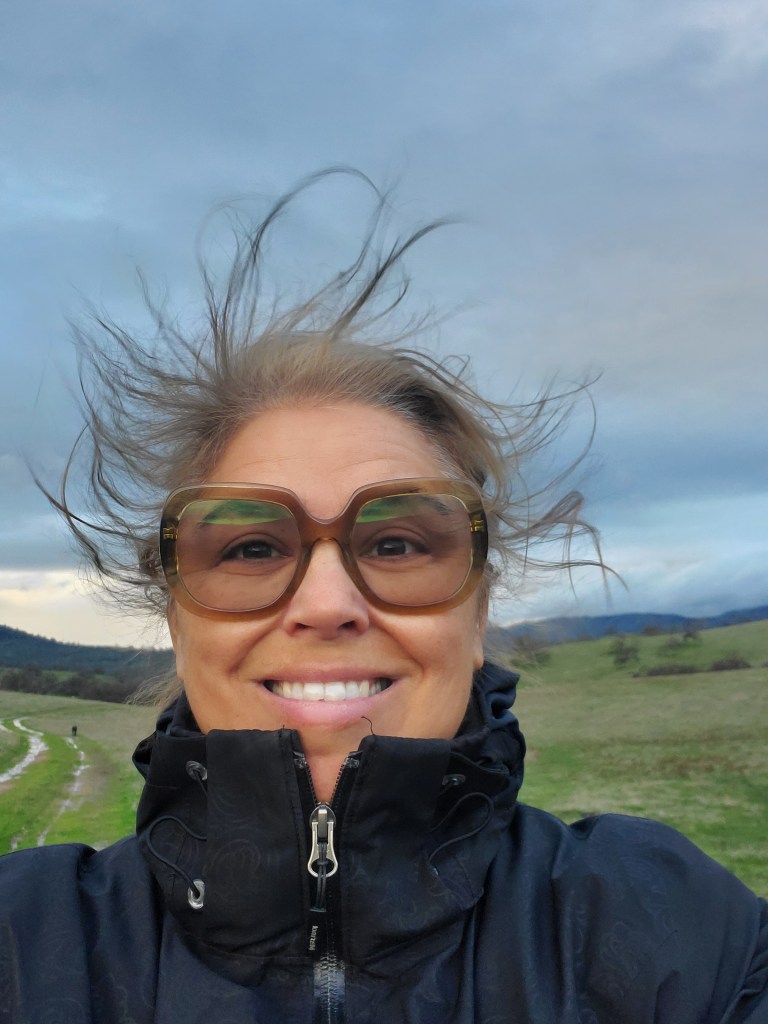
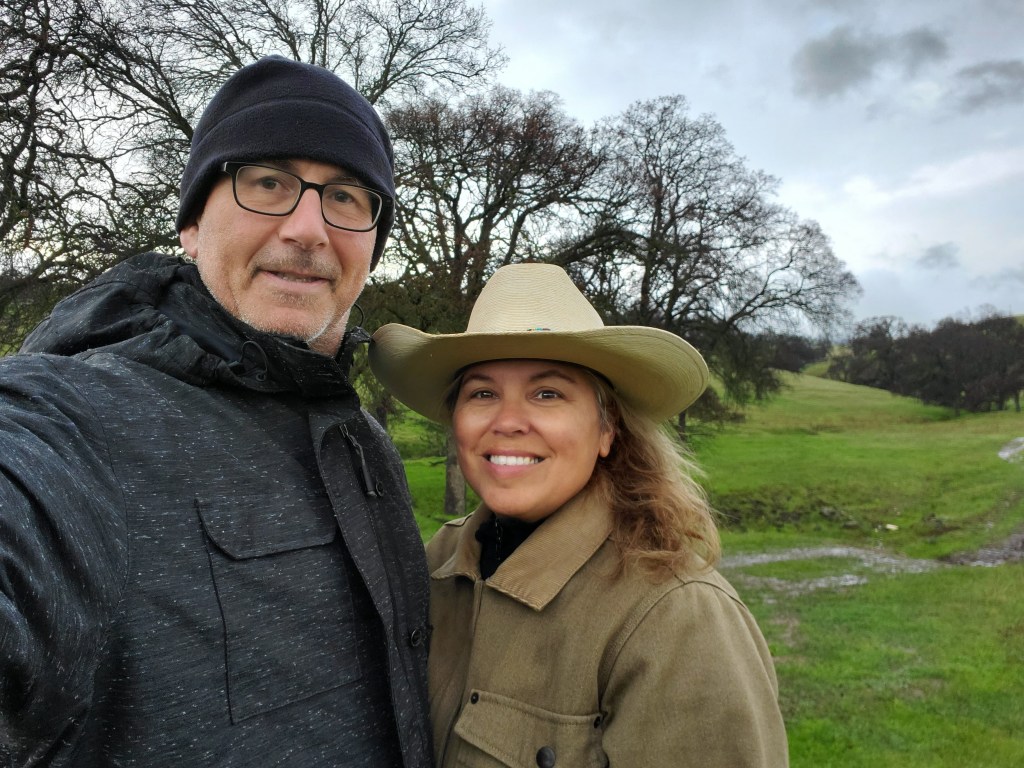
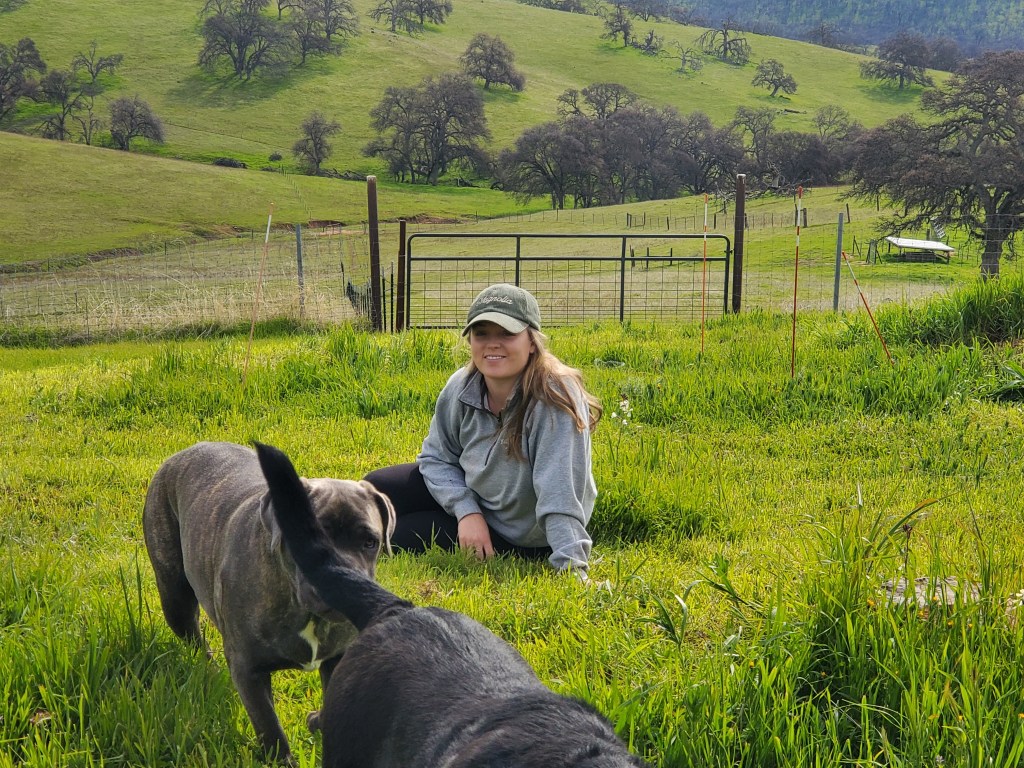
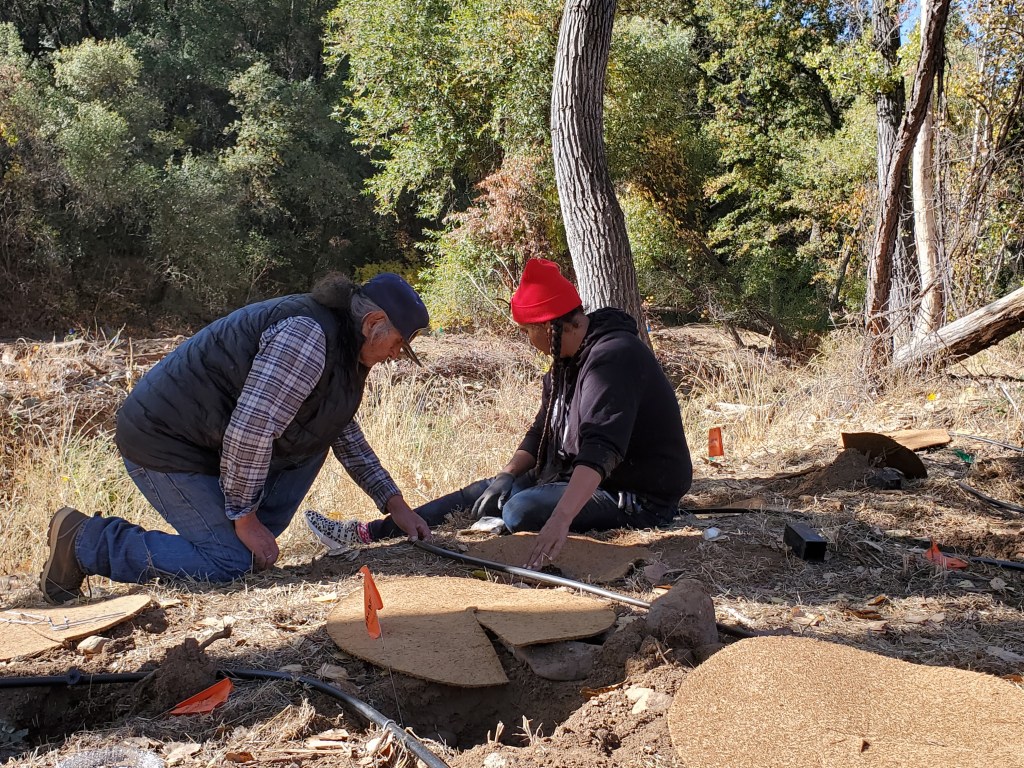
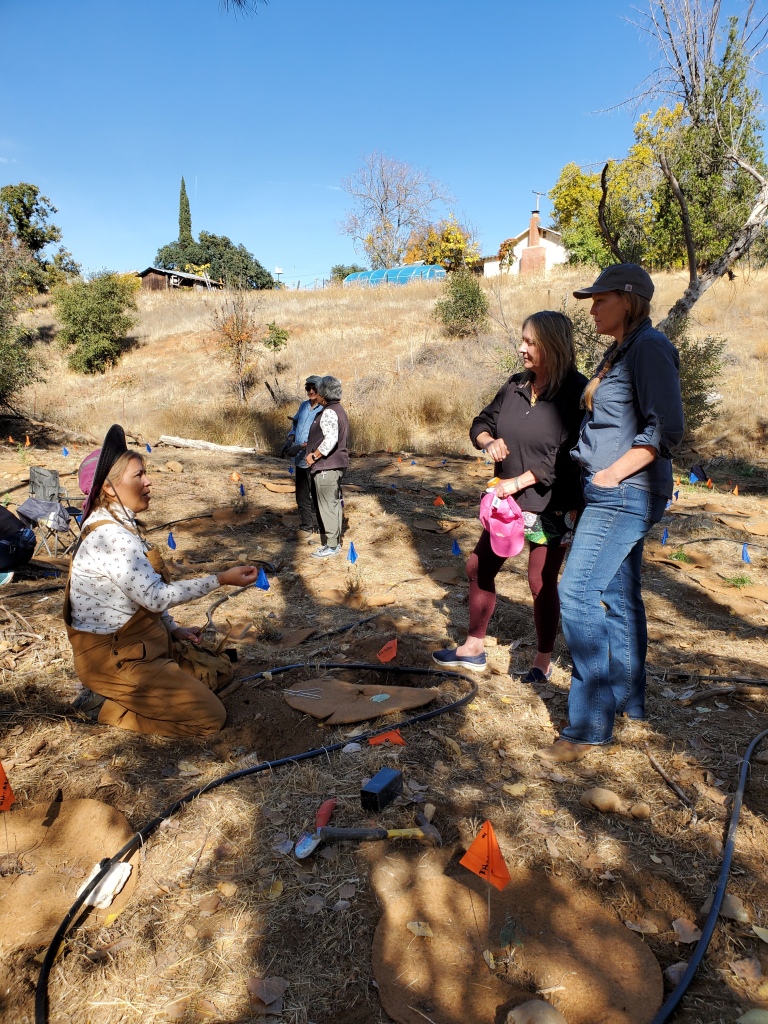
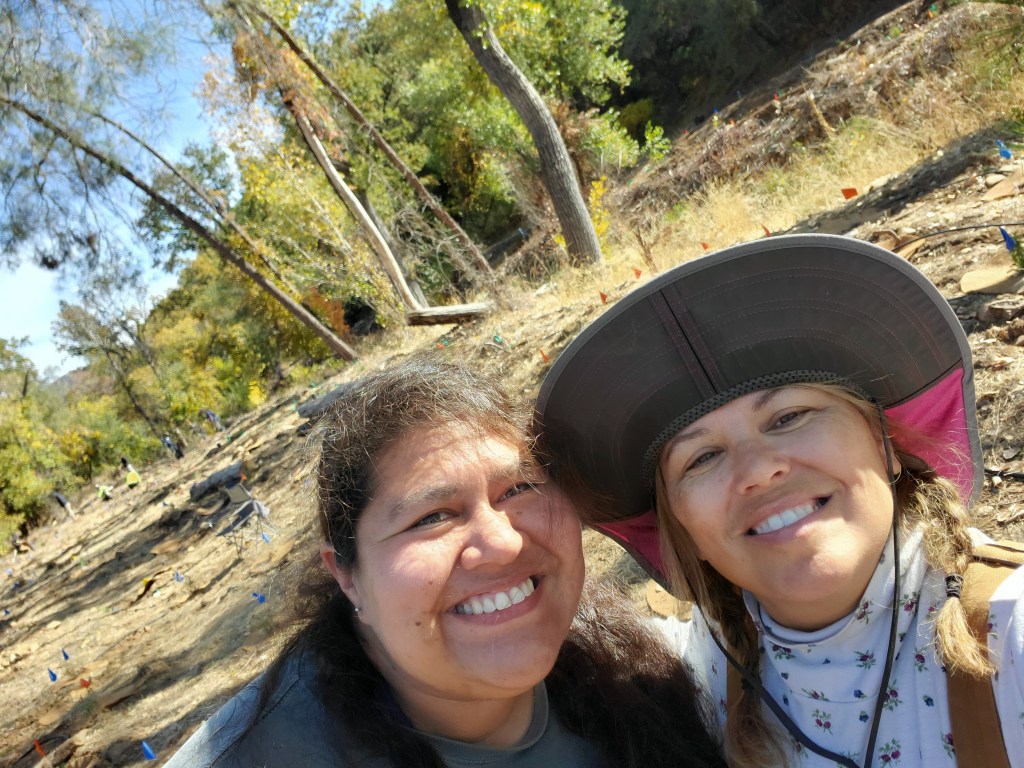
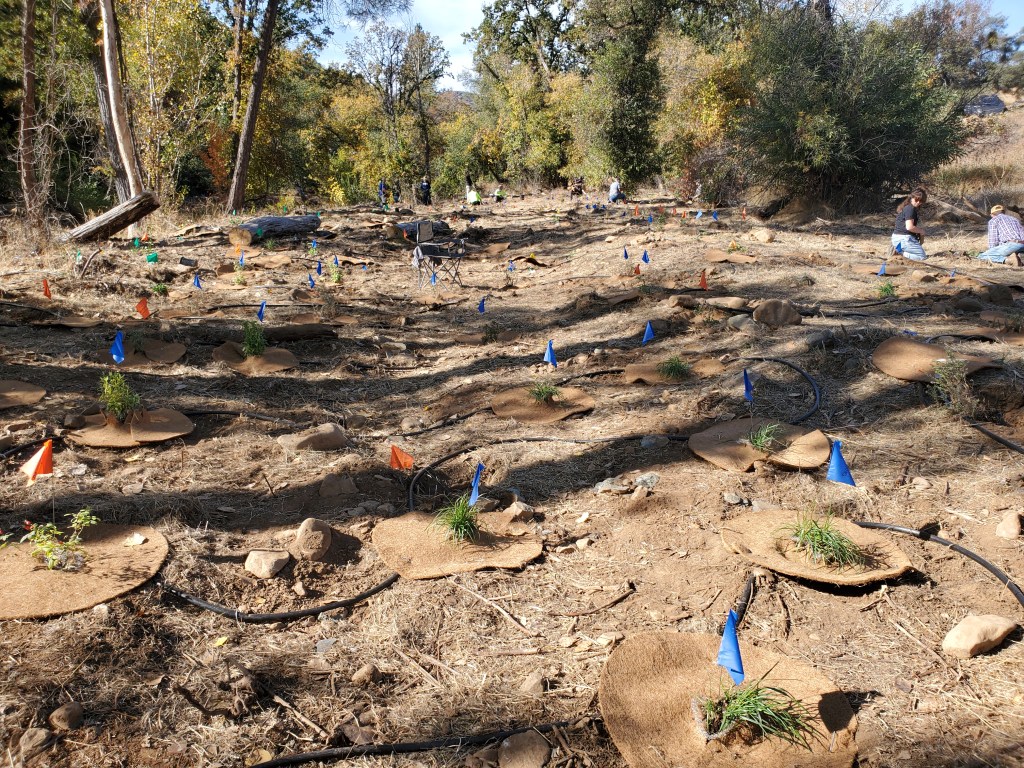
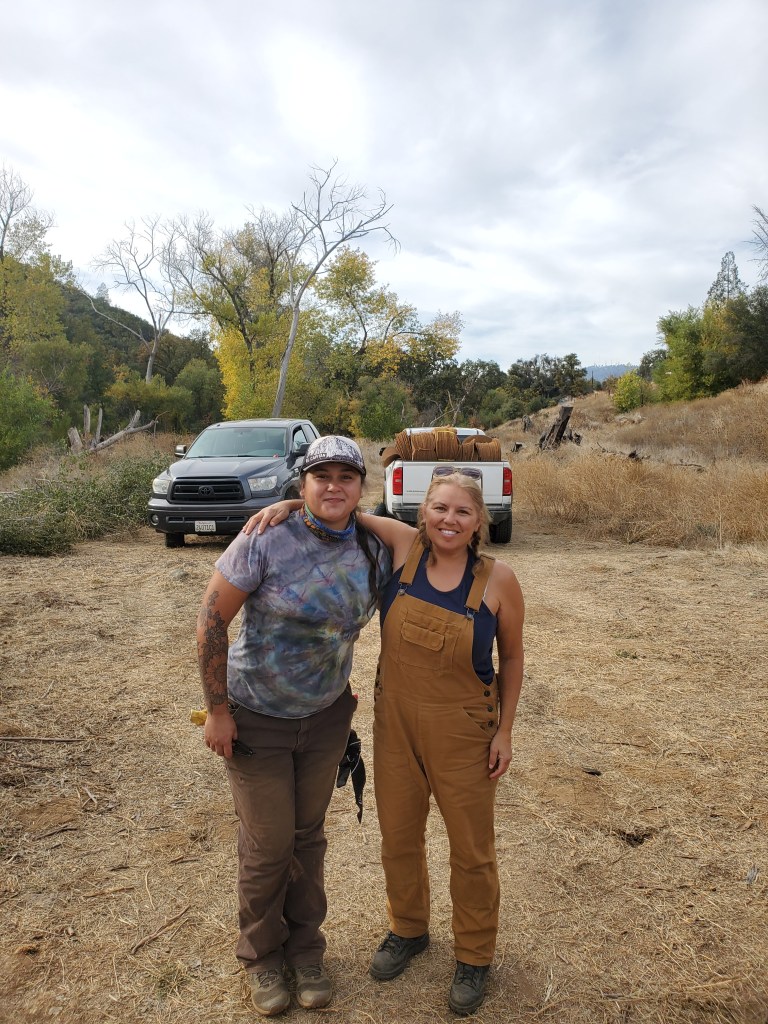
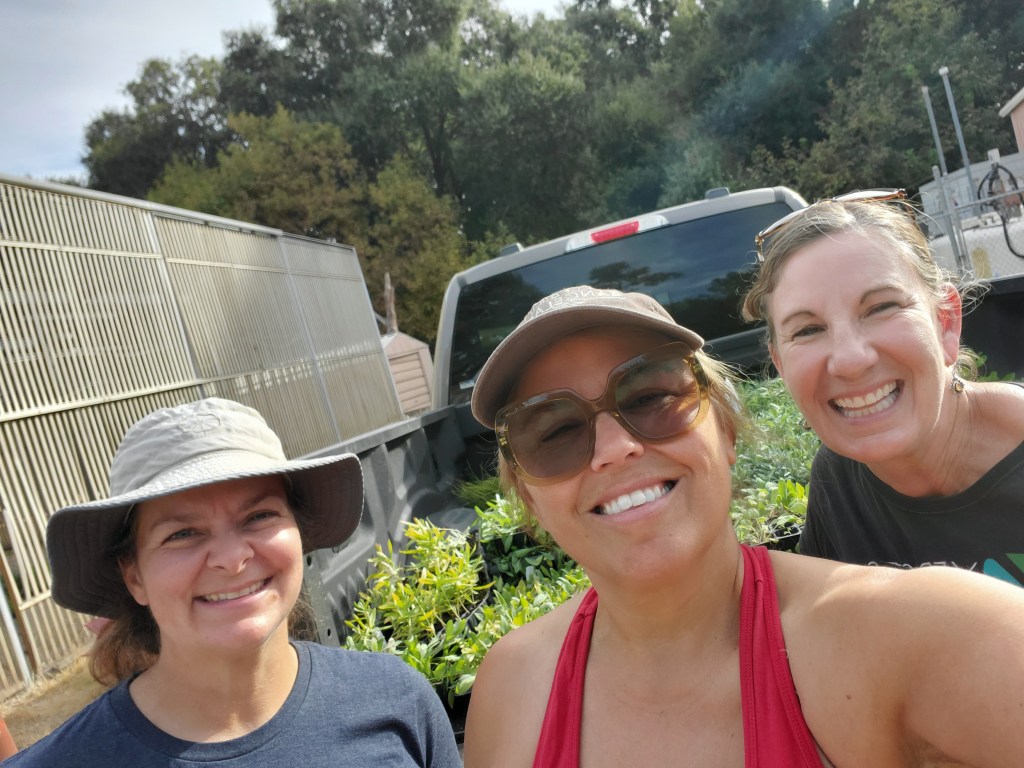
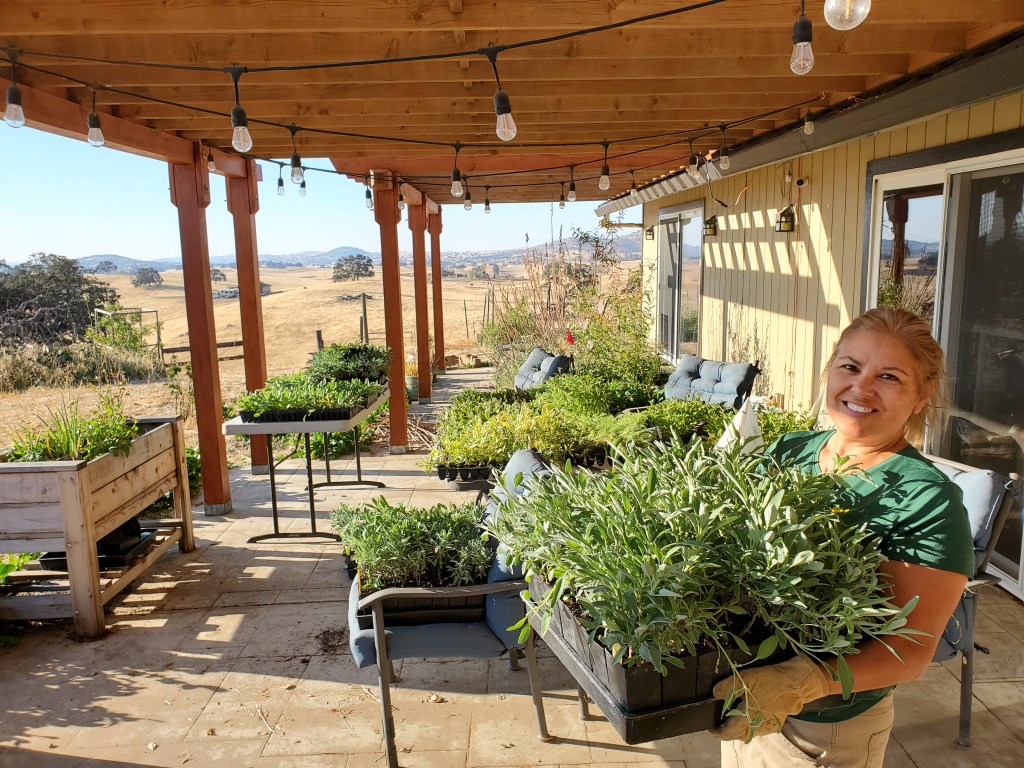
As much as I would like to say that stewardship work is 90% outdoors, it isn’t. I spend probably 70% of my time researching products, information, other programs, funding opportunities, reading articles, writing reports, writing grants, making connections, responding to questions (on email, blog, Facebook, Instagram, on Pollinator Partnership and Women for the Land dedicated communities), planning projects, performing data entry, sifting through photos, following up on conversations, supporting networks, ordering supplies, attending meetings/conferences, traveling to meetings/conferences and writing this blog. For this section, I will show some pictures of me out and about, which I am super uncomfortable with. I am not a selfie person (no judgement on others, just not me), but they are important to the story of this work. I’ve had to get used to it. Please bear with me.
In just the past three weeks, I attended the California Rangeland Conservation Coalition Summit, Community Alliance with Family Farmers Tech Expo in Madera, Xerces Pollinator Program, Native American Fish & Wildlife Society Pollinator Working Group, met with the Farm Advisor, met with NRCS, and attended my last Sierra Nevada Conservancy Board meeting as a board member. There is so much great information to know, people to see and connect with, and input (you hope is helpful) to provide. There is much more to be involved in that is worth my time; I just don’t have the time at this point. I am feeling pretty maxed out.


SNC Wrap-Up: Bittersweet
My final meeting as a board member of the Sierra Nevada Conservancy (SNC) was last week. California Governor Gavin Newsom appointed me to this role in 2021. I have enjoyed being on the board, working with good people both on staff and as board colleagues. I appreciated the opportunity to learn about forest stewardship and rural community resilience. I learned about the State budget process, which is wildly complex. As the first culturally Indigenous person to sit on that board, I also appreciated the opportunity to ask questions about representation of Tribal governments and Indigenous led organizations, about how inclusive and equitable funds are being distributed, about why some projects call for herbicides, and trail safety and careful placement with regard to Indigenous needs. Safe, inclusive, carefully planned projects make the outdoor experience for all life better.
My last day was bittersweet –sweet in that I am leaving to deeply focus on natural resources, climate and tribes, bitter in that I absolutely love working with the entire staff of the SNC. The staff are so accomplished, professional, competent and devoted to their mission to restore and enhance the extraordinary natural resources and communities of California’s Sierra-Cascade region, while protecting them from wildfire and a changing climate. It has been such a privilege to serve the public, rural communities (which I love), the Newsom Administration and be a voice for my nature relatives. I will miss this work and all of the people.

Wanderings
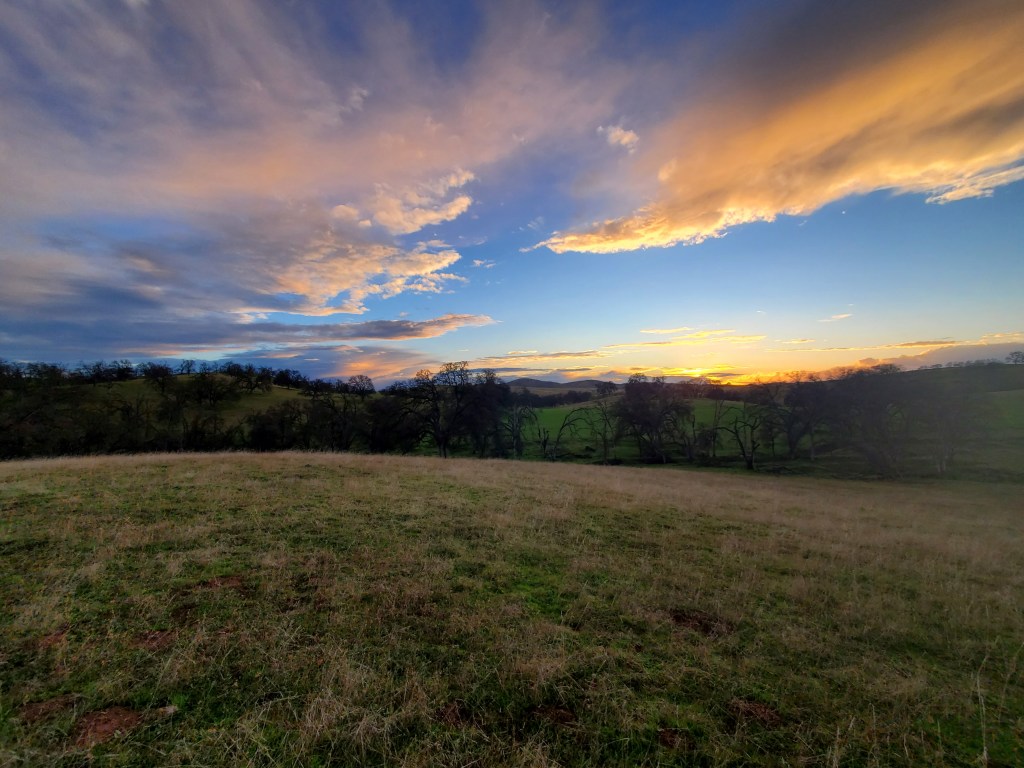
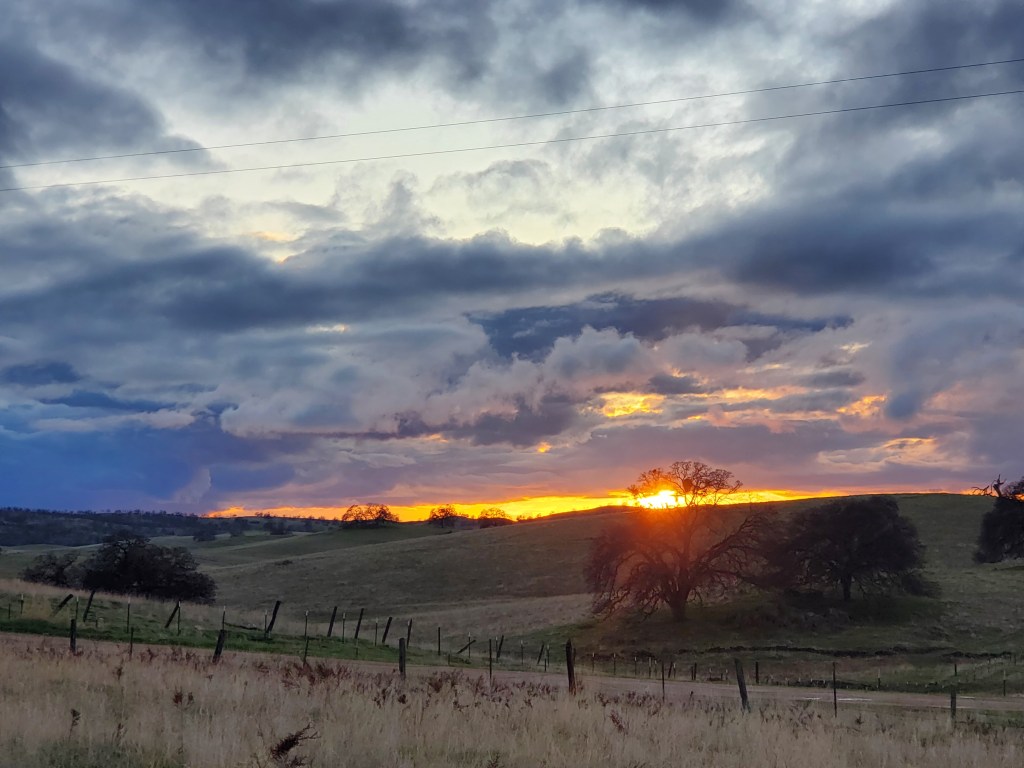
Even though I am busy every day, I never lose sight of how grateful I am for the opportunities that have come my way to serve, help, make a living, and be a land steward. To know you make a difference is a gift, and it is a gift everyone can access. Whether you plant milkweed where there is none, sit on an advisory committee or board in your community, organize with others to make good, helpful change, you make a difference. Step into life, take opportunities with good intent, be a hero for a butterfly, bumble bee, forest or community. You got this!






















 PolliNative