Relationships

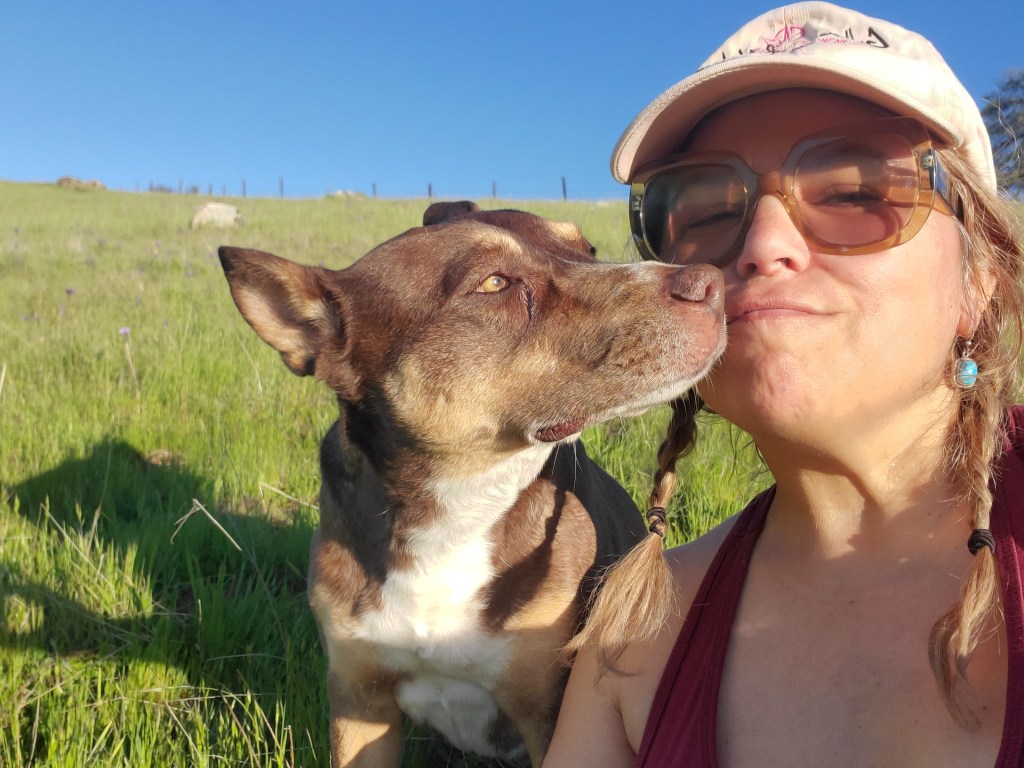
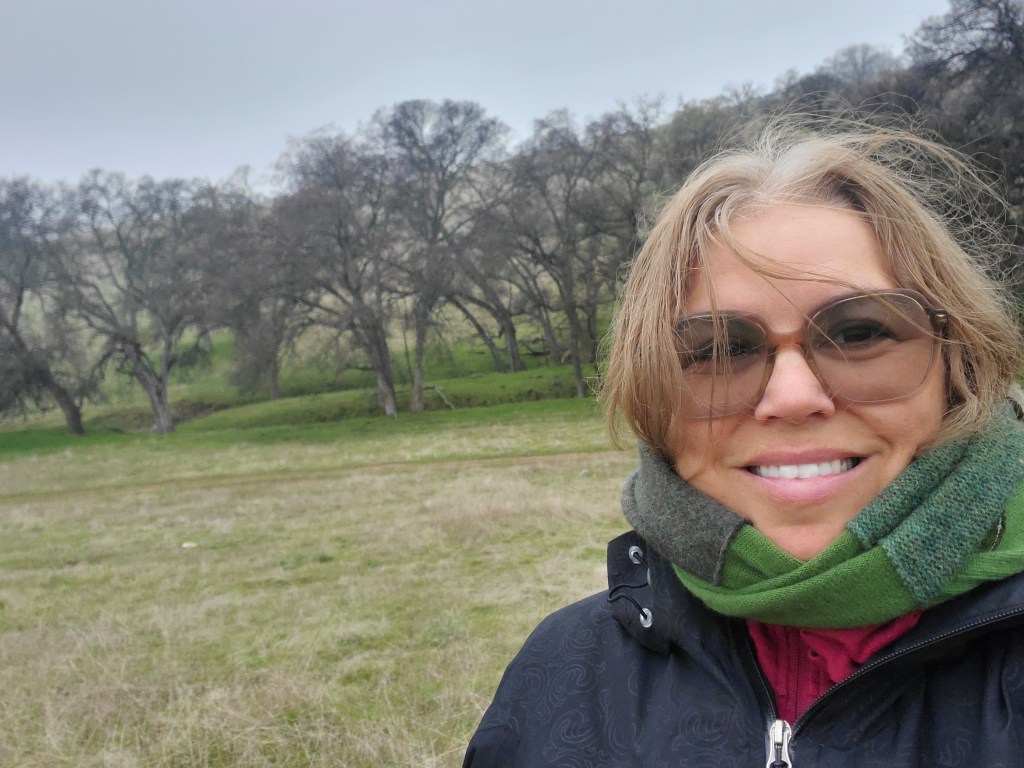
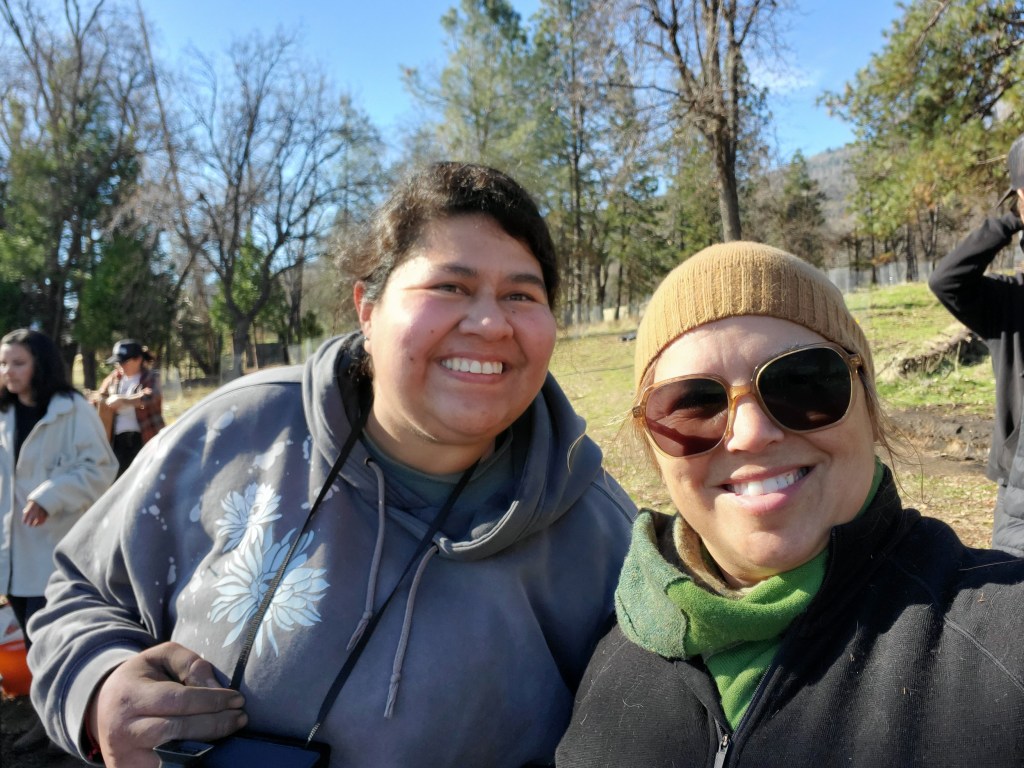
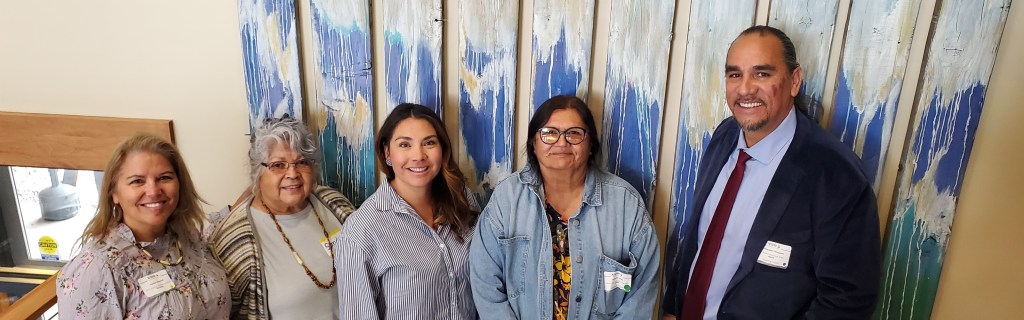
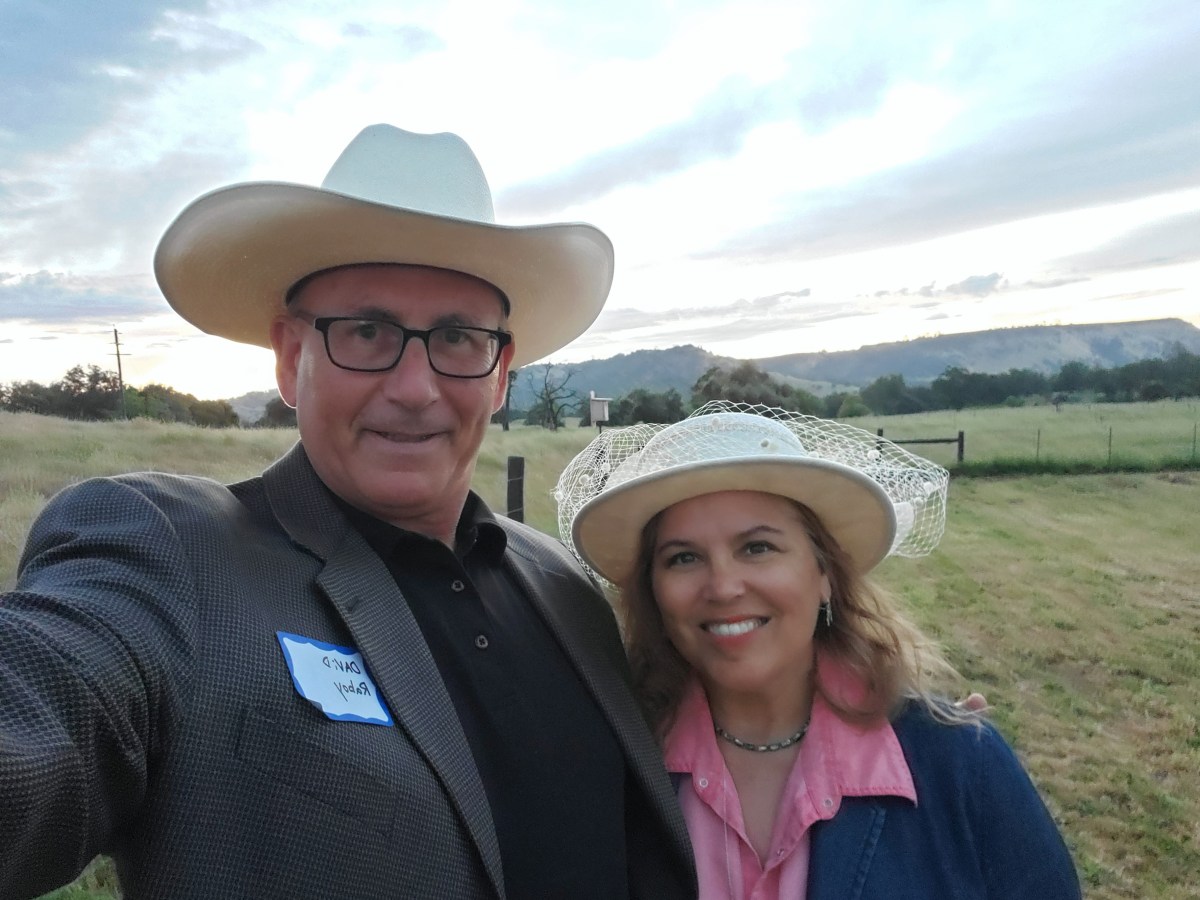
My hubby and I at the Sierra Foothill Conservancy dinner

We need each other.

As the monarch needs the milkweed, and the milkweed needs the soil, and the soil needs the rain, we rely on systems that work together so that we may live.

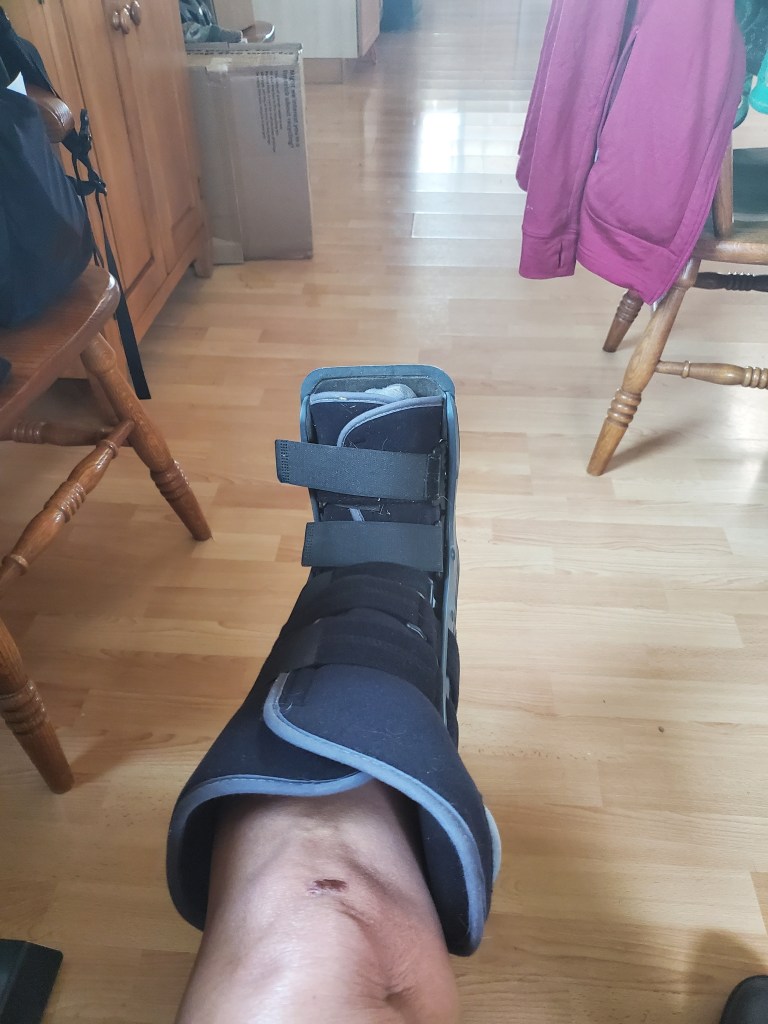
Recently, I was hit by a car. I was riding a rental bike, like I’ve done for years in nearly every city to which I travel, and a distracted motorist saw me too late, hit the breaks, but still made impact with the bike sending me into the gutter of the road. I don’t remember from impact to lifting my head up from the ground, but as I lifted my head, the breath knocked out of me, the sting of air making contact with my insides, the smell of blood, I was in disbelief. How could this happen to me? I am so careful.

To walk across a street, to ride a bike with traffic, to drive through an intersection, these are all acts of trust, a dependency on others, a relationship where you rely on others to understand the gravity of responsibility and a determination that laws will be followed. Sometimes our relationships break down, rules not followed, predictable patterns altered, one side exploits the other taking more than is given – the balance that makes life possible can begin to shift.

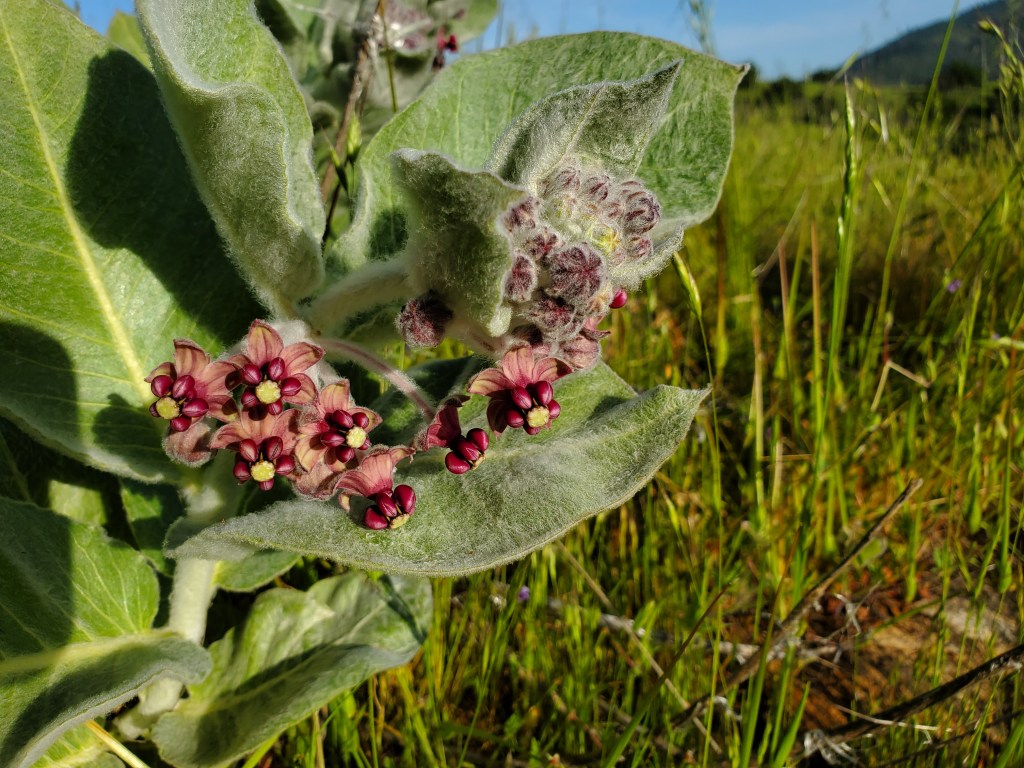
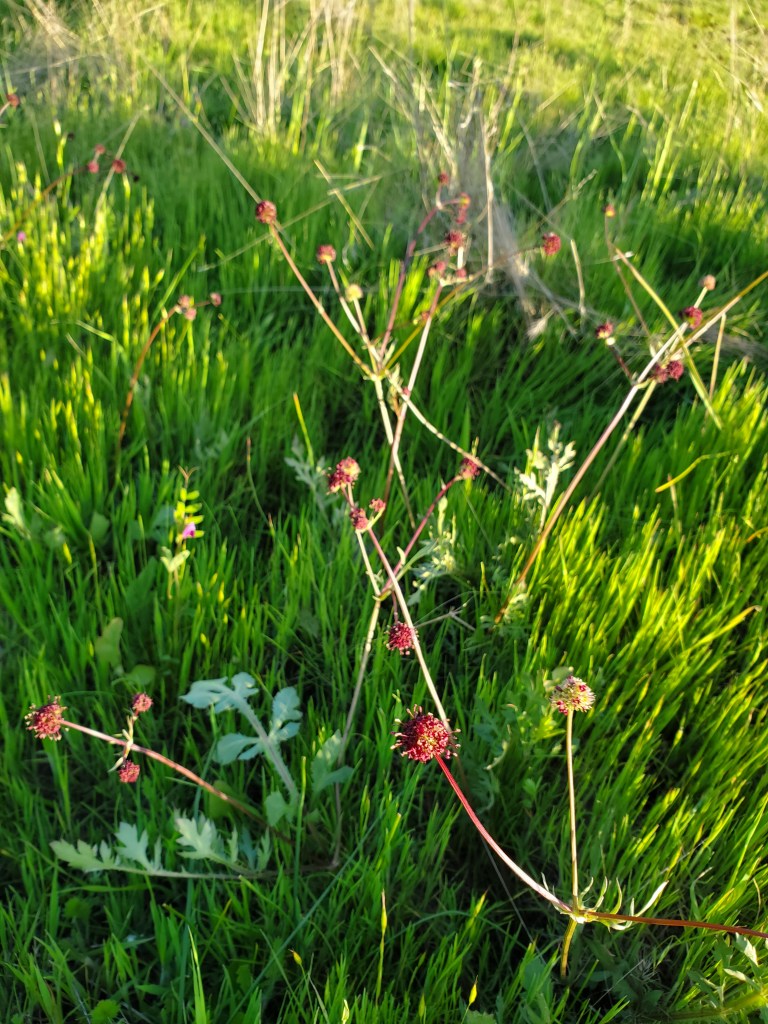
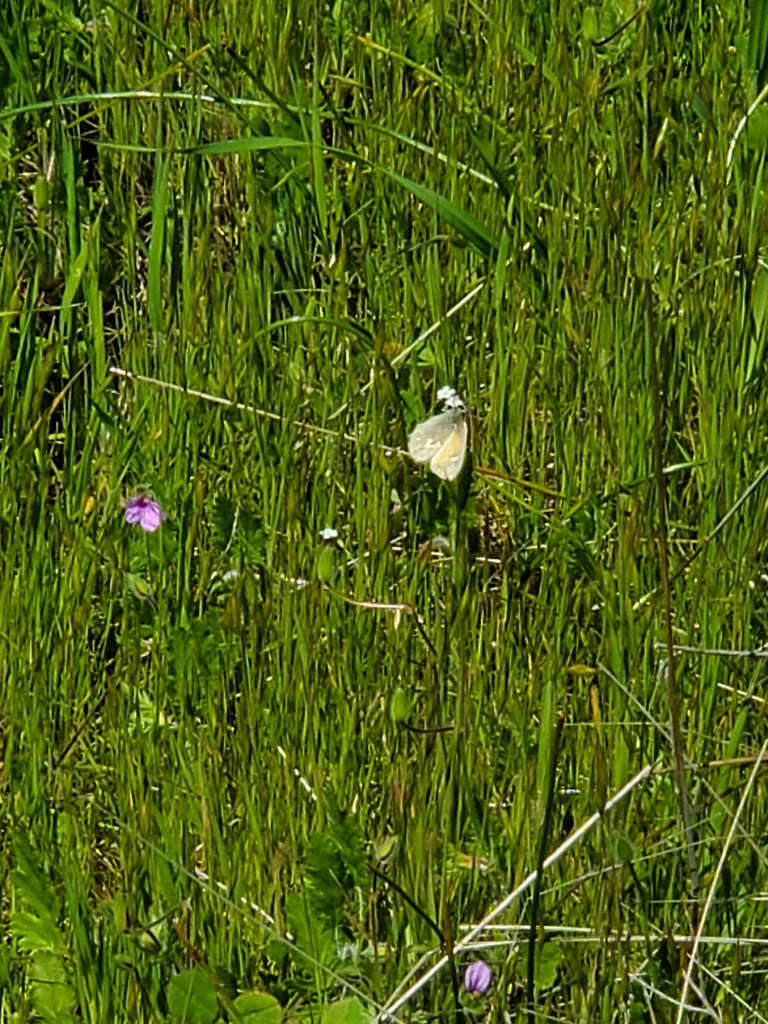
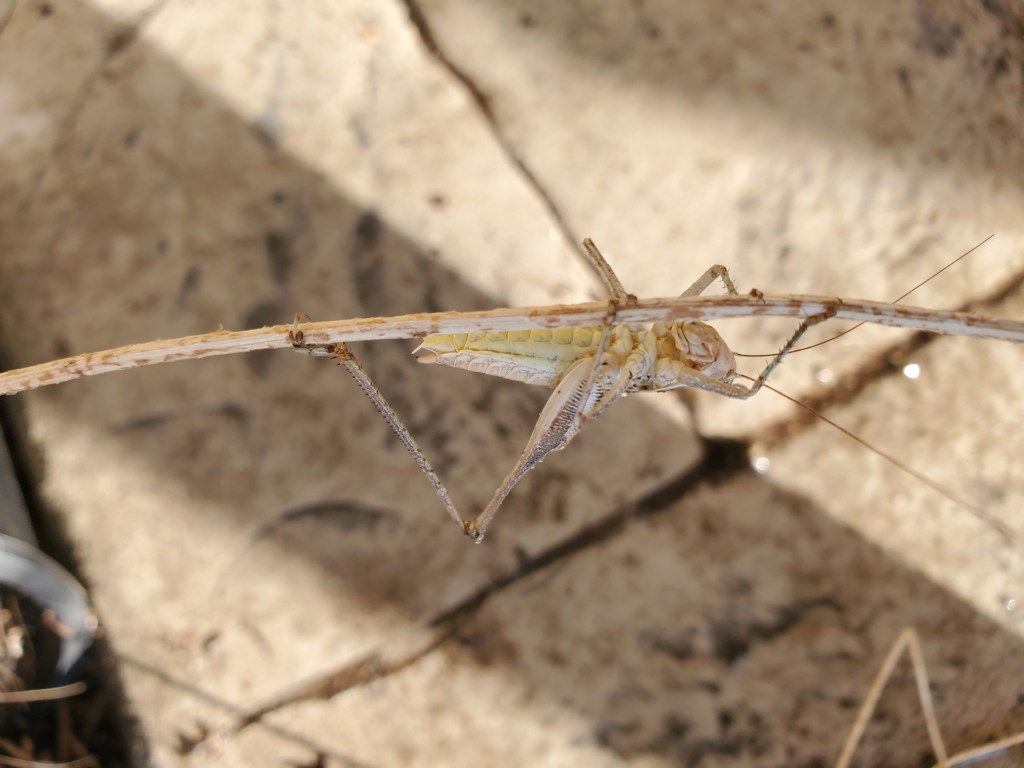
While there is beauty across the ranch, nectar in all colors, shapes and sizes, there are not many insects using them, particularly butterflies. There were mostly cabbage butterflies this year nectaring on the wildflowers. I saw two yellow swallowtails. David saw one orange butterfly (He couldn’t identify it, though I hoped it was a monarch.). And, just the other day, I saw a checkerspot. Not much of a list compared to years past – especially when there is so much nectar around. Last year, I understand; we were decimated by grasshoppers. There was nothing – but this year – there is so much.

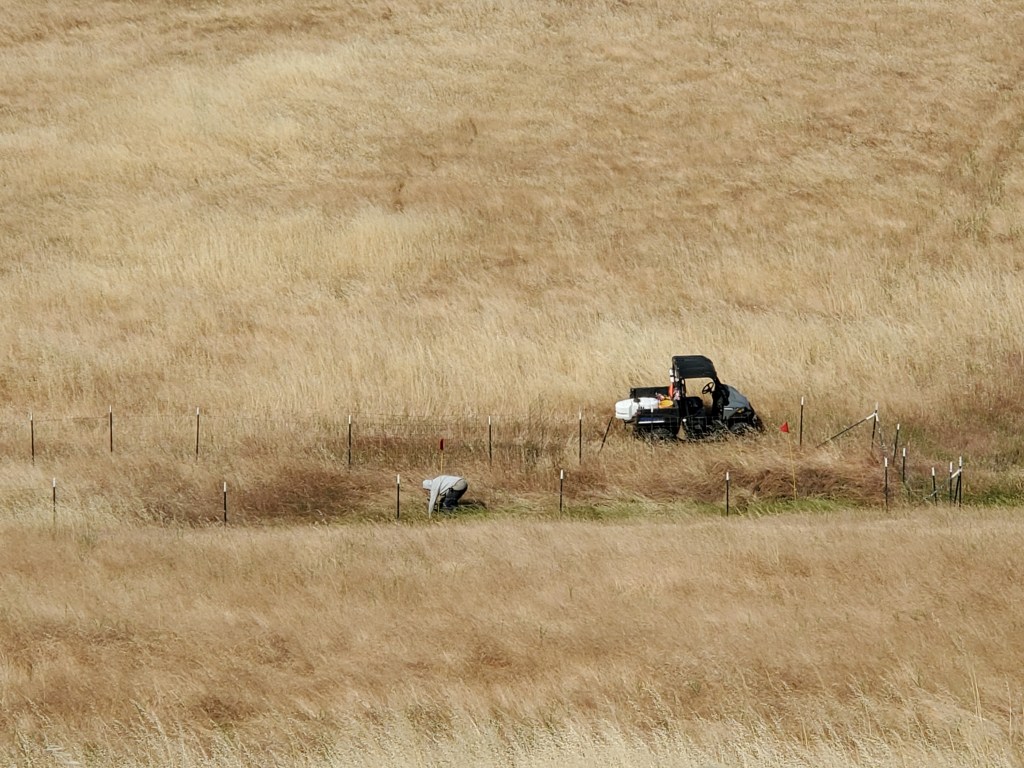
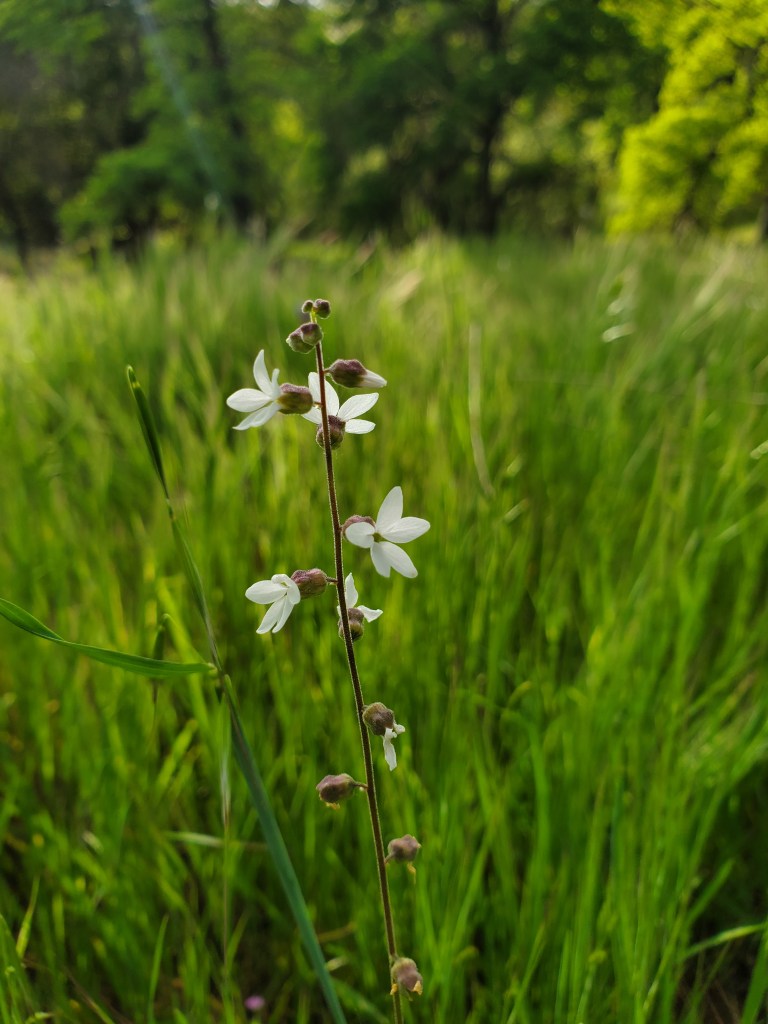
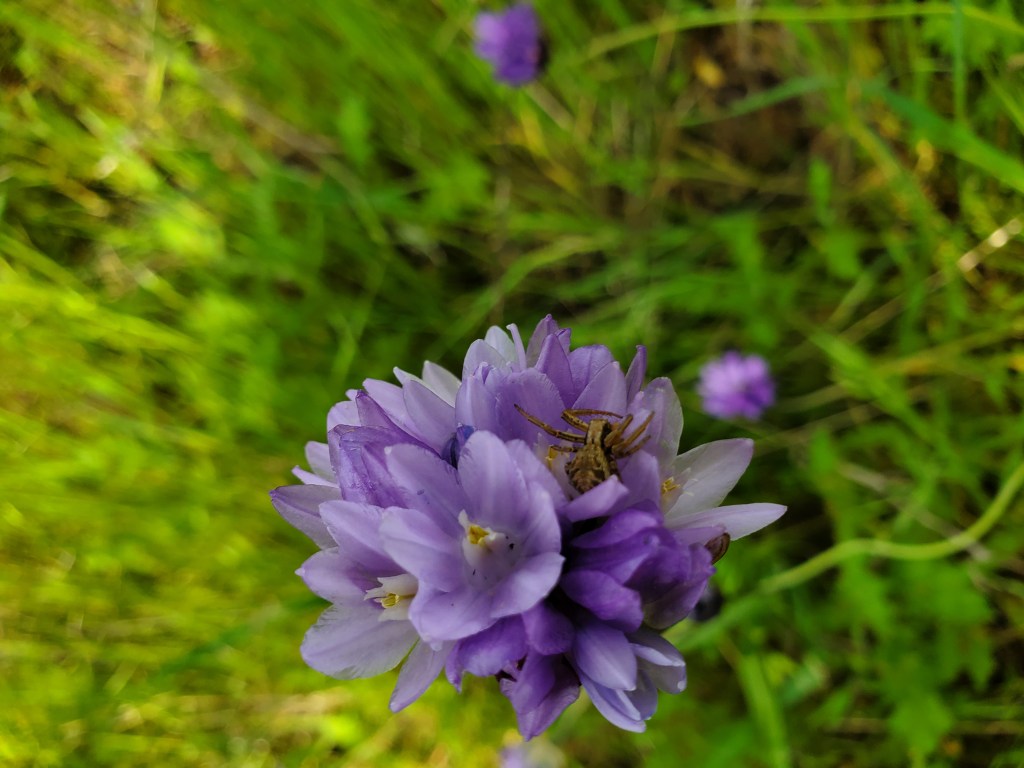
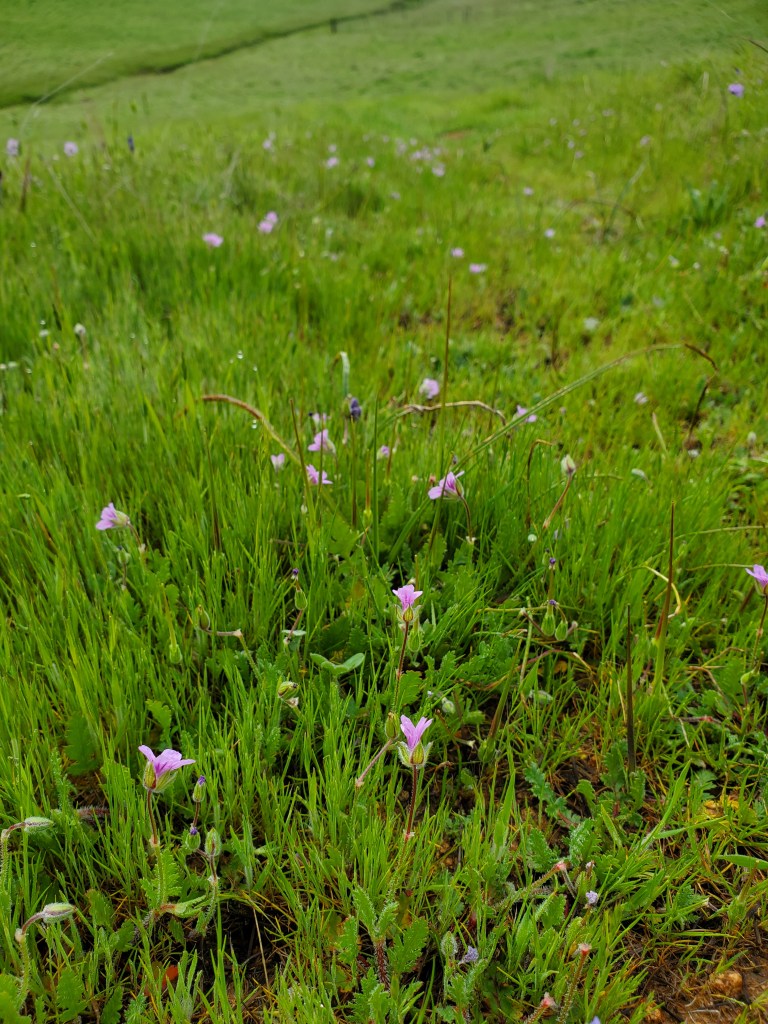
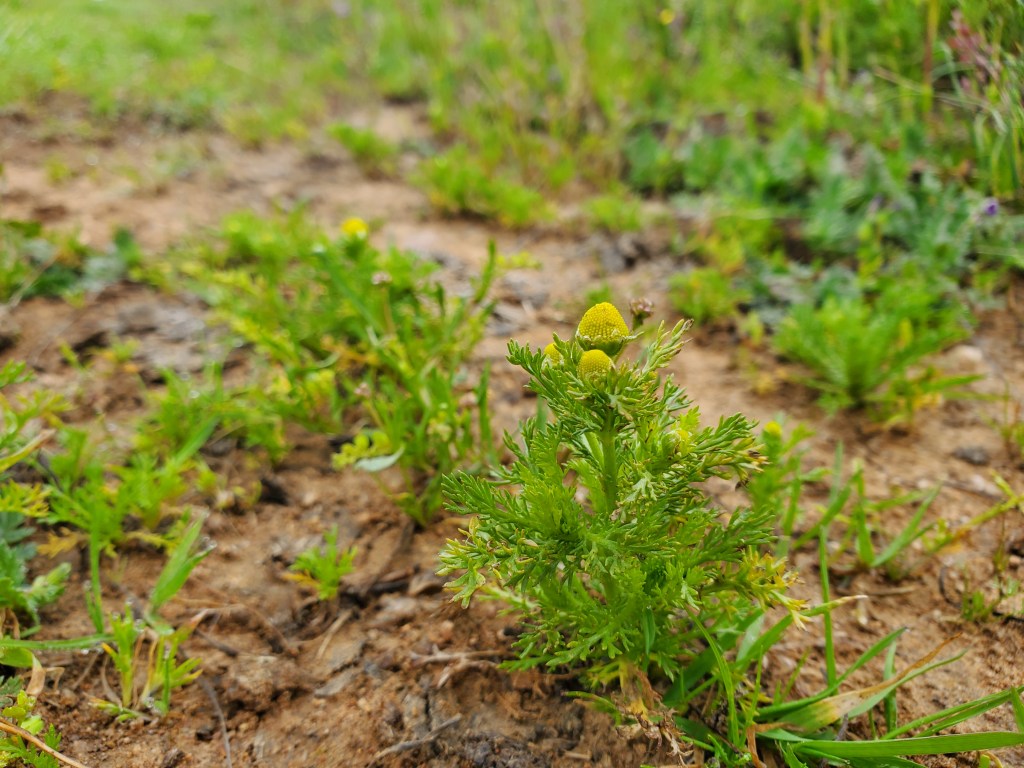
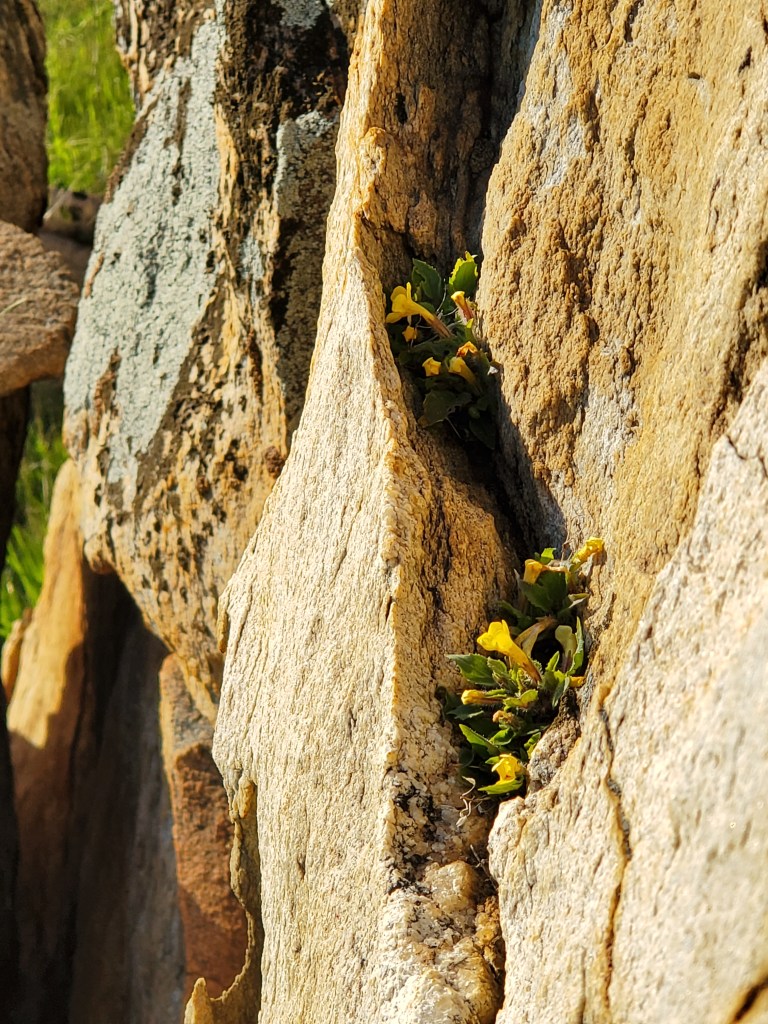
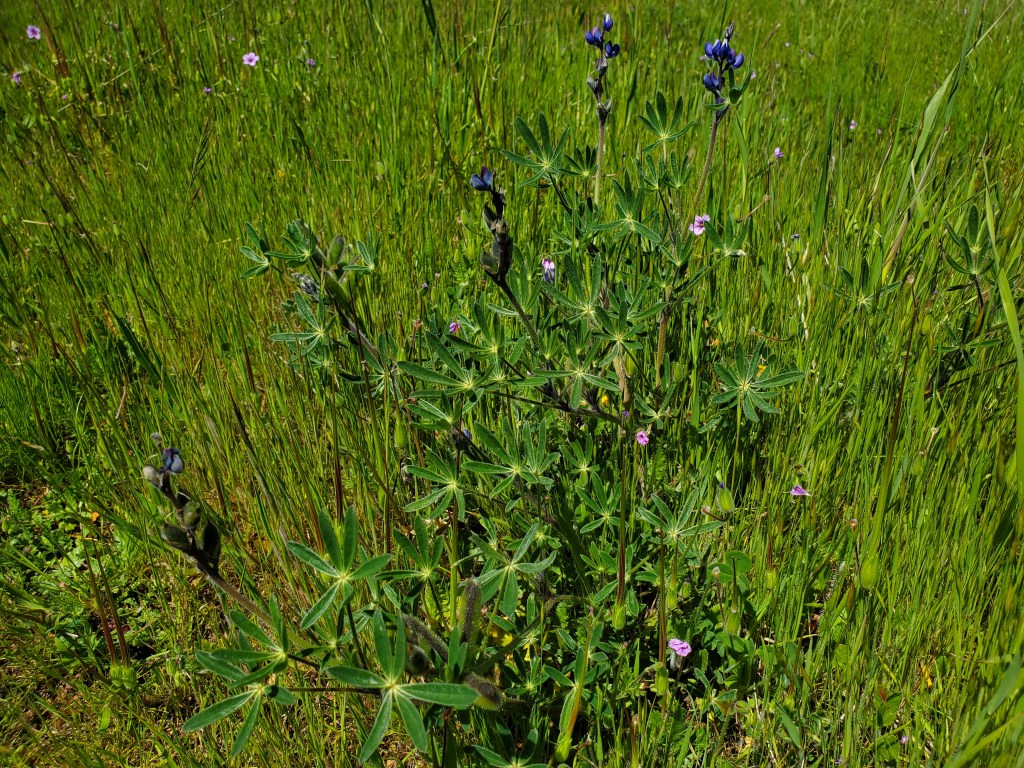
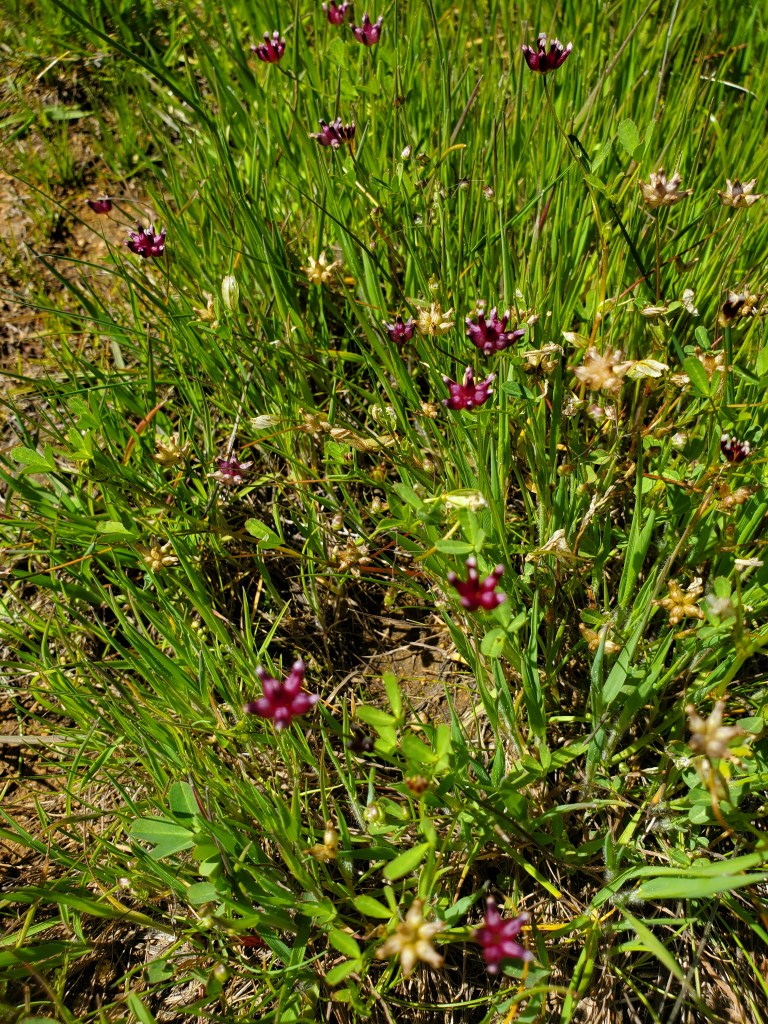
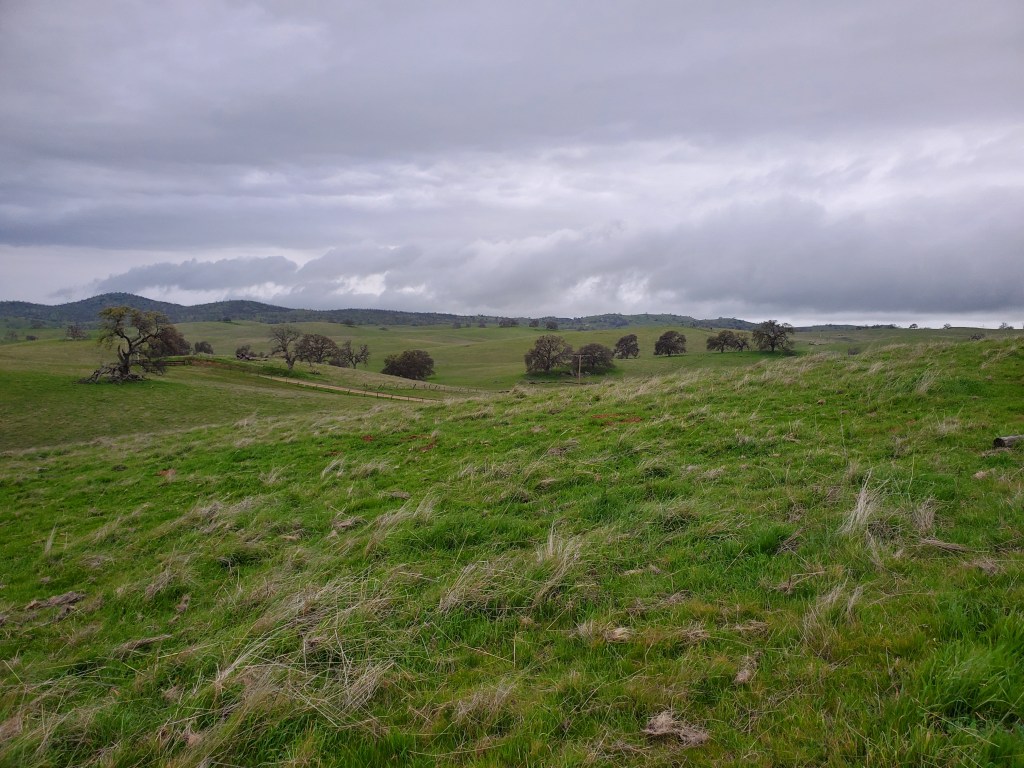
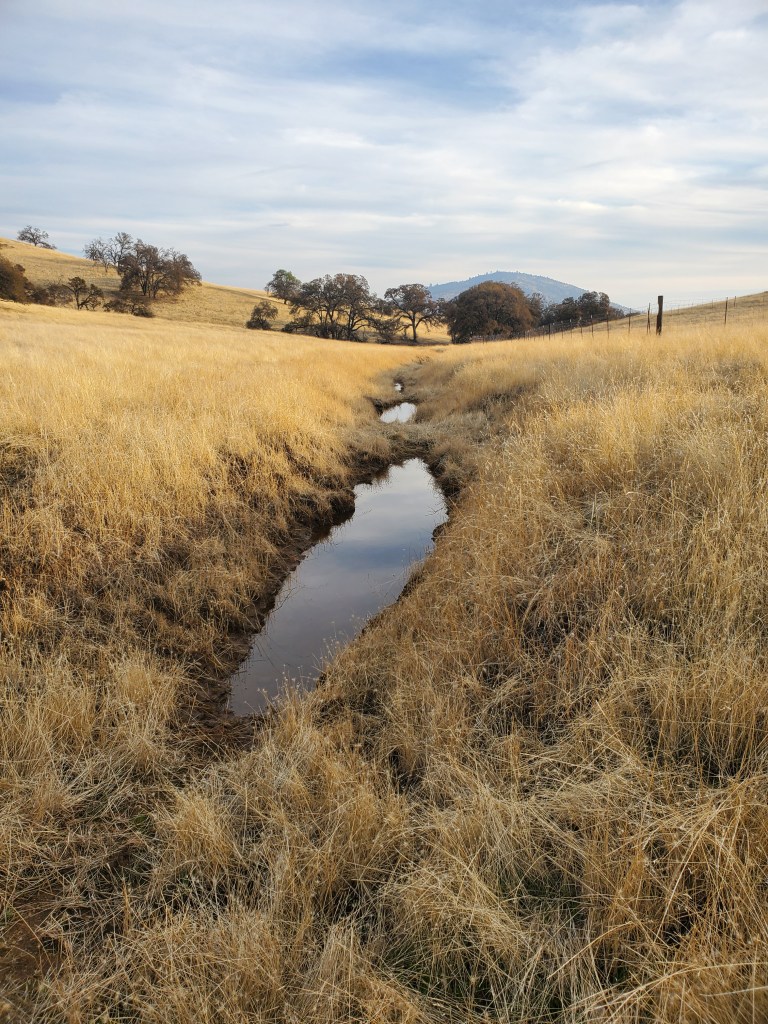
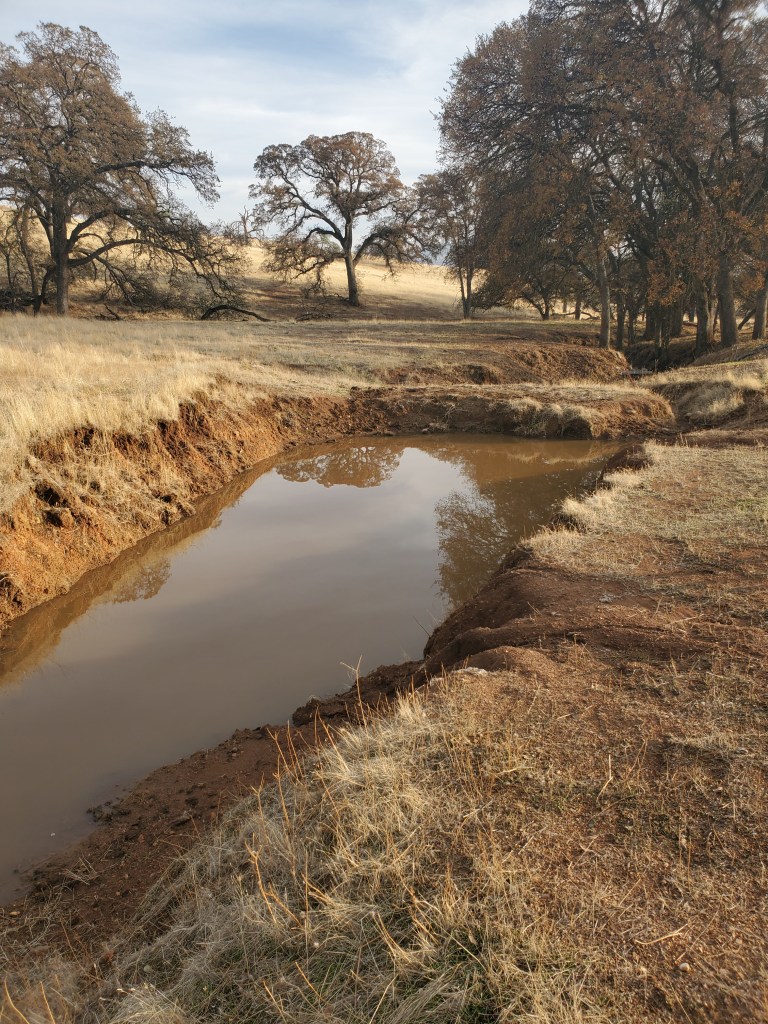
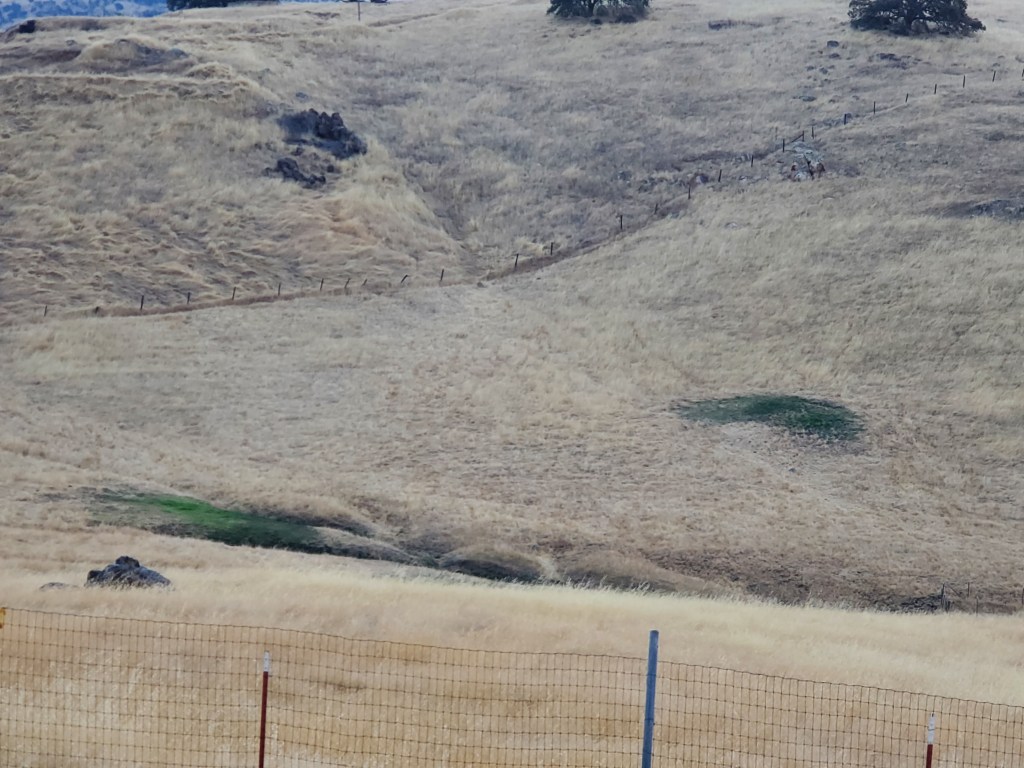
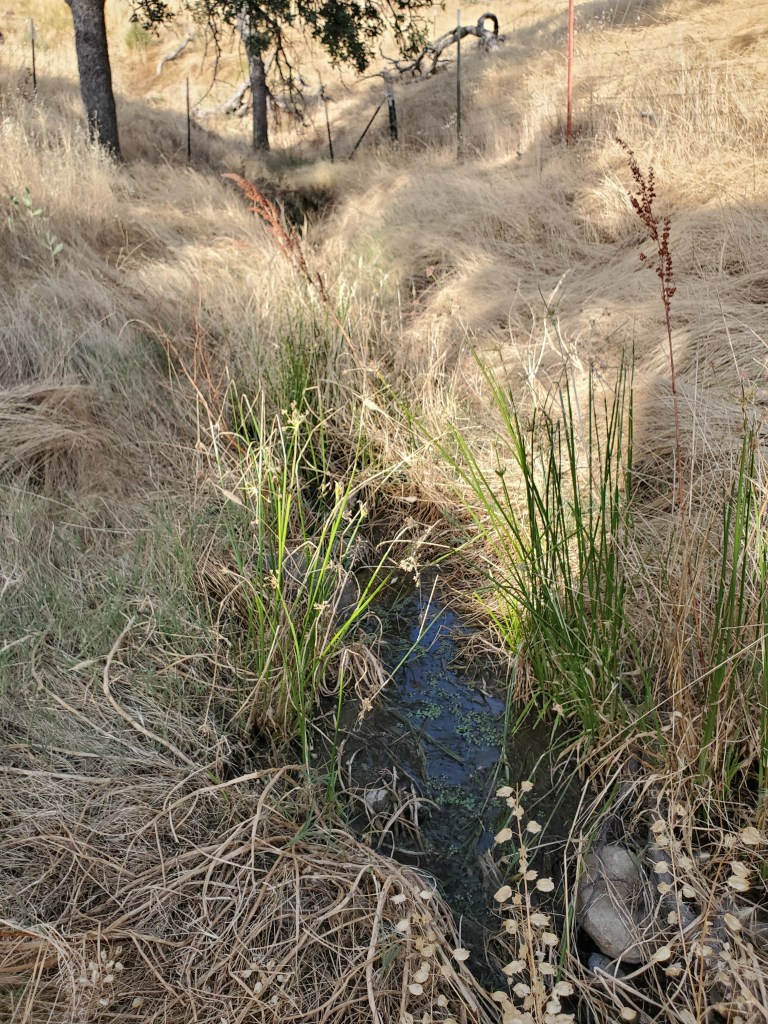
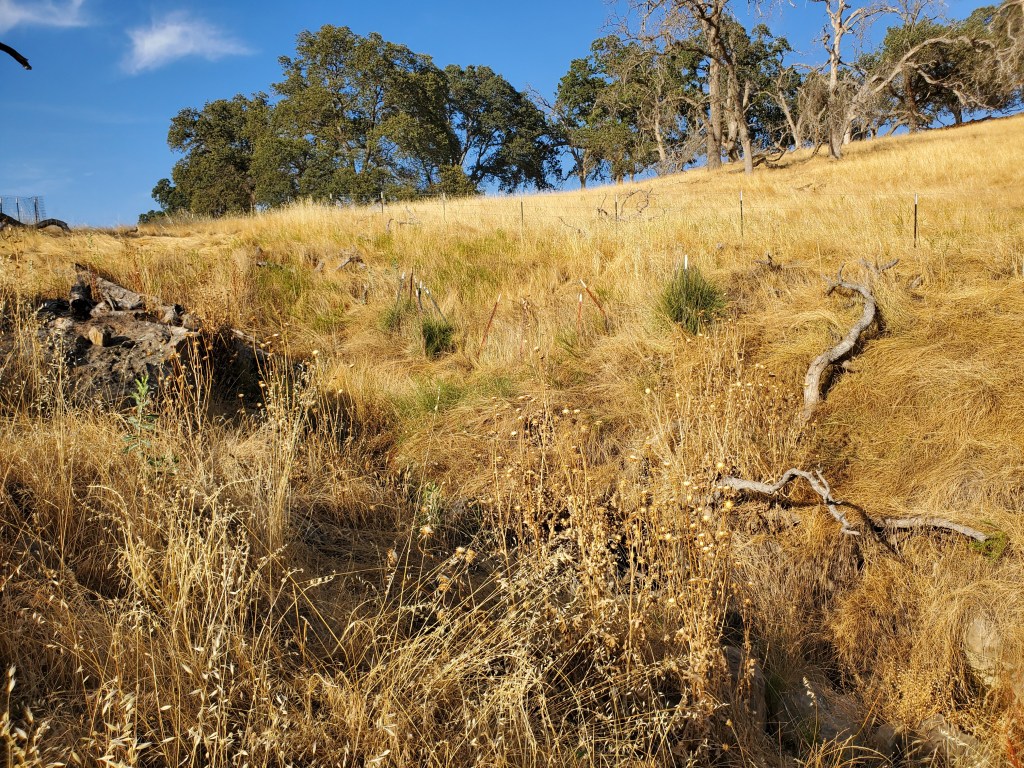
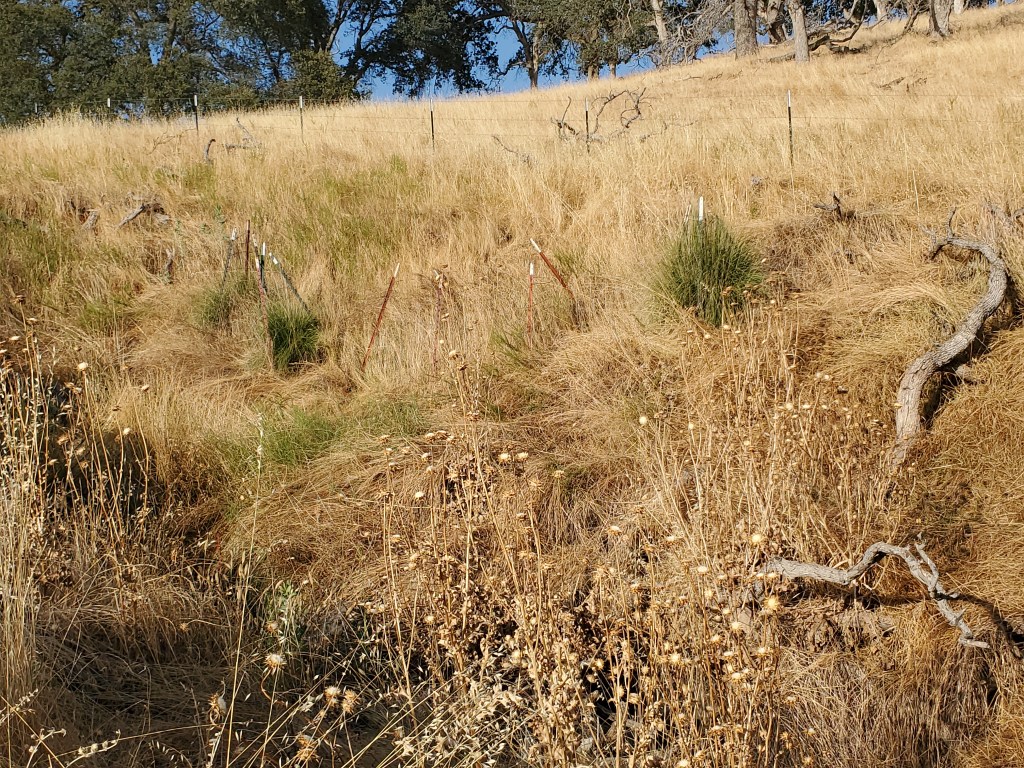
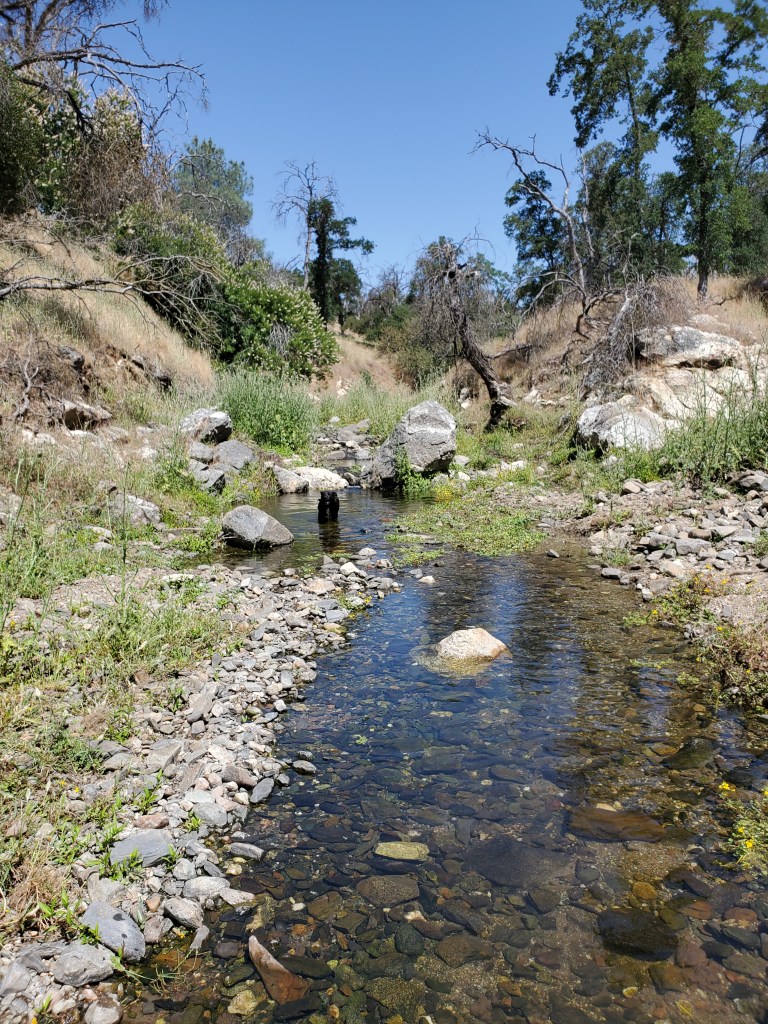
The following photos were taken largely in late April and early May when the grass was still green – and when I still had full use of my legs and hands. At this time, late May, the hillsides are yellow from young grass turned to hay and the water ways have shrunken and drainages dried. I am healing, but poor David is having to do my work and his.

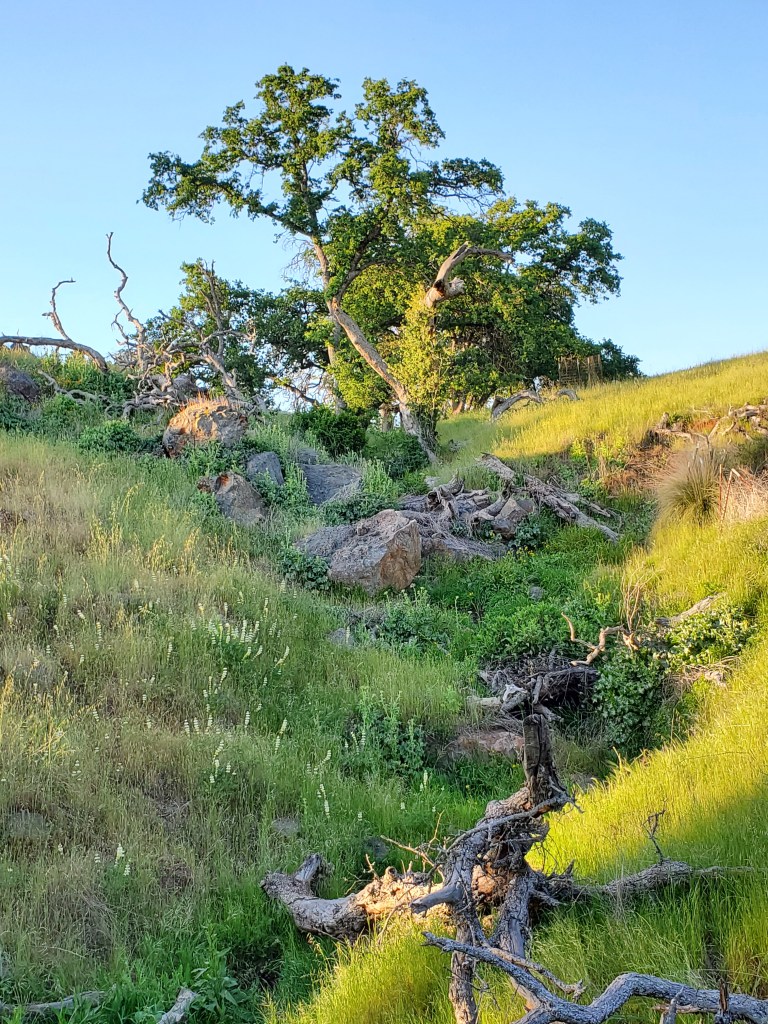
Oaks Surviving

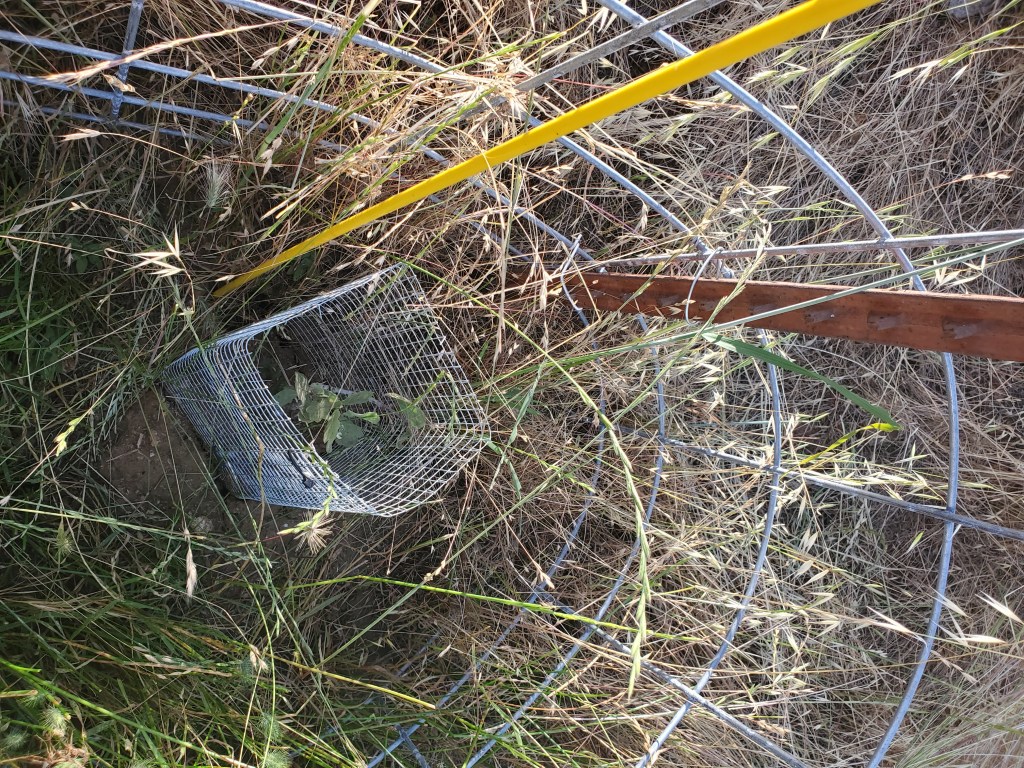
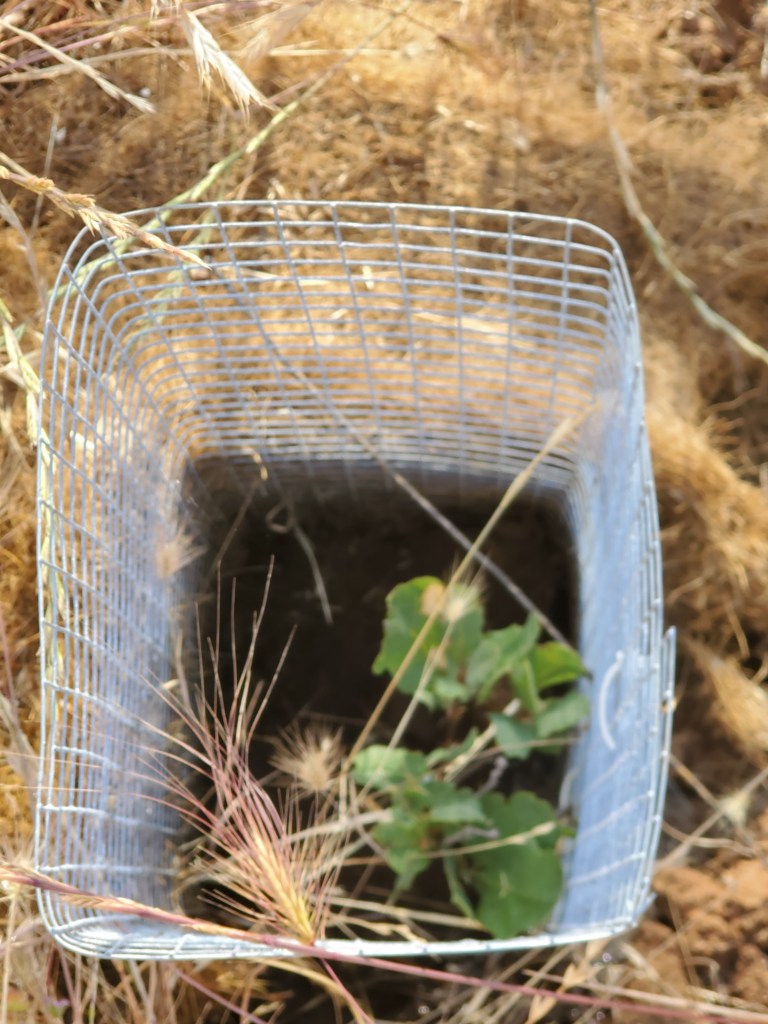
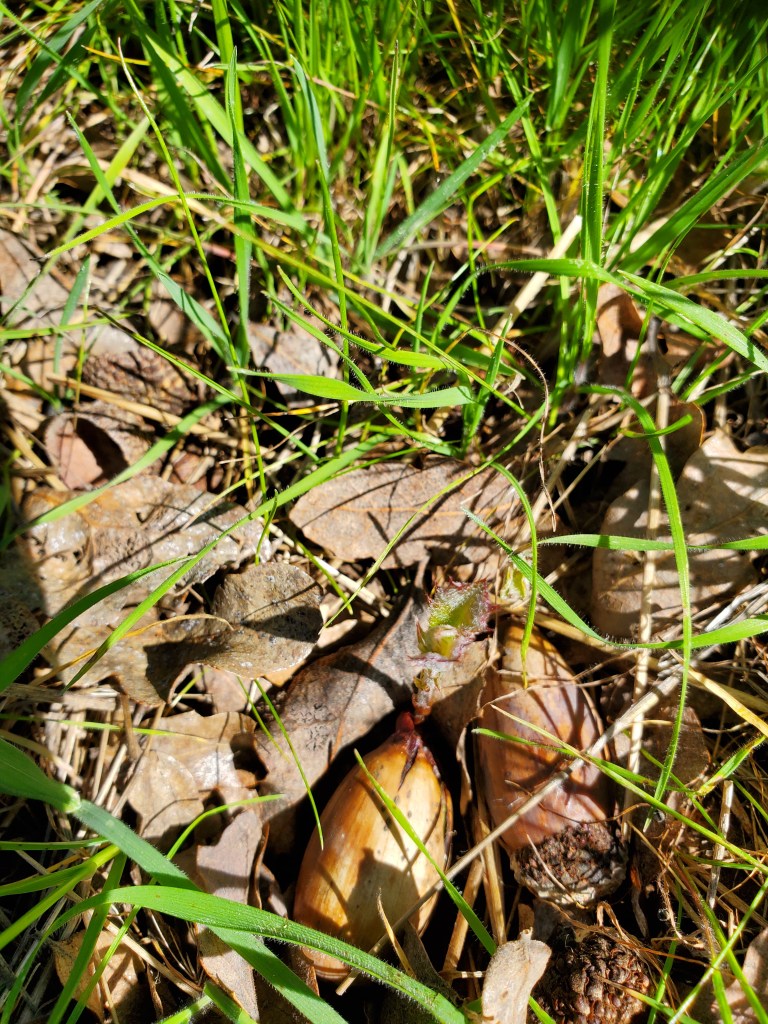
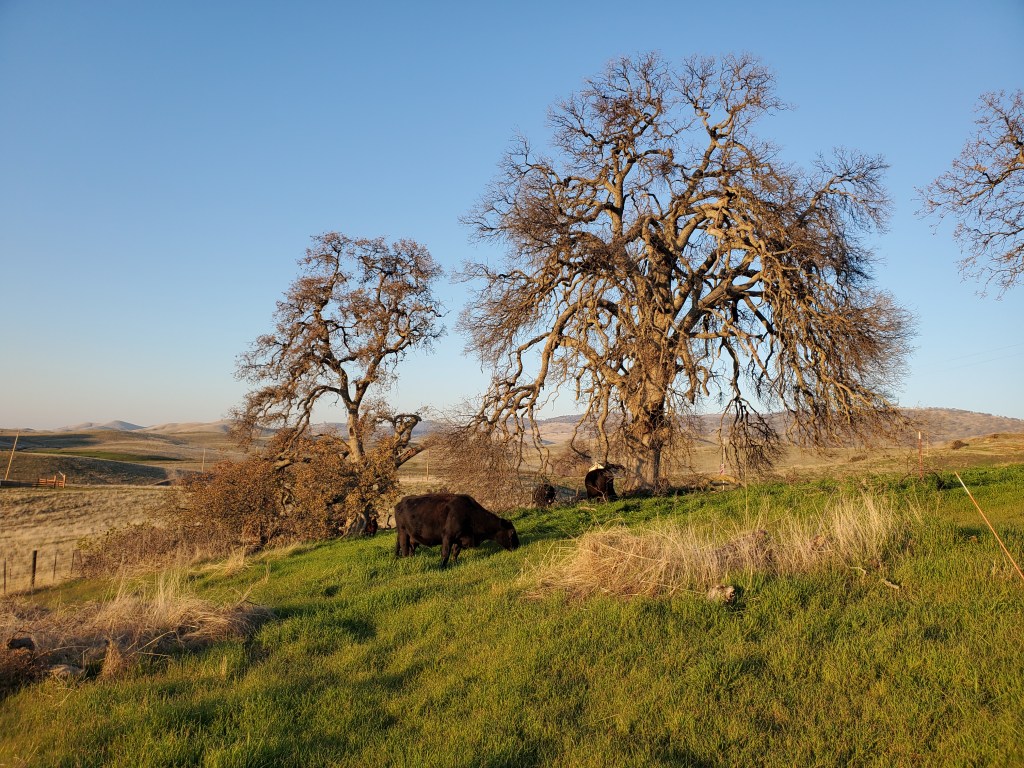
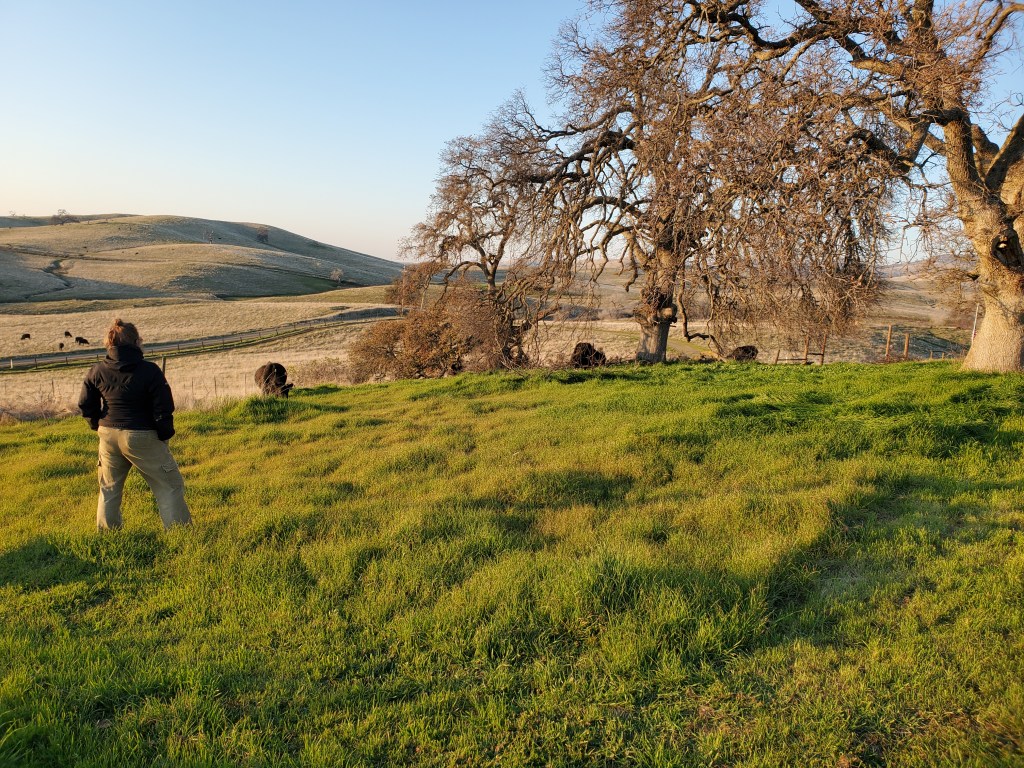
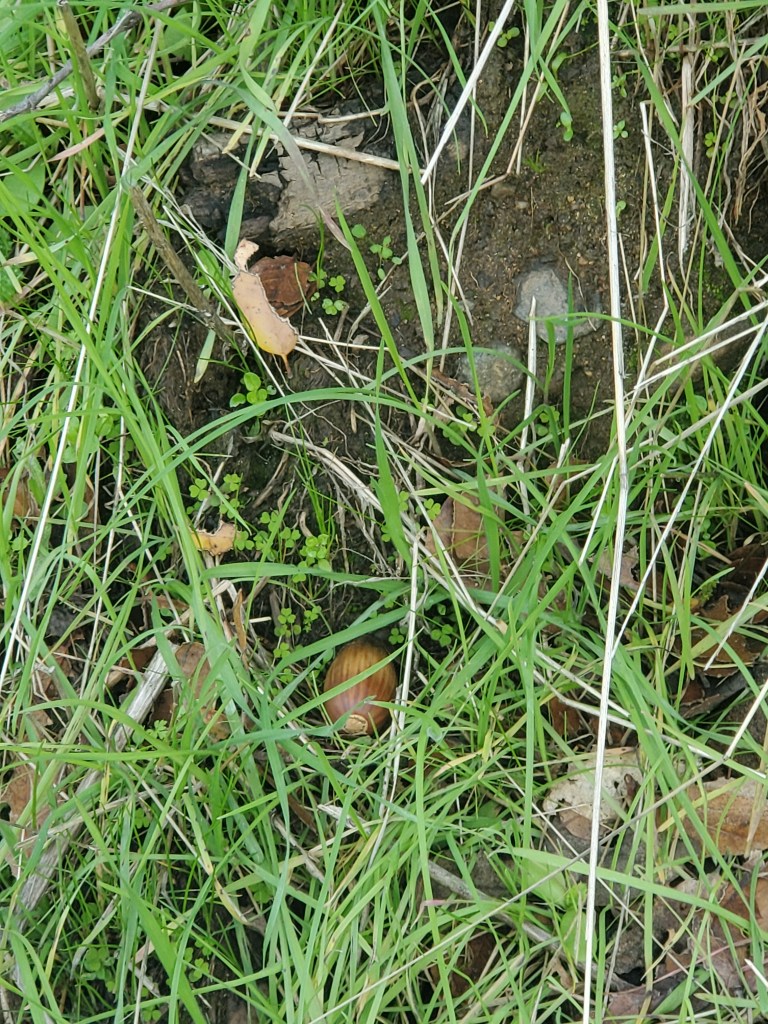
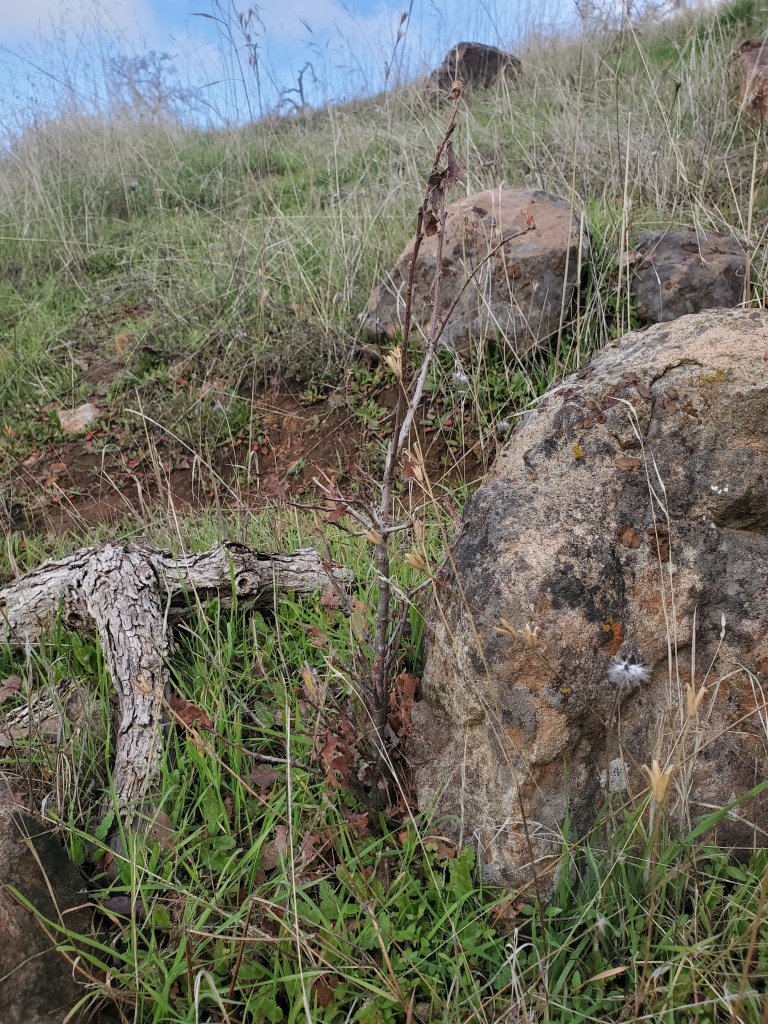
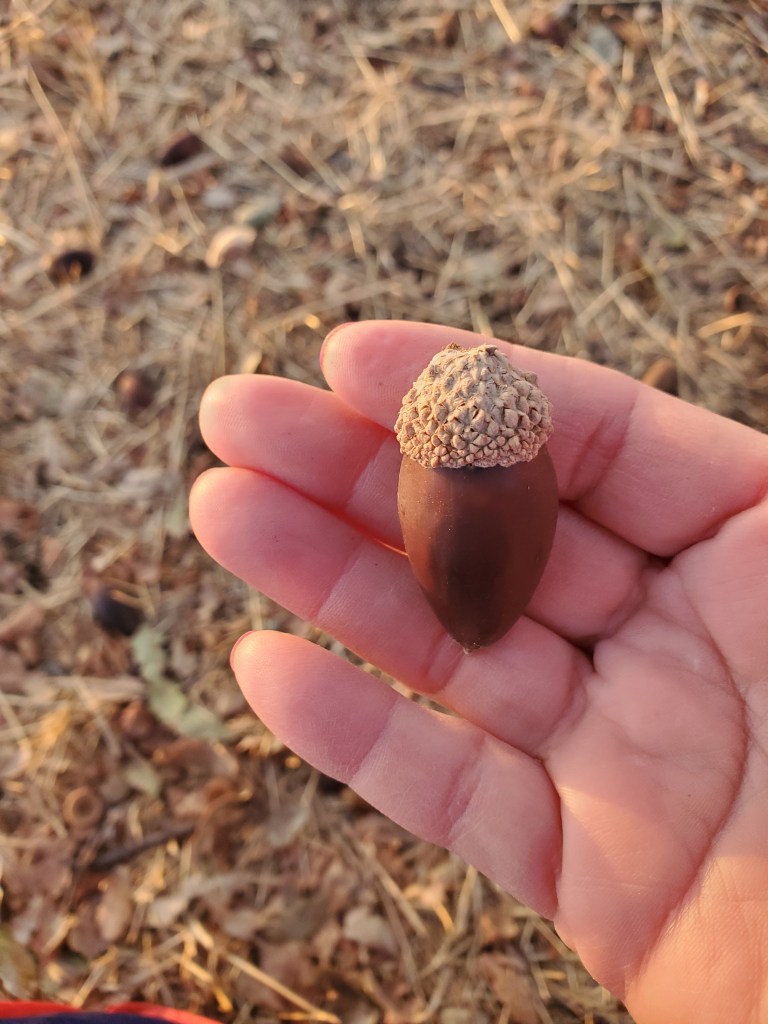
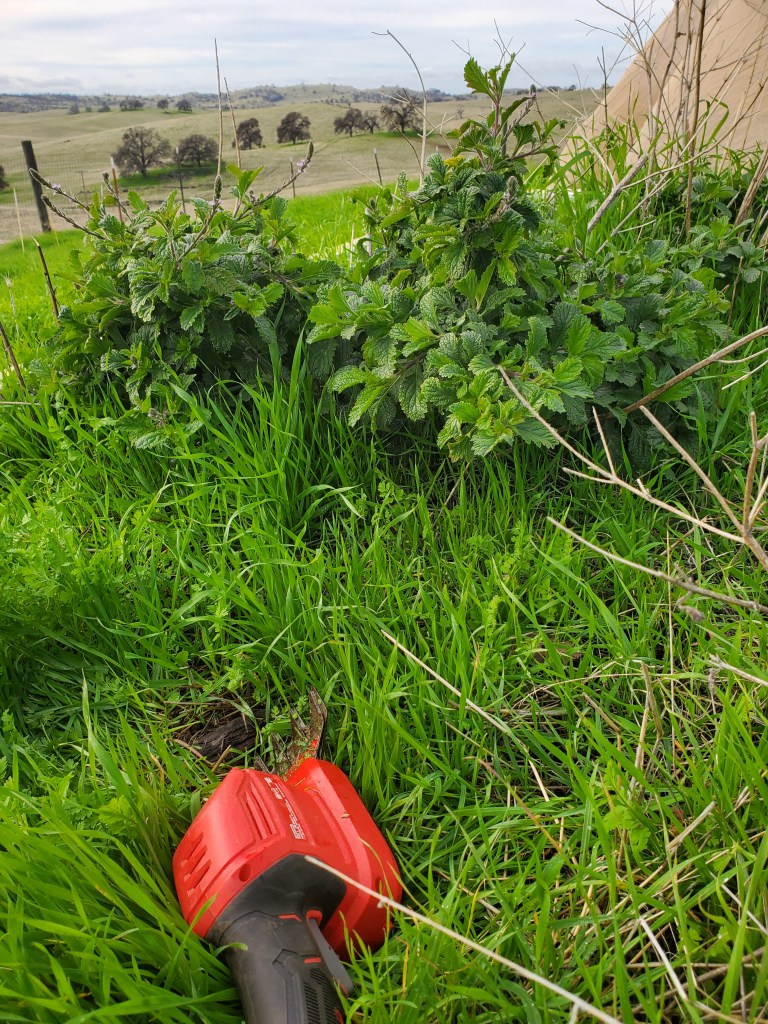
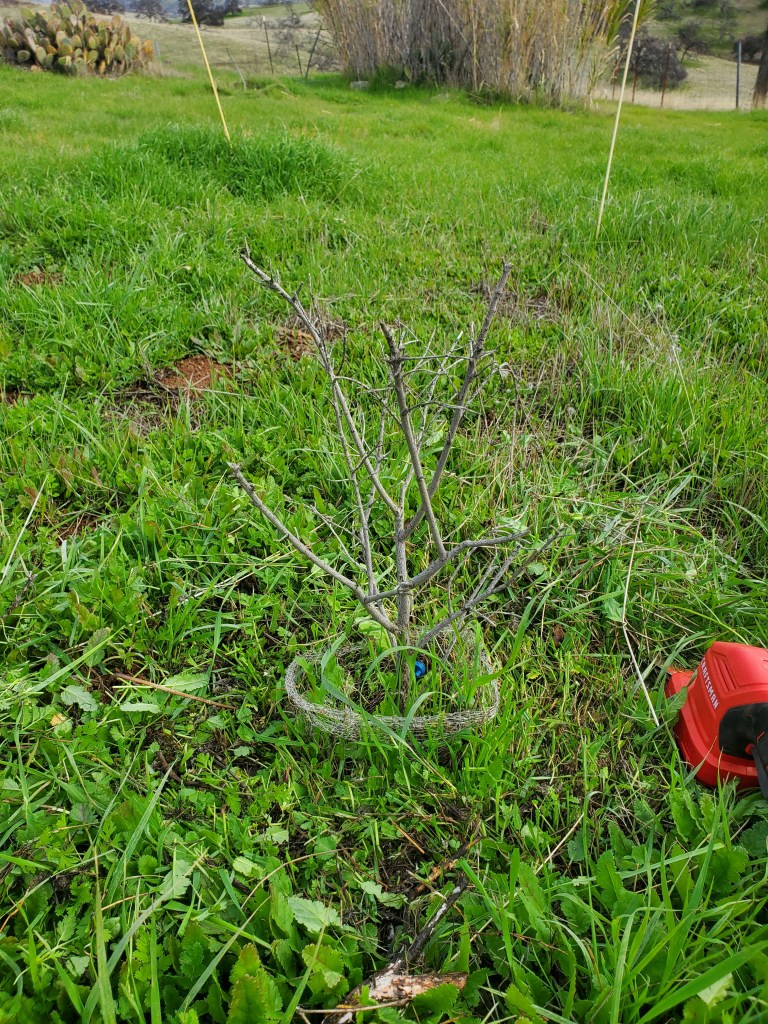
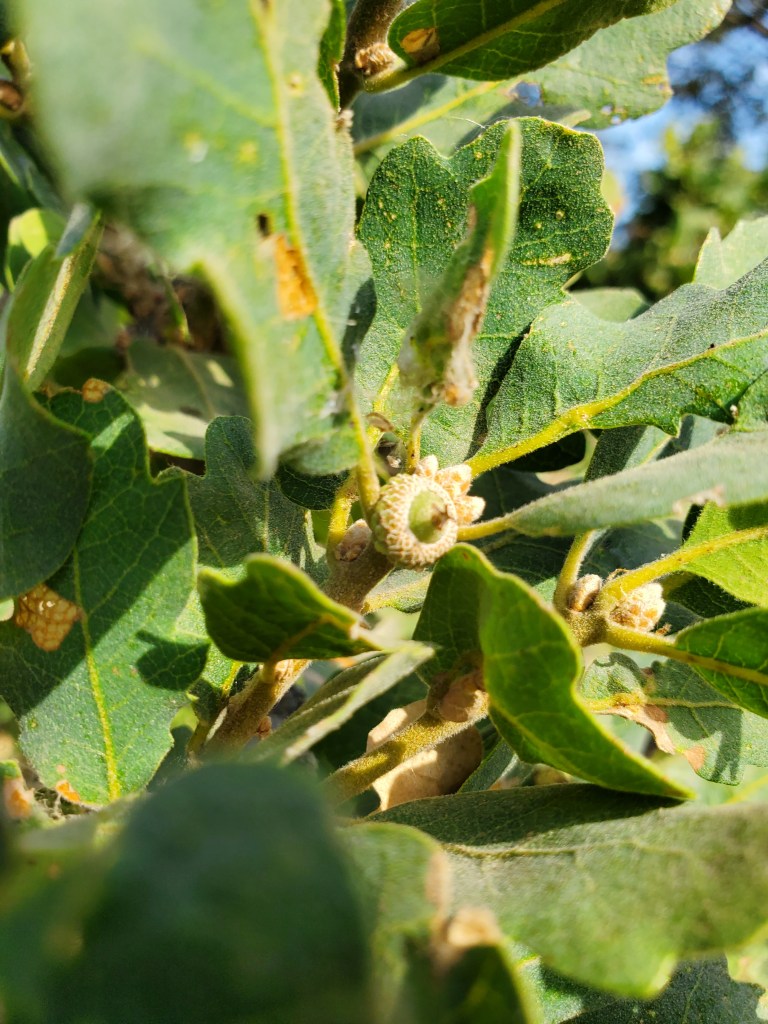
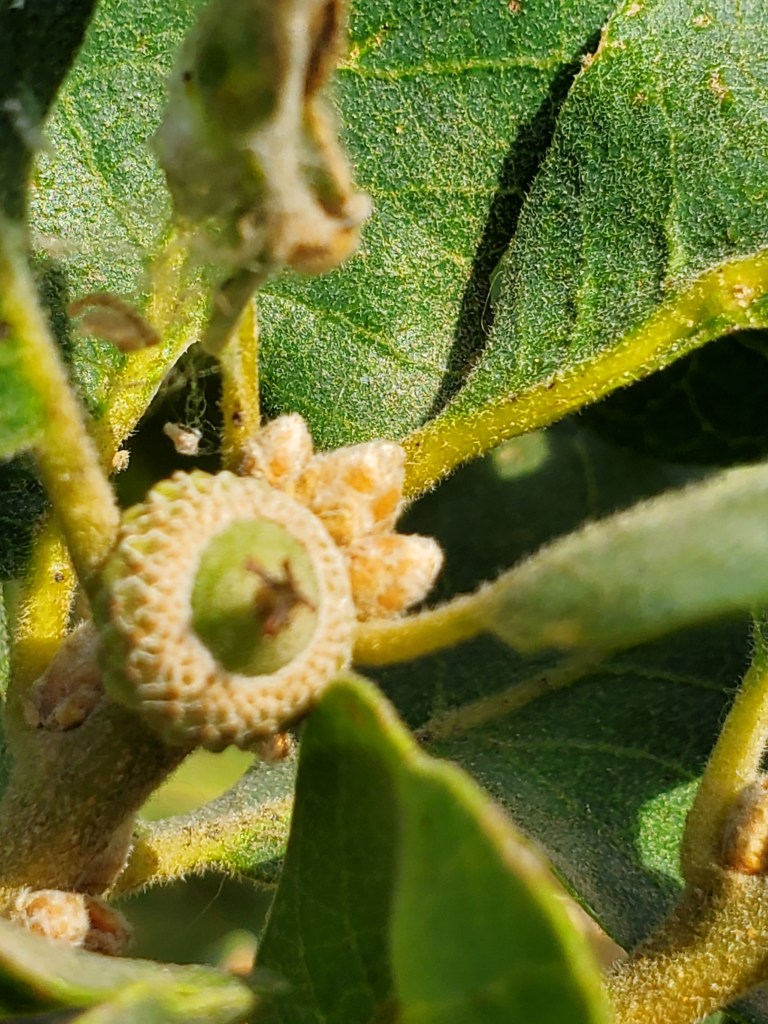
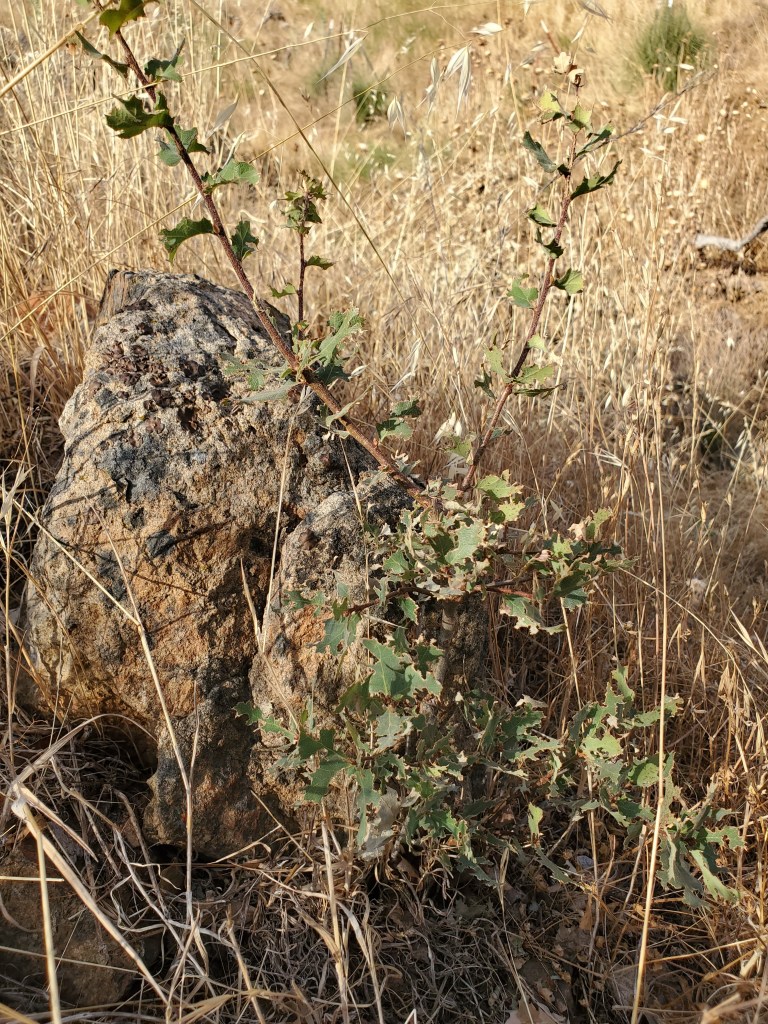
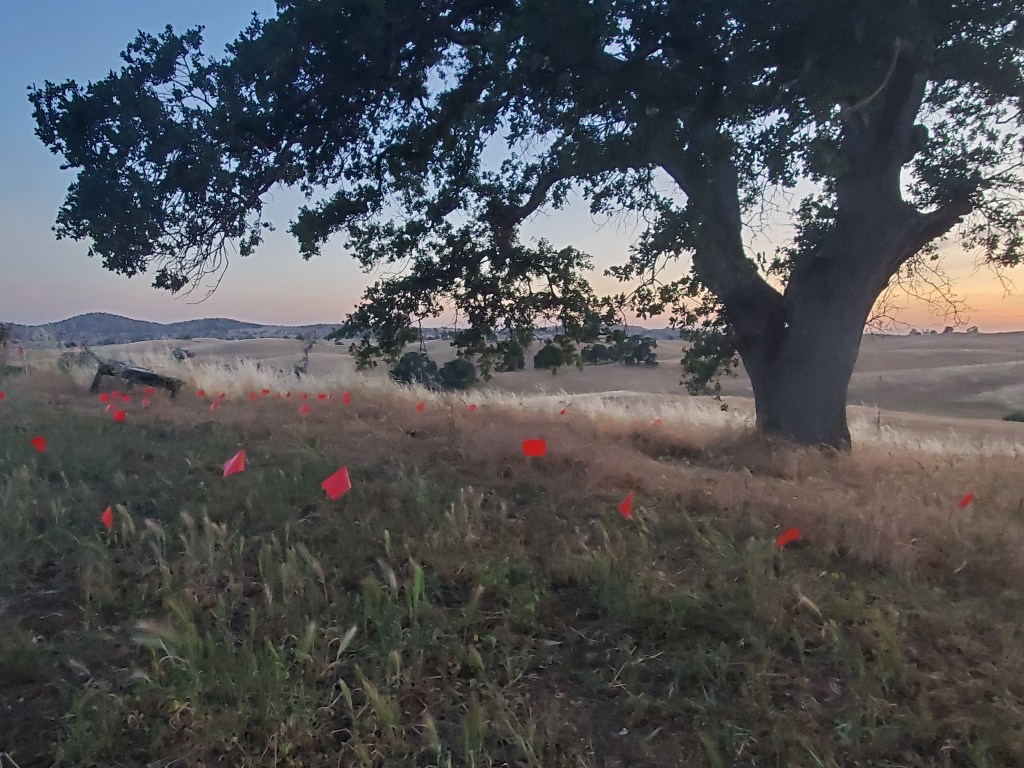
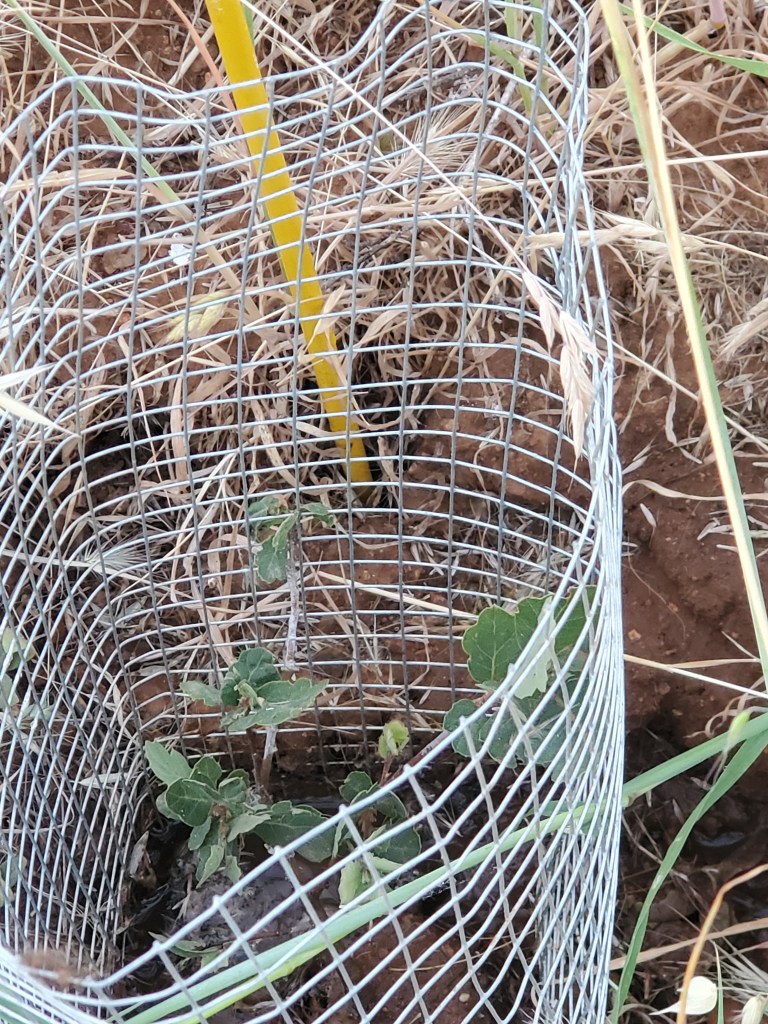
Most of the planted oaks are surviving. We lost two of the 19 seedlings. The areas with acorn plantings – none of them came up. The acorns were all taken. However, there has been a blockbuster of natural recruitment (oaks emerging naturally from acorn). While weed eating, David found one hundred emerged oaks around one of the grandmother blue oak trees. We have looked at other nearby oaks and found more seedlings. Evidently, there is the right combination of moisture, acorn and soil conditions to allow for massive propagation. Don’t get too excited. Most of those babes will get eaten. With vigor, David flagged the seedlings so he could keep an eye on them and continue to pull grass as new shoots grew, but he quickly saw that these seedlings were also delicious meals for gophers. We are going to try to cage some of them and water them – especially outside of the enclosure where the cattle graze.
No Monarchs – Again. But, Bumbles Return

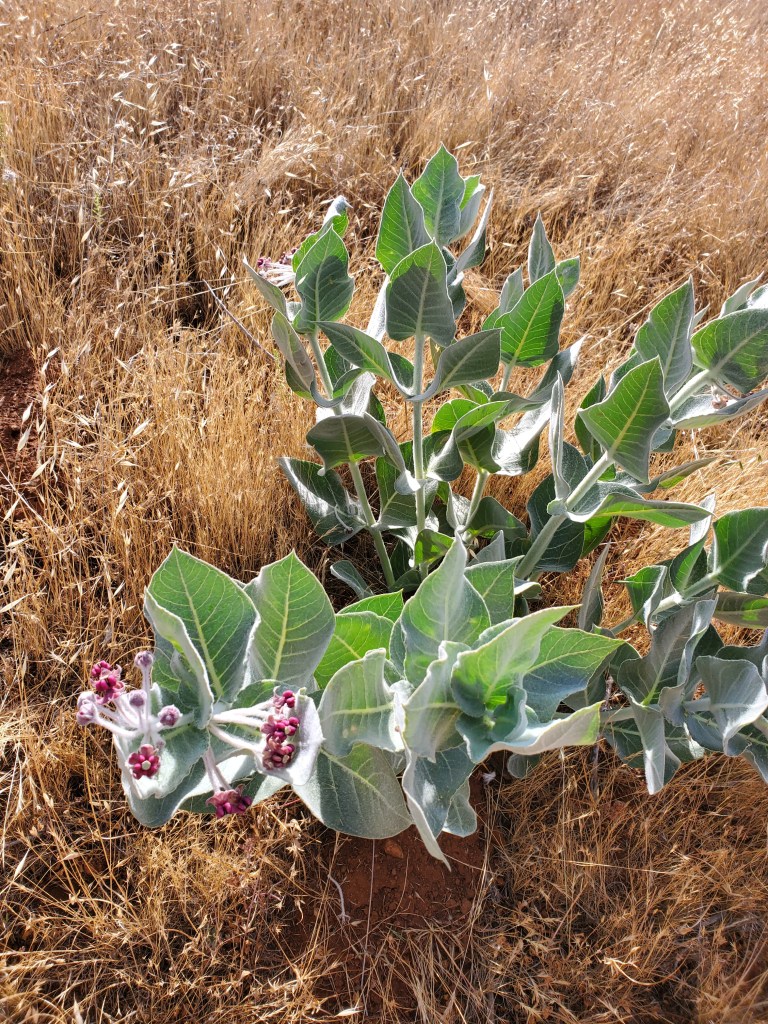
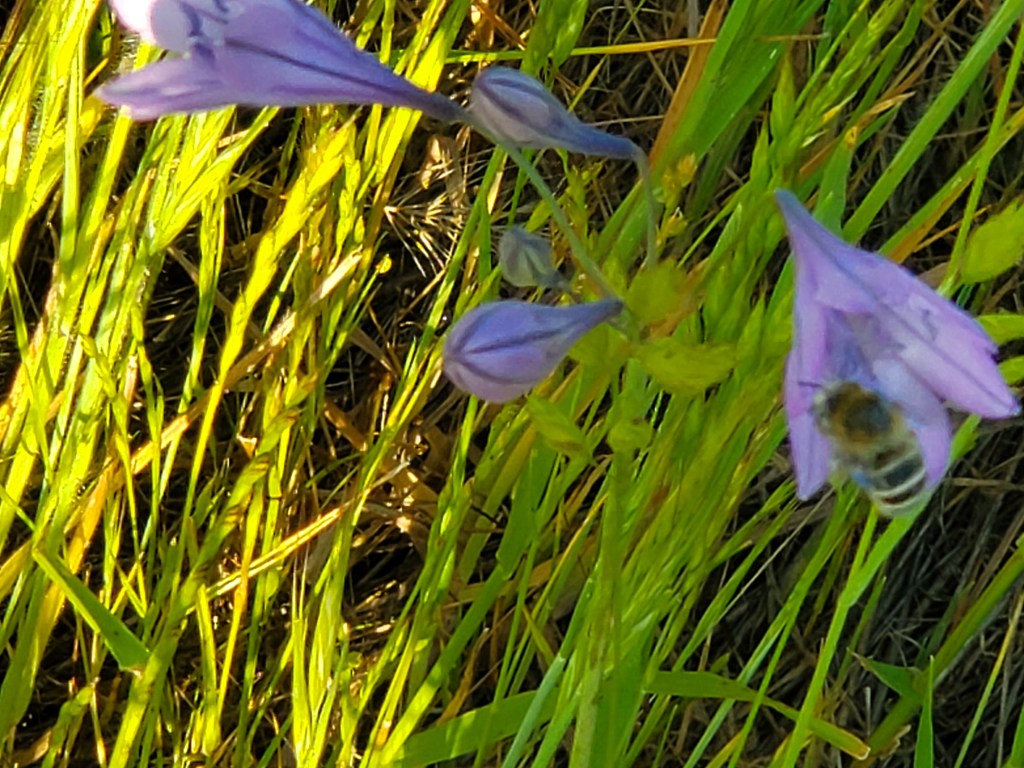
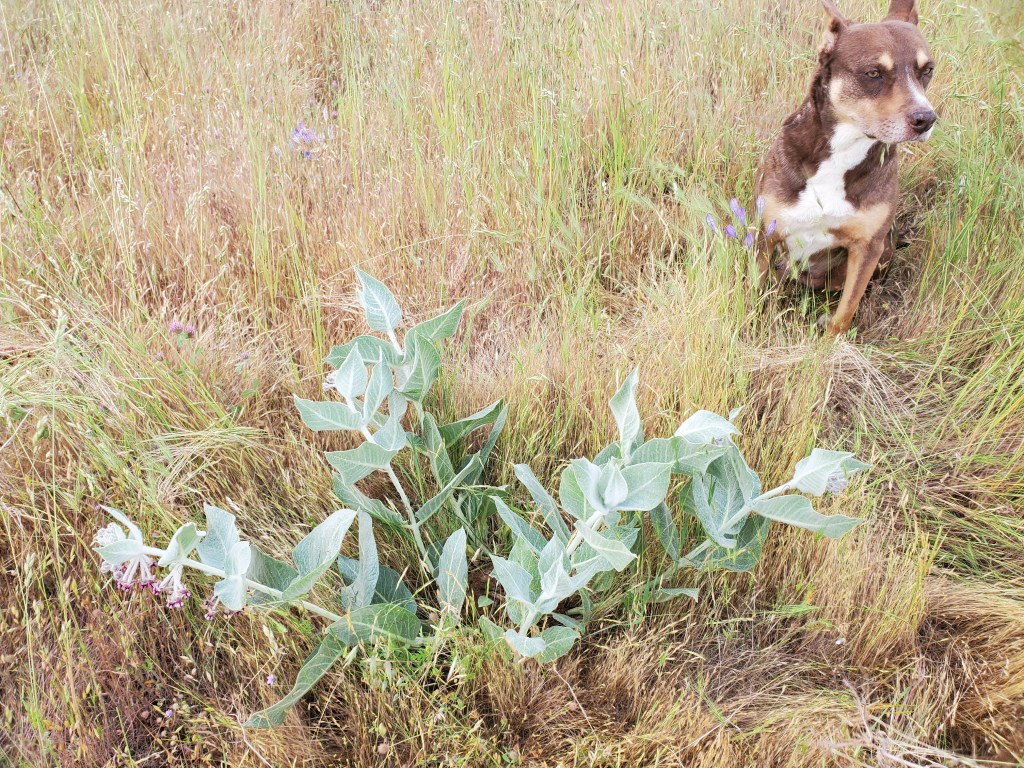
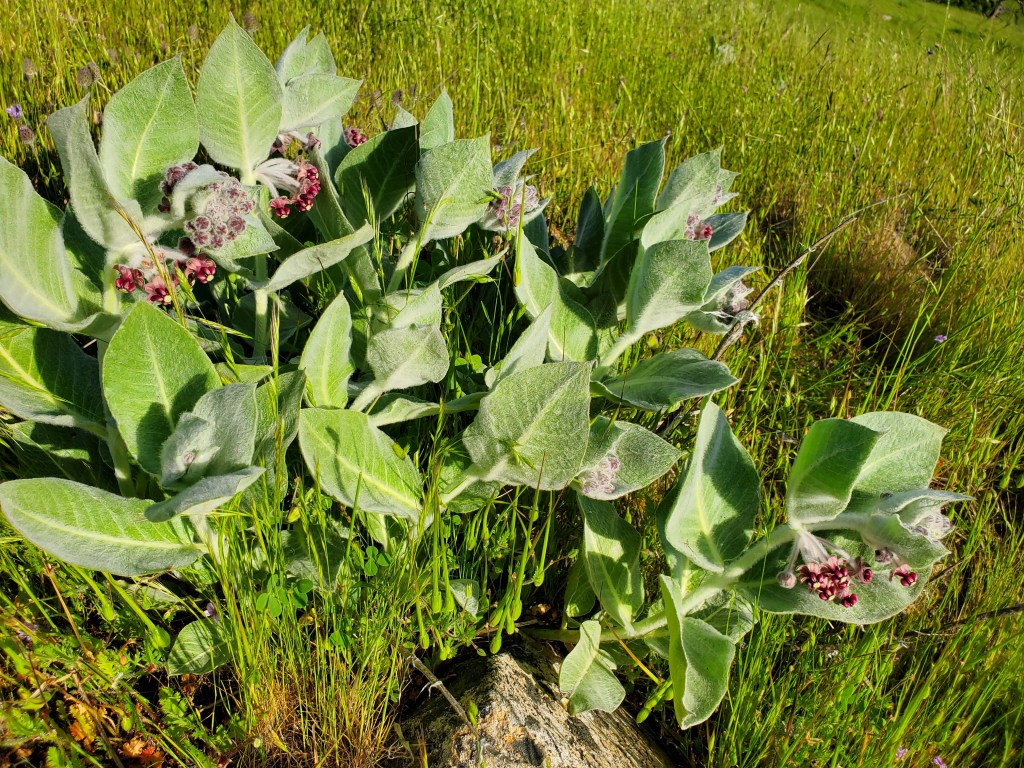
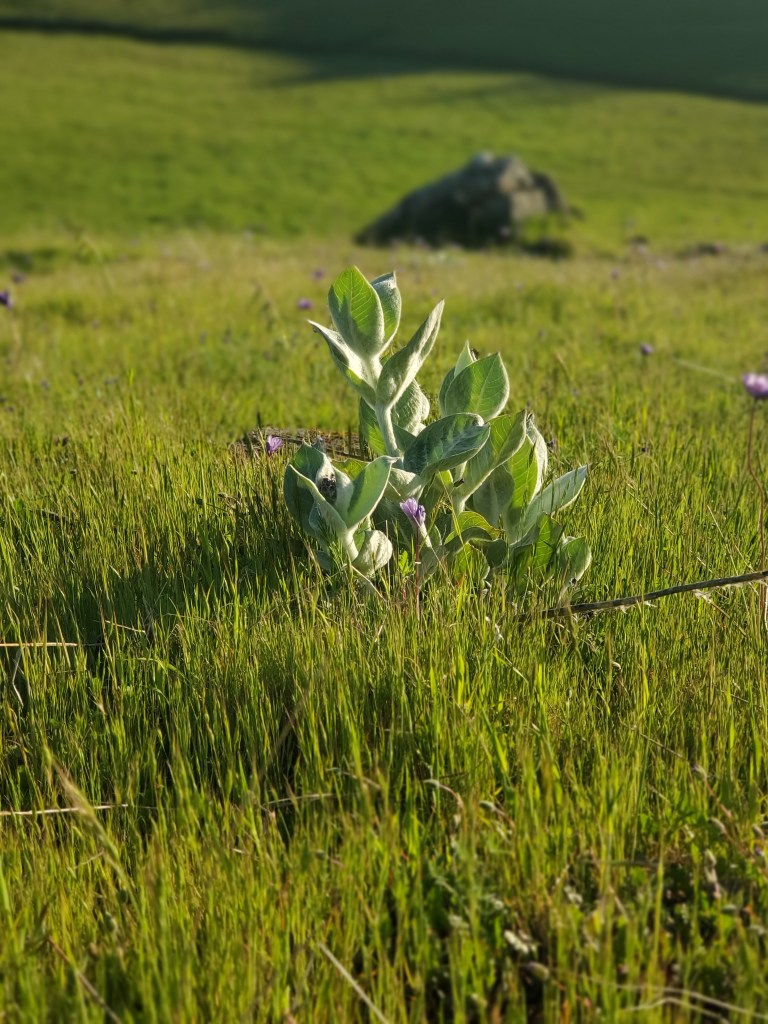
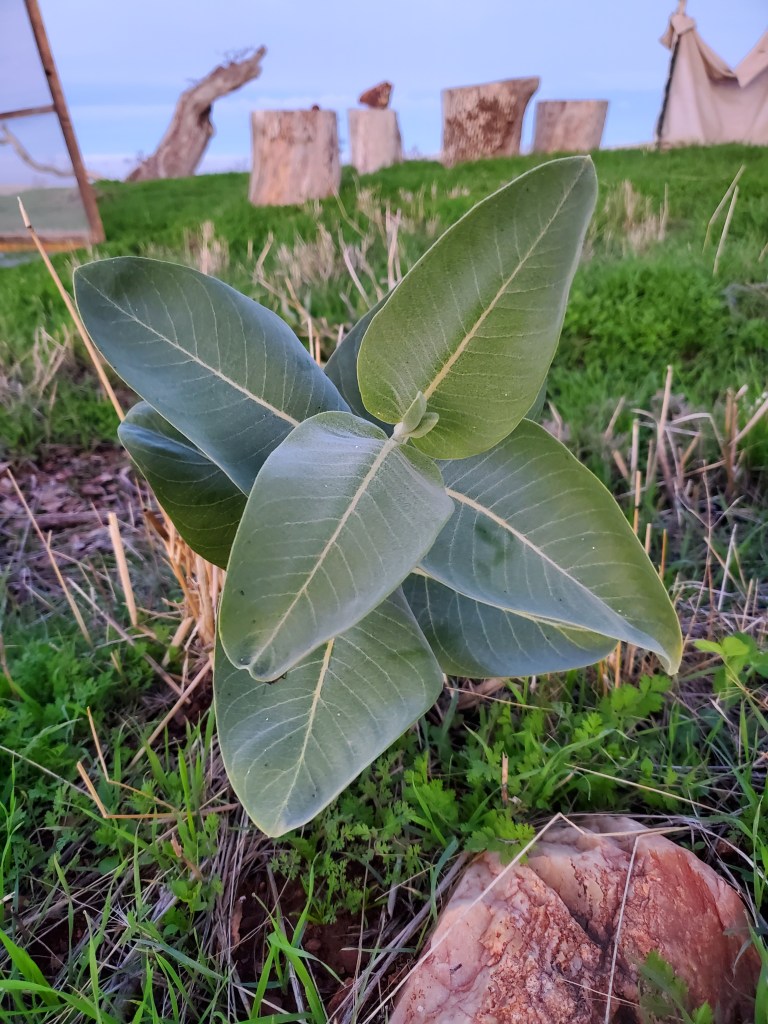
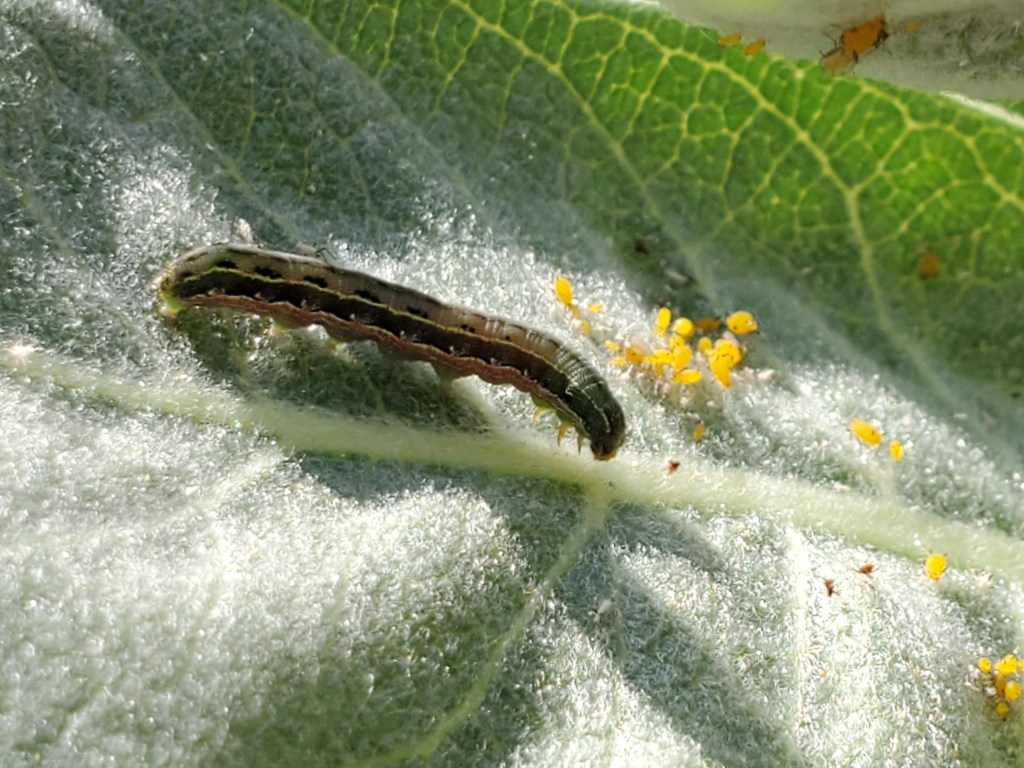
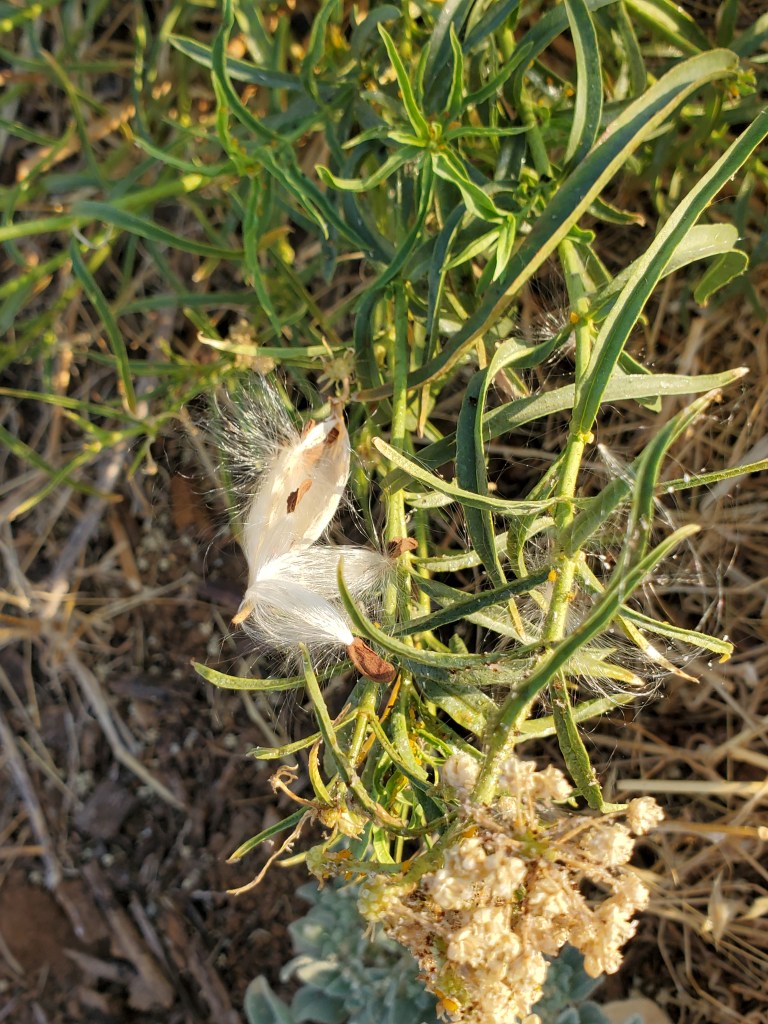
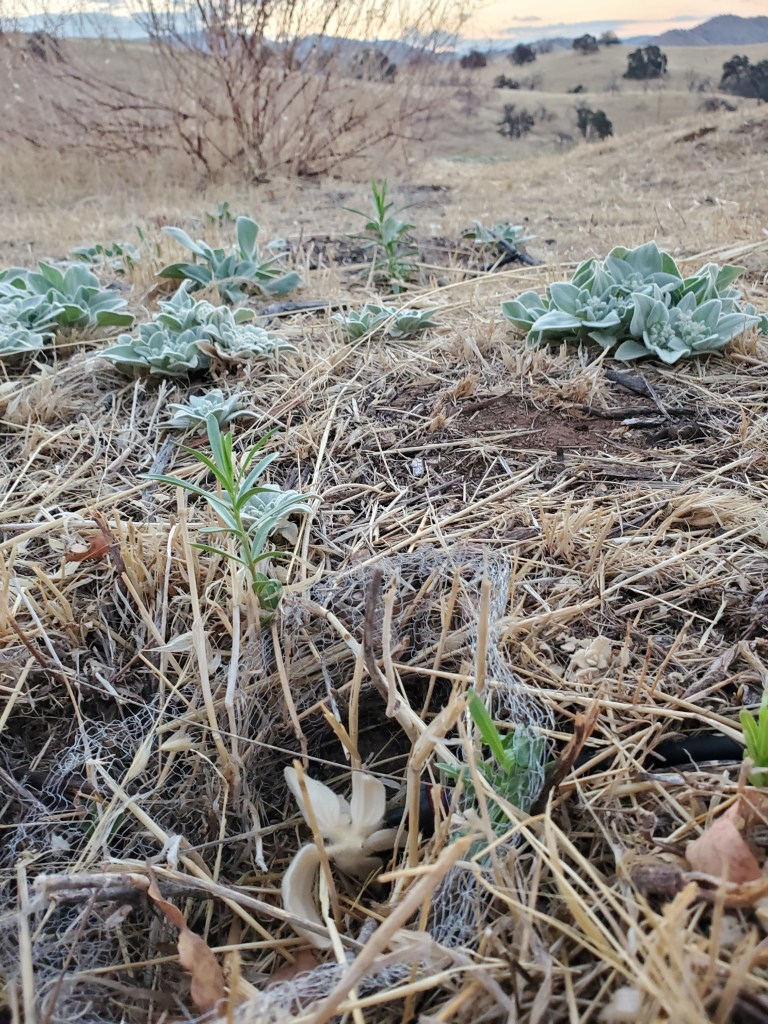
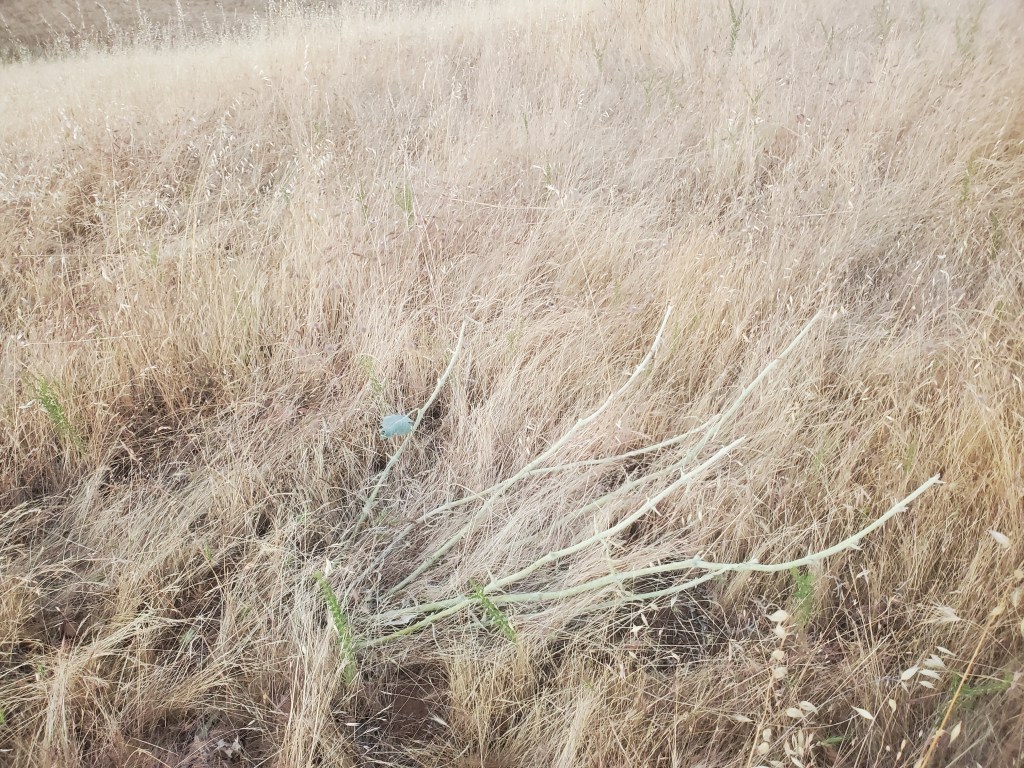
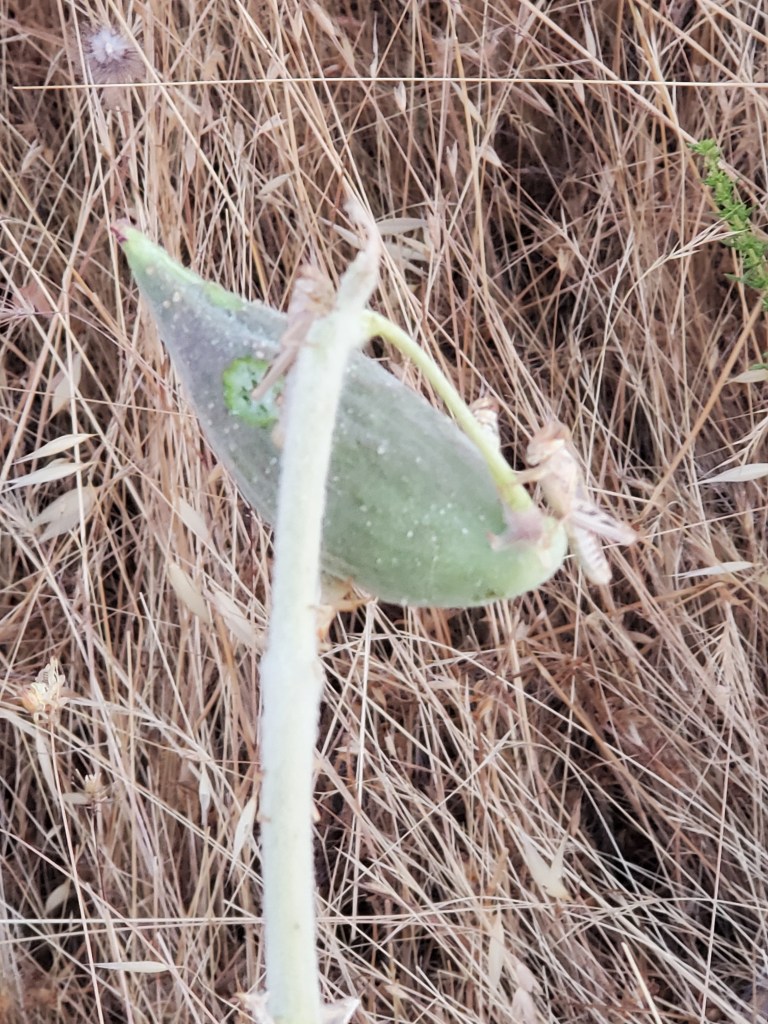
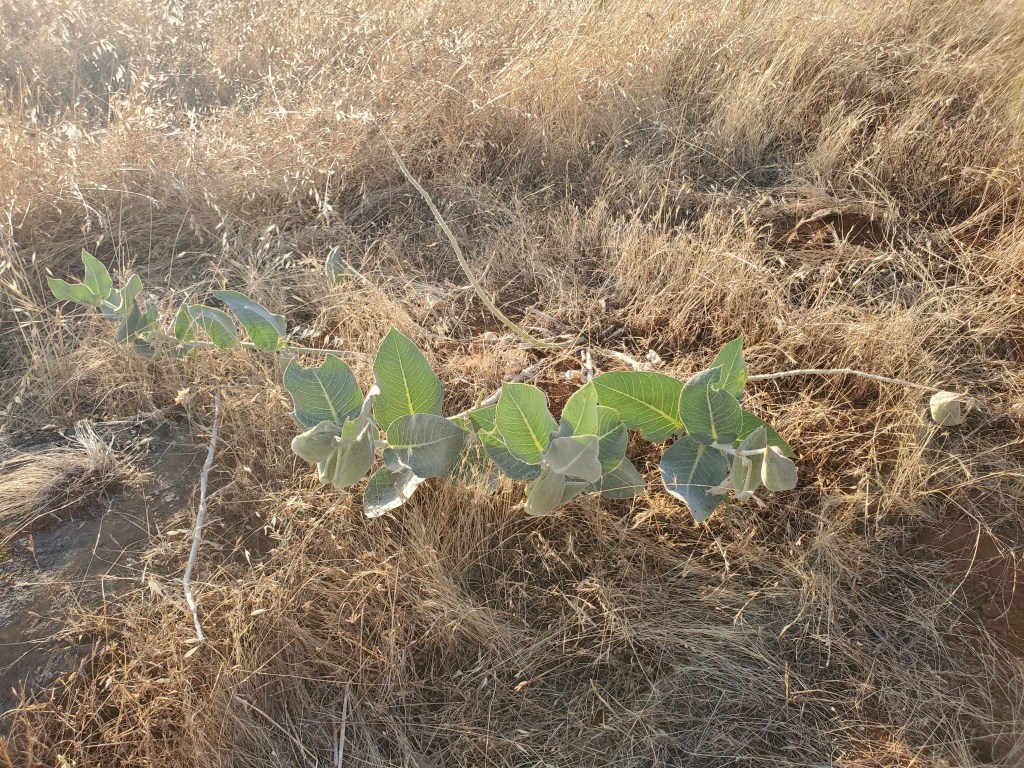
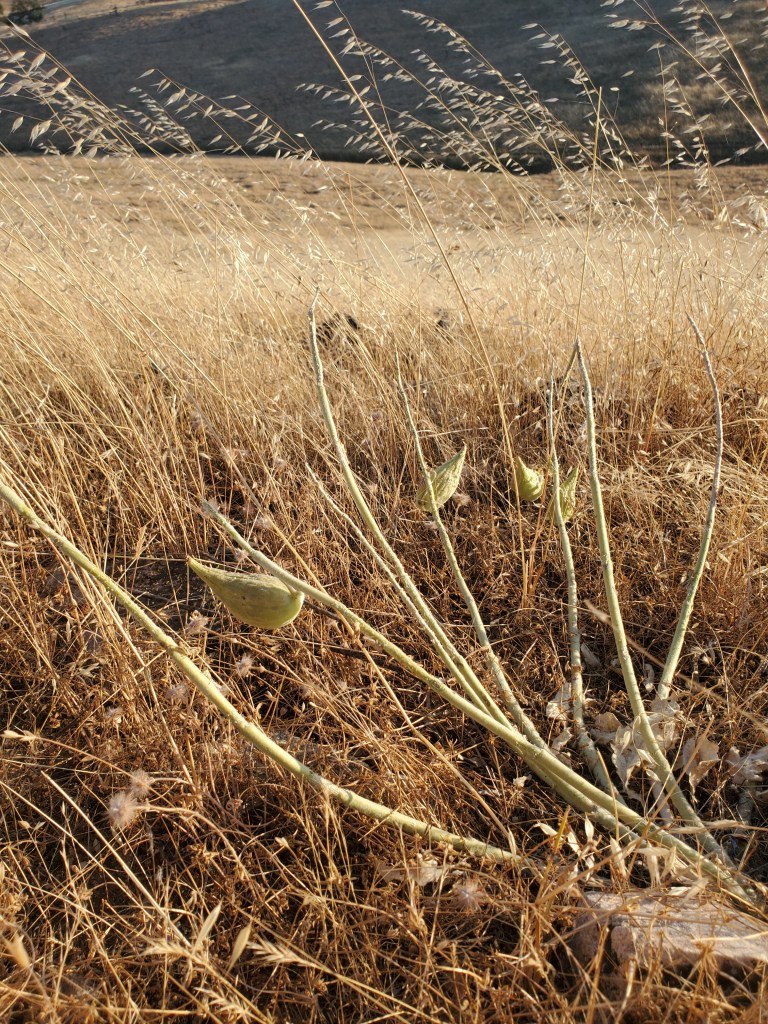
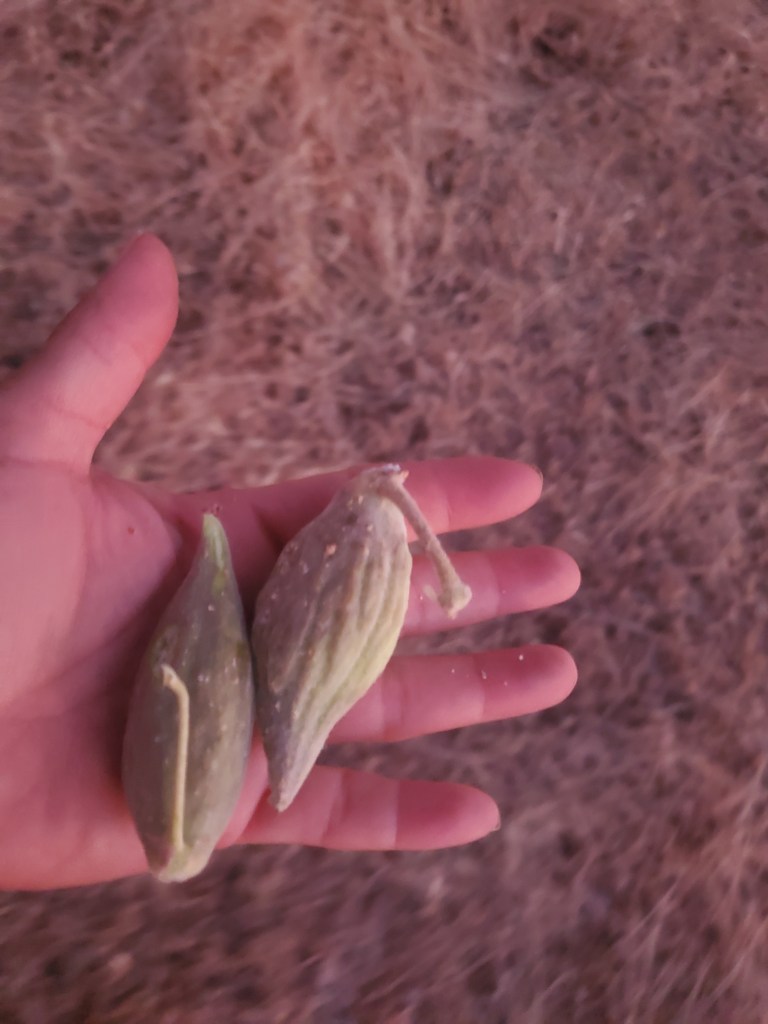
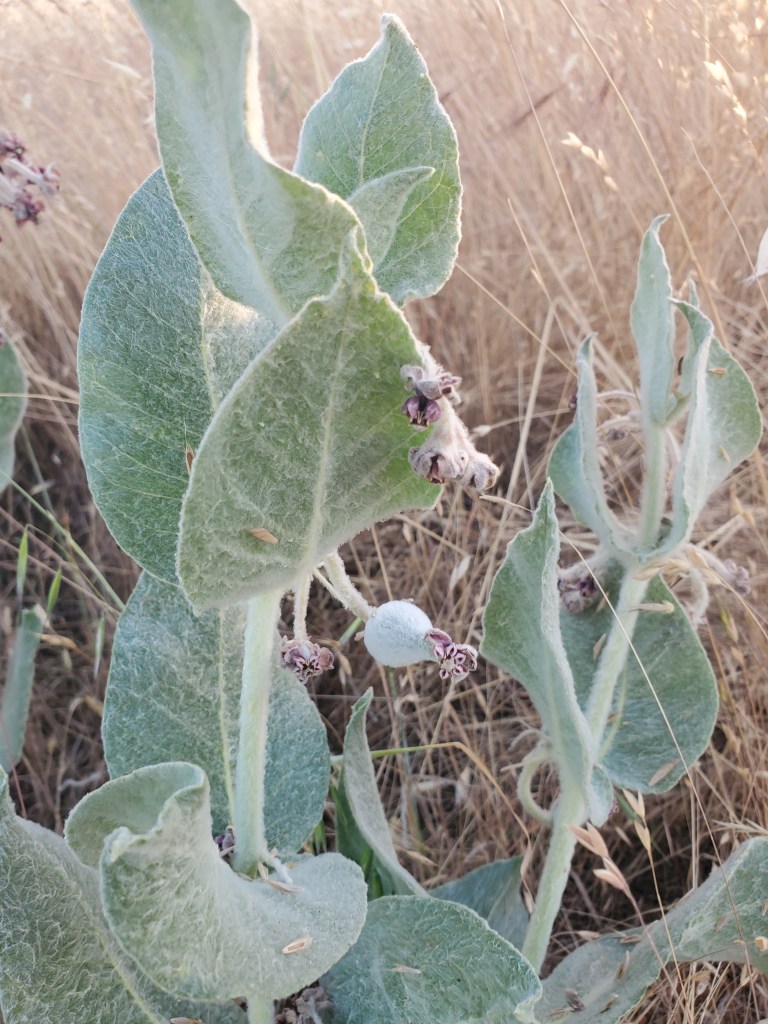
Sadly, the California Milkweed has remained pristine, no telltale bite marks, yellow stain or caterpillar poop. The north facing plants are still blooming with just a few beginning to set seed pods. The south facing plants, reliable hosts for traveling monarchs, are fully spent and well into setting seed pods. The only reason my spirit is not completely crushed is that the crotch bumble bees still reigned supreme on the hill in the milkweed plots. I even saw some down the hill near the cow clover. They seem to be increasing in number slightly.

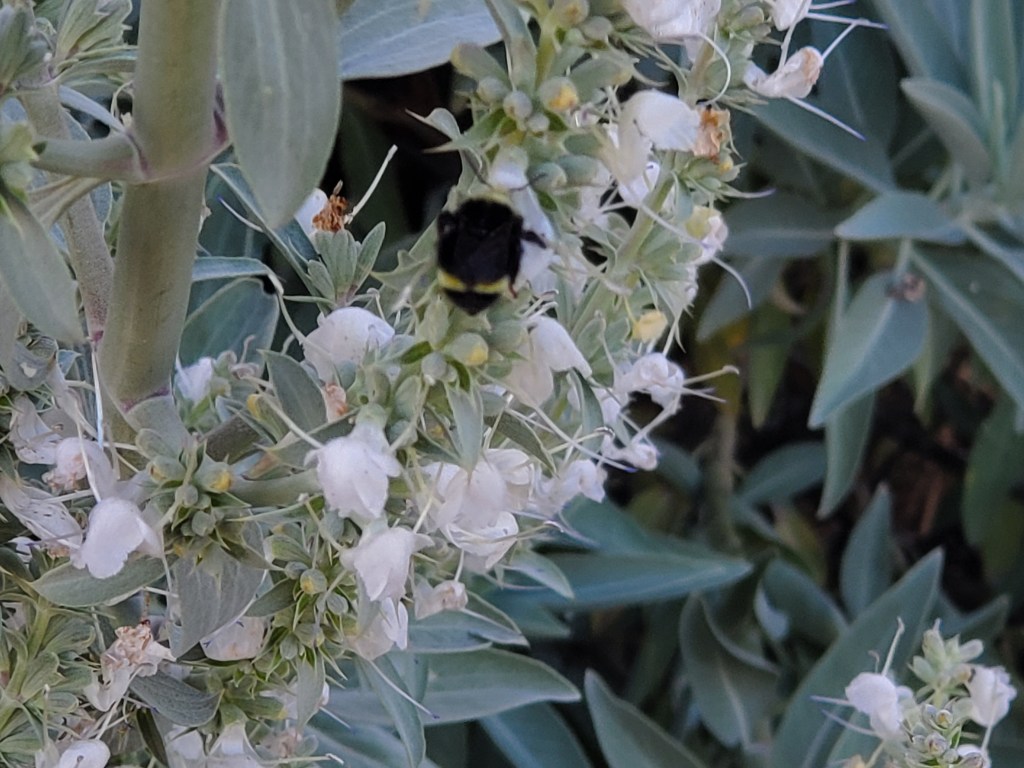
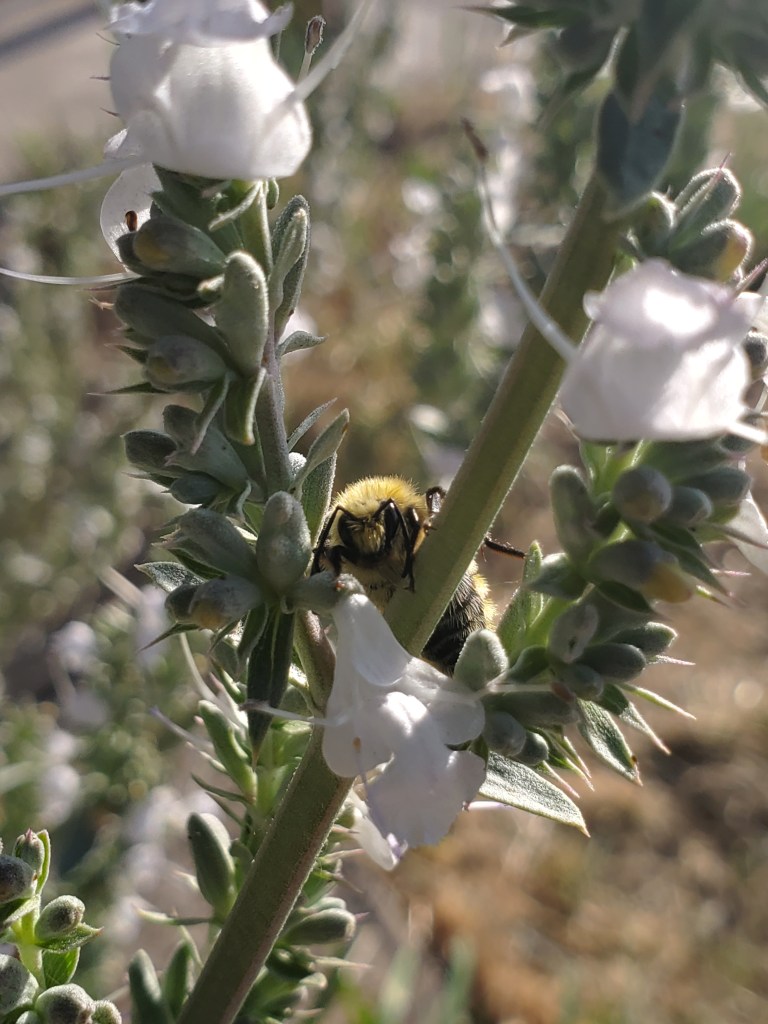
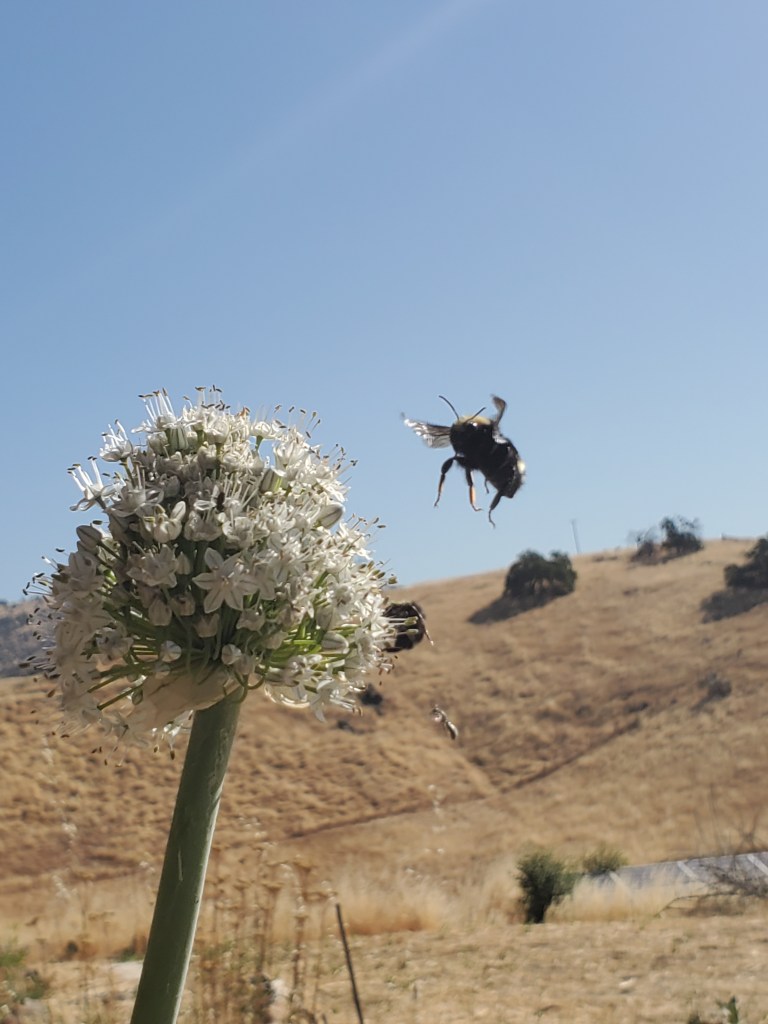
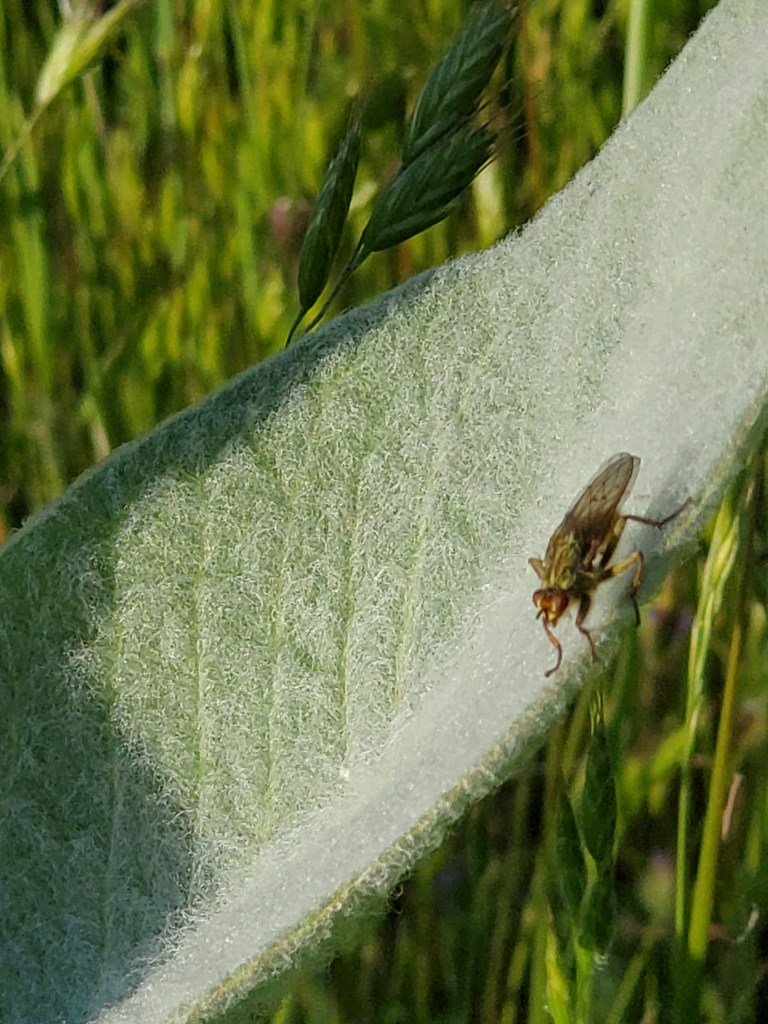
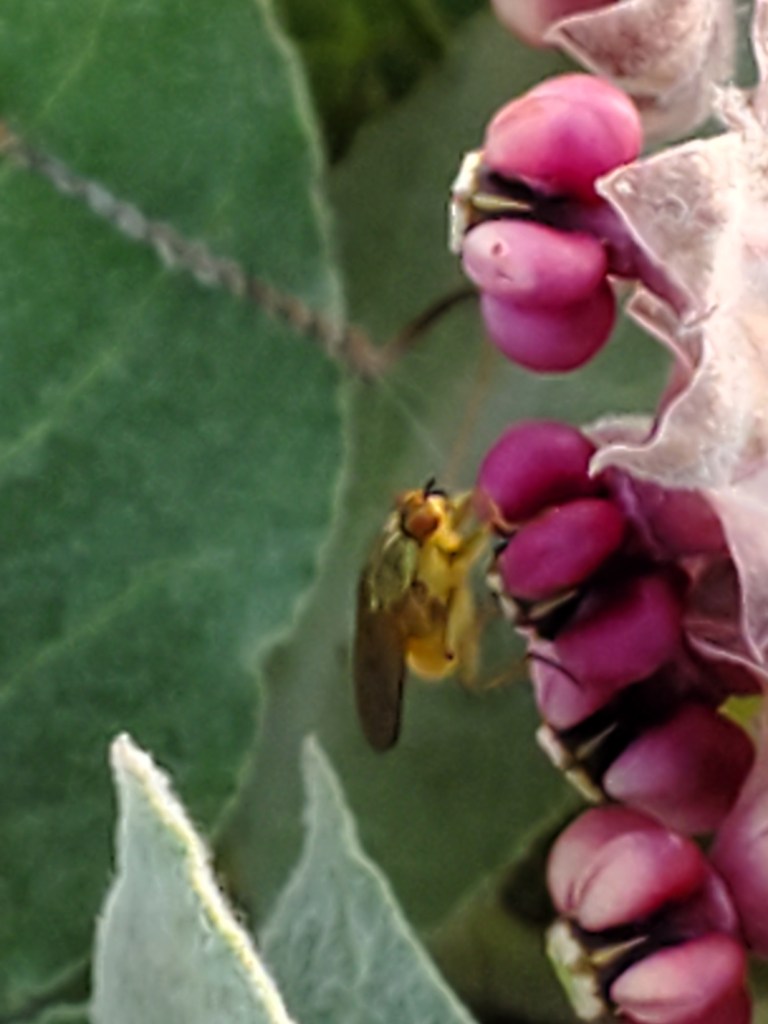
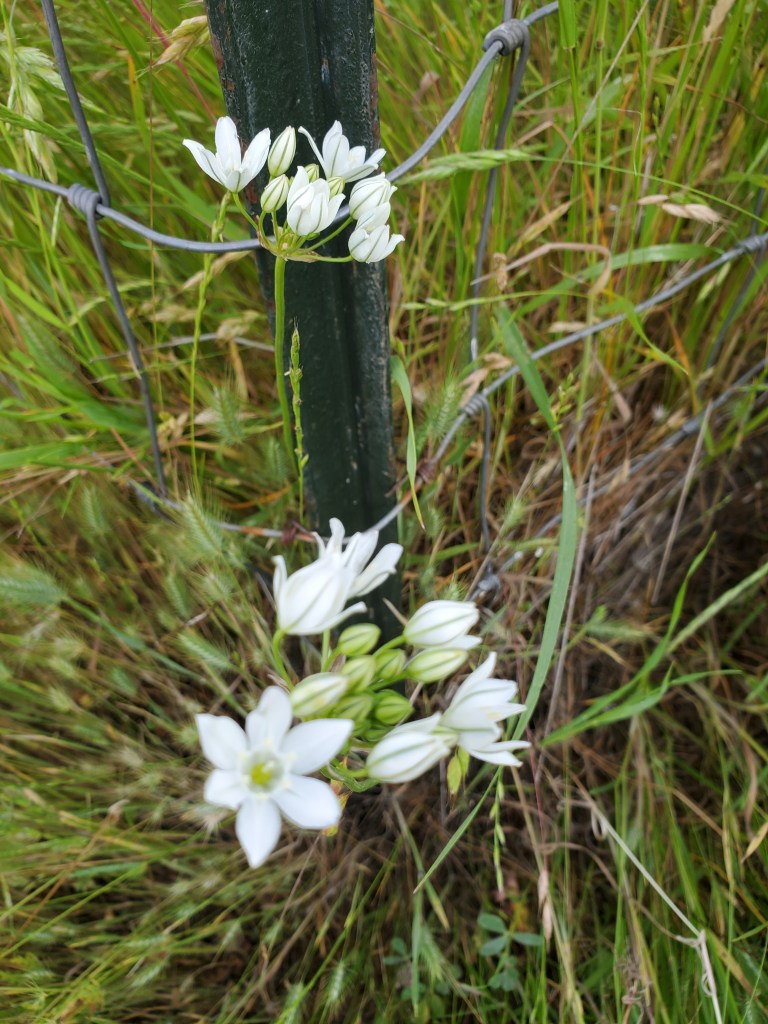
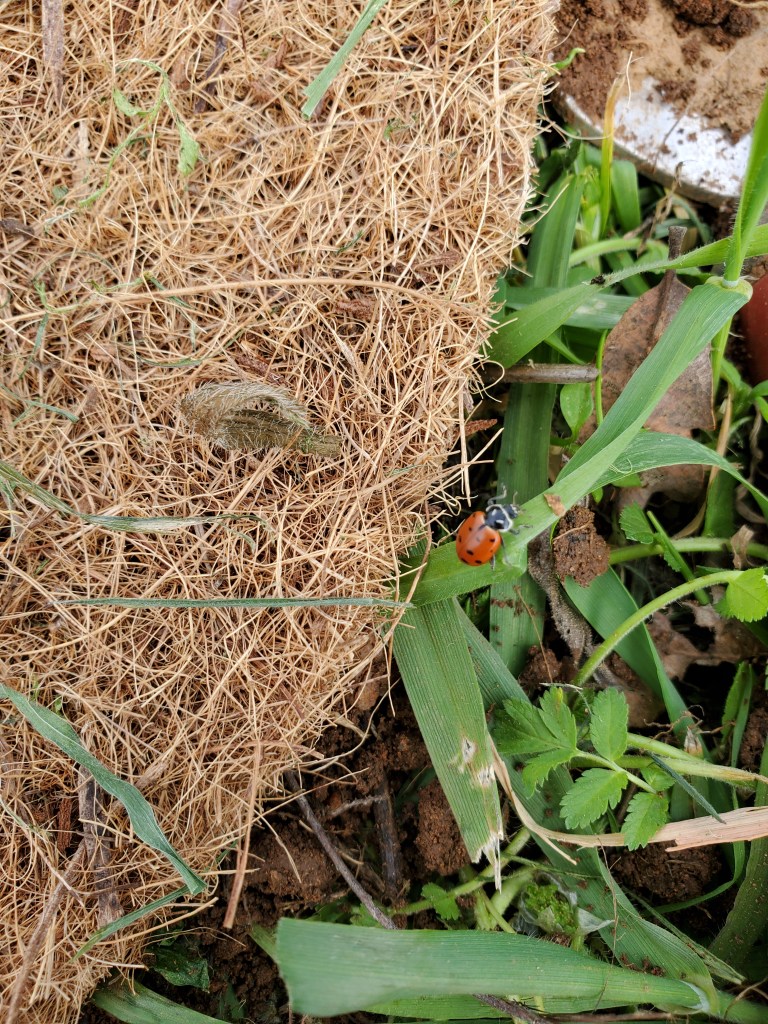
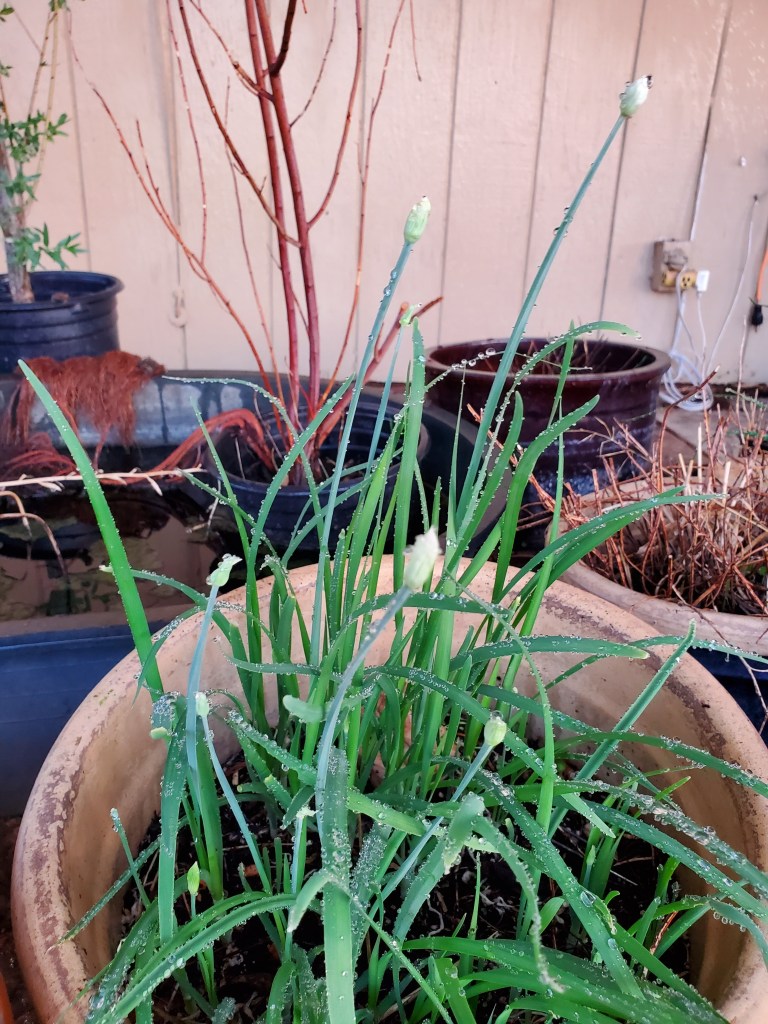
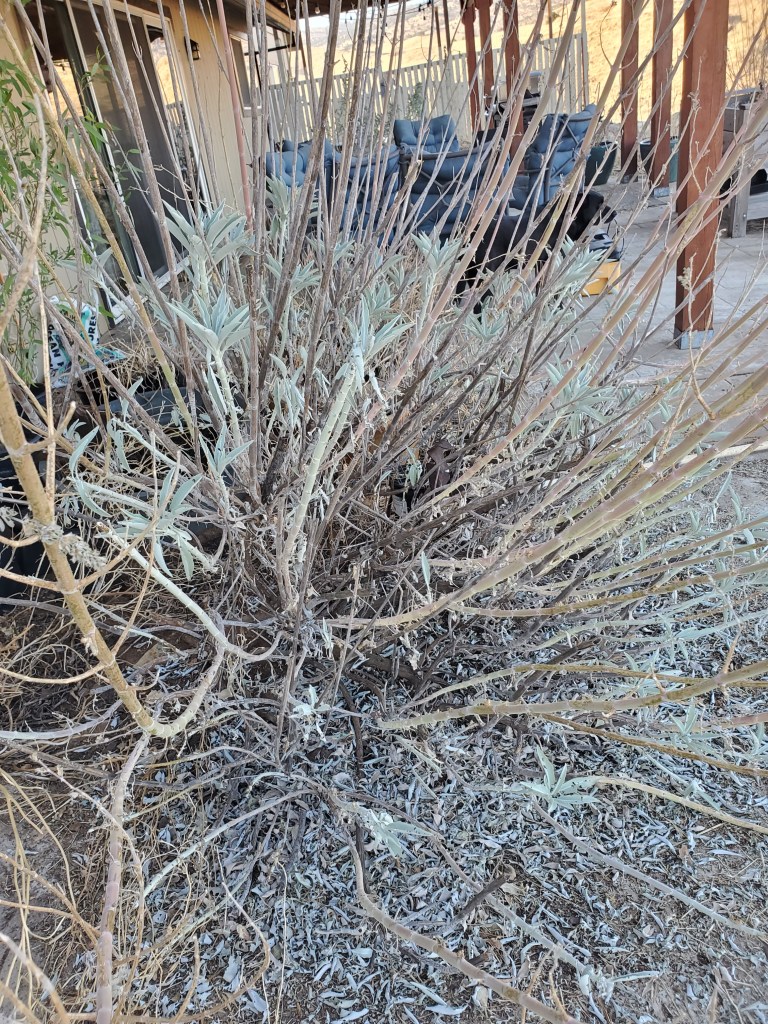
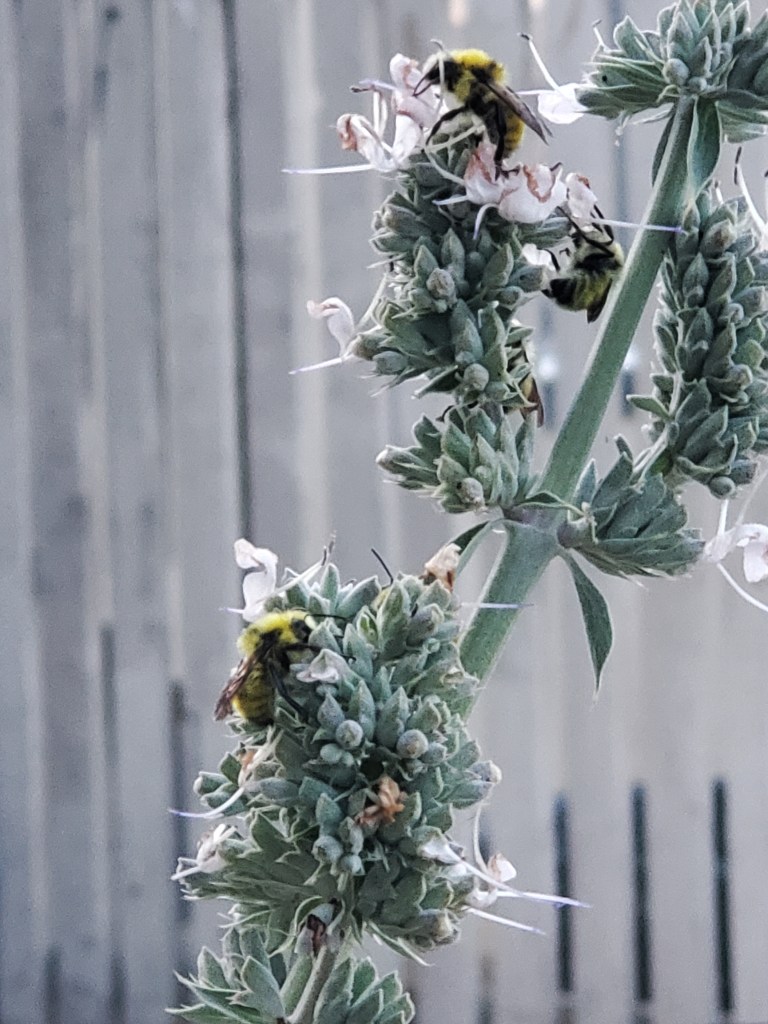
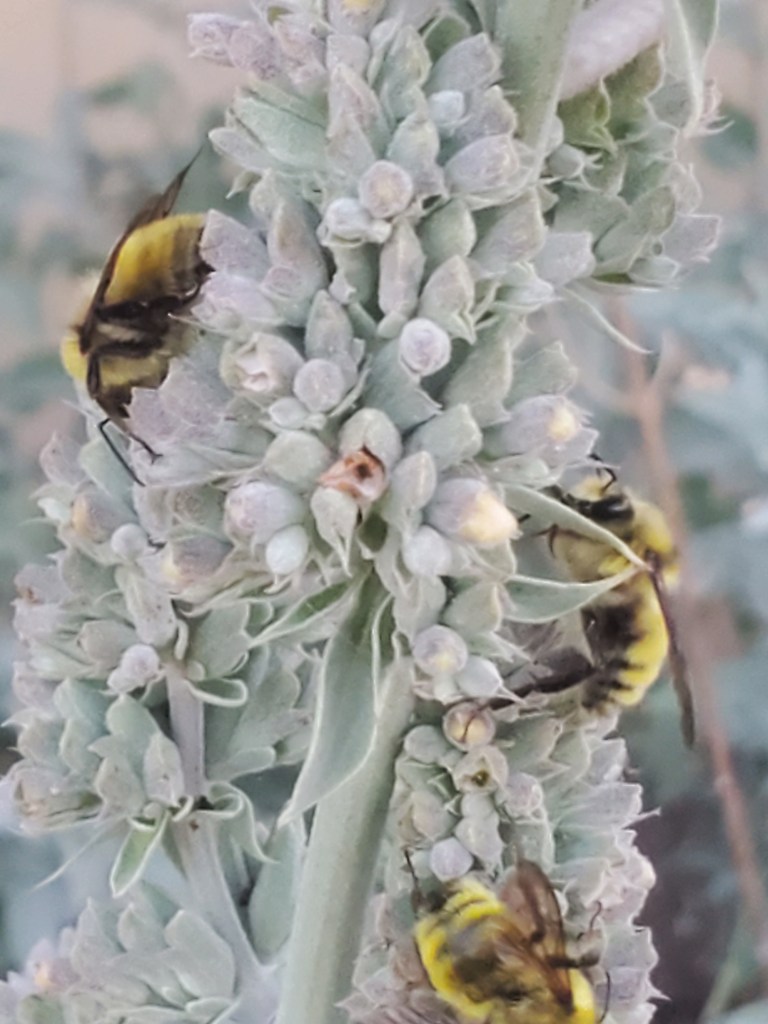
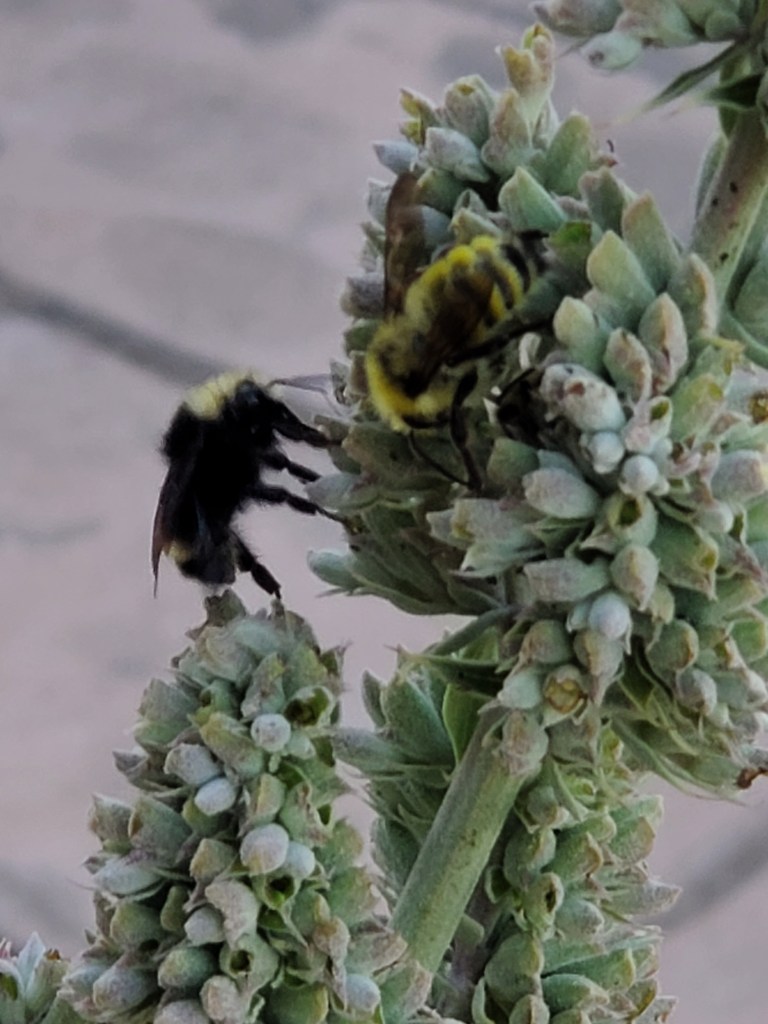
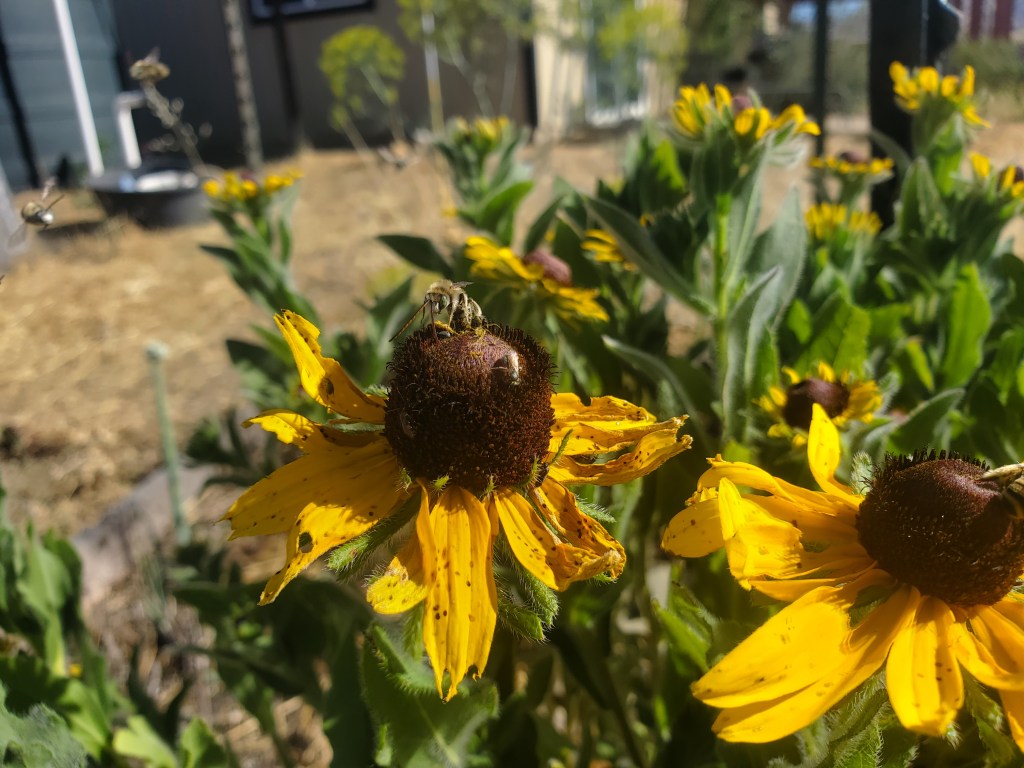
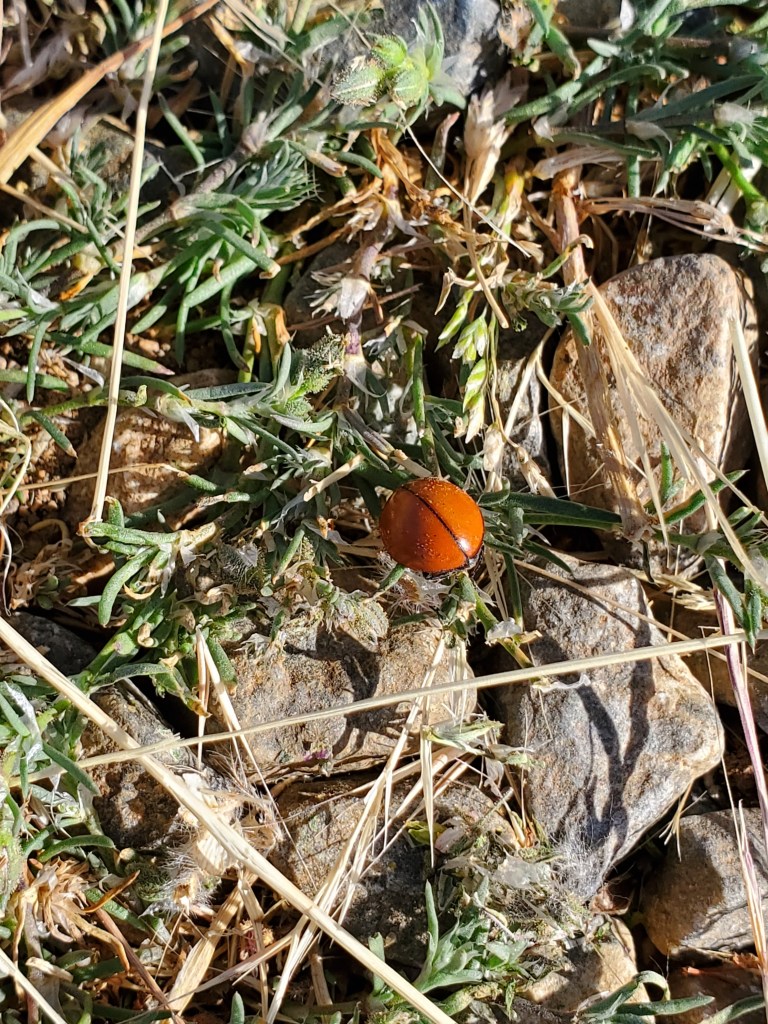
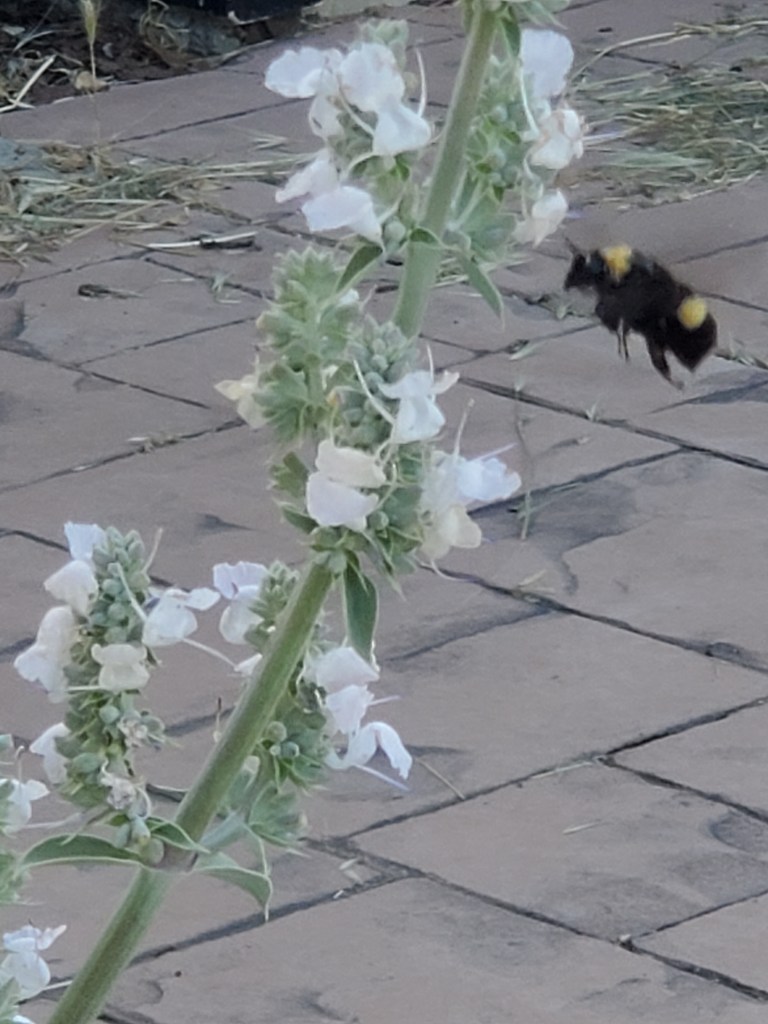
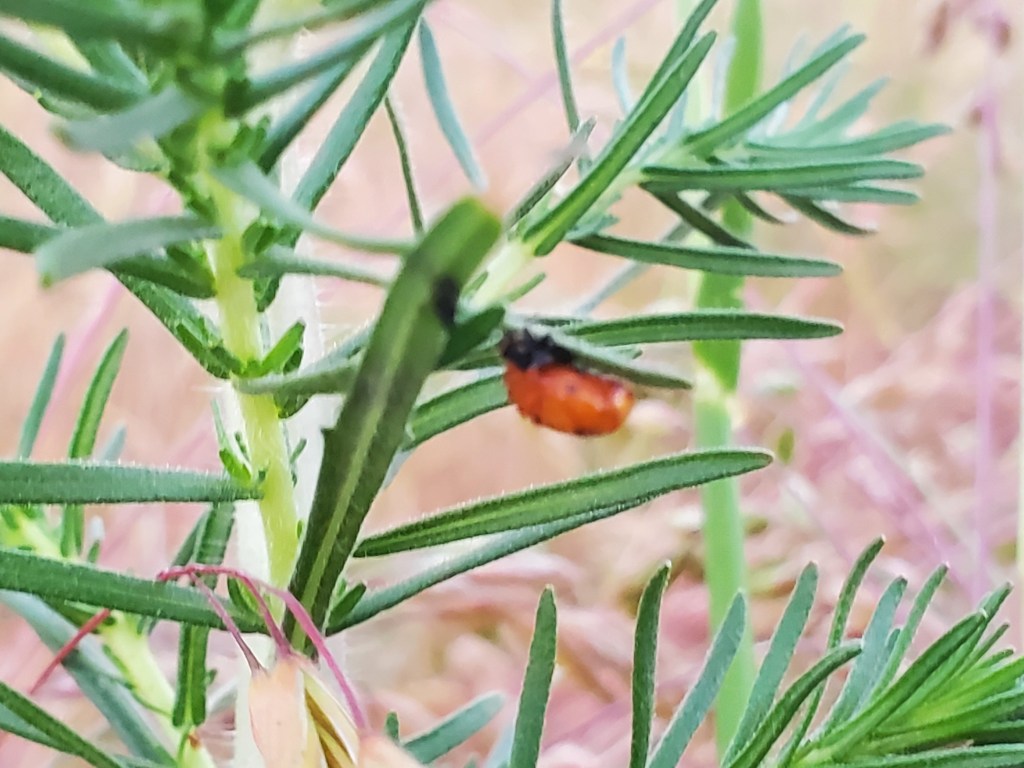
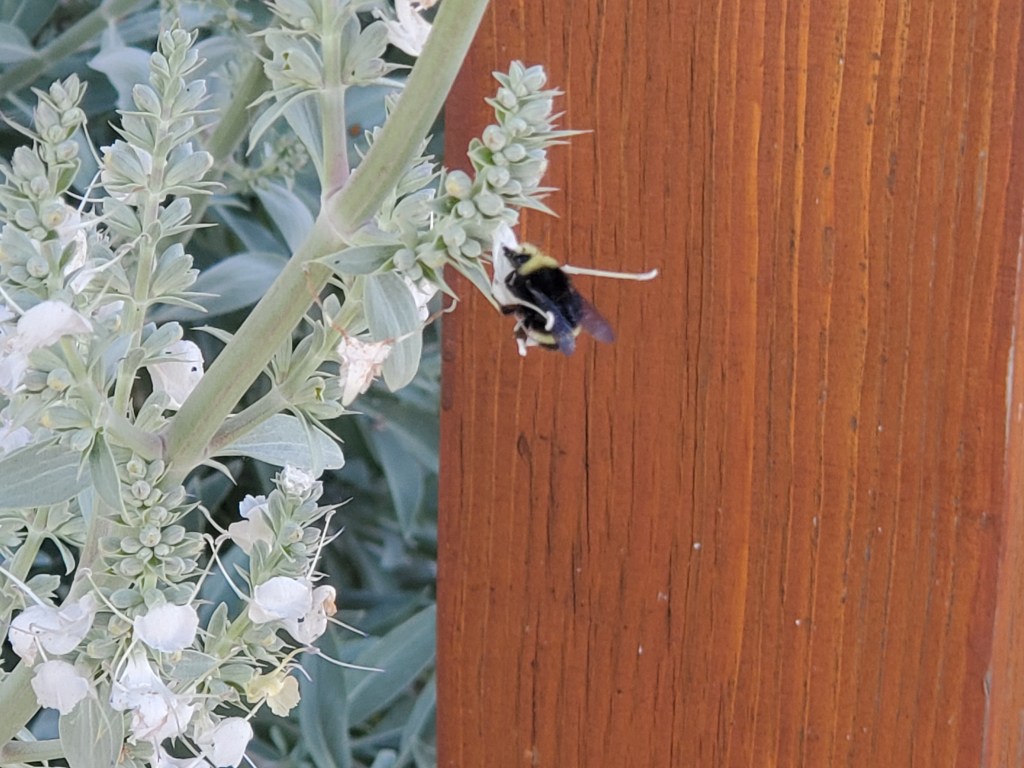
With the survival of my old white sage plant from the grasshopper incursion, its blooms have brought back a myriad of bumble bees and small pollinating flies. The onions are blooming as well and have encouraged micro pollinators into the yard. I love seeing those very small, hard-working insects. More lady beetles have been around, but not in numbers I’ve seen before. Of course, house flies seem to be abundant every year, and this year is no exception.
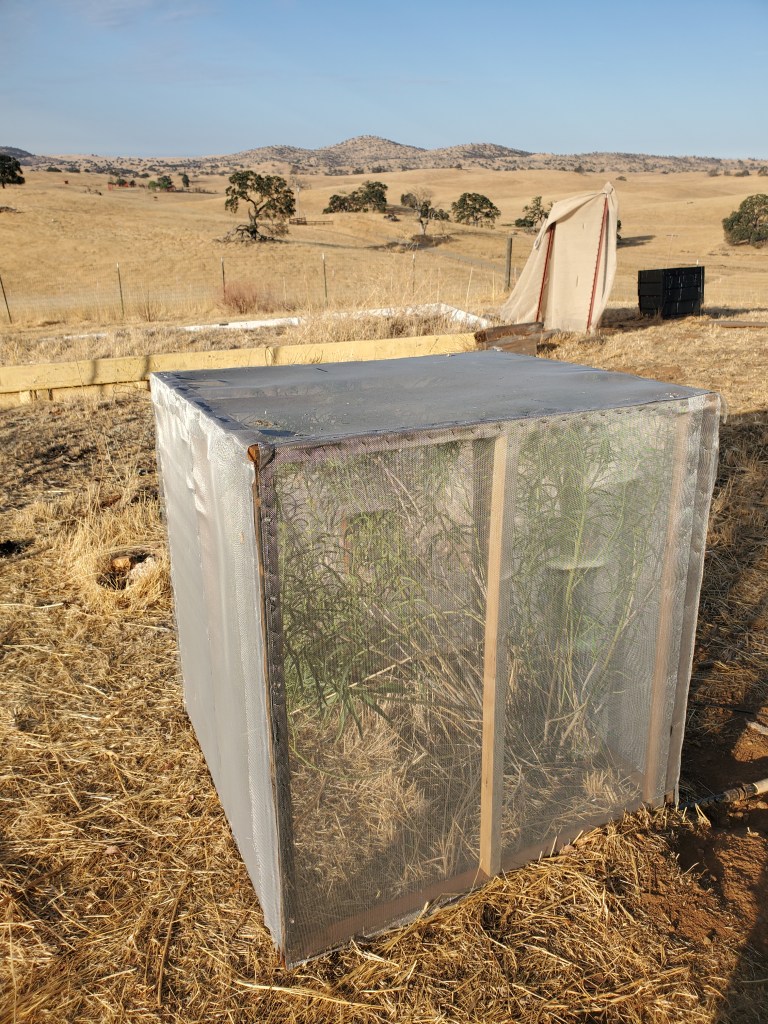
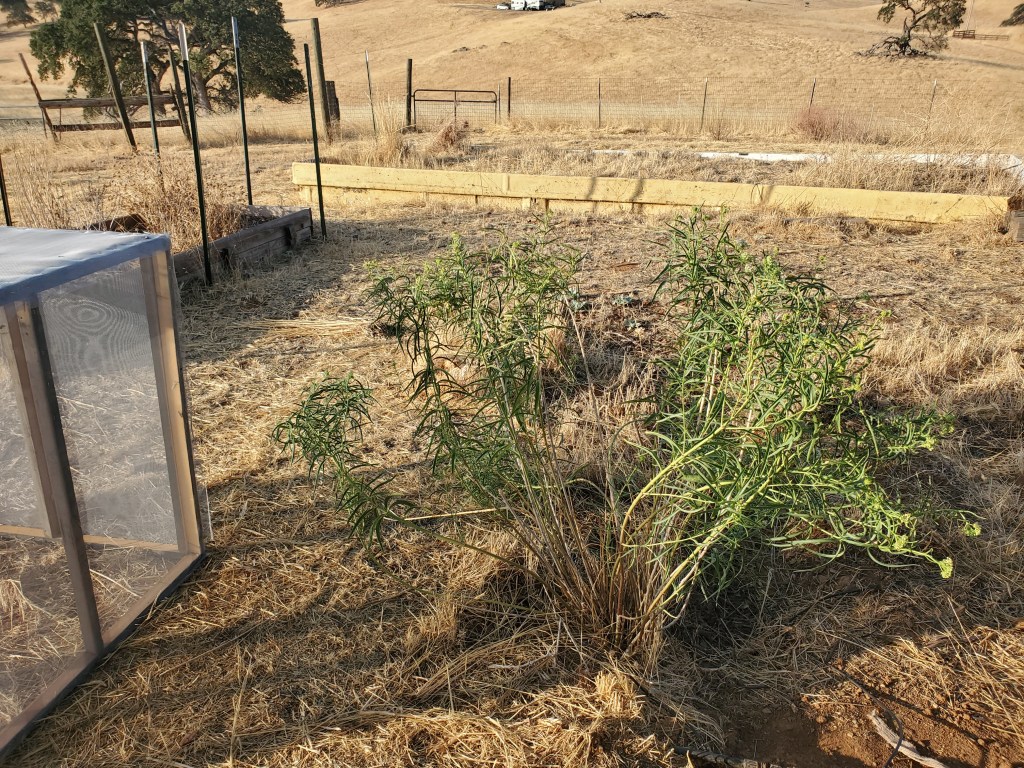
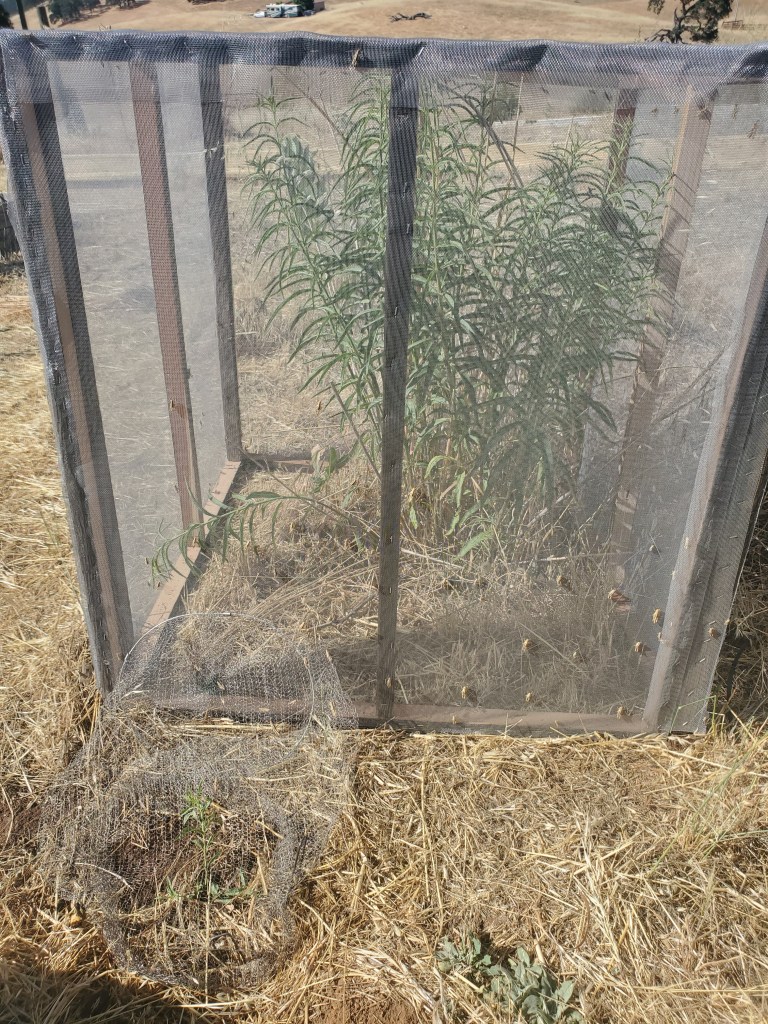
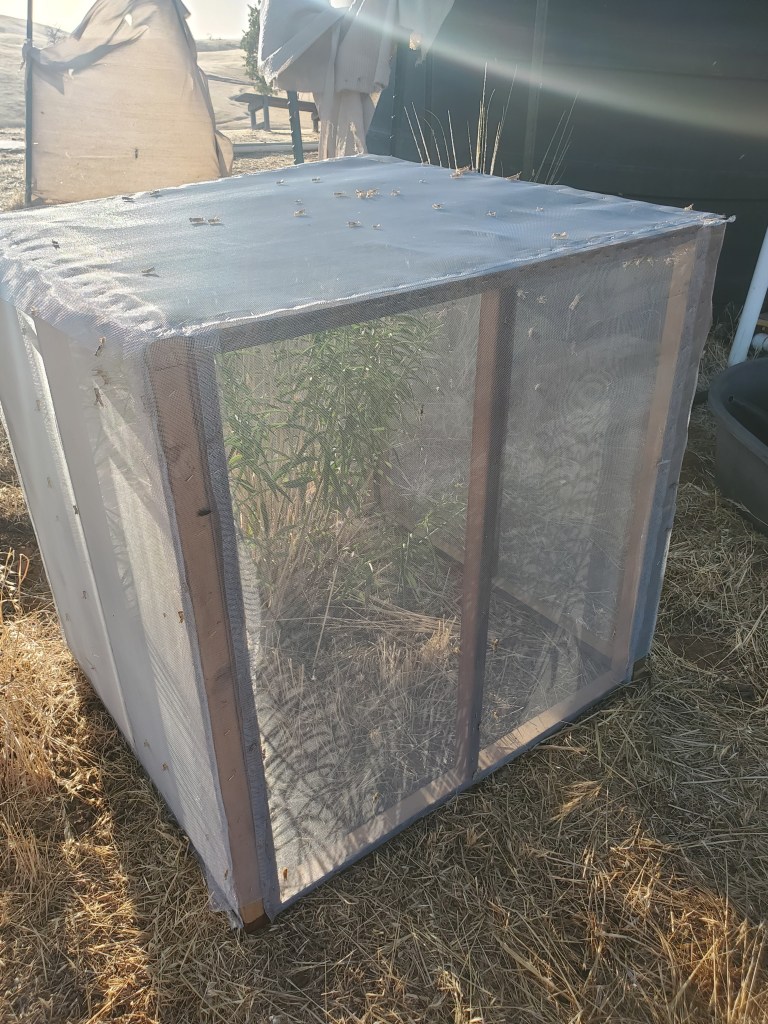
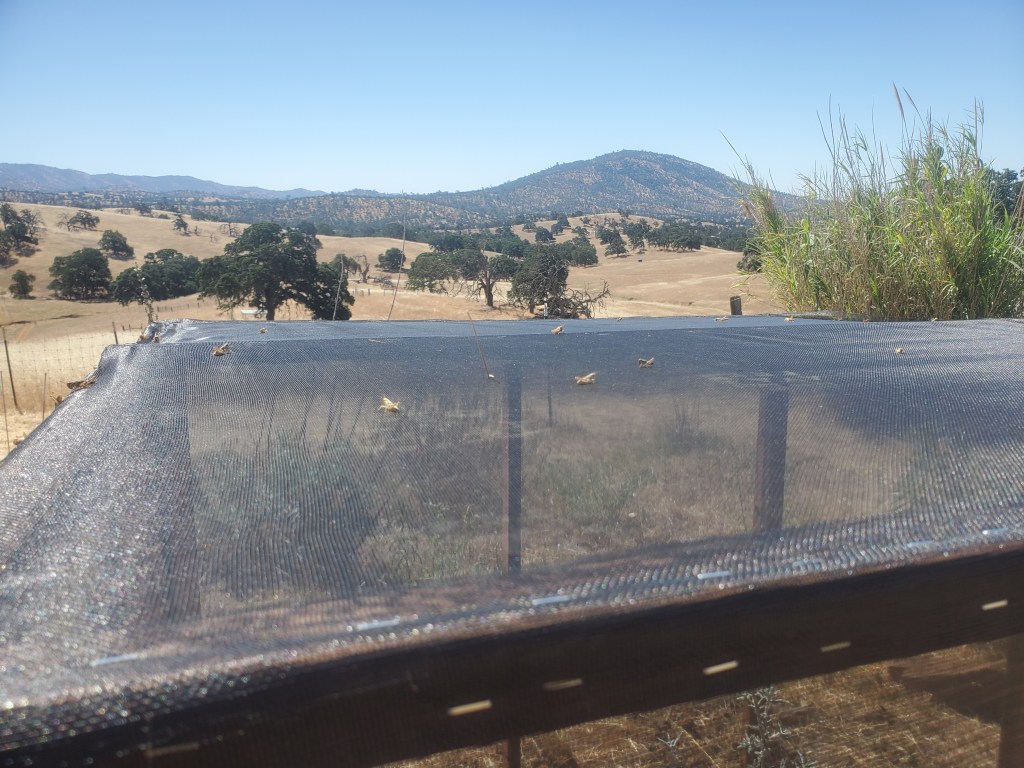
With the second lowest count of monarch adults since the history of the overwintering count, I perhaps should not have hoped for a visit. This would be the second time in a row monarchs have bypassed the ranch. I understood skipping us last fall on their way back. Truthfully, I didn’t want to be here. All the stripped and murdered plants, grasshoppers shifting around like flakes in a snow globe, it was all too sad. But, I stayed. I had saved one large narrowleaf milkweed with a screen box my husband made. I kept watch on that plant for the entire summer to make sure it was still available should the monarchs stop back on their way to overwinter. Like a child at Christmas, I waited for an orange, black and white Santa to come, gifting their eggs to hatch and a sense of fulfilled purpose and hope. But, Monarch Santa never came, and I questioned my work. How could I do better? How can I make the habitat more resilient?

Birds and Other Wildlife

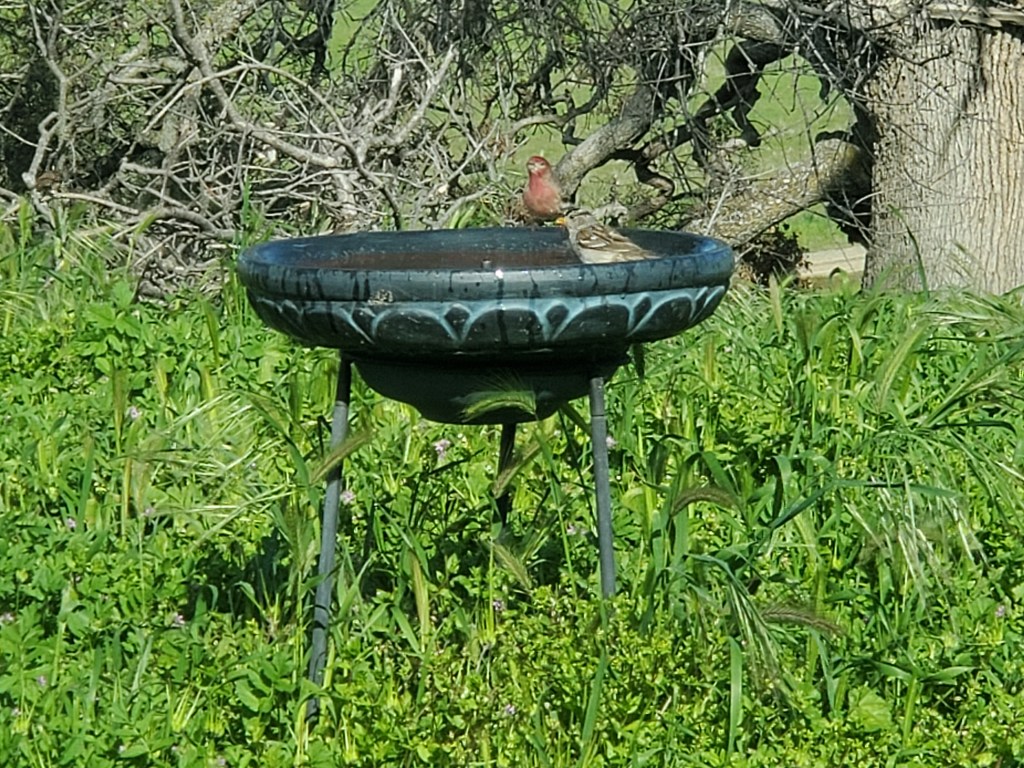
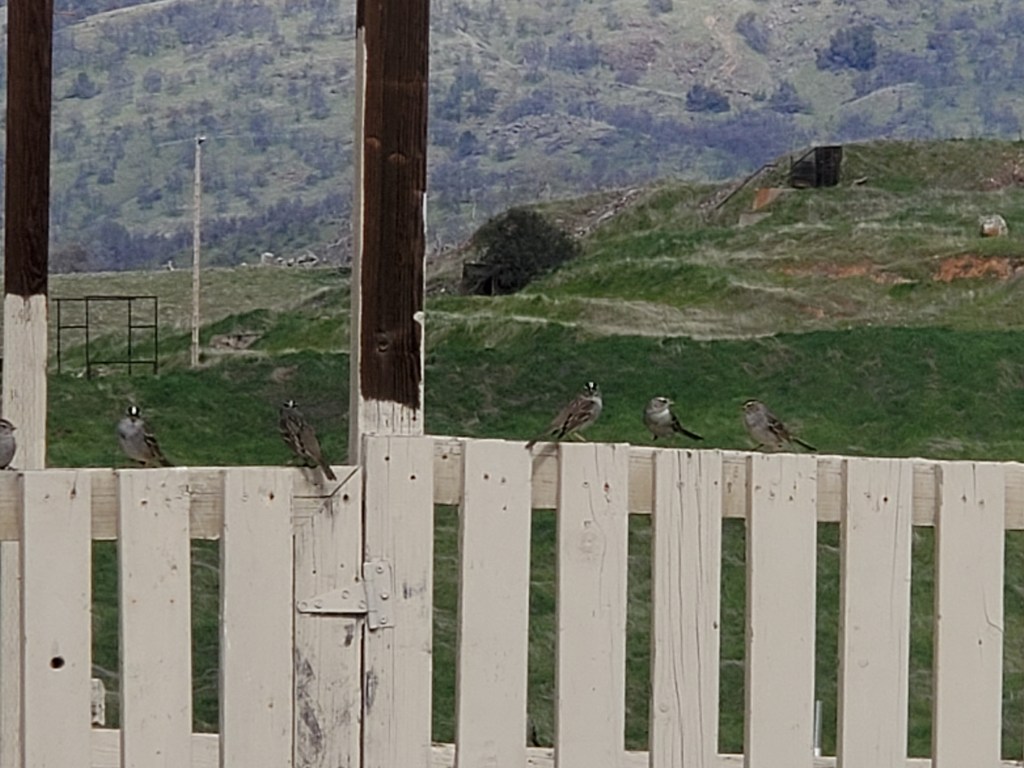
The bird songs have been incredible this spring. I finally set up my hammock, and when I have time, lay in it and listen. There are audio devices available now to hang in trees, record and send back to the vendor for a list of birds present based on the songs. Very cool. I want to do that.

Even though I don’t have a value-added product I sell from the ranch, I decided I wanted to become an Audubon Certified ranch. This is a badge that tells consumers that your ranch adheres to a set of protocols that promote more sustainable ranching practices – and certainly promote better habitat for birds. I already follow and perform many of the practices they outline, so I think we will be a good fit. I applied to do this because I want access to more expertise on bird habitat and become a better birder. One of the things I am really excited to work on is improvement of quail habitat. They are so cute. I want them to thrive here.

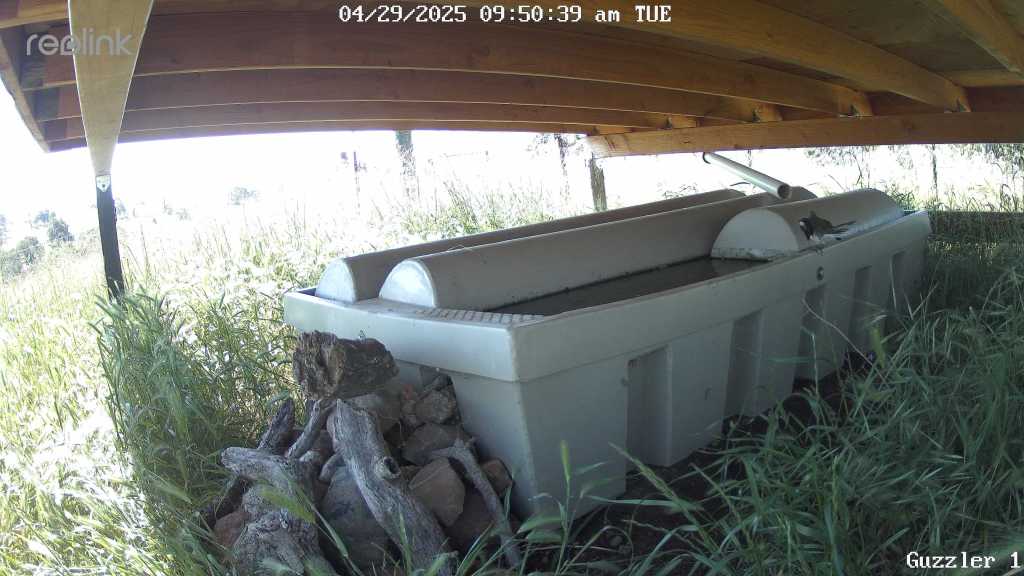
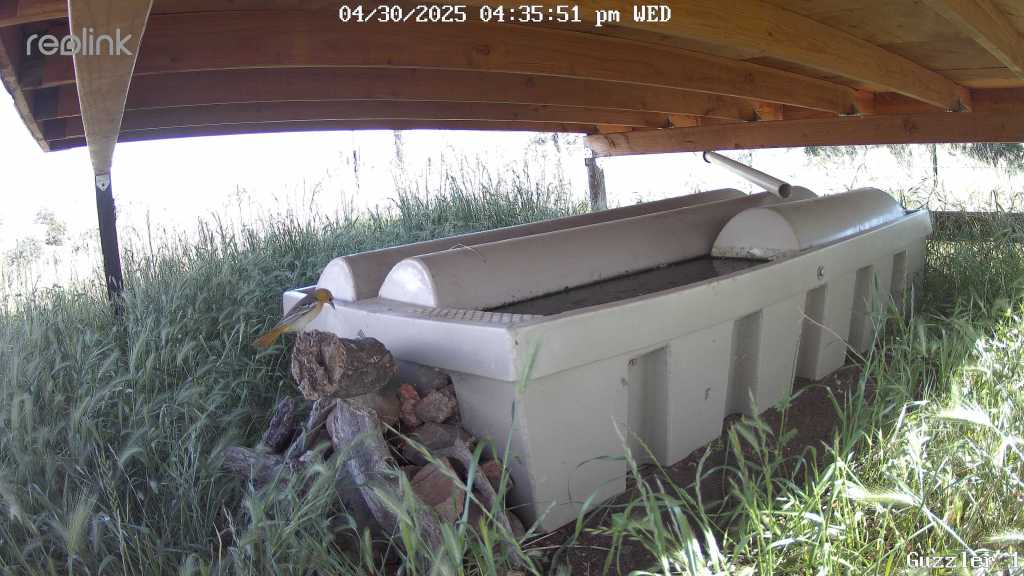
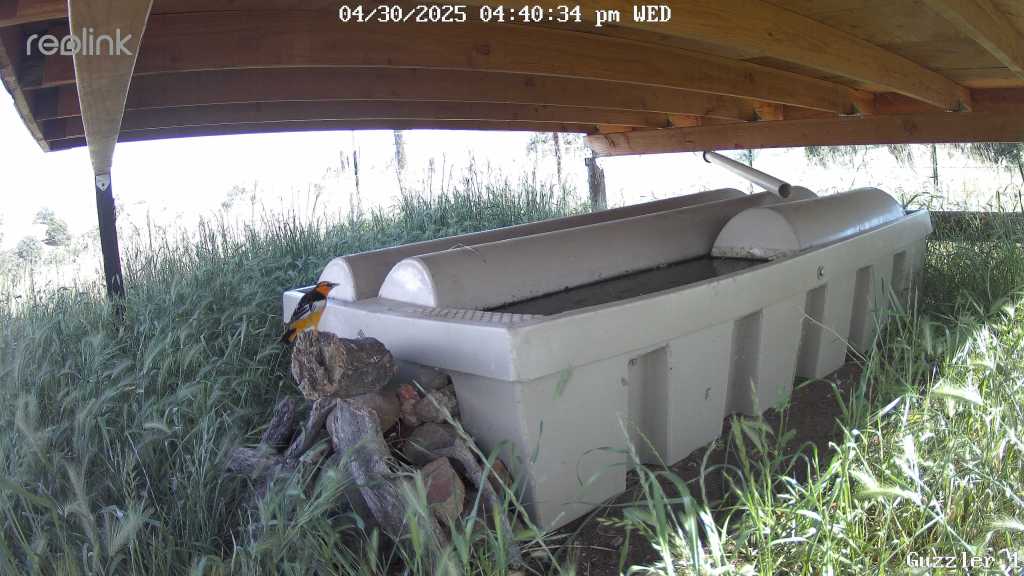
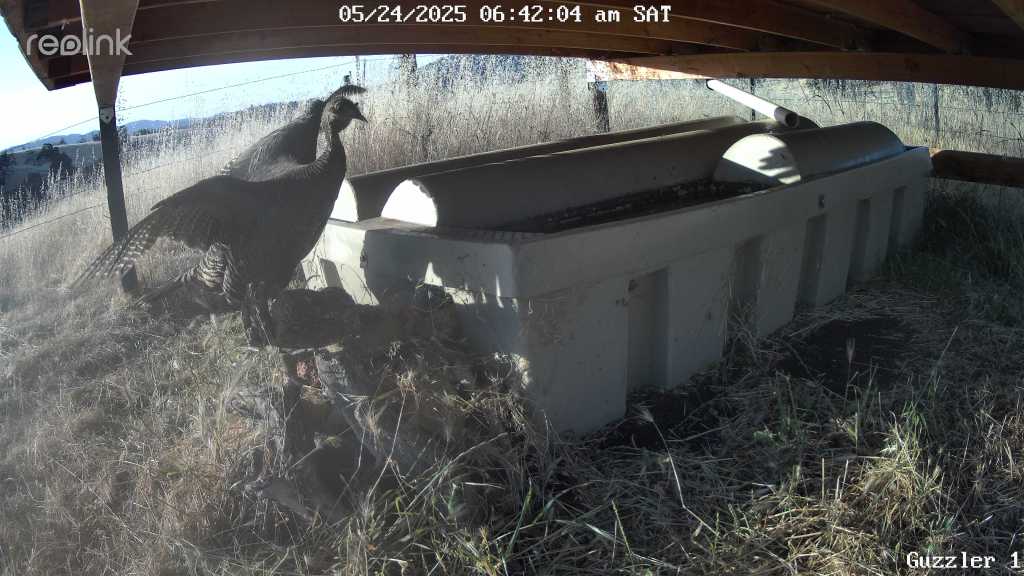
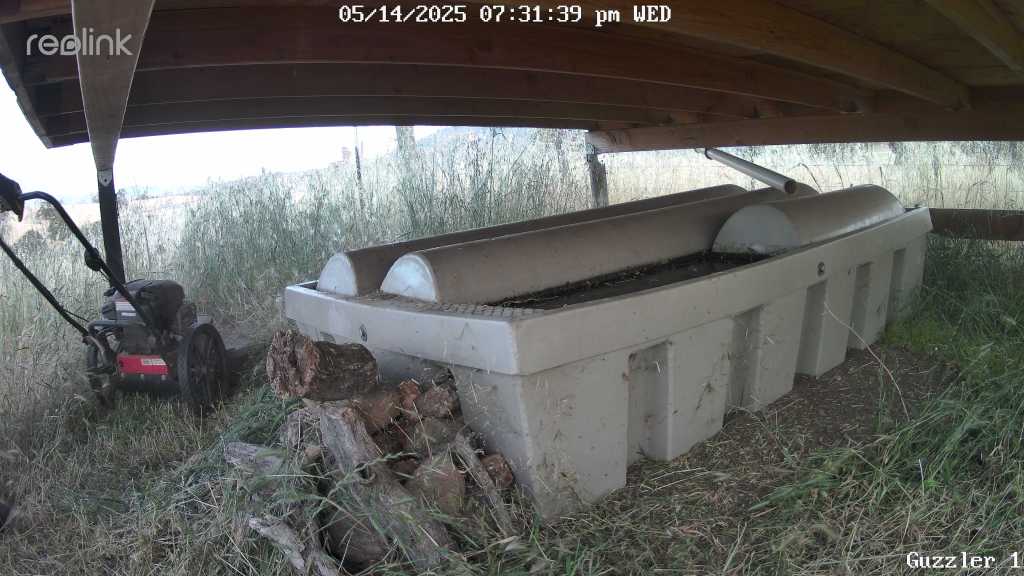
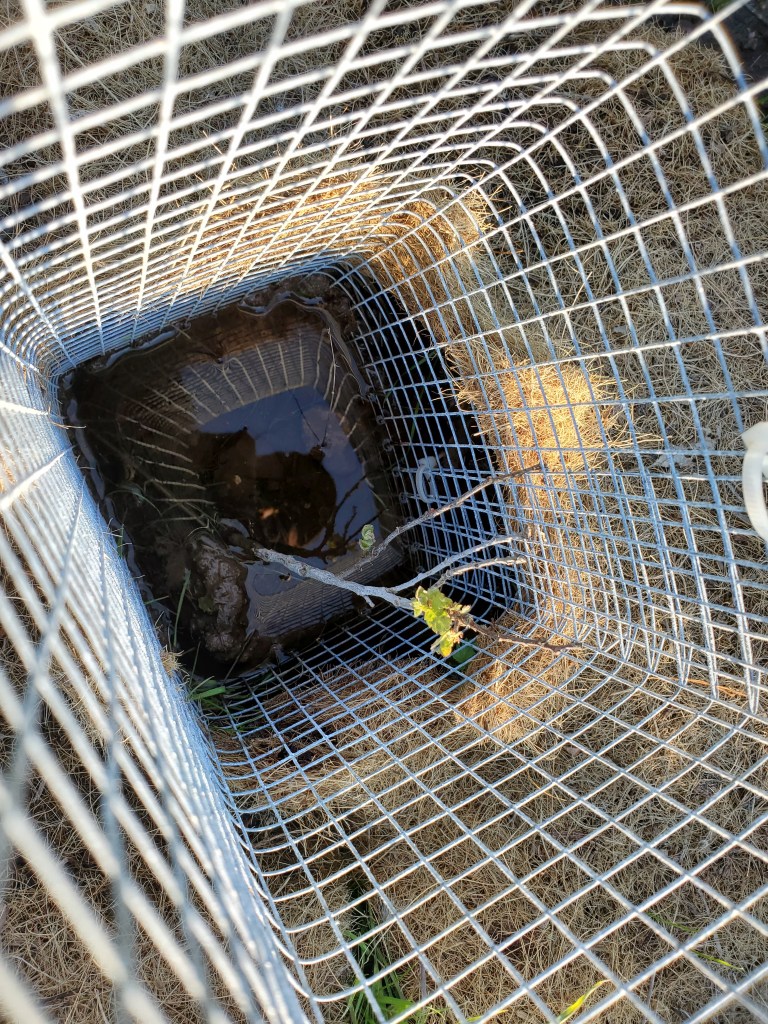
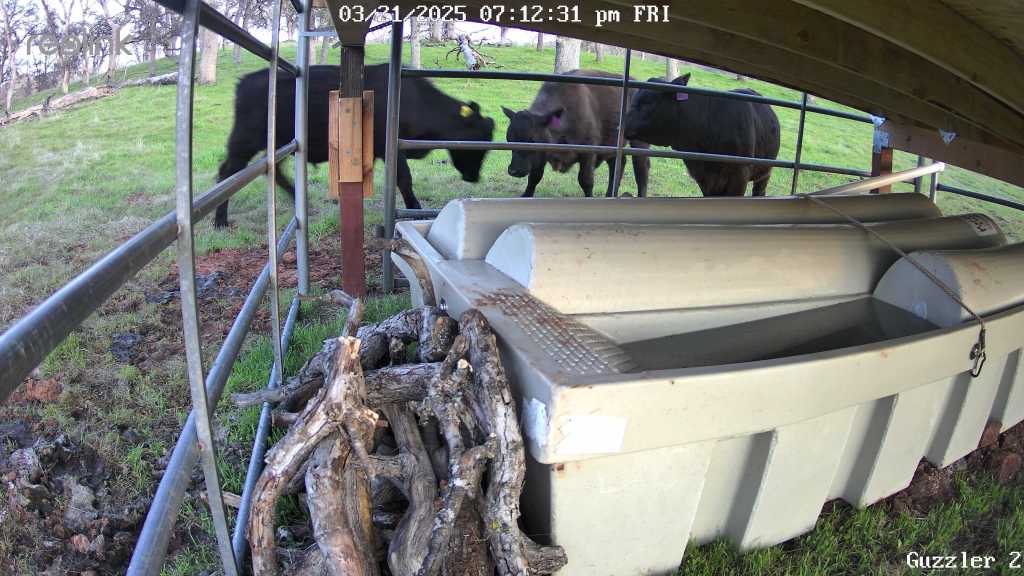
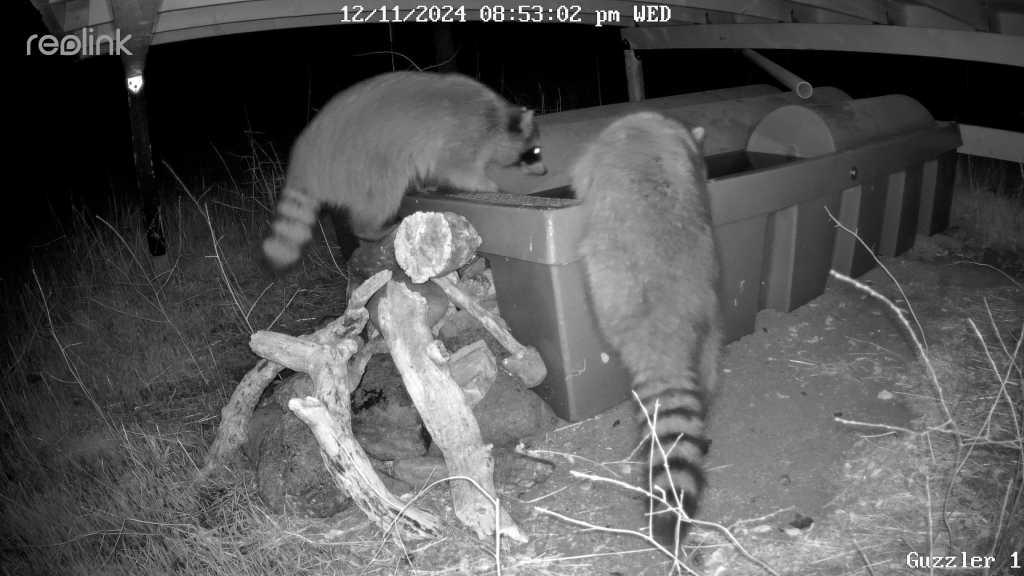
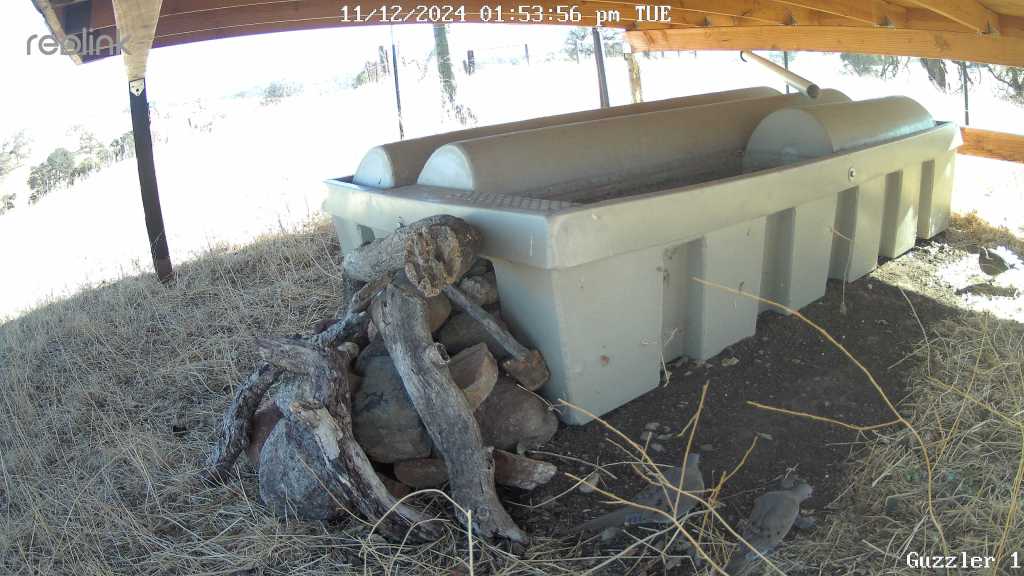
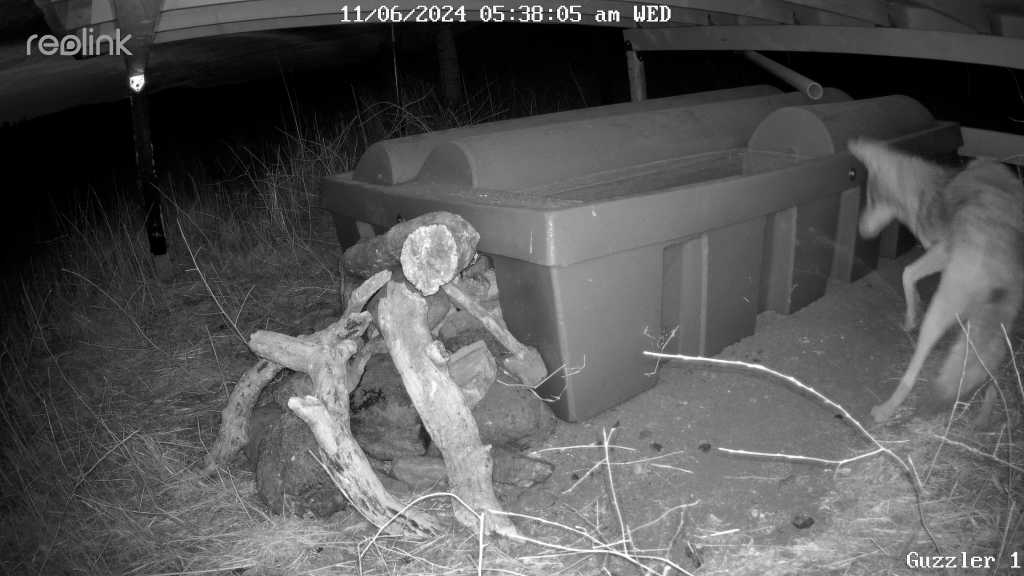
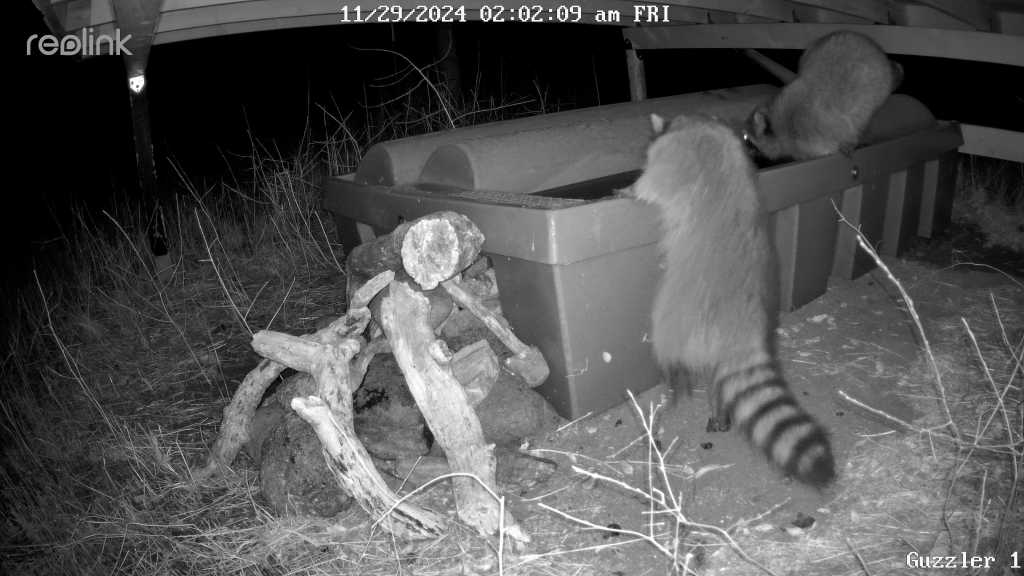
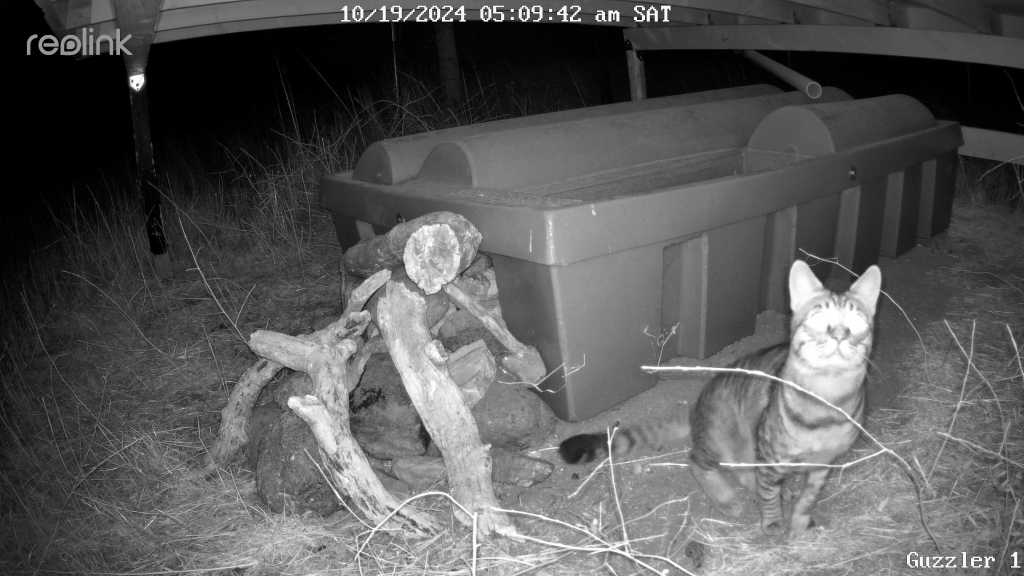
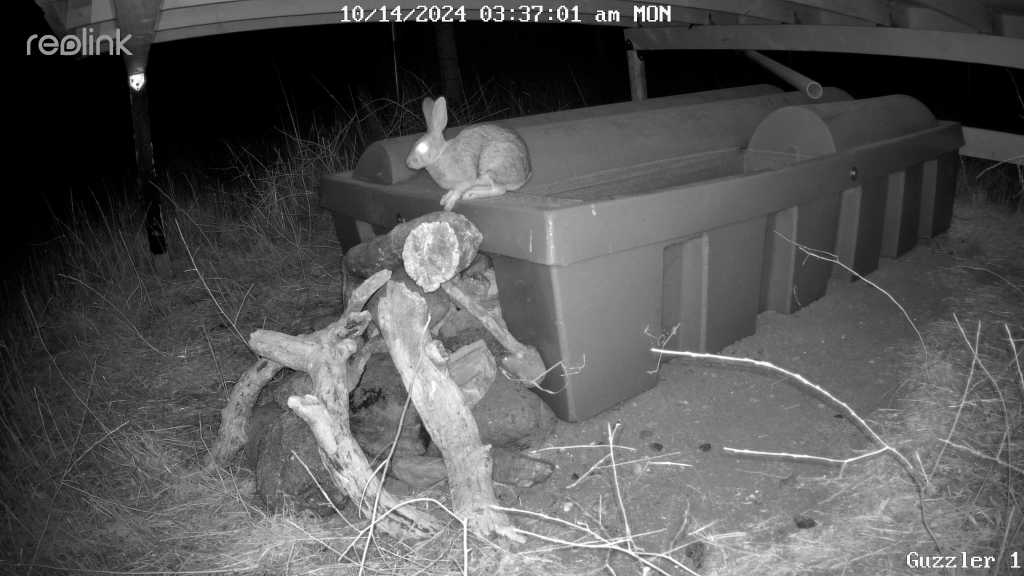
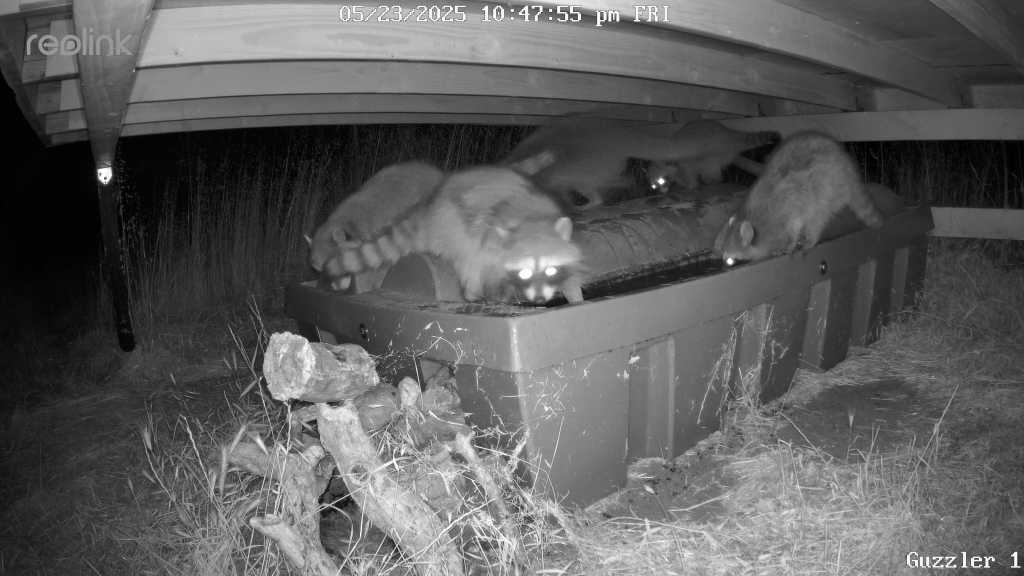
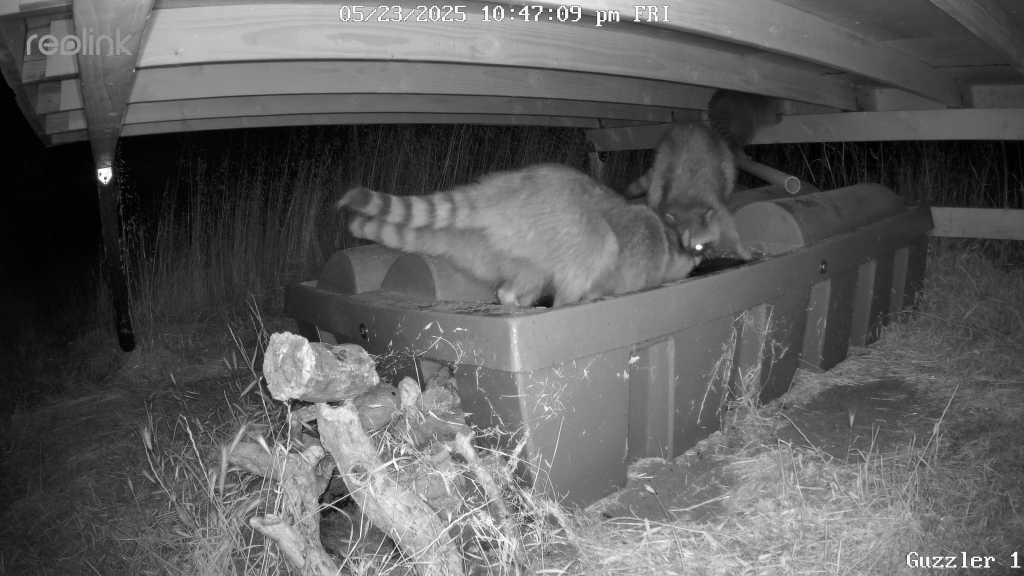
There has been quite a bit of action around the wildlife guzzlers. Raccoons at both Guzzler 1 and 2, and birds at Guzzler 1. There was even a family of five raccoons that visited. Check out the photos below to see who stopped by.
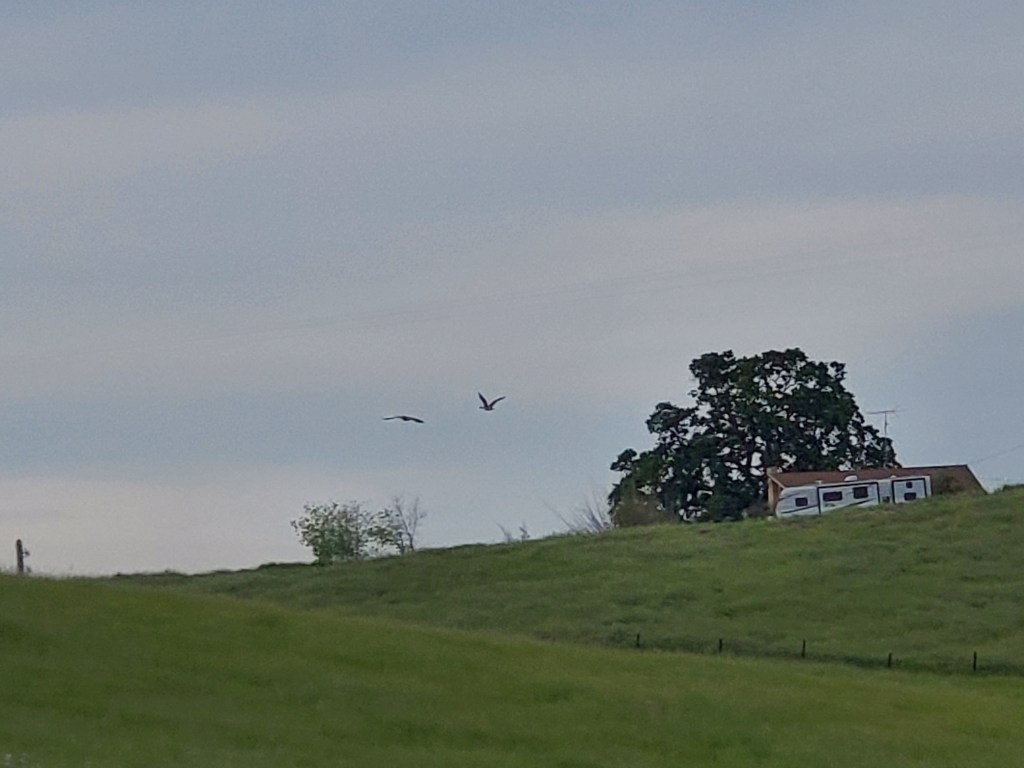
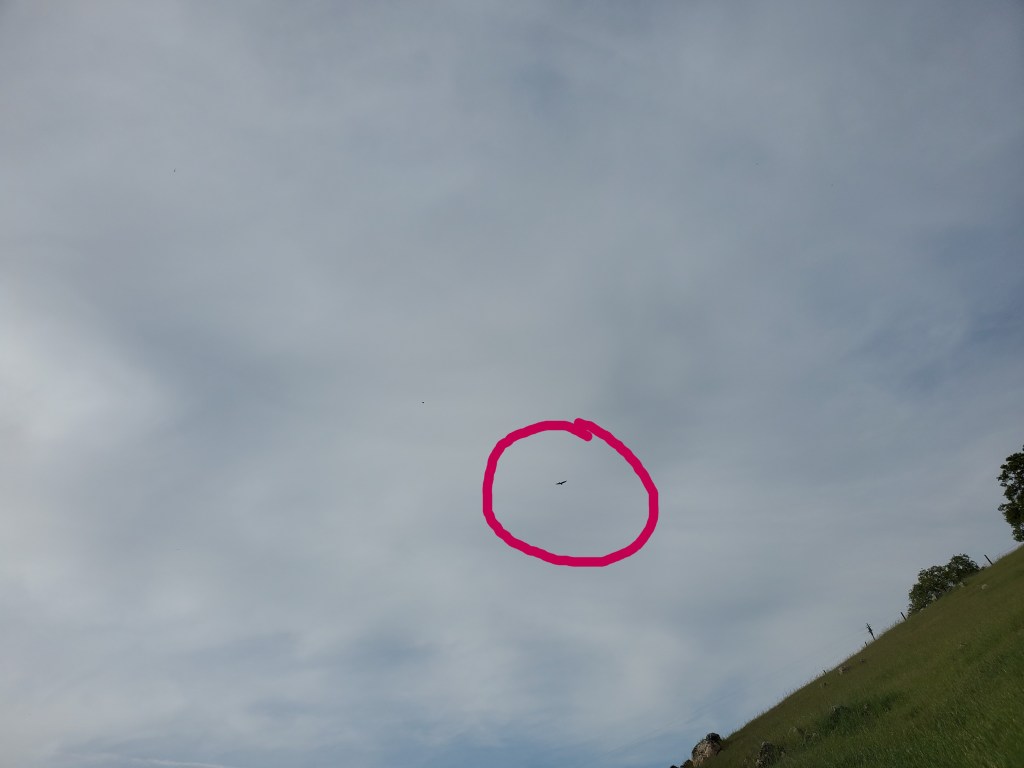
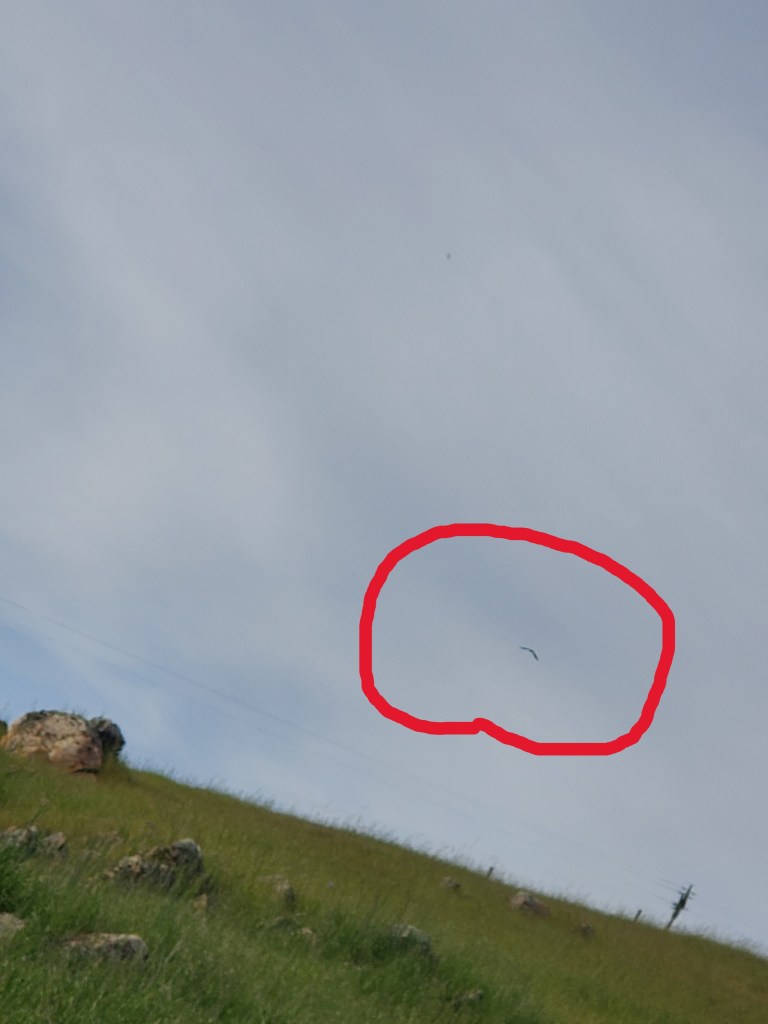
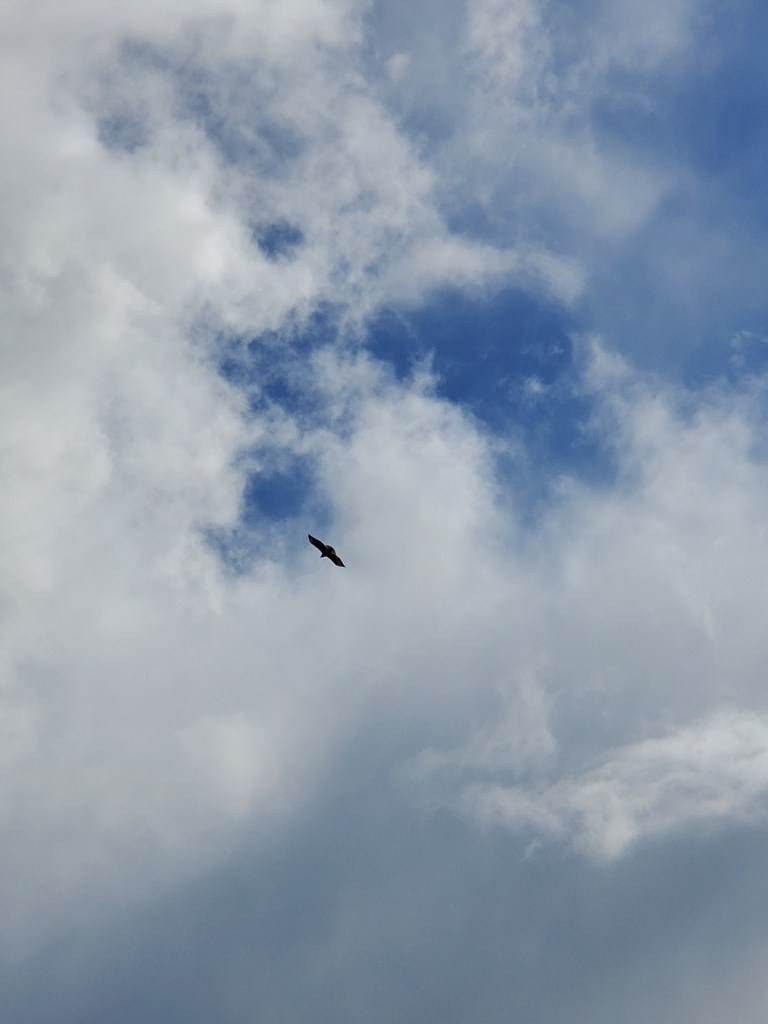
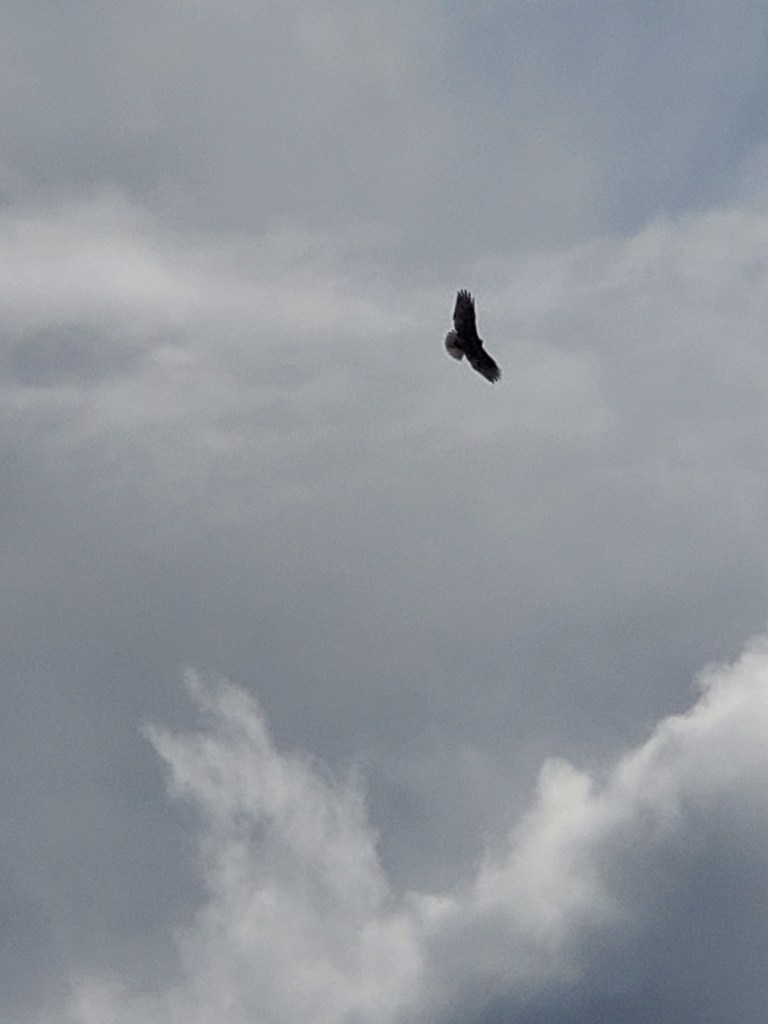
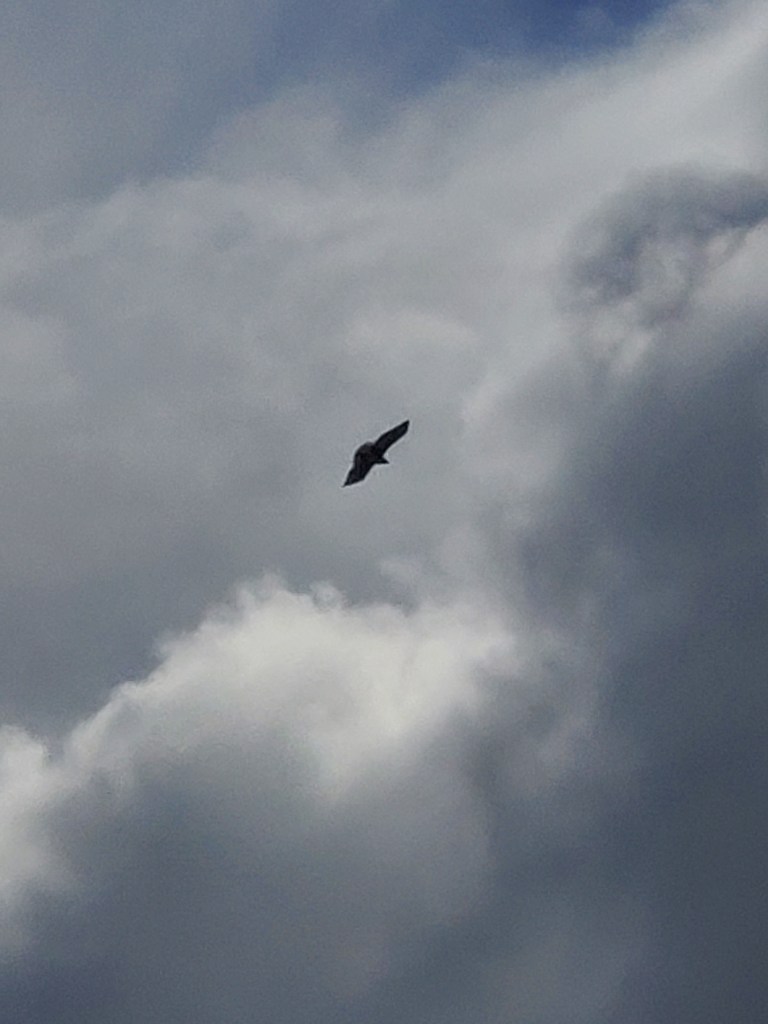
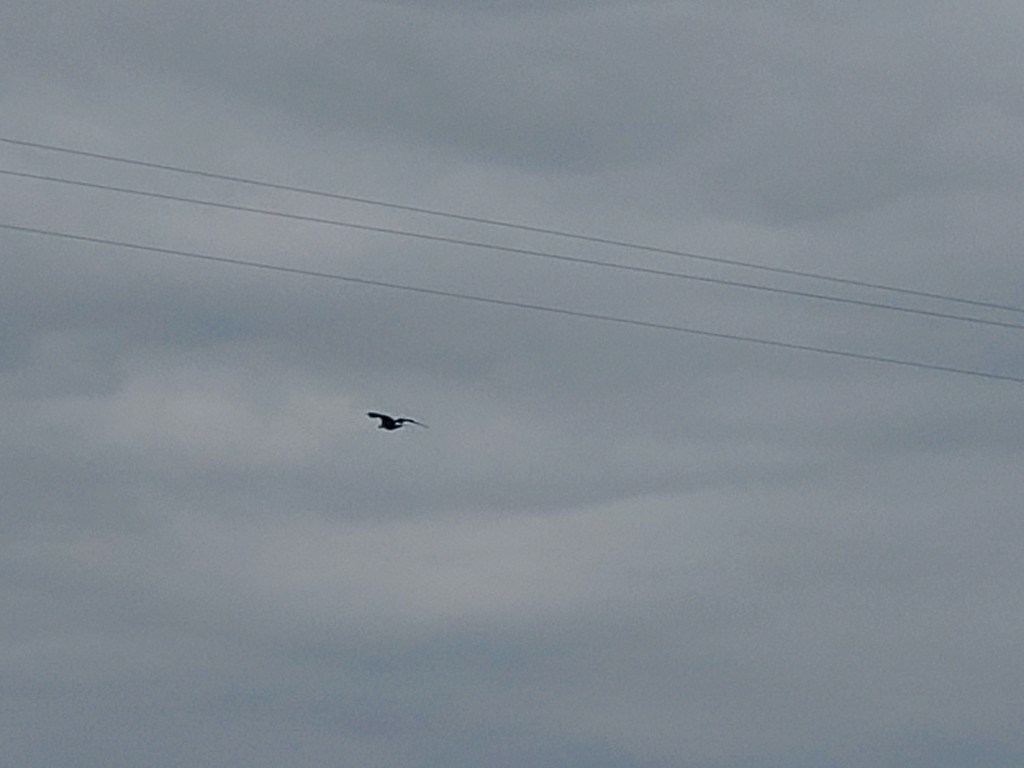
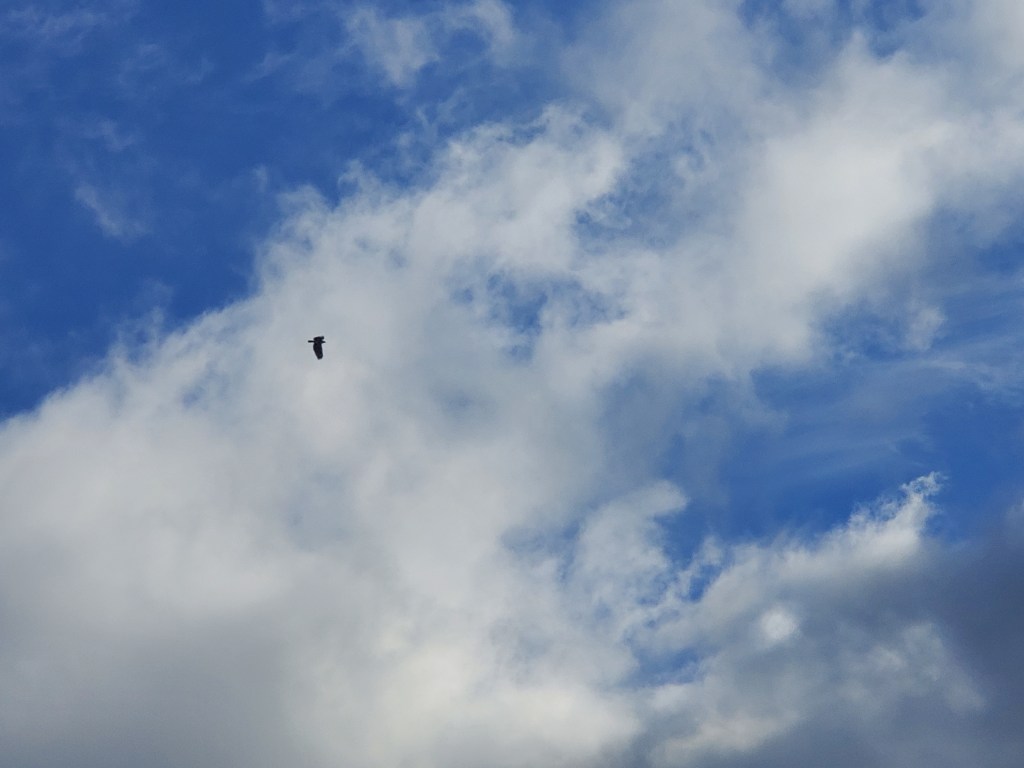
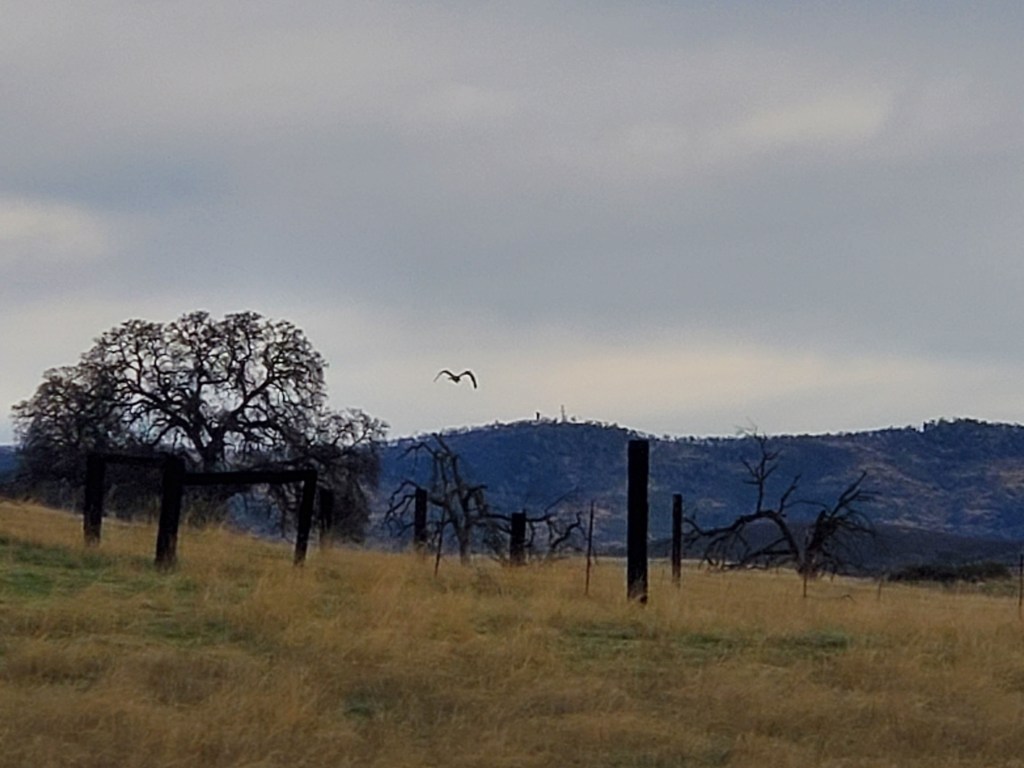
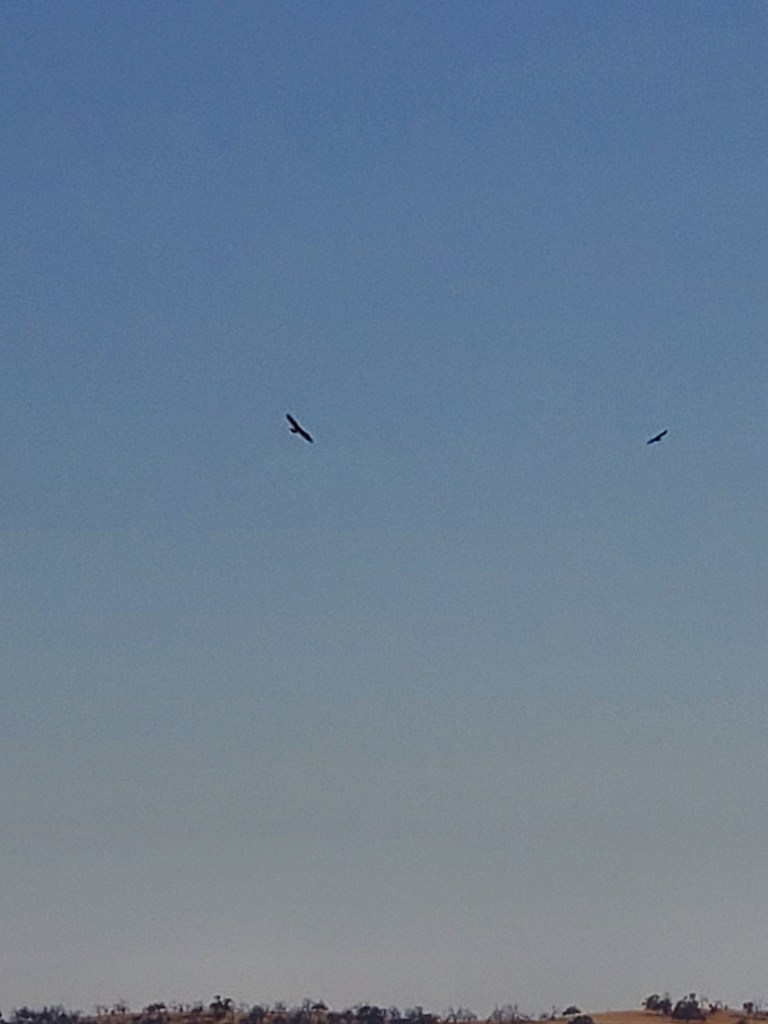
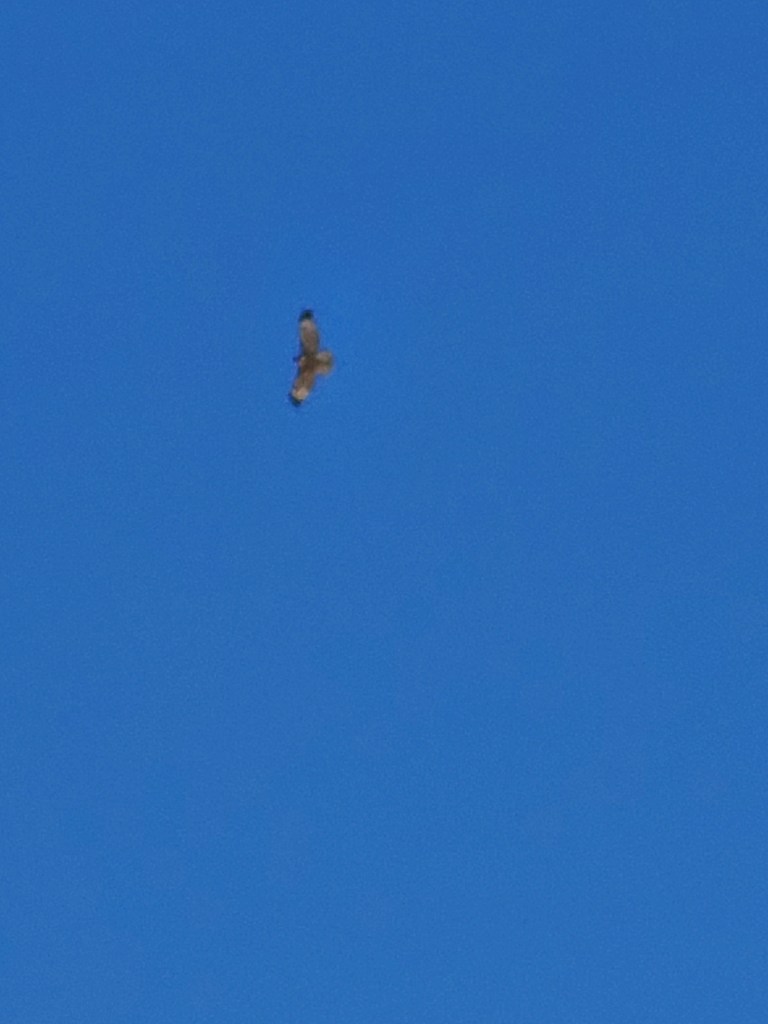
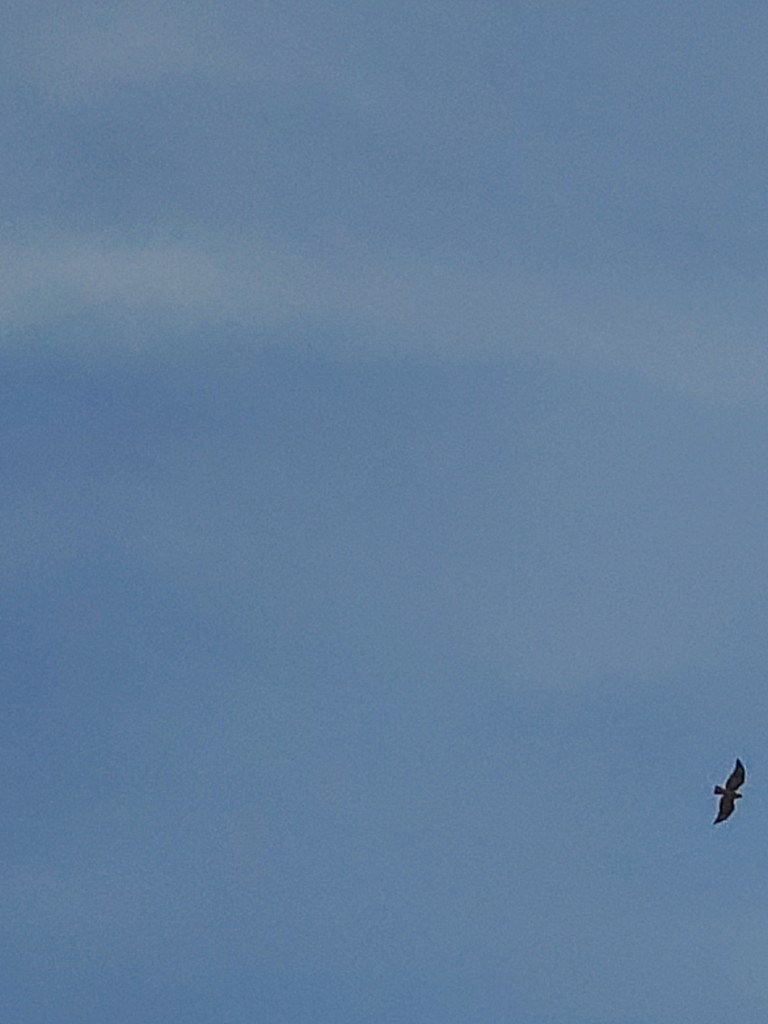
I also had a wonderful encounter with a hawk. I called to him, and he came. I talked to him as he circled me 8 times. Wow, was he a beauty.
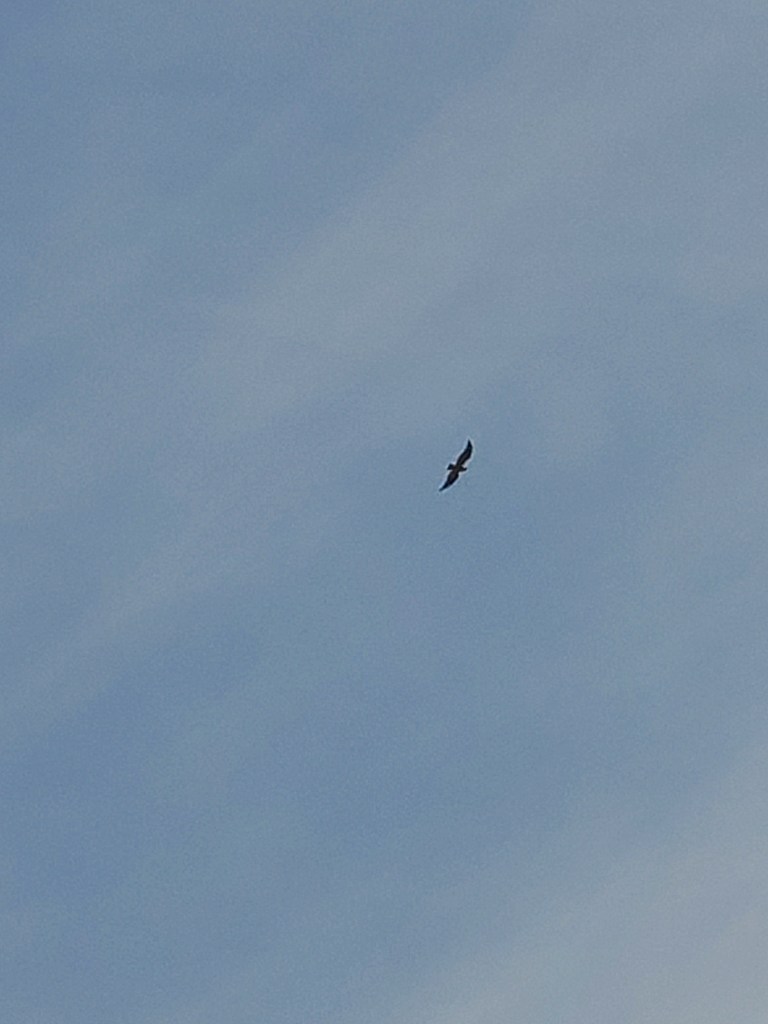
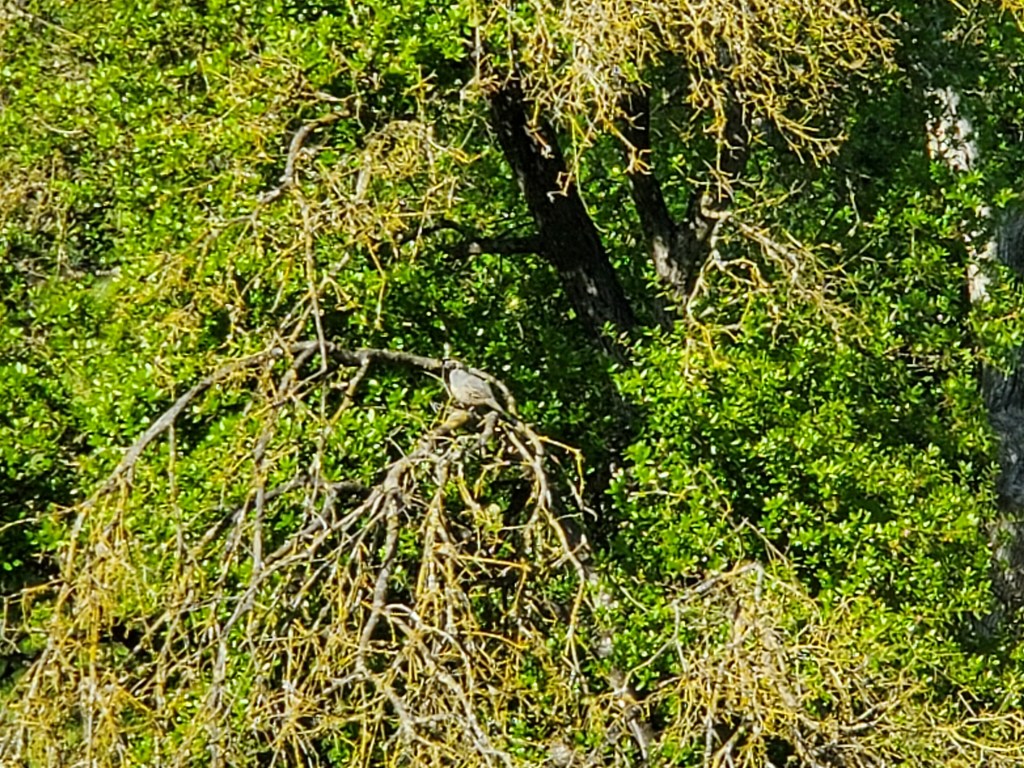
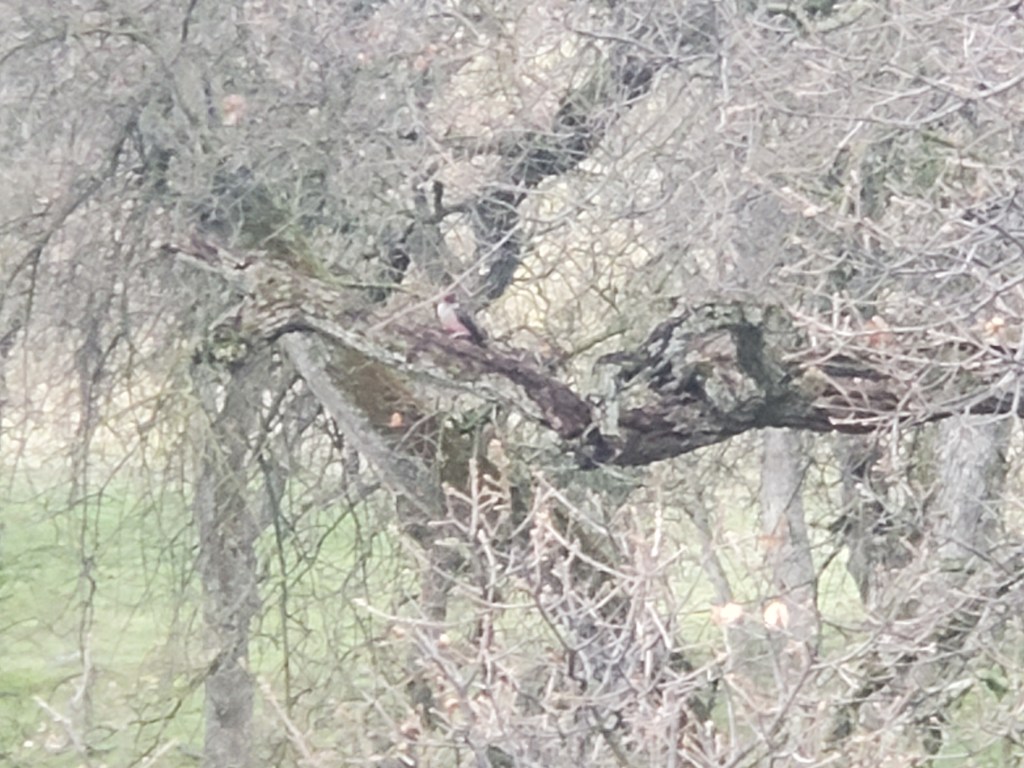
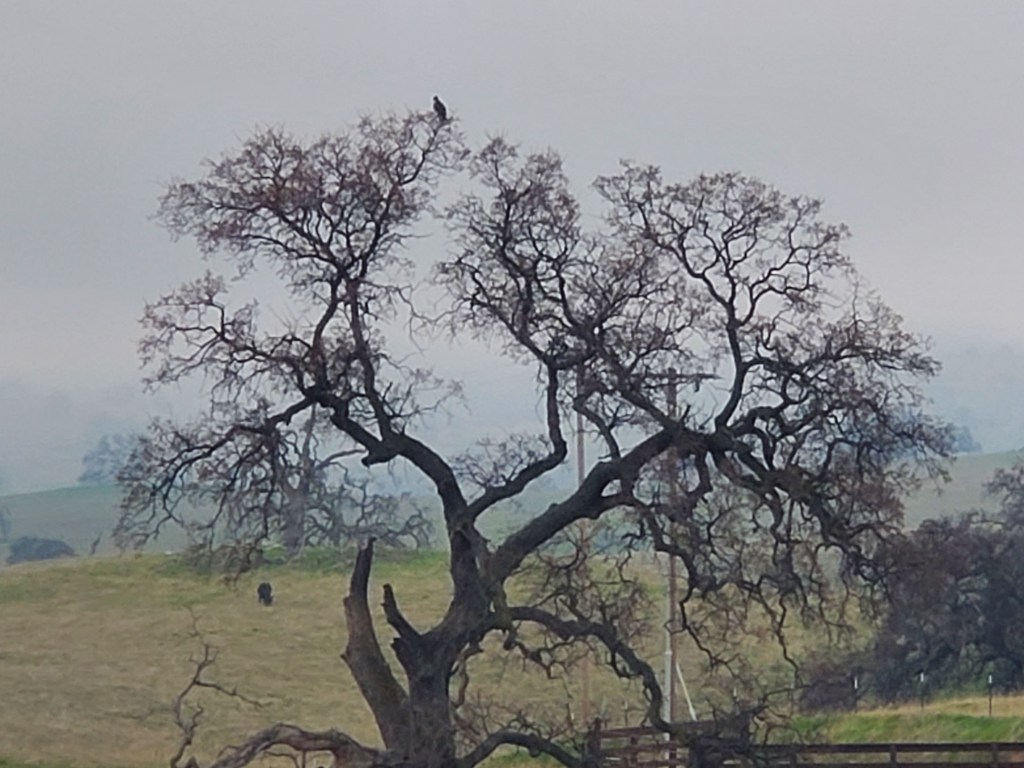
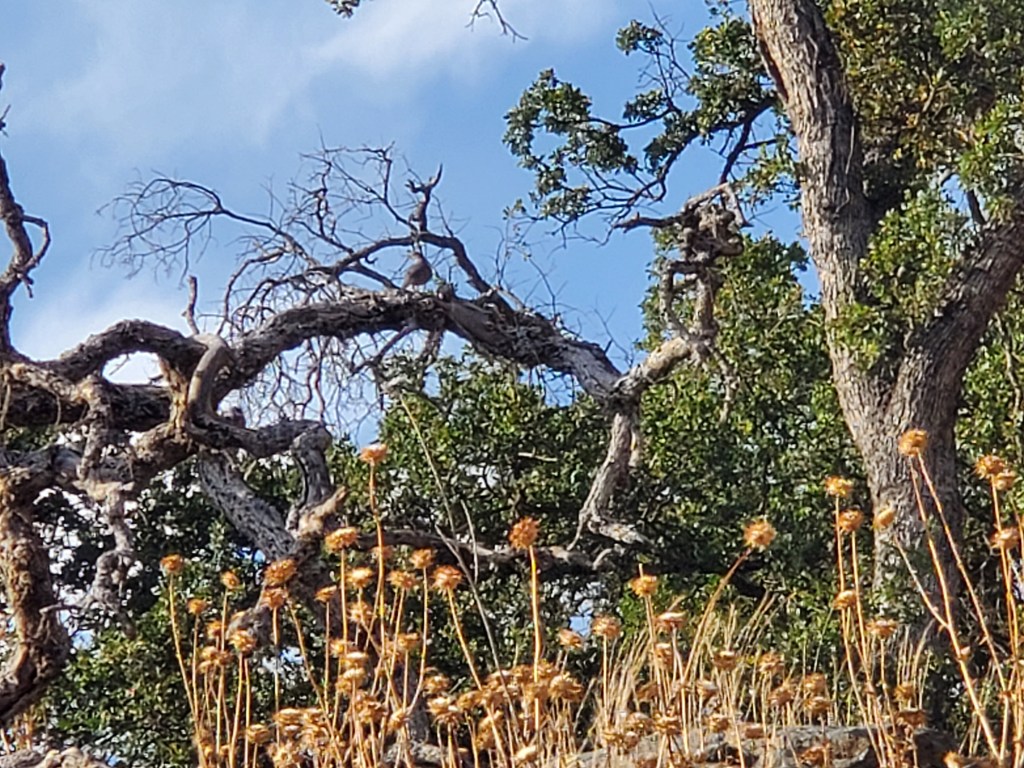
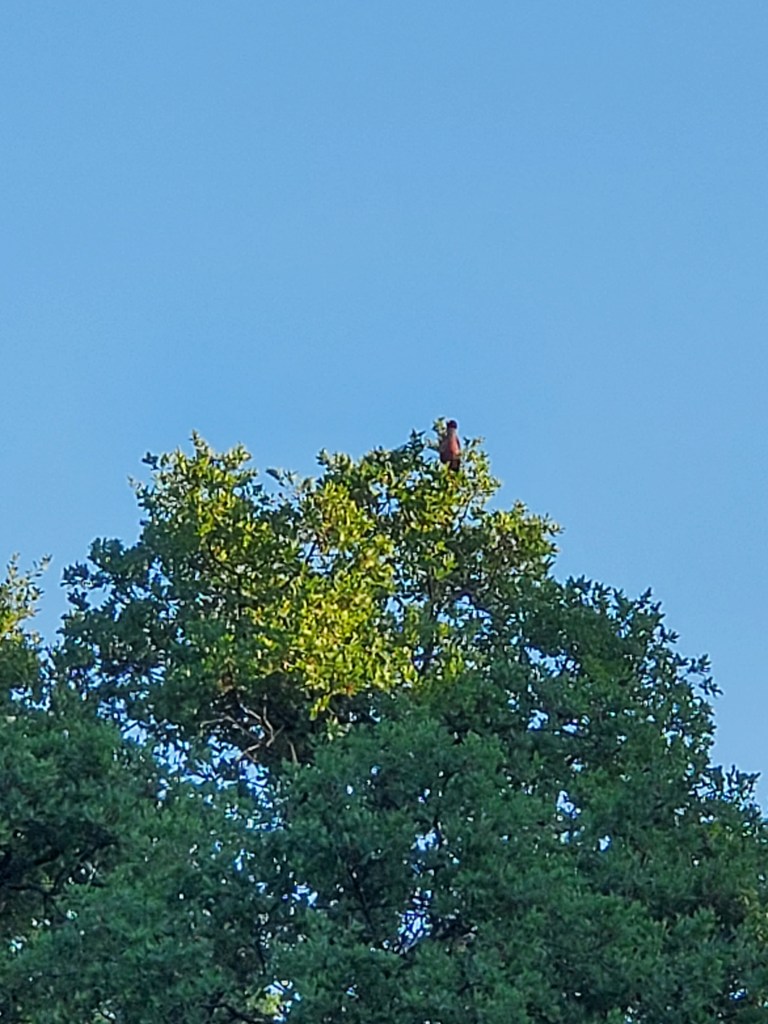
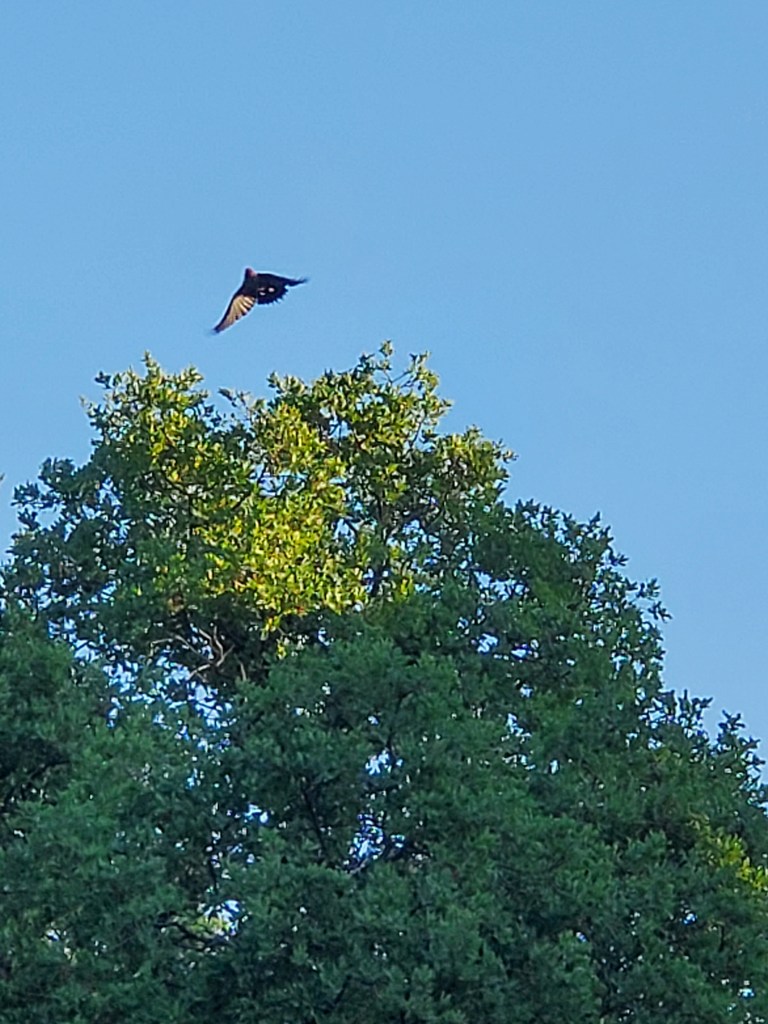
While walking in the grove, I saw a large bird in a tree. I tried to get good photos, but by this time, you know that is not my best skill. After showing them to a friend who knows much more than me, he thought it was a lewis woodpecker. I know we have those, so I believe him!
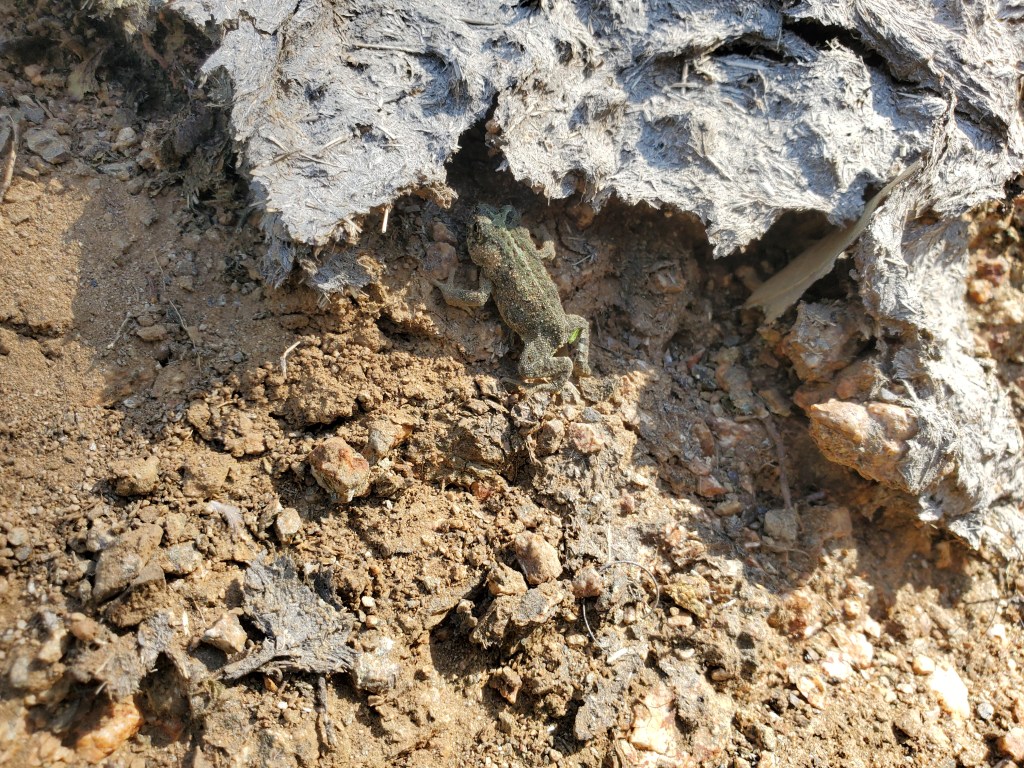
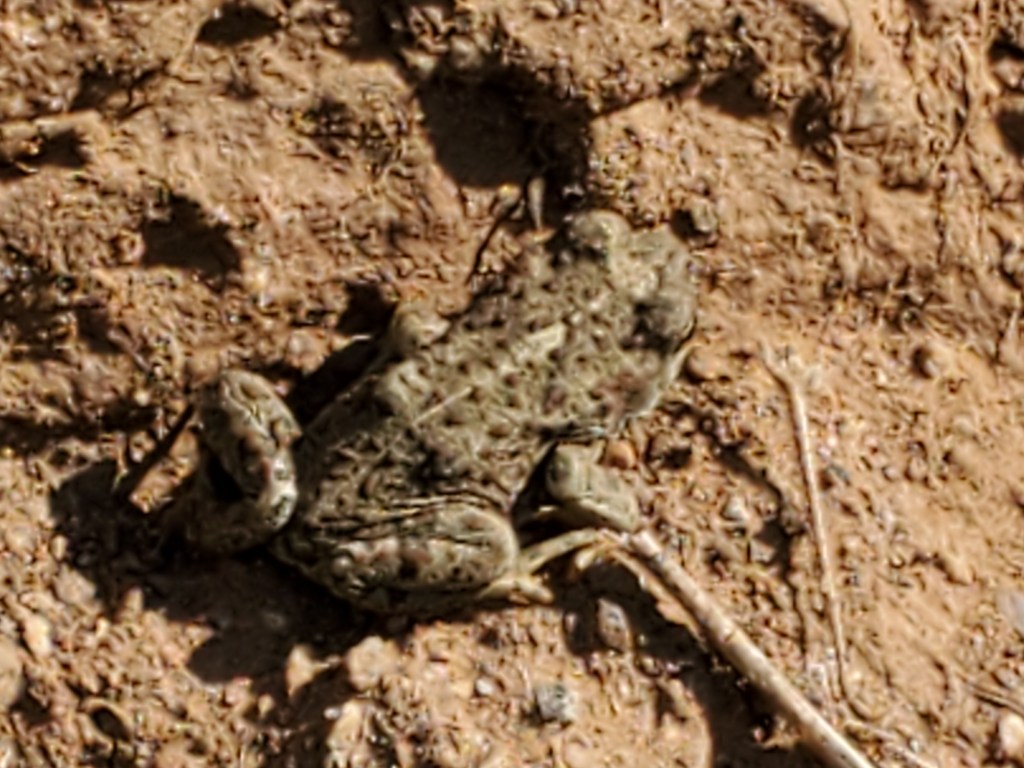
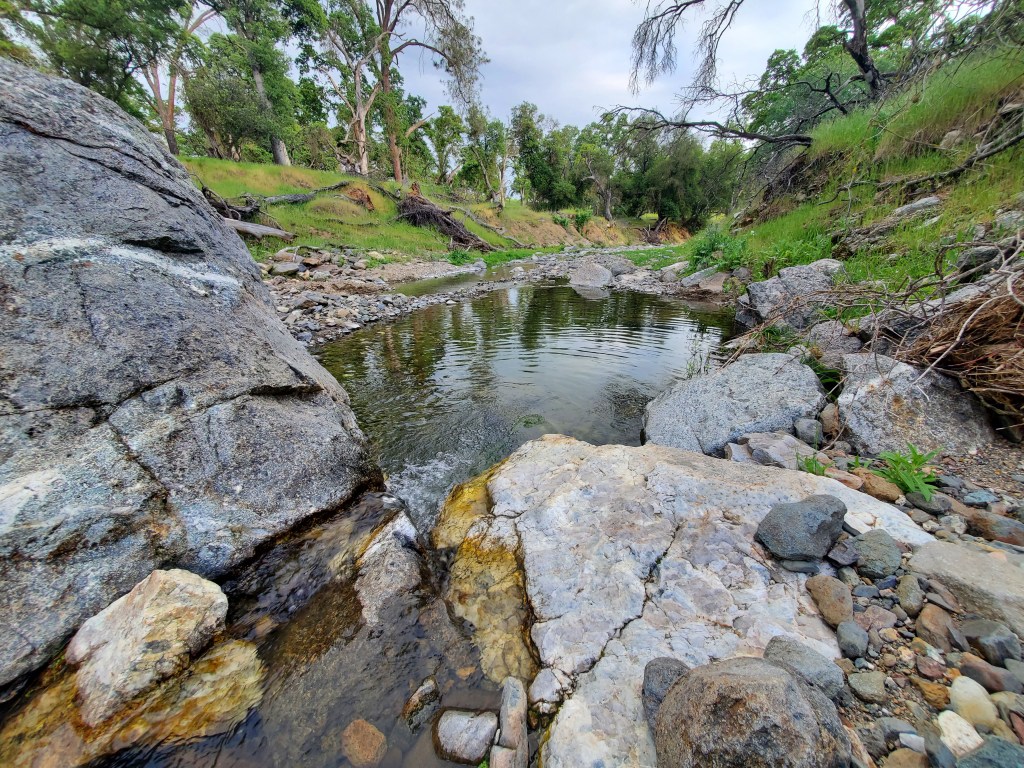
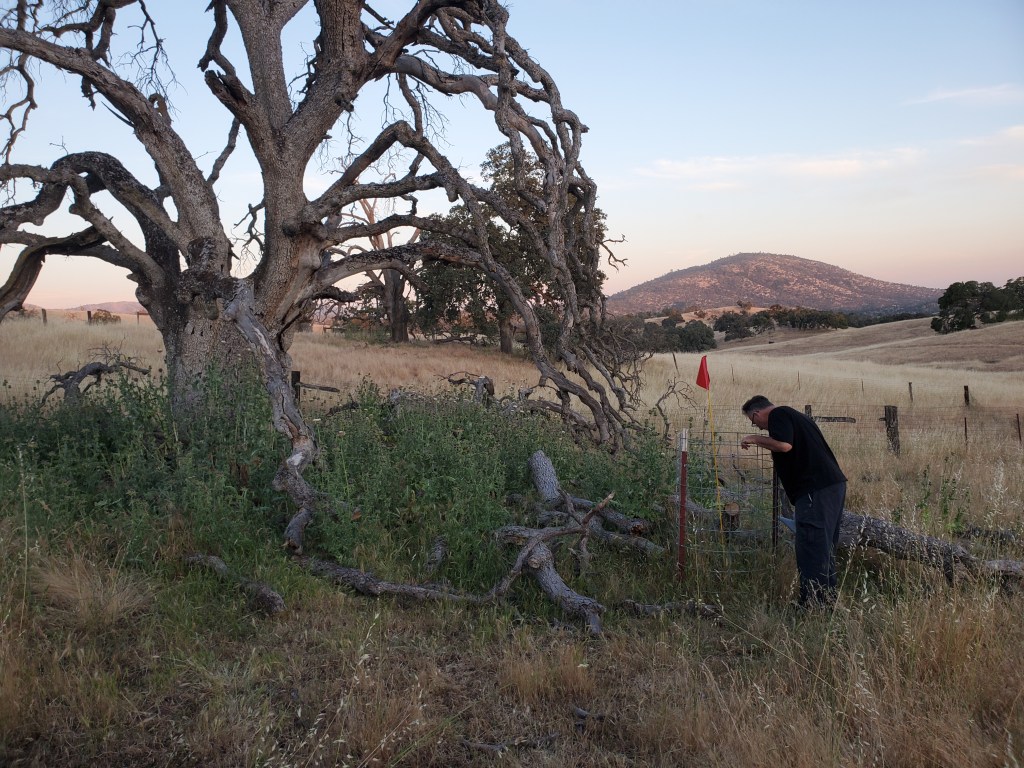
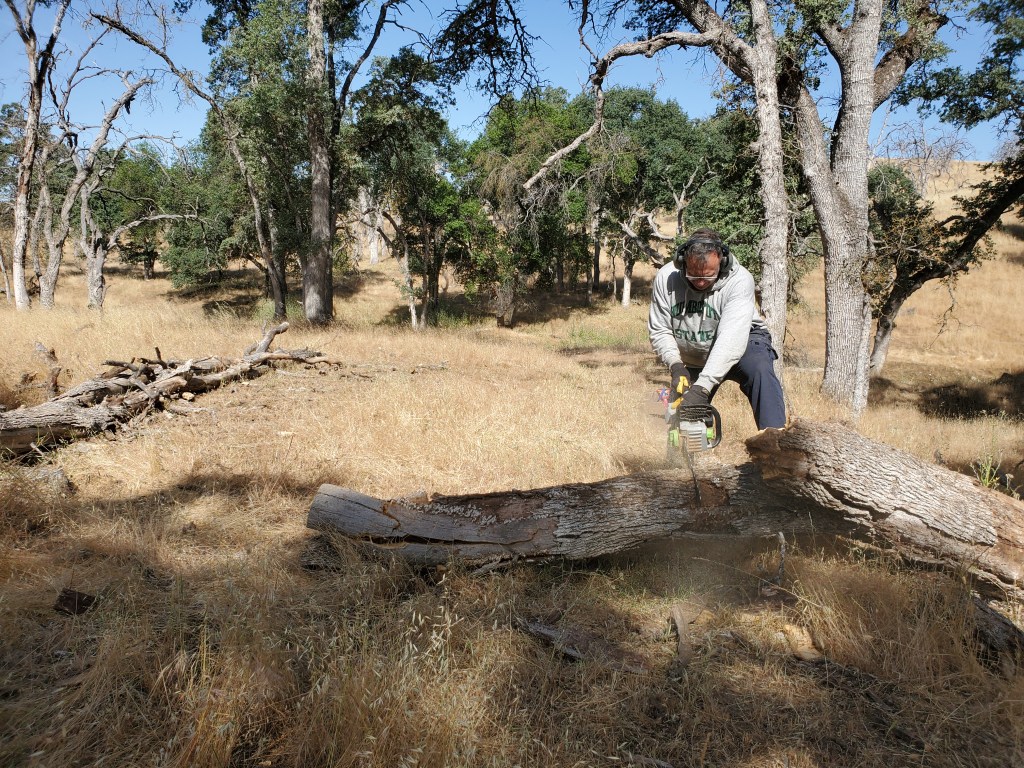
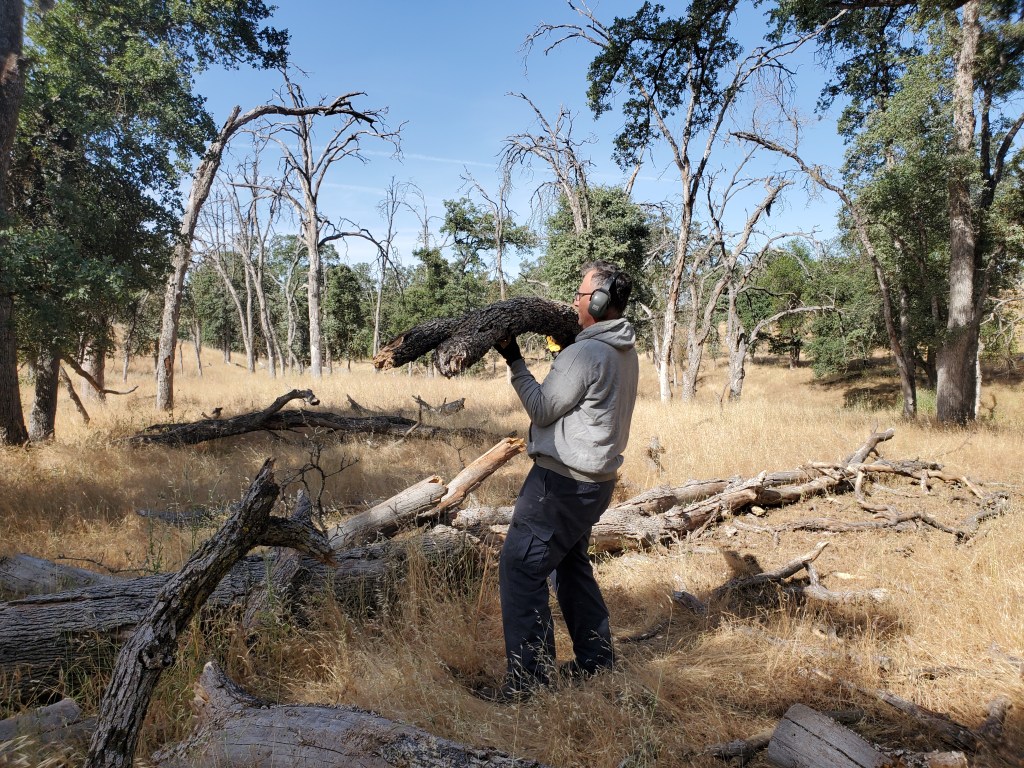
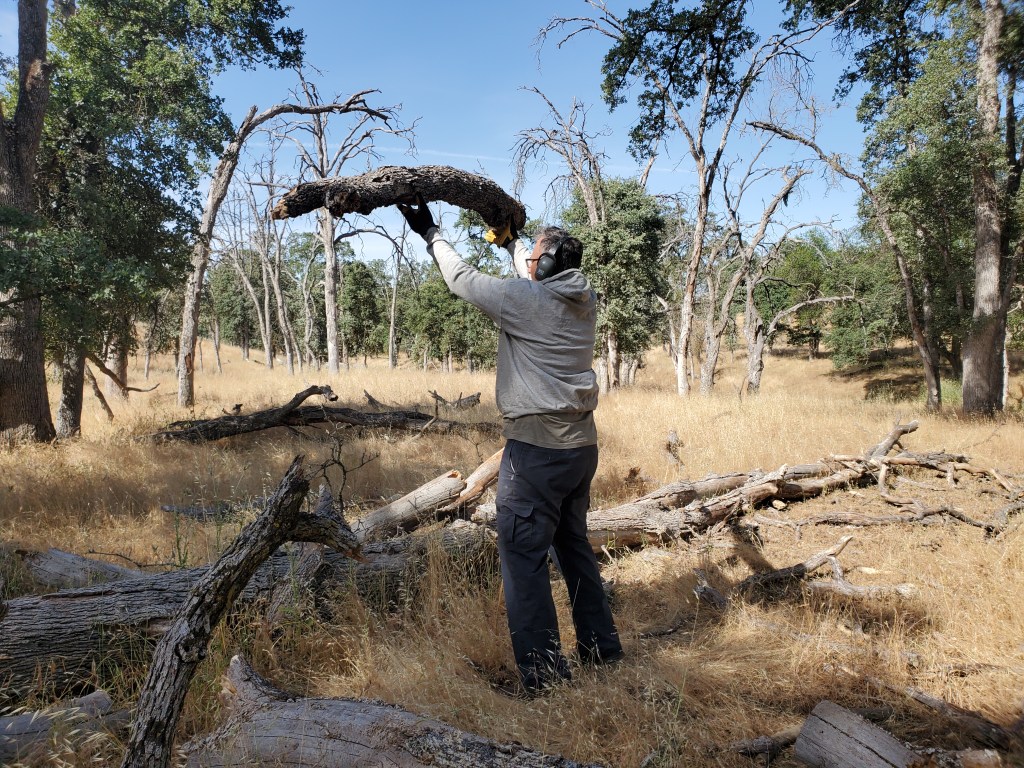
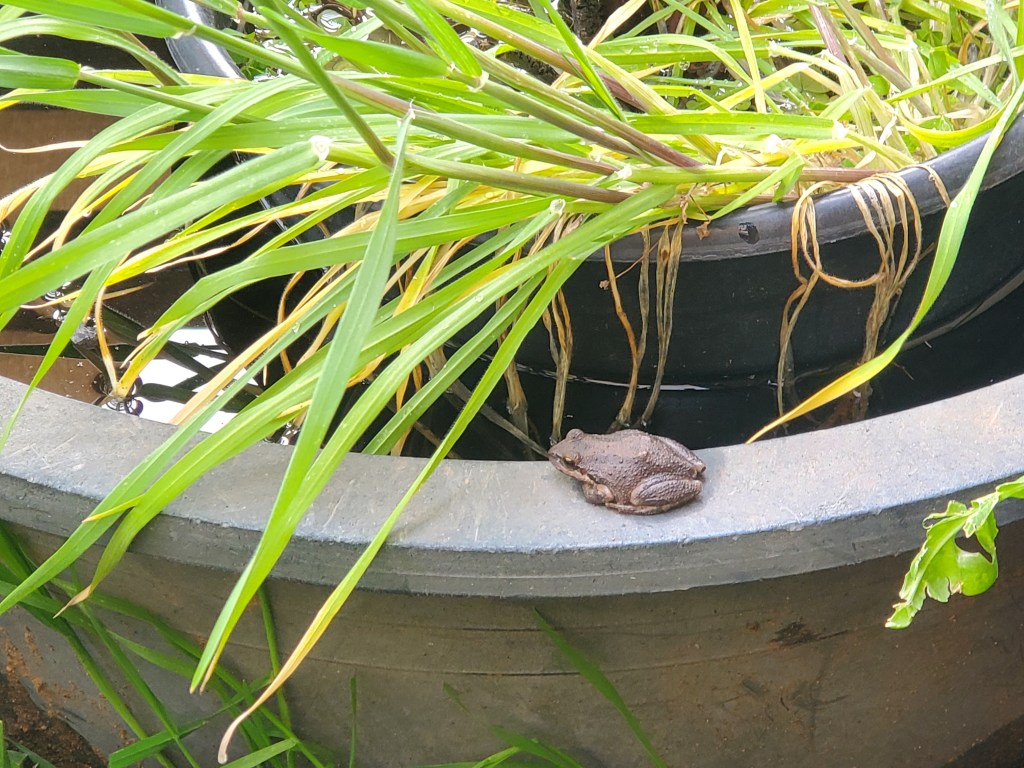
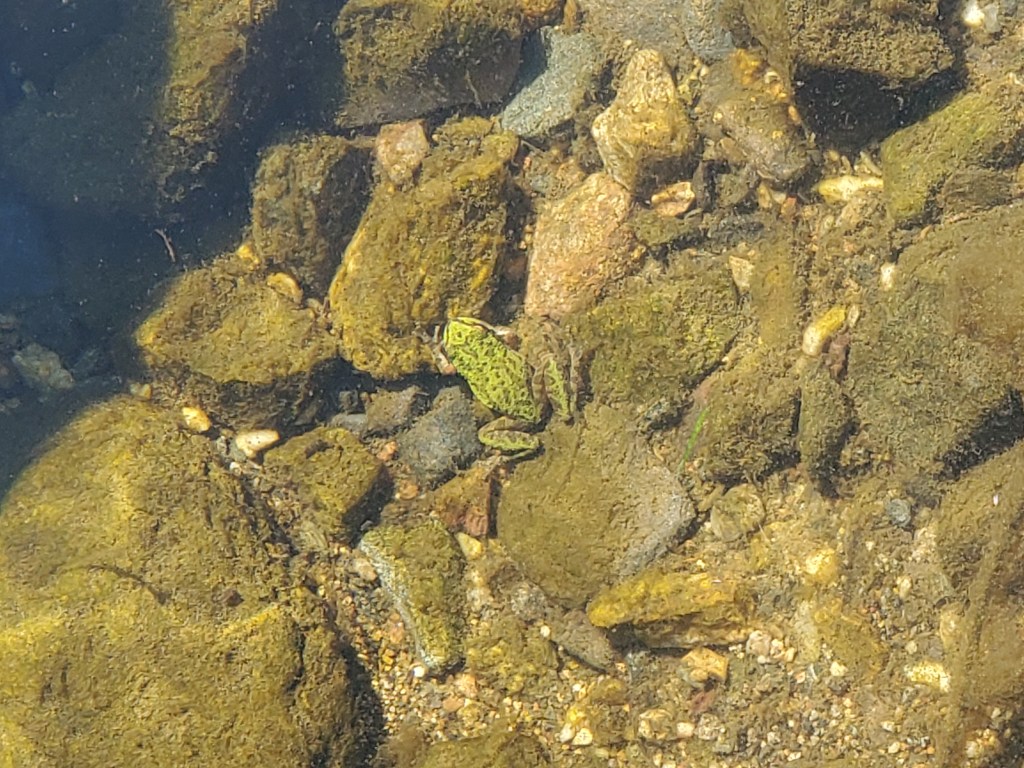
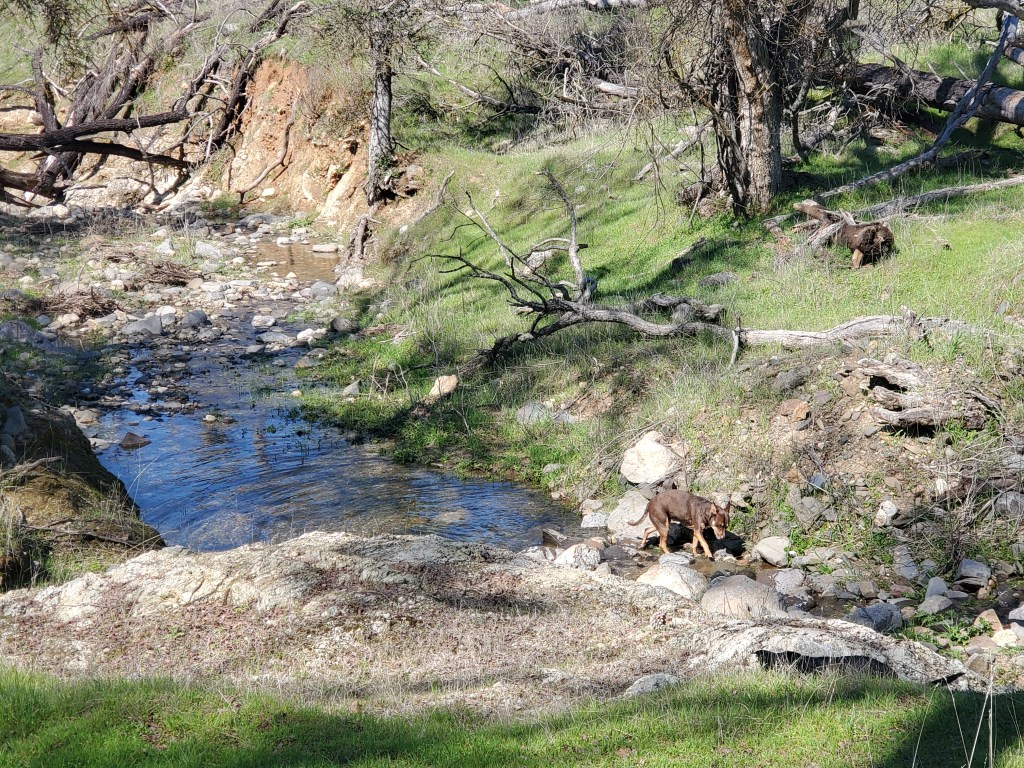
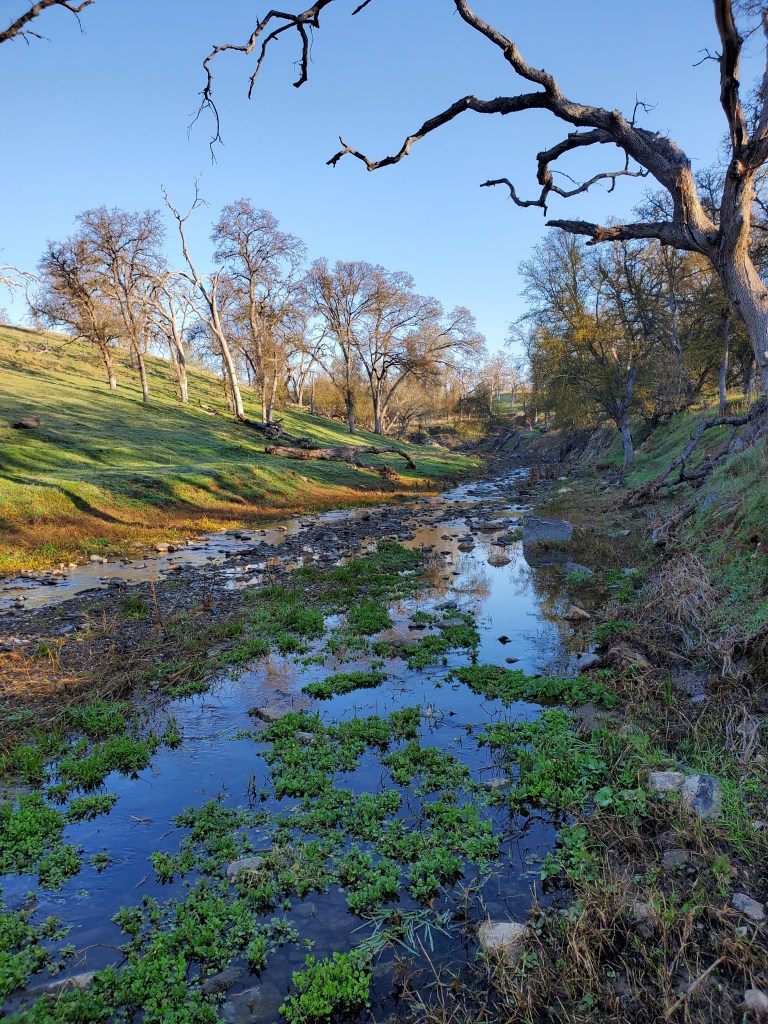
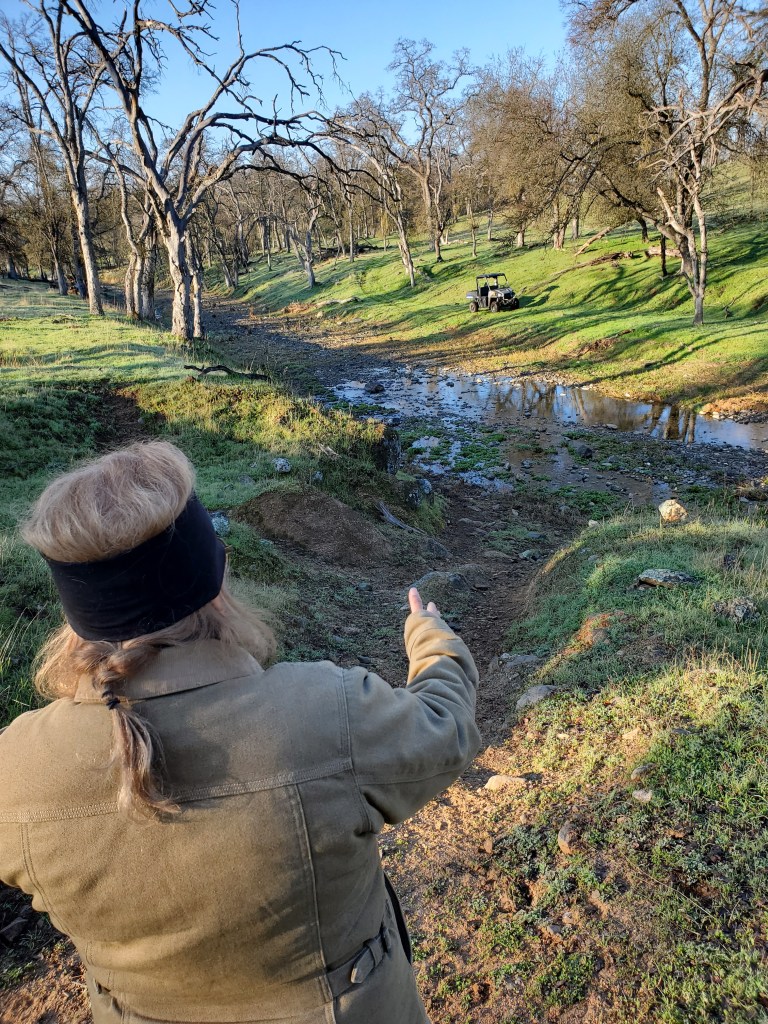
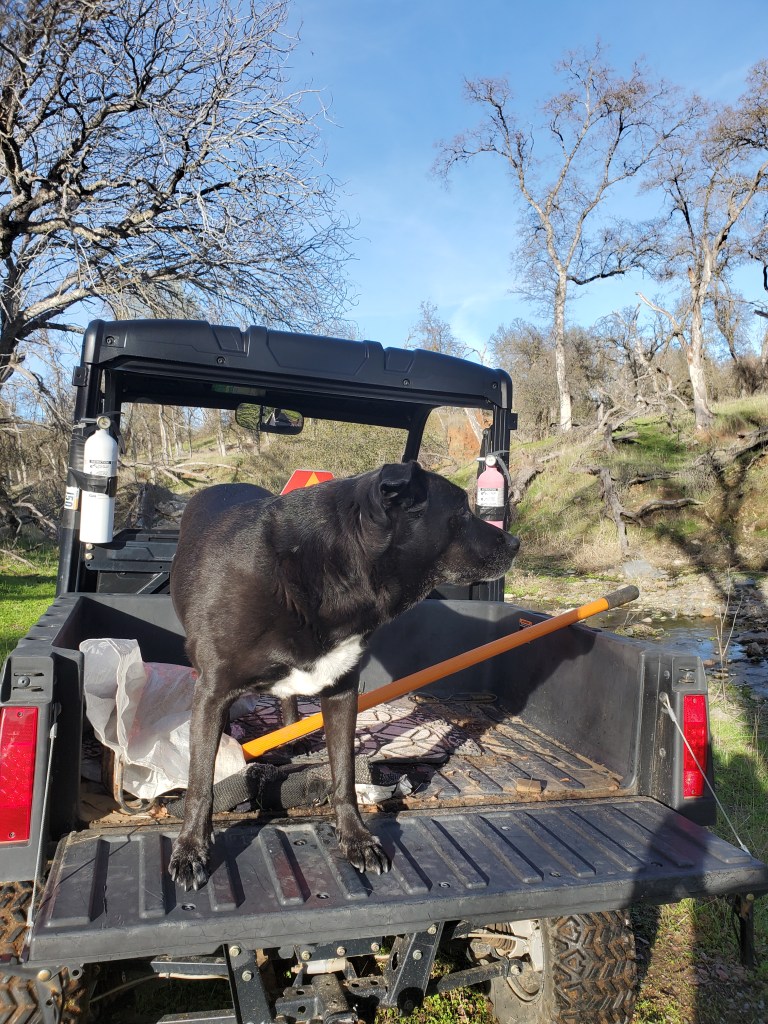
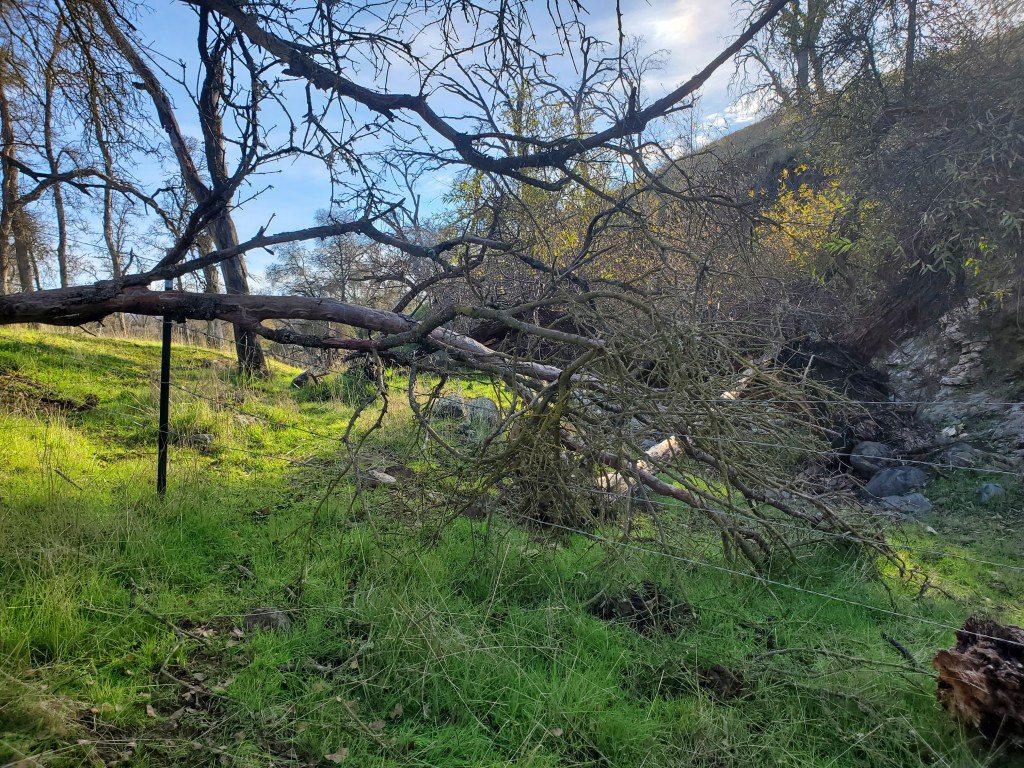
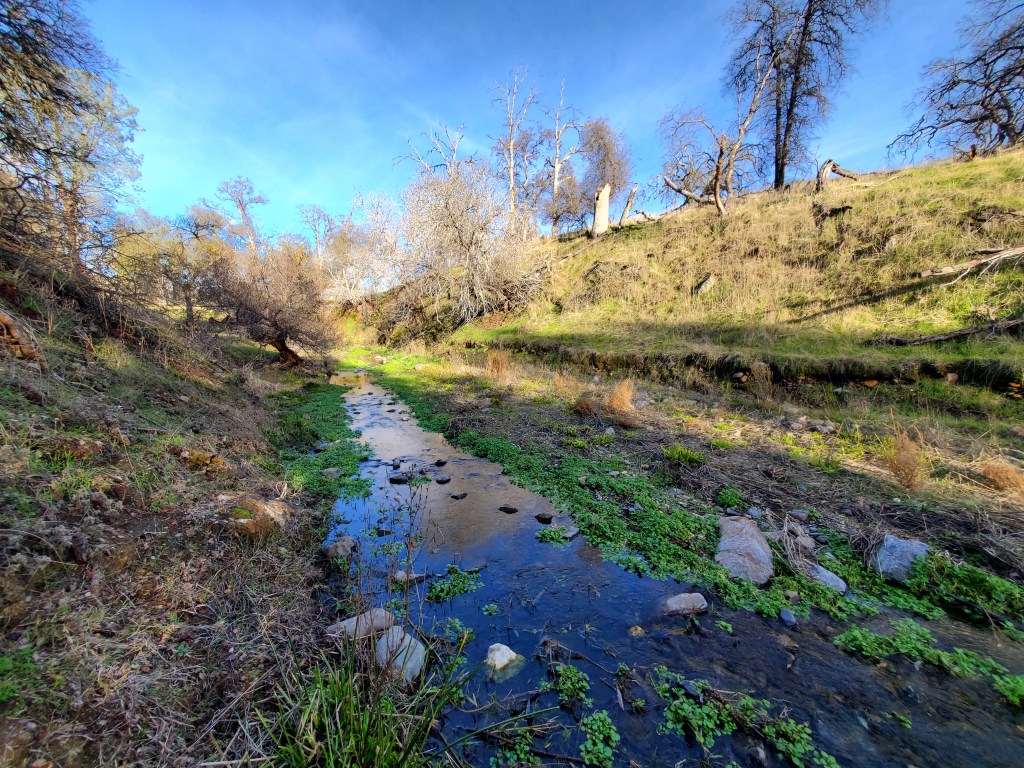
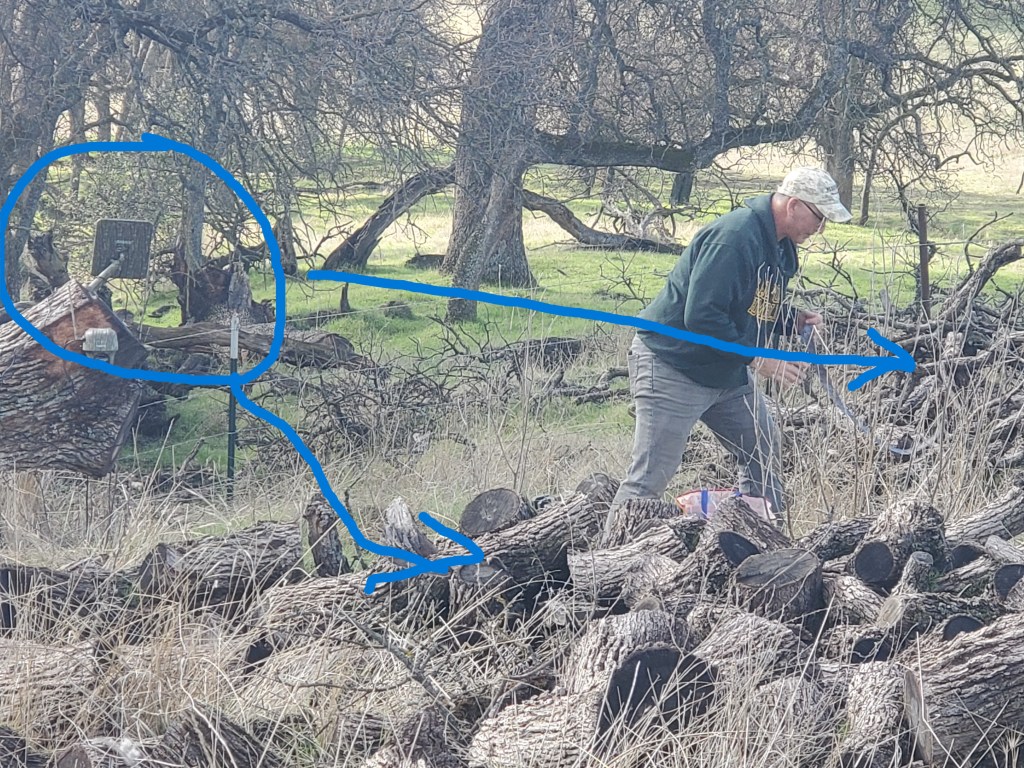
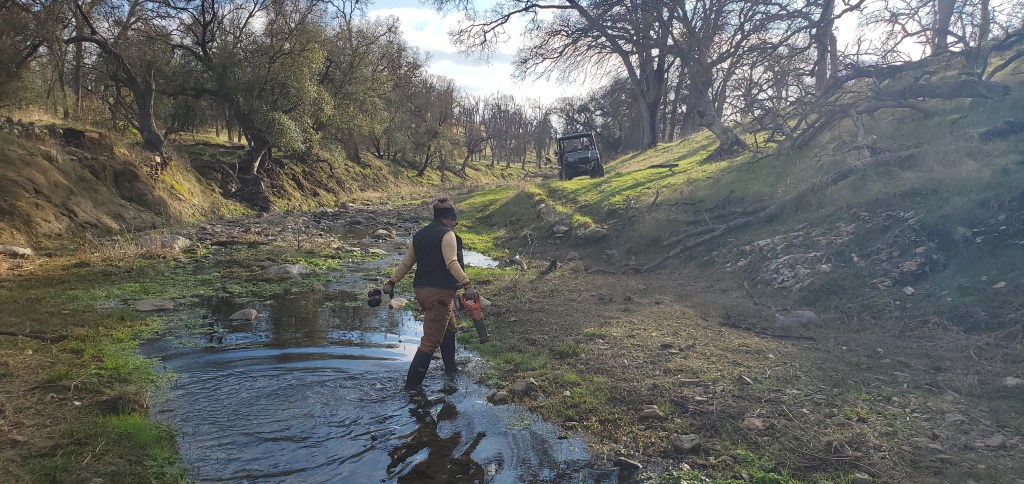
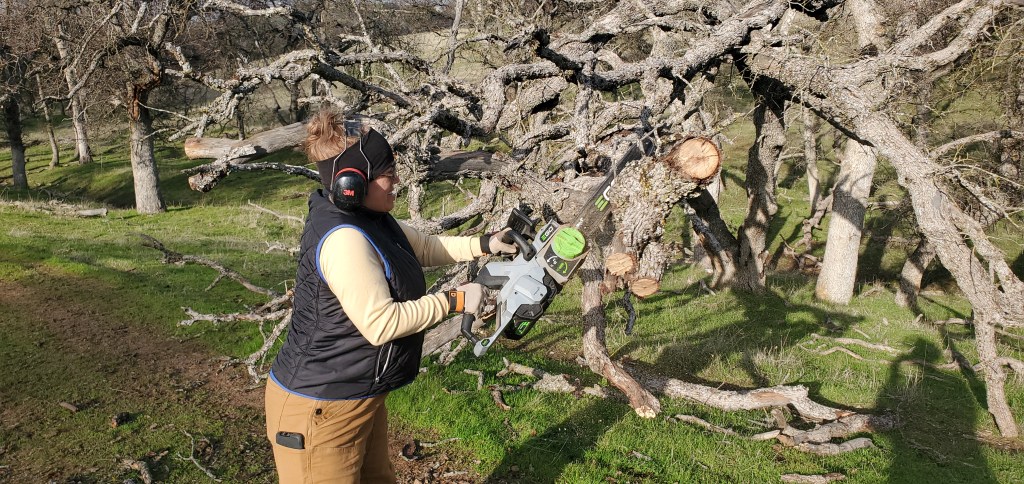
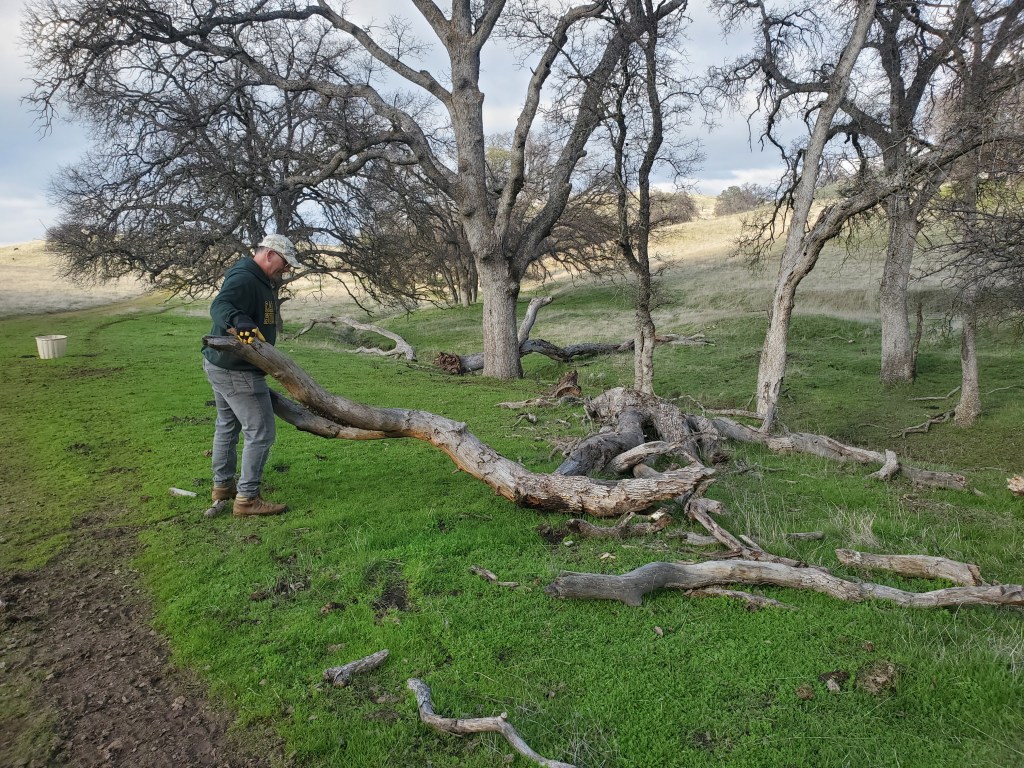
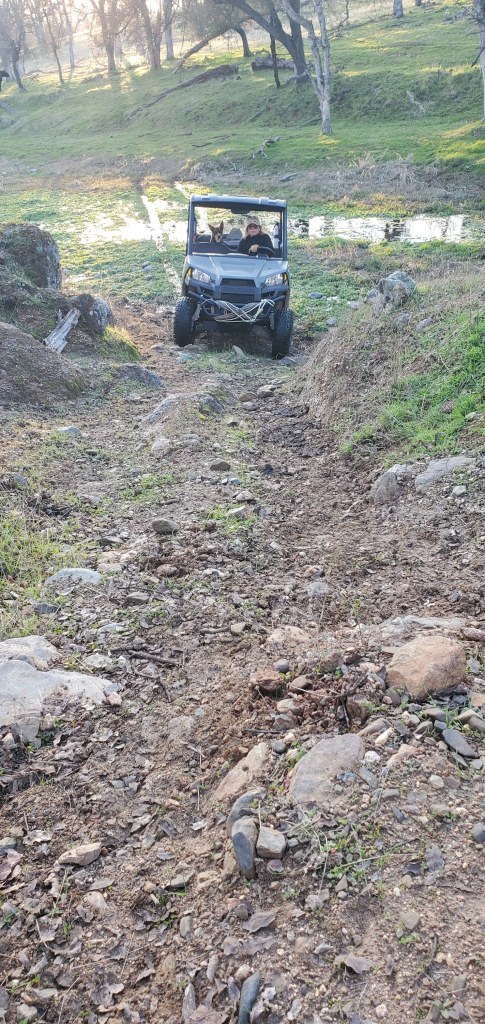
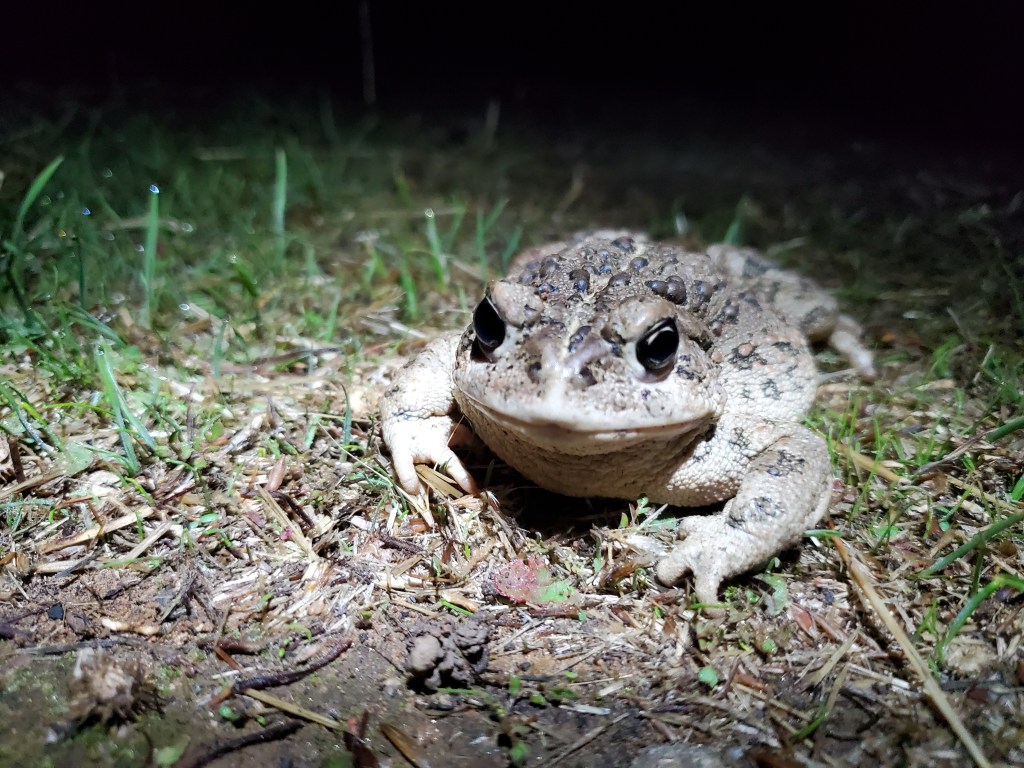
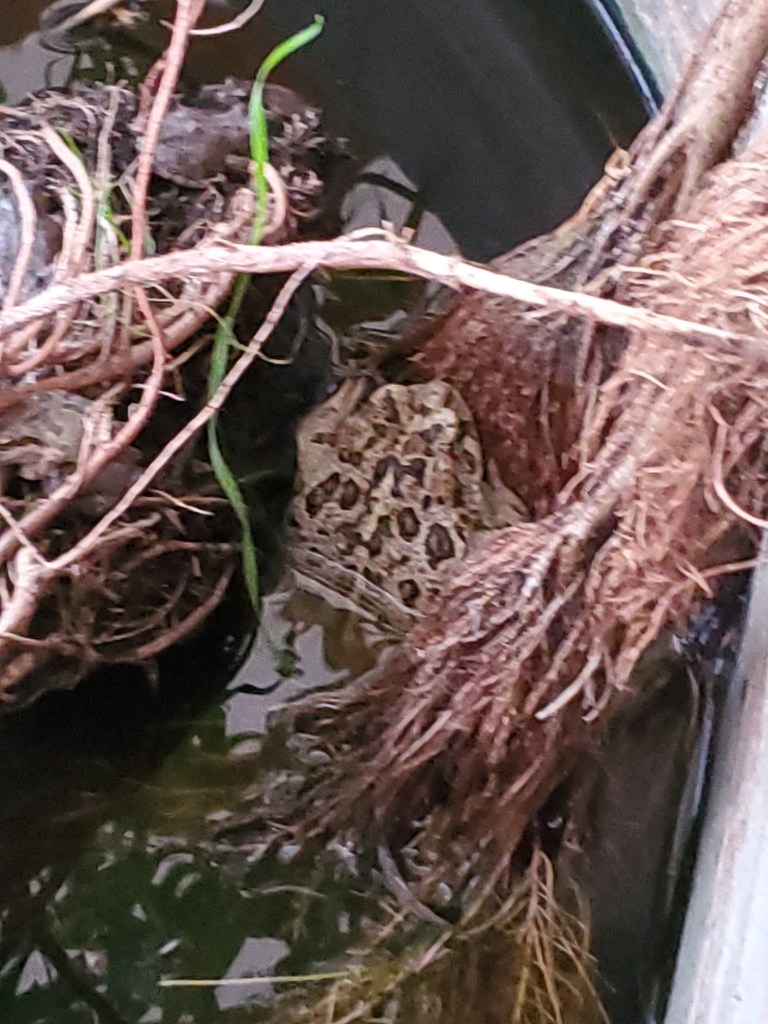
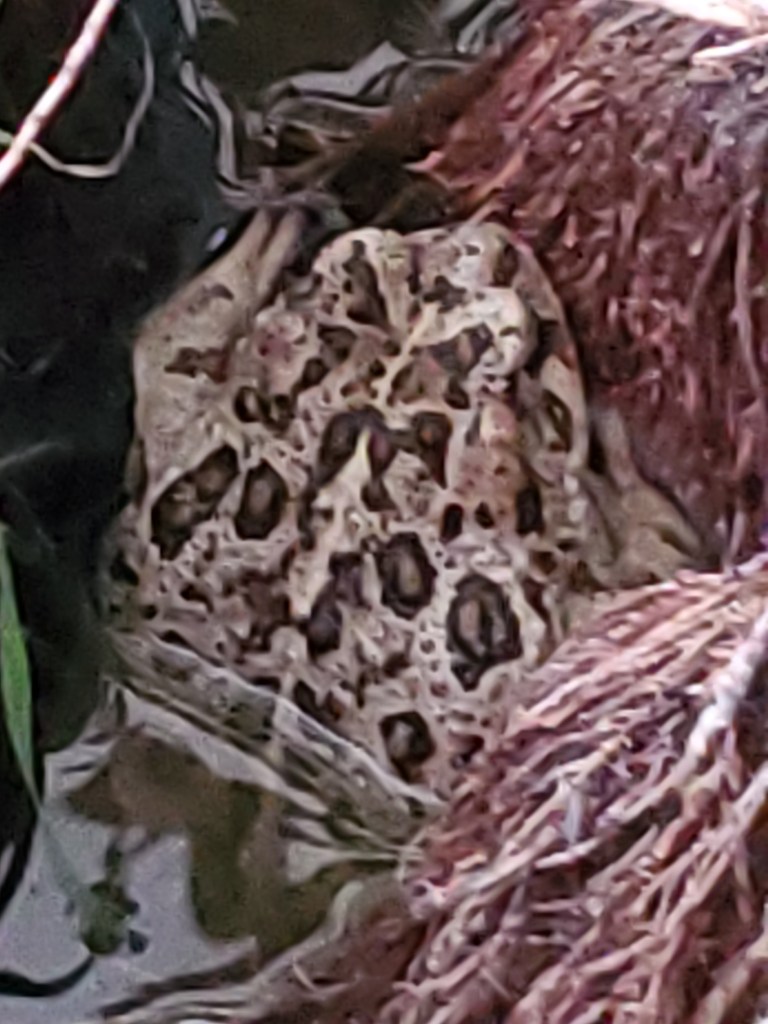
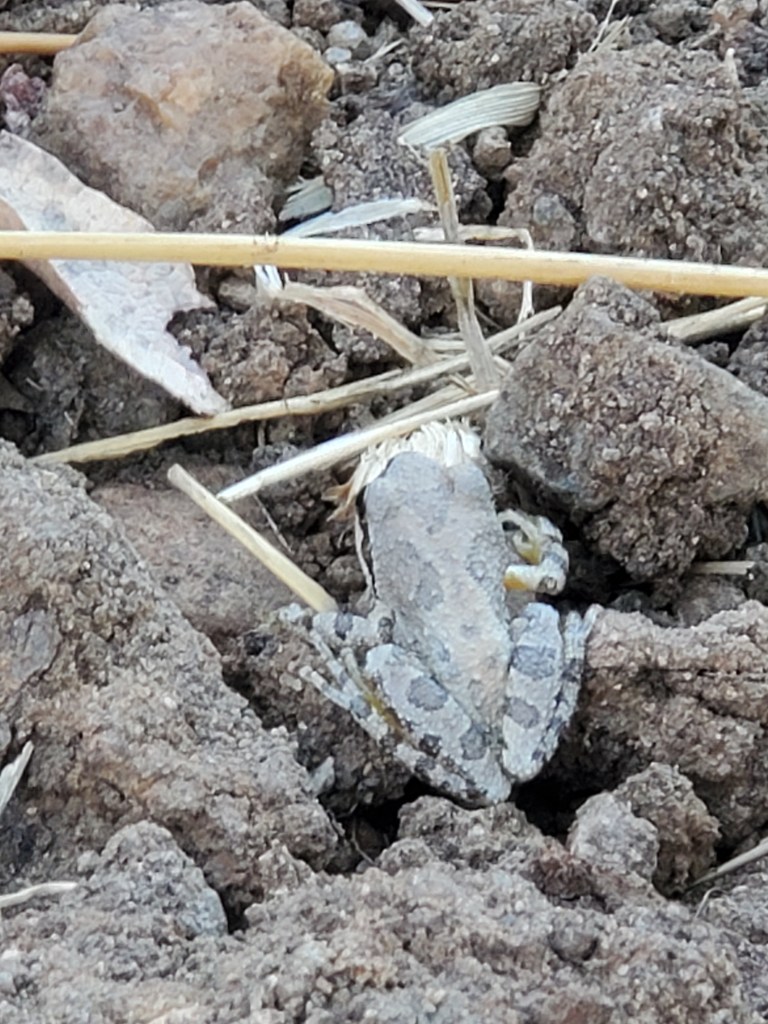
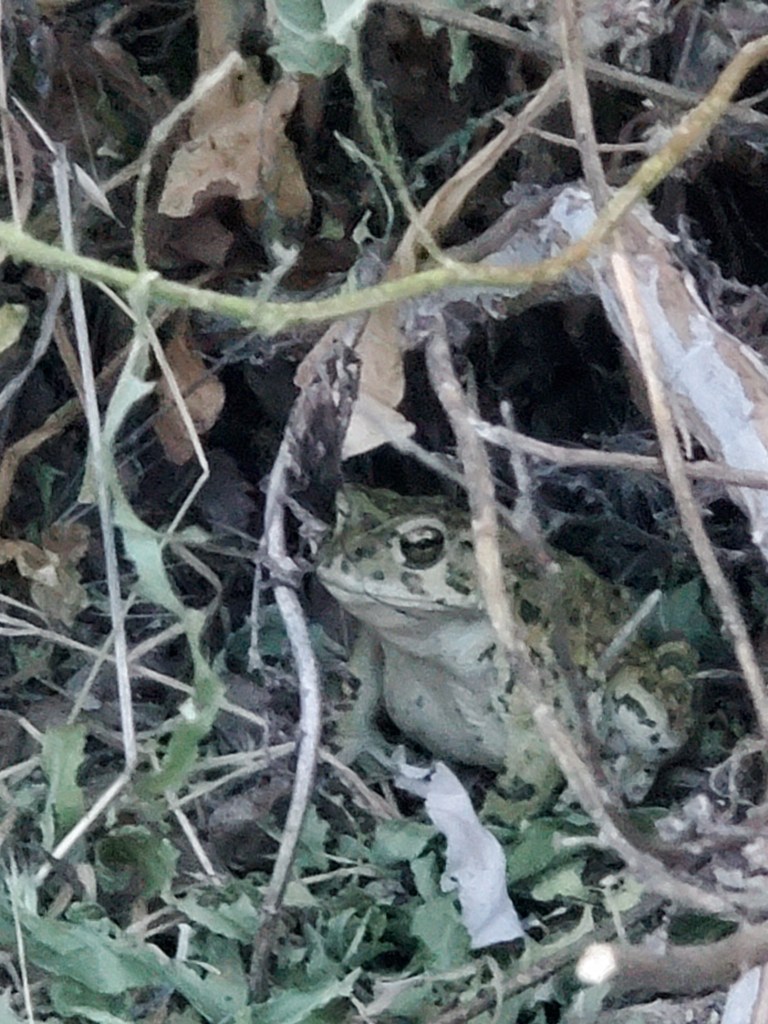
When David and I went to check on Guzzler 2 and cut up the downed tree across the road, we noticed that there were hundreds of what looked like little baby toads hopping around the Odom Creek riparian area. I had Dave stop the Polaris and keep it parked at the top of the hill, so we didn’t impact (read: squish) this incredible hatchery of hundreds of amphibians. We had to haul all the equipment by hand across the creek and up the other side, deal with the tree, then move on to the Guzzler 2 to troubleshoot the camera and weed around the guzzler. Fortunately, David is incredibly strong. He hauled all the chainsaw equipment, and I, with my bum leg and bum right hand, carefully carried the bag of game cam equipment.
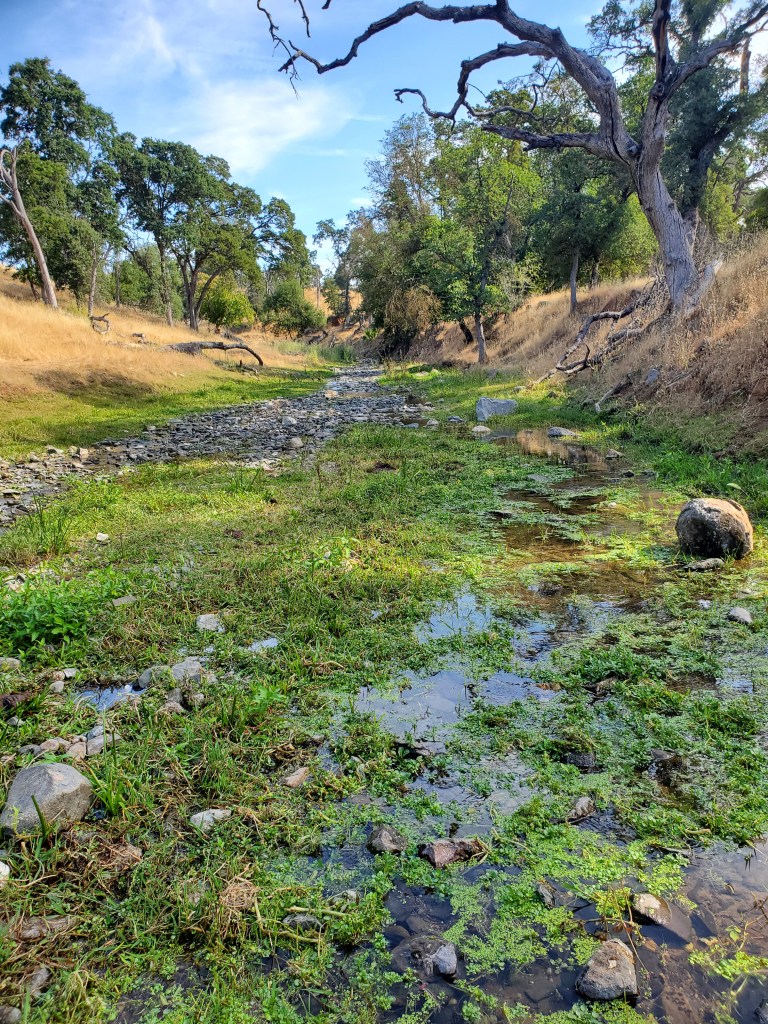
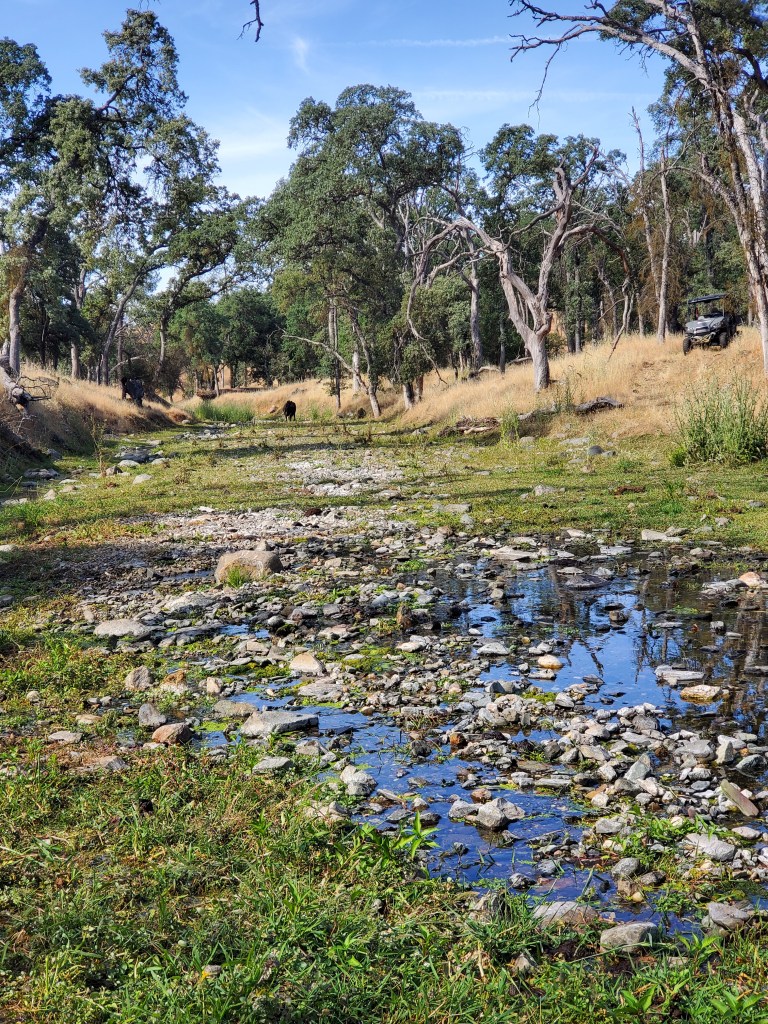
Lots of beauty all around us.
Land Stewardship

Work on the land is never done. Type A folks and list makers, don’t feel panic. Feel joy. Ours is an ongoing relationship of commitment and love. What a sense of accomplishment you feel when you see the land around you look healthier, smell wonderful, and host so much more wildlife. You did that; you are fulfilling your responsibilities as a species with your particular brain, hands, food needs and knowledge. Chiokoe uttesia weweria. Thank you relative.

It has been difficult to fulfill these responsibilities for me as of late due to the accident. But, prior to that, there was considerable weed pulling and whacking, monitoring milkweed, watering the planted oaks, and watering native plants to give them a good start.

Wanderings

You just keep moving. There is always so much to do, so much to accomplish and commitments to fulfill. There can be little time to reflect on the “what wases” and “what could have beens”. Walking is where I reflect, and that has temporarily been taken from me. Sitting in my hammock, my bum hand, ankles and leg in sight, unable to perform some of the simplest of tasks, learning to use my left hand for more than is typical, my emotions stir. They shift, float round and round, then settle in to a simmer. What emerges is the knowledge, clearer than ever, that we are all part of one larger whole. In Indigenous circles, we talk about “All one nation.” or “All one people.” How many times I’ve used that statement believing it from a scientific point of view, not the philosophical or the practical. Sitting, as I was, not useless, not helpless, but more in need – not as useful as I’d like, the thought of how much help I have already needed and would continue to need was acid simmering, a dull pain then realization – “all one people”.

I thought about the man that hit me, the man that helped me, the first responders, the unconcerned officers, the hotel staff most of whom were kind, our friends that came to the rescue (Carol, Sean and Ernest, then Josh to check my wounds), my boss Nancy whose compassion and understanding is simply inspiring – and blindingly effervescent, my husband’s love for me. How remarkable a life is it to see such consideration and care. It is not that I think I don’t deserve the kindness of others; it is simply uncomfortable for me to cause any imposition. I know everyone has challenges they are dealing with, and I don’t want to be one more weight. But, how I cried at the love shown to me and to David. How I sobbed feeling David’s arm reach around me to provide support when my leg didn’t want to work, and the care with which he changes my bandages, ignoring the blood, goo and scabs as he navigates the myriad of bruises to delicately place a clean pad with antimicrobial cream over the broken skin he has always loved to touch. We are all one people not just in DNA ways, but in the need we have for one another – not just to receive care, but to provide it.

My accident could very easily have resulted in a worse outcome, as the left temporal lobe area of the helmet, scraped and cracked, would indicate. So, the bandage changes, the leg support, the running around watering oak trees, pulling weeds, planting plants – they are all a joy for him because it could have been so different, something that is too dark to think of, but close enough to see the shadows of what could have been.

As with everything in my life, I see it as a metaphor or a parallel with the life of the monarchs. There are so many who care. They see the changes, the damage, the need for help, and they jump in, an ocean of people whose relationship with this beautiful insect leaves a trail of life in the form of habitat, improved policy, and human relationships that bring joy. We all need each other because we are all one living organism – all of us – monarchs, bees, dogs and trees. We are all relations. We see the shadows too dark to contemplate, and thankfully, some refuse to imagine a life without monarchs – and so we work, together, caring for one another, healing and hopefully, leaving what is broken more intact, enough to support millions of butterflies, and every life, once again.

I started this blog post with a photo of David and I. This relationship is my skeleton, my skin, my connective tissue, supporting everything I do. The center of my story, however, is the land – in bwia ania, my land universe. It is my heart, one of my deepest relationships. This beautiful planet, with all its environs, is the reason we are all here. It gives us food, air and water. Let’s be a good relation, in good relation, with her and one another.

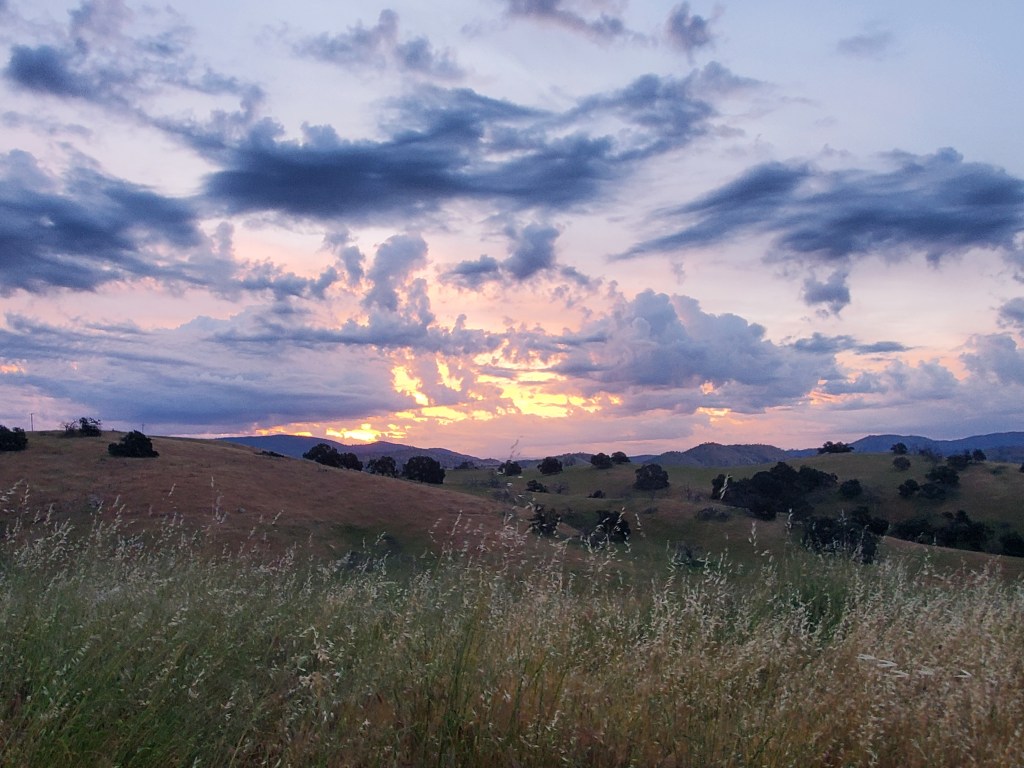
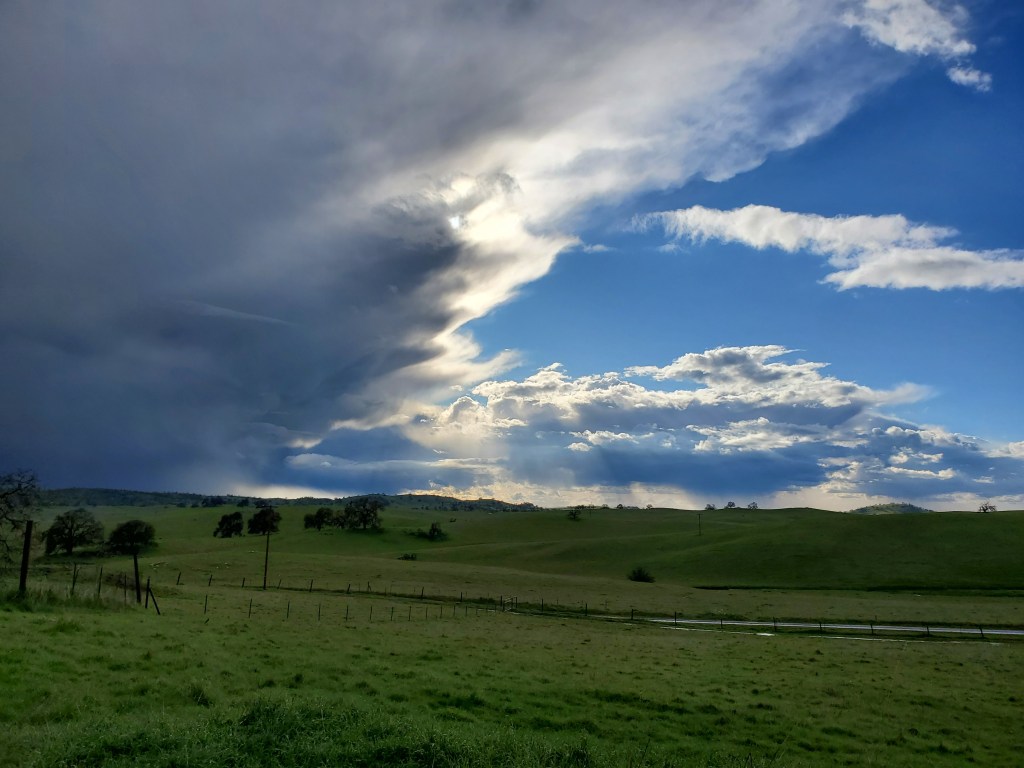
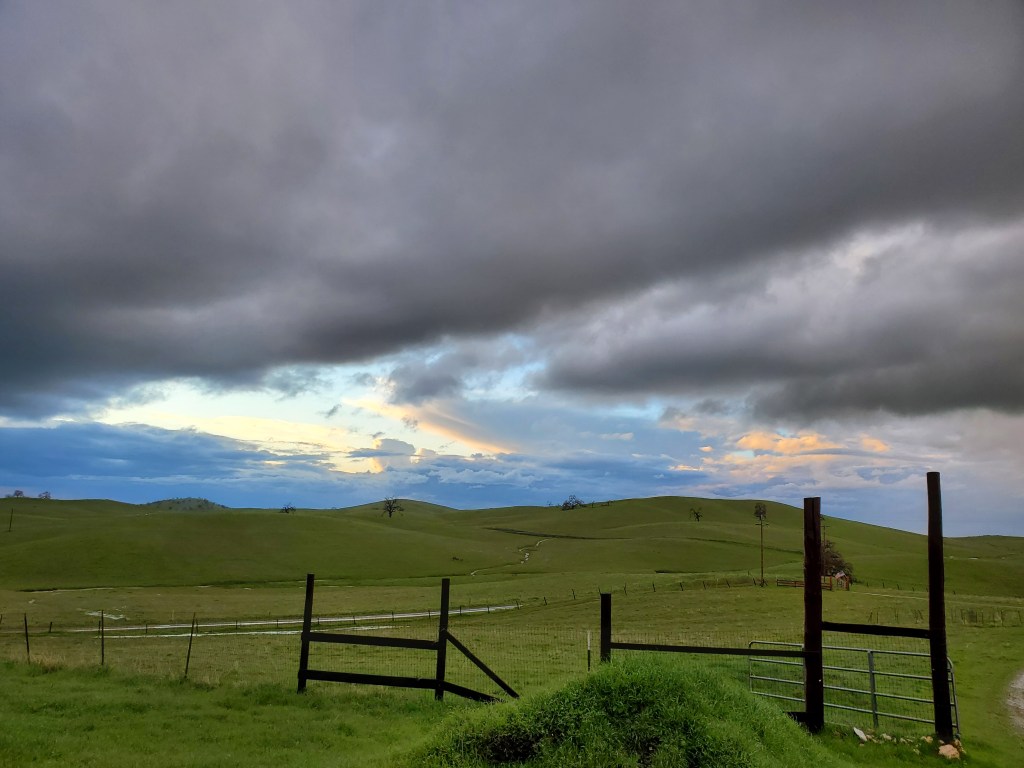
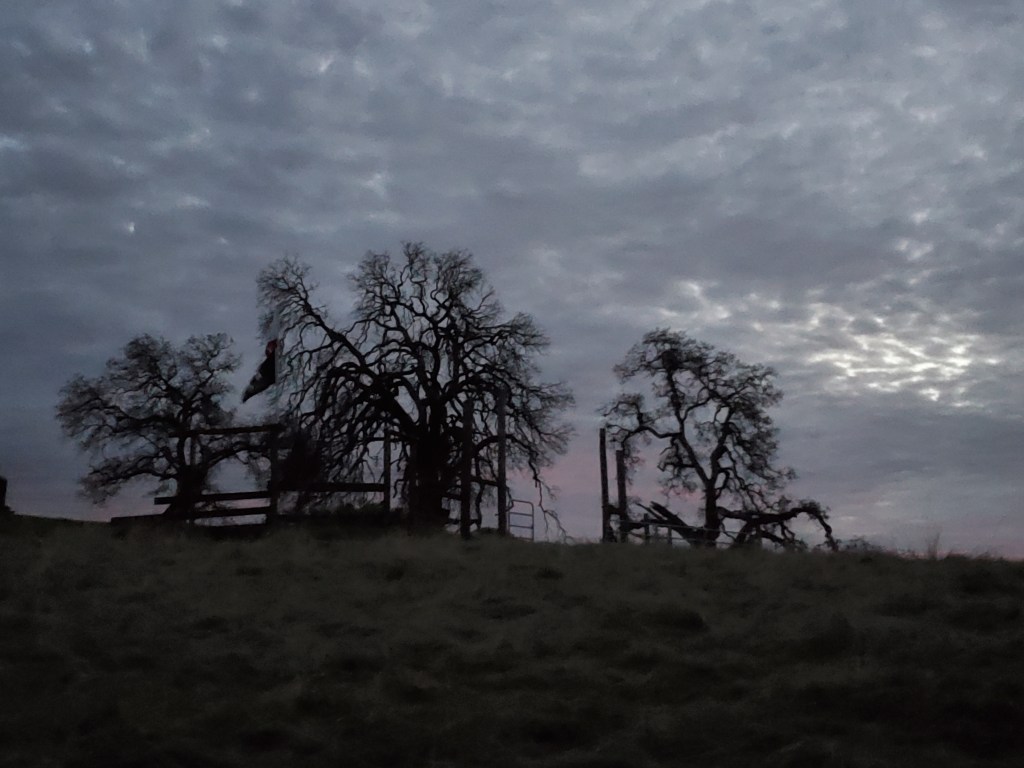
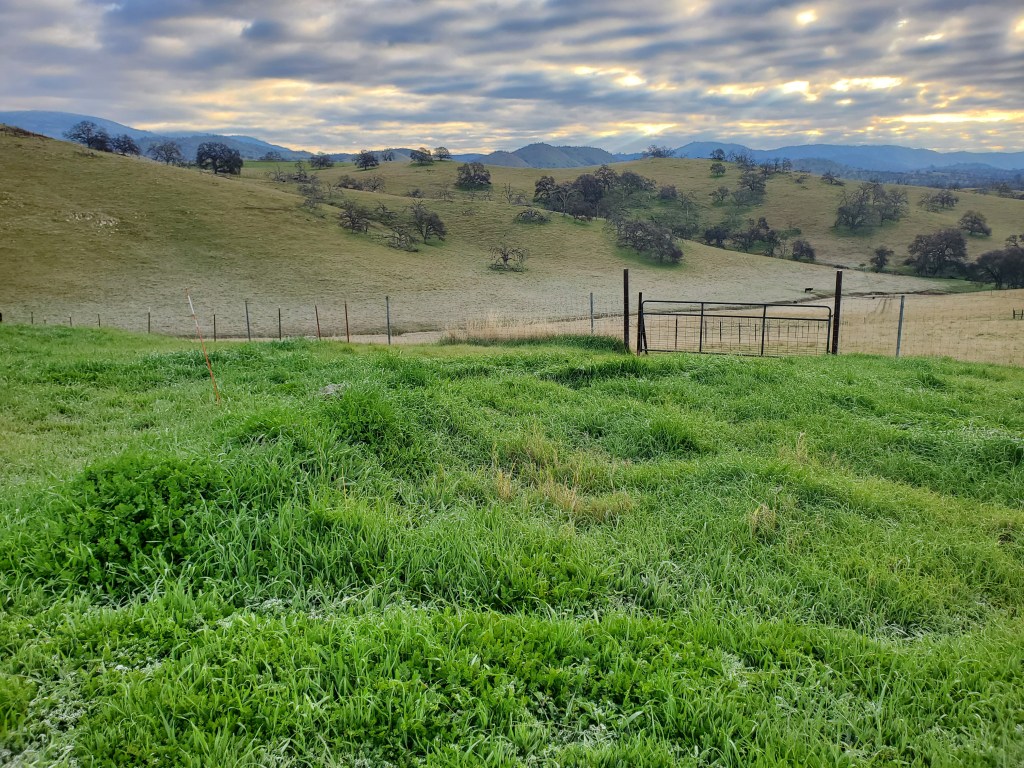
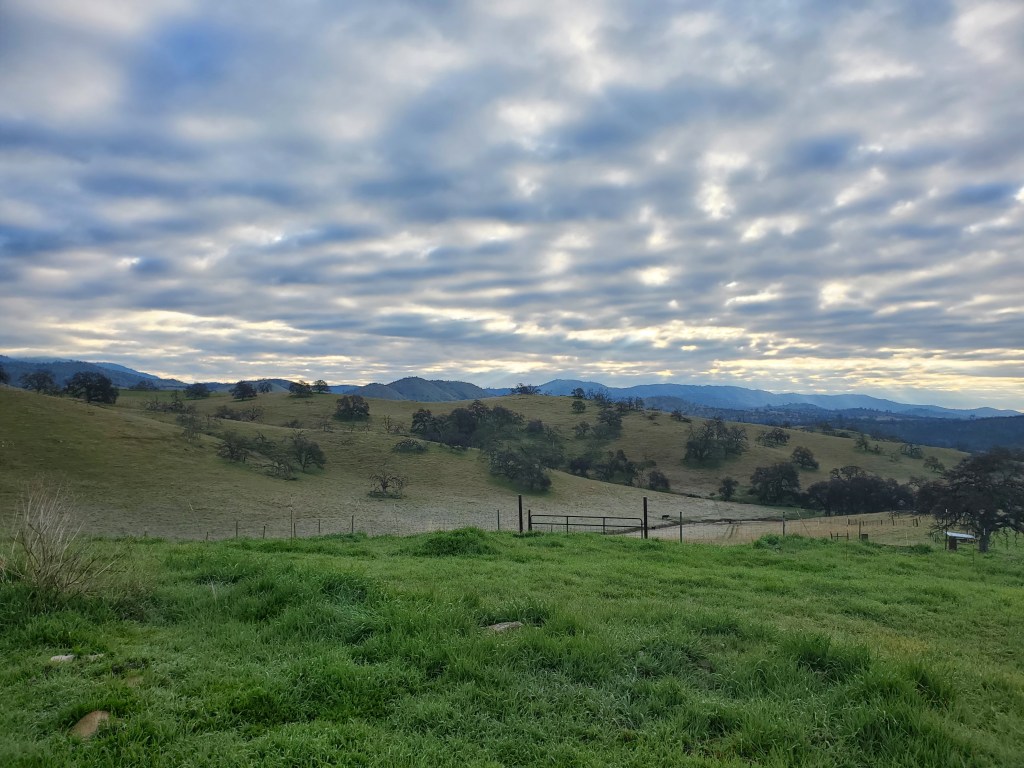
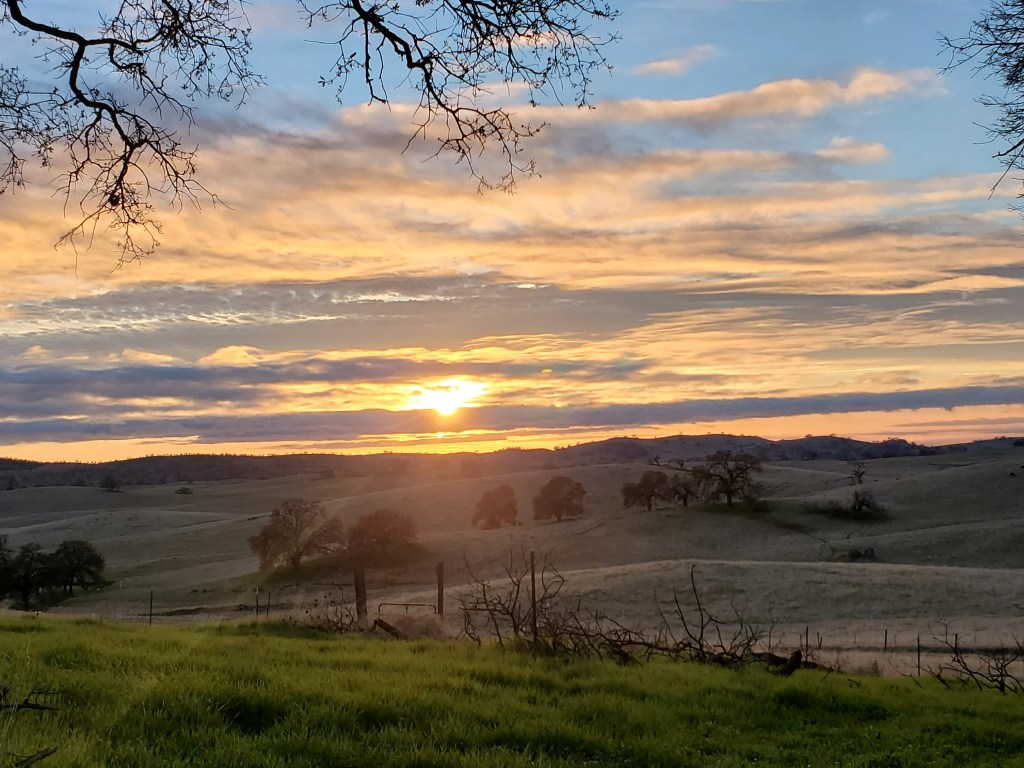
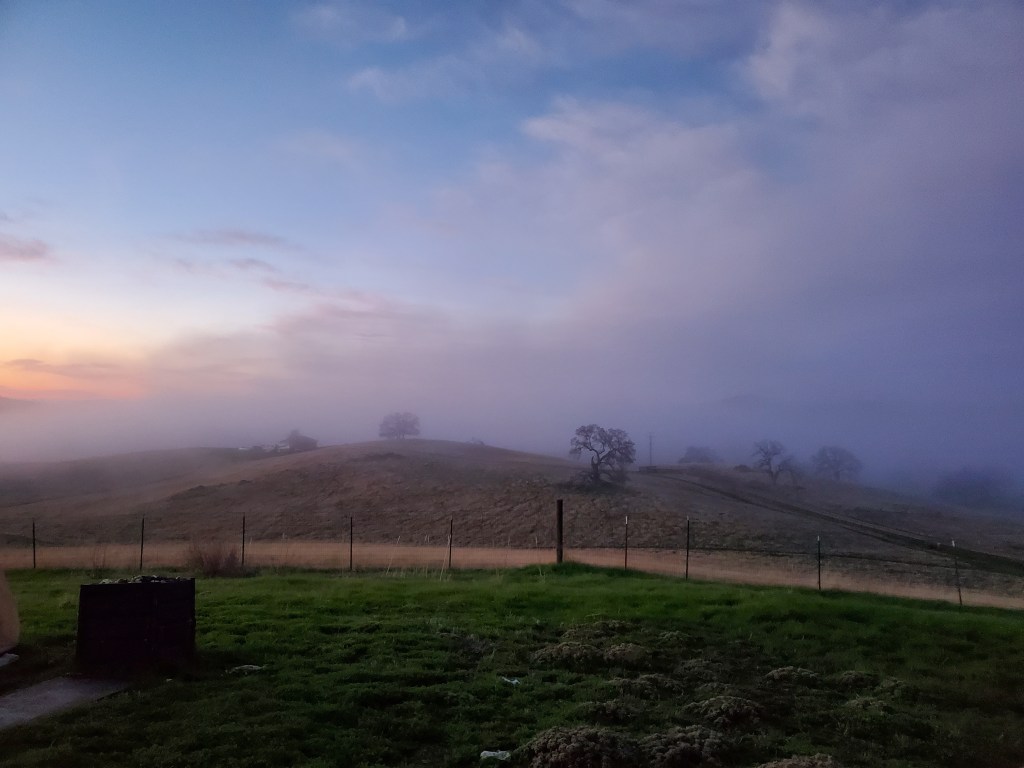
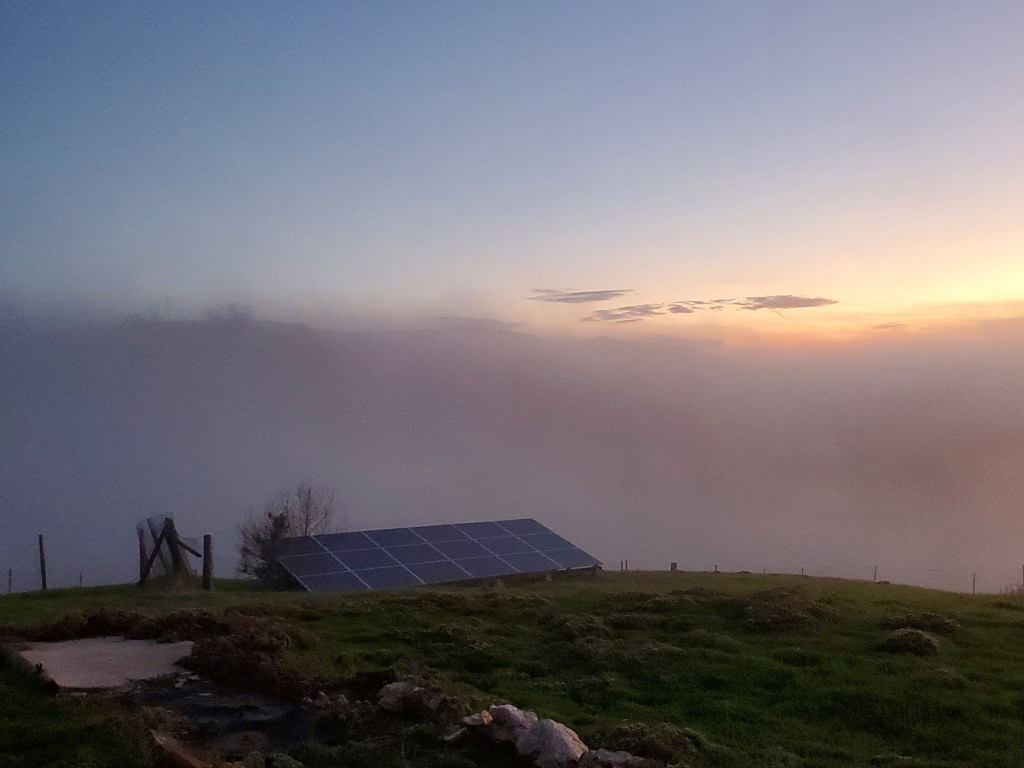
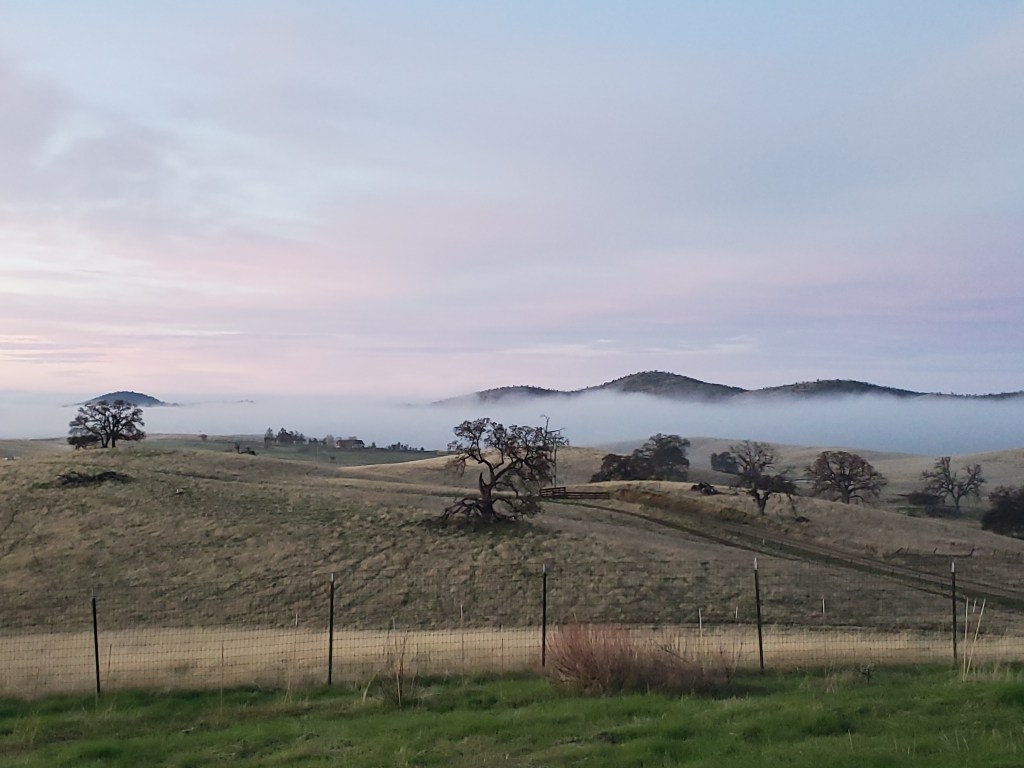
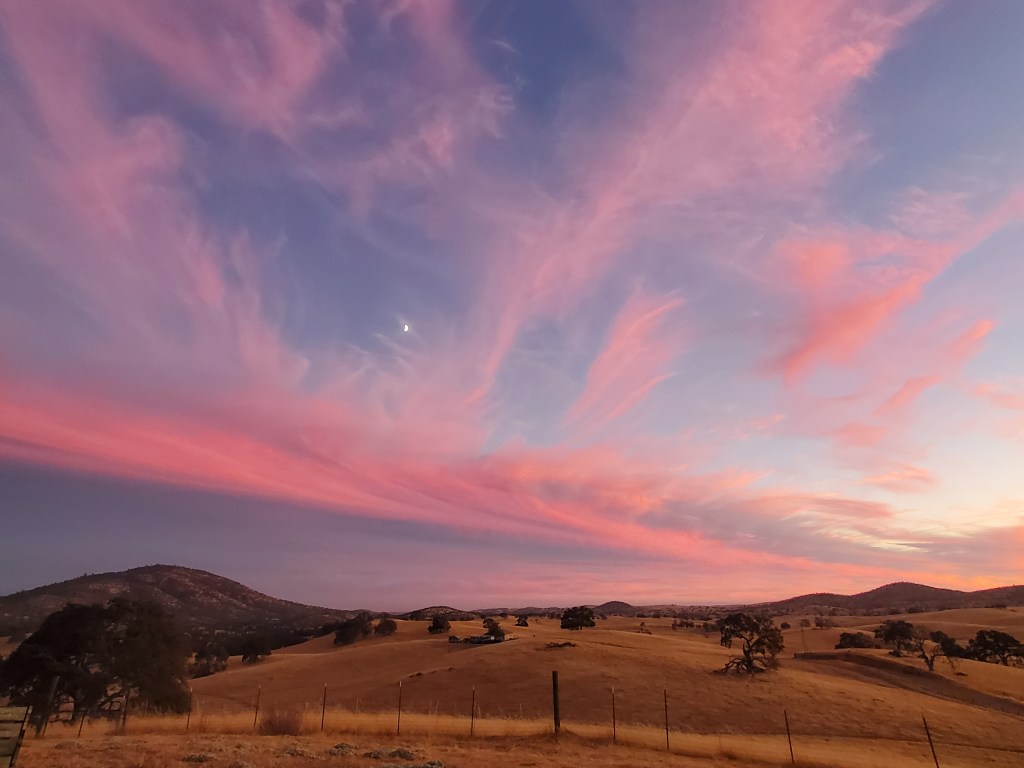
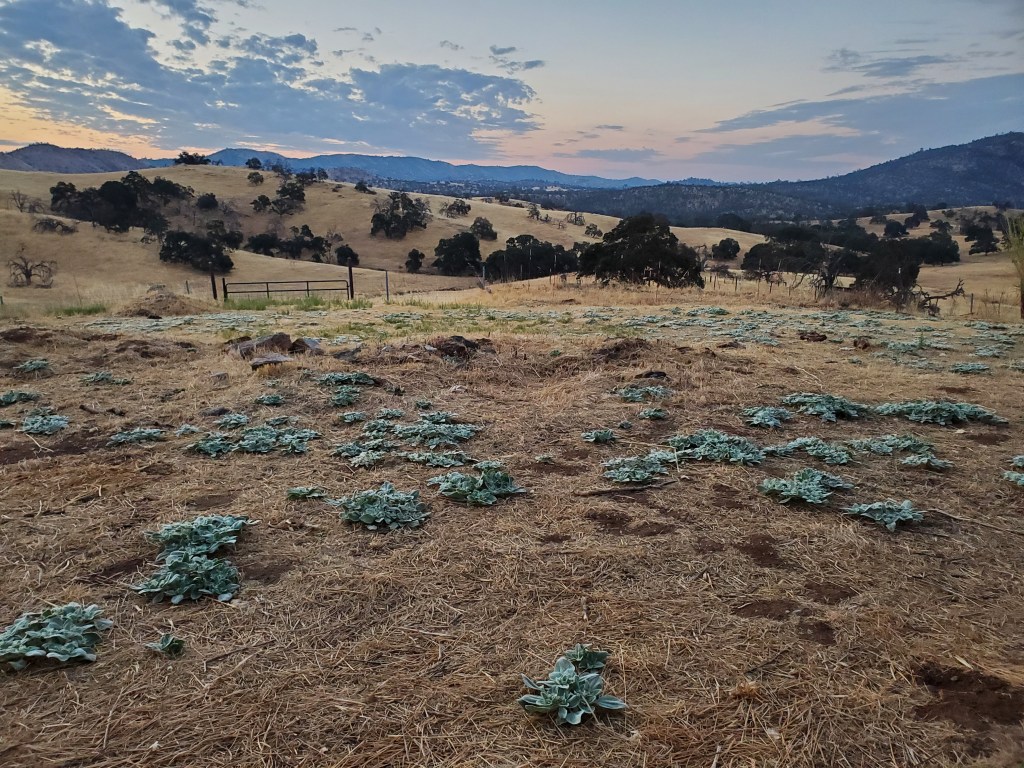
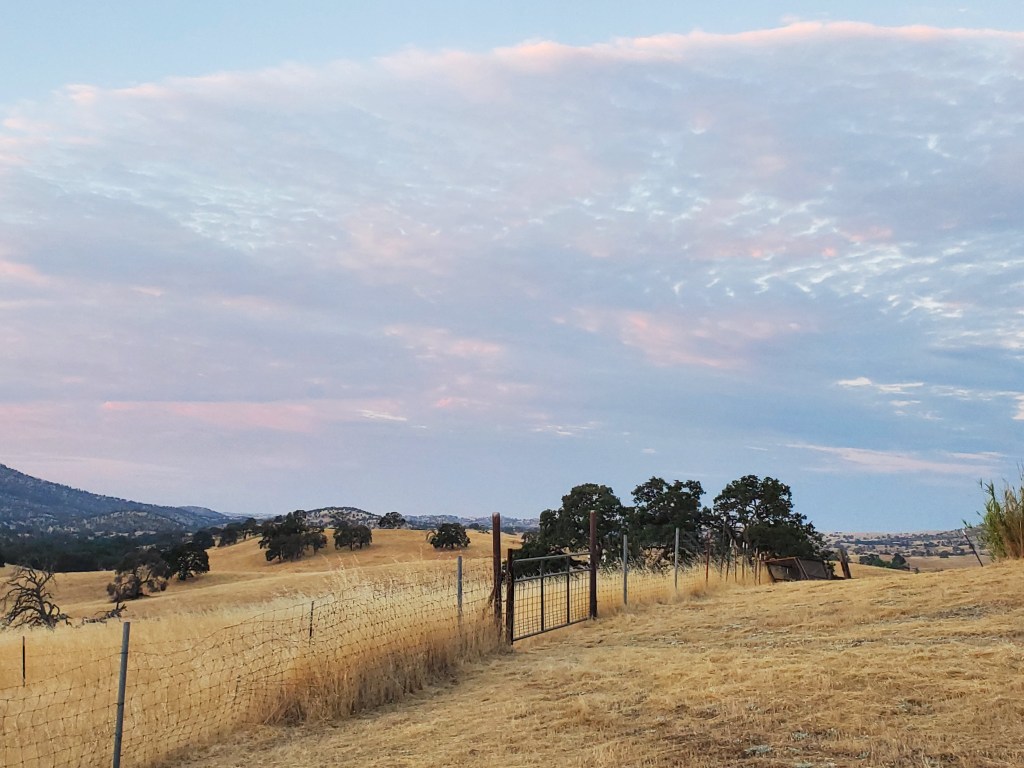
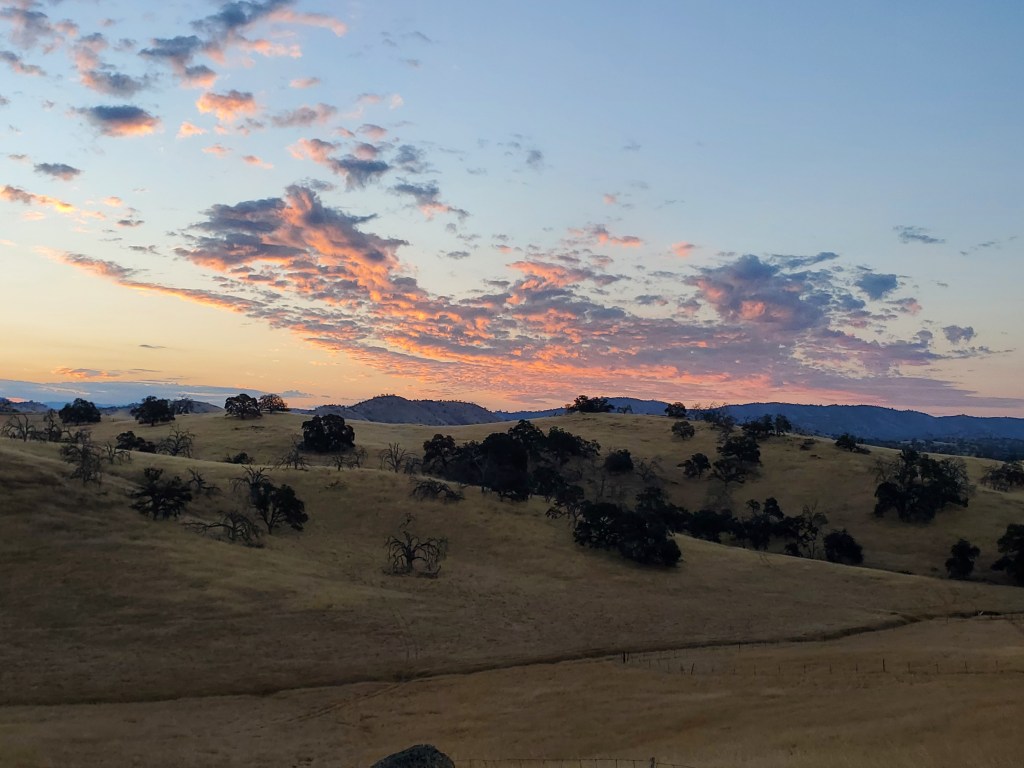
Sunrise after a storm at Tawim Bwiapo (Place of the Hawks)

Miracle

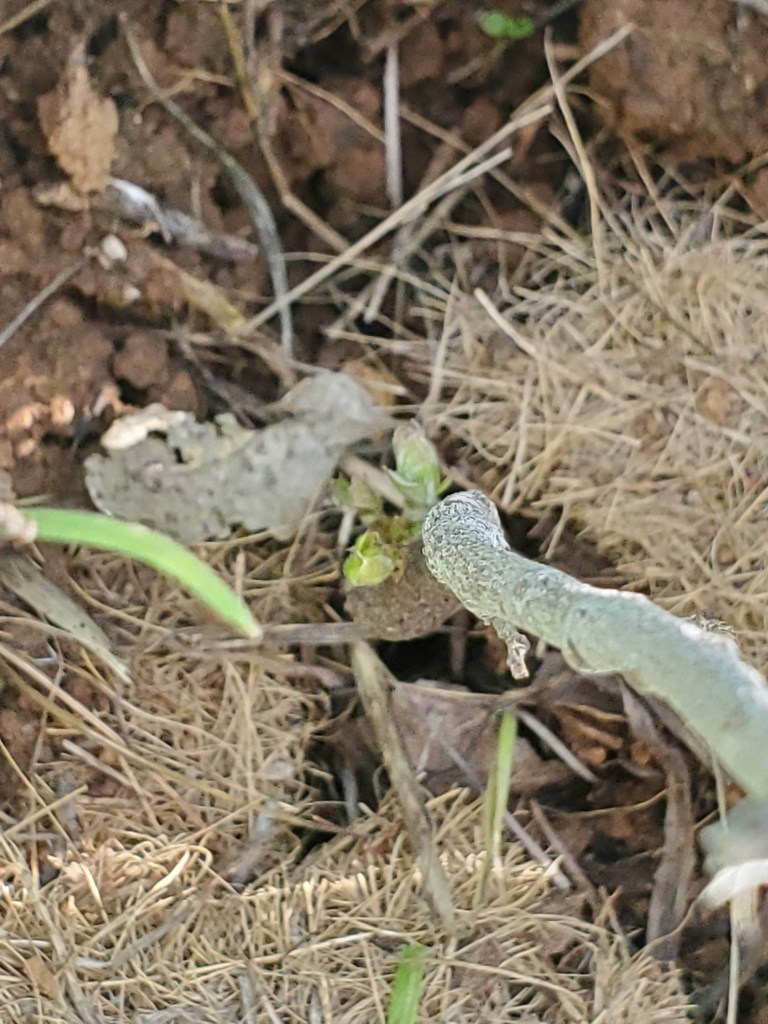
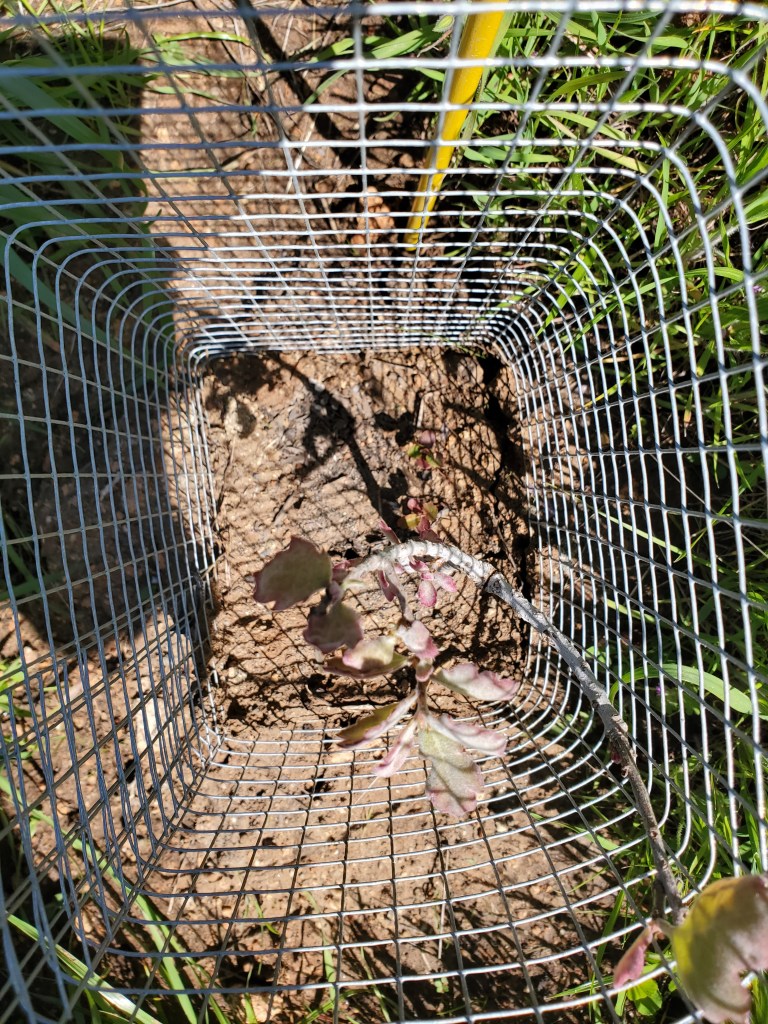
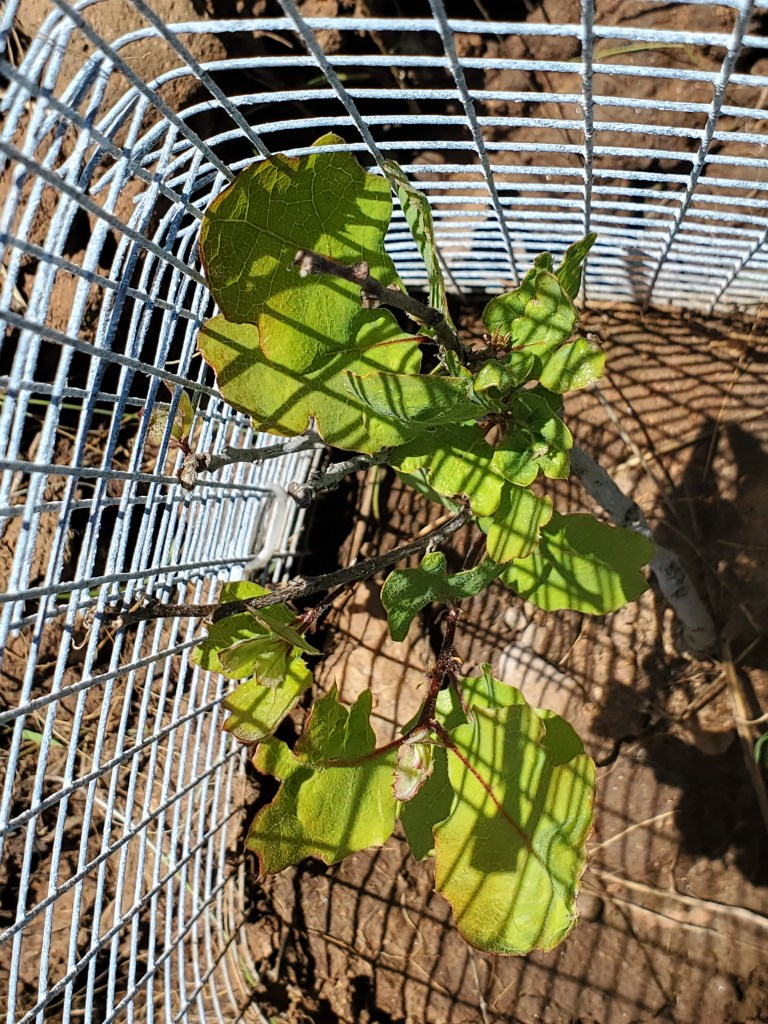
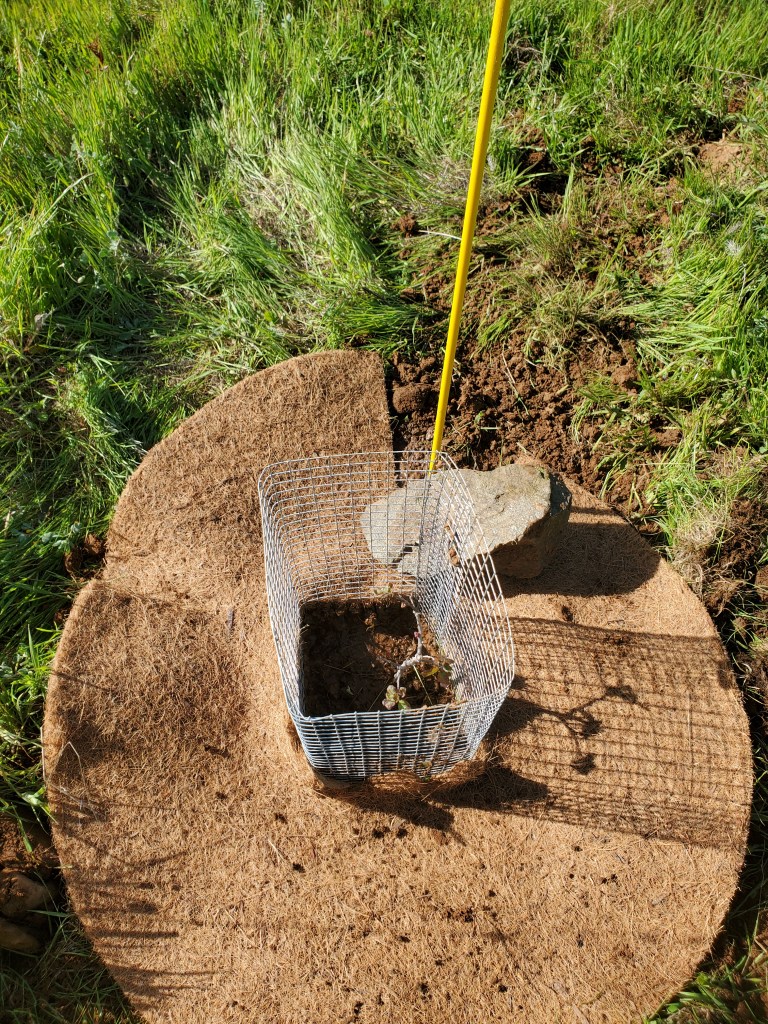
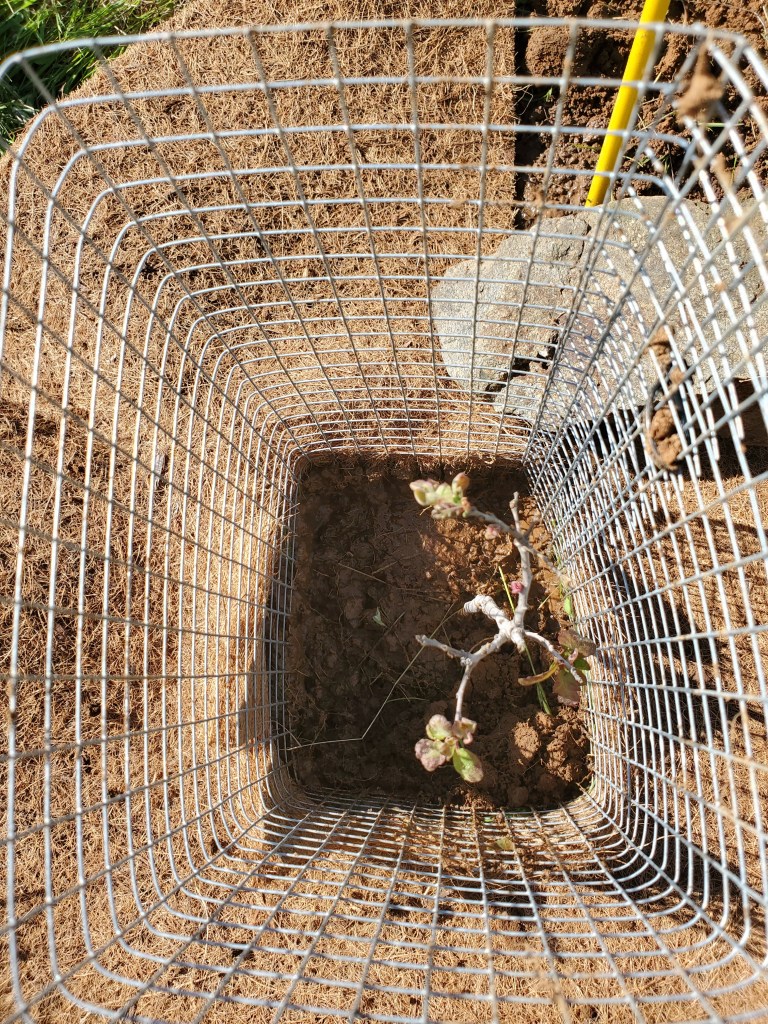
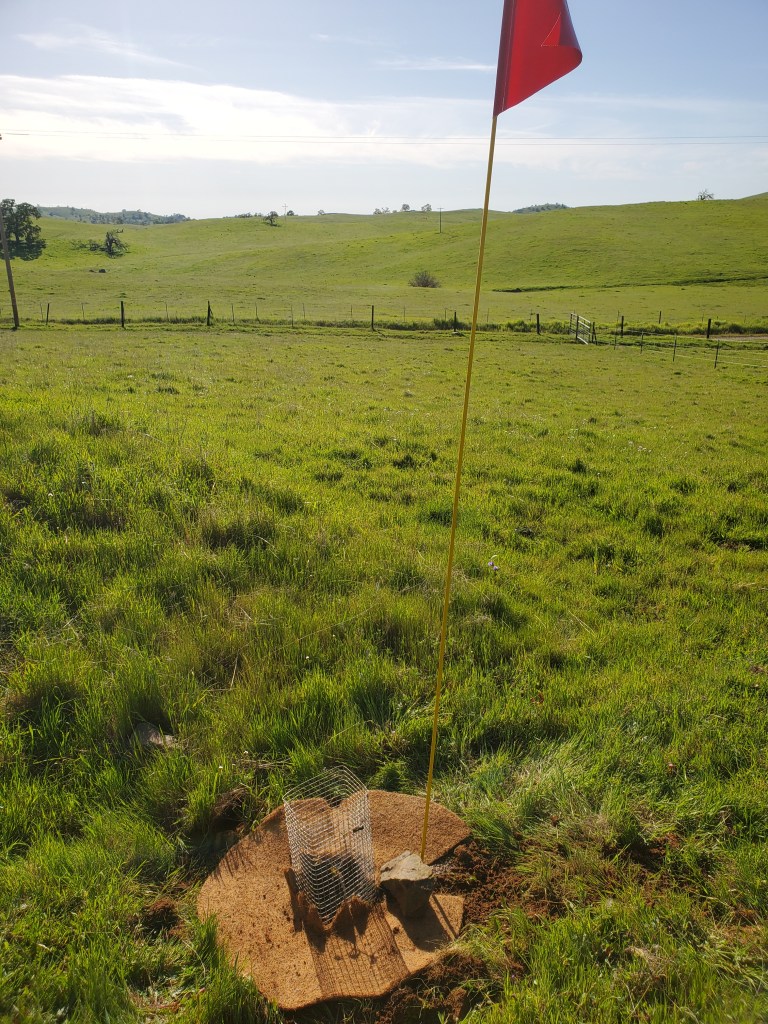
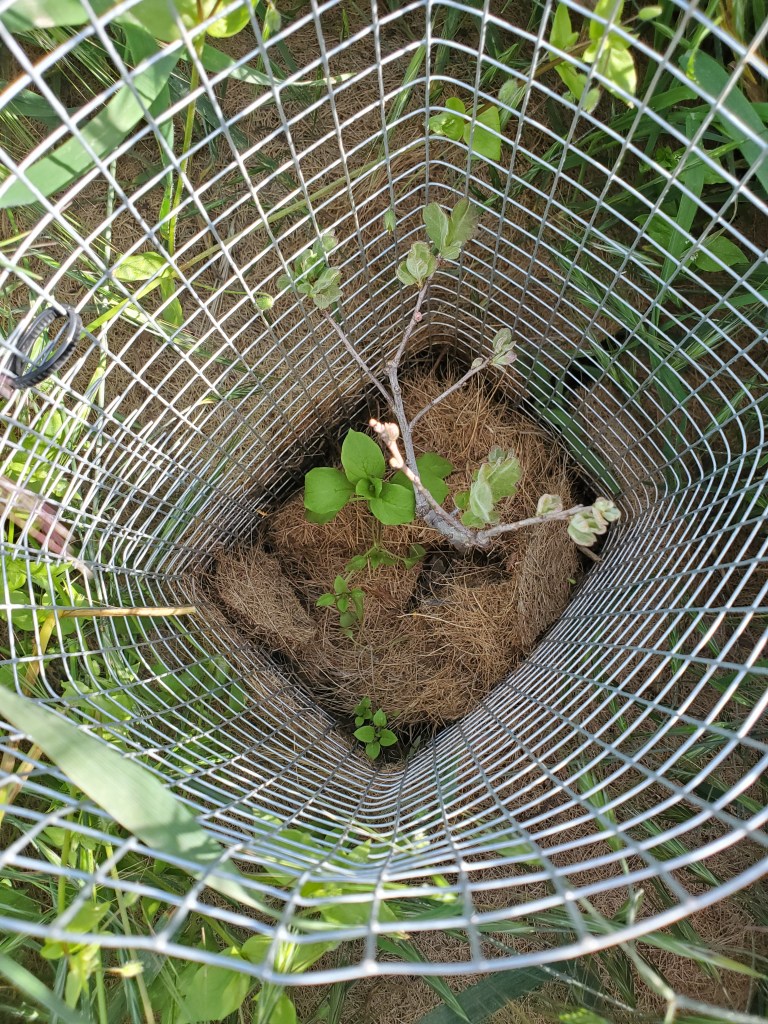
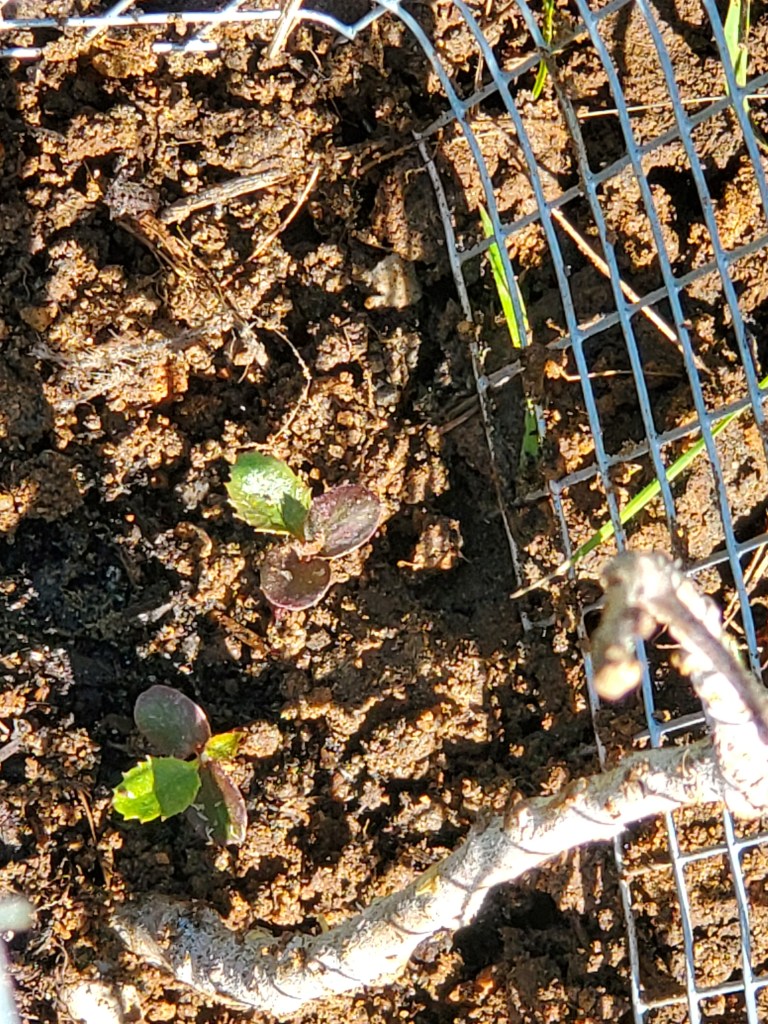
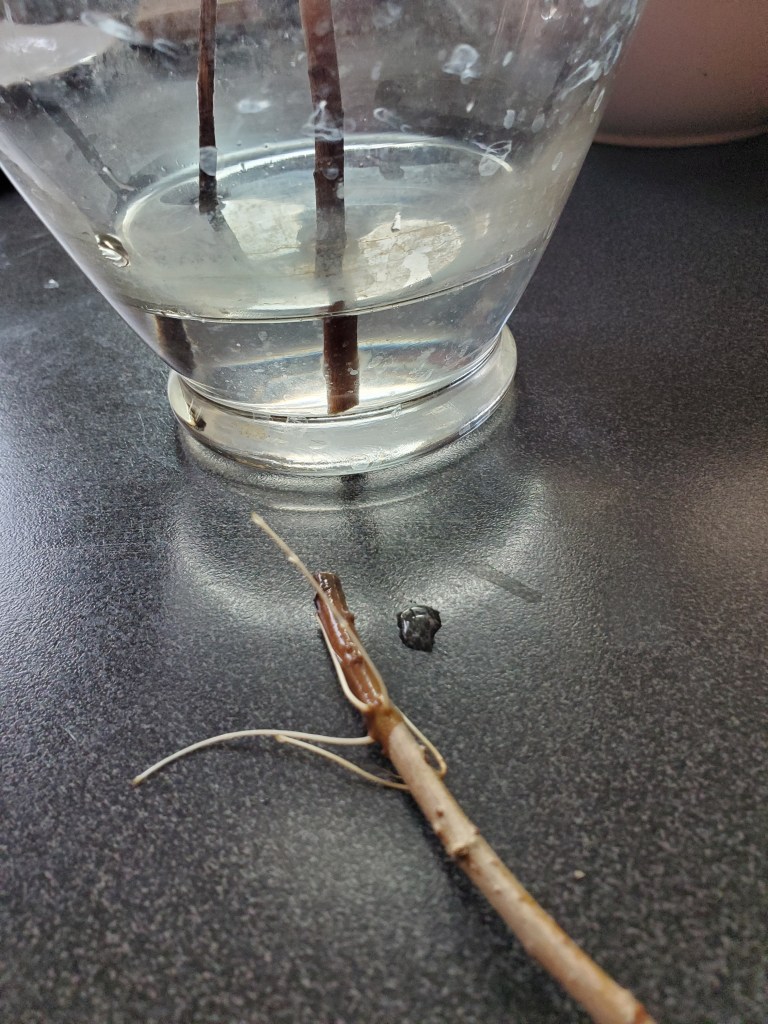
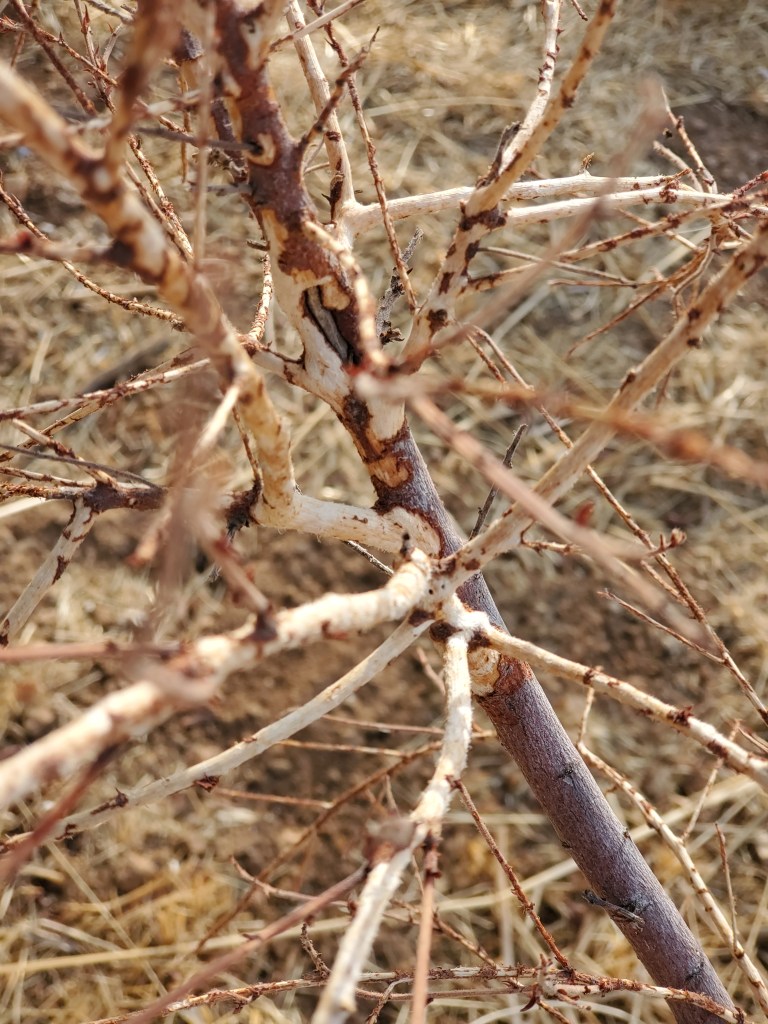
It is probably overstated about “miracles happening every day” – a bird making a nest, the bloom of a flower, someone loving you unconditionally, bridges holding millions of tons and planes staying in the air – all seem like miracles. Something I’ve not seen is an oak seedling come back from the devastation of plague level grasshoppers stripping everything, even the bark, from the plant… but now I have. The very first oak seedling I planted last year, shockingly, has re-sprouted leaves.

When I went around to reuse the baskets I had painstakingly planted in winter 2023-24, I carefully examined each little seedling hoping against the odds that there were survivors. They never got to grow much. Their inner layers had been exposed, stripped bare of anything that looked like a plant. In addition, the summer was long and with brutal heat.

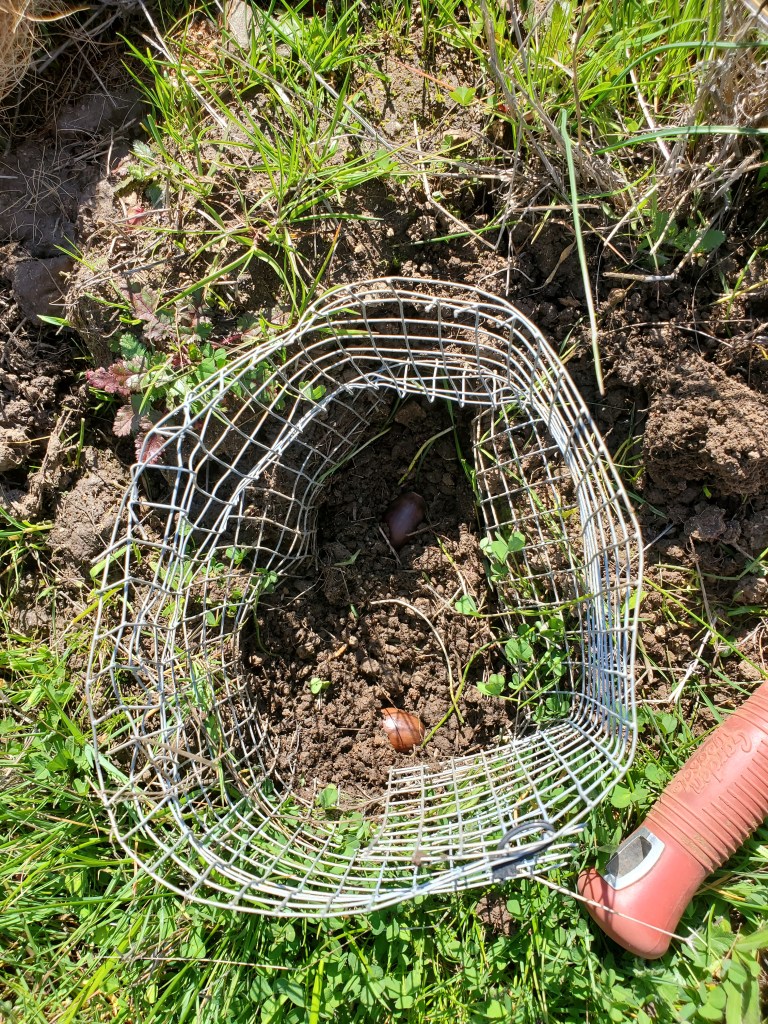
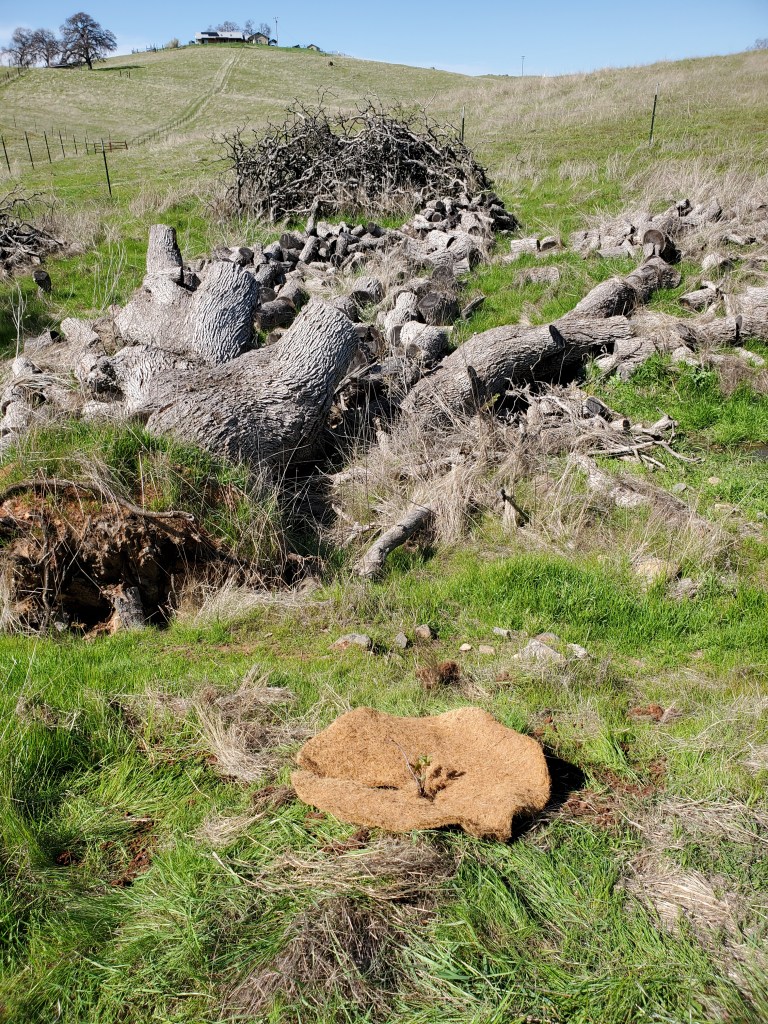
Like a careful pediatrician, I would gently bend their tiny branches to see if there was any moisture and life remaining. All of their little limbs broke off. I would gently tug their trunk to see if there was any give. Sadly, most of them pulled right out of the ground, gone from the strain. There were a few that refused to give, and I left them there. This year, in those baskets, instead of placing a new seedling, I lightly covered an acorn. I thought, maybe they needed a friend to share the energy for one life. When I got to the seedling I planted at the base of my beloved now dead oak, I saw what looked like a couple green and red buds on the trunk. I took my glasses off and wiped them thinking maybe I had some gunk on them. I put them back on, looked closer, almost putting my face up against the basket. Oh my goodness, YES!! Resiliency!! She was alive and producing some leaves. A miracle for sure!

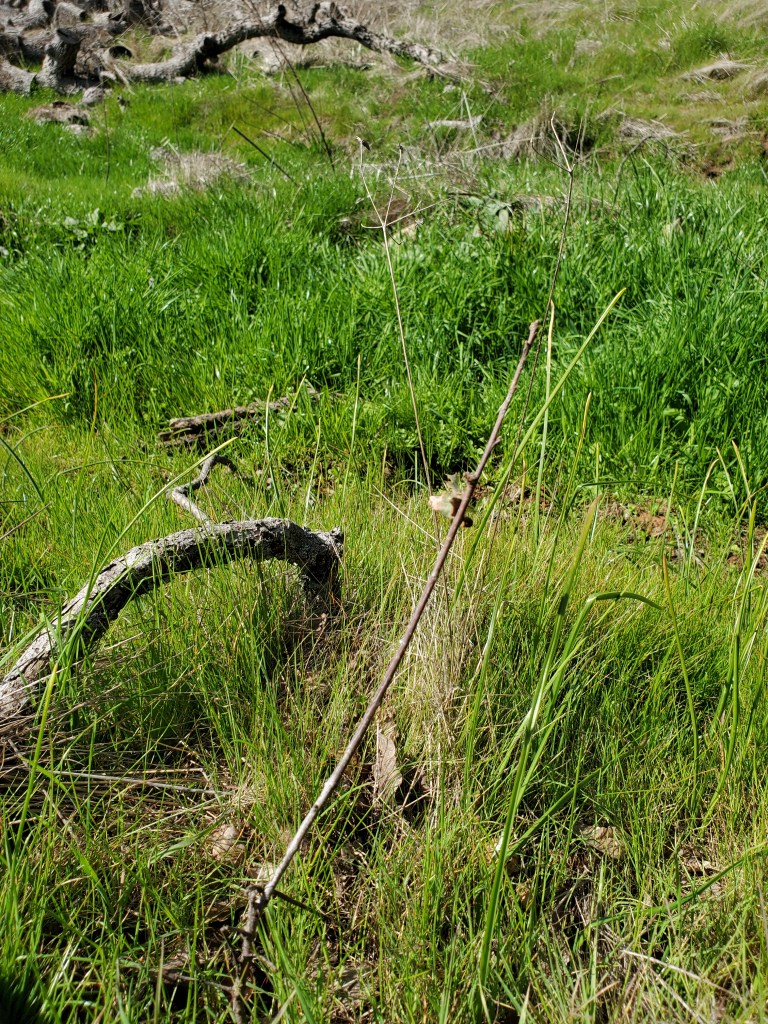
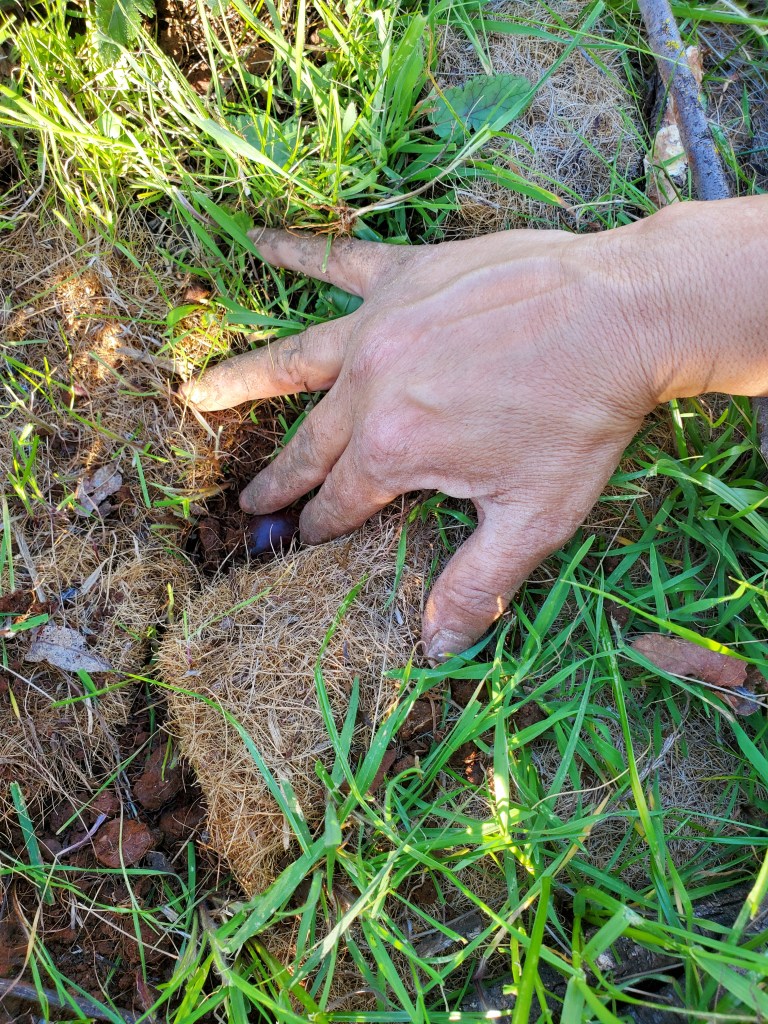
I have also been monitoring the other oaks closely. So far, they all appear to be doing well. They all have leaves. The baskets where I only placed acorn have not sprouted anything. One site, it was clear that the acorn was taken. I replaced that one acorn with two, and will hope one of them makes it to germination.

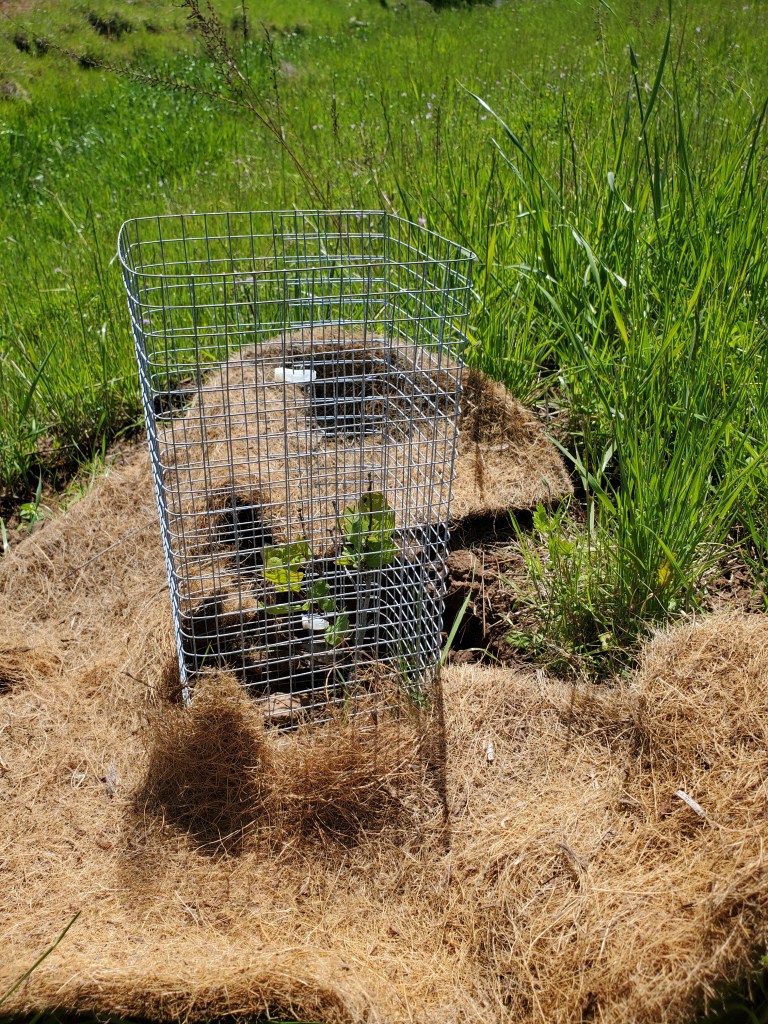
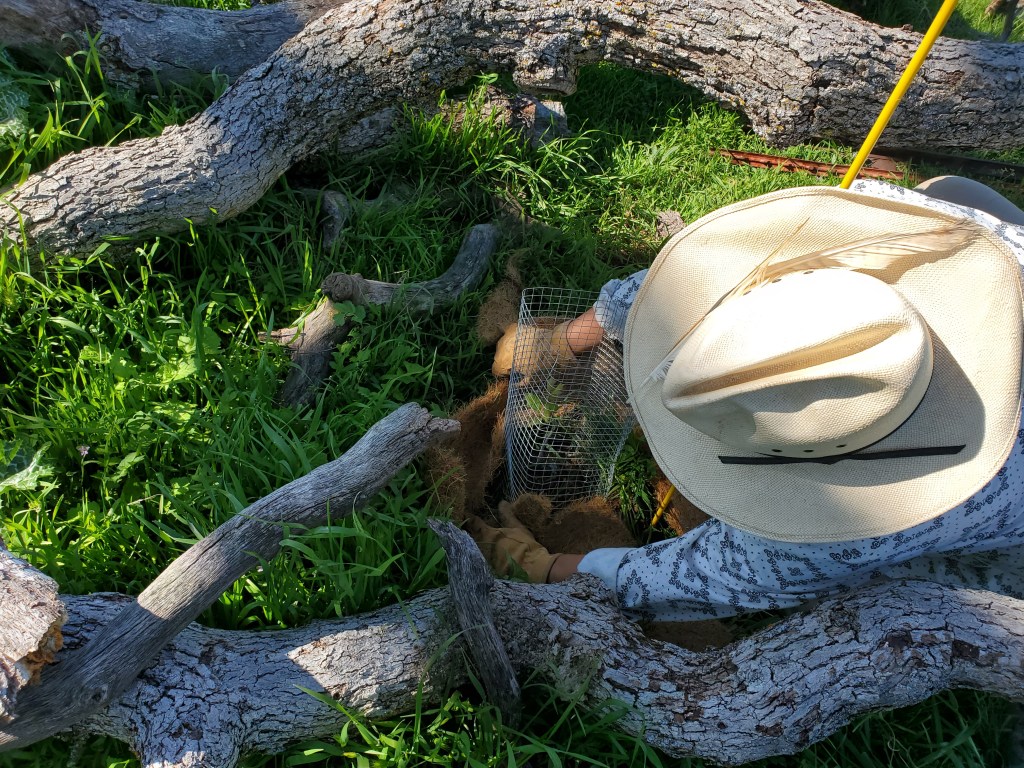
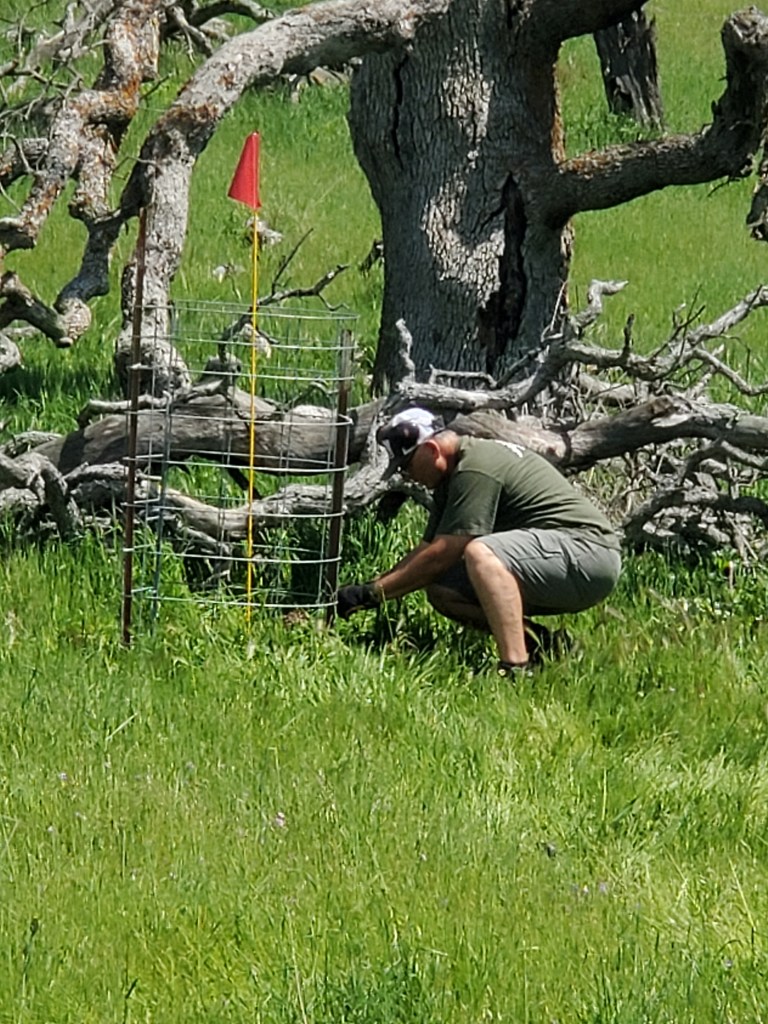
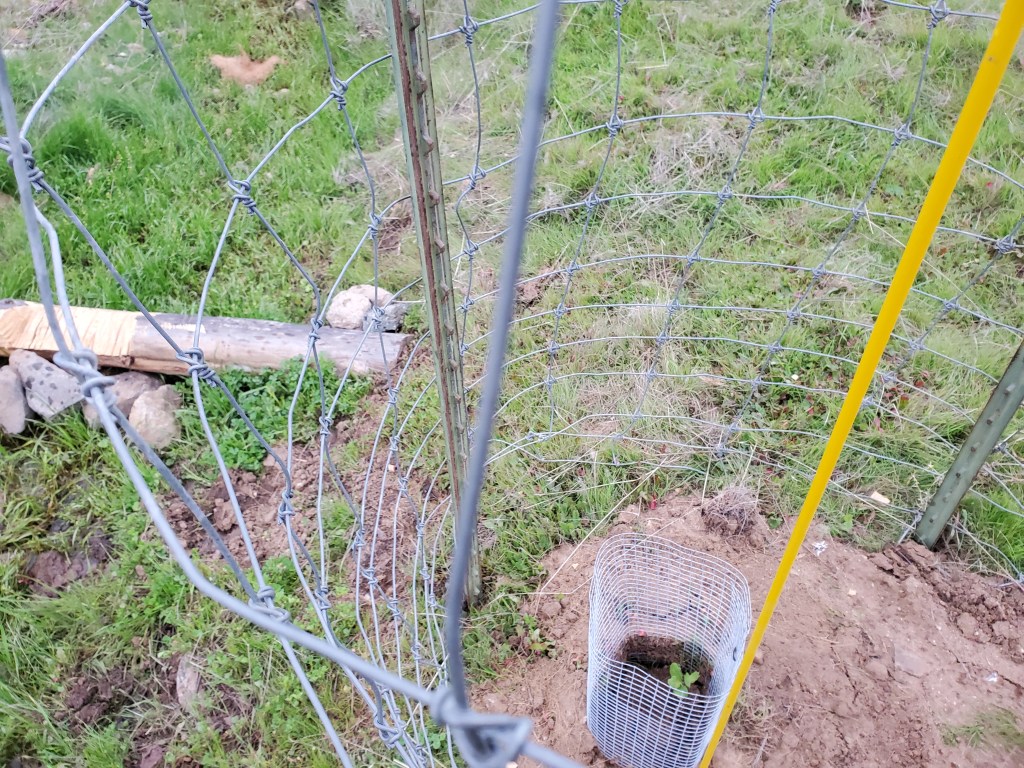
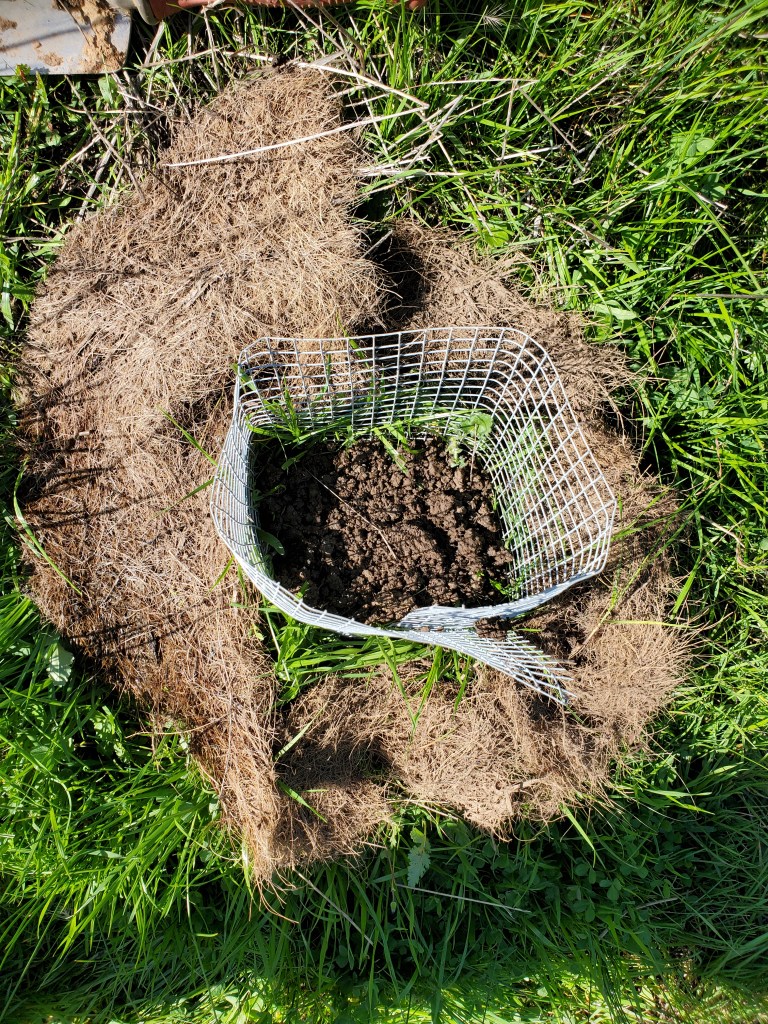
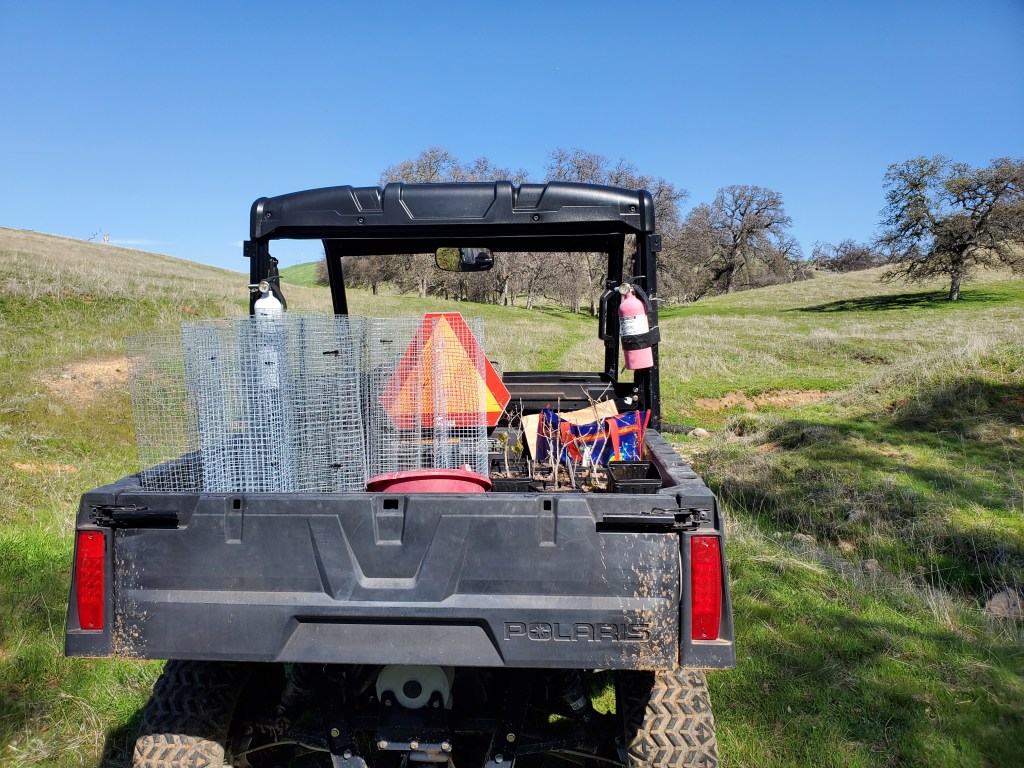
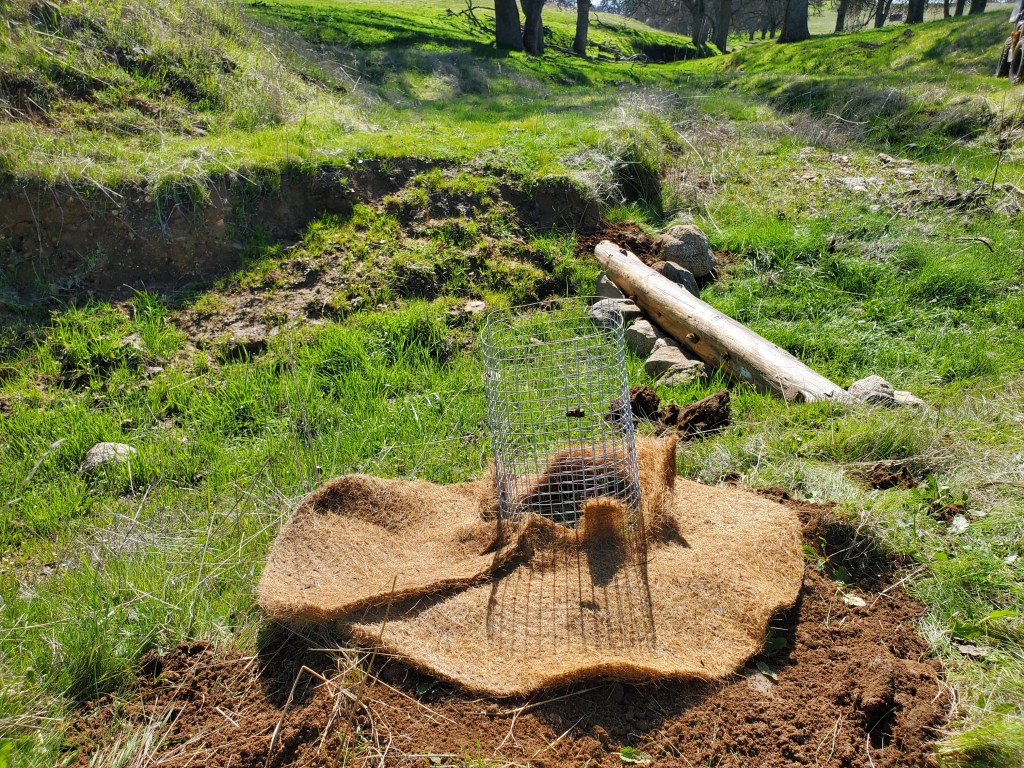
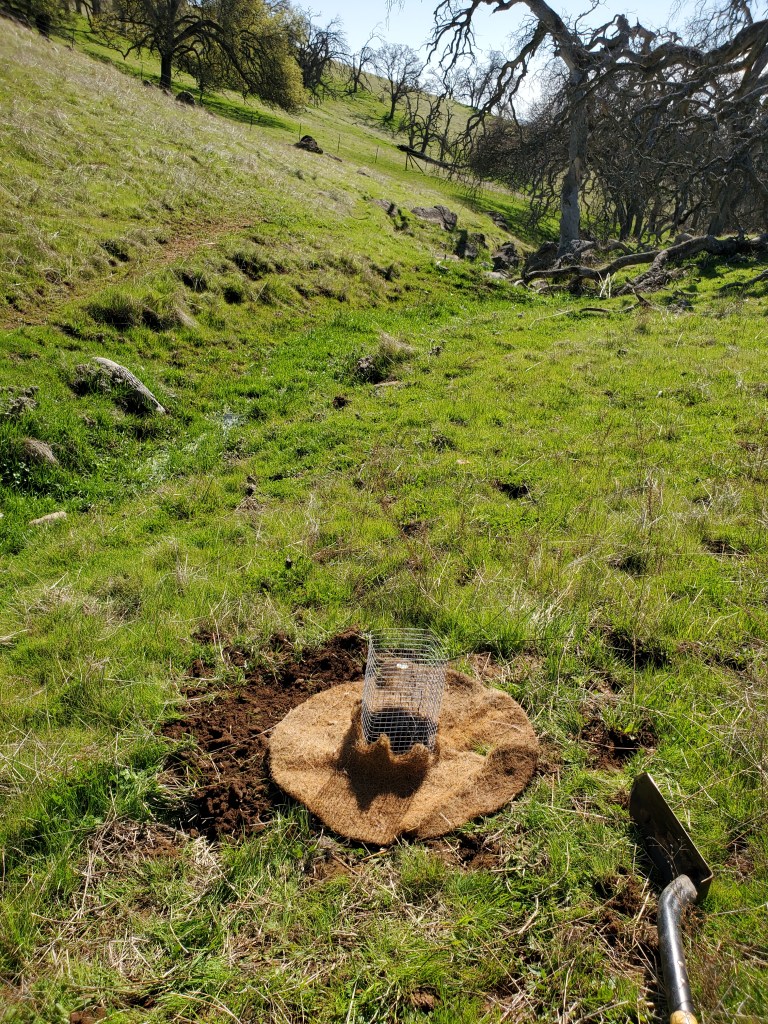
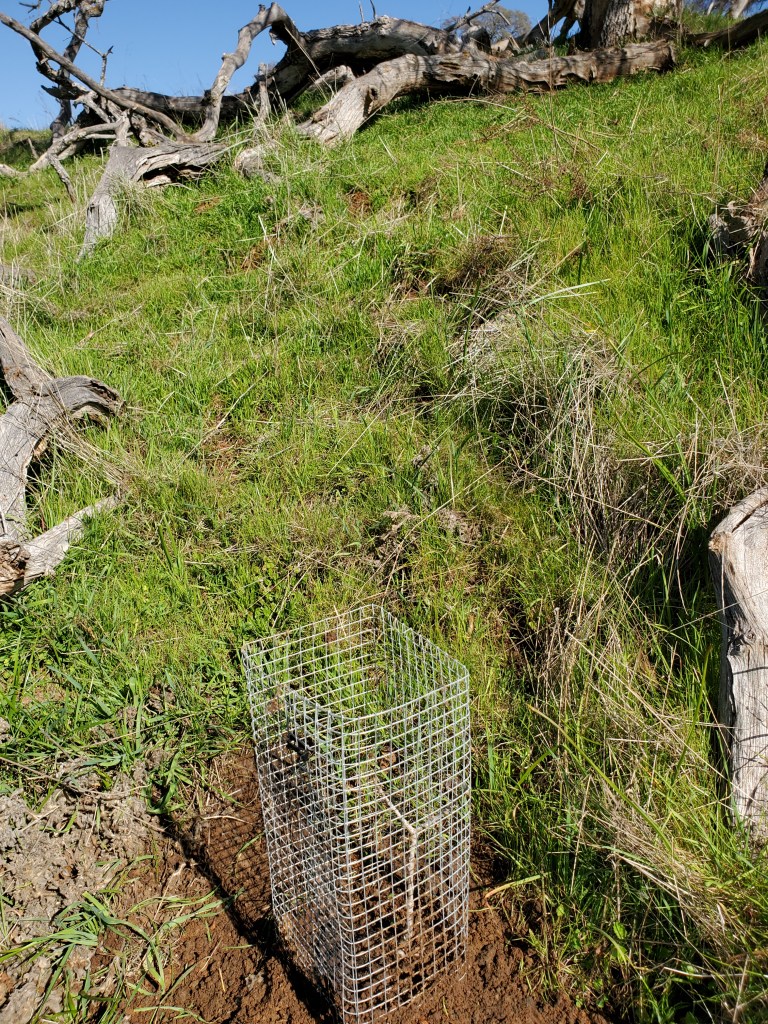
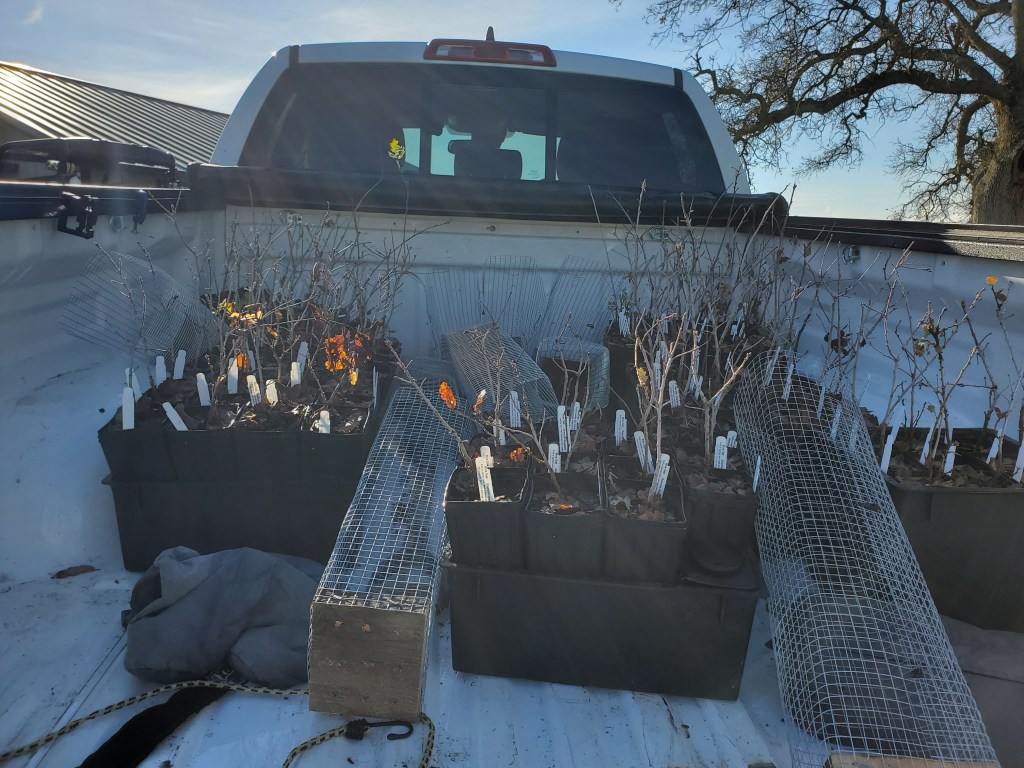
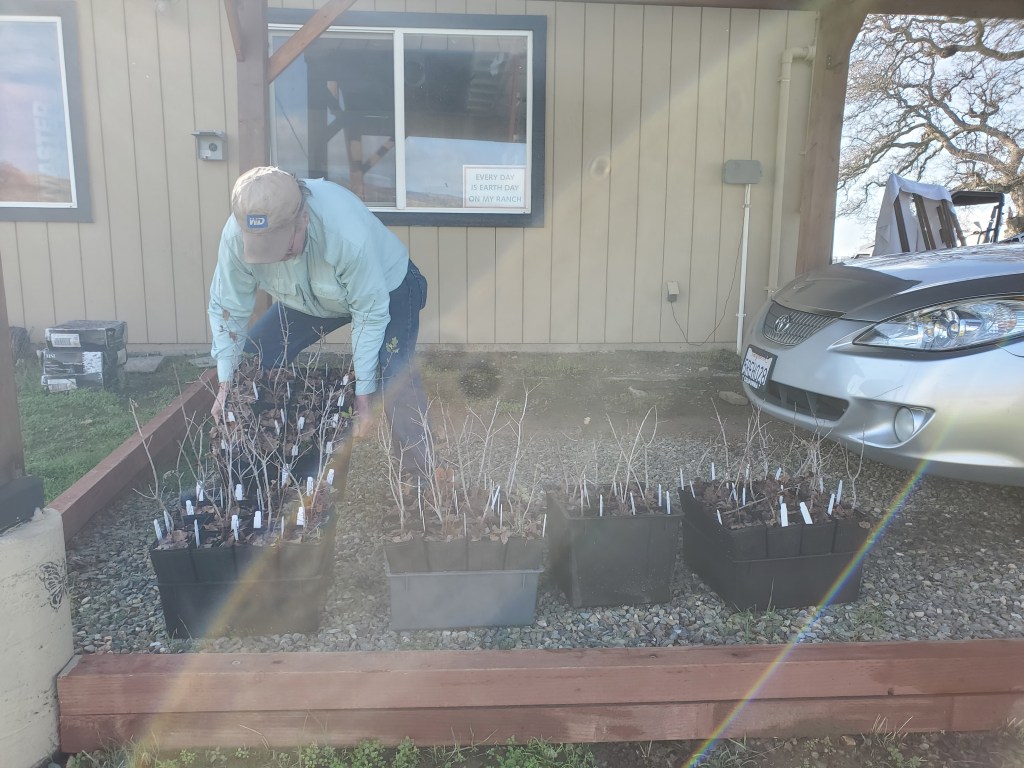
David and I have finally got all of the oaks caged. When the cows return from the south end of the ranch, the oaks are now protected. I had planted them well before the caging was done, and some of them had been stepped on or bent from hungry cow heads exploring their ability to access the tasty acorn and tree. The trees are small enough that the tallness of the basket protected them. That said, I needed to do a bit of reshaping before caging the area around the plant. We followed a new protocol for caging that Alex Palmerlee, an oak expert in Butte County follows. We used much stiffer cow panel fencing at at length of 8′ and a height of 50″ secured to two t-posts. Previously, we used no-climb fencing at a thinner gauge with a much larger diameter. The thinness required three t-posts to secure. I think this new method will require less resources and be more resistant to pushing in from the cows, thus OK to have a shorter diameter. Thank you to my long-suffering husband for doing the major share of the caging work. After I maintained the oak planting site by weeding, re-situating coir pads and “fluffing” the baskets back to their original shape, David would follow with the caging. I had already set out the t-posts for him, and he brought the panels. We make a pretty good team.

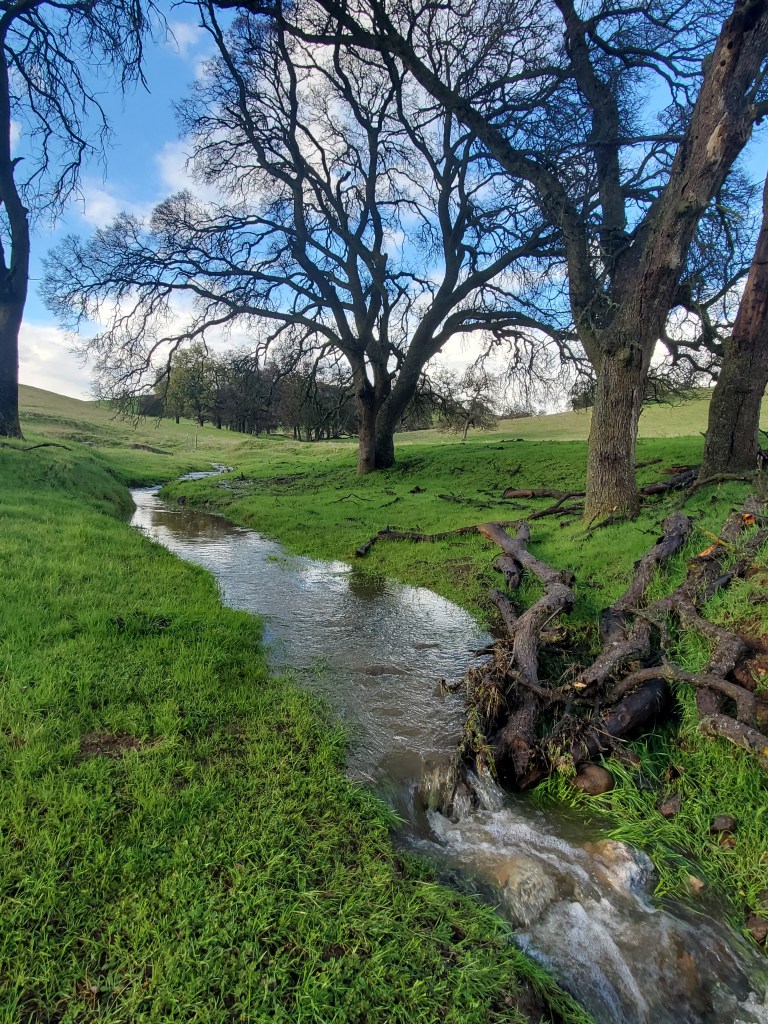
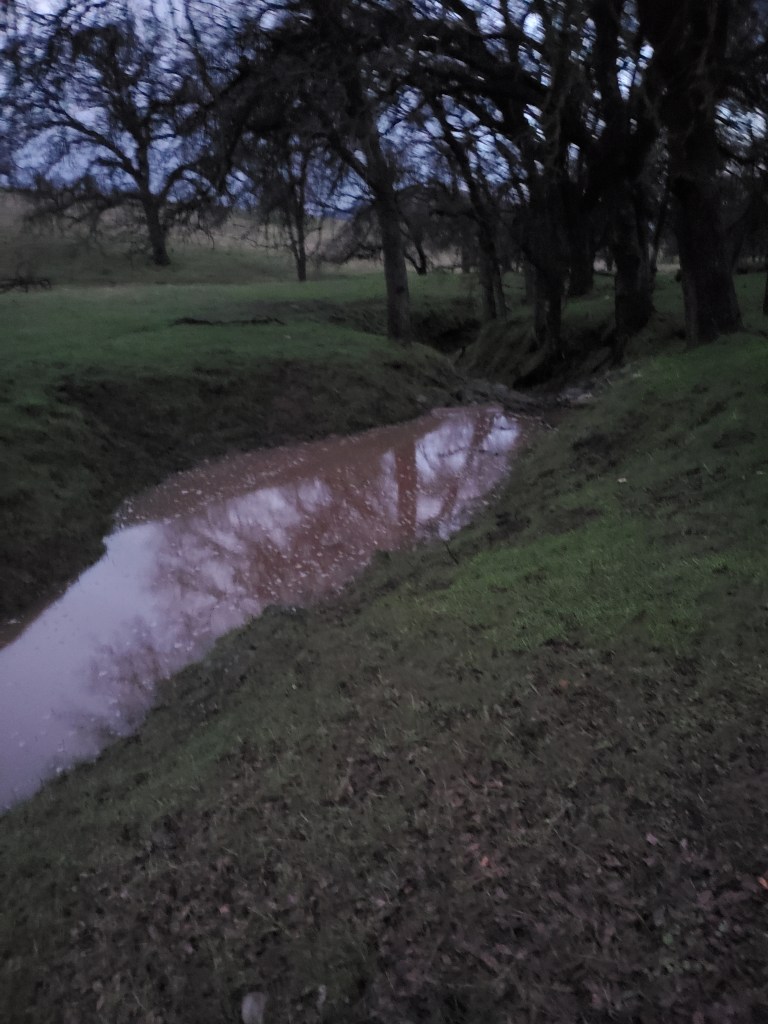
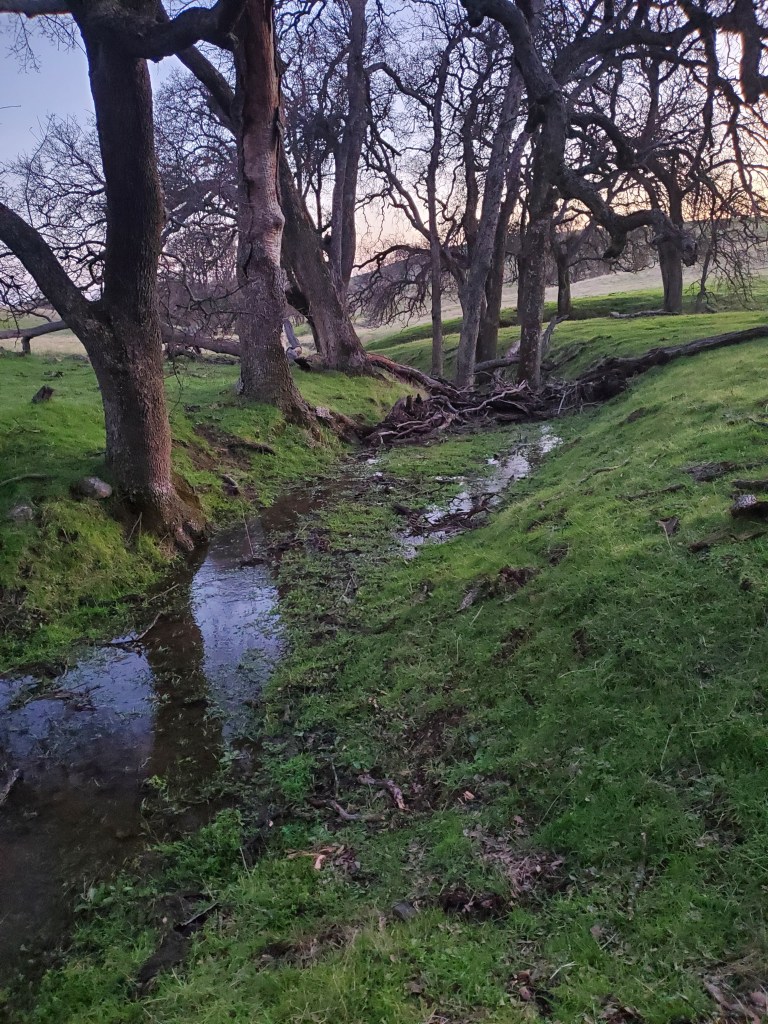
The weather is beginning to warm. There is still water running in all the creeks and drainage’s. The soil is still moist. However, soon I will need to follow a watering regime to ensure oak the survival of these babies. Fortunately, I have not see any grasshopper nymphs like last year. Crossing my fingers that hoppers will not be a problem and that these trees will have time to become established.

CA Milkweed Shockers

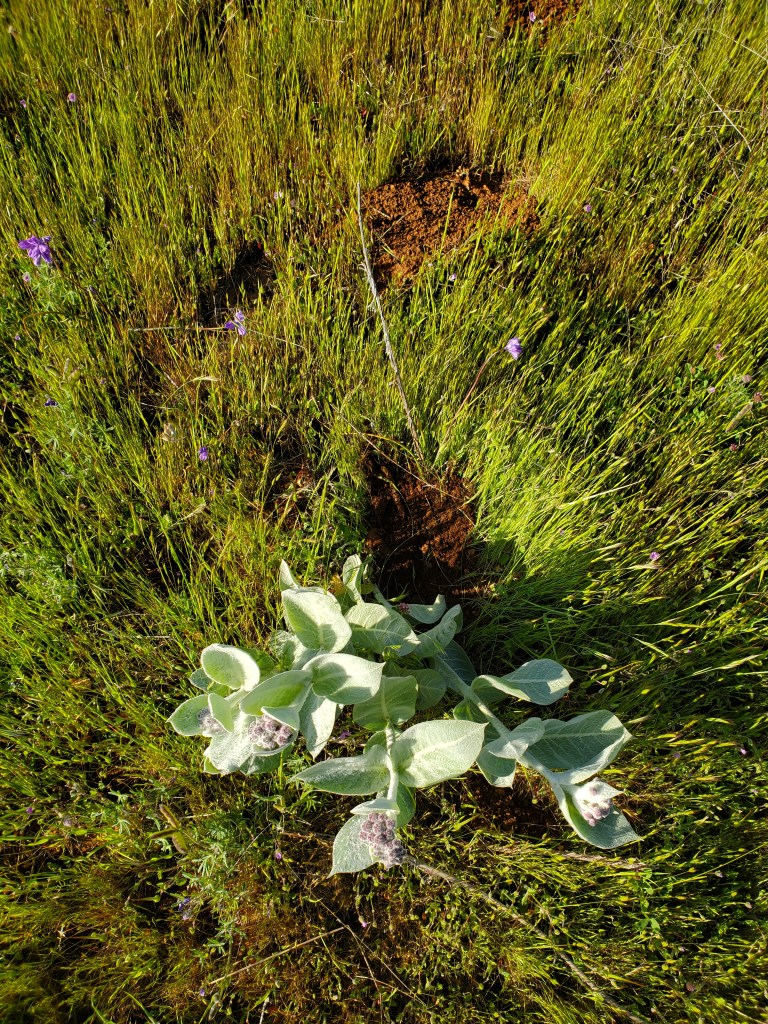
Monitoring the Ca Milkweed patches is a good workout. Walking up the super steep grade ensures my legs and heart are getting the blood and movement they need. So, I was not sure if it was the workout or that when I got near the top of the hill a milkweed was missing, that was the cause of my heart was racing over 100 beats per minute. I was panicked. After seeing the pile of loose dirt mounded up where my gorgeous mature milkweed always is, I began looking for all the other ones. Visions of gopher mounds clouded my mind as I frantically ran from one location to the next. Most of the others were intact. Another small one was missing, but another one popped up on the other side of the patch. For the mature, large milkweed, I think the gophers had been gnawing on it for a while. That is probably why it was so small this year. Then poof — gone.

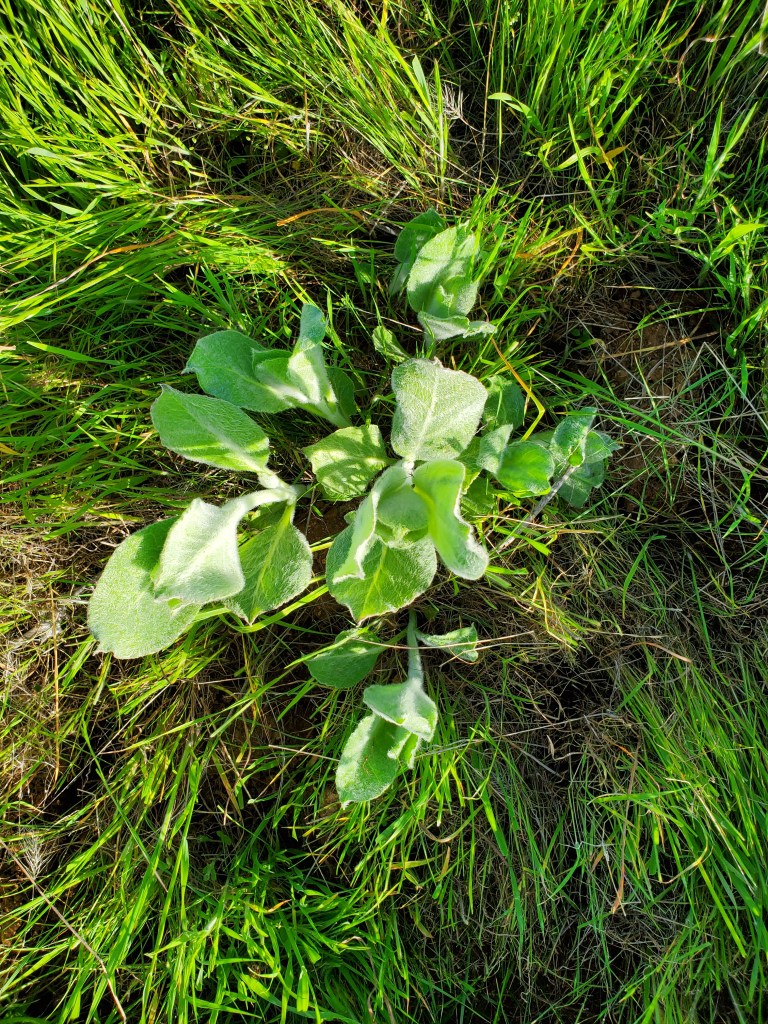
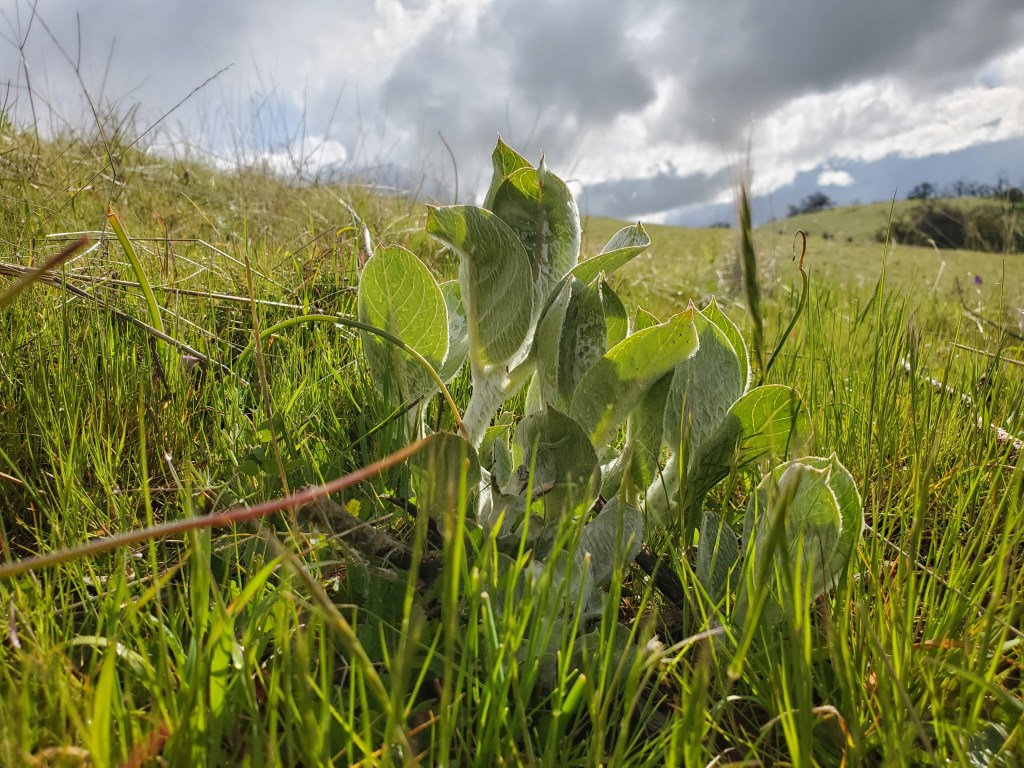
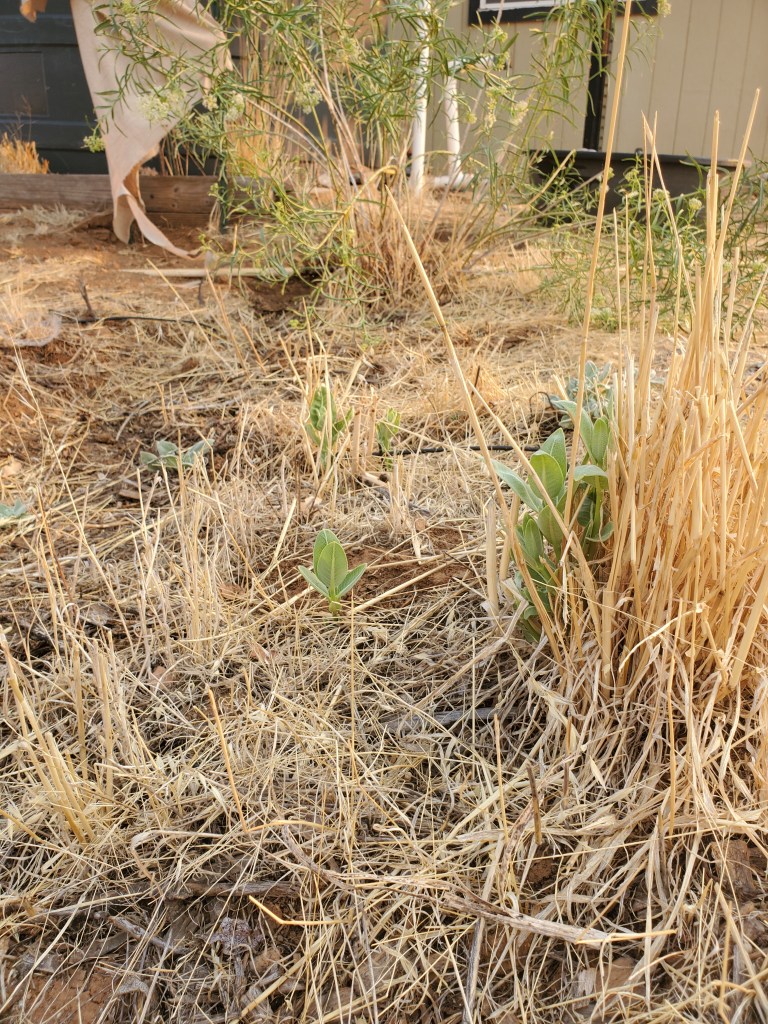
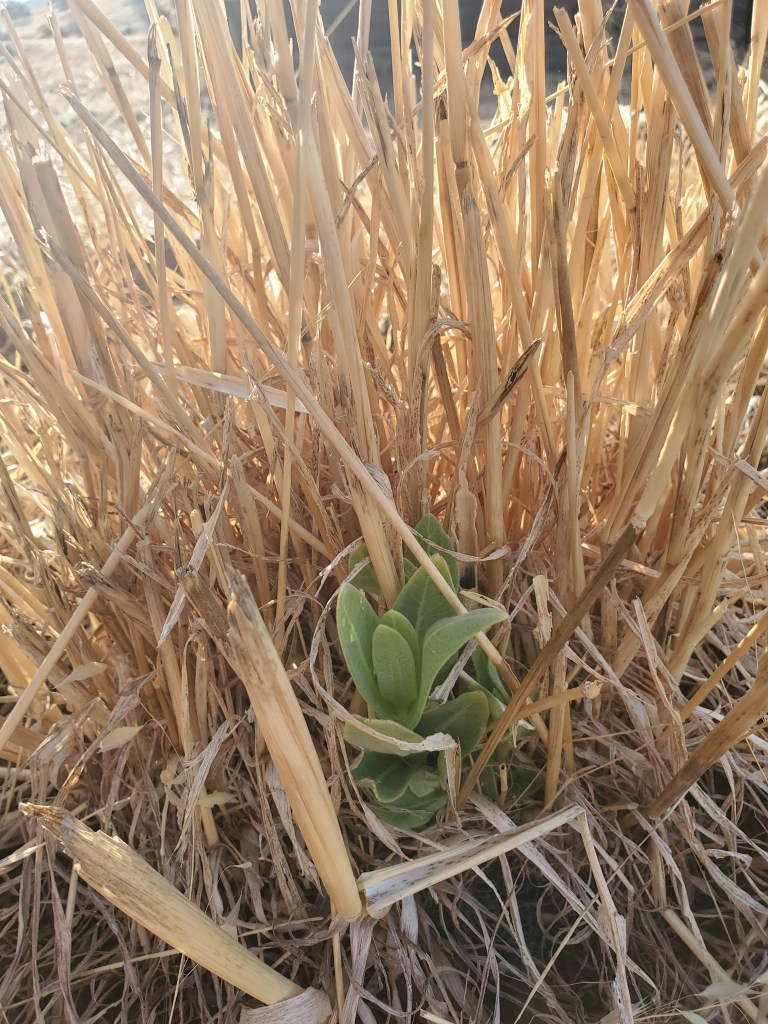
Something else remarkable has happened this year. The CA Milkweed on the north facing slope has emerged only 10 days after the south facing slope. For the past several years, there has been between 3 weeks to 1.5 months between emergence’s. I counted five on the north facing slope and only seven on the south facing slope. As I look for them, I weed around them. The grass is a lot of rye this year, and it is really tight against the milkweed. Hopefully, giving them some space will help and enable to monarchs to feel their eggs will be more protected. Perhaps it will not be a big year for milkweed, and we will need both sides available for the monarchs.

I installed a game camera up on the south facing slope looking at (now) one milkweed. I am hopeful to catch a monarch landing on the milkweed. I installed it over the last weekend, and went up the next day to check the card to make sure it was capturing images and pointed in the right direction. It somehow got shifted and was only catching a piece of the milkweed on the very left side of the frame. I fixed that. Hope it stays.

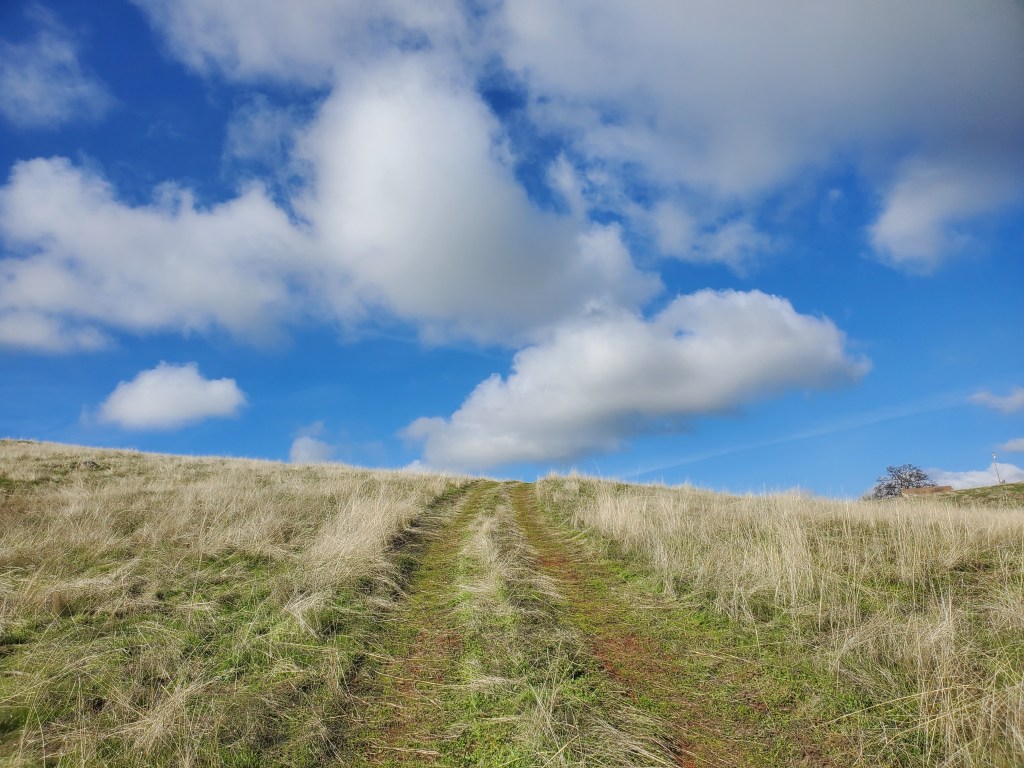
While up there on Sunday 4/6, I was treated to some amazing things. First, the scent of the cow clover and all the vetch. Second, two or three large crotch bumble bees buzzed me and then went about their business nectaring. They let me know who is in charge. Finally, a gorgeous, large harrier was floating across the surface of the ranch looking for dinner. Just incredible. Currently, only a few of the Calif Milkweed blooms have emerged from they duff protection. As more get released, they will add to the extraordinary perfume, a siren song, to all pollinators.

Wildflowers at Massive Scale

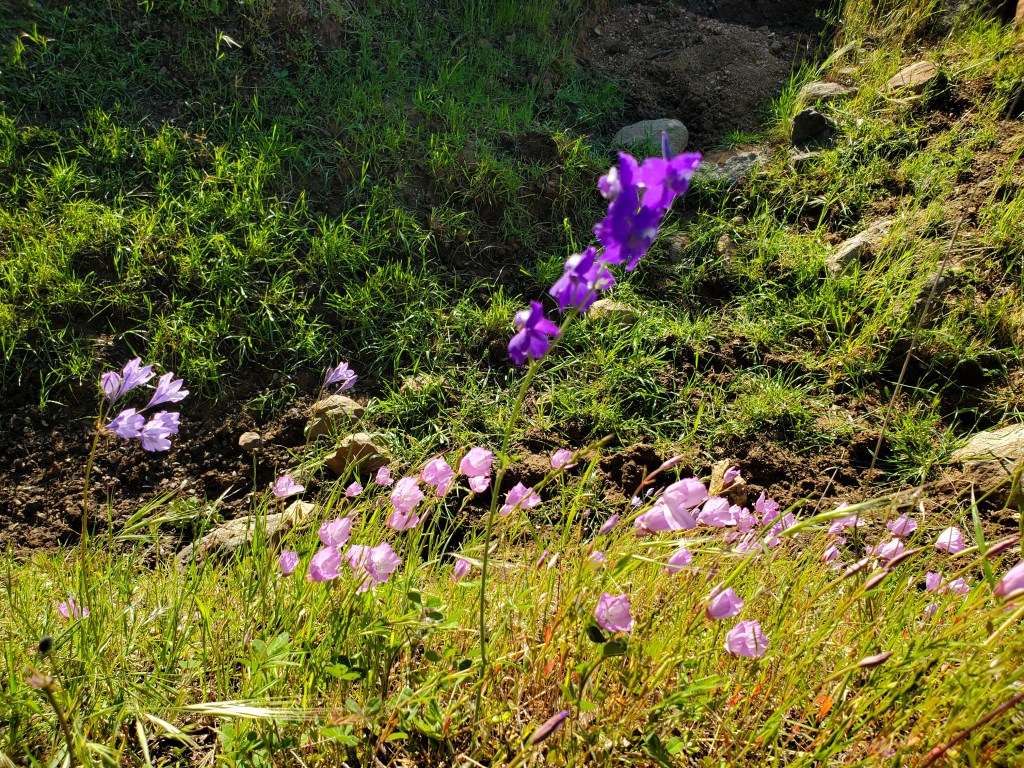
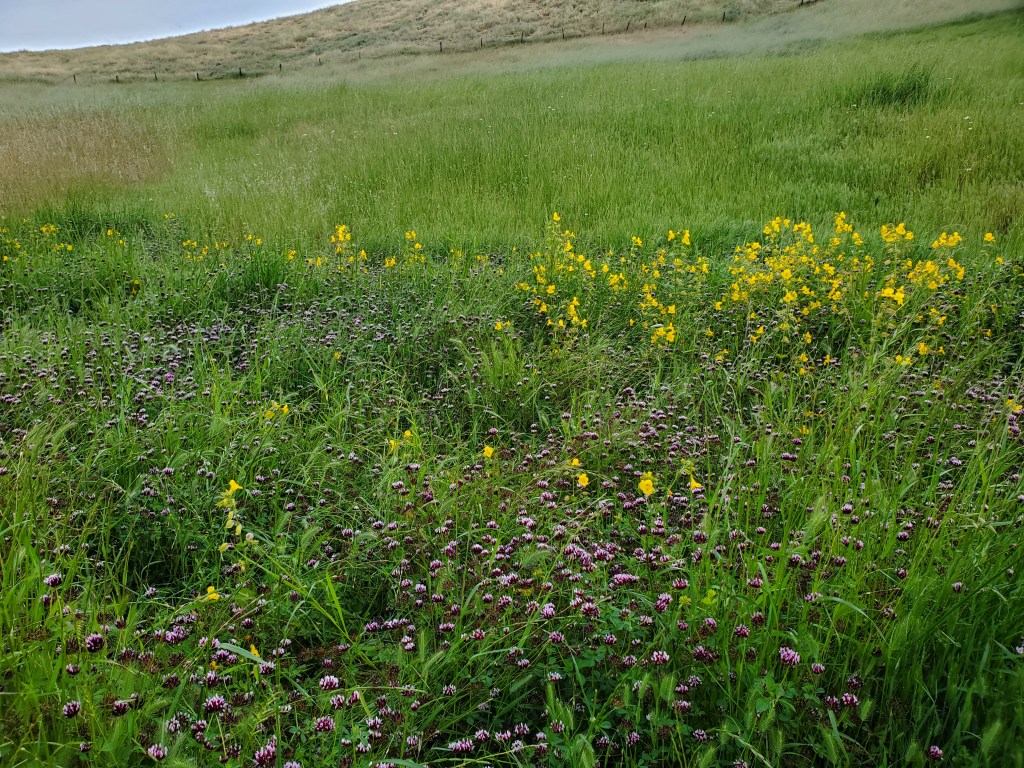
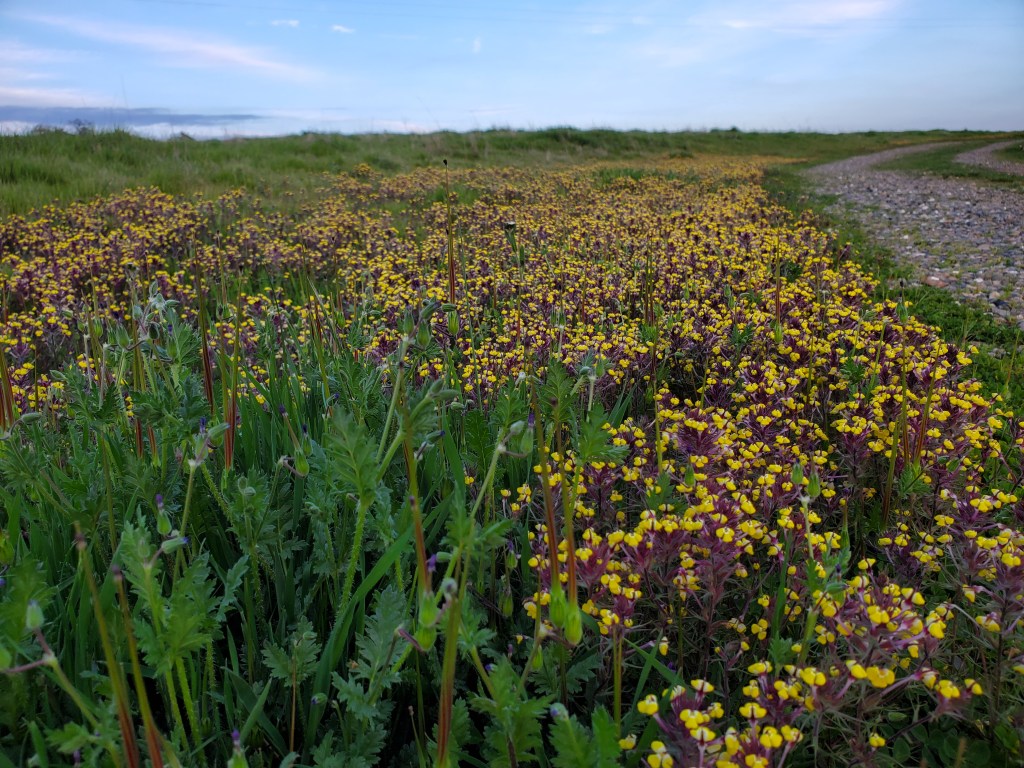
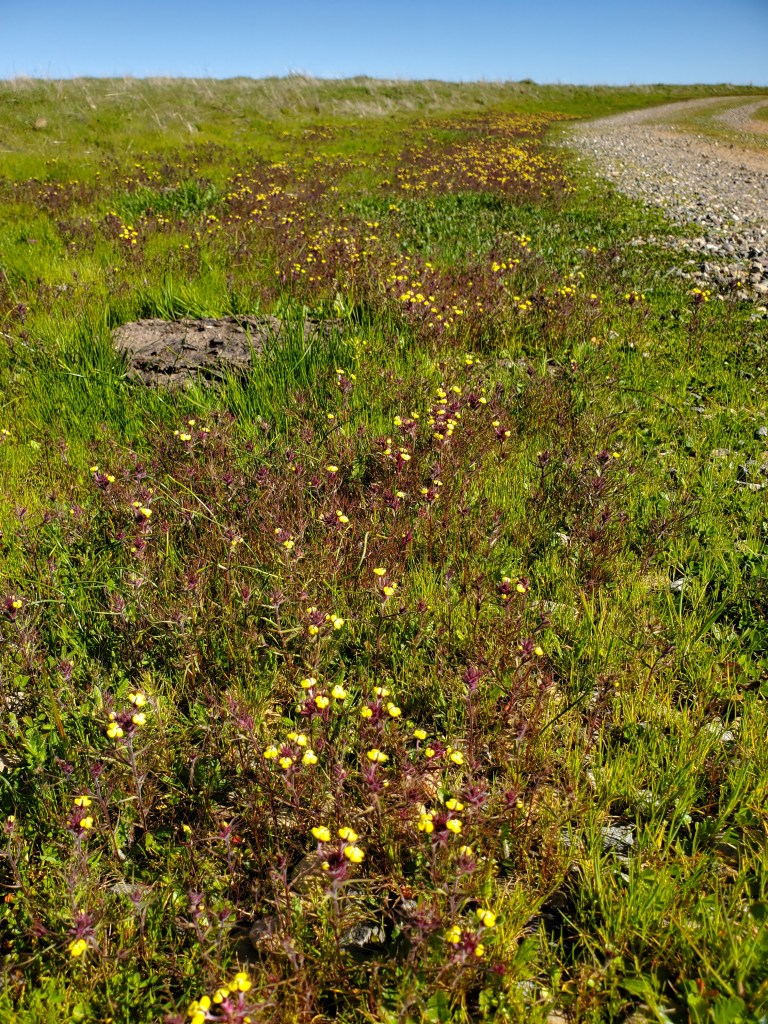
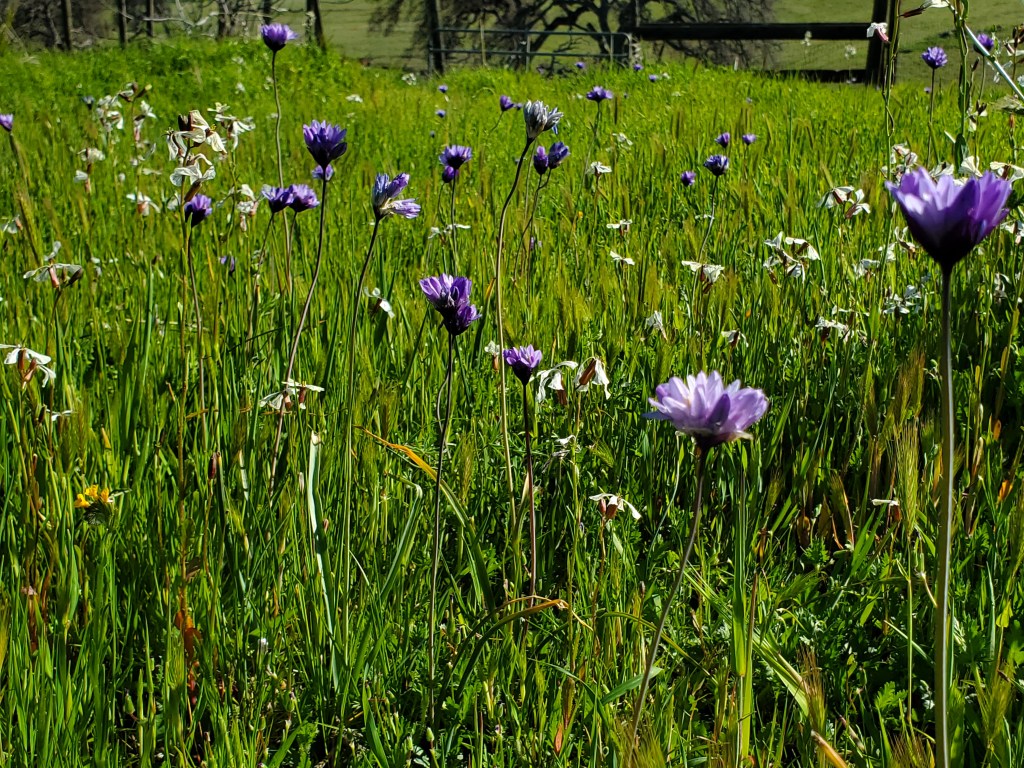
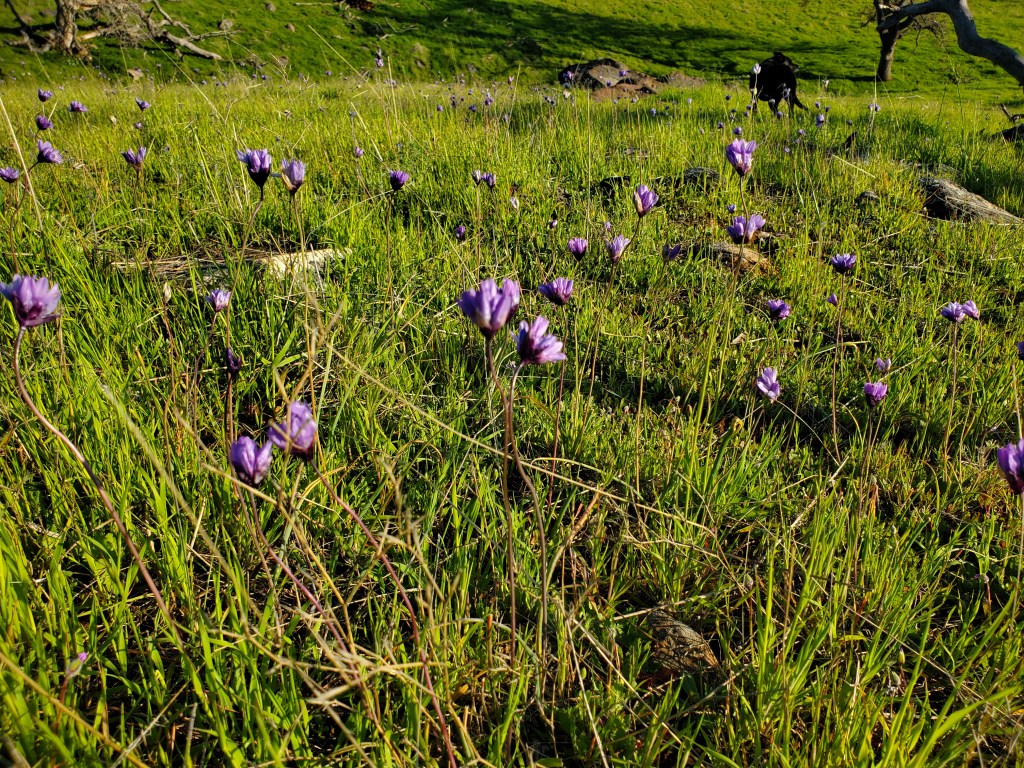
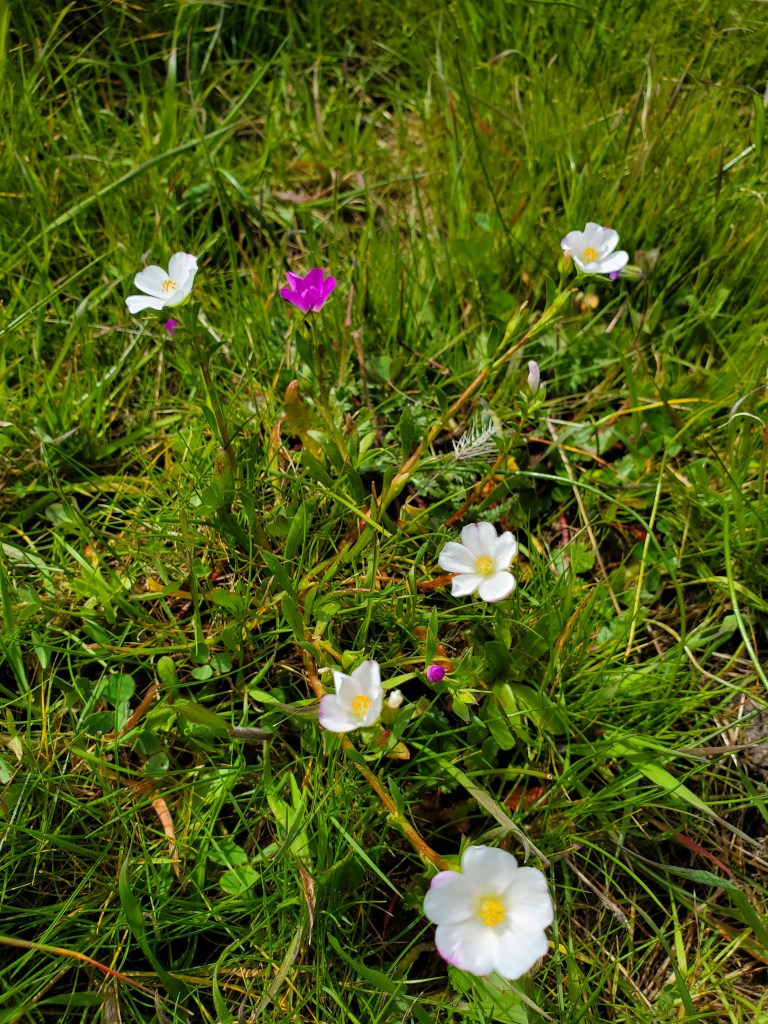
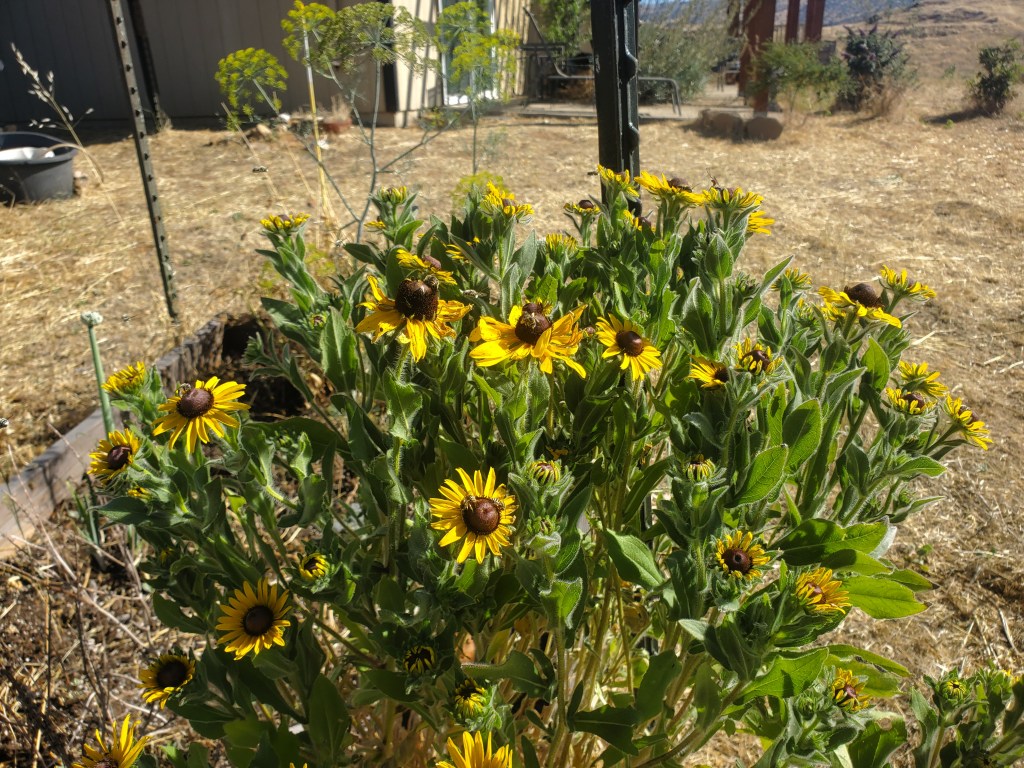
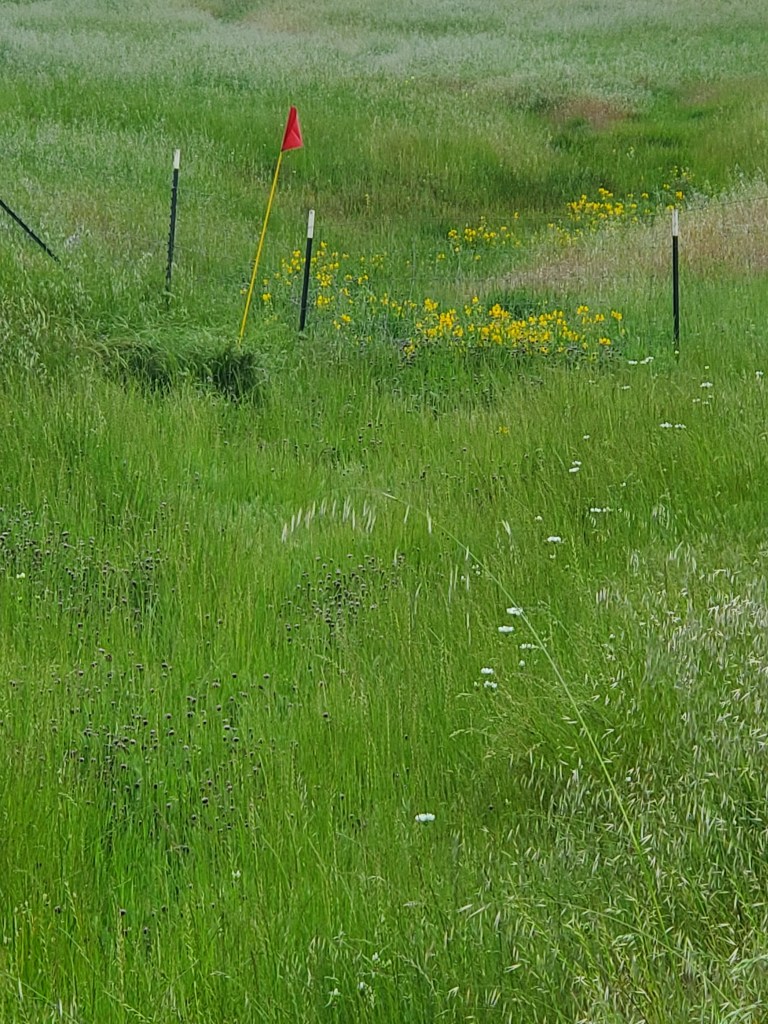
Wildflowers never disappoint. They are up and at a massive scale. The air is thick with nectar, especially when you walk through a cow clover patch. So sweet! With the flowers come the insect relatives. I love them so much.

Time

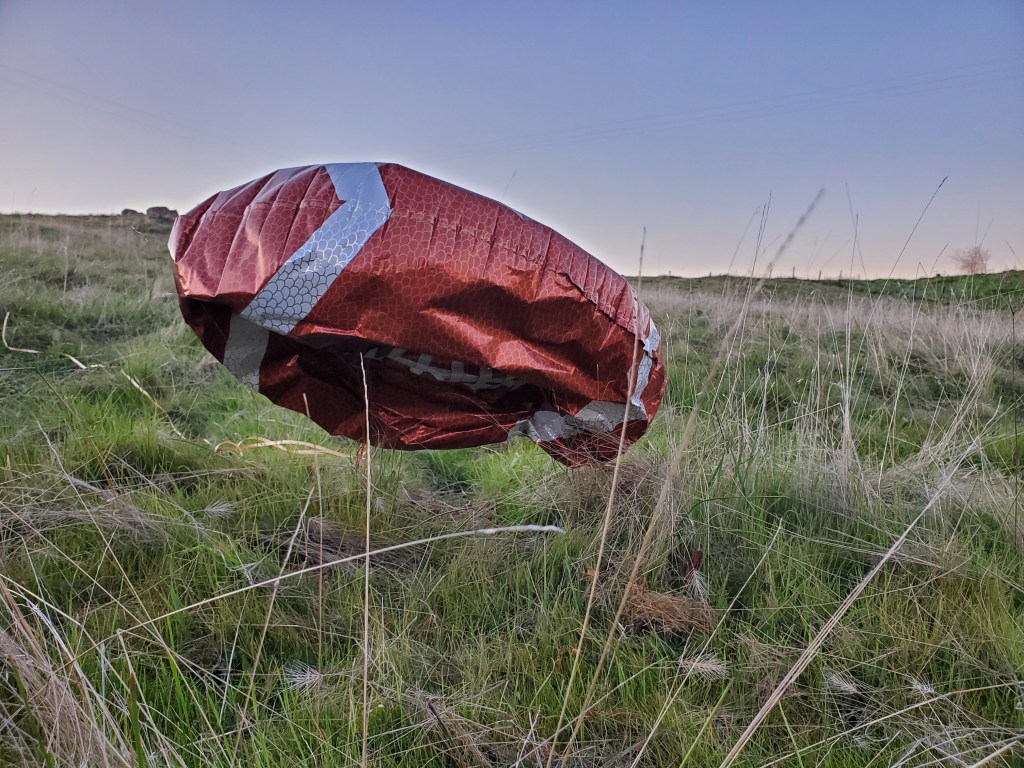
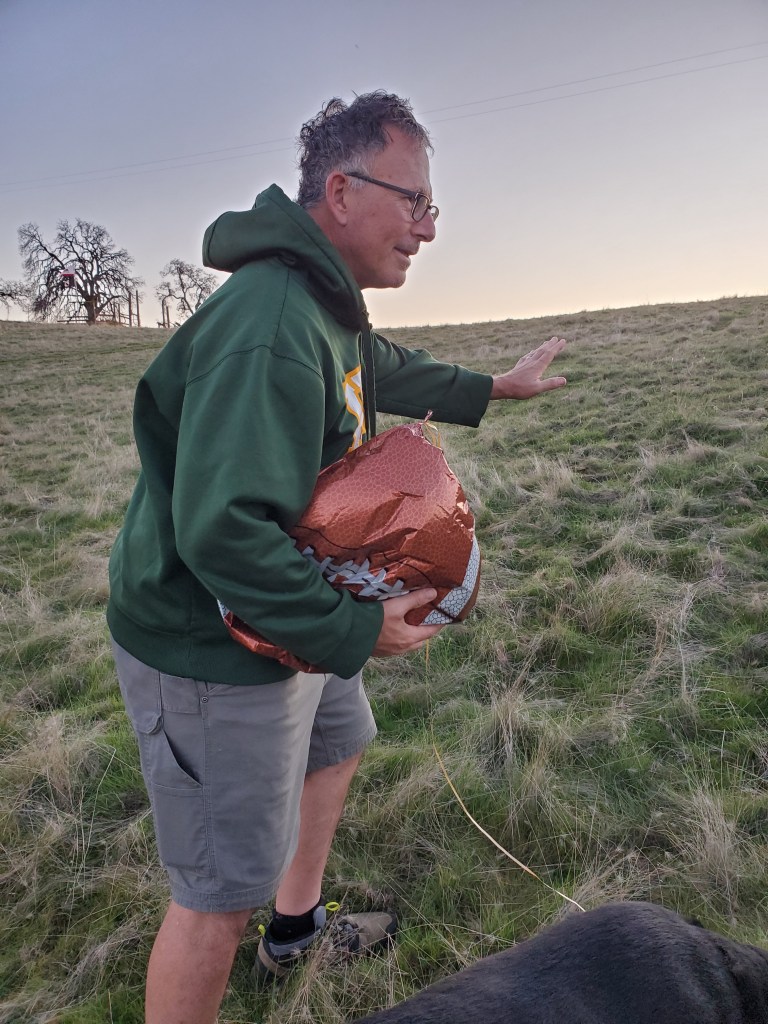
Each day, I try to make it to the top of the hill to check the Ca milkweeds. The girls are aging and sometimes stay at the bottom of the hill. They are my joy. Along the way, I straighten baskets, fix twisted screens, weed around milkweeds, and pick up trash, like Mylar balloons. There is always something to do here that can help. When I eventually sit down to write this blog and share the things I have seen, done or learned, it takes time. I started this post over a week ago, and the land has changed significantly since then. Water has soaked into the ground leaving puddles behind. Some flowers have finished their bloom and others emerged to replace them. Small pollinators are out in droves, and were not out just a week ago. Even in the photos, you can see my clothing move from jackets, to sweaters to tank tops. I will try to move these out more quickly, and perhaps it will help me make these posts shorter and more current. Do I say that each time? We began this blog discussing miracles.

It is a goal anyway.

Water | Oaks | Tornado Warning!

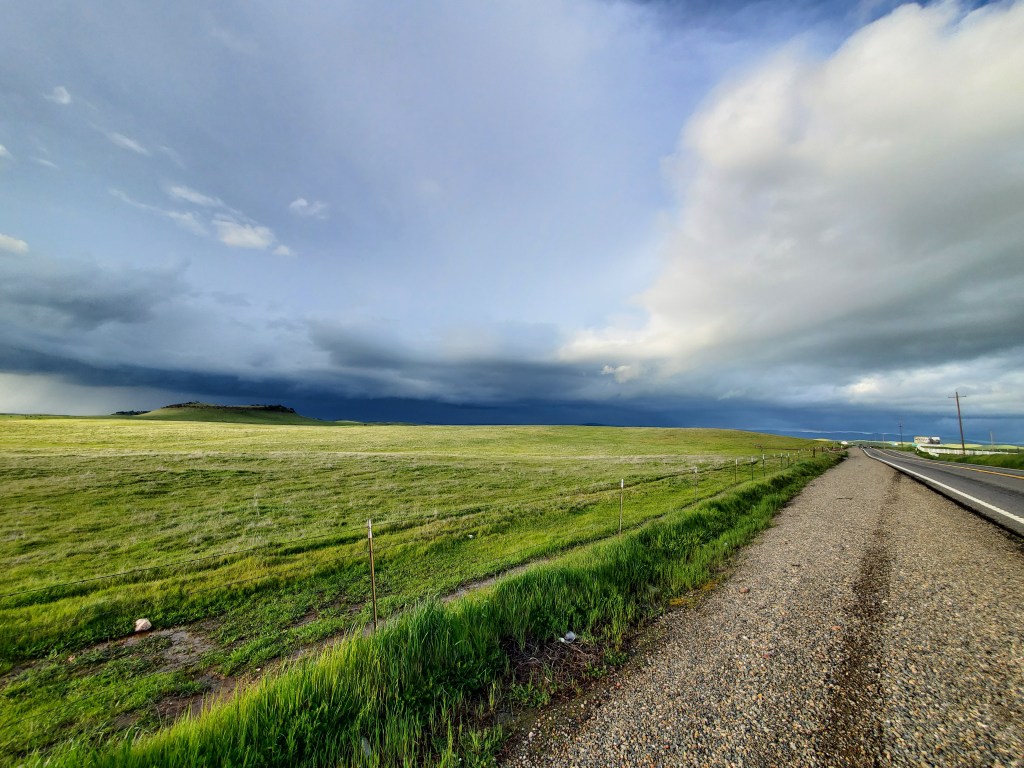
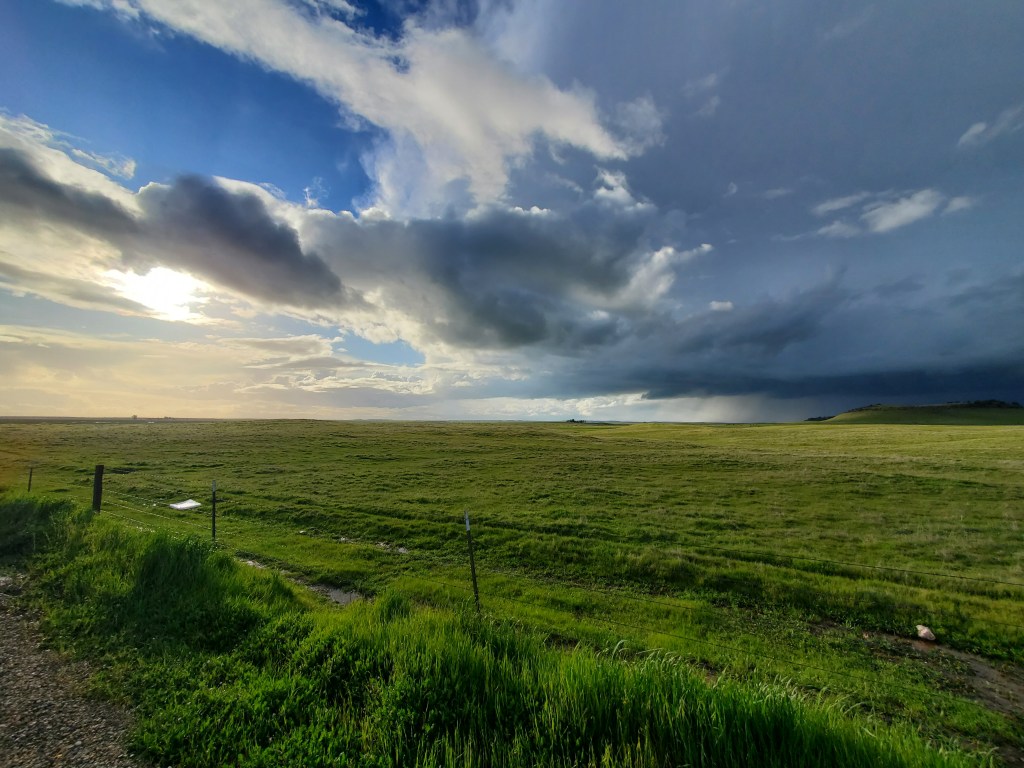
Another storm brings much needed water

I ate two bars of chocolate for breakfast, and I was lit. No one said I was perfect – eggs, oatmeal, too hard for me to think about preparing that day, and I succumbed to the ease of – go to the fridge, grab a bar, open a wrapper, and eat. Then, again. Not proud, but true.

Lately, the intense investment of time, energy, thought and emotion over the last 12 months are catching up with me. My dad is improving; though there are still back-slides, he can do more for himself. As a result, I collapse into a heap of less usefulness and find myself tired all the time, getting out of routine, or filling those moments of routine with non-dad items long ago neglected.

This transition period is messy. Some days my brain is so out of sync I cannot put two words together thoughtfully. My diet of chocolate, peanuts and jam and, if I had some energy earlier in the week, basic salad, is not the finest to promote optimal brain function. Some days my husband will take pity on me and make me a smoothy, or an egg. This day, I am up earliest and on my own. Chocolate it is. Caffeine and I do not mix. I know this. I am hungry, lazy and just love the taste. Jitters take hold, and my plan to plant more oaks just got an accelerant.

Oak Planting Nearly Done

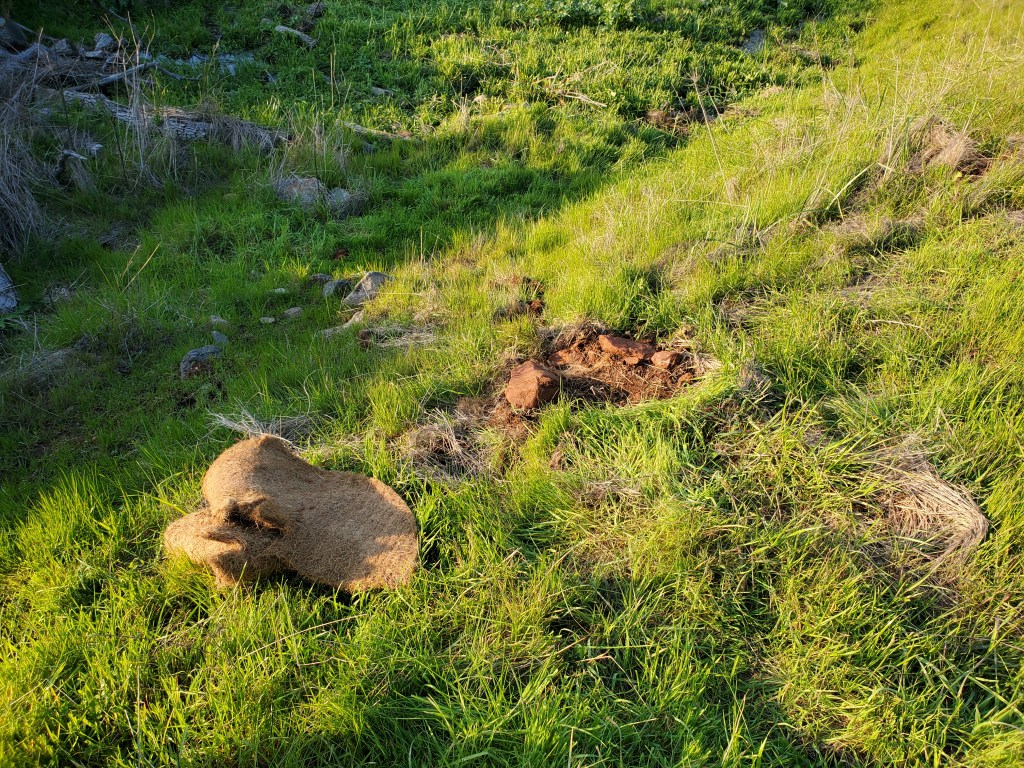
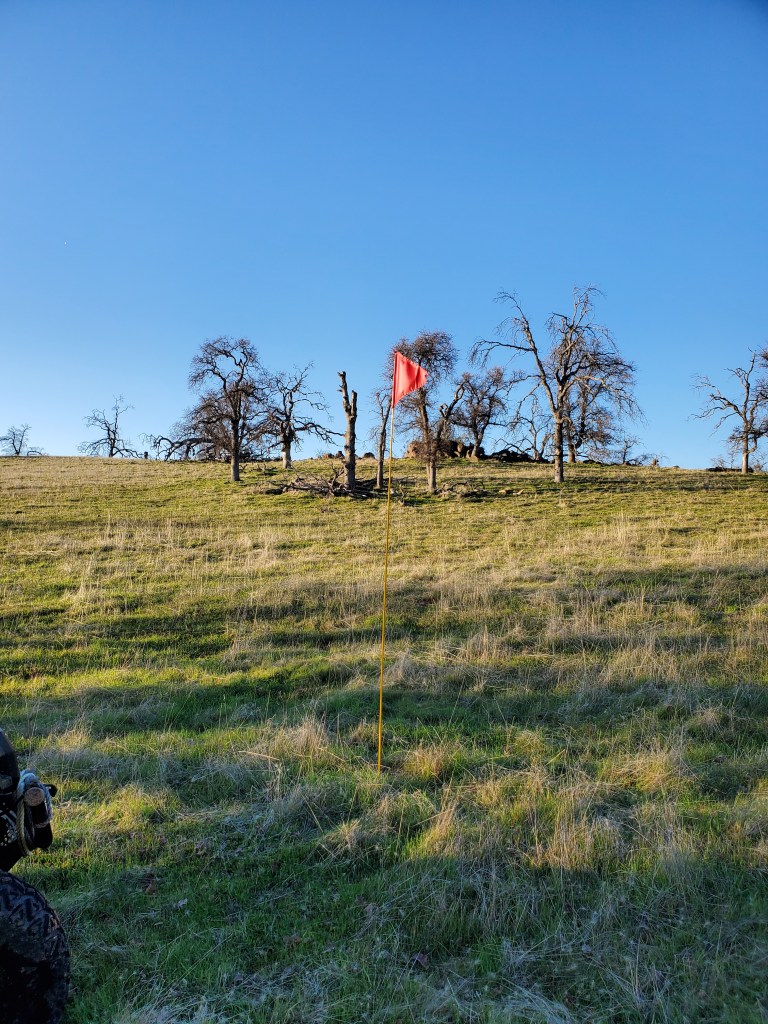
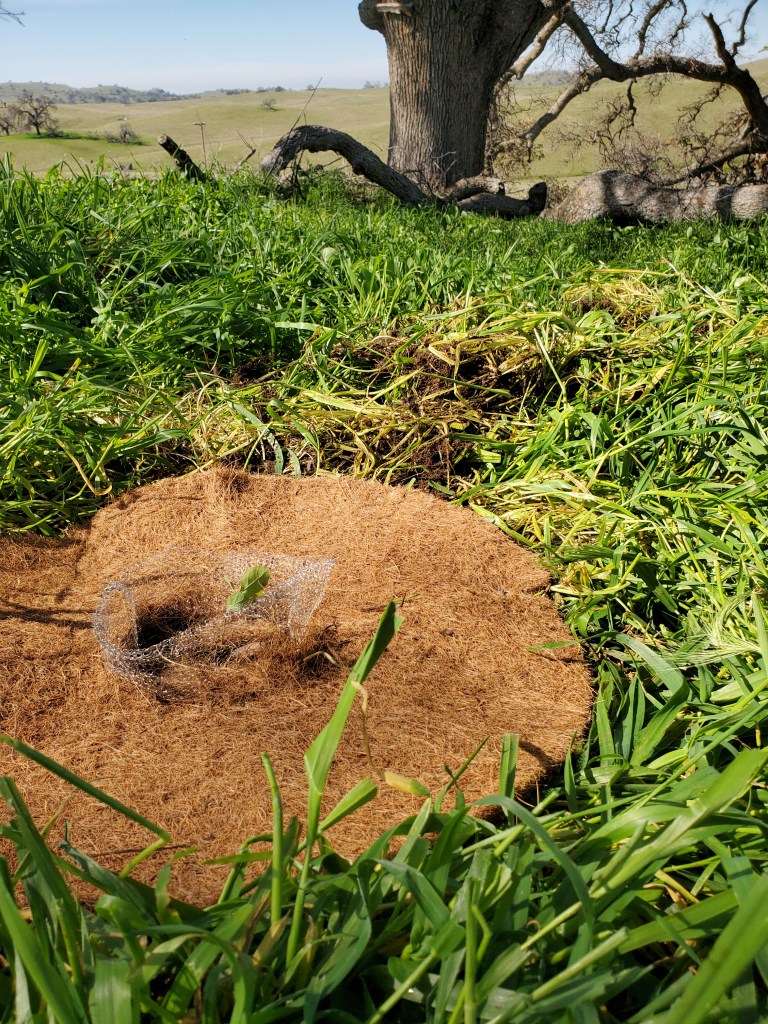
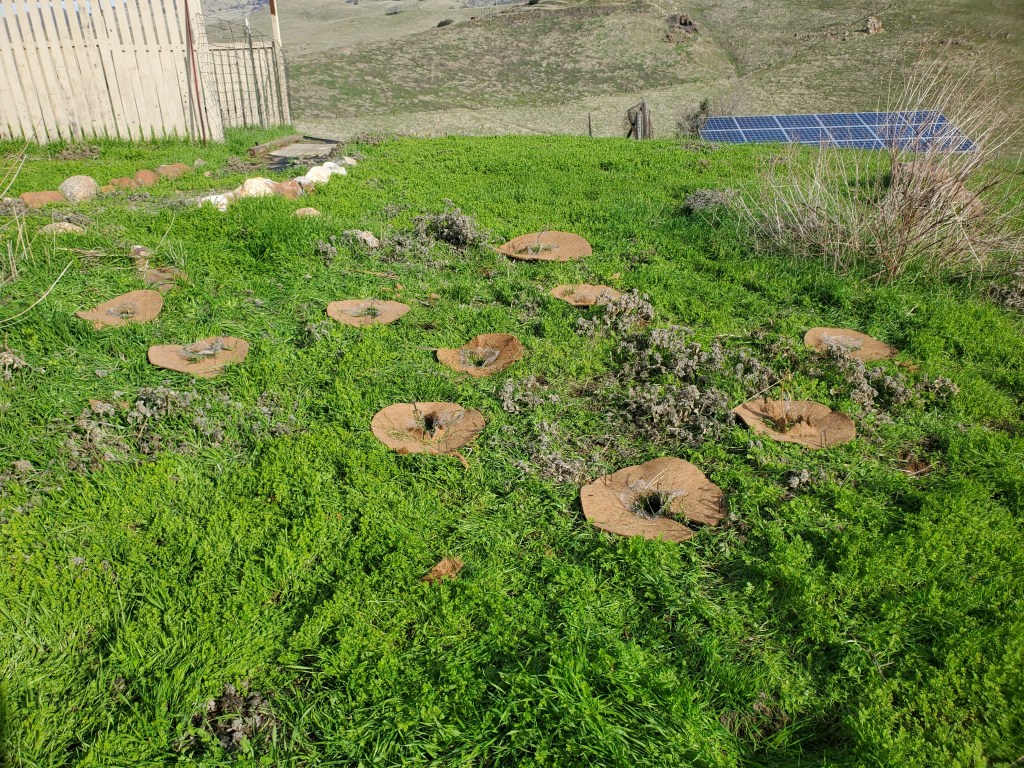
I planted all of the oak seedlings except one, planted all of the riparian oak acorns, and planted half of the elder oak acorn. The rest of the elder oak acorn I saved for acorn flour. I checked the plantings done earlier in the month and February. The cows got their snouts through the fencing on one and pulled the coconut coir. I put it back. Some of the flags were askew. I straightened them. I placed flags on others. I weeded away from new growth in the already enclosed plantings. Maintenance is important to ensure better outcomes.

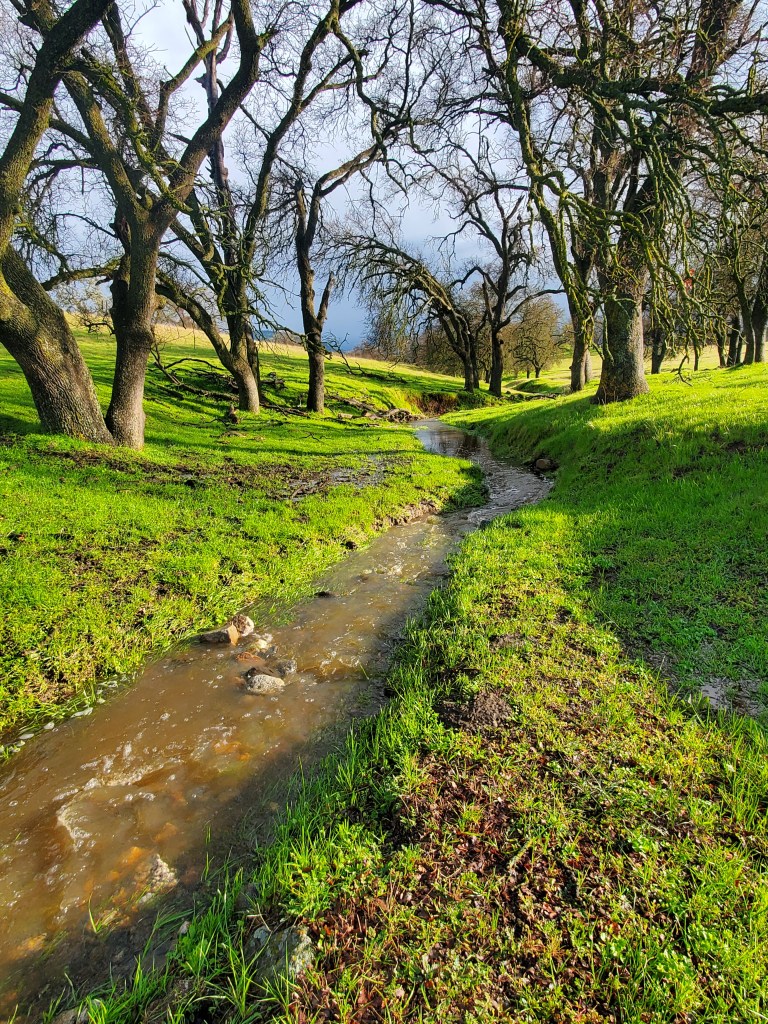
After one of the storms, I saw one of the seedlings I planted had its basin filled with standing water. Too much water, and oak roots can rot. One of the challenges of selecting a site is that I am considering access to water over the long term. As such, I have been planting near the creek or near a spring flow. One of the upstream oaks on Spring Creek is planted in a flow. It is west facing with other oak shade. The soil is predominantly clay. Excellent conditions for water accumulation.

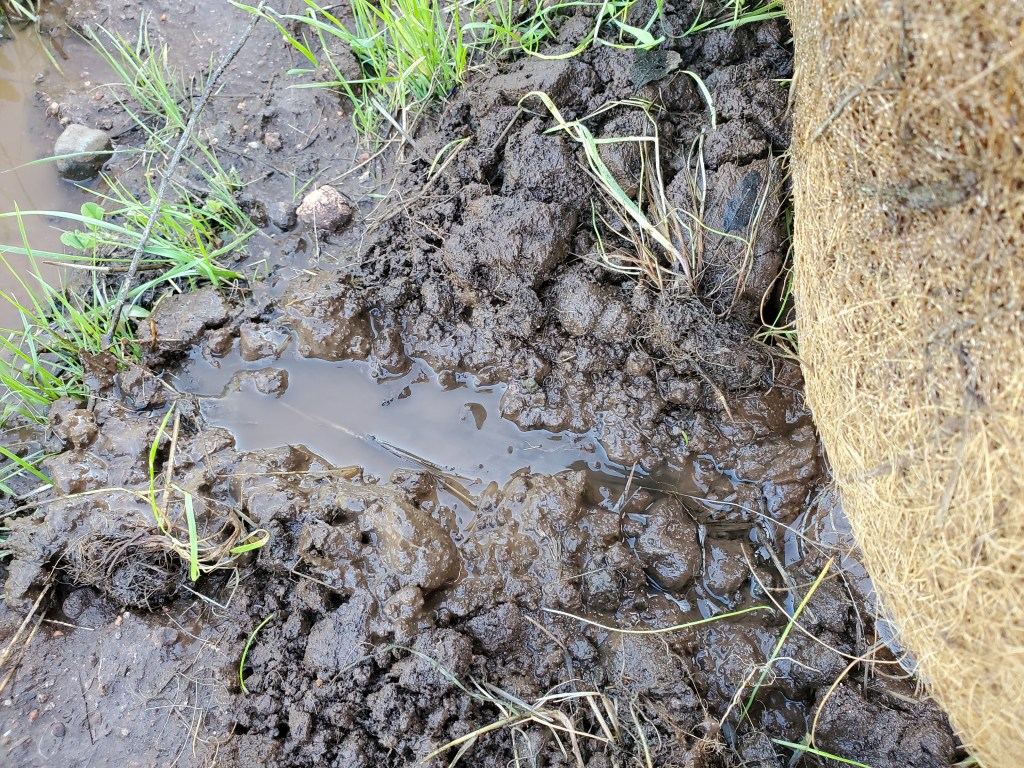
I lifted the coir pad, stuck my finger in the mud and created a channel to allow the standing water to flow out of the small basin I try to place around each planting. It mostly worked to alleviate the stand. Water is everywhere, and that section, because of the flow, is already saturated. However, I was able to get the water down low enough so it was not submerging part of the trunk. The weather will be dry this week, and I anticipate the remaining standing water will be gone within 24 hours. I will go back and recreate the basin wall for the next rain event.

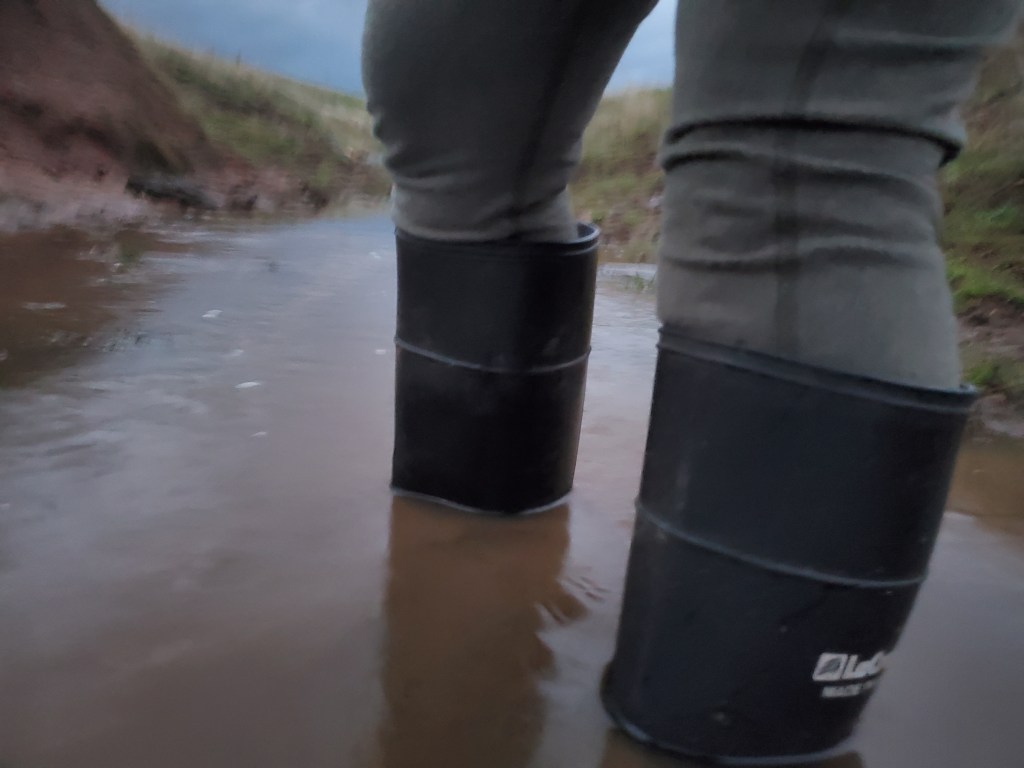
While out checking the oaks and maintaining their planted areas, I was quickly caught up in a storm. The wind was ferocious, bending the oak marking flags to almost 90 degrees. Fortunately, I was in my final section, which happened to be nearest the house. The rain started to pour. While I had a jacket on, I was wearing shorts (I know. I’m crazy). The wind whipped at my exposed legs, and then it started to pour. I typically traverse the ranch on foot to limit soil impacts from the quad or truck. I finished with the oak I was working on and bolted up the hill, through the gate, around to the front of the house, sloshing in mud (I had my muck boots on), mud splattering across my legs. Finally, I got to the front door – a soaked, muddy mess. Although I was almost denied entry to the house by my family, it was ok. I love this life.

Checking New Log Check Dam

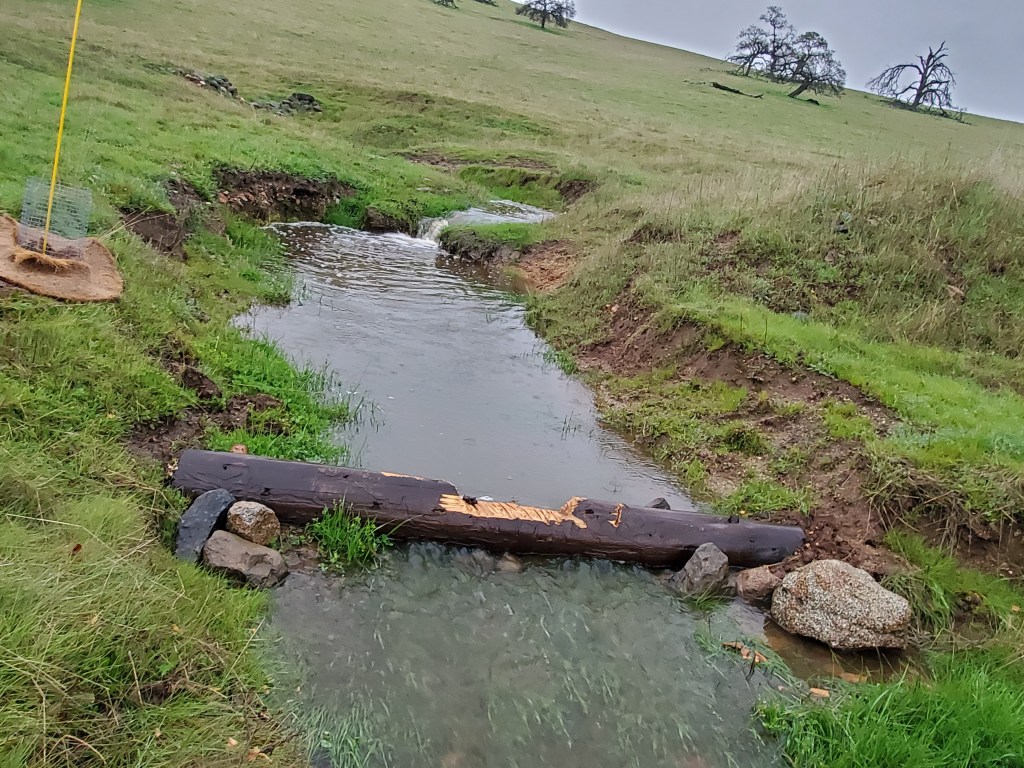
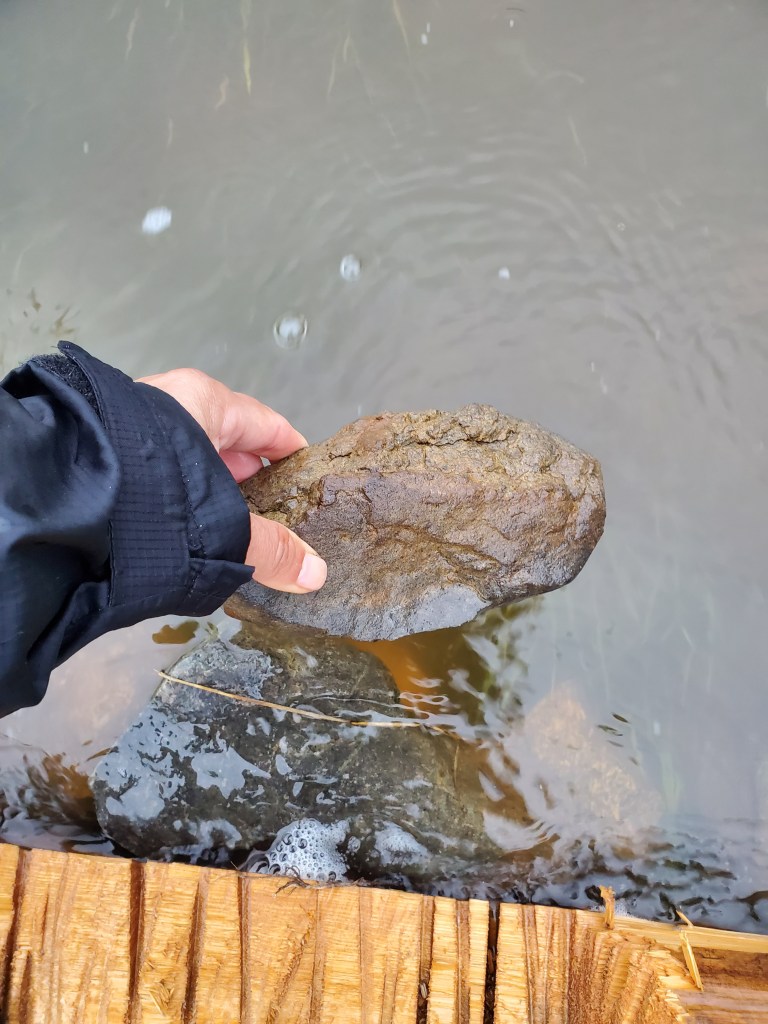
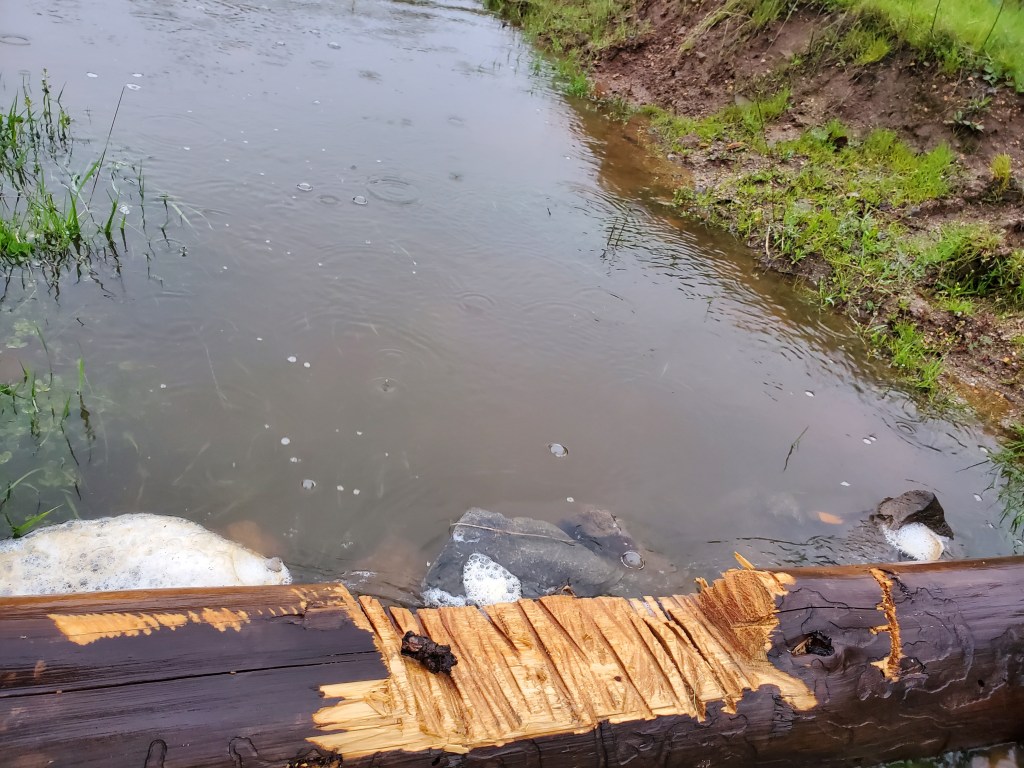
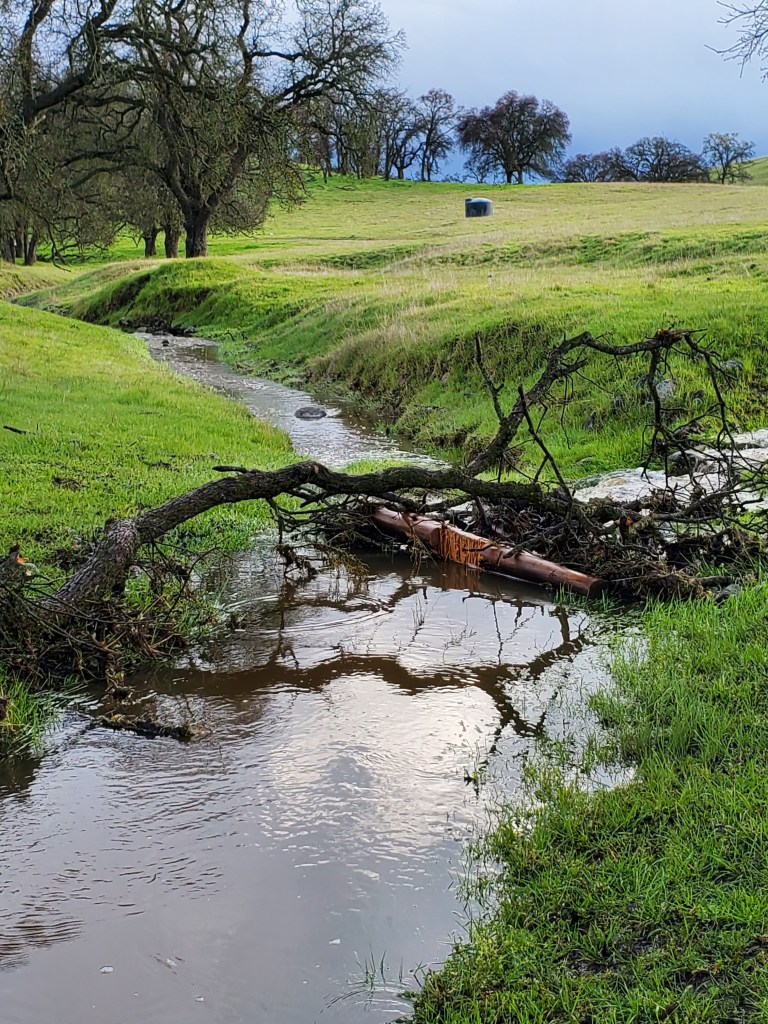
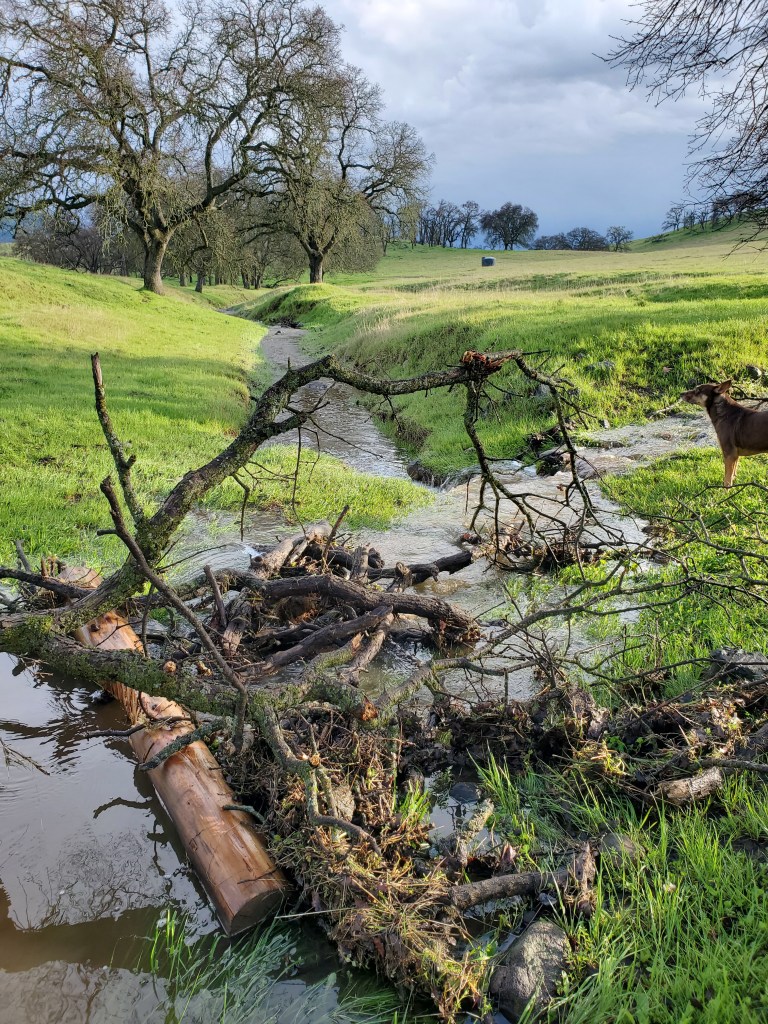
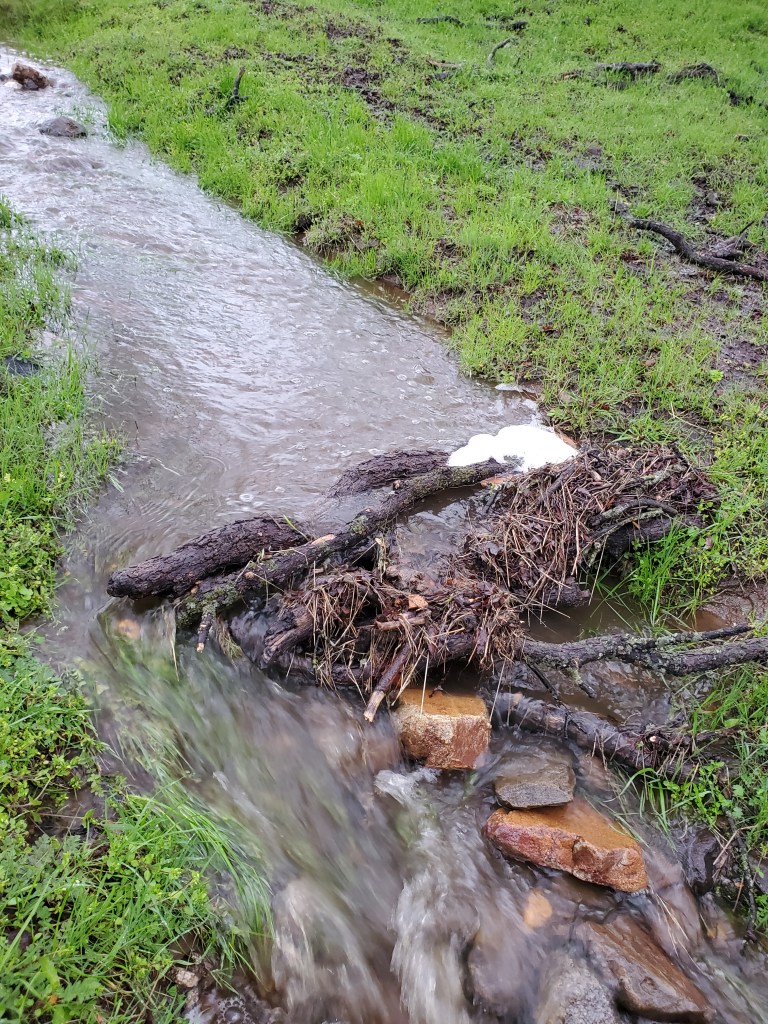
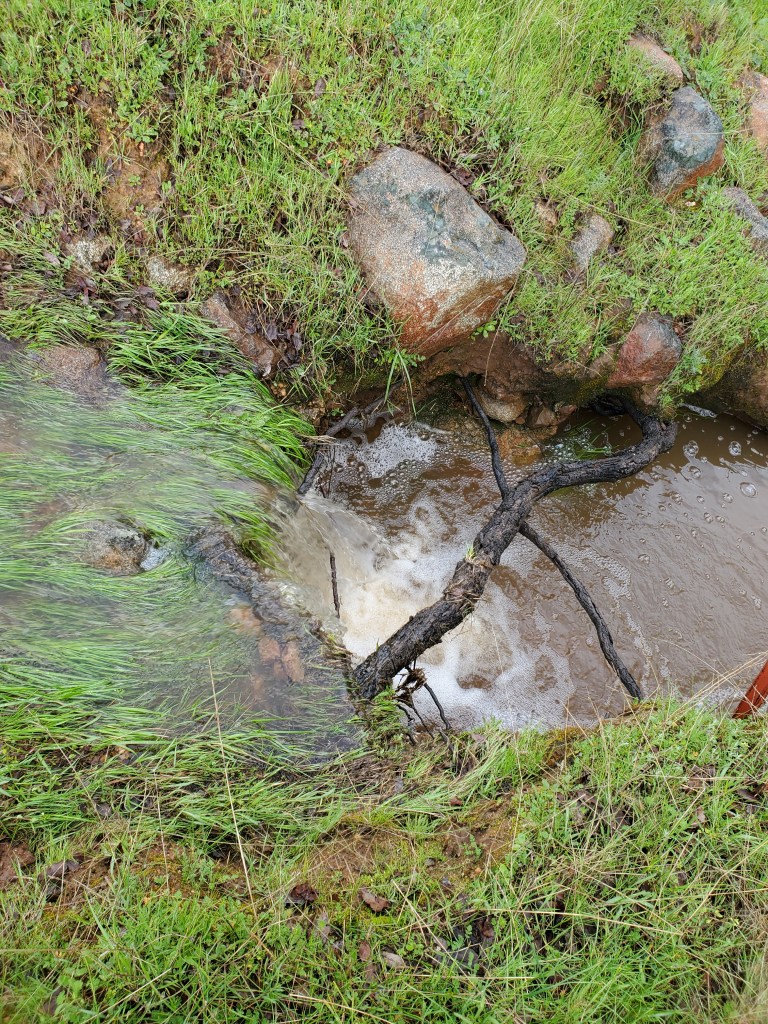
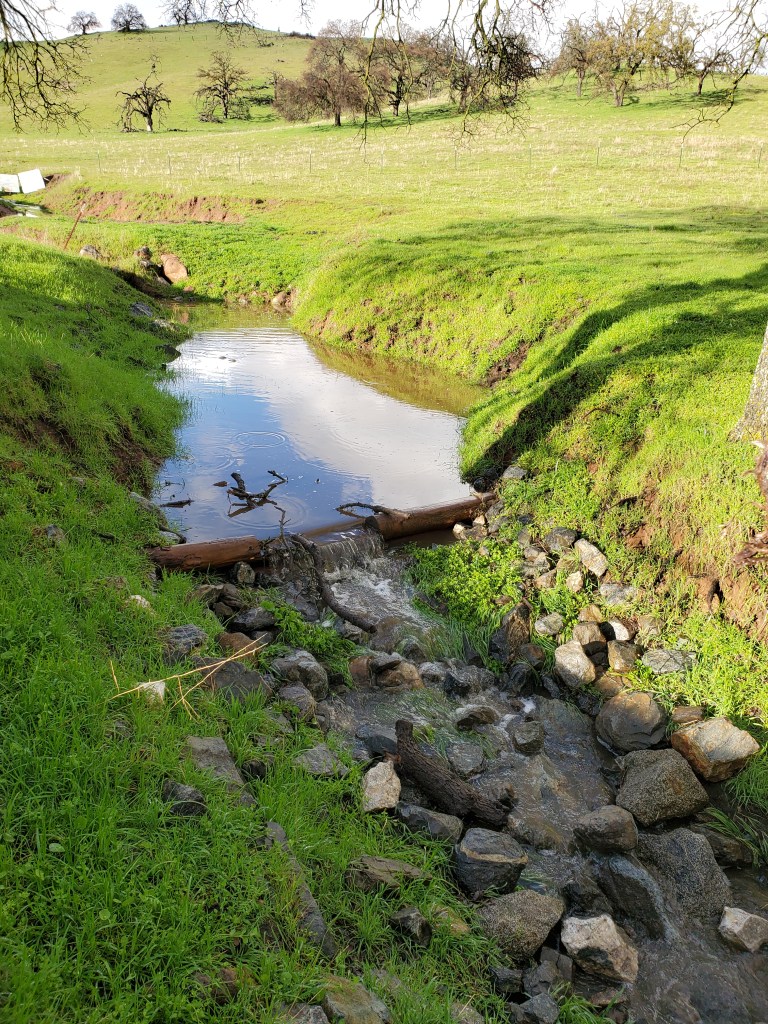
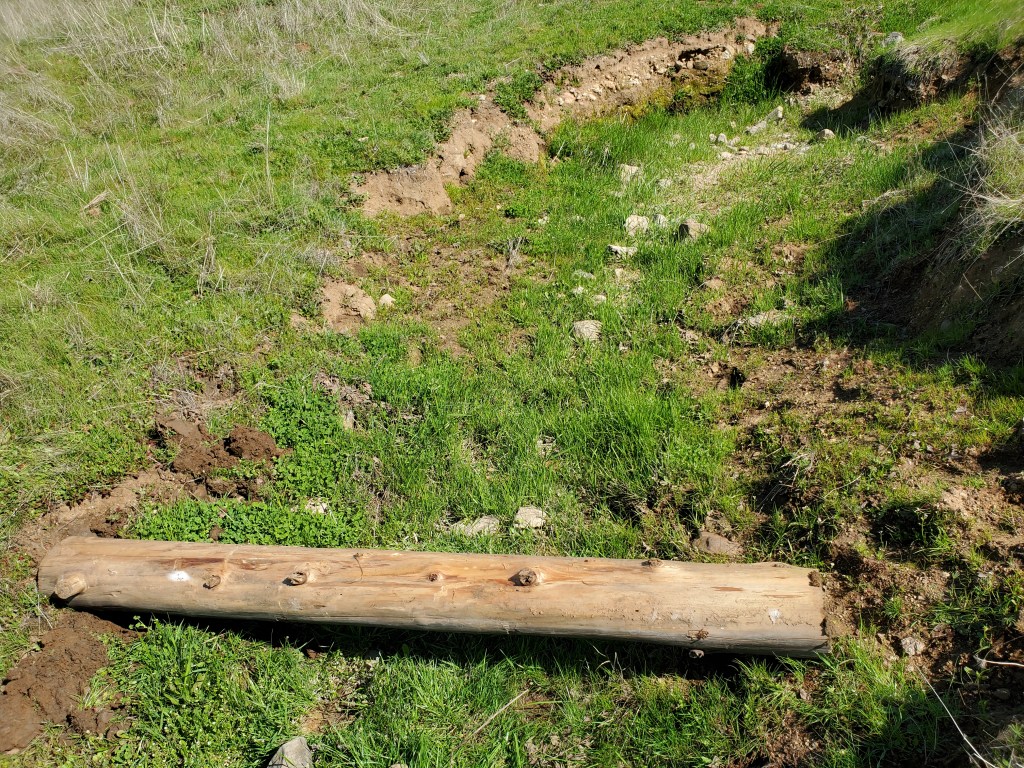
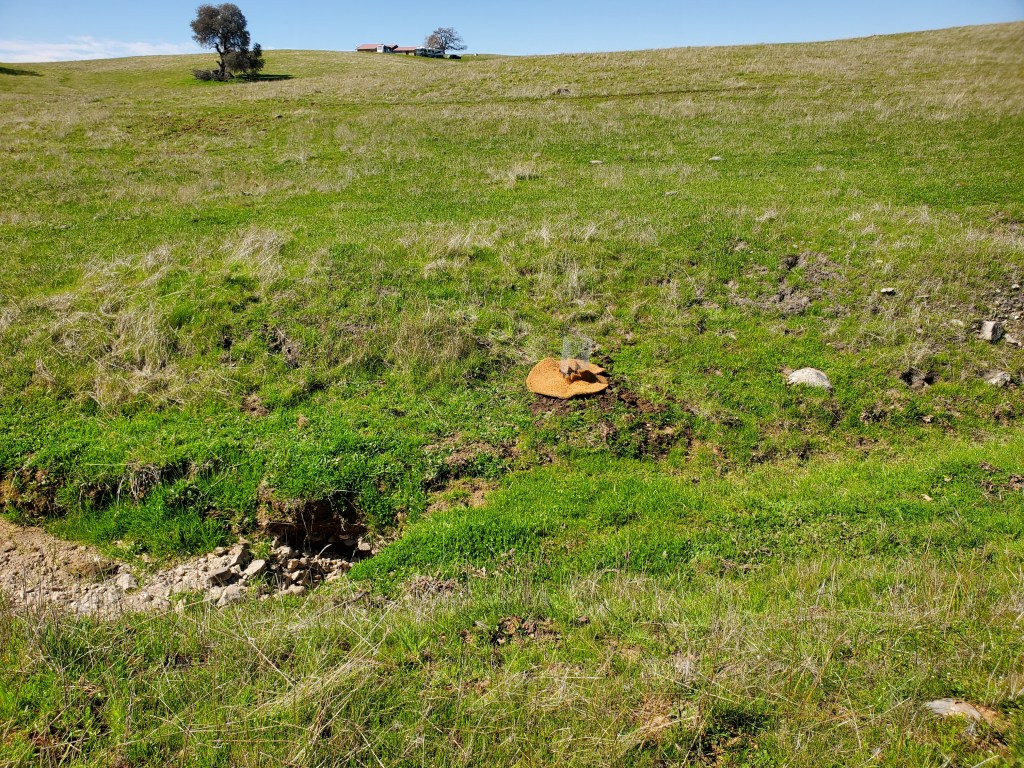
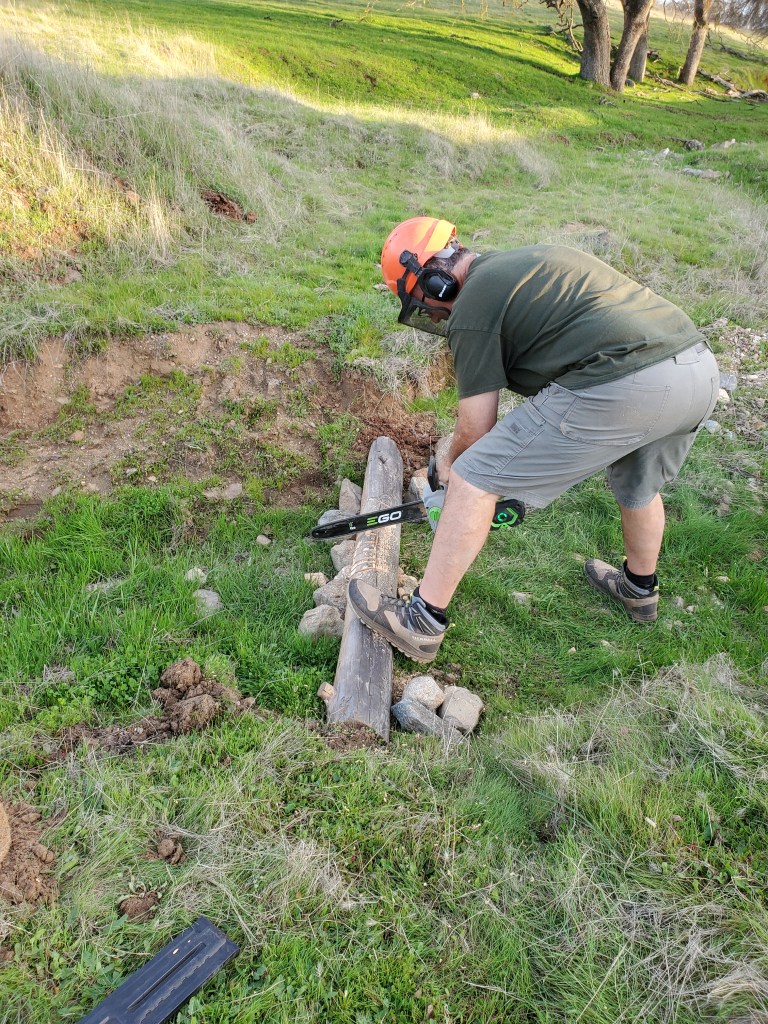
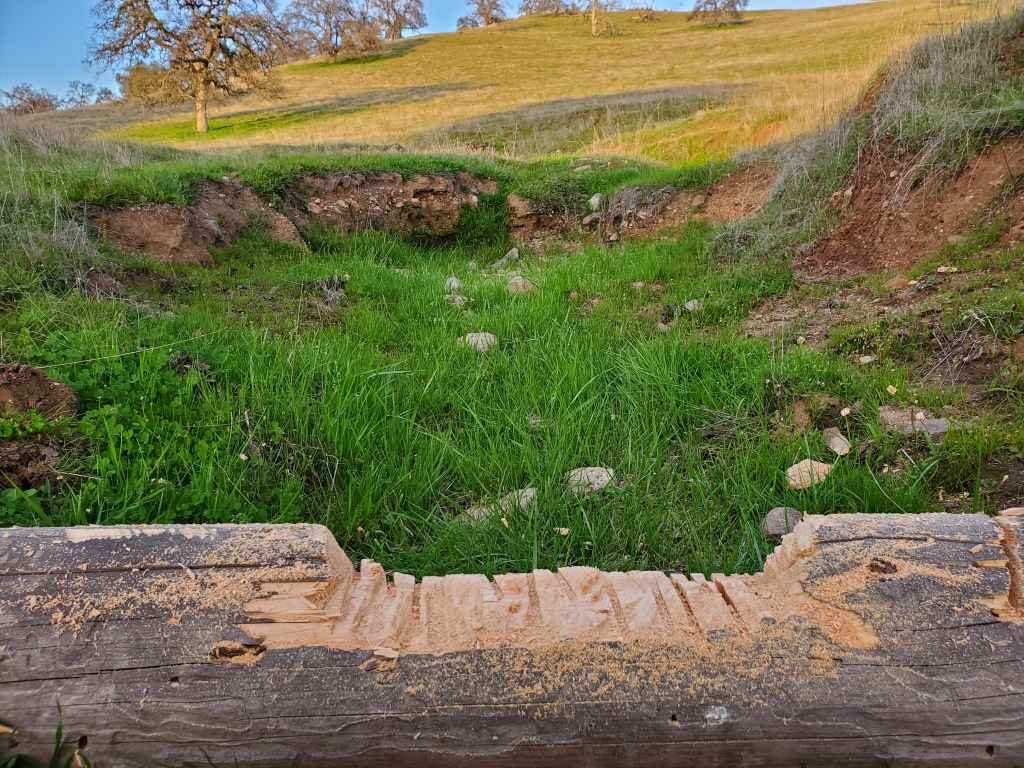
I was excited to see that the new, poorly connected log check dam was still in place after one of the storms. It was doing its job, pooling water behind it, slowing the runoff just enough to really soak the soil. Then, the large storm came with 2.25″ of rainfall. I checked the dam again. It was not there. The rocks I put in place to help the log were still there acting as a smaller check dam and pooling some water. I walked down stream and found the log. It was caught up in a tangle of branches, leaves and gunk about 60 feet downstream. Not to be deterred, I pulled it out from the makeshift dam and began to pull it toward its original location. The cedar log, typically lightweight, was heavy with absorbed water. David, who was walking with me then, took pity on me and picked up the log with the flick of his wrist, to show off, and returned it to its place. We will need to secure it much better in the coming days.

Gates Shut. North Field Belongs to the Milkweed Now

One of the best investments I’ve made in the last couple years is the cross fence to protect the California Milkweed. It is a critical, early emerging plant essential for post-overwintering monarch survival. Three of the four communities of plants are protected by this fence. In addition to protection of the California Milkweed, excluding the cattle during prime wildflower season has resulted in 40 acres filled with wildflowers of all types, sizes and colors. This means I have unbelievable amounts of nectar without having to plant another plant across a huge swath of land. Not only are the colors dazzling, the smell hangs in the air. It is like drinking perfume.

I think because of the weather whiplash, the California Milkweed is stunted. They are not their normal size for this time of year and are already producing flowers that will bloom in about a week. As of 3/20/2025, there are only four of the possible 21 emerged. Given that this past overwintering count of monarchs has been the second lowest on record, perhaps there will be fewer butterflies floating this way, and the stunted plants will be sufficient. I have not had an opportunity to place a camera up on the hill. The last time I tried, there was no signal for my special game cameras. I think I will use it in analog mode and grab the photos off later. This way, there is something up there as soon as possible.

While I am on the hill checking each milkweed and looking for more emerging, I decide to take a break and sit, contemplate things. Out of nowhere comes Taawe (Hawk). They decide to come for a visit, flying close and low. Taawe is close enough to hear me, so I speak in my language. It’s an original language of this continent, co-evolved with the many relatives from this soil. We’ve all shifted around following a cycle of movement south to north, west to east, and back again. Taawe understands me; it circles, flits, plays with elevation, but always above me. It circles away. I call to it. Taawe circles back. We play this game for a few circles, then I lay back down on the cool grass, the smell of soil and moisture in my nose. It flies to the east, and I say “Chiokoe uttesia in weweria. Ito te vitne.” “Thank you my relative. See you soon.”

Guzzler Install Complete

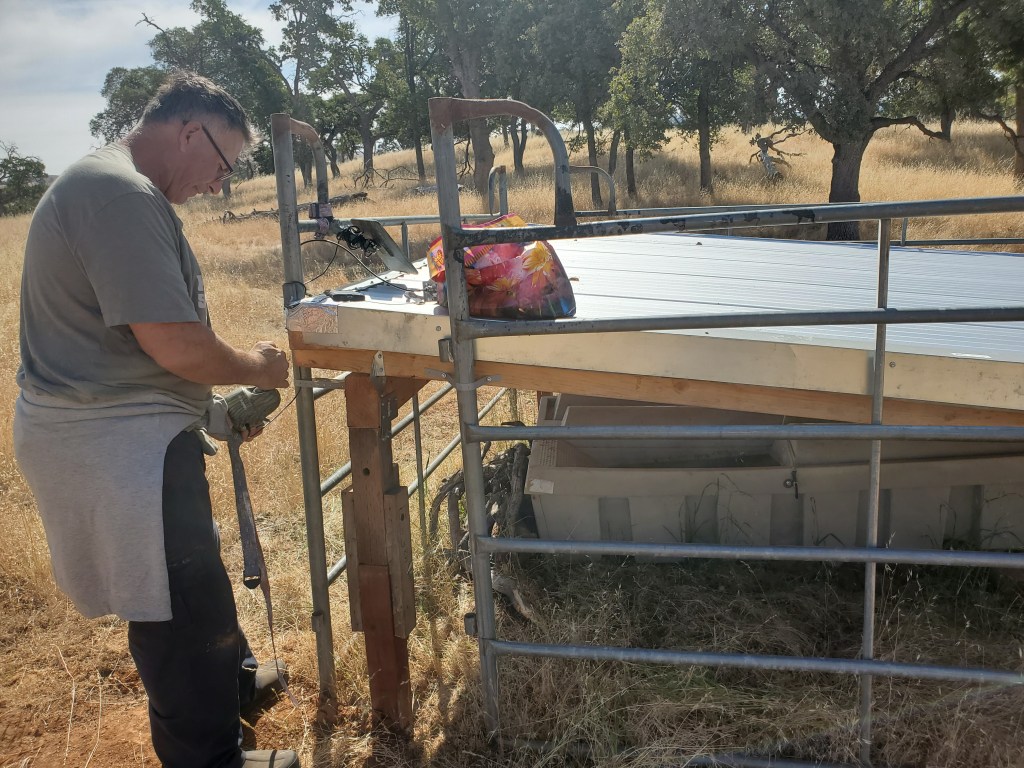
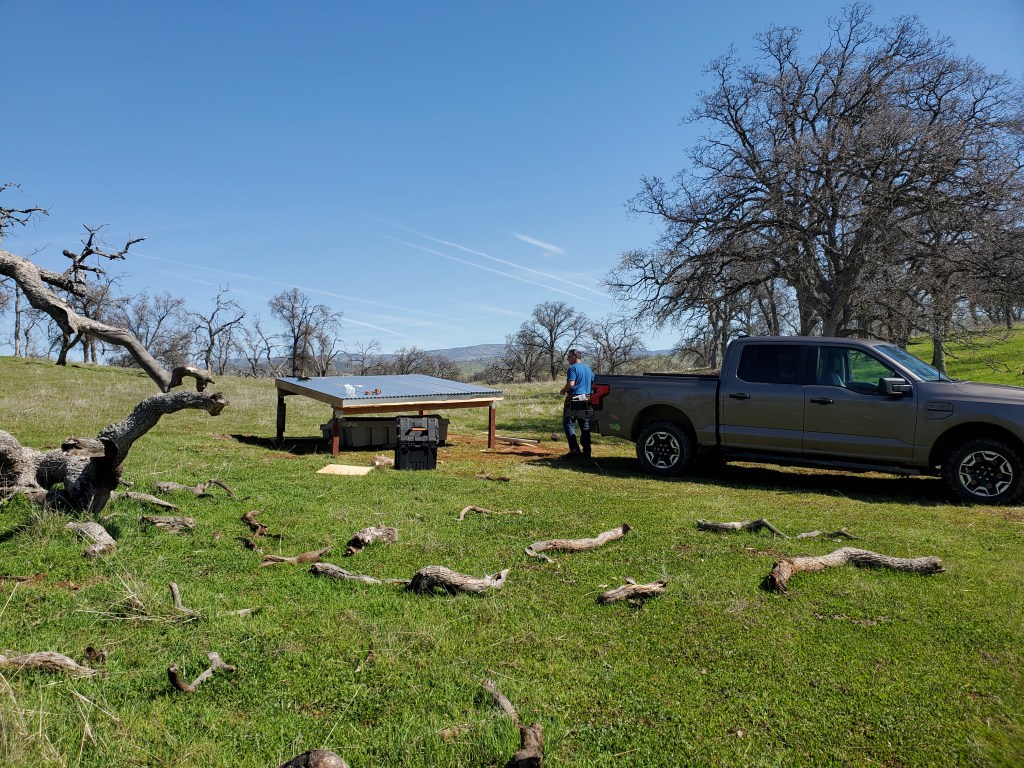
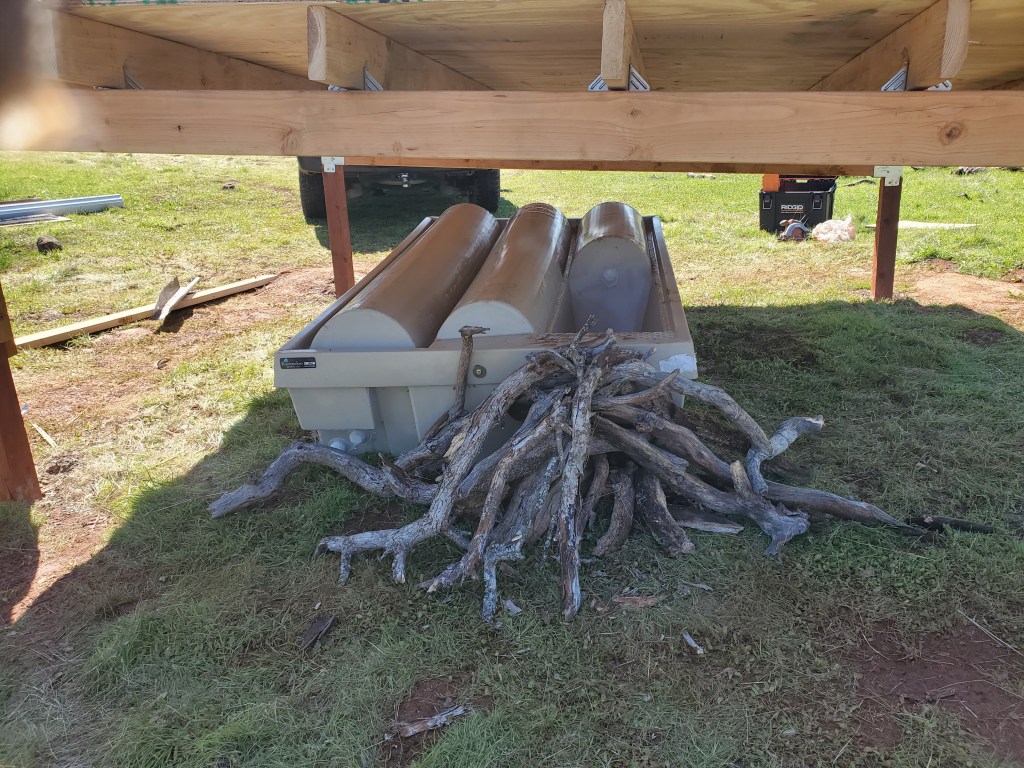
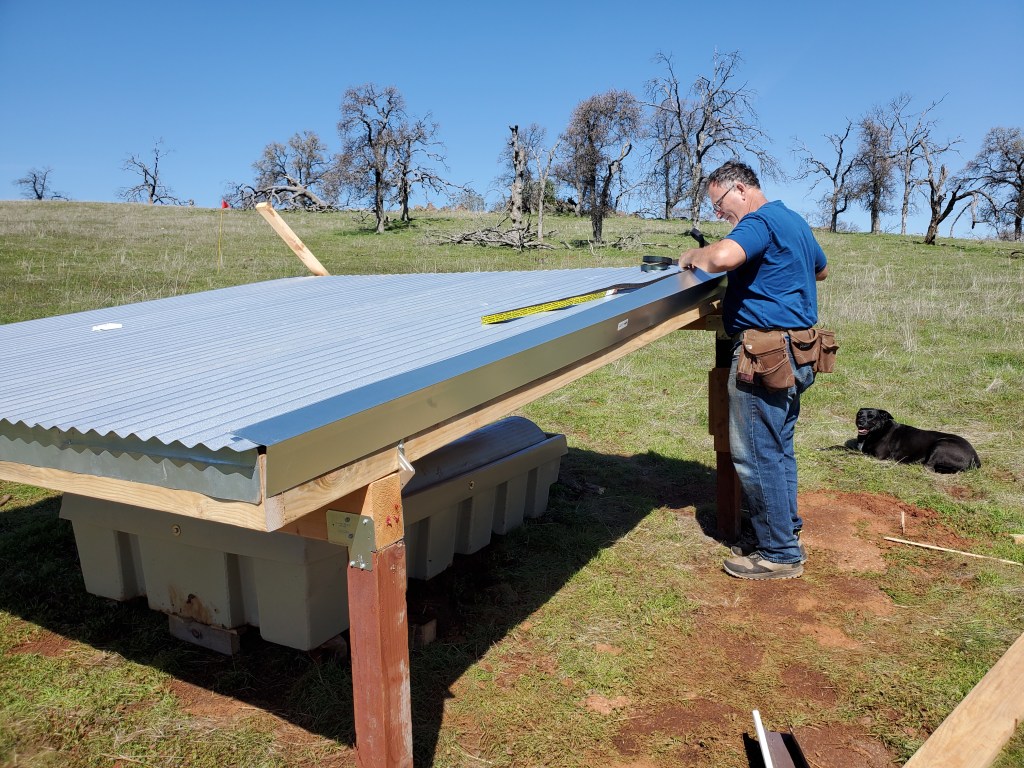
It took David nearly six days over two and a half weeks, but the guzzler is finally complete. We still need to build a fence around it to exclude the cows and build out the tank portion of the system to feed more clean water to the unit over time. Currently, there are stock panels attached to the overhang structure to keep the cow away from it as best as possible. Panels are ok since the gaps in them are large enough for most animals to move through. They are too small though for larger animals like deer. It is a priority for me to complete that fence to maximize its utility. The storms have filled the unit, and it is ready for wildlife to drink from. THANK YOU David!!

Dangers Realized

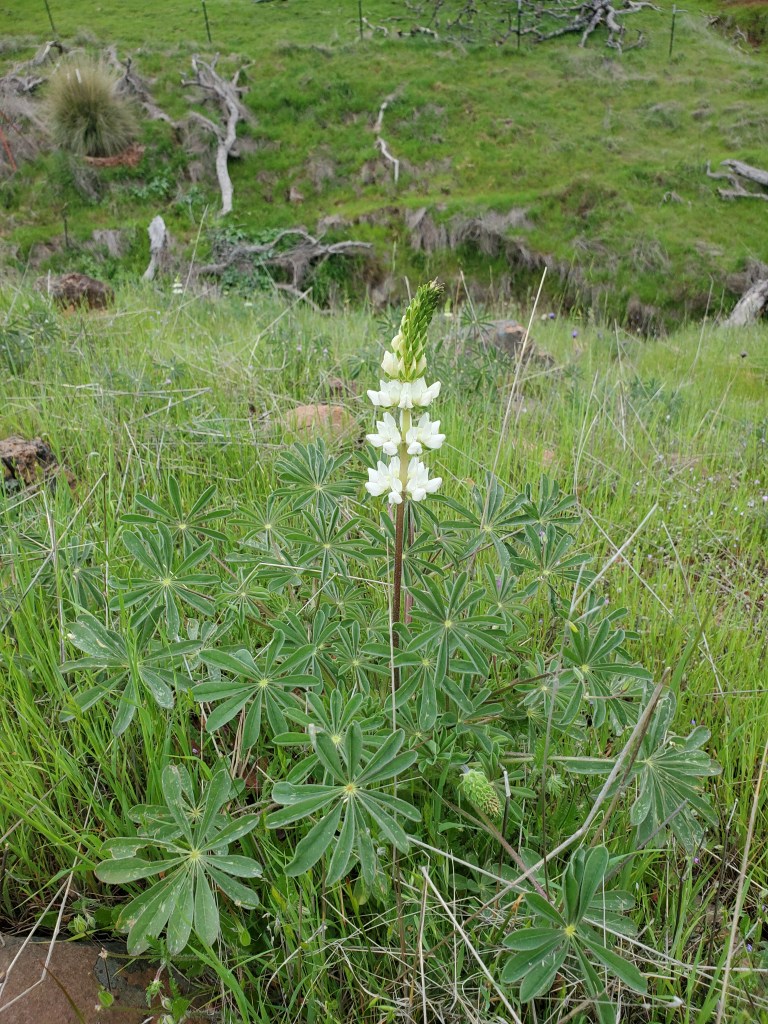
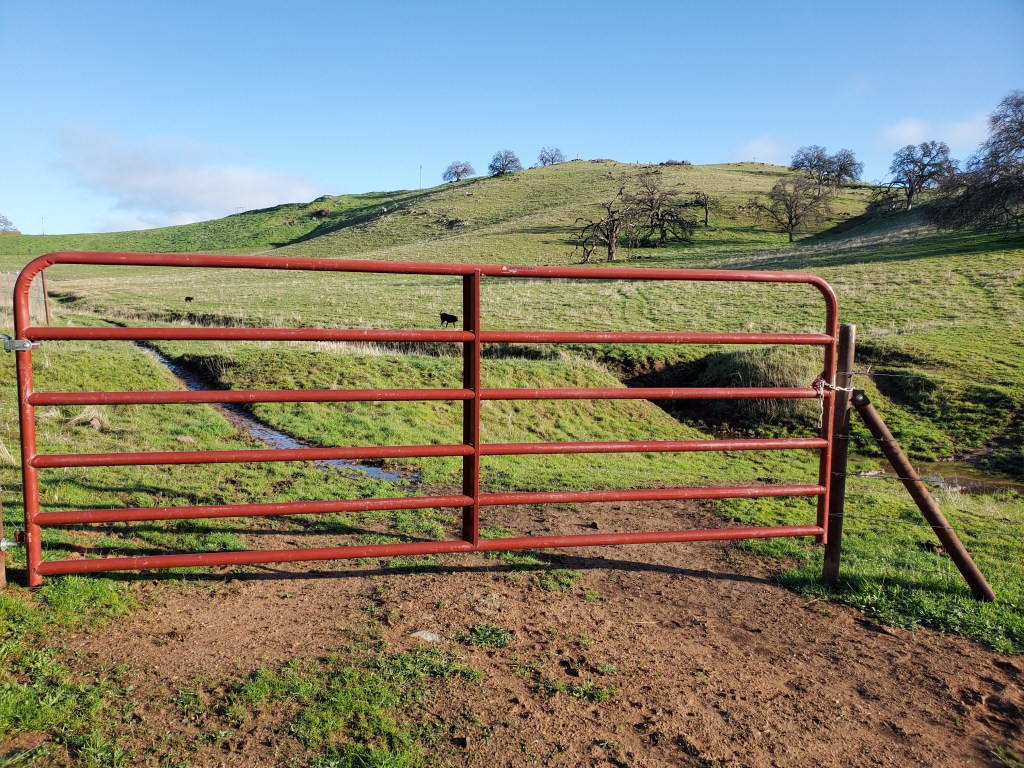
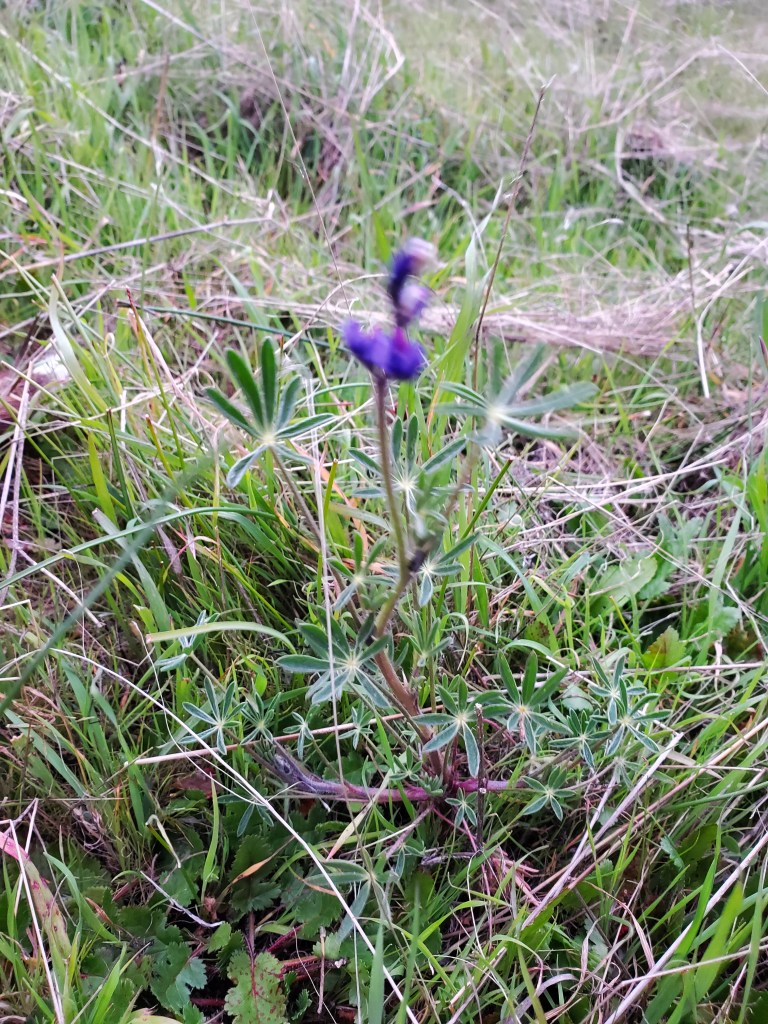
Although I have relaxed more with the fencing in place, catastrophes can still happen. Three times now I have gone outside to find cows where they shouldn’t be. Once, they jostled the gate open to the far north field. They jostled the gate open to guzzler 1, and yesterday I found them in the Spring Creek exclusion area. The wire gate had been squished down. In all cases, my heart sunk with concern that all I worked for could be lost in one accident with a poorly structured gate lock. Things were ok with the far north field. The Ca Milkweed was fine, and not too many of the blooms were up to be eaten. Guzzler one sustained significant damage. The solar panel connected to the game camera was severed. The wire had been snipped and stomped on. The stainless steel mesh over the gutter was folded up on both ends in tortuous fashion. Fortunately, we have an extra panel with wire and more gutter screen. We can fix that. I have yet to assess the damage to the exclusion area where large lupines, oak seedlings and larkspur are all just getting ready to develop blooms. It would be a catastrophe of large proportion if much of that was destroyed. In all cases, I secured the gate locks with a carabiner (cannot be licked open), twisted wire (cannot be jostled open), and a second loop securing the wire gate.

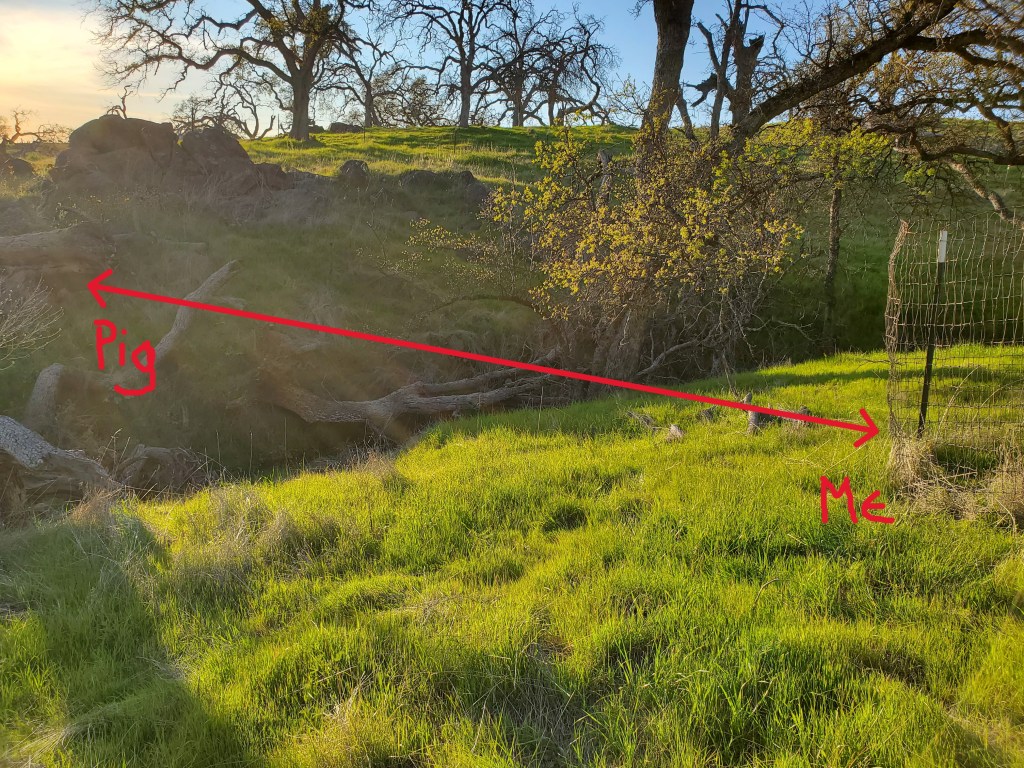
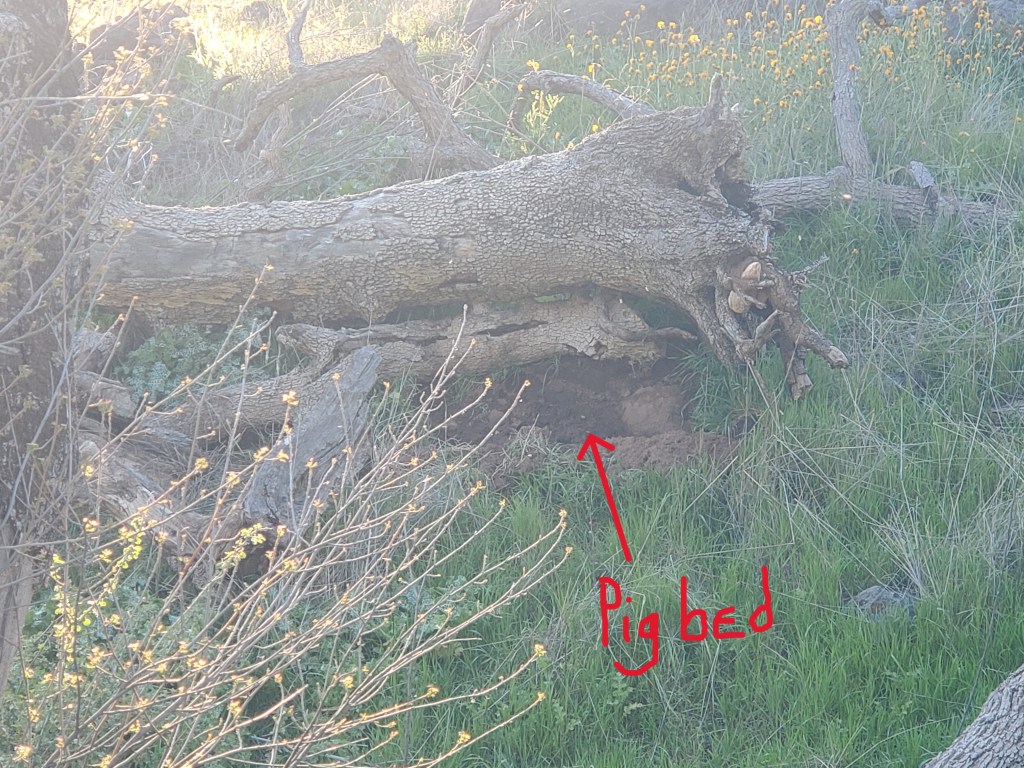
Cows are not my only problem. The other day when I was assessing the Spring Creek planting areas, I opened the caging of a small oak to thin grass that had grown around it. I was on my knees peacefully pulling the grass away from the oak when I heard a thrash across the creek. It was a single wild pig. She was small, about 250 lbs, and had been laying in a hollow between downed tree limbs. She must have been assessing me for a while. There were at least 15 minutes that transpired as I walked, dogs at my feet, into the area, then to the caged oak, and then the time it took to open the cage and sit there for a while pulling grasses.

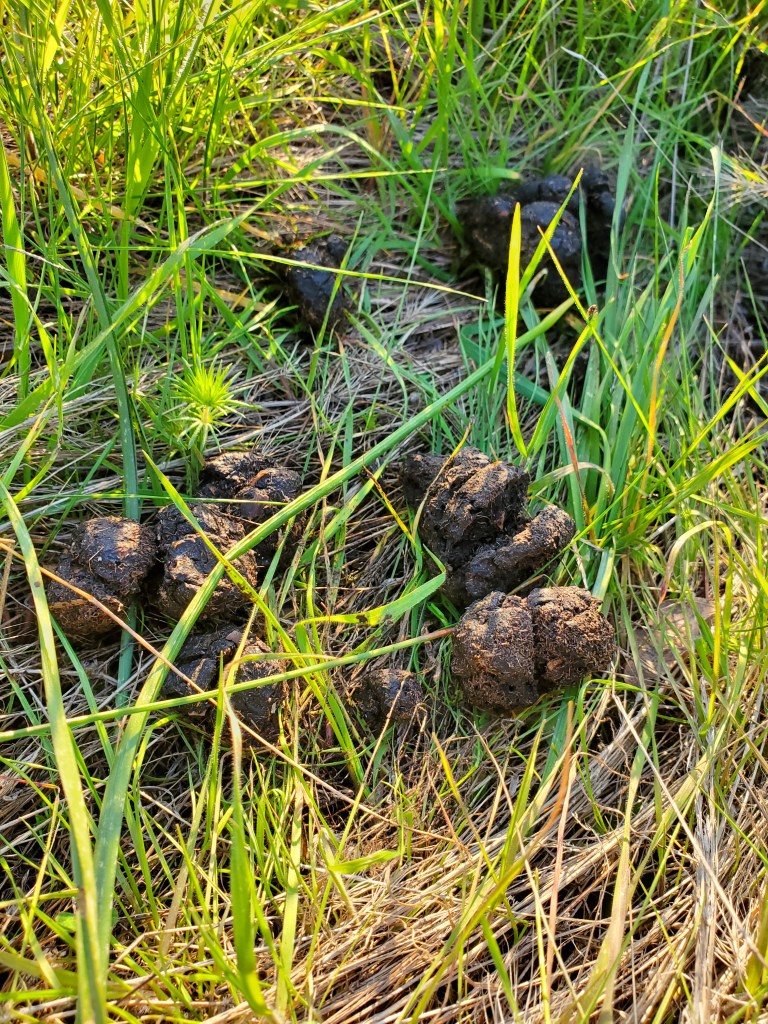
I immediately got to my feet and watched her run downstream, then across the creek, under the fence, up and over the hill. I didn’t think much of it until I followed downstream and found upturned soil from pig rooting, hoof marks sliding down the creek banks, a missing seedling from the slide, and then I worried about all the acorn I planted. Could she have rooted them out and eaten them? All that hard work for nothing? Pigs are non-Native and are very destructive. As a lover of all life, I have long pondered what to do about this issue. I hate the idea of killing them, but I may need to seriously consider that. With them in this area as often as they are, I may not ever be able to make headway on habitat. The survival of my Native relatives, monarchs, bumble bees, grasses, oaks and milkweed are paramount to me.

Wildlife and Flowers Abound

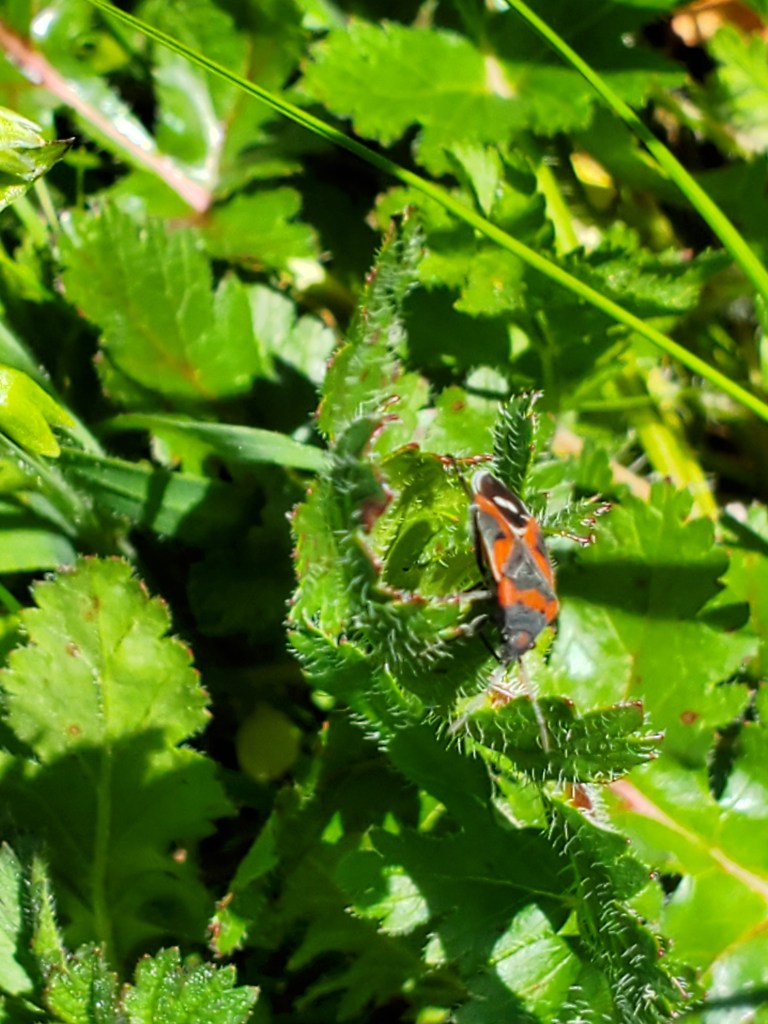
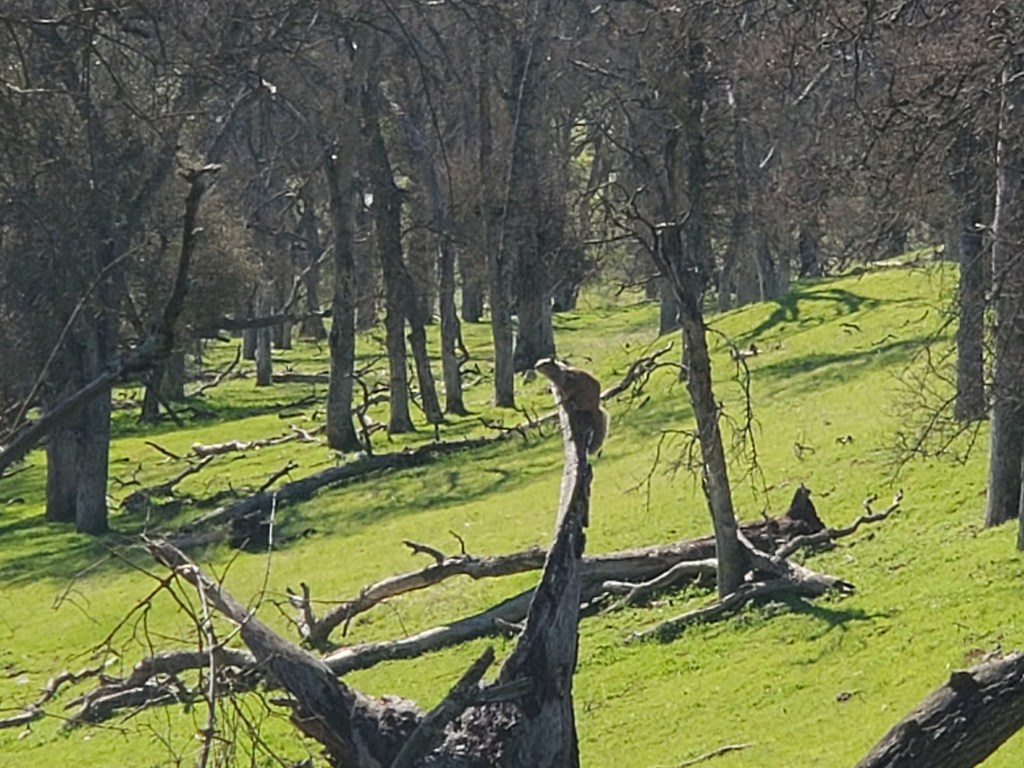
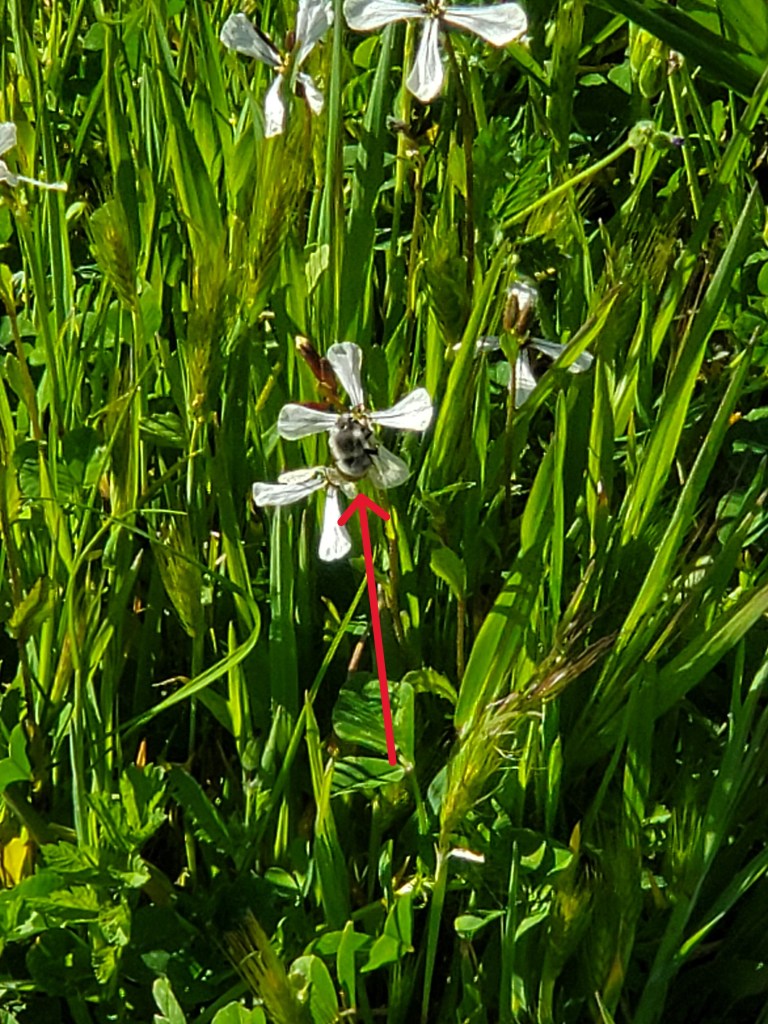
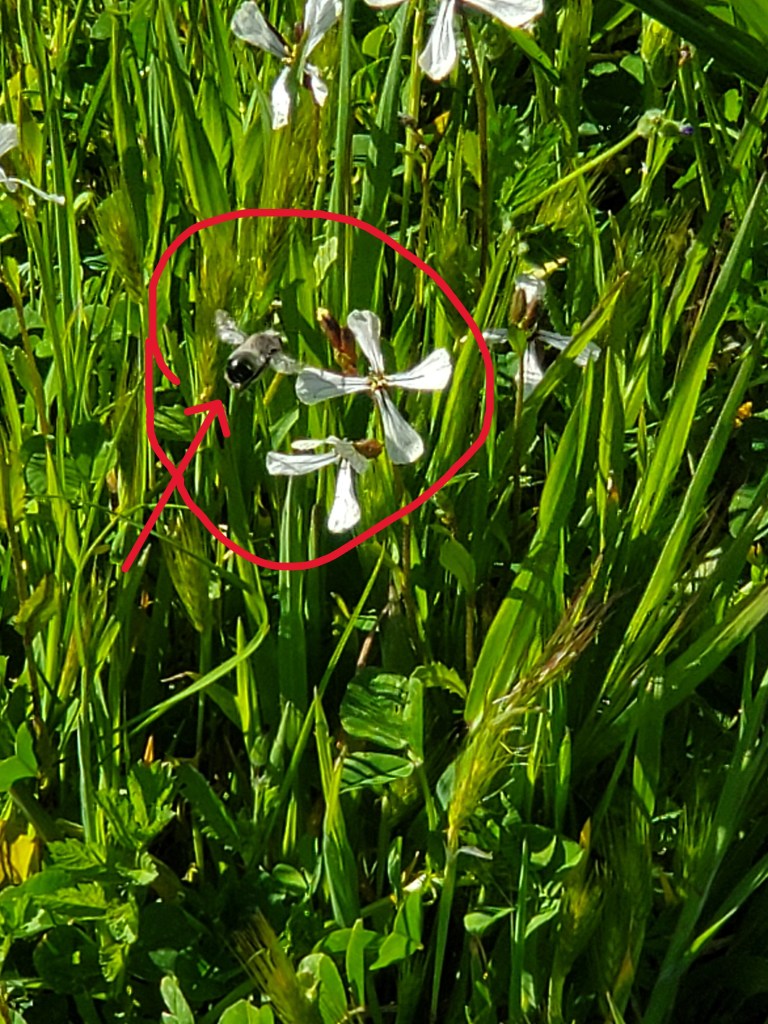
In addition to the pig and worms, I have seen interesting bugs, a ground squirrel, lots of various types of song birds and raptors, frogs, a silver bee, and most excitingly a couple swallowtail butterflies. I did not get a photo of them, but they are beautiful. It flew over me when I was lounging in the garden.

Water Everywhere

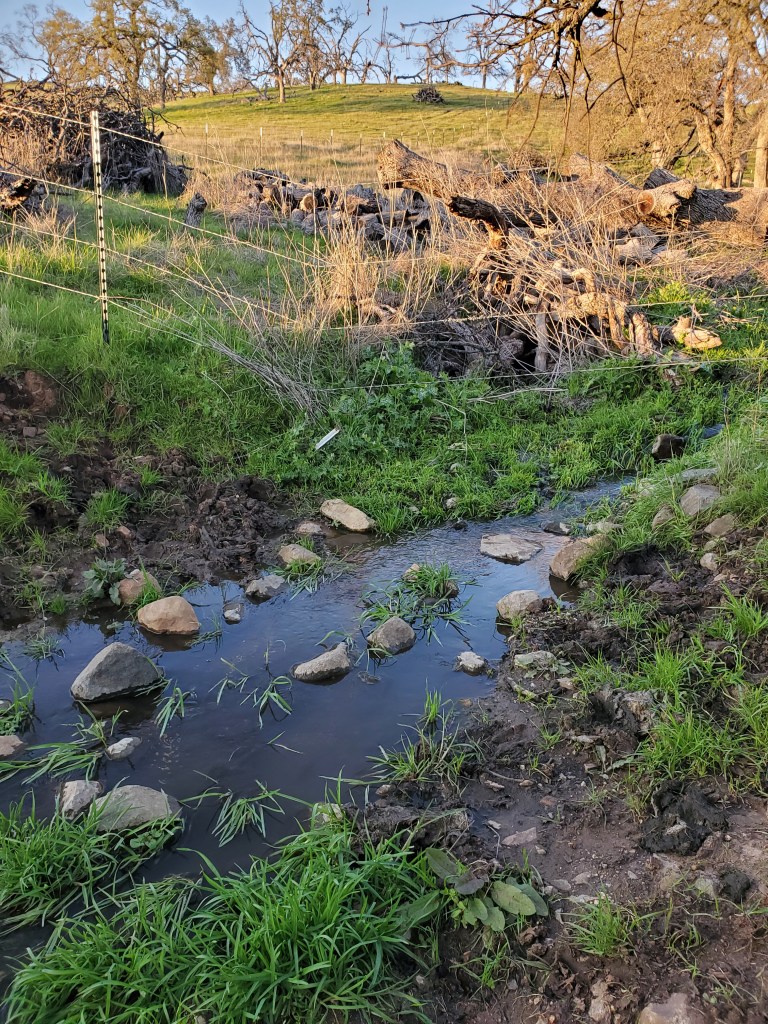
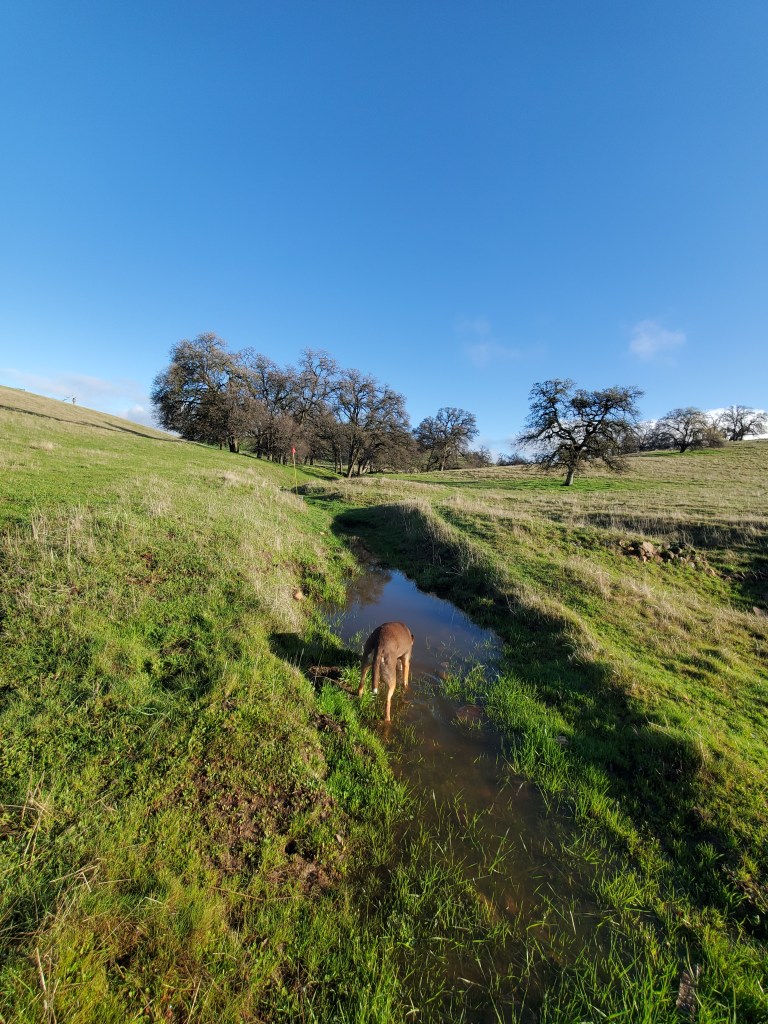
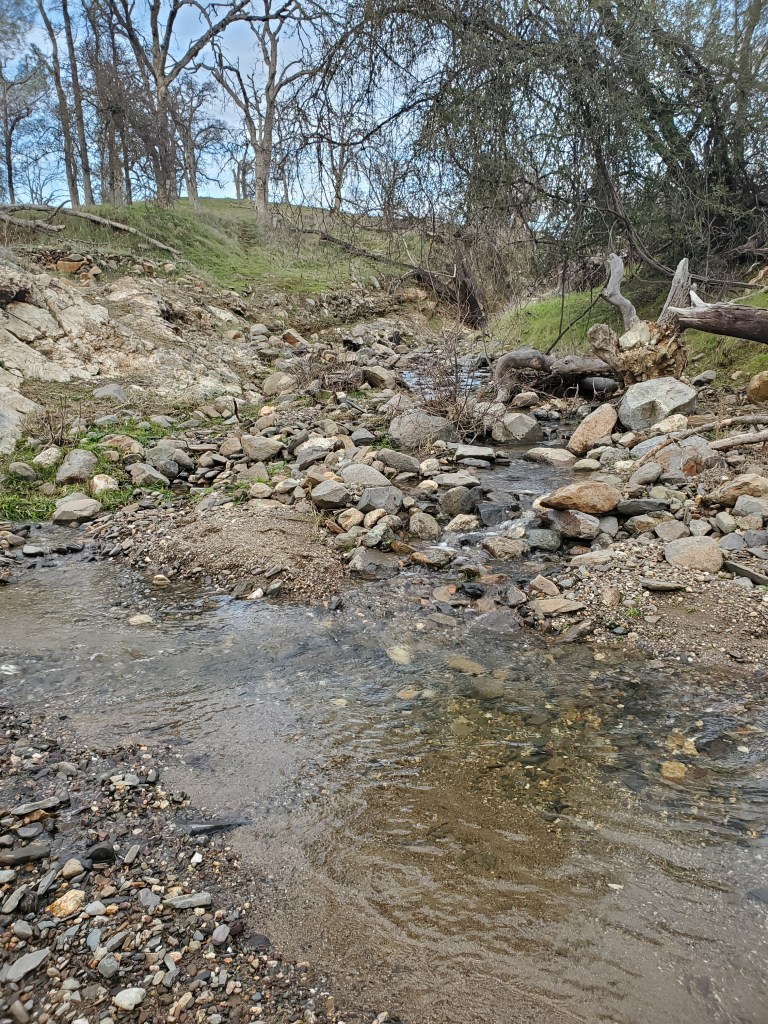
My neighbor said to me the other day that she has never heard so many frog songs in her entire time owning her ranch, which has been longer than me. They have been loud, joyful and seemingly from every direction. She thought it was due to my work. I don’t know if that is true, but I cannot help feel a sense of happiness that perhaps I contributed at least a little by creating lots of eddies, moist areas and long lasting puddles with the check dams. Thank you Kim for noticing that something was different.

Tornado Warning

Tornadoes have never been a California staple. For all my cognitive years, I’ve not heard of anything like this until the early 2000s when there was a funnel cloud sighting in Livermore. In the last three years, we have had a real tornado in Santa Cruz, a warning in San Francisco, a warning in south Mariposa, one for some other counties in the Valley, and now, on Tuesday, March 17, 2025, two in one afternoon, both in my vicinity. This is not normal.

David looked at the radar and saw the first cell would be well north of us. He said not to worry. I was of course still worried and making a plan in my head – a California girl with no tornado experience except The Wizard of Oz, Day After Tomorrow and some documentaries I watched a million years ago. I remembered that you should take shelter in a room without a window, or a place with the most framing, or possibly in the middle of the house. Who remembered? Like most Californians, we don’t have a basement — and we are on the top of the hill to boot.

I had just started to calm down when I heard my phone beep loudly again. It was another tornado warning. David was home by then and looked at the radar. It appeared that the severe storm cell was going to be headed straight for us. I ordered everyone in the house to shelter in the laundry room, and to bring the cats and dogs. I called my neighbor to encourage her to move from her RV into her home.

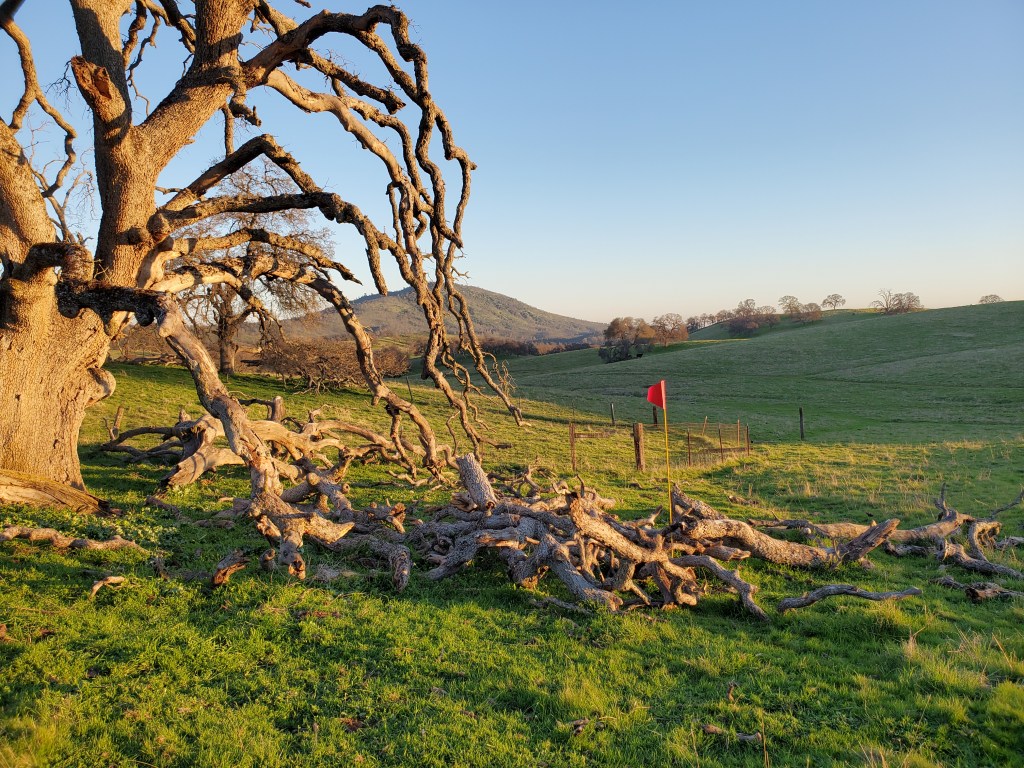
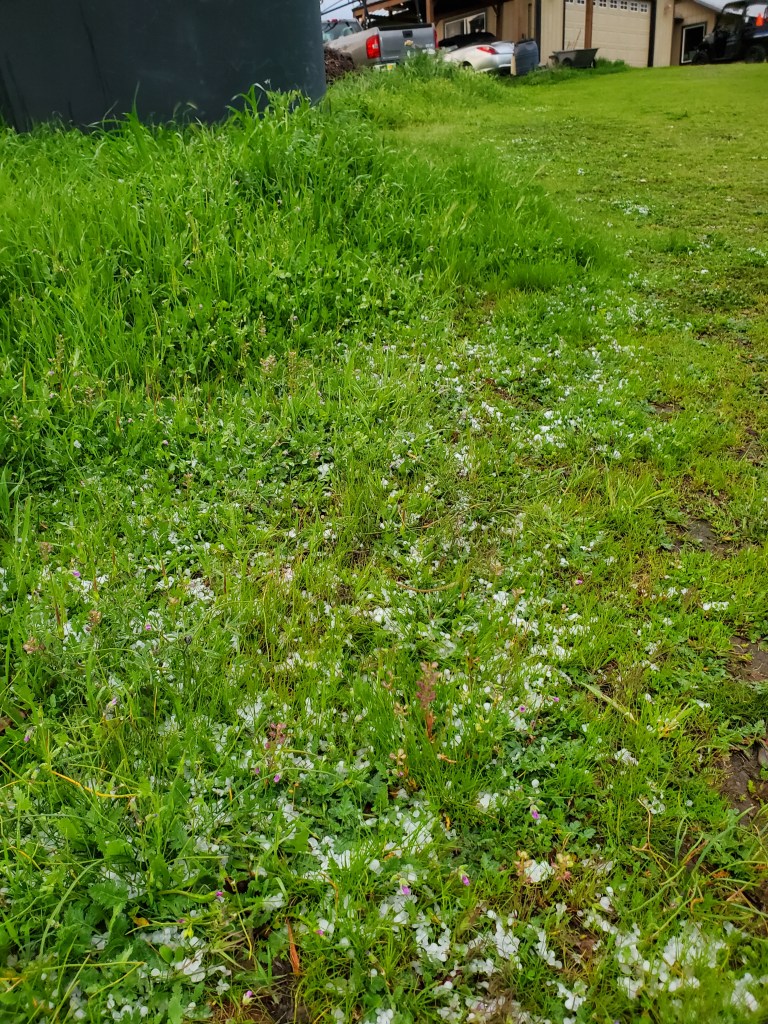
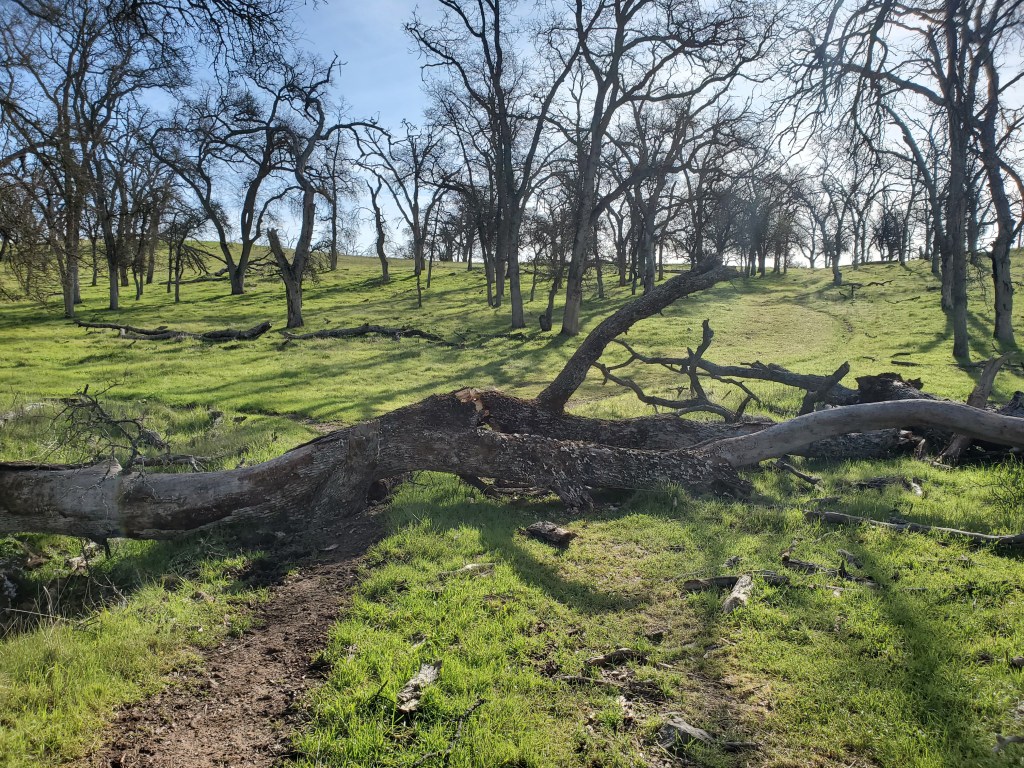
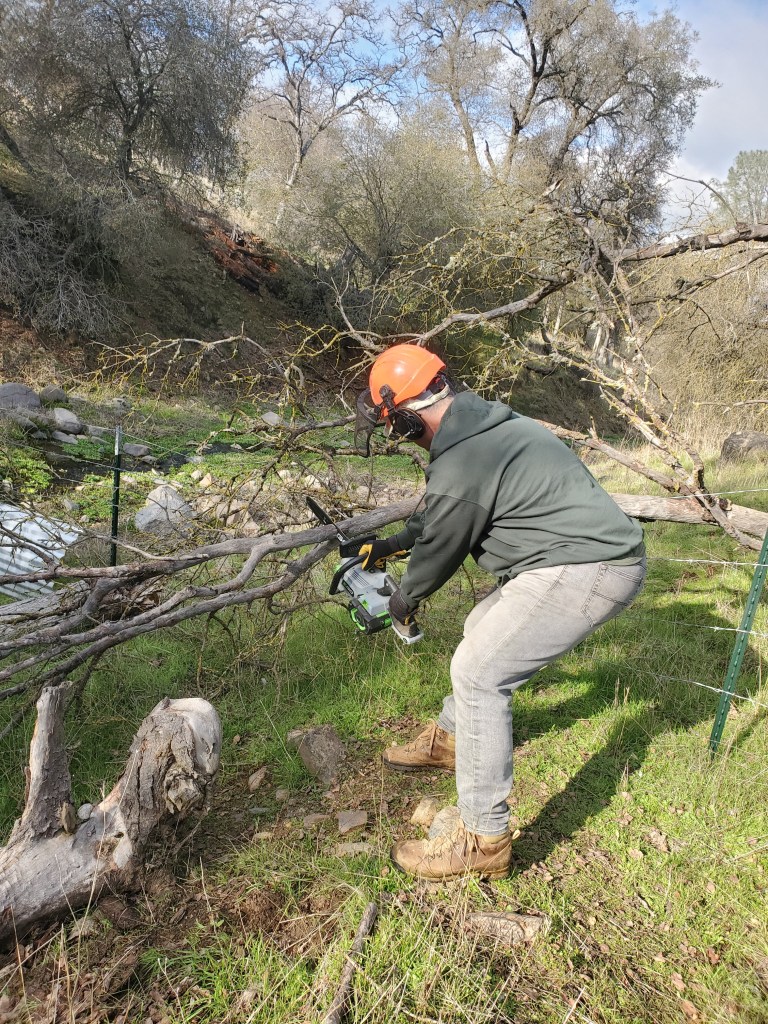
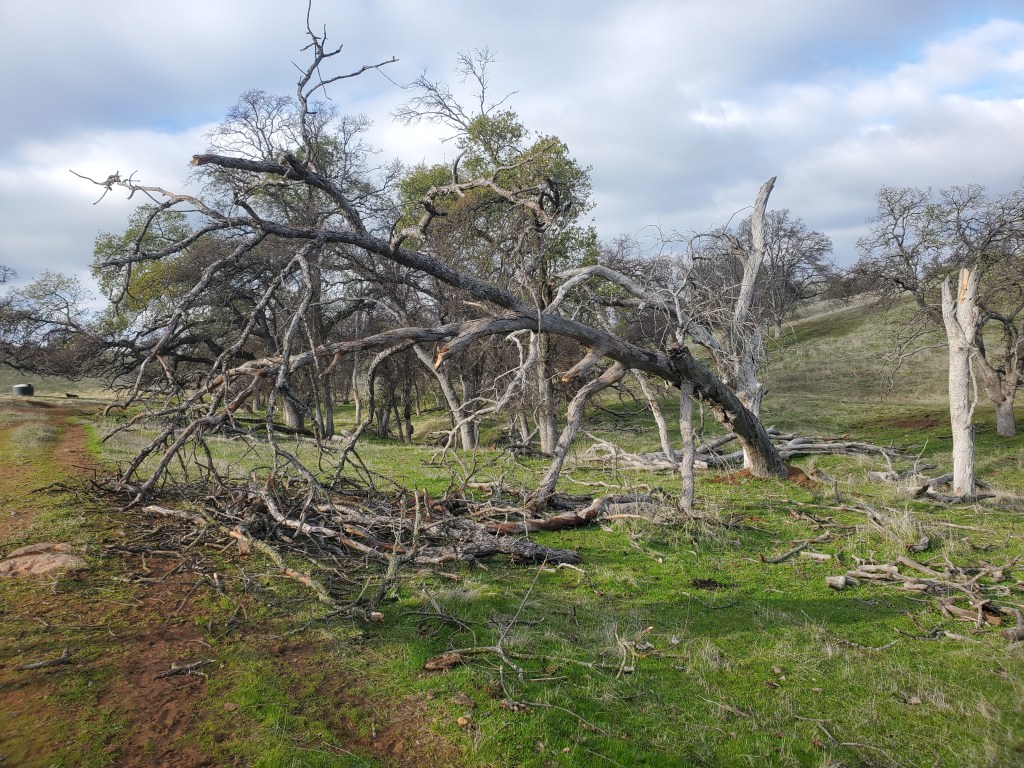
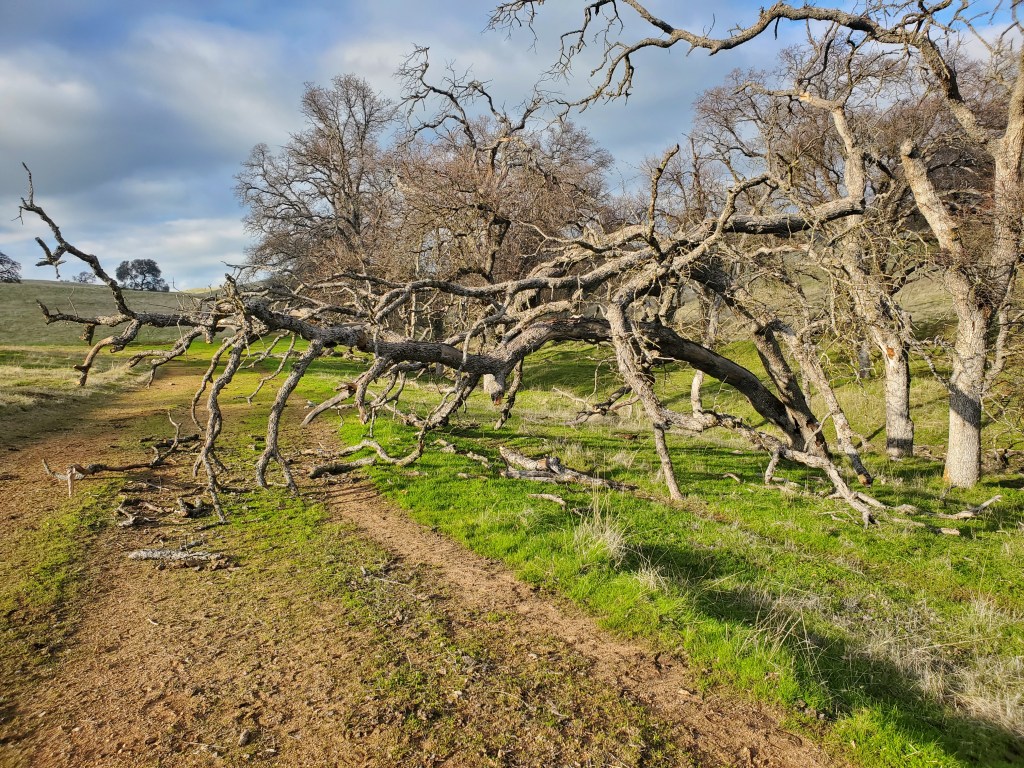
The cell reached the house 15 minutes later. The thunder was remarkable, booming so loud overhead and shaking the house. Then, the hail fell, hitting our metal roof like an angry teenager slamming a million doors over and over. In just 10 minutes, the storm had moved on. Light filtered through the clouds once more. Besides the ground being littered with hail stones, several of the long dead oak trees toppled. I found one across the cattle road a day later. Chainsaw work is in my future for sure.

I feel grateful that mother nature is warning us instead of simply squishing us. We have an opportunity to act, to care, to show respect for all living things – to change the course of our life and be in greater balance. “How can I respond even more than I am already doing?” is the question I ask myself regularly. Two tornado warnings in one afternoon? What will it take to wake people up to care? For me, I am going to double down on milkweed, consume less, choose even less packaging, fly less, walk more … and … look into building a basement.

Frog Songs|Blue Oaks Planted|Guzzler Install

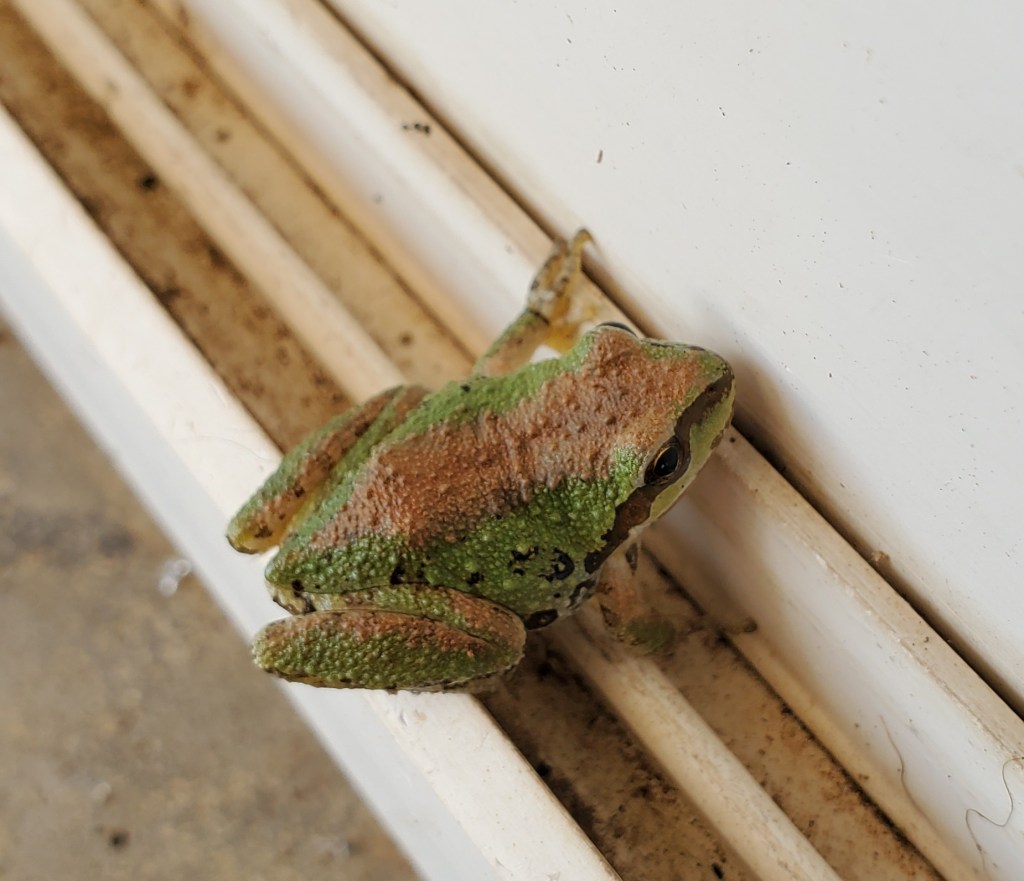
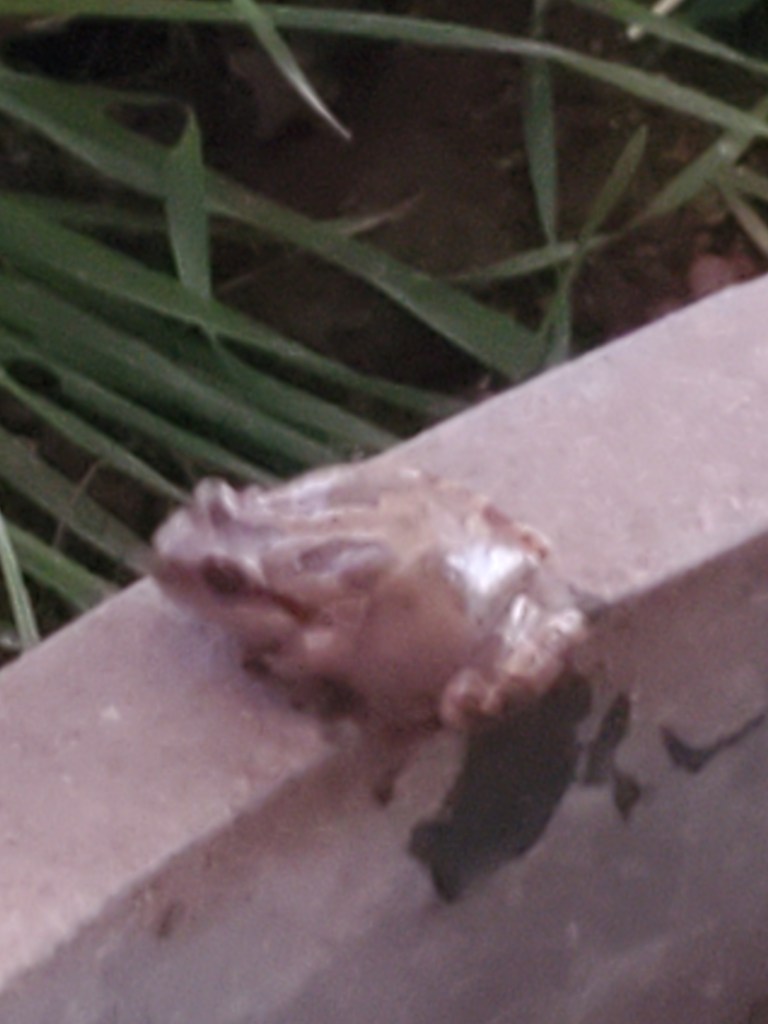
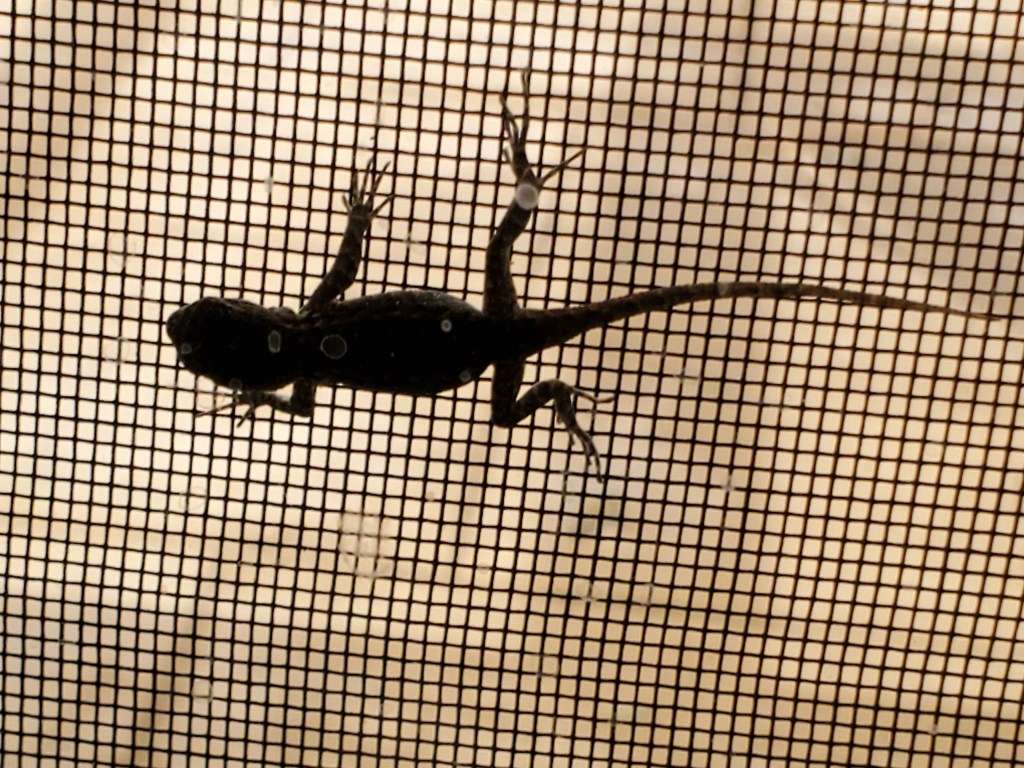
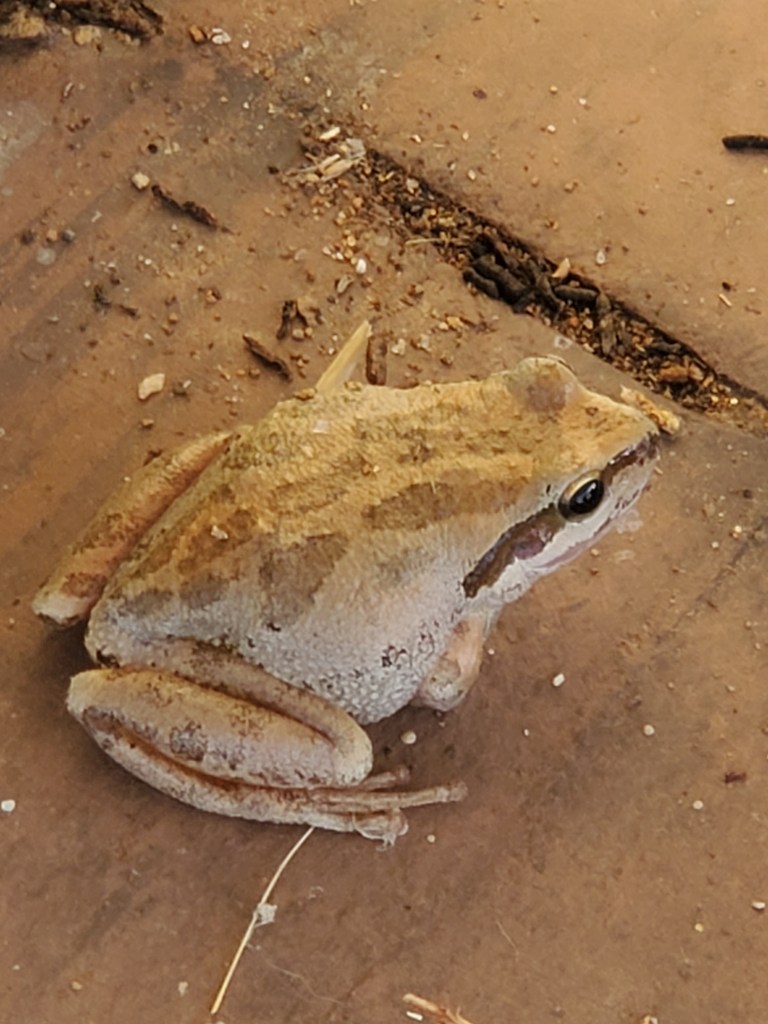
Sierra Tree Frog thinking about climbing the sliding door

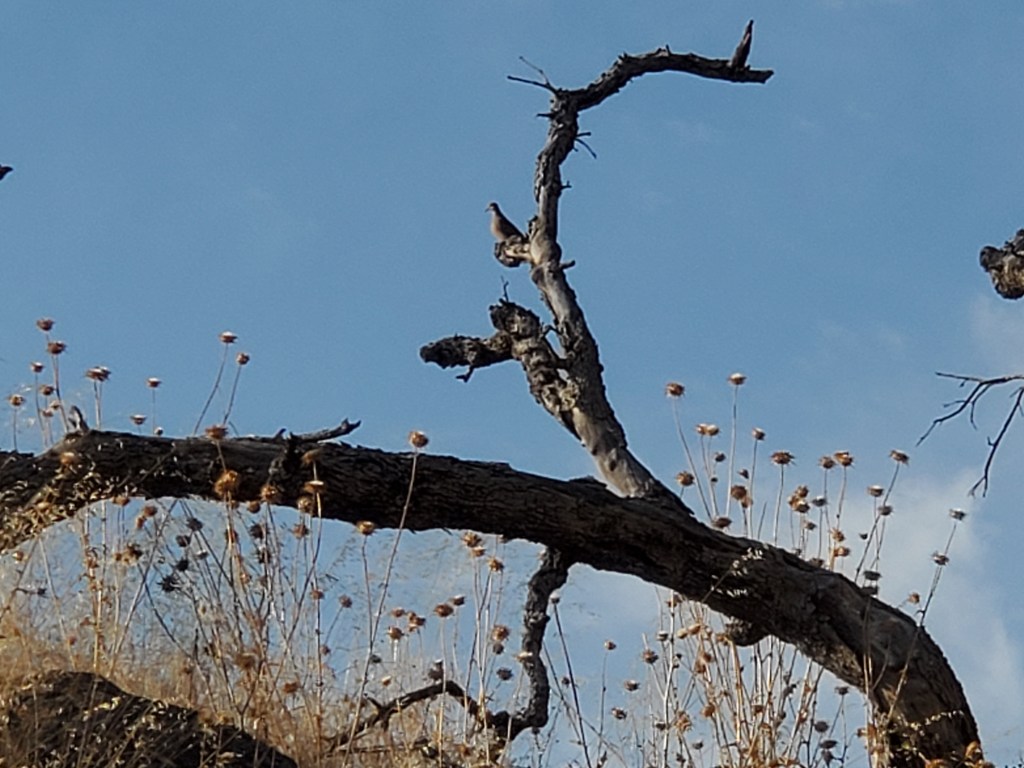
Every day, I am treated to a symphony orchestra of such precise, crisp quality that I am moved emotionally. Each diverse player is always in-tune, and the music is in stereo. No, I’ve not traveled to San Francisco or Los Angeles. I step out on my front porch to a noisy, bustling world — first the rushing creeks after the rain, then chorus frogs with their undulations in 360 degree splendor. The coyotes cannot be left out. They join from far distances and close, their songs carrying across arroyos and hills. A mourning dove enters the symphonic experience just at the right time, then a muted tink of the rustle as a light breeze moves through the oak branches, playing the leaves like keys of a piano. Like a horn, a screech owl hoots, or a barn owl screeches. California toads croak, then trill. Finally, my own heart plays a role keeping time, threading through this musical soup, a genius blend, warming and nourishing, rich and whole.

Guzzler Project

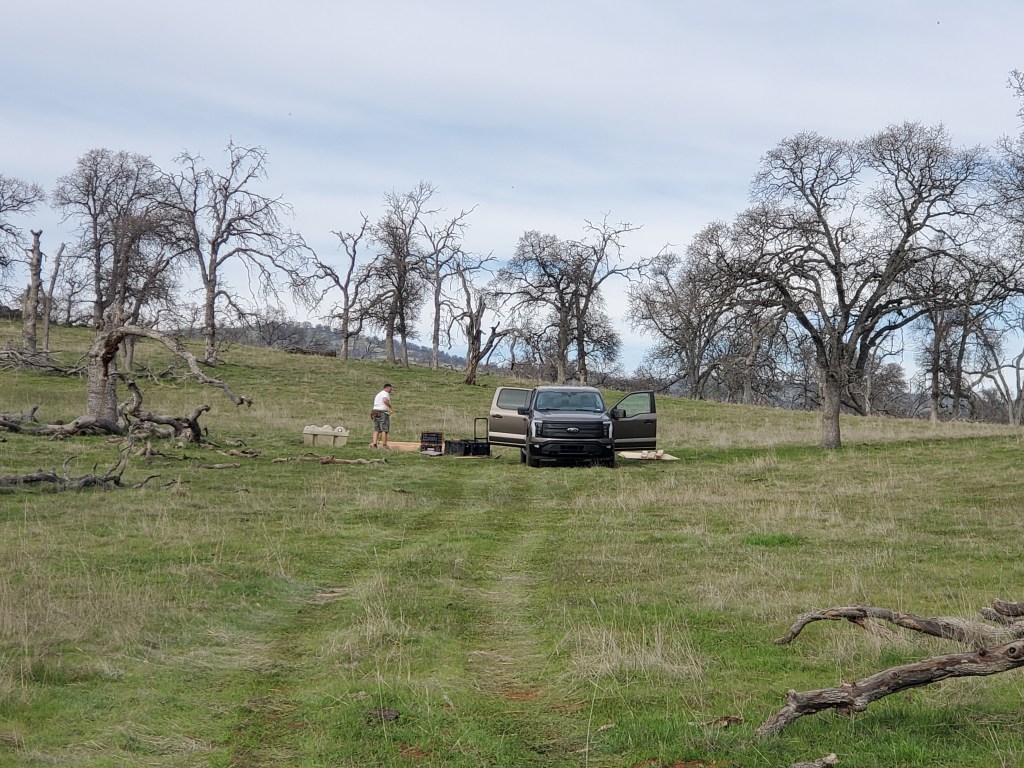
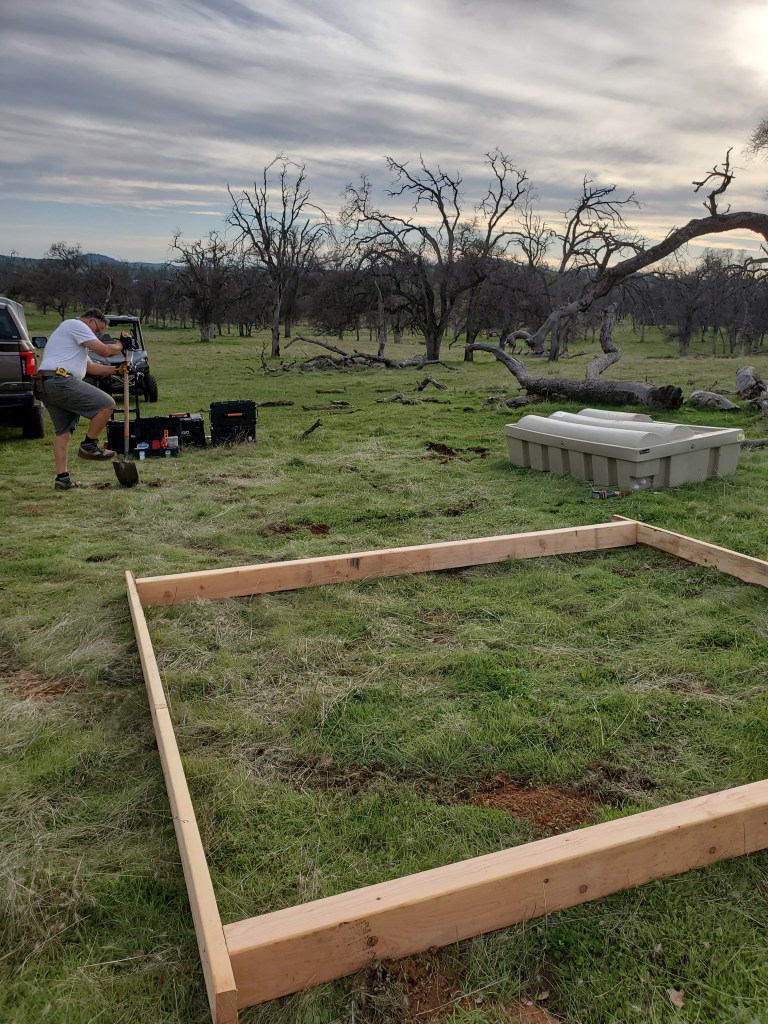
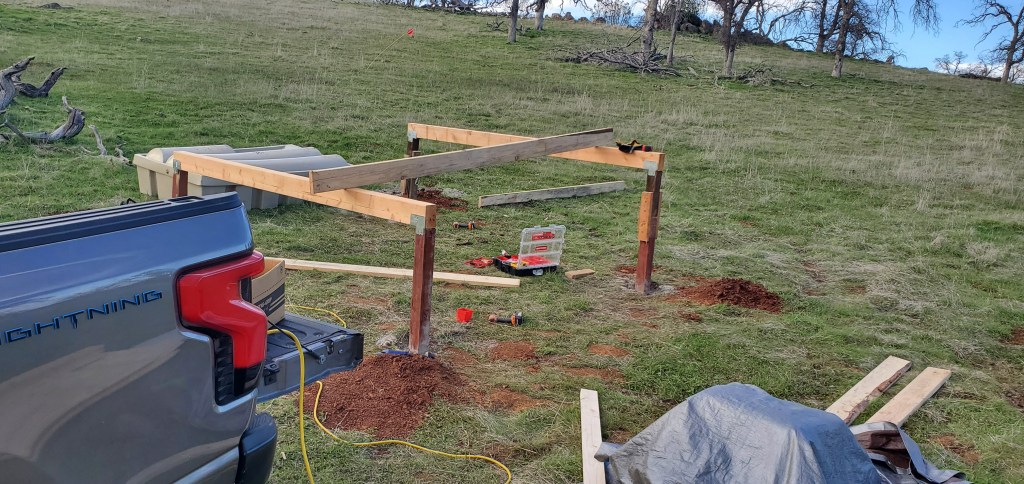
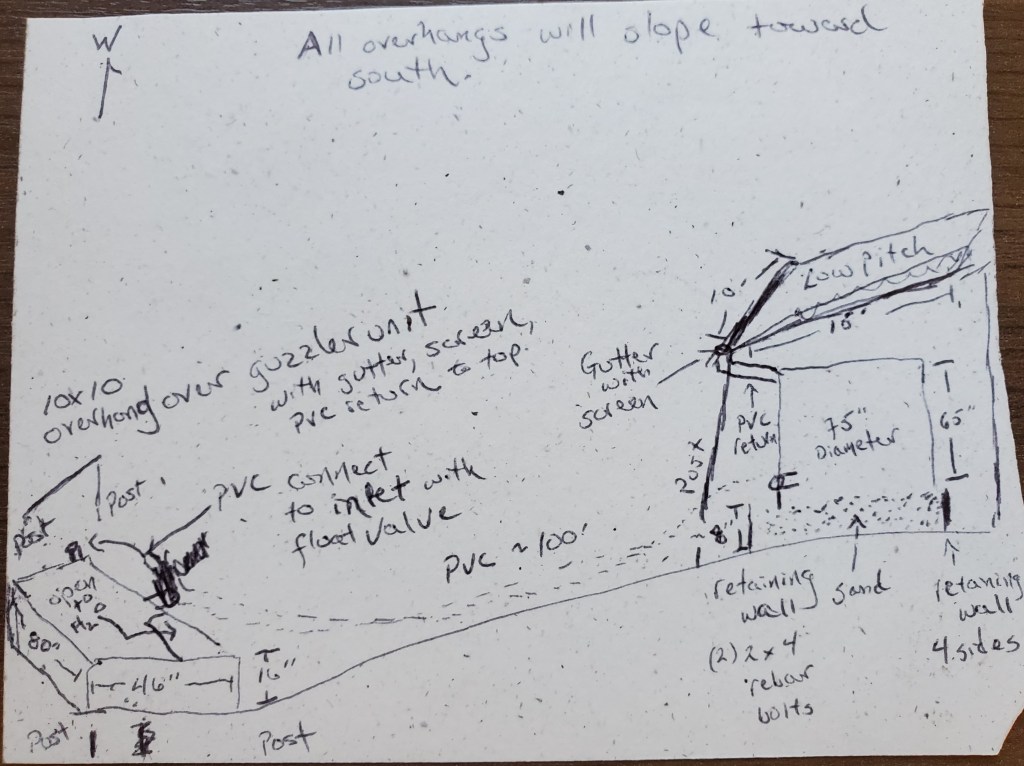
Construction of Guzzler Two, which is located on the east section of the ranch, has begun. David made a mistake early on in the dimensions. Although he fixed it, we lost half a day putting us behind timeline and up against the recent rain storm. He got the posts sunk and cemented and the headers on, but was not able to get the rest of the joists, roof and gutter on. It was disappointing, since we have a week of rain. However, I have to give us both a break. Life has been challenging. There was no time to start earlier. We have so many projects, medical appointments for dad, work and catch up for work from the last several months as well as other volunteer responsibilities. I remind myself that we just can’t do it all.

I am grateful for the time we can dedicate. At least the guzzler is up, and has a beveled lid that is designed for rainwater catchment. There is a ramp built in, so we will get some water in and have a working unit for animals.

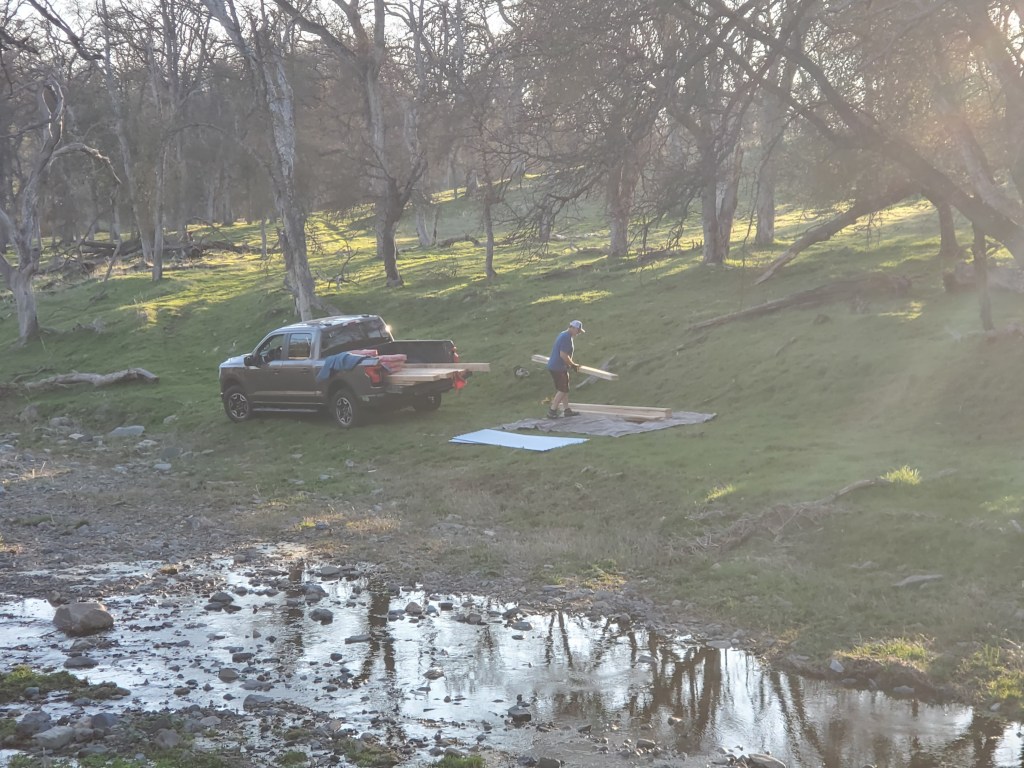
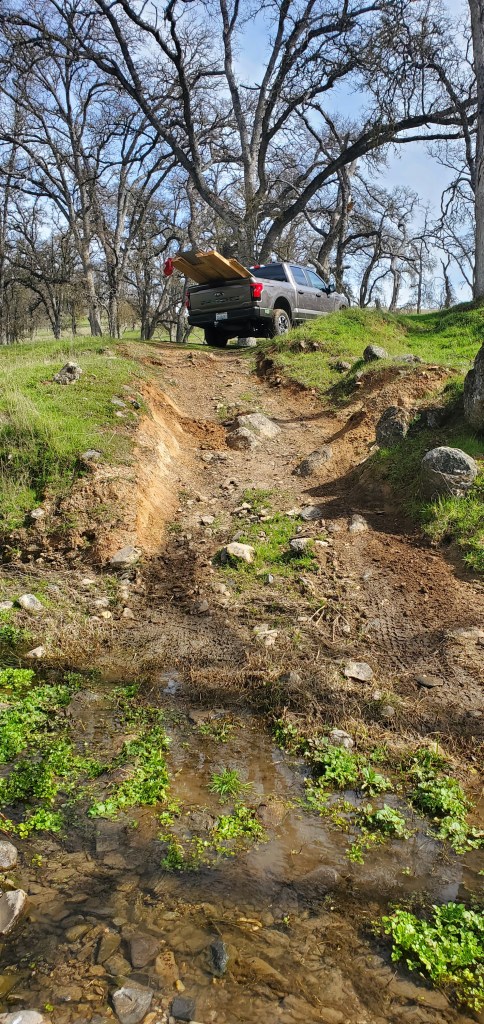
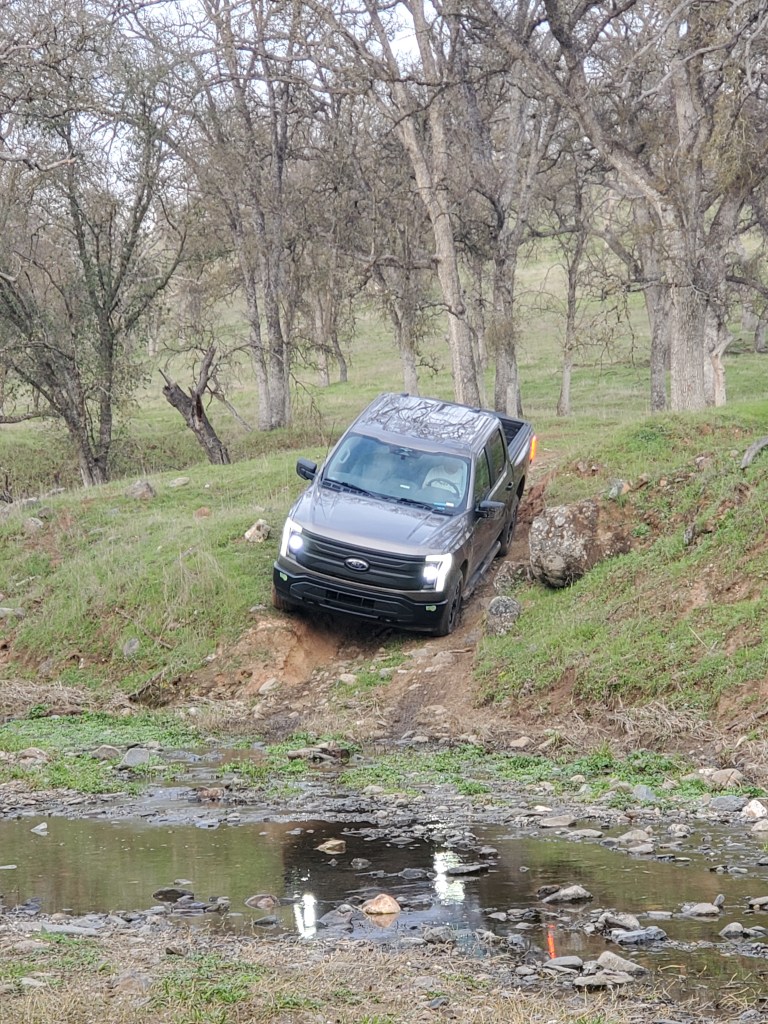
In 2015, the big flood year, the road to the area east of Odom Creek on the ranch was washed out. I would access via foot or ATV. We initially began to stage the materials on the west side of Odom Creek, but David had a feeling he could make it in the truck. I thought this should be a big “no”. Besides the fact that this is a newer truck David uses to commute with, I try to limit motorized vehicles on the ranch simply because their impact on the soil. Everything we have is electric, so I am not concerned about emissions or oil leaks. The weight and act of rolling across the ground over and over has consequences. This is why I stay in my tracks as much as possible when servicing plantings.

Well, when I left to plant oaks, David measured the area, measured the truck, measured the area, measured the truck and decided to go for it. He texted me some photos, and I was shocked. The truck made it. I thought that perhaps making one trip with the truck instead of five with the ATV might be better. I walked the route first trying to make sure there were no frogs or other wildlife, then I allowed myself and/or David to roll through the water and on the bank again. I am trying to do what I can to mitigate damage and hoping the guzzler will make up for any damage we may be causing rolling our vehicles back and forth.

Blue Oaks Continue to be Planted

I have accelerated my work getting seedlings and acorns in the ground. With the challenges of life, I’ve not had enough time to spend. Fortunately, the ground was still soft from prior rains. It was easier to work with. Most seedlings required gopher protection. This means digging 18″ +/- holes in which to place specially designed cages with soft wooden bottoms that are long enough to allow the lengthy oak taproot to grow. The wood bottoms have holes for drainage and root movement. Conceptually, the soft wood bottom will rot in a year or two, opening up more space for the roots to thicken and become resilient.

In all, I planted close to 60 acorn along the creek and in five cages left over from last year. For the seedlings, I planted three along the Spring Creek, three in the new grove near the driveway, and four near the house. I will be planting five more down slope from the house in an effort to repopulate two areas with oak die-offs. Those will take a little more time since I will be creating a trench above and below each seedling to capture more rainwater. This will help increase soil moisture near where the roots can access it. I still have a pile of local oak bark to fill the trenches and absorb more water. The next step for all of the oaks outside the exclusion zone will be to build a fence.

New Log Drop

I created a very informal log drop further down stream on the Spring Creek. Again, the goal is to slow the rushing water from increasingly aggressive storms to try to retain the soil moisture and give the land more of a chance to recharge ground water. I also placed an oak behind the log drop to, hopefully, provide more moisture for the oak to thrive longer in dry conditions. The soil has a lot of clay, which retains moisture. There are groves up and down stream from the oak planting area, so I think the soil can work for these oaks.

Wildflowers are Up

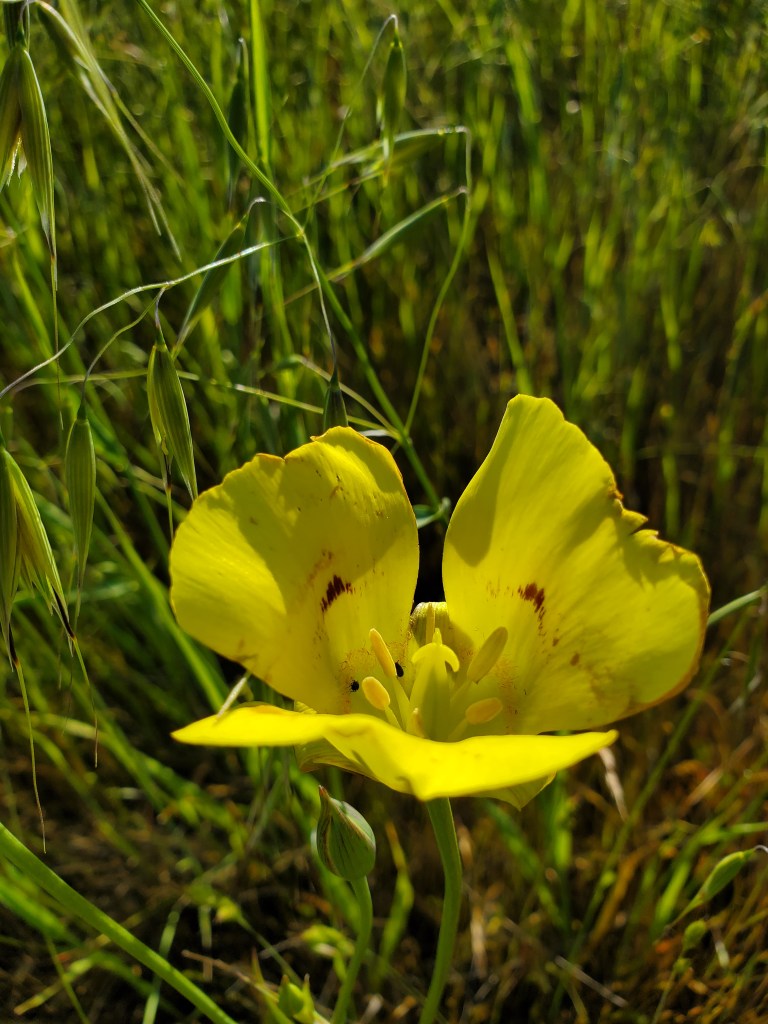
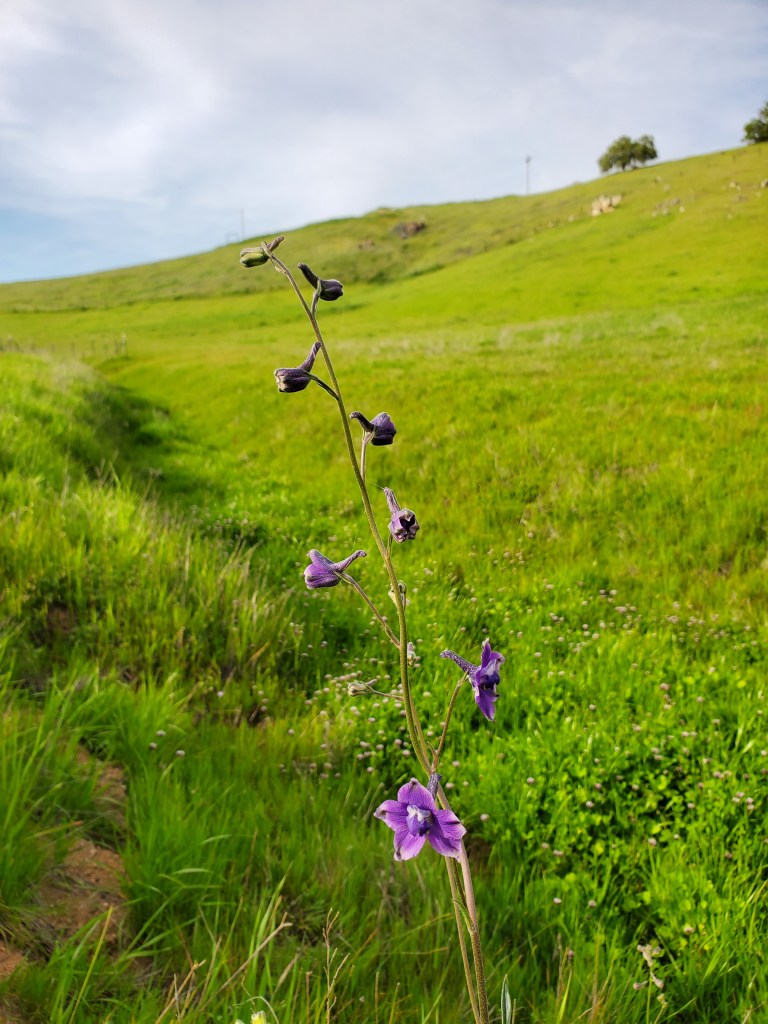
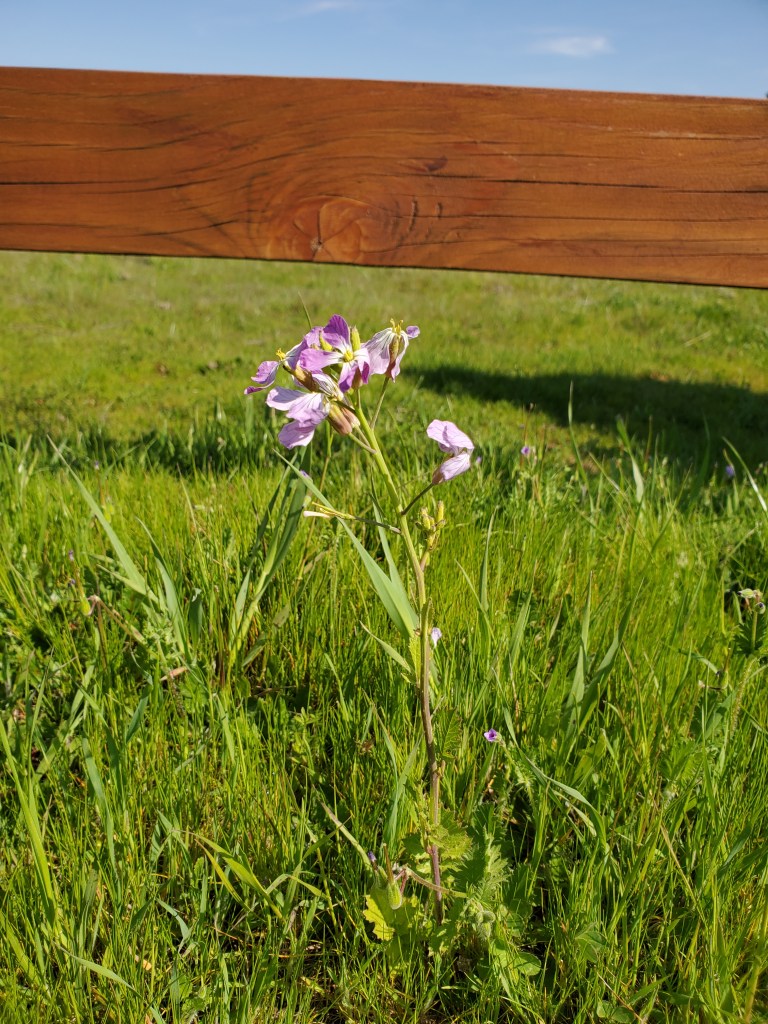
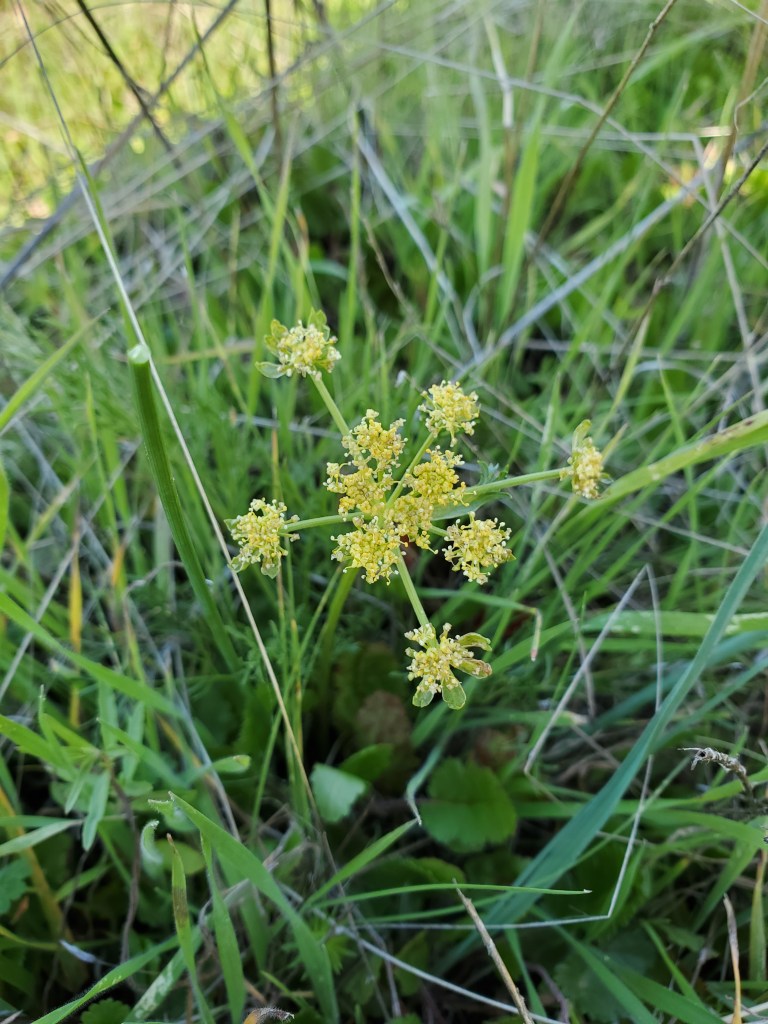
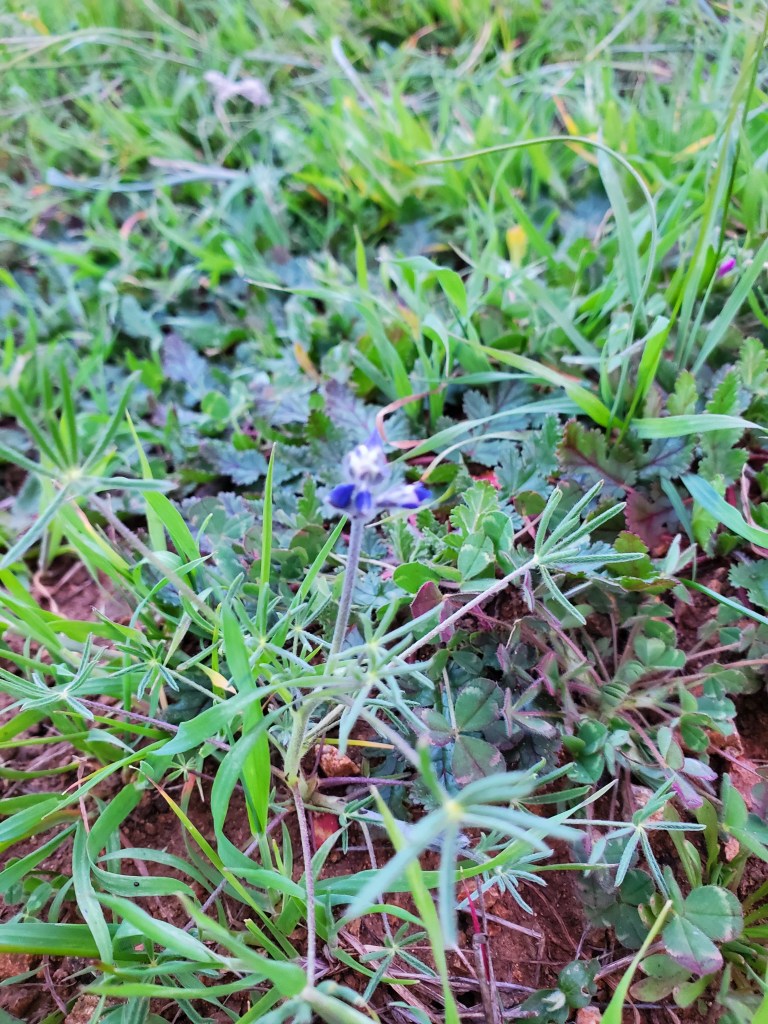
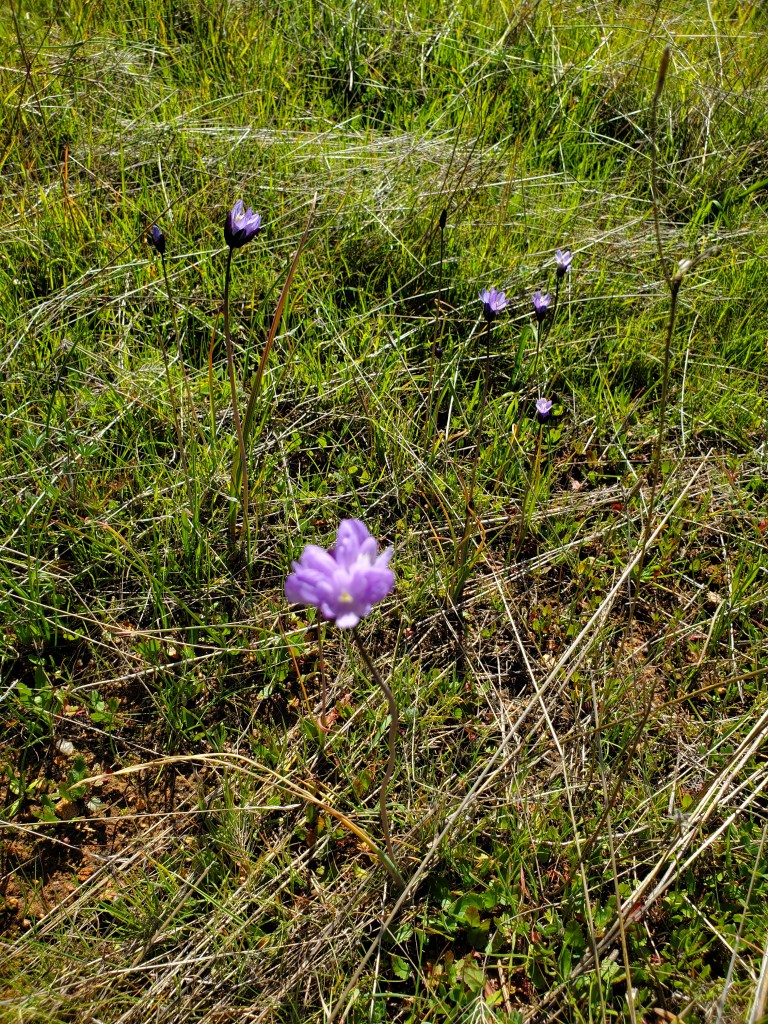
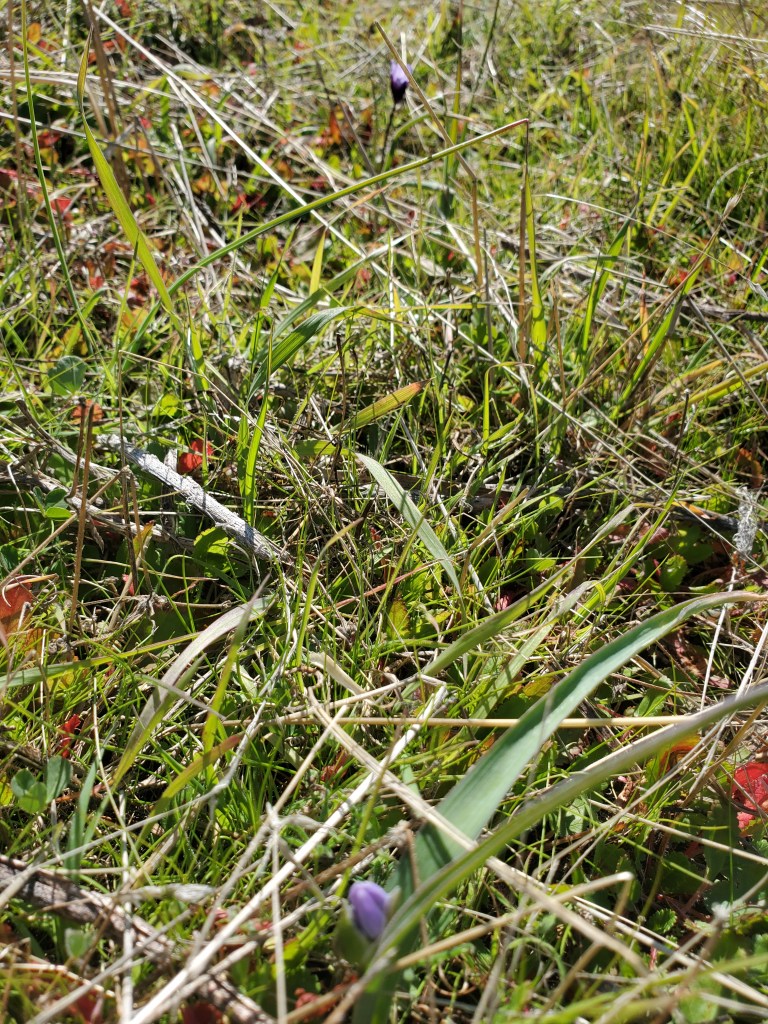
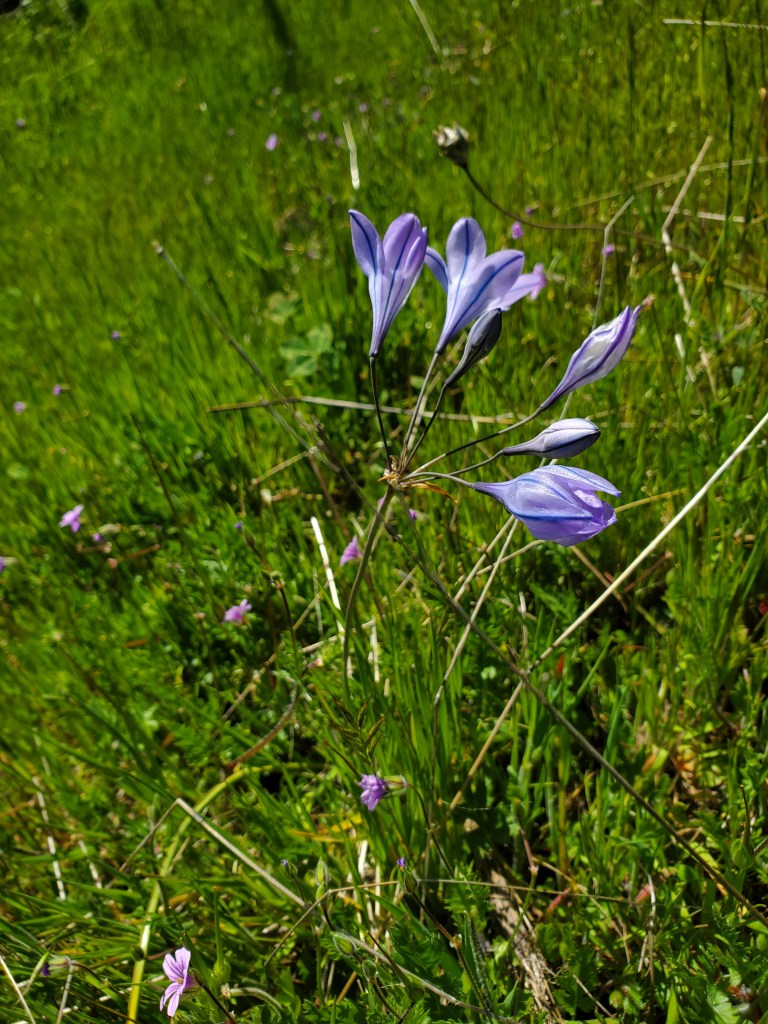
The wildflowers are in full display, with more blooming each day. There are so many colors – blue, purple, orange, white, and of diverse variety. I also saw my first butterflies on March 1 (possibly buckeyes. They were brown) and heard a large bee. Spring is happening whether I am ready or not…I’m not. The air is smelling like nectar. In another few days it will be heavy with the perfume of a million flowers.

Odds and Ends

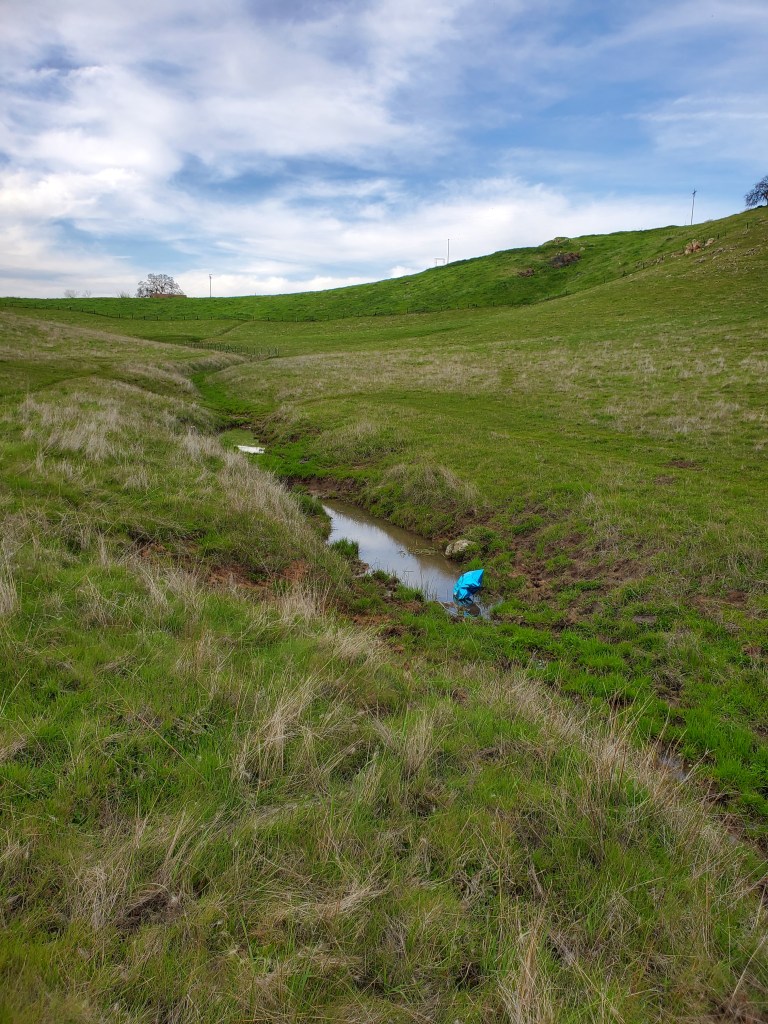
The joy of living here and caring for the land is immense. There is always so much to see and experience, even 22 years later. I pick up garbage that floats through the creek, blows down the hill or floats in the air. It seems we are always finding mylar balloons. Please don’t purchase them. They are trash and end up at my place. They can kill calves who do not know what they are and eat them.

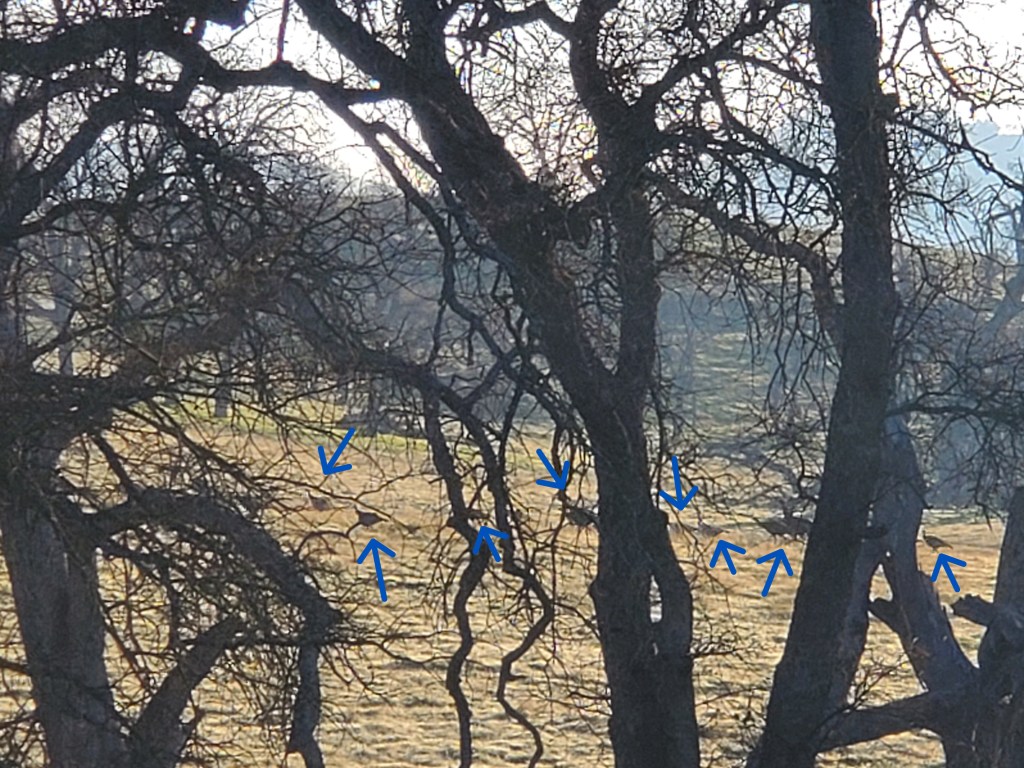
While planting oaks, I heard a whoosh near my head. Two redtail hawks in their mating ritual, dove and sped back up high near where I was working. It was incredible to see and hear them so close. Getting an early start to the day allows us to see so much wildlife. We saw a huge group of turkeys. They are large and interesting, though they are not native. They eat the eggs of quail, harming their populations. I wish a bobcat would control their population more. People think they are cute and feed them just a few miles down the road, but they are very destructive. I would rather see quail than turkey any day. The lady beetles are out. They are really beautiful. I used to see them incubate in tree bark as a child. We had so much abundance then. The other evening at dusk, as David and I were finishing our work, we saw a great blue heron flying to the east. I hope it stopped at the neighbor’s pond and decided to stay a while. We used to have a mating pair that would return each year. They had their nest in a tall bull pine on the neighbor’s property. It fell one winter. When the couple returned the next year, they did not stay. The male would come back year after year with no mate. What a loss.

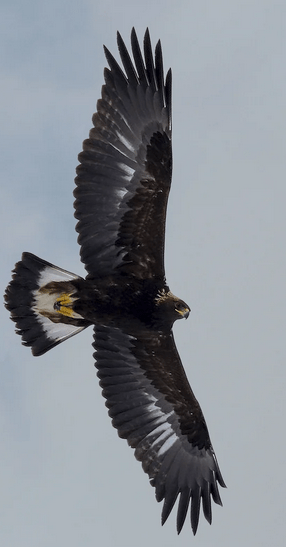
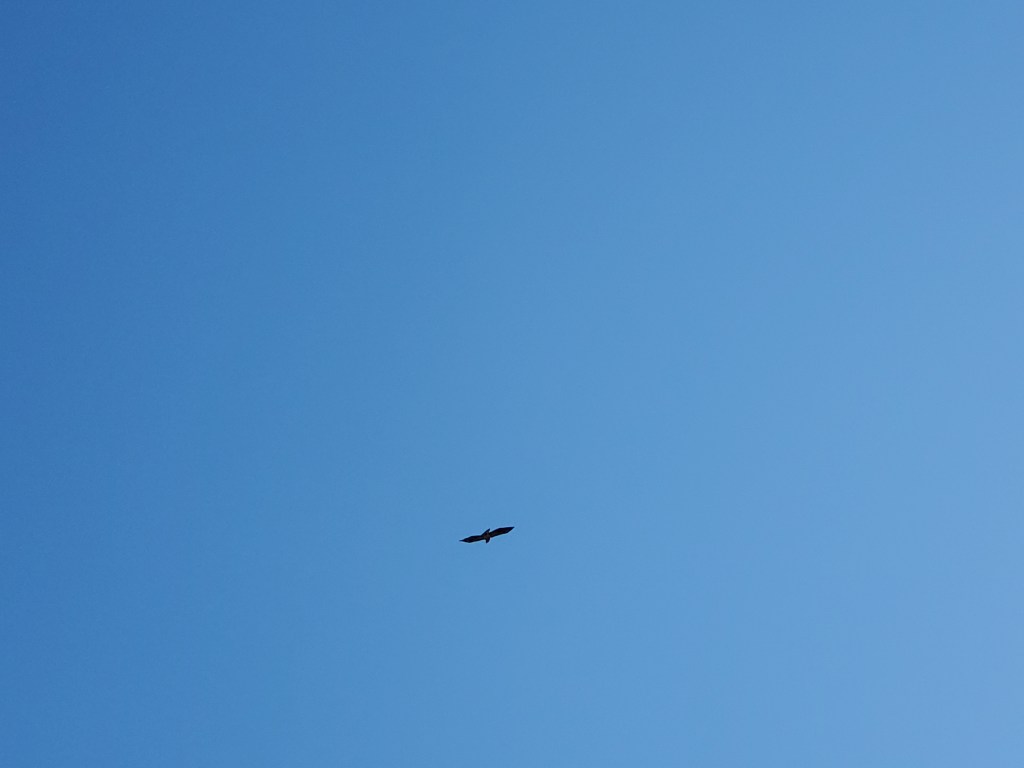
Probably the most exciting thing I have seen in a long time was a golden eagle. It honored me with its presence on February 27. I was looking out the living room windows, which look to the east. I saw a massive bird fly down the hill. It circled the tree near guzzler 1 then flew back over the house. I dropped what I was doing and flew outside. It was about over the house then, so I rushed around the side of the house to get another glimpse. It was massive with long, dark fingered wings and gorgeous white patches underneath. It flew north west, presumably to the Merced River, which is close by.

I screamed. David thought I was crazy. I couldn’t stop telling him about it. My goodness, it was gorgeous. David finally protested after the third retelling, and I said, “Now you know what it feels like when you tell me constant ‘bug in the compiler’ stories about your tech issues.” “Touché.” he said.

We are doing something right when an eagle comes to visit. We work hard to be good stewards and good ancestors. Thank you eagle for letting us know.

This is what it looked like, but it all happened too fast to get a picture.
Photo credit: RaptorResources.org

Another Winterless Year

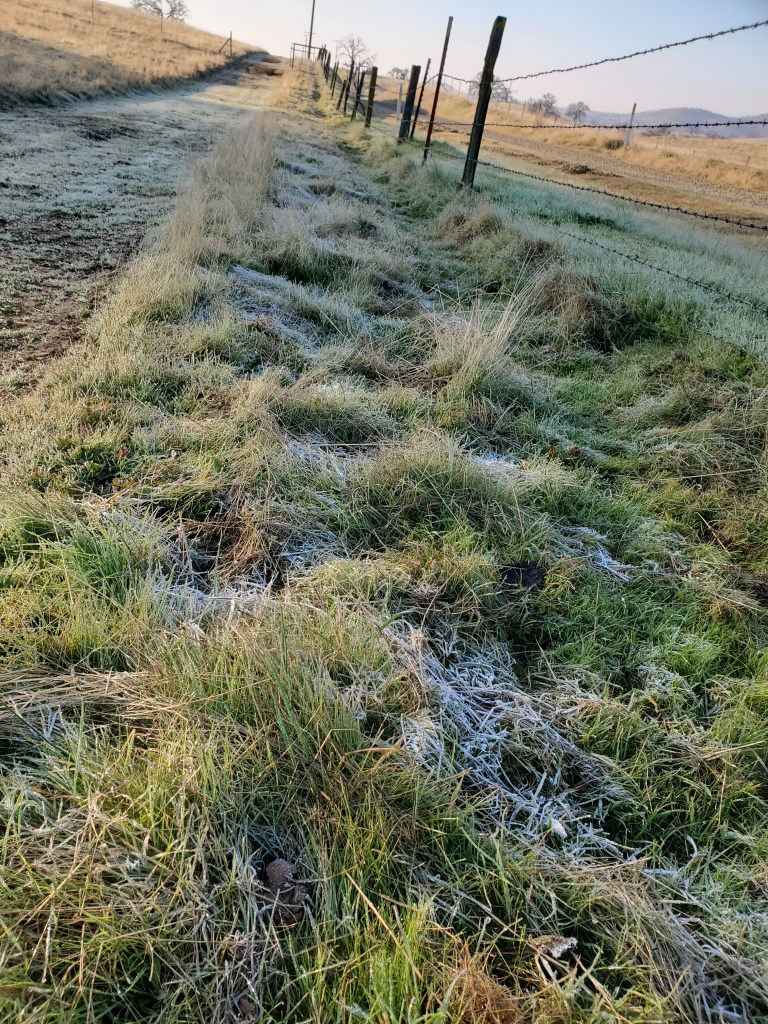
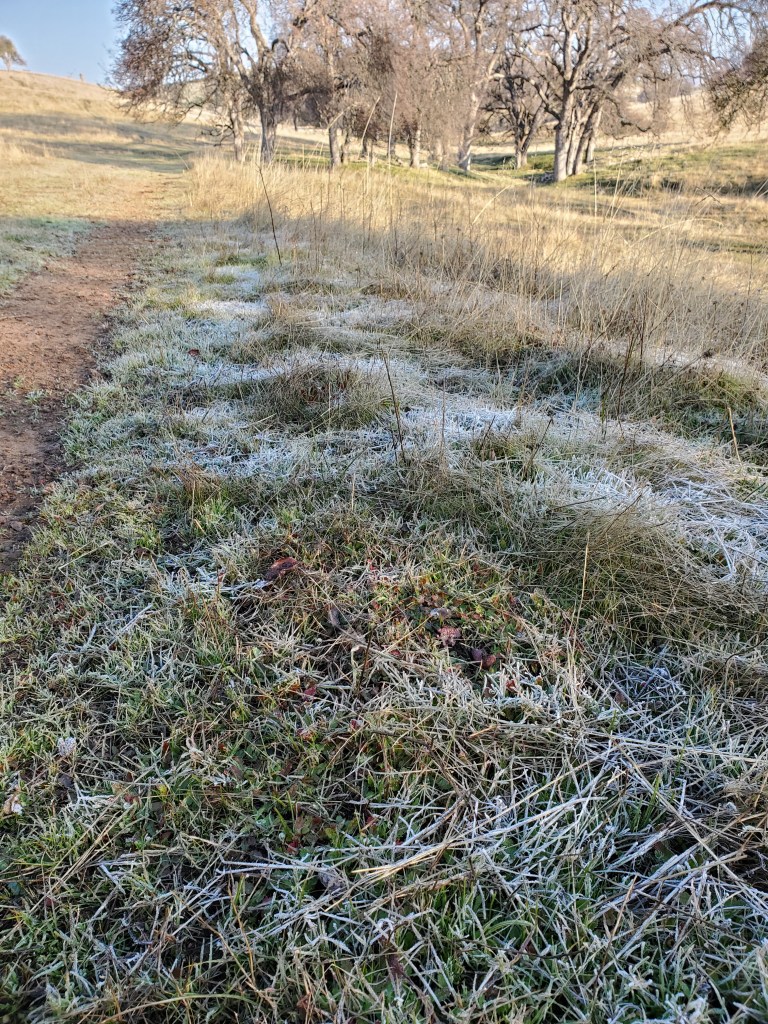
Like last year, and perhaps one or two others, the winter has been short -maybe two weeks in total. Although we’ve had some cold days and rain storms, less than 3 weeks have had frost, and some of those frost days were only in the arroyos, and spread across the hills. No snow this year or last. When I first moved here in 2003, we reliably had 2 to 4 snow events per year. I am at a fairly low elevation, so when I say “snow events” I mean snow that is 1 to two cm deep or simply snow that does not stick. As a child growing up an hour north, we had snow every year. This is not normal. The years not only are getting warmer, they are staying warmer longer. In fact, we’ve had far too many warm days this “winter” when it should be cold.

Wildflowers that used to come out in March, which itself was slightly early, now come out in February – and even this is shifting fast. I spotted my first wildflower the first week of February. I am terrified of the day that I begin to see them in January.

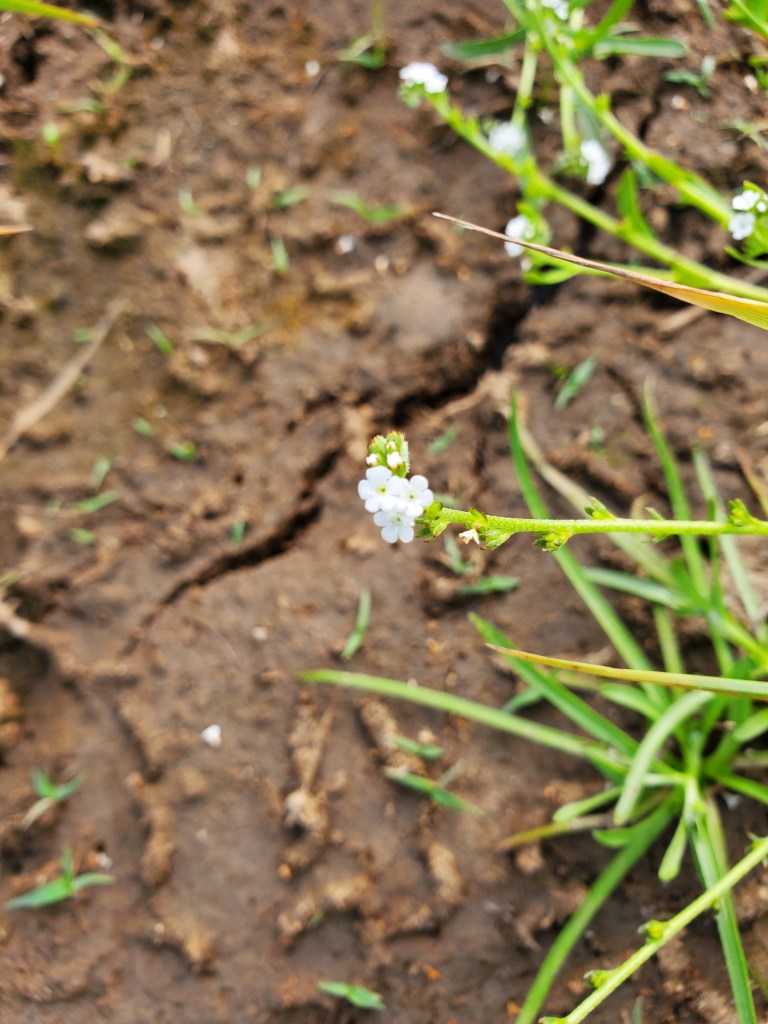
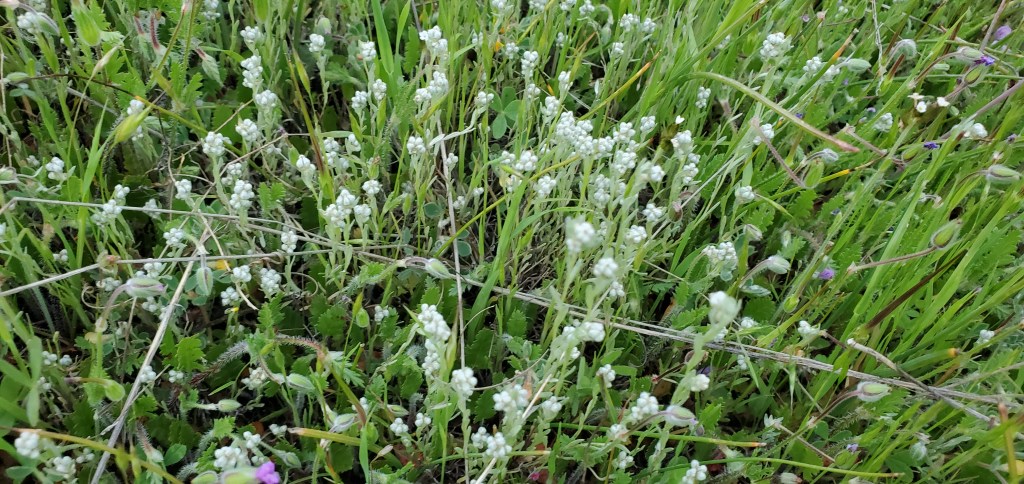
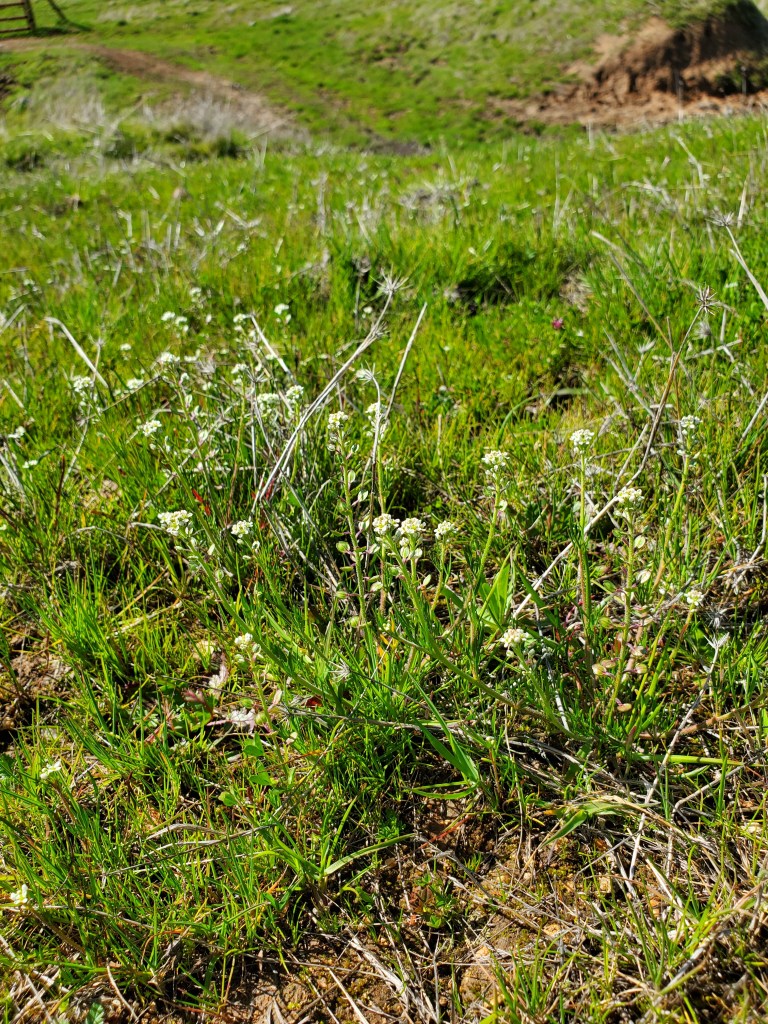
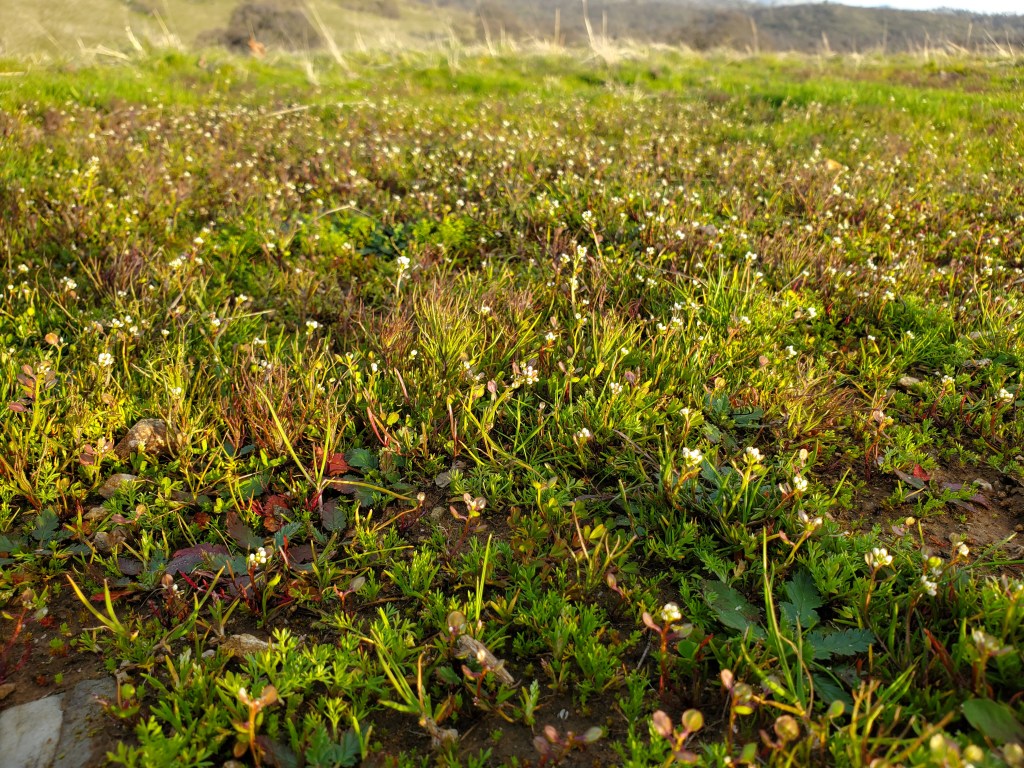
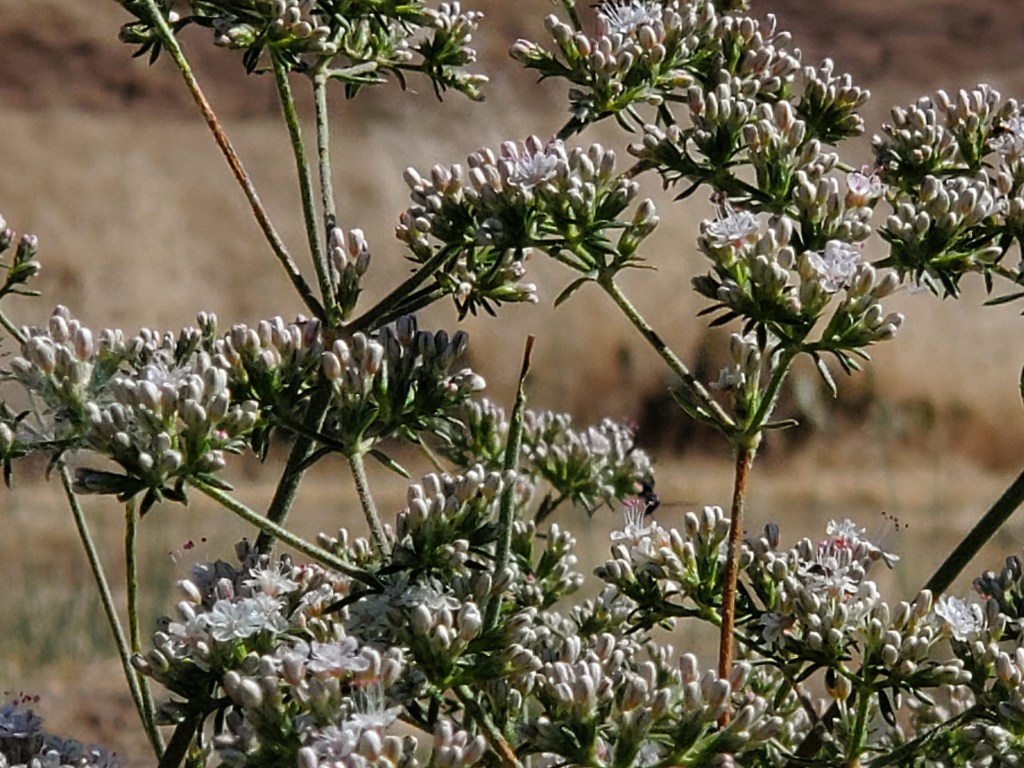
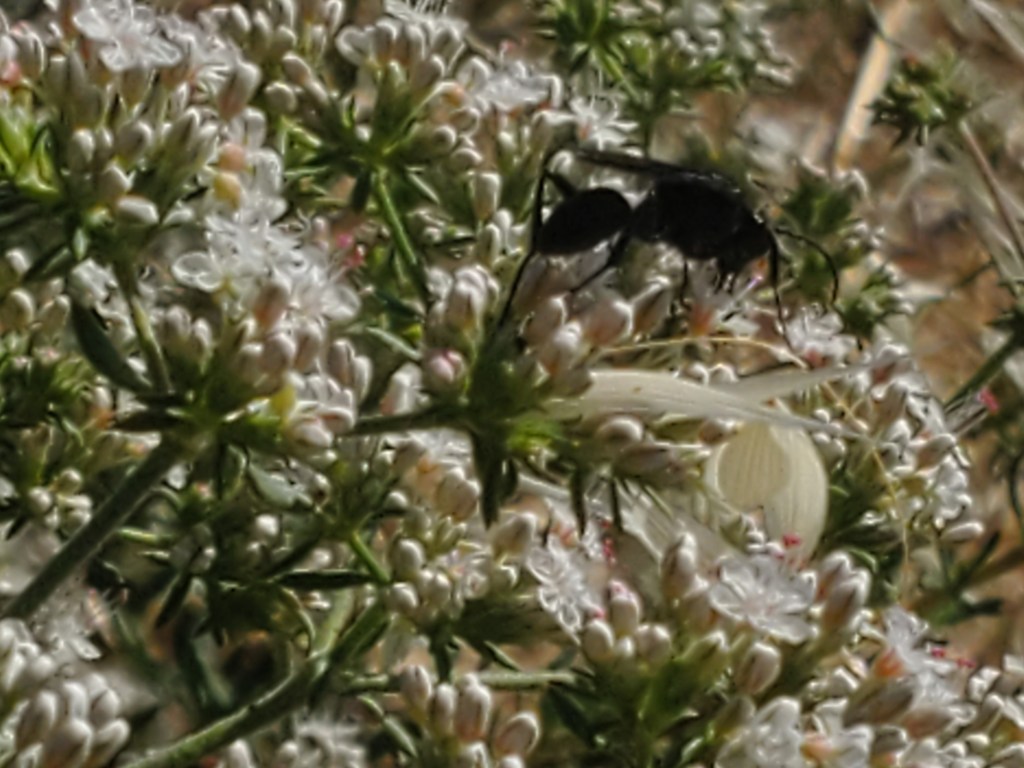
The second week of February, the short white wildflowers are appearing, with many other buds waiting to open. These are what I call the super nectar flowers. There a typically millions of them, tight and close to the ground, that make the air smell so sweet.

These shifts in bloom time can be devastating. All of us animals depend on cycles when our foods emerge. We cannot have mismatches, when flowers appear too early and bees and butterflies appear at the regular time only to find that their nectar sources have already bloomed and are gone. Or, the weather turns cold again after being warm, signaling the flowers to bloom and trees to leaf, then killing the emerging buds. I have seen this happen before. Both scenarios are destructive. Having diversity among nectar plants is critical, but even with this, it still decreases the available nectar impacting population sizes and potentially health.

Large Storm is Destructive

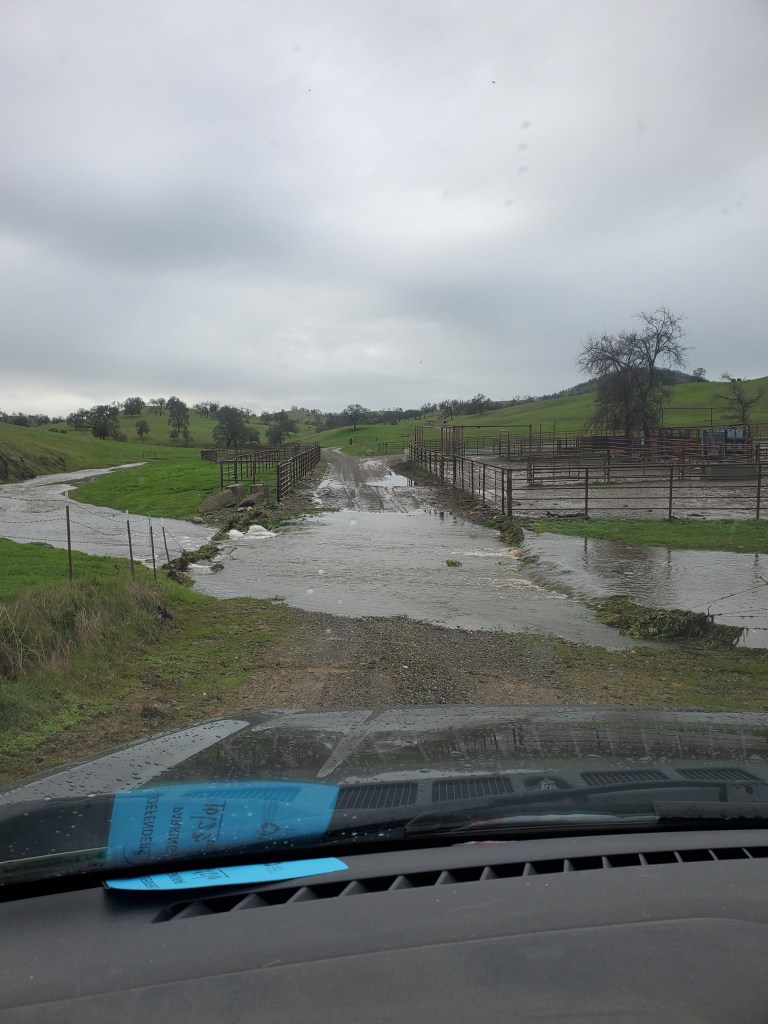
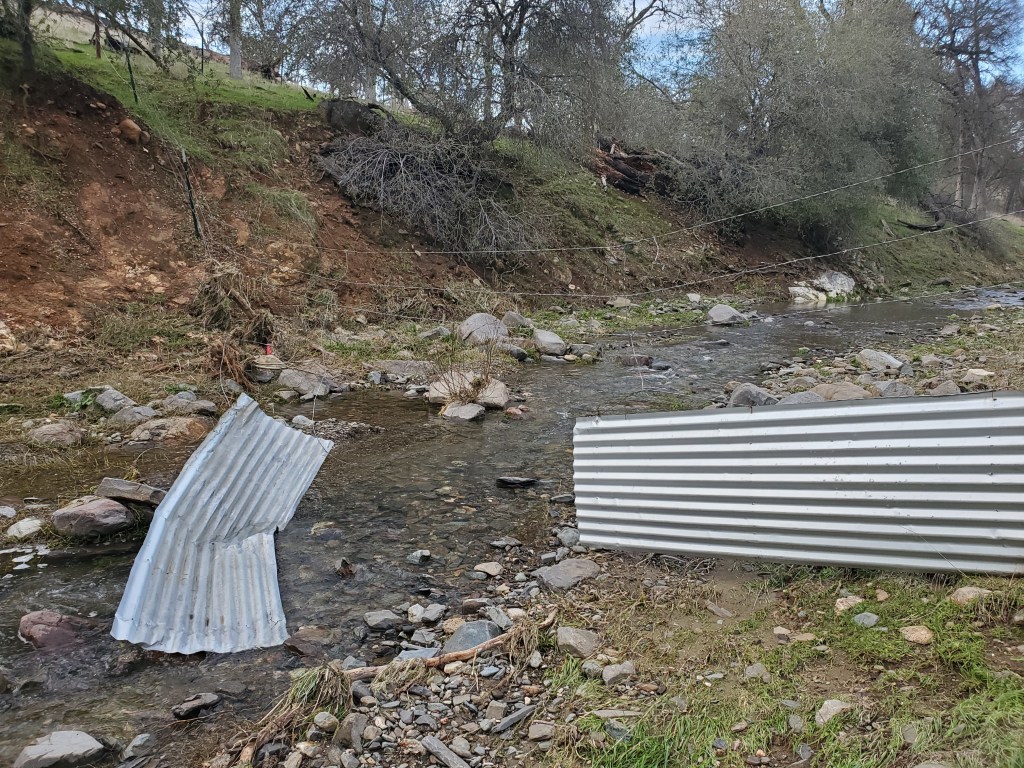
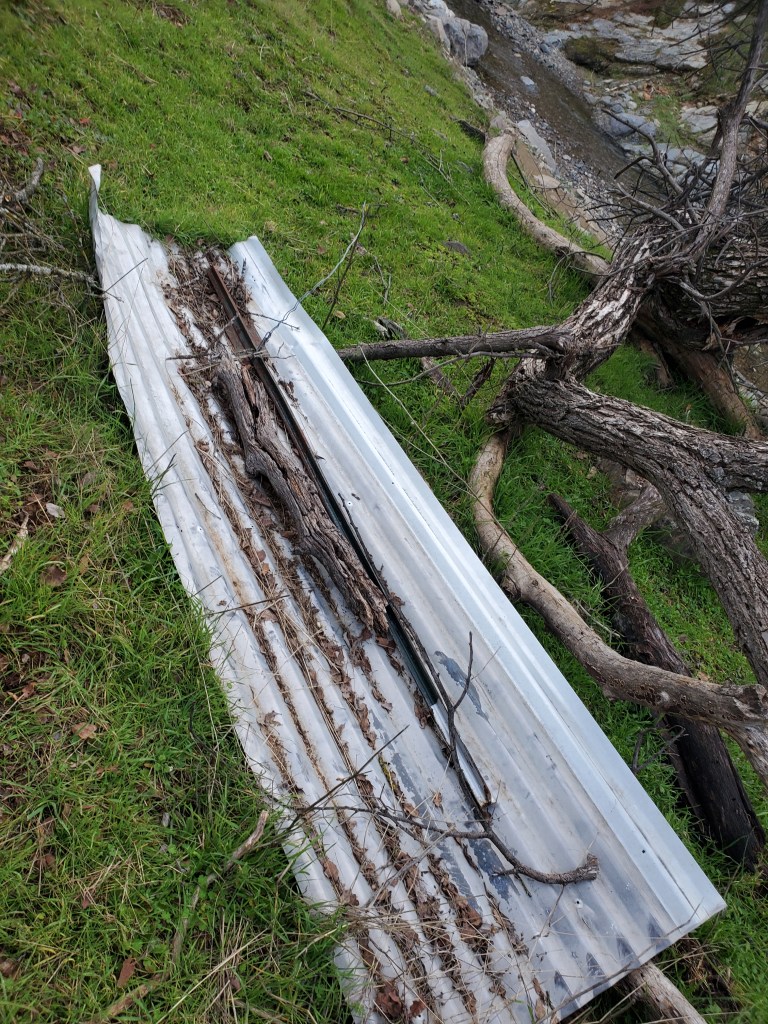
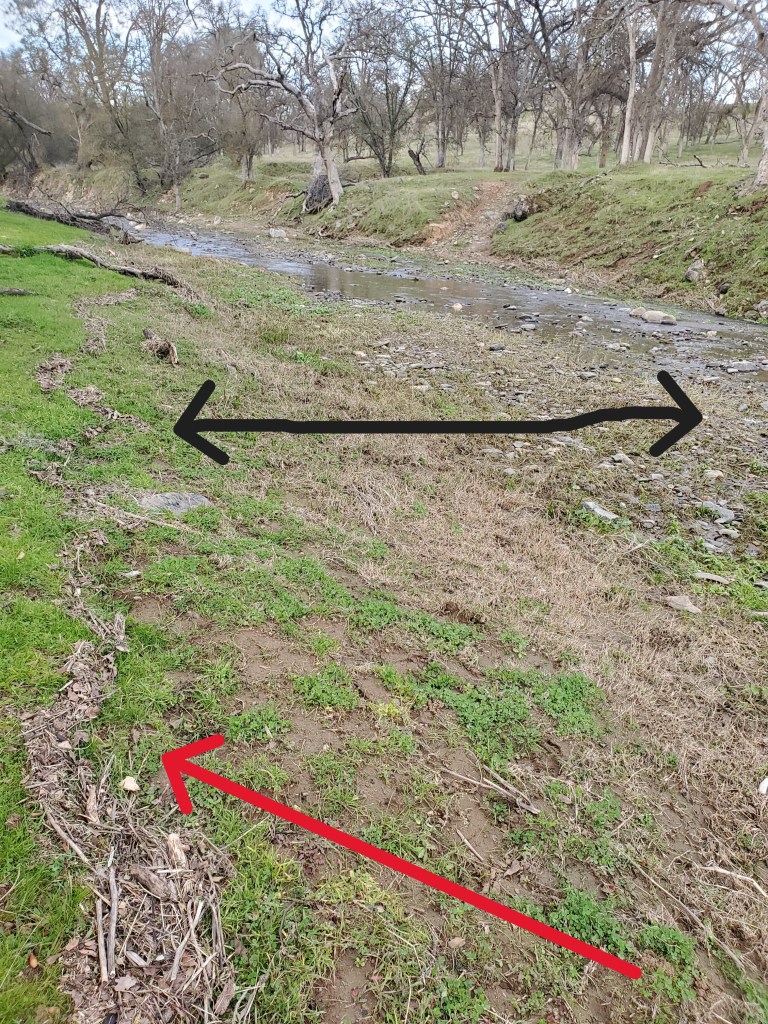
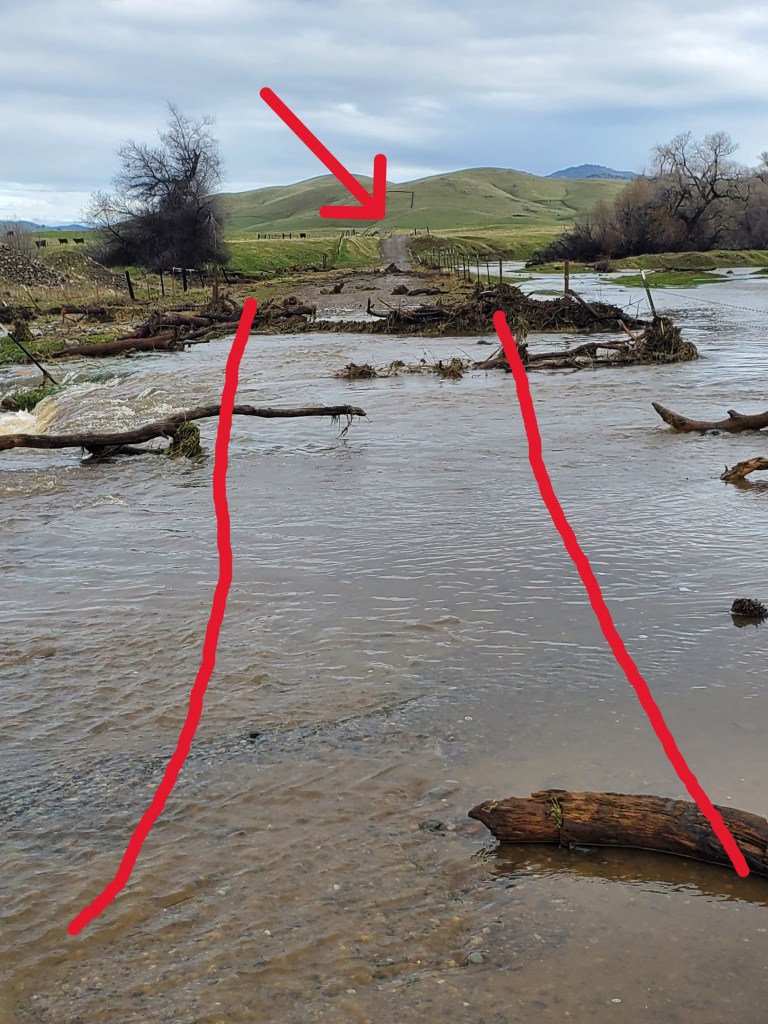
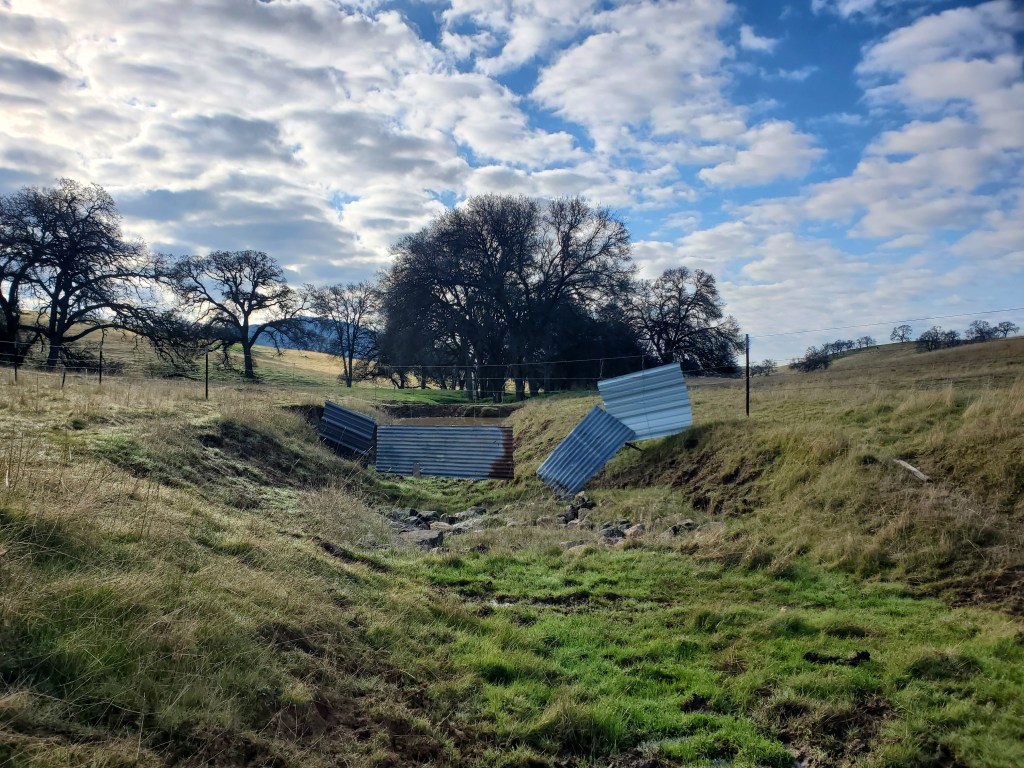
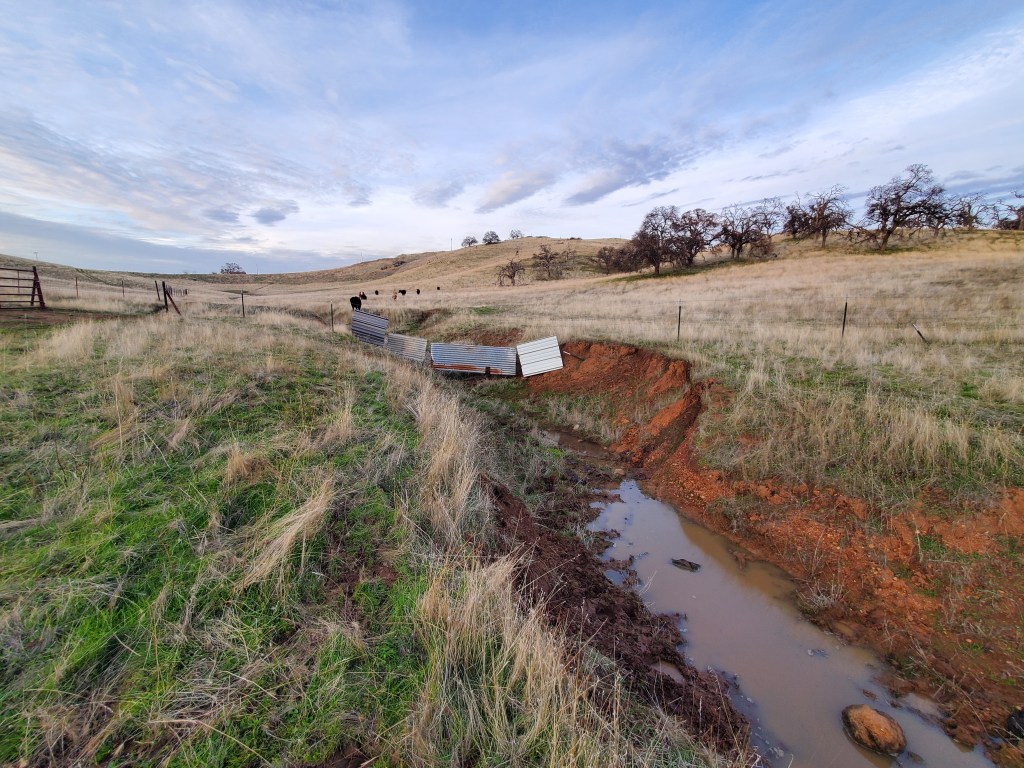
We did have a good storm the third week of February. It rained 2.25″ in a few hours. This was enough to over run roads, creek banks and surge in a destructive way. Some of the tin panels I use along the fence line to block the openings across the creeks from cattle got disconnected and moved downstream. The force of the water surge on Odom Creek actually tore the bottom wire apart, snipped it right in half, tearing the tin off and floating it downstream. Fortunately, I found all the panels that were torn off. David and I will reattach them. They need to be in place to prevent the cows from accessing my oak seedlings and other plantings.

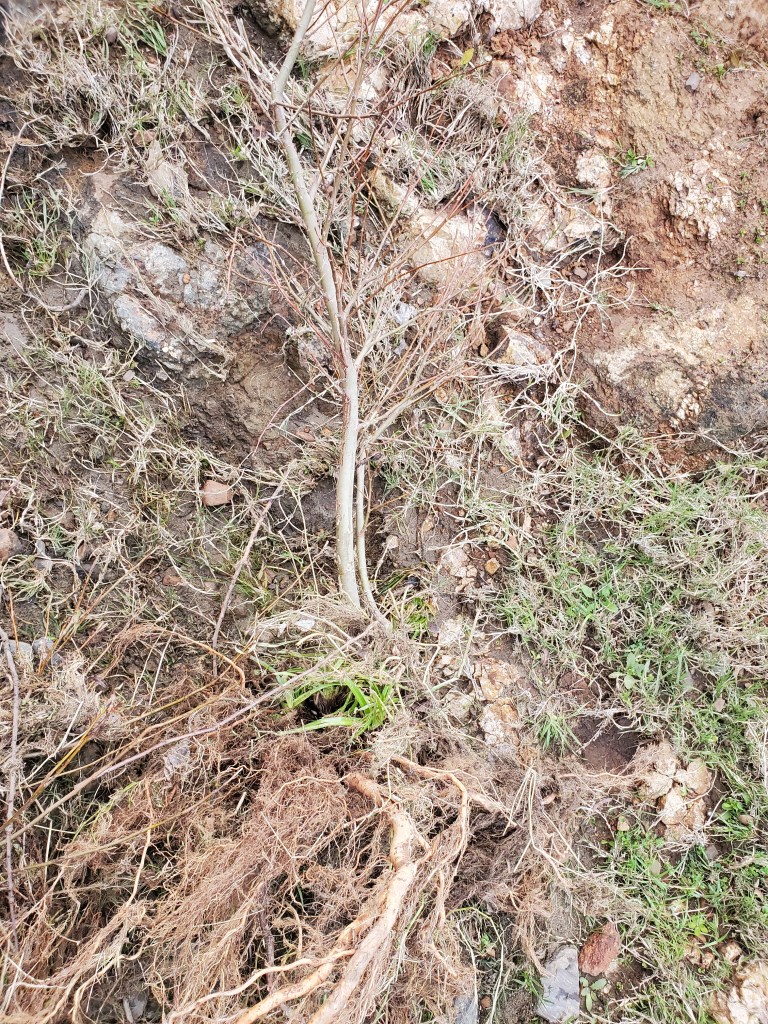
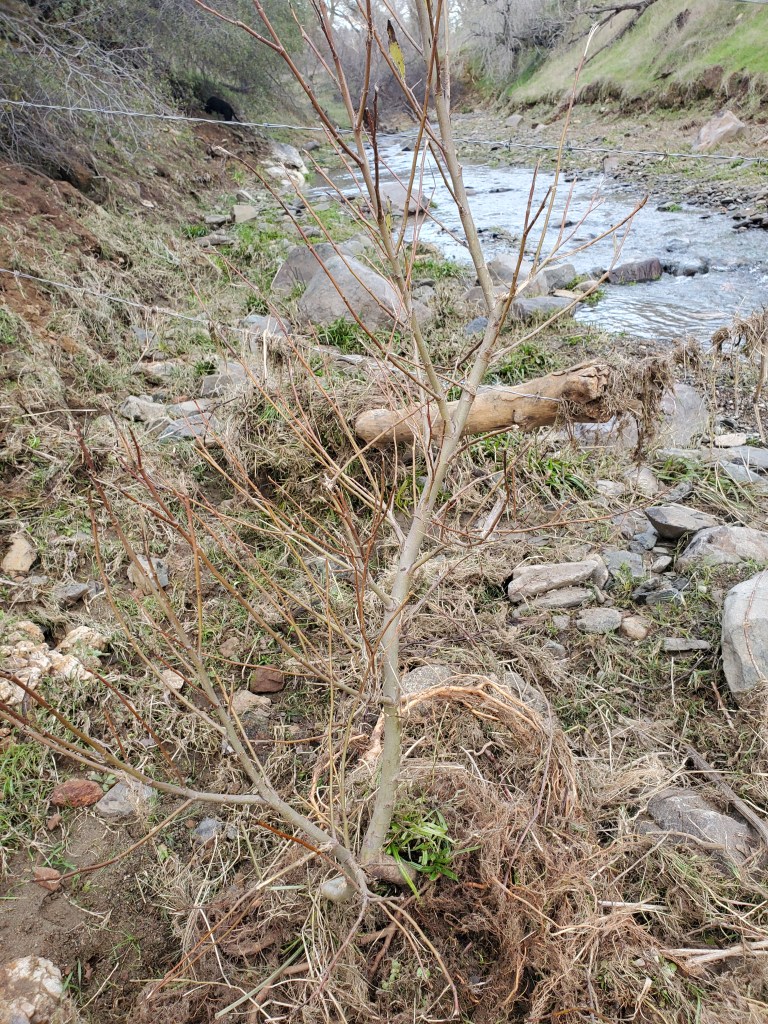
The surge also twisted up vegetation on the fence lines. Sadly, I found the young willow I had been so excited to see. She was ripped out of the ground, roots and all, taken downstream and deposited near the fence line where I found her on her side. I lifted her upright after scratching a pathetic, shallow hole with my foot. I did not have a shovel with me when I went to assess damage, so my foot was all I had. It was not much of a hole since the ground in the creek is rocky and thick. Still, I placed some of her long roots back into the ground, carefully, hoping that they will be resilient and allow her to grow once more. She is a willow after all – strong and prolific.

California Milkweed Emerges!

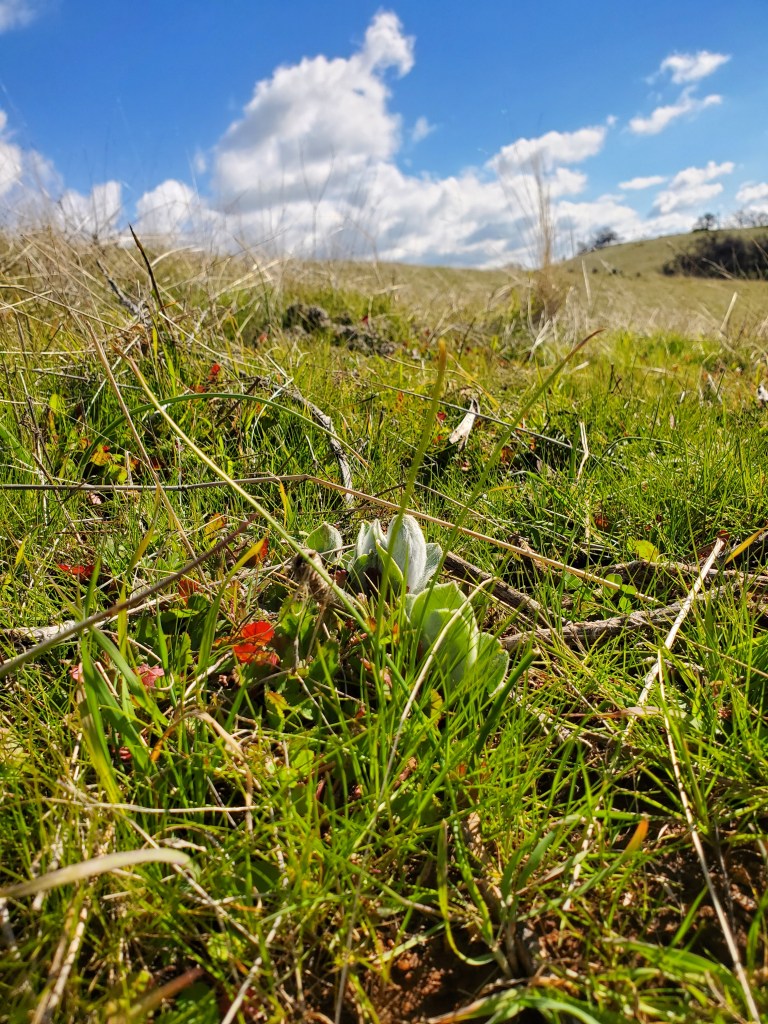
The California Milkweed has emerged two to three weeks earlier than 2024. I saw the first leaves on Feb 9 this year and noted that last year it was the last week of February.

The cows have been on the hillside with their calves, so I went to check on the plants. I noticed each of the milkweeds had a snip taken out of one leaf; they had been grazed. Most likely, it was a calf testing out the green fuzzy plant. The snips appear to be spit out and located near the plants. Definitely not a tasty meal for anyone except a caterpillar. The plants are growing rapidly, and will be fine. The cows are on the south part of the ranch currently. I will be shutting the gates to the north field in a week before they return, excluding them from the far north field.

Grass Nirvana for Cattle

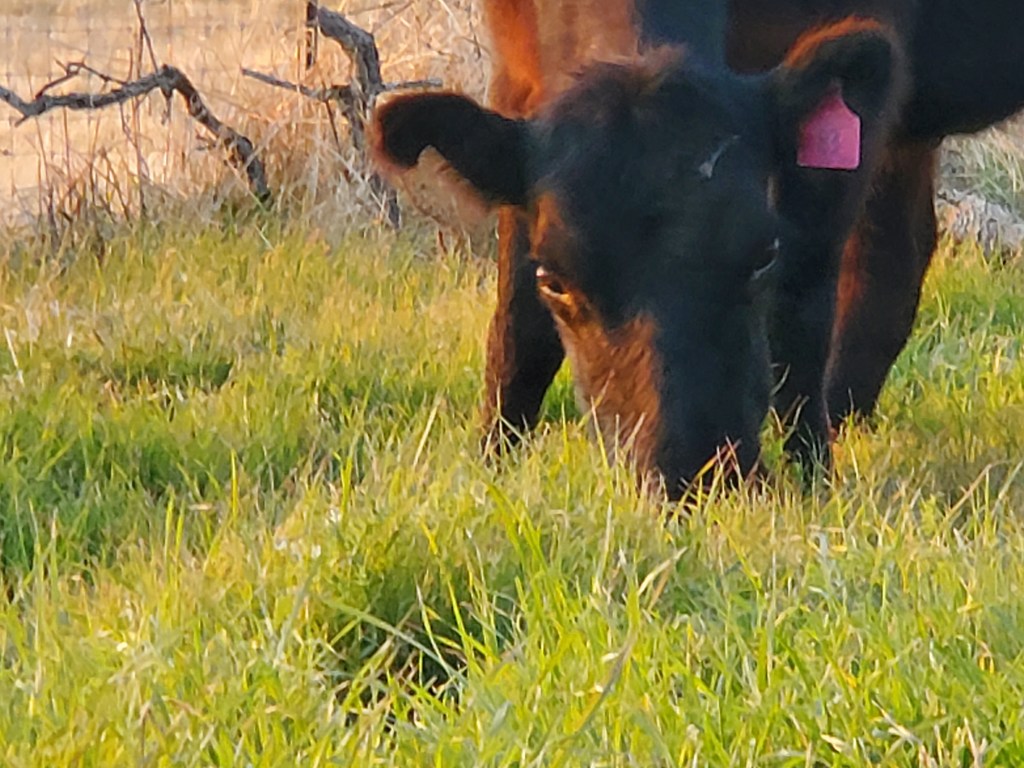
Happy eating

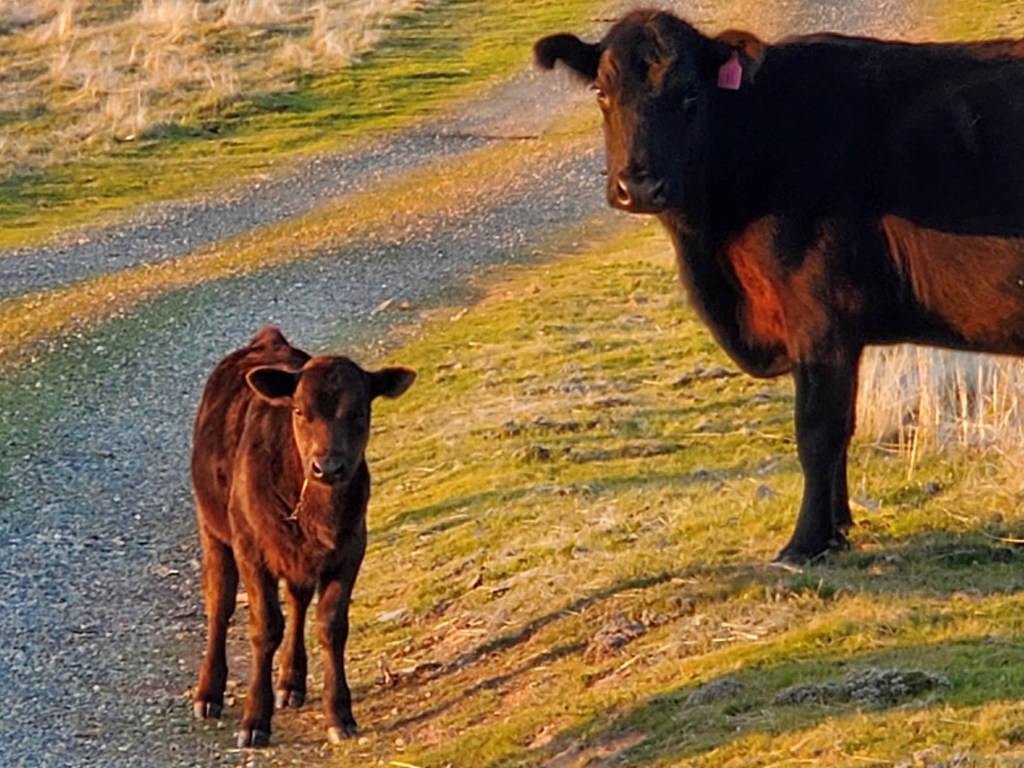
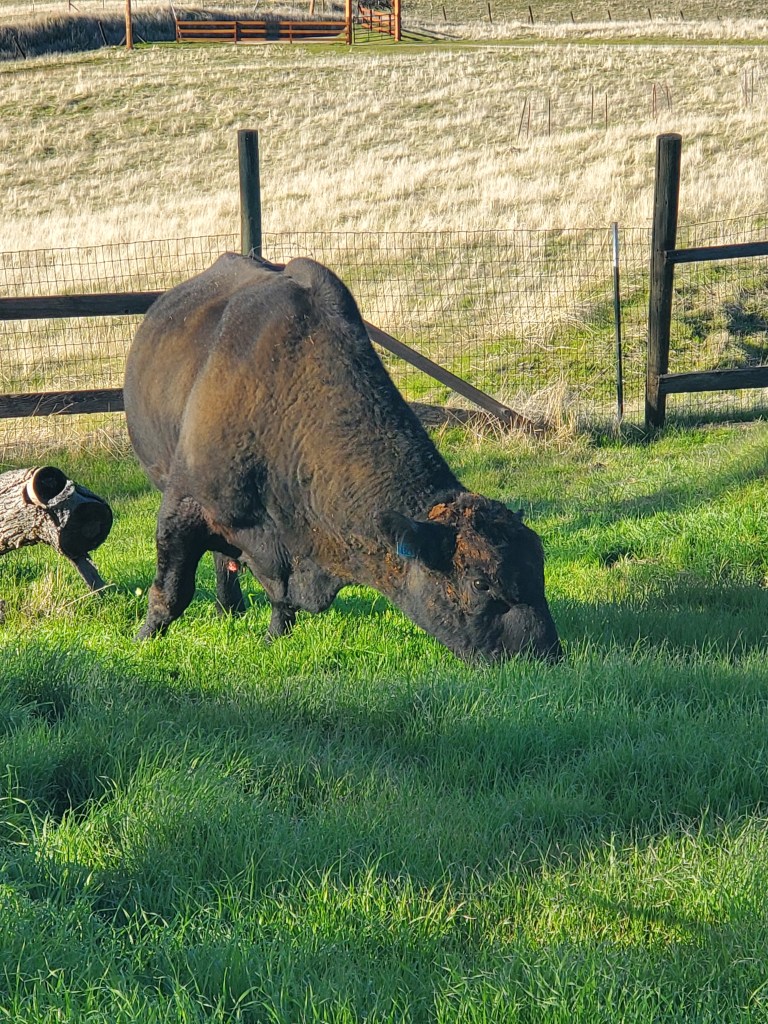
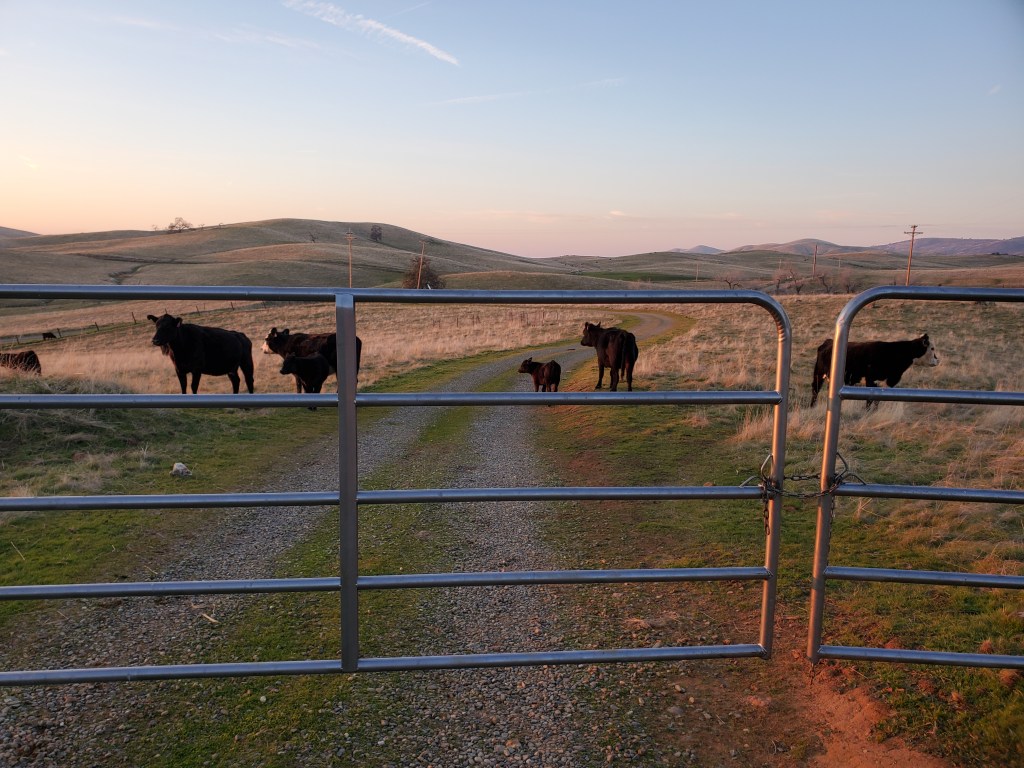
The grass is super lush around the house. Oh, and the cattle are eyeing it every day. Particularly, there is a group of mamas and babies that rotate to the front gate in the afternoon each day to see if I will let them in.

When I have time to watch them, I will let them in for an hour or so to have them help trim the grass without impacting my native plantings. You can see how much they love the verdant blades. They move their heads to the left and right greedily eating without a break. When I can no longer watch them, I usher them out, gently pressuring them to move toward the gate. There are a couple of ladies who never want to leave. They stop to take bites. I have to shift closer. They move, stop again, grab a bite. I move. They move…and so it goes. They snort their disdain, but eventually they kindly acquiesce.

People ask me why I don’t use the dogs to move them out more quickly. The ladies have entered at my invitation. They are helping me, and I respect them. The dogs can be a blunt instrument. I am gentle and precise. We walk out slowly together.

“Dang it! Do we have to go so soon?”

Guzzler Project Moving Forward

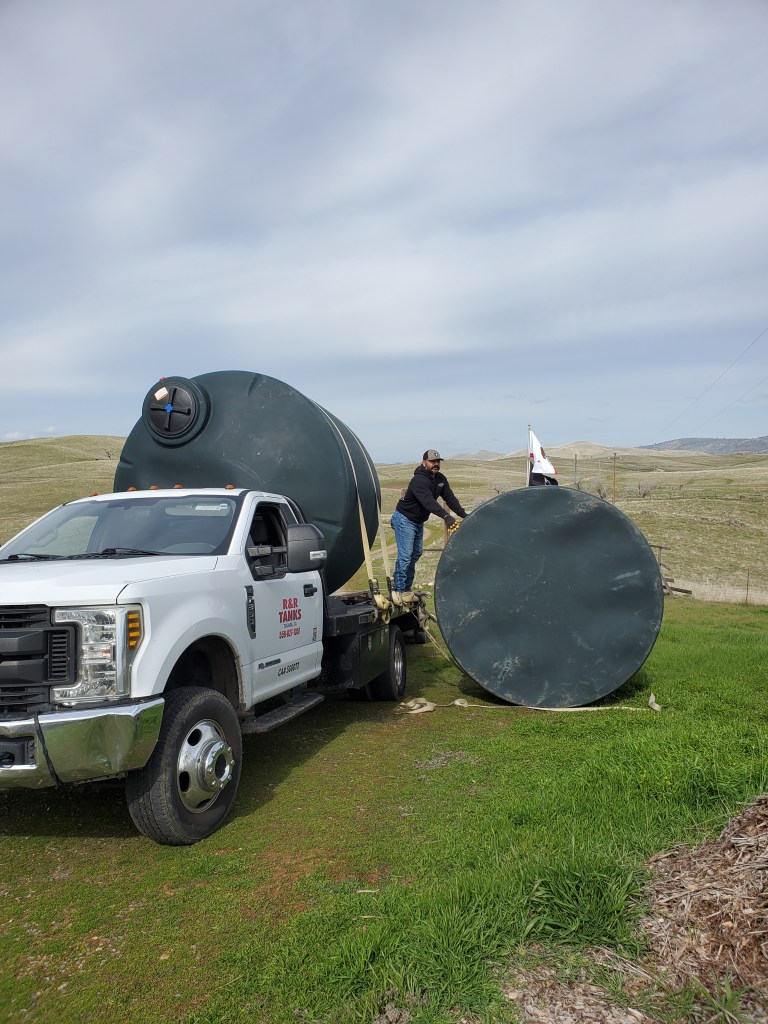
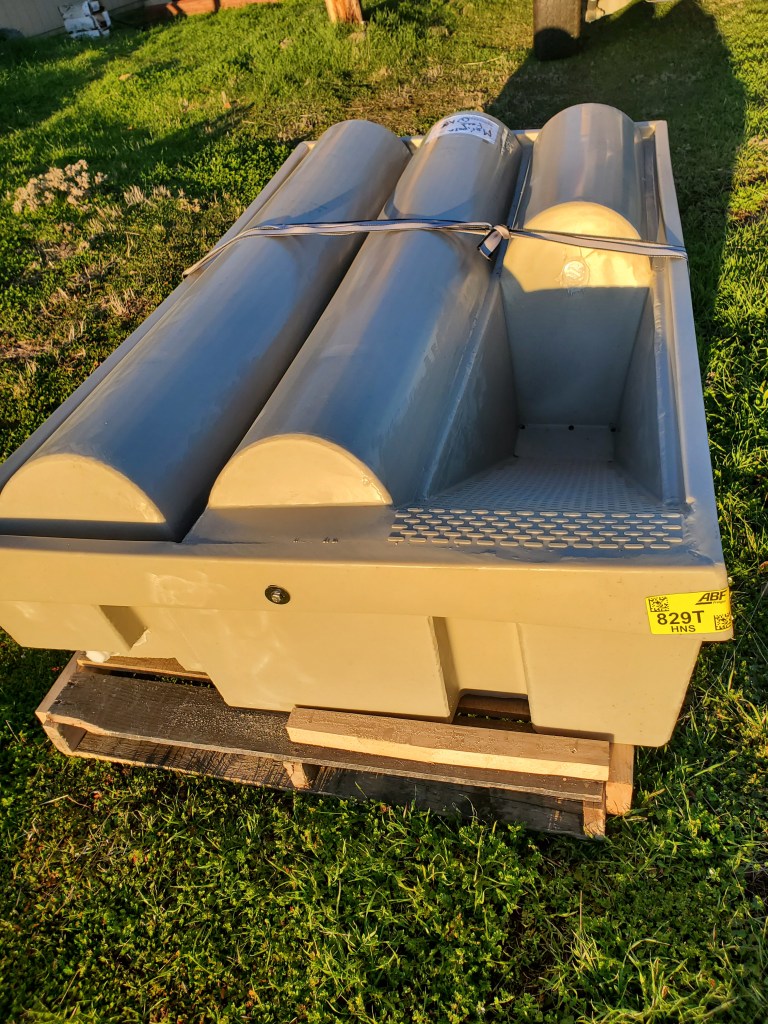
With my dad doing better, I have had time to focus on my guzzler projects. The two new tanks were delivered and will feed each guzzler when installed. I had planned to have 1,000 gallon tanks, but the cost was nearly identical to the 1,500 gallon size. It seemed ridiculous not to purchase the larger volume size. With the additional volume, I may also be able to use some of the water for irrigation around the tank area.

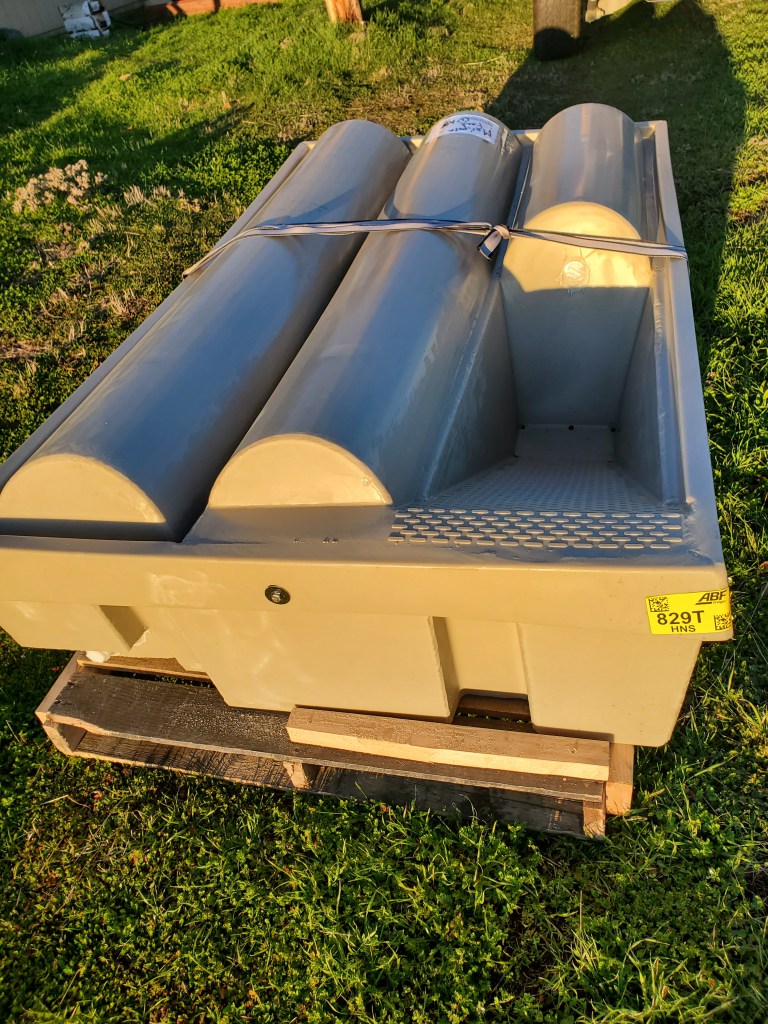
In my last post, I mentioned having the second guzzler delivered. With all the main elements here, I am ready to get the materials needed to cover them and link them together. David, my ever patient husband, will be building the overhang structures to cover the tanks and catch the water. The overall concept is for wildlife to have access to clean and abundant water, especially during times of drought. My original guzzler is doing great and a variety of animals have used the water even with the nearby creek still running. We had a good rain year in 2024, so the guzzler stayed filled throughout the summer and fall, but barely. The water really got low and began to get murky. These tanks will allow me to provide ongoing fresh water to wildlife through abundant and lean times.

Odds and Ends

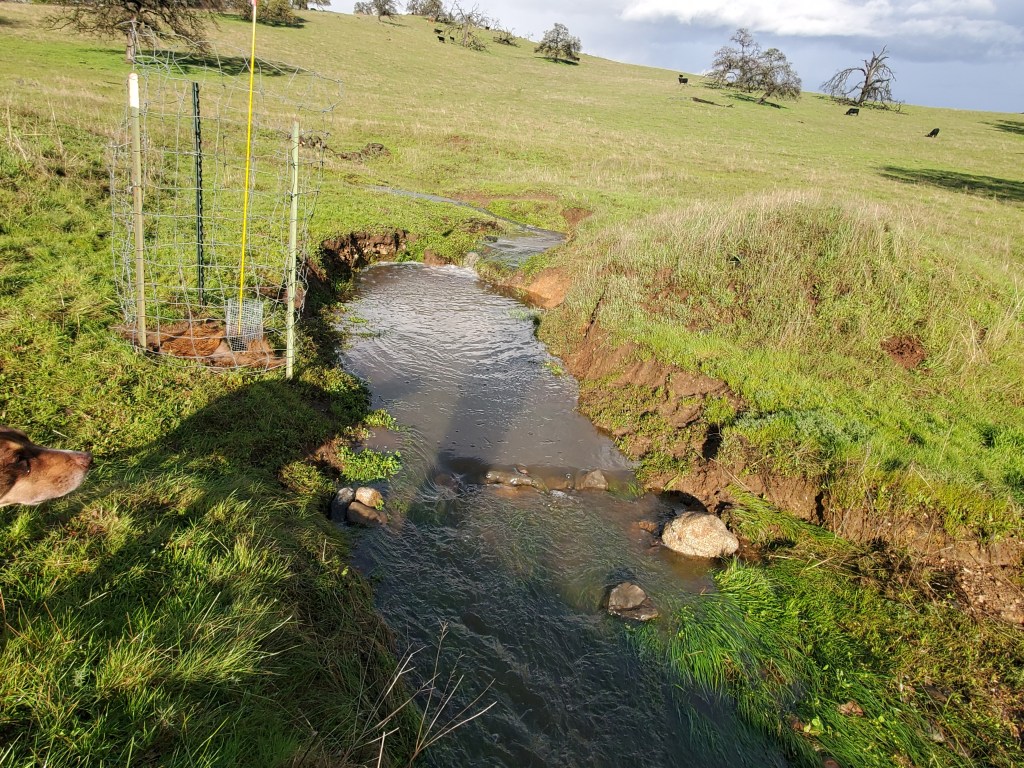
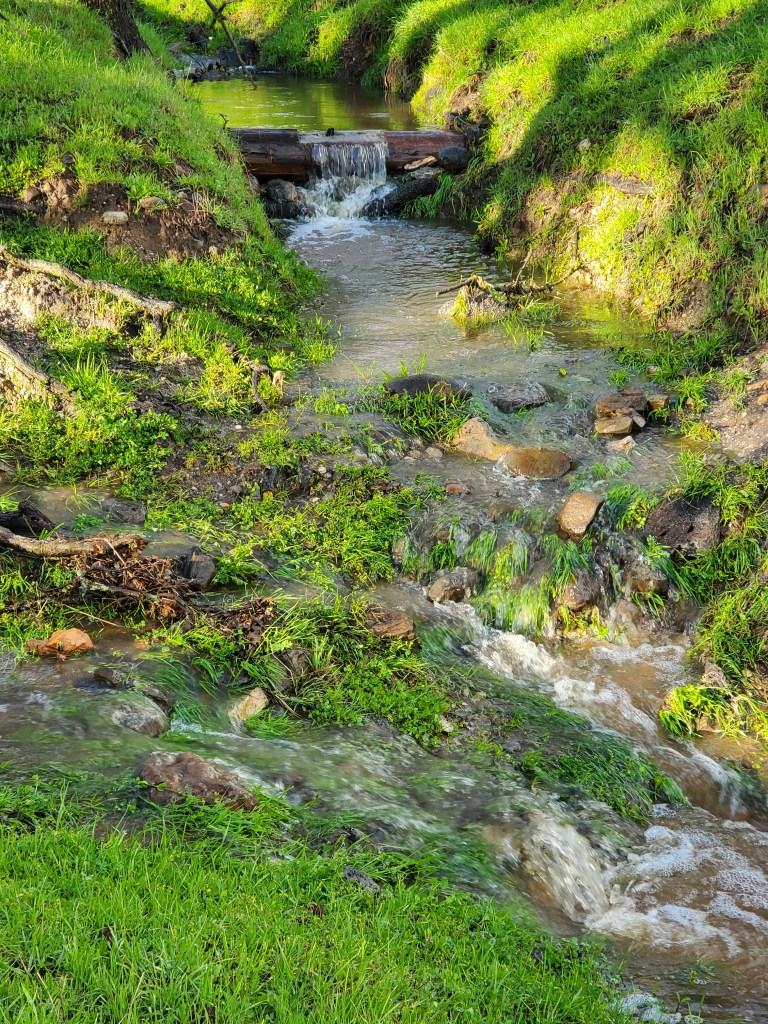
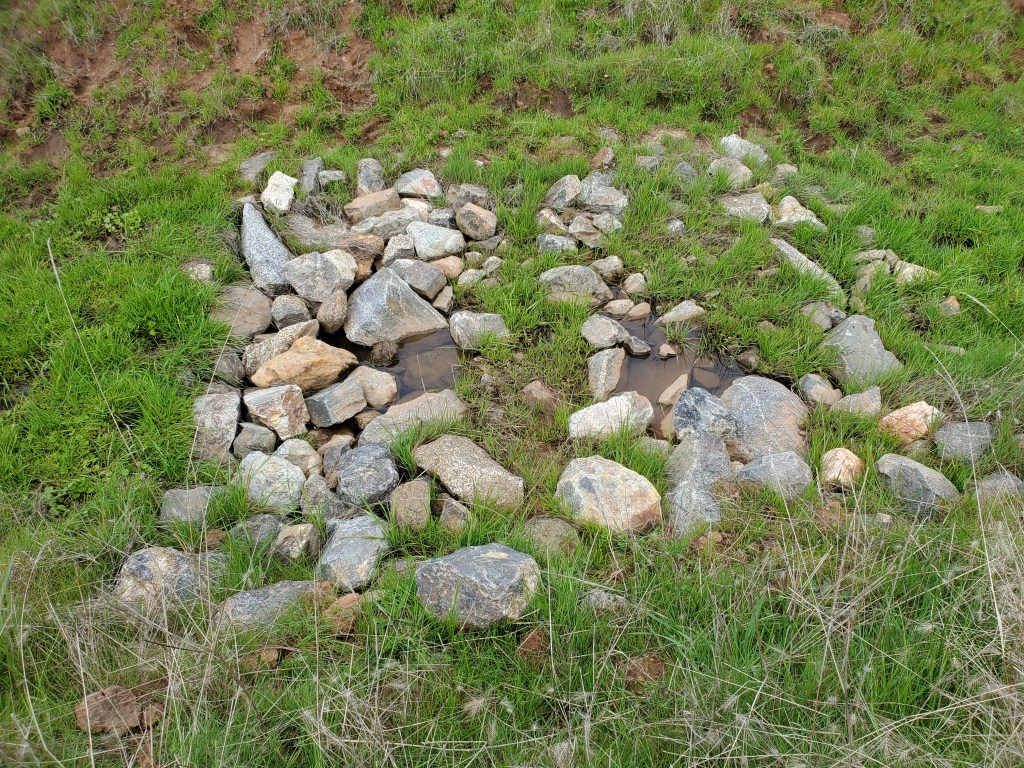
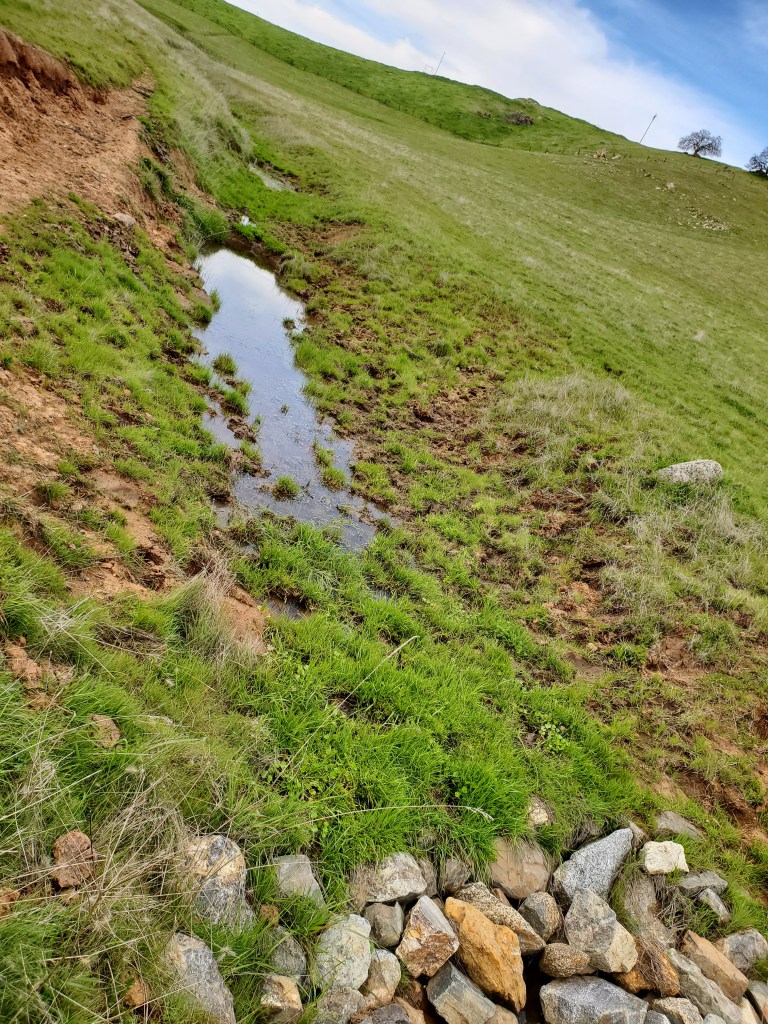
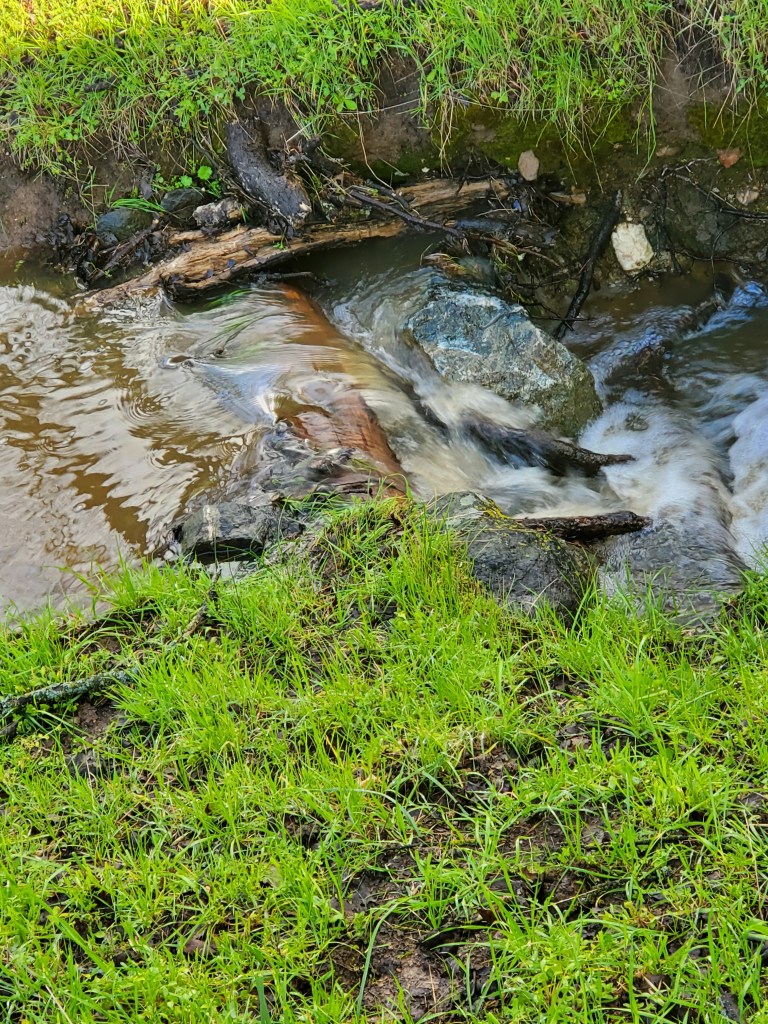
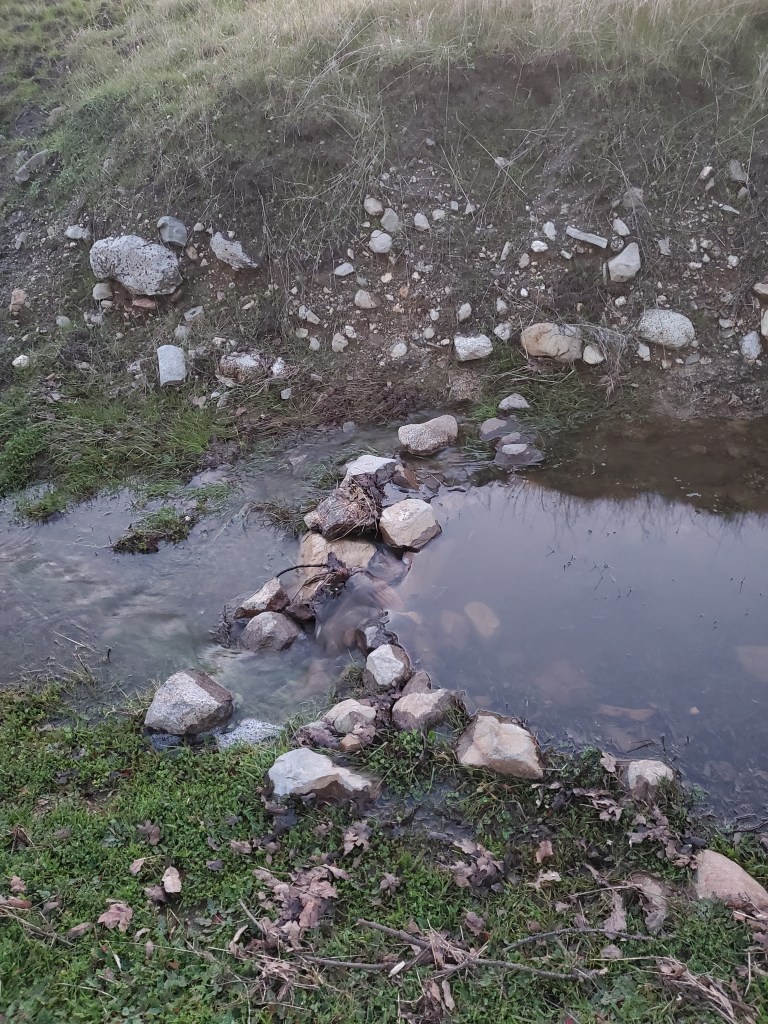
It was a joy to have cold weather and storms, with the most recent one being very large. Water is life, and life is omnipresent and happy when water is around. After the storms, I check my dams to see how they are doing. Everything is holding in place, even my little rock check dam. You see the water, when the creek is running slowly, backing up as intended. I will be placing another dam below that one to slow more water and hopefully spread it out a little to soak the ground and make it more hospitable for oaks.

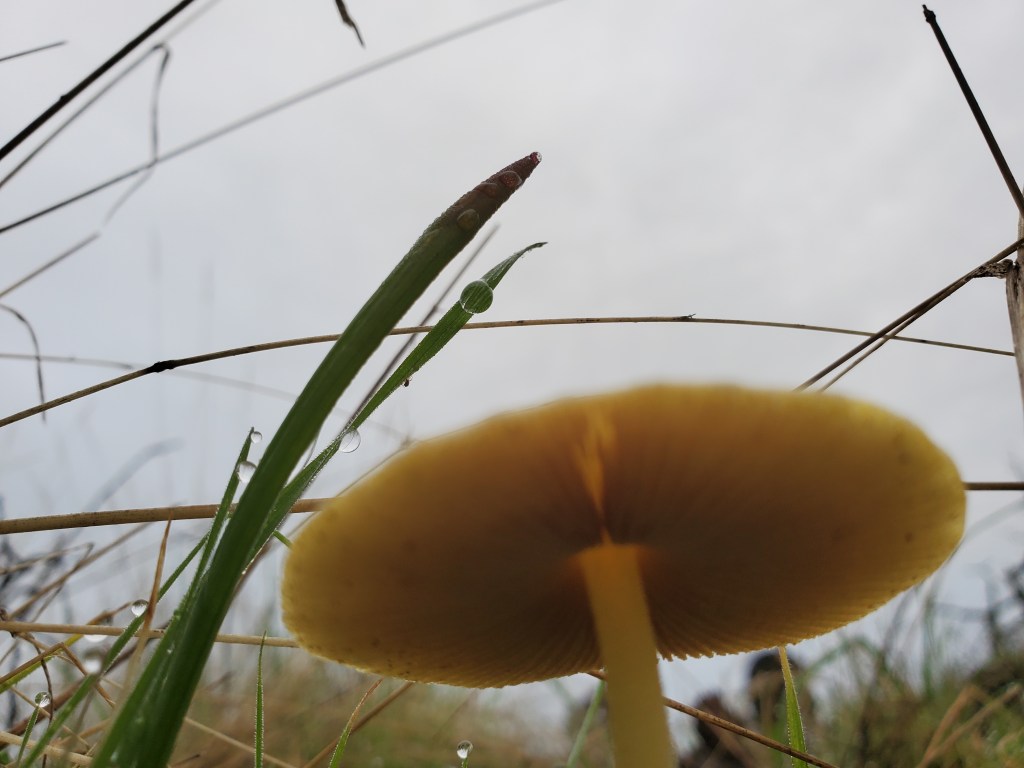
With water also comes ducks, geese, egrets, herons, mushrooms, mayflies, and green grass. This is such a pretty time of year.

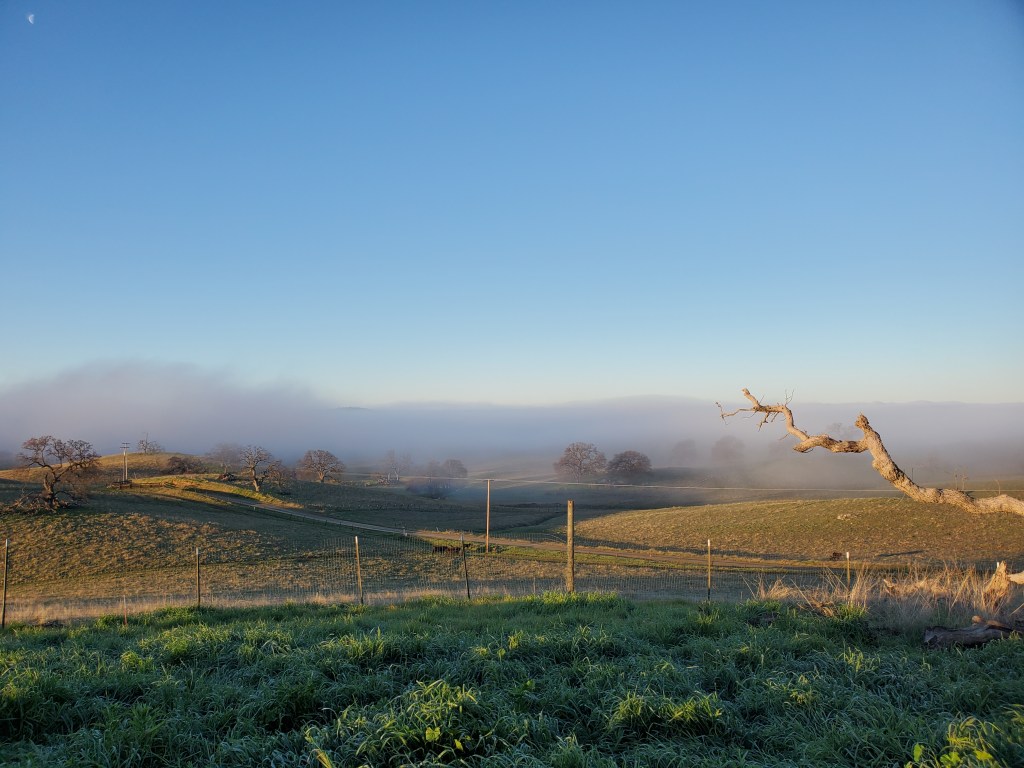
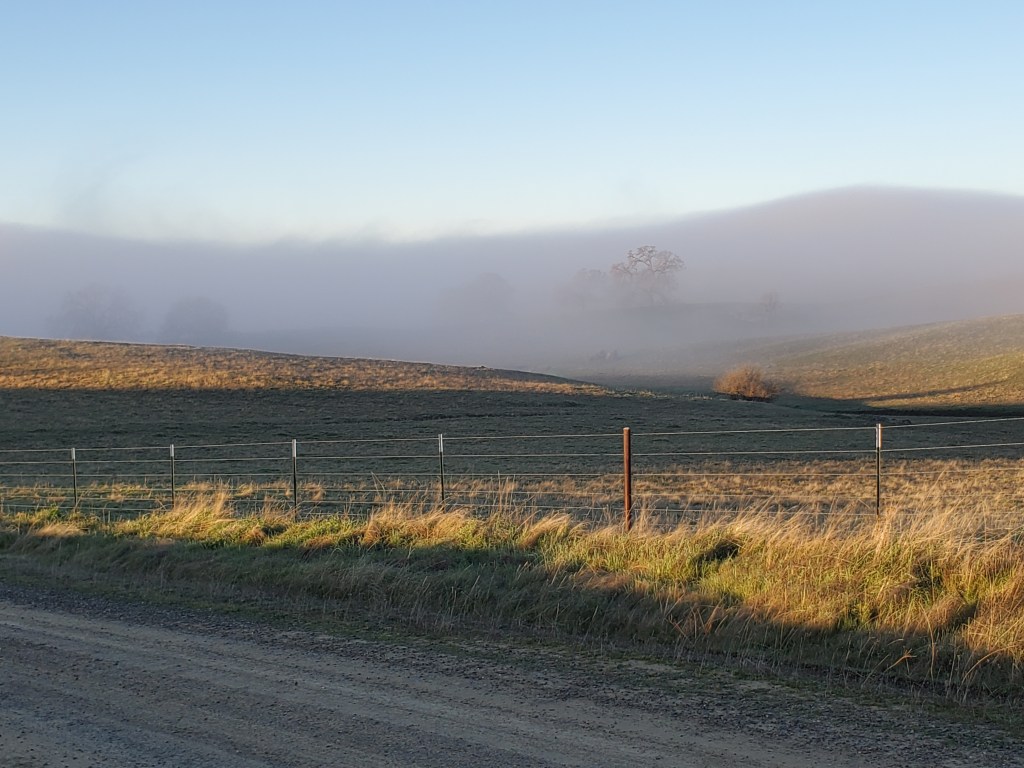
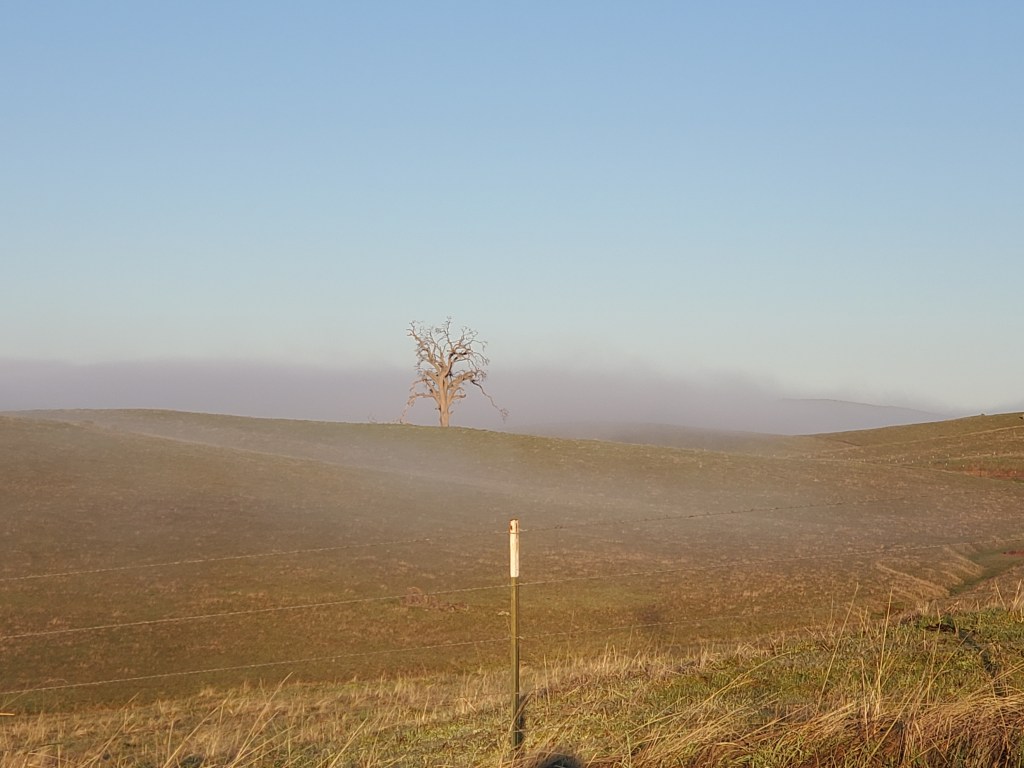
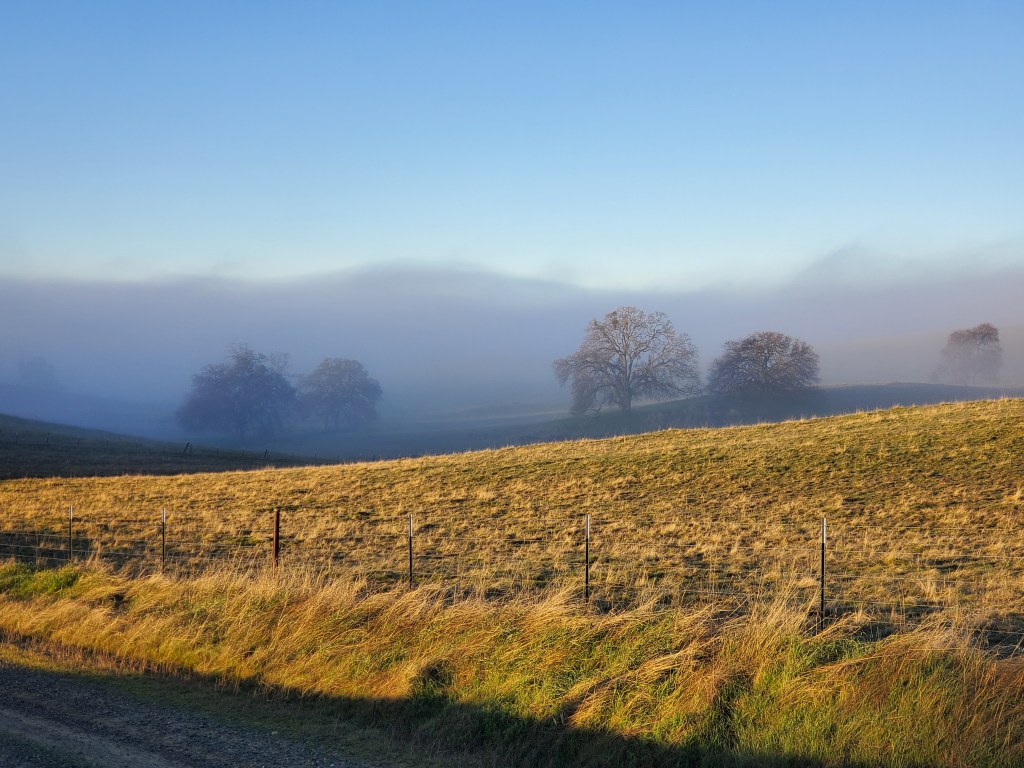
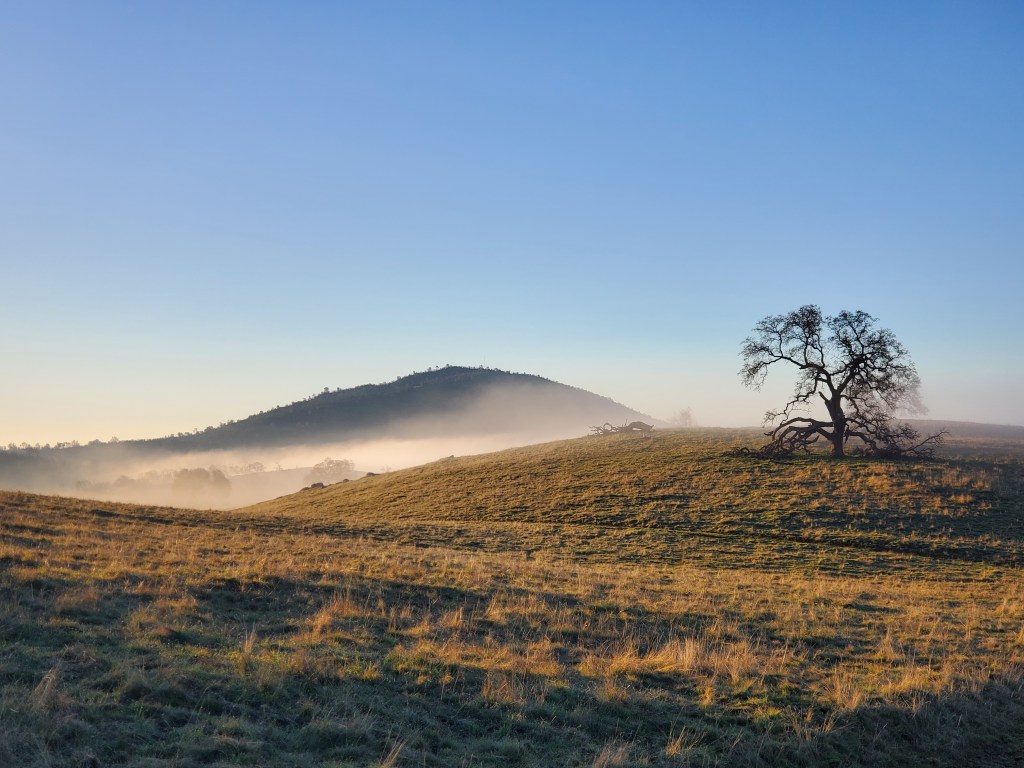
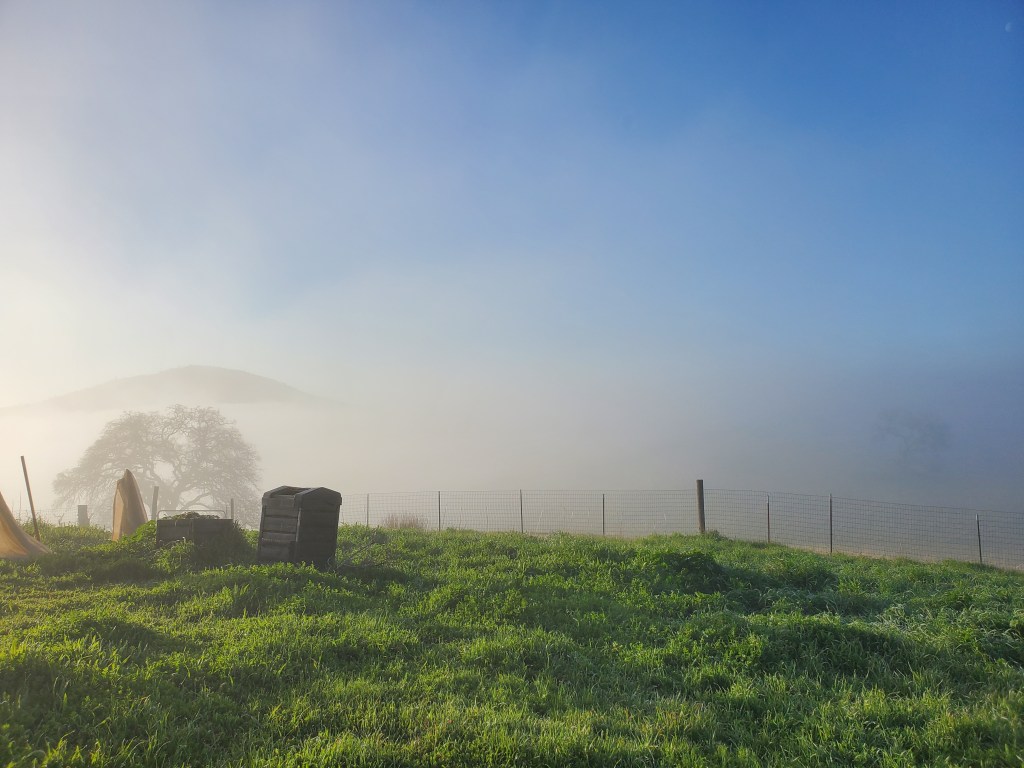
We are generally above the fog line, but every now and then, the fog rolls in. I don’t mind. It keeps the soil moist and the temperatures down. The fog is pretty too.

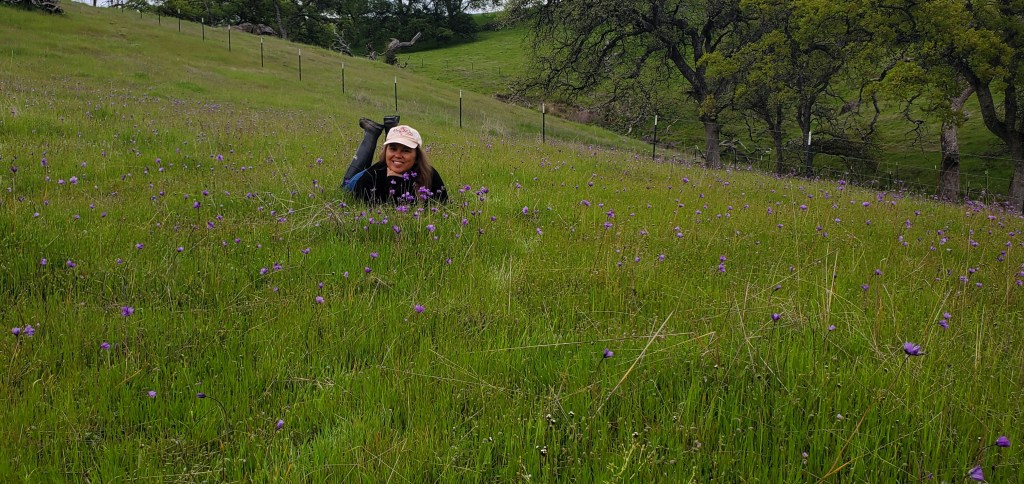
Sometimes I lay down, listen to the birds, feel the cool ground on my back, smell the air, look at the sky. I did this when I was young, and it was happiness. The key is time – to think, relax, breath and connect. Anyone can do this anywhere, a park, a back yard, a patio with your potted plants.

Joy is possible and necessary even in a time filled with bad news. All we need to do is look around, smell, hear, touch, and especially, feel.

Overalls Back On

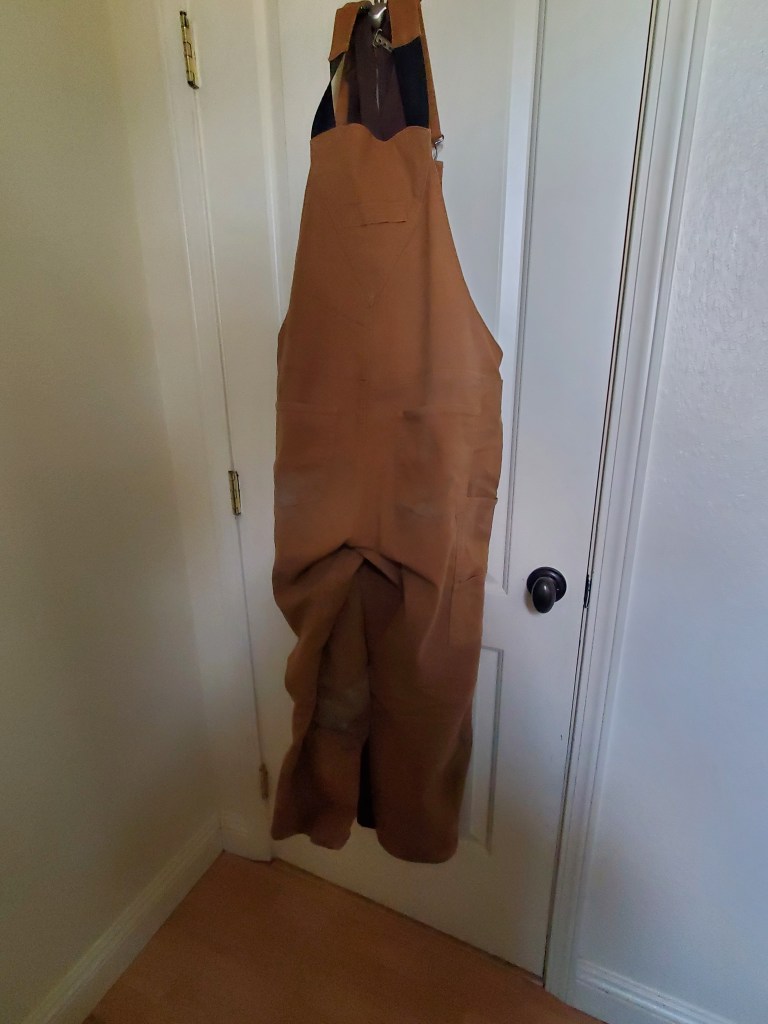
Overalls hanging in the bathroom

It has been a rough ten months months, especially the last few. My father’s illness has become nearly all consuming, now an irregular regular part of my life. For months, my overalls have hung in the guest bathroom, a reminder that I still have other commitments, patiently waiting for me to have time to really dig into work.

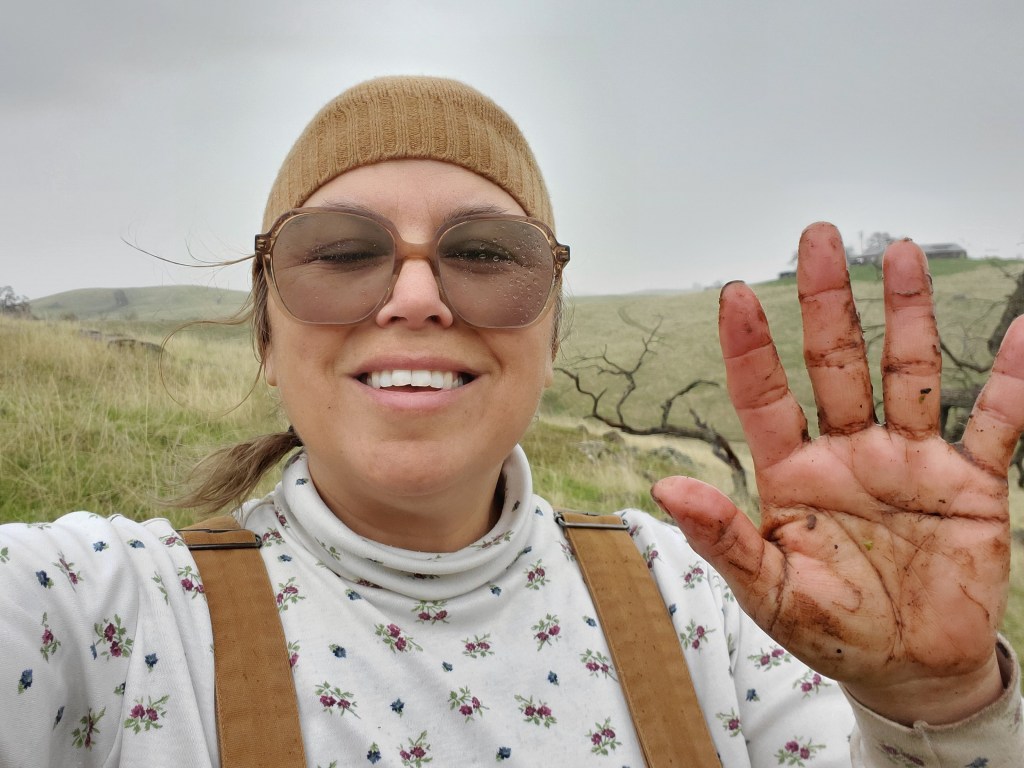
Fortunately, at the end of December, life was a little more stable, and I got to slip on my beautiful overalls once again. Ooooo, they felt so good – worn in cotton canvas covering my skin, enveloping me like a human sized garden glove. Those overalls are my absolute favorite piece of clothing.

California Milkweed Seeds Planted

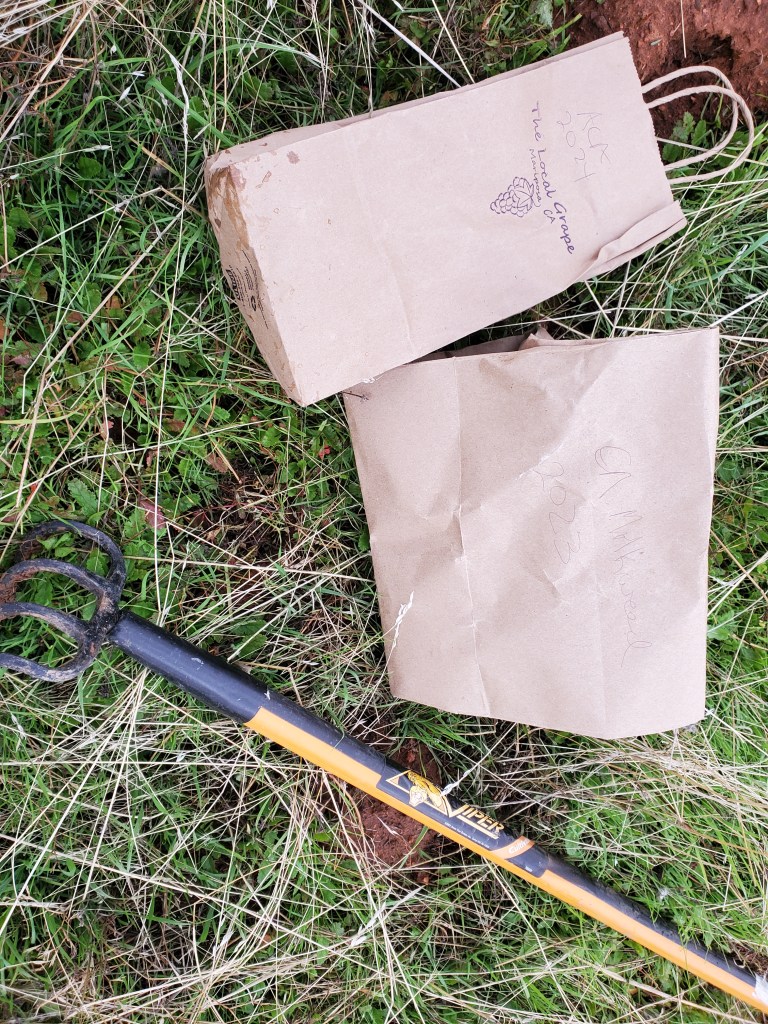
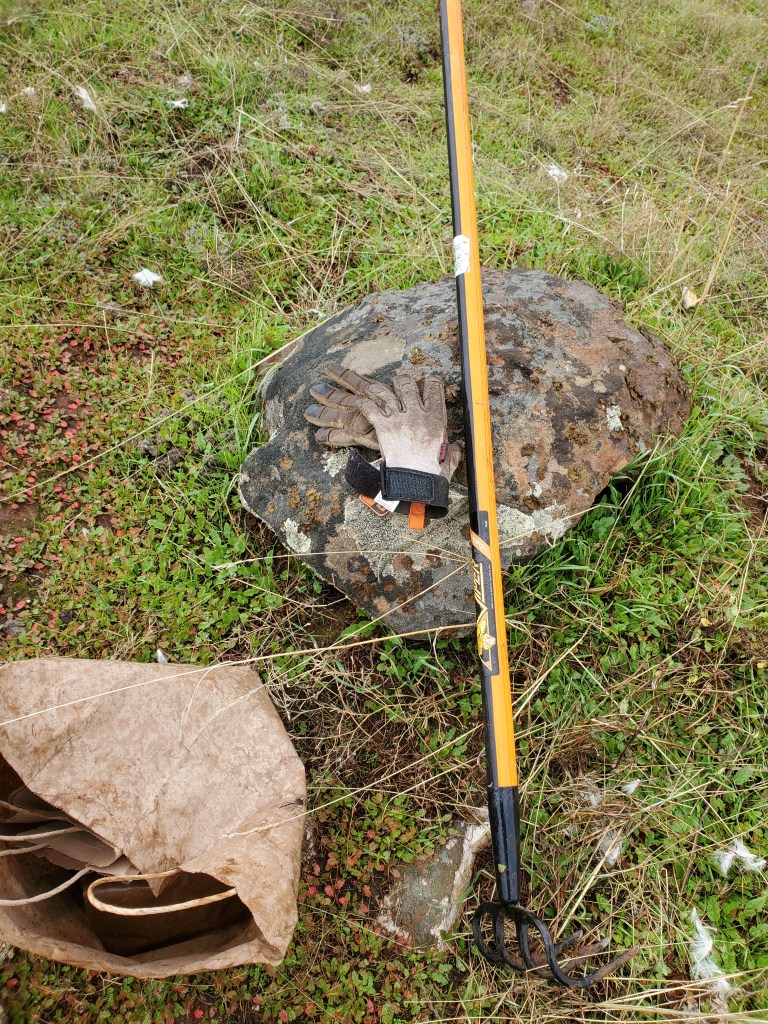
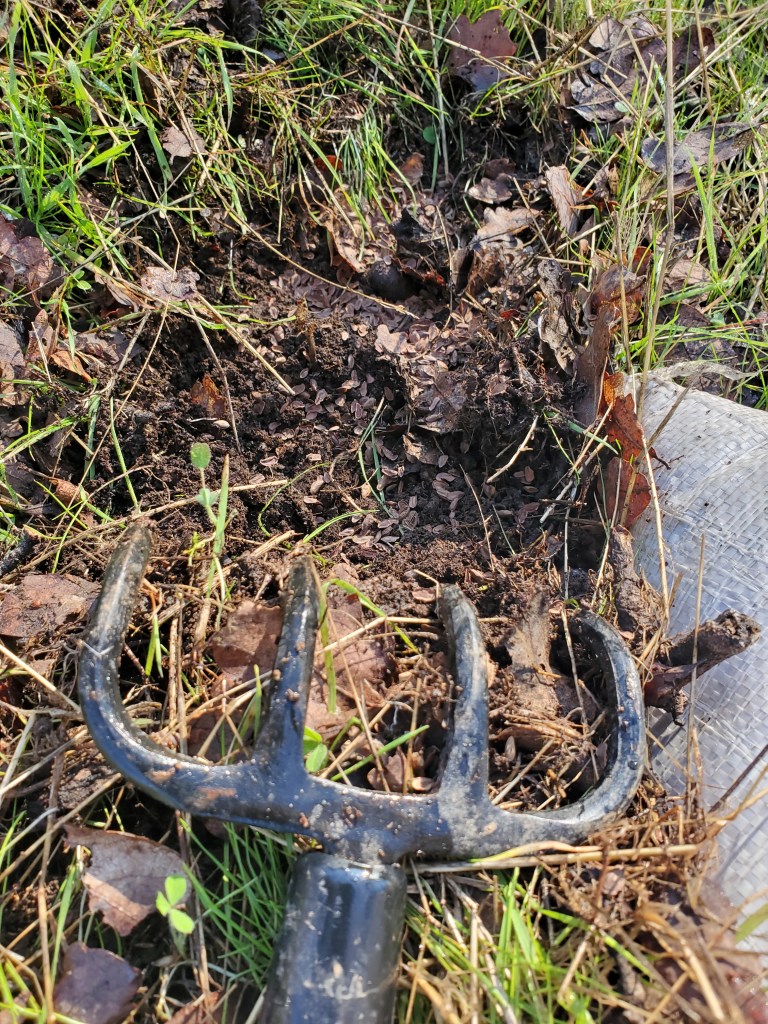
I shuttered with delight as I walked out into the cold air, overalls on, before the sun came up and with all intent to finish planting before the rain began. At a time in the past, one of the biologists told me that there was some evidence that 2 to 3 year old California milkweed seed had higher germination rates. In 2023 and 2024, the seed pods I saved from the ravages of the grasshoppers were intended for planting a year or two or three later. The 2023’s were maintained in a cool, dry, dark place for a nearly 2 years. The 2024’s were were maintained the same, but for just two seasons. I brought them both with me, including my trusty small rake.

I made my way up the steep slope to the California milkweed site to plant seeds. My goal is to expand the number of California Milkweed plants. I want them to spread all the way across the hillside acting as a welcome roadside respite for monarchs, a first or second stop on their great migration. I looked for new spots to plant. Last year, I planted the 2022 California milkweed seeds, and I wanted to avoid those locations. I chose the area of the single plant community near the dead oak. There were many spots near rocks, and along the same belt as the existing plants. I try to emulate what I see in nature hoping it provides a better chance for the seed to establish.

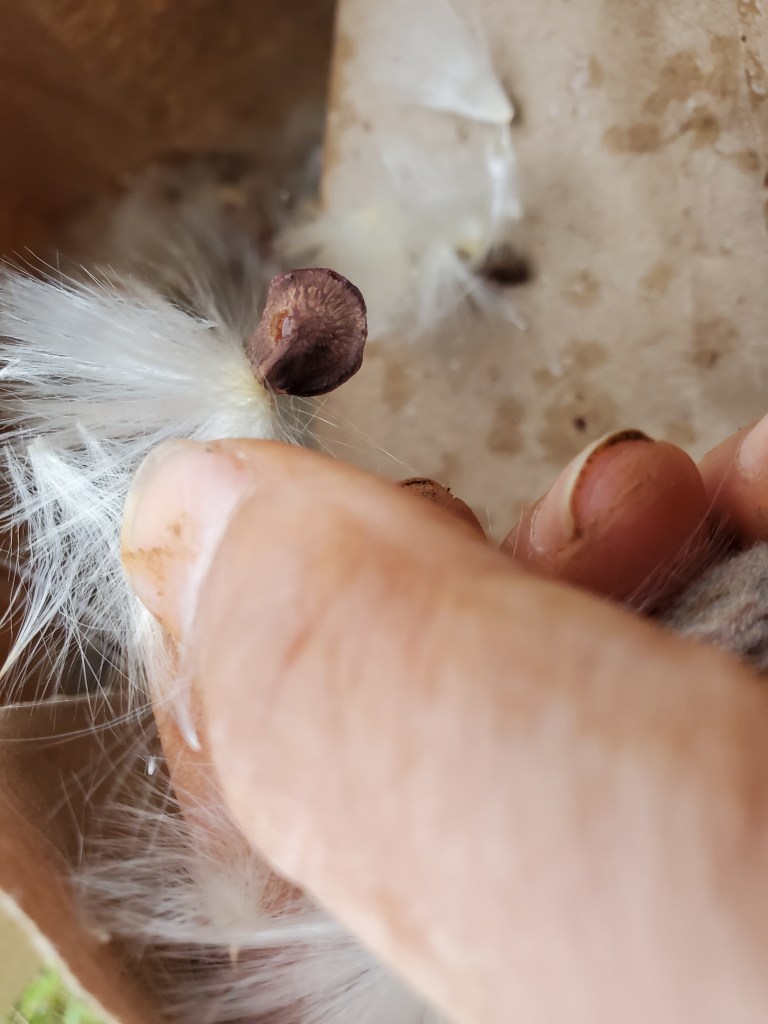
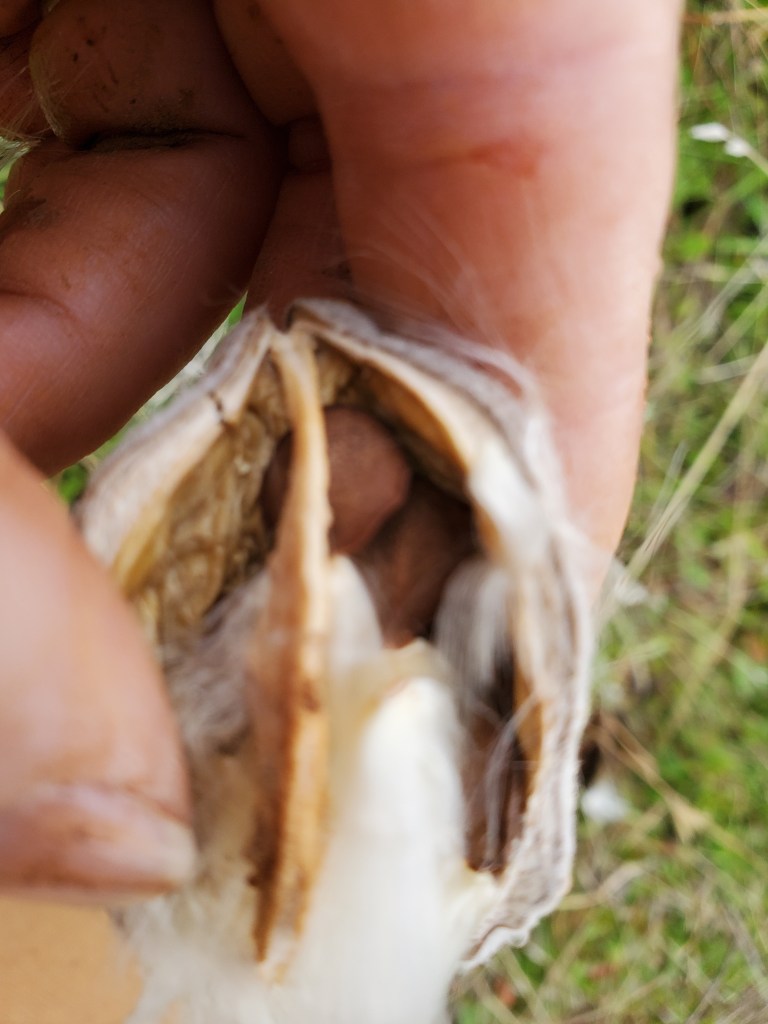
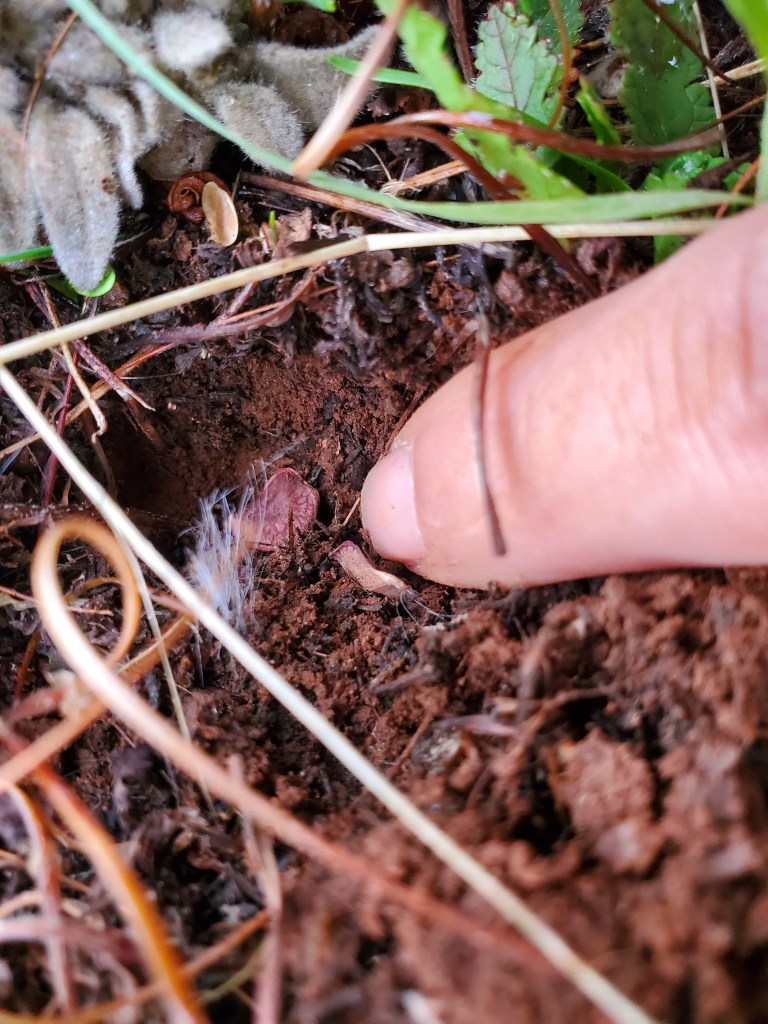
I started out raking the ground open, but quickly decided I needed to get more personal with my work. The gloves came off and the rake set down. It was me and about 300 seeds, many still connected to the fluff they are born with, meant to sail on the wind to spots further from their home. And, further from home they were — about 100 feet. I took off the fluff, made a hole with my finger and planted three to ten seeds per hole – depending on size.

It was so nice to see them after so much time. By this time, they are good friends – family, companions to me inside my home. Every seed is a treasure, embodying the past, present and future all at the same time. We all depend on this seed. When they grow, they will feed bees, flies, beetles, spiders, and yes, monarchs. Those animals will cause their own shift in the ecosystem, ending up causing my and your food to be produced. You cannot avoid being humble in the presence of such importance. All you can do is say, “Chiokoe uttesia weweria. Ne enchi nake.” “Thank you relative. I appreciate you” – and tuck them into the soil that will be their forever home, if we are lucky.

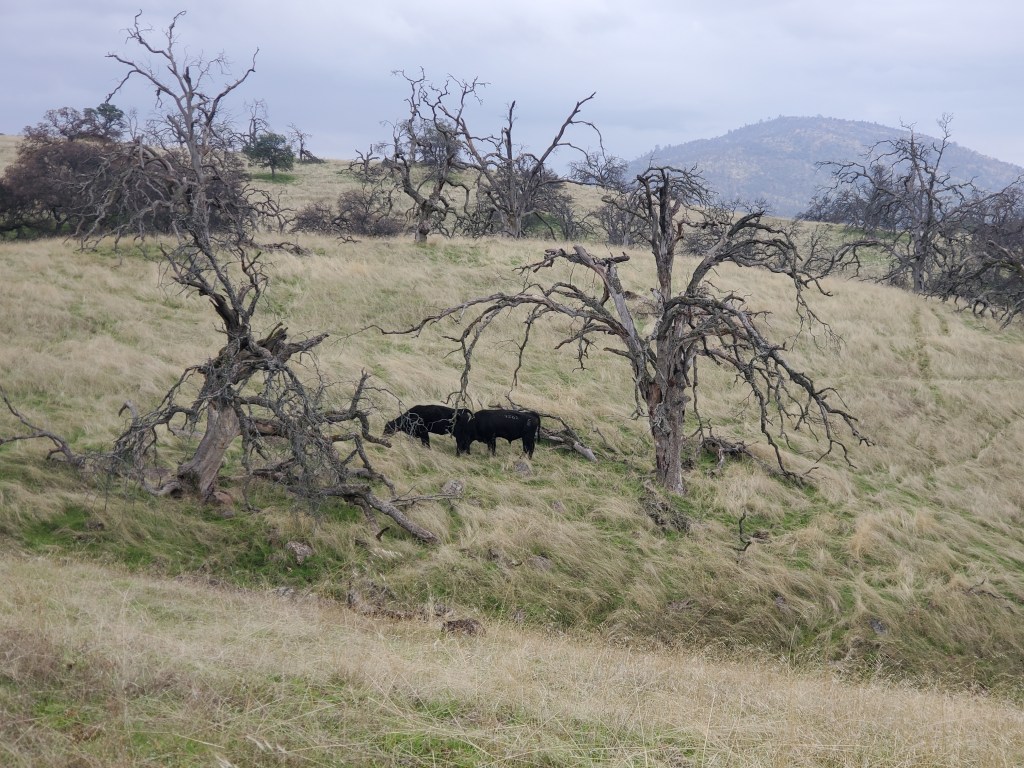
It is a joy to be out on the range in cold weather a light wind blowing. I came without the dogs this day, but I was not alone. The low growl and then pant of the bulls on the ranch, like teenage boys, following the ladies around, trying to get their attention. What entertainment – watching a bull make such a ruckus! The story unfolded down the hill from me. I watched him lower his head and call out. The ladies ignored him and began to slowly walk away. He followed behind them, hoping for some attention. The hill got too steep I think, because he stopped and she kept on going. Oh so sad. The next time I looked up he was standing alone looking up the hill wondering where the ladies went and why they were not totally impressed. Don’t feel bad; they will eventually get together and a new tranche of babies will dot the hillside.

The birds also keep me company. Their songs are beautiful, but they also serve as an alarm for me. I know when they stop singing the weather is about to get bad. I am, after all, racing against the weather to plant these seeds. I want them to be in moist soil so they have what they need to begin to grow when the weather gets warmer and the soil heats. I start to see drops on my leg and on the bags. The drops come and go. It isn’t until the birds stop singing that I decide it is time to go. The rain is coming down steadily. The seed bags are soaked. I didn’t get a chance to plant the 2024s, but all the 2023s are safely tucked in. Mission accomplished. I head back home.

Narrowleaf Milkweed Planted

Since early 2024, I’ve had a 40lb bag of narrowleaf milkweed seeds. My intent was to plant them all last winter. I was was able to get about 1/3rd into the ground, but I ran out of time. With the rains taking a break in late December 2024, I made plans to seed the riparian exclosure areas. It had been some time since I was in the mid-section of the ranch. It was a joy to be out there on the creek. Over two days, rake in hand, I was able to plant the entire stretch of Spring Creek, even beyond the exclosure, and the entire stretch of Odom Creek inside the exclosure. Fun, but I now have a stiff neck!

I changed the type of planting sites to, hopefully, give the seeds different opportunities to establish. The existing milkweed on Odom Creek I have found just off the main area of the water flow, but in the creek bed. I have also seen the showy milkweed I planted thrive up higher on the creek bank. With this observational experience, I chose a variety of locations up and down the stream, closer and further away from the water, uphill and downhill, in disturbed areas and in areas with existing grass growth, next to rocks, away from rocks, in sandy soil, in clay and in loam. I hope something will establish!

I also tried a couple new things in the Spring Creek site. There was an area where the cattle had trampled wet earth, many wet holes, ridges and the like. I used the holes in the disturbed ground as moist areas to plant in, then I raked the area smooth again with the seeds within the soil. We will see…

On my walk up stream, I found a few cowpies in the creek. This is not good. It adds significant organic matter/nutrients into the water, which promotes algae blooms when the temperatures warm, diminishing the water quality. I scraped some earth up the bank, put seed in, covered it lightly, then took the cow pie out of the water and placed it on top of the seeds. I got this idea from a California Association of Resource Conservation District conference session in December. It was a session on oak recruitment on rangeland with Kurt Vaughn and Alex Palmerlee. One of the tools they used in providing nutrients to acorn plantings was a slurry of cowpie and water. The audience could not stifle their amusement as the guys discussed the delight they had in mixing cow poo with water to make a mulch. Definitely gross to some. If it works better, what an abundant resource on ranches.

Acorn Gathered for Tree Planting

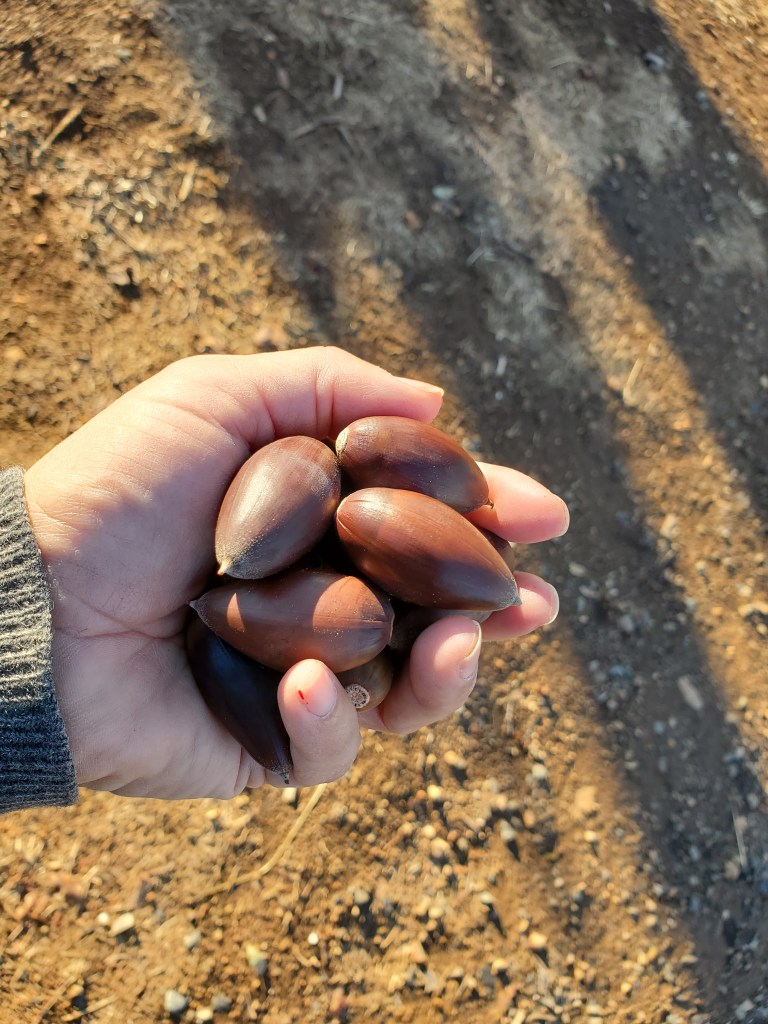
While I did not have time to gather acorn for flour making, I did have a chance to gather about 200 for planting across the ranch. I harvested from the grand old oak near the house and the smaller oaks in the Spring Creek riparian area. I am planning to do a combination of seedlings (16), and the rest will be plantings of acorn. I do not want a repeat of last year when the grasshoppers ate all my back-breaking work.

Storms Bring a New Guest

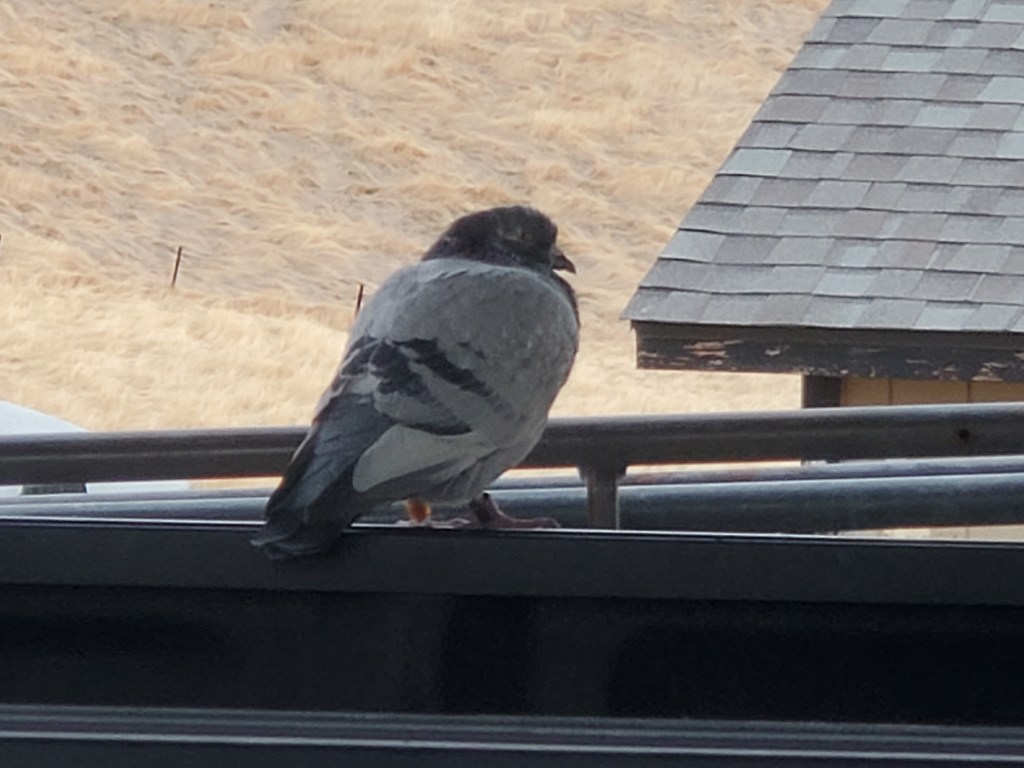
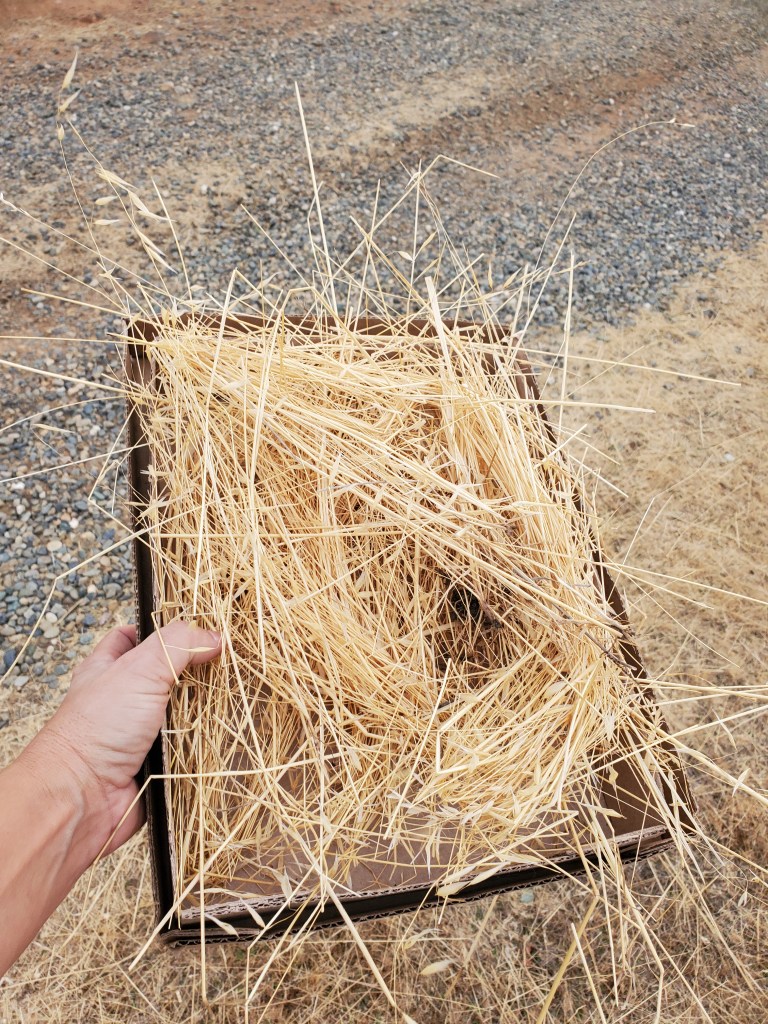
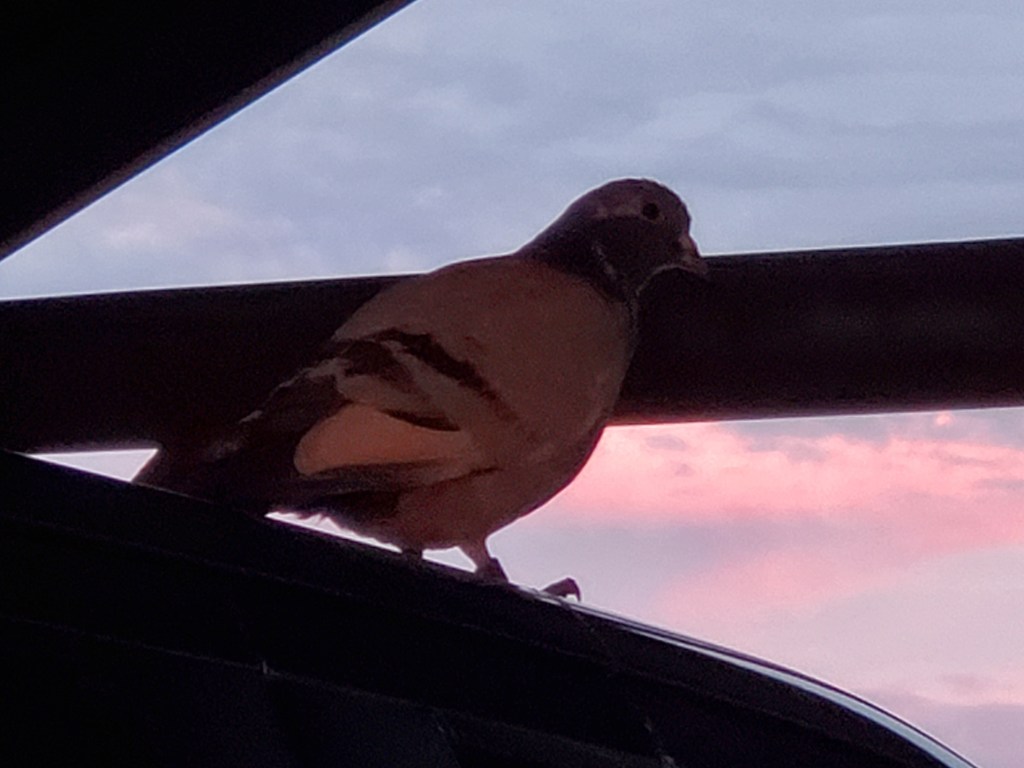
During the December storms, a new guest showed up that I’ve never seen here before. It was a pigeon. The pigeon had bands on its legs, so we knew it belonged to someone. Every time we tried to get close to look at the bands, it would fly away from us. David built it a roosting box and attached it to the underside of the carport. I made it a little bed. It stayed with us a week. At first, it roosted on the truck under the carport. Then, when we were working outside and had the garage open, it decided the garage was better and roosted on the ceiling beams. At dusk, the bird would perch on the gutter outside my office window and stare at me. I would come outside, and it would fly to in front of the garage door. It was saying, “Hey lady! Open the door so I can roost for the night.” It was really neat at first, but then we saw the piles and piles of poop on the vehicles, patio and in the garage. After the bird stayed several days after the storms were over, David felt it was getting too comfortable. He hatched a plan to see if it really wanted to stay or if it was just being a bit slow going back home. The plan was to prevent it from roosting inside to see if it went back to roosting under the carport. The pigeon didn’t stay. It decided to go home – or find another temporary housing situation. We are definitely suckers for animals, so it is probably good it didn’t stay.

Catching Up – So Much More Accomplished

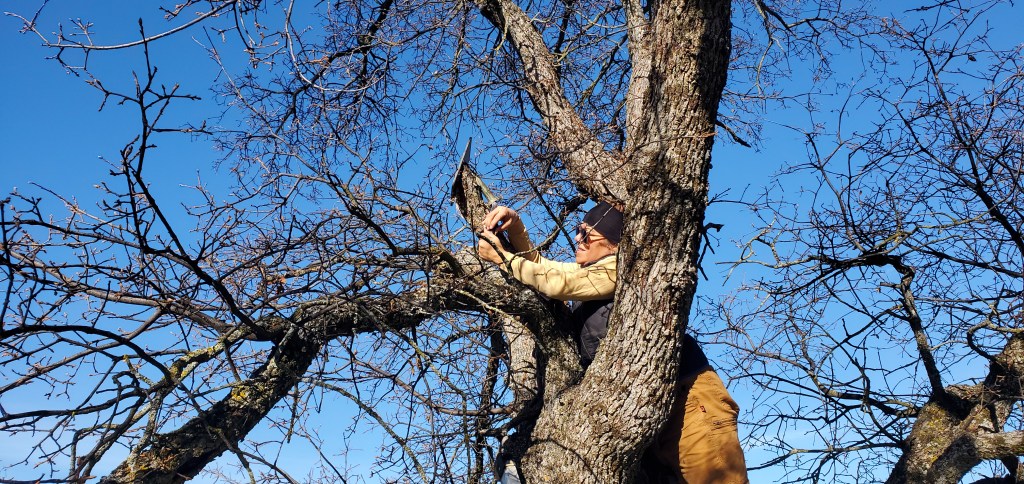
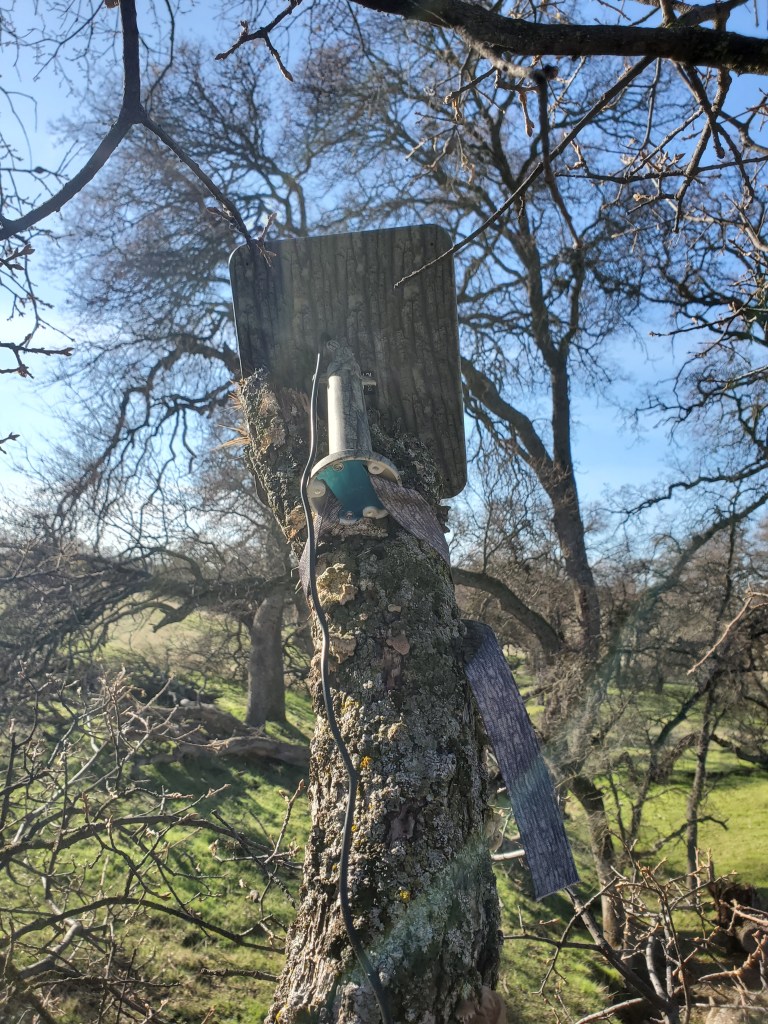
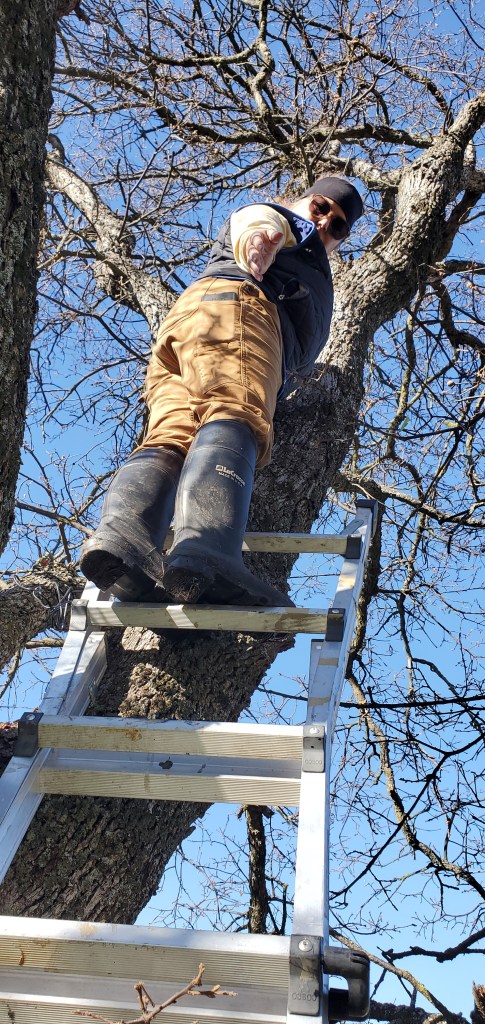
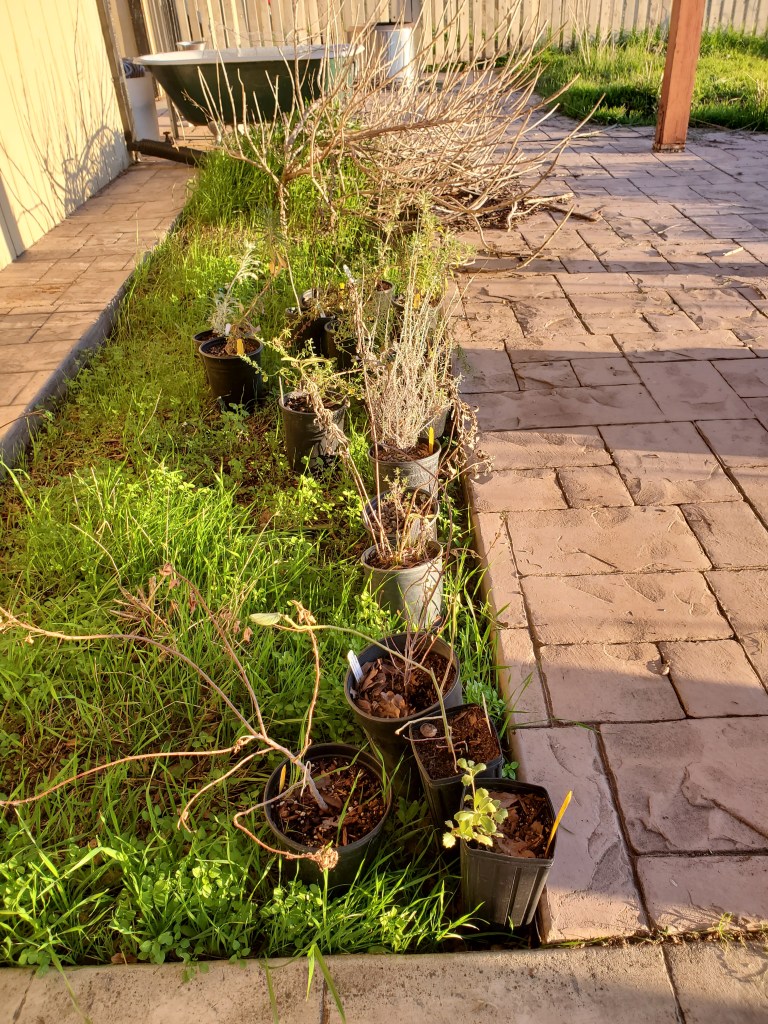
In addition to the seed planting, I have also gotten more plants from Ron Allen at Mariposa Native Plant to install. With the help of David, we set up another game camera. It was super fun to climb a tree. In the end, we decided a fallen tree trunk was the better view. The cell signal is not the best there, so we may yet move it again.

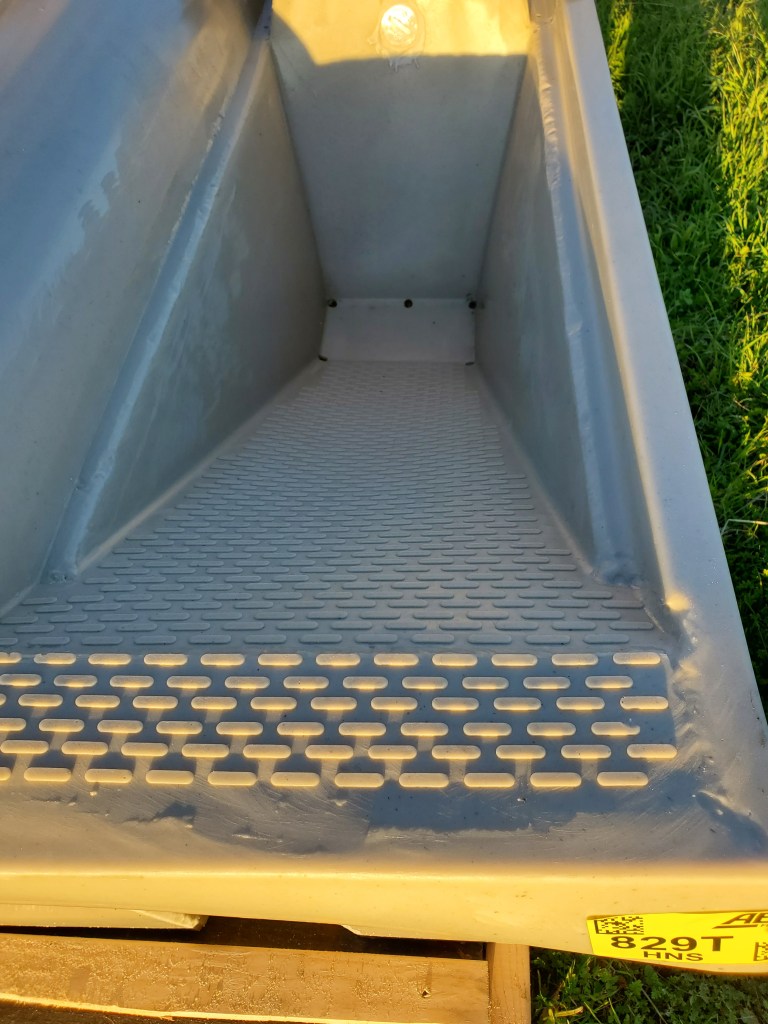
The new guzzler for the back of the ranch also arrived last week. It will help make water available to wildlife when/if the creeks run dry. They have been extremely helpful to wildlife during the late summer and early fall times when water is not as plentiful. We have gotten some fun photos of visitors to the guzzler. My favorite design element is the built in ramp. This way, no one drowns.

As noted in the passage above about narrowleaf planting, an oak branch had fallen on my exclusion fencing. The storm had also knocked down some branches and trees across the neighbor’s section of the cattle road. David and I ended up doing a bit of chainsaw work too.

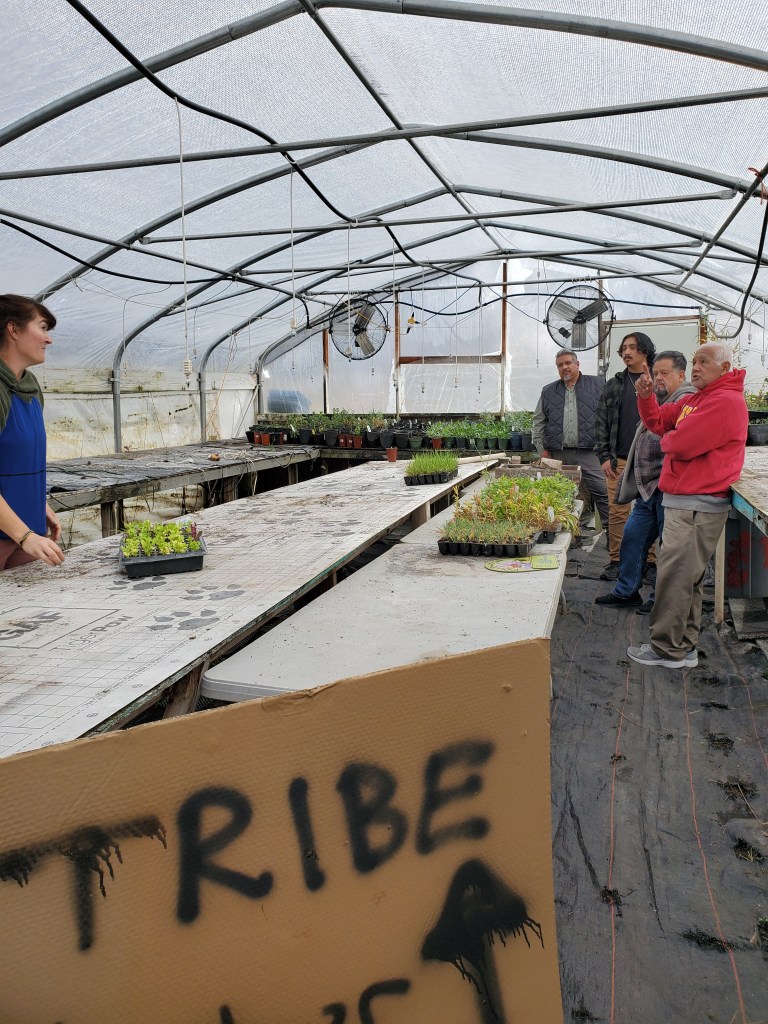
I worked with a few Tribes and Indigenous led organizations over the last month. I volunteered with the Southern Sierra Miwuk Nation to install plants for their massive restoration work on a village site. In November, members of the Tubatulabal Tribe (Eastern Kern), including Tribal Chairman Robert Gomez came to Catheys Valley to pick up their Xerces Habitat Kits. The kits were generously picked up and stored at a friend’s farm, Raw Roots Farm, so the Tribe did not have to drive so far north to pick them up. The Tribe is undertaking a major restoration effort themselves and wanting to start a farm to feed their people.

Finally, the 108 blue oaks from Butte County acorn arrived for California Open Lands, a nonprofit led by Mechoopda Tribe member Ali Menders-Knight. I had ordered them last year for my restoration efforts, but when a catastrophic fire burned through their lands in Butte County, I knew that those seedlings were for them. The acorn came from grandmother trees in that area, and would now need to head home to heal the land. How serendipitous.

Tending the Monarch Habitat Plots

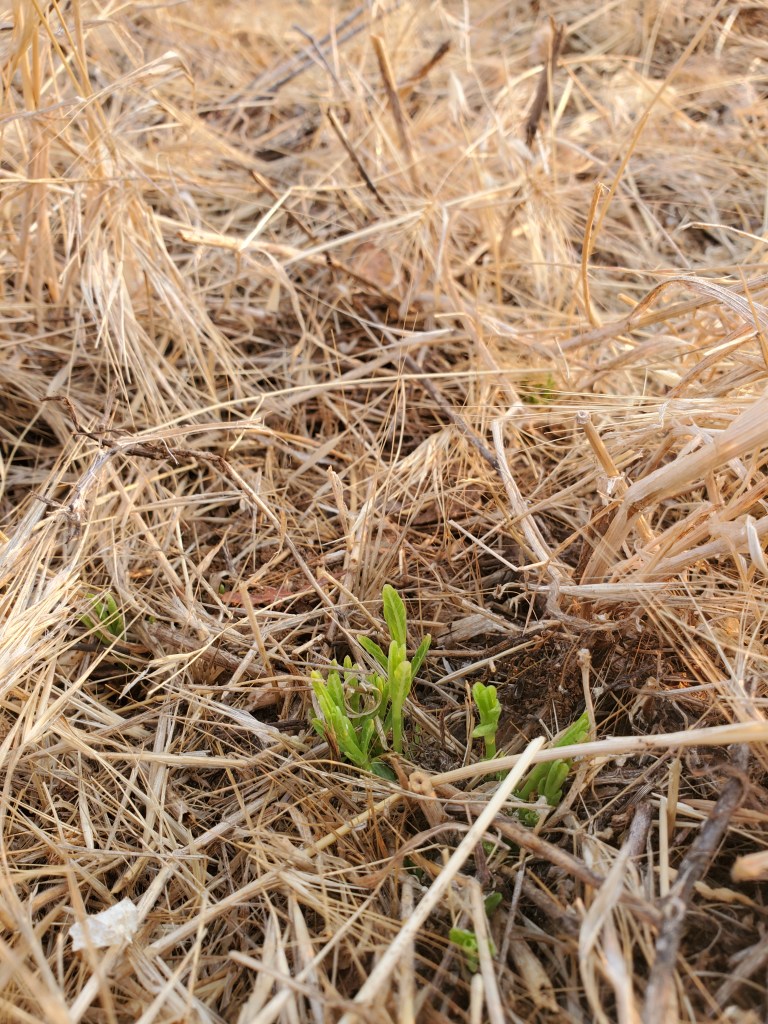
Every year, I think I am going to trim grasses early and place coir pads around the monarch plants so that I can find them in spring and not mow over the baskets. I never do. BUT, this year is different. I got to at least one plot already, and I am staged up to do the others. For the plants whose roots run, like milkweed, I will remove the coir pads close to emergence time to allow for more plant material to emerge.

In working in the plots, I am finding that many of the plants are dead. The grasshopper killed them, and my hopes that there may be some vestige of life are dashed. I am seeing some come back, but the majority, so far, are gone.

Weather is Too Warm

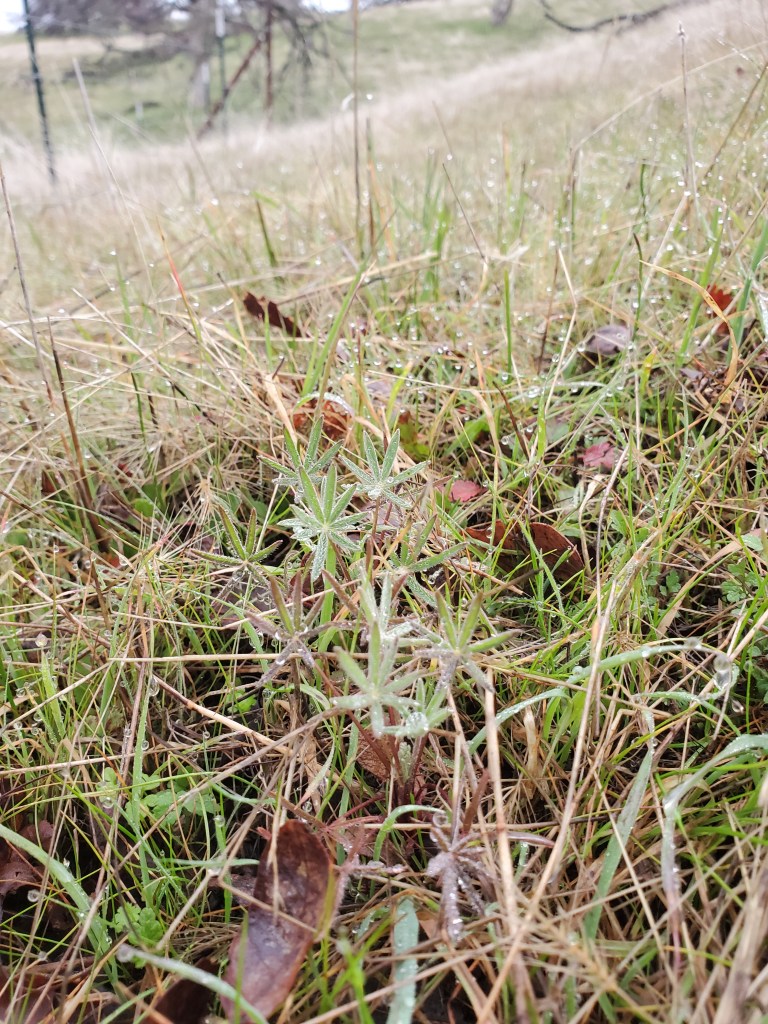
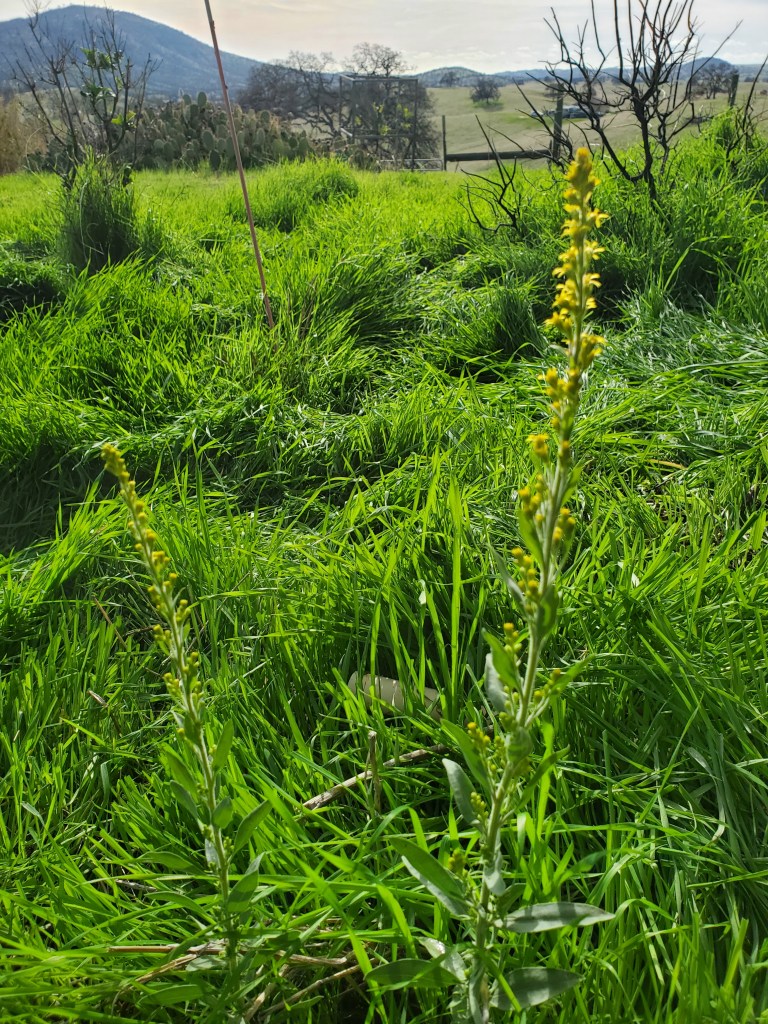
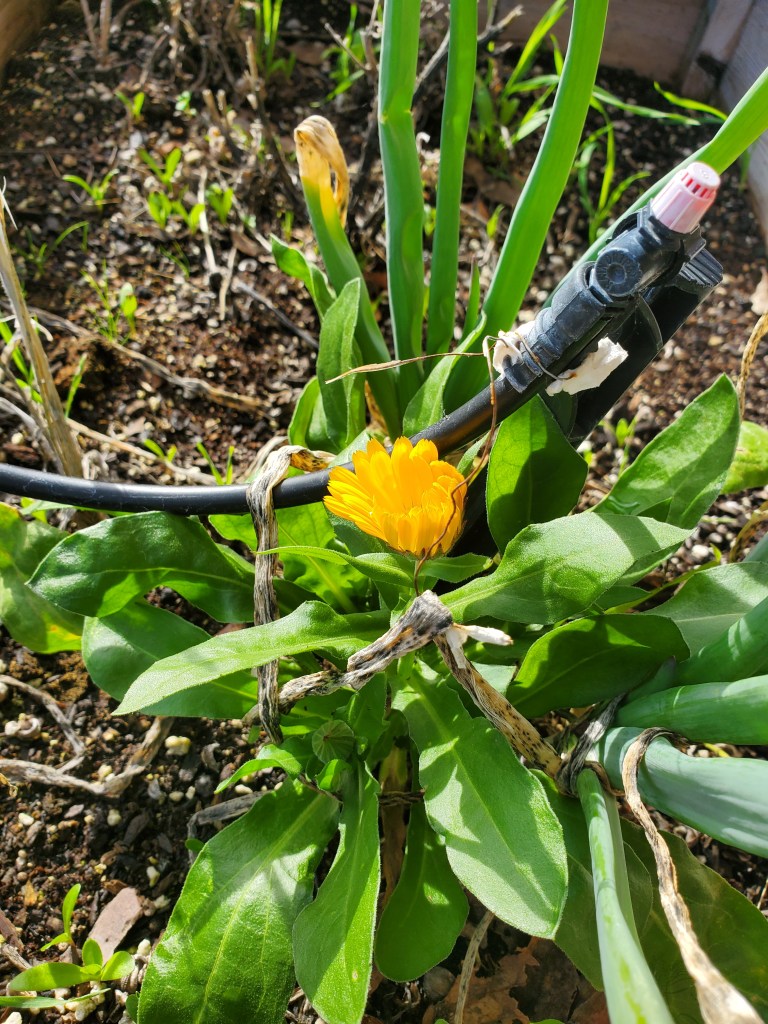
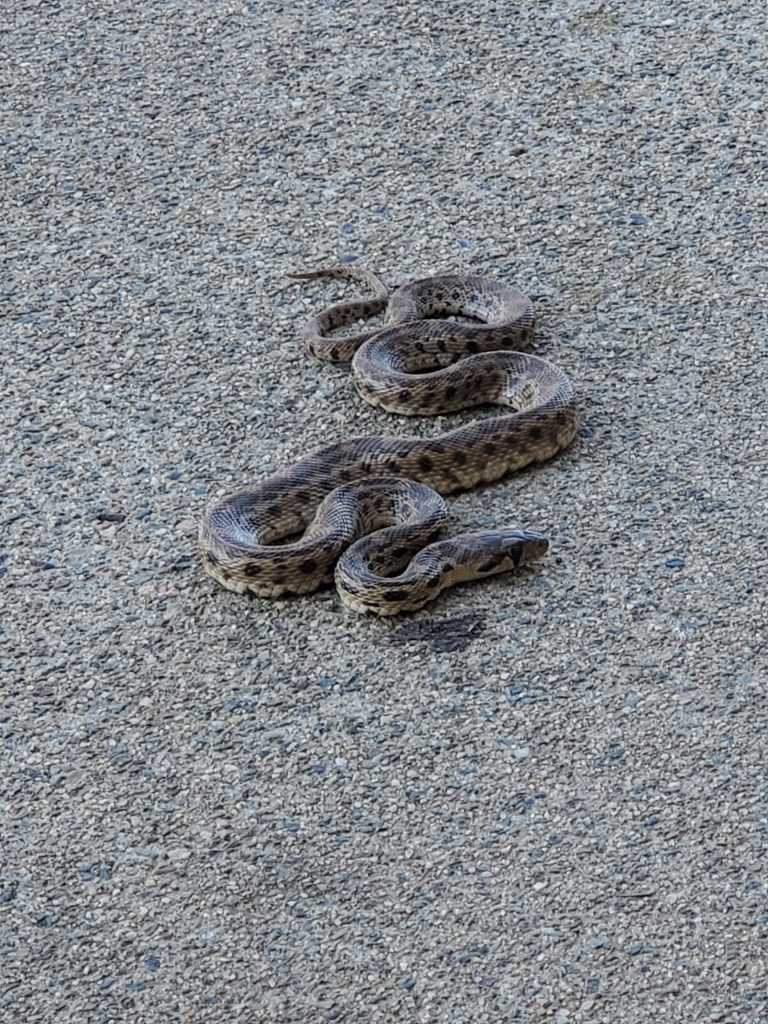
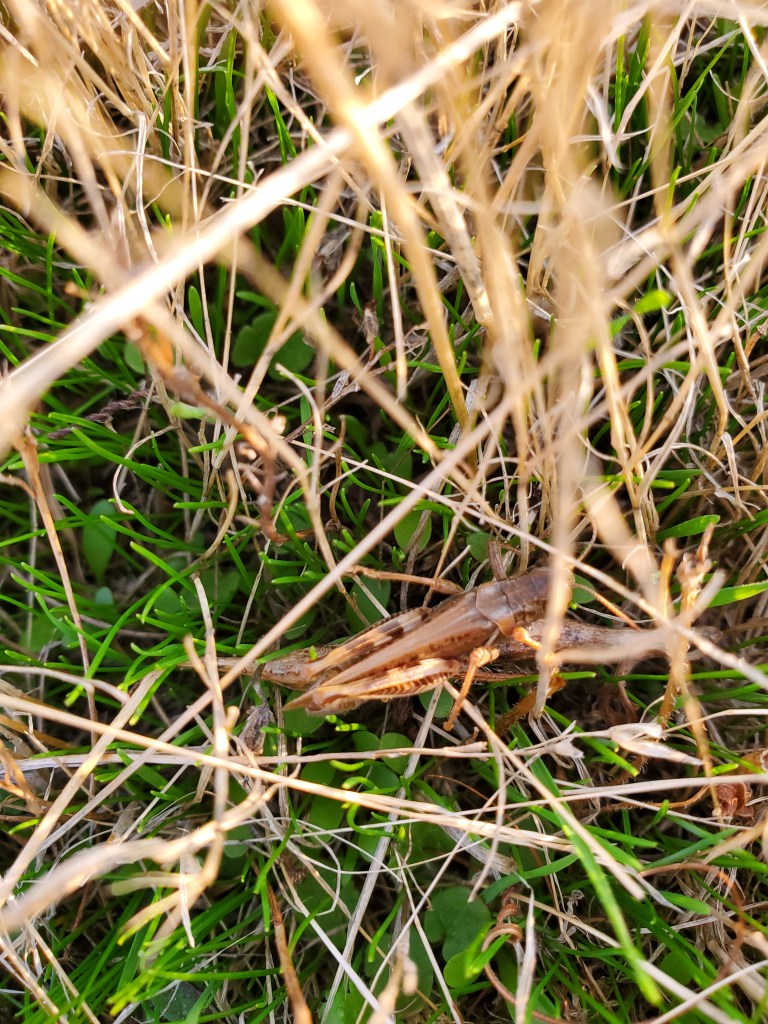
It may seem wonderful to some, but the weather is far too warm. After part of December had rain and cold temperatures, the weather shifted to warm days, cold nights and no rain. This is extremely concerning. Things I have never seen are occurring. I found a gopher snake on the patio. It is usually too cold for them to ambulate. Flies are in the house. A marigold, verbena plant and goldenrod are in bloom. They are fall weather flowers. A broad leaf milkweed is still alive. The lupine are already up. I am used to them emerging in February or March. There has been almost no frost on the ground. We need that to kill some bugs, like grasshopper larvae, to maintain balance. I saw an adult grasshopper in December. Terrifying. Life needs to sleep, and the deep cold helps facilitate that. We need winter.

Random

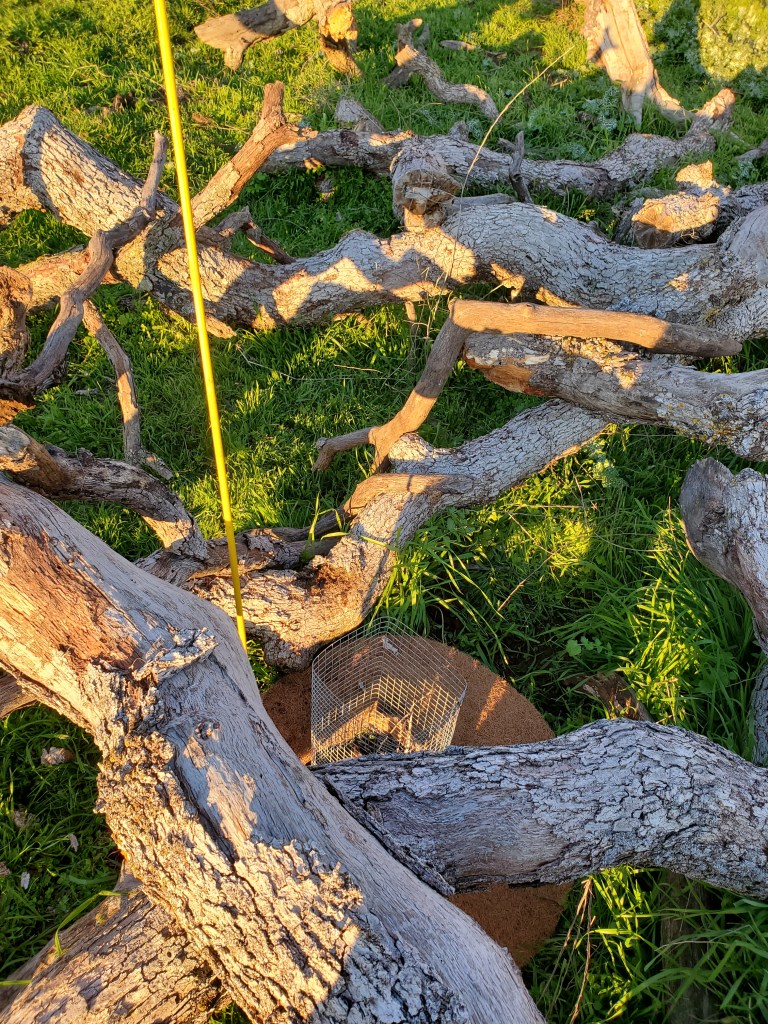
For every hour I spend outside, I am inside two. Not only do I spend hours at my computer writing this blog, I have to work on ag reports for the county, water rights reports for the state. I am so behind in implementing grants I have for water storage and tree planting projects, and I need to get the materials and supplies together for those. David and I went to check on the site of the second guzzler. We had to go through a forest of downed branches to get there, which made me remember I also wanted to plan a prescribed fire in my enclosed areas. There is so much planning, research and writing.

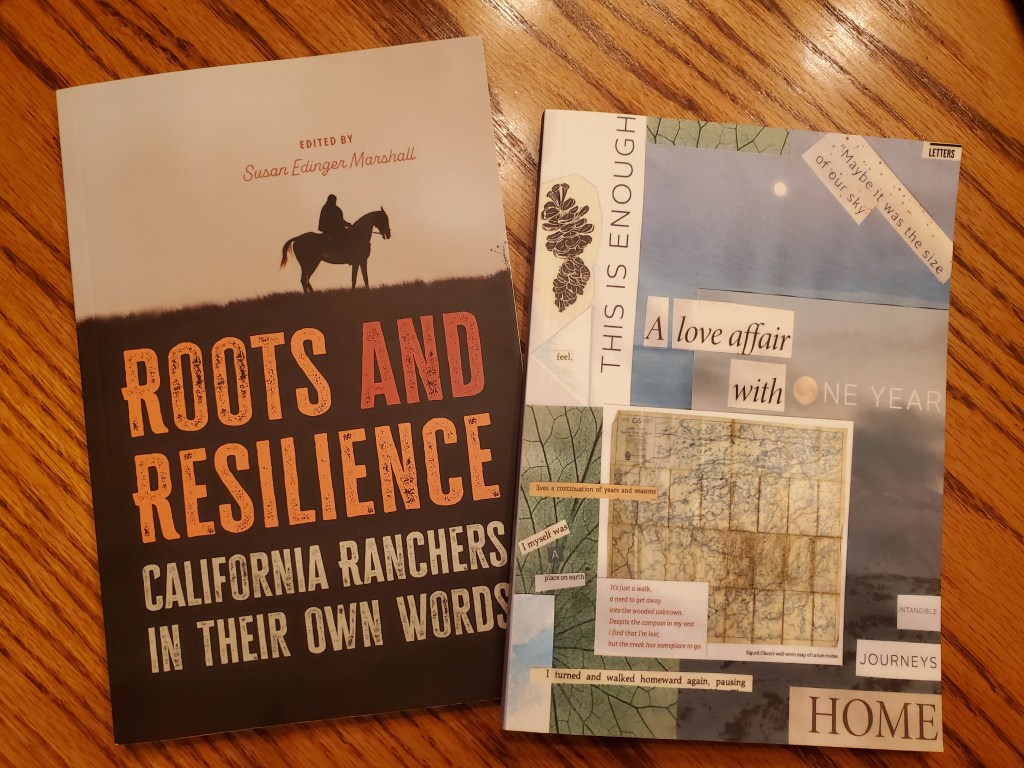
As I always say, I am not complaining. It is an honor to be a land steward and to get to work on this land every day. It is such emotional and sacred work for me that I often write about my feelings, or stories of something that happened. It was a tremendous honor to be asked to write an essay for the new book, Roots and Resilience: California Ranchers in Their Own Words (Nevada Press). I also submitted a piece that was accepted for inclusion in Zine Magazine, a publication of the Women, Food and Agriculture Network. Both are available for sale. For those that love to read, or love stories of nature, these are really wonderful books filled with good stories and creative writing. Full disclosure, I receive no financial benefit from the sale of these books. I am recommending them to you because they truly are good and interesting reads.

Wanderings

My thoughts have turned to Los Angeles County every day – the people, animals, the land, sky and water. David and I have many friends who live in the area, and some are evacuated. My heart breaks for the entire situation.

There have been many messages sent to us by our planet – like the disappearance of the monarch butterfly happening now from our western life, the erasure of towns, cities under water, pandemics, our children being born with lower lung capacity and having diseases at younger ages and at higher rates, such as diabetes, asthma, colorectal cancer. We are not well.

It has long perplexed me why as a species we are so willing to trade the beauty of this land, the health of the water and air we need to live, the songs of birds, animals and insects that bring us joy, and even the very lives of our children for extreme convenience, to preserve the ability to amass wealth and power for a handful of humans. Where is it that the values our grandparents taught us were lost? Why is it we are so willing to be sick? Where did we lose site of the real treasure, of what is truly important?

As I care for my father, and see him struggle to be well, it makes so clear the importance of how one lives life and the joy we find in the most simple things. I was raised in a good way by parents who wanted to be better than their parents, who themselves wanted to be better than their parents. I am grateful for their teachings and those of my grandfather. Low consumption, care for all things, no waste, fight for what is right, simple is ok, you don’t have to be conventional, dancing is joy and many others.

Let’s each of us do our part to help all of our relatives – the two legged, the winged, the ones with fins, the four-legged, everyone. They need us; we need them. We all need one another.

Endless Summer

A rare day in September when the clouds came and temperatures went down, but otherwise, hot and dry

It is October 24th, and we are still seeing 80 F + days. My body is tired of being warm. Surprisingly, there is still water in the seep and in the spring creek, but their reach is far less than just four weeks ago.

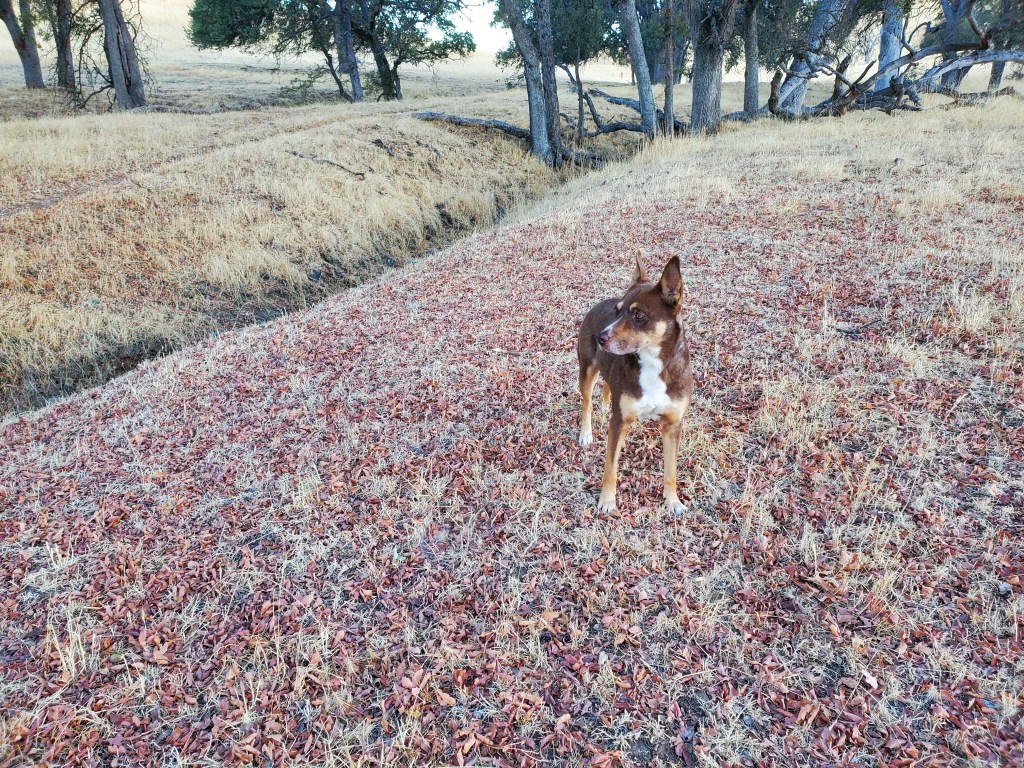
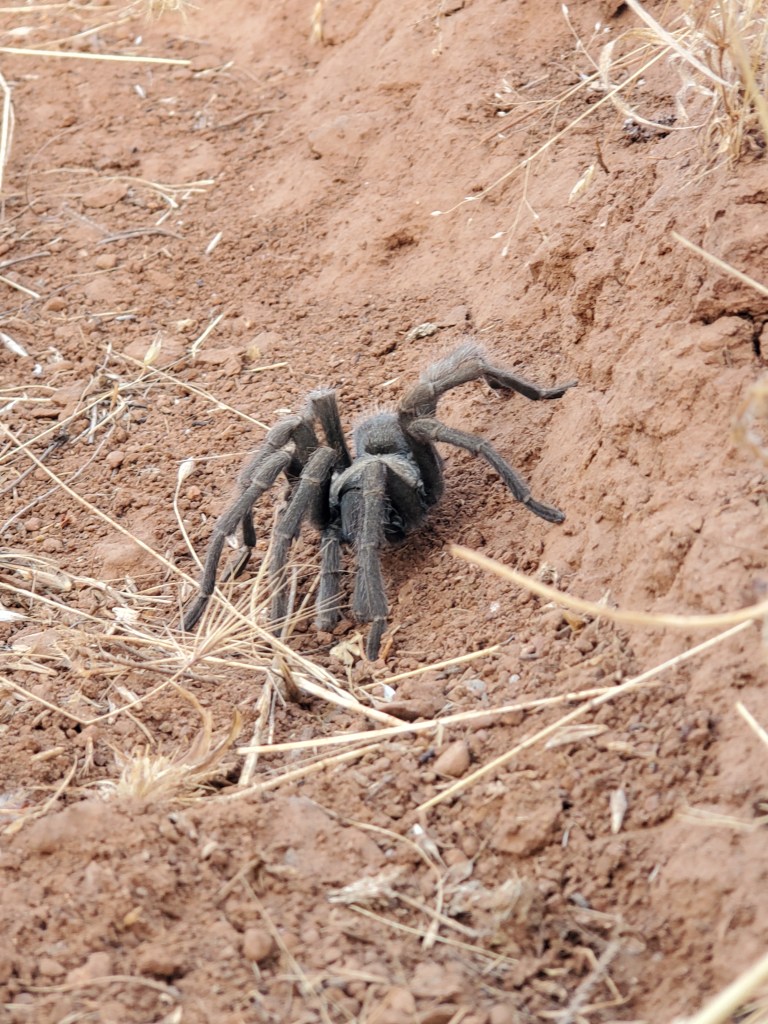
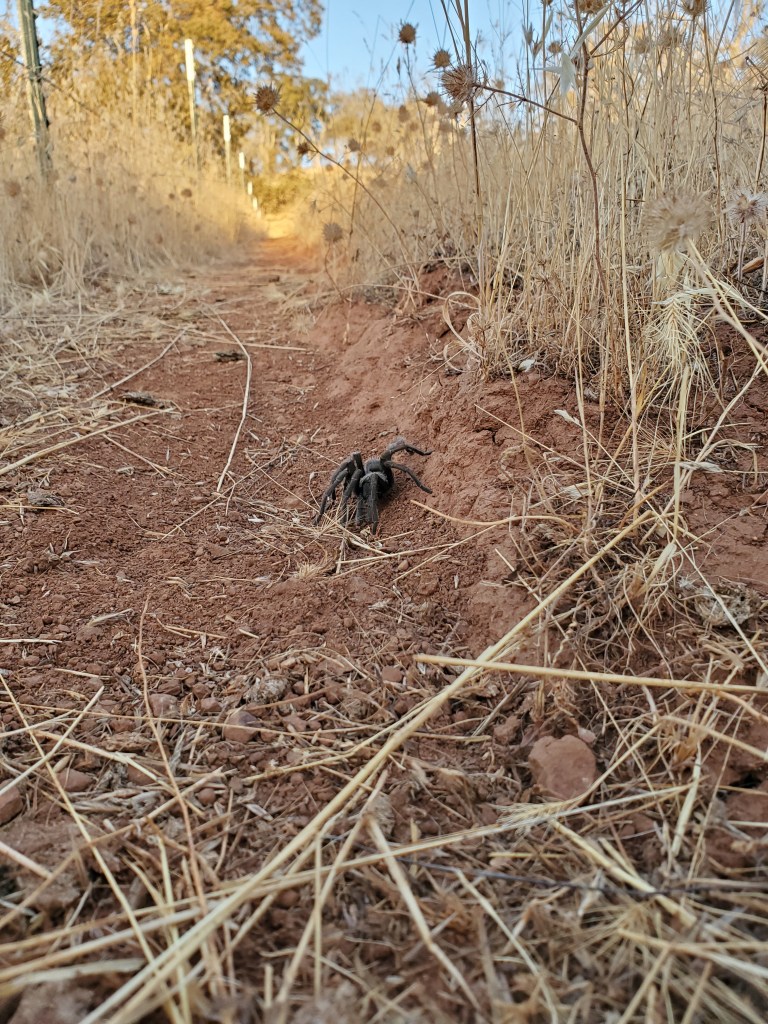
With the exception of the temperature, autumn is all around us. The ground is littered with leaves, webs float through the air only to get tangled among the grass, and tarantulas are out looking for mates. Sadly, the grasshoppers ate much of the tarweed on the west side of the ranch. Consequently, the air is not heavy with their perfume, one of my favorites.
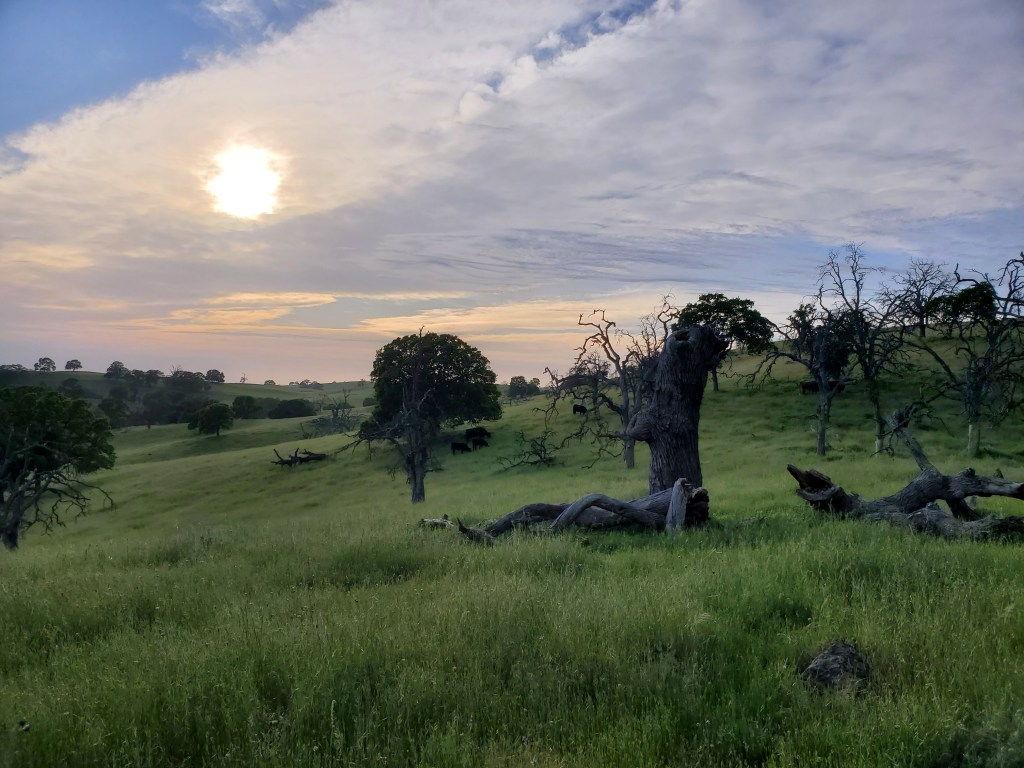
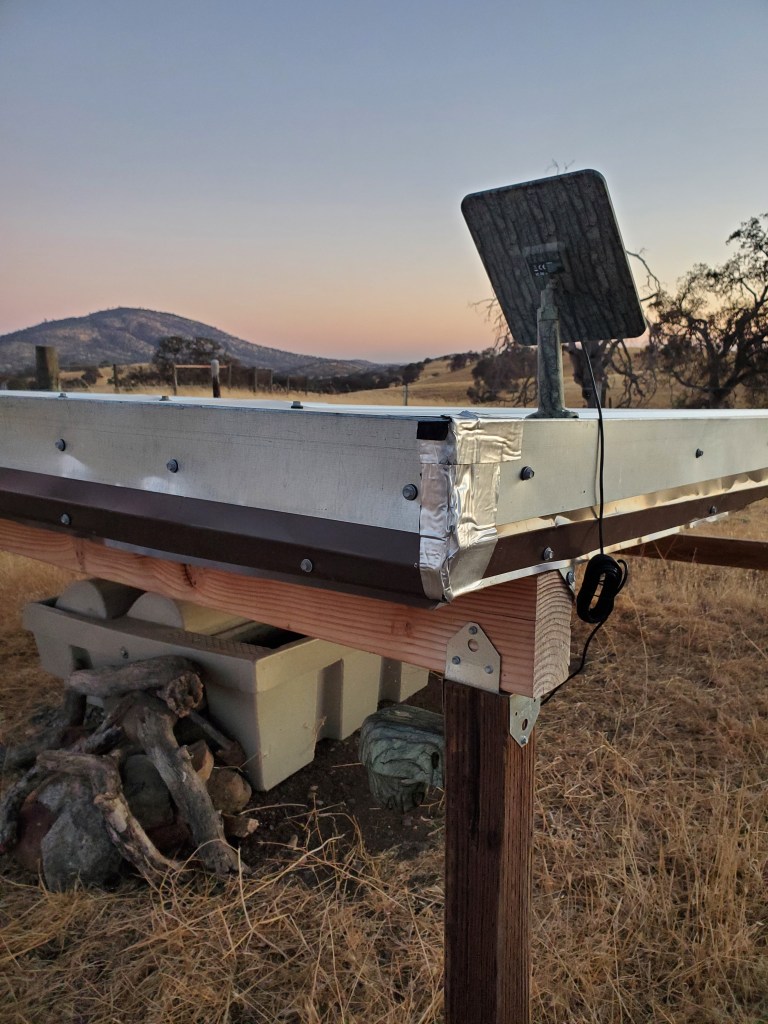
When the temperatures cooled, more animals and insects came out or at least appeared more active. I hear coyotes singing much more since the nights cooled. More raptors in the air, more bees and of course, the spiders. David and I installed a game camera on the wildlife guzzler overhang to see who was using it for water, and a large hare climbed up the wood pile and down the ramp to take a sip. That was exciting.

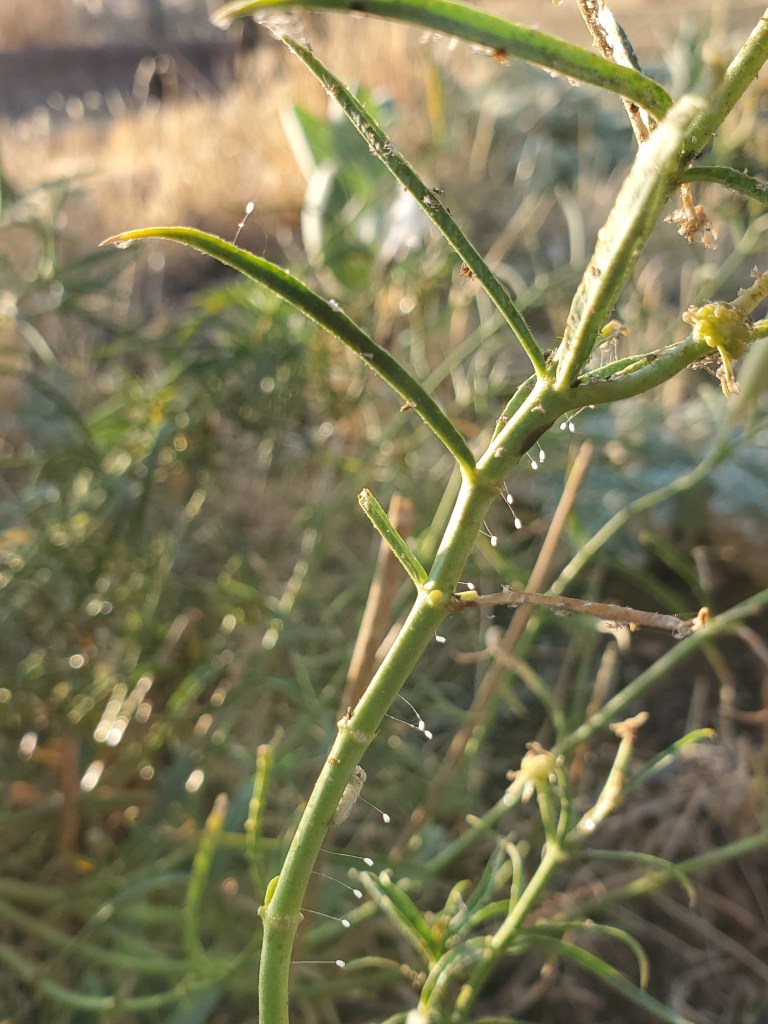
There is also considerable activity on the milkweed plants. I have looked at them daily for signs of monarchs, but there has been nothing. It has been too hot, and now the window is closing. The plants are winding down, and seed pods are opening. I did see a remarkable sight however. It was lacewing eggs. The lacewings love aphids, of which there are many on milkweed. They lay their eggs perpendicular to the stem of the milkweed and place the egg on the very tip. A special shout out to friend and bug knowledge bearer extraordinaire, Sean Werle. He helps identify the many things I do not know.

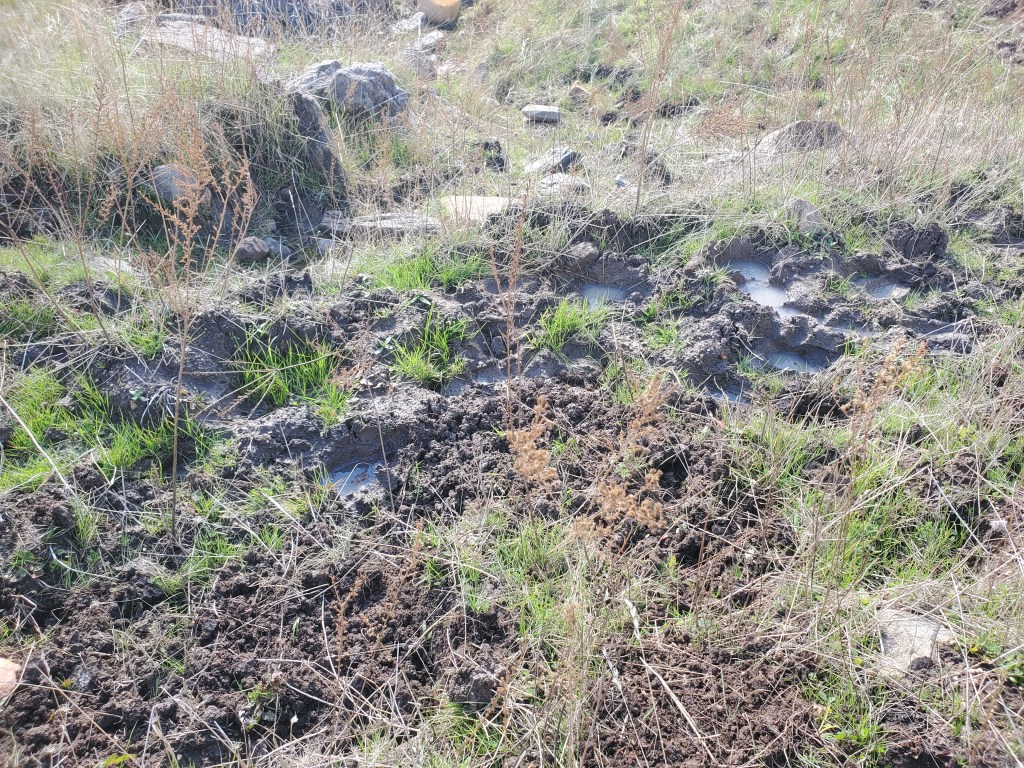
The other day, I was washing dishes and looked out the window to the east. I saw some large black specks on the side of the hill. I thought, “Oh, that’s where the cows are now.” As I looked, I saw them move much more agilely than a cow. Then, the shape was wrong as they made their way further up the hillside. I ran to get my binoculars and confirmed what I thought; it was wild hogs. There were several adults that had to be 400lbs and a lot of babies. My neighbor saw them too, and they counted 20 in the unit. They had been down in the spring creek ravine. I wondered what havoc they were engaged in. After they were well-over the ridge, I walked to the creek and found the entire lower half of it rooted out. All the vegetation was gone and the soil turned up. Where it was dry just the other day, was now wet with the removal of the plants and grasses. On the bright side, there is more space for animals to find water along the creek. On the down side, how can I ever expect to re-vegetate that space with oak saplings and milkweed if the pigs can come in and destroy all vegetation in an hour or less?

Wanderings

Oh the heat. Each year, it seems to get worse on some level. I feel so bad for the nature relatives that depend on us to use our sense in maintaining this beautiful world. I cannot tell if this year is more miserable than the one before. With the grasshopper incursion and my father’s illness, everyday is just something to move through – not much time for soaking up the joy of stewardship.

Although there is a great deal on my to do list, my priority is my family. Dad has been in the hospital twice since I last wrote and the list of medications, doctors, support staff and paperwork grows exponentially. I only have time for the ranch “must dos” and not the “wish list”. With good medicine, a will to survive and a little luck, Dad may get more stable, and a predictable schedule will be established. Until then, I will look longingly across the ranch and at photos of times past wishing for the best of health for all of us – monarchs and mammals, dads and daughters – all of us.

Life Returns

Broadleaf milkweed begins to emerge with a now freed narrowleaf milkweed in the background

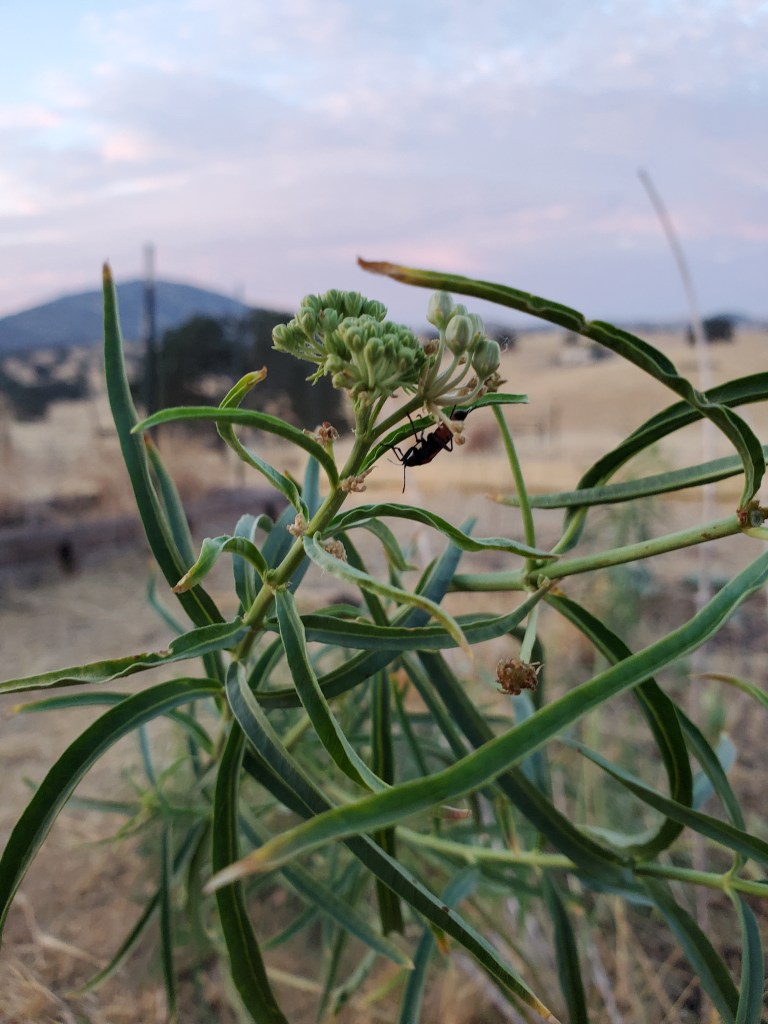
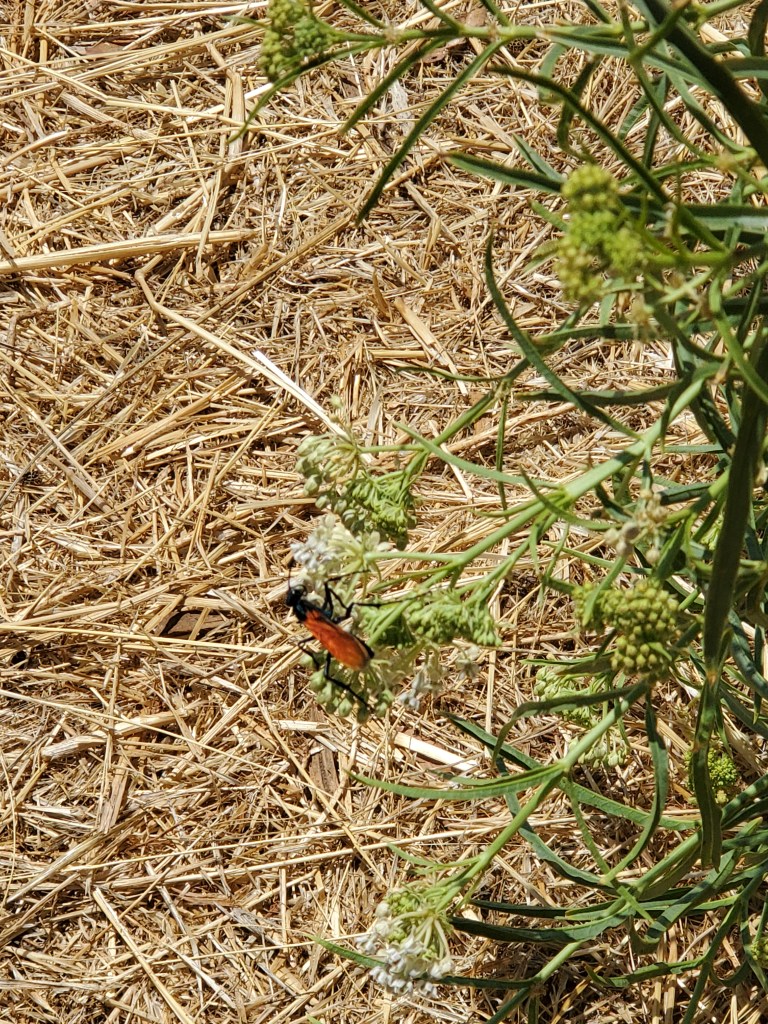
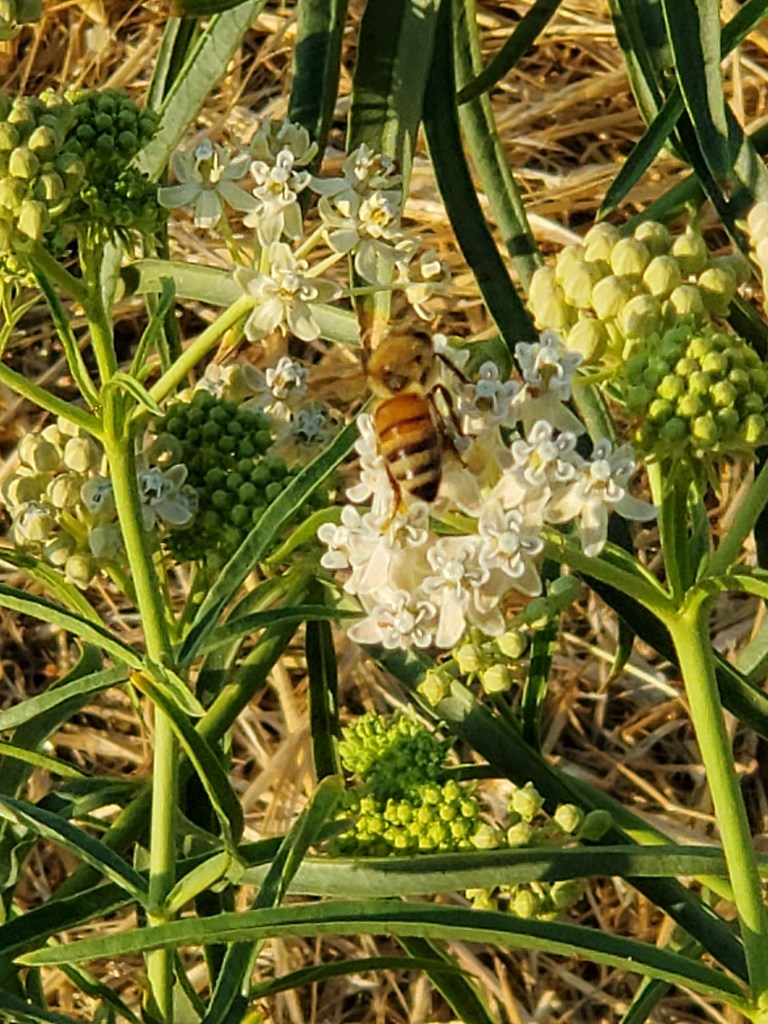
Last week I freed my narrowleaf lone survivor. The screen had no grasshoppers on it for three days, and the overall number has decreased sufficient for me to feel comfortable removing the protective screen box. Oh, it was like a reunion! To see her fully open to the elements, branches swaying in the breeze, flowers open to the sun, filled me with a love and joy that is difficult to express. Standing, as I was, amid the carnage that used to be a busy, scent-filled, native plant hilltop, with the only nectar/milkweed plant now remaining, I suppose I felt a sense of elation that we survived this together and that there was an opportunity to provide food and incubation to the pollinators that remain and maybe – just maybe – monarchs on their way back to the coast. I squealed with joy and gave her a light, long hug, talking to her, thanking her for her patience and for her survival. As I released her from my arms, immediately, she was supporting life. Tarantula hawks and a bee were the first to find her blooms. I am so happy.

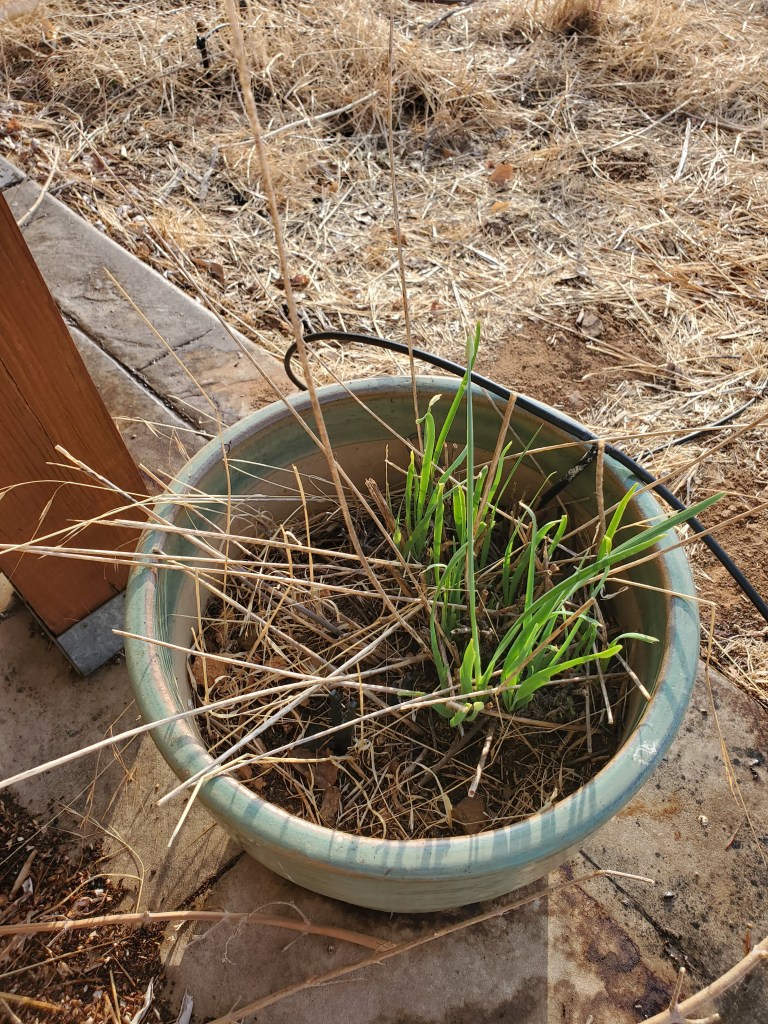
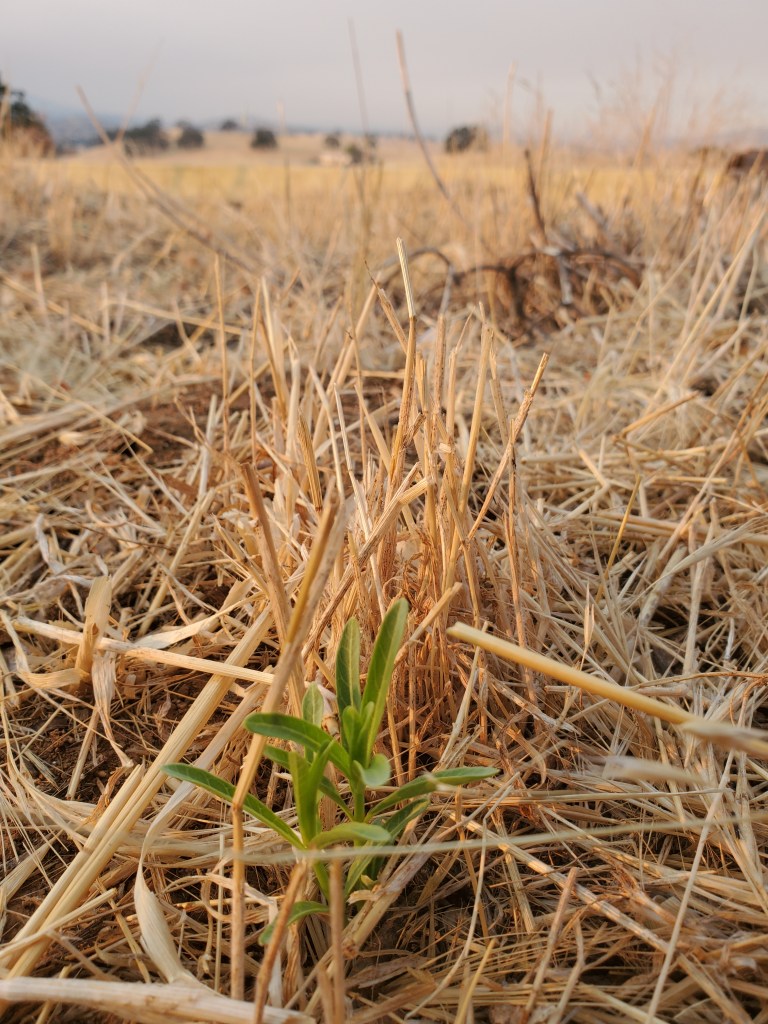
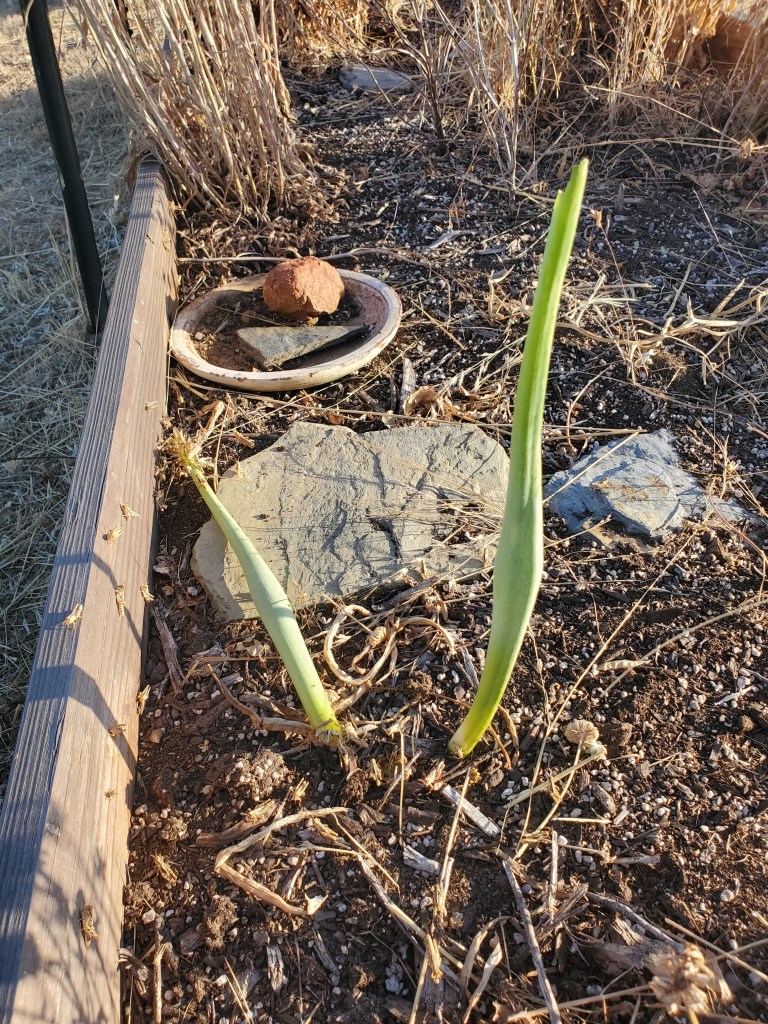
After the narrowleaf’s freedom (and the major decrease of hoppers), very quickly I began to see new signs of life. Onions started to reemerge and now have buds. The willow began to leaf-out. Most exciting, there was one stem of a broadleaf milkweed I found at the base of a bunch grass long ago eaten by the hoppers. Two days after that find, there were more. As I write this, there are ten reemerging narrowleaf milkweeds and six broadleaf. I am hoping to find more in the coming days. Maybe they will get big enough in time for the monarchs to find and choose to use them. There is still hope.

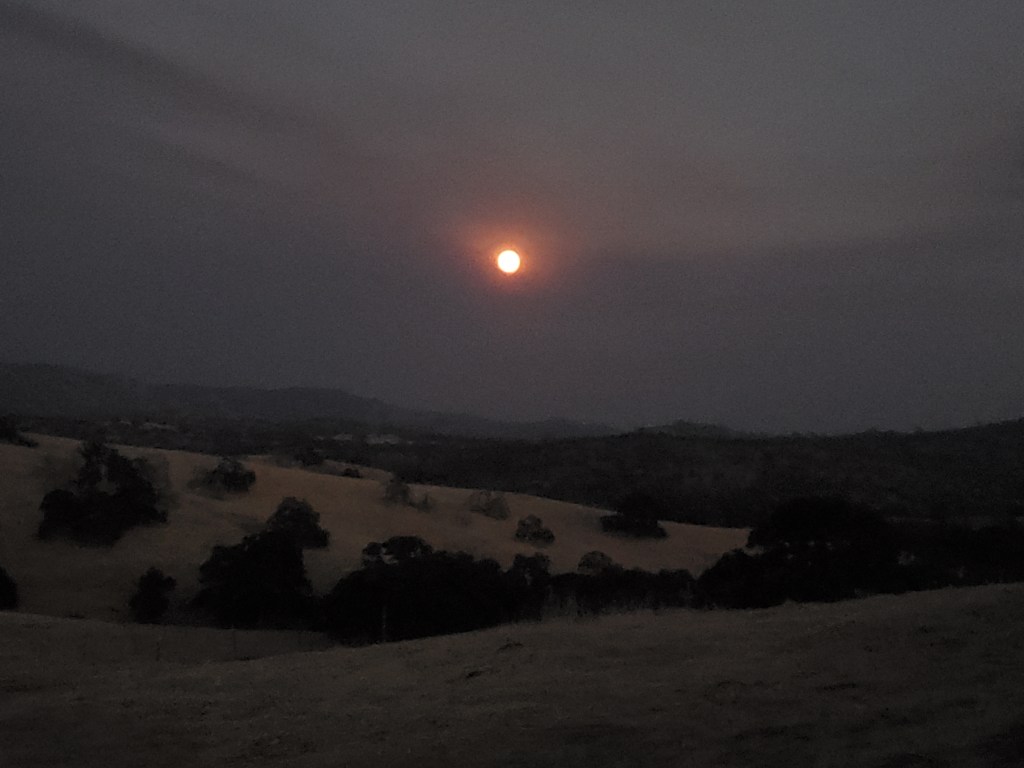
To get pollinator life back will be an ongoing struggle. There are still grasshoppers. We’ve had more fires, and the smoke very much diminishes animal and insect activity, even among birds. The heat is another factor too. That certainly diminishes activity, and it also dries the soil. Remarkably, the wet zones in the drainage are still wet and green, and the small springs continue to produce. Typically, the drainage and small seep on the hillside are dry by August. I ascribe this to the lingering effects of two good rain years in a row. There is no plant life around my rock and log dams, and no sign of milkweed. I have noticed milkweed seed can take two to three years to emerge above ground. I will hope for some more plant life next year.

Acorns Abound

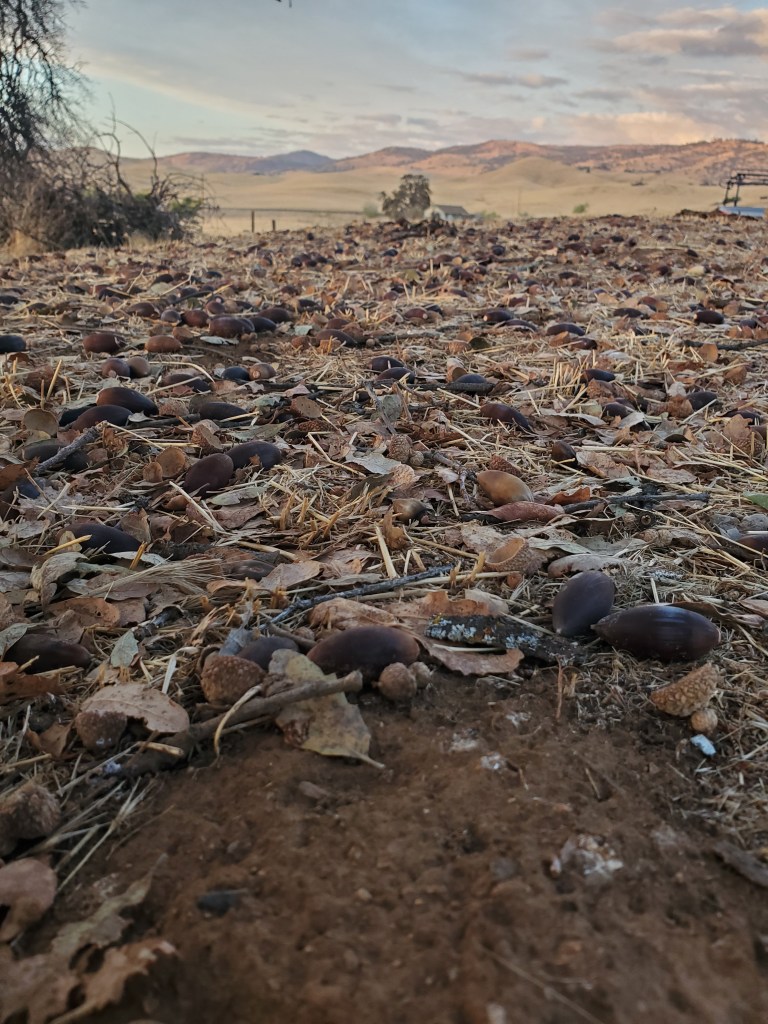
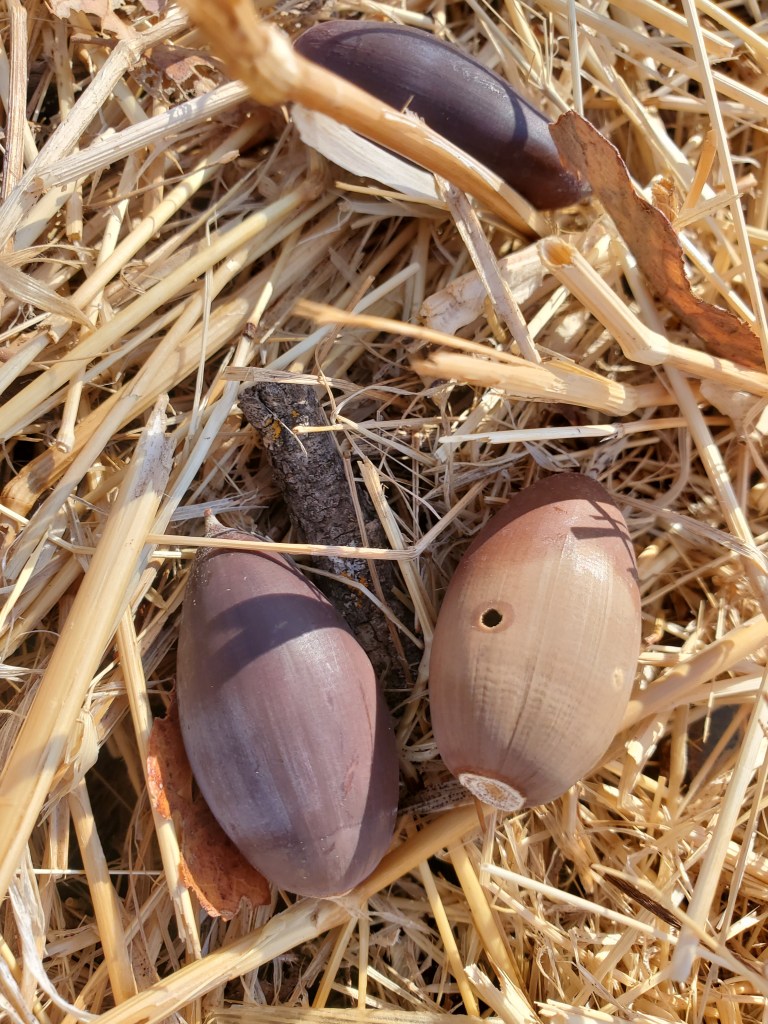
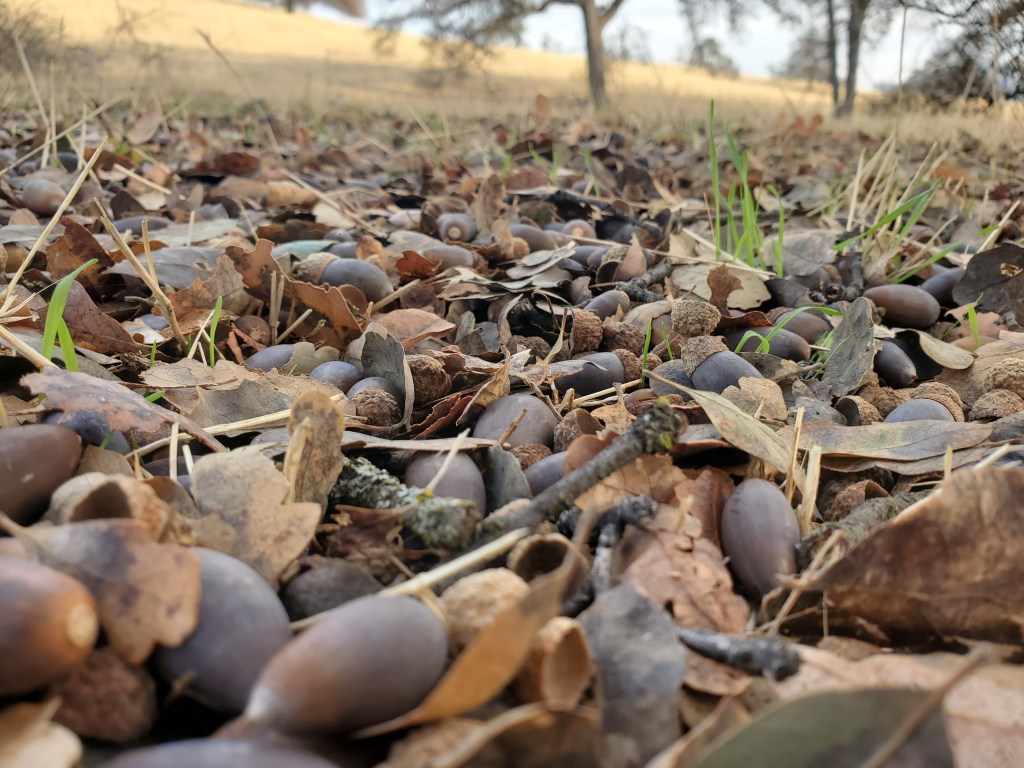
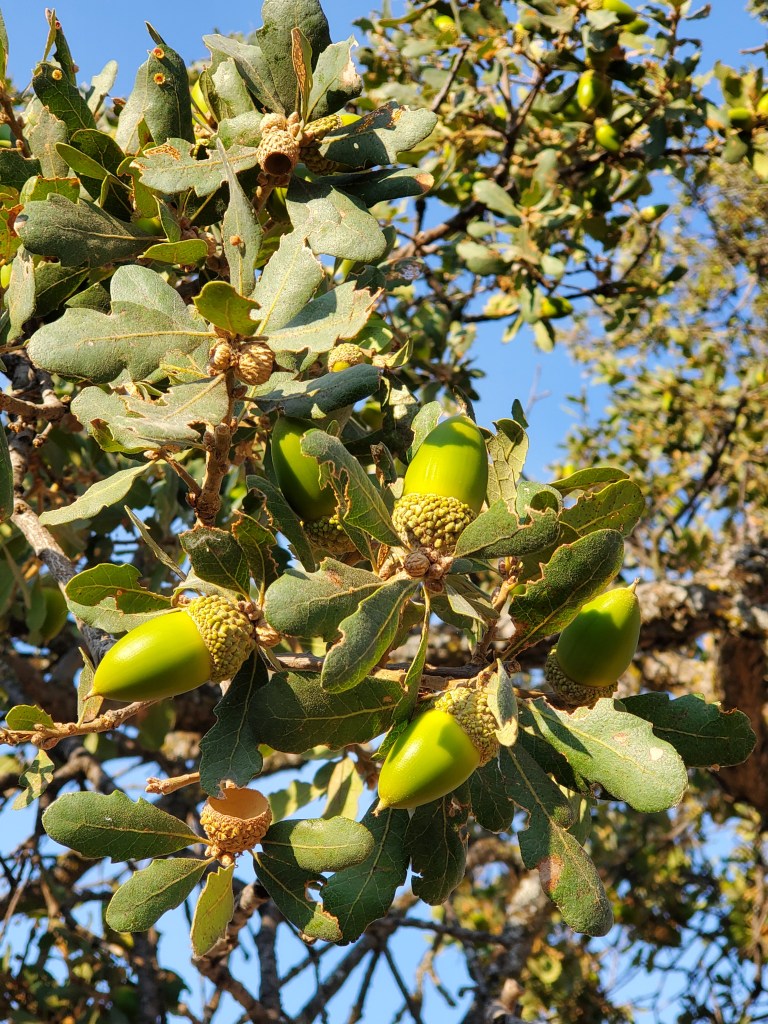
The oaks continue to grow their acorns. They are also shedding many small acorns, which are all over on the ground. As long as there is a healthy crop of fat acorns, I can understand shedding the smaller ones. I plan to harvest this year and make some acorn mush. There will be plenty for me and for the animals that feed on them too.

Water Pains

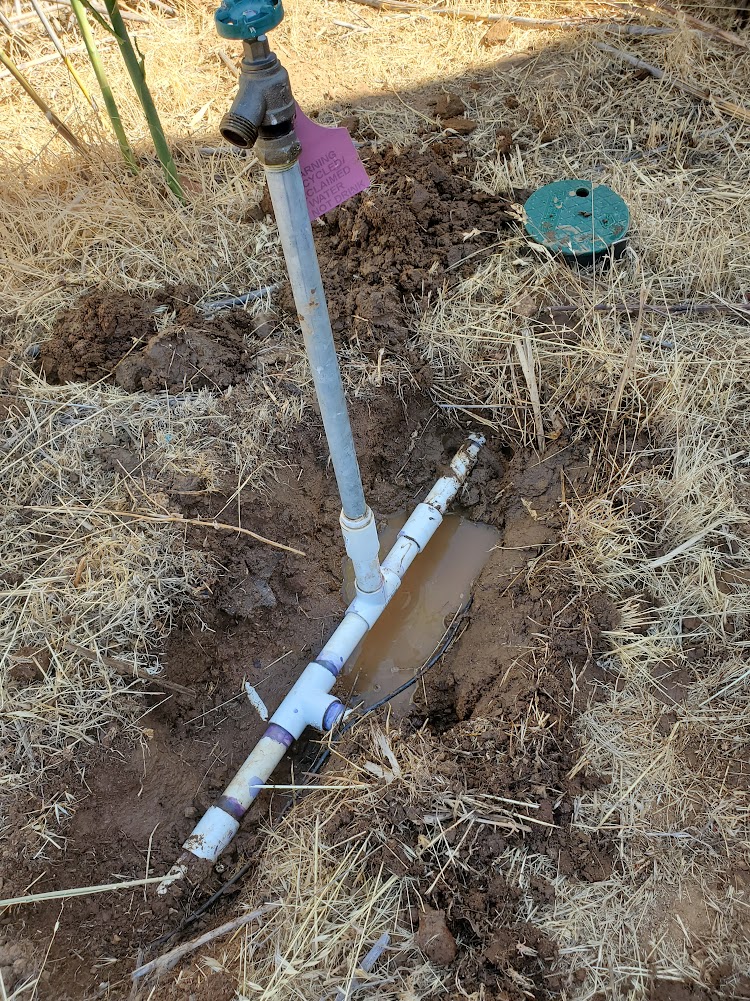
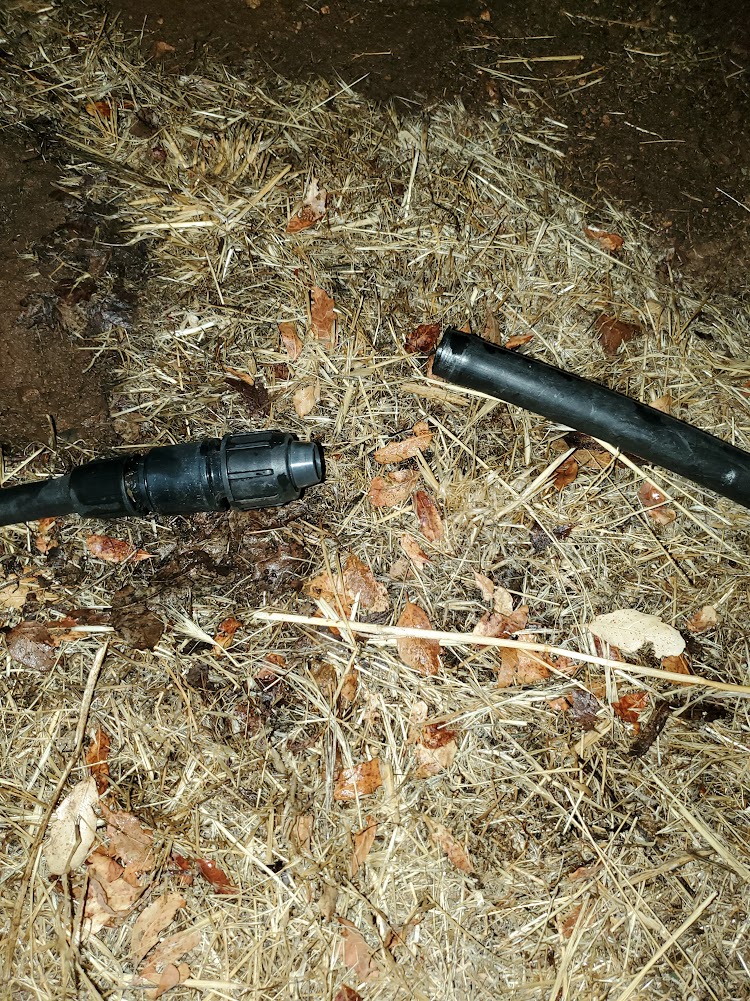
In June, the irrigation system broke. There was a leak in one of the main lines, and the pump kept putting pressure in the line further pushing more water into and then out of the leaking pipe. As a result, the tanks were empty and the pump stopped working. David fixed the leak, and got the pump working. Horribly, all the rainwater I had gathered for the summer was now gone. What a disaster. We had to purchase two 3,000 gallon loads to fill the tanks.

We have had at least one leak each season of a main PVC pipe along with some other small 3/4″ or 1/2″ tubing leaks. It is frustrating since we spent considerable money to move from my poor girl’s system to a professionally installed system. I know things will fail over time, but it has been excessive.

In July, we had another issue and another several leaks of secondary mains. We were out of town, of course (That is when all water issues happens). The pump kept tripping the circuit and could not pump water. Fortunately, we have a very kind neighbor, Ric, who was willing to go over and do some problem solving. It turned out the breakers were bad, and he replaced the one breaker the pump was connected to. He then saw that there were several breaks in the main line. Water spewed out each time the pump was on thereby not being able to deliver any water to the plant roots I was trying to keep alive. He fixed them! What a hero! That was above and beyond. We brought him and his wife back some yummy foods from our travels. Thankfully, I had left the three tanks closed off from one another when I had the replacement water delivered after the last leak. With the three water line breaks, this meant that only one of the tanks, with the newly purchased water, was lost. With only 5,000 gallons, that will not be sufficient to get me through the summer. I will have to buy another delivery before the end of the month.

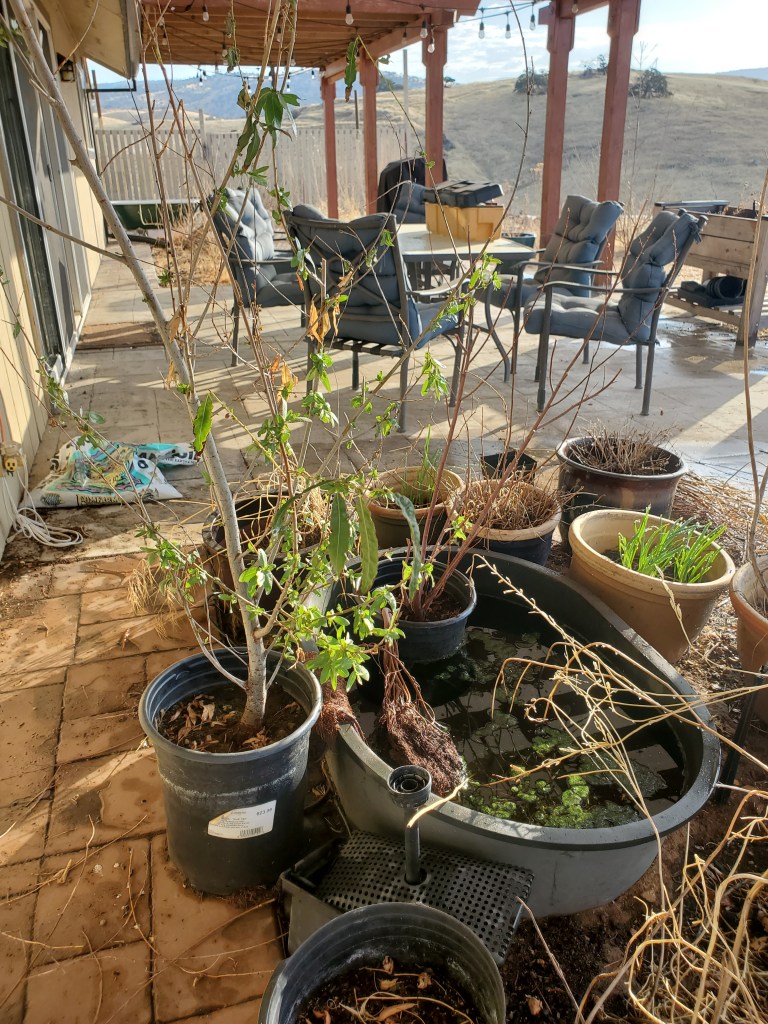
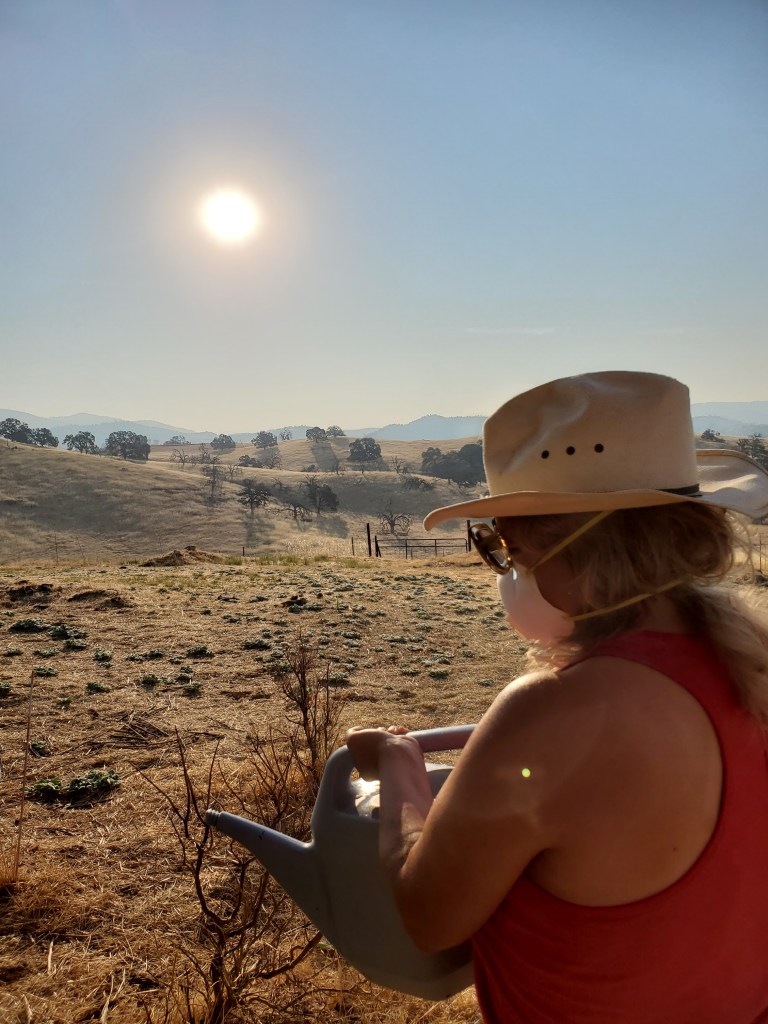
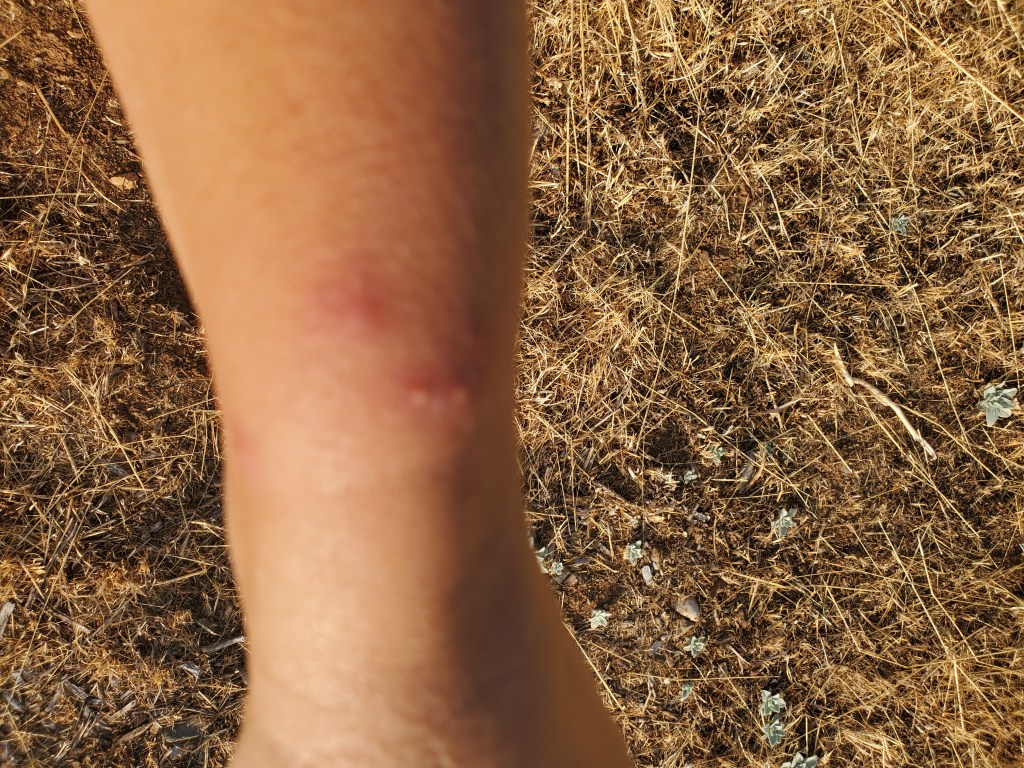
During this time of heat and no water, it appears that one of the willow trees did not make it. She was still in a container, and her roots probably cooked in it. The other larger willow survived. I took several cuttings of the dead willow to see if I could get it to sprout. One did, and I will plant her in about two weeks. Also during this time, I was hand watering and had the audacity to pull old grass remnants from one of the deer grass pots – to unchoke it. Yikes, did that create a stir of mean ants. Before I knew it, they were up the deer grass stalks, then onto the watering can, then up onto my hand where they chewed me up. That hurt. I put mud on the wounds, which helped tremendously.

Wanderings

I thought I was going to decelerate my work, but the monarchs are still on the brink. I read the Western Association of Fish & Wildlife Agencies 50 year plan for monarchs and saw the graphs showing the precipitous decline over time and saw the same graphs showing the inverse relationship with use of two types of pesticide/herbicide. I know we think we have to feed the world and therefore think we need to use a plethora of artificial tools to increase yield, but at what expense? I am not sure many of the scientists and industry leaders stop to think about the consequences of an increased battle with the natural elements, already made more virulent by our continuing effort to tame it into submission. That lack of full-spectrum thinking casts a wide shadow, for a world with no insects, is a world in which we cannot survive.

After reading that report, I emailed Ron Allen at Mariposa Native Plants and ordered more nectar plants to replace those I know I’ve lost from the grasshopper incursion. Combined with what I was able to salvage and grow for myself, it may be enough to ensure that I don’t lose a generation of bees and butterflies, a population grown through habitat expansion for the past 4 years. I need to continue to do my part. I can’t decelerate now.

Hot, Dry and a New Normal We Must Not Accept

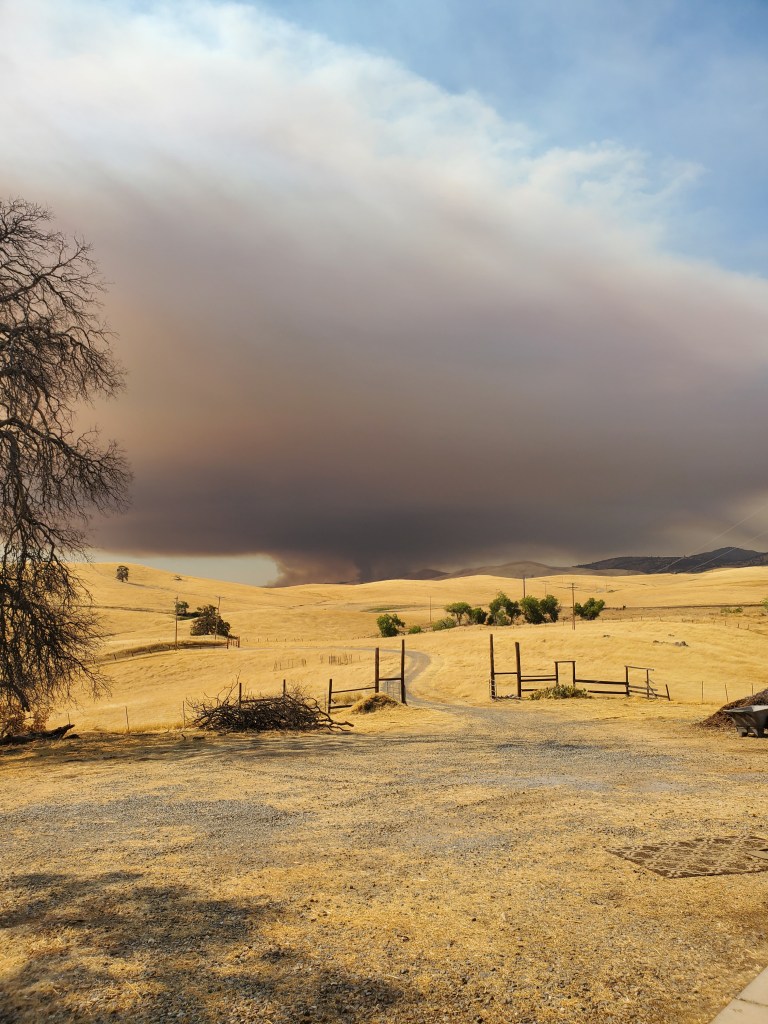
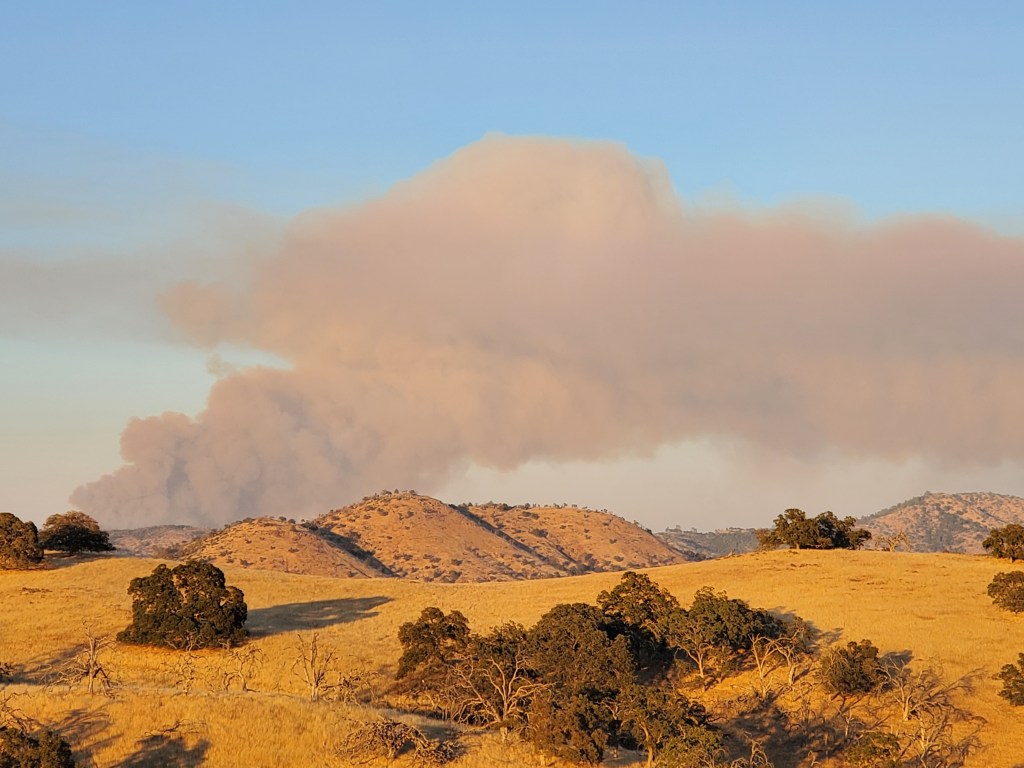
French Fire plume growing fast

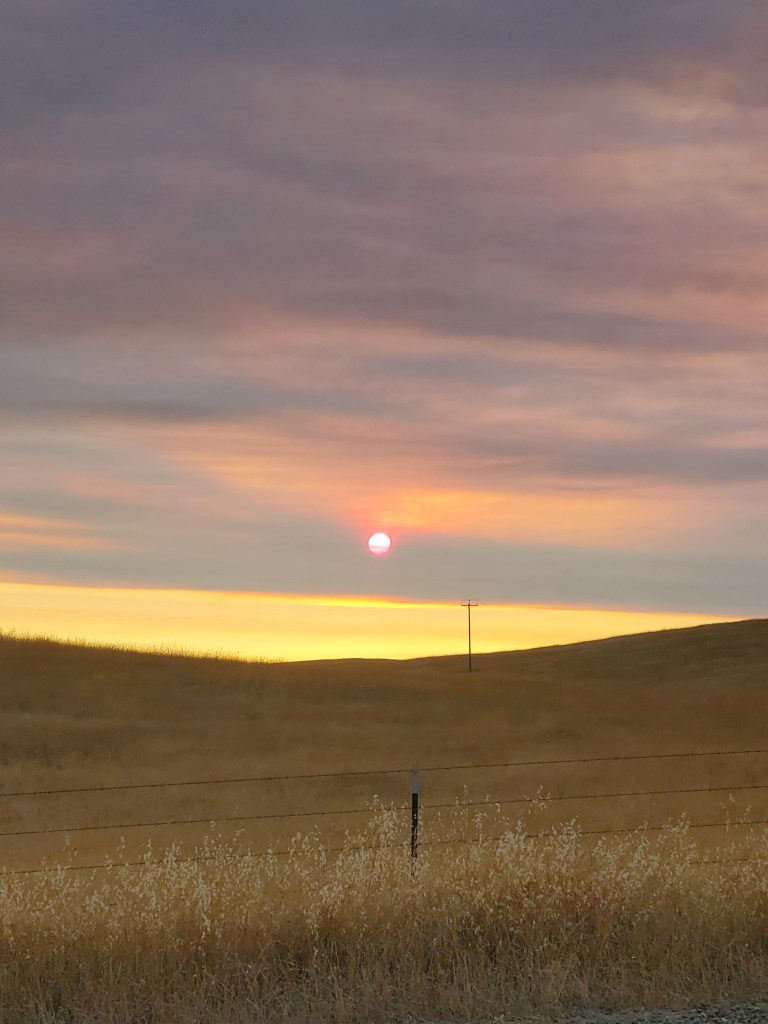
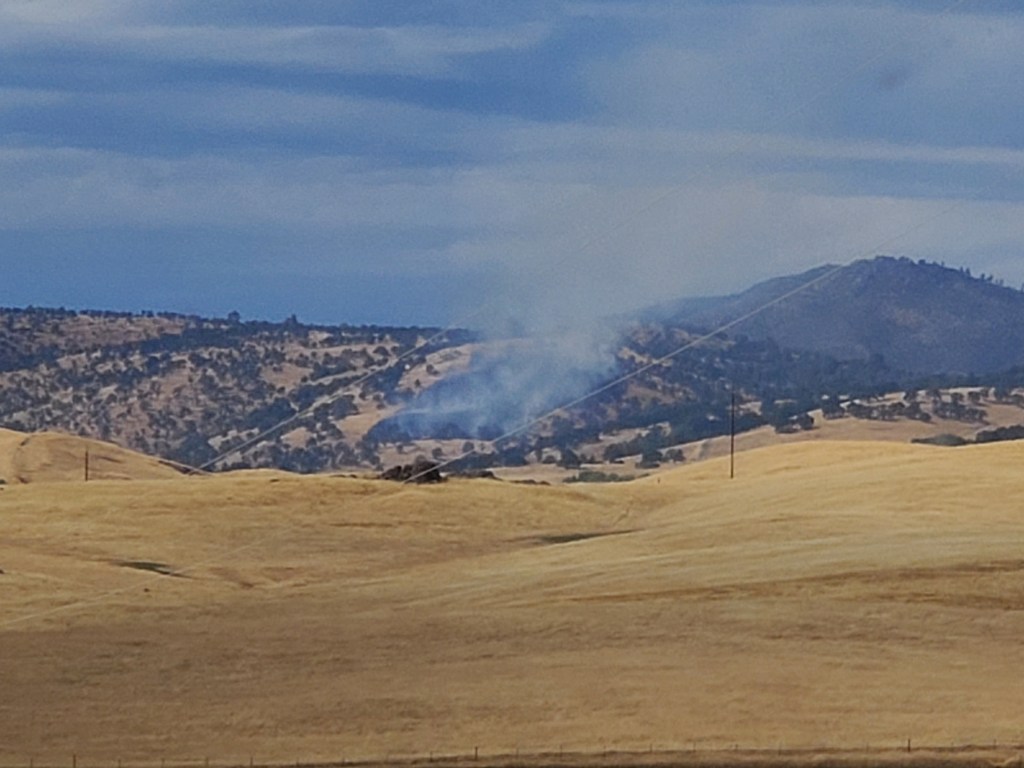
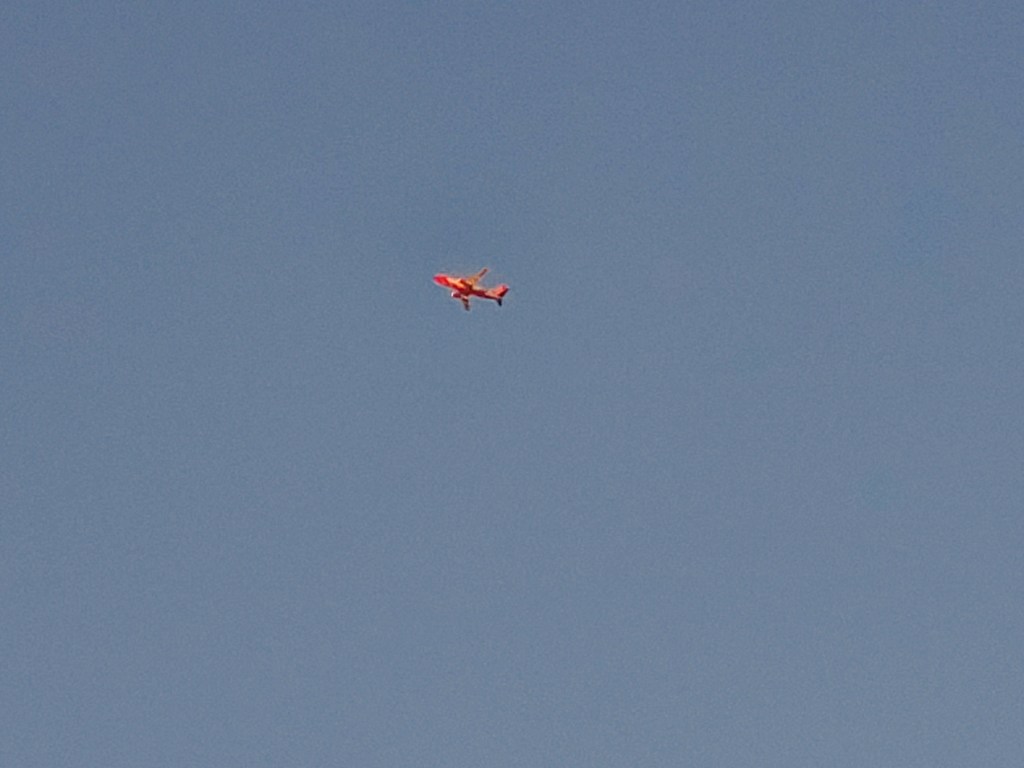
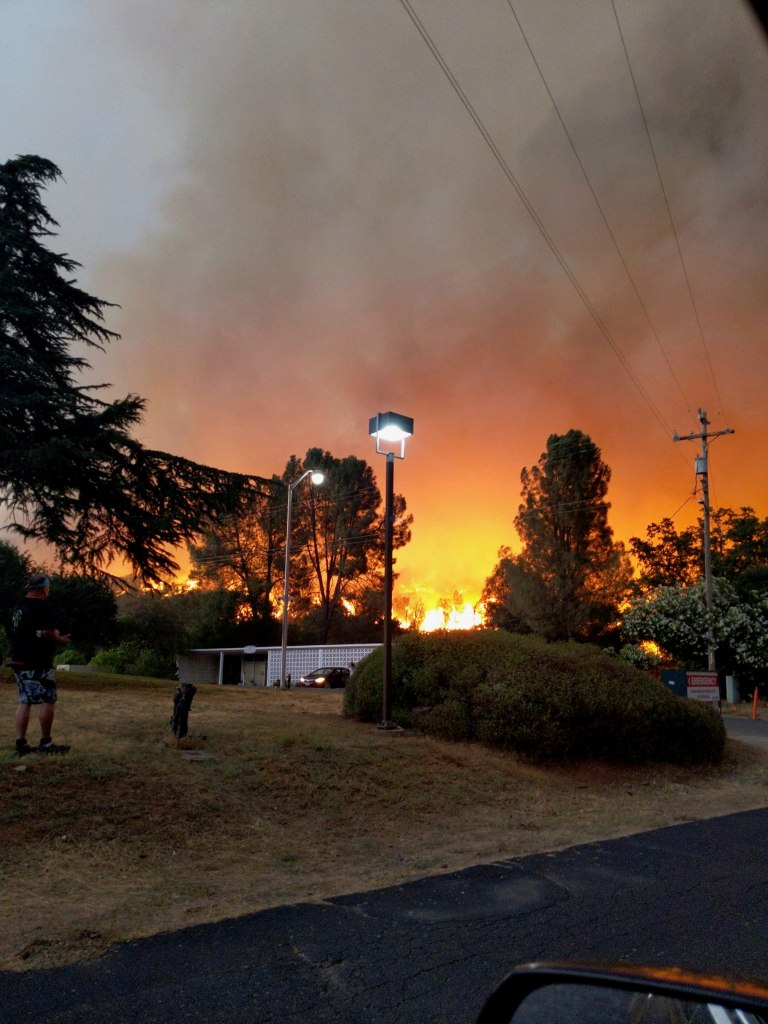
It is going to be a bad fire year. We have already had three fires near the house and the French Fire burning right up to the edge of town. I have more air traffic than normal – big planes and helicopters – flying to one fire or another. There are so many all around the region and state. It has been stressful to say the least – and hot. Even if you are in air conditioning, the heat weighs on you. What I have found is that when there are many contiguous days of temperatures over 100 degrees F, the heat just stays. Nothing has a chance to cool down. This includes the human body. There is only so much it can take before you begin to see changes, and that tolerance level is different for everyone. For me, it gets to be too much after a couple weeks, again, even when I am in air conditioning.
I notice it in people all around me as well. Some guy took the time to yell at my mother-in-law and I, for example, for standing too near a crosswalk. It seems we inconvenienced him by 5 seconds in that he had to decide if he should stop to let us cross or not. The heat is getting to people, and they are acting crazy.

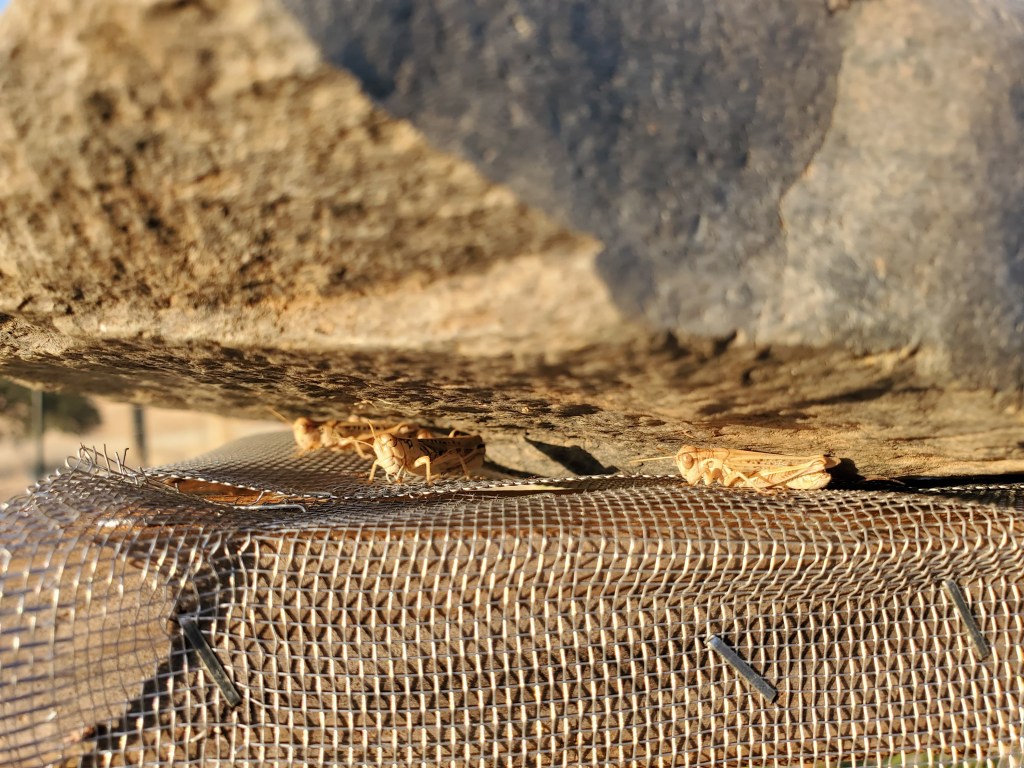
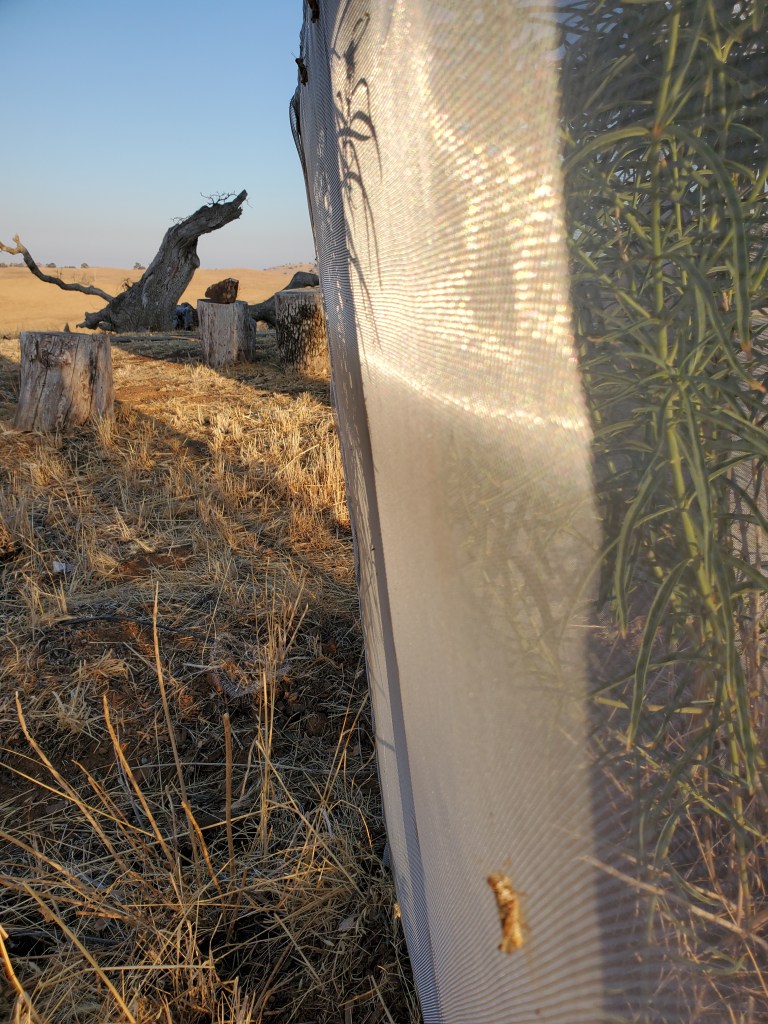
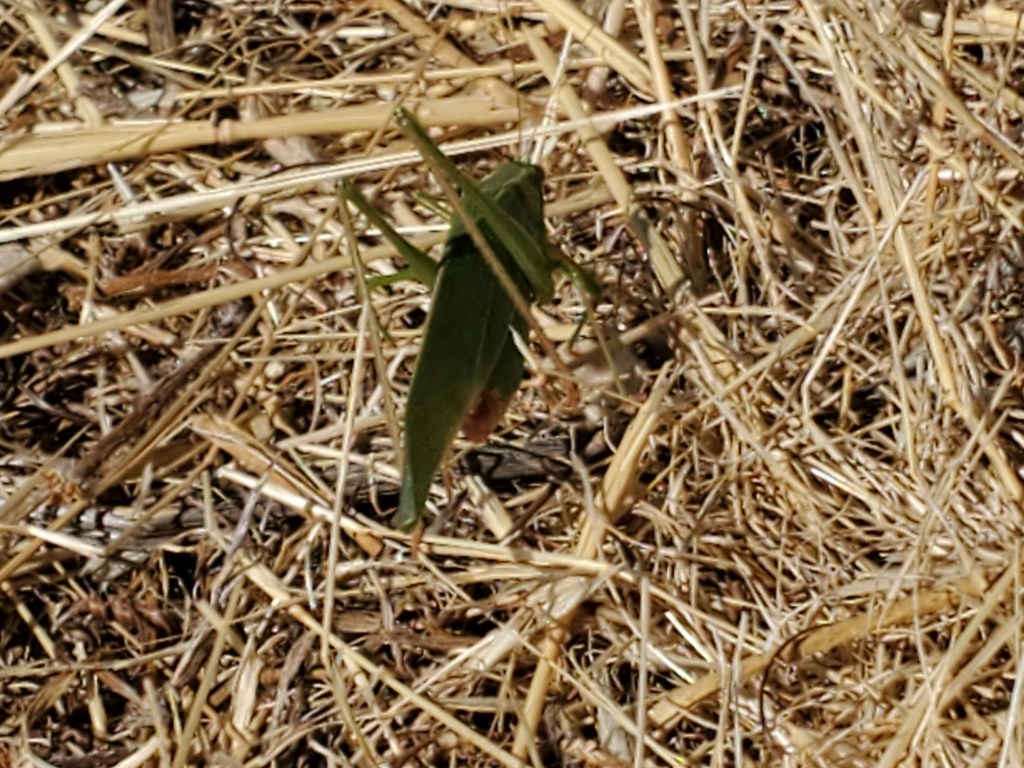
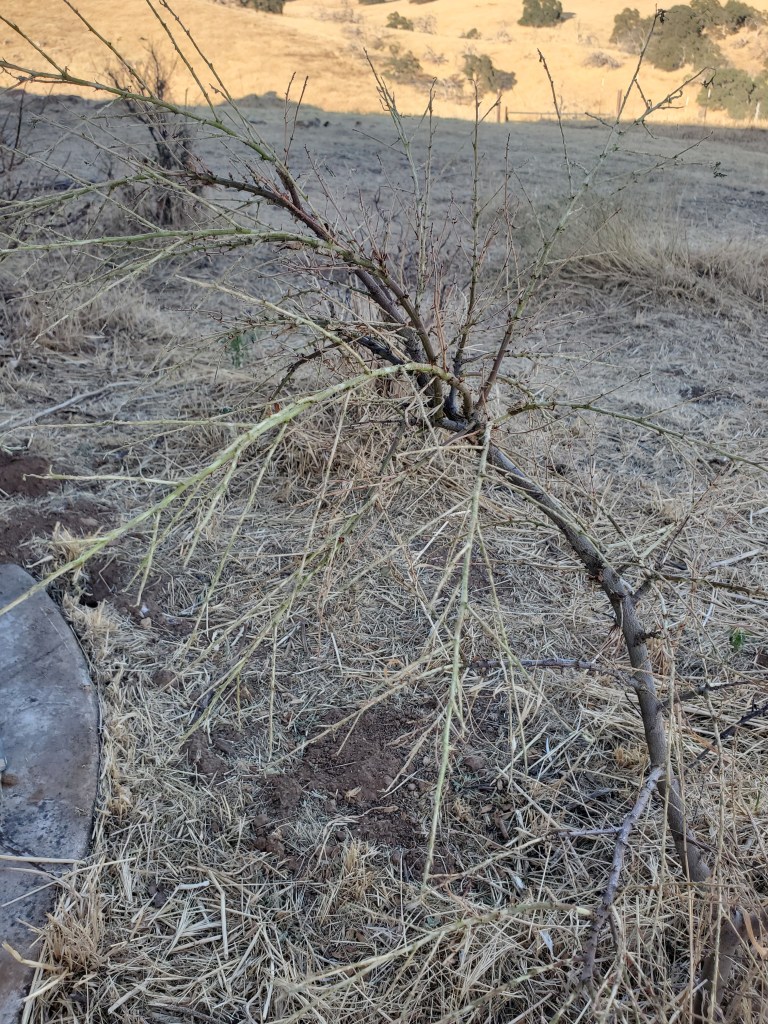
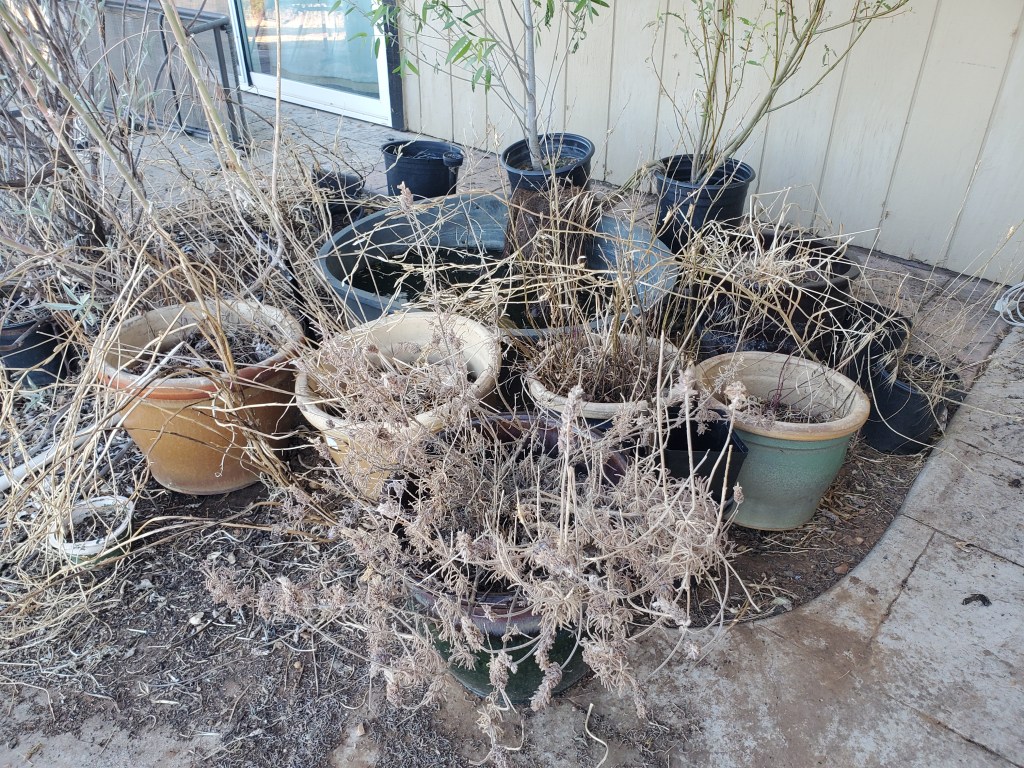
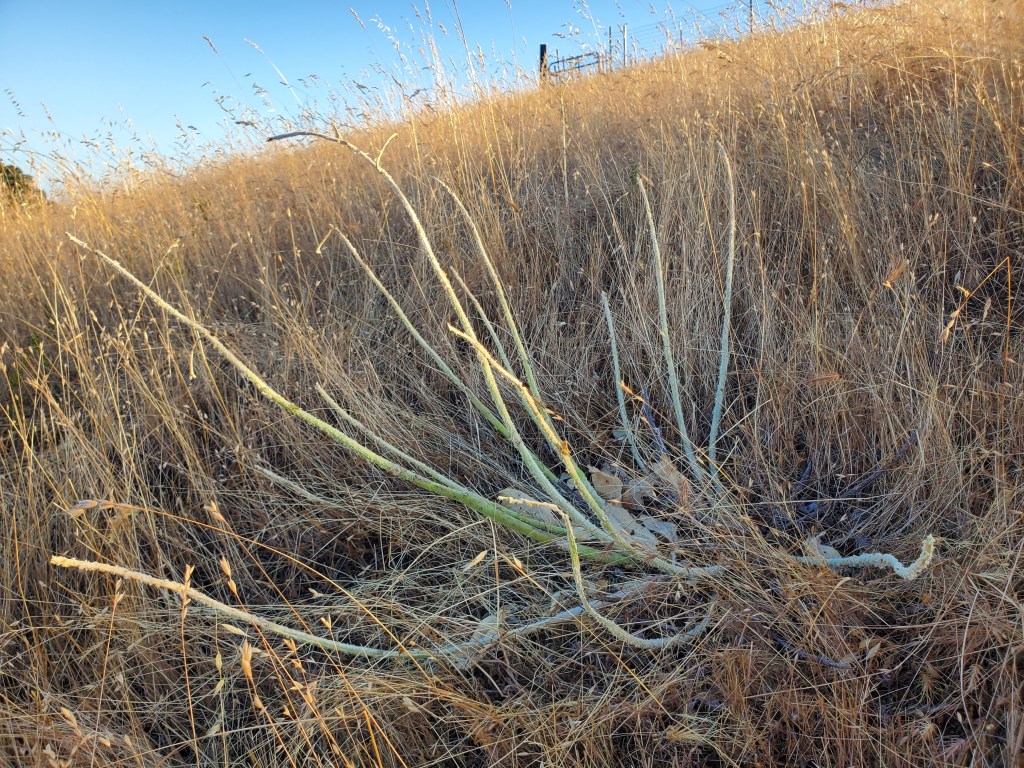
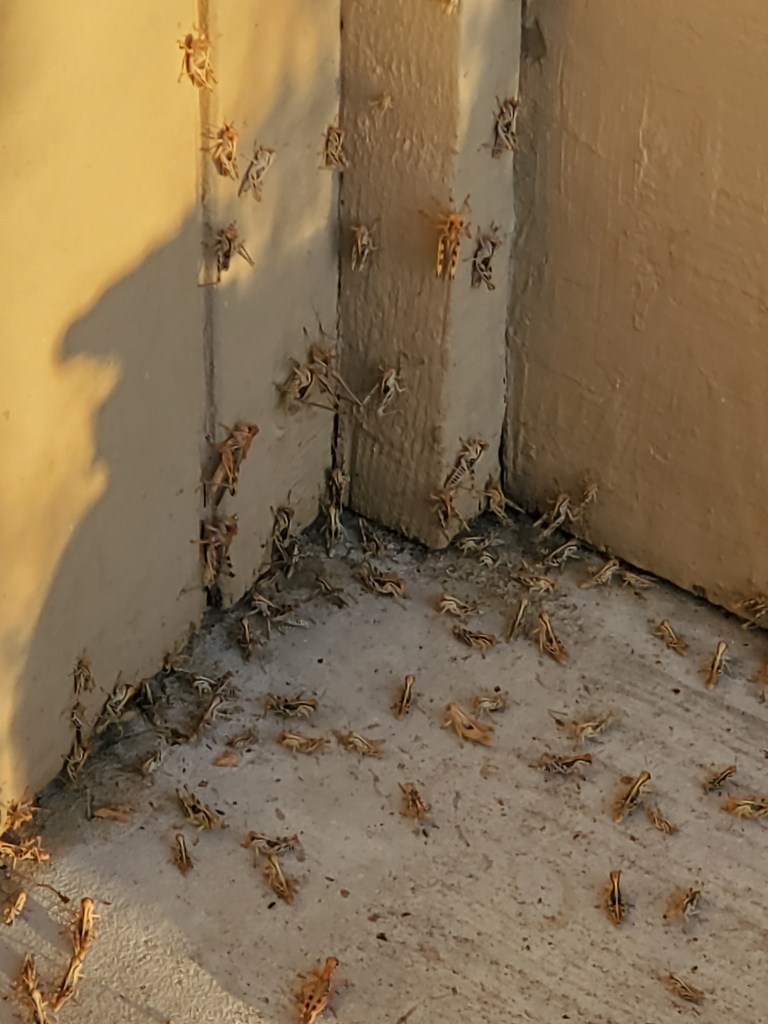
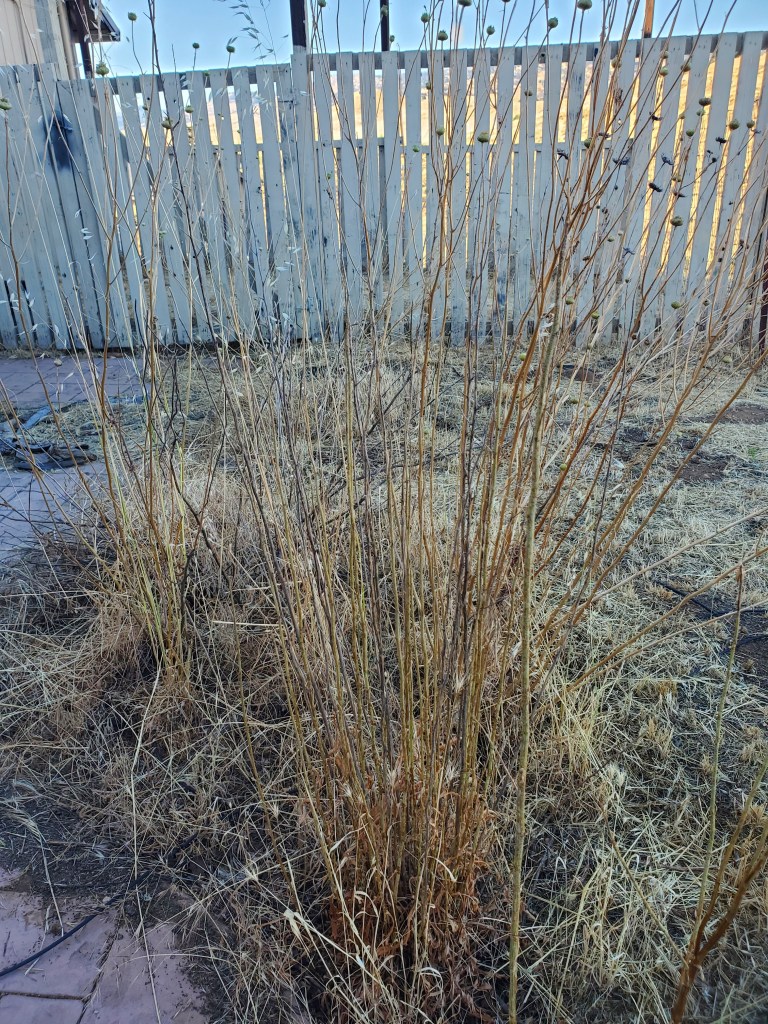
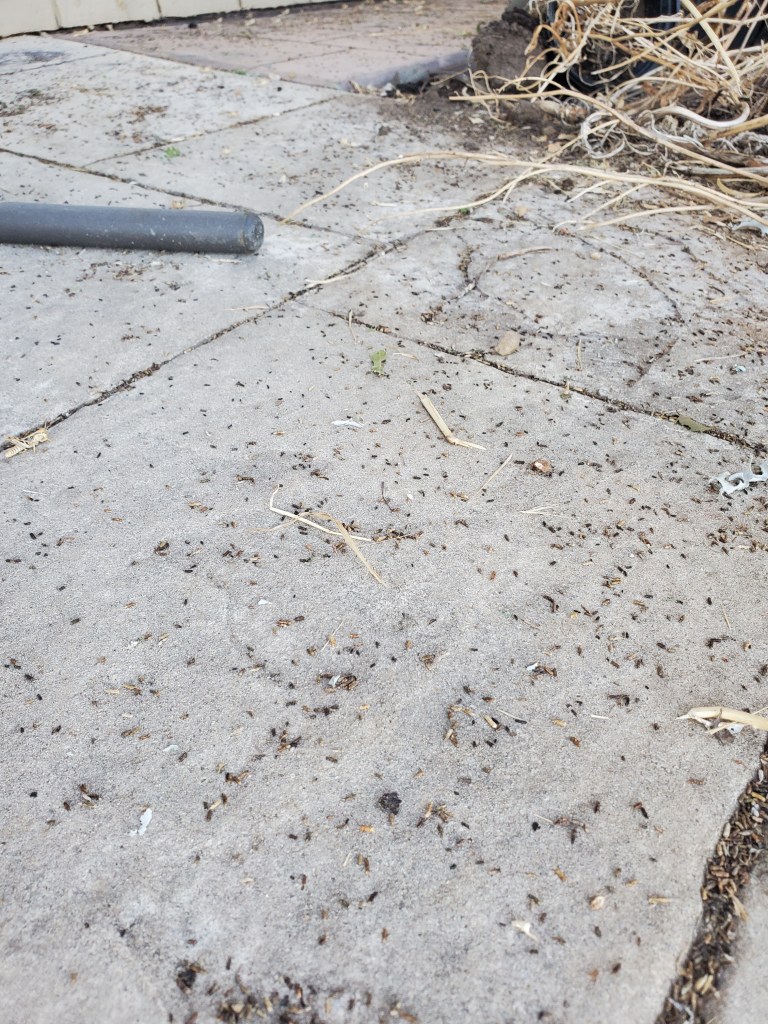
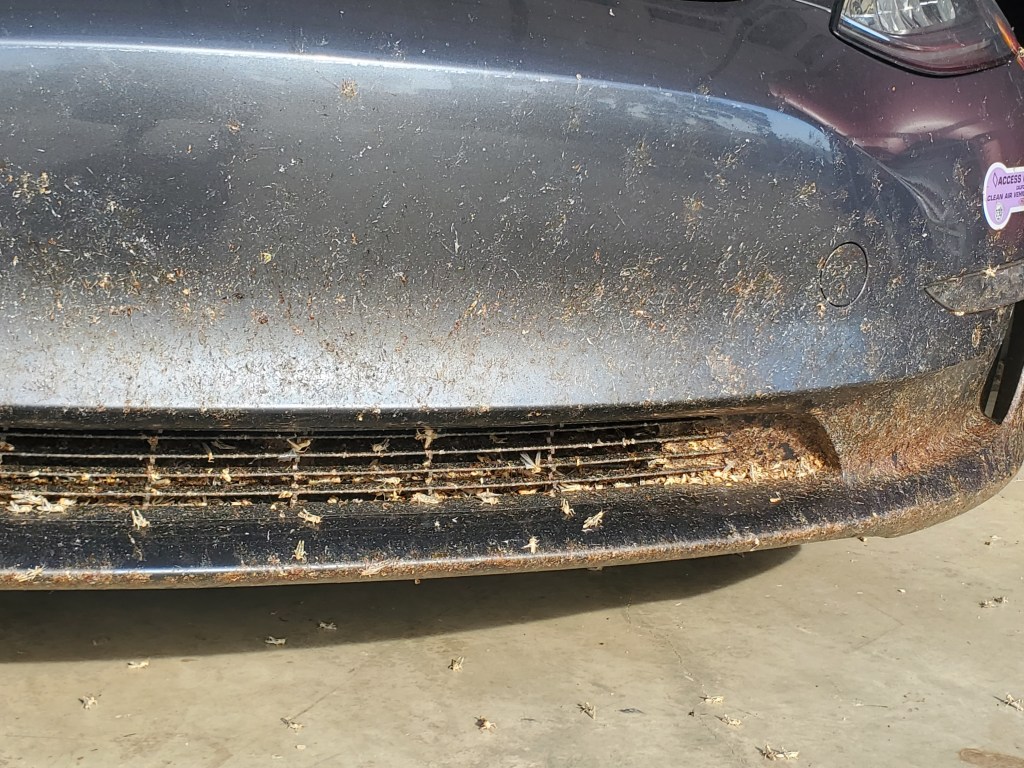
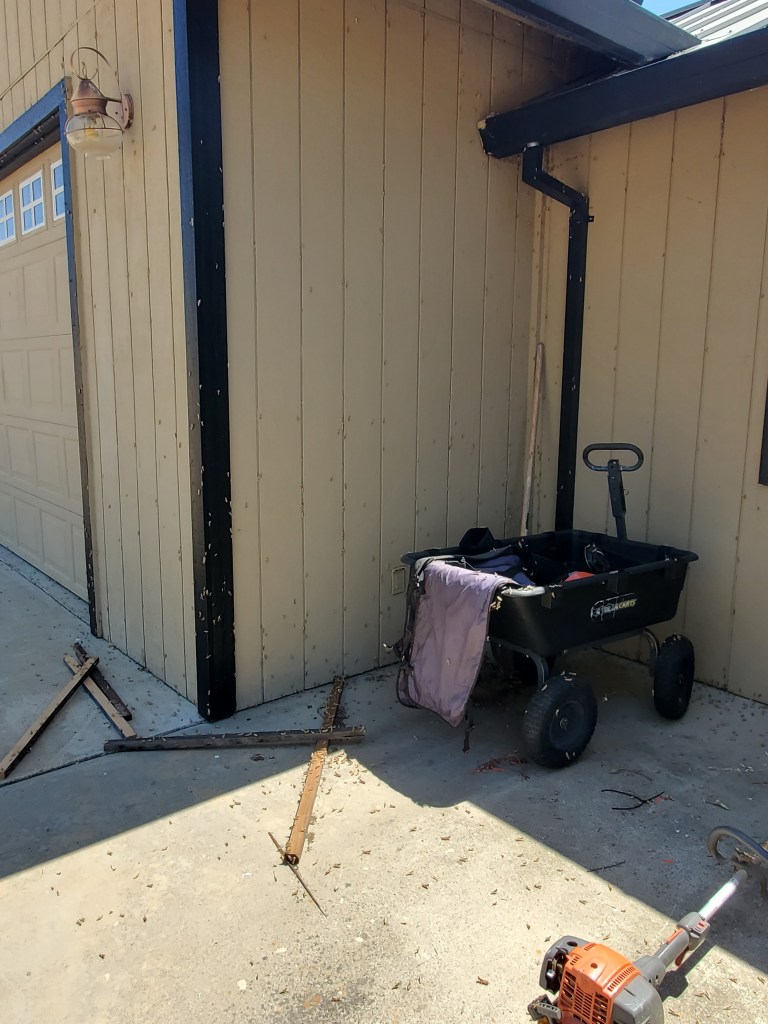
The heat is bad enough, but when you look out your window and see sticks where lush plants and happy flowers used to be, it is can be depressing. The grasshoppers have receded from their population of billions, but they are still here in the 1000s. I won’t be able to release my lone milkweed survivor until there are nearly none. Yesterday, I counted 9 on the cage, but there are thousands still in the grass all around. I feel badly for her gorgeous, nectar-rich flowers that have bloomed with no butterfly, bee, fly or moth to use it. Even if pollinators were near, the flowers are behind screen, only able to bloom because they were imprisoned. What a great day it will be when I release her stems, leaves and petals.

I am seeding more plants now, a little too late in the season for some, in the hope that I will have some more life out there, even if I have to plant it myself. My goodness — seeds are a miracle in this life. I am so grateful for their puny-sized, packaged progeny, patient and planning their emergence. Seeds, I love you.

As I lament, I must also recognize the resilience of the life that is left. Acorns are emerging. The songbirds continue to stay. Large raptors and vultures soar. Lizards dart from one location to the next, while the California Toads move at night, leaving their poop behind. Small frogs have begun to show themselves, emerging from the tendrils of willow roots and debris in potted plants. Dragonflies have been more visible at the house, and not just in the creek where there is still running water. A beautiful green snake took up residence near the toad pond (presumably because dinner is very near and fat). Even a cool hopping insect that looks like a leaf was hanging around on the Polaris. Life is all around and abundant – and some that were eaten will return.

Water Still Running

The creeks are still running. They are providing much needed water access and sustenance for the plant life adjacent to the creeks.

Unfortunately, the amount of nutrients in the water from cattle dung and the heat are causing algae to bloom. Algae is an interesting life form. It can be toxic. Its decomposition can suffocate life in the water, but it also provides a significant portion of oxygen on the planet, much like forests.

I don’t know if the green algae on the creek is harmful, but I don’t mess with it – – except to throw rocks into the spring and puddles to break up its thickness, and open some holes to the water underneath. This is in part some of the reason I fence out cattle, to decrease the amount of excess nutrients going into the water. I cannot help upstream, but I can decrease the overall amount as it moves through my ranch at least.
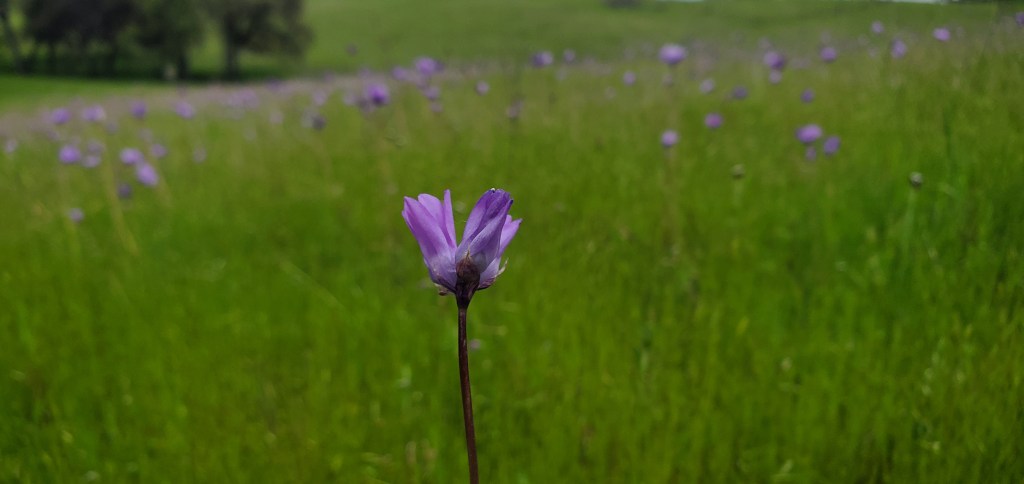
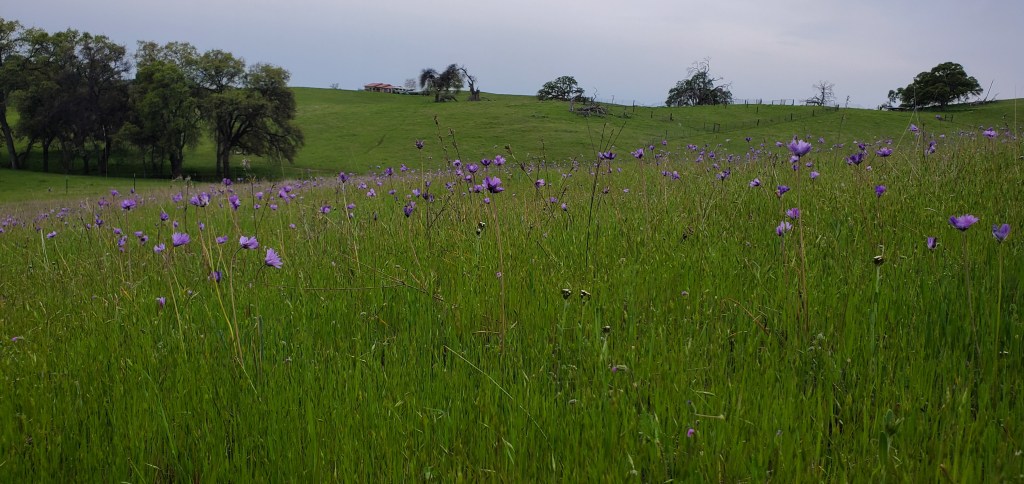
Riparian Oak Seedlings Still Alive

I am overjoyed to report that the oak seedlings in the riparian areas still have leaves. I did see some damage to the leaves, but that is all. The grasshoppers did not fully destroy them as they did the very young plants I planted.

I learned recently that what looks to be like a young oak can actually be decades old. This was mind blowing. Given this, perhaps the small oaks in the riparian area have developed a more mature protective element to their leaves and bark that prevented more predation. I know that what I call seedlings are actually many years old since I’ve been protecting them for over a decade with downed branches when the area was open to grazing. Their smallness is a product of grazing and drought. It has been a huge relief to see them grow last year and this year in response to more water and protection.

This success is all the more important as I continue to see decline among the adults on the hillsides. On my walk yesterday, I heard a horrible loud crack. I looked in the direction of the noise and saw movement in one of the grand oaks on the south hillside slope from the house. Then, I saw an entire branch fall. It continued to crack then crash down.

I was horrified, sad, angry- oh, how I grieve for these crucial lives. I keep thinking, “What can I do better?” I don’t use much water at the house. I put water back into the ground. I am slowing water. I guess I need to do more dirt work and create little moats below and above groves of trees, outside their drip lines, to capture water as it runs down hill during rain events. The work cannot begin until the soil is moist again. The metal edges of tractor buckets can cause a spark, and this whole place is filled with dried out, tall, European Grasses. Another year going by; the clock ticking on what can be done and if it will be too late to help. And, the cost – it will be all on me to cover with no program to help.

Breathe. Deep in. Full out. Repeat…Repeat. Reminder: you can only do what you can do. Much is out of your control and so much larger than you. You are not absolved of responsibility, but the full responsibility is not yours and yours alone. Stay healthy. Keep your joy and continue working at a pace you can sustain.

Extreme Heat is Not an Acceptable Norm

I know the extreme heat is a key factor in the death, piece by piece, of my oak relatives. It causes the death of thousands of people per year in the United States, and that is increasing. We cannot accept this as normal. If we love this incredible land, ocean, waterways and sky, if we love our children, then we must be intentional in our actions. I know this issue, like the oaks falling apart, is larger than one person. If we each contribute something, then things can get better. We have seen this happen already with the butterflies. Acting together, many planting milkweed and more nectar plants, have helped bring the monarchs back from the brink of extinction on the west. Although we have more to do to stabilize the population, we are on the right track.
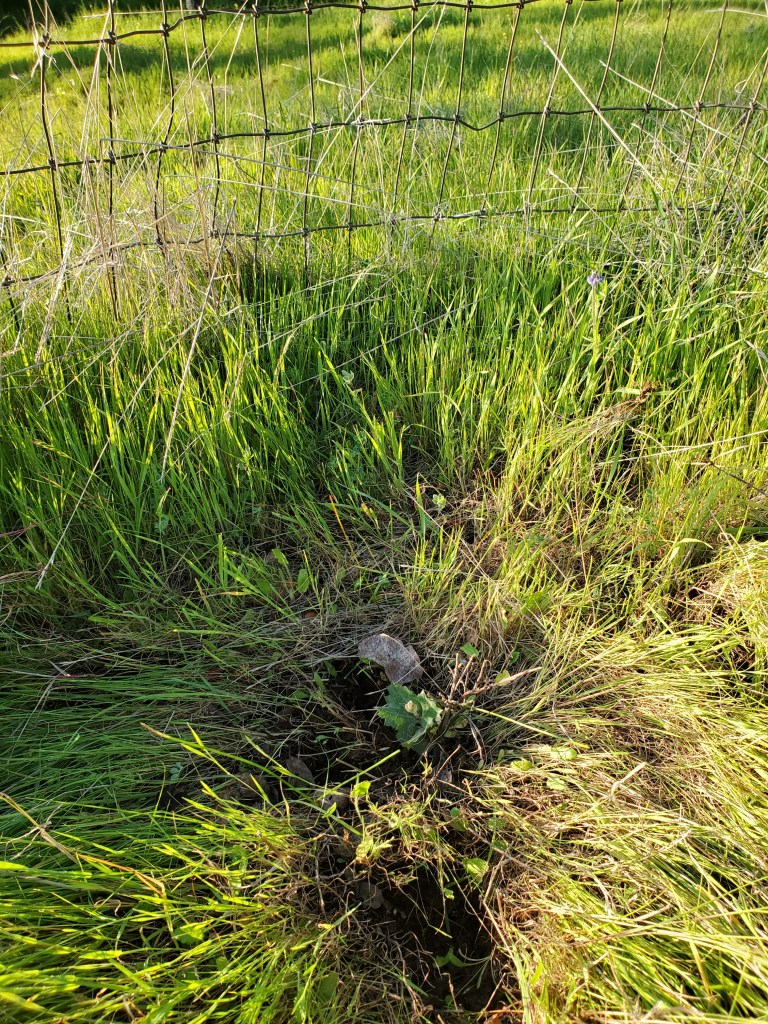
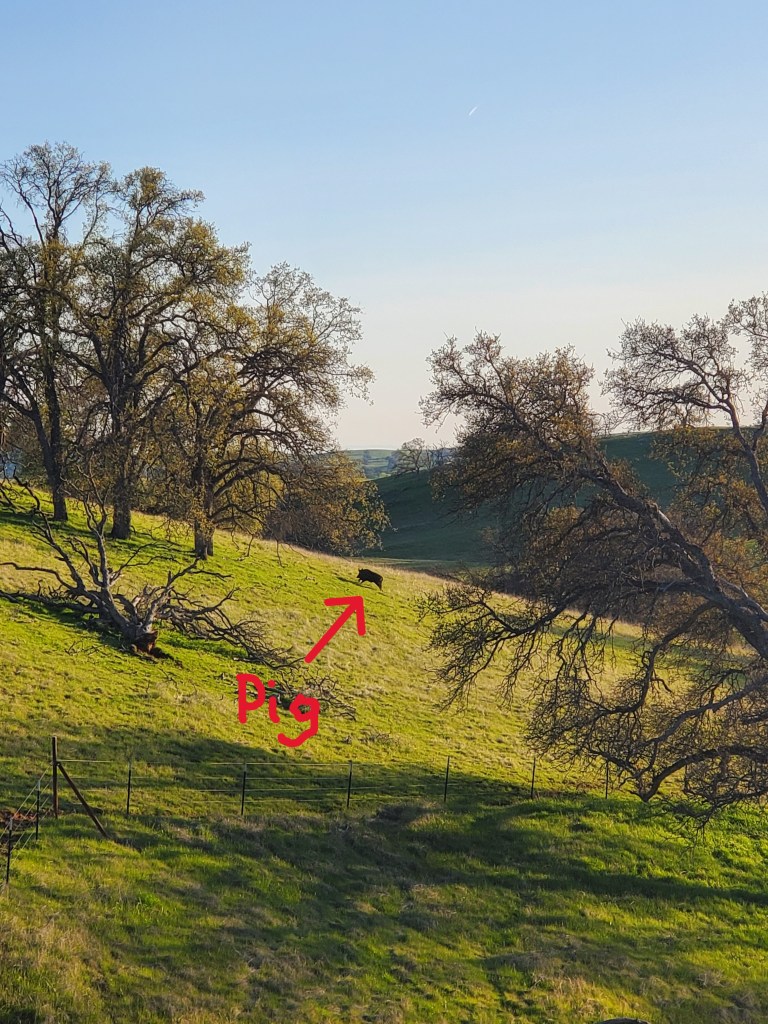
Every choice we make as individuals makes an impact. You don’t have to deprive yourself at every turn; what I am suggesting is that we have to understand that our individual choices have consequences. In knowing this, we can make informed choices, not let guilt-aversion act as a barrier to good action and understand that we are each important change-makers in how the future is shaped. This is big; I know. Please don’t loose your sense of hope. It is some of the most powerful medicine we have. Aho.

Everything is Gone

Grasshoppers eat woolly pod milkweed

We knew it was going to be a bad year this year when the grasshopper nymphs would bounce up like a solid wave with each step across the fields. There are billions of them, and I am powerless to do anything about it. The time to plan was several months ago, but I didn’t. I didn’t have time or energy to build screen houses and boxes. It is not an insignificant task – so I resigned myself to the possibility that my beautiful pollinator gardens throughout the ranch would be no more. What I did not expect is that they would also consume the oak seedlings that I painstakingly planted across the front of the ranch. That made me crumple inside.

David raced to build me a few screen boxes last week. For him, they take about 3 hours each – much too long to build enough to save plants. In the end, he built two – one with plastic screen and one with metal screen. He used what we had for the window screens. Unfortunately, as you can see in the image above, the plastic is not durable. The hoppers can eat through them. We tried to save a sage, a narrowleaf and two other nectar plants. The purple sage nearly died last year. I figured if it was not covered, it might not live through another ravenous incursion. The narrow leaf is the largest, most mature. Last year, the monarchs chose this one and a few others on which to lay their eggs. I am trying to have something for the monarchs when they come back. The other two nectar plants will likely get eaten. There is no box to hold the structure. The screens are pinned around the plants and thus, open to being shifted by the hoppers. It will likely just slow down the inevitable. I am not sure what I will have by September for monarchs to feed on — maybe tarweed and seep monkey flower if I am lucky.

We are still watering. The roots are alive, and will need strength to make it through this onslaught.

I am loathe to post photos of before this plague. It hurts to see the beauty of this place. I worry about all the bees that used these plants for food and lodging. What will become of them? It is important to see all the life these plants supported before they were ripped to shreds. Again – all of the plants below are now gone.

Milkweed – a Race to Save the Seed Pods

I have been traveling for work much of April and May. As the hoppers continued their death march, all I could do was hope from afar that it would not be as bad as I thought. Over the phone, David would prepare me for the worst. “Hey HB”, he would say. “Don’t freak out, ok? The grasshoppers are taking everything down. Expect that when you get home.” Guilt would creep into my dreams. I was not around to protect the California Milkweed seed pods. When I returned in early June, I ran to the close plot to gather seedpods. To my horror, most of the plants, seedpods and all, were completely gone. Stems were stripped. Please understand that this is early. Last year and the year before, the hoppers did not decimate things until late June and July when the pods were more mature. I thought I had time. Operating off this data, it shocked me to see the California Milkweed like this. My stomach sank as I ran from corpse to corpse looking for any sign of seedpods. I was going off location memory as some places only the absolute bottom of the stems were left. Luckily, I found a few with pods remaining.

It was getting hot, and I was running over the unshaded hillsides. I moved as quick as I could up the steep slope to the large section of California Milkweed. I did not expect to find much – but – to my joy and surprise, several of the older large plants were still intact. And…two had a large number of seed pods. With relief, I harvested them to continue my work of spreading their seed when it was safe.

In all, I gathered 13 pods. I left three immature pods on one stem, and will go back for them in a few days. They might have a chance – but they really were not ready to be pulled off.

Abundance in the Creeks

The last few weeks I took several biologists and a documentary filmmaker (Ian Nelson) across the ranch to showcase some of the stewardship work we have been doing. While in the riparian areas, we were able to witness an abundance of buckeye butterflies, great nectar plants, and a new cottonwood seedling. Shockingly, however, the grasshoppers are in the creeks as well. This is highly unusual. They tend to avoid wet places, and the creeks are still flowing with plenty of water. One biologist thought cattle got into the exclusion areas and ate the plants in the creek. I said, “No, this is grasshopper devastation.” She looked closer and saw the filigree in leaves and stems from a billion little mouths taking bites. She was shocked. As such, even in the excluded areas, there is no seep monkey flower, datura, or other riparian broadleaves. Even the thistle is eaten. Fortunately, the buckeye trees were still in bloom and a few other species had blossoms. As we approached some intact plants, we saw a diversity of native bees, including bumbles. My heart swelled. Now I knew that the bumbles had a place to find food. Phew!

Beautiful Reciprocity

Prior to the destruction, I had the honor to go to New Mexico twice for tribal events. The first time, I went to learn about riparian restoration at the Santa Clara Pueblo – the Poeh. We planted 100 trees and plants on their tribal lands after learning from their work.

My second trip was incredible, having been invited to present a case study on my pollinator work to a pollinator tribal summit at the campus of the Insititute of American Indian Arts (IAIA). Shana, the Southern Sierra Miwuk Nation Pollinator Coordinator, was invited as well. She presented and did an excellent job. There were US government agency leaders and over 15 tribes working on or wanting to start some type of pollinator habitat work. It was an incredible opportunity and experience. I met so many passionate people and enjoyed the beautiful weather of Santa Fe.

I also attended a ceremony of remembrance for the ancestors slaughtered at the Tubatulabal Tribe on their recently returned lands in April. It was moving. They are working to restore the lands to traditional uses. They want the ducks back, which is the meaning of their name – people of the mud duck. To bring ducks back you need water and insects. I helped them complete their application for a Xerces riparian habitat kit and learned in May that they had been awarded the grant. So grateful to Xerces for this habitat kit program and to the Tutbatulabal Tribe for everything they are doing to live in right relationship with the land.

I am also involved in the California Jobs First initiative and was recently appointed to the California State Fair Board. In all places, I am hoping to ensure an Indigenous perspective is at the table informing decisions – and hopefully, helping resources move to Indian Country, which has, for far too long, suffered from significant under-investment.

To be given guidance, opportunity, learning – they are gifts. They help advance my ability to be of service in this climate changing world. As such, I need to ensure I use these gifts to provide a benefit, to be helpful in a meaningful way – not a way that just I want, but a way that serves a greater good. This is reciprocity.

Don’t Get Down – Get Planting

As the landscape around the house is converted from blooms to straw, I made plans to continue to build habitat in Sacramento. While on a trip, I met Brenda Marsh. As people do, we discussed our work and involvements. When she learned about the severe decline in insects and pollinators, she asked if I would help her make a pollinator garden at her home. Of course I said yes! She lives in Sacramento. Since she is busy working and travels quite a bit, she does not have much landscaping – mostly an unwatered crabgrass lawn and some beautiful trees.

I did a little planning figuring out where the plants would go and in what configuration, and then I asked Ron Allen at Mariposa Native Plants what he had available. In the end, we got 20 plants, seven milkweeds and thirteen nectar plants. I convinced David to help me (I told him there was a great lunch in the deal for him). He is great with irrigation systems. David pulled together some irrigation supplies and off we went.

Much of Brenda’s neighborhood is sterile with lush green lawns and some exotic nectar plants. Still, while we were working there, we saw a big yellow swallowtail butterfly and a white sulfur fly by. Two blocks up and around the corner, there is a house with a wonderful native plant garden. It was bursting with life. This meant that there would be some nice islands pollinators could hop to without fear of pesticide and herbicide use. In all, it took about 4 and a half hours, not counting travel time. Thanks to Brenda for being part of the solution!

My next plan is to help a lady in Clovis plant a large pollinator garden within her nine acres. I met her on the plane on my way back from Santa Fe. She had no idea about the horrific decline in pollinators and was anxious to do something. These are examples of why we need to be talking about this work, what is happening in the world and that there are solutions people can be a part of. Media is great, but the person to person connection is most effective. Those relationships are durable treasures that can spark incredible change. We need to be connected to one another and in reciprocal relationship with the earth now more than ever.