
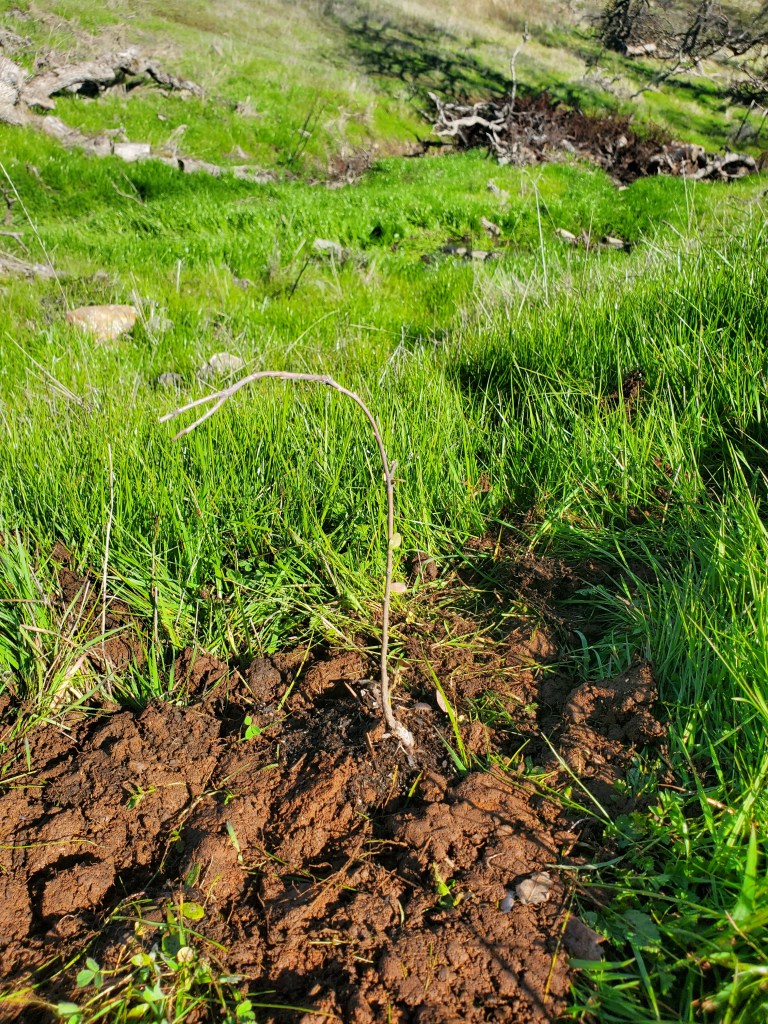
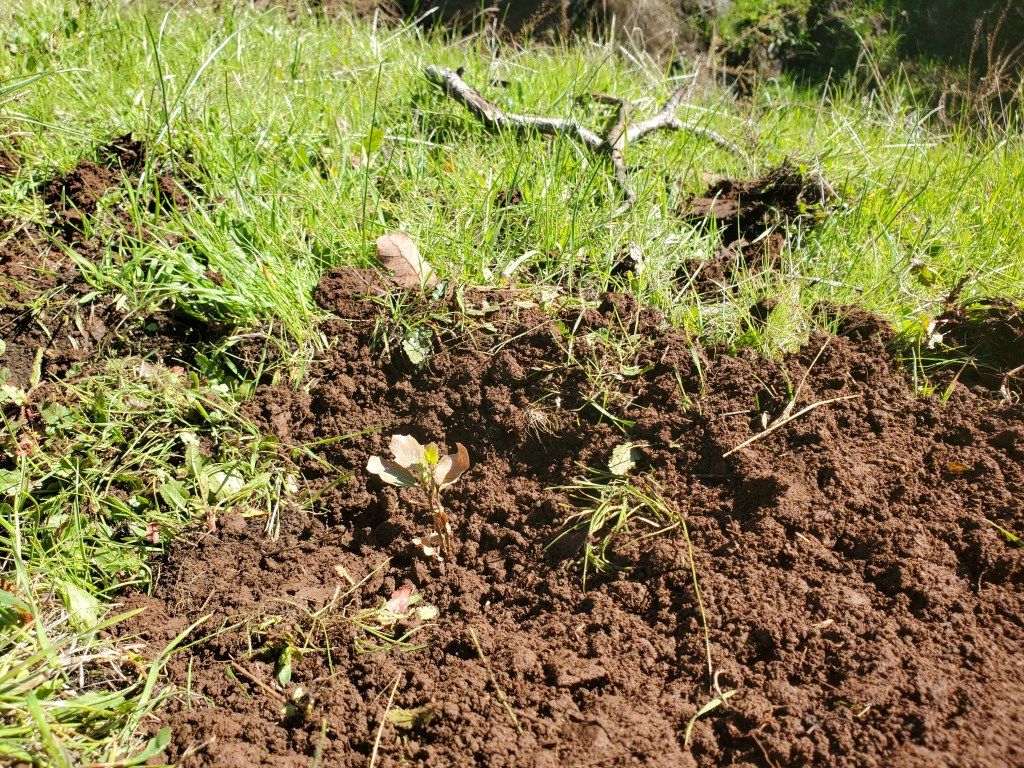
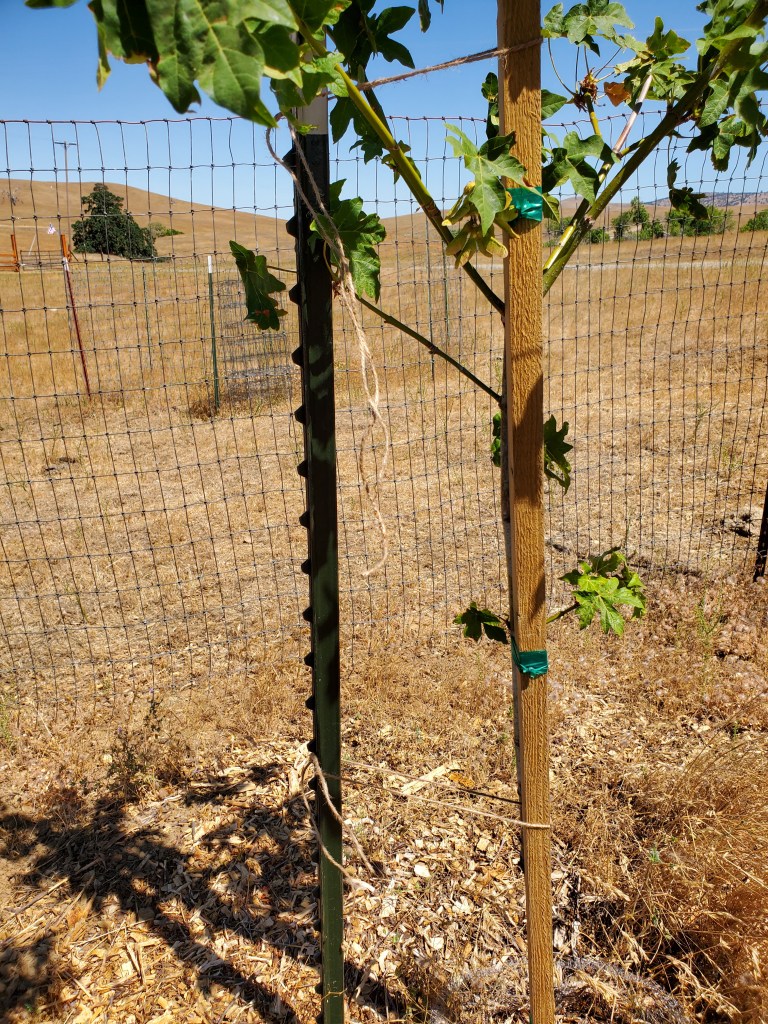
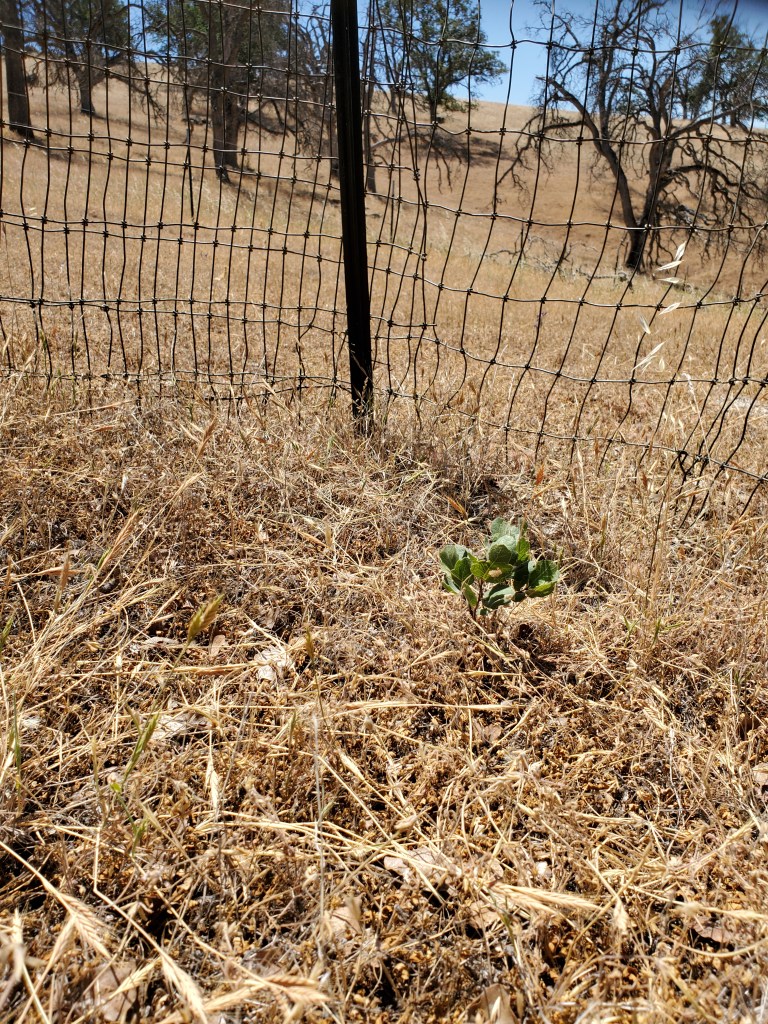
We have gotten lucky. The grasshoppers have not stripped everything. Their population exploded, especially near the riparian areas, then, all of the sudden, they abated. The hoppers had started eating their way up the hill. They hit some of my outlying plots hard, but then stayed away from the habitat closer to the hilltop. The oaks planted on the lower Spring Creek area and those down hill from the hilltop were not so fortunate. They were eaten, but quick action with screen boxes saved some. Several have come back and are leafing out again. I gave out a loud yip when I saw that. I had felt so dejected. I still lament the loss of the other trees. It is difficult to get a blue oak to grow under my specific conditions – heat, grasshoppers, gophers. Every year lost is one year less with young trees. I have to do better.
Since my last post, I have been focused on watering the oaks every five days. Having this cadence seems to be a recipe for success. It helps me not only keep them hydrated, but to trouble shoot any issues they may be having. The remarkably cool weather, for a July, has been helping give these trees a chance. I love them so much, and want them to thrive.
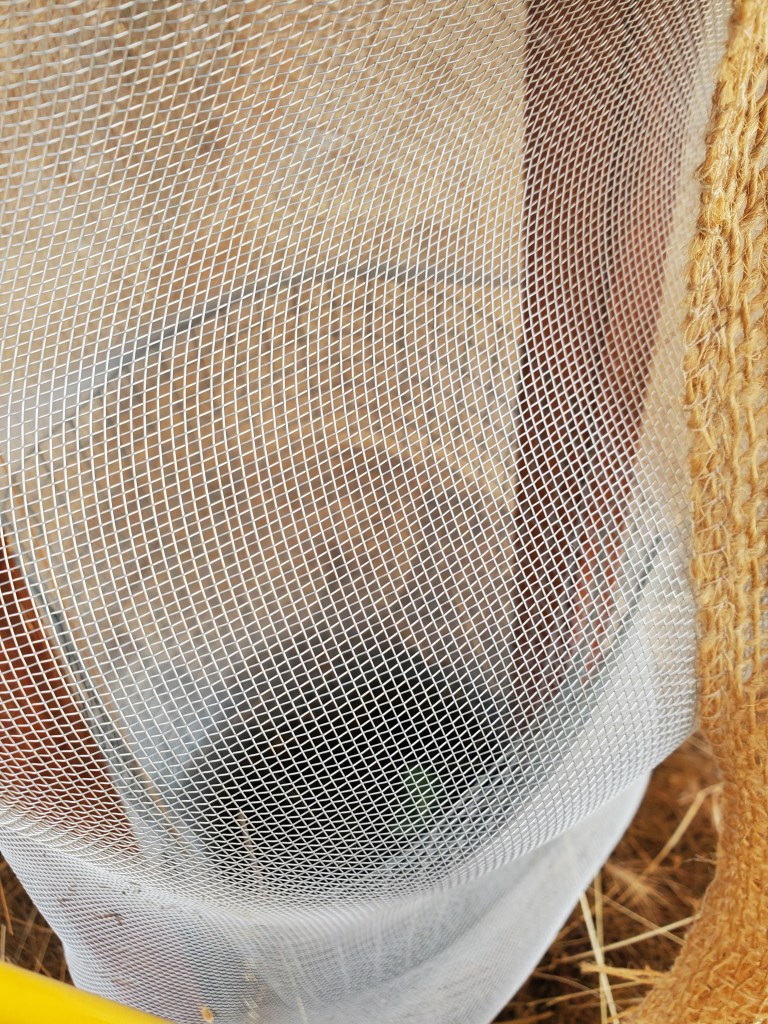
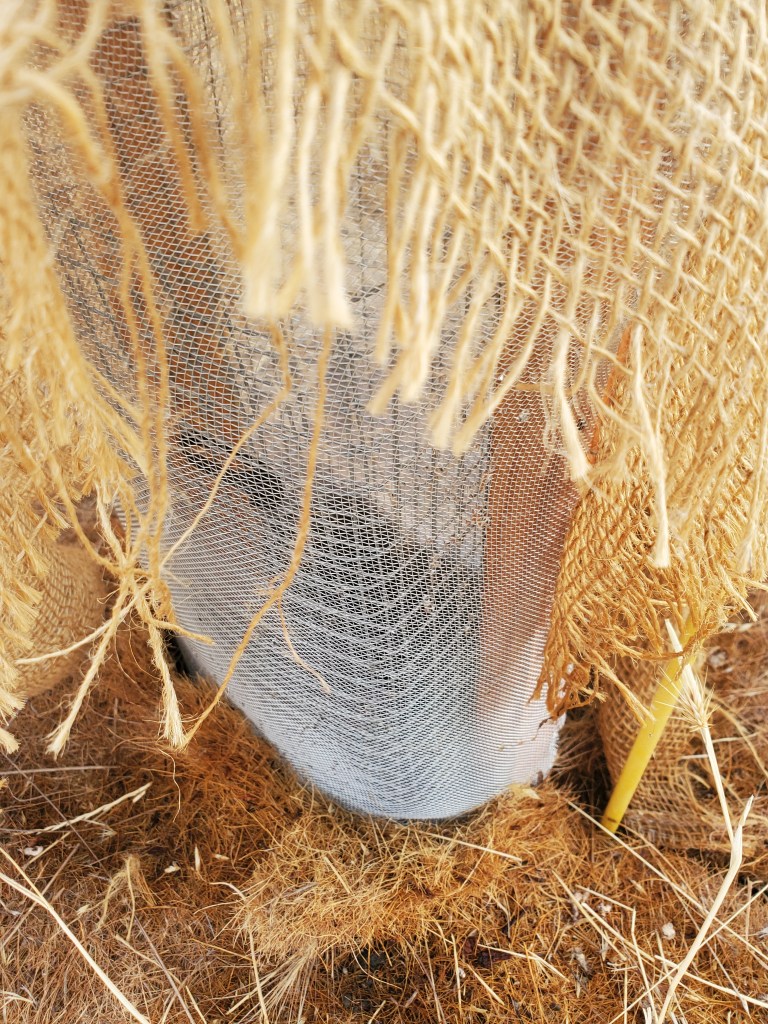
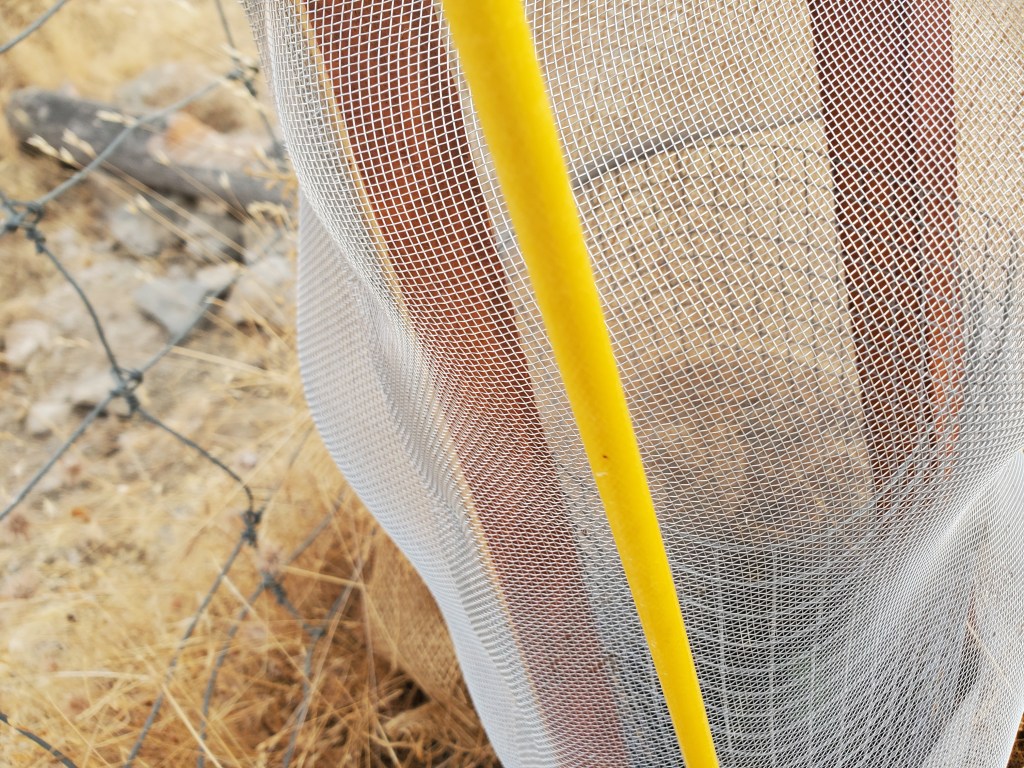
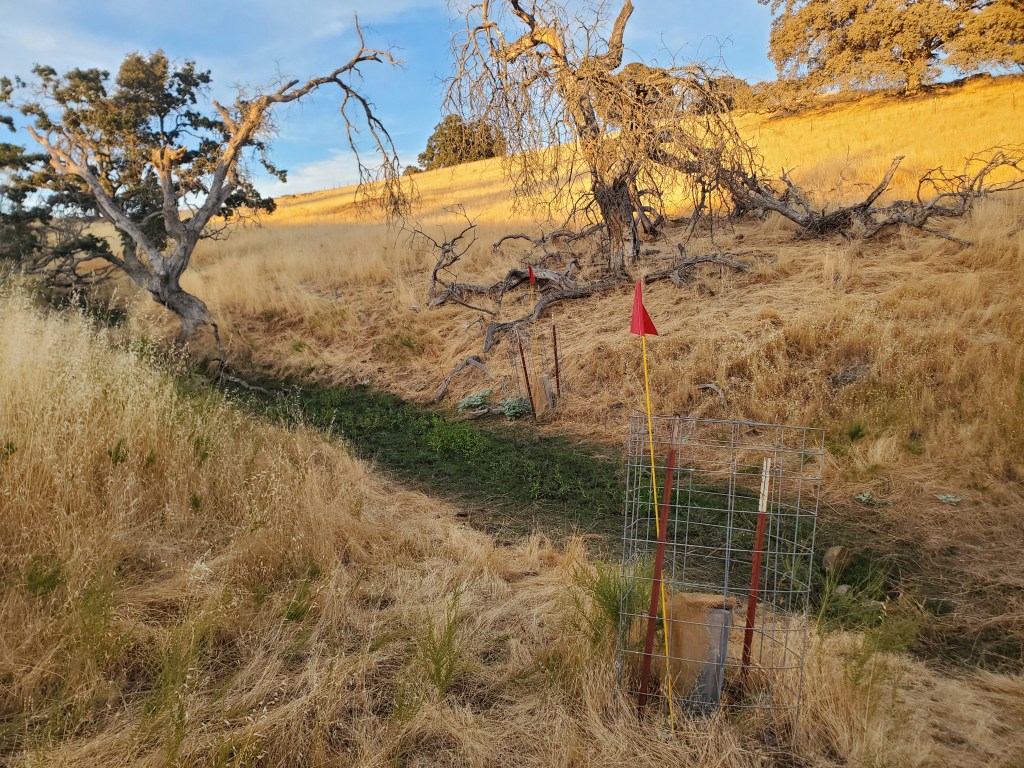
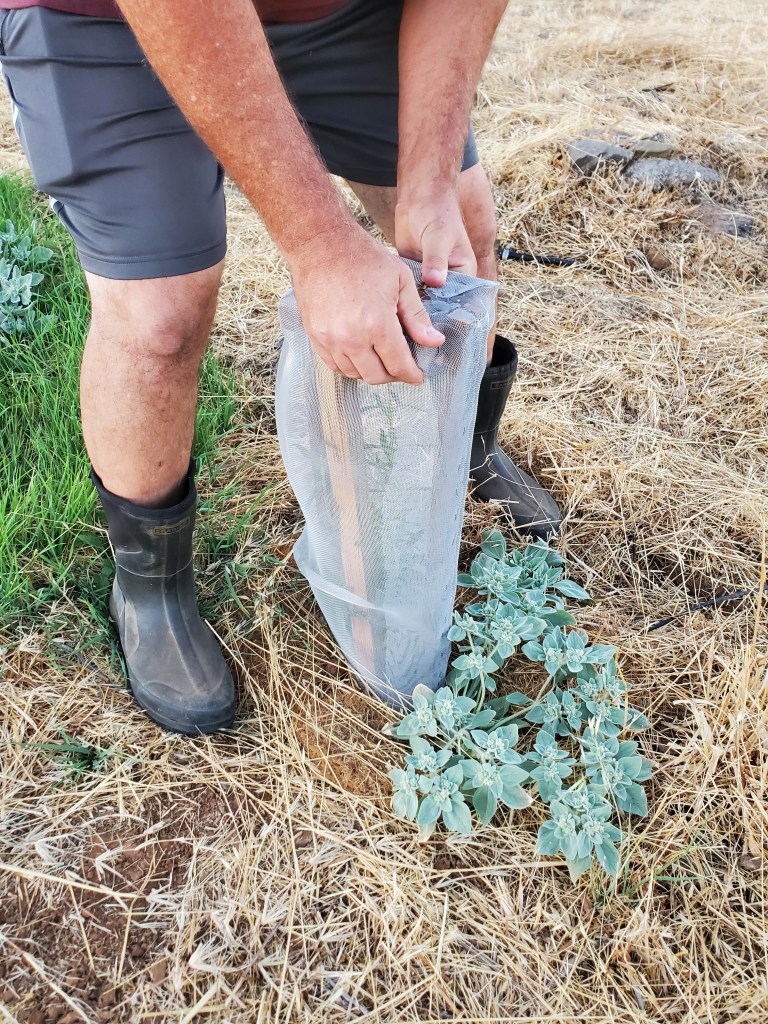
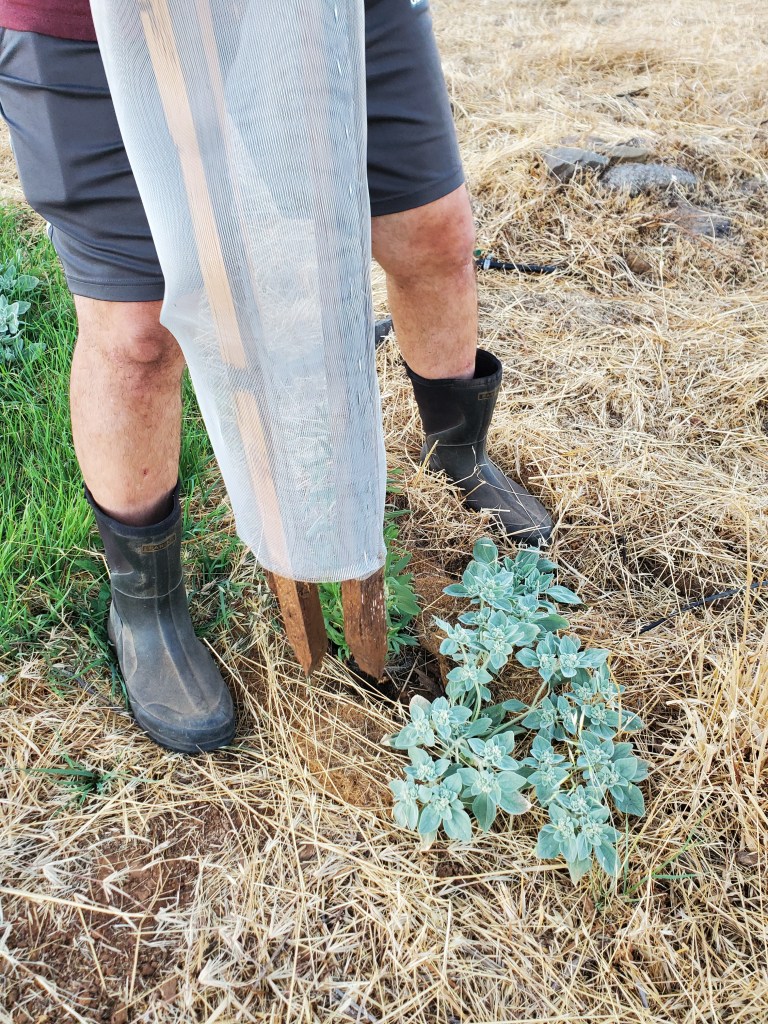
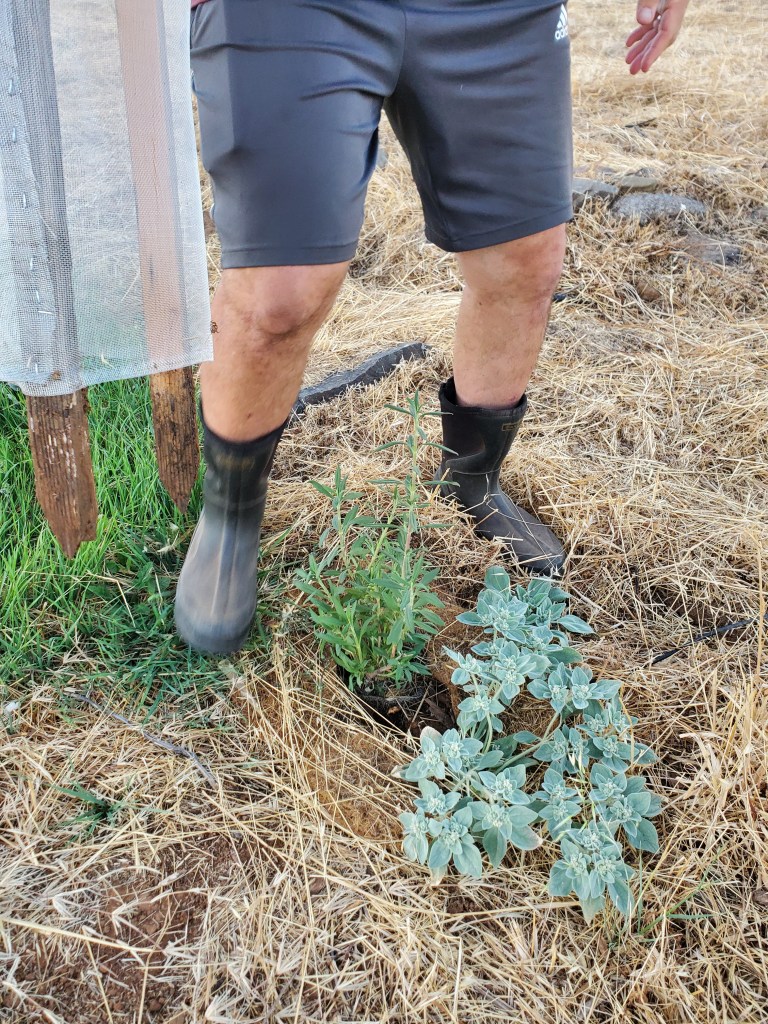
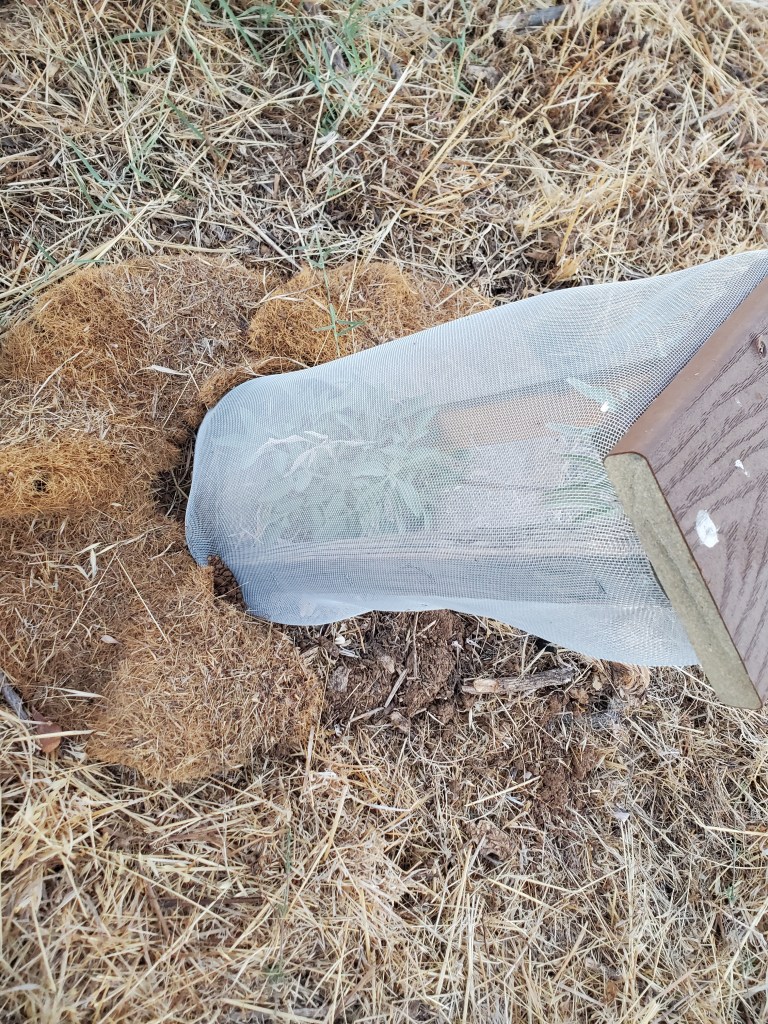
With the hoppers having abated, David and I have been slowly releasing the plants we covered in screen boxes. They have done very well. We are keeping the oaks in screen boxes just in case. I will plan to lift those in September. Thank you again to David and Sam for making those so quickly!

Blooms
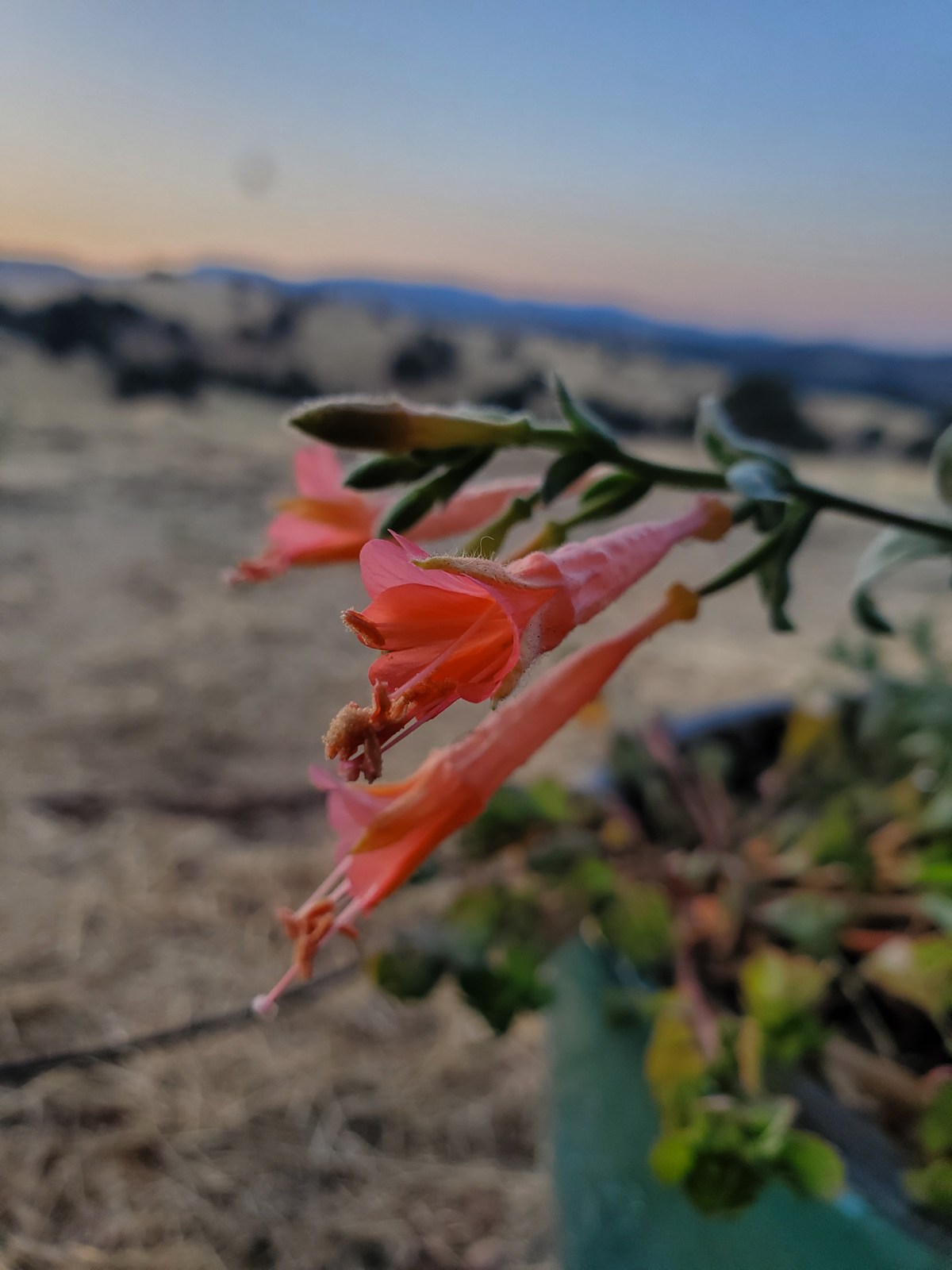
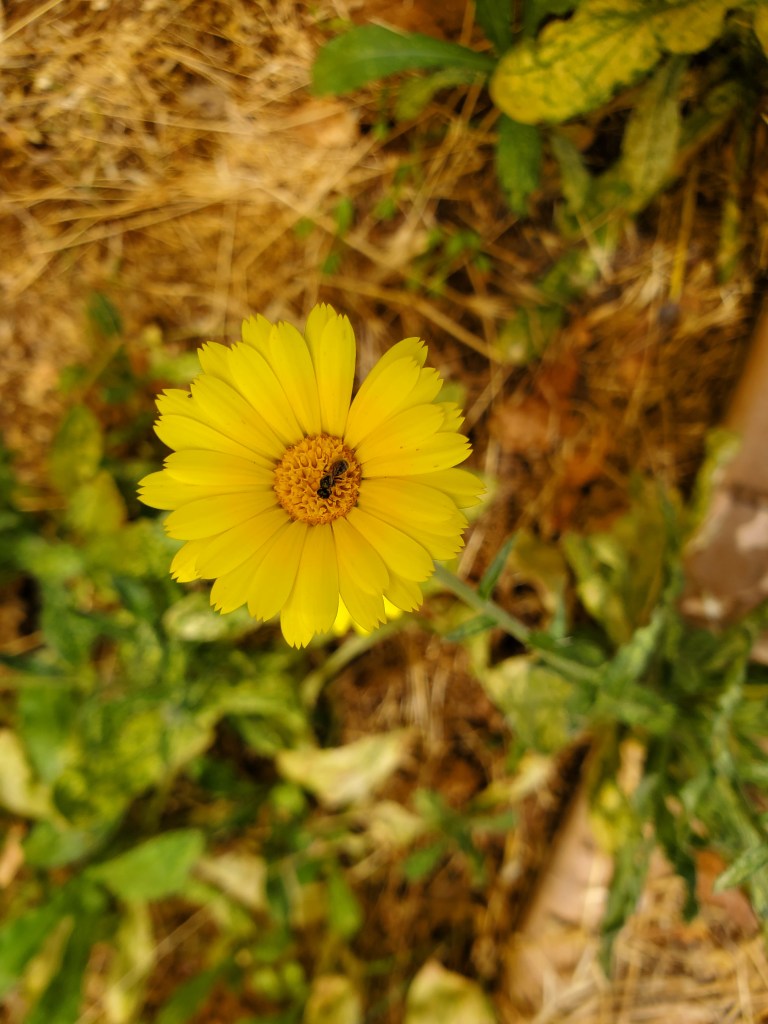
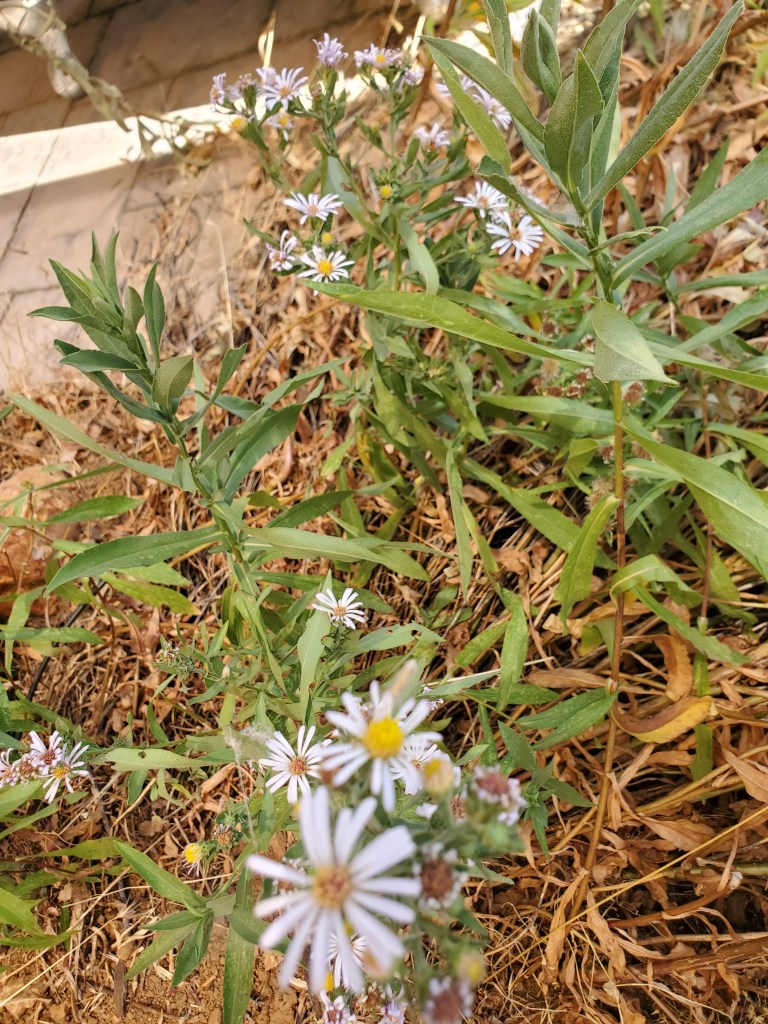
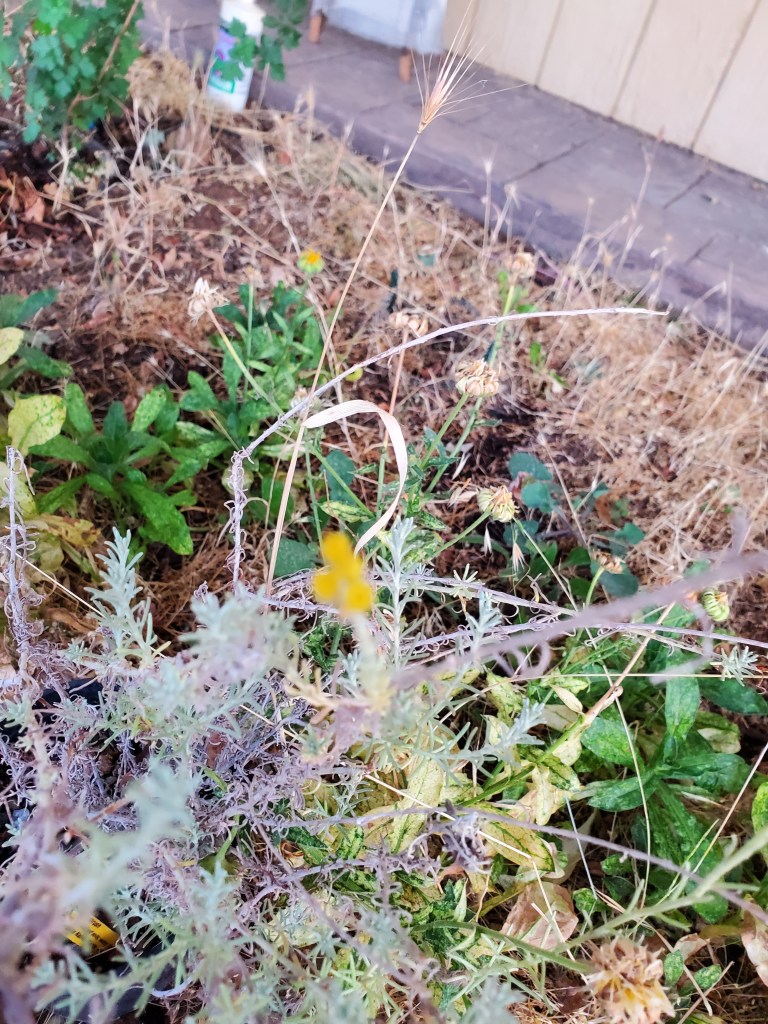
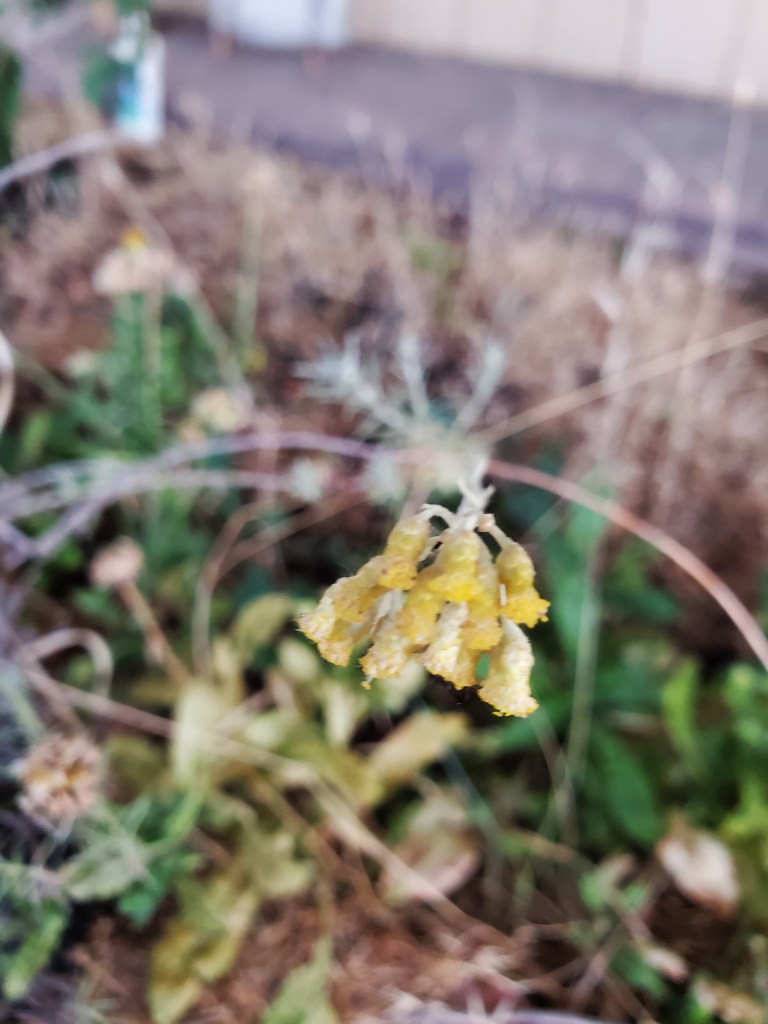
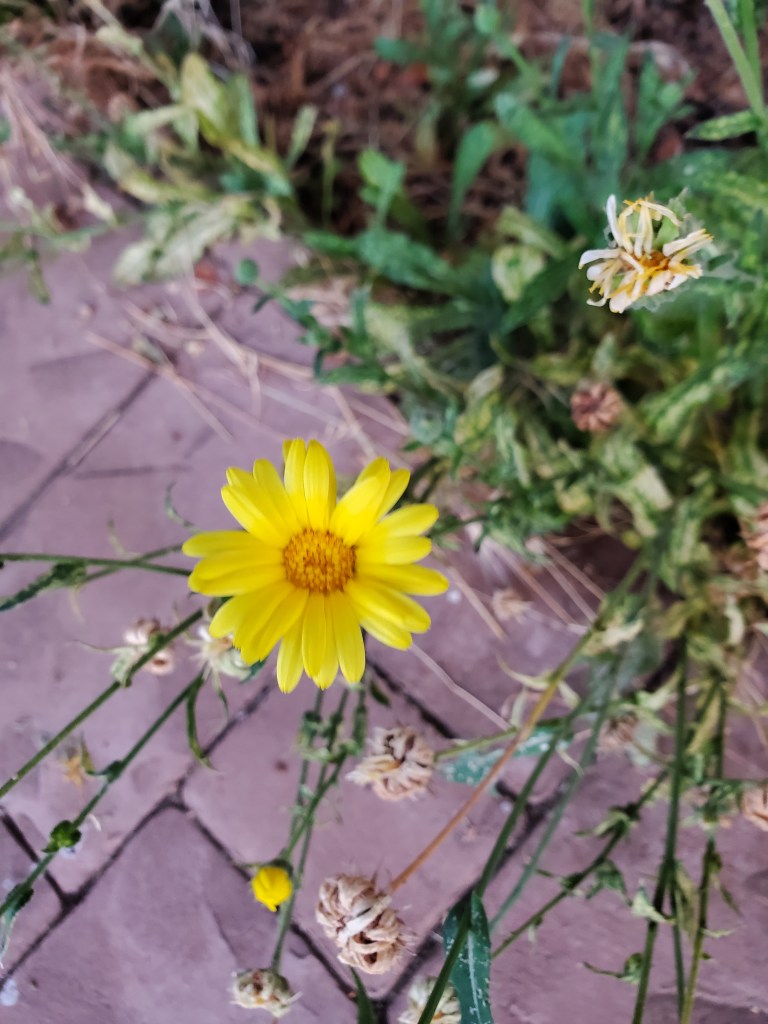
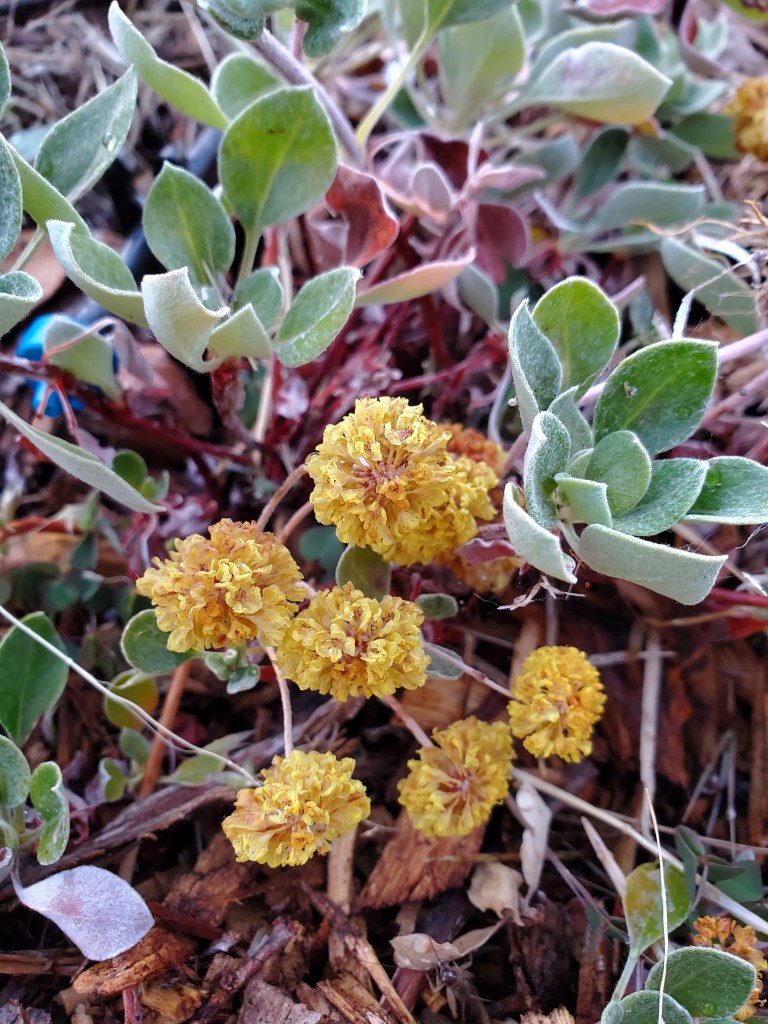
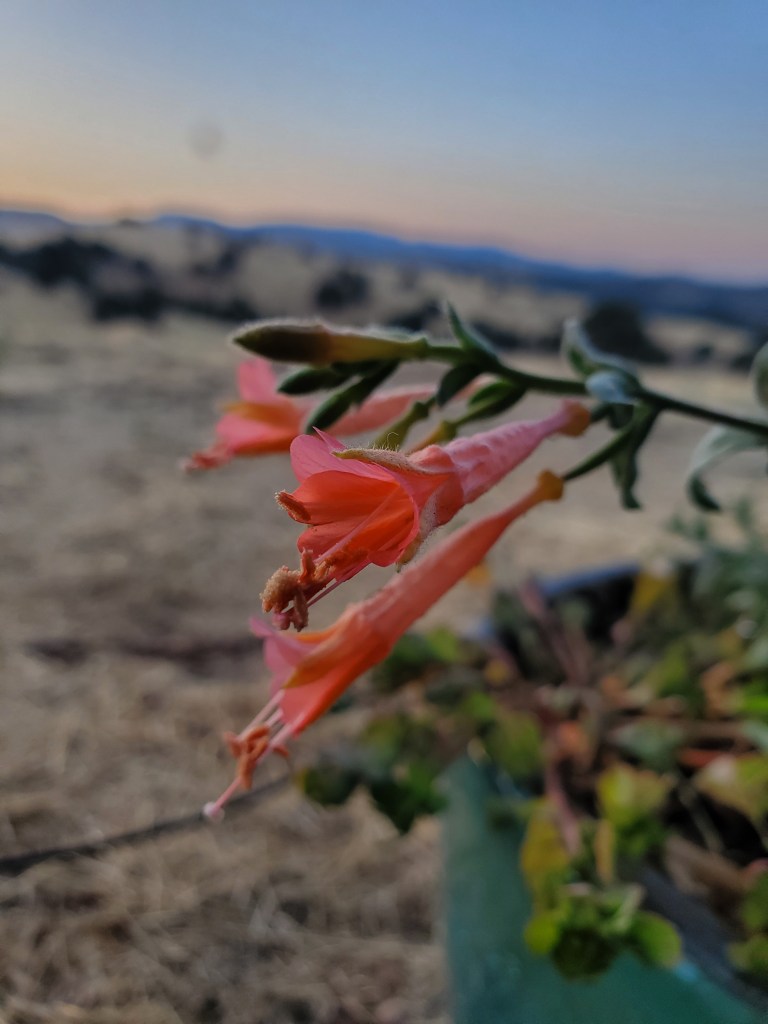
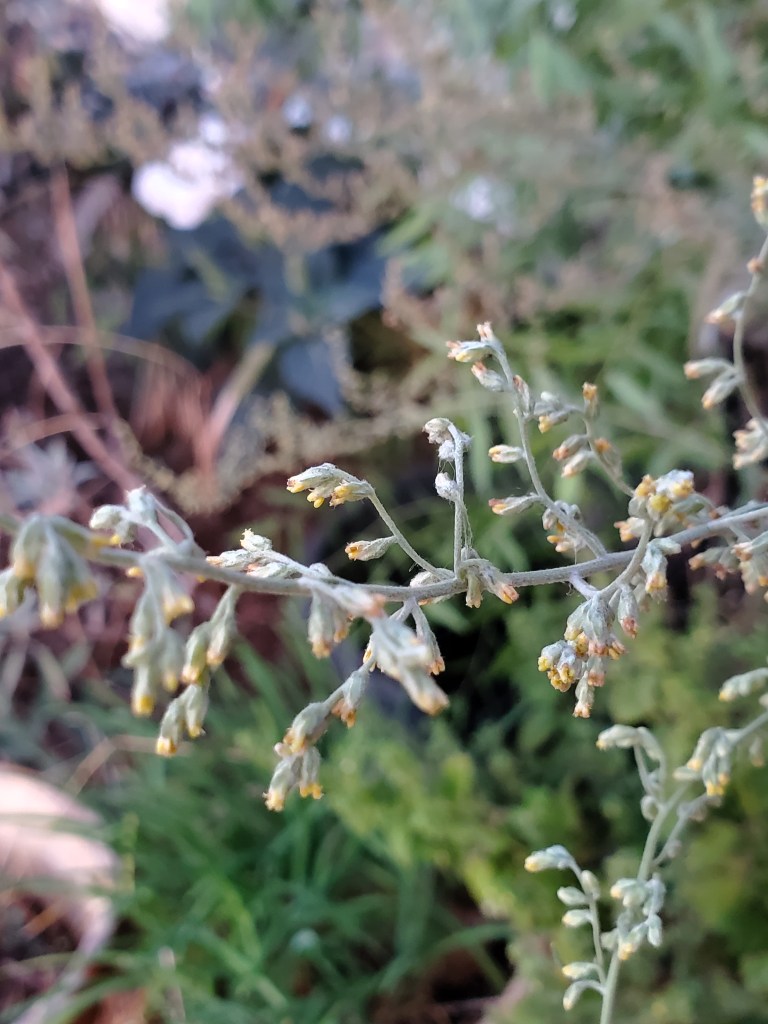
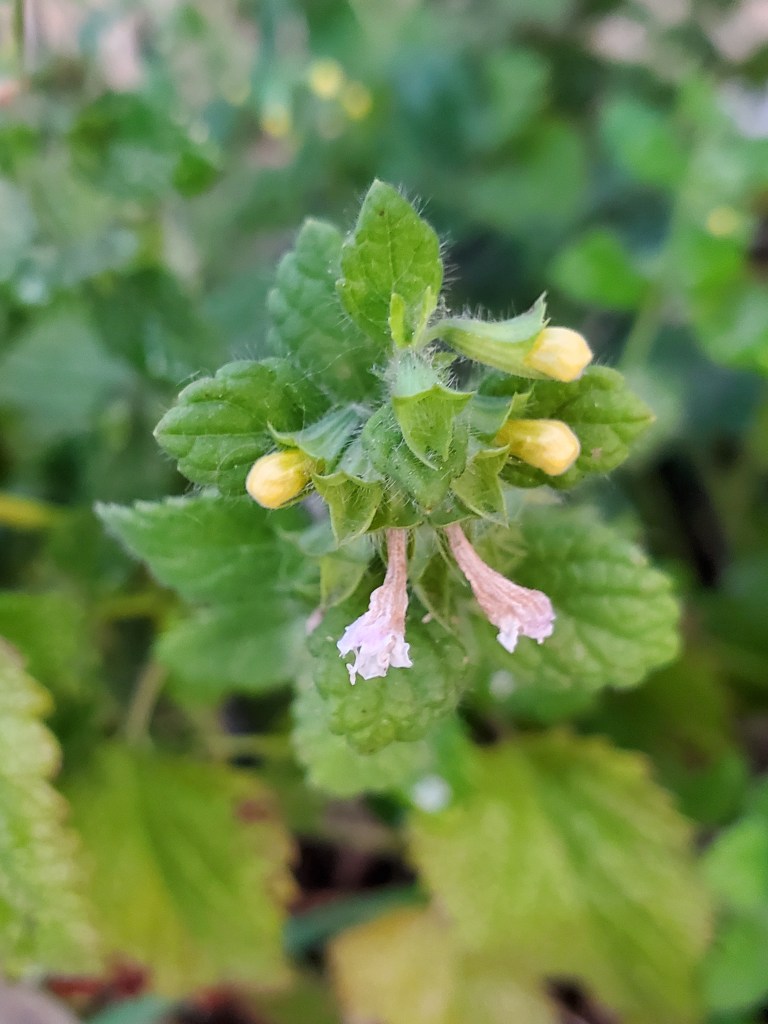
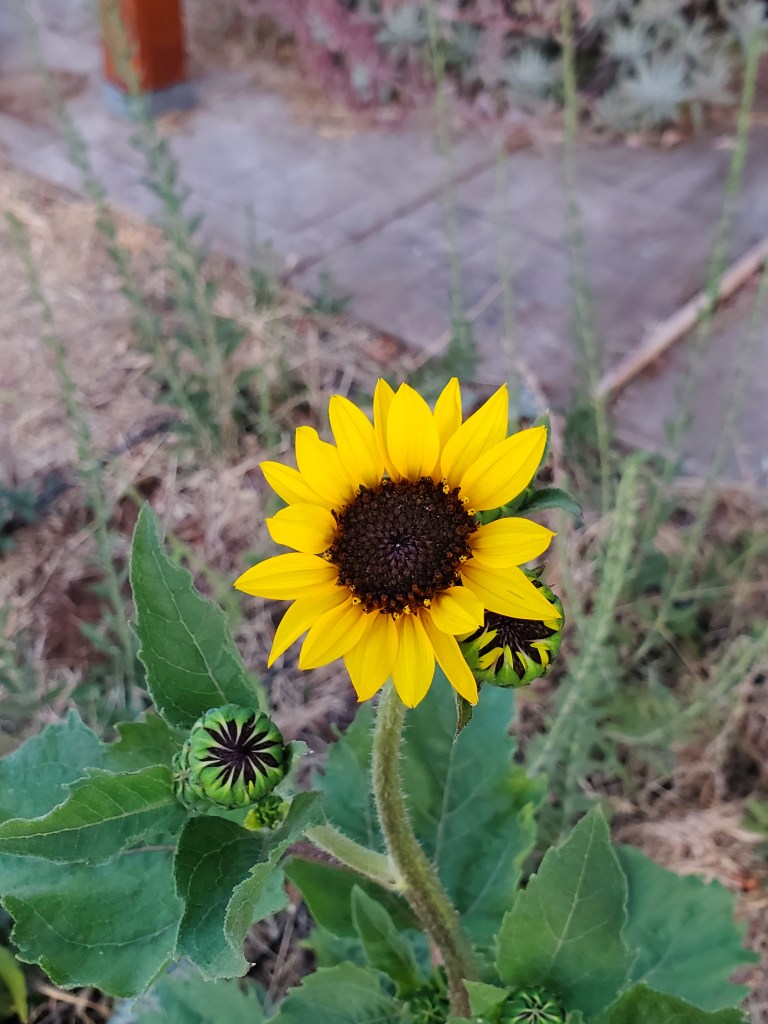
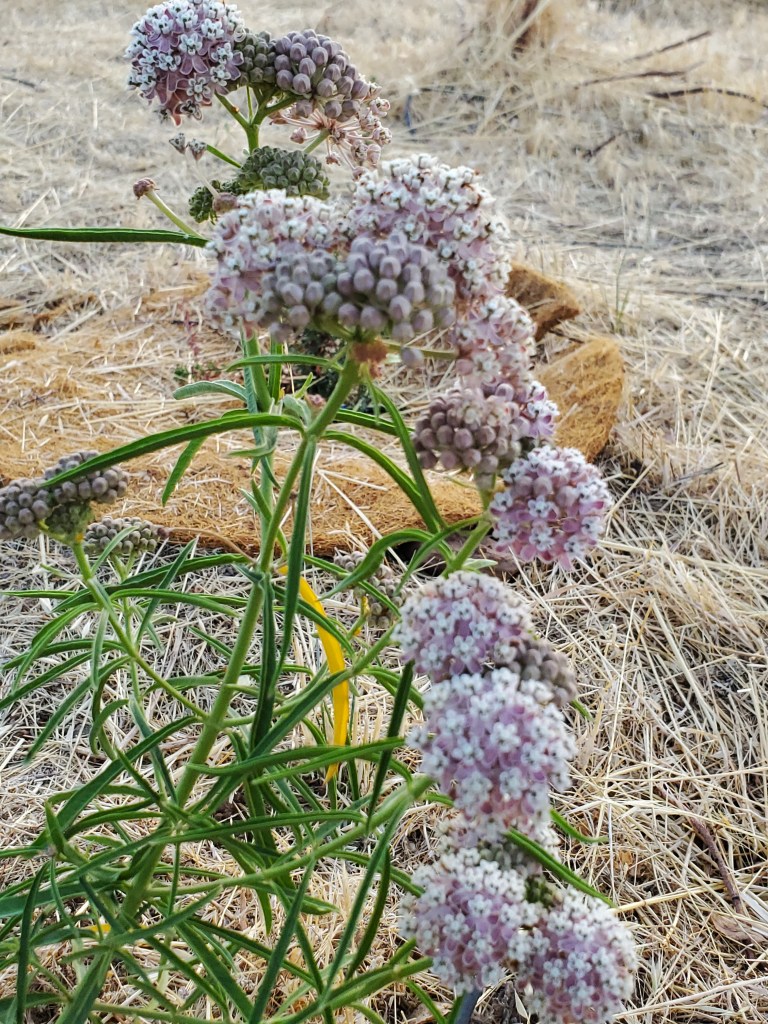
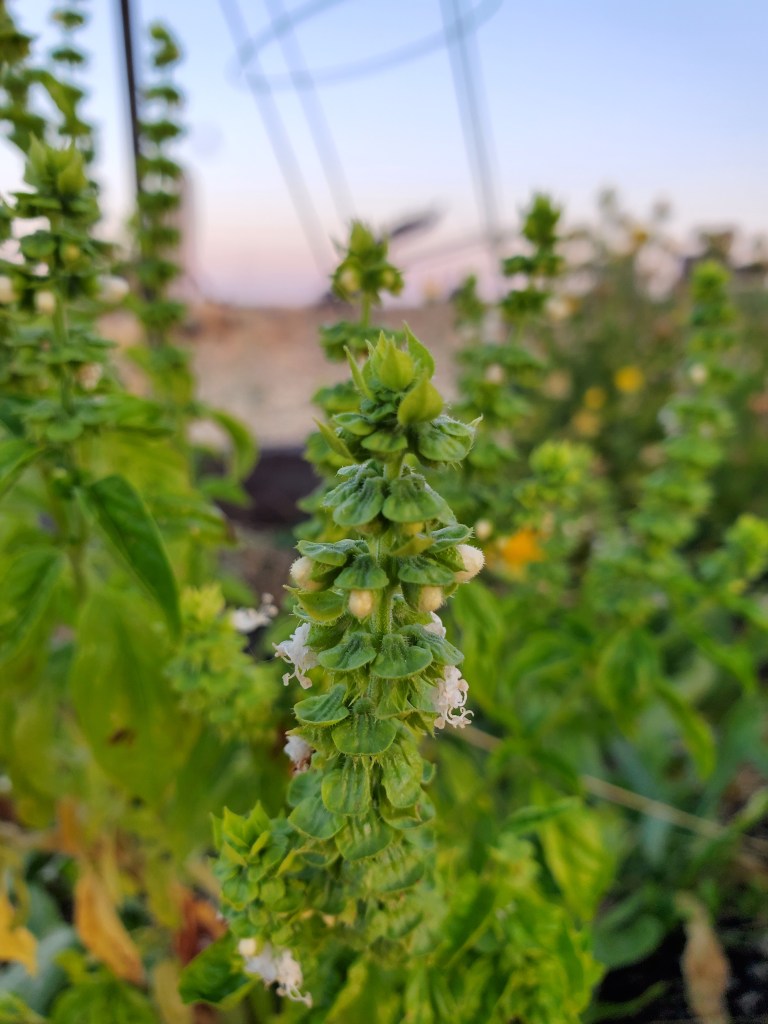
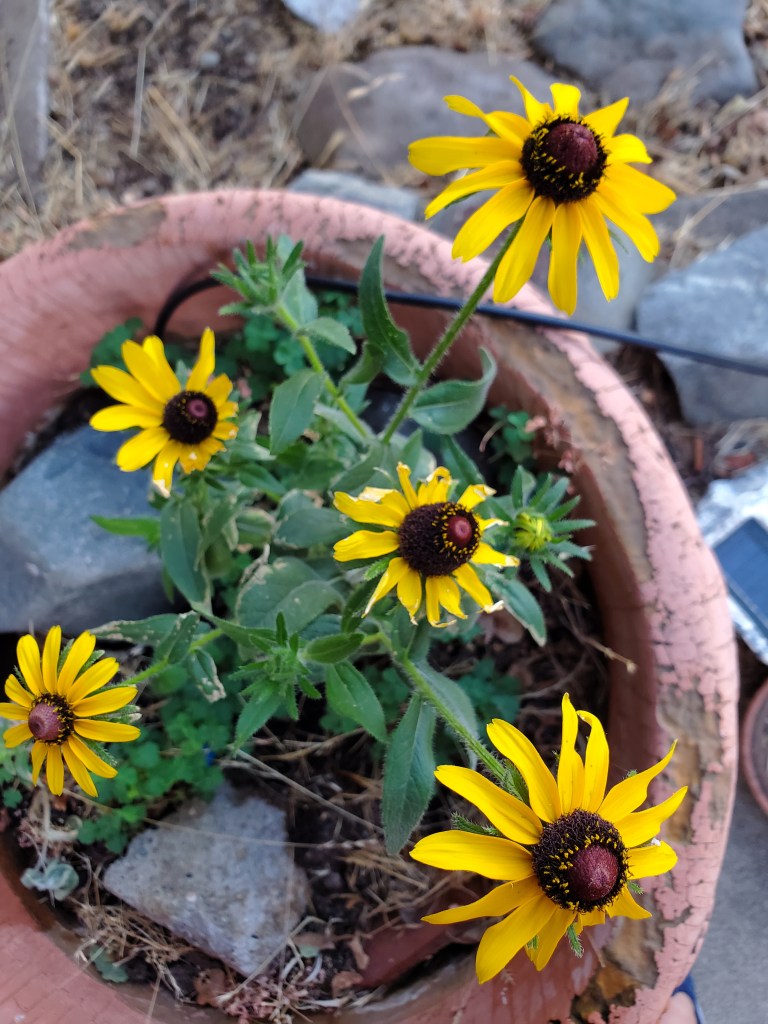
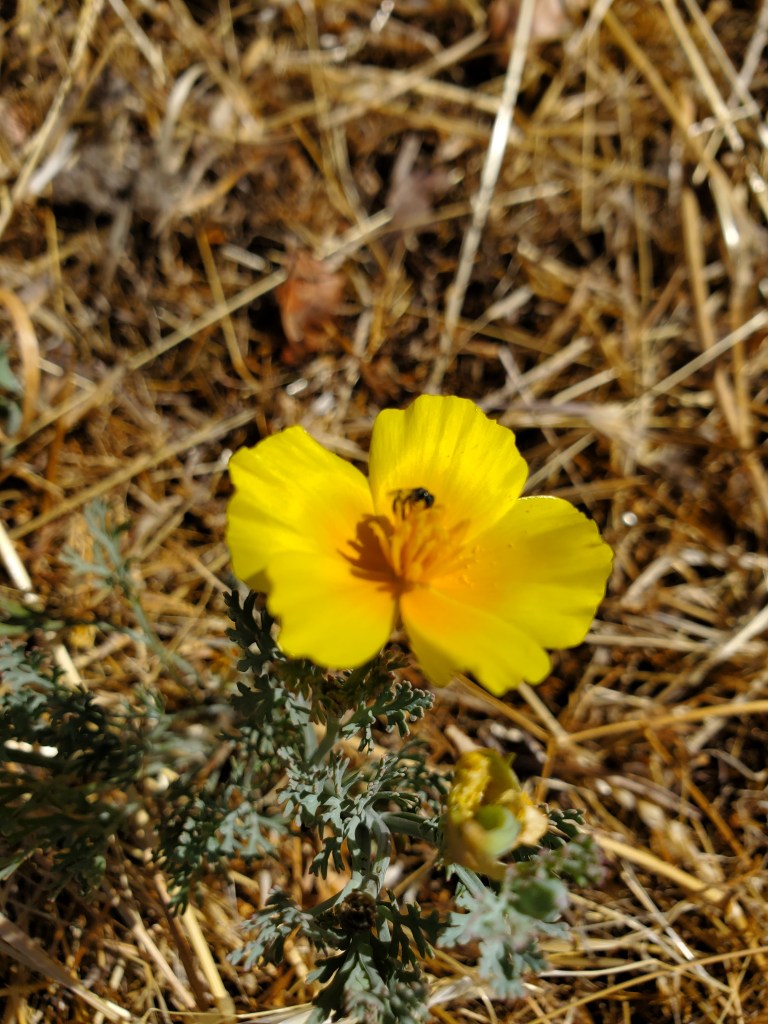
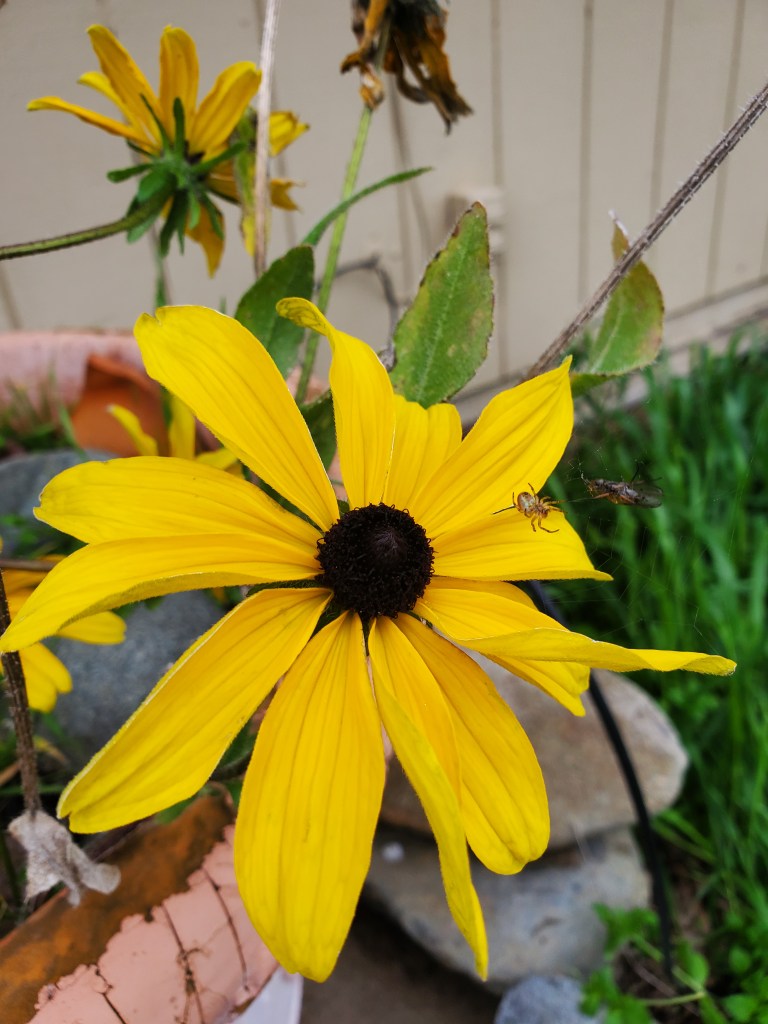
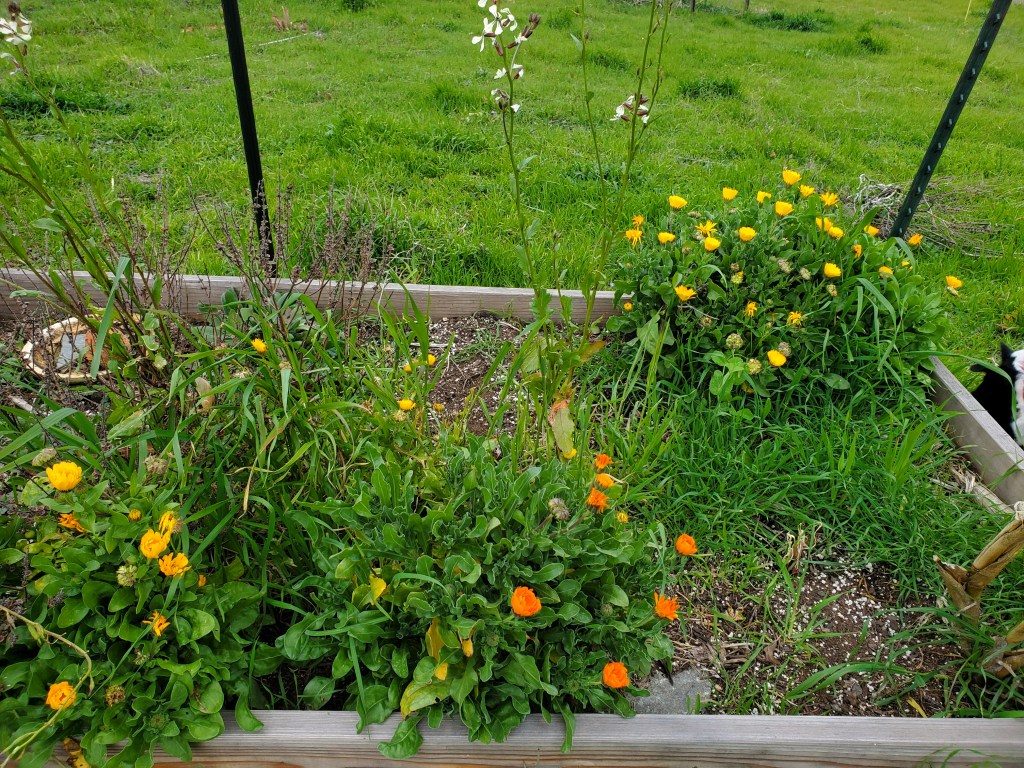
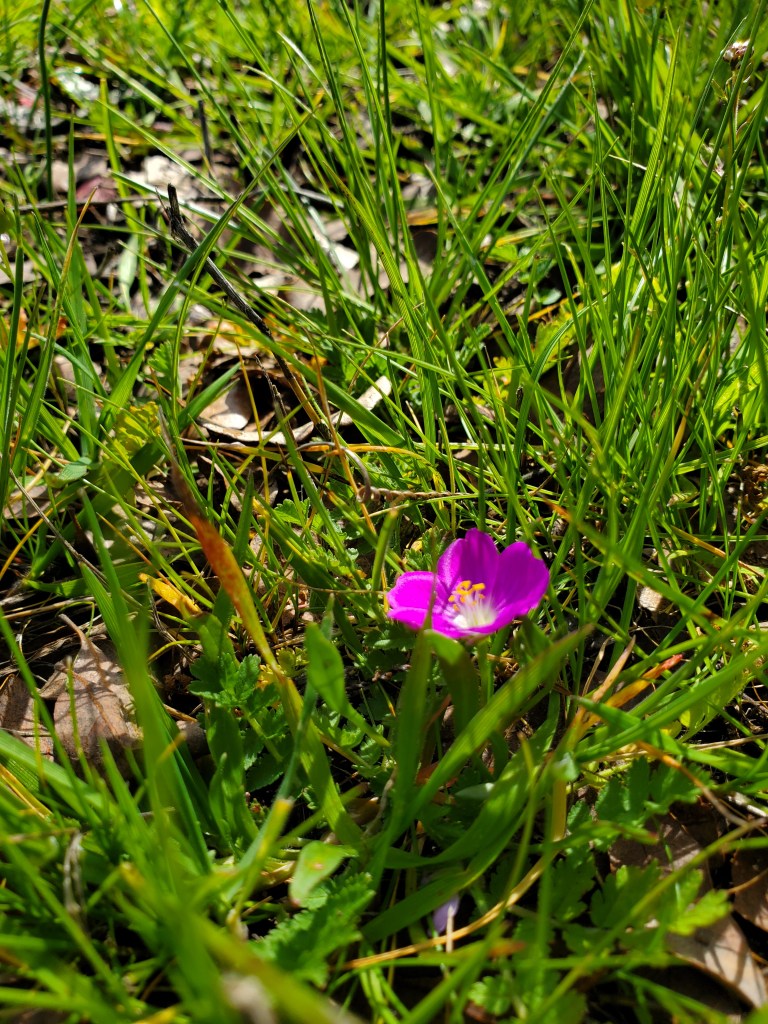
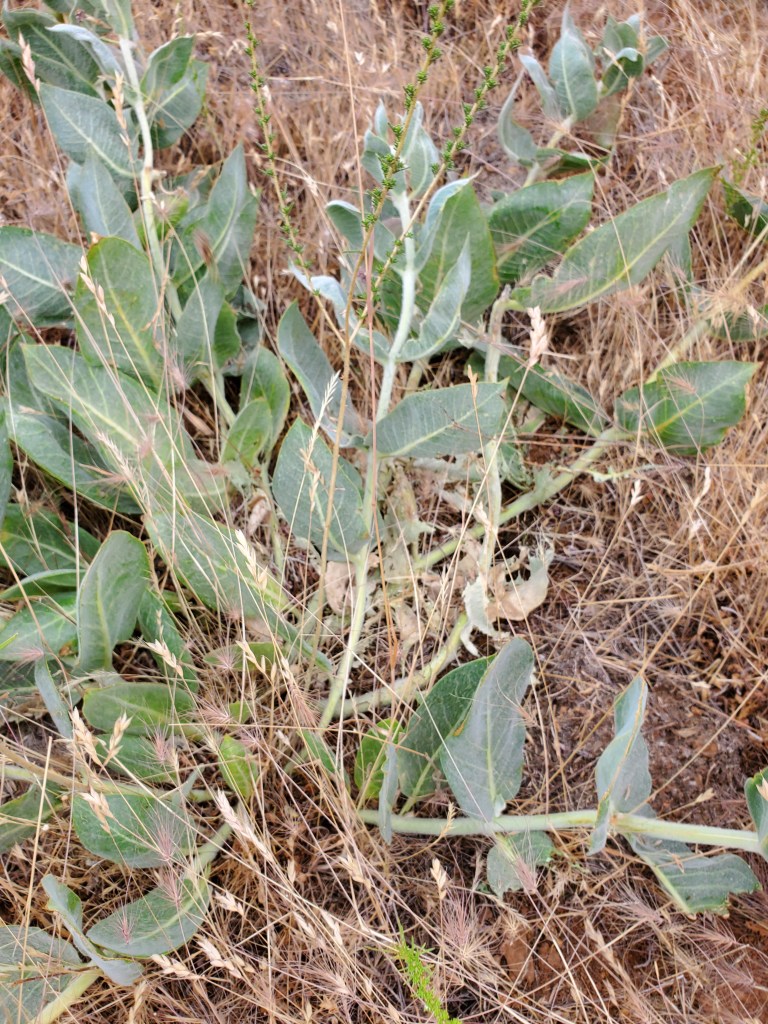
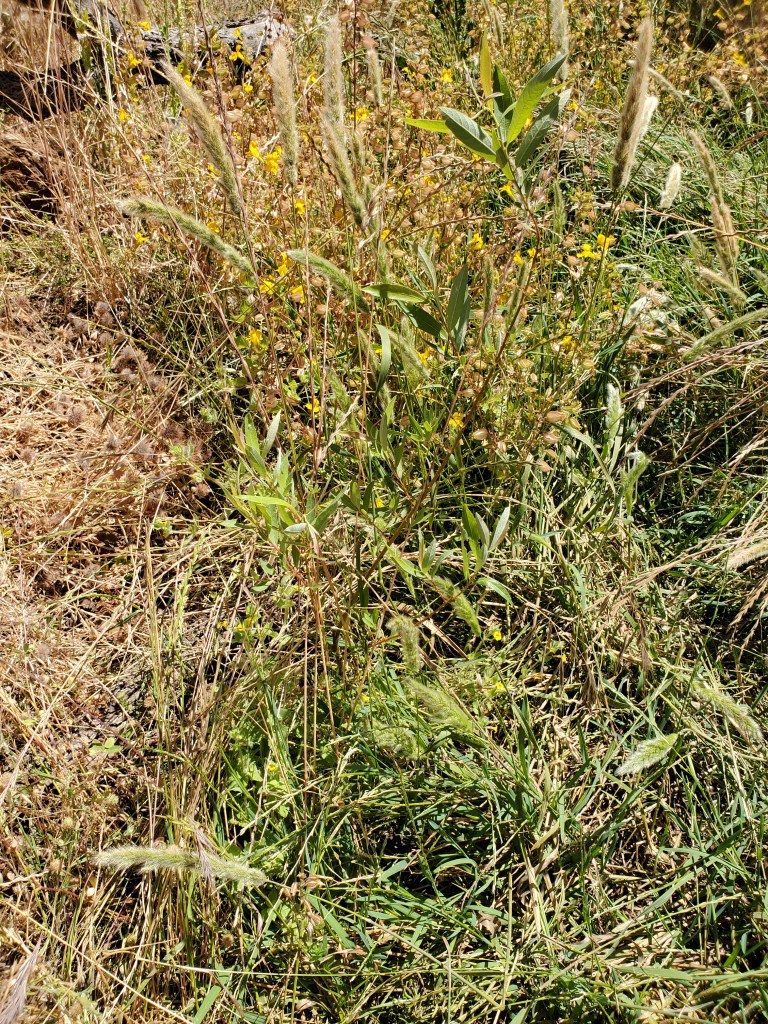
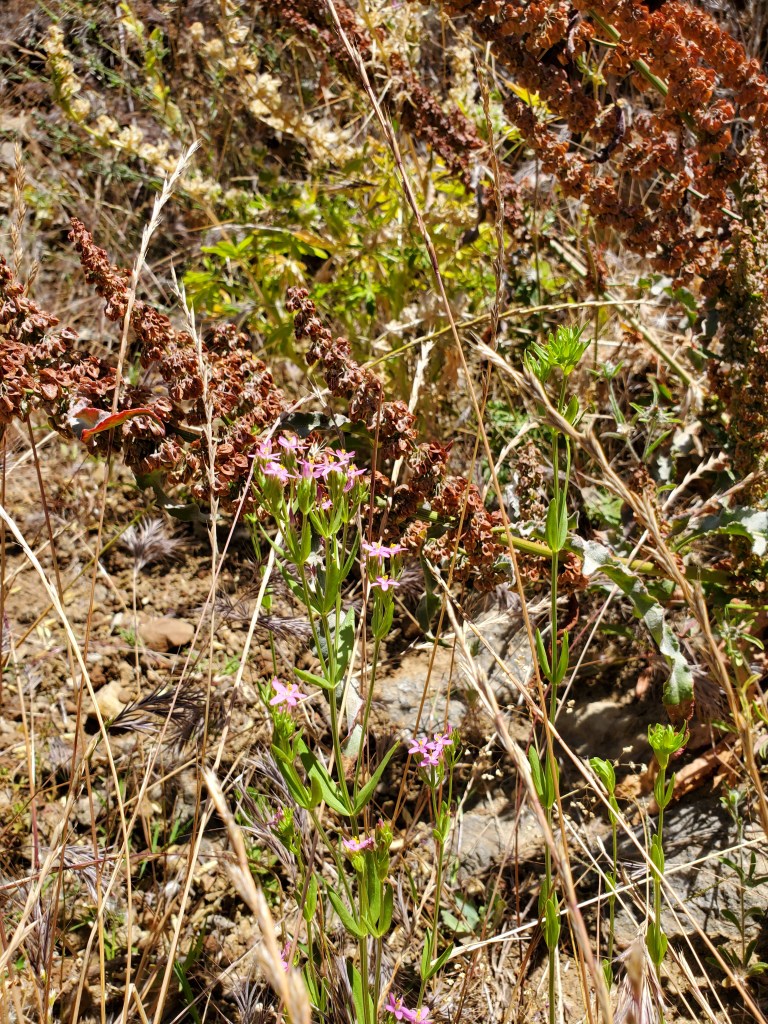
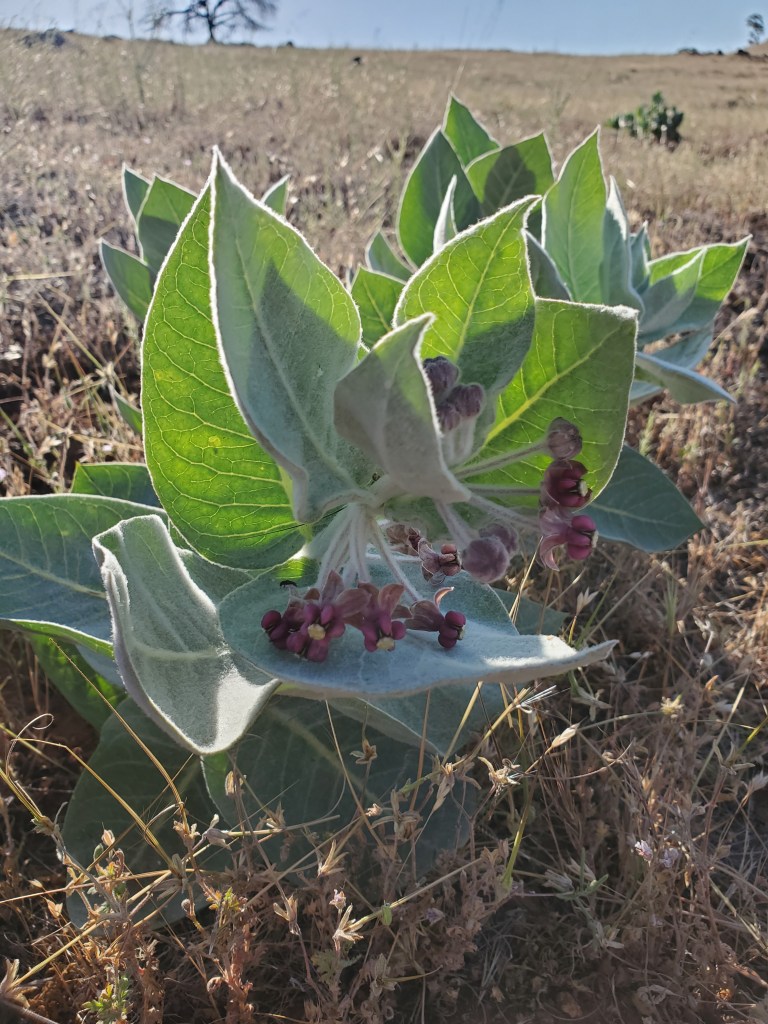
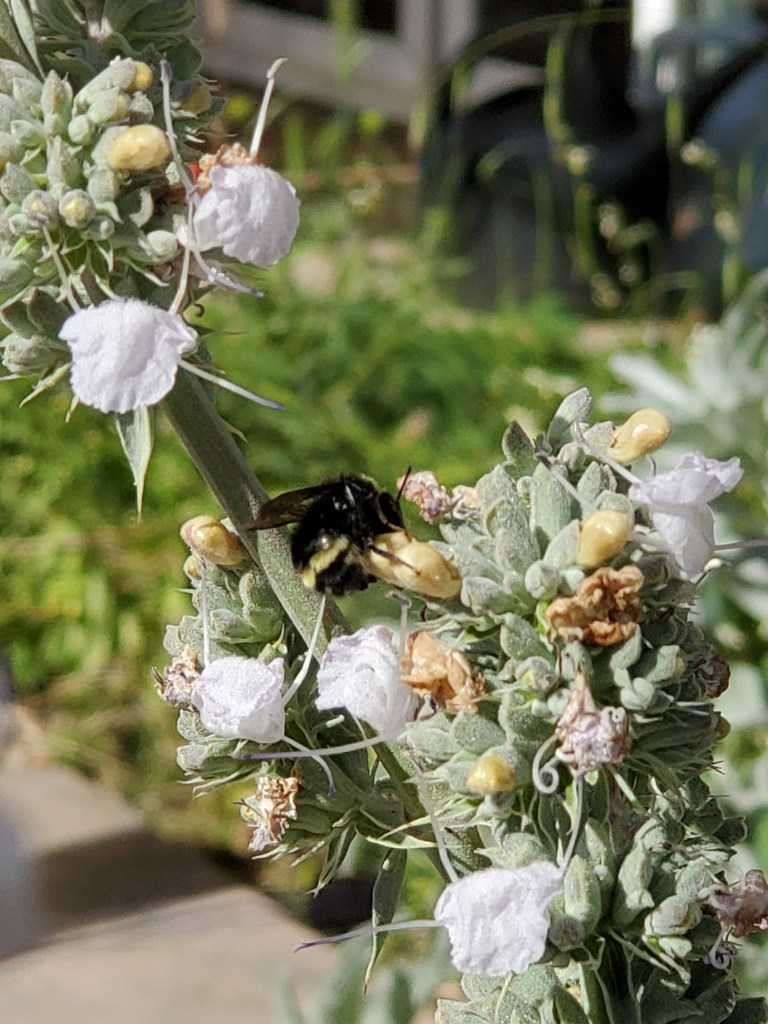
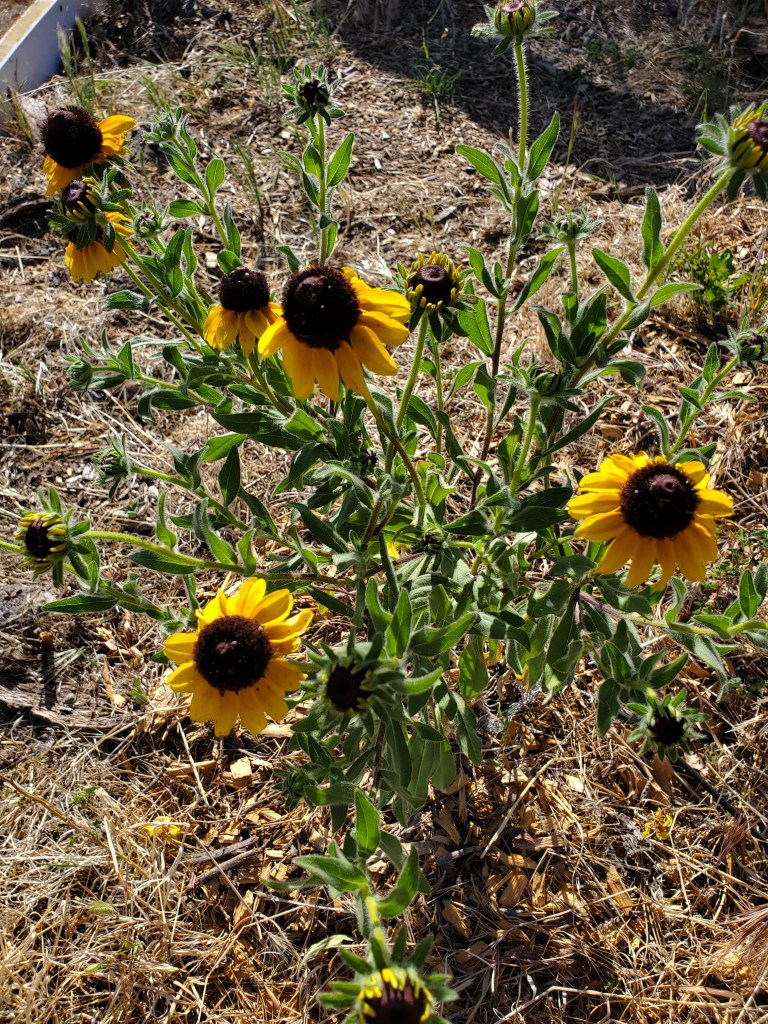
Blooming on July 13 when I began this post and mostly still blooming now are pacific asters, datura, sunflowers, matilla poppy, California poppy, narrowleaf milkweed, California fuchsia rabbit brush, black-eyed susan, marigold, sulfur buckeye, and worm wood. There were a couple small blooms on the white sage, basil and other garden items.
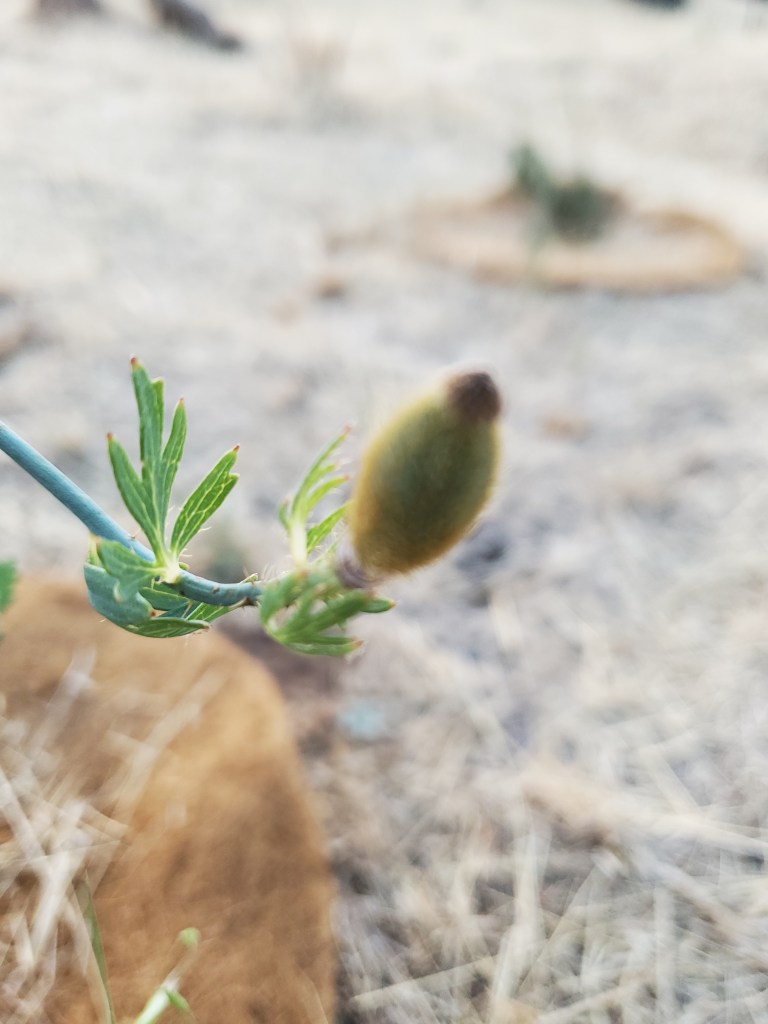
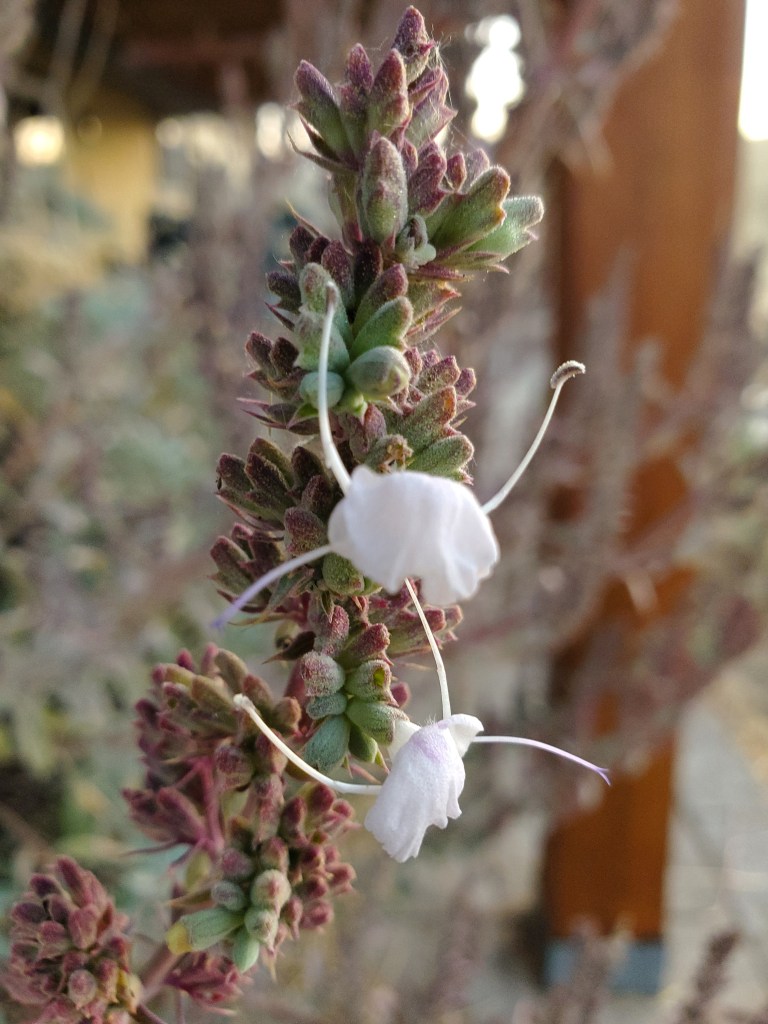
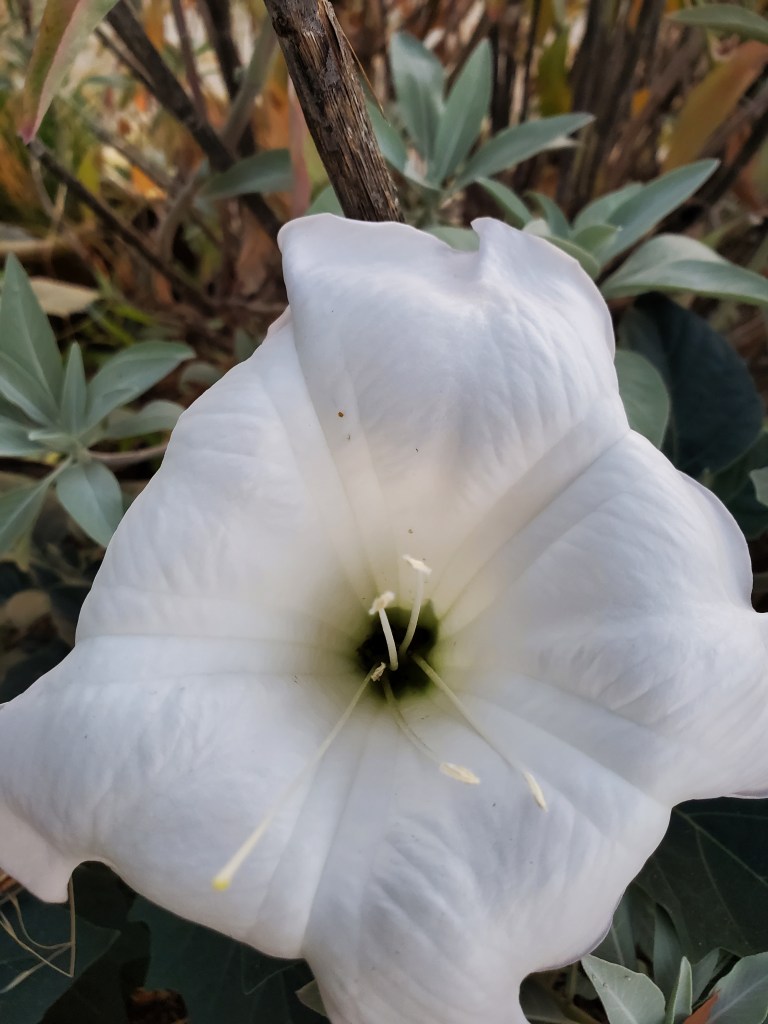
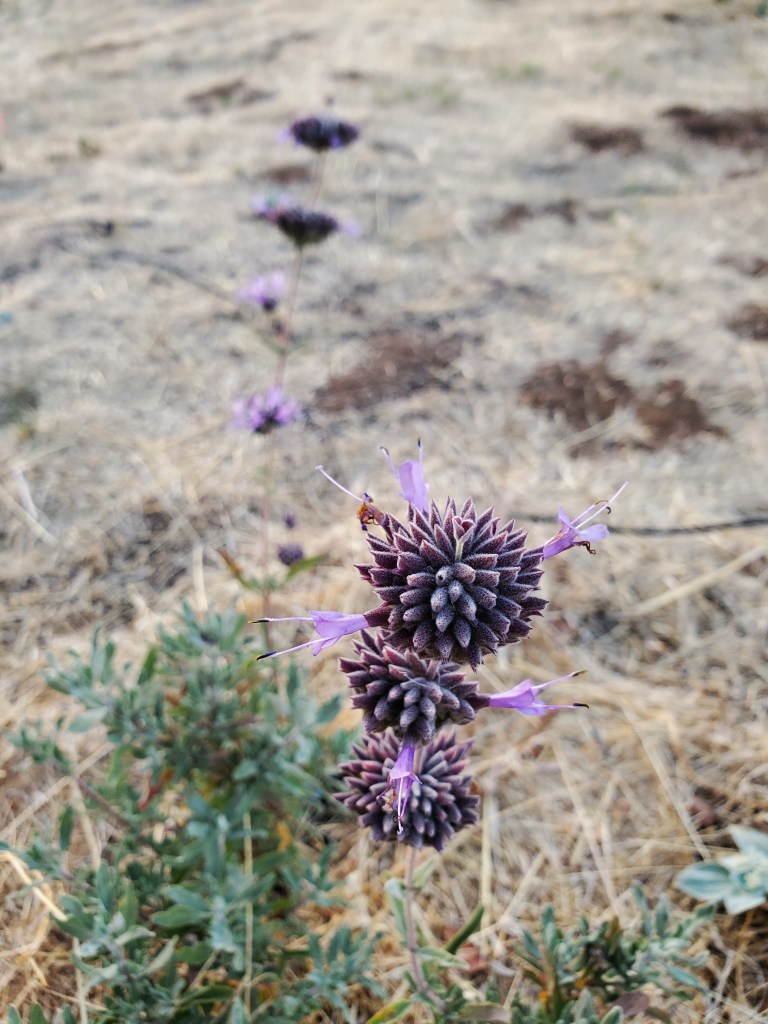

Ranch Maintenance
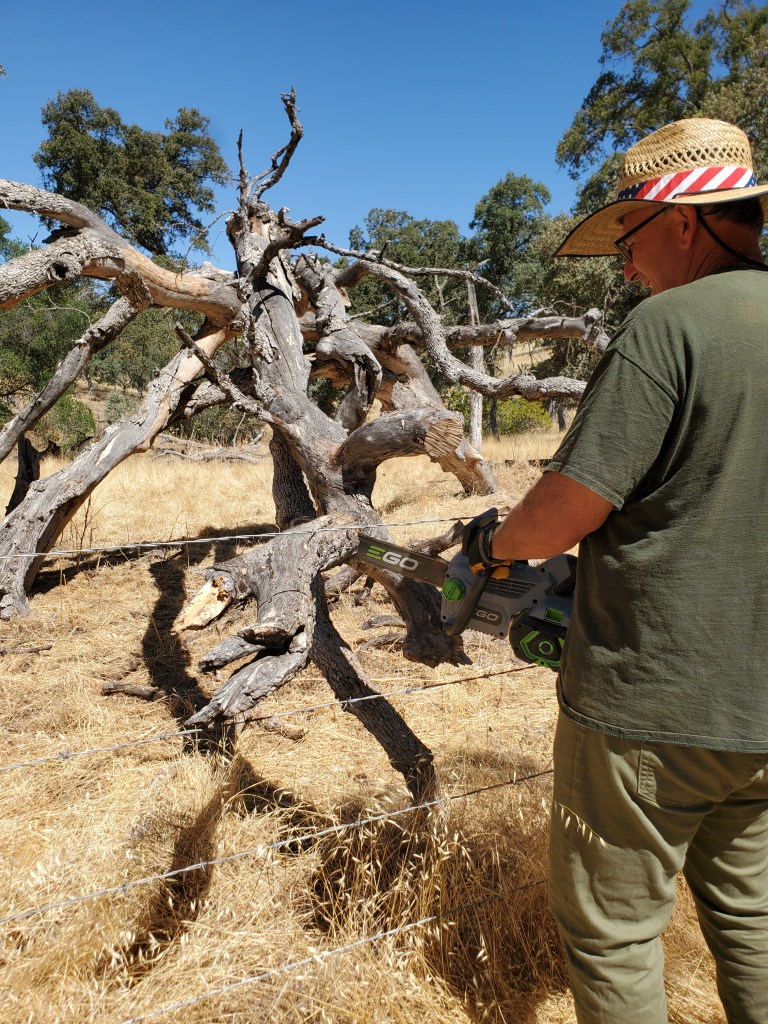
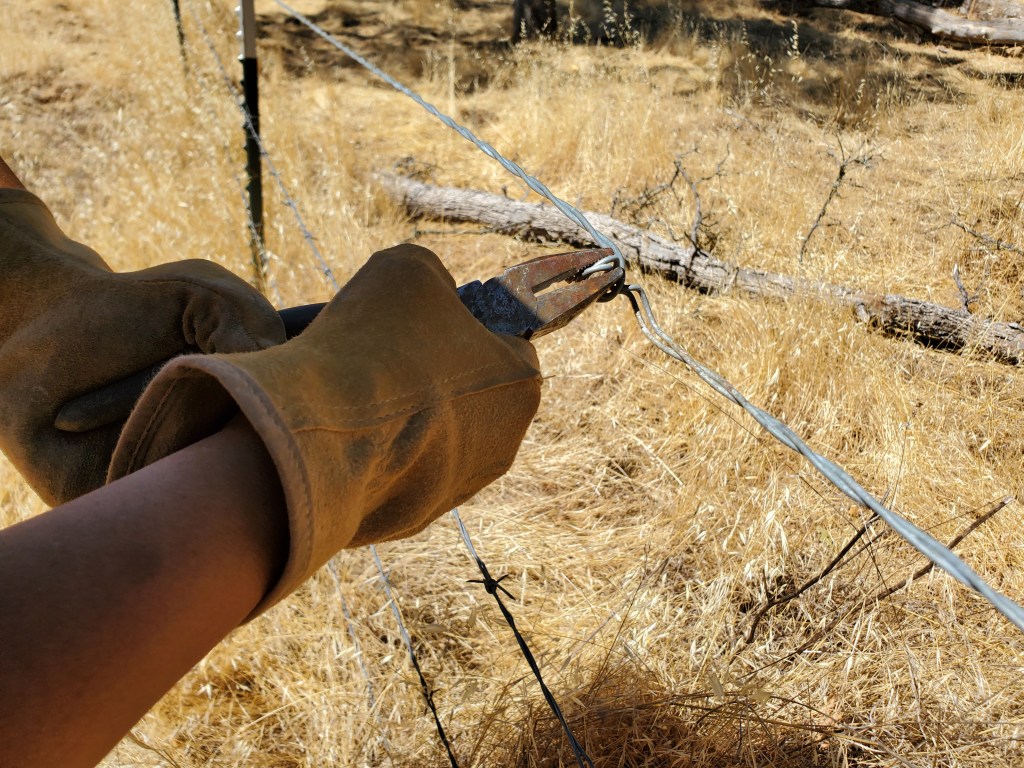
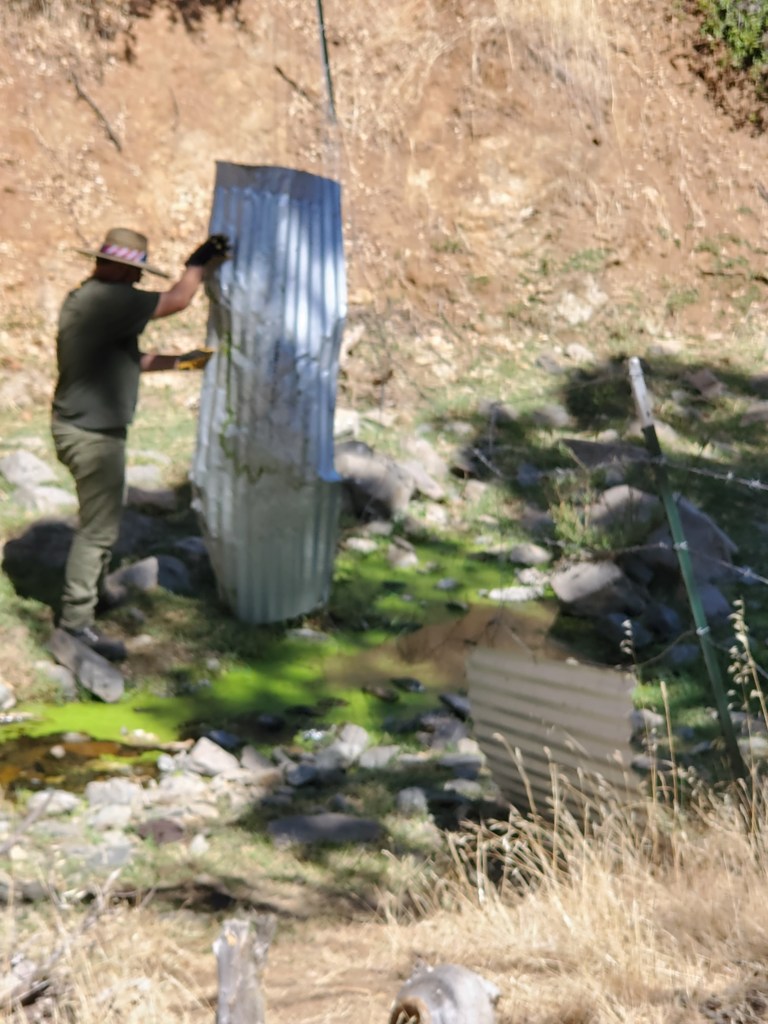
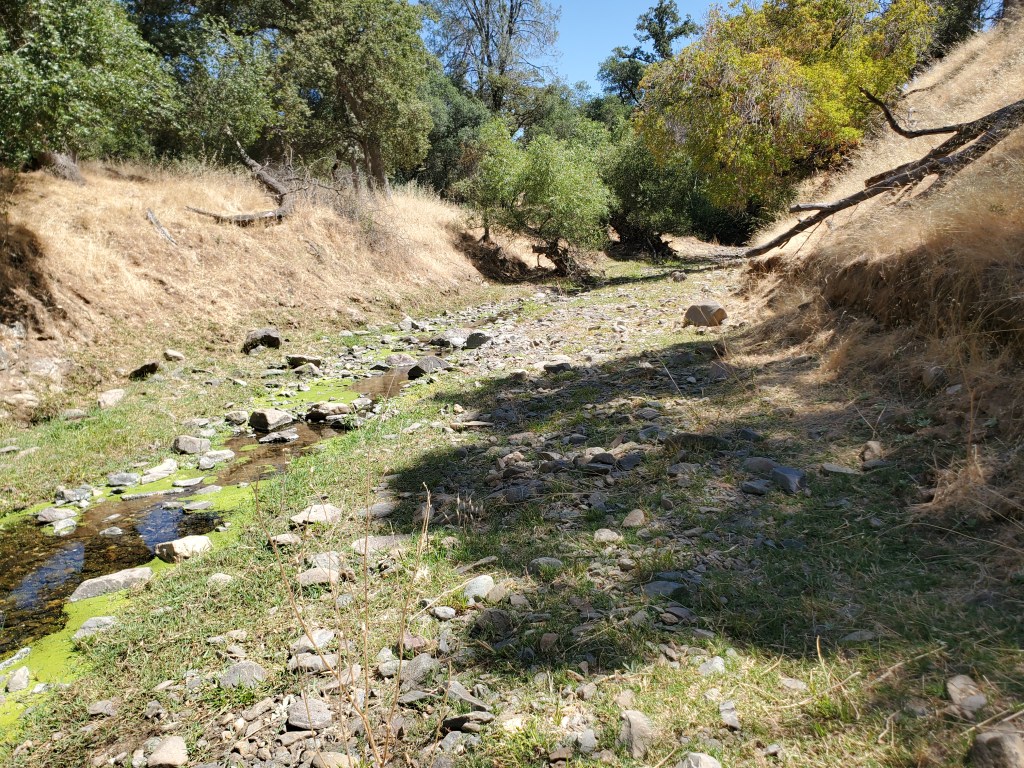
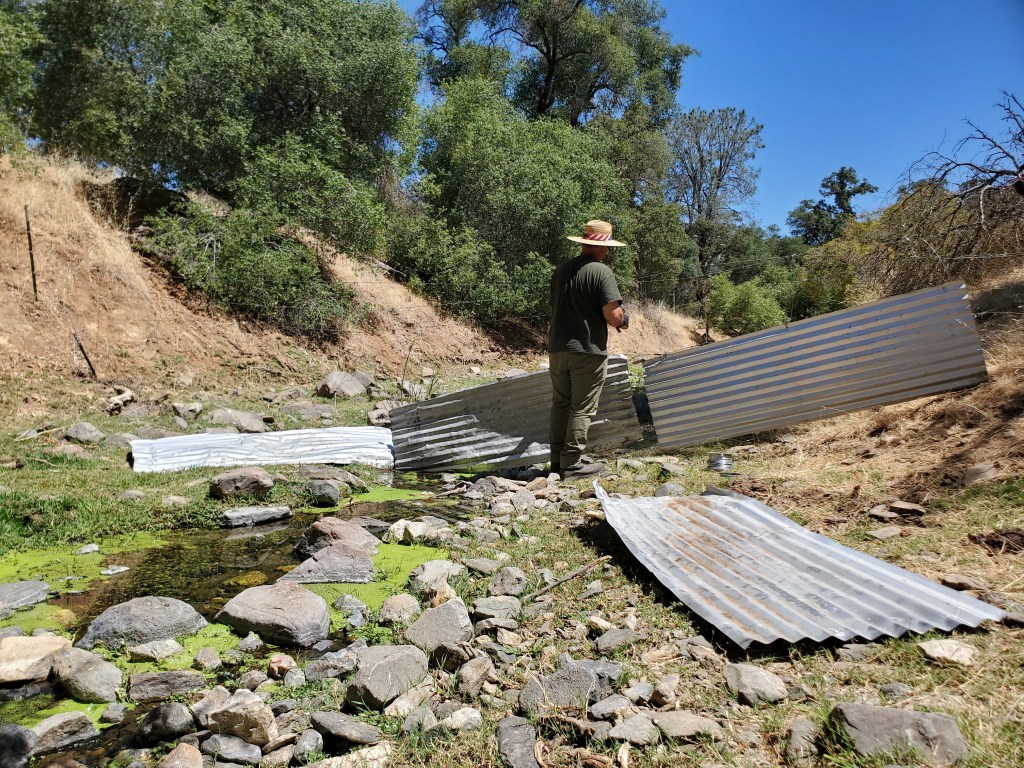
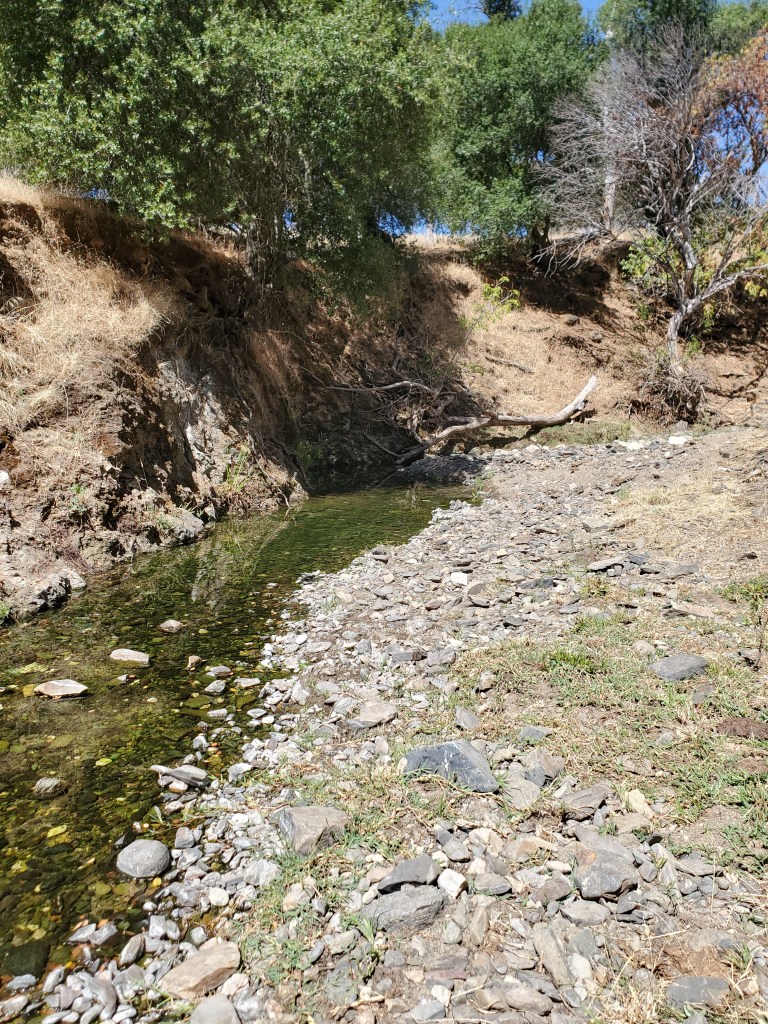
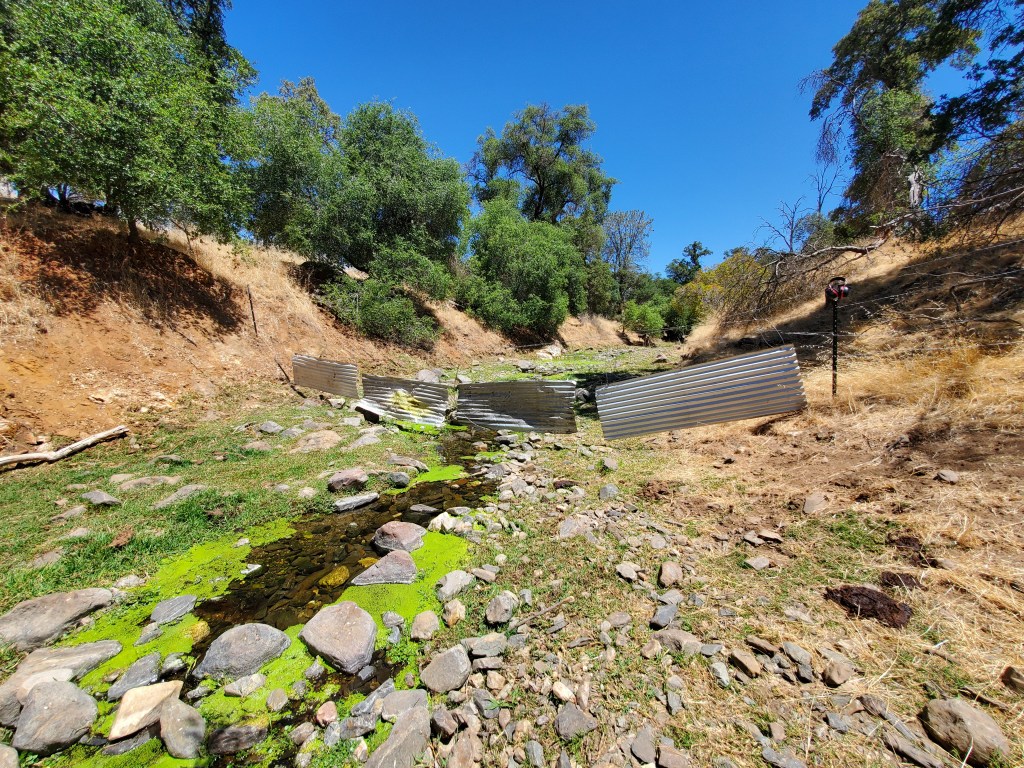
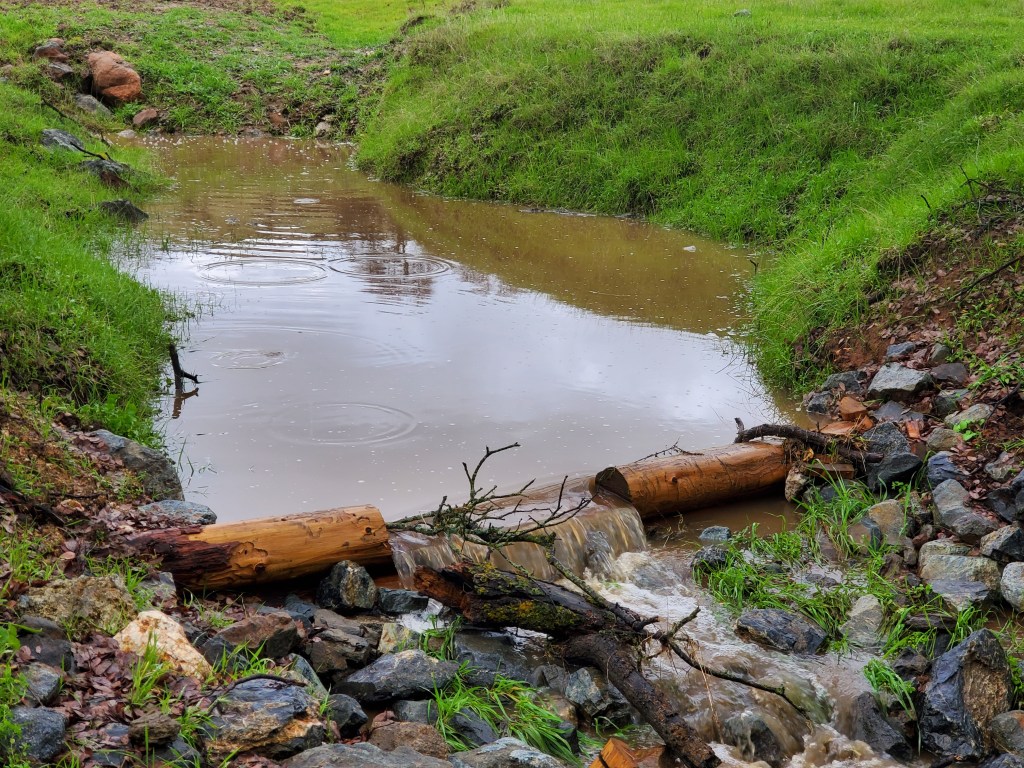
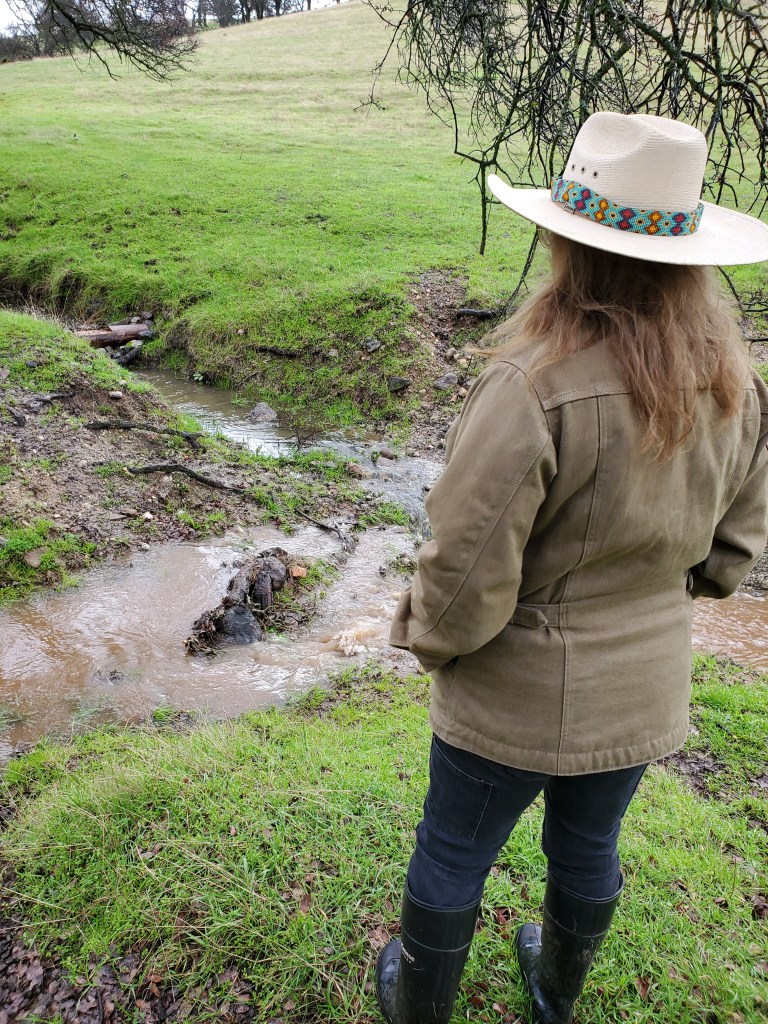
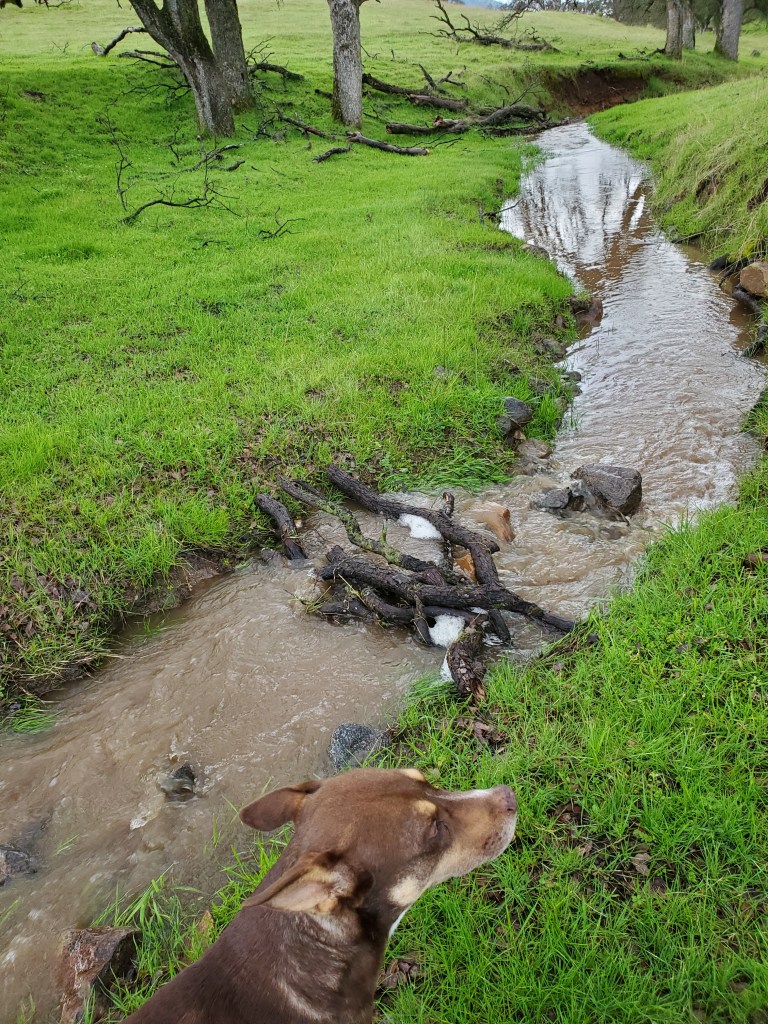
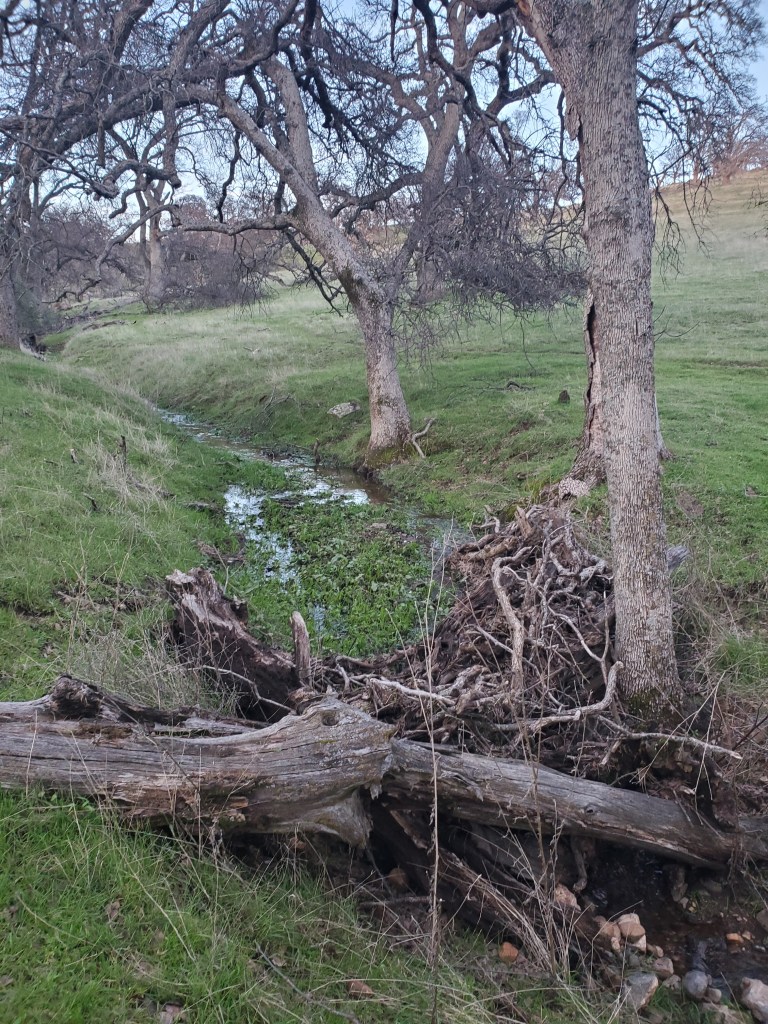
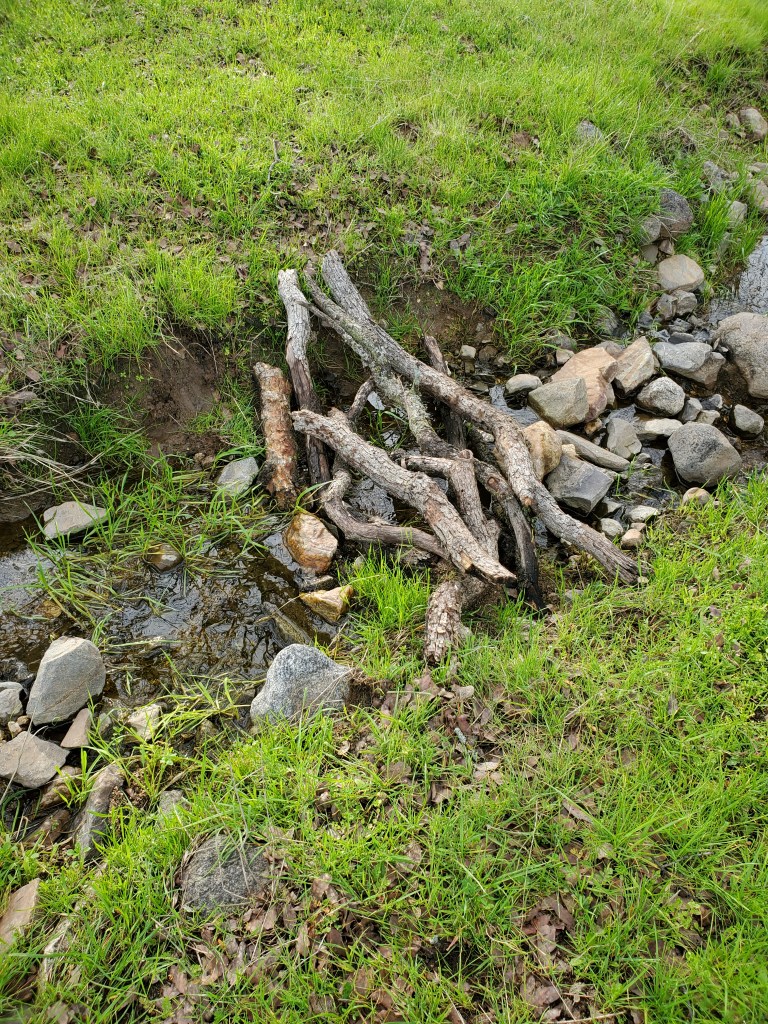
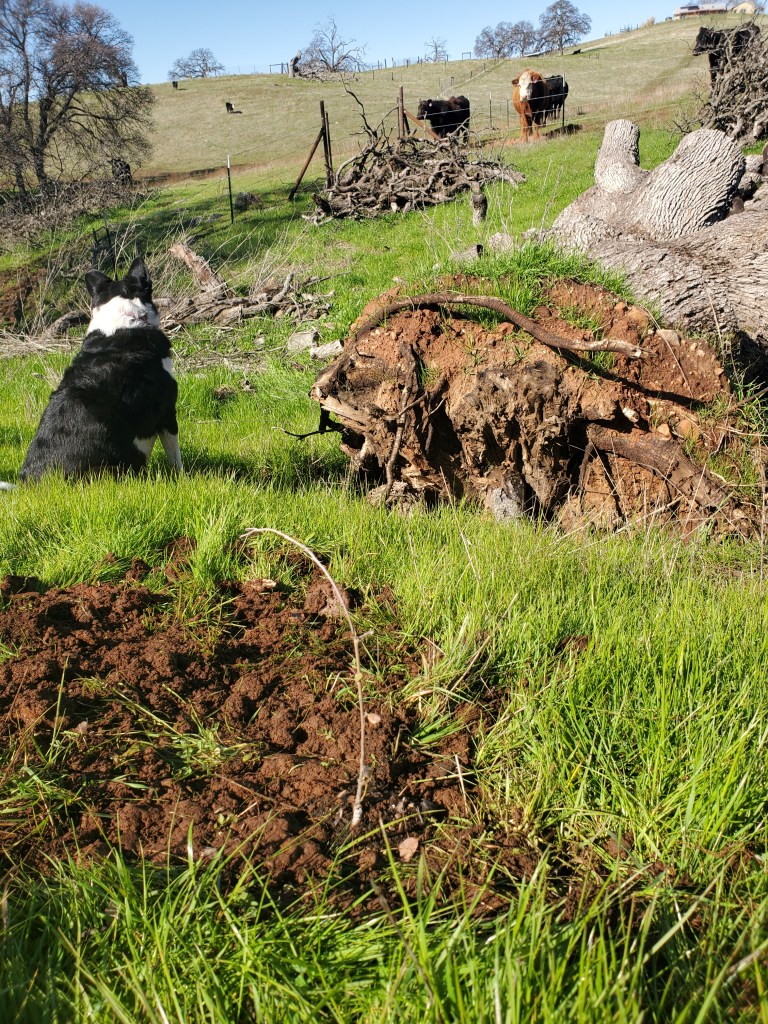
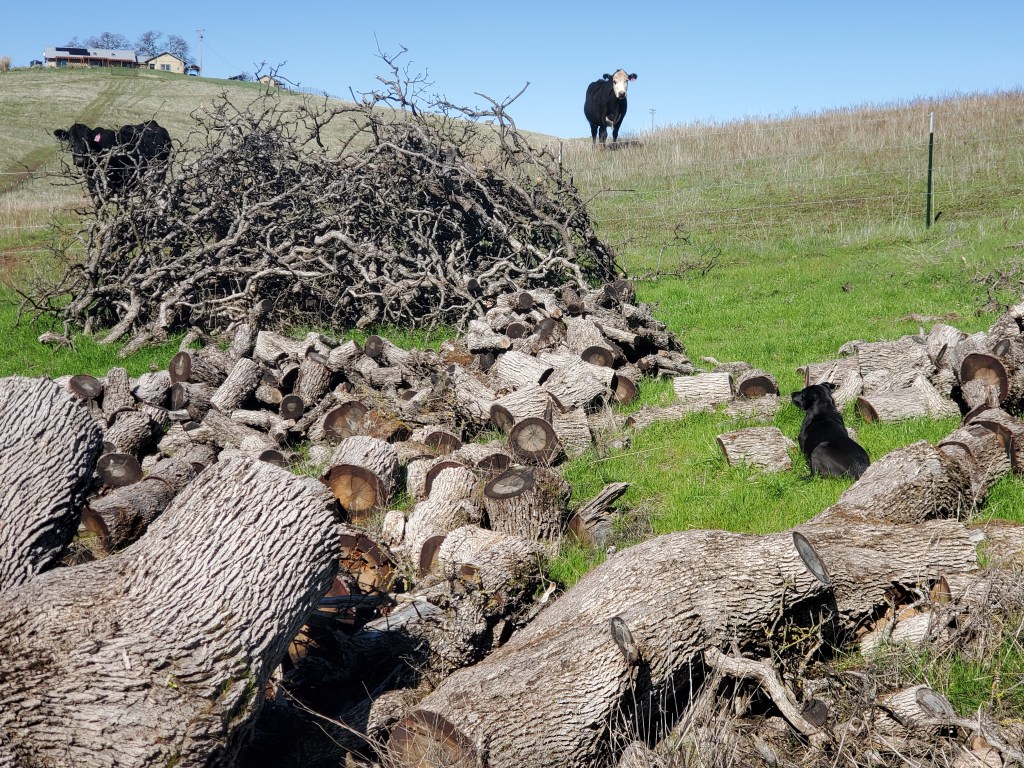
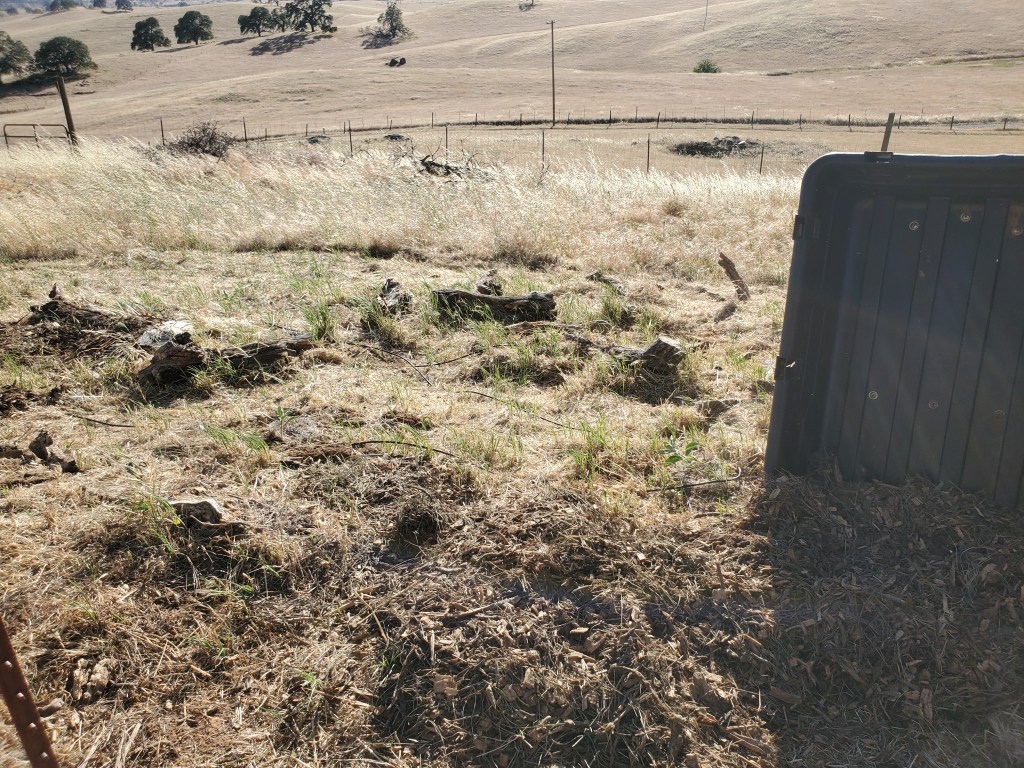
One of the things I love about living on a ranch is that there is always something to do. David and I finally got to the fallen trees and water gaps on Odom Creek. After one of the last major storms this past winter, high winds blew down several branches and dead trees. Two fell on the Odom Creek riparian exclusion fence, making the fence slack. High waters from a rain event took the tin blocking cattle access through the water gaps (areas where the creek flows through between two stream banks under a fence crossing the creek) and deposited them downstream. I retrieved them soon after the storm but did not replace them until several months later due to other issues requiring my attention.
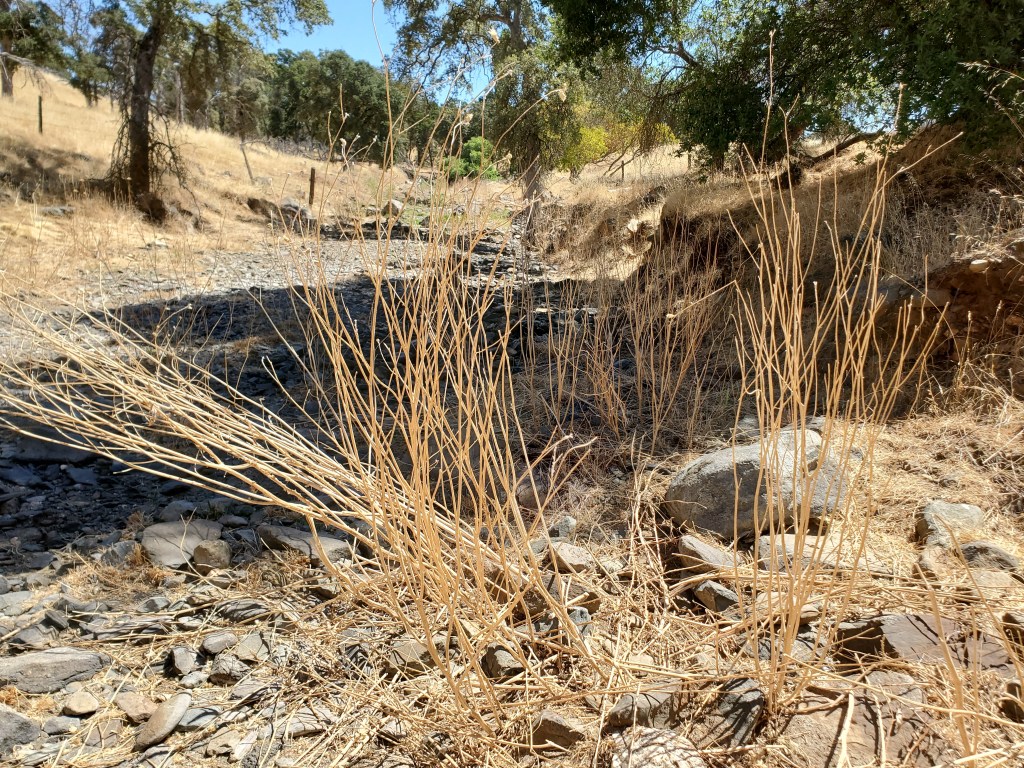
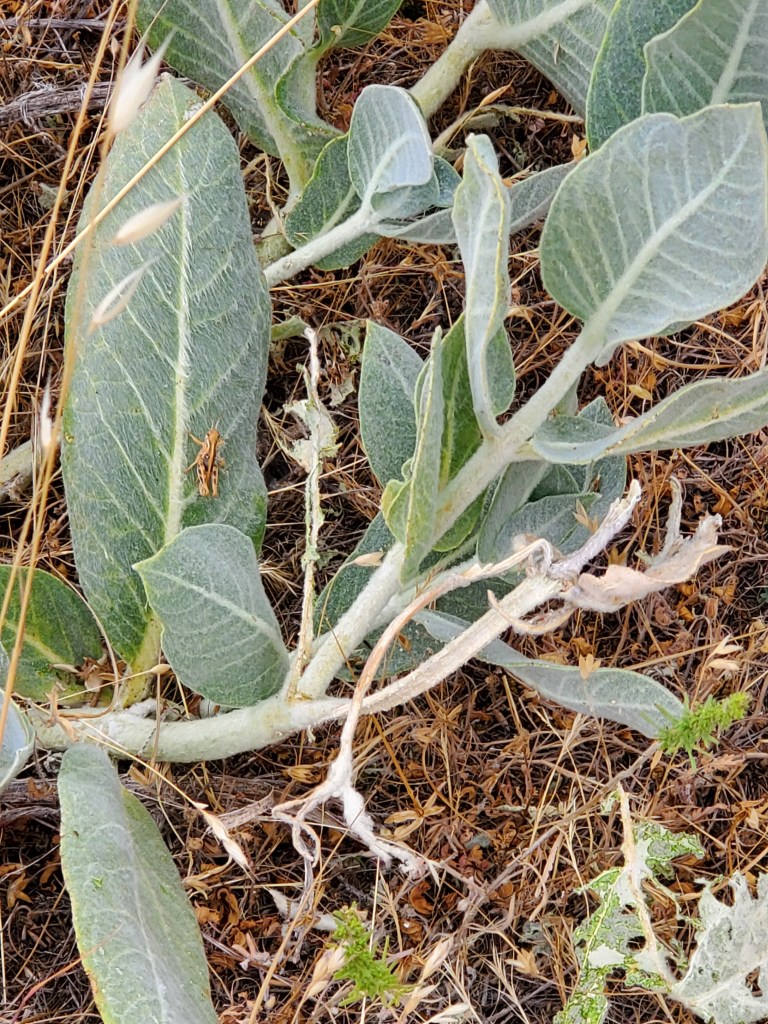
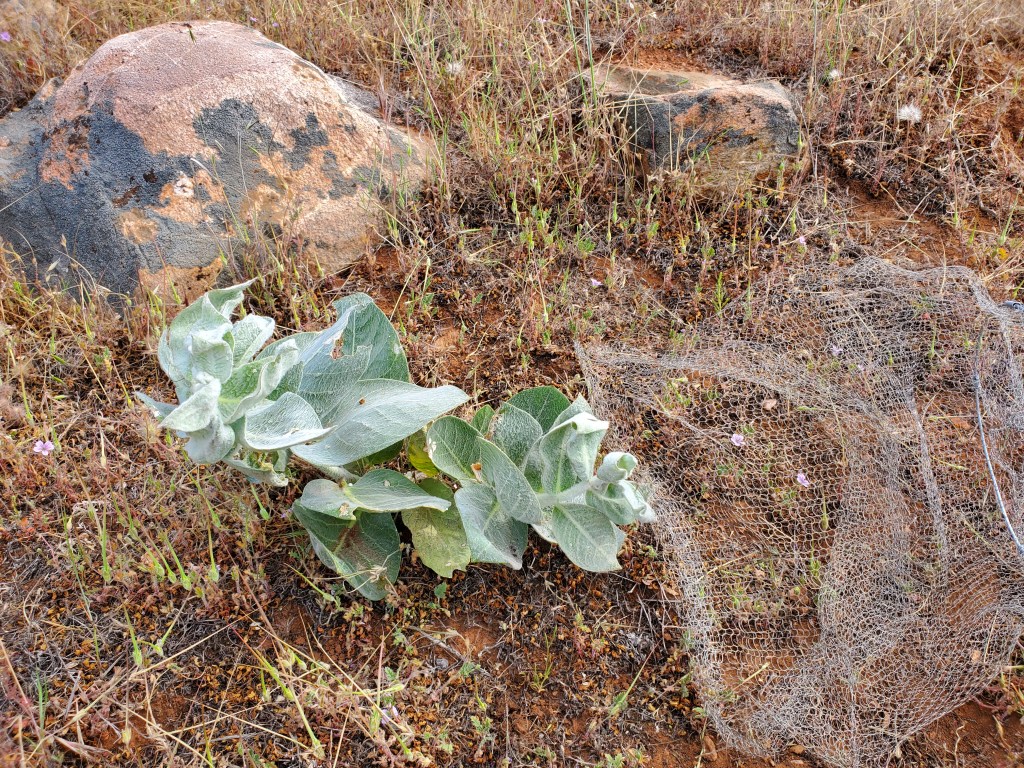
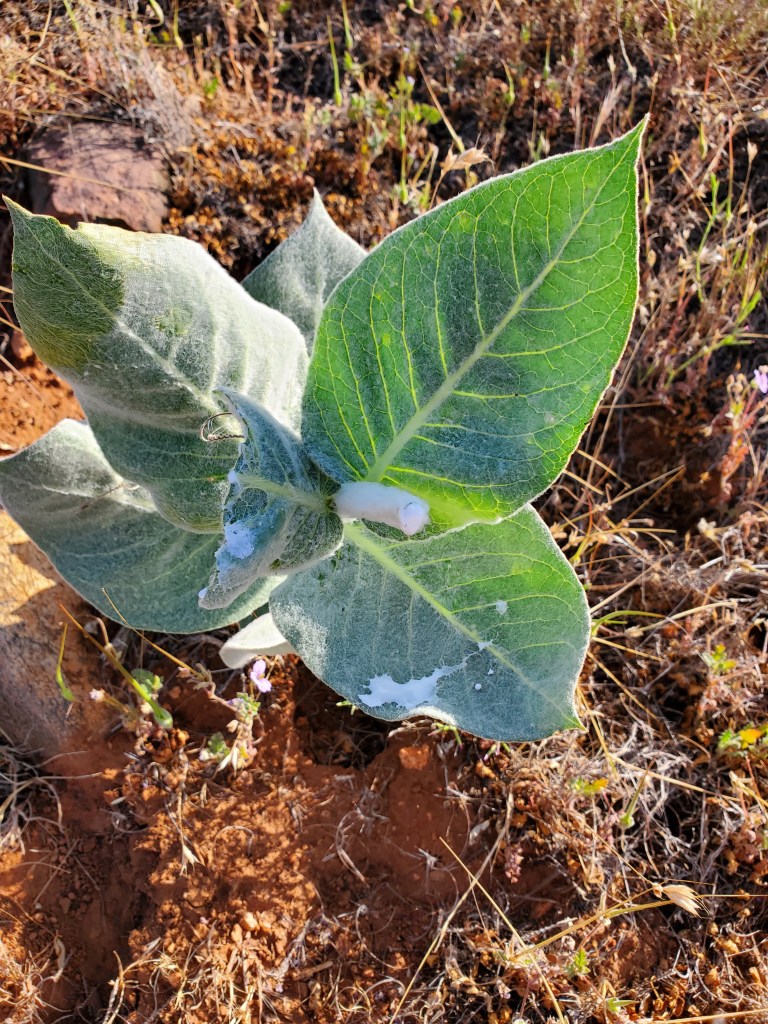
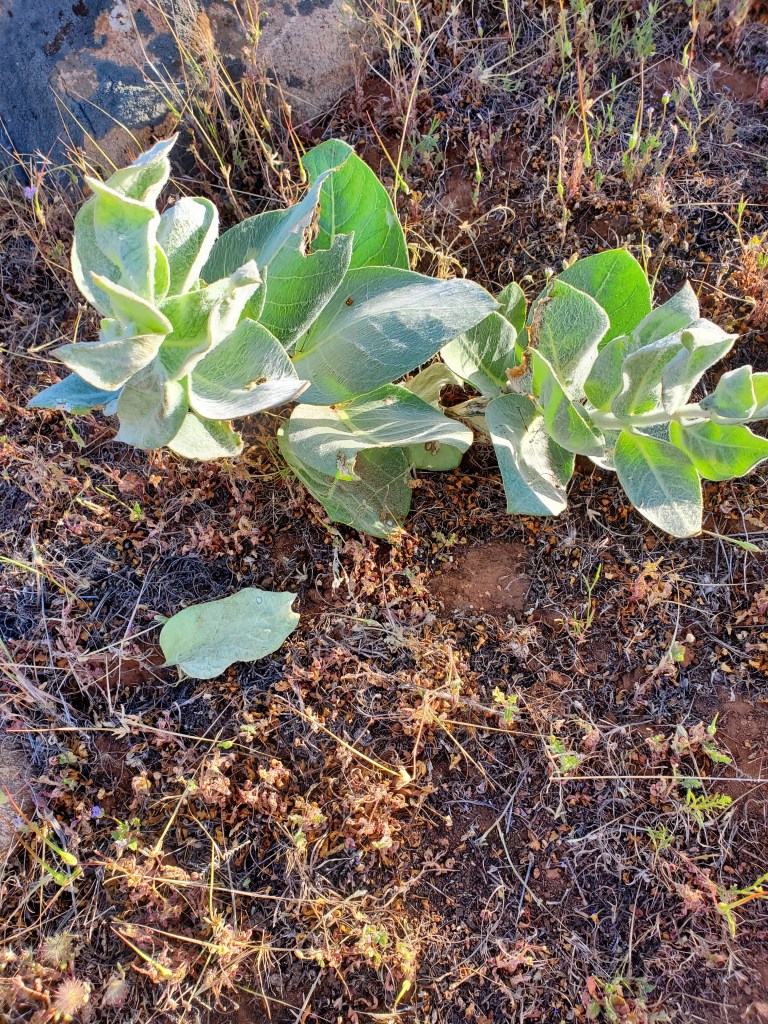
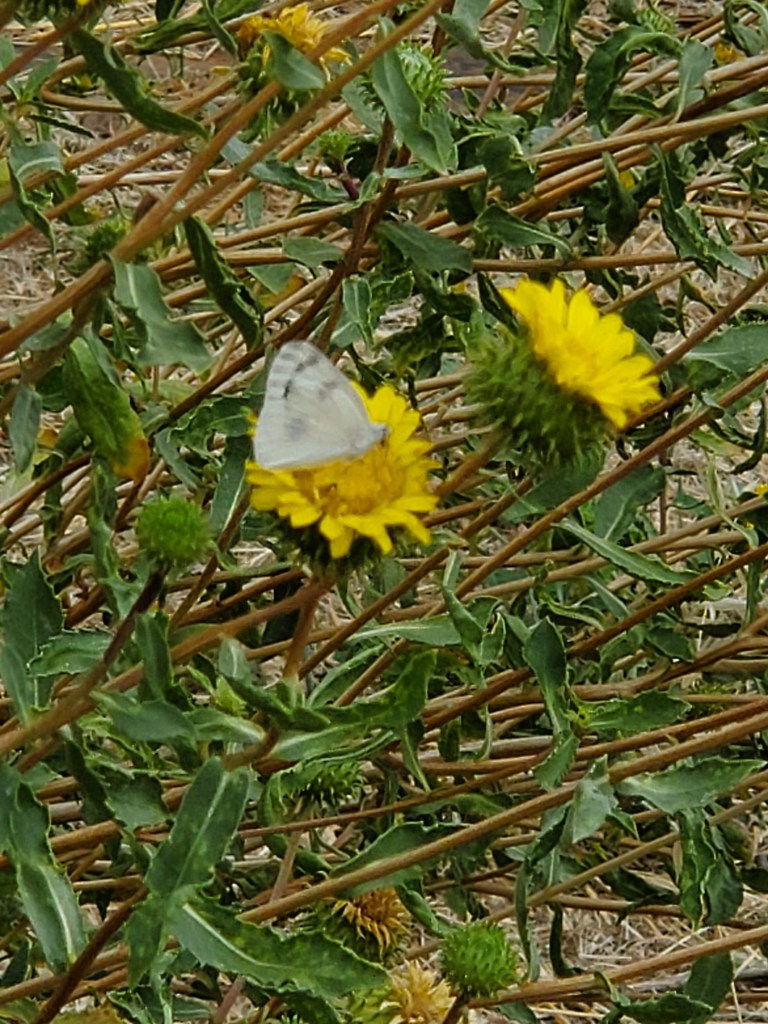
With the tin down, it opened a small pathway for cattle to get into the exclusion. Grass and creek plants that typically grow inside the exclusion area were nowhere to be found. Adding to this was the large number of grasshoppers near the riparian areas this year. Thistle, which the cattle normally leave alone due to their spiky, tough exterior, were stripped to skeletons. Both contributed to no vinegar weed (another favorite), less watercress, no milkweed and no thistle nectar.
Wildlife
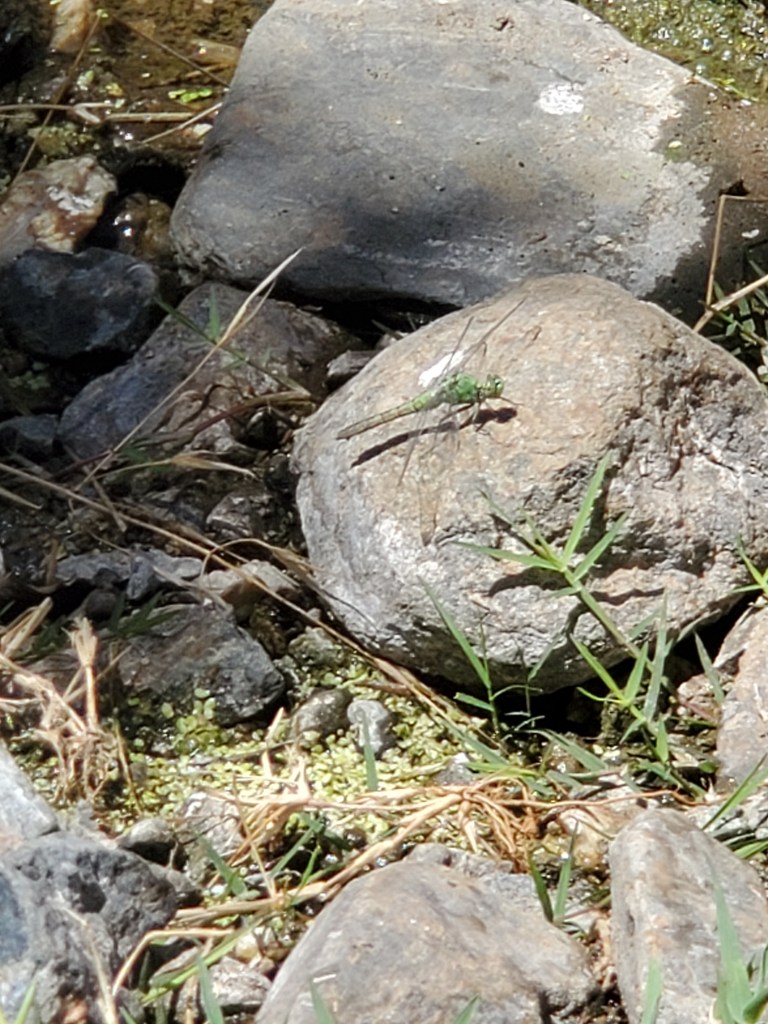
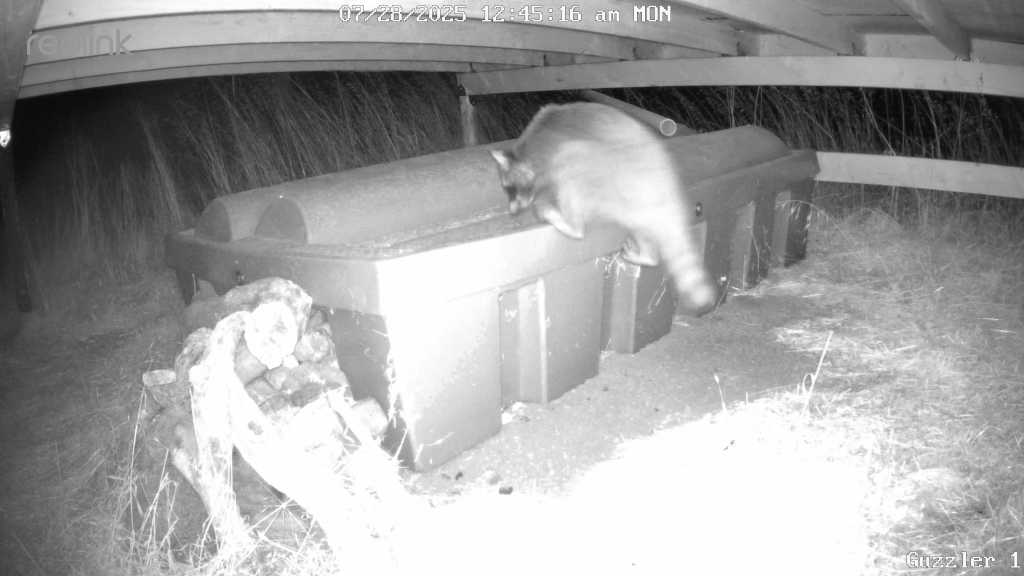
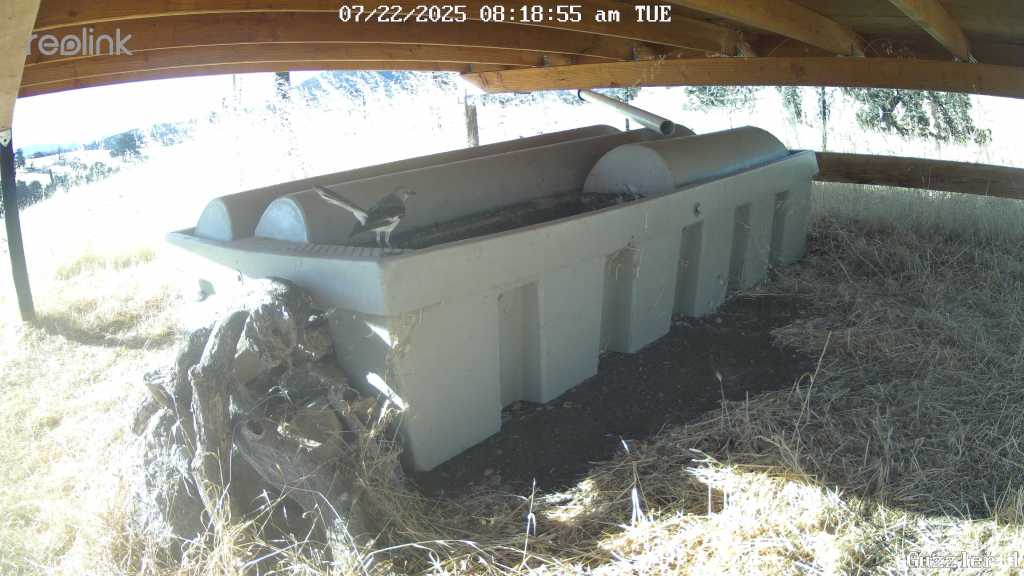
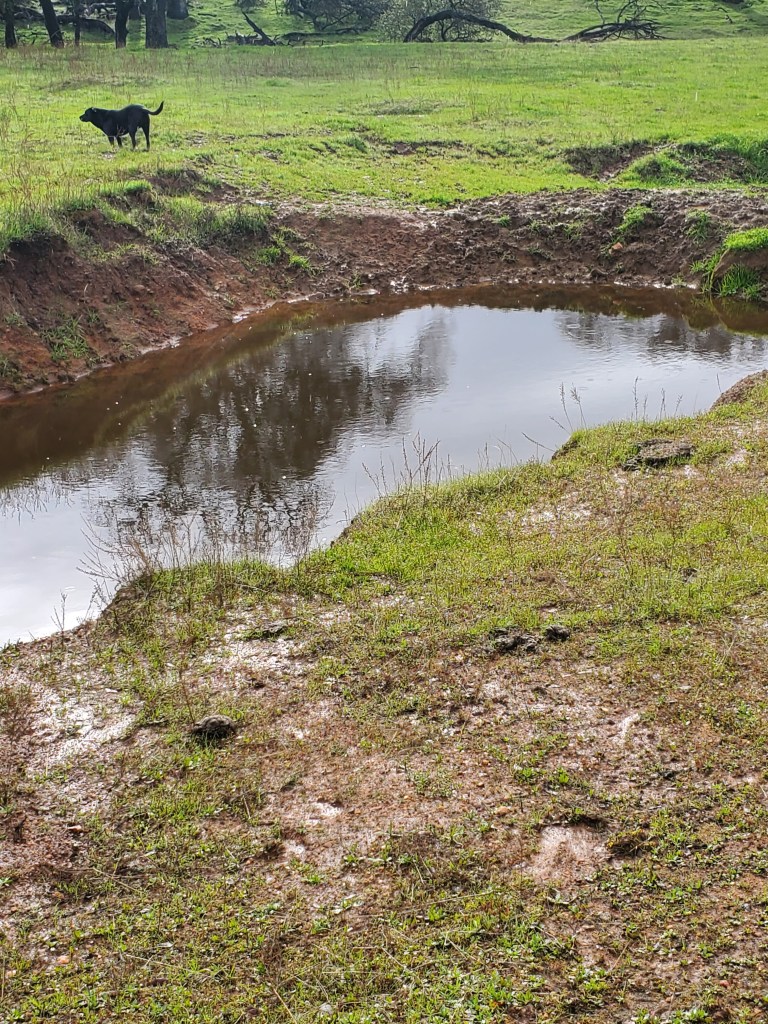
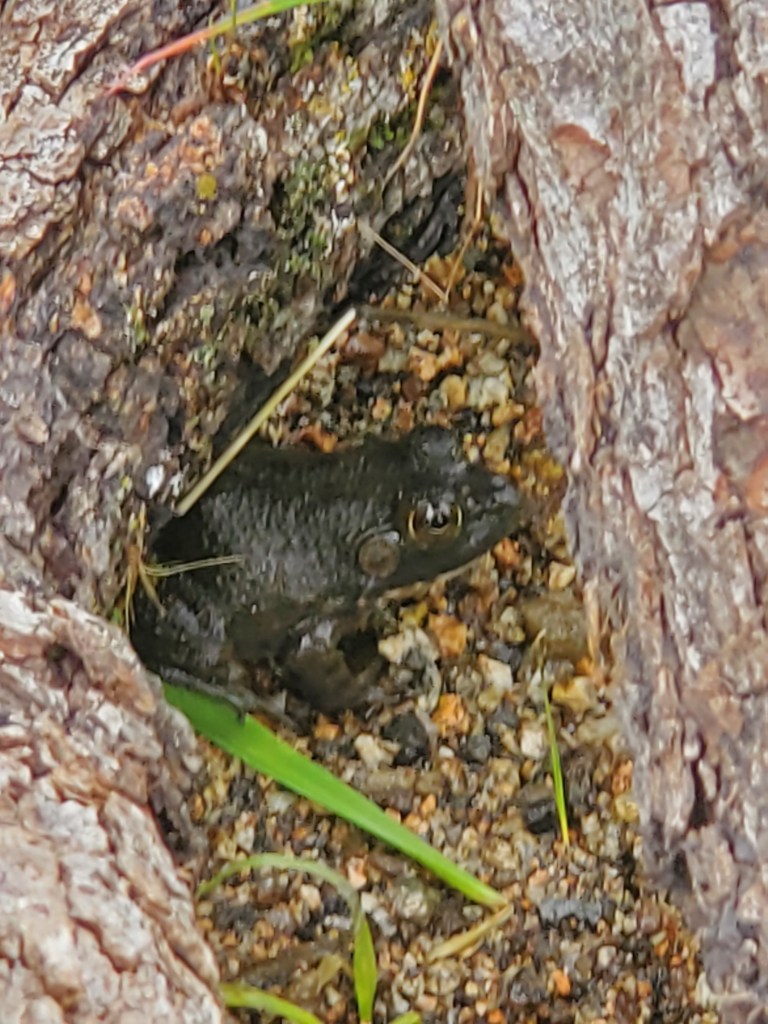
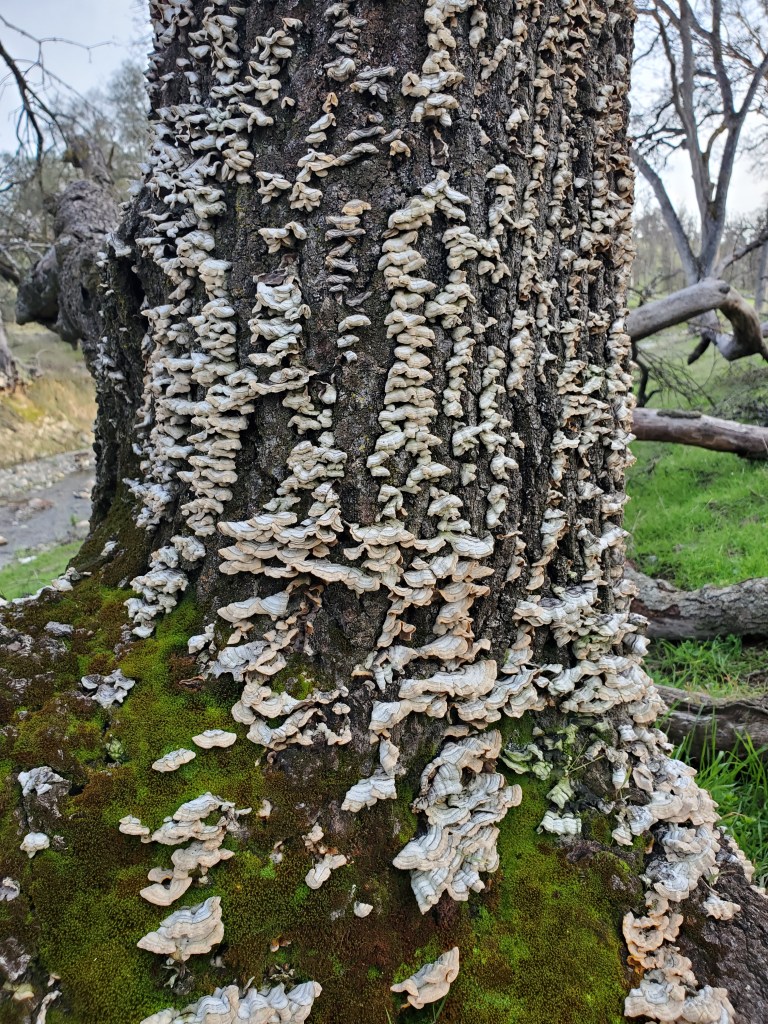
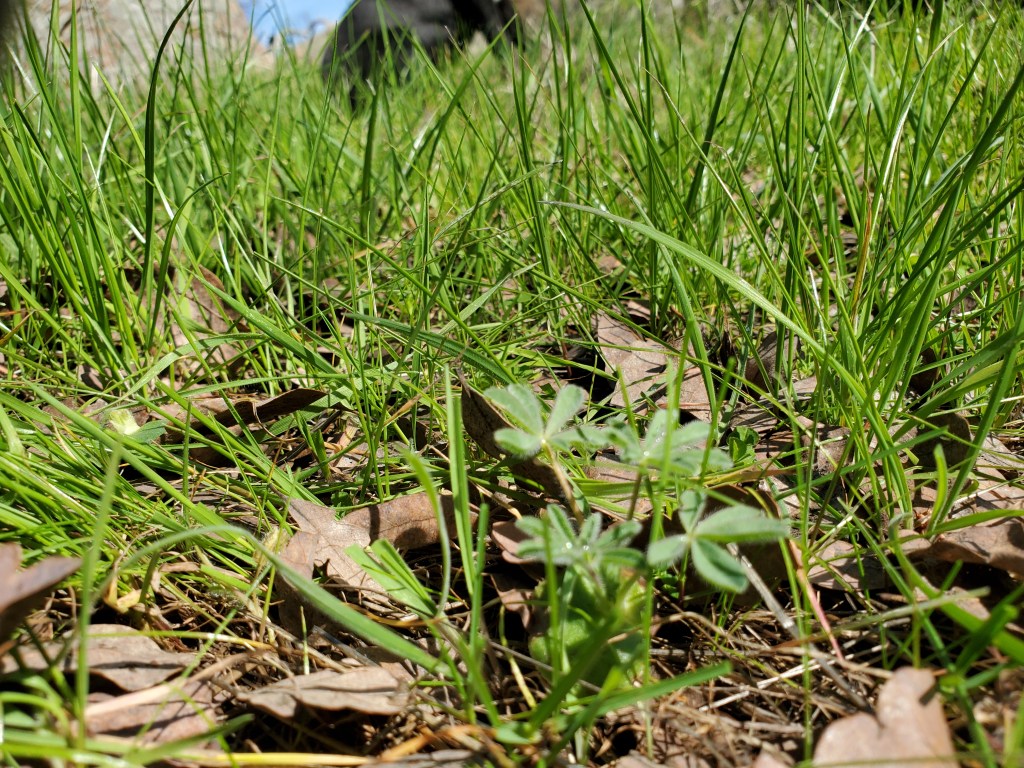
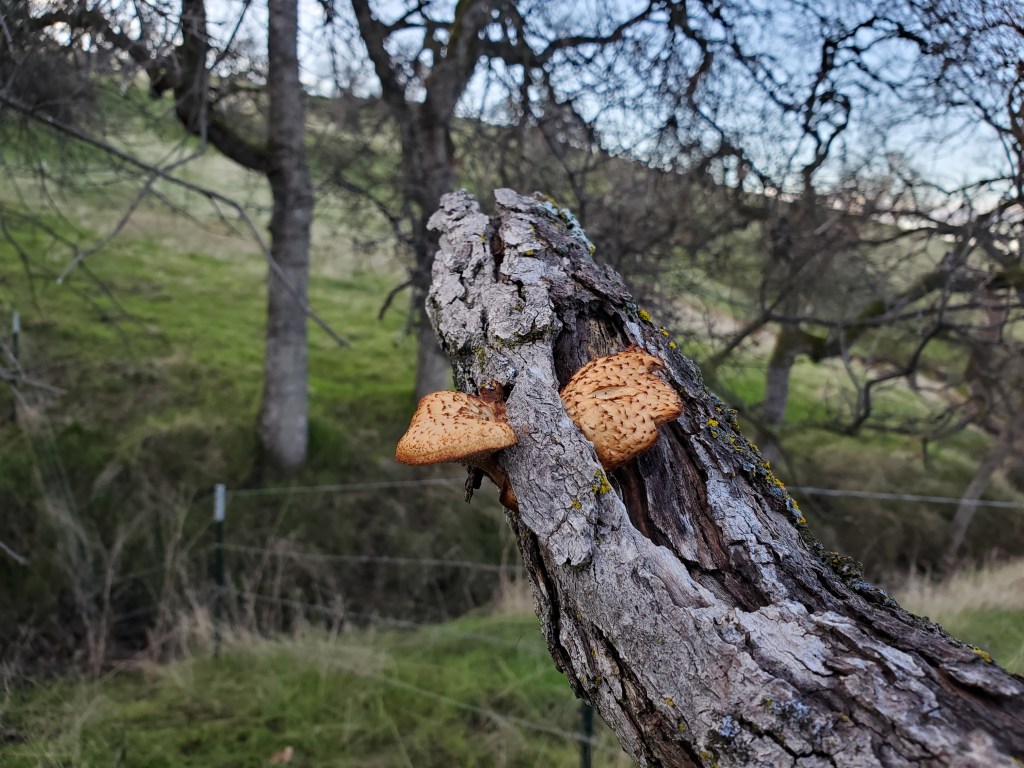
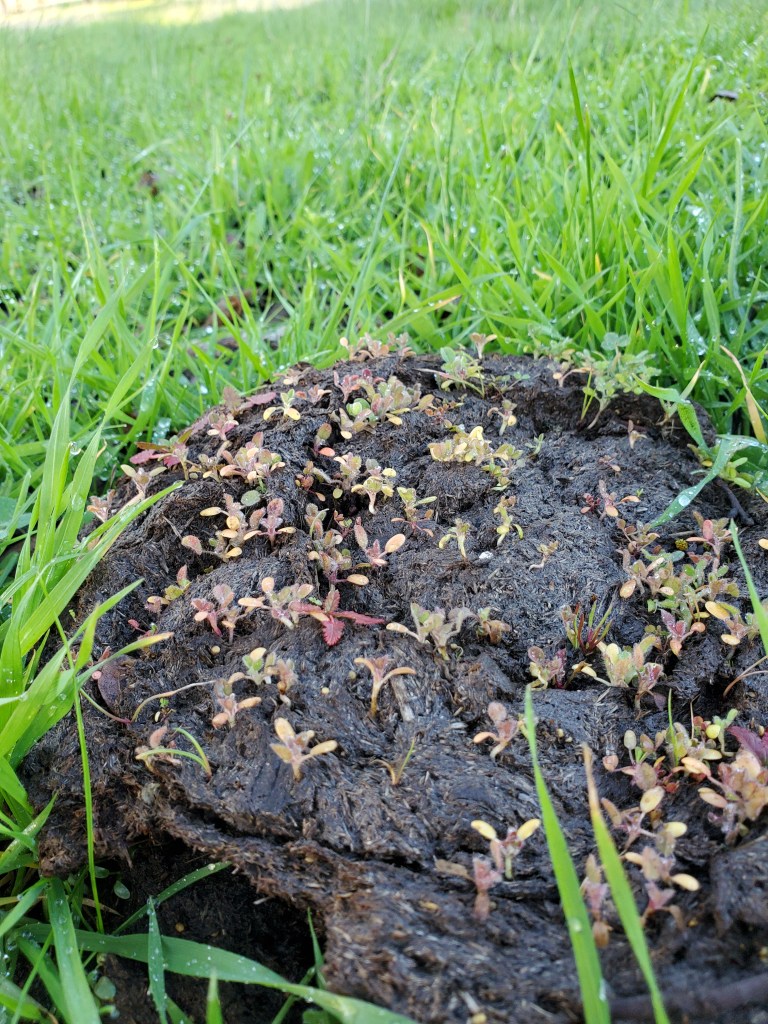
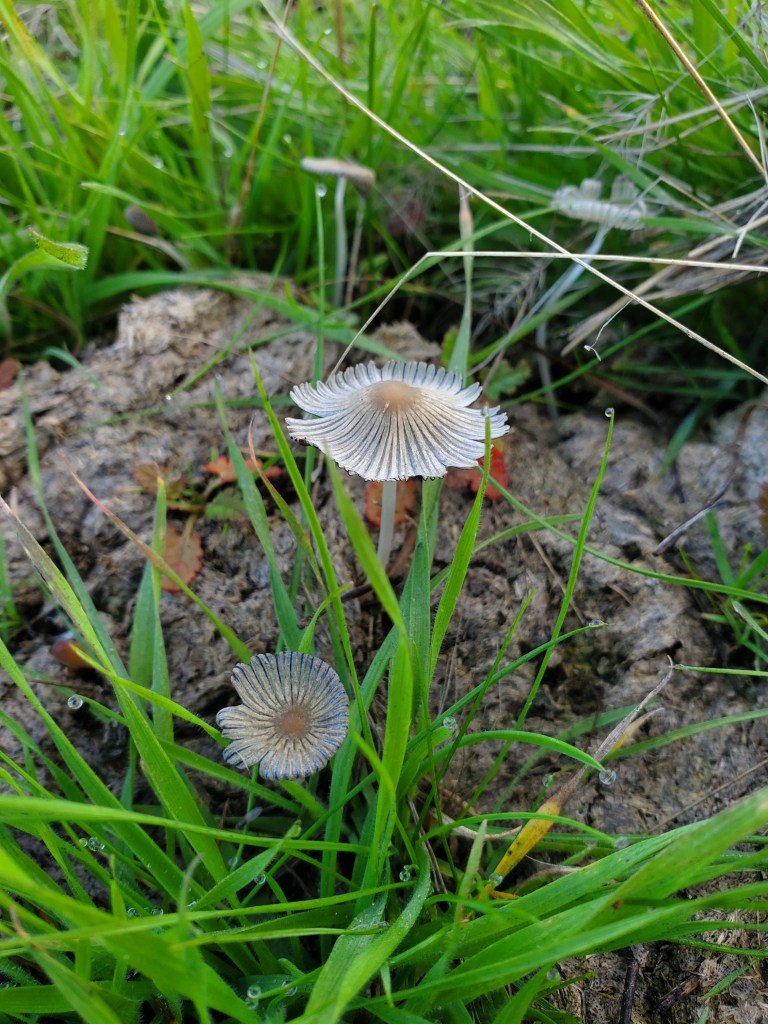
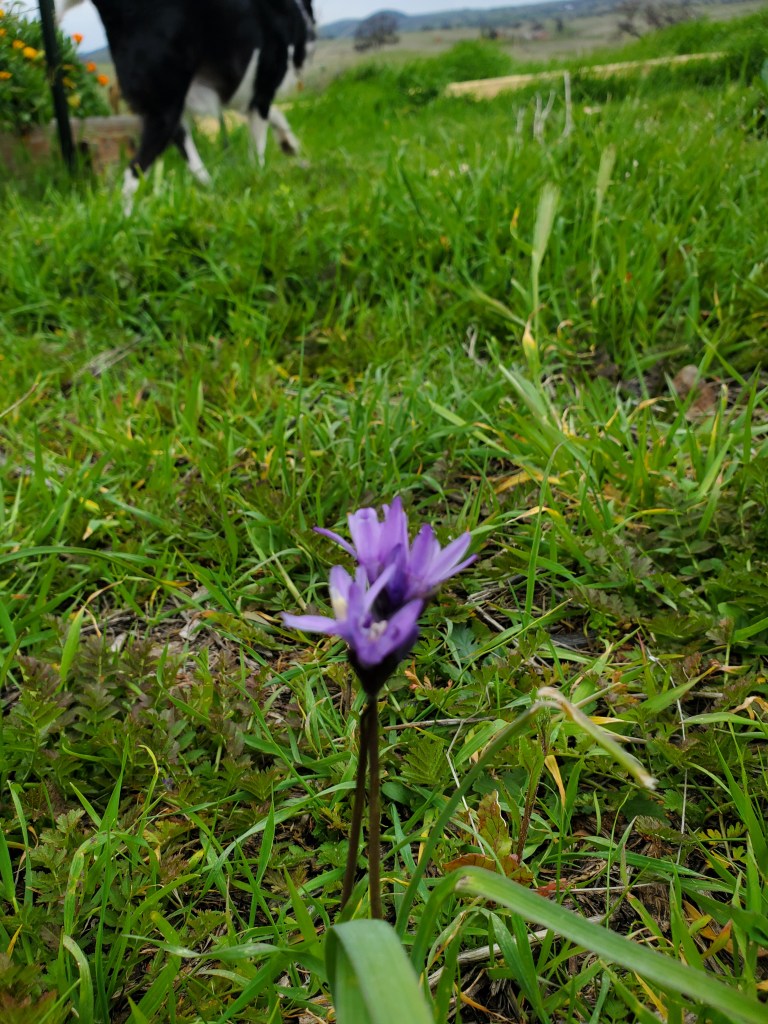
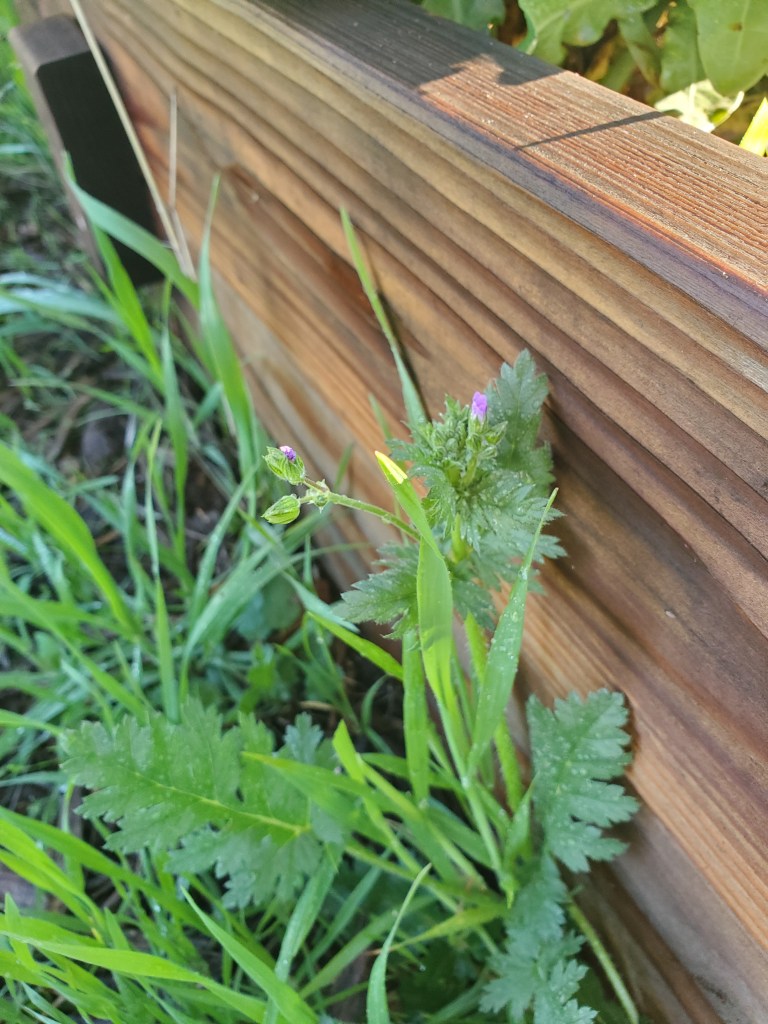
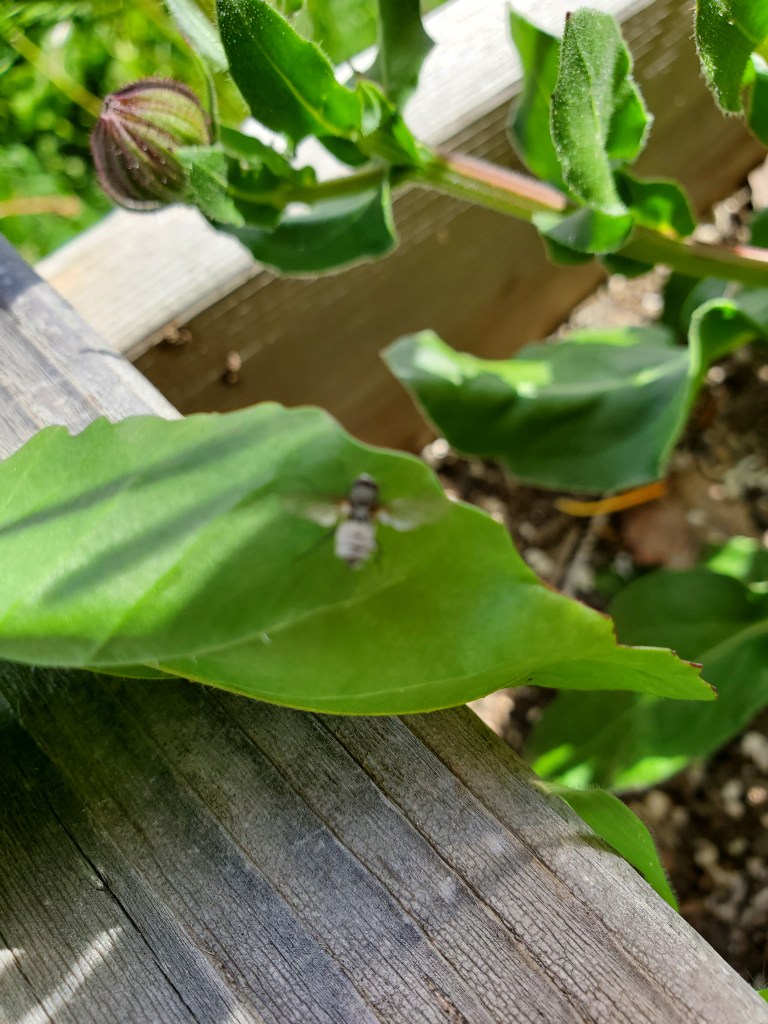
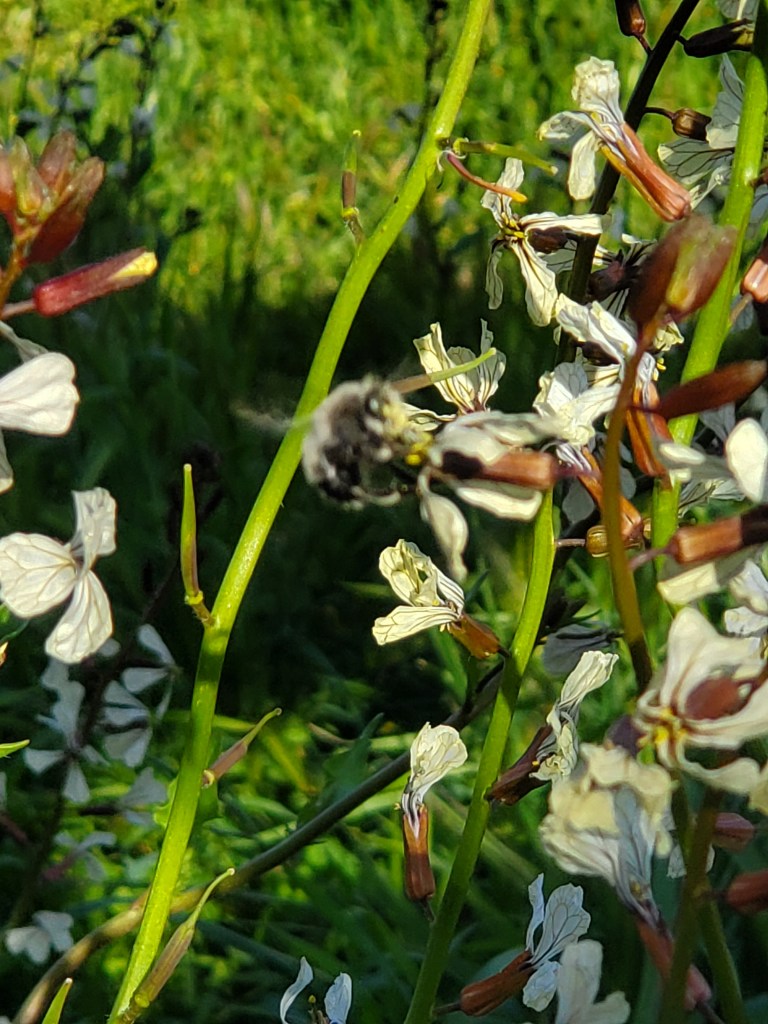
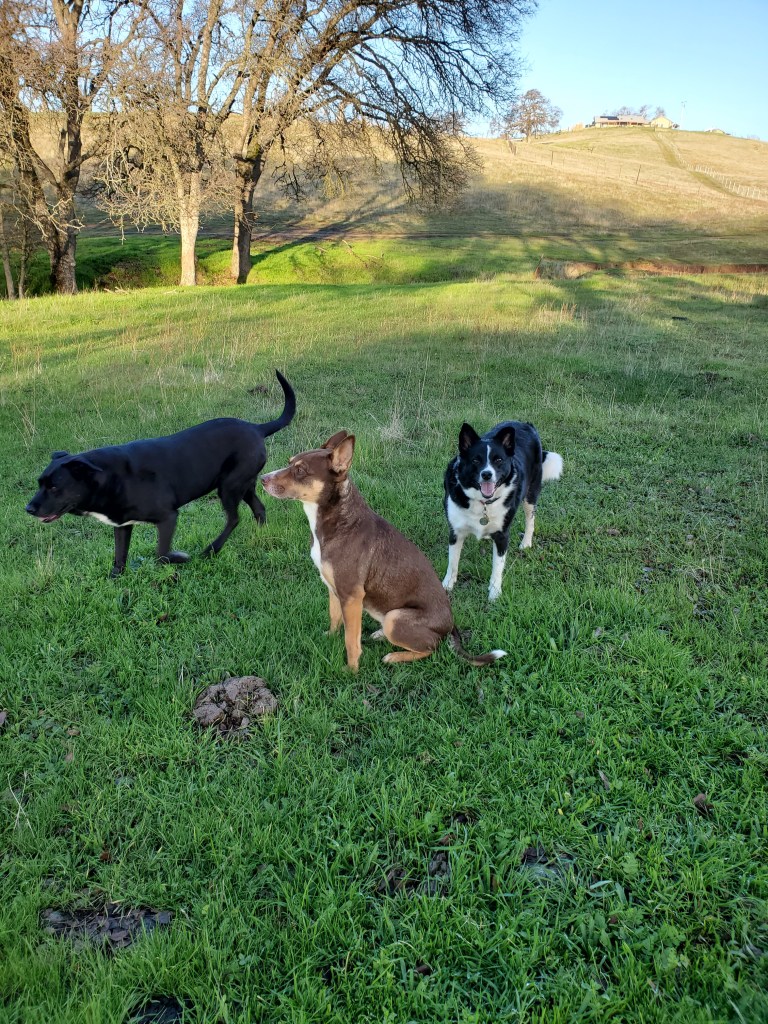
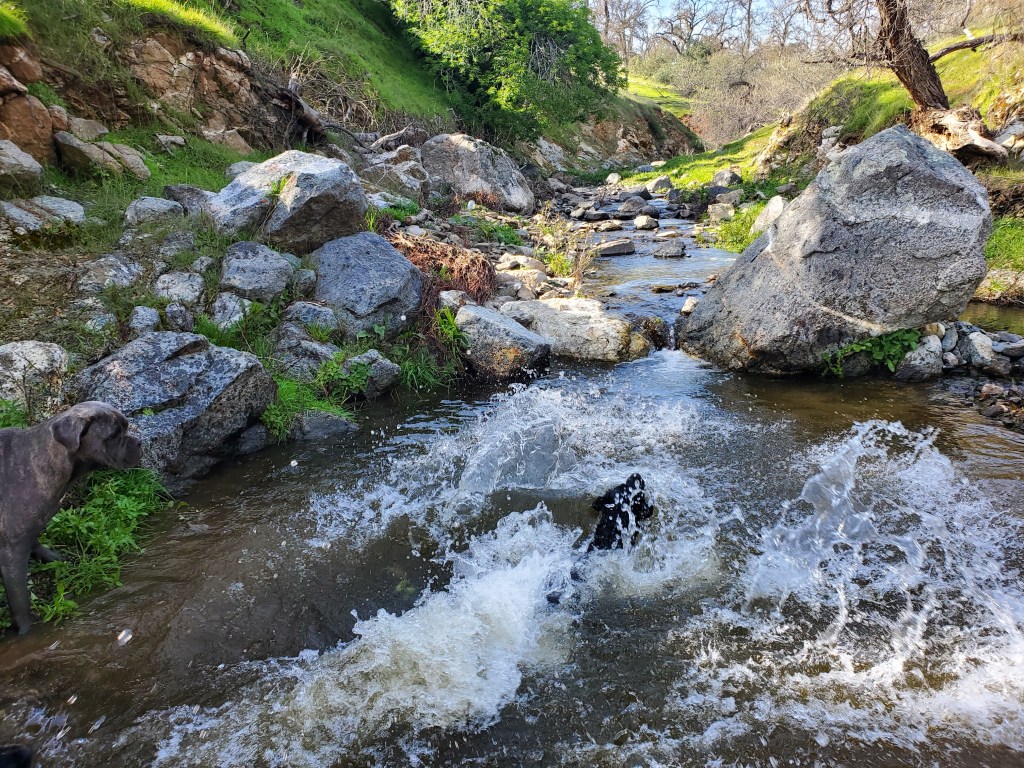
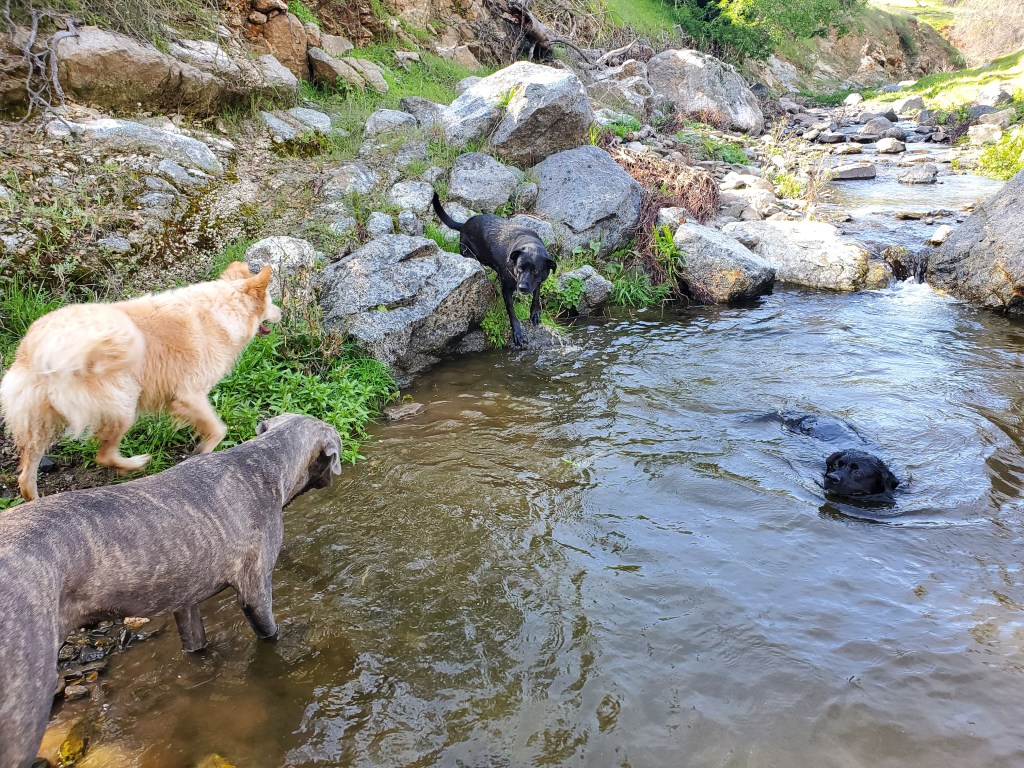
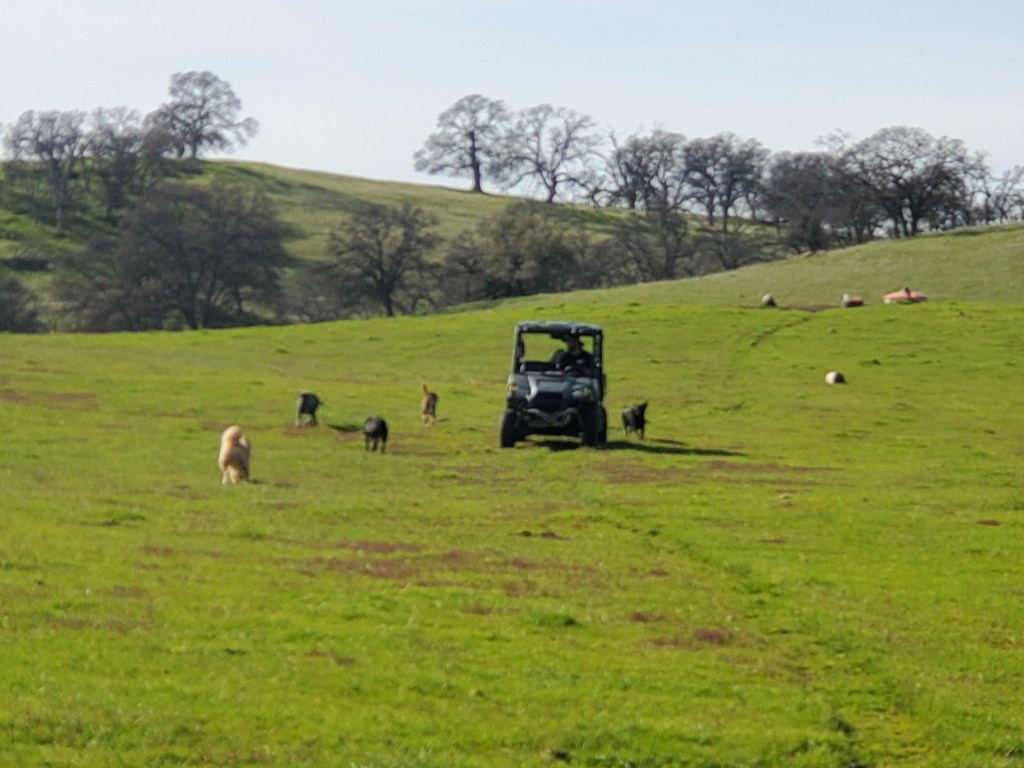
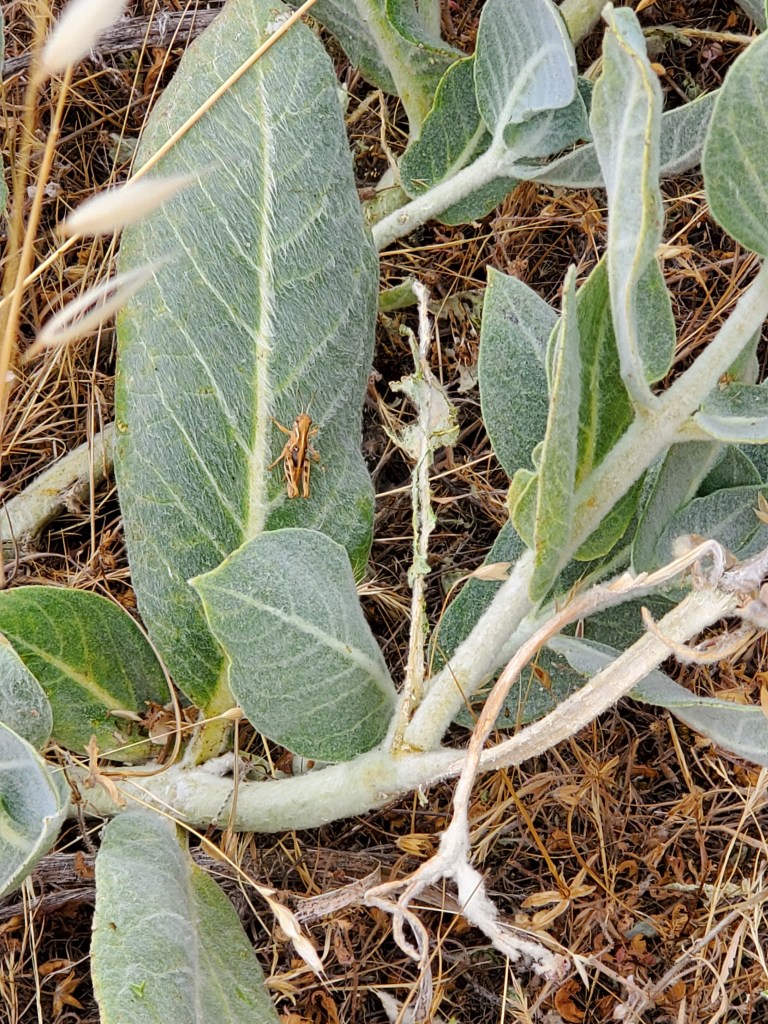
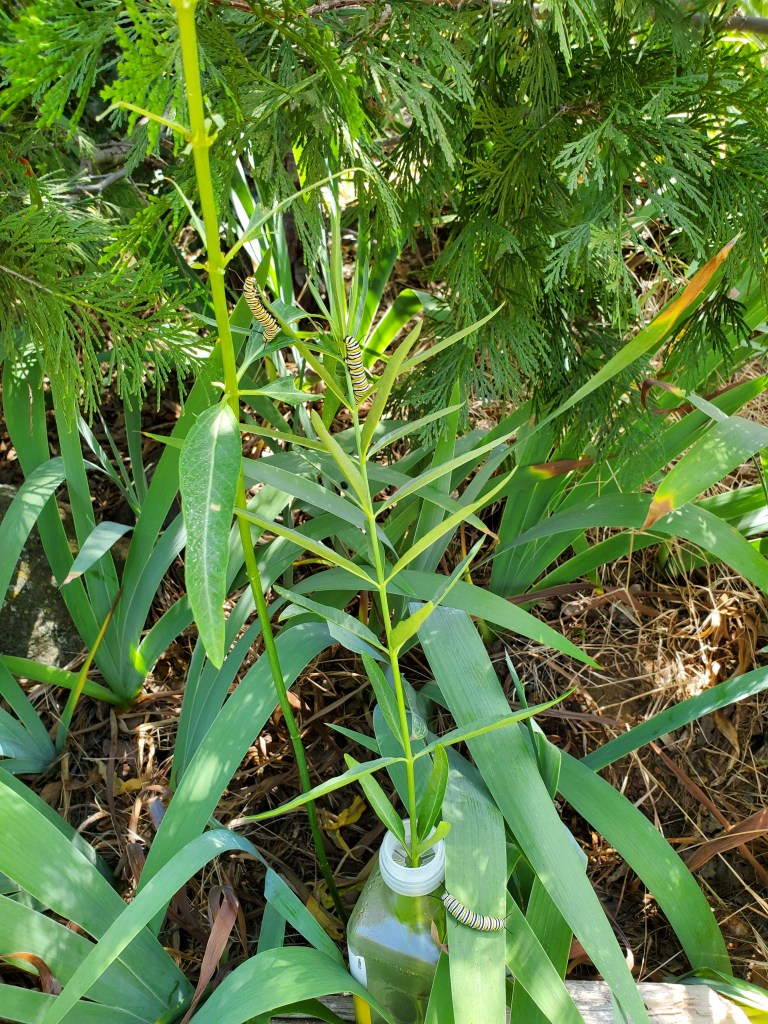
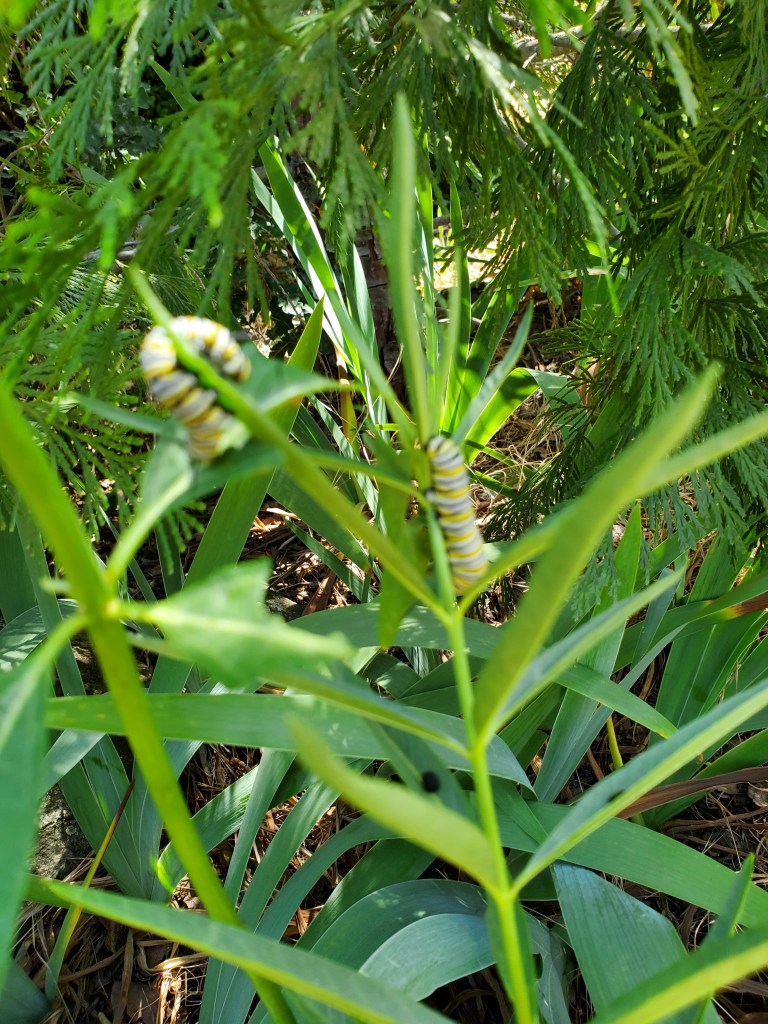
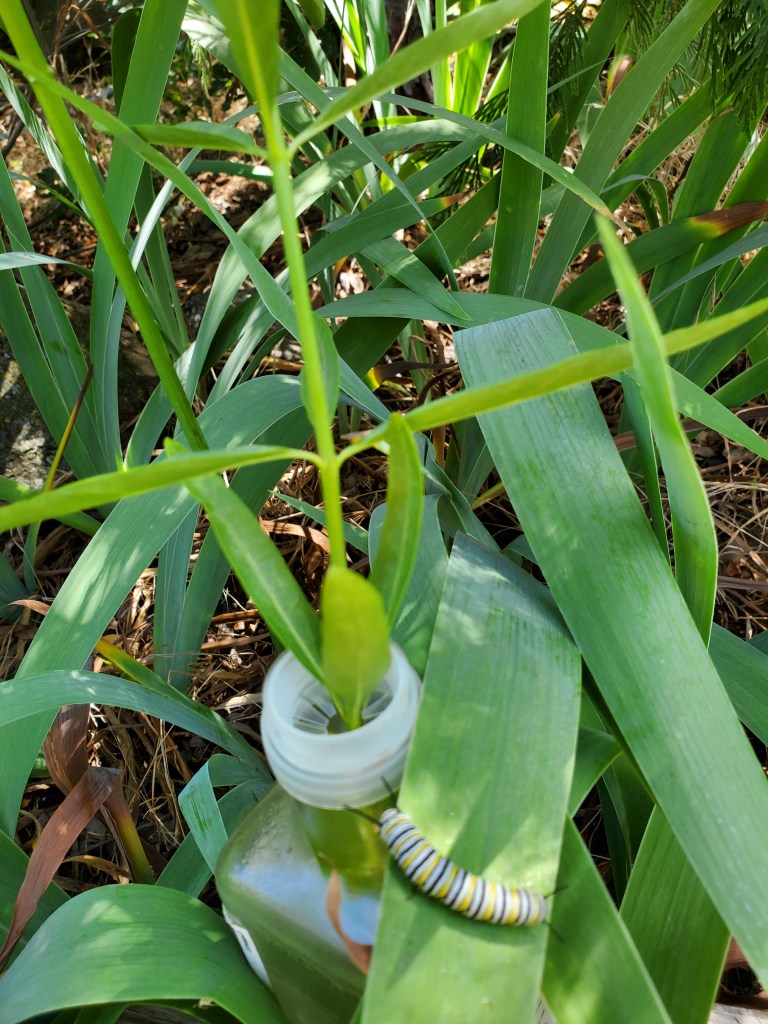
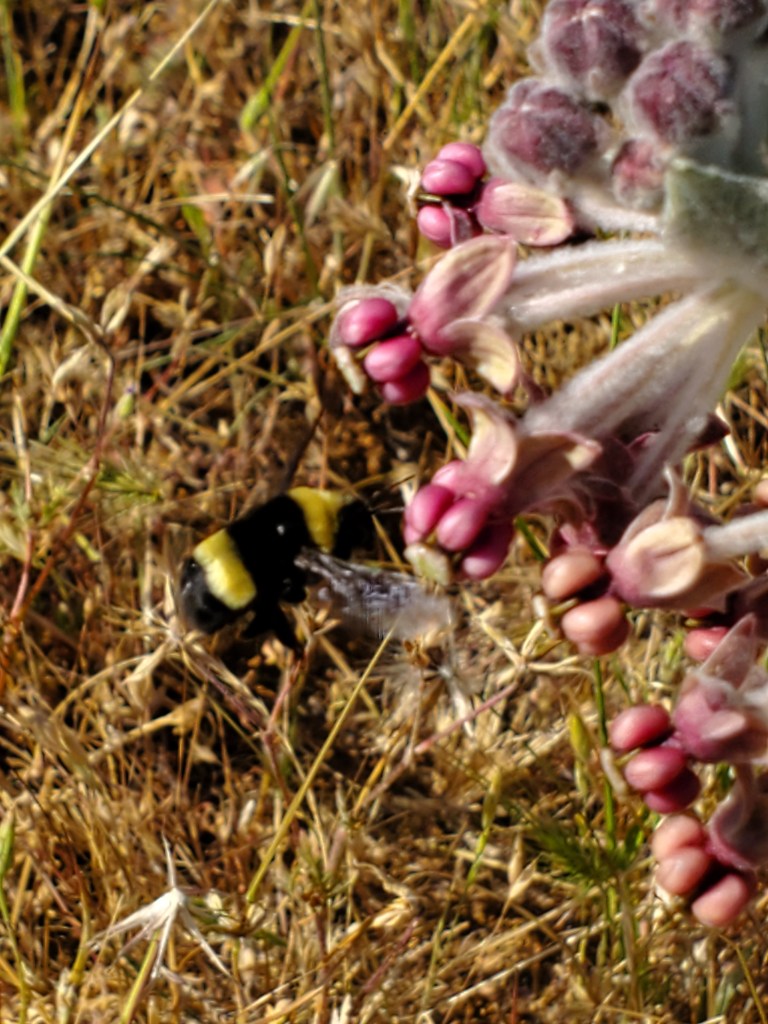
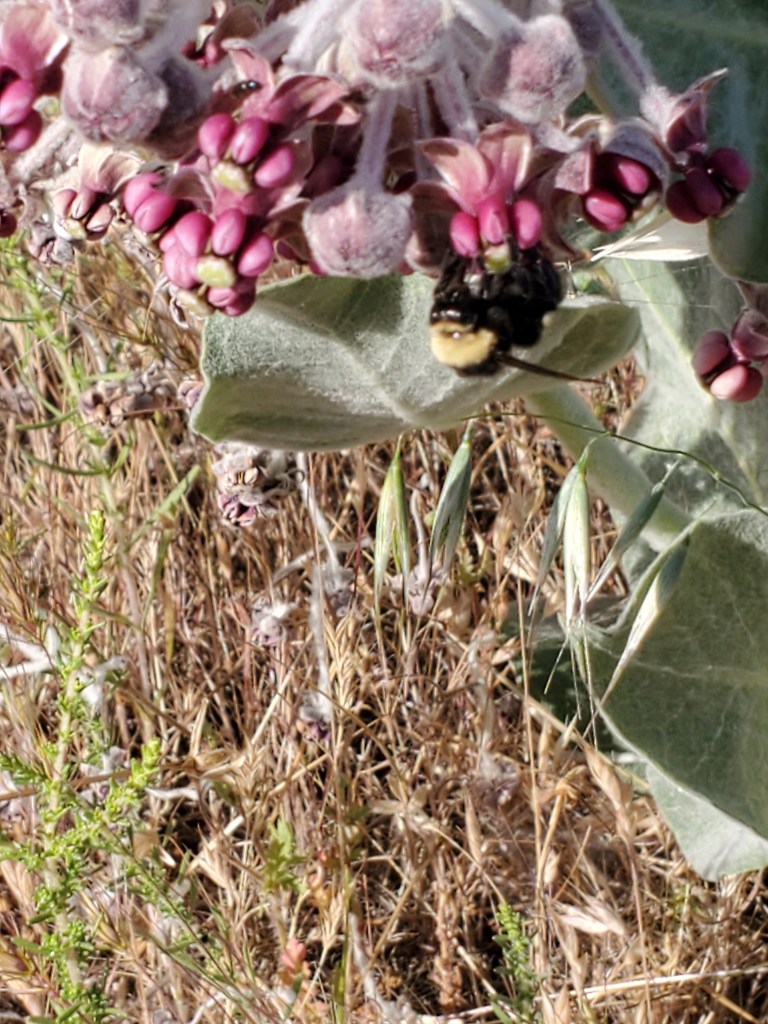
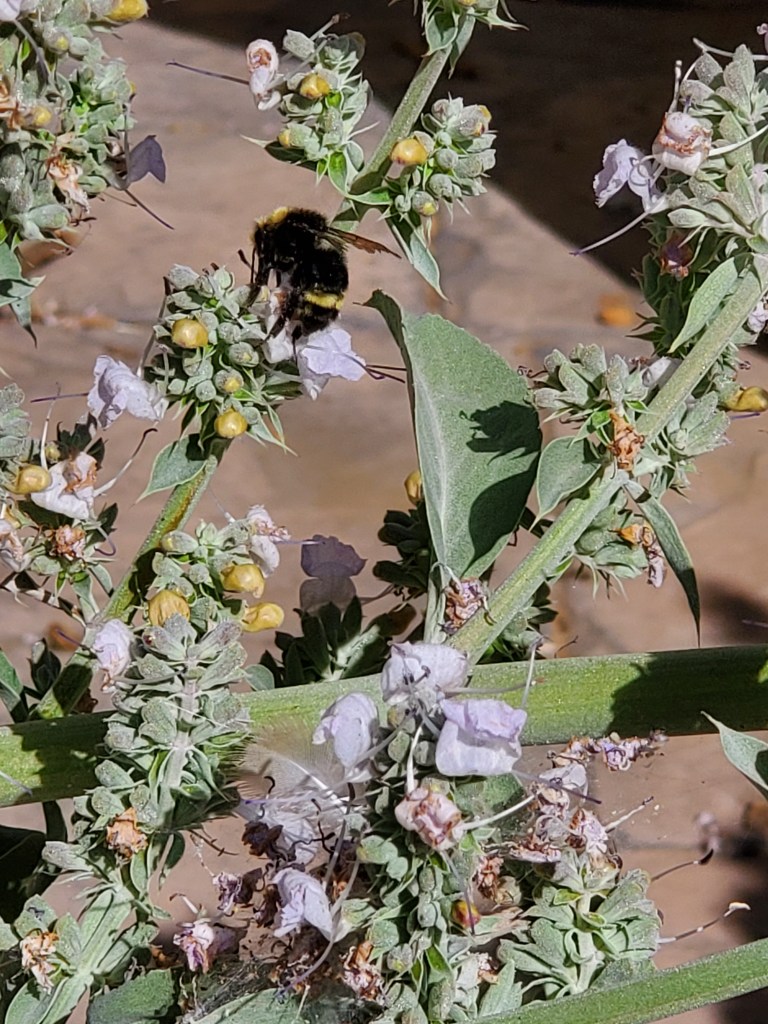
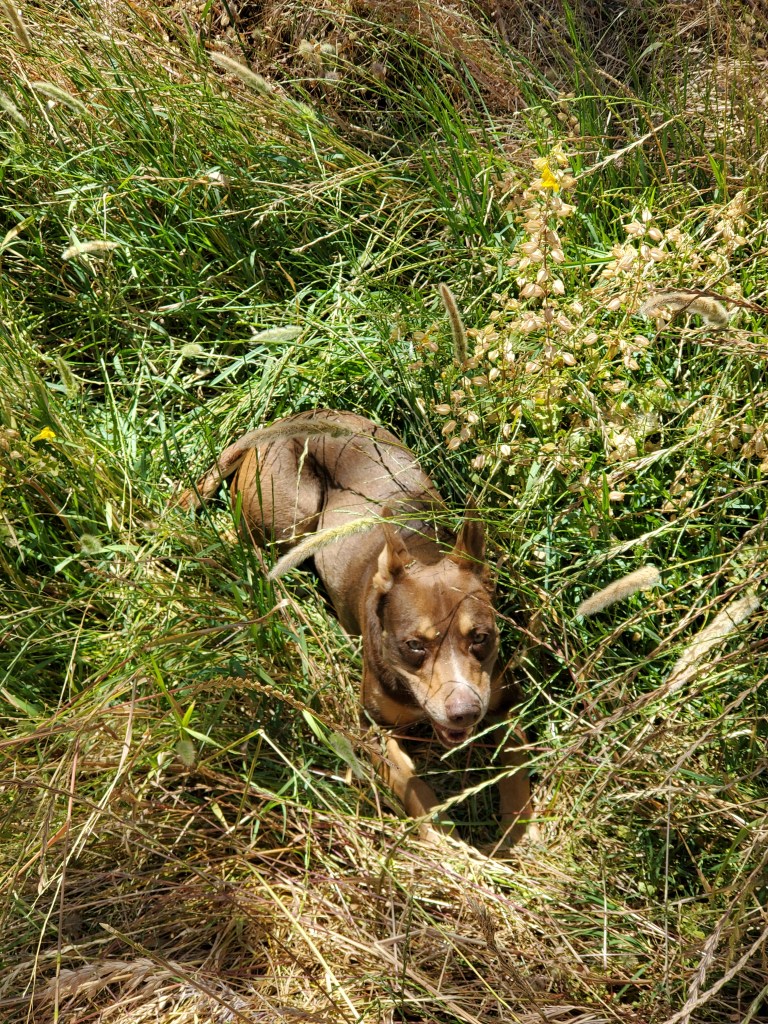
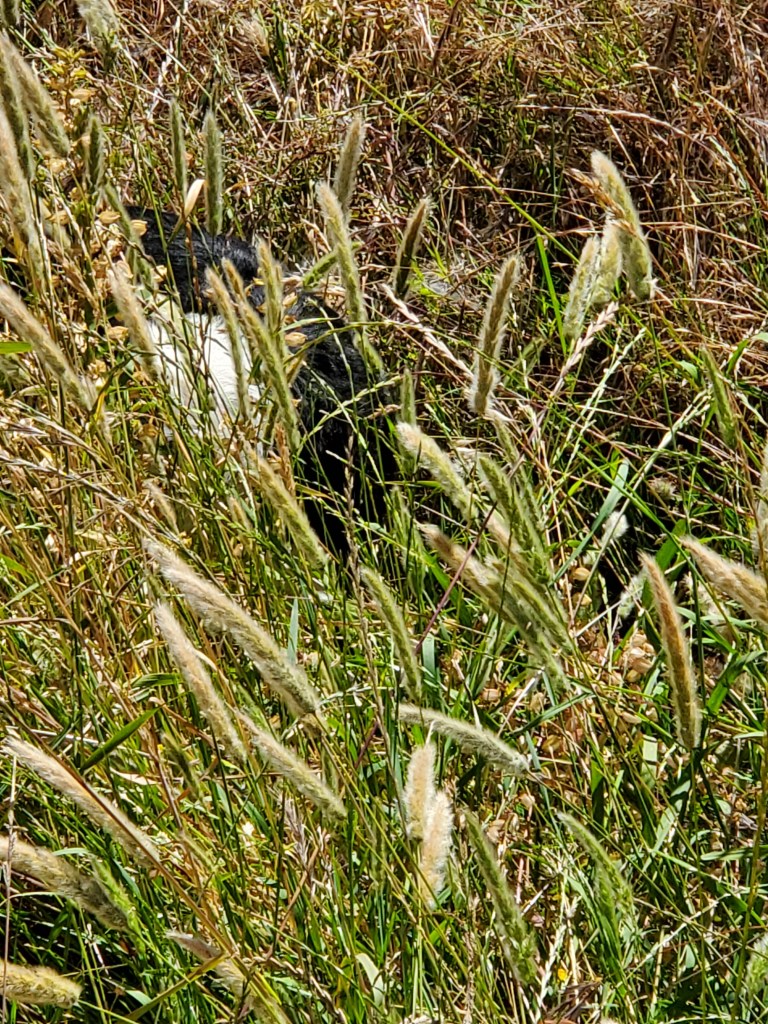
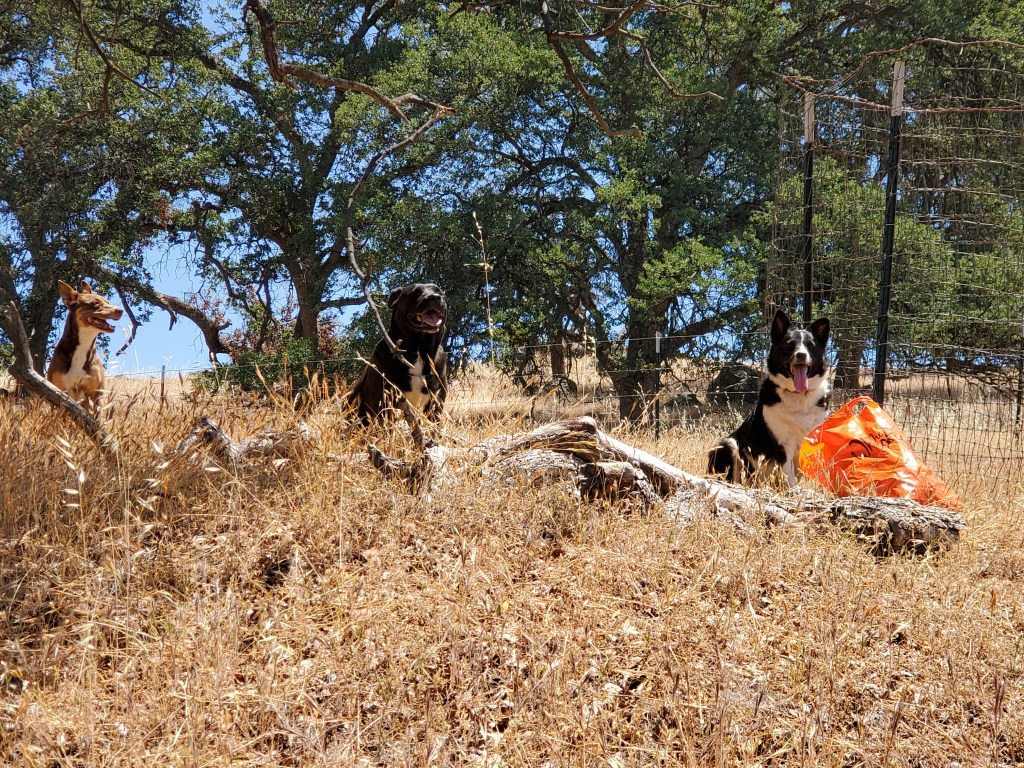
Although I’ve not see as much wildlife as I have in the past, there have still been some beautiful encounters. Running across the road in the near area, and sadly no photos, I have seen coyote, a bobcat and bunnies. Below are other friends.
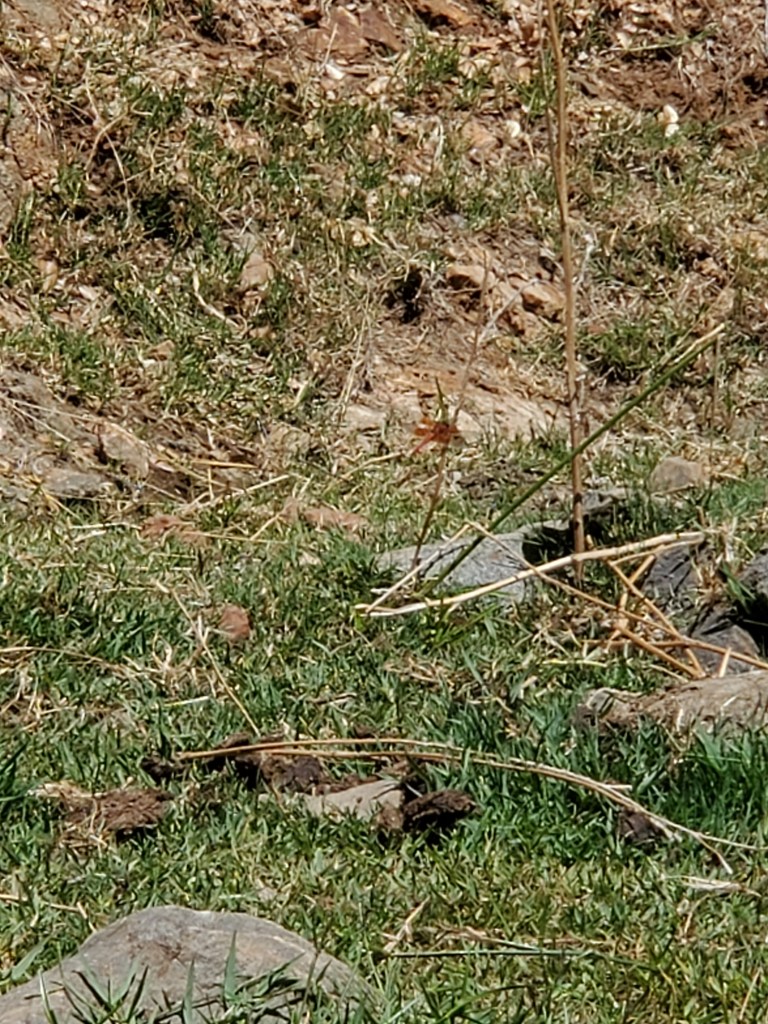

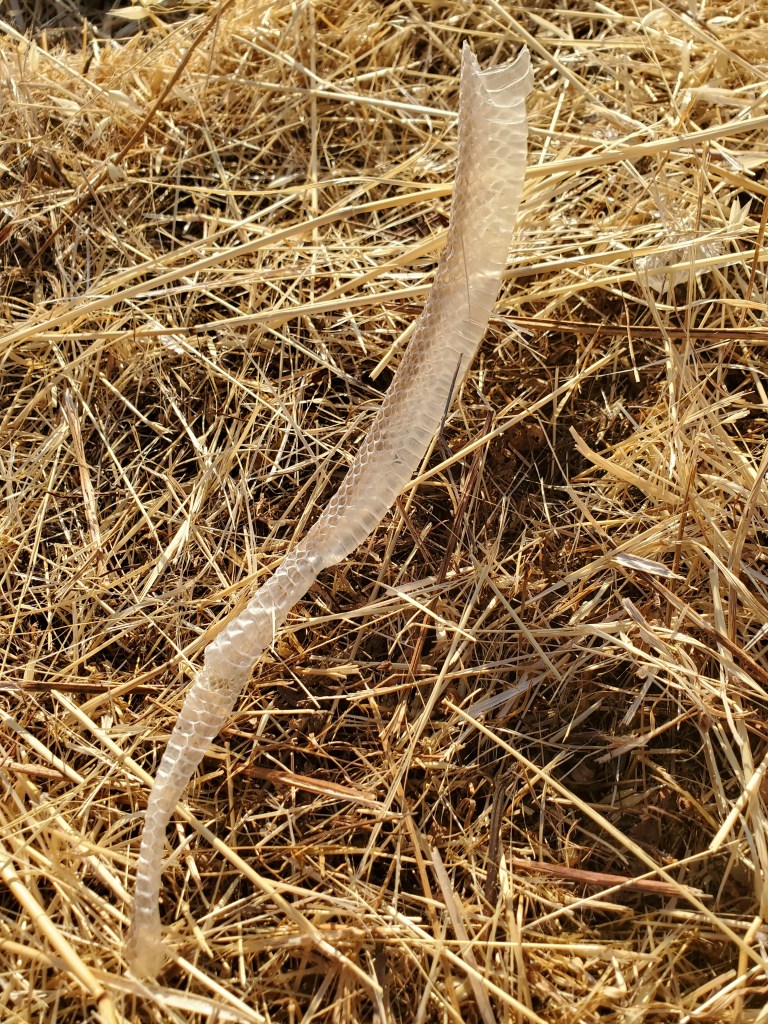
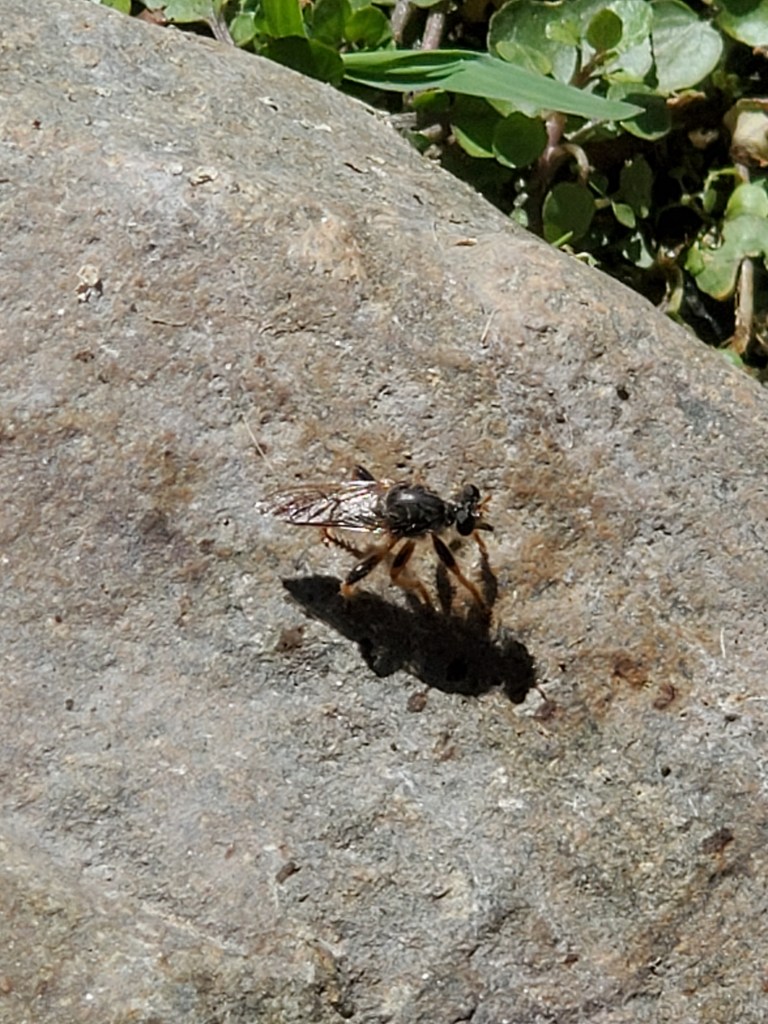
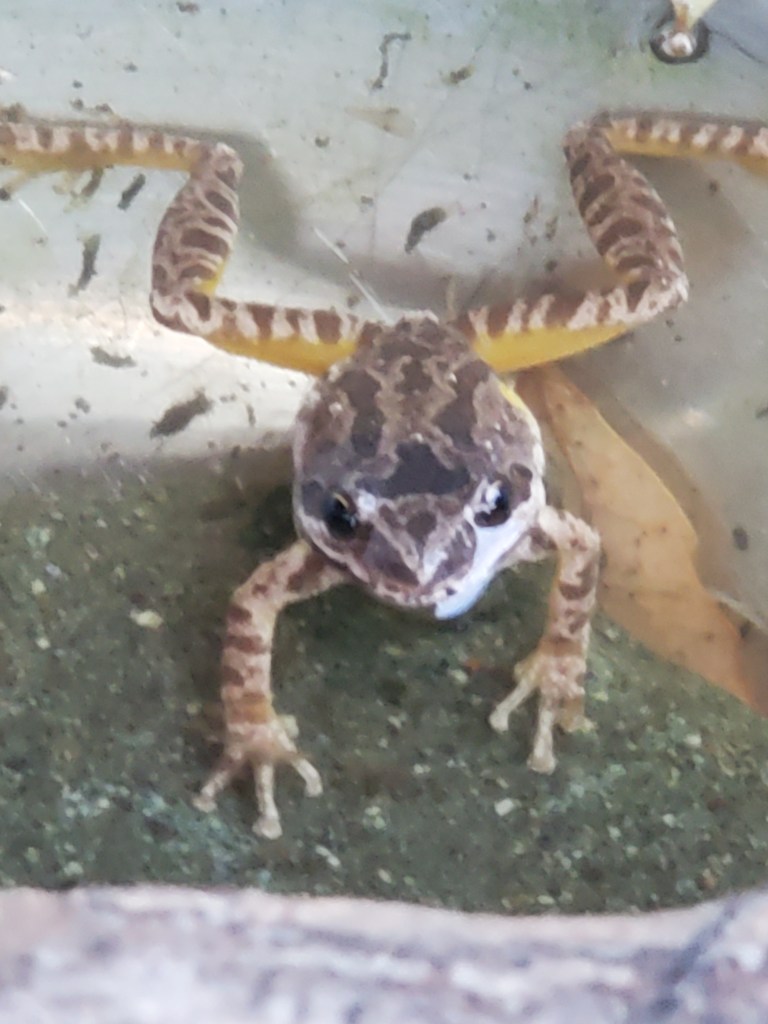
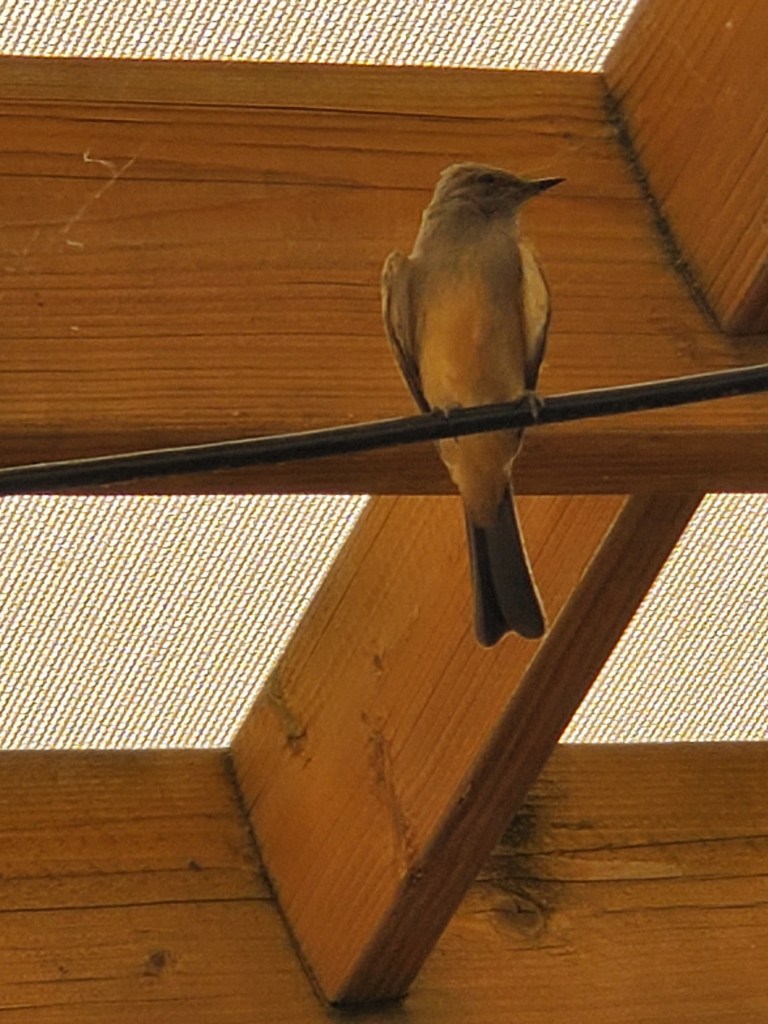
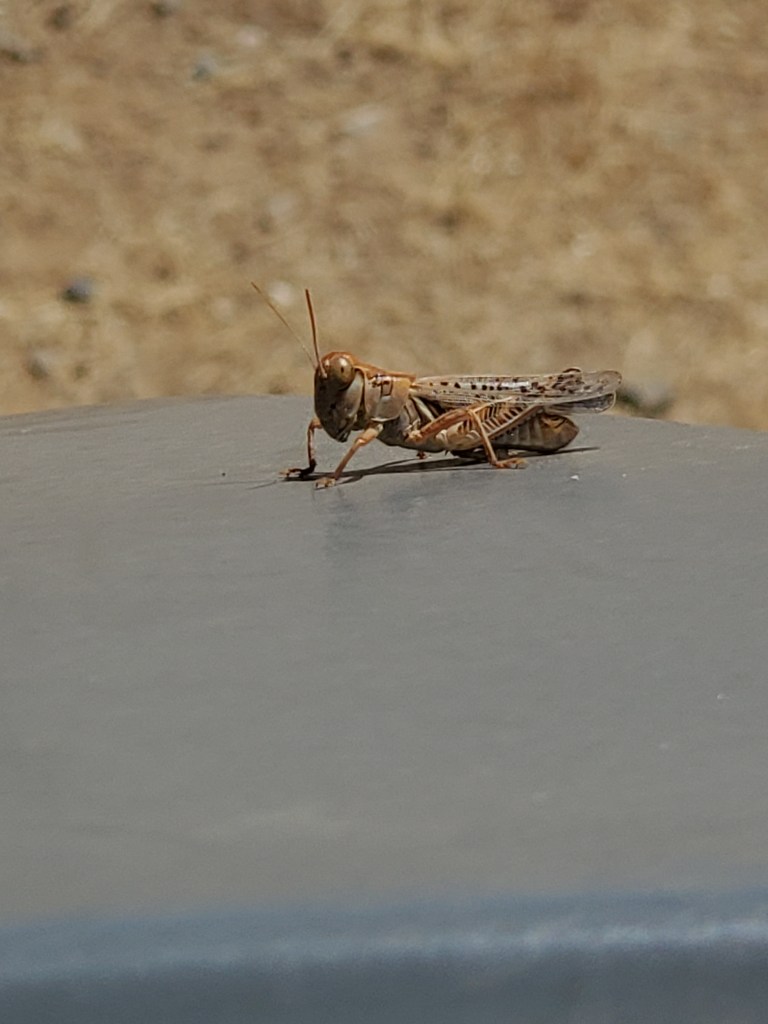
Seed Collection
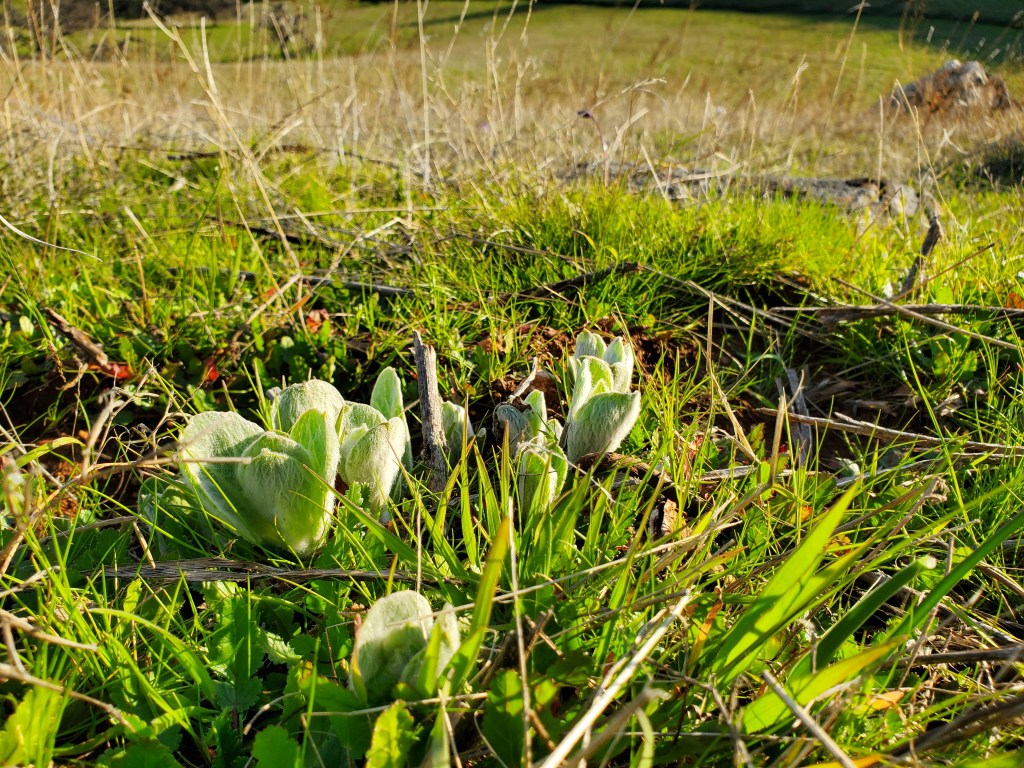
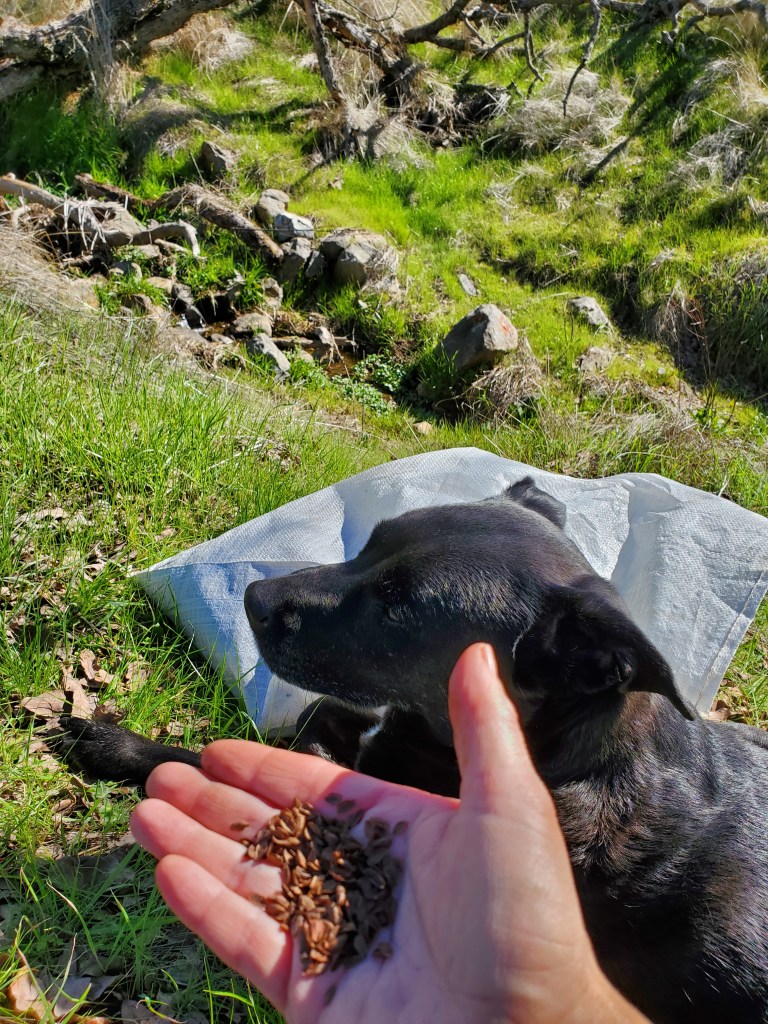
As plants begin to die back and set their seeds, I have been out collecting. I never collect more than 10% of what is available. I share with the birds as well as leaving plenty to grow the next generation.
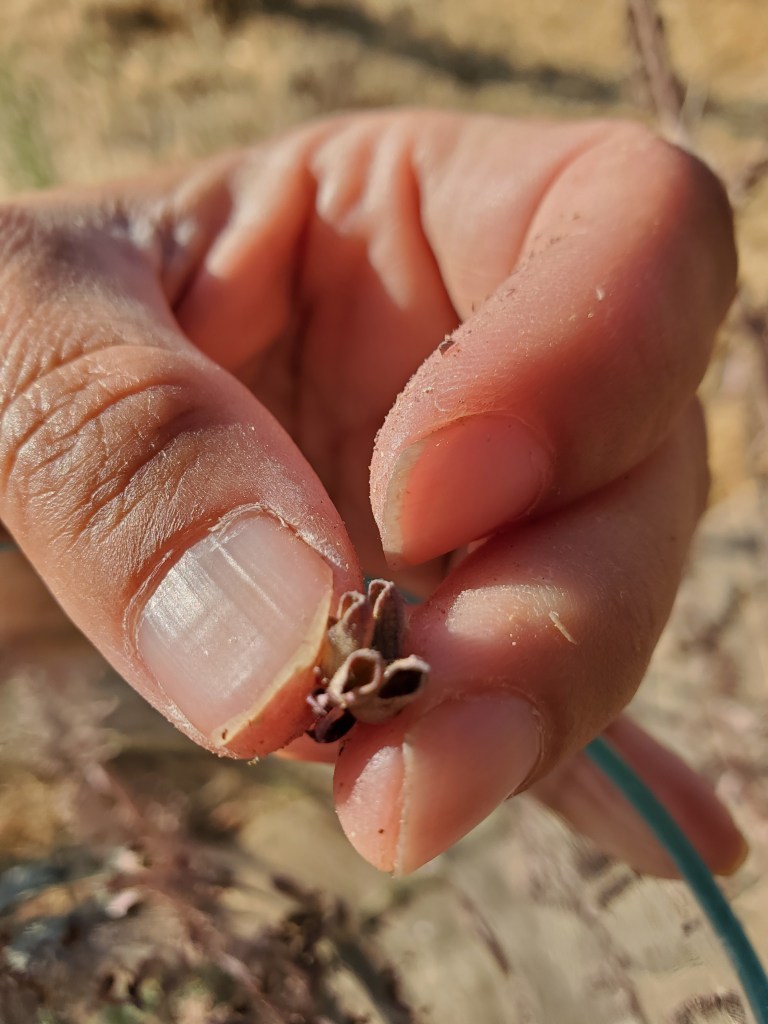
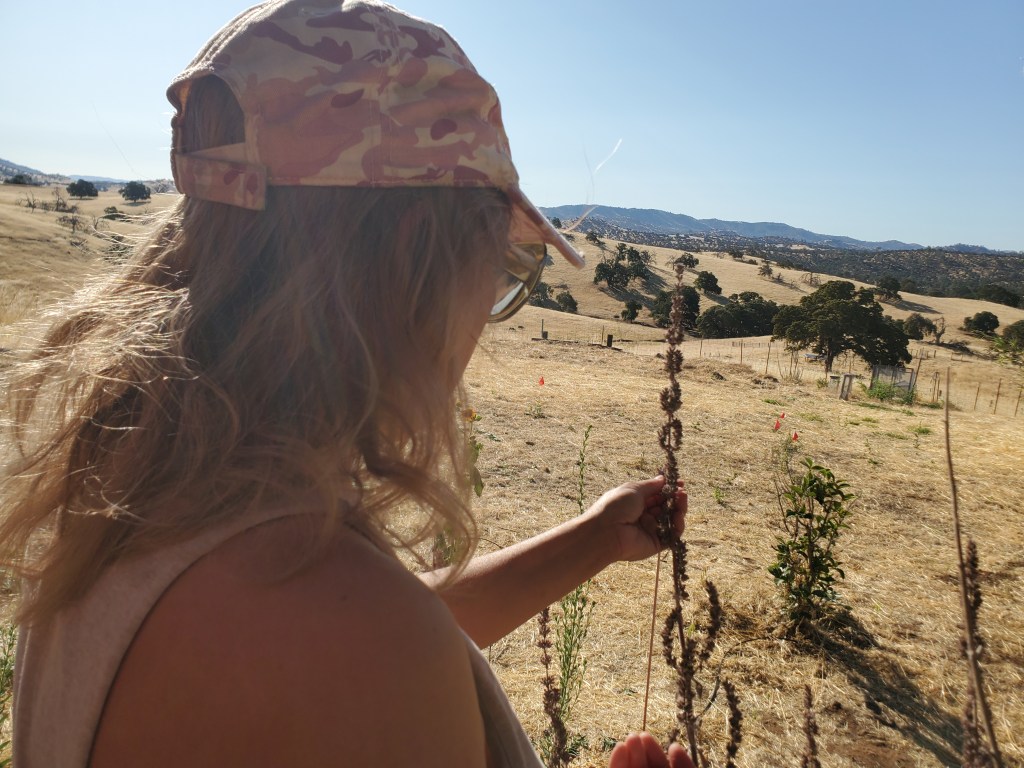
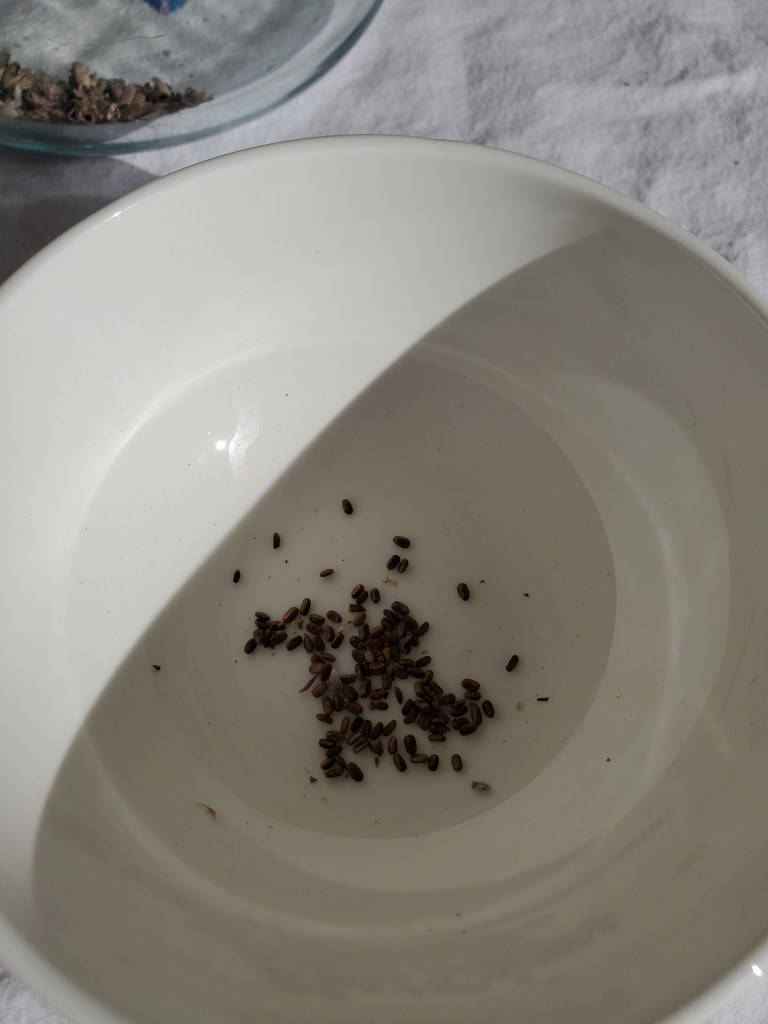
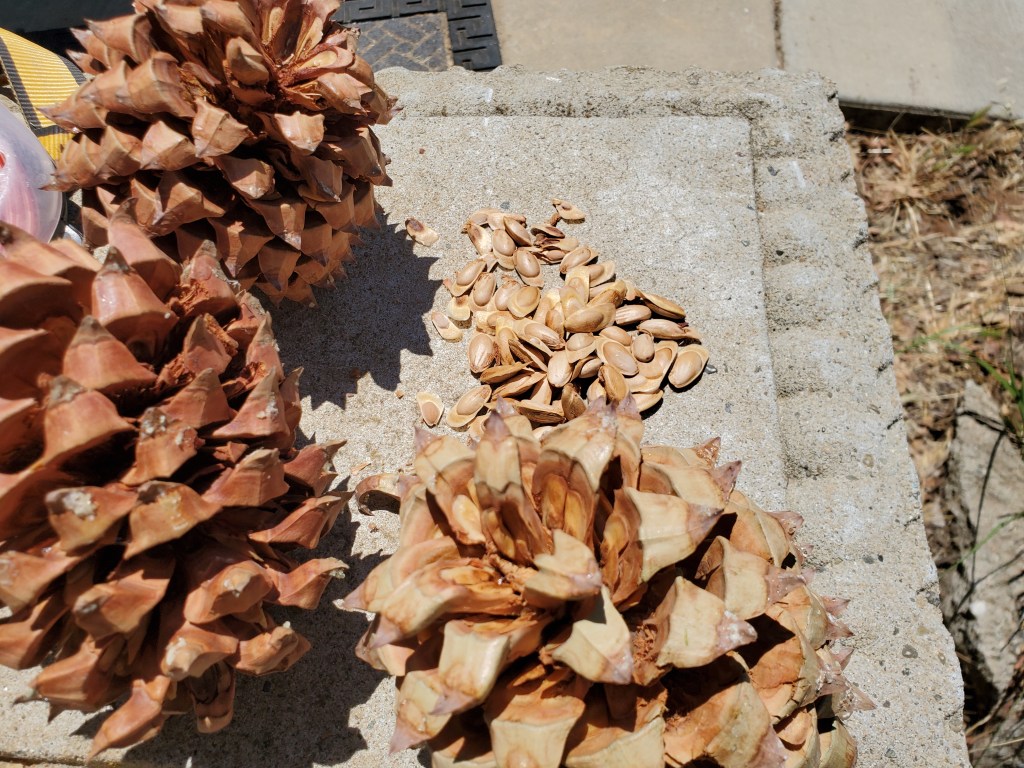
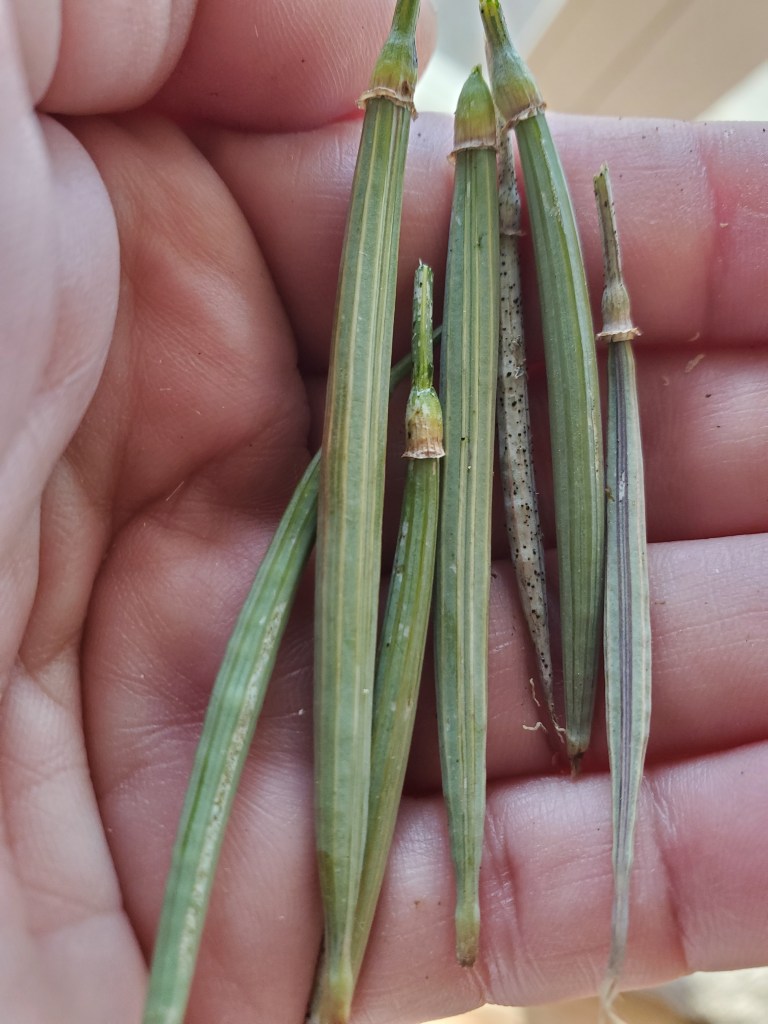
Rainwater Catchment Building Continues
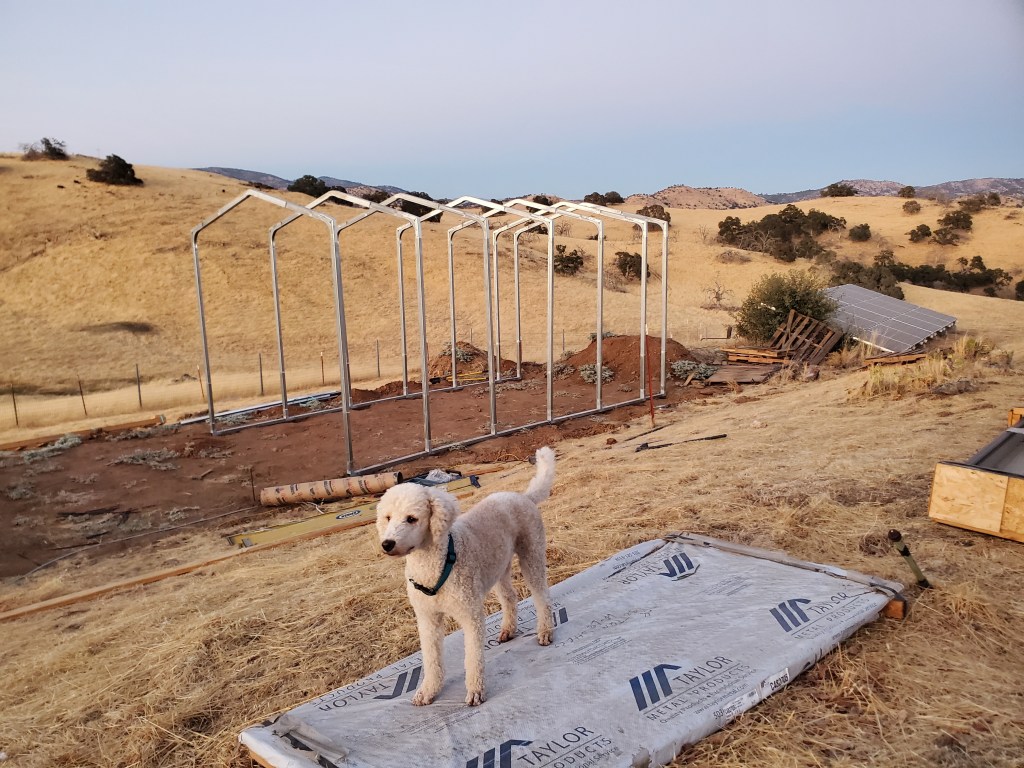
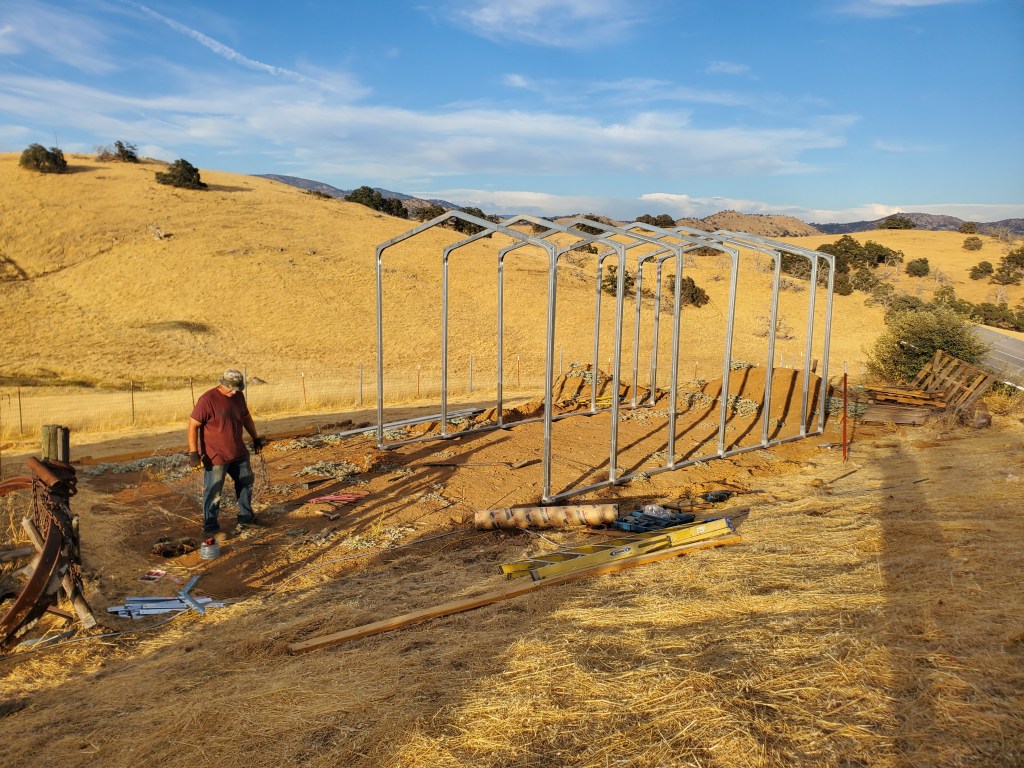
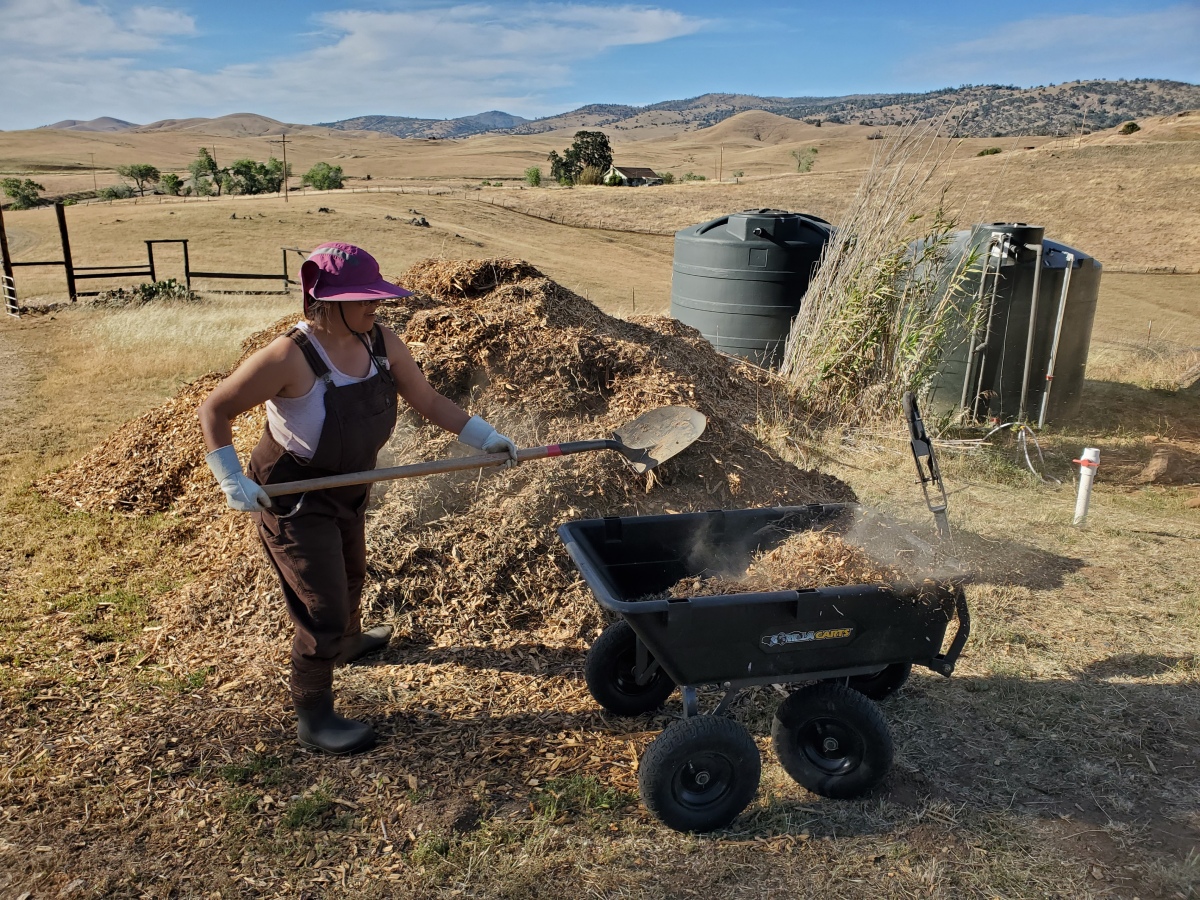
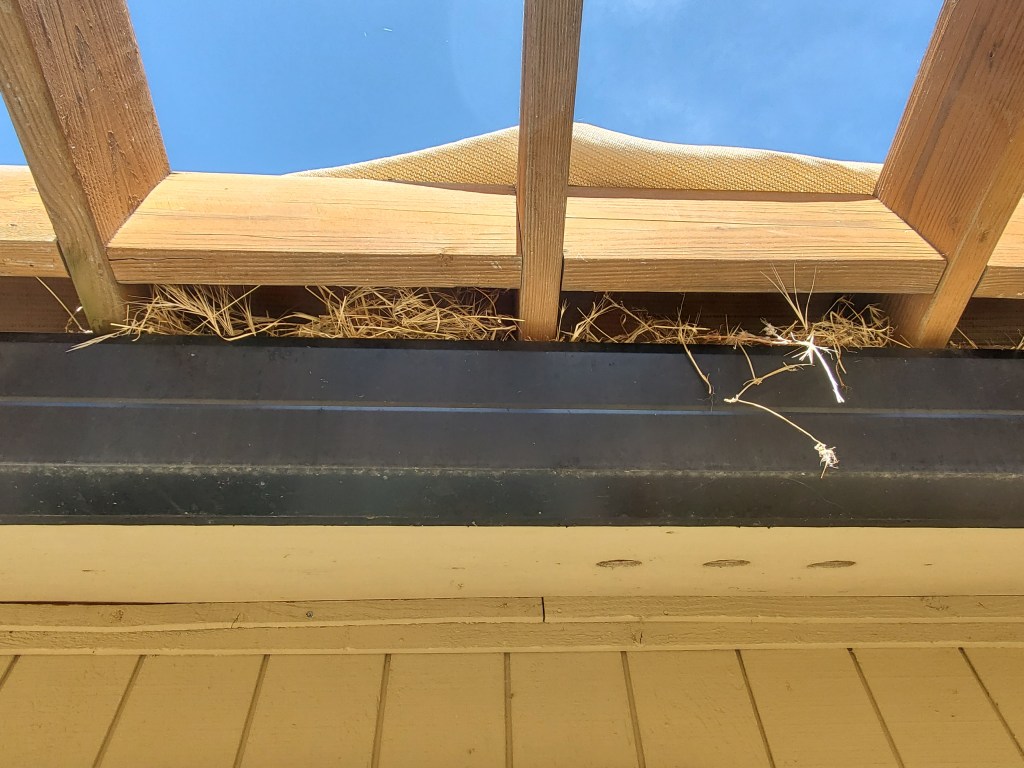
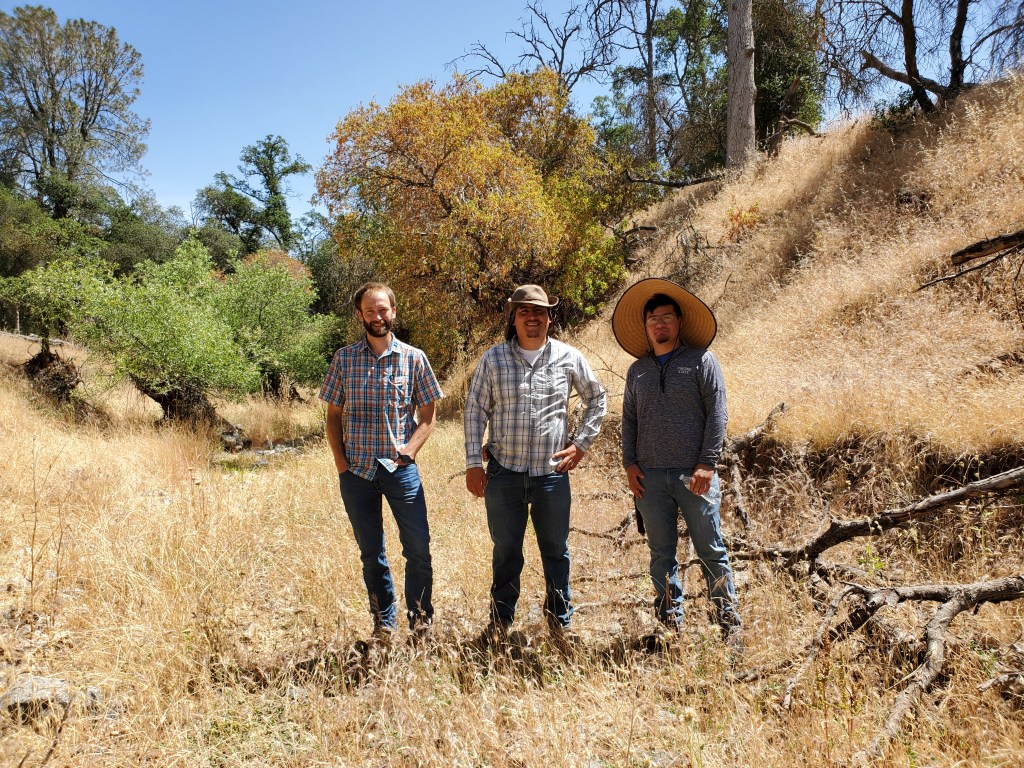
One of our ongoing projects has been to create a fresh, ongoing supply of water to the wildlife guzzlers. Recall, we built a small overhang over the guzzlers to catch more rainwater than if they were left out on their own with their beveled tops. The overhang also acts as shade to decrease evaporation from the unit. Some years, the water captured lasts the entire year. During droughts, the water has run out by late August. To prevent running out, but to also inflow more fresh water, we are building a larger rainwater catchment up hill to gravity feed into the guzzler. The tank is 1500 gallons and will be under a metal building to protect it from sun exposure and heat gain. David has been working on it and will likely be done a week from this post. I am very excited to keep water flowing throughout the hot months. The guzzler has become a very busy place with ground and song birds, raccoons and one feisty feral cat. Thank you to the Natural Resources Conservation Service (NRCS) EQUIP program, US Fish and Wildlife Partners Program and Point Blue Roots Program for believing in this work and supporting it.

Fire Danger Ever Present
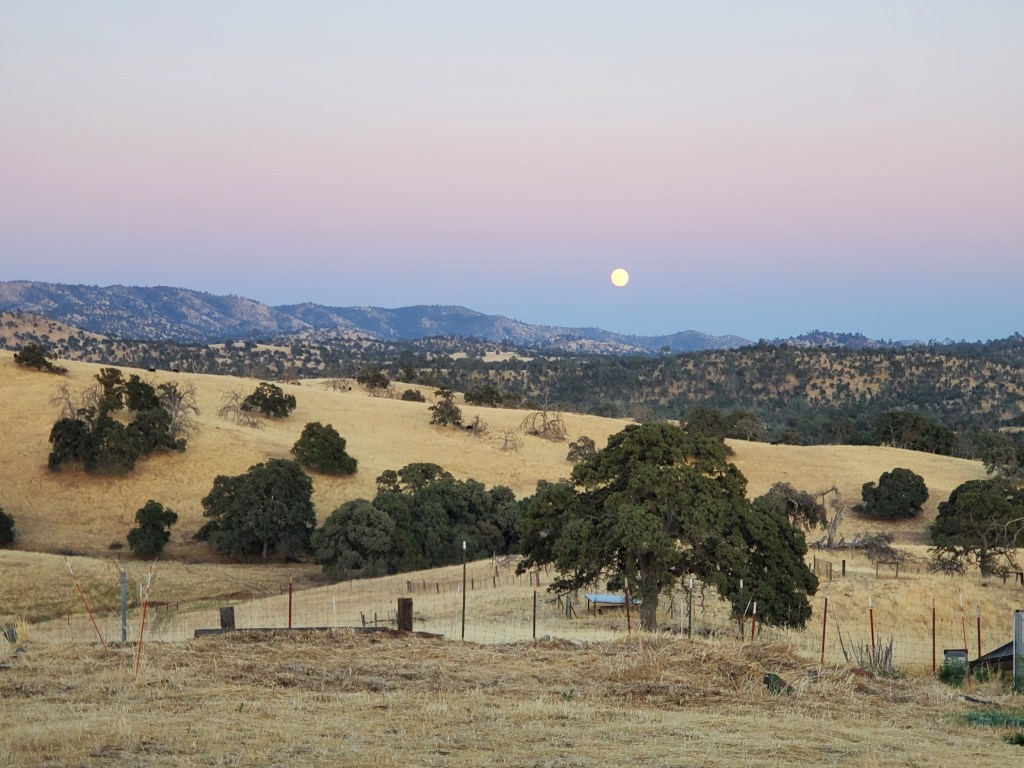
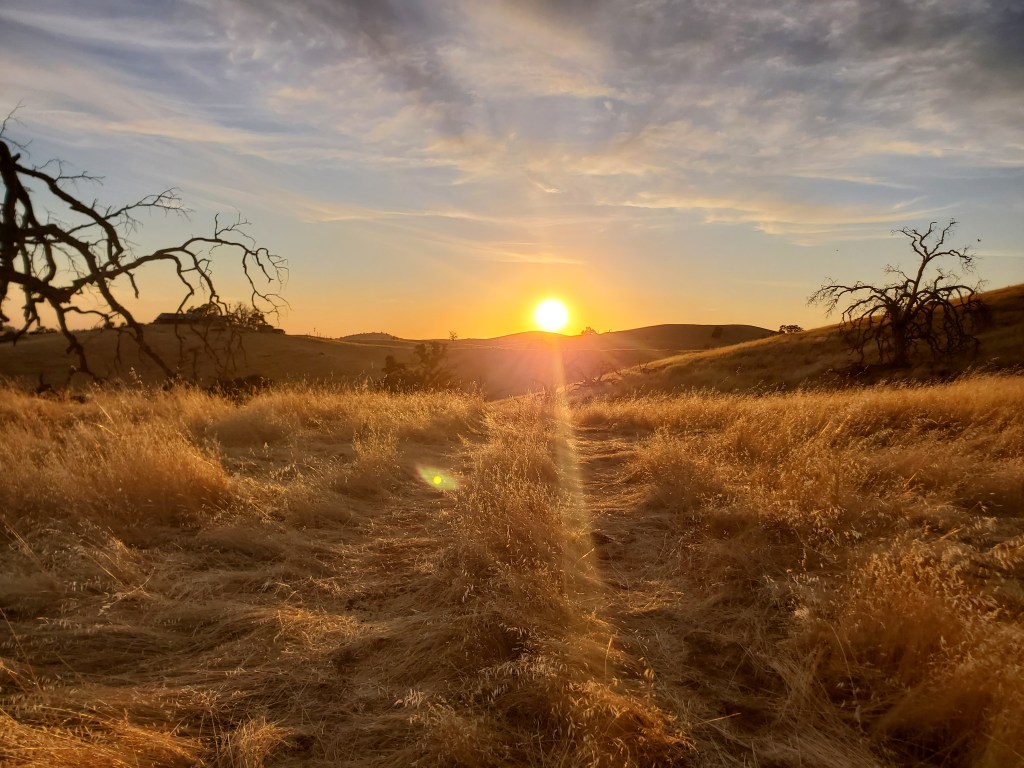
Living in the new norm of ever present fire danger feels unsettling. When I was a child growing up in the Sierras, fires were part of life, but rarely major conflagrations. There was more water then and less people. I never worried, and I don’t recall my parents worrying the way I do now.
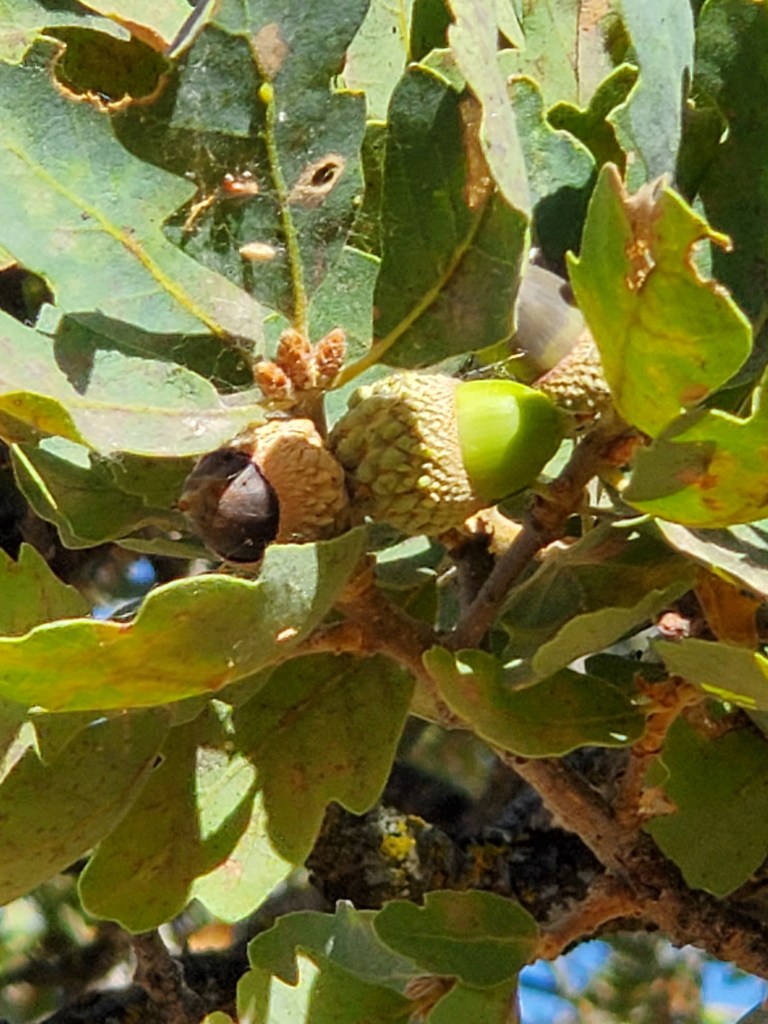
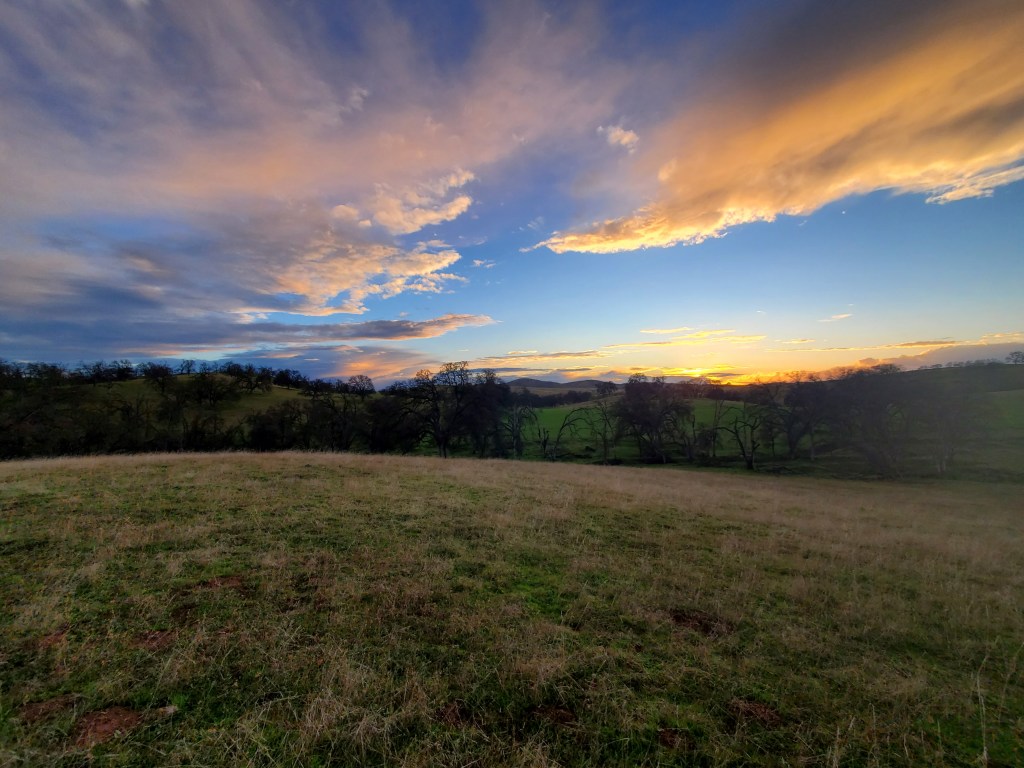
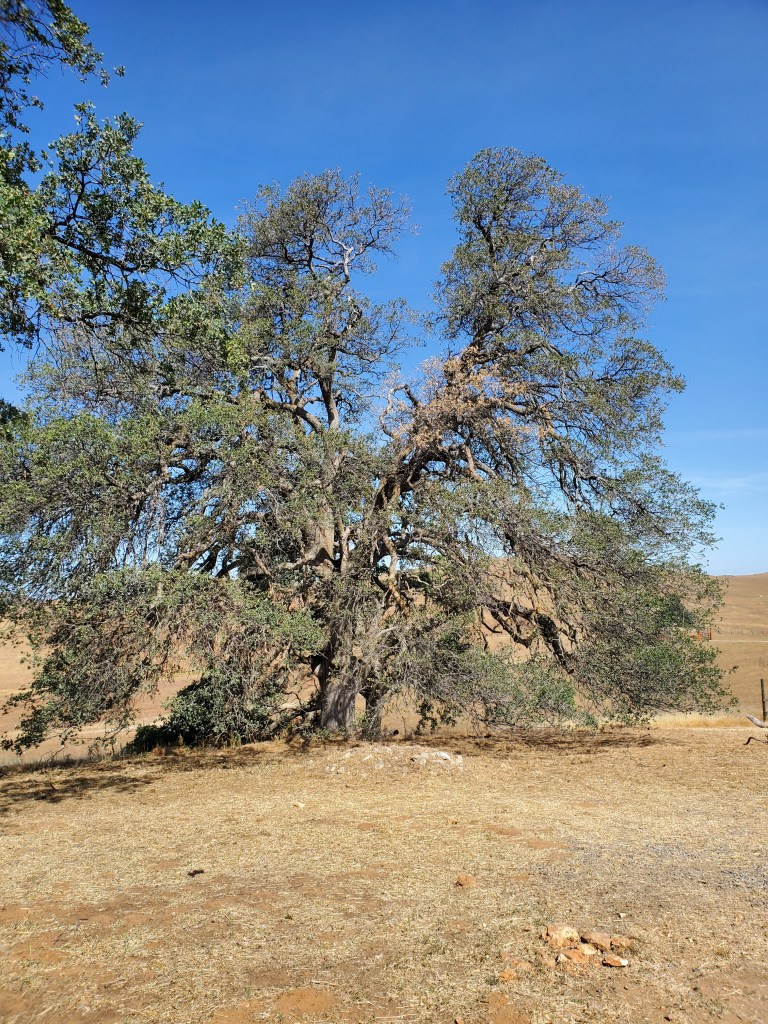
This year and last, we had a nice, steady stream of rain events that kept the soil moist longer into the summer. This year, in fact, David and I both noticed that all the oaks look healthy and happy. Their leaves have stayed on and are a vibrant green. Fresh, well-formed acorns are setting now. July has been much cooler, and that has helped the mature trees too.
Even with these positive signs, I still cross my fingers that a major fire will not rip through the land. Through my work in natural resources, I can see the massive investments by the state in fuels reduction and stewardship. Communities are working hard, year-round to be better care-takers of the land. The problems of over 100 years of fire suppression, population growth in wildland areas, more efficient ag tech to suck water from the land and climate change shifting temps into record levels are all massive issues to overcome. The pace and scale needs to be even greater – and as importantly, if we do not tackle the root causes, we will be constantly fighting an uphill battle. Stewardship, care for the land, being in good relation is not work; it is life. It is an ongoing relationship where a thoughtful existence results in abundance and health in an environment where we can all live – nature relatives, humans – and thrive.










































 PolliNative