
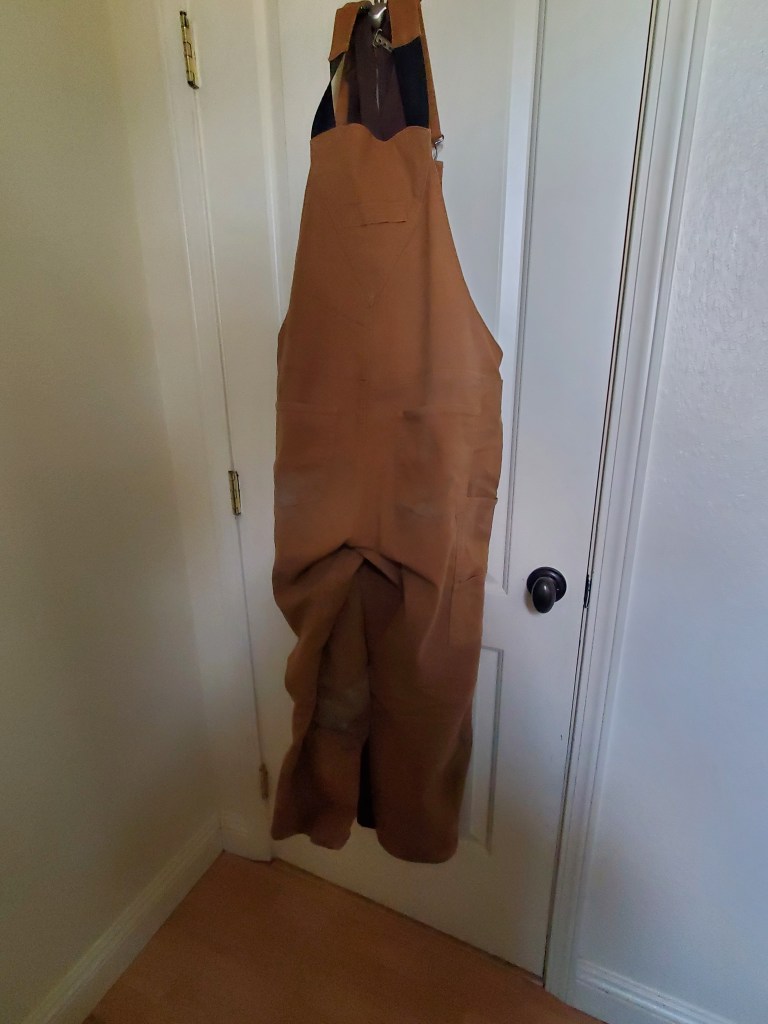
It has been a rough ten months months, especially the last few. My father’s illness has become nearly all consuming, now an irregular regular part of my life. For months, my overalls have hung in the guest bathroom, a reminder that I still have other commitments, patiently waiting for me to have time to really dig into work.
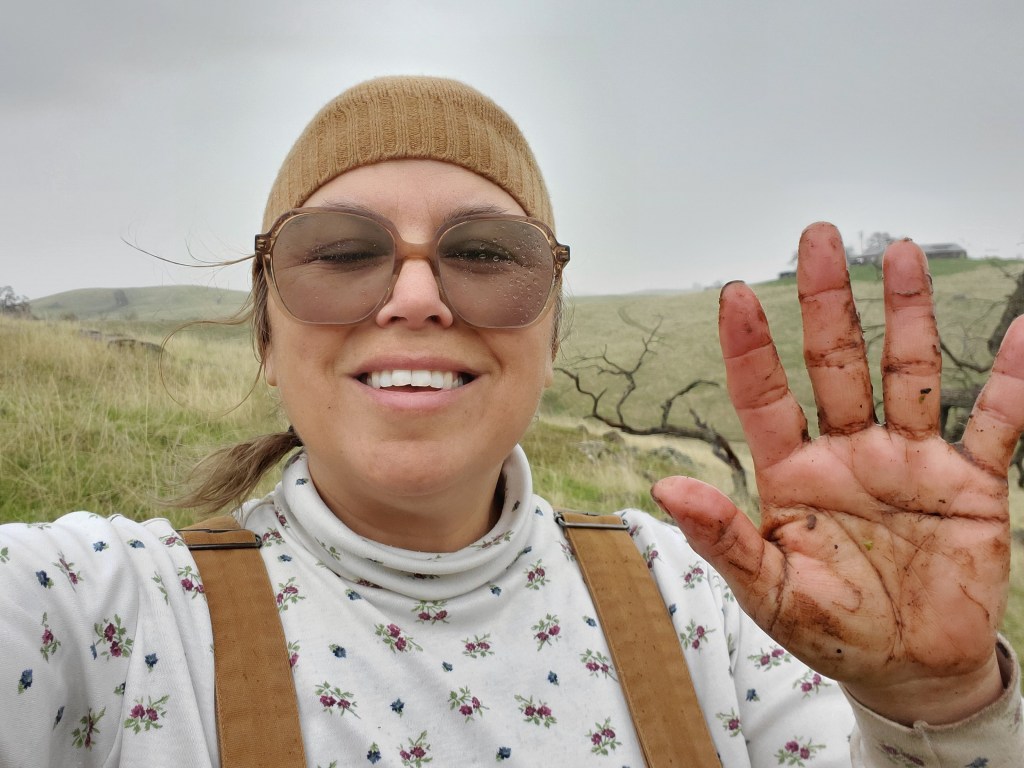
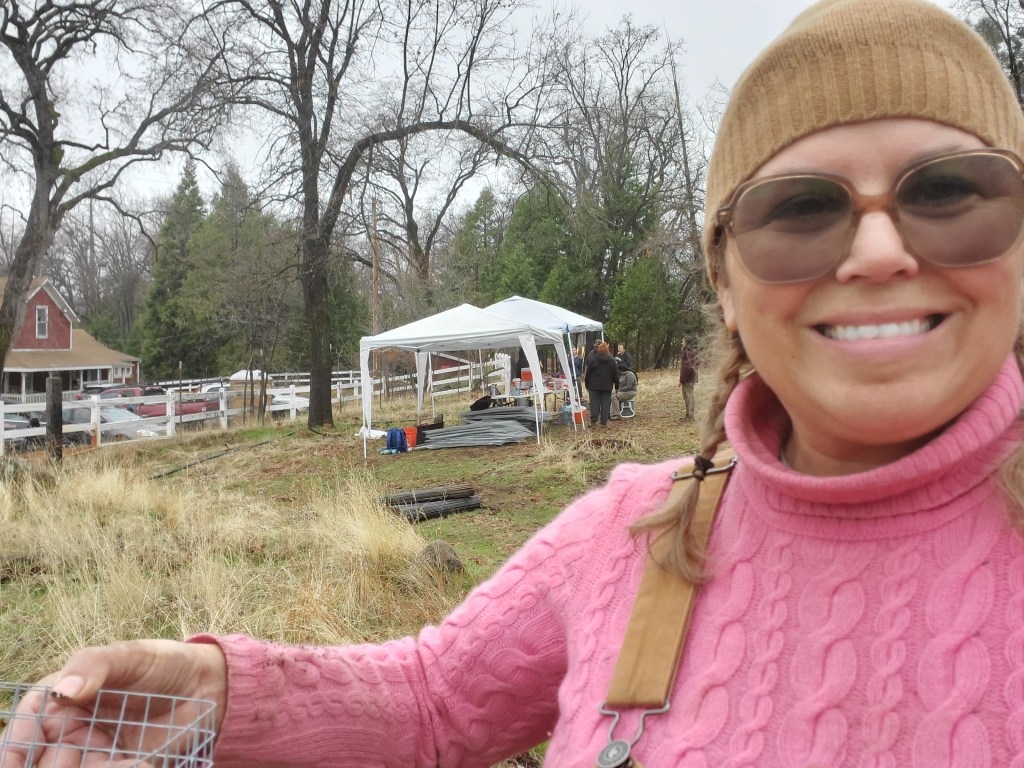
Fortunately, at the end of December, life was a little more stable, and I got to slip on my beautiful overalls once again. Ooooo, they felt so good – worn in cotton canvas covering my skin, enveloping me like a human sized garden glove. Those overalls are my absolute favorite piece of clothing.
California Milkweed Seeds Planted
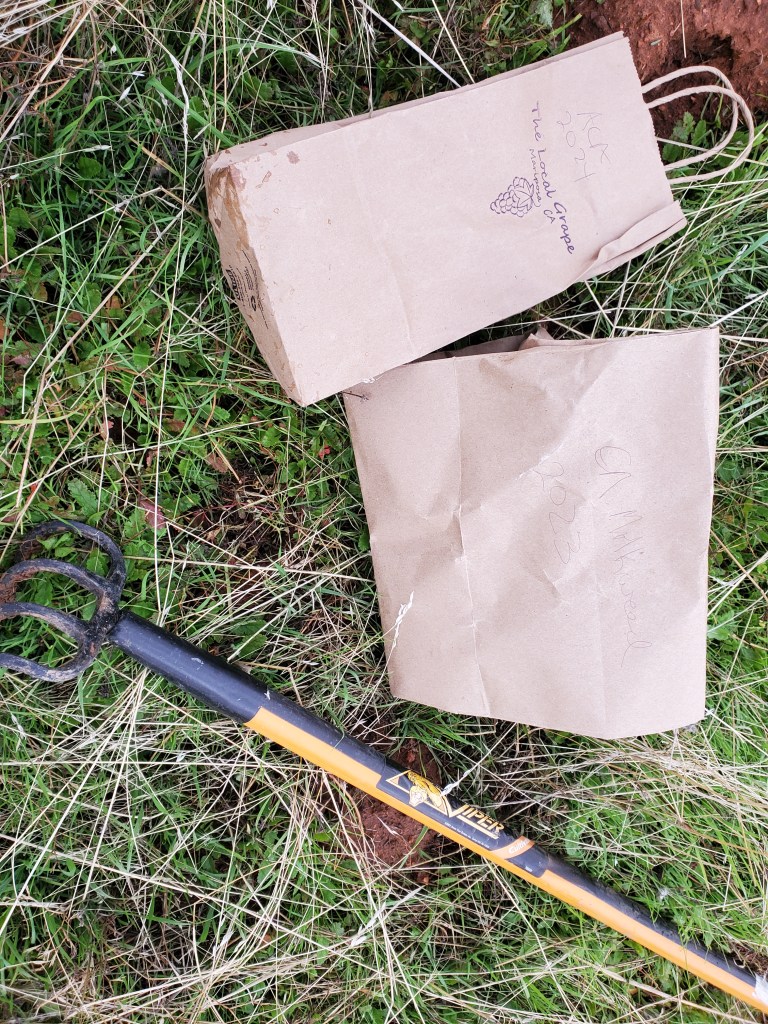
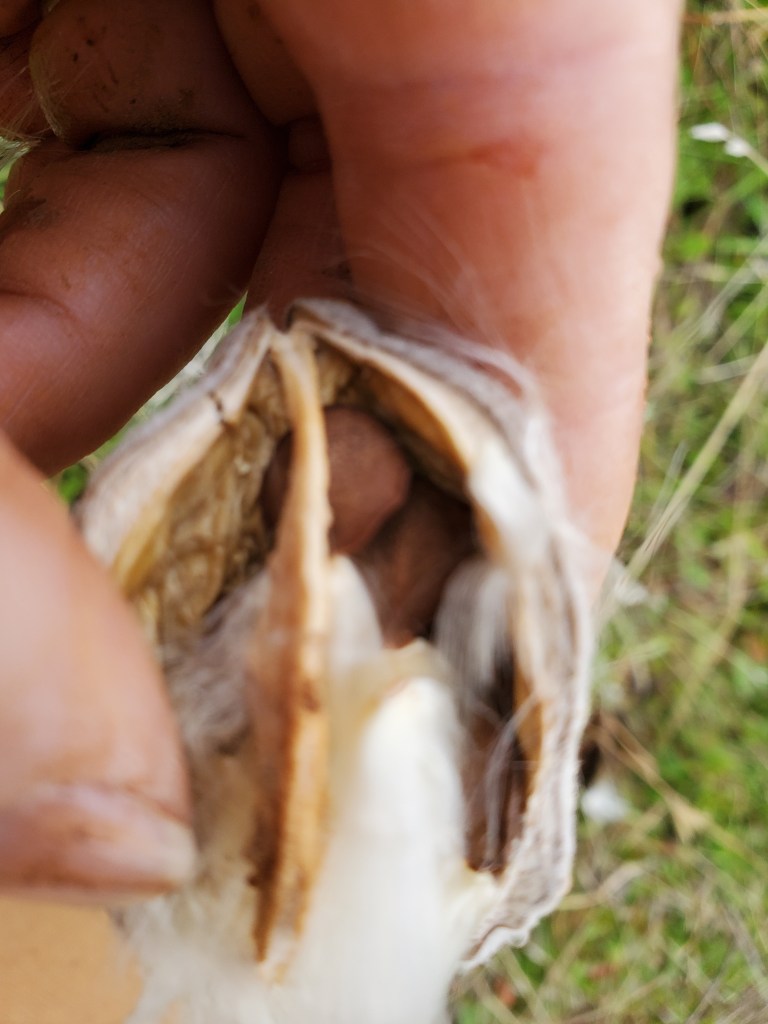
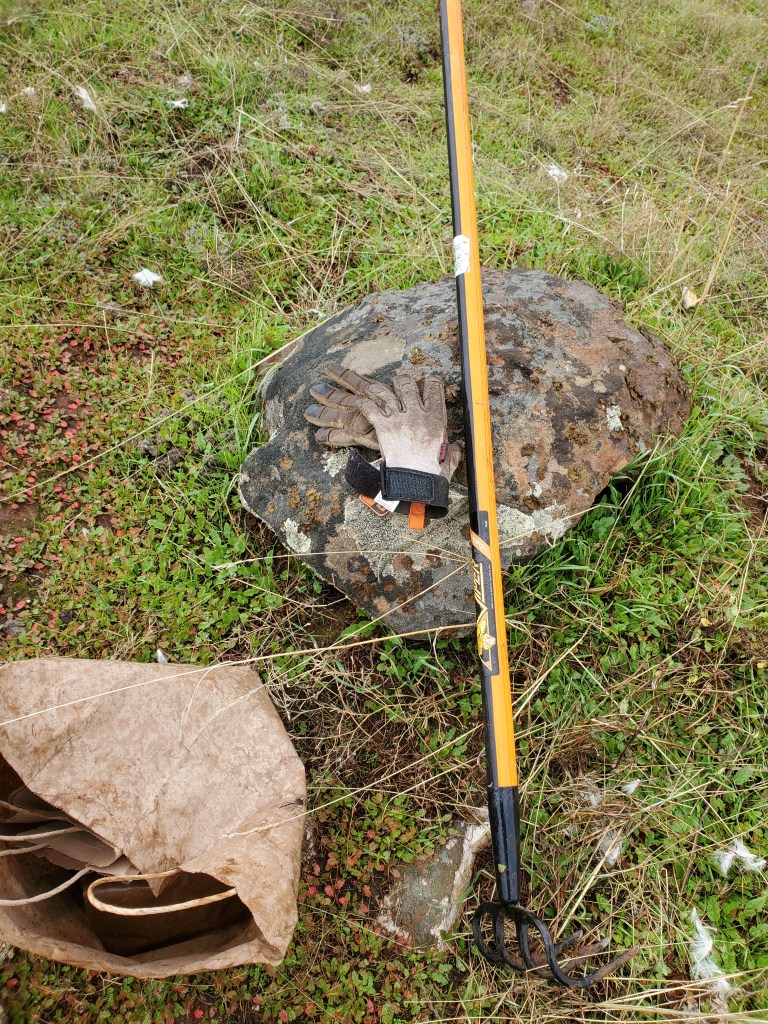
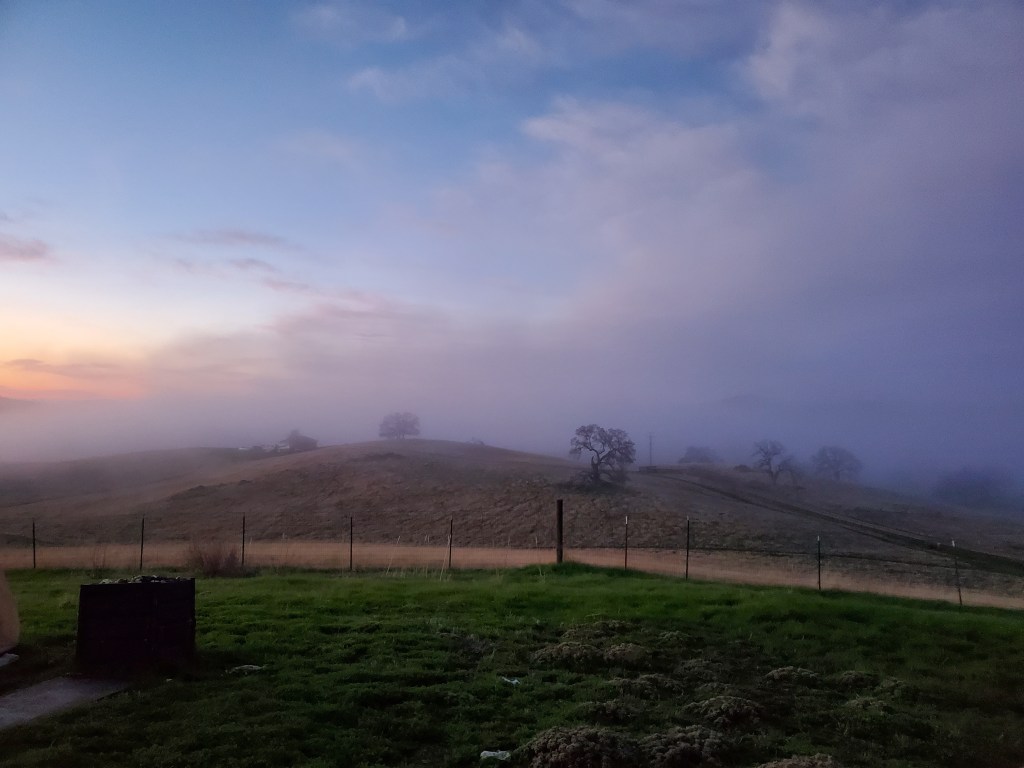
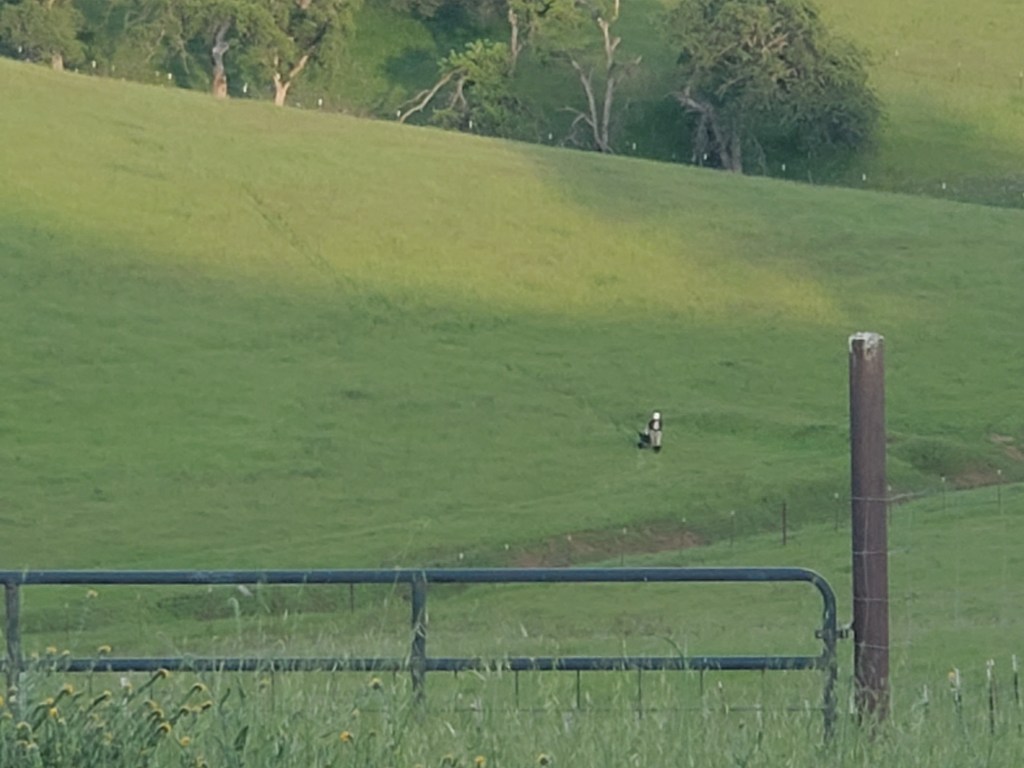
I shuttered with delight as I walked out into the cold air, overalls on, before the sun came up and with all intent to finish planting before the rain began. At a time in the past, one of the biologists told me that there was some evidence that 2 to 3 year old California milkweed seed had higher germination rates. In 2023 and 2024, the seed pods I saved from the ravages of the grasshoppers were intended for planting a year or two or three later. The 2023’s were maintained in a cool, dry, dark place for a nearly 2 years. The 2024’s were were maintained the same, but for just two seasons. I brought them both with me, including my trusty small rake.
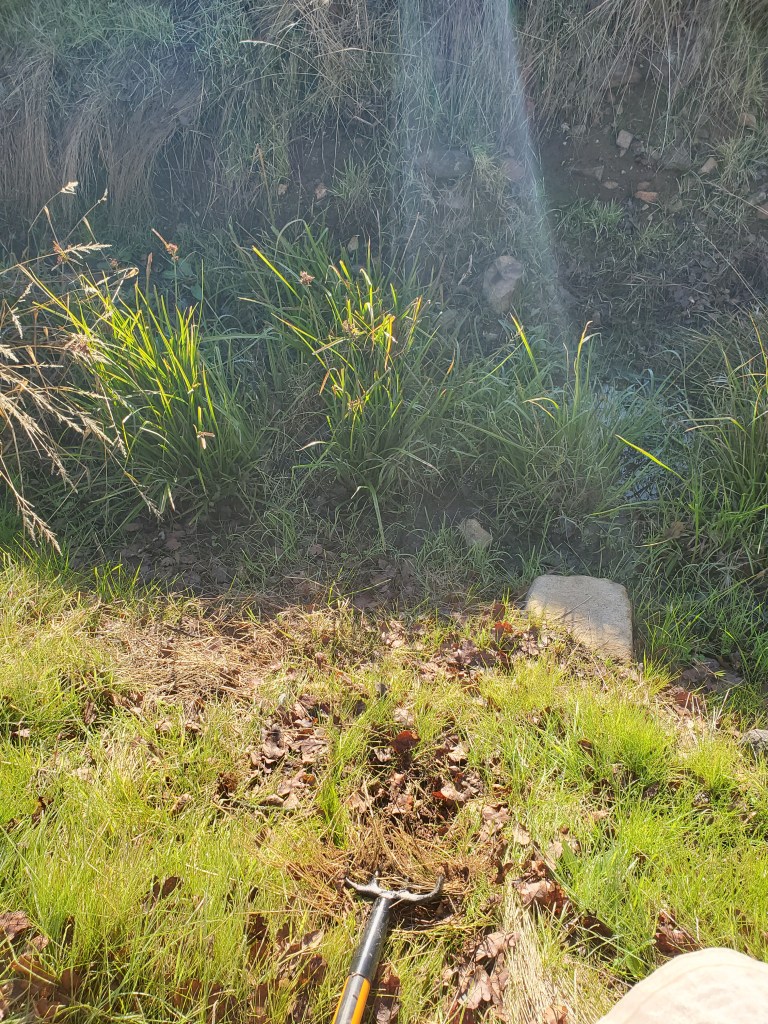
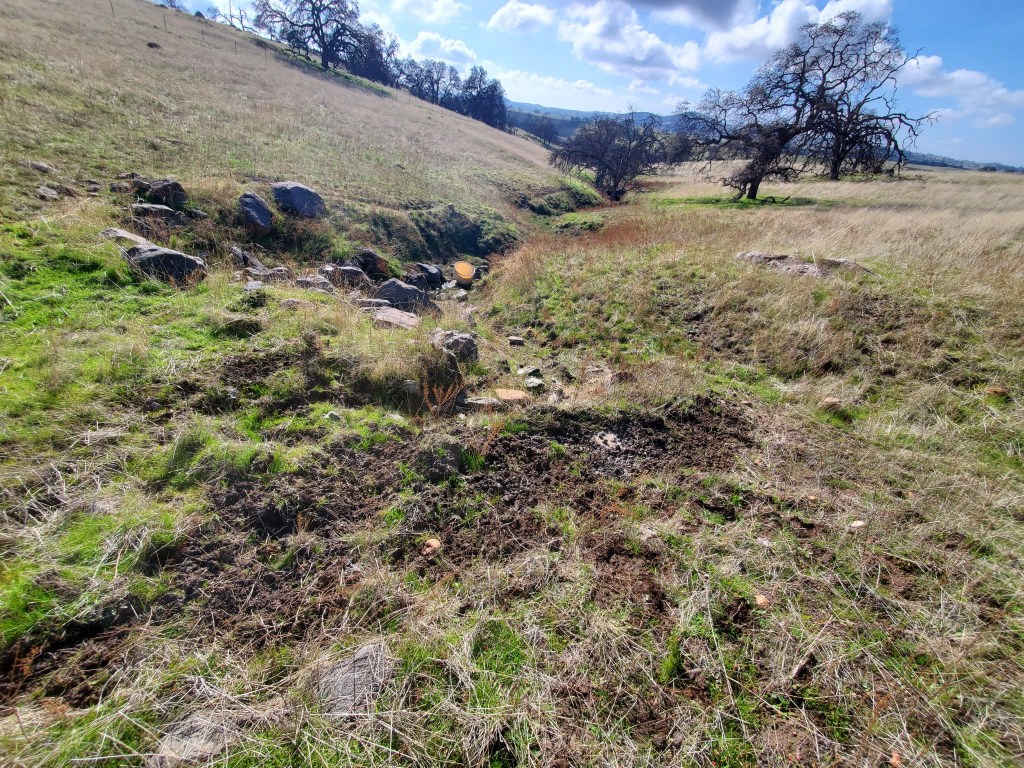
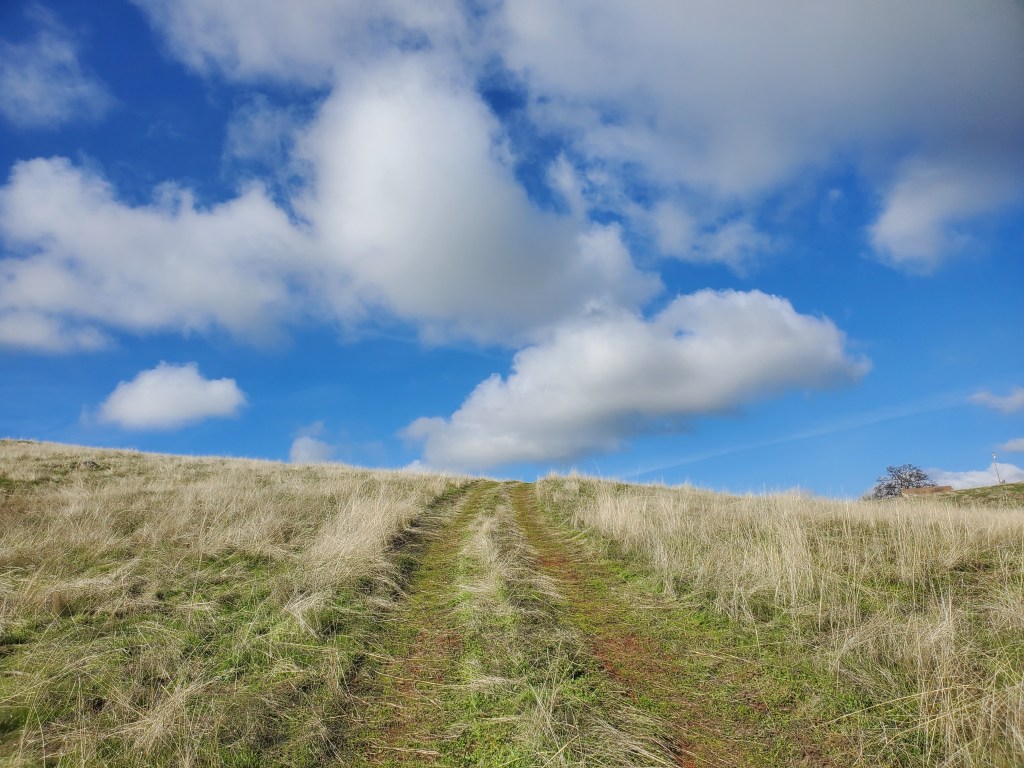
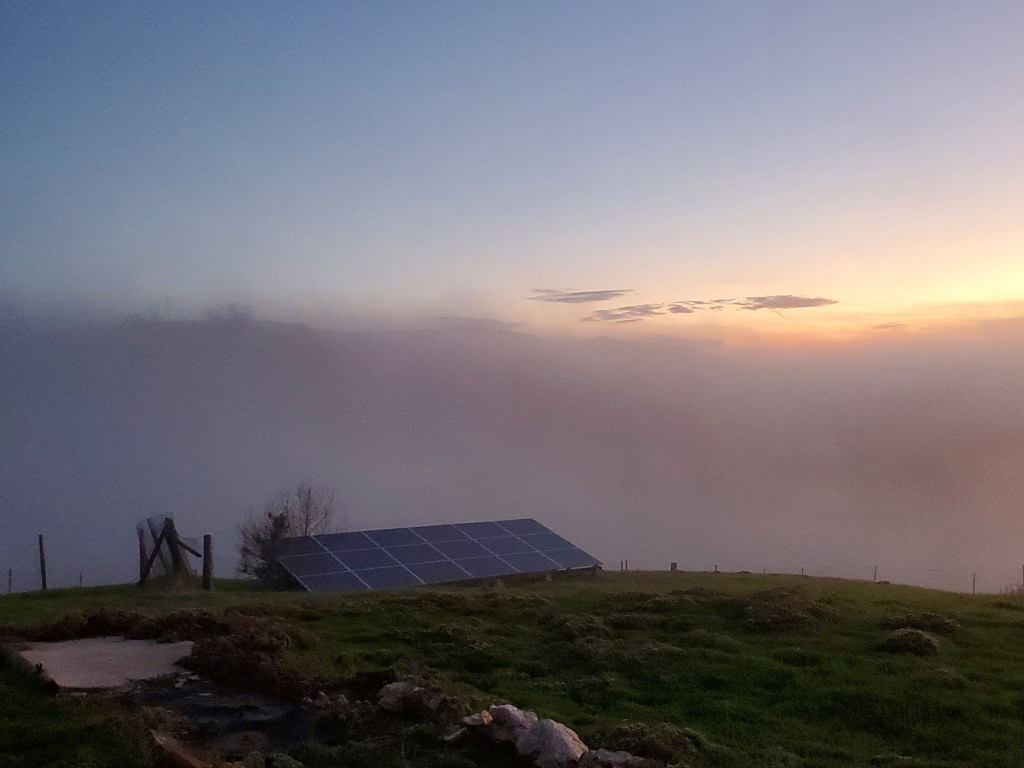
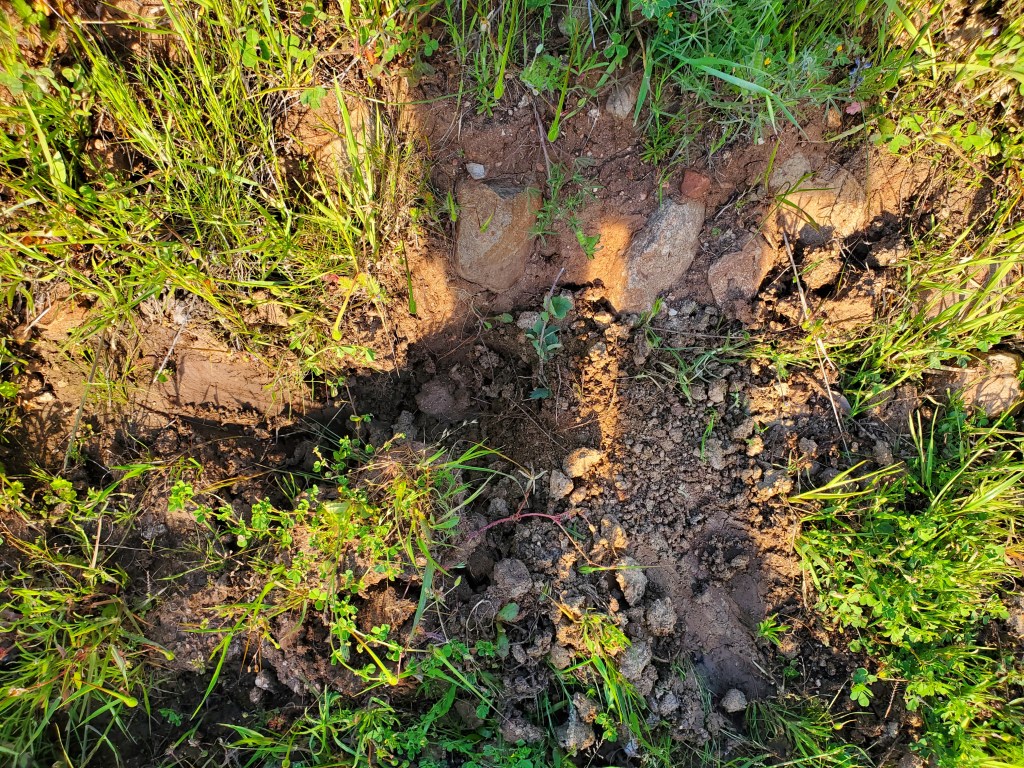
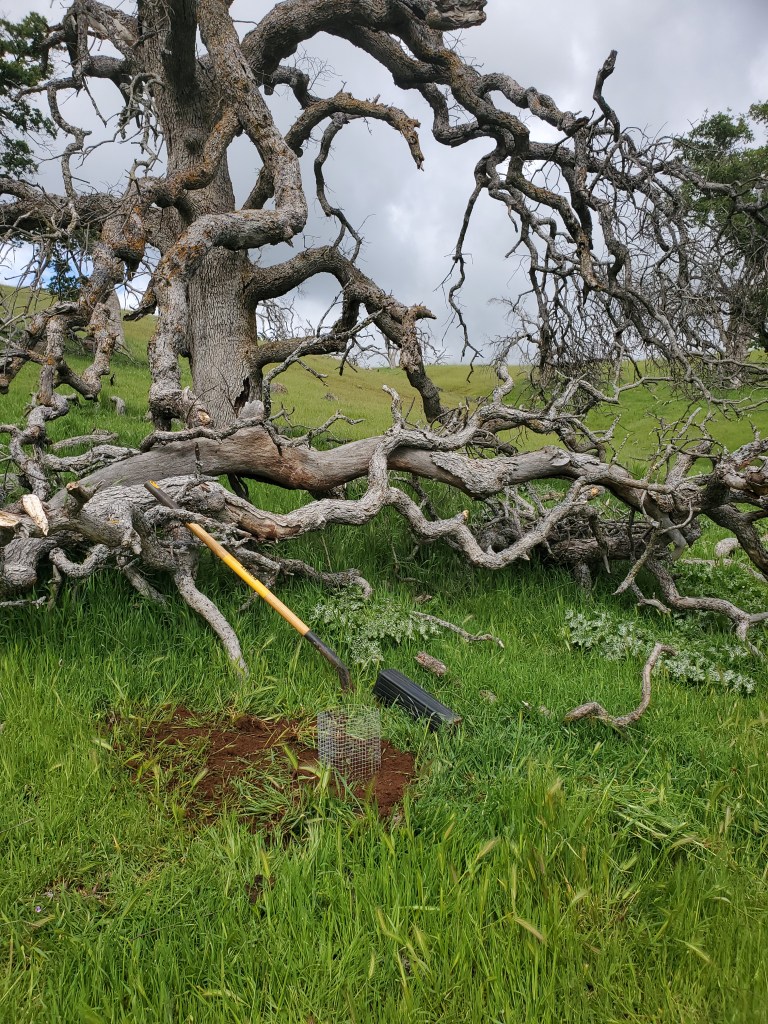
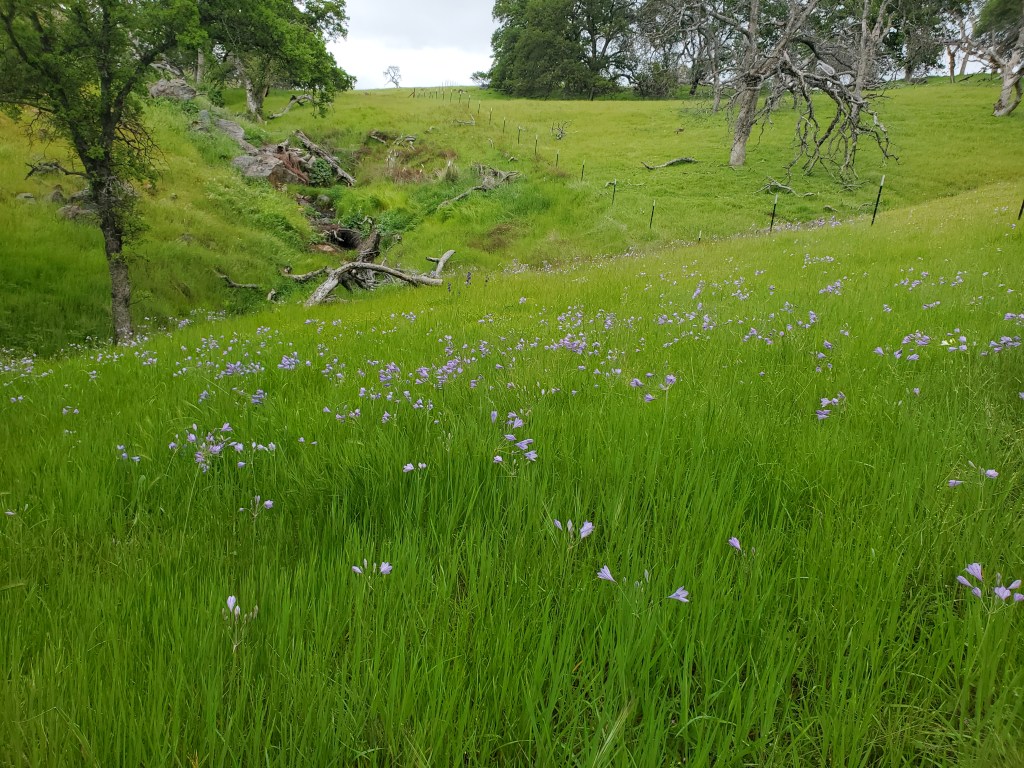
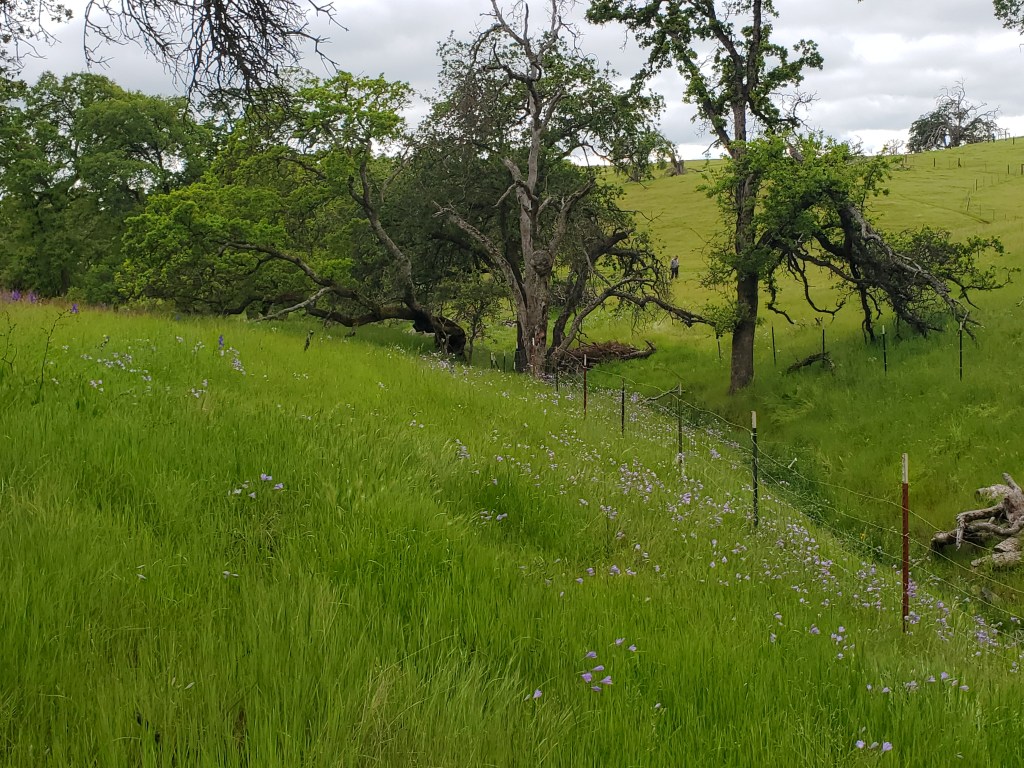
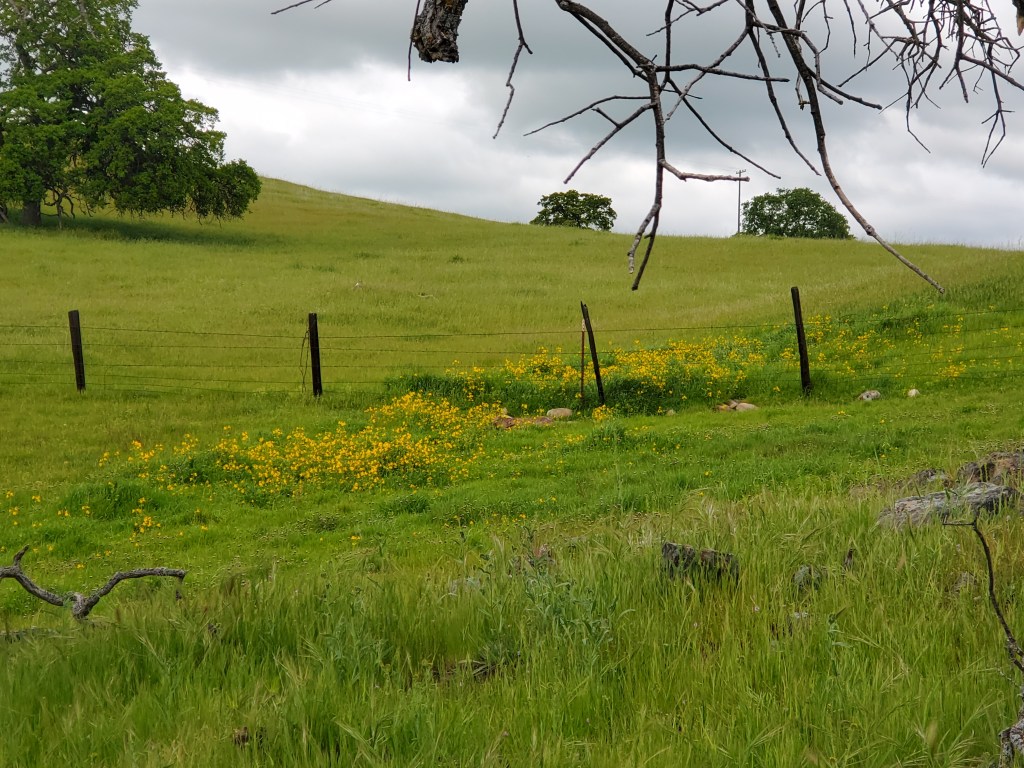
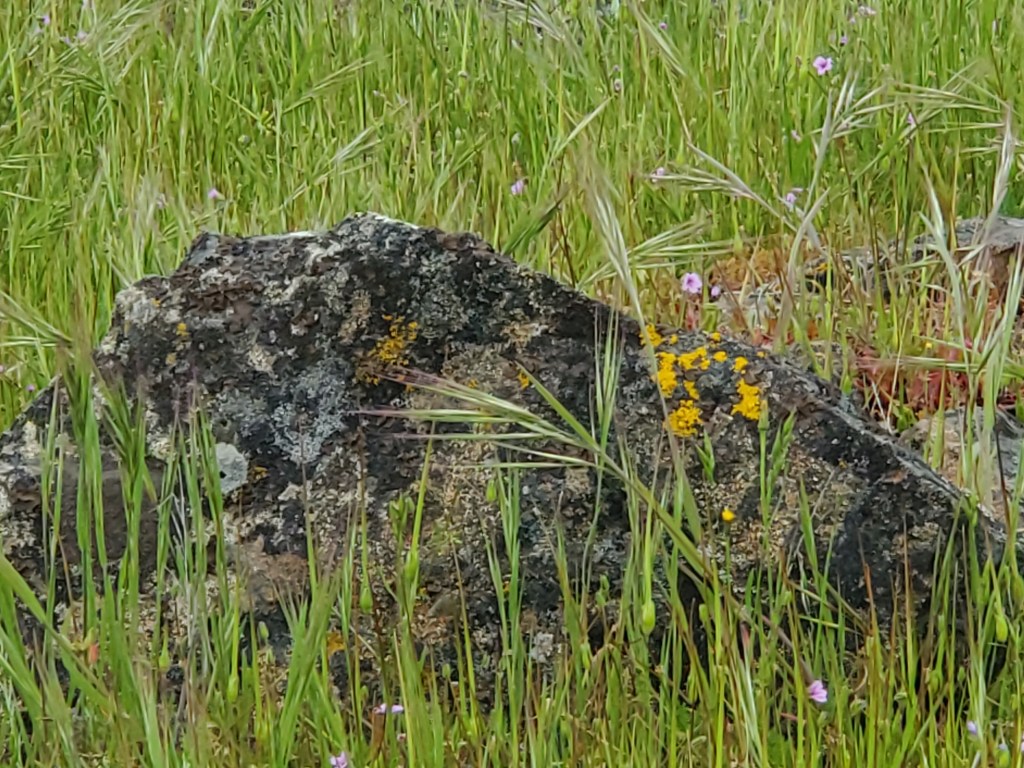
I made my way up the steep slope to the California milkweed site to plant seeds. My goal is to expand the number of California Milkweed plants. I want them to spread all the way across the hillside acting as a welcome roadside respite for monarchs, a first or second stop on their great migration. I looked for new spots to plant. Last year, I planted the 2022 California milkweed seeds, and I wanted to avoid those locations. I chose the area of the single plant community near the dead oak. There were many spots near rocks, and along the same belt as the existing plants. I try to emulate what I see in nature hoping it provides a better chance for the seed to establish.
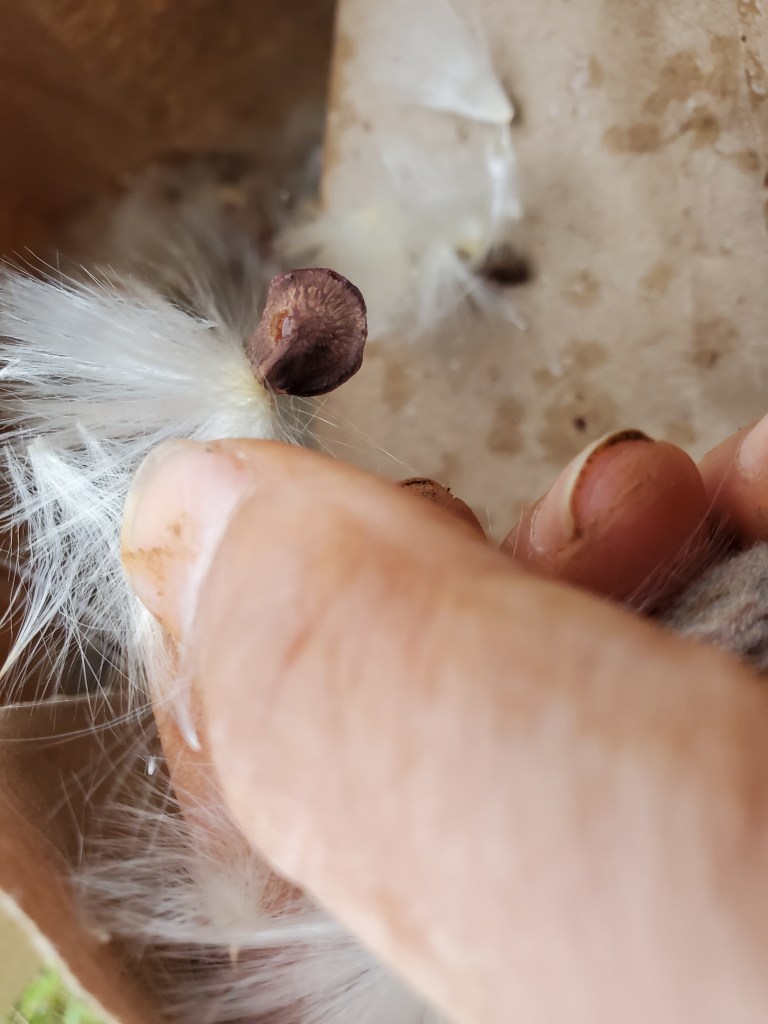
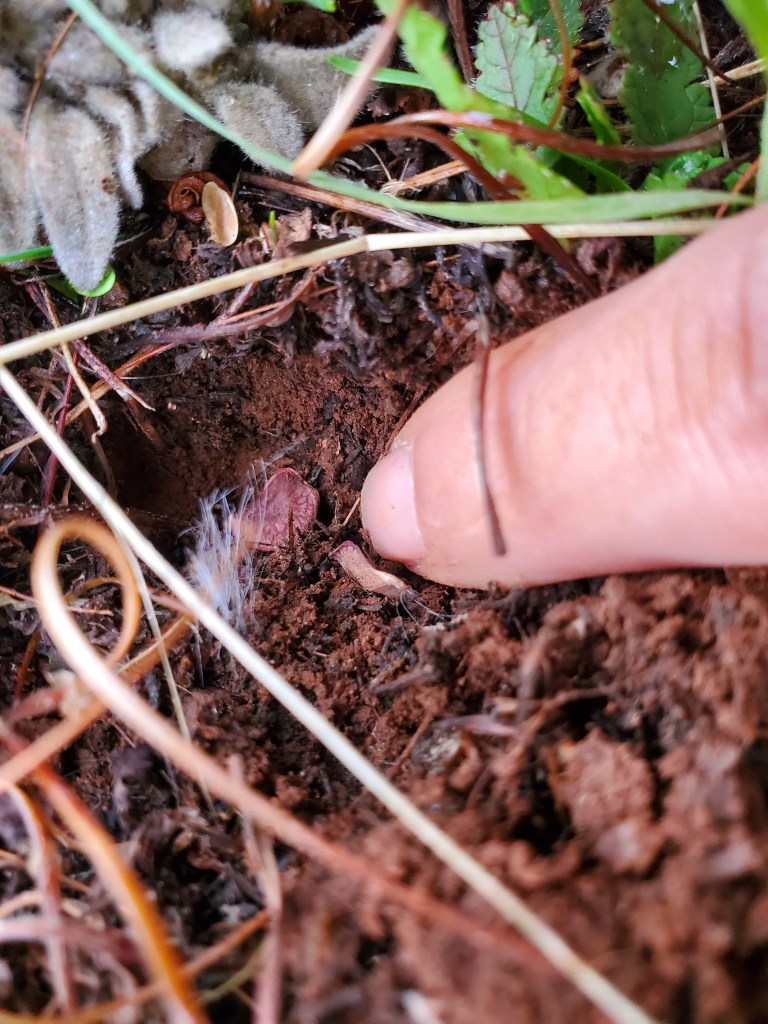
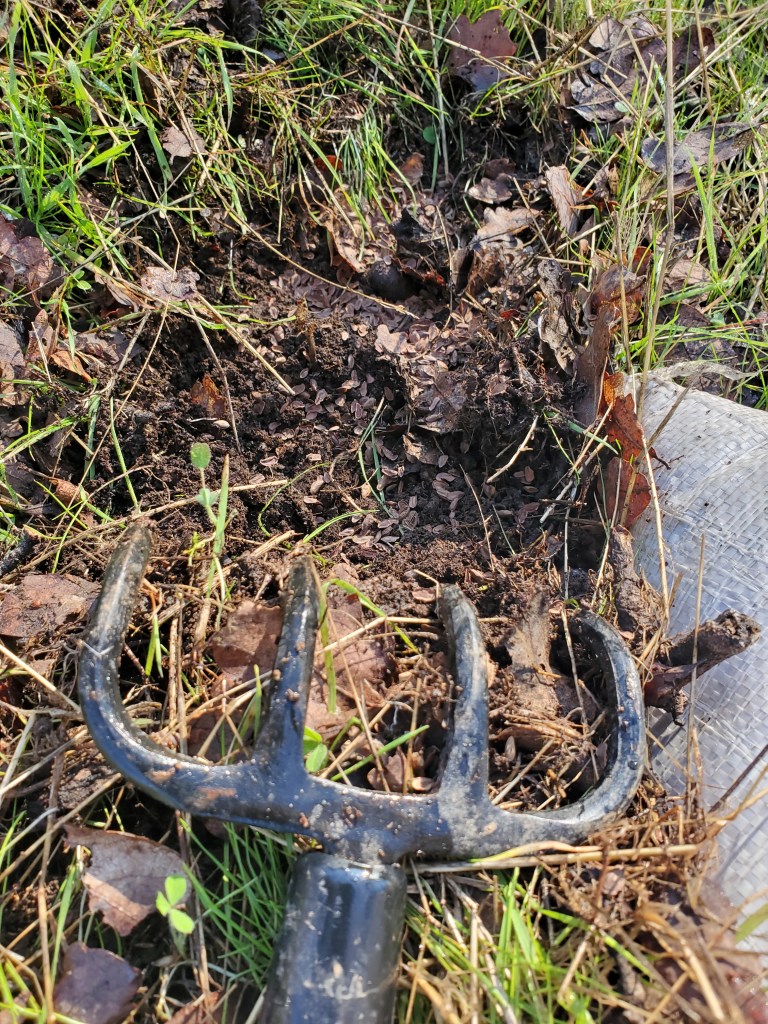
I started out raking the ground open, but quickly decided I needed to get more personal with my work. The gloves came off and the rake set down. It was me and about 300 seeds, many still connected to the fluff they are born with, meant to sail on the wind to spots further from their home. And, further from home they were — about 100 feet. I took off the fluff, made a hole with my finger and planted three to ten seeds per hole – depending on size.
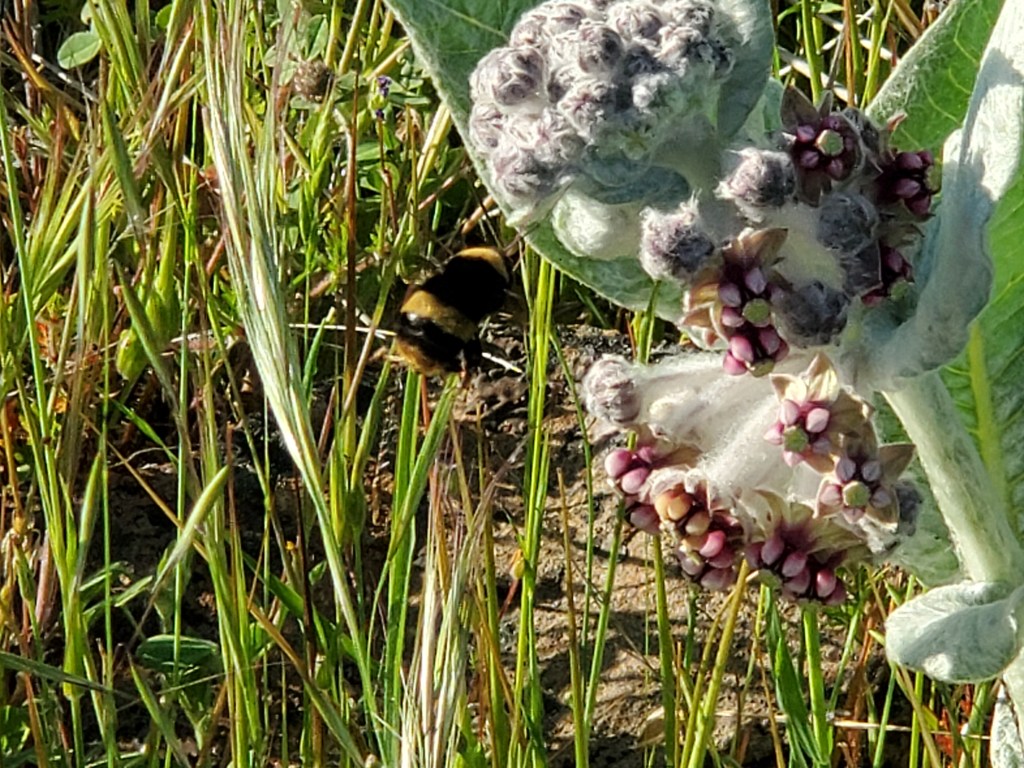
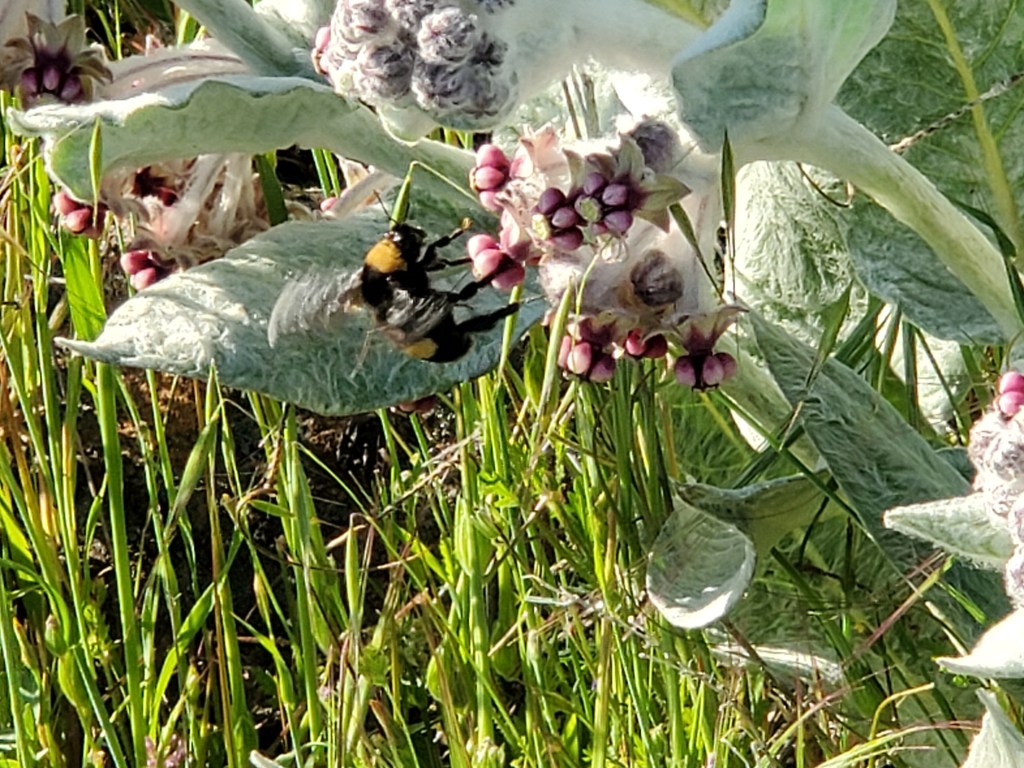
It was so nice to see them after so much time. By this time, they are good friends – family, companions to me inside my home. Every seed is a treasure, embodying the past, present and future all at the same time. We all depend on this seed. When they grow, they will feed bees, flies, beetles, spiders, and yes, monarchs. Those animals will cause their own shift in the ecosystem, ending up causing my and your food to be produced. You cannot avoid being humble in the presence of such importance. All you can do is say, “Chiokoe uttesia weweria. Ne enchi nake.” “Thank you relative. I appreciate you” – and tuck them into the soil that will be their forever home, if we are lucky.
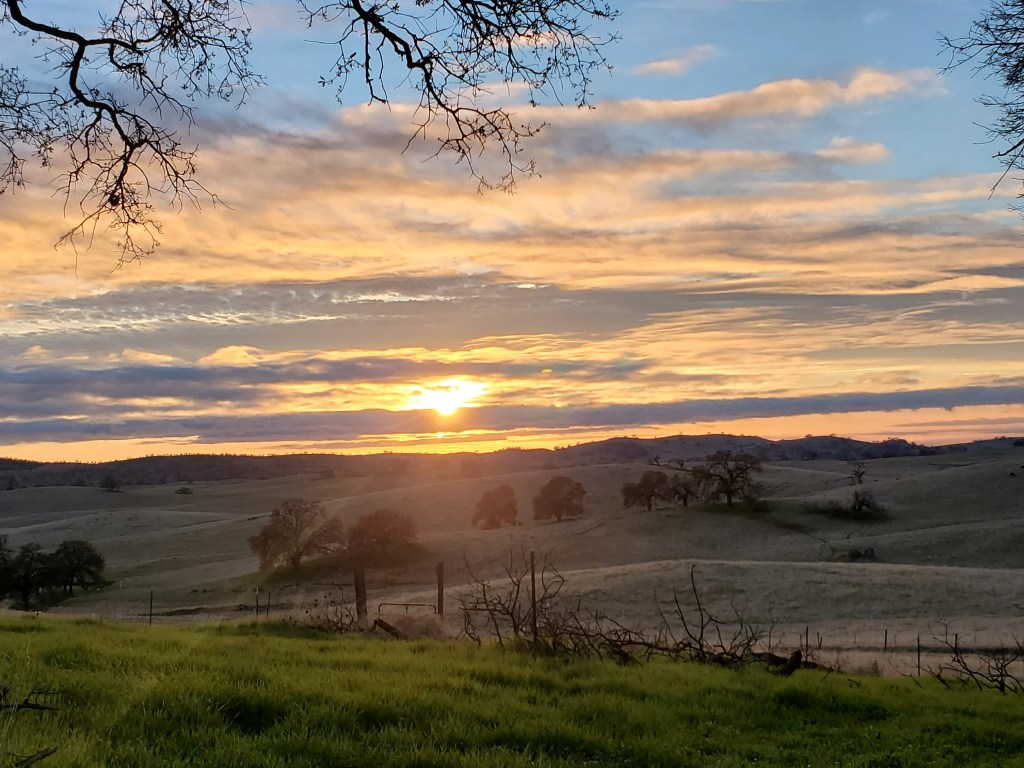
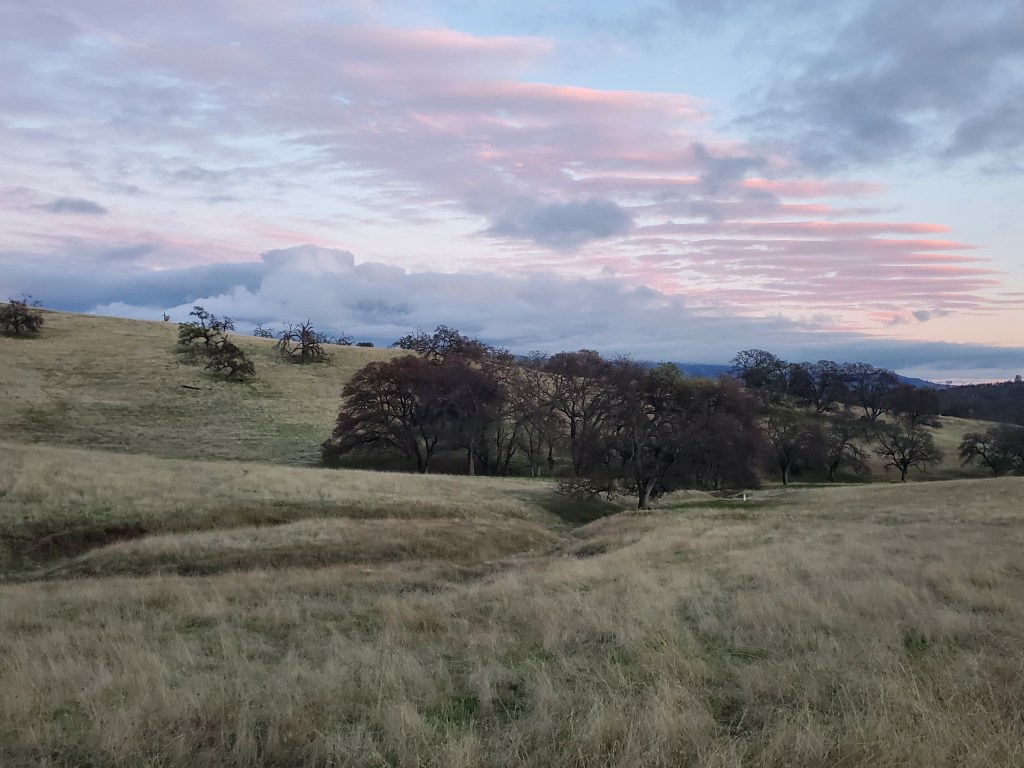

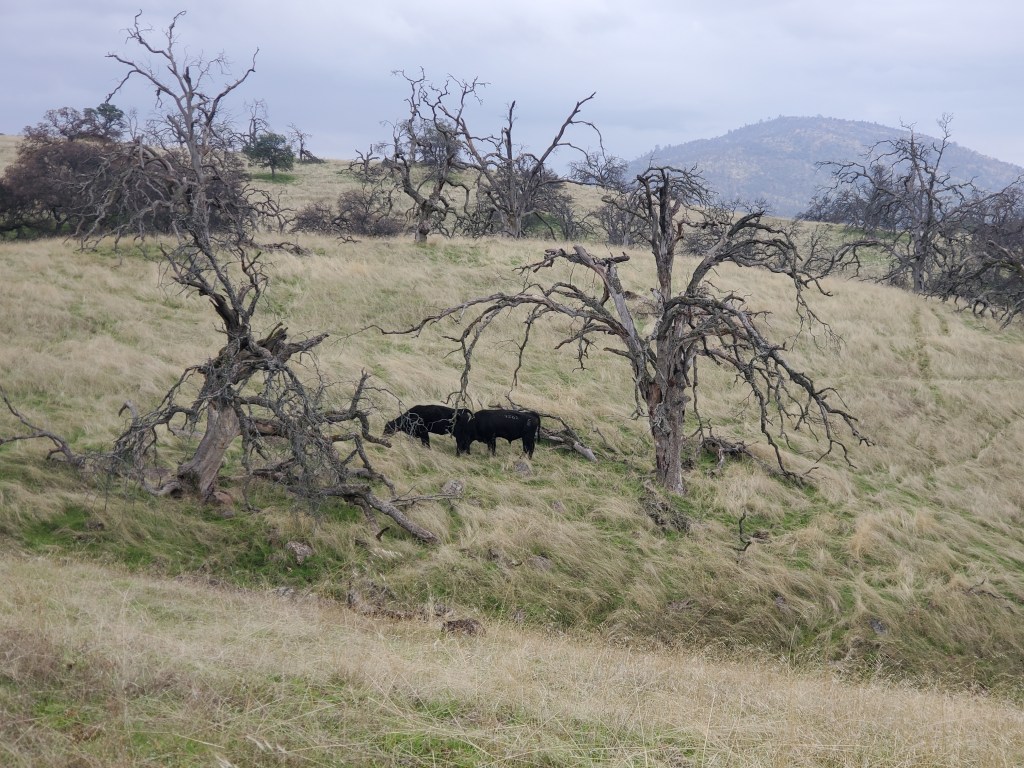
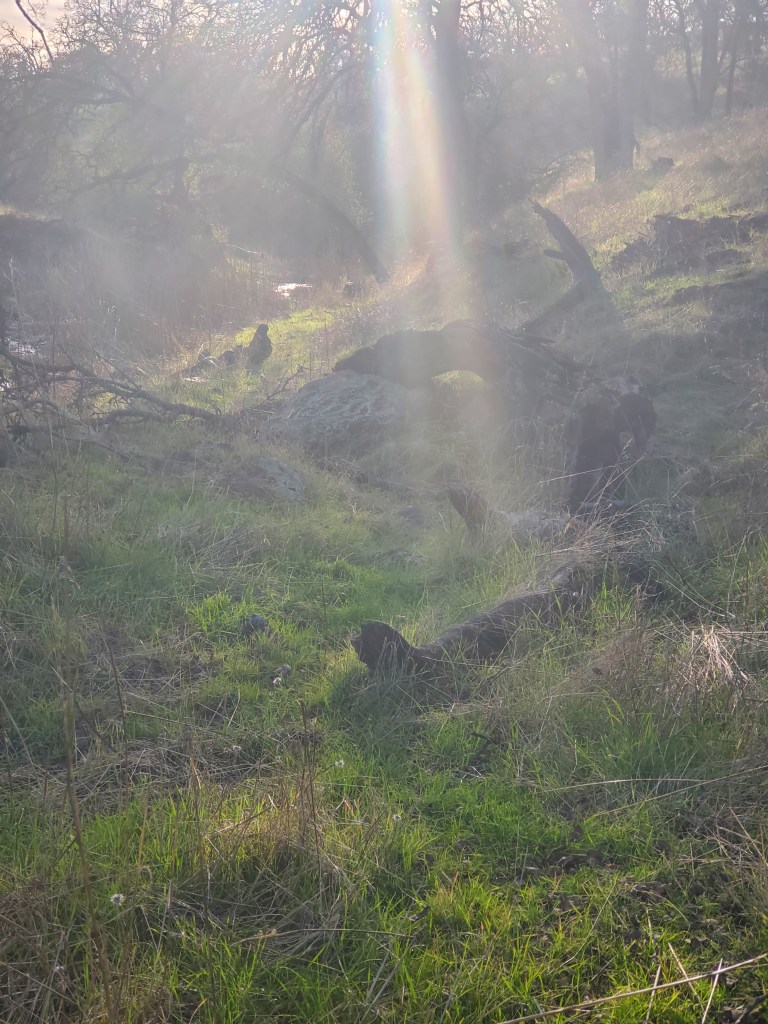
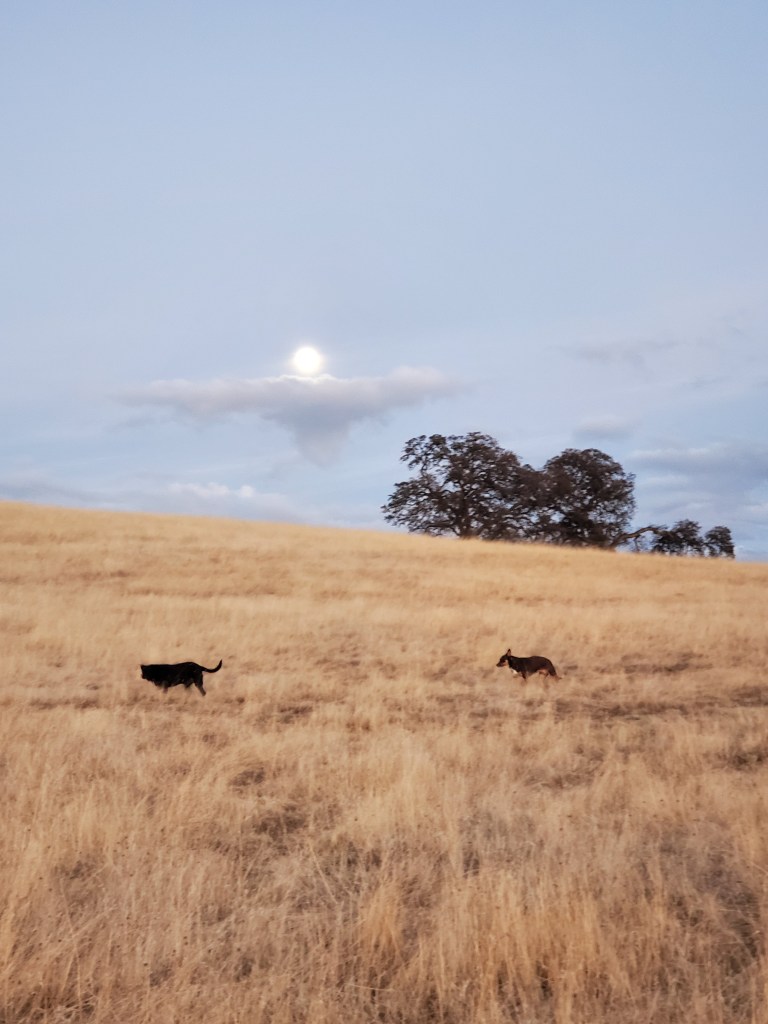
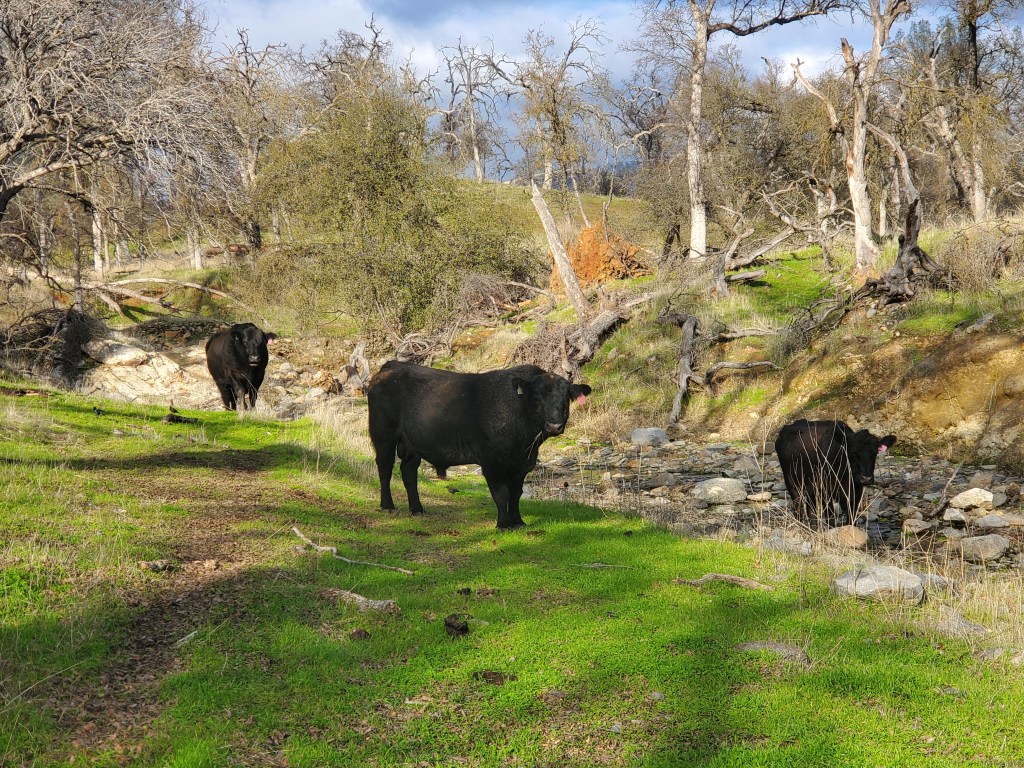
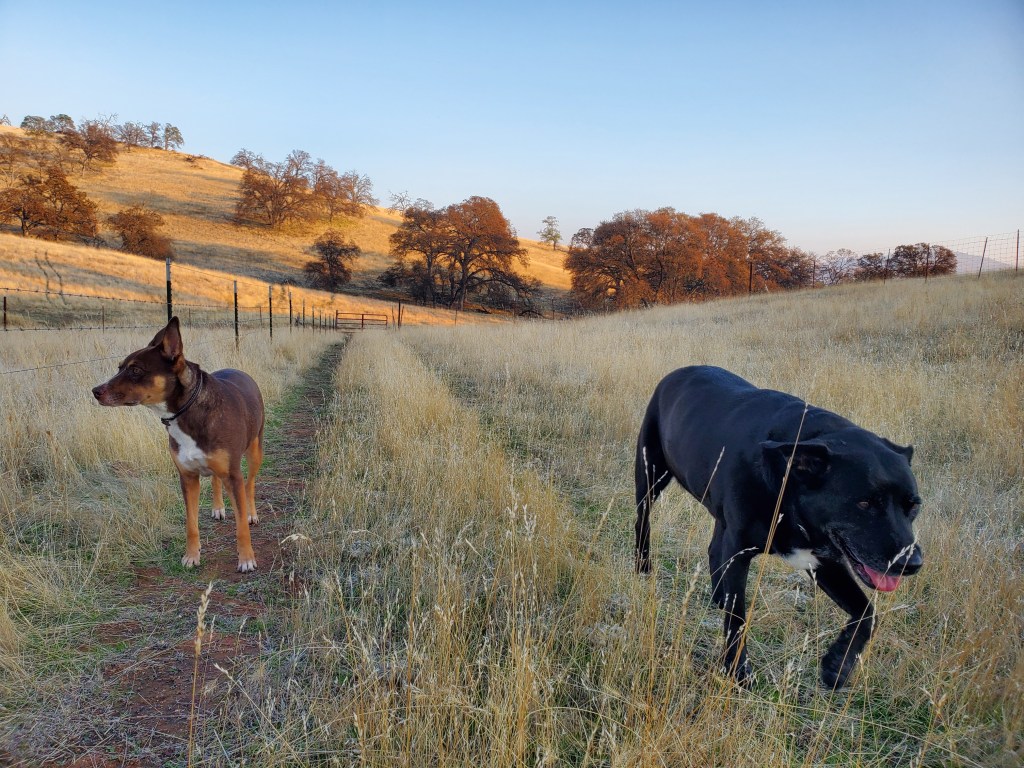
It is a joy to be out on the range in cold weather a light wind blowing. I came without the dogs this day, but I was not alone. The low growl and then pant of the bulls on the ranch, like teenage boys, following the ladies around, trying to get their attention. What entertainment – watching a bull make such a ruckus! The story unfolded down the hill from me. I watched him lower his head and call out. The ladies ignored him and began to slowly walk away. He followed behind them, hoping for some attention. The hill got too steep I think, because he stopped and she kept on going. Oh so sad. The next time I looked up he was standing alone looking up the hill wondering where the ladies went and why they were not totally impressed. Don’t feel bad; they will eventually get together and a new tranche of babies will dot the hillside.
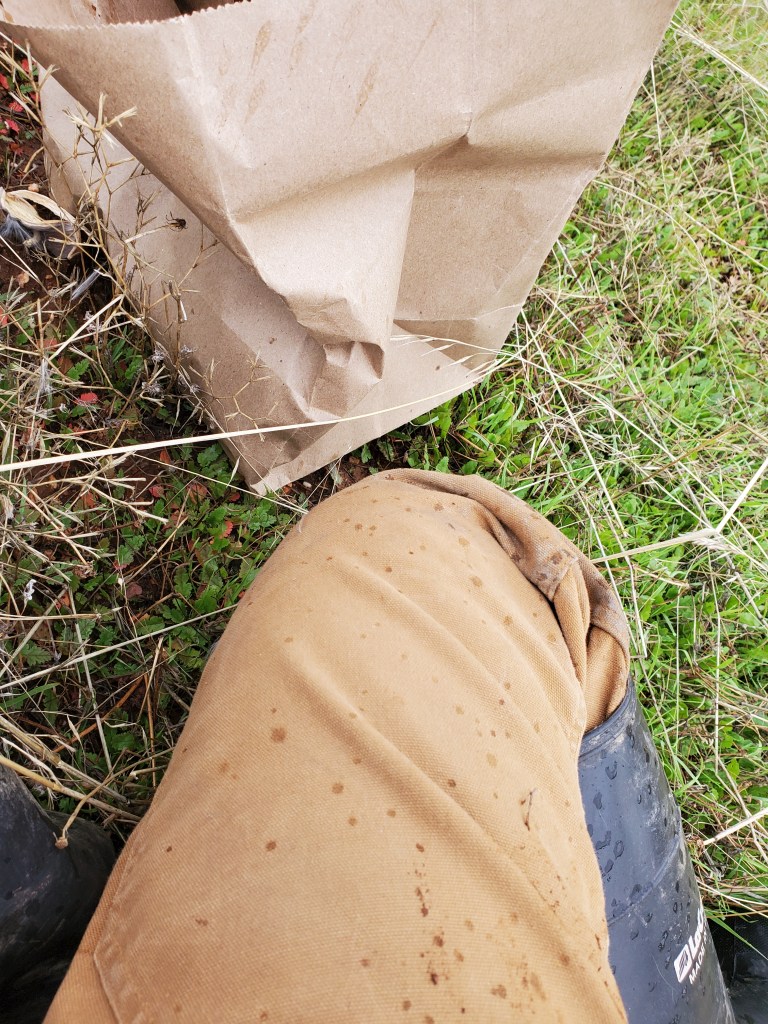
The birds also keep me company. Their songs are beautiful, but they also serve as an alarm for me. I know when they stop singing the weather is about to get bad. I am, after all, racing against the weather to plant these seeds. I want them to be in moist soil so they have what they need to begin to grow when the weather gets warmer and the soil heats. I start to see drops on my leg and on the bags. The drops come and go. It isn’t until the birds stop singing that I decide it is time to go. The rain is coming down steadily. The seed bags are soaked. I didn’t get a chance to plant the 2024s, but all the 2023s are safely tucked in. Mission accomplished. I head back home.
Narrowleaf Milkweed Planted
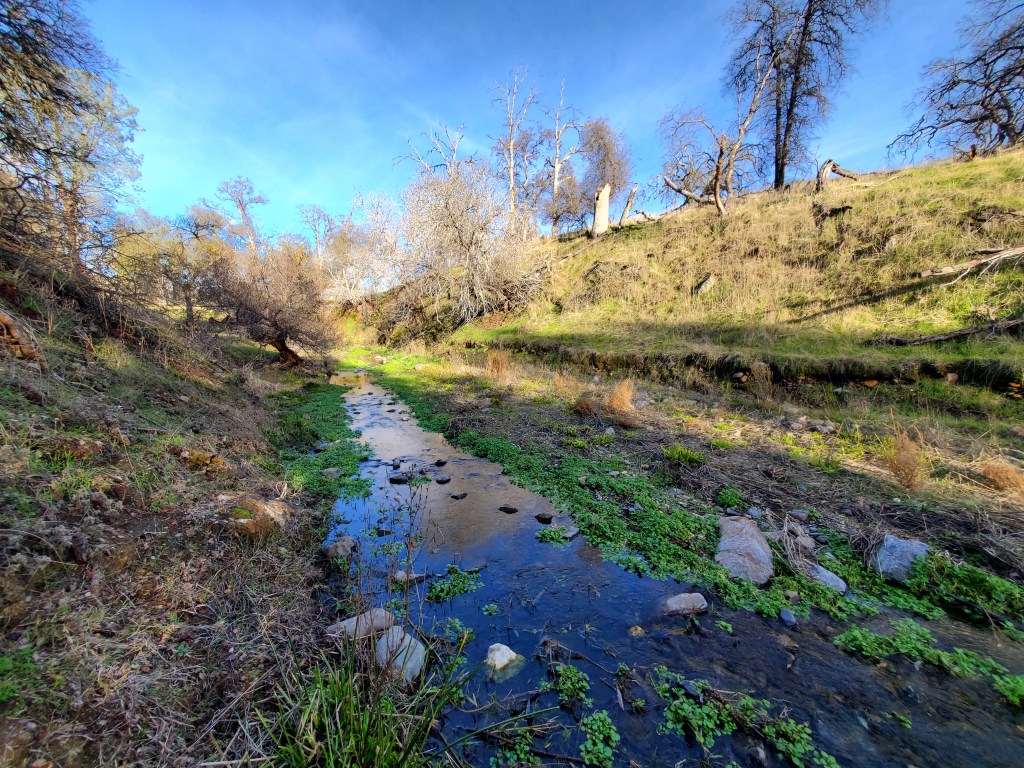
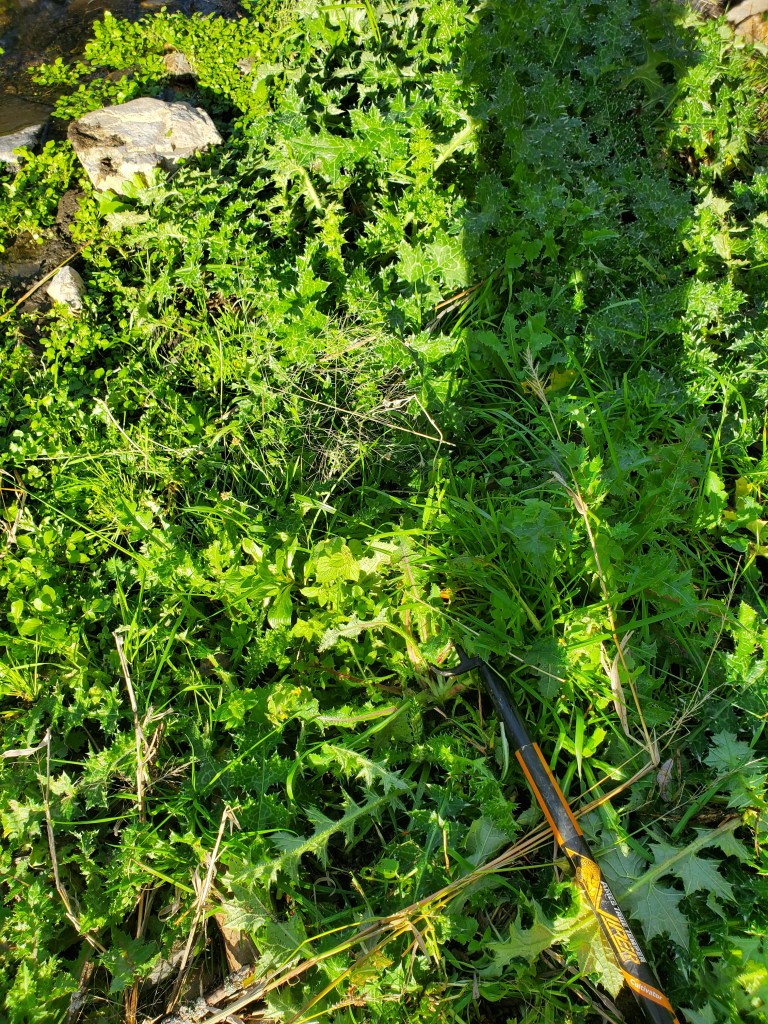
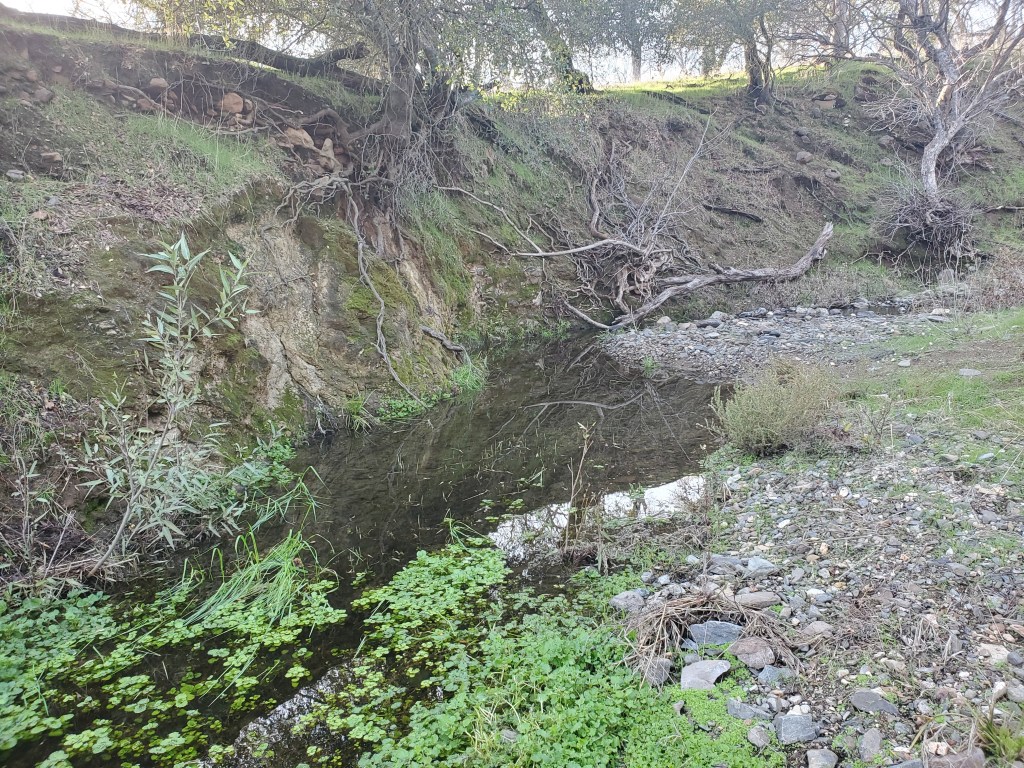
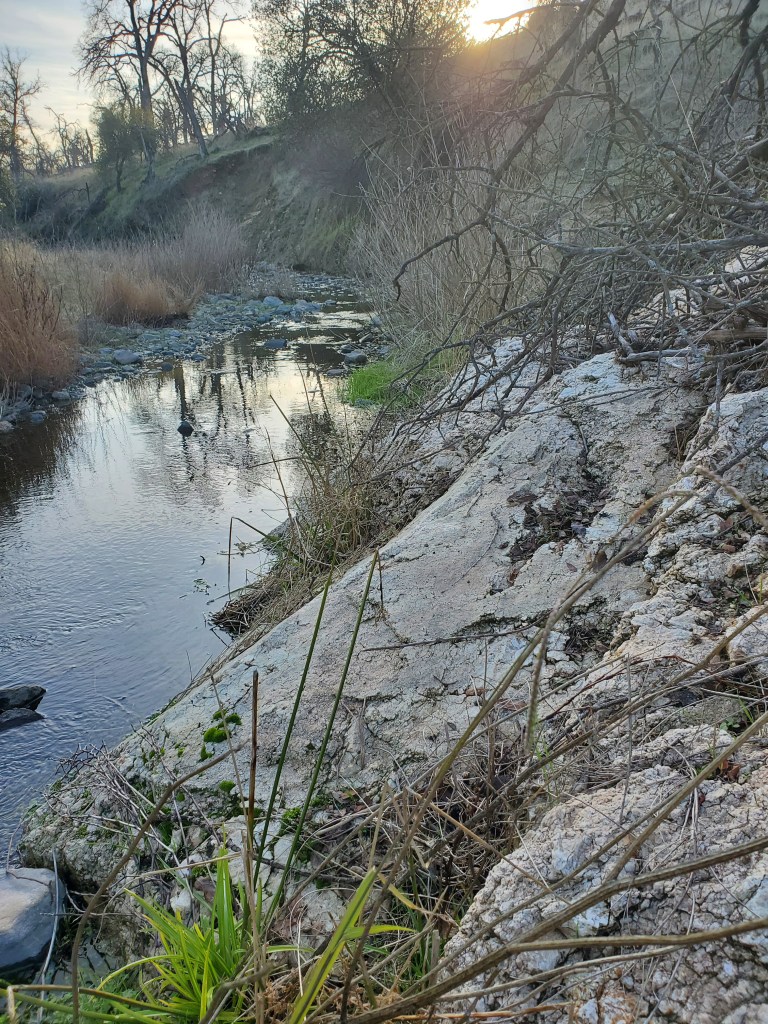
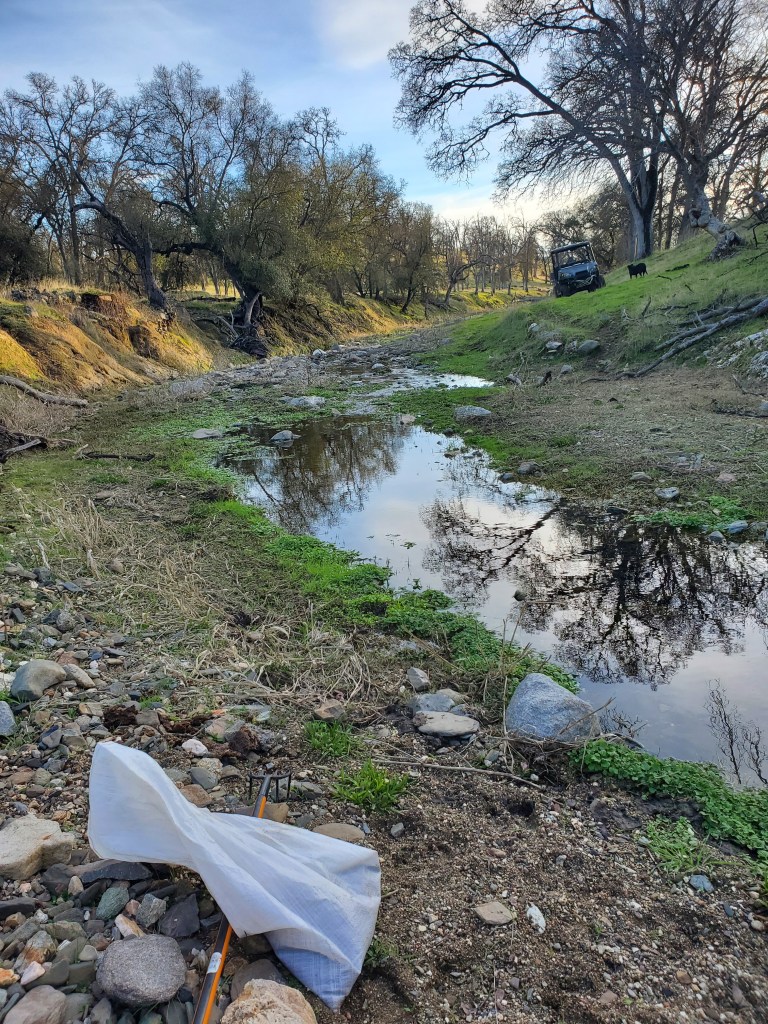
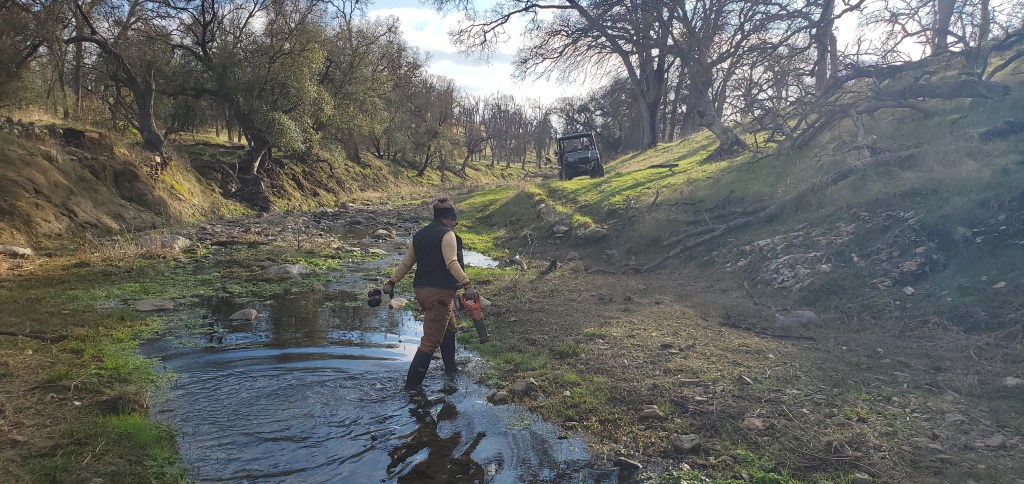
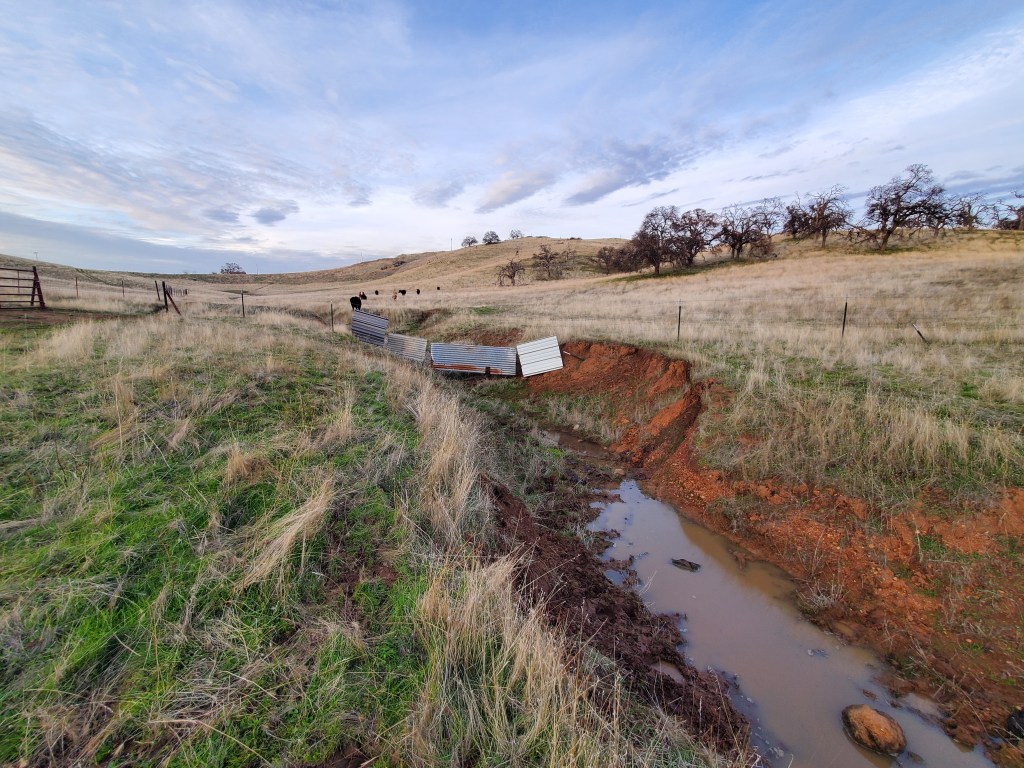
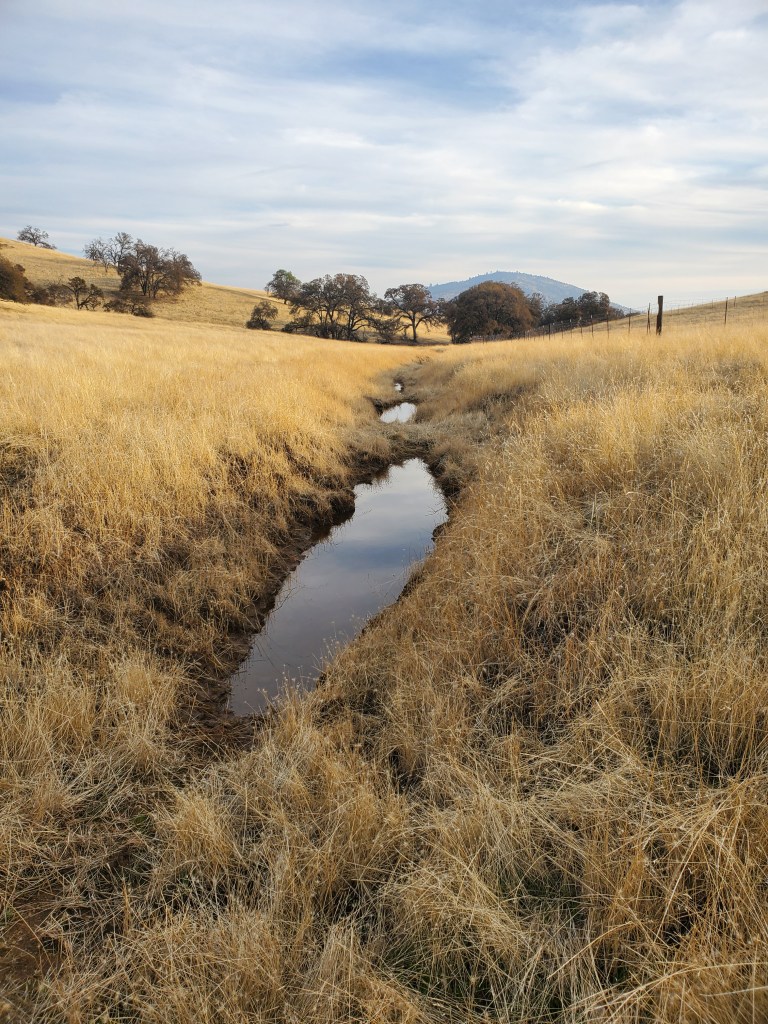
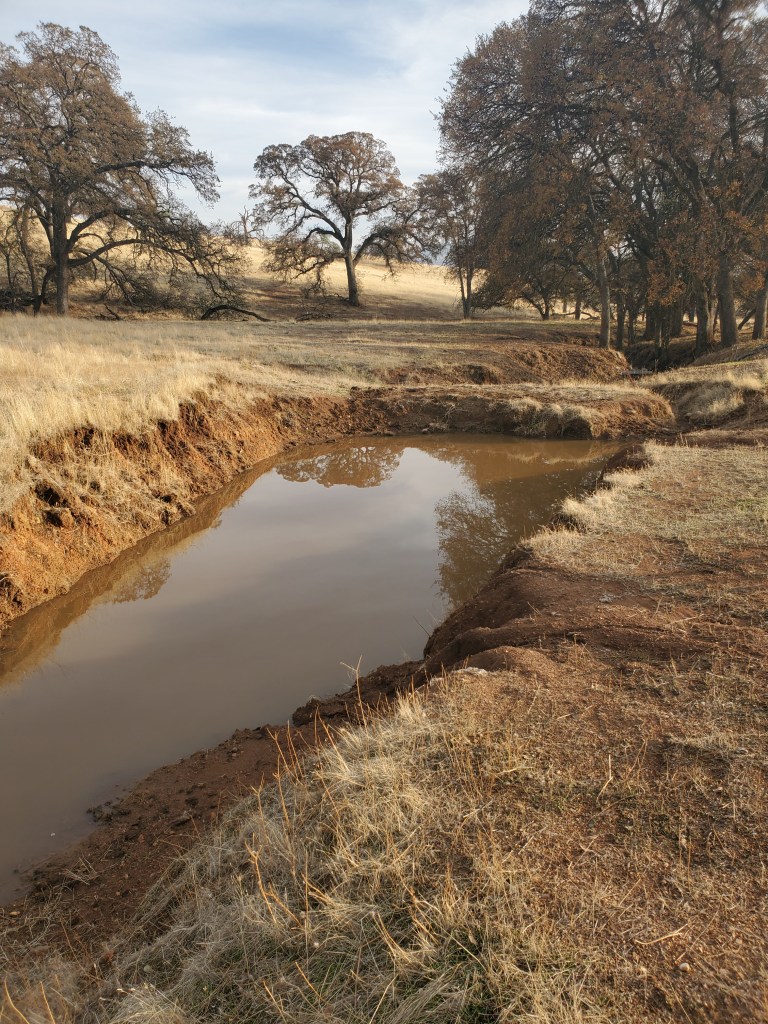
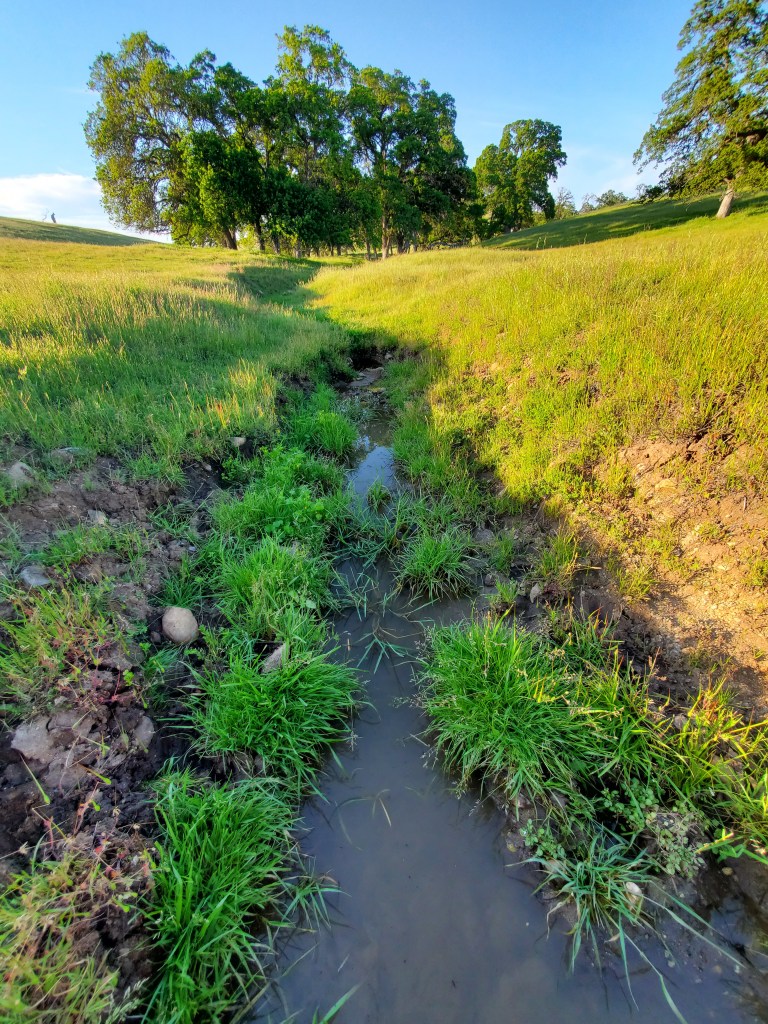
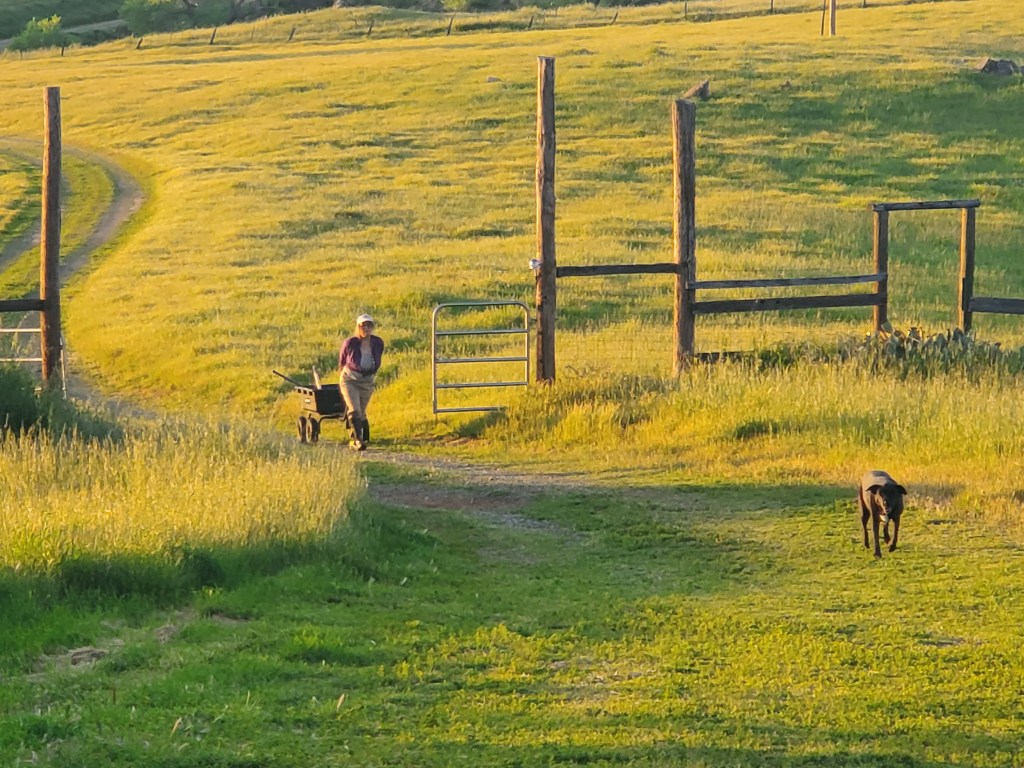
Since early 2024, I’ve had a 40lb bag of narrowleaf milkweed seeds. My intent was to plant them all last winter. I was was able to get about 1/3rd into the ground, but I ran out of time. With the rains taking a break in late December 2024, I made plans to seed the riparian exclosure areas. It had been some time since I was in the mid-section of the ranch. It was a joy to be out there on the creek. Over two days, rake in hand, I was able to plant the entire stretch of Spring Creek, even beyond the exclosure, and the entire stretch of Odom Creek inside the exclosure. Fun, but I now have a stiff neck!
I changed the type of planting sites to, hopefully, give the seeds different opportunities to establish. The existing milkweed on Odom Creek I have found just off the main area of the water flow, but in the creek bed. I have also seen the showy milkweed I planted thrive up higher on the creek bank. With this observational experience, I chose a variety of locations up and down the stream, closer and further away from the water, uphill and downhill, in disturbed areas and in areas with existing grass growth, next to rocks, away from rocks, in sandy soil, in clay and in loam. I hope something will establish!
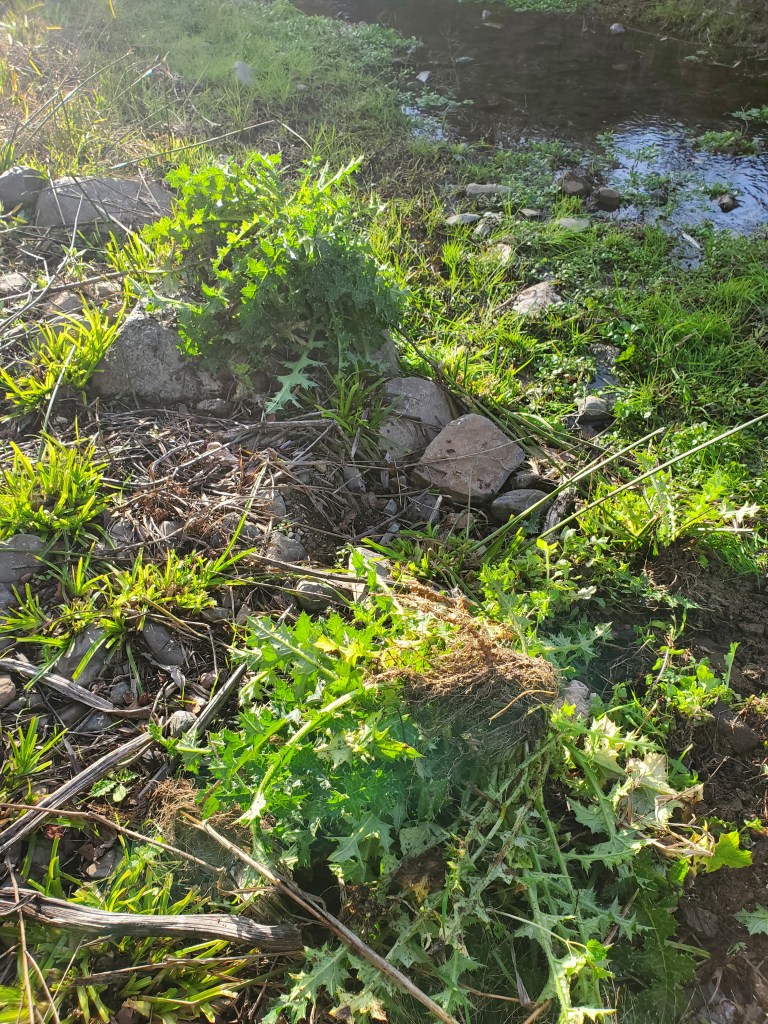
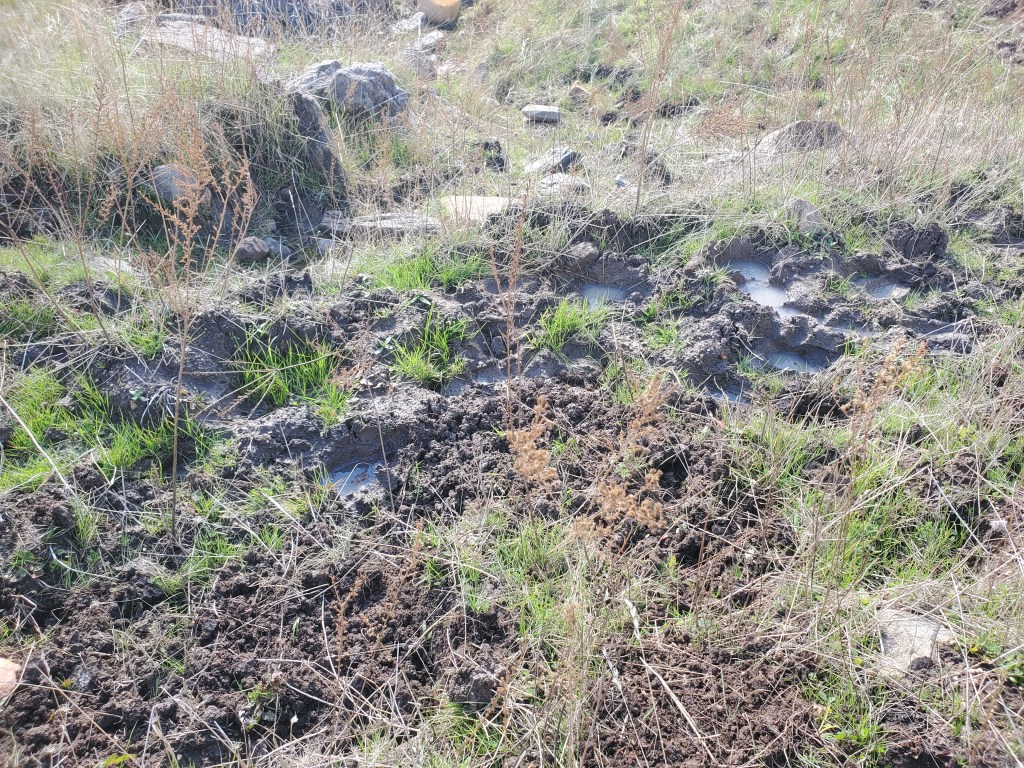
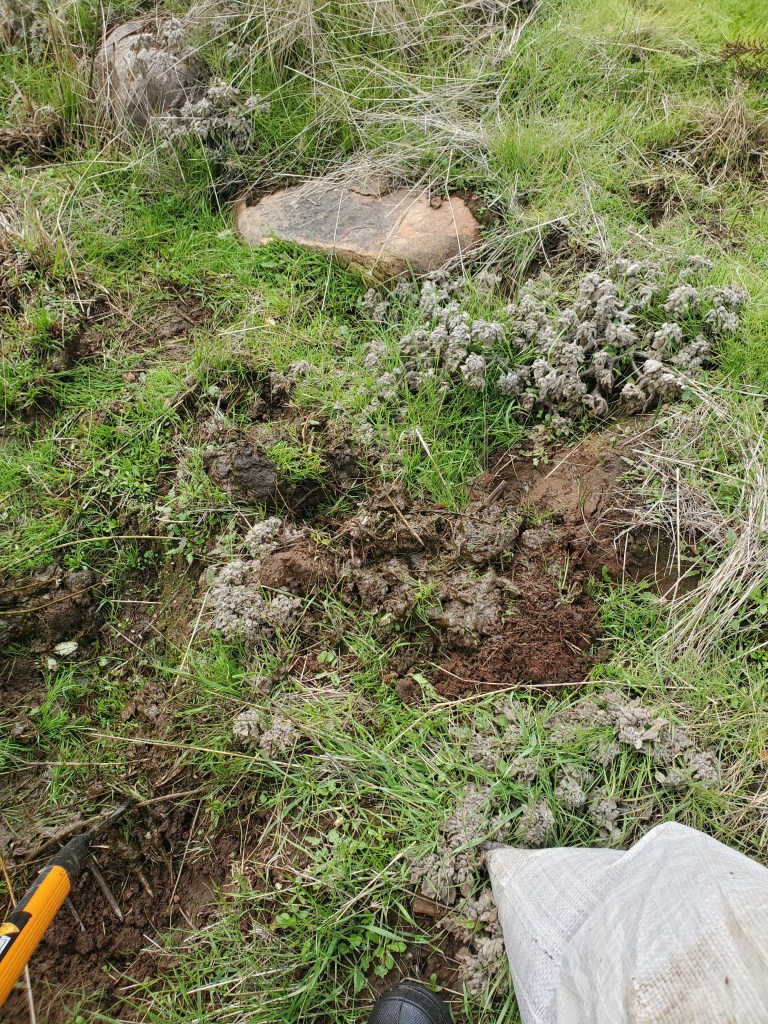
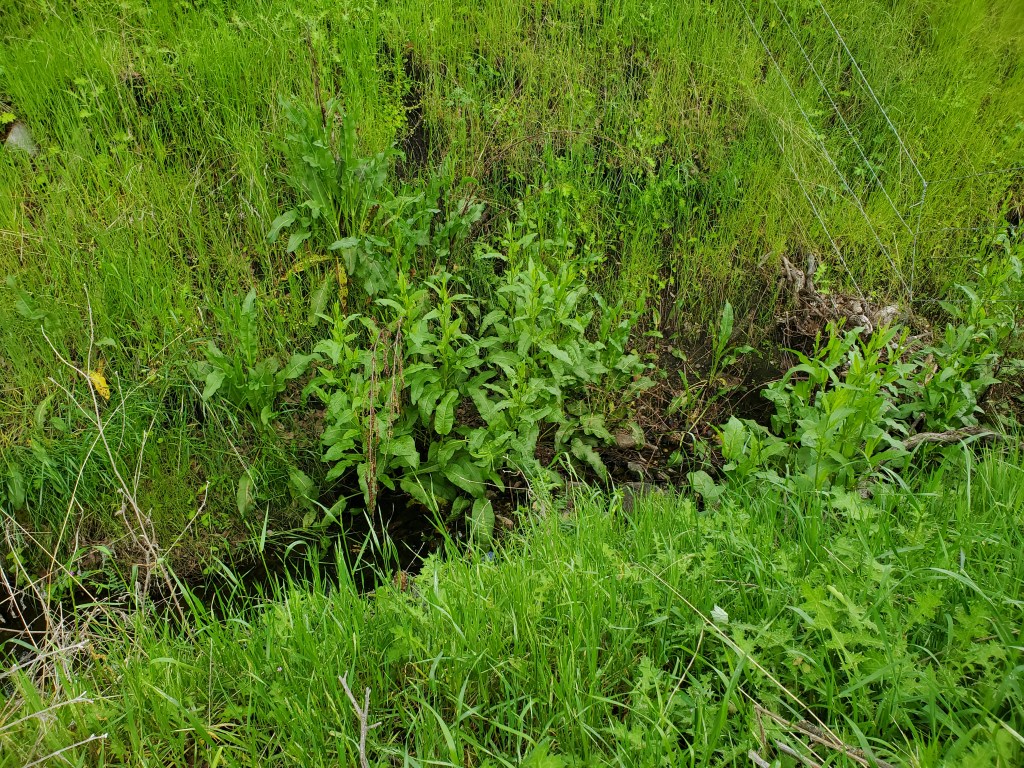
I also tried a couple new things in the Spring Creek site. There was an area where the cattle had trampled wet earth, many wet holes, ridges and the like. I used the holes in the disturbed ground as moist areas to plant in, then I raked the area smooth again with the seeds within the soil. We will see…
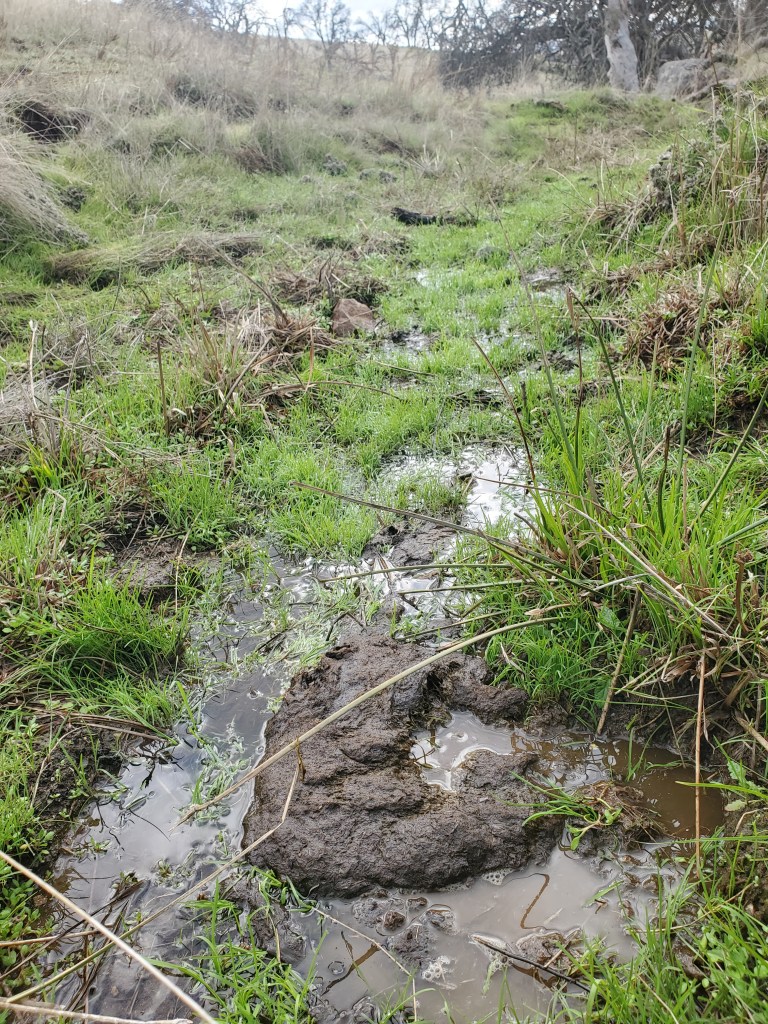
On my walk up stream, I found a few cowpies in the creek. This is not good. It adds significant organic matter/nutrients into the water, which promotes algae blooms when the temperatures warm, diminishing the water quality. I scraped some earth up the bank, put seed in, covered it lightly, then took the cow pie out of the water and placed it on top of the seeds. I got this idea from a California Association of Resource Conservation District conference session in December. It was a session on oak recruitment on rangeland with Kurt Vaughn and Alex Palmerlee. One of the tools they used in providing nutrients to acorn plantings was a slurry of cowpie and water. The audience could not stifle their amusement as the guys discussed the delight they had in mixing cow poo with water to make a mulch. Definitely gross to some. If it works better, what an abundant resource on ranches.







Acorn Gathered for Tree Planting
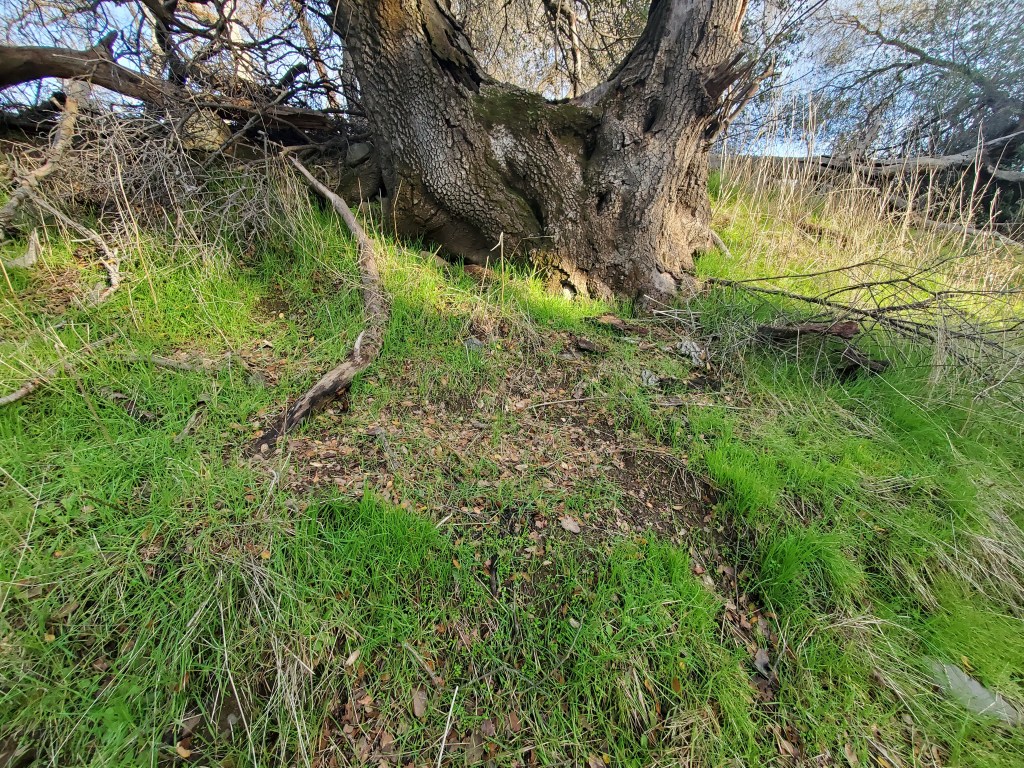
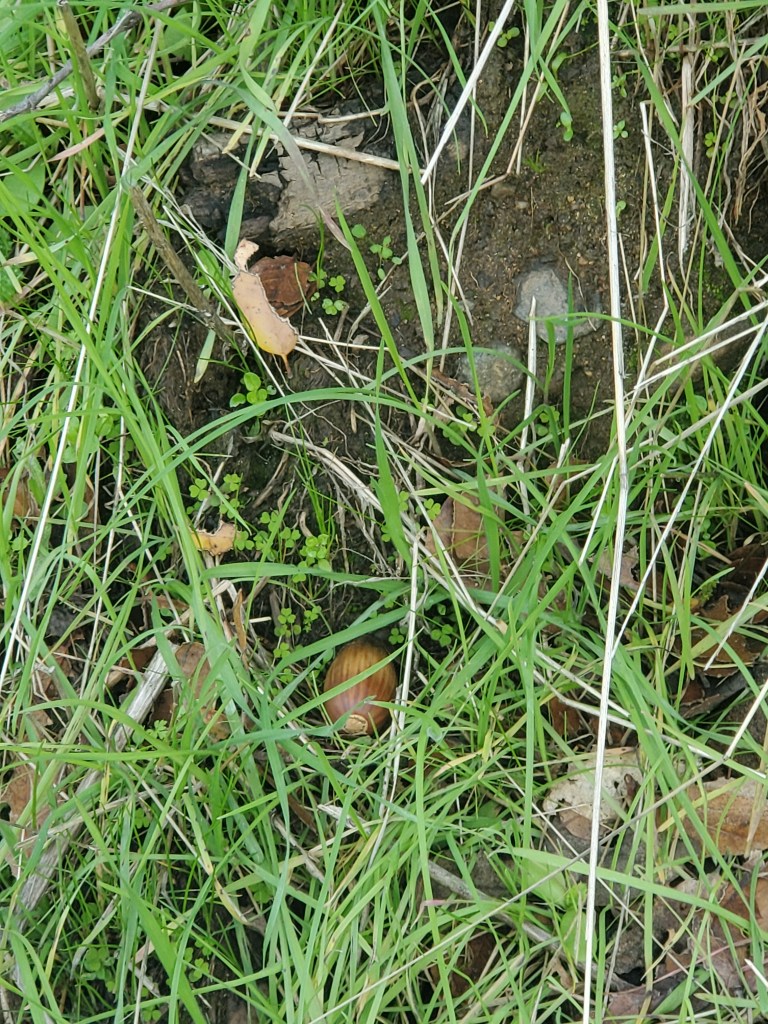
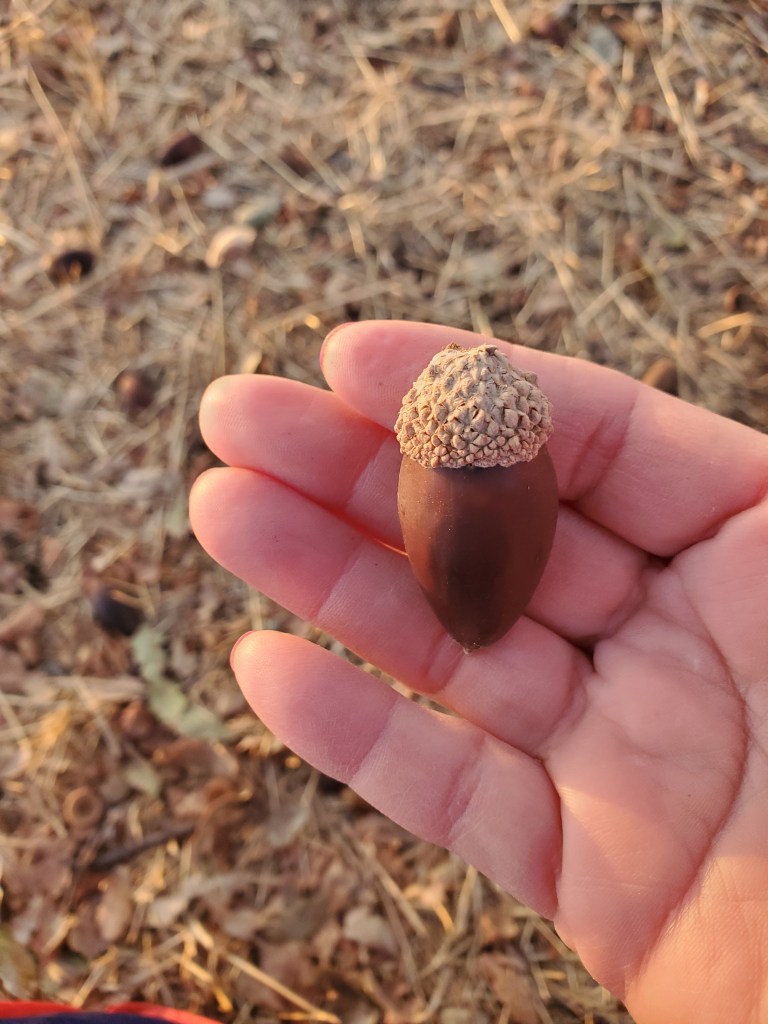
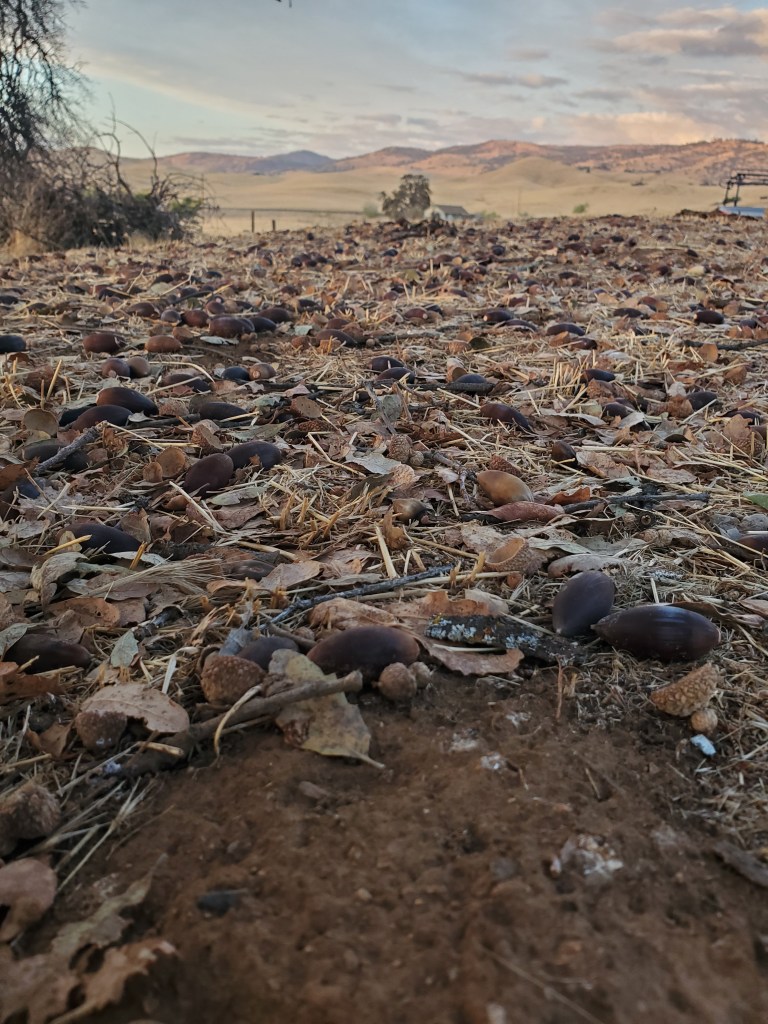
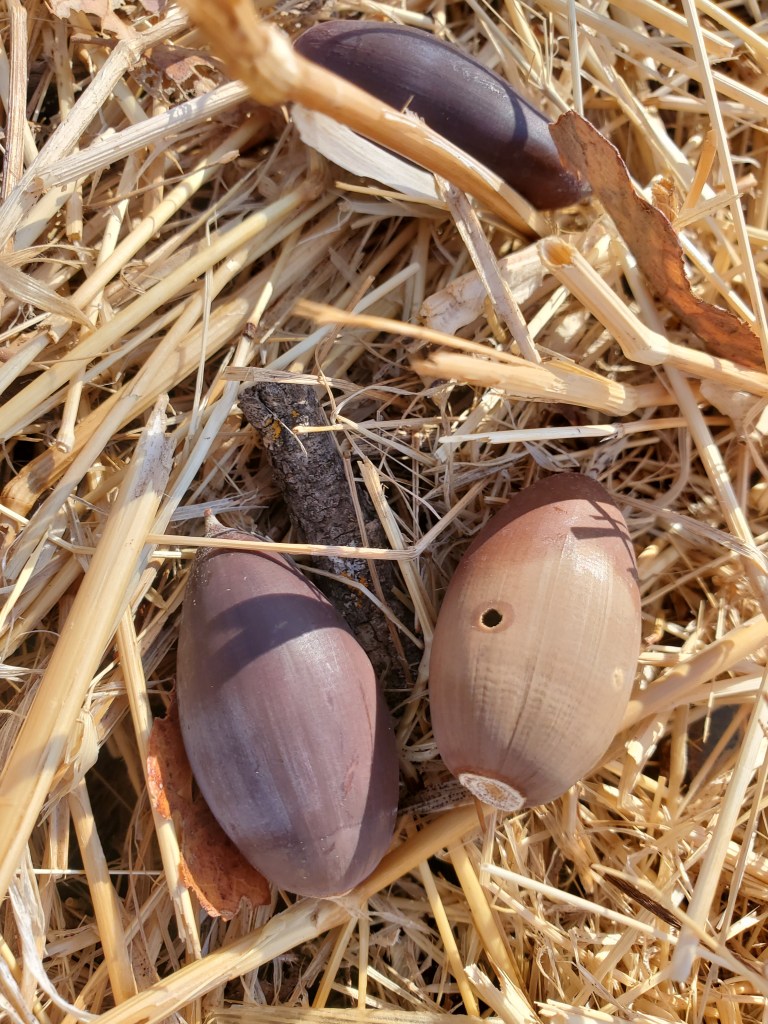
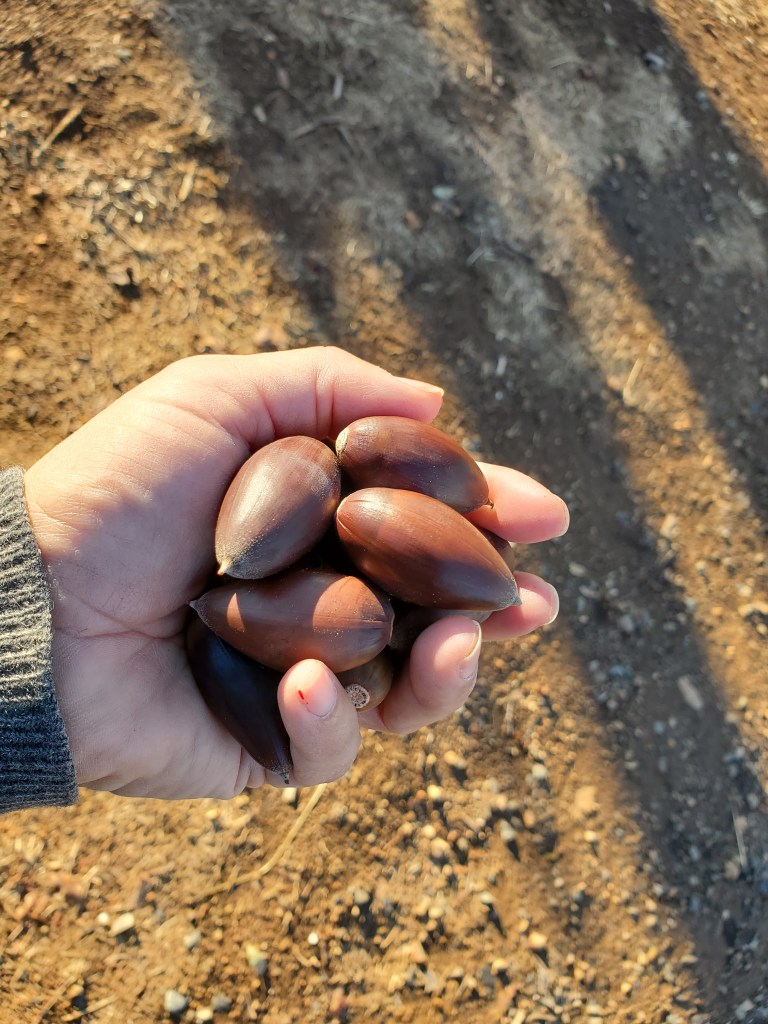
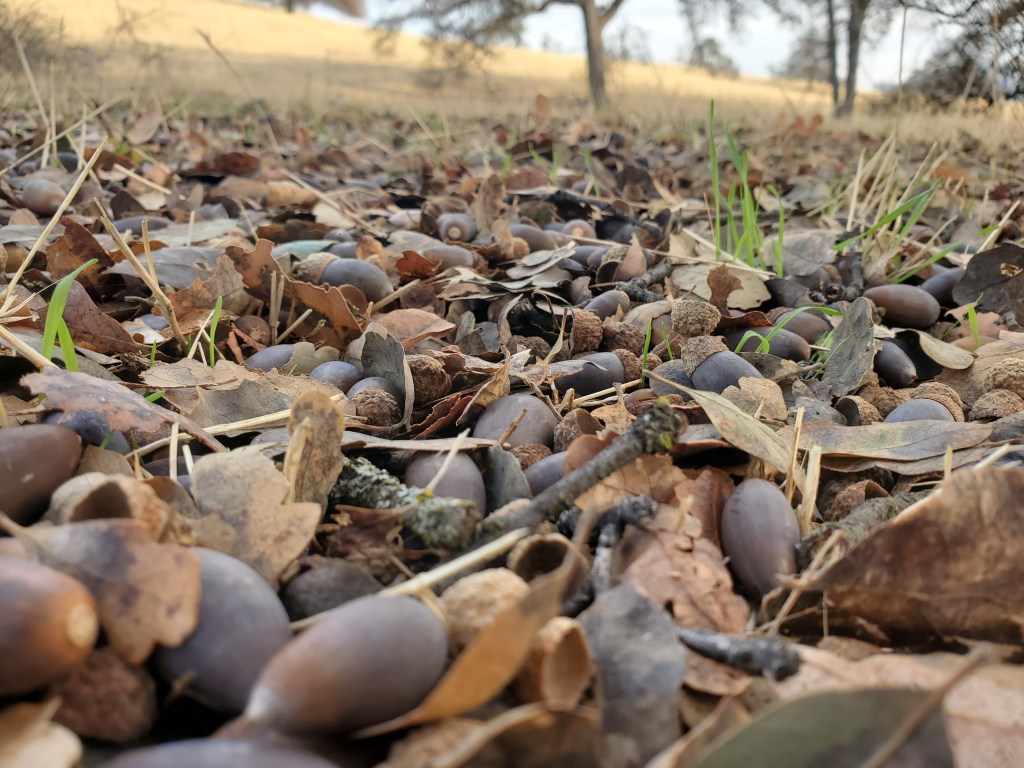
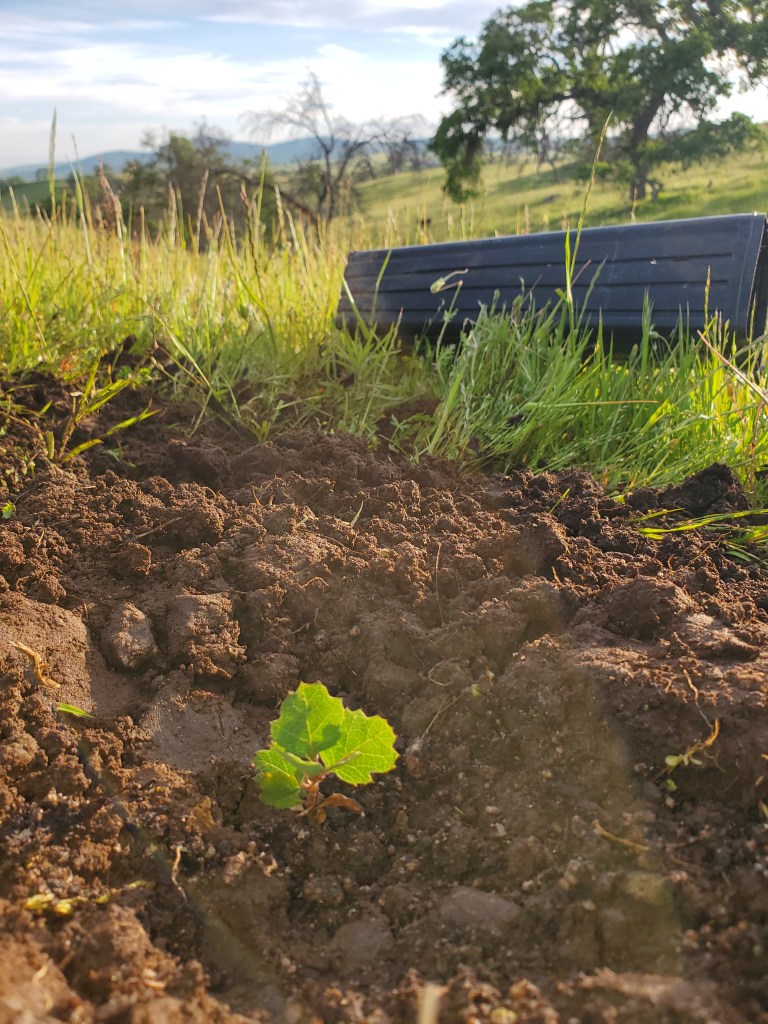
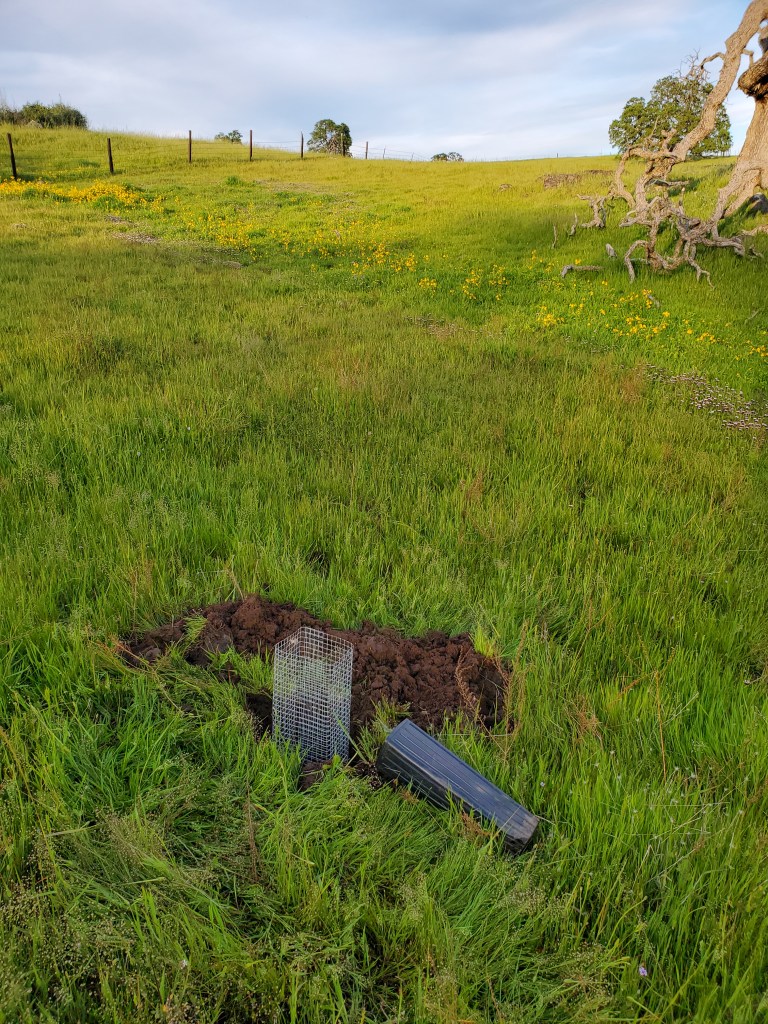
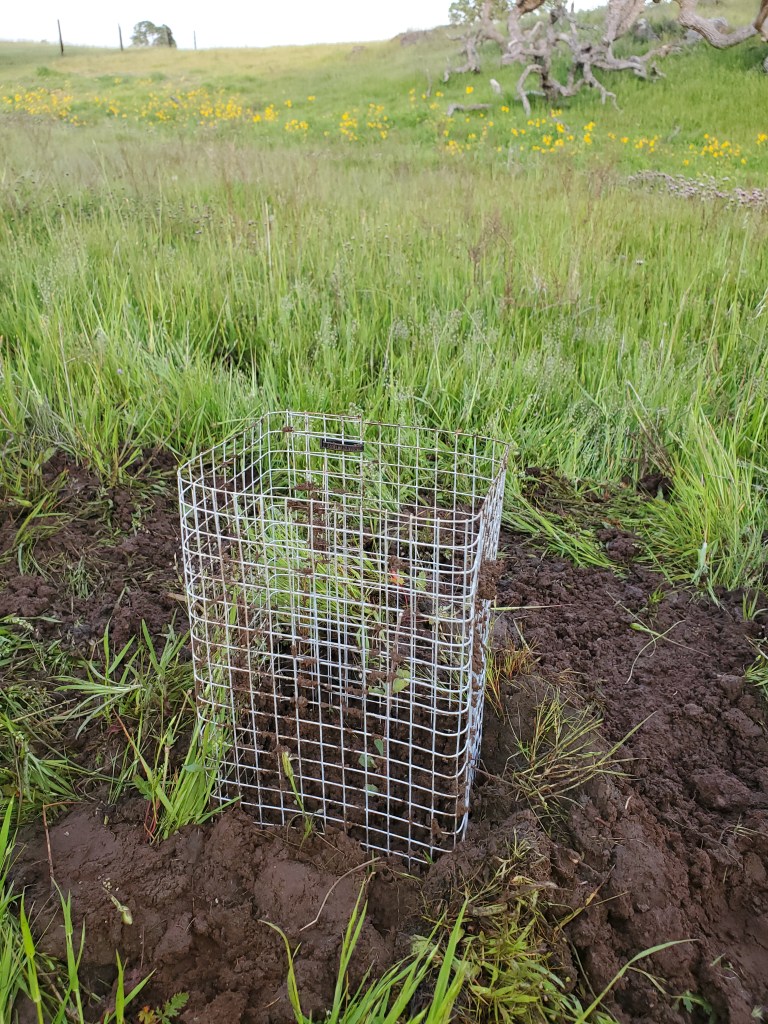
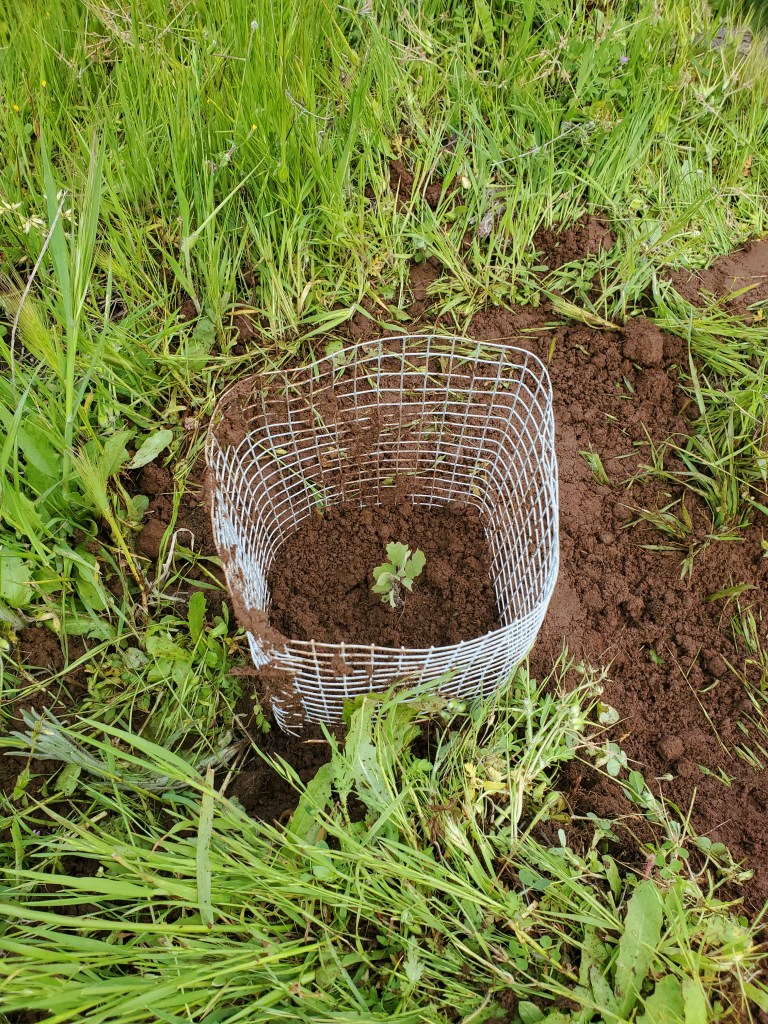
While I did not have time to gather acorn for flour making, I did have a chance to gather about 200 for planting across the ranch. I harvested from the grand old oak near the house and the smaller oaks in the Spring Creek riparian area. I am planning to do a combination of seedlings (16), and the rest will be plantings of acorn. I do not want a repeat of last year when the grasshoppers ate all my back-breaking work.
Storms Bring a New Guest
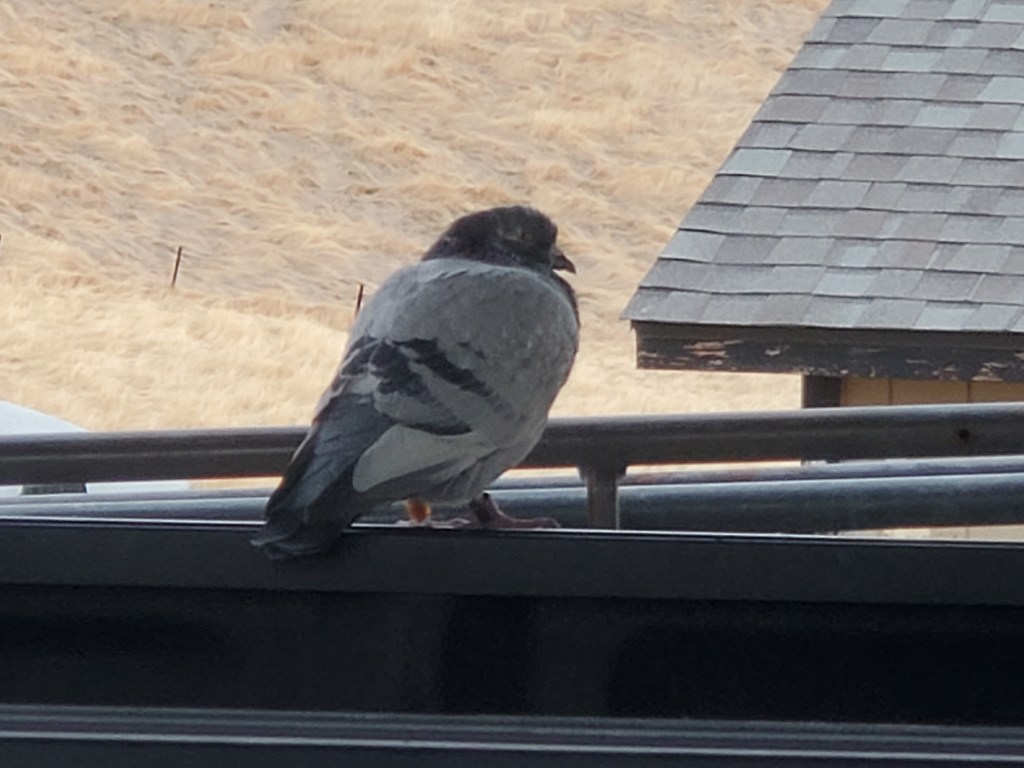
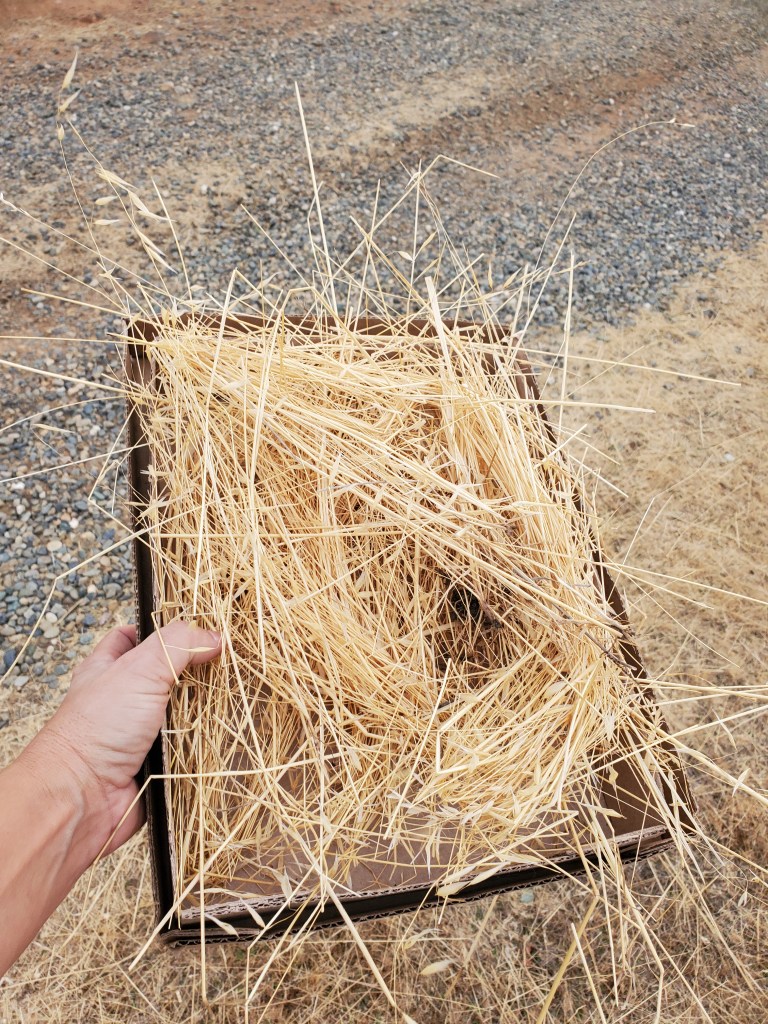
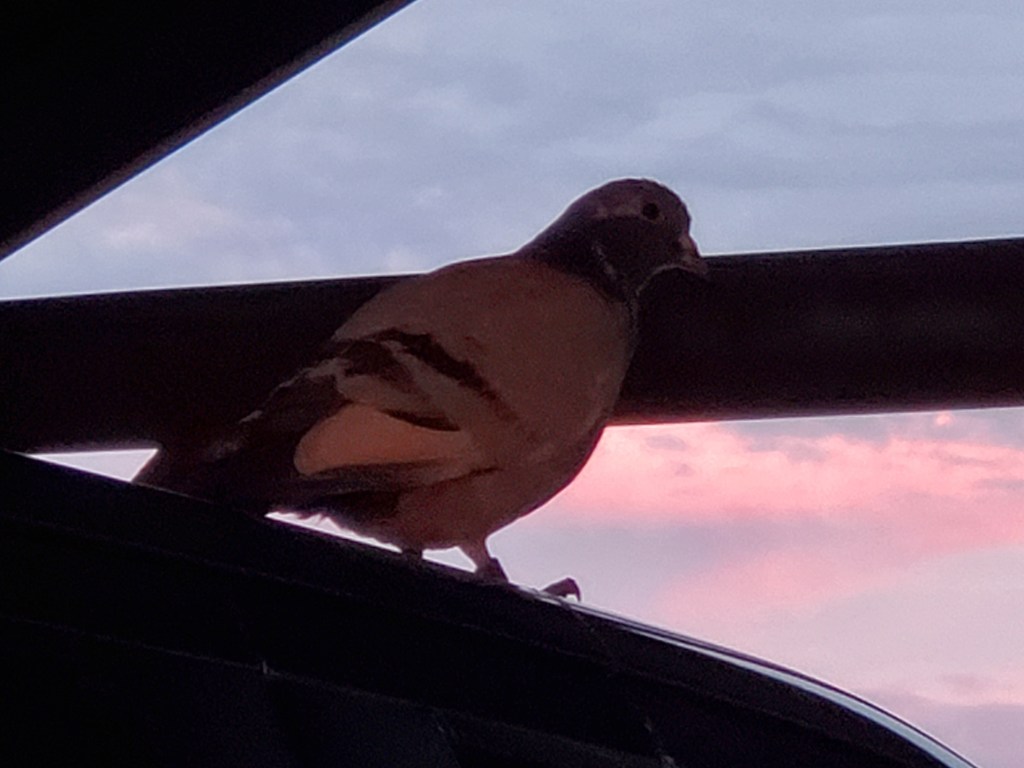
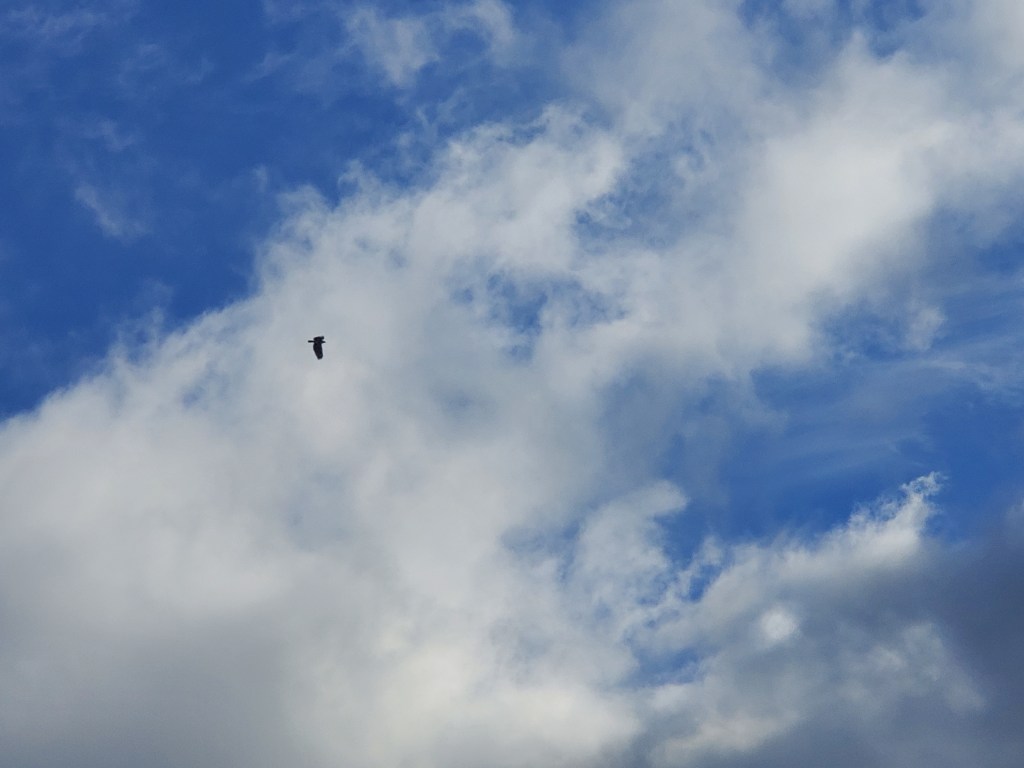
During the December storms, a new guest showed up that I’ve never seen here before. It was a pigeon. The pigeon had bands on its legs, so we knew it belonged to someone. Every time we tried to get close to look at the bands, it would fly away from us. David built it a roosting box and attached it to the underside of the carport. I made it a little bed. It stayed with us a week. At first, it roosted on the truck under the carport. Then, when we were working outside and had the garage open, it decided the garage was better and roosted on the ceiling beams. At dusk, the bird would perch on the gutter outside my office window and stare at me. I would come outside, and it would fly to in front of the garage door. It was saying, “Hey lady! Open the door so I can roost for the night.” It was really neat at first, but then we saw the piles and piles of poop on the vehicles, patio and in the garage. After the bird stayed several days after the storms were over, David felt it was getting too comfortable. He hatched a plan to see if it really wanted to stay or if it was just being a bit slow going back home. The plan was to prevent it from roosting inside to see if it went back to roosting under the carport. The pigeon didn’t stay. It decided to go home – or find another temporary housing situation. We are definitely suckers for animals, so it is probably good it didn’t stay.
Catching Up – So Much More Accomplished
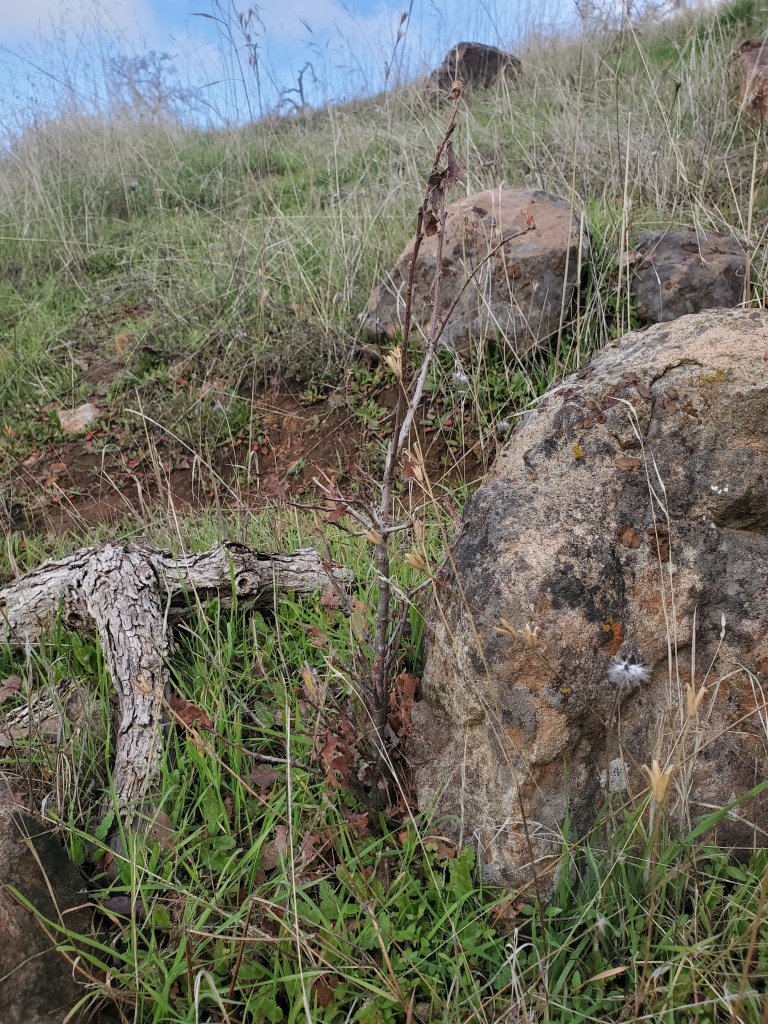
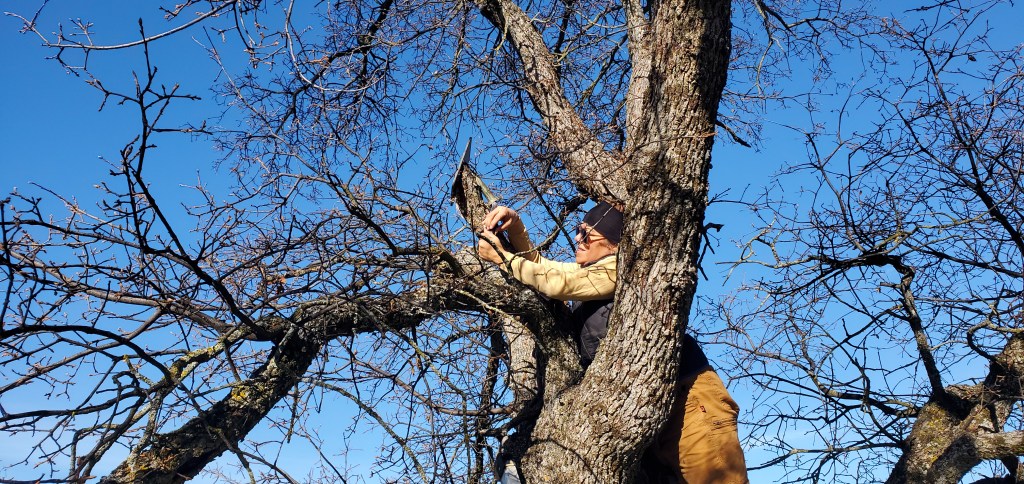
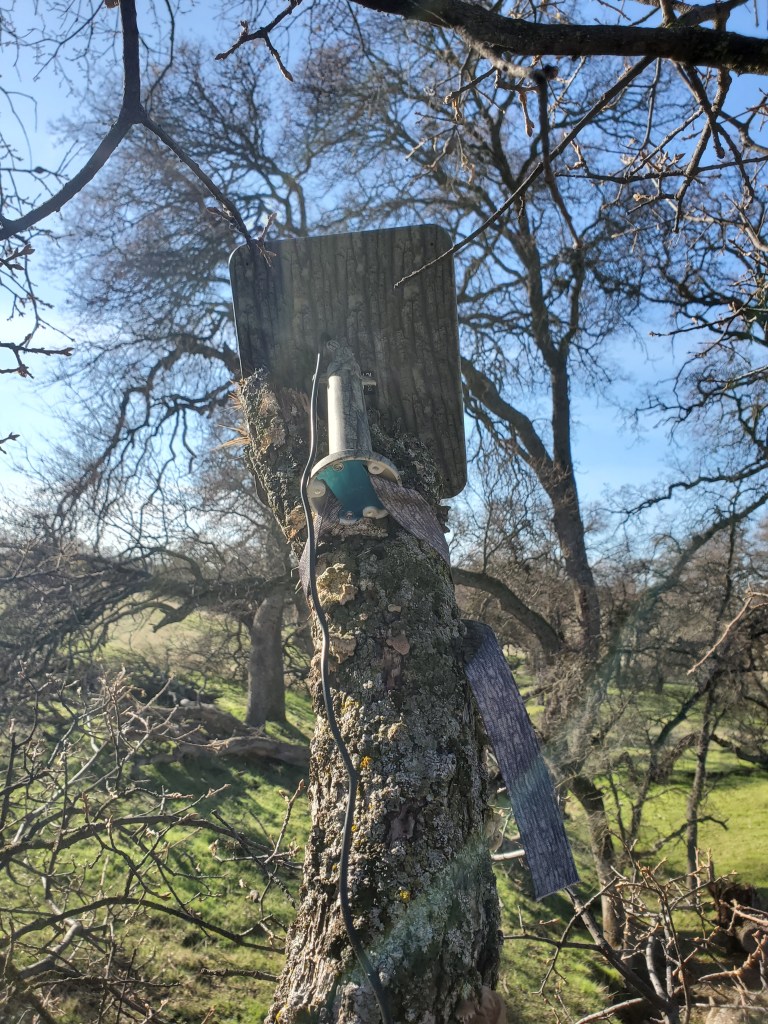
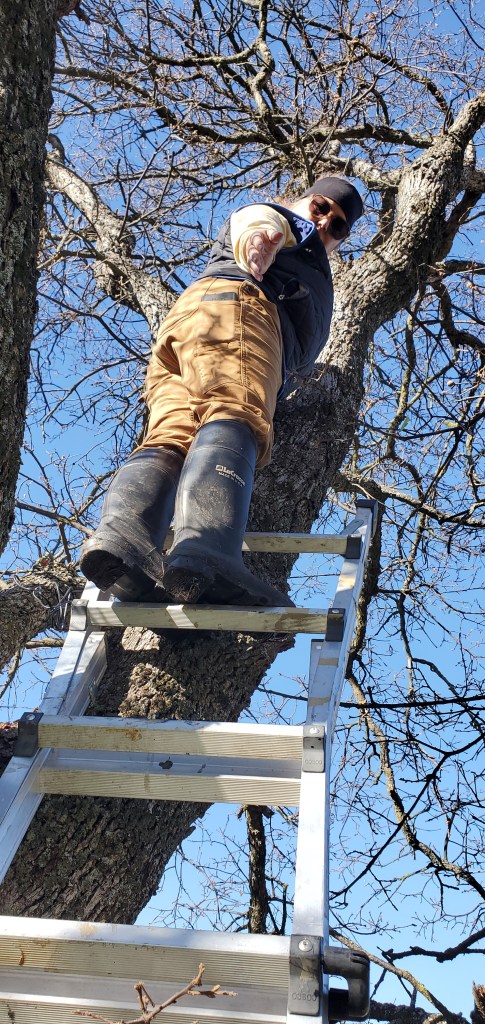
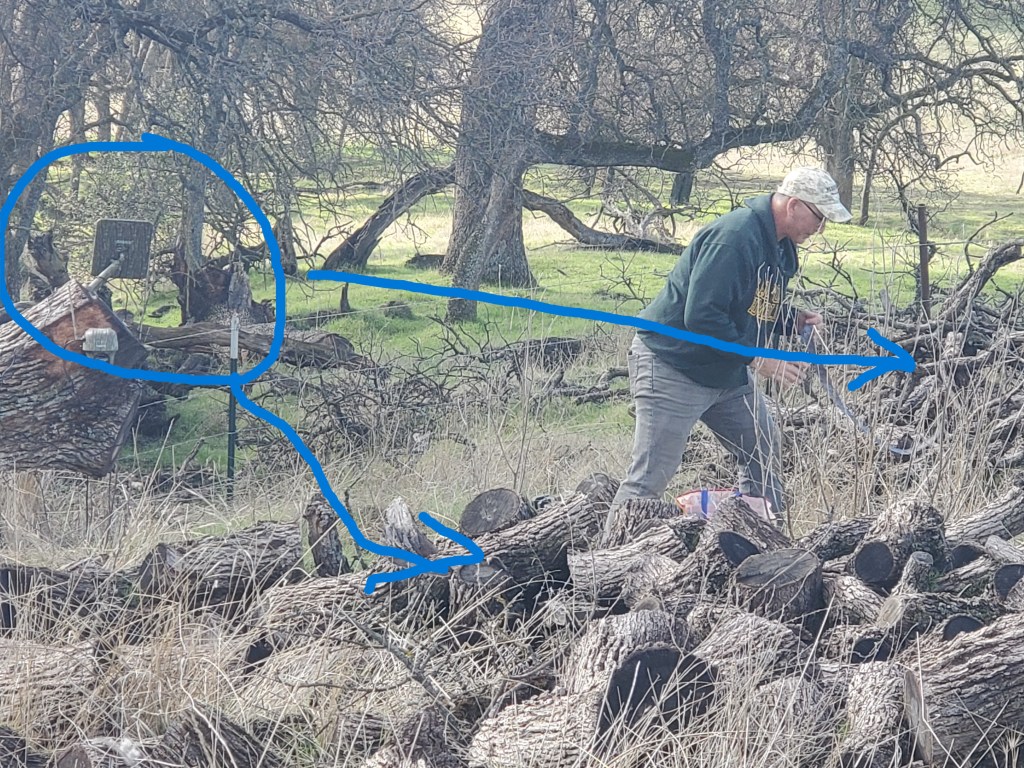
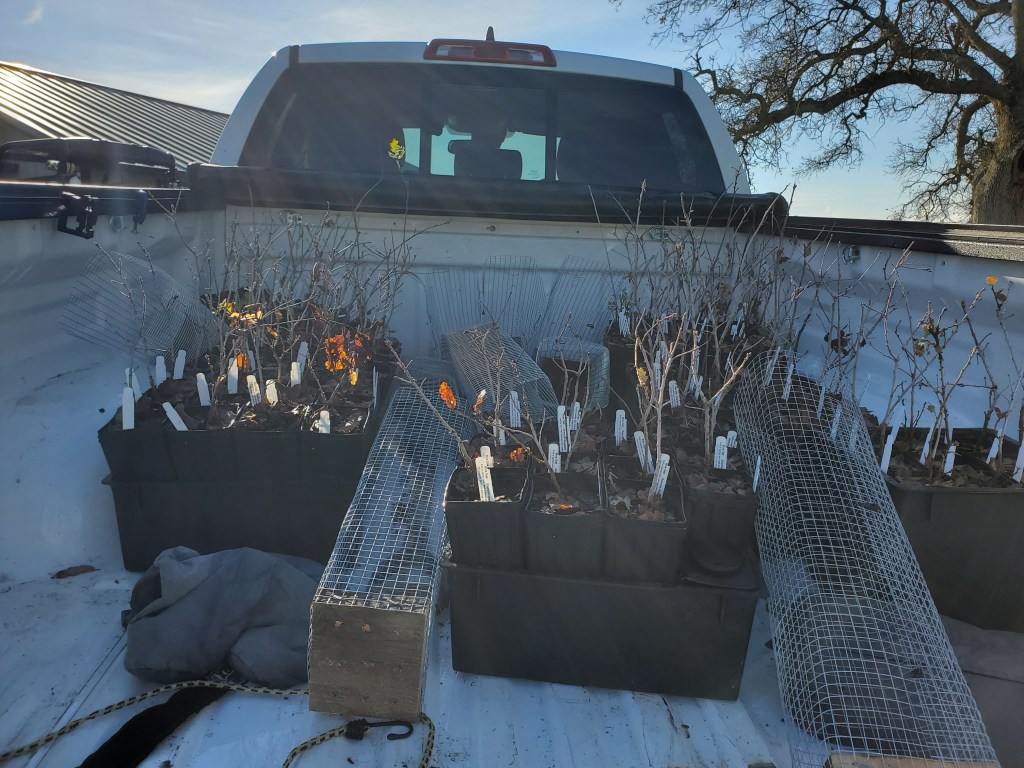
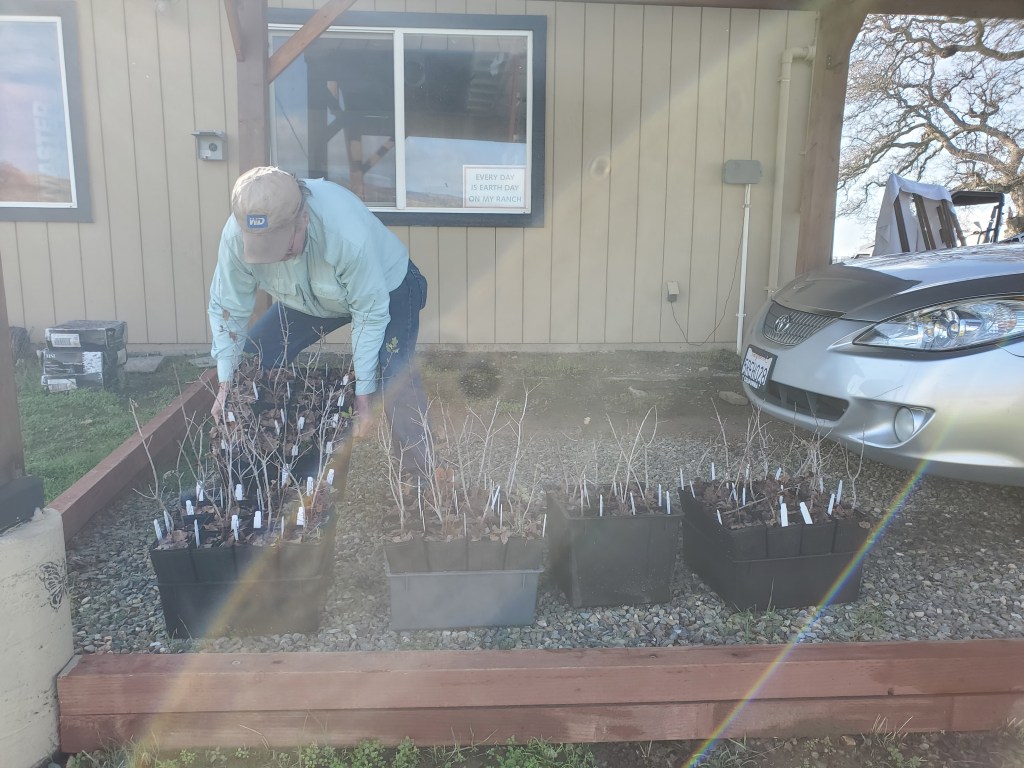
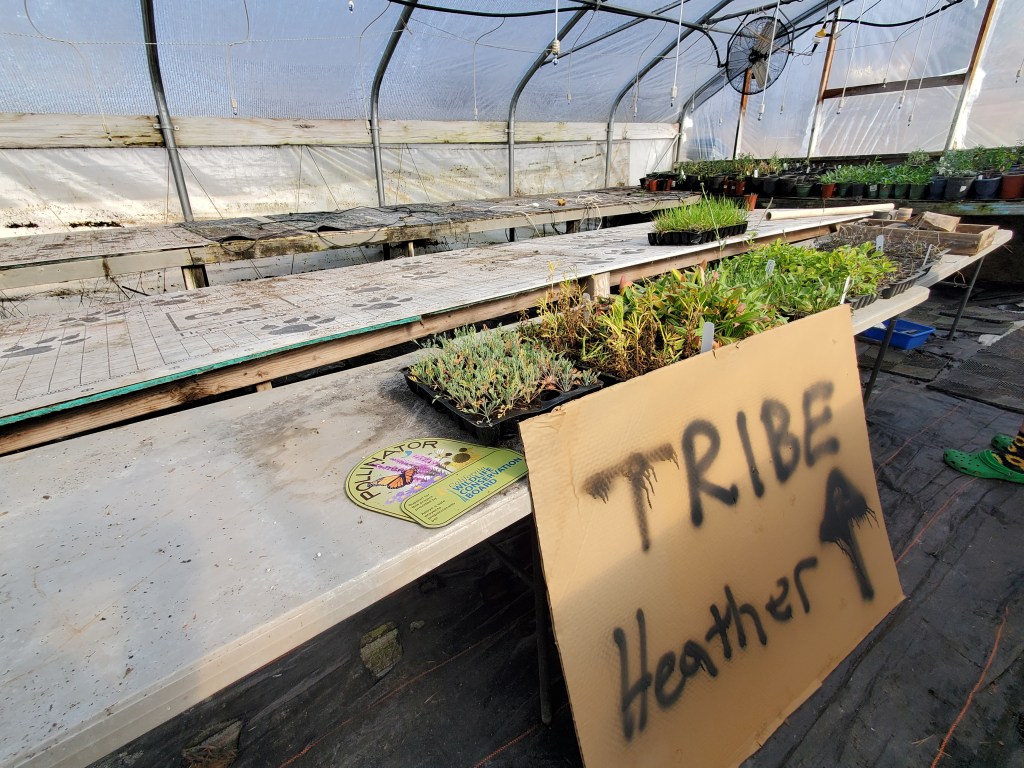
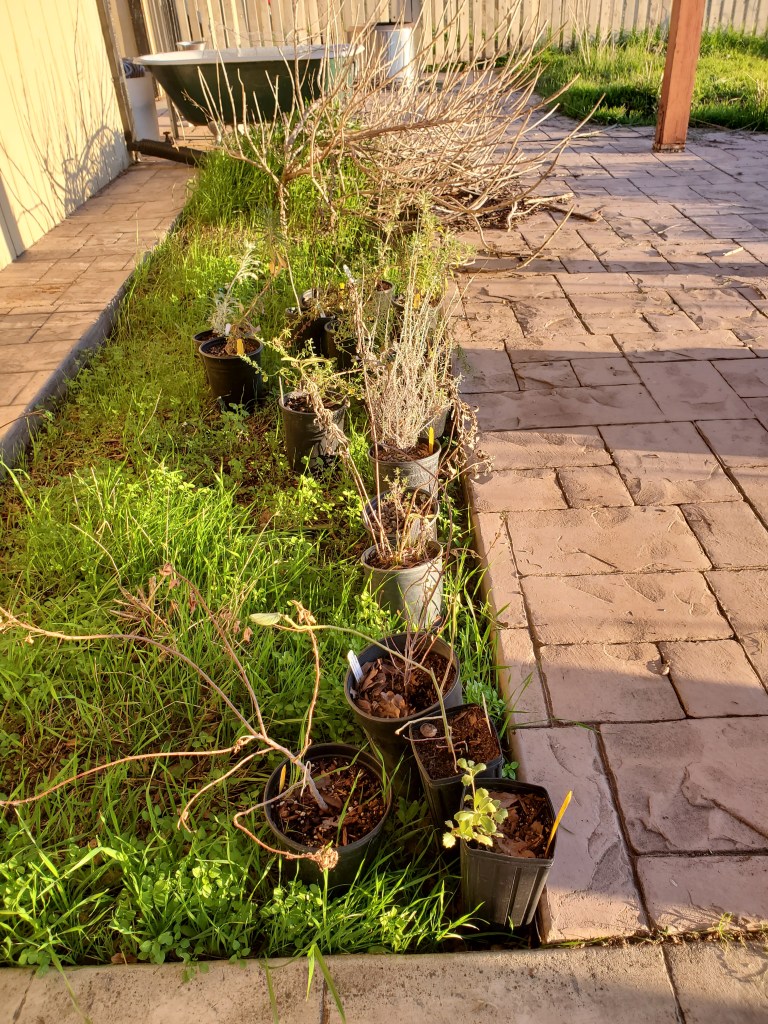
In addition to the seed planting, I have also gotten more plants from Ron Allen at Mariposa Native Plant to install. With the help of David, we set up another game camera. It was super fun to climb a tree. In the end, we decided a fallen tree trunk was the better view. The cell signal is not the best there, so we may yet move it again.
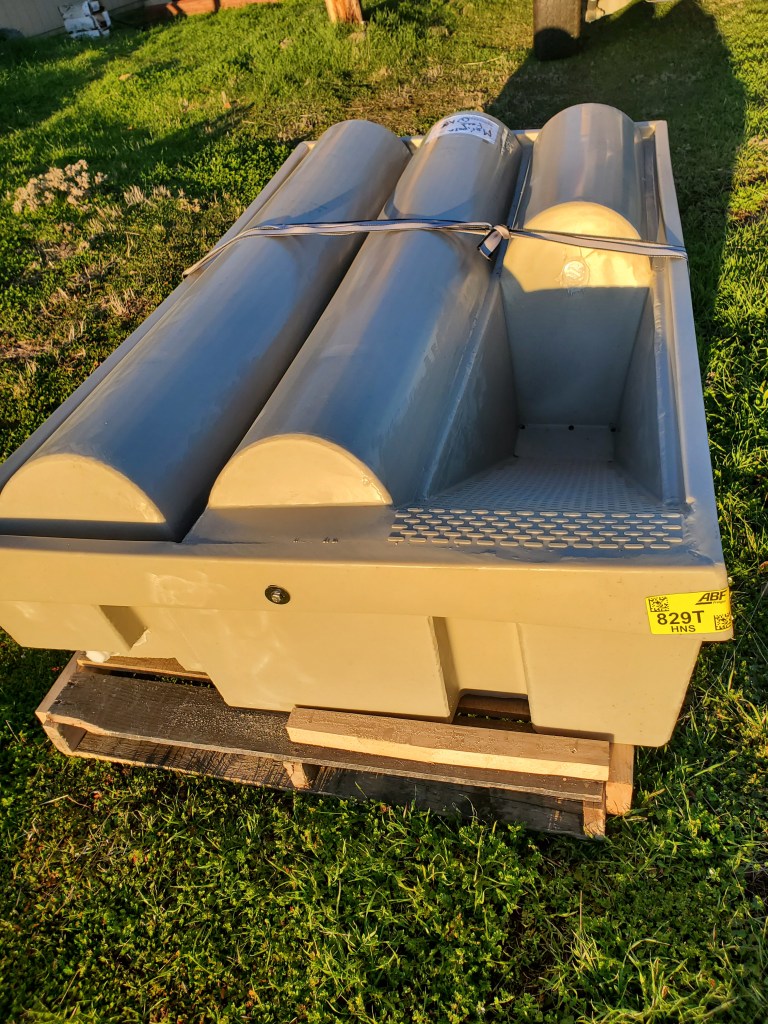
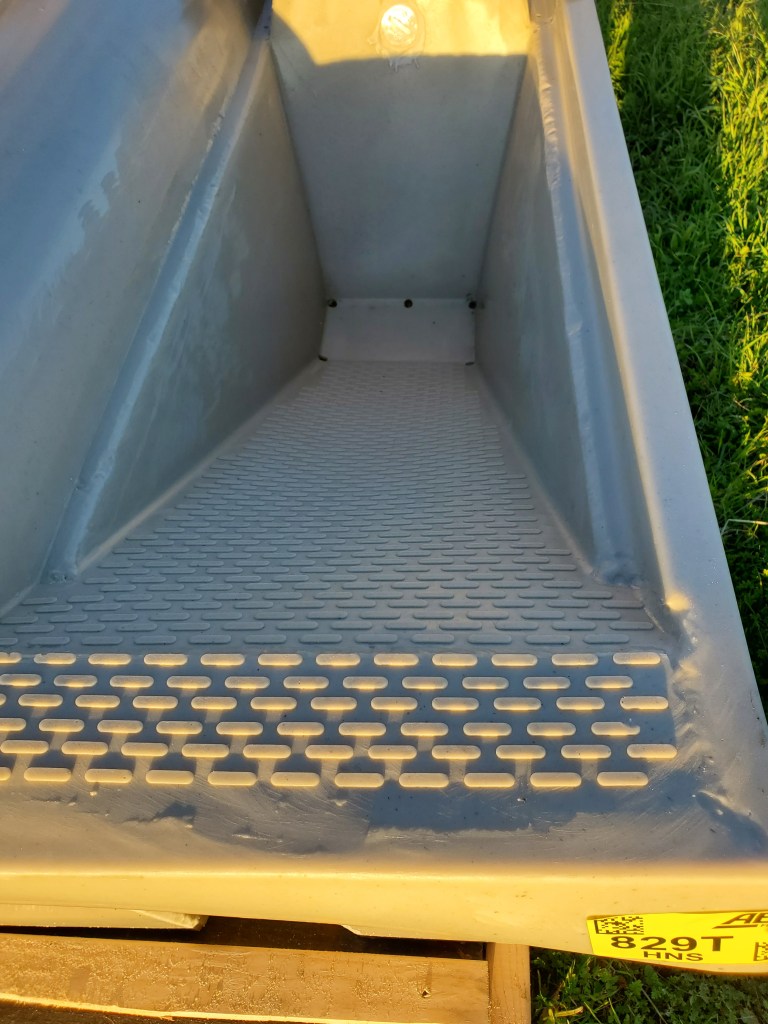
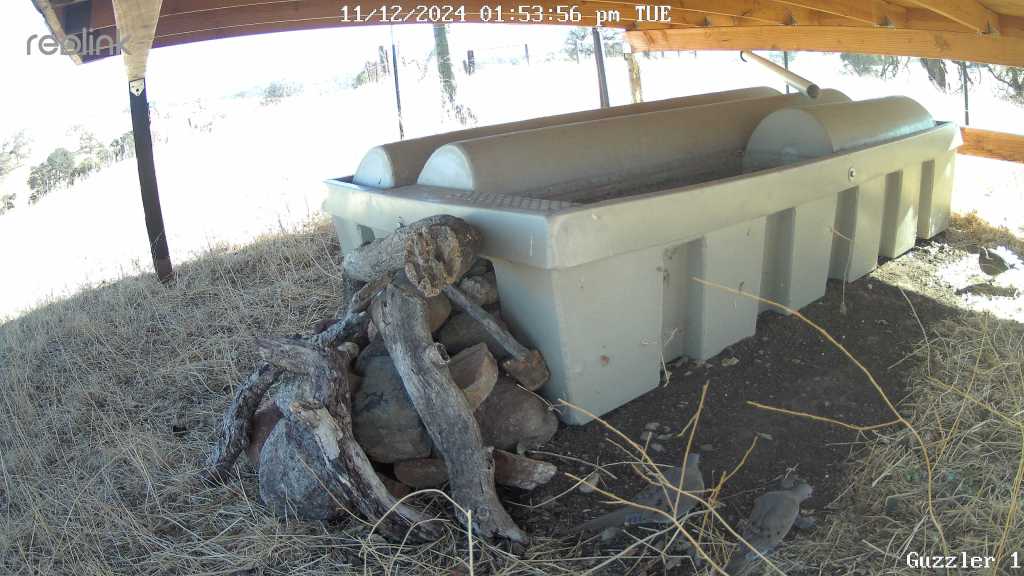
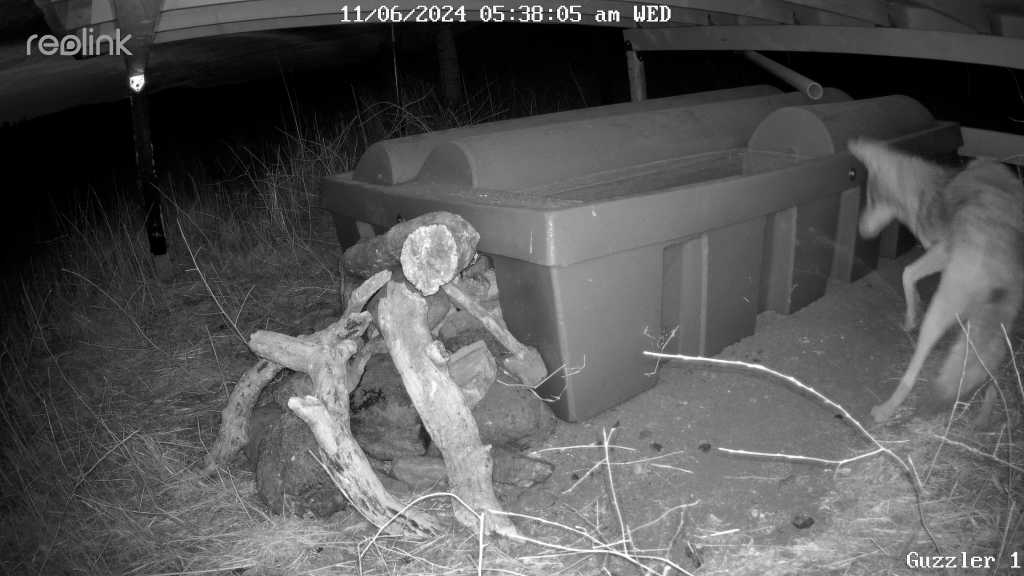
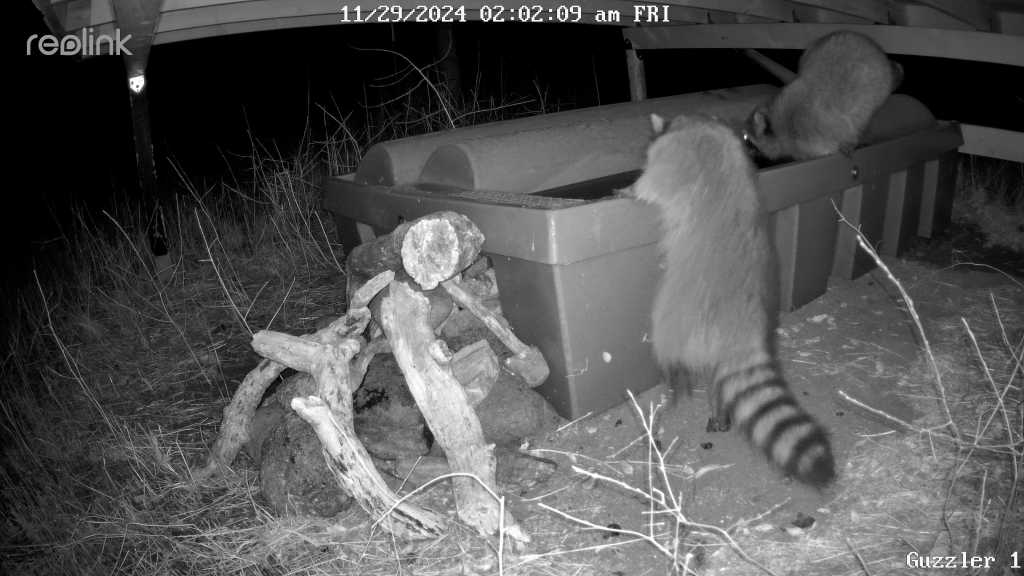
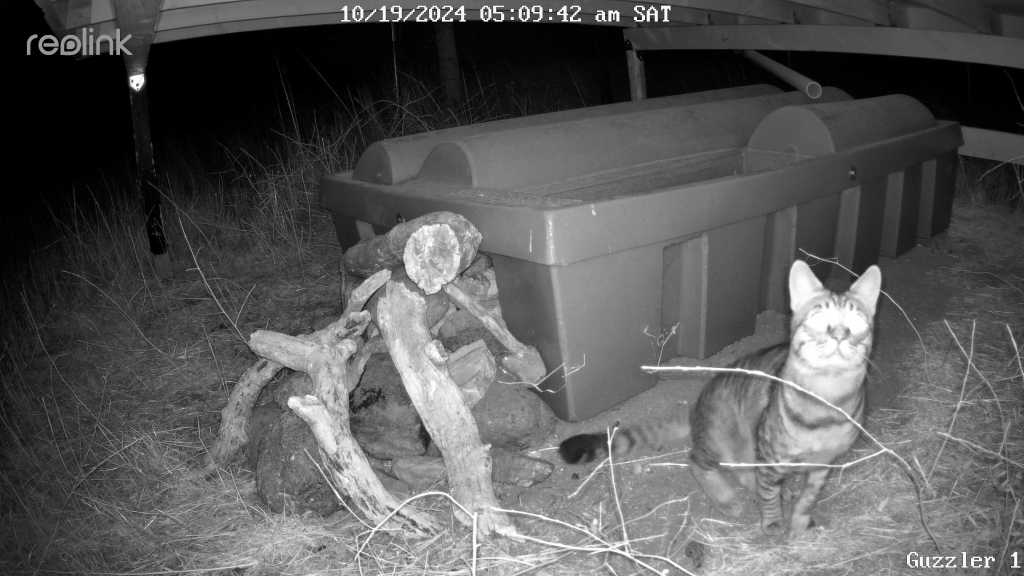
The new guzzler for the back of the ranch also arrived last week. It will help make water available to wildlife when/if the creeks run dry. They have been extremely helpful to wildlife during the late summer and early fall times when water is not as plentiful. We have gotten some fun photos of visitors to the guzzler. My favorite design element is the built in ramp. This way, no one drowns.
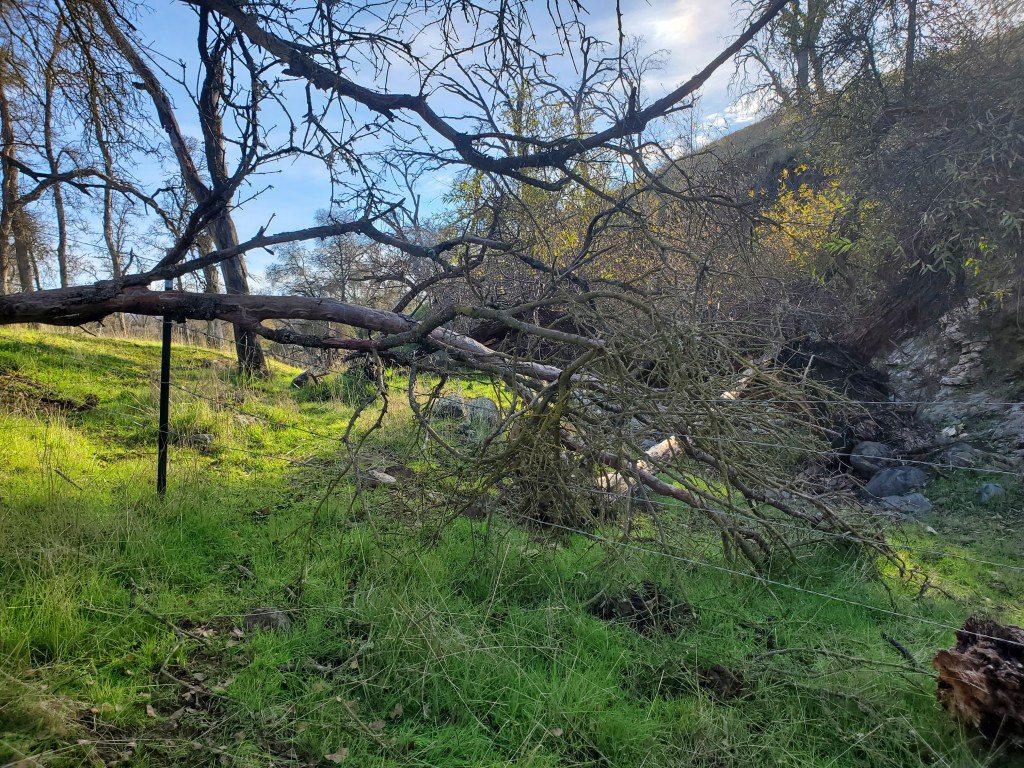
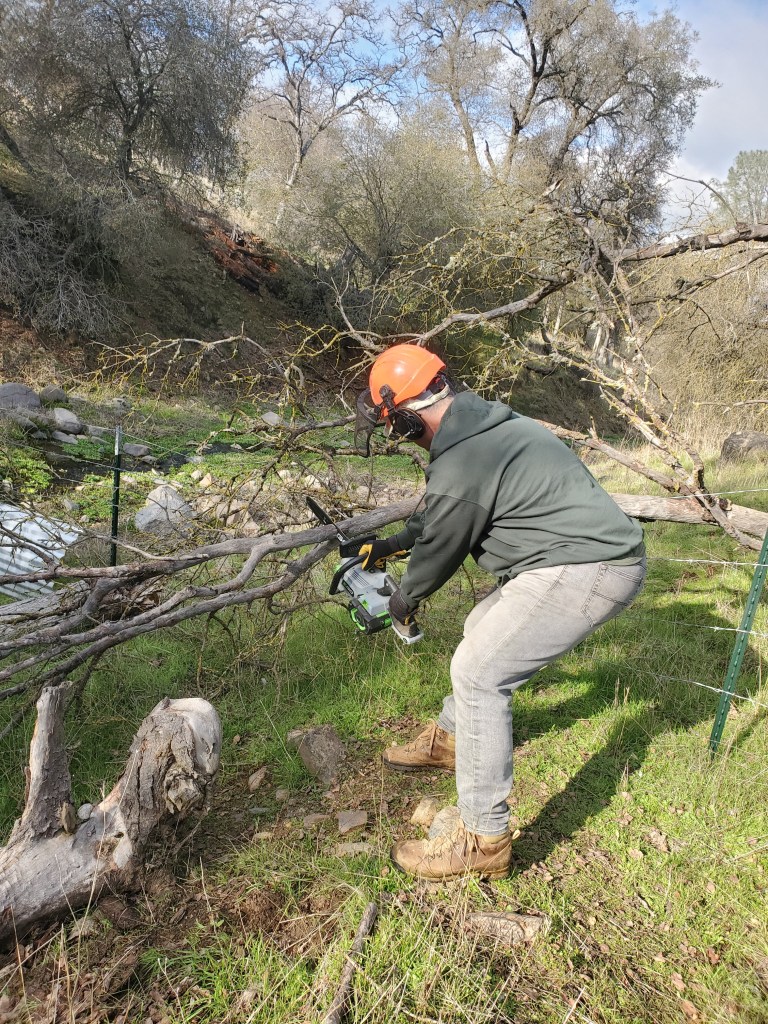
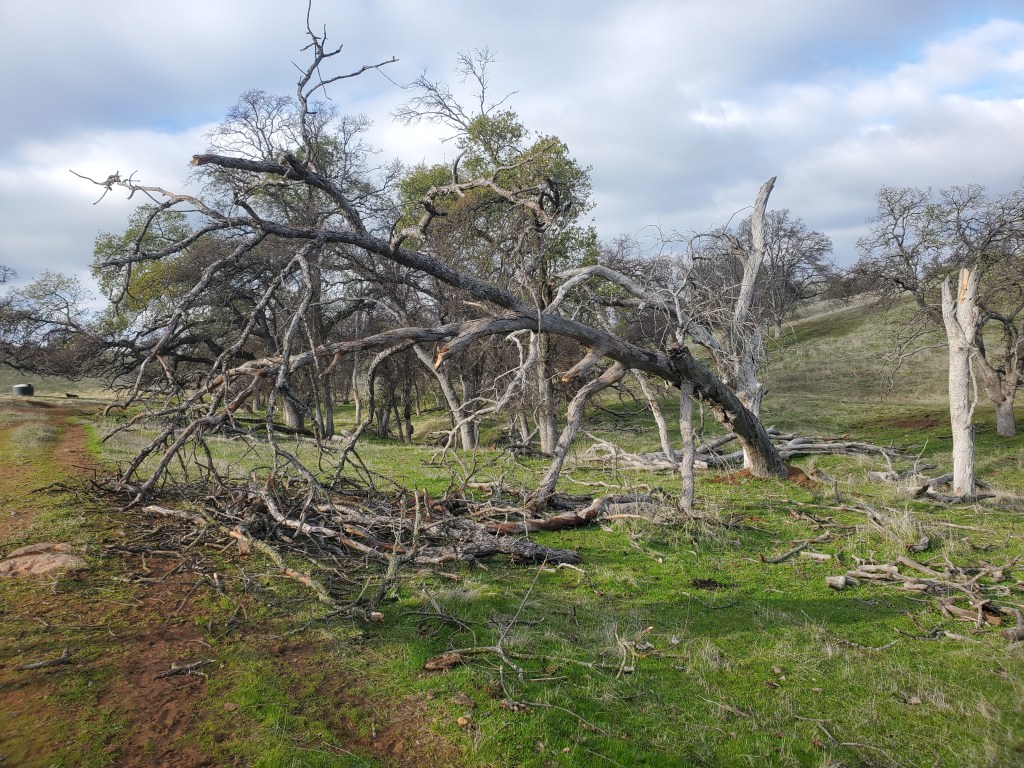
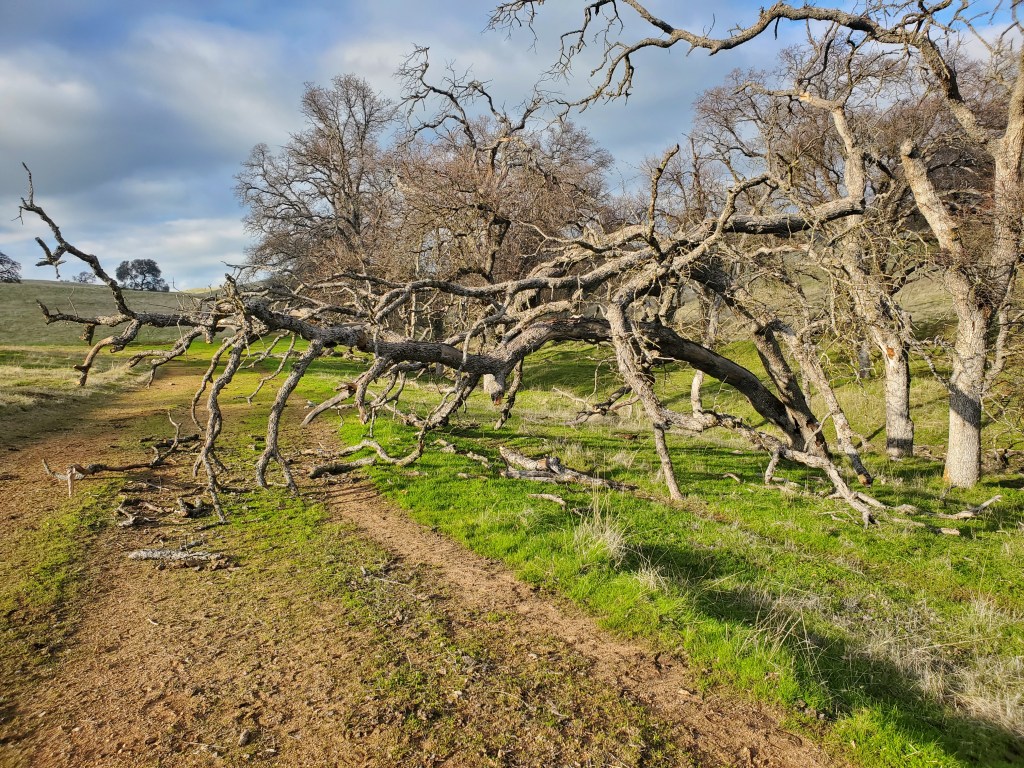
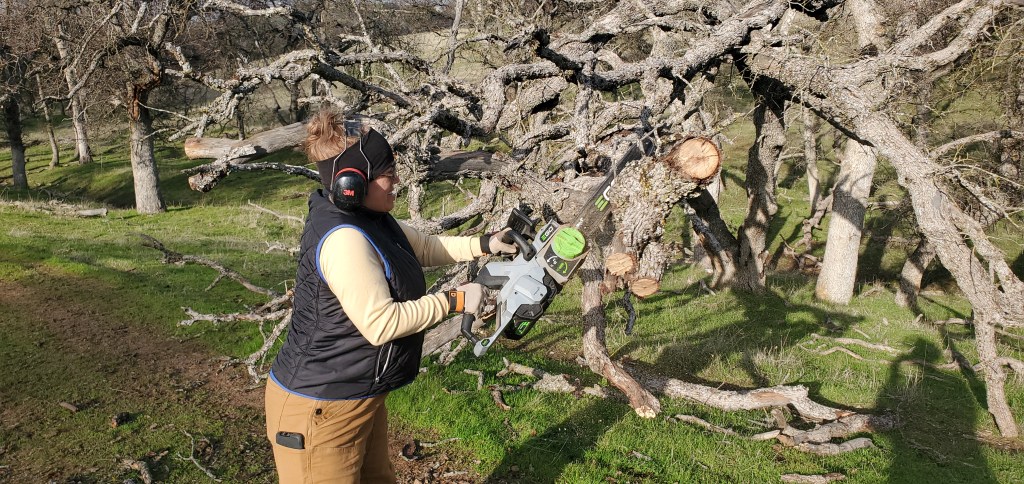
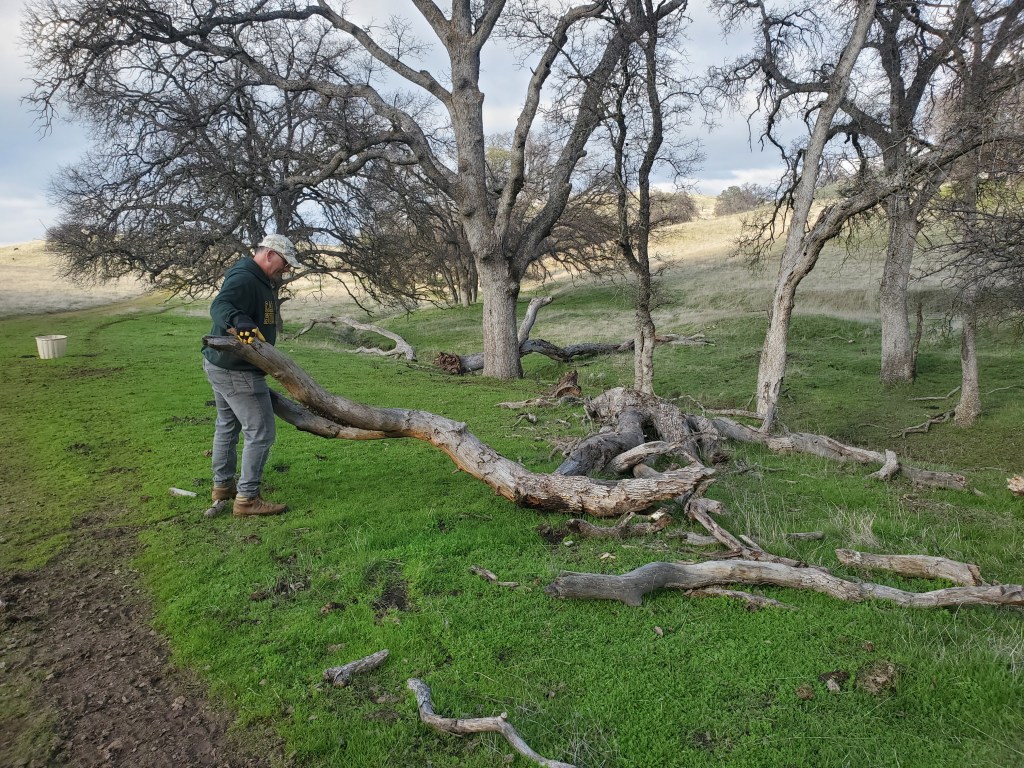
As noted in the passage above about narrowleaf planting, an oak branch had fallen on my exclusion fencing. The storm had also knocked down some branches and trees across the neighbor’s section of the cattle road. David and I ended up doing a bit of chainsaw work too.
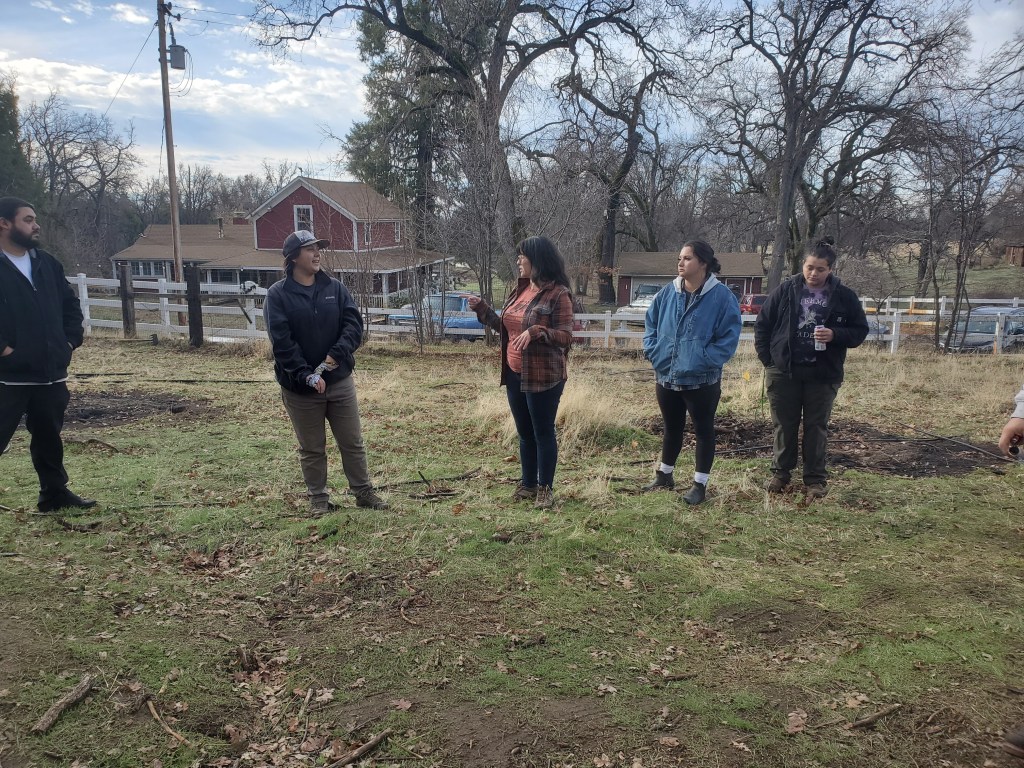
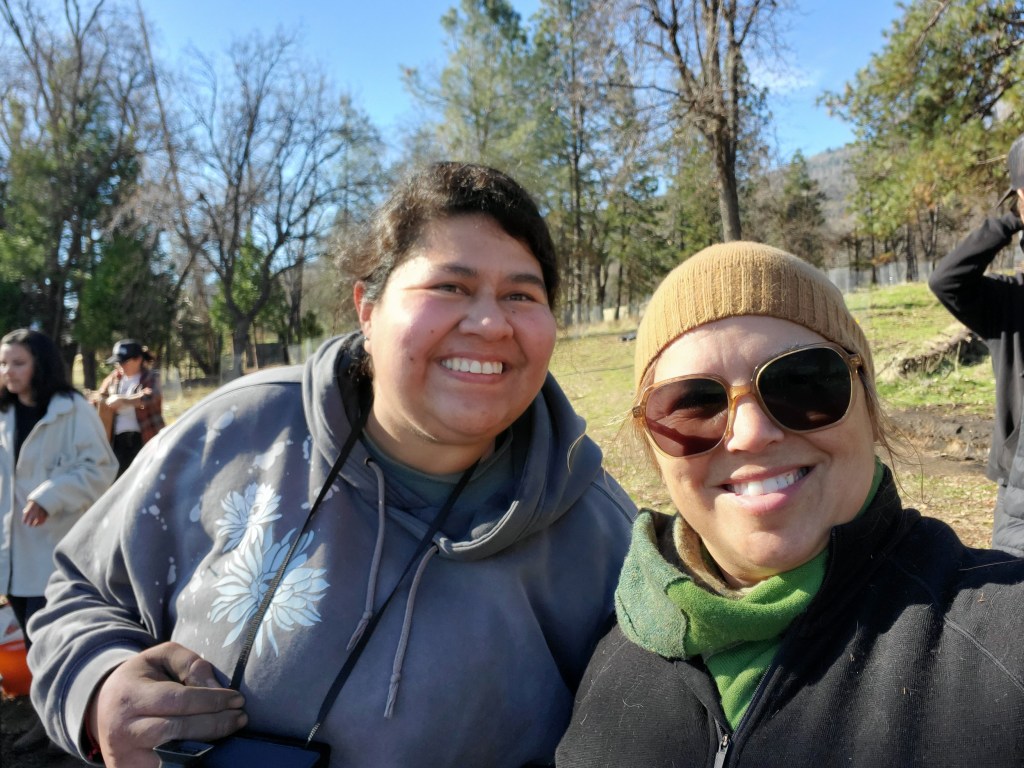
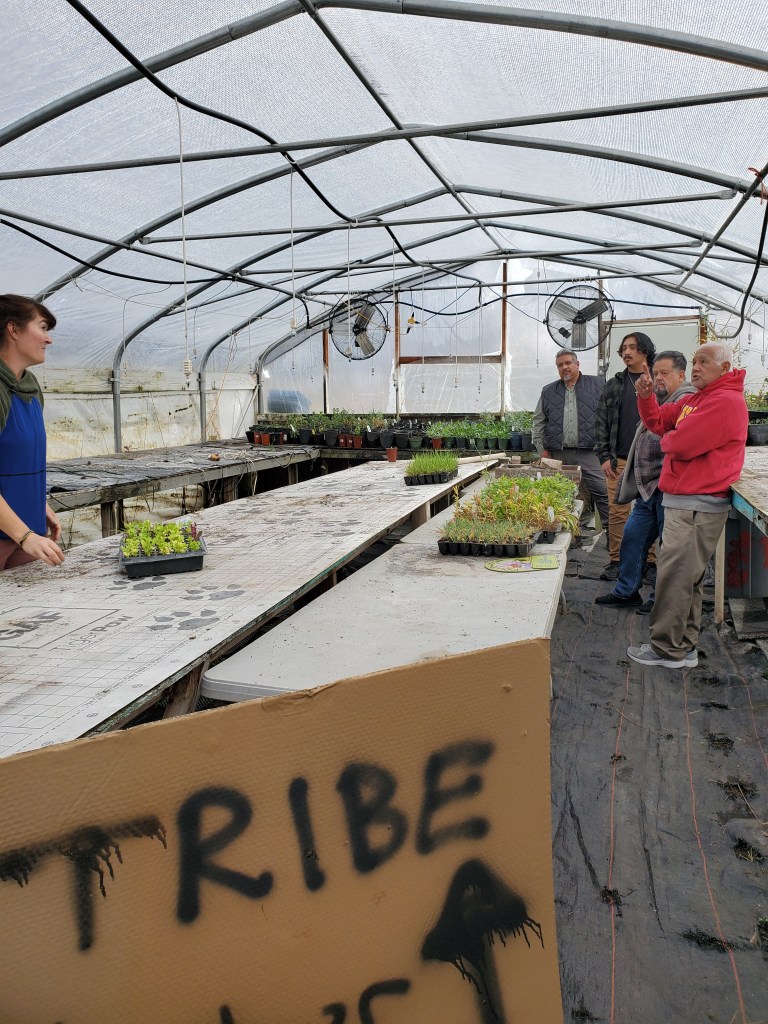
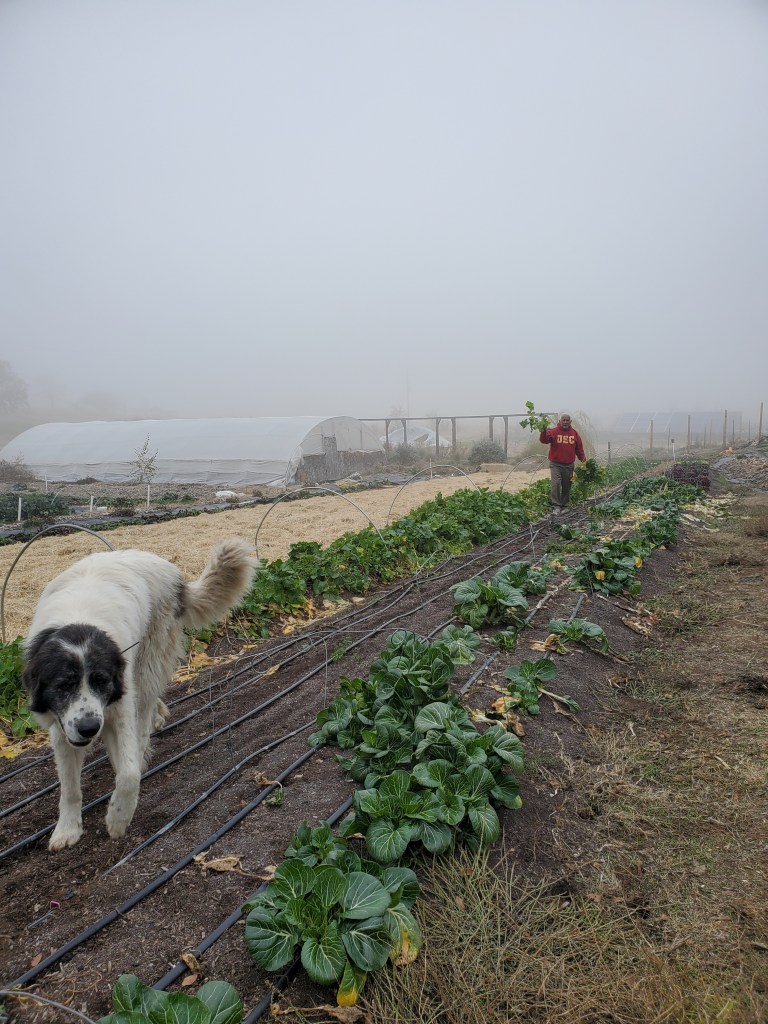
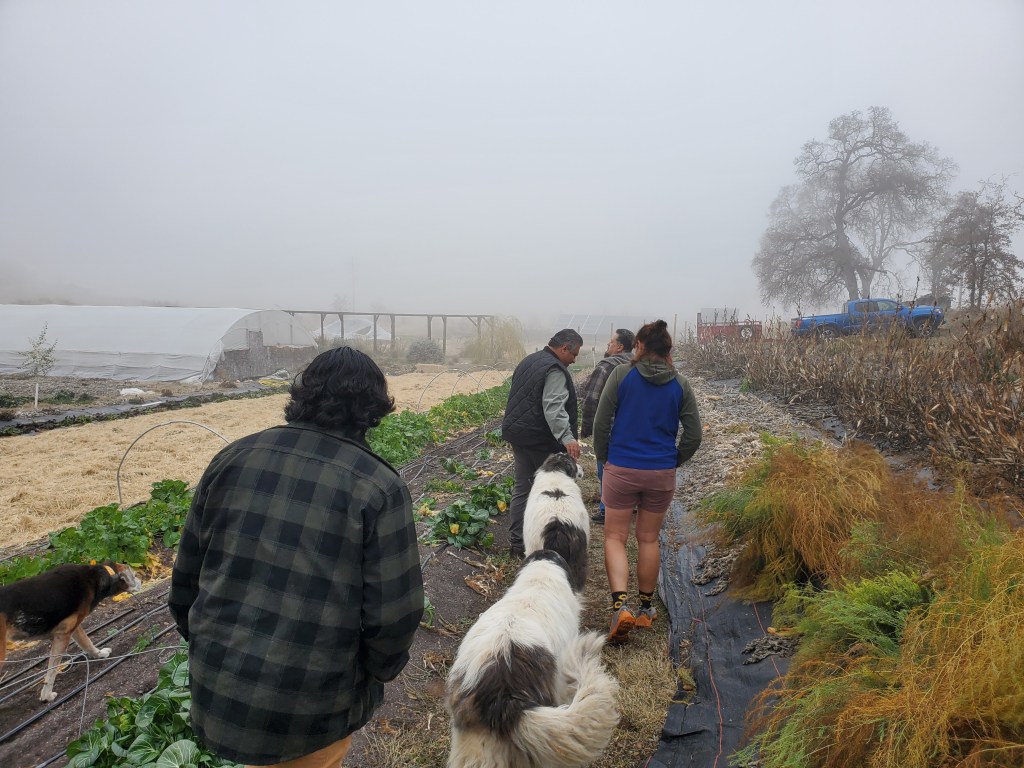
I worked with a few Tribes and Indigenous led organizations over the last month. I volunteered with the Southern Sierra Miwuk Nation to install plants for their massive restoration work on a village site. In November, members of the Tubatulabal Tribe (Eastern Kern), including Tribal Chairman Robert Gomez came to Catheys Valley to pick up their Xerces Habitat Kits. The kits were generously picked up and stored at a friend’s farm, Raw Roots Farm, so the Tribe did not have to drive so far north to pick them up. The Tribe is undertaking a major restoration effort themselves and wanting to start a farm to feed their people.
Finally, the 108 blue oaks from Butte County acorn arrived for California Open Lands, a nonprofit led by Mechoopda Tribe member Ali Menders-Knight. I had ordered them last year for my restoration efforts, but when a catastrophic fire burned through their lands in Butte County, I knew that those seedlings were for them. The acorn came from grandmother trees in that area, and would now need to head home to heal the land. How serendipitous.



Tending the Monarch Habitat Plots
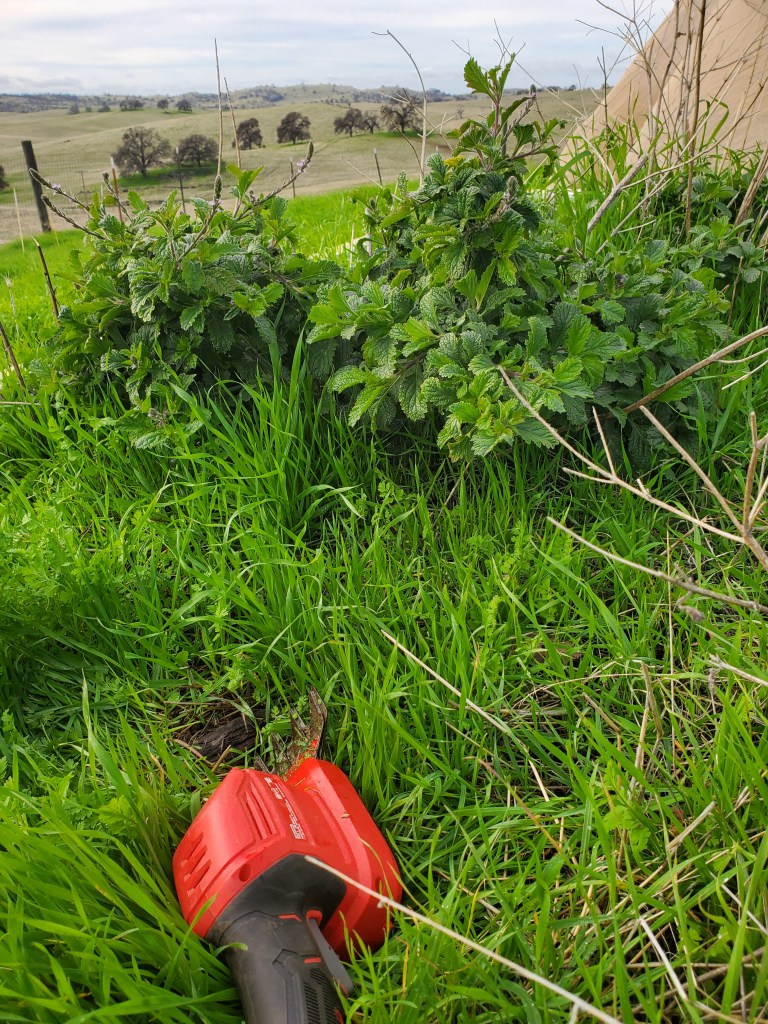
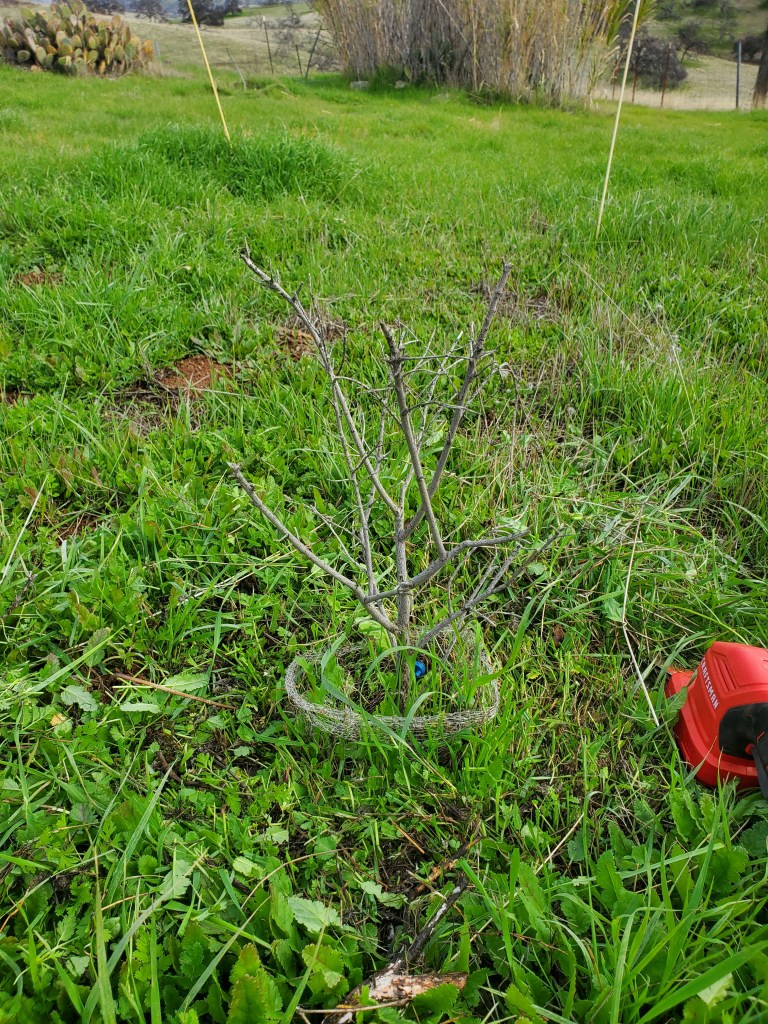
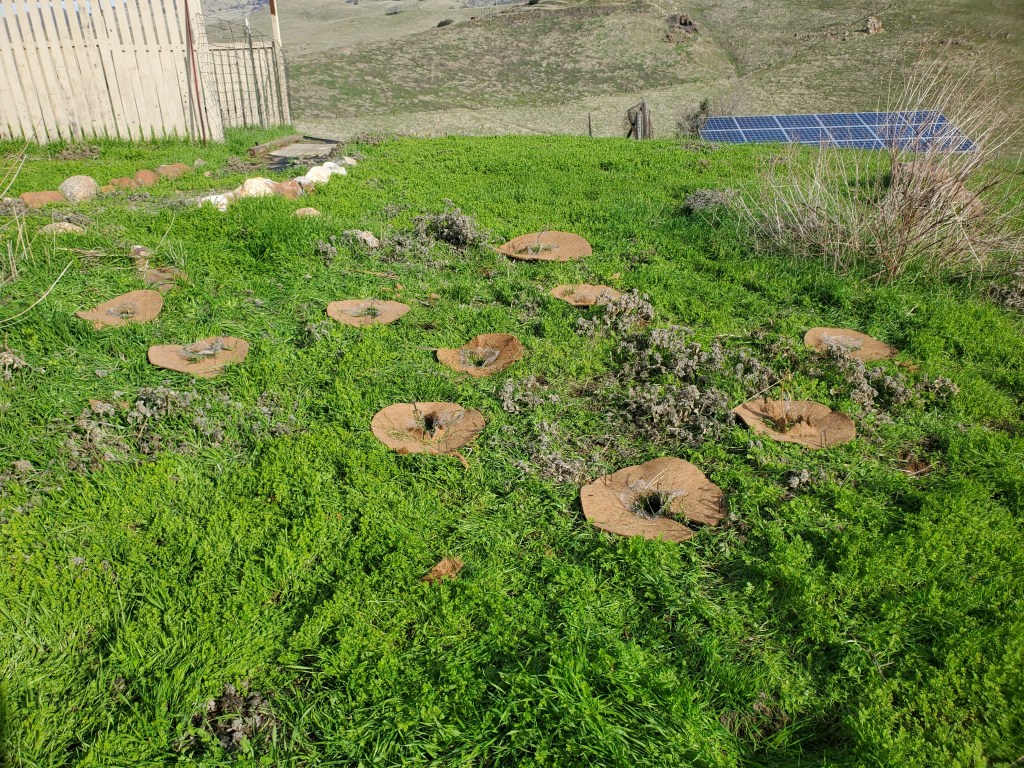
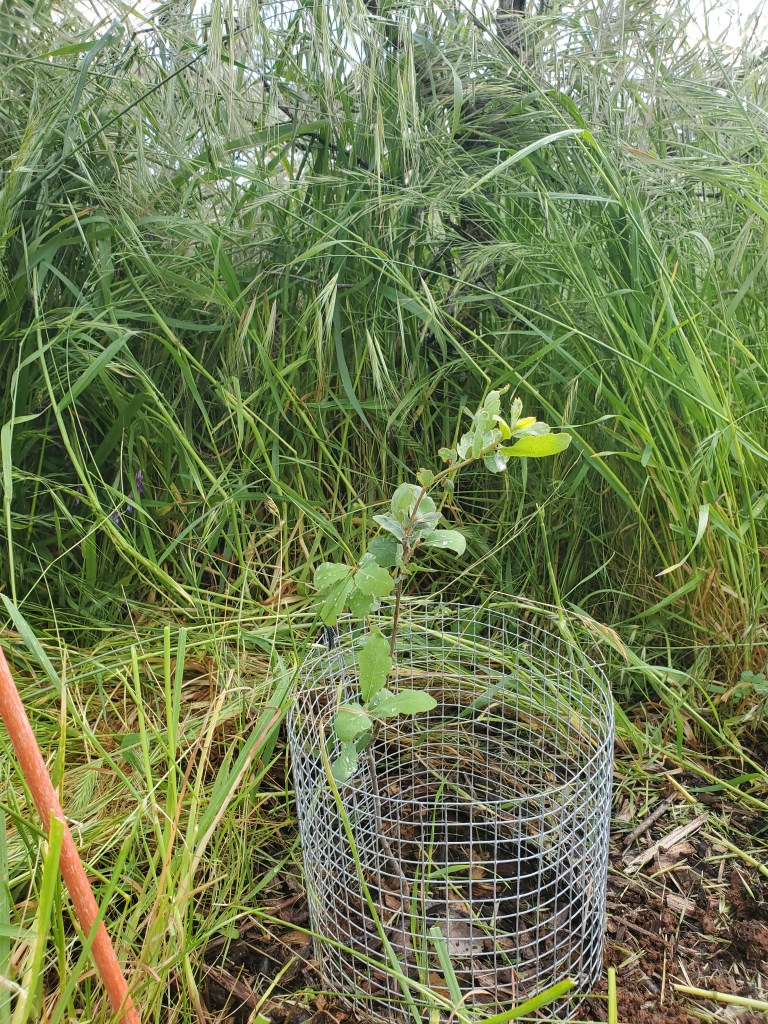
Every year, I think I am going to trim grasses early and place coir pads around the monarch plants so that I can find them in spring and not mow over the baskets. I never do. BUT, this year is different. I got to at least one plot already, and I am staged up to do the others. For the plants whose roots run, like milkweed, I will remove the coir pads close to emergence time to allow for more plant material to emerge.
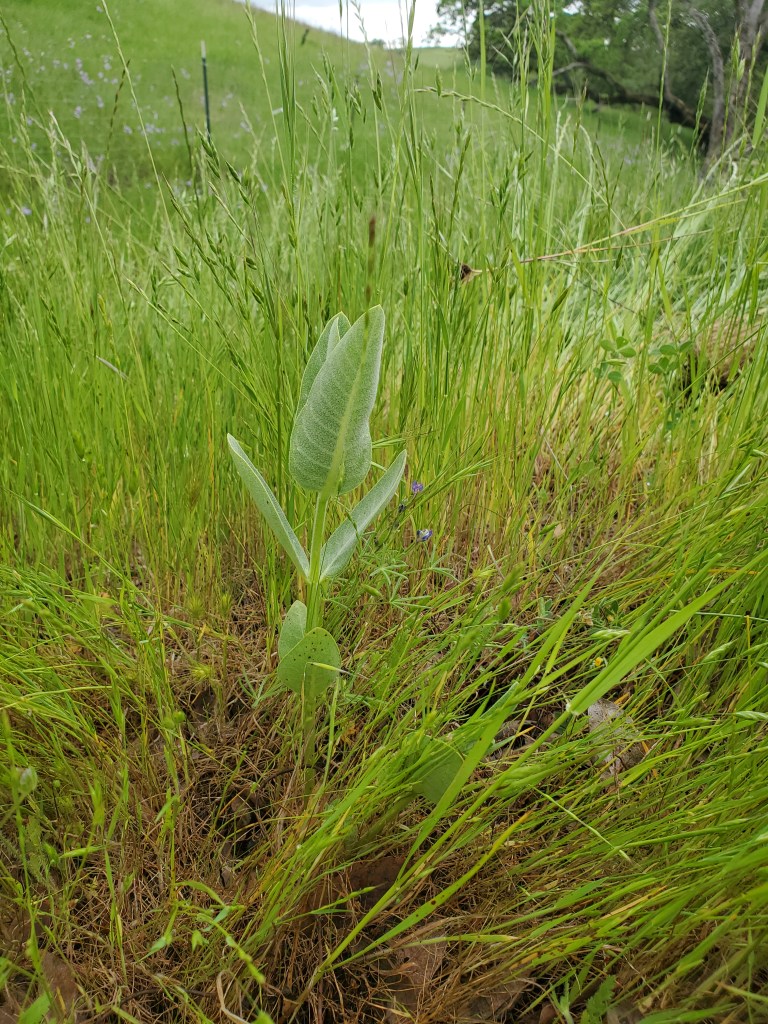
In working in the plots, I am finding that many of the plants are dead. The grasshopper killed them, and my hopes that there may be some vestige of life are dashed. I am seeing some come back, but the majority, so far, are gone.


Weather is Too Warm
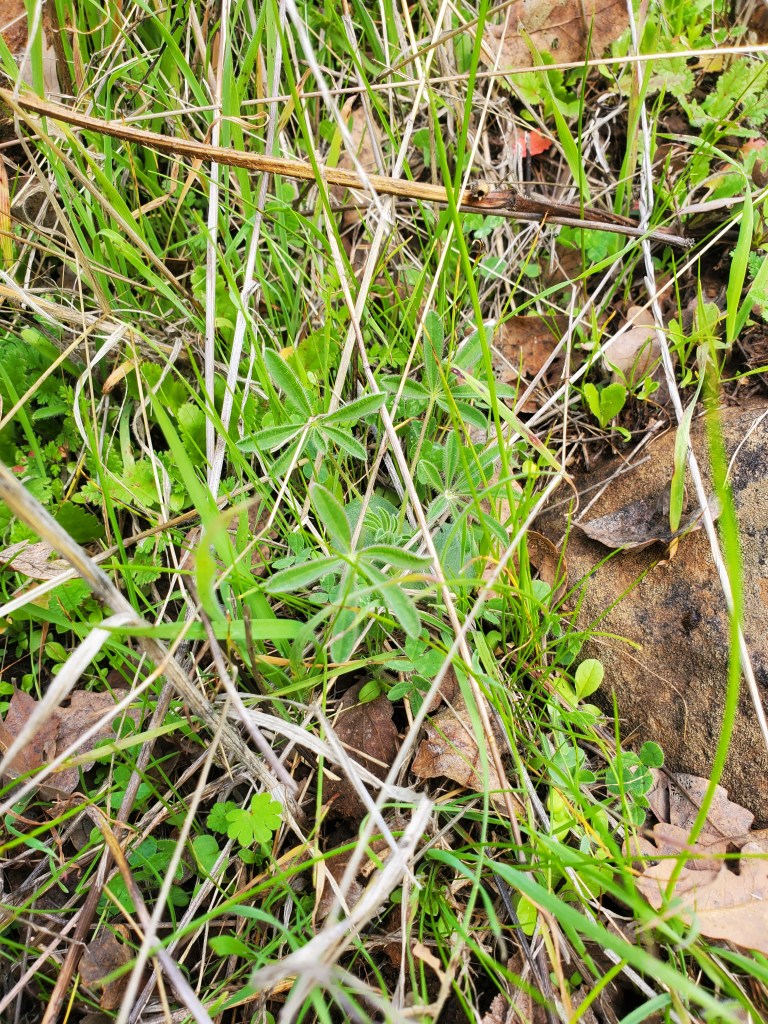
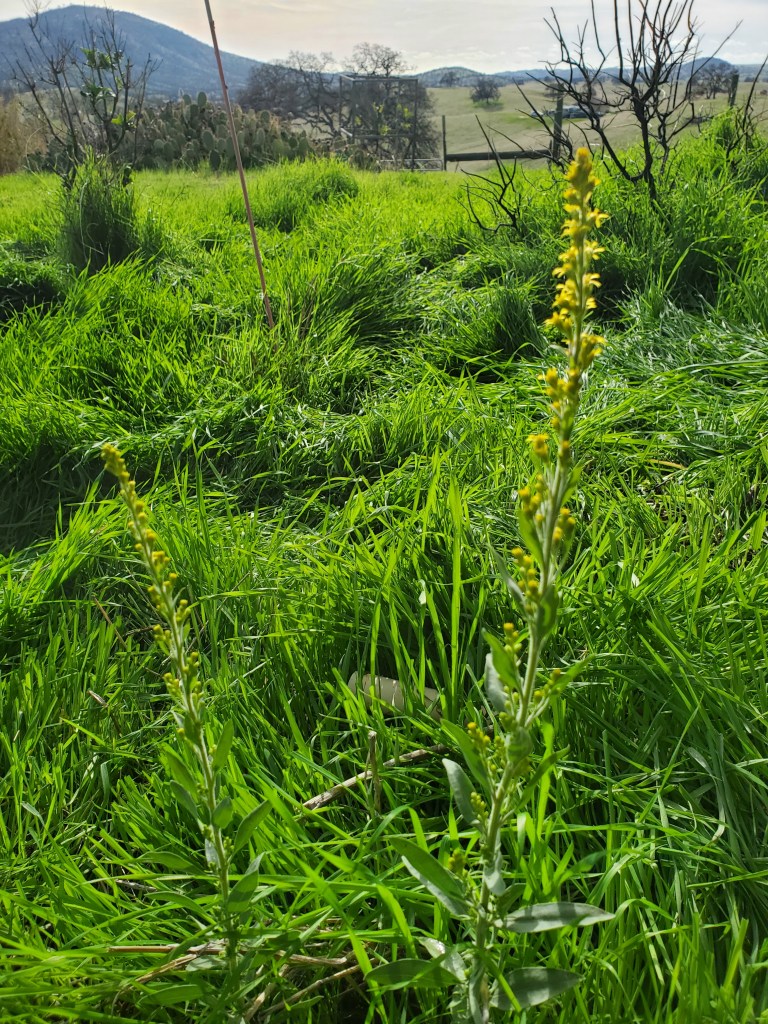
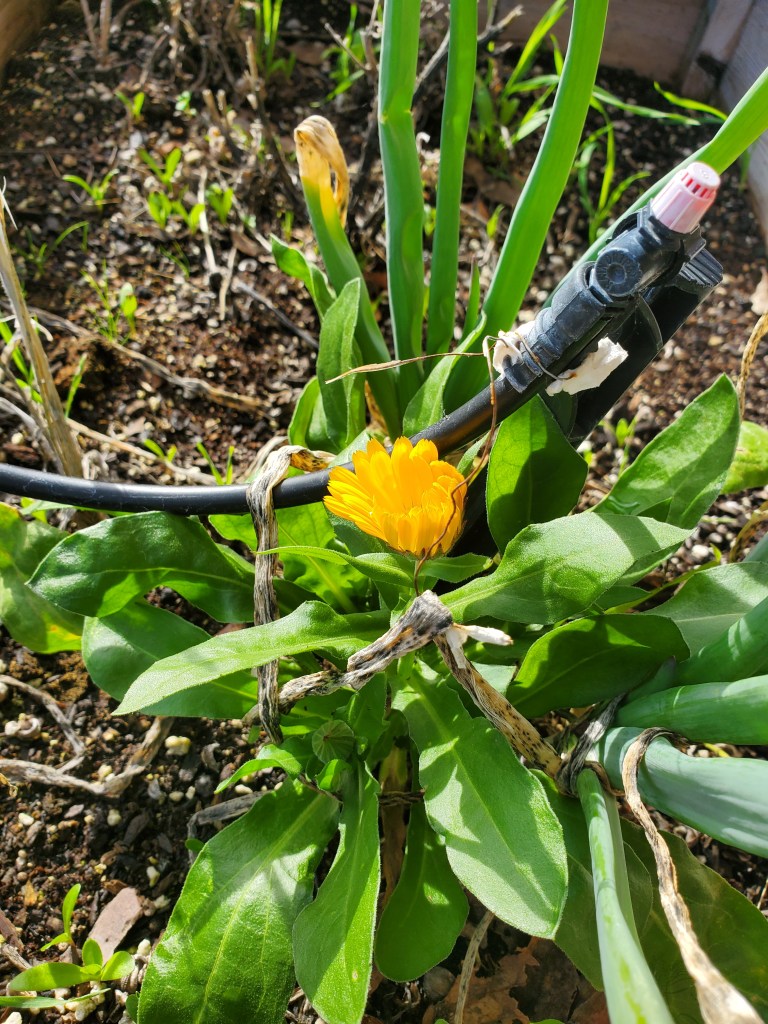
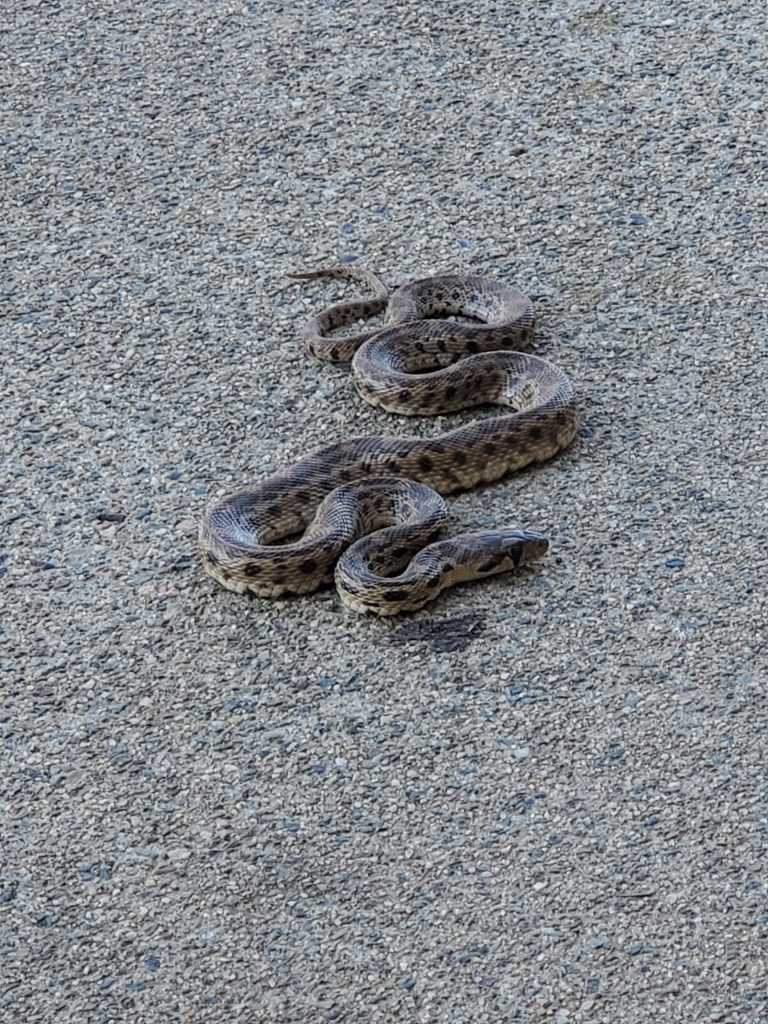
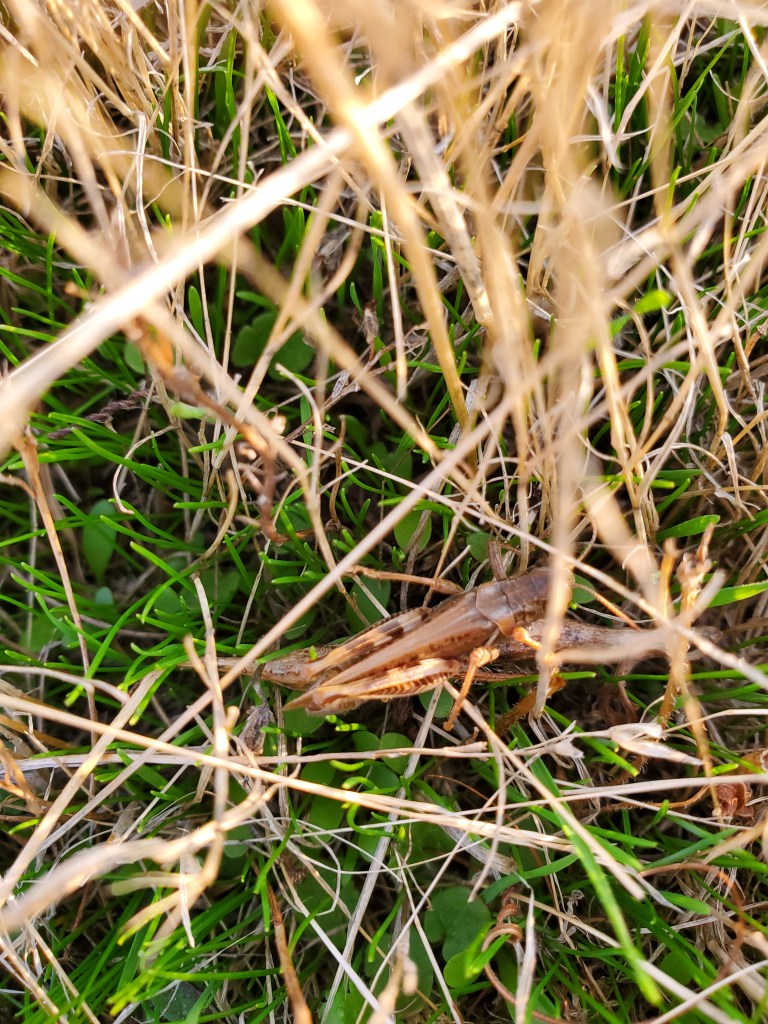
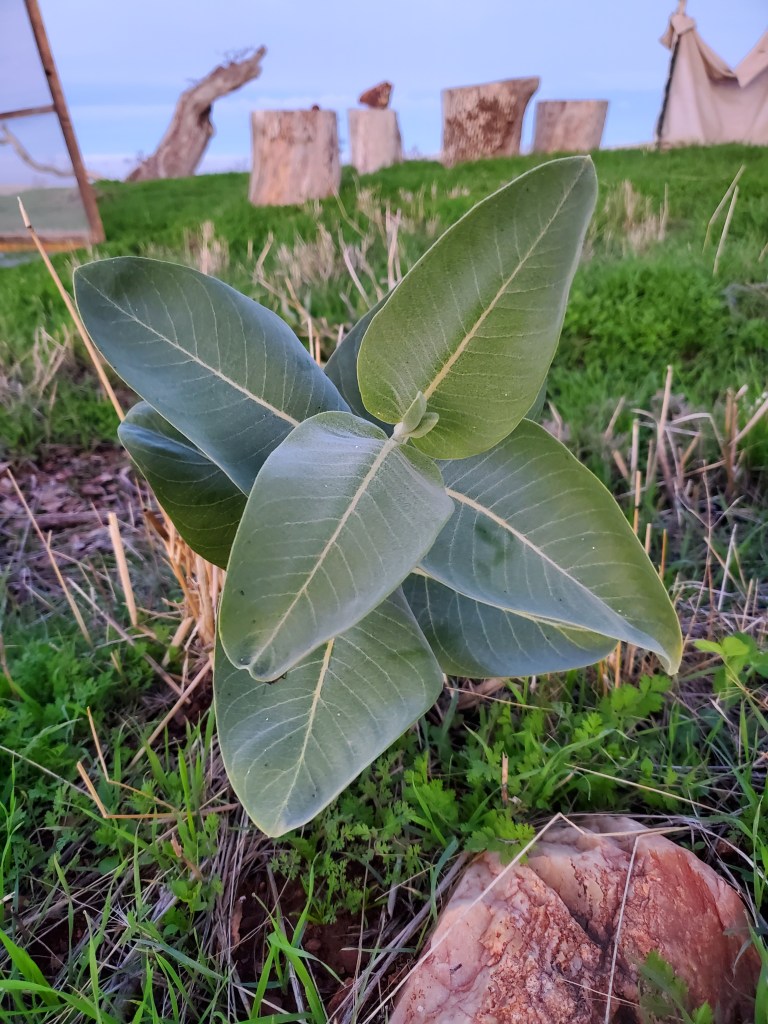
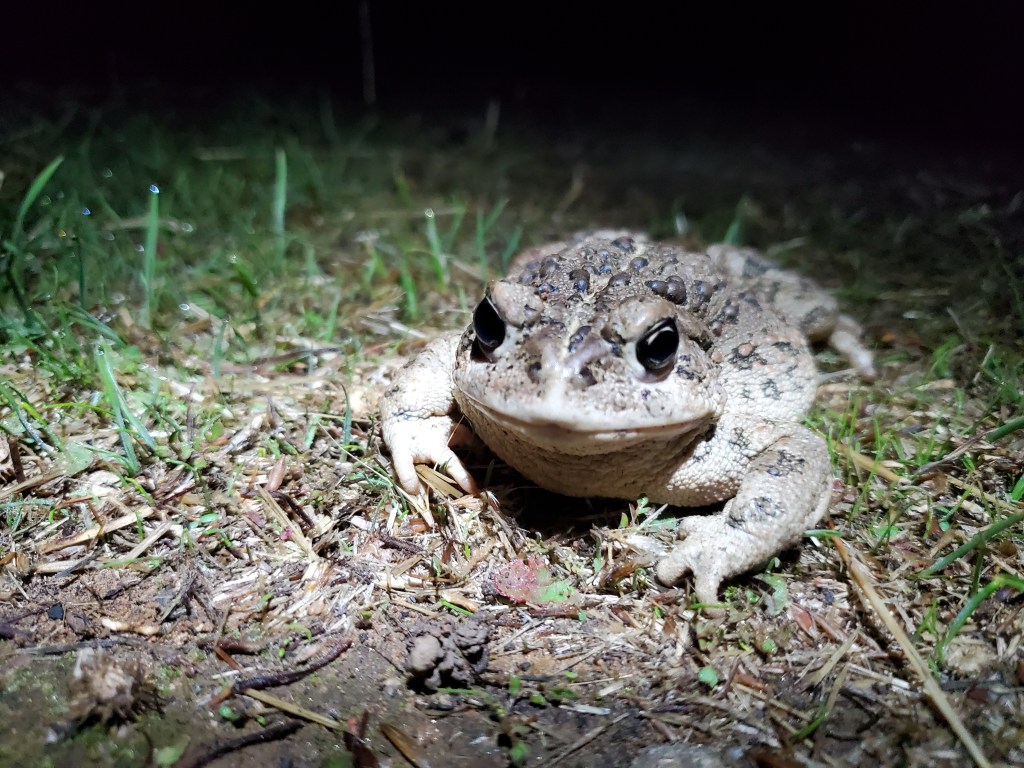
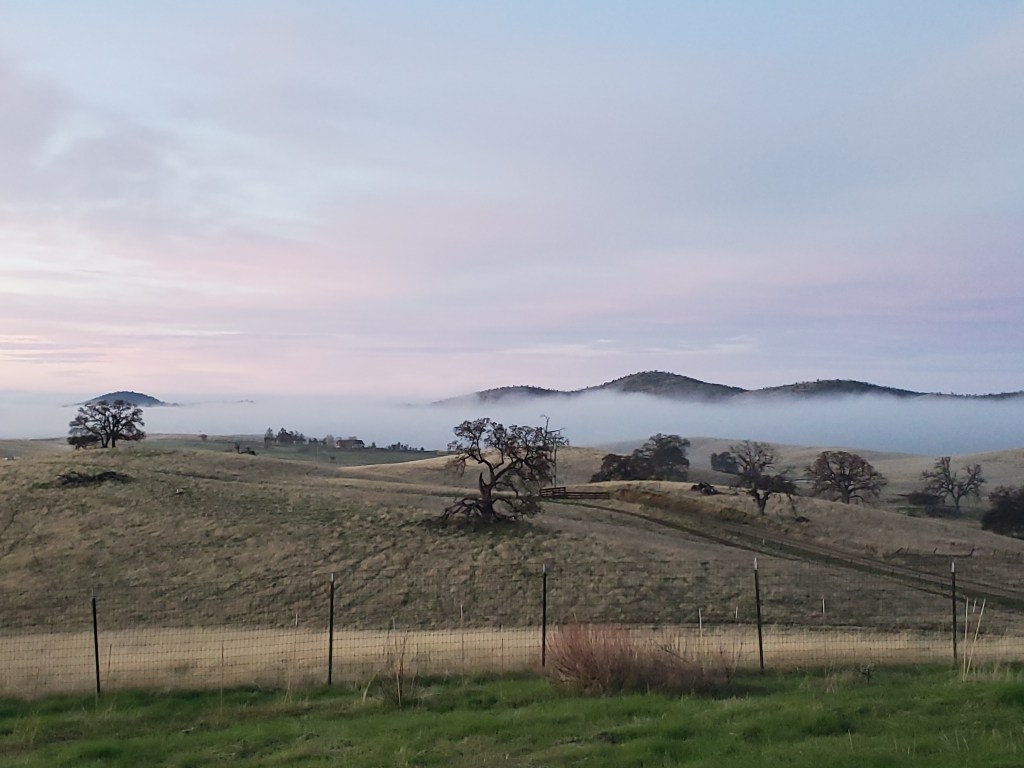
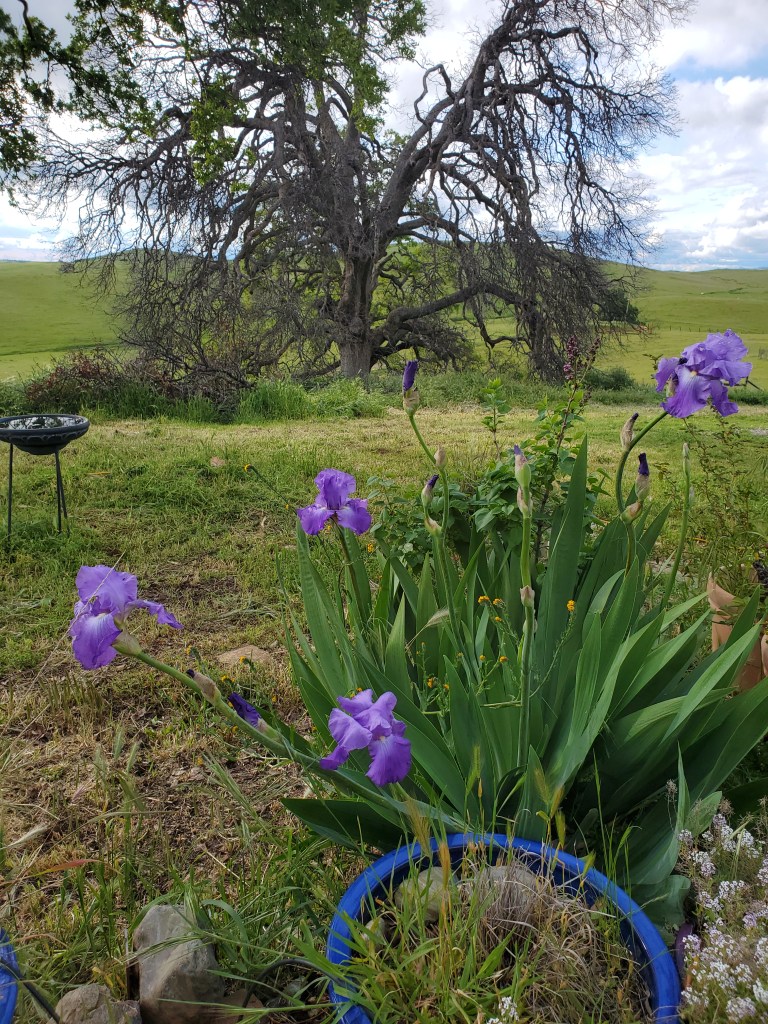
It may seem wonderful to some, but the weather is far too warm. After part of December had rain and cold temperatures, the weather shifted to warm days, cold nights and no rain. This is extremely concerning. Things I have never seen are occurring. I found a gopher snake on the patio. It is usually too cold for them to ambulate. Flies are in the house. A marigold, verbena plant and goldenrod are in bloom. They are fall weather flowers. A broad leaf milkweed is still alive. The lupine are already up. I am used to them emerging in February or March. There has been almost no frost on the ground. We need that to kill some bugs, like grasshopper larvae, to maintain balance. I saw an adult grasshopper in December. Terrifying. Life needs to sleep, and the deep cold helps facilitate that. We need winter.

Random
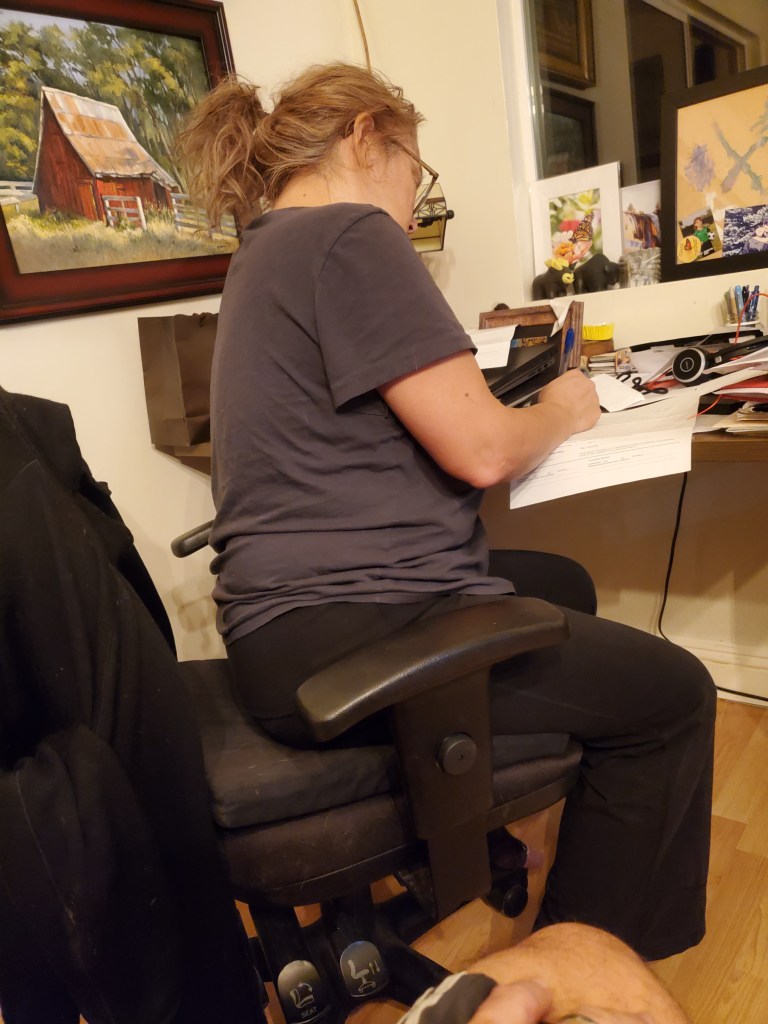
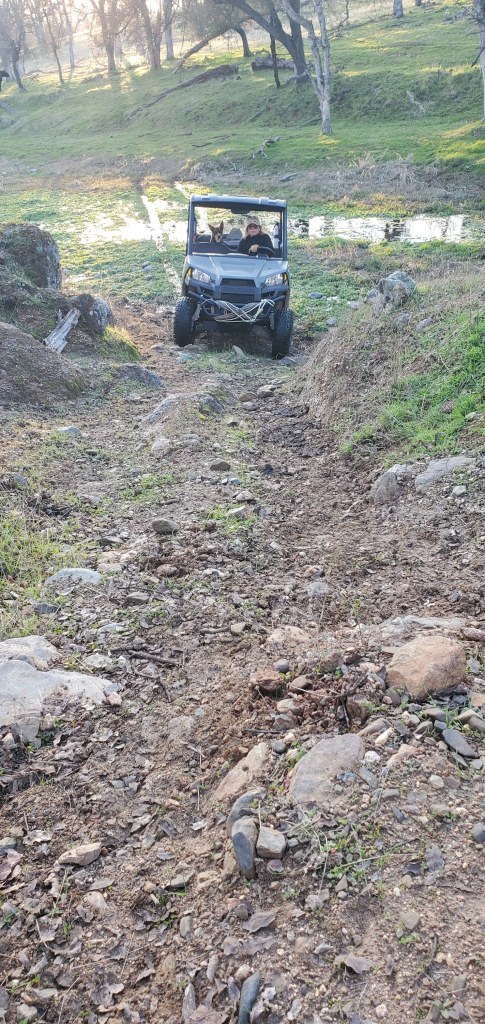
For every hour I spend outside, I am inside two. Not only do I spend hours at my computer writing this blog, I have to work on ag reports for the county, water rights reports for the state. I am so behind in implementing grants I have for water storage and tree planting projects, and I need to get the materials and supplies together for those. David and I went to check on the site of the second guzzler. We had to go through a forest of downed branches to get there, which made me remember I also wanted to plan a prescribed fire in my enclosed areas. There is so much planning, research and writing.
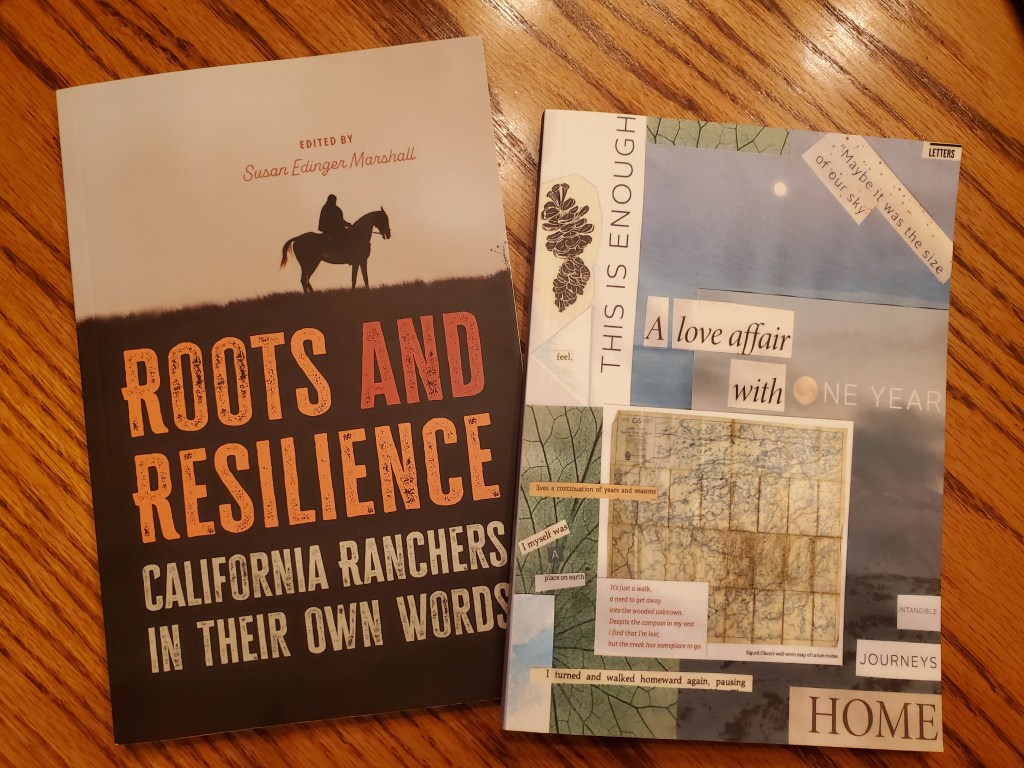
As I always say, I am not complaining. It is an honor to be a land steward and to get to work on this land every day. It is such emotional and sacred work for me that I often write about my feelings, or stories of something that happened. It was a tremendous honor to be asked to write an essay for the new book, Roots and Resilience: California Ranchers in Their Own Words (Nevada Press). I also submitted a piece that was accepted for inclusion in Zine Magazine, a publication of the Women, Food and Agriculture Network. Both are available for sale. For those that love to read, or love stories of nature, these are really wonderful books filled with good stories and creative writing. Full disclosure, I receive no financial benefit from the sale of these books. I am recommending them to you because they truly are good and interesting reads.
Wanderings
My thoughts have turned to Los Angeles County every day – the people, animals, the land, sky and water. David and I have many friends who live in the area, and some are evacuated. My heart breaks for the entire situation.
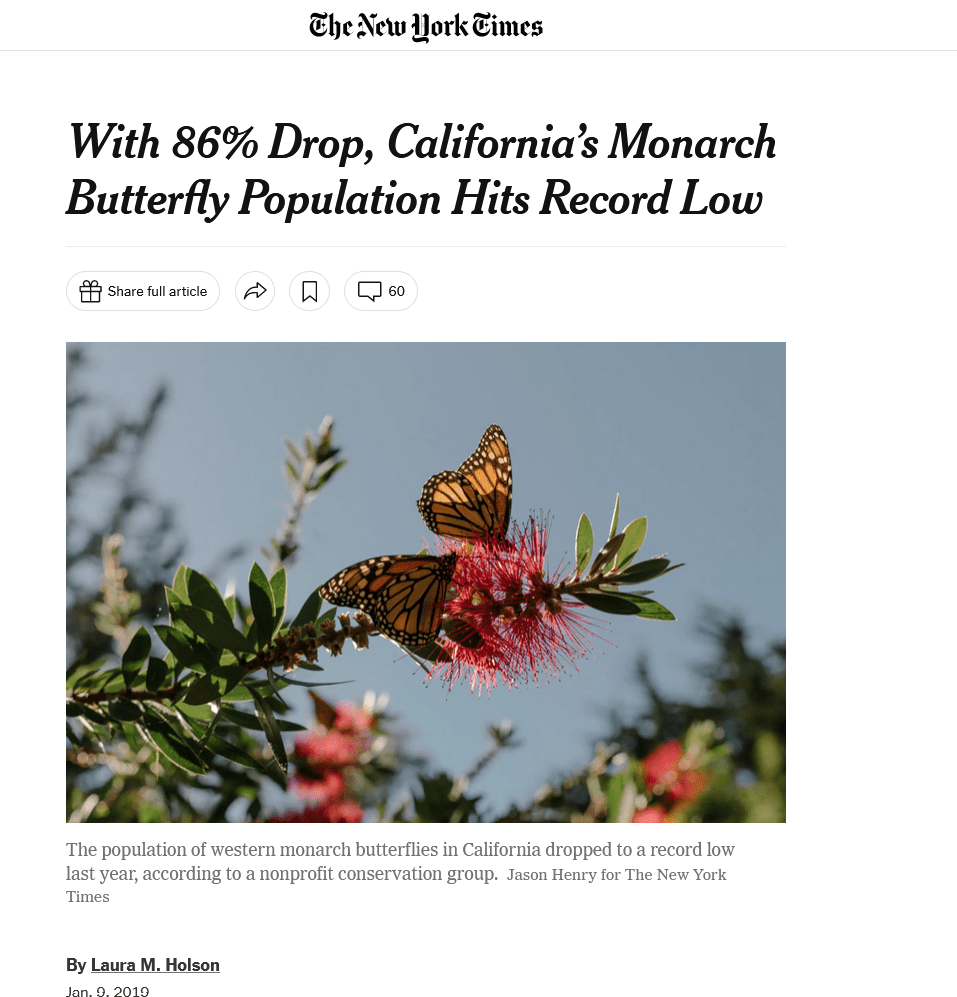
There have been many messages sent to us by our planet – like the disappearance of the monarch butterfly happening now from our western life, the erasure of towns, cities under water, pandemics, our children being born with lower lung capacity and having diseases at younger ages and at higher rates, such as diabetes, asthma, colorectal cancer. We are not well.
It has long perplexed me why as a species we are so willing to trade the beauty of this land, the health of the water and air we need to live, the songs of birds, animals and insects that bring us joy, and even the very lives of our children for extreme convenience, to preserve the ability to amass wealth and power for a handful of humans. Where is it that the values our grandparents taught us were lost? Why is it we are so willing to be sick? Where did we lose site of the real treasure, of what is truly important?
As I care for my father, and see him struggle to be well, it makes so clear the importance of how one lives life and the joy we find in the most simple things. I was raised in a good way by parents who wanted to be better than their parents, who themselves wanted to be better than their parents. I am grateful for their teachings and those of my grandfather. Low consumption, care for all things, no waste, fight for what is right, simple is ok, you don’t have to be conventional, dancing is joy and many others.
Let’s each of us do our part to help all of our relatives – the two legged, the winged, the ones with fins, the four-legged, everyone. They need us; we need them. We all need one another.























 PolliNative