
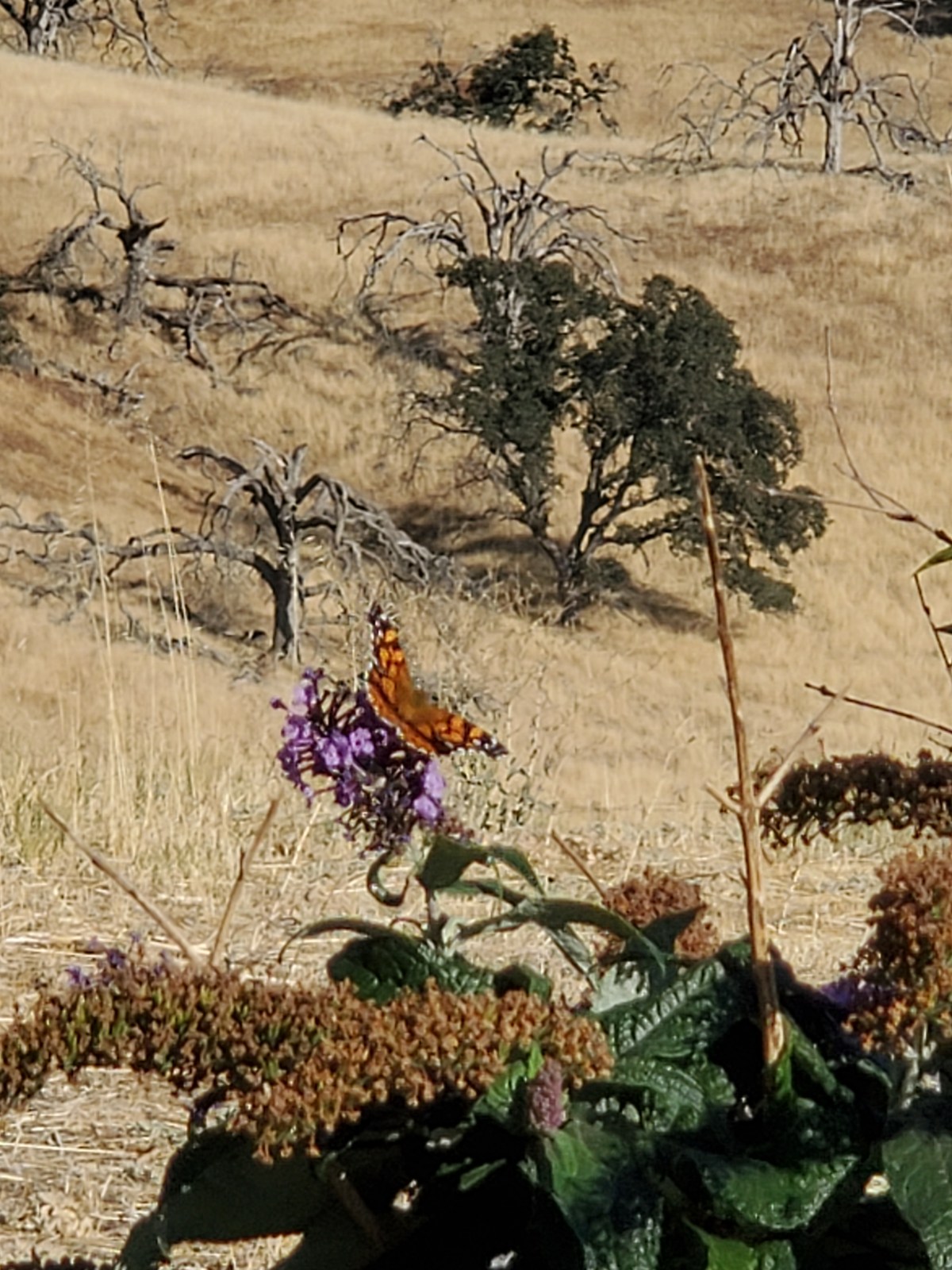
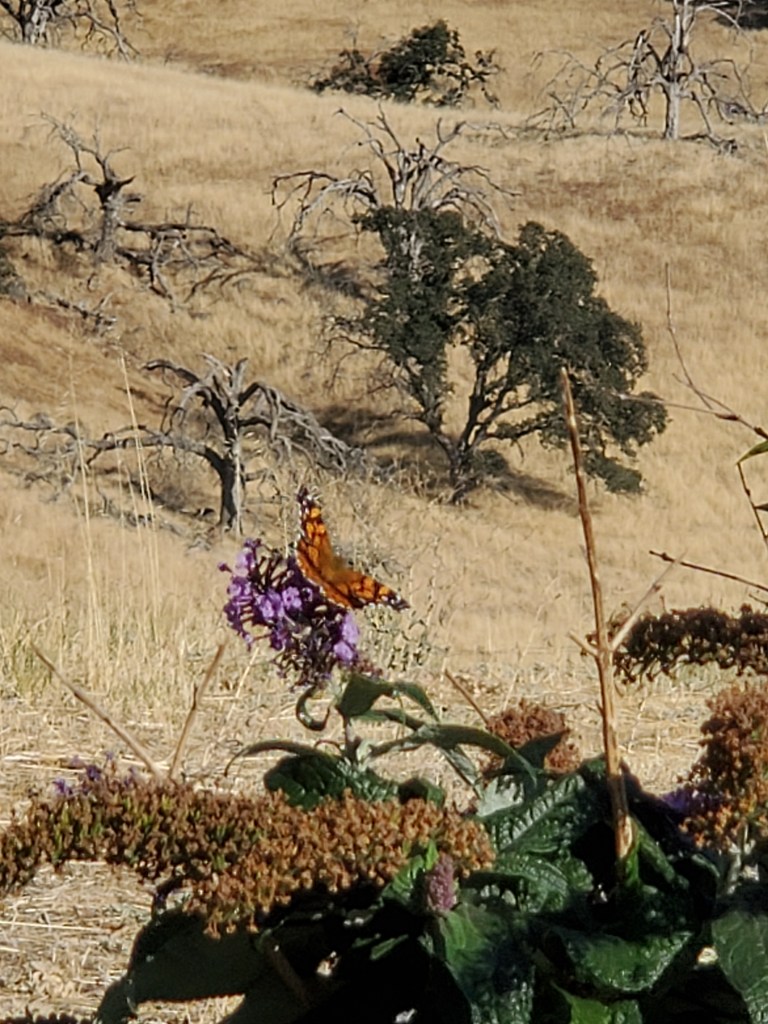
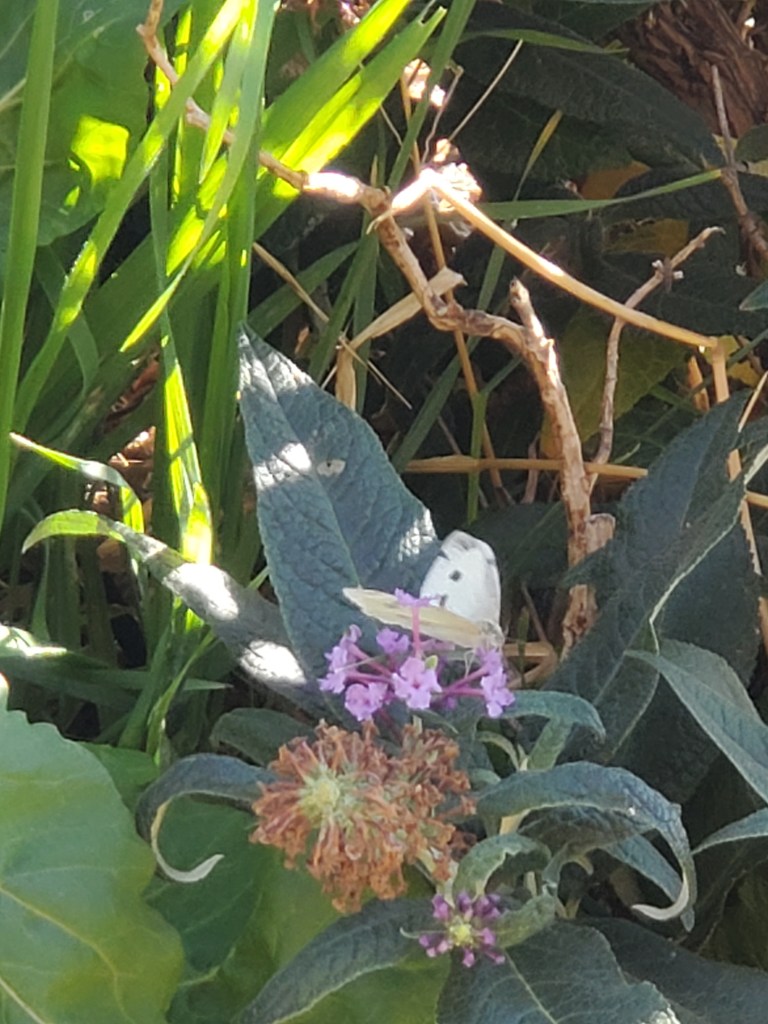
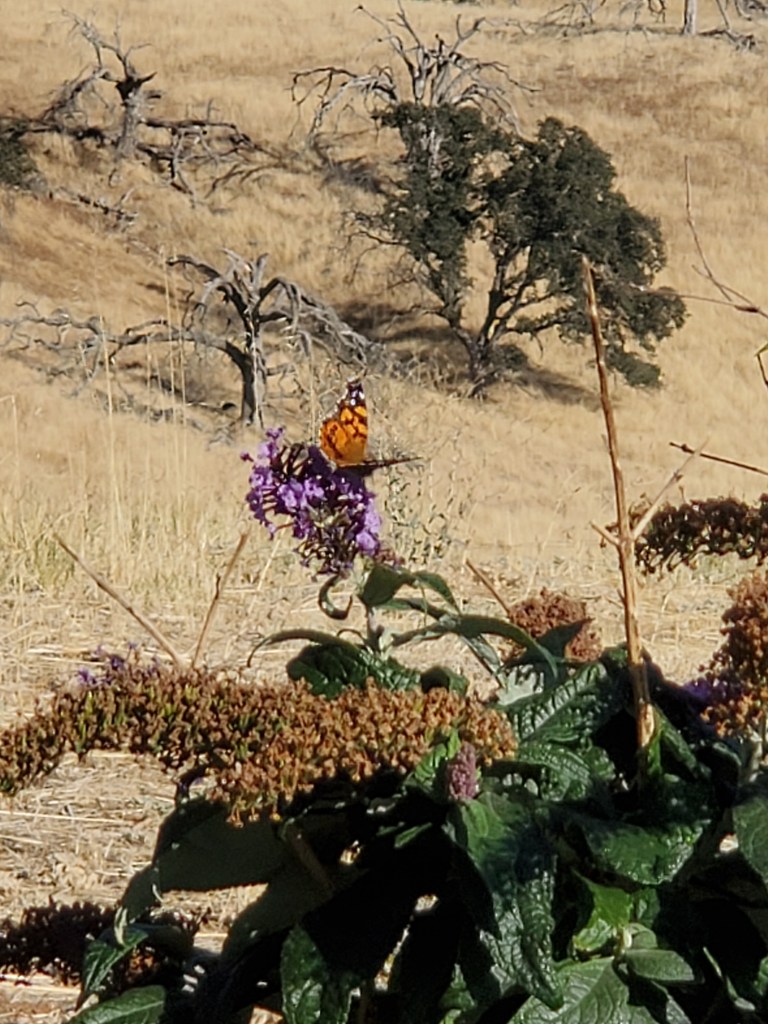
If I was in a dream, I would not know the difference. Real life has been unbelievable. There have been so many butterflies here, it is like a multicolor, zigzaggy snow globe. Painted ladies, west coast ladies, white ones, yellow sulfurs, hairstreaks, buckeyes, and so many others. There have even been additional monarch sightings! I’ve not been able to identify all that have fluttered and flitted their way around the plants and around me as I make my way through chores, a large, joyous grin across my face.

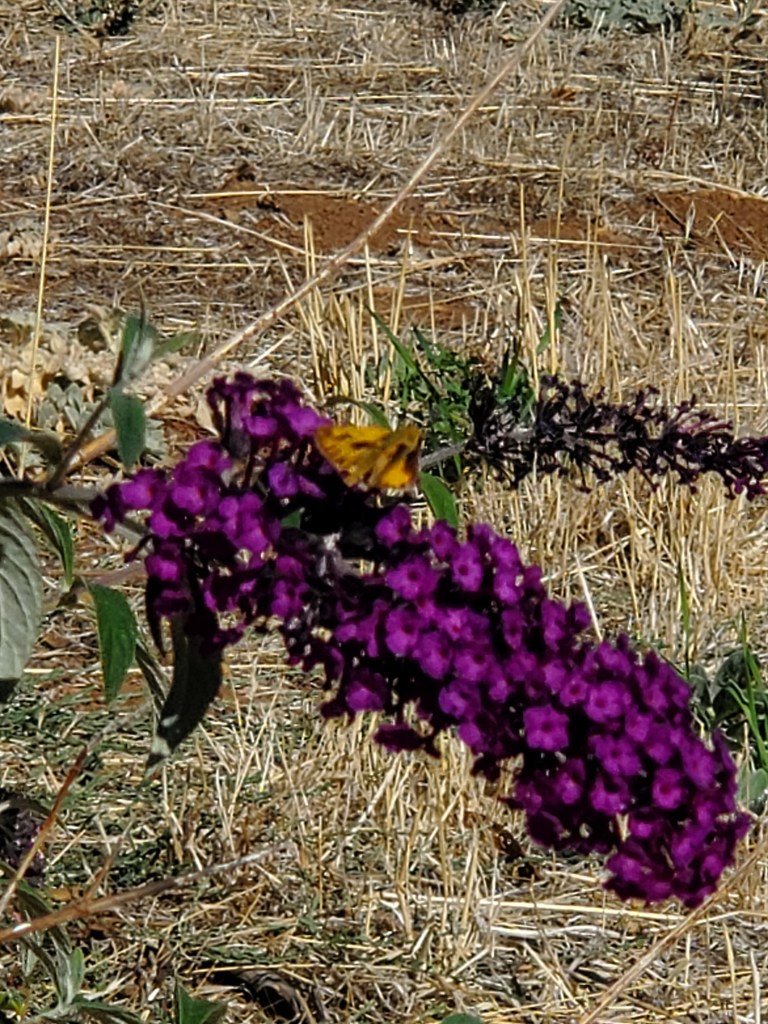
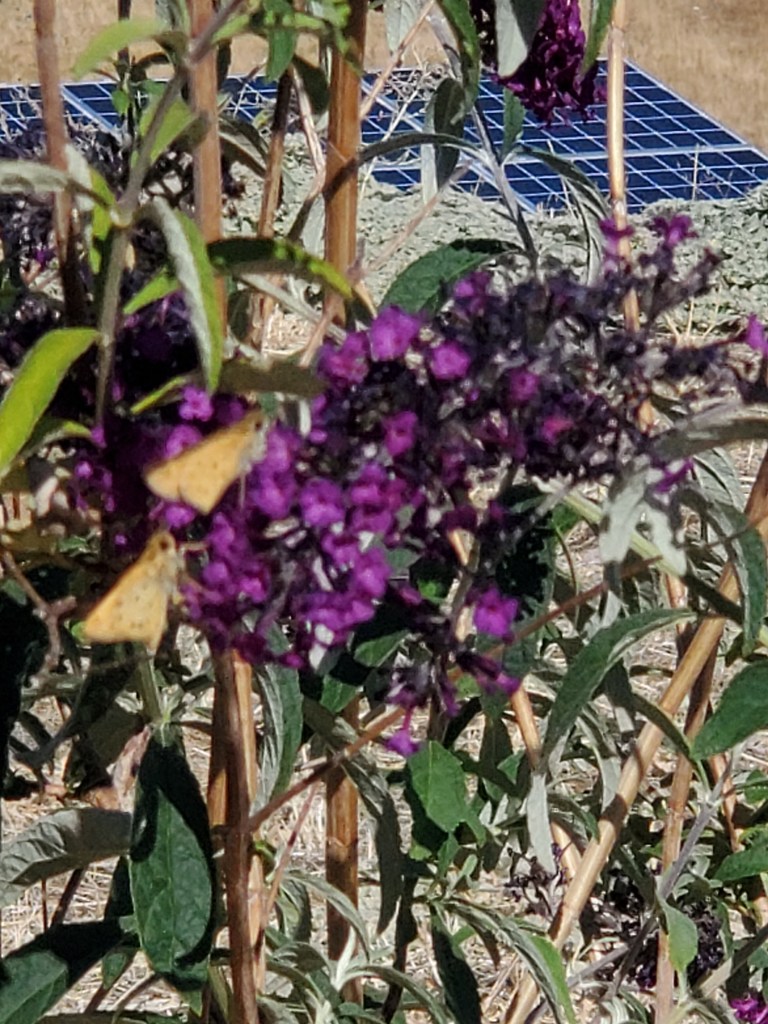
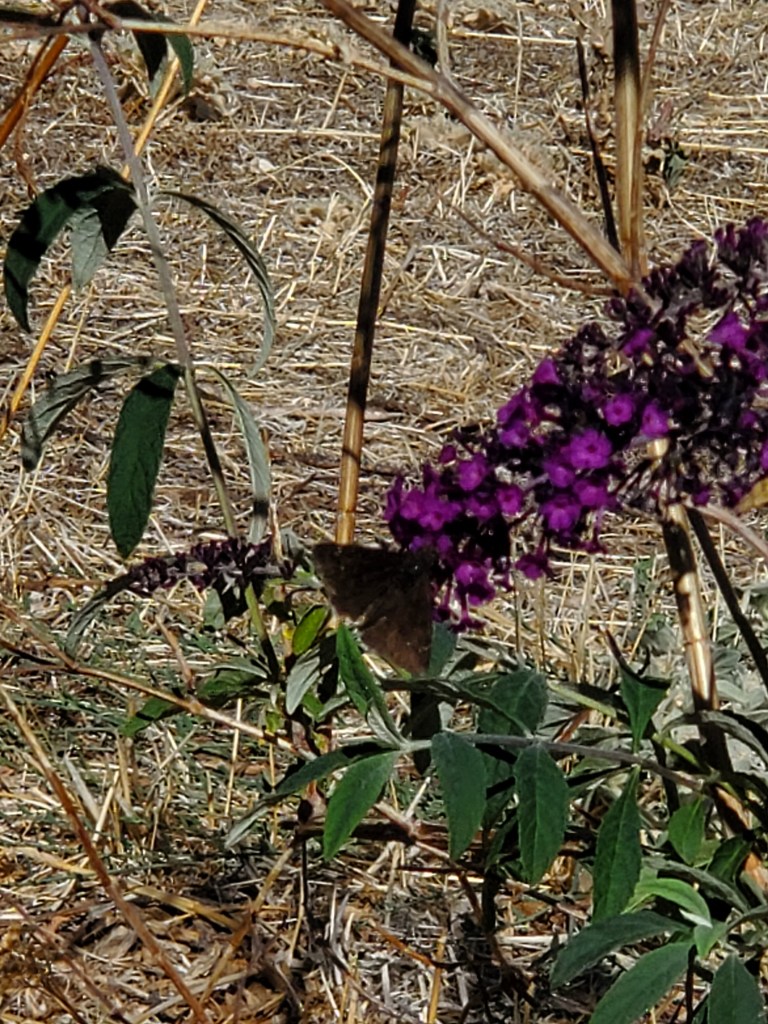
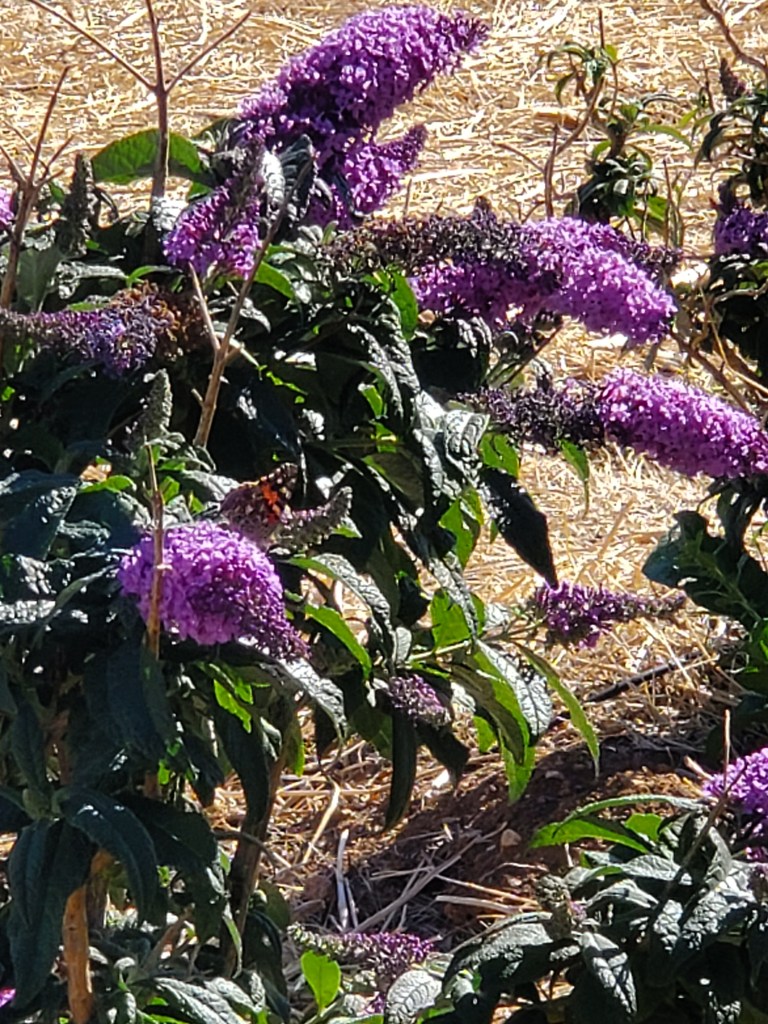


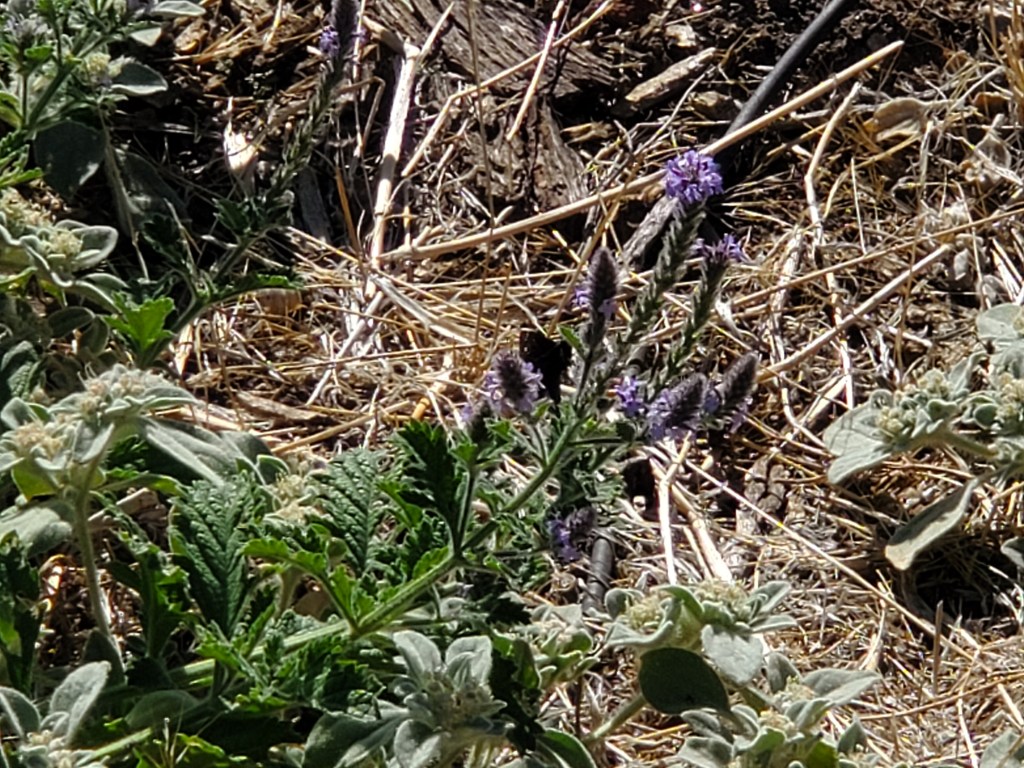
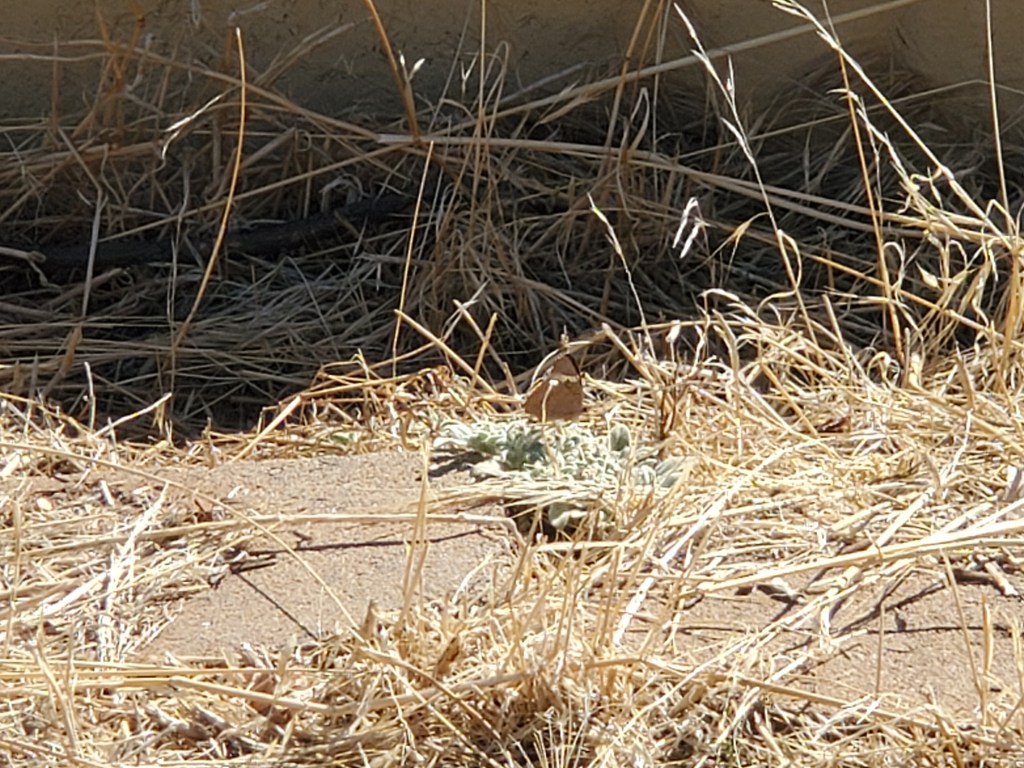
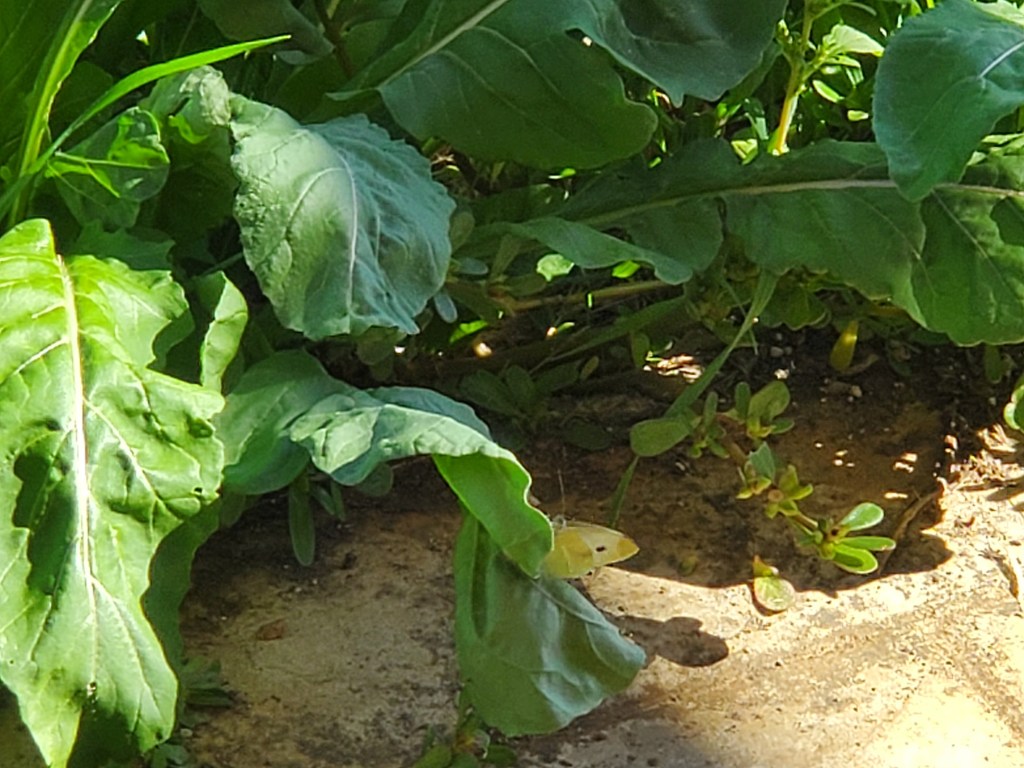
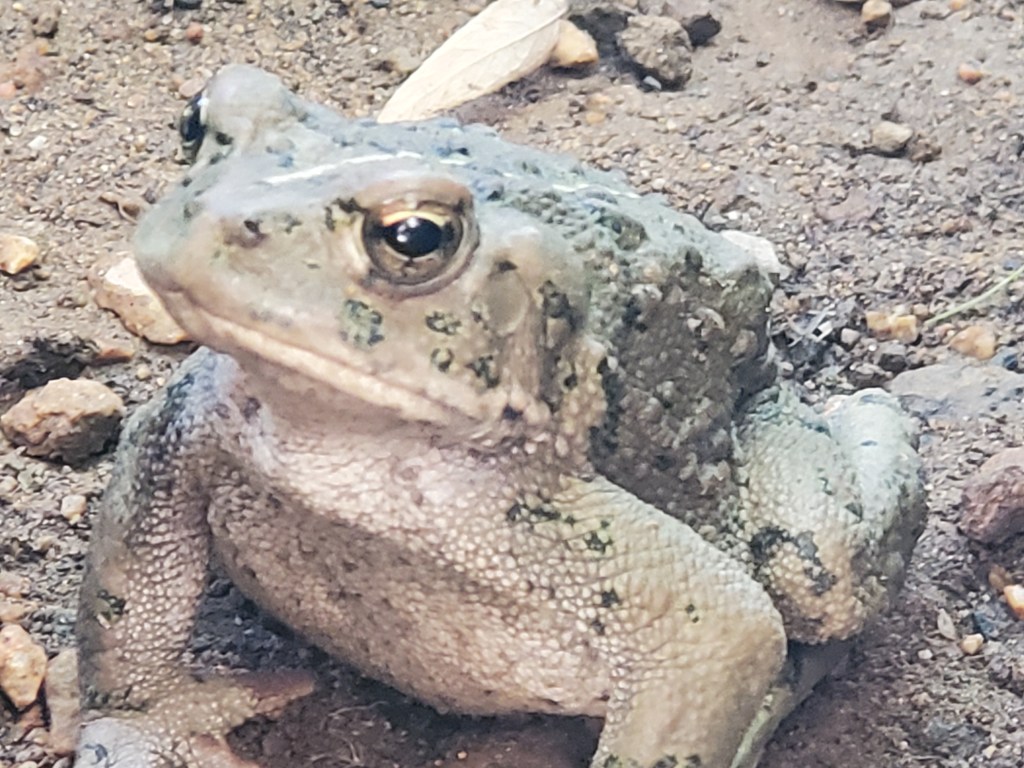
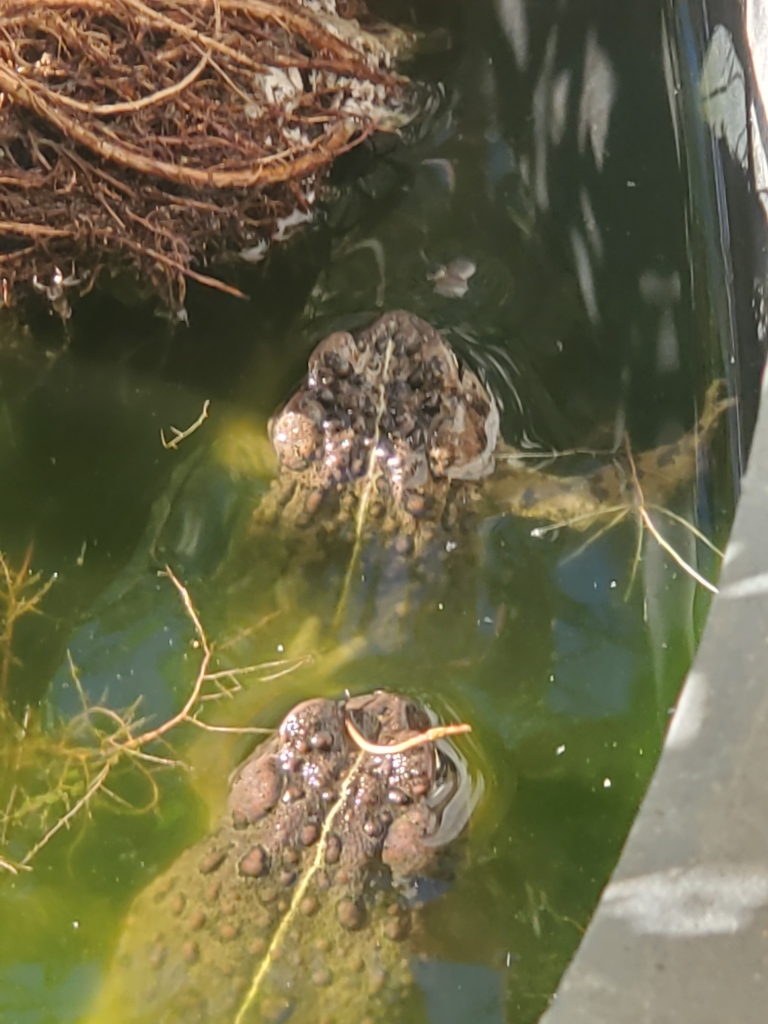
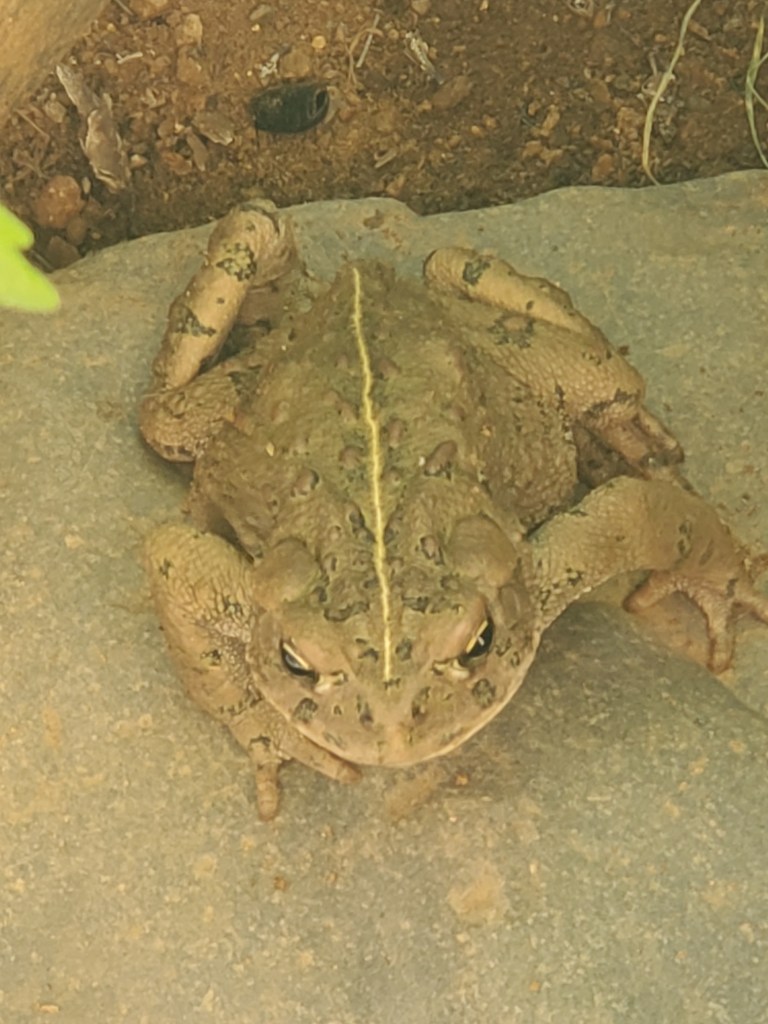
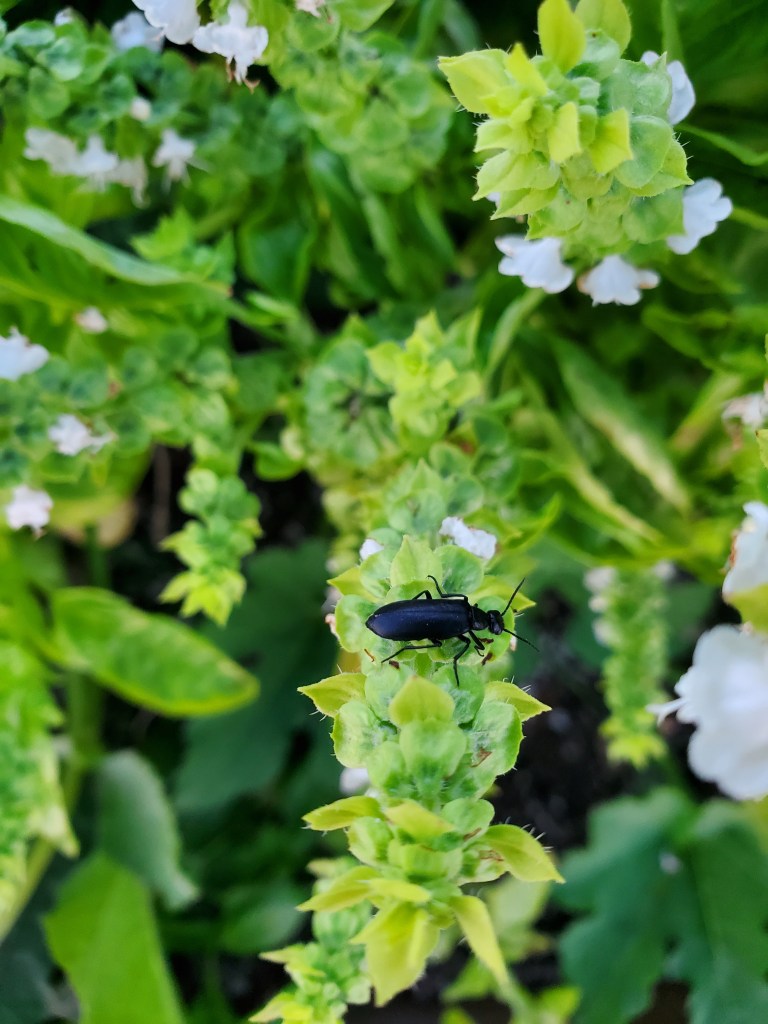
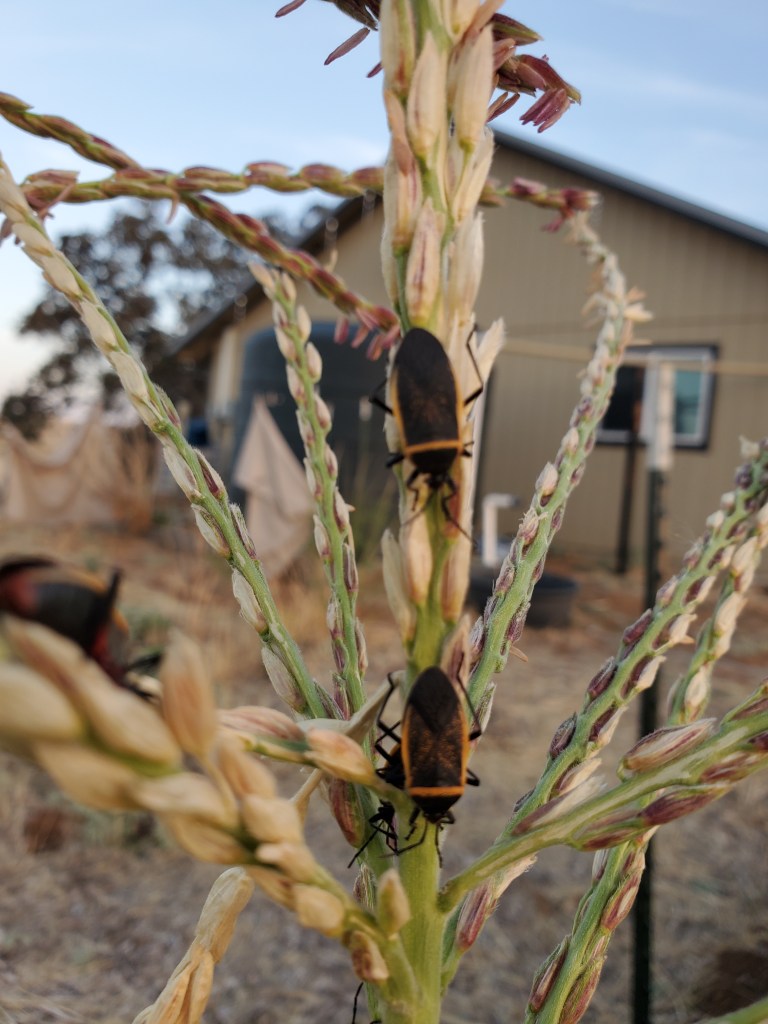
Not only butterflies, but bees are still abundant. We are getting european honeybees as well as a variety of native bees. One floated in front of my face today. There are still dragonflies, and a plethora of two types of beetles are eating my garden and flowers. The most fun has to be the toads. All the babies are now full size. When I near the toad pond, I catch a glimpse of pickle-textured eyeballs just above the waterline. They quickly dip back under as I walk by or lean in to get a closer look. The toads are soiling the water into that creamy jade green color. I add fresh rain water daily to try to stay ahead of the muck.
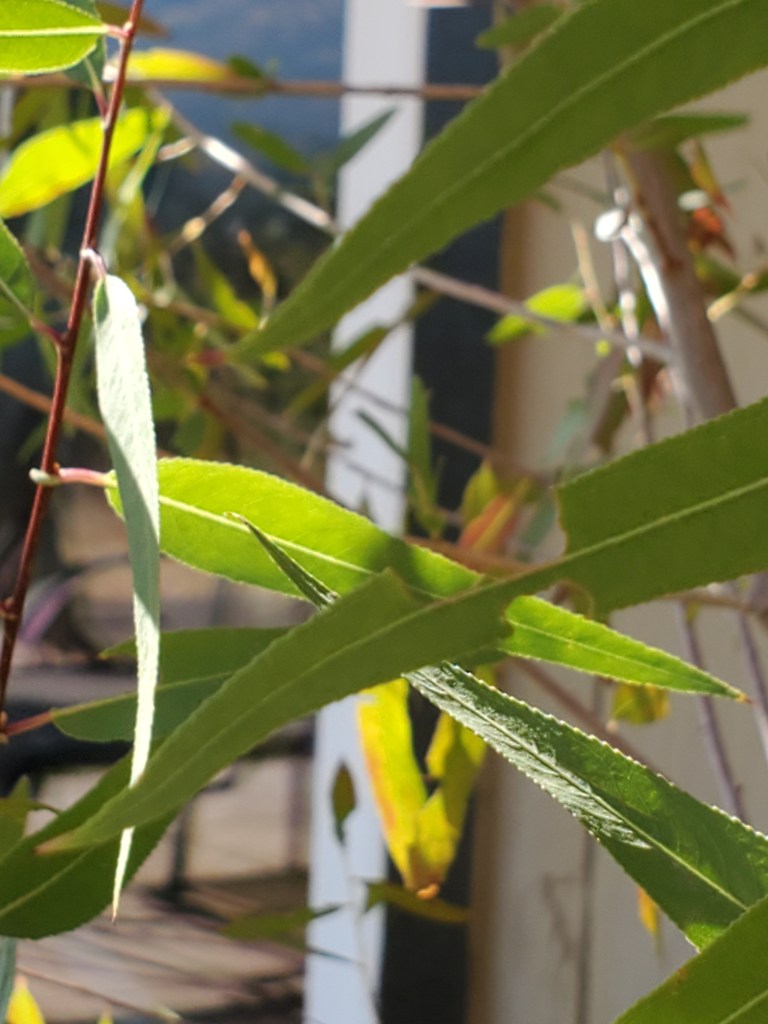
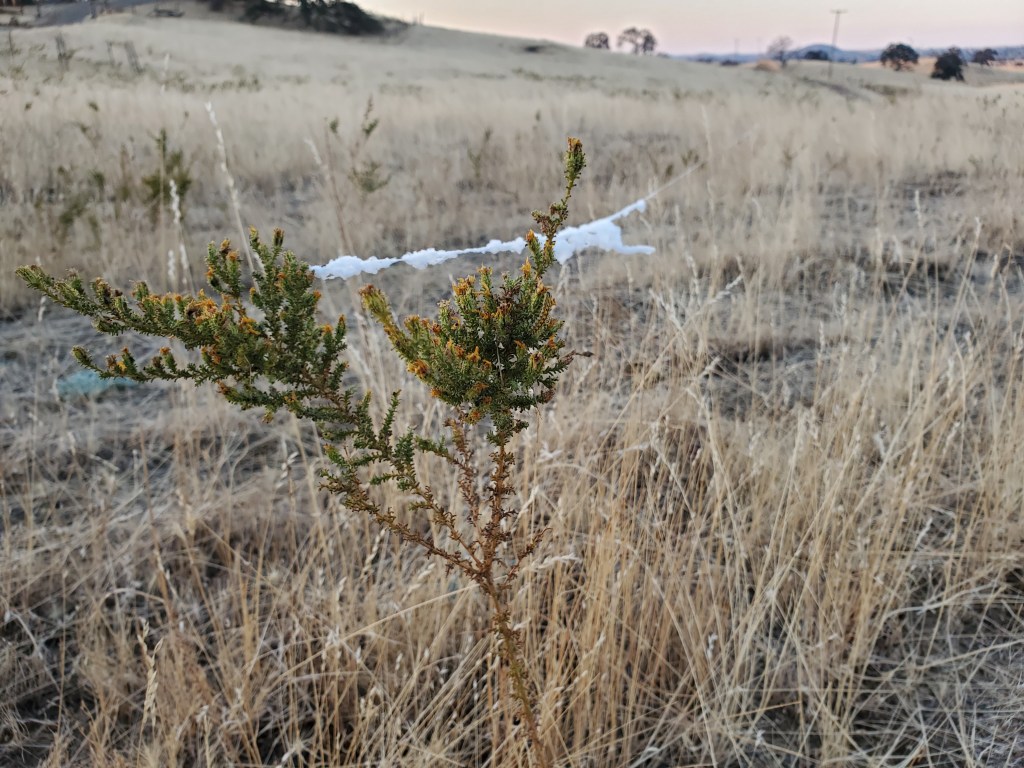
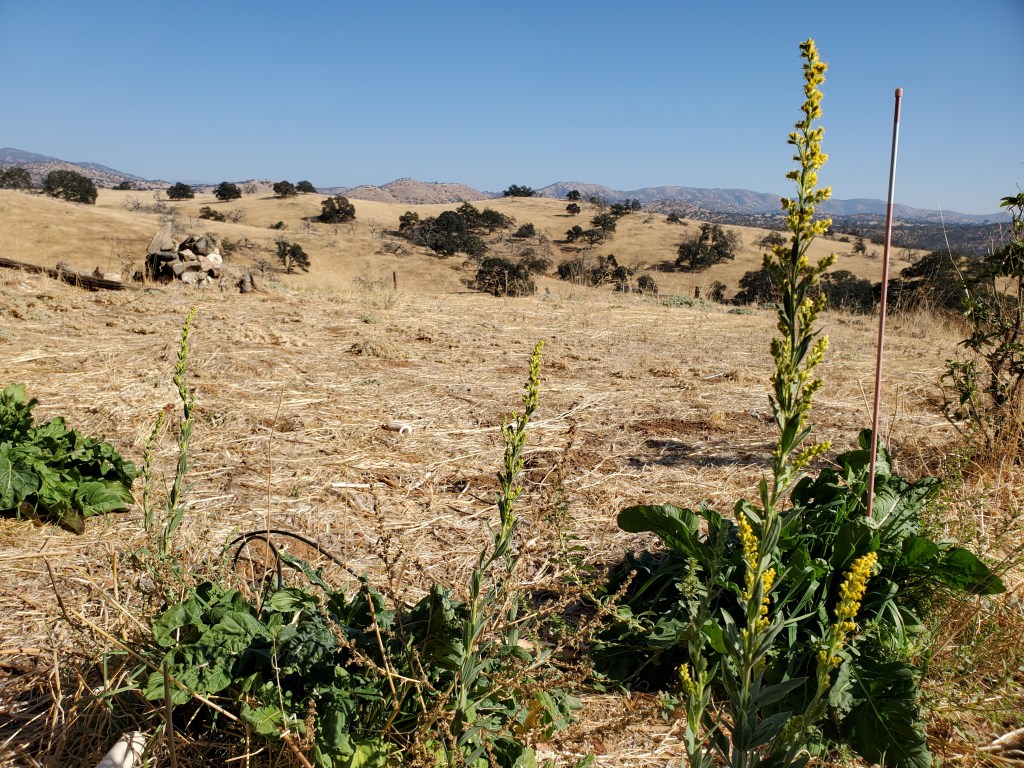
The warmth has continued during the day, even as the overnight temperatures have dipped into the 40s. There are still a myriad of flower blooming – pacific aster, goldenrod, butterfly bush, black-eyed susans, maybe one or two sunflowers, marigolds, tarweed, doveweed, vinegarweed, california fuchsia, verbena, and from my garden, basil, pumpkin and arugula are also bloomed.

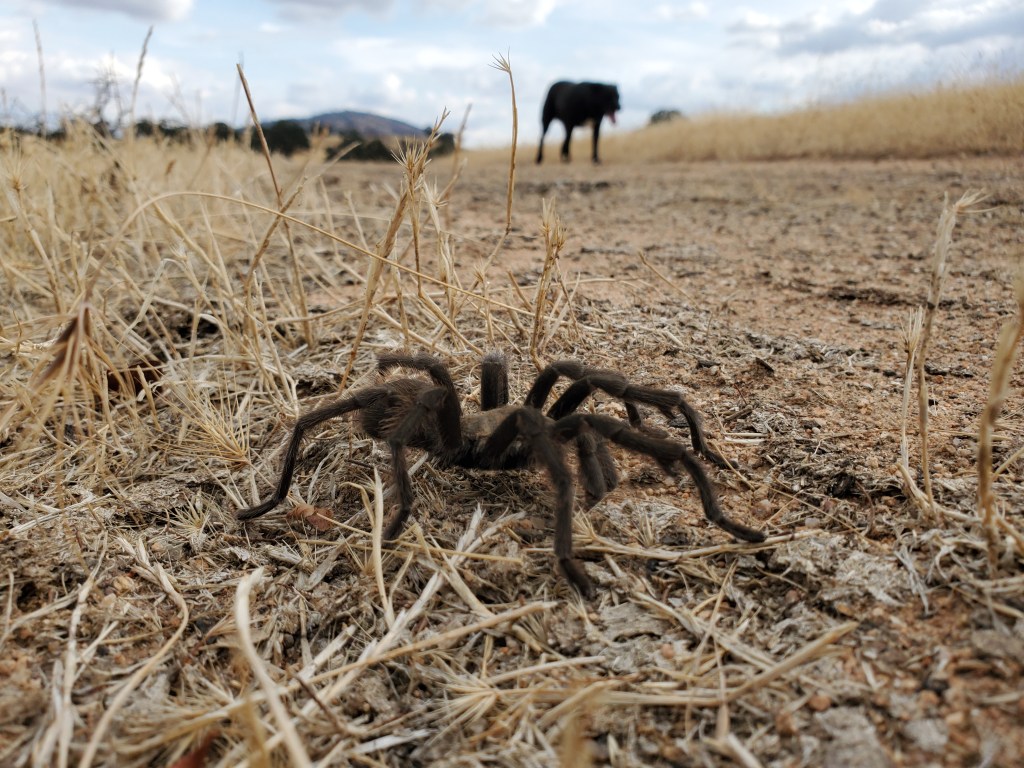
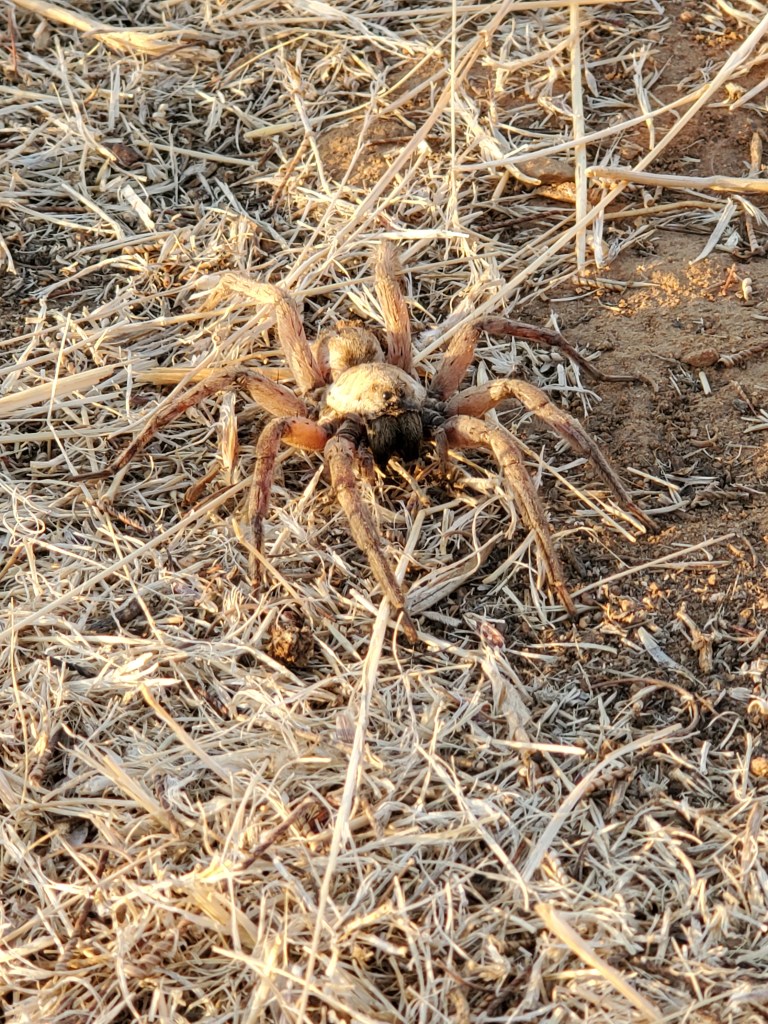
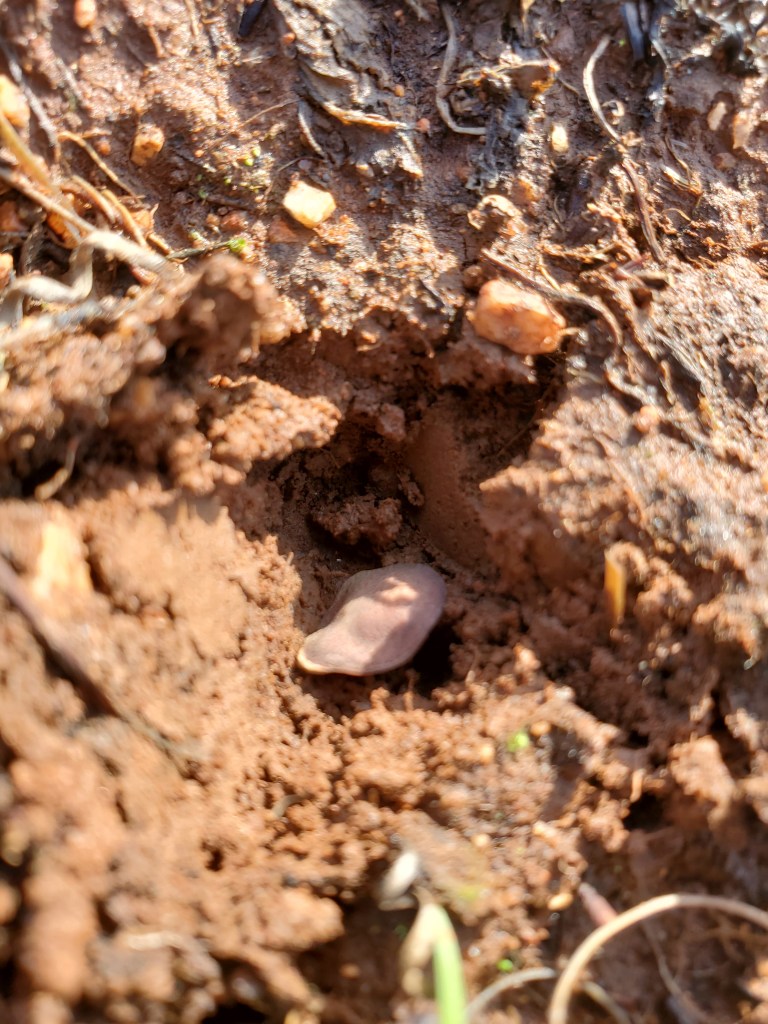
Webs have been flying through the air with their cargo of precious spider babies. They land everywhere. Meanwhile, the tarantulas are moving about. There are not as many as last year. I’ve counted 22 so far. I have seen two other very large spiders and captured an image of one of them. The other was a wolf spider – the largest I have seen of that kind – and I have seen some very large ones. Sadly, I did not get a photo of that one. They are really beautiful.

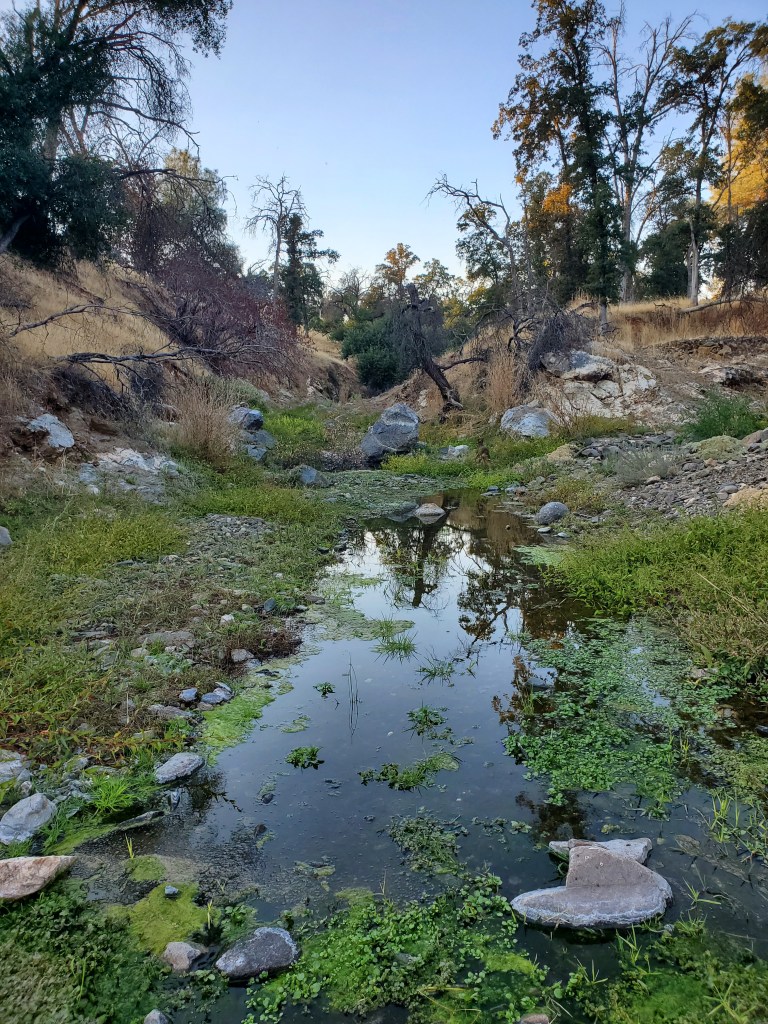
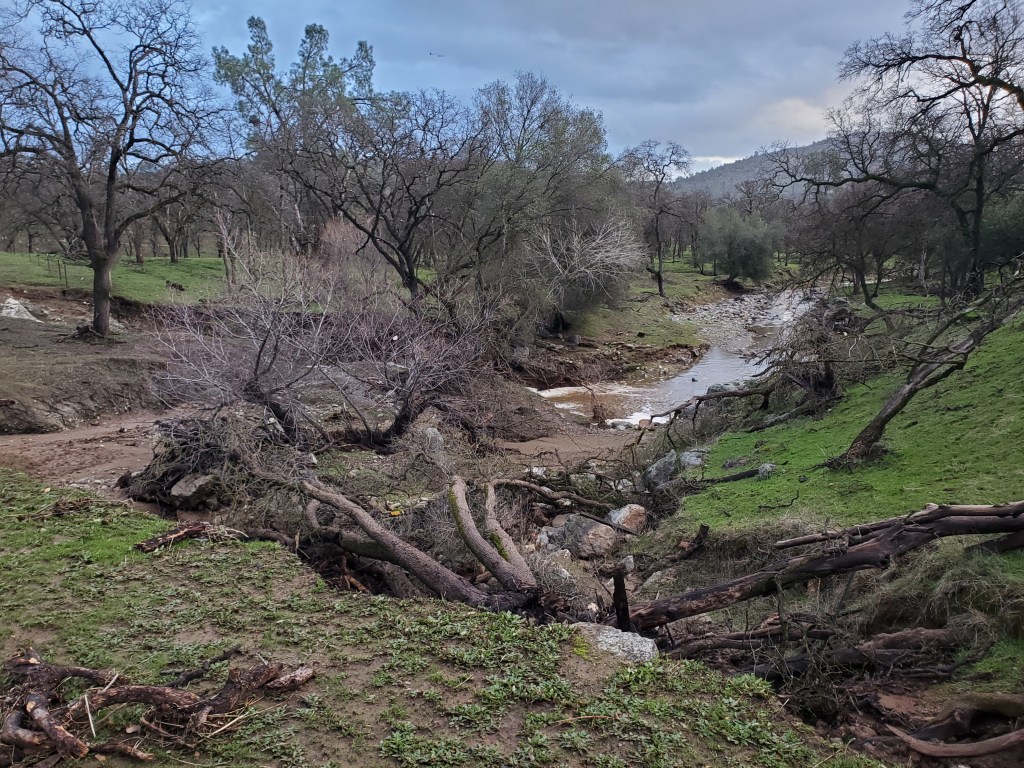
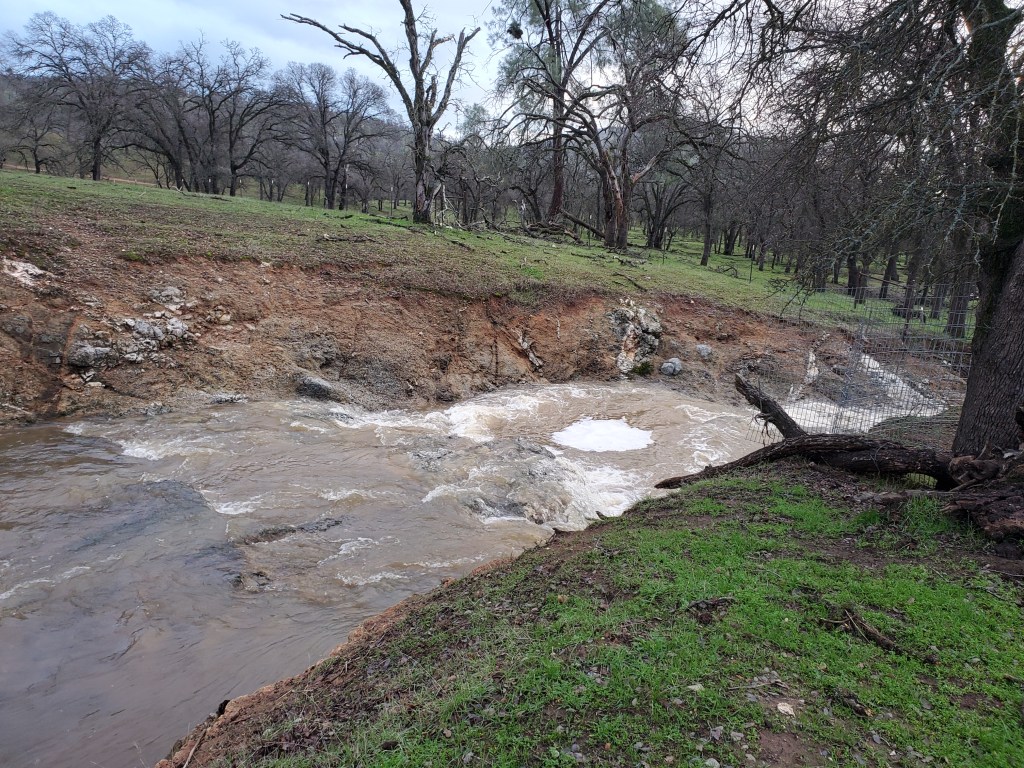
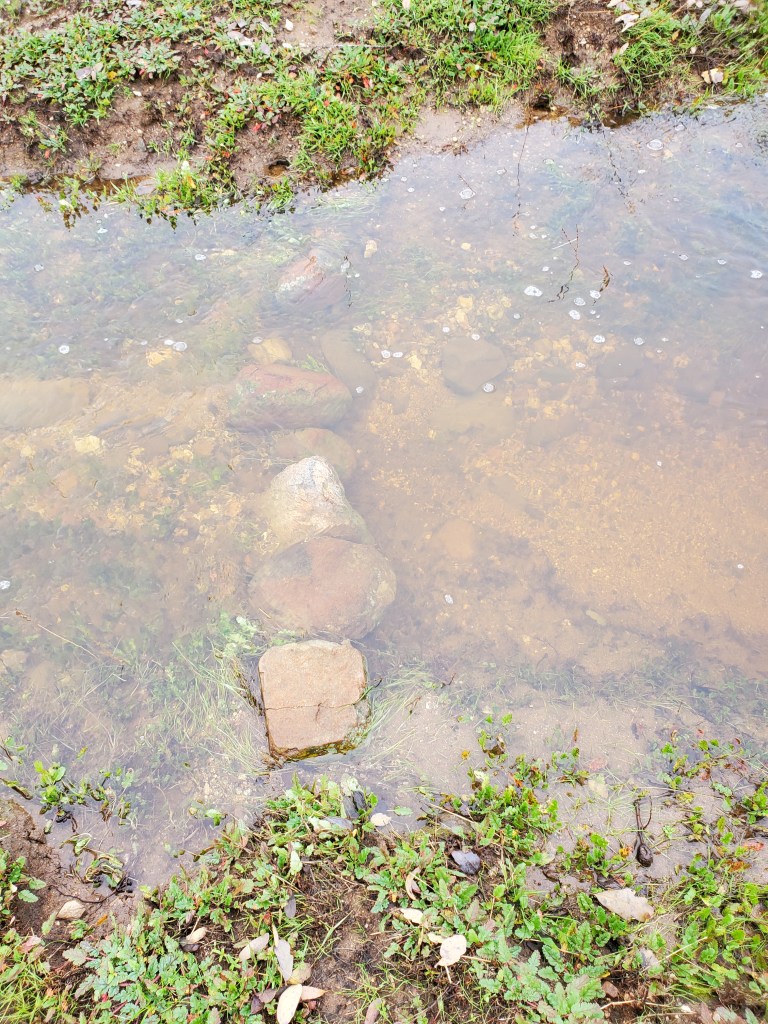
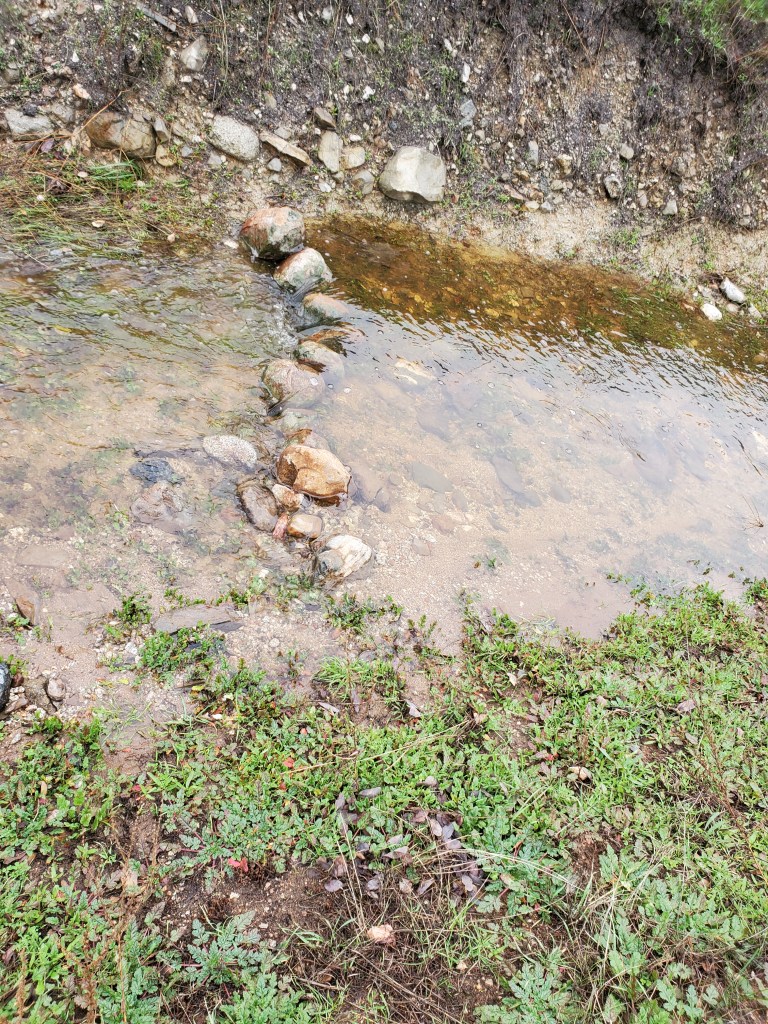
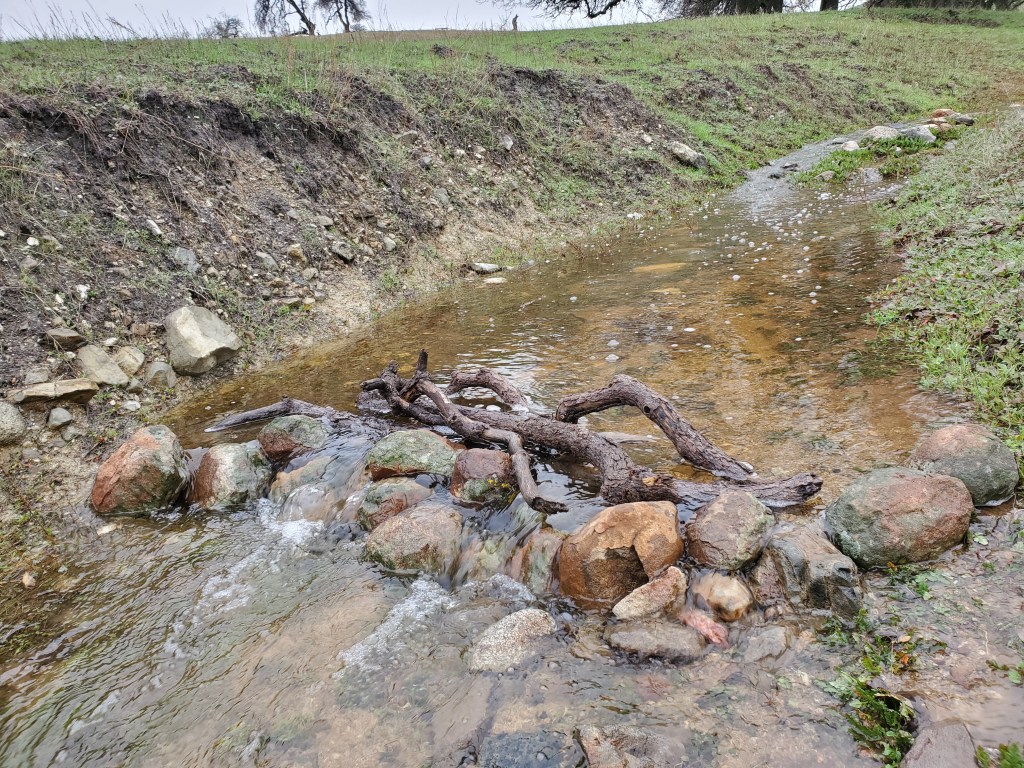
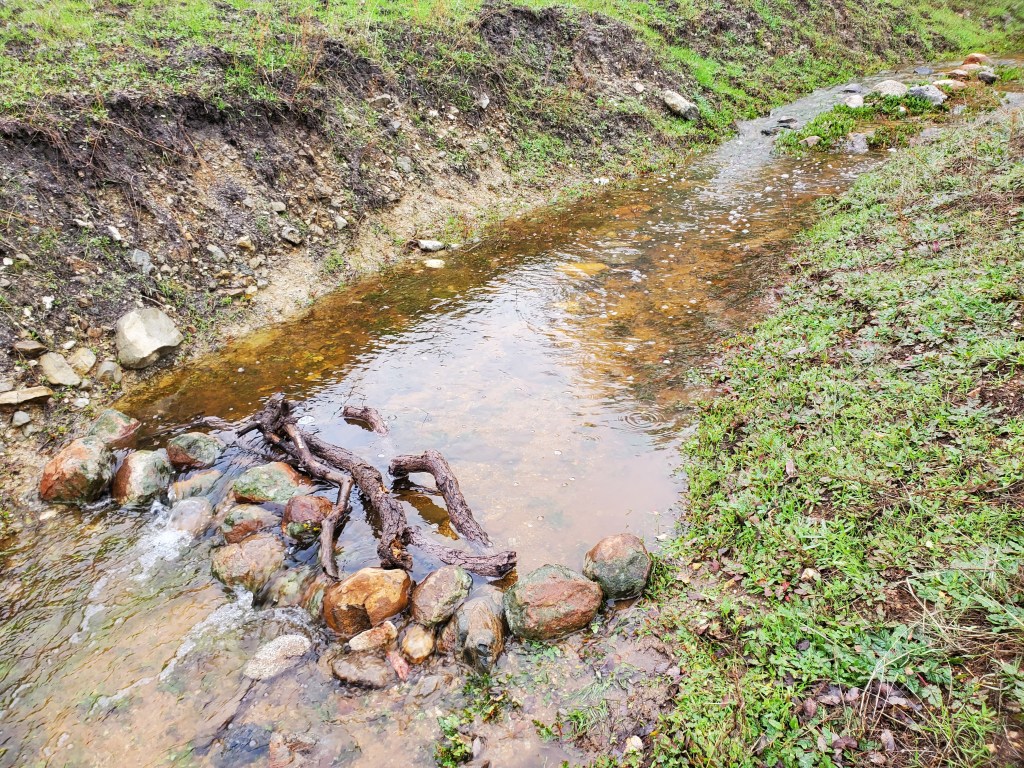
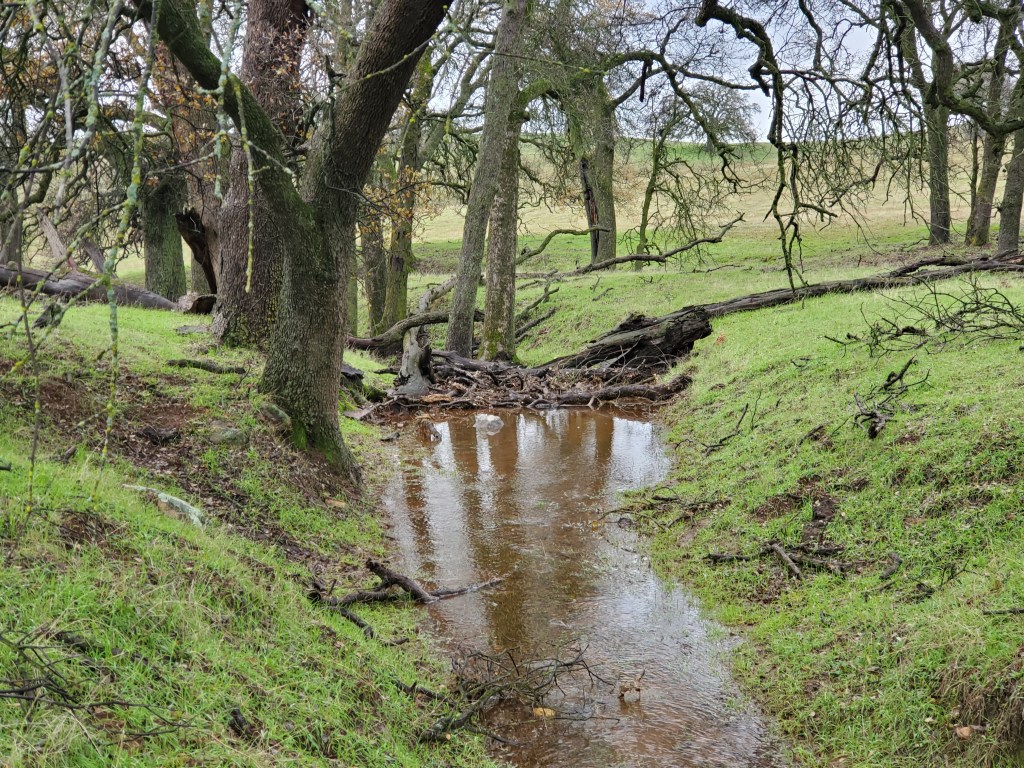
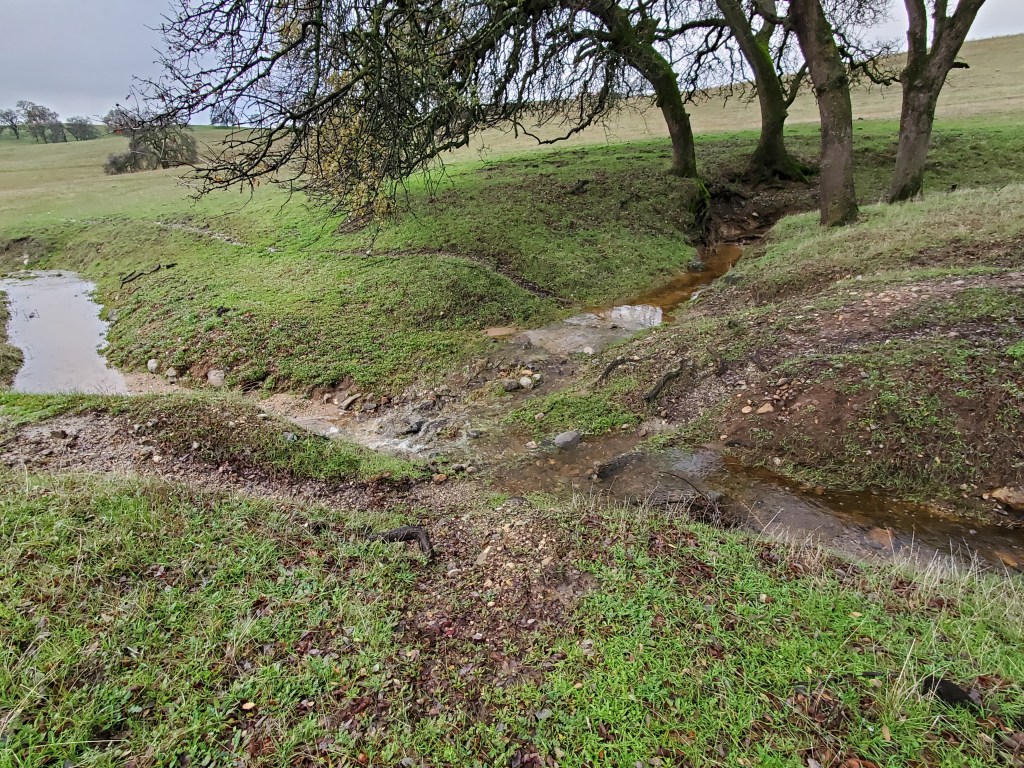
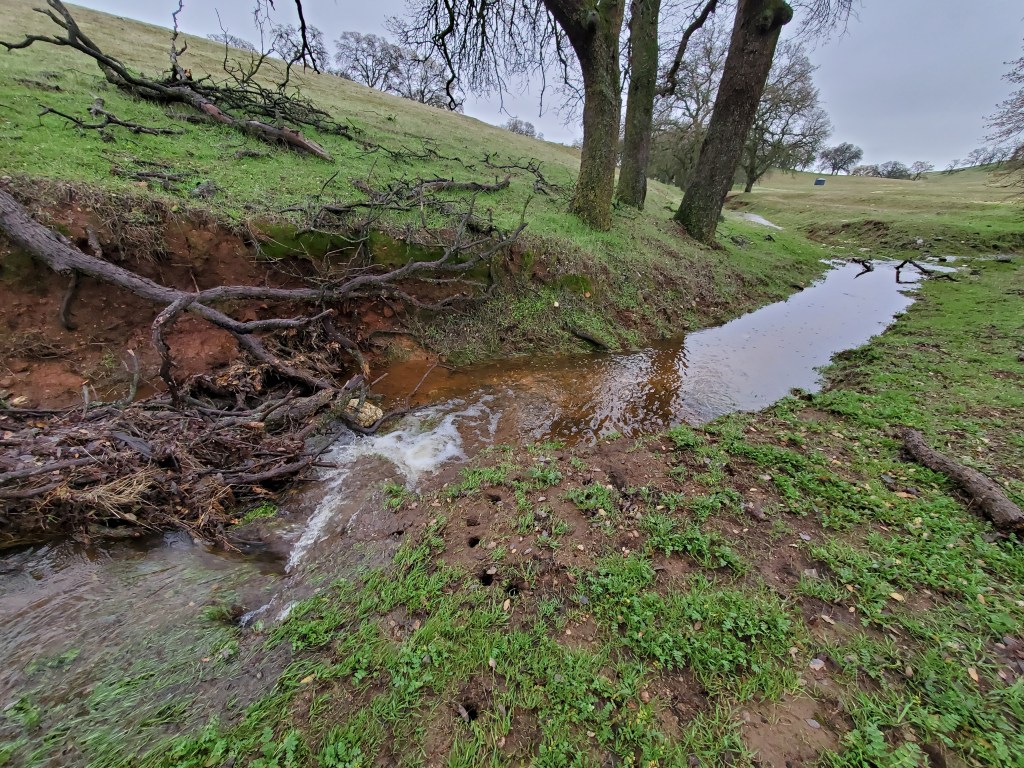
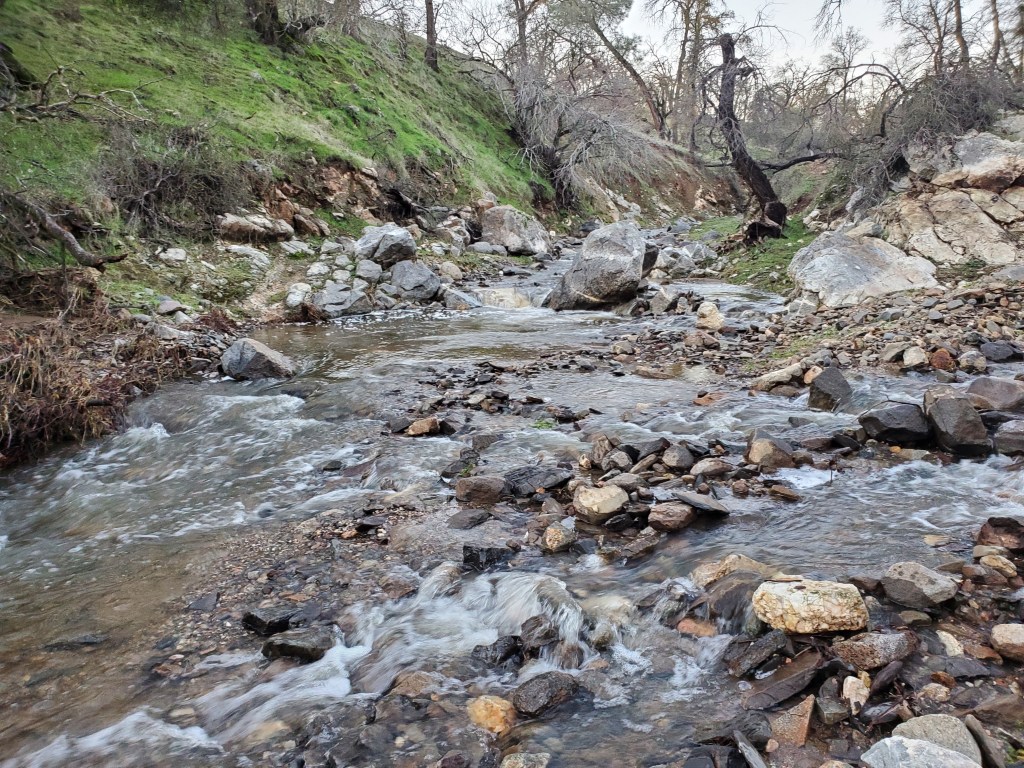
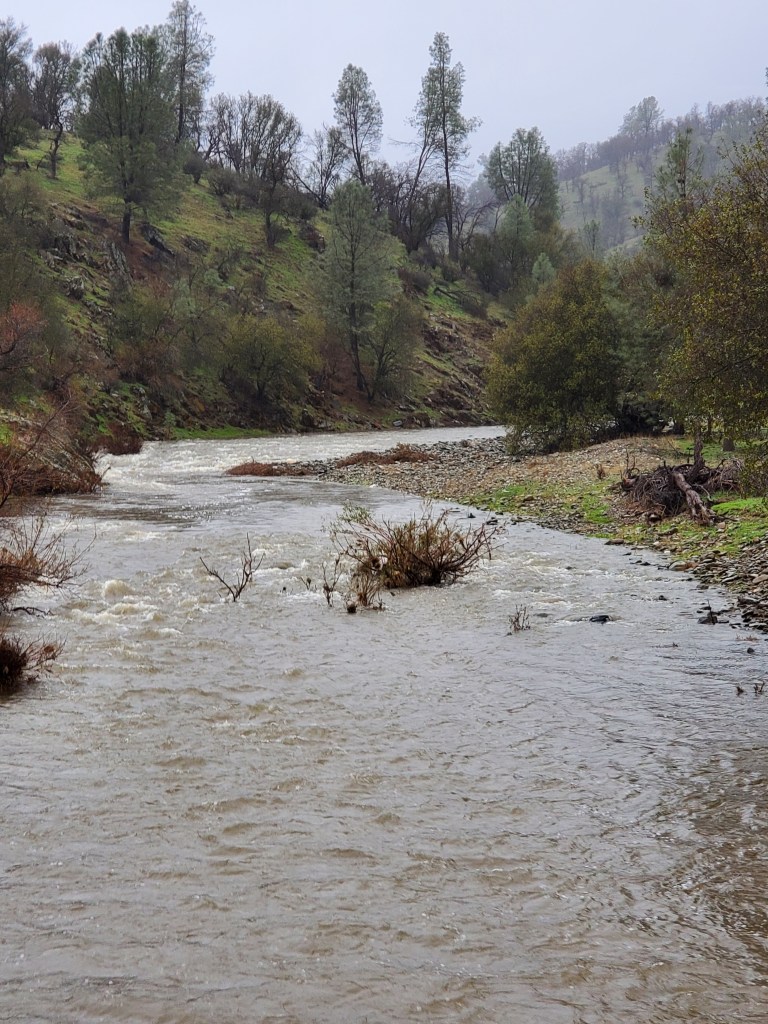
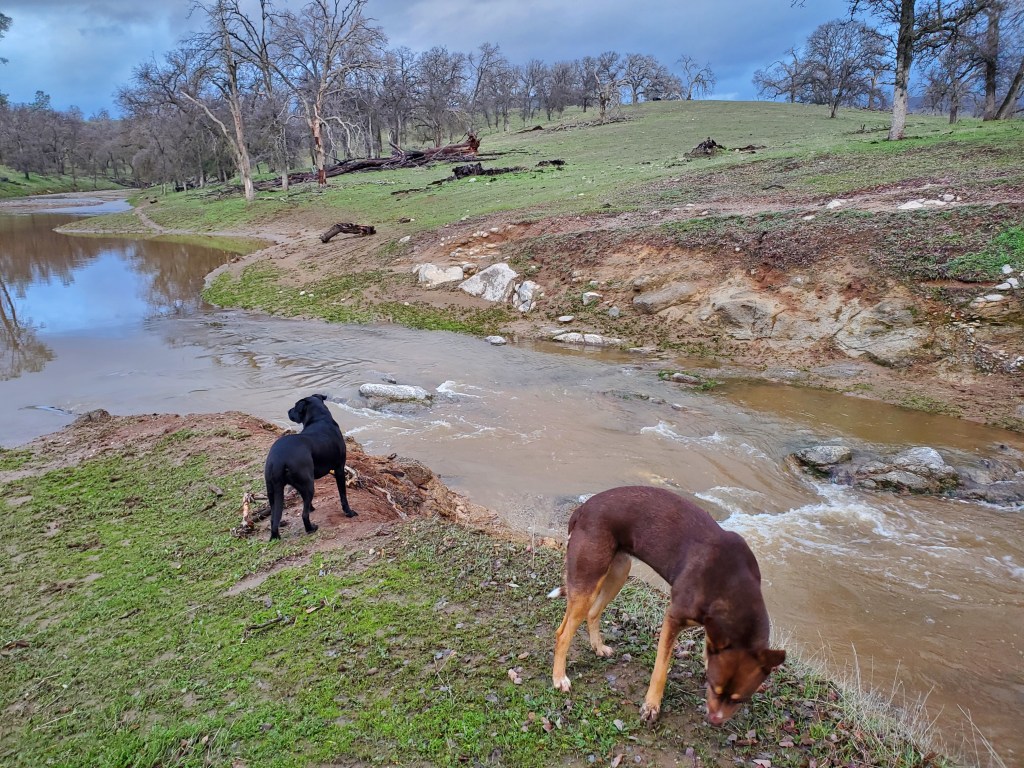
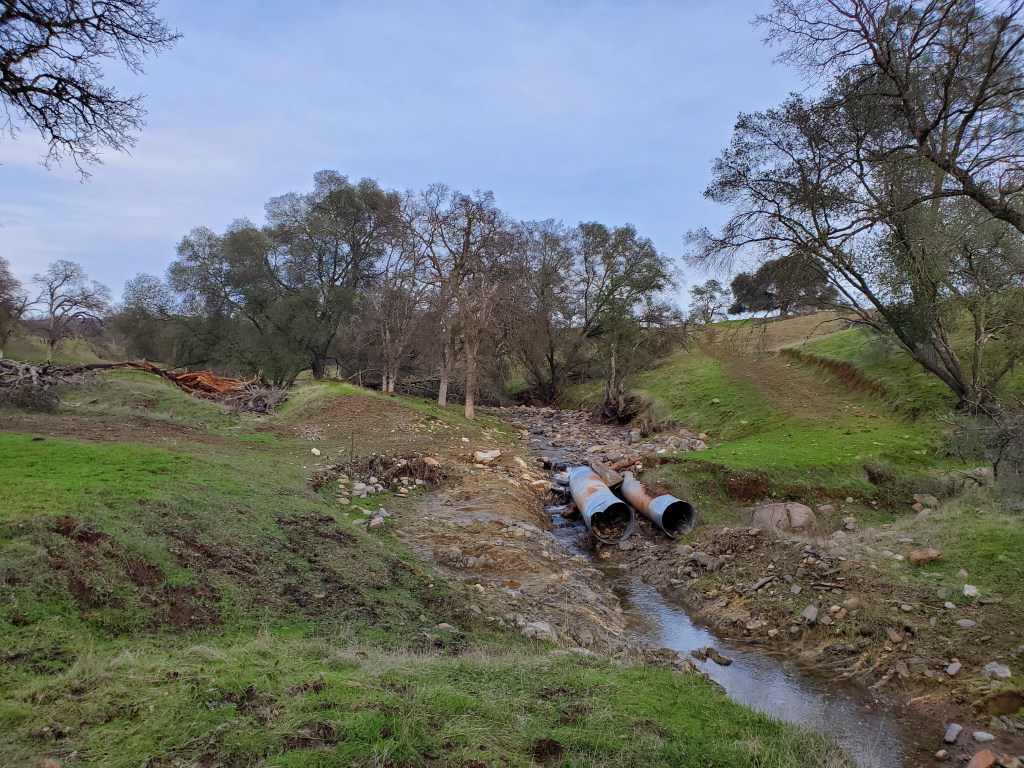
Water is still running on the ranch. Odom Creek has considerable volume and continues to fill the neighbor’s pond. The spring on Spring Creek is continuing to produce, but the water runs only about 100′ before disappearing. Remarkably, the soil area behind the rock check dam is still green. The cows are back and have eaten the vegetation in that area, but it is still moist and producing new shoots of grass.

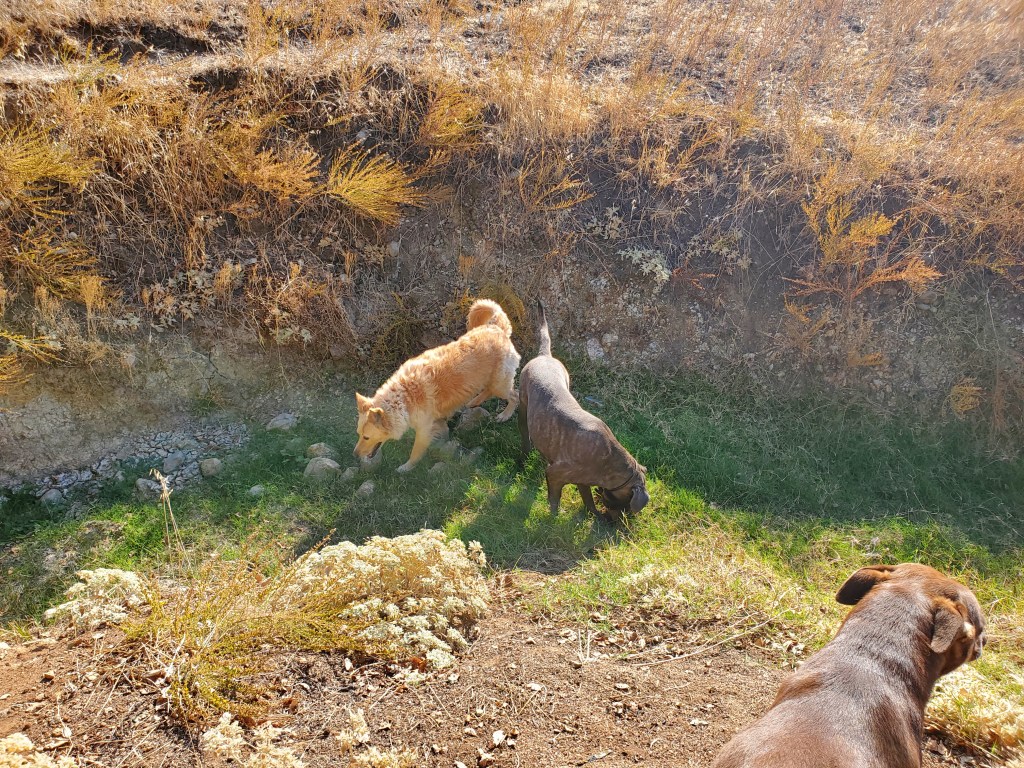

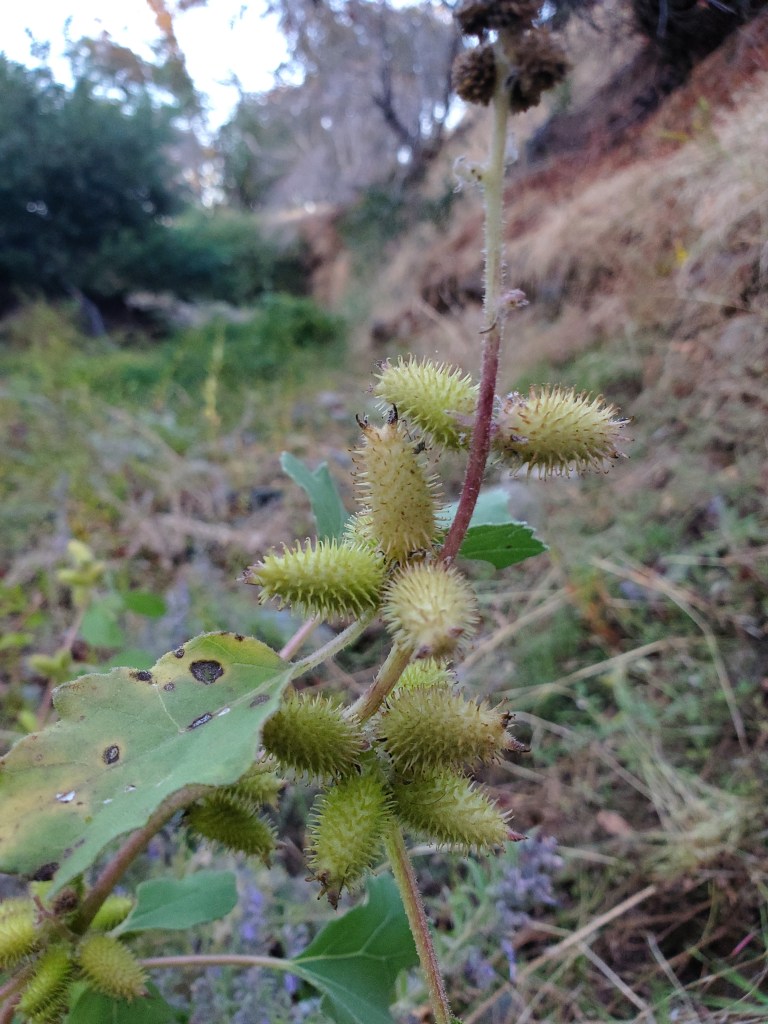
One of the down-sides of excluding cattle from the riparian areas has been the proliferation of thistle and cockleburrs. While the cows may not eat them, they trample those plants at the start, so they don’t get as good a foothold in the flatter areas. Seeing the cockleburrs up close brought back memories of talks with my grandfather. How he hated cockleburrs. He told me how they would slice into him as he crawled through hedgerows and fields trying to avoid being killed in WWII. It was after he moved from Omaha Beach into the hillsides trying to take out the bunkers that were slaughtering allies on the beach. He said they would stick into him and get into his clothing making him miserable. What a plant.

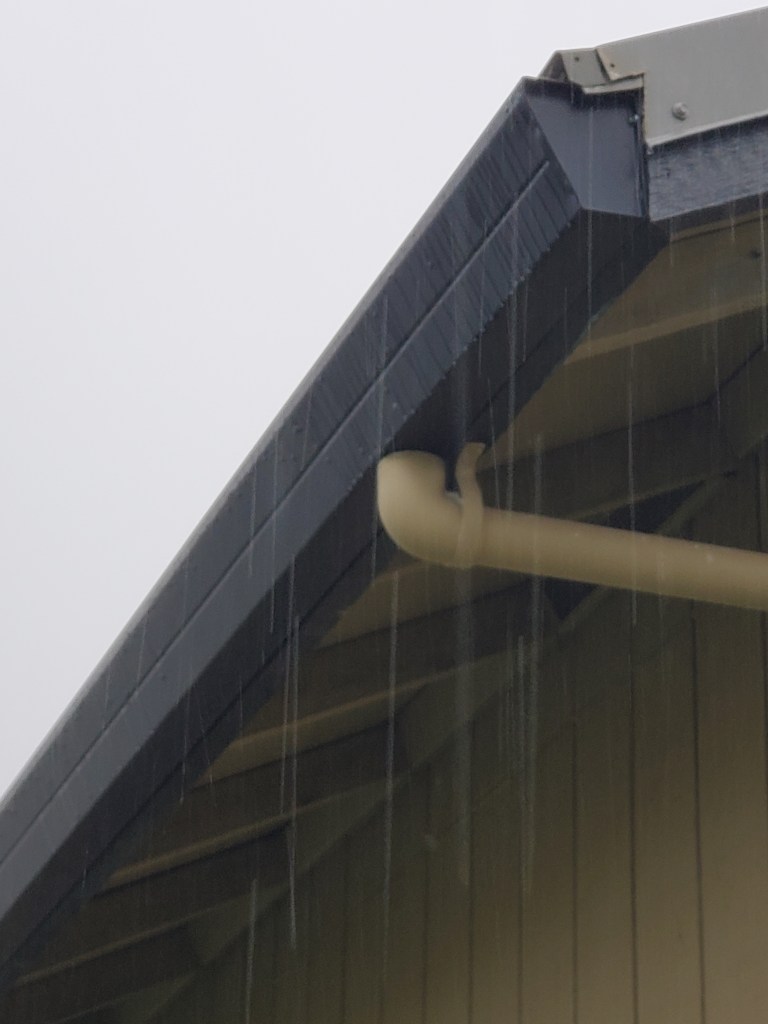
We had a Fall storm that was 1/2″ in just over an hour. My rainwater tanks filled more allowing me to extend my ability to irrigate as the weather turned hot again. I checked the guzzler, and it worked perfectly, as designed. It also filled that tank more providing fresh water for wildlife to access.

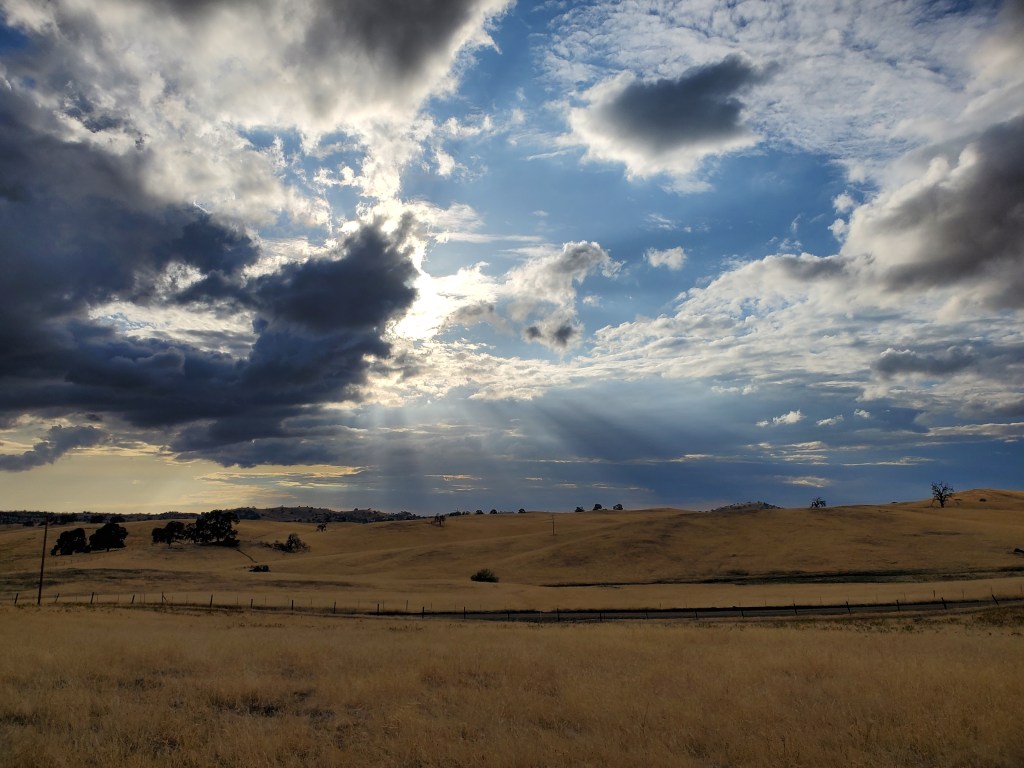
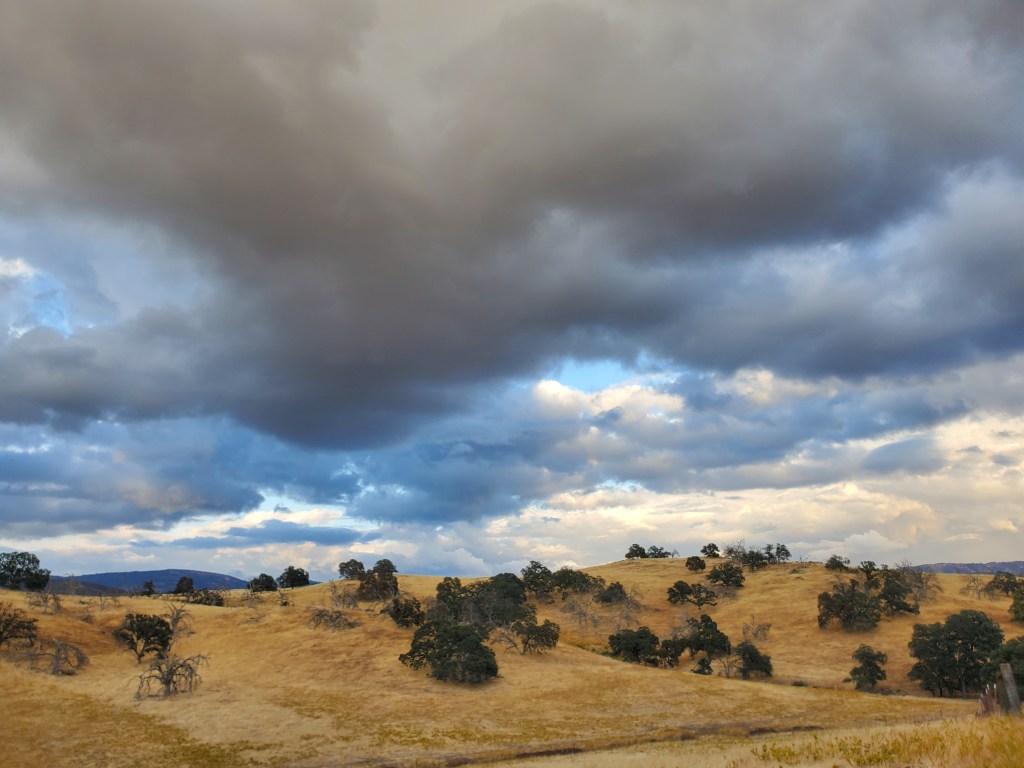
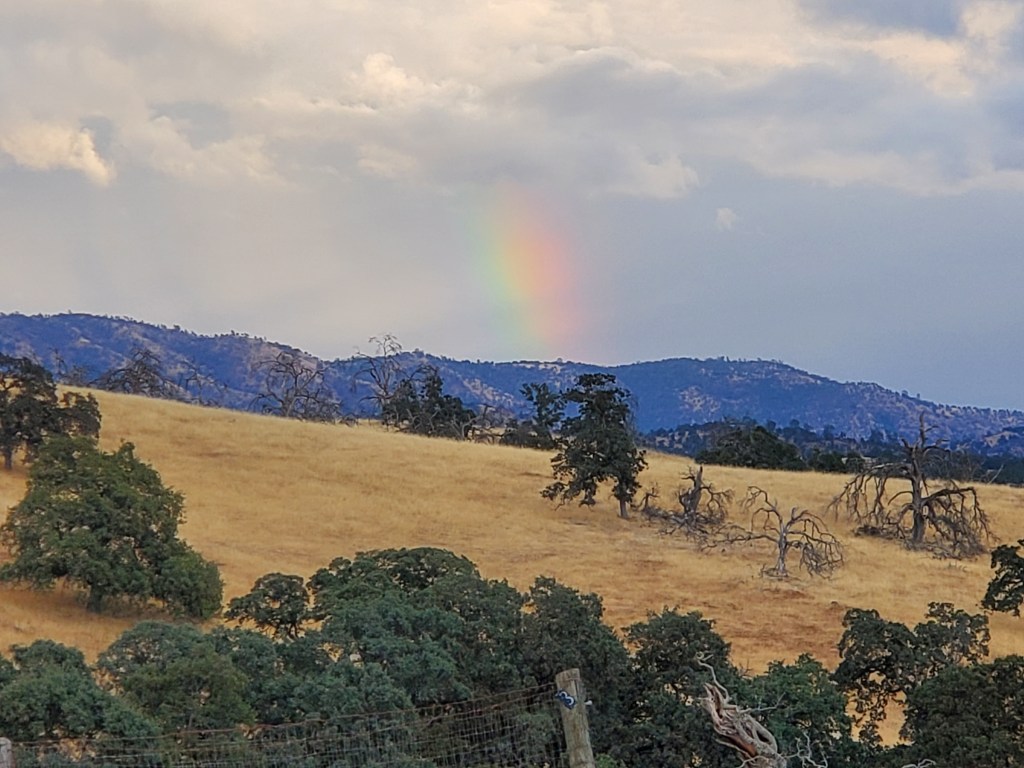
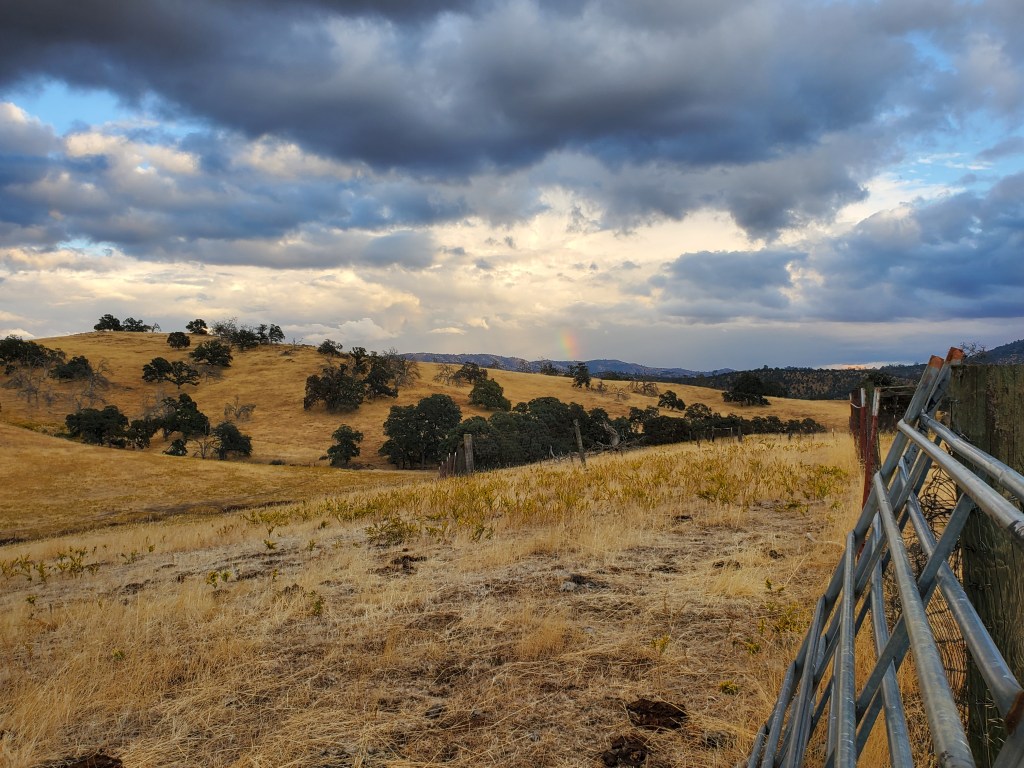
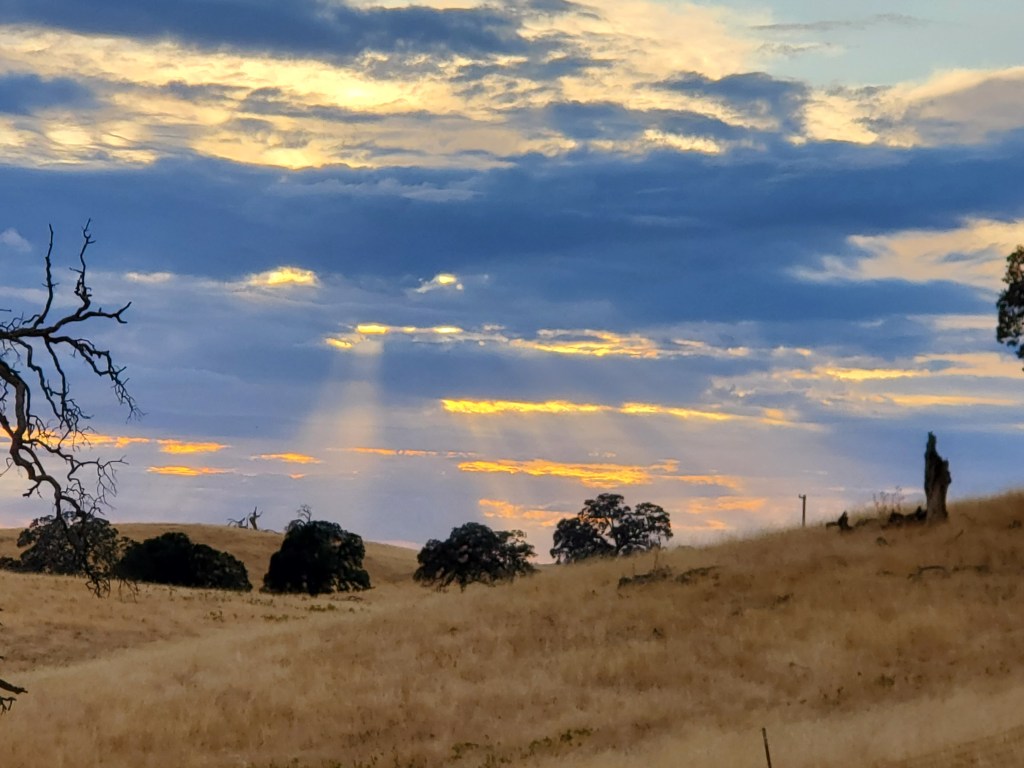
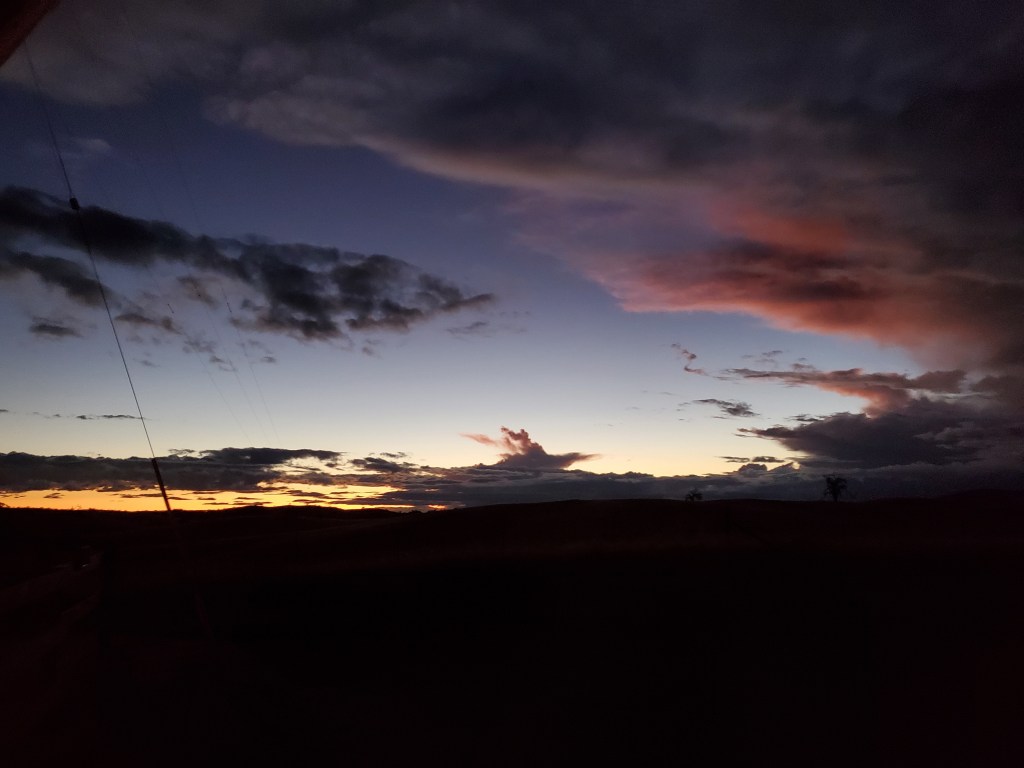
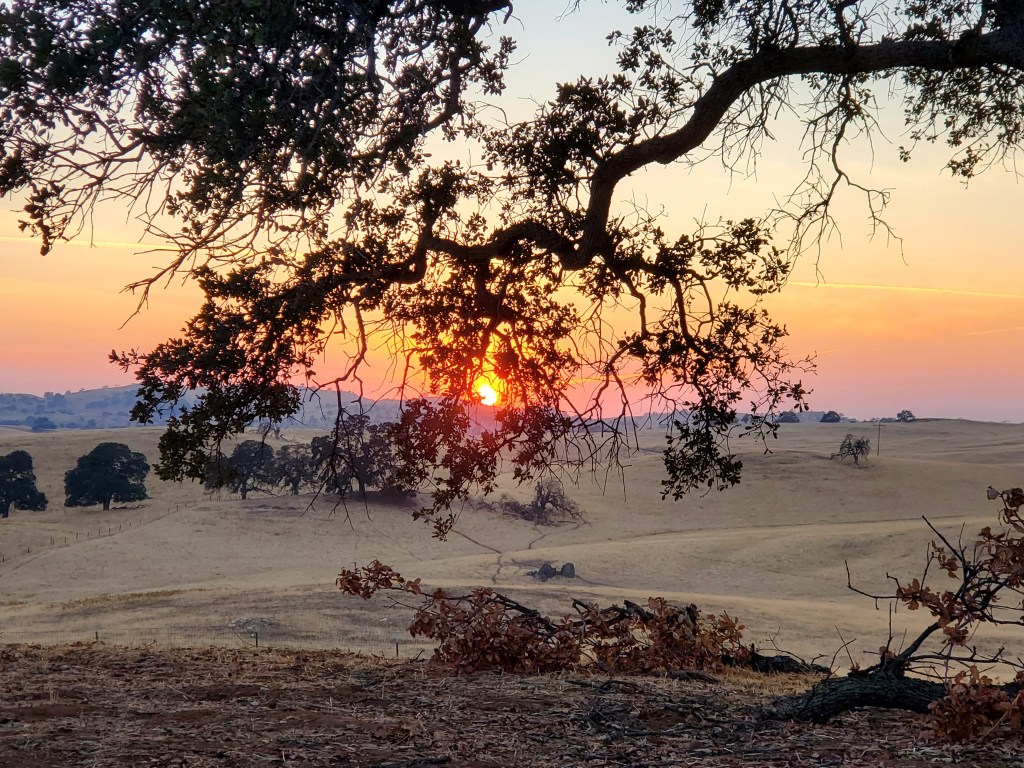
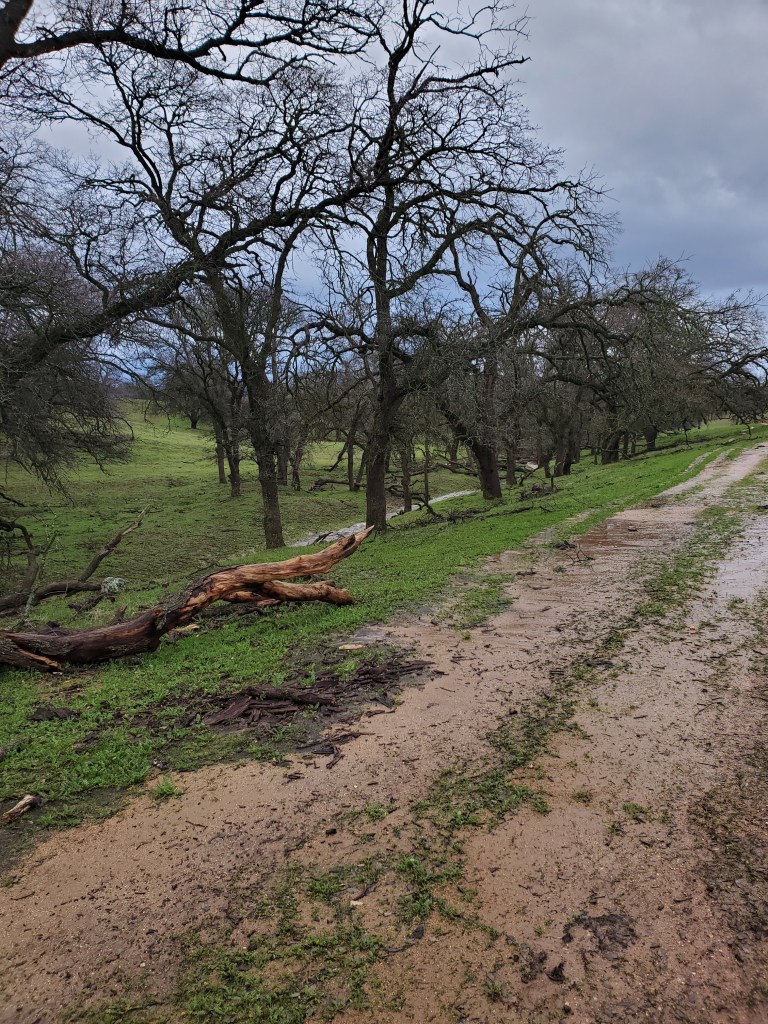
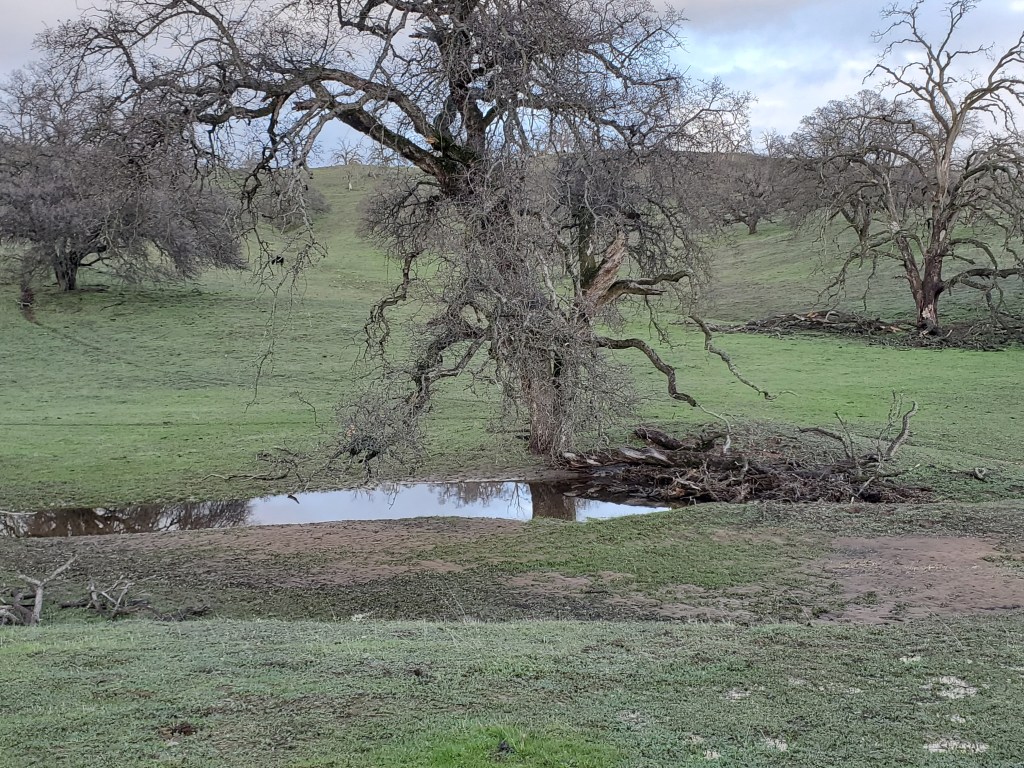
The rain in late September was welcome and left the air clear, soil moist and made for dramatic skies.


Pollinator Education Continues
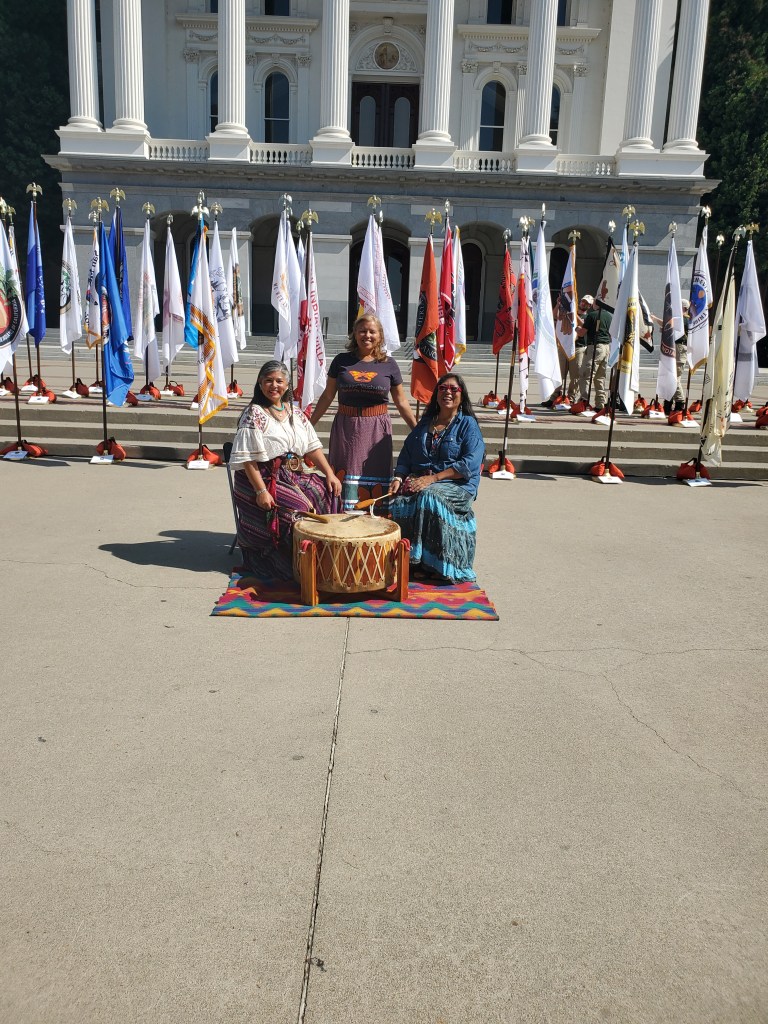
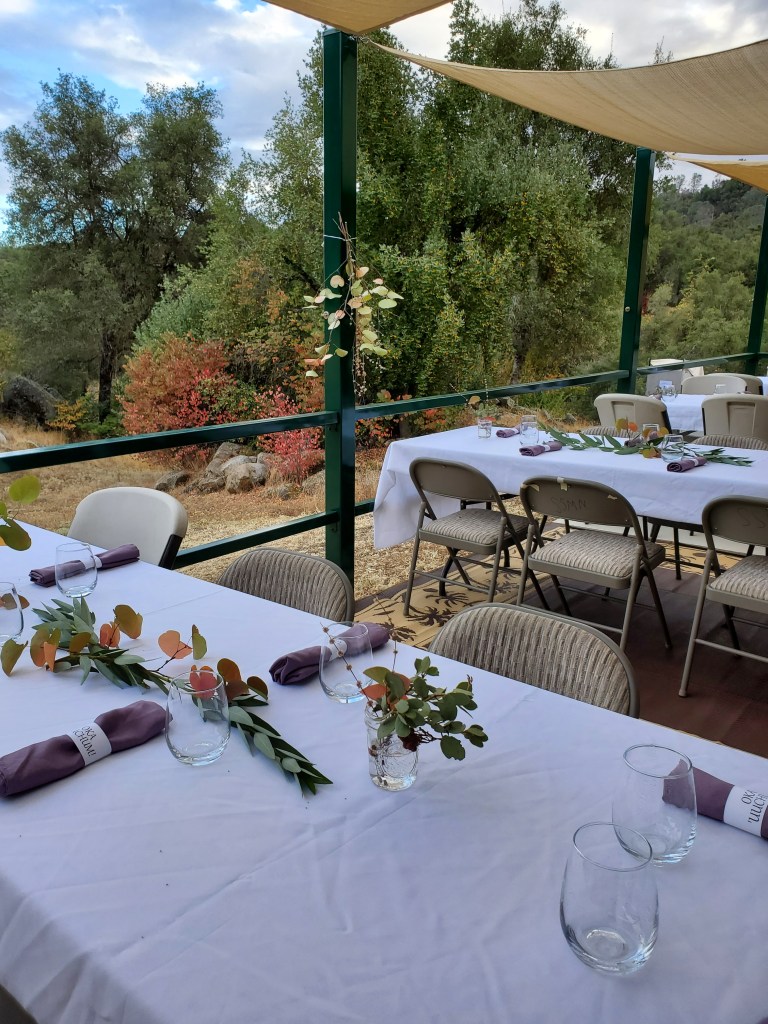
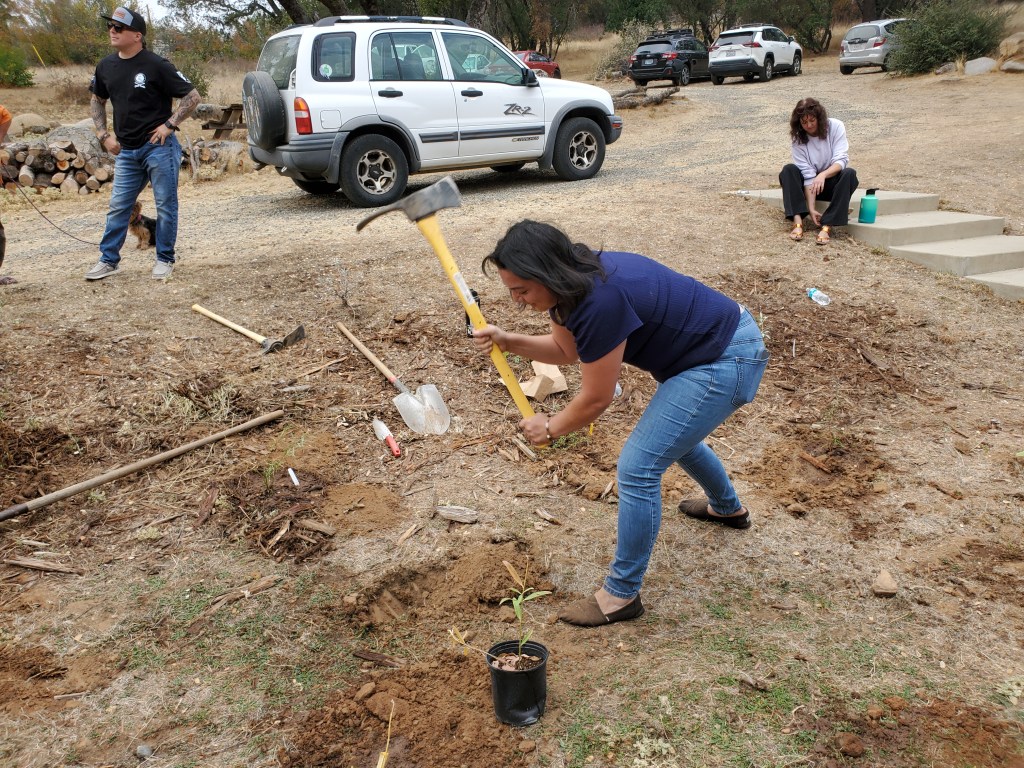
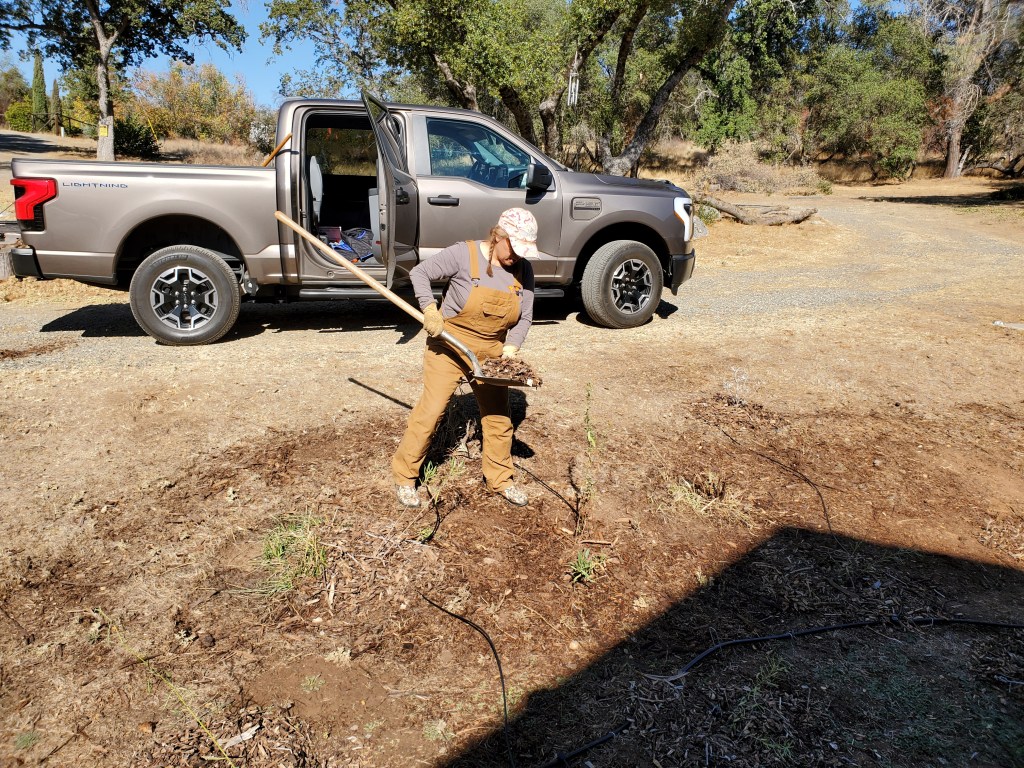
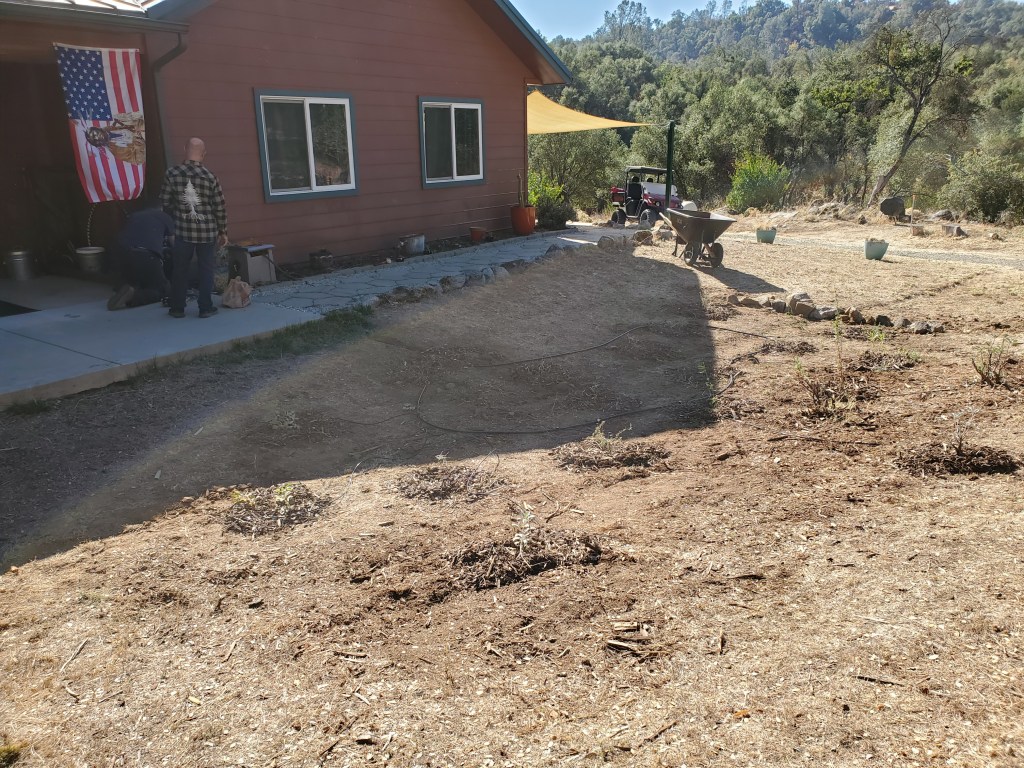
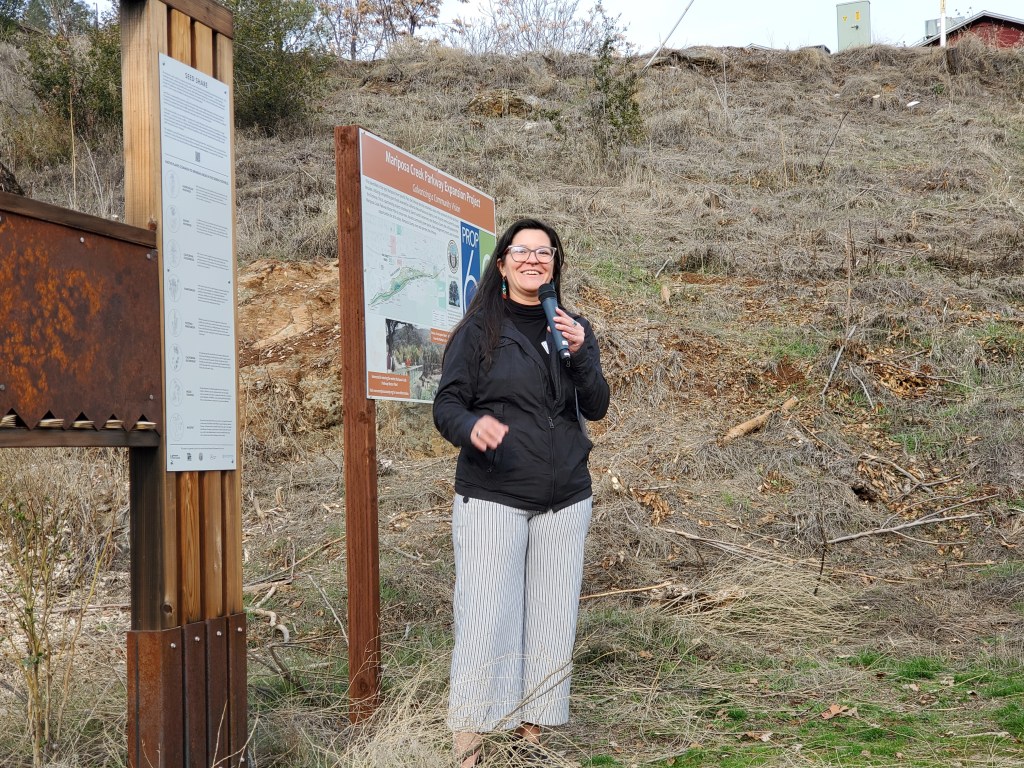
I have been continuing my pollinator education work. I joined members of my Yaqui Tribe at Indigenous People’s Day in Sacramento, where I included pollinator materials and plants at the table. I was also honored to be asked to teach with my pollinator team friends, Kristie and Deedee, at the recent Traditional Lifeways gathering. We discussed native plants, seed collection, medicine and food uses, pollinator relatives and then we had everyone plant native pollinator plants in an area we chose before the event. It was an incredible experience. As I began to speak, a monarch flew through our gathering of people. I nearly lost it. This is exactly why we need to plant as much habitat as possible – to bring back their population from the edge and to ensure that the next generation has the magical experience of seeing this large, bright butterfly as a regular part of their lives. Oh, I also completed my Pollinator Stewardship certification program and passed. The Pollinator Partnership conferred my badge – I am an official Pollinator Steward!




Up Next
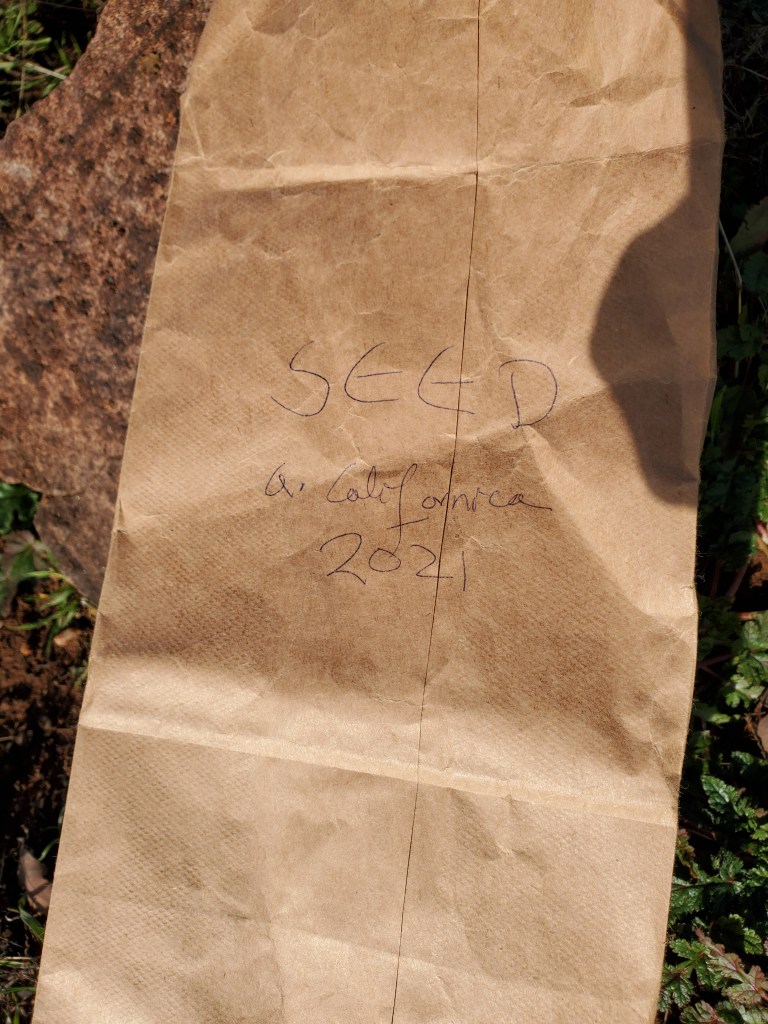
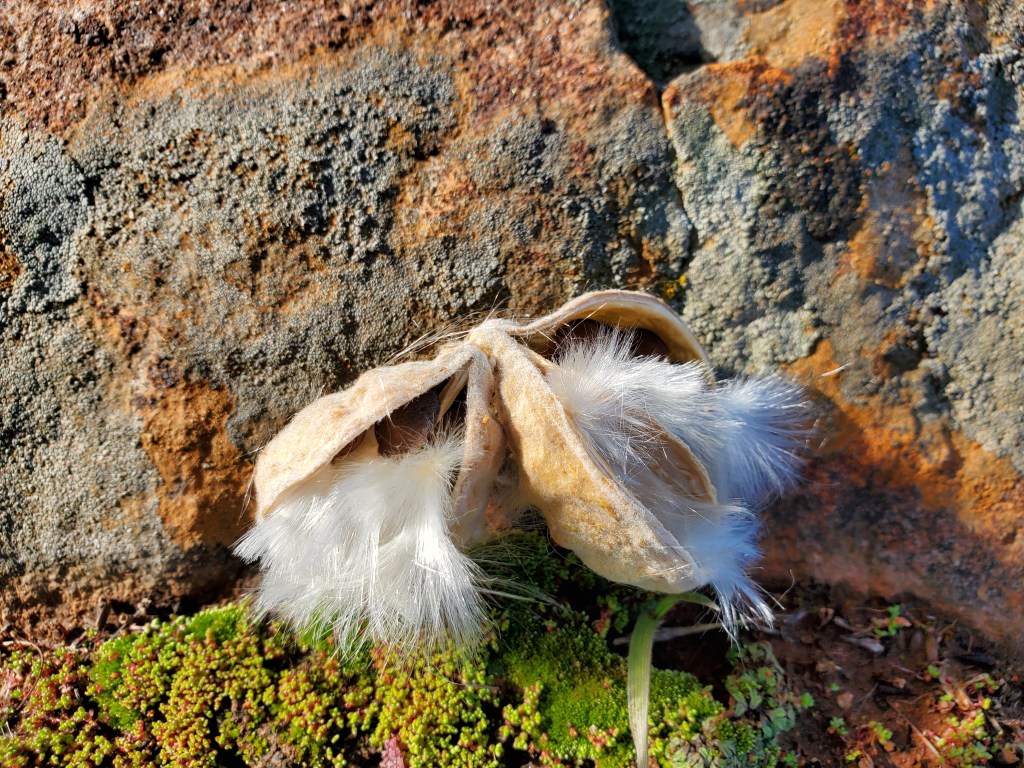
This week I will be picking up the Xerces Kits for the Tribe’s Pollinator program and for another farmer here locally, Raw Roots Farm. I shared plants with them last year. They had a profusion of monarchs this year. I am so excited by their work. I am still waiting for clearance to build the cross fence from NRCS. I have my vendor and materials – all I need is NRCS to green light the work. The cross fence is to protect the rare california milkweed stands during caterpillar time. I am also waiting for a grant from Point Blue Roots program to begin my guzzler work. I am placing another one in the back 40 with a rainwater tank and catchment structure. I imagine I will be helping the Tribe’s Pollinator Coordinator plant plants this Fall. So…I am never without stewardship work to do.
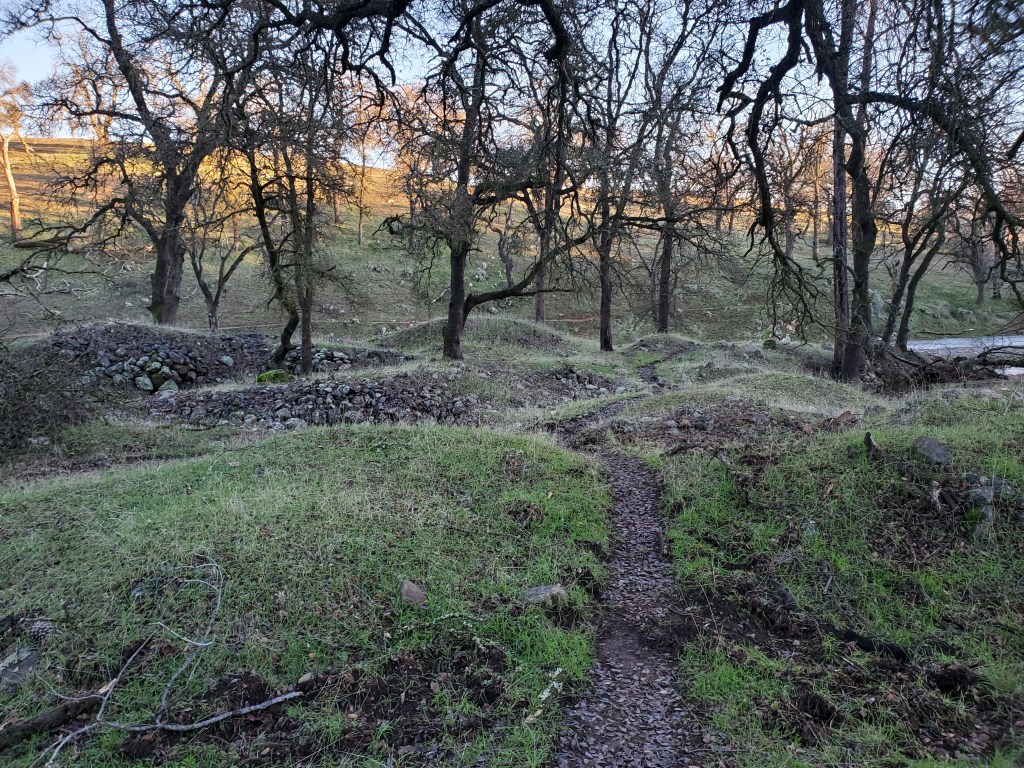
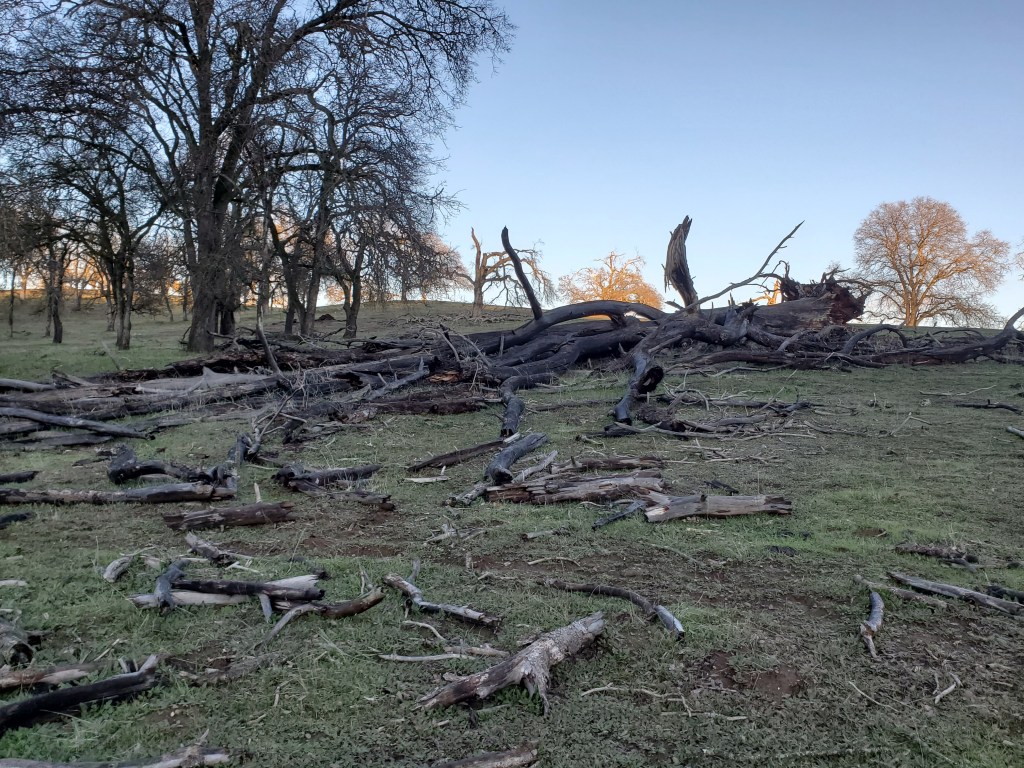
Wanderings



















 PolliNative