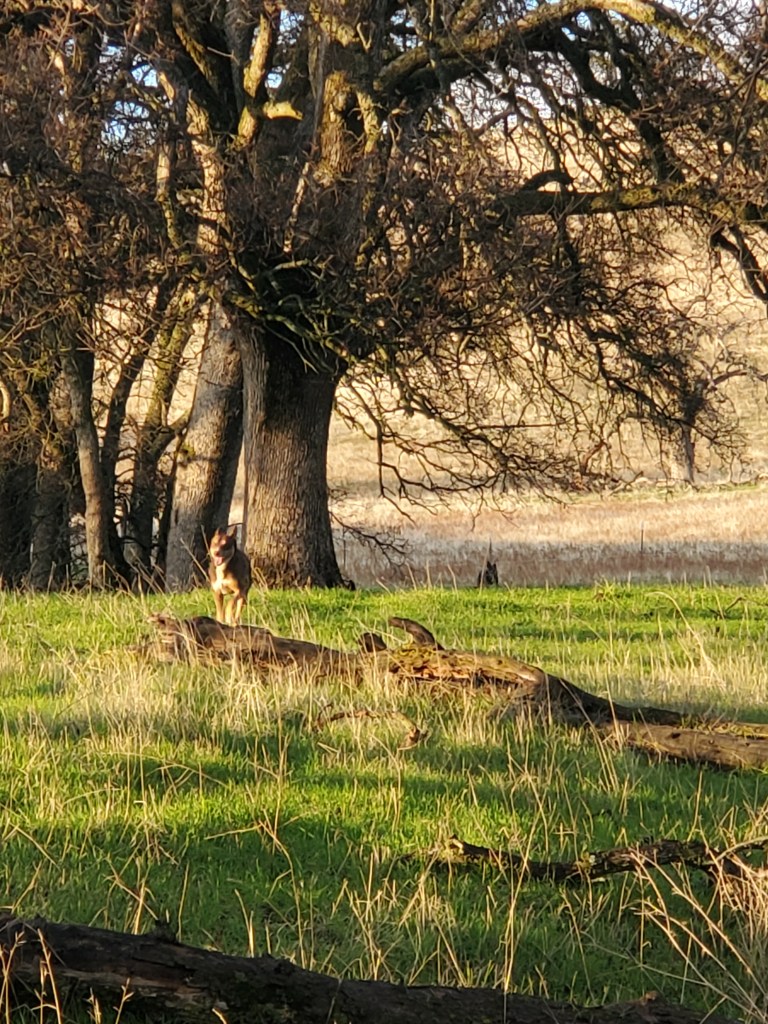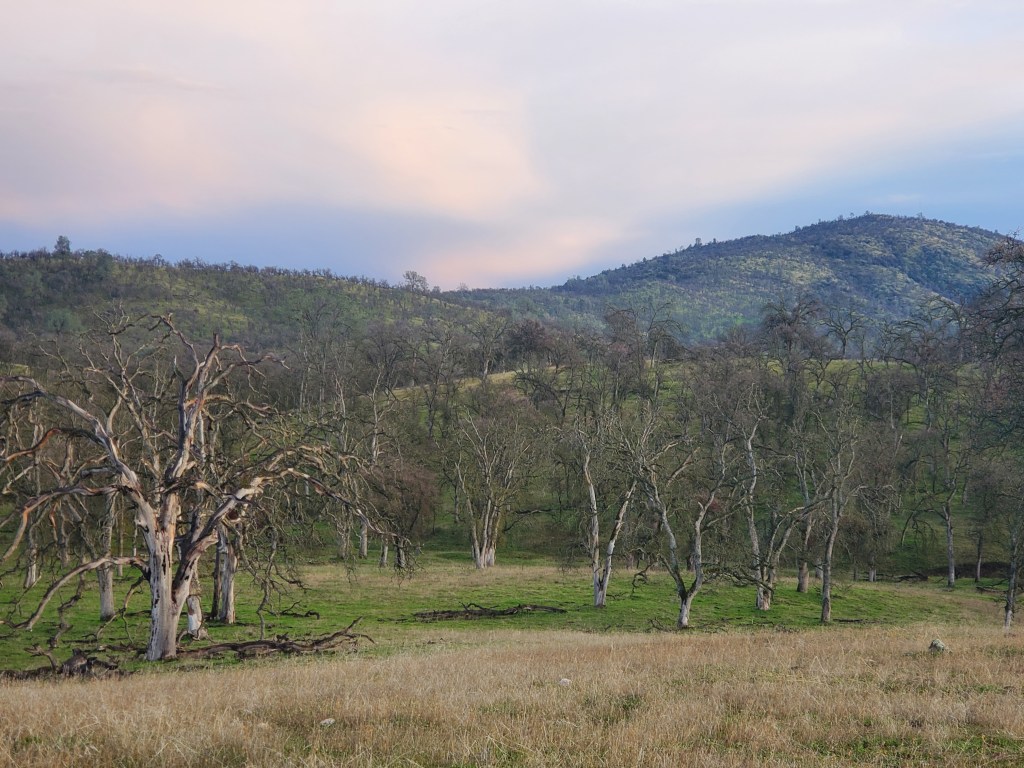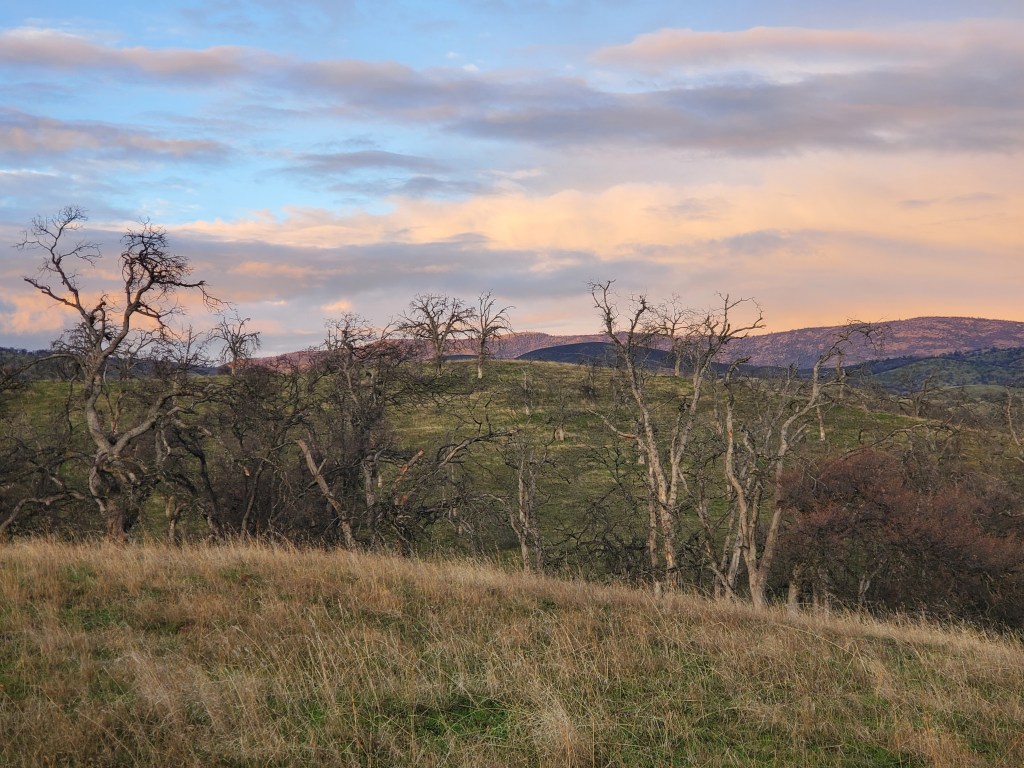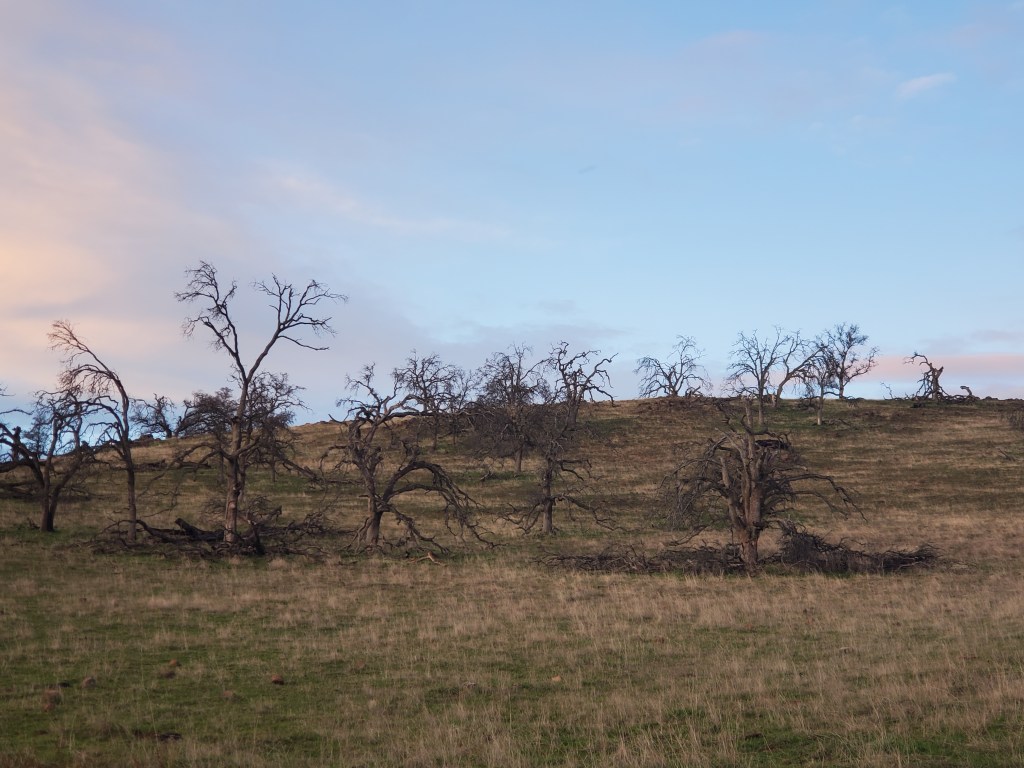
Another Winterless Year

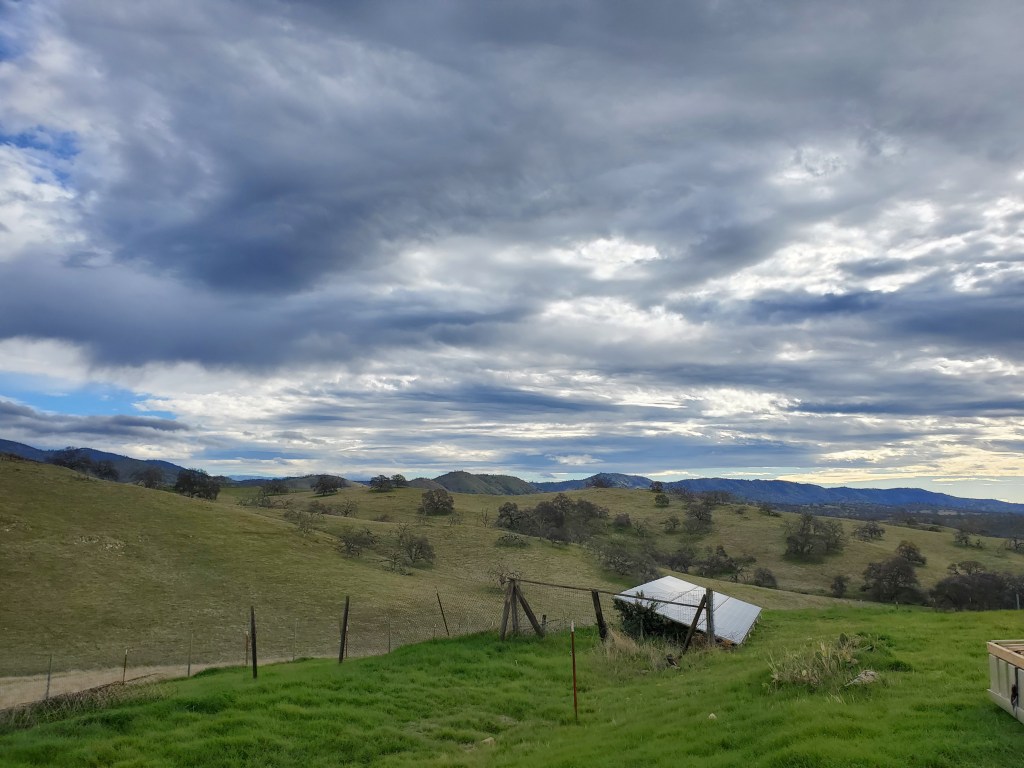
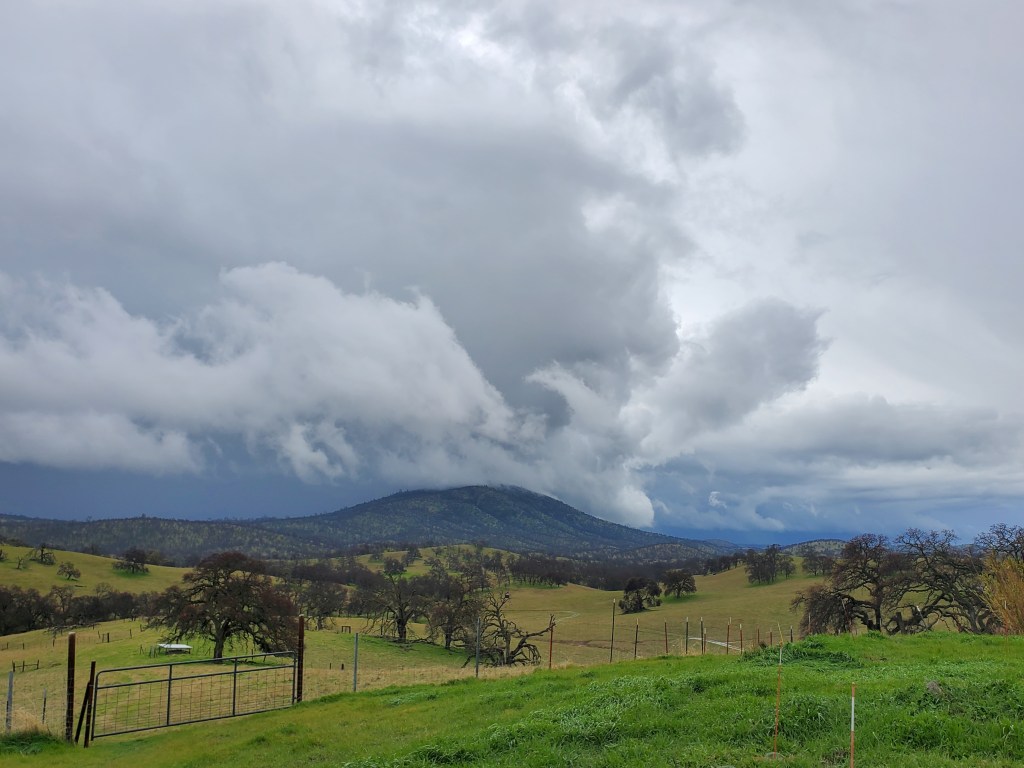
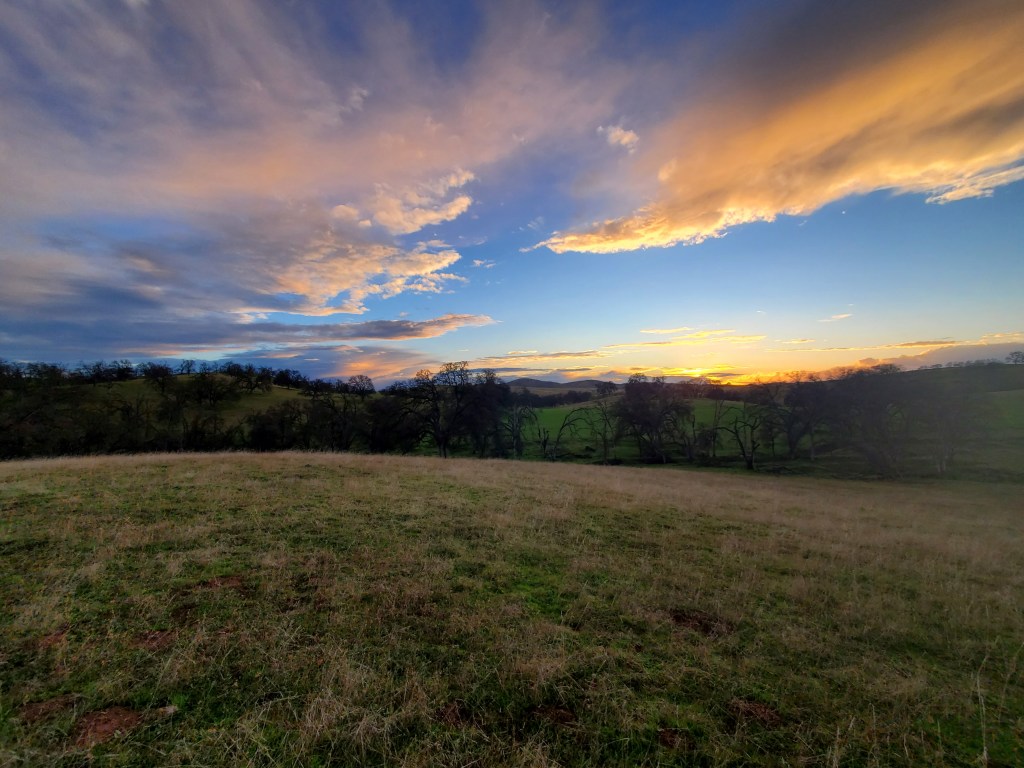
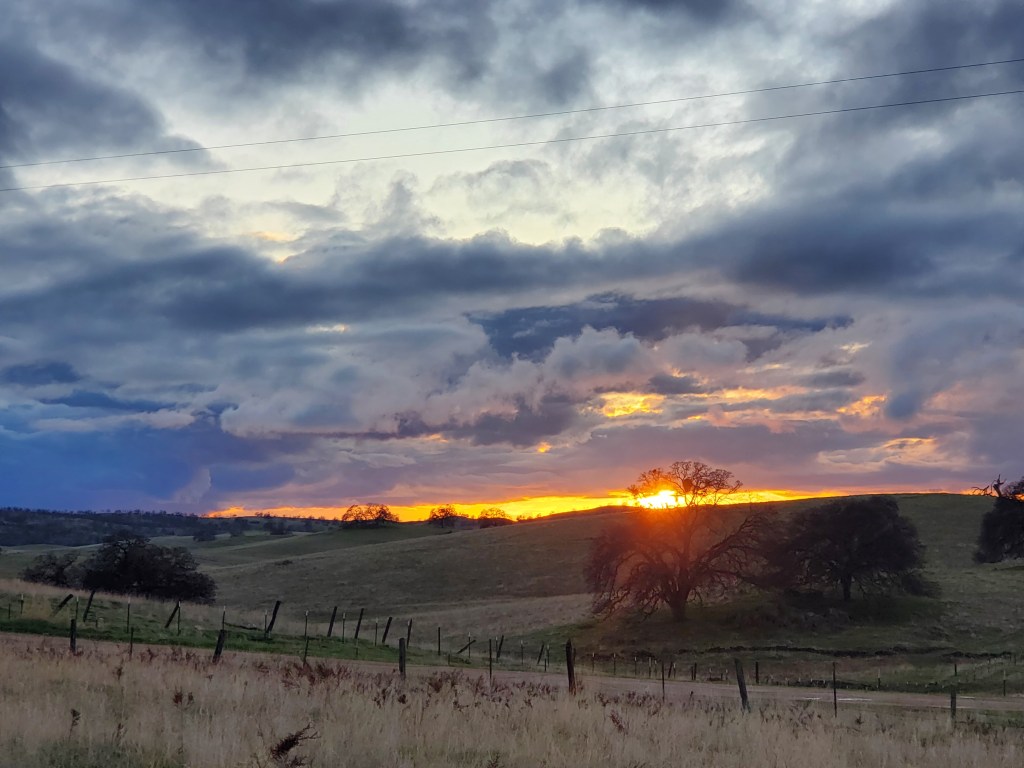
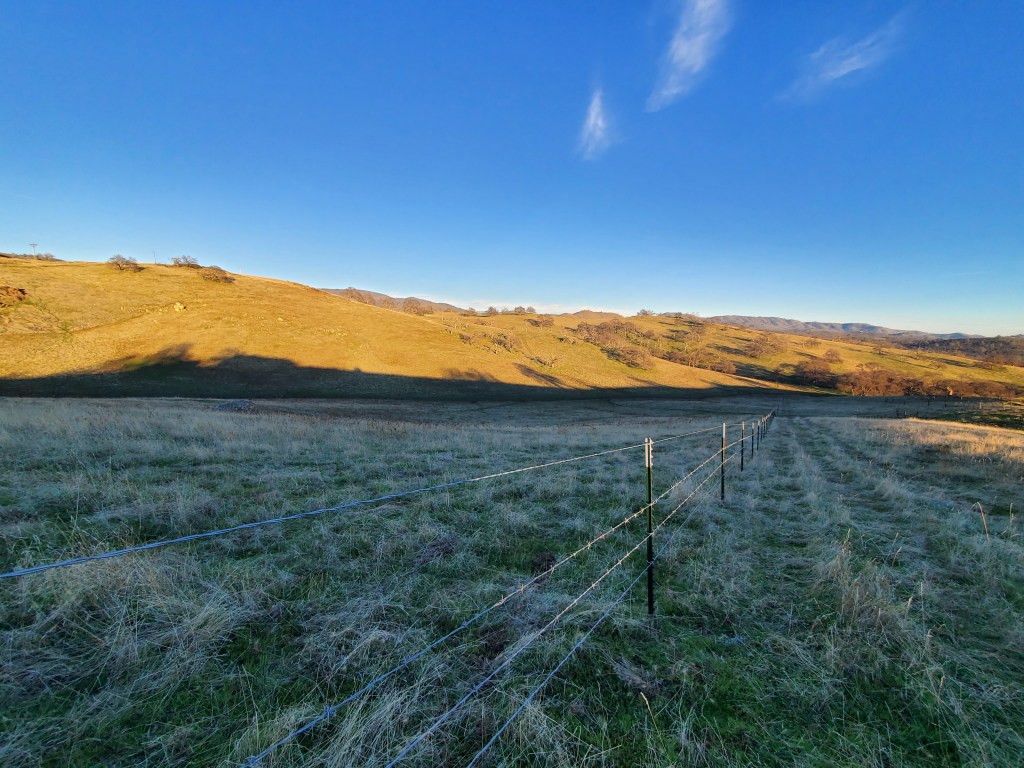
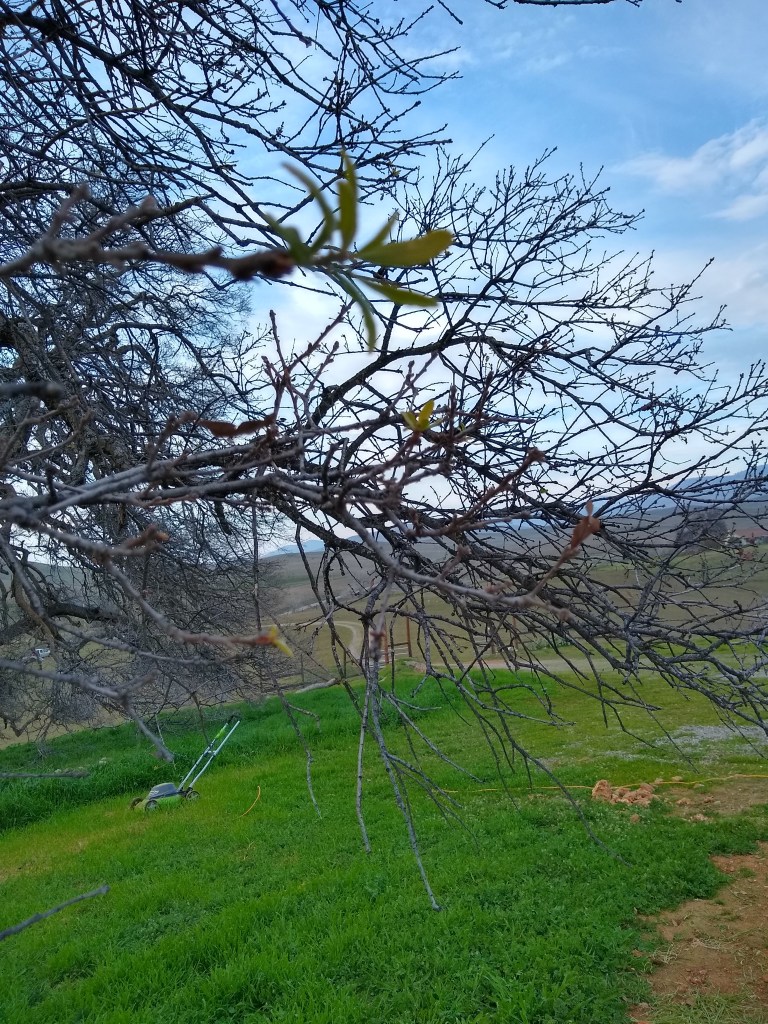
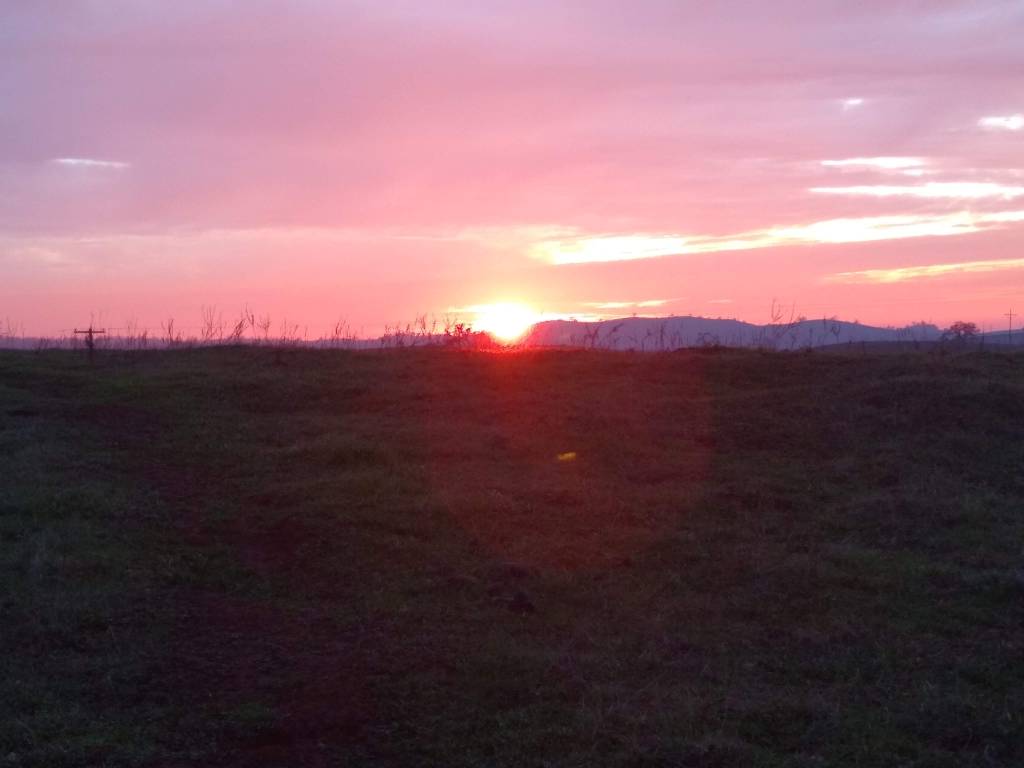
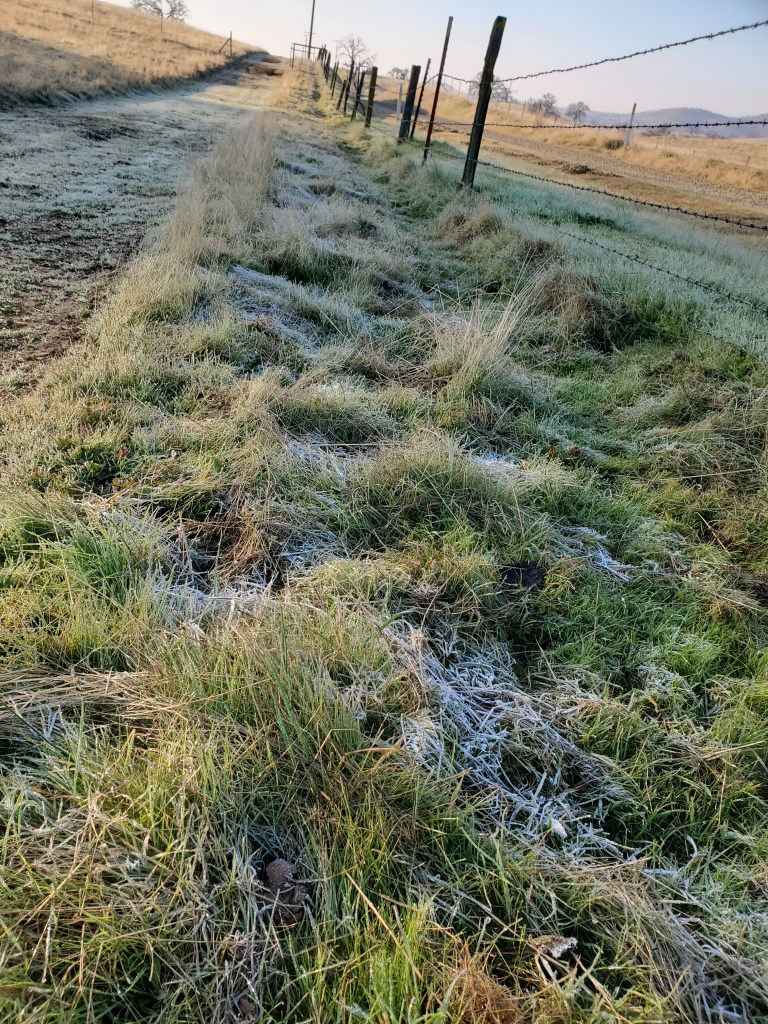
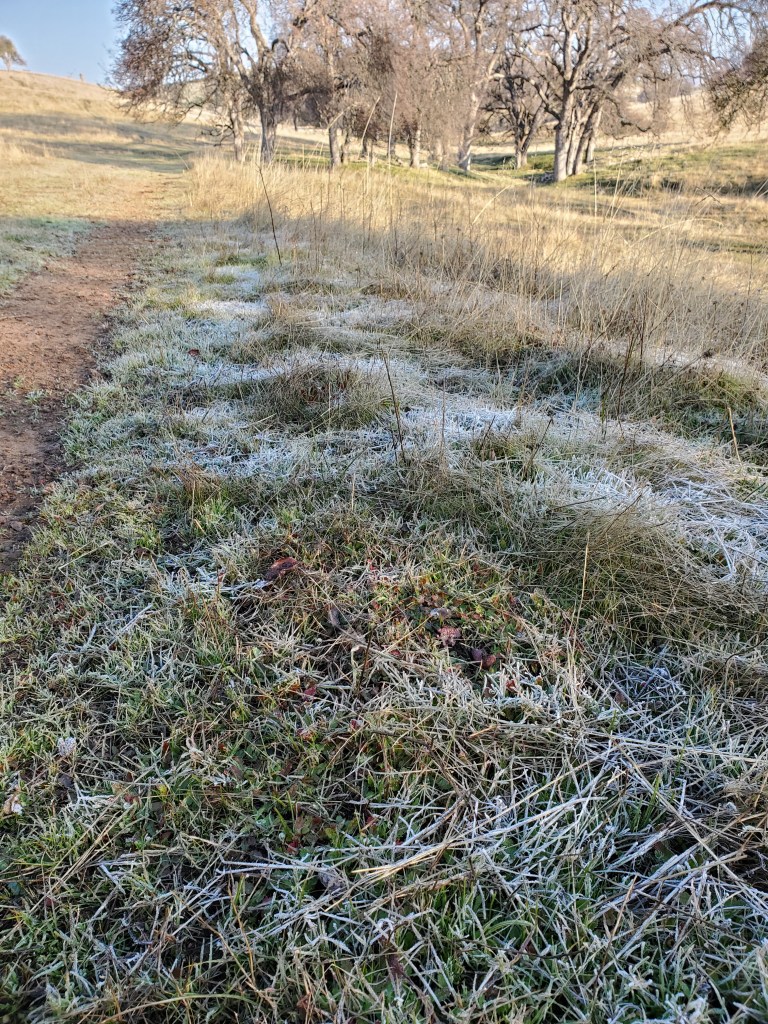
Like last year, and perhaps one or two others, the winter has been short -maybe two weeks in total. Although we’ve had some cold days and rain storms, less than 3 weeks have had frost, and some of those frost days were only in the arroyos, and spread across the hills. No snow this year or last. When I first moved here in 2003, we reliably had 2 to 4 snow events per year. I am at a fairly low elevation, so when I say “snow events” I mean snow that is 1 to two cm deep or simply snow that does not stick. As a child growing up an hour north, we had snow every year. This is not normal. The years not only are getting warmer, they are staying warmer longer. In fact, we’ve had far too many warm days this “winter” when it should be cold.
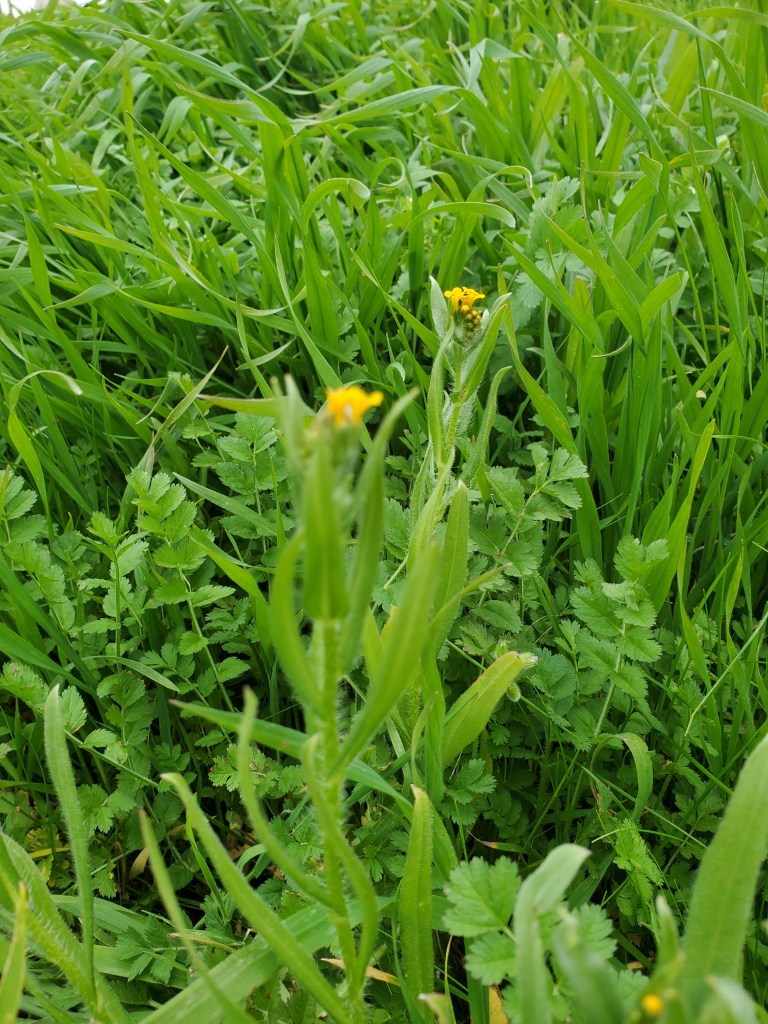
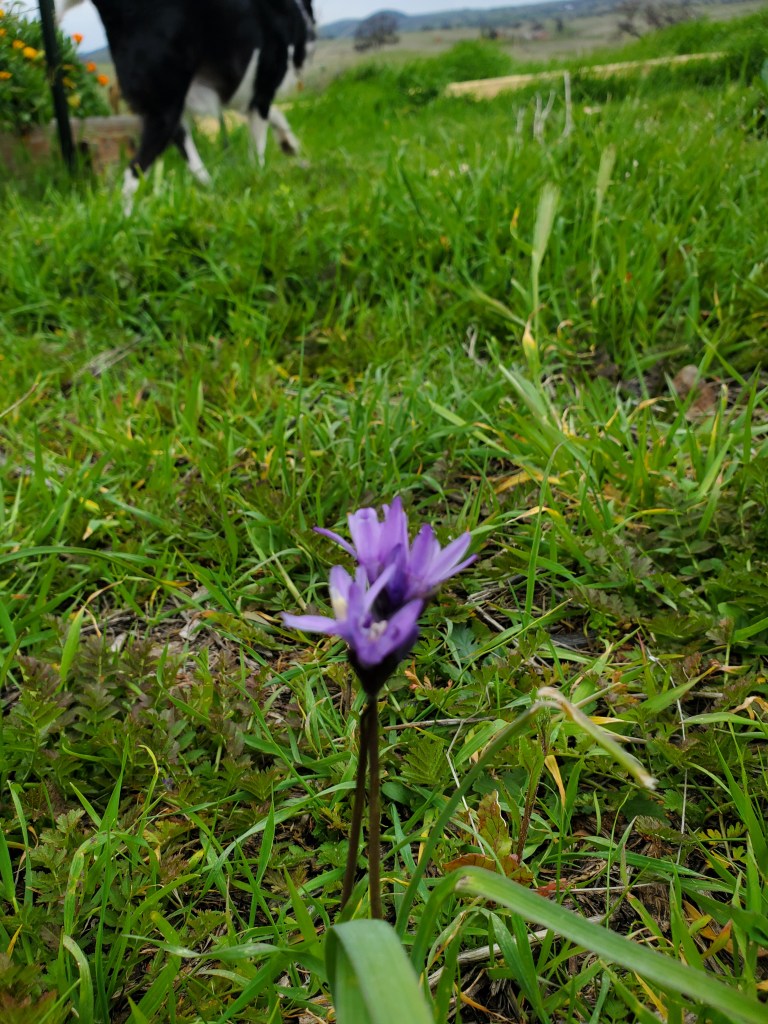
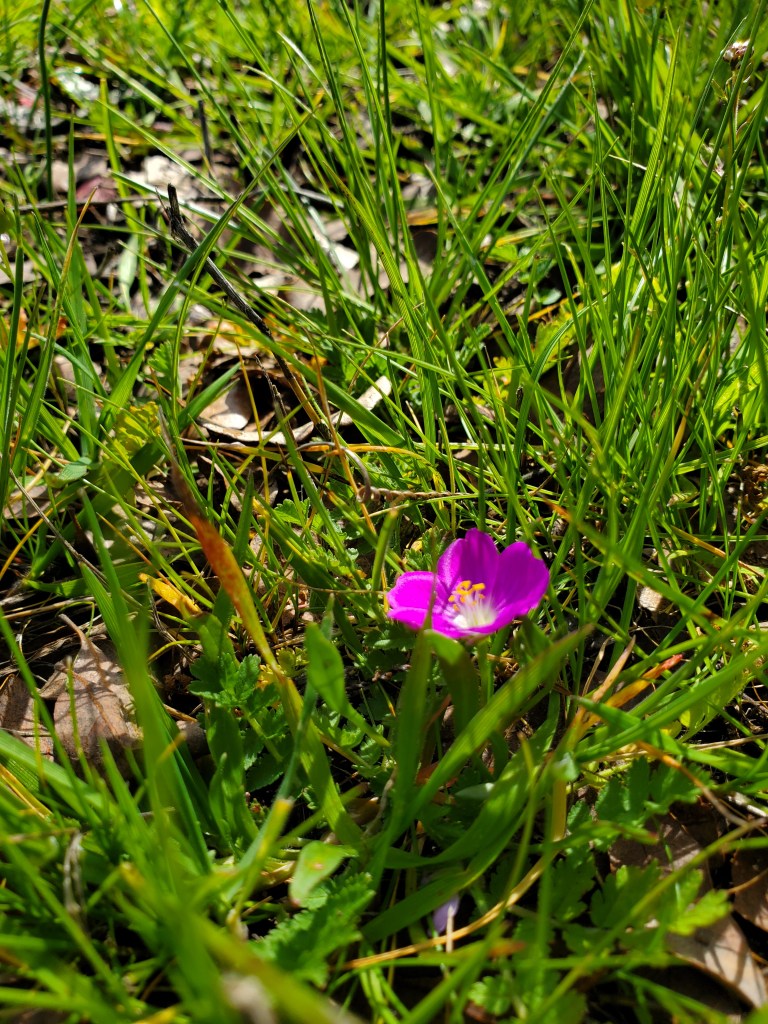
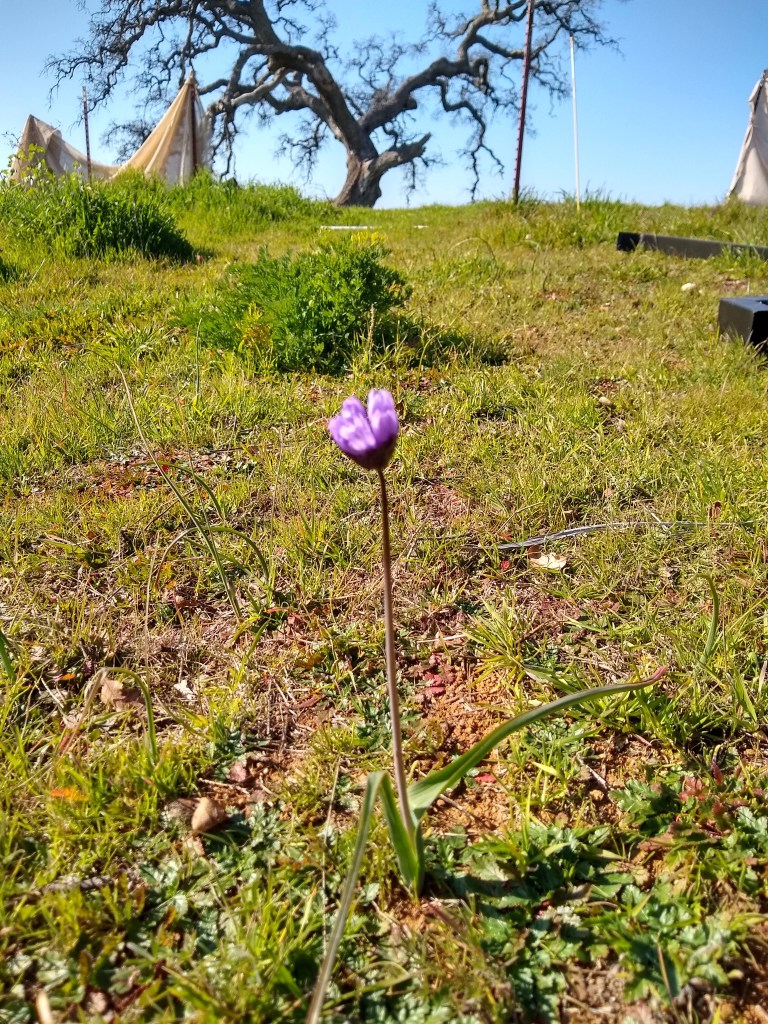
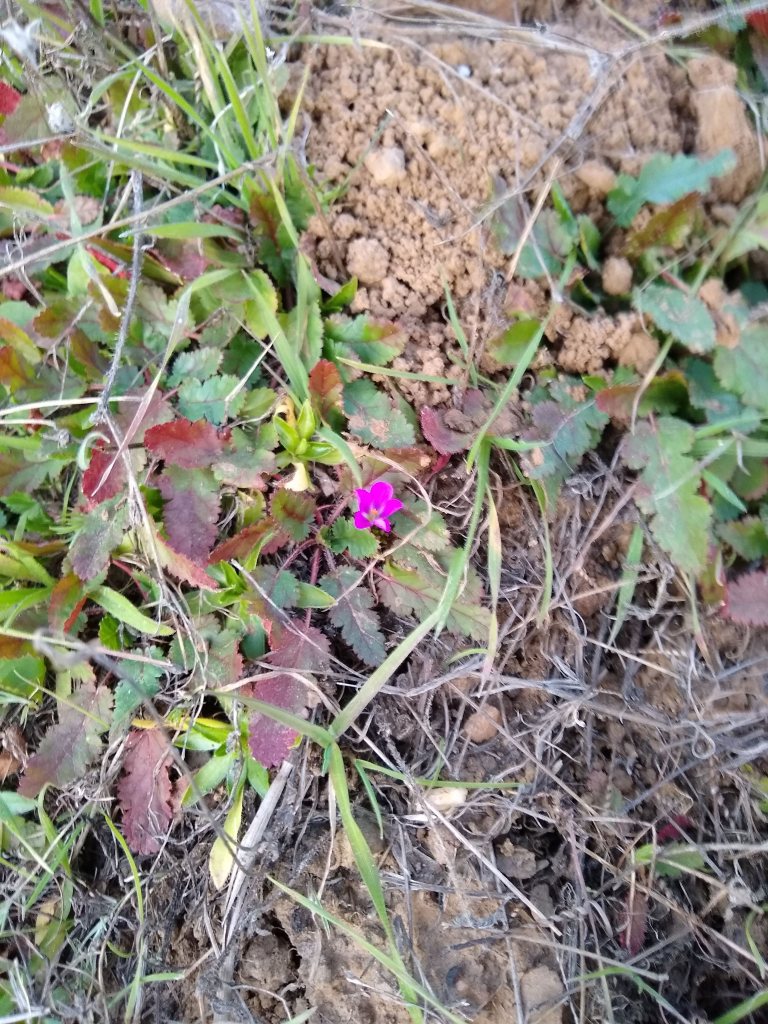
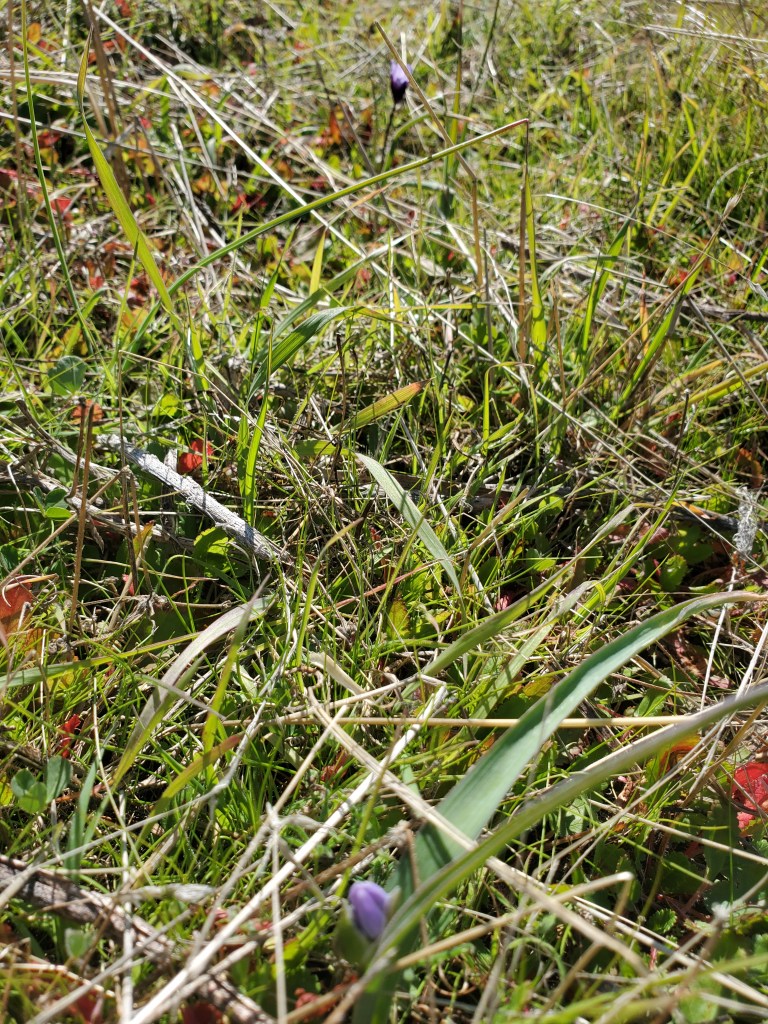
Wildflowers that used to come out in March, which itself was slightly early, now come out in February – and even this is shifting fast. I spotted my first wildflower the first week of February. I am terrified of the day that I begin to see them in January.

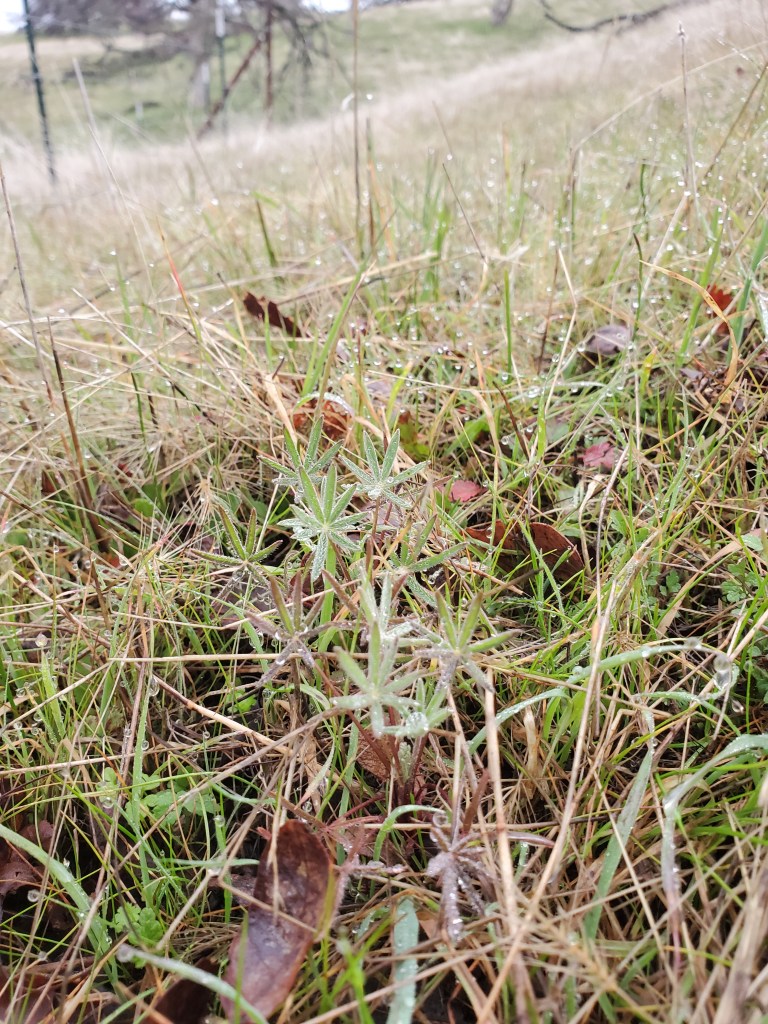
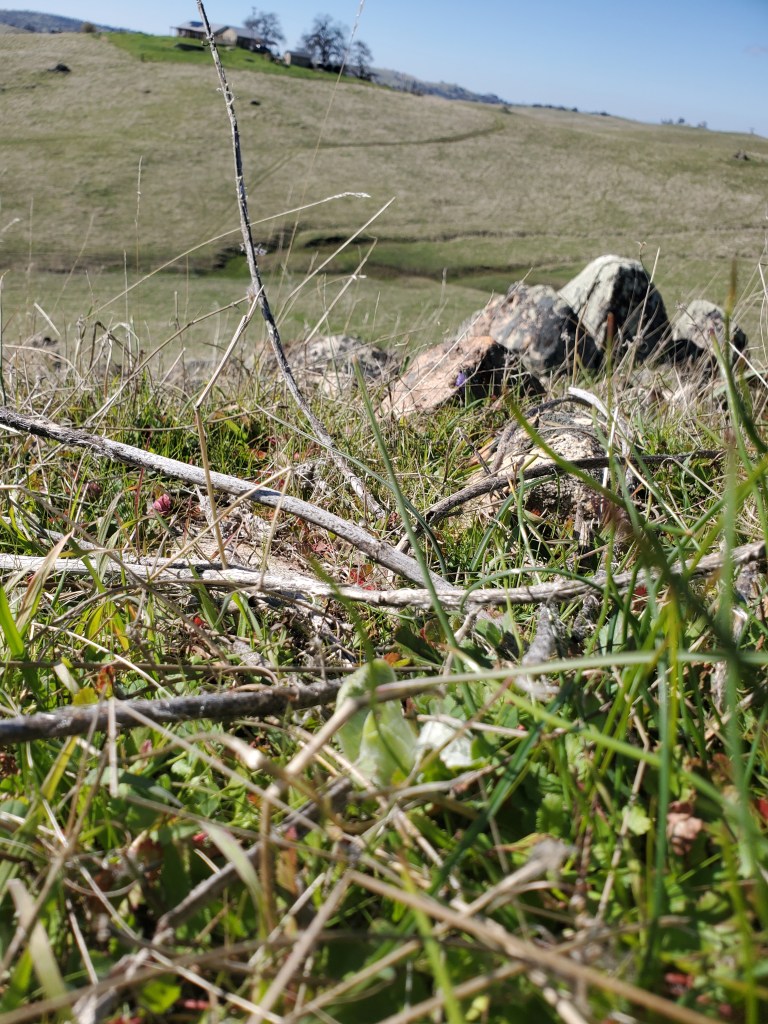
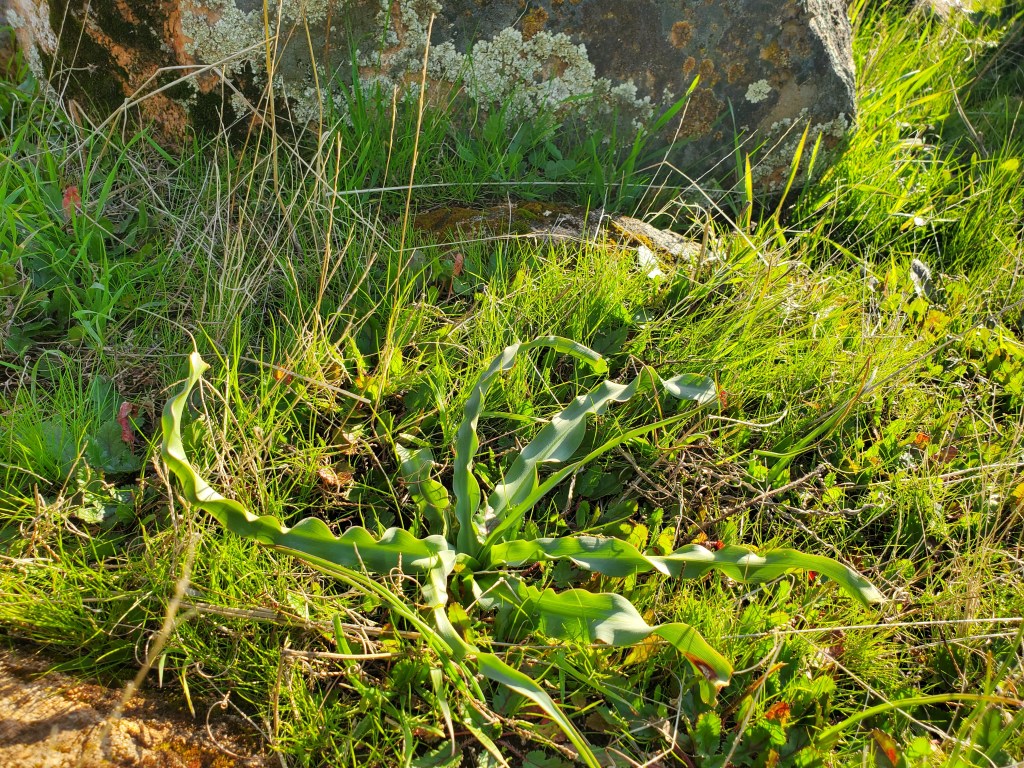
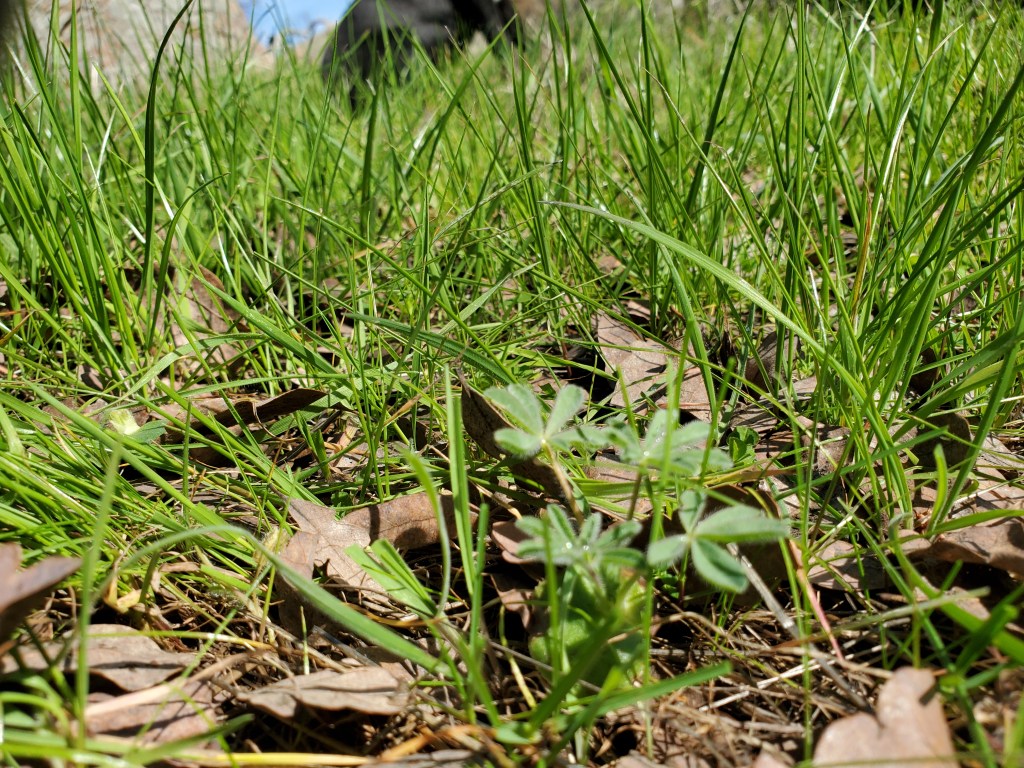
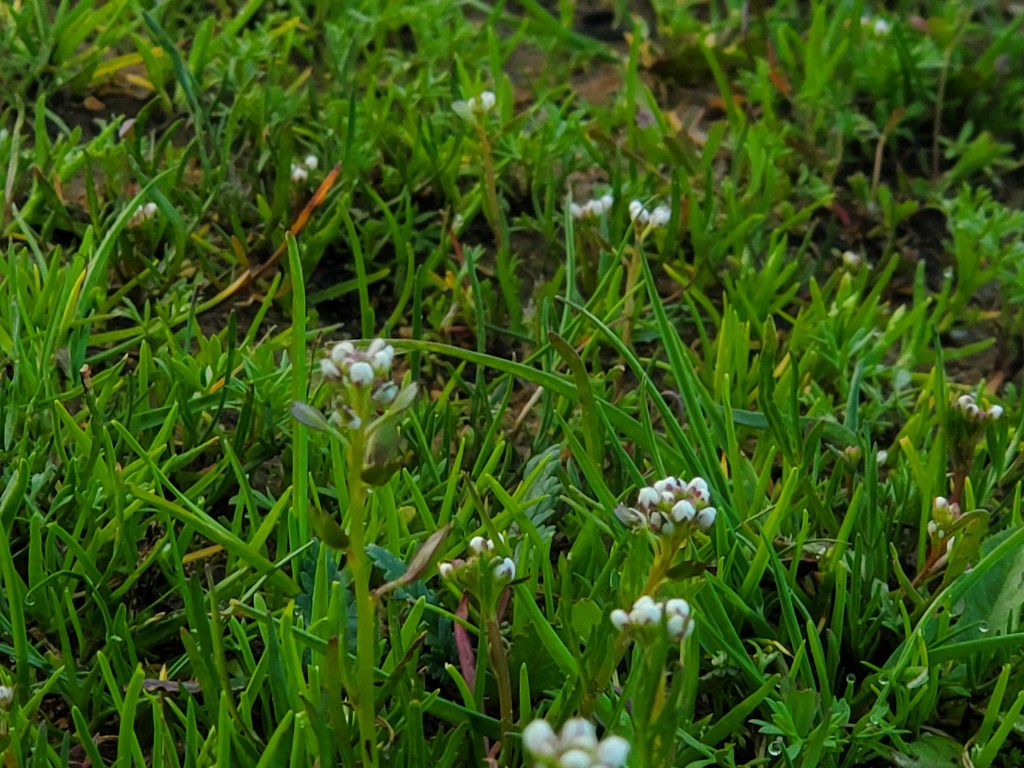
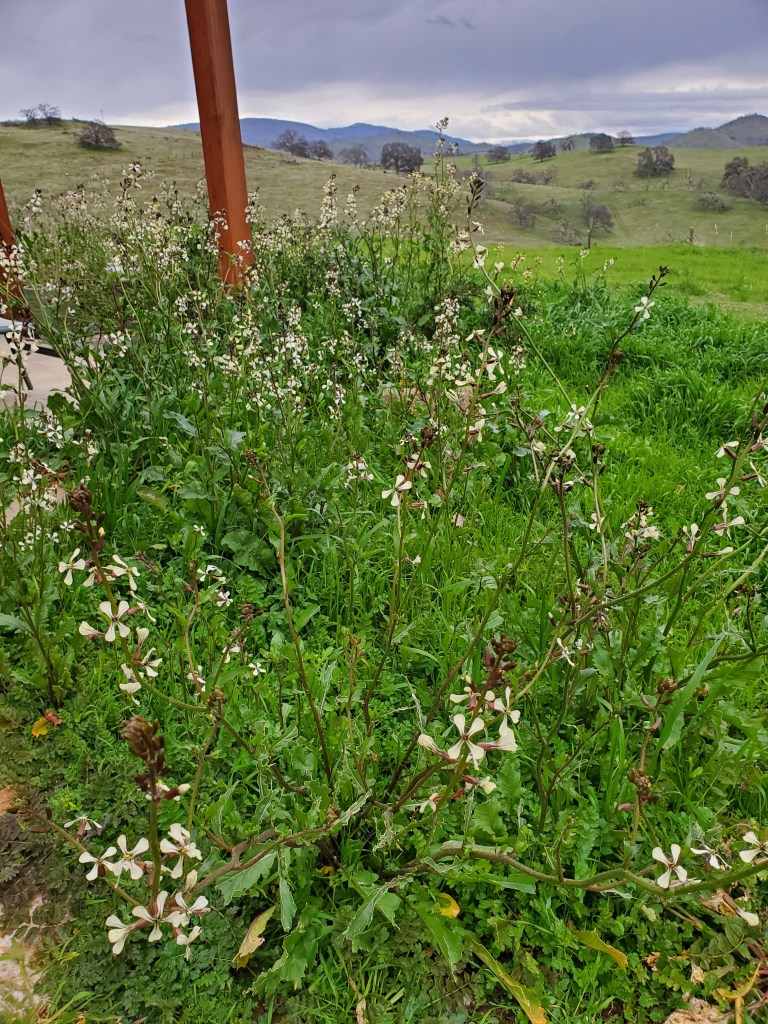
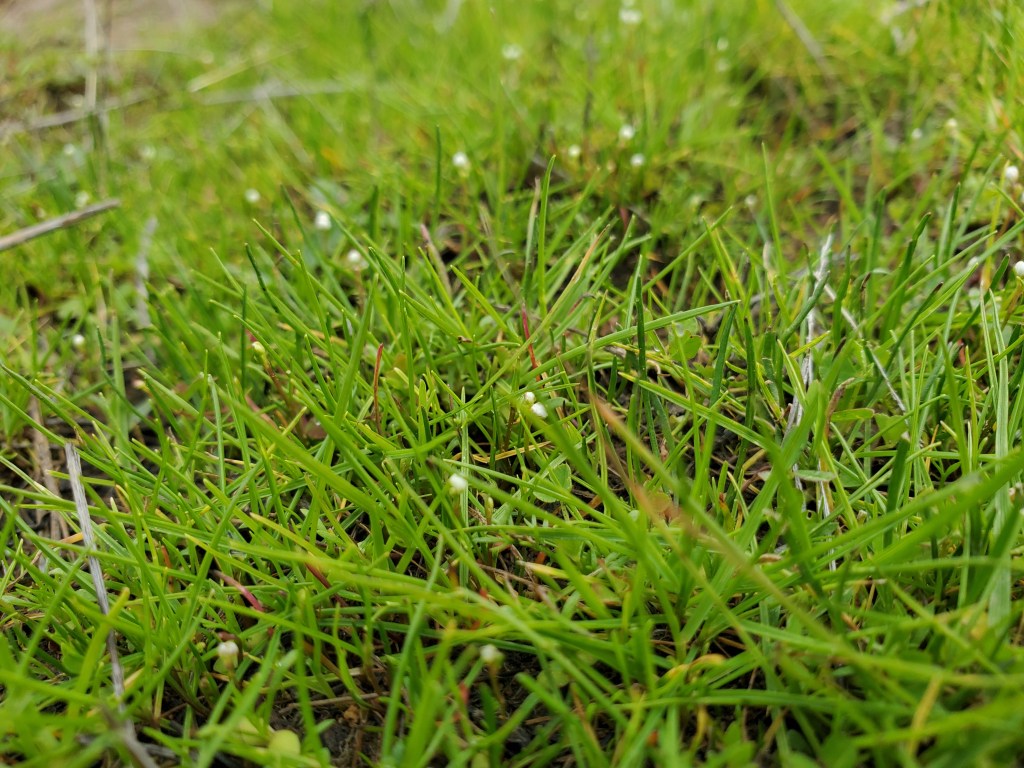
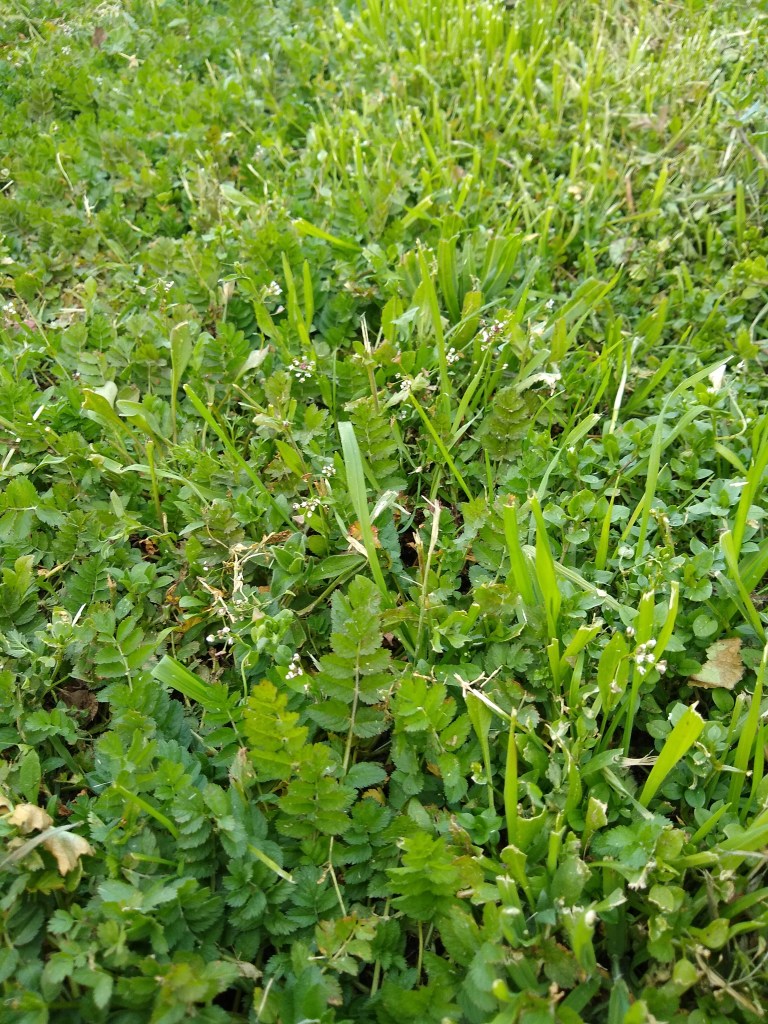
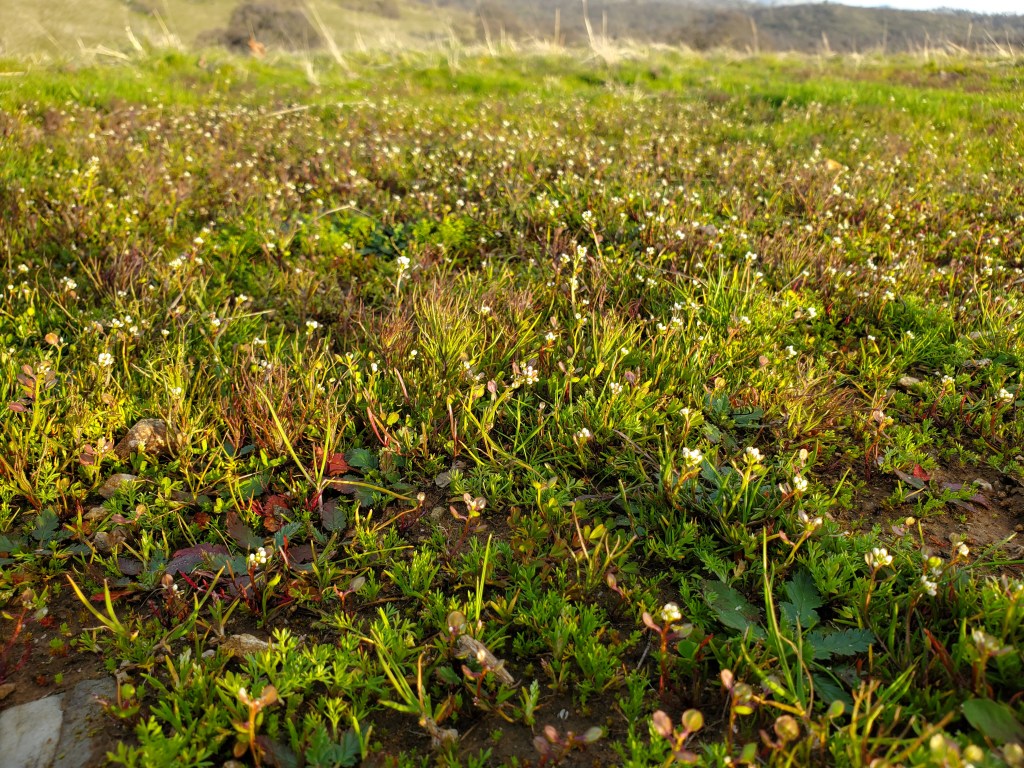
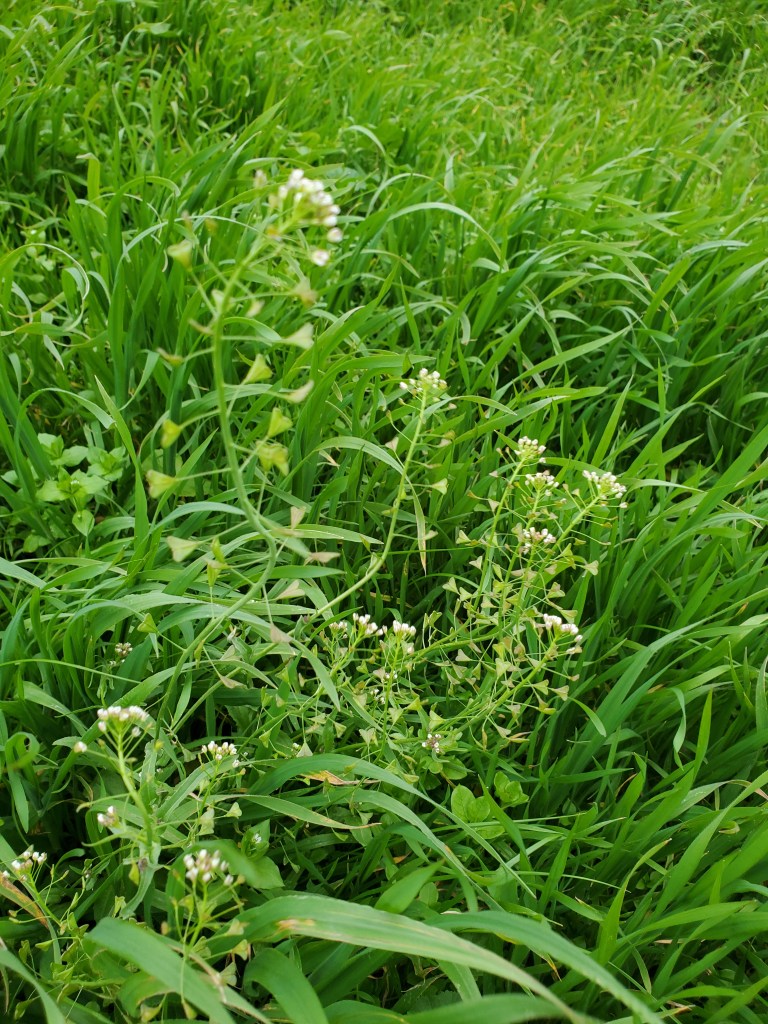
The second week of February, the short white wildflowers are appearing, with many other buds waiting to open. These are what I call the super nectar flowers. There a typically millions of them, tight and close to the ground, that make the air smell so sweet.
These shifts in bloom time can be devastating. All of us animals depend on cycles when our foods emerge. We cannot have mismatches, when flowers appear too early and bees and butterflies appear at the regular time only to find that their nectar sources have already bloomed and are gone. Or, the weather turns cold again after being warm, signaling the flowers to bloom and trees to leaf, then killing the emerging buds. I have seen this happen before. Both scenarios are destructive. Having diversity among nectar plants is critical, but even with this, it still decreases the available nectar impacting population sizes and potentially health.

Large Storm is Destructive

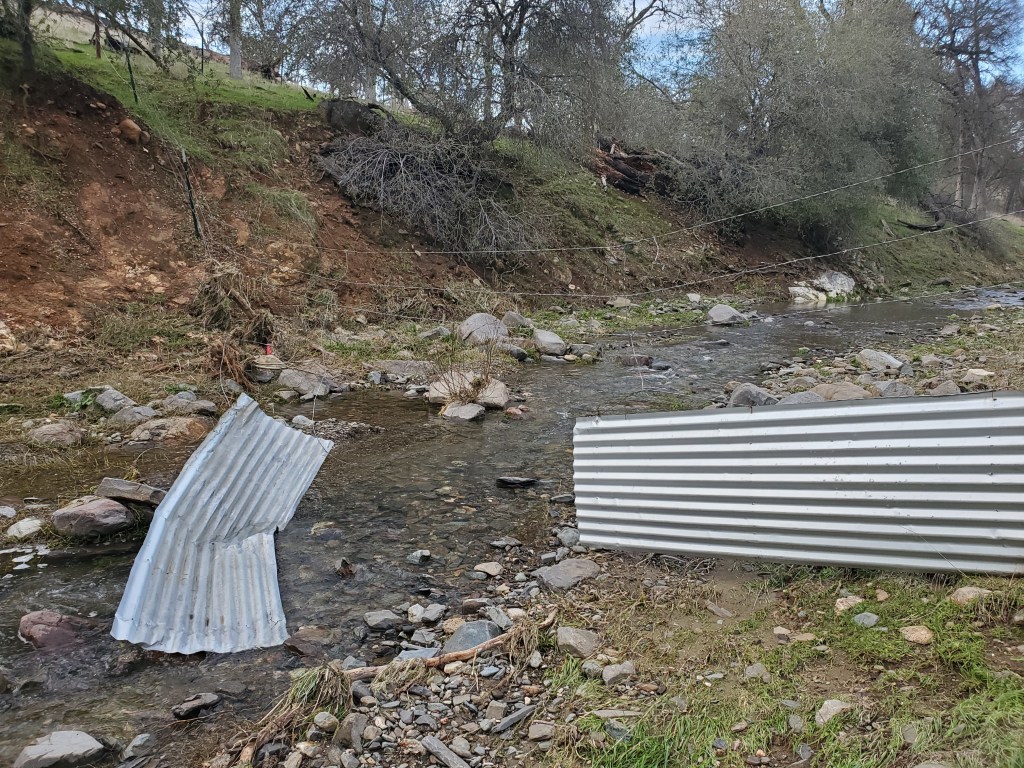
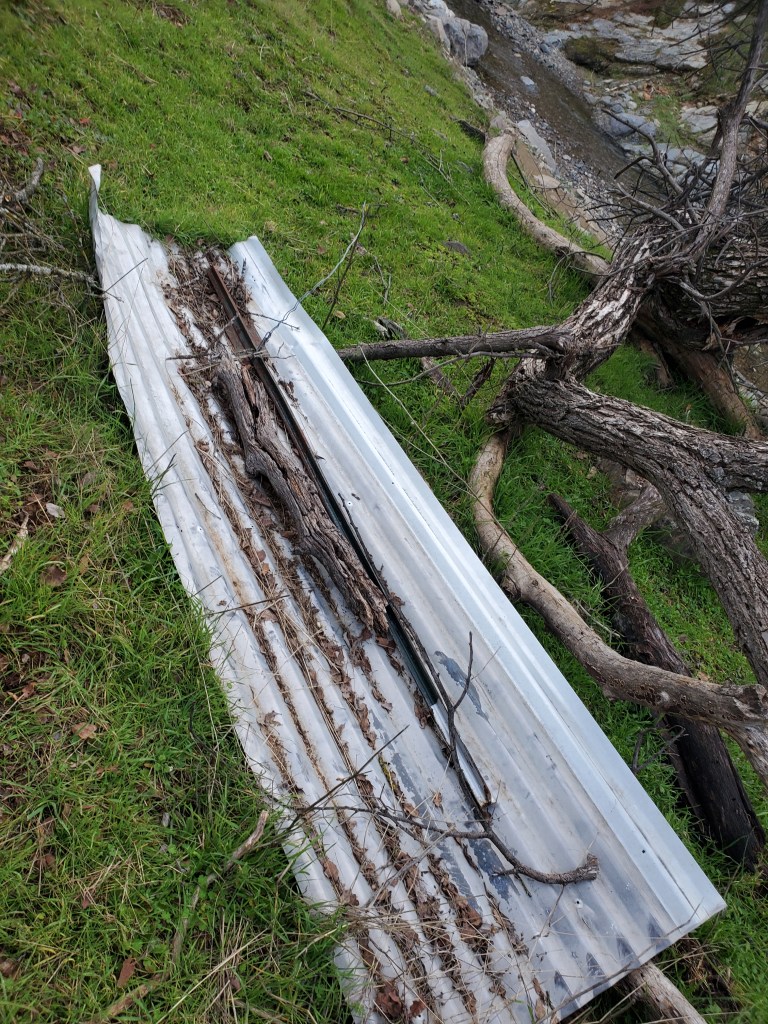
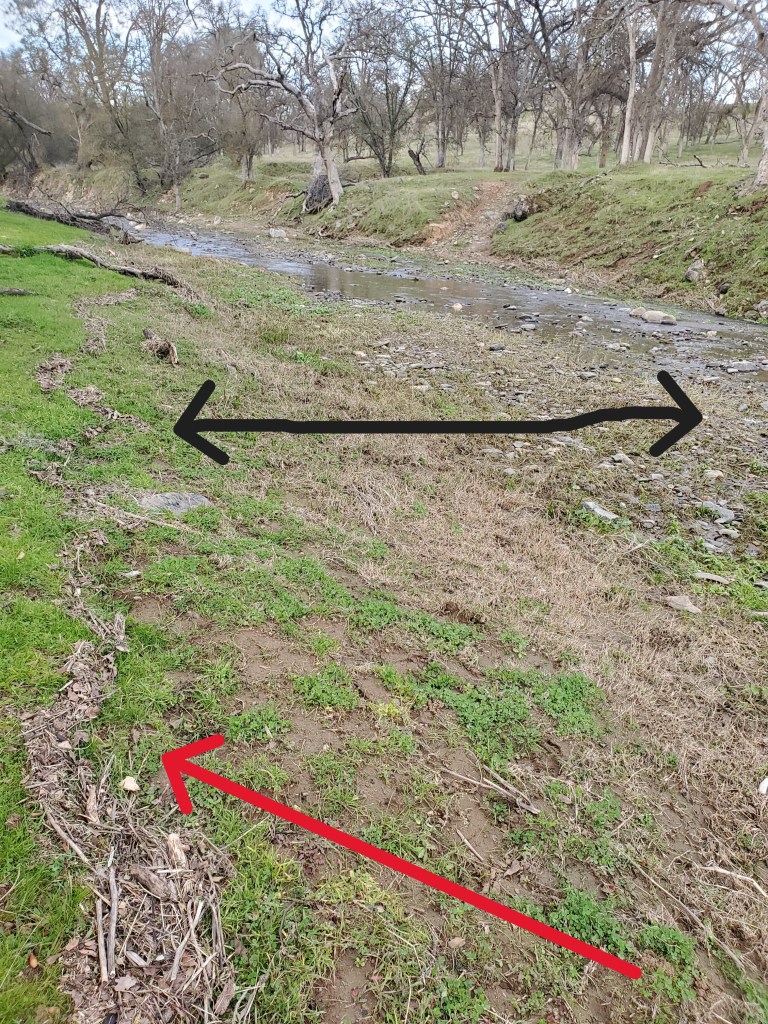
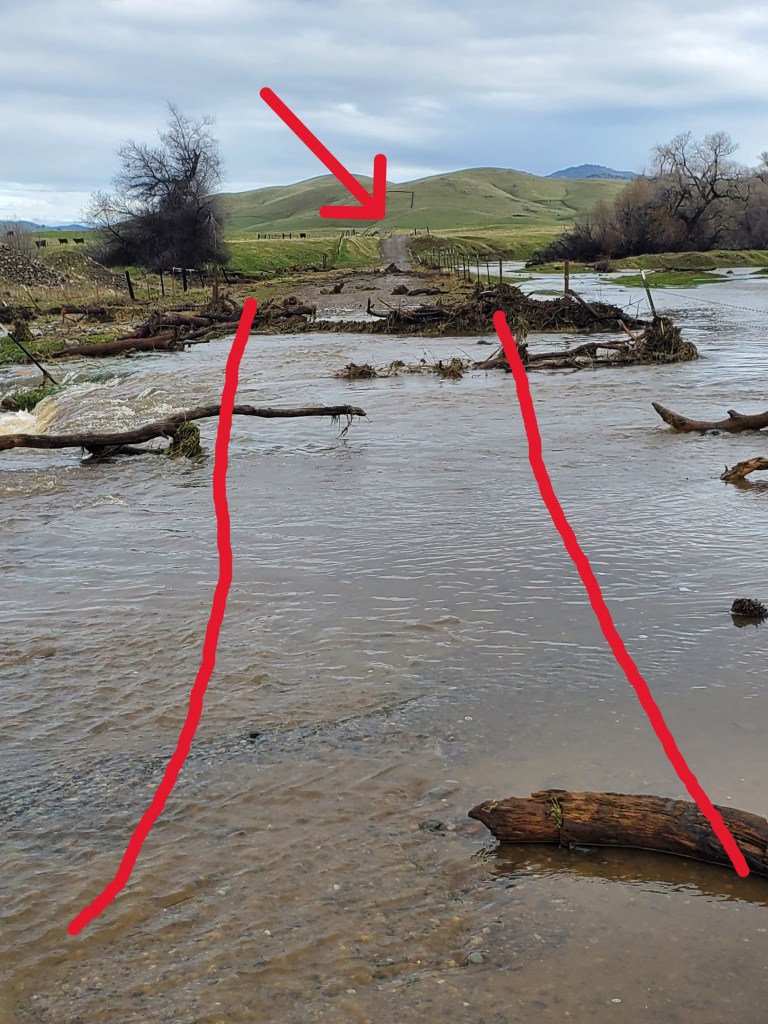
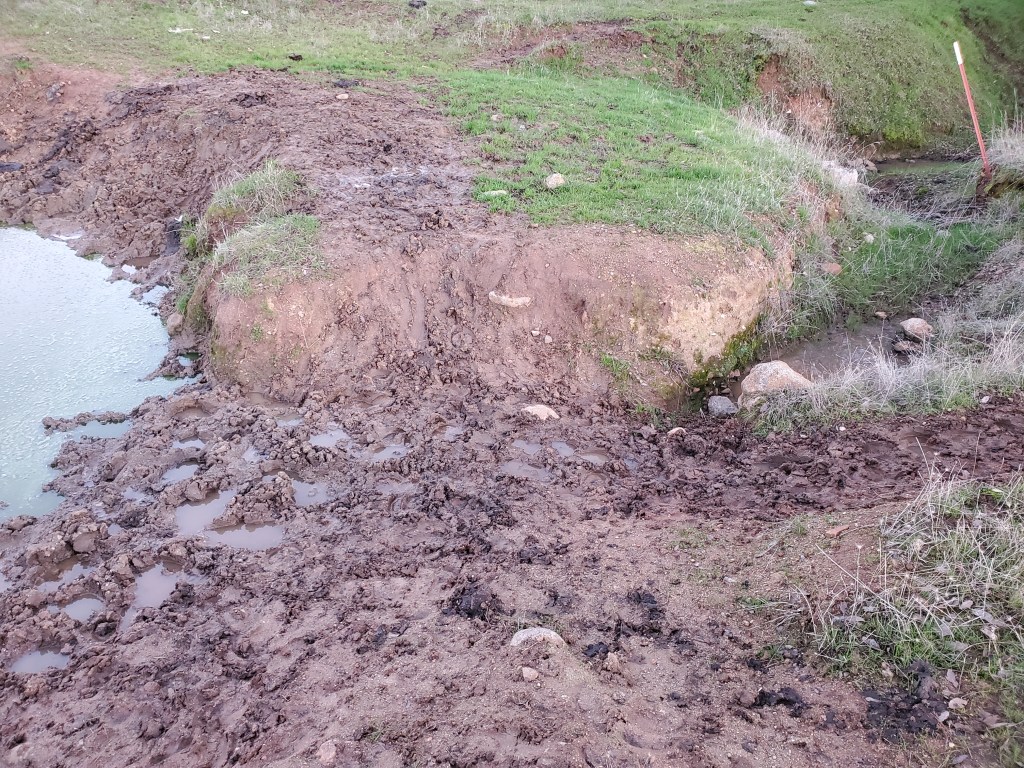
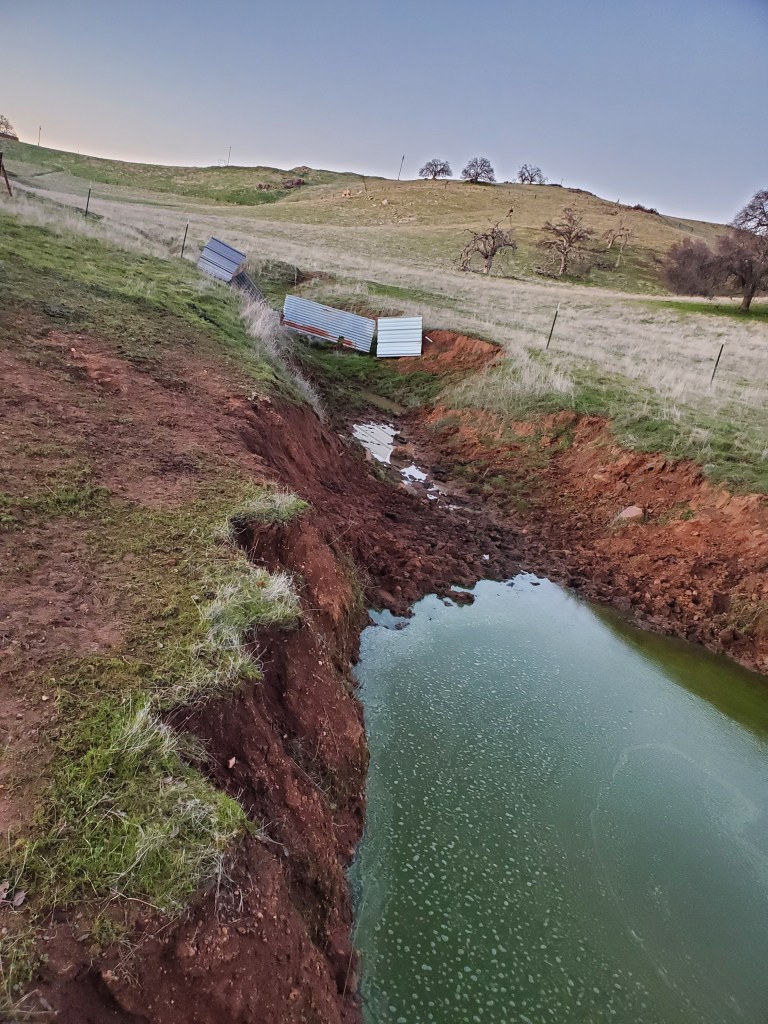
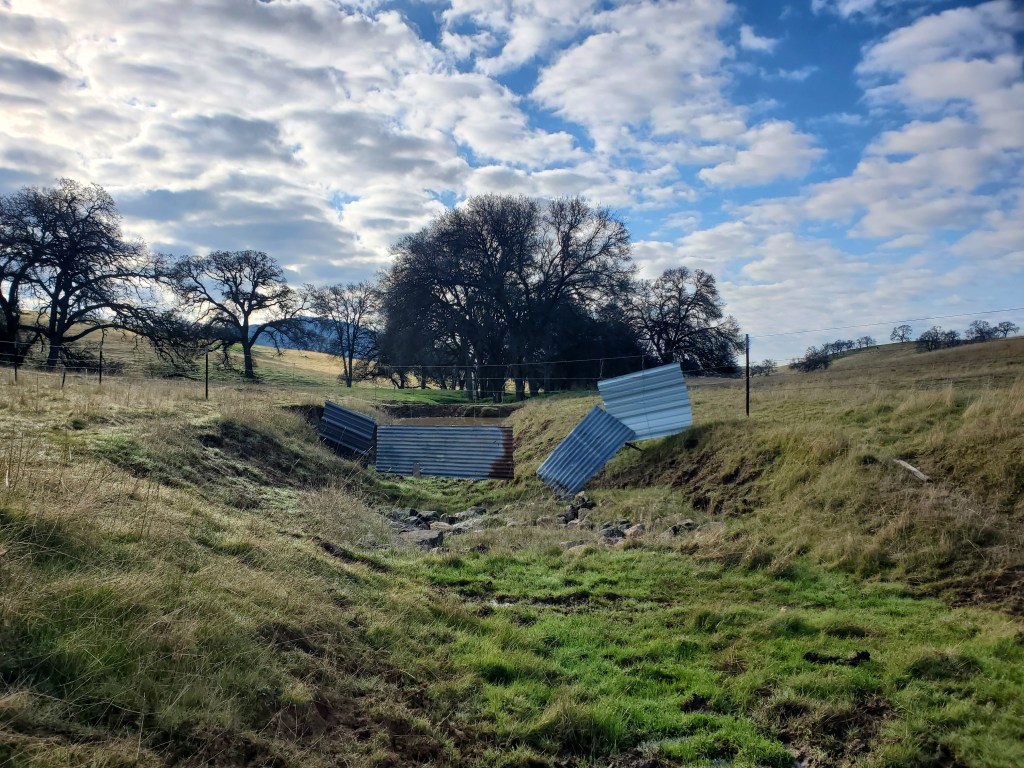
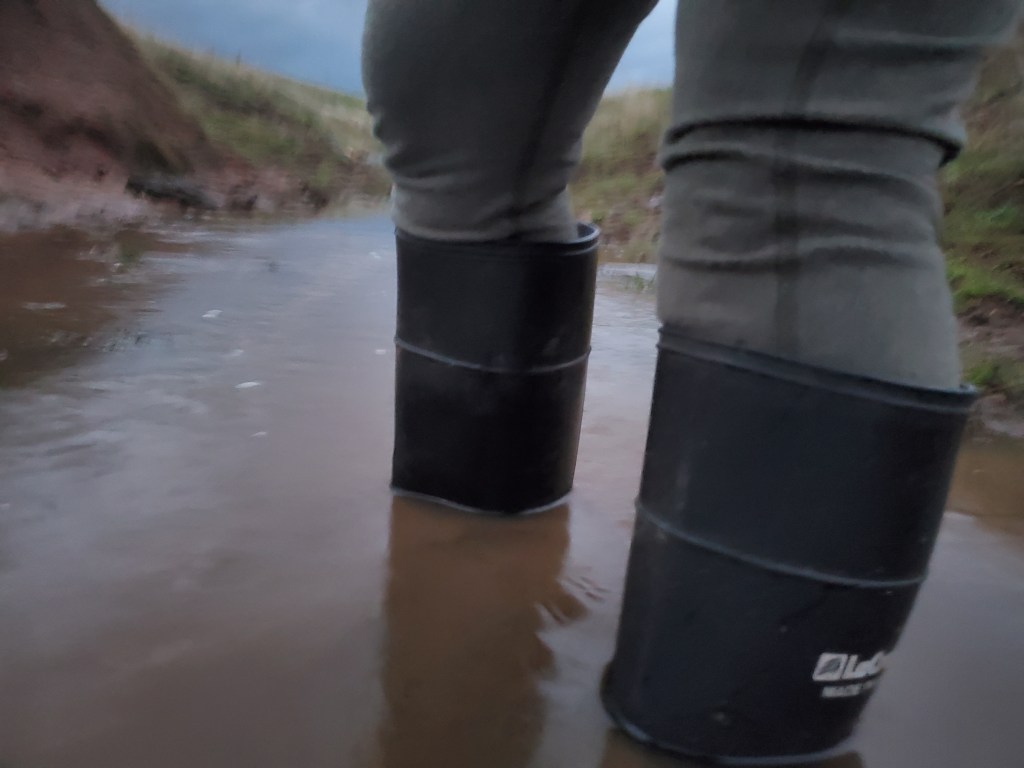
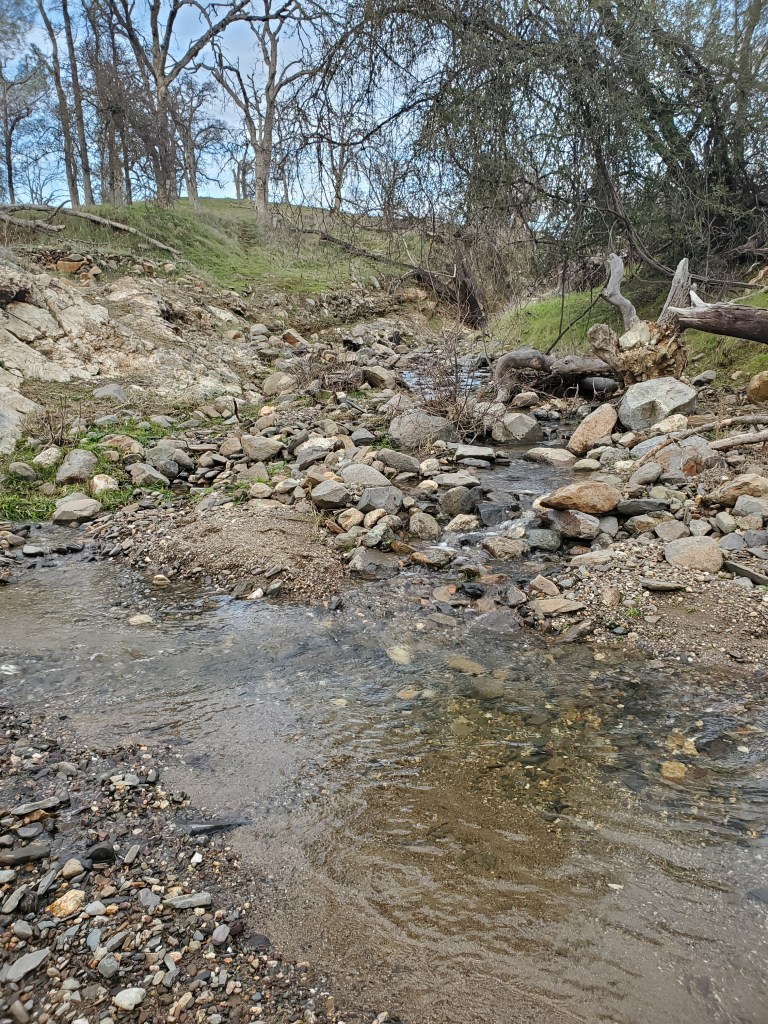
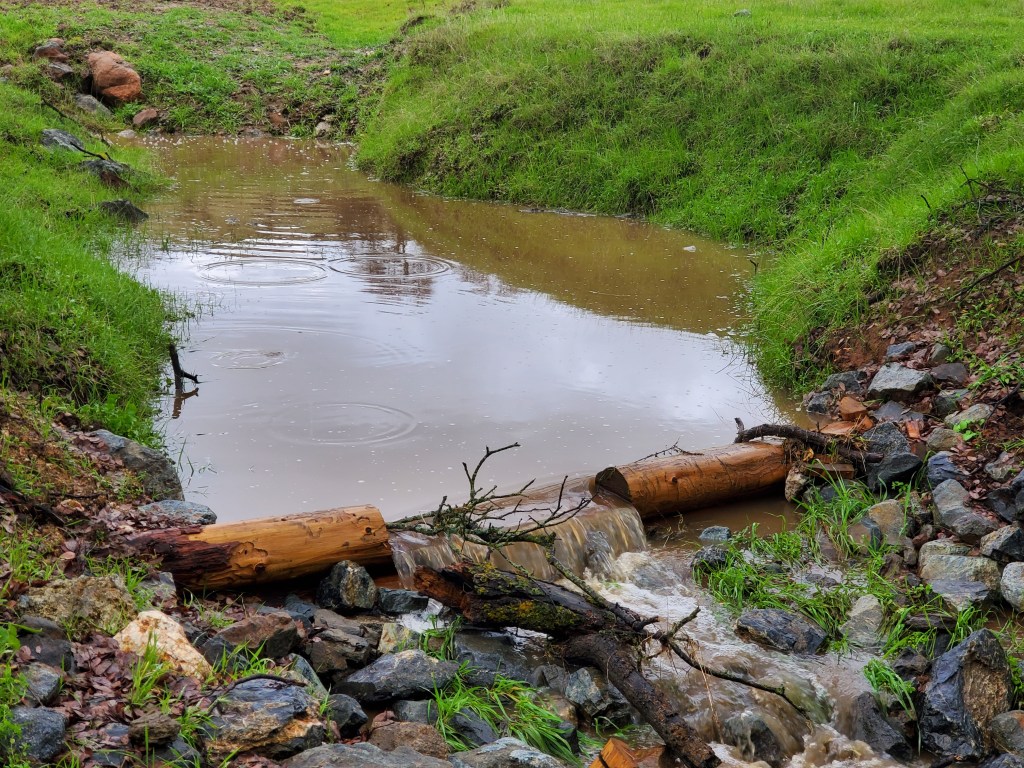
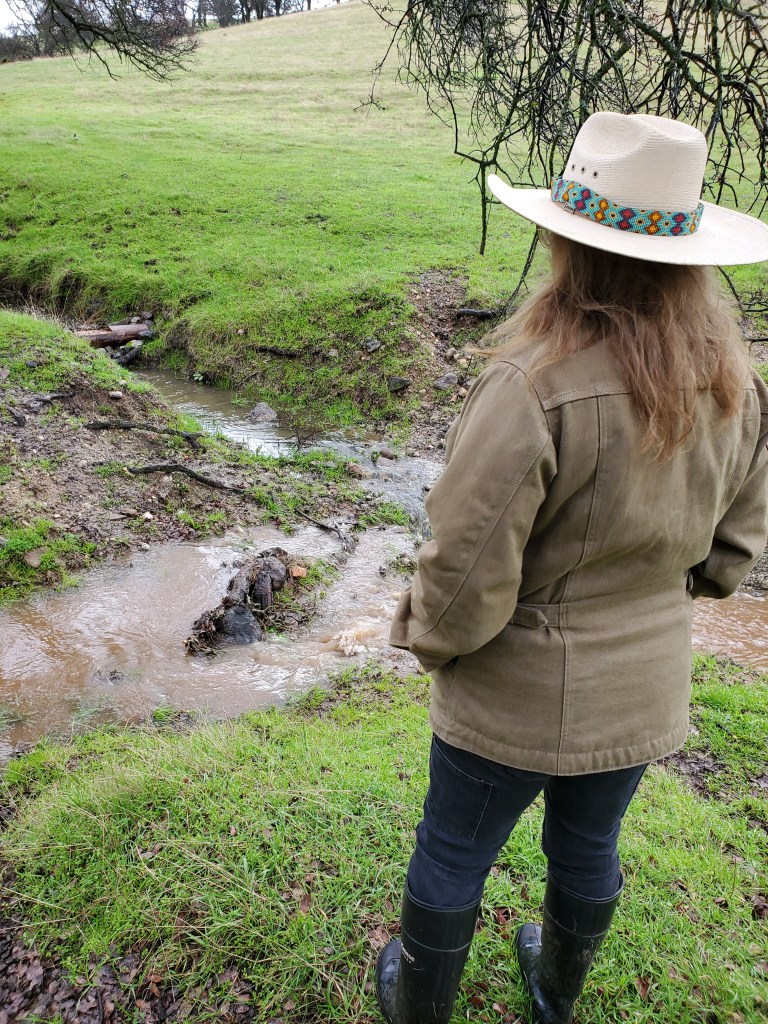
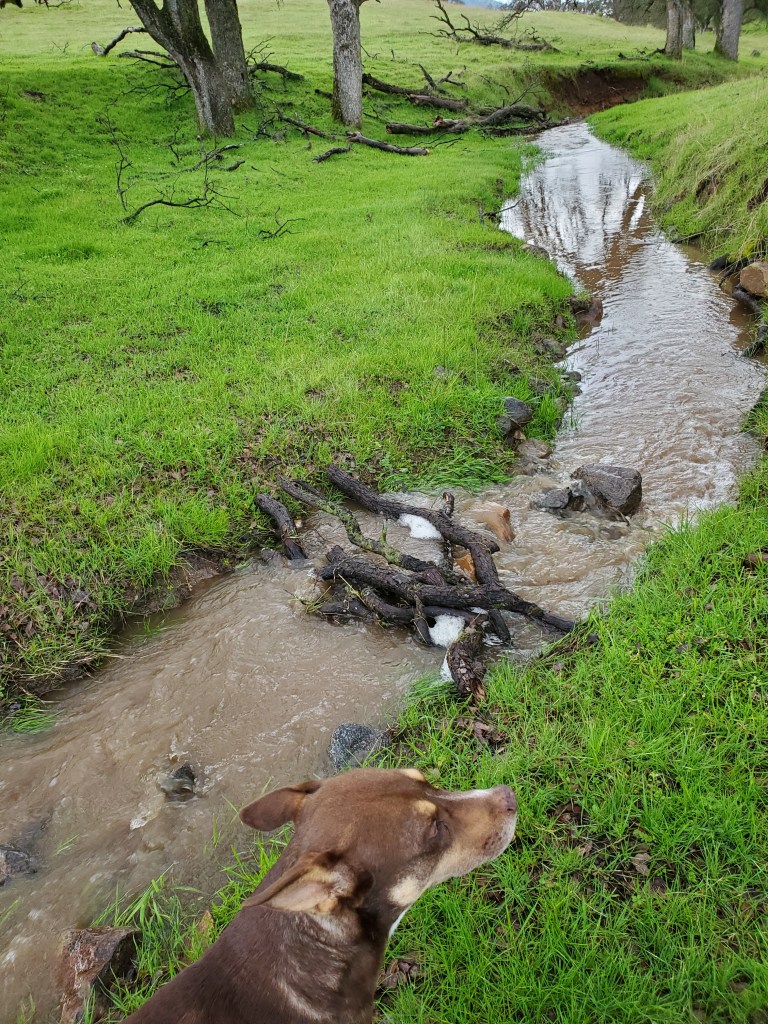
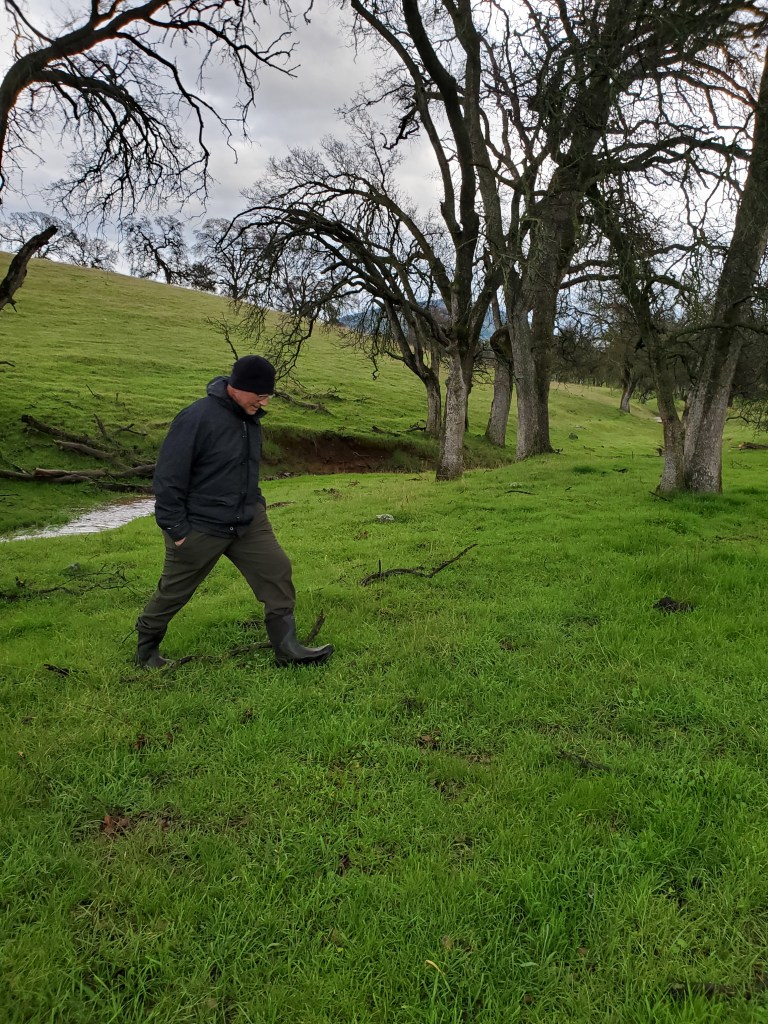
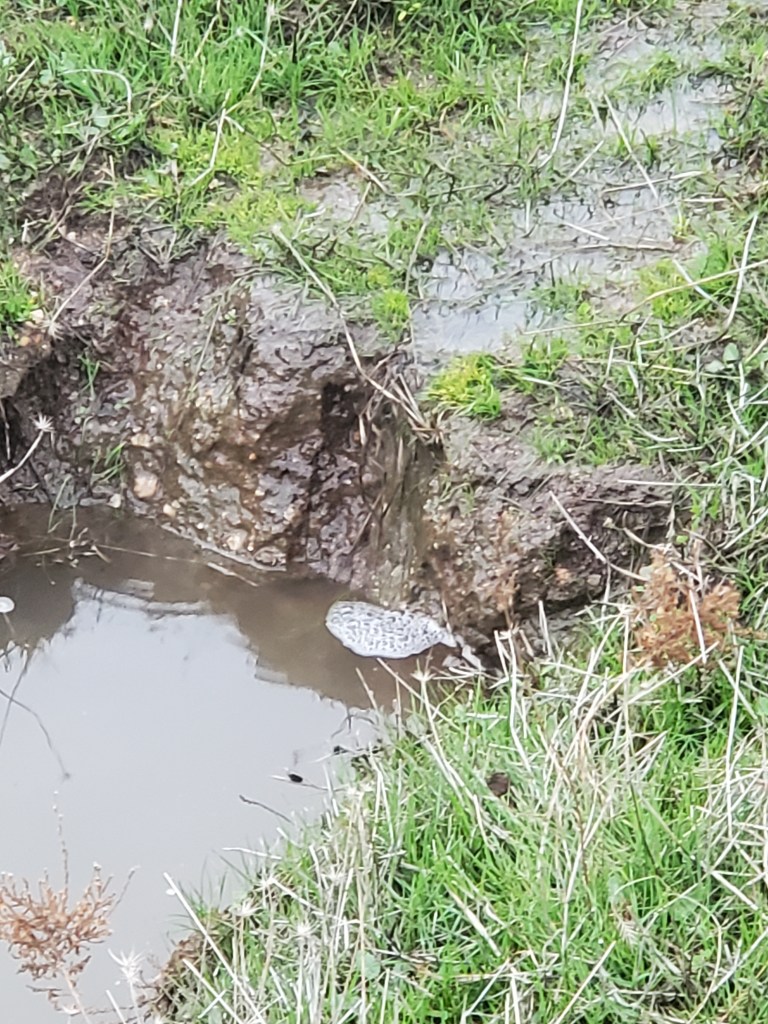
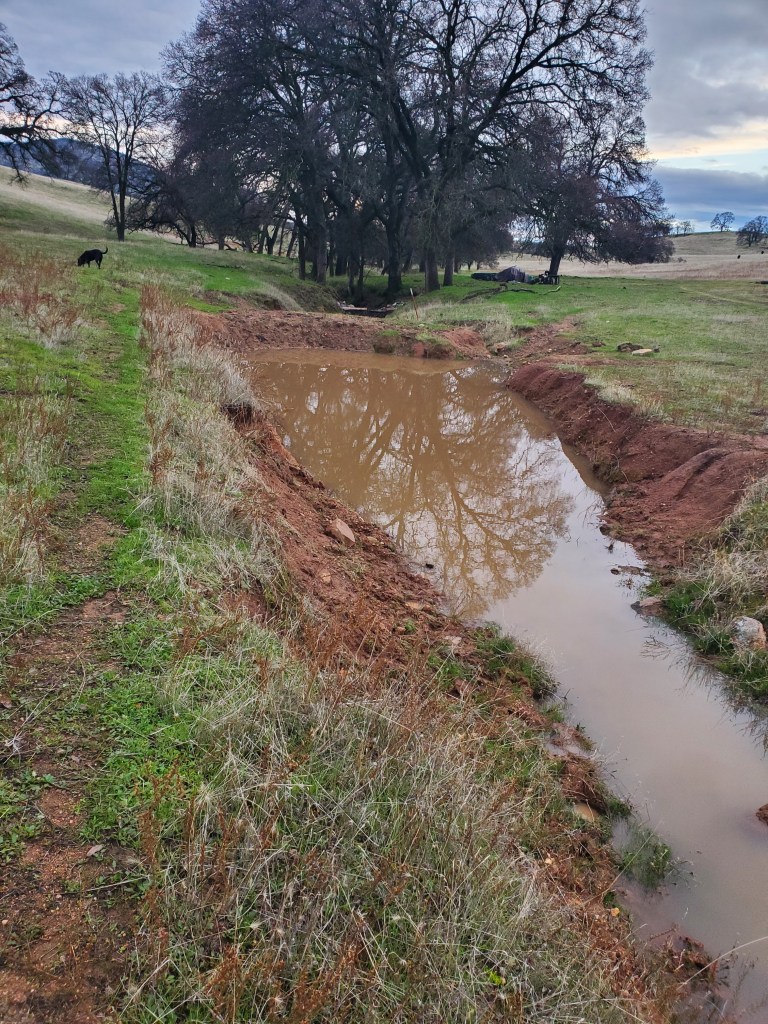
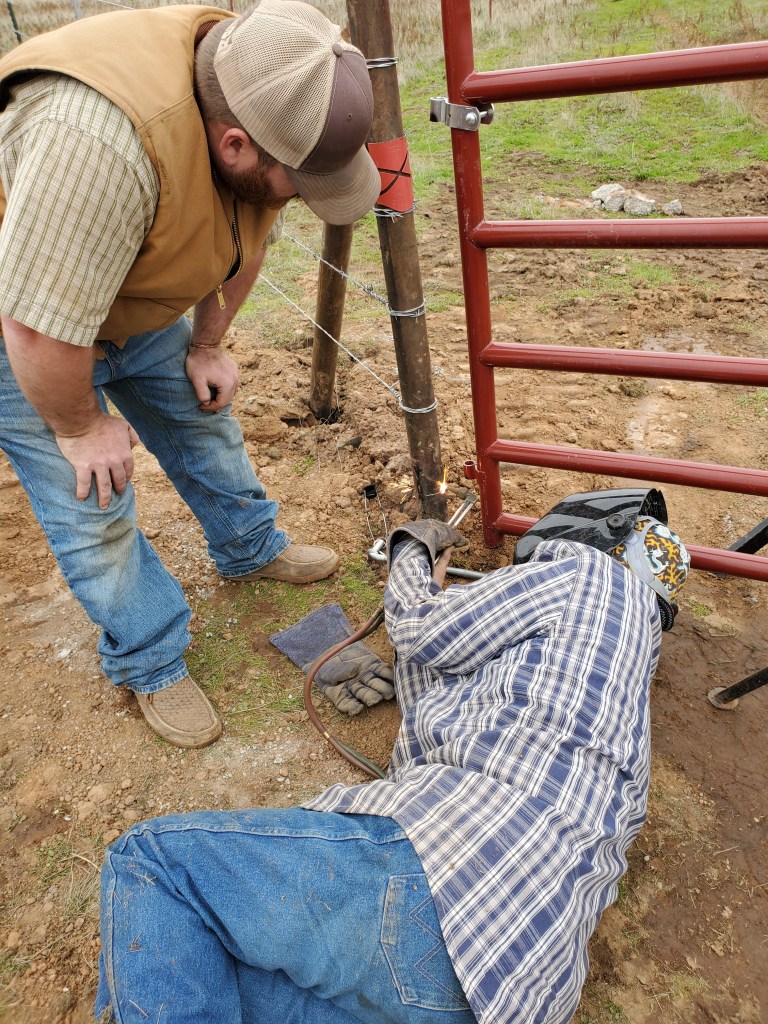
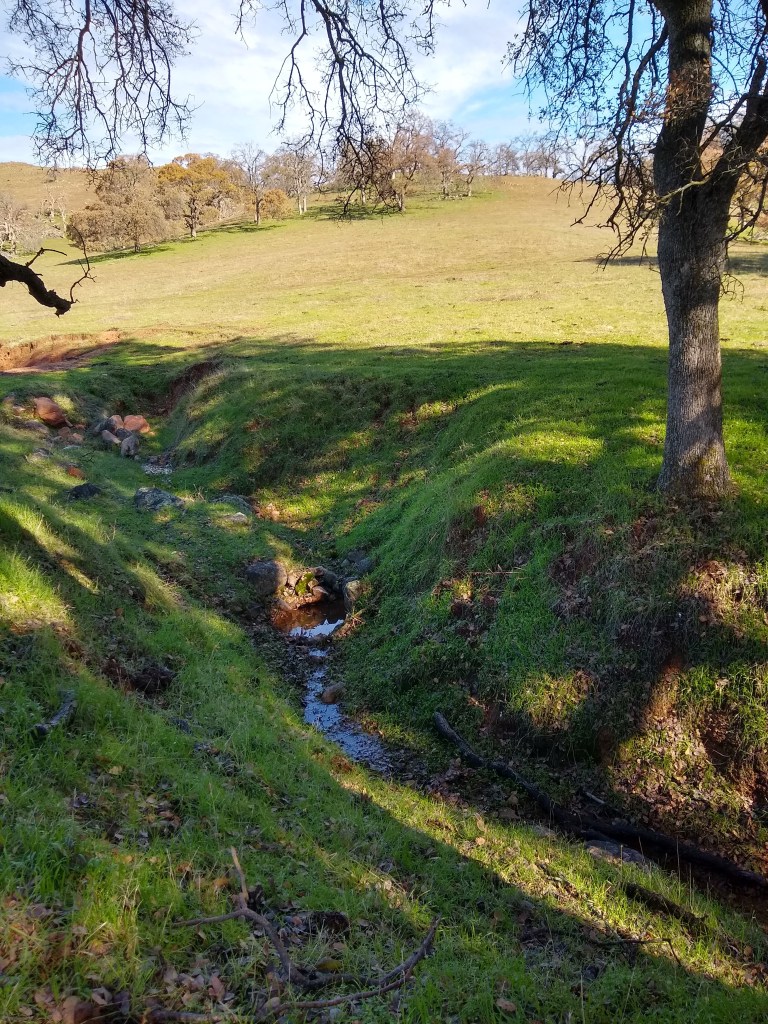
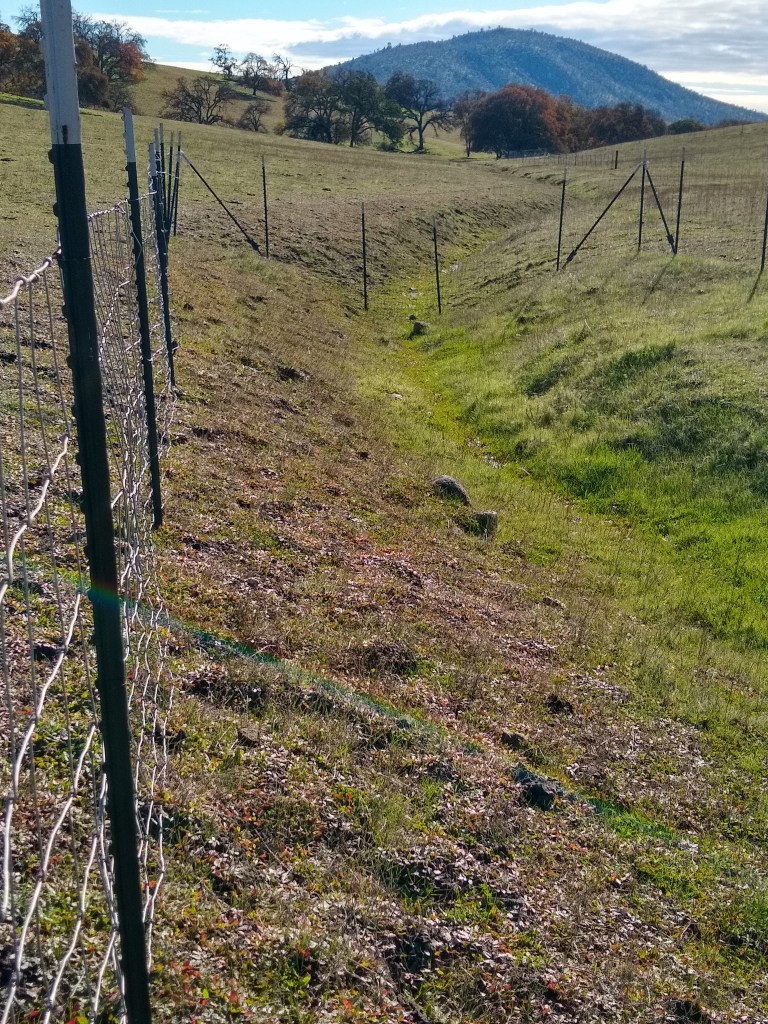
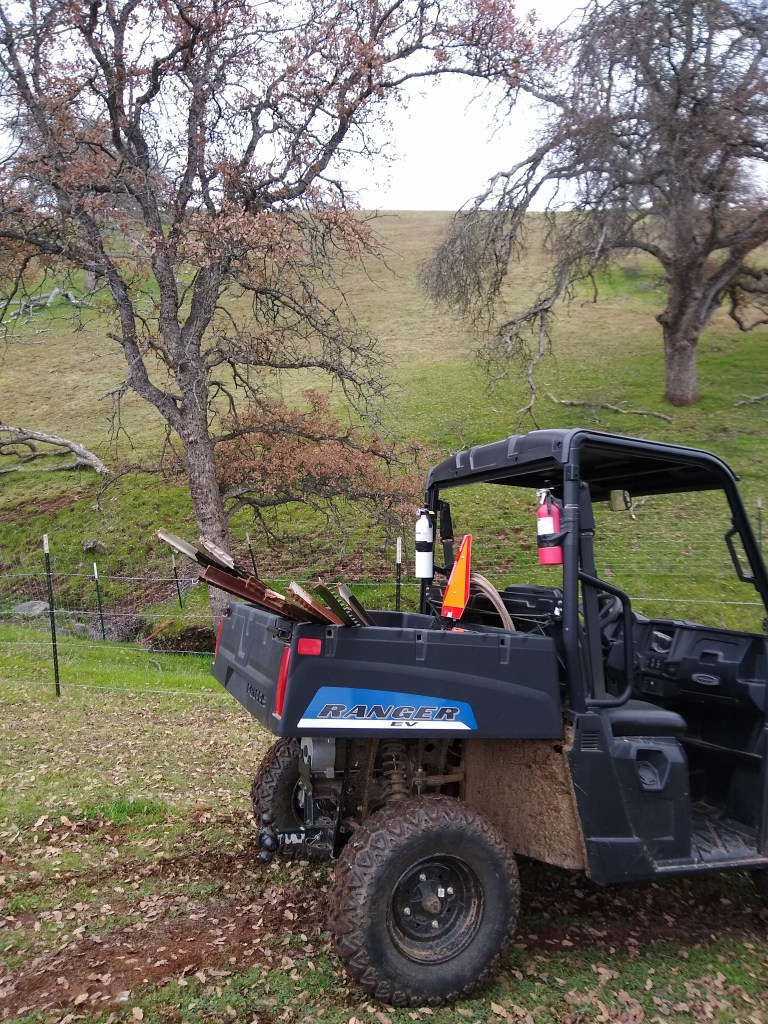
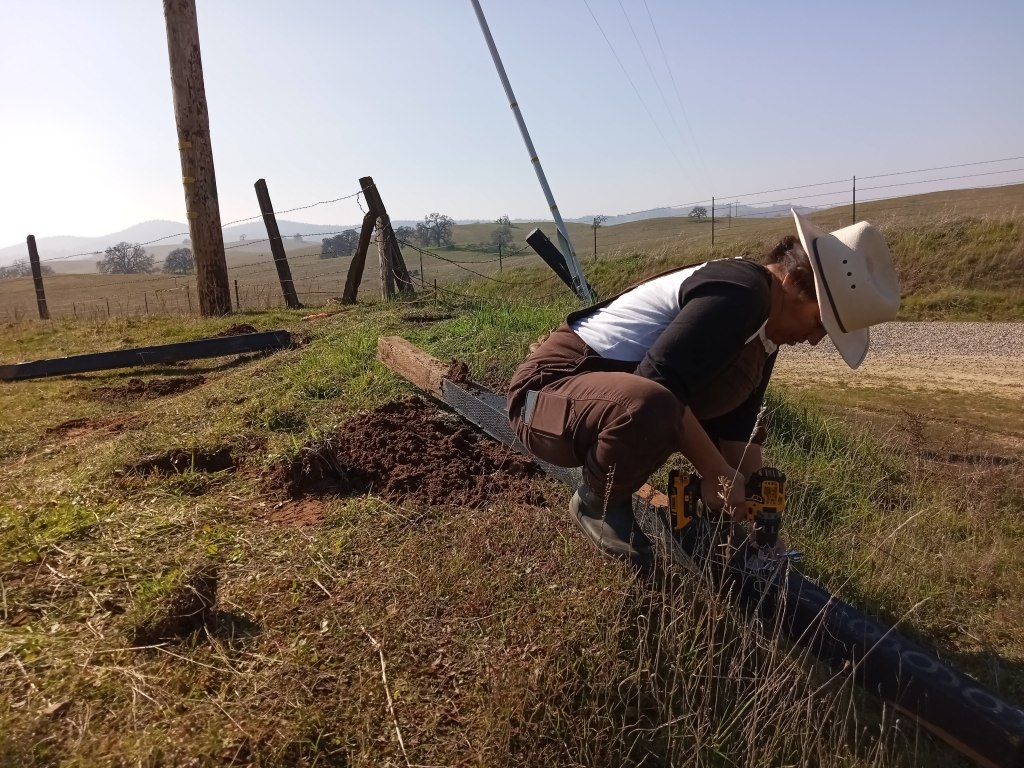
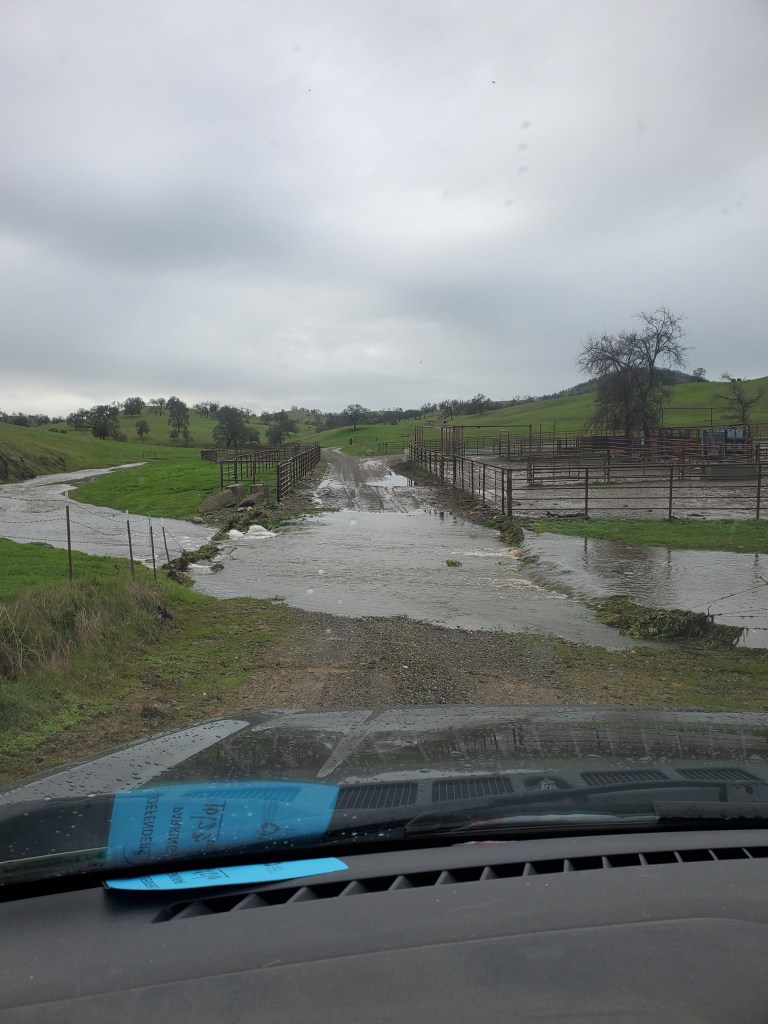
We did have a good storm the third week of February. It rained 2.25″ in a few hours. This was enough to over run roads, creek banks and surge in a destructive way. Some of the tin panels I use along the fence line to block the openings across the creeks from cattle got disconnected and moved downstream. The force of the water surge on Odom Creek actually tore the bottom wire apart, snipped it right in half, tearing the tin off and floating it downstream. Fortunately, I found all the panels that were torn off. David and I will reattach them. They need to be in place to prevent the cows from accessing my oak seedlings and other plantings.
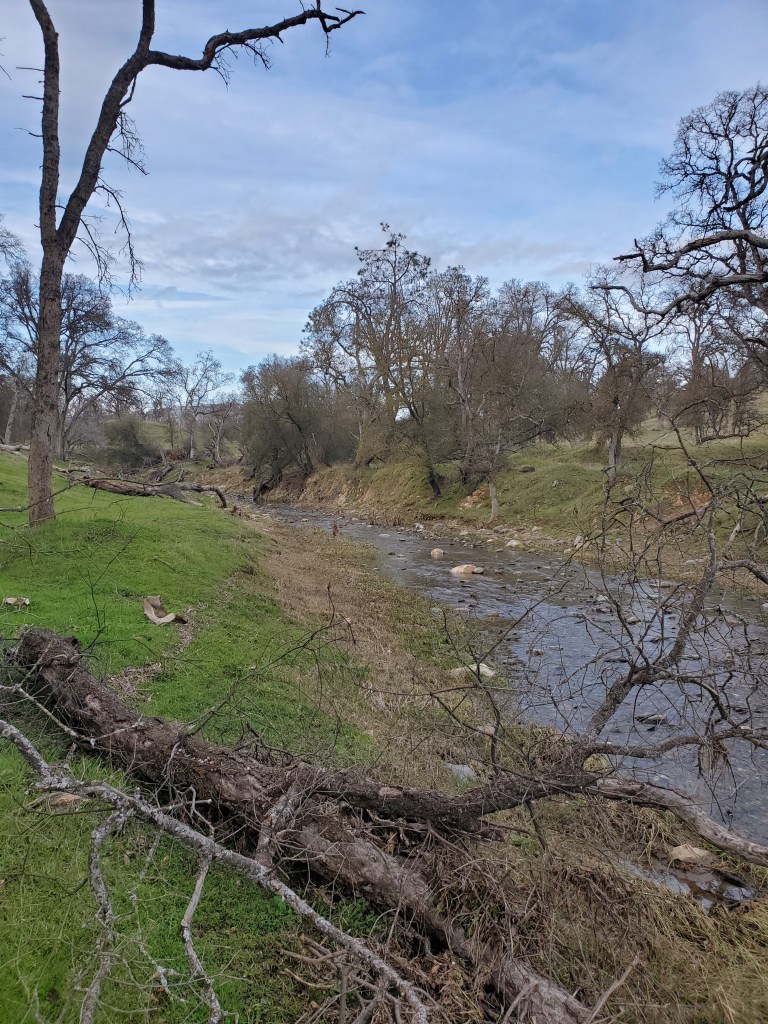
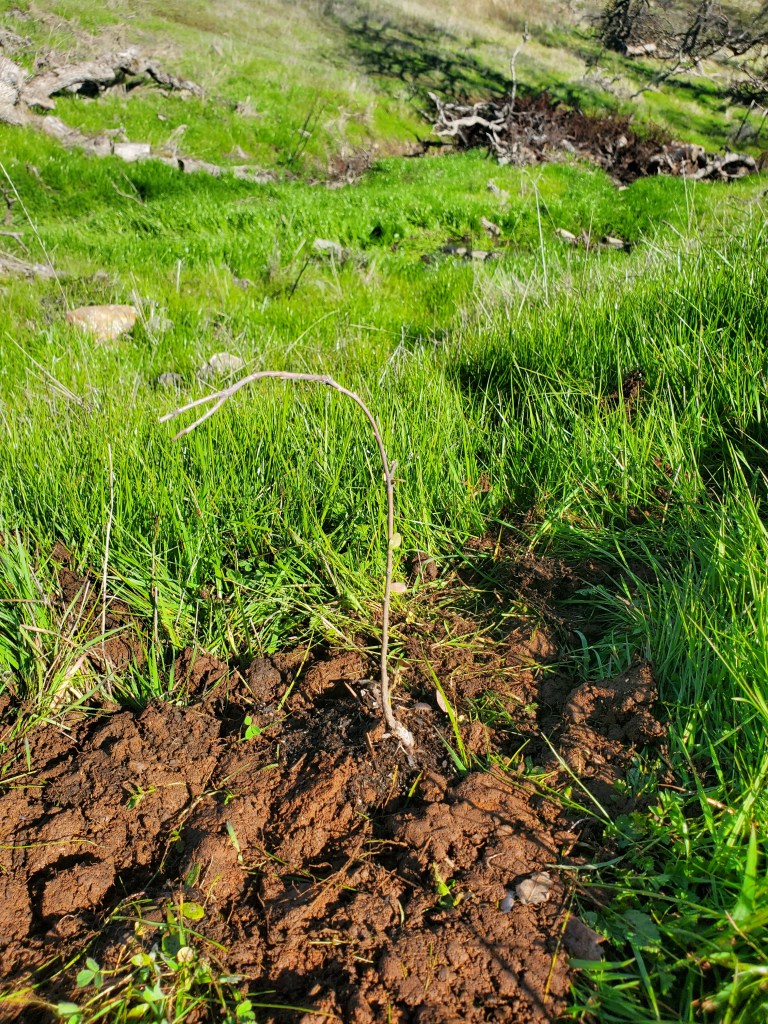
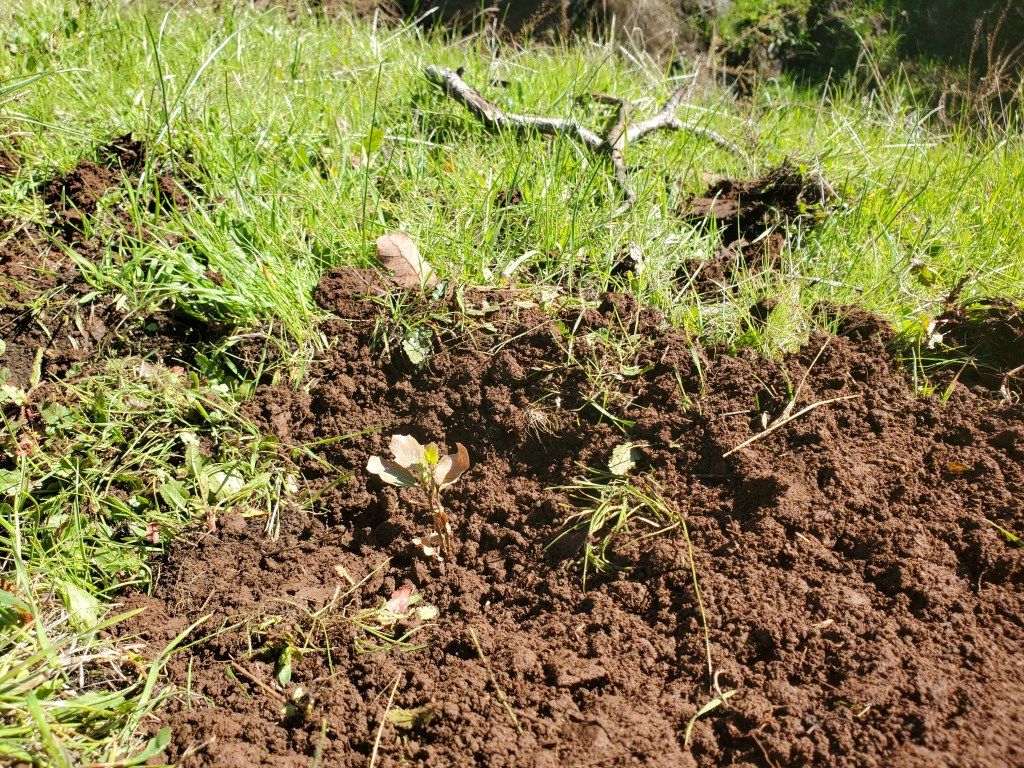
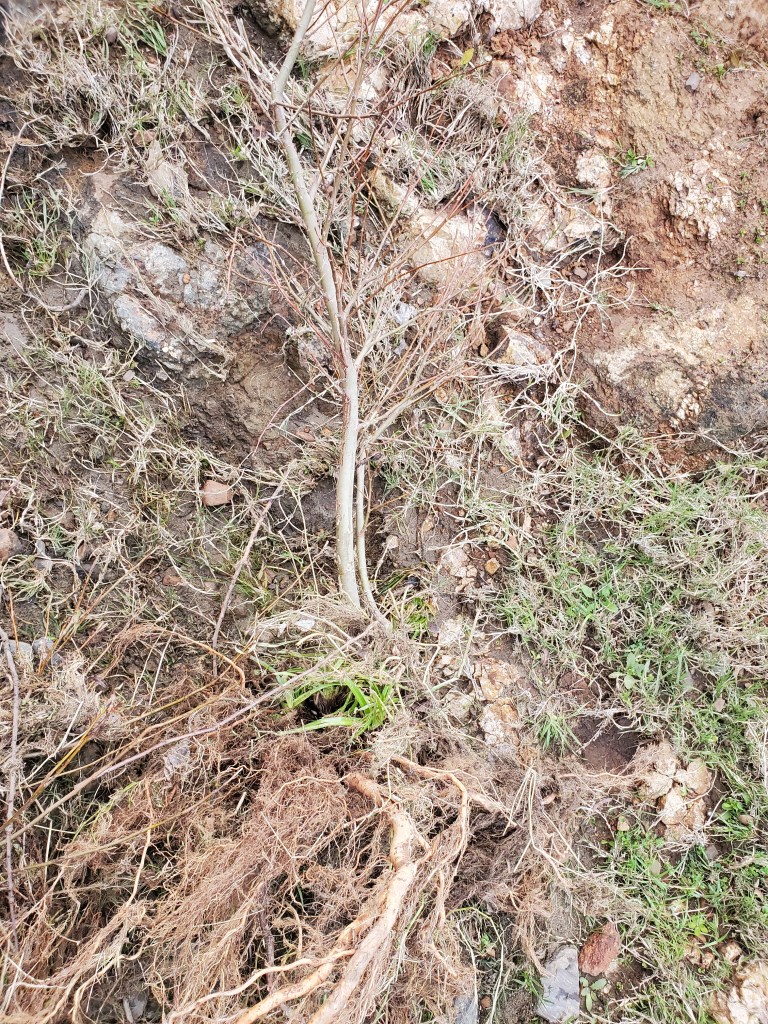
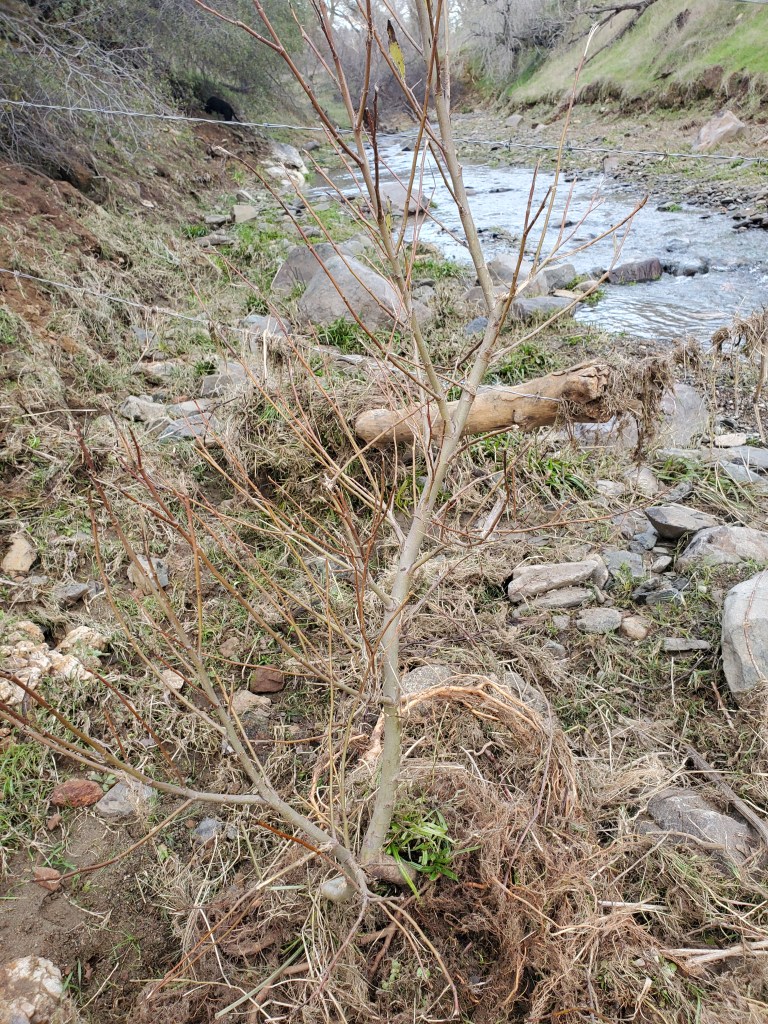
The surge also twisted up vegetation on the fence lines. Sadly, I found the young willow I had been so excited to see. She was ripped out of the ground, roots and all, taken downstream and deposited near the fence line where I found her on her side. I lifted her upright after scratching a pathetic, shallow hole with my foot. I did not have a shovel with me when I went to assess damage, so my foot was all I had. It was not much of a hole since the ground in the creek is rocky and thick. Still, I placed some of her long roots back into the ground, carefully, hoping that they will be resilient and allow her to grow once more. She is a willow after all – strong and prolific.
California Milkweed Emerges!

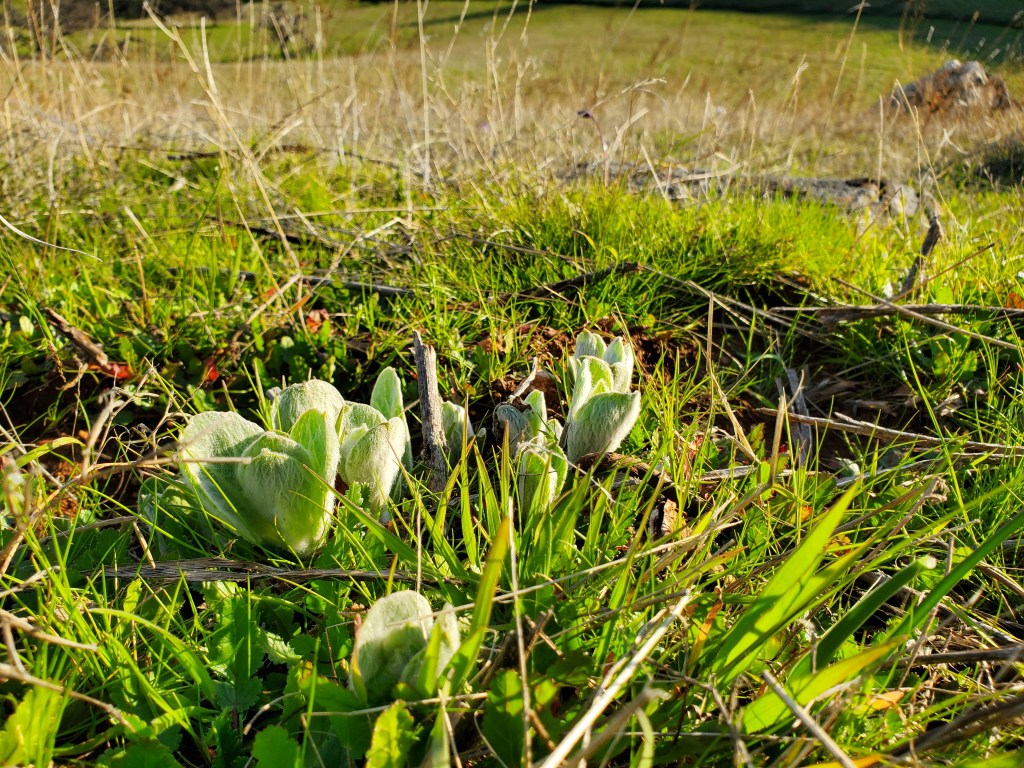
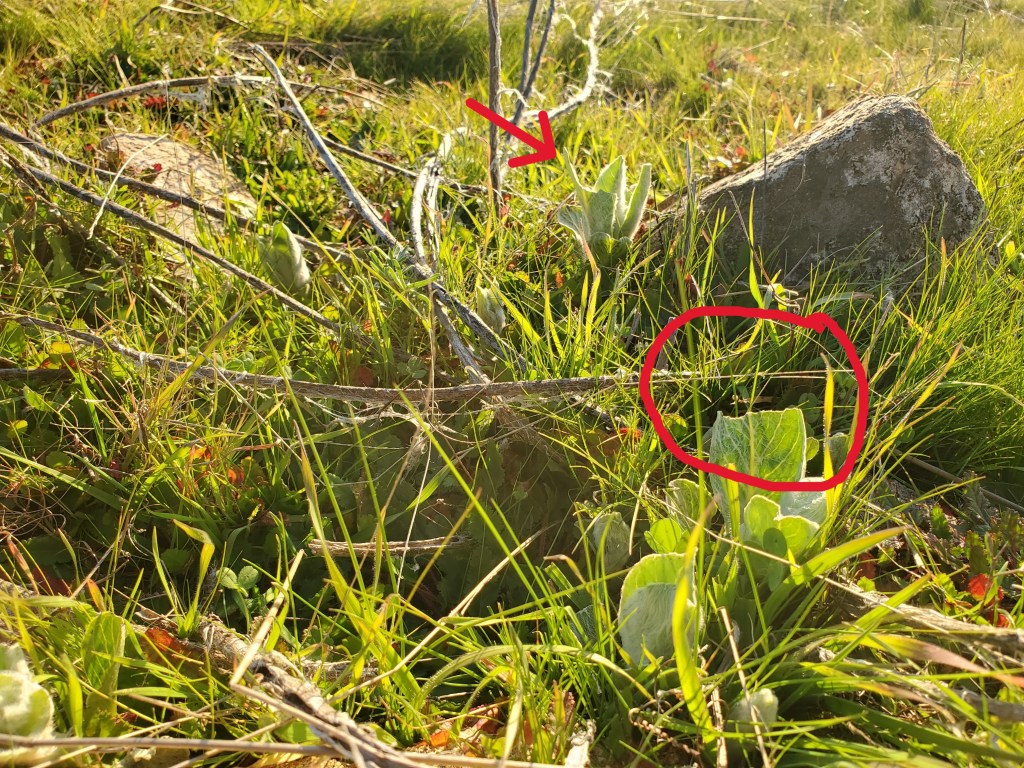
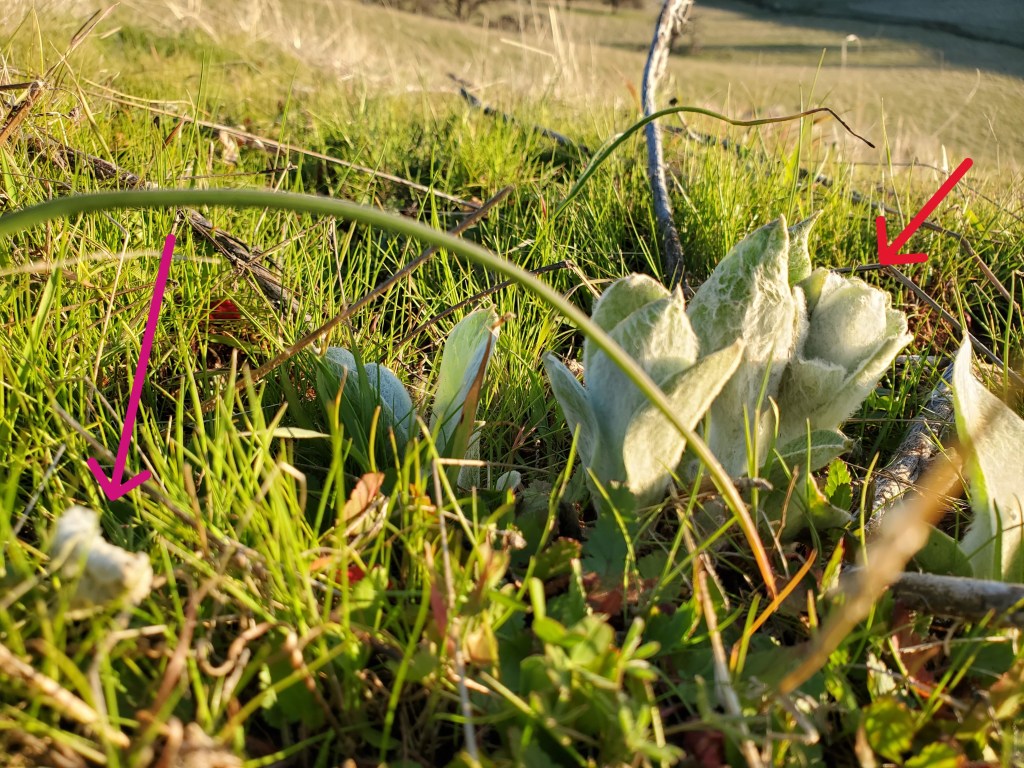
The California Milkweed has emerged two to three weeks earlier than 2024. I saw the first leaves on Feb 9 this year and noted that last year it was the last week of February.
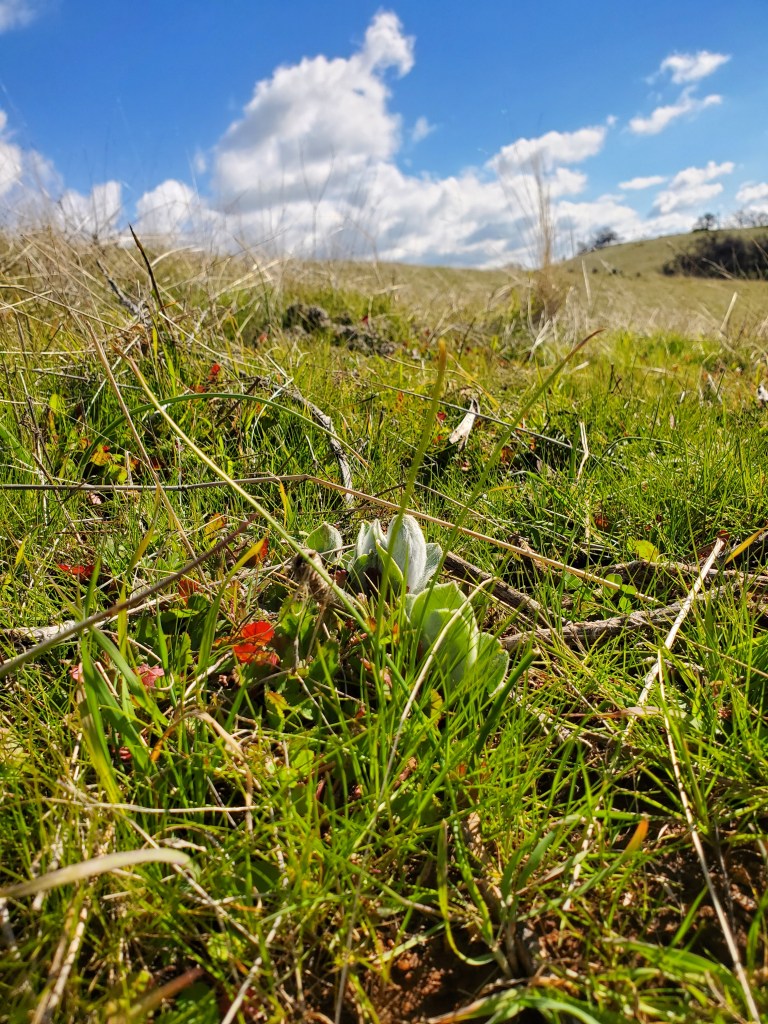
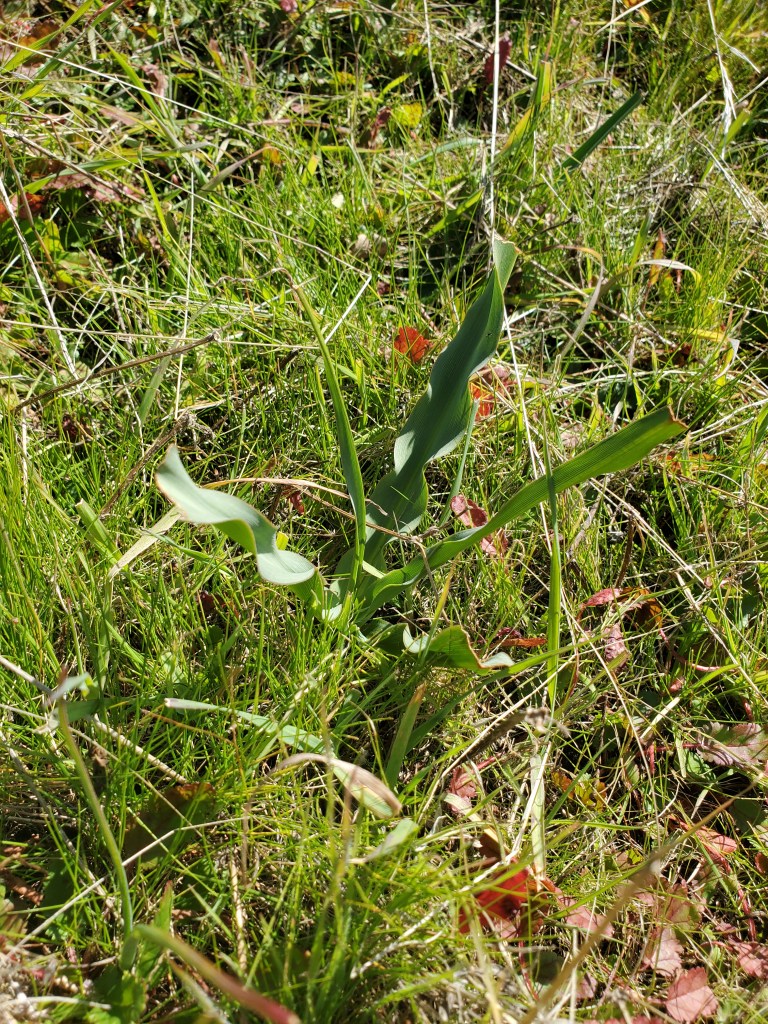
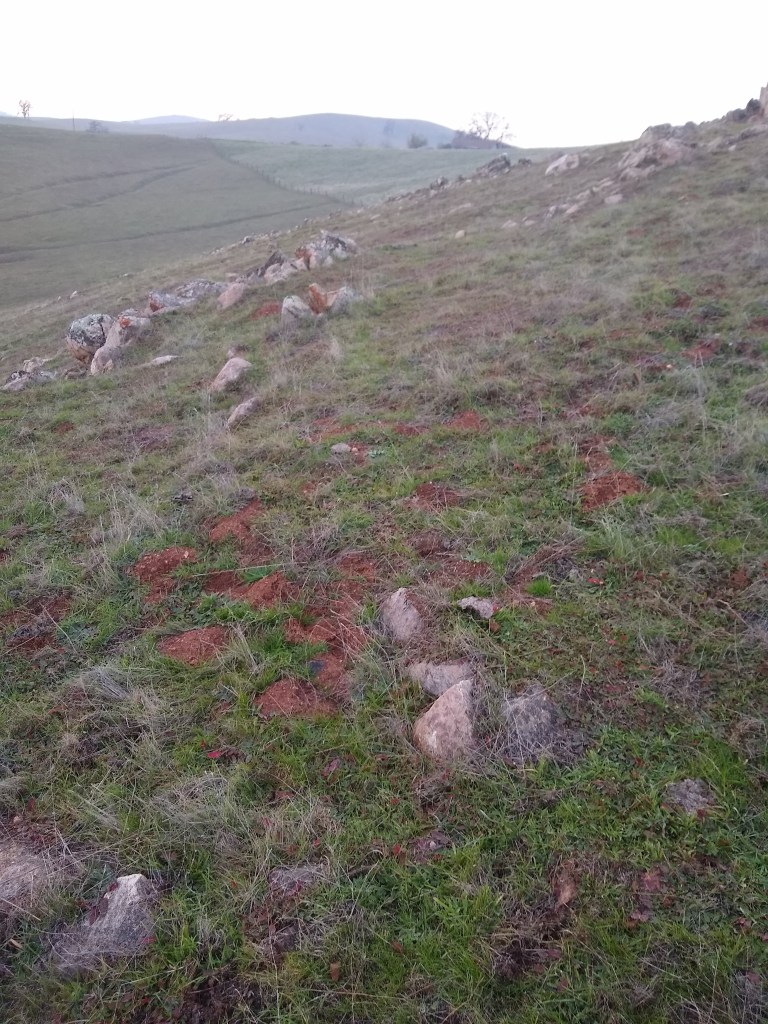
The cows have been on the hillside with their calves, so I went to check on the plants. I noticed each of the milkweeds had a snip taken out of one leaf; they had been grazed. Most likely, it was a calf testing out the green fuzzy plant. The snips appear to be spit out and located near the plants. Definitely not a tasty meal for anyone except a caterpillar. The plants are growing rapidly, and will be fine. The cows are on the south part of the ranch currently. I will be shutting the gates to the north field in a week before they return, excluding them from the far north field.
Grass Nirvana for Cattle
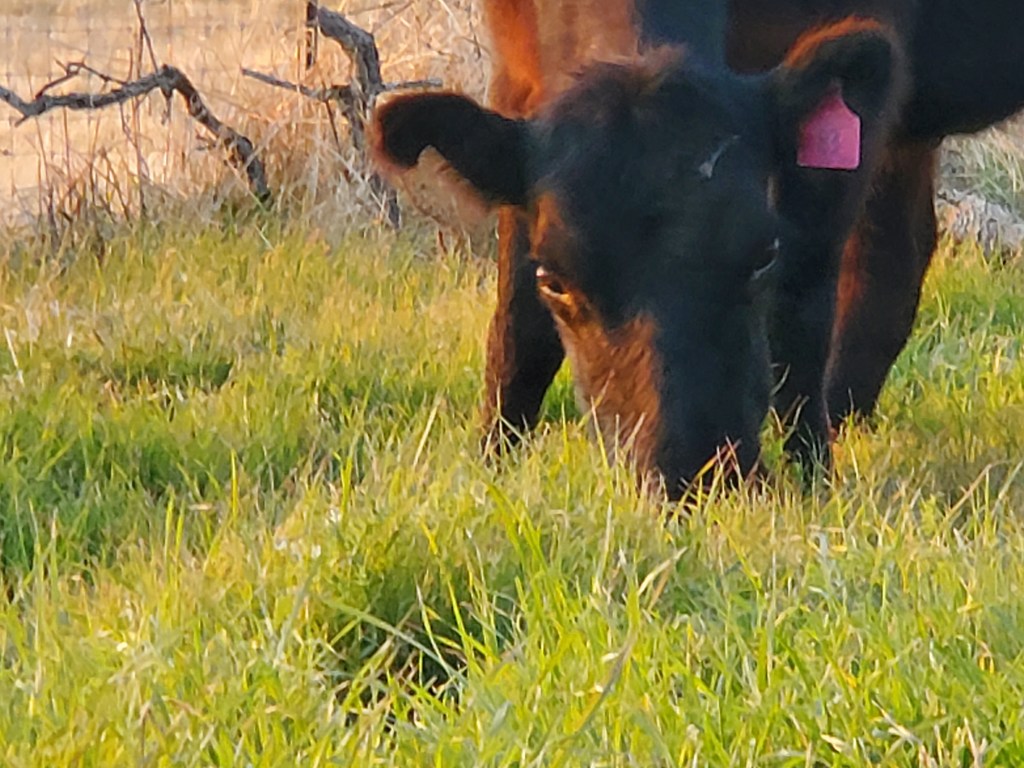
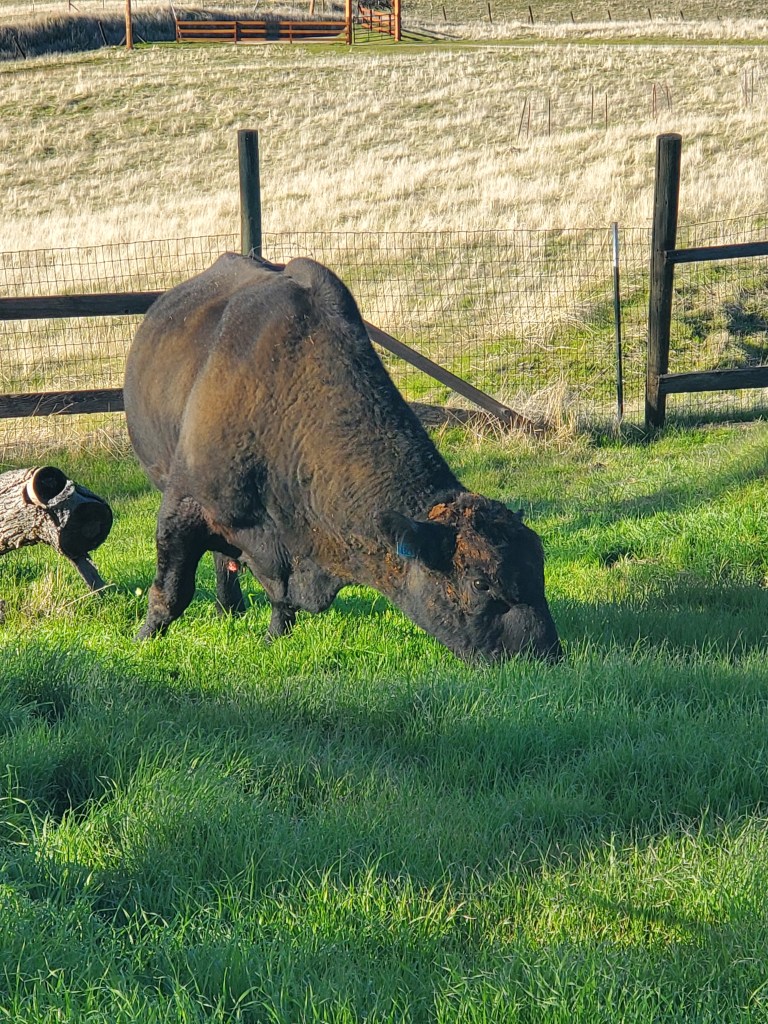
Happy eating

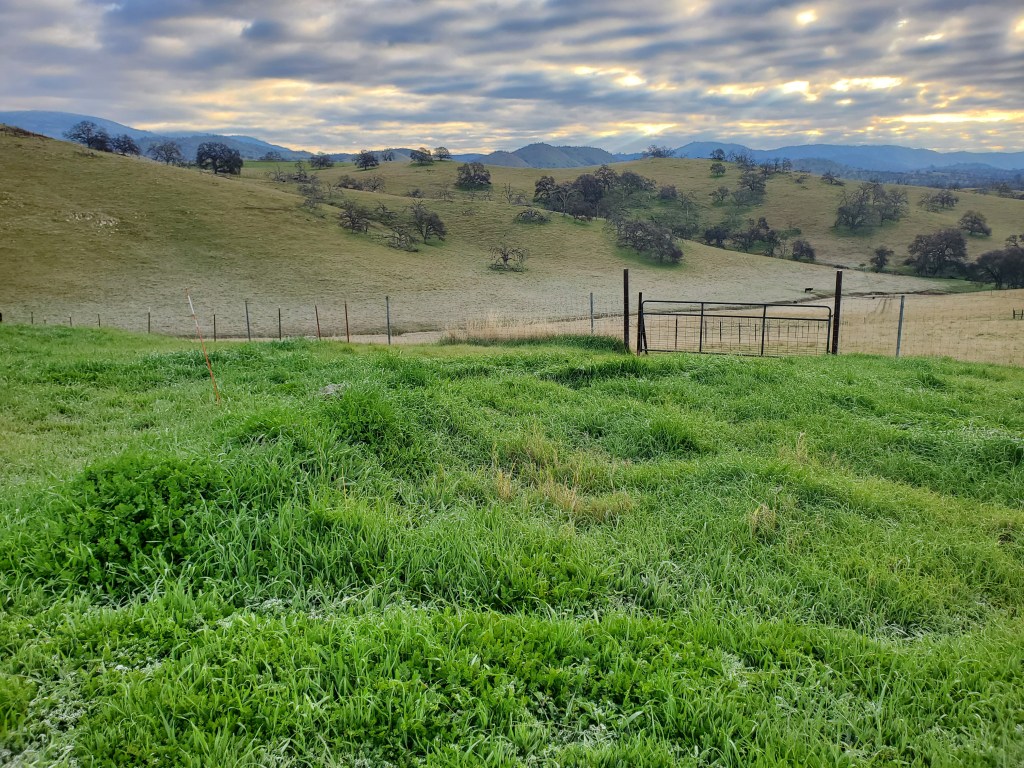
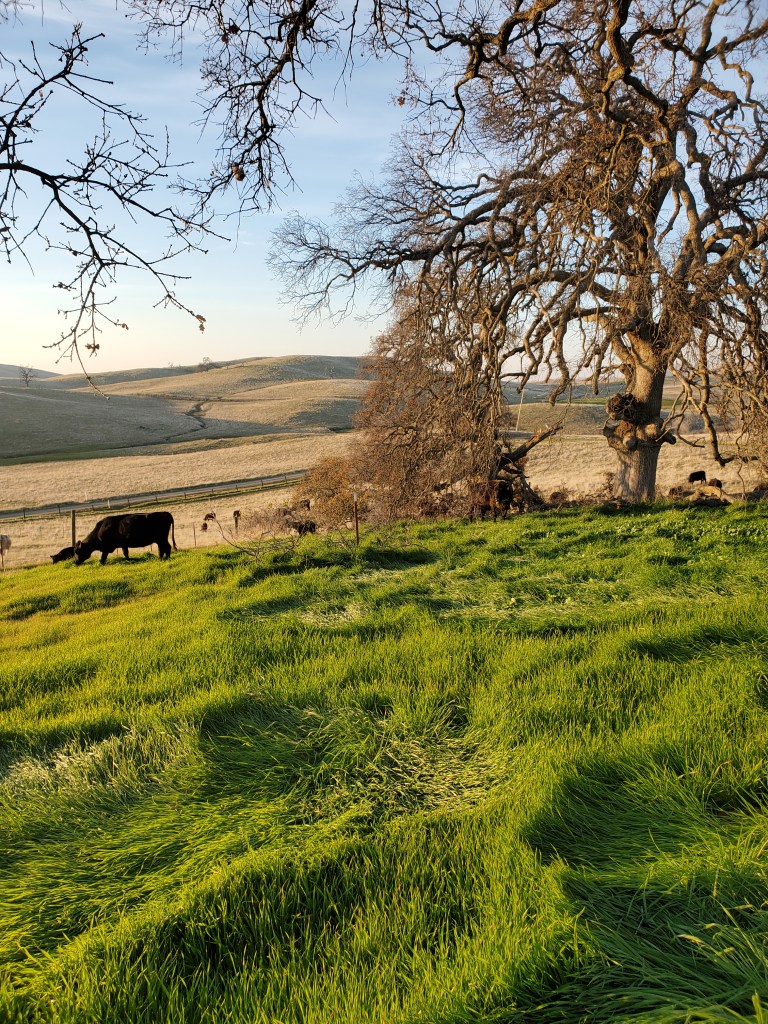
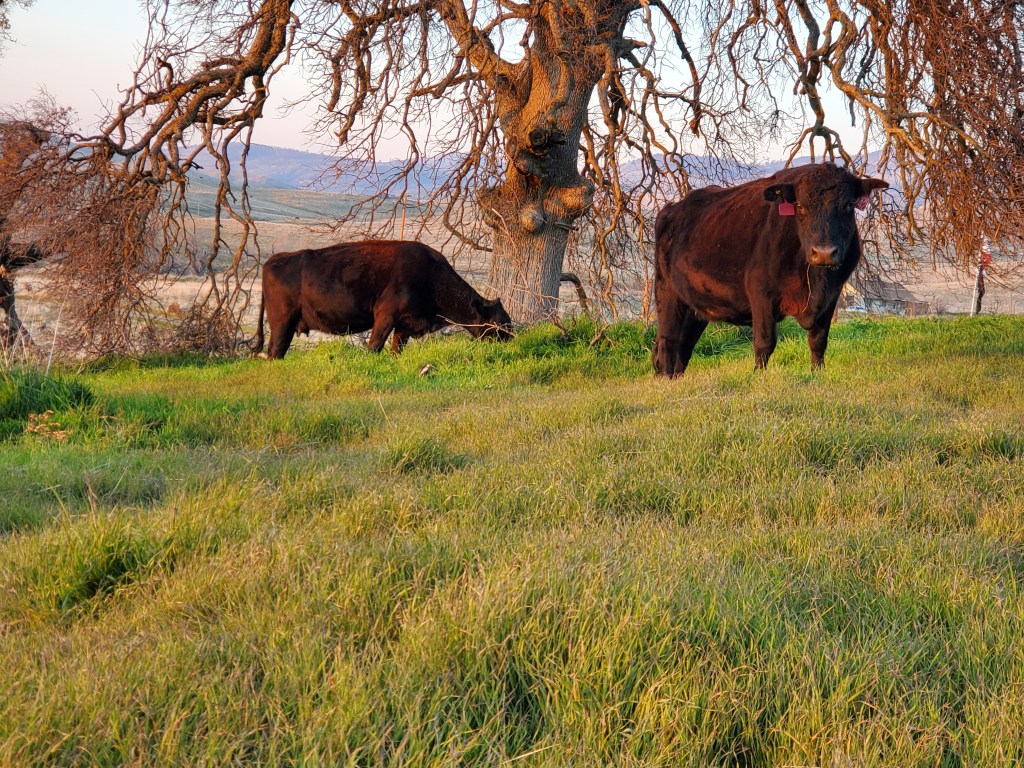
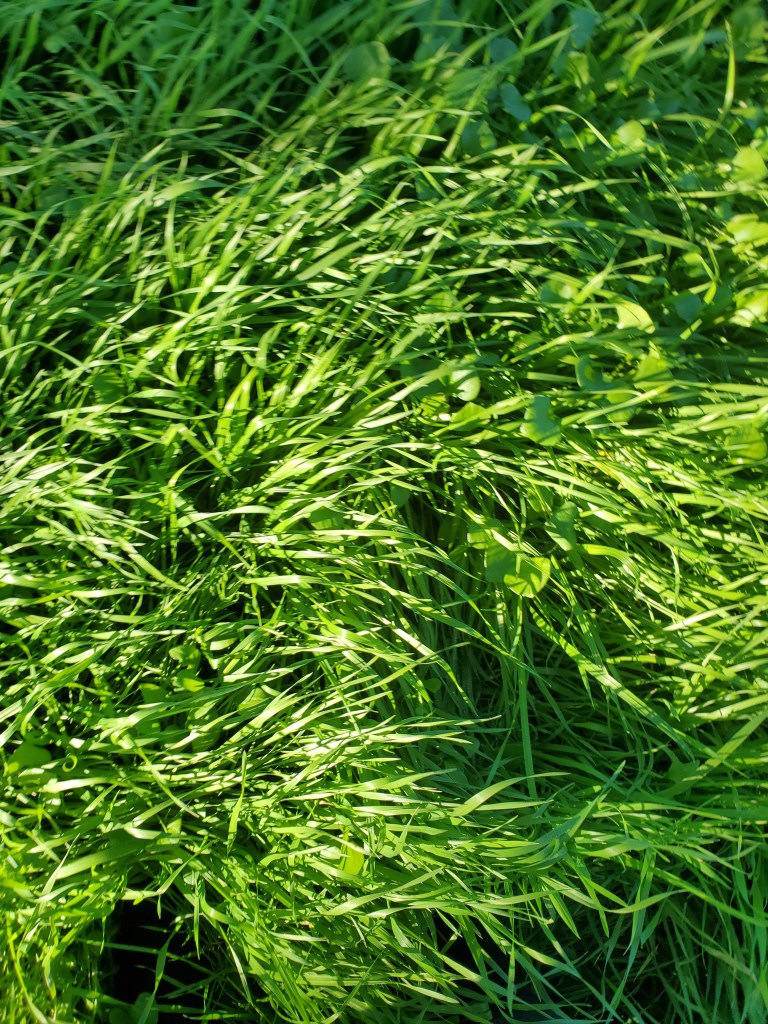
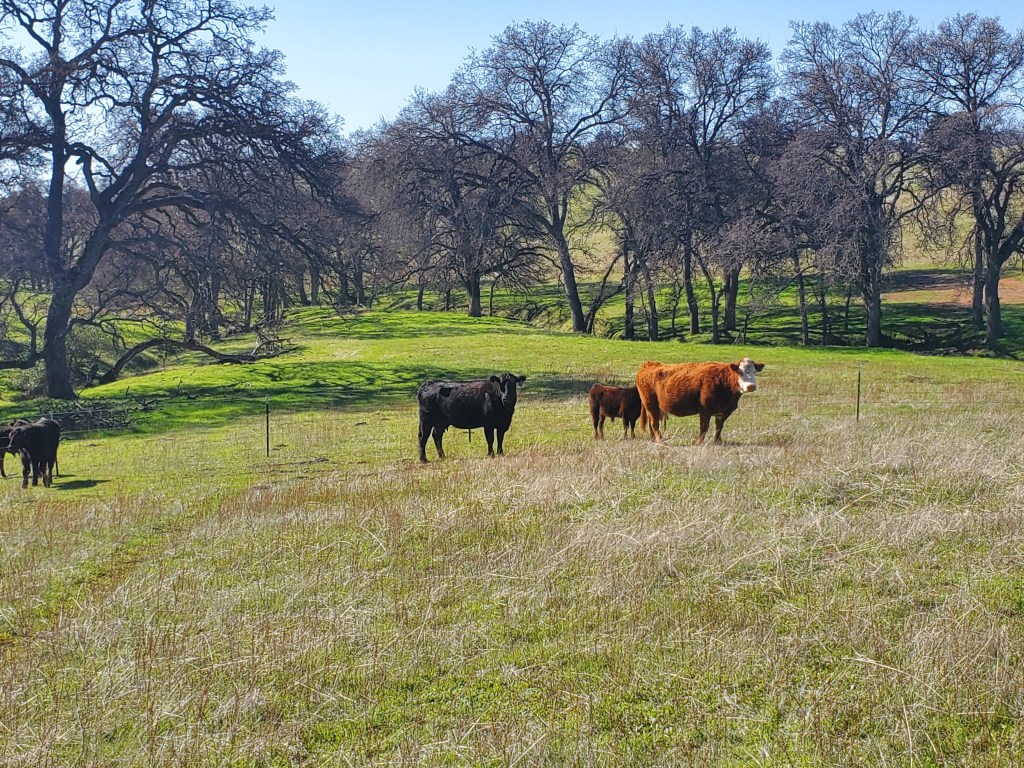
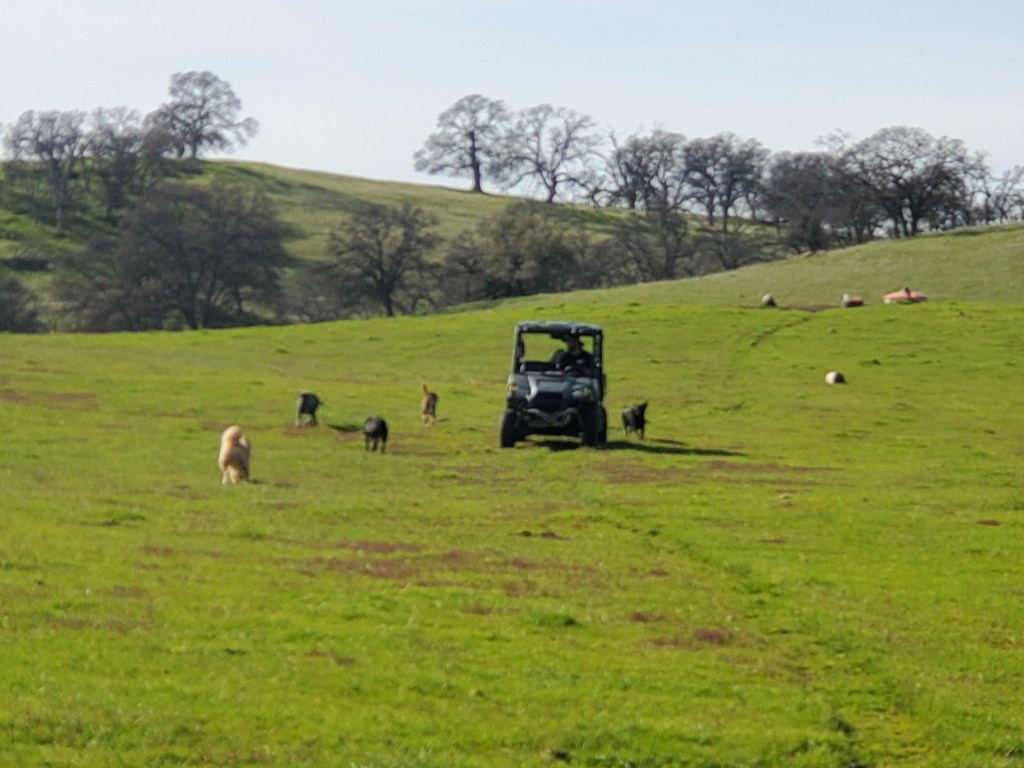
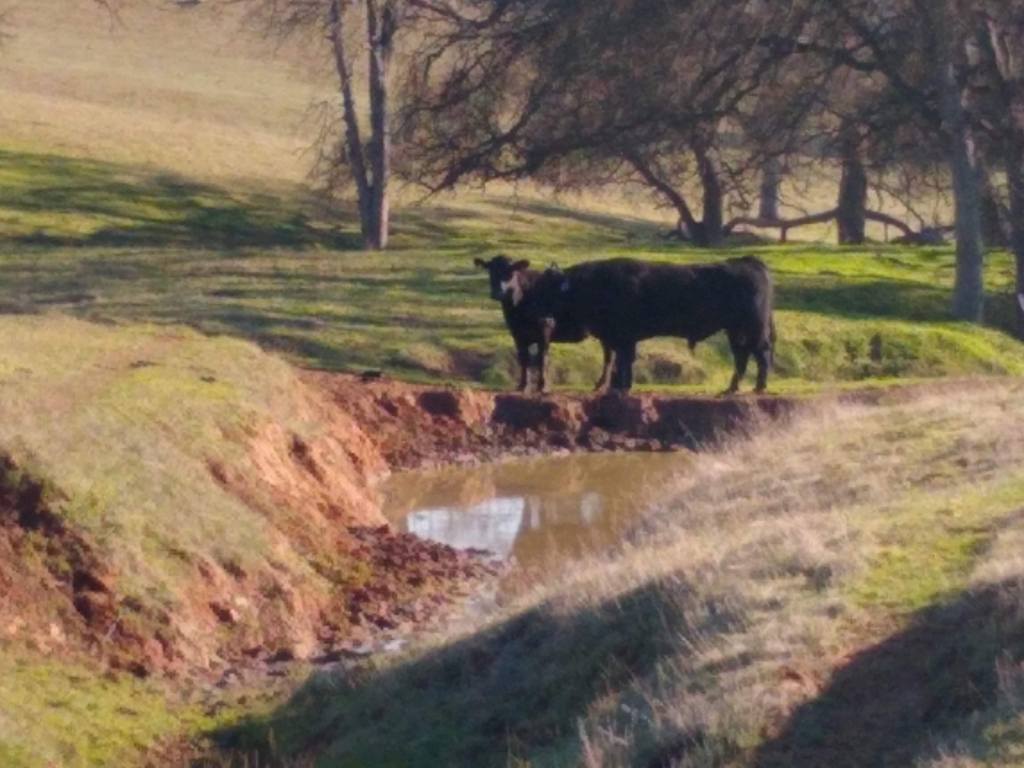
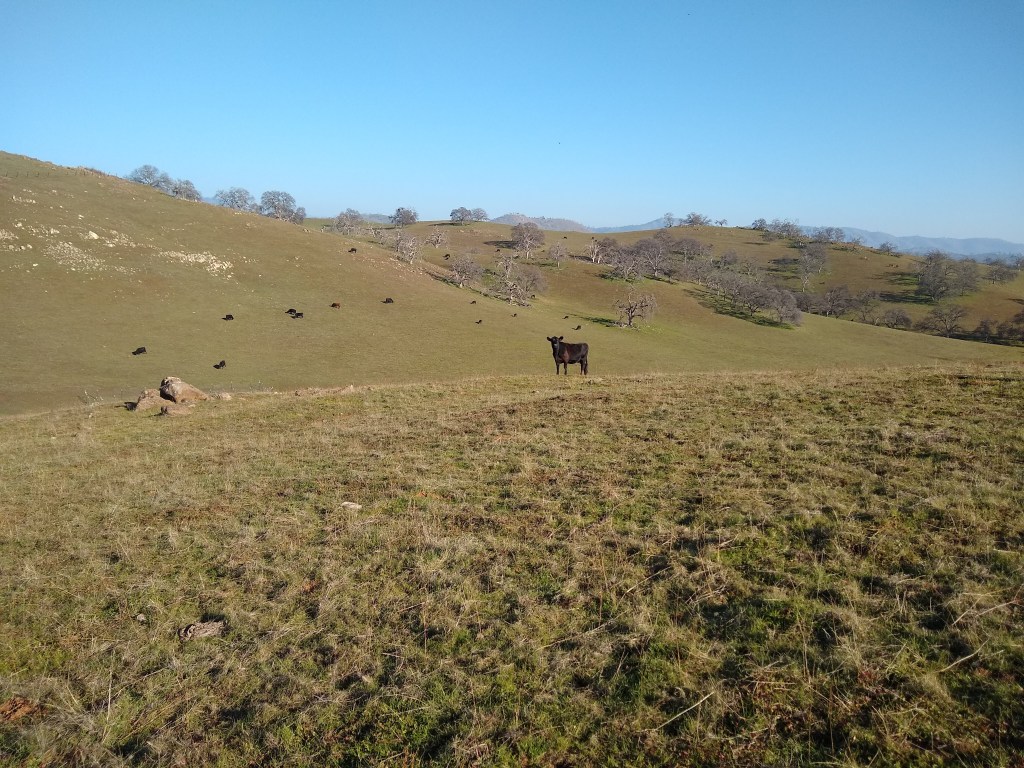
The grass is super lush around the house. Oh, and the cattle are eyeing it every day. Particularly, there is a group of mamas and babies that rotate to the front gate in the afternoon each day to see if I will let them in.

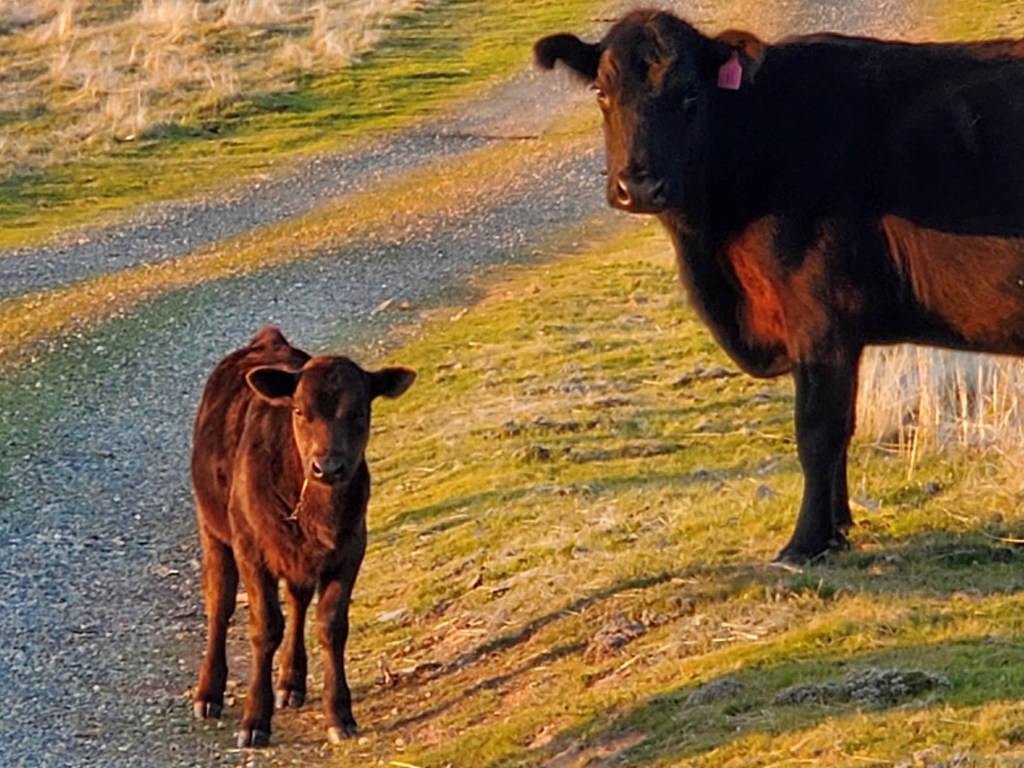
When I have time to watch them, I will let them in for an hour or so to have them help trim the grass without impacting my native plantings. You can see how much they love the verdant blades. They move their heads to the left and right greedily eating without a break. When I can no longer watch them, I usher them out, gently pressuring them to move toward the gate. There are a couple of ladies who never want to leave. They stop to take bites. I have to shift closer. They move, stop again, grab a bite. I move. They move…and so it goes. They snort their disdain, but eventually they kindly acquiesce.
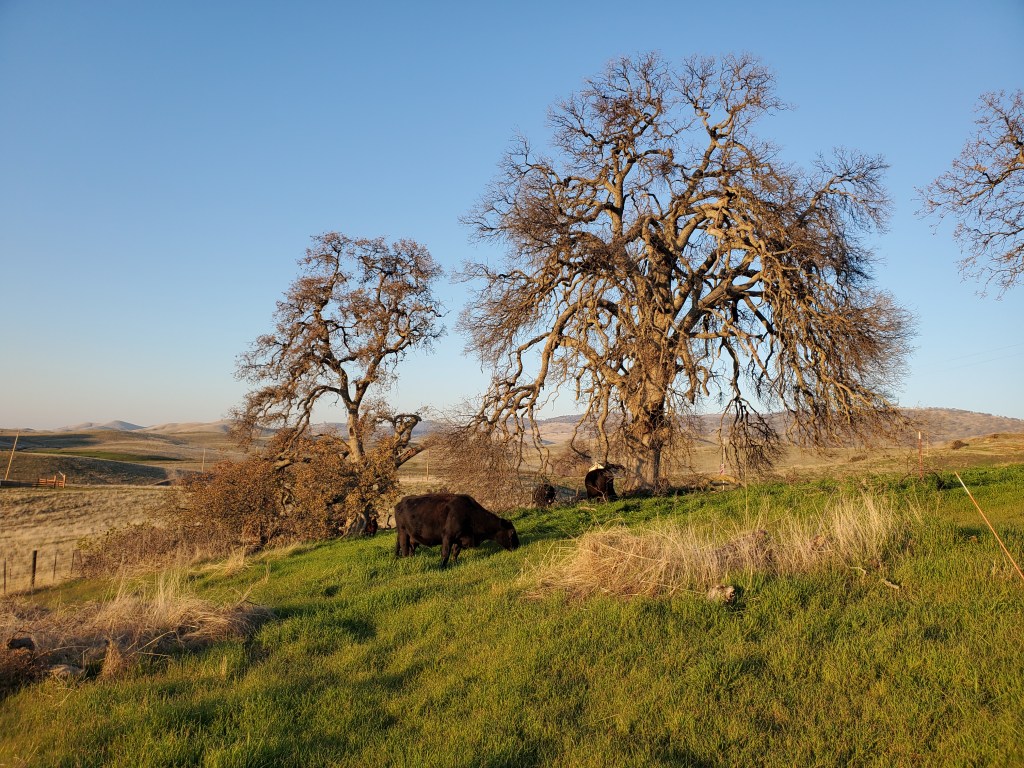
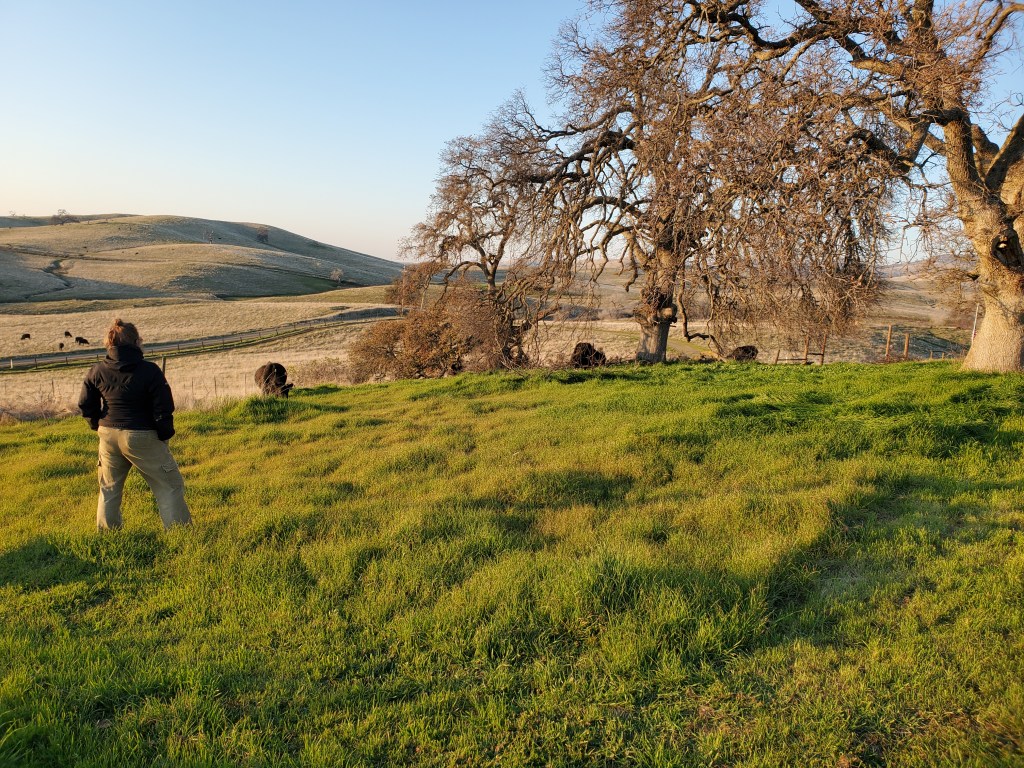
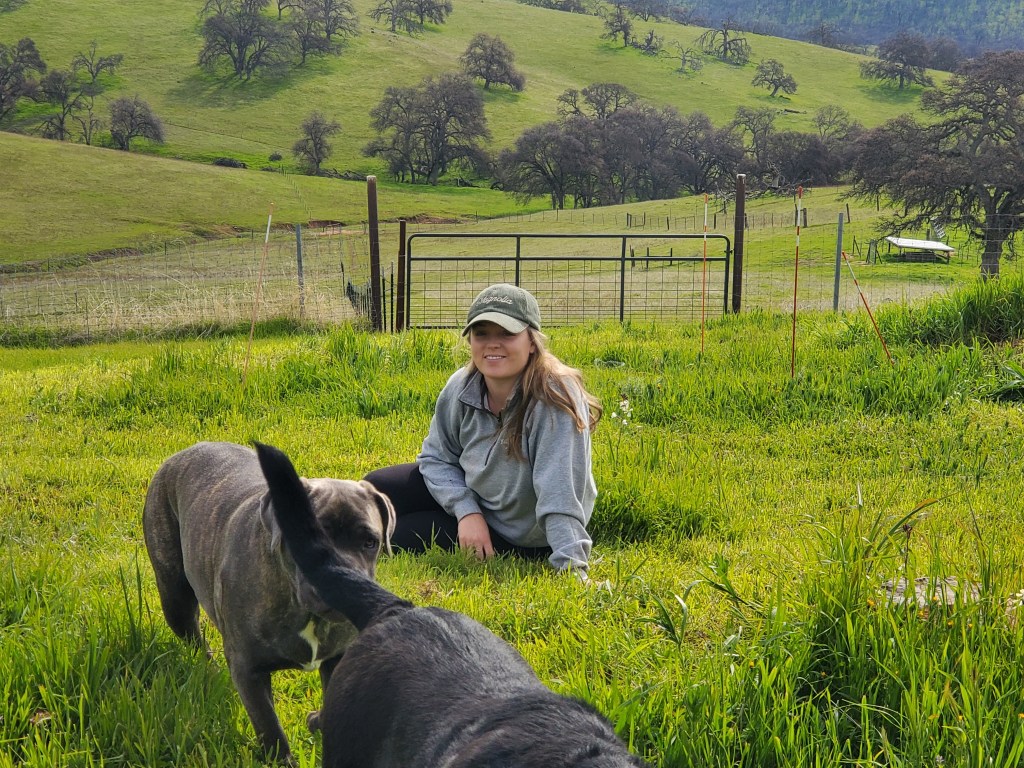
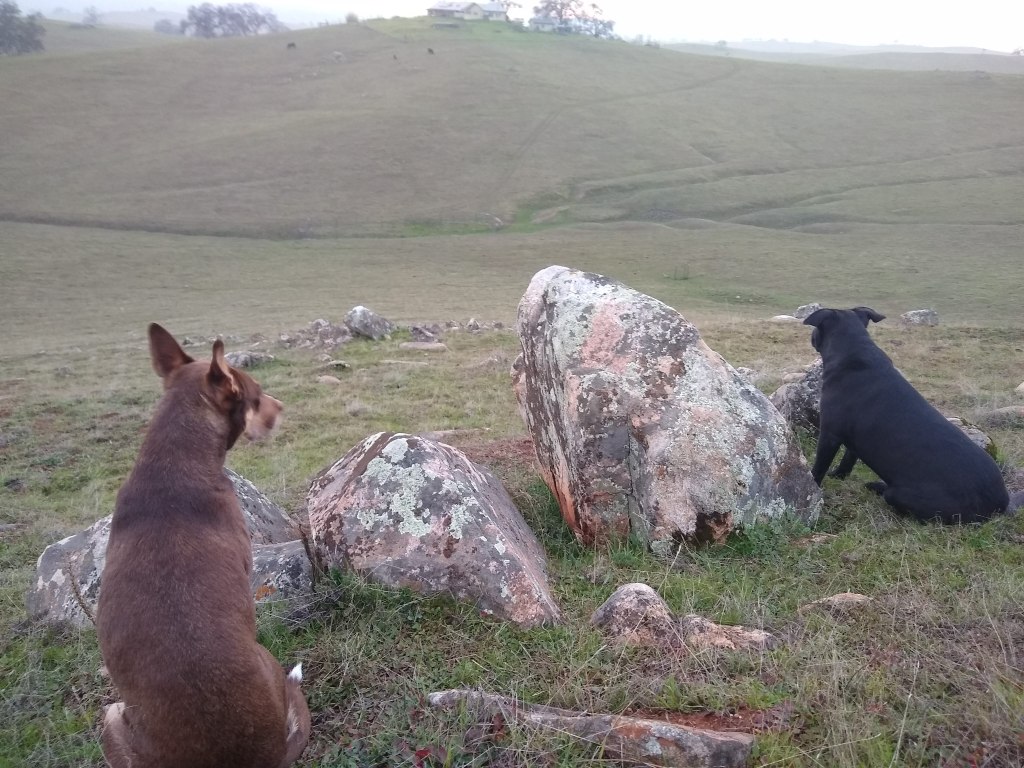
People ask me why I don’t use the dogs to move them out more quickly. The ladies have entered at my invitation. They are helping me, and I respect them. The dogs can be a blunt instrument. I am gentle and precise. We walk out slowly together.
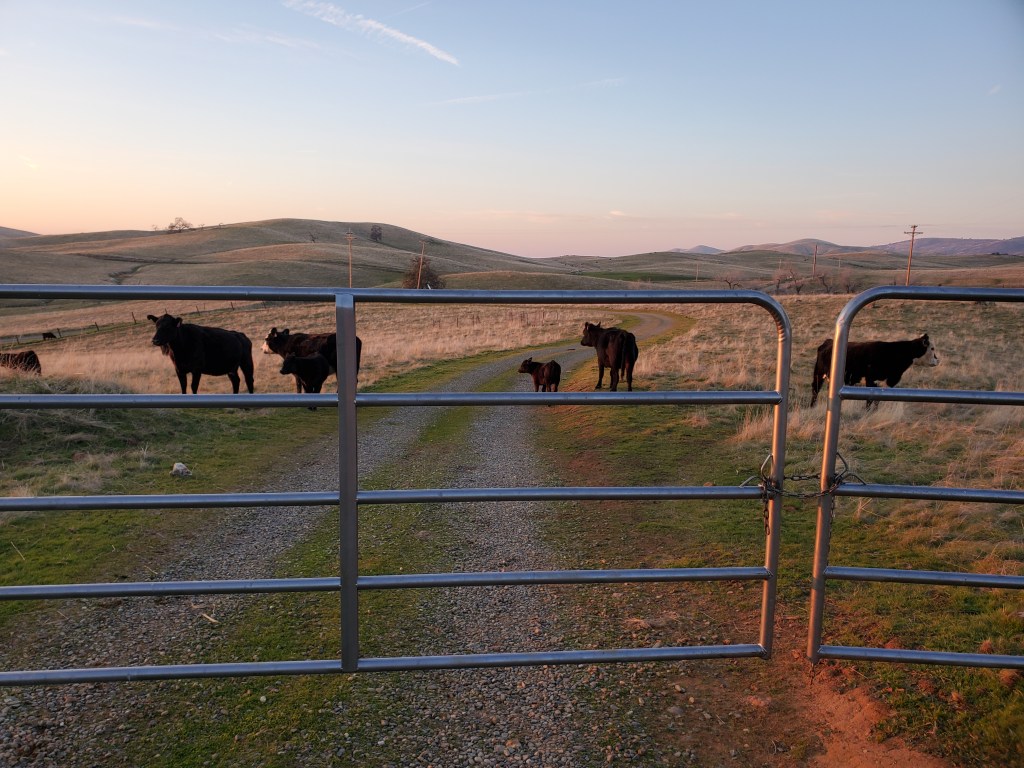
“Dang it! Do we have to go so soon?”

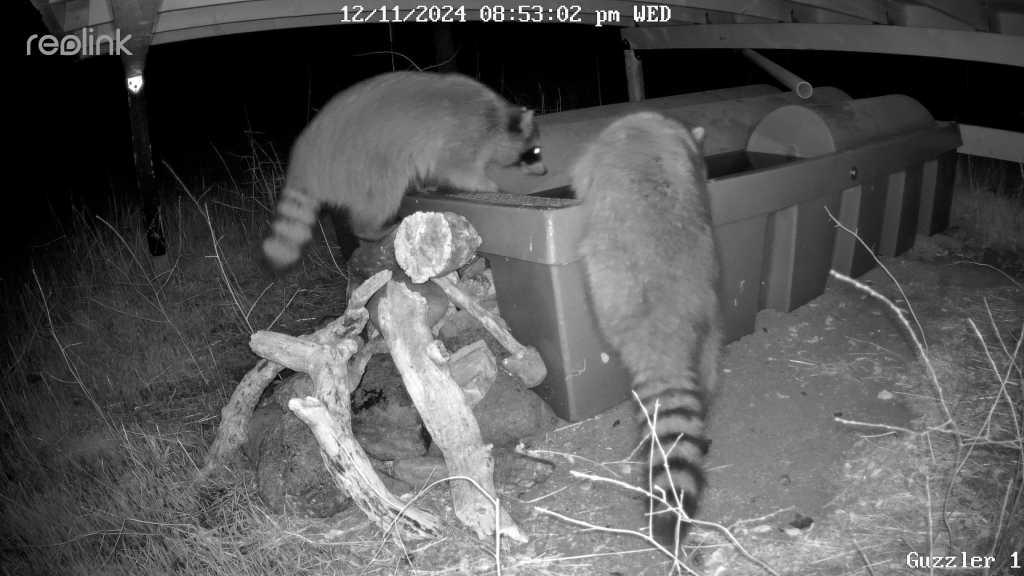
Guzzler Project Moving Forward

With my dad doing better, I have had time to focus on my guzzler projects. The two new tanks were delivered and will feed each guzzler when installed. I had planned to have 1,000 gallon tanks, but the cost was nearly identical to the 1,500 gallon size. It seemed ridiculous not to purchase the larger volume size. With the additional volume, I may also be able to use some of the water for irrigation around the tank area.
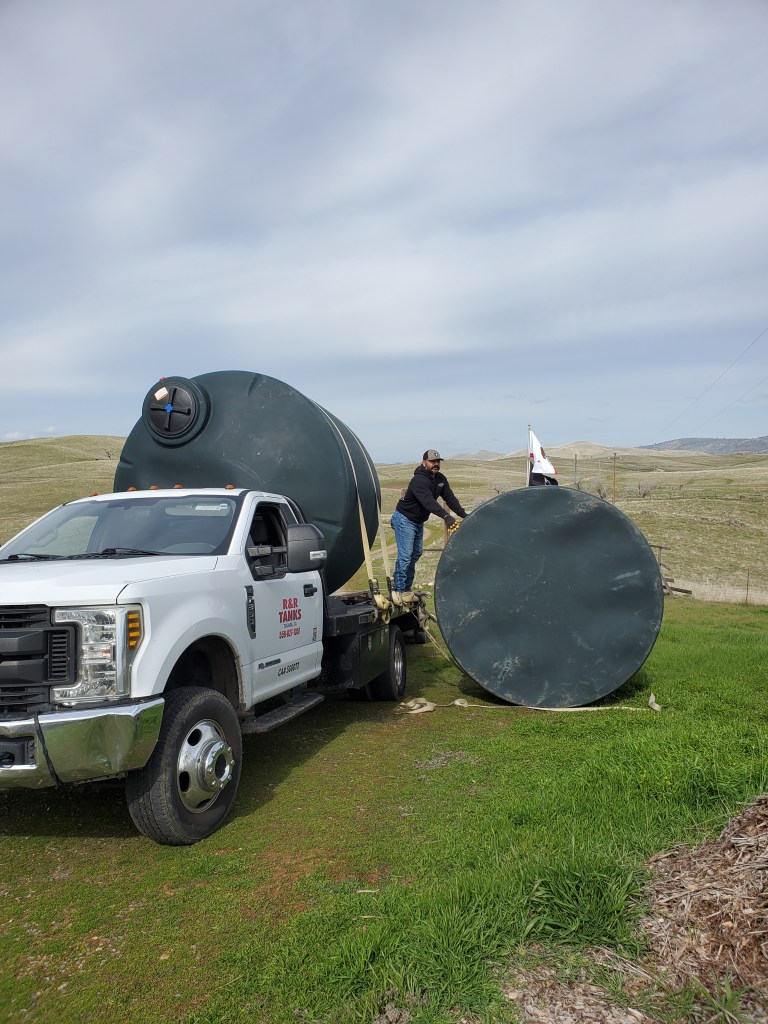
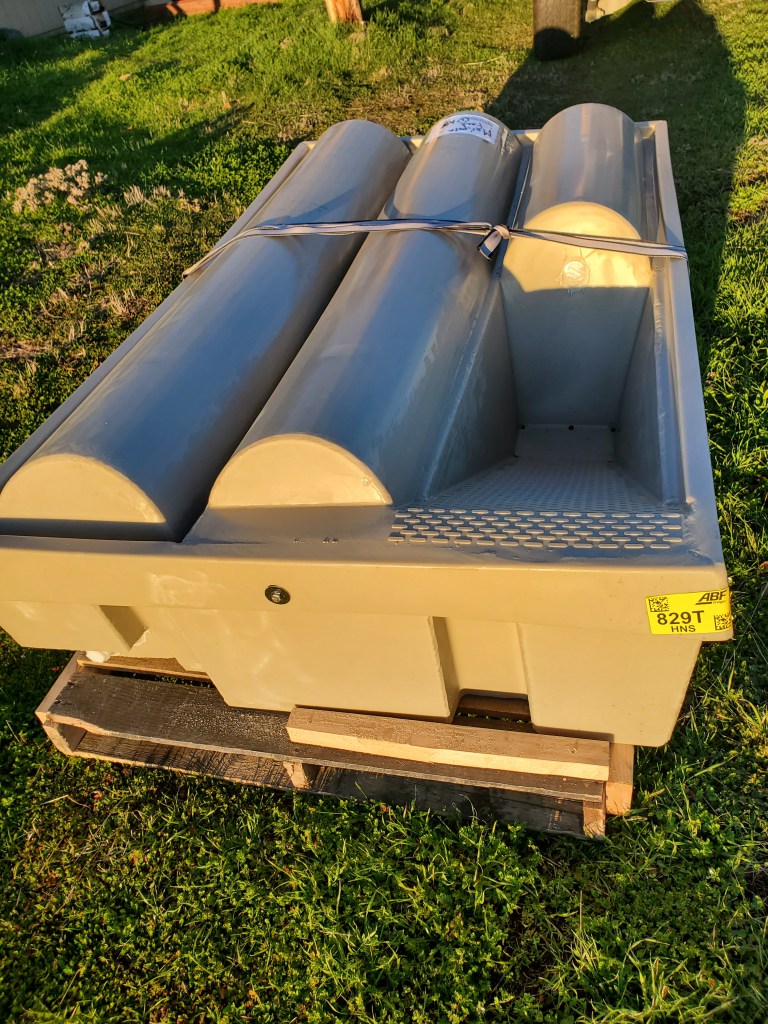
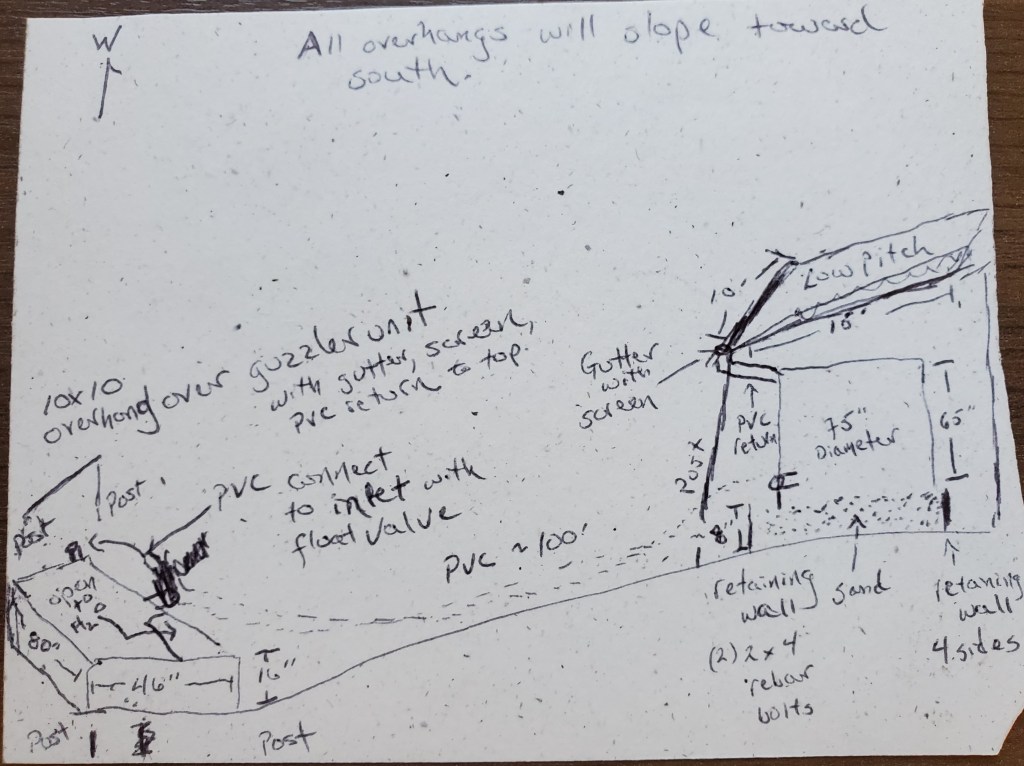
In my last post, I mentioned having the second guzzler delivered. With all the main elements here, I am ready to get the materials needed to cover them and link them together. David, my ever patient husband, will be building the overhang structures to cover the tanks and catch the water. The overall concept is for wildlife to have access to clean and abundant water, especially during times of drought. My original guzzler is doing great and a variety of animals have used the water even with the nearby creek still running. We had a good rain year in 2024, so the guzzler stayed filled throughout the summer and fall, but barely. The water really got low and began to get murky. These tanks will allow me to provide ongoing fresh water to wildlife through abundant and lean times.
Odds and Ends

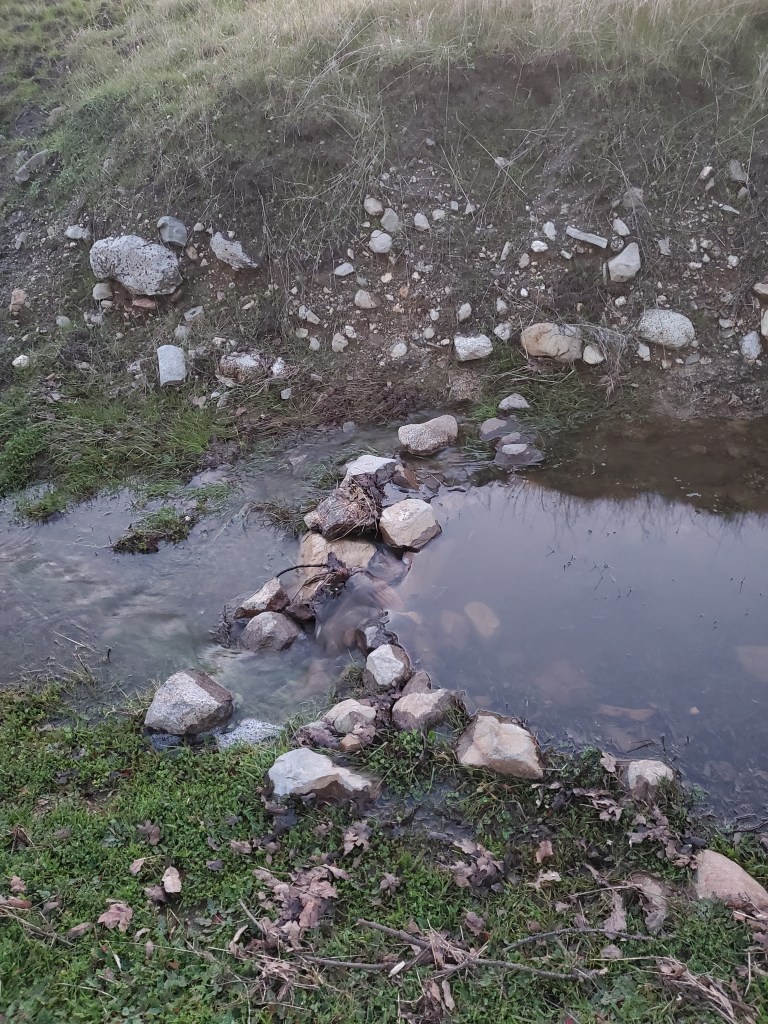
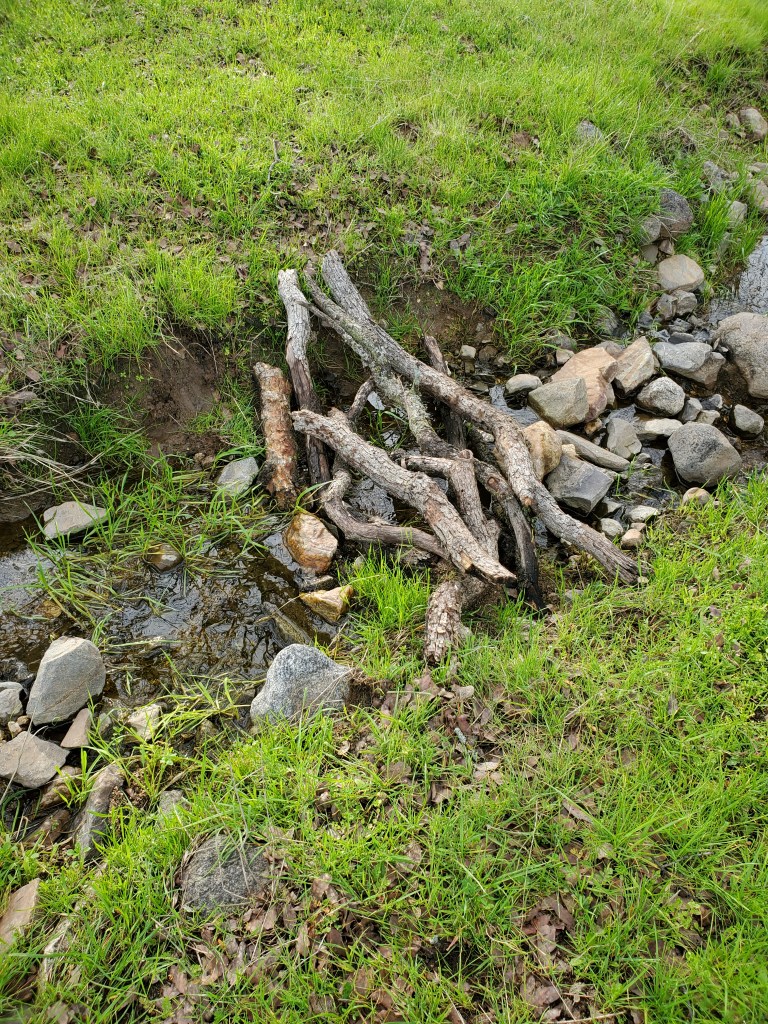
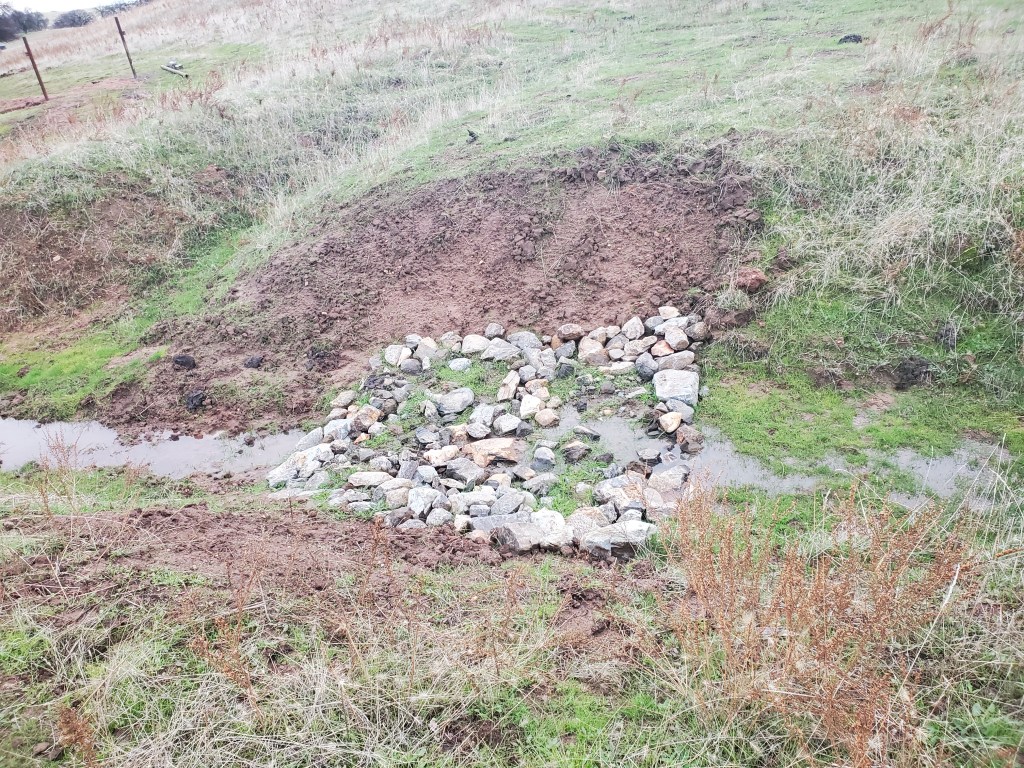
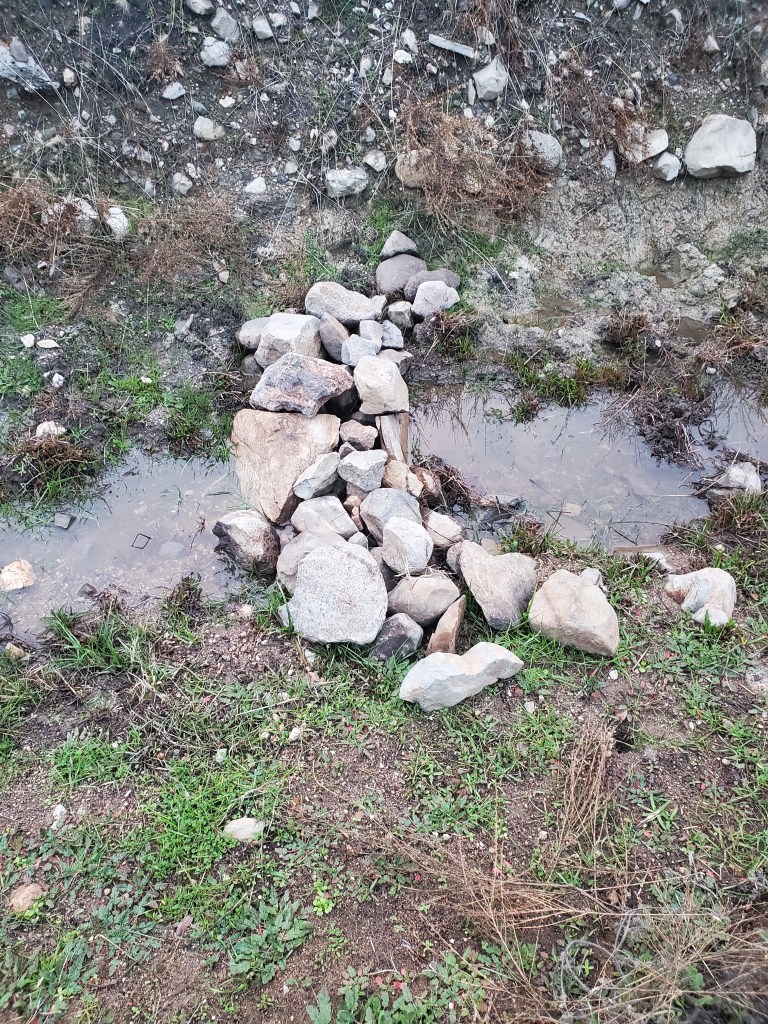
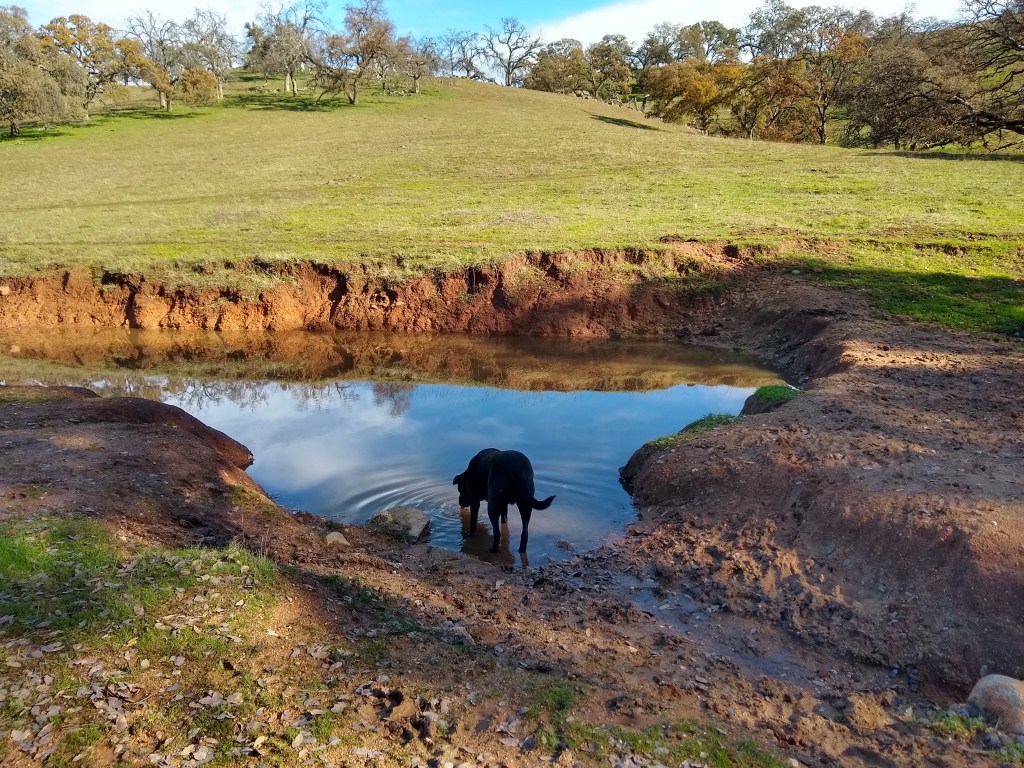
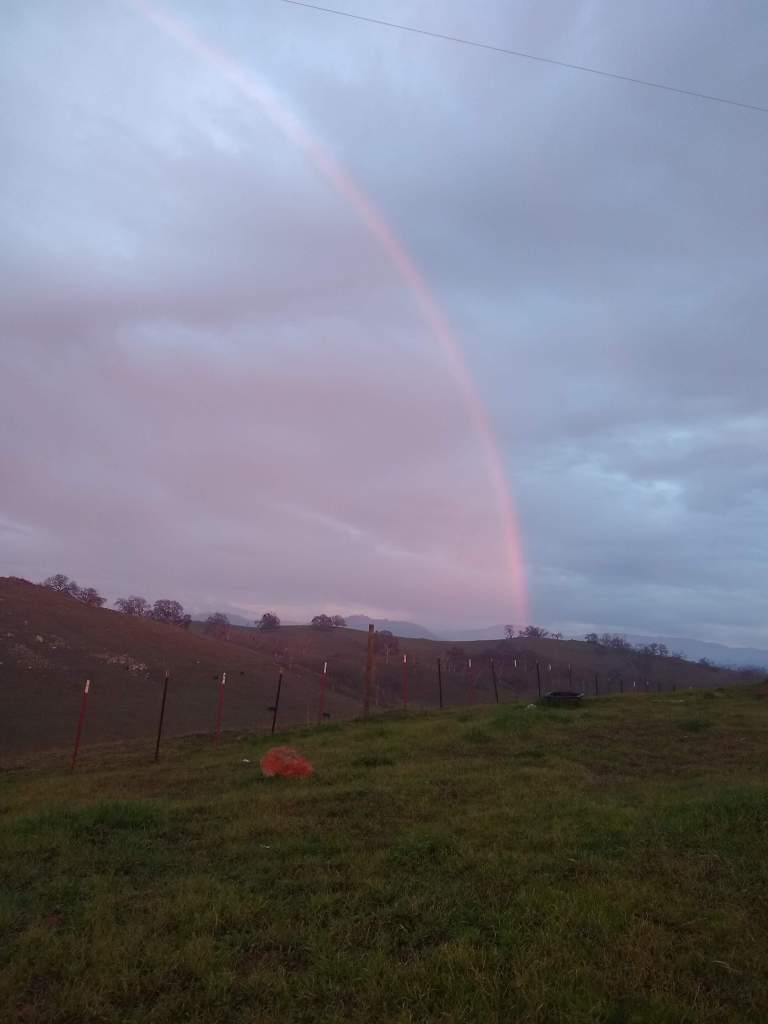
It was a joy to have cold weather and storms, with the most recent one being very large. Water is life, and life is omnipresent and happy when water is around. After the storms, I check my dams to see how they are doing. Everything is holding in place, even my little rock check dam. You see the water, when the creek is running slowly, backing up as intended. I will be placing another dam below that one to slow more water and hopefully spread it out a little to soak the ground and make it more hospitable for oaks.

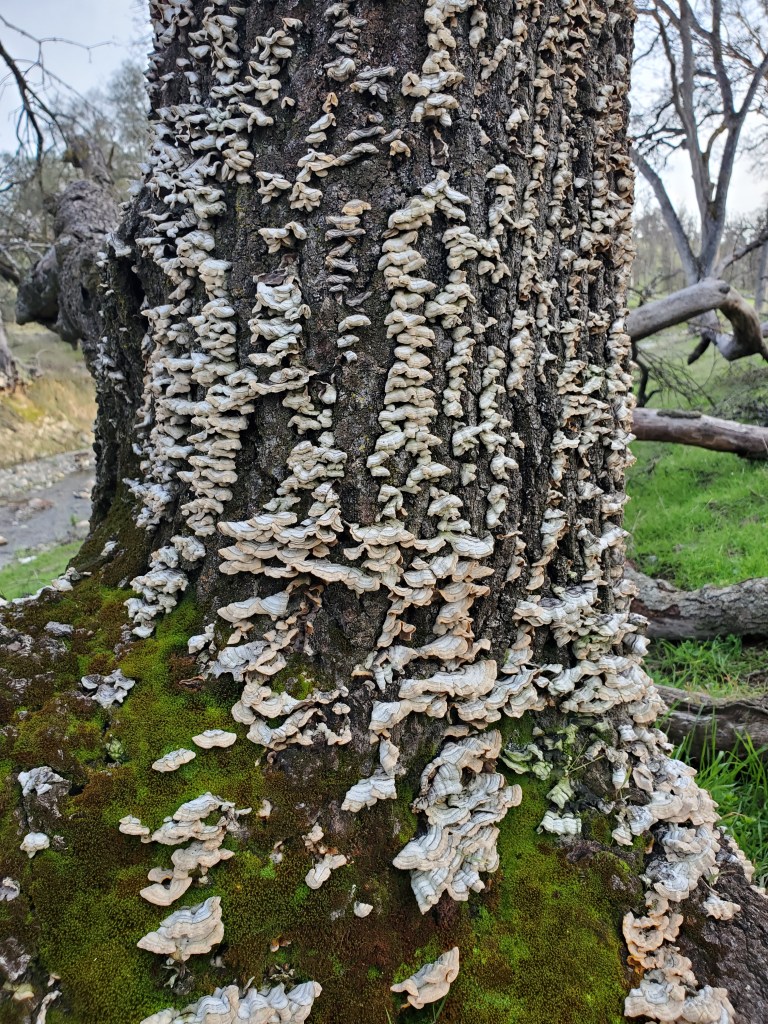
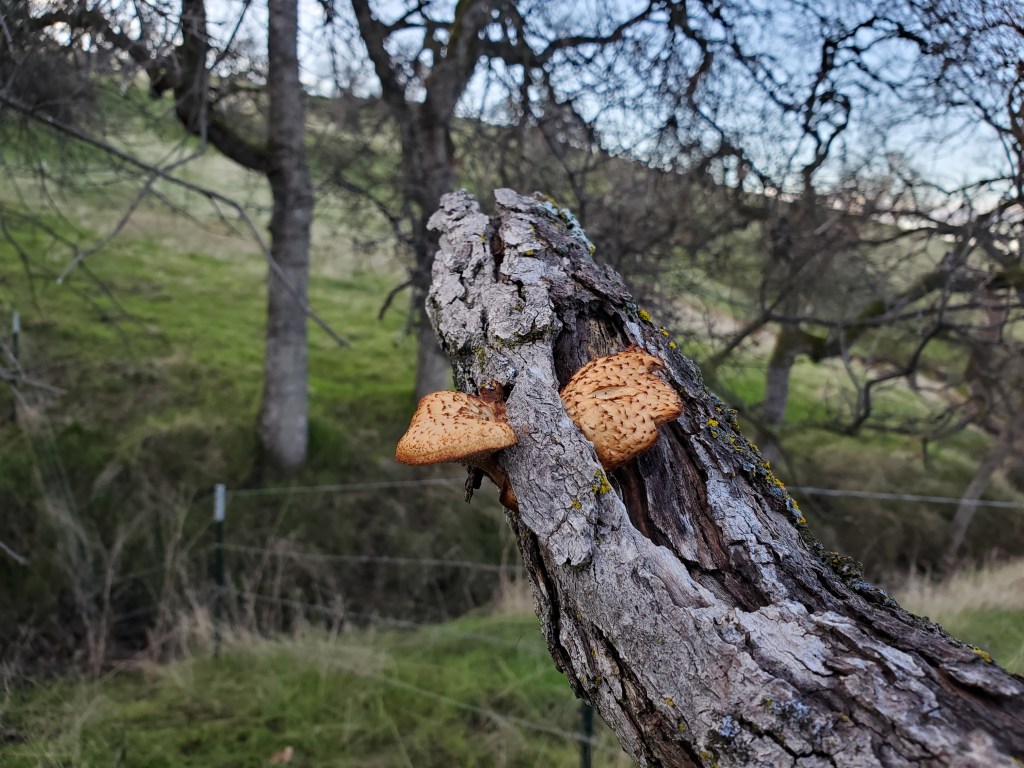
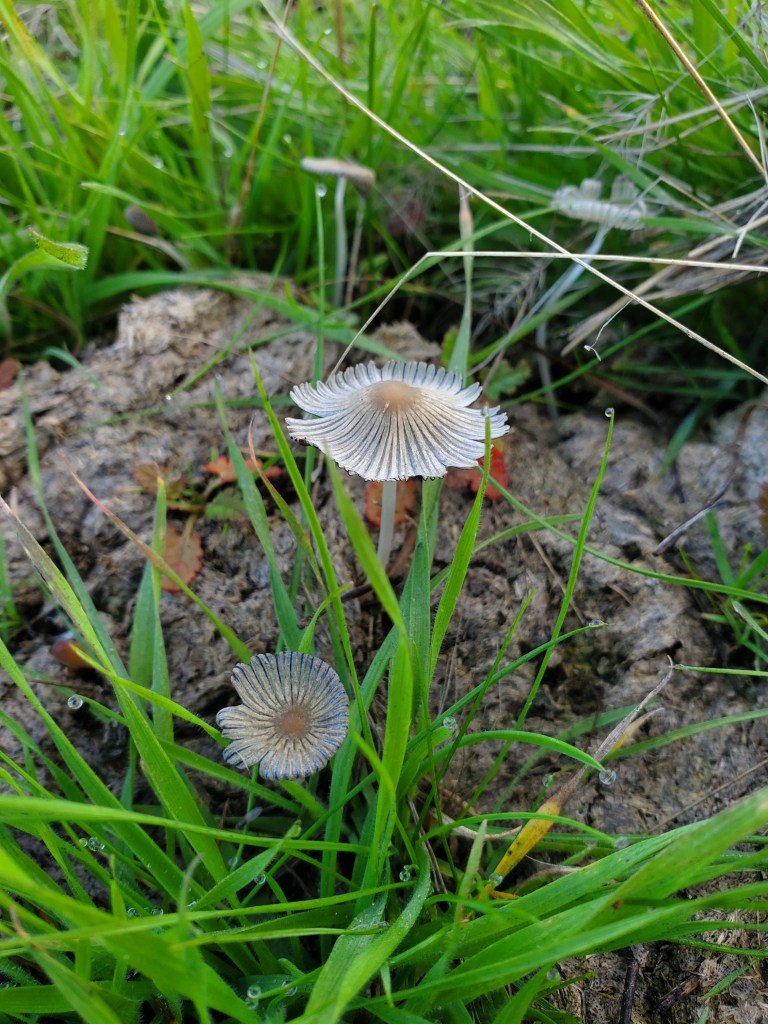
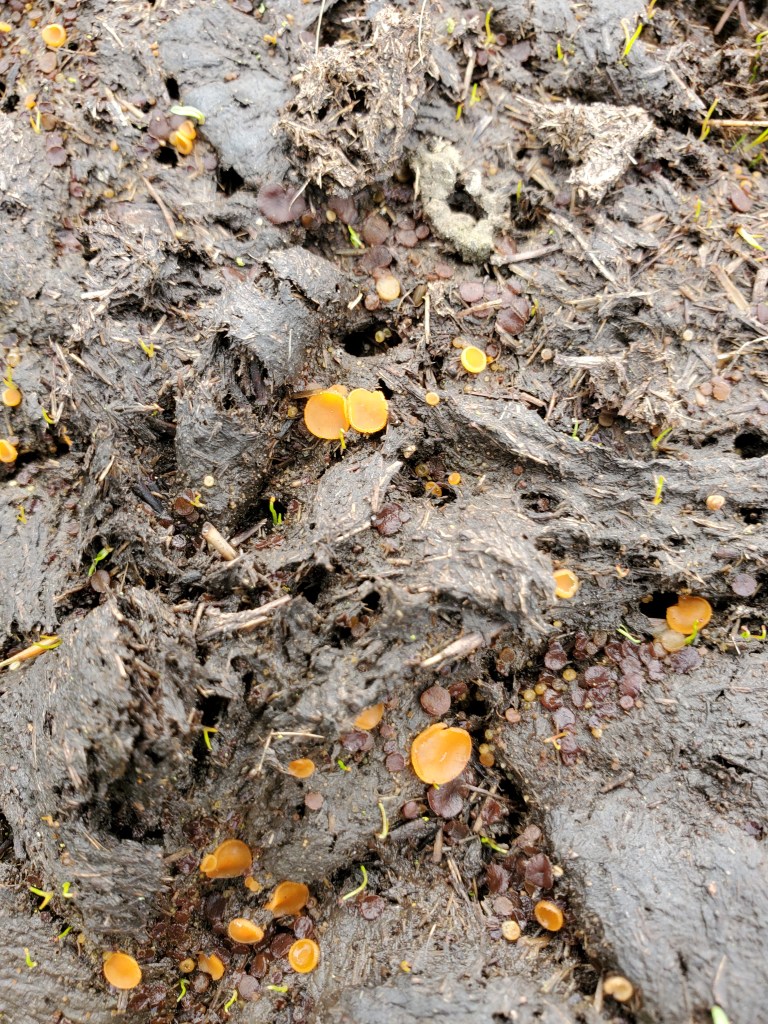
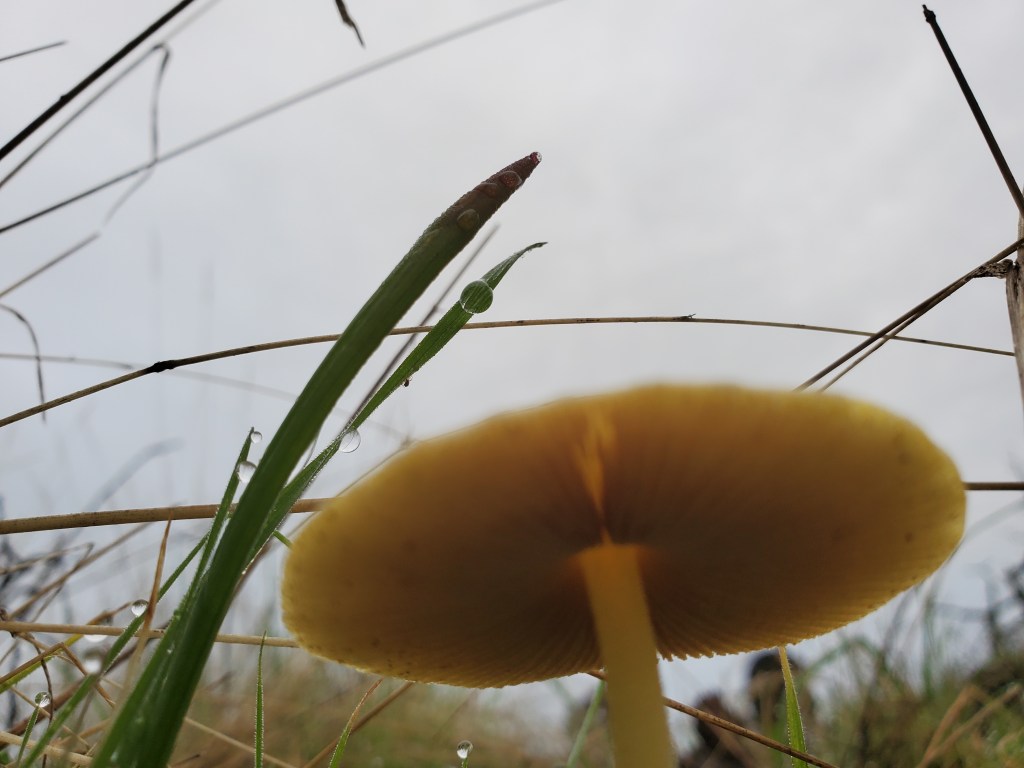
With water also comes ducks, geese, egrets, herons, mushrooms, mayflies, and green grass. This is such a pretty time of year.

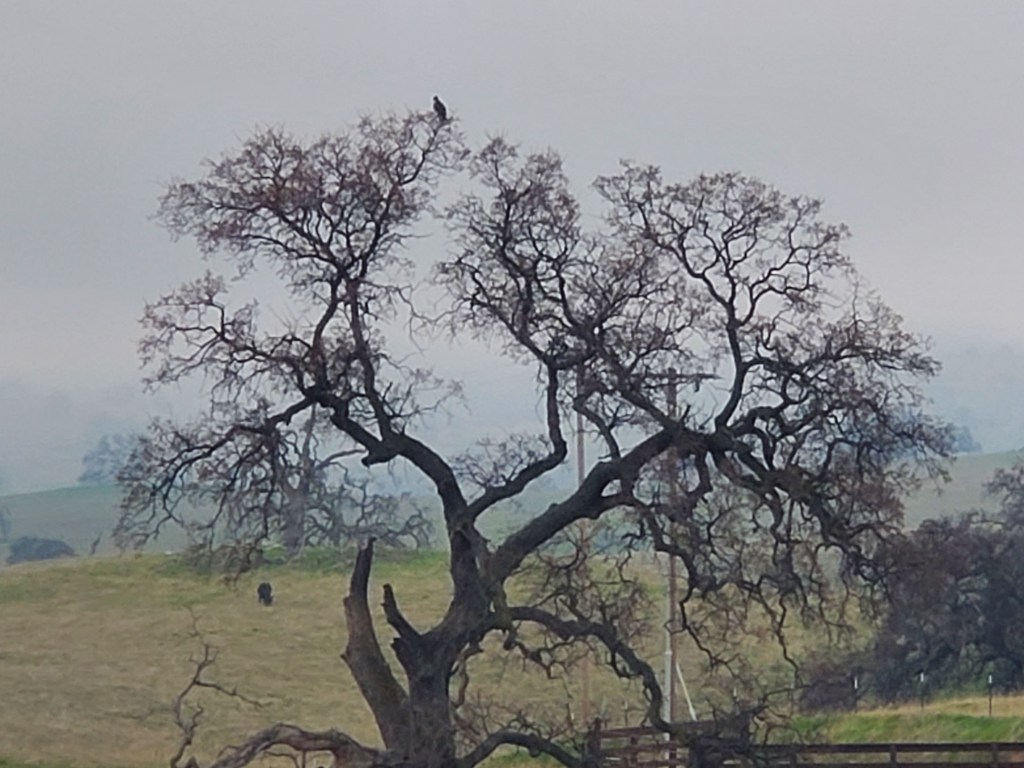
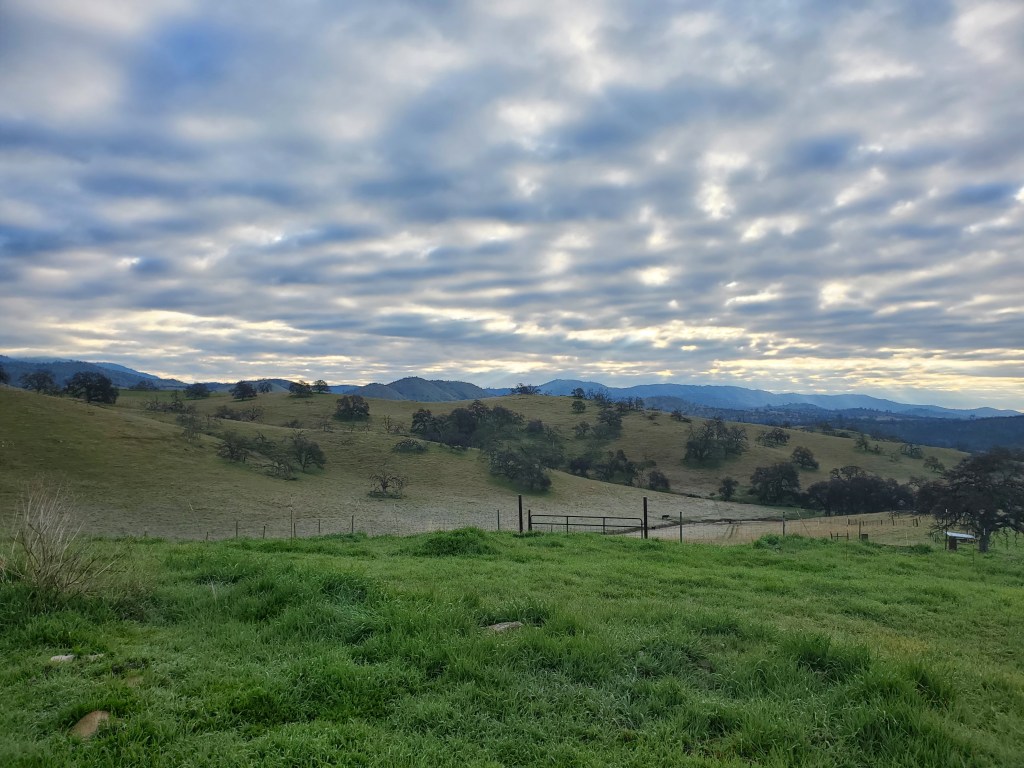
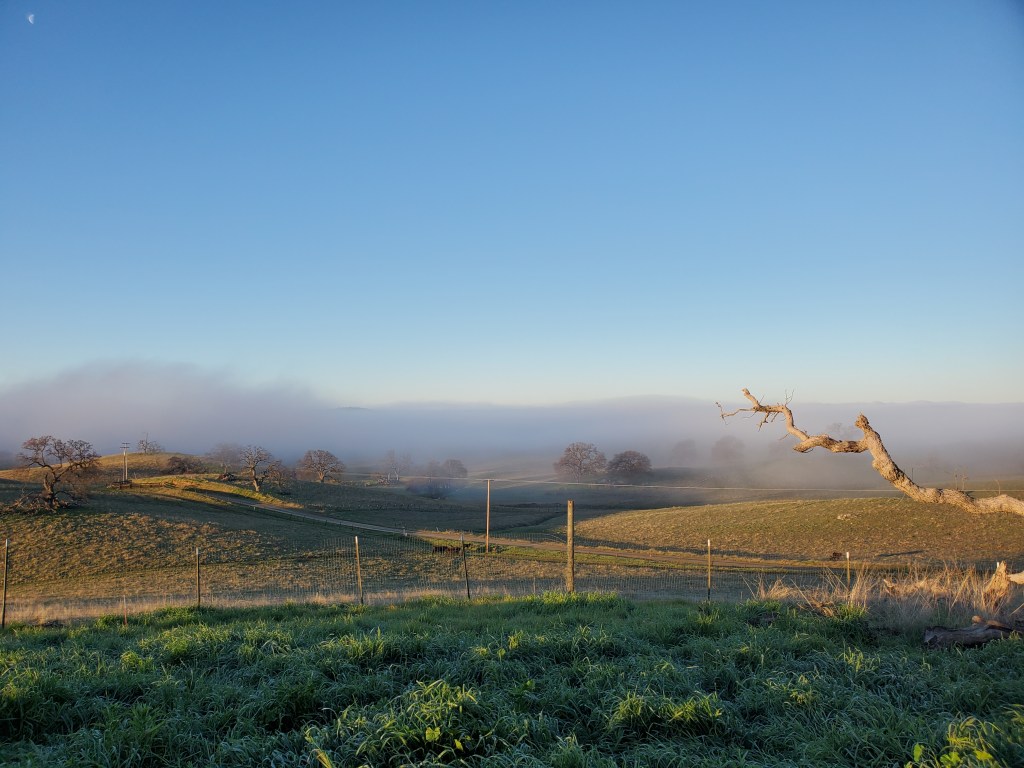
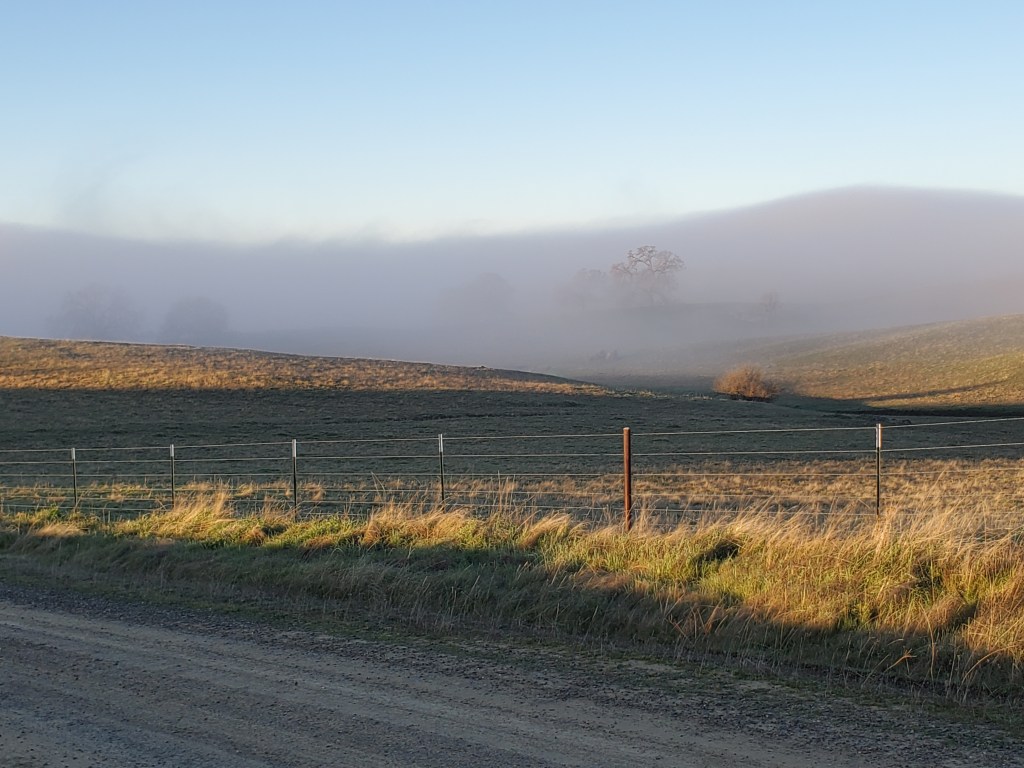
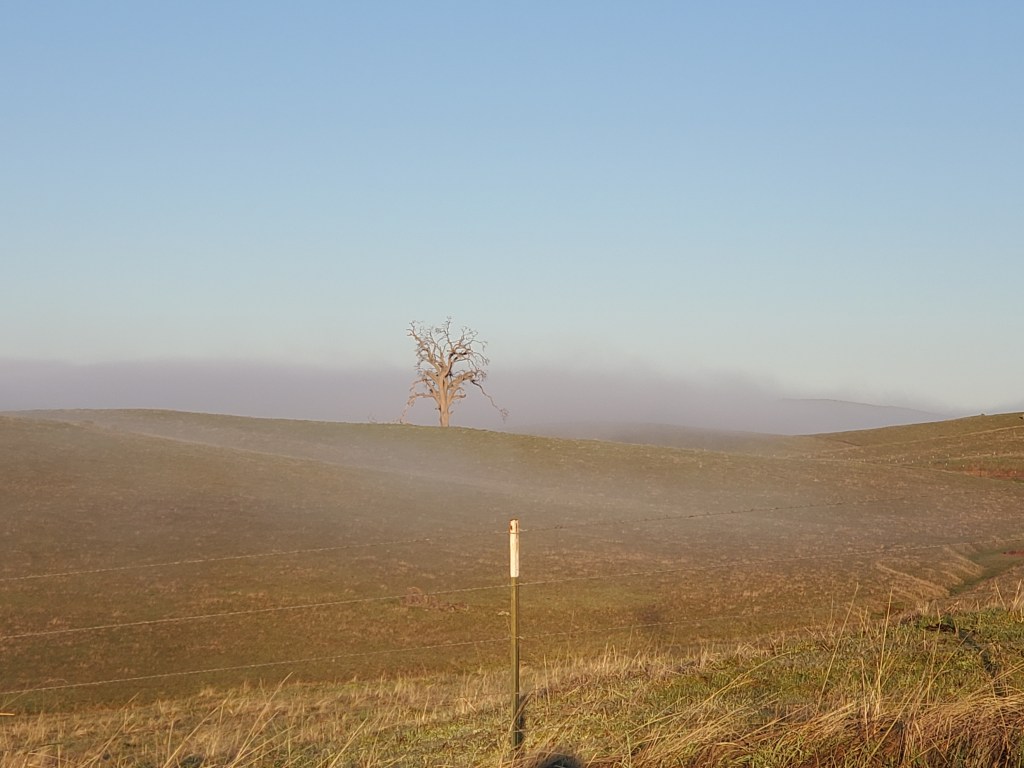
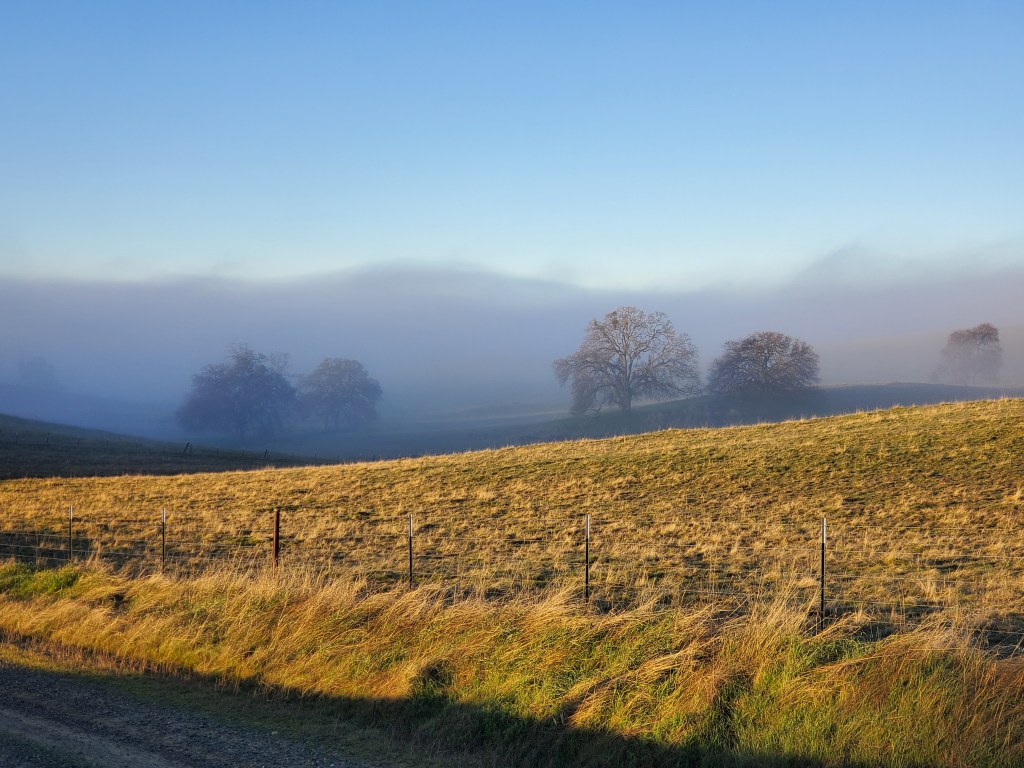
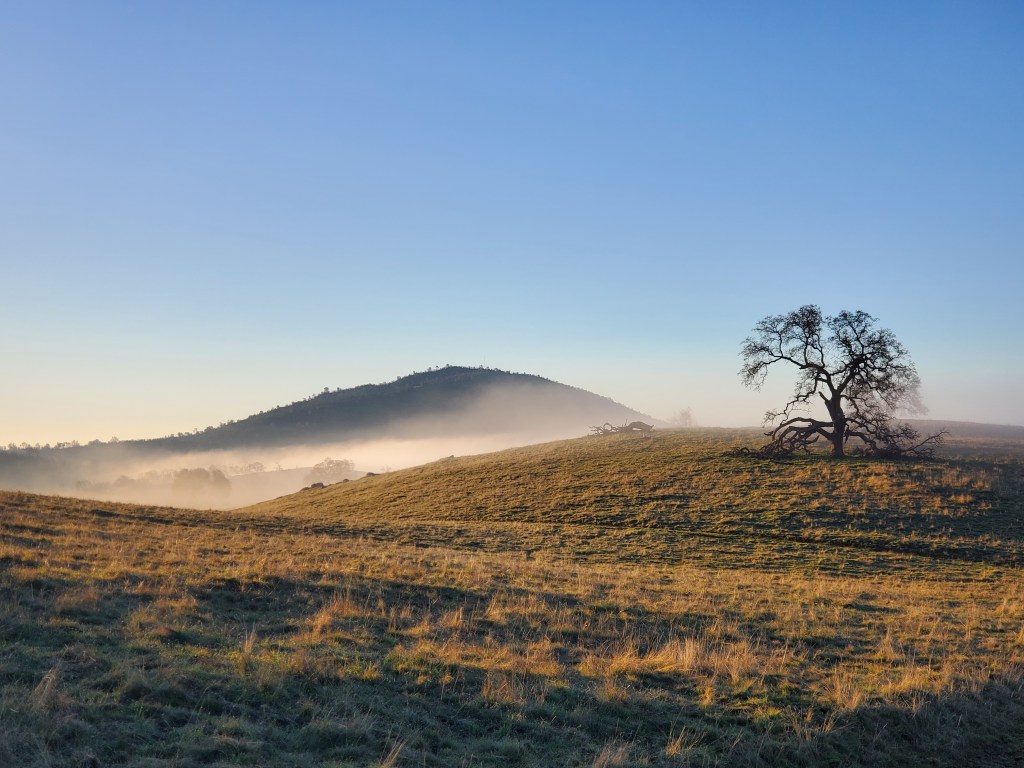
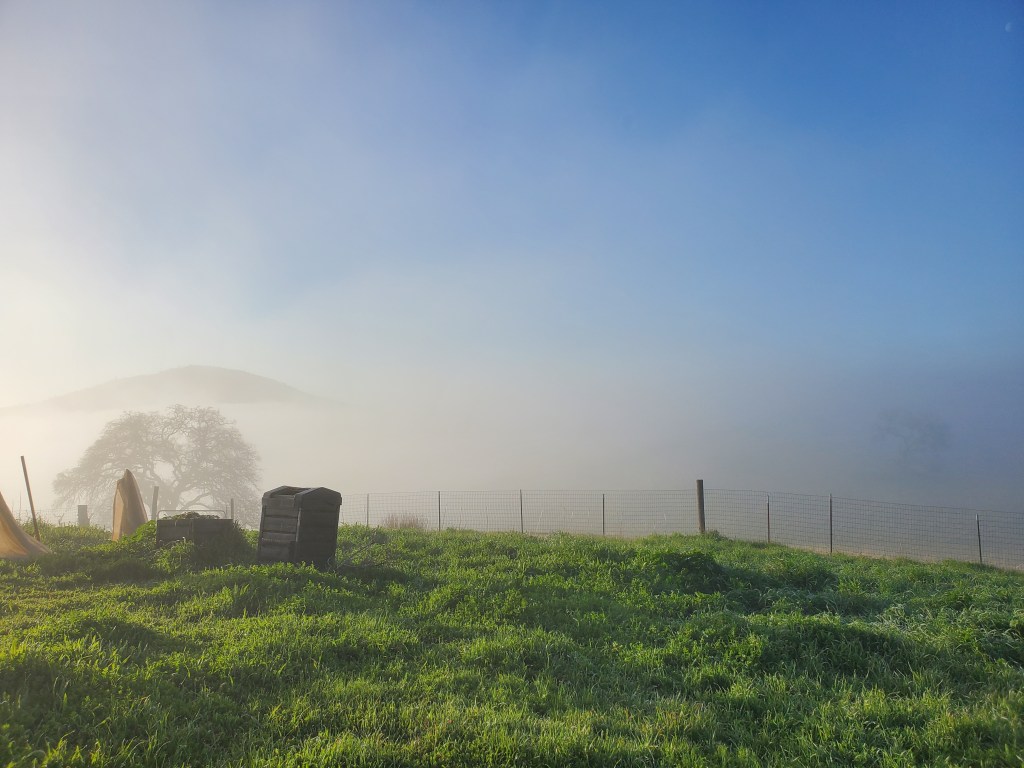
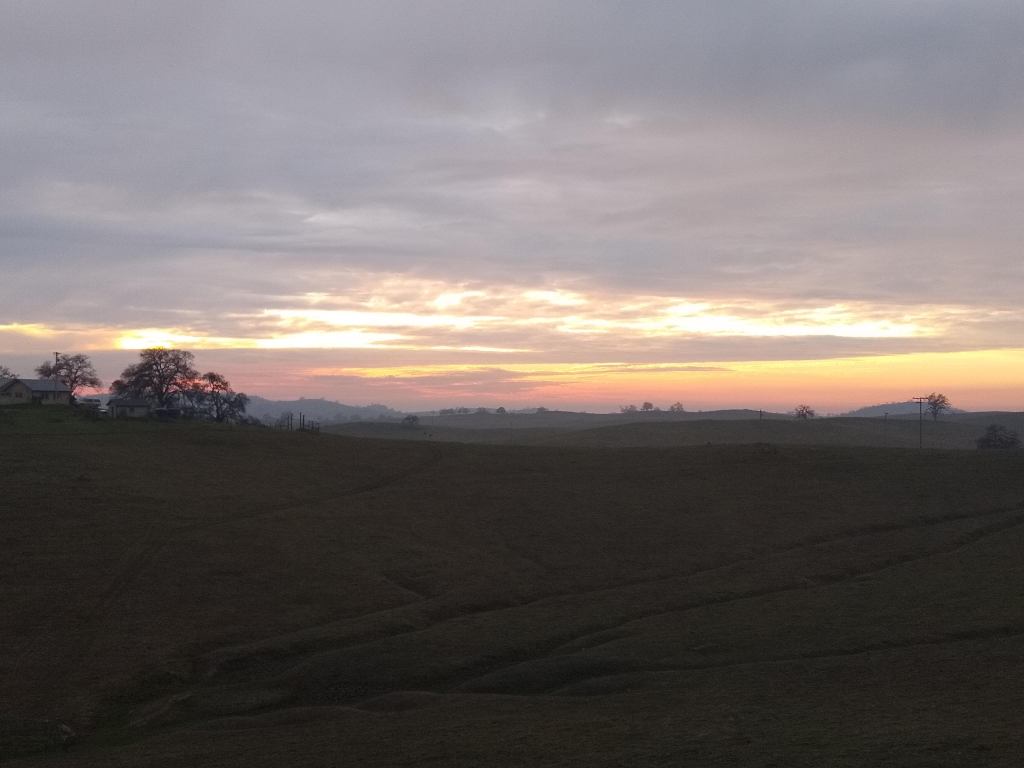
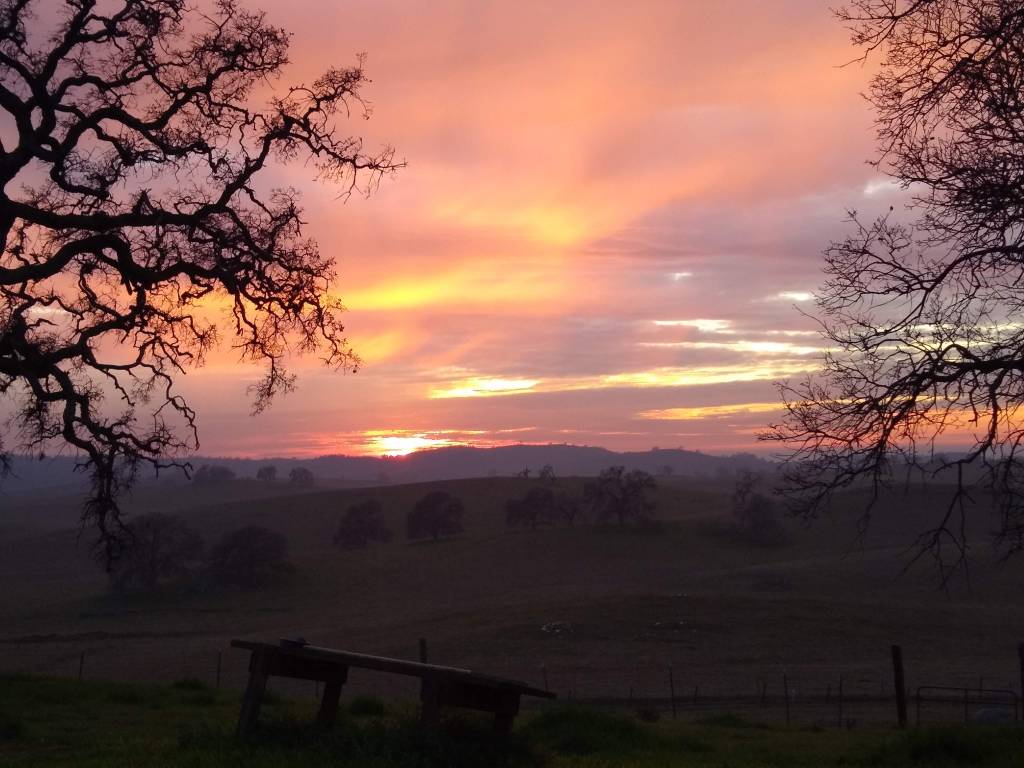
We are generally above the fog line, but every now and then, the fog rolls in. I don’t mind. It keeps the soil moist and the temperatures down. The fog is pretty too.
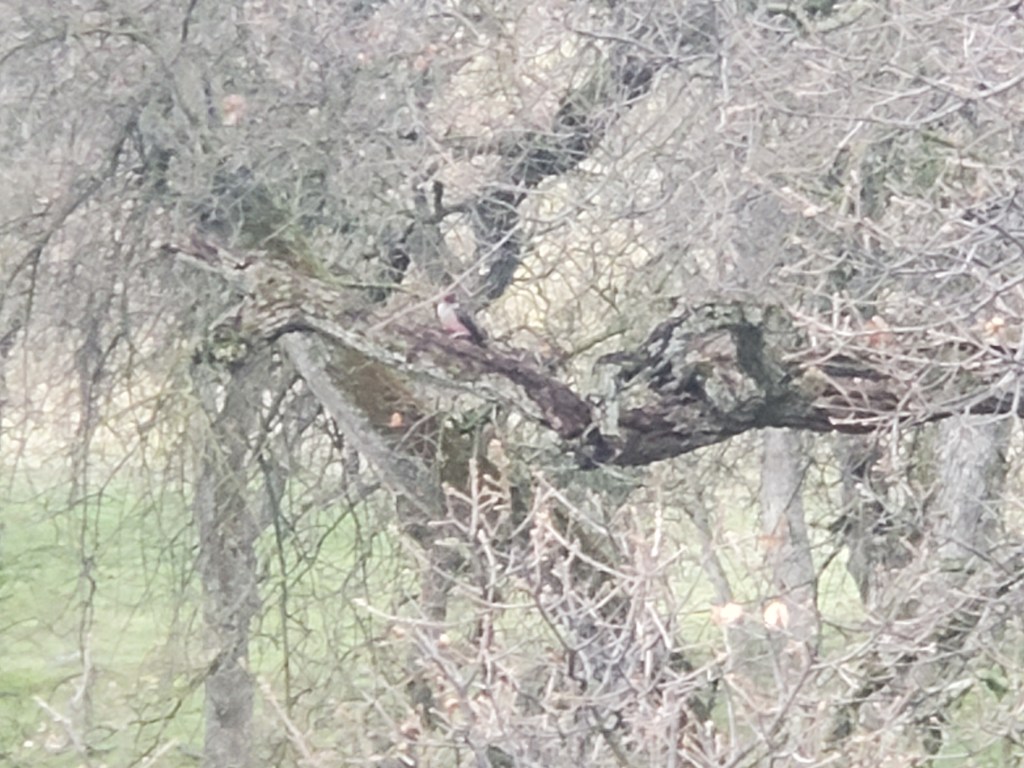
Sometimes I lay down, listen to the birds, feel the cool ground on my back, smell the air, look at the sky. I did this when I was young, and it was happiness. The key is time – to think, relax, breath and connect. Anyone can do this anywhere, a park, a back yard, a patio with your potted plants.

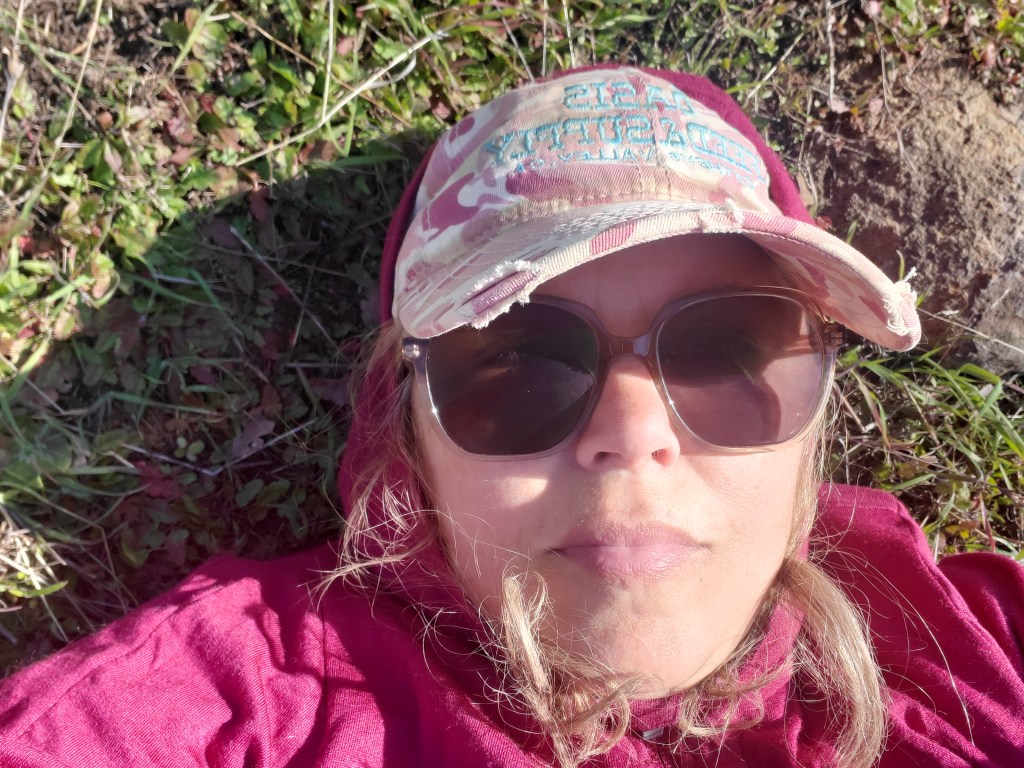
Joy is possible and necessary even in a time filled with bad news. All we need to do is look around, smell, hear, touch, and especially, feel.
My Fourth PolliNative Monarch Season Begins With Emergence of Ca. Milkweed

Take a deep breath. Release. The air is now thick with nectar. The sweet smell is hanging on the moisture molecules of humidified air. With it, comes the scent of grass, freshly grown, and a hint of oak bark still moist from the rains. I hope you can imagine this smell of spring. It invigorates me and lets so many other nature relatives know the time to emerge is near.

Drinking with my nose, walking up the 60% grade hill to the California Milkweed plots, I begin to look down wondering if my favorite plant has made its way up from underground life. It took a little searching, but I found them early last week, the soft, velvety leaves of A. Californica. I expected to perhaps find emergence on the three most mature plants, but I found a fourth as well. In finding the fourth surprise plant this early, I am feeling like things are continuing to heal, expand, and thrive.
The cattle are toward the end of their rotation on the south side of the ranch. They will be on the north side soon for 2 weeks. If I see signs of monarch usage, I will shut the new gates to the far north field. What a relief! I won’t need to stress about protecting the plants this year. Thank you to John Grimes and the National Resource Conservation Service (NRCS)!

Monitoring Rock and Log Check Dams

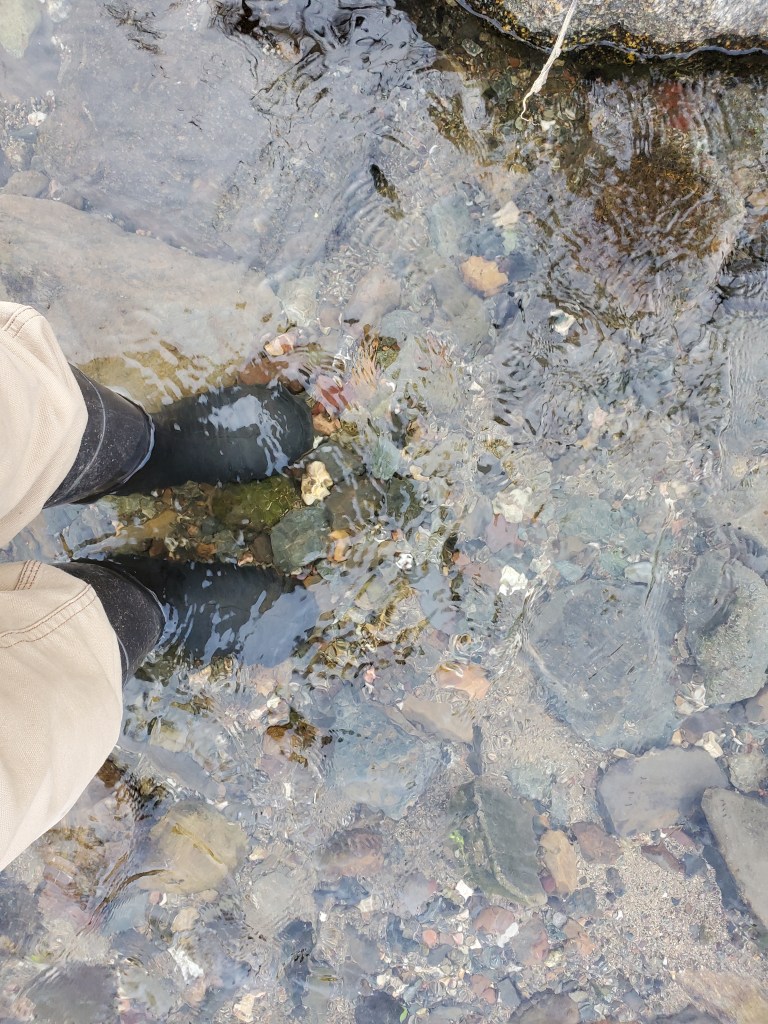
We have significant sediment build up behind even the smallest of check dams. Plants are beginning to take root creating a new habitat – from running water to a marshy water filter of plants and sediment that did not exist before. I get to play in the water too, so it is not all work. I added another small rock check dam even further down the drainage to continue the slowing process and make a wide spot that may be supportive of an arroyo willow. I am still considering whether I will plant one there. The water needs of the willows are considerable, even the ones adapted to this drier climate.

Planting More Oaks and Seeding

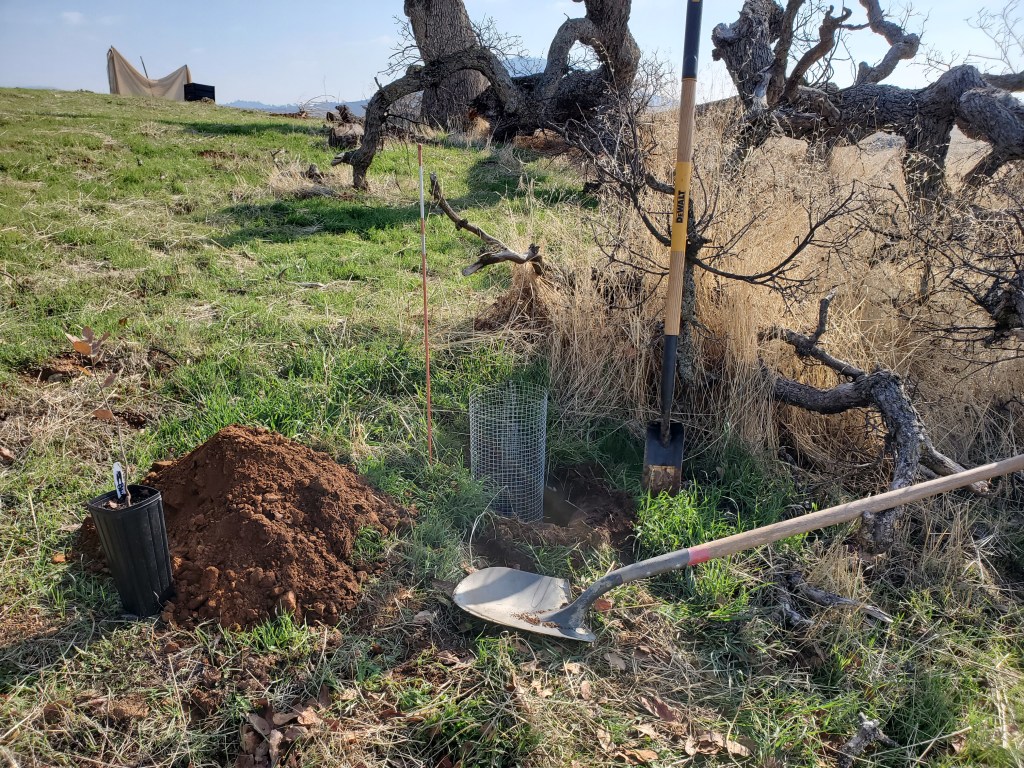
I am continuing to plant oaks, albeit slowly. The seedlings have green sprouts, so I am going to try to hurry and get them into the ground. Of course, the day I went to plant a couple, the cows were loafing with their babies nearby. I try not to disturb them too much. They look so comfortable and peaceful when they are lying on the ground, taking in the sun or languidly chewing cud. The babies can spook easy, and that can get the entire group alerted. More than the economics of running fat off them, I simply want to respect their peace if I can. As such, it makes more sense to park the vehicle and walk my tools and plants the remaining distance.

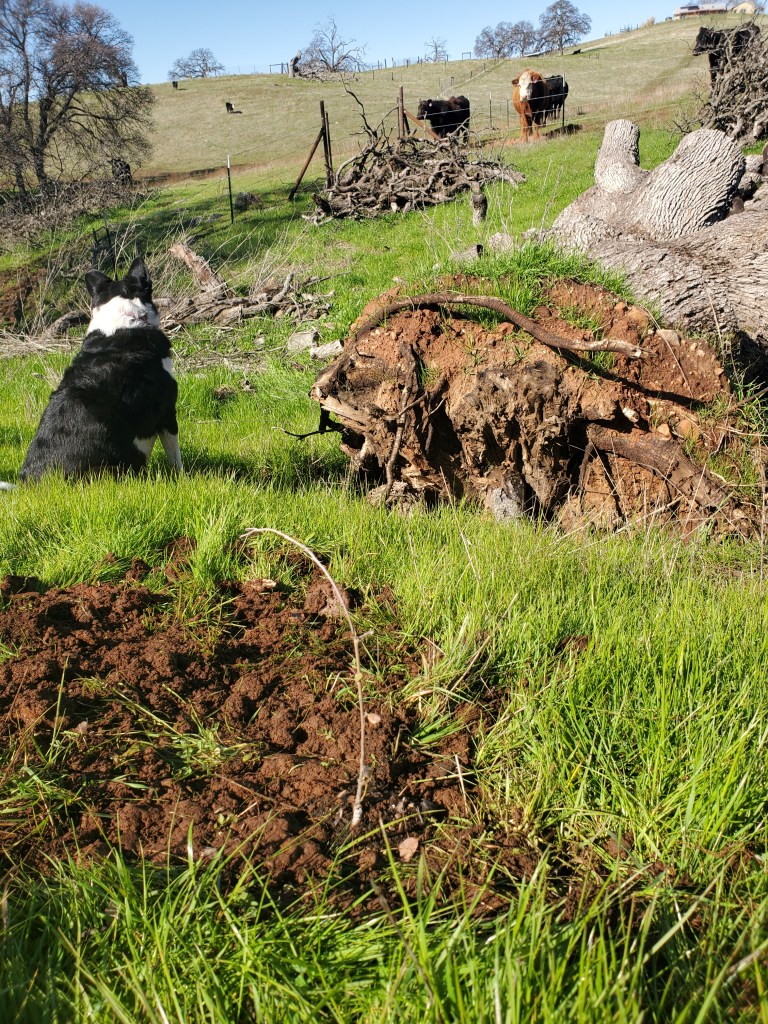
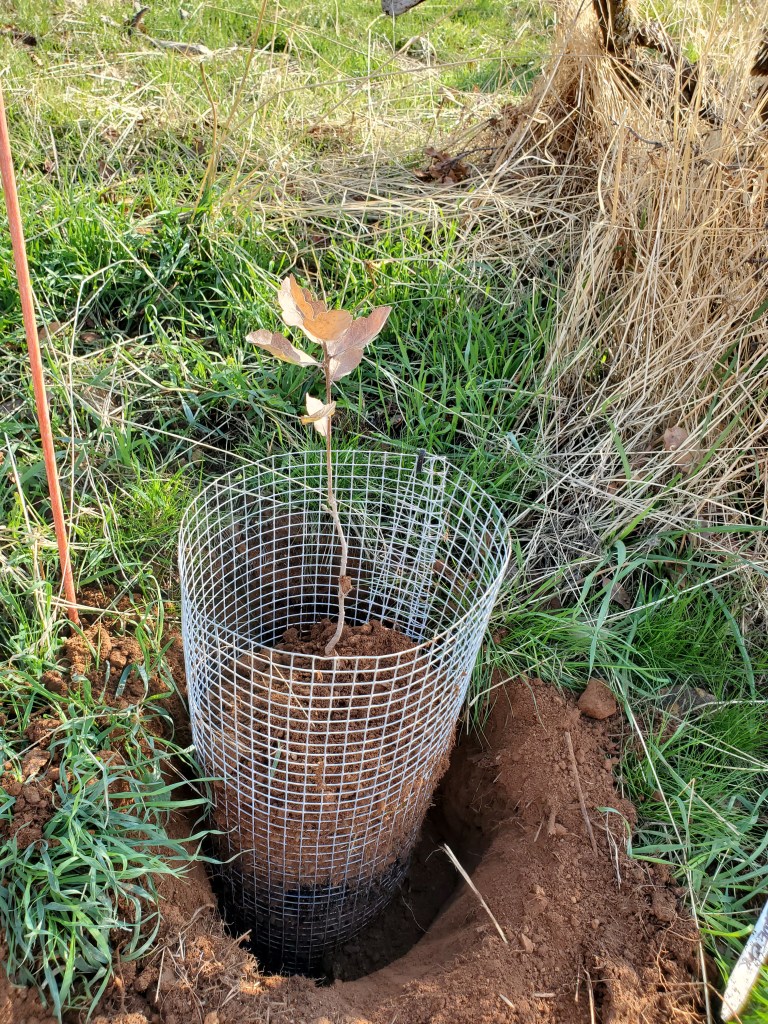
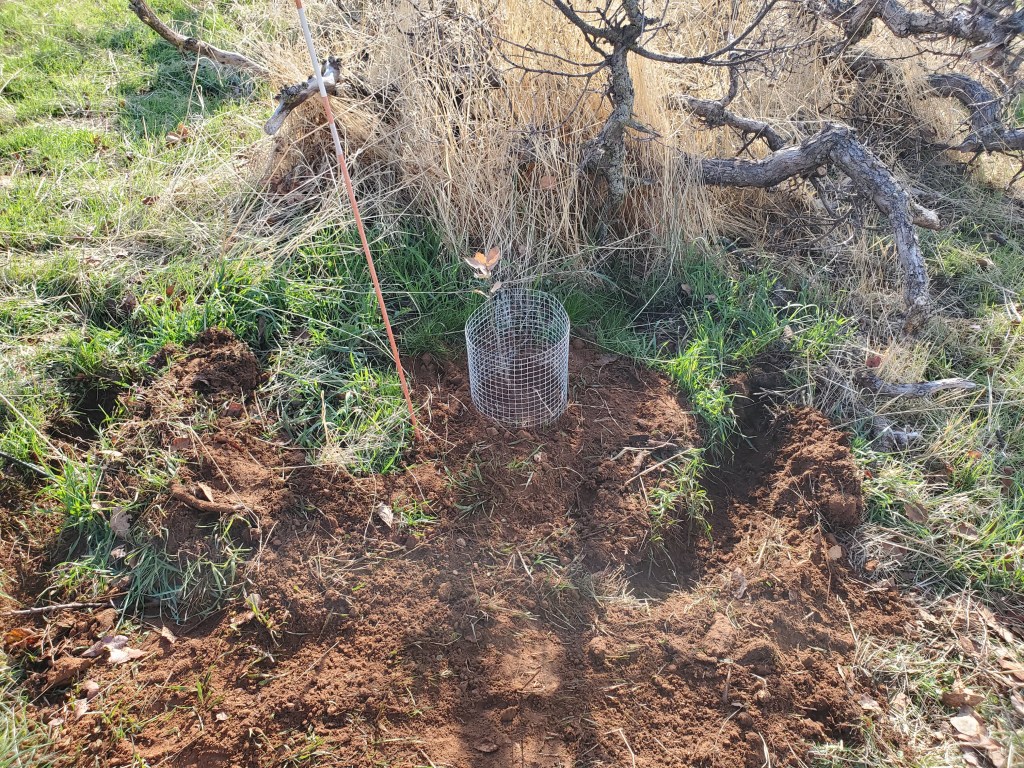
The first seedling, I plant in the exclosure near the area where the healthy oak fell over last year. That will be a good place with ample water. I place the tree very straight slightly higher up the hill from the up-turned rootball. For the second seedling, I choose a place near the grinding rock among the skeletons of old trees but near enough to living trees. It is another area near the water with shade and light. I say a prayer for each, welcoming them home and a wish for their wellness.
Mushrooms and Wildflowers

Bees

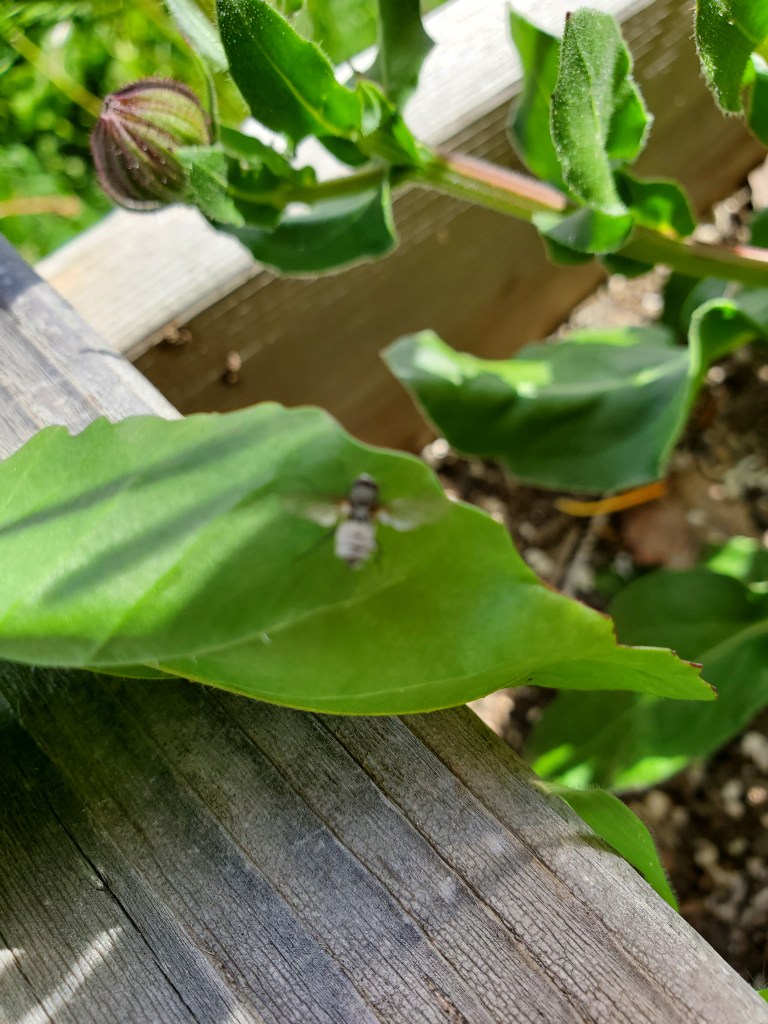
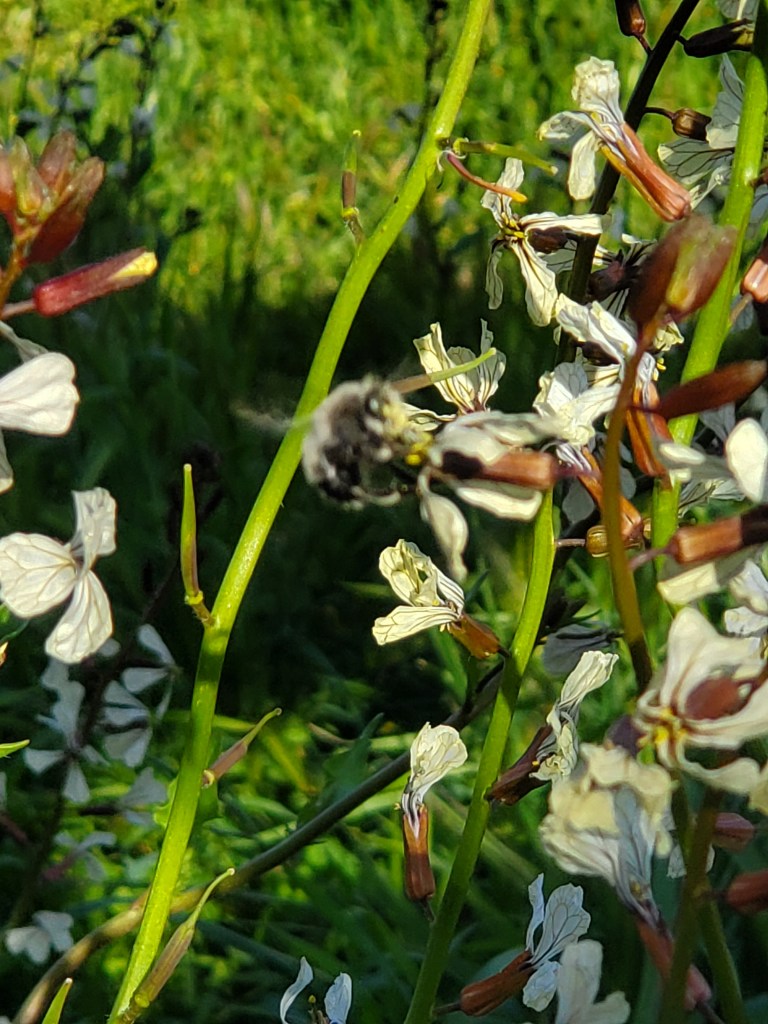
When the sun comes out, we are seeing some significant bee action. Honeybees, a cute silver native bee taking a nap, and fuzzy silver bumble bees have presented themselves. There were some viceroy butterflies just the other day. They are large and orange, so very exciting to see. They move too fast and don’t stay long. It is rare that I get a good look at them let alone a photo.

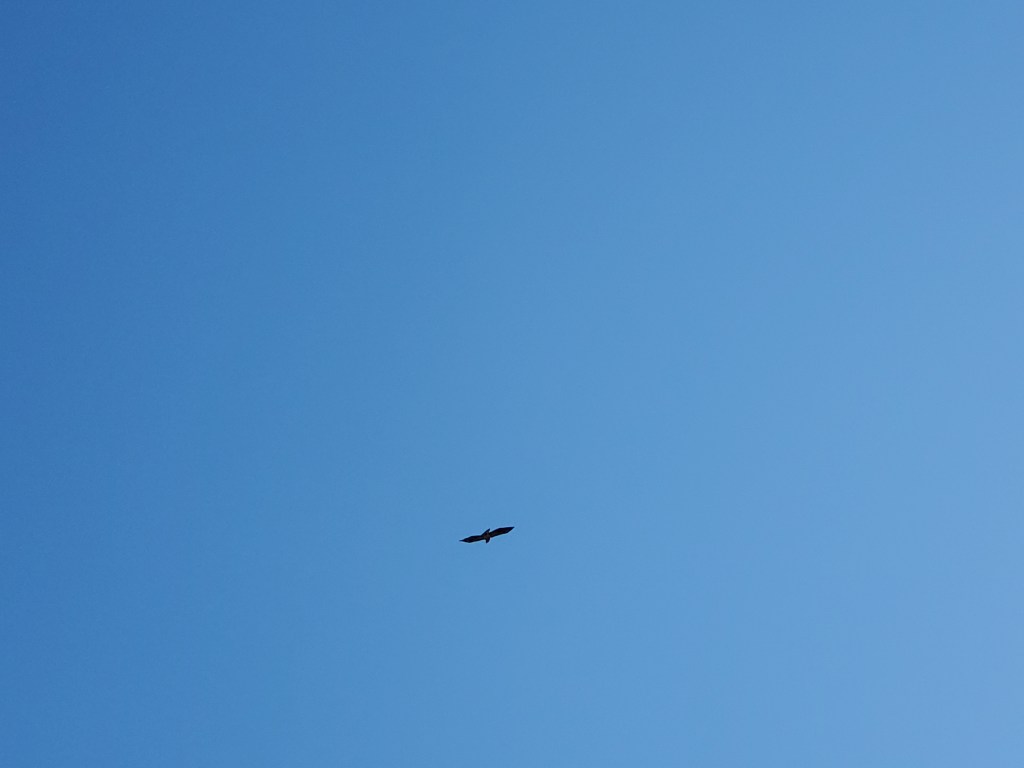
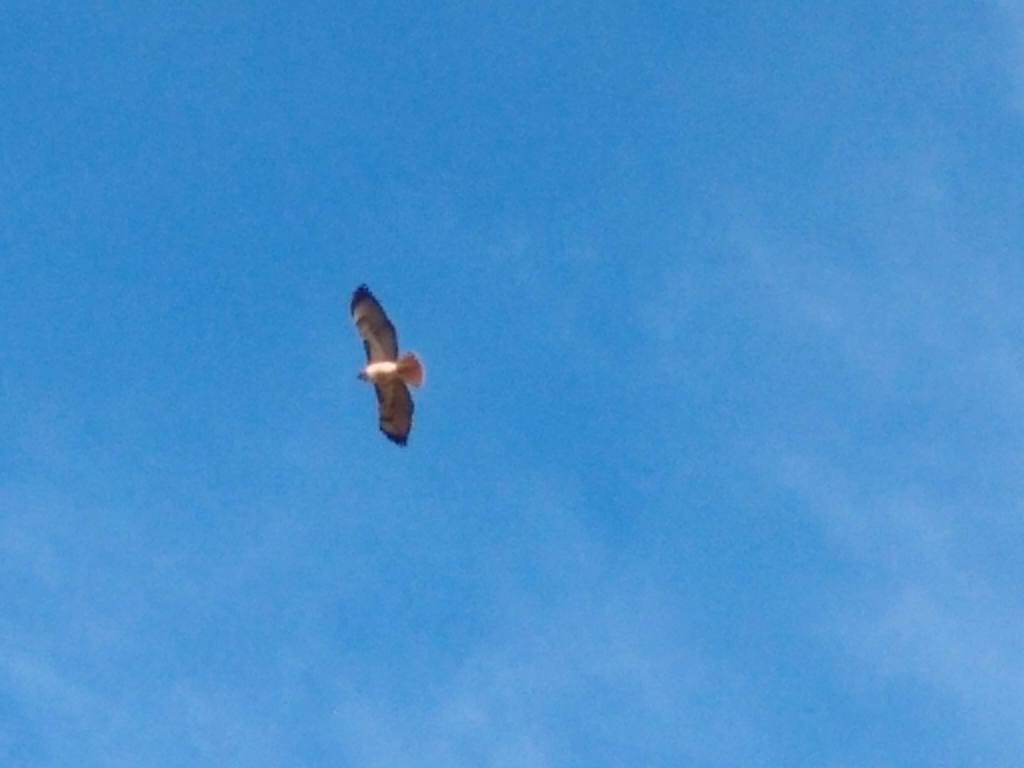
A very special guest made an appearance twice – a rough legged hawk. They live in the arctic north and fly south for the winter. Mariposa County is near the absolute south portion of their range. According to bird resources and my Stokes bird book, it is rare to see them this far south. I am thanking all the water for staying here and making a compelling habitat for some remarkable raptors this year, including a bald eagle the other day.

Stewardship is Not all Outdoor Work

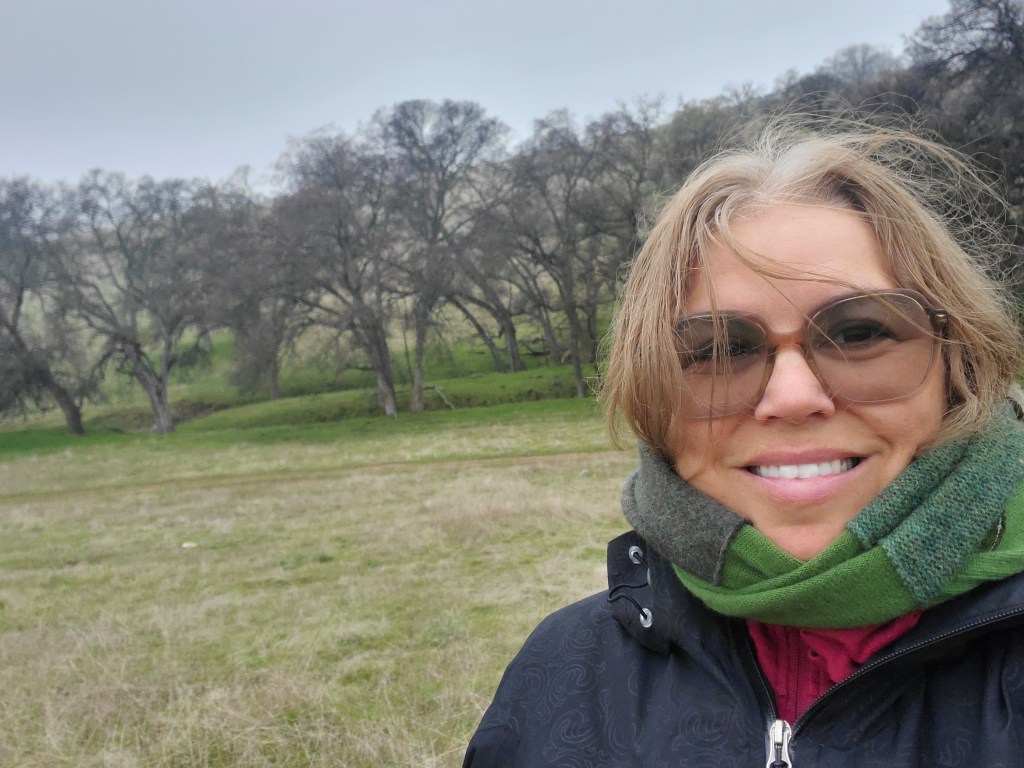
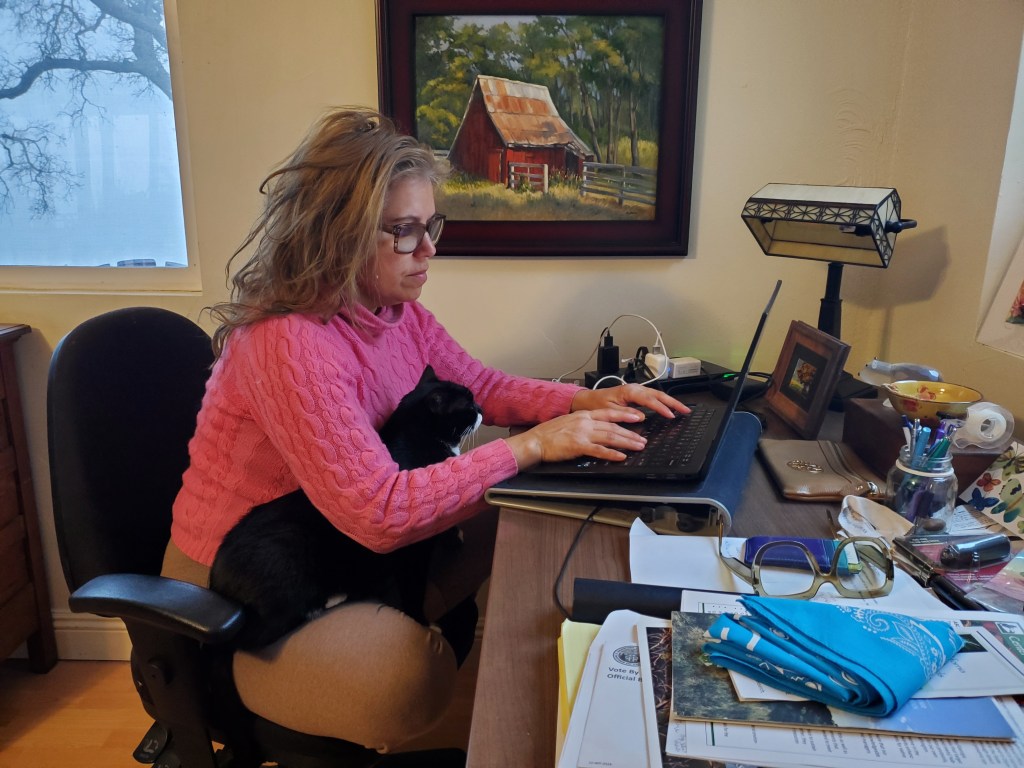
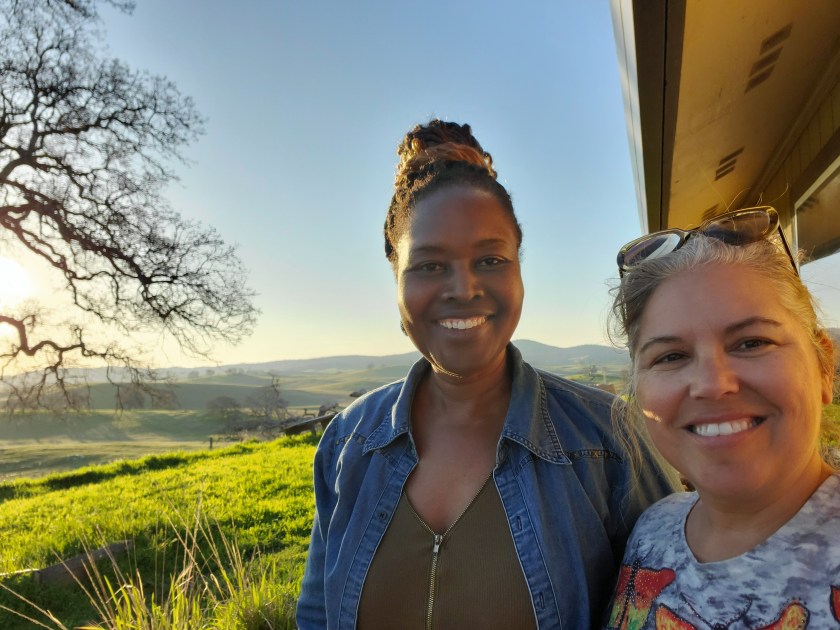
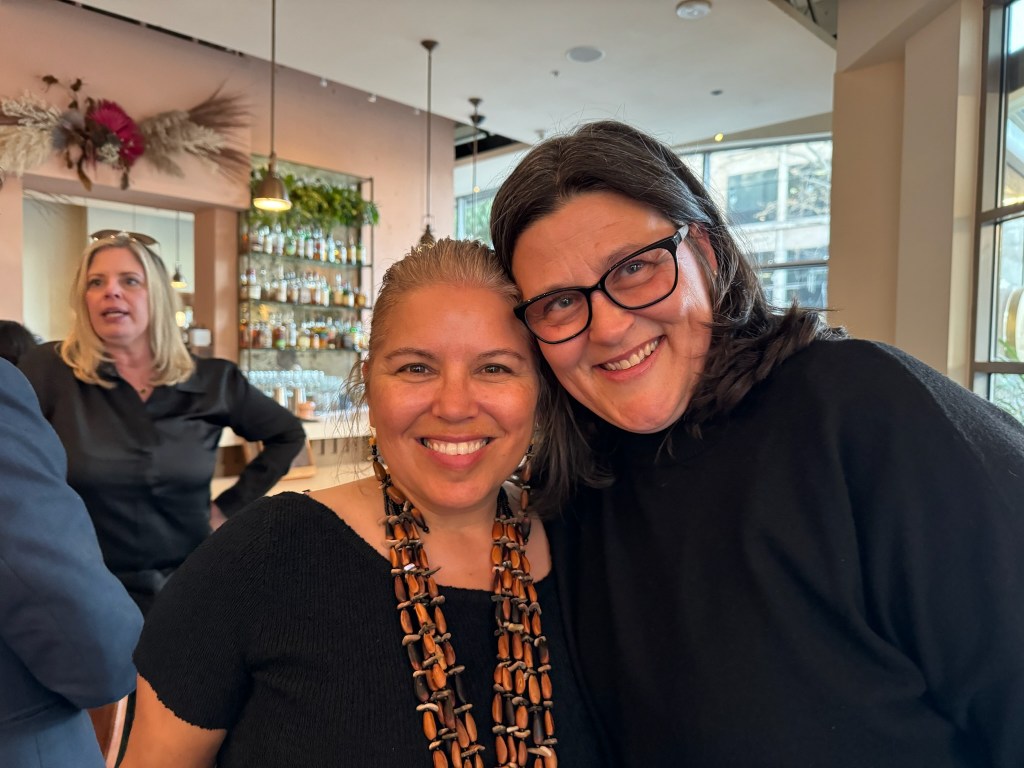
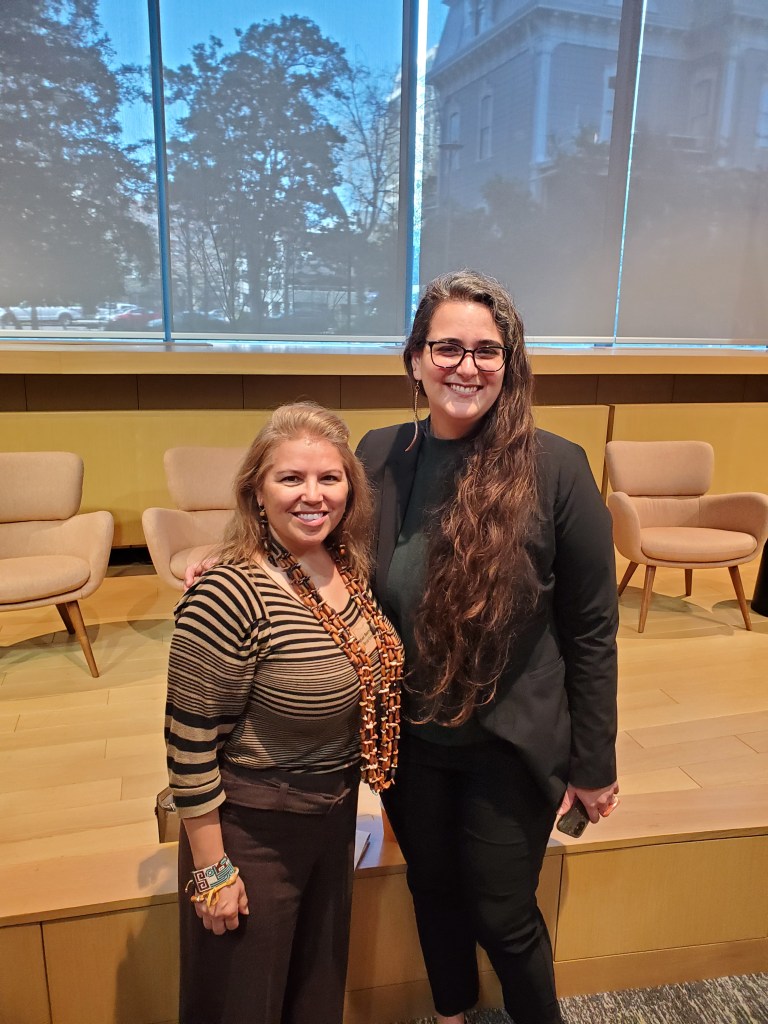
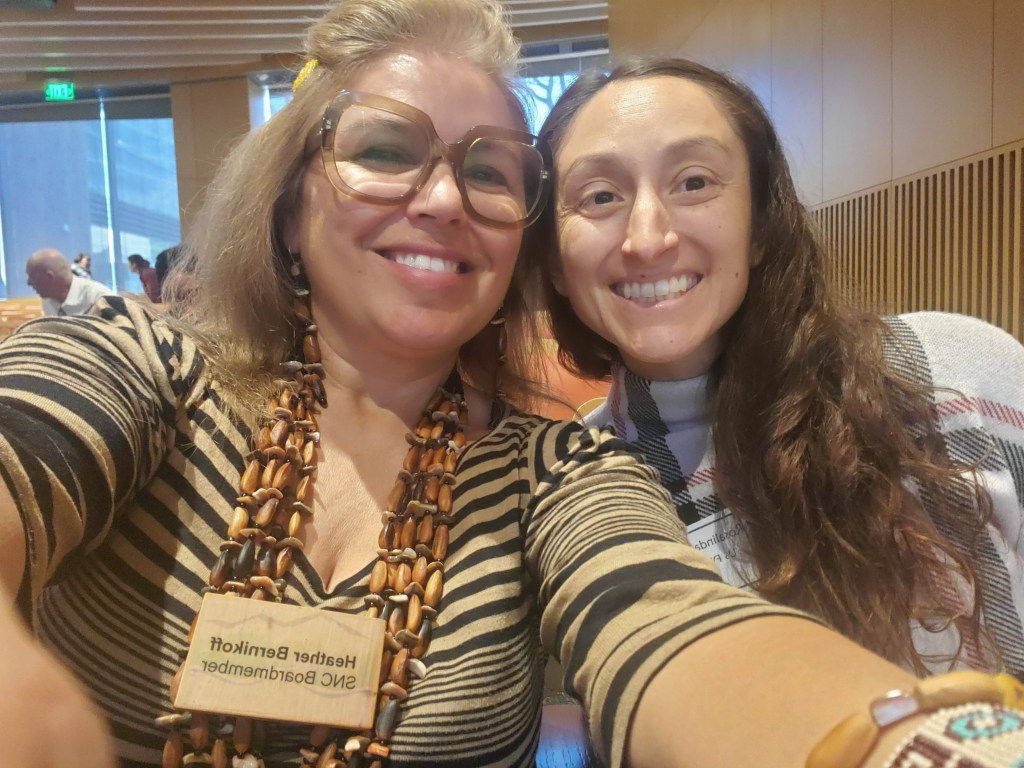
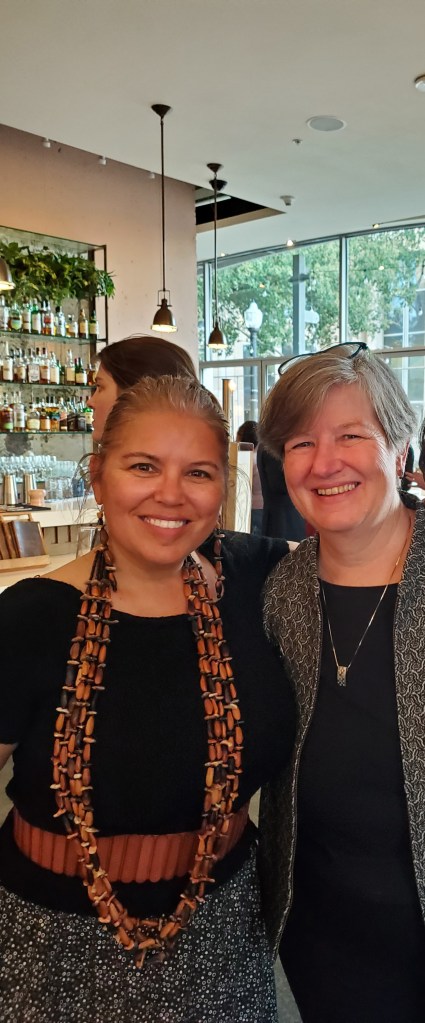
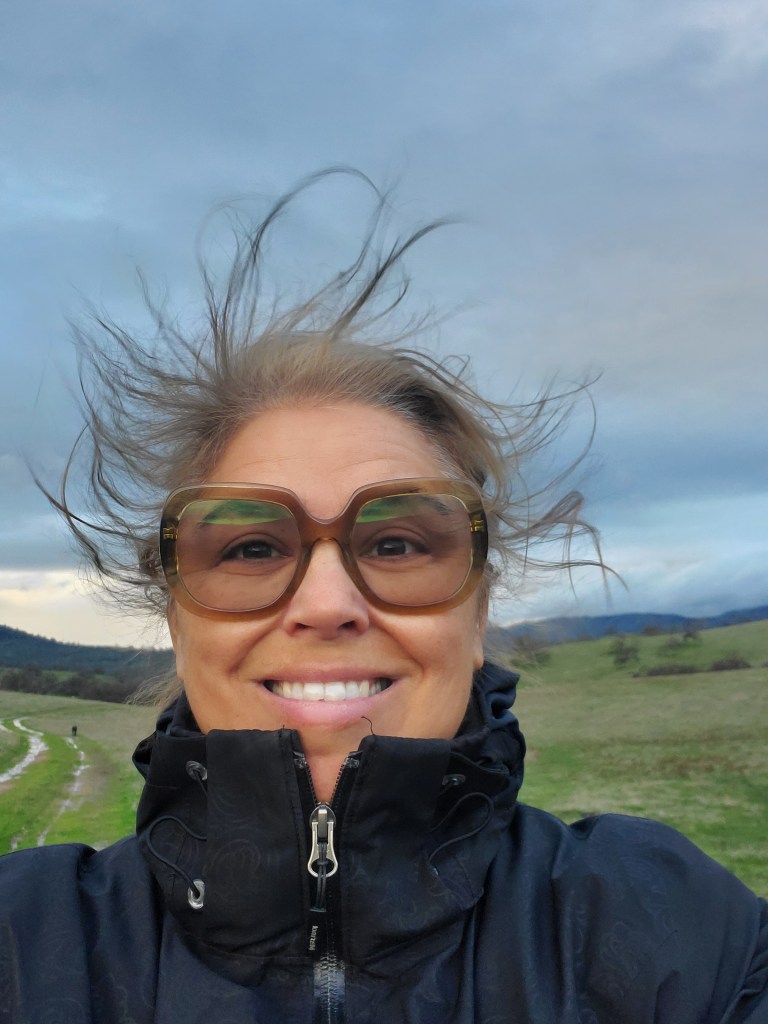
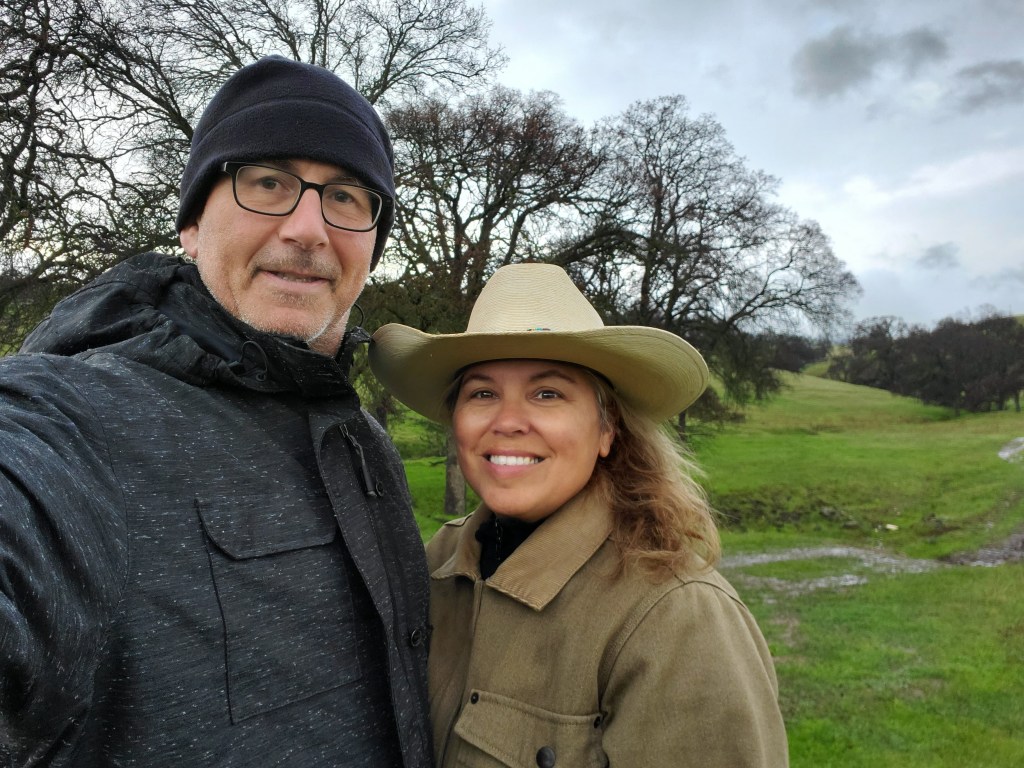
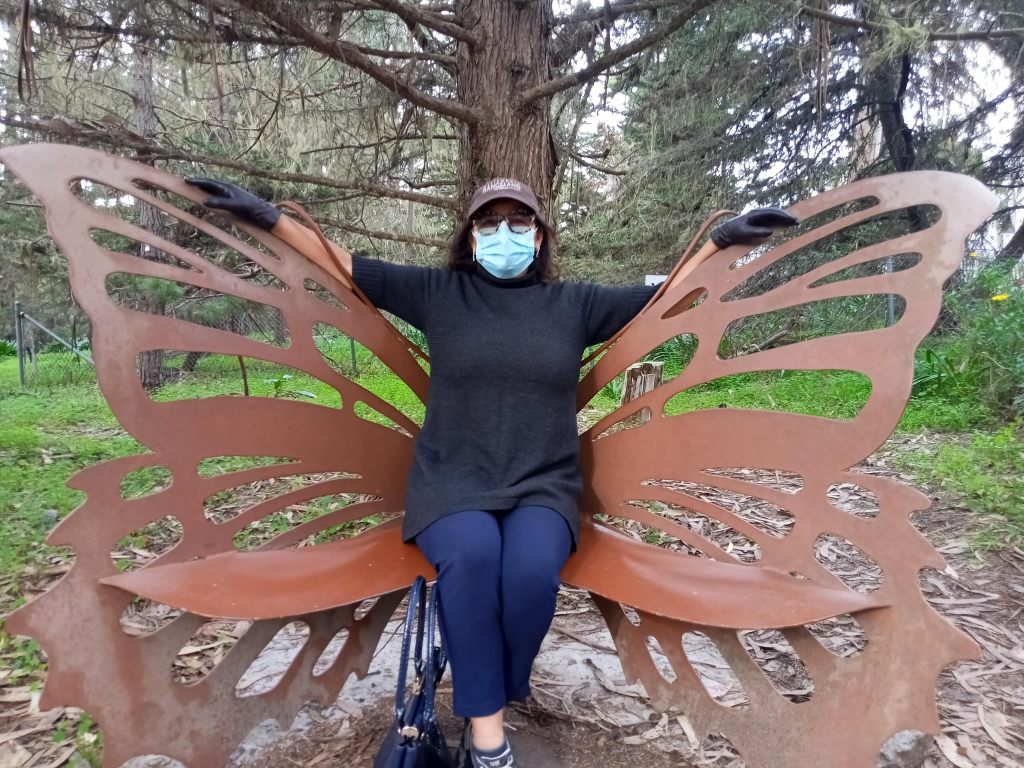
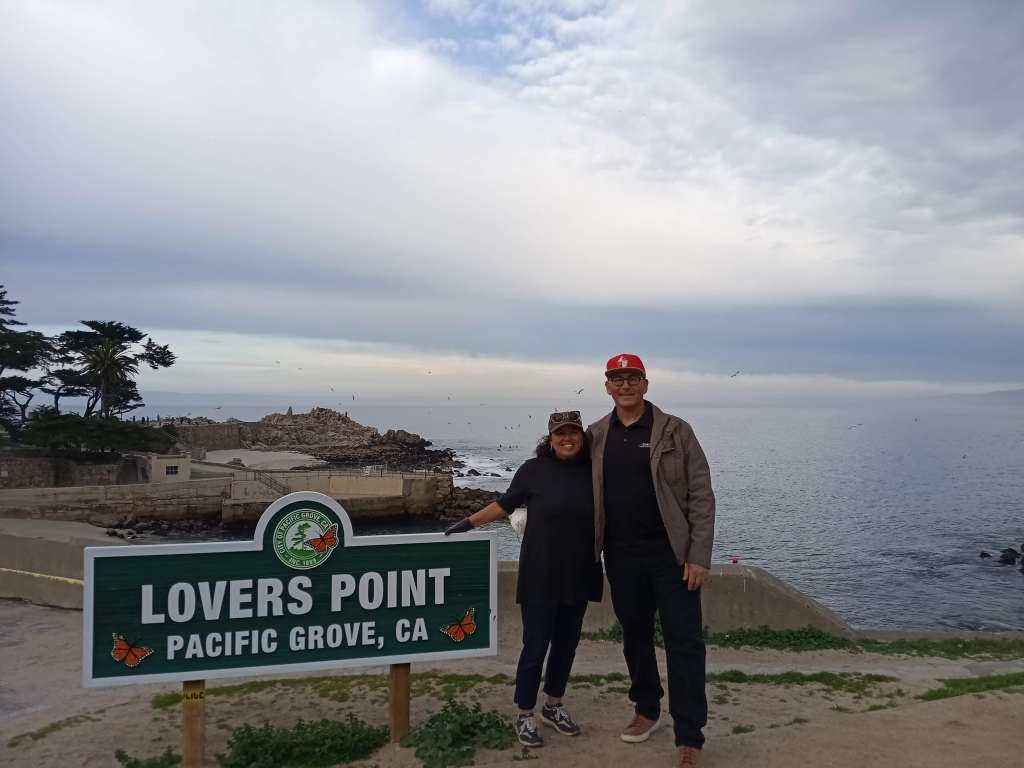
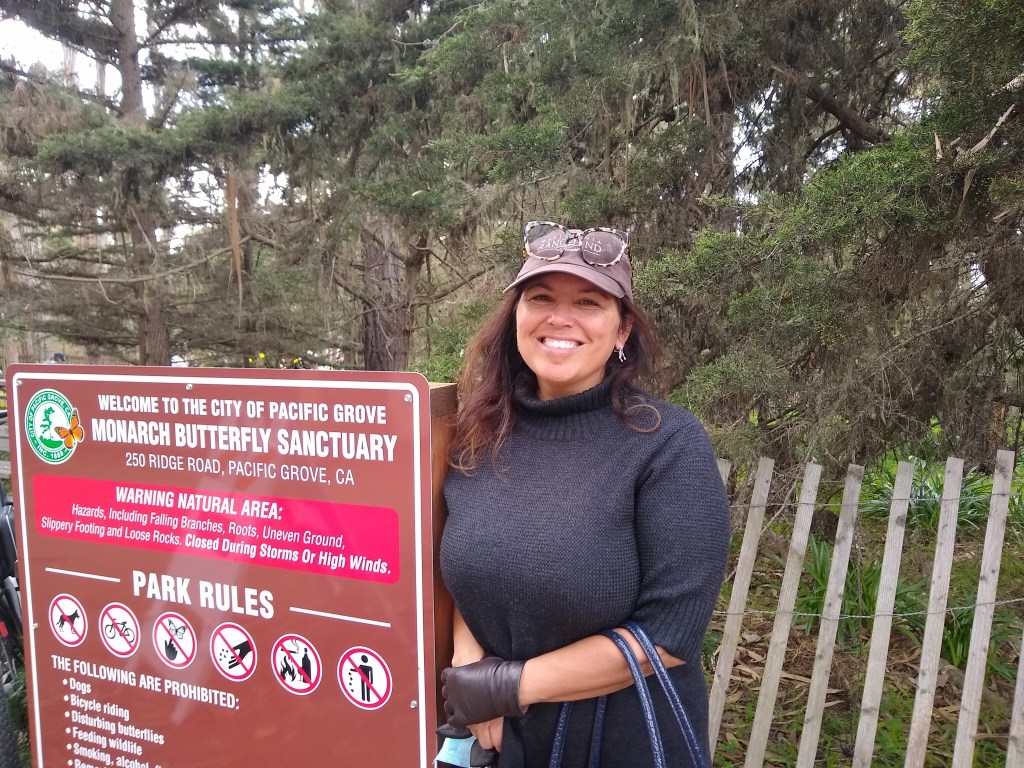
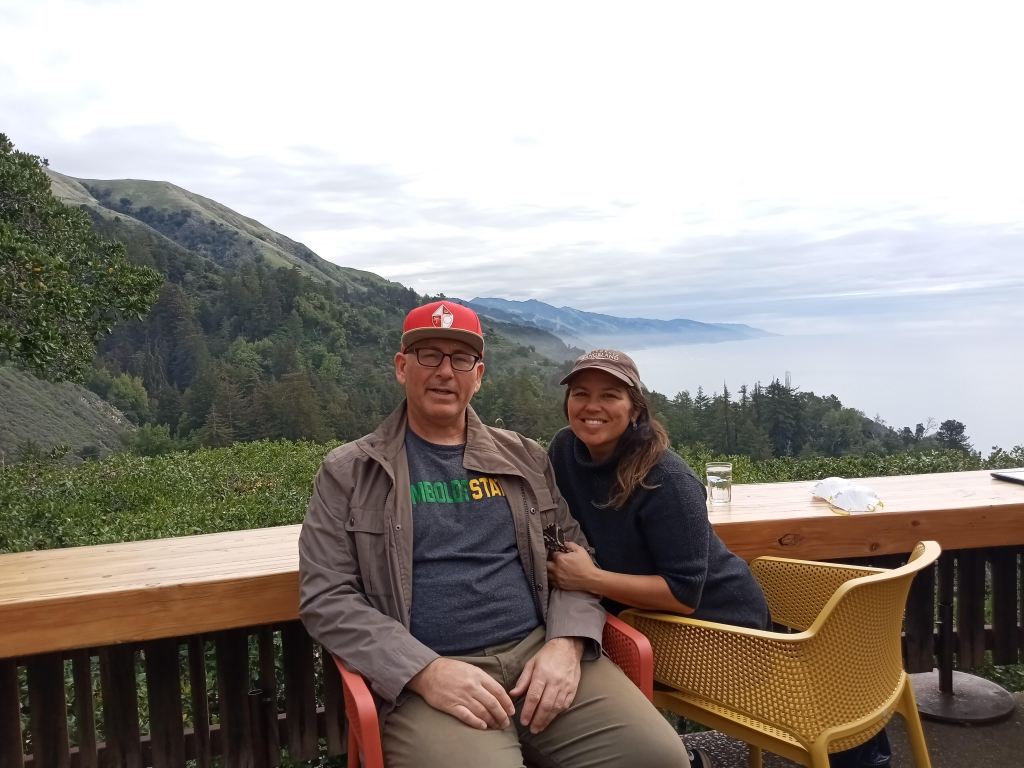
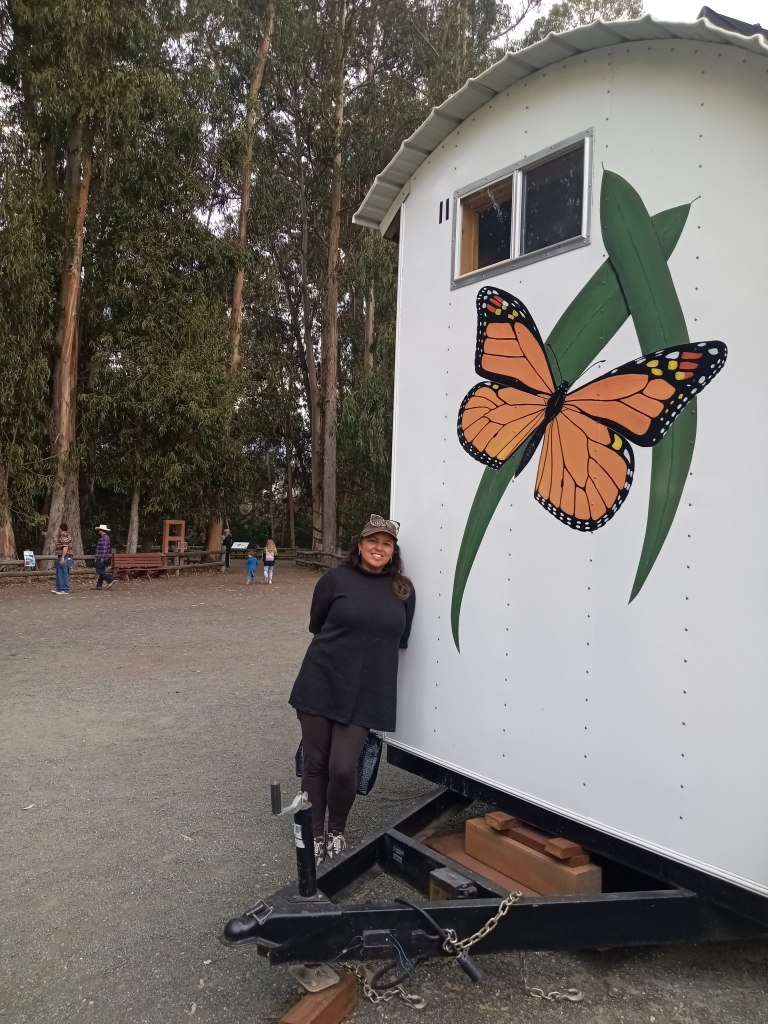
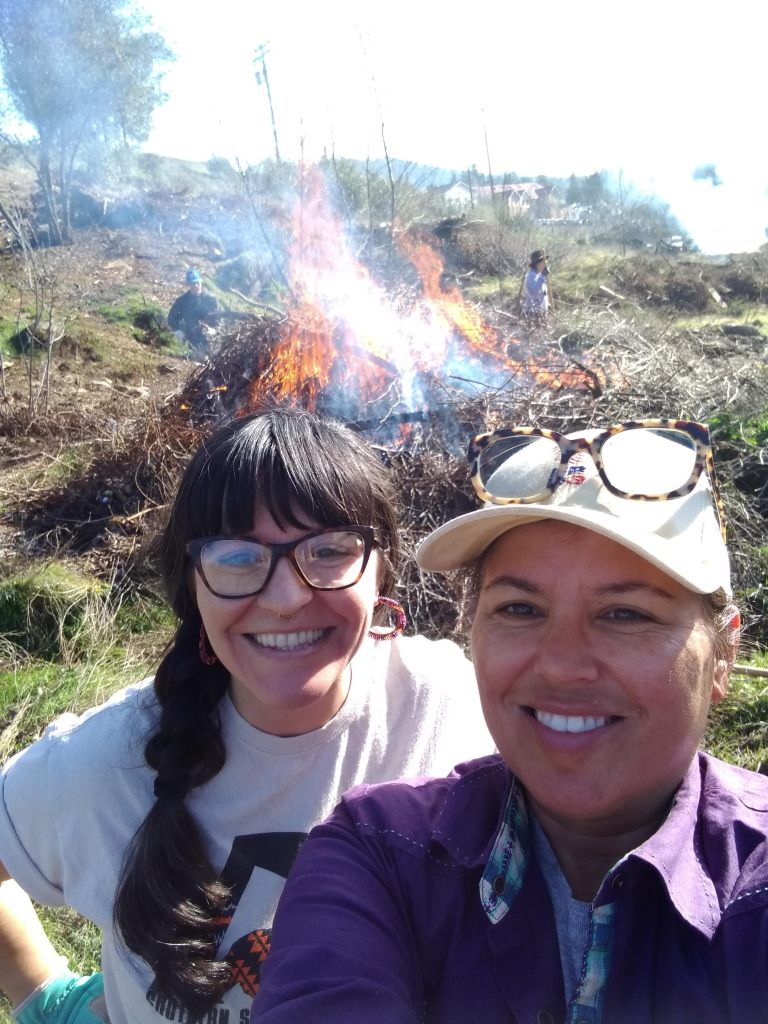
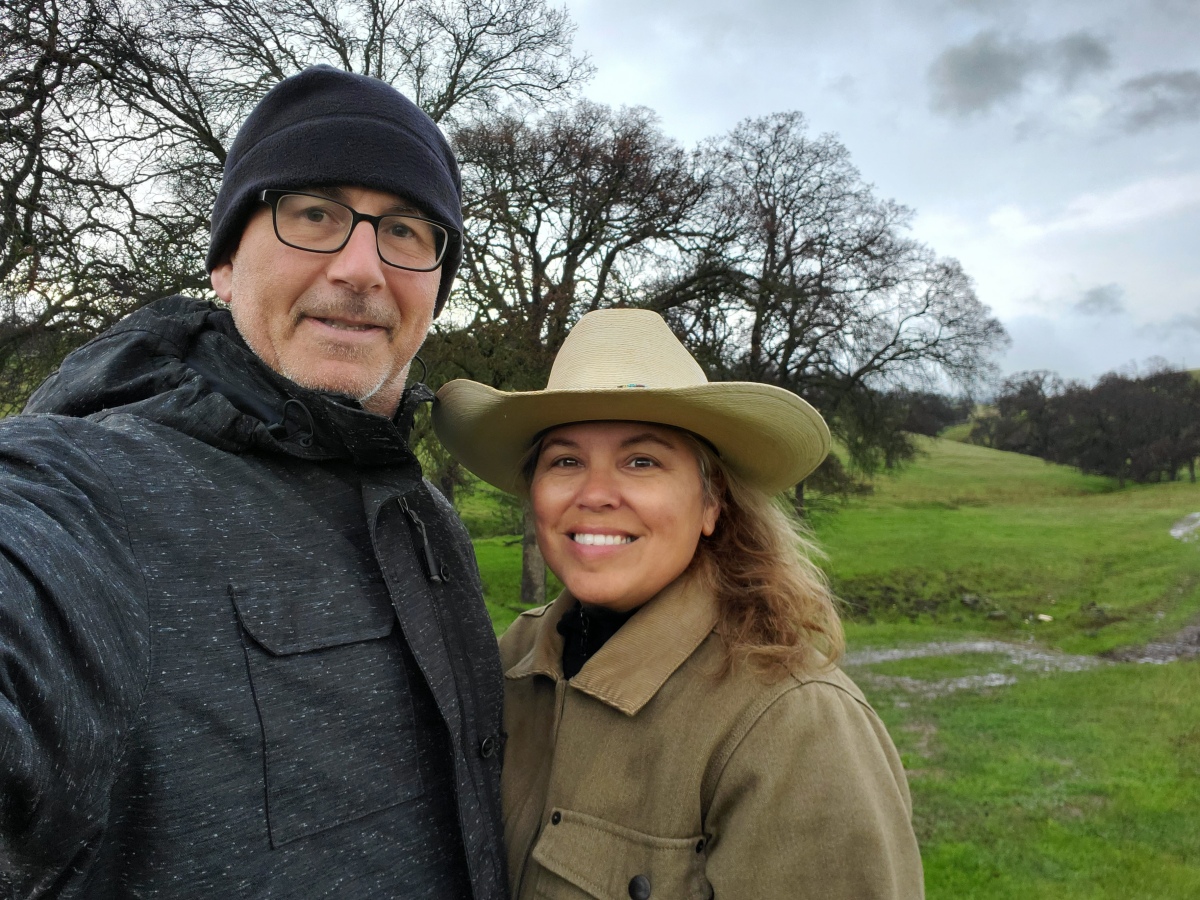
As much as I would like to say that stewardship work is 90% outdoors, it isn’t. I spend probably 70% of my time researching products, information, other programs, funding opportunities, reading articles, writing reports, writing grants, making connections, responding to questions (on email, blog, Facebook, Instagram, on Pollinator Partnership and Women for the Land dedicated communities), planning projects, performing data entry, sifting through photos, following up on conversations, supporting networks, ordering supplies, attending meetings/conferences, traveling to meetings/conferences and writing this blog. For this section, I will show some pictures of me out and about, which I am super uncomfortable with. I am not a selfie person (no judgement on others, just not me), but they are important to the story of this work. I’ve had to get used to it. Please bear with me.

In just the past three weeks, I attended the California Rangeland Conservation Coalition Summit, Community Alliance with Family Farmers Tech Expo in Madera, Xerces Pollinator Program, Native American Fish & Wildlife Society Pollinator Working Group, met with the Farm Advisor, met with NRCS, and attended my last Sierra Nevada Conservancy Board meeting as a board member. There is so much great information to know, people to see and connect with, and input (you hope is helpful) to provide. There is much more to be involved in that is worth my time; I just don’t have the time at this point. I am feeling pretty maxed out.

At the rangeland summit, I finally meet in person two extraordinary women – Nancy and Susie Calhoun. With their other sister, they conserved their large family ranch in Livermore and continue to protect it and make habitat for all the life that exists there. HEROES!!
I saw Fadzayi Mashiri, our Farm Advisor, at the Summit as well. We made a plan for her to visit the ranch. It had been a long time since she was last here. She provided some great recommendations to improve on what I was doing and was one of the people early, early on who helped me think through improvements to this land. HERO!!

SNC Wrap-Up: Bittersweet

My final meeting as a board member of the Sierra Nevada Conservancy (SNC) was last week. California Governor Gavin Newsom appointed me to this role in 2021. I have enjoyed being on the board, working with good people both on staff and as board colleagues. I appreciated the opportunity to learn about forest stewardship and rural community resilience. I learned about the State budget process, which is wildly complex. As the first culturally Indigenous person to sit on that board, I also appreciated the opportunity to ask questions about representation of Tribal governments and Indigenous led organizations, about how inclusive and equitable funds are being distributed, about why some projects call for herbicides, and trail safety and careful placement with regard to Indigenous needs. Safe, inclusive, carefully planned projects make the outdoor experience for all life better.

My last day was bittersweet –sweet in that I am leaving to deeply focus on natural resources, climate and tribes, bitter in that I absolutely love working with the entire staff of the SNC. The staff are so accomplished, professional, competent and devoted to their mission to restore and enhance the extraordinary natural resources and communities of California’s Sierra-Cascade region, while protecting them from wildfire and a changing climate. It has been such a privilege to serve the public, rural communities (which I love), the Newsom Administration and be a voice for my nature relatives. I will miss this work and all of the people.

Wanderings

Even though I am busy every day, I never lose sight of how grateful I am for the opportunities that have come my way to serve, help, make a living, and be a land steward. To know you make a difference is a gift, and it is a gift everyone can access. Whether you plant milkweed where there is none, sit on an advisory committee or board in your community, organize with others to make good, helpful change, you make a difference. Step into life, take opportunities with good intent, be a hero for a butterfly, bumble bee, forest or community. You got this!

Adding a New Initiative

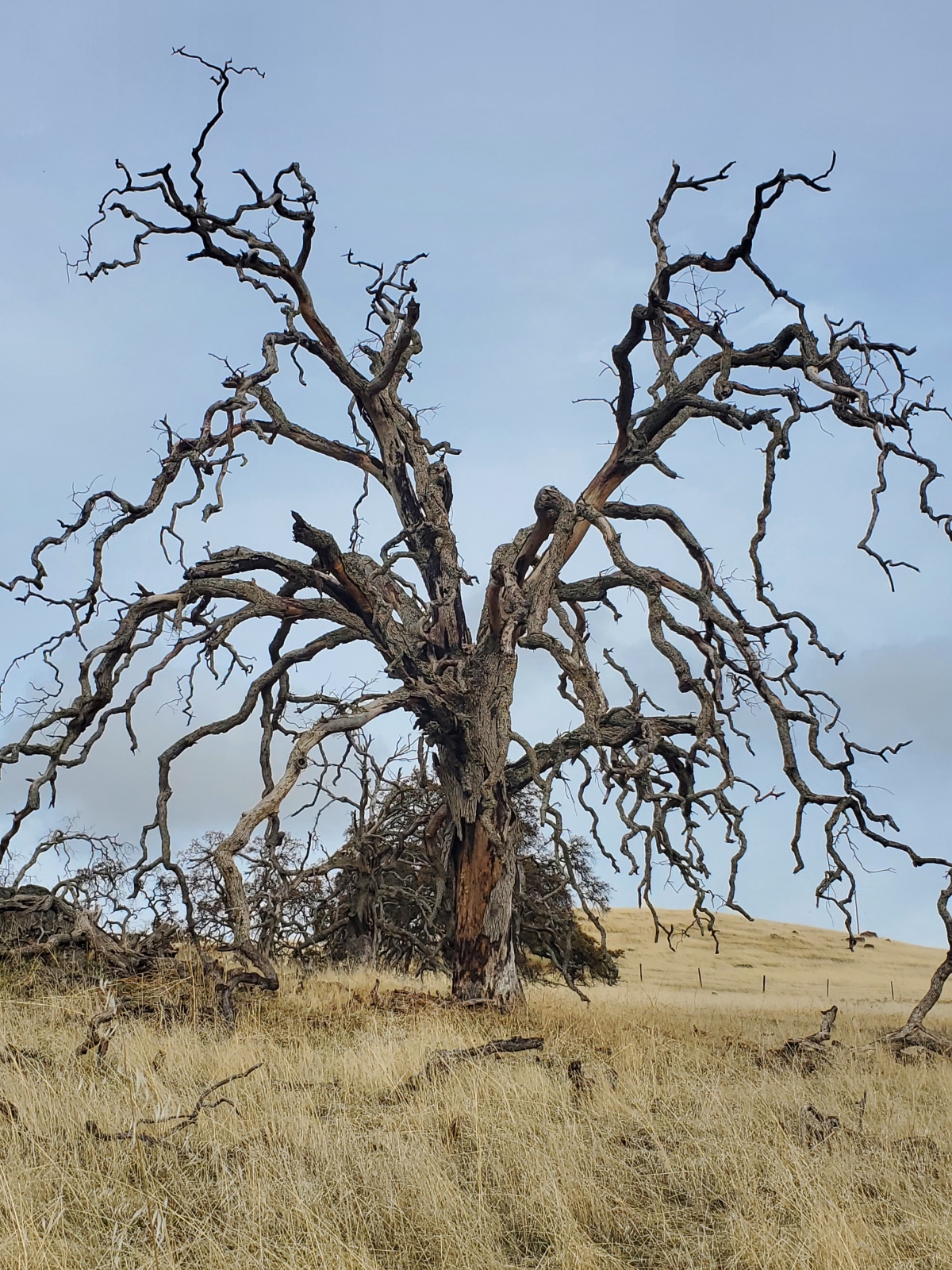
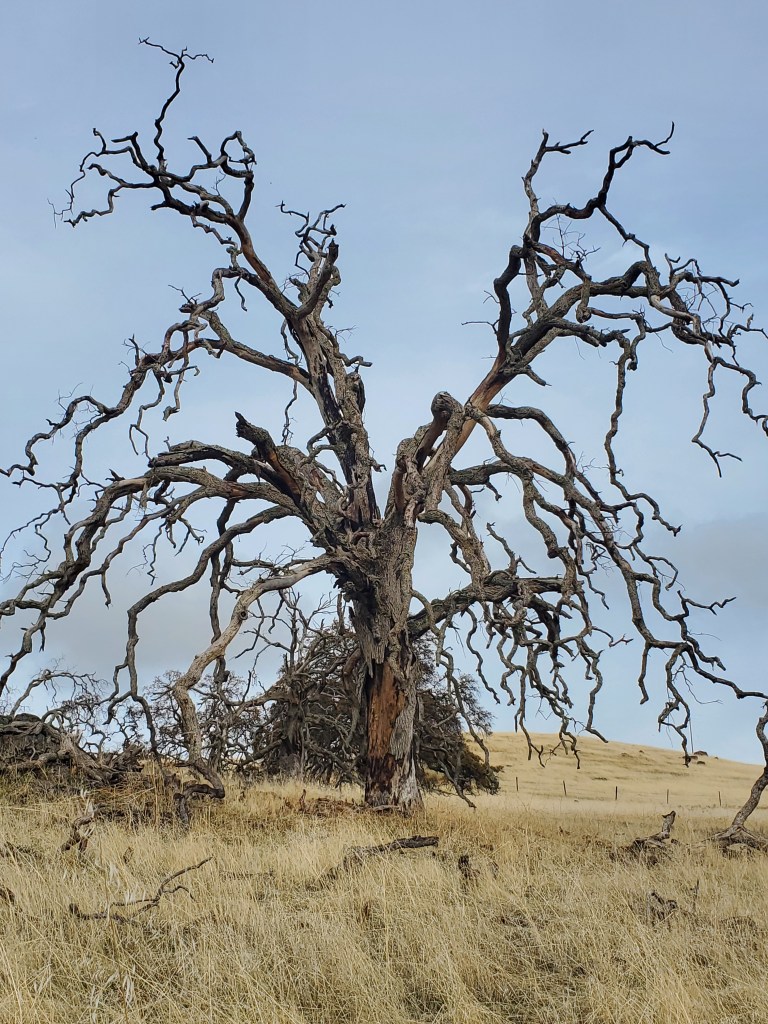
Dead blue oak tree and great habitat for bats, birds and many other species

It happened on Thursday, and I saw it too. I was walking my route checking all the log and rock dams when there was a popping sound. The dogs looked to the northeast, so I did too. I didn’t see anything. The sound was not immediately identifiable, and I continued walking. When I was at the edge of the grove, the sound came down the drainages. It was a loud crack. Oh shit. Fear sent adrenaline through every channel in my body all at once. The dogs looked back in the direction from which we came and took off running full speed to investigate. It was clear the sound was well behind me. My body eased. I swung around just in time to hear another crack, and then thud. I caught sight of the branch of a long dead, once magnificent, tall blue oak drop to the ground. The dogs realized the seriousness, and ran even faster back to me. It was a jolting reminder for me to be extremely careful and vigilant as I walk the range, reading the trees and never going under branches that are angled down towards the ground.

We had a doozie of a storm four nights ago, with .75″ of rain and wind so ferocious, my kelpie Millie was trembling against my body, unable to sleep. With the rain and wind, it is almost guaranteed that the trees will be impacted. Branches loosened from bark and trunk through death and drought are vulnerable to the moisture and wind. Gravity then finishes the job, dropping the large, tortuous branches, and sometimes entire trees, to the ground. It can be very dangerous.

How did the ranch get this way? I try not to take it personally. I have lived on this land for 21 years. Since that time, we have lost almost 300 blue oaks. Some, I think, were at their expiration date, but most have been pressured by drought. Leading up to the 5-year drought that began in 2011, I noticed the loss of several grand old trees down slope from the house. However, it was not until 2016, the year just after the 5-year drought that entire hillsides, ridges and even some near the creek died. It was a horror. I did not know what to do. I called experts, who looked for signs of disease. There was none. They were perplexed, but they were just learning as well that this was happening all over California. It brought me some small bit of comfort to know it was not something I was doing to cause their deaths. Still, I was distraught at their loss and anxious to learn more about what could be done.

A New Passionate Work

Given the recent blue oak die-off, I am committing to now work hard toward restoring some of the population of blue oaks that died. I understand that there is not sufficient moisture to sustain replacing the oaks 1:1. I am proposing to restore a portion of them, probably close to 1/3rd of the lost oaks. This means I will need to plant at least 120 seedlings, anticipating that some will not make it. I will need to continue to protect the seedlings in the creek banks – hoping they will grow more. As I have reported in this blog, three I’ve been protecting for 10 years, before the riparian exclusion fence, have stayed nearly the same size all those years. With the groundwater recharge work I am doing and adding some trenching work around oak planting areas, I am hoping that I can retain enough moisture to help bring some baby blue oaks to maturity.

My plan: I have already ordered 103 oaks for next year, and have received 22 to plant for this year. Holes will need to be dug close to 18″ deep to loosen the soil and make space for the 18″ cages, with 6″ of the 18″ of cage being above ground to deter overland gophers, etc. About 92 of the seedlings will be planted in special cages. Ron Allen of Mariposa Native Plants conceived of a stiff gauge cage with a soft pine base that has small holes in it. The holes allow for water flow but mostly for oak roots to penetrate. The soft pine will degrade quickly allowing for the tap root to get bigger without any pressure. The cages will be able to be removed after a few years or will degrade over time. The other 28 seedlings will be planted either near the creeks where there are less gophers or using 15 gallon mesh shields. New seedlings outside the exclosure area will get 3×4 fencing around them to protect from cattle and a coconut pad around the planting site to discourage grass competition. Inside the exclosure will be coconut pads, some cages depending on proximity to the creek, but no extra fencing. Those planted outside the exclosure area will have some trenching dirt work done to help contain run off and retain moisture.

Fortunately, I have some NRCS funding that will help cover the costs. There will likely be significant cost overage with the dirt work, which I will need to cover. I also have a Partners grant through Fish and Wildlife, but it is limited. Because all of these government funds pay you after the work is done, I will need to float this project from my personal money for a year. I almost always need to cover planning, reporting and labor costs personally despite any grant funds. This is why, when I work at a large scale, it has to be a passion project. I have to be willing to spend my own money.

It is important to share how all of this work gets funded, because it is part of the challenge but also shows the changing nature of the Farm Bill and other government policies that have been trending more and more to support of these critical efforts. We need support for butterflies, trees, groundwater recharge and so much more to build resilient ecosystems in the face of climate change. We need to pay people for their time to do this work. It produces jobs, connects people with one another, protects communities and puts money into local businesses. What I do on my ranch impacts my community, my region and beyond. What you do in your yard, on your patio, what you buy, how you travel, what you wear, it all matters. You make a difference. Work like this is worth our time and money.

Running Water

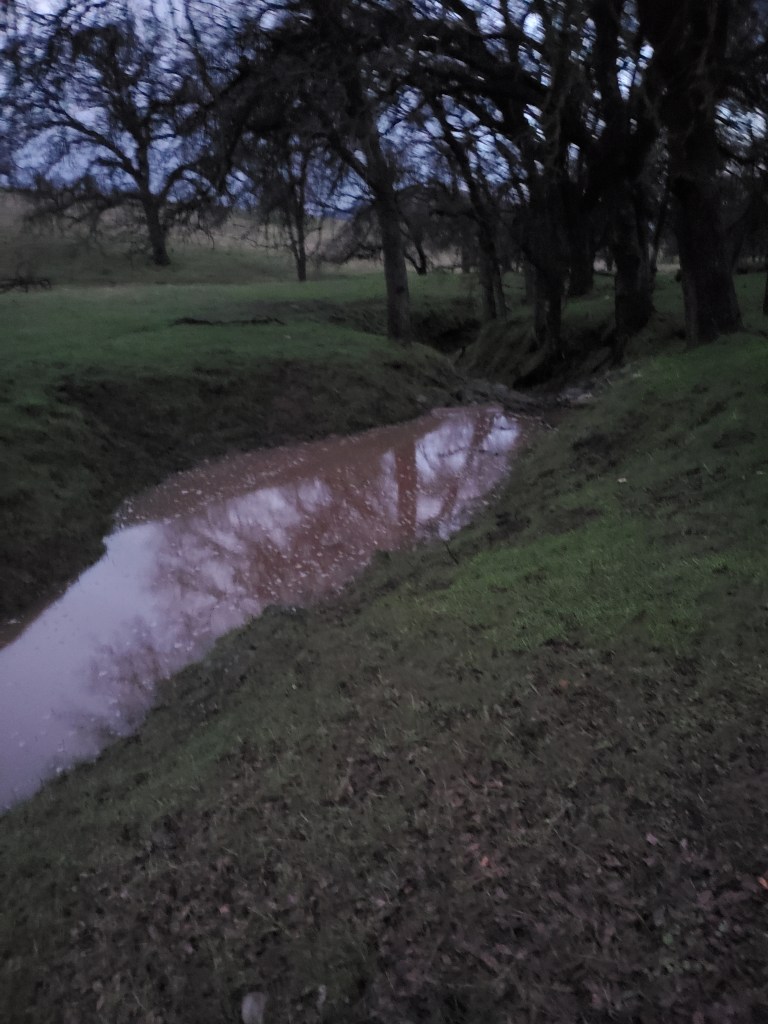
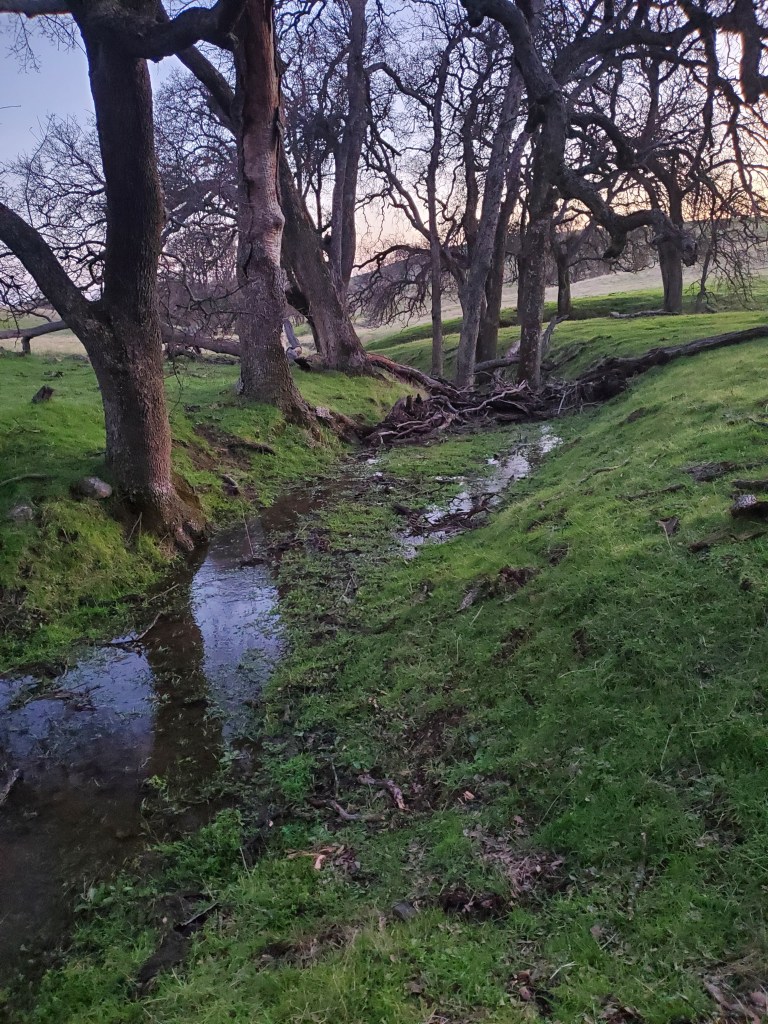
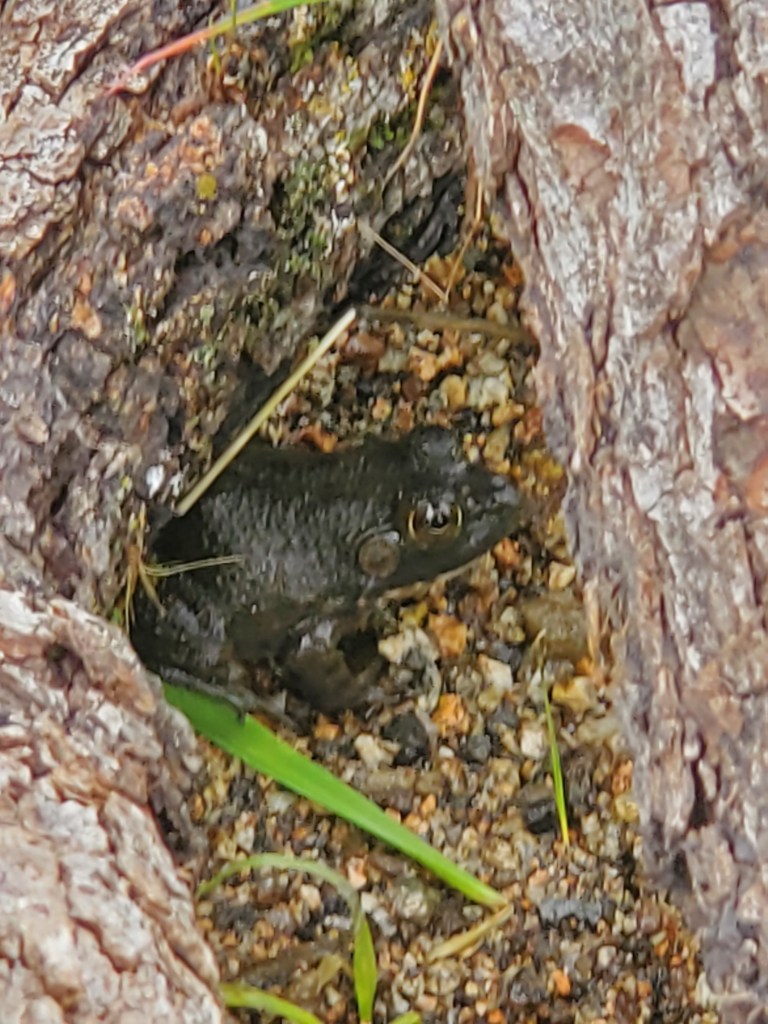
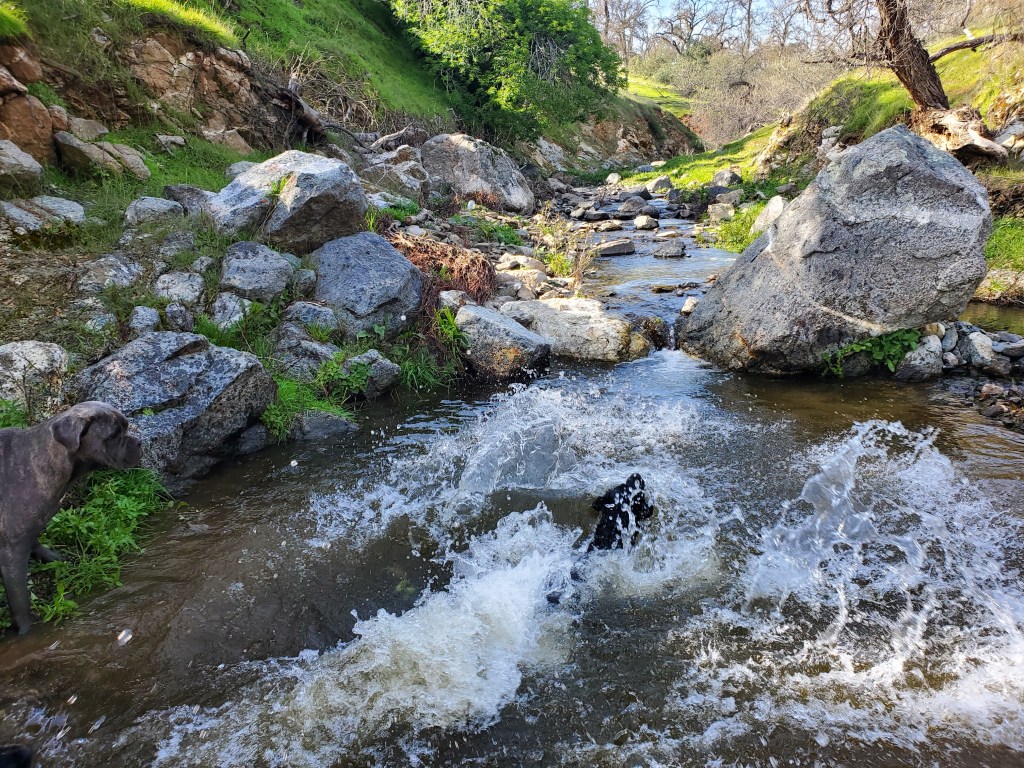
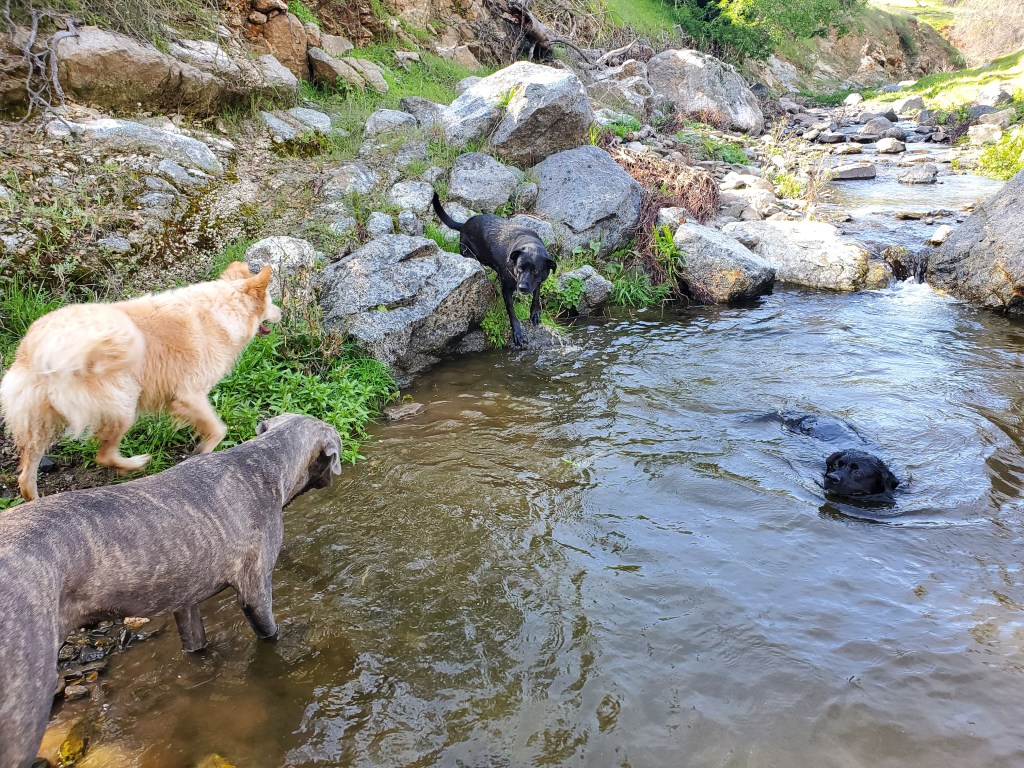
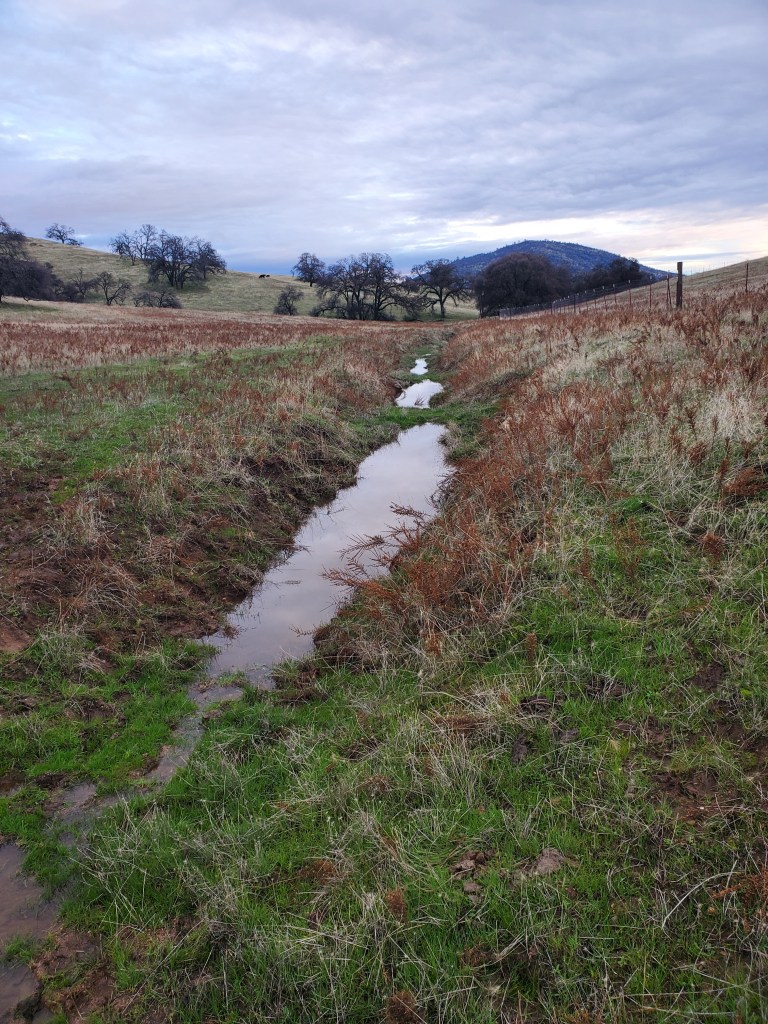
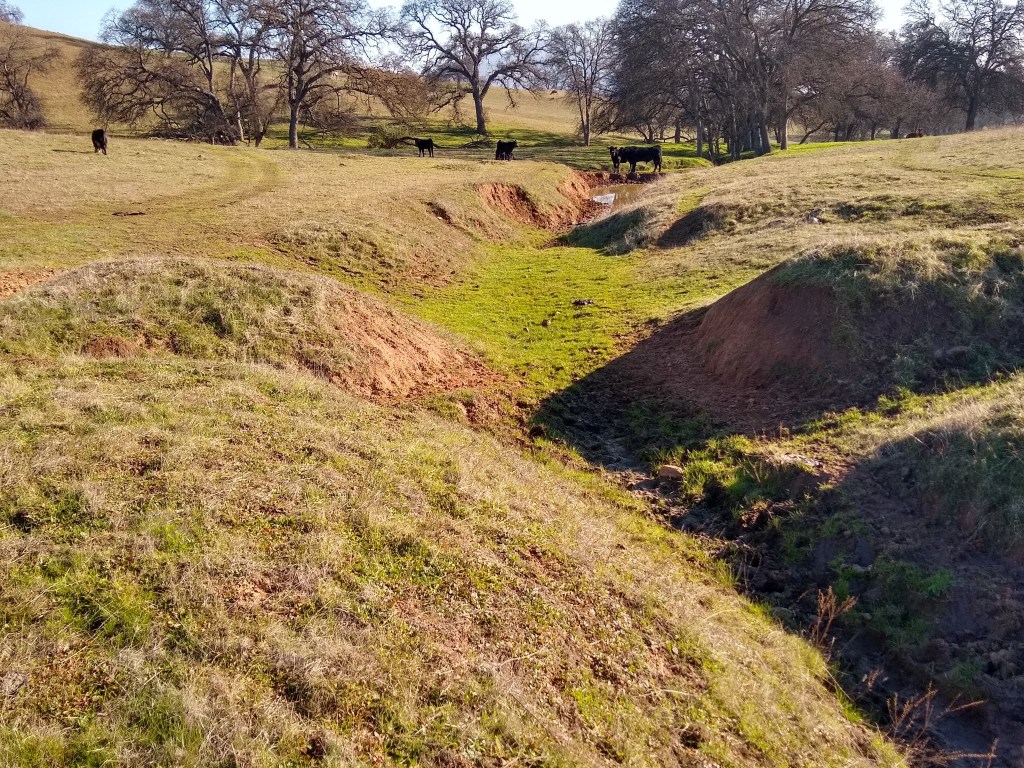
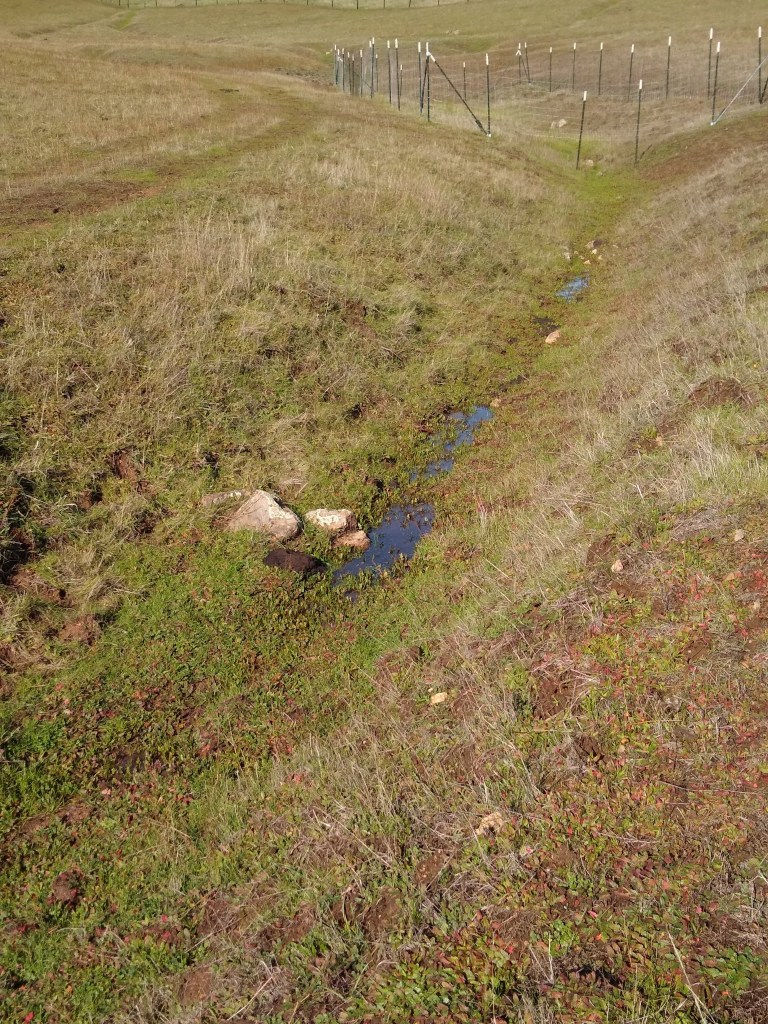
With the consistent and productive rain storms, all of the drainages and creeks are fully running. Although we had water all year in Odom Creek and Spring Creek, the water was not running the full length of the creek. It would run from the springs and then stop 50′-100′ or so downstream. Now, everything, including the arroyos, are running. The air is wet and the smell is green, life-filled. There has been a boom of Sierra Chorus frogs, which I’ve not heard in large volume in a few years. This year, it is an incredible performance each day and night. I love it. I hear the toads too, with their deeper, slower chirp. I have seen more blue herons around the area with their easy to spook nature, 6′ wing-span, and dinosaur look. I hear flocks of birds before I see them, 20 to 50 birds flapping in unison overhead. There have been flocks of over 100 birds in the last several months too, weary travelers on their way south, stopping for a good rest, meal and shelter. That they choose this place, that they can find what they need here, makes my heart swell with joy and puts more smile lines on my face, the sign of a life well-lived.

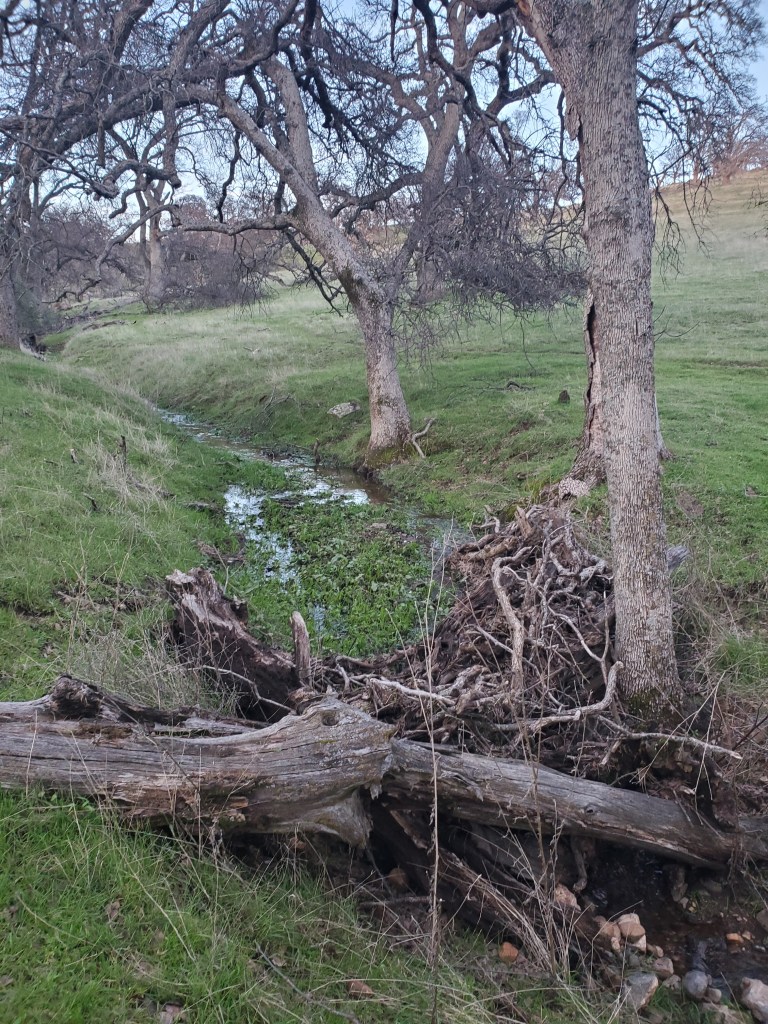
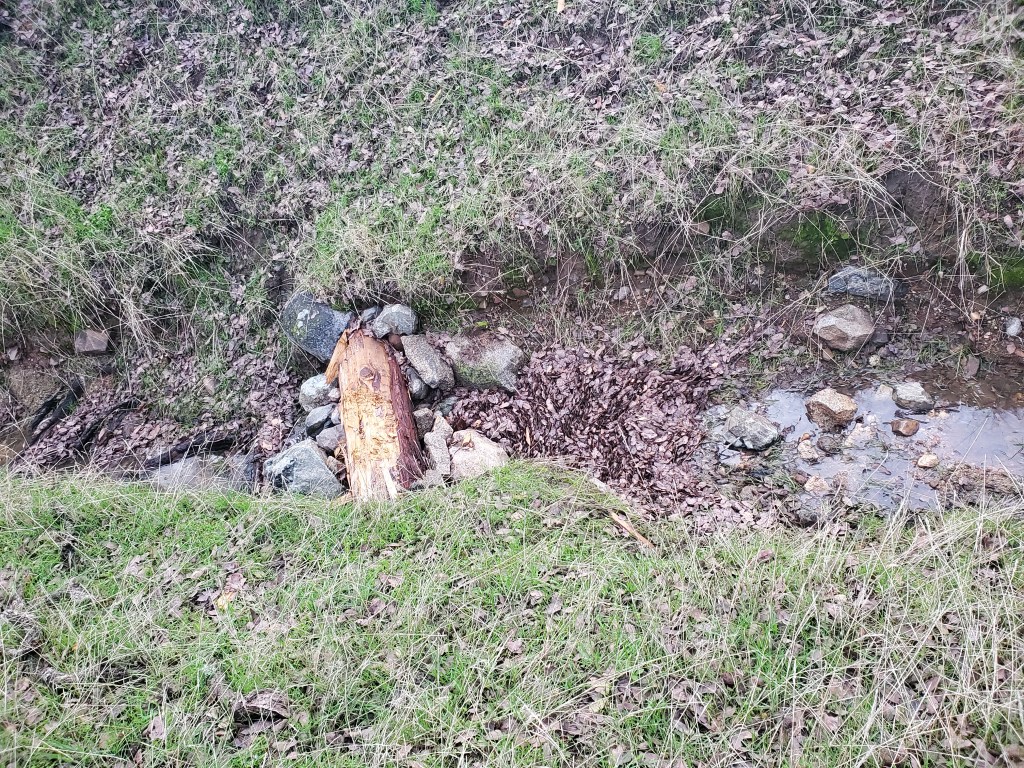
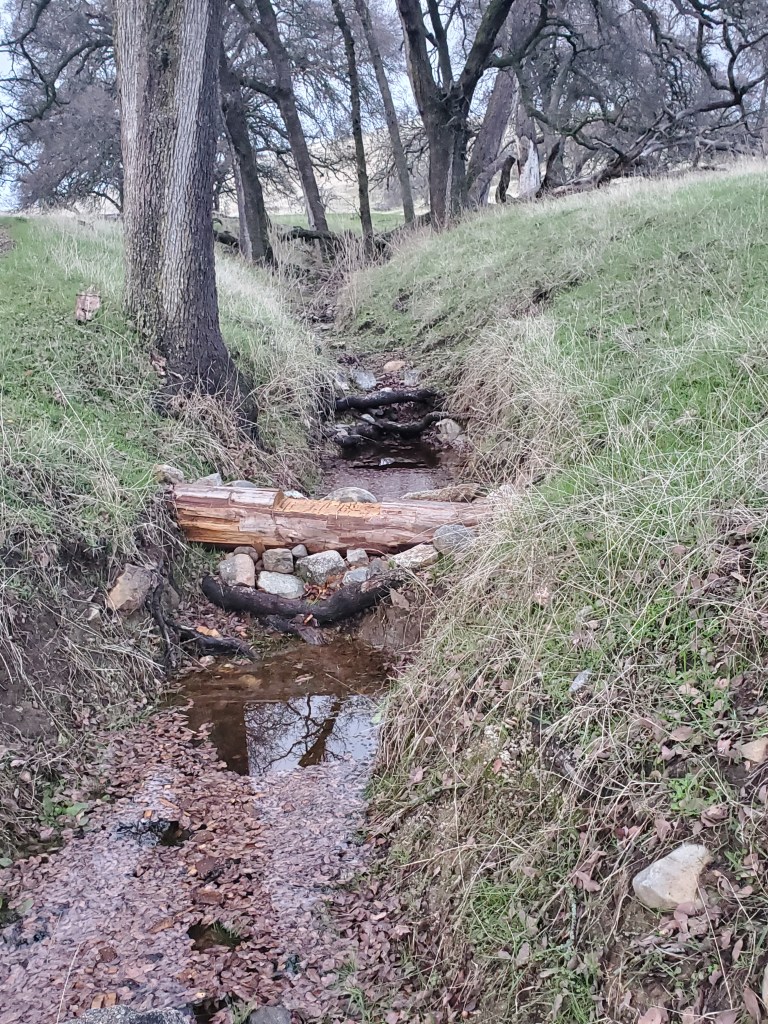
With the running water, I am able to see how the log and rock drop structures are doing. They are working as designed! I am seeing sediment and water pooling up behind the barriers. Yet, the barriers are permeable enough to allow water to more slowly flow downstream. Water is backing up and pooling even well upstream. The longer the water stays back, the more time it has to soak into the soil and the fissures underground. I am so proud of this work. I know the swale pond moisture resulted in the nearest oak having a bumper crop of acorns two years ago when all the other oak trees nearby, or not near a more prolific water source, had less. I will be putting game cameras nearby to see who uses the water source, but I need to figure out more ways to document the impact of this work.

Monitoring and Managing

When projects are done, they still need to be monitored and maintained. The guzzler continues to work as designed. I ensure that the rock and branch pile for small animals to access it is solidly in place. Every now and then I find the pile altered, so I build it back up. With all the rain, the guzzler is more than full. It has been overflowing, which will provide another year of fresh water for wildlife.

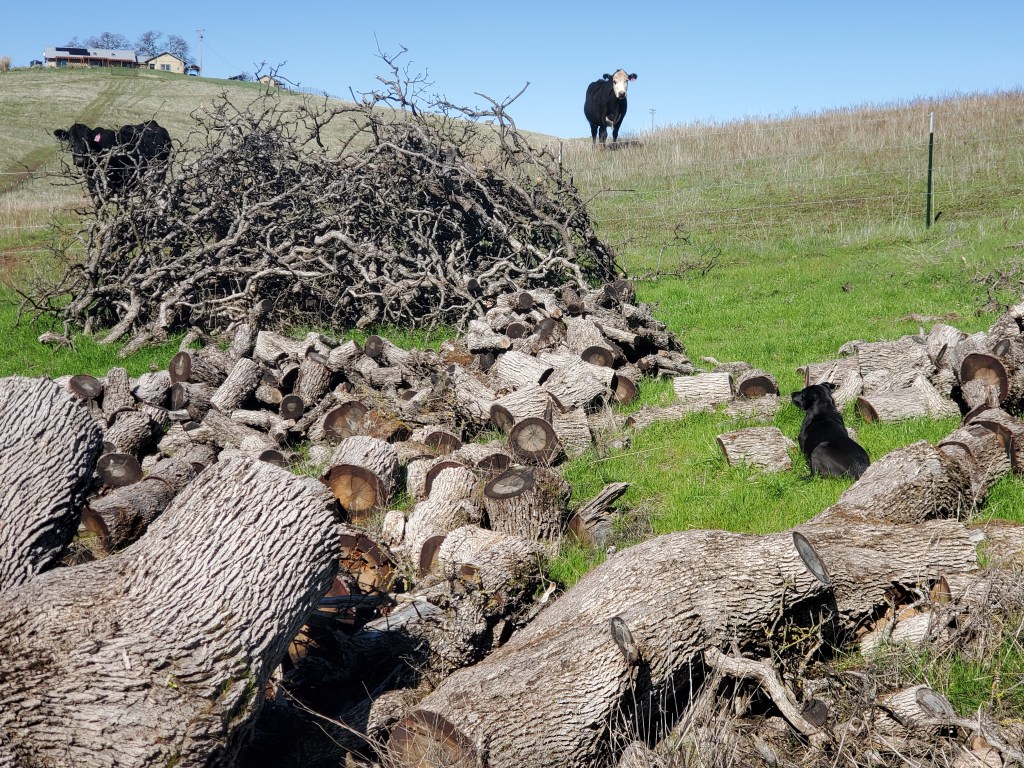
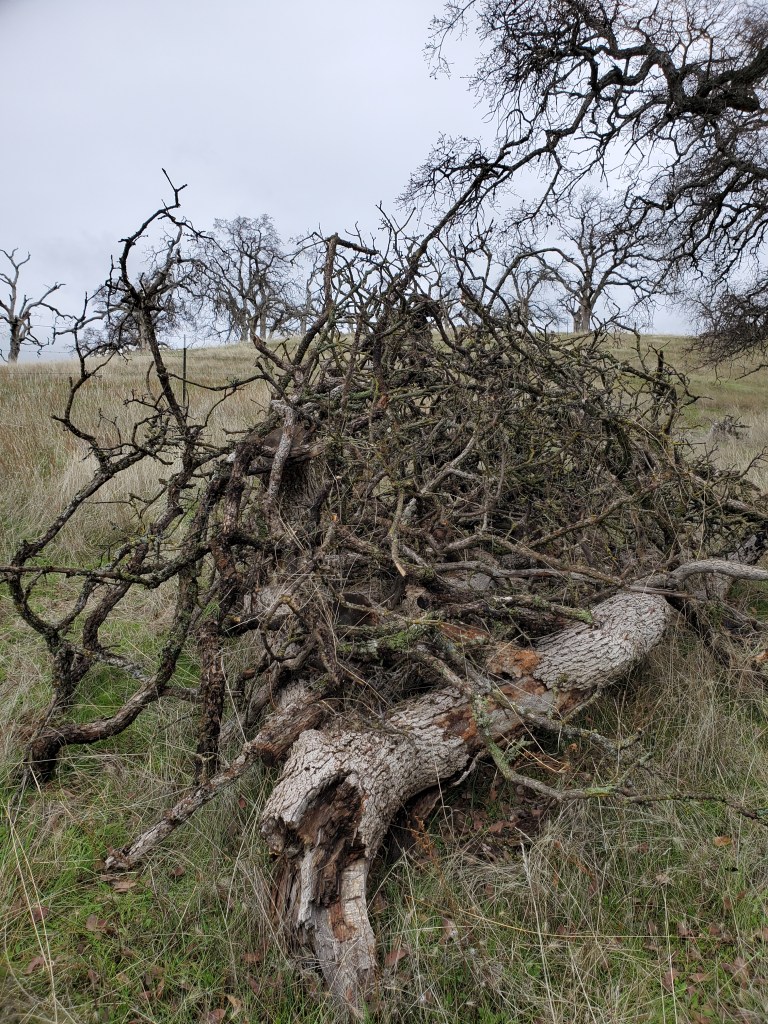
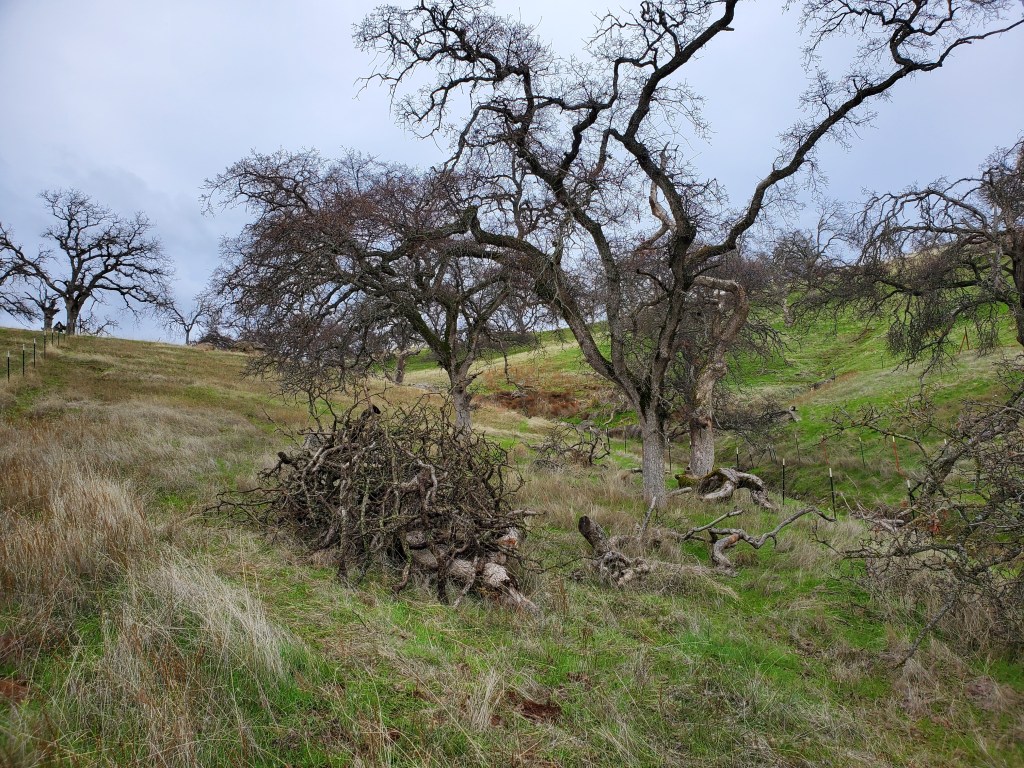
Yesterday, I was adding to the brush piles David and I built last year. As wood degrades, small branches need to be added to maintain size and a safe harbor for the animals that make them their home. I quickly built another pile as well. With the large storm coming, I did not want all the smaller oak branches left over from the large oak tree that fell in the creek last winter to be swept downstream. They were perfect for a brush pile; I just did not have time to build one the past few months.

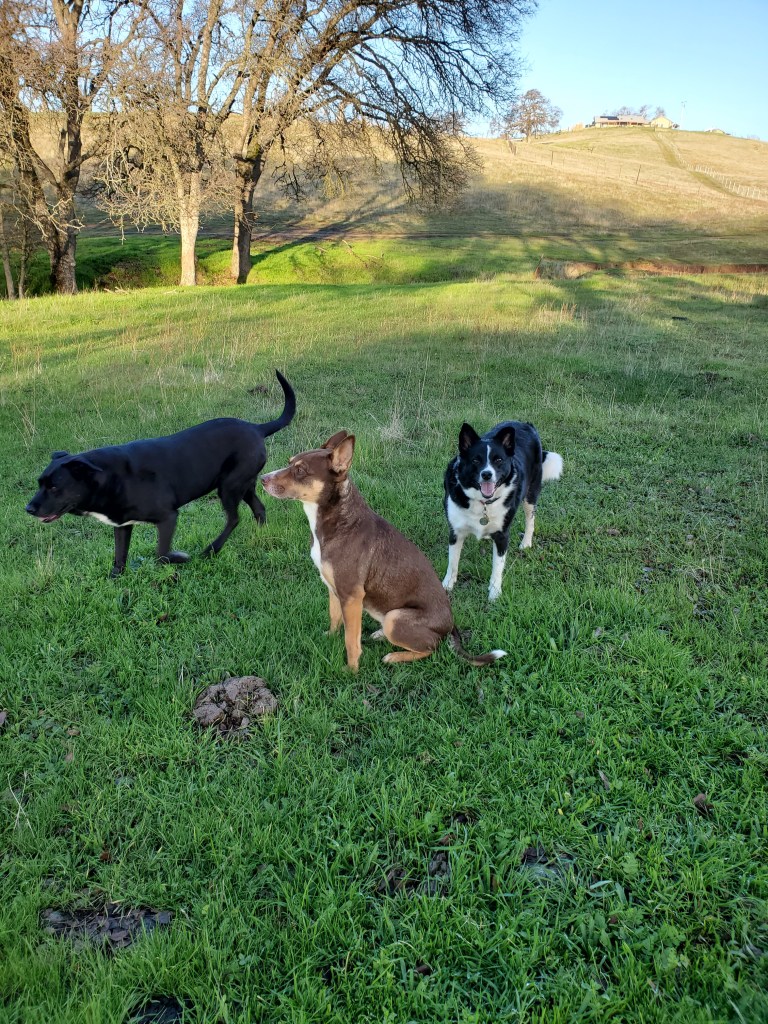
Back and forth, I carried or dragged the branches from the spread pile 40 steps in each direction. It was a great workout. Even in the coolness of this weather, I began to sweat. At the beginning, I looked at the large, spread out pile of branches and wished I had a crew of two more people to help. “Many hands makes light work,” I thought to myself. I greedily looked at my dogs, lounging in the grass, happy, staring out at the beauty. I wondered if I could fashion a harness and have them help me drag the branches. Well, too little thought too late. It was just me there – so I started. An hour later, the entire space was cleared, and the beginning of a brush pile had been started. I felt good for finally getting the work done to make yet another space for birds to make a home.

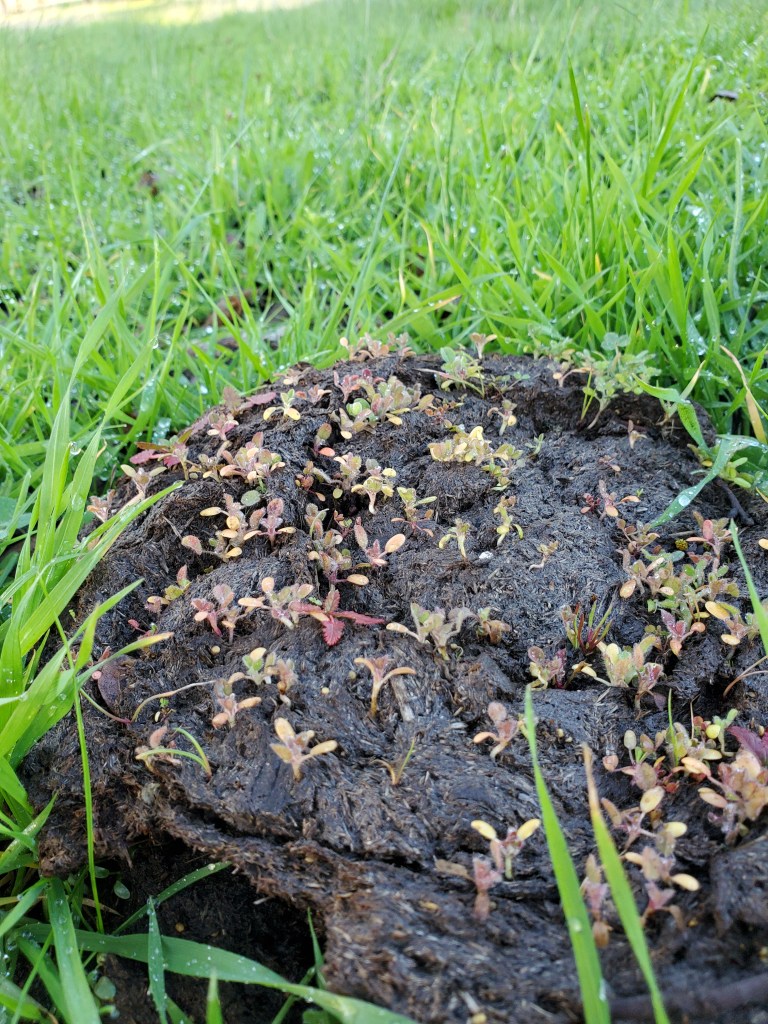
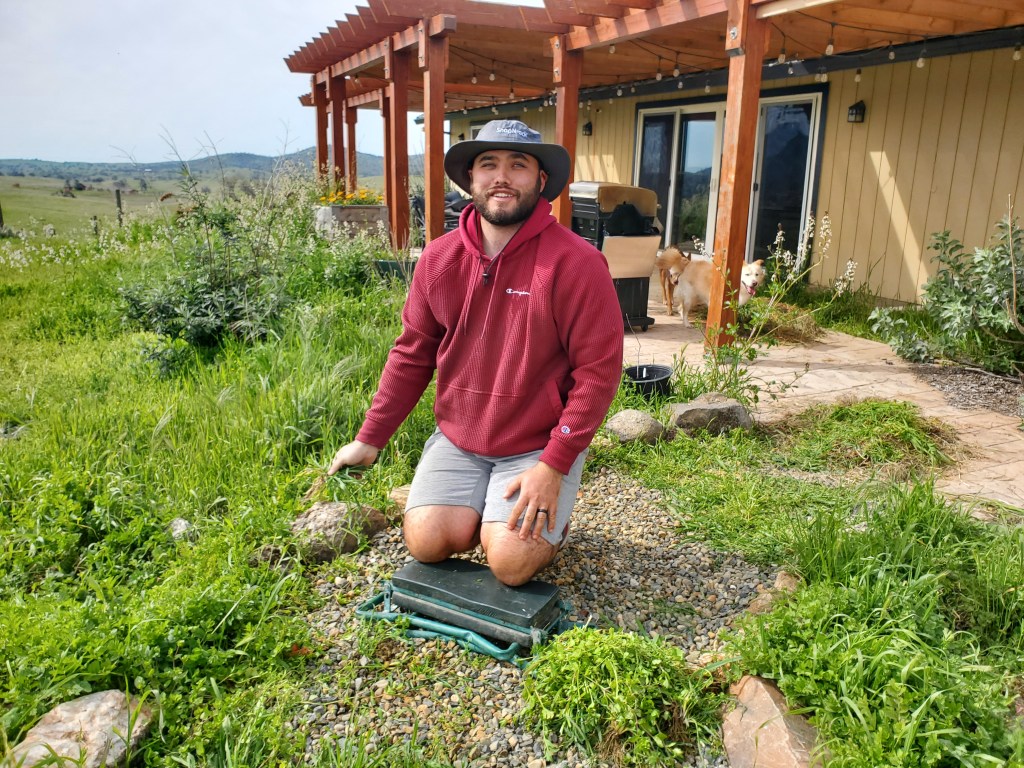
David is staying on top of mowing the grass this year. Last year, keeping the grass short resulted in many more wildflowers. It also helped with managing the planted areas. This year, we are going to be even more vigilant with weeding and mowing. It is certainly a lot easier to see the plants and straighten the baskets with the grass lower. I also love seeing the diversity of mushrooms that emerge with the moisture. They are such remarkable living things.

It continually shocks me how early the wildflowers arrive. Winters keep getting shorter. There were a few days in January where the temperature went to 71 degrees. Although my cattleman loved it for the grass growth potential, I was horrified. It needs to be cold now so everything can rest. The grass grew, wildflower buds emerged, and there were a large number of bumble bees, native bees and european honey bees.

Cross Fence Complete

After two years of protecting the california milkweed with my body, I finally got the cross fence installed. It has been a huge goal to get this section of the ranch fenced off so that we can manage the grazing more closely. I worked with my cattlemen to determine how we would use the new field, what made sense for his grazing schedule and what my needs were. He had mentioned cross fences several years ago, and that stayed in my memory. If the amount of acreage and timing were right, it could be helpful to his operation and keep the monarchs with their host plants safe from trampling or taste testing. The new field will be very helpful with his aggressive grazing rotation. We will close the gates sometime in March, depending on milkweed and butterfly schedules, and keep them closed until the plants seed in July. He pulls most of the cows off the ranch anyway in May or June to bring them to high country pastures. Ideally, the field will have good quality and quantity of feed for the cattle to return to later in the year. Like anything, we will monitor the situation and adapt the plan as nature and human needs dictate.

Up Next

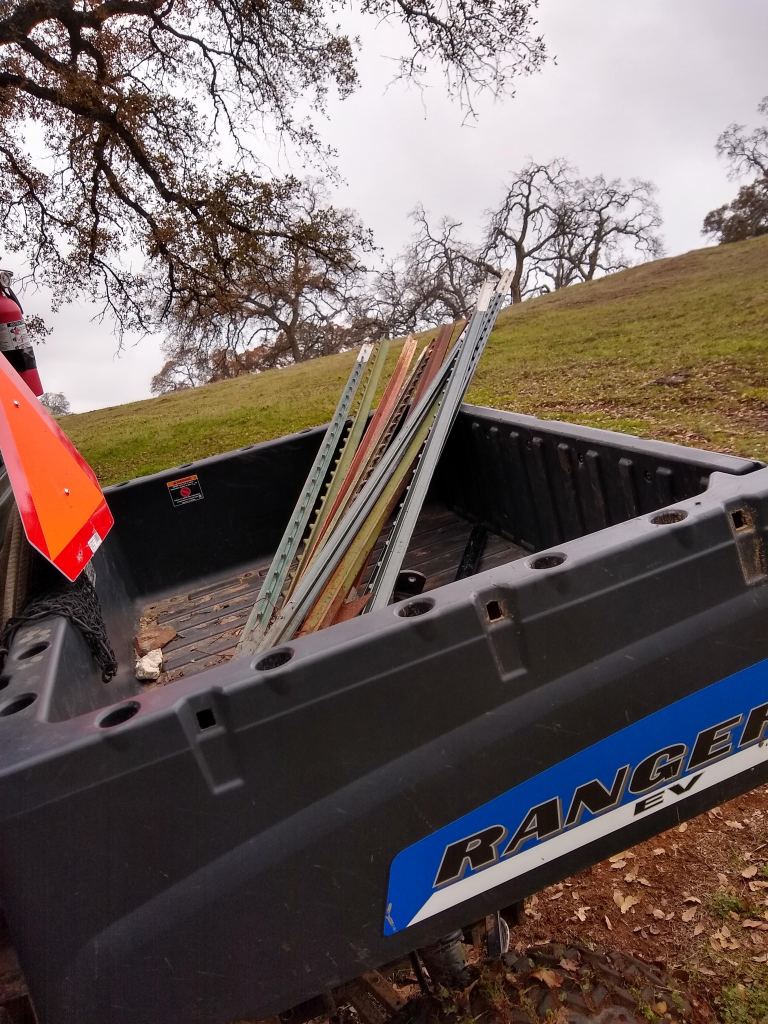
I will be installing a second guzzler on the east side of the ranch. Both guzzlers will have a larger rainwater catchment system attached to the guzzler tub. Essentially, it is a tank under an overhang with a gutter system and return for water to access the tank. There will be a pipe connected to the guzzler with a float valve to ensure that there is always water available in the guzzler for wildlife. In this way, I am able to provide year-round water without creating a more extensive infrastructure or depending on myself to transport water from tanks at the house all the way to the far side of the ranch.

Of course, planting blue oaks will be a focus this month and next. The planting season for blue oaks is December through April. I hope to get the remaining 19 seedlings into the ground no later than early March. However, those 103 seedlings will be arriving in December 2024. I think I am going to plan a fun tree planting party for December or January 2025 – with good work, food and music. Maybe you will consider joining me? Keep an eye on this blog for more details about how to participate if you are interested.

This is the 97th blog post since I started a large scale focus on habitat. Only three more posts, and it will be the 100th. Admittedly, I look back on the body of work, both physical and written, and am astounded. I can’t believe how much has been accomplished since the start. The work has been transformative – for both plants and person. There will be a celebration and some readers will win organic cotton Pollinative t-shirts. More details on this as we get closer. I hope you will celebrate with me.

Monarchs Bounce Back a Bit and Preparing for the Next Push

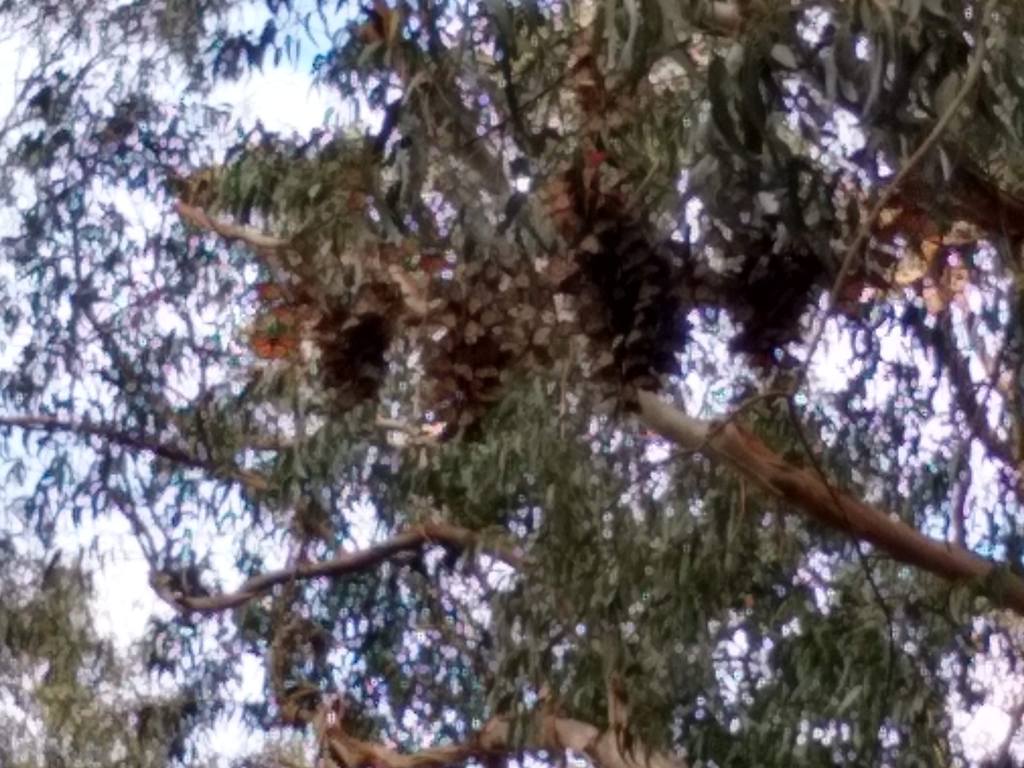
Monarchs in overwintering sites cling to the branches of this tree

Monarch numbers bounced up considerably this year. The only other news in recent times that gave me as much joy and comfort was when the doctor said my brother was going to be ok a year ago this month. I could breathe a little more freely then and now. Although it has been all over the news, if you have not heard, the official Thanksgiving count of monarchs was at 247,237 overwintering adults. This is up from 1900+ last year, but still far lower than the millions of adults they had in the 1980s. There still is a need for a monumental, all-hands-on-deck effort to save the western monarch and its iconic migration. Please do what you can. Read the Xerces Society Call to Action for great, doable ideas for you and your family.

Worth the Fight

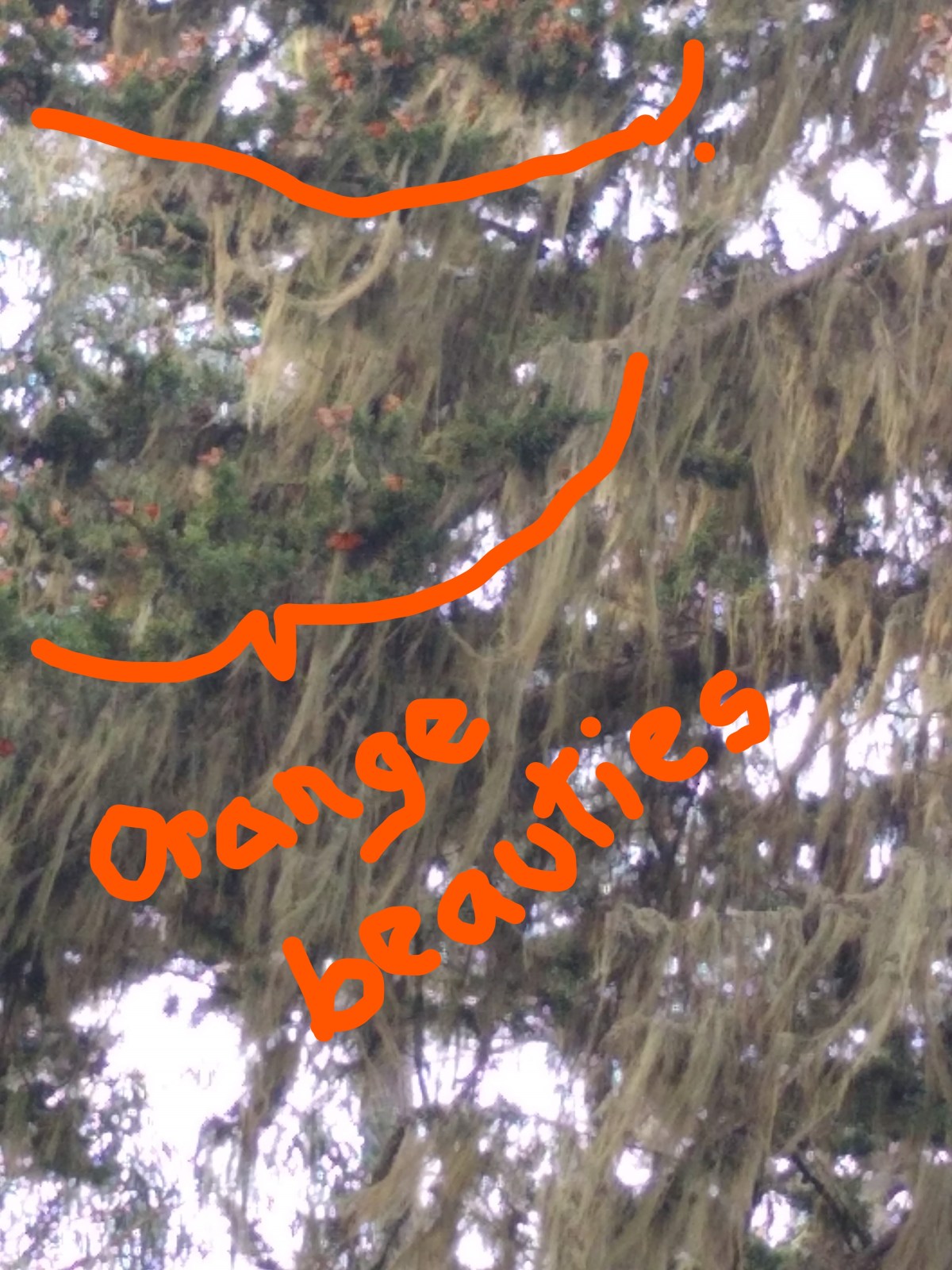
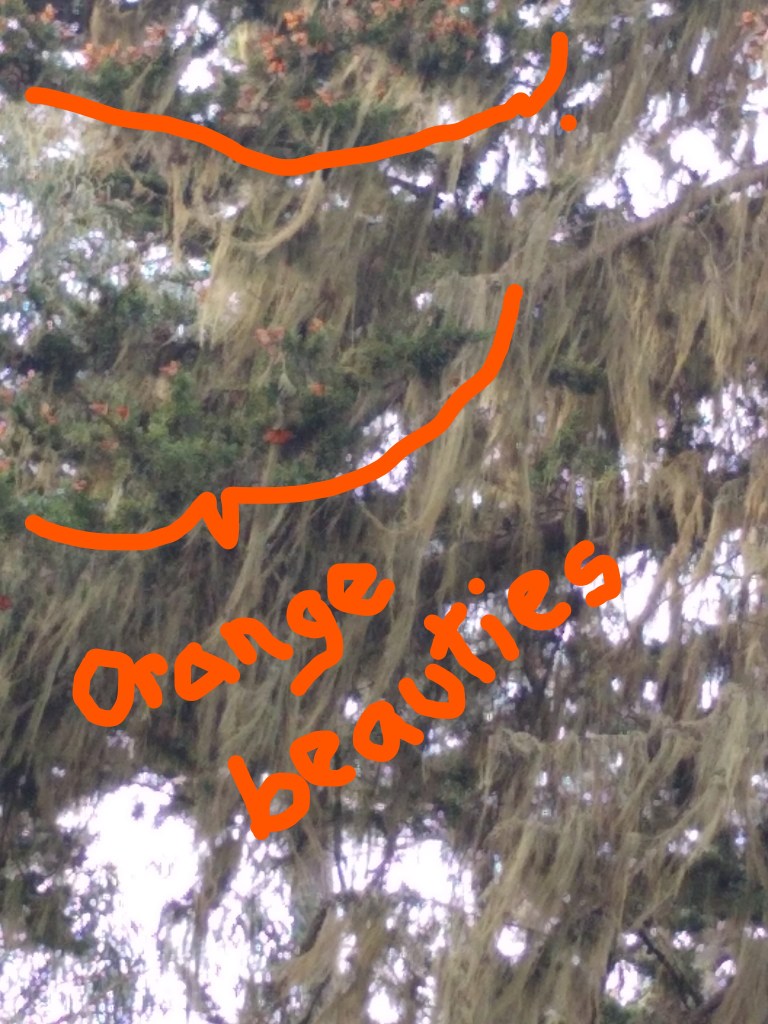
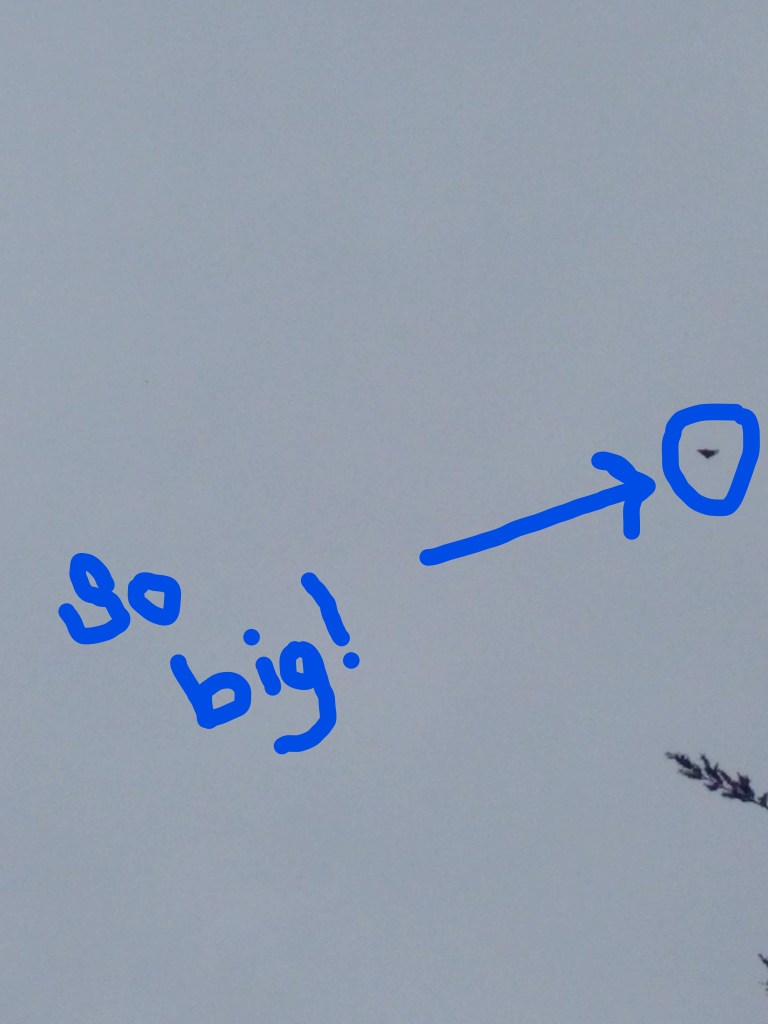
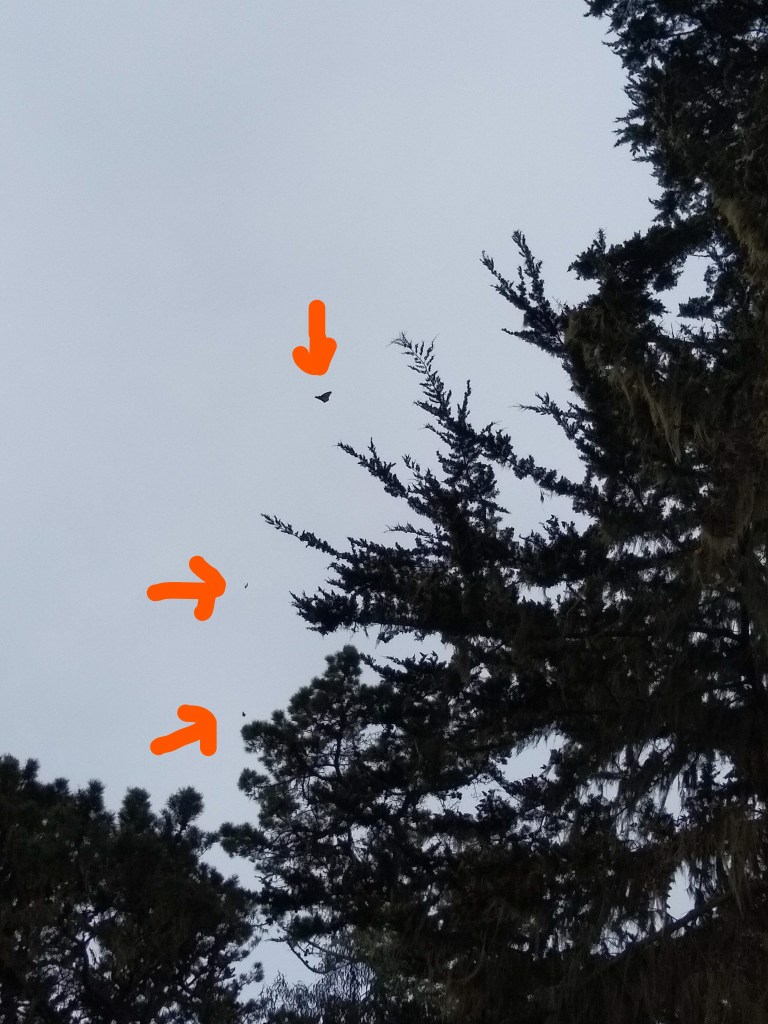
The monarchs are worth my time. They are worth my effort. It takes but one glimpse of stained glass fluttering in the sky for a person to fall in love. I encourage everyone to visit he overwintering sites to see what we are fighting for. David and I went on a road trip in mid January to both the Pacific Grove and Pismo Beach sites. We witnessed the miracle of 10s of thousands of butterflies clinging to branches, butterflies that will fly thousands of miles for better food, weather and to make babies. The monarchs have been leaving earlier due to climate change, and we saw many monarchs awake, flitting around, leaving their perches and then heading back into their bundles. The sky was filled – not like the Tribal elders told me of the times before Europeans – but in the 100s at various elevations. It was incredible. I thought they were smart to stay well away from humans far up in the sky. It was profound to know that one or more of these miracles could beat the odds and arrive at my location to feast and lay eggs. I spoke to them in a language so ancient I knew they had to understand – the language of my ancestors who must have seen these baise’ebolim in such large numbers as they flew across the Sonoran Desert. “Amand te tevote in weweriam. Se si enchi nake. Ito te vitne. (Greetings, I acknowledge you my relatives. I appreciate you very much. Good luck and see you soon.” It was humbling. David held my hand, and I softly cried.

No Rain in Sight

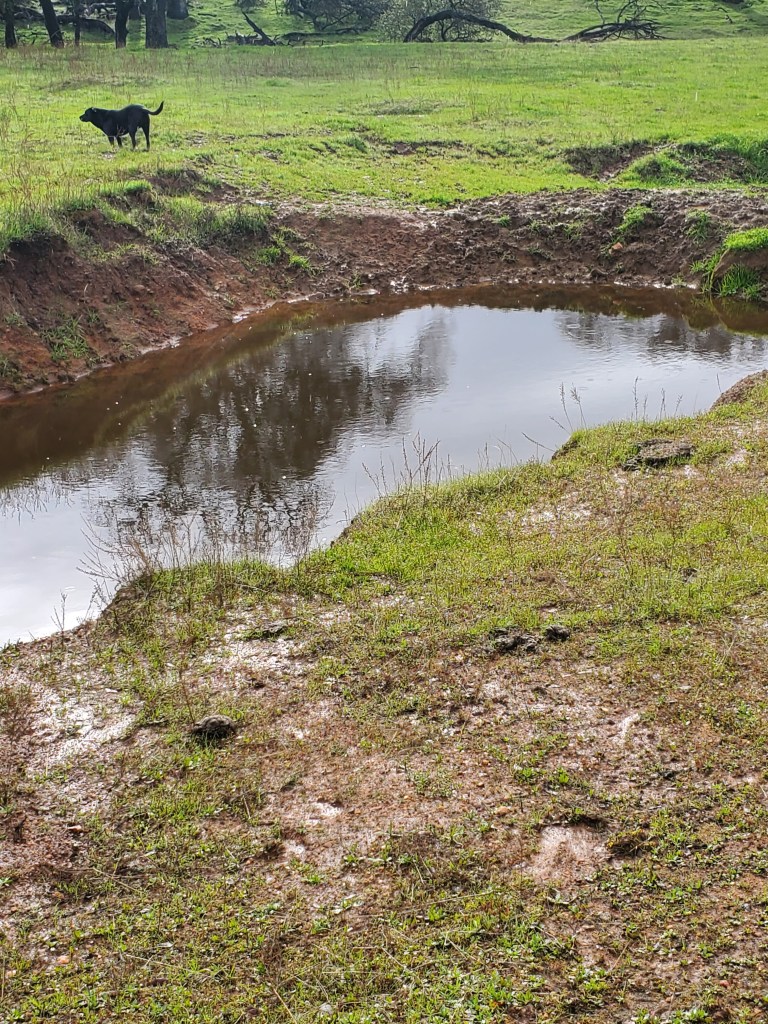
We have been dry for over a month. Well, there was one rain in January that was so little it was immeasurable. There was not even a full drop in the rain gauge. I have a feeling February might be the same. We are just over 8 inches here – horribly below normal. I walk the arroyos and creeks to take stock of the amount of water left. Putting in Swale Pond 8 years ago was such a good move. It has enabled more pooling in the arroyo. Even those little spots of water can be a boon for wildlife and livestock. My cattleman told me that he was able to start grazing the ranch earlier because of the existing pools last year. As of last week, all of the little pools on the arroyo are dry. Just the swale pond is left.

Grazing and other Ranch Planning

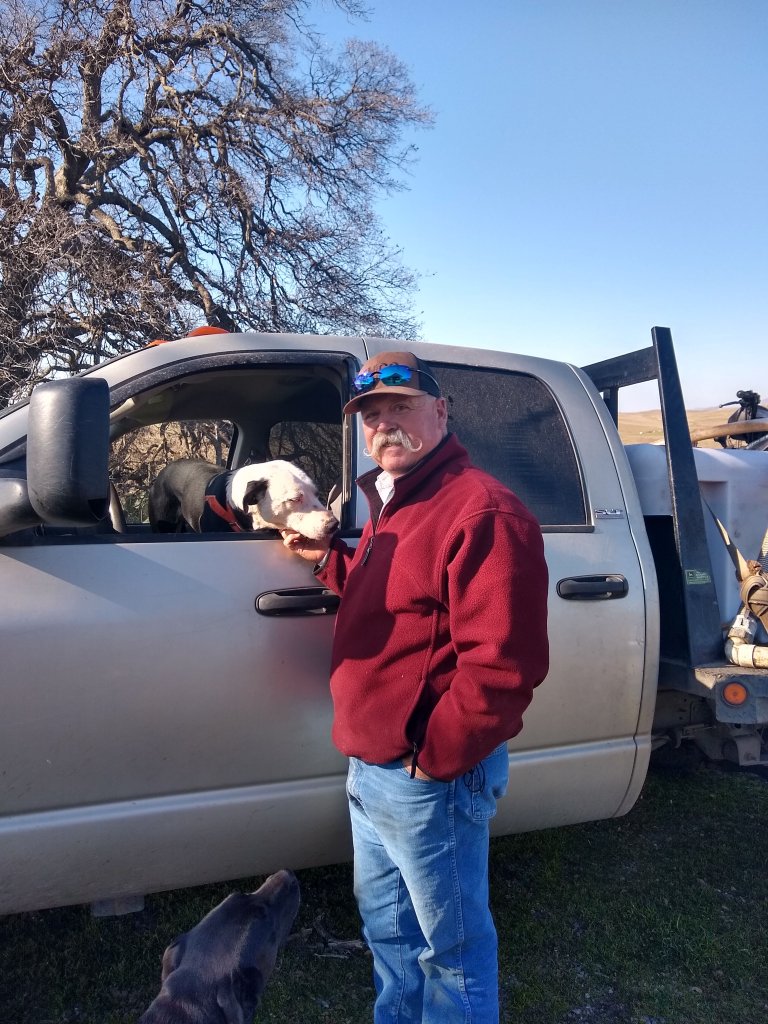
Several times a year I get together with my cattleman, Tom Fane, to discuss ranch needs, his grazing plan and ecosystem services work. Last week, we discussed timing for grazing the soon-to-be enclosed riparian areas. We are thinking of the Fall and/or early Spring to graze the European grasses depending on native plant emergence. We will carefully watch how things go. Along with his son Chaz, we are also designing the riparian fencing together. I trust his knowledge, and want to ensure that the things I do on the ranch don’t make grazing too difficult. The grasses out-compete the early native plants that butterflies and other native pollinators need to survive in the Spring. In fact, the drought this year, lack of sunlight last year and grazing the year before all resulted in better than average early milkweed growth.

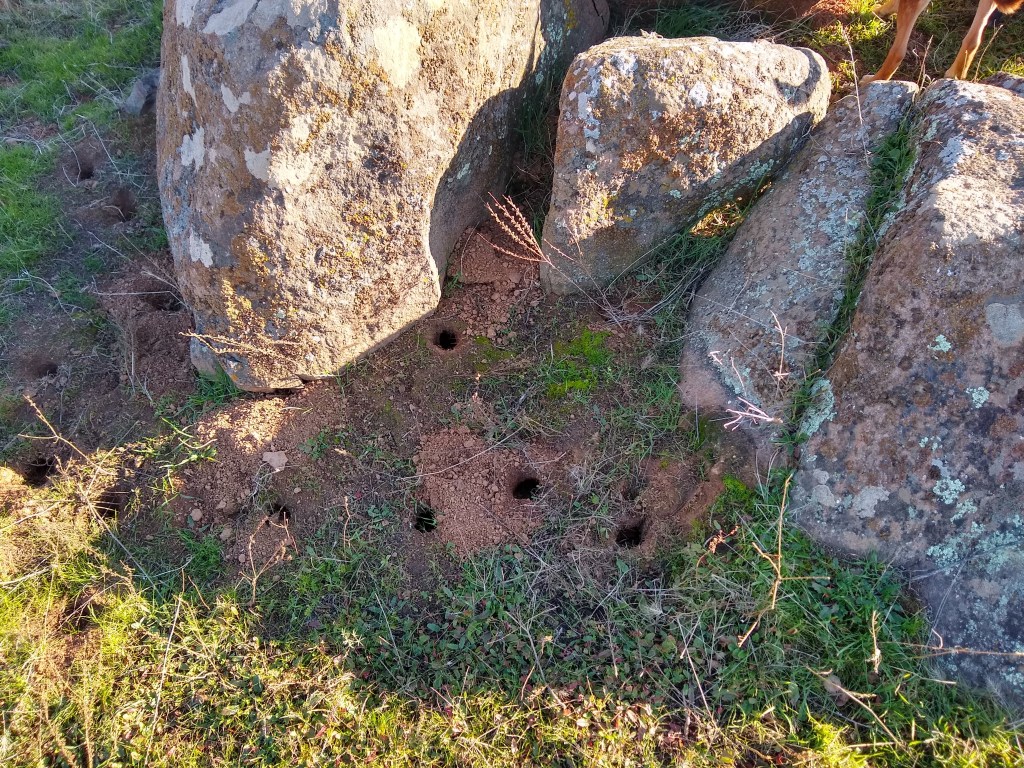
Ron Allen, UC Master Gardener and my native plan supplier, asked me to help with a study looking at emergence and blooming of early milkweed species. I of course said “Yes”. With the monarch females leaving the overwintering sites early due to changes in the climate, they are going to need milkweeds to lay eggs on. I have been monitoring the sites since last month, but know, from my data over the last two years, that they did not emerge until late March. I did see much gopher activity in the area, though Ron says that should not impact the A. Californica. We will see how it goes this year. Indeed, we are experiencing the earliest wildflower blooms I have ever seen and not in the typical cadence. They all seem to be coming in rapidly one after the other. We had the first emerge in December! Perhaps the flowers and butterflies all sense what we do not – a three day winter, a two month Spring, and a long, hotter summer than ever before.

Beneficial Fire

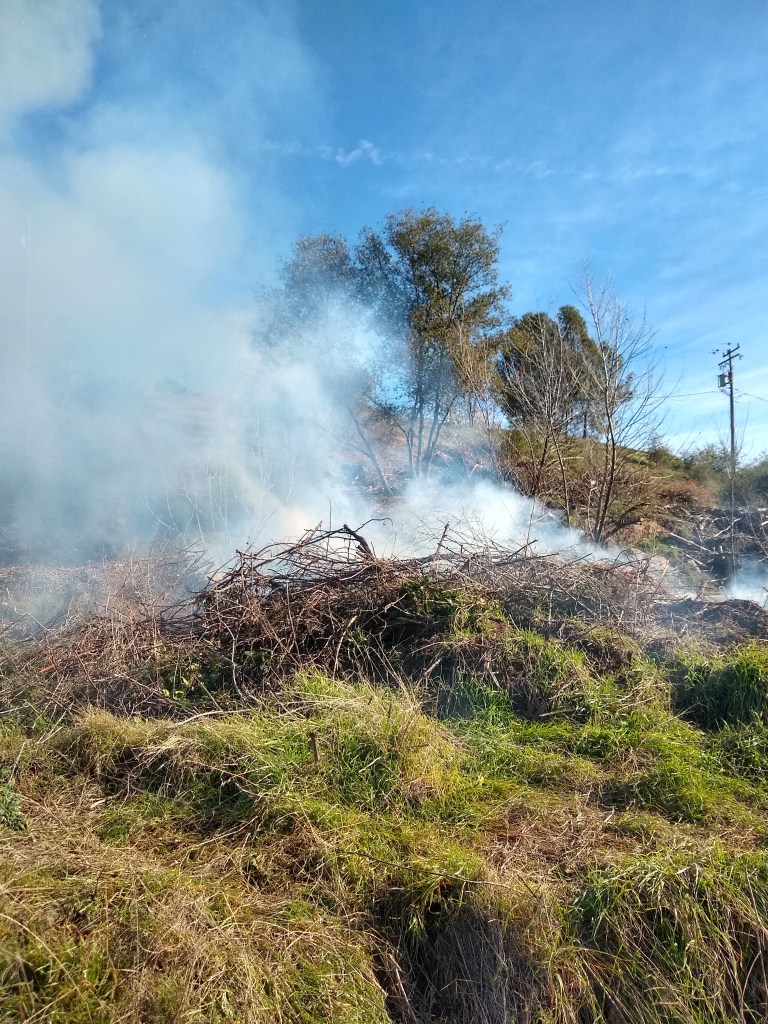
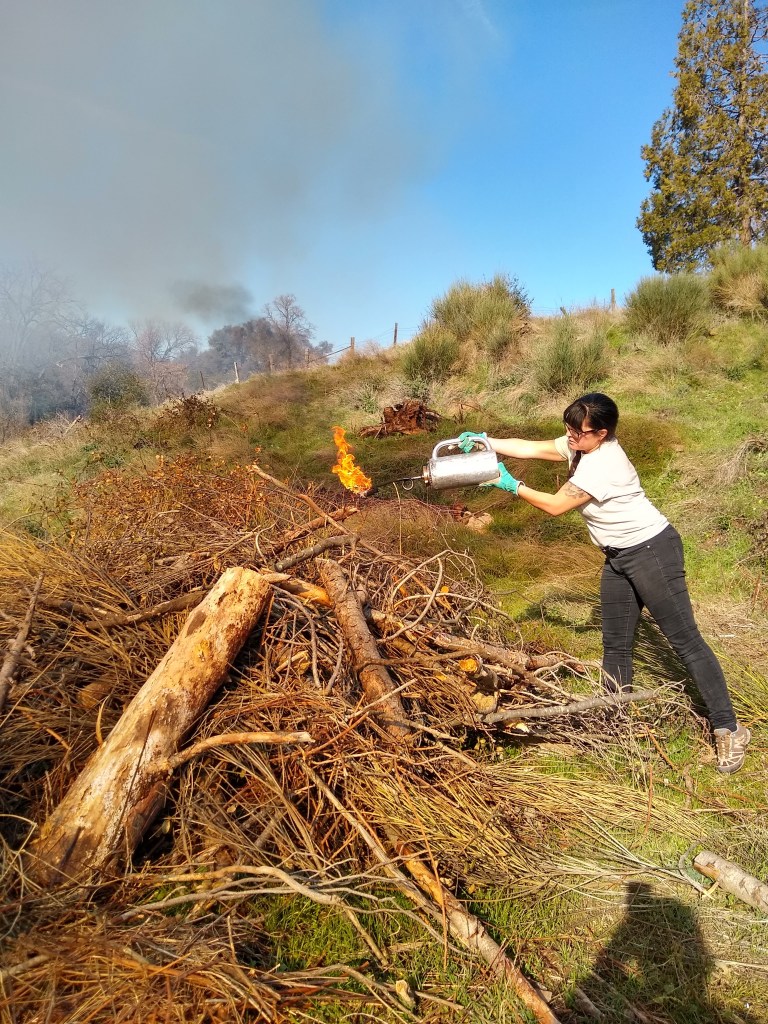
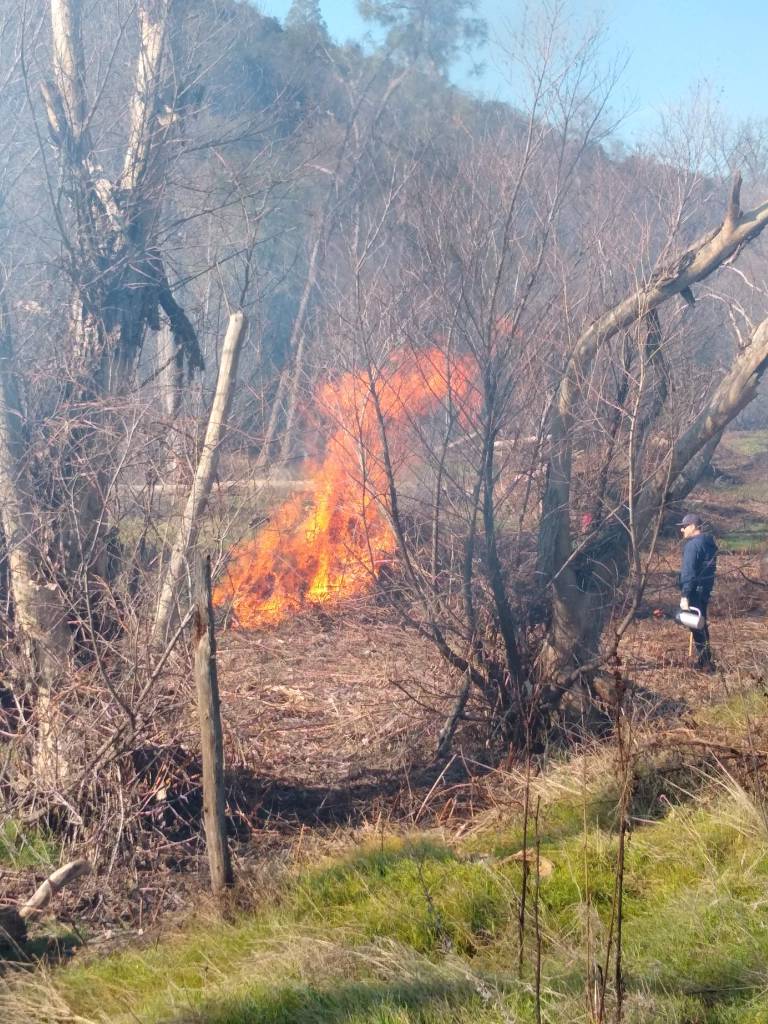
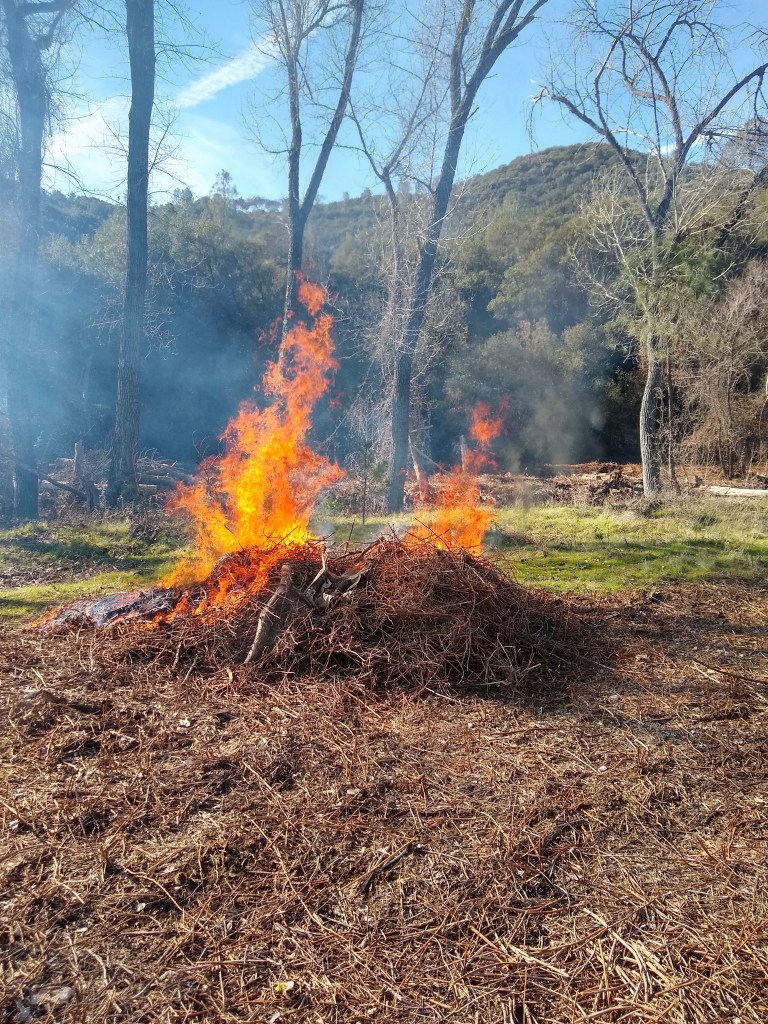
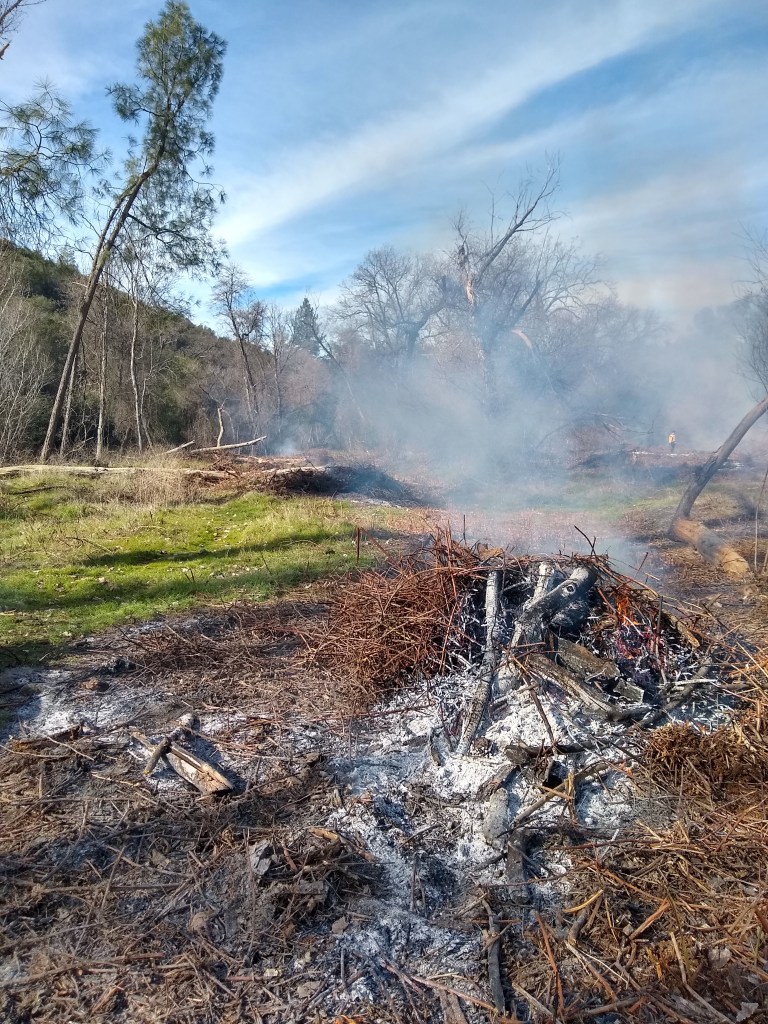
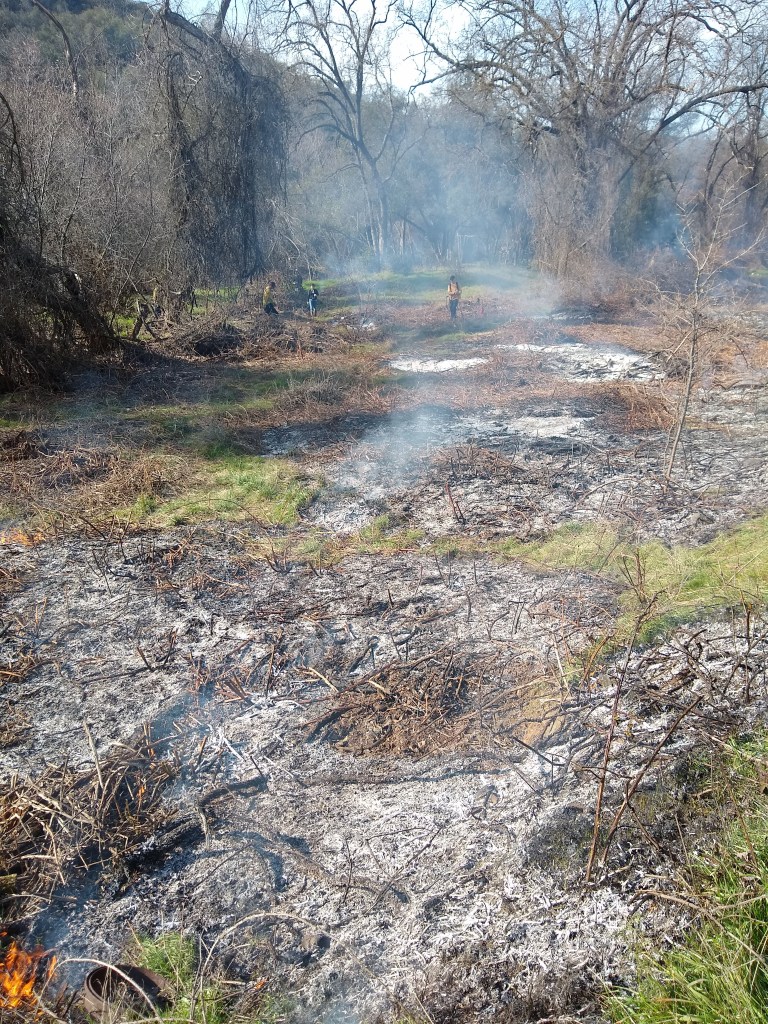
I joined the Southern Sierra Miwuk Nation (SSMN) at a burn along the Mariposa Creek Parkway. They are partnering with the Sierra Foothill Conservancy, Arts Council and others on restoration of the Creek for land health and public recreation. I wanted to learn more about putting good fire on the land. This is something I have been wanting to do here at the ranch for a while. I know every blade of grass burning is like burning money for my cattlemen. However, if we are working to get rid of invasive, non-nutrient rich grasses, like medusahead, and replace the area with natives and more nutrient rich feed, Tom could be brought along. He was the foreman on the million+ acre Tejon Pass Ranch, and knows a few things about fire. He has seen it in action and seen it work to control species that are problematic and getting out of control. He is tacitly on board for now.

I learned a lot at the Mariposa Creek fire – mostly to not be afraid when professionals are around. Some of the piles were so big the heat and smoke curled as the material caught fire. Fortunately, they rapidly burned through the material and became more like the typical burn pile you see allover rural California. I can handle that!

Carrying On

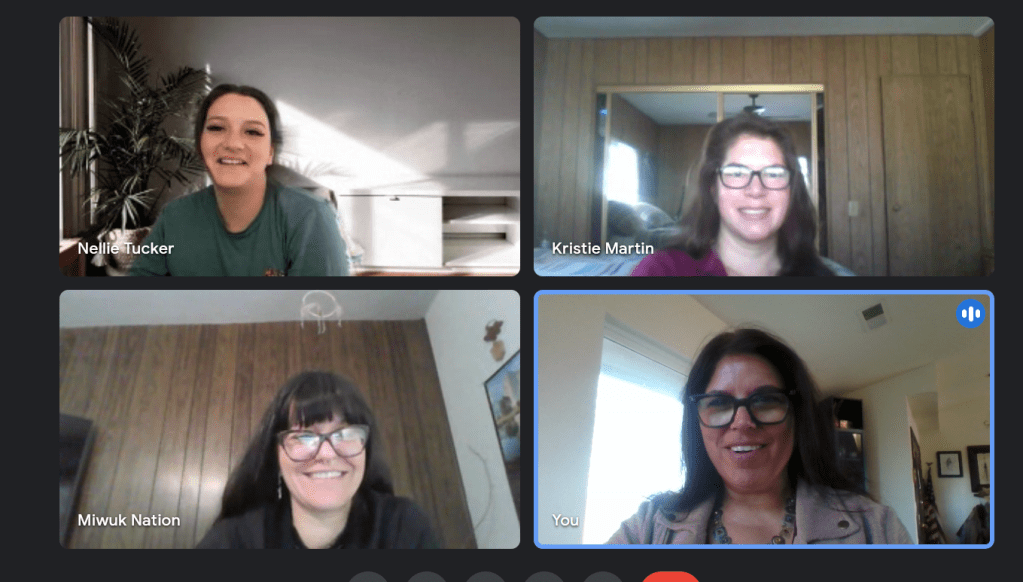
There is always much work even outside of the normal planting season. As a mentor, I meet with the Pollinator Team once per week for project updates, thinking through opportunities and co-working on materials. We wrote a grant together with the RCD last week (Hope we get it) in an effort to continue this important work. They are getting ready for their big push to encourage more people to plant butterfly gardens. We are also beginning planning for the Butterfly Festival and the Pow Wow. They have some really cool ideas for performing monarch education with the schools. I cannot wait to share some images from those events when they happen.

A meeting of the core team the other day -clockwise from top left: Nellie, Kristie, Heather and Tara. Not pictured are other Team members that join when needed – Deedee Soto of Xerces, Melinda Barrett from Mariposa Resource Conservation District, Ron Allen, Mariposa Native Plants, and Clay River Miwumati Family Healing Center Managing Director.

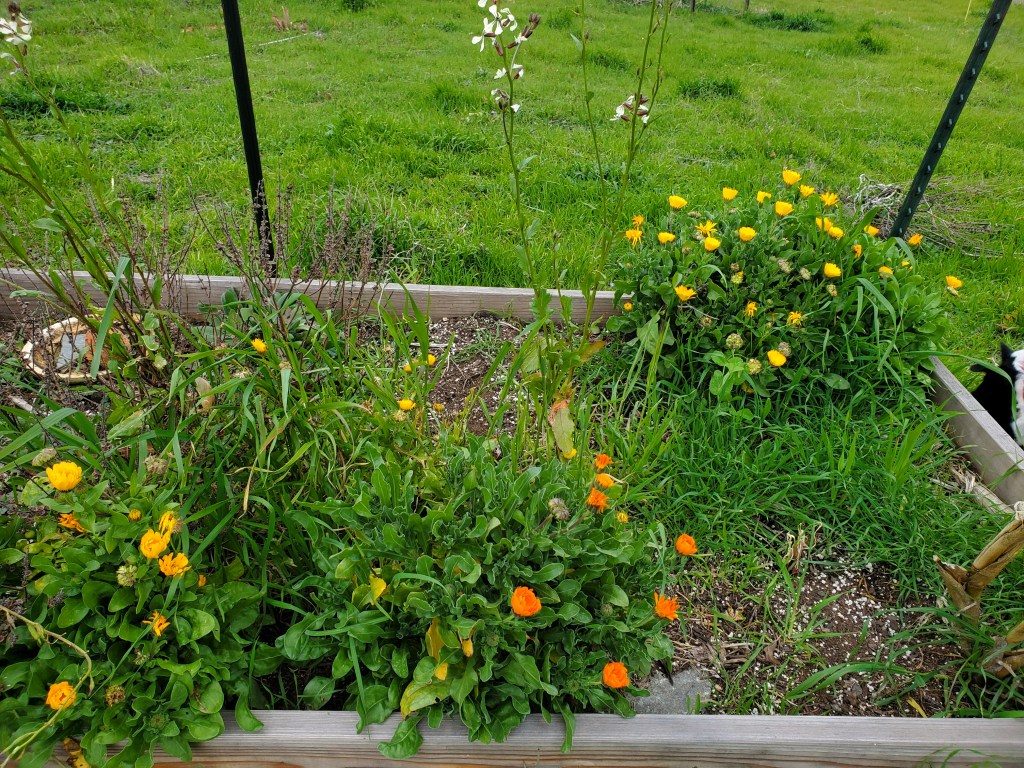
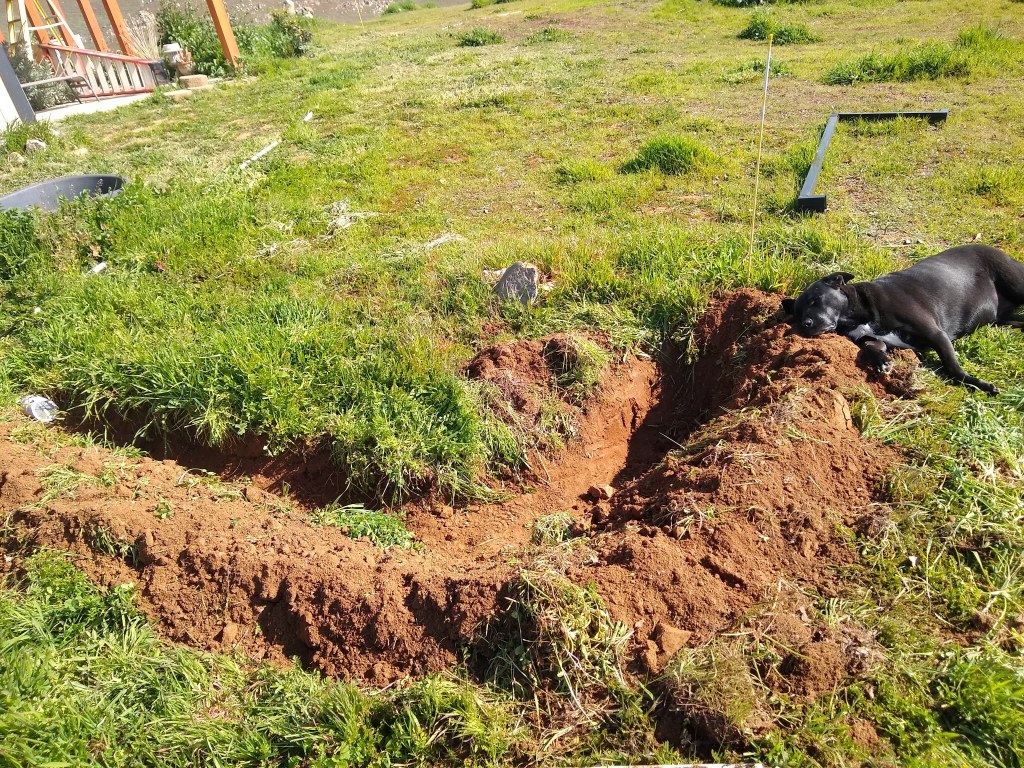
I have been taking down the fence that has been protecting Site 8 in anticipation of the new, professional riparian fence. The front fencing has also began sagging. David and I have been working on dismantling and rebuilding it. I dug three holes for the big leaf maples. I finally got around to digging out the other rain garden – the area that takes the overflow from the rainwater catchment tank. It is smaller than it needs to be, but that was all the energy I could give it at the time. At least Beatrix found a new soft place to lay her head! I weeded all the butterfly gardens, cleaned up the little pollinator fountain, and made a list of the next items to work on: more fence removal at Site 8, cutting downed oak for chipping into mulch, more weeding, build a rock barrier to shield the hedgerow from the wind, continue to monitor AC 1 and AC 2. Plant the maples, plant the rain garden mounds, build protective fencing around the maples, spread mulch into the rain gardens and around plants — oh, and start some food seeds like more radish and carrots. The list never ends, but I would not want to live any other way.

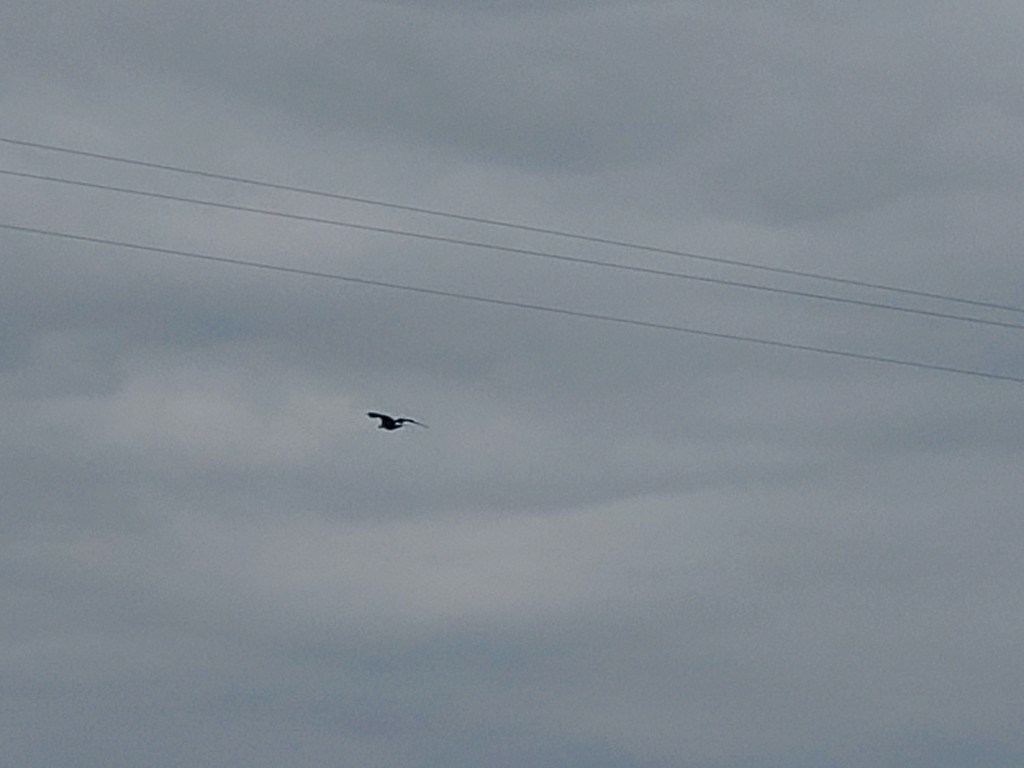
Ancestor and good friend does a close fly-by