A cold, wet fog has been set over the ranch for three weeks. This is unusual. Hornitos is typically high enough in elevation to be above the fog most of the time. I’ve lived here for 23 years and have seen fog roll in for a few days or a week and break up by afternoon allowing the sun to emerge. This has not the case this this year. The fog has set into the Central Valley of California so thickly, that it has pushed the outer edges of the bank up and over the low foothills. You have to move up to 1500 feet or so in elevation to emerge from the fog.
The upper elevations have been having higher than normal temperatures this winter. This makes me grateful for the fog. It keeps things cold and wet. The temperature has been in the mid to high 30s overnight and the mid to high 40s during the day. Water that likely would have evaporated by now with clear skies and higher temperatures, is still here, soaking into the ground and available to wildlife in puddles, creeks and on grass blades. As I walk through the trails, the ground is so wet that I kick water off the grasses as I move.
Two days ago, the fog bank finally broke. The days have been beautiful and the air crisp and clear. A large storm is expected this week (the wind is blowing ferociously as I write this), and David and I have been walking around the buildings to ensure everything is secured.
Fog dissipates as the sun begins to rise
Large Projects Near Completion
David and I have been working on building rainwater collection structures and attaching them to the wildlife guzzlers. In doing so, we are attempting to provide clean, abundant water to wildlife throughout the year. Guzzler 1 is very, very near completion. The pipe has been laid between the two structures. We only need to connect the pipe to each tank. I dug a rain garden to accommodate the over flow from the 1500 gallon tank. I still need to fill the trench with mulch (chipped oak from local trees) and attach a pipe to the overflow hole.
The protection fence was also completed. I did set up and clean up work on that project, and David did the rest of the work (Thank you David!).
Dug up ground where pipe line has been shallowly buriedDavid places the last t-postDoneI roll the remaining barbed wire and load the now idle supplies and equipment back into the truck
Conservation Projects
A typical day, beyond all the sundry projects, is me walking the ranch monitoring the land and the function of the infrastructure I’ve established. I have fixed pipe return on the guzzlers, straightened out gutter screen, removed branches from exclusion fencing, added branches to brush piles, helped acorn find homes in the dirt near downed wood, shored up logs in the check dams and a wide variety of other tasks. Recently, David and I walked the fence line looking for open topped pipe. Old pipe is often used as posts in fencing work. Typically, the open side of the pipe is capped with cement to prevent animals entering/falling into the pipe with no way to get out. Every now and then, a pipe can be missed, so it is important to take a look and cap any holes left open. On the exclusion fences, there was only one large pipe post that needed capping (it had a temporary cap – a glove placed over the hole!) and six smaller pipes used as ends for wire gates.
Mixing cement with waterPlugging the holesPlugged!Branch on the wire. Tree looks like it is ready to fallAnother tree across this stretch of fenceSmall pipe filled
We filled the holes with quick drying cement and found some trees that had fallen across the fences or were at risk of falling. We will need to head back out to trim the branches/remove the trees from the wire and repair the fence. There will likely be more trees falling on the fence after this large storm. The task list grows.
Transitions
My former cattleman has been ill, and decided to retire in August 2025. He got out at a good time with very high prices for cattle and beef. He is a nice guy, very knowledgeable and easier to work with than others. I have missed our conversations. As a result, the ground has been rested significantly this fall. There have been no cows except my neighbor’s loose ones, which I wrote about in the last post. It was possible that his son would lease the ranch, but he decided not to go into the business. As a result, for the first time since I’ve been here, we have had an opening. Up here, there are many good operators to choose from. There is almost always a need for more ground.
I have been attending educational sessions and conferences hosted by Communities in Alliance with Family Farmers (CAFF) for almost five years. They offer excellent topics, support and resources. Through their work, I learned that many young people who want to begin in the ag business have a hard time accessing land, since it is so expensive to buy. This has increased the average age of farmers and ranchers. Similar to my former cattleman’s son, the next generation in ag families often does not want to farm or ranch. This is a huge problem for food production/security in our nation. It is no wonder. The business is difficult and being made more difficult by our federal government and wealthy corporations who set prices. I had this in mind when I selected my next cattle producer, a young woman who feeds our community and is trying take her cattle business from very small to larger scale, Lacey Sharp of Sharp Farms & Cattle Co.
Lacey is from a generational cattle family in Texas, but lives in Mariposa County now. She also has a grazing business using goats and sheep to decrease fire danger. Most recently, she joined the local Fire Safe Council. The woman has a lot of energy and interest in doing good! Important to me, she is focused on regenerative agriculture and cares about the health of the land. We are still getting to know one another, but so far, things are going well. Cows will be on in January.
Wishing You a Happy Holiday Season
From my home to yours, wishing you a happy, healthy, and joyous holiday season.
David’s wire wreath shines bright on the fence post of our gate
I planted my first milkweed plugs in the Spring Creek riparian exclusion zone in 2020. Since then, I’ve planted more plugs and seeded the heck out of the area. Every year, there is something more I do to make that riparian space a monarch, and other pollinators, paradise. Flood waters, epic flows likely upending seeds and plants, wild pigs, grasshoppers, and extreme heat have all thwarted the success of the plantings.
Finally, as I was monitoring the area last month, I found milkweed in the creek, well downstream from the 20lbs of milkweed seed I planted last December 2024/January 2025! It was interesting that it was still healthy looking and green. All others have shriveled up by now. In truth, it has been a mild autumn with some fairly warm days. Even my tomato plants are still delivering. It has been a dream for me to establish milkweed in that riparian area. With all the hardship, you would think my mood would be tempered. Absolutely not! With one plant seen, my joy is uncontainable.
October: Wildlife and Work
October was an incredible month for wildlife sightings. I saw: two mule deer doe, a group of turkeys, a large group of wild pig, tarantula, a few butterflies, a colorful moth, beetles, and the game cam caught more racoon, an opossum and a coyote. The toads are back croaking. I have seen several kestrel, sometimes two at a time. I hope this means they are going to make a home here. I see them each year, but this is the first time I’ve seen a pair.
I checked fence and found more down at the Odom exclosure. The guzzlers needed some attention as well. I replaced the return back onto the unit at Guzzler 2. The screen and gutter were bent on Guzzler 1. I re-bent it back, but it will need to be replaced. Water is still able to be caught, but leaves could get into the water system. I took the screens and burlap off the oaks and freed them. They were all gorgeous and seemed to feel really great to have the open air. The one oak with the thick fungus on it is still alive, but has a mildew residue.
We still have flowers and have had honey beesReturn was down on Guzz 2Screen impactedGuzz 2 fixedPlenty of water (now more)Happy blue oak seedlingSun-kissed oakSmaller but just as happy oakFluff of yuck gone, but mildew remainsScreens and burlap offMoth?ScatPig hair on fenceDeer grass so happyMore happy deer grassGood flow from small springHawk friendTurkeys (look between two trees at the bottom of the branch in the middle)Before the Nov rains. Water in creek but lots of algeWillow in odom creekBig pod of pigsFence downWho says CA has no fall colors? Poison oakVery cool beatle on marigoldPlanting more acornMy favorite!Game cam coyote
November Rain and Lots of Work
November has been a wet one. Thus far, I have measured 6.75 inches of rainfall this November. All together, with rain in October and some in September, I have measured 8.9 inches. The wetness along with several weeks of higher temperatures with sunshine has caused the grass to green up and grow like crazy. I am afraid I will need to mow soon to ensure native plants are not crowded out. We still have flowers blooming – yarrow, verbena, a few CA fuchsias and marigolds.
It has also been foggy recently. Typically, we are above the fog line. This layer of fog has helped keep the plants, and my garden, watered. It is beautiful and cold. As I was driving out of the driveway the other day, I disturbed a large group of birds sitting on the ground. They were blue birds. They alighted and perched on the fence across the street. They were so beautiful and in such a large group. I was taken aback.
Pure joy from the rainMillie loves the clean, cold rainwaterIt’s cold again. Jackets and turtlenecks are back!Grass growing tall!Fog obscuring our visionRavenBeautiful fog when you don’t have to drive in itBlue birds and some finches on the wire
We are planning to do a burn with the local prescribed fire co-op. I am burning for the health of the soil and to help de-compete medusa head and other European grasses from the California Milkweed. We weed-eated fire breaks and had to attend another burn in order to be scheduled. I have been attending burns with the Southern Sierra Miwuk as well. There is something about cleaning up the ground, healing it that feels really good. I plan to start the fire traditionally and not use any gas torches. We will see how it goes – or even if I will be able to do it. The grass is so wet and green now.
David and I have been building the protection fence around Guzzler 2 and prepping the ground and materials for the rainwater shelter over the tank that will feed the guzzler. We have gotten three bids to do the fence for us over the last few months because we have so many other projects. The first bid was outrageously expensive. The second contractor ended up in rehab (good for him!), and the third completely disappeared after sending a bid and communicating consistently. I started looking in the obits – grim I know – but I liked the kid. What is happening?
Time is running out, so David and I pivoted from other projects to focus on this one exclusively. Cows will be on the ranch in December. I had hoped to save David’s back and my neck by hiring out, but this must get done (and not for crazy money). If you are a regular reader, you may recall that I was hit by a car while biking in May. Unlike the movies where everything seems to end up perfect post an accident, in real life, everything is not ok. It remains difficult for me to work for long periods of time, my neck muscles ball up (which is very painful), my right thumb (which was broken) starts to throb and my leg, where it was tangled in the bike and still bruised, begins to sting. I share not to complain, but to ensure that the story is honest. Poor David is such a wonderful help. He digs and lifts, and lifts and digs. We have some spunk left in us for sure, but it ends up getting used faster than when we were younger.
Cows to Cocktails – a long story if you care to read it
Life in the country is a joy. Where else can you spend two hours rounding up your neighbor’s loose cows, then jump in the shower, throw on a dress and enjoy a holiday season fundraiser event? Go from manure on your boots to sparkles on your shoes?
Last week, in the cold, early morning, around 6am, I went to let the dogs out to begin their day. The light was just beginning to illuminate the trees and hills. Frosted grass twinkled in the very dim light. I had a fundraiser to go to that evening, so had to think about my plan for the day. Nothing is close in rural California. If you have to do errands, even the closest commerce location is nearly a hour round trip – so you must plan your day well to get things done in time. As I went through my day’s list in my head, opening the door, letting the dogs out, in rote, I saw a dark blob in the near field. Then, there was another.
We have not had cows on the ranch since August. It was then my cattleman decided to retire out of the cattle business. He sold everything, and at a good time. Cattle prices are almost like gold on a hoof. As a result, we’ve kept the gates to the ranch and to the small enclosure around our home open for ease of coming and going.
I rubbed my eyes, looked again. As the light grew more, saw there were more in the field. I stepped out onto my concrete patio in my pajamas and sock covered feet, shivering a little at the shock of cold, and saw two more cows next to the trucks. Ok – I was fully awake now. What the heck was going on?
The dogs had done their business, and I hustled them in. They would be of no use to me. Millie, my nearly 12 year old kelpie, is arthritic and retired. The newer poodle, Pongito, is completely useless when it comes to cows. Better for him to be inside. I grabbed my hat, coat and jumped into my boots, in that order, and rushed outside. The neighbors had gathered the day before and left the cows overnight in a small, fenced in field. When I say small, it is about 20 acres with a small pond, on the corner of our rural intersection. There were over 100 of them. They had been mooing all night, protesting their enclosure away from wide open fields full of green grass.
From my vantage, I can see the field clearly. My small home is on the top of a hill, and I have a fairly good view of the region. As I was well outside, moving the cows from my enclosure into the field, I could see the mass of cows had gotten loose and some had spilled into the road and into my neighbor’s ranch as well as my own. It is not how I wanted to spend my morning, but having loose cows on the road, especially so many with small calves, was a dangerous hazard for both cow, babe and motorists. Imagine driving 55 to 65 mph on a paved road, coming around a corner, and seeing a mamma and calf. Calves are not grown enough to have a sense of the road. As a unit, they move slower than just a single cow. I had to act fast.
First, I got the cows out from next to my house. I was on foot, so ran to the bottom of the driveway, 1/8th a mile from the house, and closed the gate. Ok, this group would be safe from the road and could be gathered and moved later. However, I did not want them to disburse across 360 acres of ranch, so I would need to close off the far north field. The small group of 3 cows and 5 calves were walking toward the cattle road and the open gate to the rest of the ranch. I quickly headed to the gate to shut it. Remember, these cows don’t know me. I cannot just out run them. They can spook, and worse, since it is a mamma and baby already in a tense, unfamiliar situation, mamma could get upset. It is a delicate situation. You have to more feel their energy, their direction, than see it. Too fast and you can push them right through the gate. They are faster than you after all. Too slow and they will beat you to the gate. Too close and they can get upset. Too far, and you have no pressure on them. It’s delicate.
I moved quickly, not fast. I kept a wide, but forward movement. That stopped them advancing and bought me more time to gain more ground. They watched me intently from their uphill vantage, finally turning away as I made it to the gate and swung it shut. One down. Next, I had to run back up the hill toward the house. The cows had turned the opposite direction and began walking toward the drainage, Swale Pond and Spring Creek where there was another open gate. I had to cut them off, which meant going to the top and over the hill.
As I got to the top of the hill, I saw that the pack had kept close to the fence line and was headed for the open gate. Luckily, they had crossed the drainage, swinging them wide, buying me more time. The green grass too was tempting -slowing them down as they would grab a mouthful and continue to move. Please remember, I am not the most fit person. I’m chubby, filled with too great a love of peanut butter. Moving my mass is not an insignificant task. I fast walk in a trudge more than alight. By now, although 49 degrees F, I am sweating in my pajamas, boots muddy and wet.
Seeing them still headed straight for the gate, I let out a yip so they could see me, and know I was there coming toward them. They stopped to look. I had the advantage now. I was higher than them, and “trudging” as quickly as possible down the hill. They about turned and headed north up another hill away from the gate. That was great. I got to there, closed it, turned around and headed back up hill to deal with the rest of the cows on the road.
Distribution of cows in blue dots and their corner field outlinedMy route down around up and down and up again. Black “G” = gate
Once back at the top of the hill, I jumped into the polaris and headed toward the main road. I saw a bunch to the left on Hornitos Road, so turned left, and sped by them. I made a “u” turn and slowly walked them back to the dirt road of Mt Gaines. As I approached the intersection, I parked the polaris, jumped out and went out wide to convince them to turn up the dirt road rather than stay on Hornitos Road. As I was walking back towards them, an old friend Joel drove by. He saw the mess and pulled over to help. Joel is our retired Under Sheriff and husband of our retired (and excellent) county supervisor, Janet. They are also cattle people. He and his brother in law (BIL) Timmy were on their way to help another neighbor work their cattle that morning. Timmy was well behind him, so Joel called to let him know what was going on. Joel went up the dirt road and brought them back down where I had opened the gate to the smaller field where all the others were gathered. It is a trick to keep the cows in while the gate is open. Together we managed it, and got most off the road. Joel went on, and I waited for Timmy, who had called to let us know that there were more down the road.
Driving them slowly to the dirt roadCritical mass now off the main roadJoel moves them back to me to put through the gate
I finally saw Timmy cresting the hill, slowly driving the cow and calf he found toward the pasture. He got them onto the dirt road, pulled over, and after some discussion, decided he would gather the 5 or 6 that were on my neighbors ranch. She bought her place recently, and the prior owner really let it fall apart. As a result, the fences were wrecked, which enabled the cows to get onto it. Knowing that the cows would likely get back onto the road to go back to the gathering pasture where they likely left their calves, Timmy pulled his horse out of his trailer, and rode onto the ranch to gather the cows. I hid out of site and he was able to bring them out and onto the dirt road. They moved up the dirt road. Timmy said he would stay and open the gate if I could go up the road and move them back. I took the polaris up the road, and brought them back, pushed them into the open gate. Timmy shut it, and we were finally done.
Timmy unloads his horse to gatherCows on Mt Gaines as I slowly push them to the gateThey are moving well back to their friends
Later, the neighbors who owned the cattle came to assess the situation and gather the last of the cows off my piece and herd them onto theirs. Evidently, a gate was left open. They don’t know how. They said it had been locked. At least they were off the road, and everyone – cow, calf, human – was safe.
I went home, ate breakfast, did chores and then got ready for the event. Never a dull moment here!
My love and I – a photo from the fundraising event. We clean up quick and decent!
The Beauty of this Planet
This incredible planet is so worth us doing better by her…
Cooper hawk at neighbor’s. Photo Credit Kim Ludwig WetzelUnbelievable in its beautyLots of hard workIncredible photo by neighbor Kim Ludwig Wetzel. What a GORGEOUS coopers hawk relative.
Tarweed, with its most incredible of smells, is bursting all around. Its first blooms tell me that Fall is near. Acorns are dropping, some with the almost neon green of youth and others with the dark brown of maturity. The wind has been knocking them out of the tree, too soon for some and just right for the others. Then, we have been witnessing the nightly spectacle of a thousand ravens fly from the valley to the foothills on their dusk time commute to roost safely somewhere up hill from us. David and I have been sitting on the front patio to watch this massive nightly migration. You can hear the wings flapping before you see them. It is incredible. We are waiting to begin seeing the tarantulas. This is the one harbinger of Fall that we have not seen yet. Probably soon!
RavensImmature acornRavens at sunsetTarweedMature acornLots of acorn on the oak treeRaven commute. Sensational!
Seed Collecting
For the past couple months, I have been seed collecting, storing up for next year. I’ve shared when I’ve had an abundance and left most for the birds, other wildlife and propagation. I plan to do a burn to rejuvinate the land and clear thatch of medusa head. These seeds will help make a good start.
Gathering from black-eyed susansBlack-eyed susan seedTucked away and labeled!This is narrowleaf milkweed seed. The seed is attached to this delicate silk designed to float away. They emerge from the pod all tucked in and ready to disburse. I take the seeds off the silk and store for next year. Poppy seed pods
Guzzler Work and Visitors
David has been busy at work on the metal building to be used to shelter tanks and collect rain water for the guzzler. I oversized it to eventually include a larger volume tank that will irrigate my next project of establishing a field of native grasses. For now, the shed holds a smaller 1,500 gallon tank to keep fresh water in the wildlife guzzler. We installed stainless steel mesh gutter screens to improve the quality of the rainwater catch. Although we took the flat area to hardpan and David and I both raked the ground to clear rocks, there were still quite a few rocks embedded in the hardpan. In order to prevent water tank punctures from those rocks, we chose to install a rubber mat floor to be a barrier between the tank and the rocky surface. Remember, water weighs 8.34 lbs per gallon. Full, the tank will weigh 12,510 lbs. That would be a lot of downward pressure onto those rocks. I want to say a very public “Thank you” to David for his tremendous work on building this building for me. It came out great and will yield up to 2,302 gallons of rain water in an average precipitation year.
Incredible husbandRanch poodlelaying rubber matsTank in place, ready to connectInserting gutter screen
We plan to build a wooden structure to cover the tank that will be linked to Guzzler 2 in the near future. Why wood and not another metal building? We are planning to build on a slope. Metal buildings need a flat surface. With wood, we can place the post on piers that will level the structure.
You may wonder why all this effort to feed some guzzlers that already have their own catchment system – wildlife and drought. We barely made it through a normal precipitation year last year with water in the guzzler. There was an inch left, and it was getting use. We lived through the drought and saw so many insects, birds and animals desperate for water. I remember placing a bird bath in the middle of the drainage during a drought. I would haul water to it and fill it up daily. Bees, flies, dragonflies and birds all flocked to it in large numbers. I never saw bees aggregate like that. It stayed with me. When I learned about guzzlers that came with their own escape ramps built in to prevent animal drownings, I started to plan them across the ranch. I also thought about how I could retain the creek water longer as well, thus the rock and log drop structures. Water is life. You really understand this during a drought.
Animals have been using the guzzlers even when the creeks have water. I am so grateful for the opportunity to make a difference in their lives and return some resource where it has been over-drafted by human activity. The guzzlers have seen so pretty cool activity over the past several weeks.
Bobcat hunting miceSkunkRacoonRoadrunner!Roadrunner contemplating a drinkGORGEOUS bobcat leaving guzzler after a thorough look for mice
Currently in Bloom Plus Cool Seeds
There is ample nectar but not many nectar users around the house. I’ve seen some silver native bees, european honeybees, hummingbirds, and a few mournful duskywing butterflies – oh and ants too. That is about it. Still no monarchs. I check the milkweed daily and nothing. If we do not get them again, that will make three times in a row we’ve not hosted. That makes me very sad.
GoldenrodSunflowerSunflower with antsDatura seedDatura flower nearly bloomedNon-mature buckeye seed podsOnionPacific aster – lots of these in bloom!Tarweed
Not pictured are verbena, and basil. Both are in bloom. We also have a good volume of tarweed. The air smells beautiful.
More Wildlife
Found featherGopher snakeCoyote poopsMourning dusky wing butterflyAnother gopher snake
Oak Seedlings Update
I’ve continued watering through the season. Most of the seedlings are doing great. I’ve begun to remove the screens that saved them from grasshoppers. It seems like they feel a freedom. They come out and just feel tall and happy. It has been an emotional up and down process with some being eaten by the hoppers early on – but not so much that they had no chance to come back. In all, four seem to have been stunted by the attack. As long as they are still firmly in the ground, I will hold hope that they will come back next year. In a big shock, one of my healthiest, happiest oaks developed a thick, disgusting fungus. I took off all structures around it to give it more air. I hope the sun will kill it off. So far, it has not resolved. She is strong, and I am hopeful she will survive this.
The seedlings will be dropping their leaves soon. I still need to surround the naturally recruited seedlings, which had dwindled in number from gopher predation, with a coir pad. This will help limit grass growth around it and aid me in identification of where they are at. This is helpful so we don’t weed whack them next year.
Oak seedling with roots eaten by gophersGorgeous oak covered in fungusAnother view of fungusClose up of fungusRemoving all covers on the trees so they can breath more
Transition
We began this post talking about the transition to fall. I began writing it in mid August as I was seeing signs of the change. Now, here we are well past the fall equinox. It is definitely fall – more storms and temp drops. In addition to the seasons, life continues to shift for me. My father, who I’ve cared for the last year and a half and who has lived with me for over a year, moved out to become more independent with some support in a larger city. I found myself missing him emerging from the room that was once mine, which I gave to him, and me saying “Good morning! Sleep well?” Always up first, I would be sure to have water ready for a hot cup of tea, and medications organized. Caring for someone takes organization. It is process on top of process to ensure wellness. I don’t miss the horrors of his illness and the mental, emotional and physical exhaustion, but I do miss the camaraderie. Fortunately, he is not far away. He is thriving, and we visit him at least weekly and call several times a week.
Last week, my beloved old lab Bibitrix also moved on. She had an injury that was not healing fast enough, and her body got sicker and just gave out. There are few blogs that do not contain at least one sighting of Trix – in foreground or back. She has been my steady companion for nearly 11 years and the most “solid” of all my fur babies. No issues, just enormous love, tail wags when I entered the room, closed eyes as I stroked her head. Just sweetness in a 60+ lb package of black fur. I am glad she is no longer suffering. She lived a charmed life being loved by all and benefiting from our family’s active lifestyle – traveling here and there, seeing relatives that spoiled her, swimming in gorgeous mountain waters, hiking across open rangeland and forests. She had a babysitter that would bake her organic chicken for dinner. Most nights, she ate better than me. Oh, I am taking a deep breath now to stave off tears and sigh. We love our animals so deeply. They are innocents we protect and support. It is the cycle of life, and we are never really ready to close the loop.
I love you with all my heart and miss you so much. May your spirit be frolicking in open lands, swimming and getting lots of belly rubs and food – your favorites.
We have gotten lucky. The grasshoppers have not stripped everything. Their population exploded, especially near the riparian areas, then, all of the sudden, they abated. The hoppers had started eating their way up the hill. They hit some of my outlying plots hard, but then stayed away from the habitat closer to the hilltop. The oaks planted on the lower Spring Creek area and those down hill from the hilltop were not so fortunate. They were eaten, but quick action with screen boxes saved some. Several have come back and are leafing out again. I gave out a loud yip when I saw that. I had felt so dejected. I still lament the loss of the other trees. It is difficult to get a blue oak to grow under my specific conditions – heat, grasshoppers, gophers. Every year lost is one year less with young trees. I have to do better.
Since my last post, I have been focused on watering the oaks every five days. Having this cadence seems to be a recipe for success. It helps me not only keep them hydrated, but to trouble shoot any issues they may be having. The remarkably cool weather, for a July, has been helping give these trees a chance. I love them so much, and want them to thrive.
Lower Spring Creek: Bottom center right, oak comes back from hoppersLower Spring Creek: Other tree upstream 10′ has not come back. Still watering thoughHoping to see leaves come backOaks in the upper Spring Creek doing well. Got these screened before hoppers got to them plus moist area. Made a huge difference. Plants in the creek begin growing back after cows trim it all to nothing
With the hoppers having abated, David and I have been slowly releasing the plants we covered in screen boxes. They have done very well. We are keeping the oaks in screen boxes just in case. I will plan to lift those in September. Thank you again to David and Sam for making those so quickly!
Black sage…time to…be free!This white sage was hammered with nearly all leaves eatenIt got a break from the hoppers and came back with gusto
Blooms
Blooming on July 13 when I began this post and mostly still blooming now are pacific asters, datura, sunflowers, matilla poppy, California poppy, narrowleaf milkweed, California fuchsia rabbit brush, black-eyed susan, marigold, sulfur buckeye, and worm wood. There were a couple small blooms on the white sage, basil and other garden items.
Yellow flower is a magnet for fly type pollinatorsPacific asterRabbit brushWormwoodMore yellow flowersSulphur buckwheatCA fuschiaWormwood – view 2Lemon balmMy favorite – sunflowerNarrowlead milkweedMatilla poppyFinal white sage bloomsDaturaCleveland sageBasilNon-native sweet alyssumBlack-eyed susanCA poppy with bee friend pollinating
Ranch Maintenance
One of the things I love about living on a ranch is that there is always something to do. David and I finally got to the fallen trees and water gaps on Odom Creek. After one of the last major storms this past winter, high winds blew down several branches and dead trees. Two fell on the Odom Creek riparian exclusion fence, making the fence slack. High waters from a rain event took the tin blocking cattle access through the water gaps (areas where the creek flows through between two stream banks under a fence crossing the creek) and deposited them downstream. I retrieved them soon after the storm but did not replace them until several months later due to other issues requiring my attention.
With the tin down, it opened a small pathway for cattle to get into the exclusion. Grass and creek plants that typically grow inside the exclusion area were nowhere to be found. Adding to this was the large number of grasshoppers near the riparian areas this year. Thistle, which the cattle normally leave alone due to their spiky, tough exterior, were stripped to skeletons. Both contributed to no vinegar weed (another favorite), less watercress, no milkweed and no thistle nectar.
David chainsaws fallen tree branchI add tension back into the stretched smooth wireDavid hauls the tin back to the water gapCreek devoid of bushy growth in the streambedThistle stripped bare!Reattaching the tin to the fence to block cattle from accessingNice deep hole at the bend in the creek. Lots of tadpoles and insects using the cool spaceFinished product!
Wildlife
Although I’ve not see as much wildlife as I have in the past, there have still been some beautiful encounters. Running across the road in the near area, and sadly no photos, I have seen coyote, a bobcat and bunnies. Below are other friends.
Green dragonfly on rockHard to see – red dragonfly center image on vertical stick Three of the covey of 20 quailSnake skinCool looking flySierra chorus frog – I’ve seen quite a few around the houseMeadowlarkMy respected nemesis, Grasshopper. Truly a remarkable creature
Seed Collection
As plants begin to die back and set their seeds, I have been out collecting. I never collect more than 10% of what is available. I share with the birds as well as leaving plenty to grow the next generation.
White sage seed vesselsGathering the white sage seed vesselsTiny white sage seedsPine nuts from the trees in the middle of the ranchCA poppy seed pods. Once they are dry, the slightest touch pops the pods open dumping their seed
Rainwater Catchment Building Continues
One of our ongoing projects has been to create a fresh, ongoing supply of water to the wildlife guzzlers. Recall, we built a small overhang over the guzzlers to catch more rainwater than if they were left out on their own with their beveled tops. The overhang also acts as shade to decrease evaporation from the unit. Some years, the water captured lasts the entire year. During droughts, the water has run out by late August. To prevent running out, but to also inflow more fresh water, we are building a larger rainwater catchment up hill to gravity feed into the guzzler. The tank is 1500 gallons and will be under a metal building to protect it from sun exposure and heat gain. David has been working on it and will likely be done a week from this post. I am very excited to keep water flowing throughout the hot months. The guzzler has become a very busy place with ground and song birds, raccoons and one feisty feral cat. Thank you to the Natural Resources Conservation Service (NRCS) EQUIP program, US Fish and Wildlife Partners Program and Point Blue Roots Program for believing in this work and supporting it.
Ranch poodle Pongie plays on the suppliesDavid gets trusses erectedPrepping the holes for cementRacoon visits guzzler for a slurpMockingbird hops in for a drink
Fire Danger Ever Present
Living in the new norm of ever present fire danger feels unsettling. When I was a child growing up in the Sierras, fires were part of life, but rarely major conflagrations. There was more water then and less people. I never worried, and I don’t recall my parents worrying the way I do now.
This year and last, we had a nice, steady stream of rain events that kept the soil moist longer into the summer. This year, in fact, David and I both noticed that all the oaks look healthy and happy. Their leaves have stayed on and are a vibrant green. Fresh, well-formed acorns are setting now. July has been much cooler, and that has helped the mature trees too.
Even with these positive signs, I still cross my fingers that a major fire will not rip through the land. Through my work in natural resources, I can see the massive investments by the state in fuels reduction and stewardship. Communities are working hard, year-round to be better care-takers of the land. The problems of over 100 years of fire suppression, population growth in wildland areas, more efficient ag tech to suck water from the land and climate change shifting temps into record levels are all massive issues to overcome. The pace and scale needs to be even greater – and as importantly, if we do not tackle the root causes, we will be constantly fighting an uphill battle. Stewardship, care for the land, being in good relation is not work; it is life. It is an ongoing relationship where a thoughtful existence results in abundance and health in an environment where we can all live – nature relatives, humans – and thrive.
Moon over HornitosAcorns beginning to setBoneyard fire in the north part of the countySunset on my way back from watering oaks
Like last year, and perhaps one or two others, the winter has been short -maybe two weeks in total. Although we’ve had some cold days and rain storms, less than 3 weeks have had frost, and some of those frost days were only in the arroyos, and spread across the hills. No snow this year or last. When I first moved here in 2003, we reliably had 2 to 4 snow events per year. I am at a fairly low elevation, so when I say “snow events” I mean snow that is 1 to two cm deep or simply snow that does not stick. As a child growing up an hour north, we had snow every year. This is not normal. The years not only are getting warmer, they are staying warmer longer. In fact, we’ve had far too many warm days this “winter” when it should be cold.
Frost on the fence lineFrost in the shadeMajor frost all across the hills and on the tops
Wildflowers that used to come out in March, which itself was slightly early, now come out in February – and even this is shifting fast. I spotted my first wildflower the first week of February. I am terrified of the day that I begin to see them in January.
First flowersBlue dicksMore lupine leaves
The second week of February, the short white wildflowers are appearing, with many other buds waiting to open. These are what I call the super nectar flowers. There a typically millions of them, tight and close to the ground, that make the air smell so sweet.
These shifts in bloom time can be devastating. All of us animals depend on cycles when our foods emerge. We cannot have mismatches, when flowers appear too early and bees and butterflies appear at the regular time only to find that their nectar sources have already bloomed and are gone. Or, the weather turns cold again after being warm, signaling the flowers to bloom and trees to leaf, then killing the emerging buds. I have seen this happen before. Both scenarios are destructive. Having diversity among nectar plants is critical, but even with this, it still decreases the available nectar impacting population sizes and potentially health.
Large Storm is Destructive
We did have a good storm the third week of February. It rained 2.25″ in a few hours. This was enough to over run roads, creek banks and surge in a destructive way. Some of the tin panels I use along the fence line to block the openings across the creeks from cattle got disconnected and moved downstream. The force of the water surge on Odom Creek actually tore the bottom wire apart, snipped it right in half, tearing the tin off and floating it downstream. Fortunately, I found all the panels that were torn off. David and I will reattach them. They need to be in place to prevent the cows from accessing my oak seedlings and other plantings.
Slate Gulch Rd over run, but not washed outTree shifted by powerful watersTin goneDebris everywhereWire snapped clean throughTin deposited downstreamCreek surged at least 20′! Red arrow is the debris “bathtub” ring. Black shows the distance between the water and the ringMt Gaines Rd Washout. Arrow points to the road. Straight-ish lines are what was the road boundary
The surge also twisted up vegetation on the fence lines. Sadly, I found the young willow I had been so excited to see. She was ripped out of the ground, roots and all, taken downstream and deposited near the fence line where I found her on her side. I lifted her upright after scratching a pathetic, shallow hole with my foot. I did not have a shovel with me when I went to assess damage, so my foot was all I had. It was not much of a hole since the ground in the creek is rocky and thick. Still, I placed some of her long roots back into the ground, carefully, hoping that they will be resilient and allow her to grow once more. She is a willow after all – strong and prolific.
Willow deposited on the sideWillow upright again
California Milkweed Emerges!
The California Milkweed has emerged two to three weeks earlier than 2024. I saw the first leaves on Feb 9 this year and noted that last year it was the last week of February.
Emerged Ca MilkweedSoaprootLittle baby Ca Milkweed
The cows have been on the hillside with their calves, so I went to check on the plants. I noticed each of the milkweeds had a snip taken out of one leaf; they had been grazed. Most likely, it was a calf testing out the green fuzzy plant. The snips appear to be spit out and located near the plants. Definitely not a tasty meal for anyone except a caterpillar. The plants are growing rapidly, and will be fine. The cows are on the south part of the ranch currently. I will be shutting the gates to the north field in a week before they return, excluding them from the far north field.
Larger 10 days later but snipped from grazingSnipped leaf (red arrow). Spit out leaf (pink arrow)
Grass Nirvana for Cattle
Happy eating
The grass is super lush around the house. Oh, and the cattle are eyeing it every day. Particularly, there is a group of mamas and babies that rotate to the front gate in the afternoon each day to see if I will let them in.
“Can we come in?”“Look, we have babies we need to feed.”“Oh yay. We are in!”“Yum!”Bulls take a little more effort to moveLush grass
When I have time to watch them, I will let them in for an hour or so to have them help trim the grass without impacting my native plantings. You can see how much they love the verdant blades. They move their heads to the left and right greedily eating without a break. When I can no longer watch them, I usher them out, gently pressuring them to move toward the gate. There are a couple of ladies who never want to leave. They stop to take bites. I have to shift closer. They move, stop again, grab a bite. I move. They move…and so it goes. They snort their disdain, but eventually they kindly acquiesce.
Time to goGentle push
People ask me why I don’t use the dogs to move them out more quickly. The ladies have entered at my invitation. They are helping me, and I respect them. The dogs can be a blunt instrument. I am gentle and precise. We walk out slowly together.
“Dang it! Do we have to go so soon?”
Guzzler Project Moving Forward
With my dad doing better, I have had time to focus on my guzzler projects. The two new tanks were delivered and will feed each guzzler when installed. I had planned to have 1,000 gallon tanks, but the cost was nearly identical to the 1,500 gallon size. It seemed ridiculous not to purchase the larger volume size. With the additional volume, I may also be able to use some of the water for irrigation around the tank area.
Tanks deliveredGuzzler – with built in escape ramp
In my last post, I mentioned having the second guzzler delivered. With all the main elements here, I am ready to get the materials needed to cover them and link them together. David, my ever patient husband, will be building the overhang structures to cover the tanks and catch the water. The overall concept is for wildlife to have access to clean and abundant water, especially during times of drought. My original guzzler is doing great and a variety of animals have used the water even with the nearby creek still running. We had a good rain year in 2024, so the guzzler stayed filled throughout the summer and fall, but barely. The water really got low and began to get murky. These tanks will allow me to provide ongoing fresh water to wildlife through abundant and lean times.
Horrible drawing by me showing the planFattest raccoons getting a drink
Odds and Ends
It was a joy to have cold weather and storms, with the most recent one being very large. Water is life, and life is omnipresent and happy when water is around. After the storms, I check my dams to see how they are doing. Everything is holding in place, even my little rock check dam. You see the water, when the creek is running slowly, backing up as intended. I will be placing another dam below that one to slow more water and hopefully spread it out a little to soak the ground and make it more hospitable for oaks.
With water also comes ducks, geese, egrets, herons, mushrooms, mayflies, and green grass. This is such a pretty time of year.
We are generally above the fog line, but every now and then, the fog rolls in. I don’t mind. It keeps the soil moist and the temperatures down. The fog is pretty too.
Cool birdRed tail hawkWindyDramatic cloudsOverflow still running between stormsSwale Pond looking upstreamRavenCrazy cloudsWindy and coldDramatic skyWind broke the tin off the wire on the drainageDeep puddlesWater held behind log dropNatural dam holding and more sediment buildingRock check dam holdingEast fork of Odom Creek fullFog roles inAlmost full foggy, but the sun wins this day
Sometimes I lay down, listen to the birds, feel the cool ground on my back, smell the air, look at the sky. I did this when I was young, and it was happiness. The key is time – to think, relax, breath and connect. Anyone can do this anywhere, a park, a back yard, a patio with your potted plants.
Such a blue, empty skyChillA hawk relative checking in
Joy is possible and necessary even in a time filled with bad news. All we need to do is look around, smell, hear, touch, and especially, feel.
Dead blue oak tree and great habitat for bats, birds and many other species
It happened on Thursday, and I saw it too. I was walking my route checking all the log and rock dams when there was a popping sound. The dogs looked to the northeast, so I did too. I didn’t see anything. The sound was not immediately identifiable, and I continued walking. When I was at the edge of the grove, the sound came down the drainages. It was a loud crack. Oh shit. Fear sent adrenaline through every channel in my body all at once. The dogs looked back in the direction from which we came and took off running full speed to investigate. It was clear the sound was well behind me. My body eased. I swung around just in time to hear another crack, and then thud. I caught sight of the branch of a long dead, once magnificent, tall blue oak drop to the ground. The dogs realized the seriousness, and ran even faster back to me. It was a jolting reminder for me to be extremely careful and vigilant as I walk the range, reading the trees and never going under branches that are angled down towards the ground.
Turning tail to head back full speed (two dots at the end of the green. Oak is the gray tree behind the dog on the right, through the branches in the foreground)Millie – record breaking speed leaving her best friend in the dust
We had a doozie of a storm four nights ago, with .75″ of rain and wind so ferocious, my kelpie Millie was trembling against my body, unable to sleep. With the rain and wind, it is almost guaranteed that the trees will be impacted. Branches loosened from bark and trunk through death and drought are vulnerable to the moisture and wind. Gravity then finishes the job, dropping the large, tortuous branches, and sometimes entire trees, to the ground. It can be very dangerous.
How did the ranch get this way? I try not to take it personally. I have lived on this land for 21 years. Since that time, we have lost almost 300 blue oaks. Some, I think, were at their expiration date, but most have been pressured by drought. Leading up to the 5-year drought that began in 2011, I noticed the loss of several grand old trees down slope from the house. However, it was not until 2016, the year just after the 5-year drought that entire hillsides, ridges and even some near the creek died. It was a horror. I did not know what to do. I called experts, who looked for signs of disease. There was none. They were perplexed, but they were just learning as well that this was happening all over California. It brought me some small bit of comfort to know it was not something I was doing to cause their deaths. Still, I was distraught at their loss and anxious to learn more about what could be done.
Fallen oak across the roadDead oaks in the flatsDead oaks on the hillMore dead oaks on the hill, near the top
A New Passionate Work
Given the recent blue oak die-off, I am committing to now work hard toward restoring some of the population of blue oaks that died. I understand that there is not sufficient moisture to sustain replacing the oaks 1:1. I am proposing to restore a portion of them, probably close to 1/3rd of the lost oaks. This means I will need to plant at least 120 seedlings, anticipating that some will not make it. I will need to continue to protect the seedlings in the creek banks – hoping they will grow more. As I have reported in this blog, three I’ve been protecting for 10 years, before the riparian exclusion fence, have stayed nearly the same size all those years. With the groundwater recharge work I am doing and adding some trenching work around oak planting areas, I am hoping that I can retain enough moisture to help bring some baby blue oaks to maturity.
My plan: I have already ordered 103 oaks for next year, and have received 22 to plant for this year. Holes will need to be dug close to 18″ deep to loosen the soil and make space for the 18″ cages, with 6″ of the 18″ of cage being above ground to deter overland gophers, etc. About 92 of the seedlings will be planted in special cages. Ron Allen of Mariposa Native Plants conceived of a stiff gauge cage with a soft pine base that has small holes in it. The holes allow for water flow but mostly for oak roots to penetrate. The soft pine will degrade quickly allowing for the tap root to get bigger without any pressure. The cages will be able to be removed after a few years or will degrade over time. The other 28 seedlings will be planted either near the creeks where there are less gophers or using 15 gallon mesh shields. New seedlings outside the exclosure area will get 3×4 fencing around them to protect from cattle and a coconut pad around the planting site to discourage grass competition. Inside the exclosure will be coconut pads, some cages depending on proximity to the creek, but no extra fencing. Those planted outside the exclosure area will have some trenching dirt work done to help contain run off and retain moisture.
Tools for the jobBlue oak nearly plantedOak seedling planted with a trench for water retention
Fortunately, I have some NRCS funding that will help cover the costs. There will likely be significant cost overage with the dirt work, which I will need to cover. I also have a Partners grant through Fish and Wildlife, but it is limited. Because all of these government funds pay you after the work is done, I will need to float this project from my personal money for a year. I almost always need to cover planning, reporting and labor costs personally despite any grant funds. This is why, when I work at a large scale, it has to be a passion project. I have to be willing to spend my own money.
It is important to share how all of this work gets funded, because it is part of the challenge but also shows the changing nature of the Farm Bill and other government policies that have been trending more and more to support of these critical efforts. We need support for butterflies, trees, groundwater recharge and so much more to build resilient ecosystems in the face of climate change. We need to pay people for their time to do this work. It produces jobs, connects people with one another, protects communities and puts money into local businesses. What I do on my ranch impacts my community, my region and beyond. What you do in your yard, on your patio, what you buy, how you travel, what you wear, it all matters. You make a difference. Work like this is worth our time and money.
Running Water
With the consistent and productive rain storms, all of the drainages and creeks are fully running. Although we had water all year in Odom Creek and Spring Creek, the water was not running the full length of the creek. It would run from the springs and then stop 50′-100′ or so downstream. Now, everything, including the arroyos, are running. The air is wet and the smell is green, life-filled. There has been a boom of Sierra Chorus frogs, which I’ve not heard in large volume in a few years. This year, it is an incredible performance each day and night. I love it. I hear the toads too, with their deeper, slower chirp. I have seen more blue herons around the area with their easy to spook nature, 6′ wing-span, and dinosaur look. I hear flocks of birds before I see them, 20 to 50 birds flapping in unison overhead. There have been flocks of over 100 birds in the last several months too, weary travelers on their way south, stopping for a good rest, meal and shelter. That they choose this place, that they can find what they need here, makes my heart swell with joy and puts more smile lines on my face, the sign of a life well-lived.
Arroyo fullNote the bubbles and mini-waterfall. It’s running!Swale Pond is full
With the running water, I am able to see how the log and rock drop structures are doing. They are working as designed! I am seeing sediment and water pooling up behind the barriers. Yet, the barriers are permeable enough to allow water to more slowly flow downstream. Water is backing up and pooling even well upstream. The longer the water stays back, the more time it has to soak into the soil and the fissures underground. I am so proud of this work. I know the swale pond moisture resulted in the nearest oak having a bumper crop of acorns two years ago when all the other oak trees nearby, or not near a more prolific water source, had less. I will be putting game cameras nearby to see who uses the water source, but I need to figure out more ways to document the impact of this work.
Rock drop with standing water behindSecond rock drop with standing waters inside the rock structureA wonderful chain of rock drops slowing water and storing moistureLeaves and other sediment accumulating upstreamLeafs and sediment accumulatingSlowed waterRock check dam holding water back and debris
Monitoring and Managing
When projects are done, they still need to be monitored and maintained. The guzzler continues to work as designed. I ensure that the rock and branch pile for small animals to access it is solidly in place. Every now and then I find the pile altered, so I build it back up. With all the rain, the guzzler is more than full. It has been overflowing, which will provide another year of fresh water for wildlife.
Yesterday, I was adding to the brush piles David and I built last year. As wood degrades, small branches need to be added to maintain size and a safe harbor for the animals that make them their home. I quickly built another pile as well. With the large storm coming, I did not want all the smaller oak branches left over from the large oak tree that fell in the creek last winter to be swept downstream. They were perfect for a brush pile; I just did not have time to build one the past few months.
Back and forth, I carried or dragged the branches from the spread pile 40 steps in each direction. It was a great workout. Even in the coolness of this weather, I began to sweat. At the beginning, I looked at the large, spread out pile of branches and wished I had a crew of two more people to help. “Many hands makes light work,” I thought to myself. I greedily looked at my dogs, lounging in the grass, happy, staring out at the beauty. I wondered if I could fashion a harness and have them help me drag the branches. Well, too little thought too late. It was just me there – so I started. An hour later, the entire space was cleared, and the beginning of a brush pile had been started. I felt good for finally getting the work done to make yet another space for birds to make a home.
Guzzler fullBrush pile smallBrush pile bigBrush pile fill a gapBranches all goneBlue oak seedling doing very well
David is staying on top of mowing the grass this year. Last year, keeping the grass short resulted in many more wildflowers. It also helped with managing the planted areas. This year, we are going to be even more vigilant with weeding and mowing. It is certainly a lot easier to see the plants and straighten the baskets with the grass lower. I also love seeing the diversity of mushrooms that emerge with the moisture. They are such remarkable living things.
Field of mushroomsCuteDavid mowingPrecipitation brings a vibrant rainbow. I could not capture the vibrancy and depth of color. It was magnificent!Fungi in cow poop
It continually shocks me how early the wildflowers arrive. Winters keep getting shorter. There were a few days in January where the temperature went to 71 degrees. Although my cattleman loved it for the grass growth potential, I was horrified. It needs to be cold now so everything can rest. The grass grew, wildflower buds emerged, and there were a large number of bumble bees, native bees and european honey bees.
Little white flowersBumble on arugulaBumble flying to flower
Cross Fence Complete
After two years of protecting the california milkweed with my body, I finally got the cross fence installed. It has been a huge goal to get this section of the ranch fenced off so that we can manage the grazing more closely. I worked with my cattlemen to determine how we would use the new field, what made sense for his grazing schedule and what my needs were. He had mentioned cross fences several years ago, and that stayed in my memory. If the amount of acreage and timing were right, it could be helpful to his operation and keep the monarchs with their host plants safe from trampling or taste testing. The new field will be very helpful with his aggressive grazing rotation. We will close the gates sometime in March, depending on milkweed and butterfly schedules, and keep them closed until the plants seed in July. He pulls most of the cows off the ranch anyway in May or June to bring them to high country pastures. Ideally, the field will have good quality and quantity of feed for the cattle to return to later in the year. Like anything, we will monitor the situation and adapt the plan as nature and human needs dictate.
Gorgeous cross fenceCattleman Tom and his son Levi weld a gate
Up Next
I will be installing a second guzzler on the east side of the ranch. Both guzzlers will have a larger rainwater catchment system attached to the guzzler tub. Essentially, it is a tank under an overhang with a gutter system and return for water to access the tank. There will be a pipe connected to the guzzler with a float valve to ensure that there is always water available in the guzzler for wildlife. In this way, I am able to provide year-round water without creating a more extensive infrastructure or depending on myself to transport water from tanks at the house all the way to the far side of the ranch.
Of course, planting blue oaks will be a focus this month and next. The planting season for blue oaks is December through April. I hope to get the remaining 19 seedlings into the ground no later than early March. However, those 103 seedlings will be arriving in December 2024. I think I am going to plan a fun tree planting party for December or January 2025 – with good work, food and music. Maybe you will consider joining me? Keep an eye on this blog for more details about how to participate if you are interested.
This is the 97th blog post since I started a large scale focus on habitat. Only three more posts, and it will be the 100th. Admittedly, I look back on the body of work, both physical and written, and am astounded. I can’t believe how much has been accomplished since the start. The work has been transformative – for both plants and person. There will be a celebration and some readers will win organic cotton Pollinative t-shirts. More details on this as we get closer. I hope you will celebrate with me.
I love my Indiginaity (Is that even a word? Well, I proclaim it so…). I love that there is an innate piece of me that is so deeply connected to the lands of the North American west that it is indistinguishable from any corporeal piece of me – whether blood, bone or memory. It is what drives me forward when I am tired, and comforts me with a sense of oneness. The Earth loves me, and I love her back. Reciprocity.
Reciprocity. Harmony. Balance. These are all critical values to the Indigenous communities I have met in my life as well as my own people. This is why it is particularly important that Indigenous hands are helping build back lost habitat, restoring balance that was lost through colonization. I see so many projects across Indian Country that are working on some version of restoration in a huge variety of fields. It is a renaissance, a reemergence, a reckoning – and often, it is young people leading the way. This has not always been so. This society has made it more than challenging to claim, feel and live ones Indiginaity.
There are systems as well as individuals that work, intentionally and unintentionally, to limit the success of our young people and their ability to live Indigenously in the modern world. One systemic notion that is beginning to be challenged at scale is that Native people should contribute their time, labor and expertise for free if it relates to work with the environment. People need to earn a living wage to live in the modern world while doing work that is tightly aligned with their values, culture and psyche as Native people. We are trying to disrupt this through Walappu’ ‘Uuchuthuu. We honor the innate desire to care for the land by paying for people’s service. Paying for people to set aside the time has rapidly ramped up the scale and pace of habitat expansion. Every day, the young women of the Pollinator Team impress, expand and build a better tomorrow for pollinators – and all of us.
The Walappu’ ‘Uuchuthuu Pollinator Team
KristieNellieI adore these young women!!
As we age, it is important to support, mentor and transfer knowledge to the next generation. The CARCD grant that I helped write with Melinda Barrett at the Mariposa County Resource Conservation District (RCD) included technical assistance as an activity. Melinda skillfully included this to help scale the work of habitat expansion. My contribution to this effort was to build a contract with the Southern Sierra Miwuk nonprofit to hire contractors that would learn about pollinators, plants and then help educate others and install native pollinator plants. In August, a contract was effectuated and contractors hired. We now have two additional hands and brains to advance this work. Kristie is the green thumb. She has experience with plants, a good eye for design and is well-organized. Nellie has experience with outreach, working with children and has a creative flair for visual communication. Both are hard workers and have been passionate about habitat expansion, traditional food gardening and native plants. I cannot believe the work they accomplished in just the first few weeks!
First, they prepared the rear of the Tribe’s Miwumati Family Healing Center to expand the food garden and install the pollinator plants. We planted the first of the Xerces Kits there. Fortunately, we had the additional help and skill of Deedee Soto, NRCS Partner Biologist with the Xerces Society and regular knowledge bearer to the Walappu’ ‘Uuchuthuu Project. She taught me so much, and is helping teach the others on the Pollinator Team.
Deedee working at Miwumati
The entire team, including Deedee, when available, has continued to install the kits at their intended locations. At the time of this writing, all kits except for three, have been planted. We are planting the last three at a ranch in Bear Valley later this week. The Xerces Kit grant was requested separate from the CARCD grant and had a focus of creating a migration path for the monarchs through Mariposa County. In the gallery below, you will see three maps. The monarch icon represents where we have planted plants – or the Project had an influence on the planting of pollinator plants at that site, such as the provision of free plants or technical assistance. The sites are not exact – approximating the areas. The purple pins represent existing natural or planted habitat. There is much more natural and planted habitat in Mariposa County, but these are just areas of note I wanted to share. Walappu’ ‘Uuchuthuu has been busy, and we are just starting with the formal outreach portion of this work.
County viewRegion viewState view
The two grants have been a great confluence of projects. The Pollinator Team has been able to gain experience planting, designing, selecting, and identifying these plants before launching their own outreach project for the CARCD grant. I am grateful to these young women every day!
Irene’s husband Kevin picks up their 1500 Xerces plants!Digging at MiwumatiPlantingNellieKristieElder and Tribal Chair Sandy Chapman stops byAnother photos with Deedee tooFinished plantings at MiwumatiRaised beds for food gardenDownstream of the spring at Fred’sLaying out the designModeling plantsPlantings at Fred’sHauling equipmentWork well done!Fred diggingAt Site 8 – Heather’sPainted lady shows on planting dayHedgerow workHedgerowWomen at work!
Site 8 Temporary Fence Complete
After a year and a half of trying various barriers, we finally got a temporary fence up around Site 8. I had planned to install a 4-strand wildlife friendly fence, but I ran out of time. The 4-strand requires me to have help, which is not always available. The planting had gotten done, and the plants needed to be protected from the cattle. I made a pivot back to installing no-climb fencing. I just need help with the huge roll, but can generally stretch and clip the fencing to the posts myself. After the Pollinator Team minus me left, David and I went back out to Site 8 and finished the fencing. It isn’t pretty, but the plants are safe from hungry cattle. In January, I will be getting a professional fence installed that will fence off the spring all the way down to the bottom of Site 8. It will be such a welcome piece of infrastructure, which will allow me to plant as much as I want without fear of cattle intrusion. Thanks to David, once again, for coming to the rescue helping me work with a 300lb roll of no-climb fencing!
Milkweeds laid out and holes dugMilkweeds
I got the last Xerces hedgerow kit planted this weekend. I was working until dark and used my headlamp to fill in the last few holes and water the newly planted friends. I have just a few plants left from the riparian kit to install. They are willows, which will require some protection since they are outside of the temporary fence. Friday, I will receive three big leaf maple trees and hope to get those planted next weekend. Trees help to provide shade and retain moisture in the soil. I have found that having multiple heights in the plantings help to make the smaller plants thrive.
Rain Needed But Fog Helps
If you don’t have to drive in it, fog is a really beautiful weather event. Not only does it lend mystery to the landscape, but it has been critical to ensuring the soil and plants stay moist – especially given the soaring heat during the afternoons. It is way too hot for November. Flowers are still blooming; grass is growing. Ants and flies emerged. Honey bees are still buzzing around but look really tired. I even saw a bumble bee the other day. All of this is not good. The cold is supposed to be a time of rest for many insects and plants. Like humans, they need their rest to be healthy and thrive in the Spring. Although we are still getting dew in the morning, and we had the first hard freeze on Thanksgiving Day, we have not had any rain since early November. The hillsides are browning up. We need water.
Odds and Ends
My rainwater system is nearly complete. We are doing some of the work ourselves to help cut costs. I am hoping it will be done before the next storm (whenever that is).
Tank three
I checked the rhizome test site Deedee installed earlier this year. She had seen some growth this past early summer. I went to check on them for her the other day. There was no sign of milkweed stems or dropped leaves. Possibly, the cattle pulled out the ones that did grow. I also saw signs of wild pigs. There were two areas where you could see the very destructive rooting, and one was one of the test sites. It makes me nervous. Two years ago wild pigs rooted out nearly all of the plants in Site 7. They better not touch Site 8. It was so much work by the Pollinator Team to plant in that area.
An exciting note – while looking at Deedee’s test site, I heard an avian ruckus. I looked to the north and saw a bald eagle sitting in the tree. The ravens did not want its company and made sure s/he knew it. Apologies for the poor, far away photo. I don’t have a good telephoto lens, but note the major size difference as compared to the raven, which is a fairly large bird itself. The white head and tail were visible to my eye – but sadly, not to my cell camera.
Test site markerRootingEagleEagle with raven
After seeing that pathetic shot above, you may be delighted to know that David gifted me a camera. Unfortunately, the telephoto is only a 4x. His intent was to get me a great macro lens so I can take better photos of butterflies. He is such a wonderful, thoughtful partner. I have not learned how to take the best photos yet. There are many more settings than my old, cracked cell phone camera. Some test shots are below.
The holidays are upon us. I wish you and yours a season of good health, delicious food, copious laughter and many, many butterfly plants waiting to emerge in the spring!
And that is the current state of life (and my mind) here at Walappu’ ‘Uuchuthuu (Butterfly Home Place). Old, favorite children’s songs are not enough to comfort me as a moderate drought continues and is likely to get worse. Winter has turned to spring so fast I have hardly had time to write. In fact, today is three weeks since my last post. Rest assured dear monarch lovers, I have continued to be hard at work.
Protecting an oak sapling takes considerable effort.
In my last post, I noted that my friend Maggie spotted a little oak seedling while hiking with me on the ranch. We protected it with downed branches to buy me time until I could get to the site and build a cage around it. Three weekends ago I was able to do so. It took much effort however. Since the ground was still wet from a recent storm, I did not want to disturb the soils with my quad by sliding up and down the hillsides. Instead, I loaded the quad with fencing materials and parked in a flat spot well away from the hillside site and hauled all the material to the site. For those that are not aware, t-posts are solid steel. The roll of no-climb fencing is a thick gauge metal. The t-post pounder itself is weighted steel, about 16.5 lbs. As I trudged across the creek, up hill, then across an arroyo to another hill, then up that hill to the oak seedling site several times with pounder, posts and a huge roll of fencing, I had only one thought in mind…”How am I not a size 6!? Why are my arms not as defined as a body builder?” The only explanation is that I love peanut butter too much.
Loaded up, but capsized!
Made multiple trips with equipment attached to quad
T-posts go up
Seedling is alive and well
Cage is up
No-Climb is attached
Started a cage around the cottonwood
Lupine. It is all over the ranch this year
Heather loading t-posts
I also put in t-posts around the cottonwood. I needed to do it anyway, and I was going to be nearby. The no-climb fencing still needs to be attached, but I have it ready alongside the driveway to easily pick up when I have the time. At least Maggie’s oak is going to be ok. There are so few young oaks (and so many that died in the last drought), I need to do a better job of protecting the seedlings I find.
My favorite is back: a.Californica
The first emergence of a. Californica
Finally, after weeks of monitoring the a. Californica site, I saw the first leaves emerge.These plants are so gorgeous and look so prehistoric to me. Last year, the site closest to the house had seven individuals. So far, I only see one. I also checked out the north-slope hillside where the thirteen plant community was last year. I found two – one single leaf by itself and another multi-leaf bunch. Both sites have much gopher disturbance. They ate a couple last year. I am hoping that this is only the beginning of their growth and many more plants will emerge so there are some that survive gopher predation. This early milkweed is a crucial source of food for monarchs as they begin their travels from the coast.
Diverse Butterfly Visitors
Cutting the grass early has really helped wildflowers proliferate. The little magenta flowers, generally not seen near the house this early, are thriving. We have so many species of flowers blooming that I have seen more than six species of butterflies already this year. They are tricky though. They flit so fast and disappear that it can be difficult to catch a glimpse for an ID or a photo. The butterfly visits began in late February and have grown in March. I was able to identify several using this iNaturalist tool. After being caught without a camera when the viceroy floated by, I now always have my camera/phone with me. So far, I think I’ve had: viceroy, painted lady, american lady, buckeye, white sulfur, brown checker, maybe a spring white and a Sara Orange tip. There have been a few I did not get a good look at, but they were clearly different than the above. Here are some of the butterflies of which I was able to get a photo.
American Lady
Spring White – top of body???
Spring White – wing up???
Sara Orange Tip
Arroyo – Site 1 Planted!
Plants waiting to be planted
Plants and supplies loaded up
Poor girl’s irrigation system
Holes dug and plants ready
All 12 plants planted next to redbud
Millie watches over me
I finally began planting in the arroyo. The soil is so much different there. Even though moist, it is a little tougher to dig. The soil is clay-like but also crumbly with very small rocks. I planted monkey flower, sulfur buckwheat, two narrow leaf milkweeds (I have a hole ready for a third when Ron brings another), white sage, purple sage, black sage, mugwort, yerba santa, two maple trees and one other plant I cannot remember right this moment. I planted one maple higher on the hillside in the path of the spring. In doing this, I am hoping it will have moisture available for longer in the season. The other plants are planted in the area of the arroyo that appears to be at the base of where the hillside spring travels. I also planted most plants on the north-facing slope. My thinking is that this will provide additional moisture as the climate changes. The hillside spring usually dries by late July or August. It is not much water. The spring mostly makes the grass there green longer. You can trace its subterranean trajectory by following the greenness of the grass down to the arroyo. Given its limited production, the plants will need to be irrigated as well over the summer. When helping write the grant, I estimated that it was 1000′ from my rain water tank to the site. I ended up using just under 600′ of the metal hose I purchased. This works out since this will leave me 400′ to use for other far flung locations.
The cows left last Thursday for their southerly rotation. I have another 4 days to a week to get a fence built around Site 1. I already have most of the materials and decided to use t-post diagonal brackets for the corners. I am not trying to make a permanent fence here. The goal is to establish the plants and trees, then remove the fencing. I purchased another 50 posts the other day. The price has gone so far up since I first began building fence. I used to pay $1.50 per post. Now the price is $4.91 – and that is good. Most other places have 6′ t-posts for well over $5/post. Ouch.
Drought Outlook
Not looking good…
I keep a close watch on the Drought Monitor tool. I am so glad that I captured what I hope will be enough rainwater to get the newest plants through the summer season. I had hoped to add another tank, but did not get a chance to. There is much site work that has to be done. Last time, we hand dug the pad for the tank, built a retaining wall/box from old railroad ties and rebar we had laying around the ranch, and filled the box with sand that we purchased. It has worked well, but takes quite a bit of time. There is also the need to purchase just the right length and corners of Schedule 20 pipe. We just did not have the time or energy. We knew this would be a short winter season, and never received even one blockbuster rainstorm like we did last year. Maybe next year. My calculations say that we should have enough with the 7,000 gallons. I over- estimated water needs, but sometimes you need to water twice per week. Maybe the older native plants will need water. There are many unknowns. Stored rainwater is important because I don’t want to put any pressure on my well. David and I have already been in stricter water conservation mode for several months.
My rainwater gauge
I have been measuring rain for close to 17 years. The worst year of the 5-year drought was 9″ for the year. This year we have just under 10.75″. That concerns me. Last year, we had just over 14″. While 14″ is around the normal precipitation for my area, it does not allow much carry over into the next year. The soil, trees and grasses are thirsty. It shows. The swale pond did not have standing water until January 2021, despite a fairly wet December. Not good for plants and not good for fire resilience. We will do the best we can and hope it is enough.
Maintenance and Milkweed
With the emergence of the sun has come rapid growth of grass and all the other plants. David is mowing, and I am hand weeding to give the plants some light and space. Today, I staked all of the planting areas so we have markers that will keep us from weed-eating the plants if they get overrun by grasses. David does that work, and he does not know where everything is. Even if I am able to stay on top of weeding around the planting areas, it is good to have the stakes.
I have begun to water the plants. It is early, but they are already looking dry. I want to be sure they have a strong start. Maybe we will have some precipitation in April (fingers crossed). I monitor all of my plantings for growth. Sadly, so far, several of the dormant plants that came with the Xerces kits have not sprouted. Most of the bushes are doing very well though. The milkweeds from 2019 and 2020 have sprouts as do the newly planted milkweeds. They look strong and healthy. I am so grateful for that. Hopefully, the other Xerces plants will emerge. Maybe they just need more time.
Xerces Riparian Kit plant thriving
Seedling in riparian area
Tulip – non native, but pretty
Weeded area
Weeded area
Weeded area
Blooming oak
Indian lettuce
Weeded bed
Milkweed!
Wildflowers
Golden Current in riparian area
Location stakes
Location stakes
Reflections
It has been a year since the the beginning of the CA Resource Conservation District grant, which allowed me to scale up the habitat work I was already doing. It was such a high last March when I learned my project had been selected from among many candidates across the State. At the same time, the impacts of the pandemic were just beginning as well. Everything was shutting down. Shock and fear took hold across the globe as we watched the bodies pile up in Italy and the bug make its rapid march, with each new red dot on the Johns Hopkins tracking tool, into every nation across the planet. It was made real when restaurants, schools and office buildings closed their spaces sending all of us home to watch life move forward without us. All most of us could do is watch the truly essential workers battle this disease with limited equipment, limited knowledge, poor national leadership and few options. If you were paying attention, there were some good things too. Here, the air was super clean – like it had not been in years. Wild animals showed themselves more now that they were given more room to be wild. The quiet of far less air traffic and road noise helped provide a level of peace needed as we grappled with the question of “what next?”. For me, not being essential, not being on the front lines of the pandemic able to use my energy to save lives, I chose to throw my energy and passion into helping save the lives of the monarch butterfly. It was good medicine for me.
We will survive this pandemic – but what will be do with our changed lives? Without bird songs, the howl of the coyote, cool breezes of clean air, clear, healthy water babbling across rocks, the smell of billions of blooming wildflowers, places of natural wonder and peace, and, yes, monarch butterflies making their epic migration, spreading their large wings as they surprise you with their beauty — without these, what is life worth anyway?
There were several days of rain over the last two weeks, with two continuous days of rain last week that were the real soakers. In those two days, we received 4.5 inches. It has been much needed. We are still in drought though, with a dry year predicted. Rain years are calculated beginning on October 1. So far, this rain year we have had 7.625 inches of rain. According to historic documentation, the average precipitation is 14 inches in Hornitos. We still have a way to go, and hopefully we go beyond that. The worse year of the five year drought this past decade was 9 inches. I don’t want to see that again. It was horribly dry, and that was the year the large spring on the mid section of the ranch finally dried up. I never thought I would see that. Our cattleman even had to haul in water.
Heather reconnects pipe that had become disconnected
The winds were so terrible that my rain water catchment system failed. My husband and I went out three times to fix it. In a storm where the tank should have been full, it is only at half its capacity. So disappointing! The first occasion, the pipe had split in its mid section. The second occasion, the pipe had blown away from the downspout in one place and had disconnected in the mid section again. The third time, I found that the tank exit pipe had somehow gotten unglued and had been leaking the entire time. When I banged on it, it came completely off and the precious water collected began gushing out. I re-nested the pipe back over the other with all my strength. I got soaked in the process. Fortunately, my husband was out there with me that time, and ran to get the wet glue, which can still stick pipe together even when wet. He ultimately fixed it. The ground was soggy, and it was difficult to balance the ladder on the decline, especially in the wind. I almost fell off one time. I was able to keep the ladder upright as I followed the inertia and “walked” it down hill to a solid place before getting off. I got soaked on that one too. All I can do is hope that we get more rain without ferocious winds to fill the tank. I will need this water to keep the plants alive through the long, dry time.
Cottonwood and cage still there
After the storm, I hiked around the property to check on the plantings. With the two straight days of rain and wind, I wanted to be sure the cottonwood and cage were alright as well as the plantings and branch fence and Odom Creek plantings with brush pile protections. I planted most of the plants close enough to the creek bed to get a soaking during high water, but not so close that the roots were in water all the time in the winter. I looked at the neighbor’s cottonwoods and my own buckeyes to see where they were successful in relation to the creek bed and followed that example.
Soggy ground
Drainage almost up to the seedling
Branch fence held but for some smaller branches
Branch fence with addition of a few more branches
All drainages full and running
Fortunately, the two days of rain did not flood the spring creek and take the branch fence with it. There were a couple filler branches that moved downstream with the flow. I ended up replacing only three branches to fill a couple bare spots in the fence. Overall, I was really happy with the outcome. There are a few bulls on the ranch now along with the cows (It is that time of year for love.), and I have some concerns that the bulls will just push through it to get to the long blades of grass on the other side. I will keep watching.
Branch fence from east bank
Mule fat doing well
Happy plant
Buckeye
Buckeye at a distance
More branch fence photos
I also checked Odom Creek. There, I thought the flow would be greater with more of a chance that the brush piles over the willows would be washed away. To my surprise, it did not look as though the water reached the plants on the east side. Although the ground was wet, the dirt did not look dark as if the water line reached them. The water clearly soaked the willow on the west side. Each brush pile was intact. All plants were present and accounted for – four willows and one mule fat.
Brush piles
A willow seedling peaks out
Beatrix loves puddles
Heather loves puddles – about 7″ deep here
Odom Creek runs
Brush pile on east side of the creek
Large spring pond. Water clear as glass
Other Monitoring
Looking for a. California sprouts with Andy and Bibi
I have also been checking the a. Californica site closest to the house for sprouts. Last year, there was no rain in February, which I am thinking stunted grass grown allowing the a. California milkweed to get a head start on growing. This year, with rains in February, I am concerned that the grass may grow faster than the milkweed. I want to watch for its remarkable leaves and trim the grass in that area to give it a chance. That early milkweed will be important for the monarchs.
Planning for Spring Planting
Ron Allen, UC Master Gardener and Co-Owner of Mariposa Native Plants
Ron came over to discuss the next plant order. I asked for his guidance on my plan and showed him the areas where I was thinking of focusing this Spring. He also got a chance to see what was doing well, and what didn’t make it. Overall, things looked good. I placed an order for 89 plants. We are continuing to go big for the monarchs.
Already wildflowers have bloomed. I see blue dick stems and poppy leaves sprouted. The primrose never stopped blooming. Spring is around the corner. I am going to plant anything I can for February. The milkweeds won’t be ready, but there should be some nectar plants available then.
Pretty little wildflowers already blooming
The storm made for some dramatic photos and clouds. I end my blog with some select shots that I hope you enjoy.
Looking east as the sun tries to break through the rain clouds
This will be a short post today. I am overjoyed that we had rain over the weekend. When I heard the rain drops on my skylights Friday night, my heart leapt — and I am not being over dramatic. Rain is so critical to what we are trying to do here, as well as for grass growth for the cattle, that I cannot underscore my joy enough. Per my rain gauge, we had 1 inch since Friday 12/11. It has been dry, dry, dry. One inch is not much, but at least it is something. I checked the XR2 planting sites on Sunday, and there was no displacement of the branch structures protecting the plants by water or cows. Every day that the plants are not disturbed is a day that the roots can get a better hold into the ground. There was no change in water flow or volume. One inch, after such dryness, doesn’t do much but moisten the first little layer of soil. That is great, but we need deep watering over several rain events to really give the plants the best start to the Spring and fill the swale pond and creeks. The rain also means I don’t have to haul water. My back, neck, shoulders and arms get a well-deserved break.
Rainwater Status
We ended the dry time with 2,000 gallons of rainwater. This is good news. This means we have additional capacity to add plants and flex depending on rain levels. I am planning on scaling up the planting even larger next Spring and Fall, so I will still add another one or two 2,500 gallon tanks. The two empties were tied to the house and have a decent start on the capture. Tank 3, on the south end of the house, was connected even earlier, and we had the benefit of capturing rain from the last storm in addition to this. We have over 100 gallons in that one. Thanks to my husband David for putting the system together!
Heather’s poor girl’s rain water capture system – but it is effective! Tank 1 on the north side
Bad News
I hate to share this very bad news. The early counts of monarch overwintering sites show even fewer monarchs than last year. It is a horrific thought that these incredible creatures could have populations so low as to not be viable for population growth. Let’s hope for greater numbers as the count continues. It isn’t over yet – and next year we all have to triple our efforts to help.

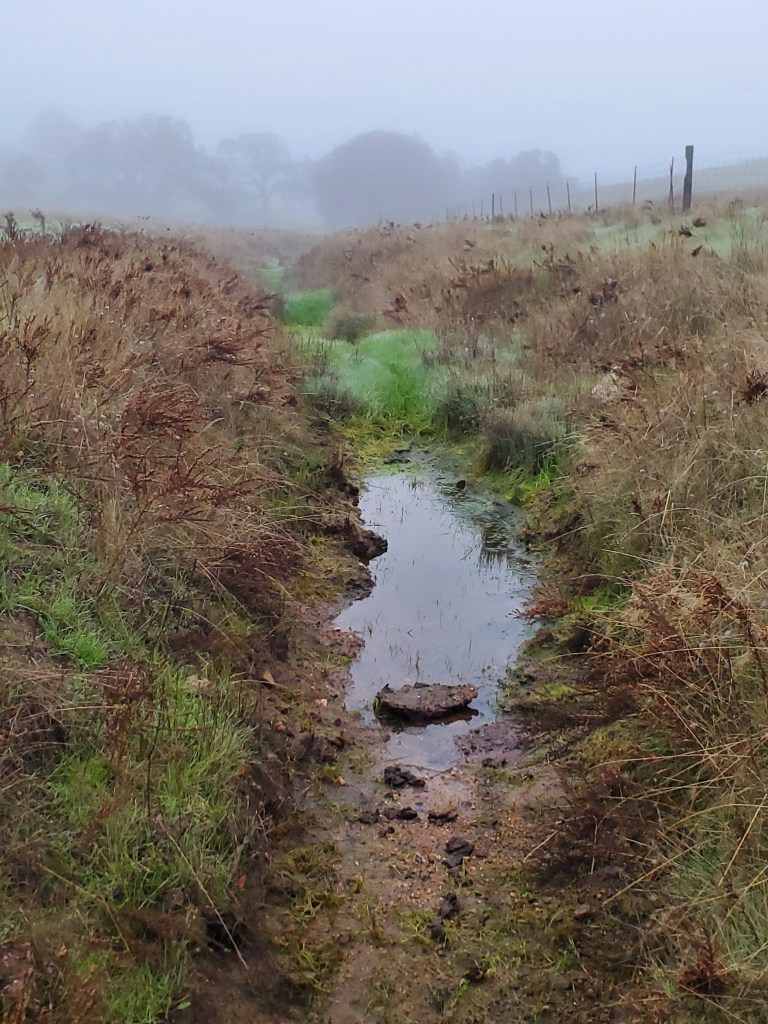
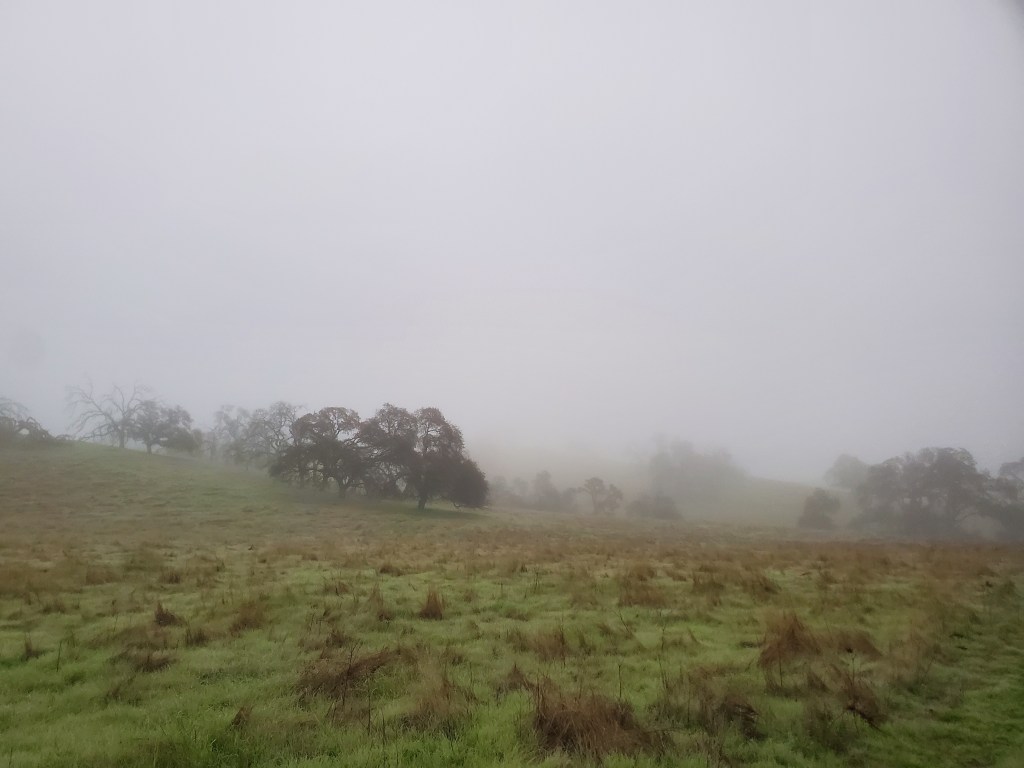
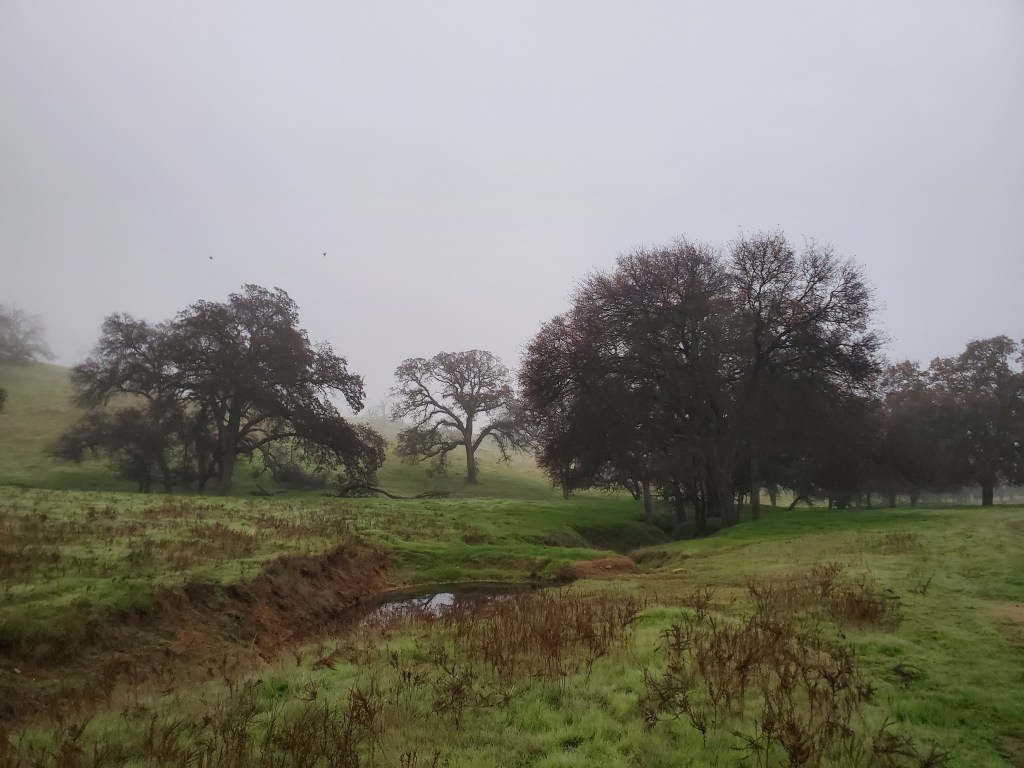

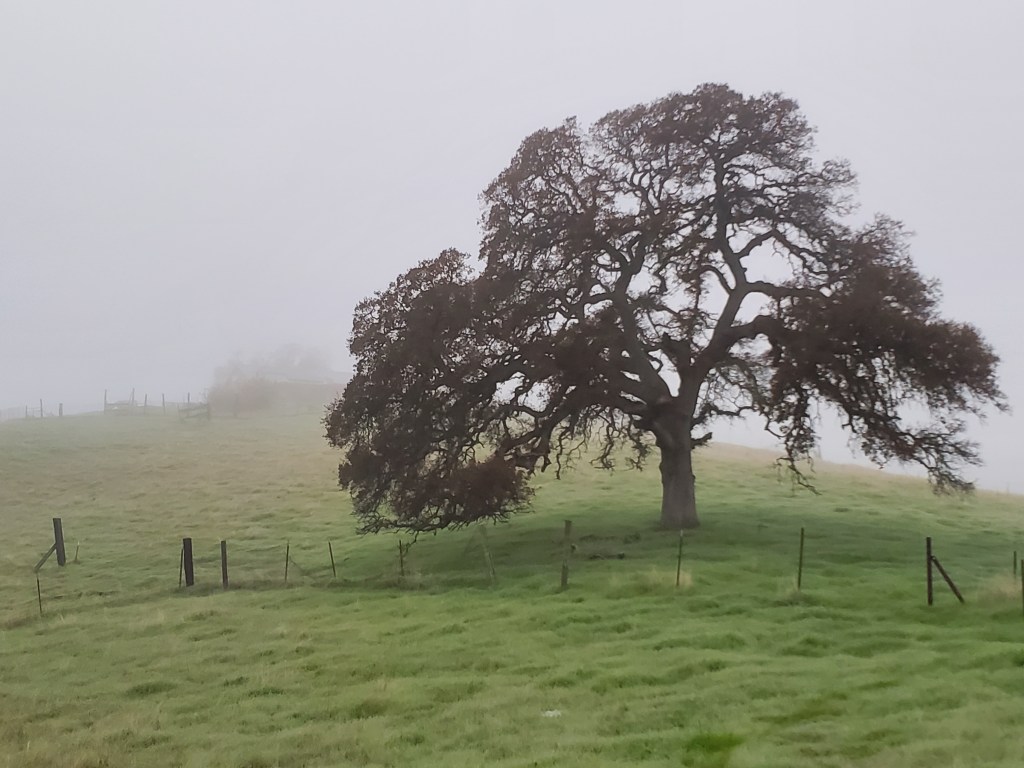
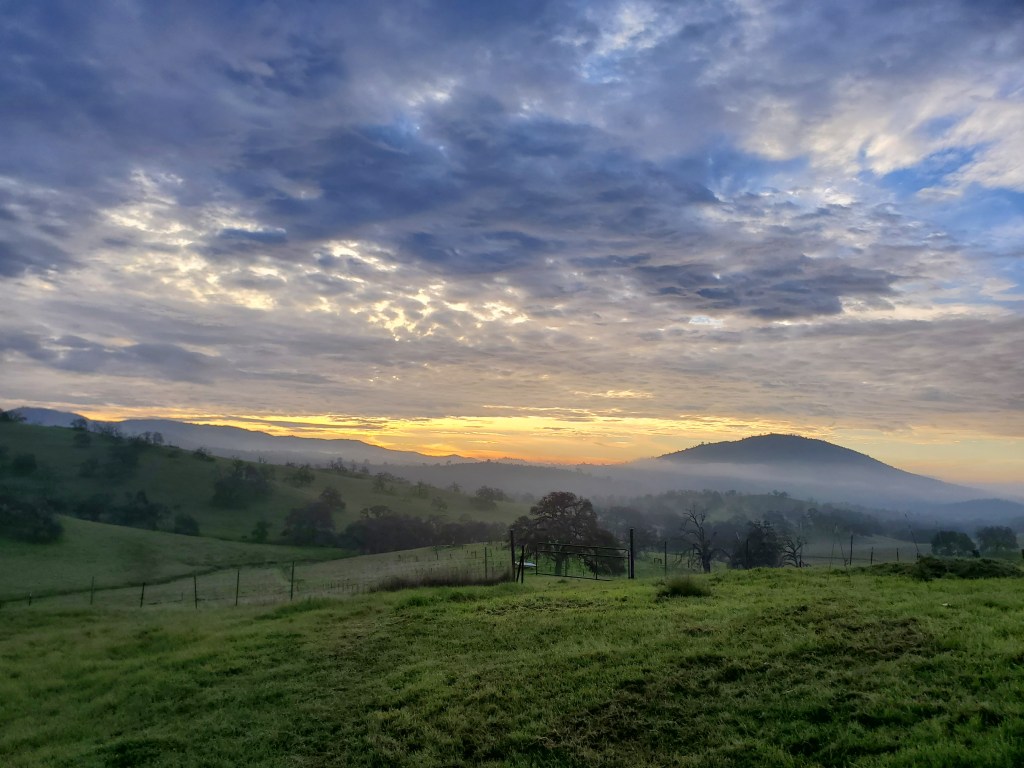
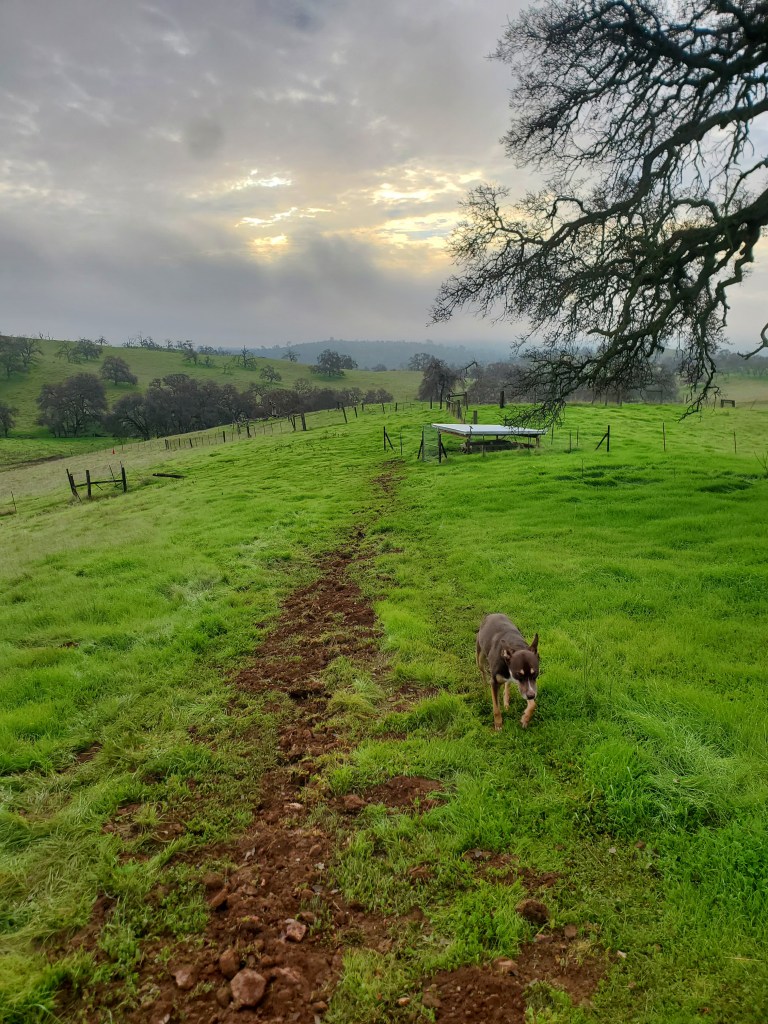
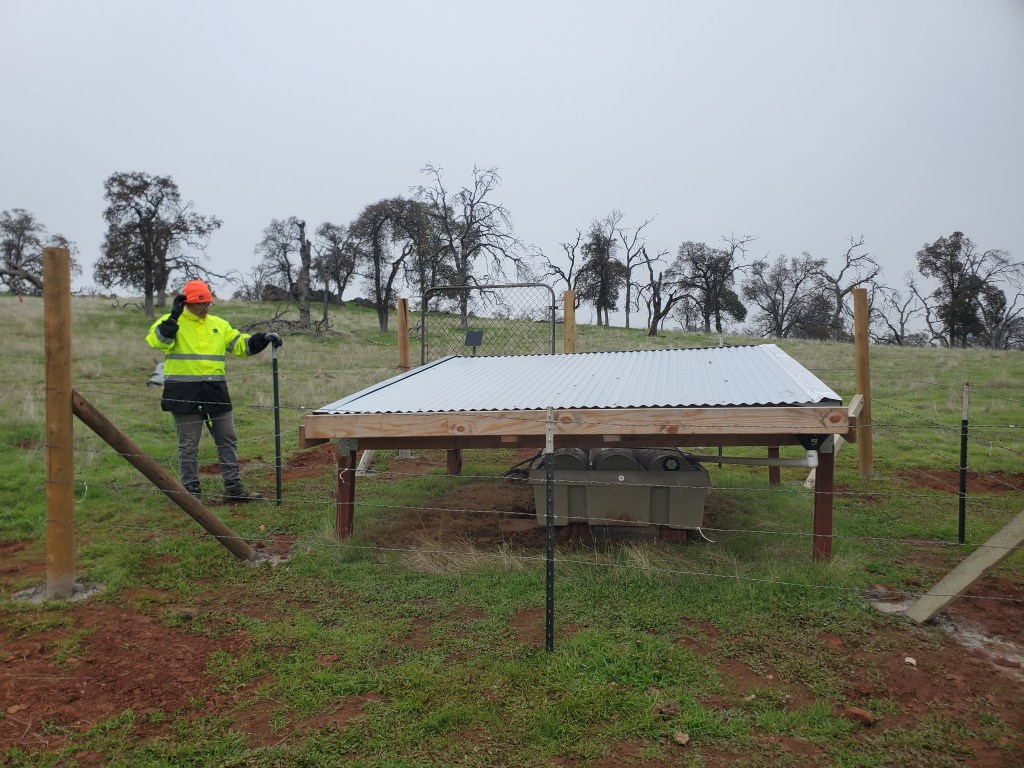
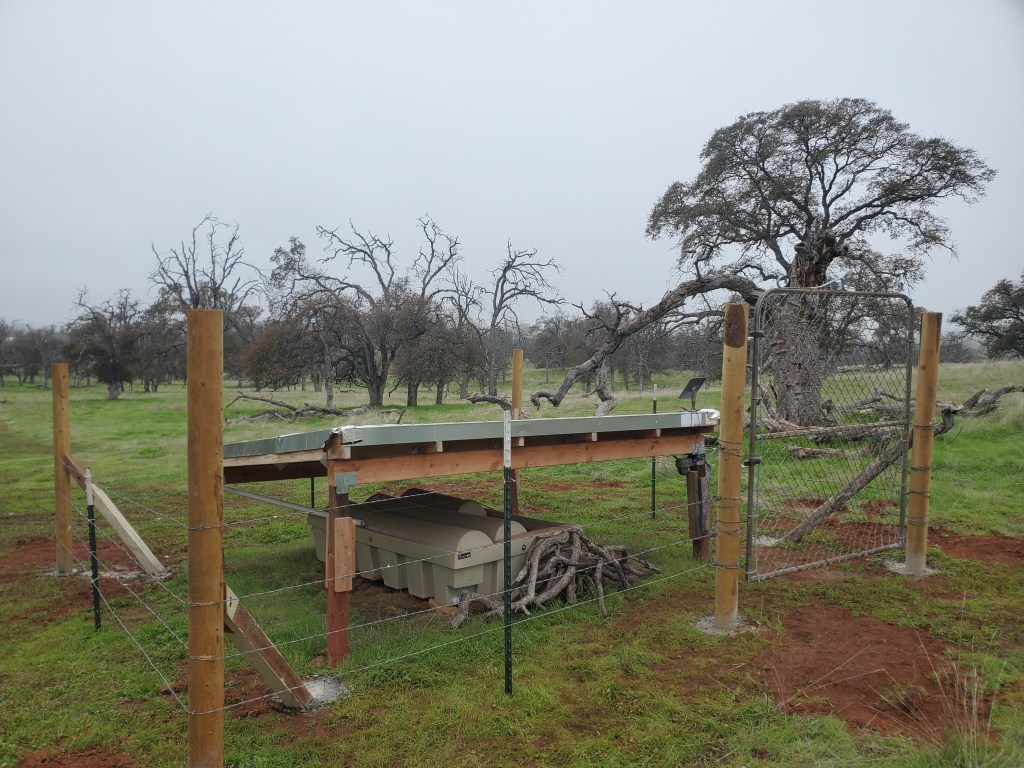
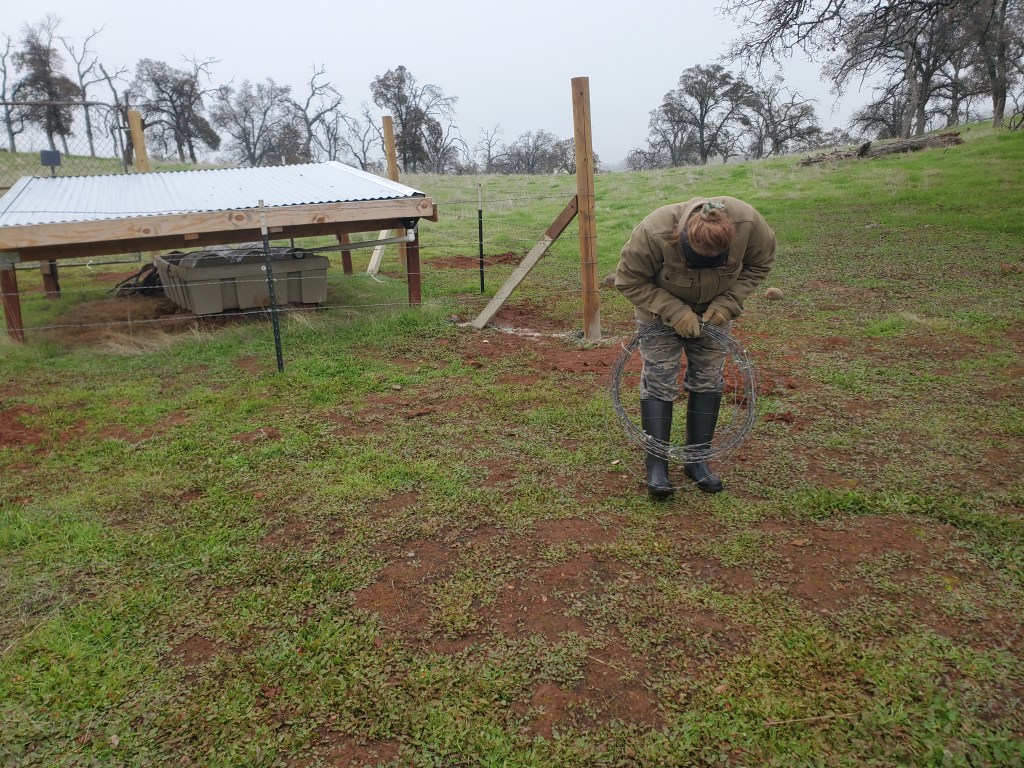
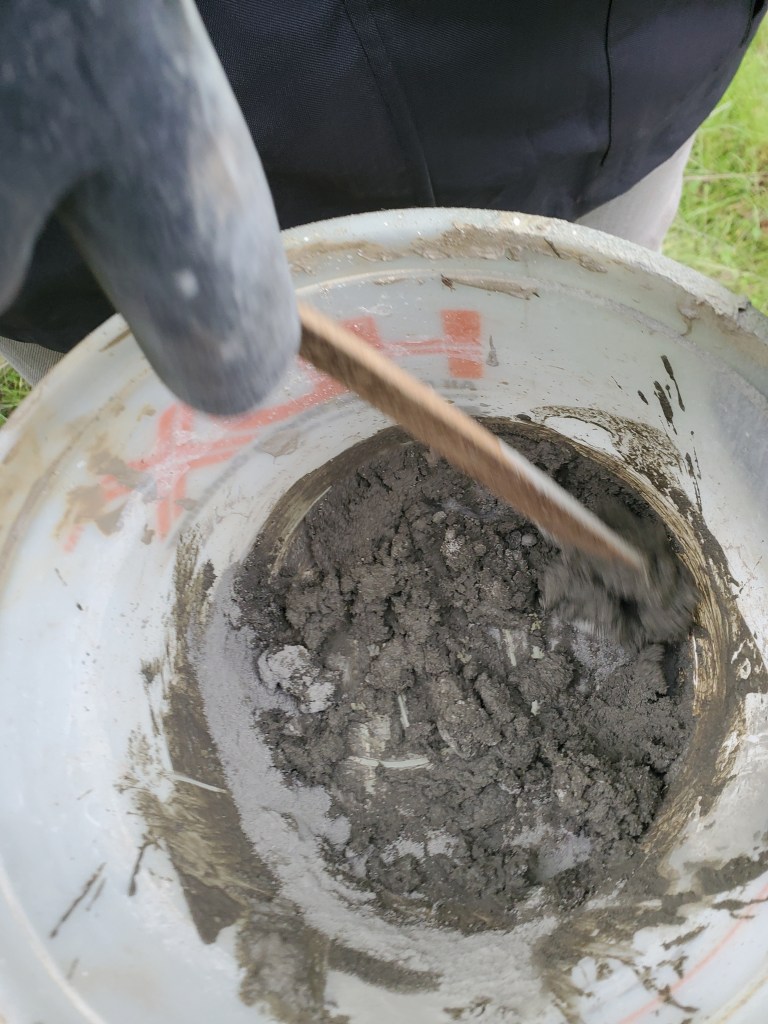
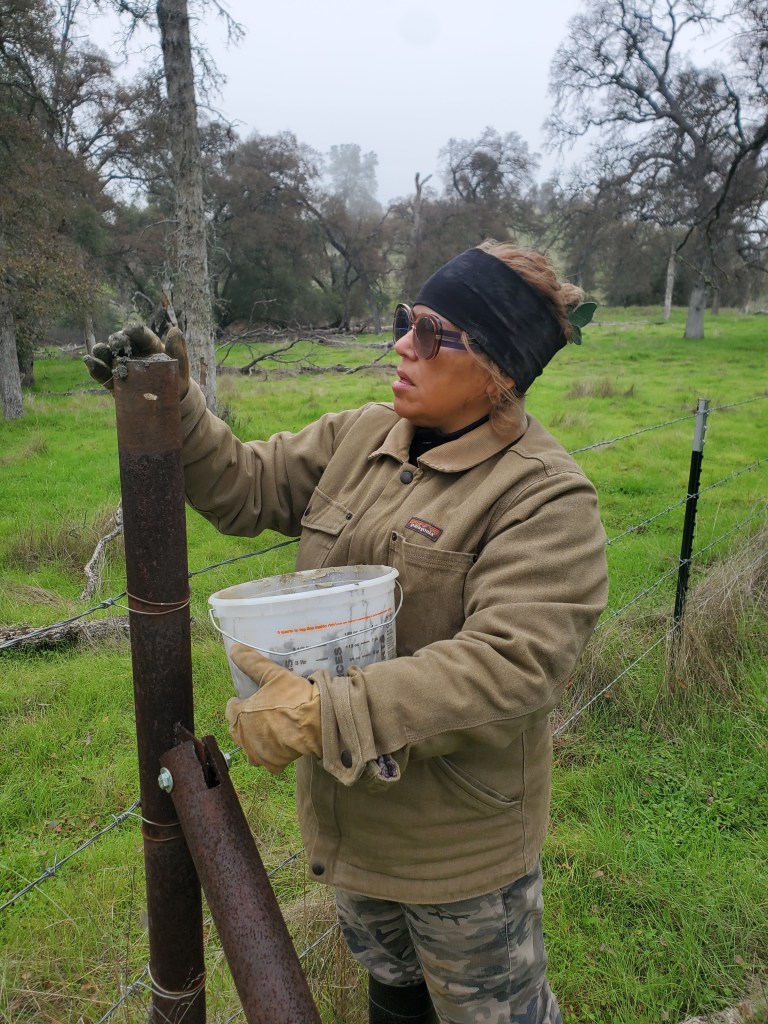
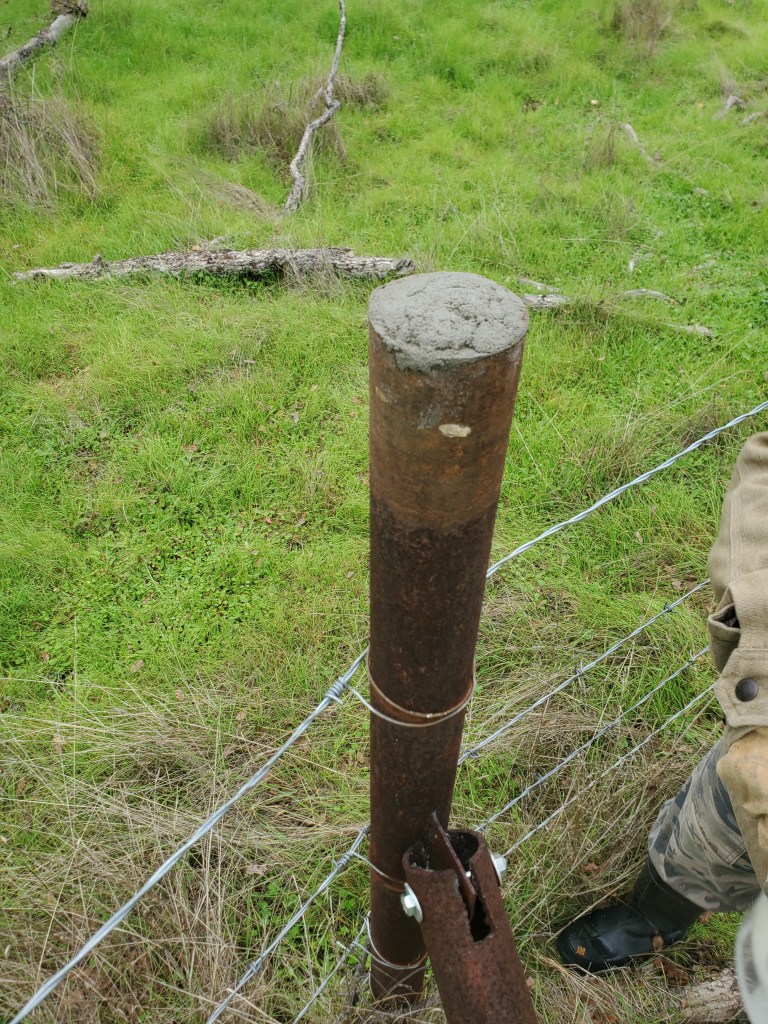

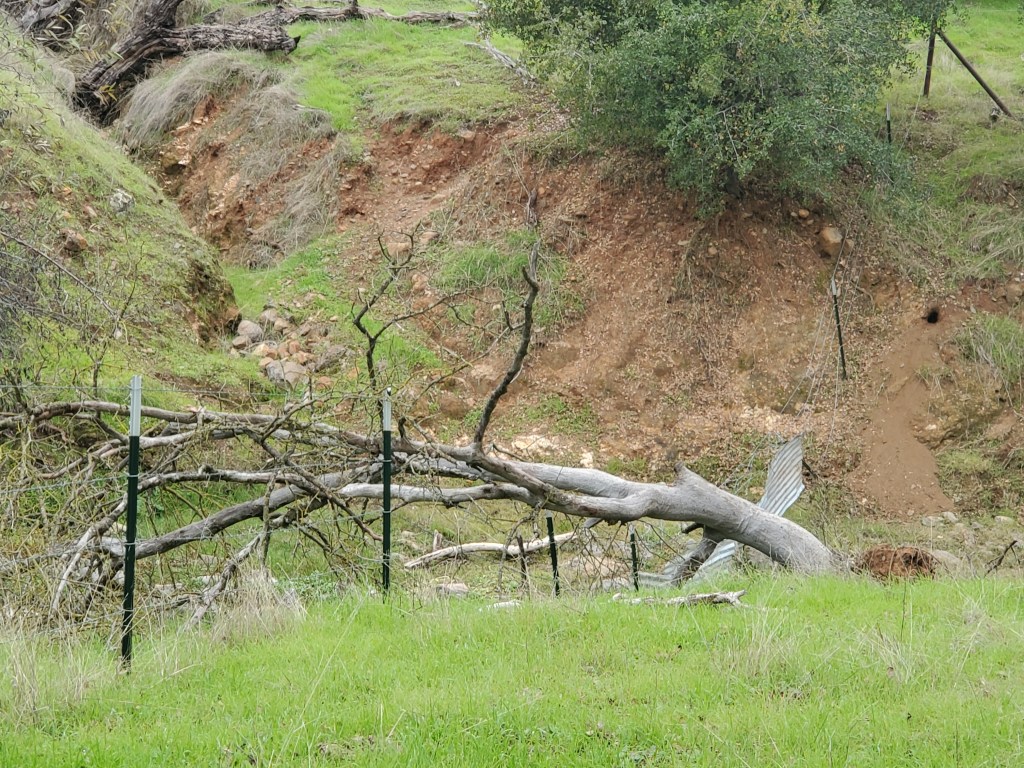
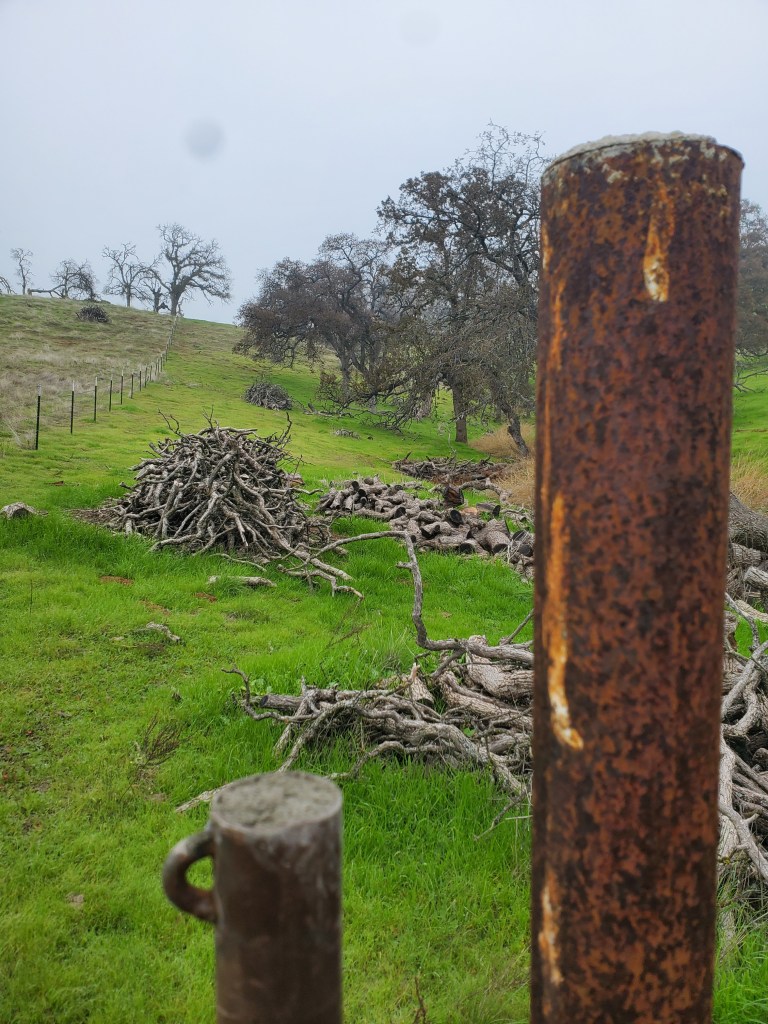
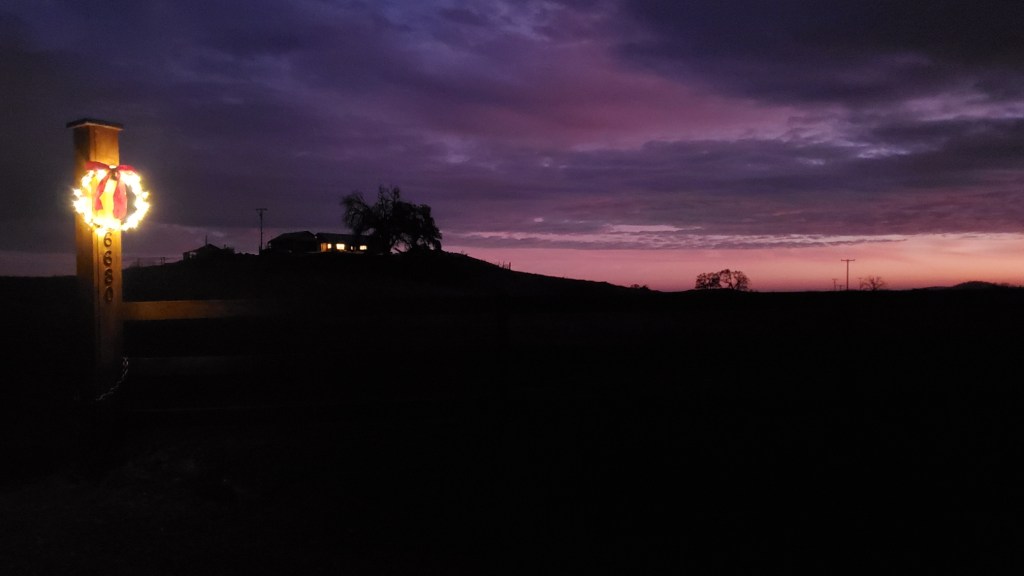
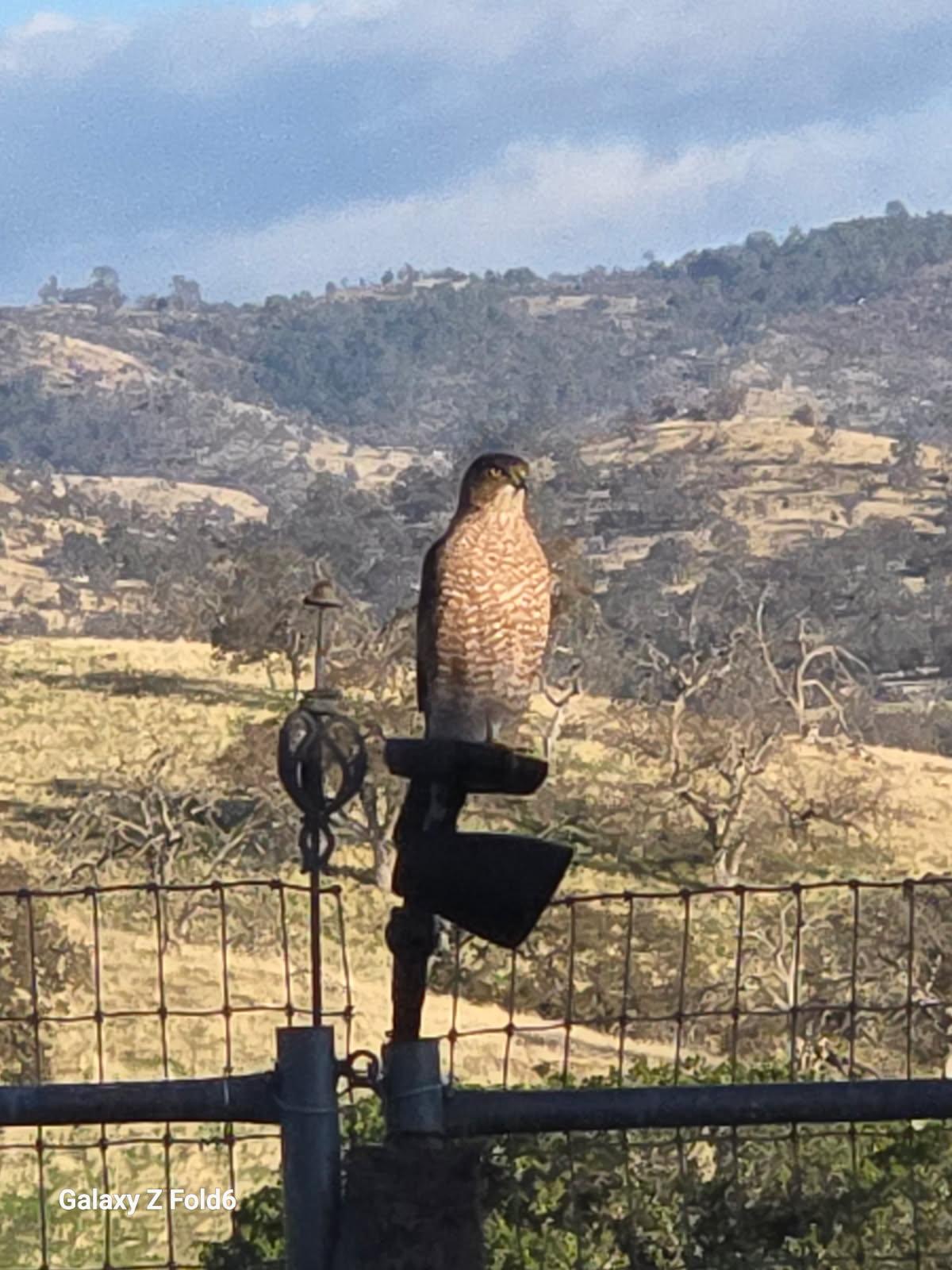
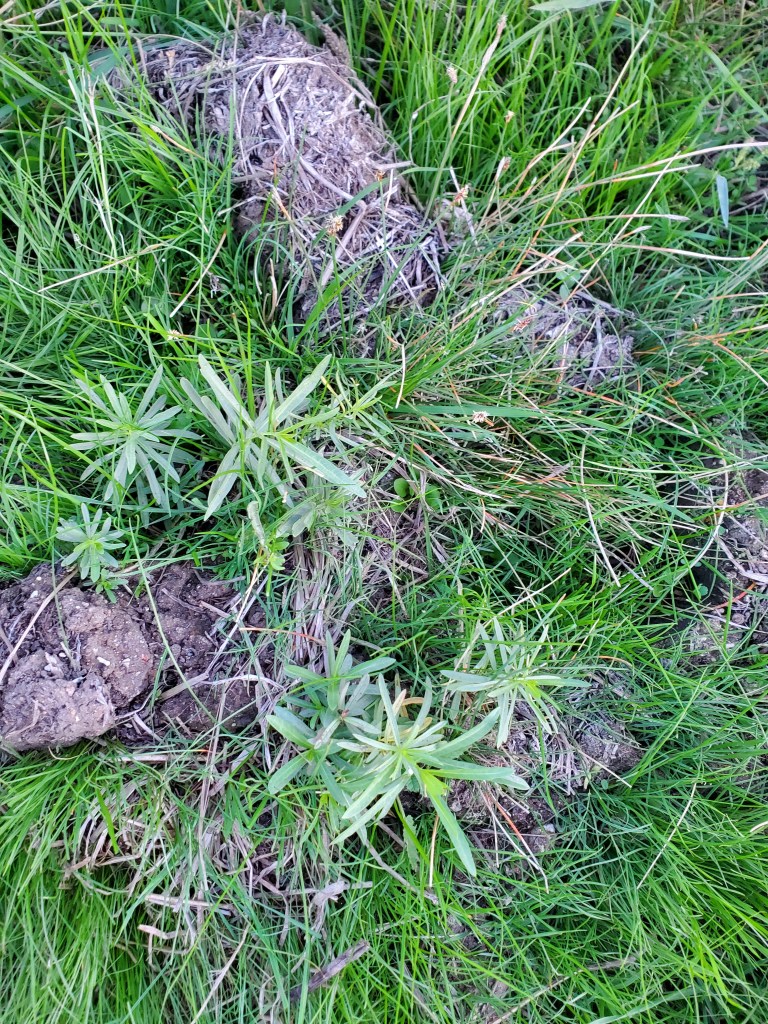
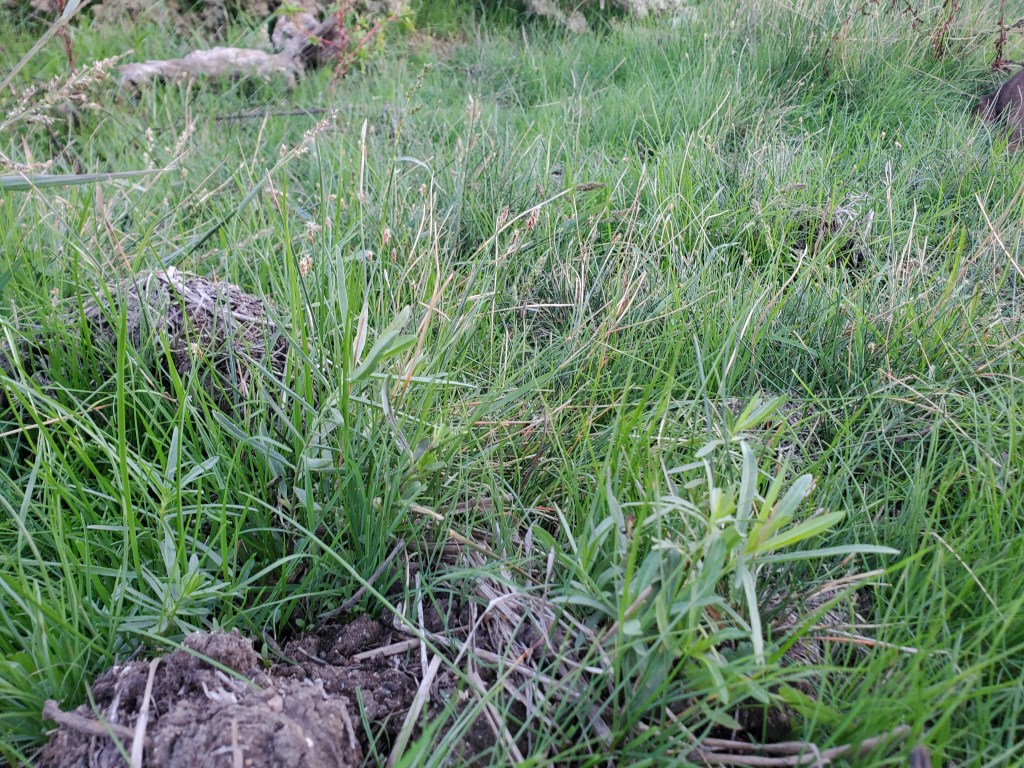
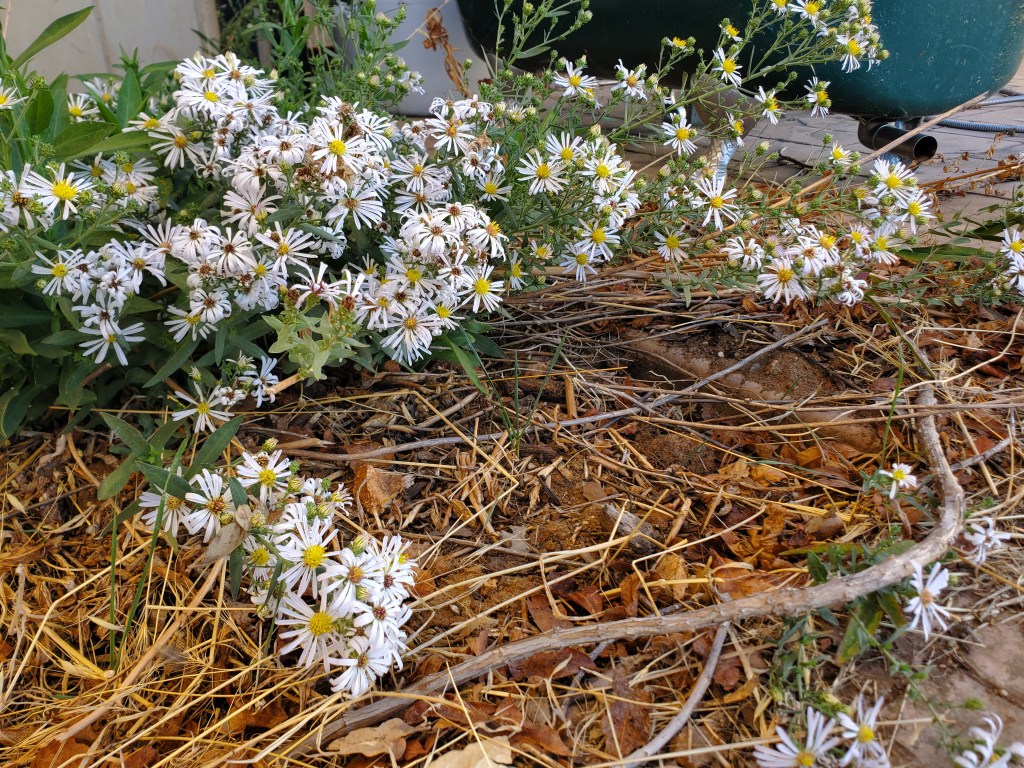
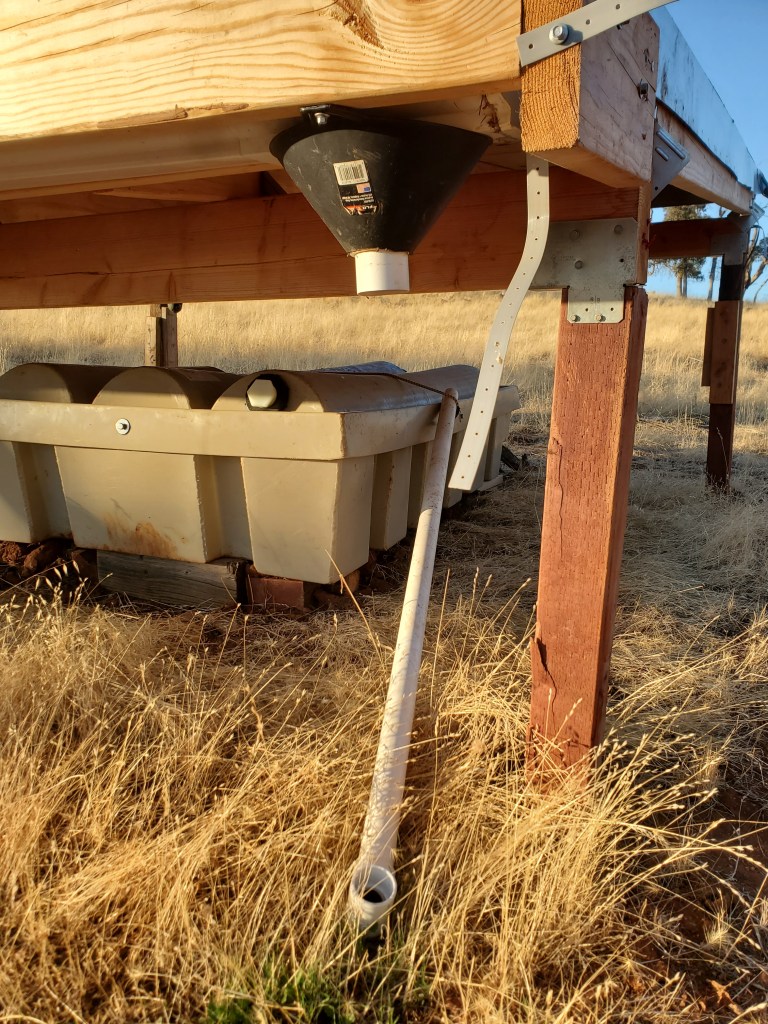
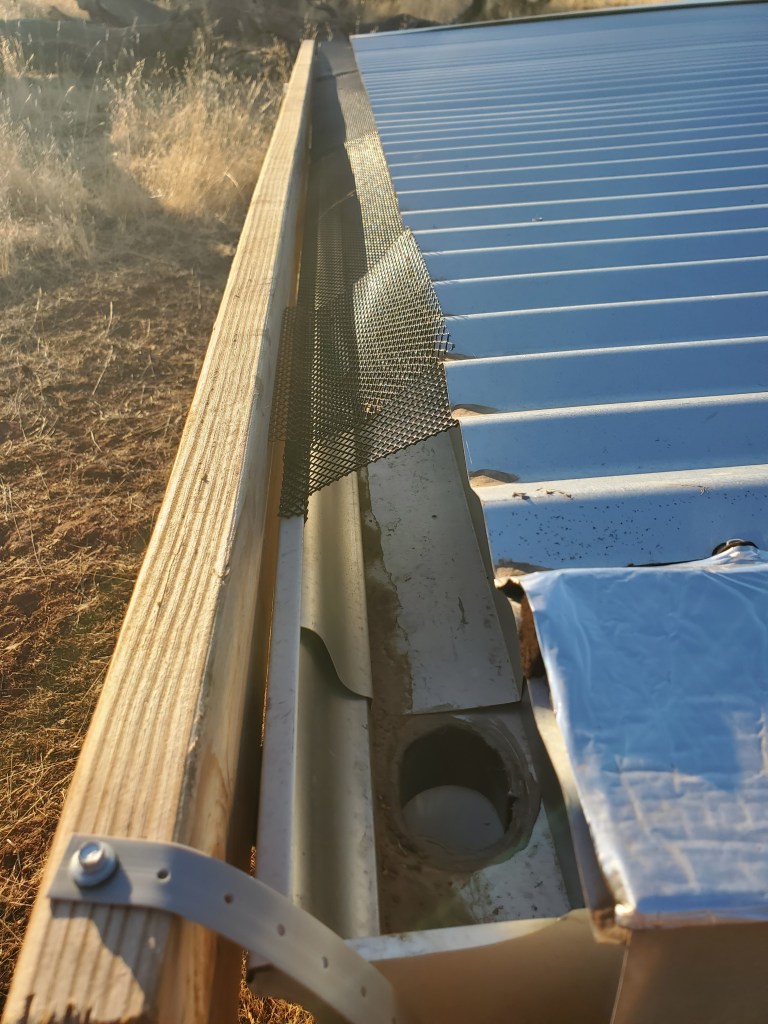
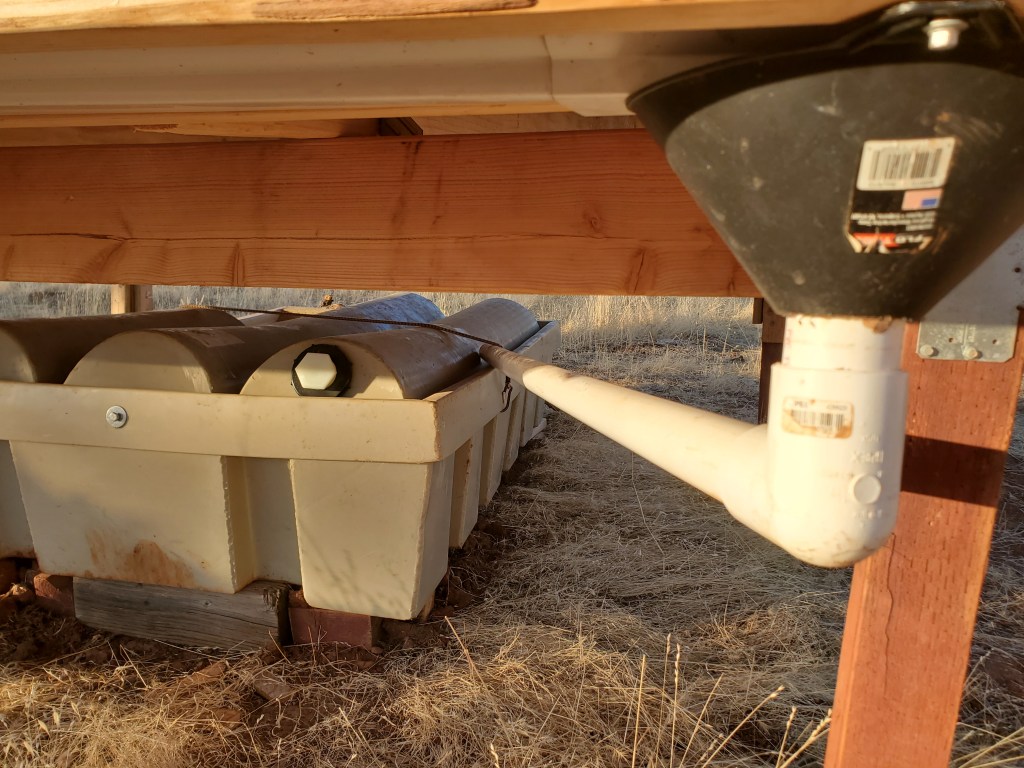
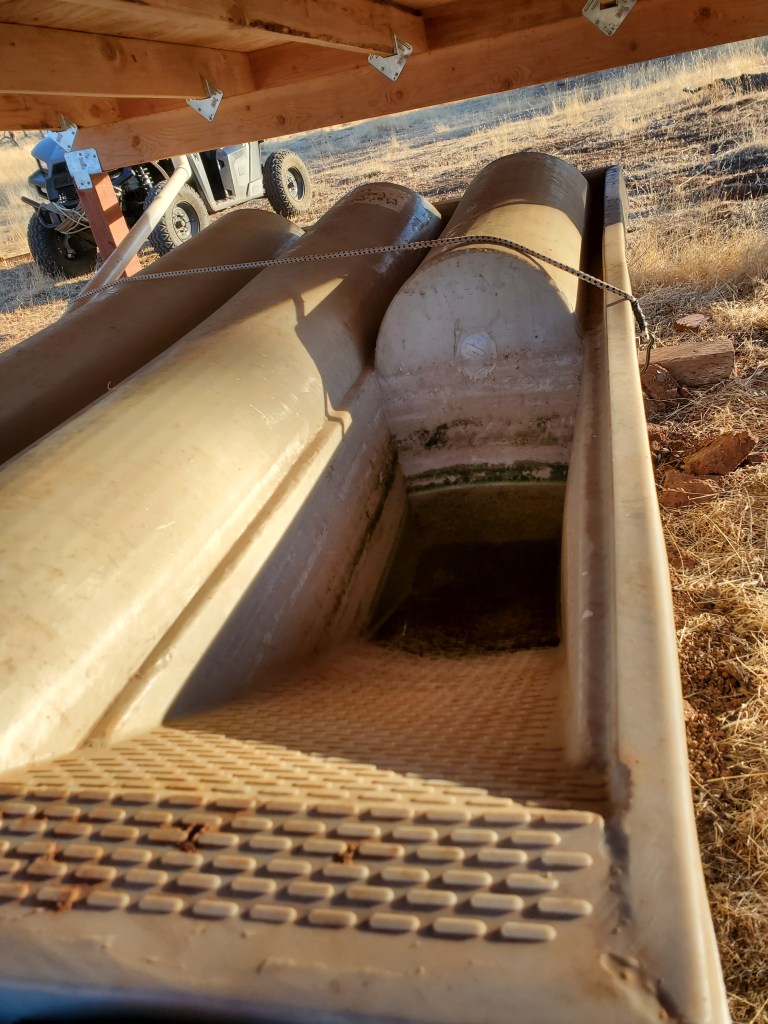
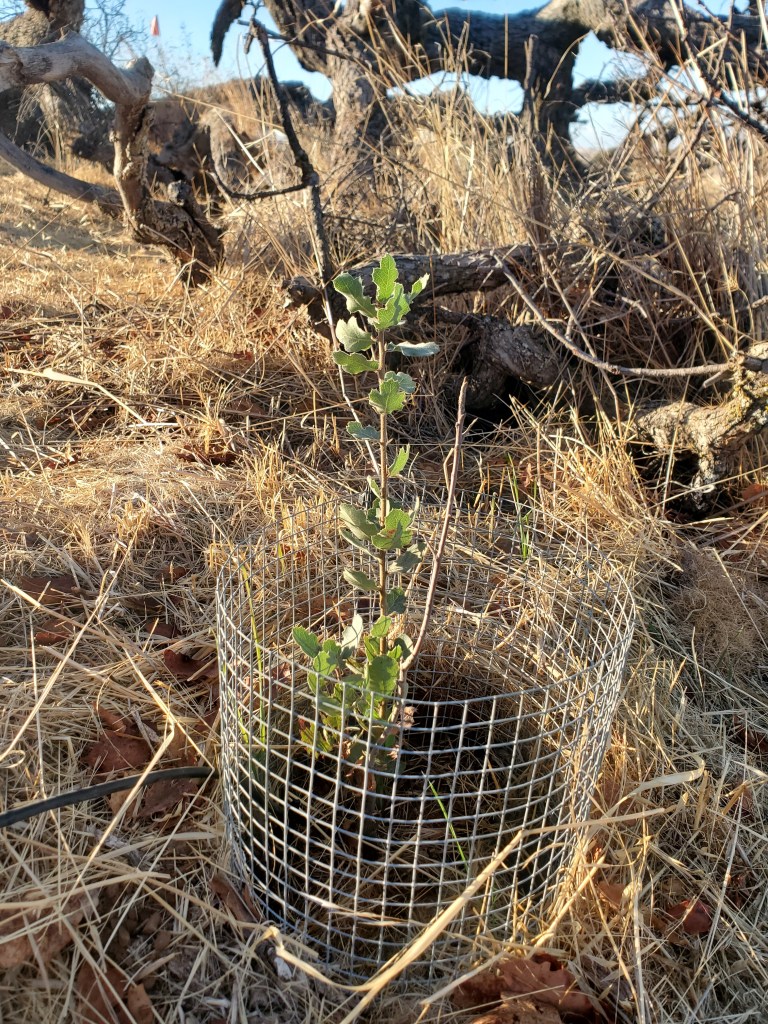
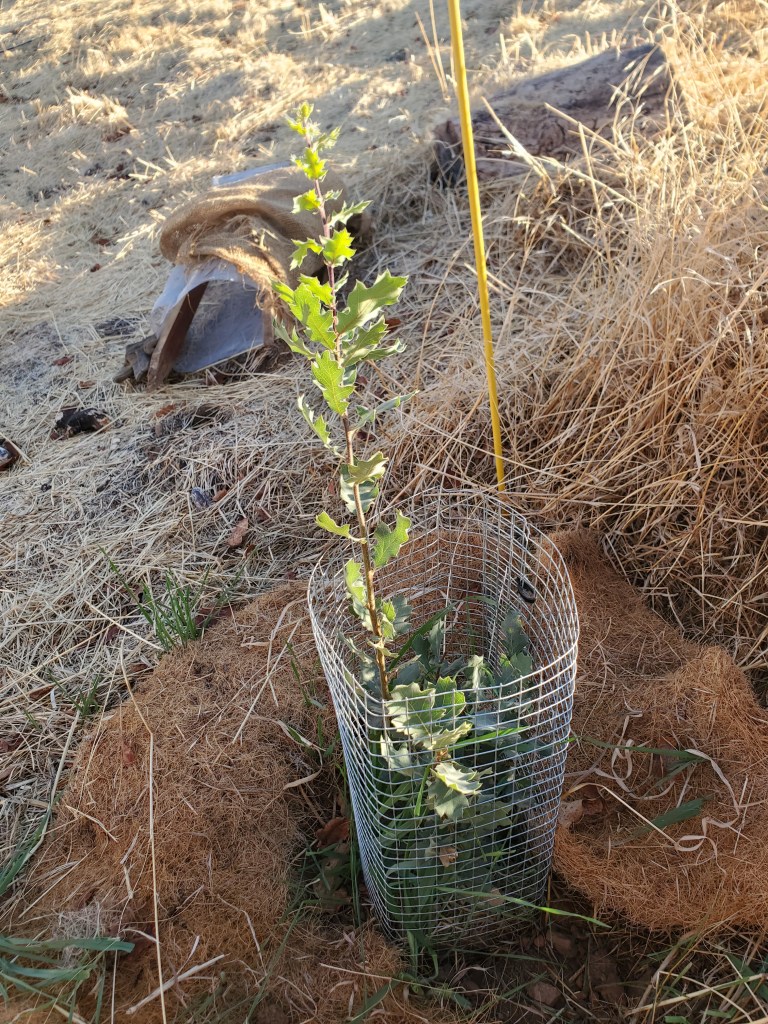
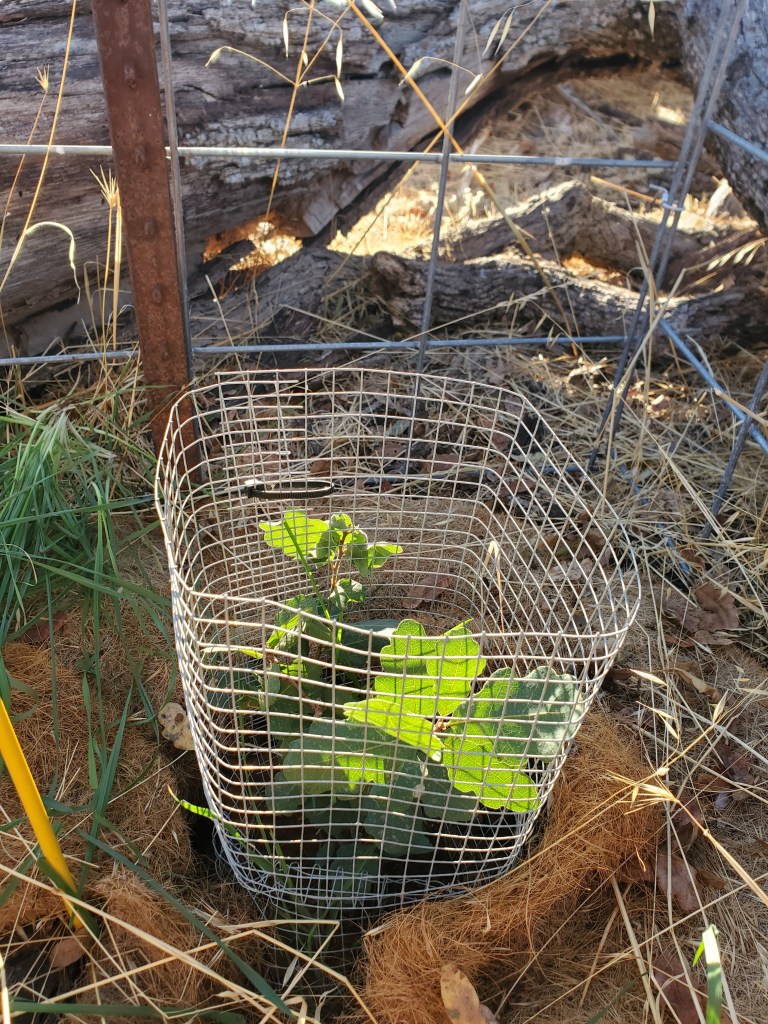
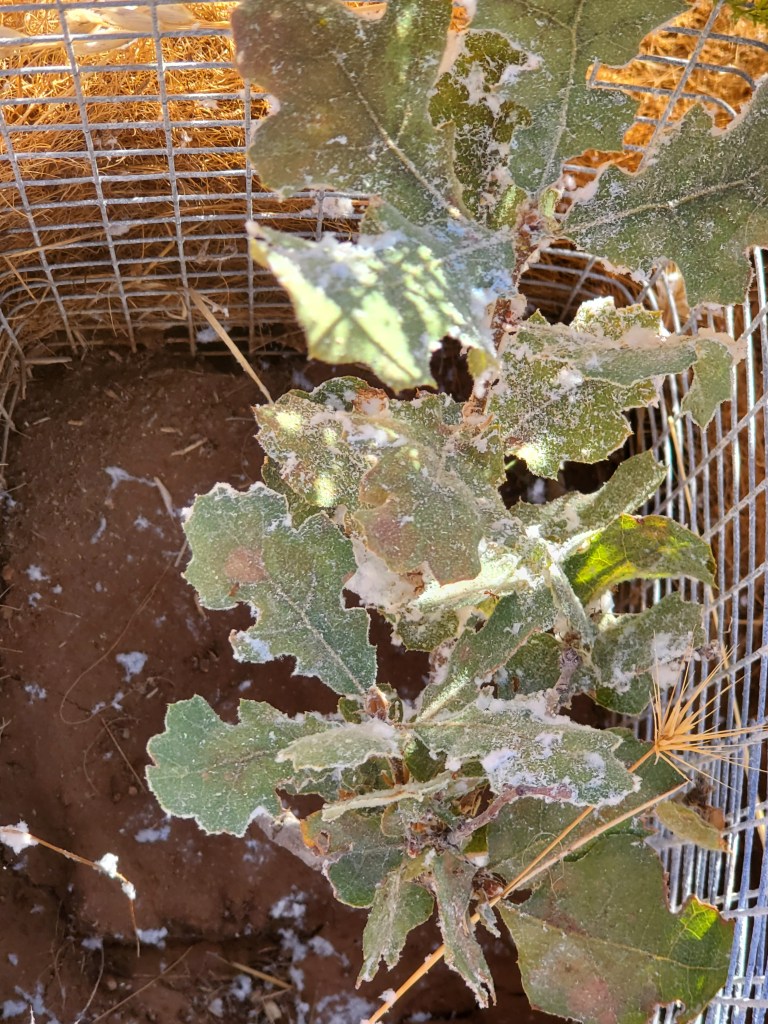
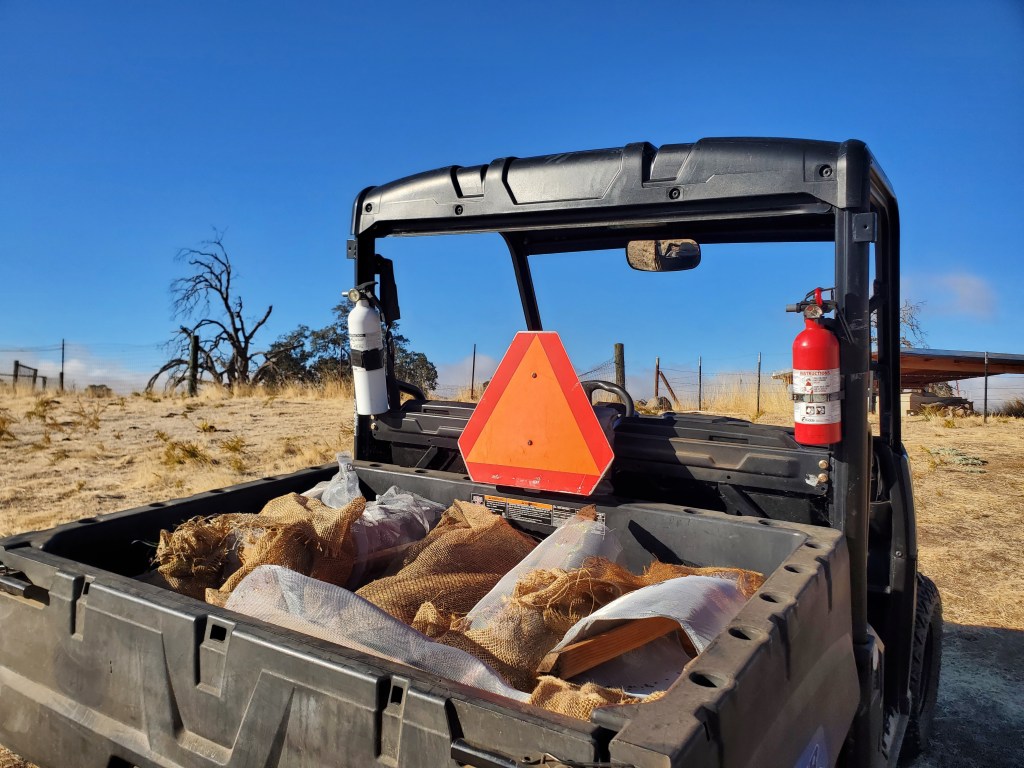

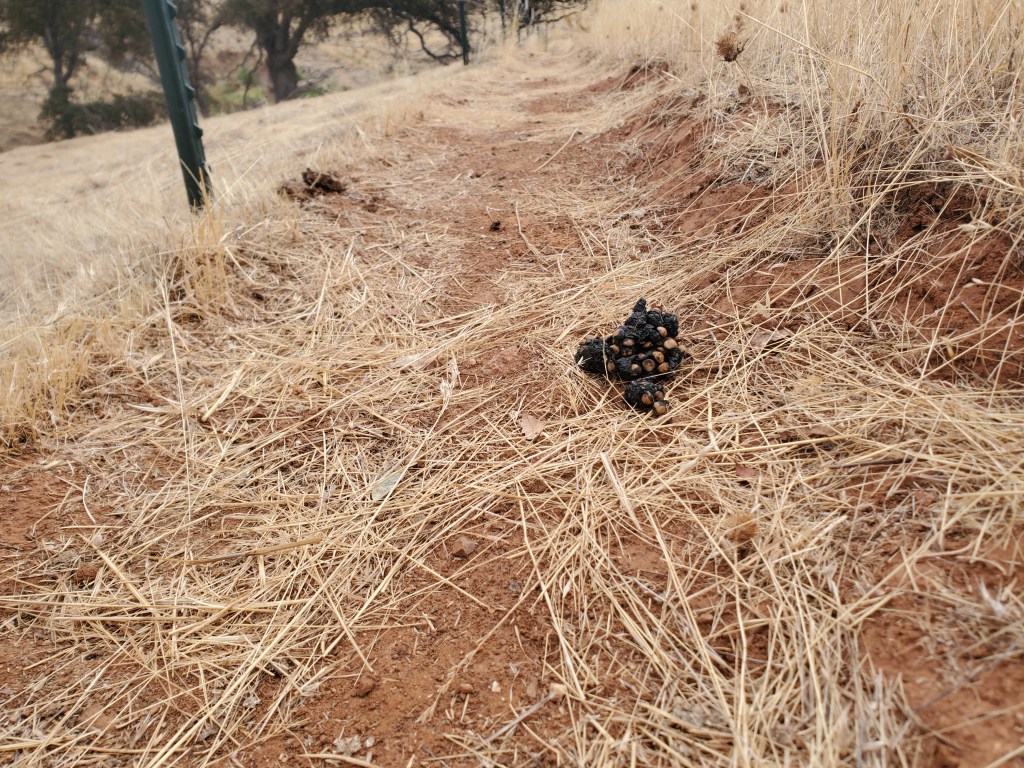
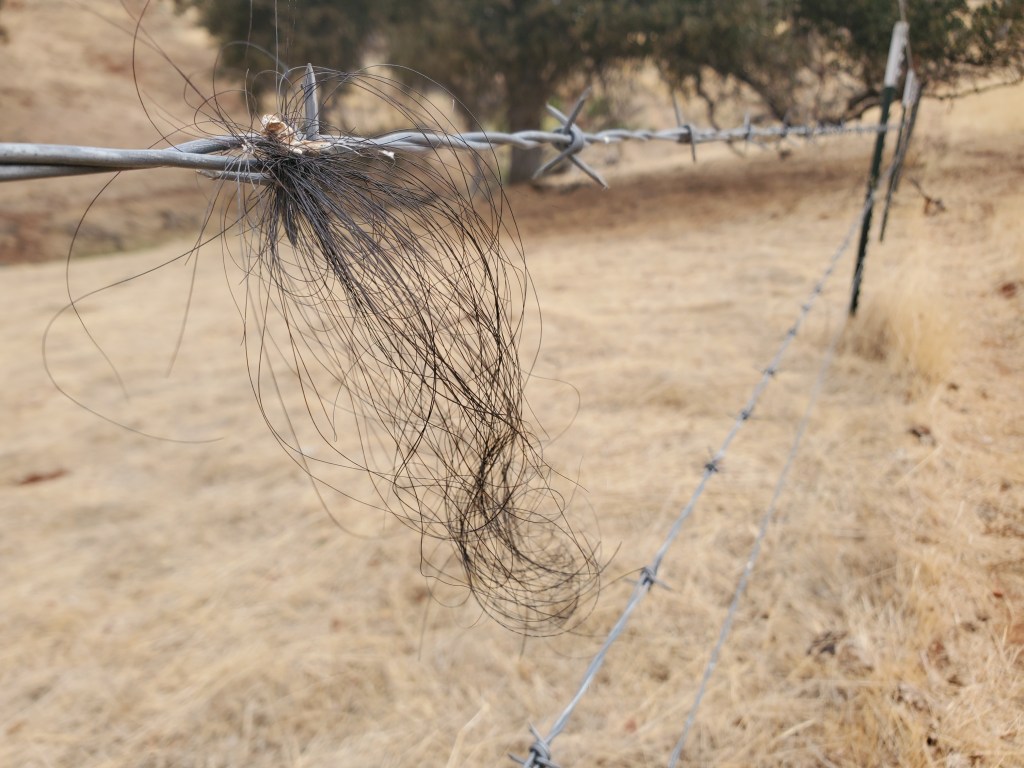
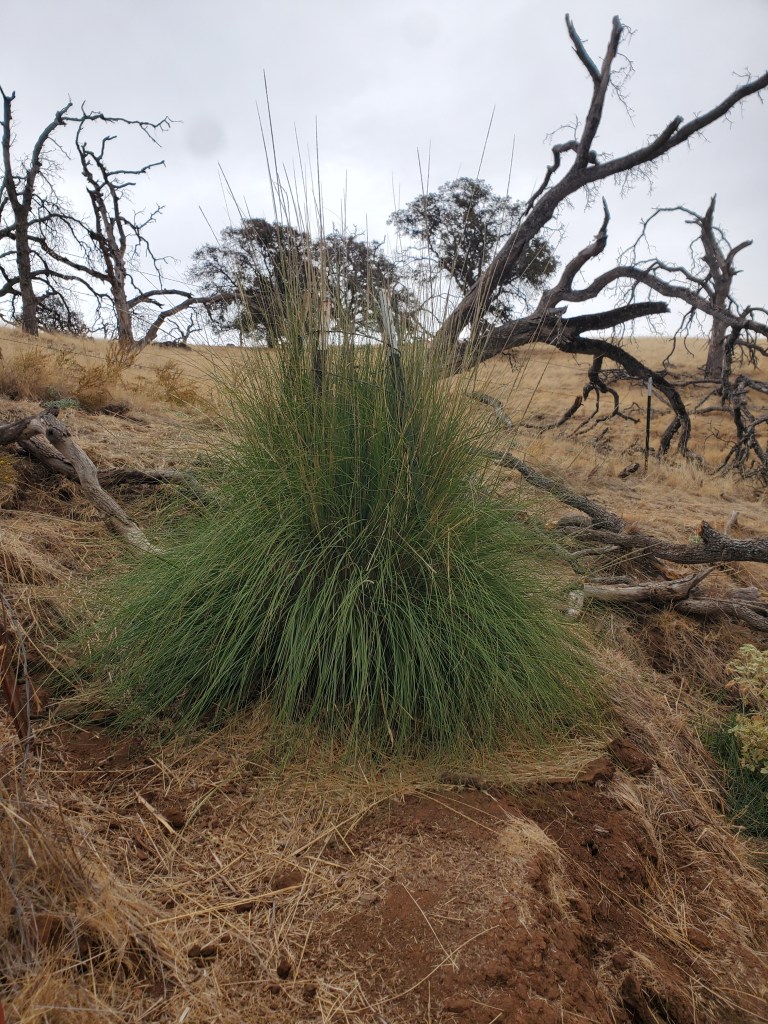
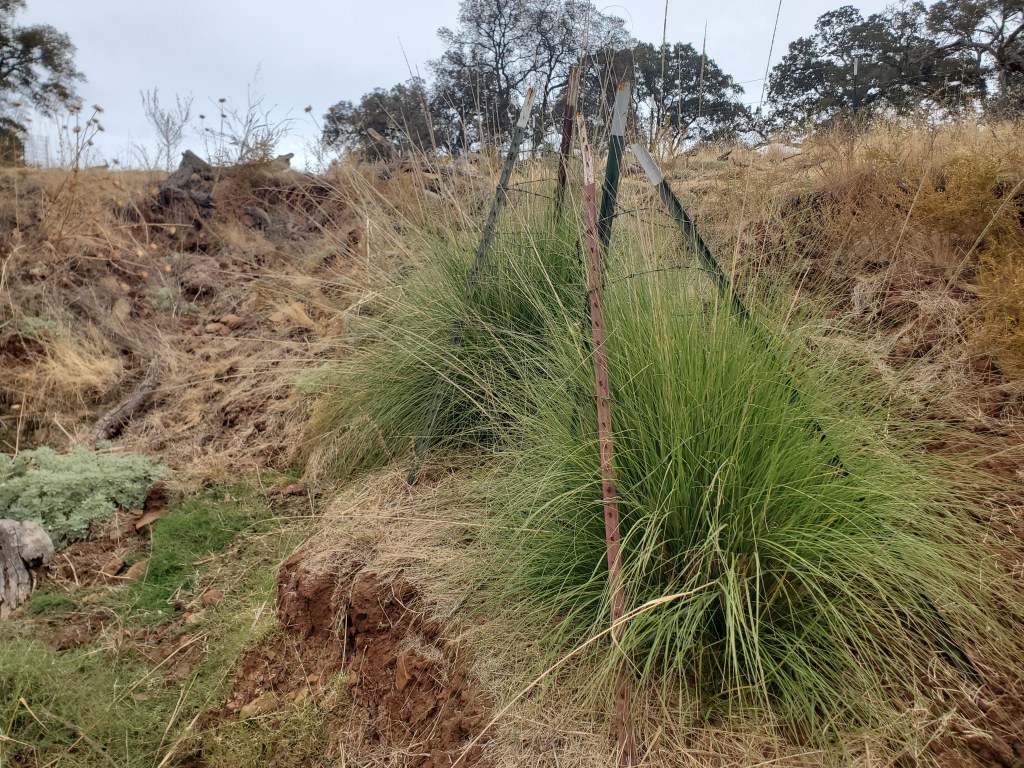
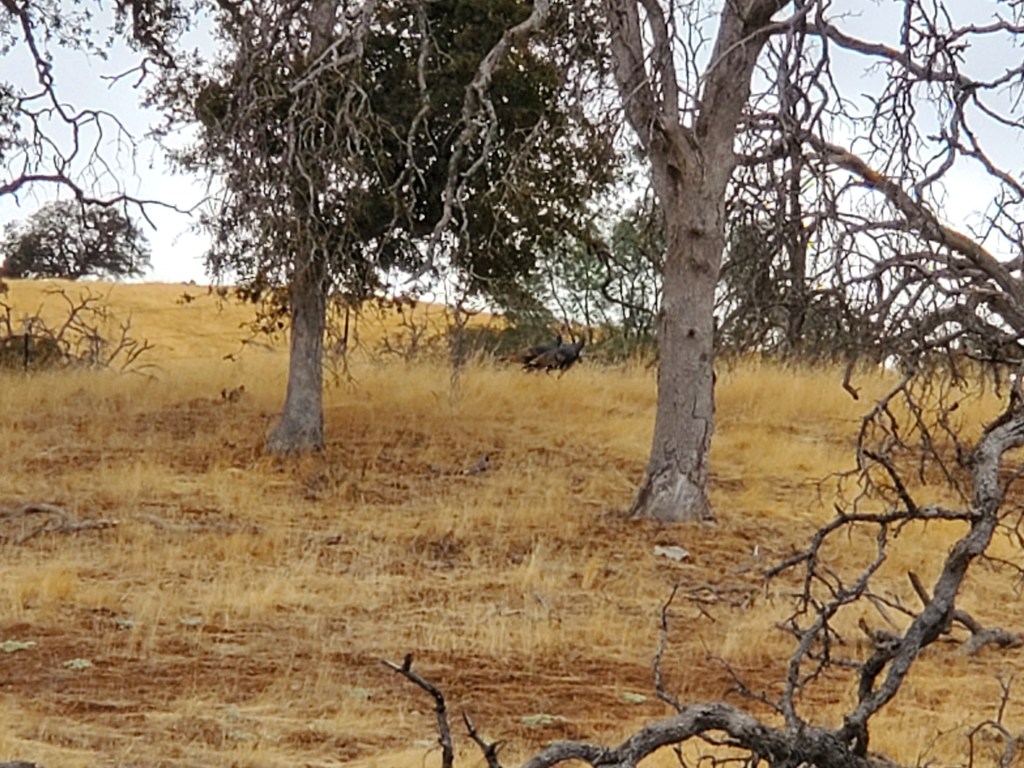
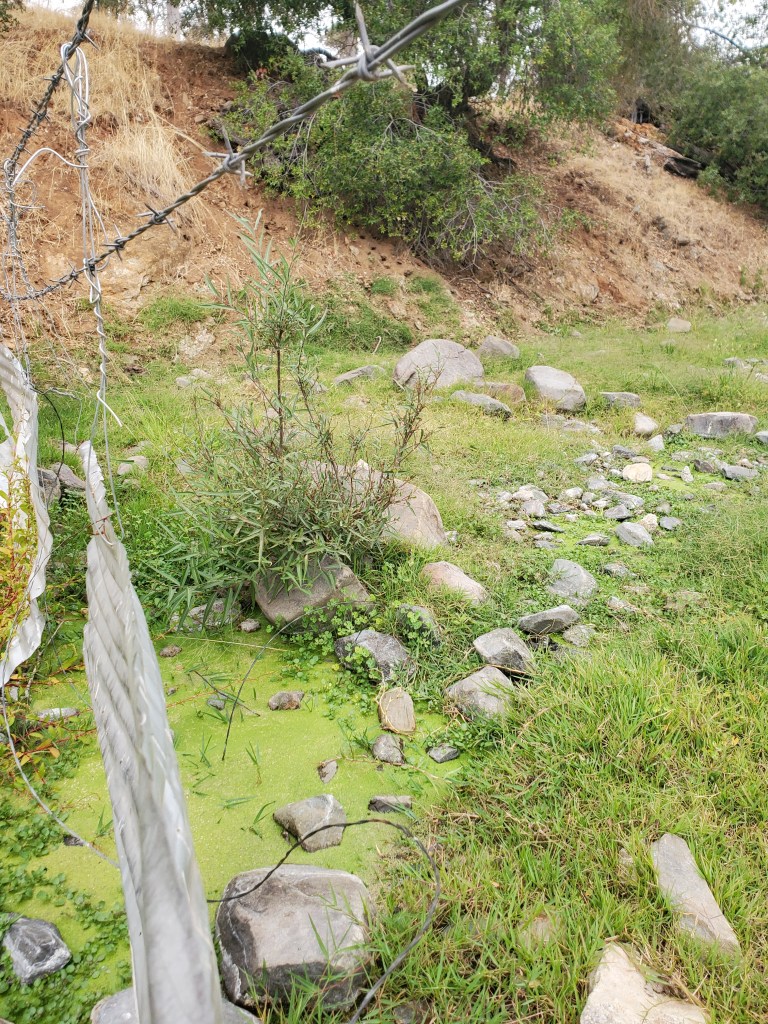

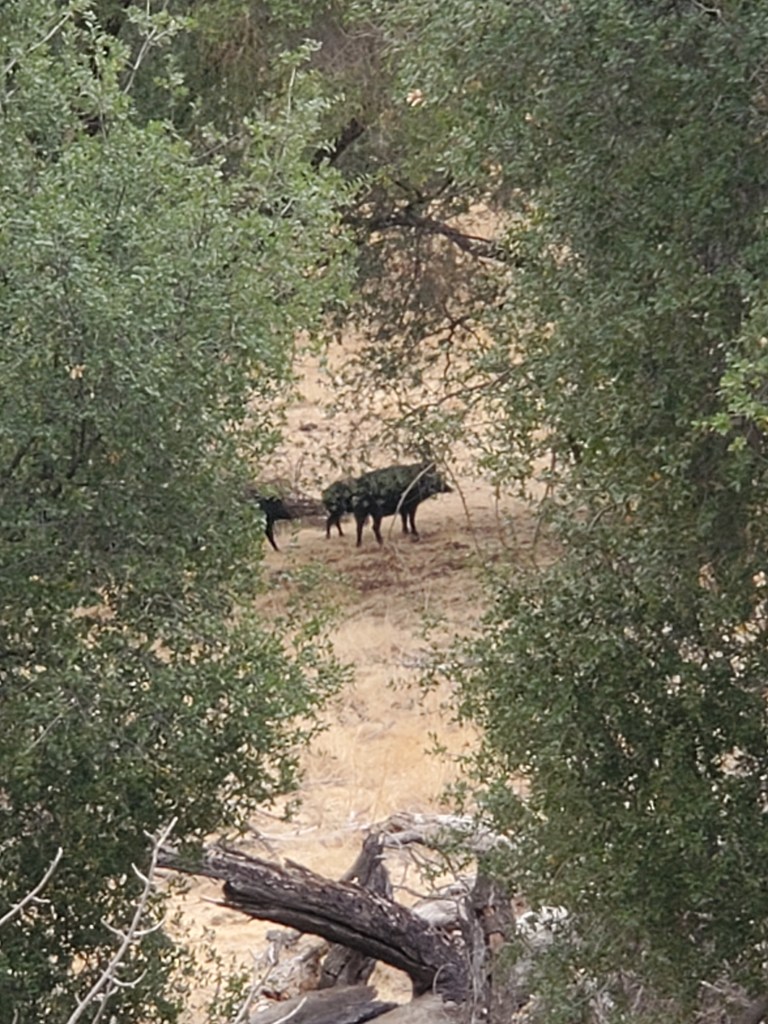
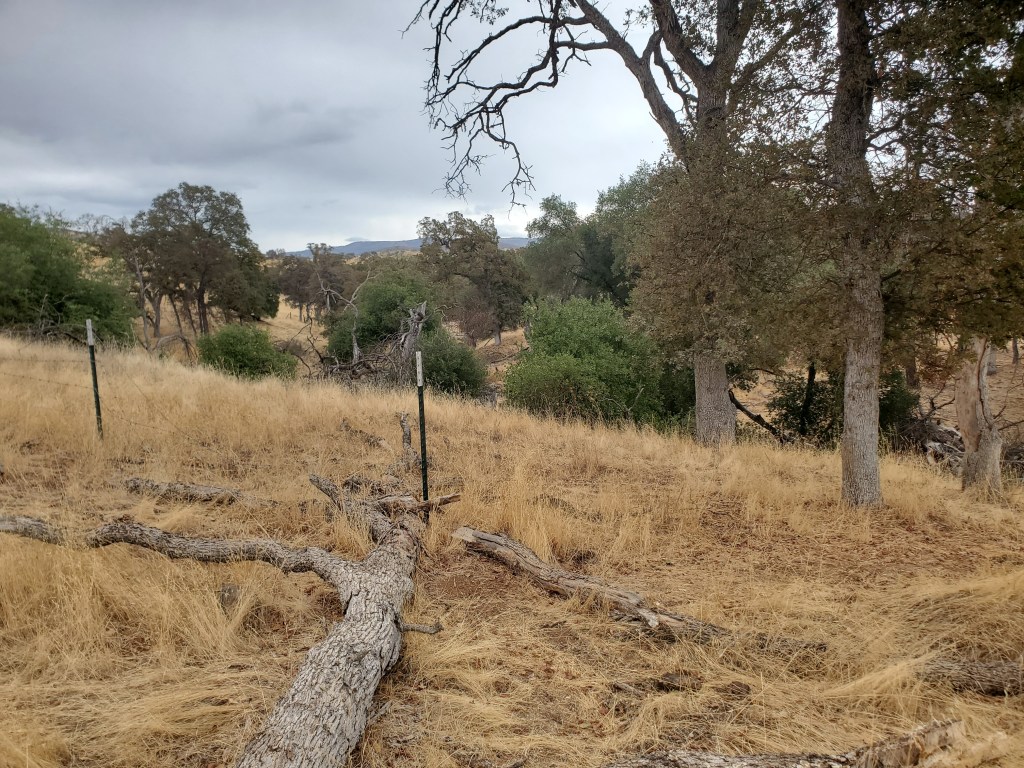
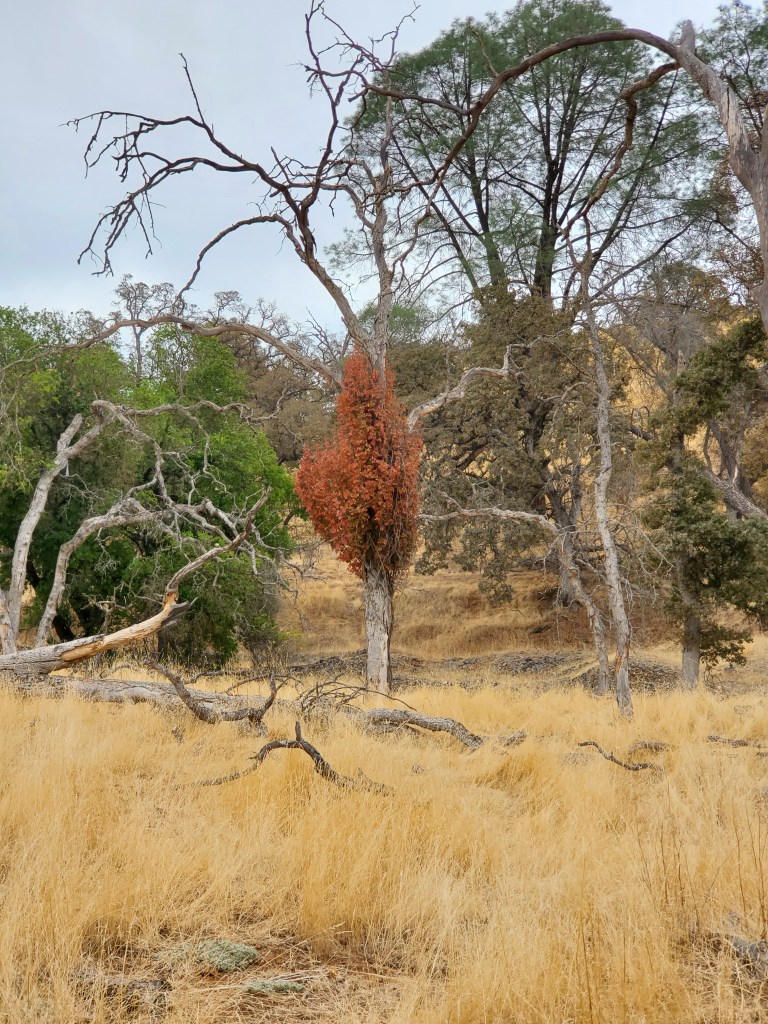
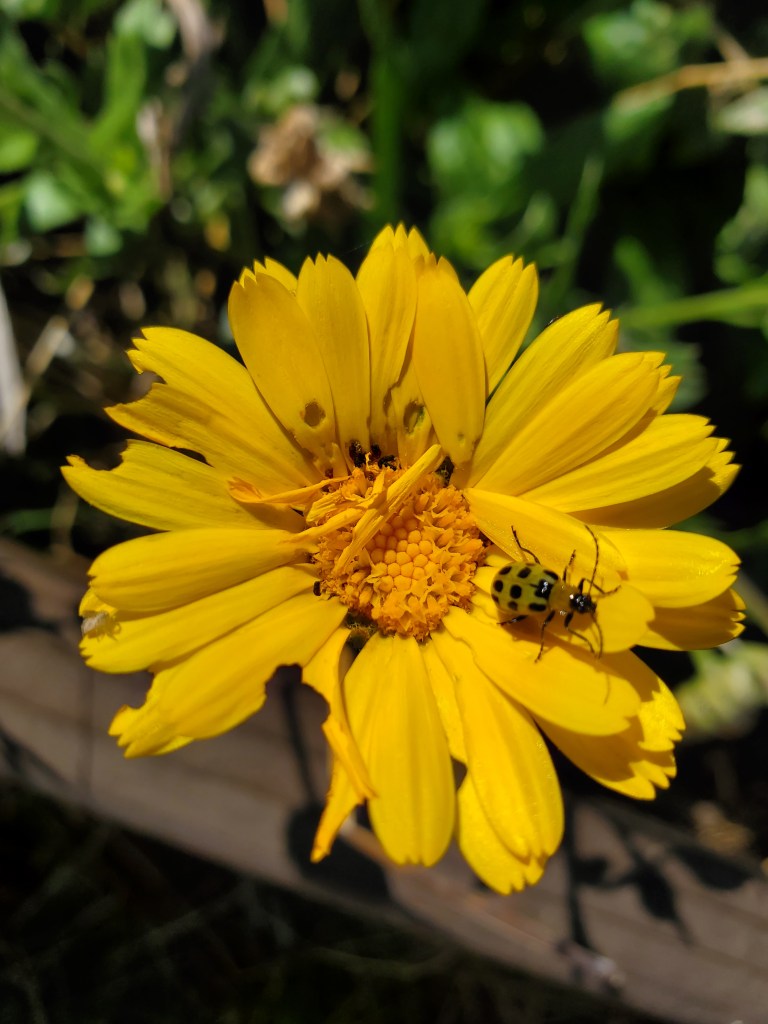
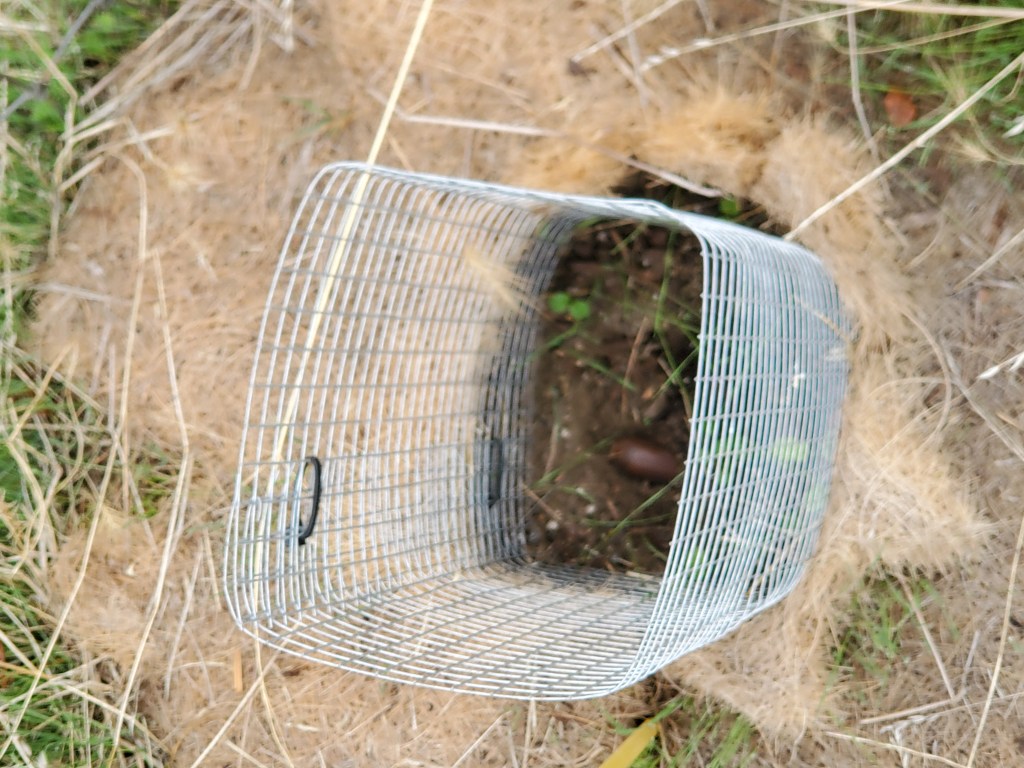
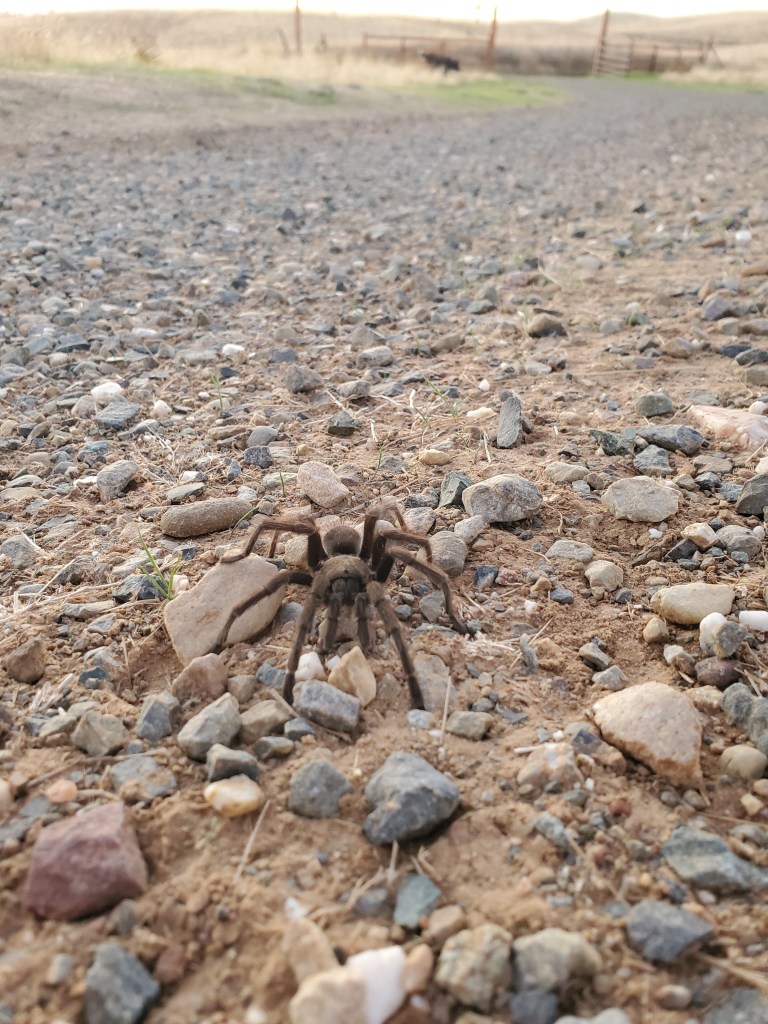
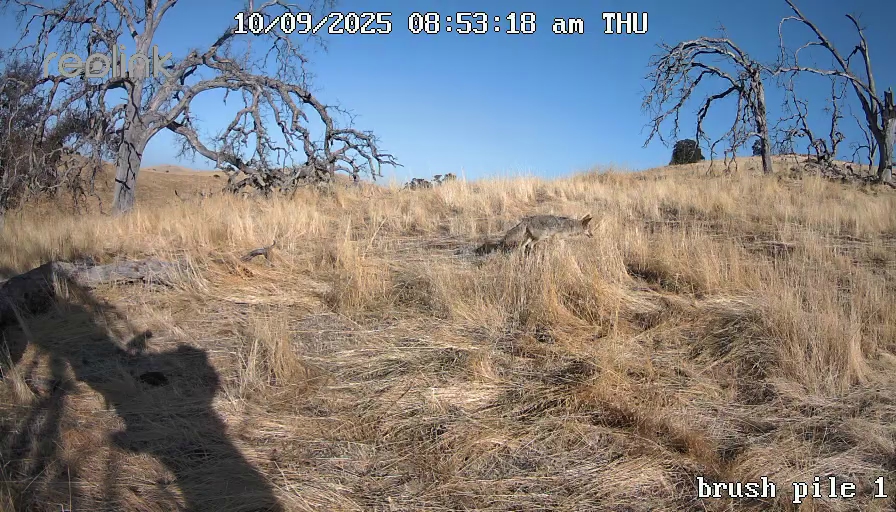
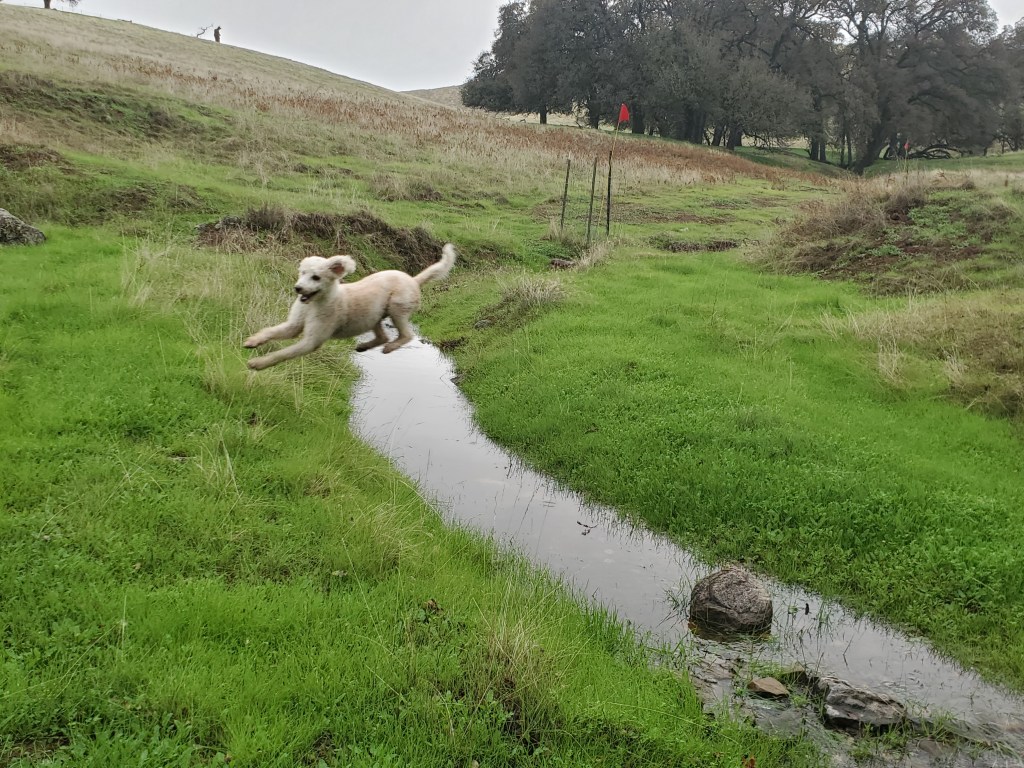
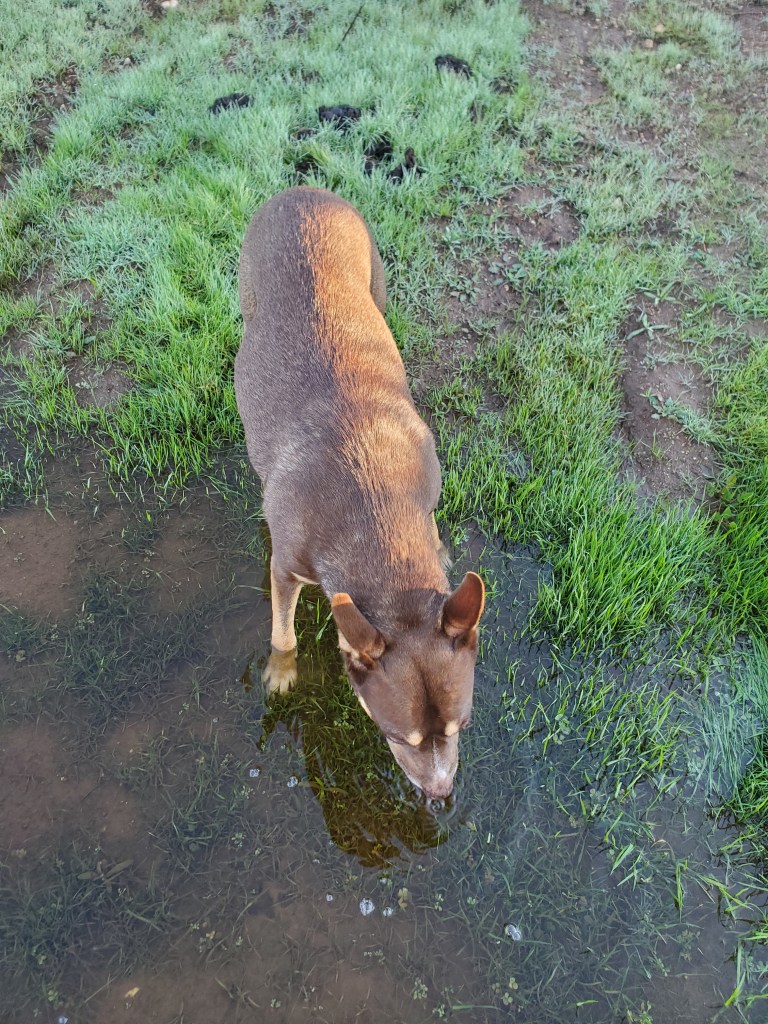

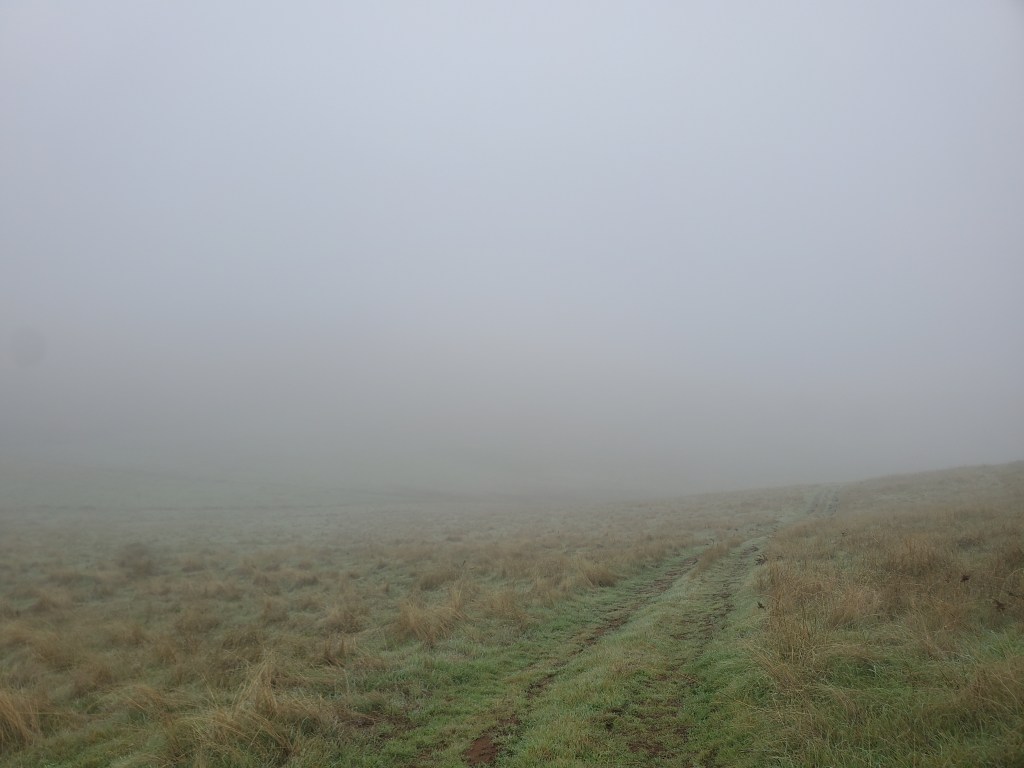

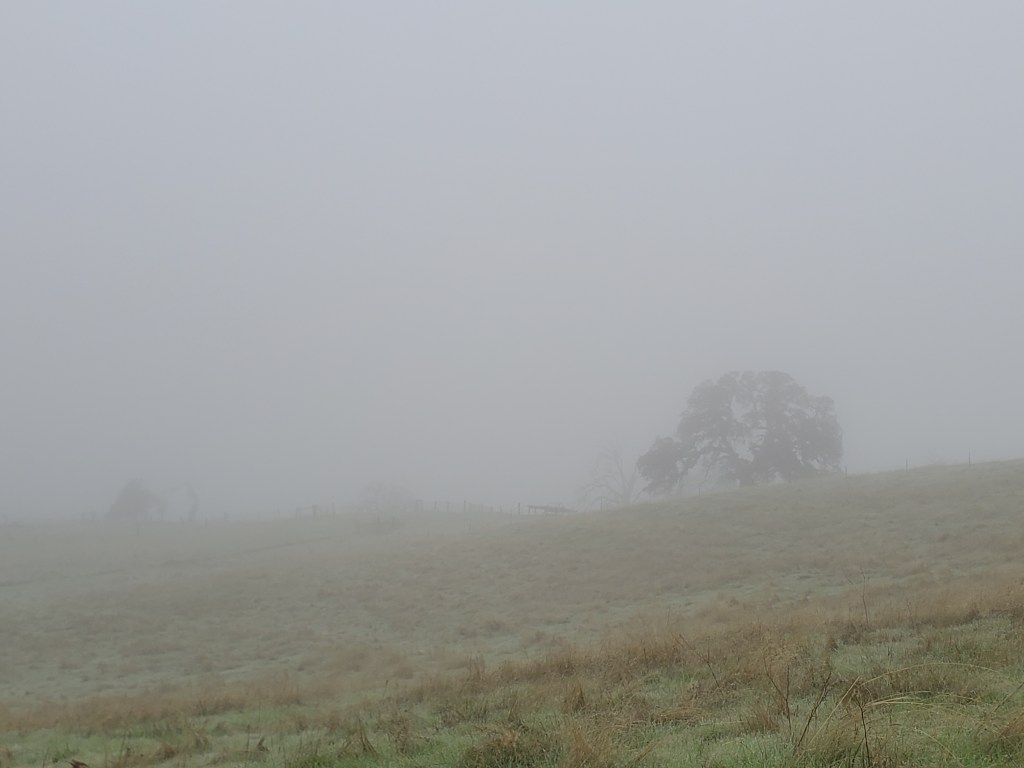
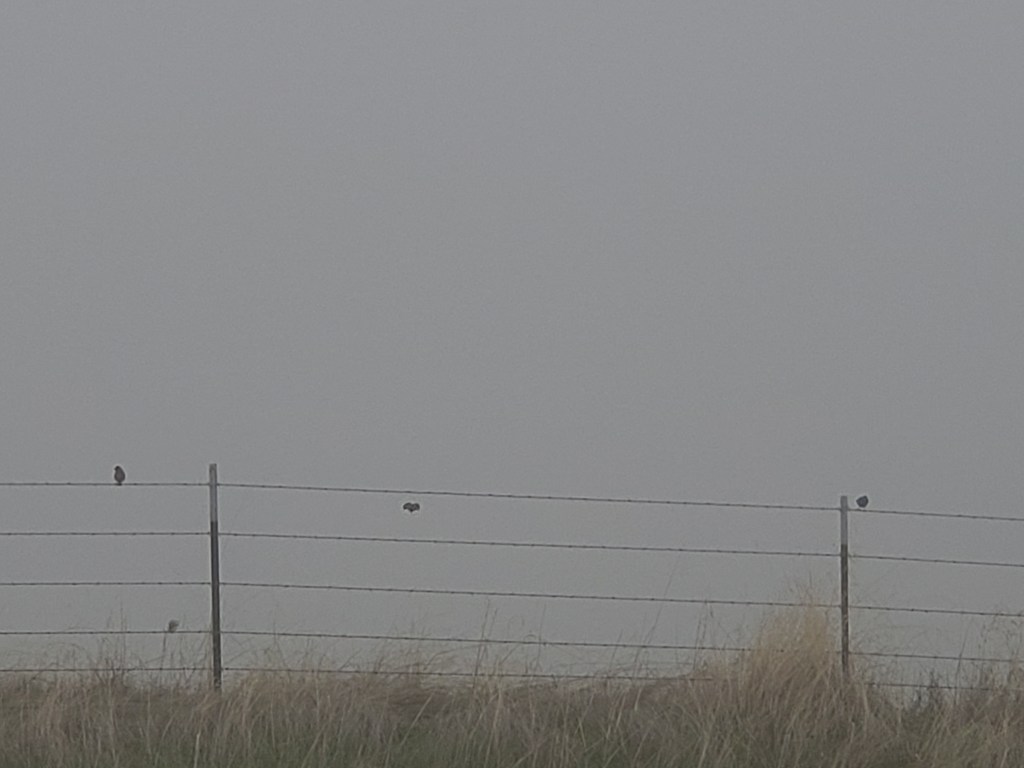
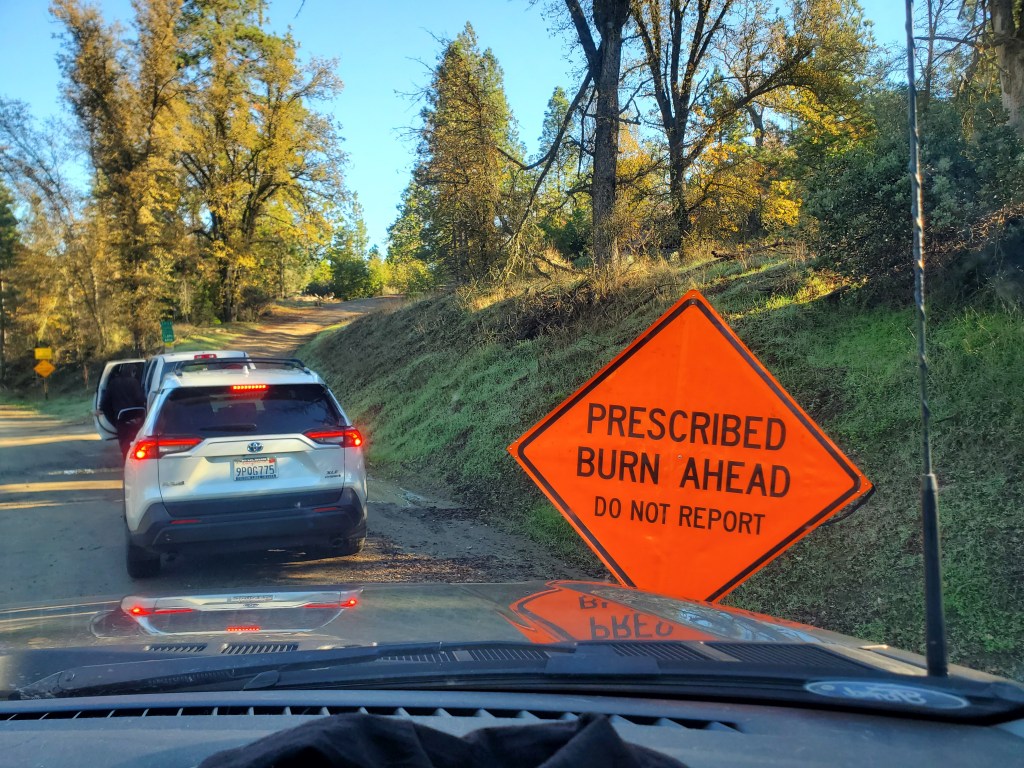
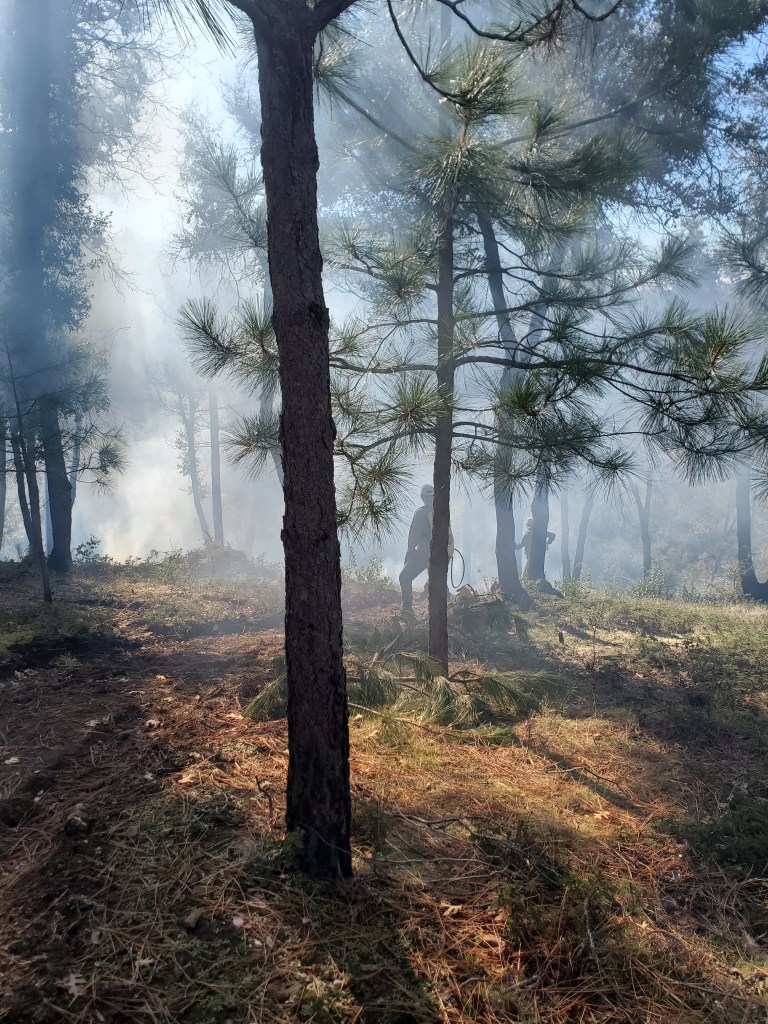


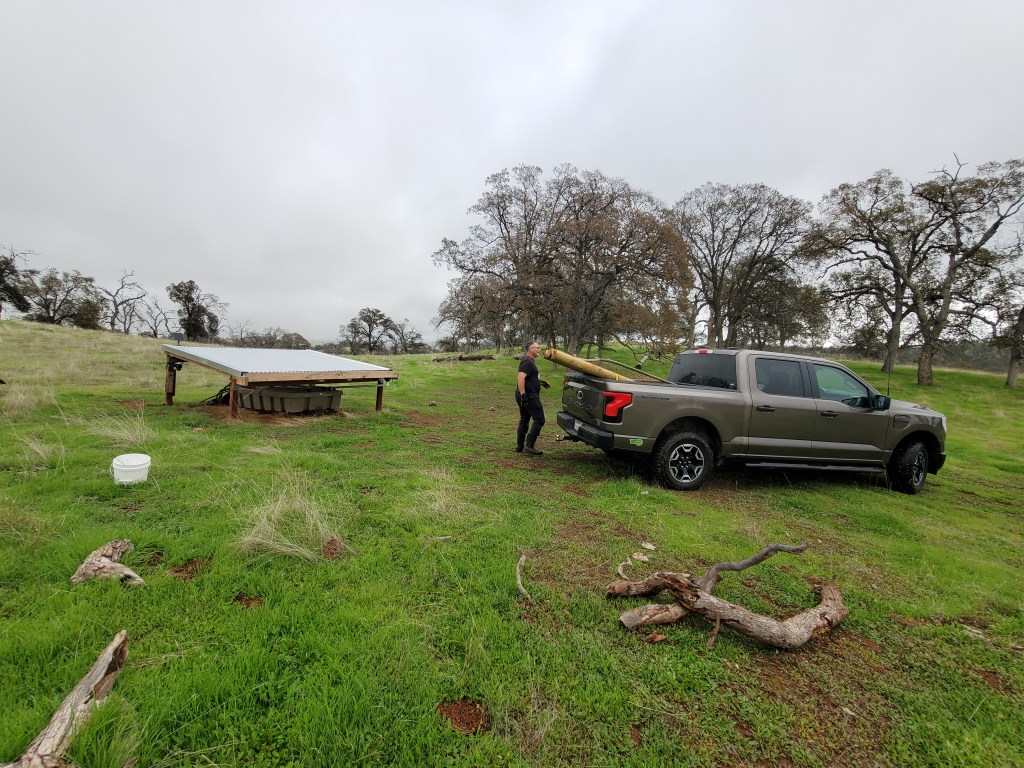
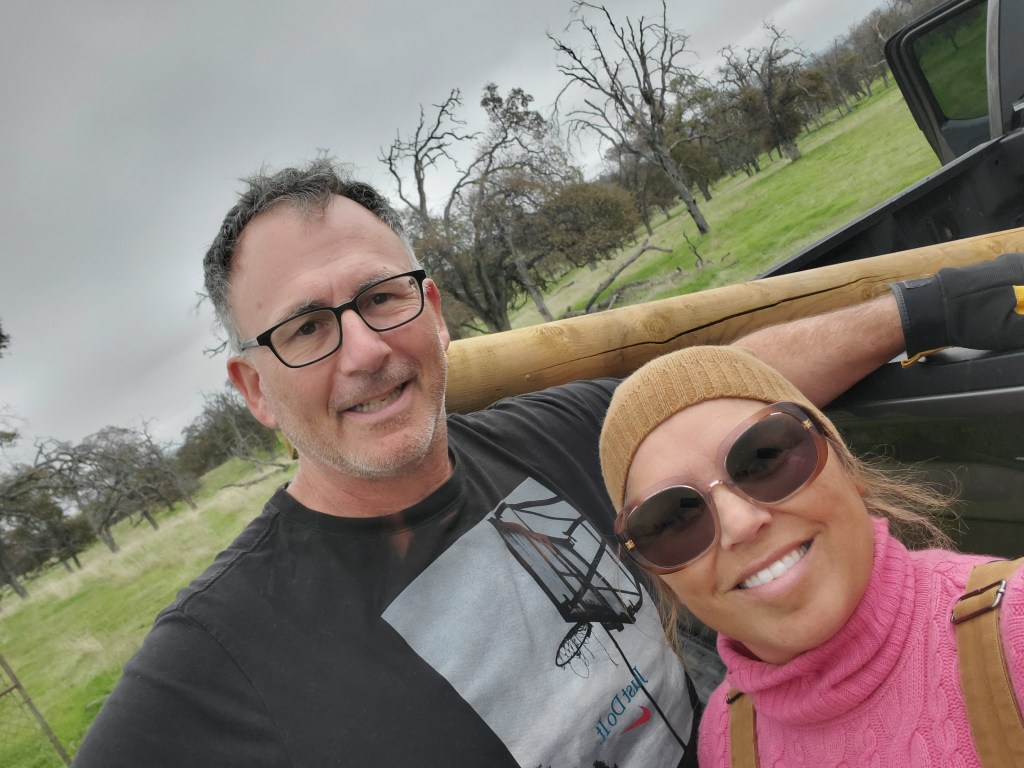
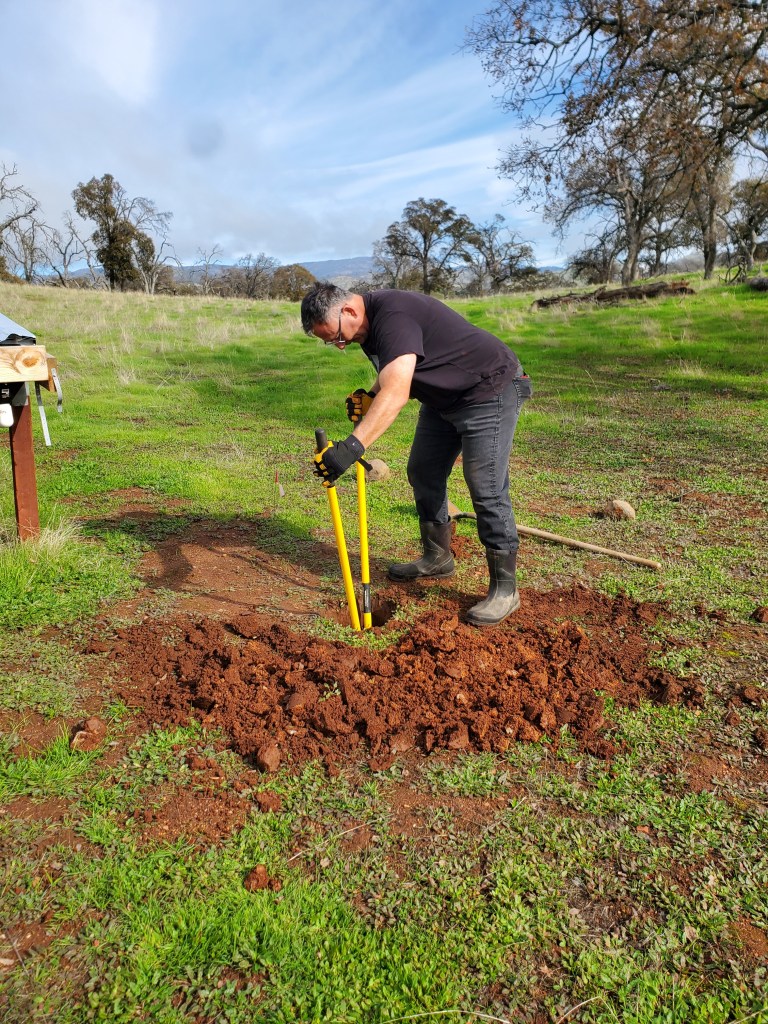

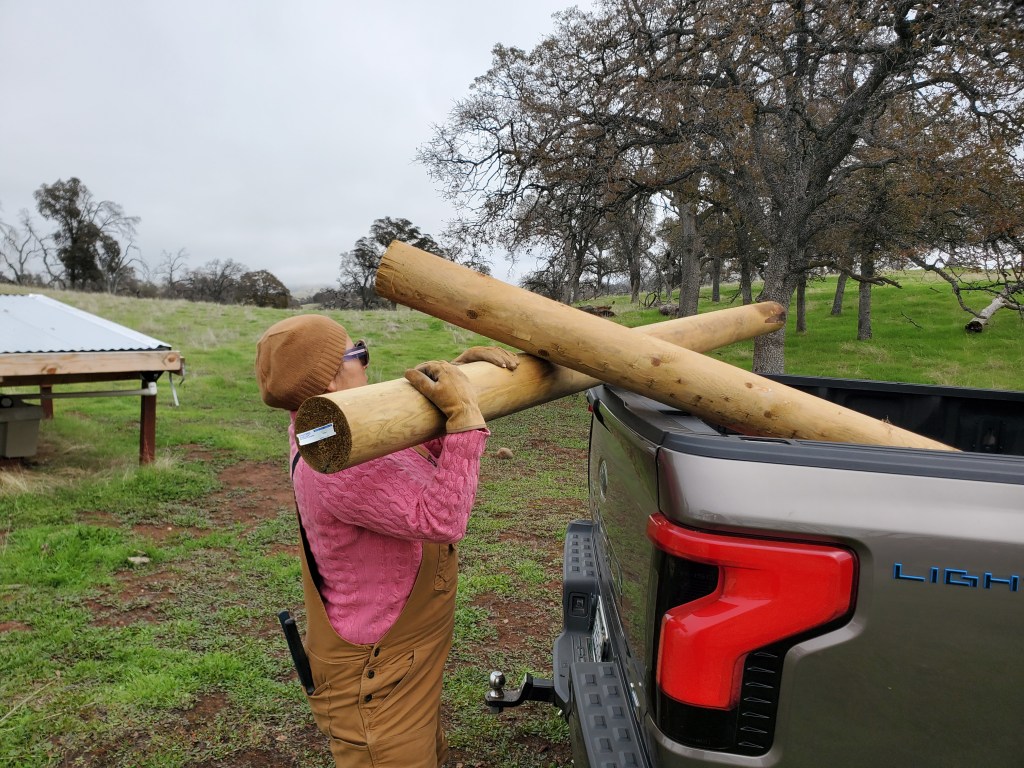
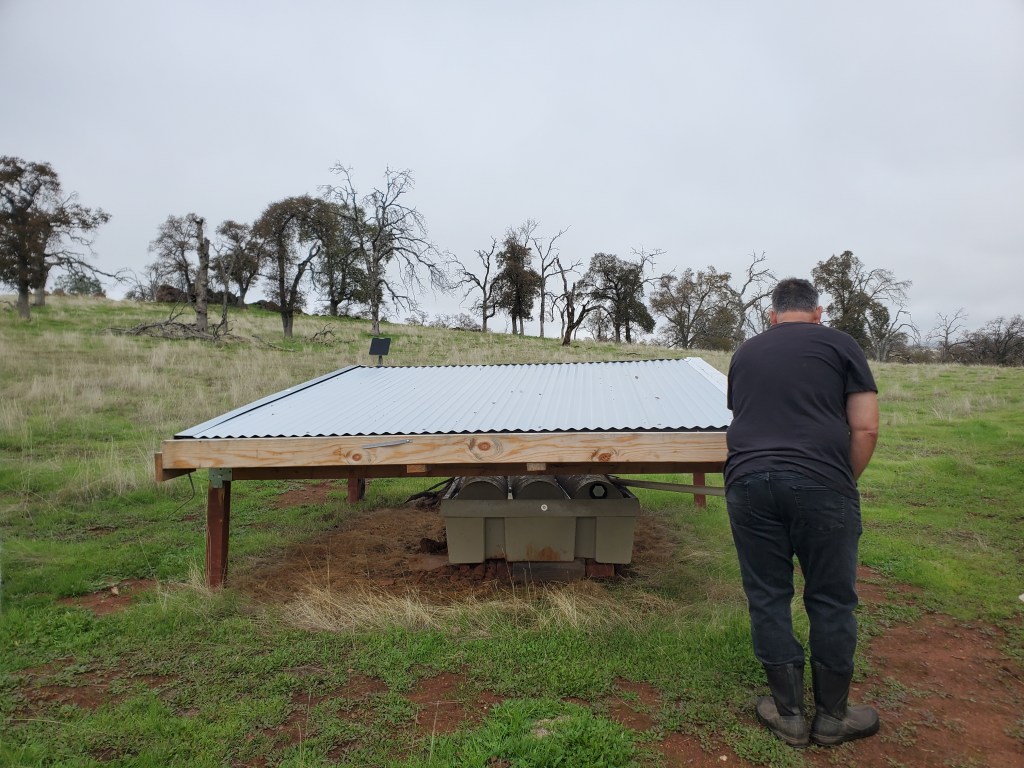
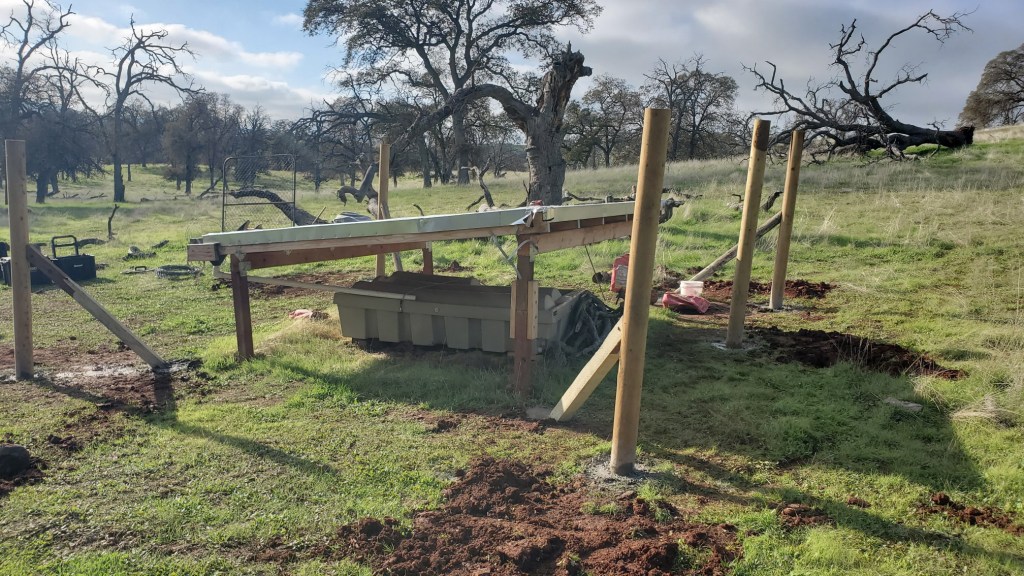
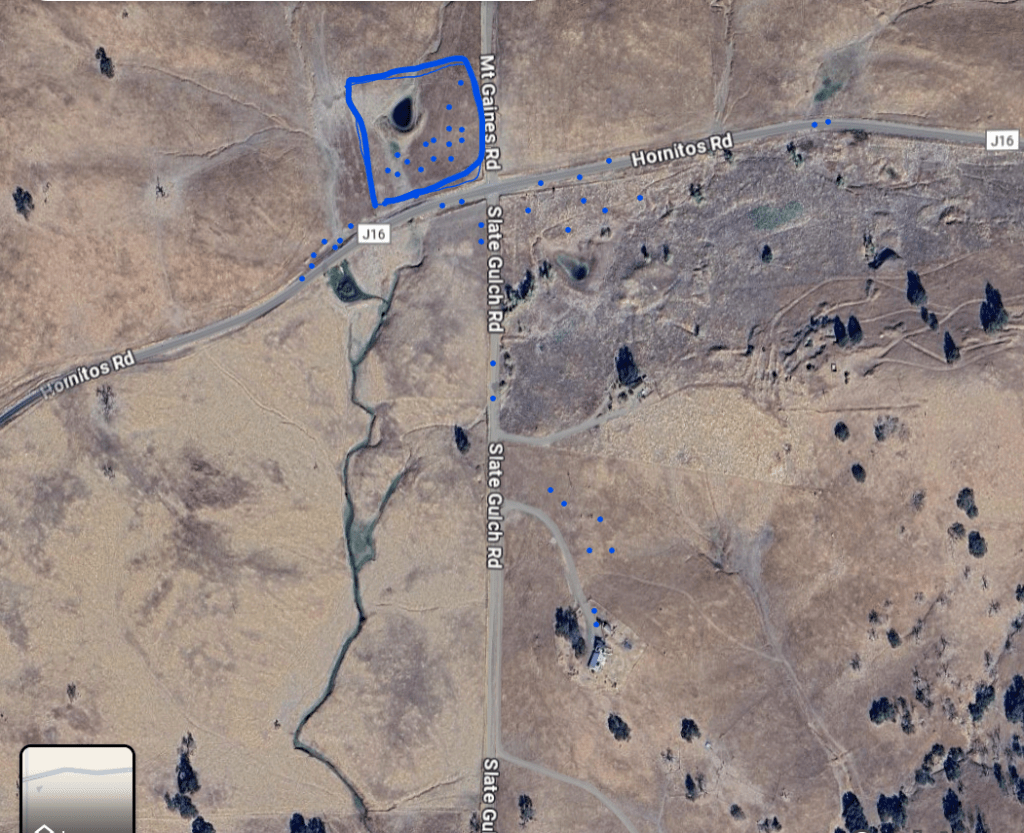
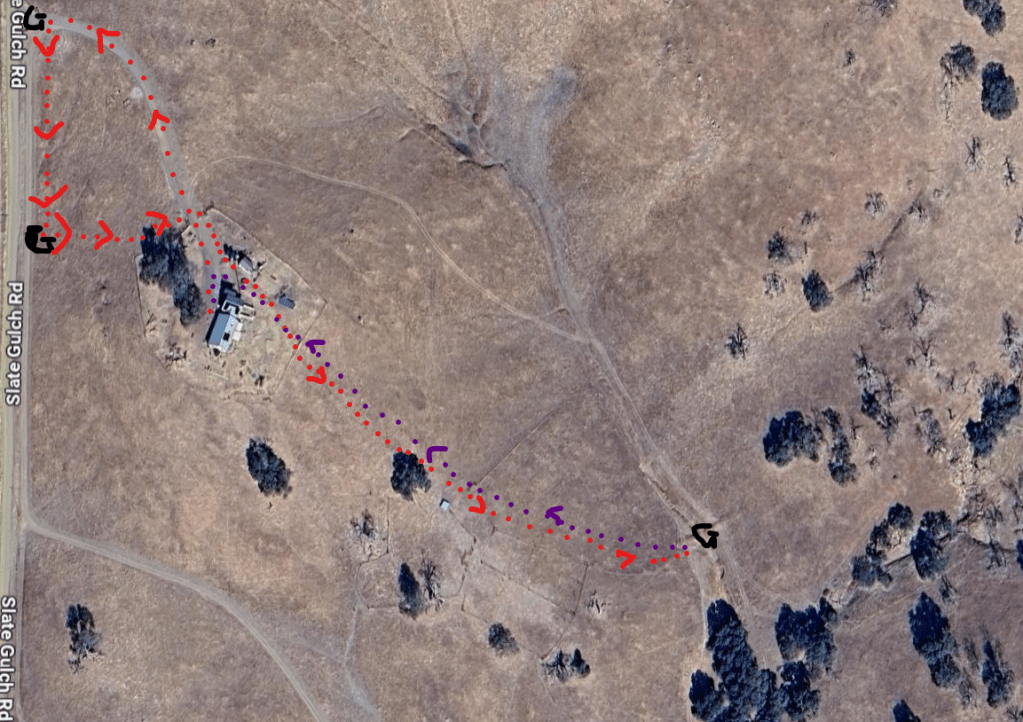
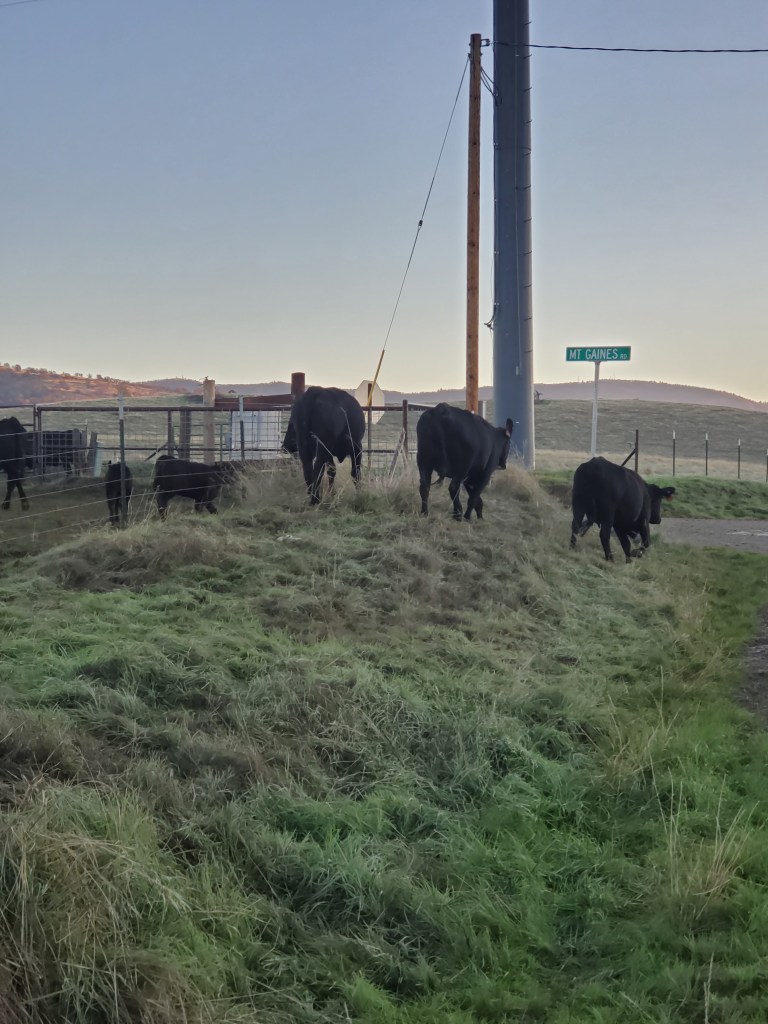
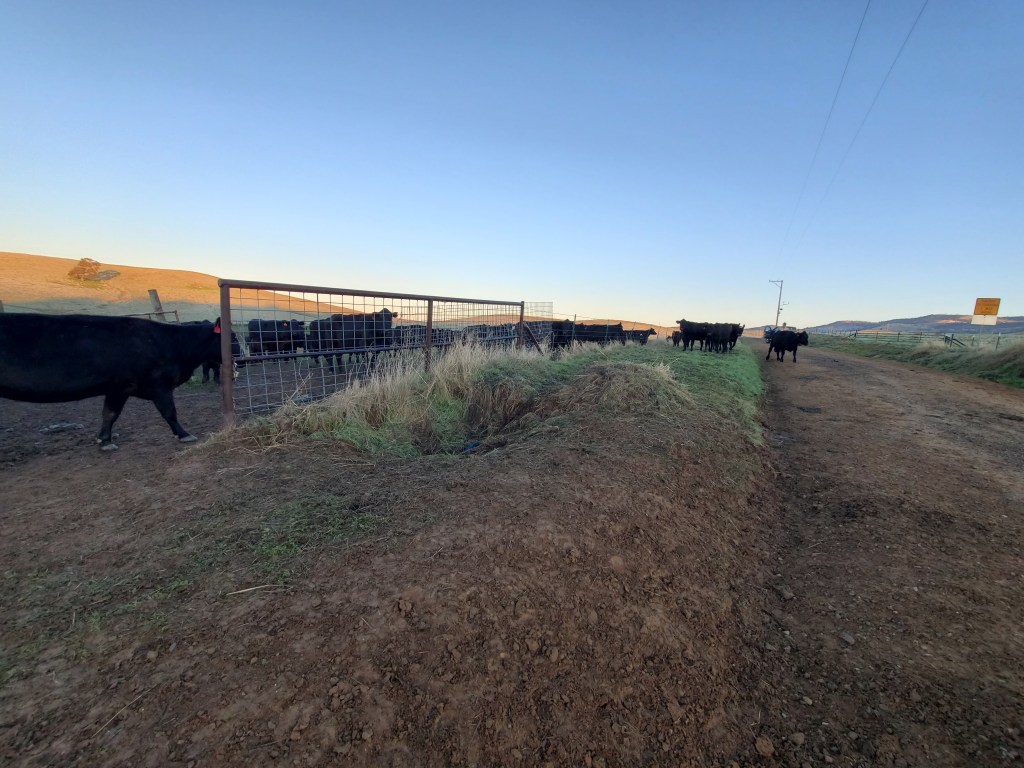
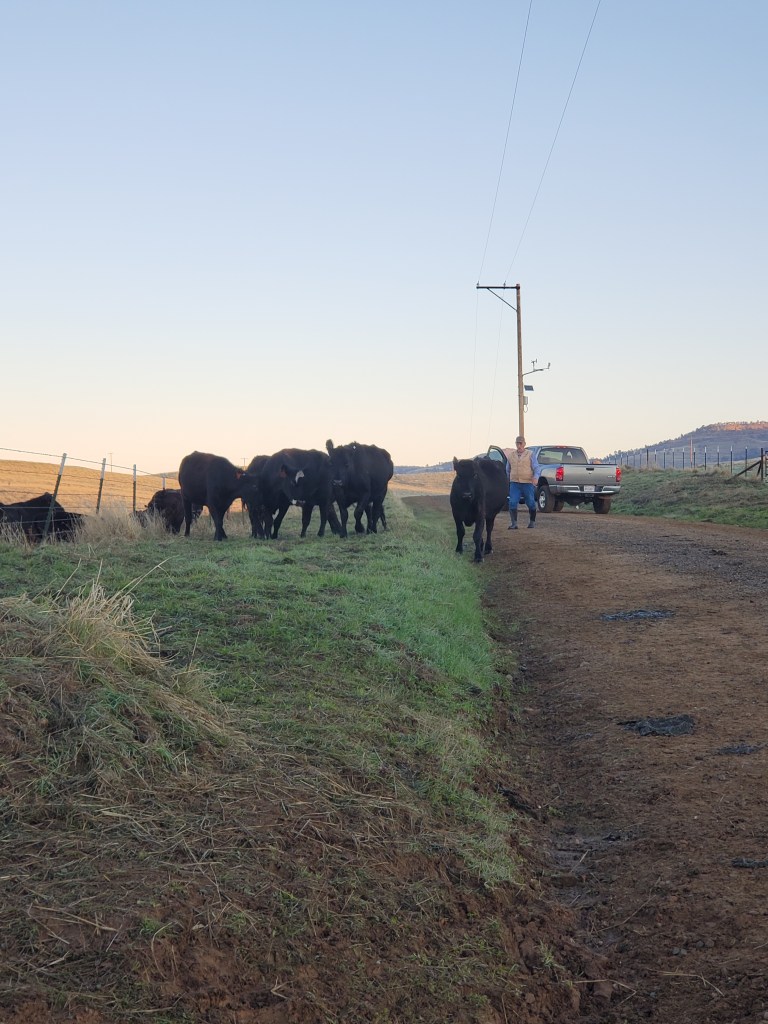

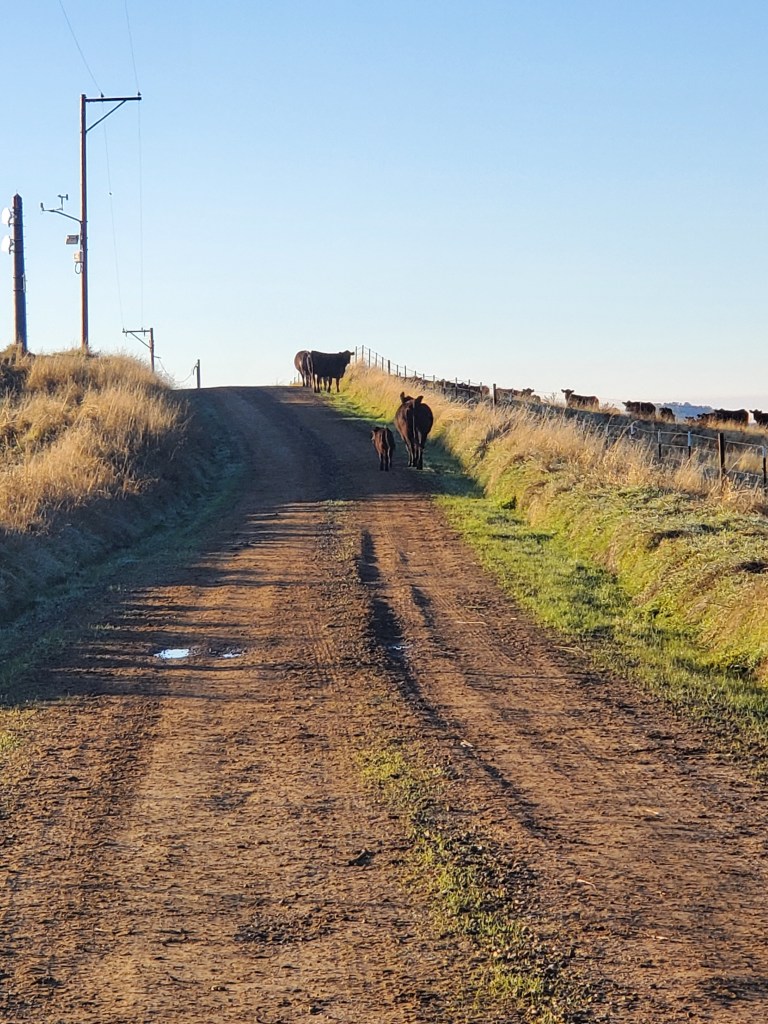
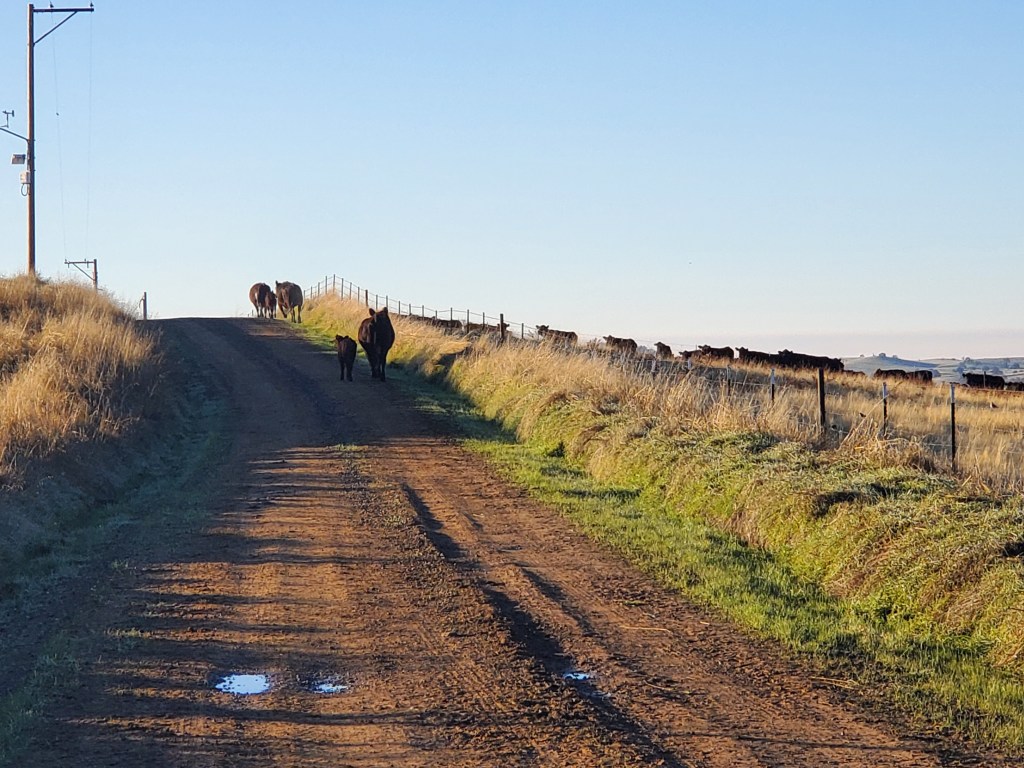

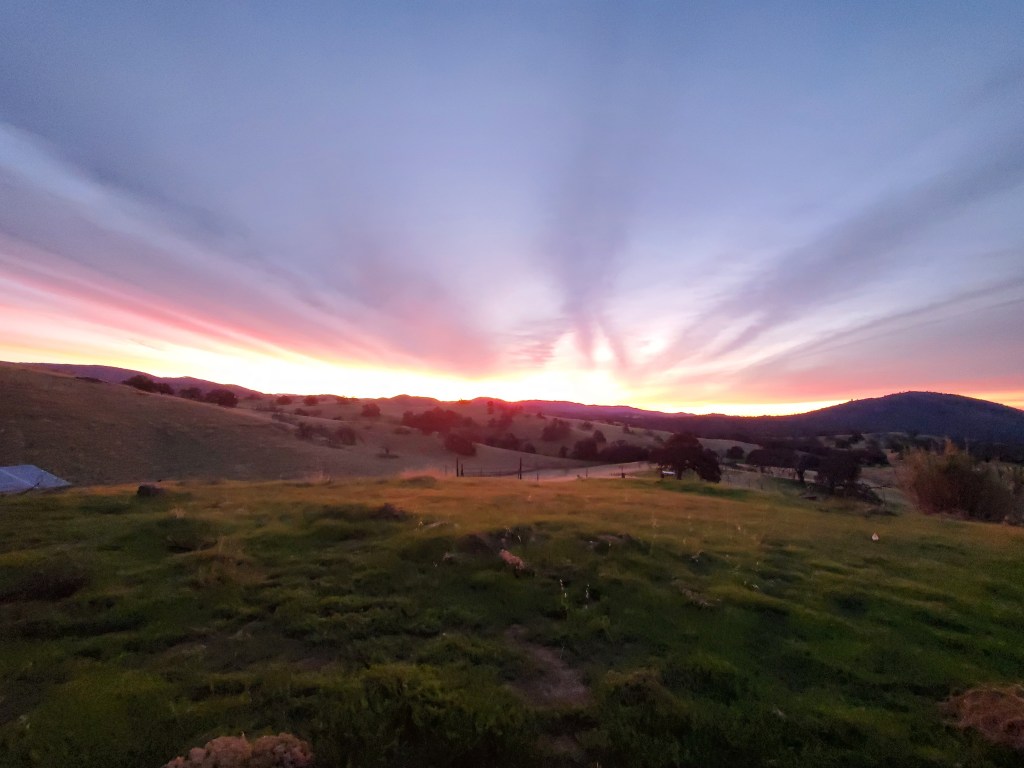

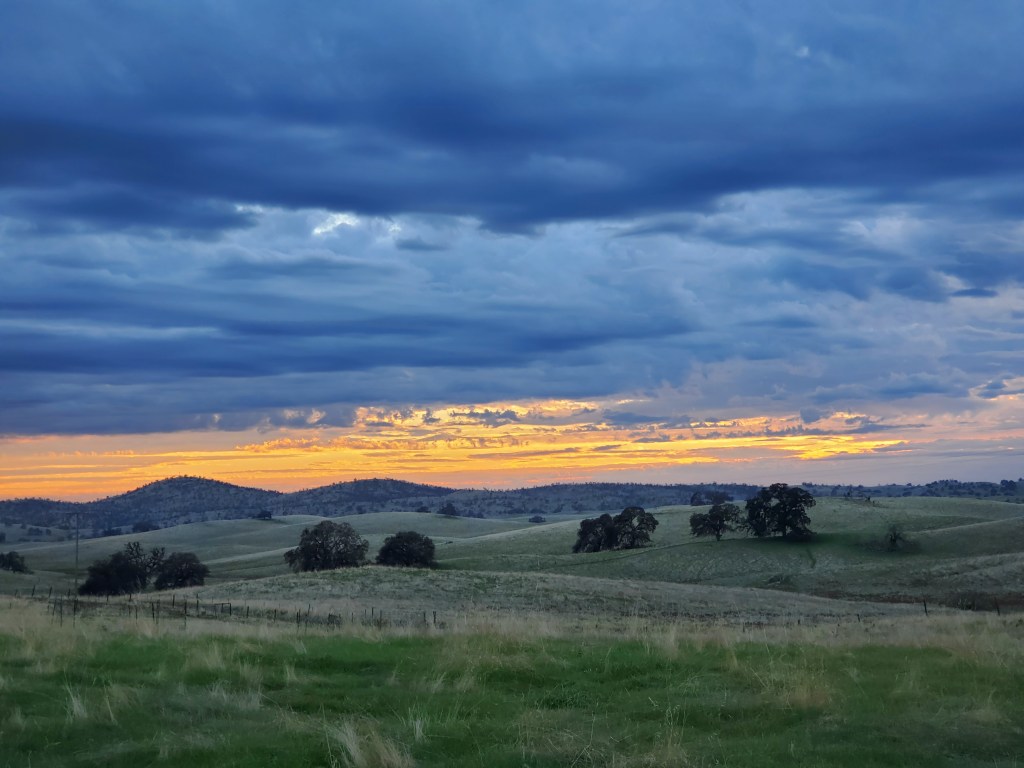
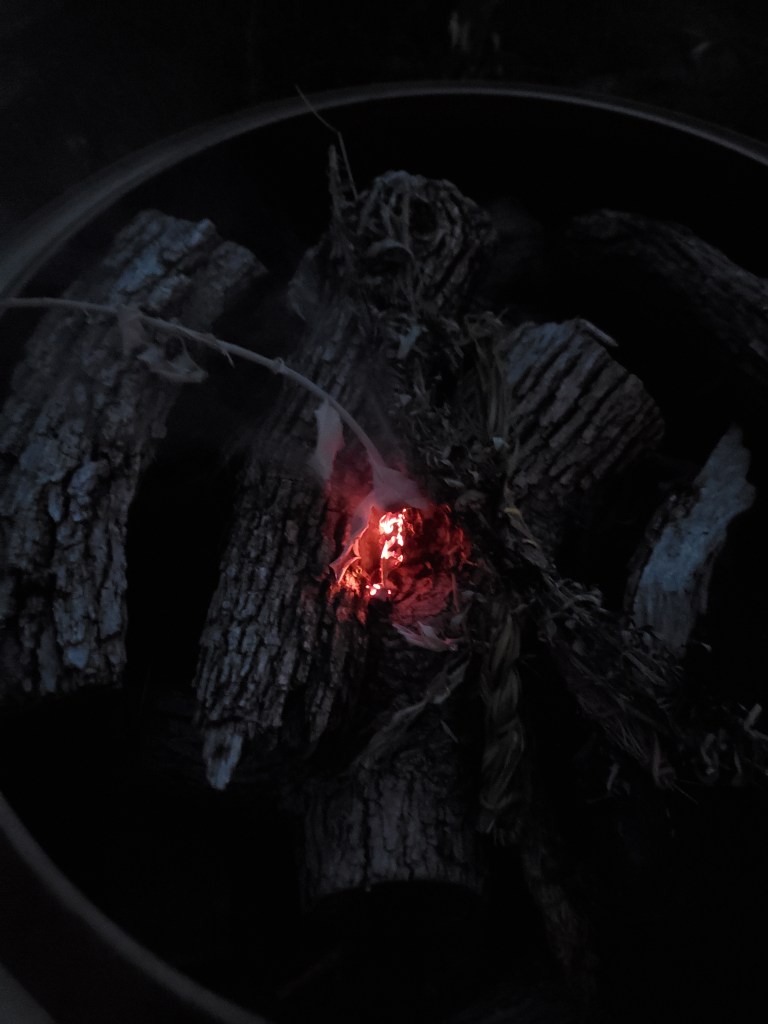
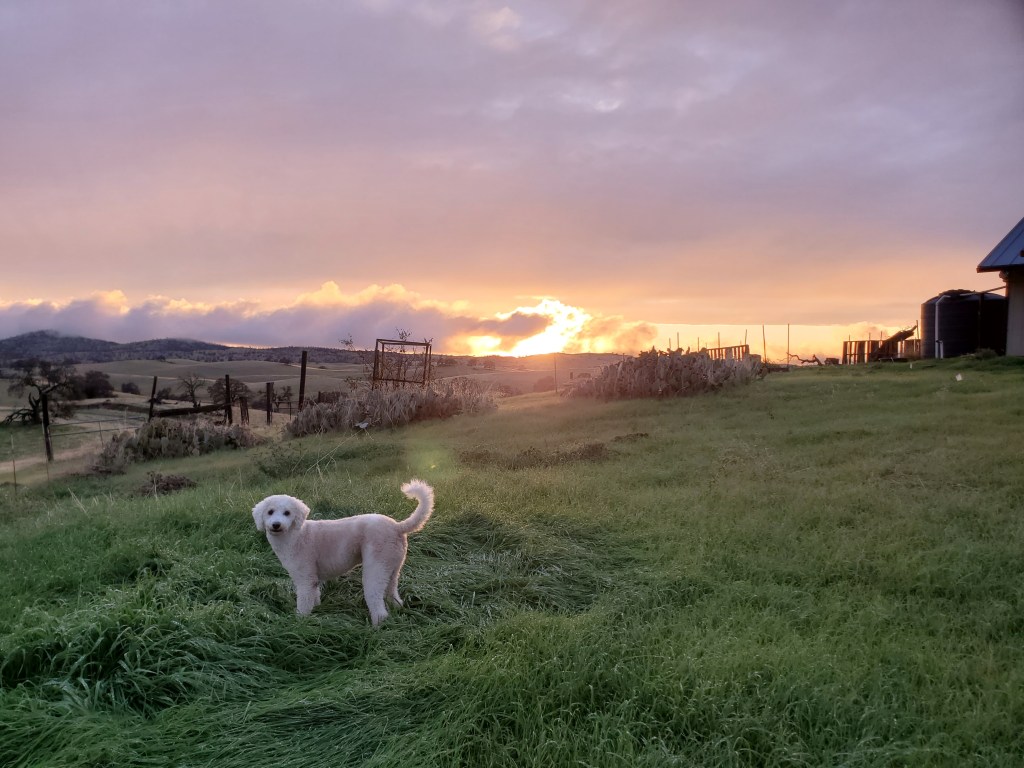
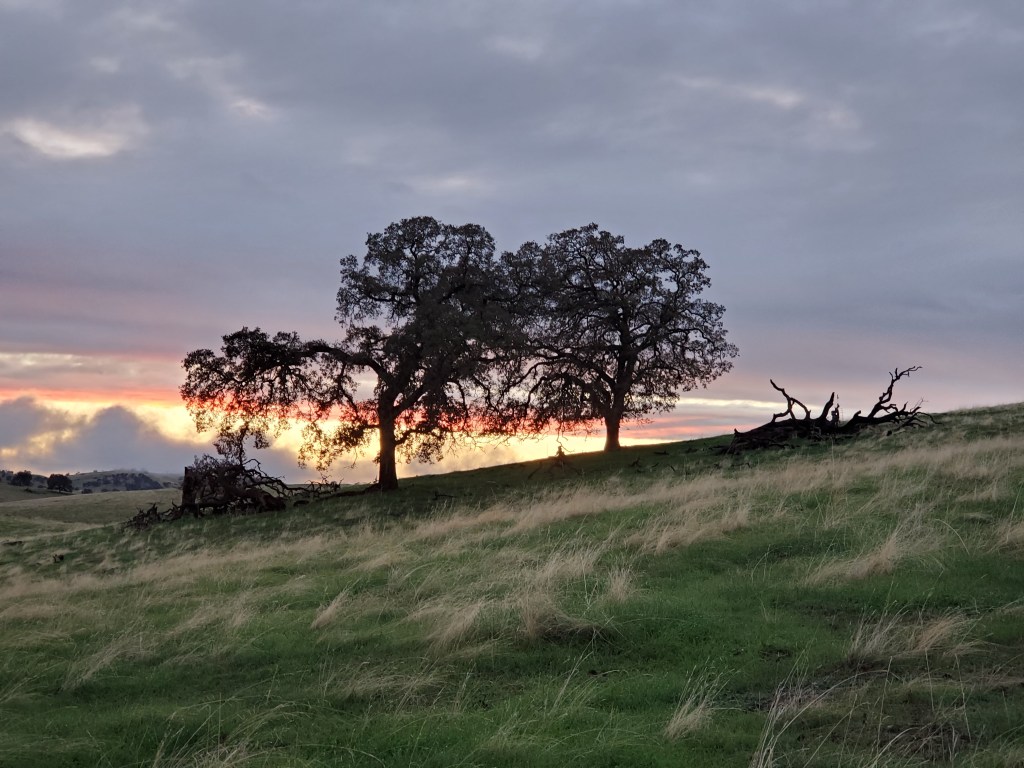
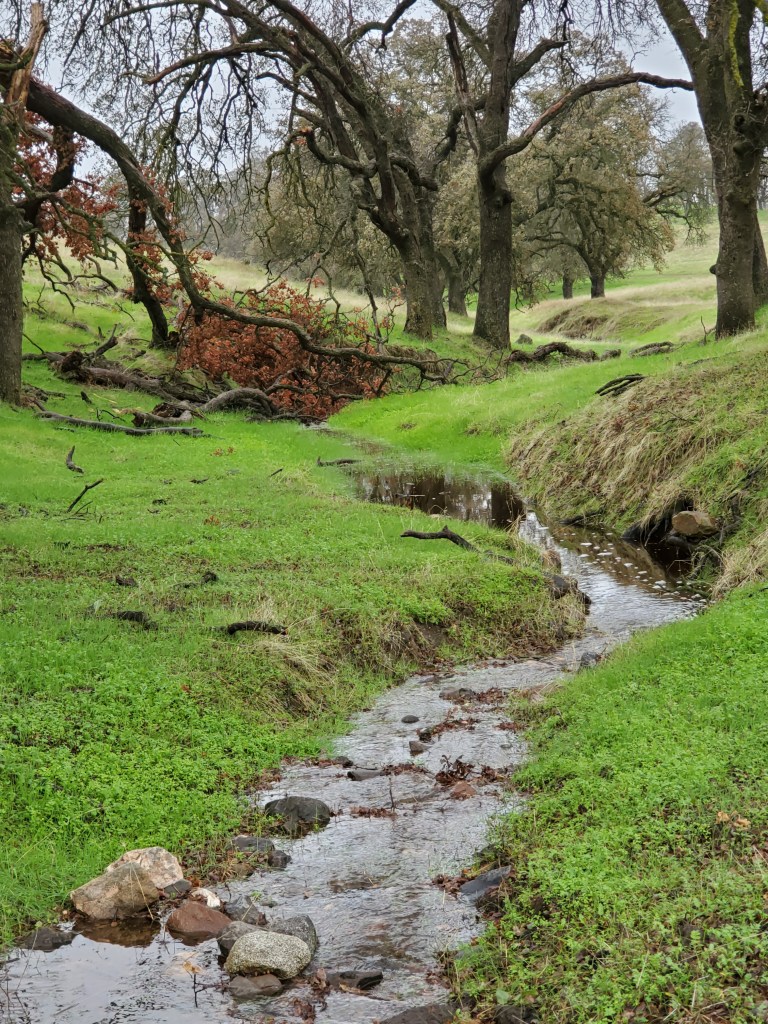
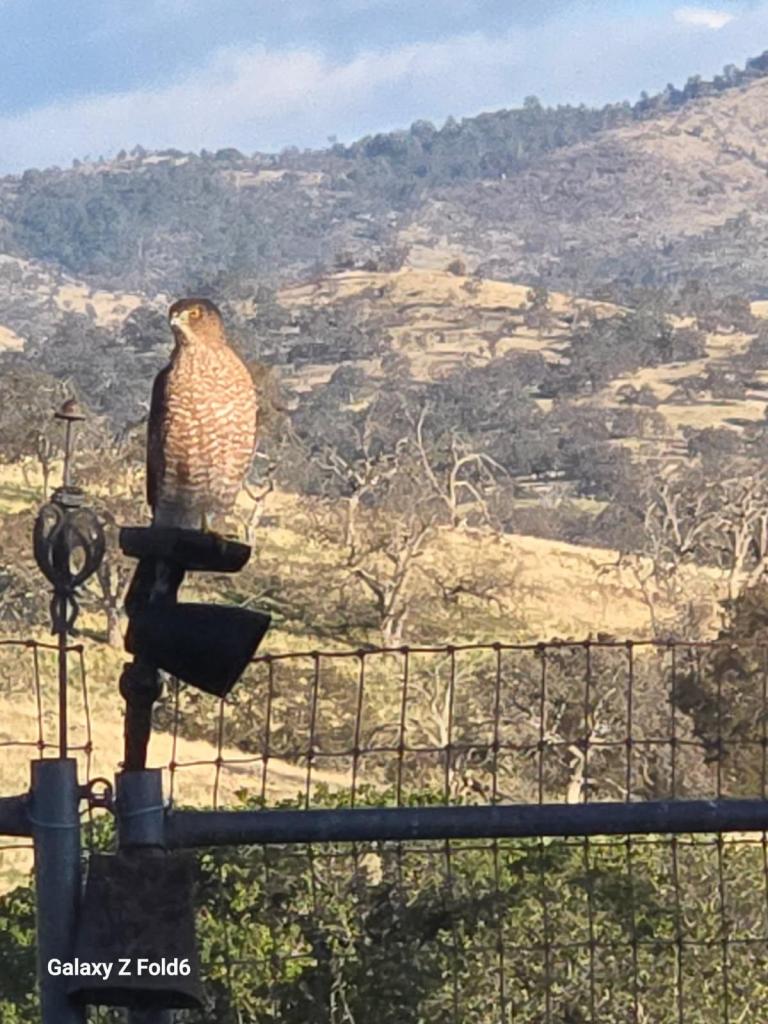
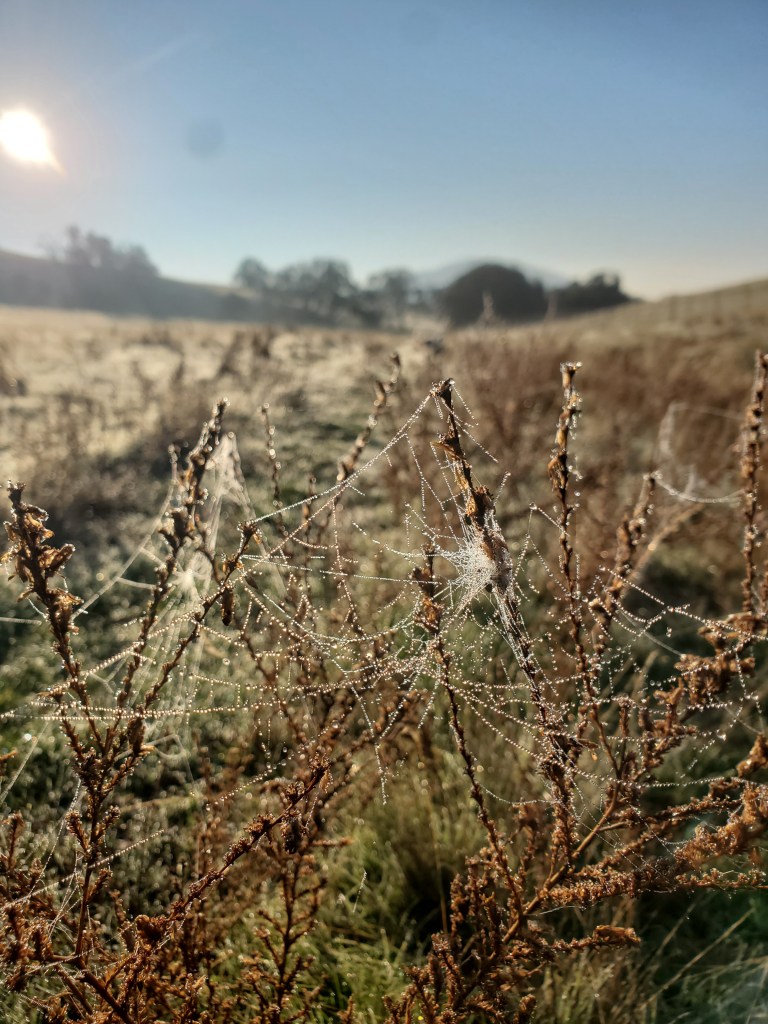
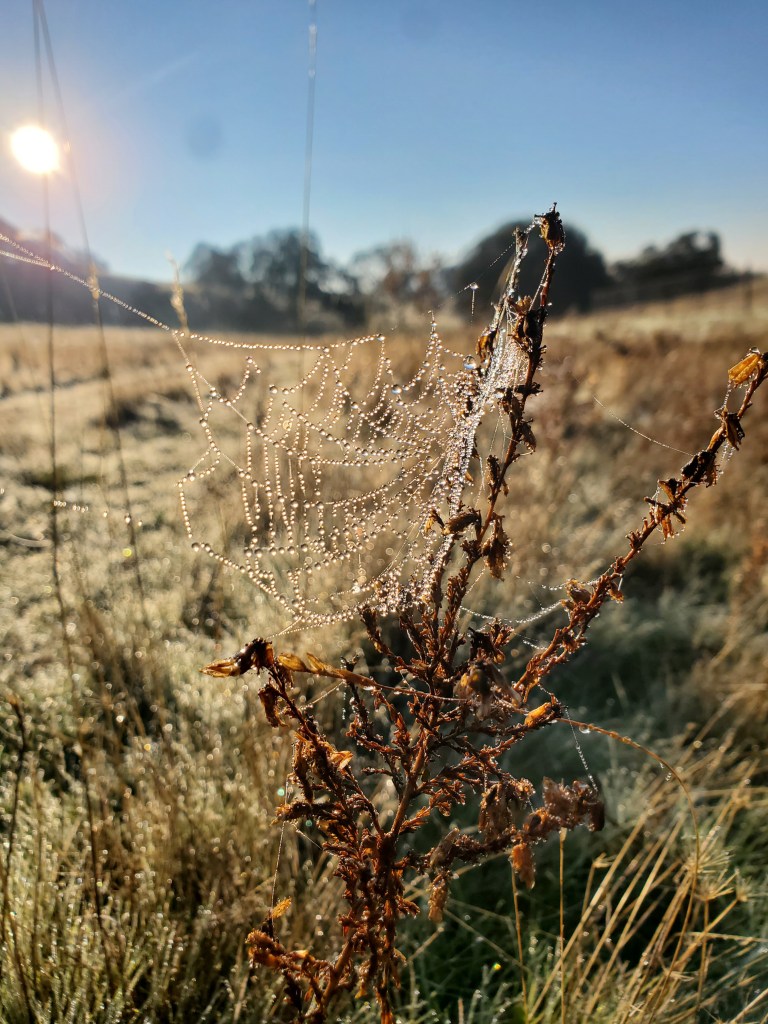
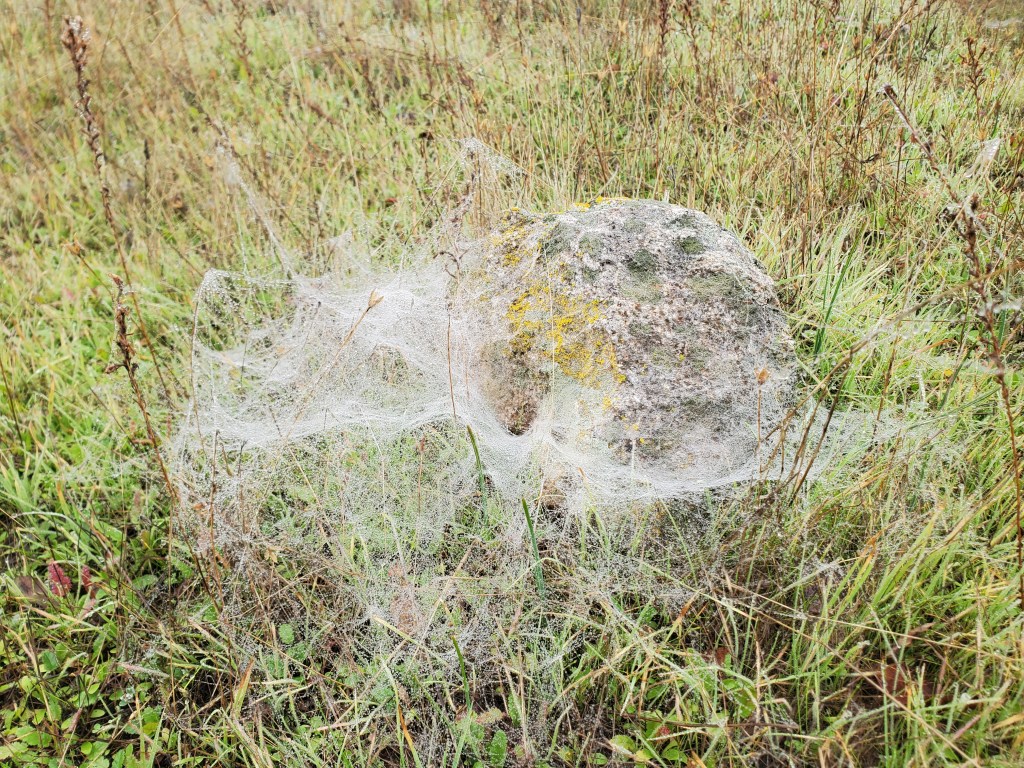
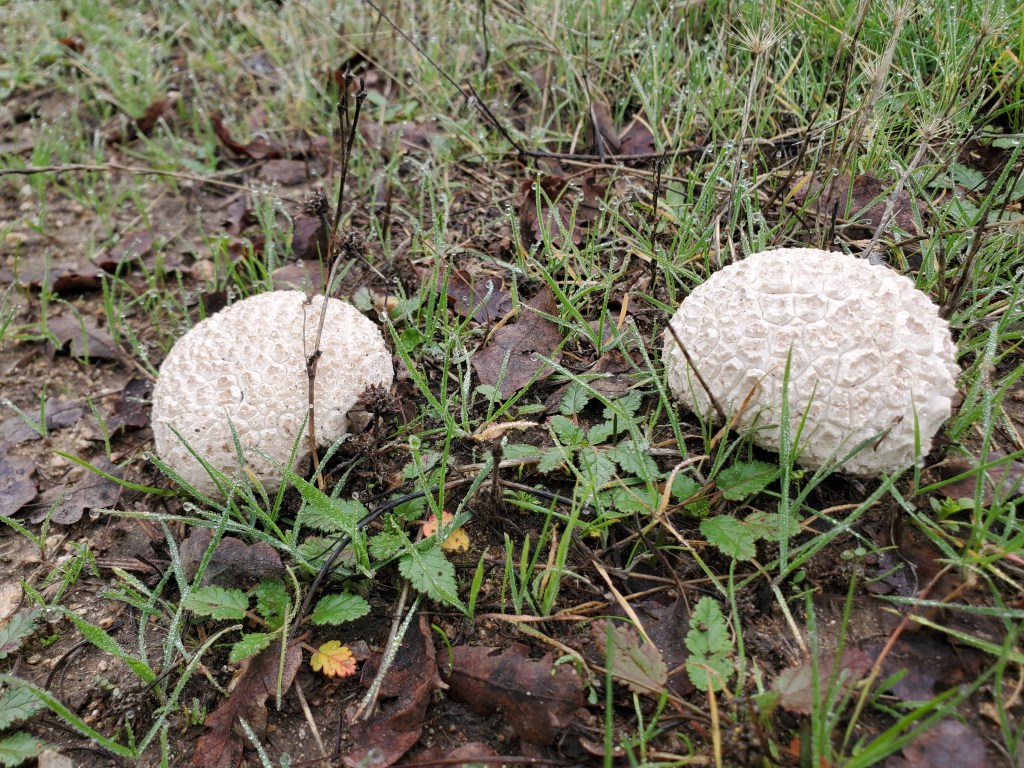
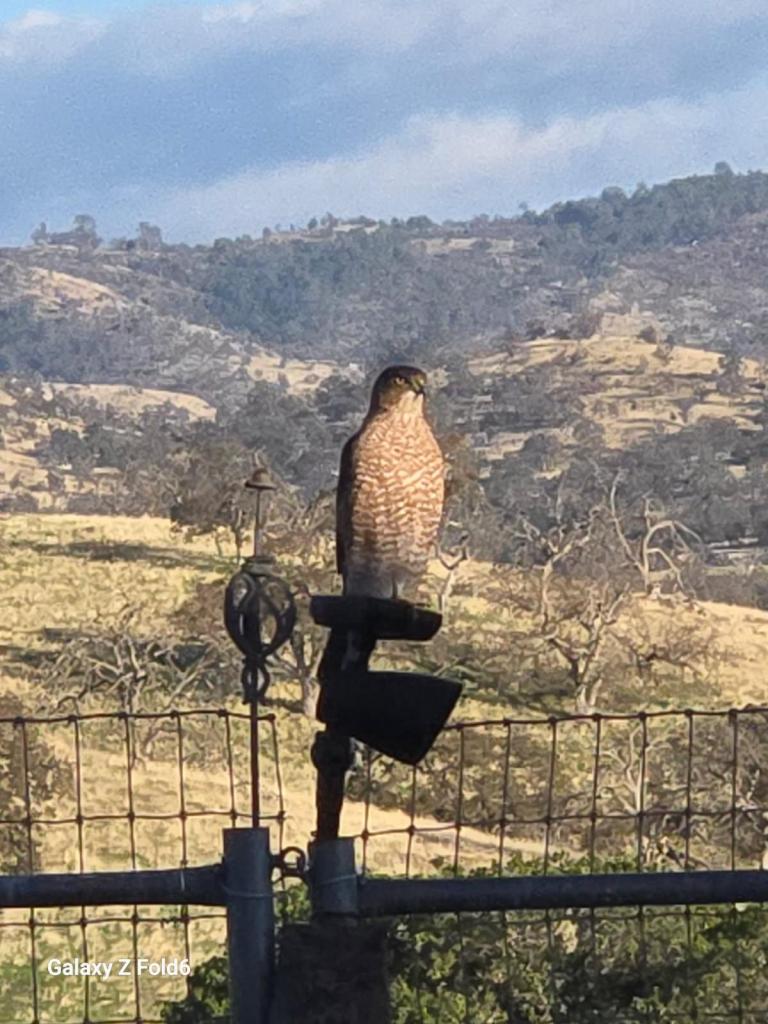

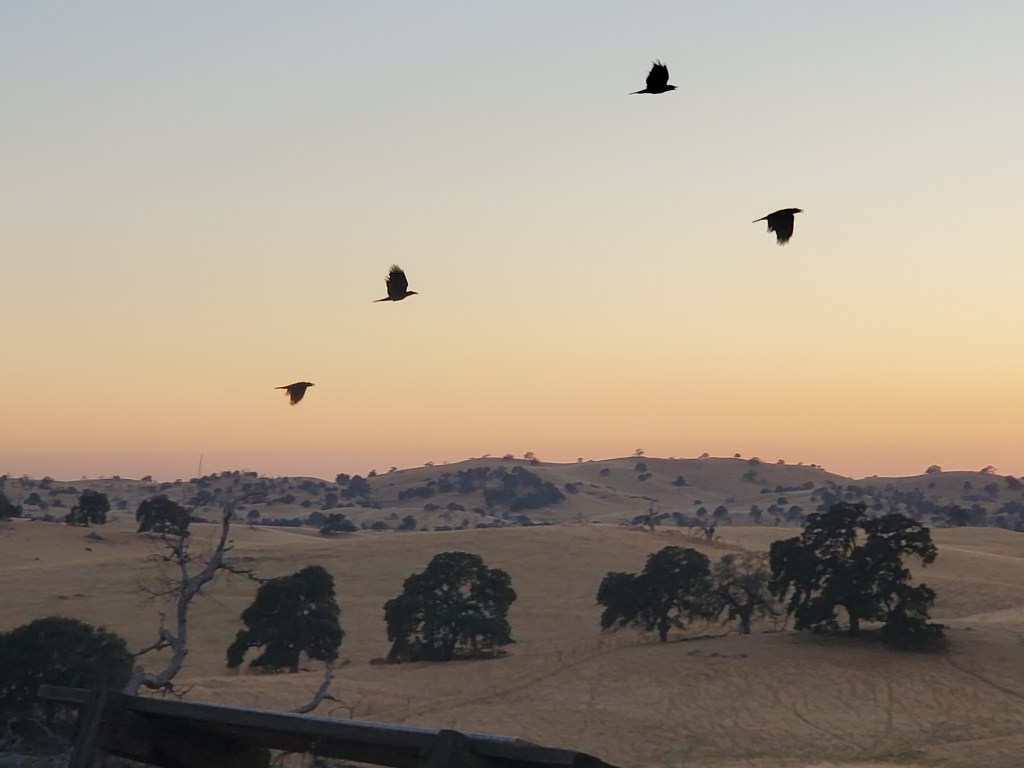
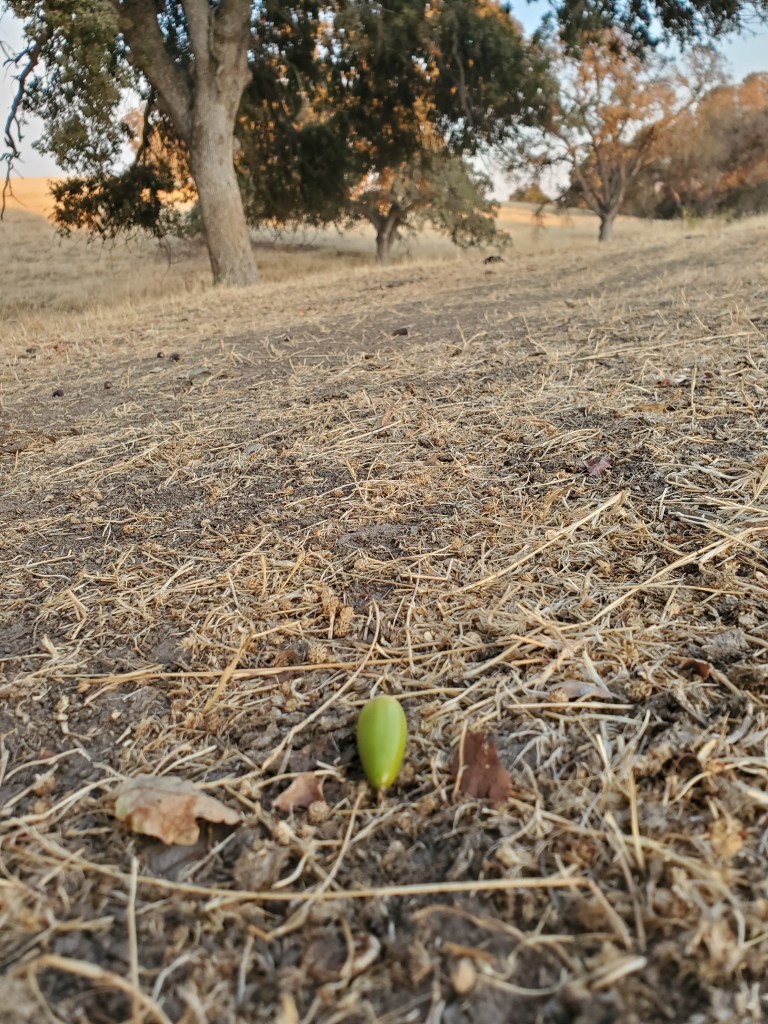
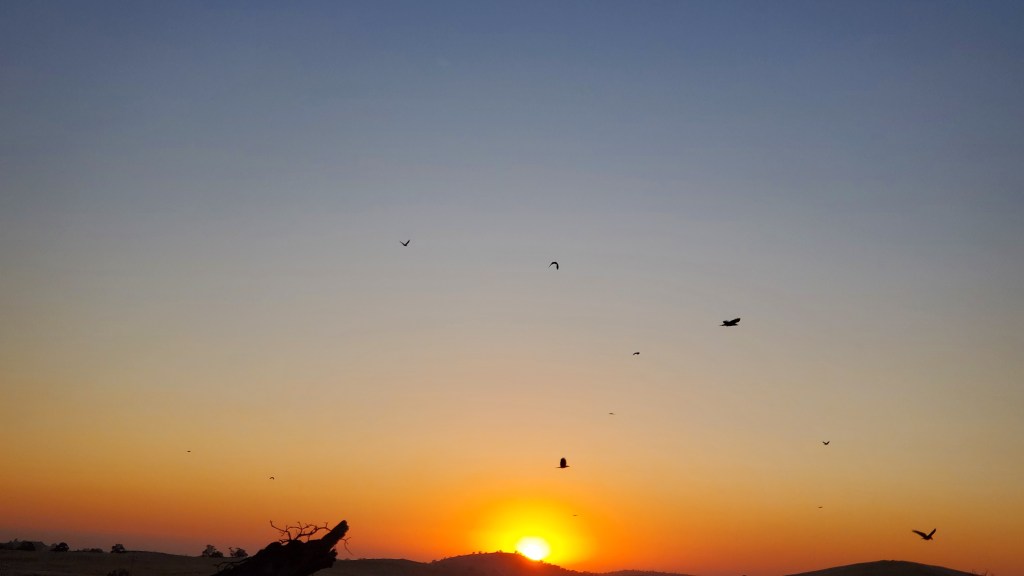
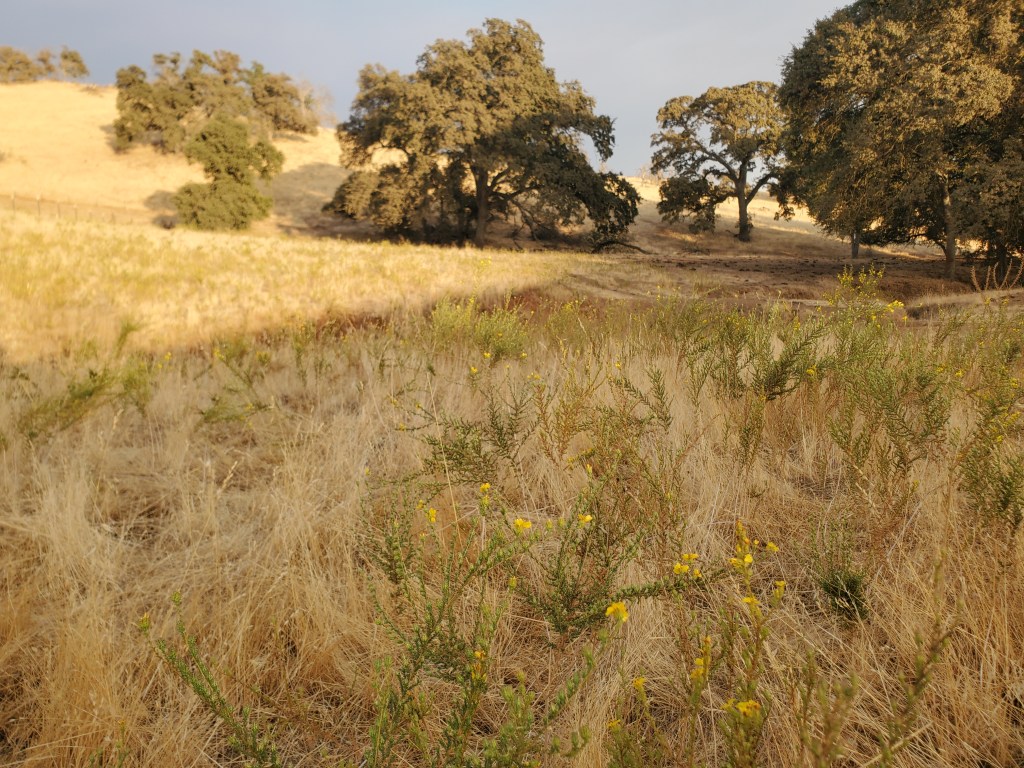
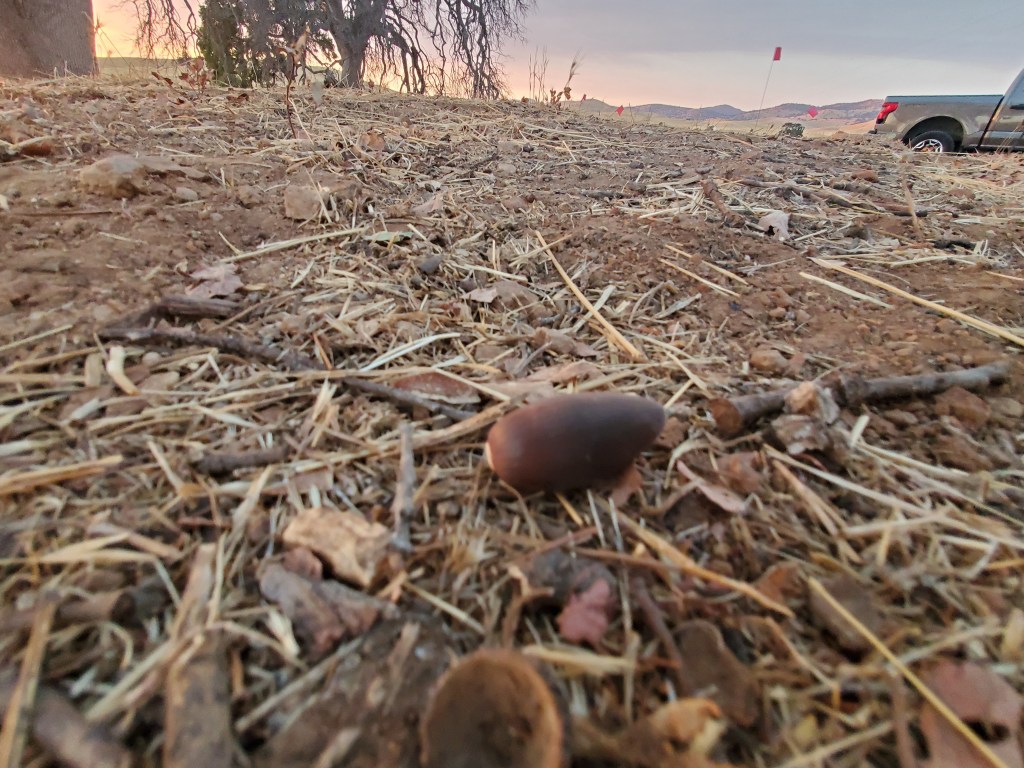
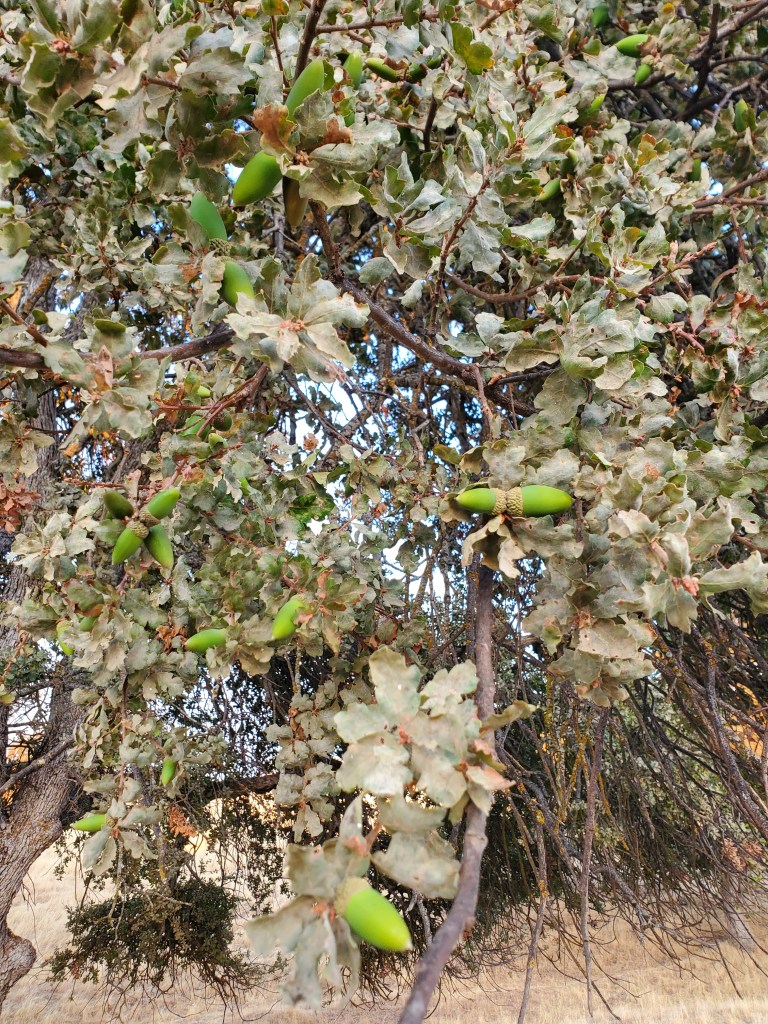
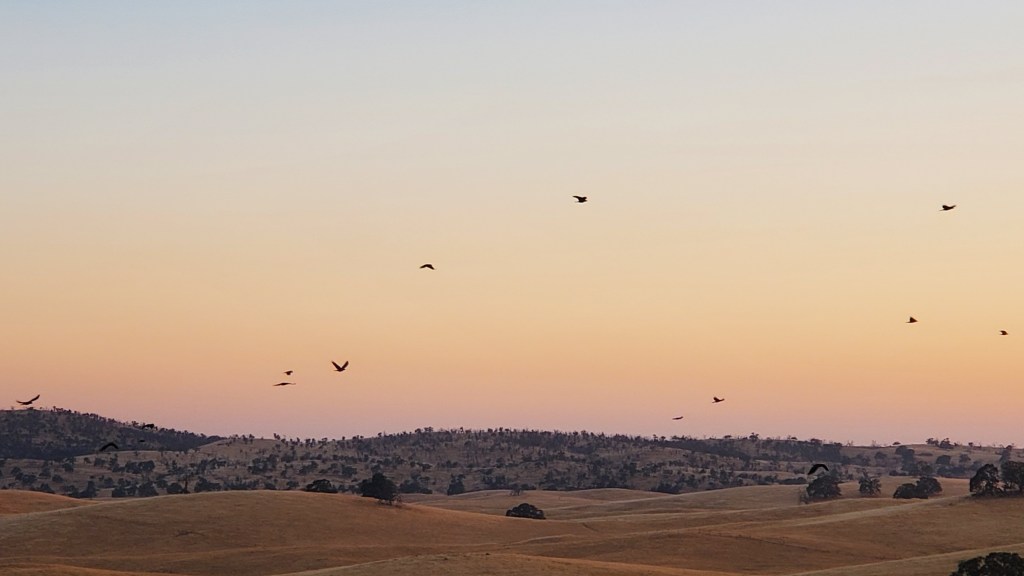
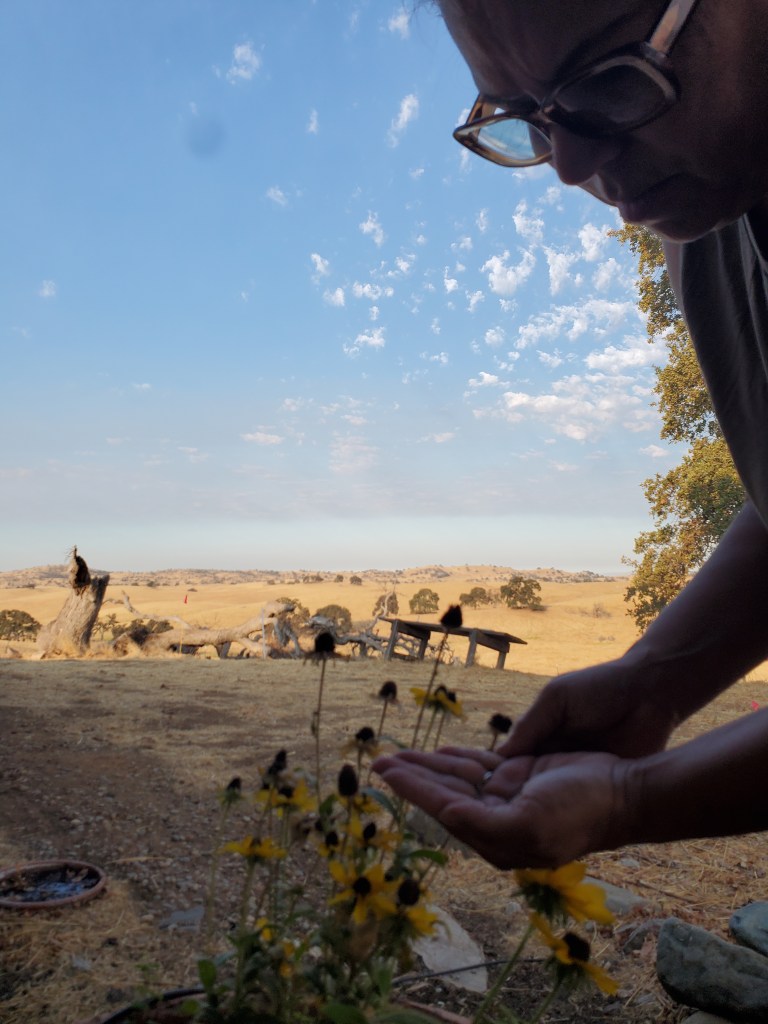
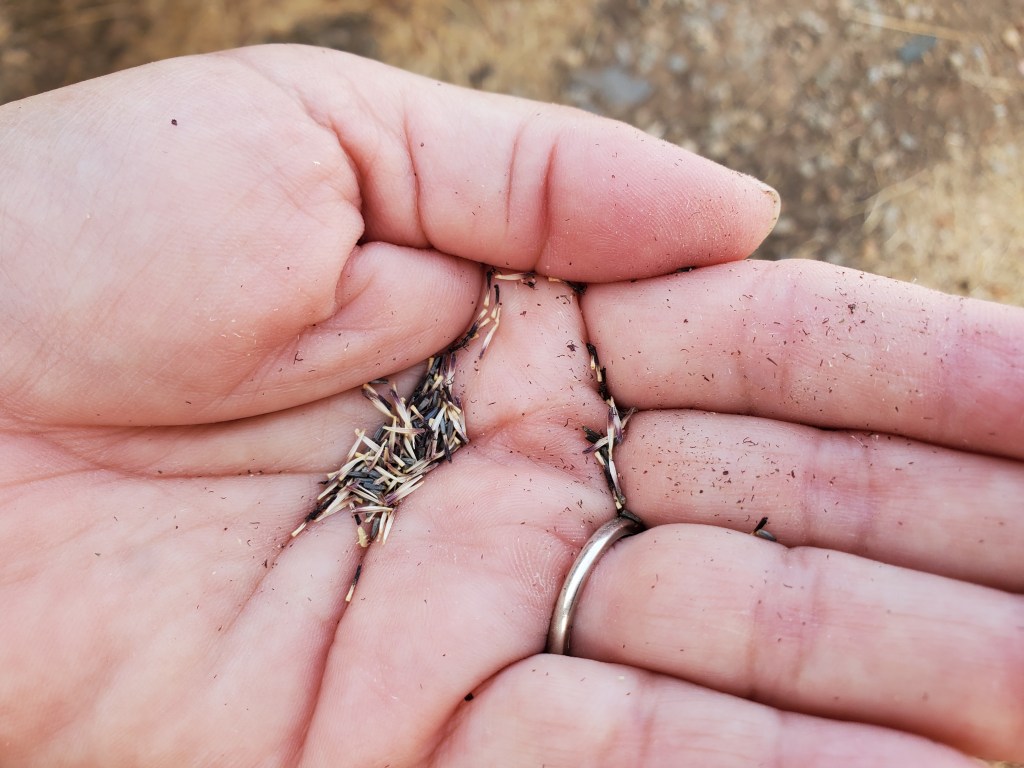

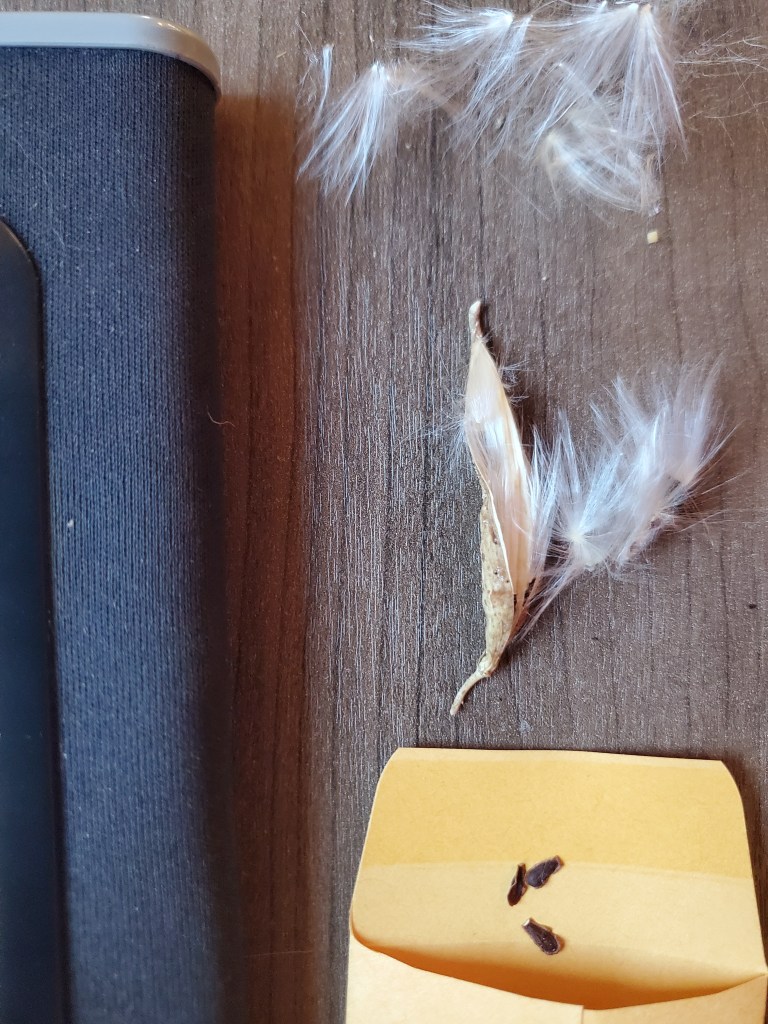
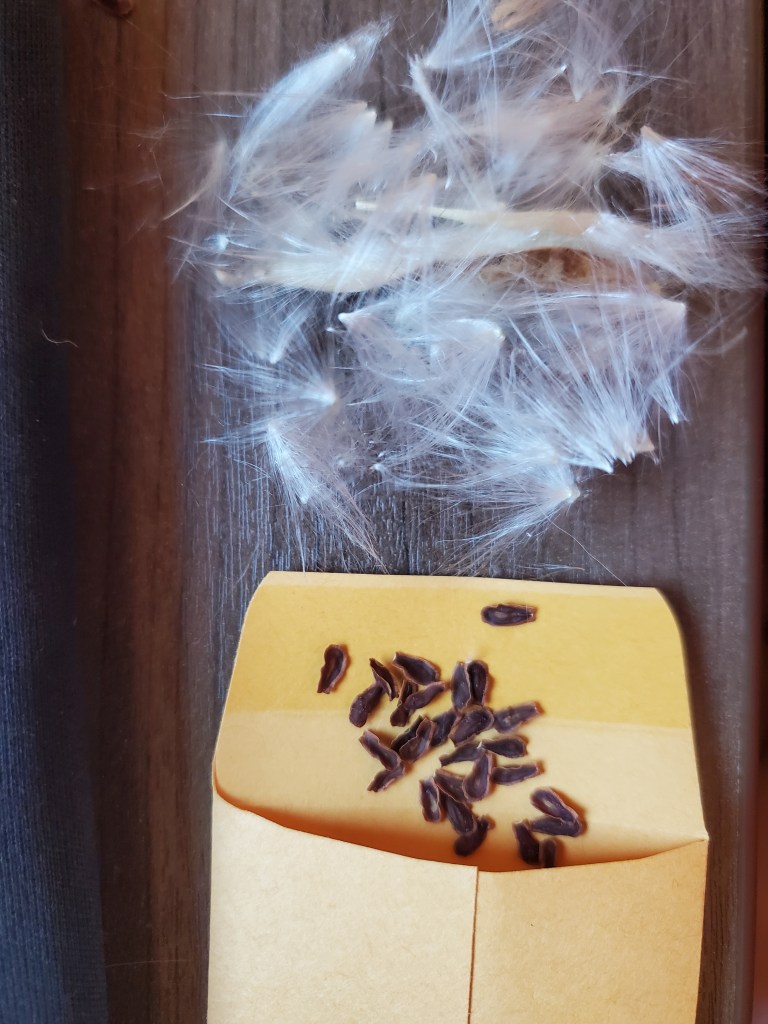
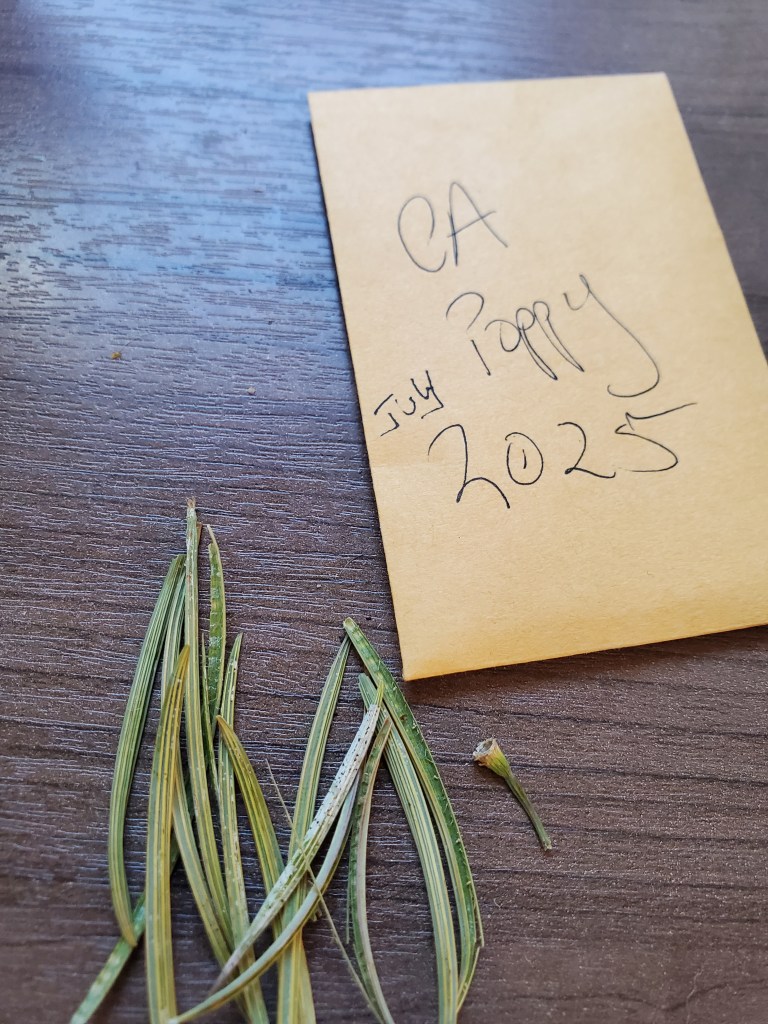
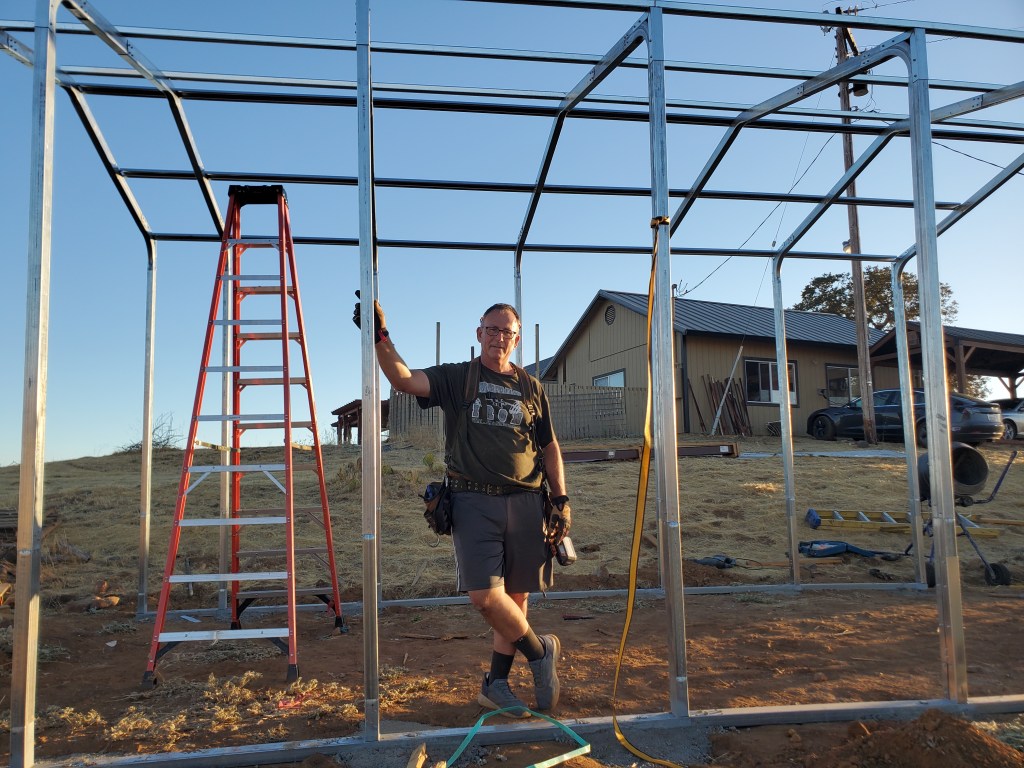
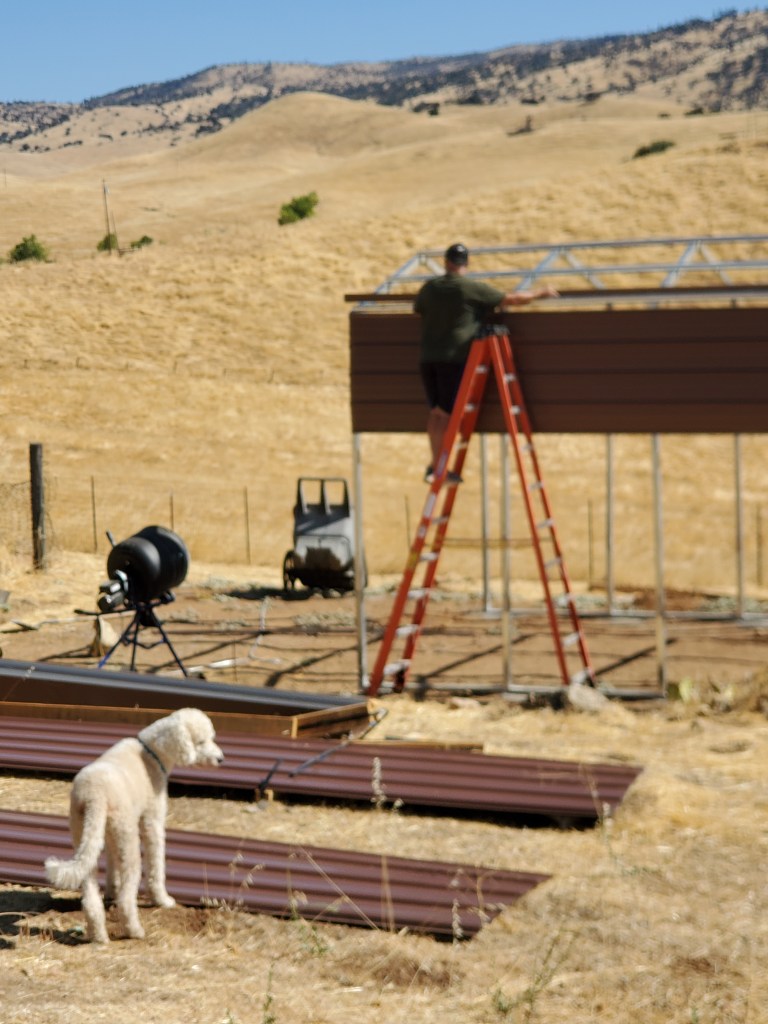


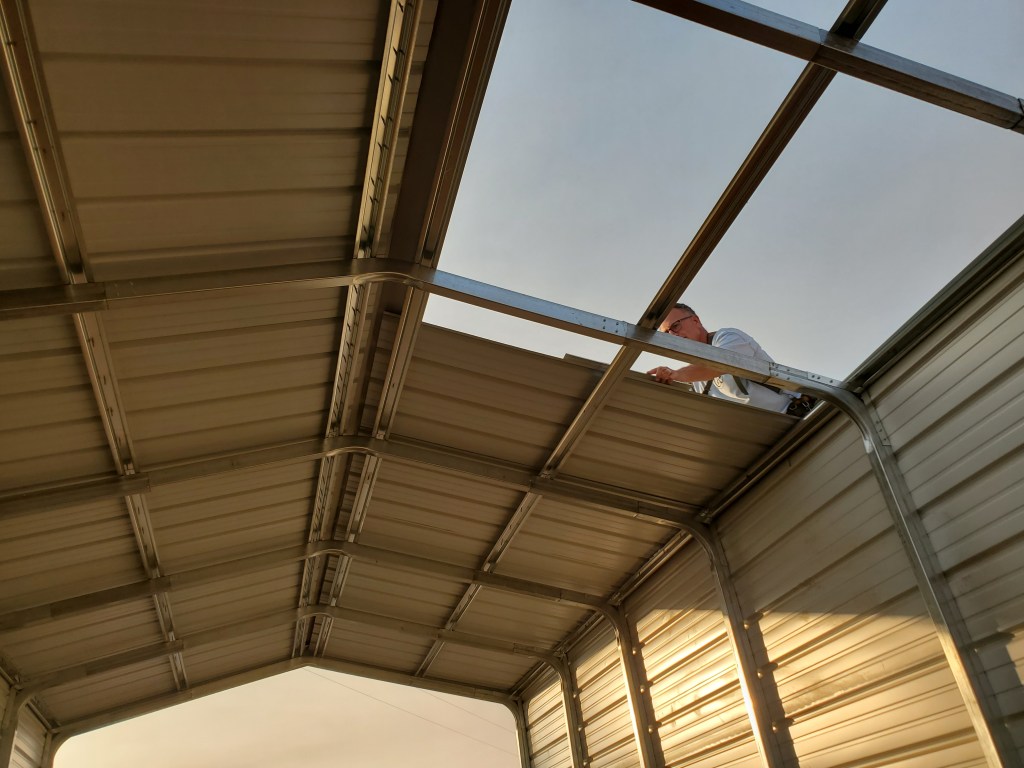

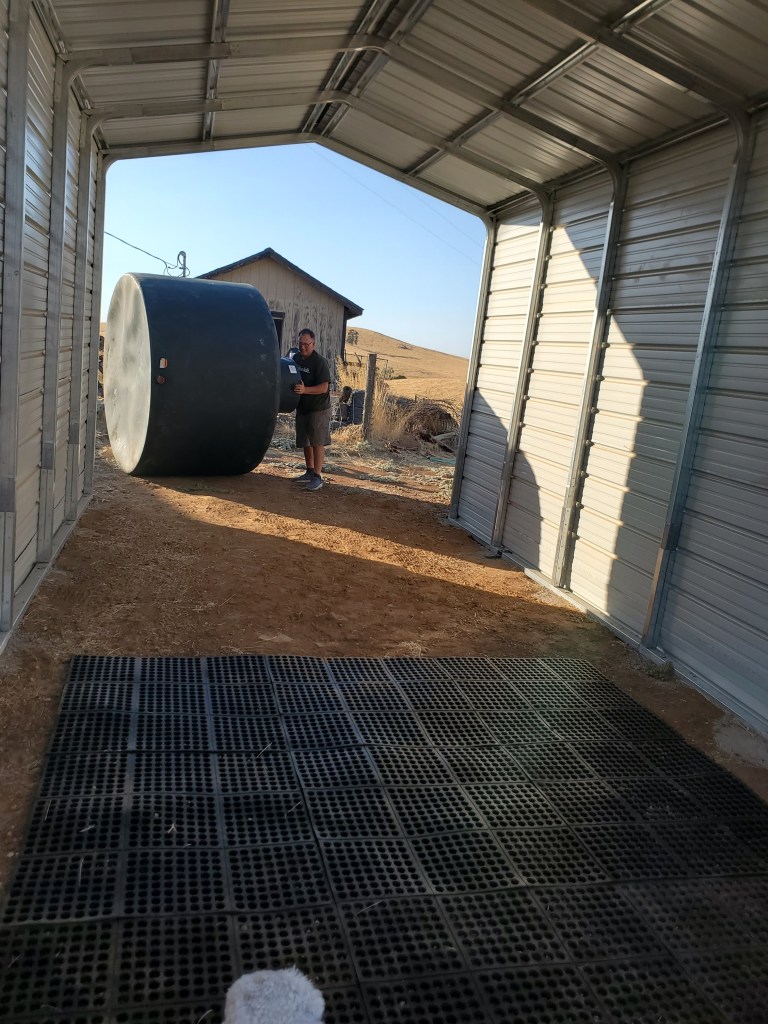


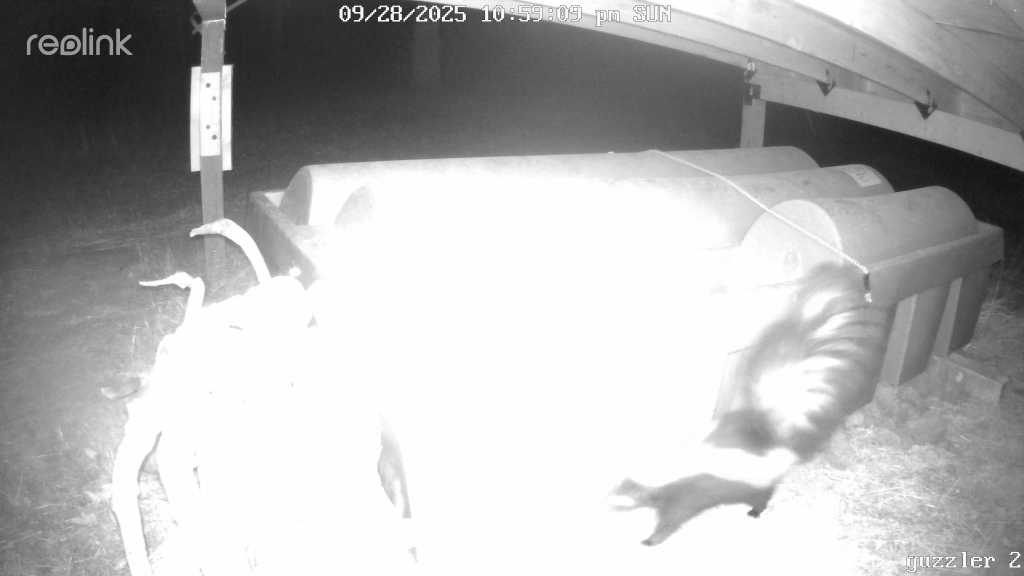

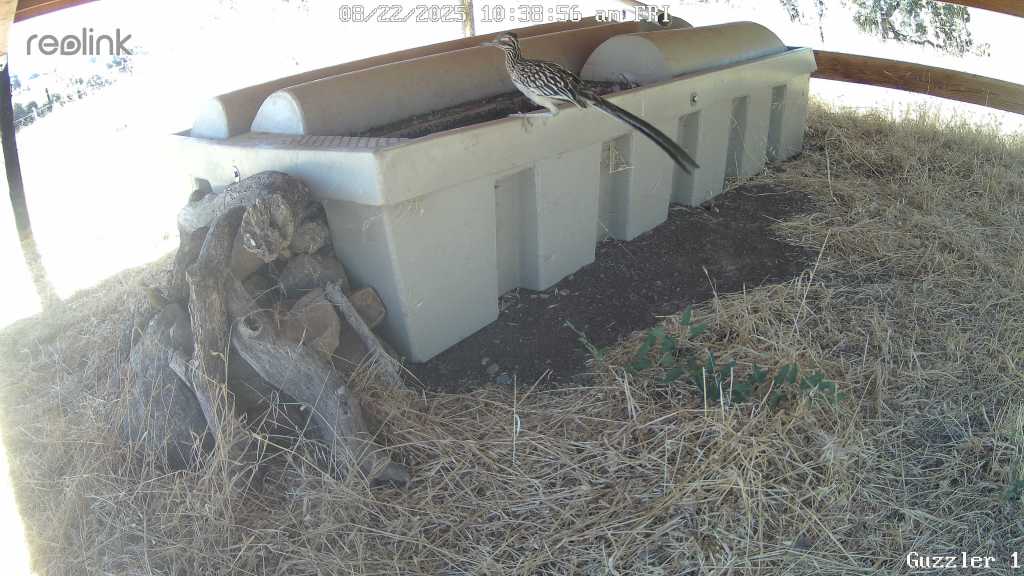


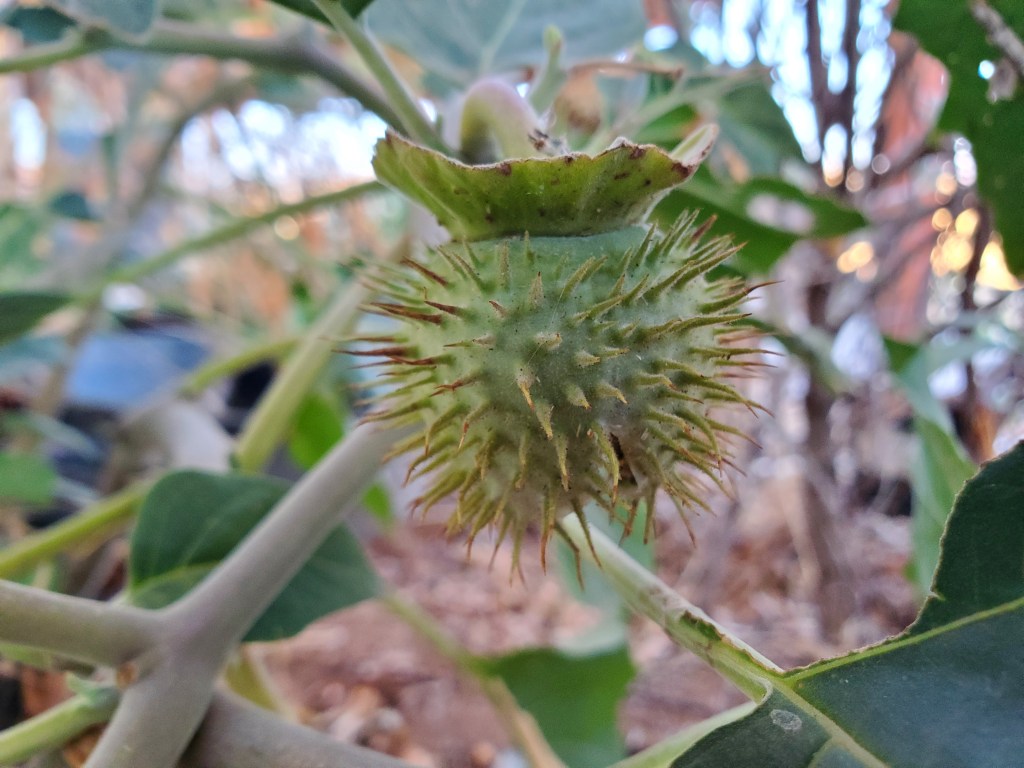
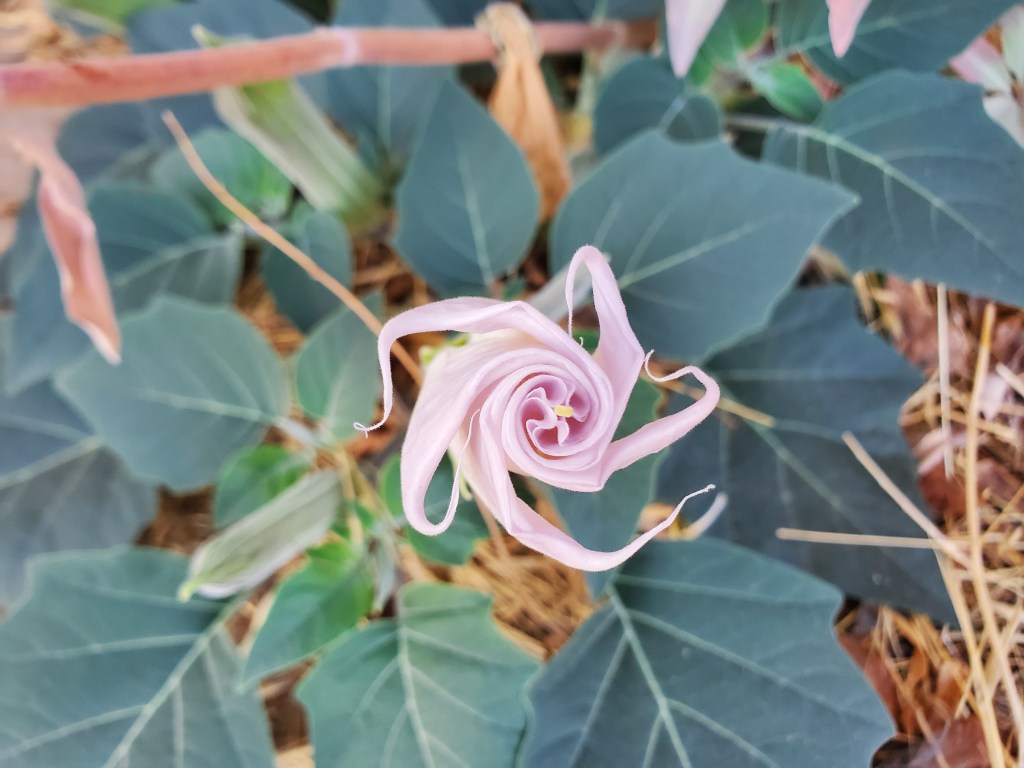



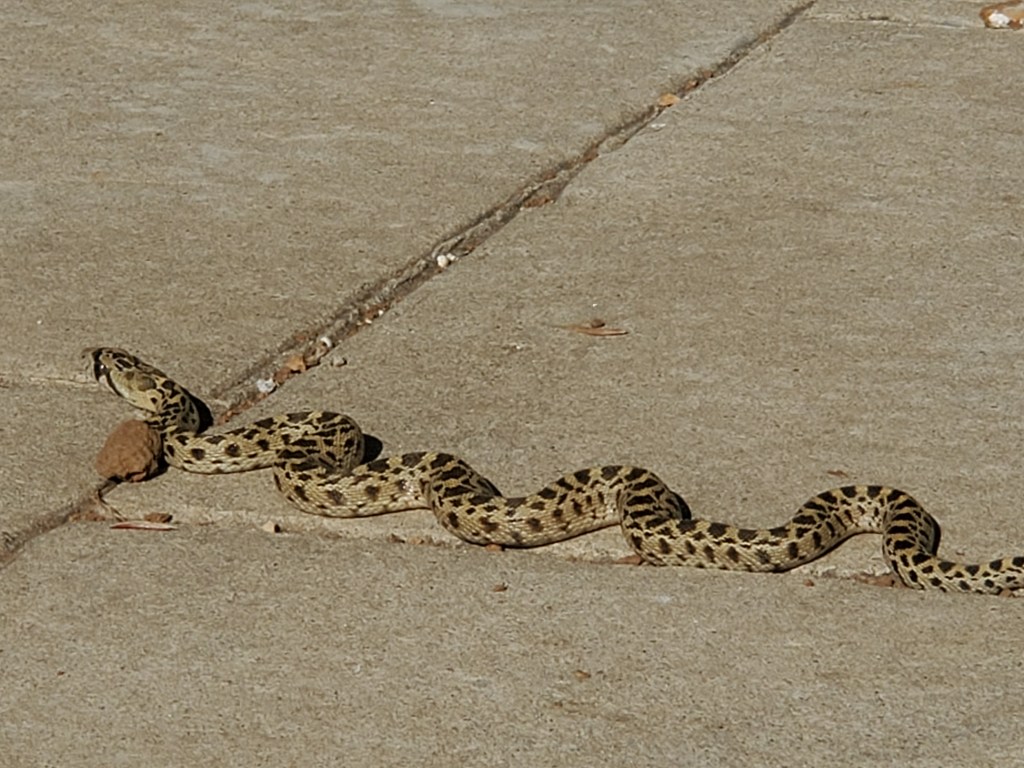
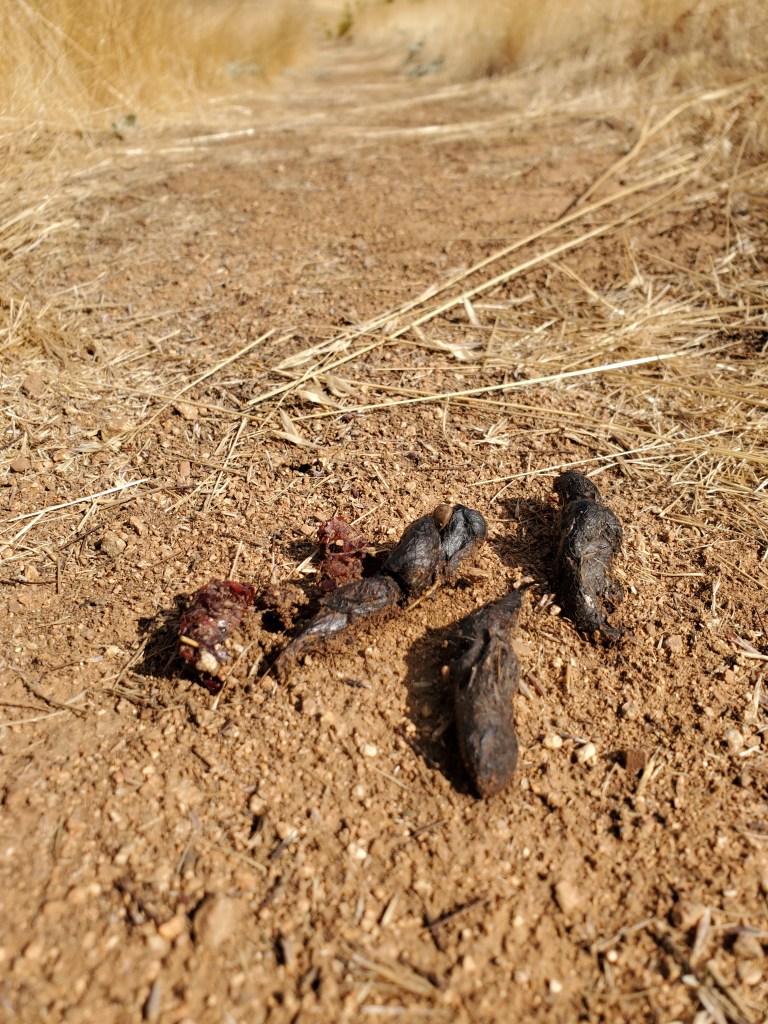
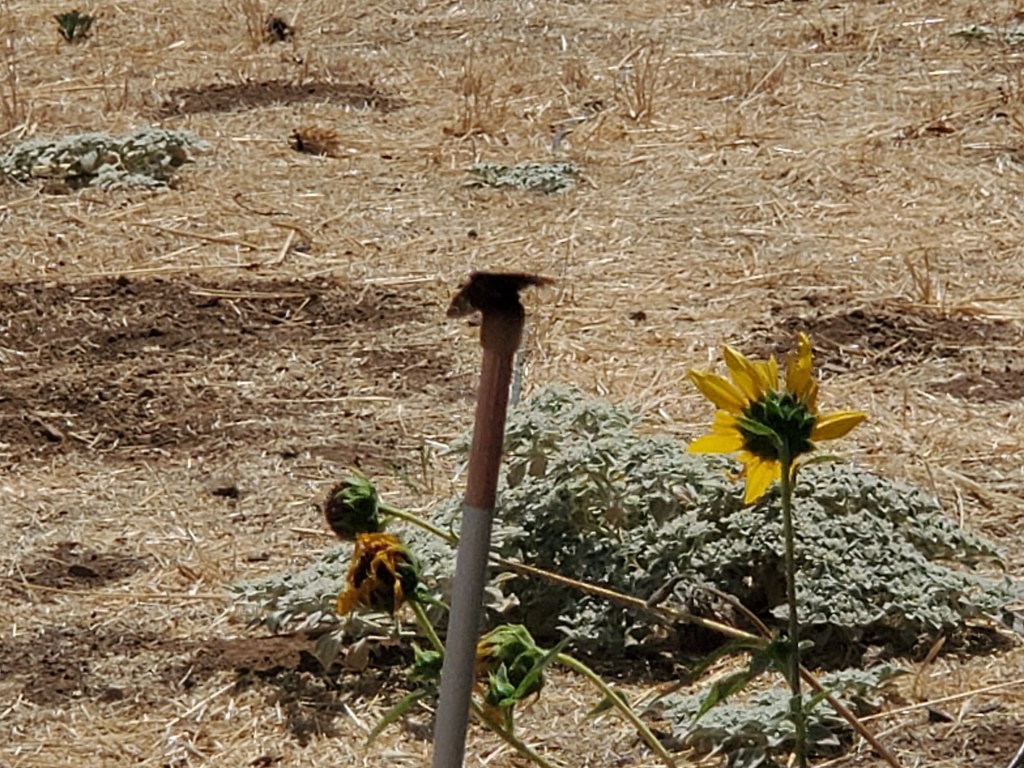
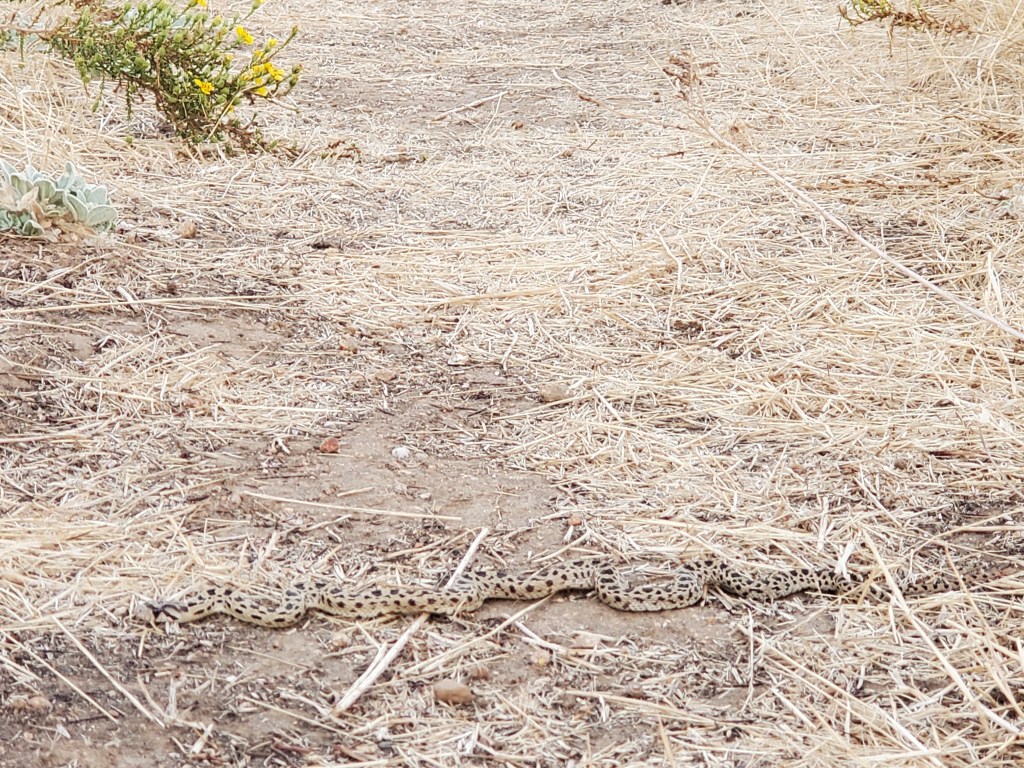

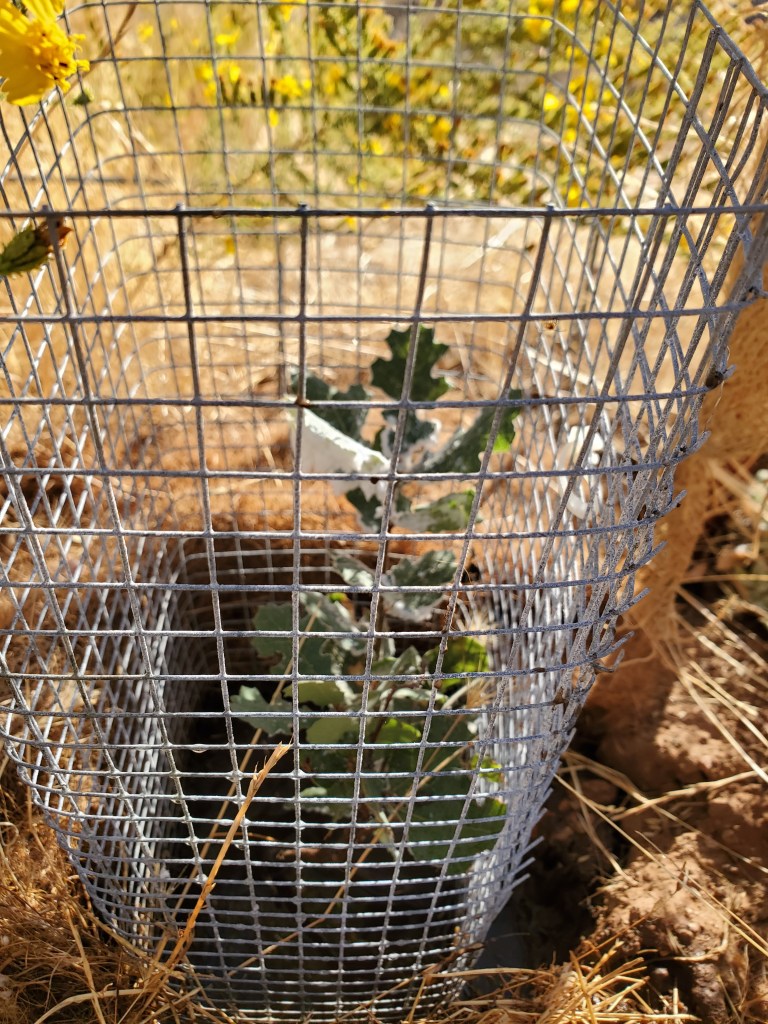
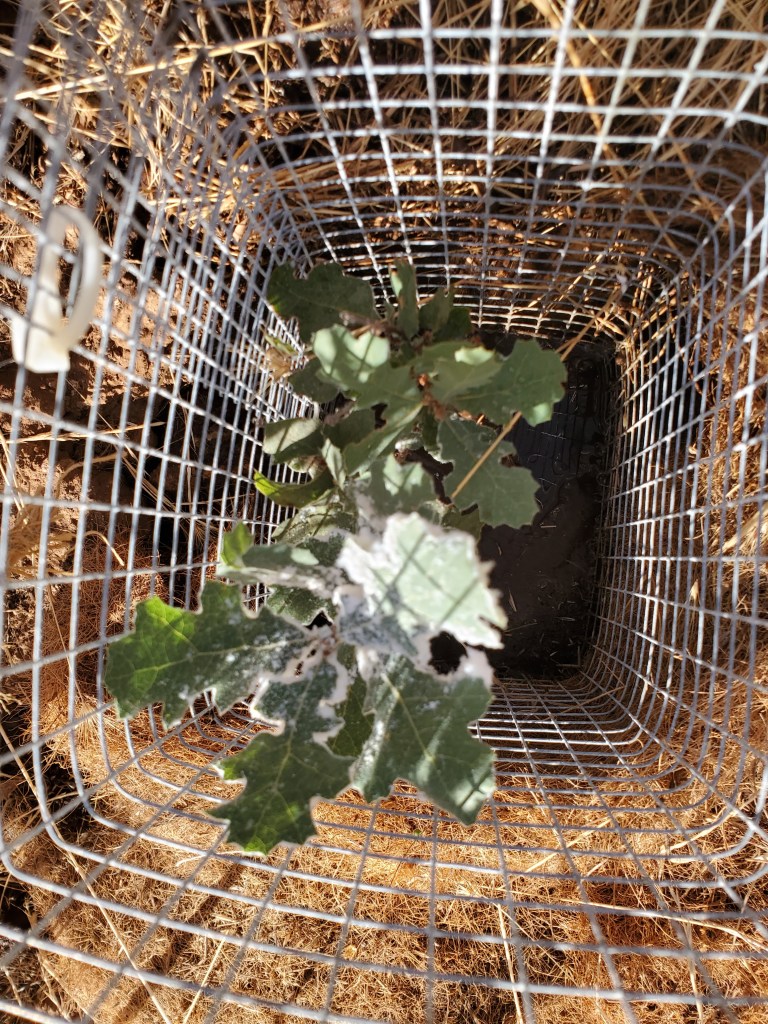
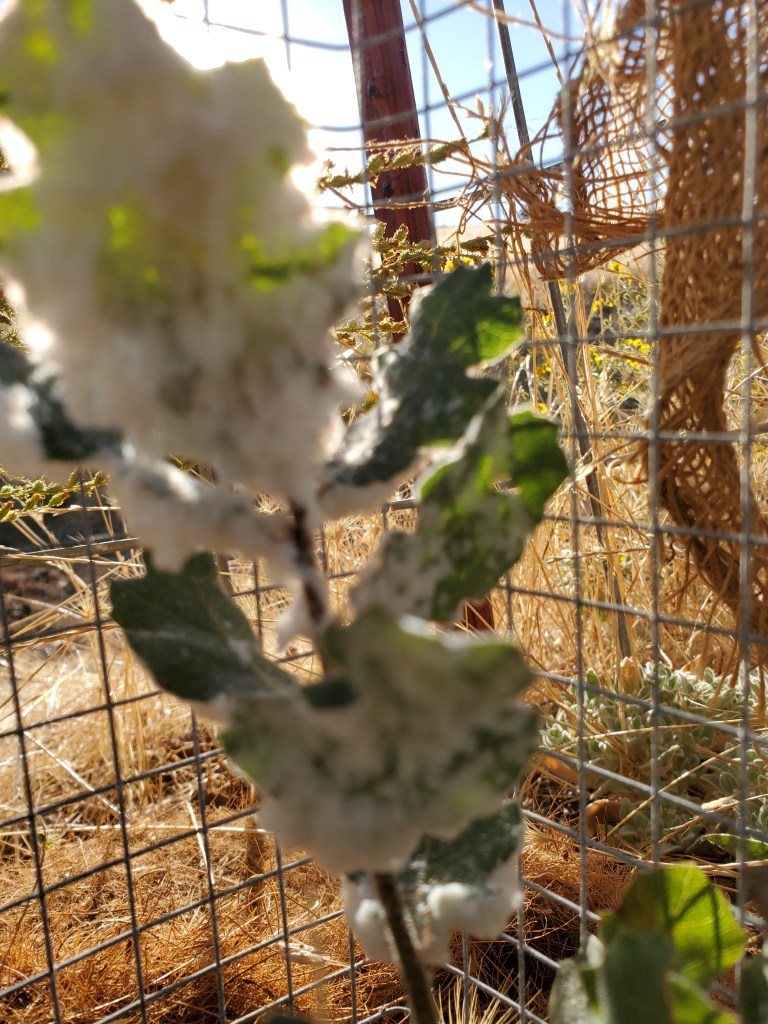
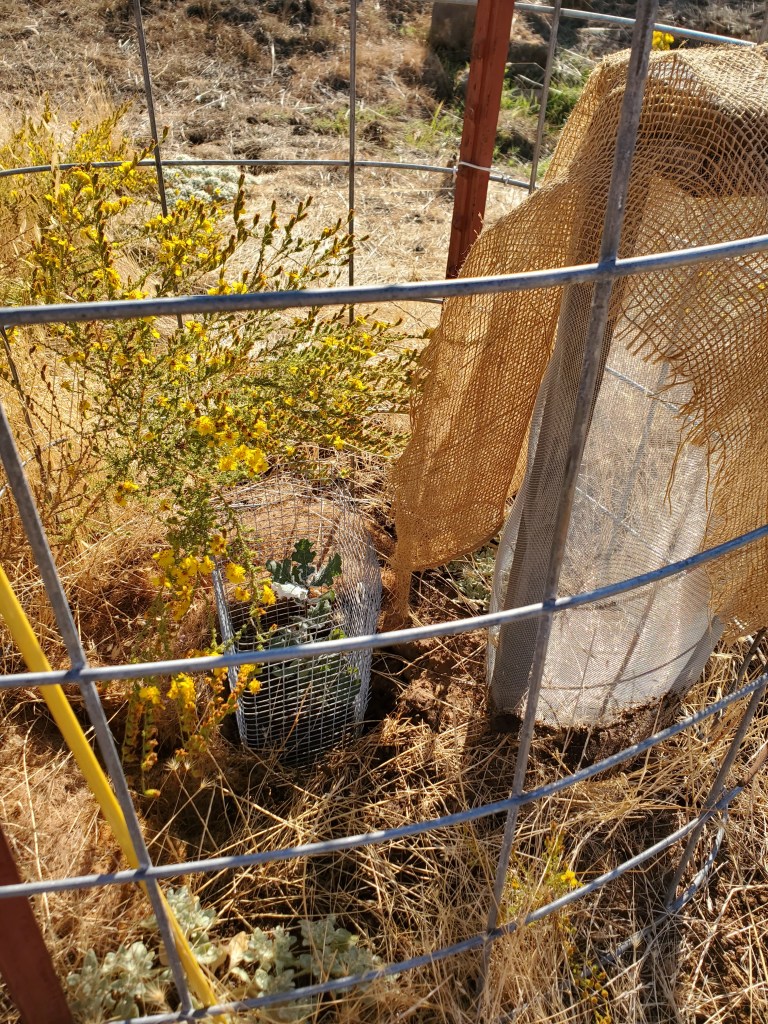
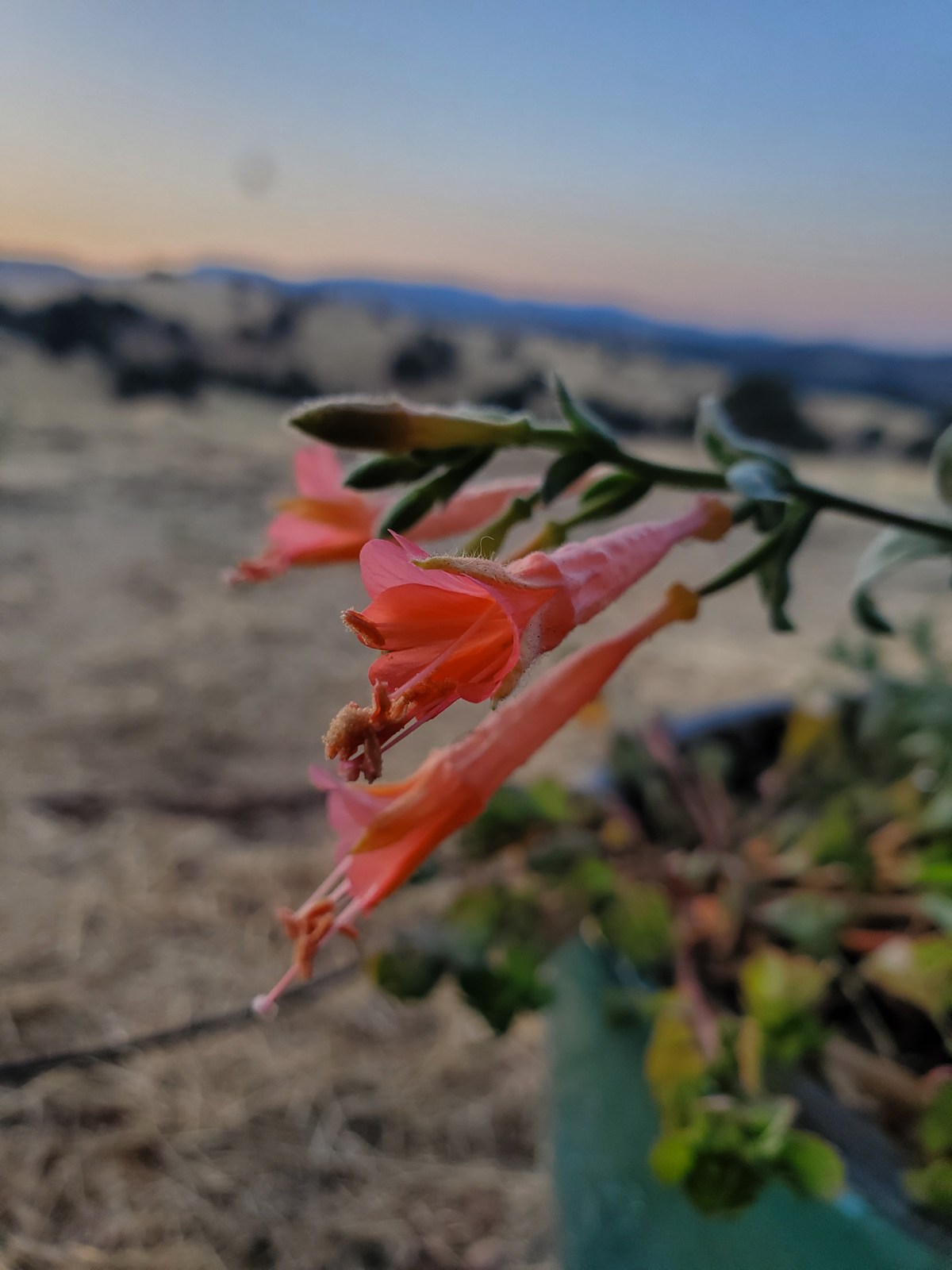
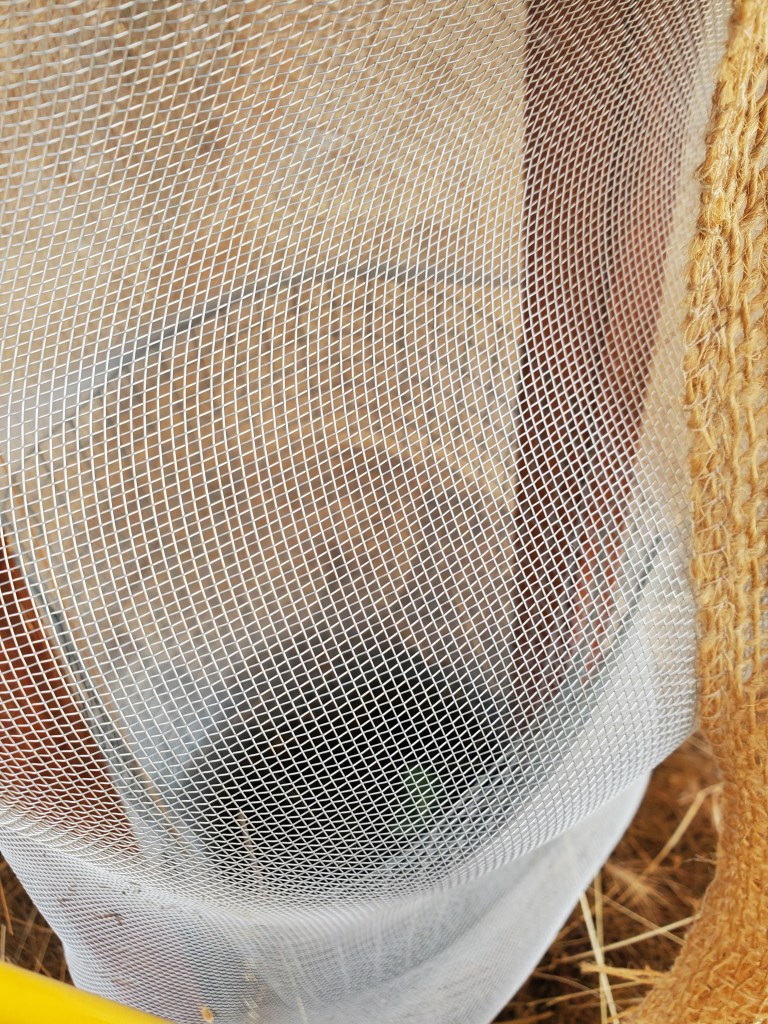
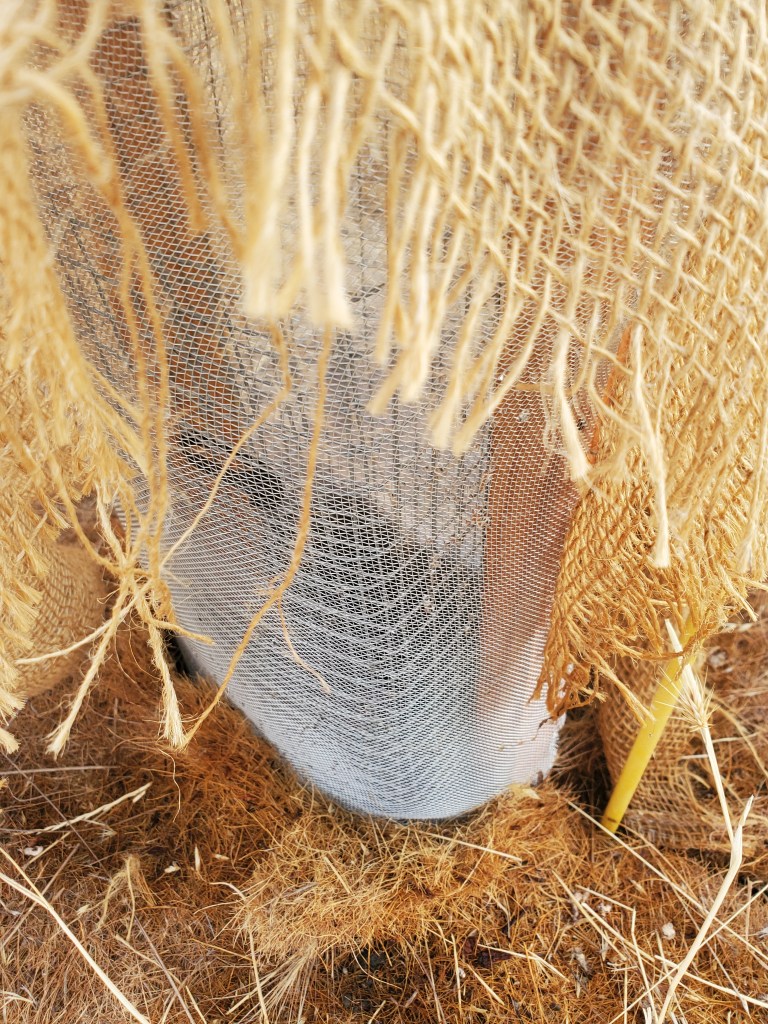
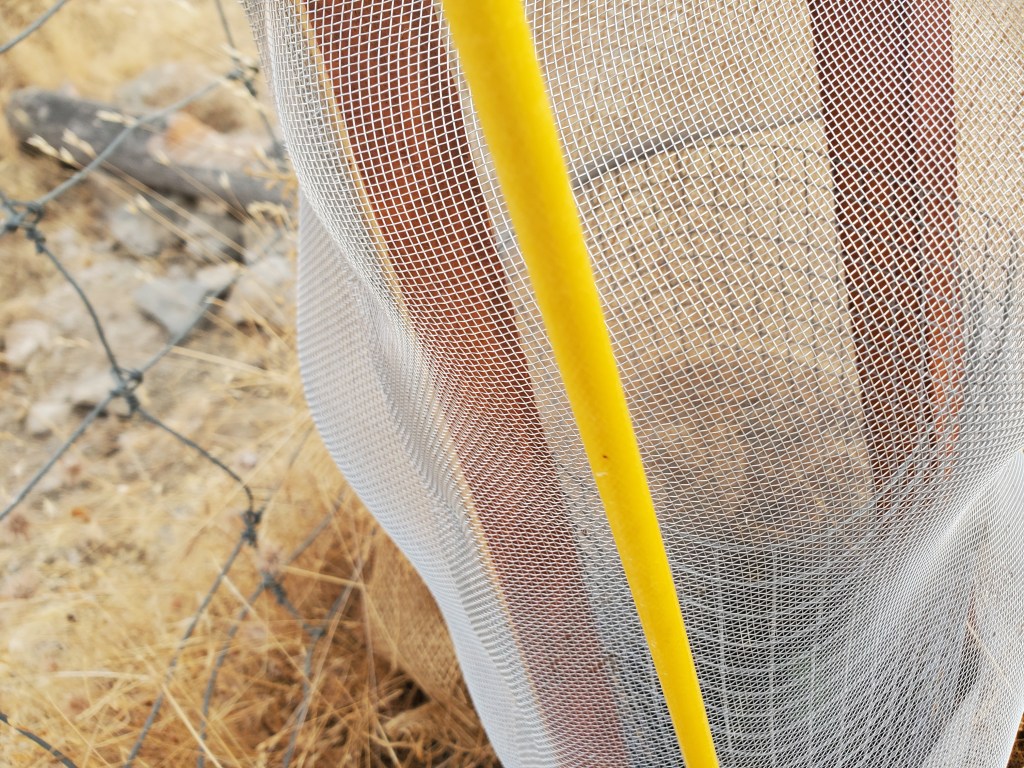
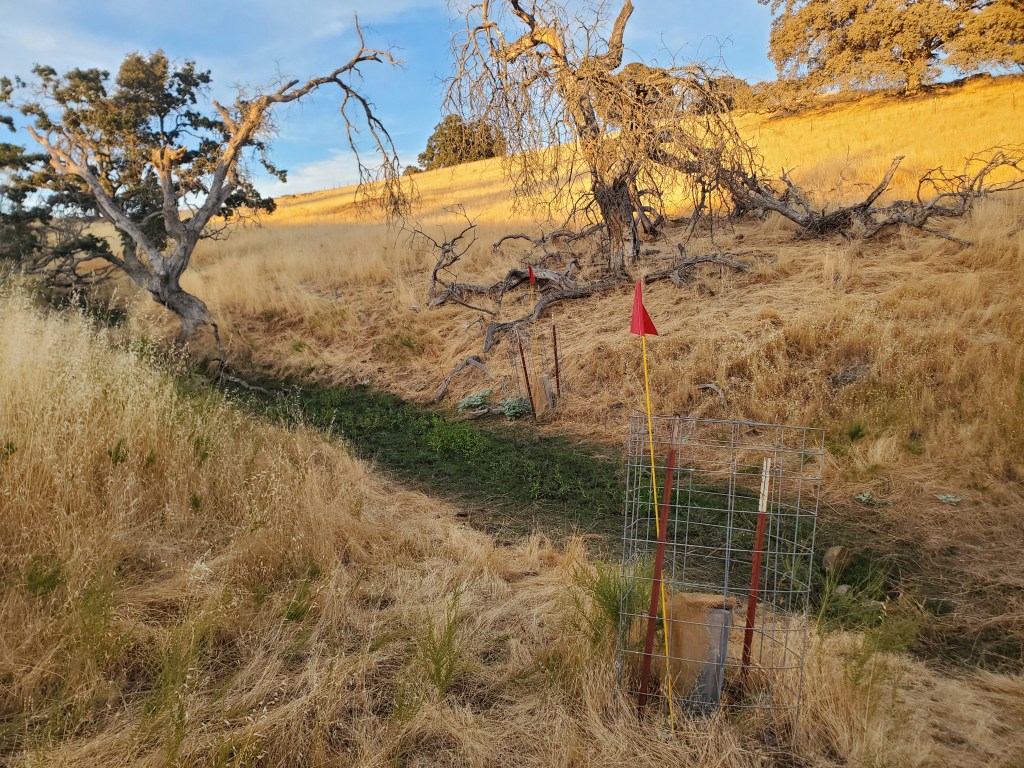
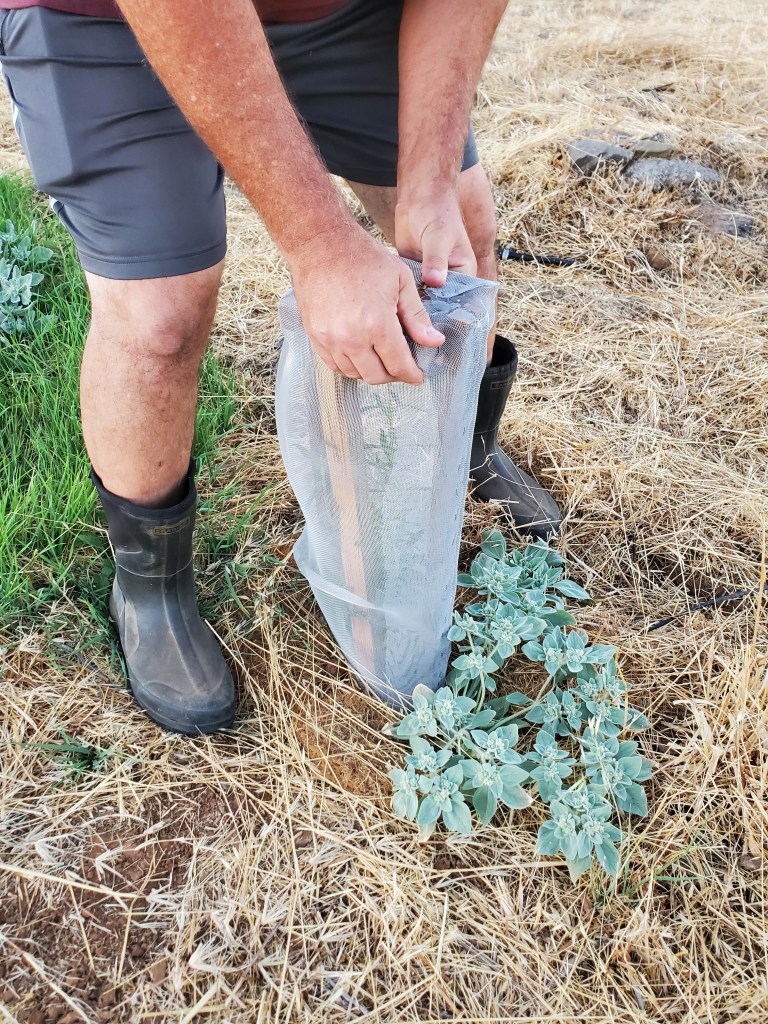
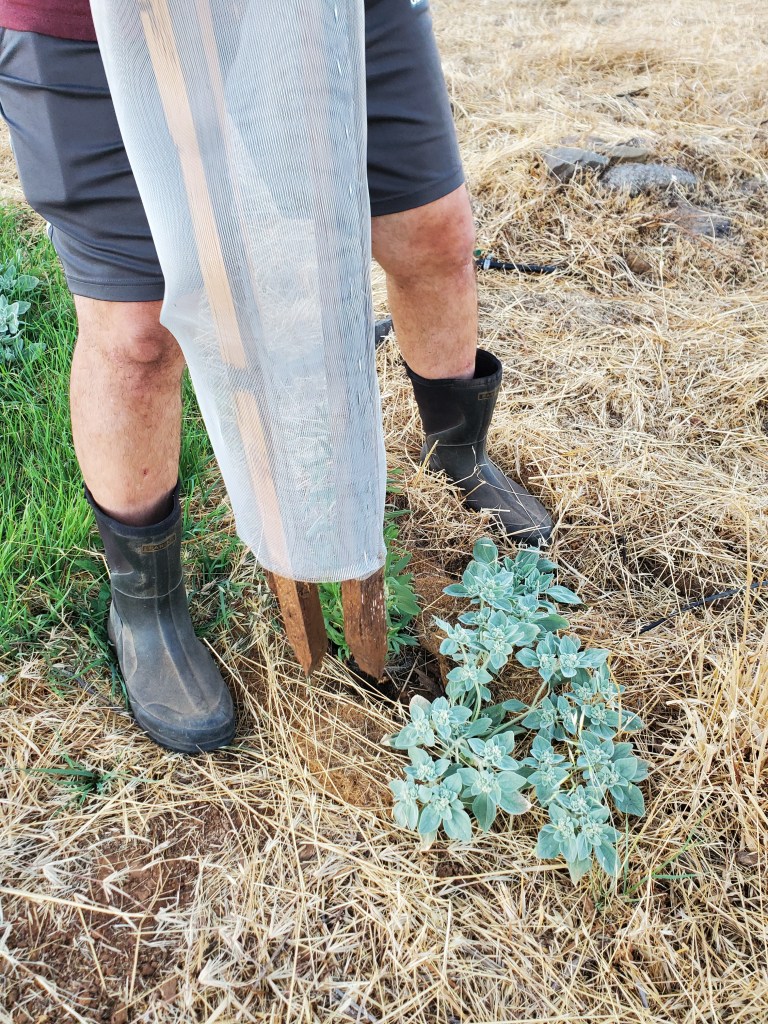
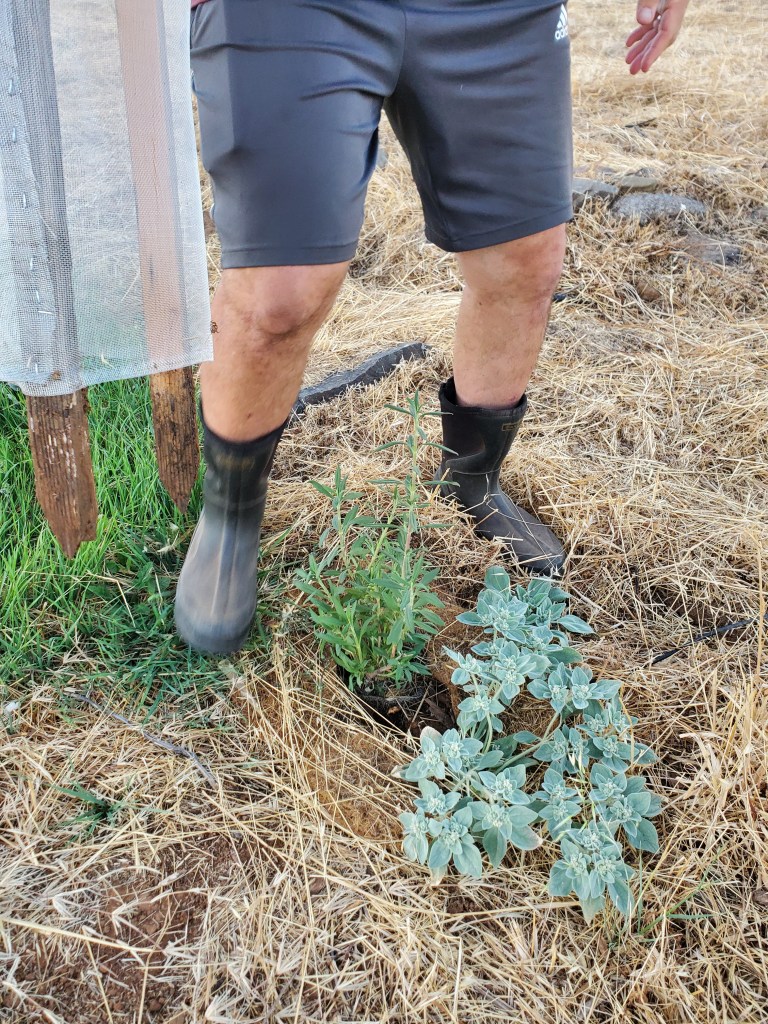
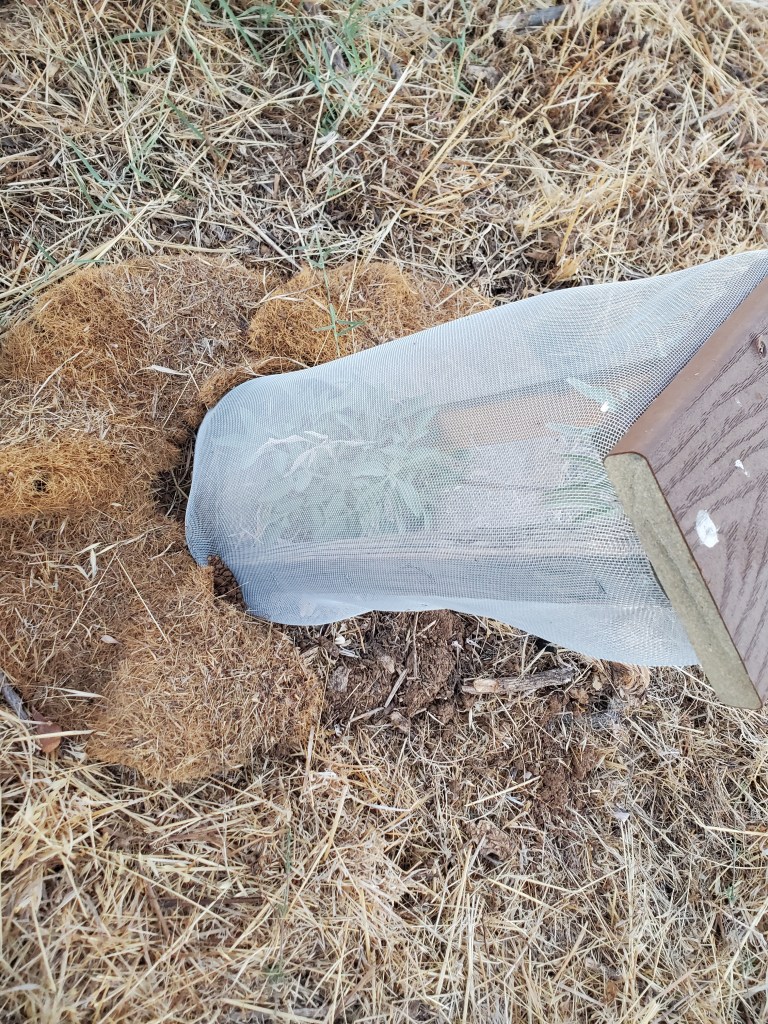

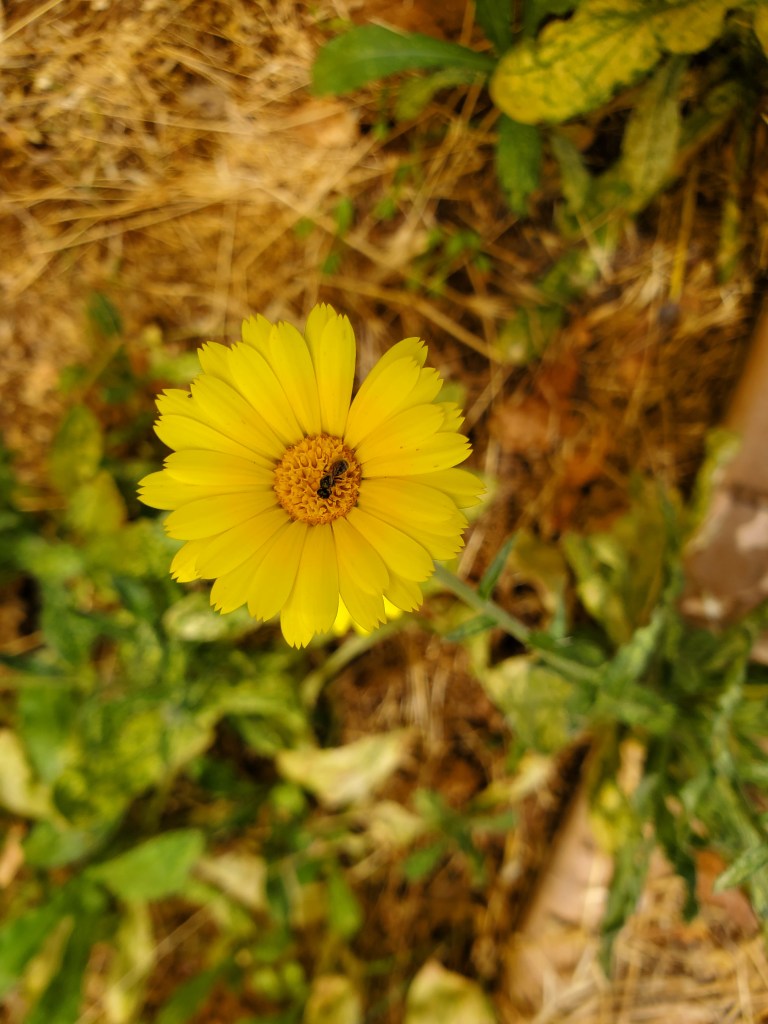
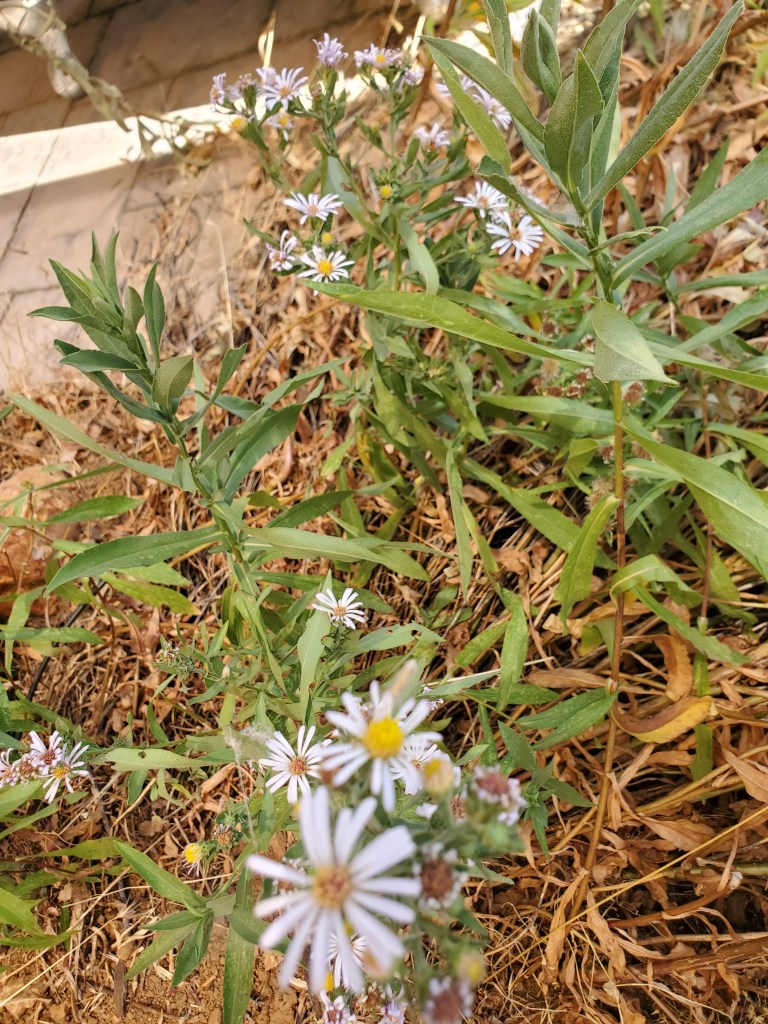
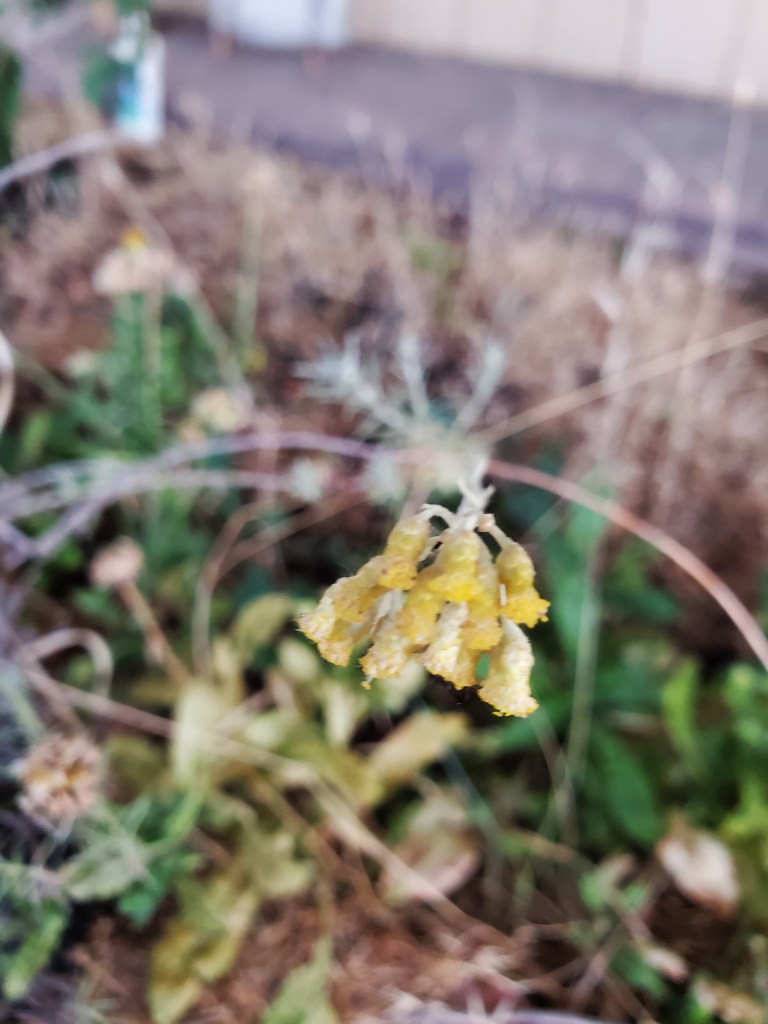
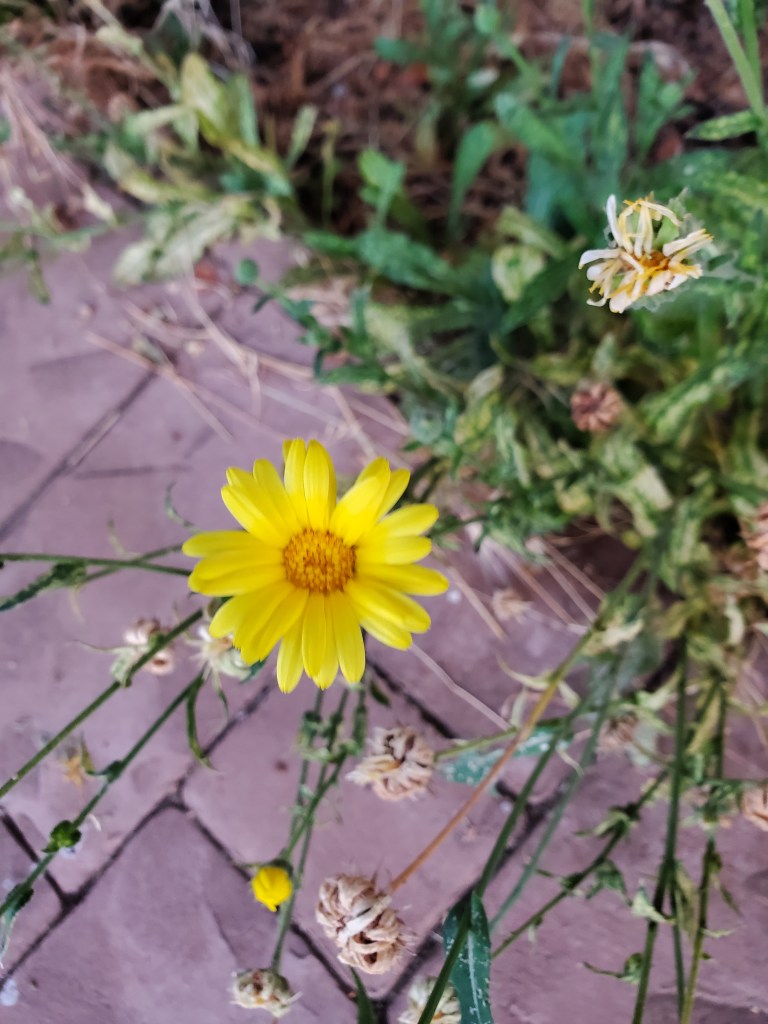
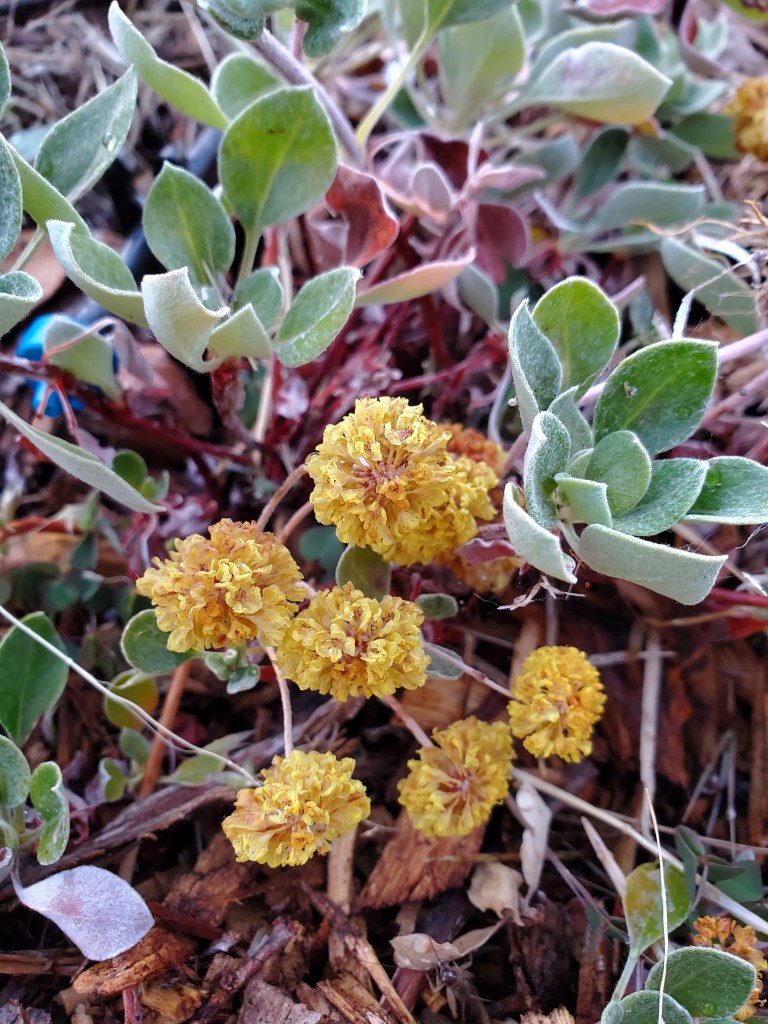
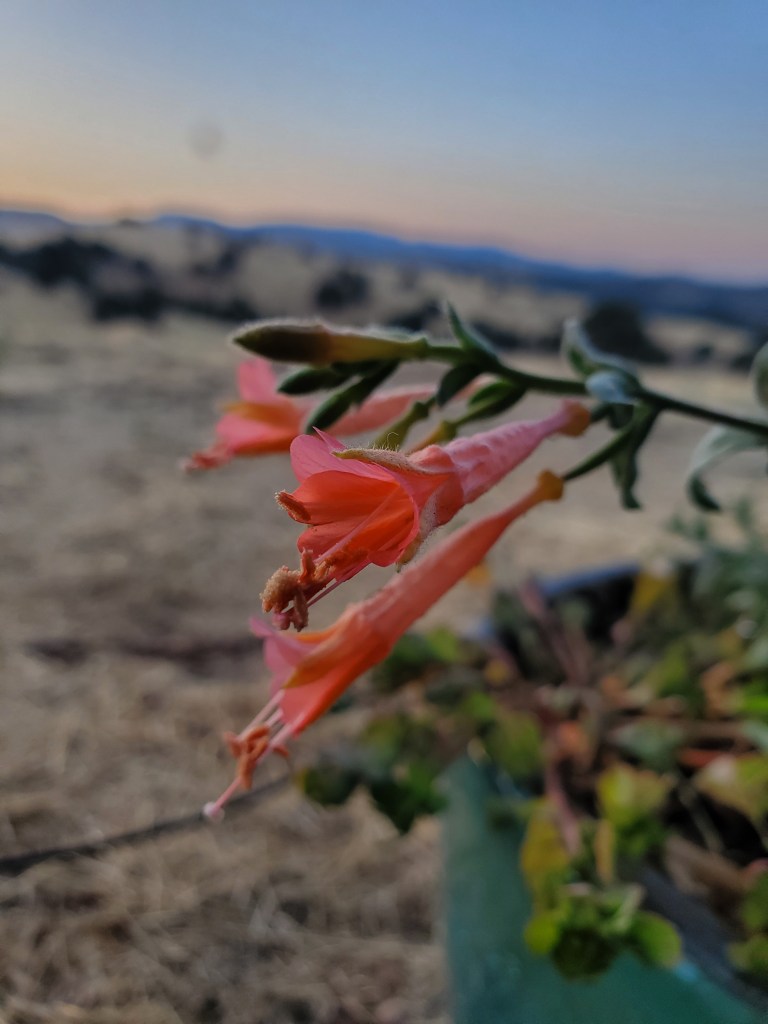
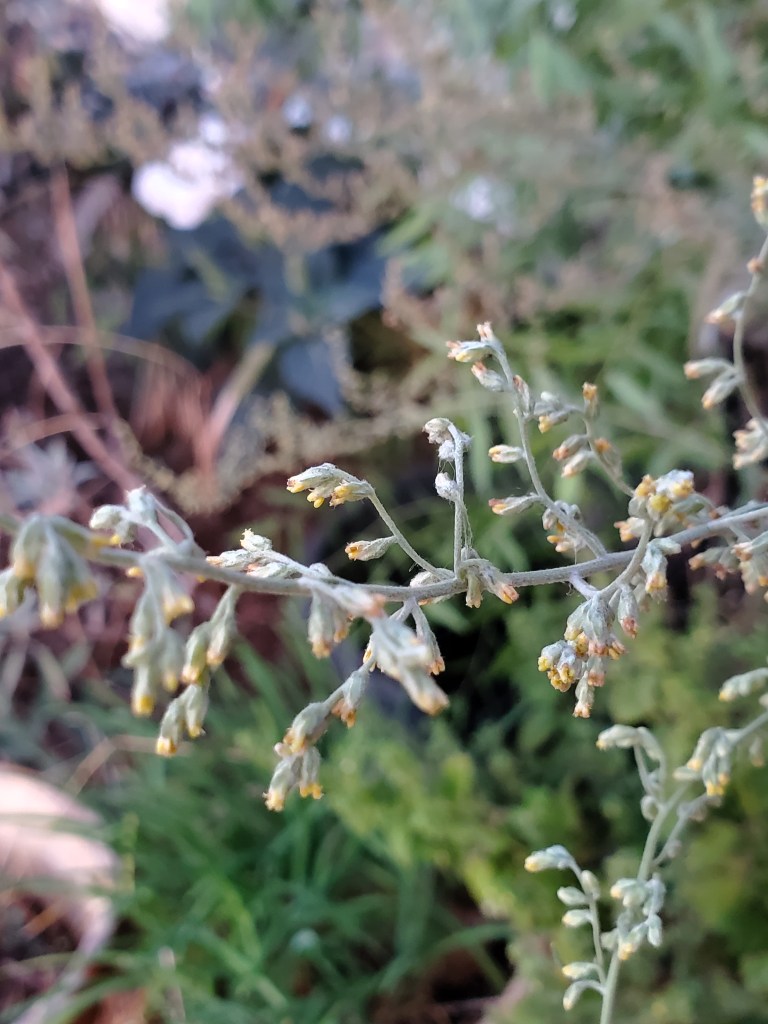
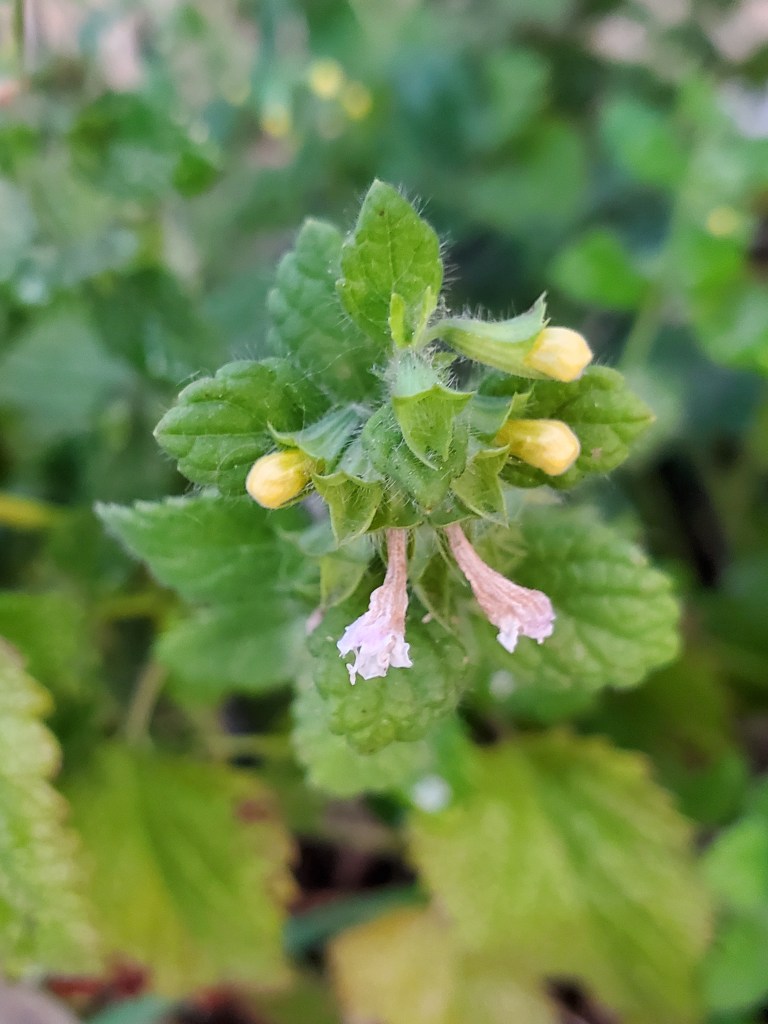
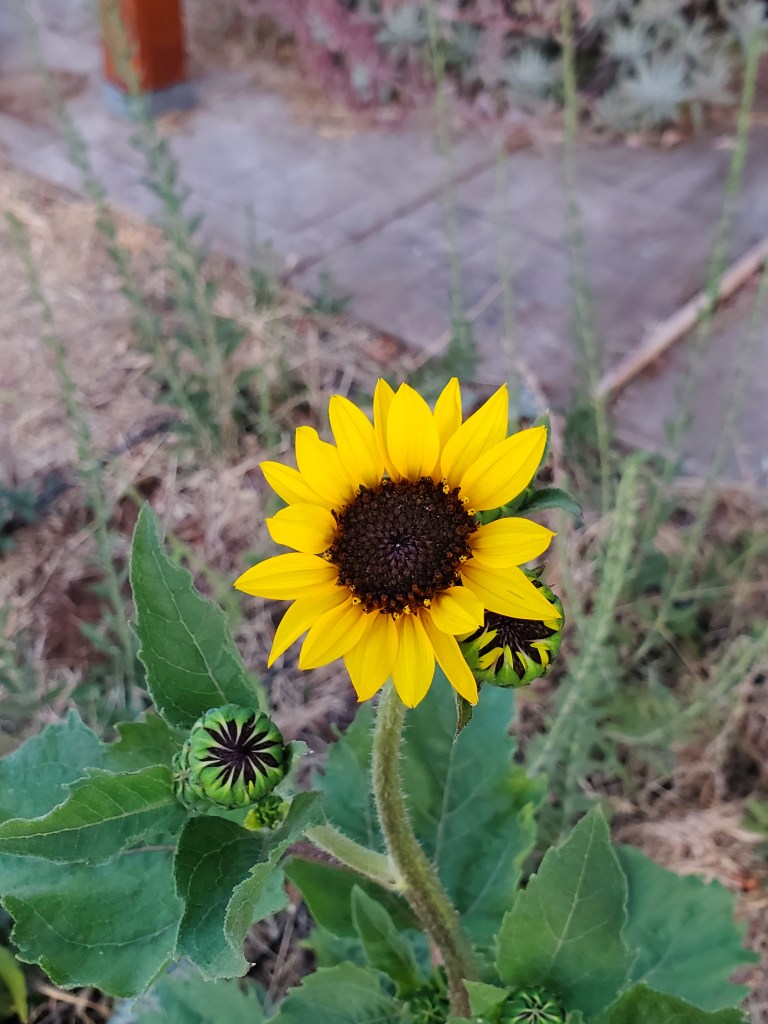
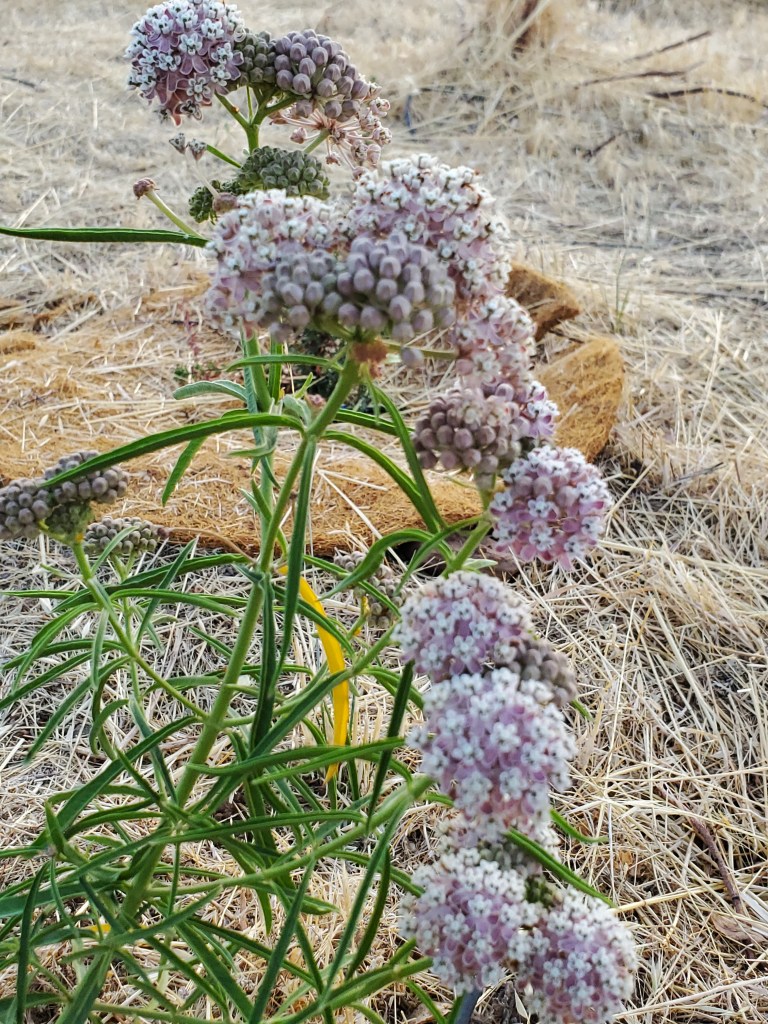
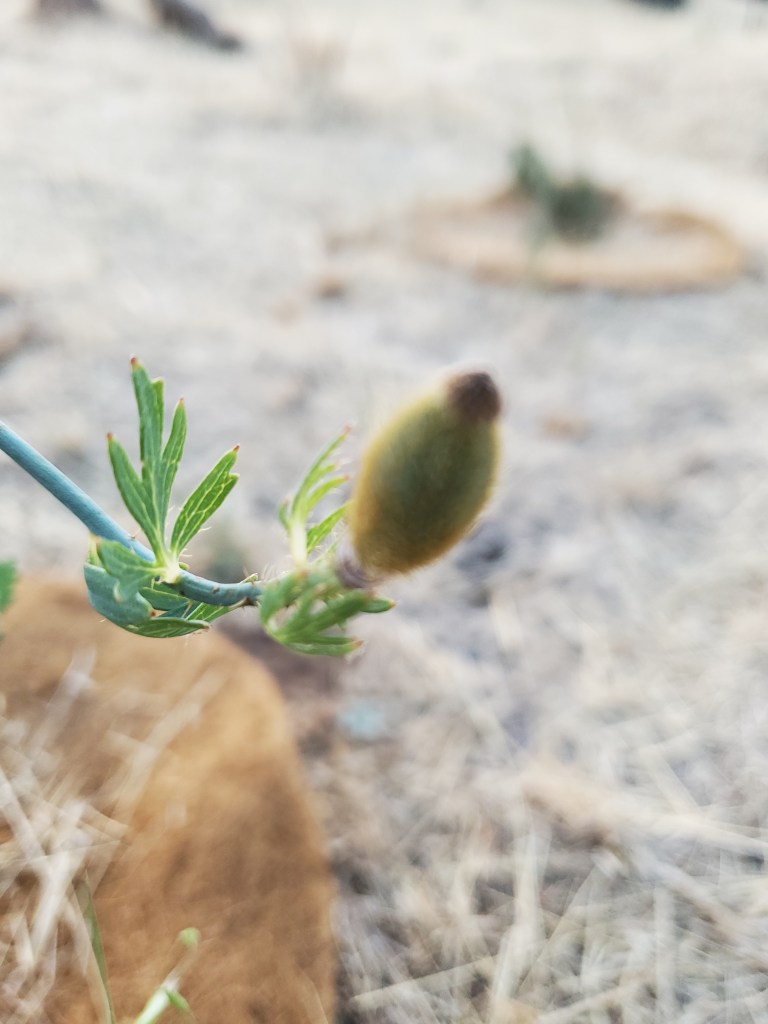
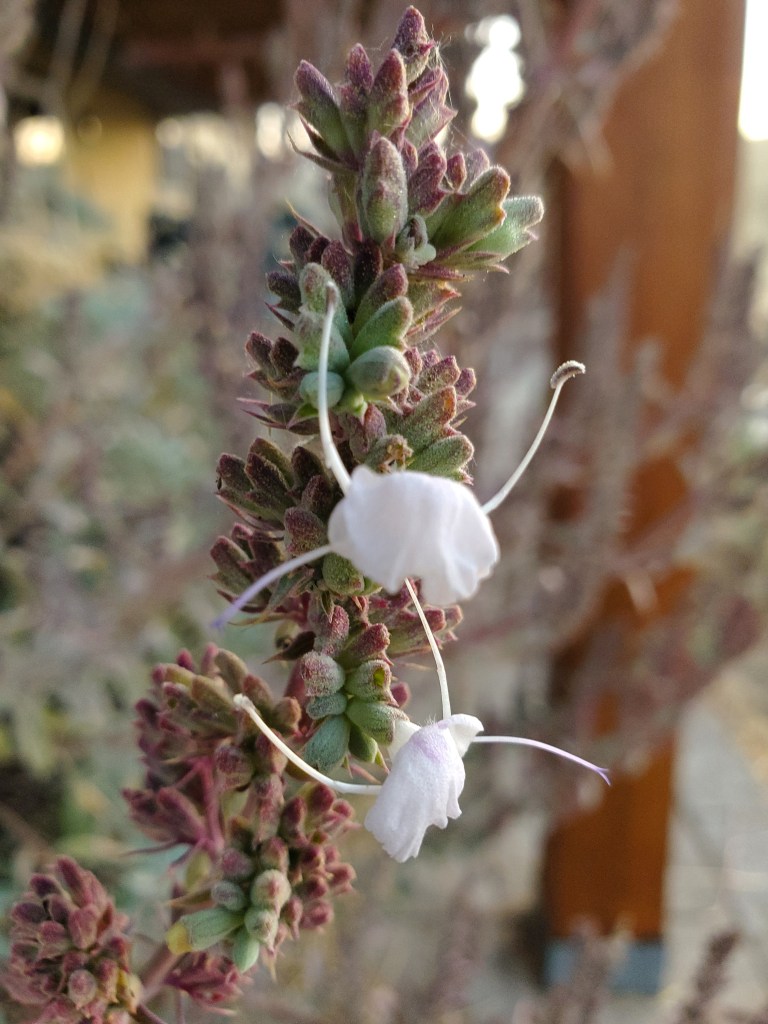
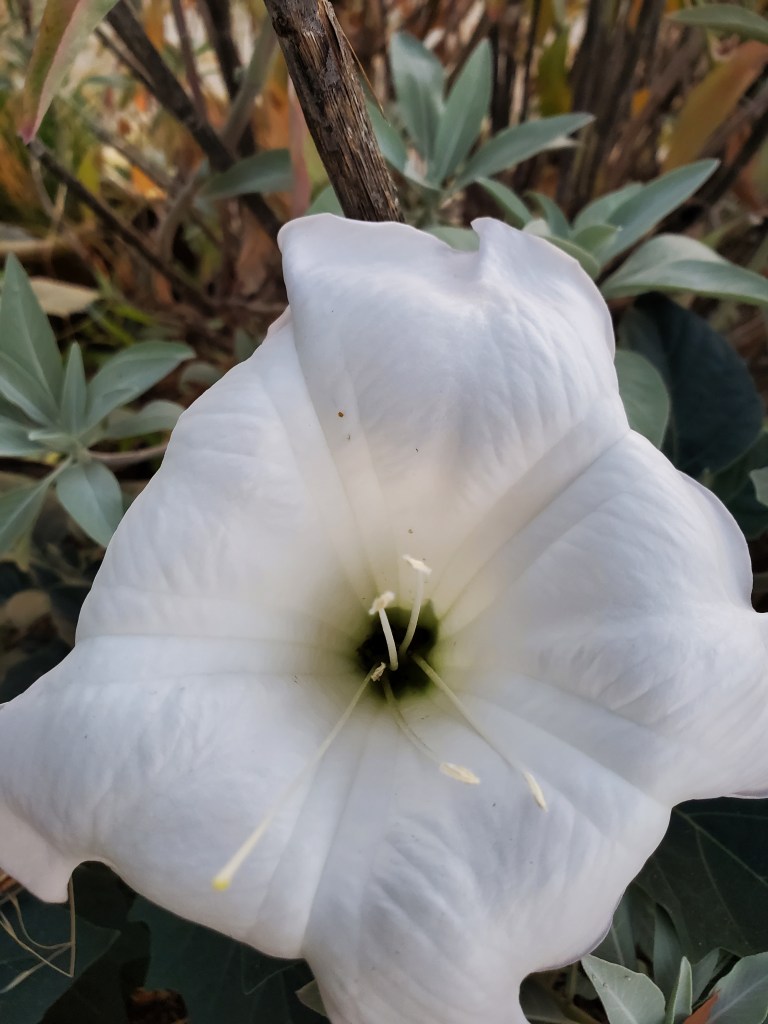
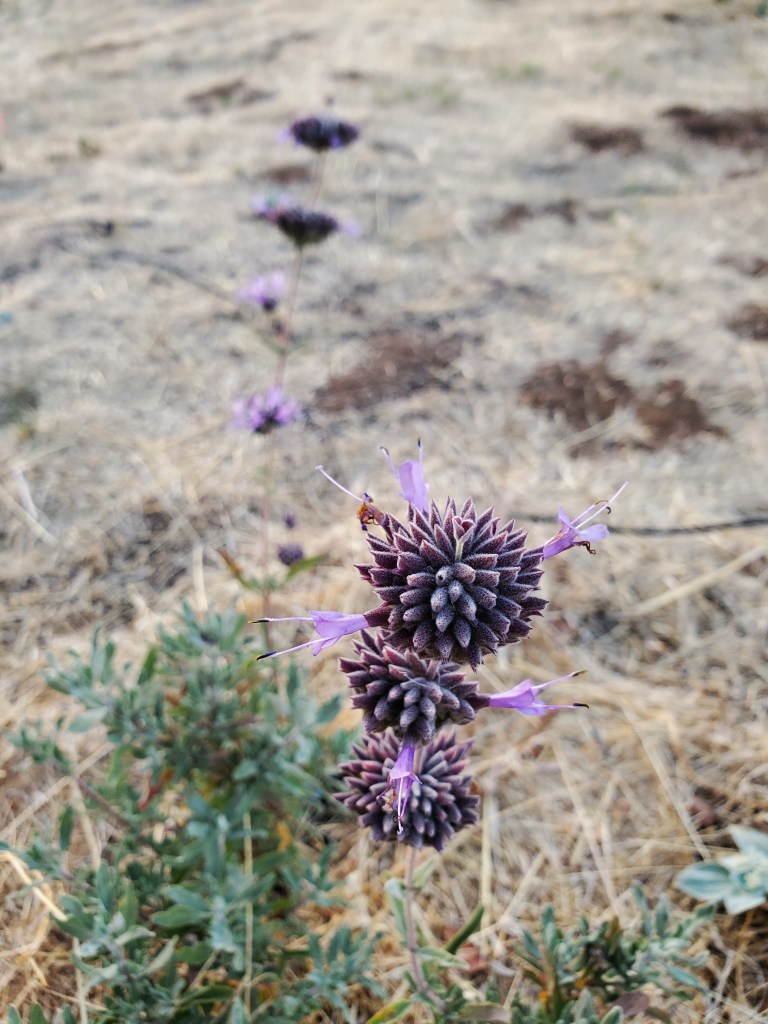
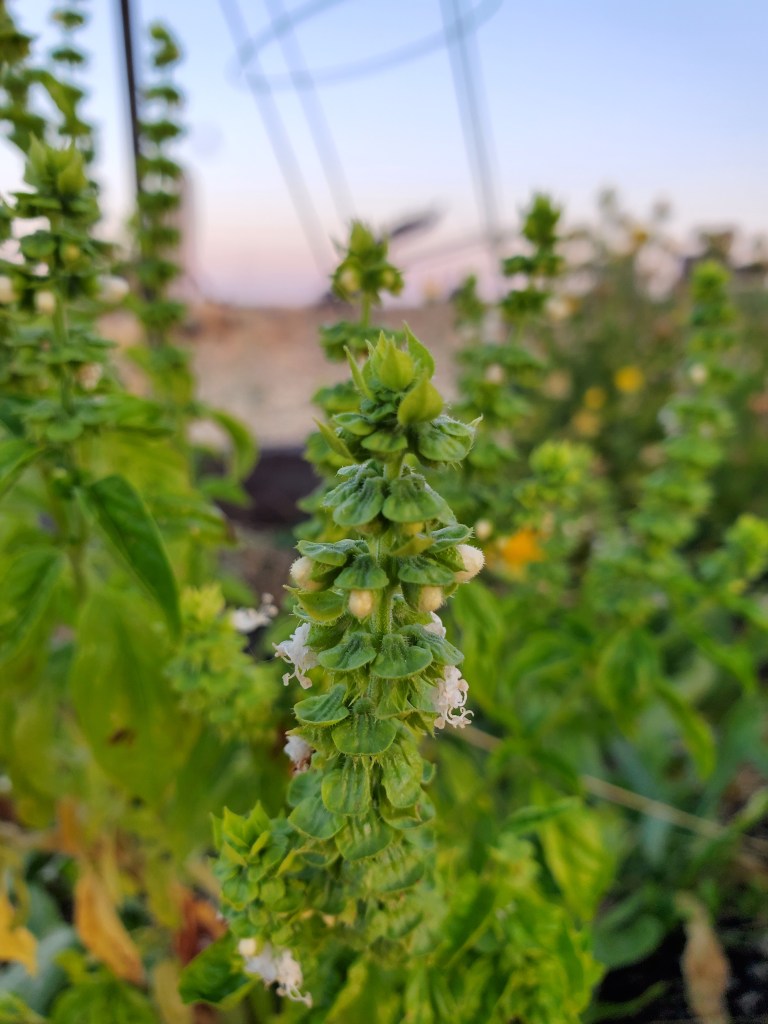

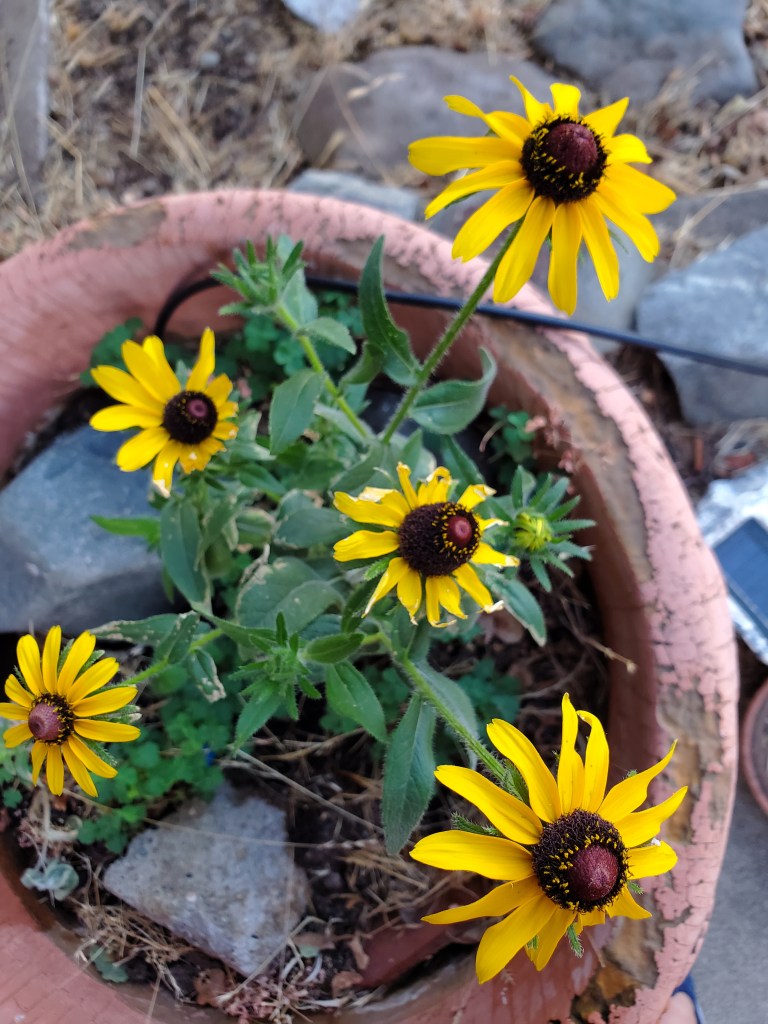
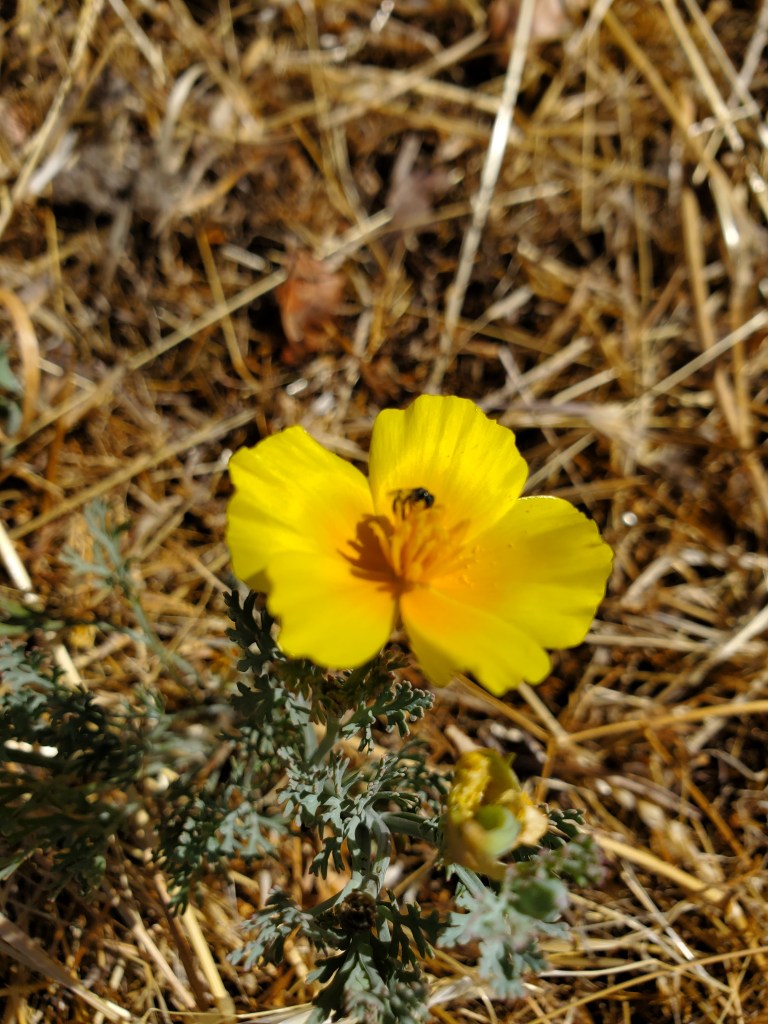
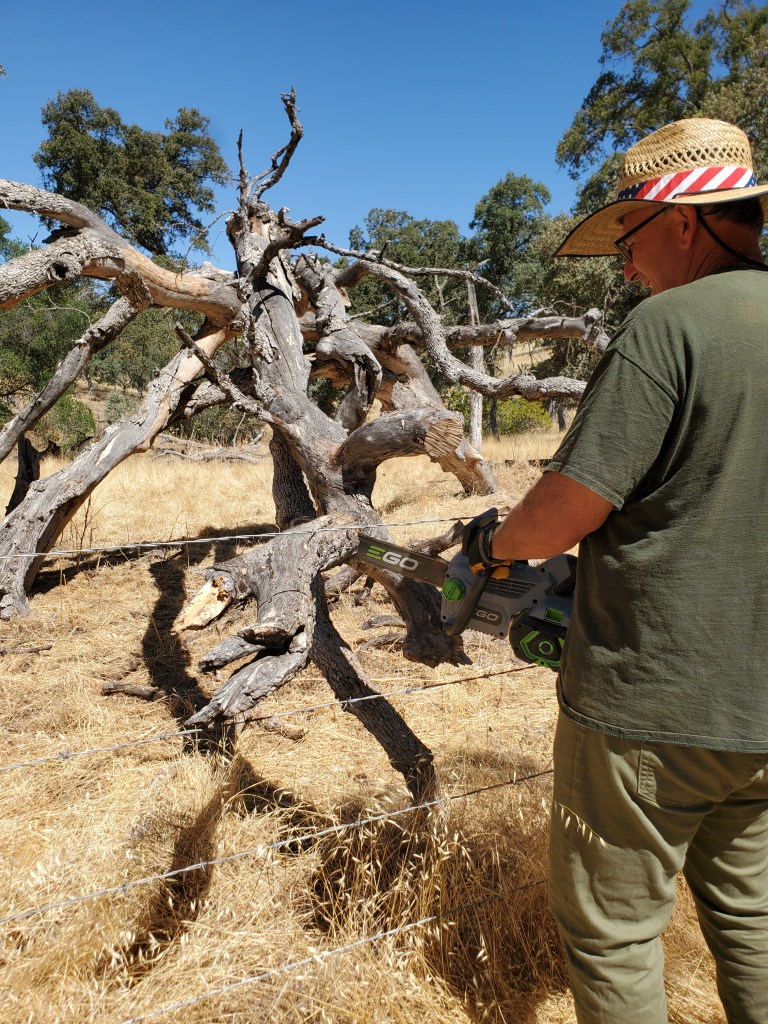
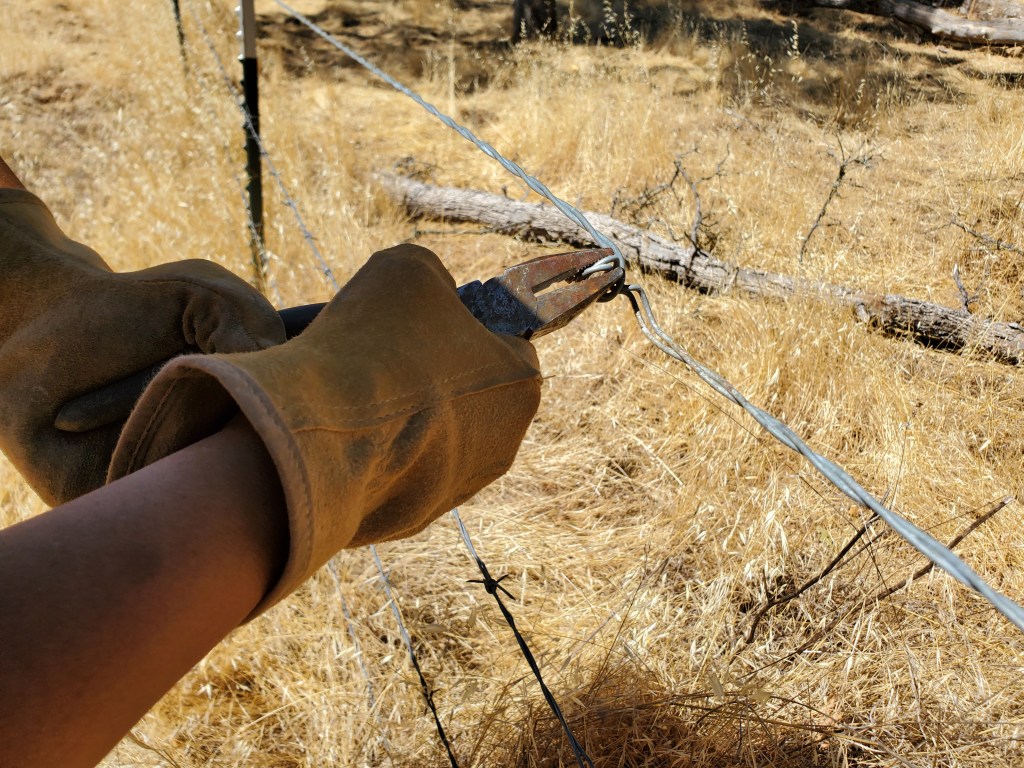
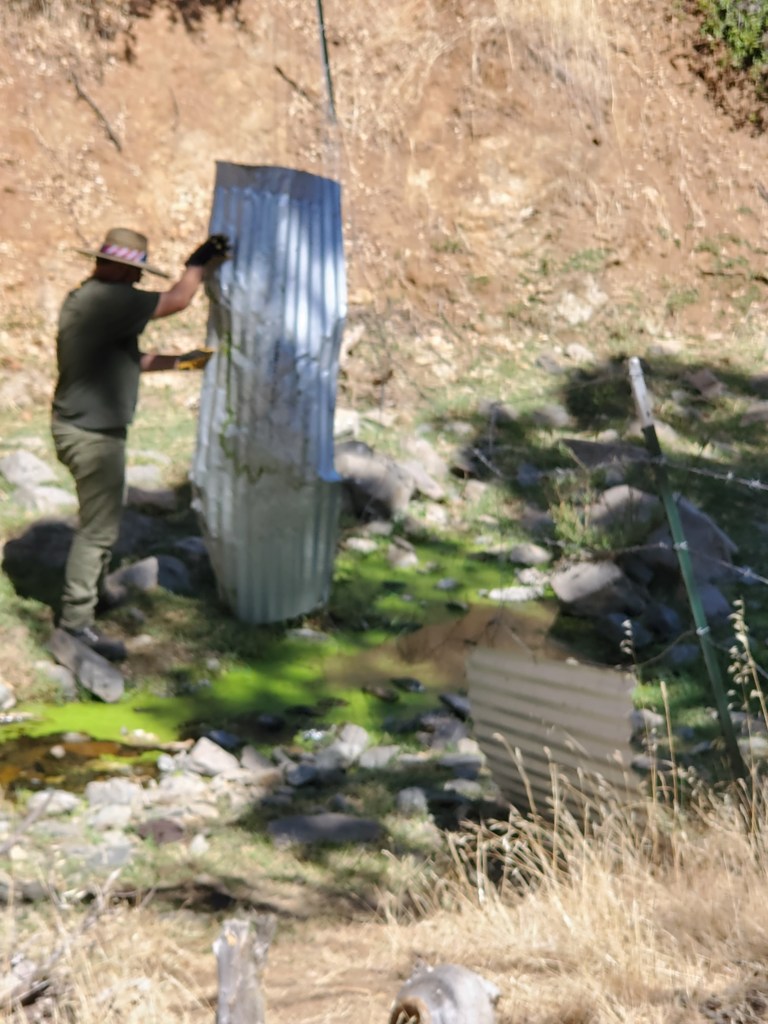
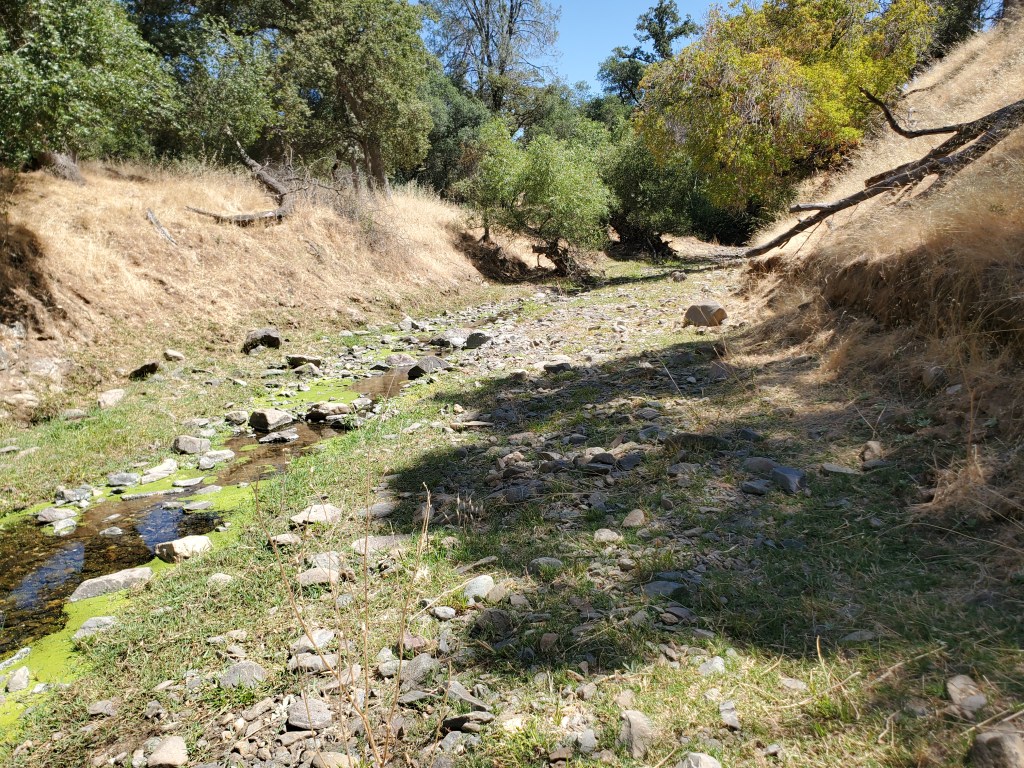
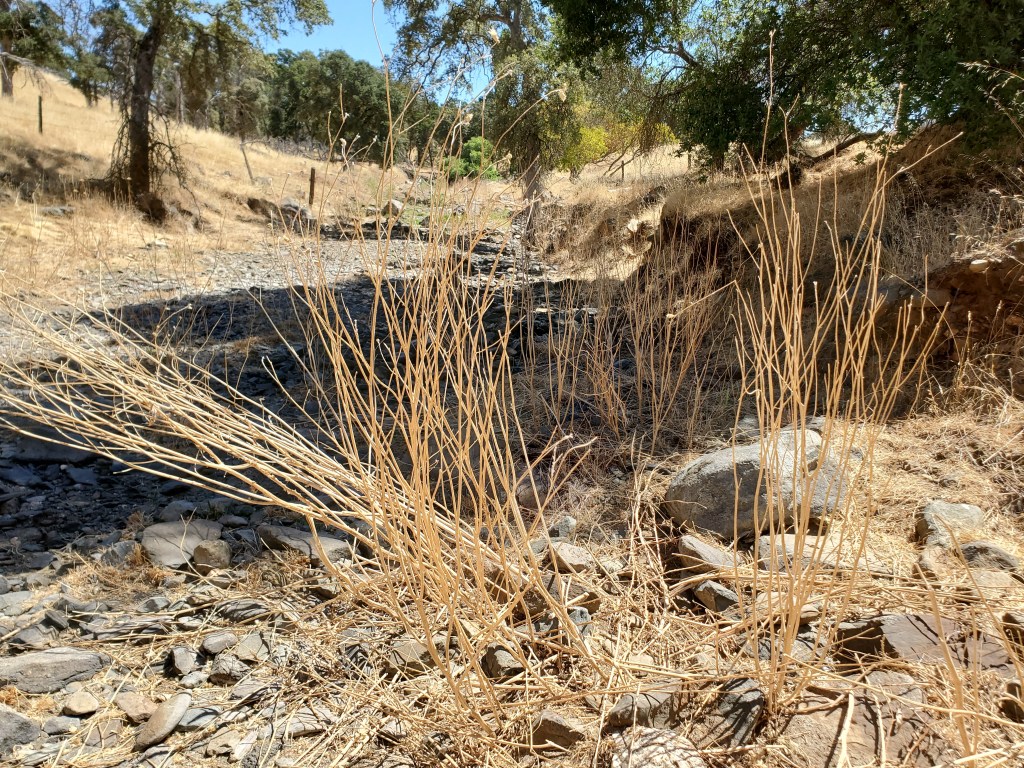
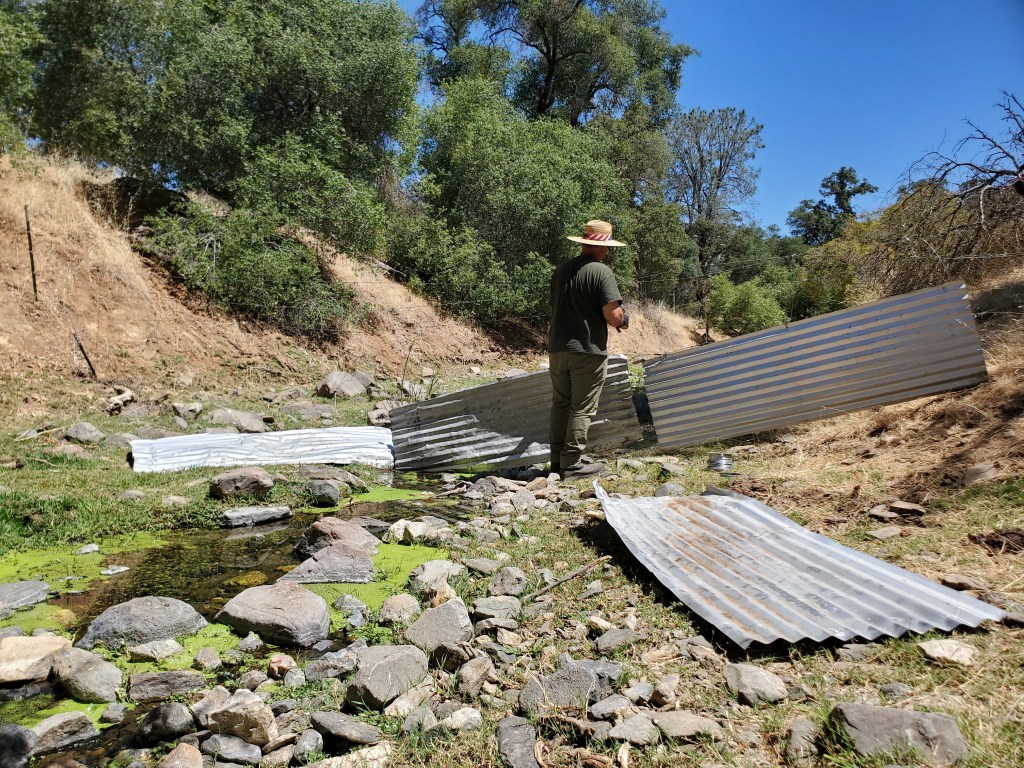
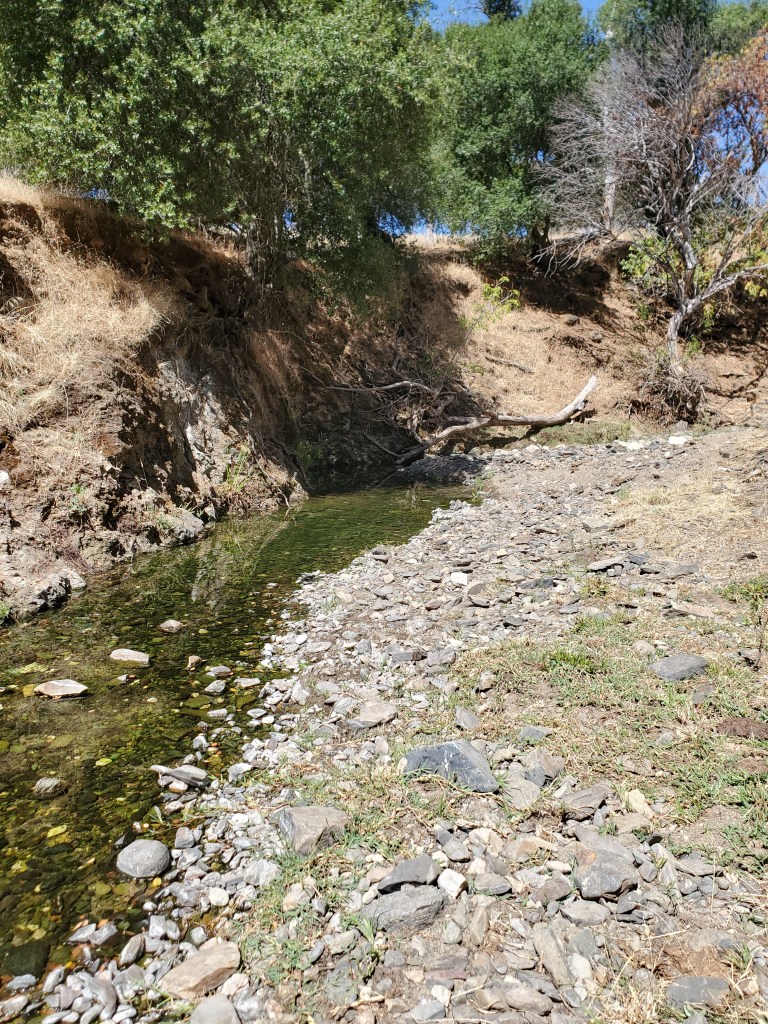
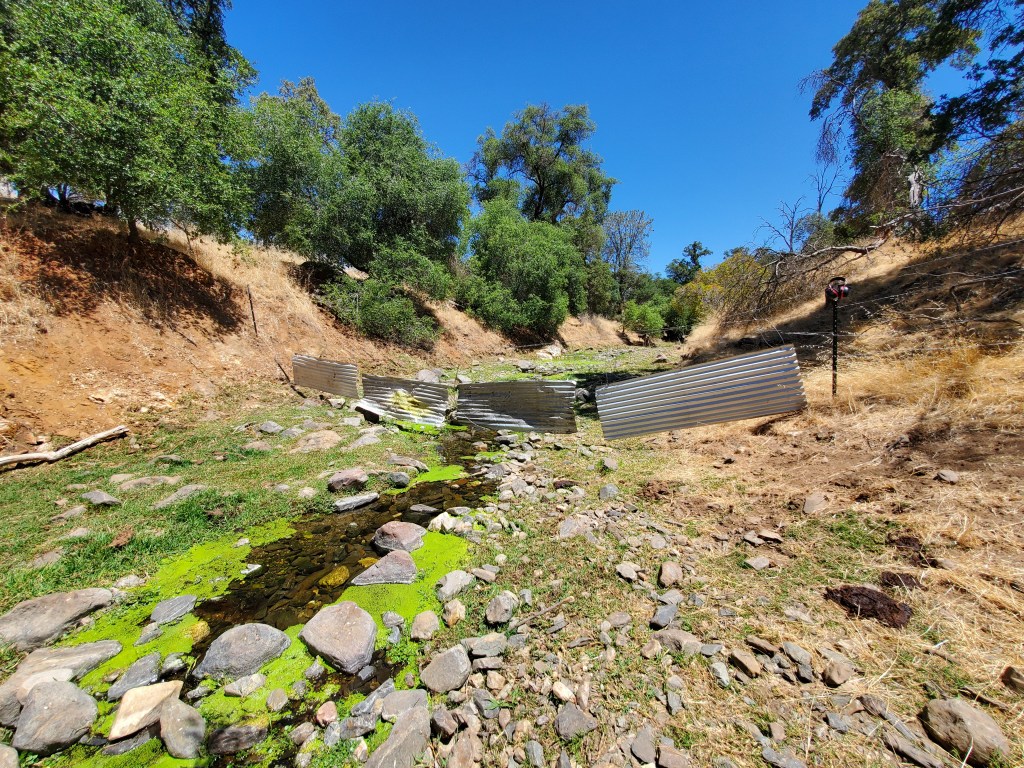
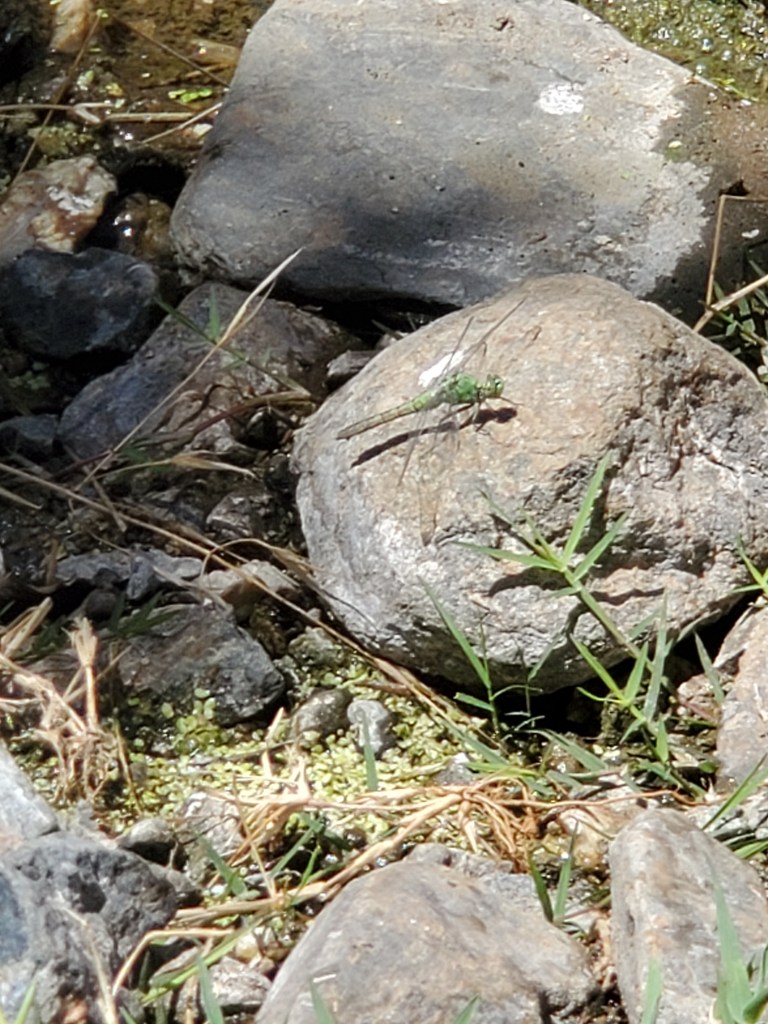
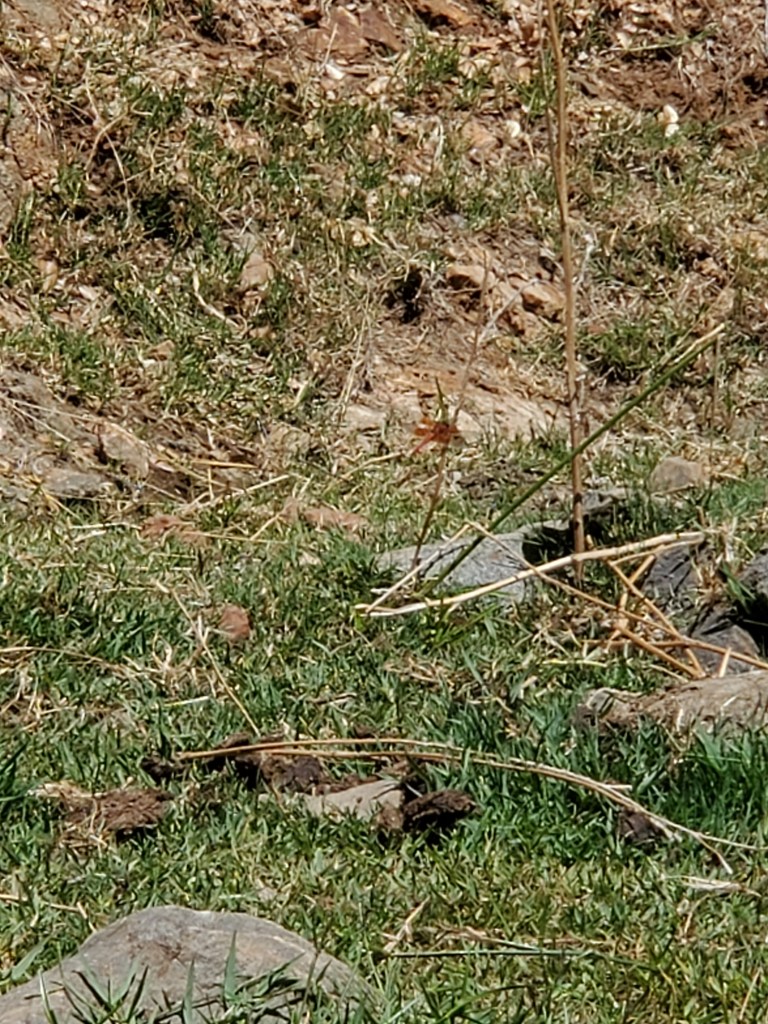

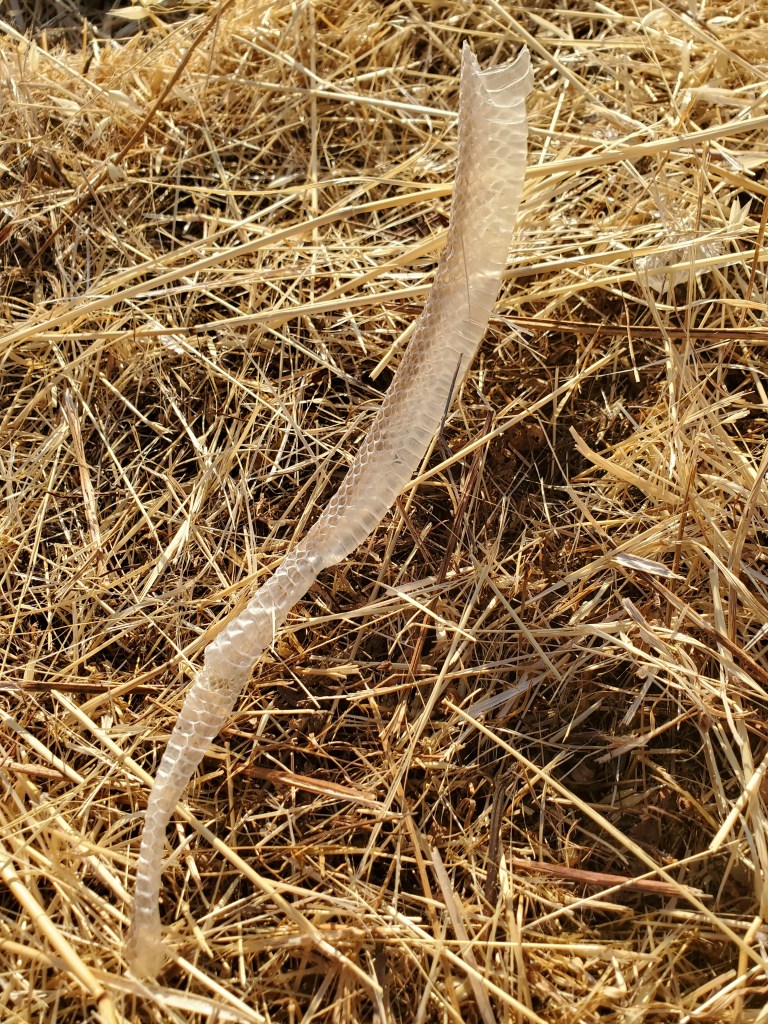
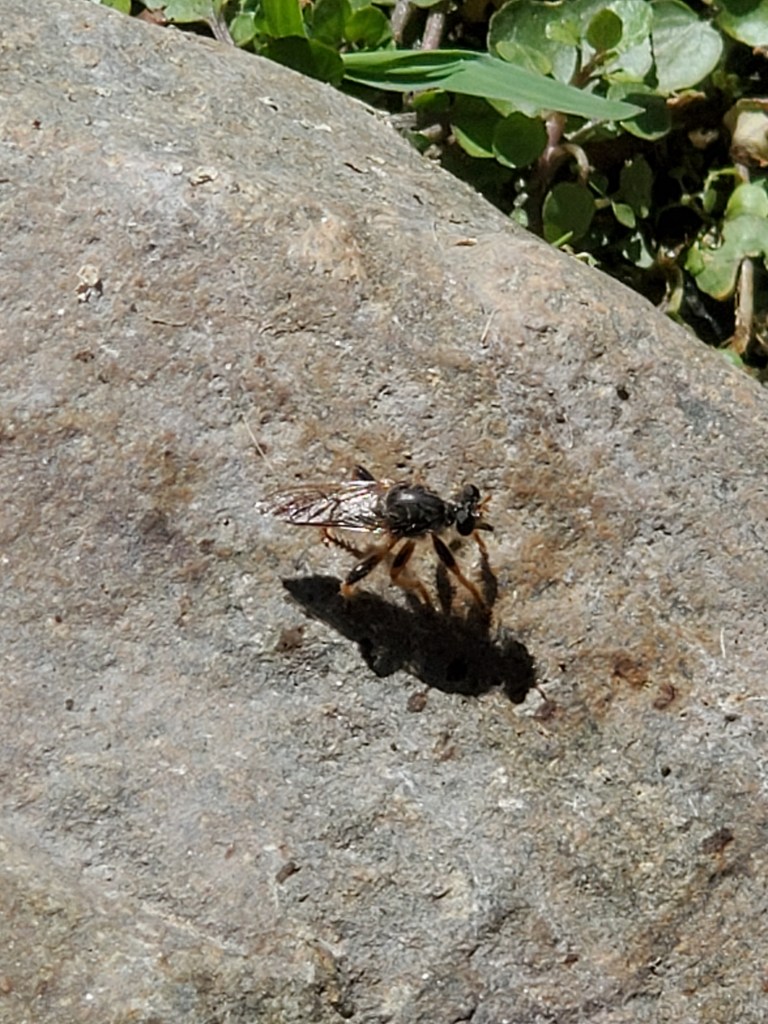
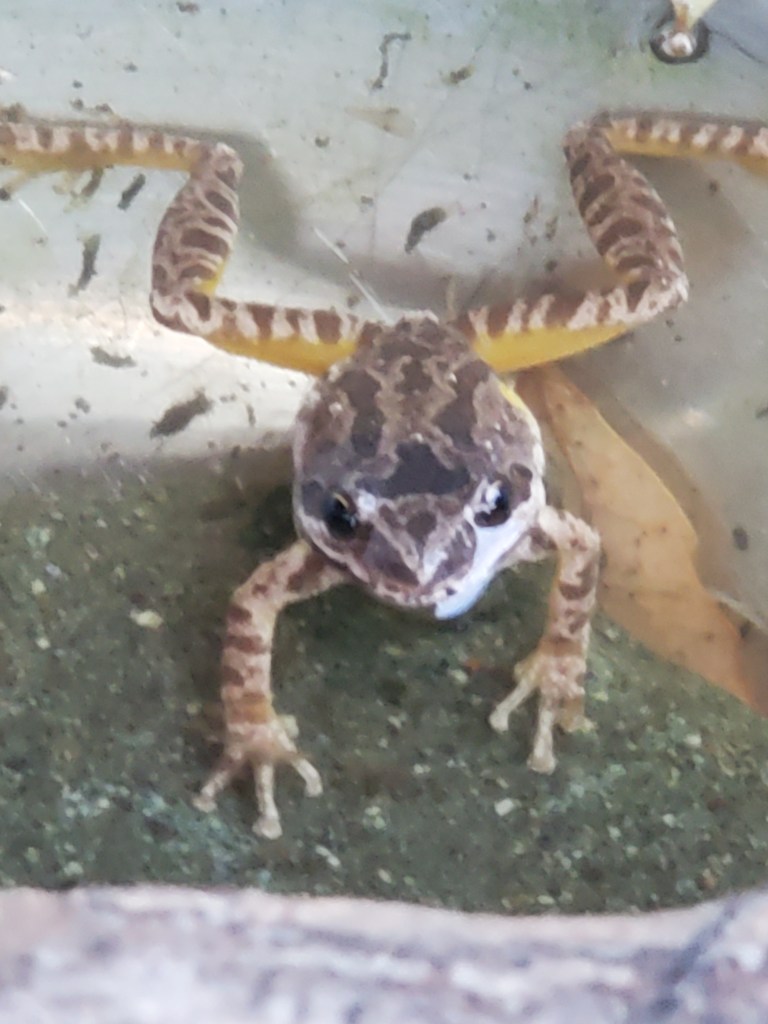
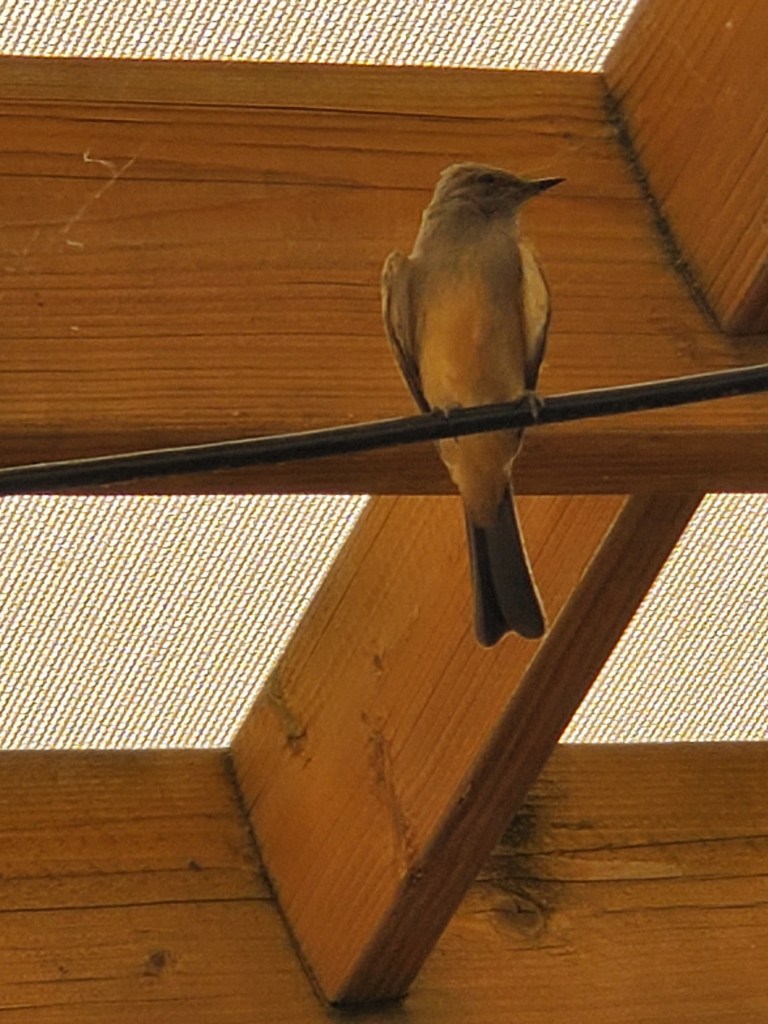
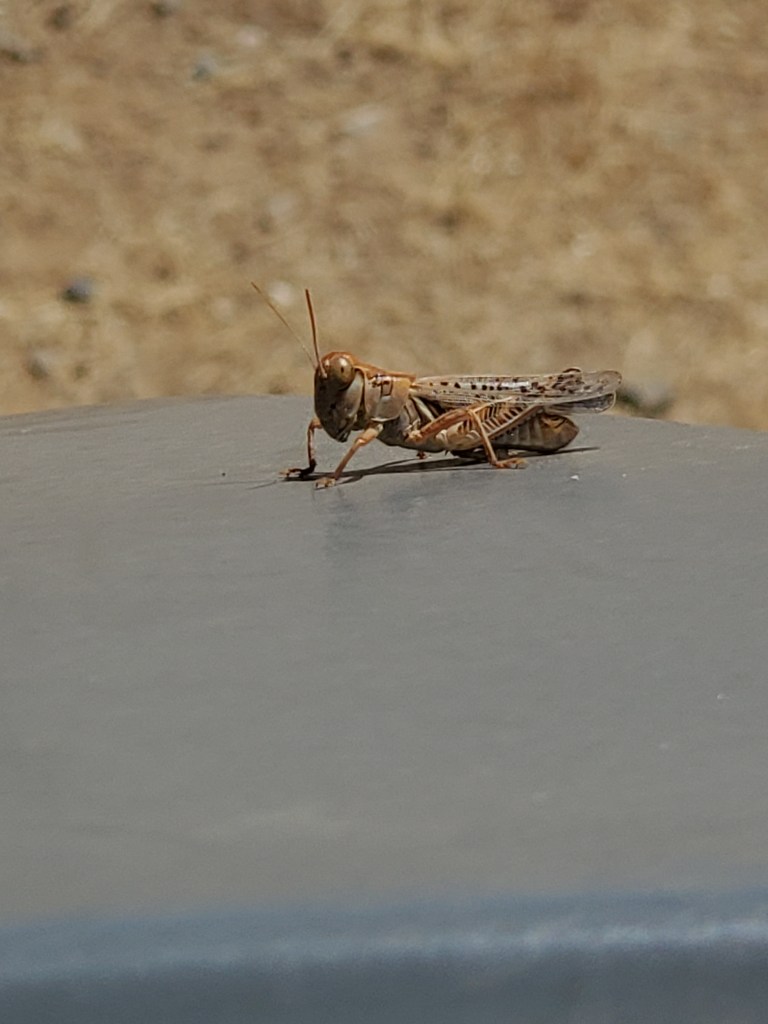
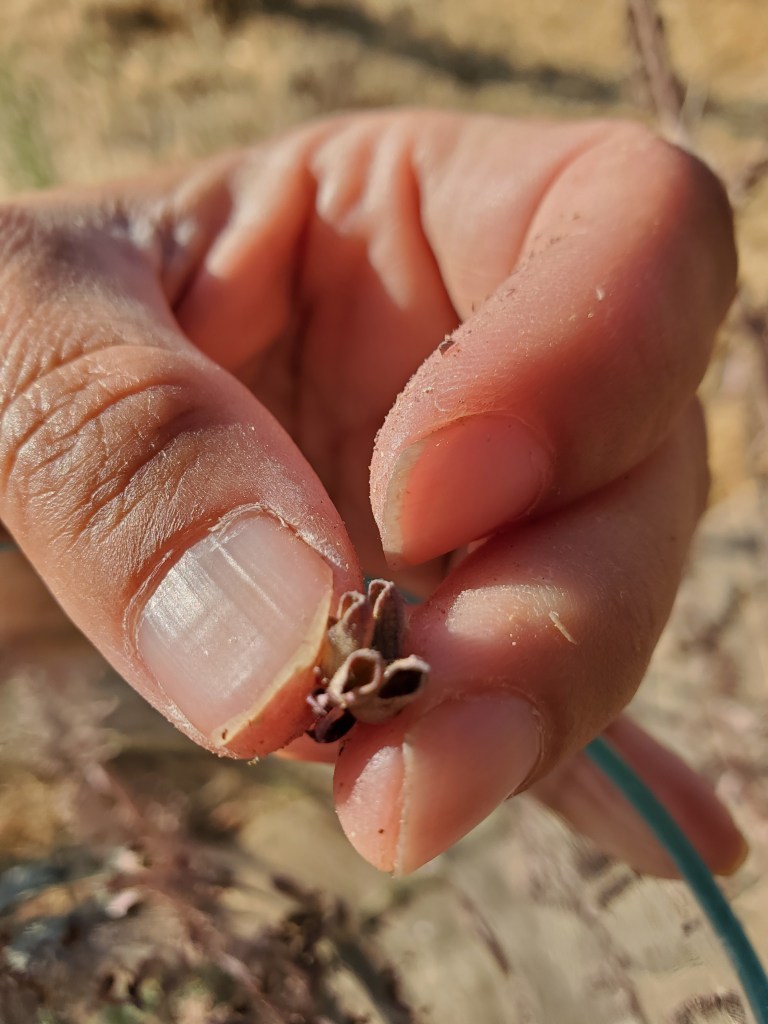
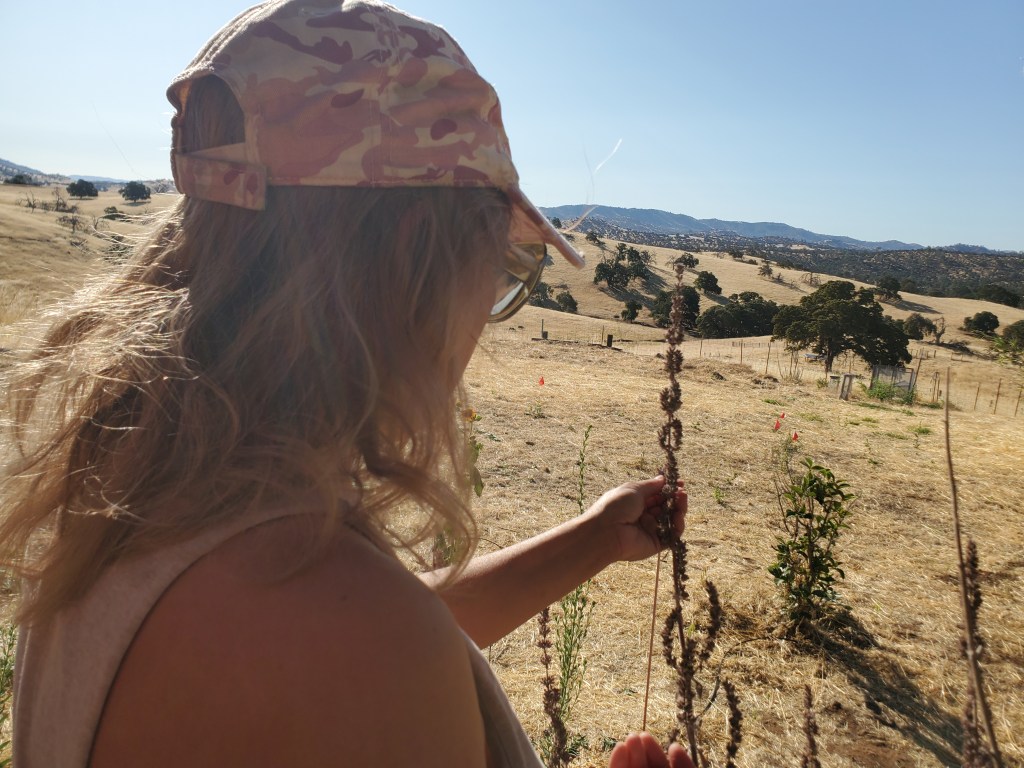
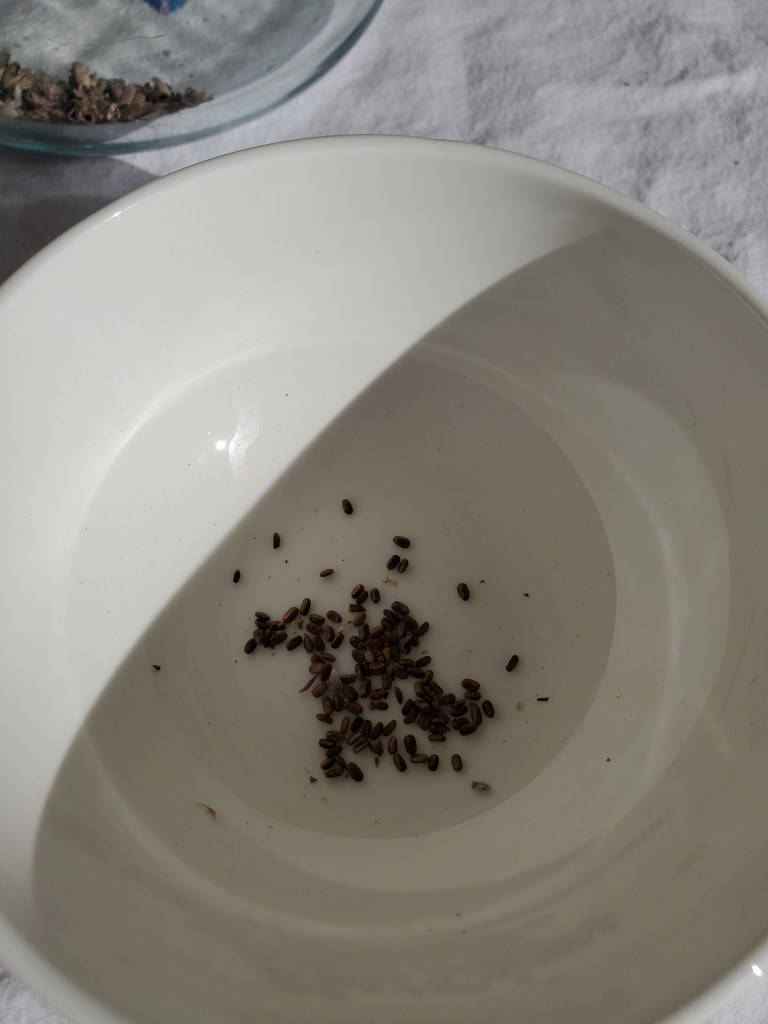
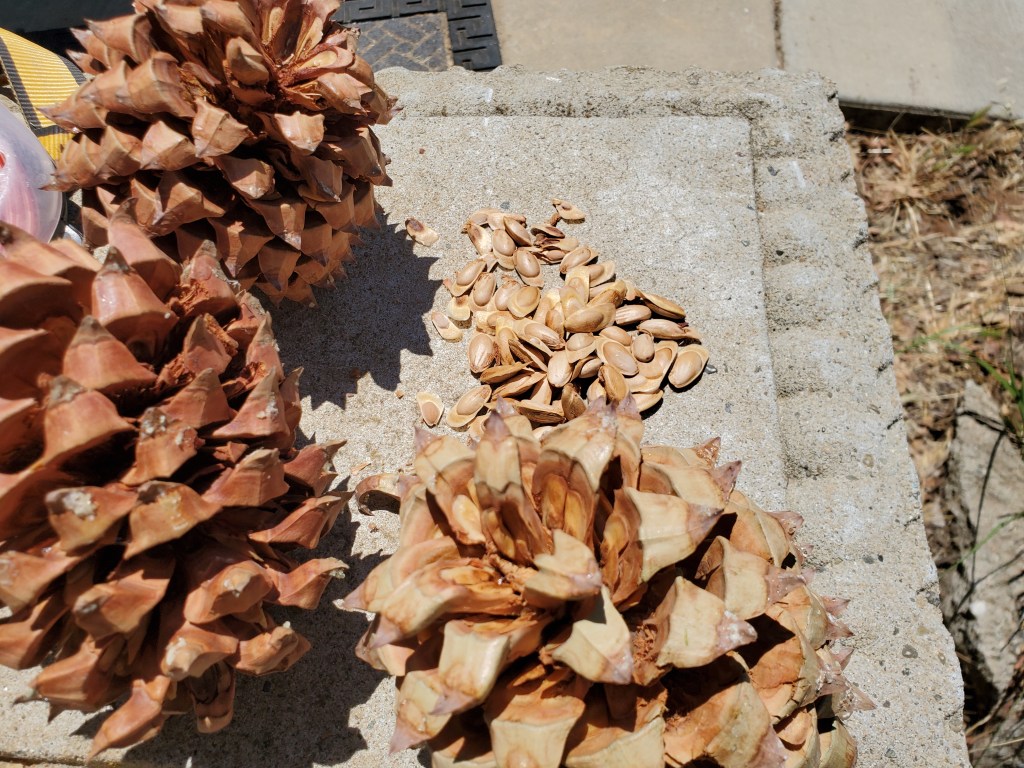
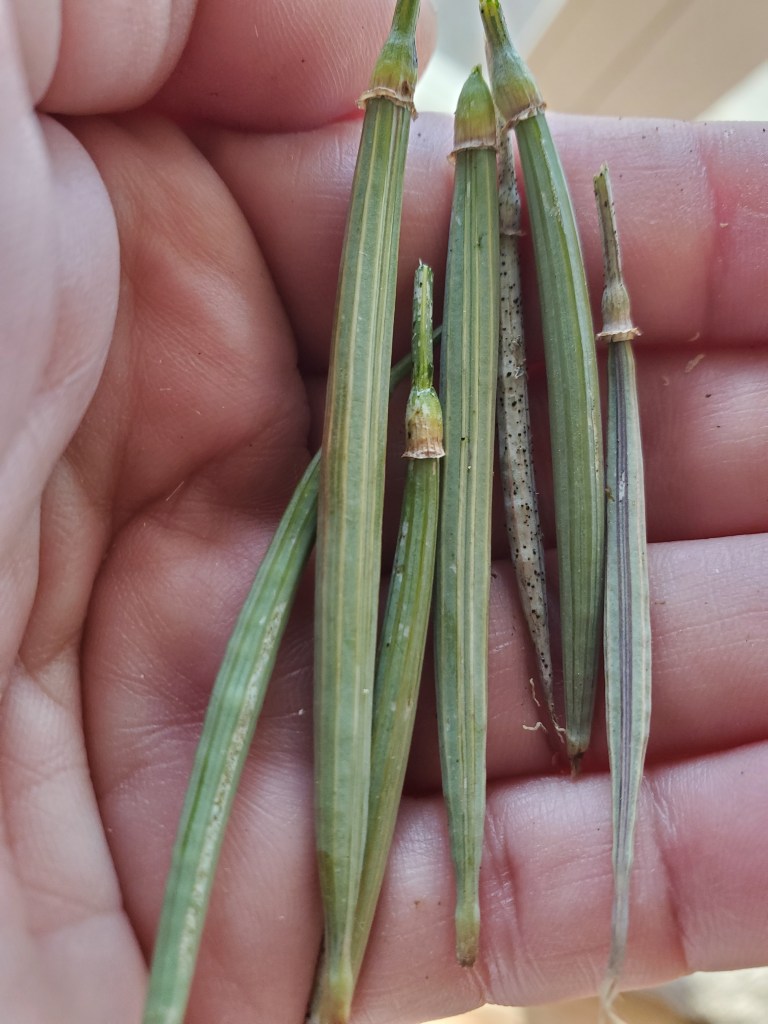
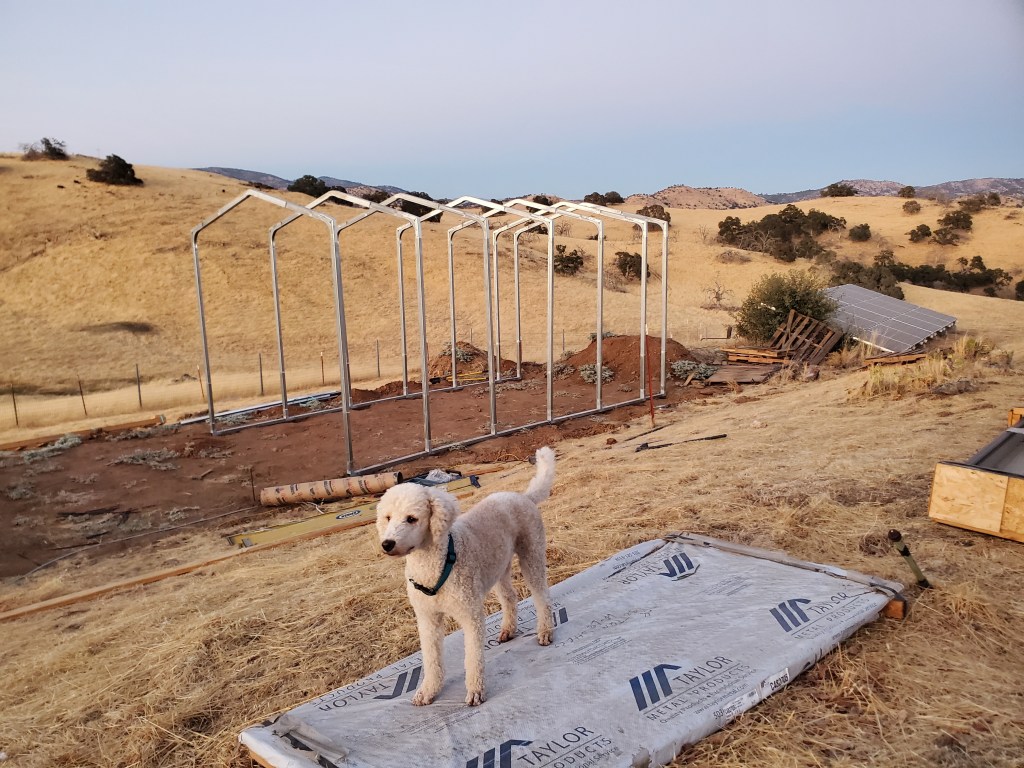
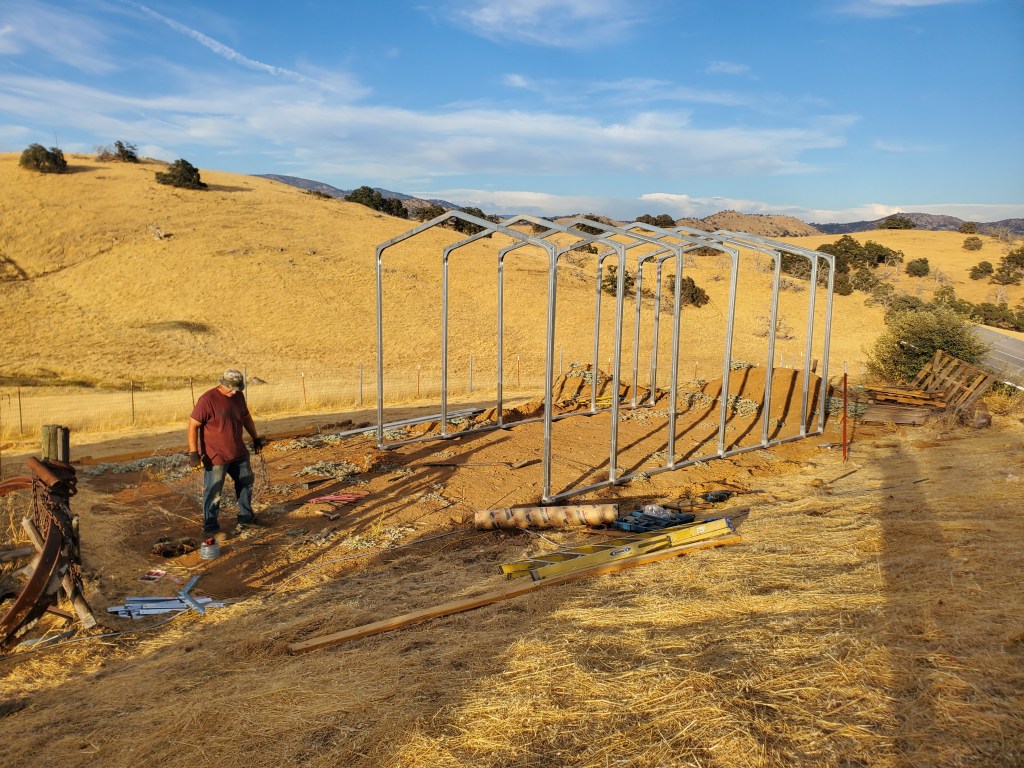

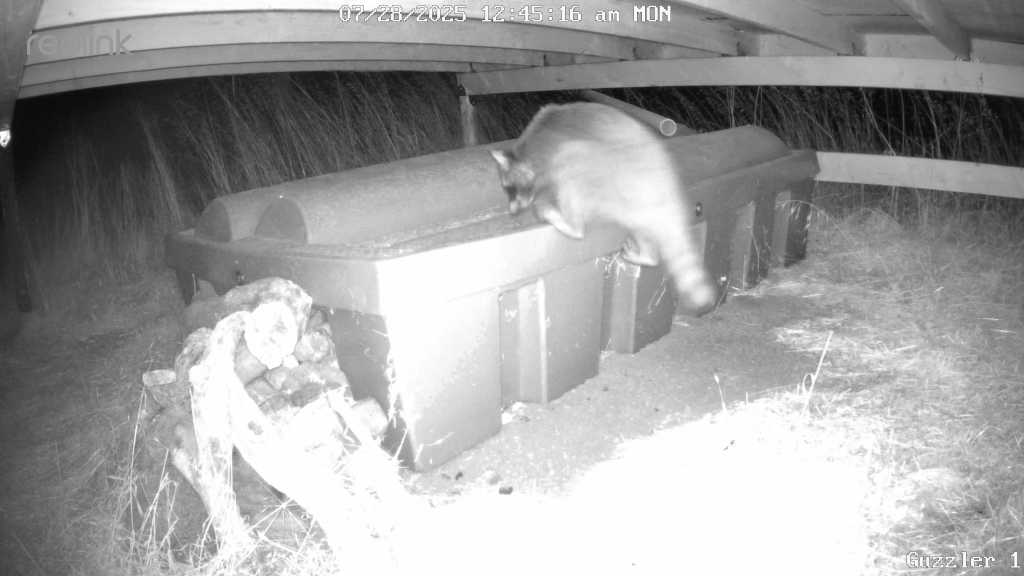
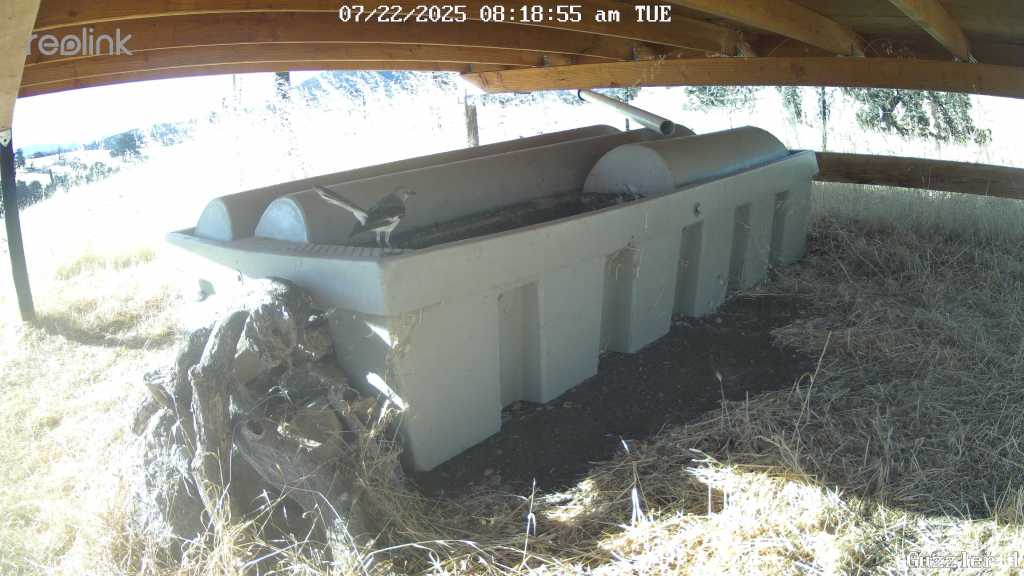
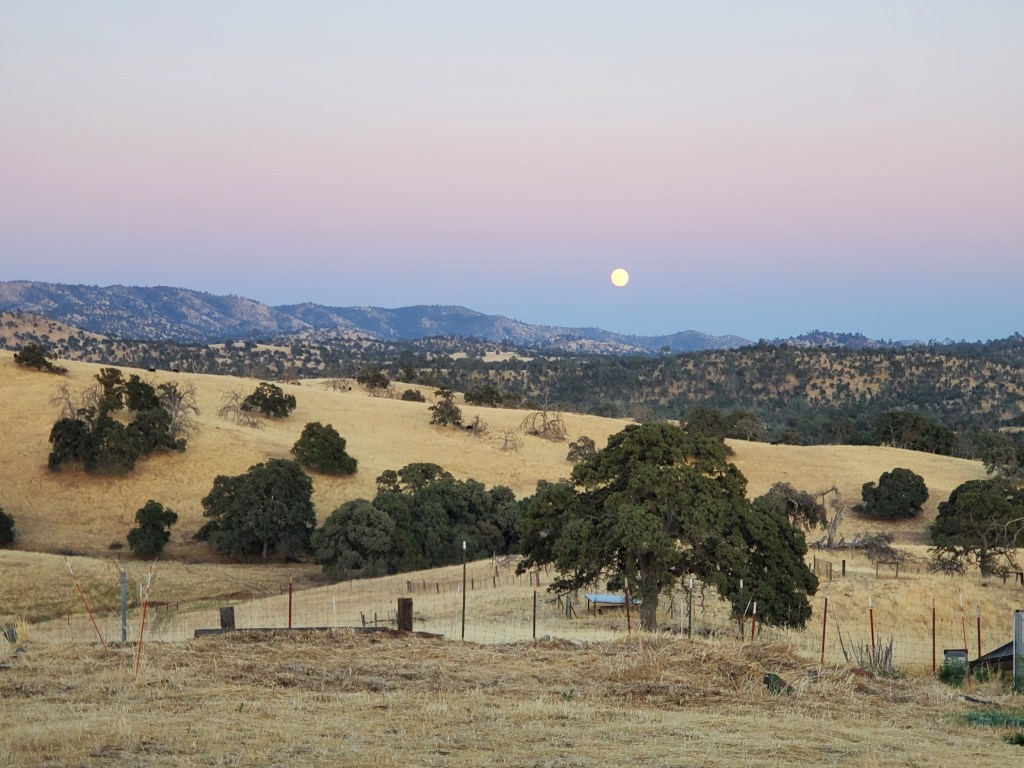
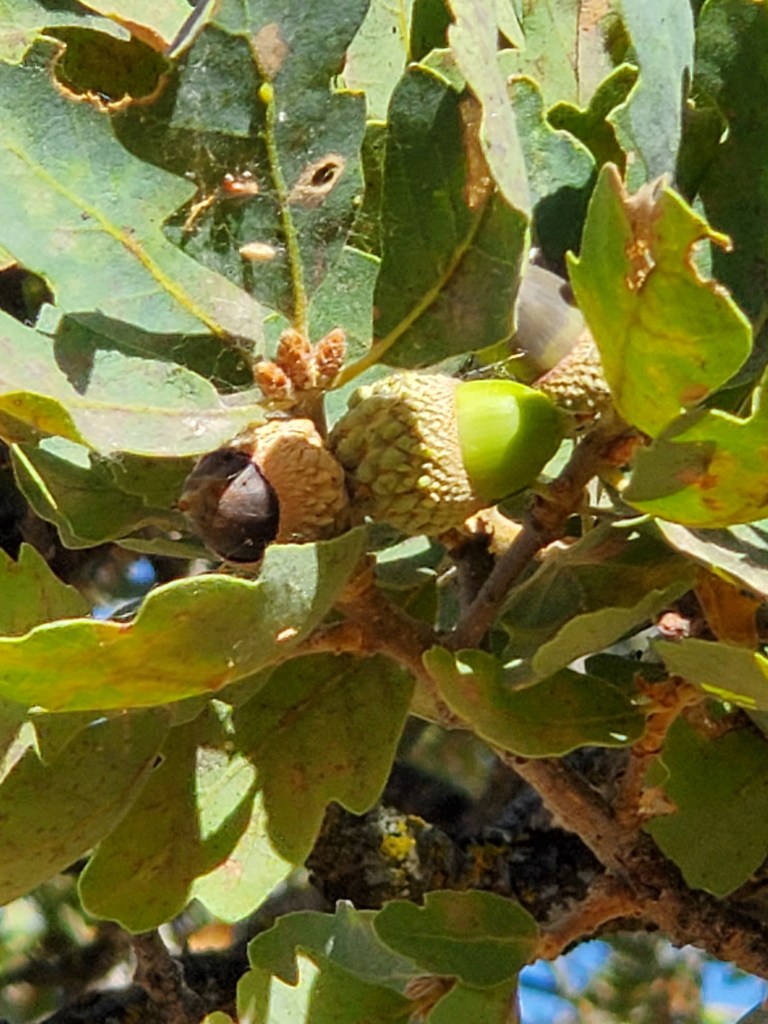

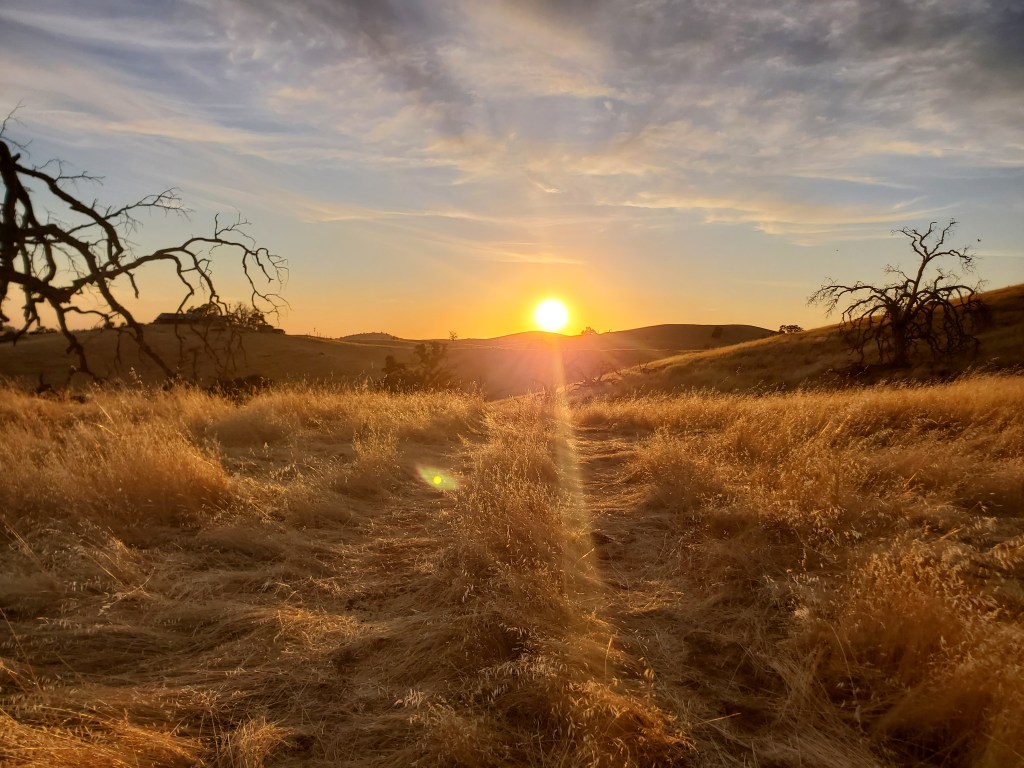
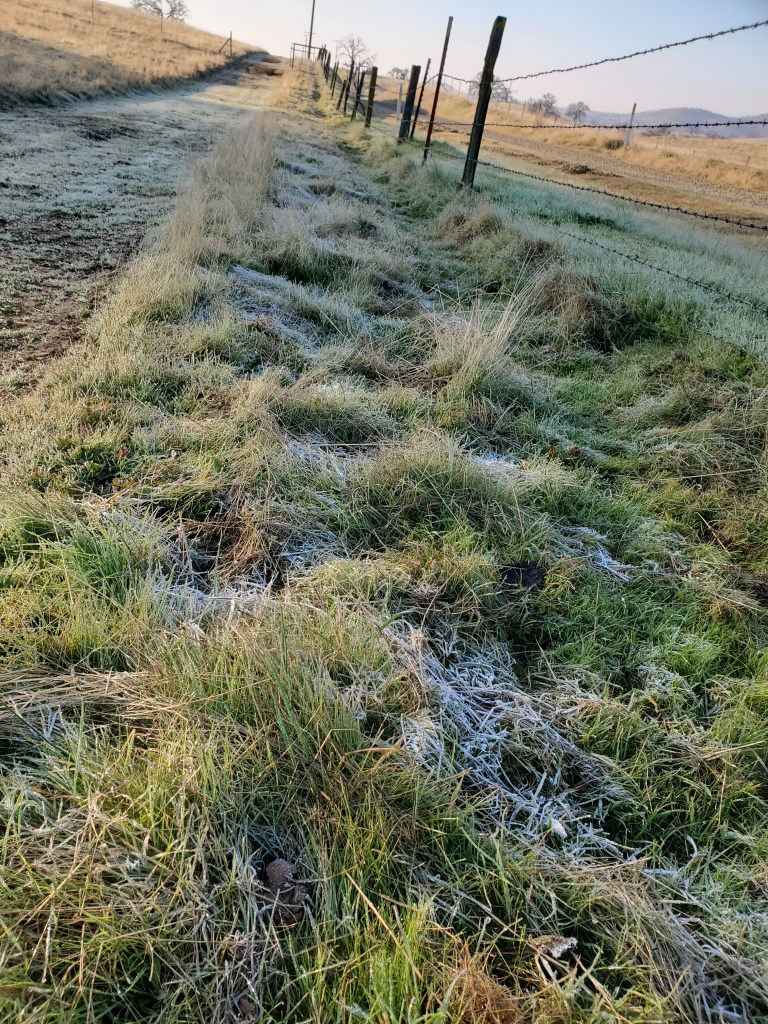
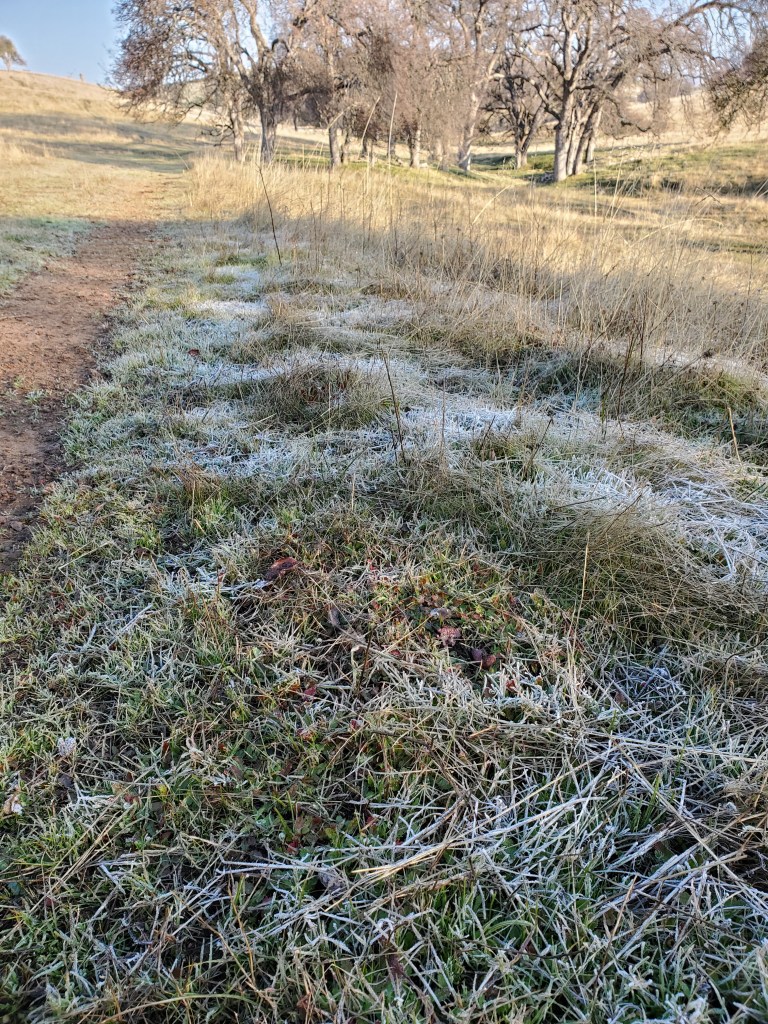
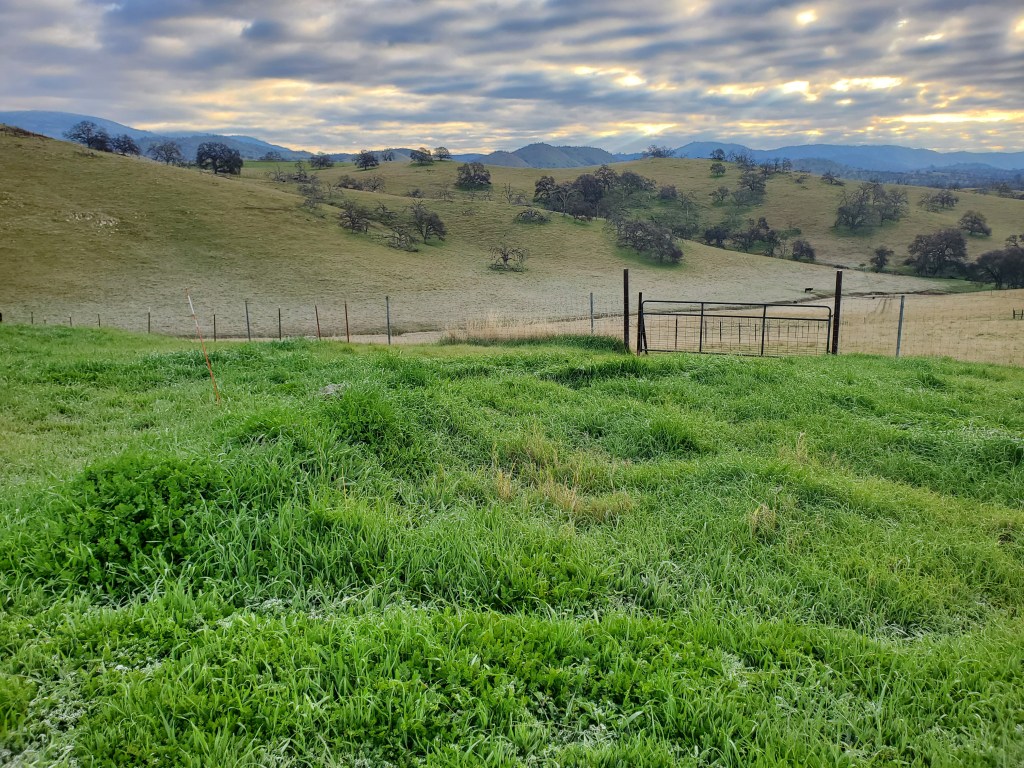

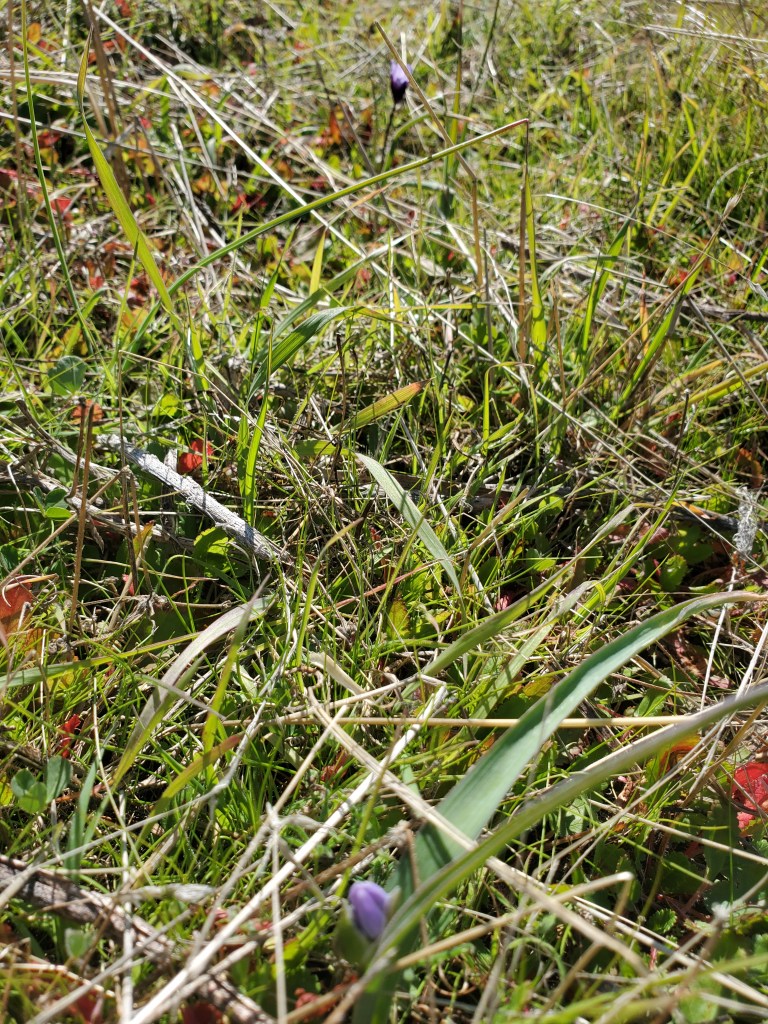
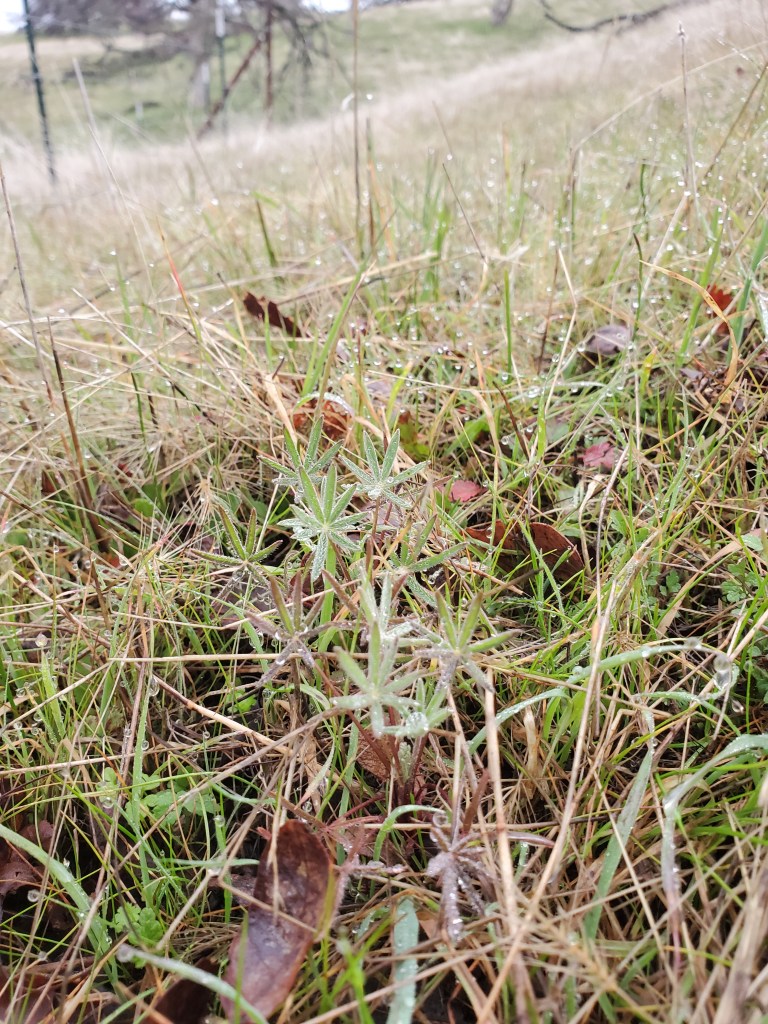
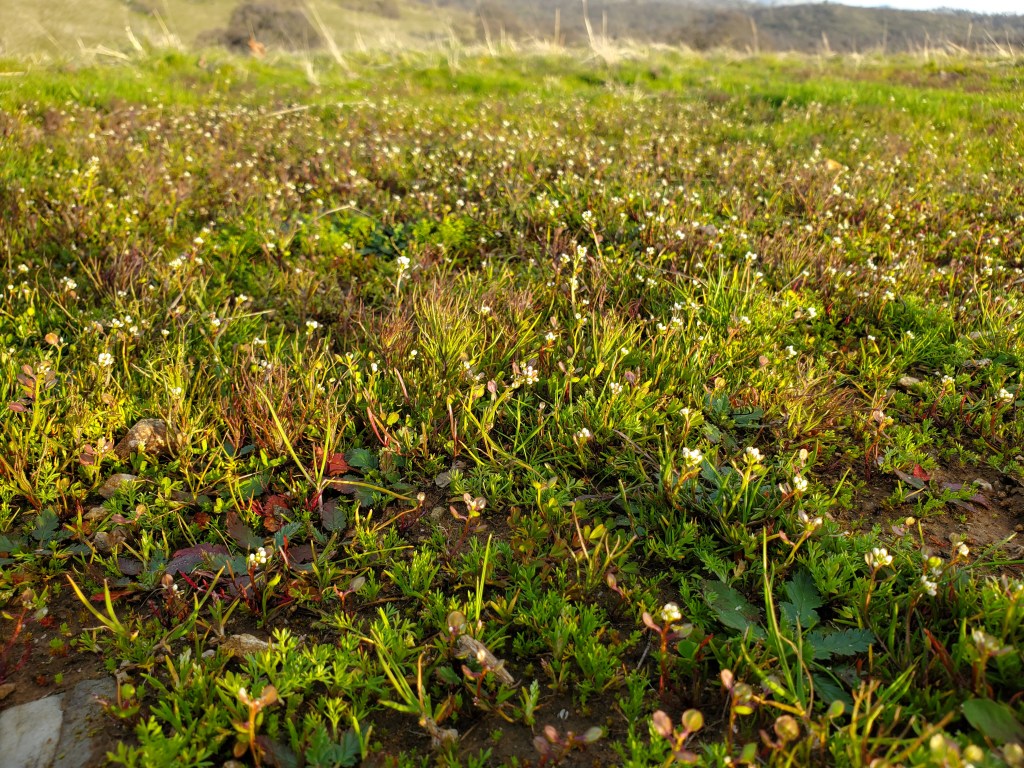
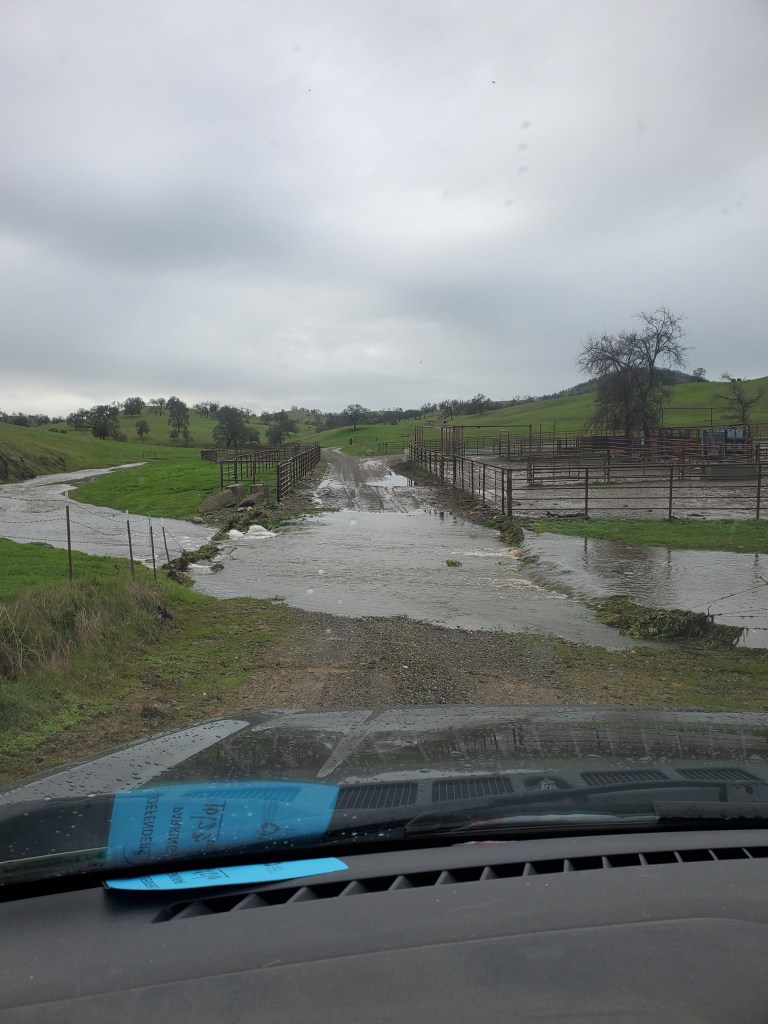
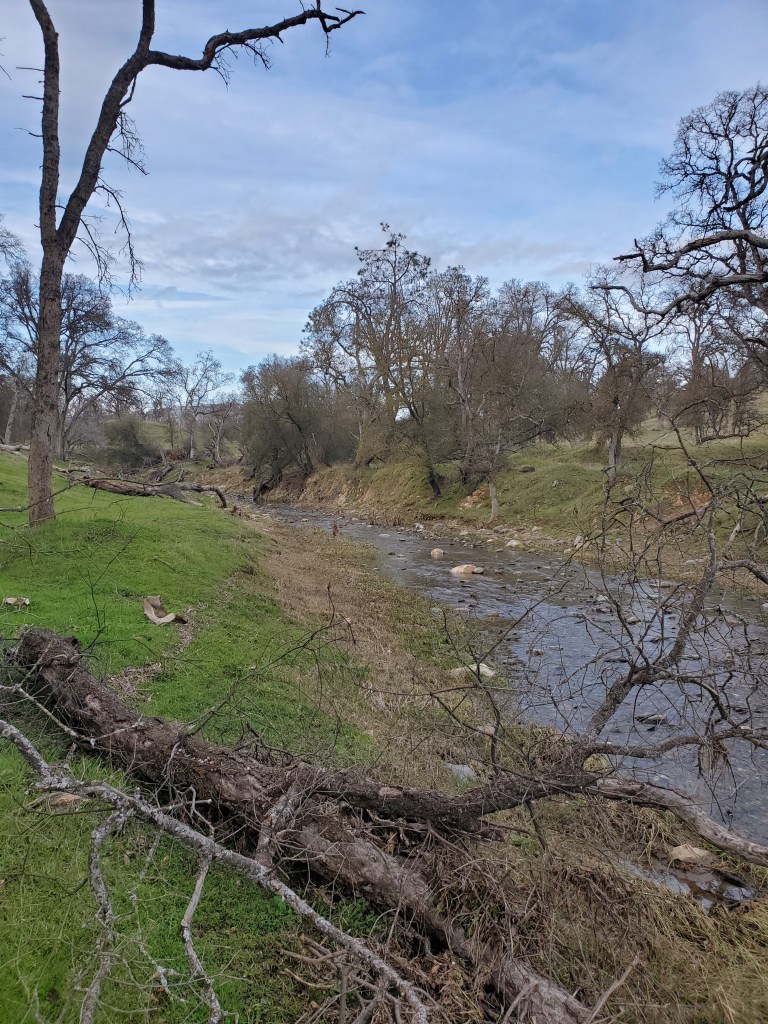
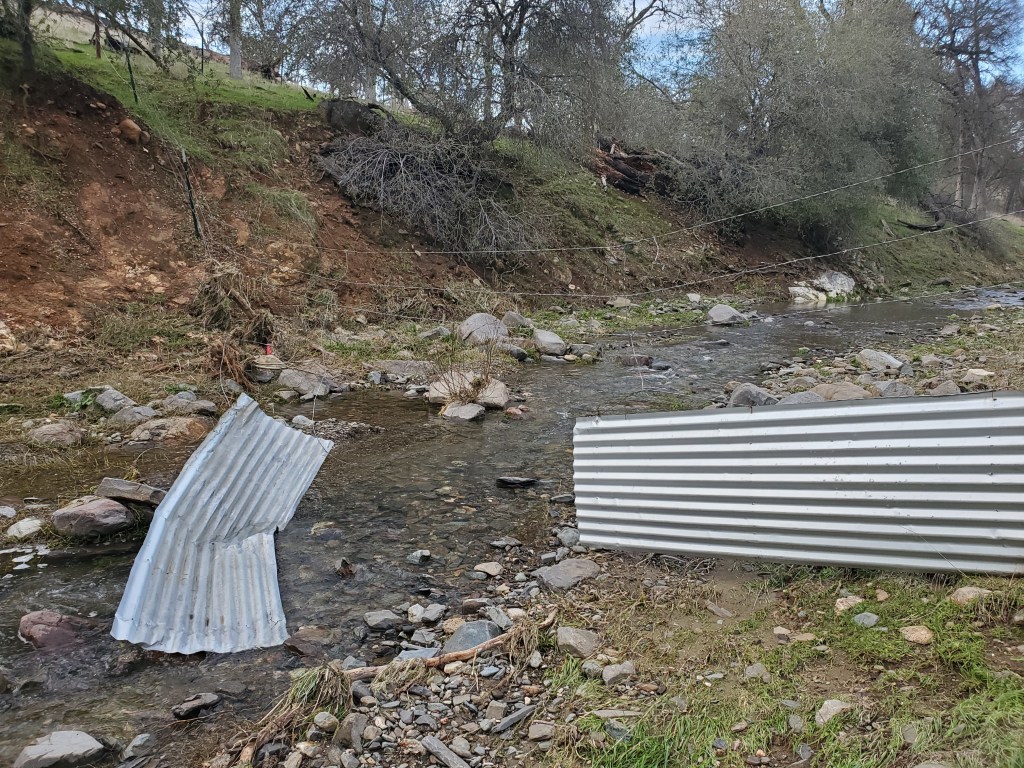


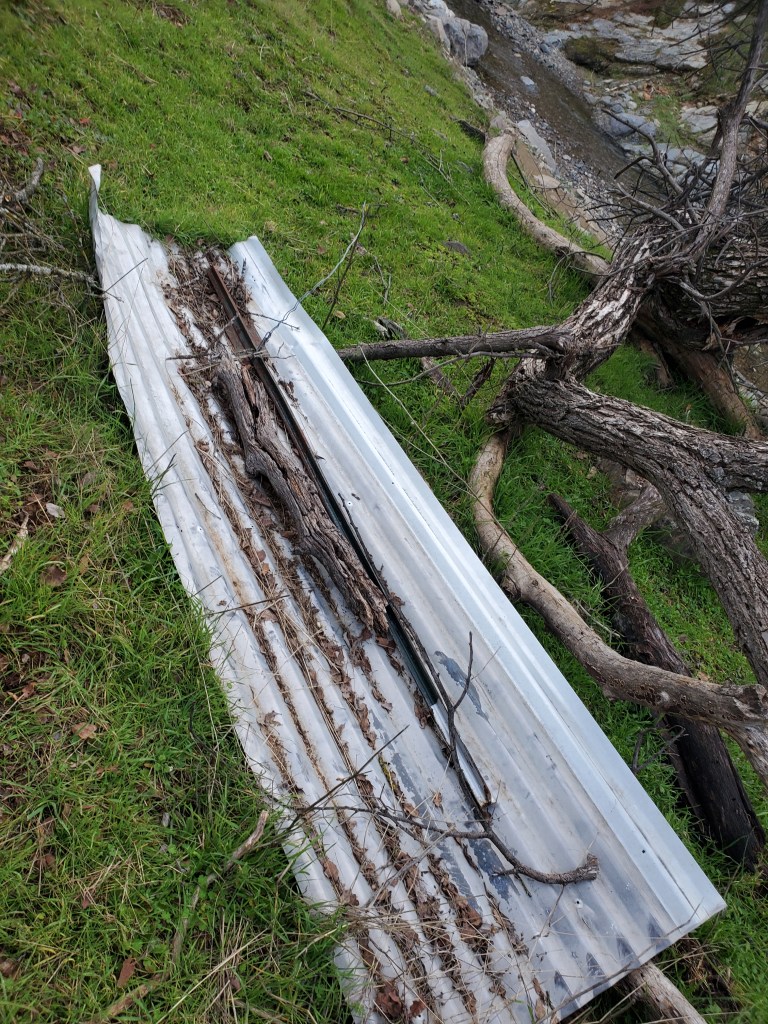
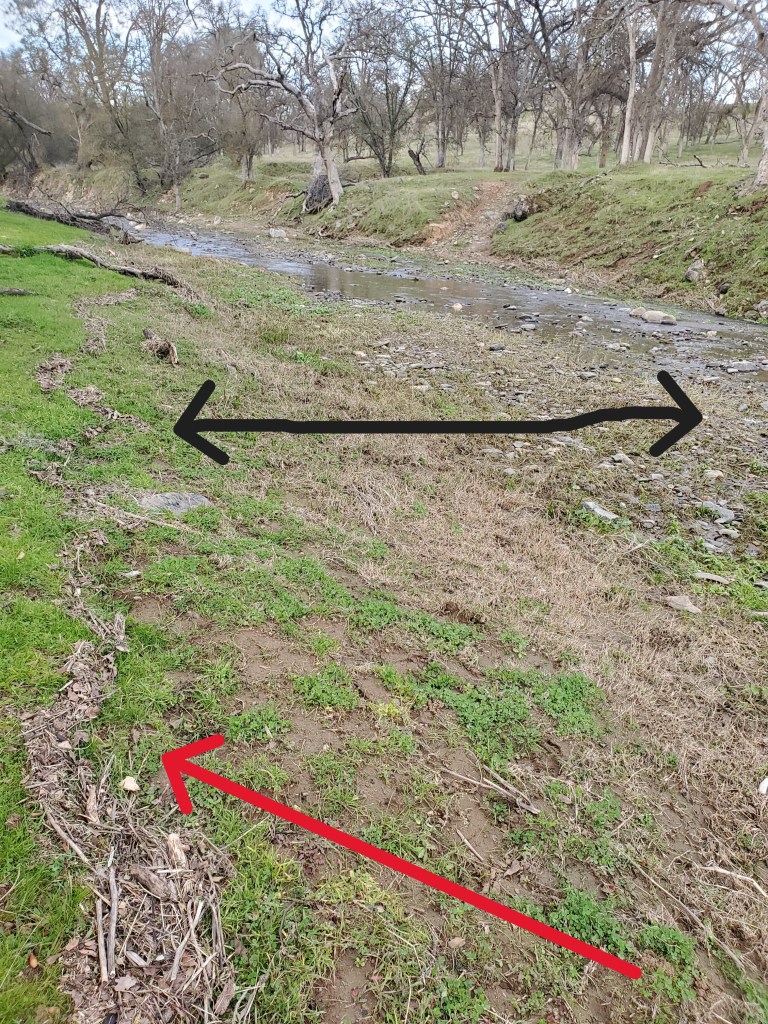
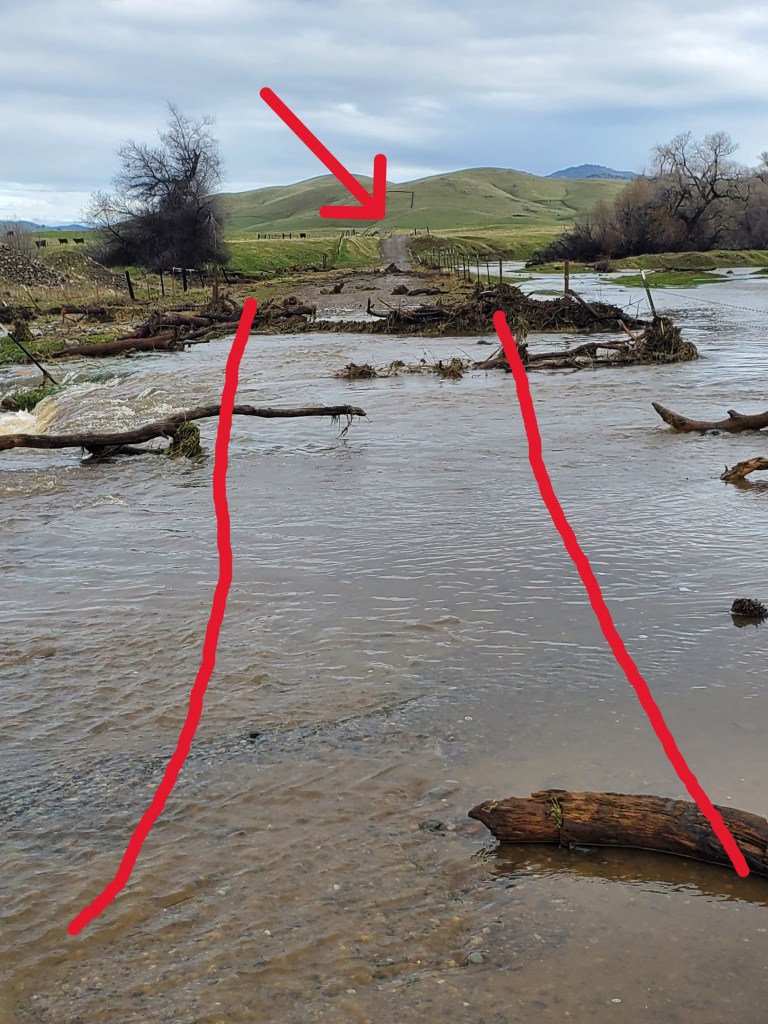
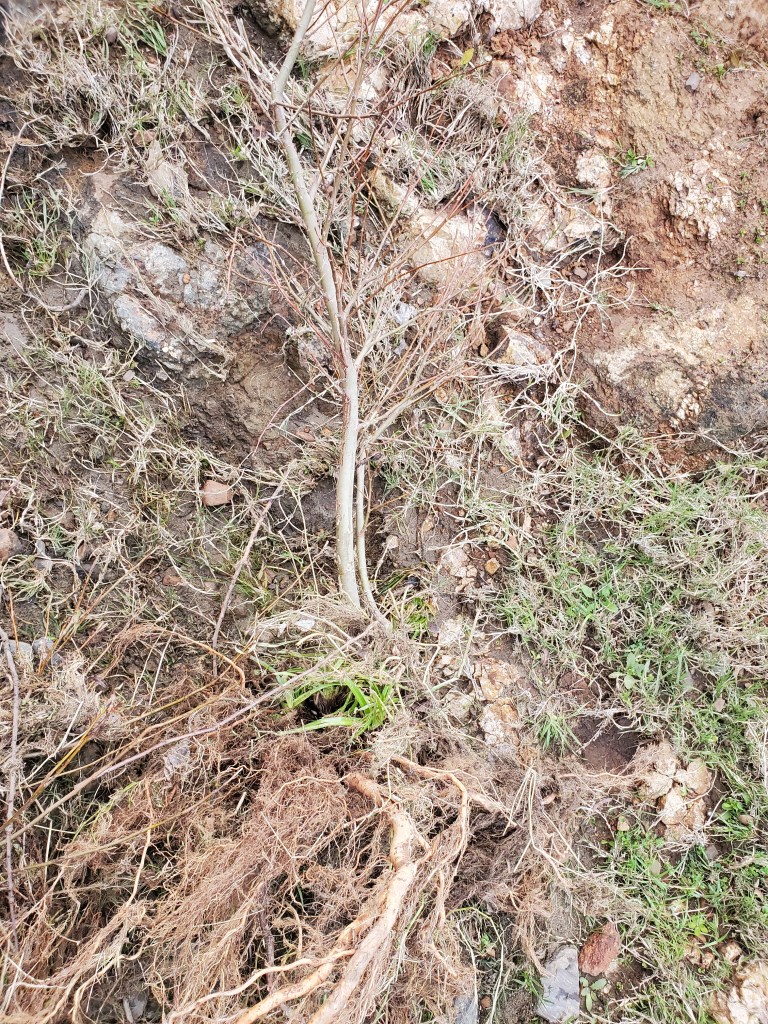
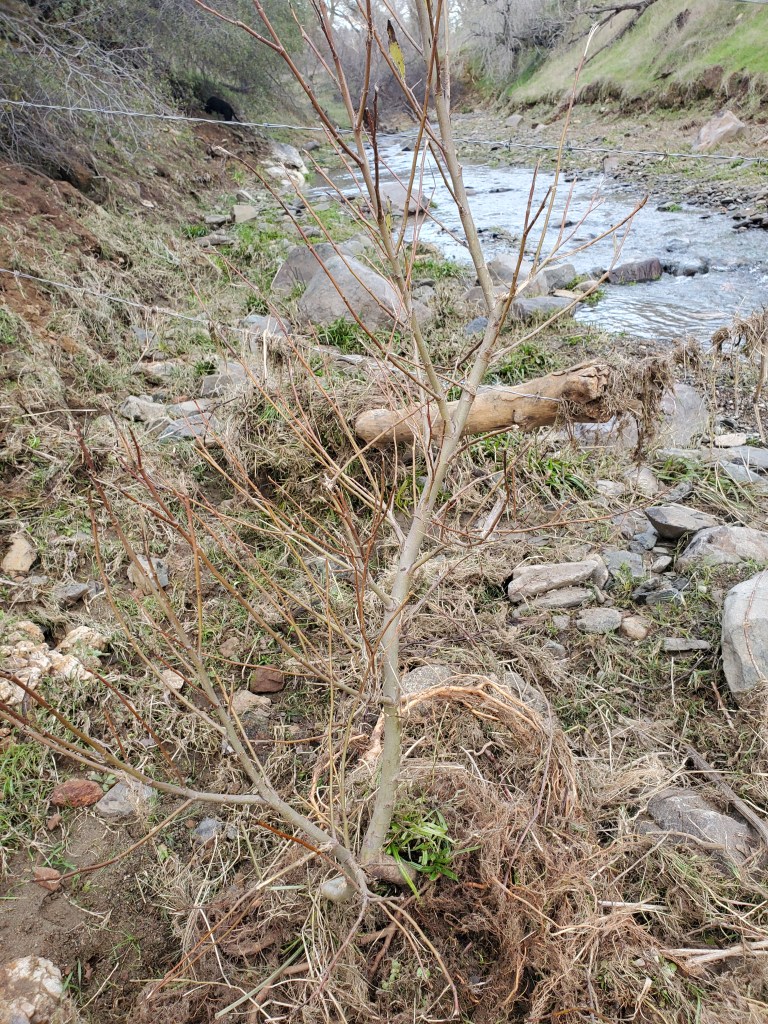
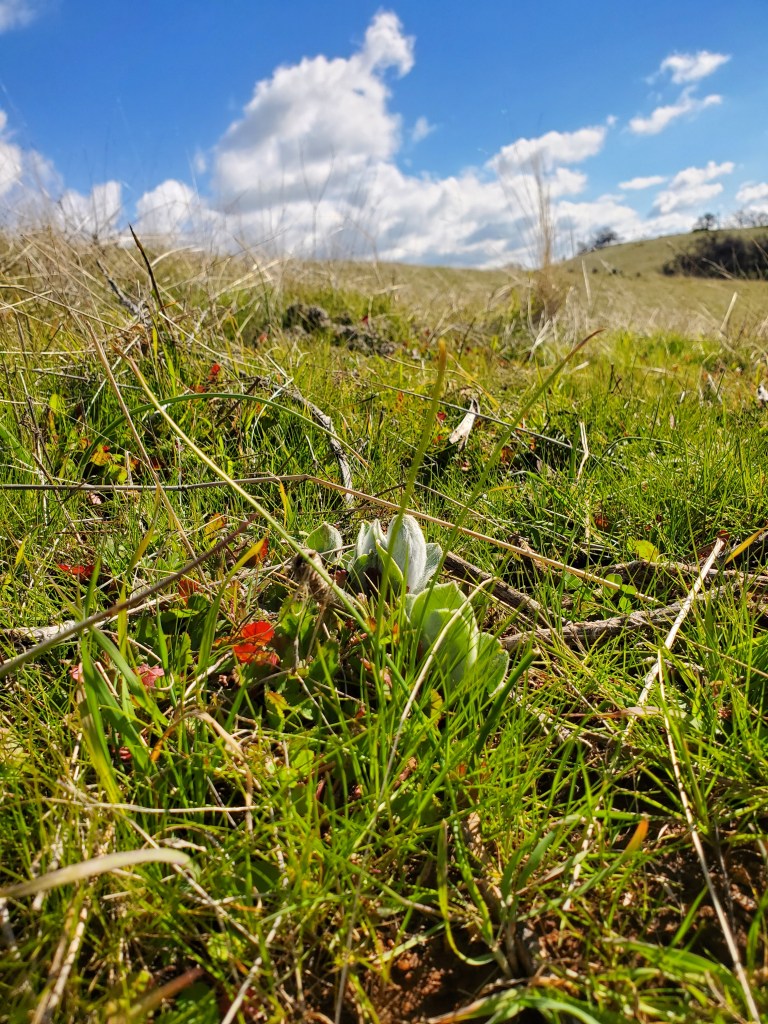
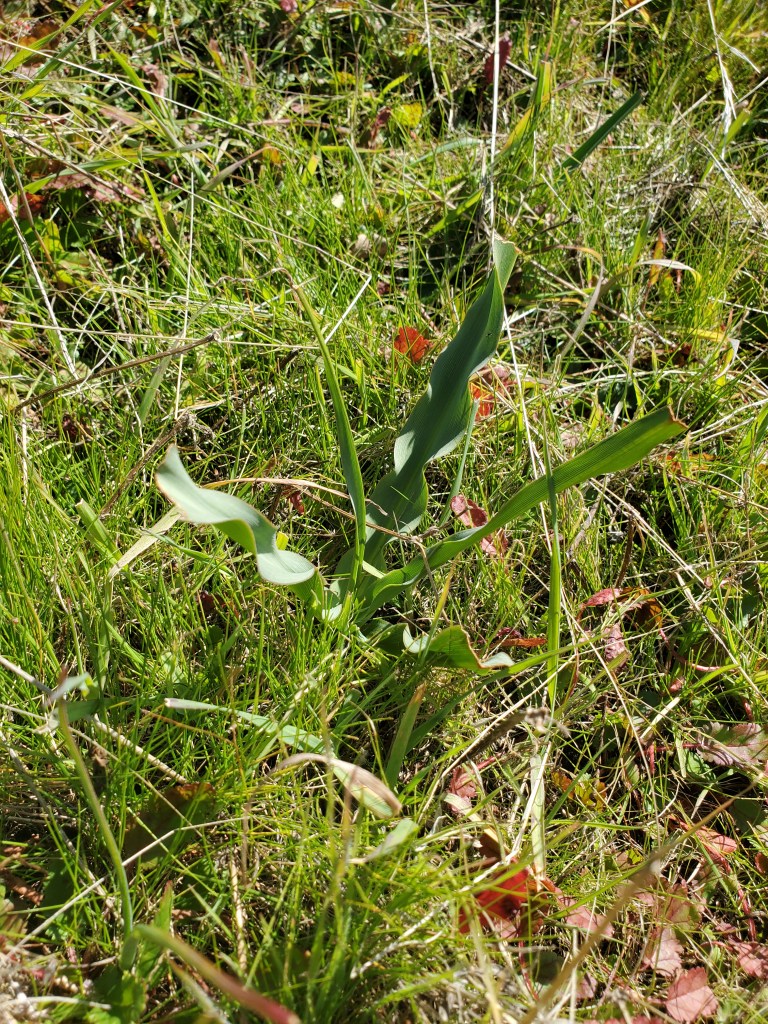
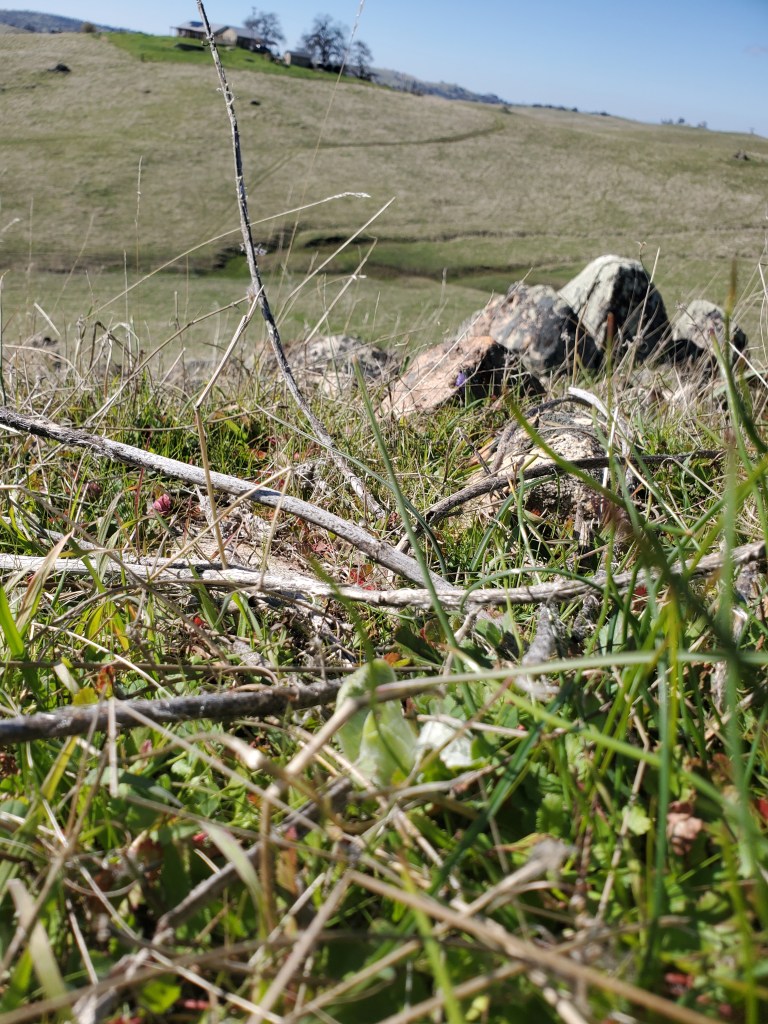
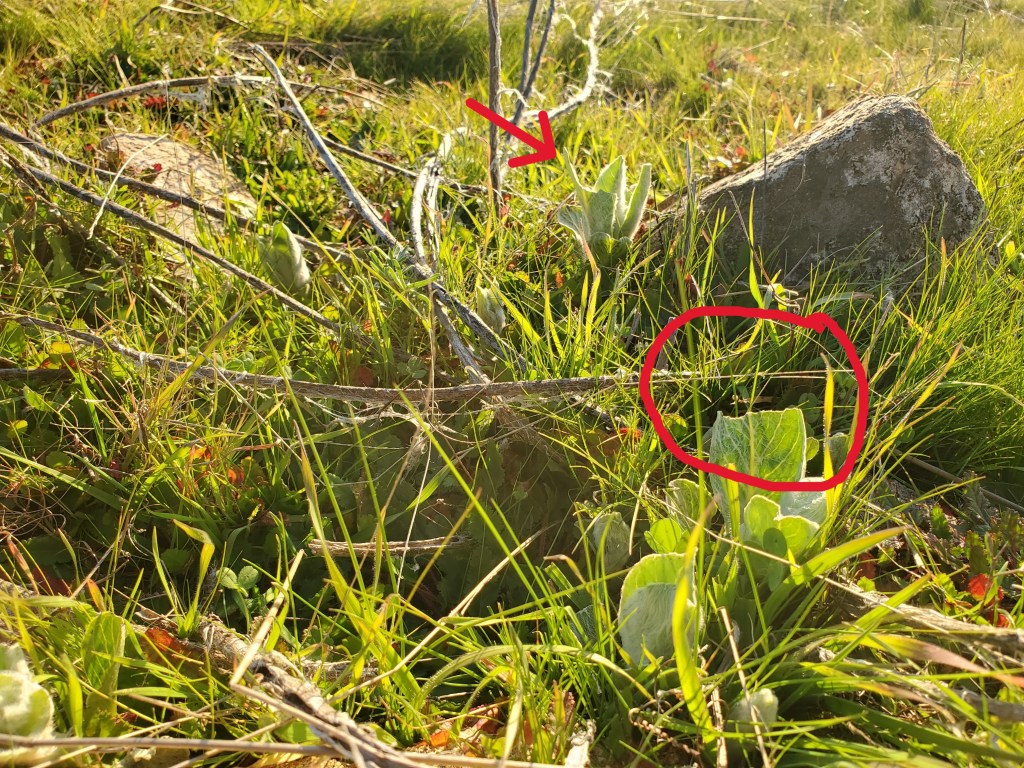
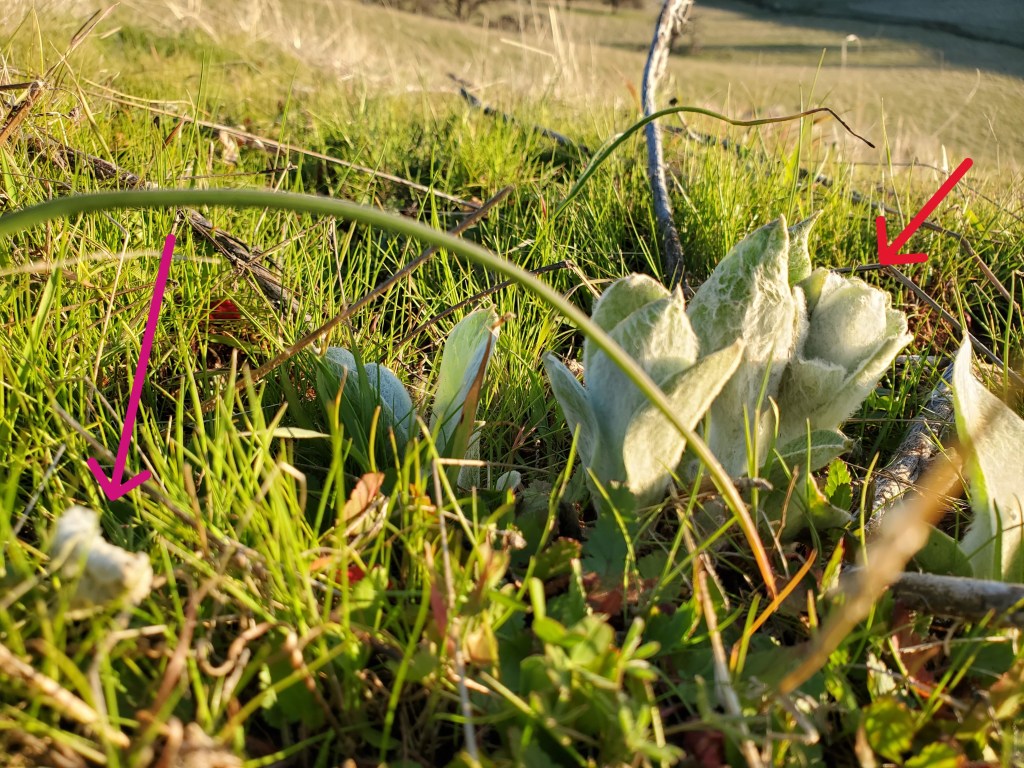
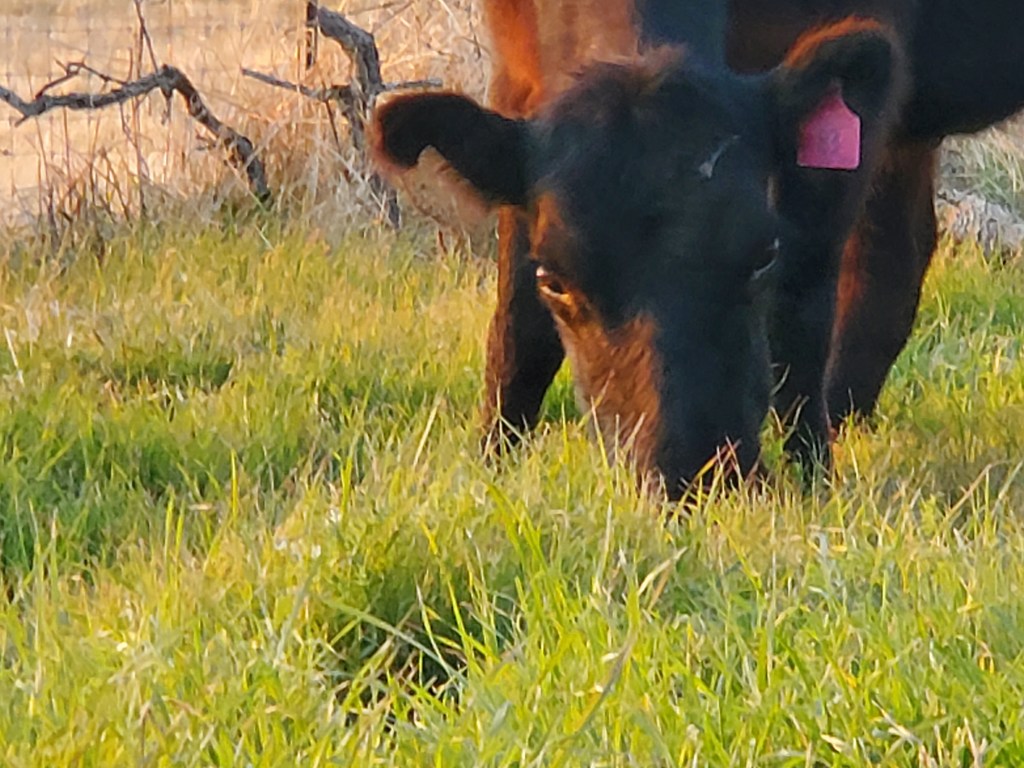

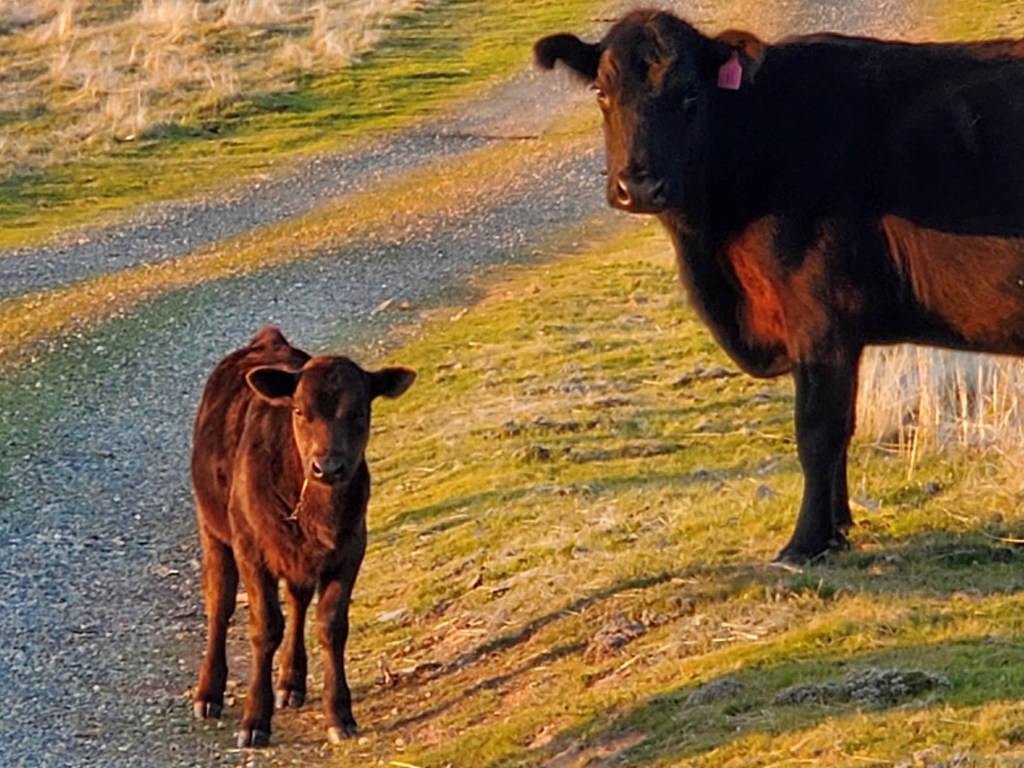
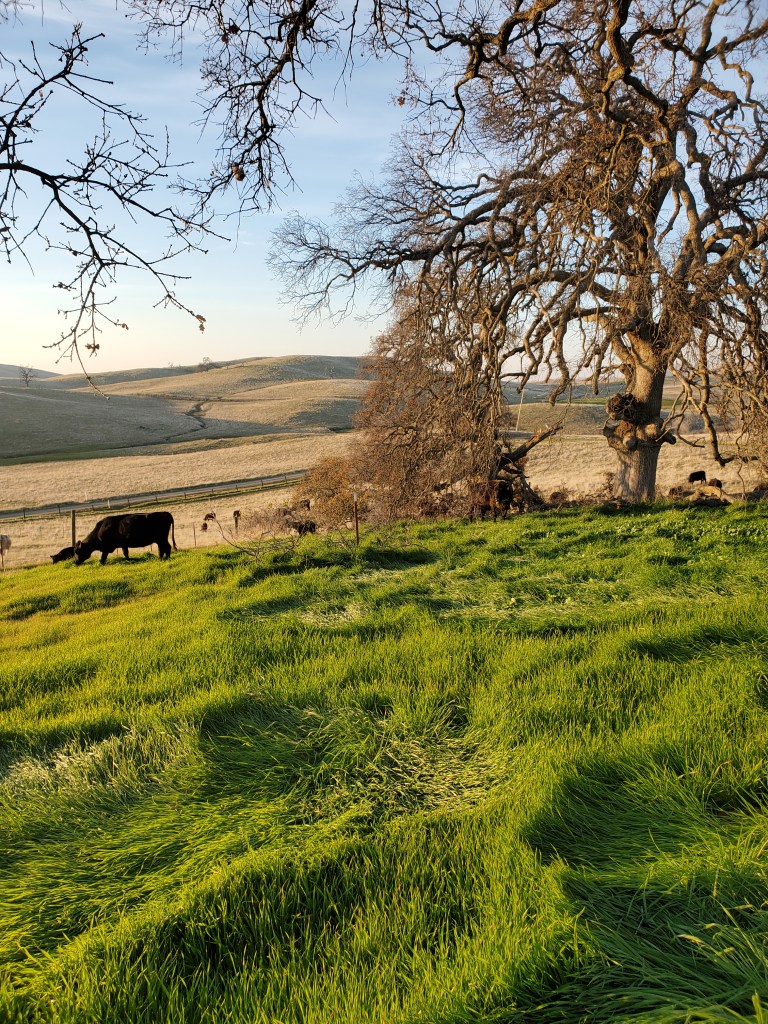
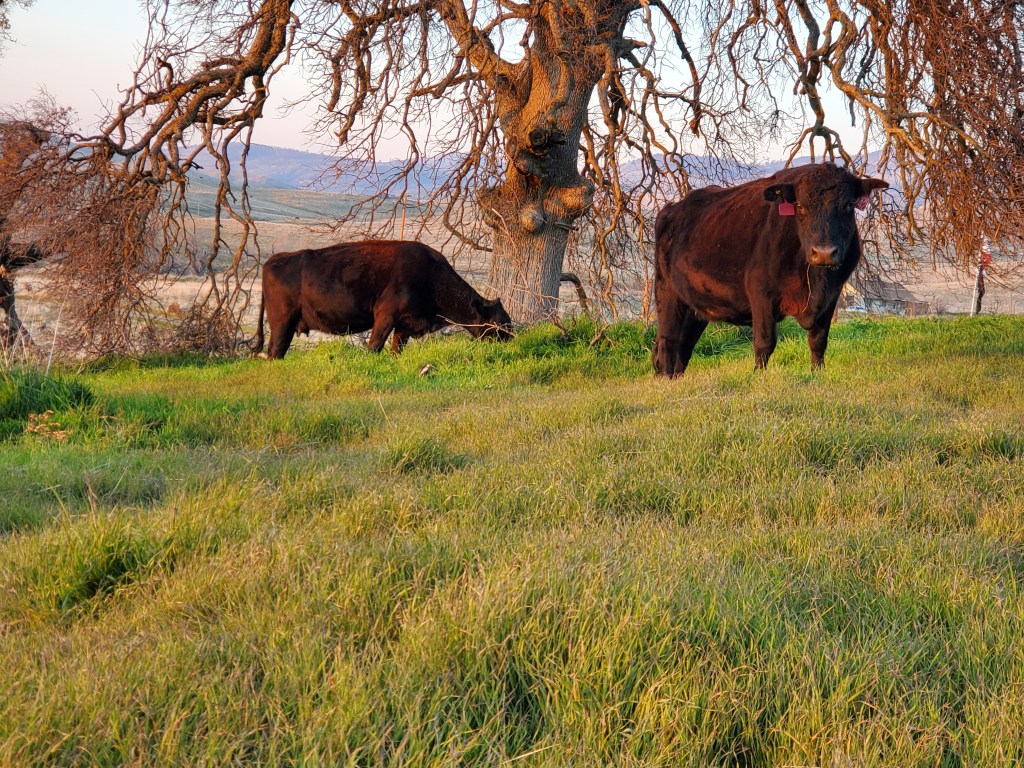
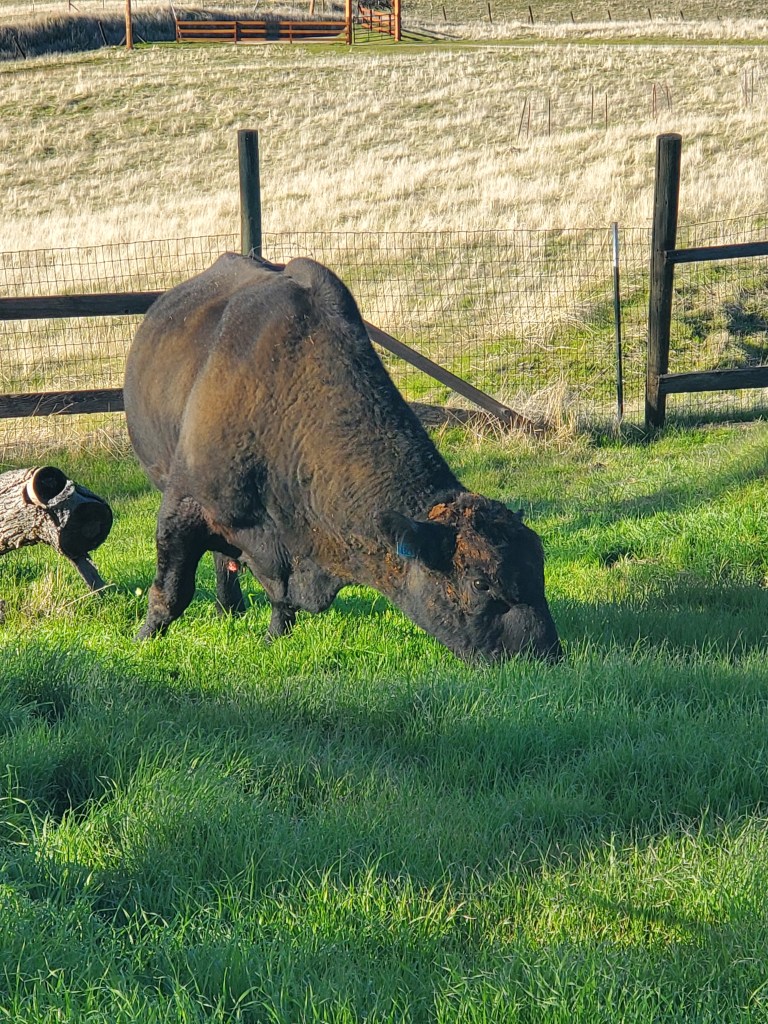
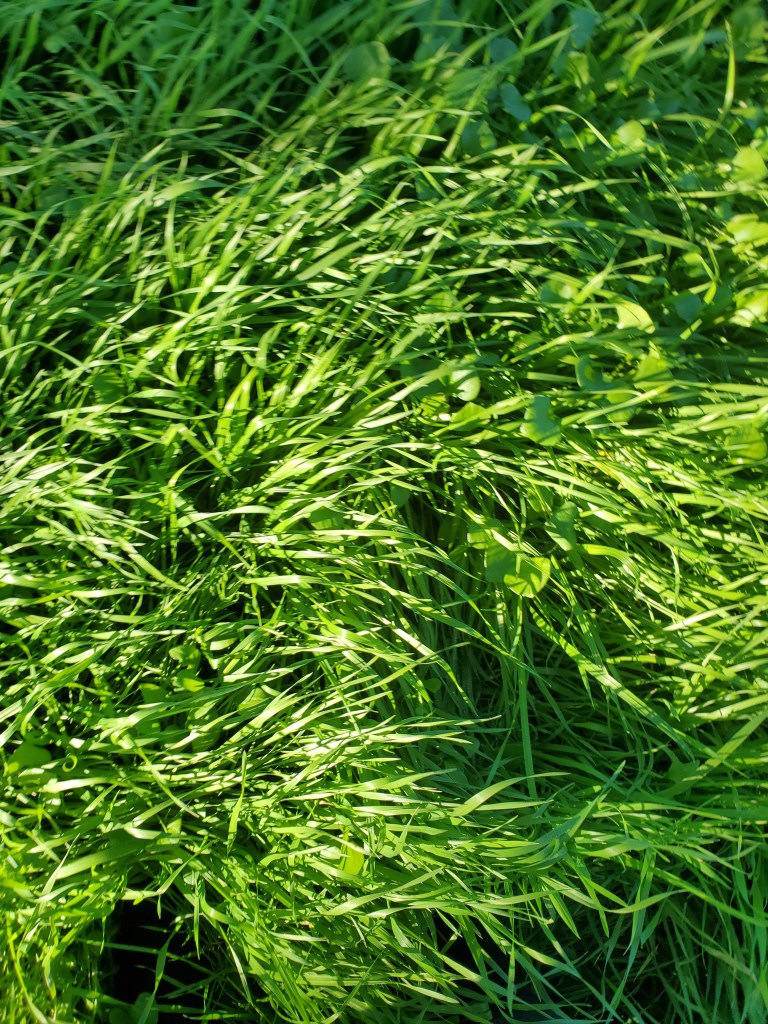
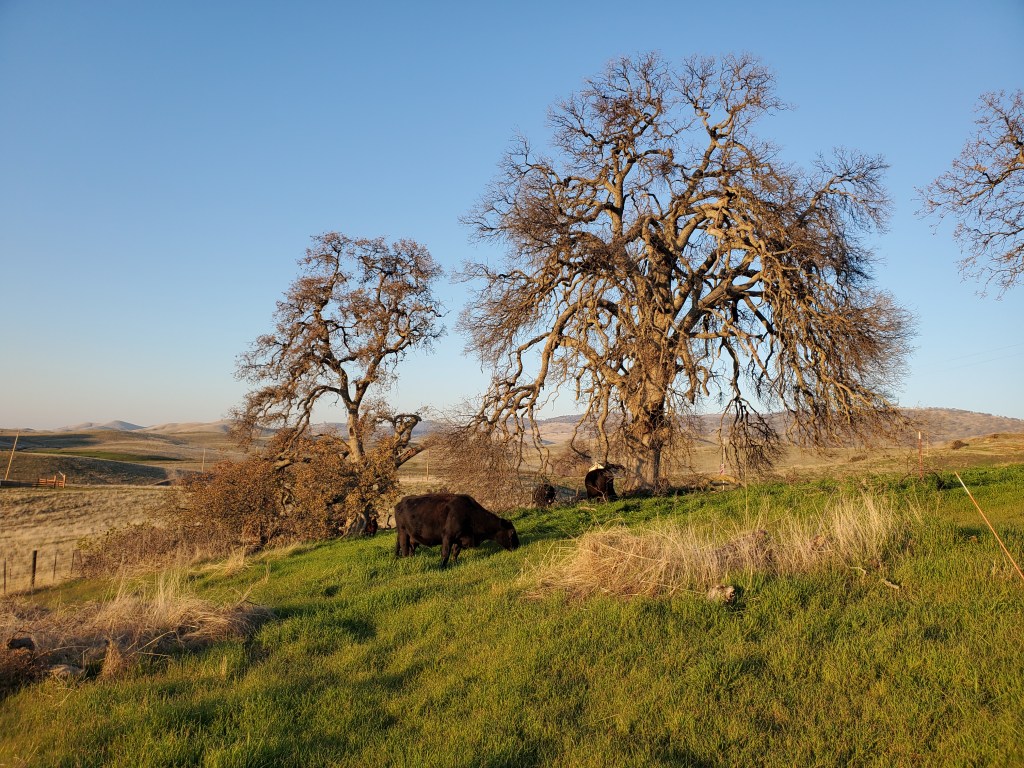
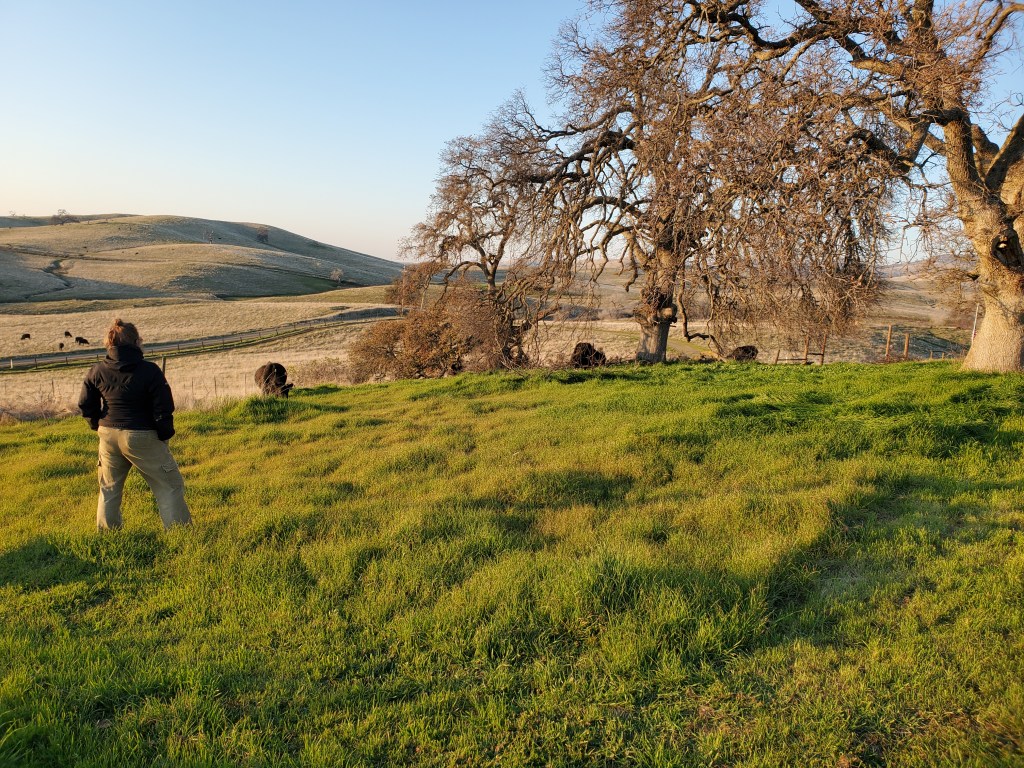
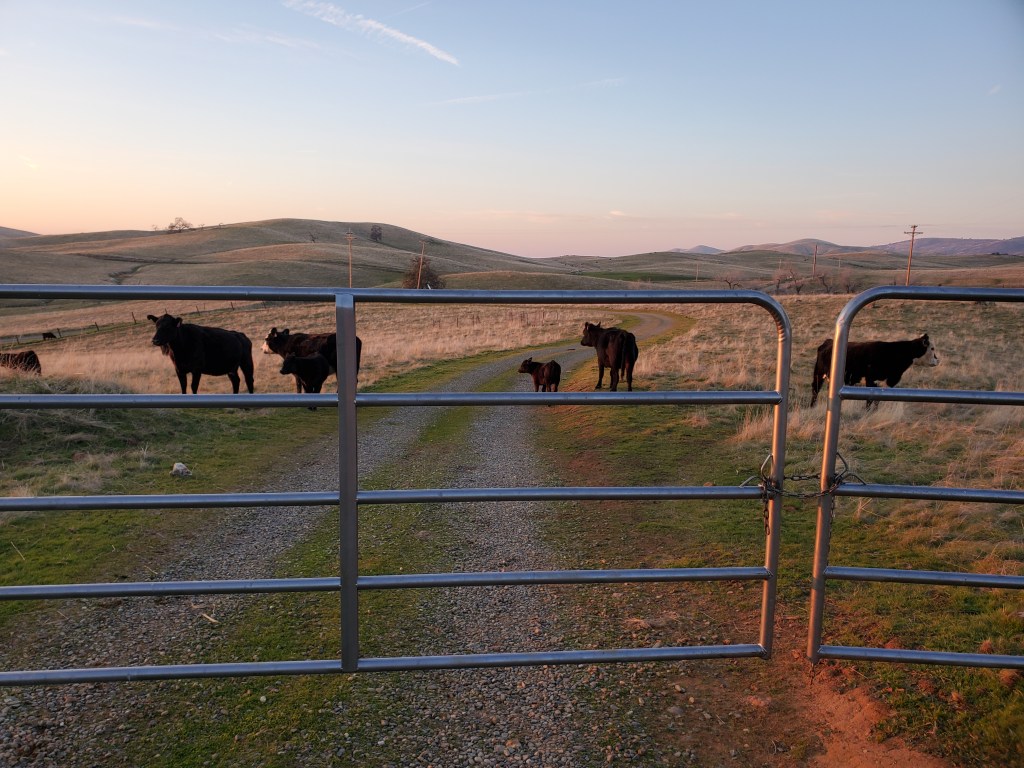
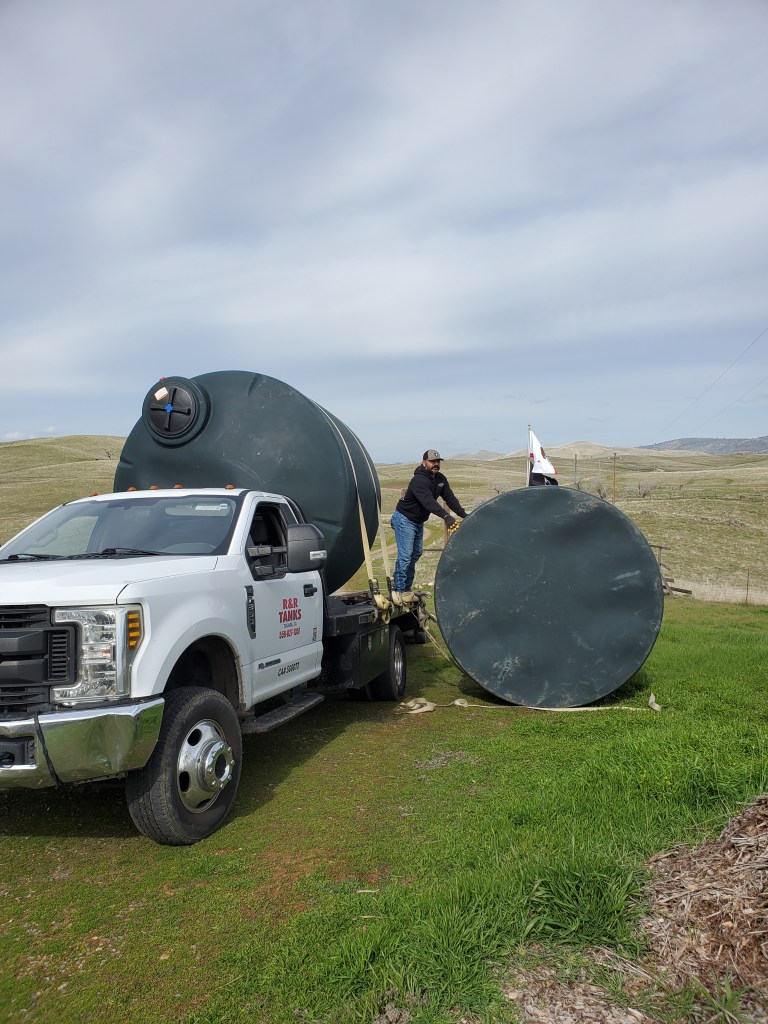
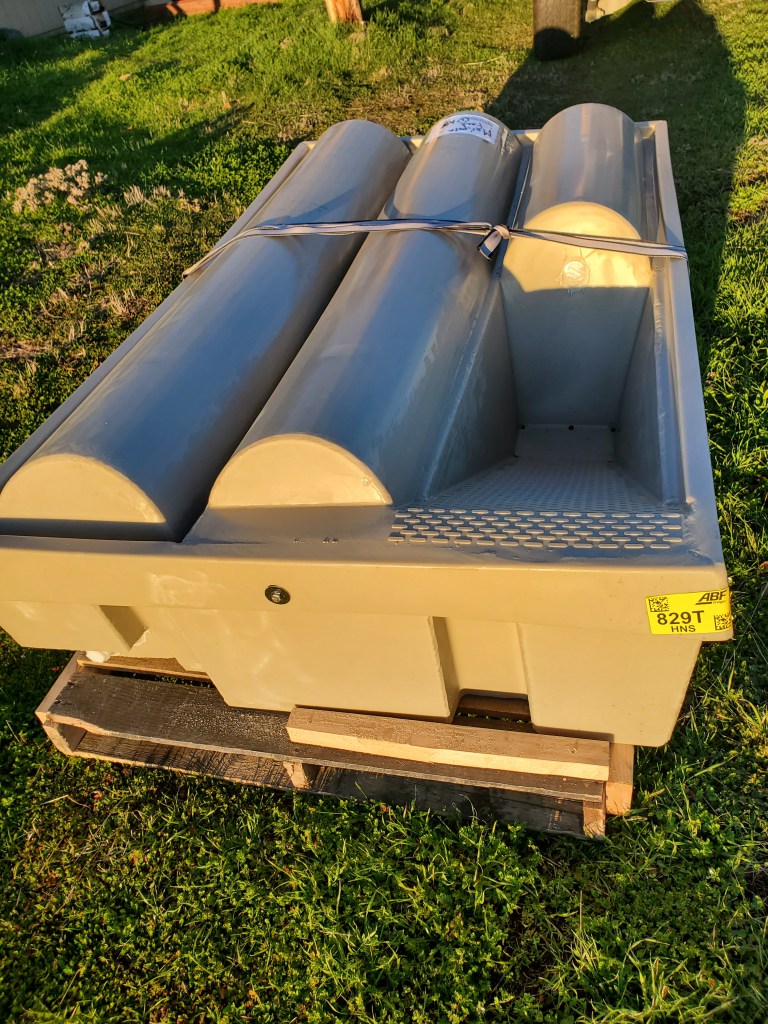
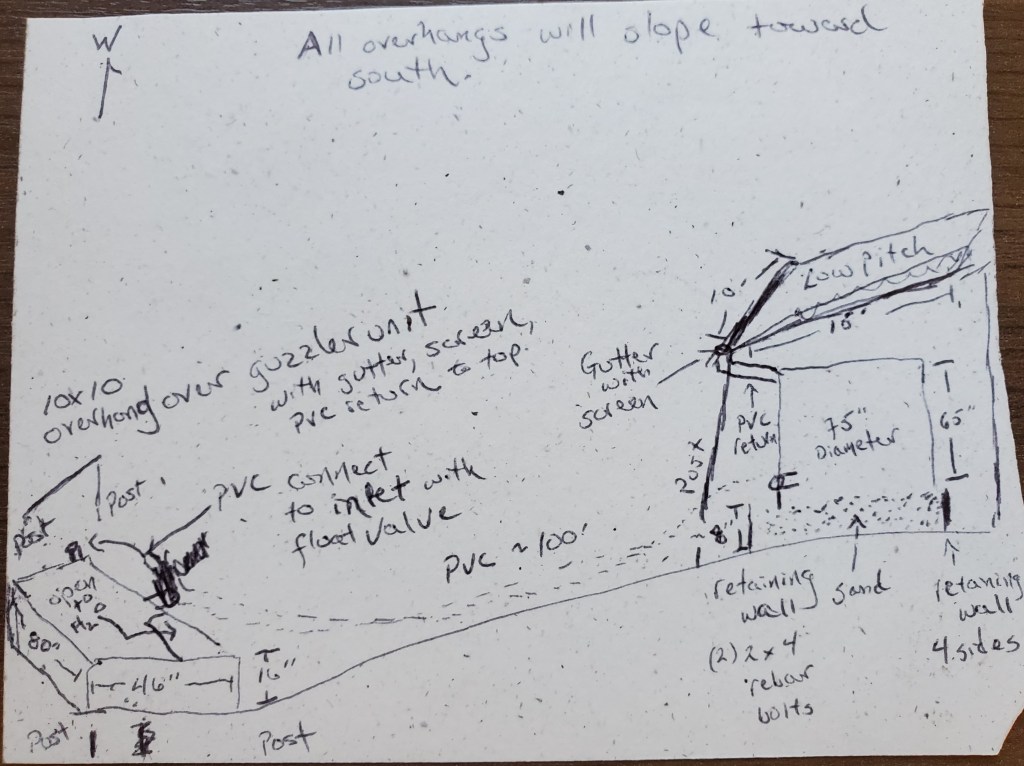
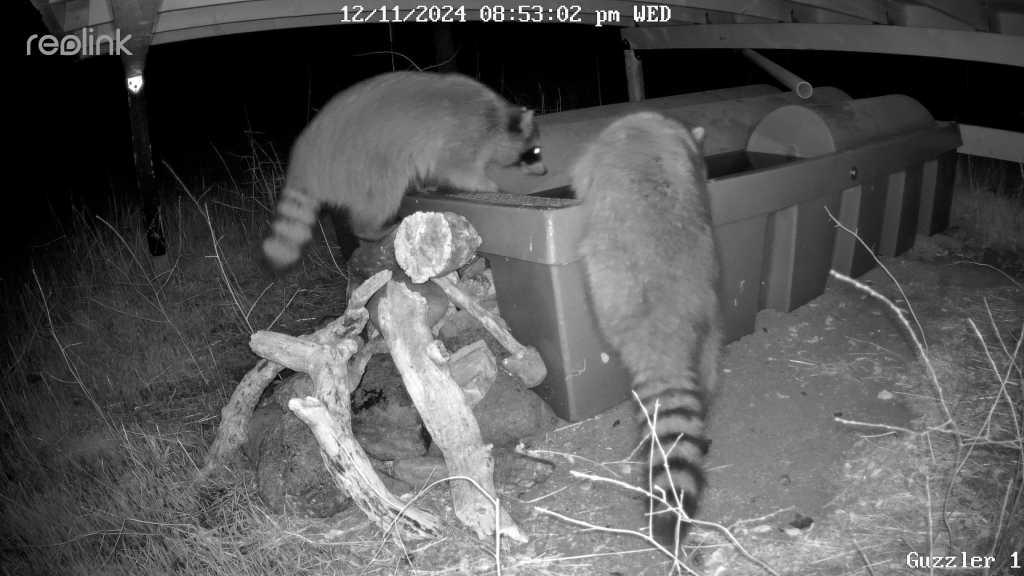
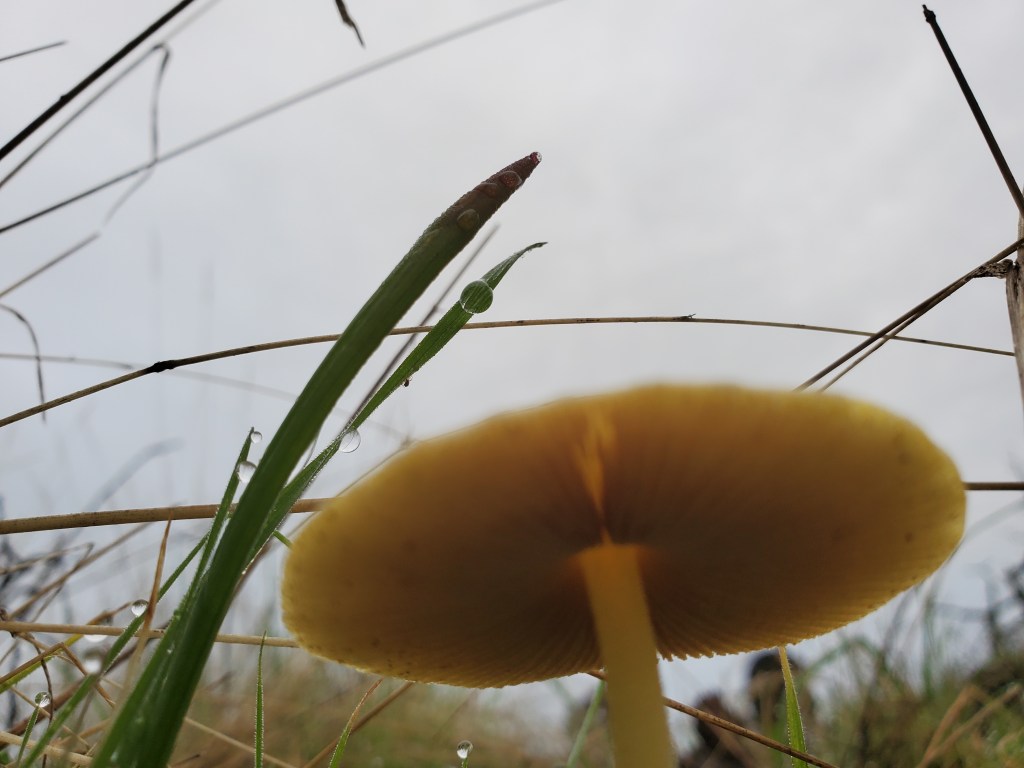

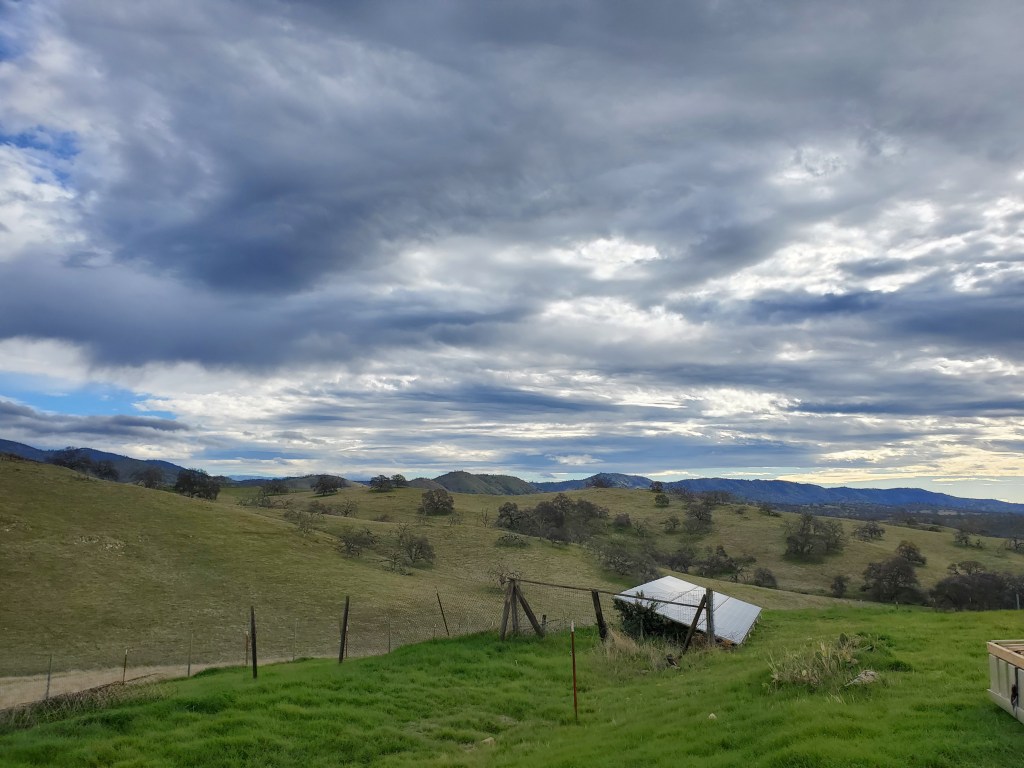
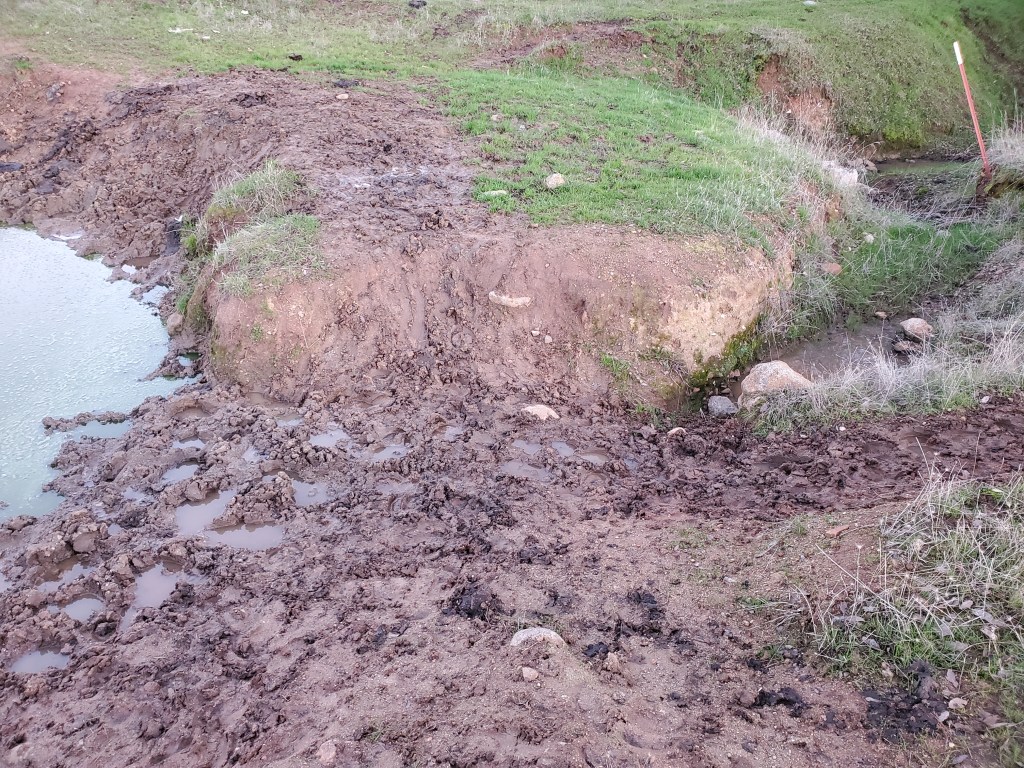
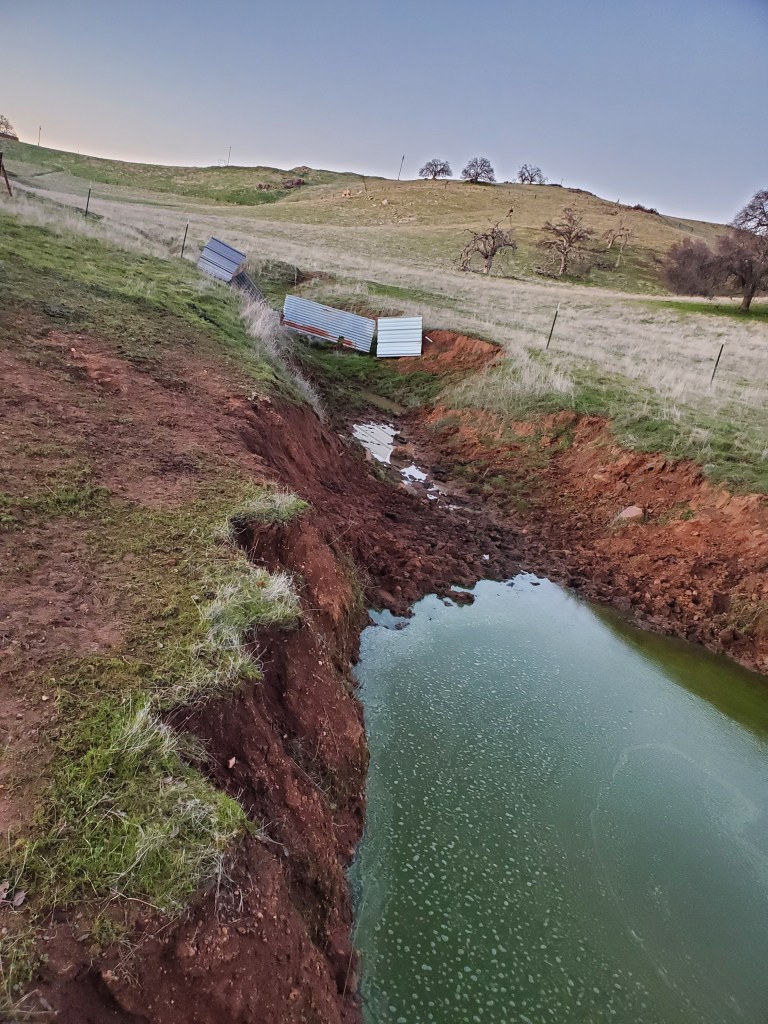
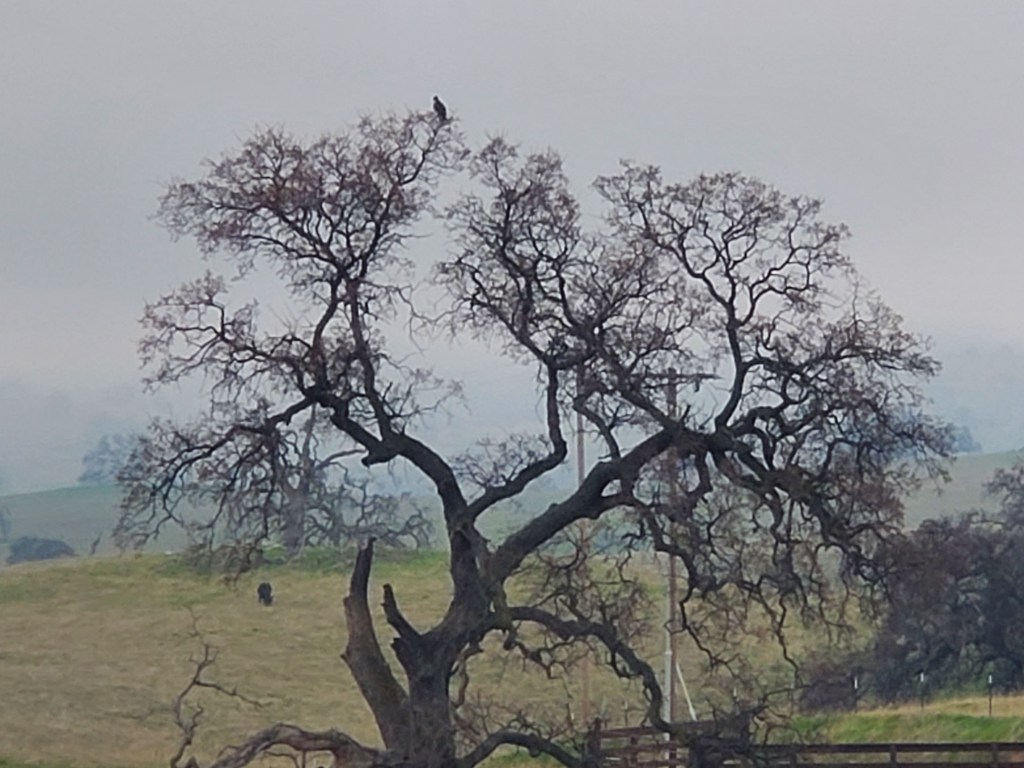
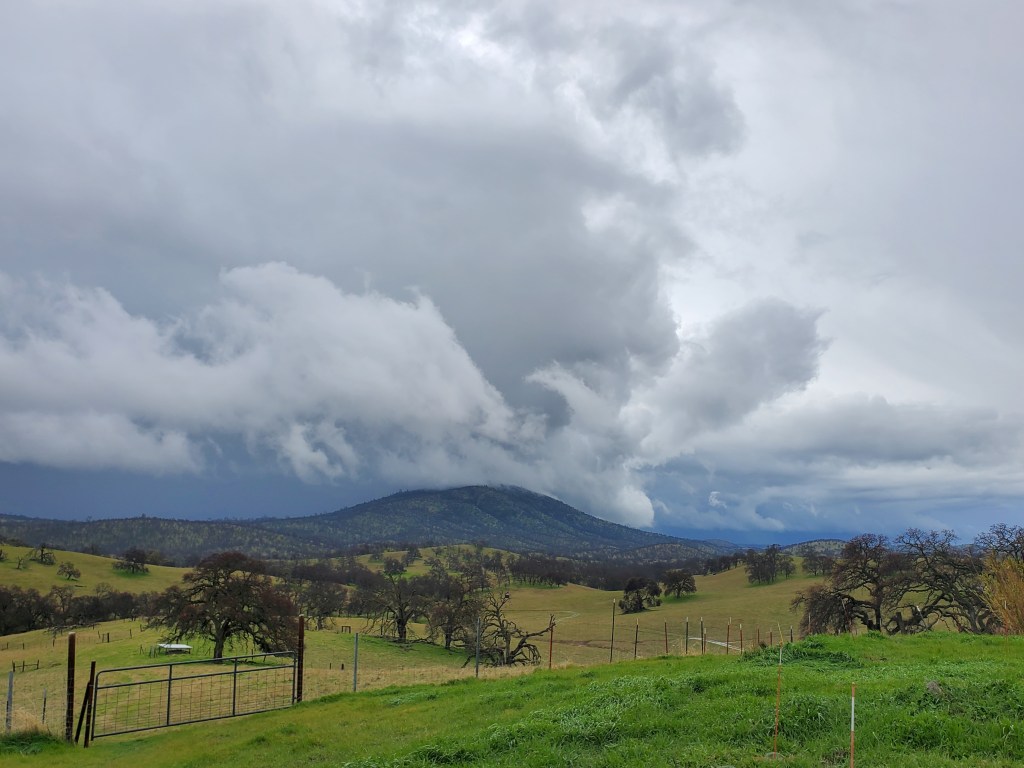
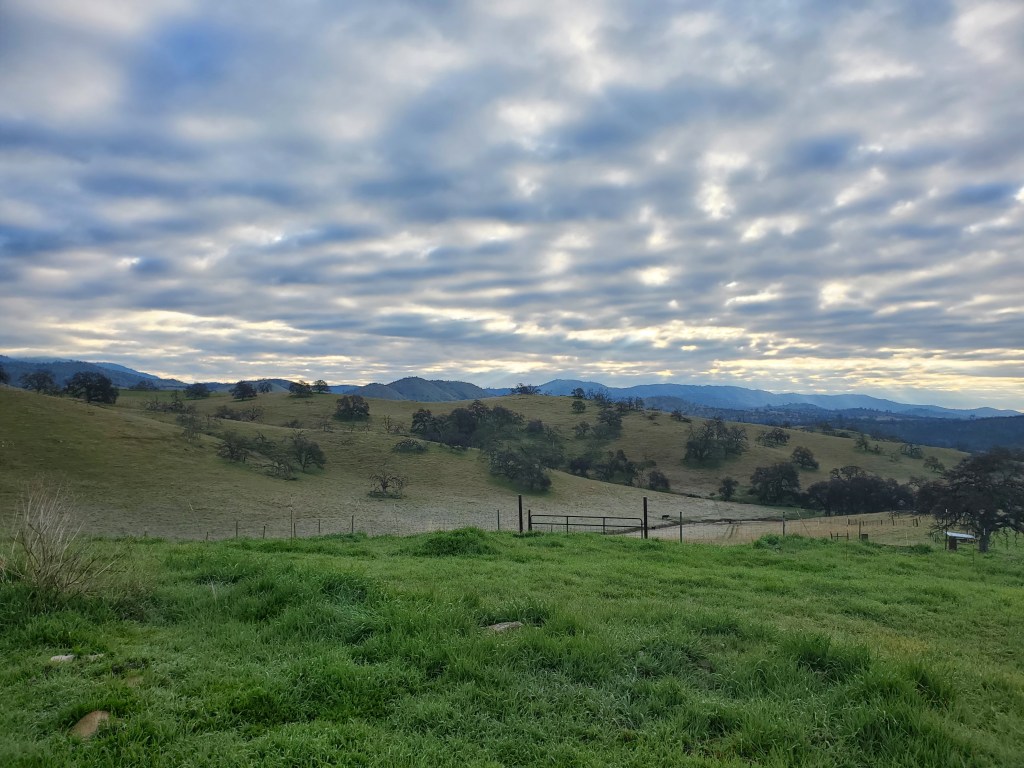
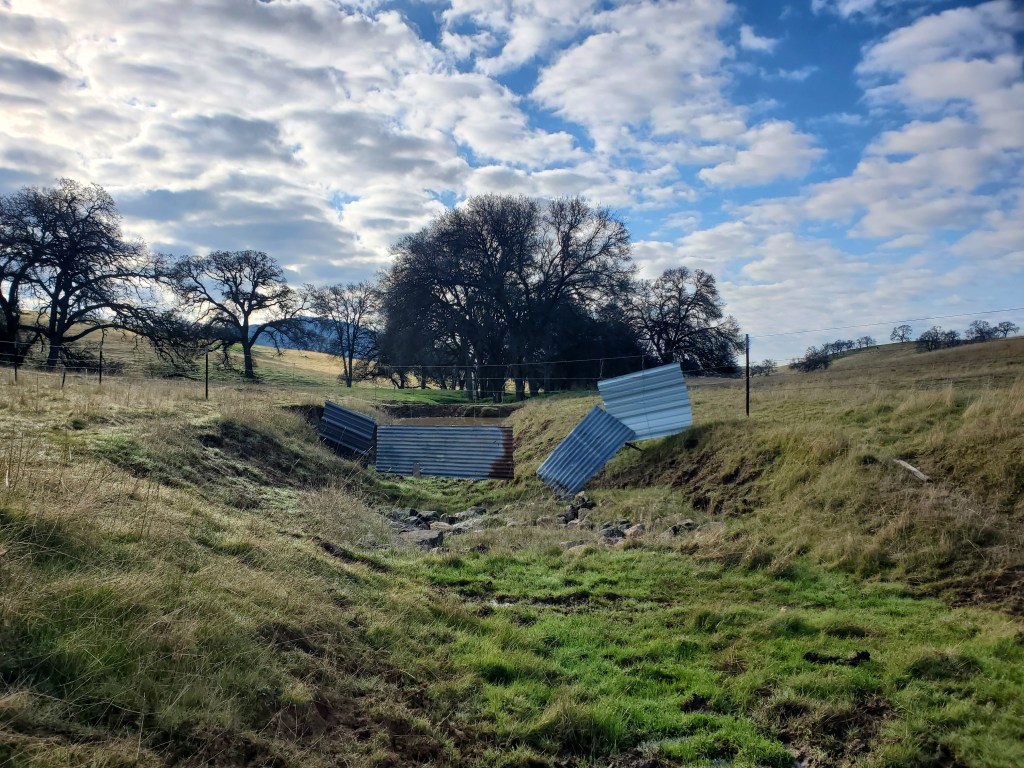
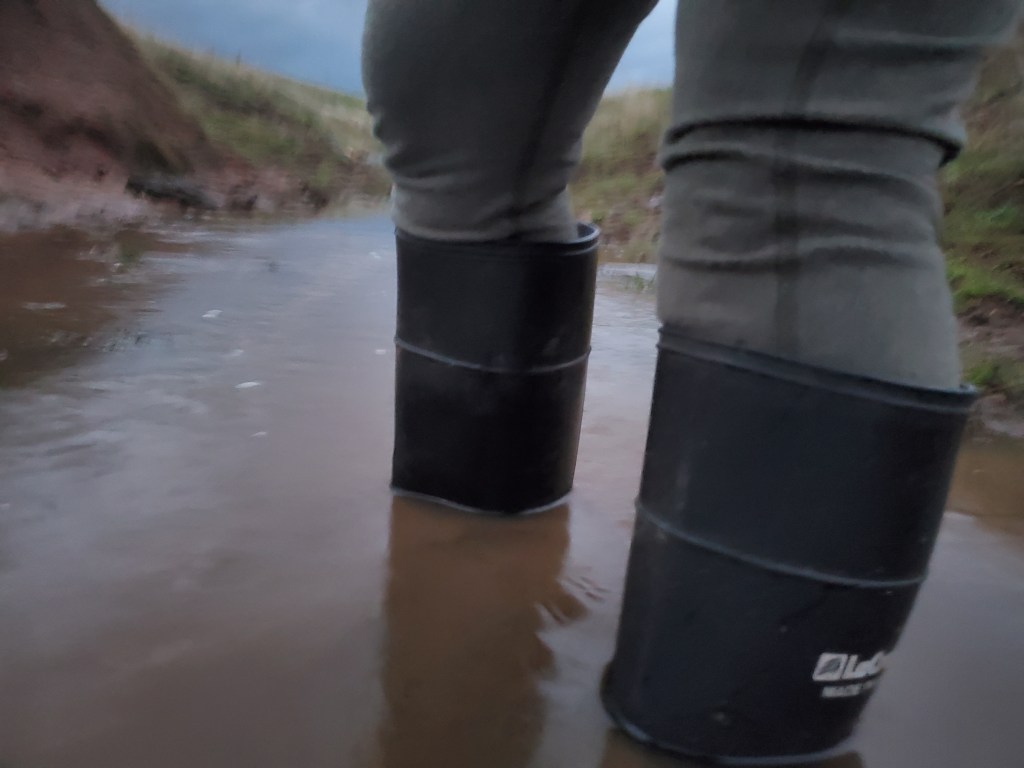
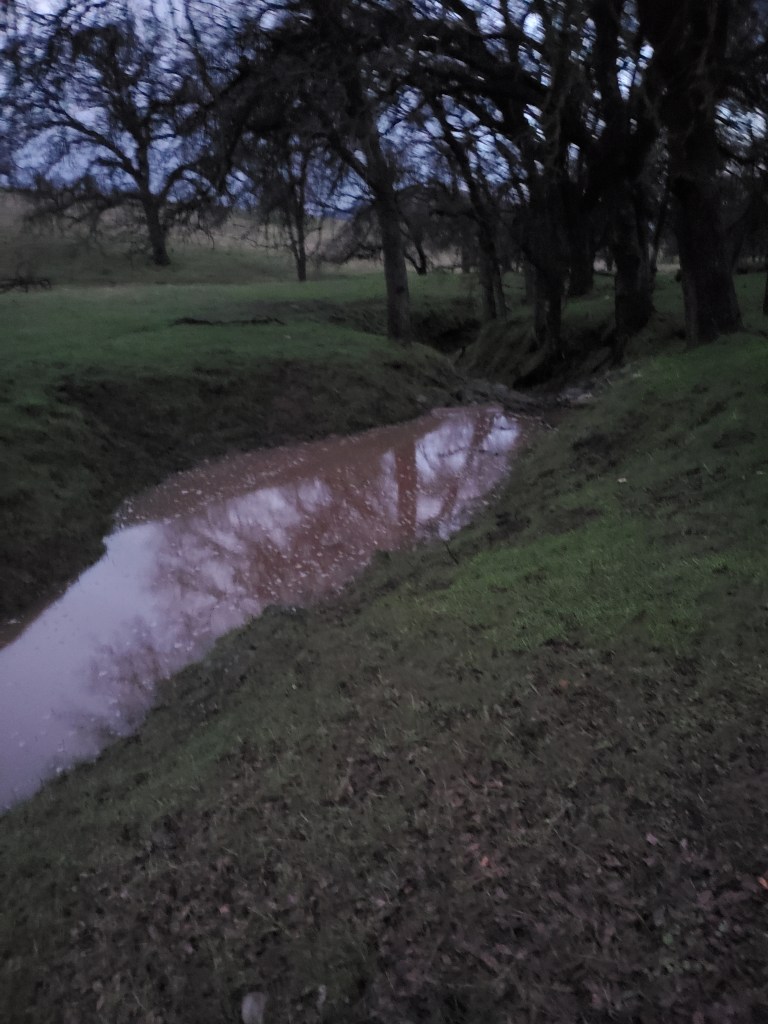
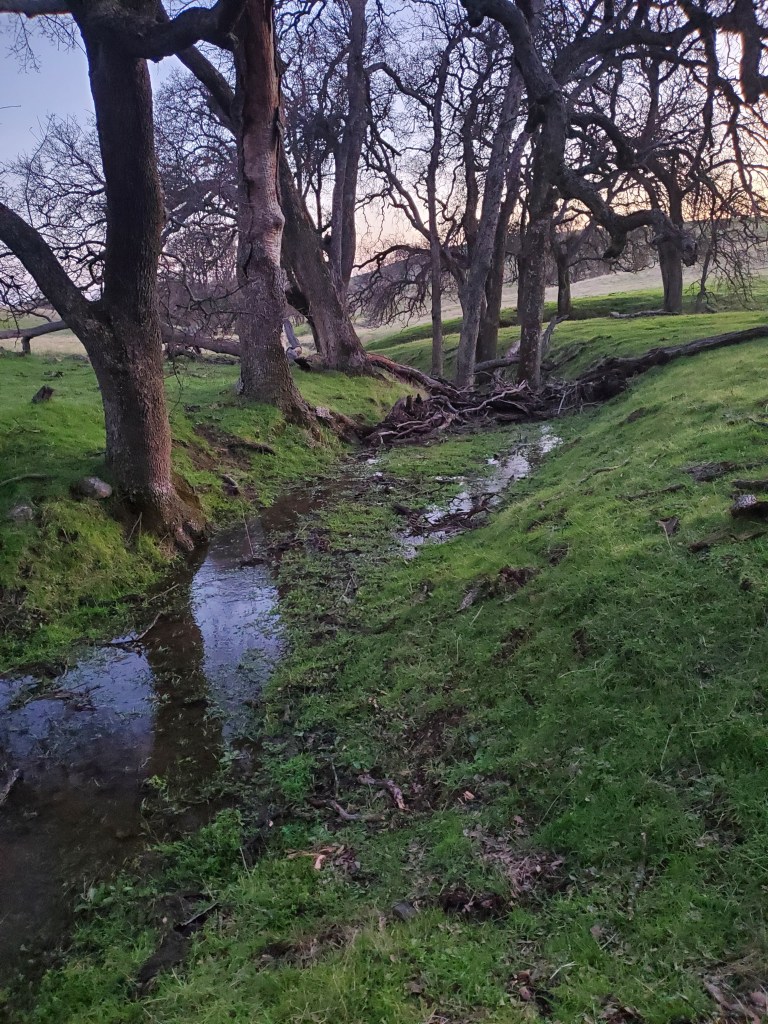
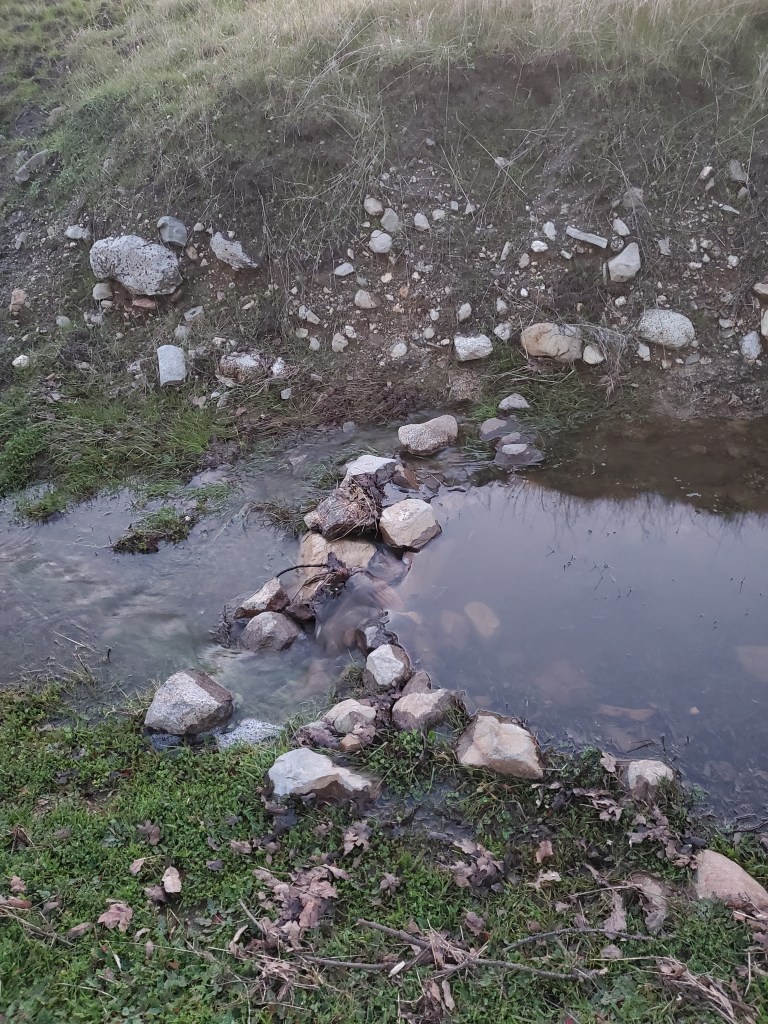
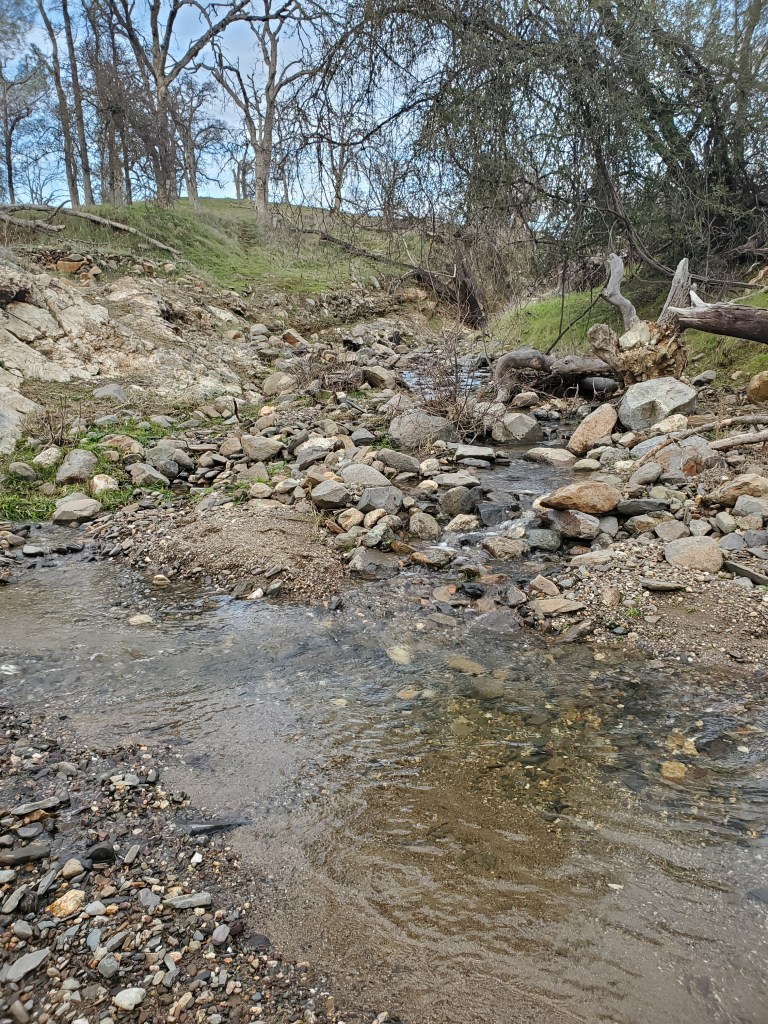
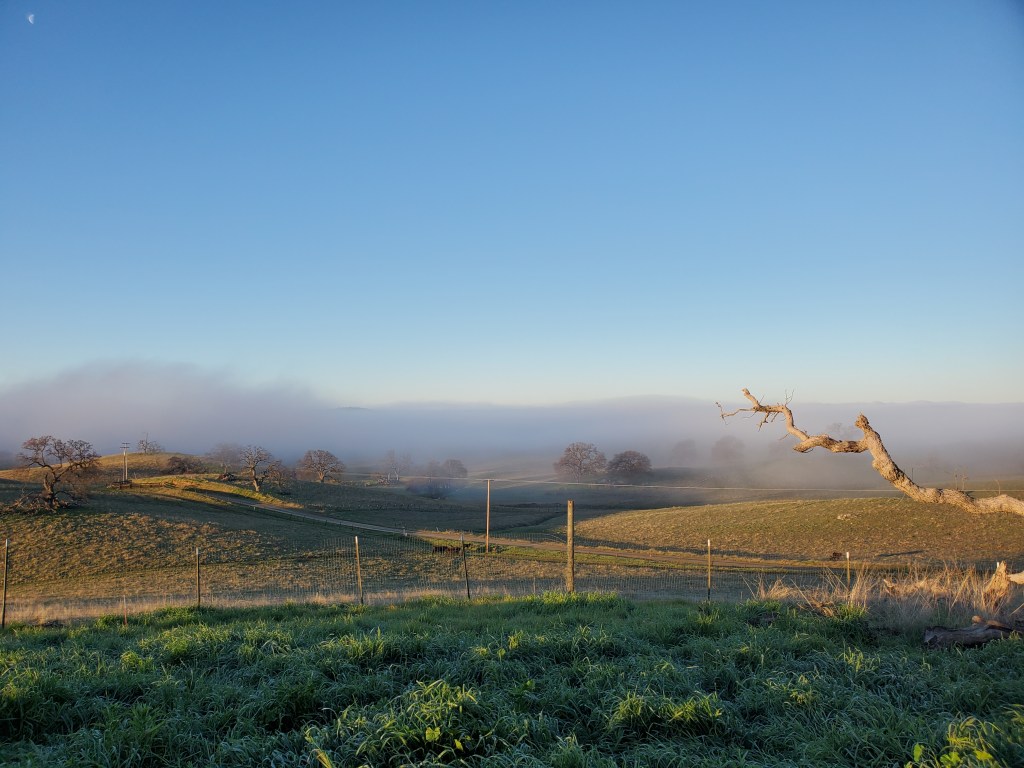
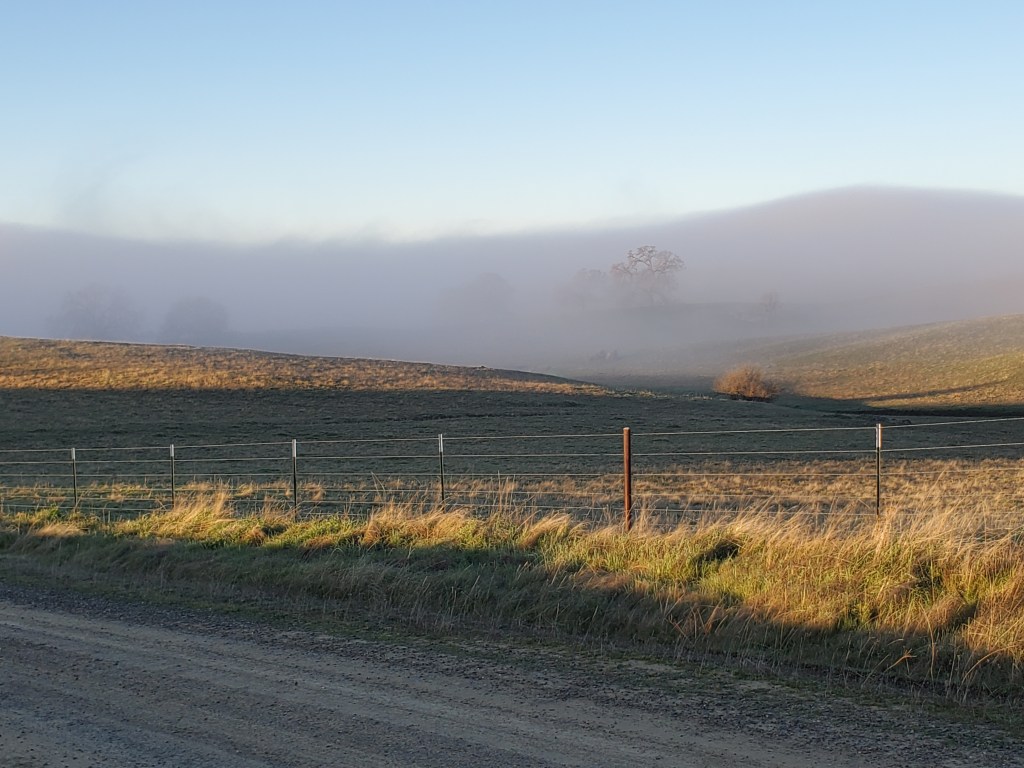
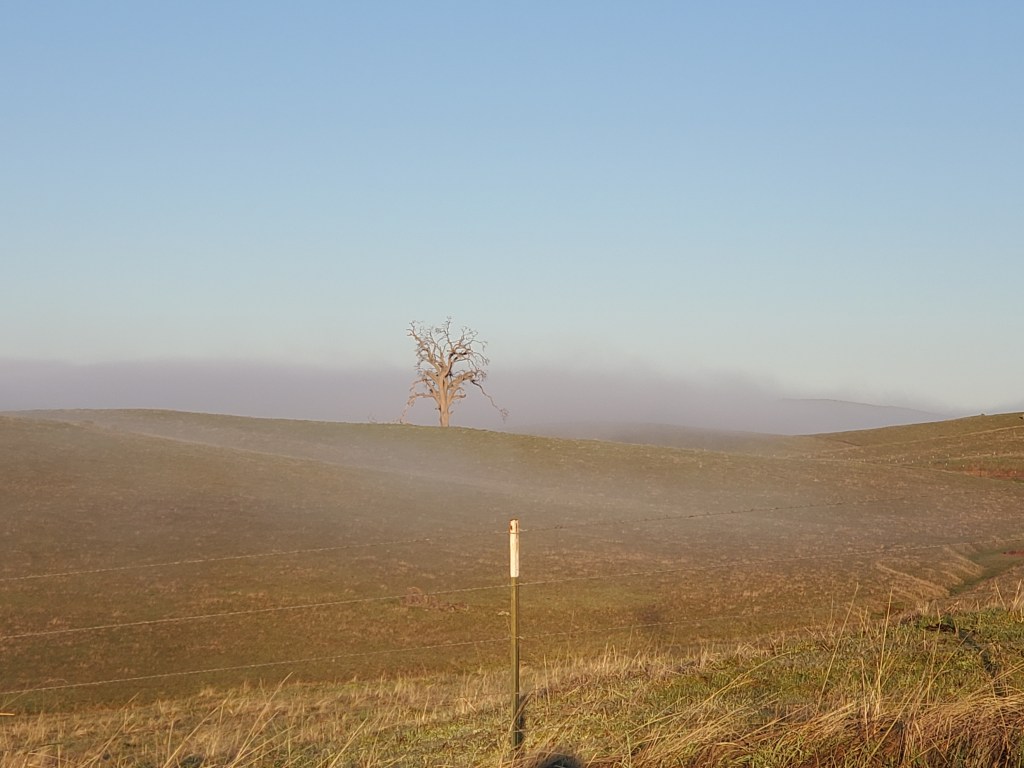
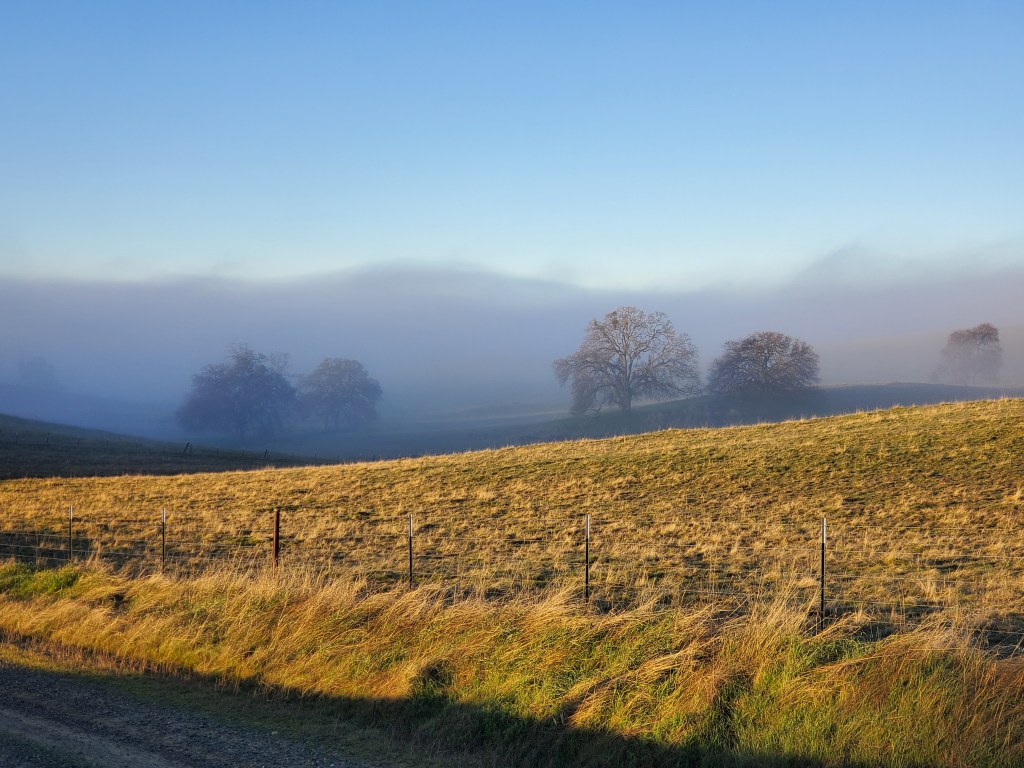
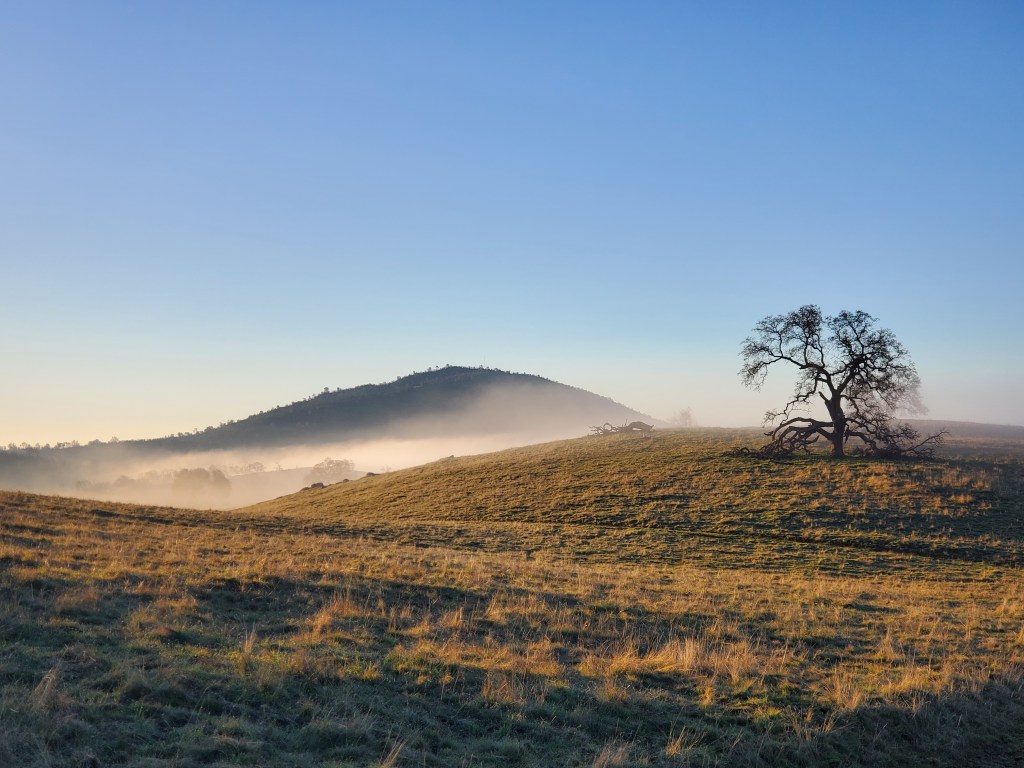
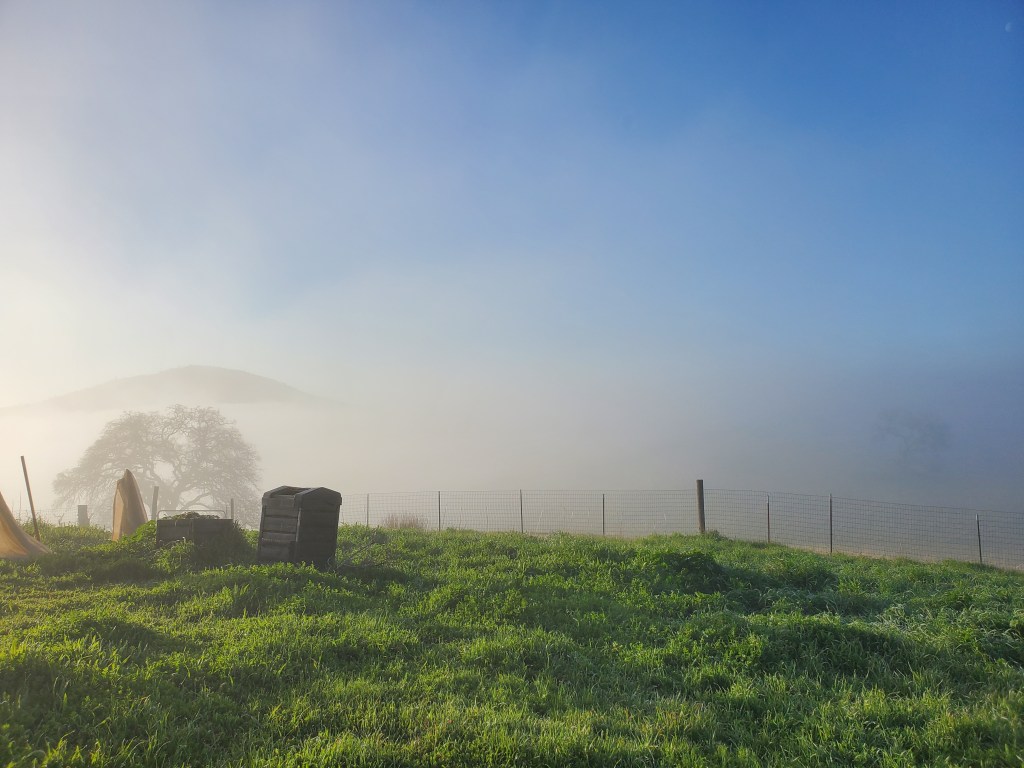

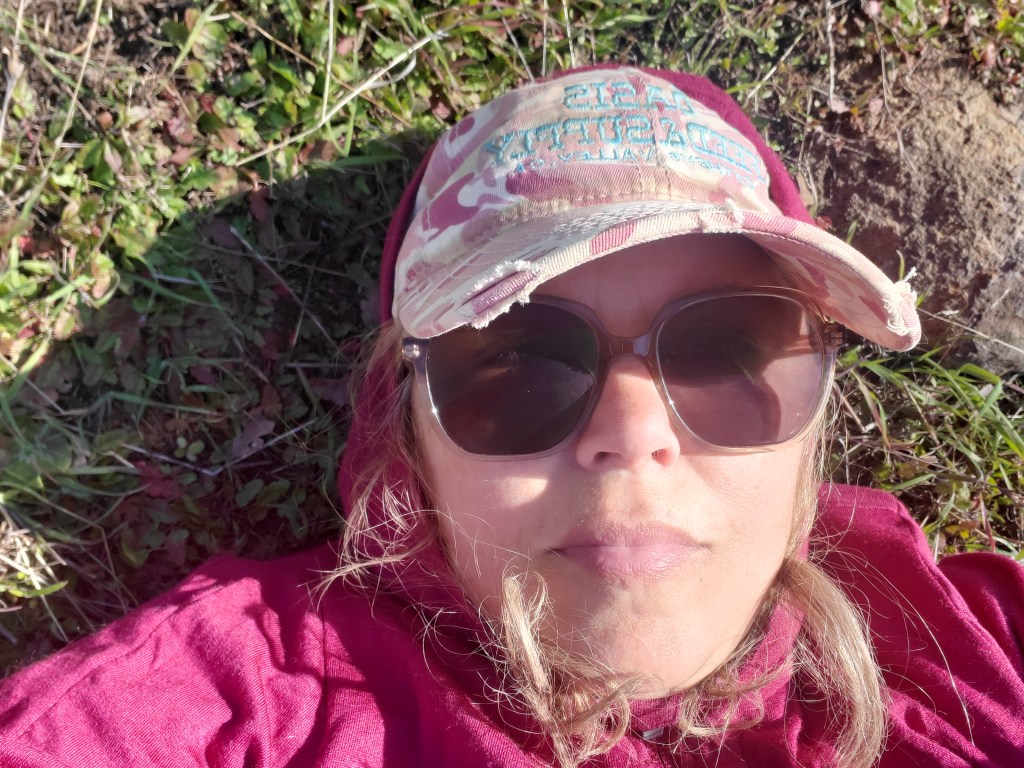
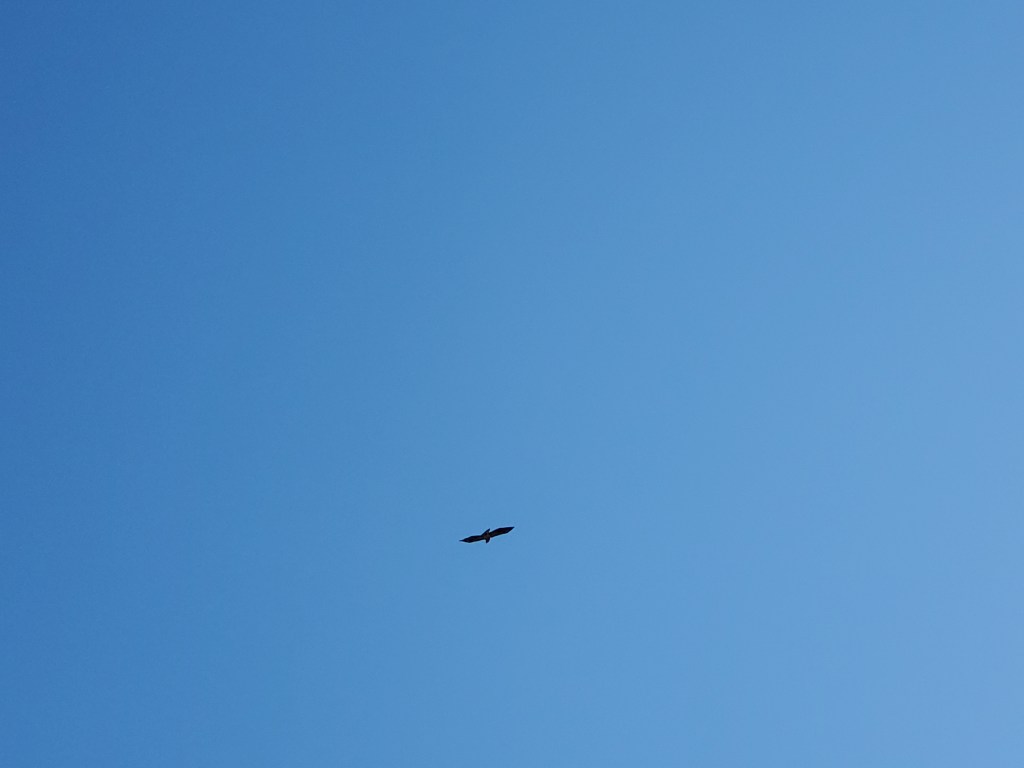
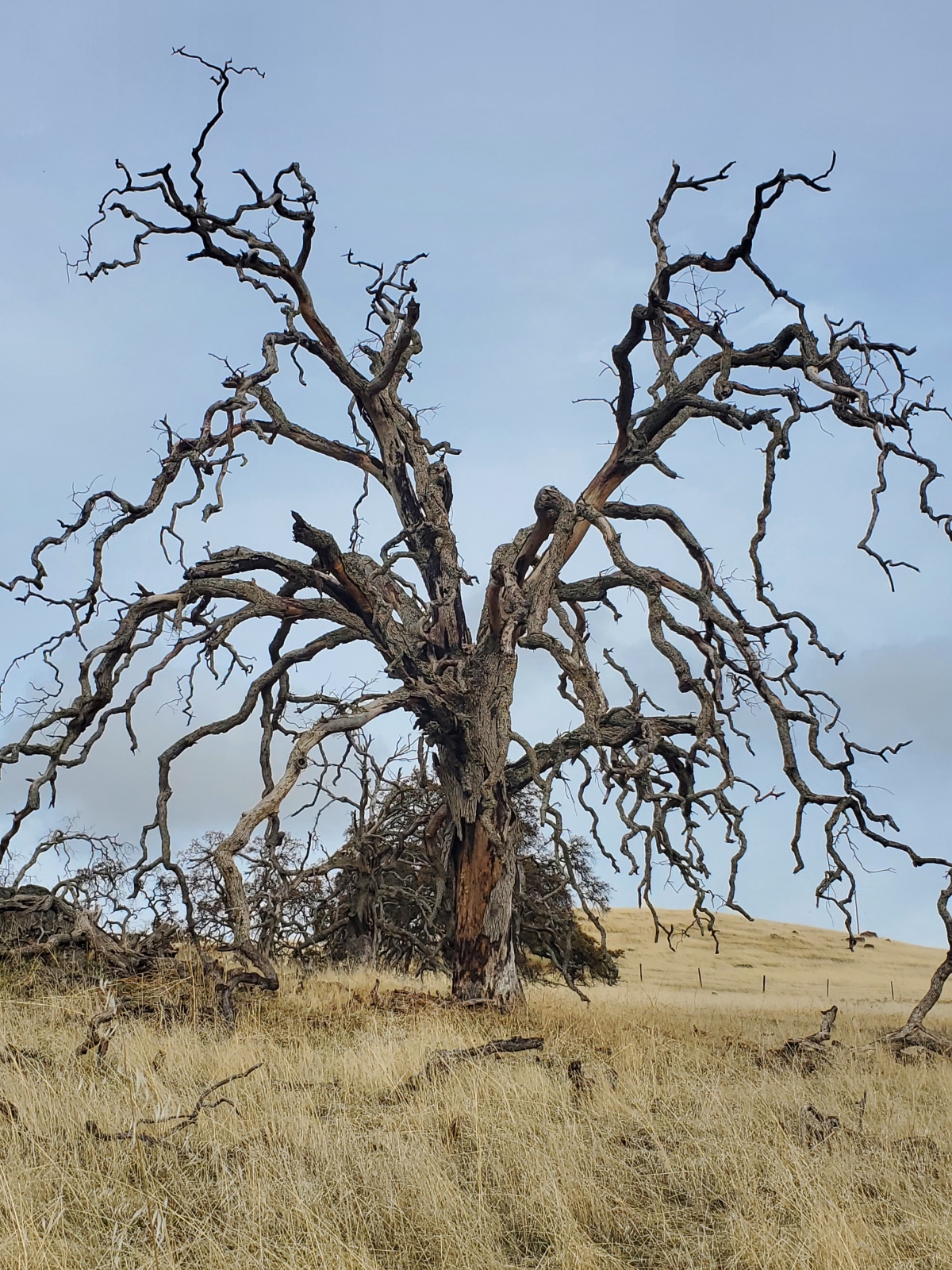
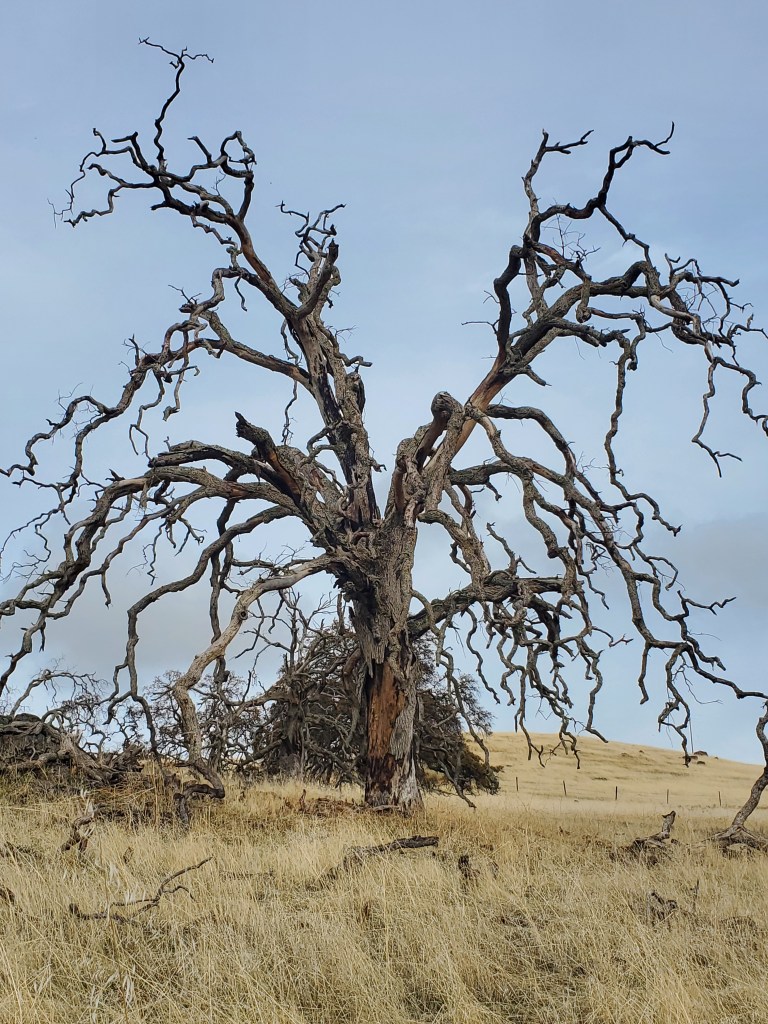
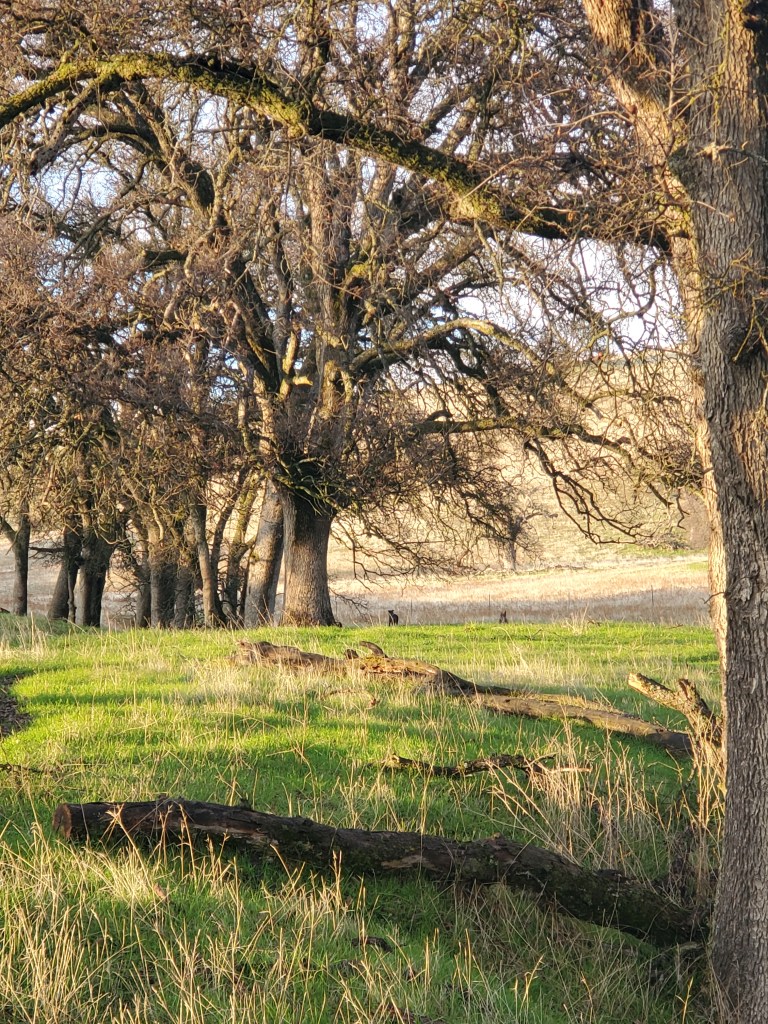
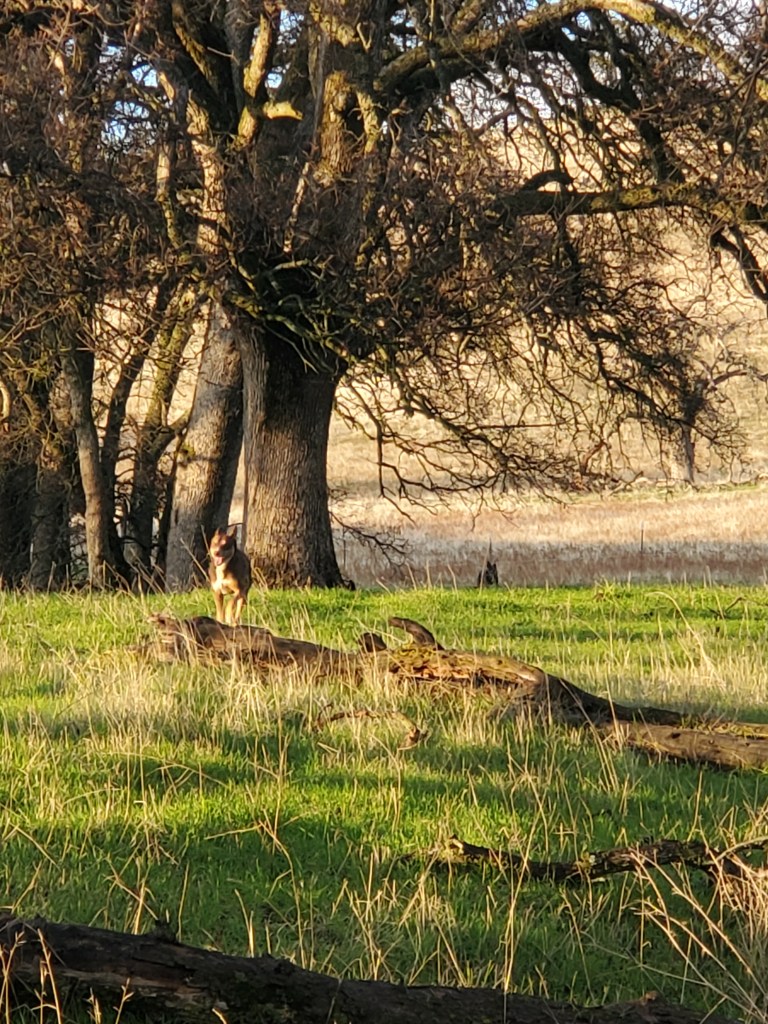

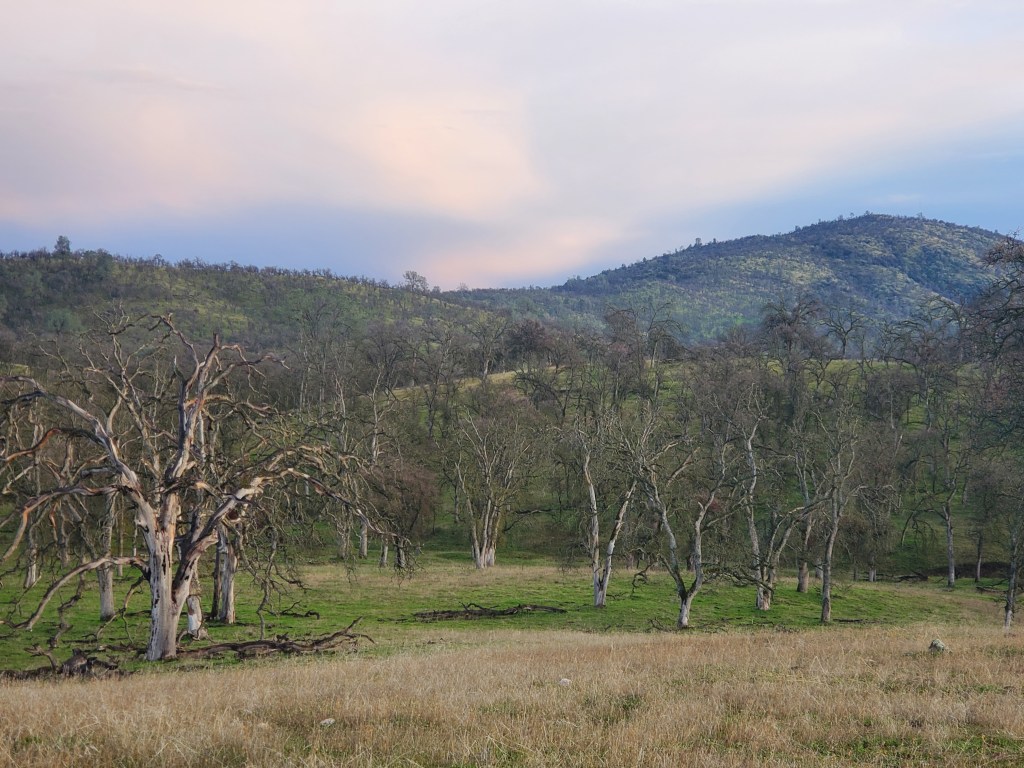
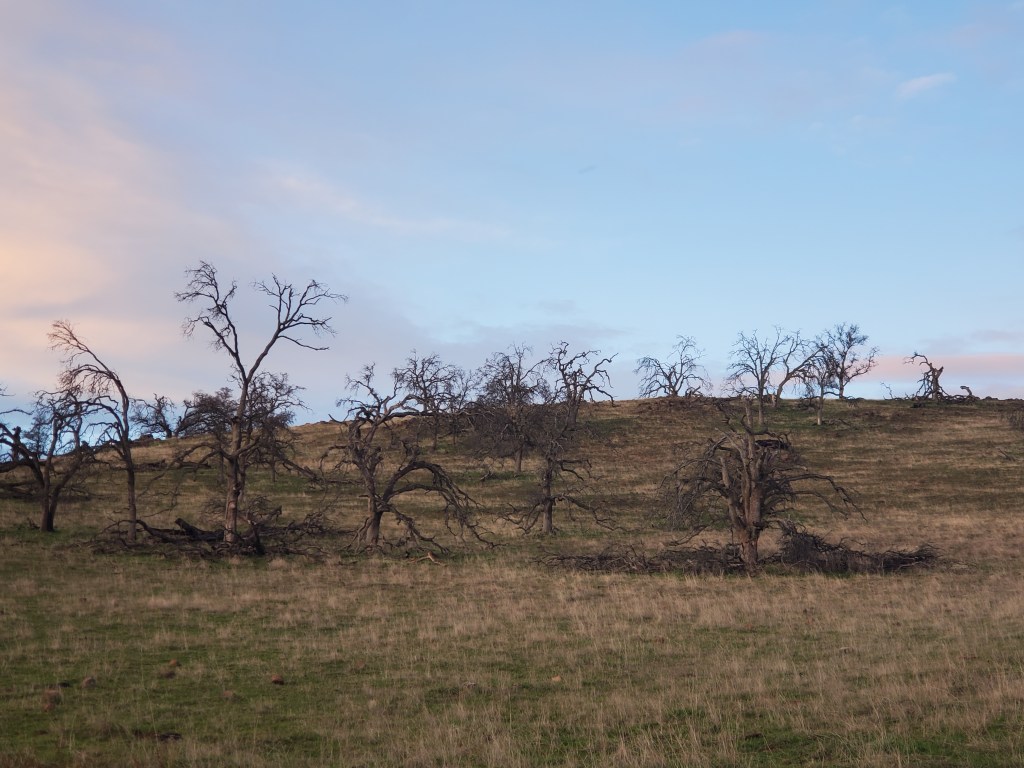
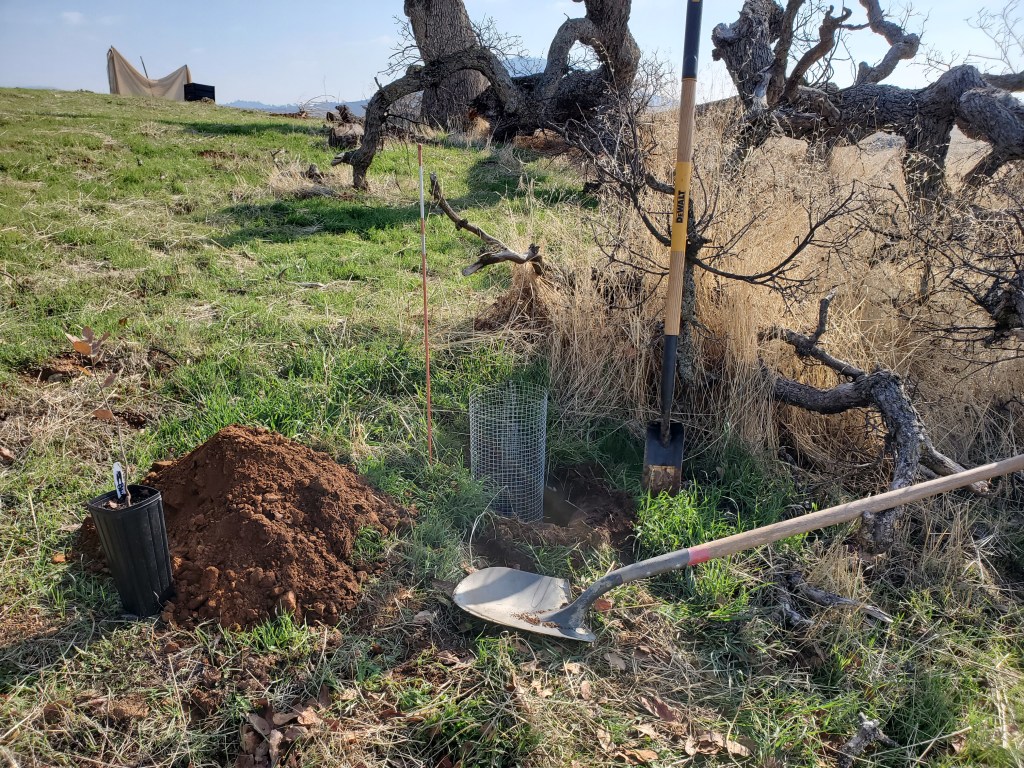
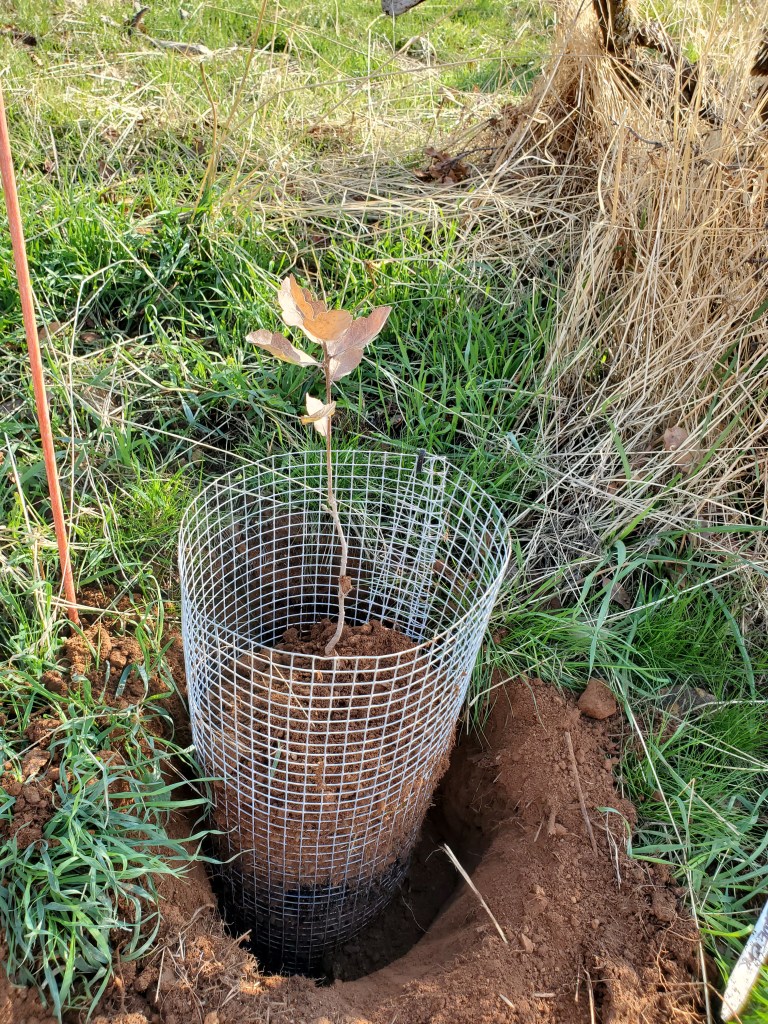
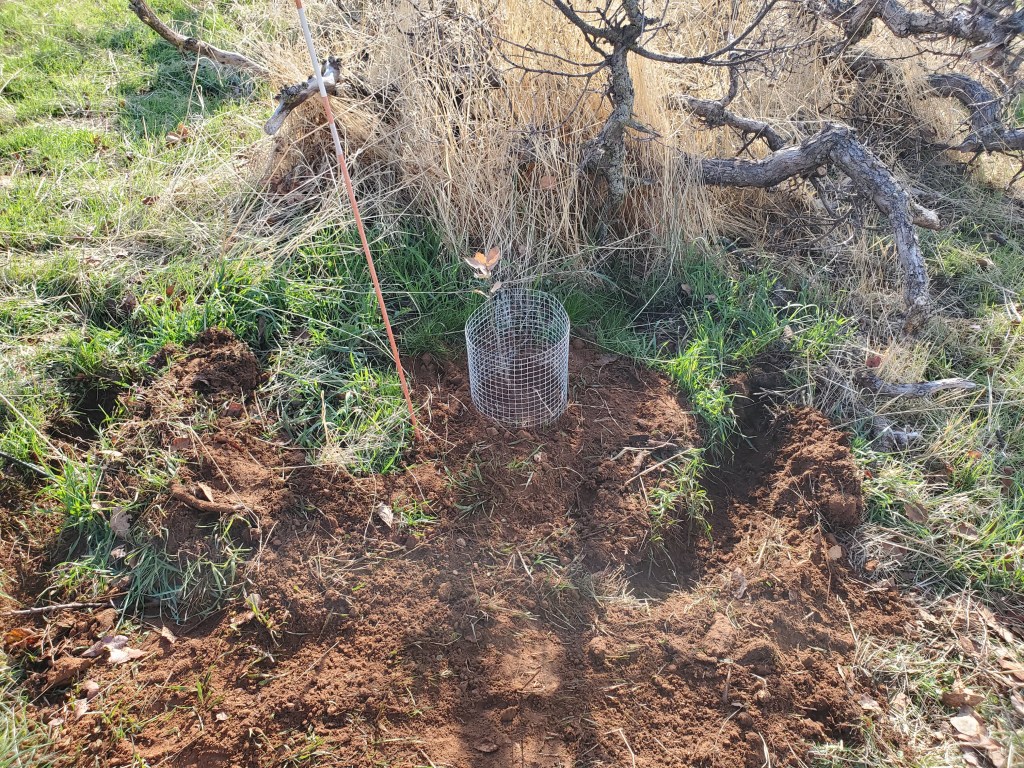
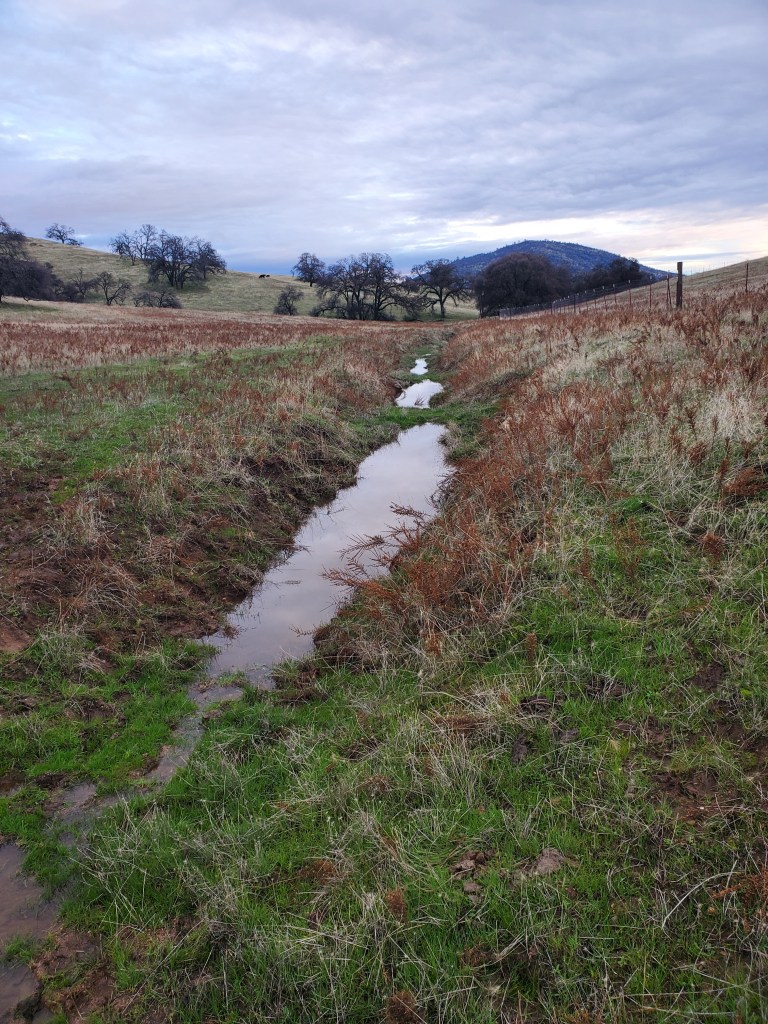
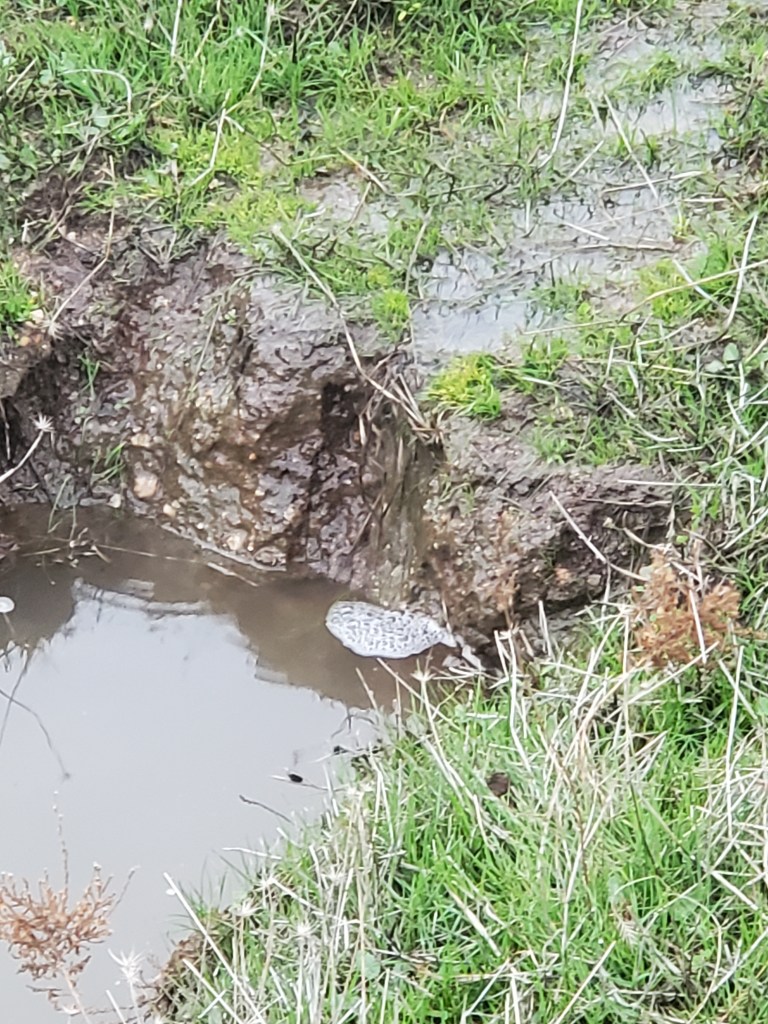
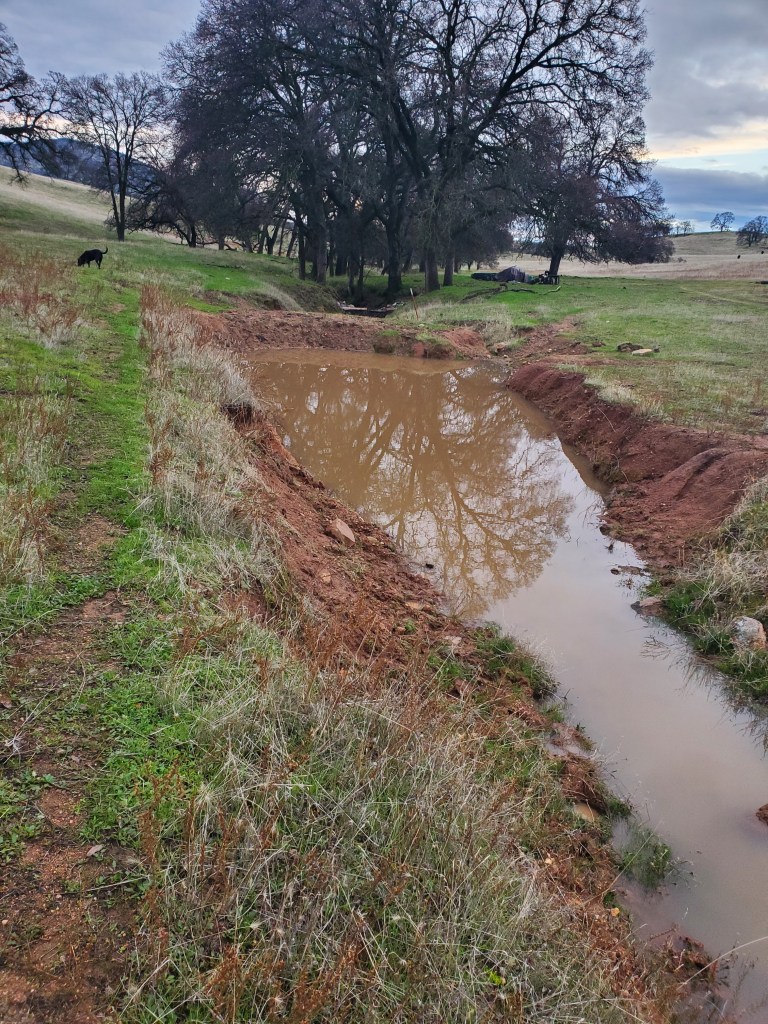

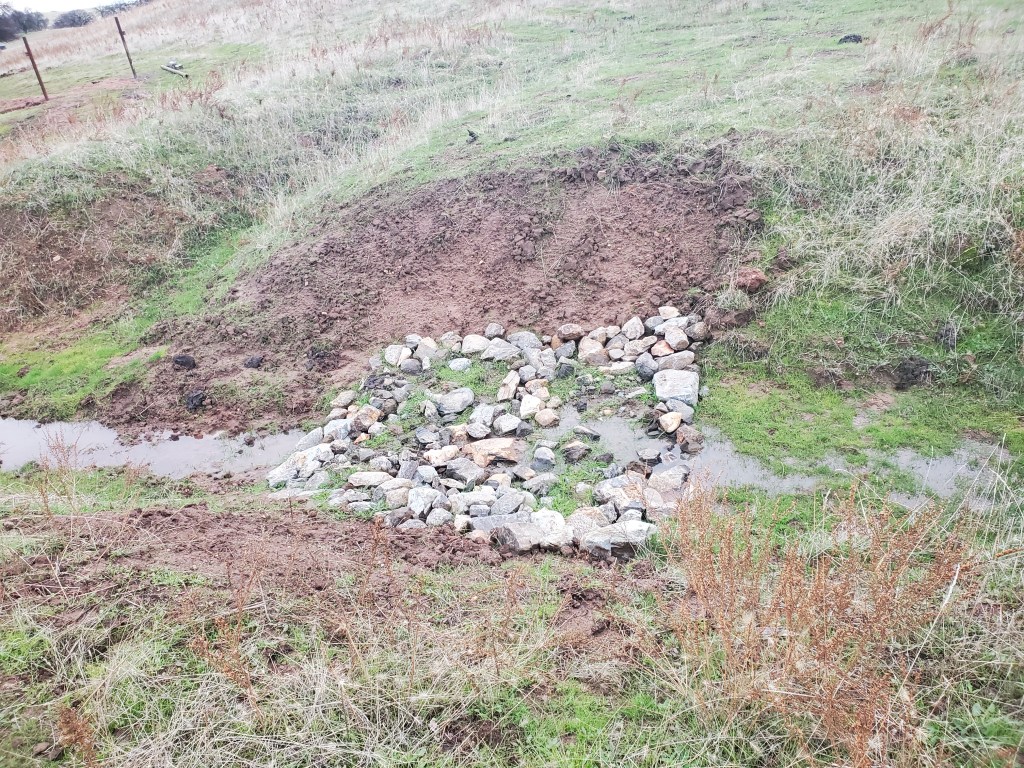

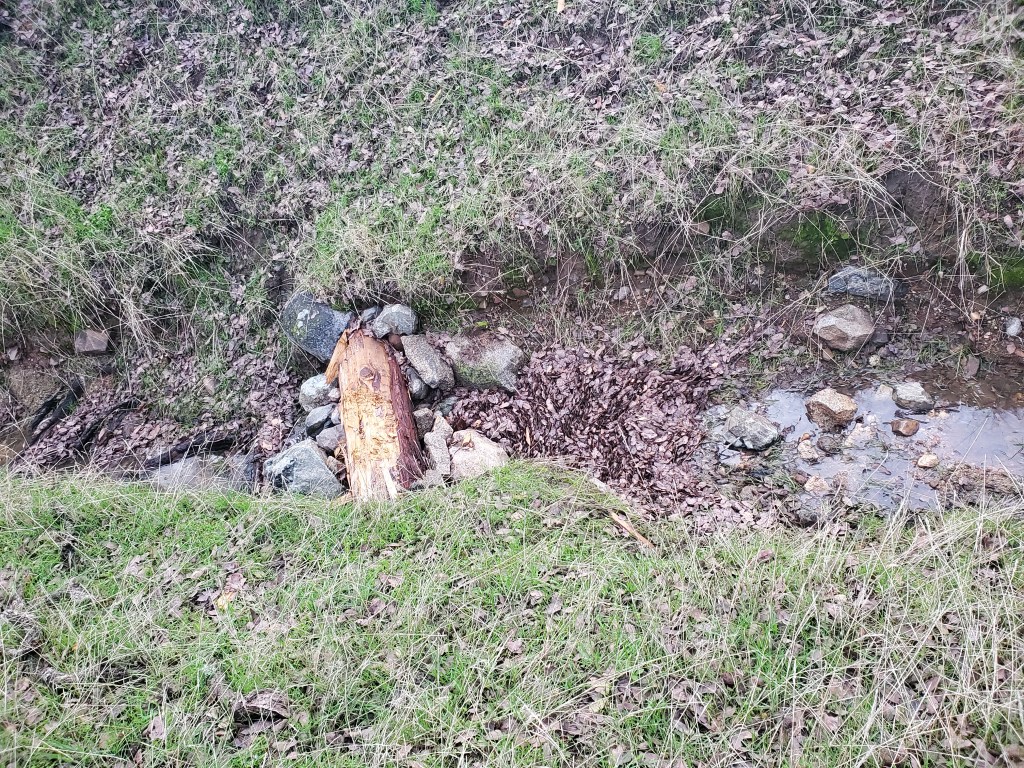

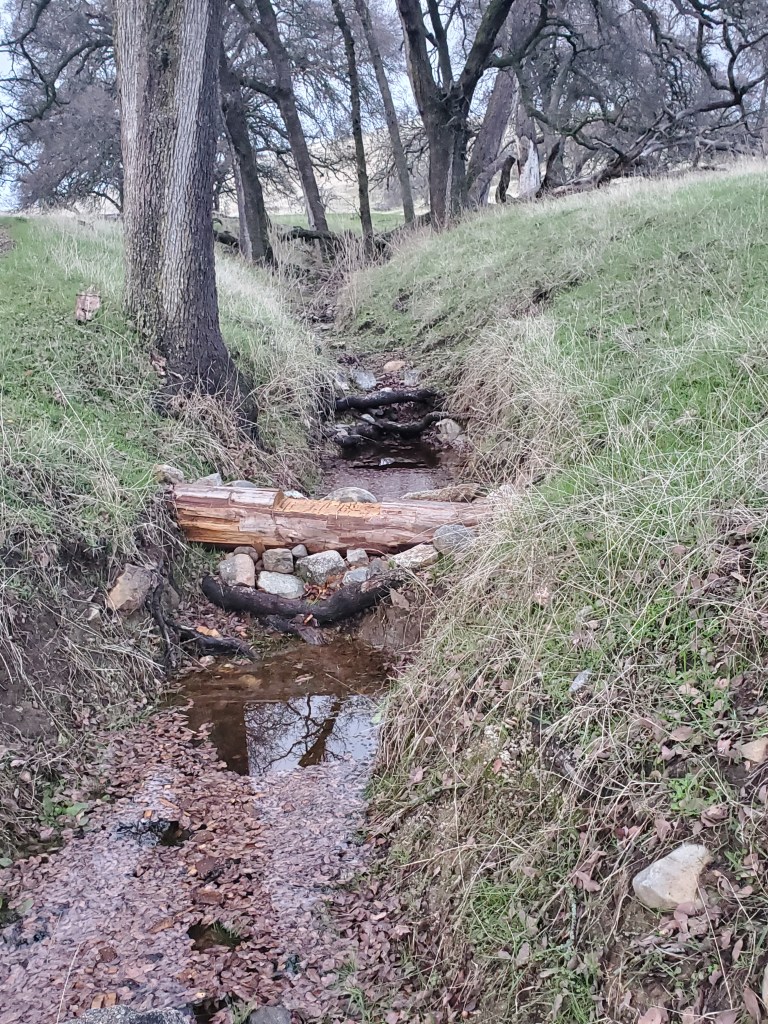
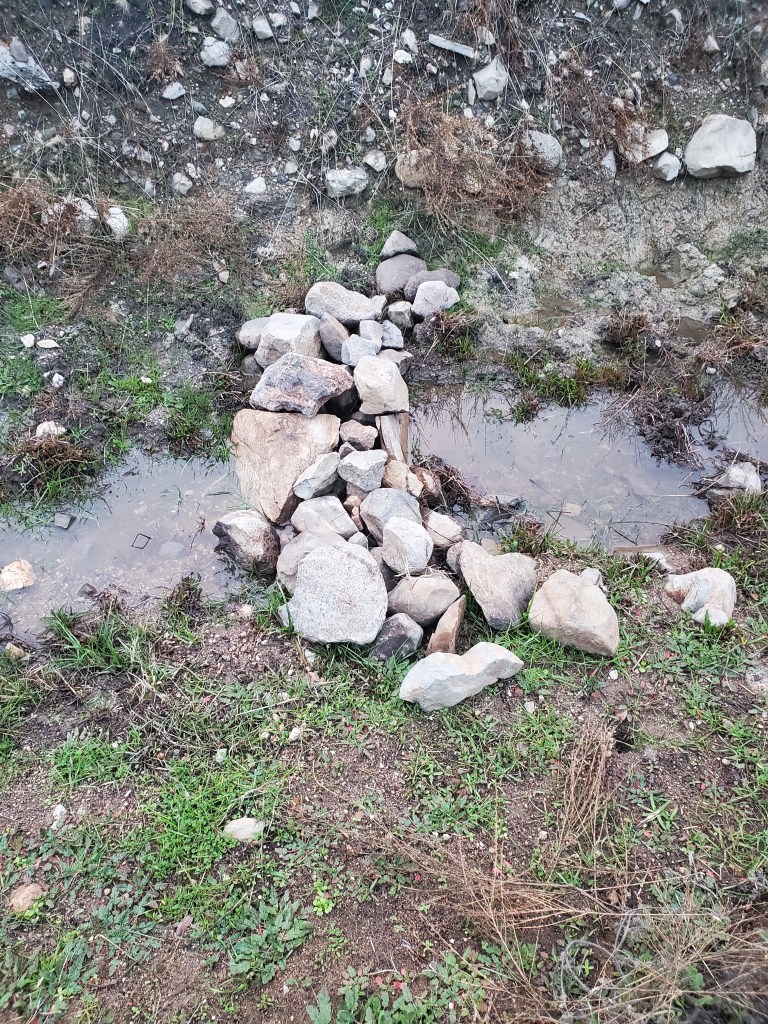


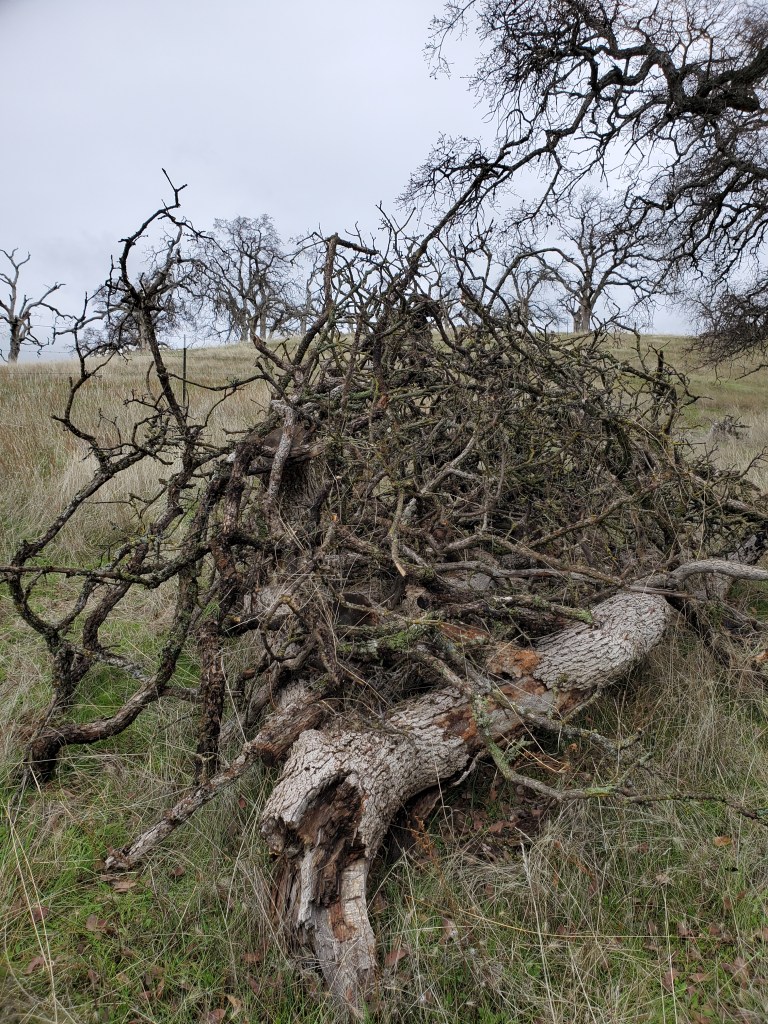
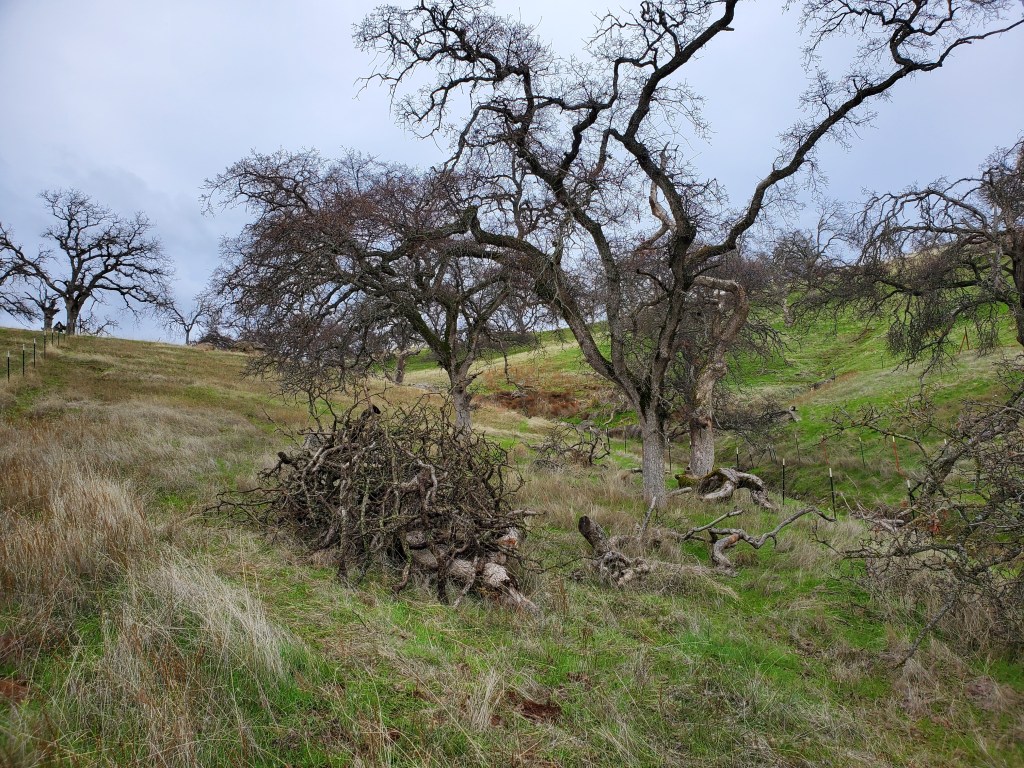


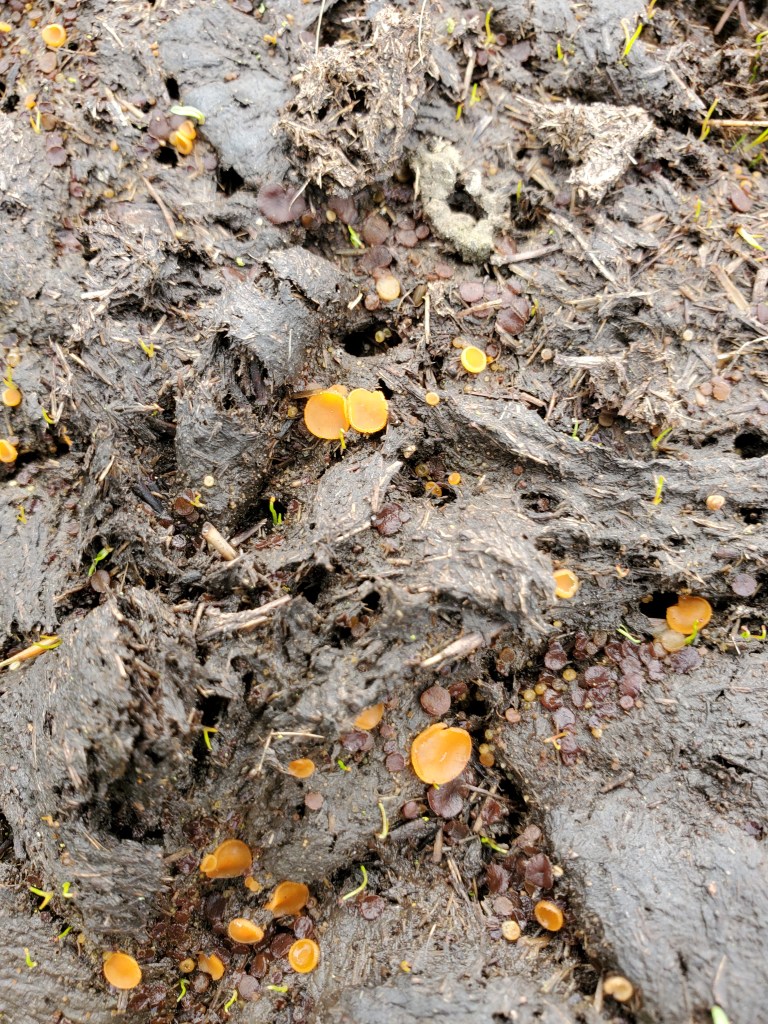
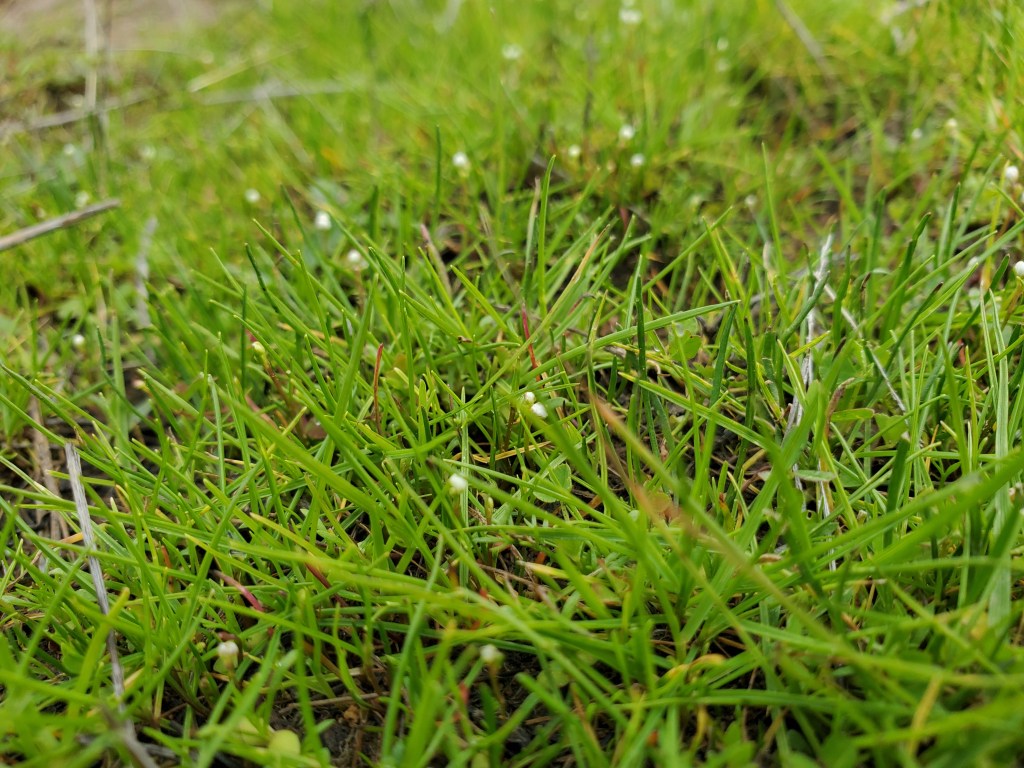


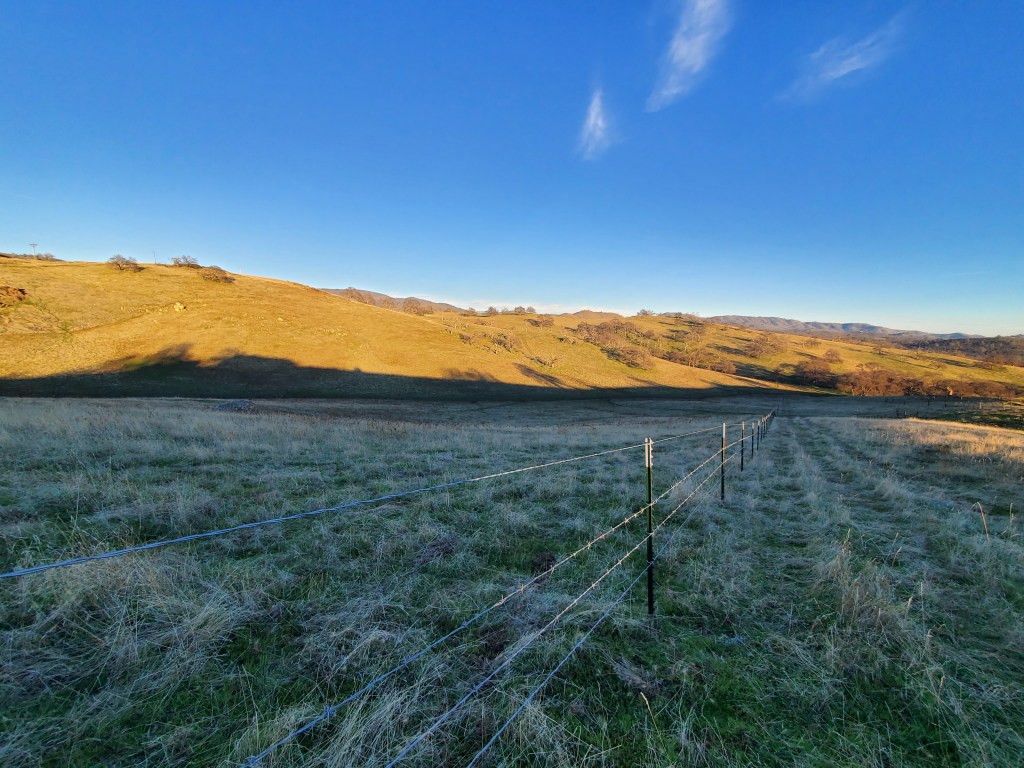
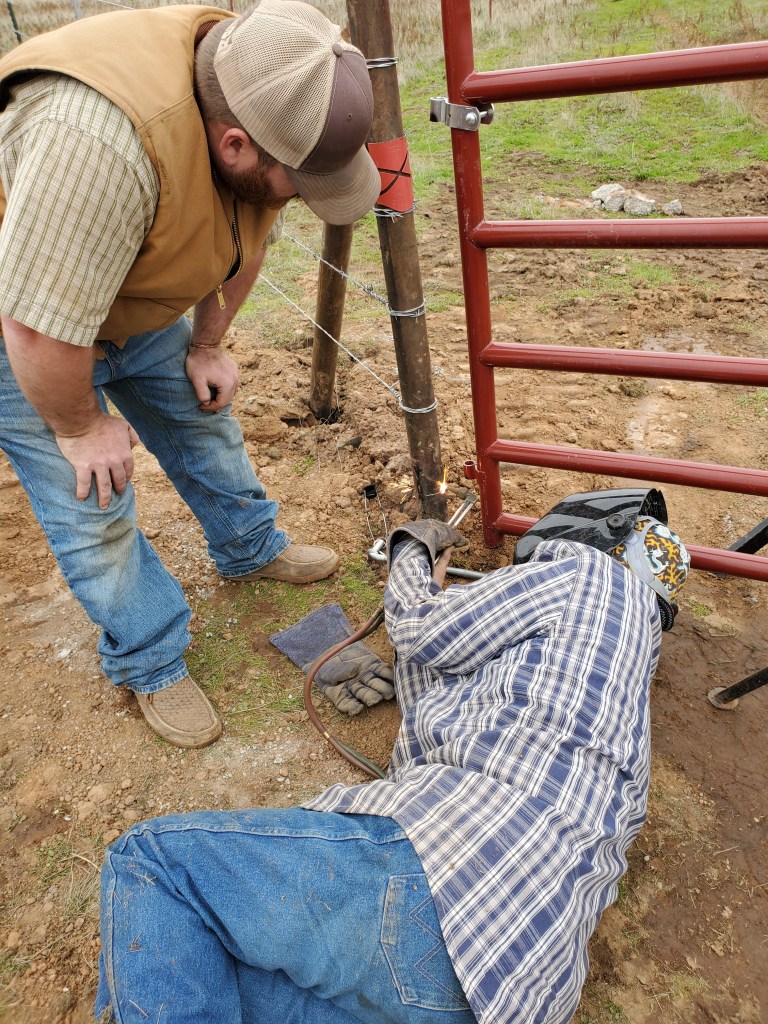
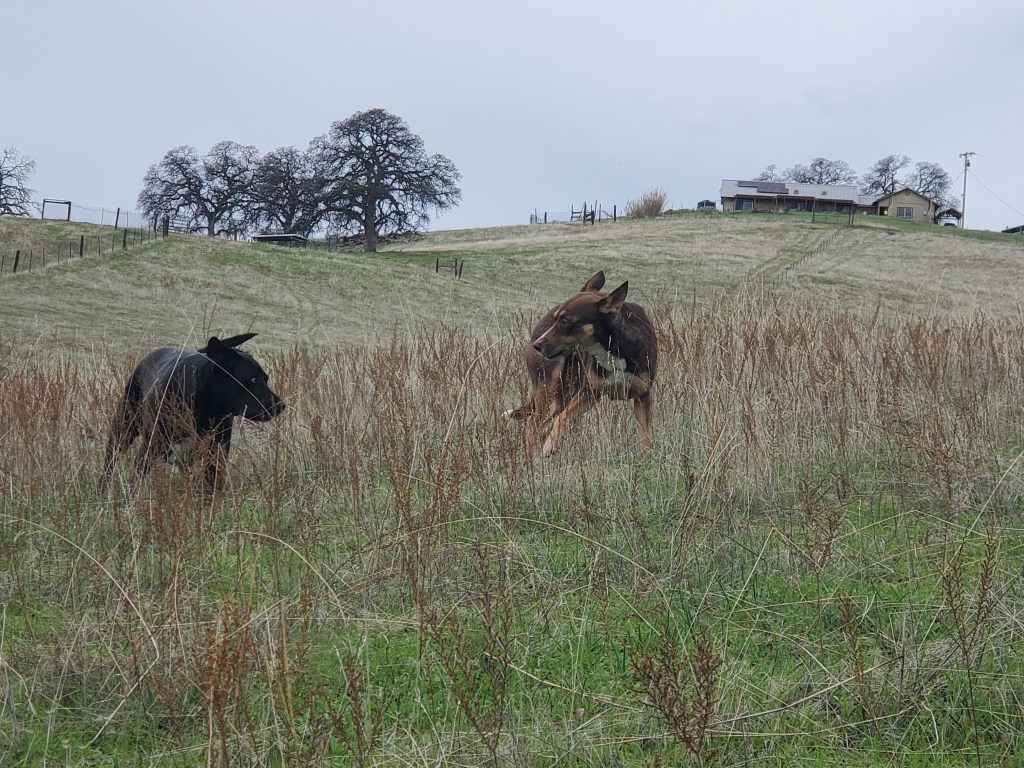


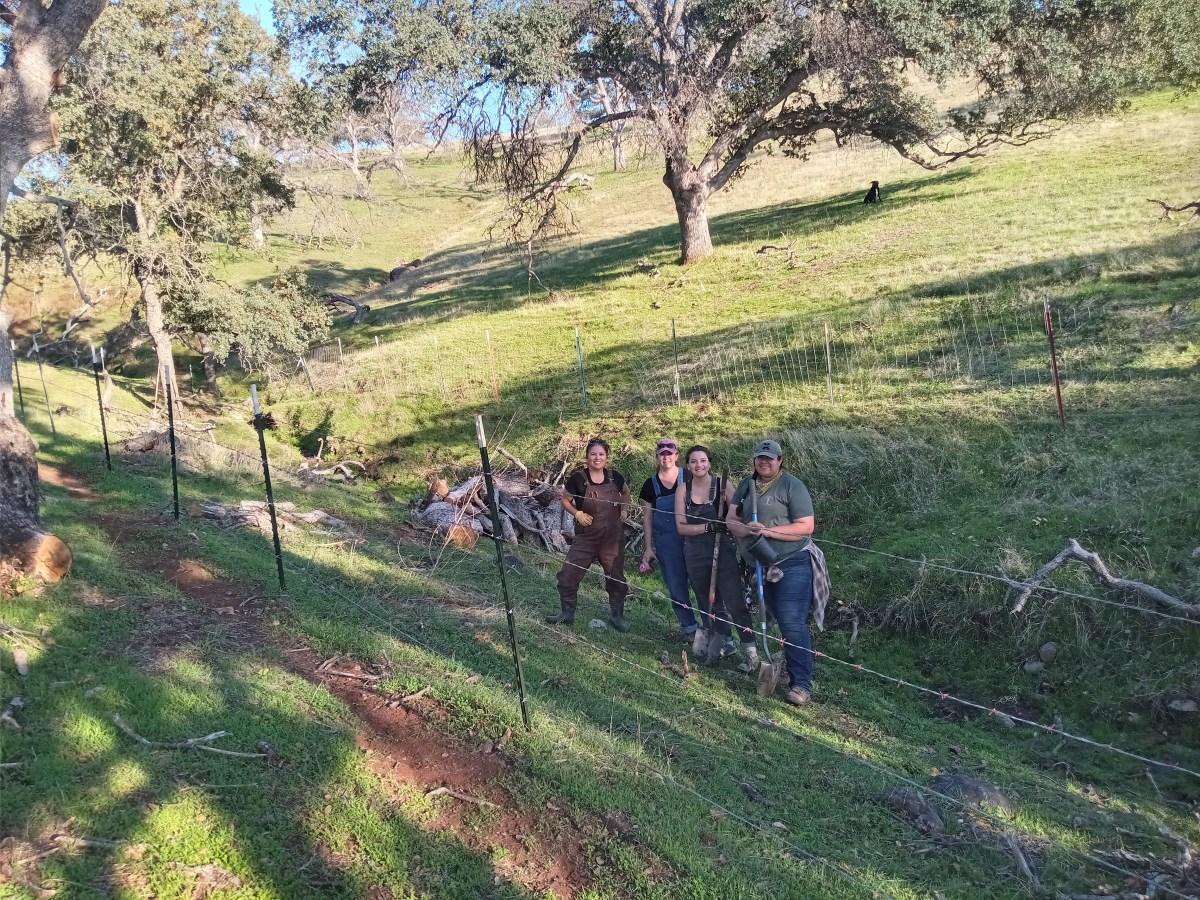


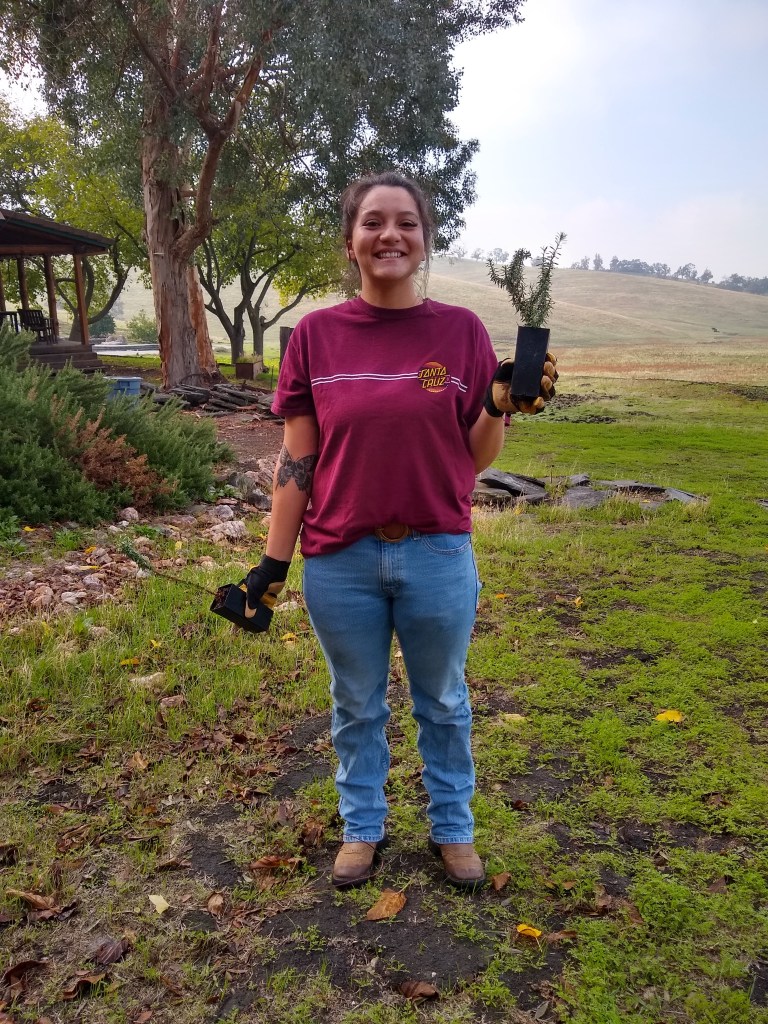
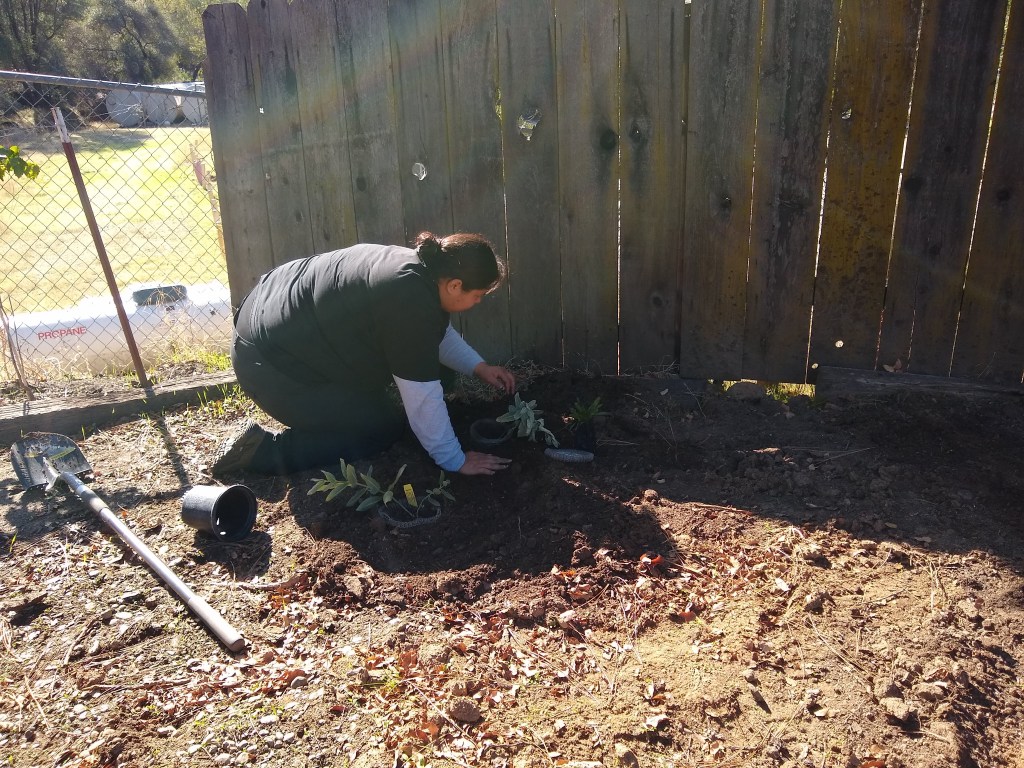


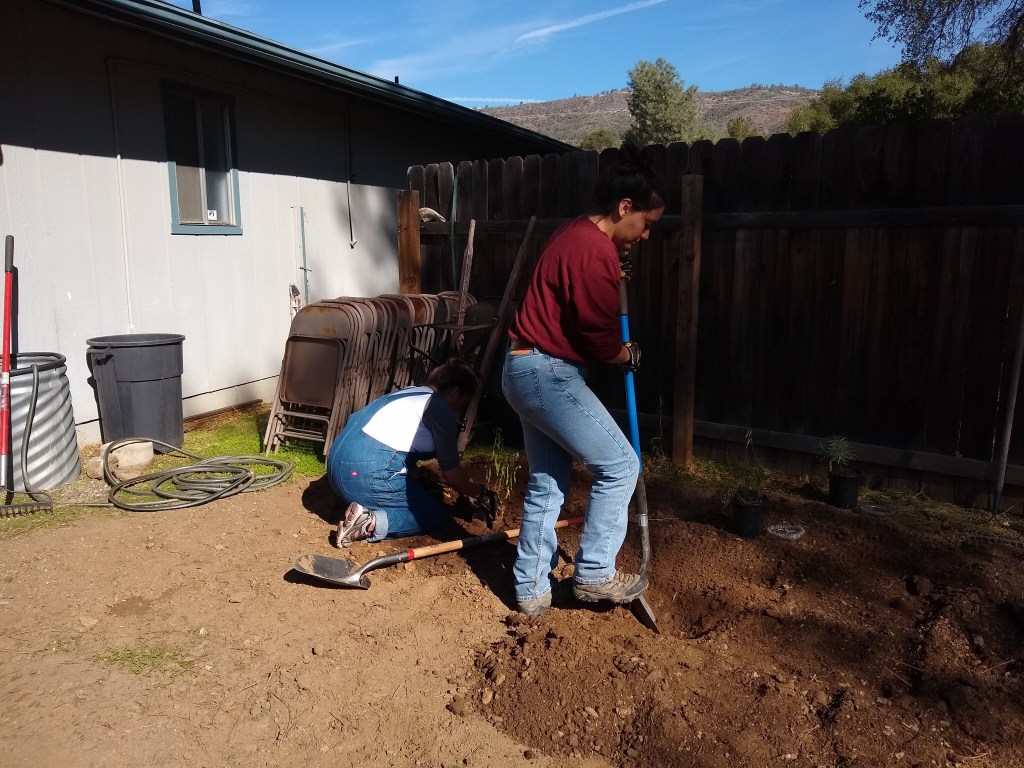
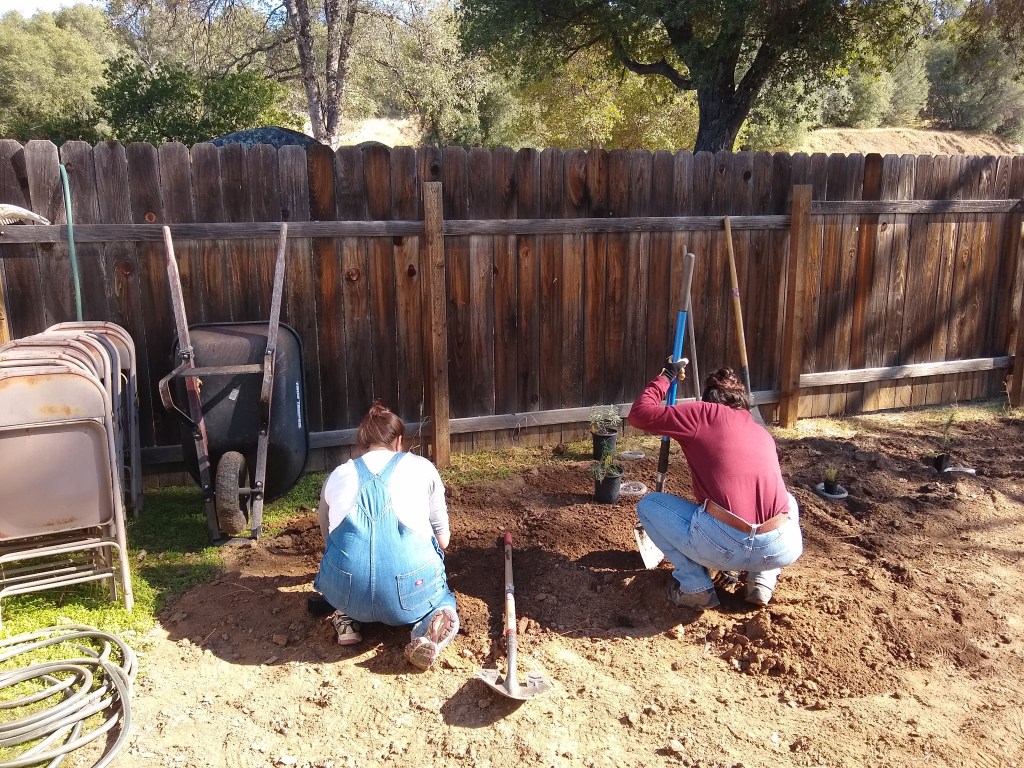


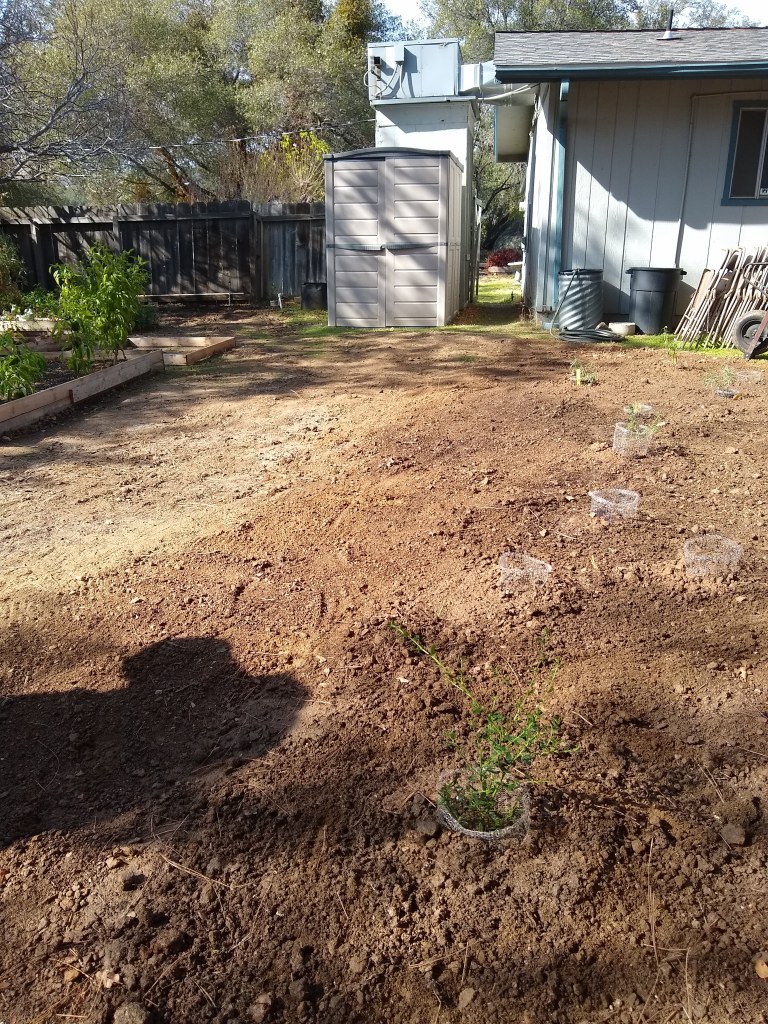


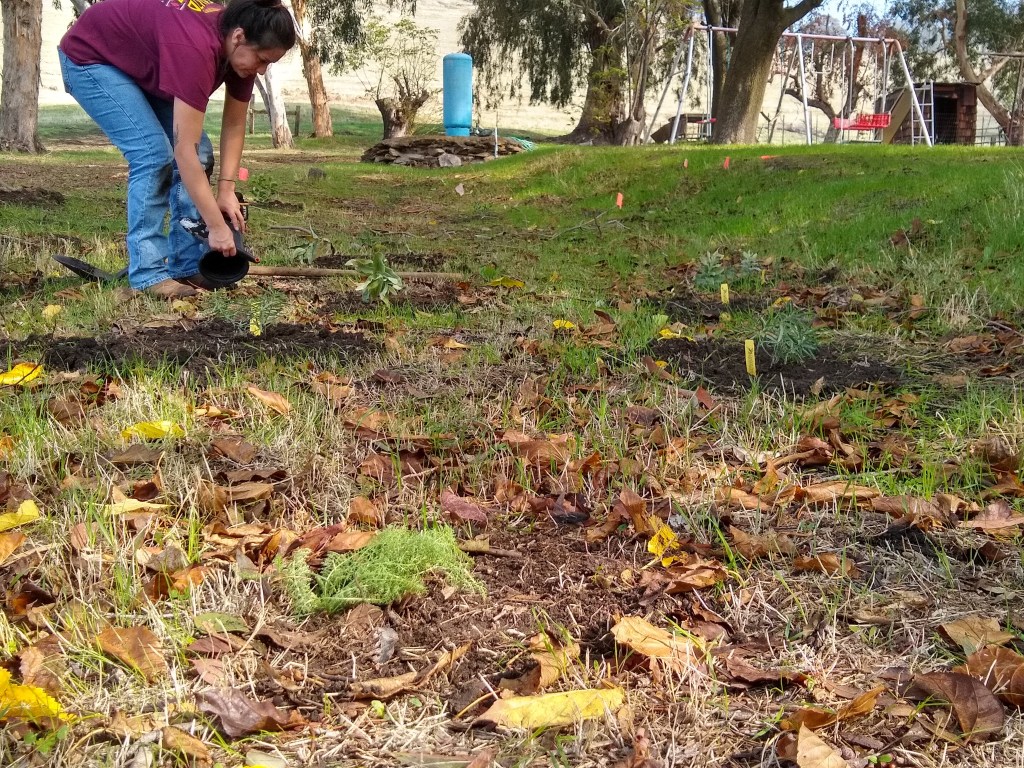
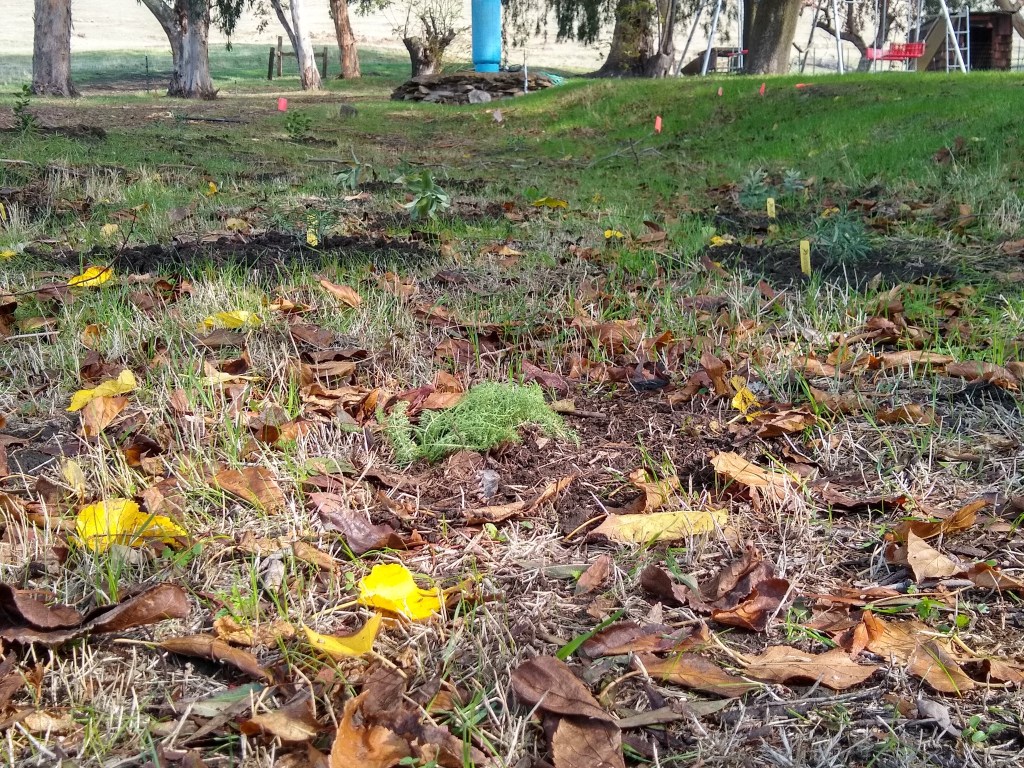
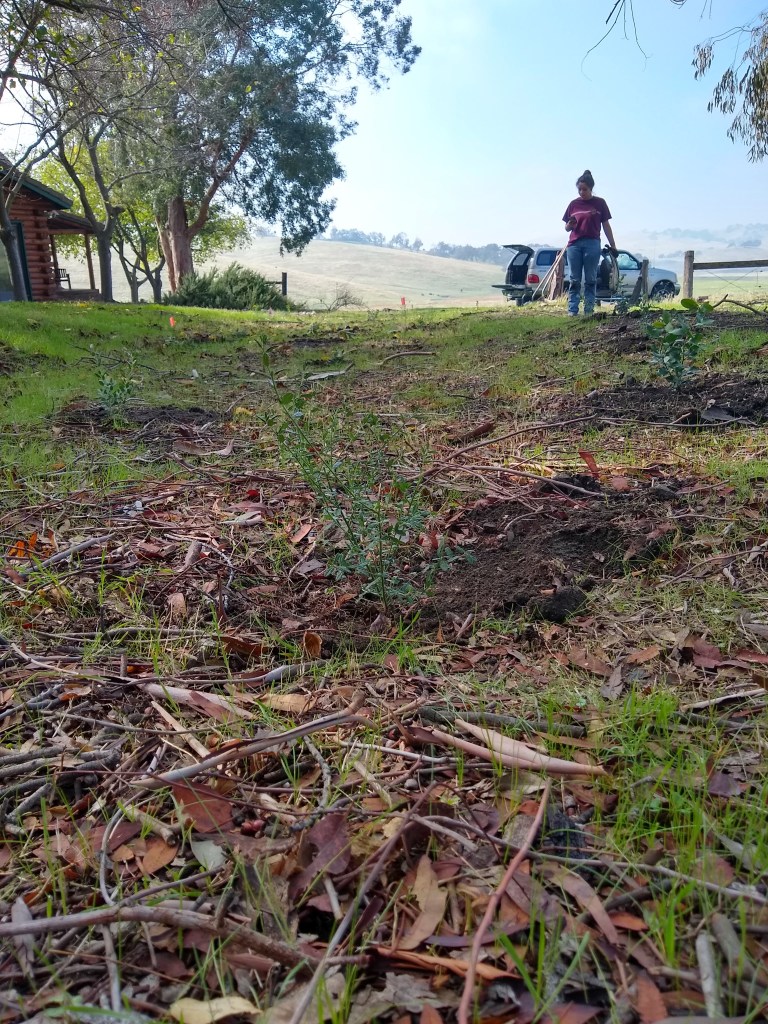
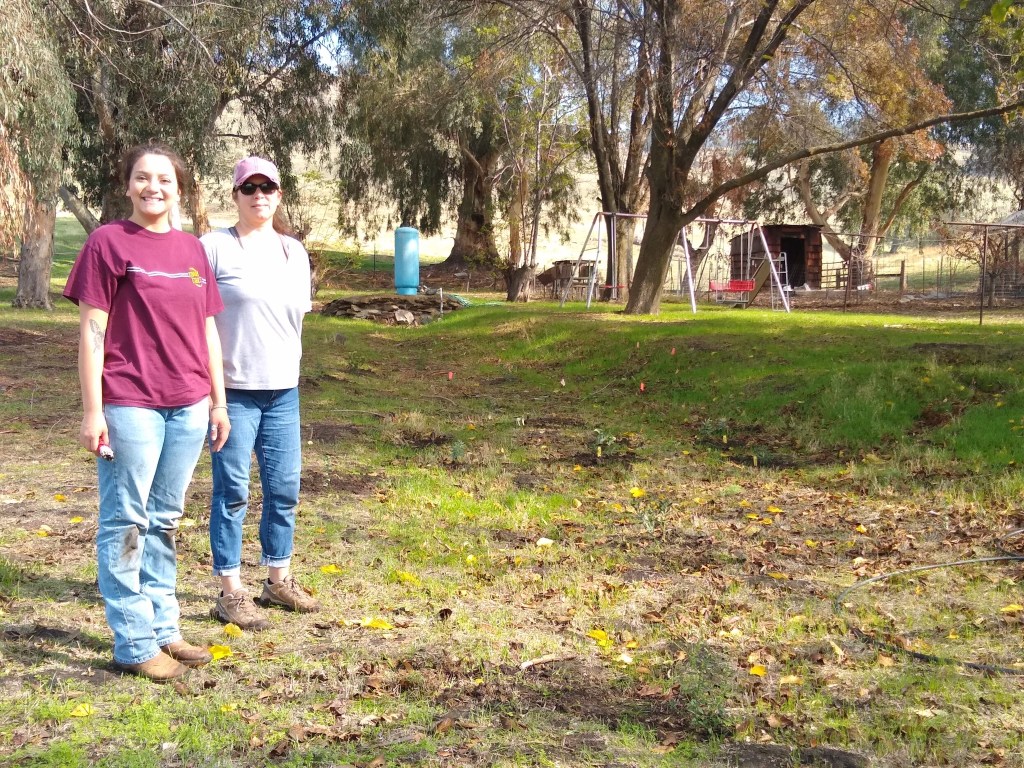
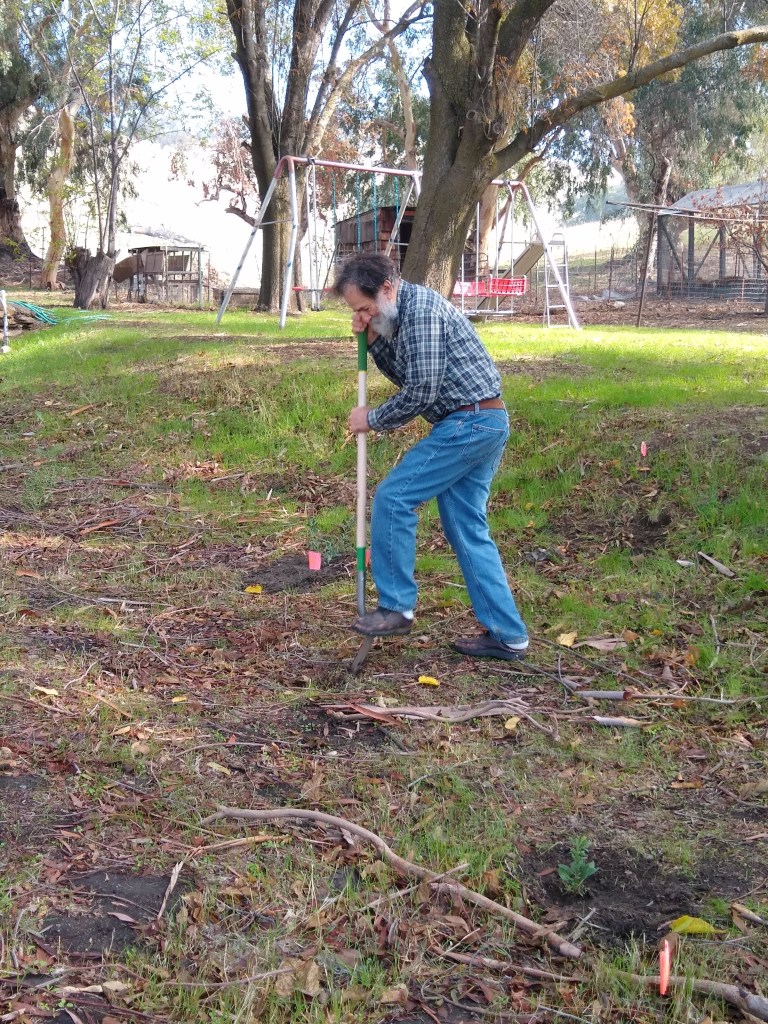
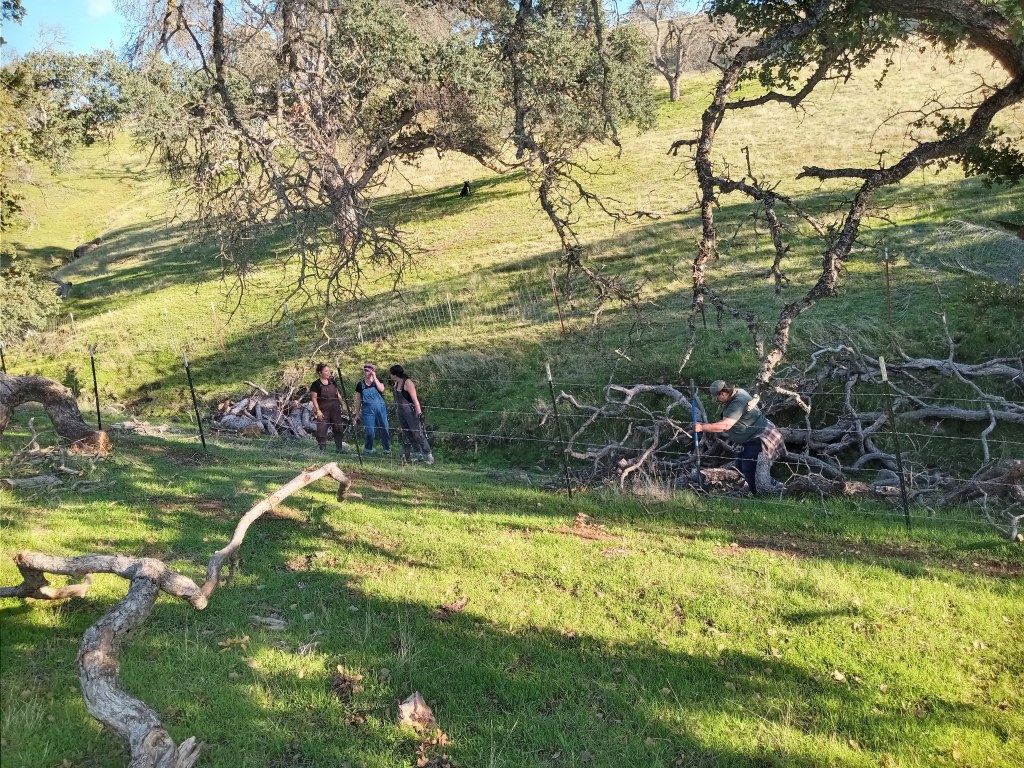

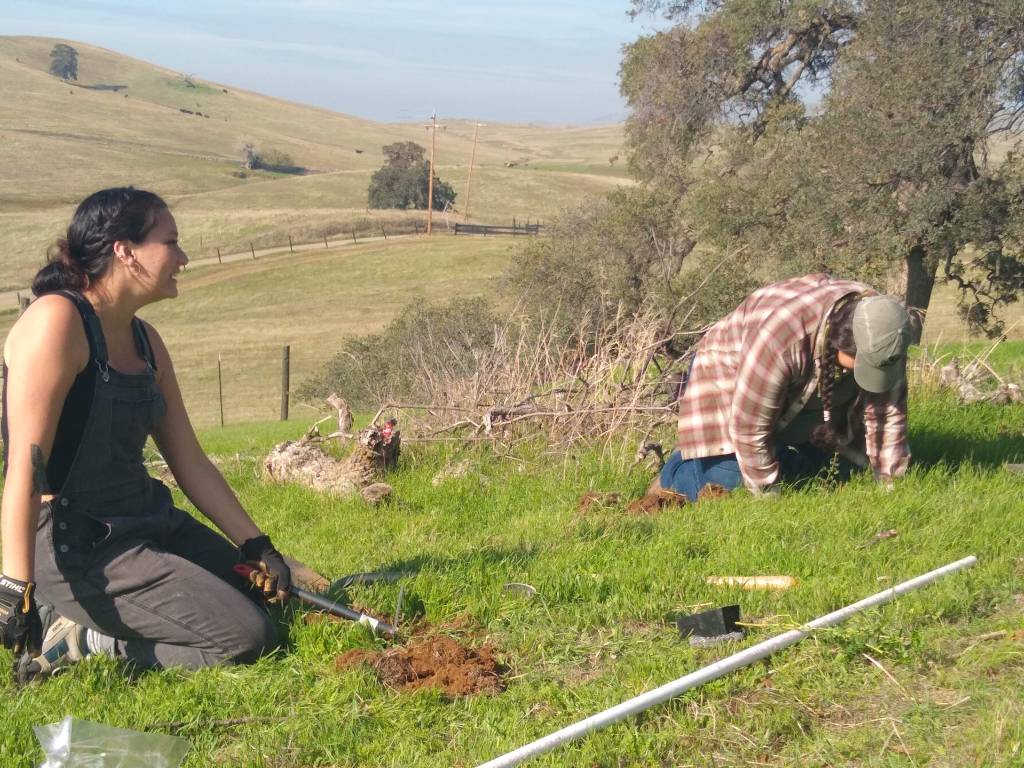

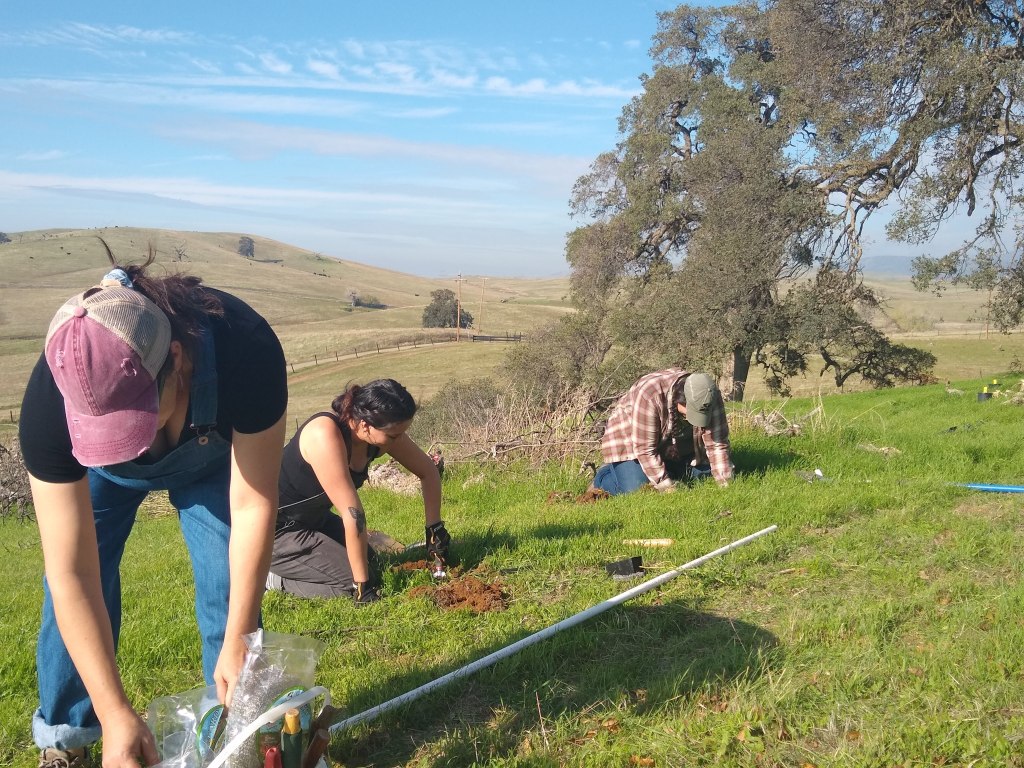
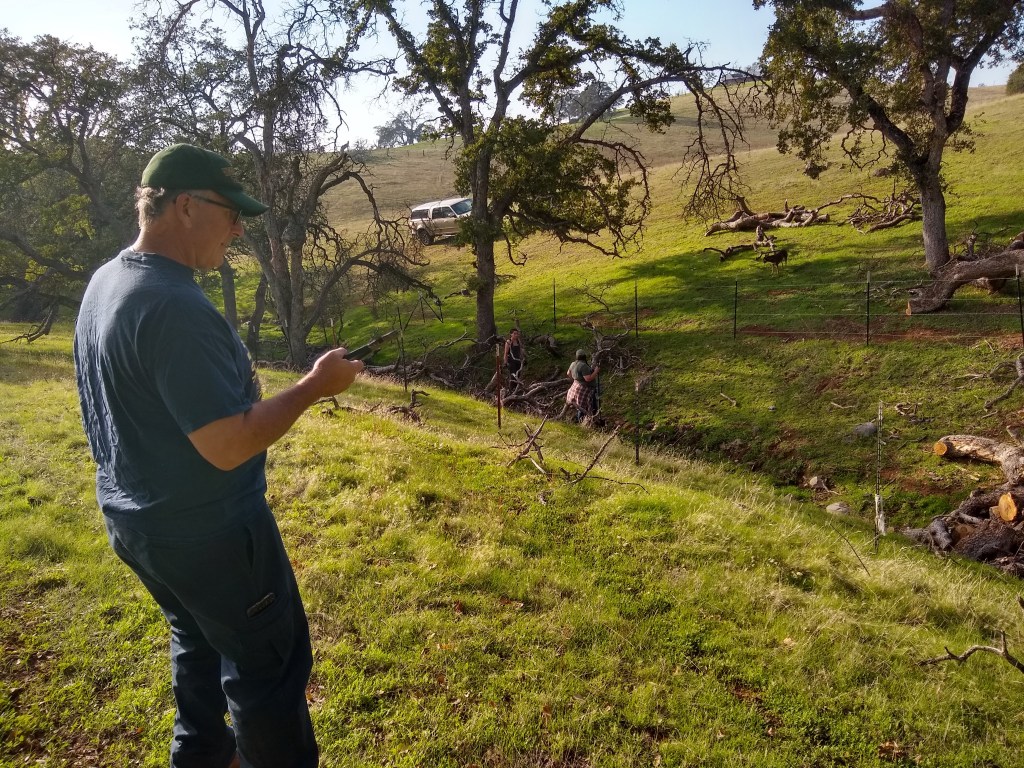
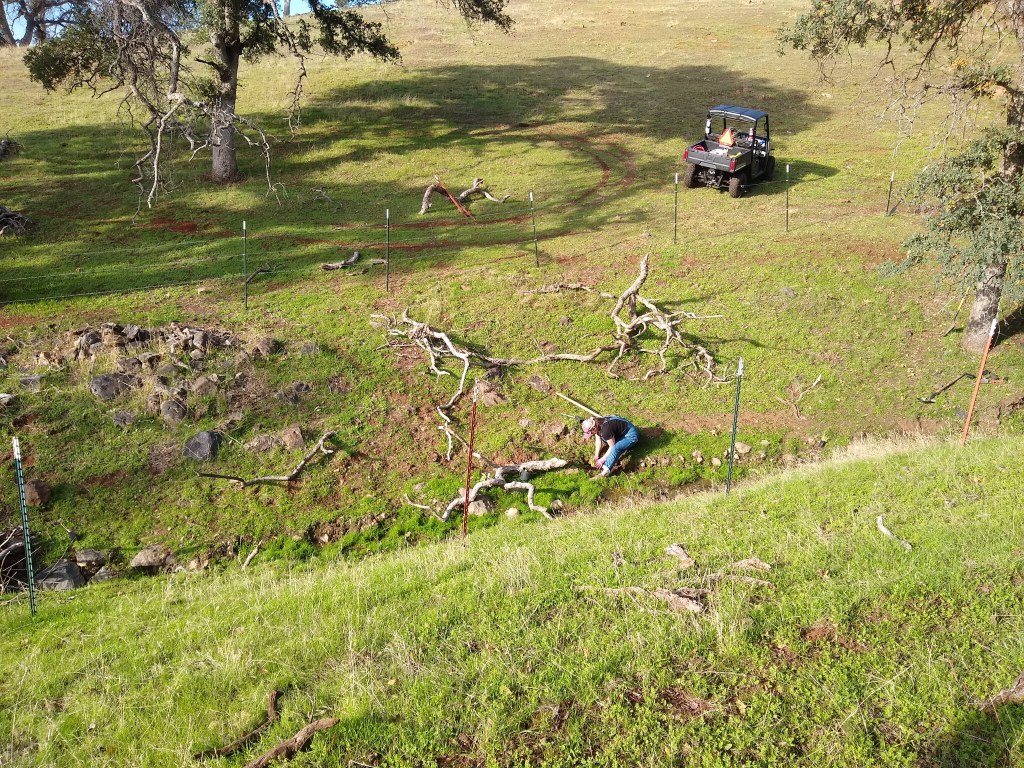
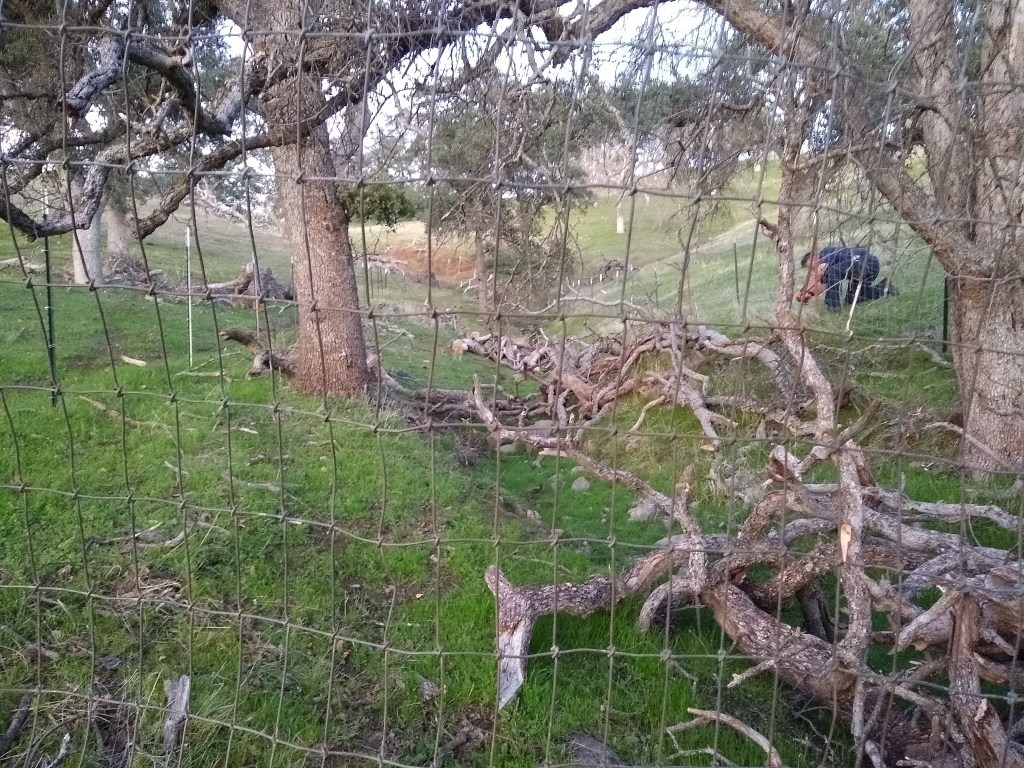
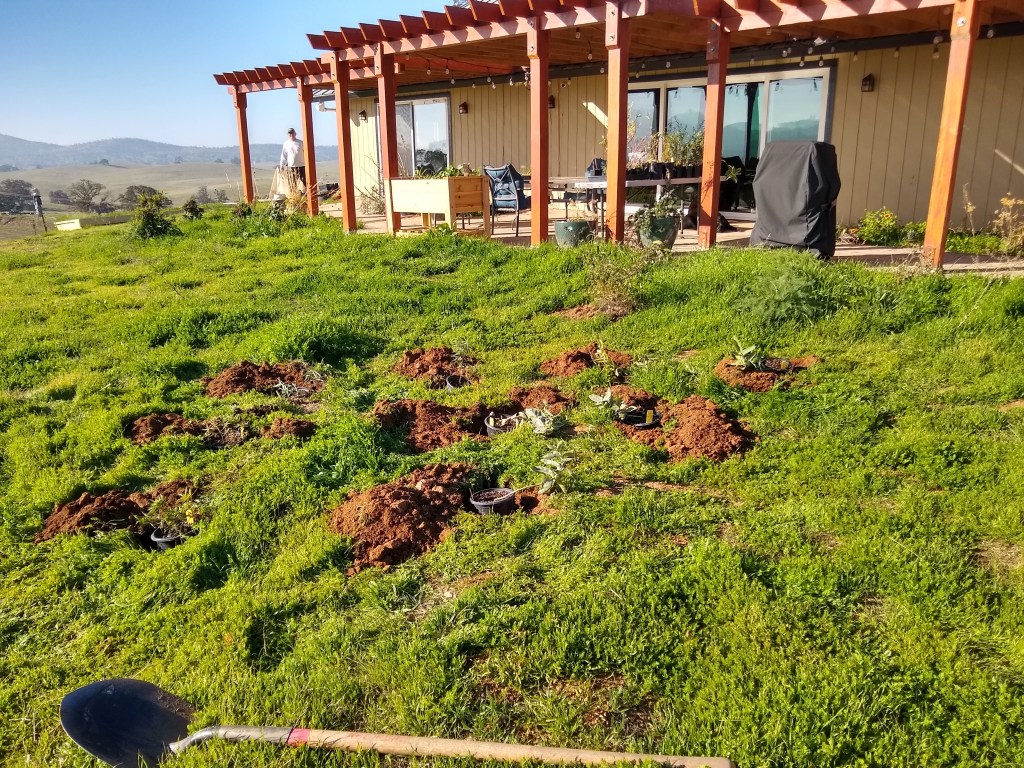
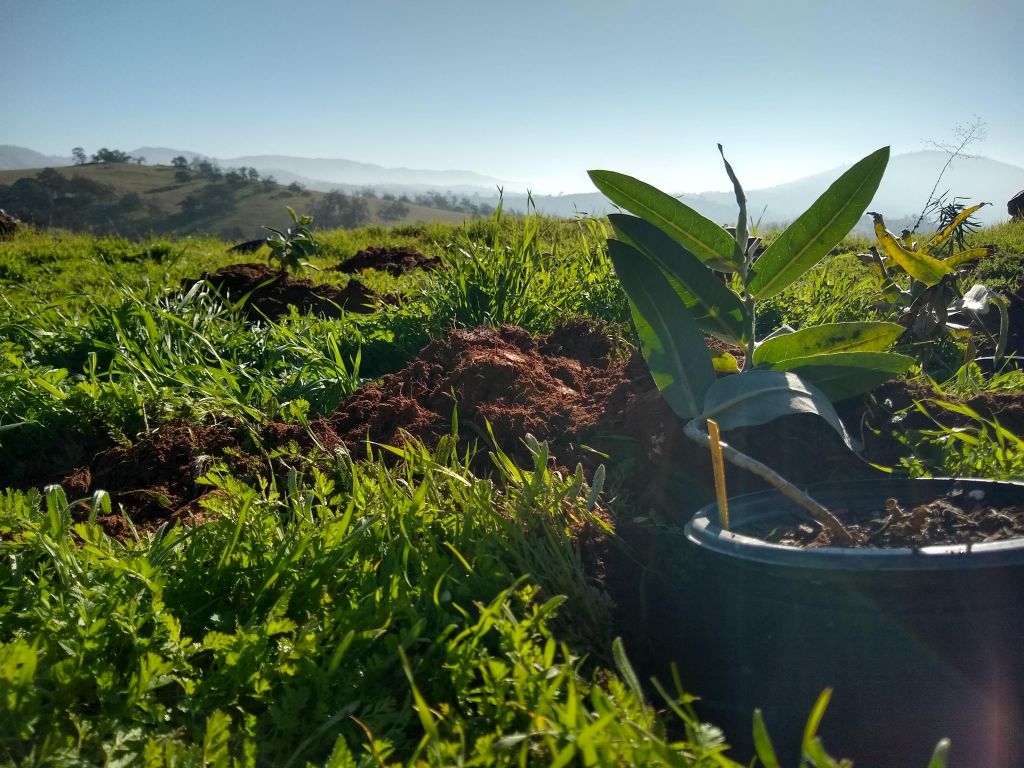

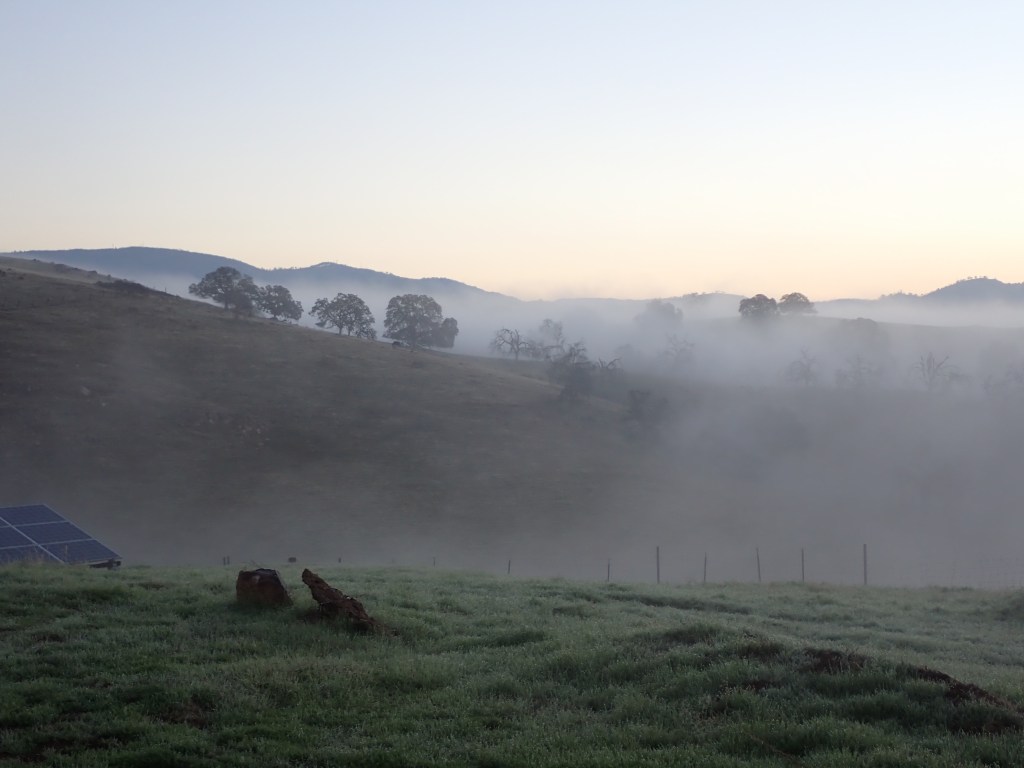
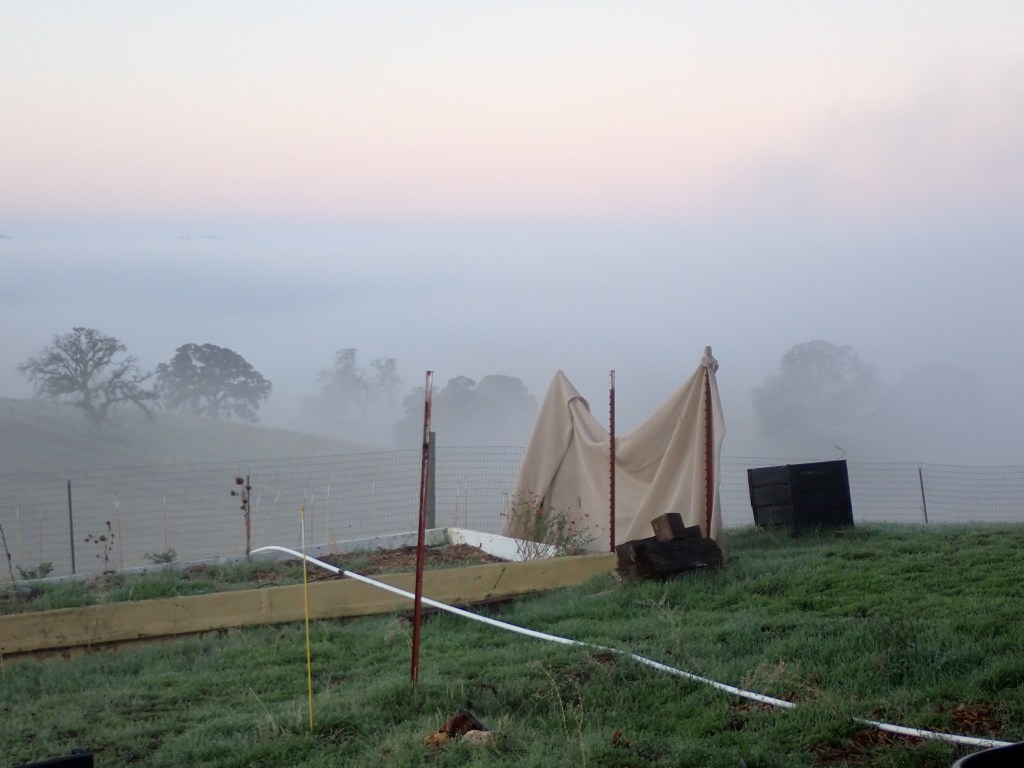
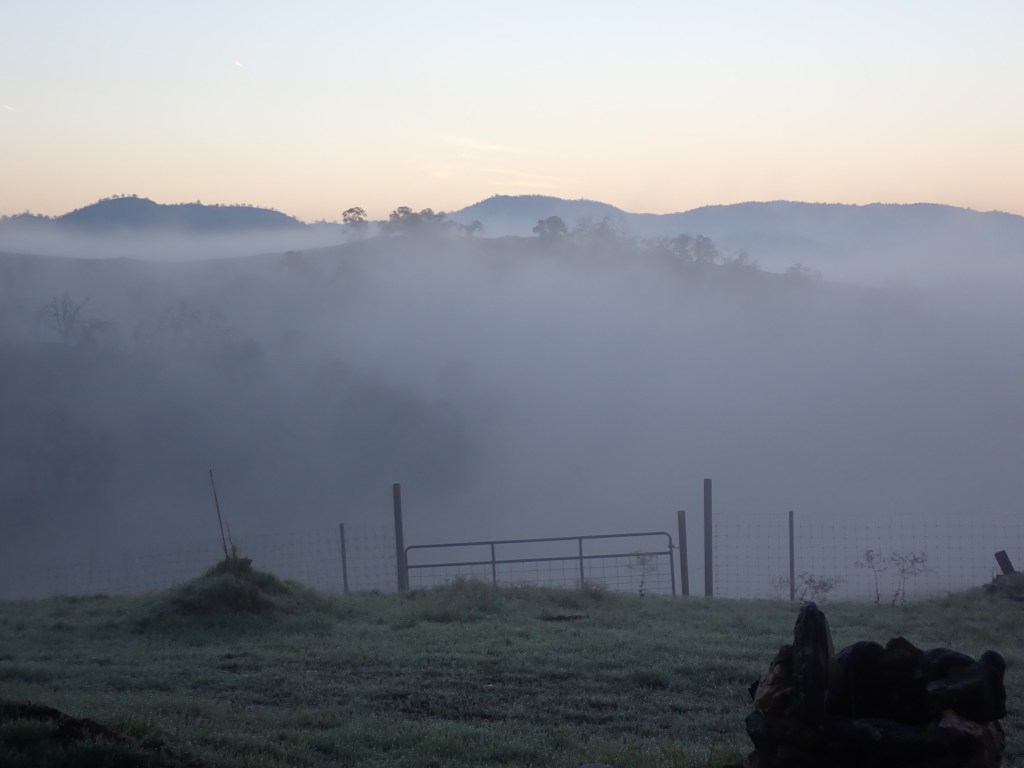

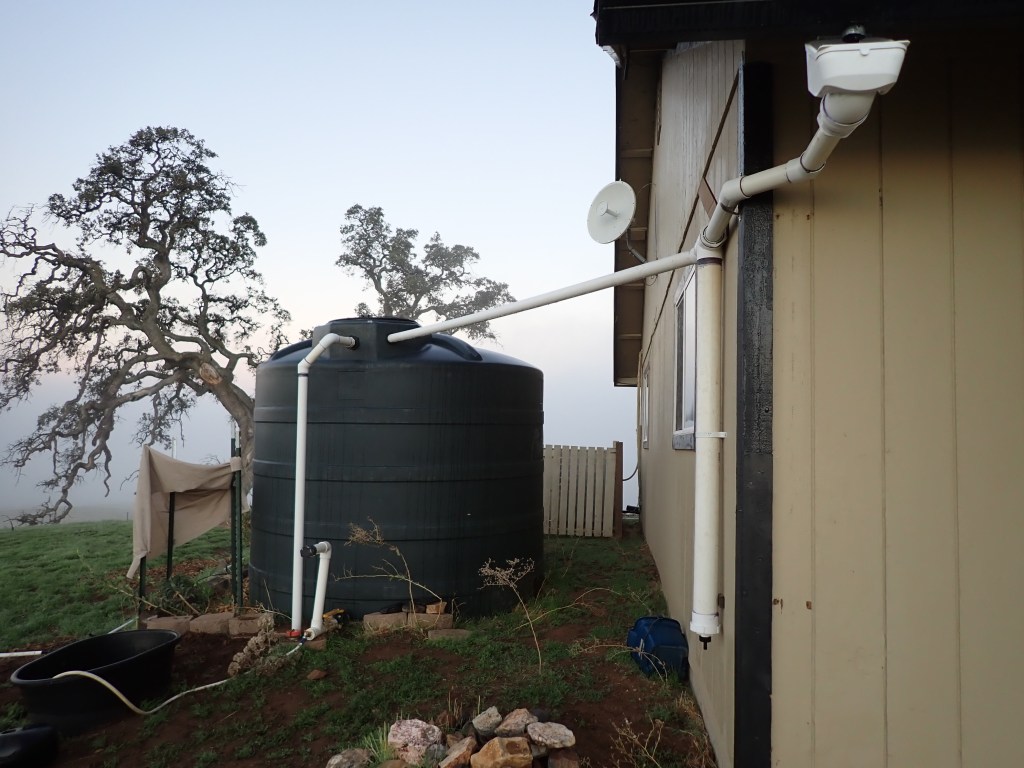


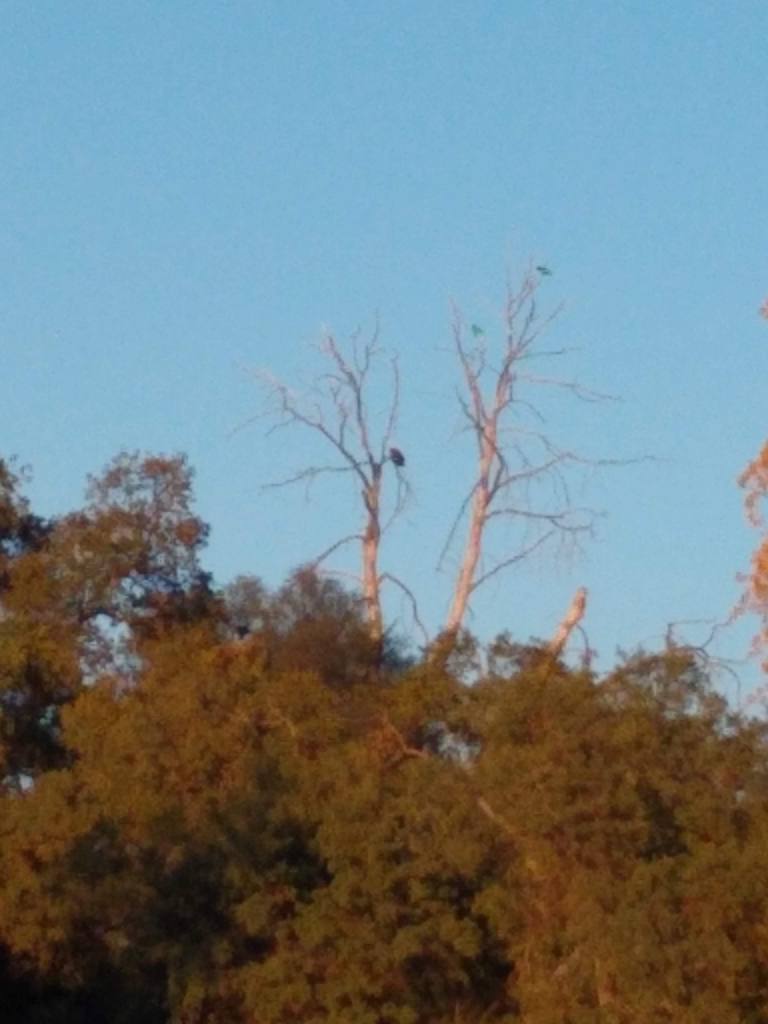
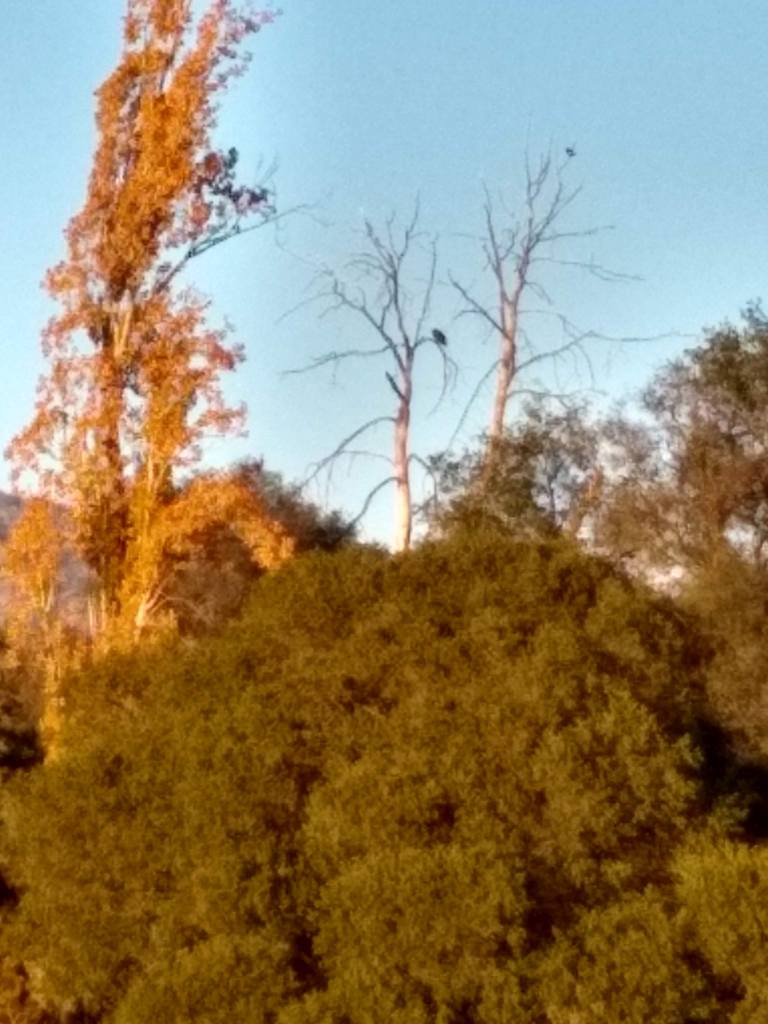
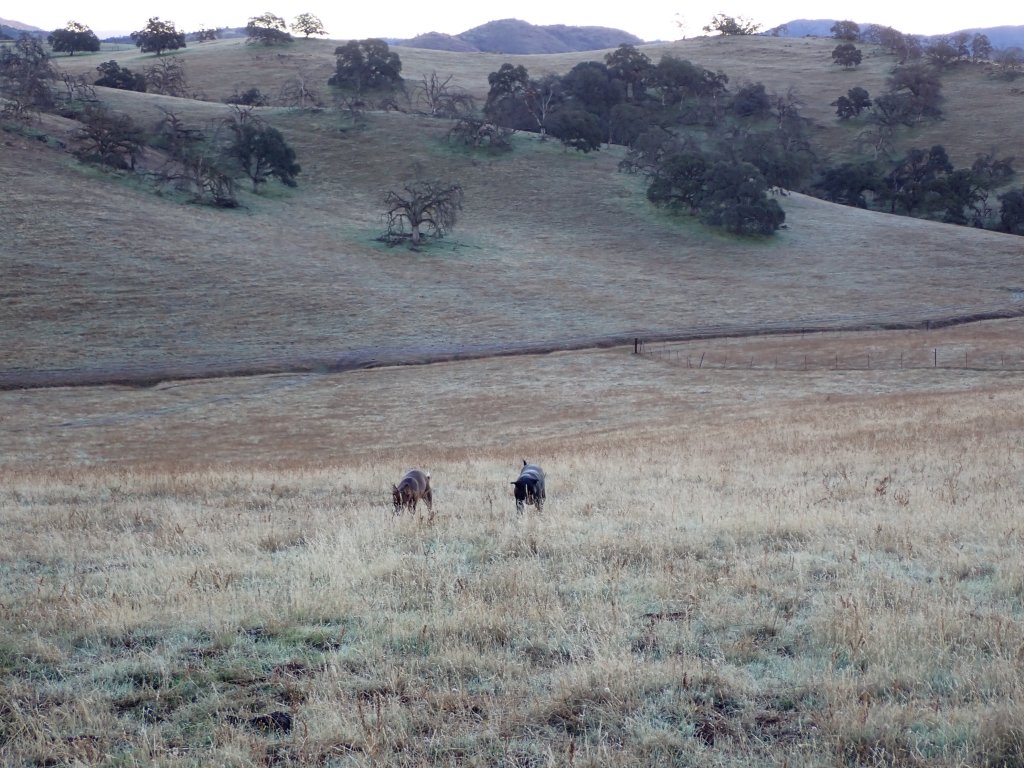

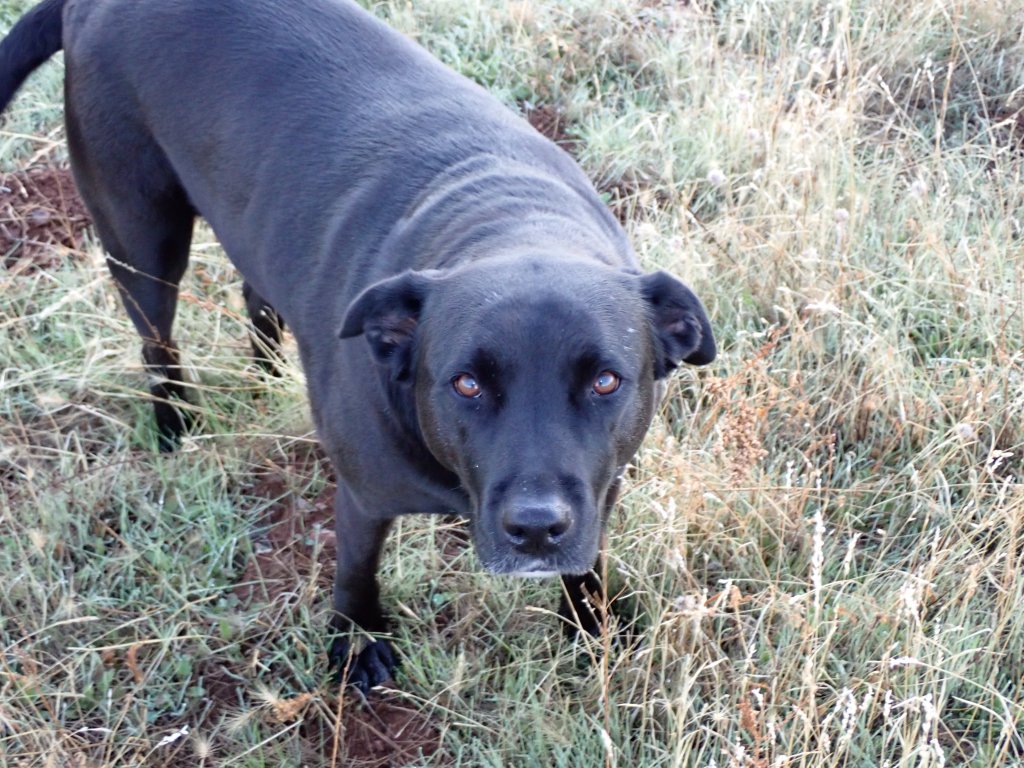
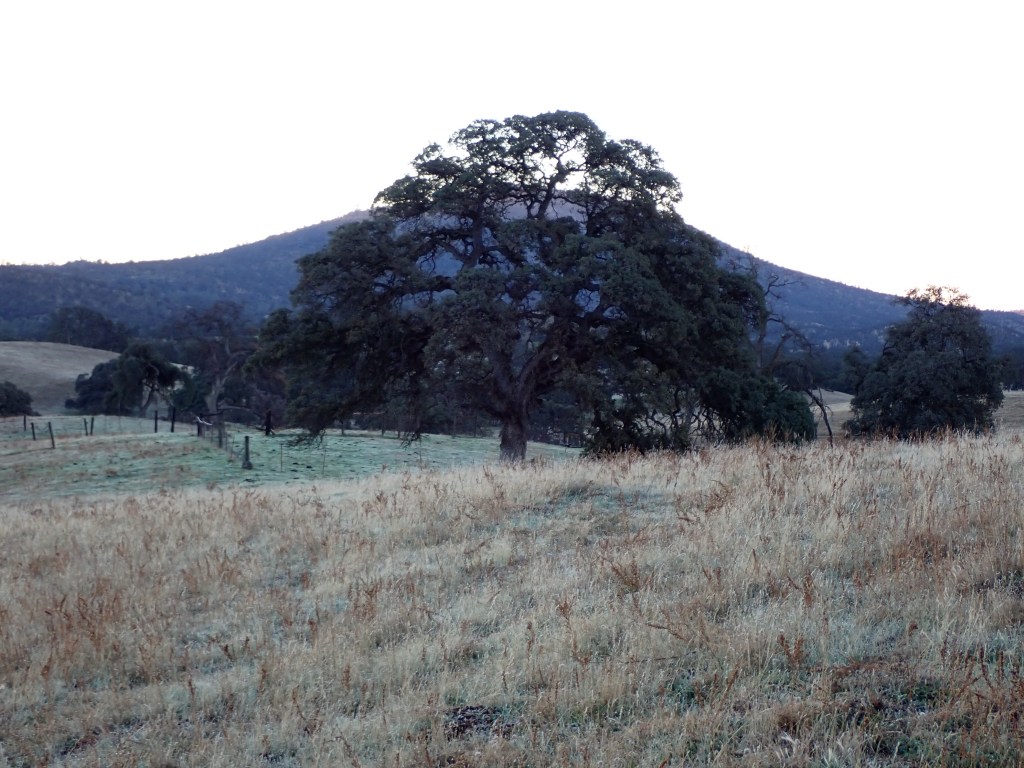
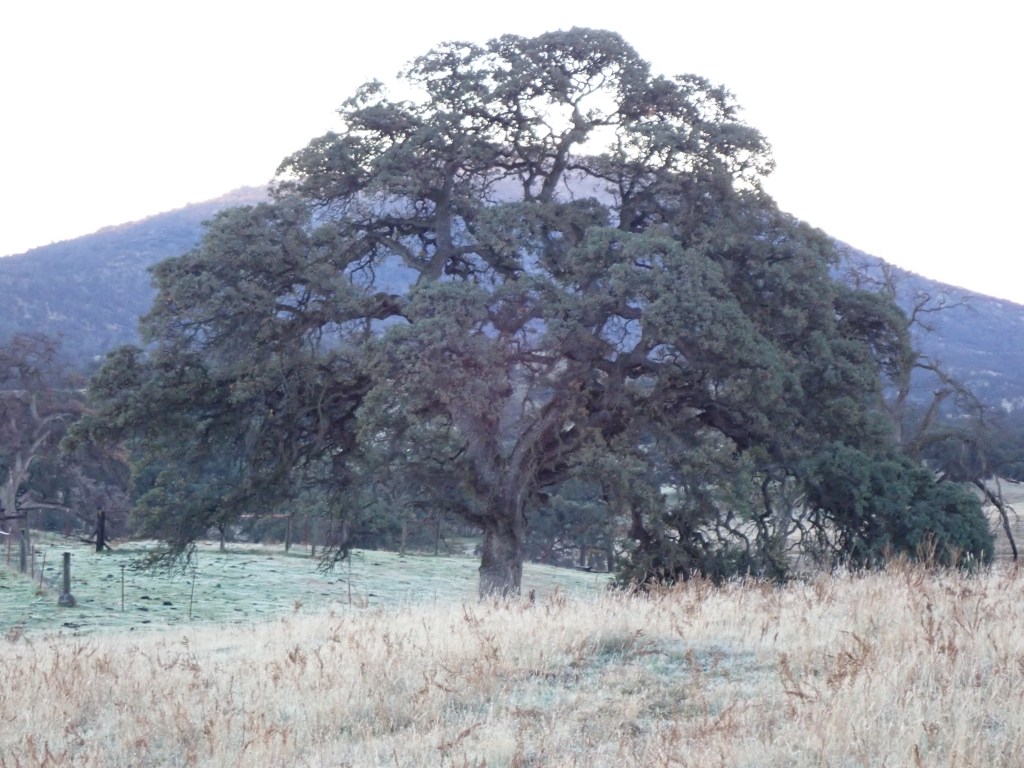


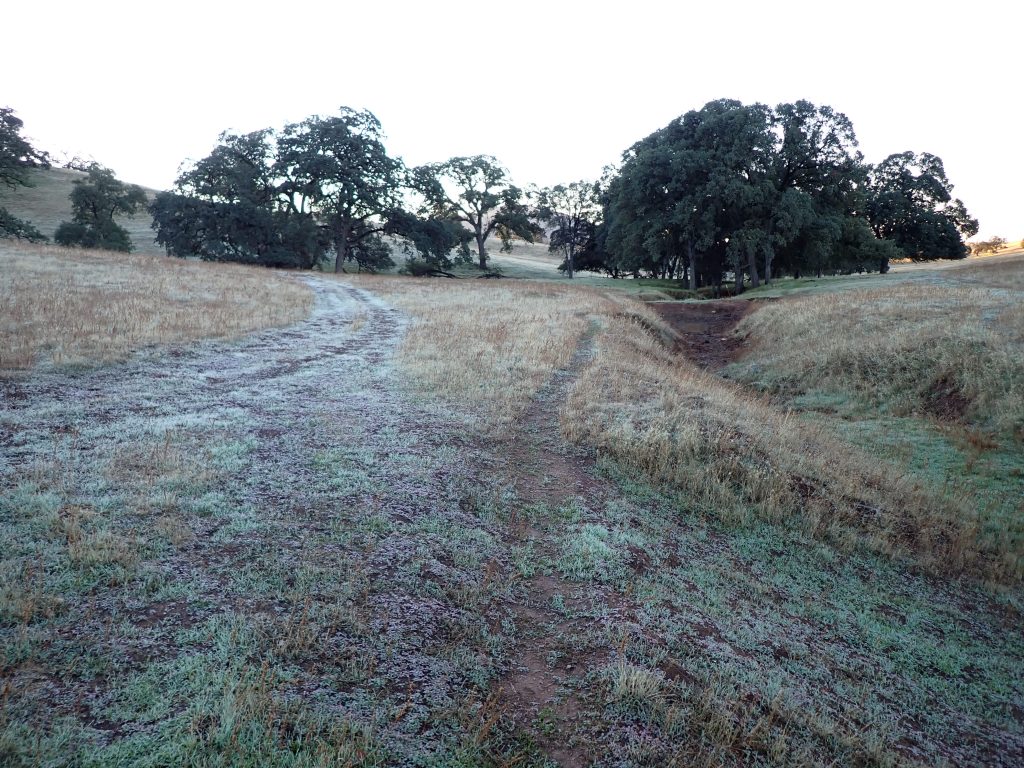
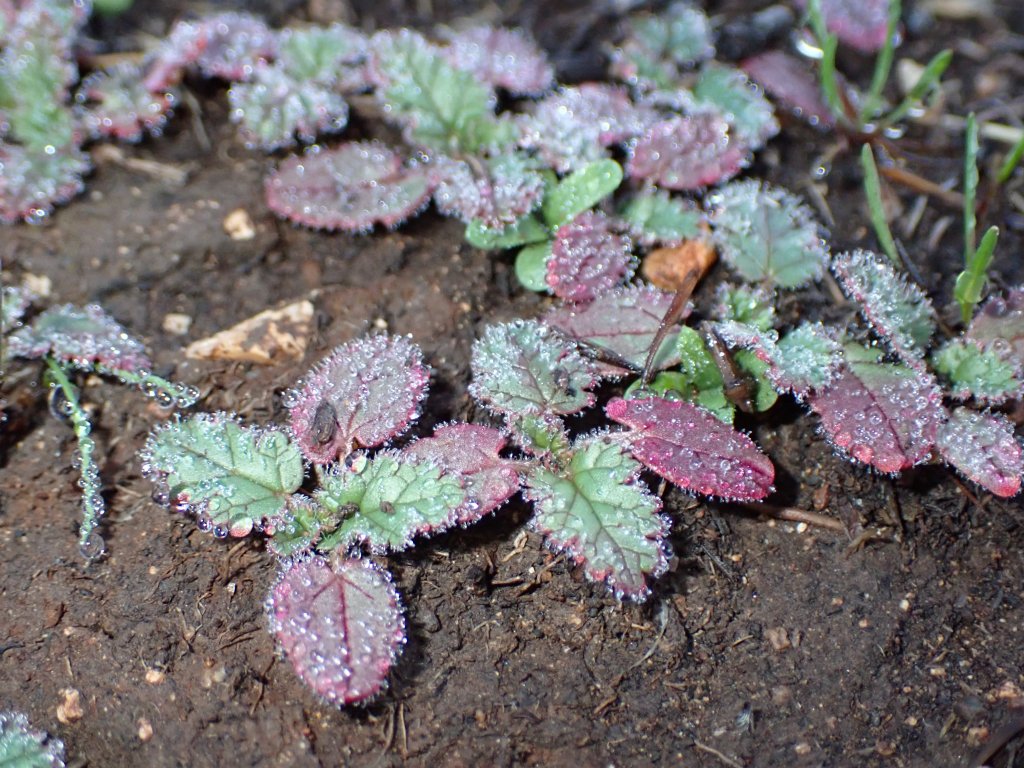

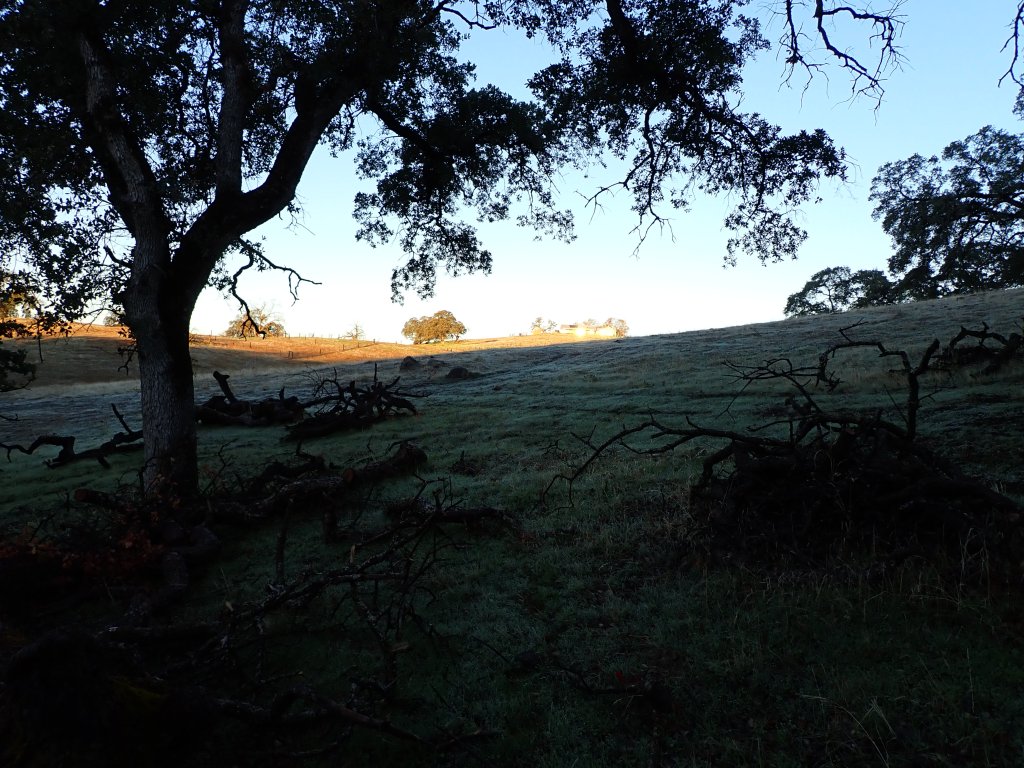
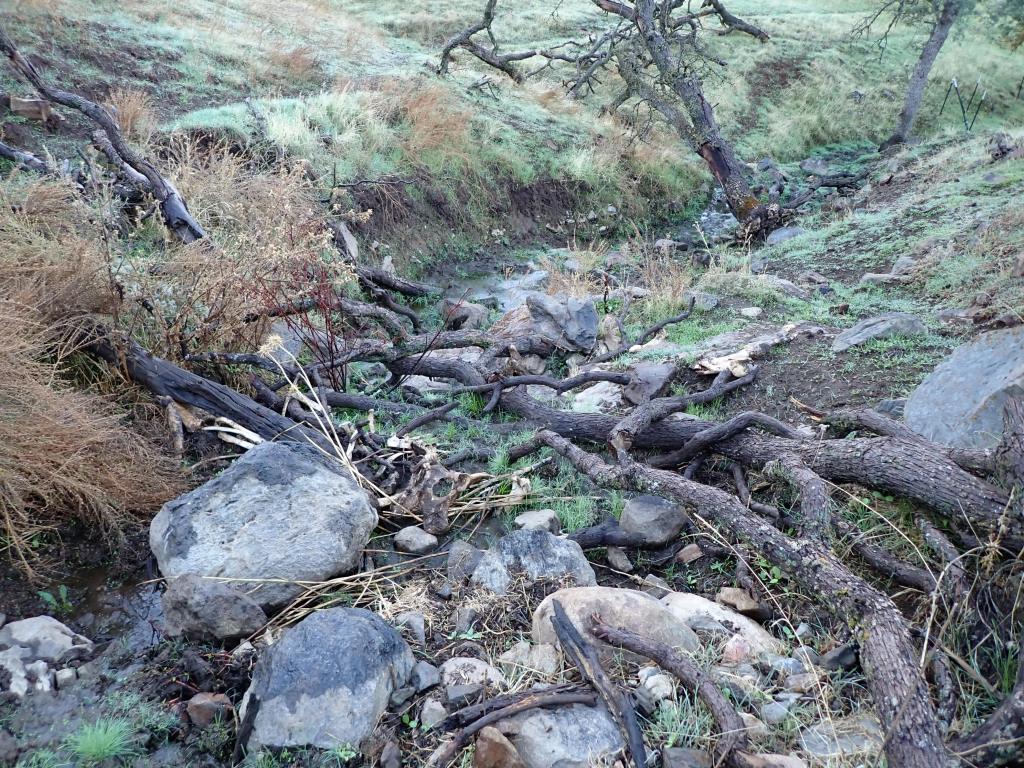
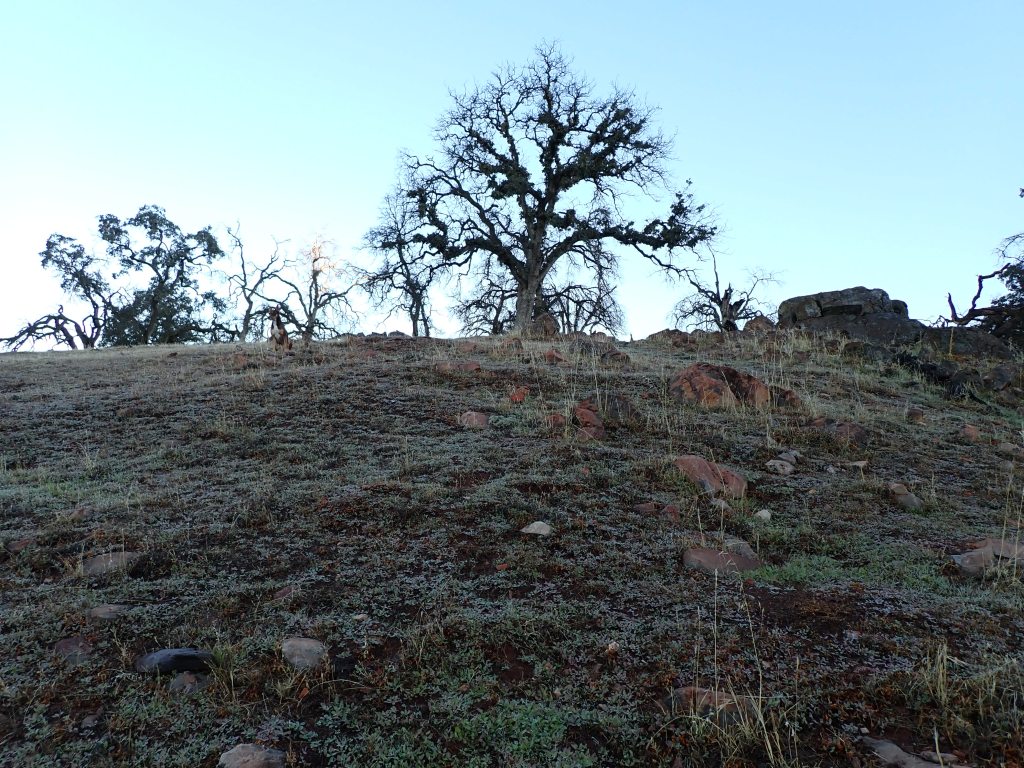
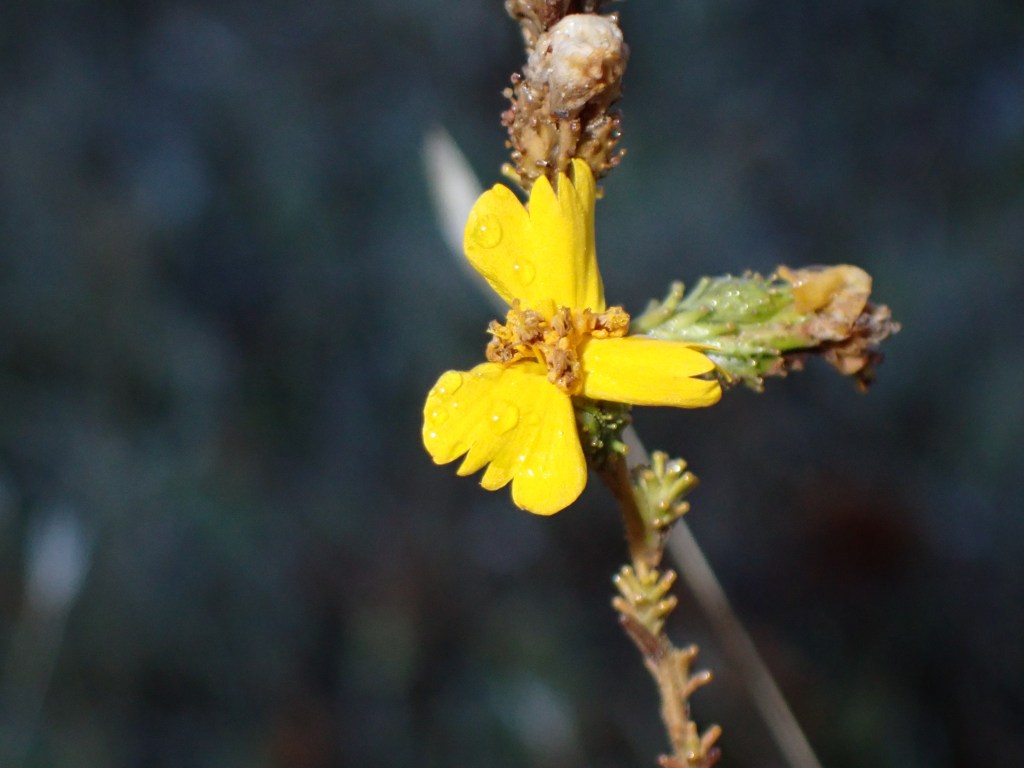


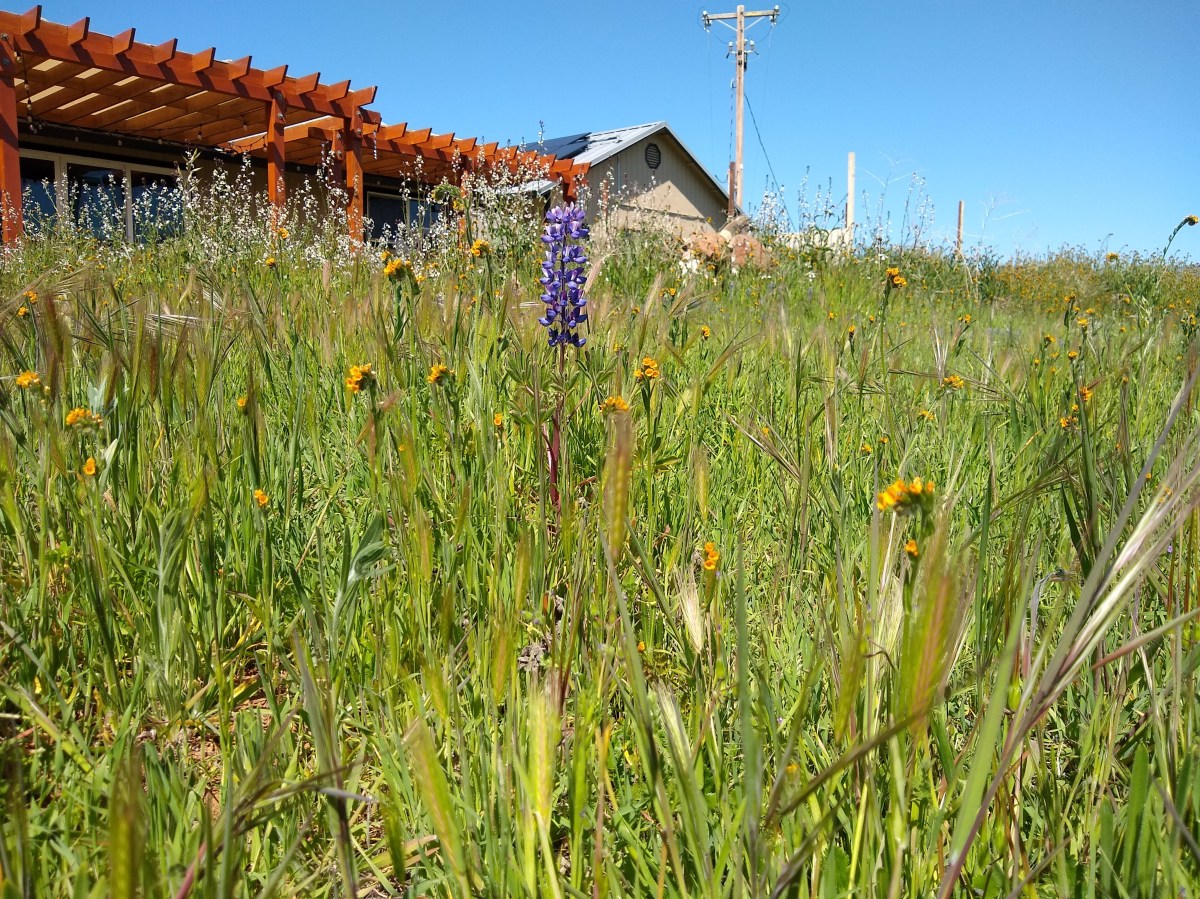
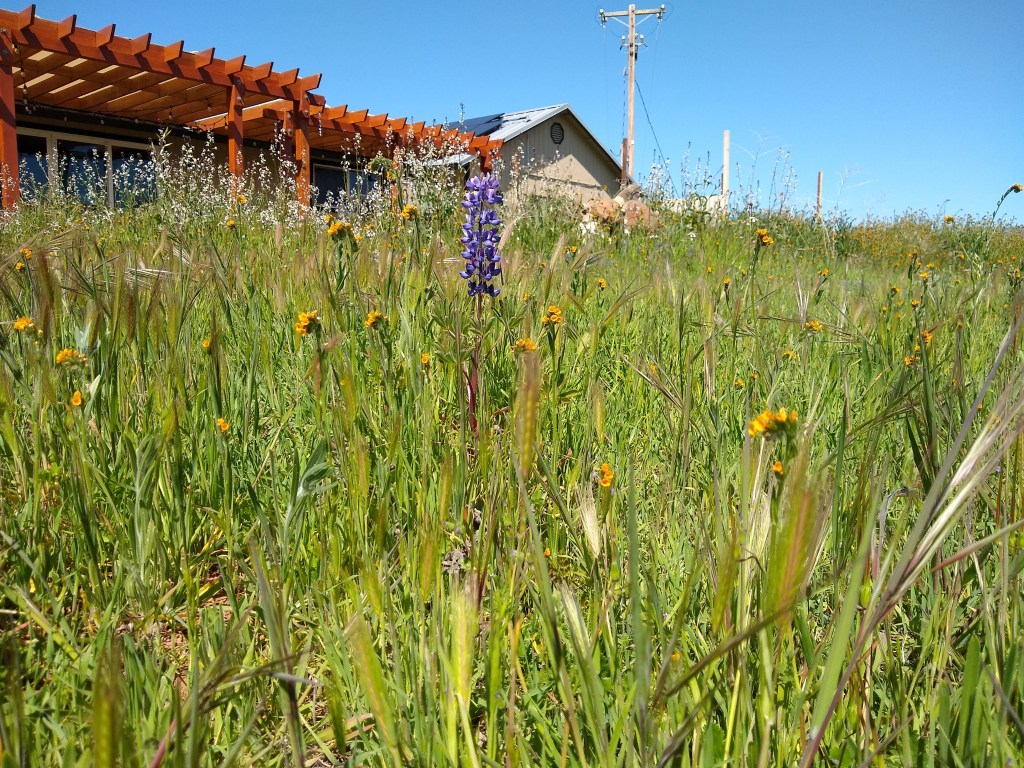

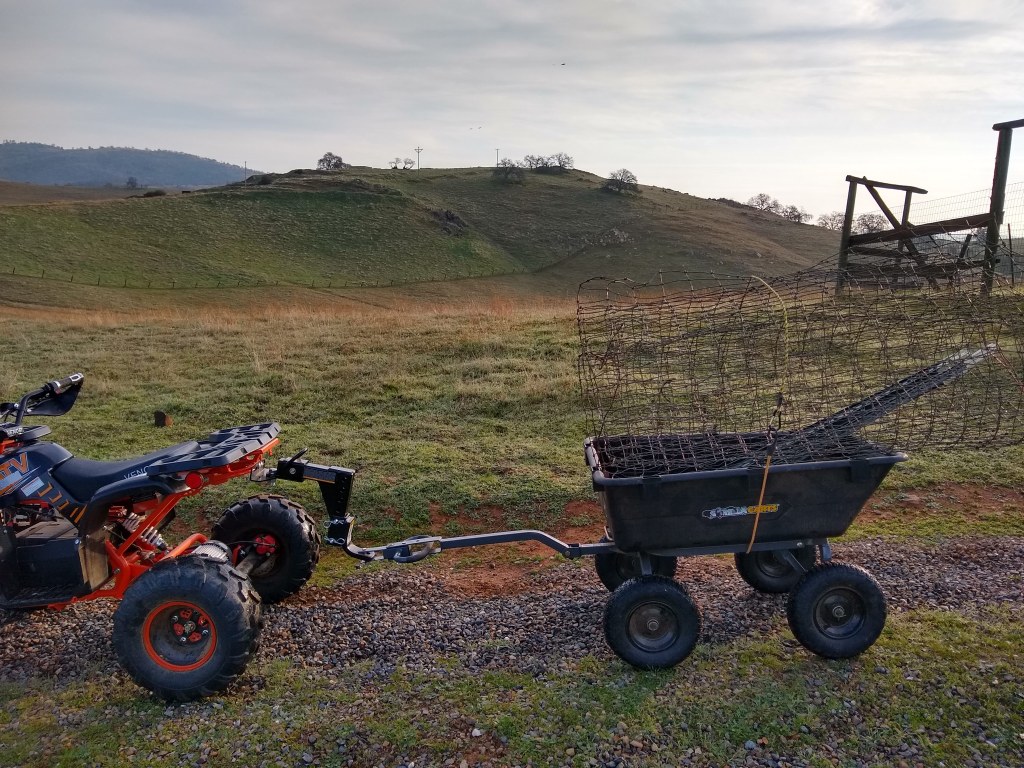
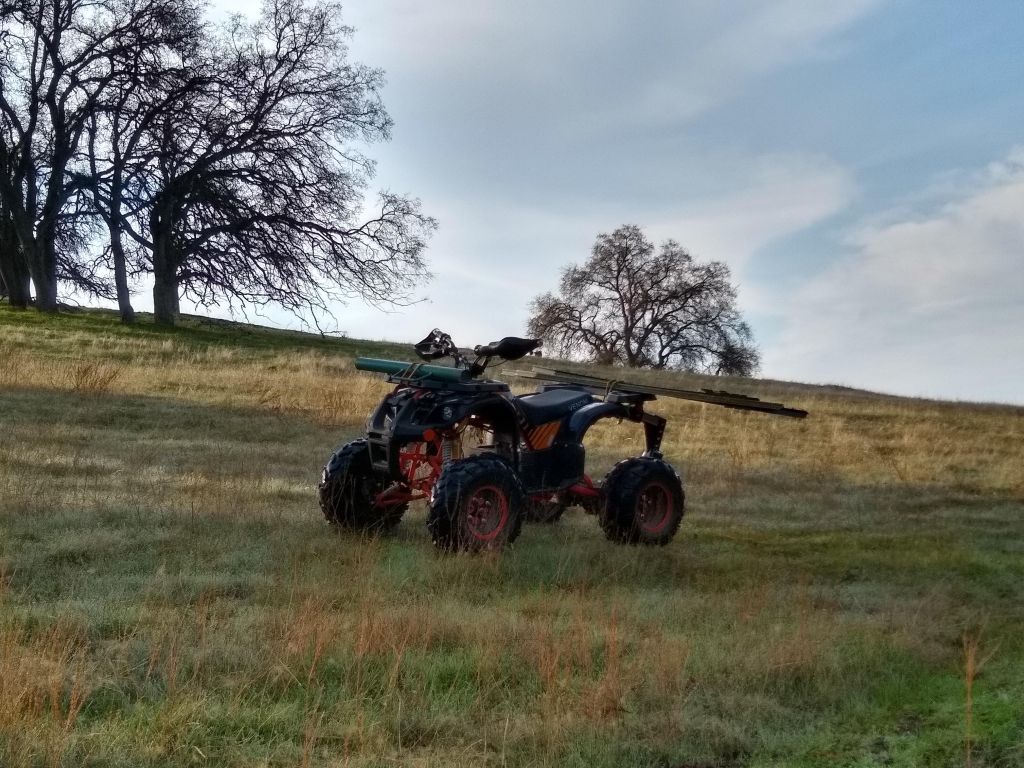
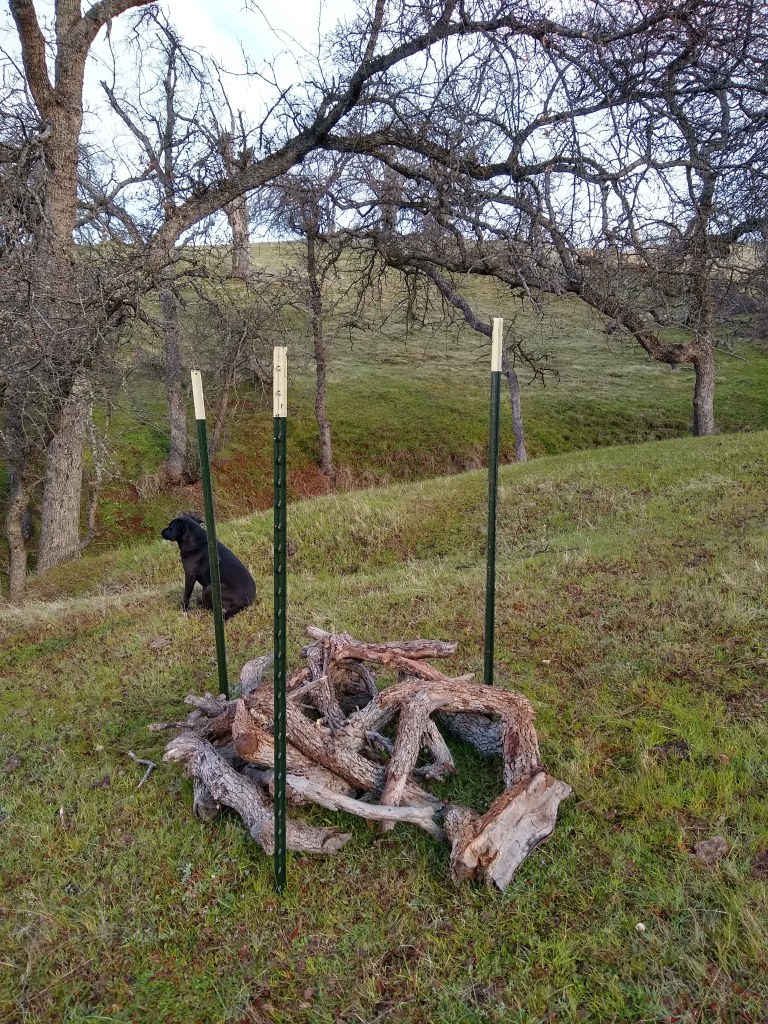
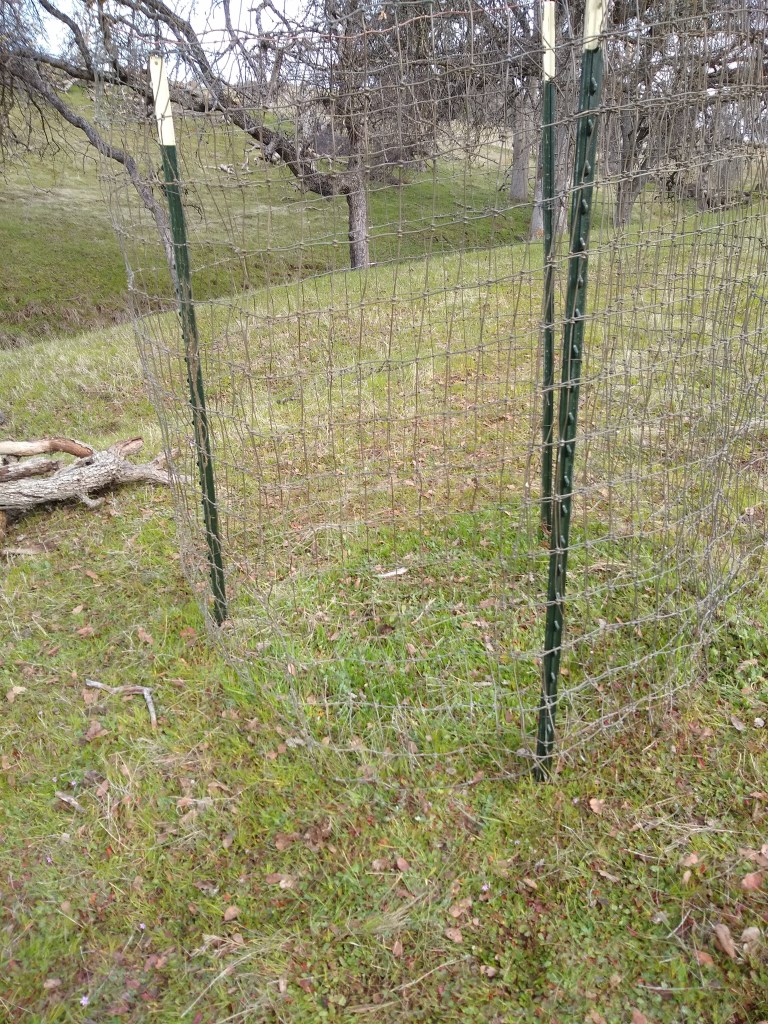


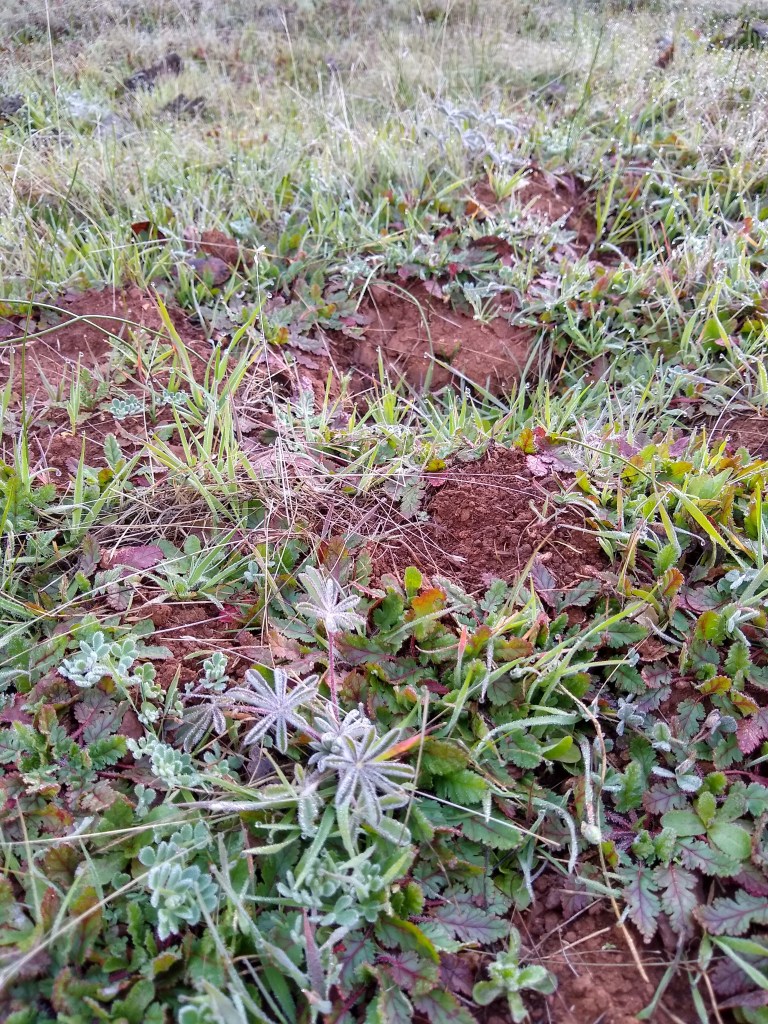
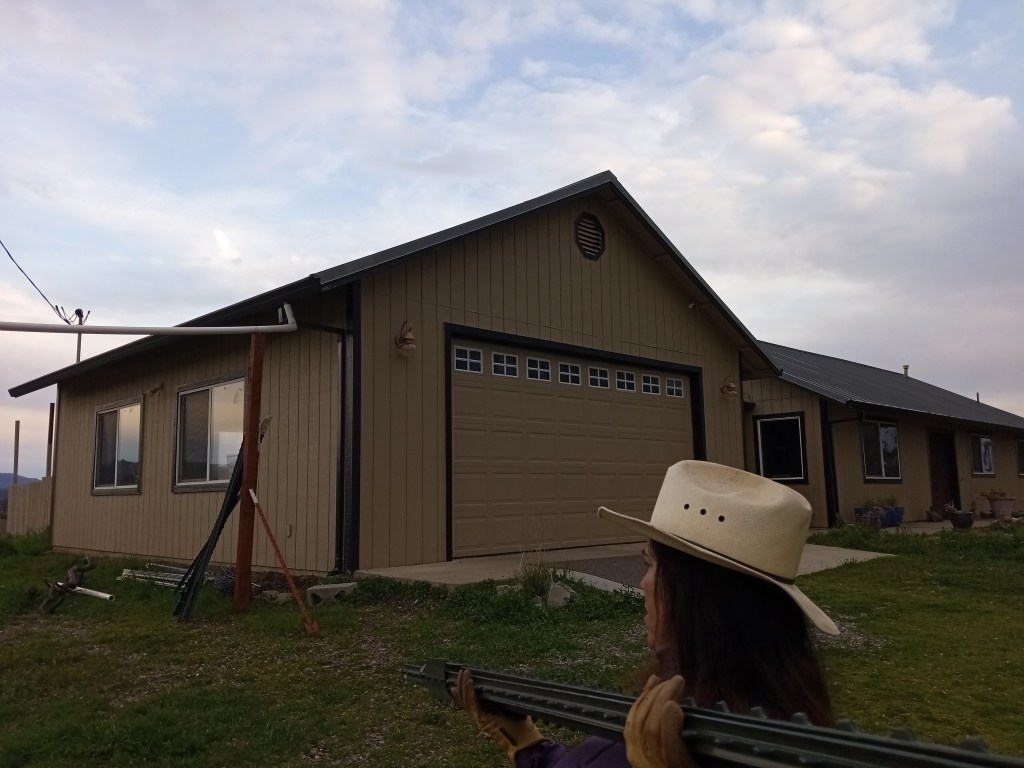
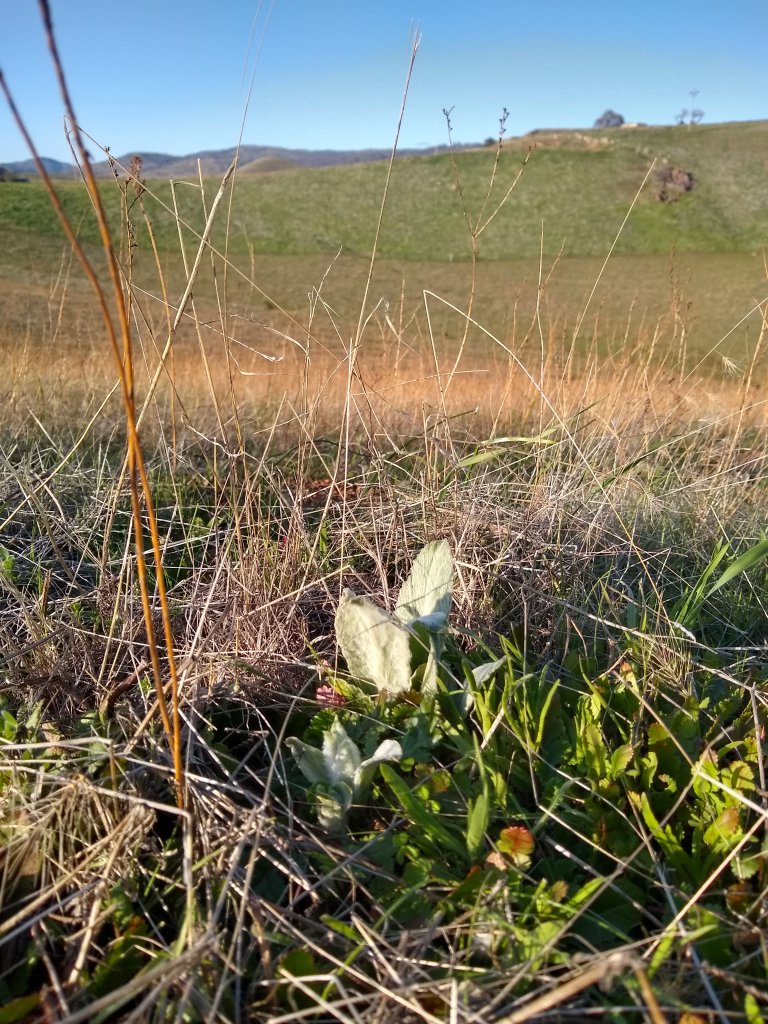
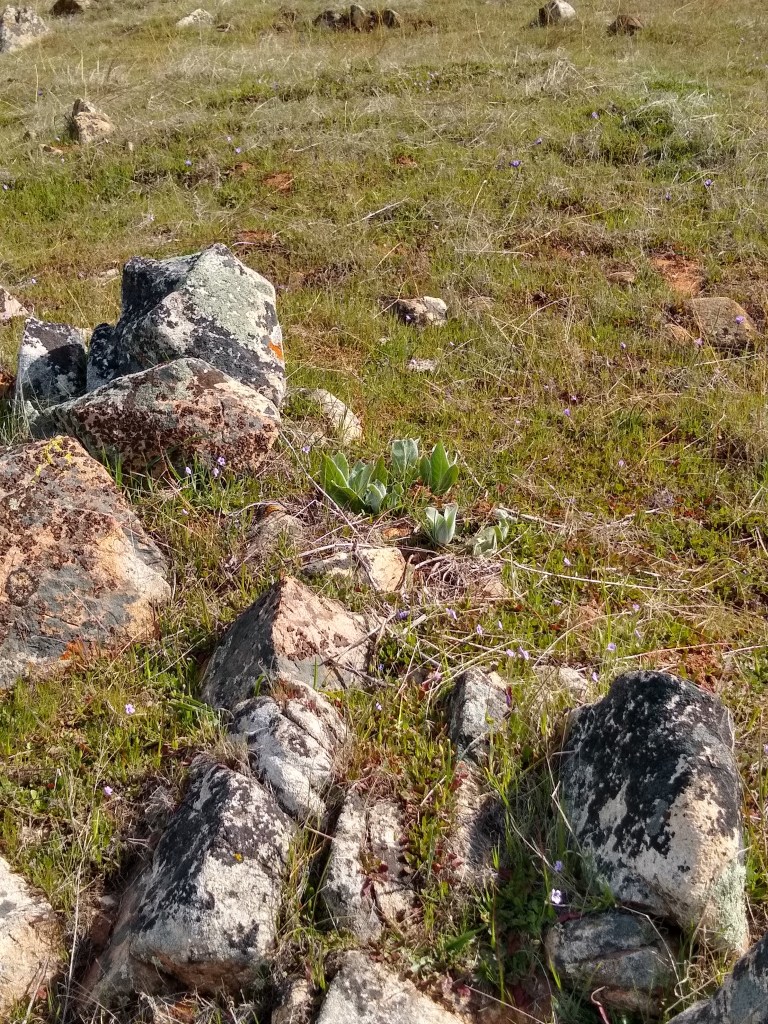
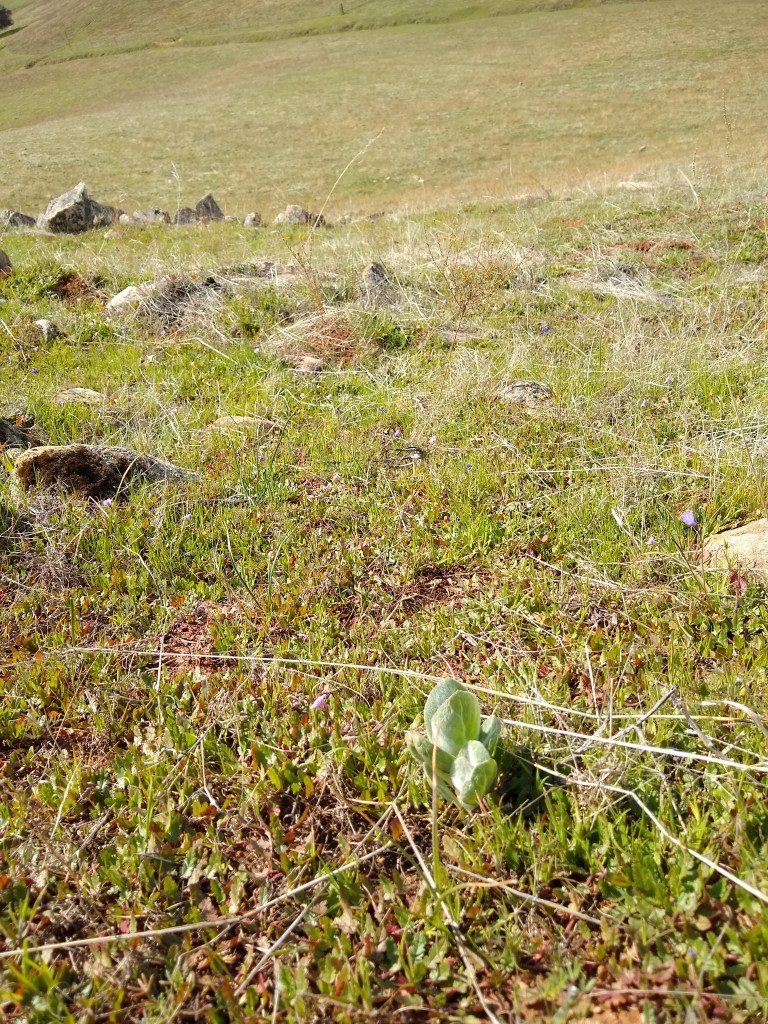
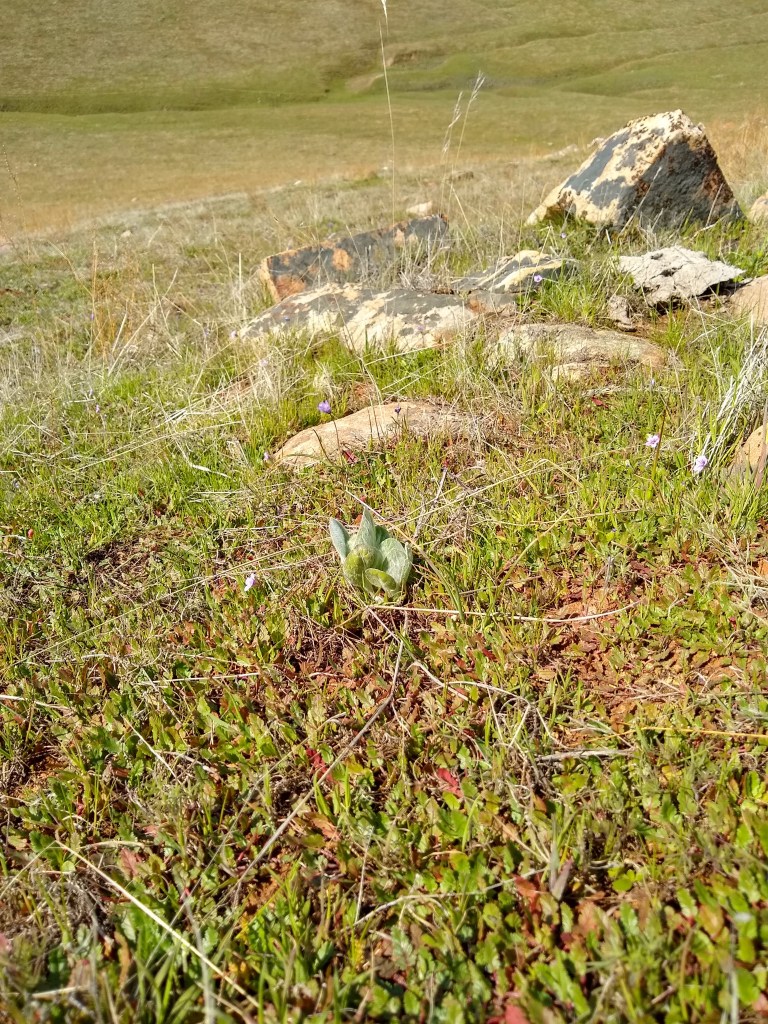
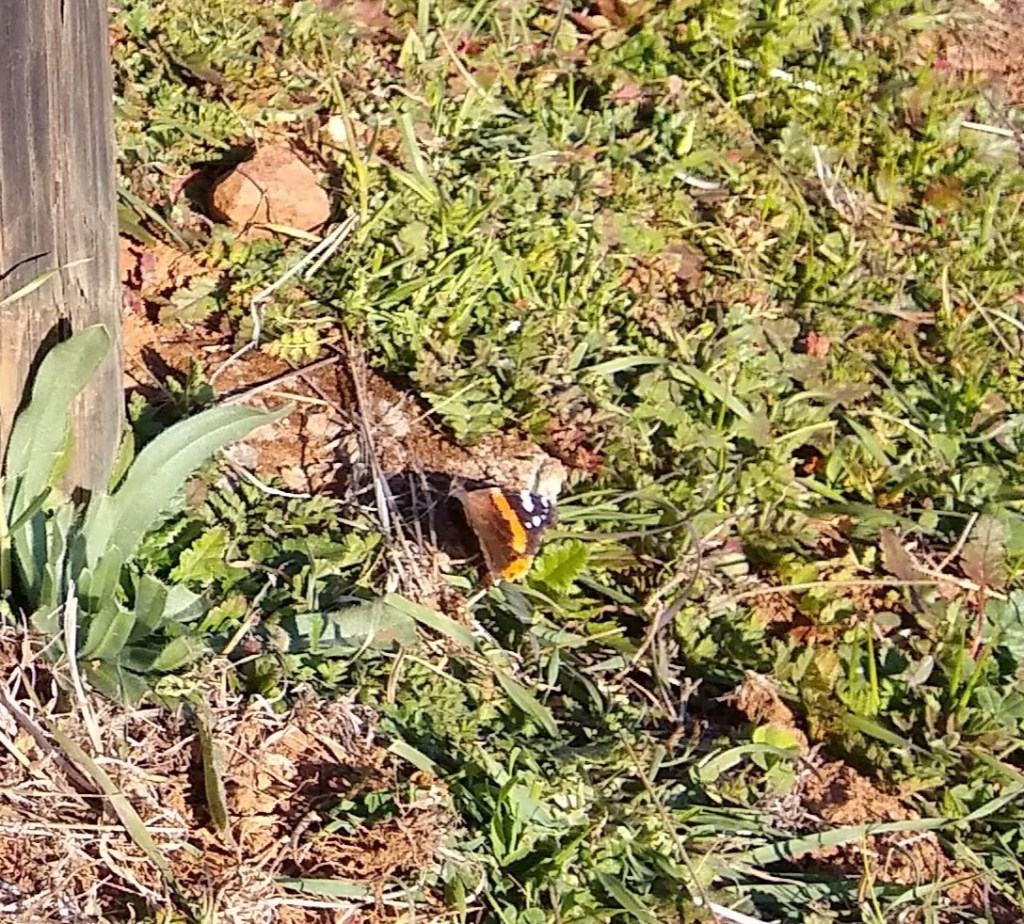
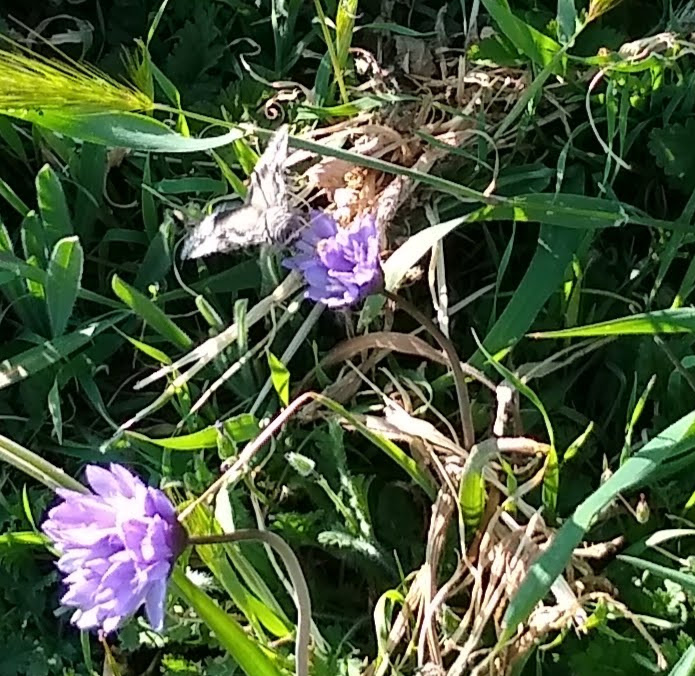
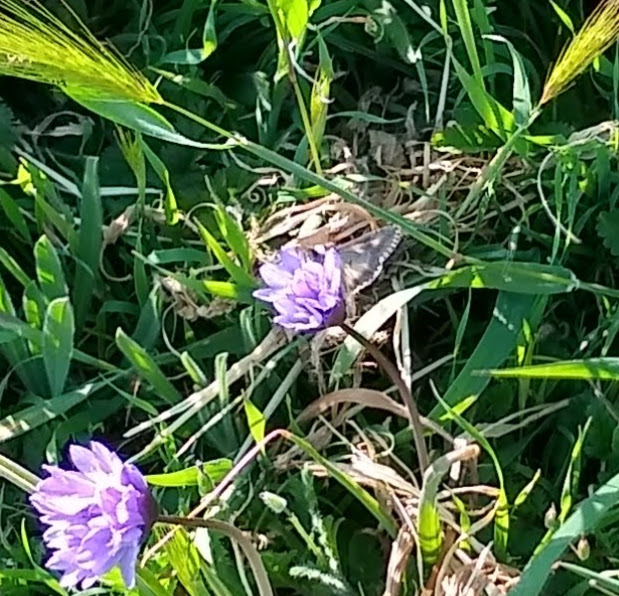
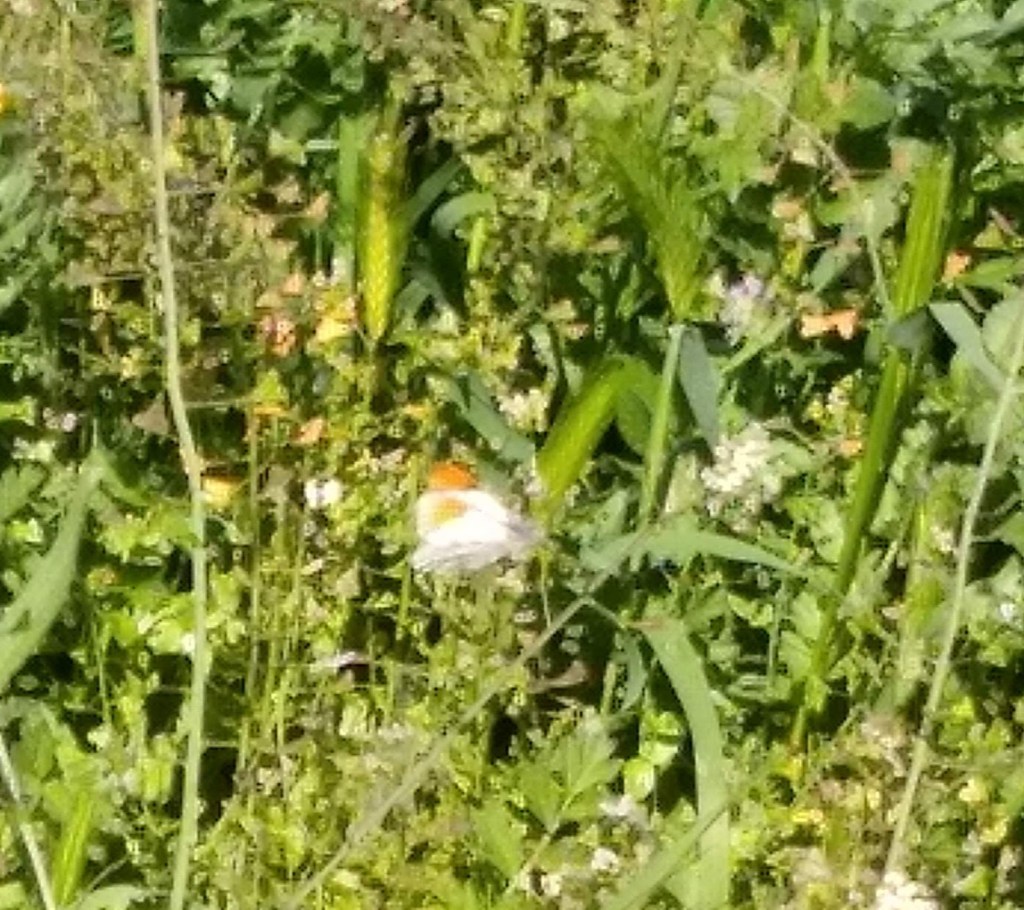
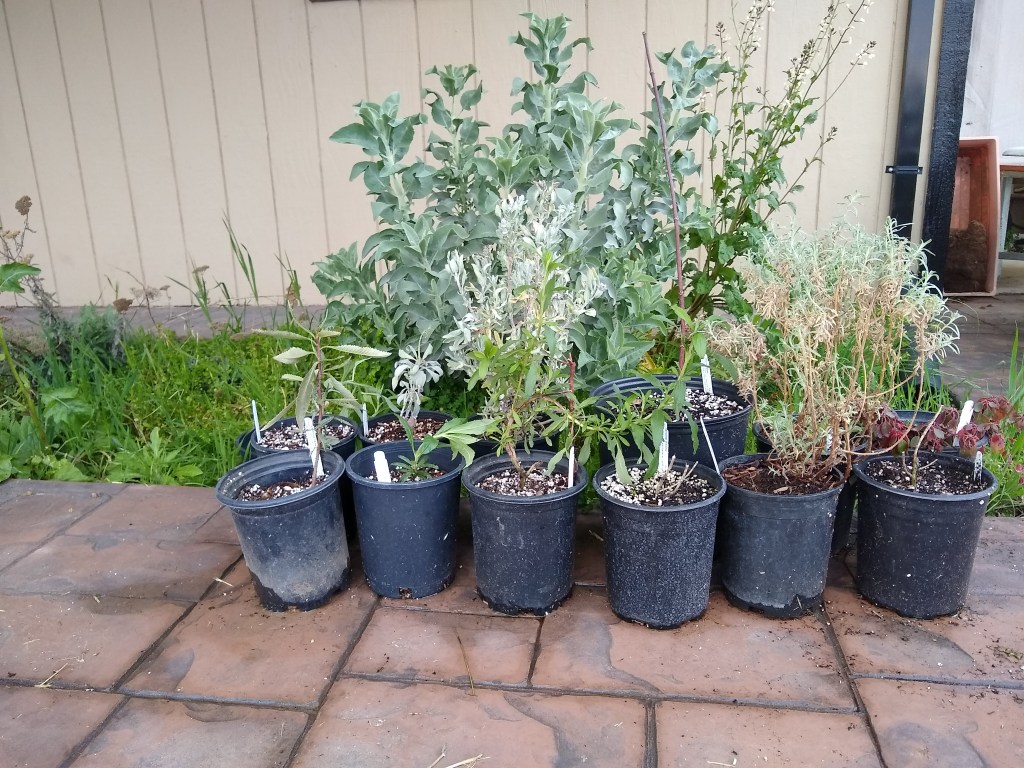
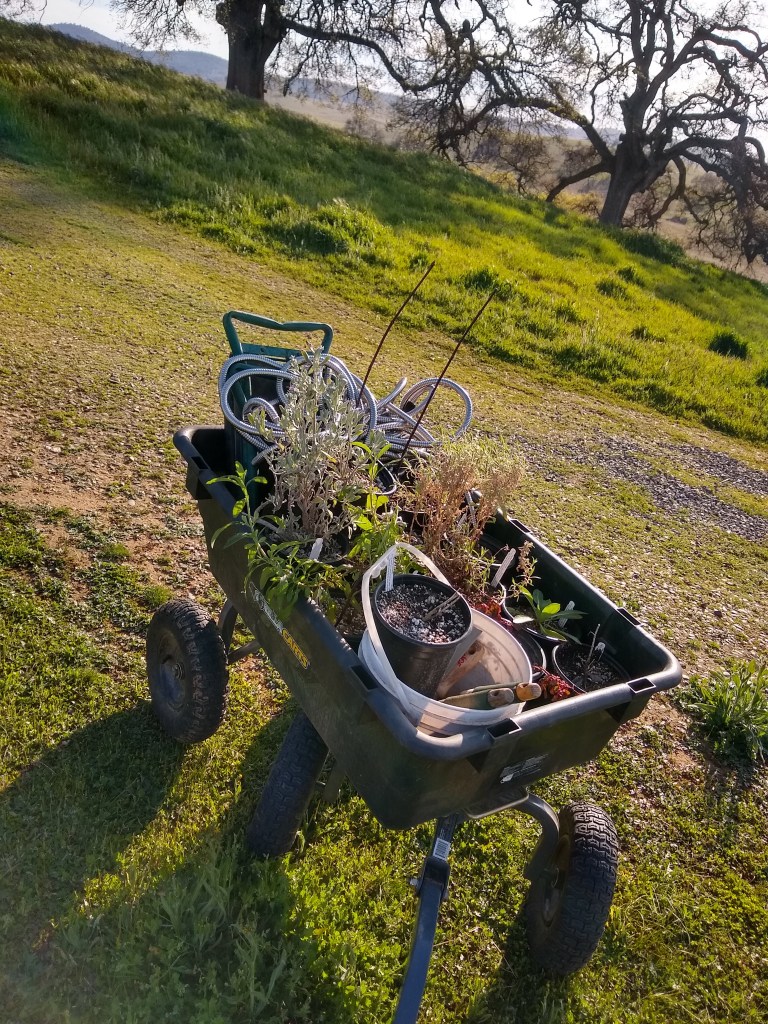
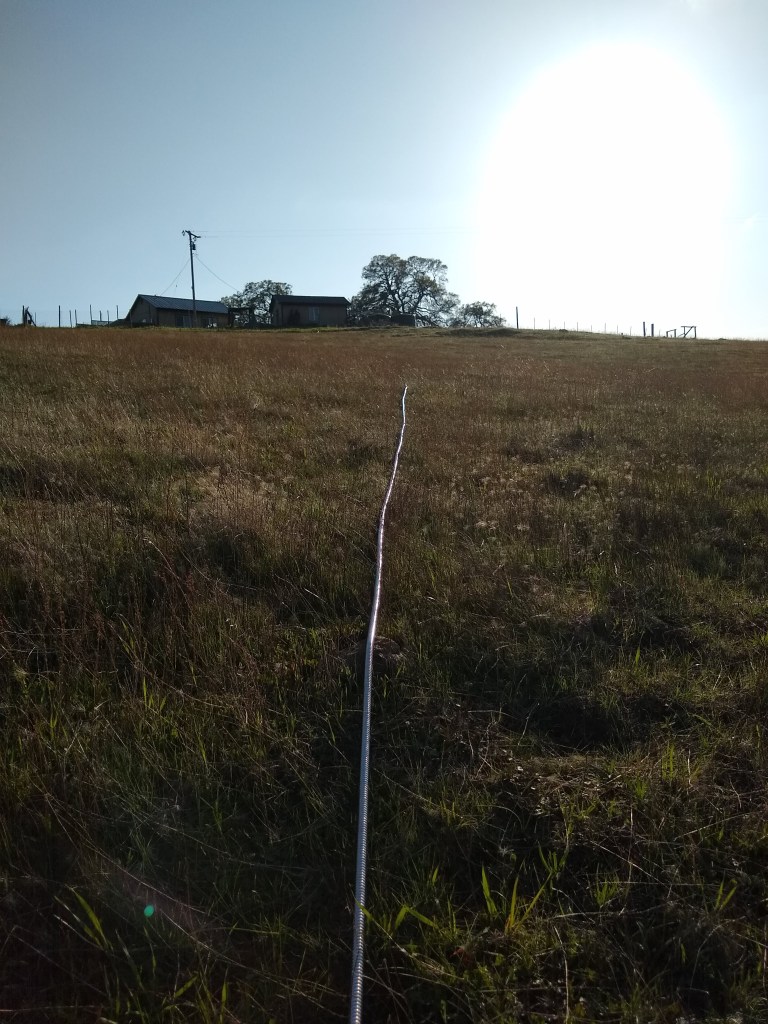

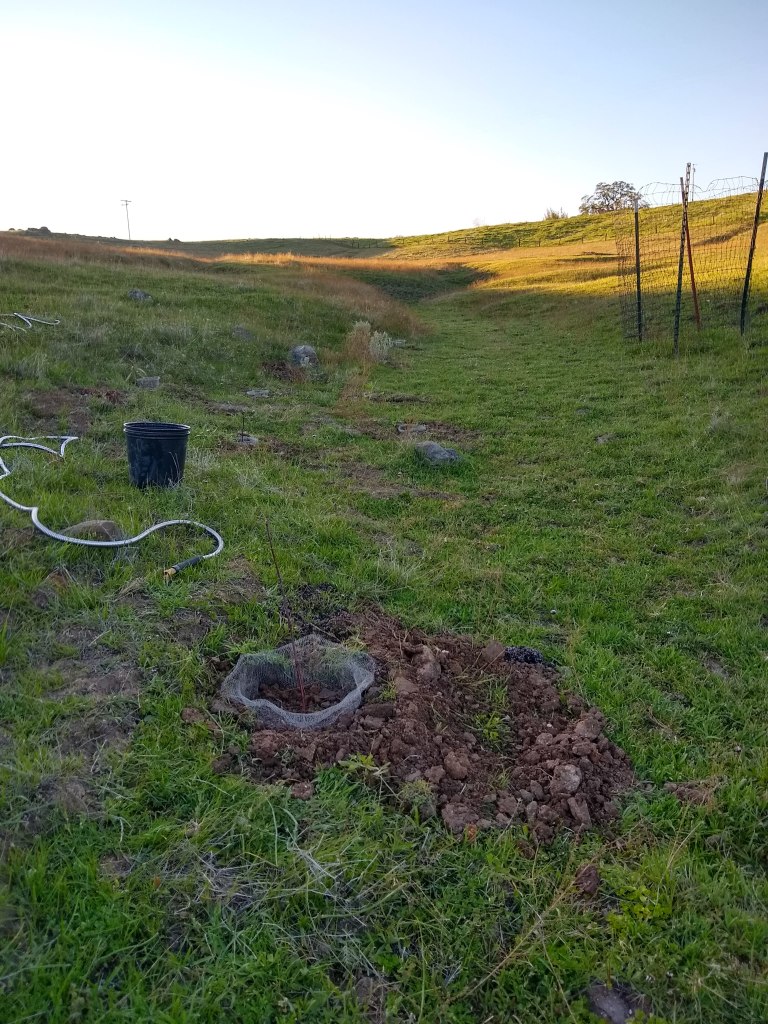
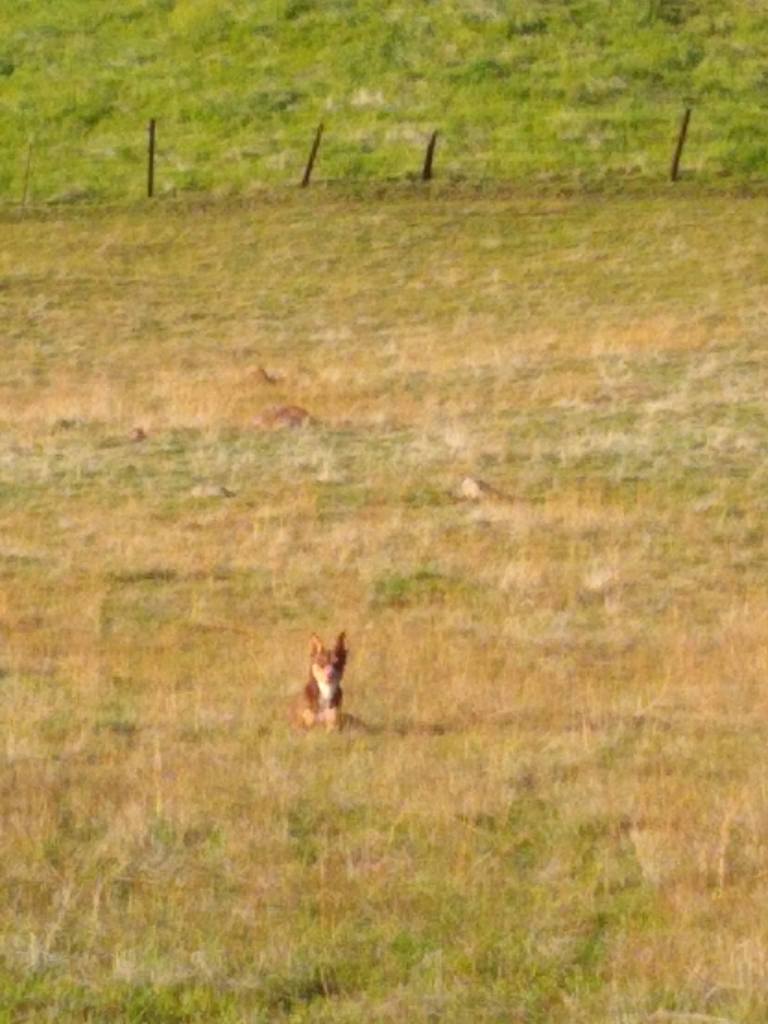
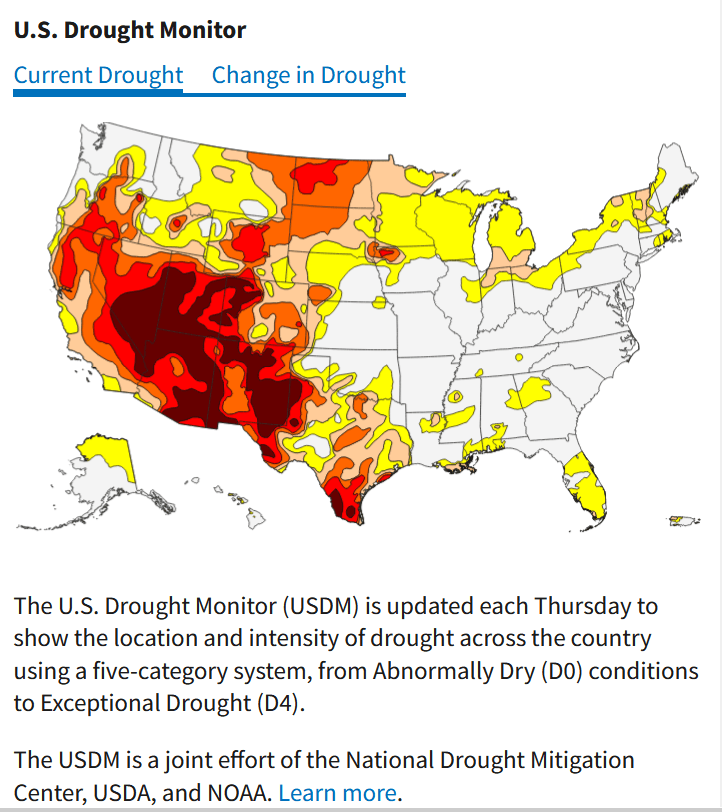

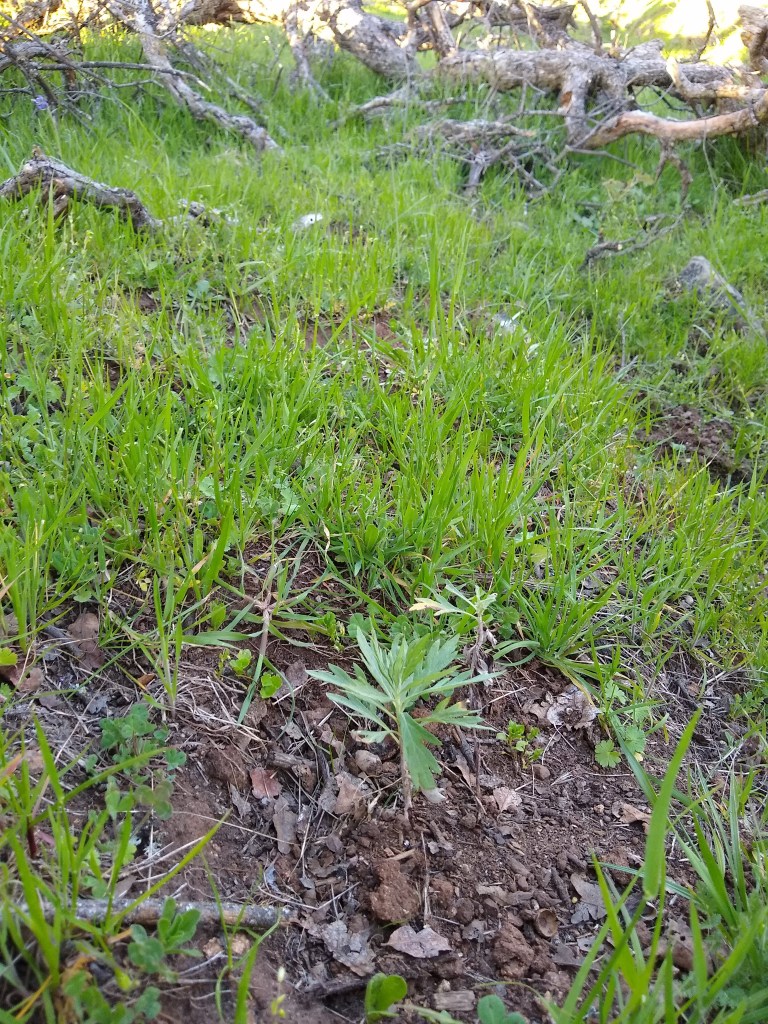
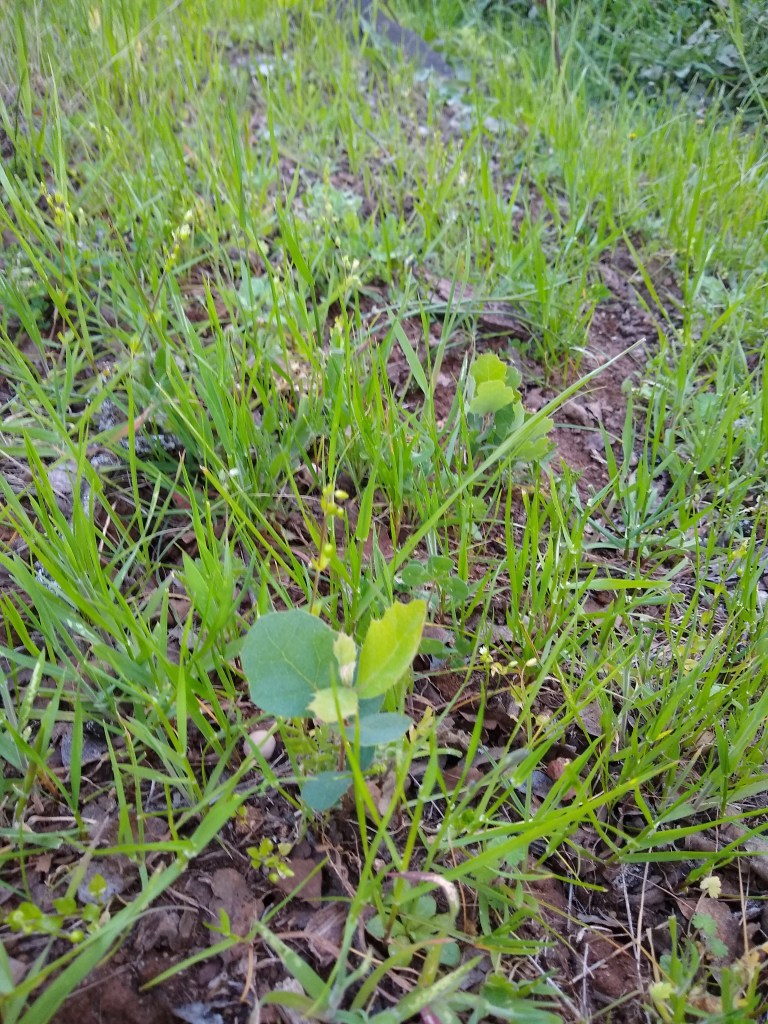
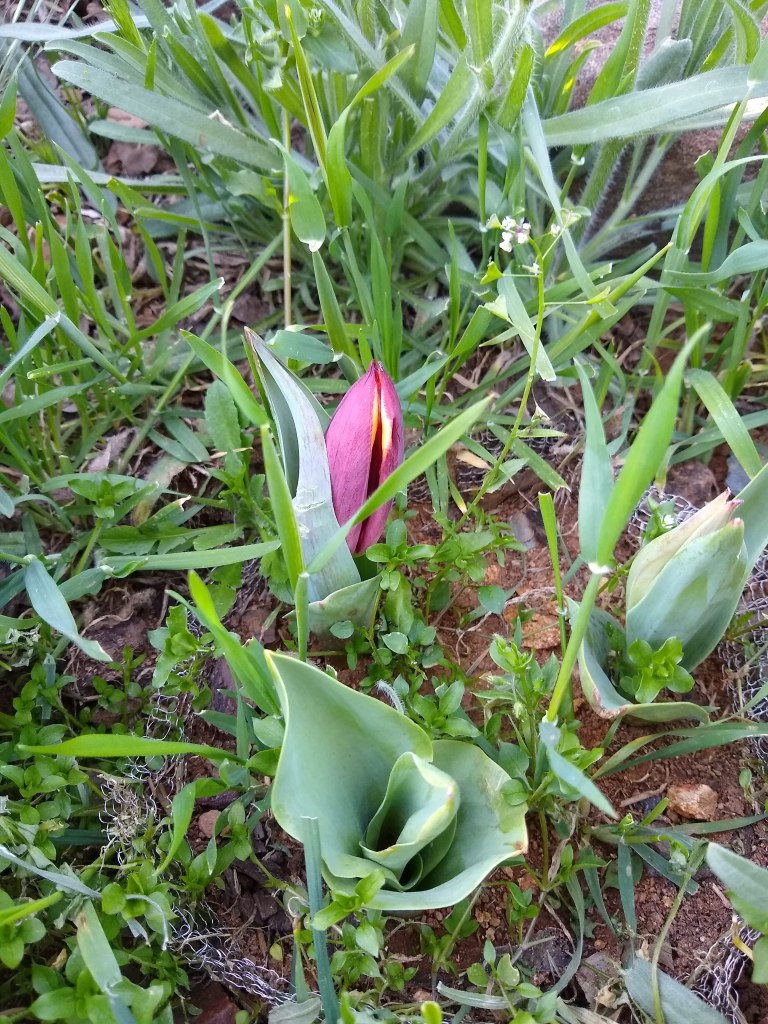
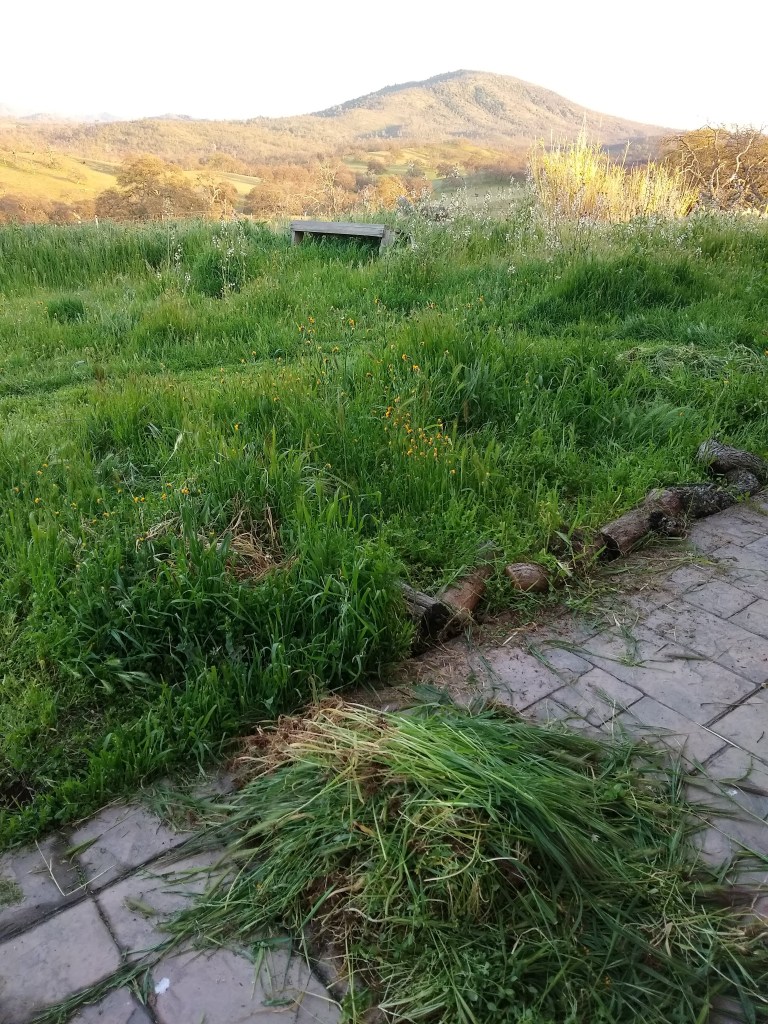
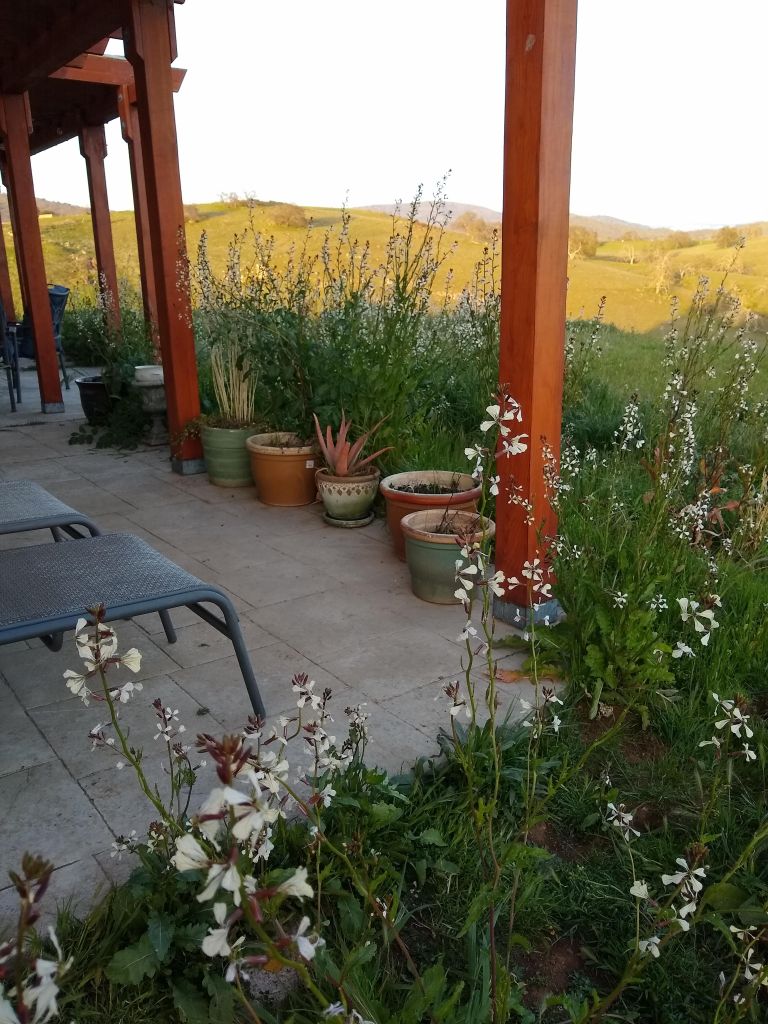
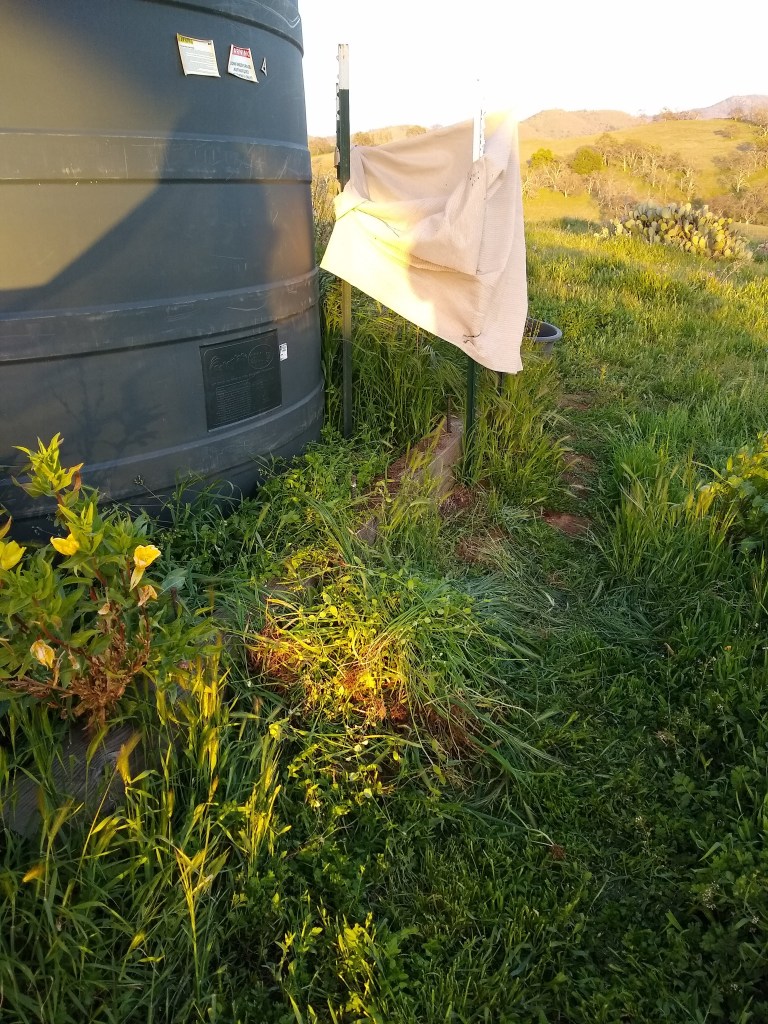

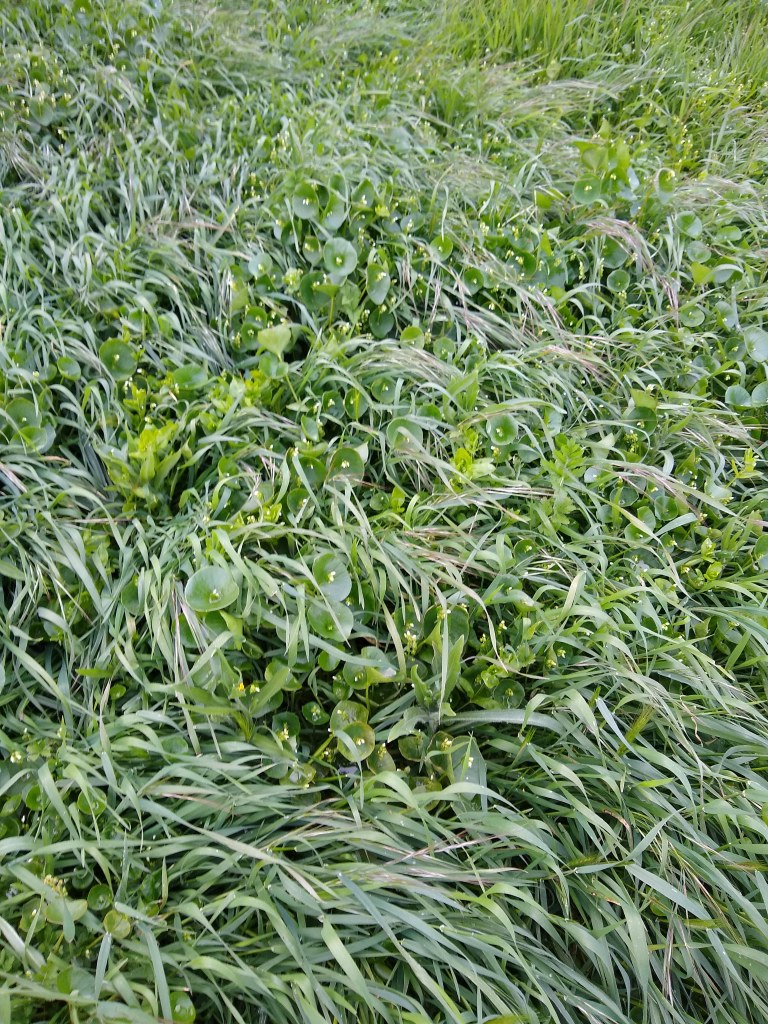
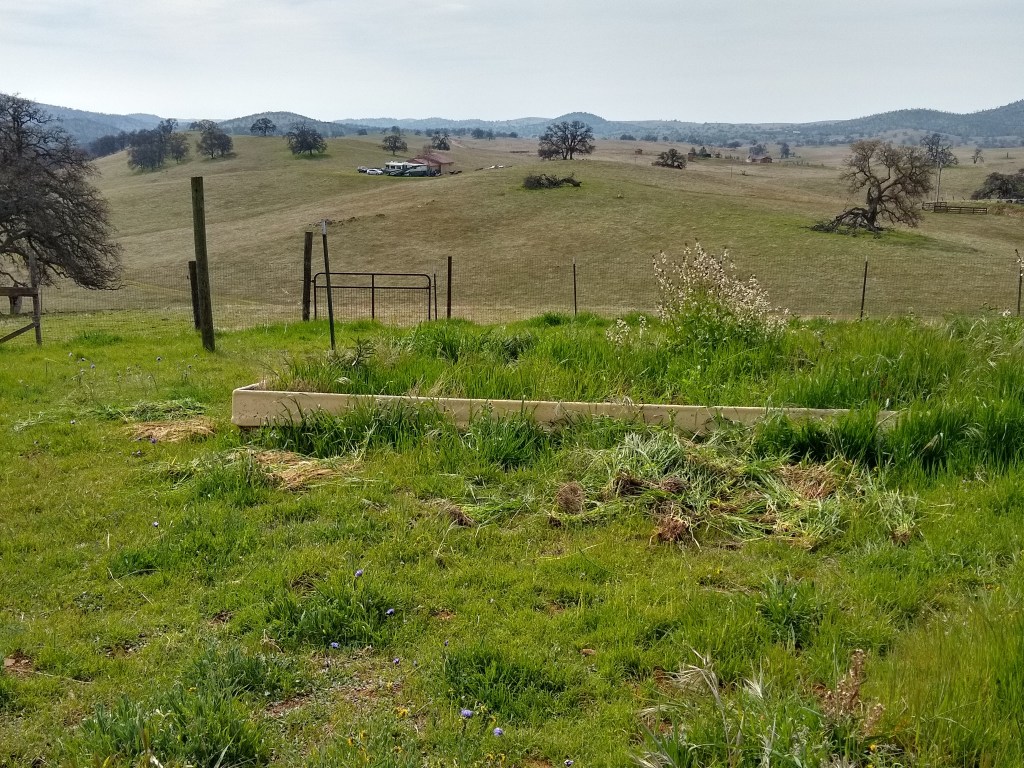
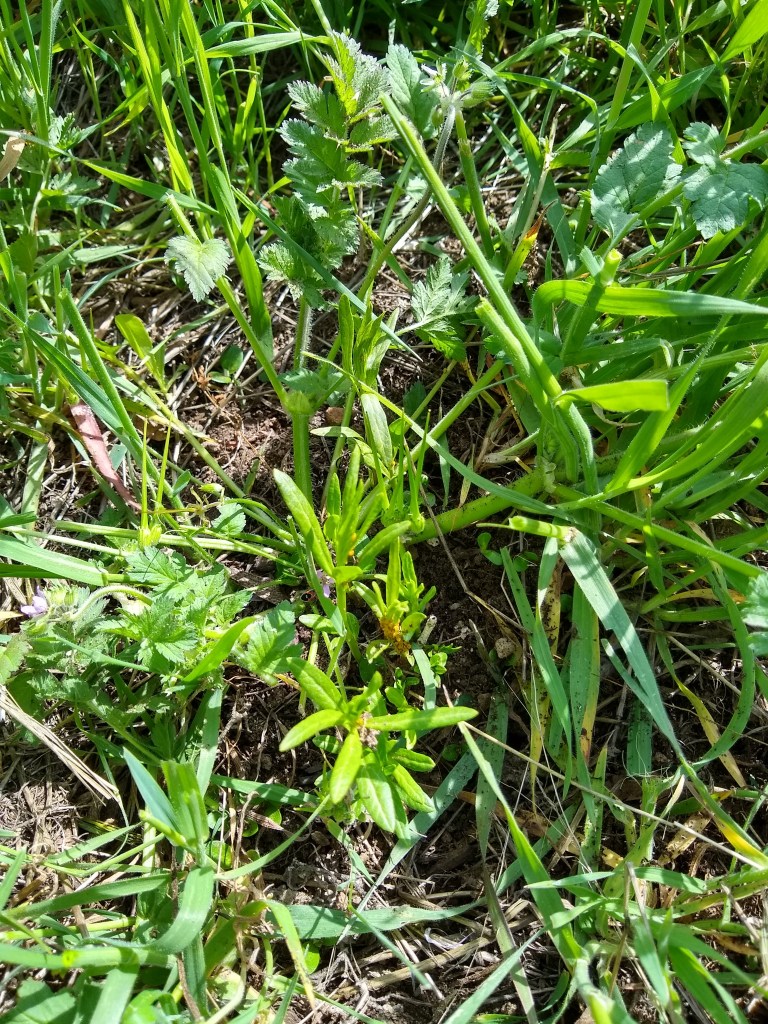
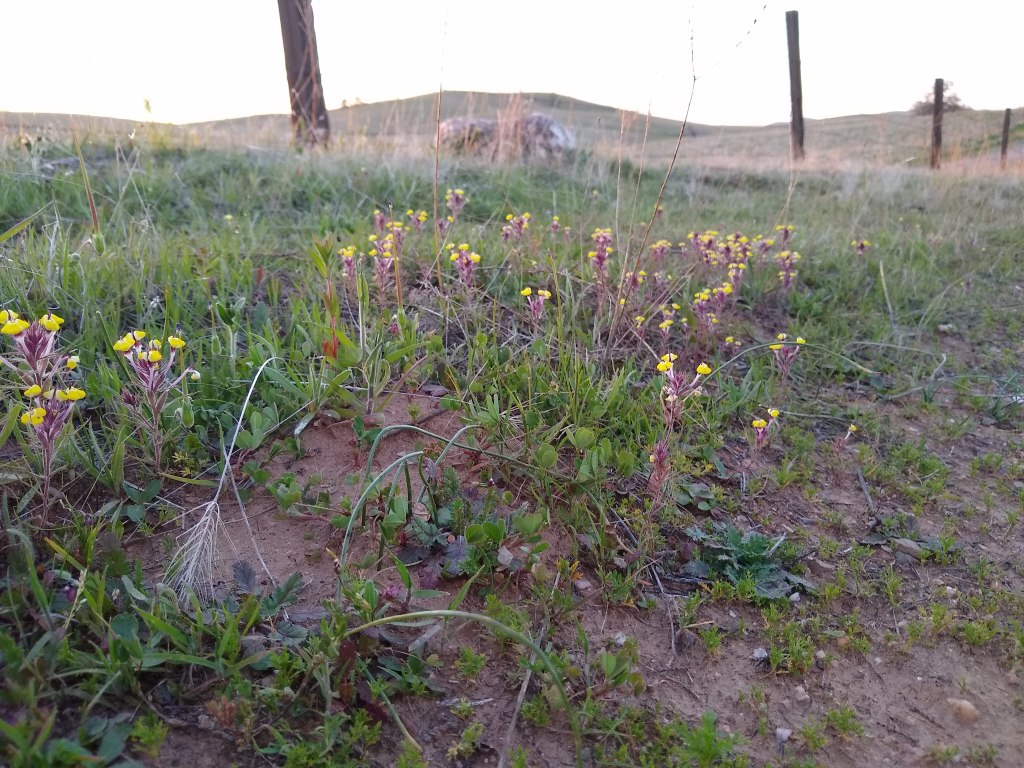
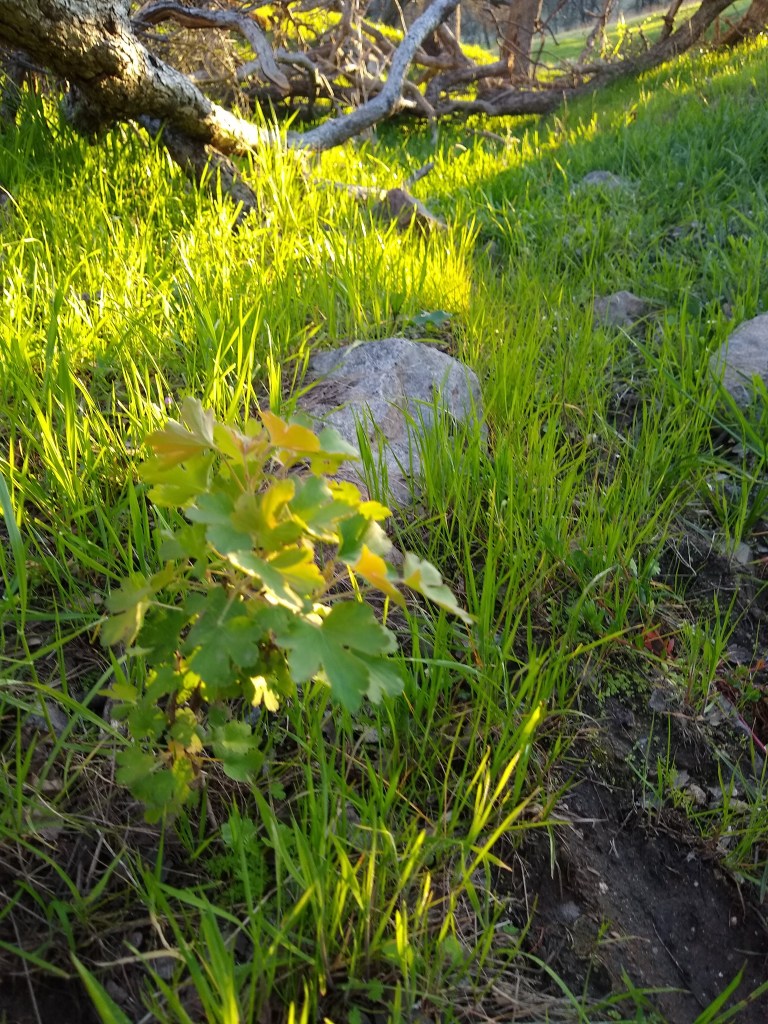
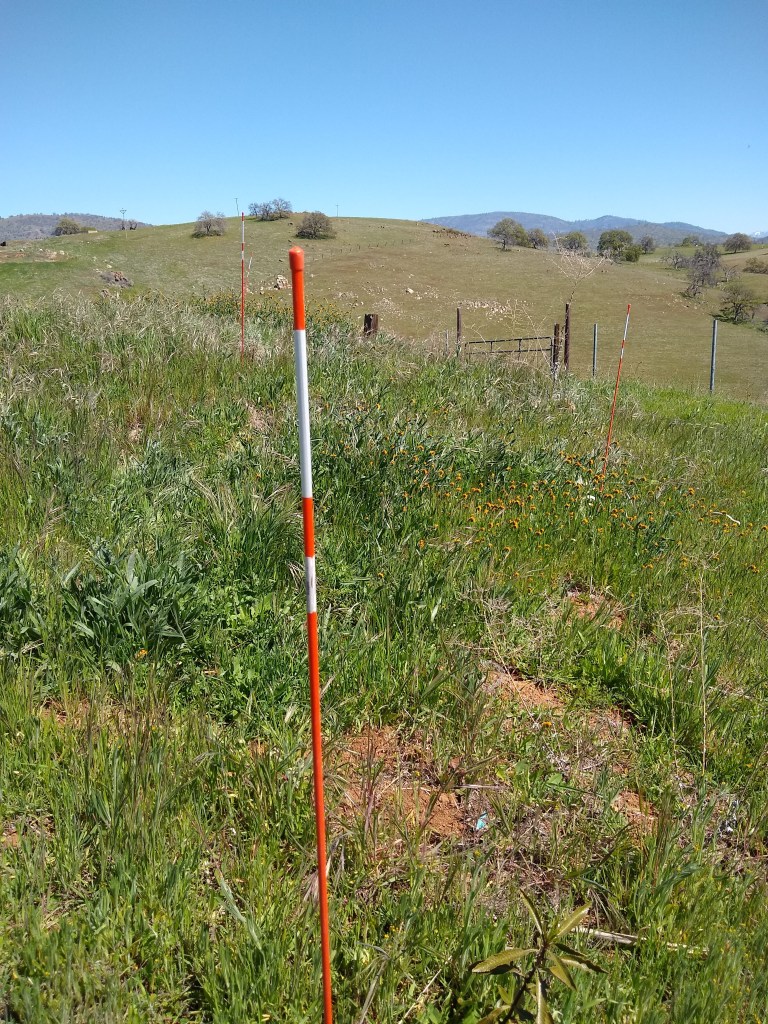
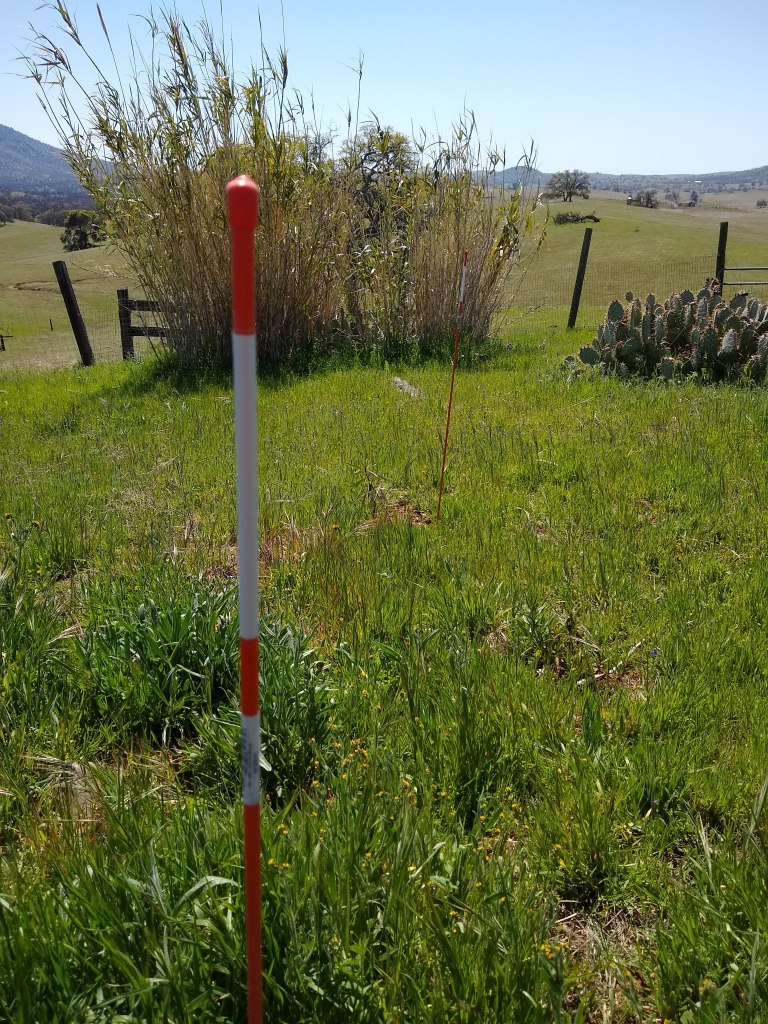
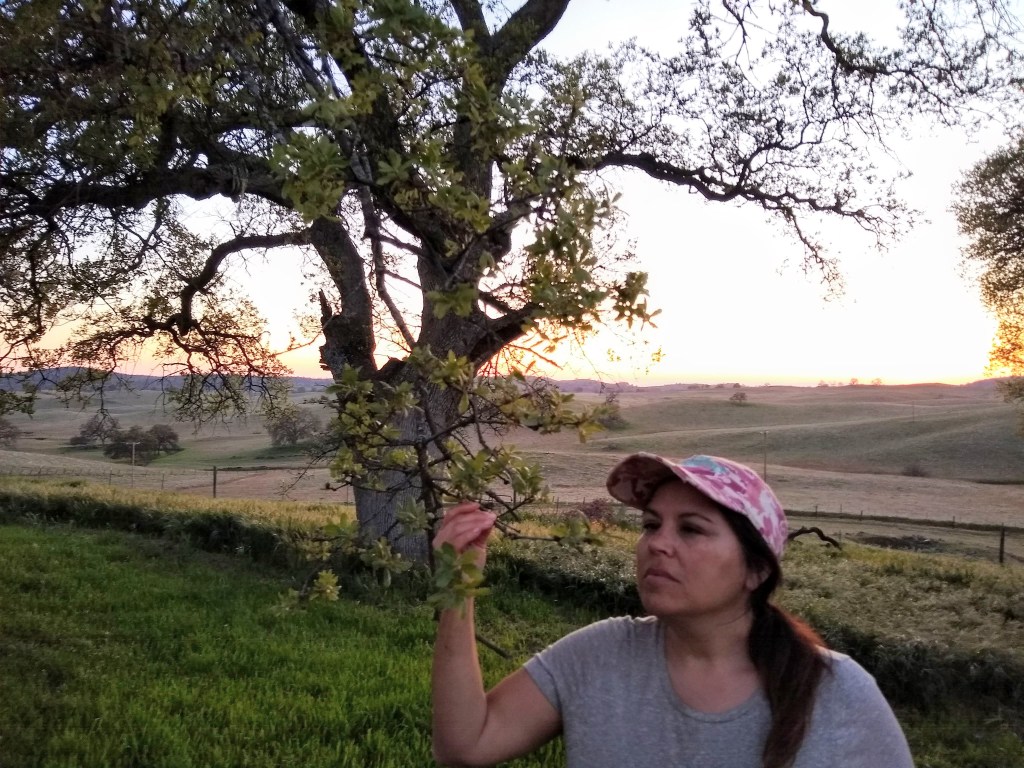
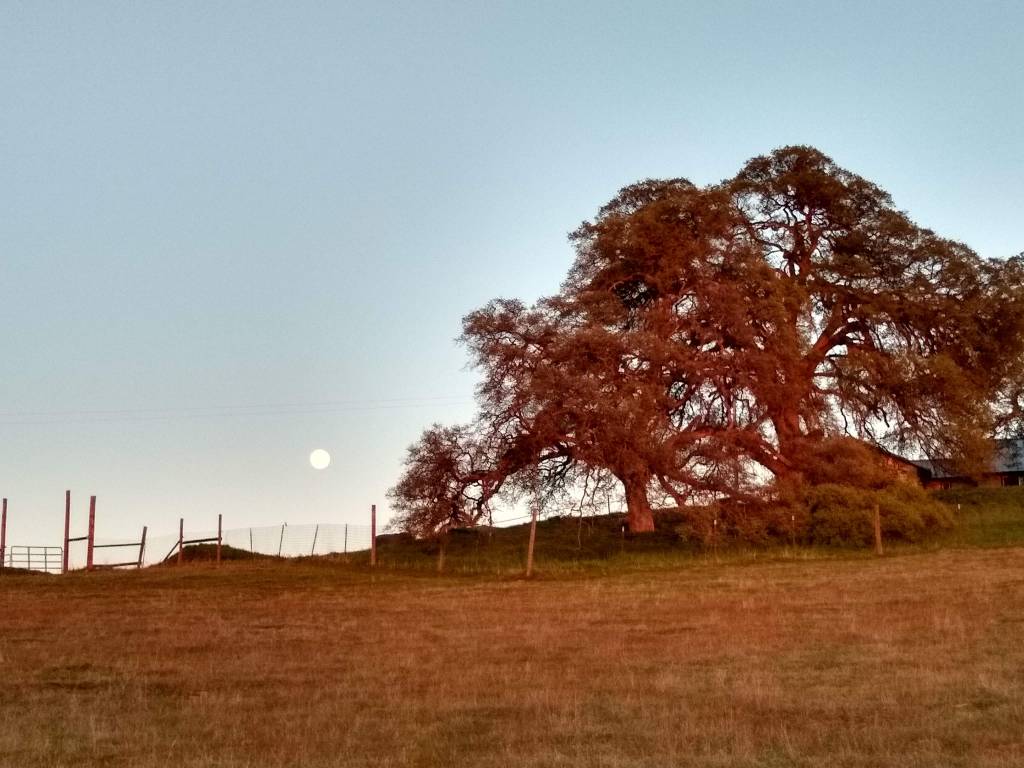
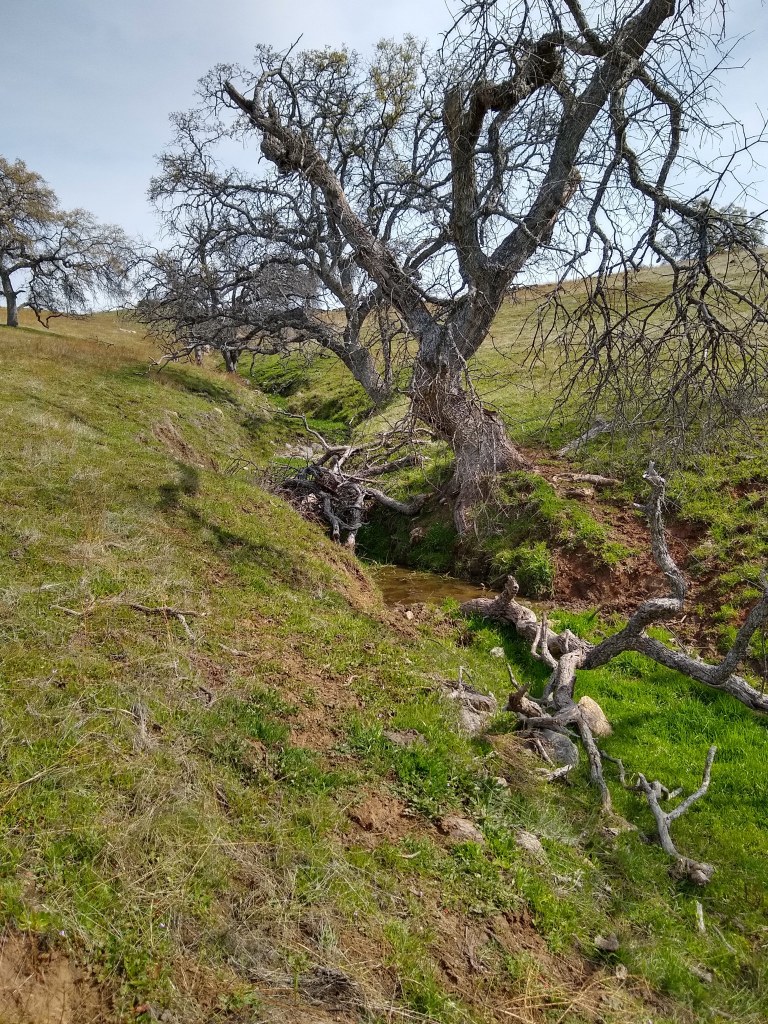
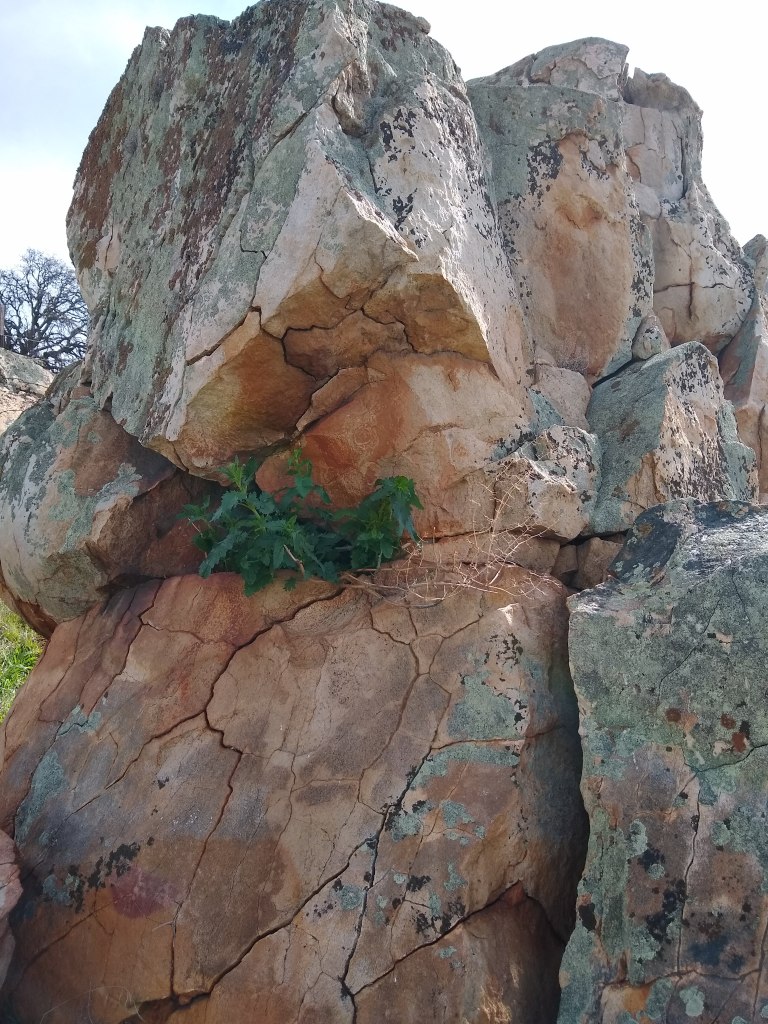

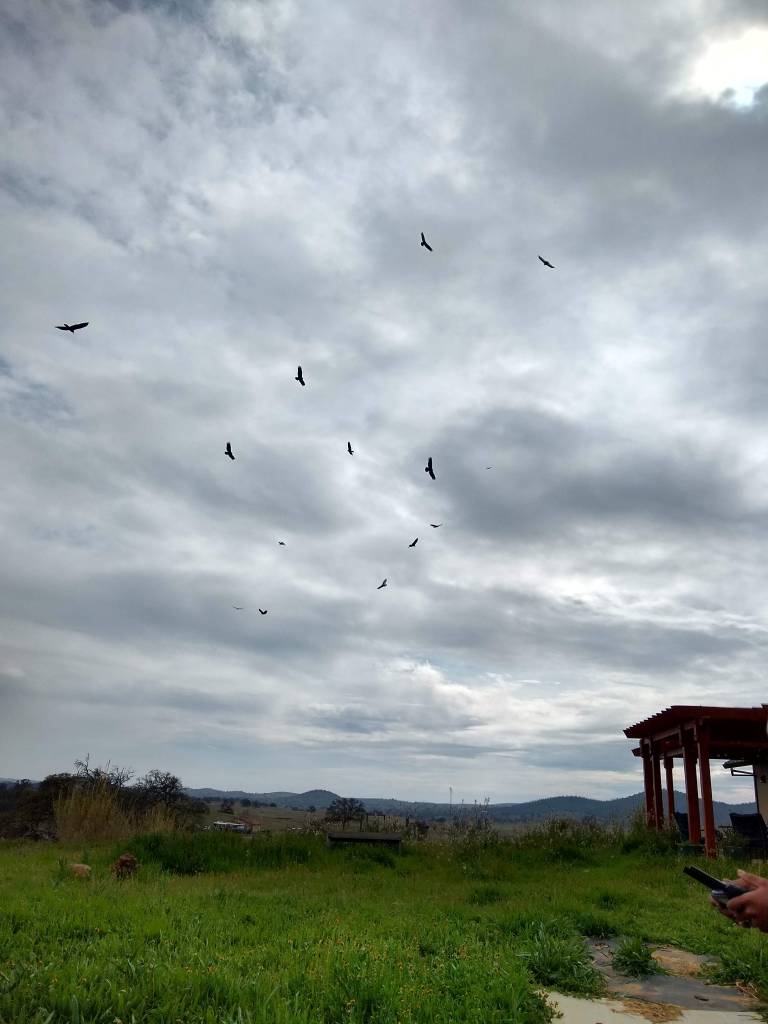
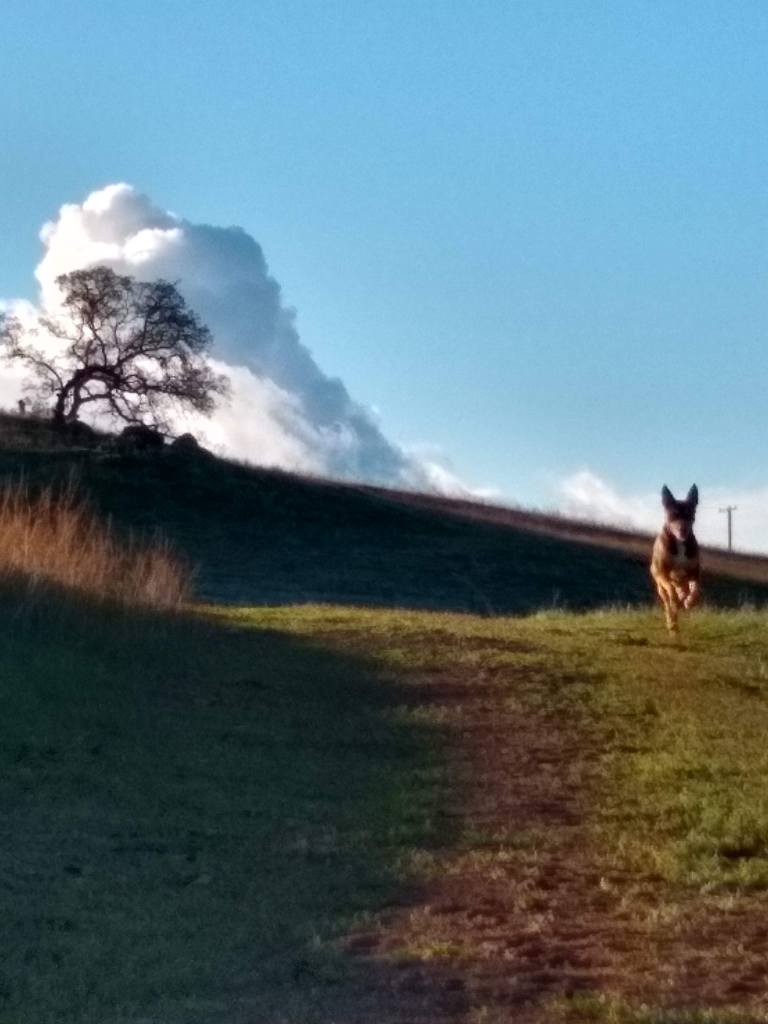
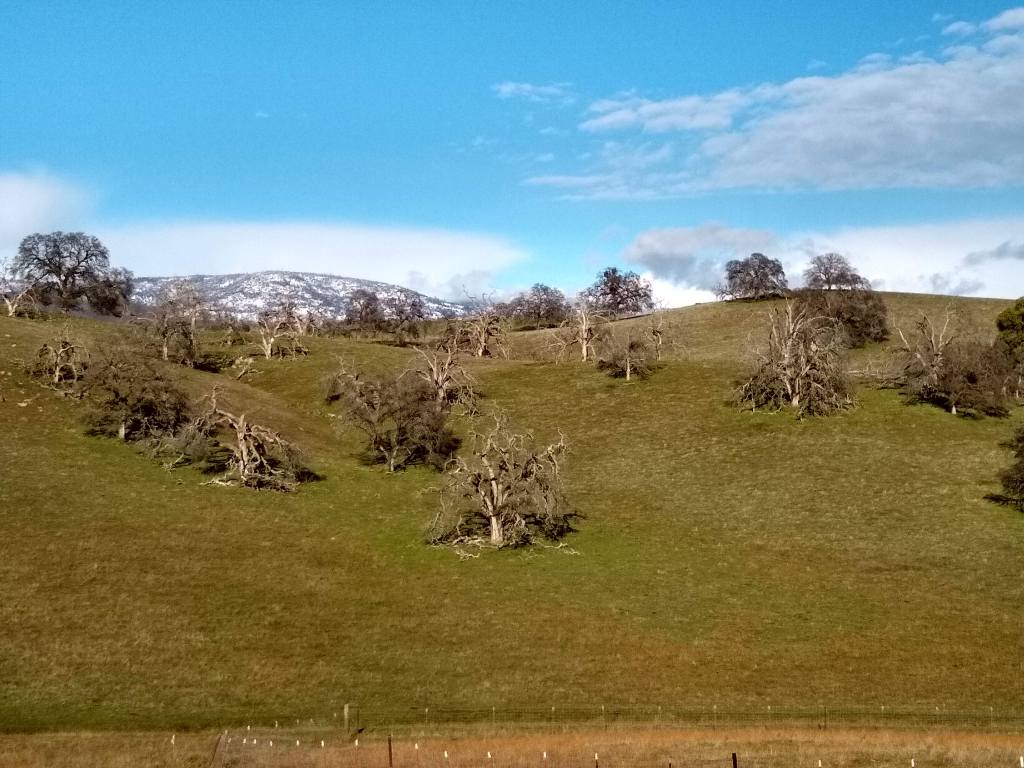
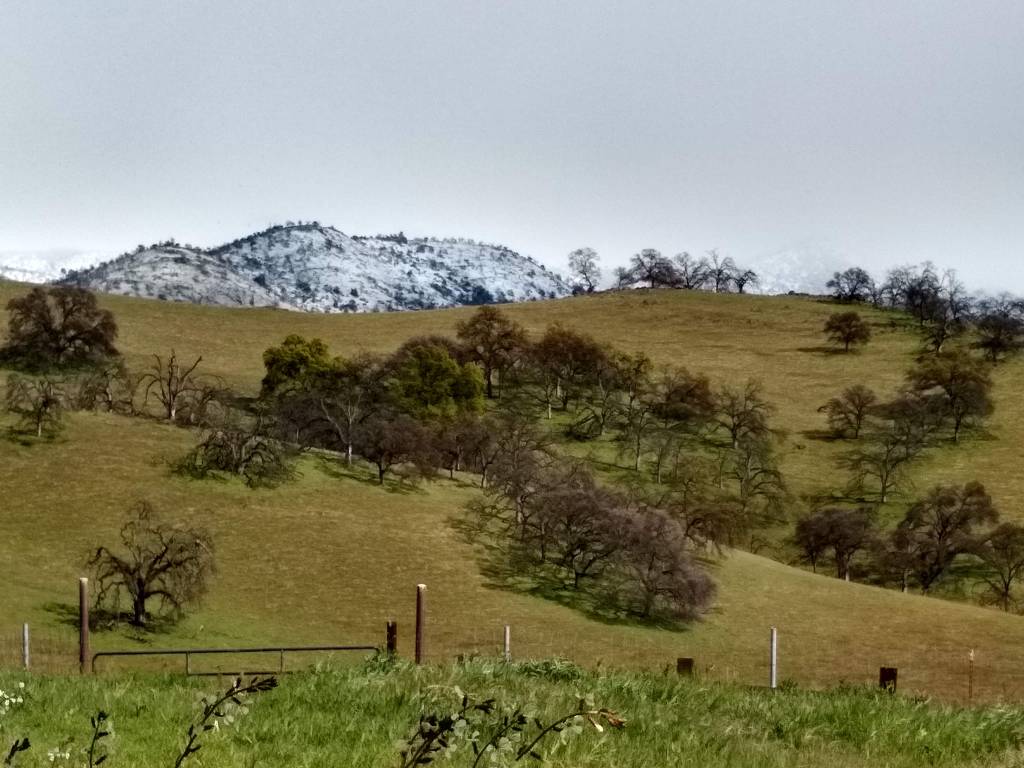
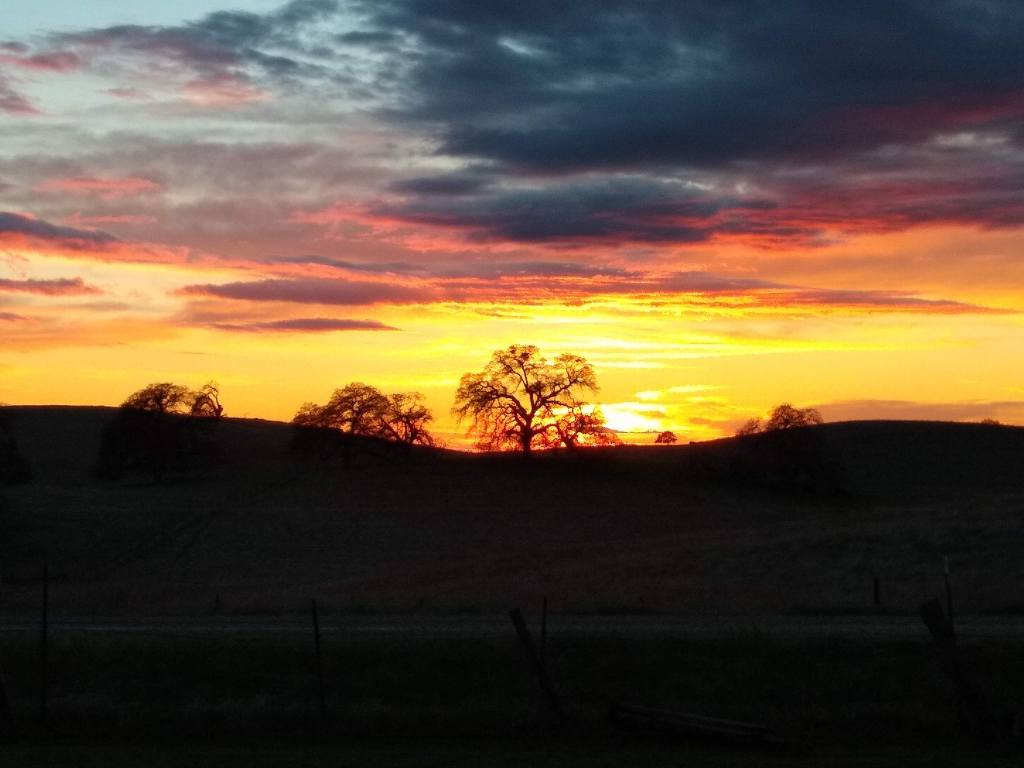
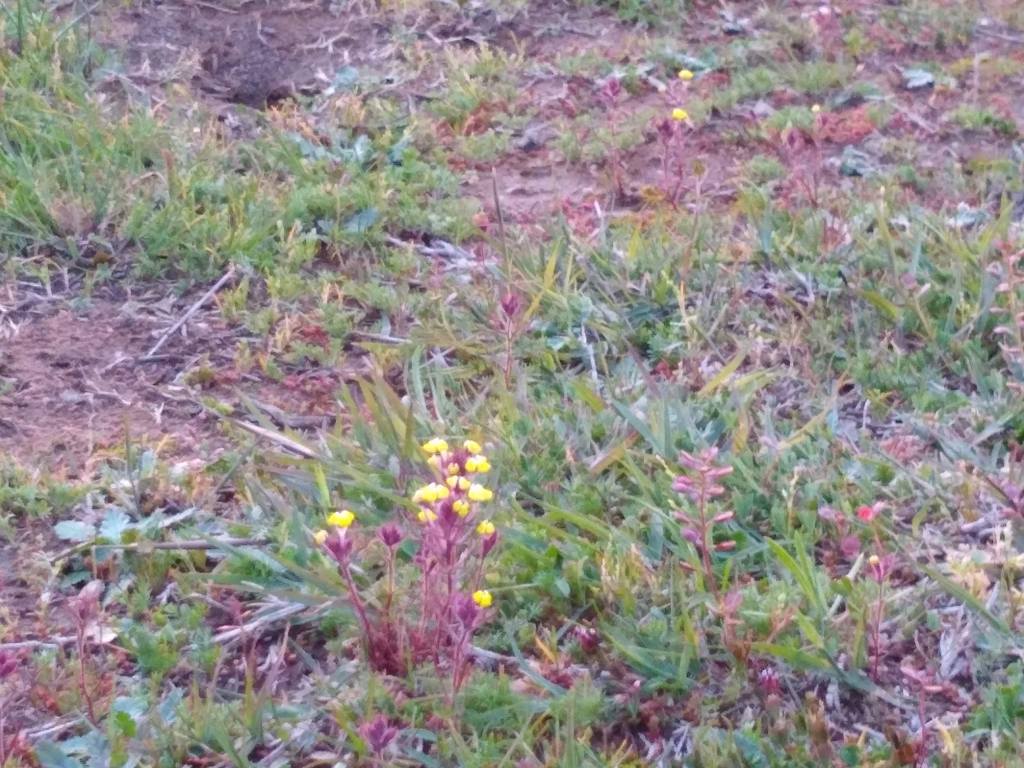

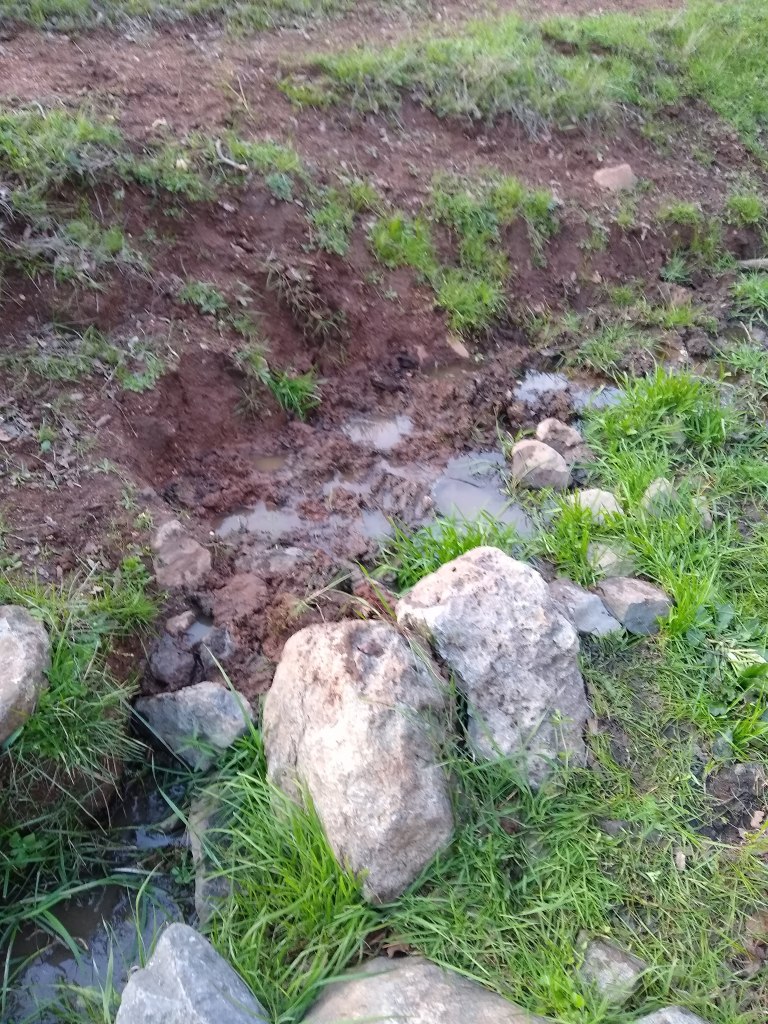
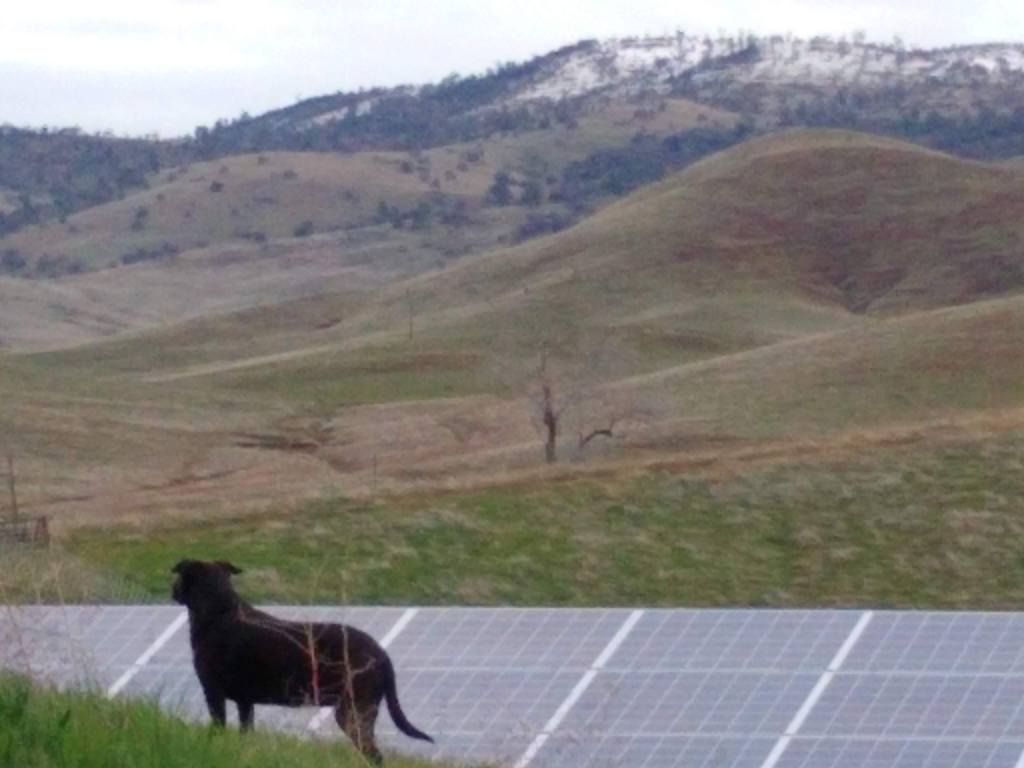

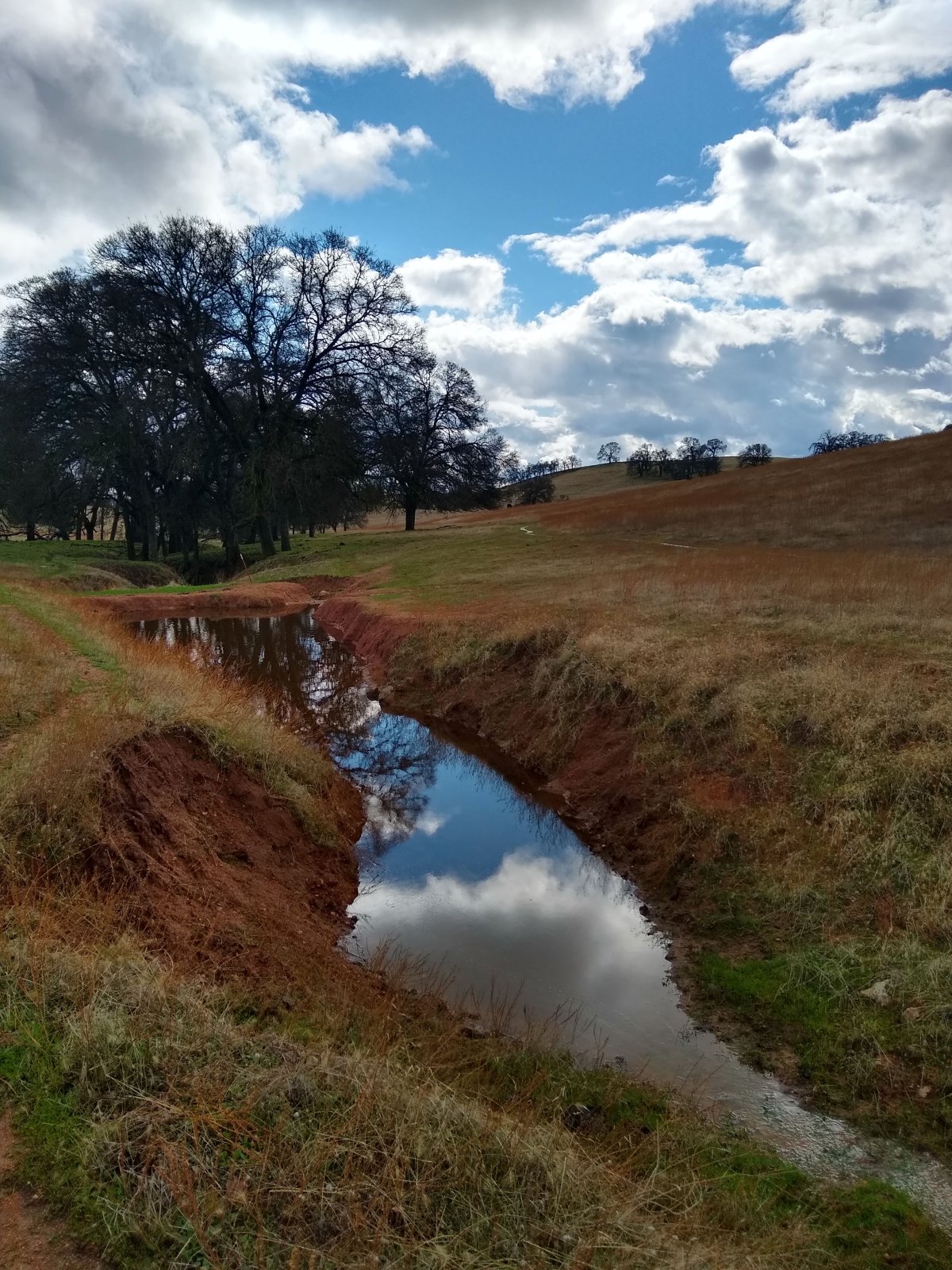
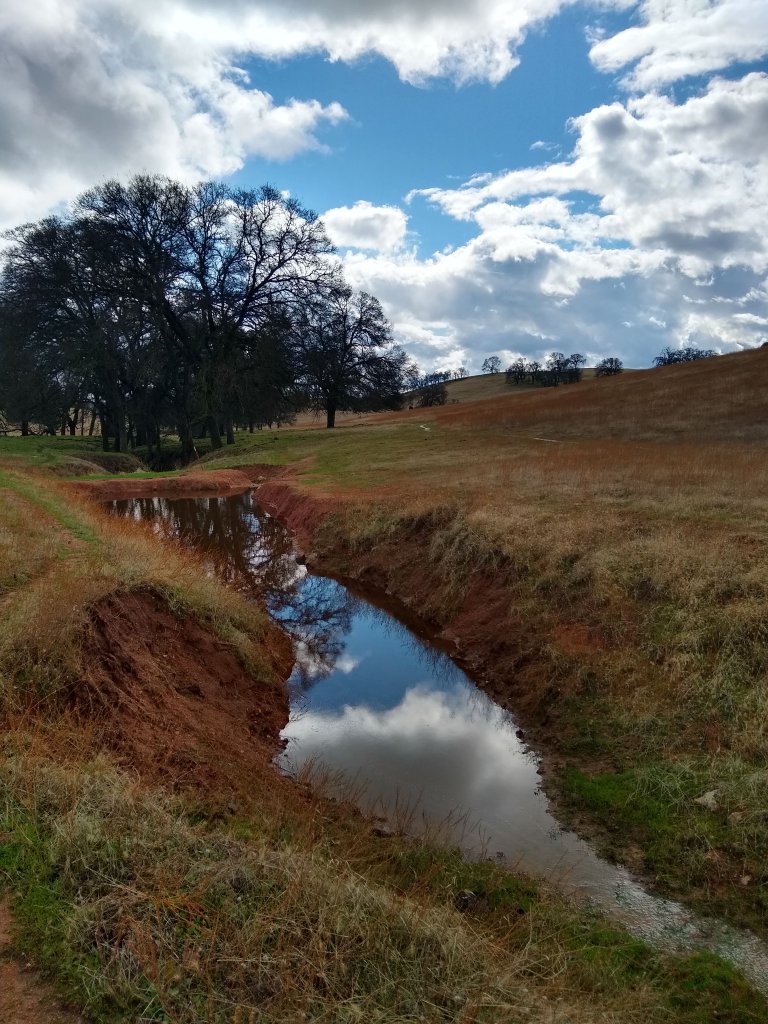
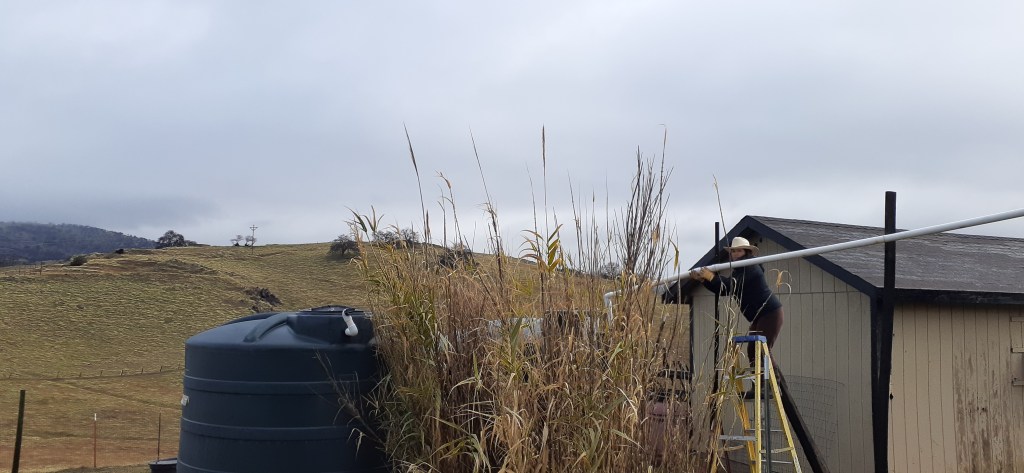
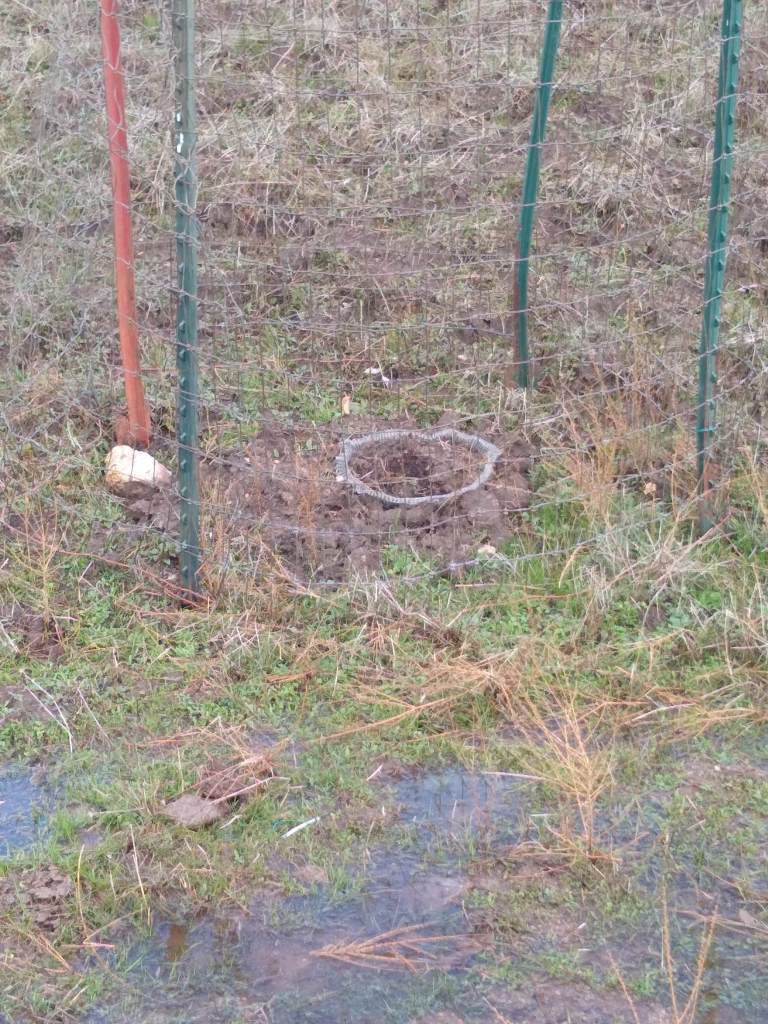
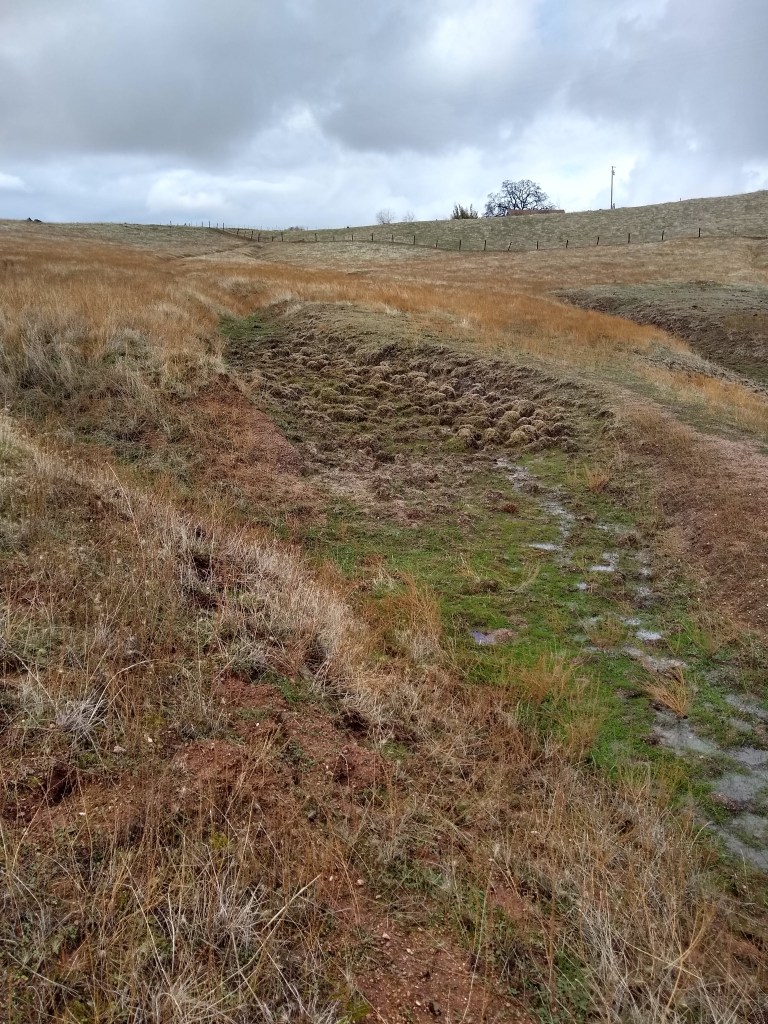
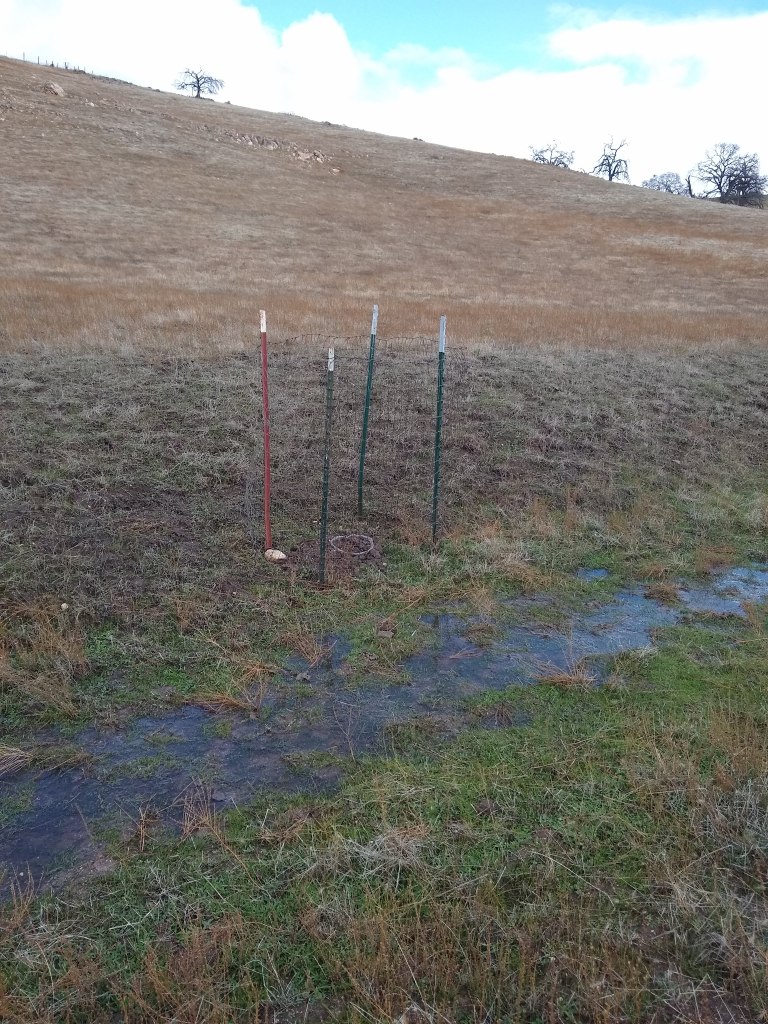
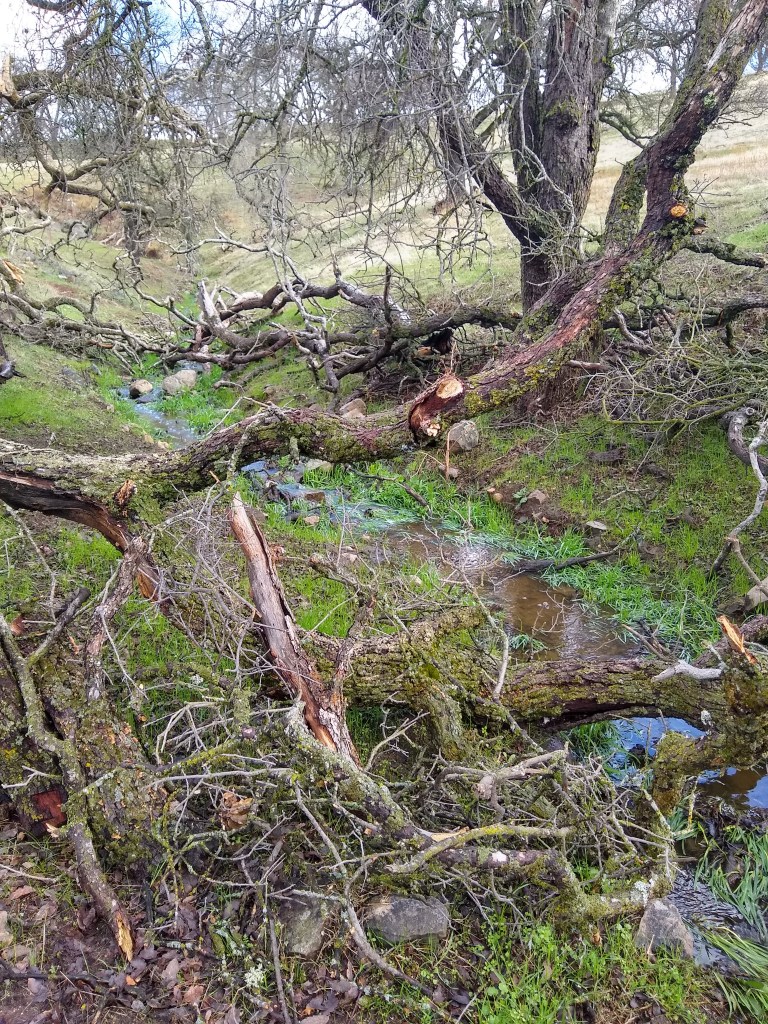
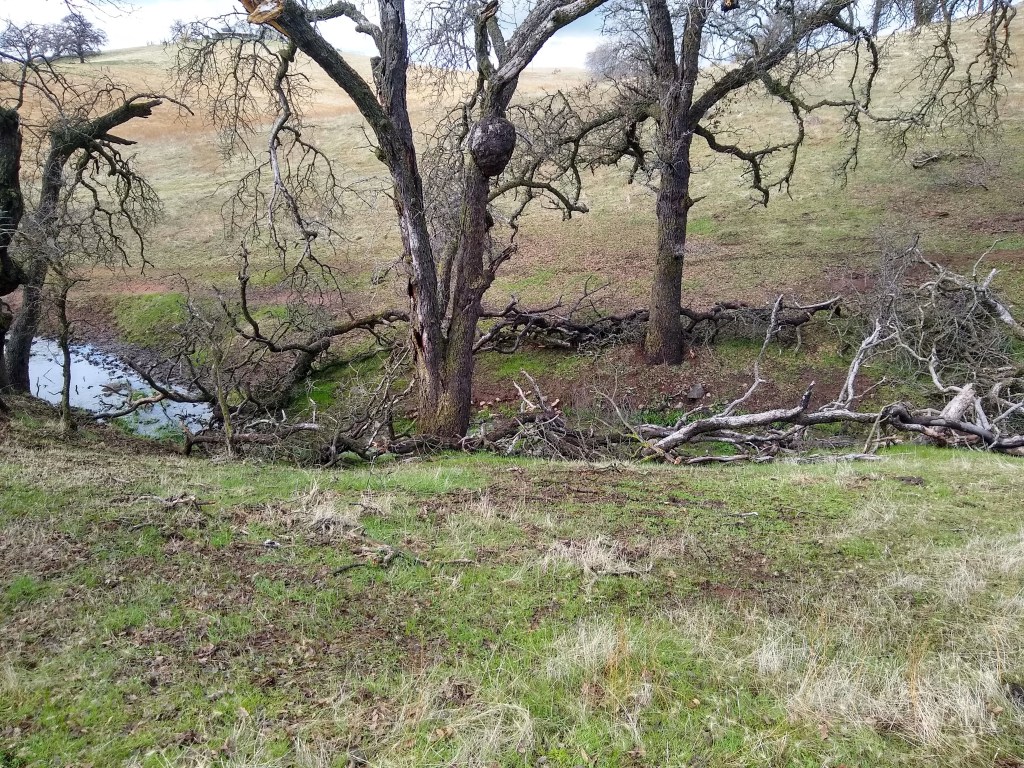
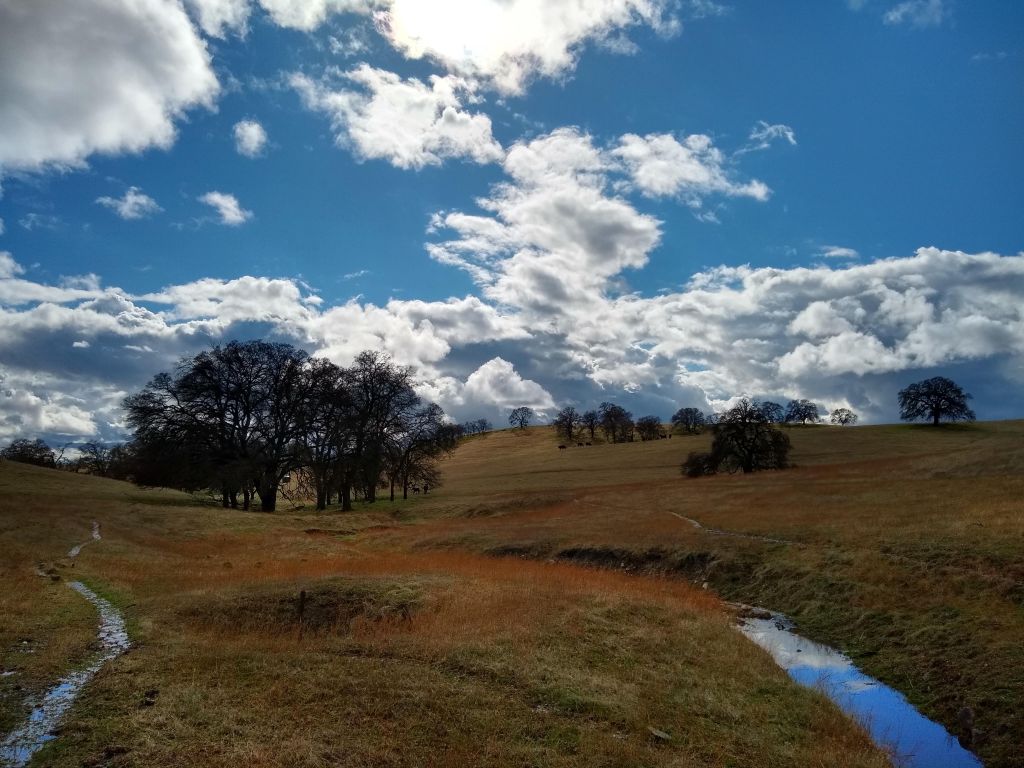
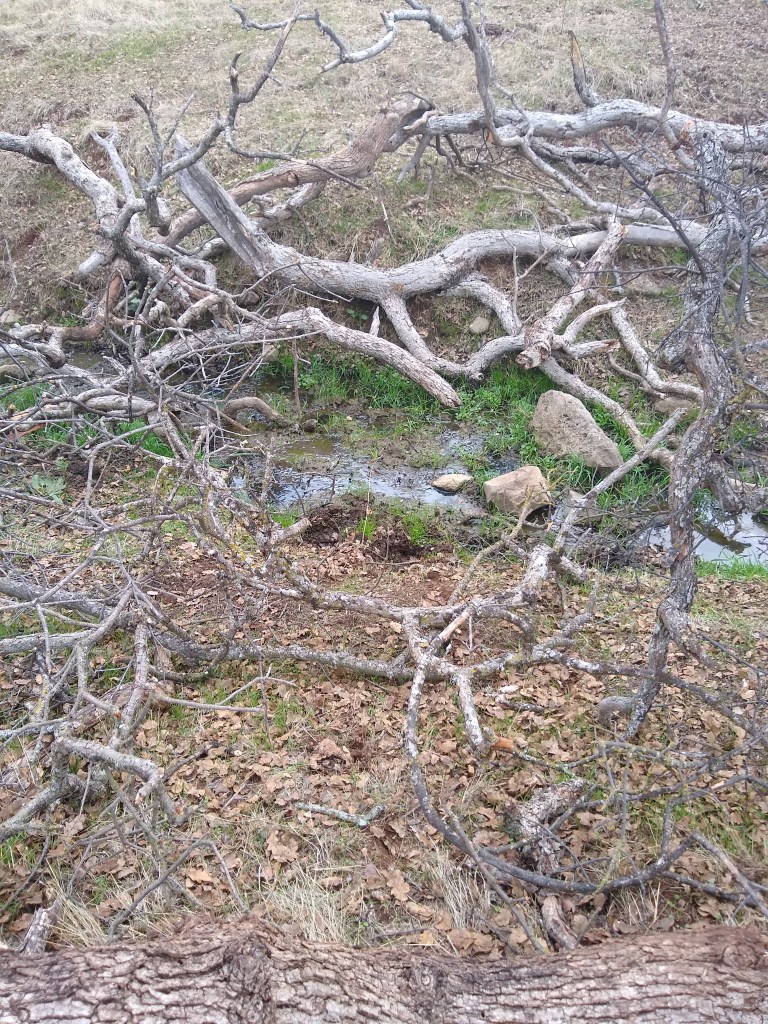
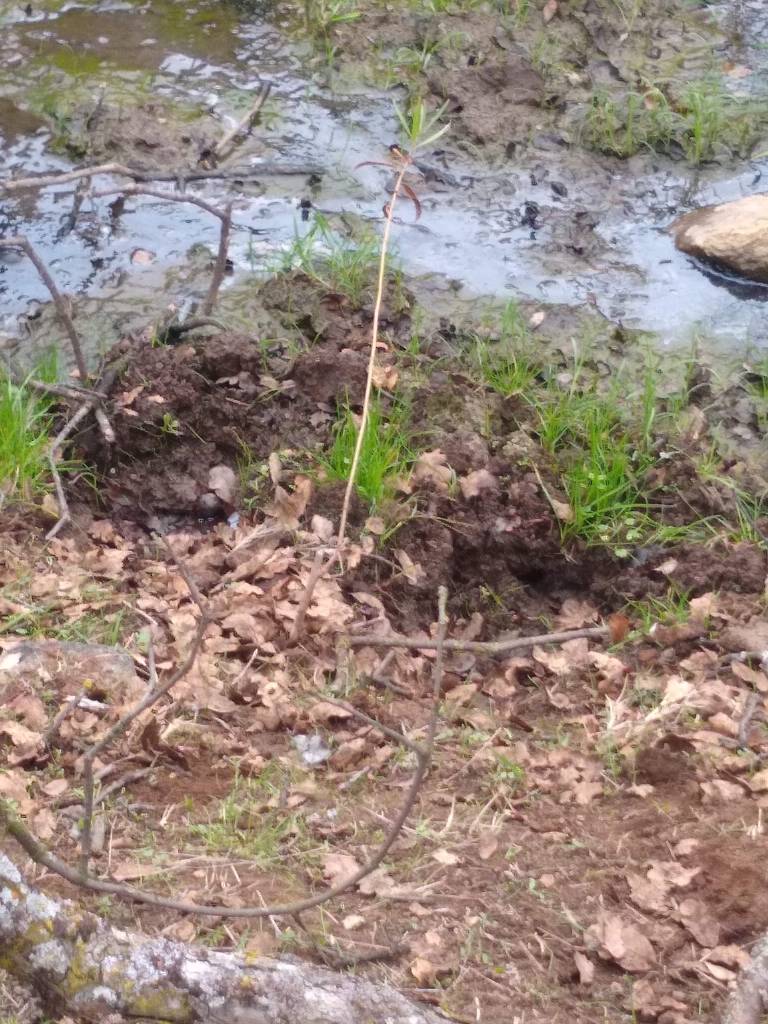
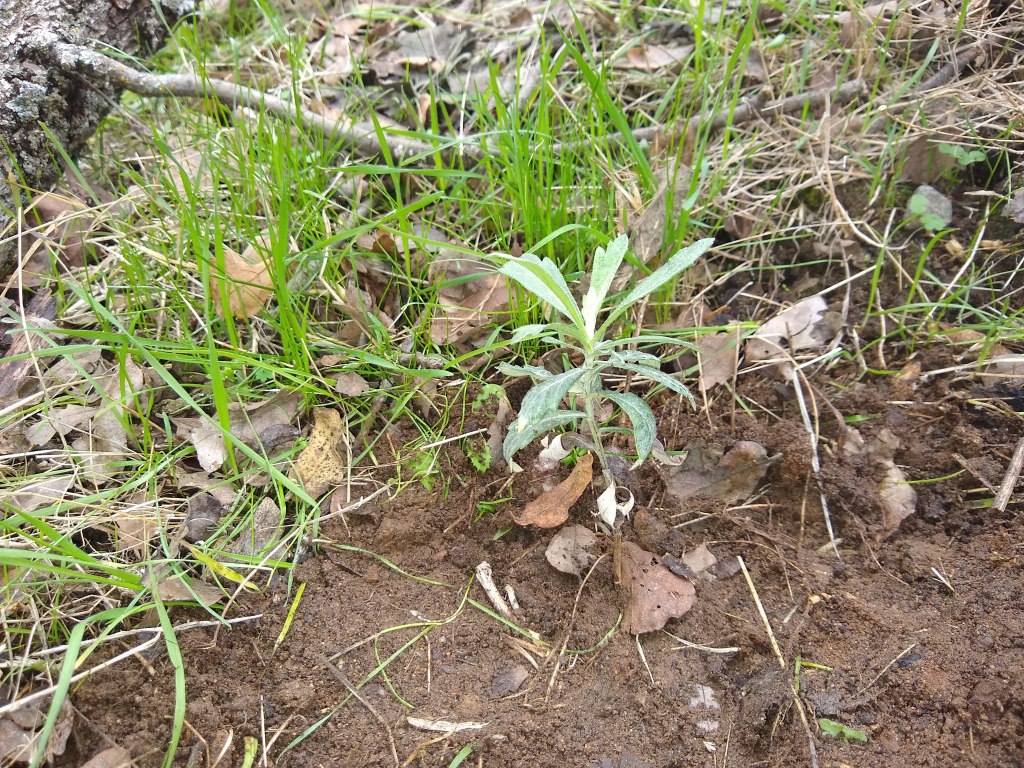
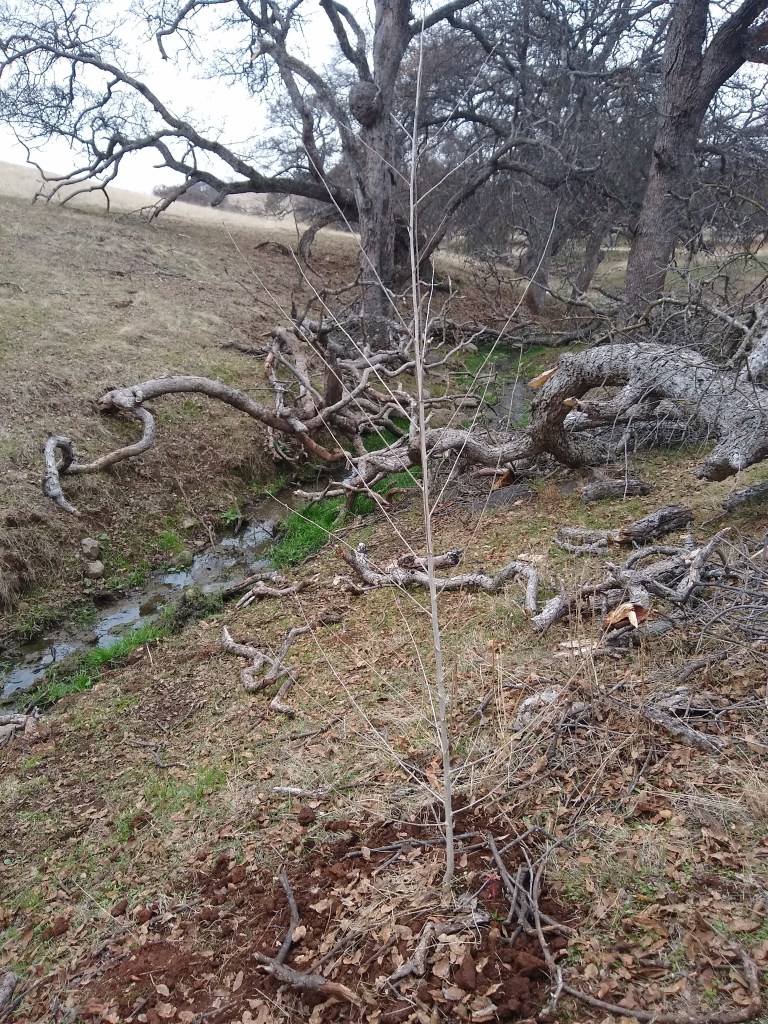
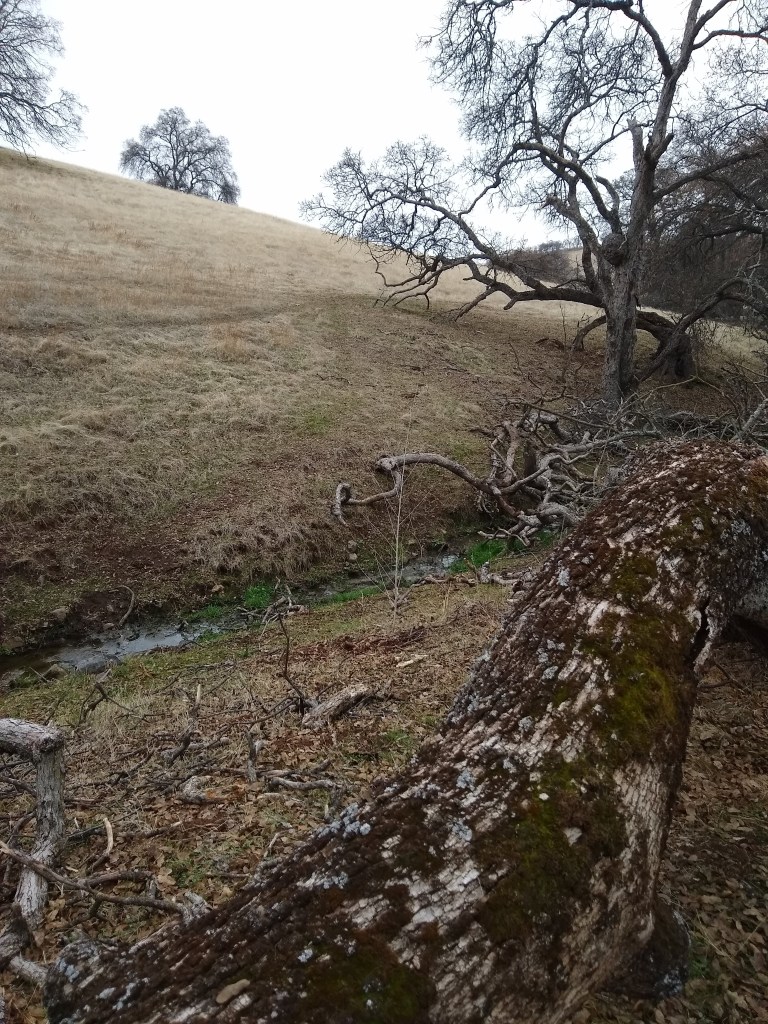
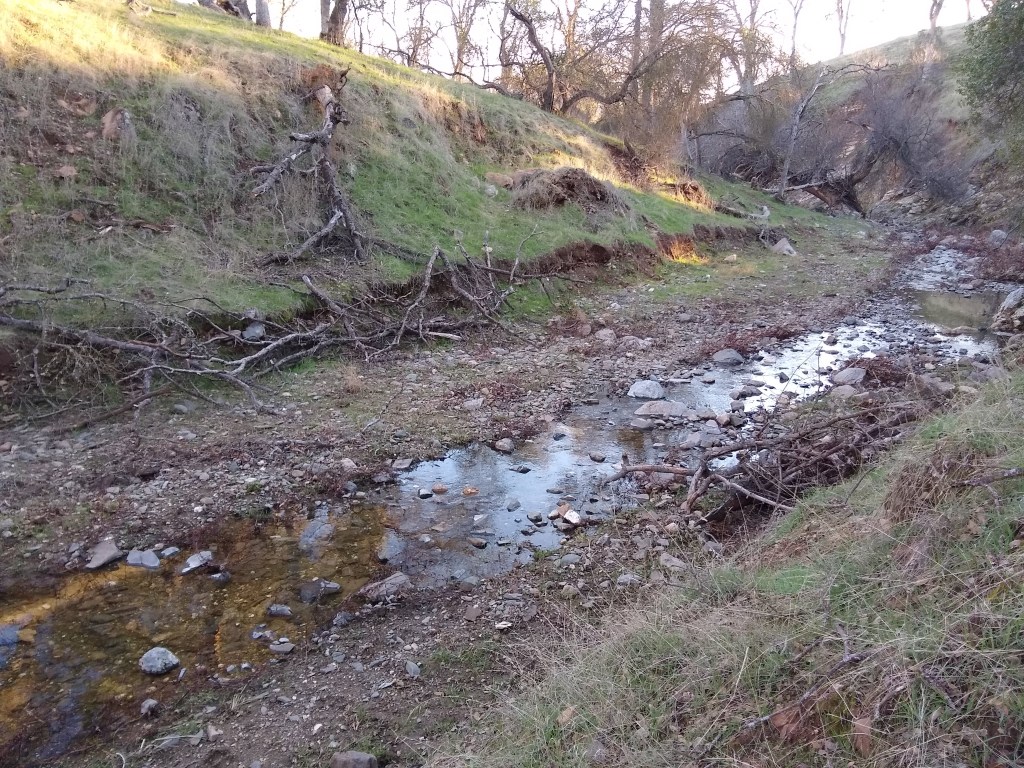
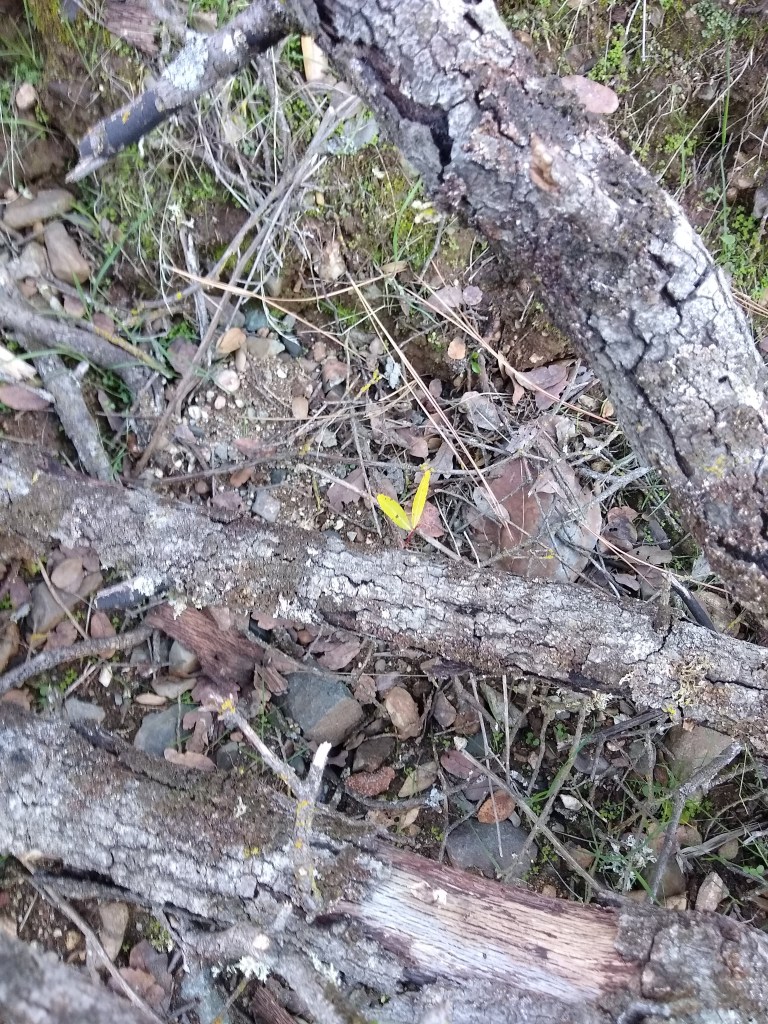
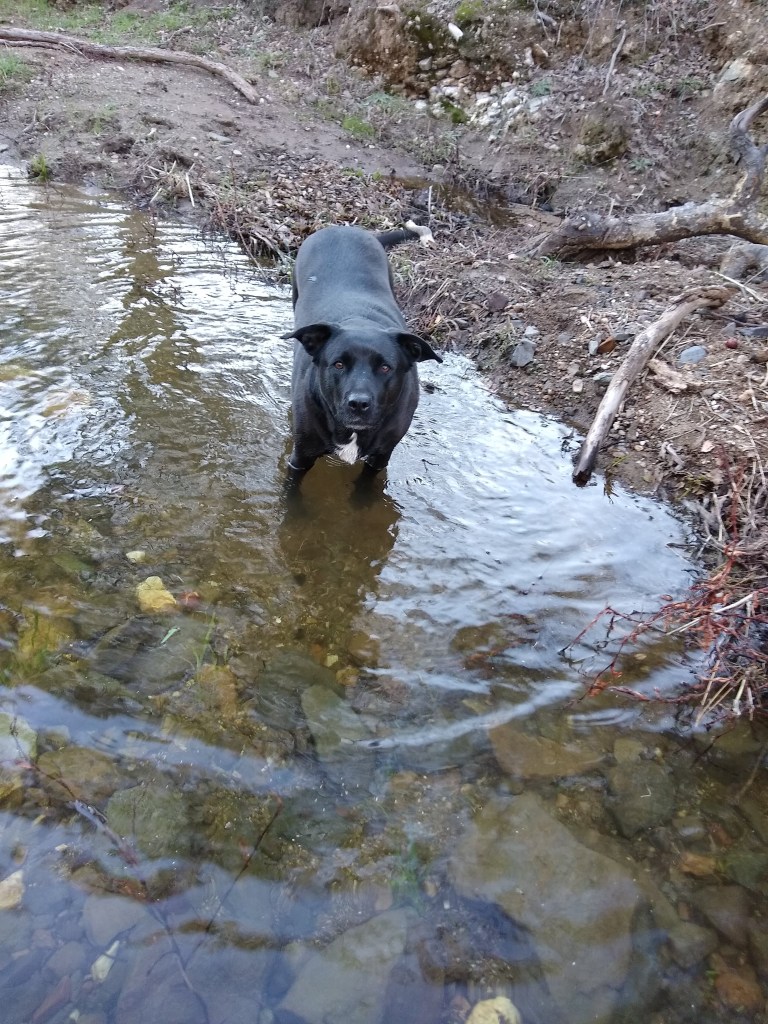
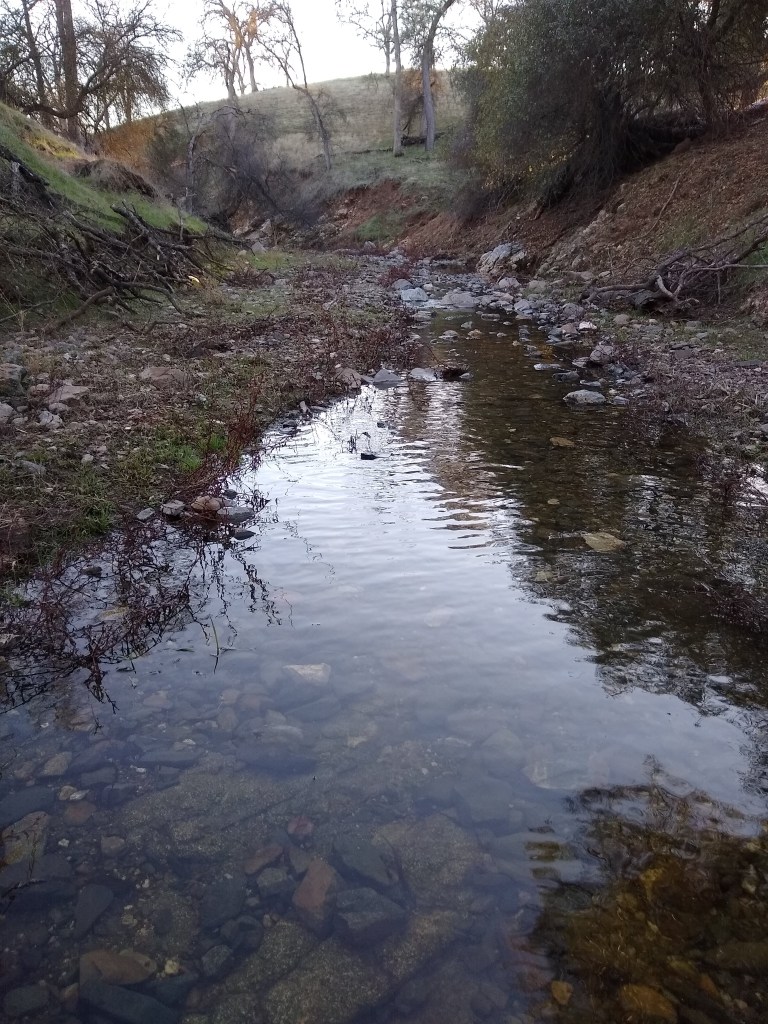
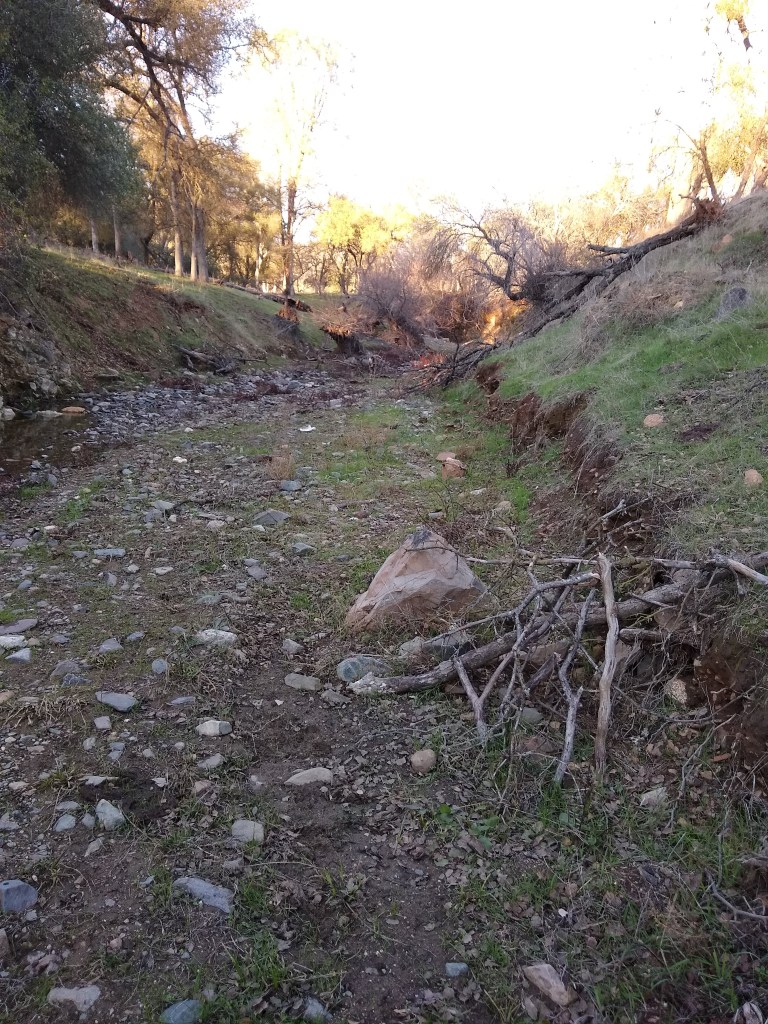
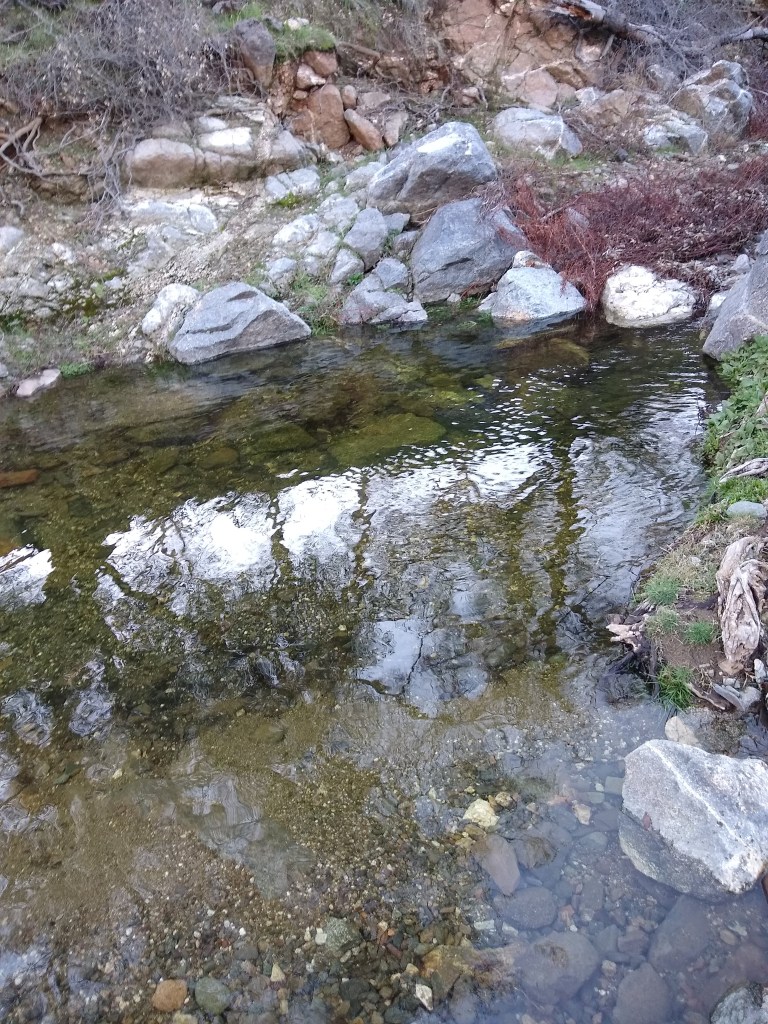
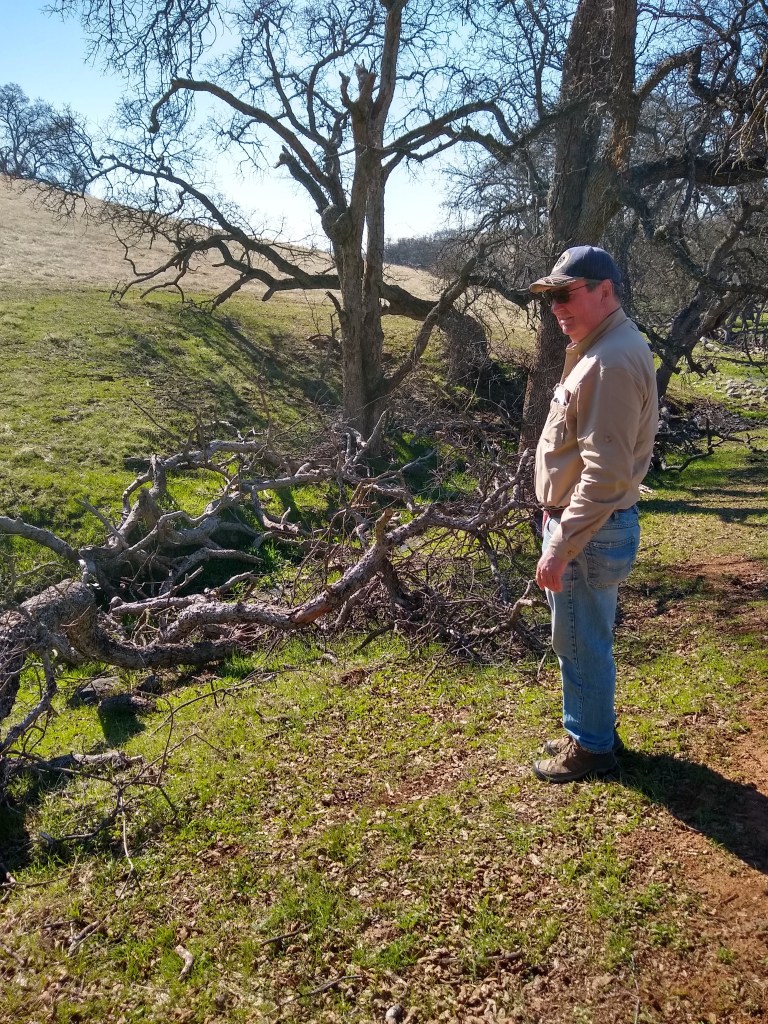
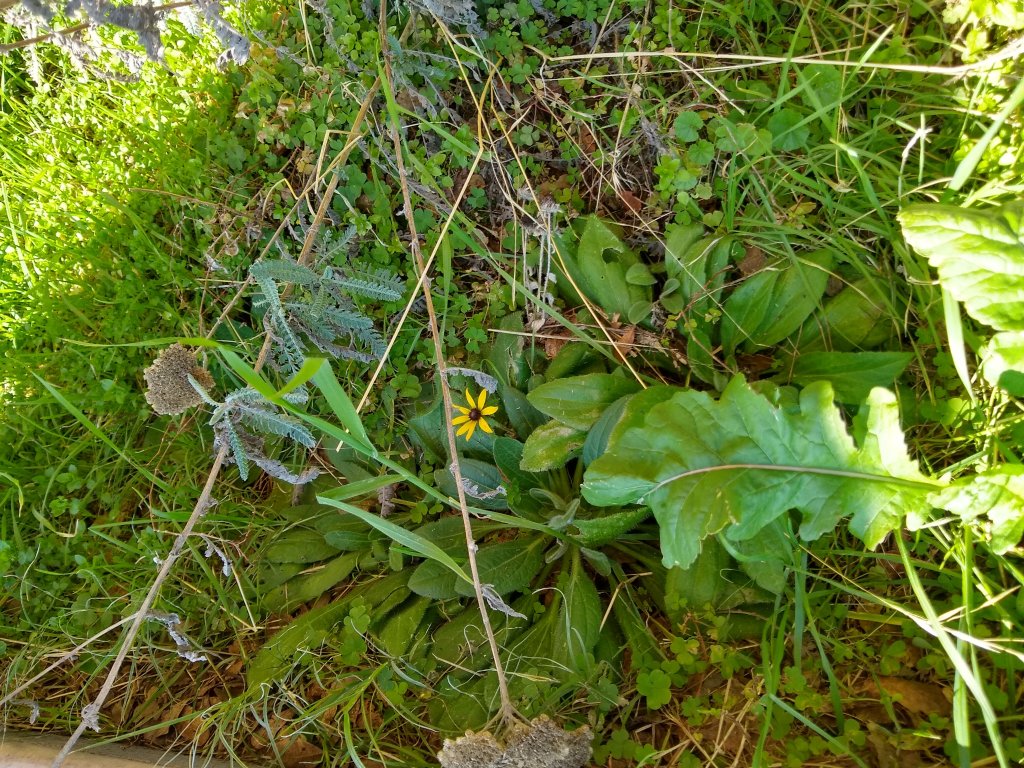
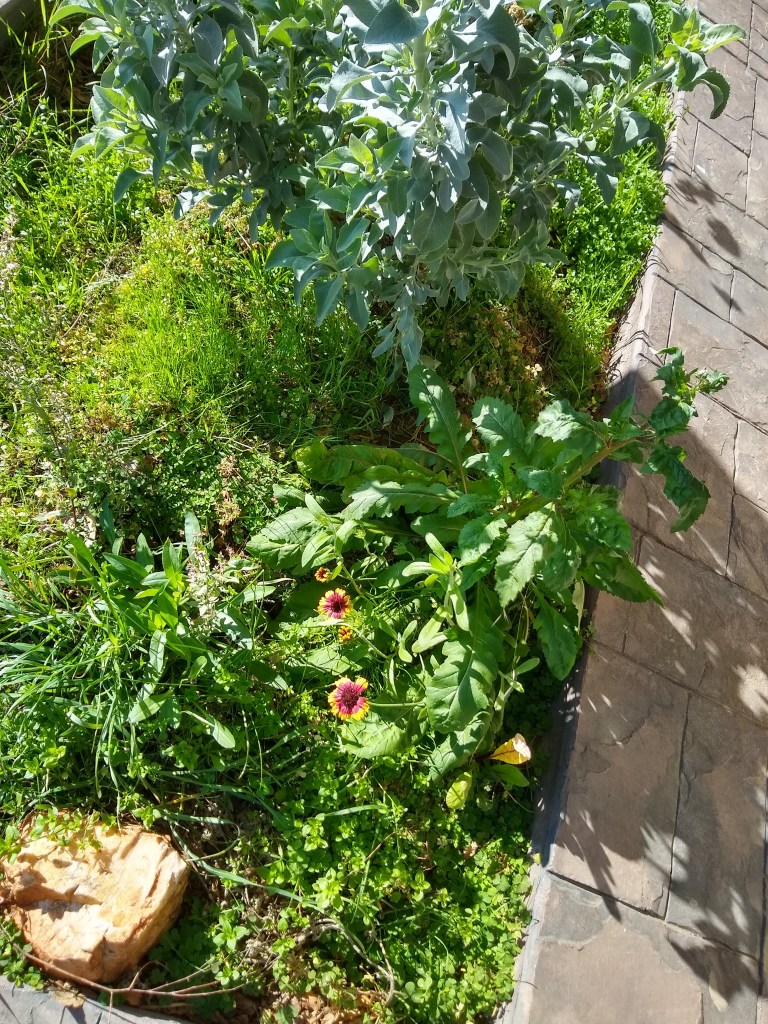
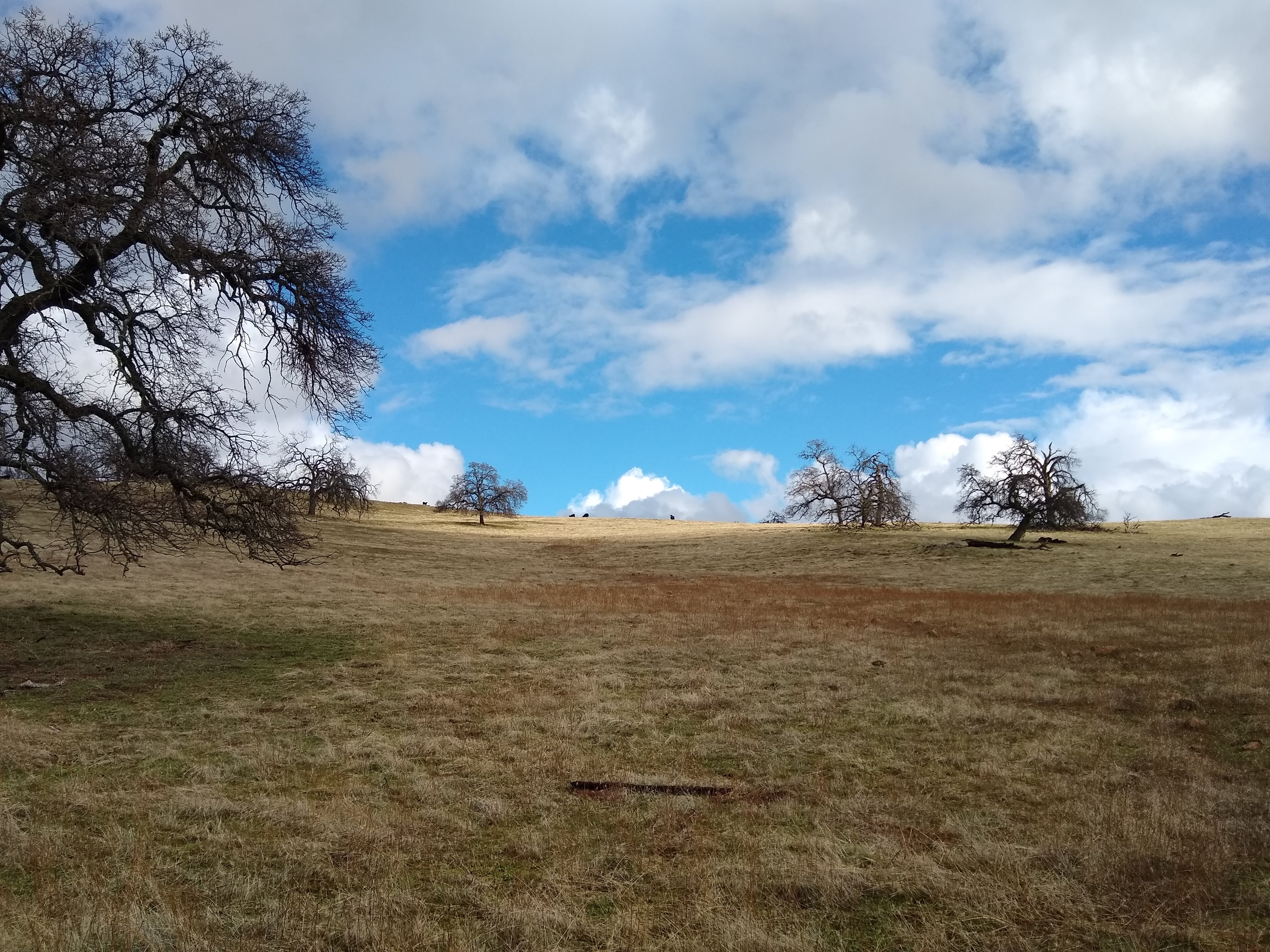
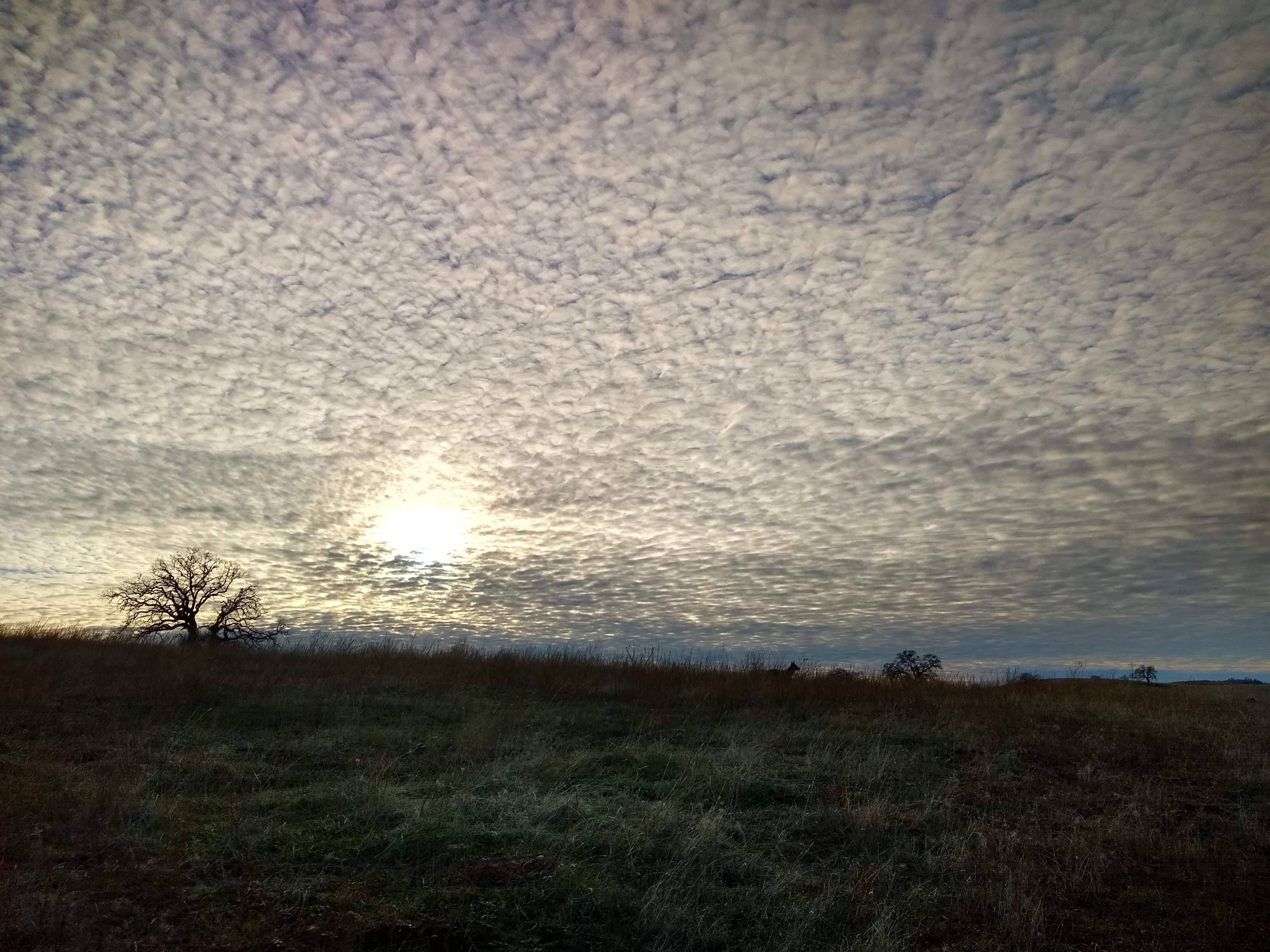
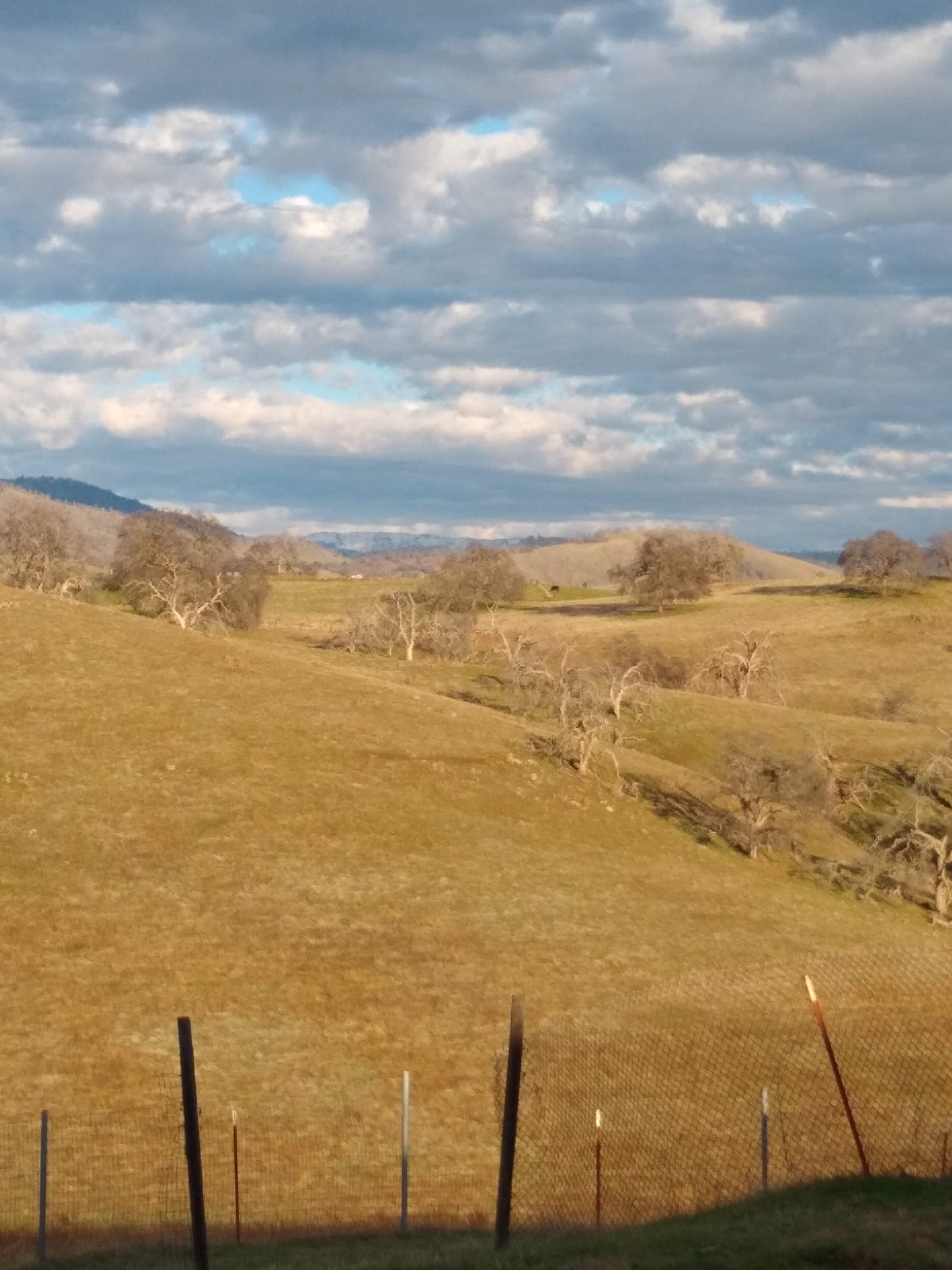
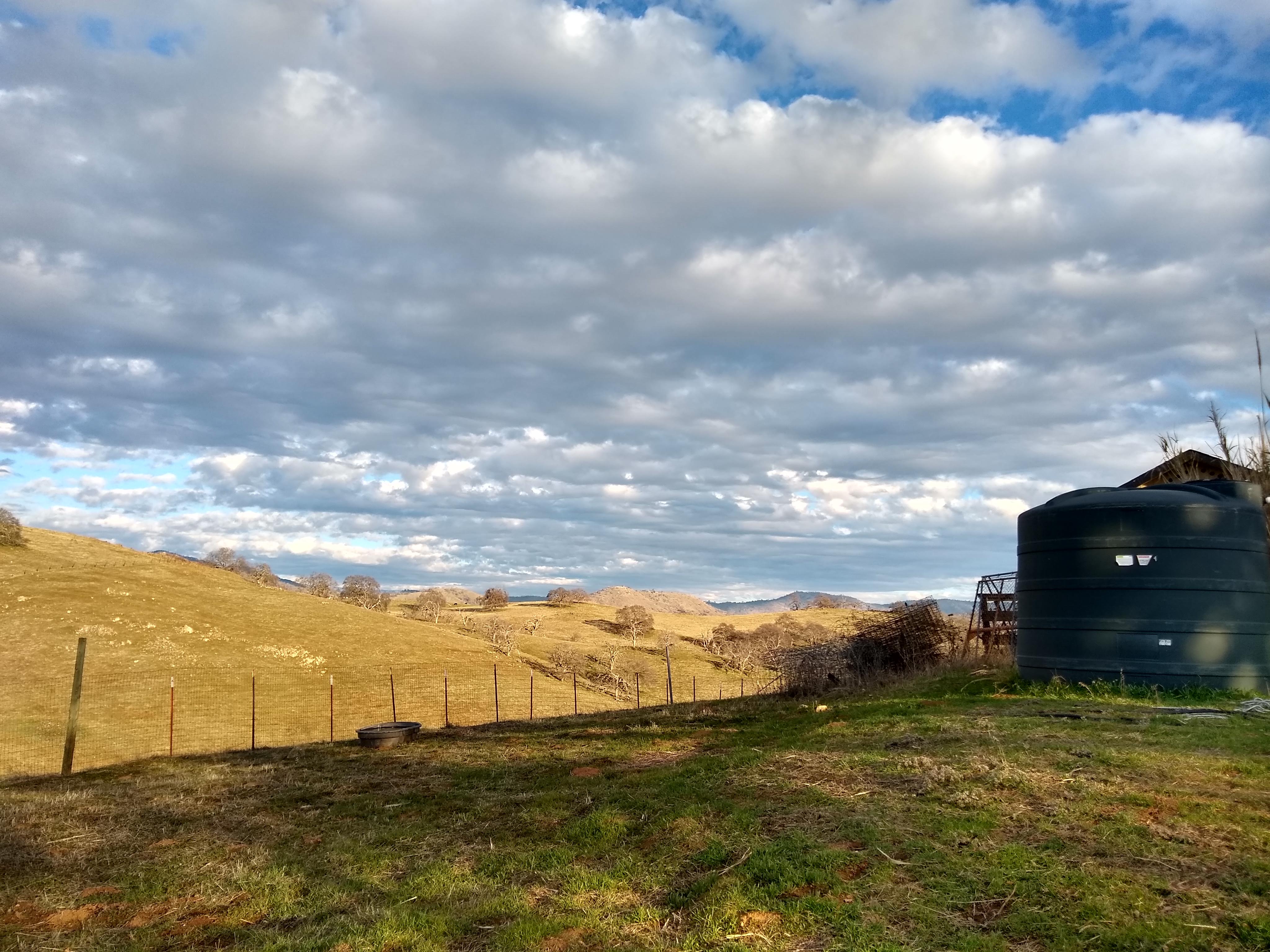
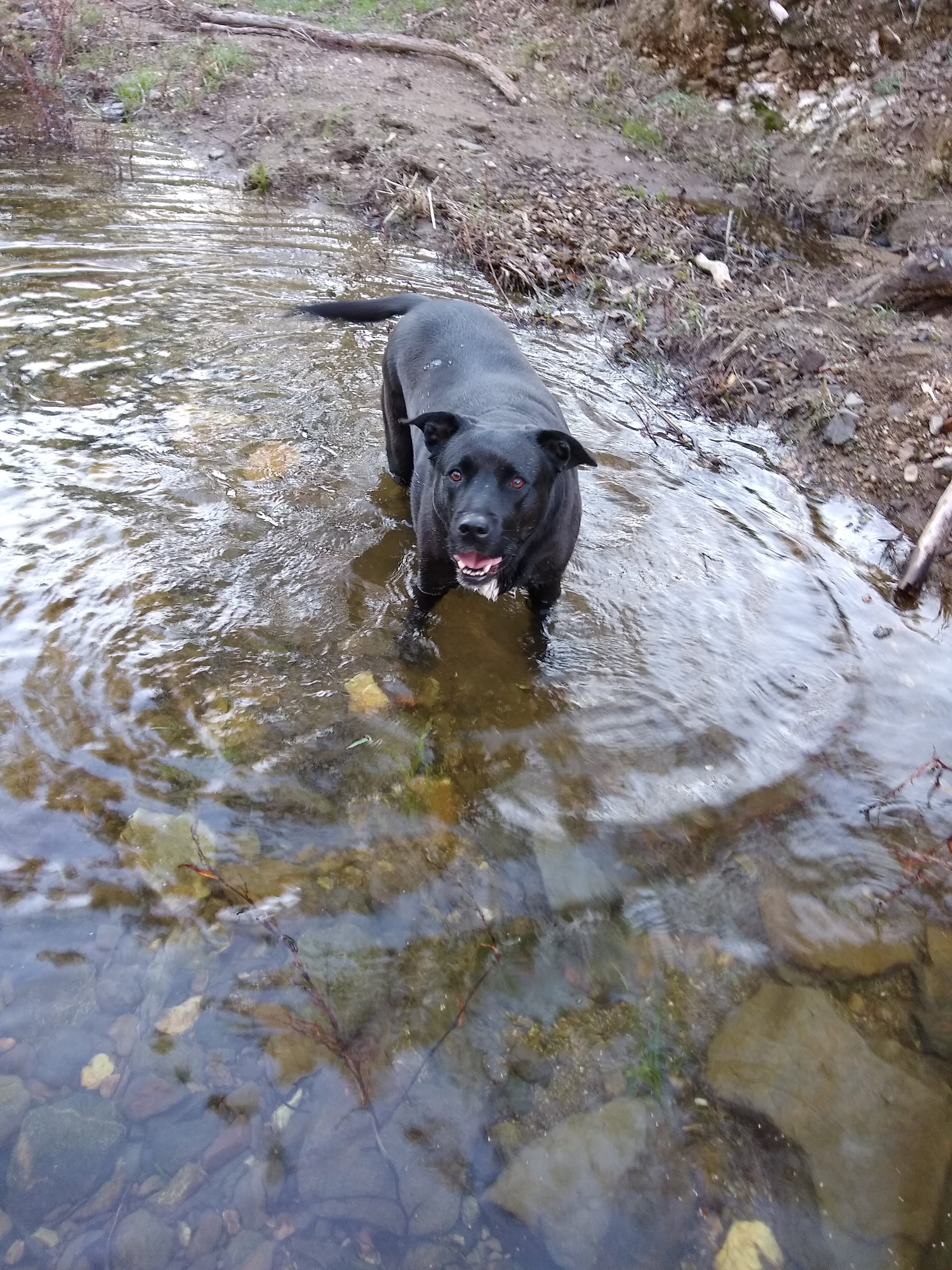

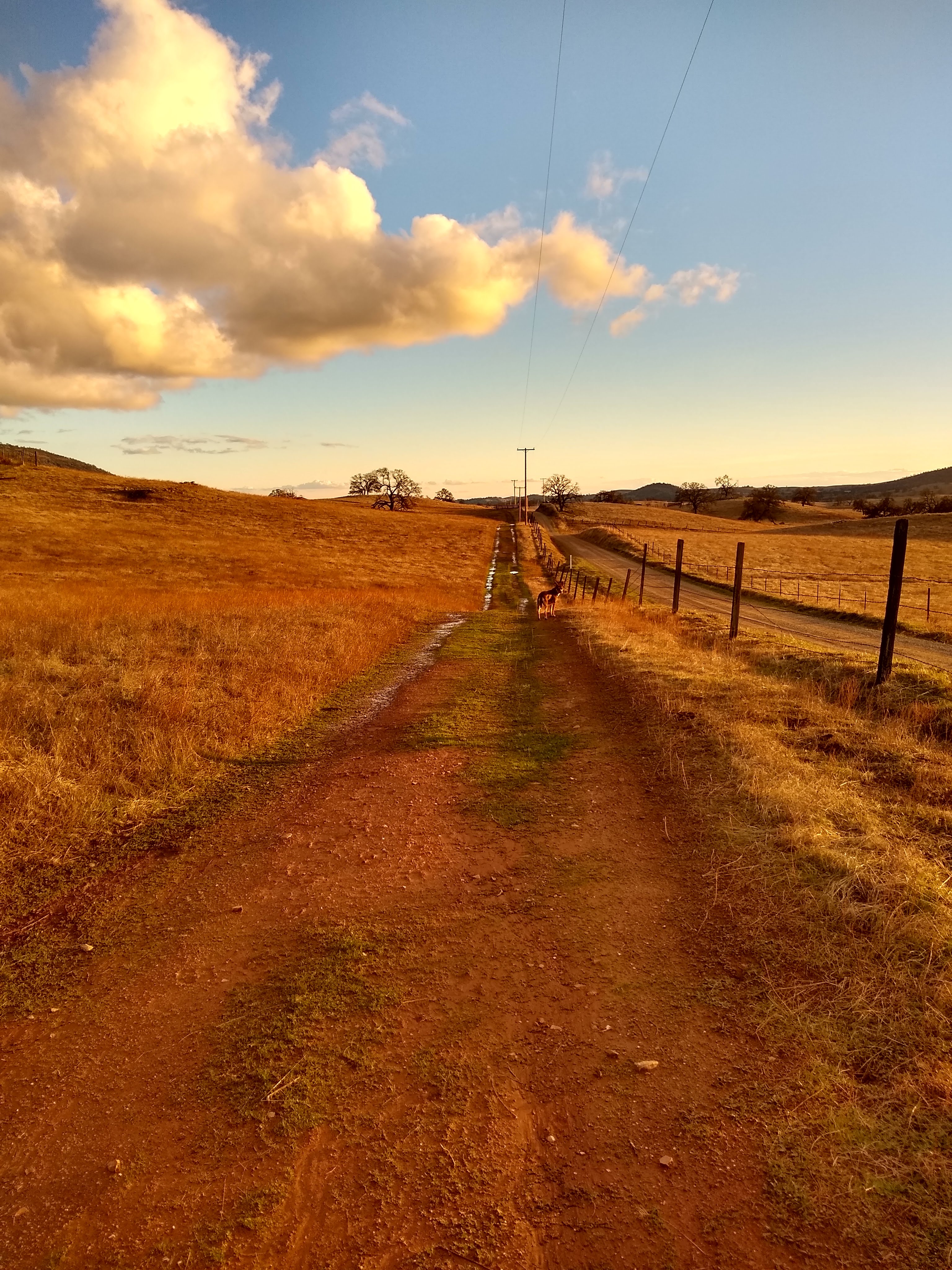
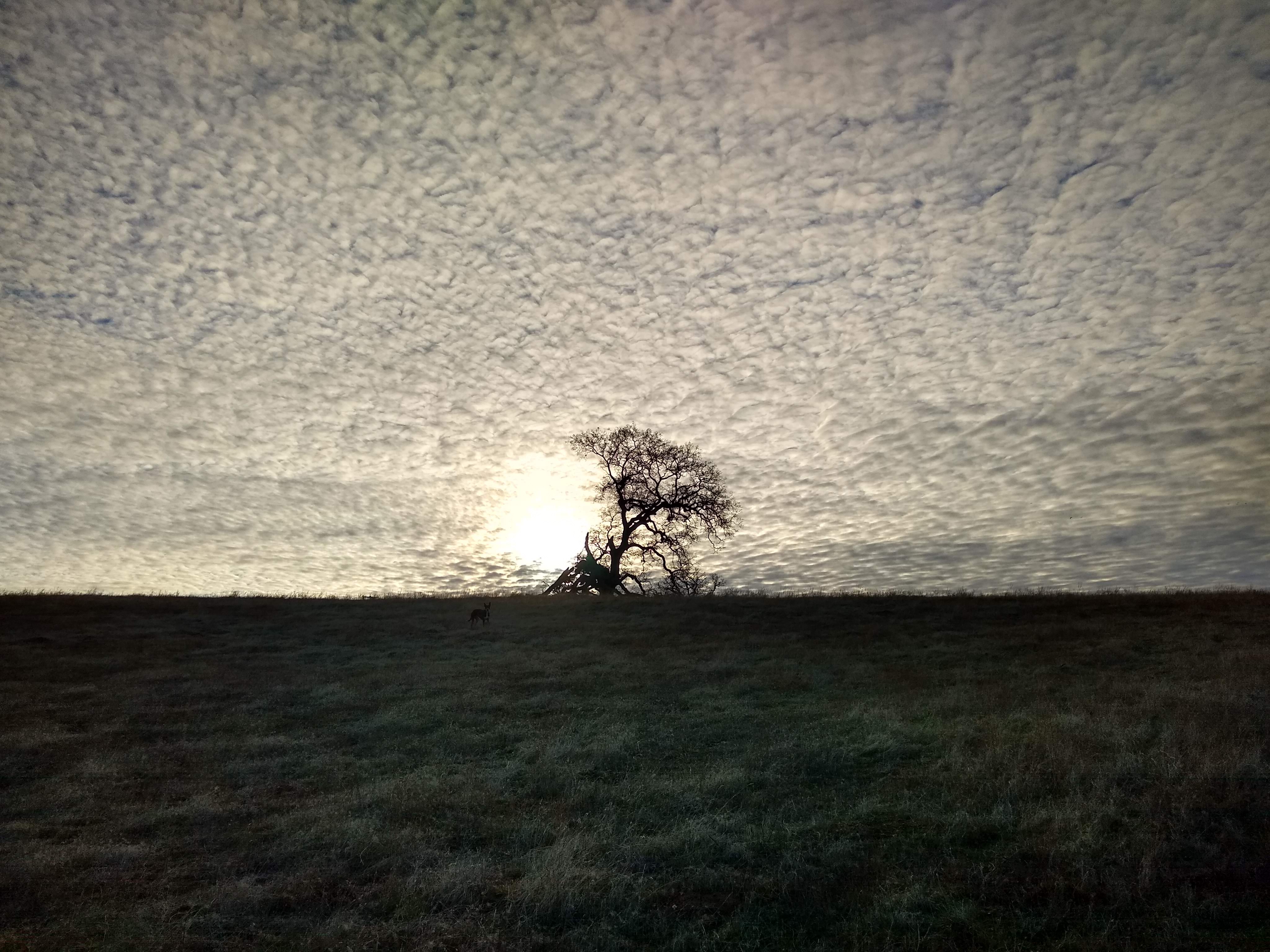
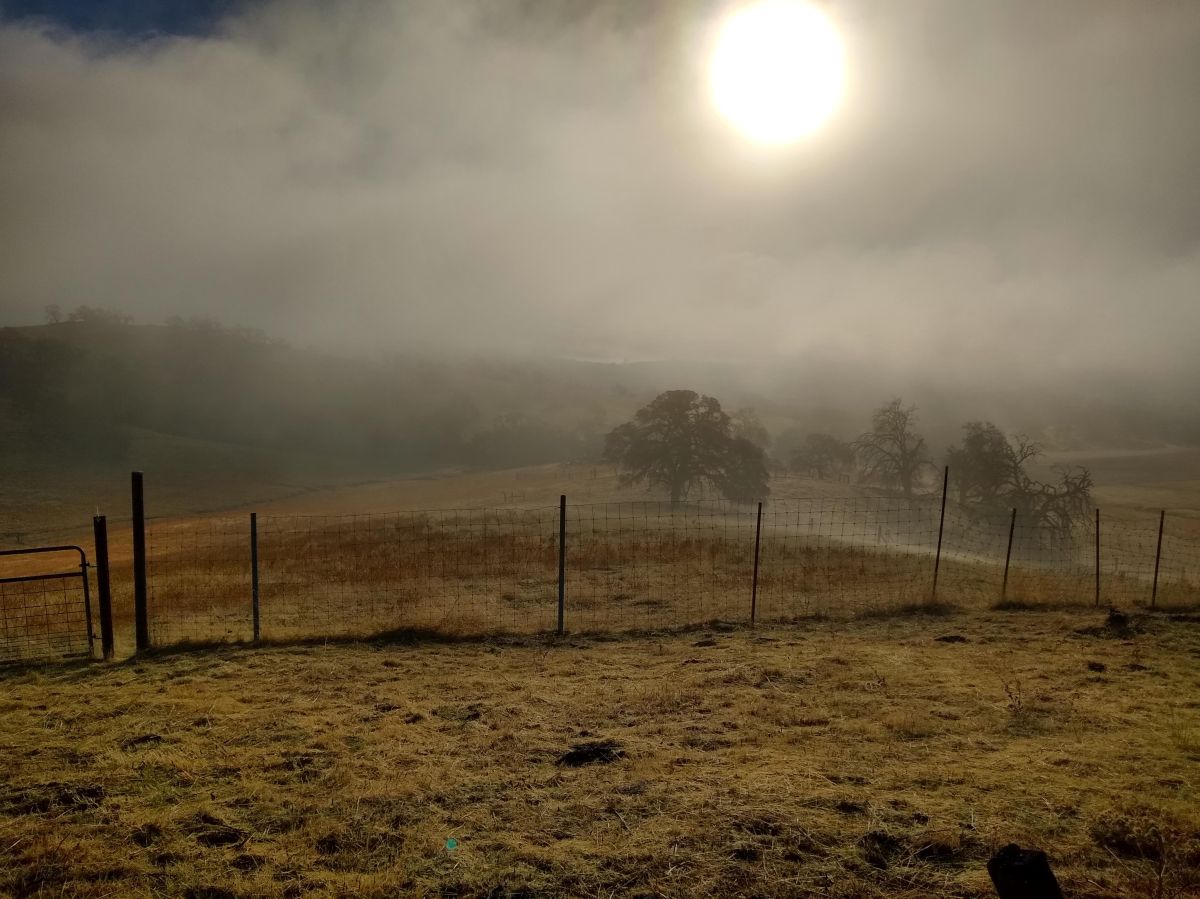
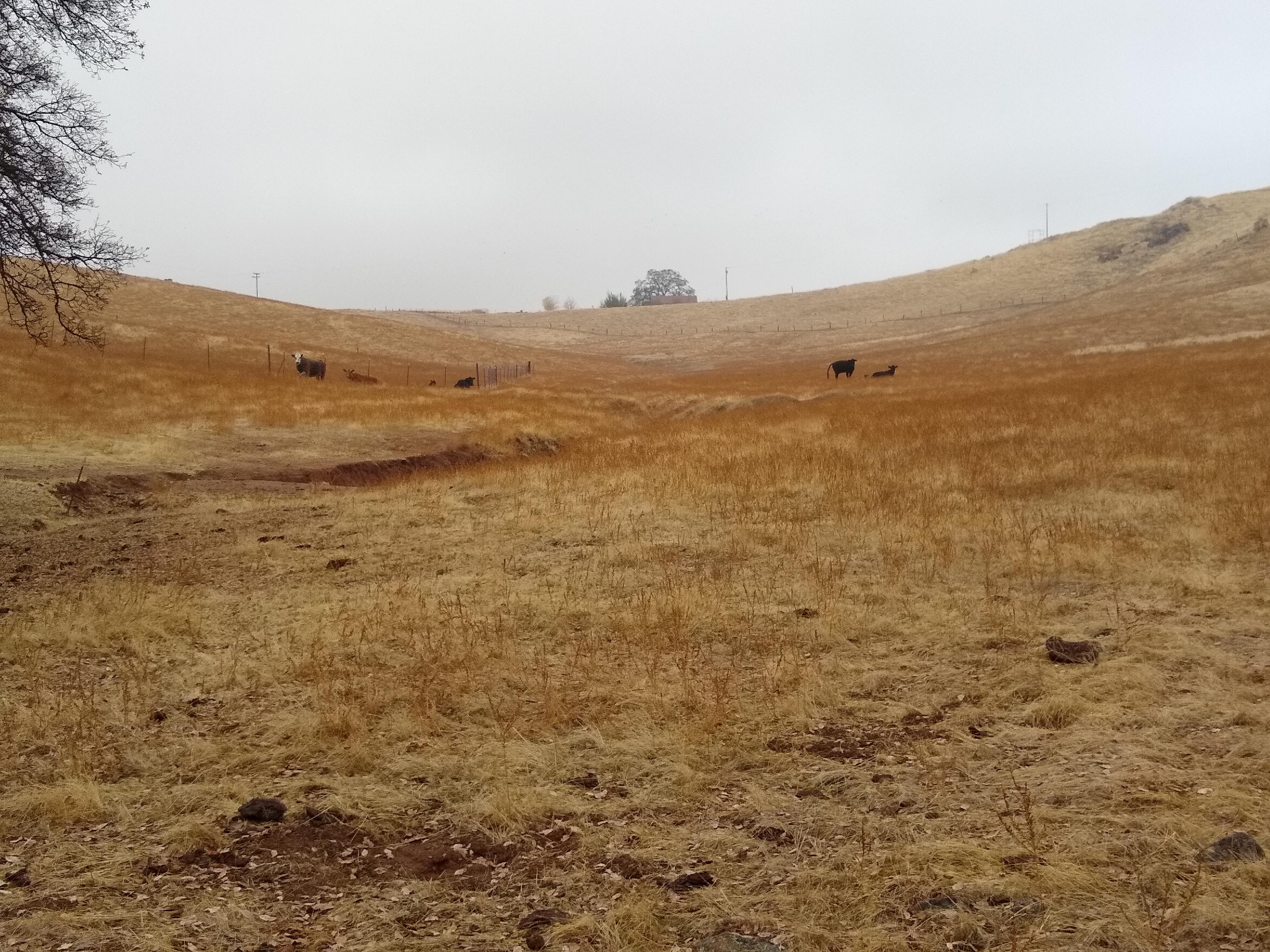
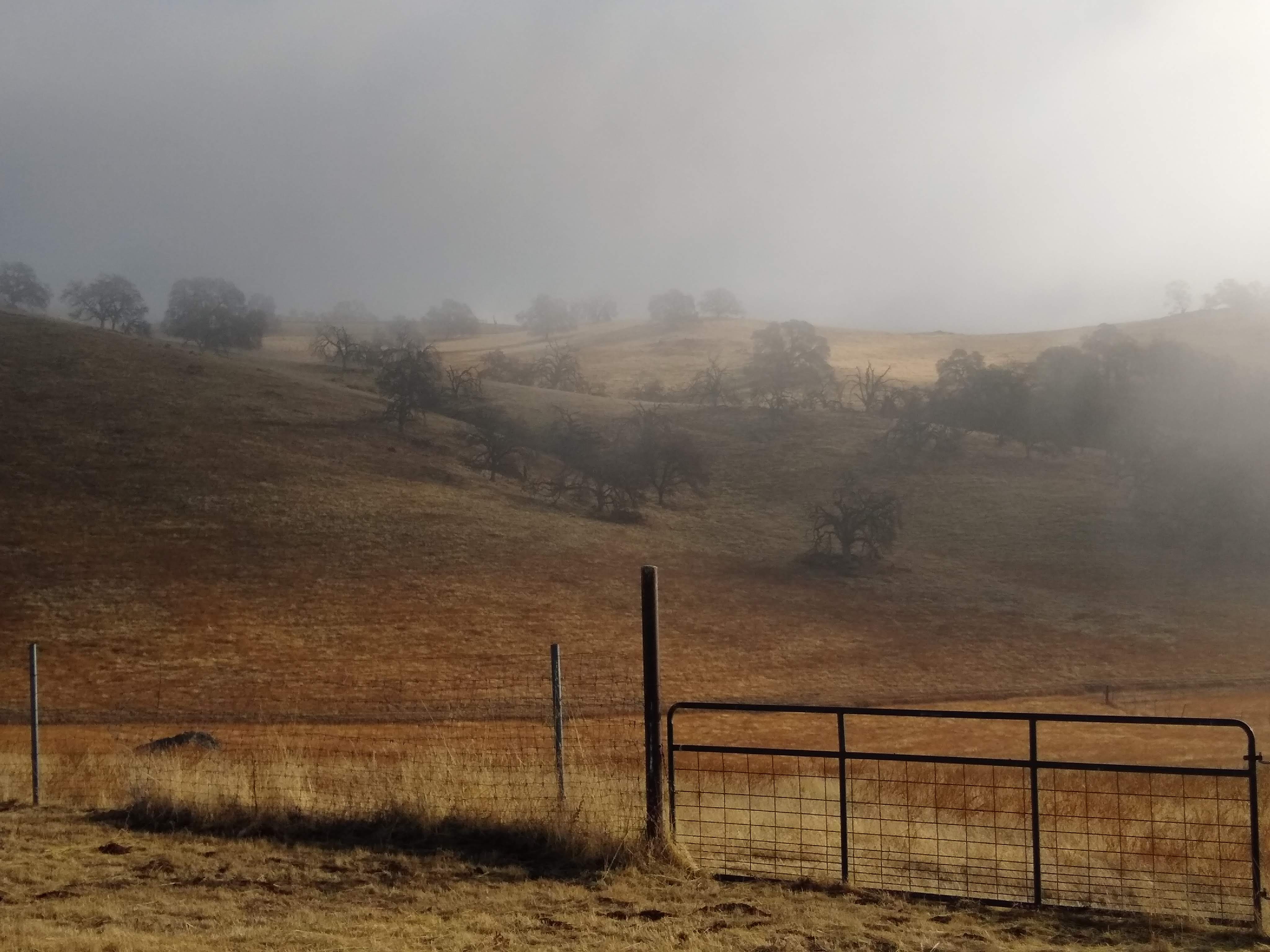
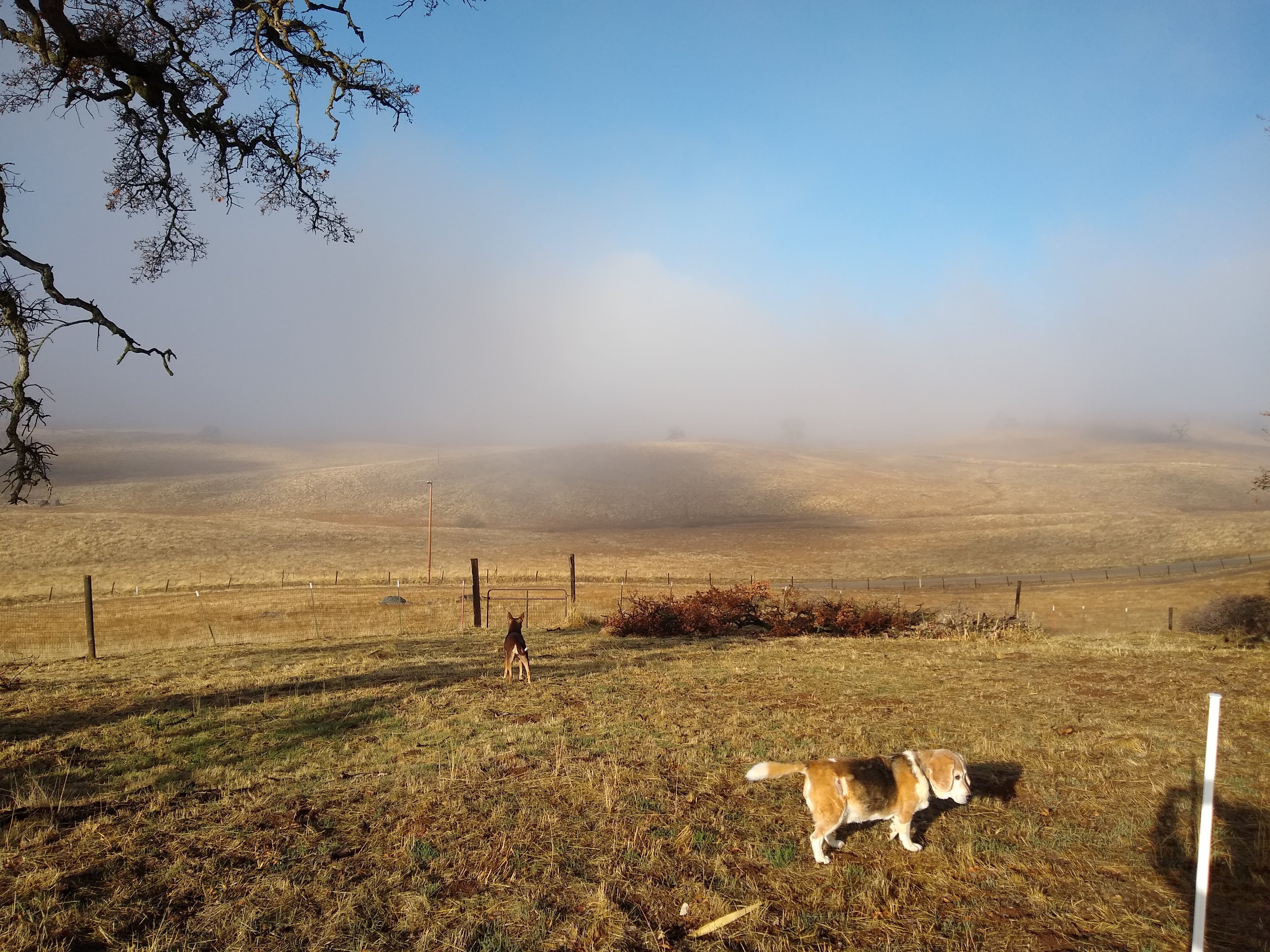
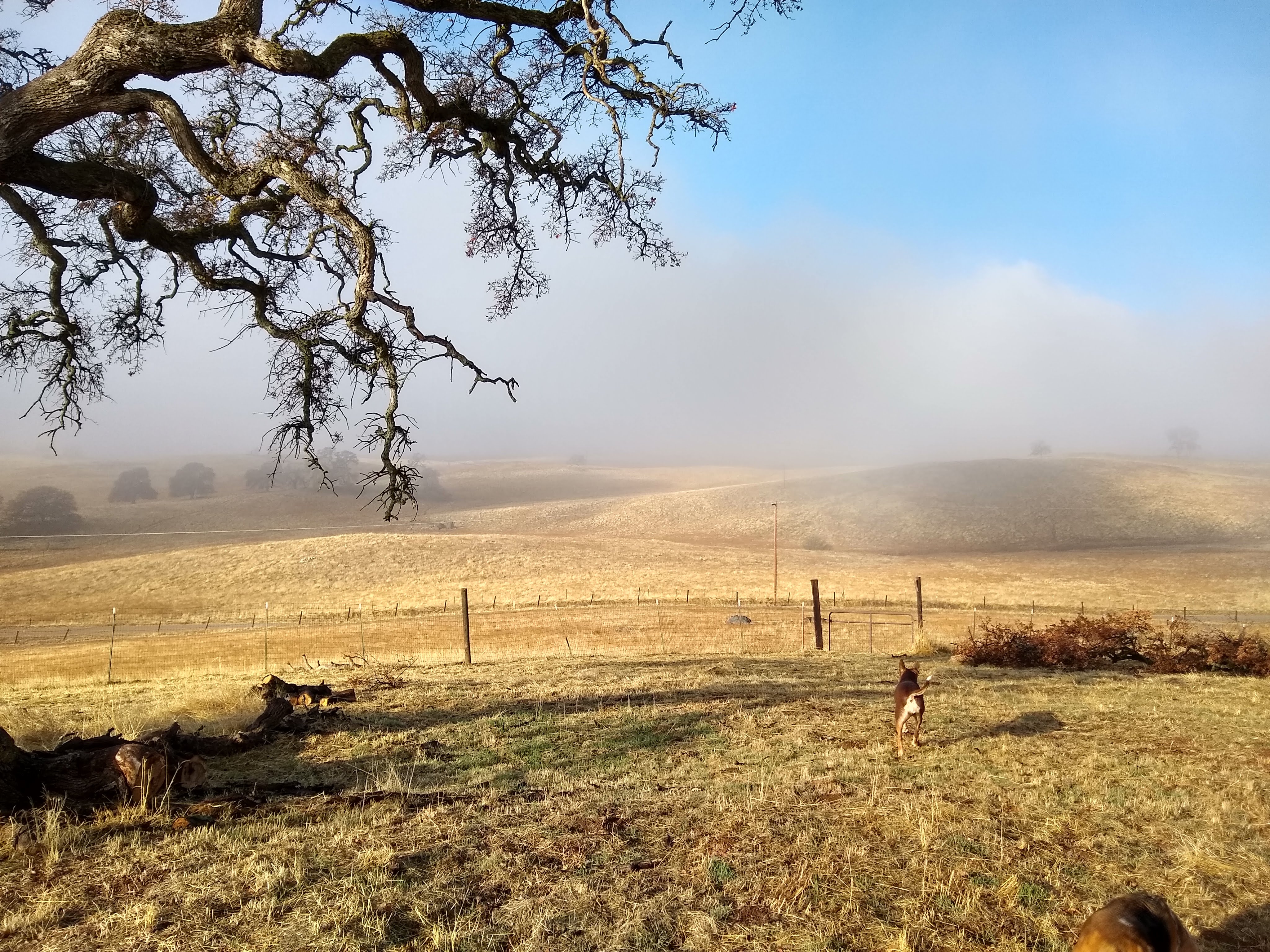
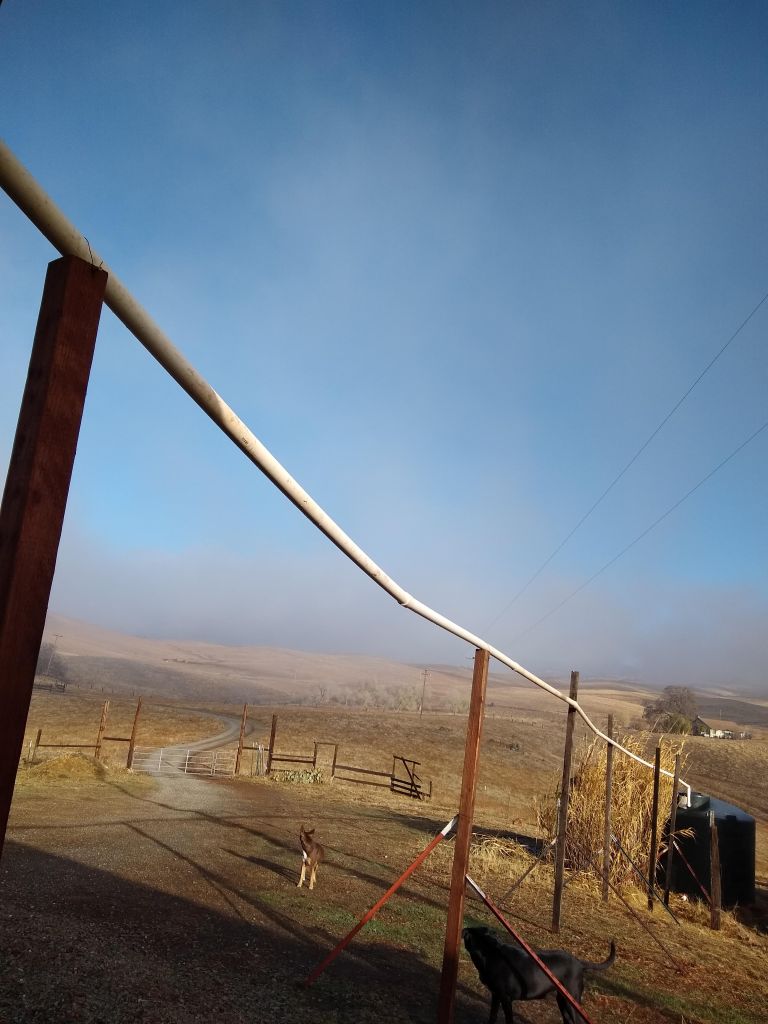
 PolliNative