Fog | Big Projects | Transitions | Happy Holidays

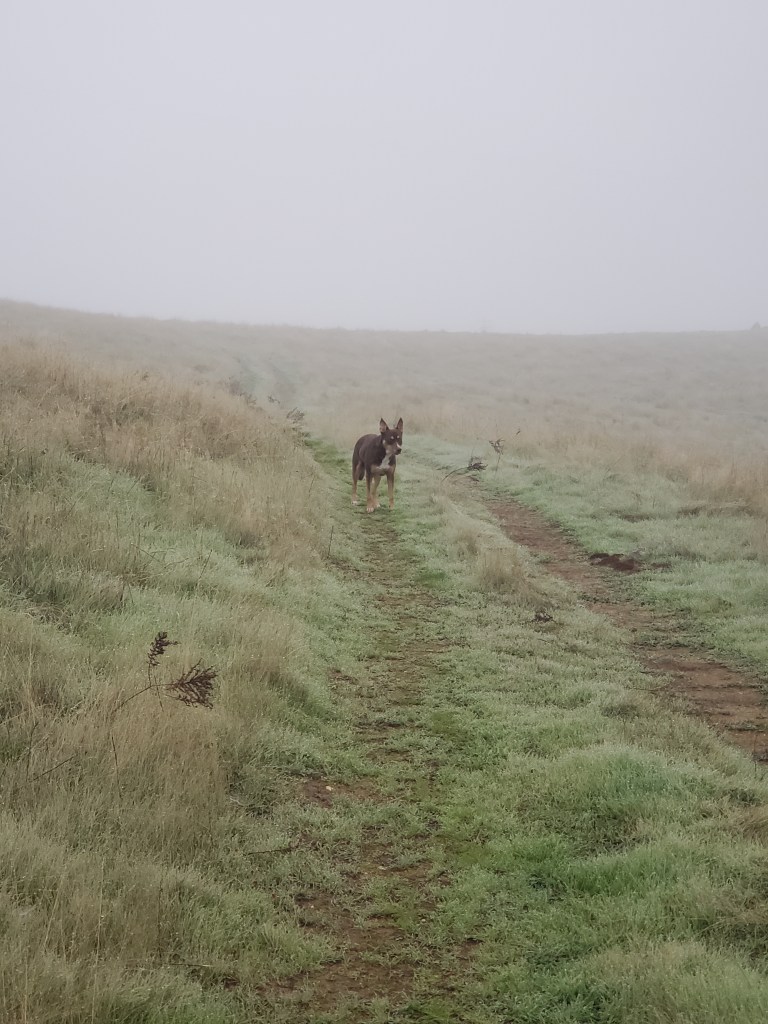
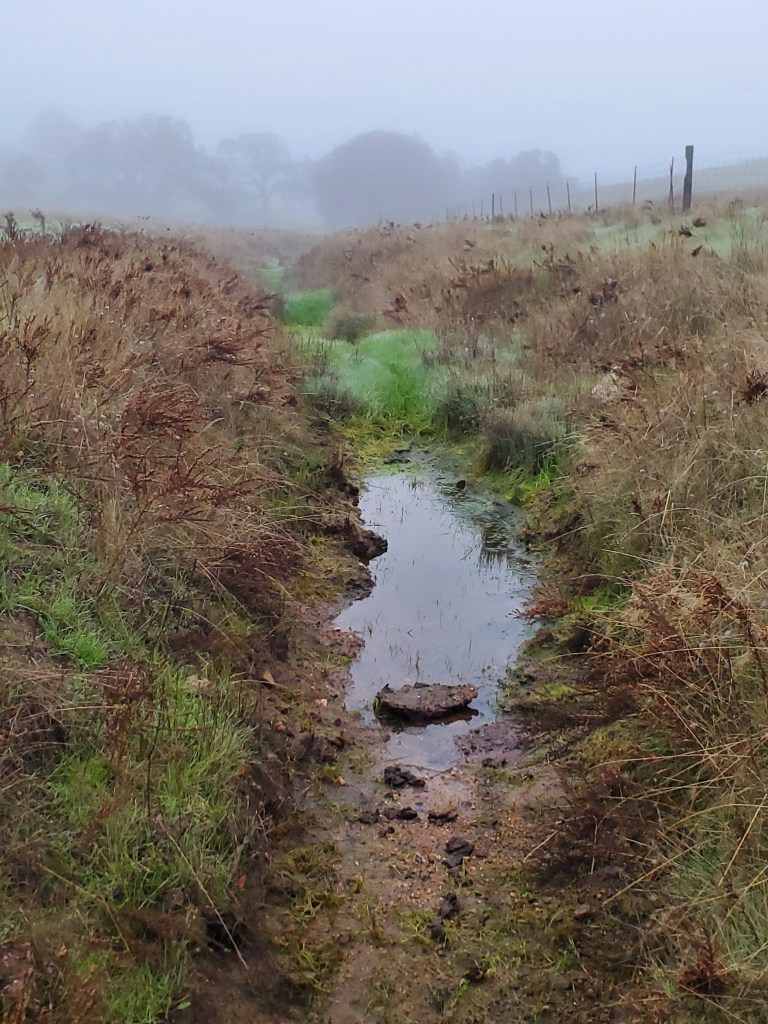
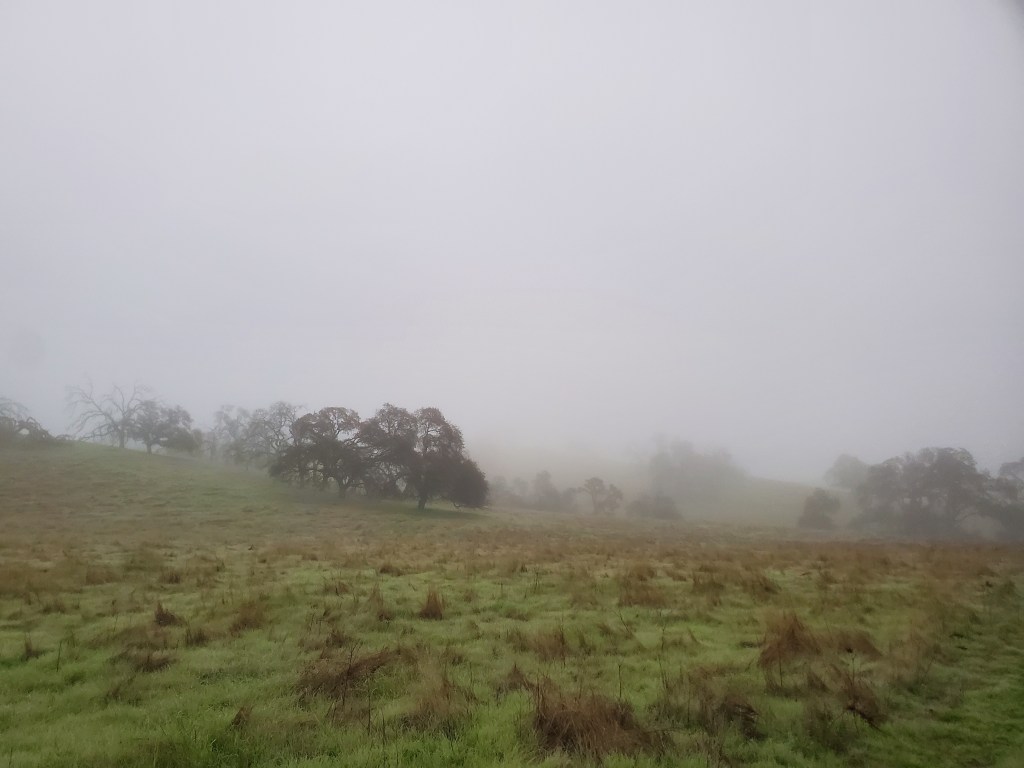
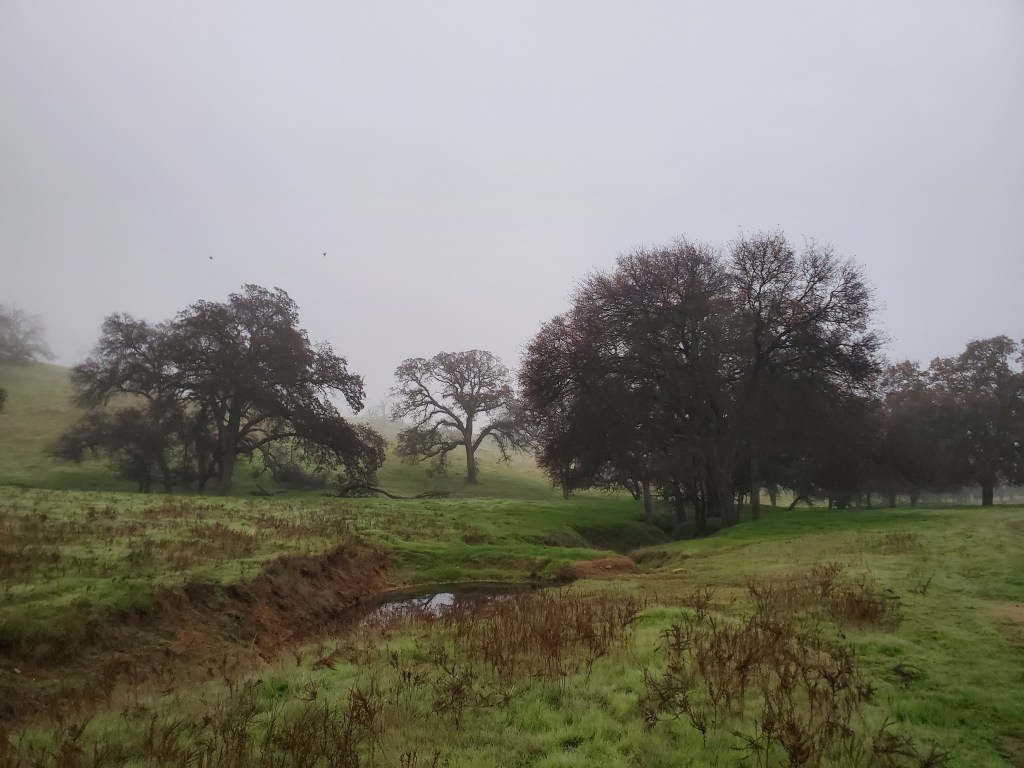
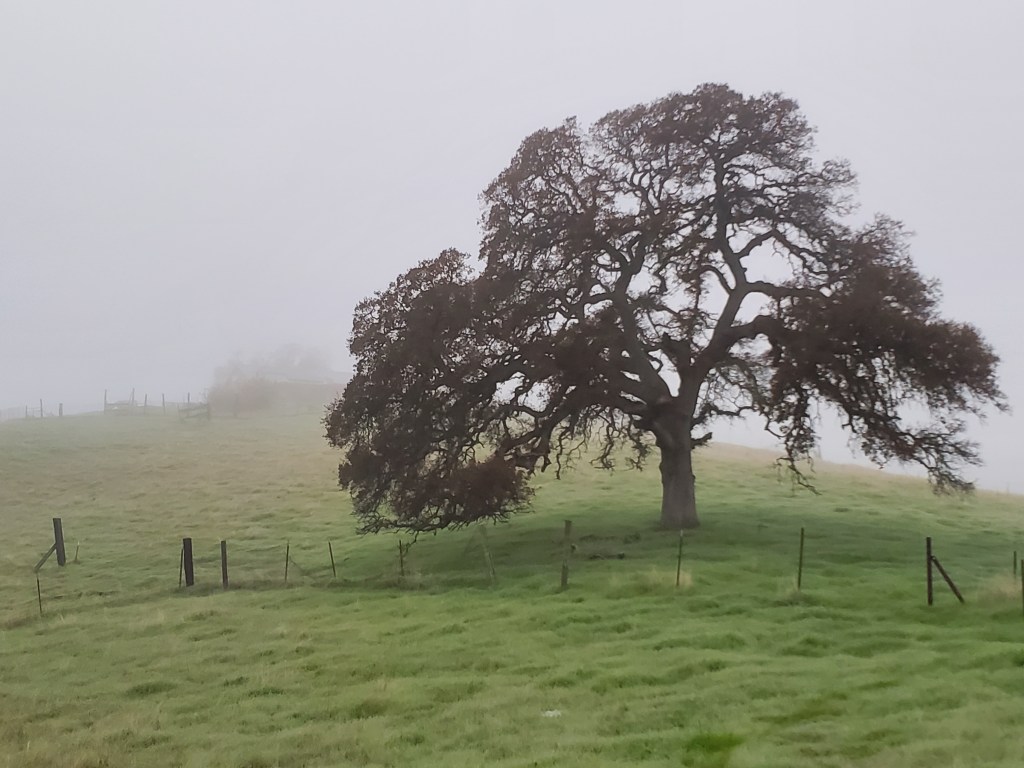
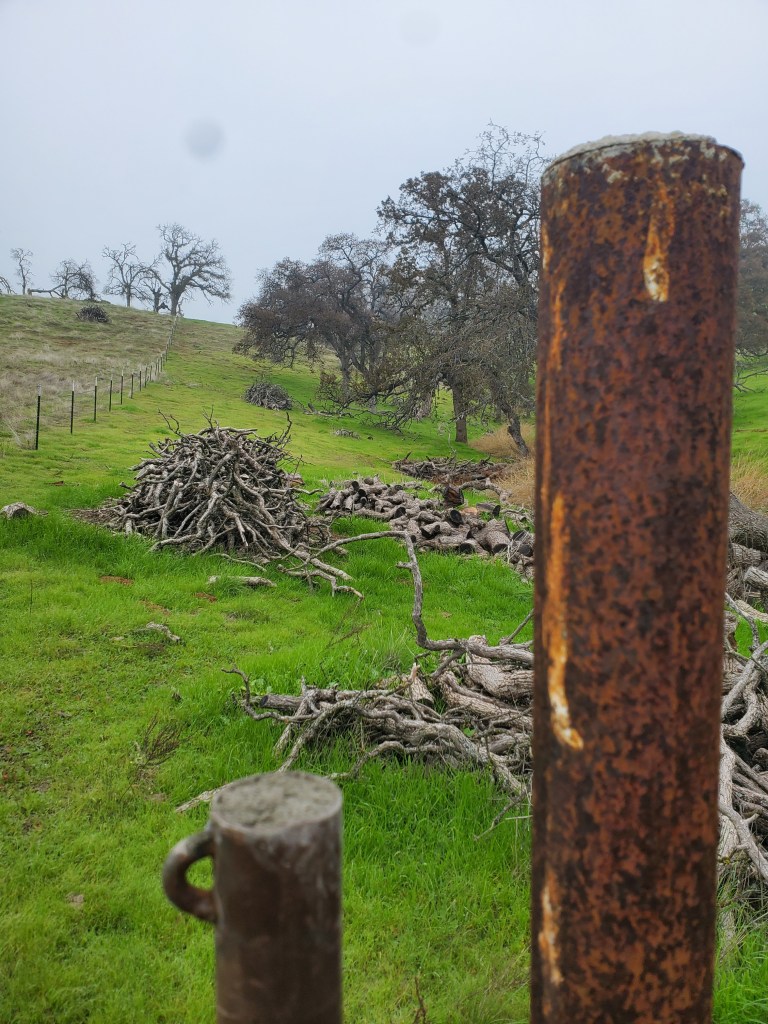
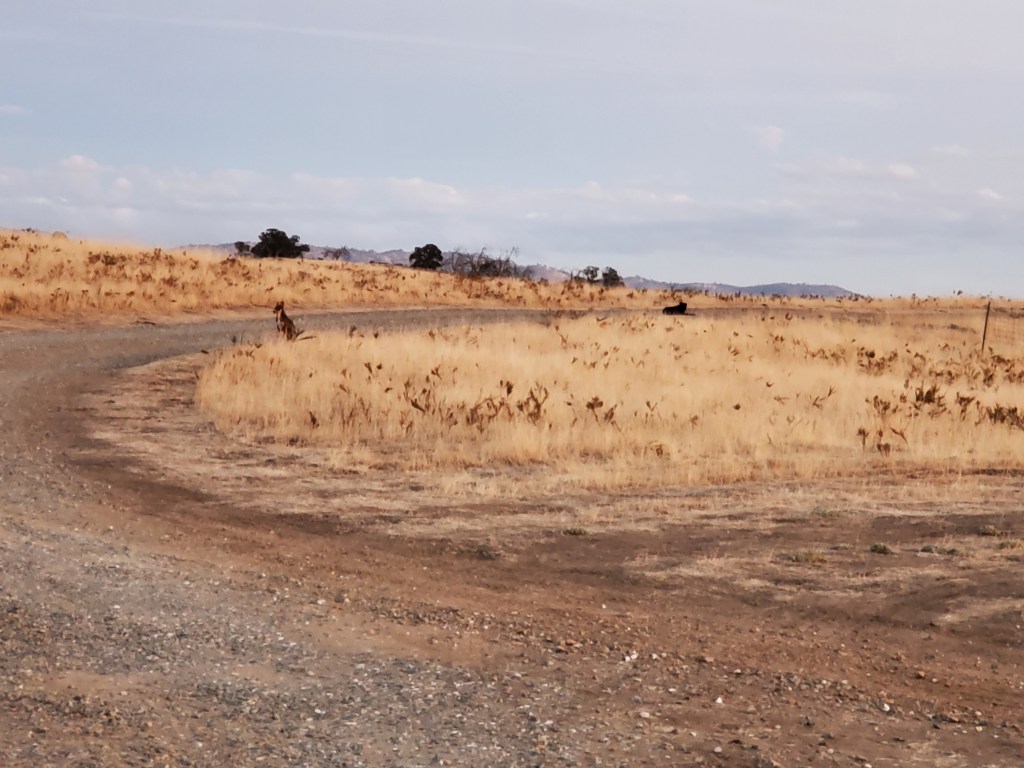
A cold, wet fog has been set over the ranch for three weeks. This is unusual. Hornitos is typically high enough in elevation to be above the fog most of the time. I’ve lived here for 23 years and have seen fog roll in for a few days or a week and break up by afternoon allowing the sun to emerge. This has not the case this this year. The fog has set into the Central Valley of California so thickly, that it has pushed the outer edges of the bank up and over the low foothills. You have to move up to 1500 feet or so in elevation to emerge from the fog.

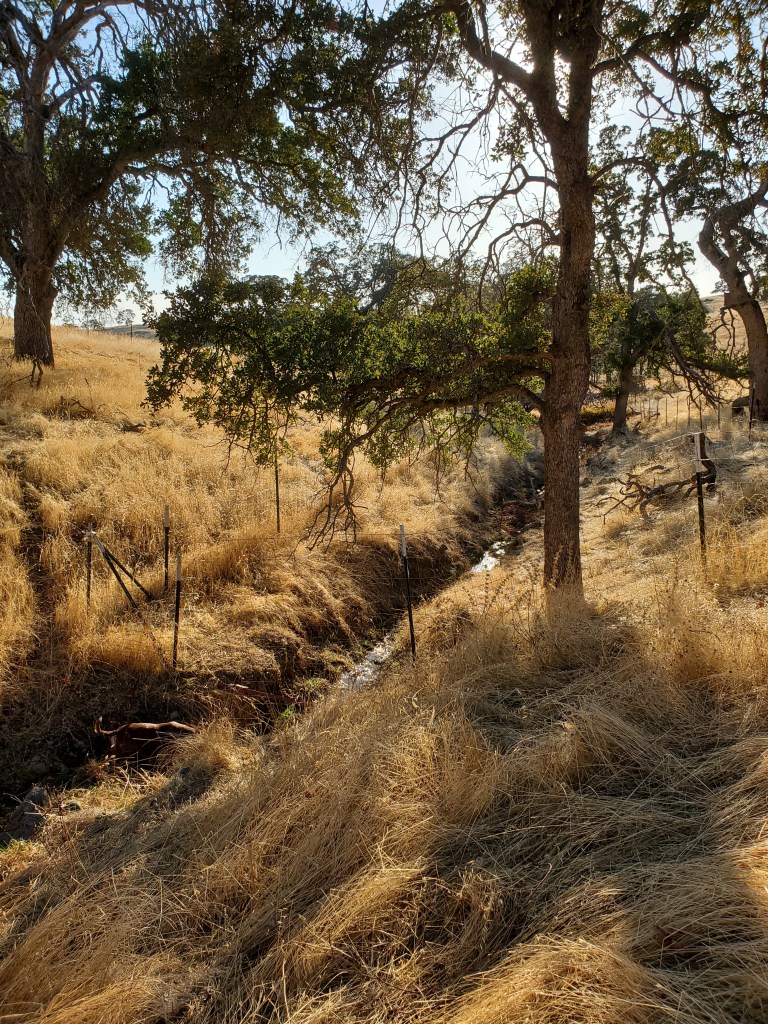
The upper elevations have been having higher than normal temperatures this winter. This makes me grateful for the fog. It keeps things cold and wet. The temperature has been in the mid to high 30s overnight and the mid to high 40s during the day. Water that likely would have evaporated by now with clear skies and higher temperatures, is still here, soaking into the ground and available to wildlife in puddles, creeks and on grass blades. As I walk through the trails, the ground is so wet that I kick water off the grasses as I move.
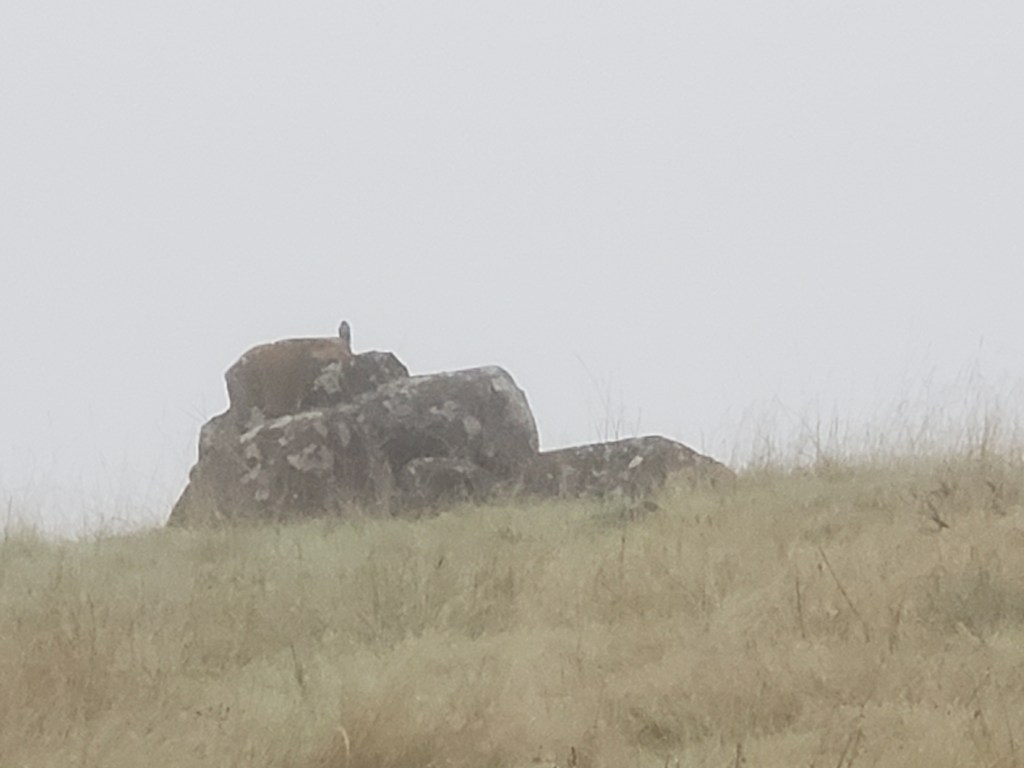
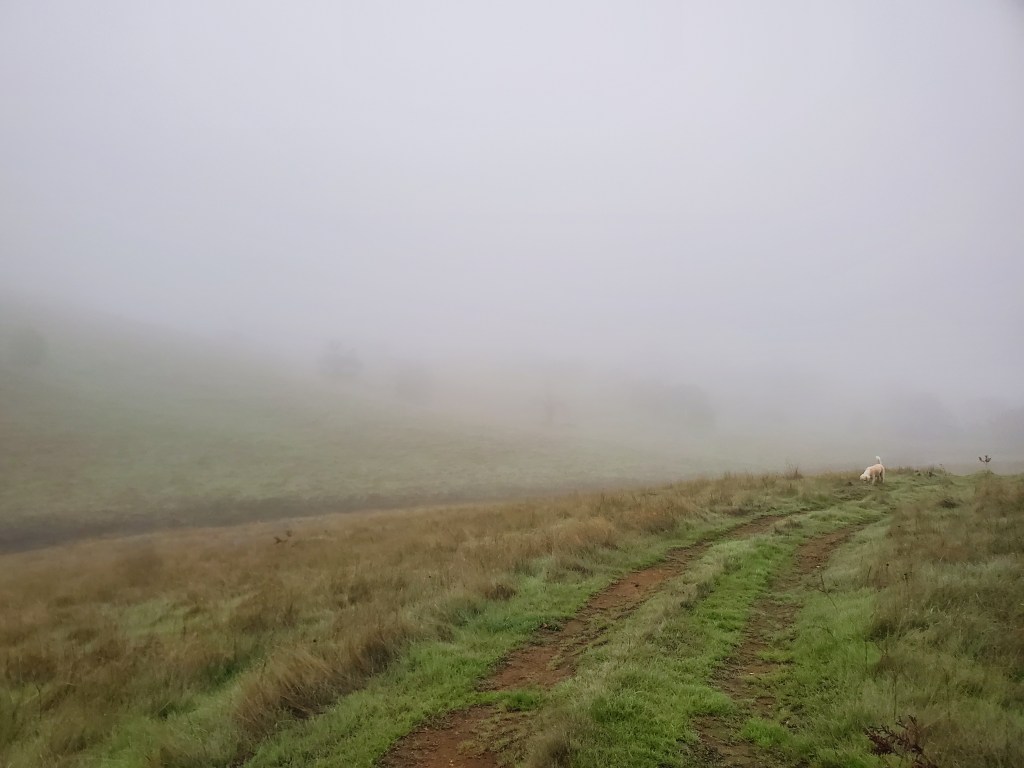
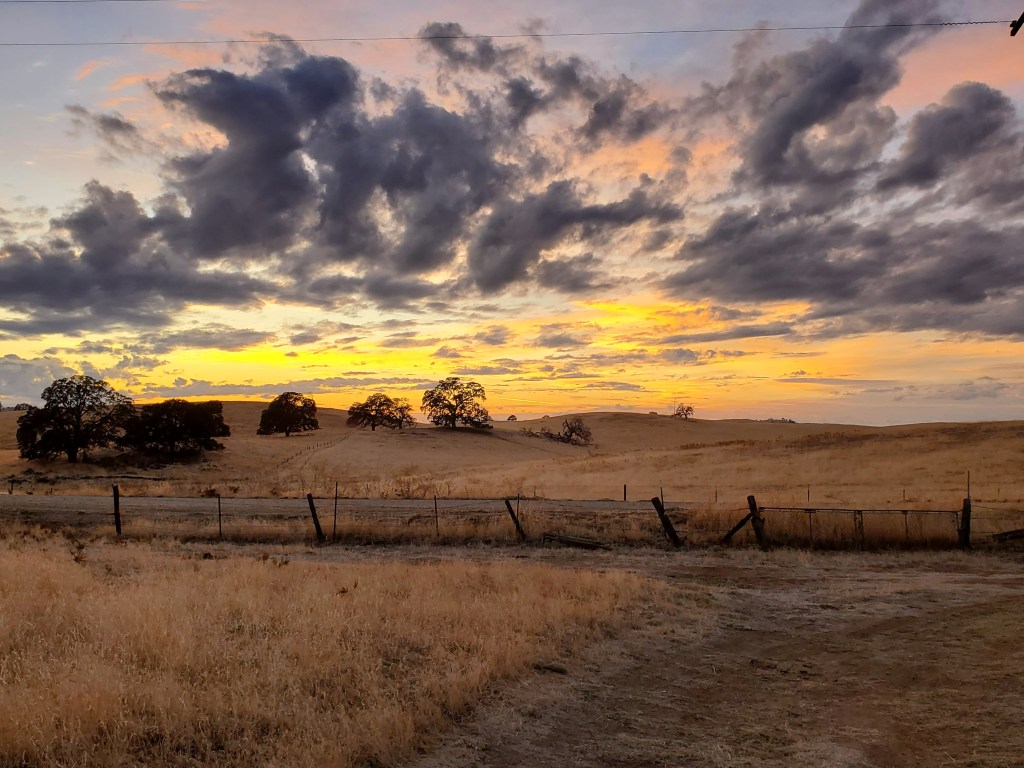
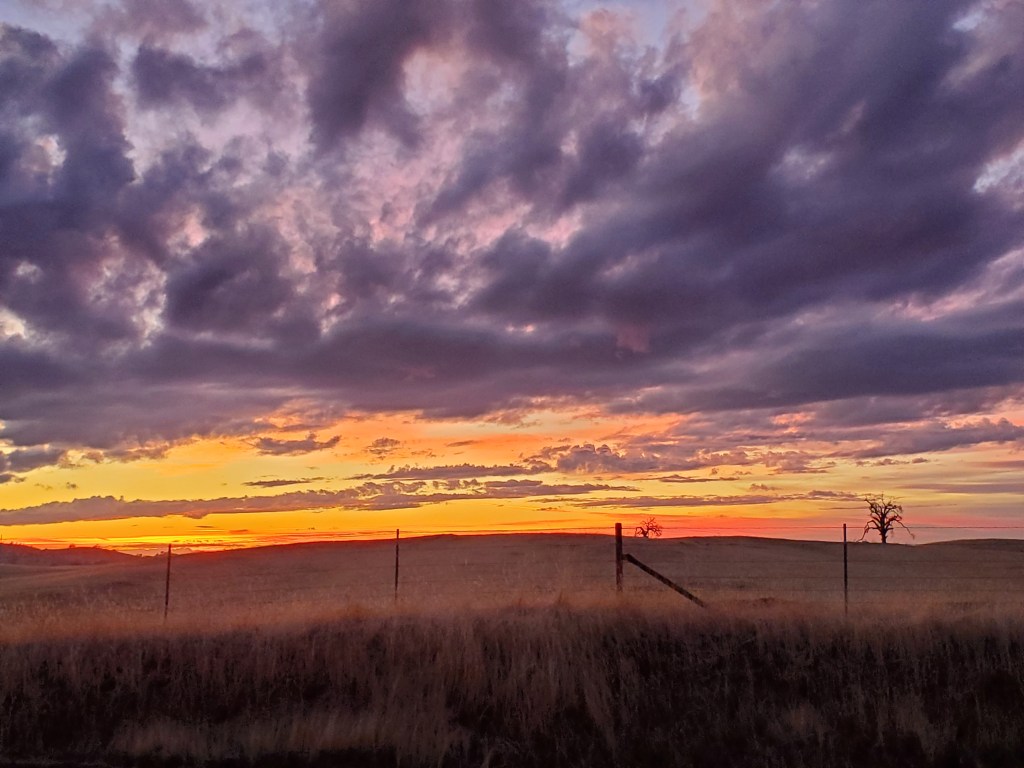
Two days ago, the fog bank finally broke. The days have been beautiful and the air crisp and clear. A large storm is expected this week (the wind is blowing ferociously as I write this), and David and I have been walking around the buildings to ensure everything is secured.
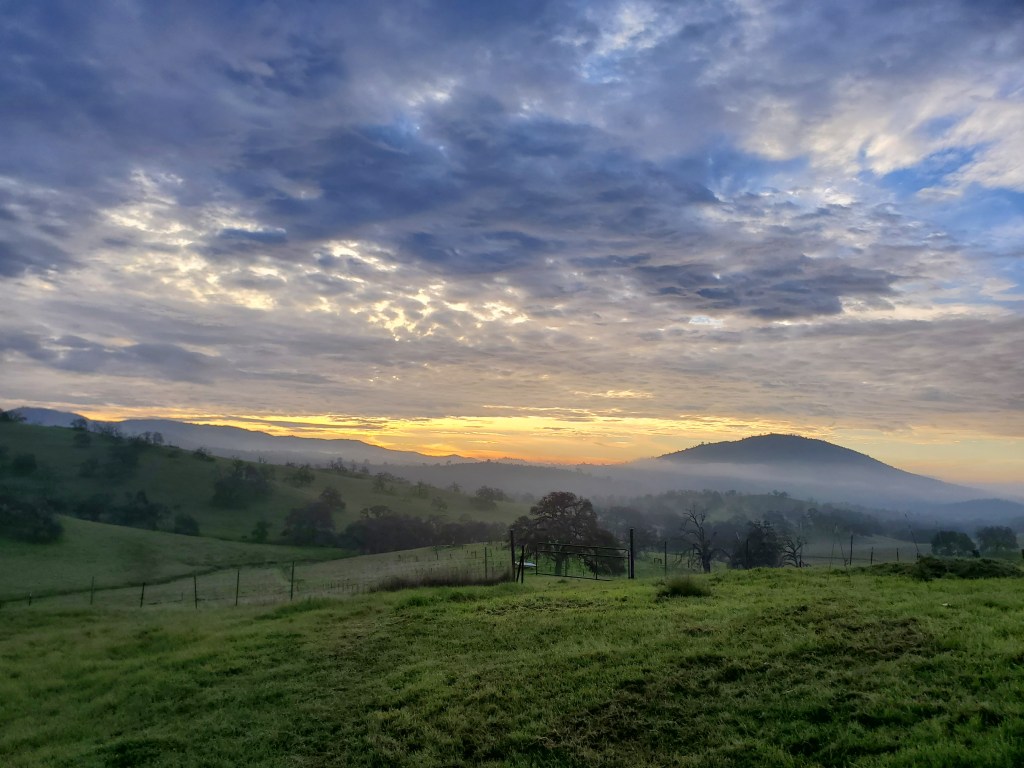
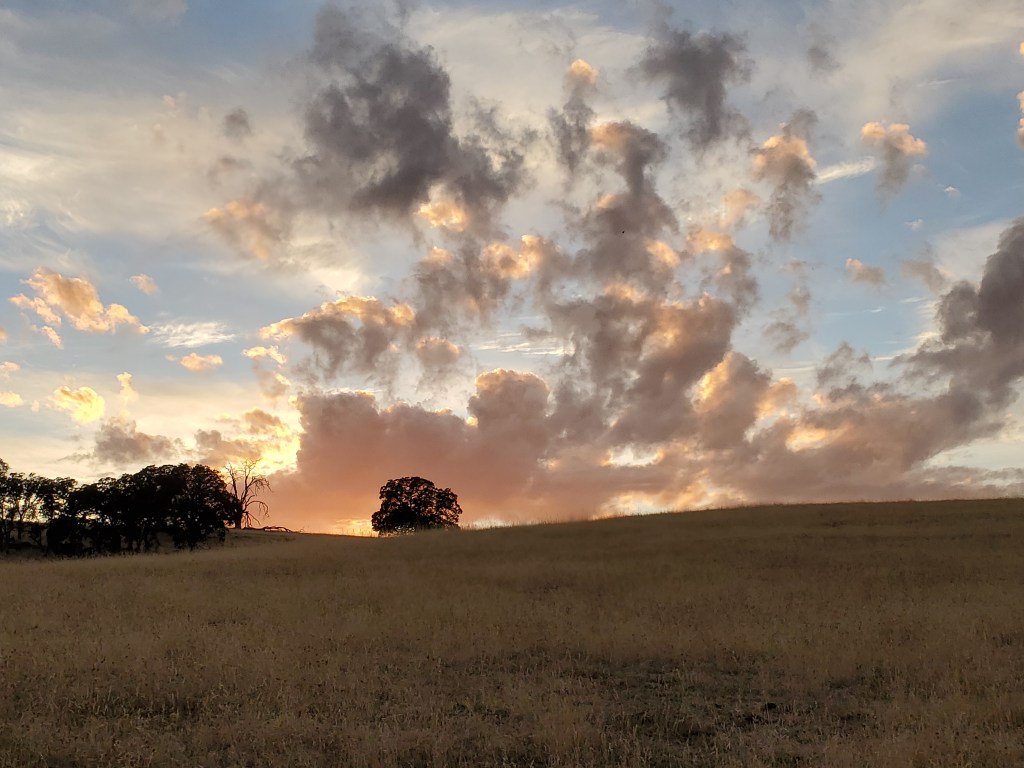
Fog dissipates as the sun begins to rise

Large Projects Near Completion

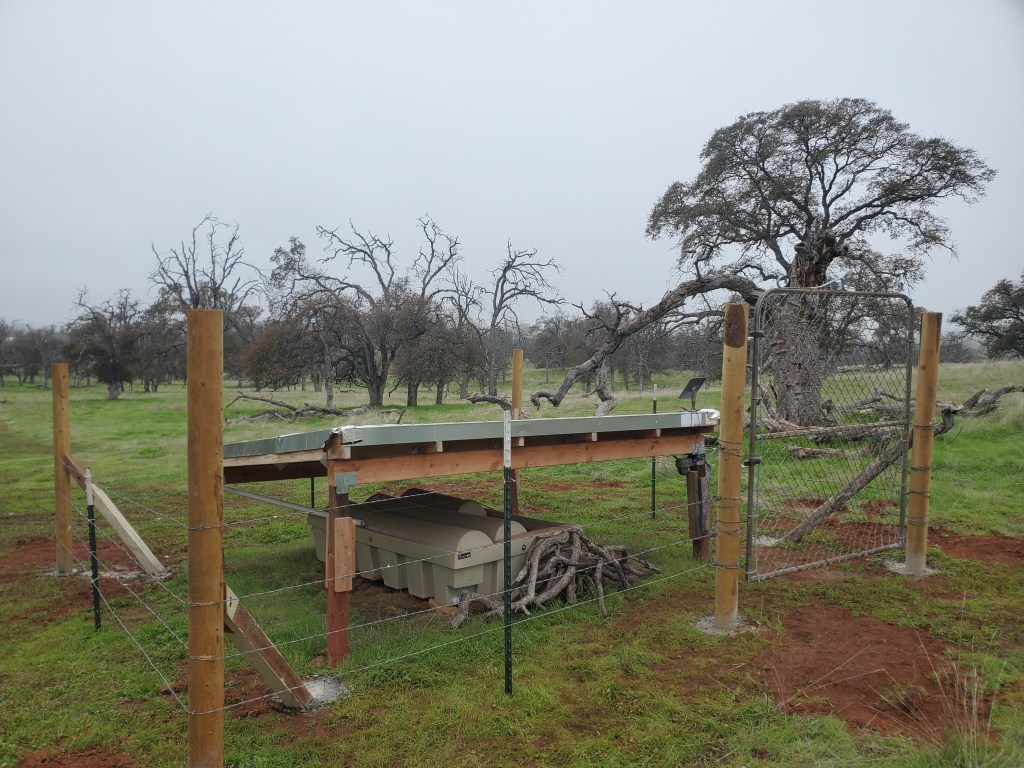
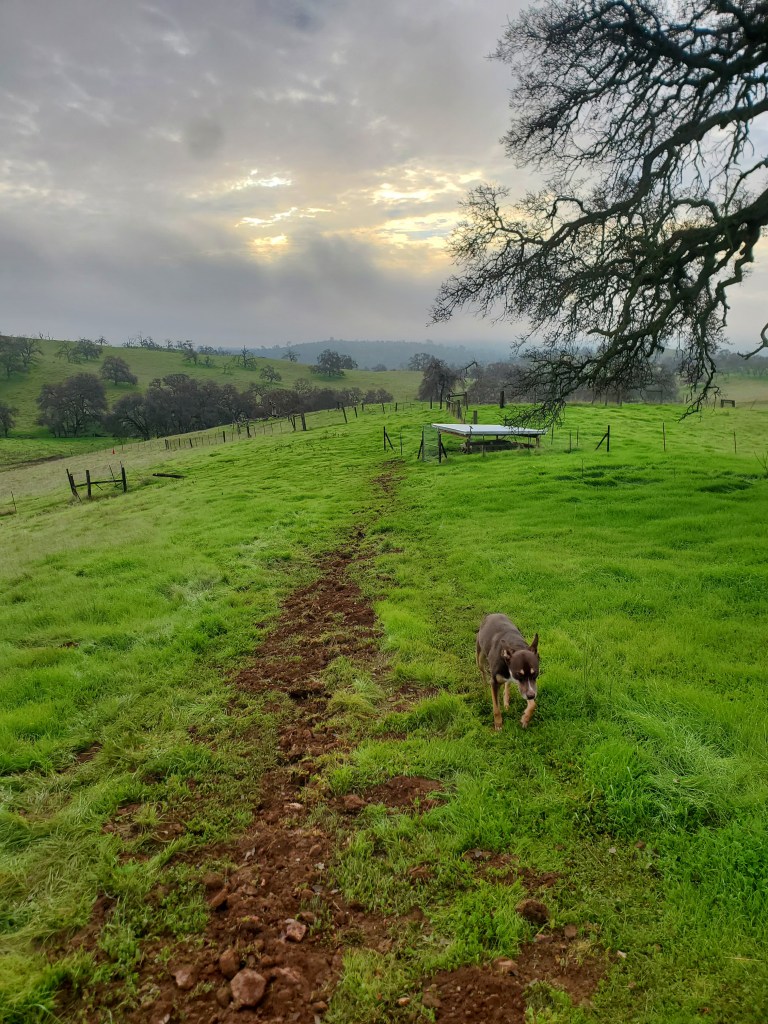
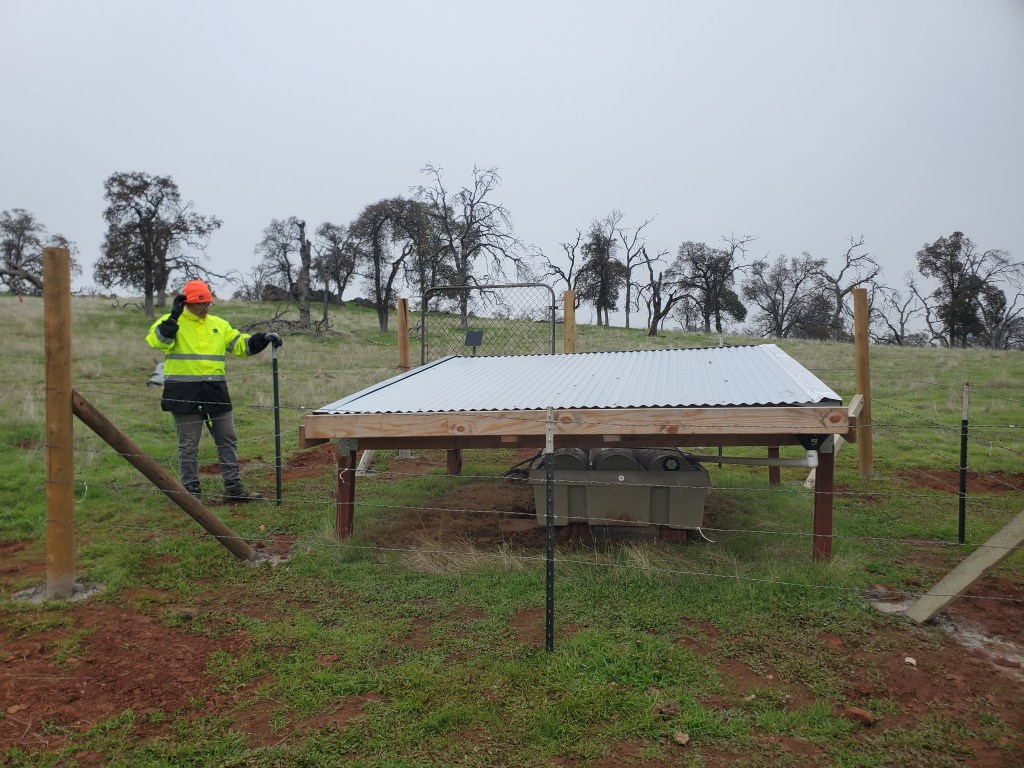
David and I have been working on building rainwater collection structures and attaching them to the wildlife guzzlers. In doing so, we are attempting to provide clean, abundant water to wildlife throughout the year. Guzzler 1 is very, very near completion. The pipe has been laid between the two structures. We only need to connect the pipe to each tank. I dug a rain garden to accommodate the over flow from the 1500 gallon tank. I still need to fill the trench with mulch (chipped oak from local trees) and attach a pipe to the overflow hole.

The protection fence was also completed. I did set up and clean up work on that project, and David did the rest of the work (Thank you David!).
Conservation Projects

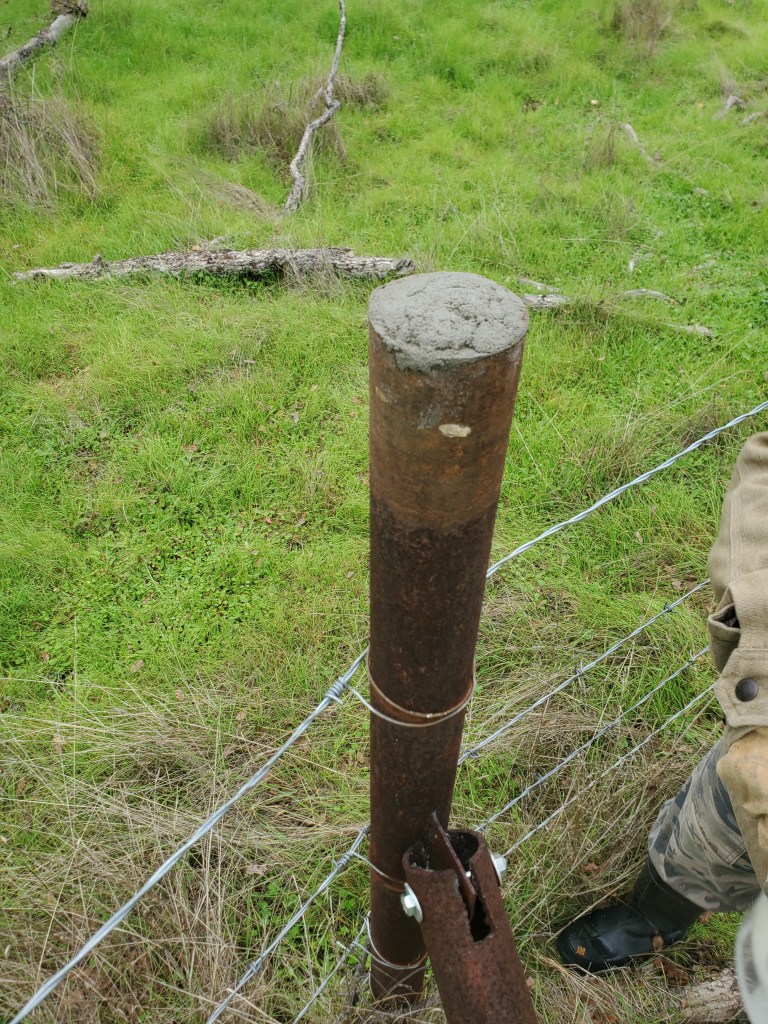
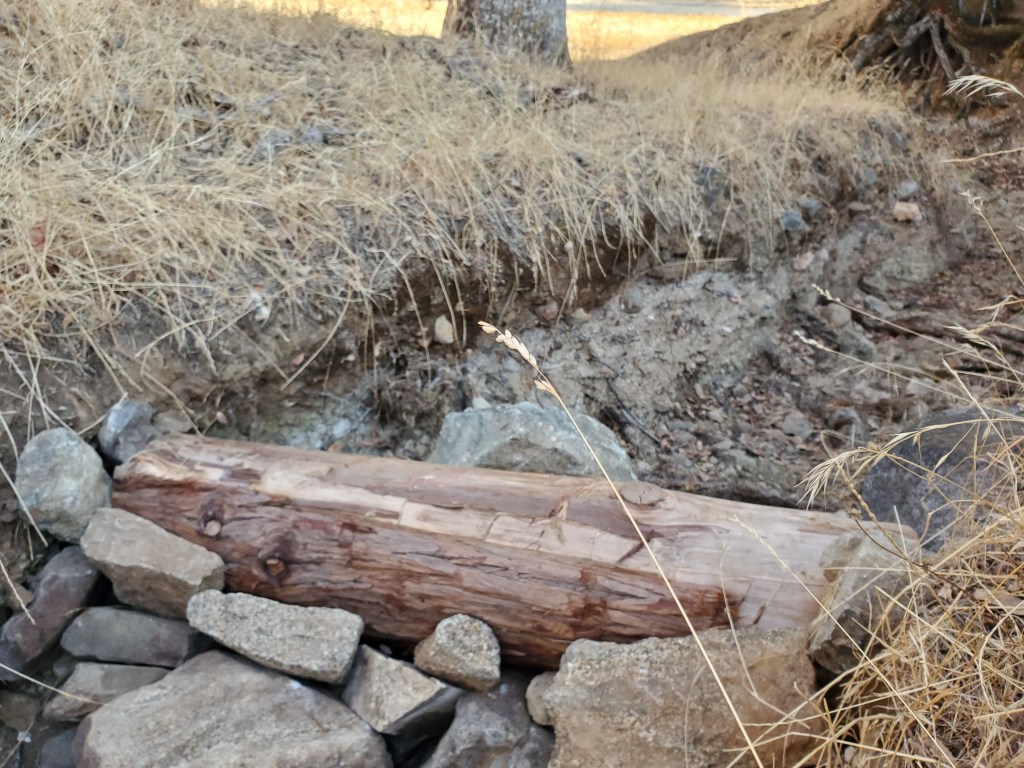
A typical day, beyond all the sundry projects, is me walking the ranch monitoring the land and the function of the infrastructure I’ve established. I have fixed pipe return on the guzzlers, straightened out gutter screen, removed branches from exclusion fencing, added branches to brush piles, helped acorn find homes in the dirt near downed wood, shored up logs in the check dams and a wide variety of other tasks. Recently, David and I walked the fence line looking for open topped pipe. Old pipe is often used as posts in fencing work. Typically, the open side of the pipe is capped with cement to prevent animals entering/falling into the pipe with no way to get out. Every now and then, a pipe can be missed, so it is important to take a look and cap any holes left open. On the exclusion fences, there was only one large pipe post that needed capping (it had a temporary cap – a glove placed over the hole!) and six smaller pipes used as ends for wire gates.
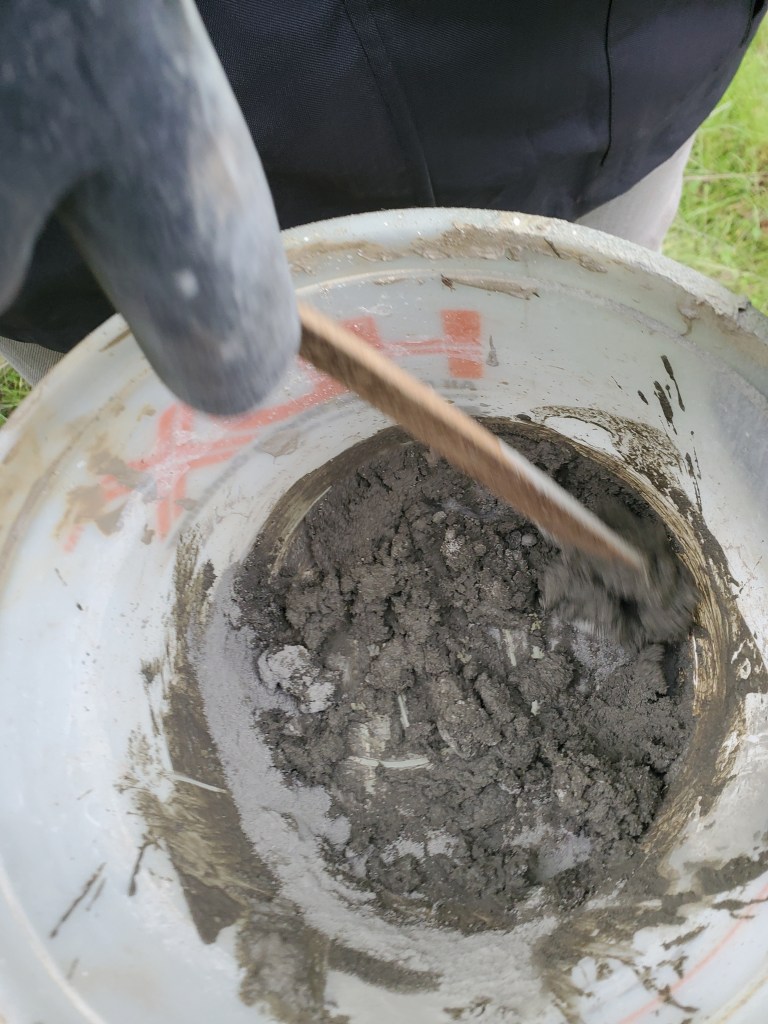
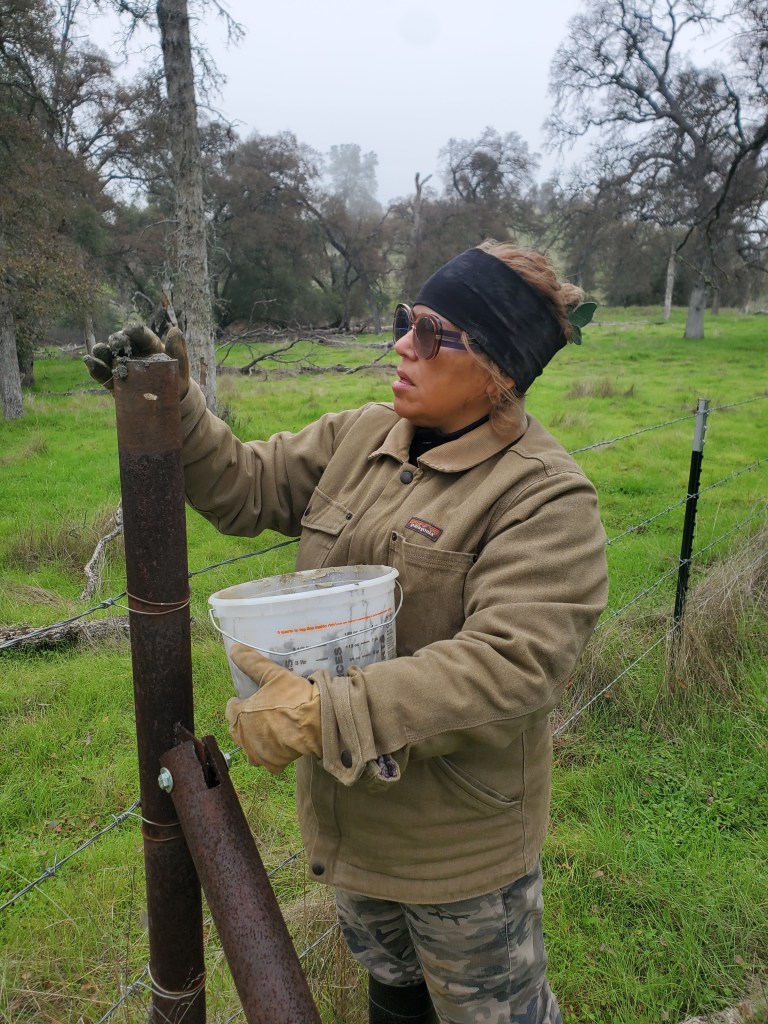
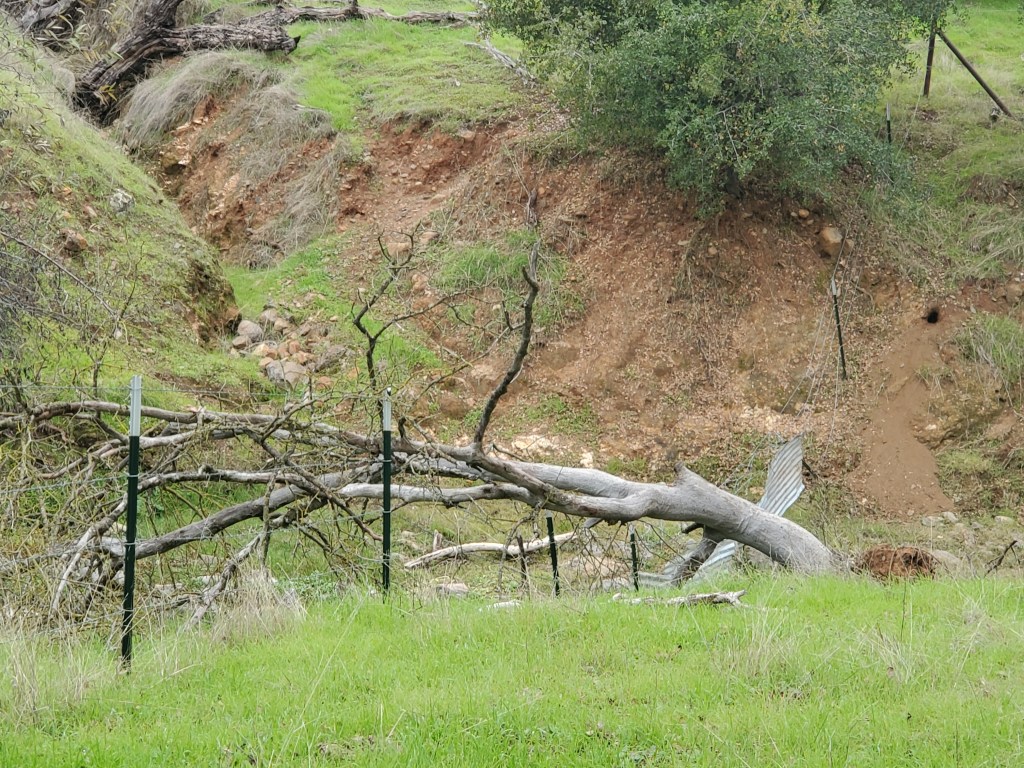
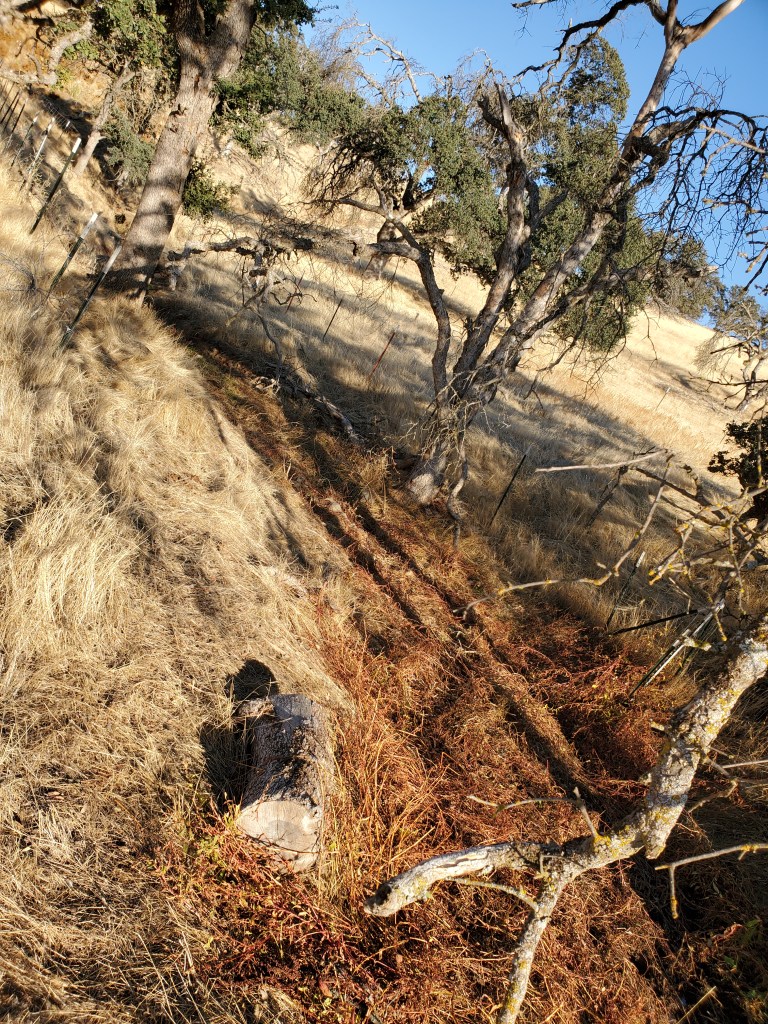
We filled the holes with quick drying cement and found some trees that had fallen across the fences or were at risk of falling. We will need to head back out to trim the branches/remove the trees from the wire and repair the fence. There will likely be more trees falling on the fence after this large storm. The task list grows.

Transitions

My former cattleman has been ill, and decided to retire in August 2025. He got out at a good time with very high prices for cattle and beef. He is a nice guy, very knowledgeable and easier to work with than others. I have missed our conversations. As a result, the ground has been rested significantly this fall. There have been no cows except my neighbor’s loose ones, which I wrote about in the last post. It was possible that his son would lease the ranch, but he decided not to go into the business. As a result, for the first time since I’ve been here, we have had an opening. Up here, there are many good operators to choose from. There is almost always a need for more ground.

I have been attending educational sessions and conferences hosted by Communities in Alliance with Family Farmers (CAFF) for almost five years. They offer excellent topics, support and resources. Through their work, I learned that many young people who want to begin in the ag business have a hard time accessing land, since it is so expensive to buy. This has increased the average age of farmers and ranchers. Similar to my former cattleman’s son, the next generation in ag families often does not want to farm or ranch. This is a huge problem for food production/security in our nation. It is no wonder. The business is difficult and being made more difficult by our federal government and wealthy corporations who set prices. I had this in mind when I selected my next cattle producer, a young woman who feeds our community and is trying take her cattle business from very small to larger scale, Lacey Sharp of Sharp Farms & Cattle Co.

Lacey is from a generational cattle family in Texas, but lives in Mariposa County now. She also has a grazing business using goats and sheep to decrease fire danger. Most recently, she joined the local Fire Safe Council. The woman has a lot of energy and interest in doing good! Important to me, she is focused on regenerative agriculture and cares about the health of the land. We are still getting to know one another, but so far, things are going well. Cows will be on in January.

Wishing You a Happy Holiday Season

From my home to yours, wishing you a happy, healthy, and joyous holiday season.
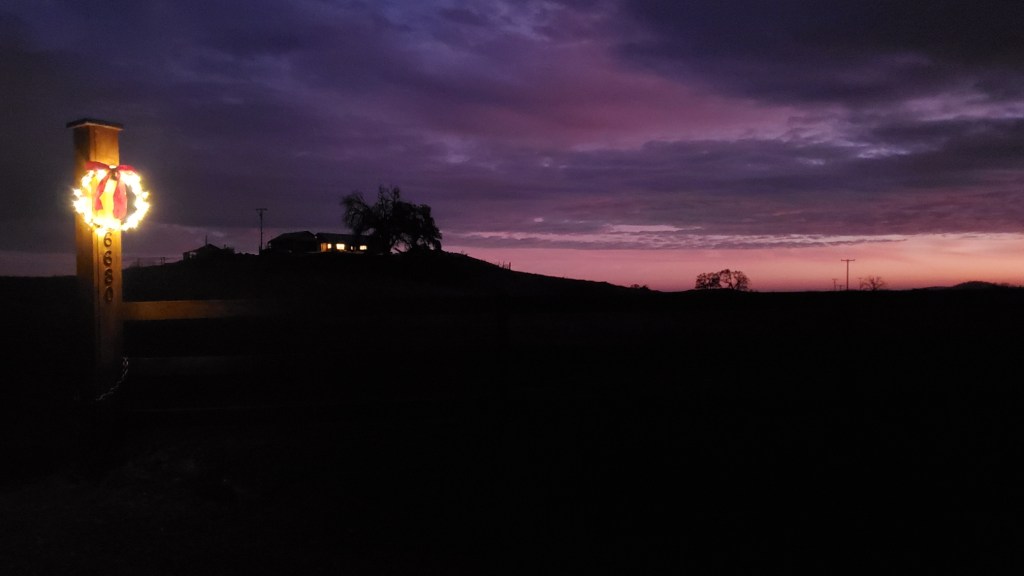
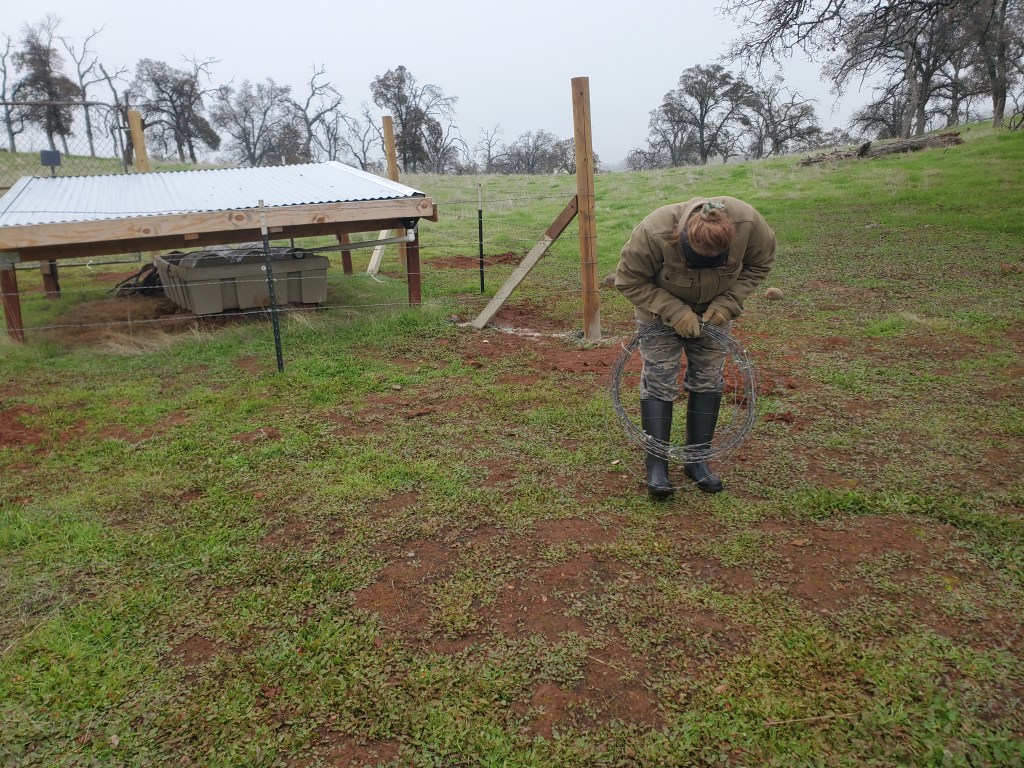
David’s wire wreath shines bright on the fence post of our gate

Warm November Means More Butterflies, Bees and Blooms

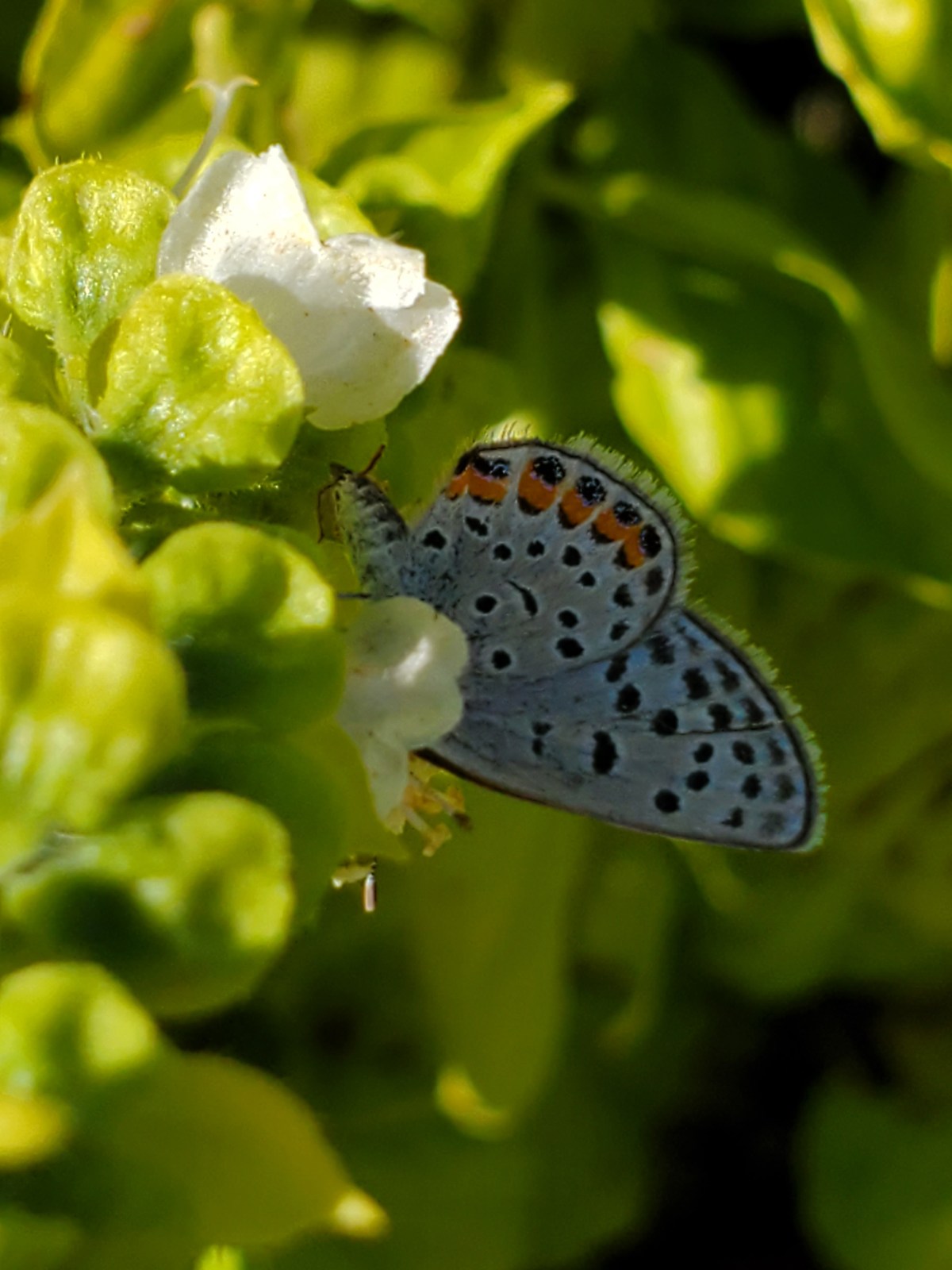
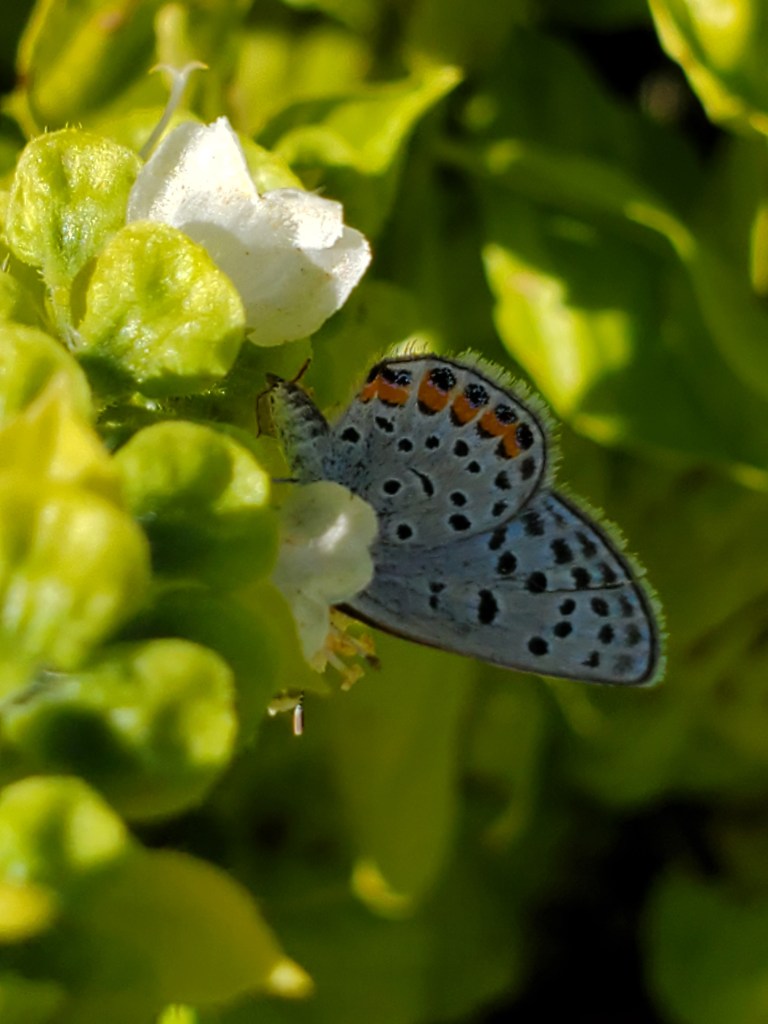
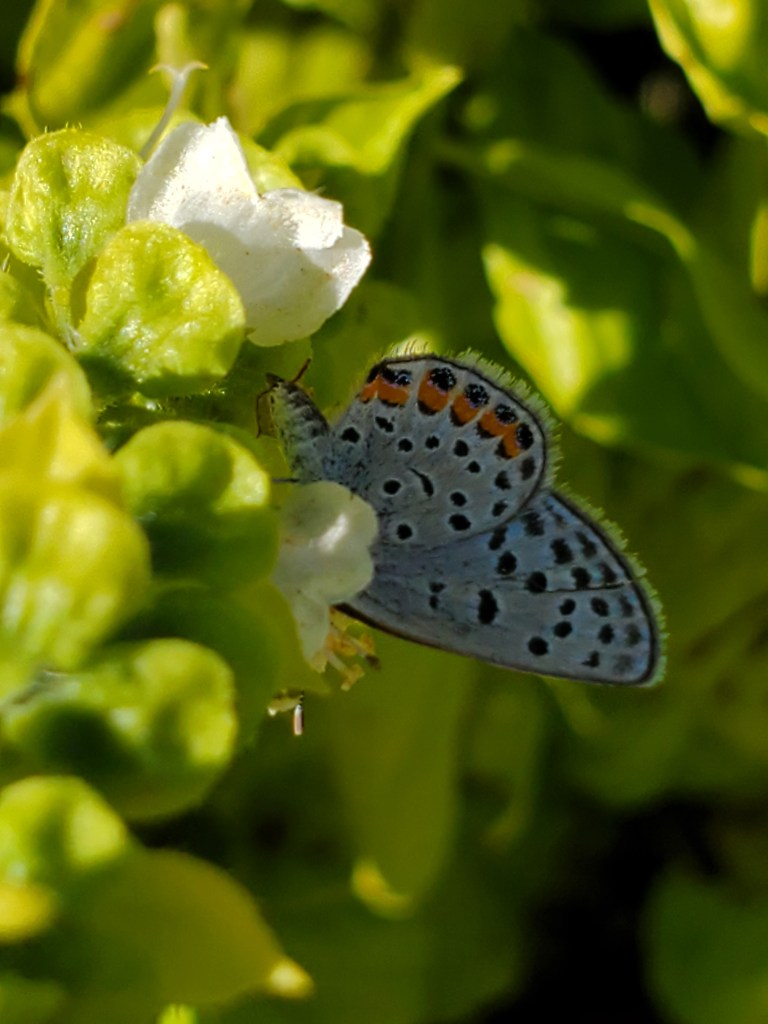
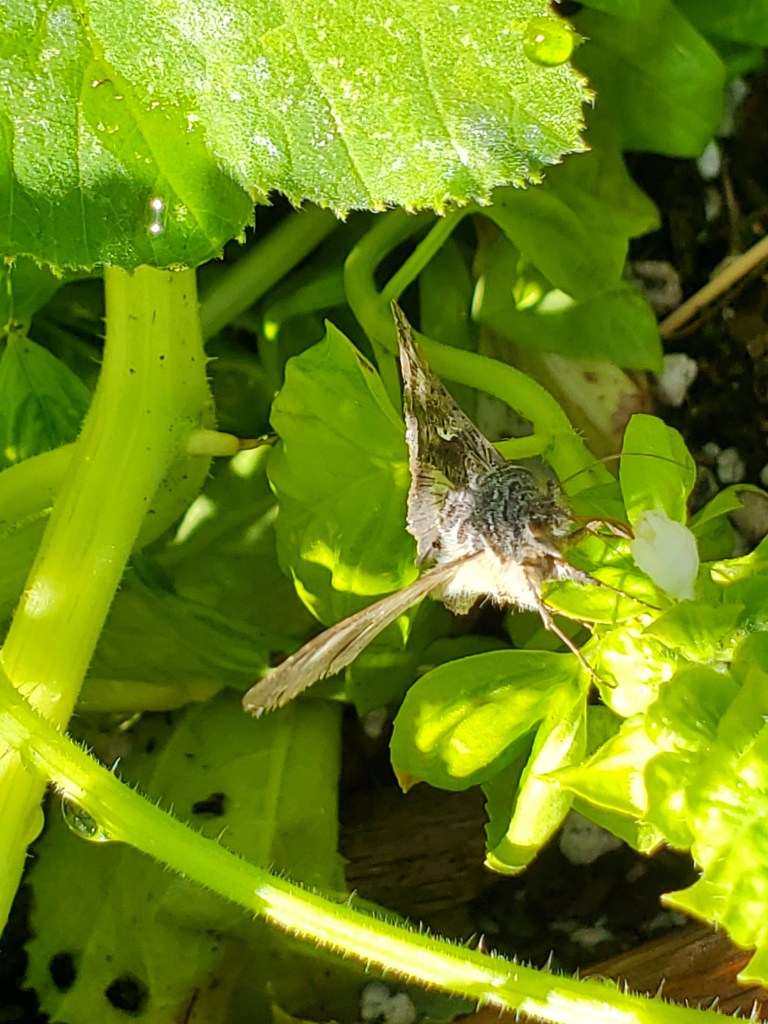
California Hairstreak nectars on a basil flower

It should be much colder than it is. We are in the 70s every day with overnight lows in the 50s. It feels like Southern California weather. The storm that came in overnight was warm with very little actual water. There were only a few drips in the rain gauge – not even enough to make a 1/16th.

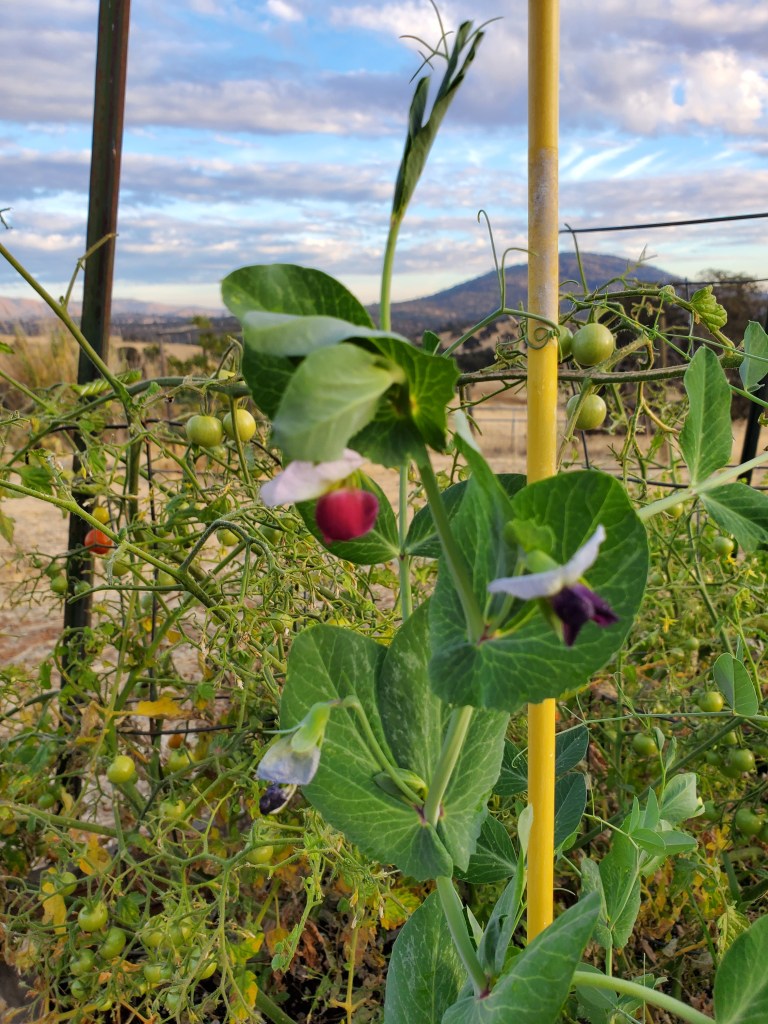
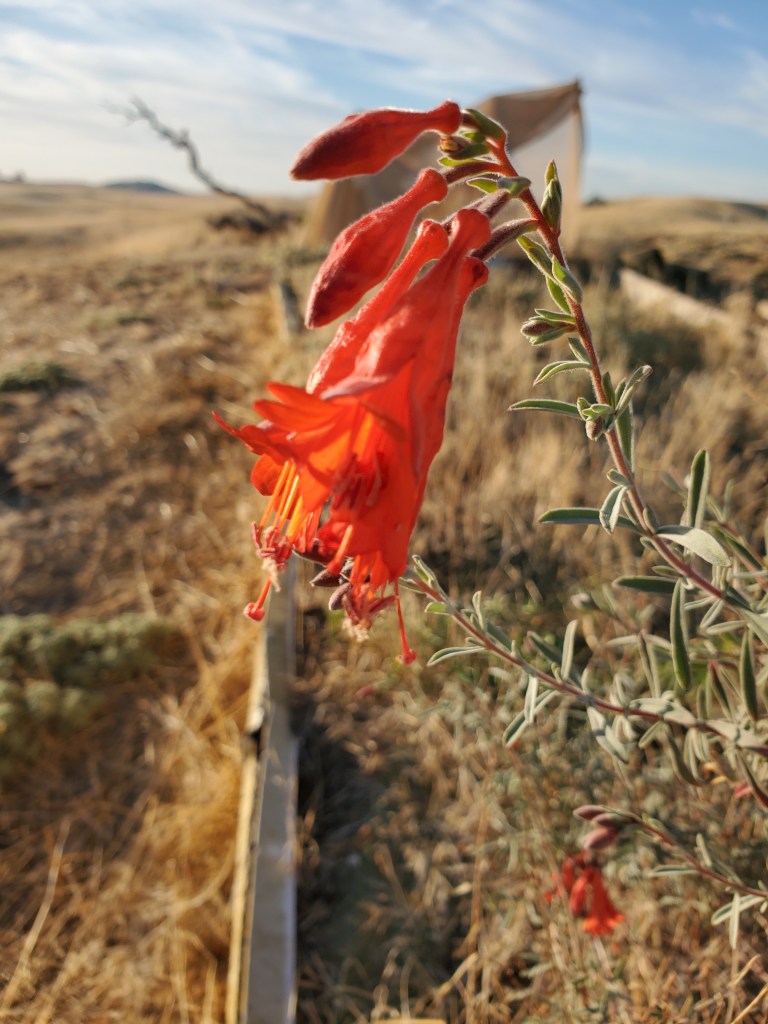
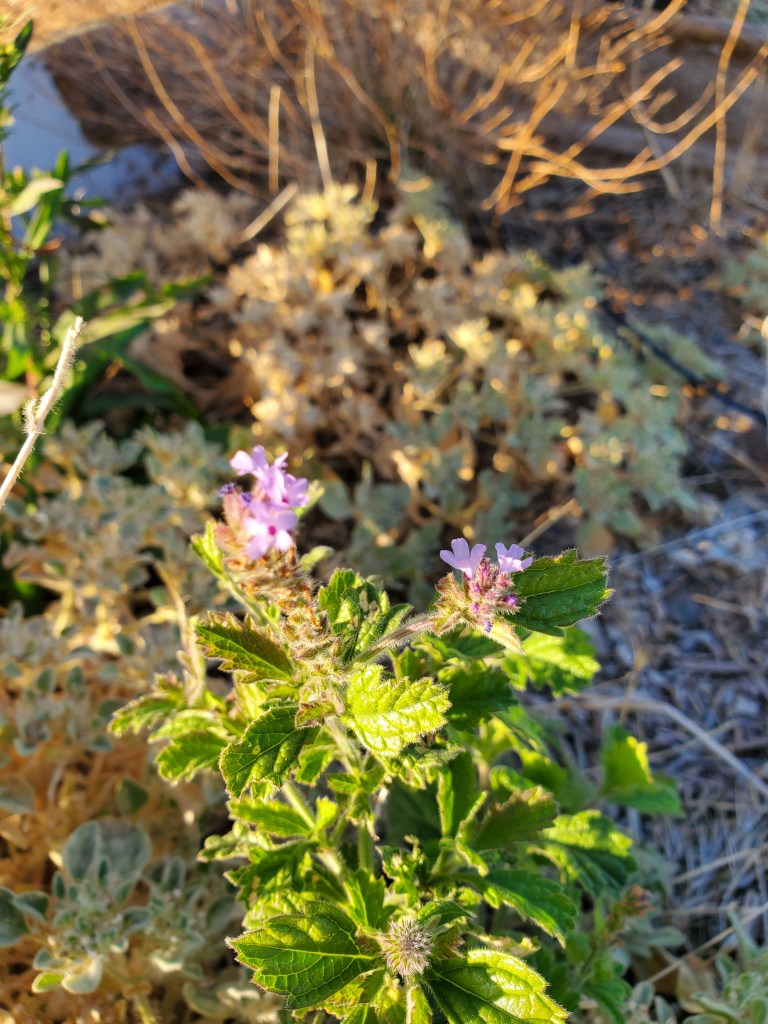
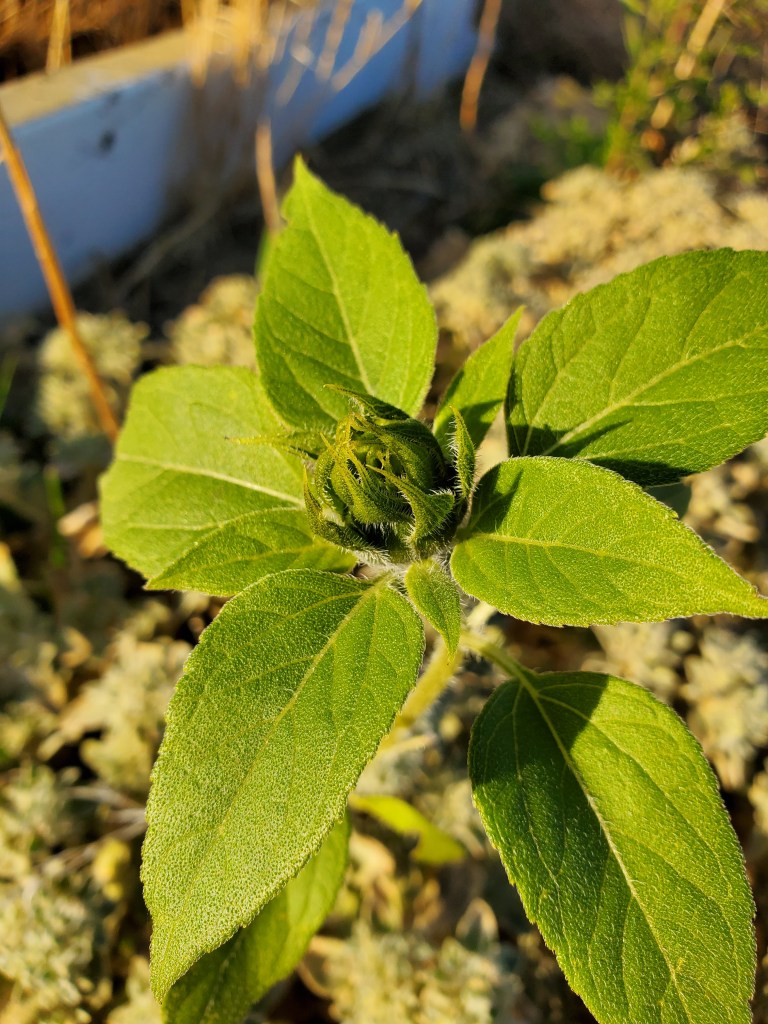
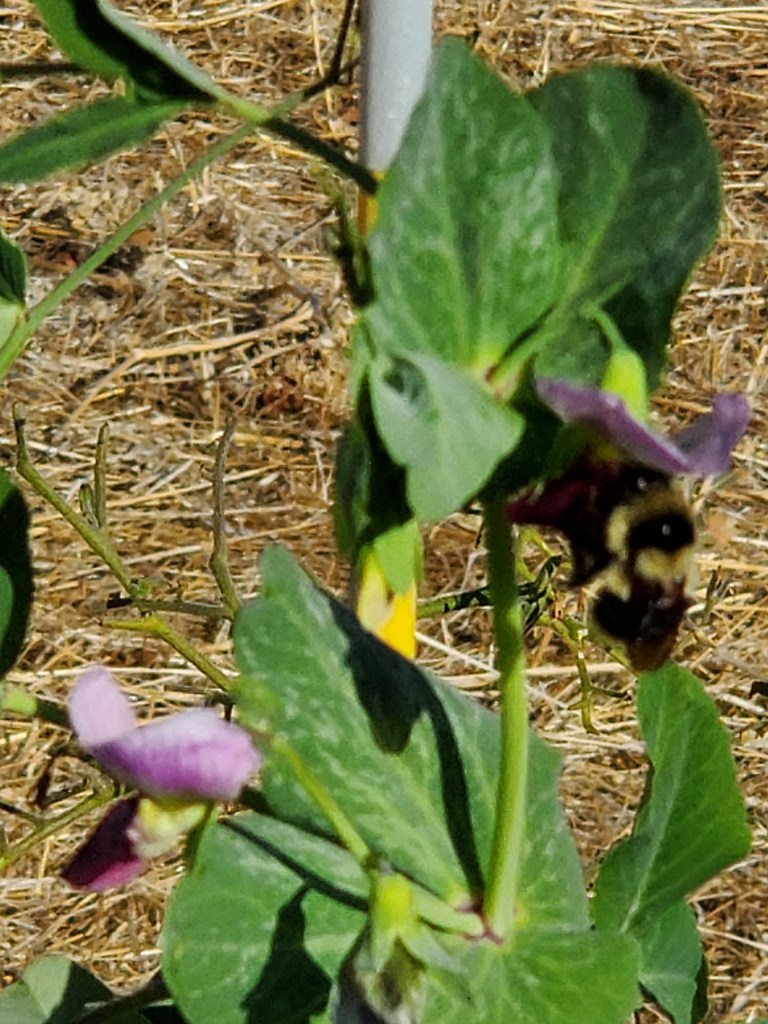
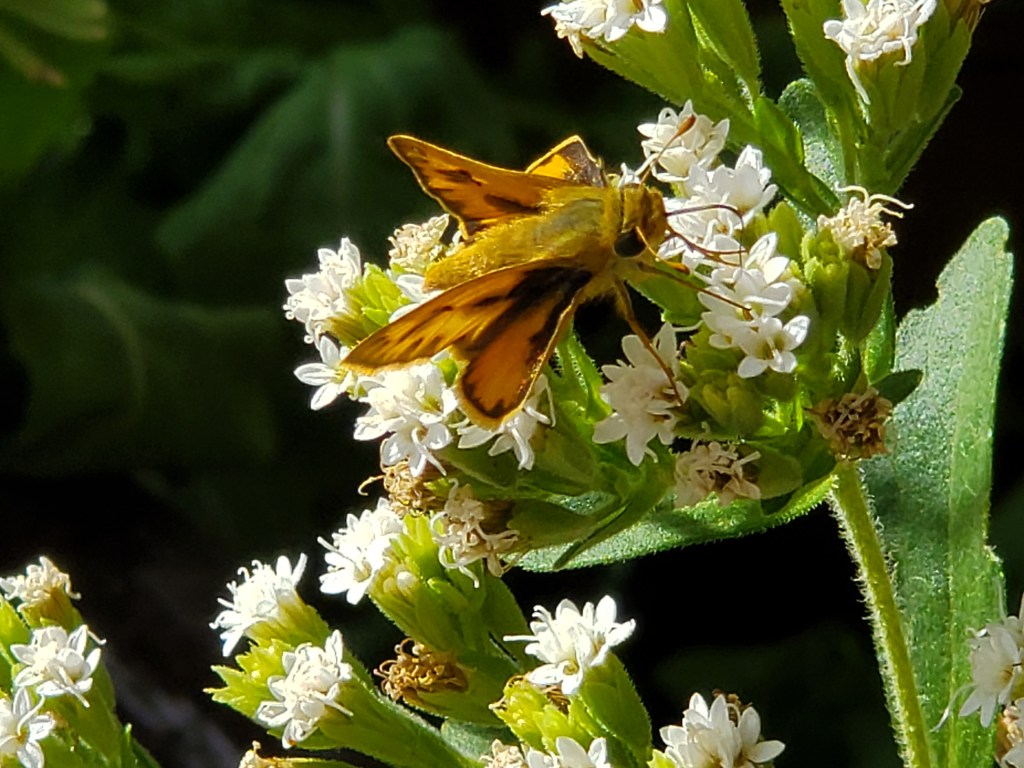
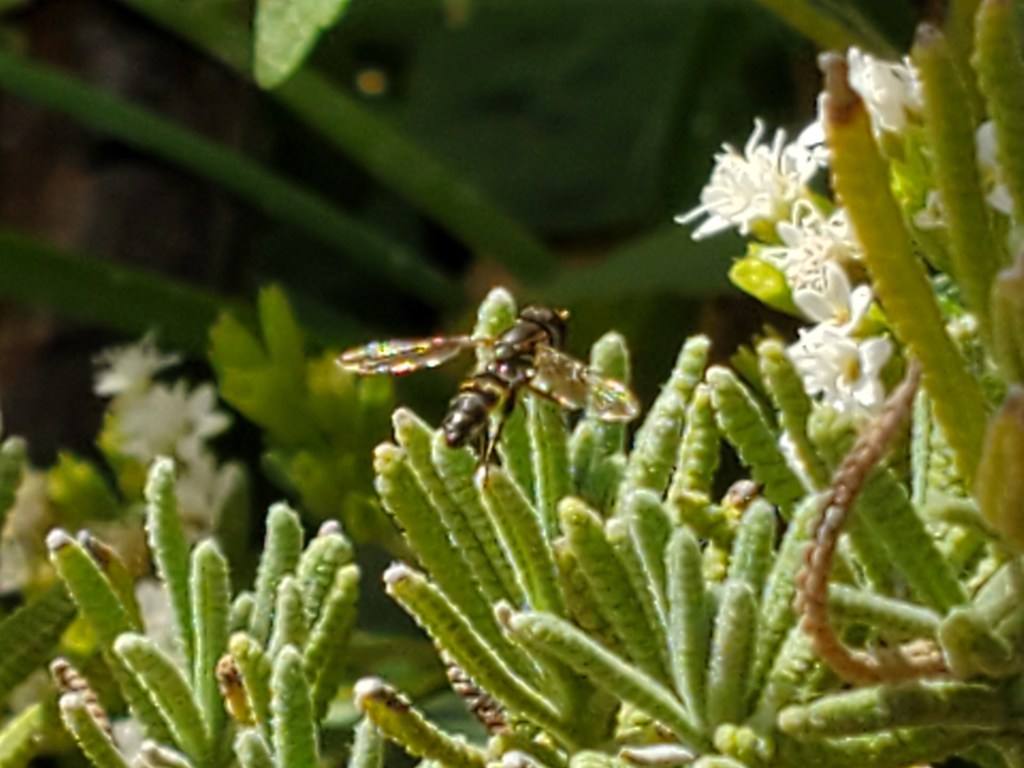
Butterflies, a wide variety, continue to visit. Yesterday, we had a large bumble bee and several silver native bees. They were attacking the poor bumble to get it to leave the flower. The bumble persisted though and got its nectar. Fortunately, there is nectar for all these creatures. The basil continues to have flowers, albeit many less. There are pacific asters, california fuchsia, verbena, black-eyed susans, a little bit of tarweed and dove weed left, marigolds (now that the life sucking beetles have moved on), peas, pumpkin, goldenrod, stevia herb, a few arugula, and one sunflower about ready to bloom, believe it or not. Lots to eat, so there is much activity including honeybees and small native bees and pollinating flies.

More Check Dams

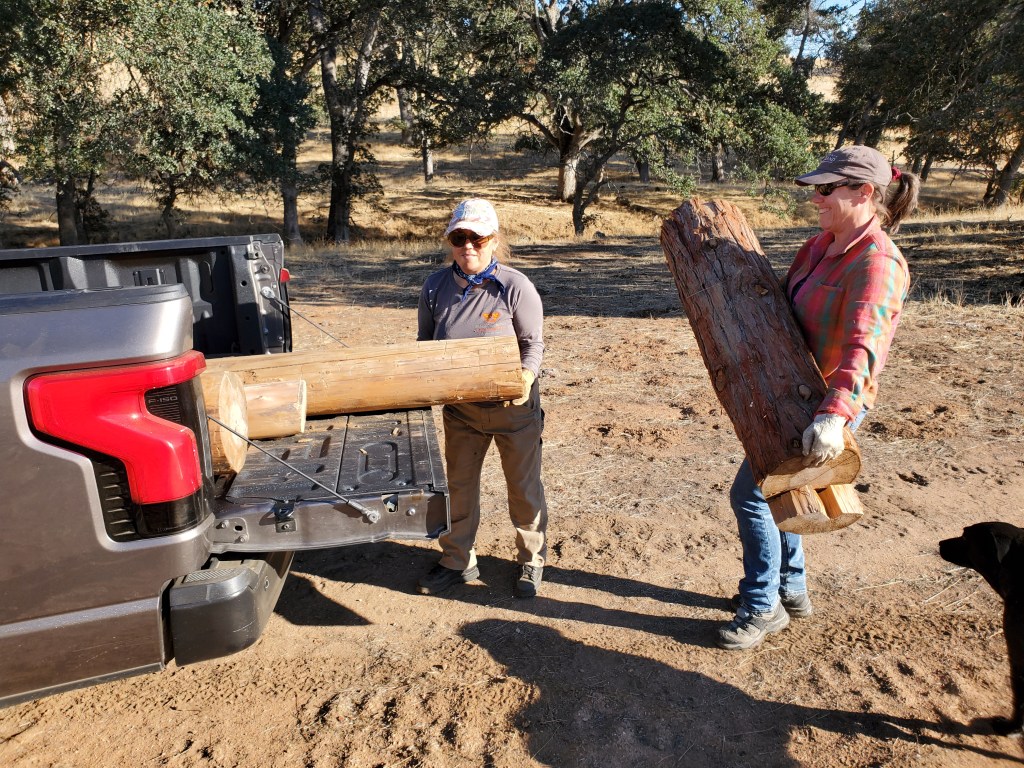
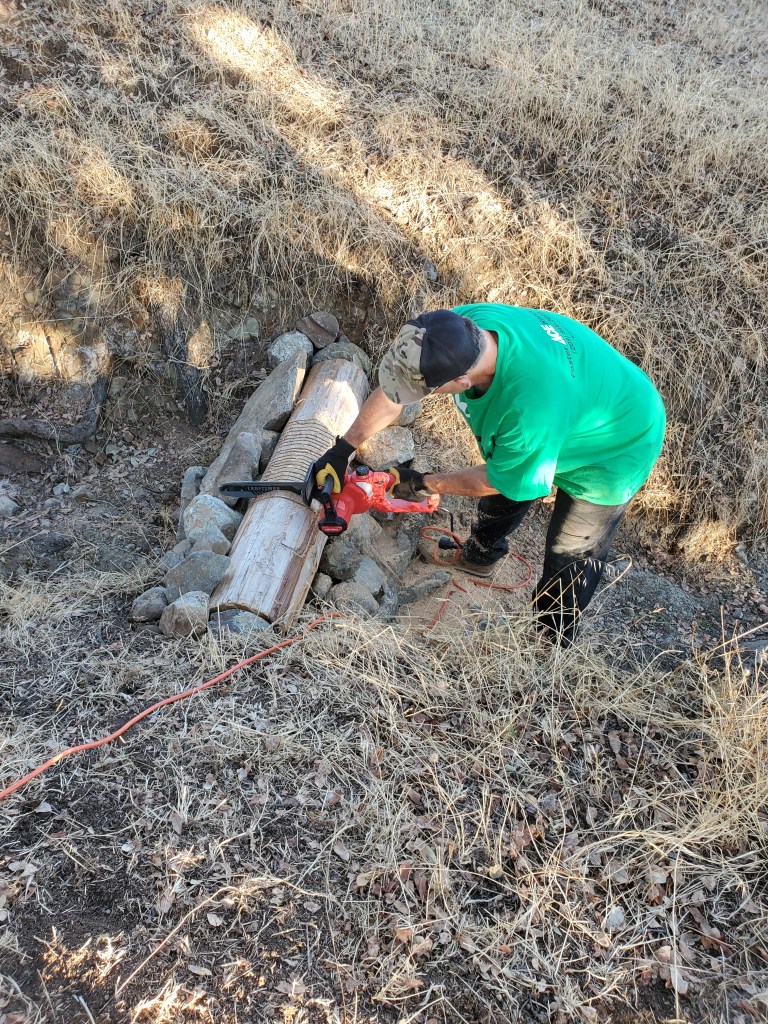
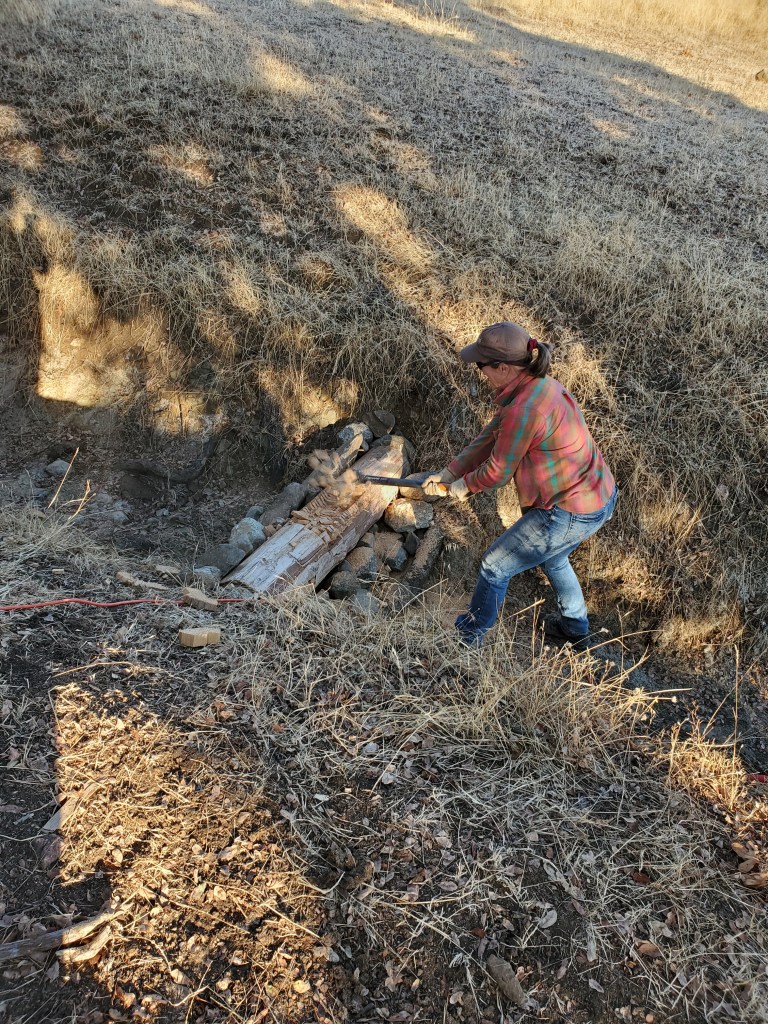
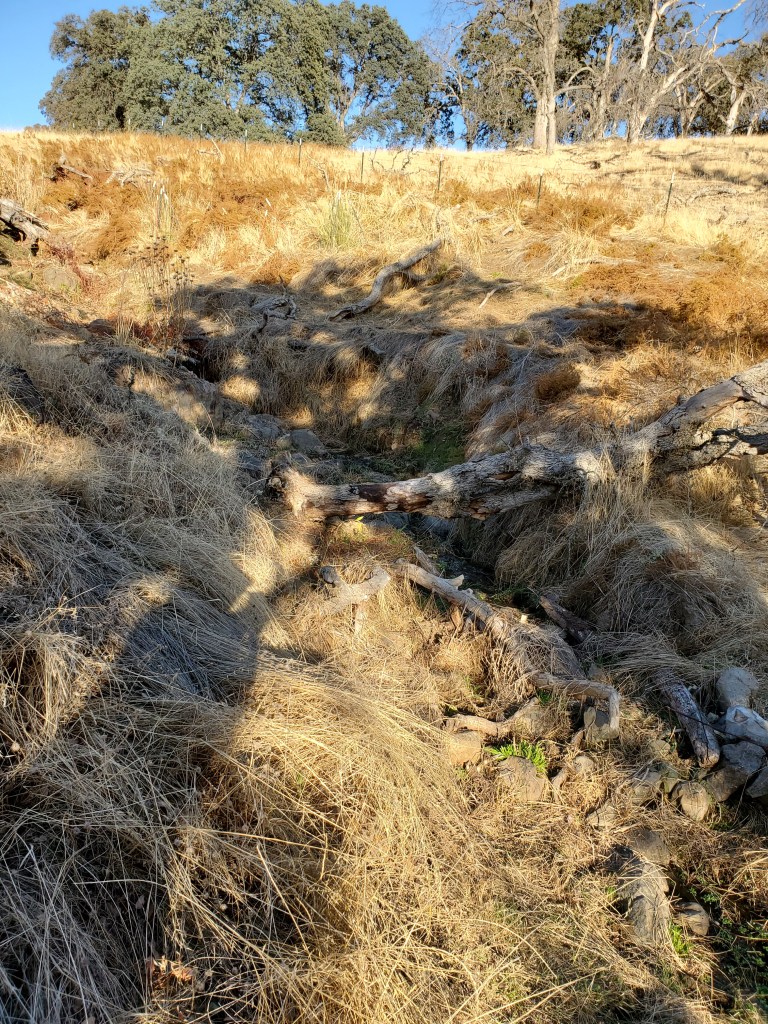
We have used the cooler weather to build and shore up more check dams. We had rock and logs left over from the rock and log drop structures we put in last month. Fortunately, I had a very able-bodied and willing friend visiting last week. Jen is a total country girl who lives in a city. She has worked on a variety of natural resources projects including riparian restorations. Lucky me! Jen was able to provide additional guidance on the much more informal installation of the latest check dams. They are my hurried, poor girl’s version of the real thing, but they will work to slow water run-off. Don’t be scared to visit; I don’t put all my friends to work here. Jen was super excited about slinging a pick ax and using the chainsaw. My kind of woman!

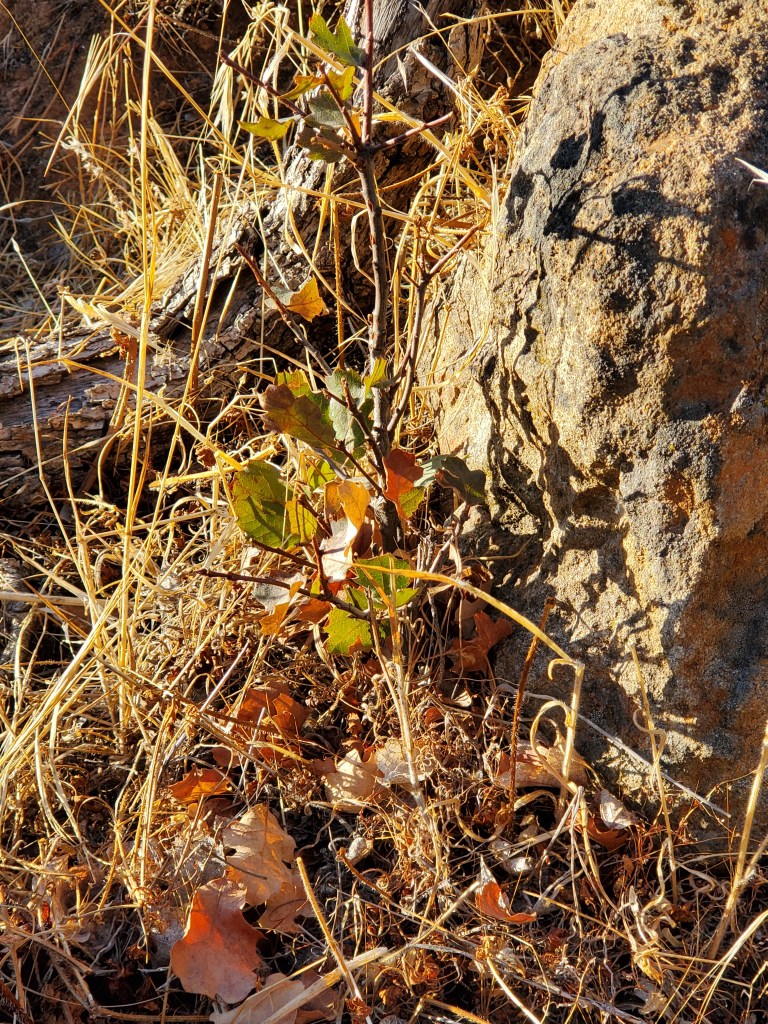
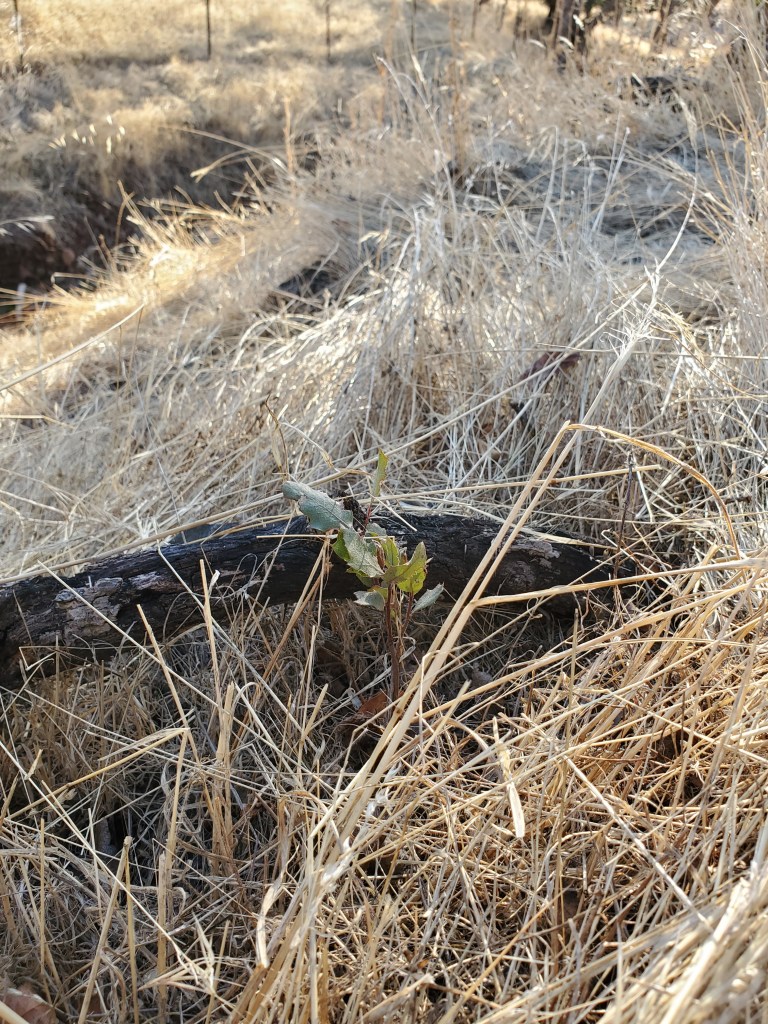
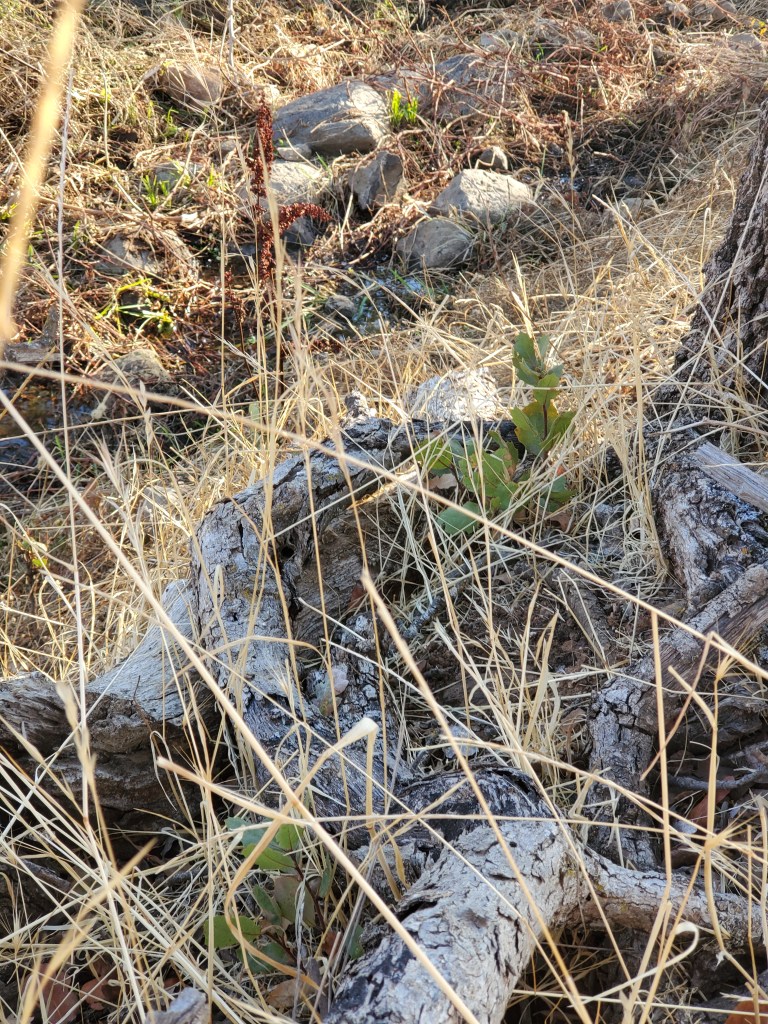
While in this section of the ranch, I also checked on the Spring Creek. I opened the gate after a year to the riparian exclusion area to let the cattle graze. The flowers were almost gone, and there was plenty of feed to distract the cows from the oak seedlings. The cockle burrs and thistle were high, grass abounded, and the creek filled with water plants. After just a week with the gate open and only a few pairs (cow calve pairs), the area was grazed well with the thistle and cockle burr stands knocked down. The creek was opened up, and water was more exposed. The oak seedlings were all doing well and brush piles still standing. This is range management – timing grazing where it will do good for both cows and the ecosystem.
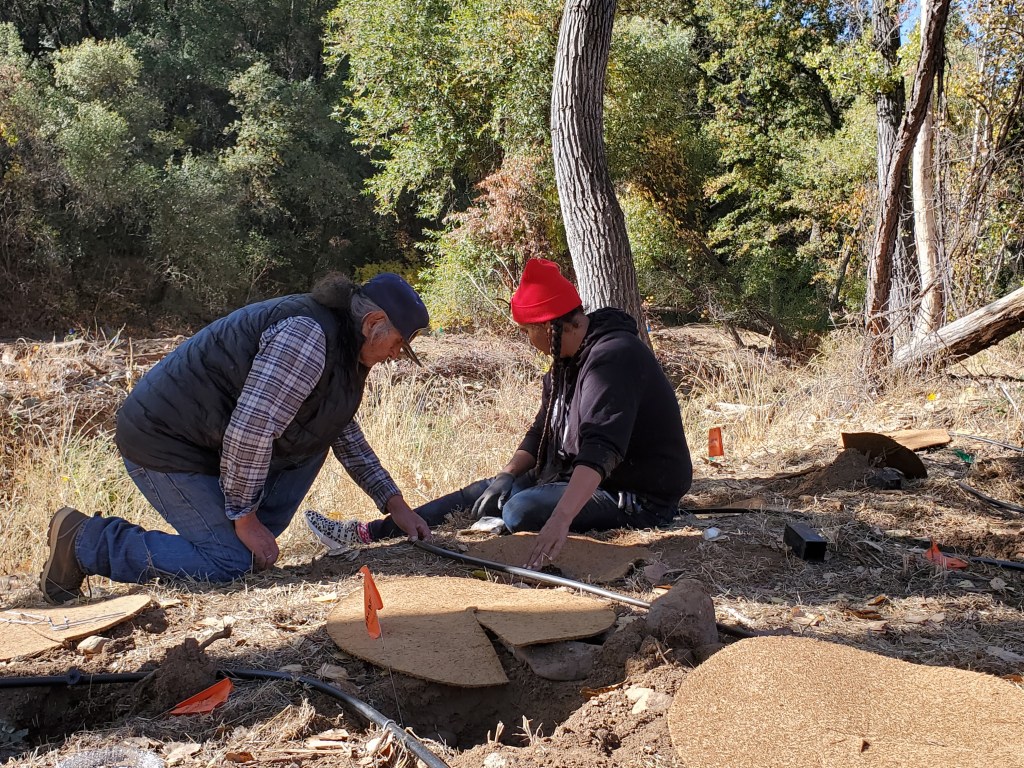
Working in Reciprocity

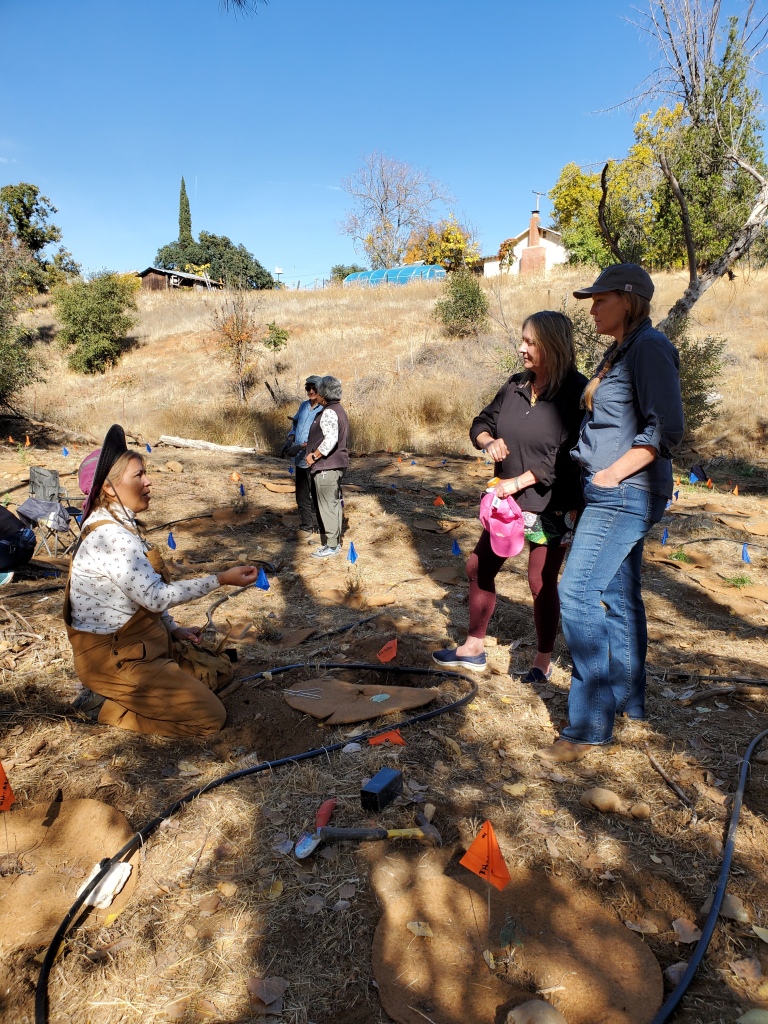
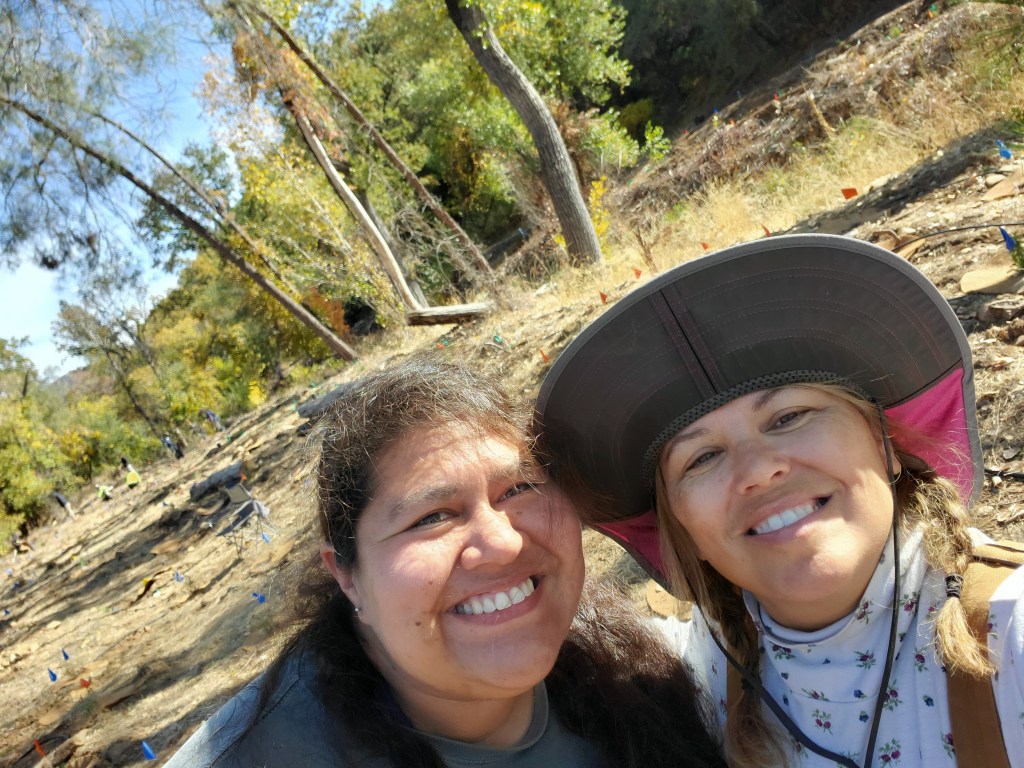
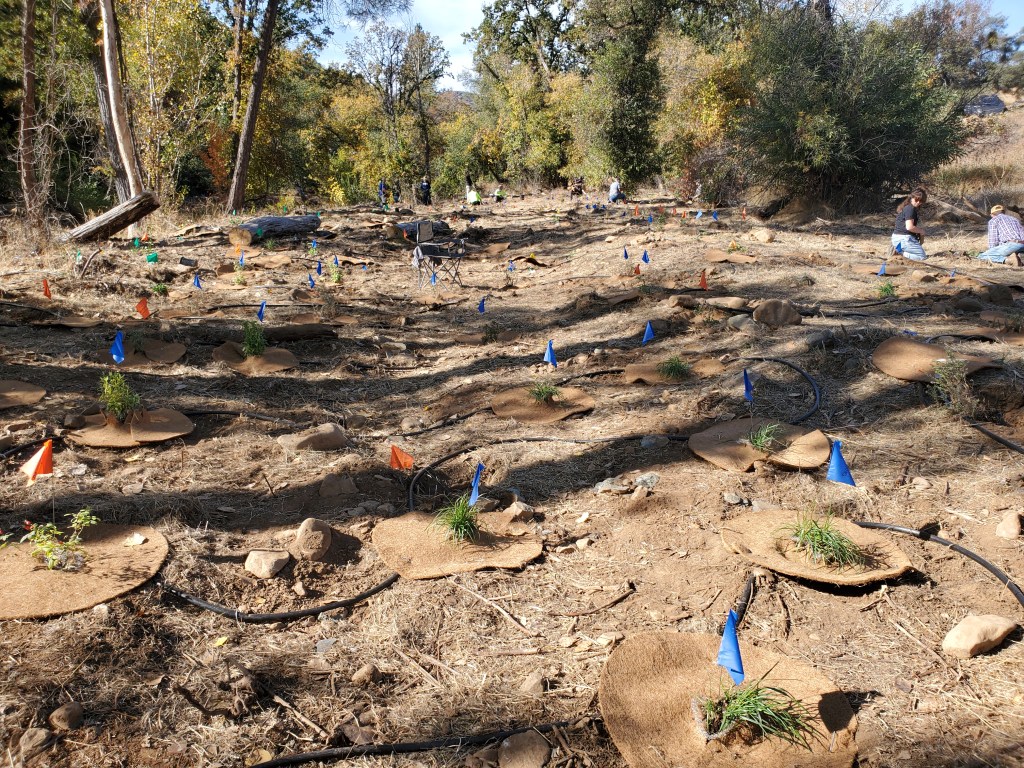
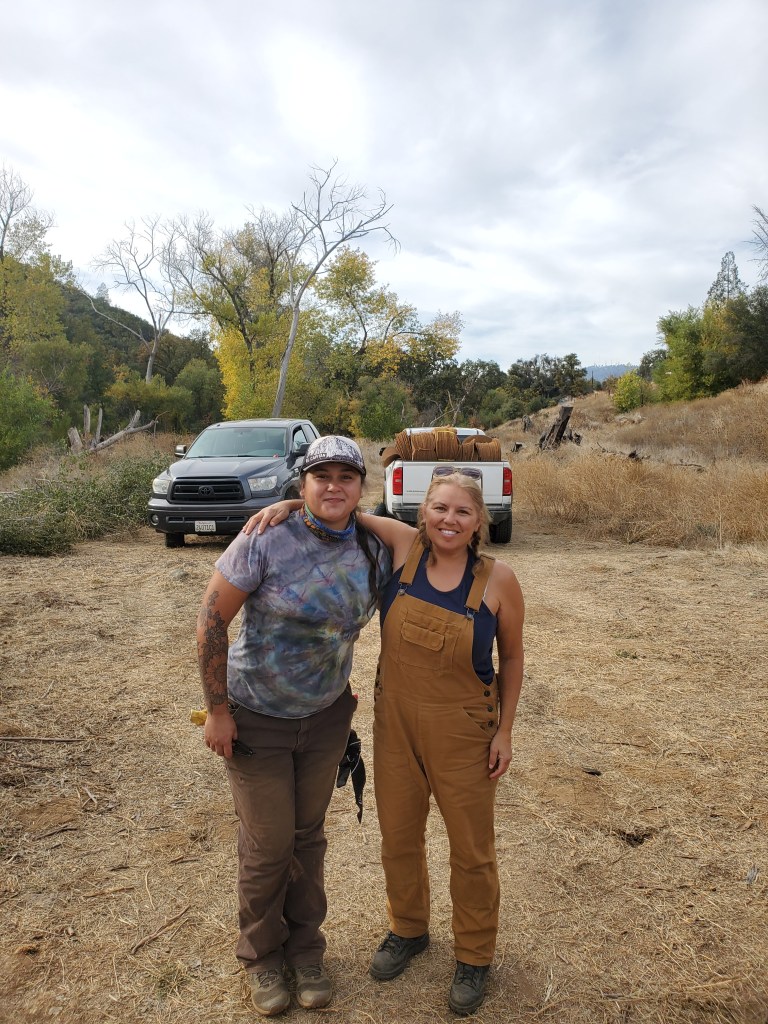
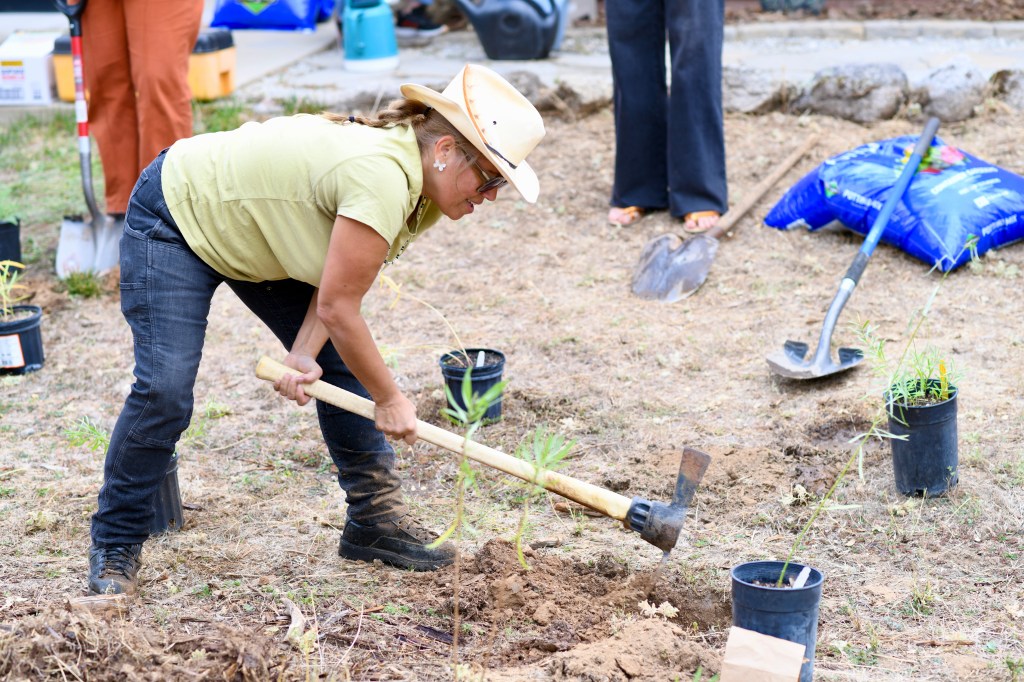
In addition to work on the ranch, I have had other opportunities to expand habitat. The Southern Sierra Miwuk Nation (SSMN) has a wonderful project in partnership with Sierra Foothill Conservancy and the Mariposa Arts Council to restore a large segment of Mariposa Creek in downtown Mariposa. It is a gorgeous section of creek front that had trash and an overgrowth of invasive plants, like Himalayan blackberry. They have cleaned up the property with fire and litter removal to prepare the site for adding back native plants. I appreciate all the work SSMN is doing to be good stewards in keeping with their values, and the opportunity it provides me to give back. This past week was the planting, and I was so excited to participate. Being in community with so many good people and friends is healing. I even got to work with Shana Saucido the Tribe’s new Pollinator Program Coordinator.

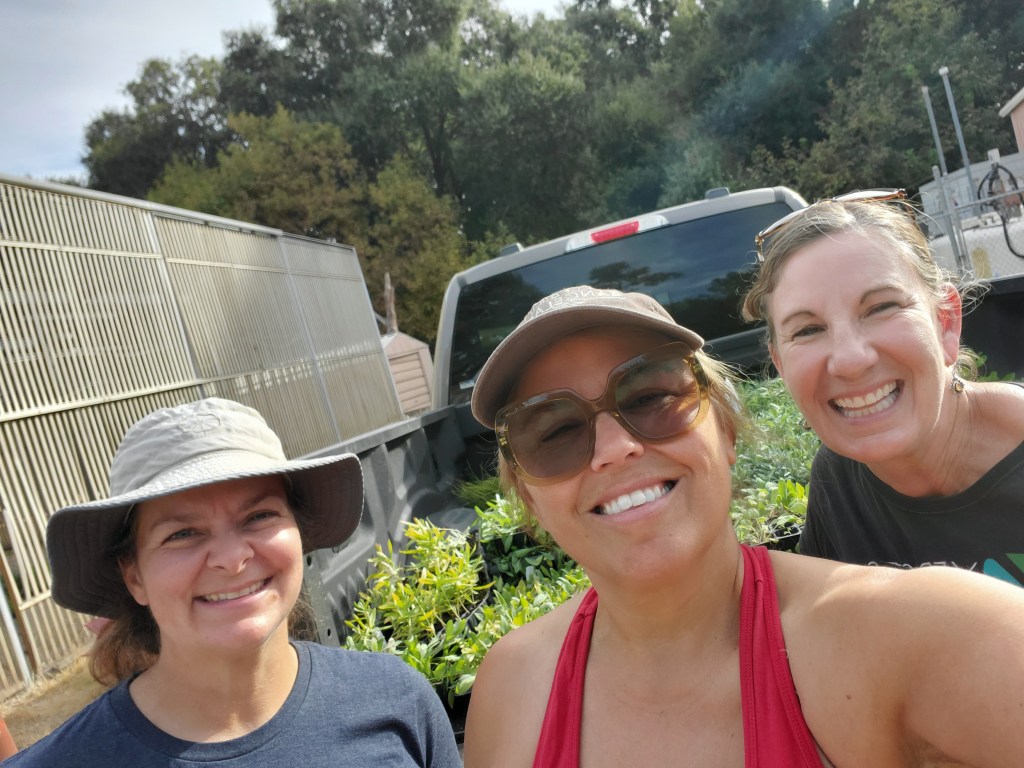
I picked up the SSMN’s Xerces habitat kits in Lockeford the other week. I was able to fit all of them in my truck (Whew!). Now Shana has about 1,000 plants to get into the ground! Thanks to Andrew Gliken of Raw Roots Farms for picking up all the hedge row kits the day before. All of it would not have fit without his help!

I also had the honor of being asked to teach at the Oka Uuchum – Ancestral Teachings gathering on native plants and pollinators. I partnered with Deedee Soto from Xerces and Kristie Martin, one of the previous Pollinator Program Coordinators, to provide an hour and a half walk, learn and plant circle. We had one of the largest turnouts of the gathering, and, in reciprocity with the land that was hosting us, we planted a pollinator garden. As I began my portion of the talk, a monarch flew through the crowd. I am not making this up. I almost began to cry and quickly had to compose myself. I said “Amand te tevote base’eboli weweria! Chiokoe uttesia (Acknowledging you butterfly relative. Thank you.)”. We do this work for all relatives, especially the children and the wild creatures. The monarch came through to remind us of its beauty, its importance, its magic – and it is worth fighting for. Keep building habitat y’all!

Gratitudes

The last few weeks have been rough. Everything came to a head. Major projects for work, the ranch and volunteering were all due around the same time, plus life changes in family situations with a cousin, a sister, a parent. On top of all of this, my dear friend Pando passed away. I had been visiting her in her care home since February. I know she was not happy. Almost overnight, she went from alert to dying. It took her almost 4 days to “get her wings” as she would say. As we all know, death is part of the bargain in life. Still, it leaves a hole and moves you to contemplate your own life. What I realized is how happy I am. It is the joy of digging in the dirt, helping the planet in some small way, meeting people with the same love, living in the Sierras, having work with clear and direct purpose, being in love with the person I live with, having people who love me, having animals to care for, and working with people who value my contributions. The media tries to sell you despair, envy, greed, copious consumption; don’t buy it. We each have choices, so choose to make a difference in some small way. Tell someone you love them. Hold hands. Say “yes” to that friend or family member you’ve been rescheduling. Rescue and care for an animal. Plant milkweed and watch it grow.