Rain and Gophers Impact Milkweed. Wildflowers. Education. Bumbles. 99th Post -WHAT?!

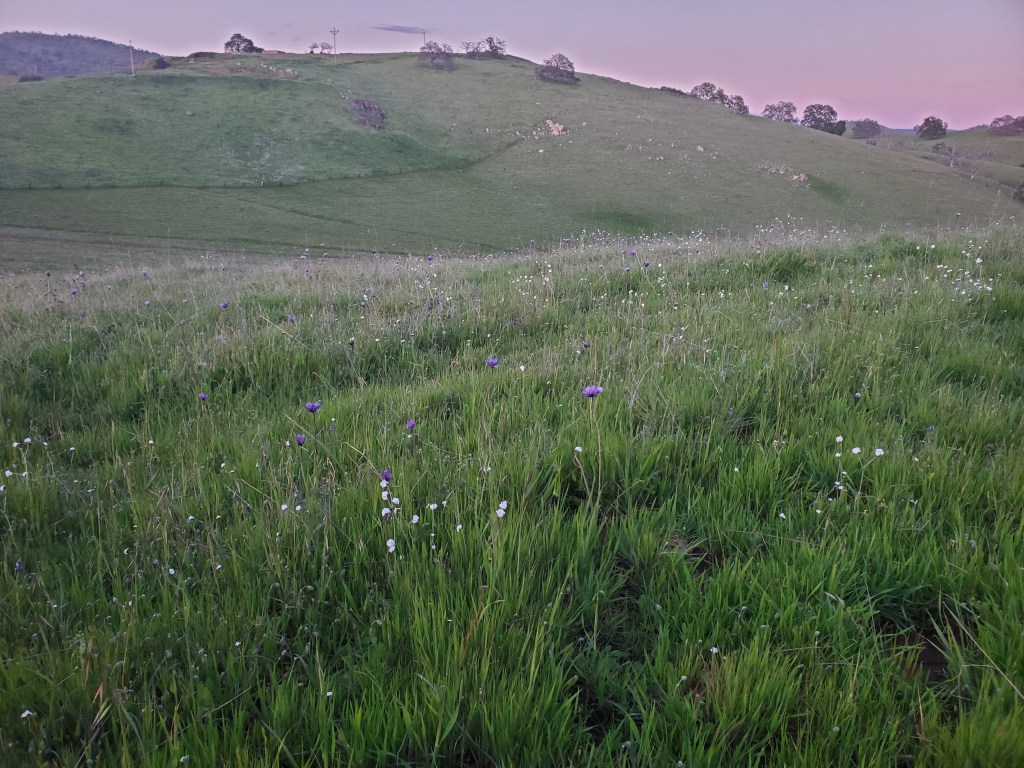
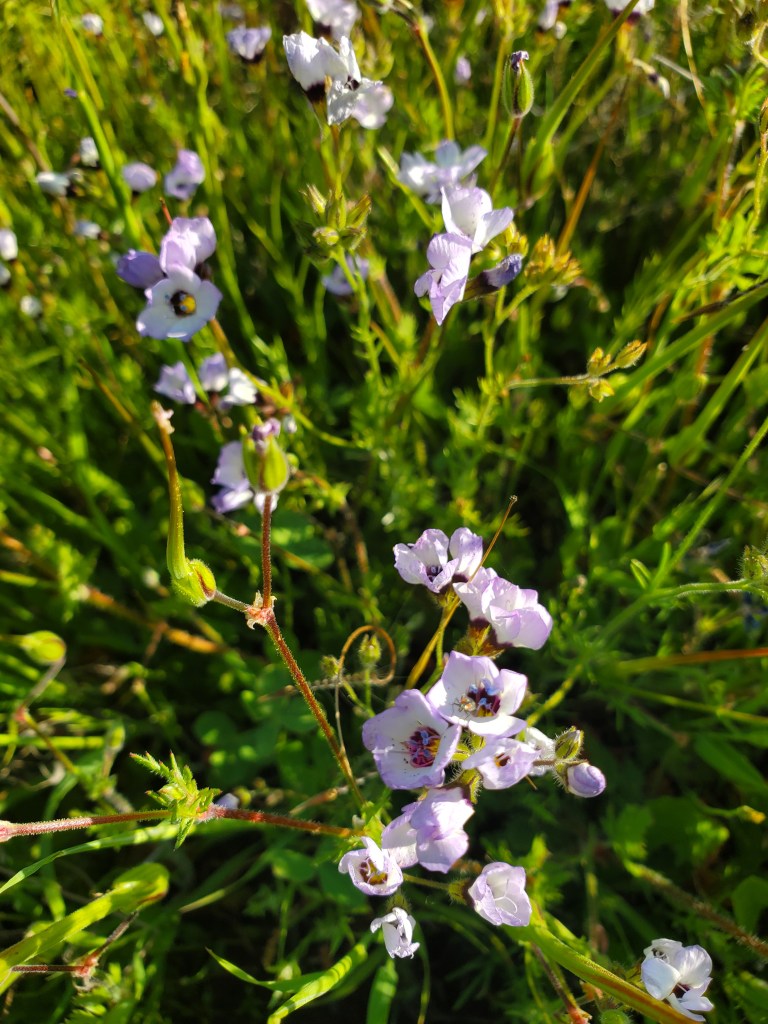
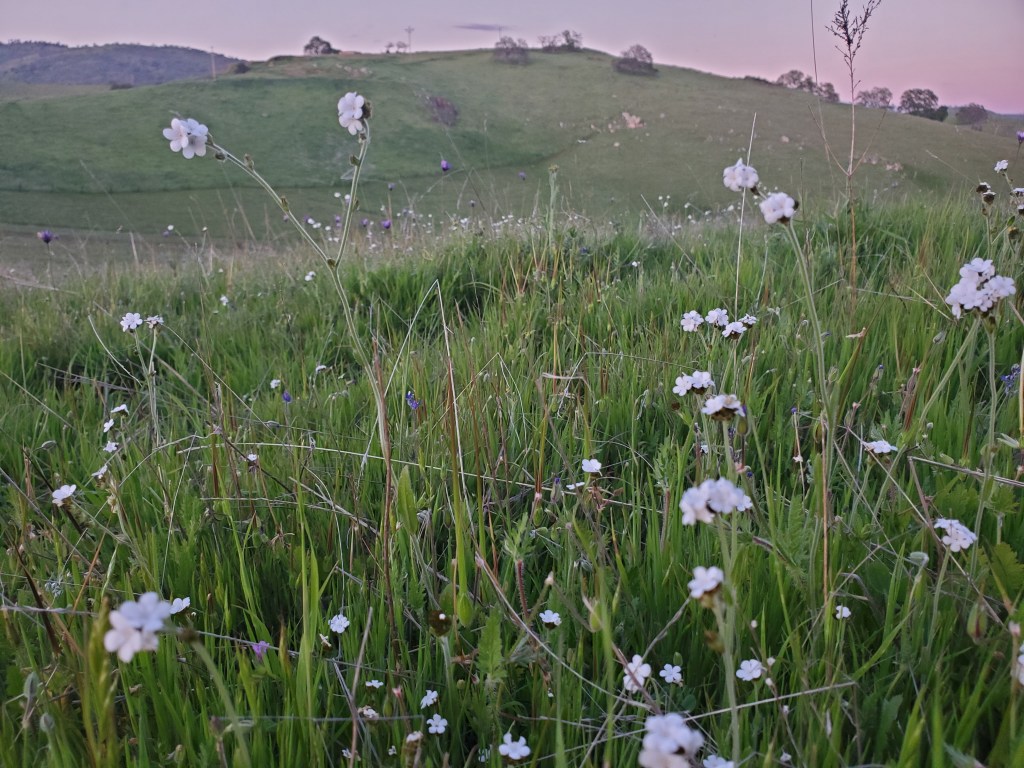
Popcorn flower in foreground with a kaleidoscope of color beyond

The smell of nectar – that is how I started my previous blog post. It is 10 times as intense now. As I walk, I breath deep, then deeper. I want my all the tissues in my body to remember the scent and oily feel of this sensory gift the plants are giving. They get something too of course – pollination, genetic distribution, a chance to live again next year through their progeny. A life well-lived, whether insect, flower, or mammal, is a life of reciprocity.

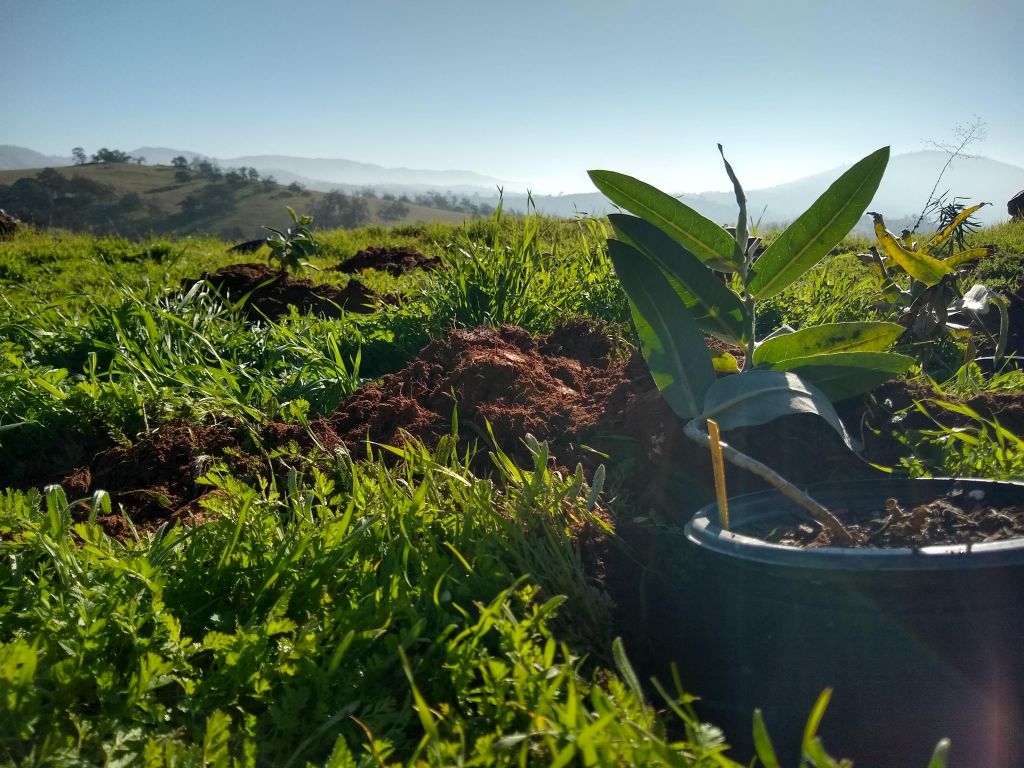
Almost daily I make my way up the steep hills to check on the California Milkweed. It has been raining, and I want to see how everything is impacted. I am not entirely sure why, maybe curiosity, for there is very little I can do to help them. Their lives are in nature’s interconnected tendrils, a thatch of inter-dependencies, of which I am just one piece – with agency – but not as effective as I would like.

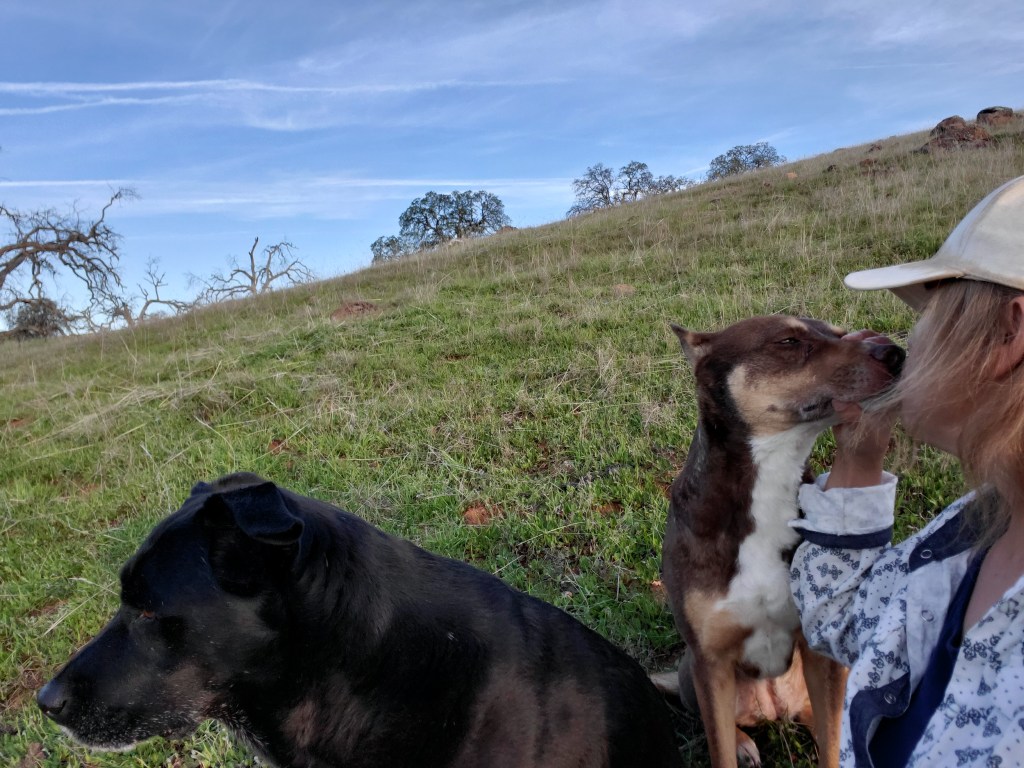
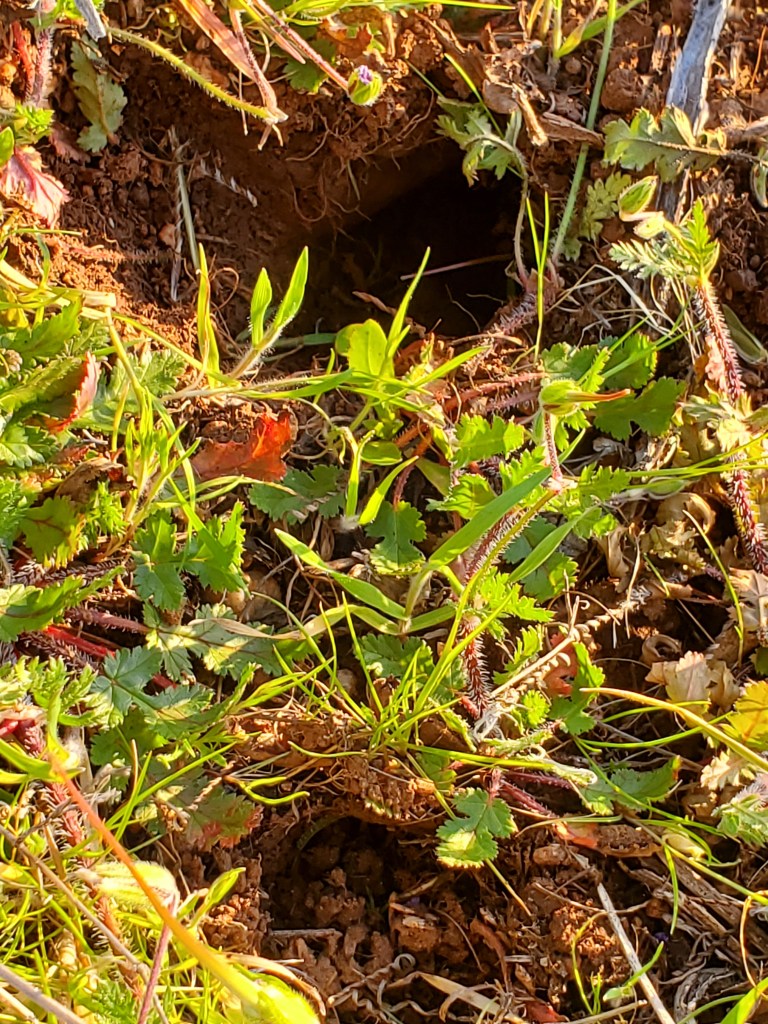
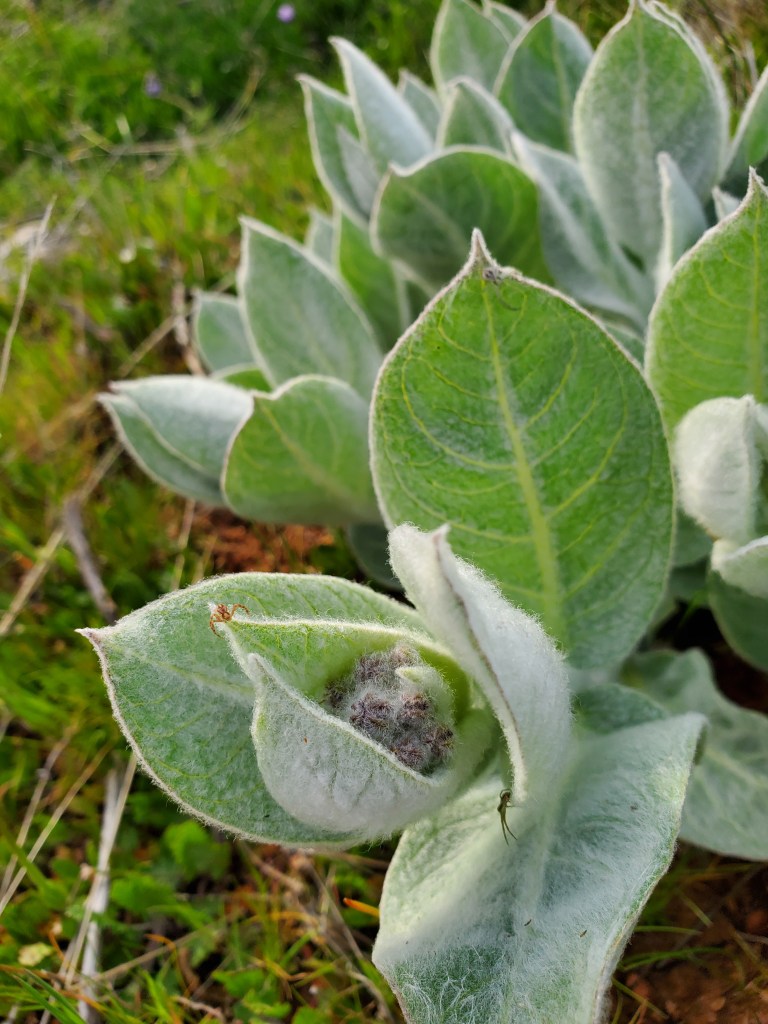
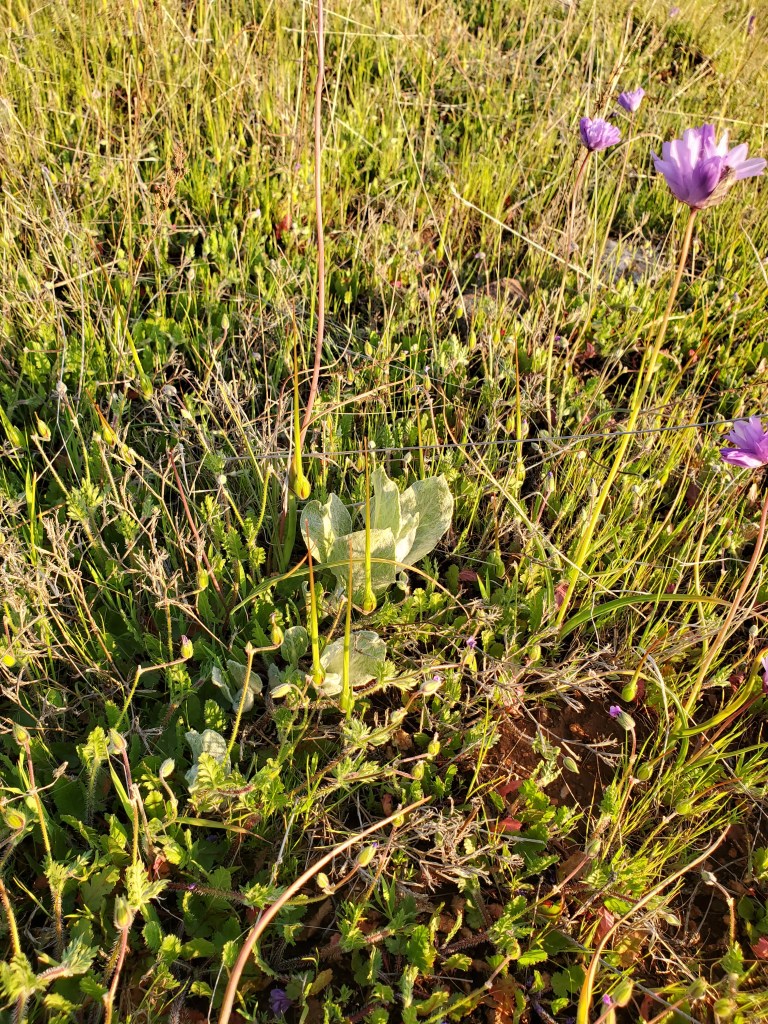
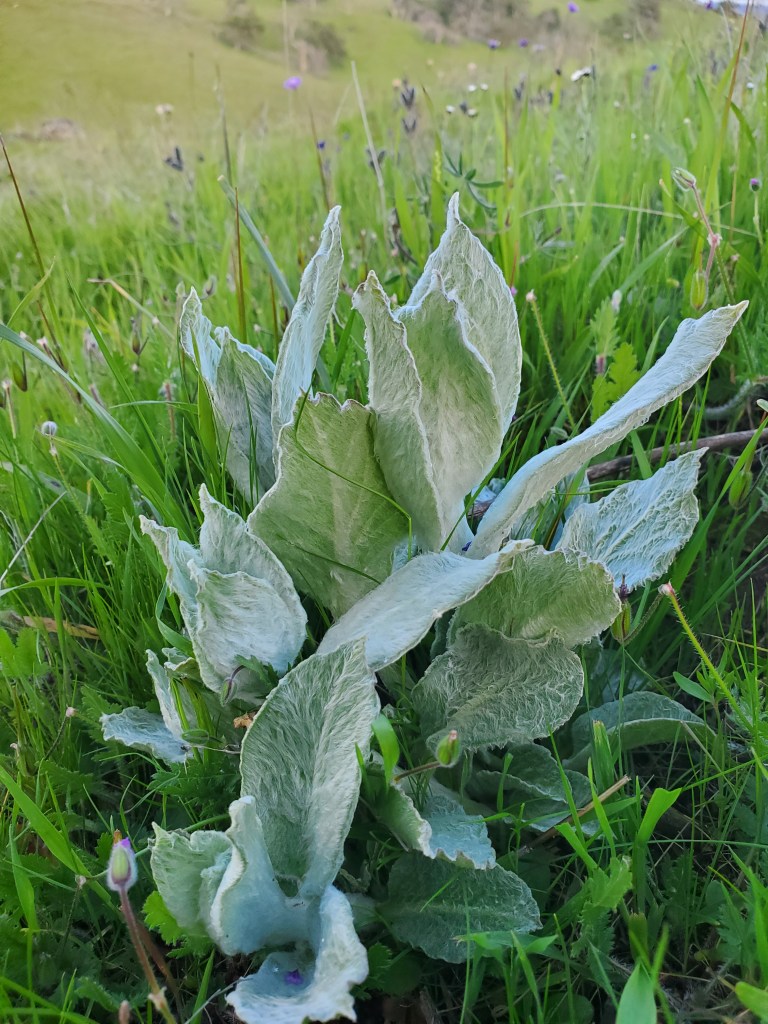
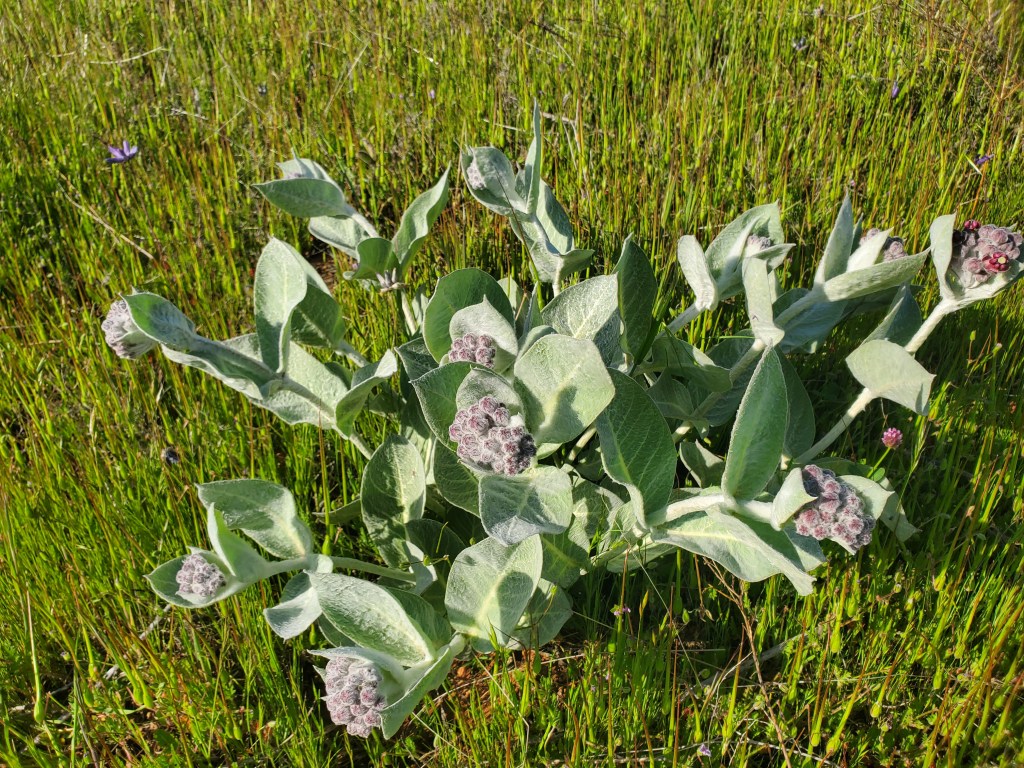
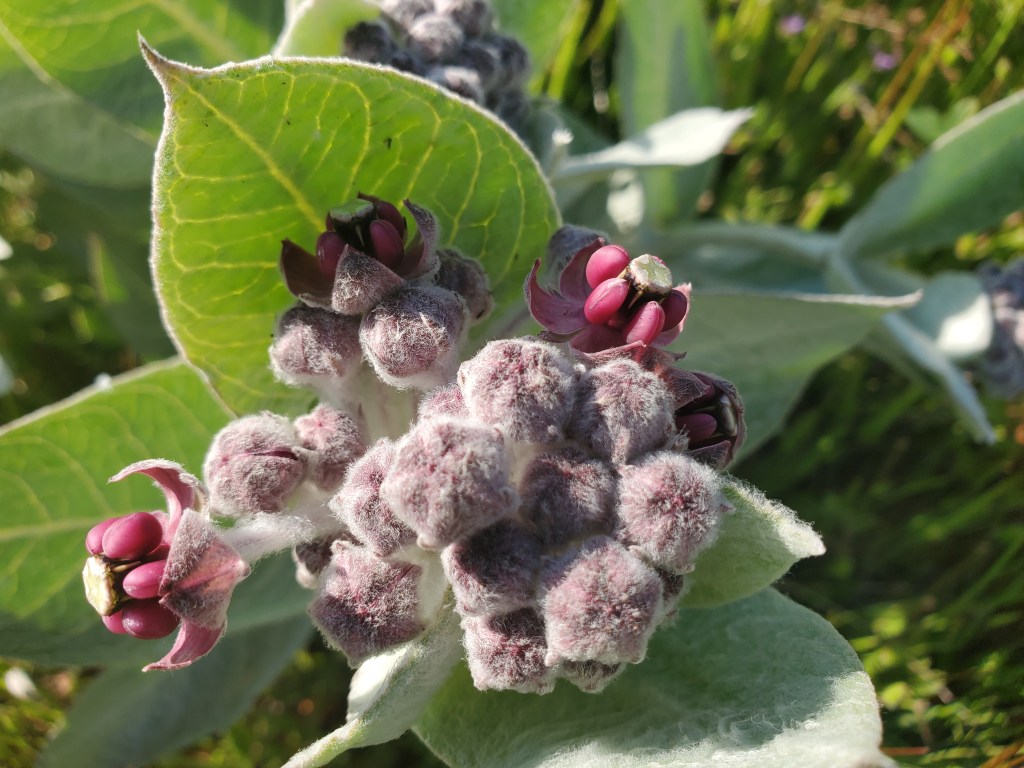
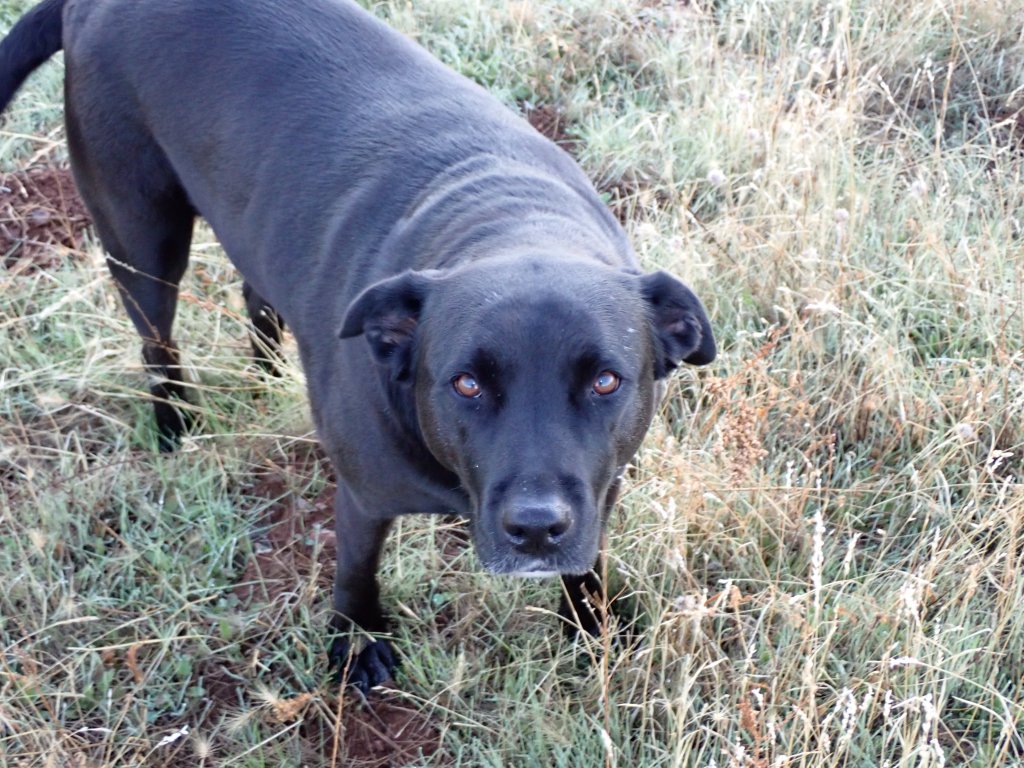
Breathing deep (and labored from the grade), I finally get to my destination, the large community of plants. There are four things that become immediately clear: 1. something has been here before me. The dogs are sniffing tightly around the milkweed. I get nervous. 2. The leaves look a bit rough from moisture, the delicate, velvet-like fuzz drooped just a little, a dusting of white mildew on the body. 3. Flowers are already beginning to bud. It seems early, but what I have learned over the years is that the CA Milkweeds are truth-tellers, future-readers. I imagine them with their crystal balls beckoning me to sit nearby and listen to a reading of the future. The future they are predicting is a spring done early and longer summer. After all, we only had five days of real winter here – only 5 days the ground frosted over. 4. After my typical count, I finally see it. Plants are missing. I move around the space counting again. There were 10 of 17 at site one. Seven of 11 at site two. One of 1 at site three, and 1 of 2 at site four. There were 10 plants here the other day. I am missing two, no three plants, and I see that there is a new one that has emerged – so technically, there should now be 11. The cows were up there just a week before, but there is no sign of browsing, no trail of pulled stems and leaves remaining from an ill-conceived tasting of a bitter, toxic treat. It doesn’t make sense anyway. With all the thick, delicious, moisture-rich grass, there is no compulsion to try something that smells of bitterness. Among the missing is one of the largest, oldest plants. I get on my hands and knees to look closer. I see a hole. The gophers got them. What kind of gophers are these? They like the thick, bitter milk of the milkweed, the dense poison of the root? Before my heart sinks, I see one small leave still there. It’s adjacent leaf is bit off at the stem, but nonetheless one leaf and stem has survived.
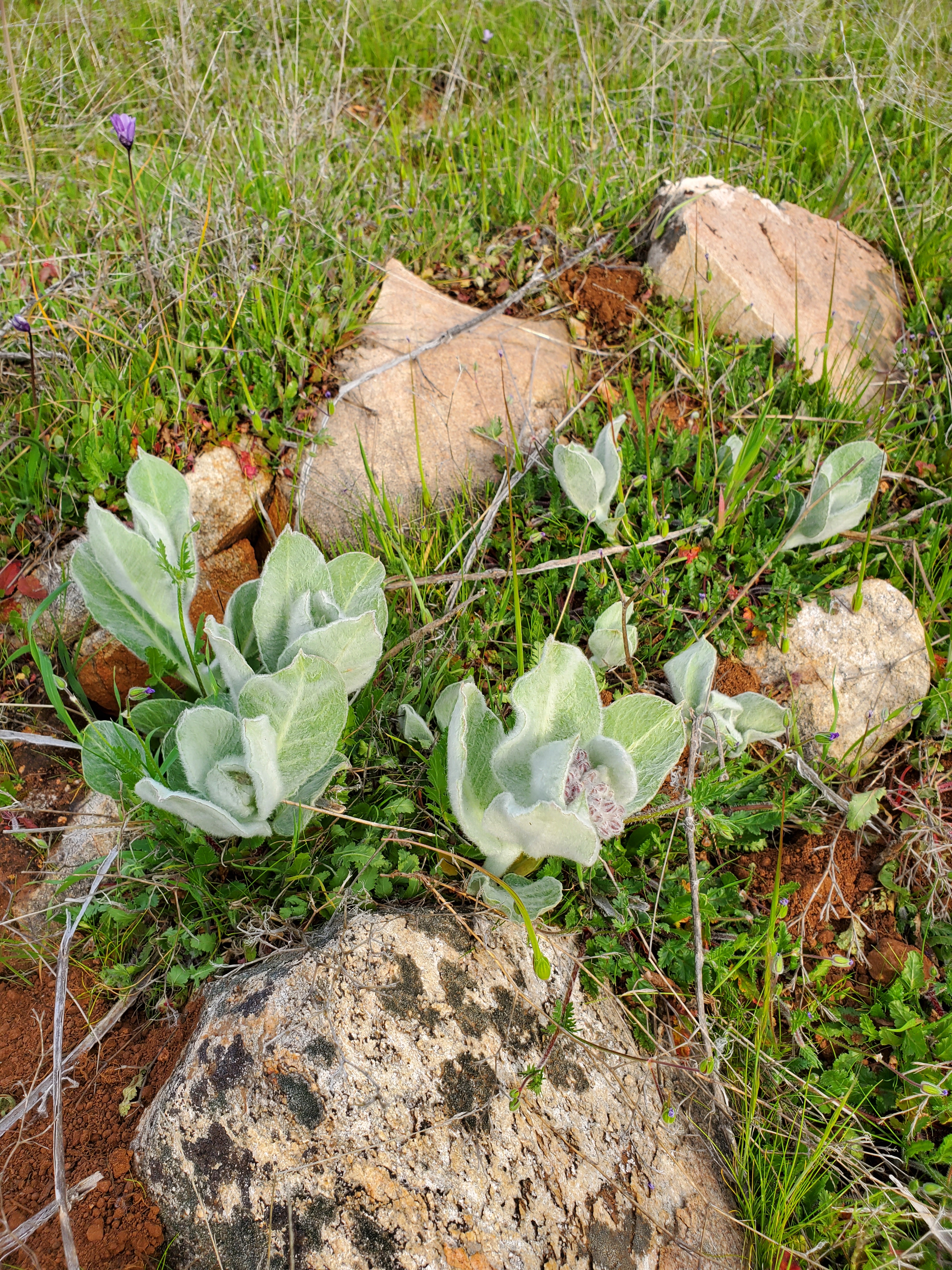
From vibrant to almost gone

One thing I have learned is that these plants are resilient and fast growers when the conditions are right. There are two large mature plants that can be egg-laying sites for monarchs. Remember, monarchs are choosy. They like to lay eggs on plants that are more mature, so there is sufficient food for their brood. There are others still emerged and growing. The rain and cool temps have slowed them, but it has also slowed the migration of the monarchs. It has given special time for the crotch bumble bee to make a meal of the emerging flowers before more hungry competition arrives. Then, the other plants, impacted but not dead will bloom and sprout, replacing the leaves and stems of the earlier sprouted mature plants after they are eaten by ravenous caterpillars. There is a wonderful balance to everything, and I have, we all have, our roles.

Education

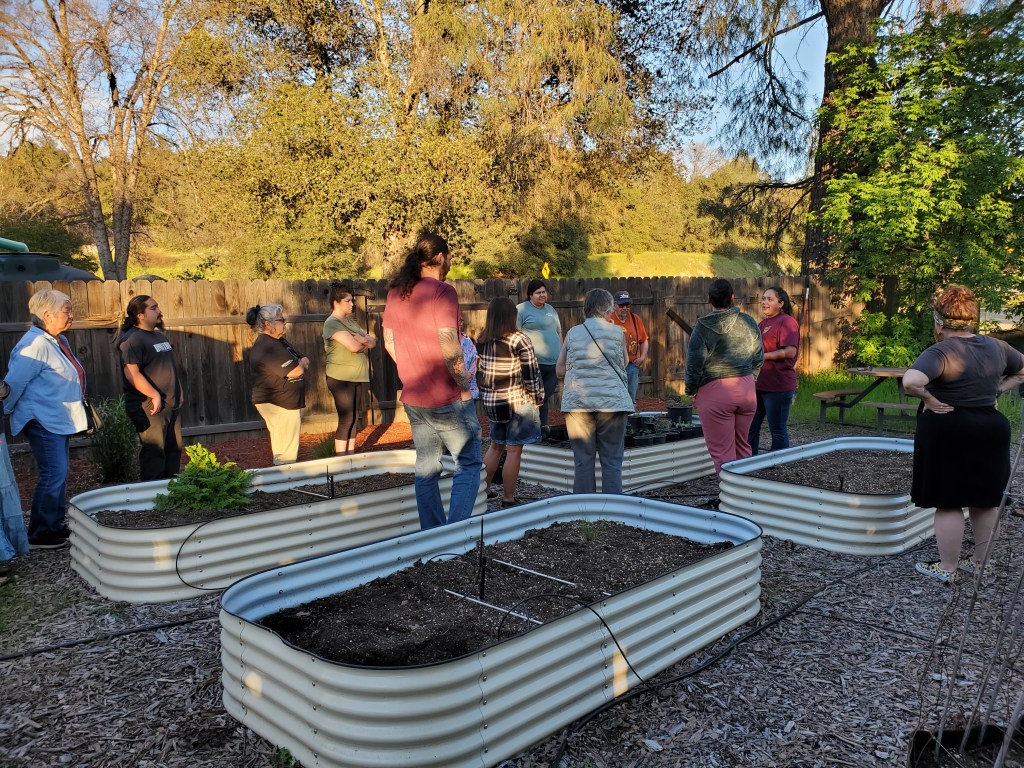
Giving and receiving is how balance is created. You learn. You try. You teach what you learn from trying. I have shared how remarkable Shana, the Southern Sierra Miwuk Nation Pollinator Program Coordinator, is. She has a natural affinity and relationship with plants. The tribe has been doing a great job of offering cultural education classes for tribal members and other Indigenous residents. A couple weeks ago, Shana was a presenter on plant propagation at an Indigenous botany class. She presented with Jeanette Acosta who discussed the uses of pine. It was an outstanding program. Shana and Jeanette did a great job, and I learned so much. It is wonderful to see her learning and teaching.

A group of us also attended a workshop at UC Davis on traditional tule stewardship and its relation with limiting bug-borne diseases. It was fascinating. The presenters were Diana Almendariz, Maidu-Wintun natural and cultural history expert, and Geoffrey M. Attardo PhD, professor at UC Davis. It was one of the best presentations I have ever been to – a Sunday well-spent!
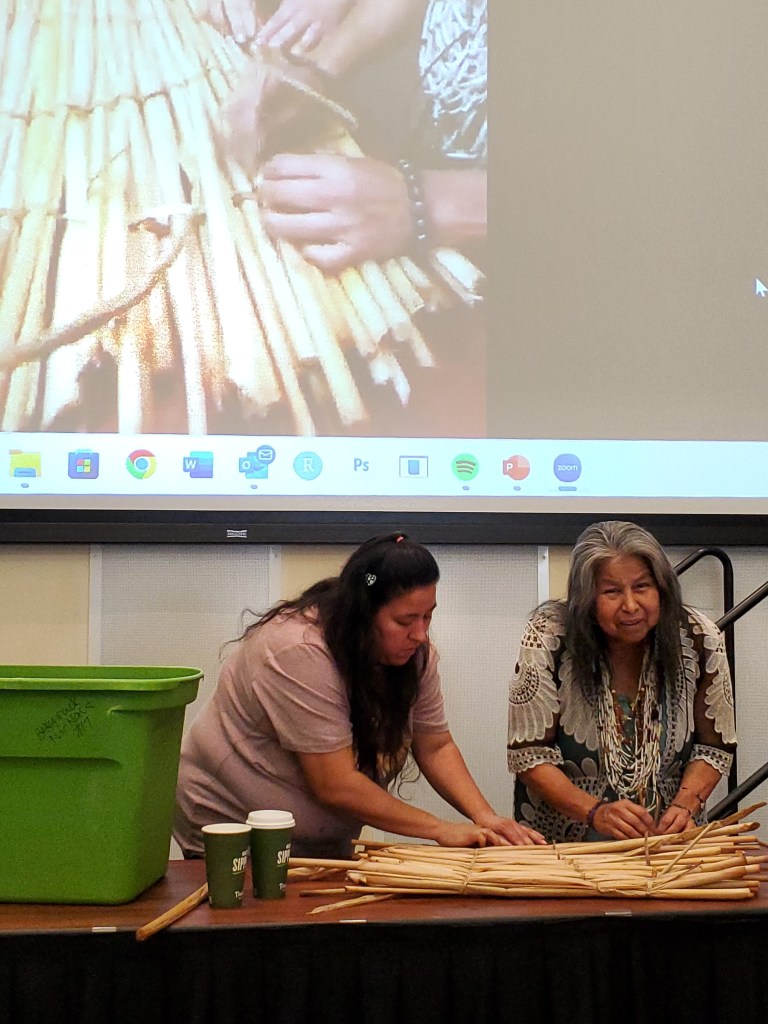
Diana with daughter Christina demonstrating weaving a tule mat. They were incredible!

This month, Shana and I will be attending a tribal pollinator co-management workshop in Santa Fe where we will learn and share. It was a tremendous honor to be invited to contribute and connect. I am looking forward to learning and building a larger network of stewards across the land. I have an additional trip to Santa Fe for a restoration workshop. We will be learning from Santa Rosa Pueblo people and others about their stewardship work and learning through helping.

Frogs, Toads, Birds, Bumbles and Butterflies

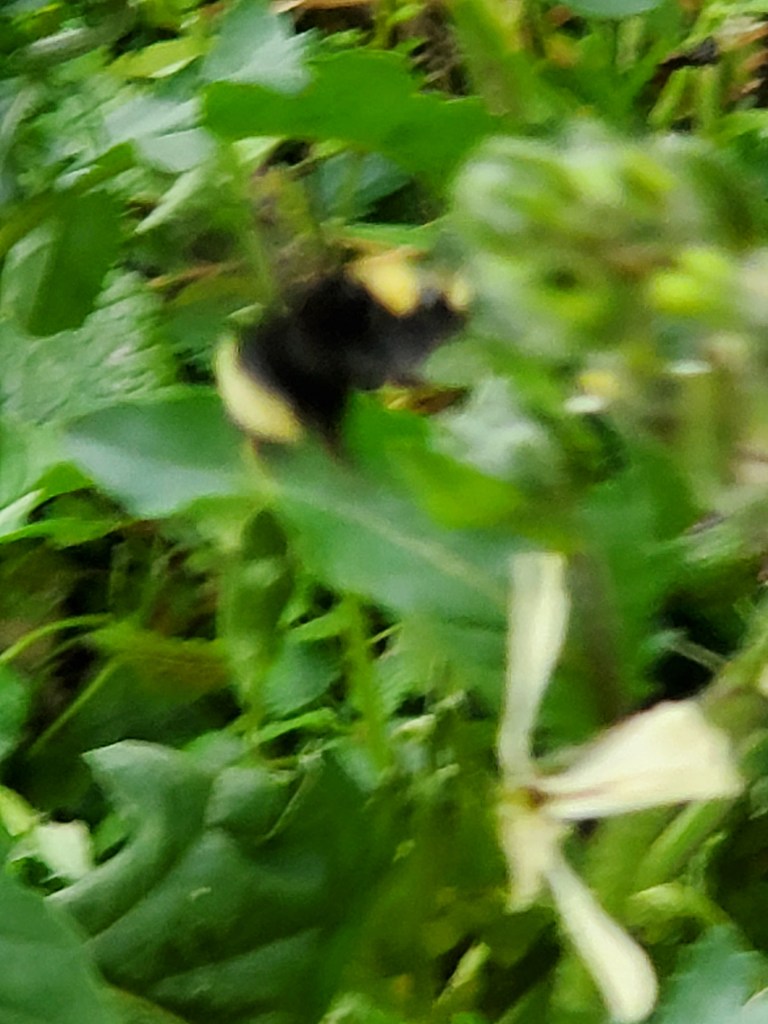
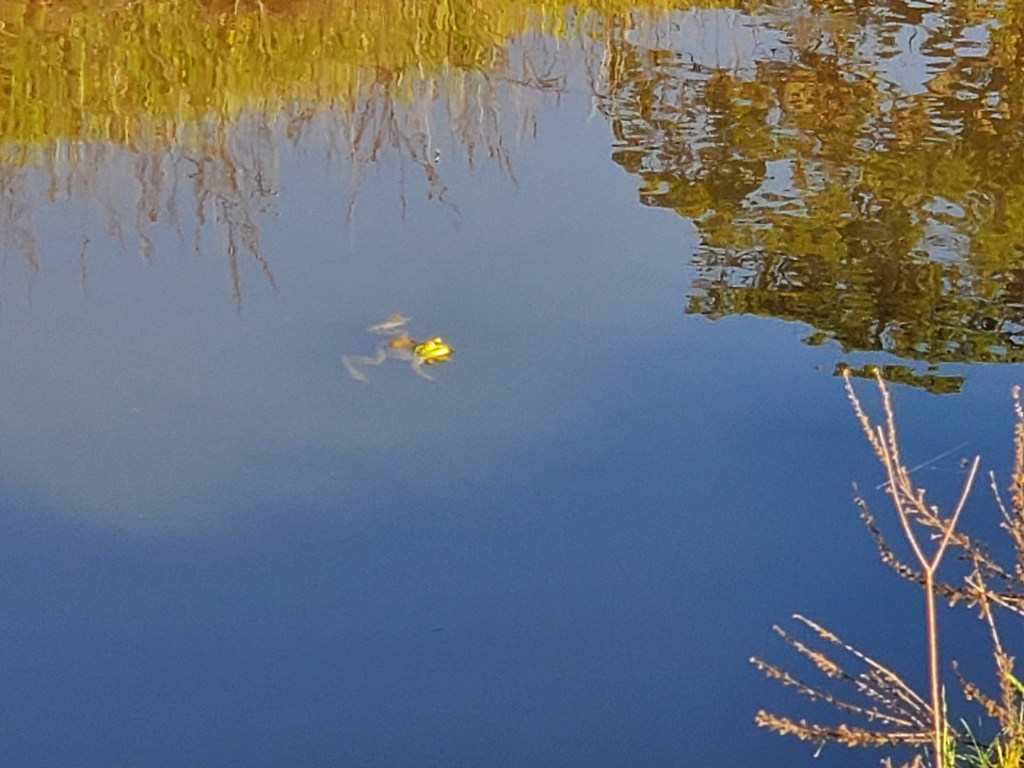
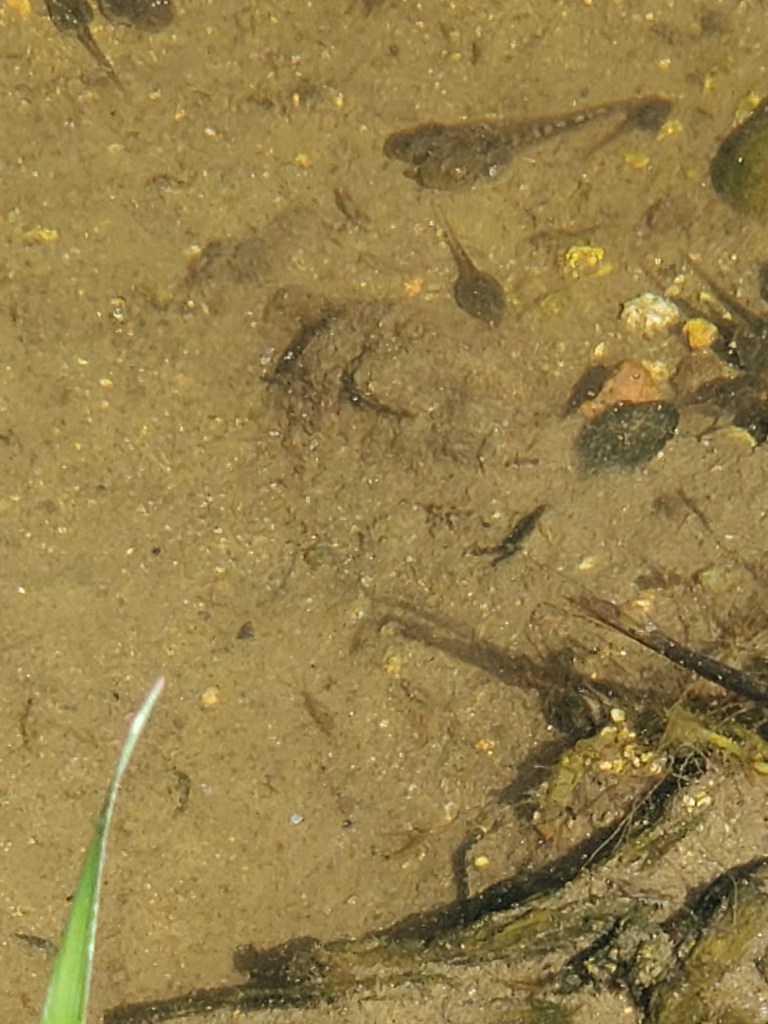
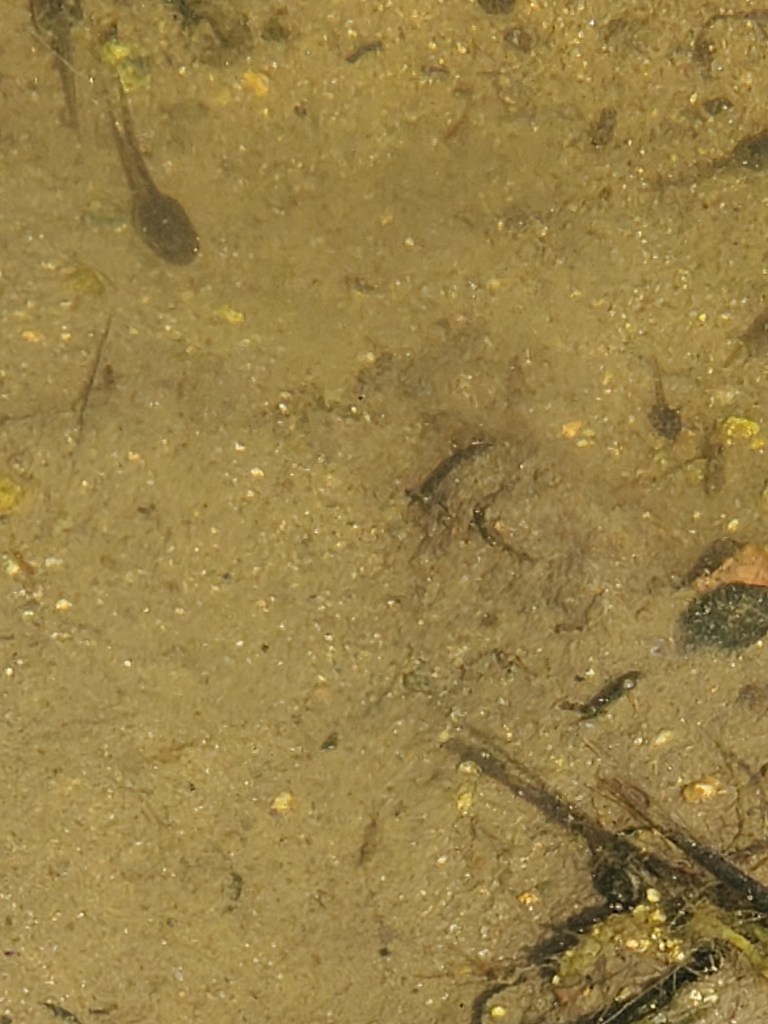
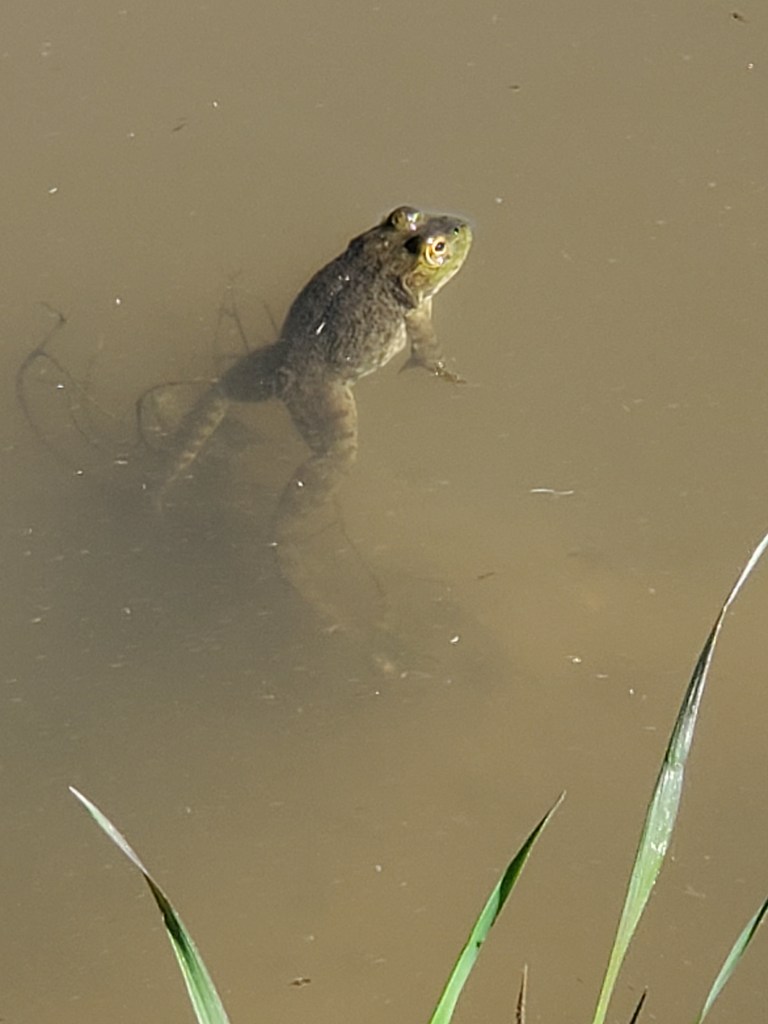
There is so much wildlife. The small brownish-white butterflies are all over the wildflowers. I saw the first painted lady, a pair actually, yesterday. There are more large bumble bees around than I have seen in over a decade. They are flying from flower to flower and then directly at me, sending me the message that I need to leave their food zone. I try to get a photo before I heed their wishes, but they are moving too fast. I leave and go back to my office to work. The songs of hundreds of birds blend beautifully each day outside my office window. Adding to their chorus are the chirps of frogs, toads and grasshoppers. The music is joyful. Chiokoe uttesiavu weweriam (Thank you relatives)!
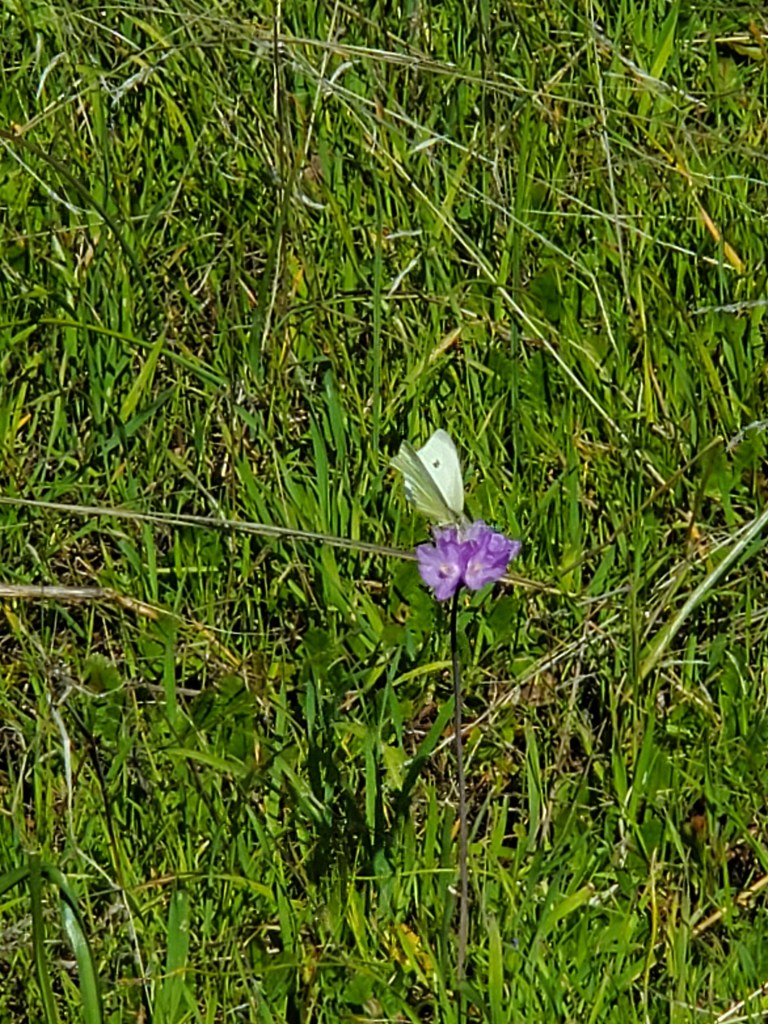
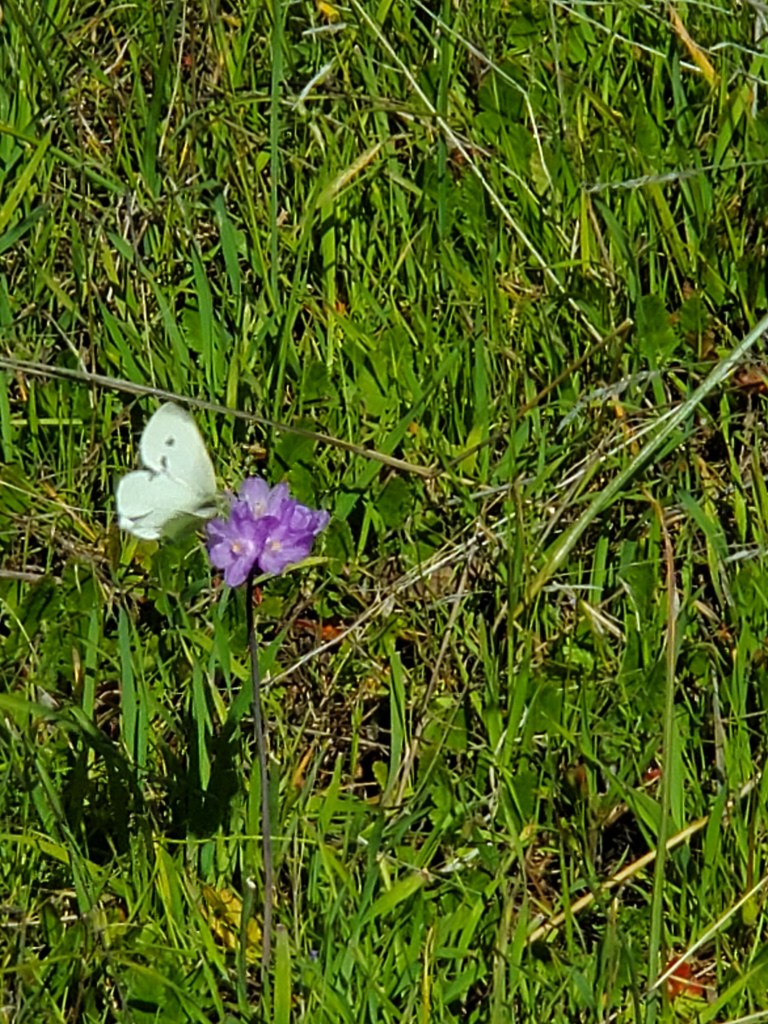
Wildflowers Abound
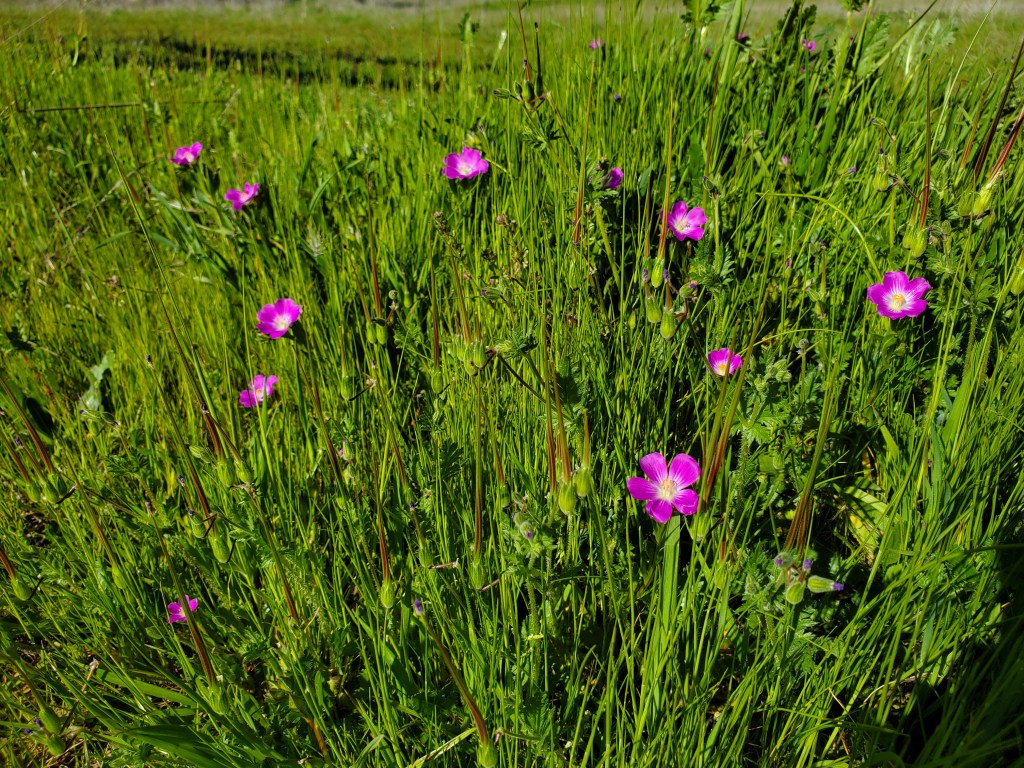
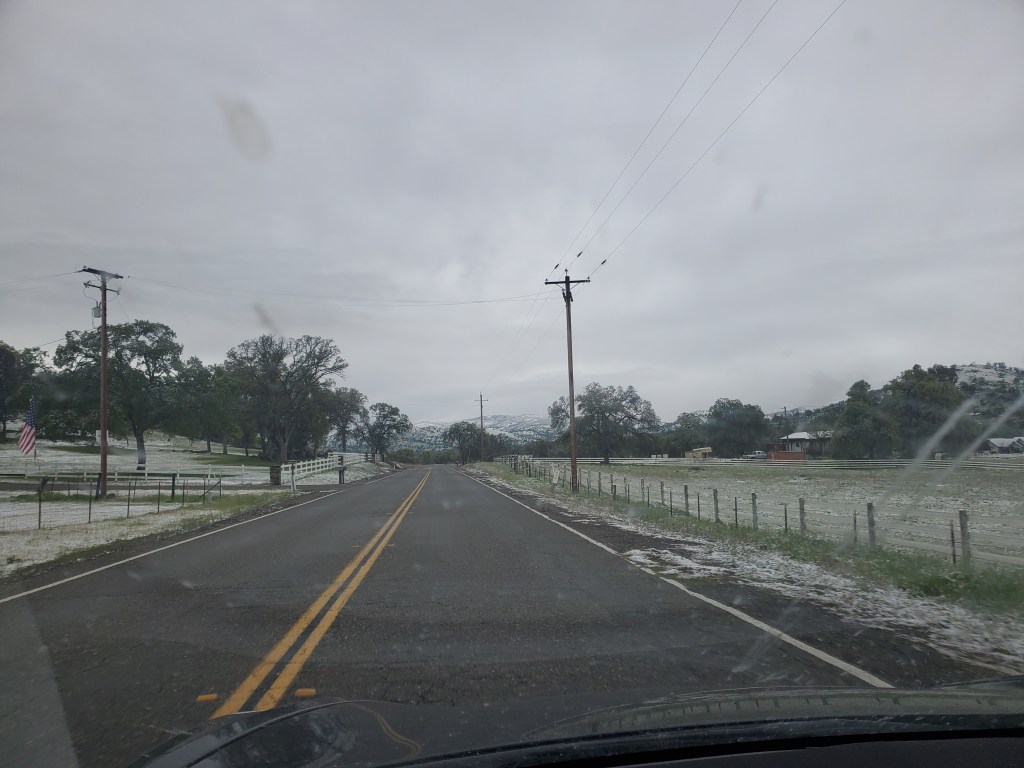
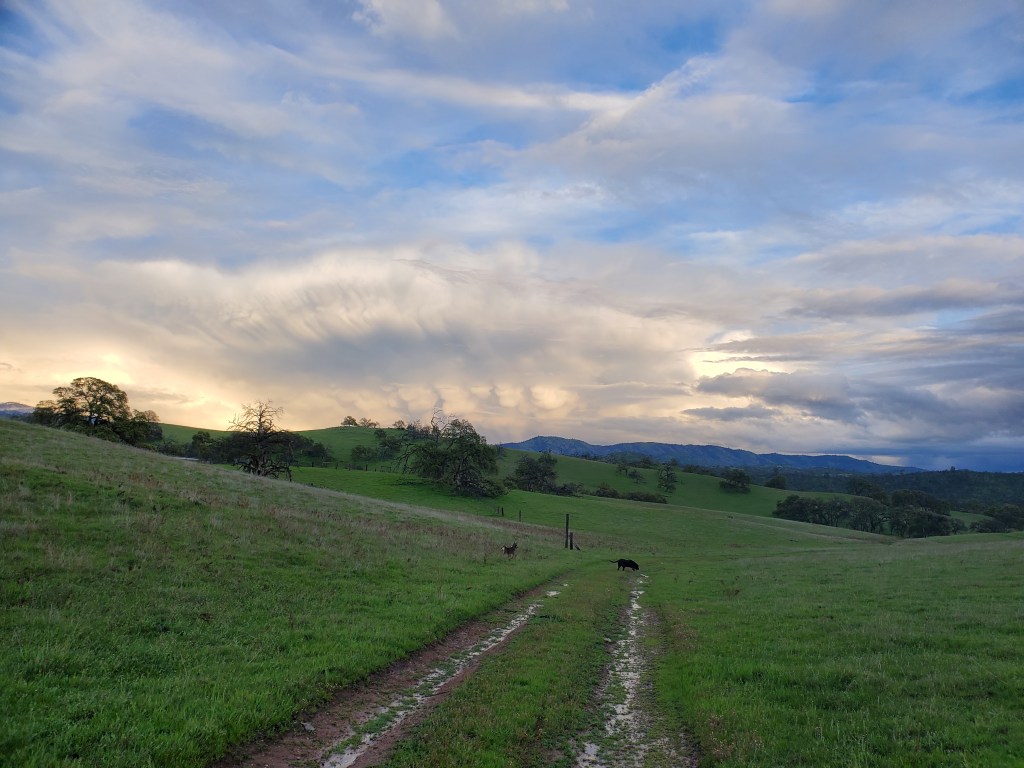
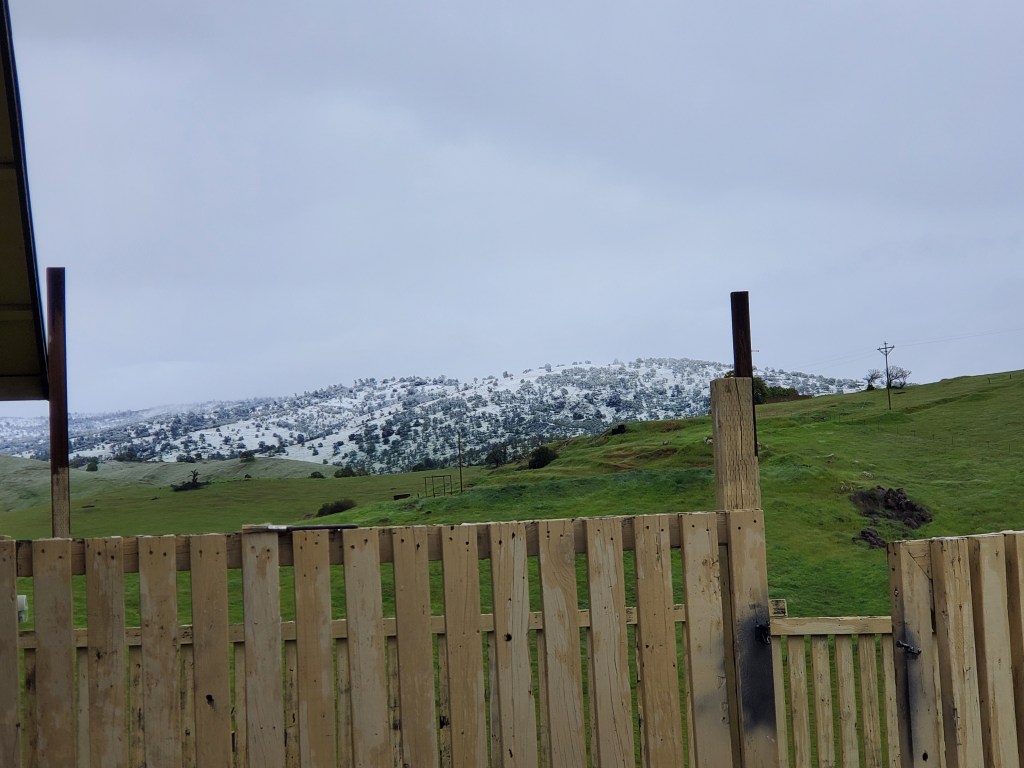
These flowers are a lifeline for so many creatures. They are only possible because of water. So far, we have had just over 16″ of rain, spread well over the rain year, not in a few big gushers. This is just above average precipitation for Hornitos, and follows an abundant rain year. It has been pleasant to see this “normal” distribution of moisture, growth and blooming. I was concerned the milkweed and other flowers might be damaged by last weeks cold storm. They weren’t. We did not get snow, but the snow was close to our elevation making for beautiful views. I would have loved a snow storm like last year in January or February. Snow helps slow things down and distribute water slowly.

More Oaks Planted

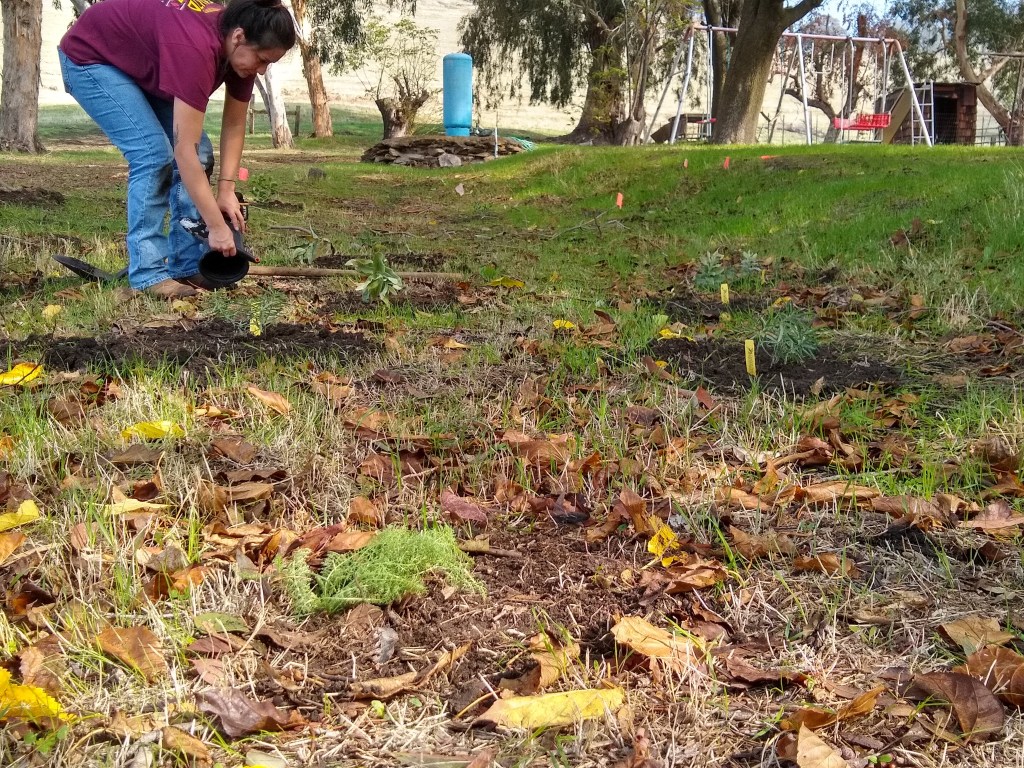
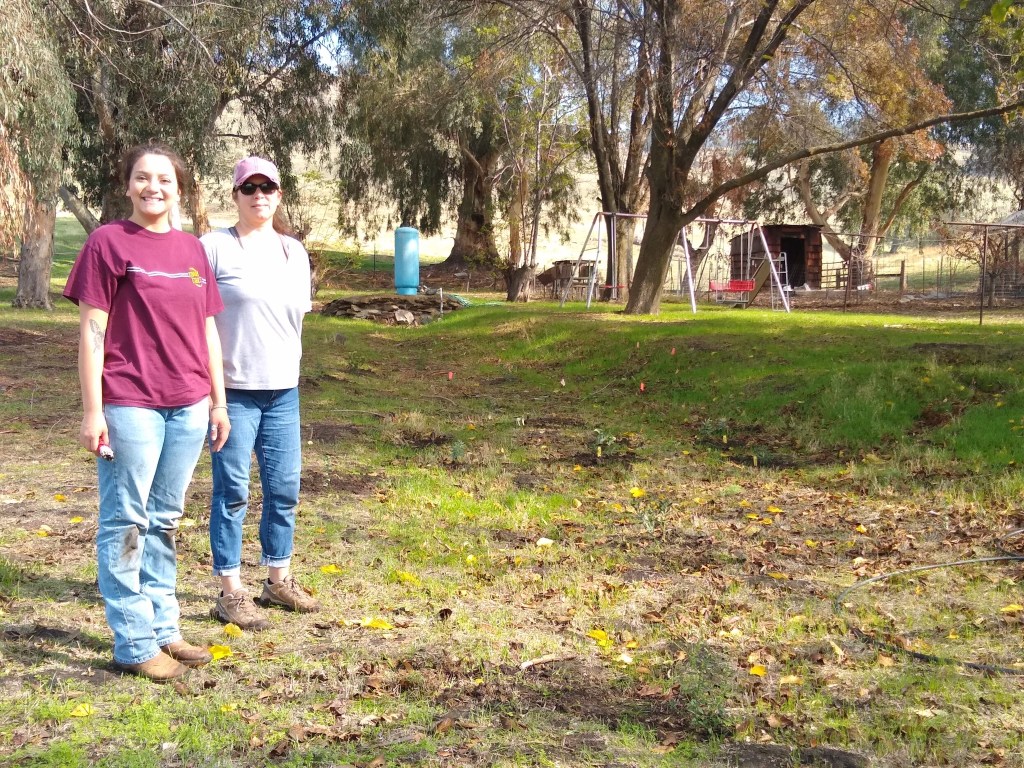
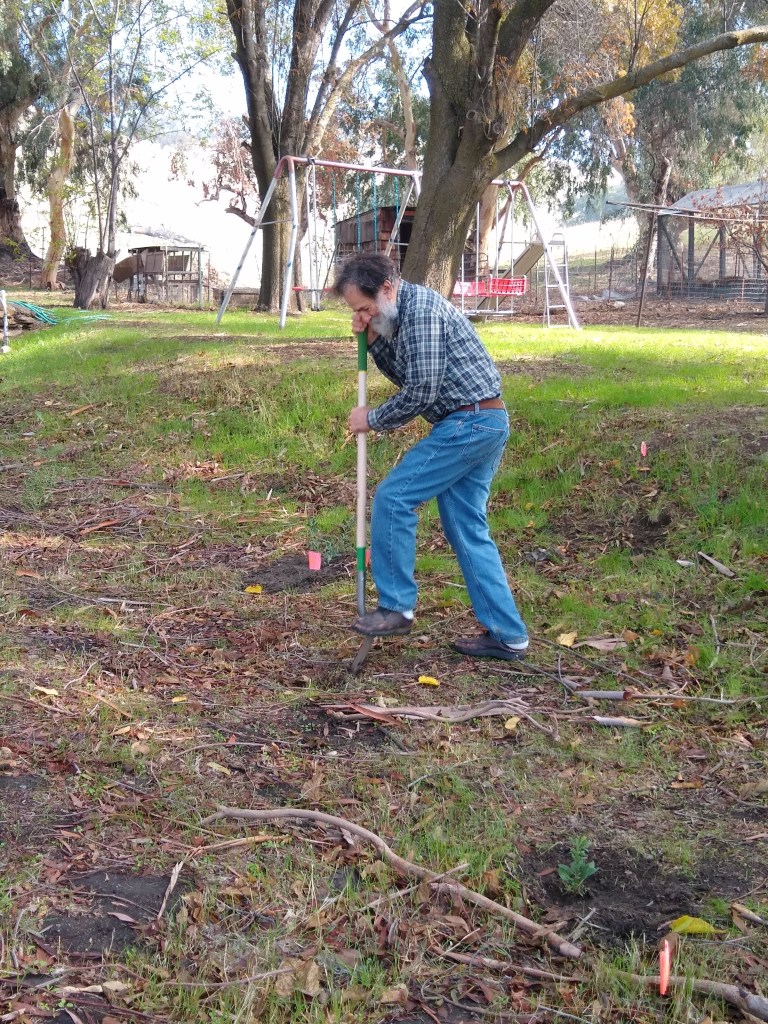
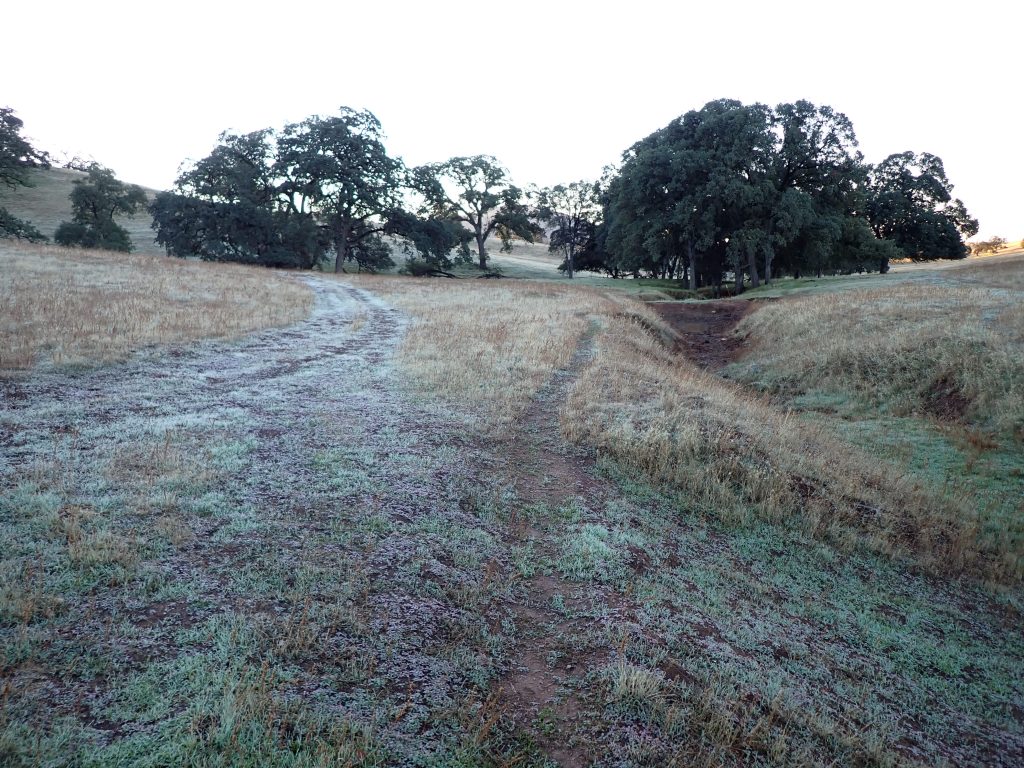
My mother-in-laws were visiting again, which provided a wonderful opportunity for another set of hands to plant the oak trees. We planted four together along the drainages. Although I use the existing pattern of oak trees as a guide for where to plant, I am concerned that the soil in one of the drainages is a little too clay-like. One of the biologists once told me that trees can change an entire system if they take root by bringing up moisture, shading soil with their canopy and bringing more types of life to an area. Everything I do is an experiment based on logic and observation. The plants and land know where they can survive, where they should be. My role is to help them survive by watering during their initial first two years of life in a changing climate. If they make it through, my role then becomes one of monitoring and maintenance.

While oak planting, I also brought dried elderberry seed to plant. Last year, I gathered elderberry from an old grove near the Tuolumne River to help the Southern Sierra Miwuk have enough stock for an elderberry syrup making class and for elders. I saved a little for me and dried some seed for planting this year. We will see if there is enough moisture to make this plant happy. I planted them near the small spring.

My 99th Post!

Whew – 99. I am on the edge of triple digits. The next post will be a celebration and reflection. I continue to be astonished by this journey, the wonderful plants, animals, insects, amphibians and humans that I meet. It has been a huge amount of work, but I am grateful everyday for this opportunity to steward – even if my back, shoulders, feet, legs and arms are sore. It is worth every ice pack!
Indigenous Reciprocity: Habitat Expansion Goes Into Overdrive

Strong, Indigenous Women expanding habitat

I love my Indiginaity (Is that even a word? Well, I proclaim it so…). I love that there is an innate piece of me that is so deeply connected to the lands of the North American west that it is indistinguishable from any corporeal piece of me – whether blood, bone or memory. It is what drives me forward when I am tired, and comforts me with a sense of oneness. The Earth loves me, and I love her back. Reciprocity.

Reciprocity. Harmony. Balance. These are all critical values to the Indigenous communities I have met in my life as well as my own people. This is why it is particularly important that Indigenous hands are helping build back lost habitat, restoring balance that was lost through colonization. I see so many projects across Indian Country that are working on some version of restoration in a huge variety of fields. It is a renaissance, a reemergence, a reckoning – and often, it is young people leading the way. This has not always been so. This society has made it more than challenging to claim, feel and live ones Indiginaity.

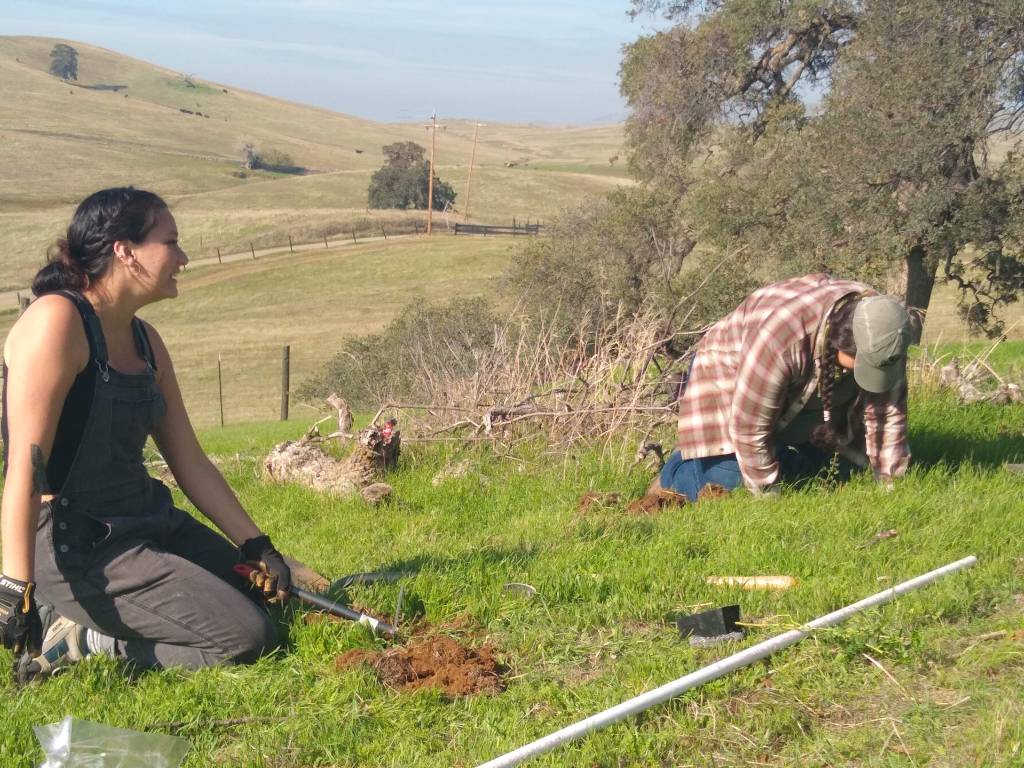
There are systems as well as individuals that work, intentionally and unintentionally, to limit the success of our young people and their ability to live Indigenously in the modern world. One systemic notion that is beginning to be challenged at scale is that Native people should contribute their time, labor and expertise for free if it relates to work with the environment. People need to earn a living wage to live in the modern world while doing work that is tightly aligned with their values, culture and psyche as Native people. We are trying to disrupt this through Walappu’ ‘Uuchuthuu. We honor the innate desire to care for the land by paying for people’s service. Paying for people to set aside the time has rapidly ramped up the scale and pace of habitat expansion. Every day, the young women of the Pollinator Team impress, expand and build a better tomorrow for pollinators – and all of us.

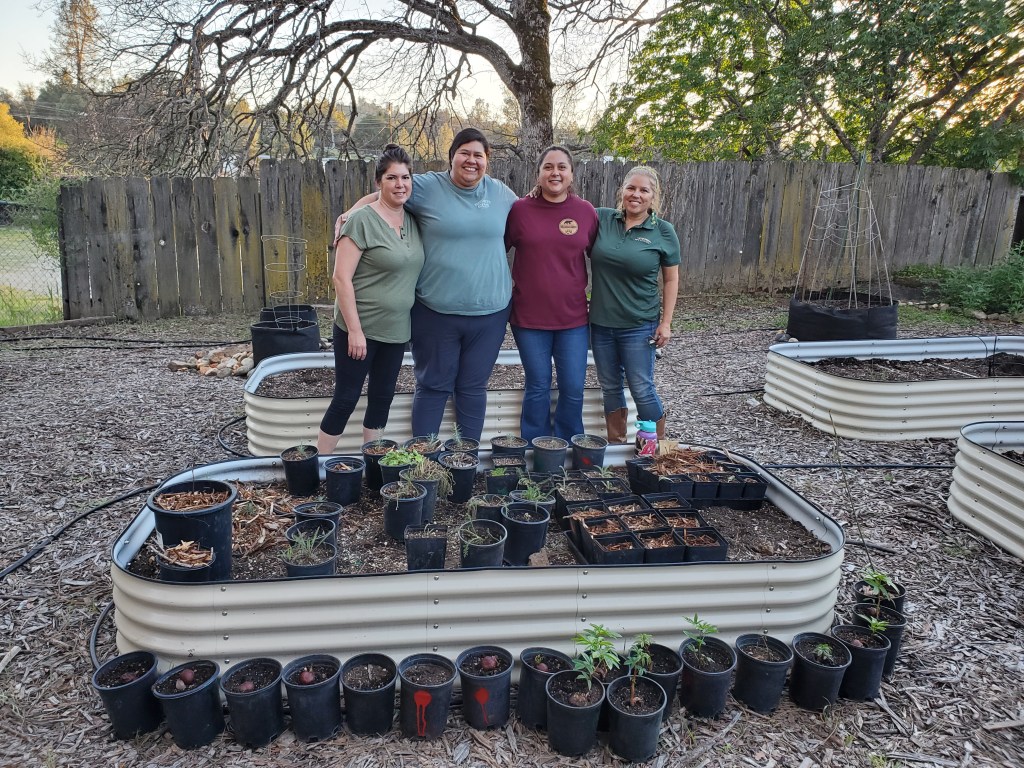
The Walappu’ ‘Uuchuthuu Pollinator Team

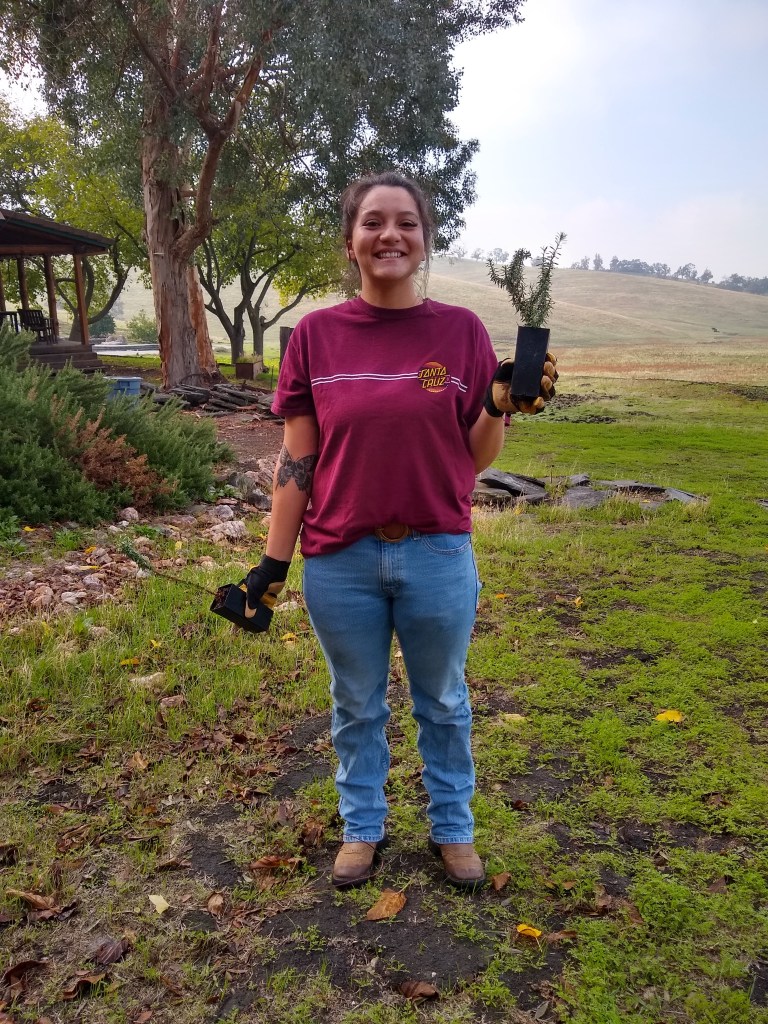
As we age, it is important to support, mentor and transfer knowledge to the next generation. The CARCD grant that I helped write with Melinda Barrett at the Mariposa County Resource Conservation District (RCD) included technical assistance as an activity. Melinda skillfully included this to help scale the work of habitat expansion. My contribution to this effort was to build a contract with the Southern Sierra Miwuk nonprofit to hire contractors that would learn about pollinators, plants and then help educate others and install native pollinator plants. In August, a contract was effectuated and contractors hired. We now have two additional hands and brains to advance this work. Kristie is the green thumb. She has experience with plants, a good eye for design and is well-organized. Nellie has experience with outreach, working with children and has a creative flair for visual communication. Both are hard workers and have been passionate about habitat expansion, traditional food gardening and native plants. I cannot believe the work they accomplished in just the first few weeks!
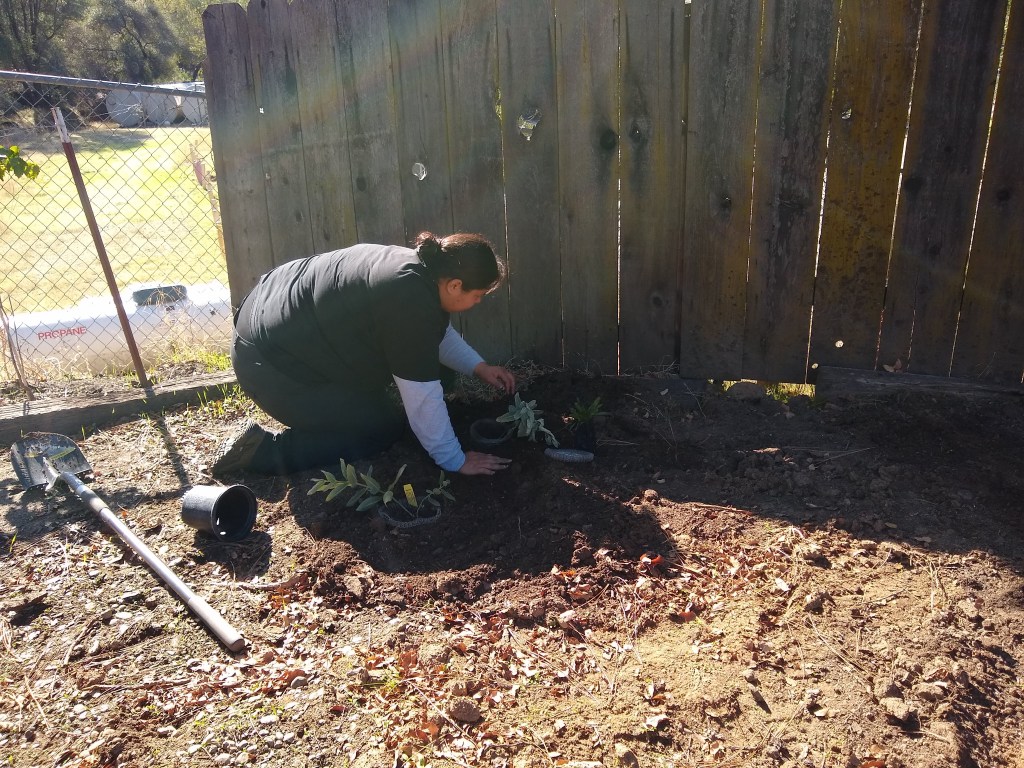
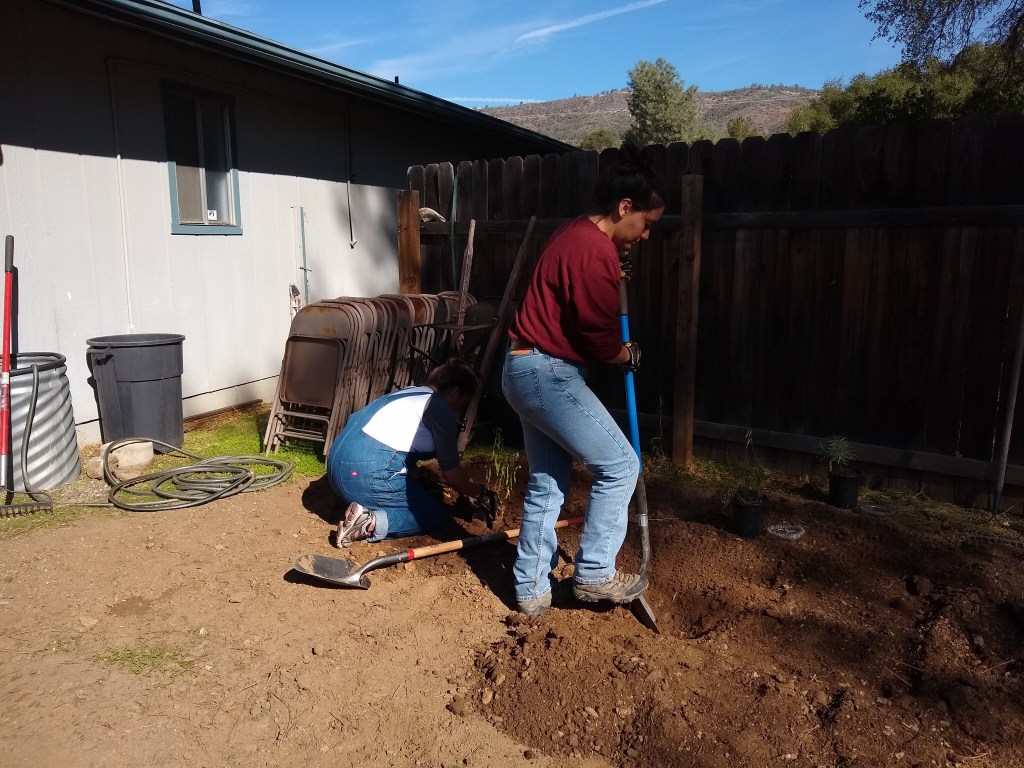
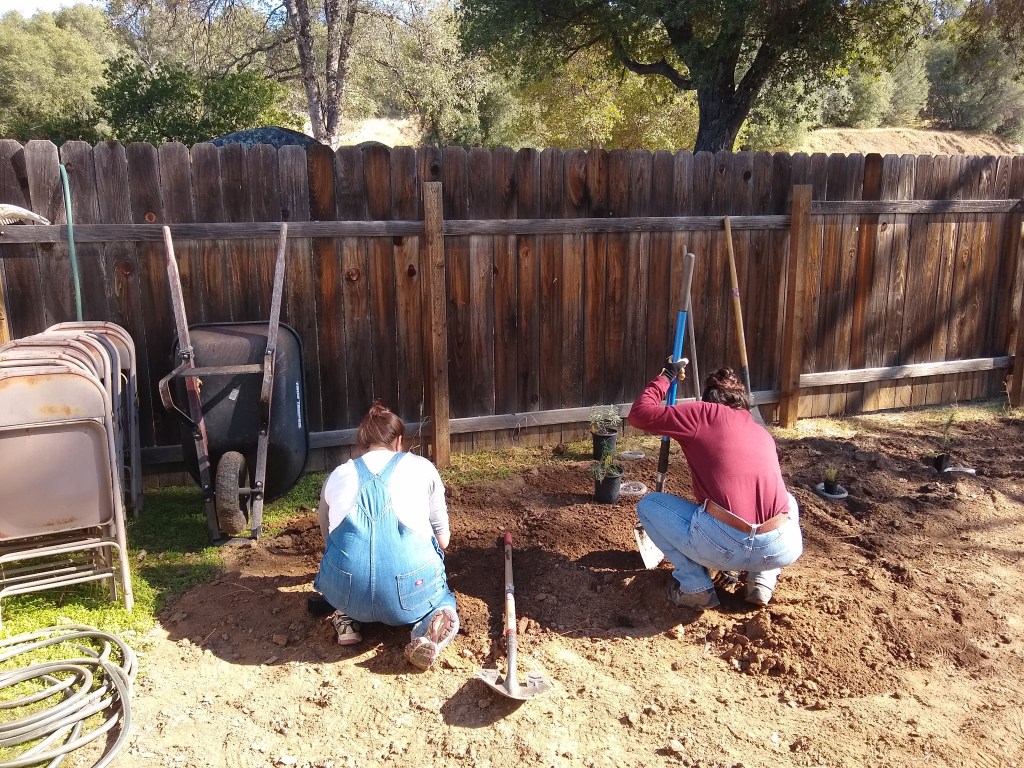
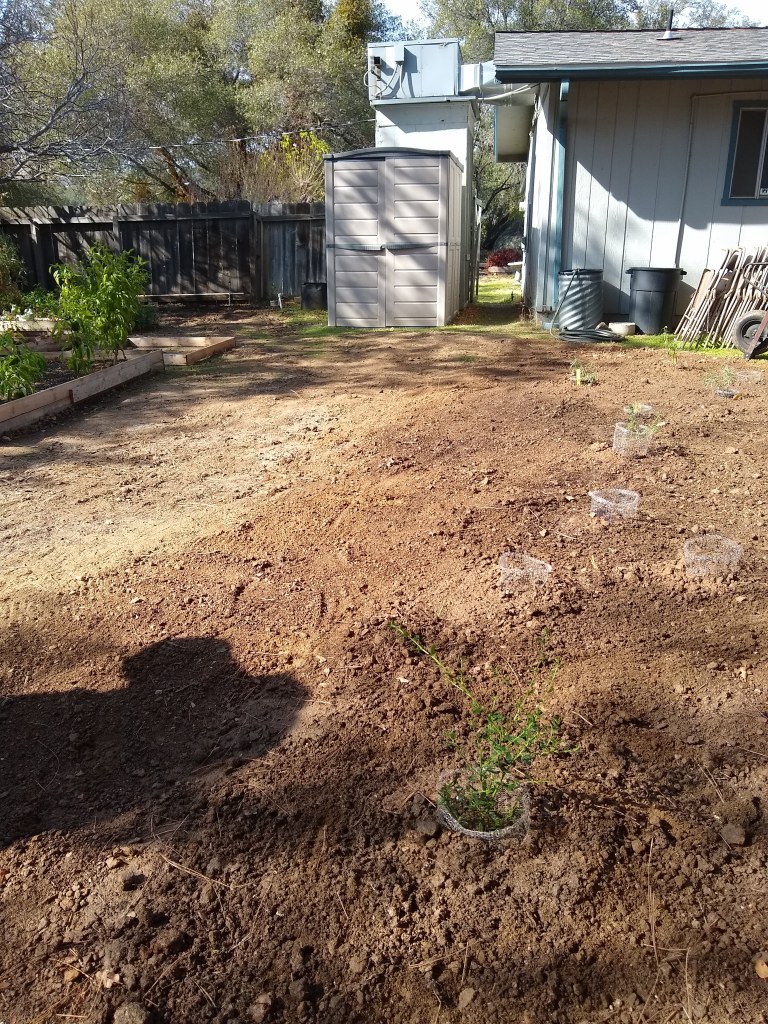
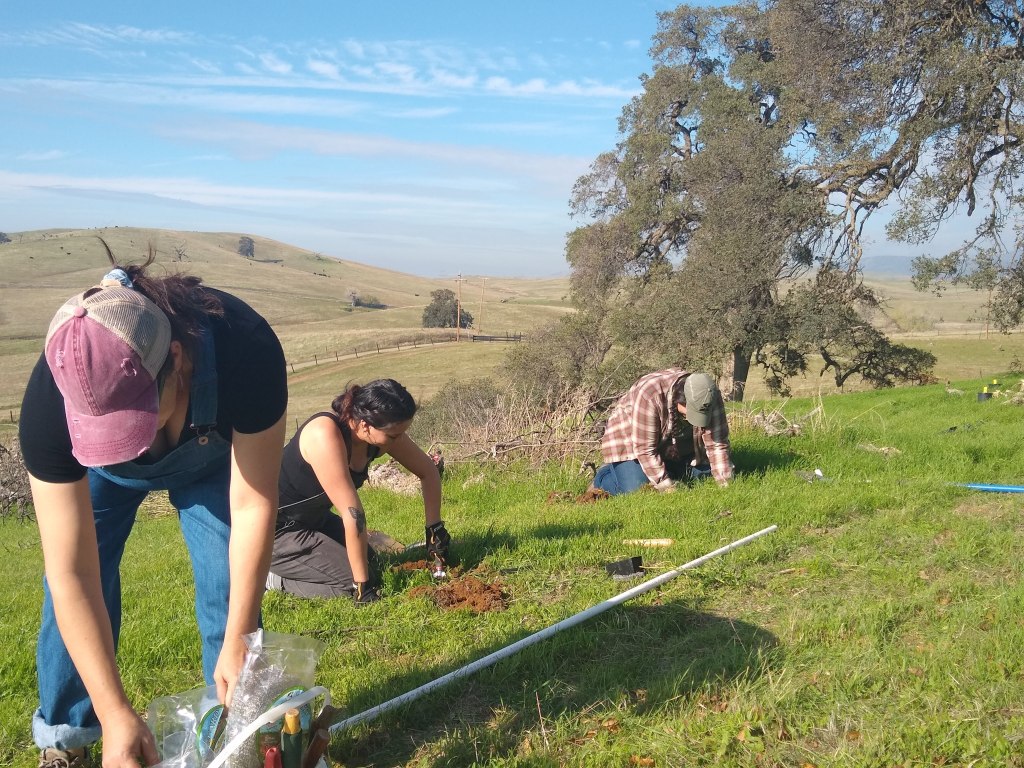
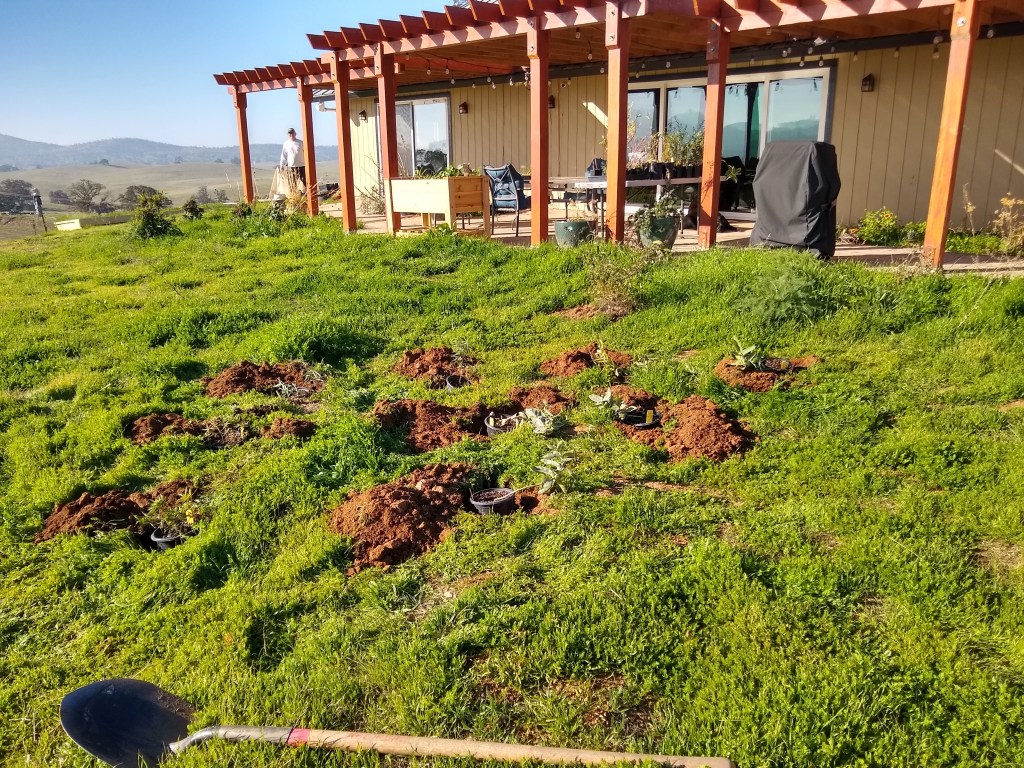
First, they prepared the rear of the Tribe’s Miwumati Family Healing Center to expand the food garden and install the pollinator plants. We planted the first of the Xerces Kits there. Fortunately, we had the additional help and skill of Deedee Soto, NRCS Partner Biologist with the Xerces Society and regular knowledge bearer to the Walappu’ ‘Uuchuthuu Project. She taught me so much, and is helping teach the others on the Pollinator Team.

Deedee working at Miwumati

The entire team, including Deedee, when available, has continued to install the kits at their intended locations. At the time of this writing, all kits except for three, have been planted. We are planting the last three at a ranch in Bear Valley later this week. The Xerces Kit grant was requested separate from the CARCD grant and had a focus of creating a migration path for the monarchs through Mariposa County. In the gallery below, you will see three maps. The monarch icon represents where we have planted plants – or the Project had an influence on the planting of pollinator plants at that site, such as the provision of free plants or technical assistance. The sites are not exact – approximating the areas. The purple pins represent existing natural or planted habitat. There is much more natural and planted habitat in Mariposa County, but these are just areas of note I wanted to share. Walappu’ ‘Uuchuthuu has been busy, and we are just starting with the formal outreach portion of this work.

The two grants have been a great confluence of projects. The Pollinator Team has been able to gain experience planting, designing, selecting, and identifying these plants before launching their own outreach project for the CARCD grant. I am grateful to these young women every day!

Site 8 Temporary Fence Complete

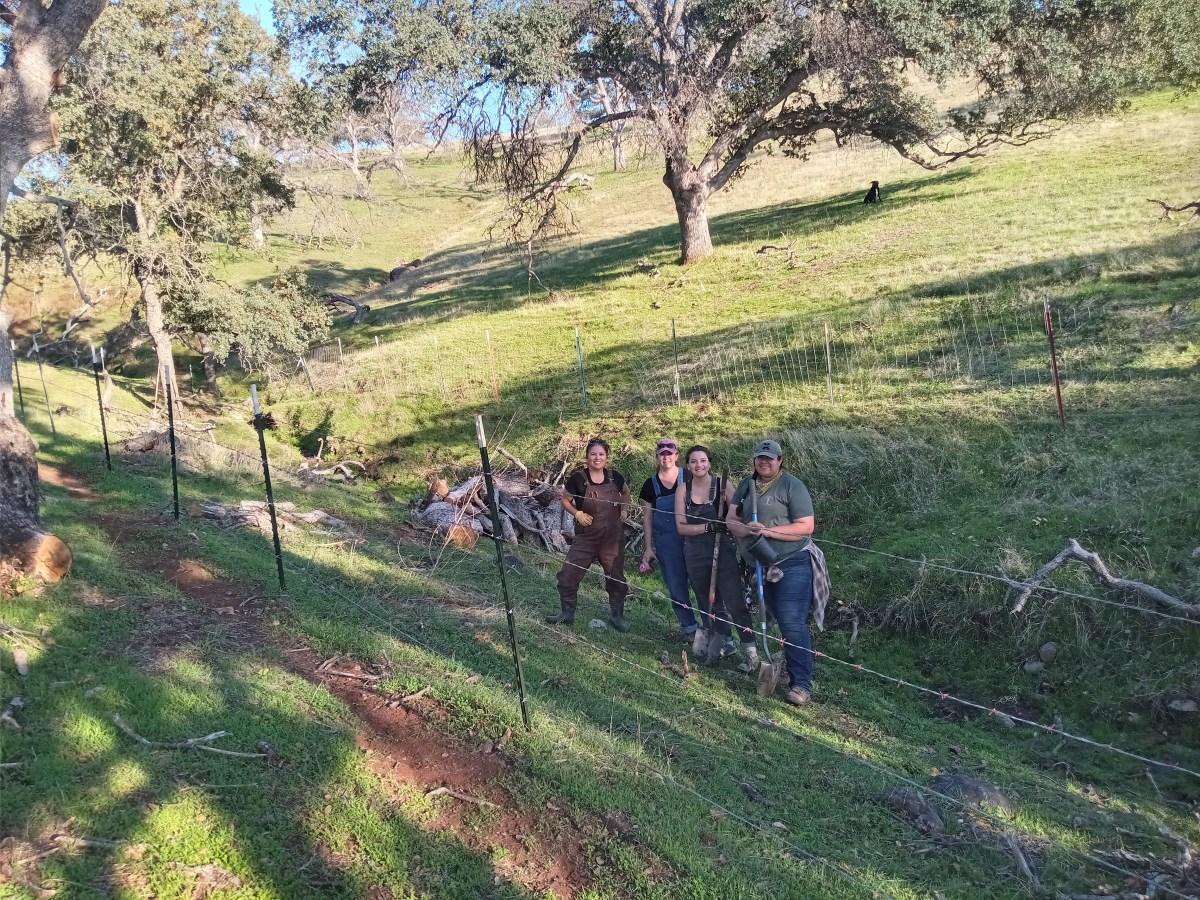
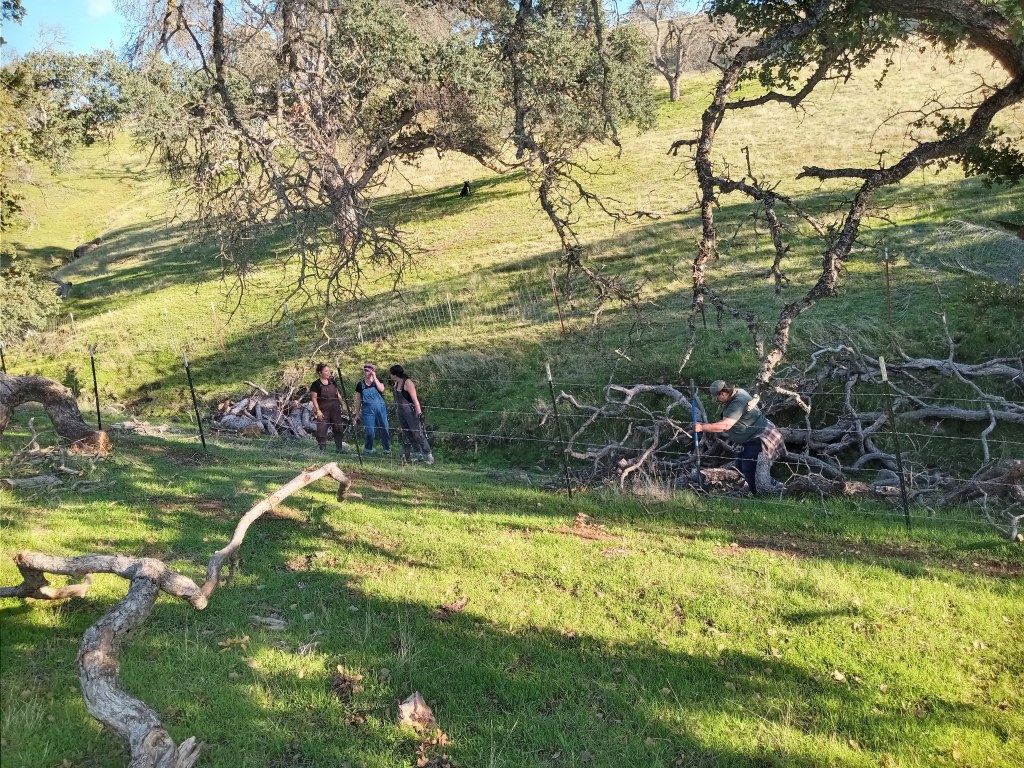
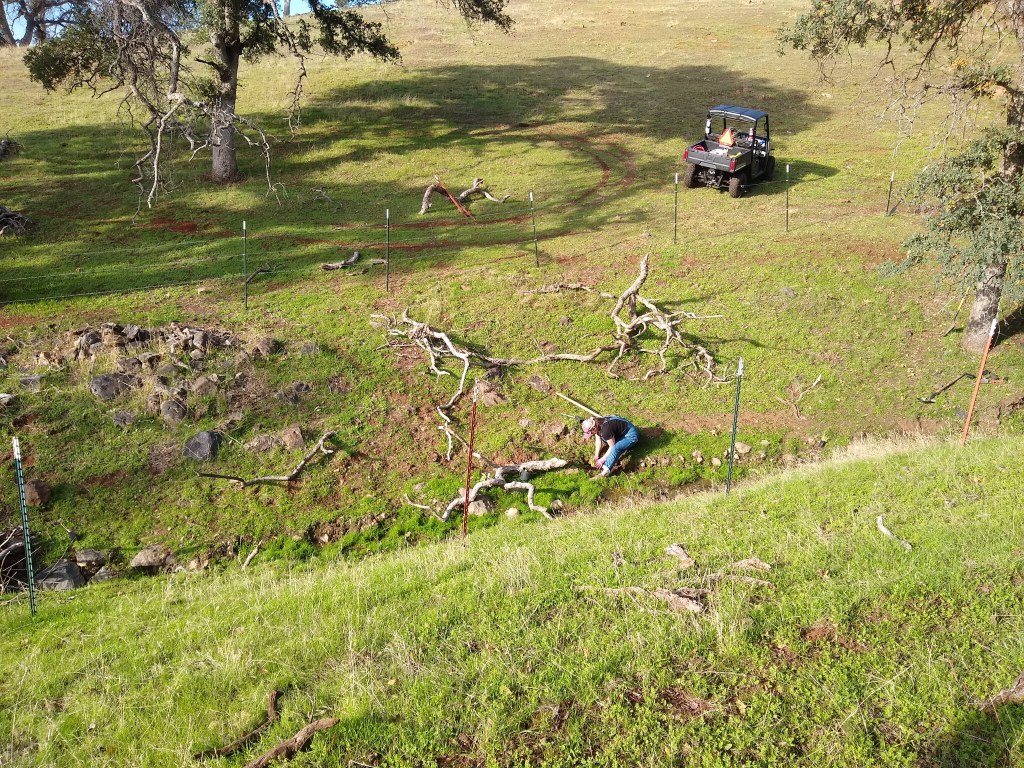
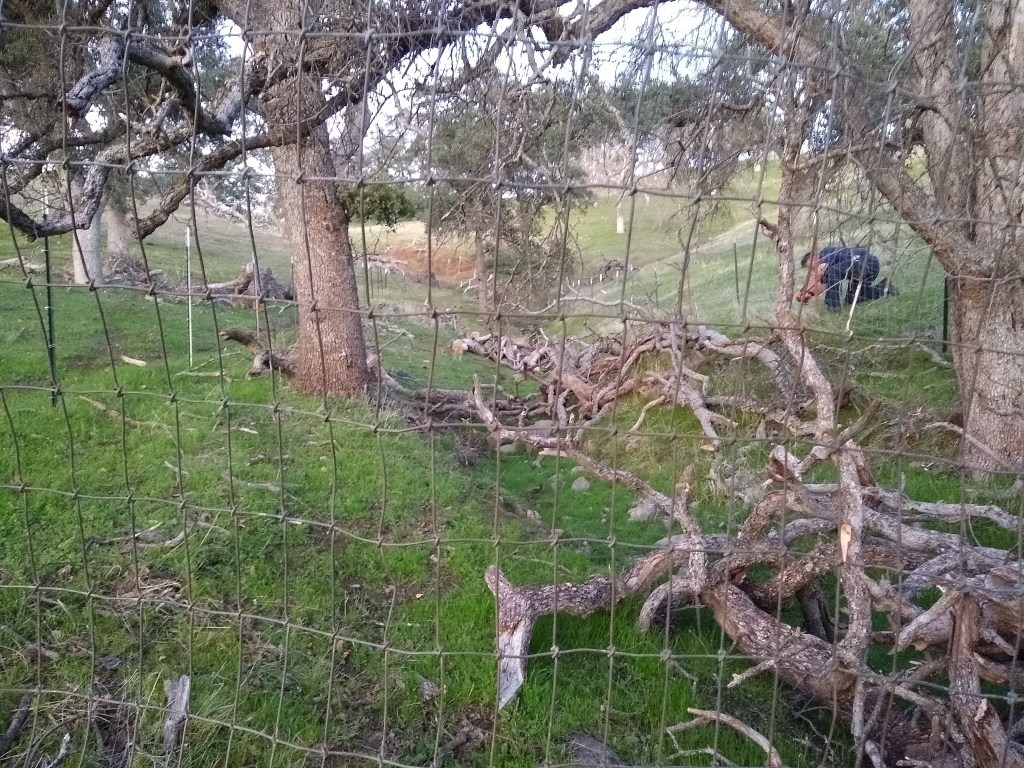
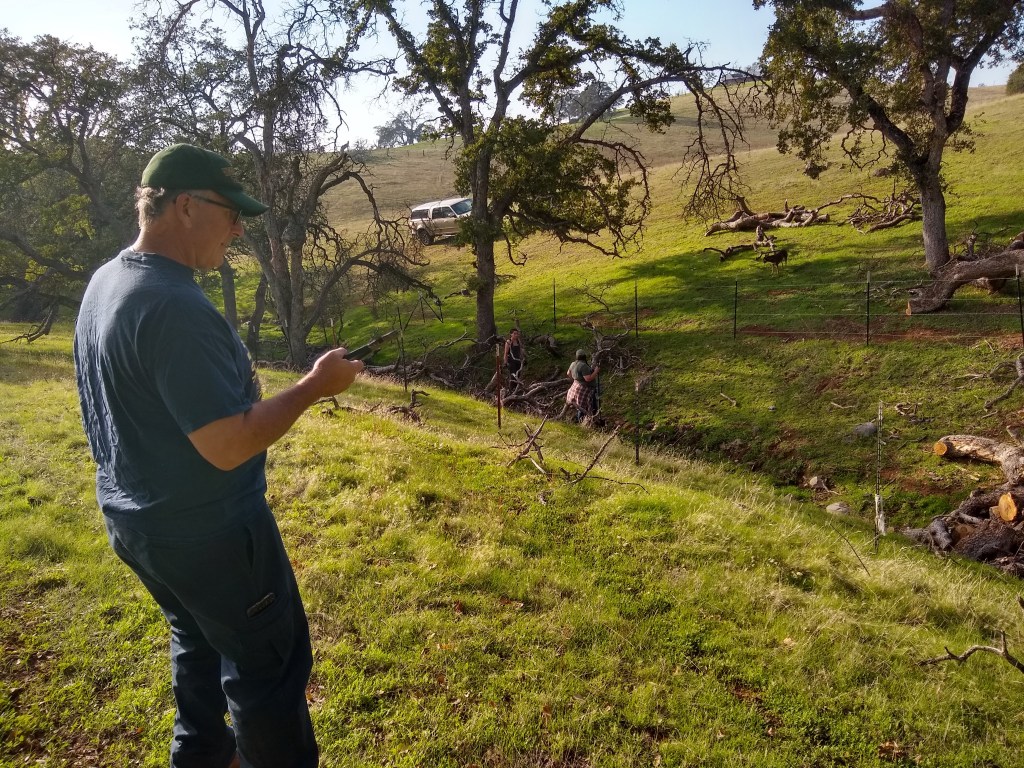
After a year and a half of trying various barriers, we finally got a temporary fence up around Site 8. I had planned to install a 4-strand wildlife friendly fence, but I ran out of time. The 4-strand requires me to have help, which is not always available. The planting had gotten done, and the plants needed to be protected from the cattle. I made a pivot back to installing no-climb fencing. I just need help with the huge roll, but can generally stretch and clip the fencing to the posts myself. After the Pollinator Team minus me left, David and I went back out to Site 8 and finished the fencing. It isn’t pretty, but the plants are safe from hungry cattle. In January, I will be getting a professional fence installed that will fence off the spring all the way down to the bottom of Site 8. It will be such a welcome piece of infrastructure, which will allow me to plant as much as I want without fear of cattle intrusion. Thanks to David, once again, for coming to the rescue helping me work with a 300lb roll of no-climb fencing!

I got the last Xerces hedgerow kit planted this weekend. I was working until dark and used my headlamp to fill in the last few holes and water the newly planted friends. I have just a few plants left from the riparian kit to install. They are willows, which will require some protection since they are outside of the temporary fence. Friday, I will receive three big leaf maple trees and hope to get those planted next weekend. Trees help to provide shade and retain moisture in the soil. I have found that having multiple heights in the plantings help to make the smaller plants thrive.

Rain Needed But Fog Helps

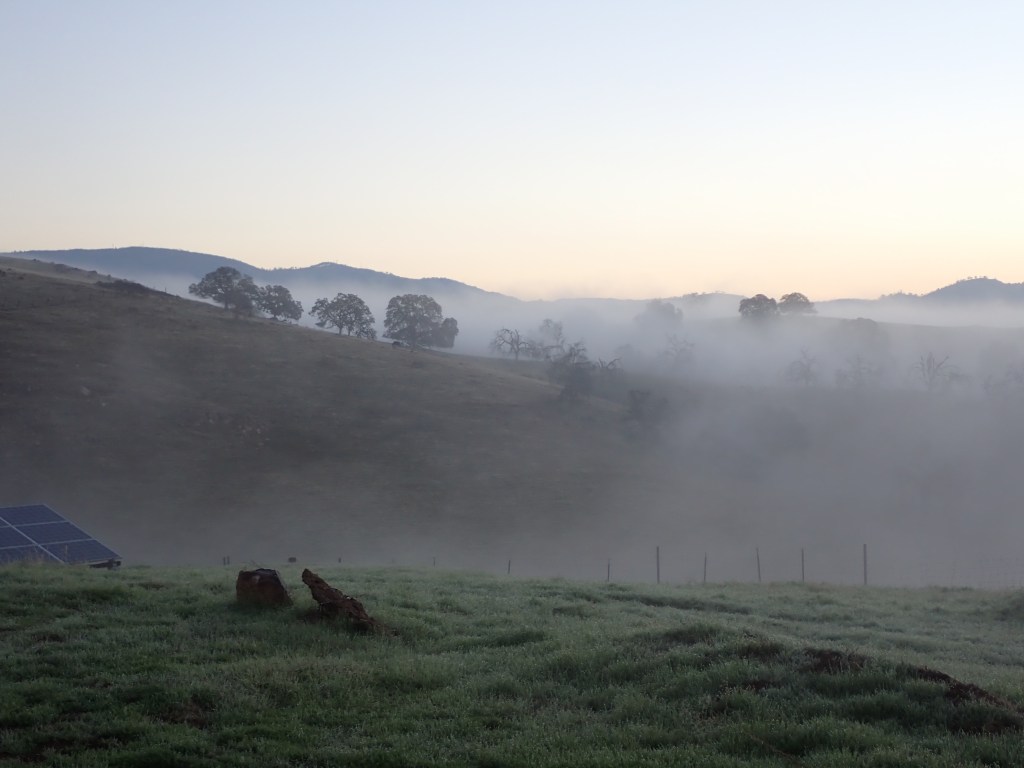
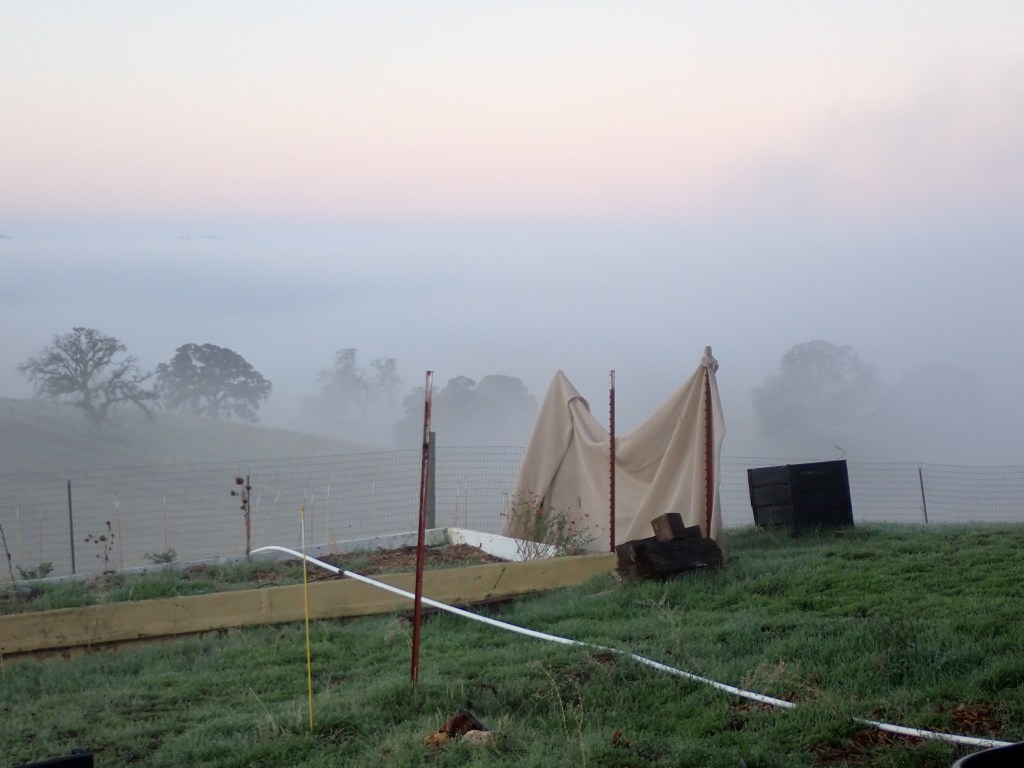
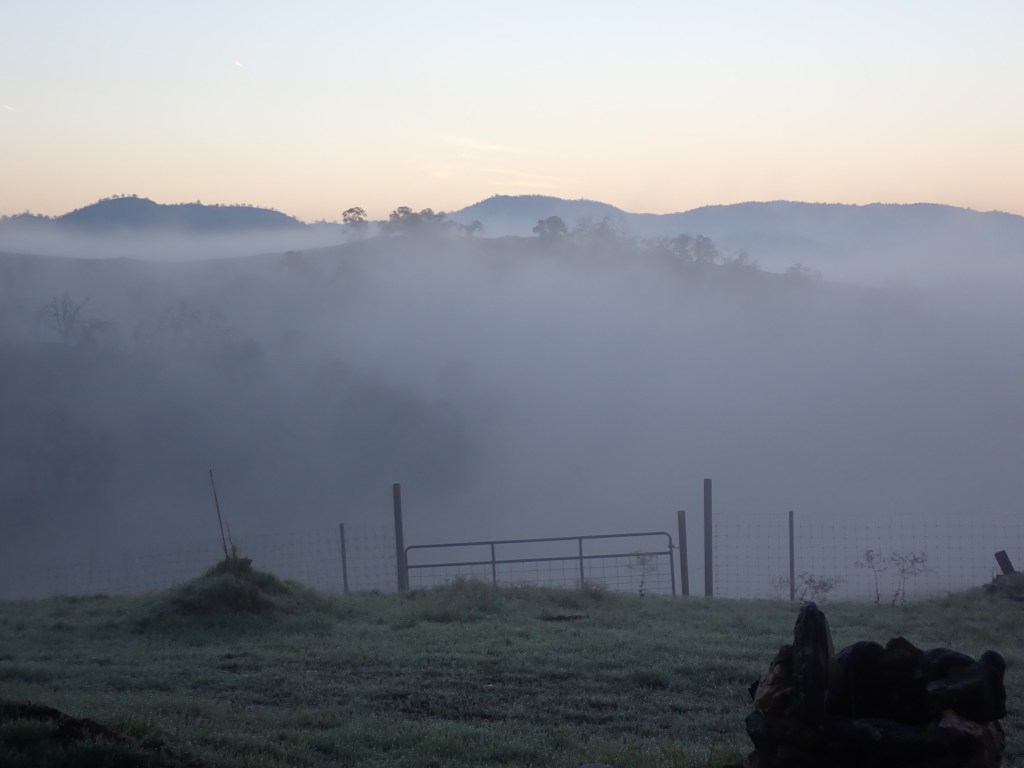
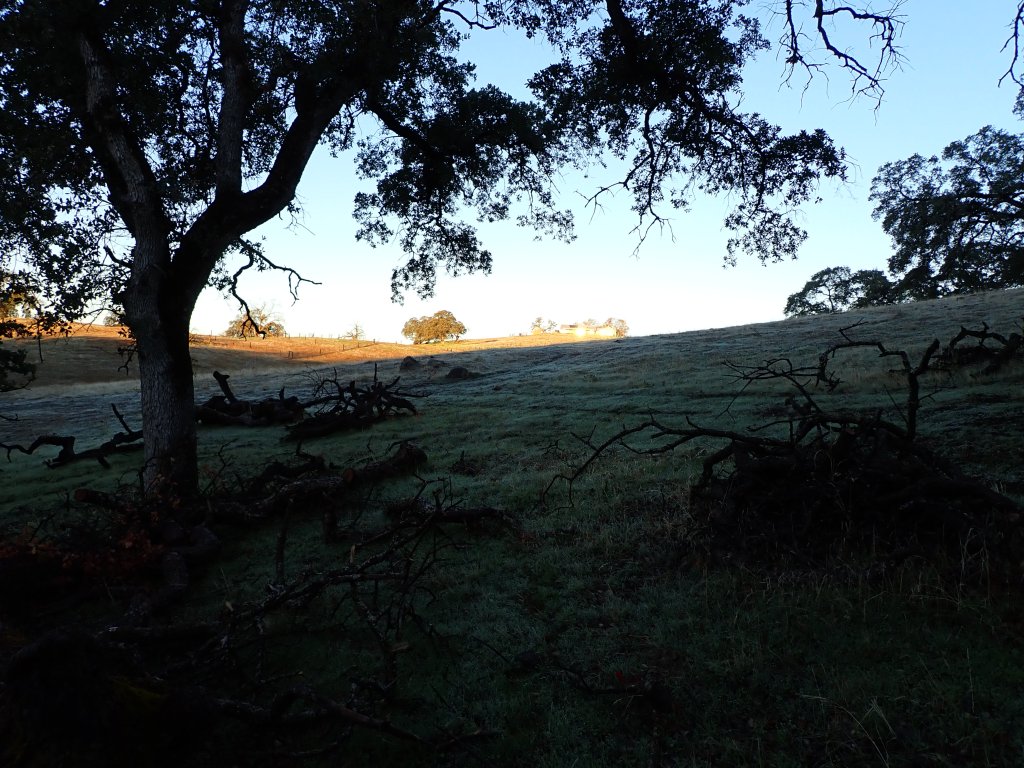
If you don’t have to drive in it, fog is a really beautiful weather event. Not only does it lend mystery to the landscape, but it has been critical to ensuring the soil and plants stay moist – especially given the soaring heat during the afternoons. It is way too hot for November. Flowers are still blooming; grass is growing. Ants and flies emerged. Honey bees are still buzzing around but look really tired. I even saw a bumble bee the other day. All of this is not good. The cold is supposed to be a time of rest for many insects and plants. Like humans, they need their rest to be healthy and thrive in the Spring. Although we are still getting dew in the morning, and we had the first hard freeze on Thanksgiving Day, we have not had any rain since early November. The hillsides are browning up. We need water.

Odds and Ends

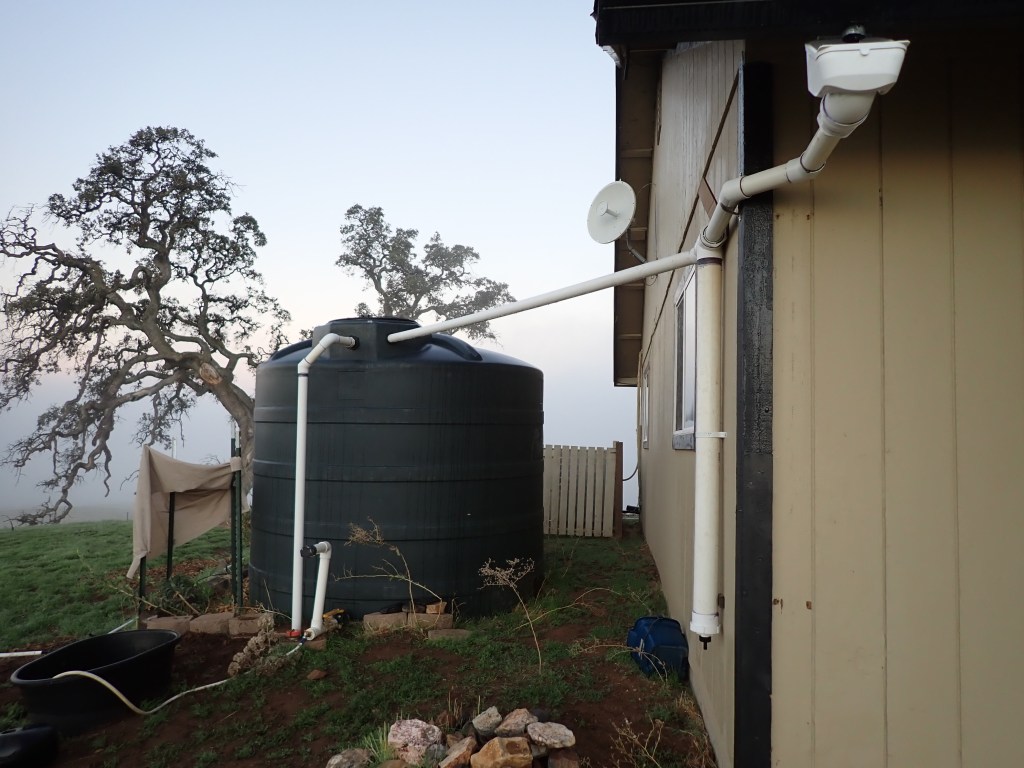
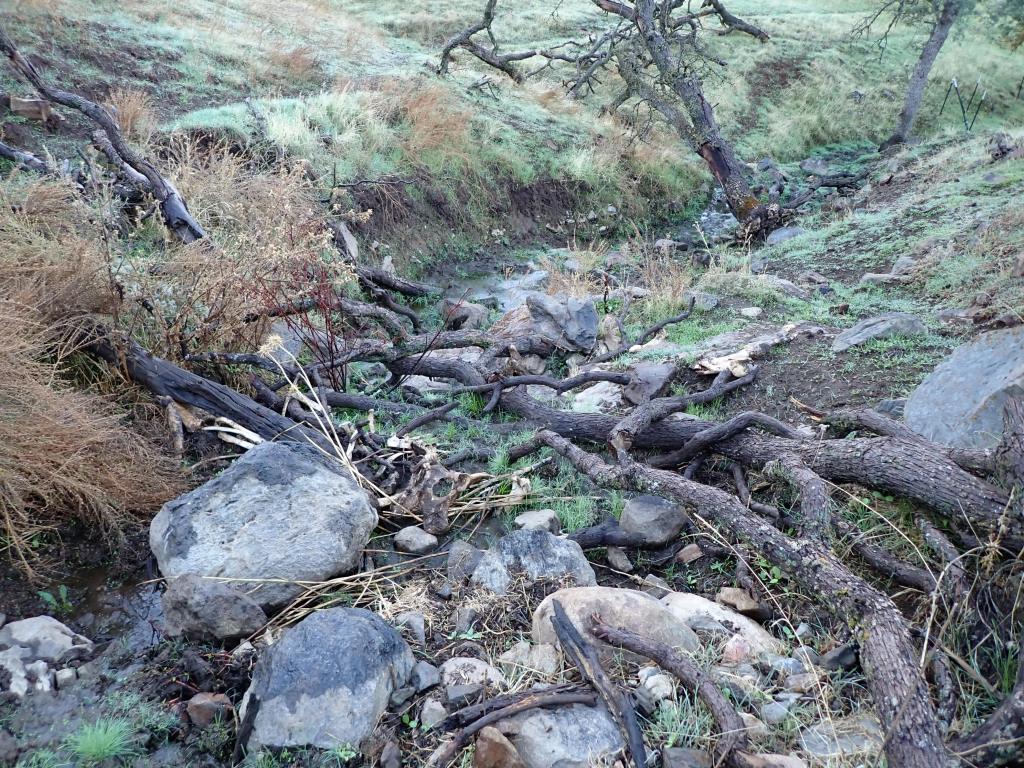
My rainwater system is nearly complete. We are doing some of the work ourselves to help cut costs. I am hoping it will be done before the next storm (whenever that is).

Tank three

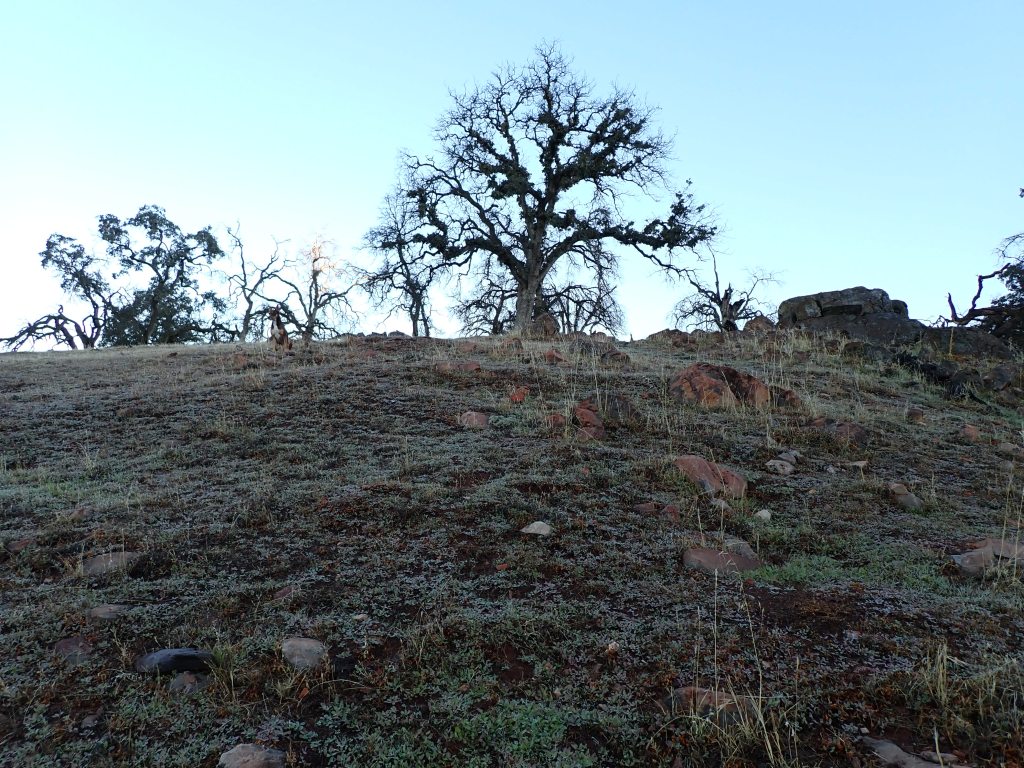
I checked the rhizome test site Deedee installed earlier this year. She had seen some growth this past early summer. I went to check on them for her the other day. There was no sign of milkweed stems or dropped leaves. Possibly, the cattle pulled out the ones that did grow. I also saw signs of wild pigs. There were two areas where you could see the very destructive rooting, and one was one of the test sites. It makes me nervous. Two years ago wild pigs rooted out nearly all of the plants in Site 7. They better not touch Site 8. It was so much work by the Pollinator Team to plant in that area.

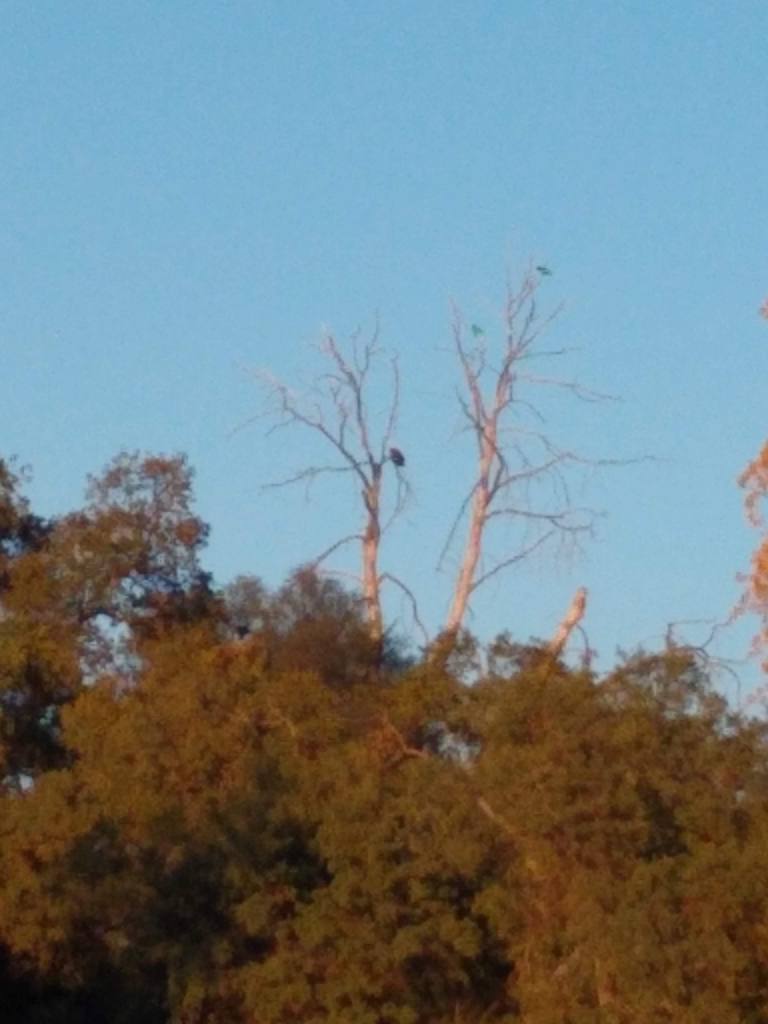
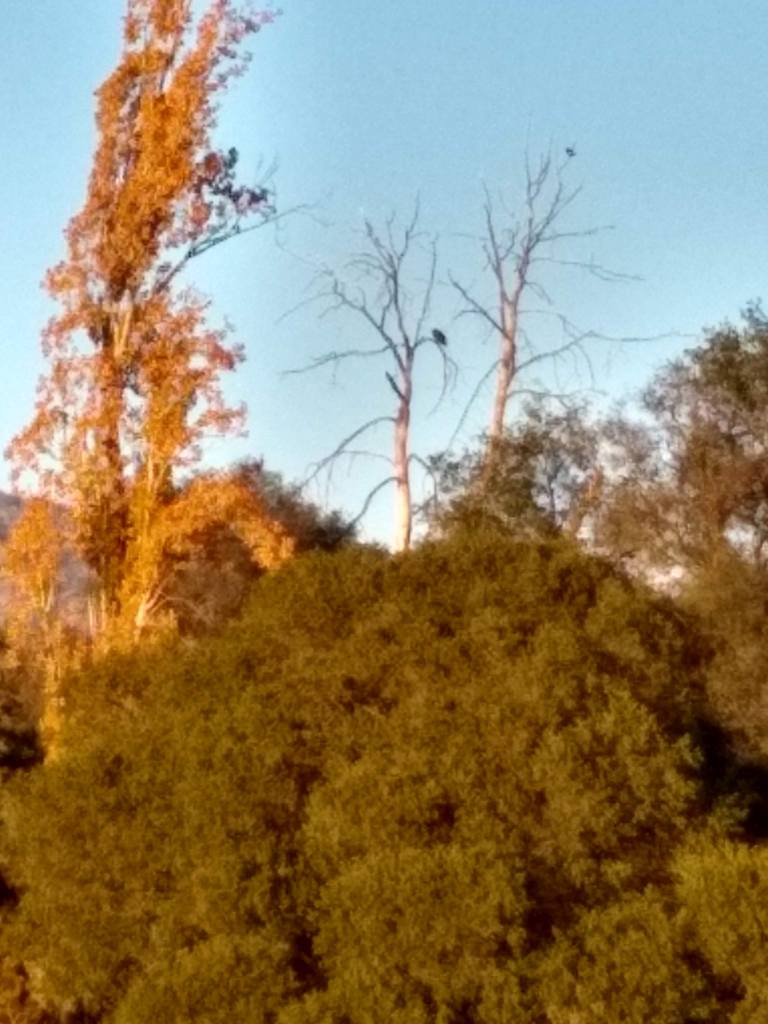
An exciting note – while looking at Deedee’s test site, I heard an avian ruckus. I looked to the north and saw a bald eagle sitting in the tree. The ravens did not want its company and made sure s/he knew it. Apologies for the poor, far away photo. I don’t have a good telephoto lens, but note the major size difference as compared to the raven, which is a fairly large bird itself. The white head and tail were visible to my eye – but sadly, not to my cell camera.

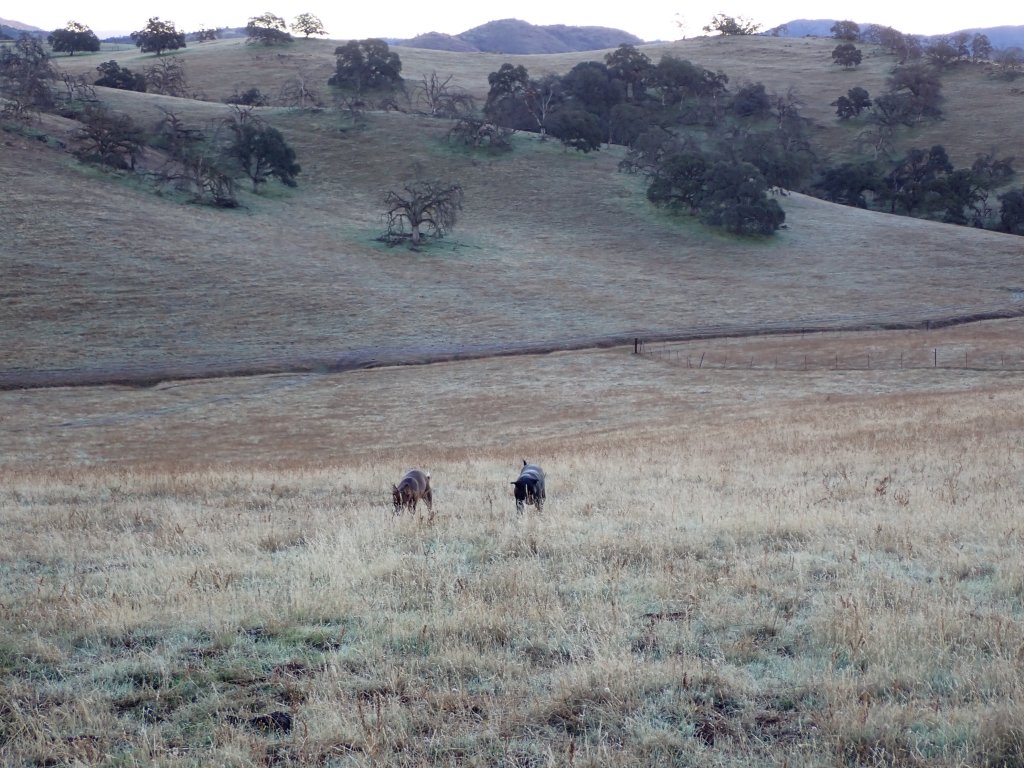
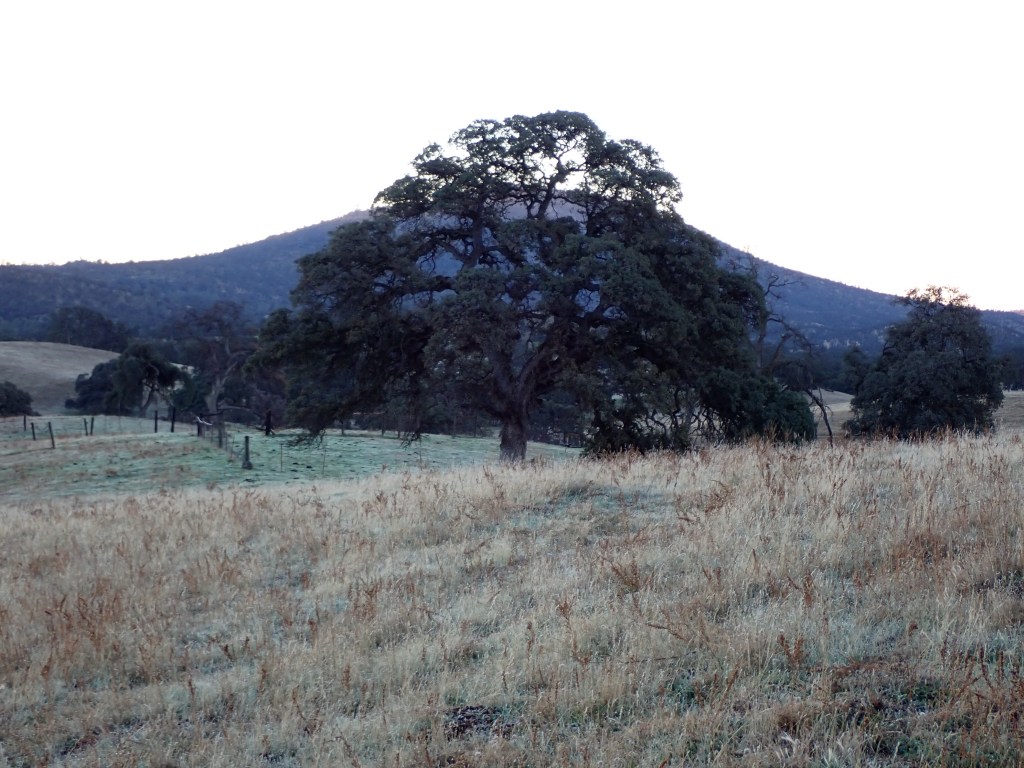
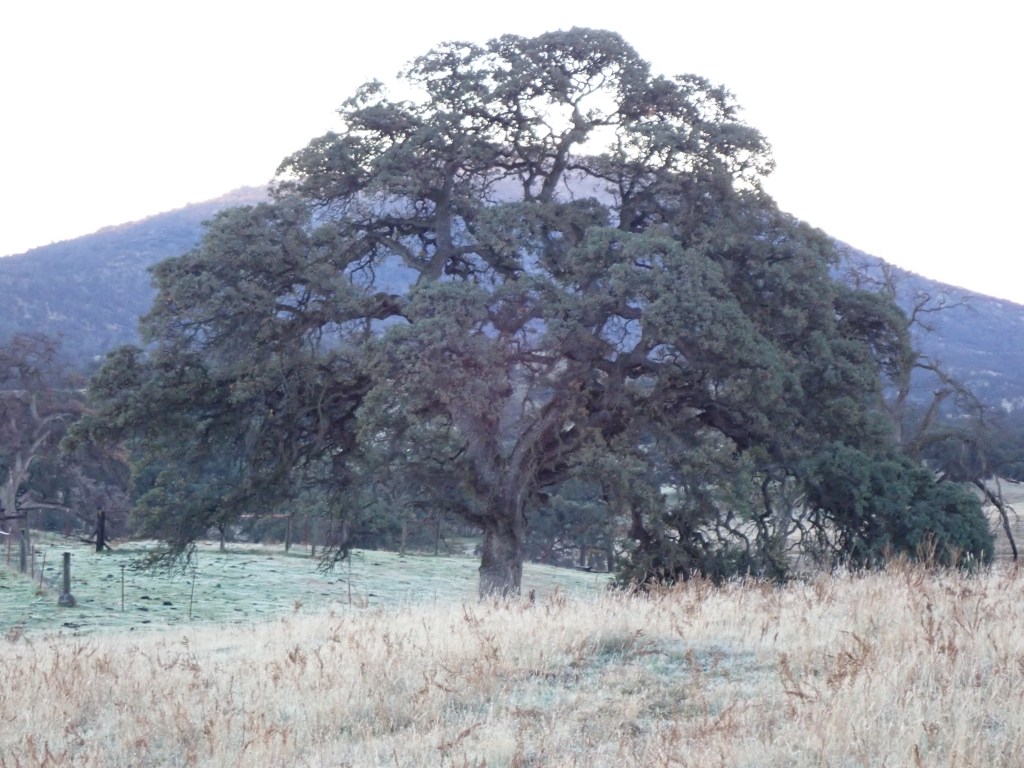
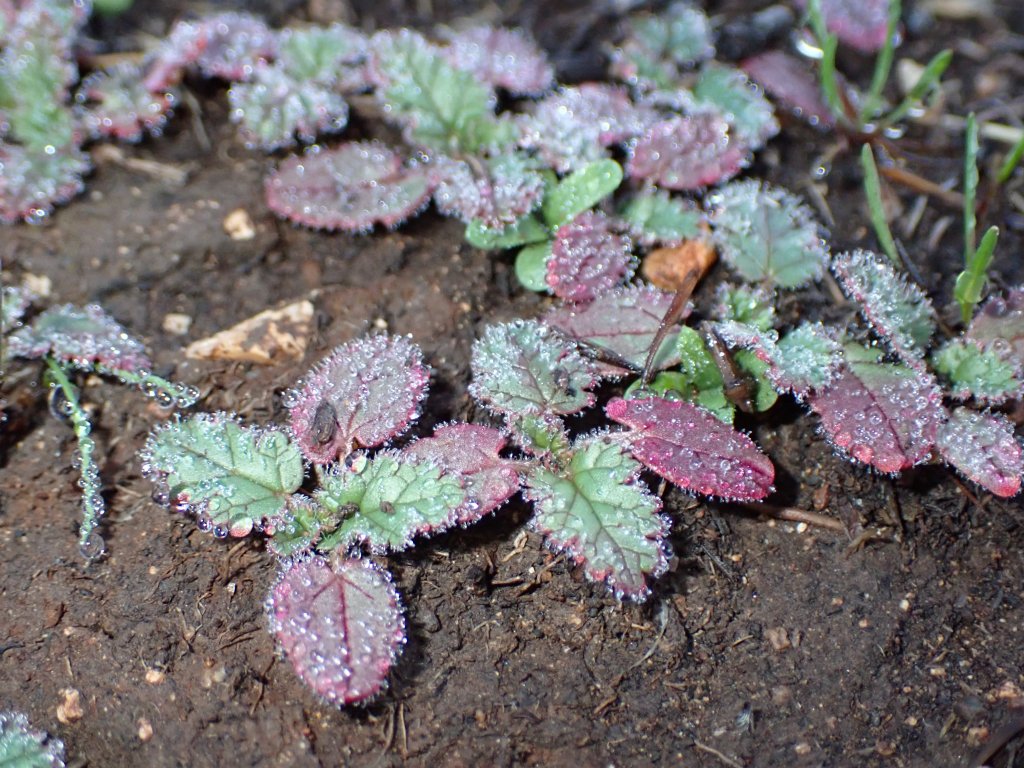
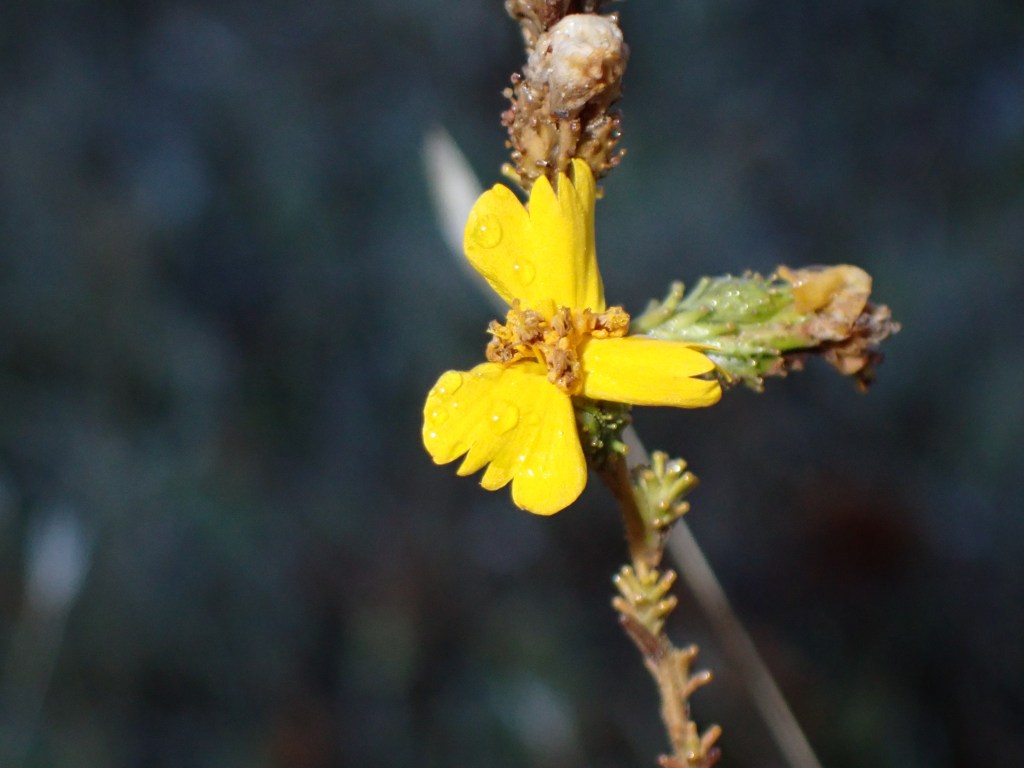
After seeing that pathetic shot above, you may be delighted to know that David gifted me a camera. Unfortunately, the telephoto is only a 4x. His intent was to get me a great macro lens so I can take better photos of butterflies. He is such a wonderful, thoughtful partner. I have not learned how to take the best photos yet. There are many more settings than my old, cracked cell phone camera. Some test shots are below.

The holidays are upon us. I wish you and yours a season of good health, delicious food, copious laughter and many, many butterfly plants waiting to emerge in the spring!