

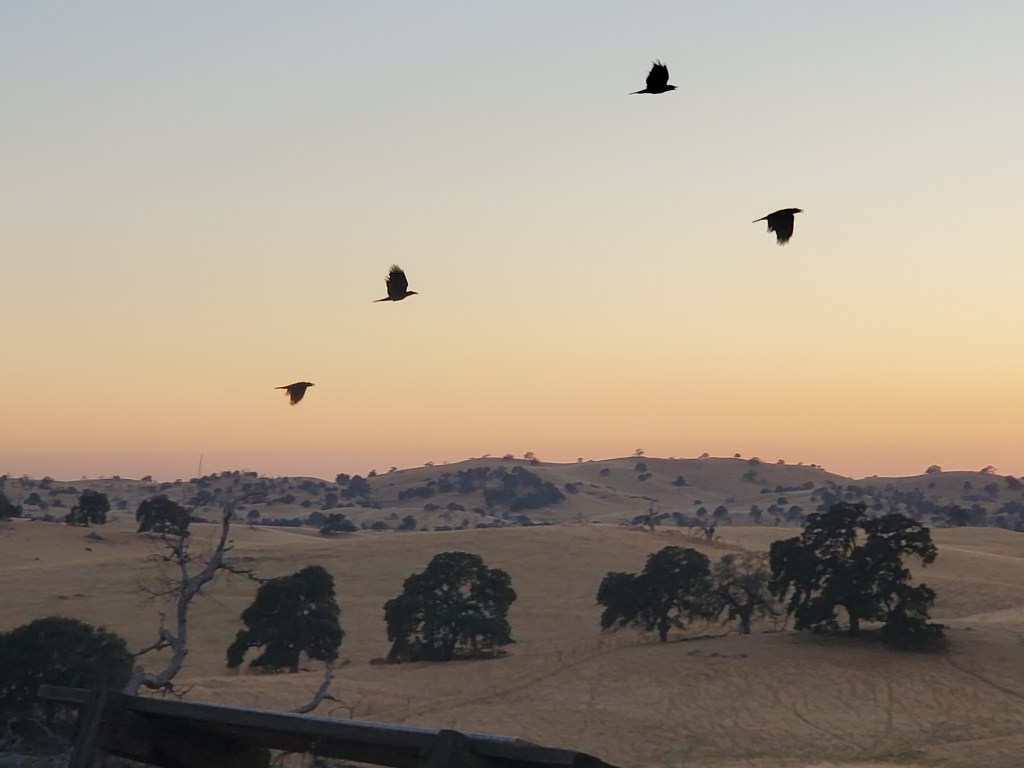
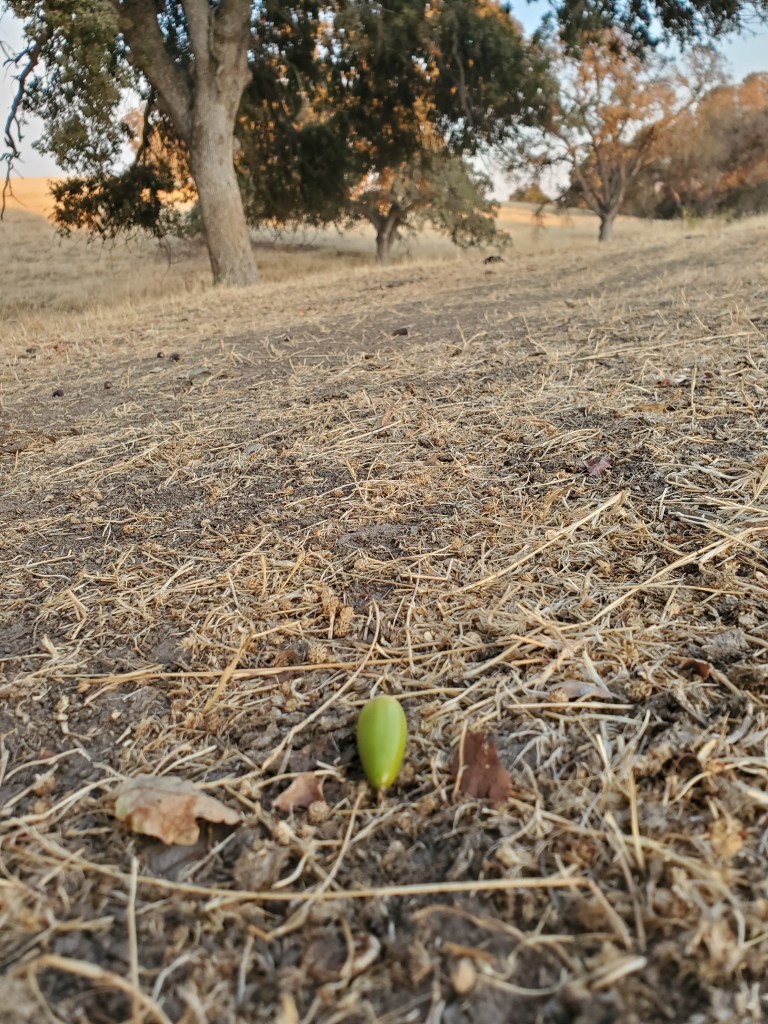
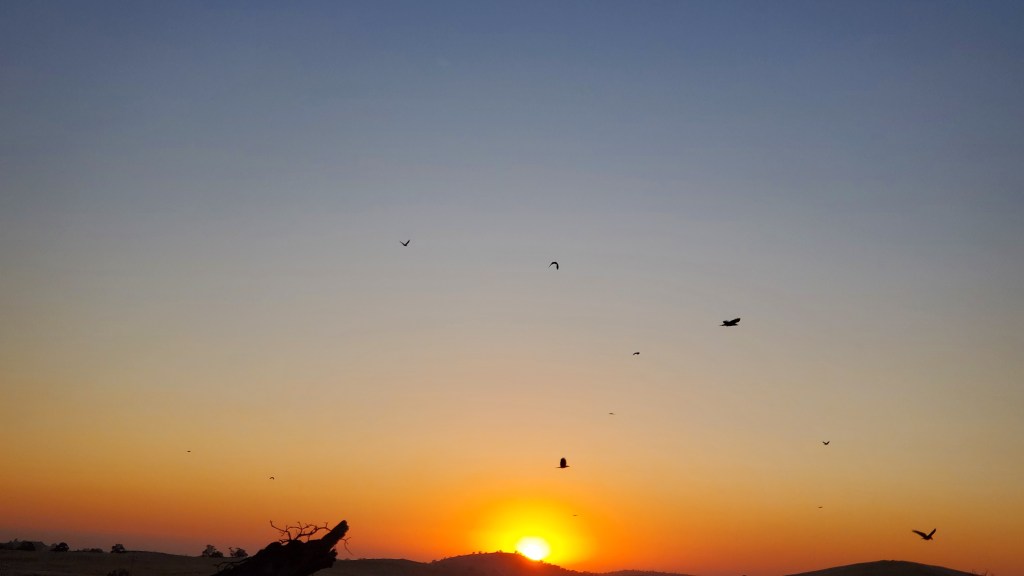
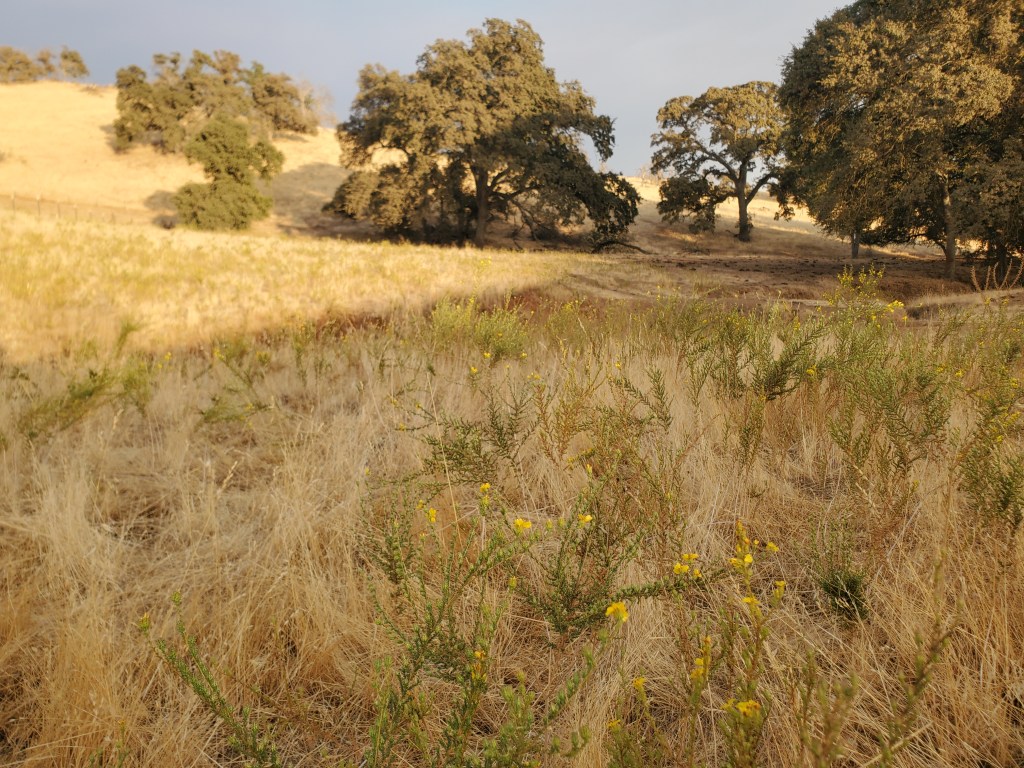
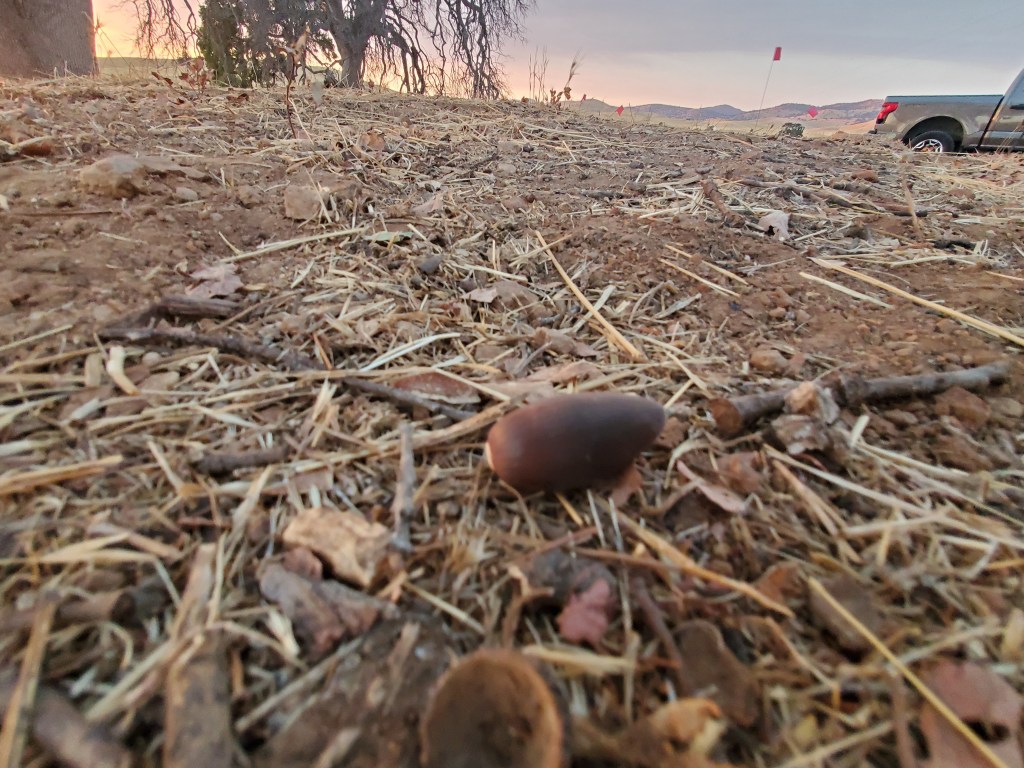
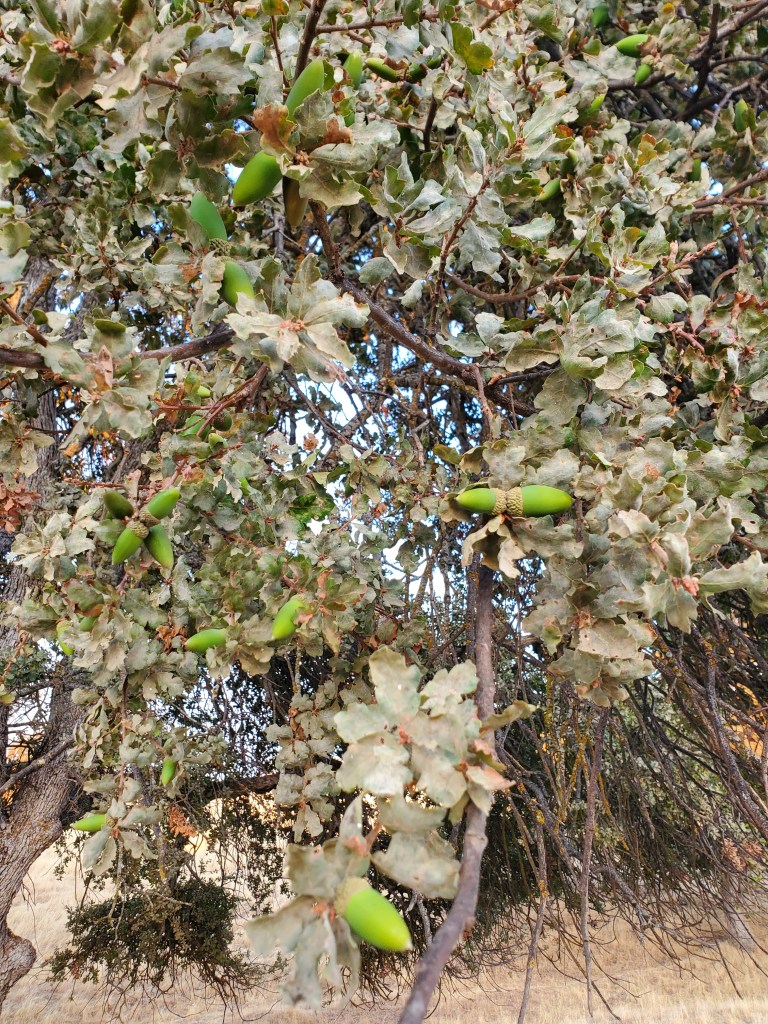
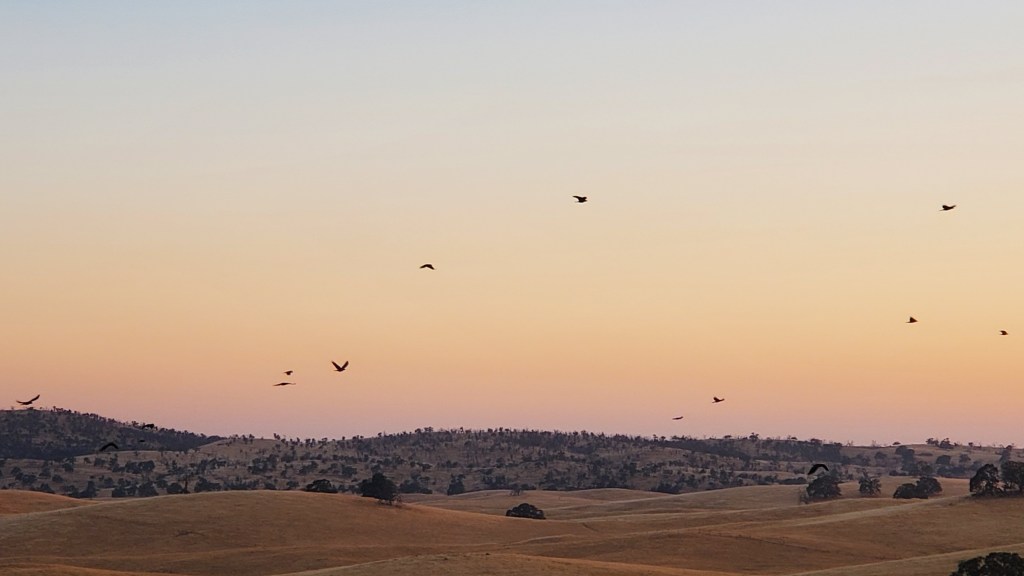
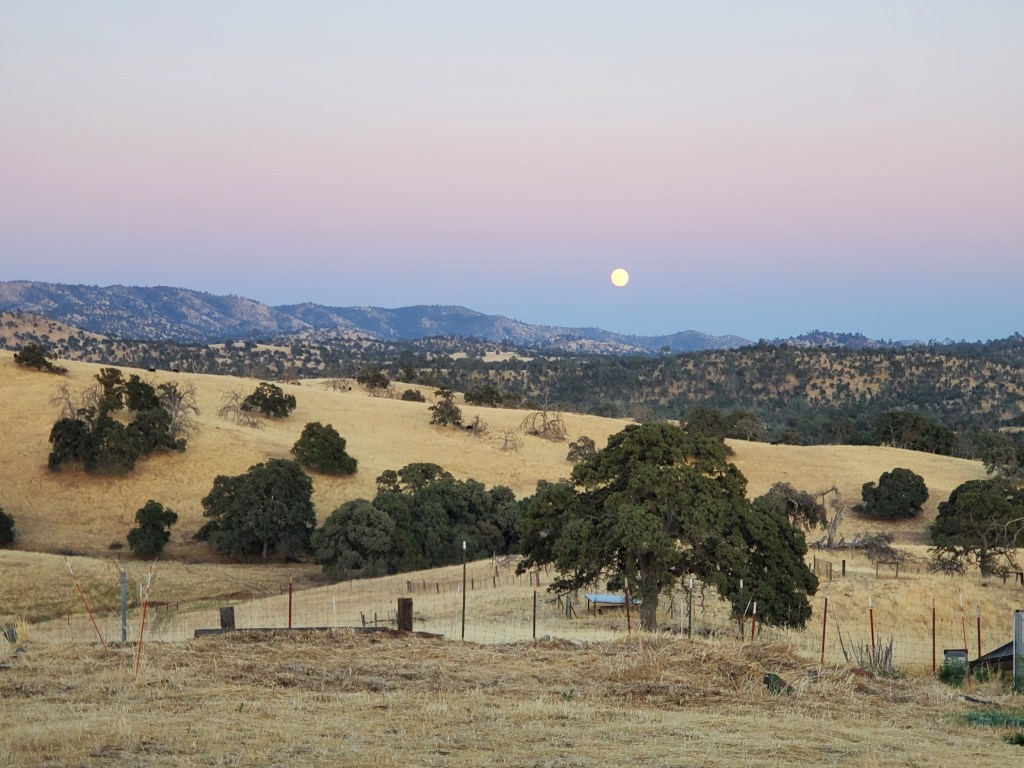
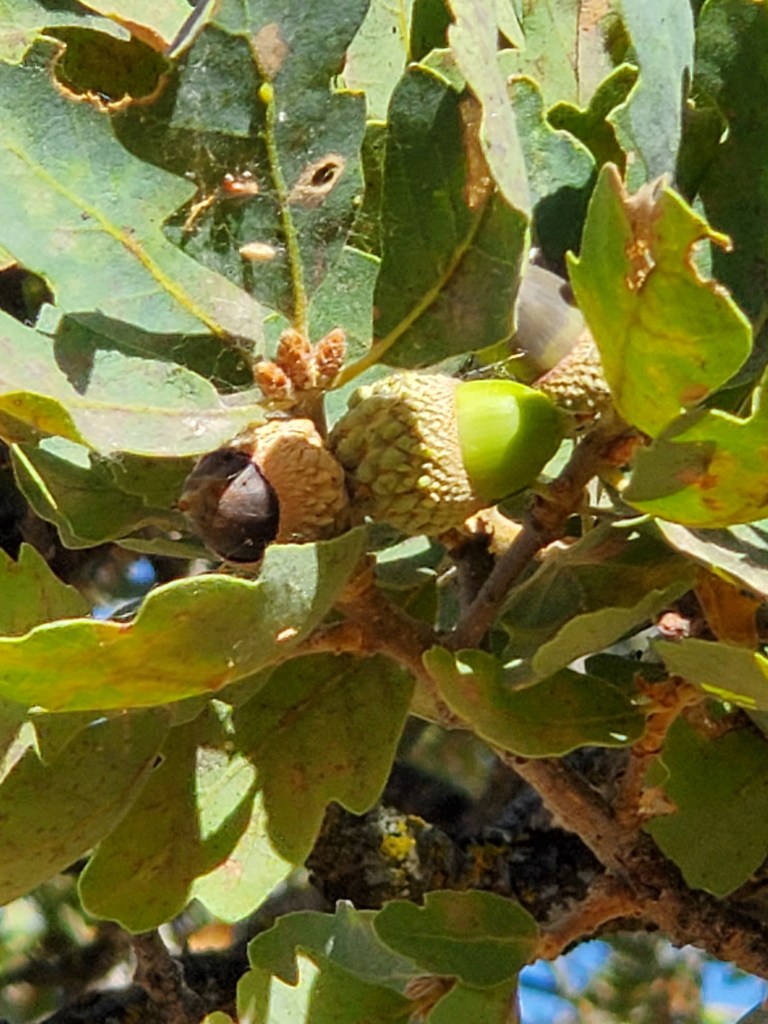
Tarweed, with its most incredible of smells, is bursting all around. Its first blooms tell me that Fall is near. Acorns are dropping, some with the almost neon green of youth and others with the dark brown of maturity. The wind has been knocking them out of the tree, too soon for some and just right for the others. Then, we have been witnessing the nightly spectacle of a thousand ravens fly from the valley to the foothills on their dusk time commute to roost safely somewhere up hill from us. David and I have been sitting on the front patio to watch this massive nightly migration. You can hear the wings flapping before you see them. It is incredible. We are waiting to begin seeing the tarantulas. This is the one harbinger of Fall that we have not seen yet. Probably soon!
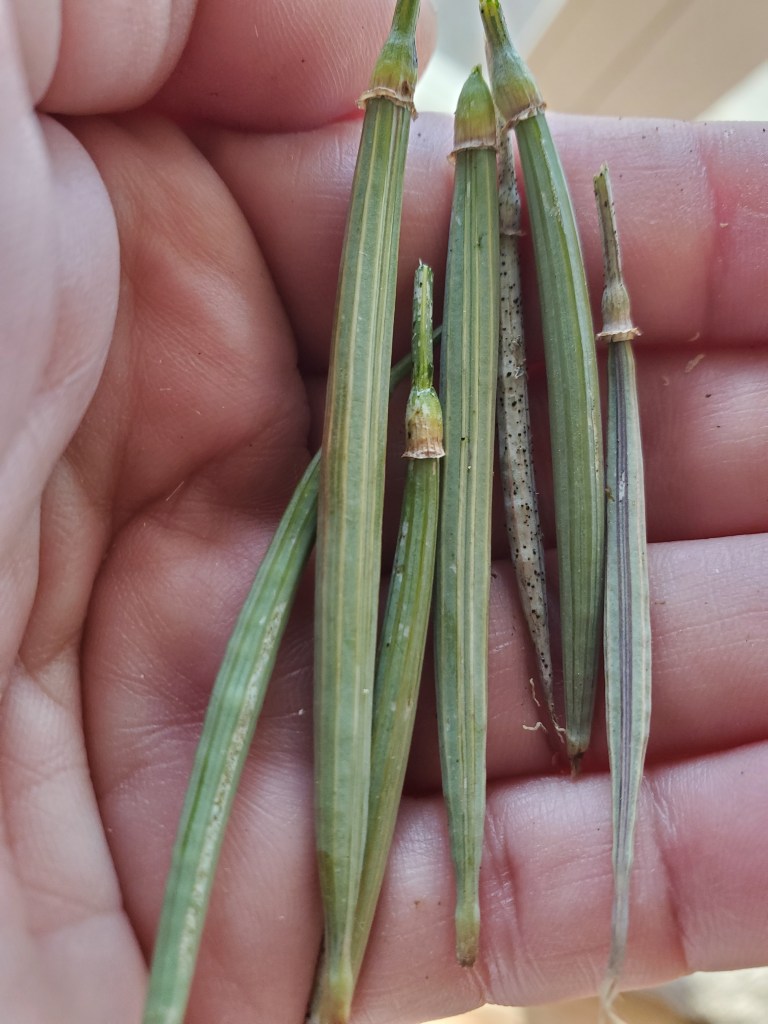
Seed Collecting
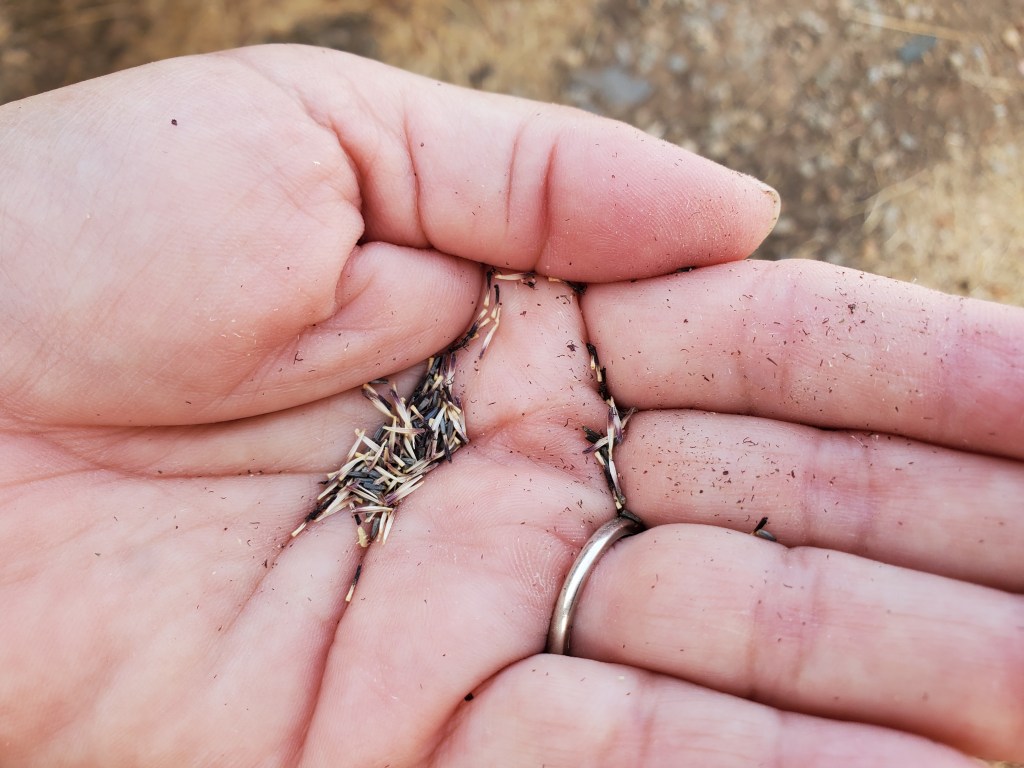
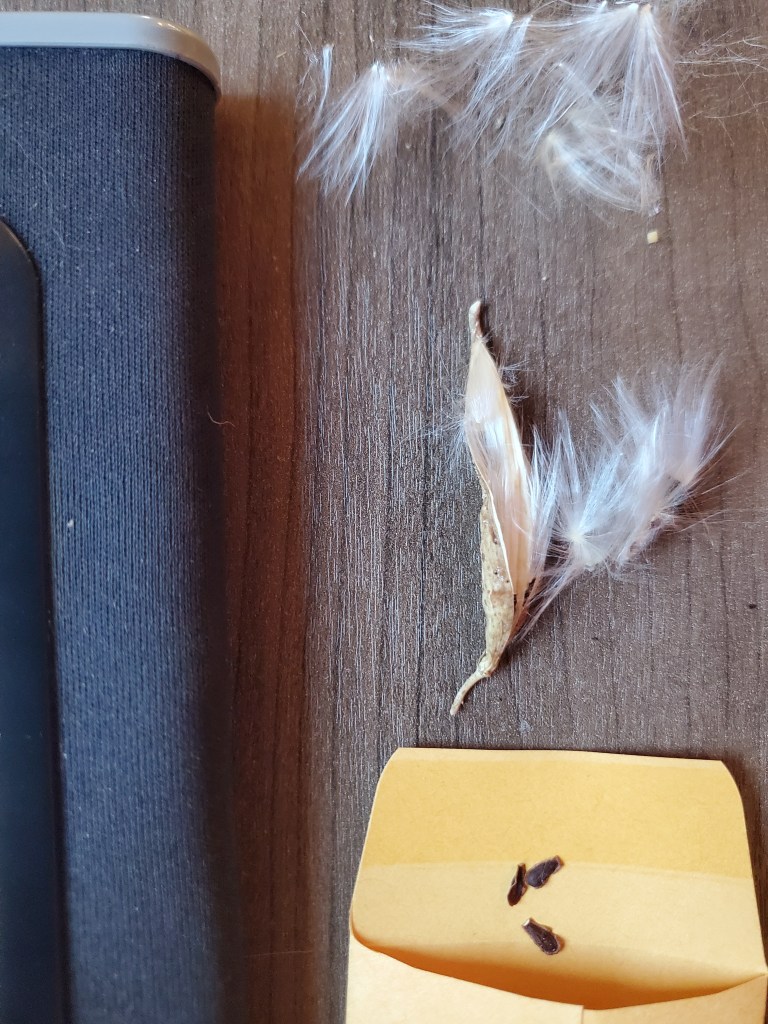
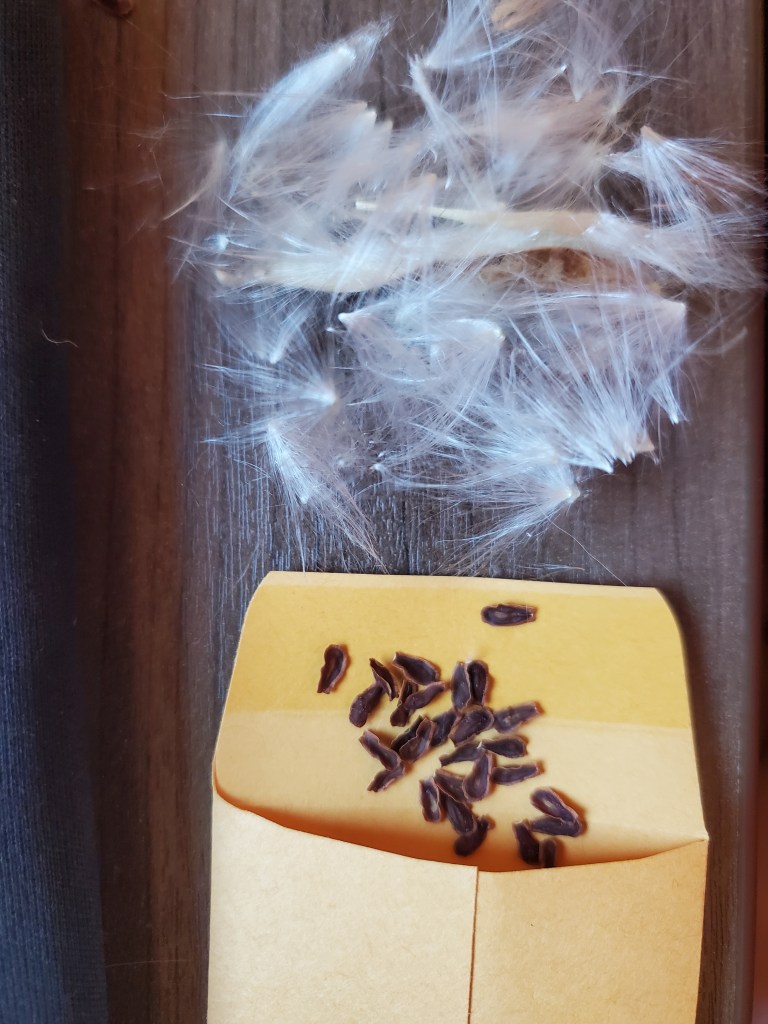
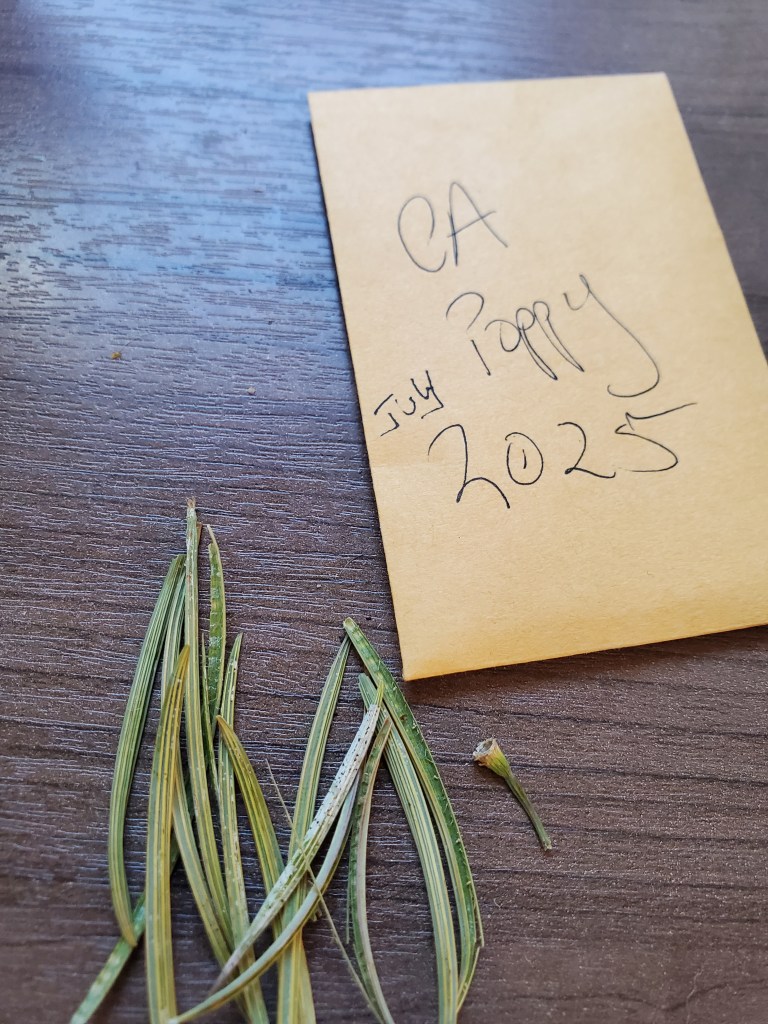
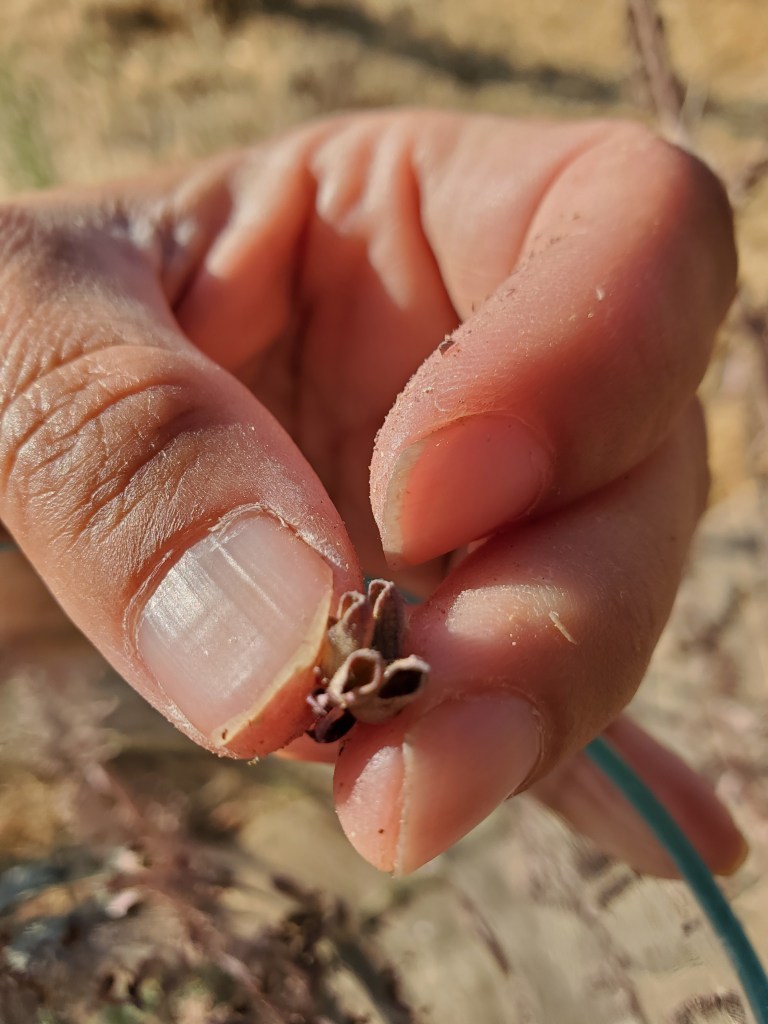
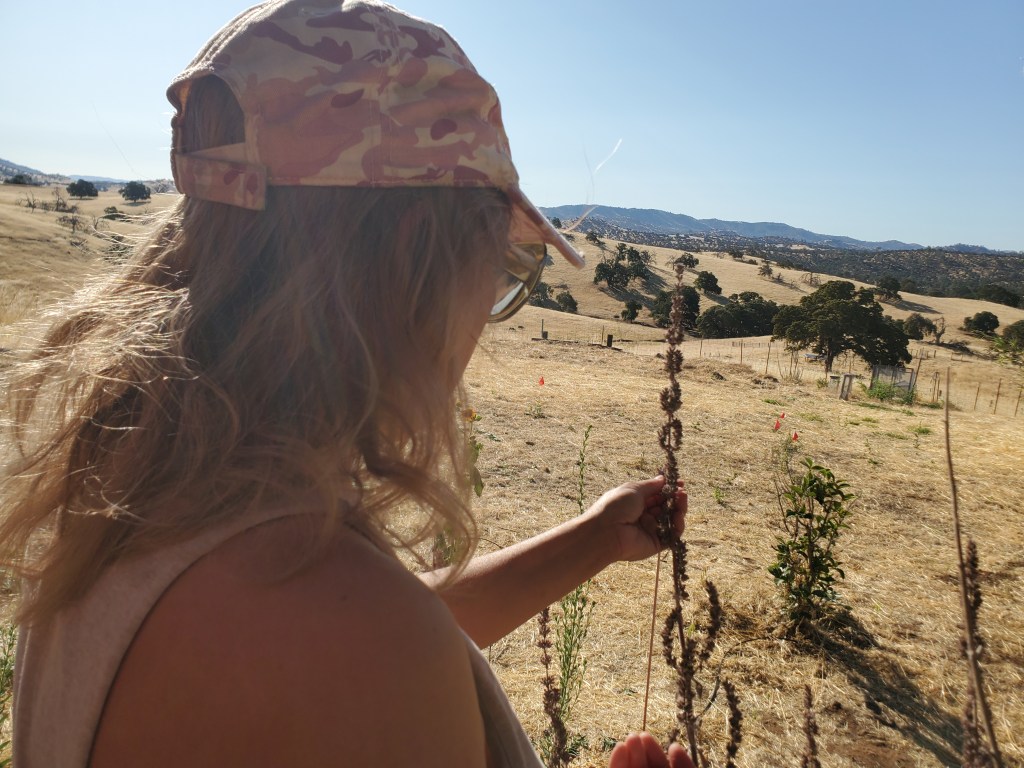
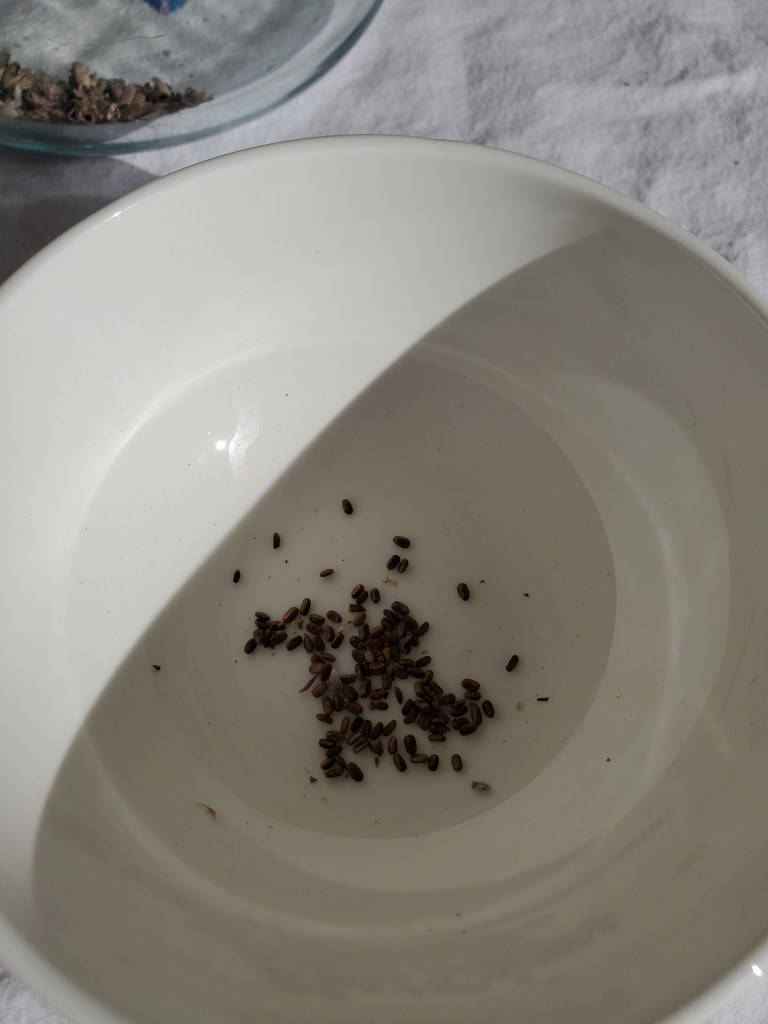
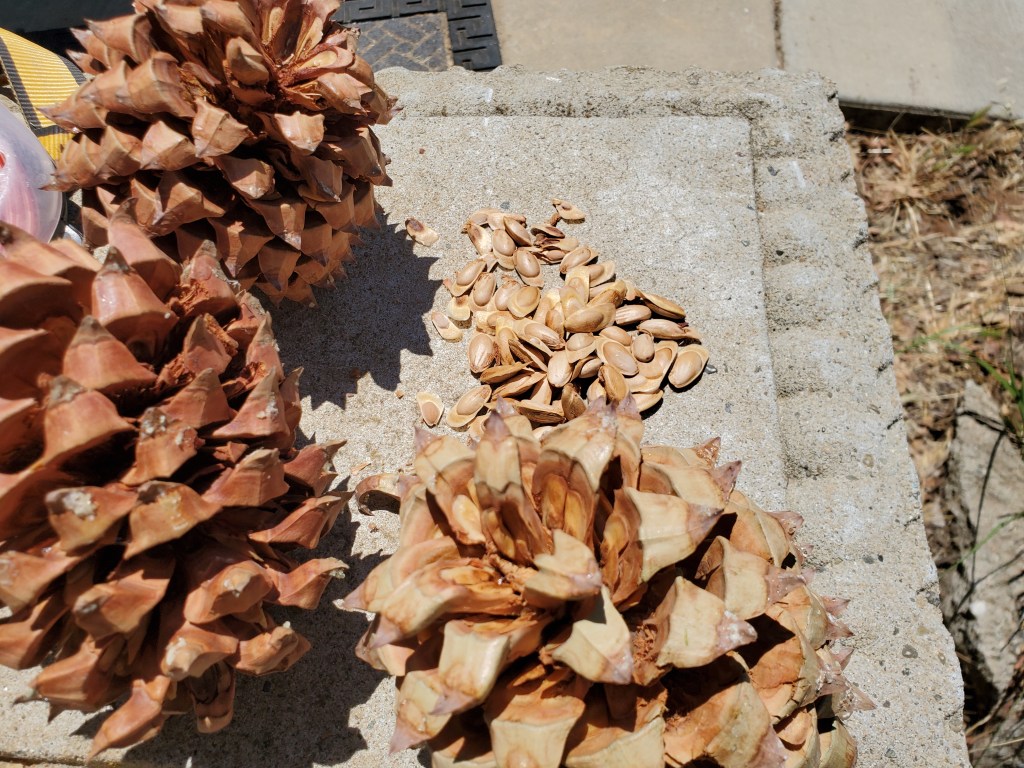
For the past couple months, I have been seed collecting, storing up for next year. I’ve shared when I’ve had an abundance and left most for the birds, other wildlife and propagation. I plan to do a burn to rejuvinate the land and clear thatch of medusa head. These seeds will help make a good start.

Guzzler Work and Visitors
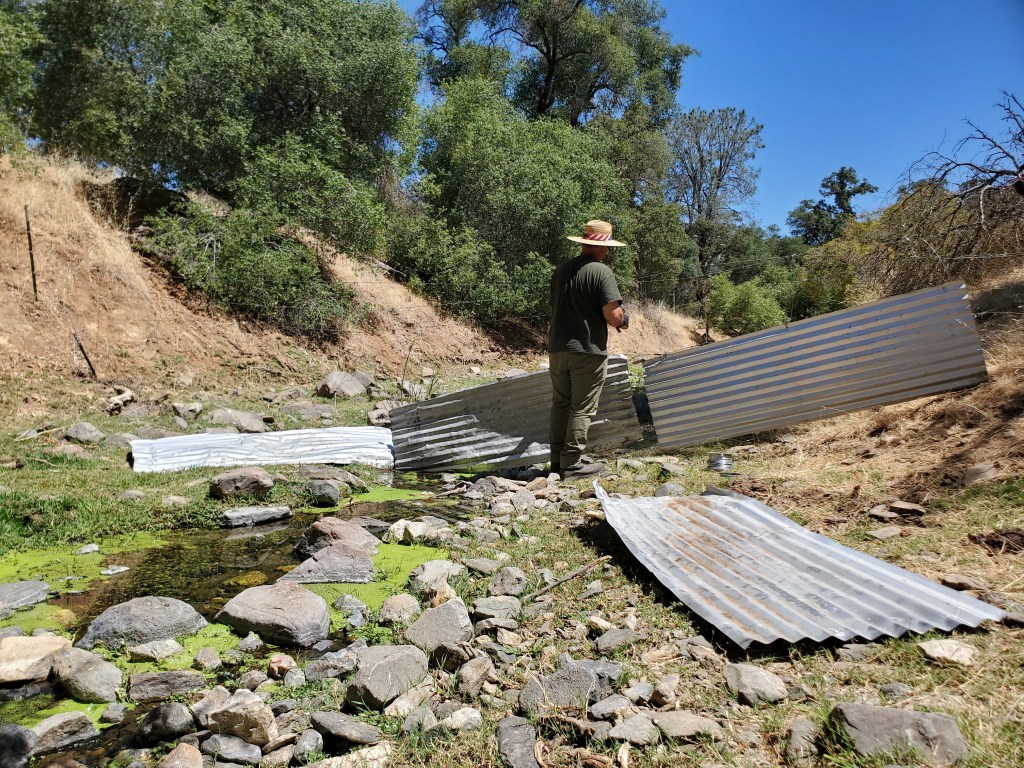
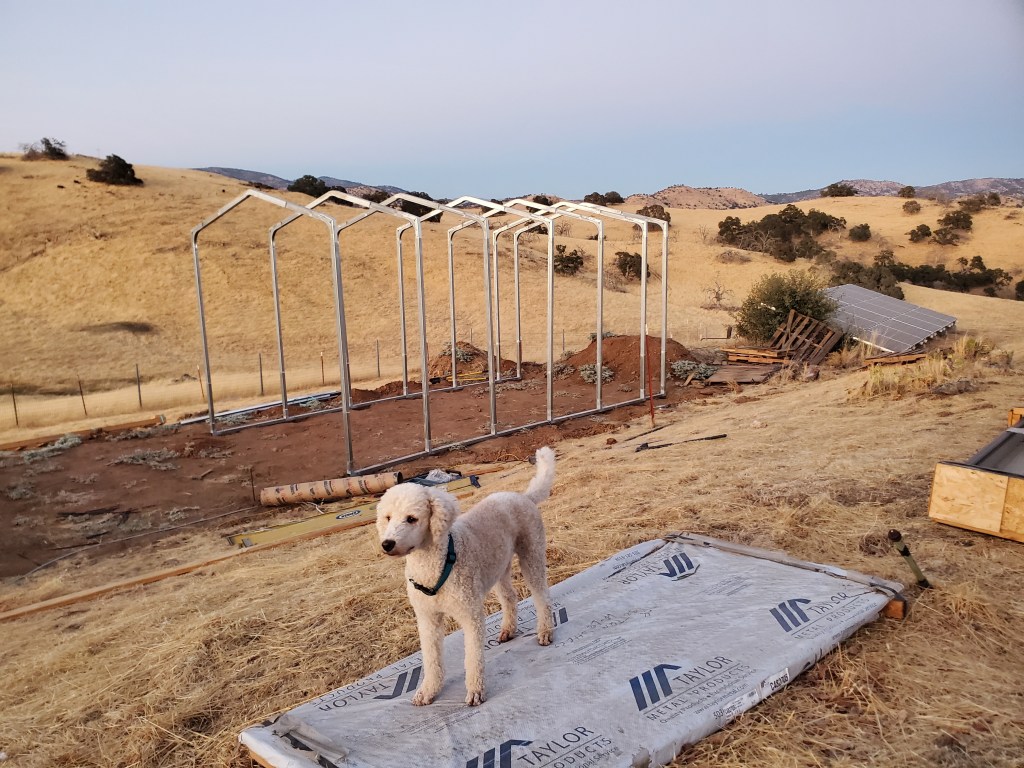
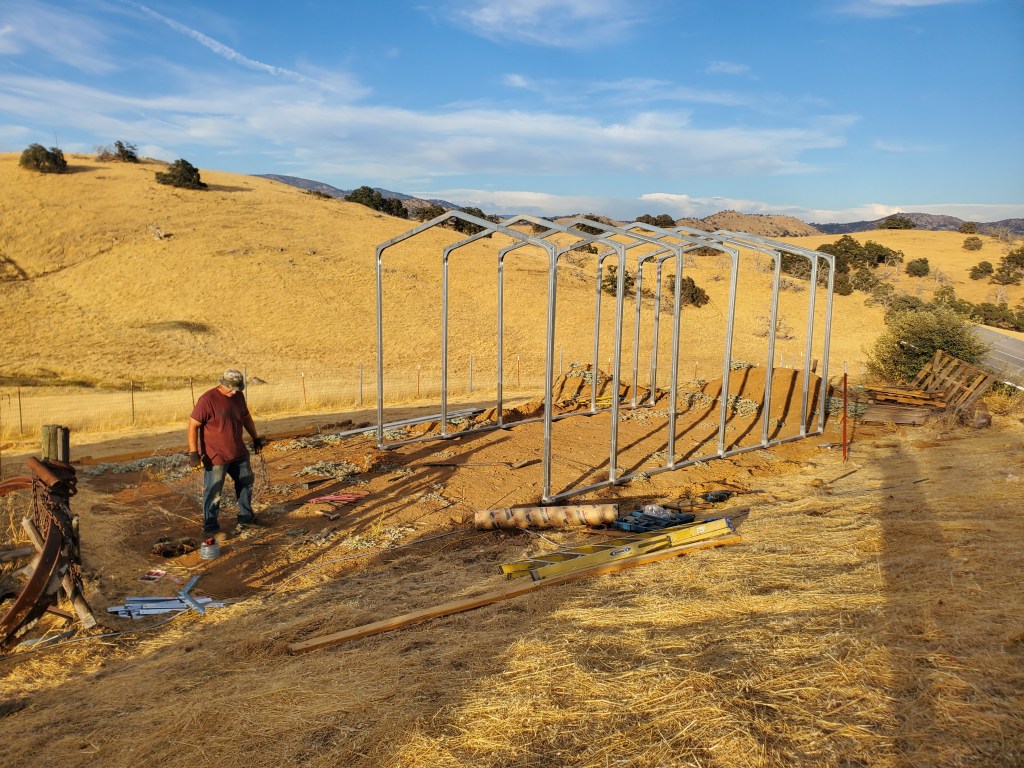
David has been busy at work on the metal building to be used to shelter tanks and collect rain water for the guzzler. I oversized it to eventually include a larger volume tank that will irrigate my next project of establishing a field of native grasses. For now, the shed holds a smaller 1,500 gallon tank to keep fresh water in the wildlife guzzler. We installed stainless steel mesh gutter screens to improve the quality of the rainwater catch. Although we took the flat area to hardpan and David and I both raked the ground to clear rocks, there were still quite a few rocks embedded in the hardpan. In order to prevent water tank punctures from those rocks, we chose to install a rubber mat floor to be a barrier between the tank and the rocky surface. Remember, water weighs 8.34 lbs per gallon. Full, the tank will weigh 12,510 lbs. That would be a lot of downward pressure onto those rocks. I want to say a very public “Thank you” to David for his tremendous work on building this building for me. It came out great and will yield up to 2,302 gallons of rain water in an average precipitation year.
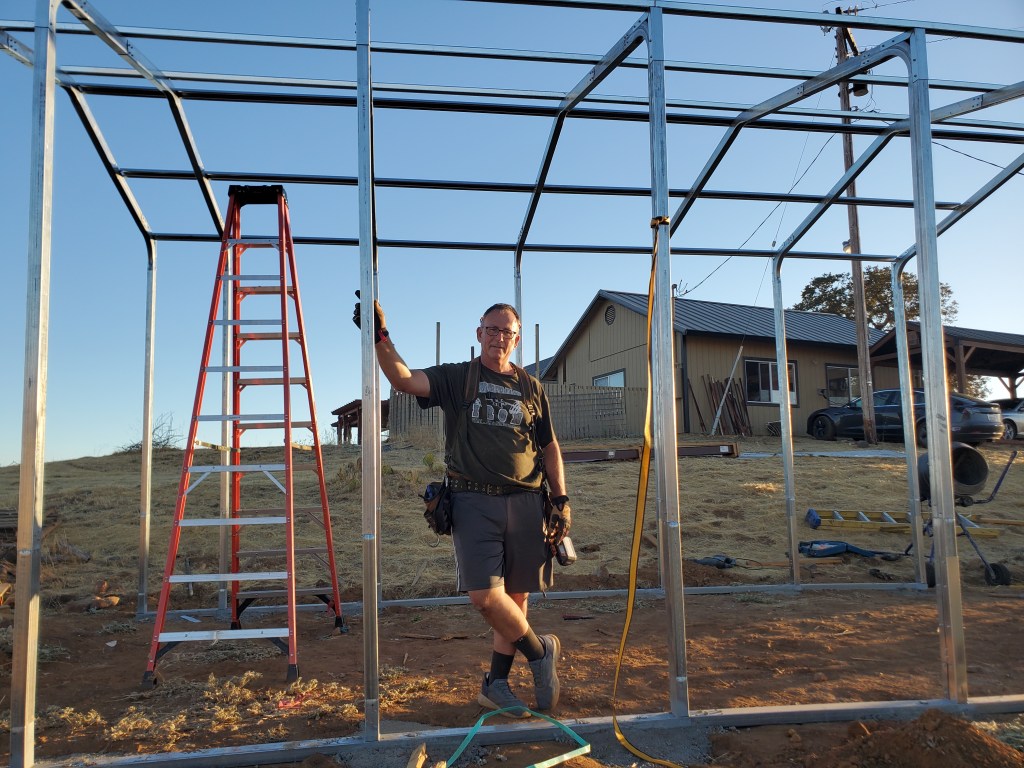
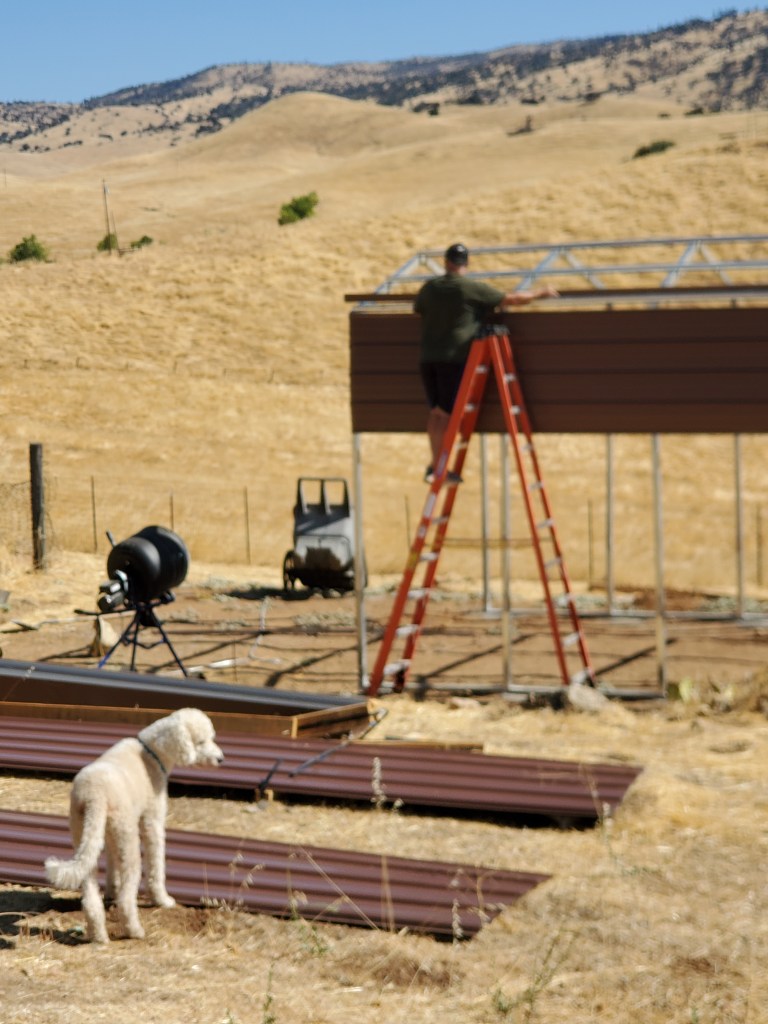


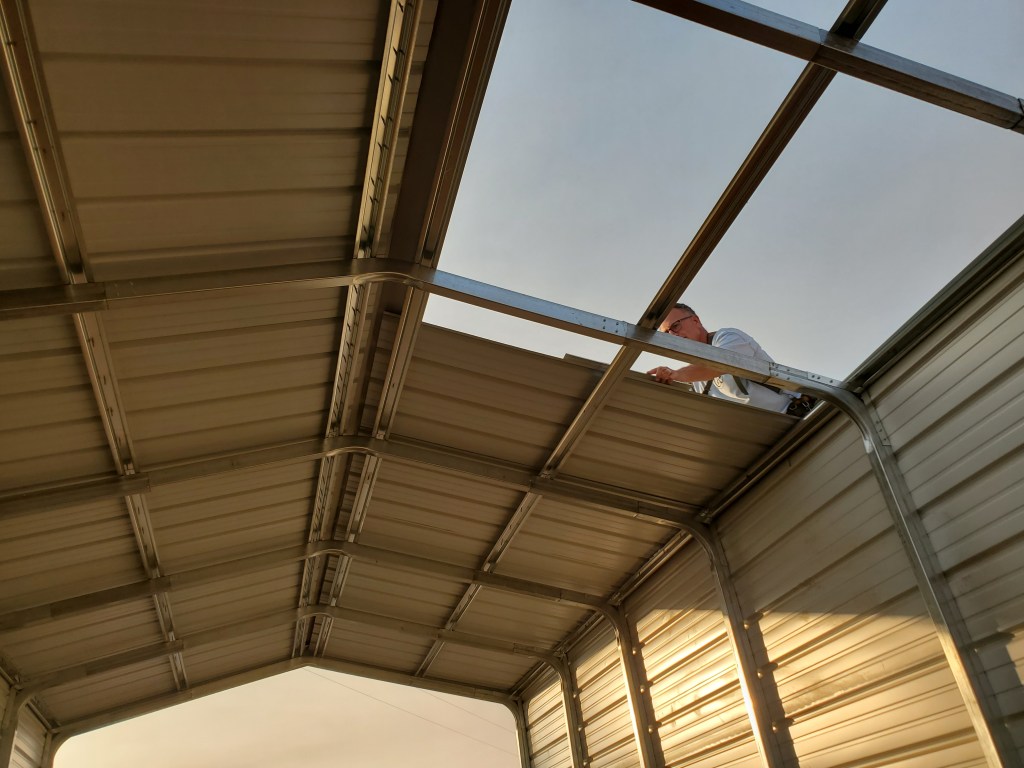

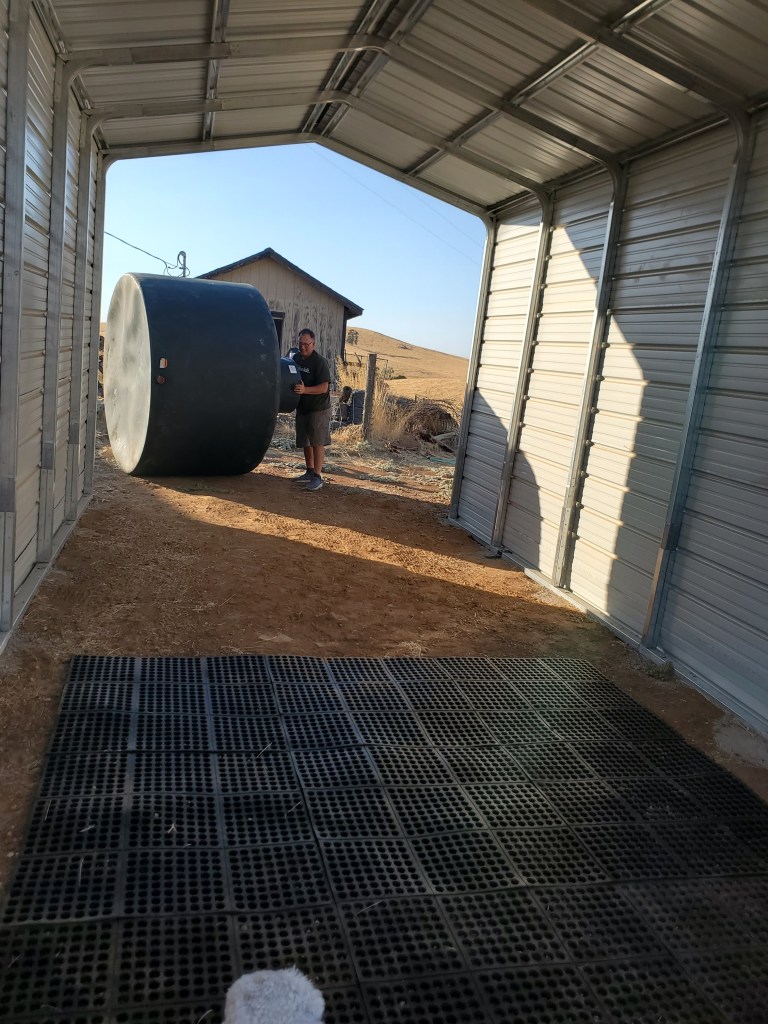


We plan to build a wooden structure to cover the tank that will be linked to Guzzler 2 in the near future. Why wood and not another metal building? We are planning to build on a slope. Metal buildings need a flat surface. With wood, we can place the post on piers that will level the structure.
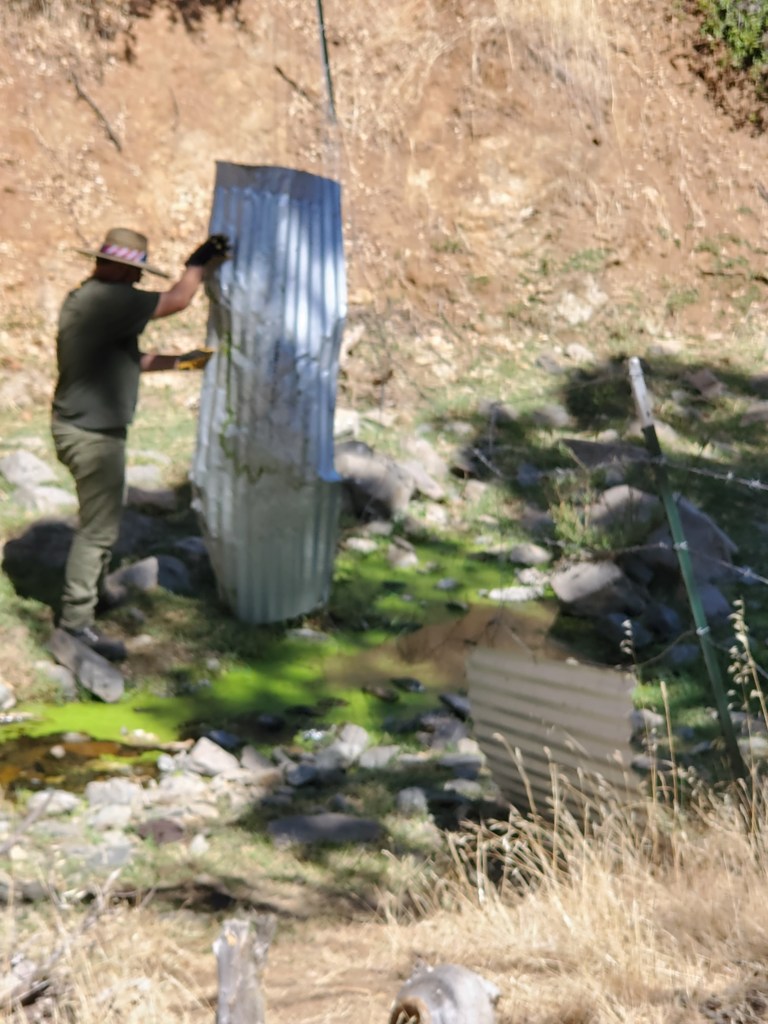
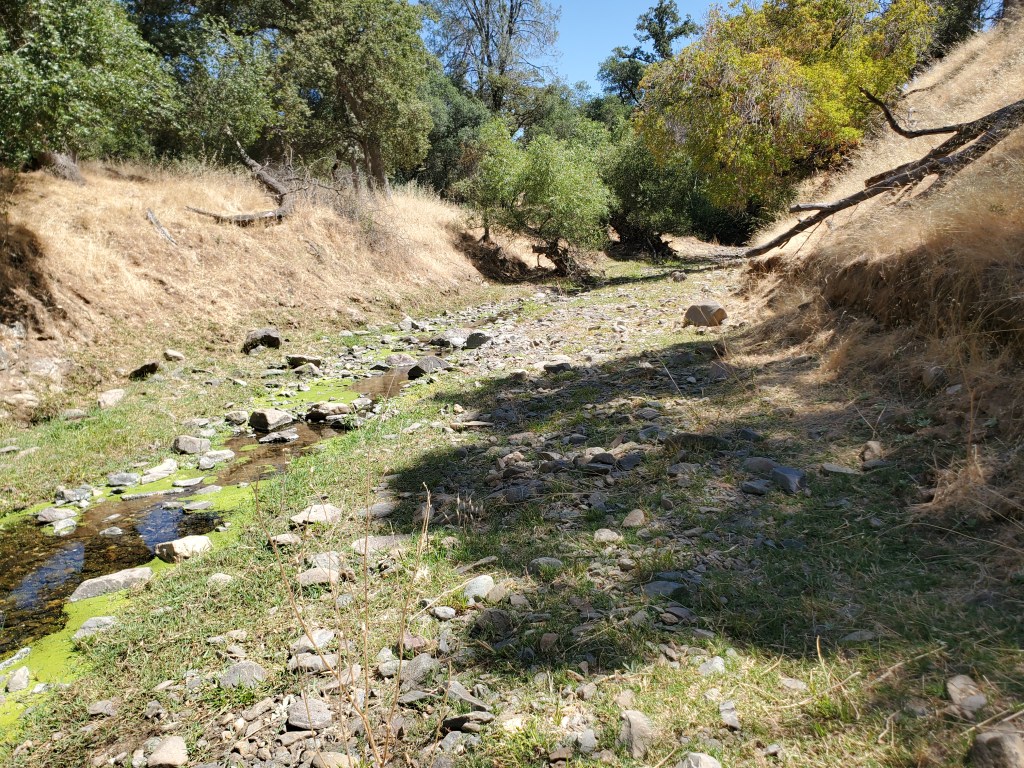
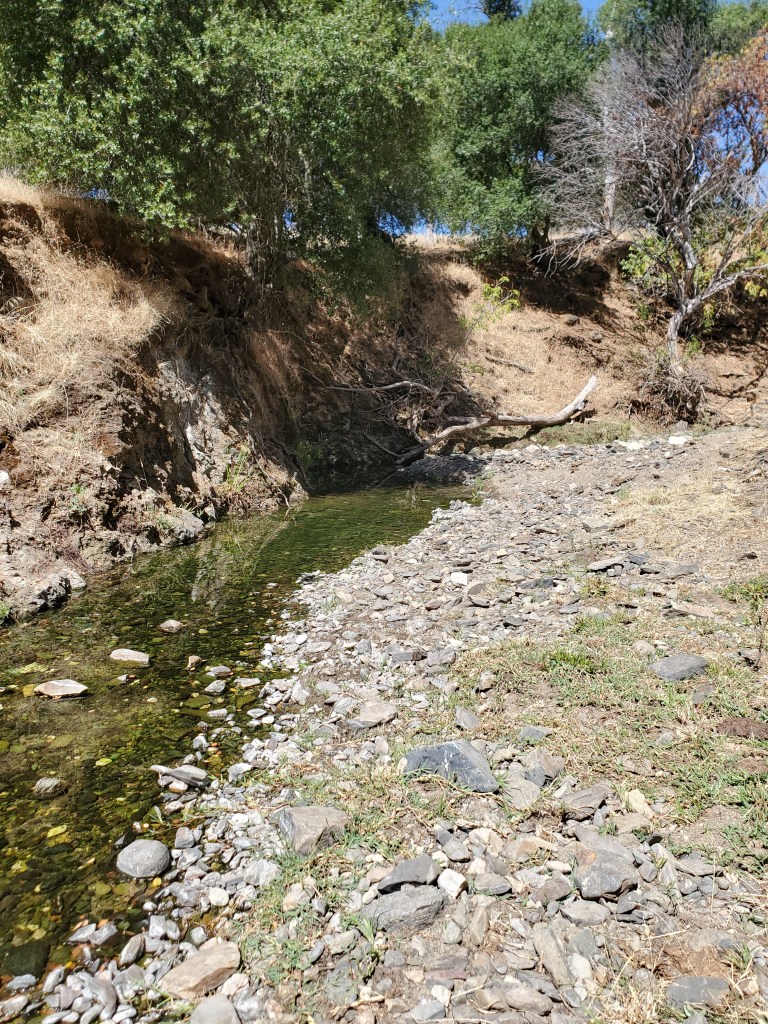
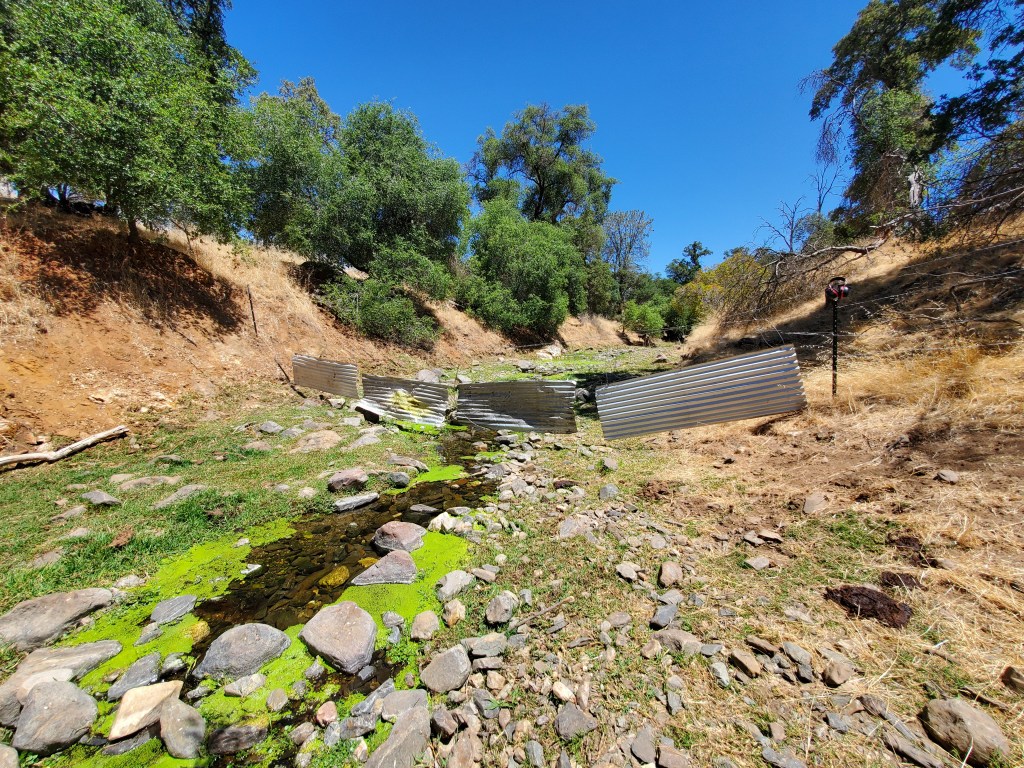
You may wonder why all this effort to feed some guzzlers that already have their own catchment system – wildlife and drought. We barely made it through a normal precipitation year last year with water in the guzzler. There was an inch left, and it was getting use. We lived through the drought and saw so many insects, birds and animals desperate for water. I remember placing a bird bath in the middle of the drainage during a drought. I would haul water to it and fill it up daily. Bees, flies, dragonflies and birds all flocked to it in large numbers. I never saw bees aggregate like that. It stayed with me. When I learned about guzzlers that came with their own escape ramps built in to prevent animal drownings, I started to plan them across the ranch. I also thought about how I could retain the creek water longer as well, thus the rock and log drop structures. Water is life. You really understand this during a drought.
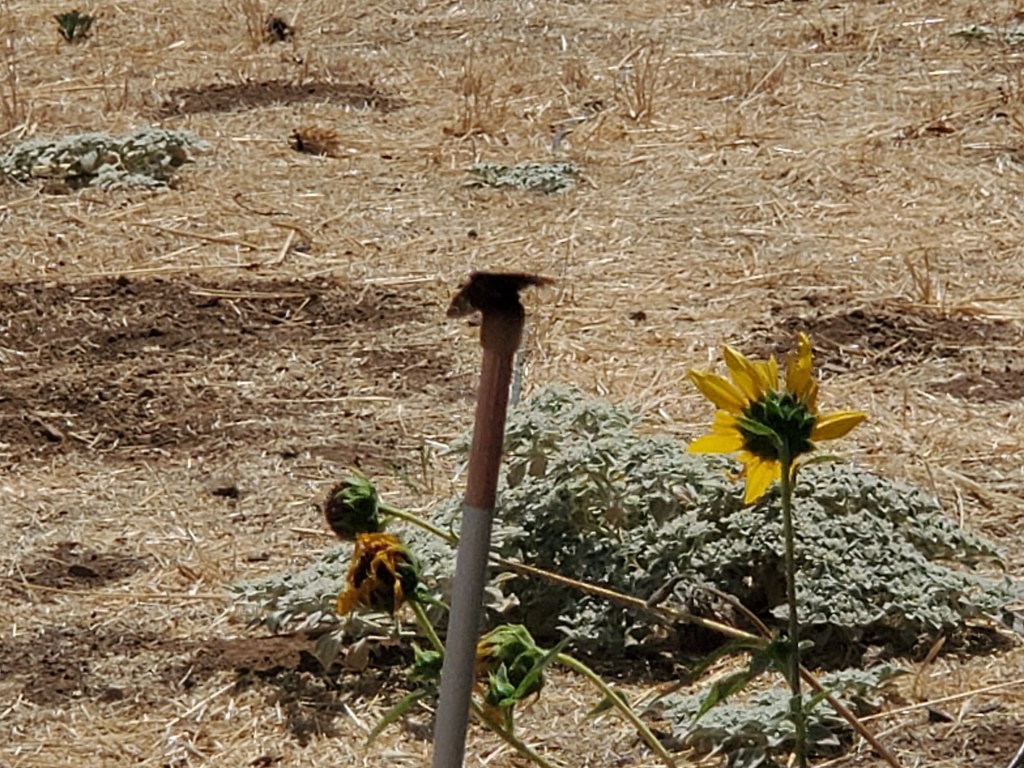
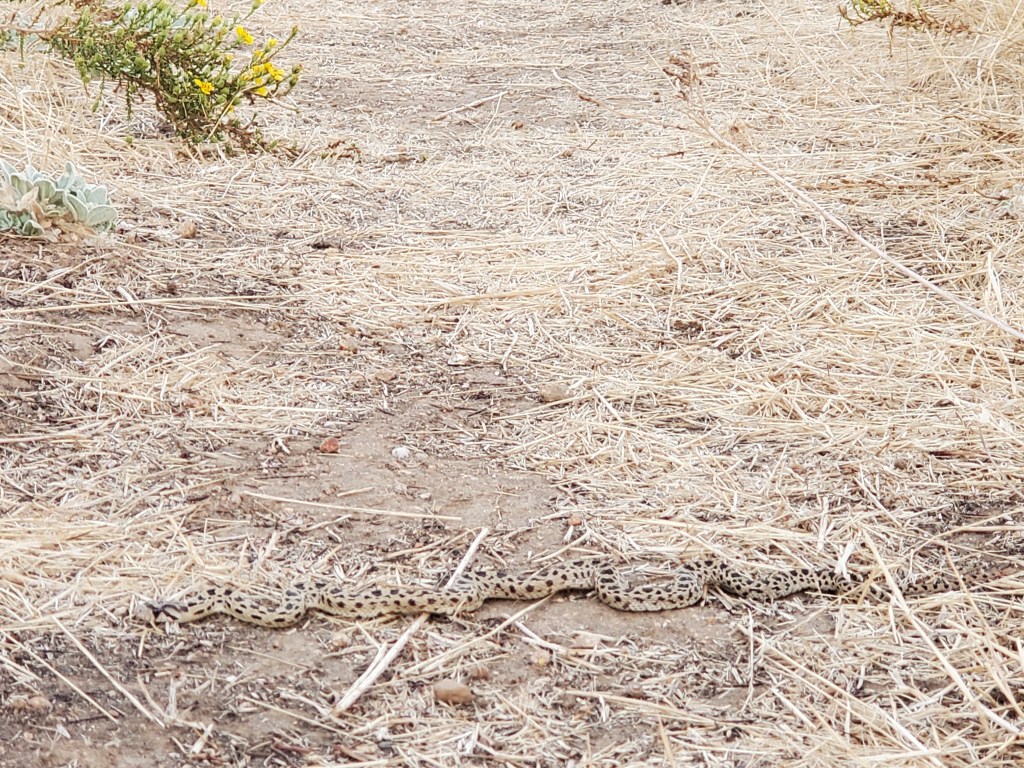
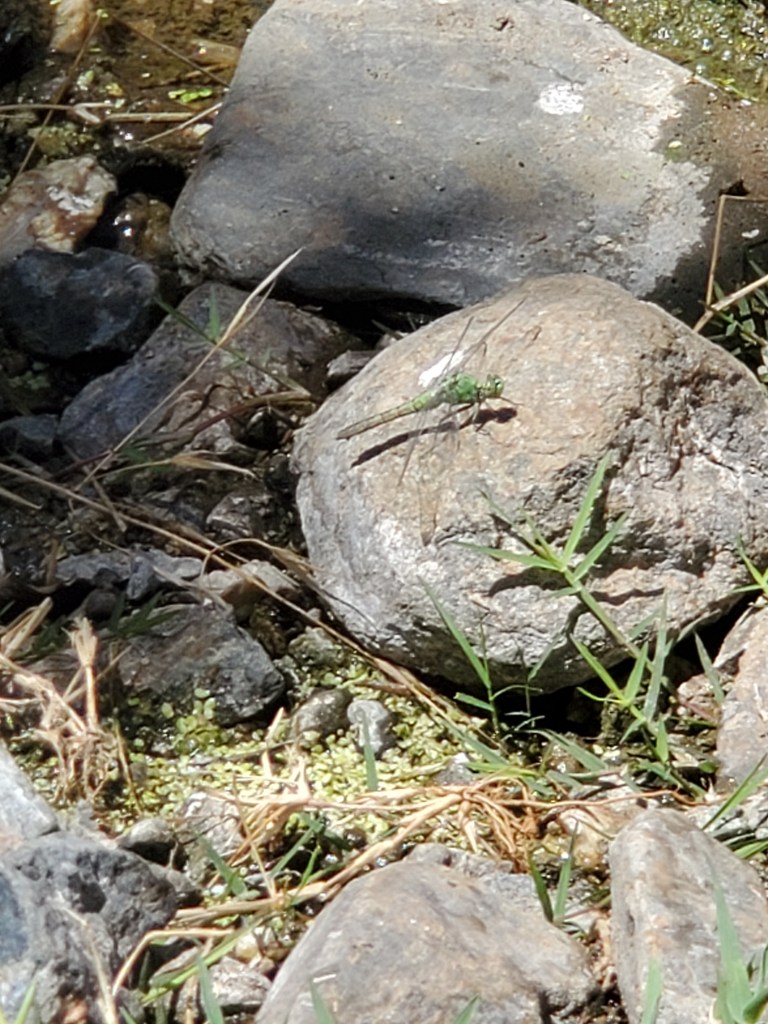
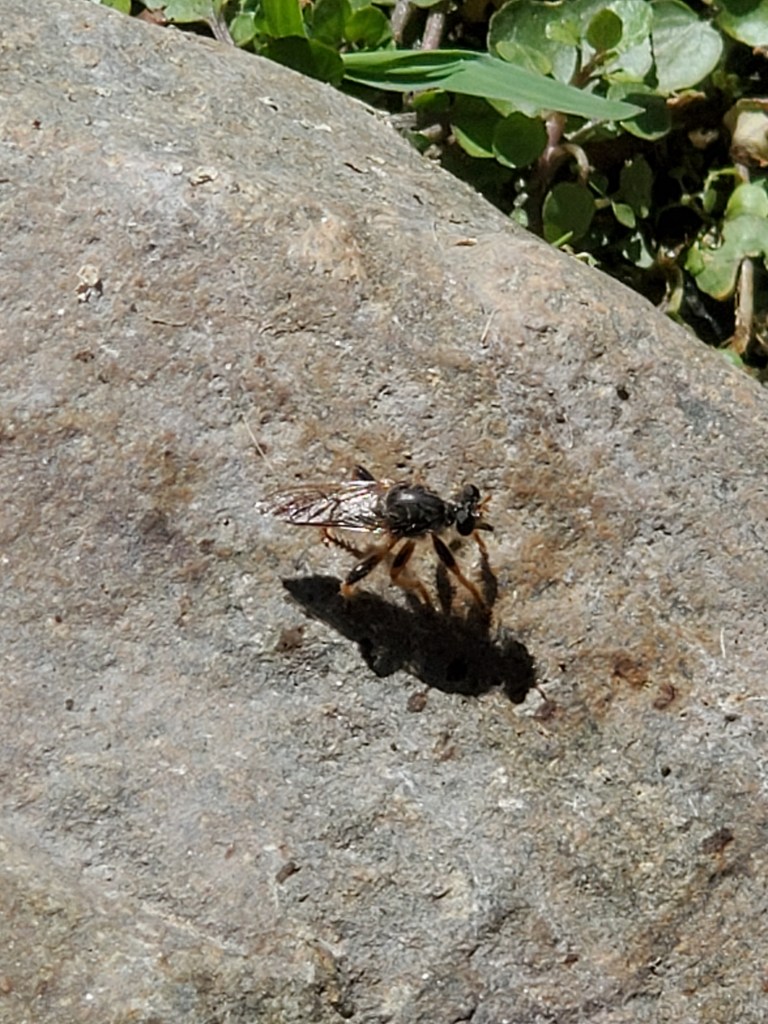
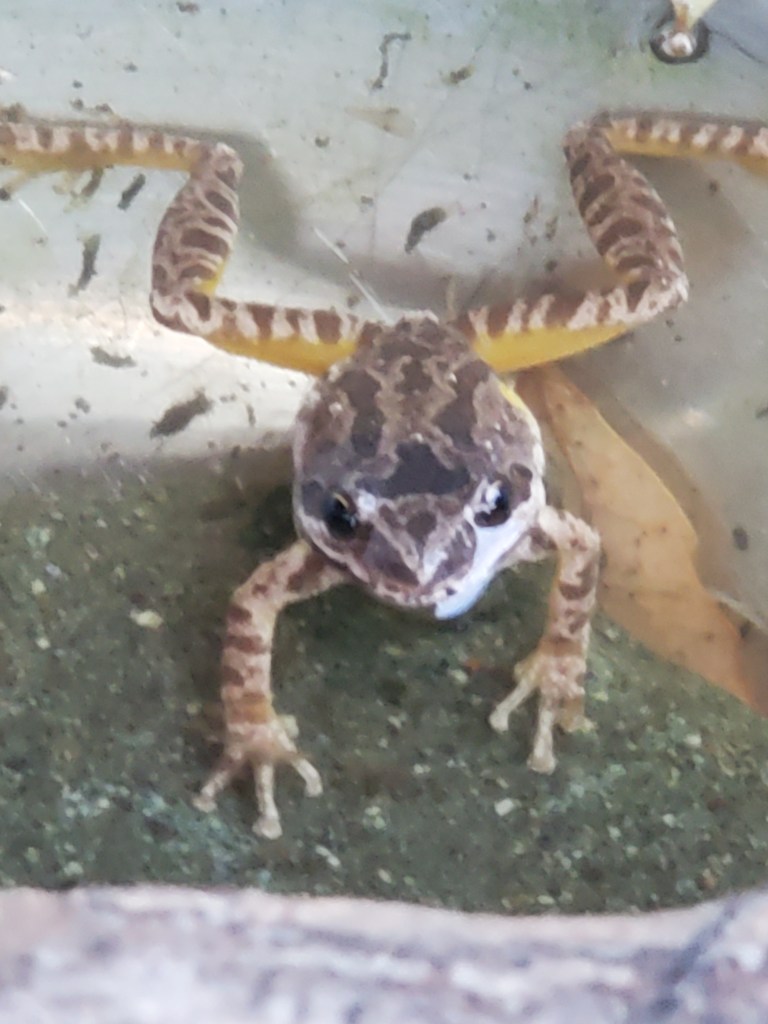
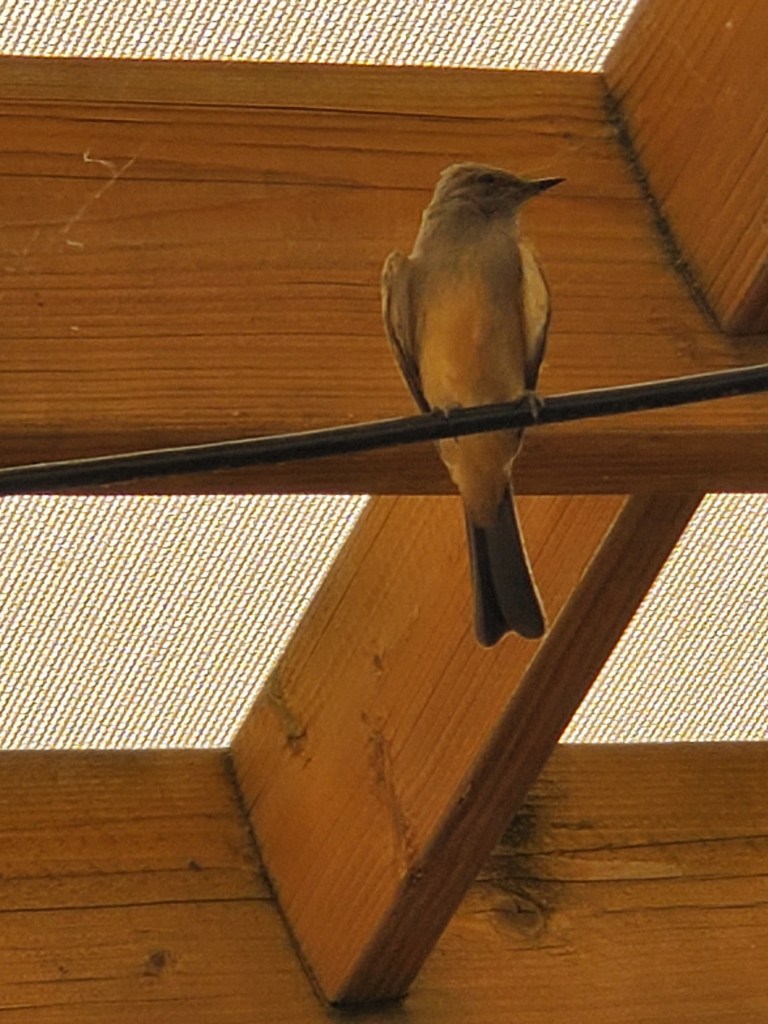
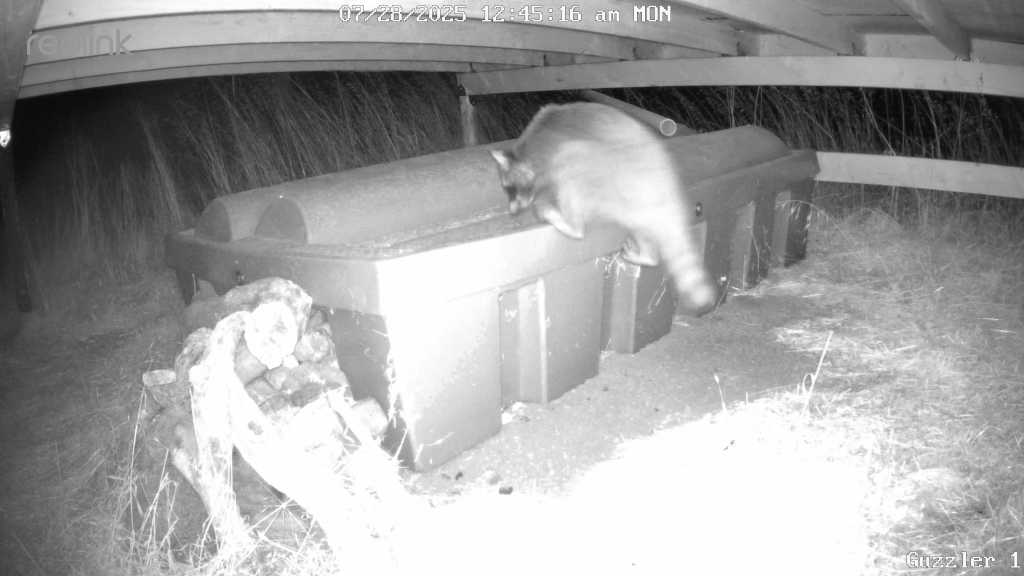
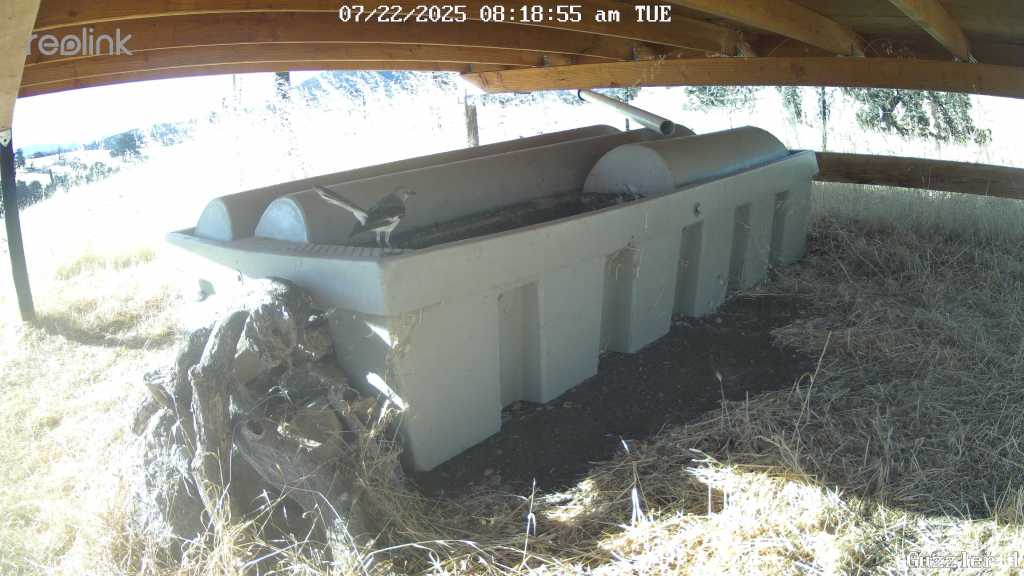
Animals have been using the guzzlers even when the creeks have water. I am so grateful for the opportunity to make a difference in their lives and return some resource where it has been over-drafted by human activity. The guzzlers have seen so pretty cool activity over the past several weeks.


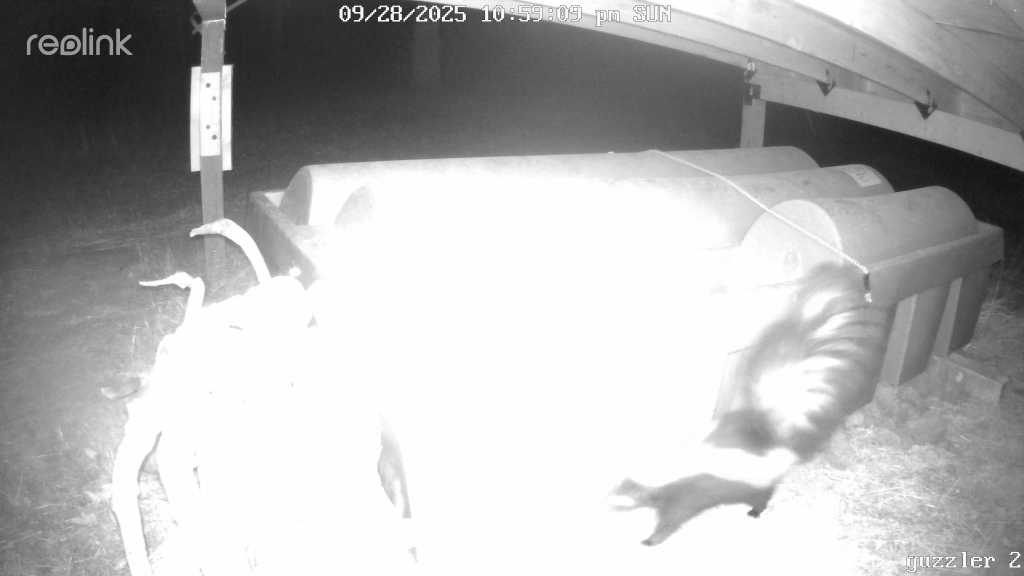

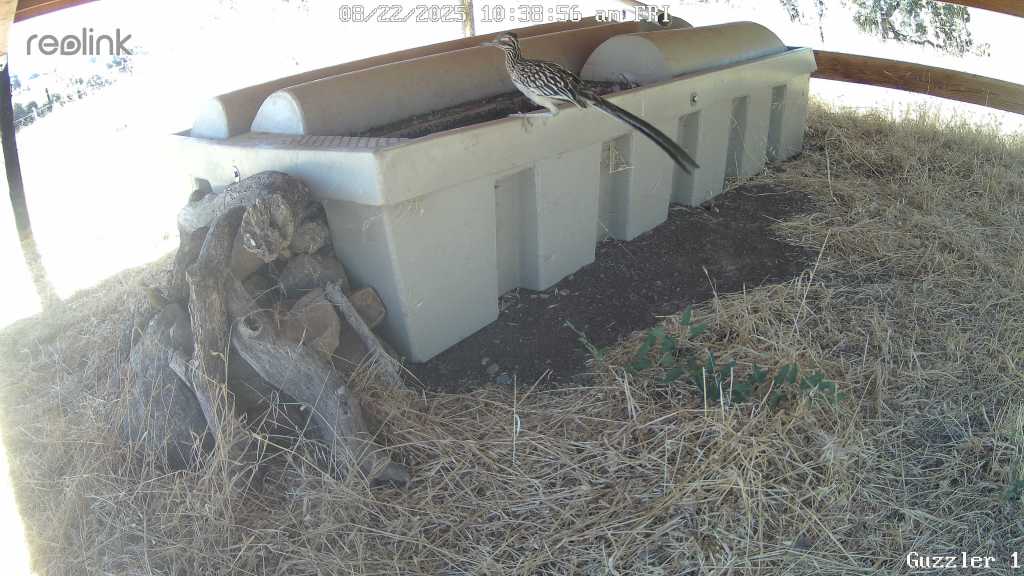


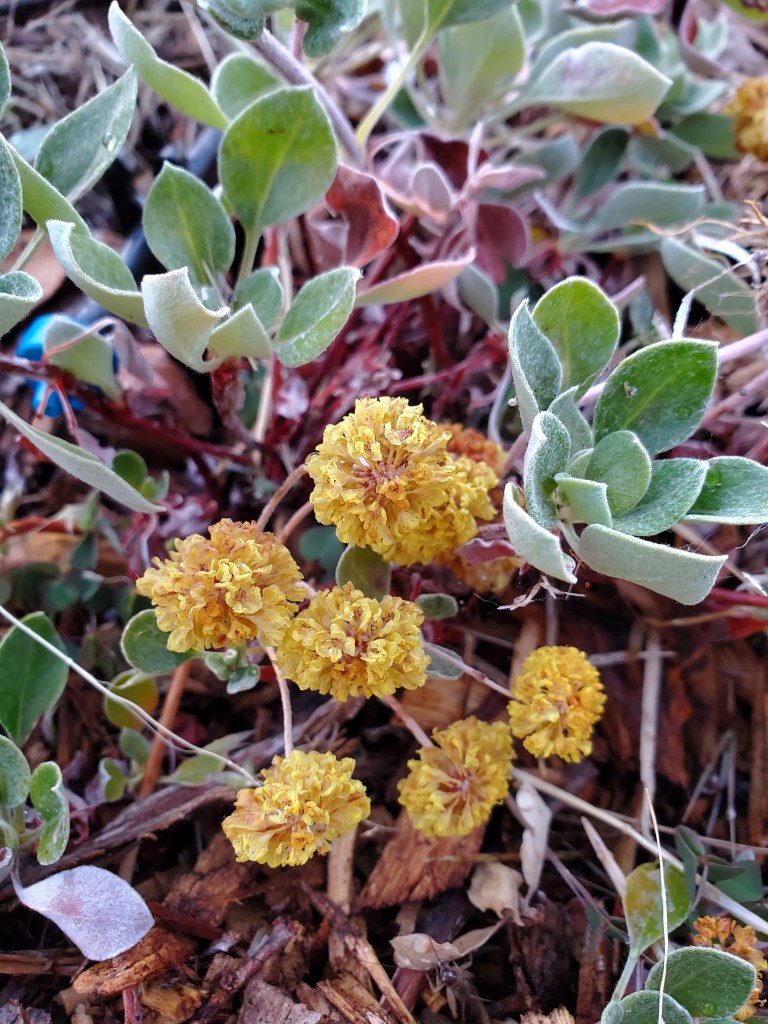
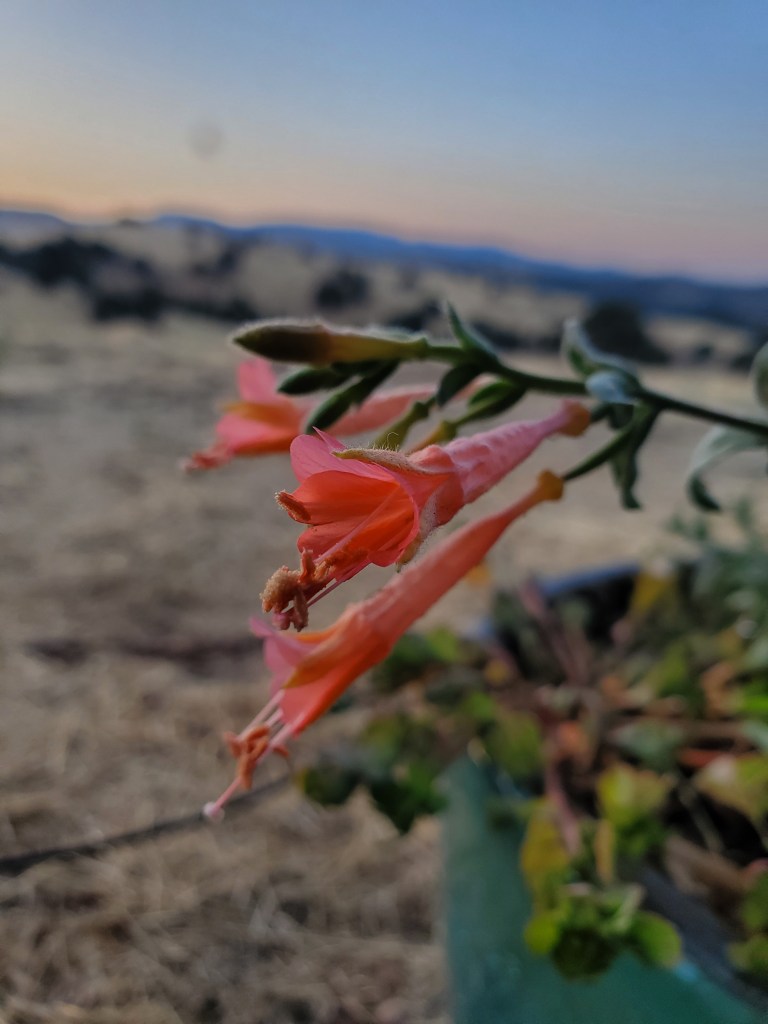
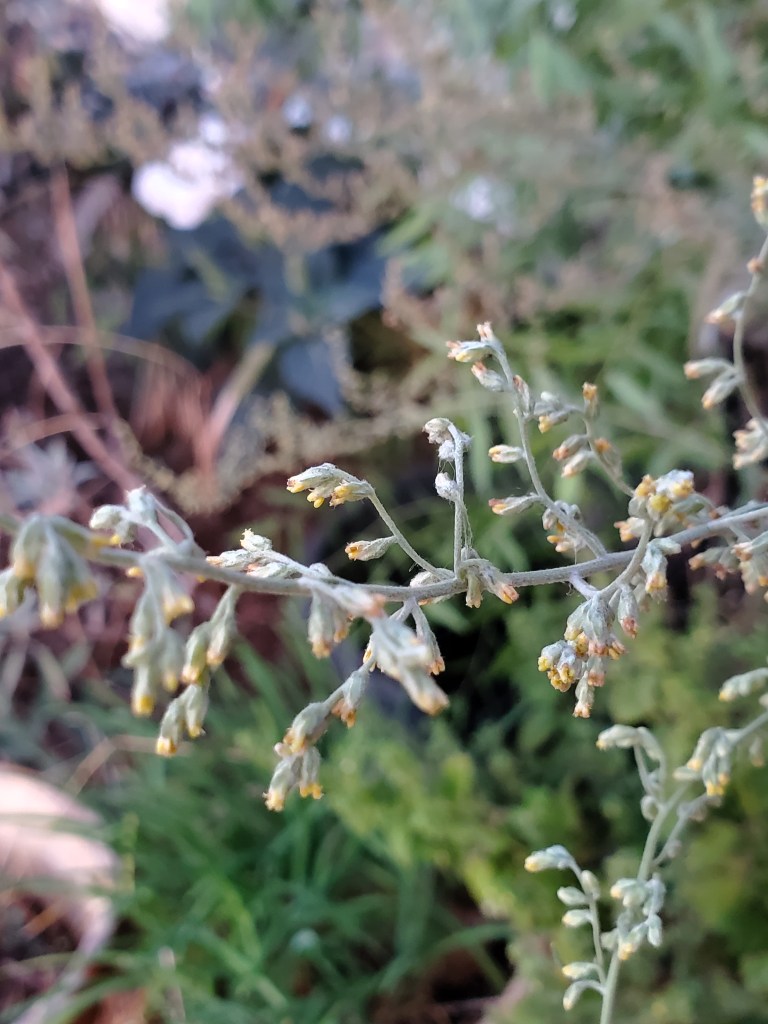
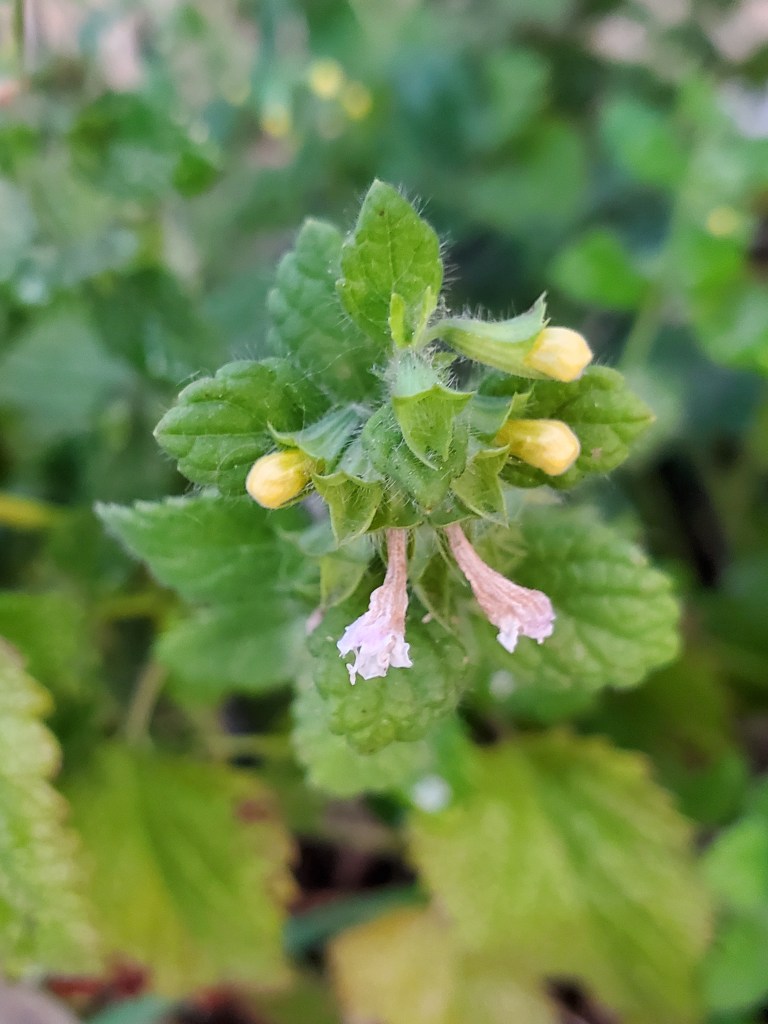
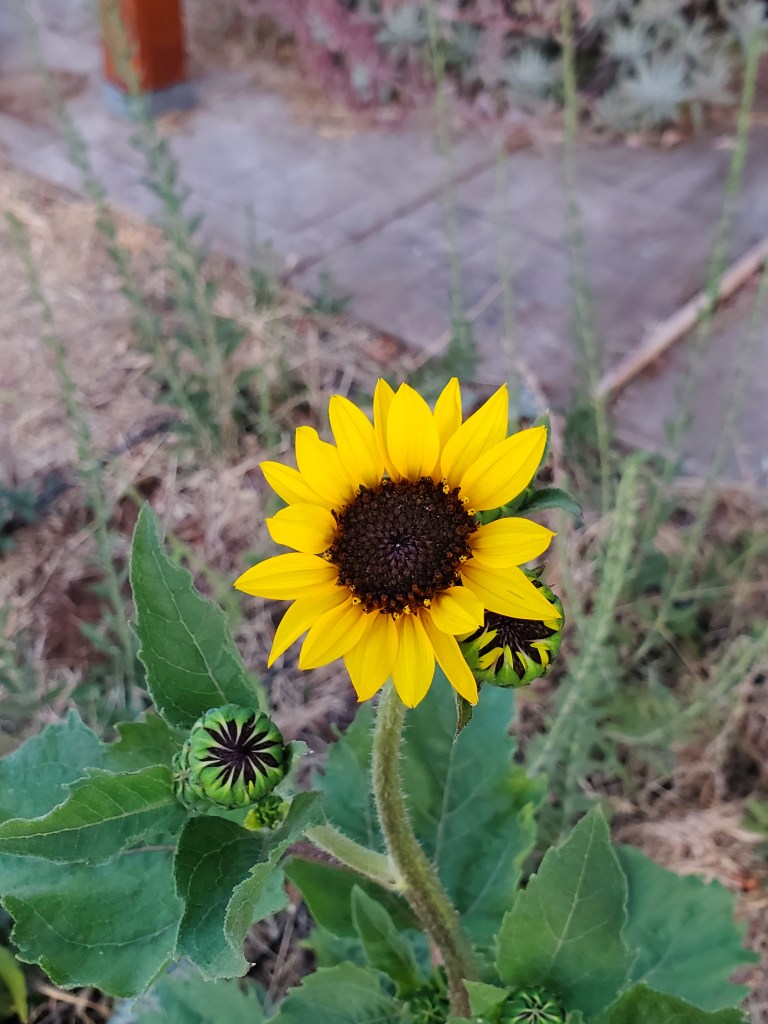
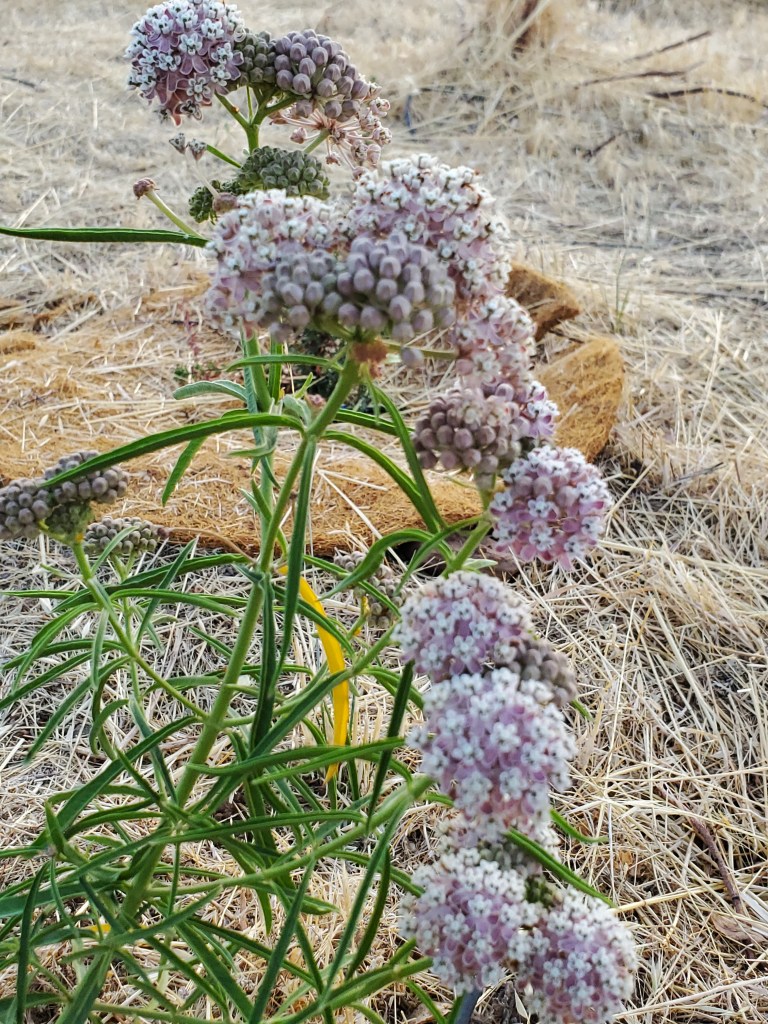
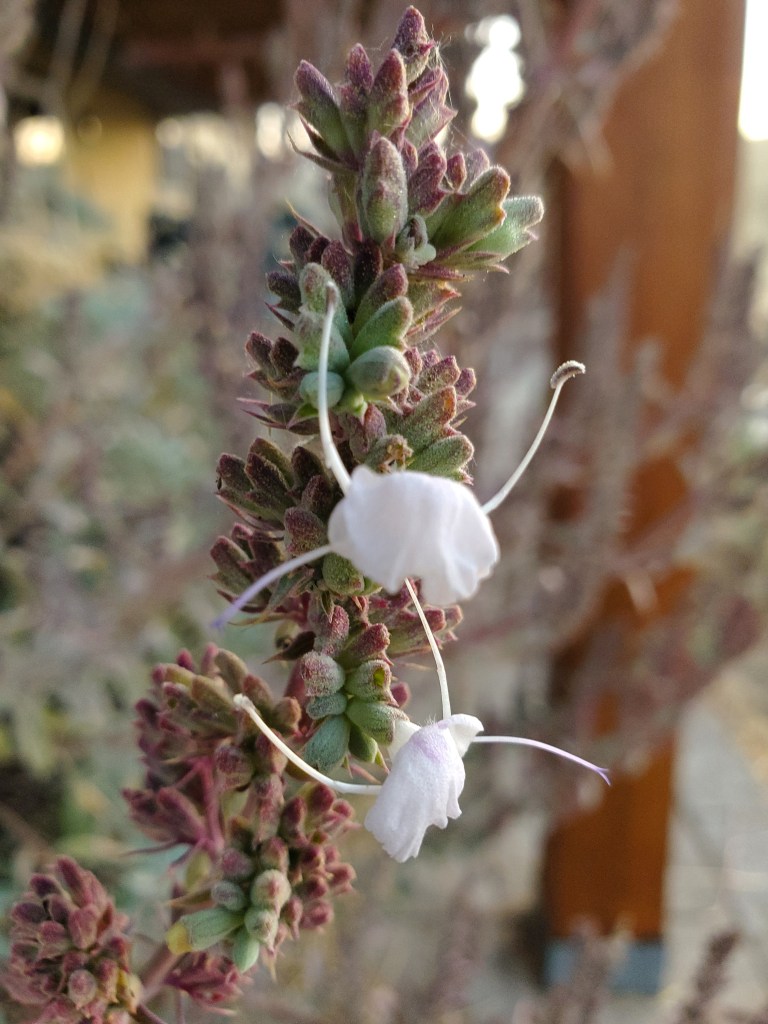
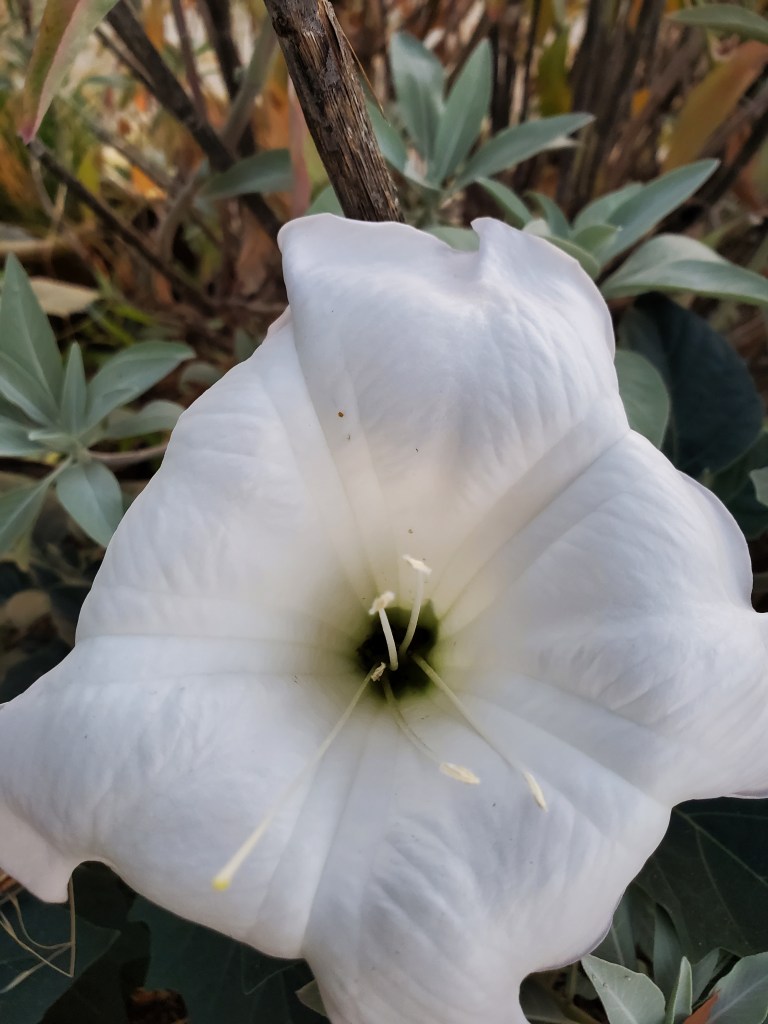
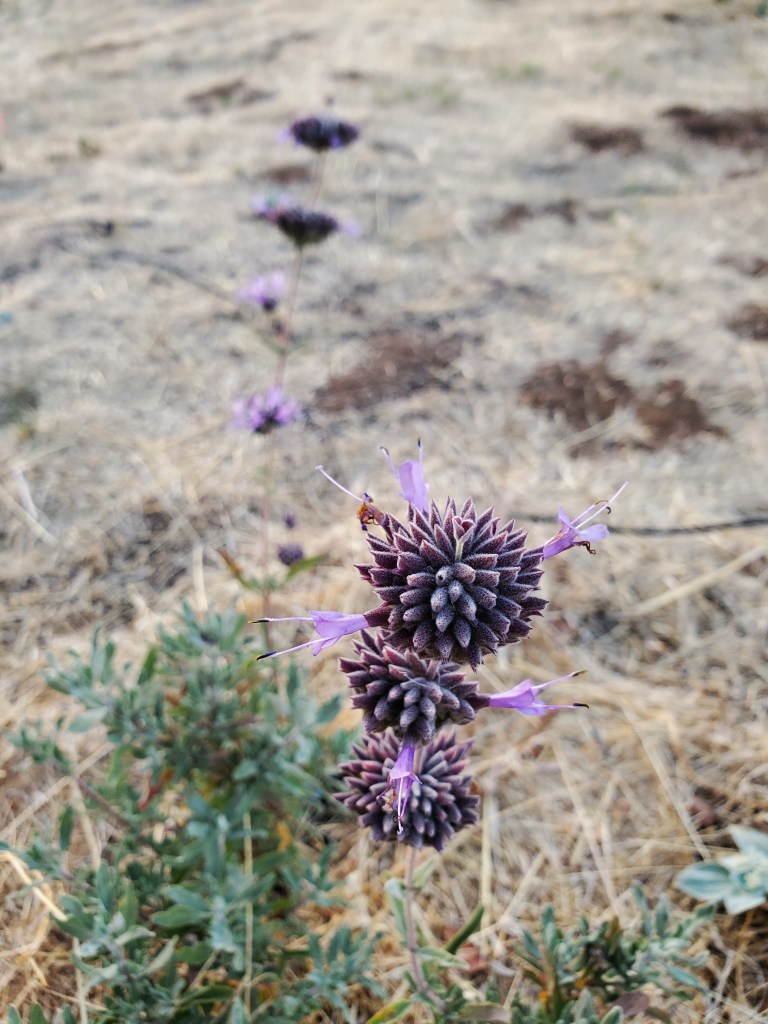
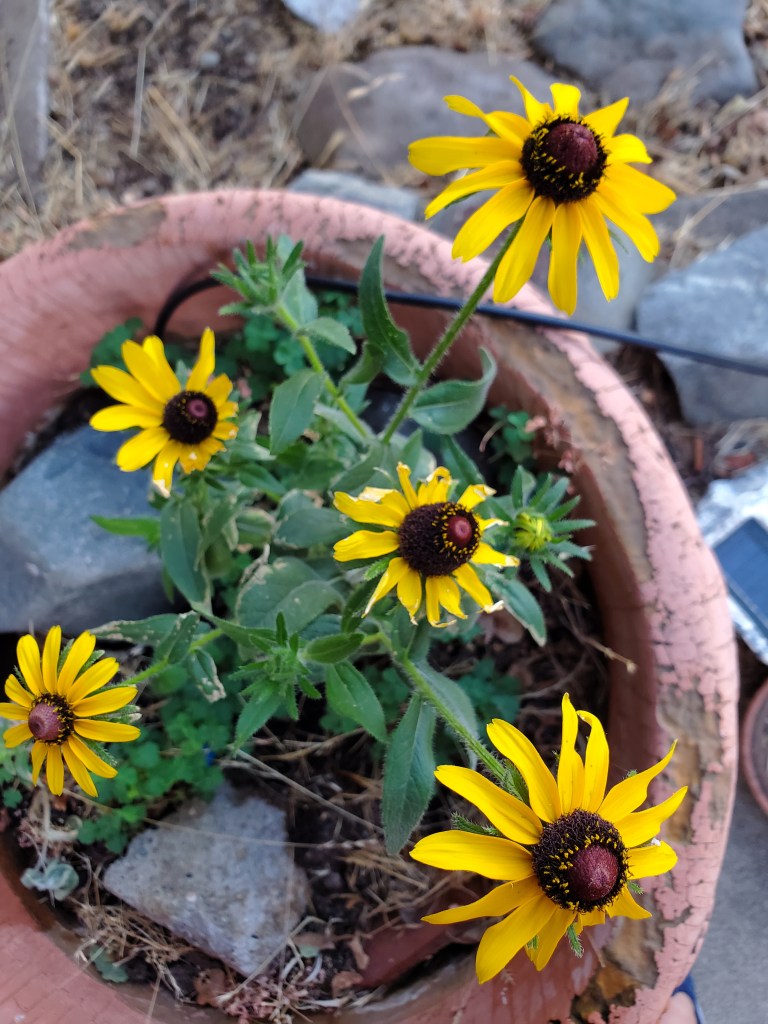
Currently in Bloom Plus Cool Seeds
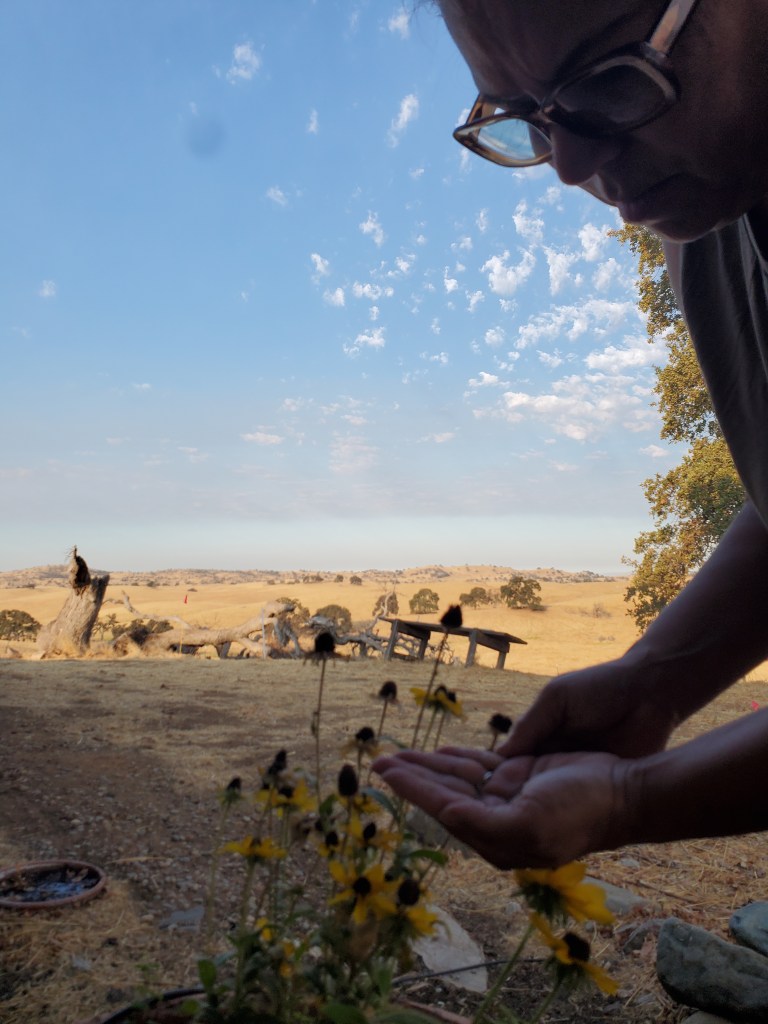
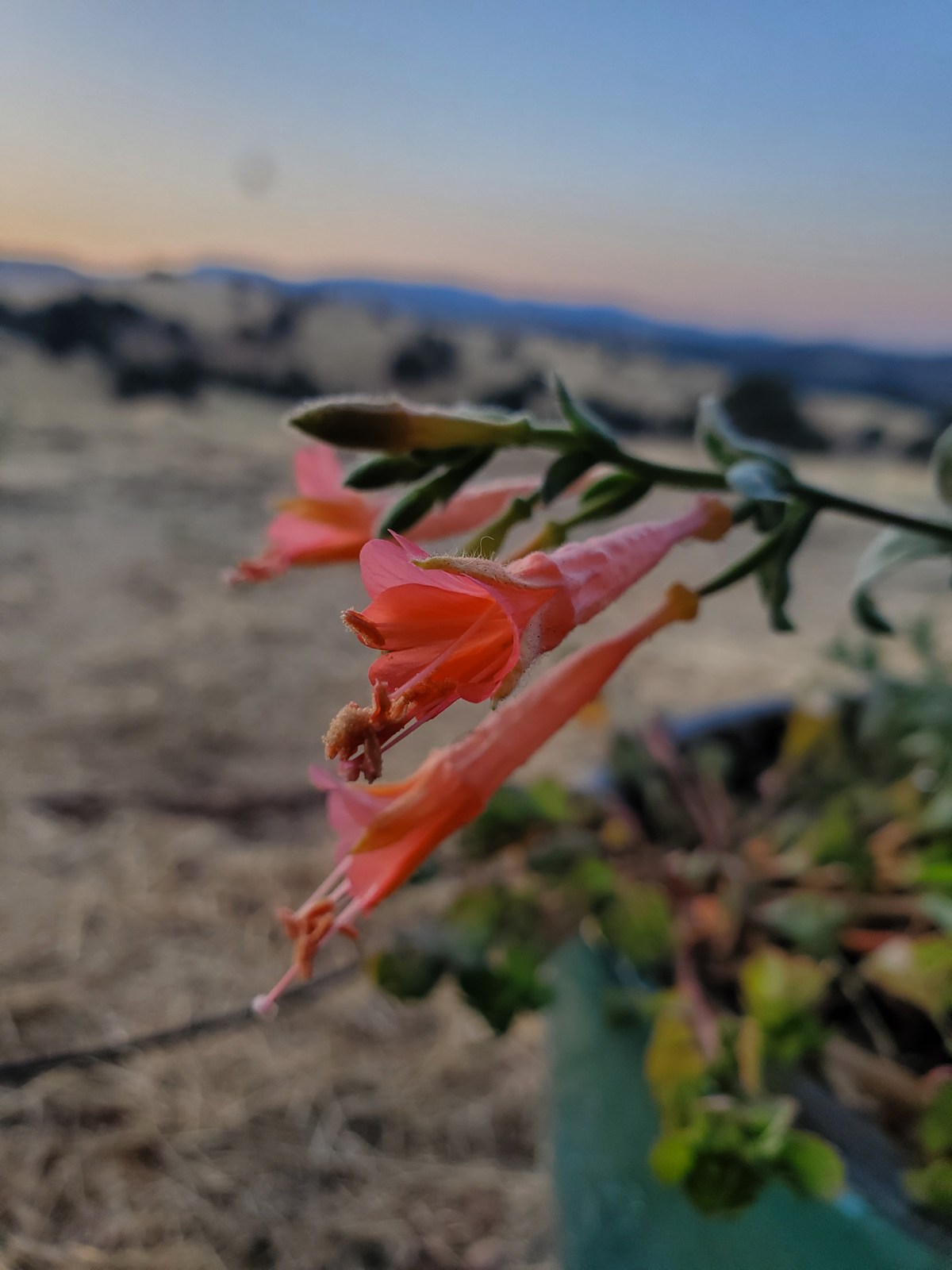
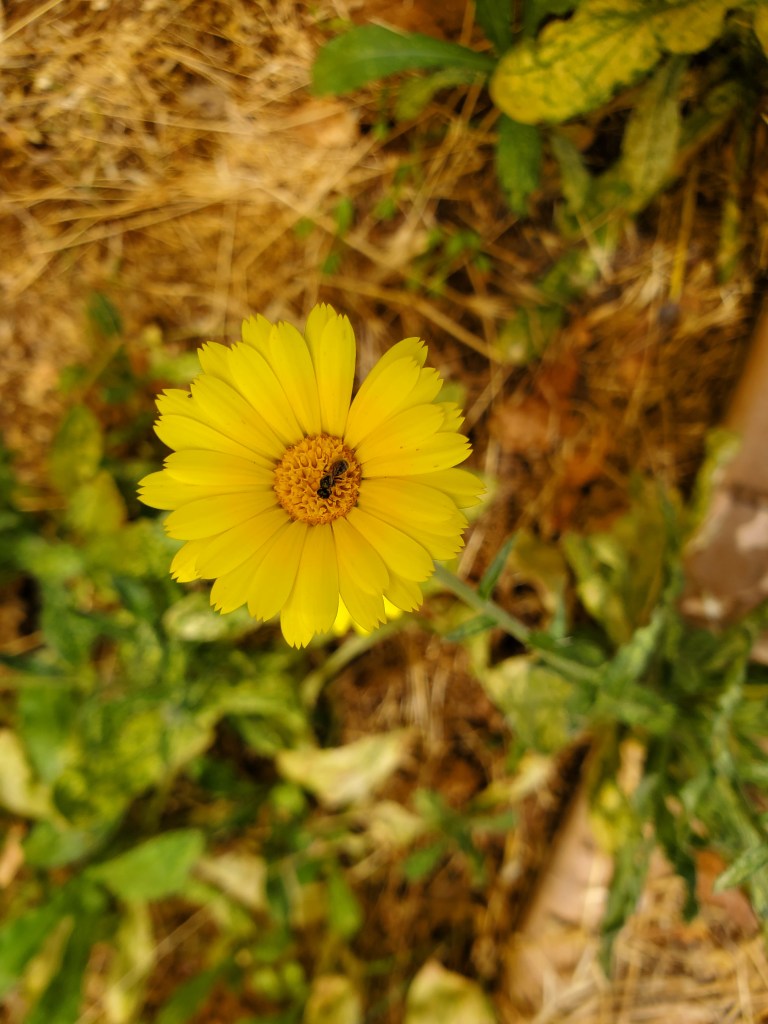
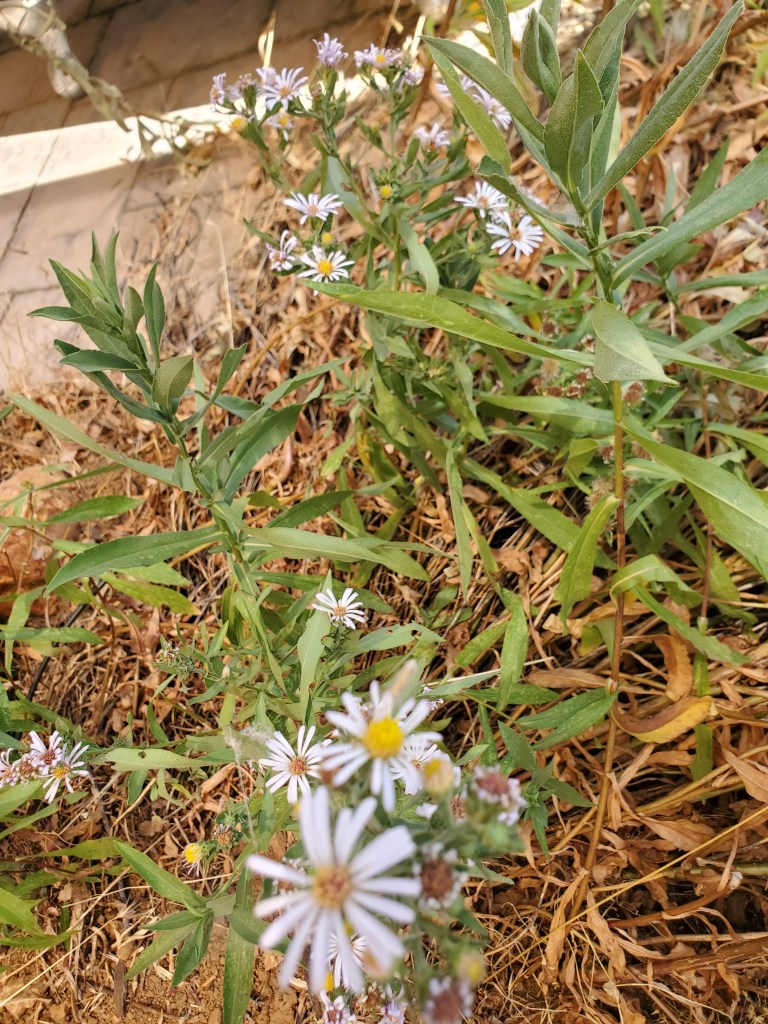
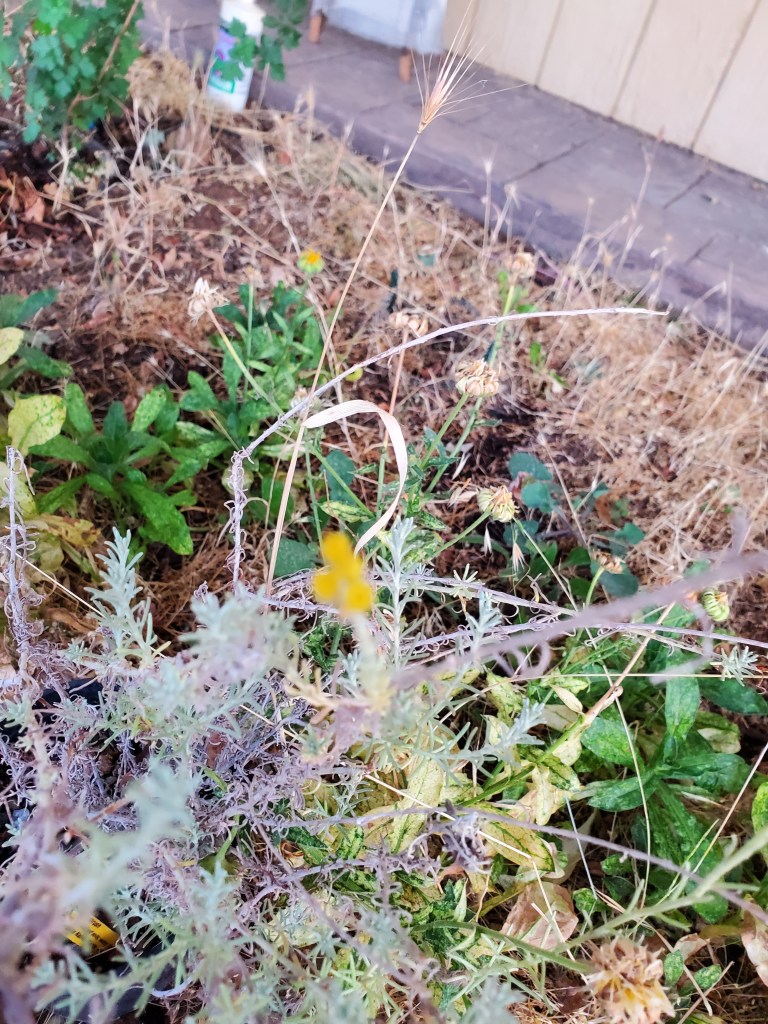
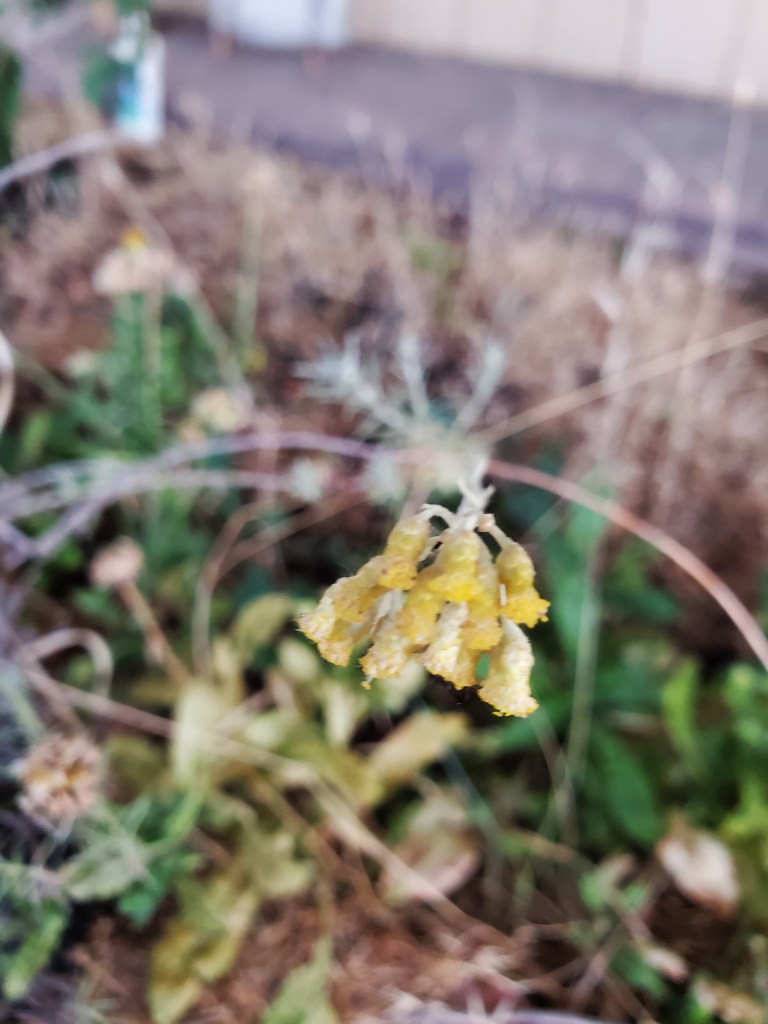
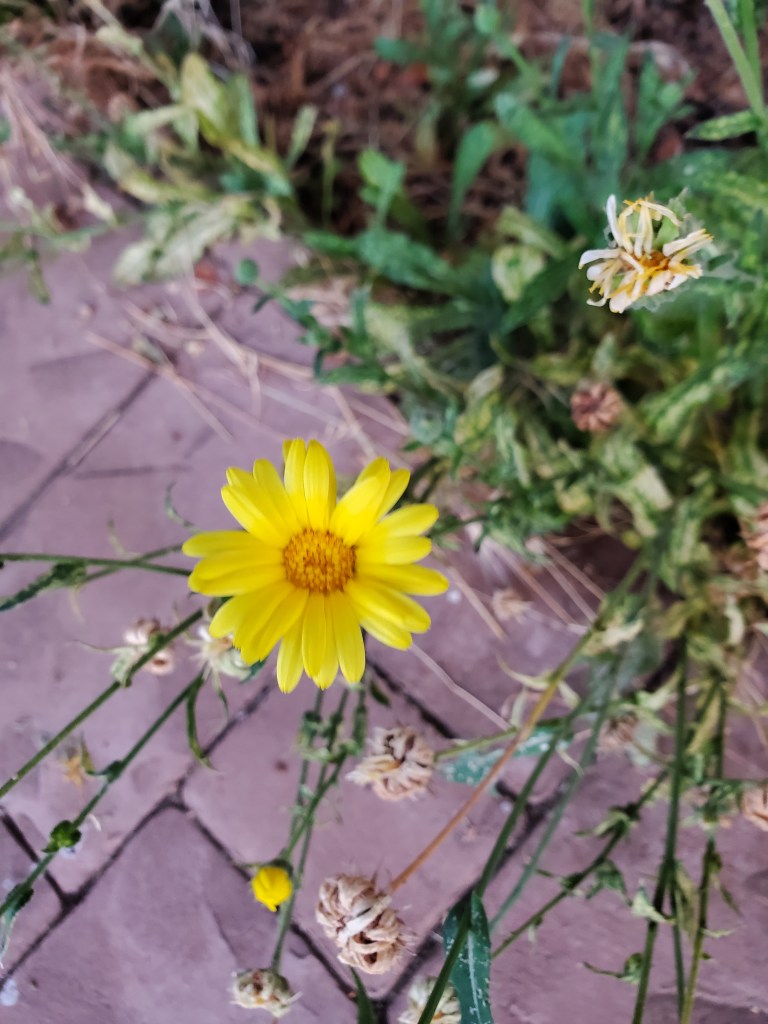
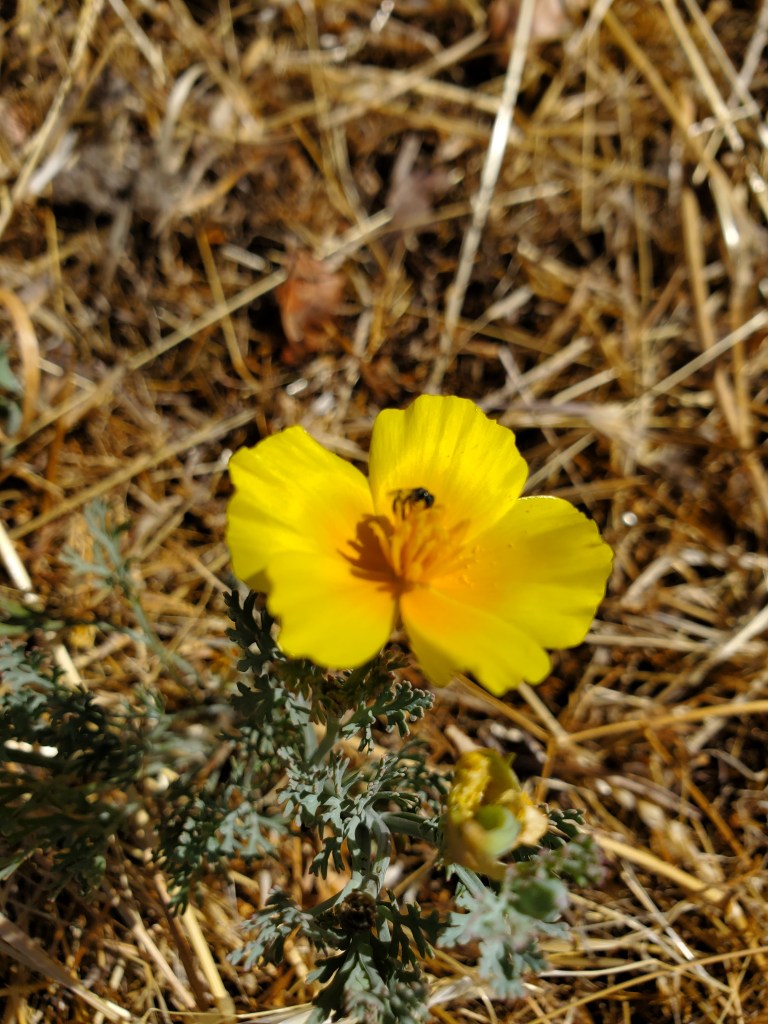
There is ample nectar but not many nectar users around the house. I’ve seen some silver native bees, european honeybees, hummingbirds, and a few mournful duskywing butterflies – oh and ants too. That is about it. Still no monarchs. I check the milkweed daily and nothing. If we do not get them again, that will make three times in a row we’ve not hosted. That makes me very sad.


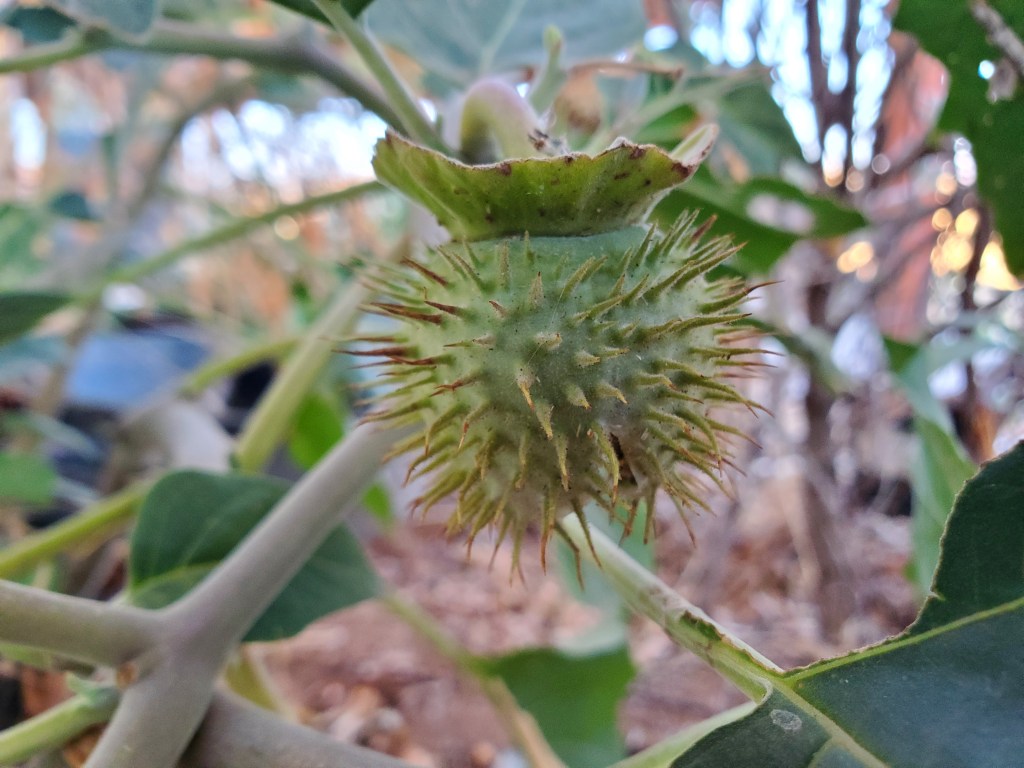
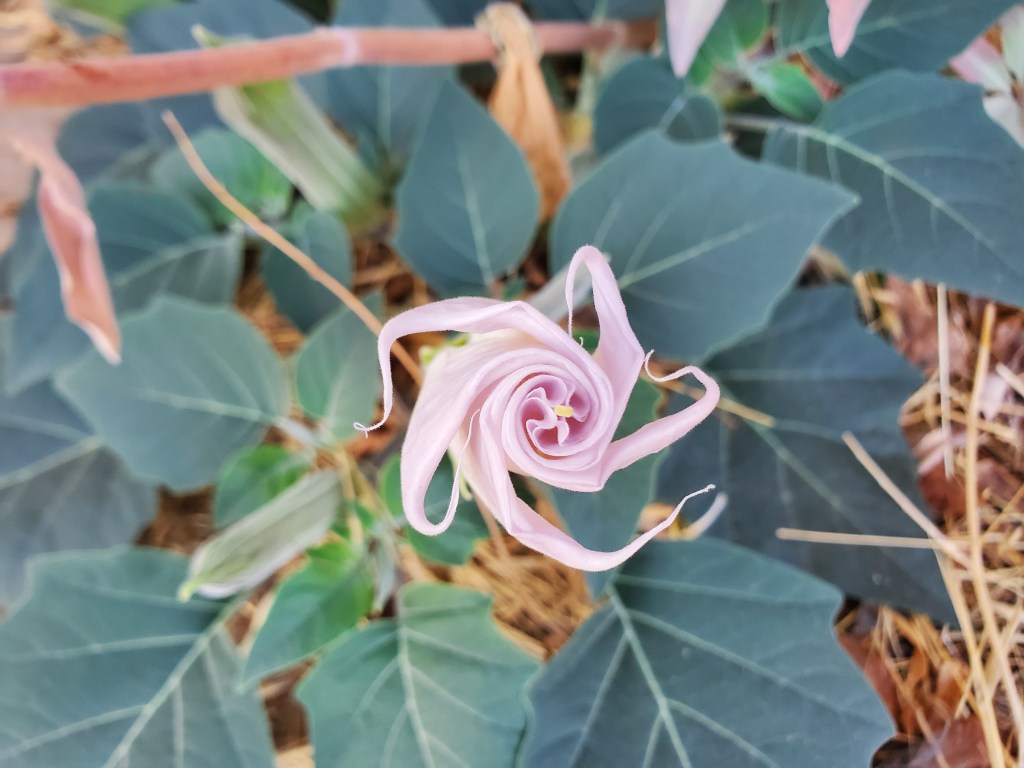
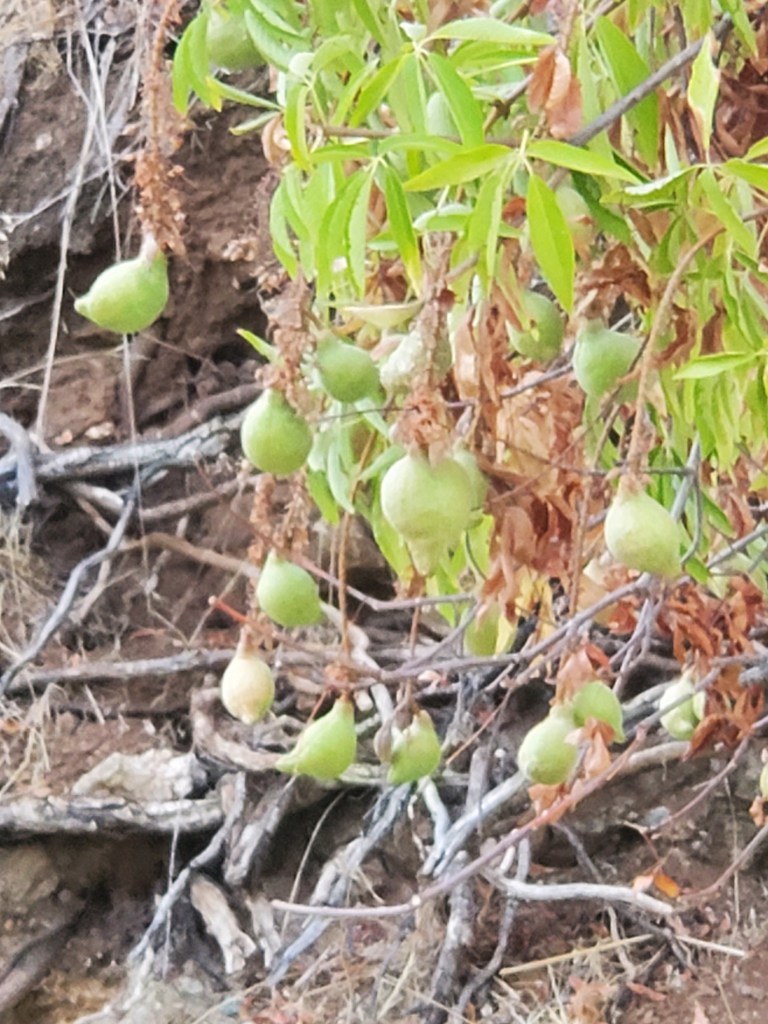


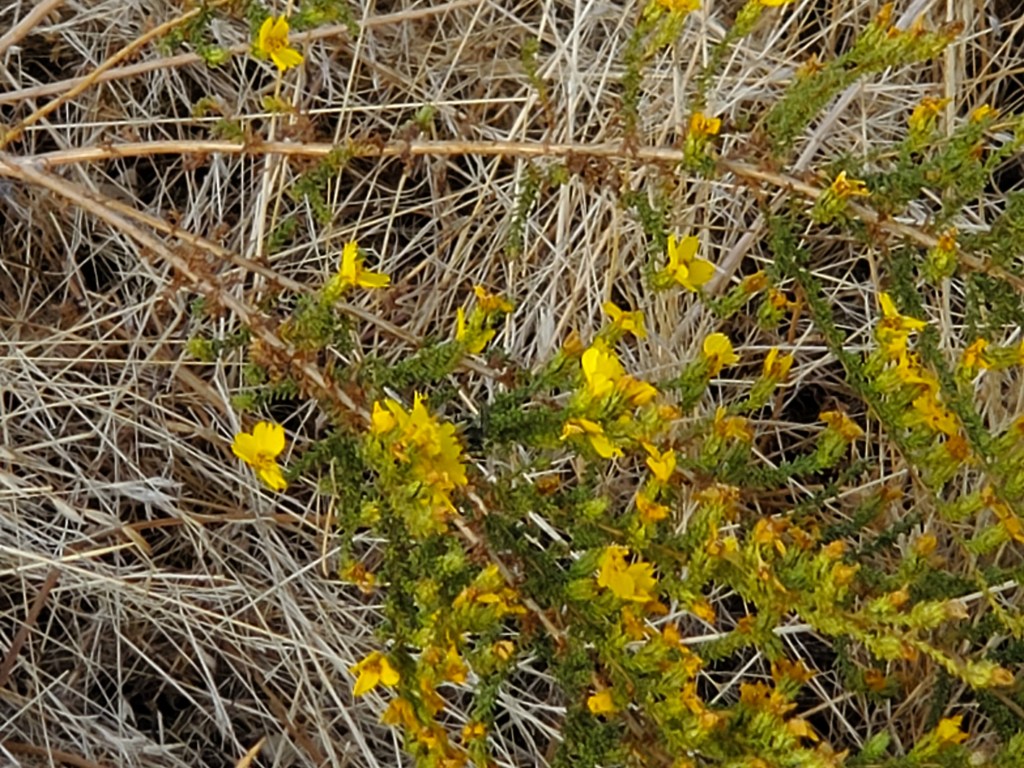
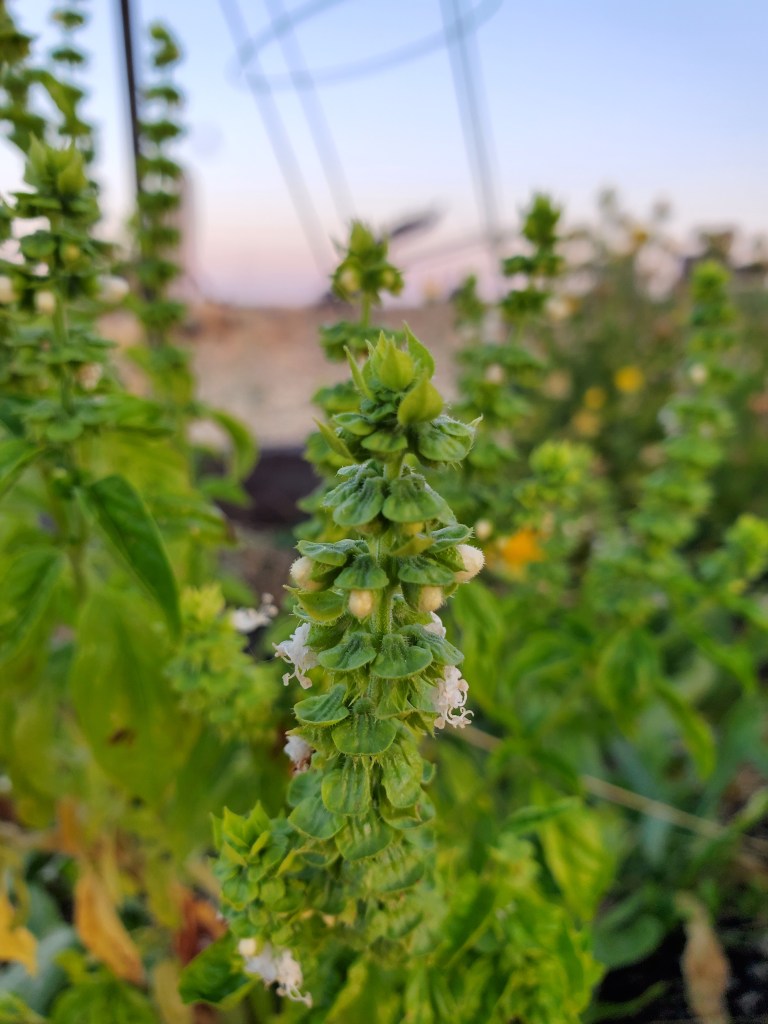
Not pictured are verbena, and basil. Both are in bloom. We also have a good volume of tarweed. The air smells beautiful.
More Wildlife

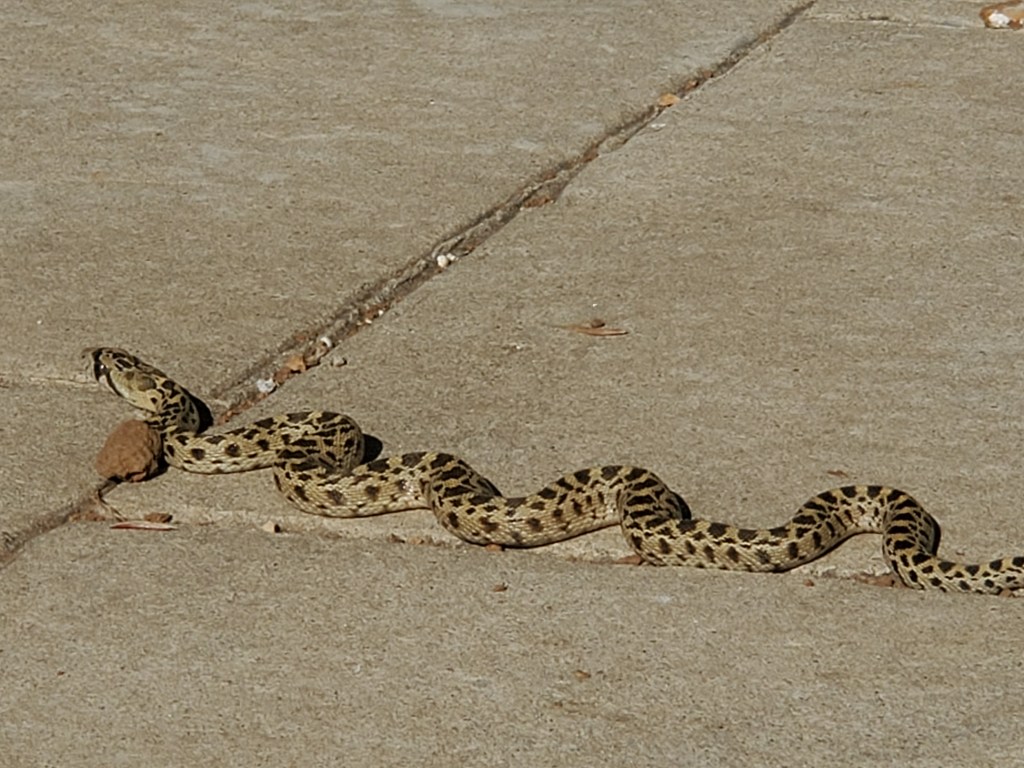
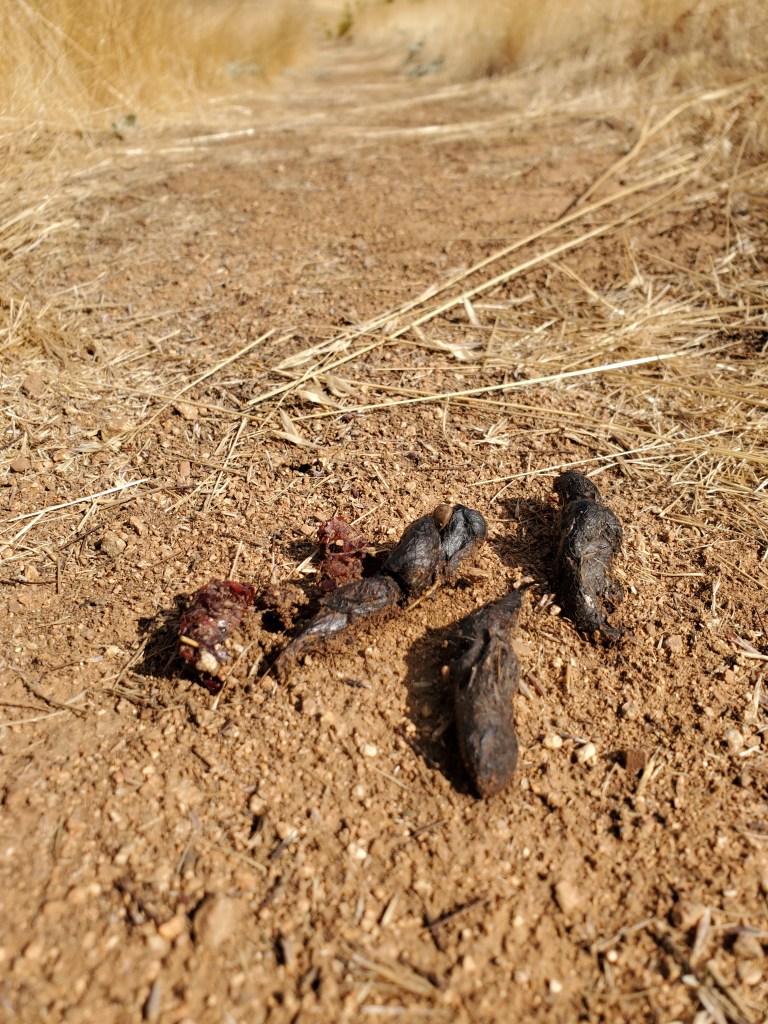
Oak Seedlings Update
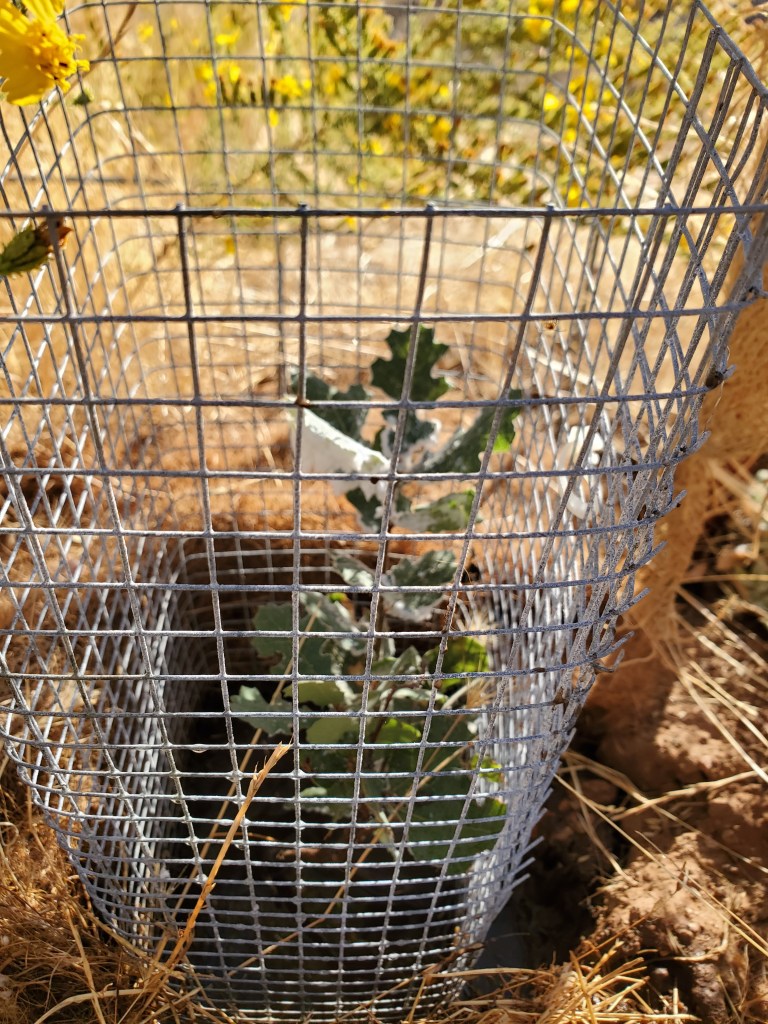
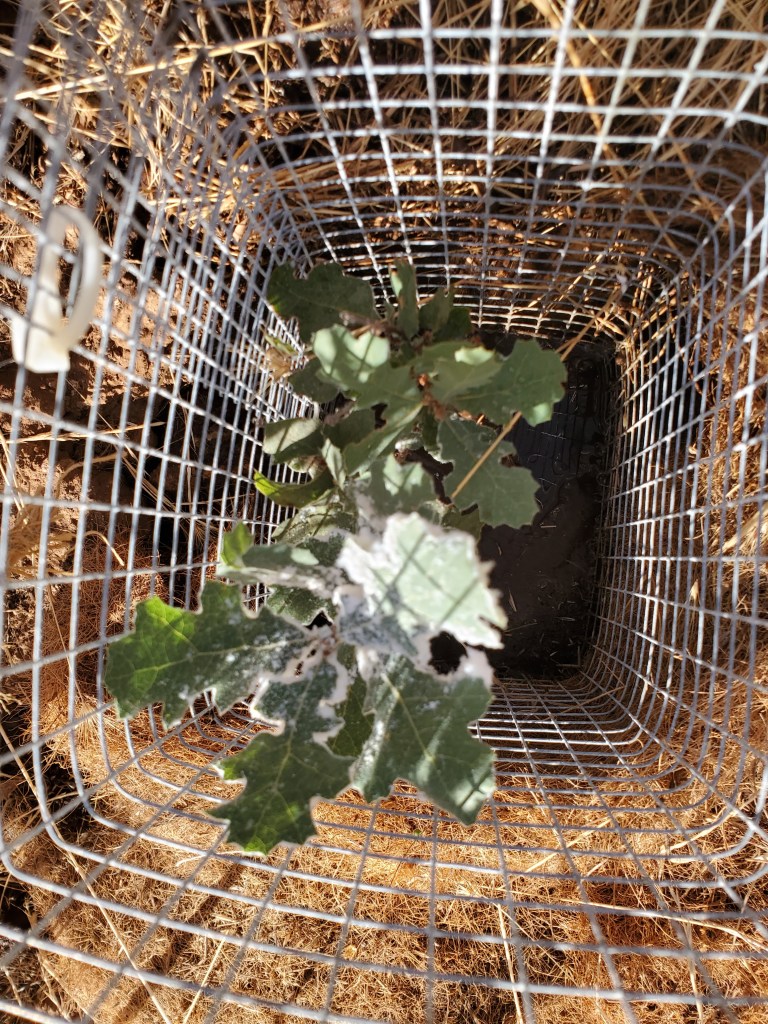
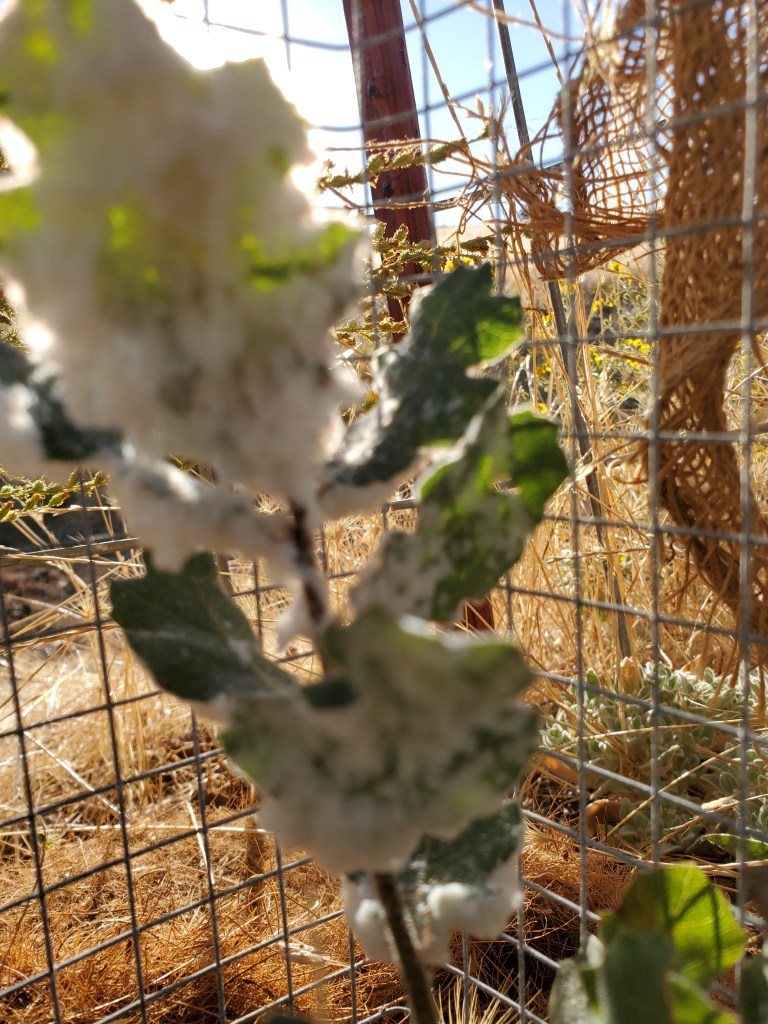
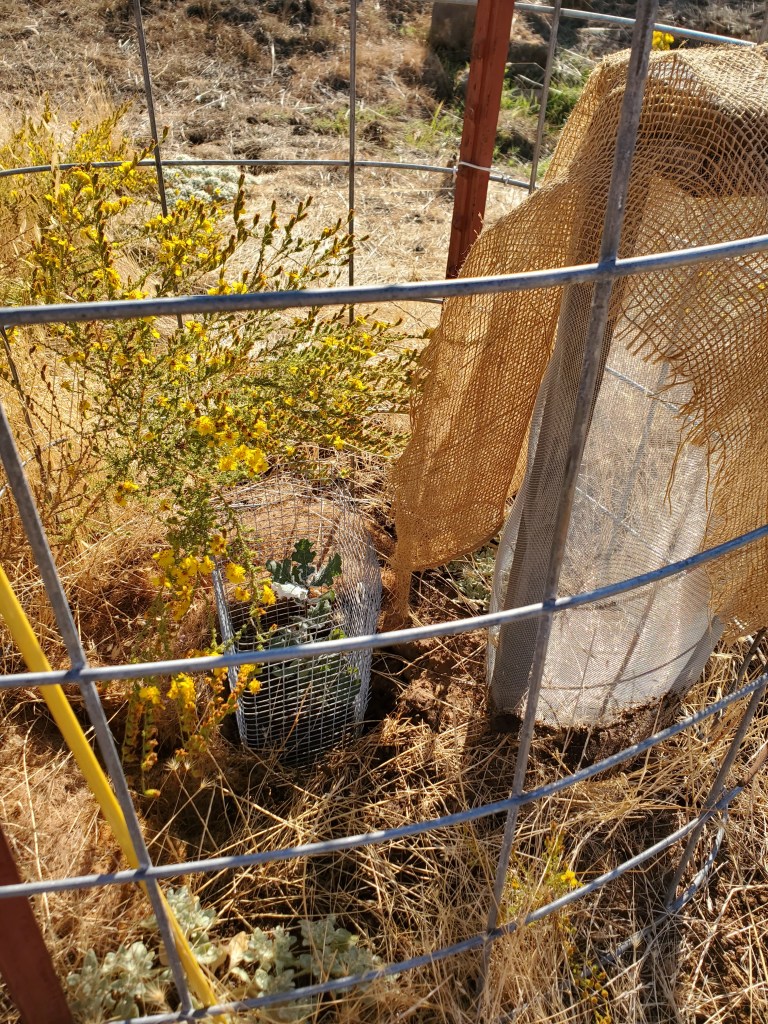
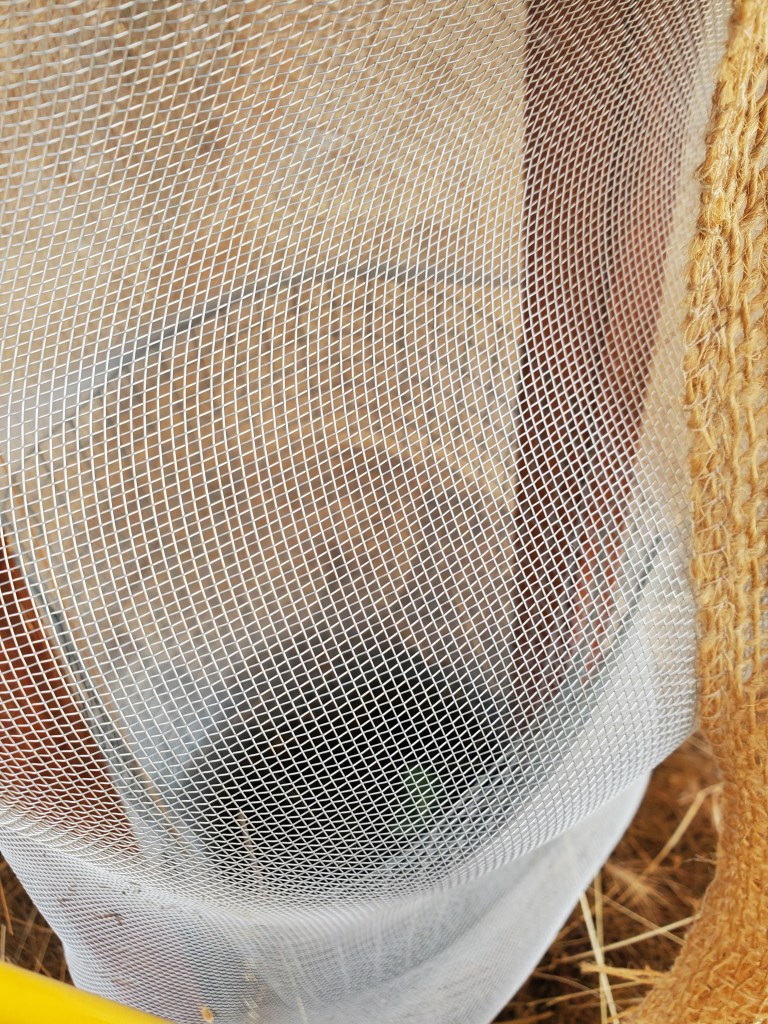
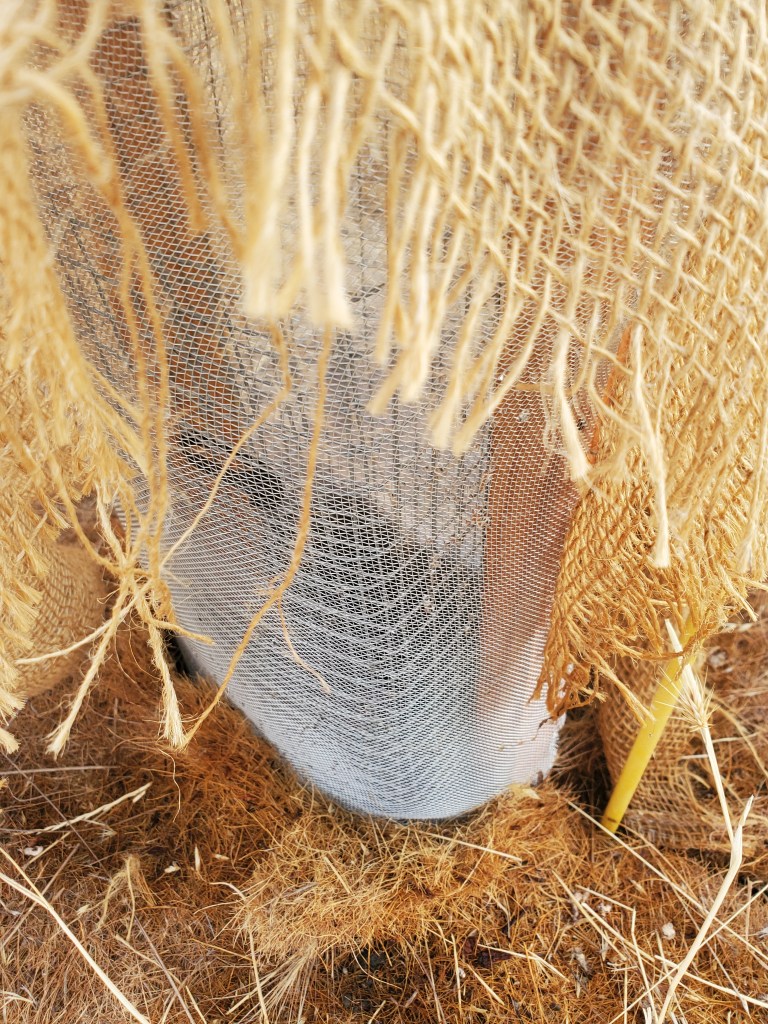
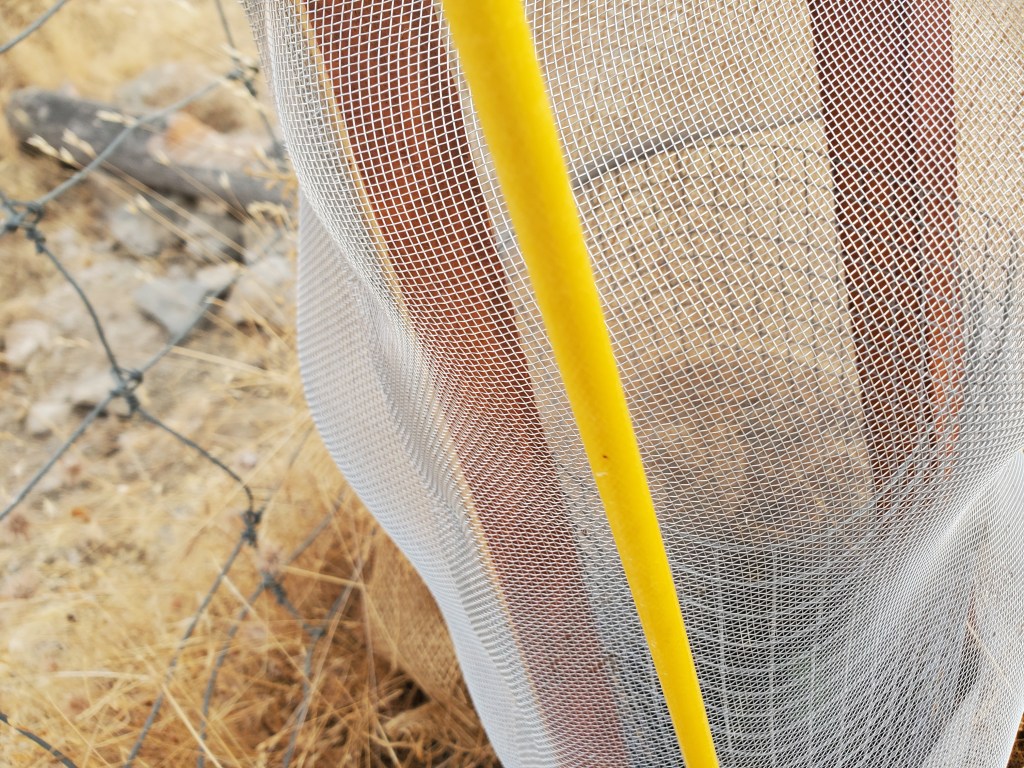
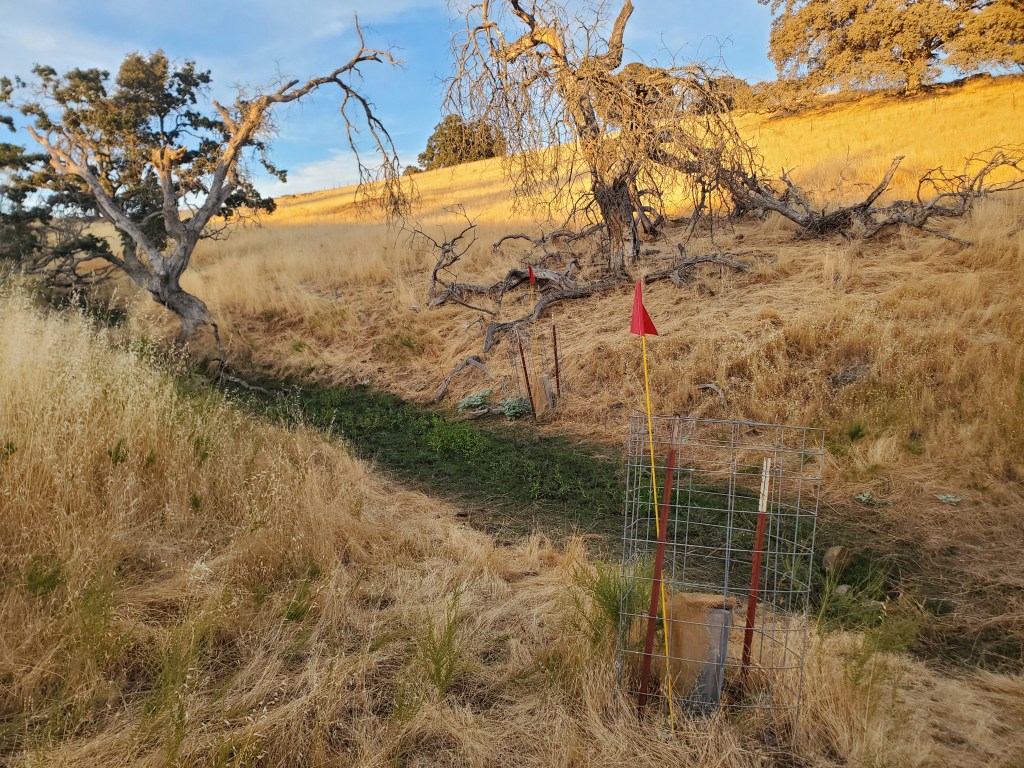
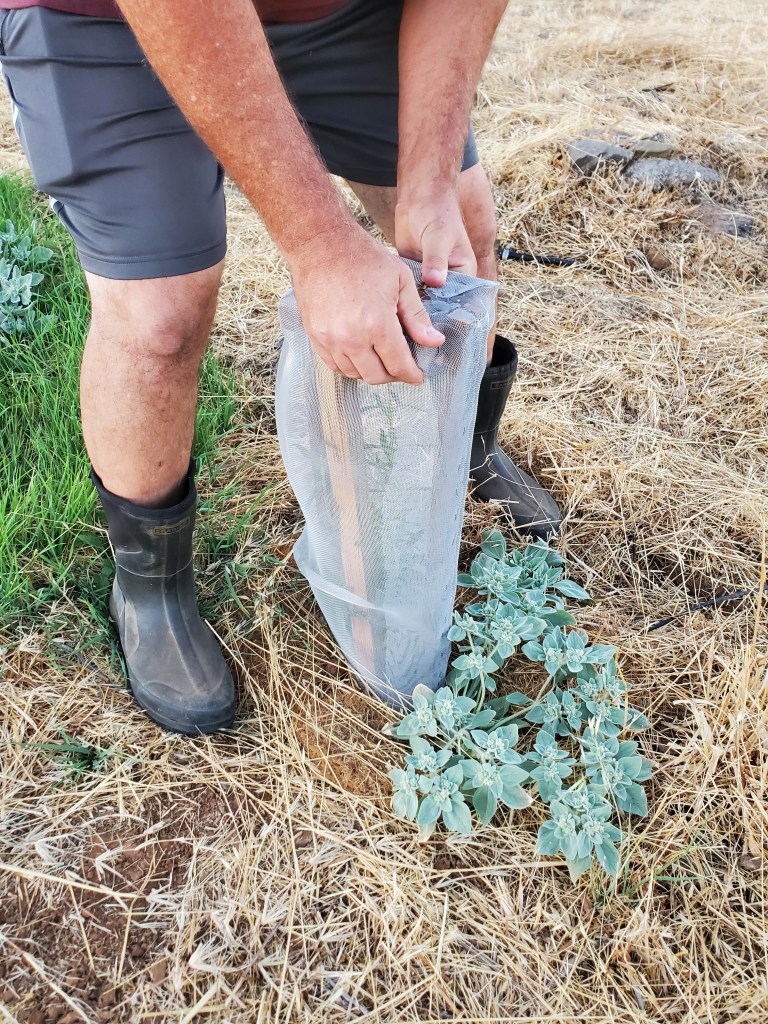
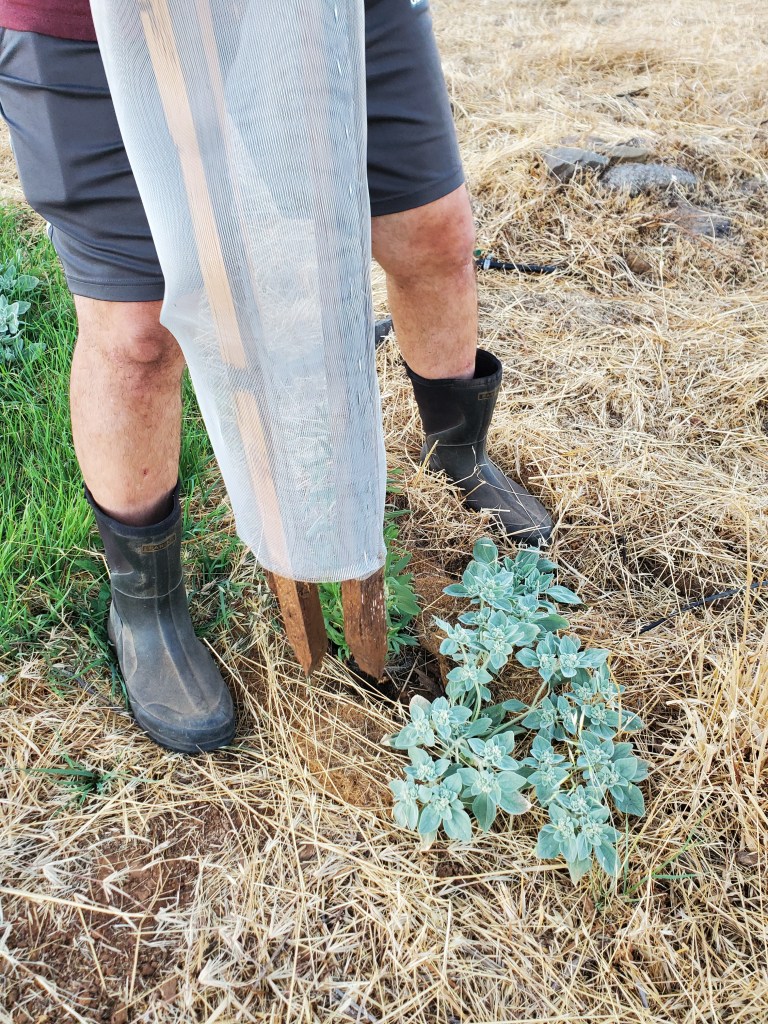
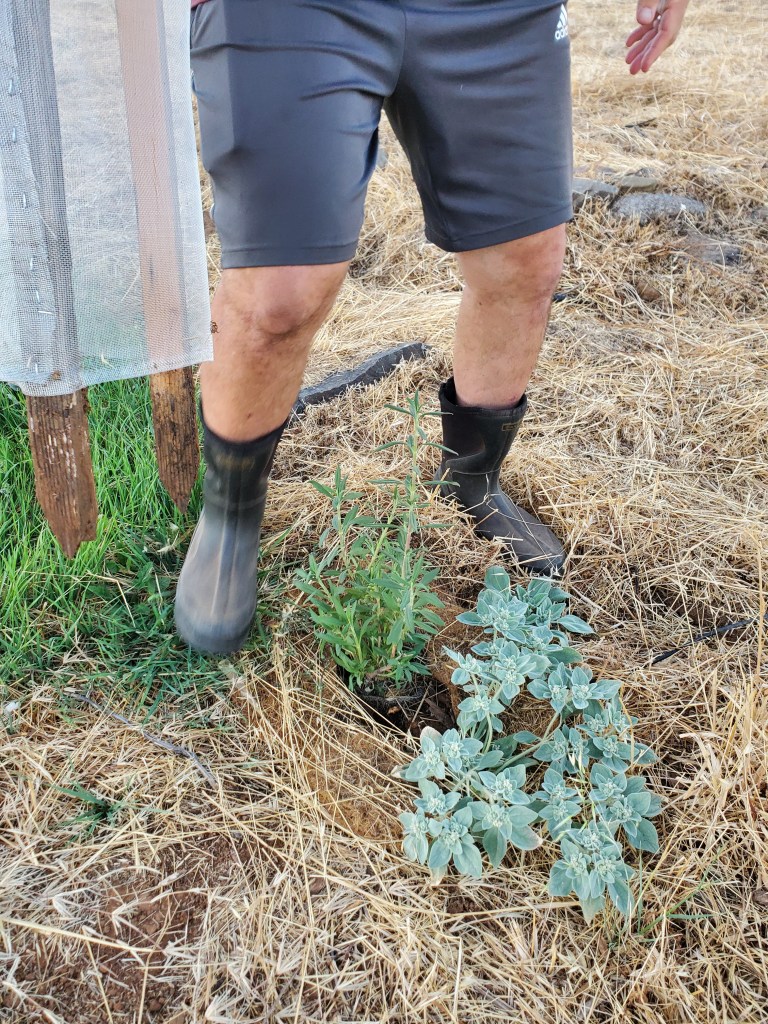
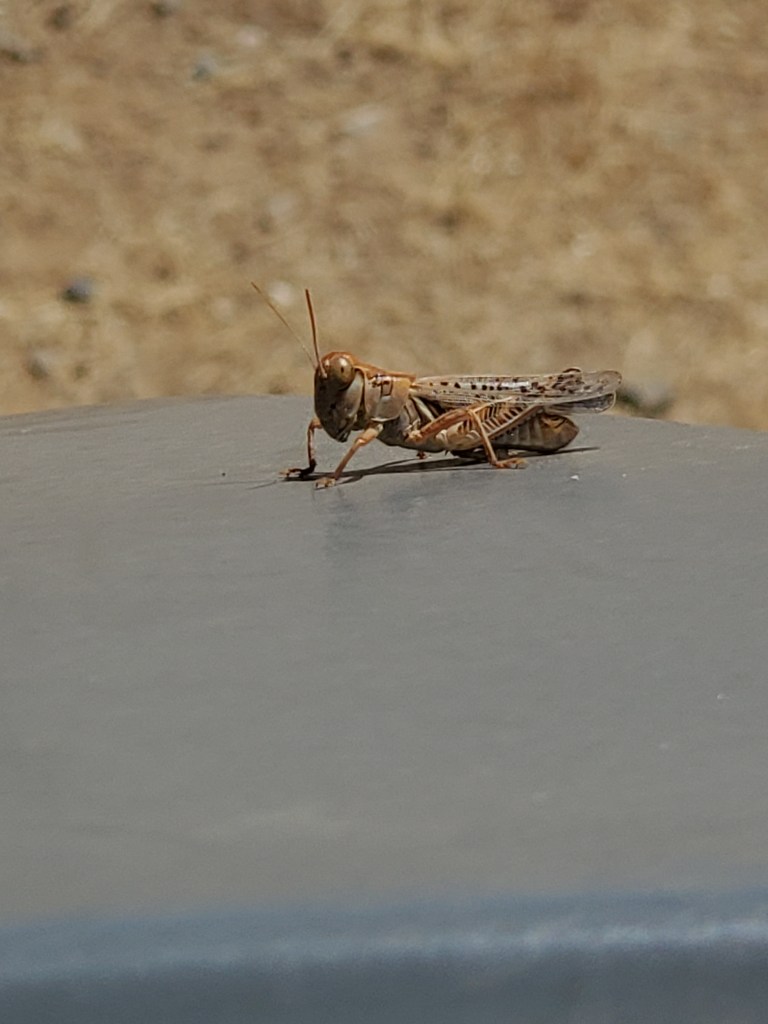
I’ve continued watering through the season. Most of the seedlings are doing great. I’ve begun to remove the screens that saved them from grasshoppers. It seems like they feel a freedom. They come out and just feel tall and happy. It has been an emotional up and down process with some being eaten by the hoppers early on – but not so much that they had no chance to come back. In all, four seem to have been stunted by the attack. As long as they are still firmly in the ground, I will hold hope that they will come back next year. In a big shock, one of my healthiest, happiest oaks developed a thick, disgusting fungus. I took off all structures around it to give it more air. I hope the sun will kill it off. So far, it has not resolved. She is strong, and I am hopeful she will survive this.
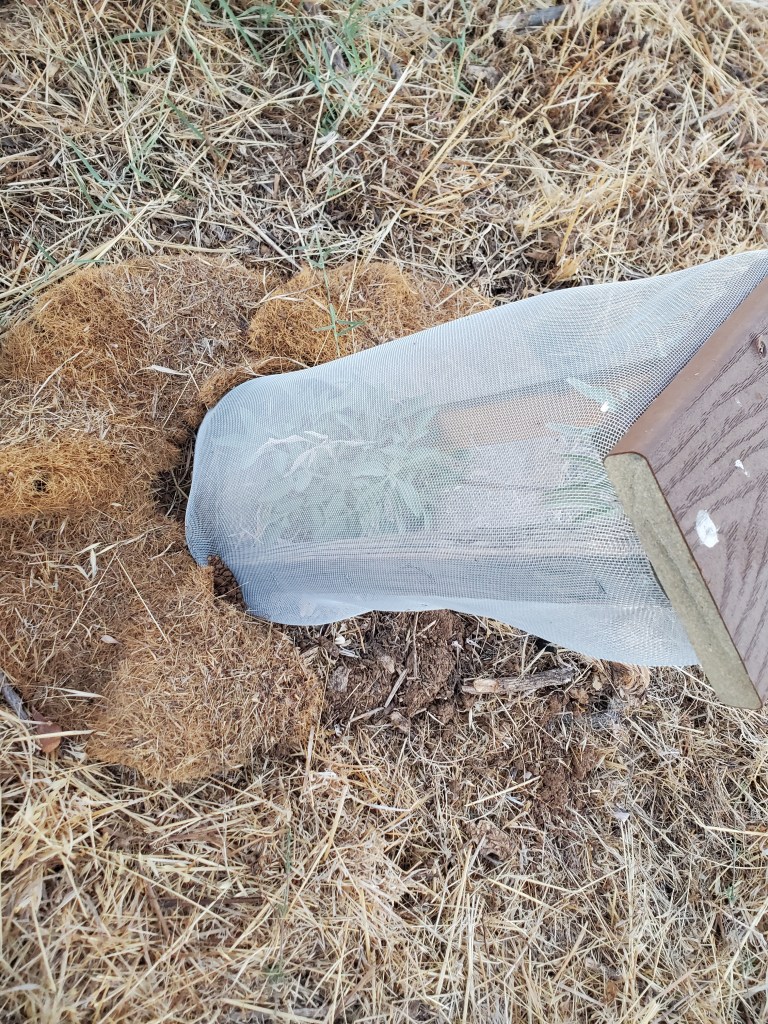
The seedlings will be dropping their leaves soon. I still need to surround the naturally recruited seedlings, which had dwindled in number from gopher predation, with a coir pad. This will help limit grass growth around it and aid me in identification of where they are at. This is helpful so we don’t weed whack them next year.

Transition
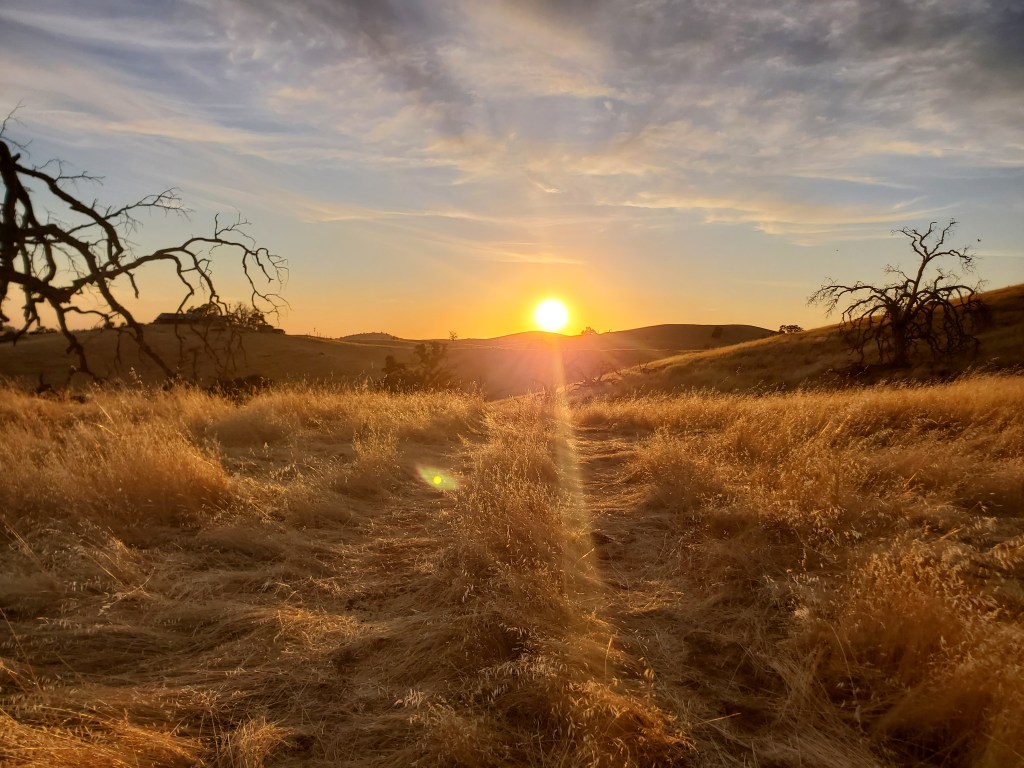
We began this post talking about the transition to fall. I began writing it in mid August as I was seeing signs of the change. Now, here we are well past the fall equinox. It is definitely fall – more storms and temp drops. In addition to the seasons, life continues to shift for me. My father, who I’ve cared for the last year and a half and who has lived with me for over a year, moved out to become more independent with some support in a larger city. I found myself missing him emerging from the room that was once mine, which I gave to him, and me saying “Good morning! Sleep well?” Always up first, I would be sure to have water ready for a hot cup of tea, and medications organized. Caring for someone takes organization. It is process on top of process to ensure wellness. I don’t miss the horrors of his illness and the mental, emotional and physical exhaustion, but I do miss the camaraderie. Fortunately, he is not far away. He is thriving, and we visit him at least weekly and call several times a week.
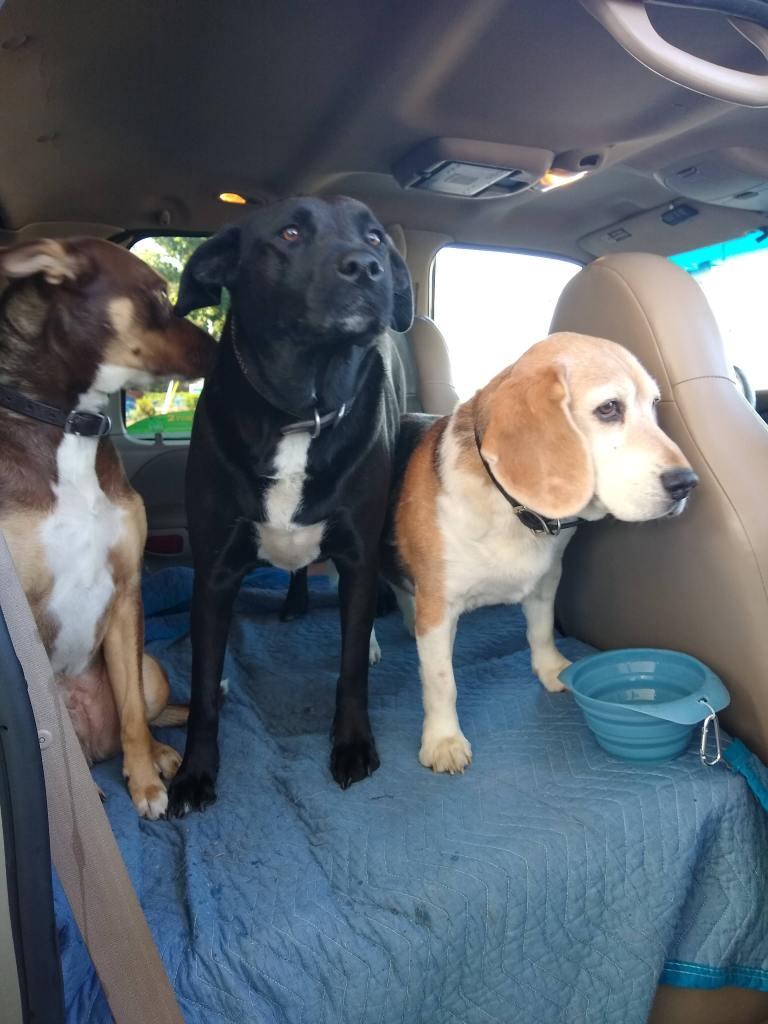
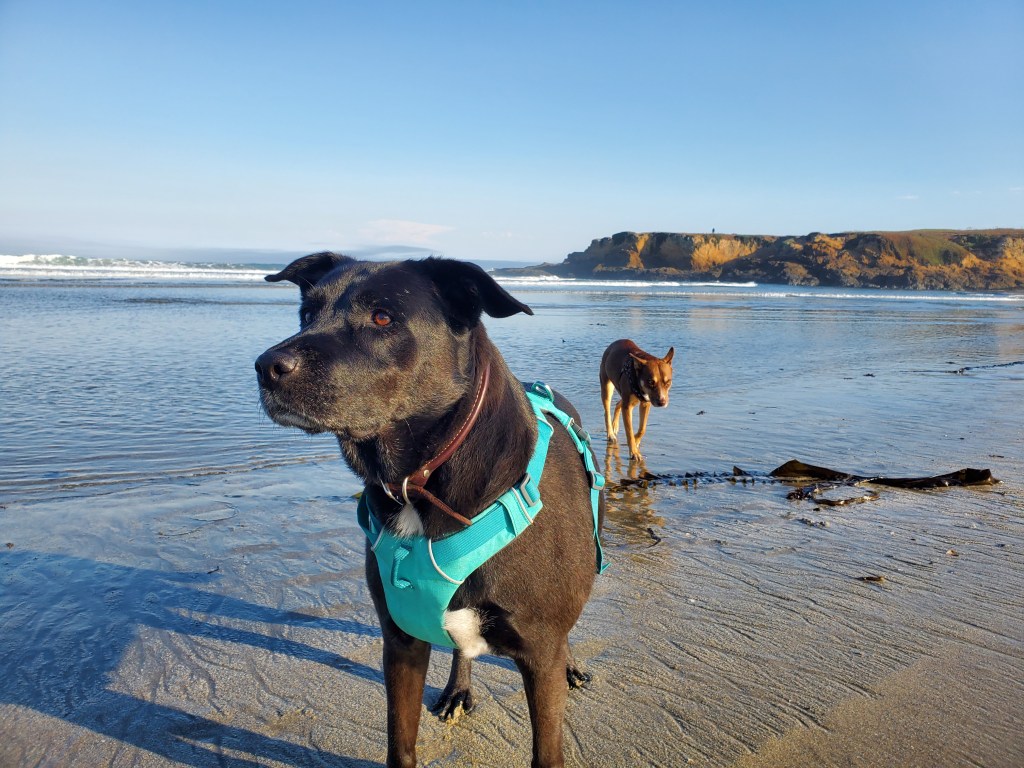
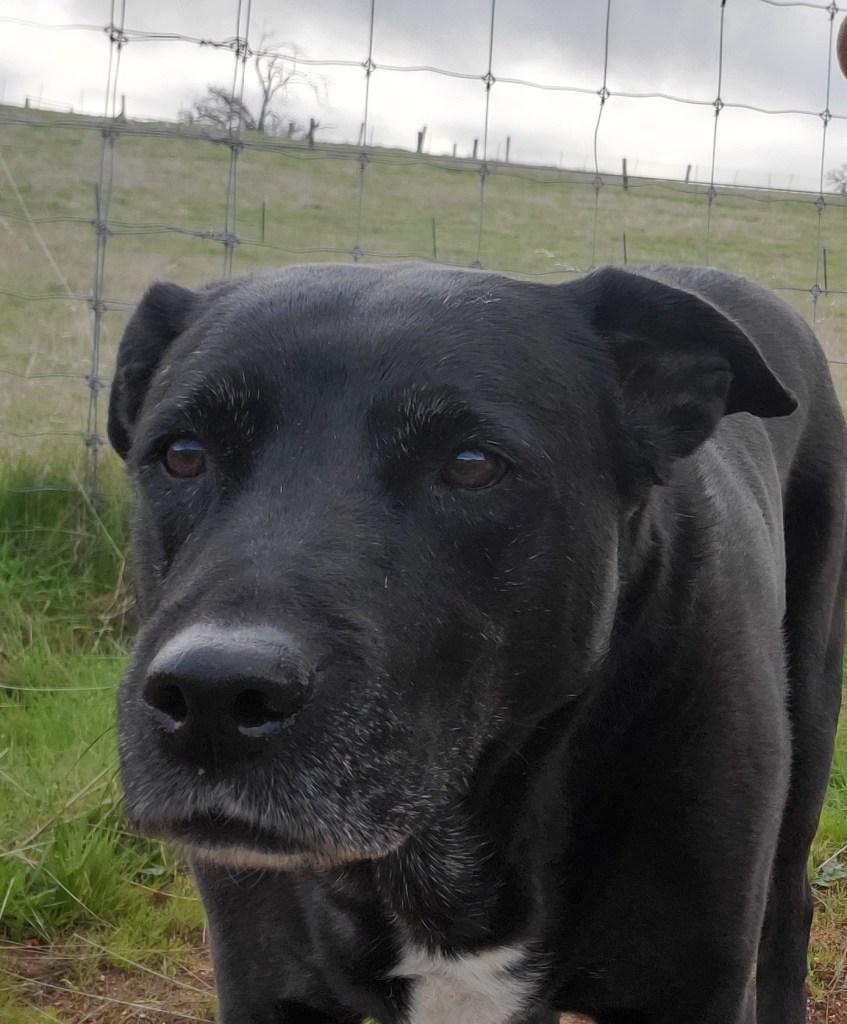
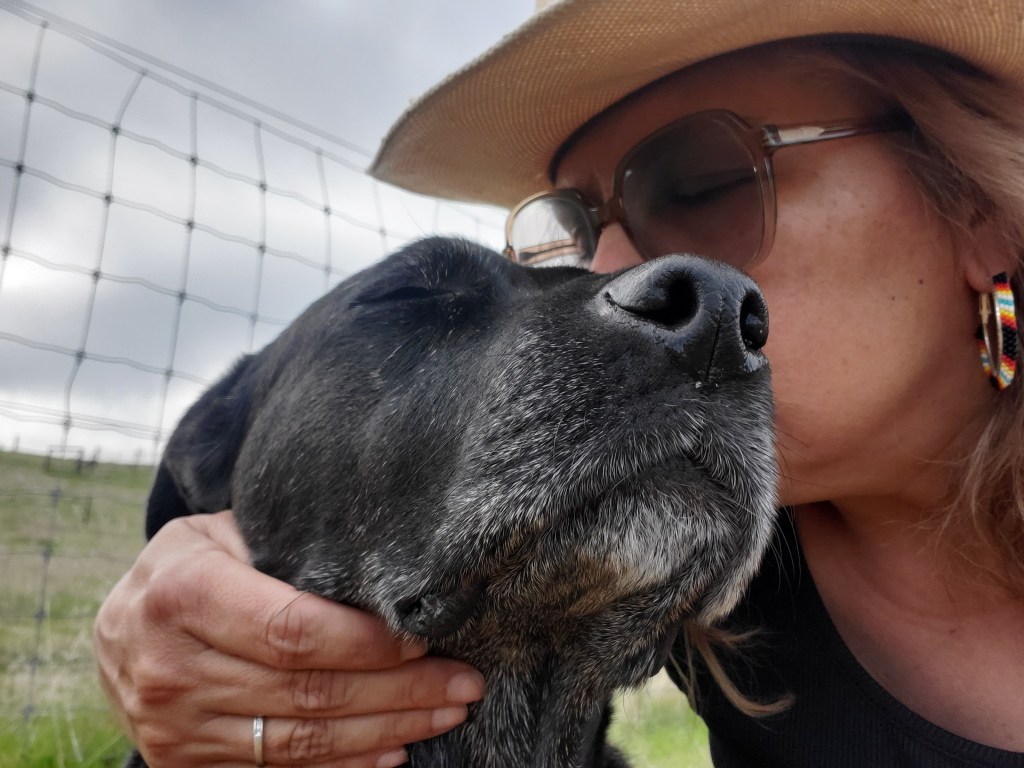
Last week, my beloved old lab Bibitrix also moved on. She had an injury that was not healing fast enough, and her body got sicker and just gave out. There are few blogs that do not contain at least one sighting of Trix – in foreground or back. She has been my steady companion for nearly 11 years and the most “solid” of all my fur babies. No issues, just enormous love, tail wags when I entered the room, closed eyes as I stroked her head. Just sweetness in a 60+ lb package of black fur. I am glad she is no longer suffering. She lived a charmed life being loved by all and benefiting from our family’s active lifestyle – traveling here and there, seeing relatives that spoiled her, swimming in gorgeous mountain waters, hiking across open rangeland and forests. She had a babysitter that would bake her organic chicken for dinner. Most nights, she ate better than me. Oh, I am taking a deep breath now to stave off tears and sigh. We love our animals so deeply. They are innocents we protect and support. It is the cycle of life, and we are never really ready to close the loop.





 PolliNative