
I ate two bars of chocolate for breakfast, and I was lit. No one said I was perfect – eggs, oatmeal, too hard for me to think about preparing that day, and I succumbed to the ease of – go to the fridge, grab a bar, open a wrapper, and eat. Then, again. Not proud, but true.
Lately, the intense investment of time, energy, thought and emotion over the last 12 months are catching up with me. My dad is improving; though there are still back-slides, he can do more for himself. As a result, I collapse into a heap of less usefulness and find myself tired all the time, getting out of routine, or filling those moments of routine with non-dad items long ago neglected.
This transition period is messy. Some days my brain is so out of sync I cannot put two words together thoughtfully. My diet of chocolate, peanuts and jam and, if I had some energy earlier in the week, basic salad, is not the finest to promote optimal brain function. Some days my husband will take pity on me and make me a smoothy, or an egg. This day, I am up earliest and on my own. Chocolate it is. Caffeine and I do not mix. I know this. I am hungry, lazy and just love the taste. Jitters take hold, and my plan to plant more oaks just got an accelerant.
Oak Planting Nearly Done
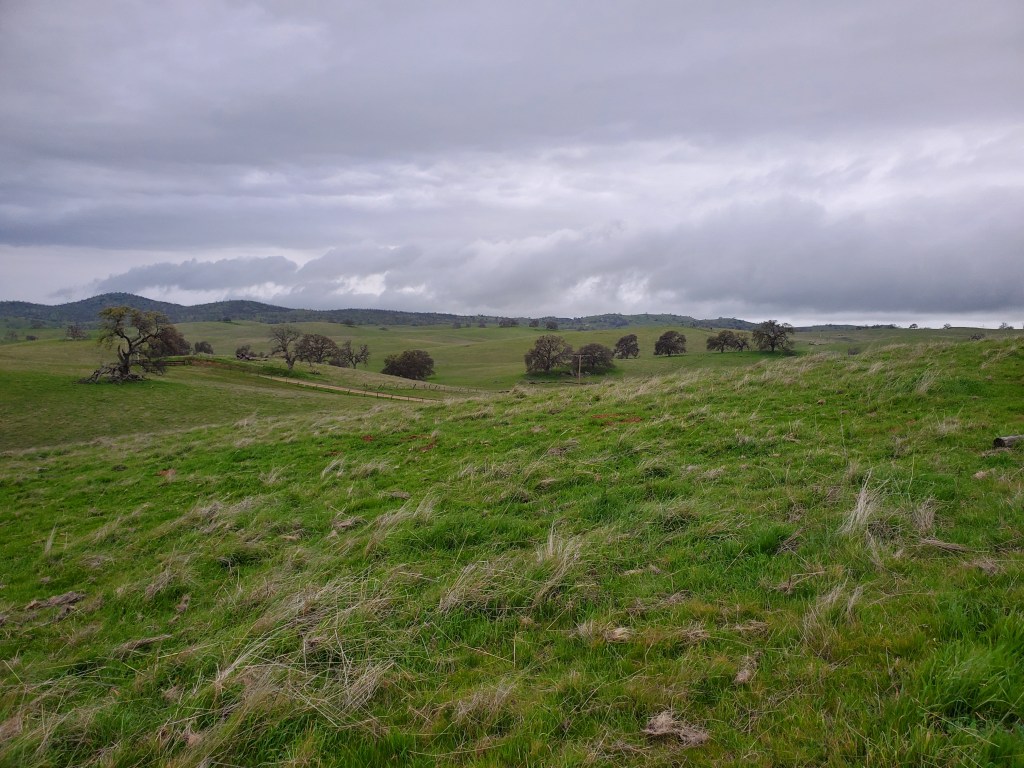
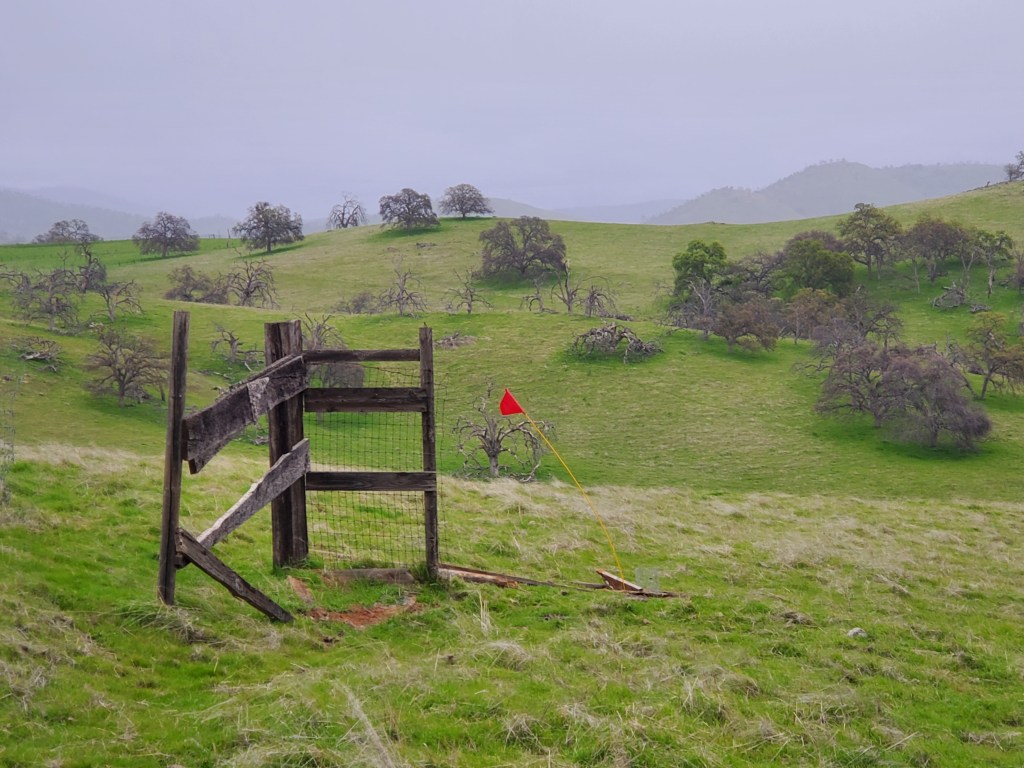
I planted all of the oak seedlings except one, planted all of the riparian oak acorns, and planted half of the elder oak acorn. The rest of the elder oak acorn I saved for acorn flour. I checked the plantings done earlier in the month and February. The cows got their snouts through the fencing on one and pulled the coconut coir. I put it back. Some of the flags were askew. I straightened them. I placed flags on others. I weeded away from new growth in the already enclosed plantings. Maintenance is important to ensure better outcomes.
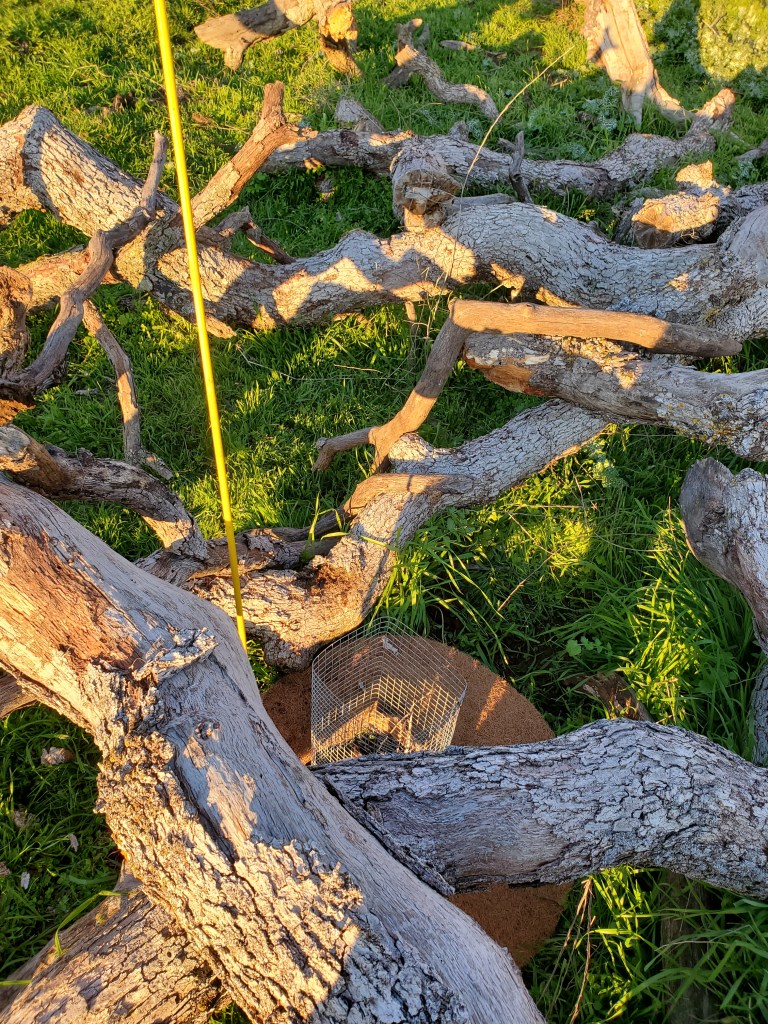
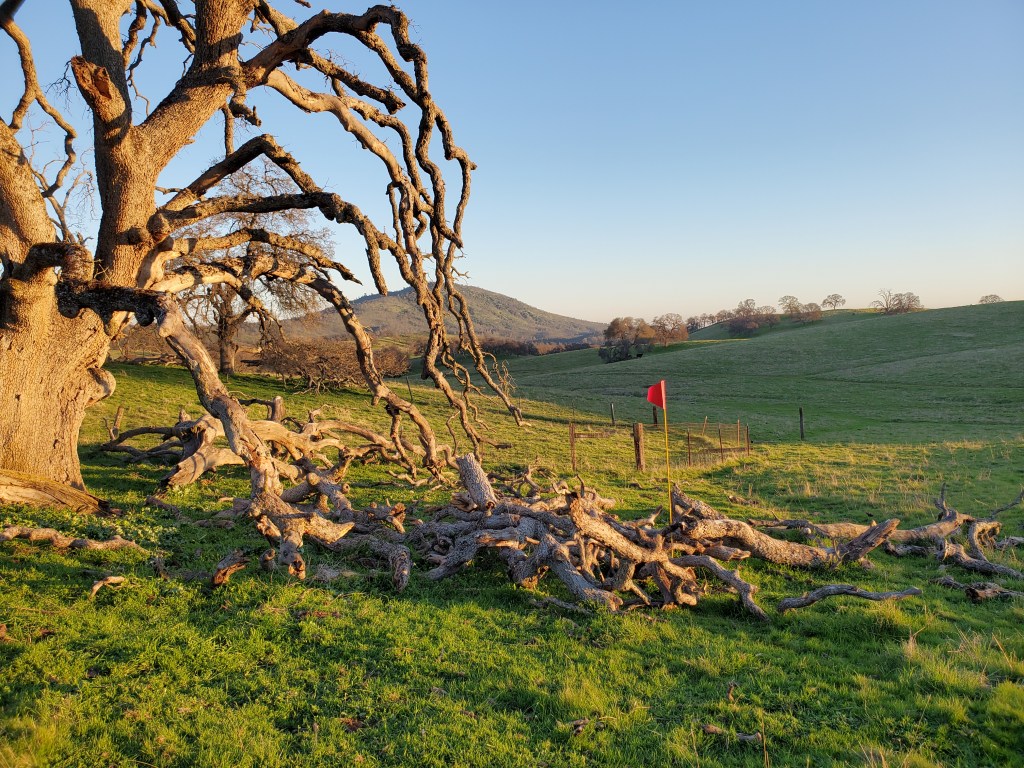


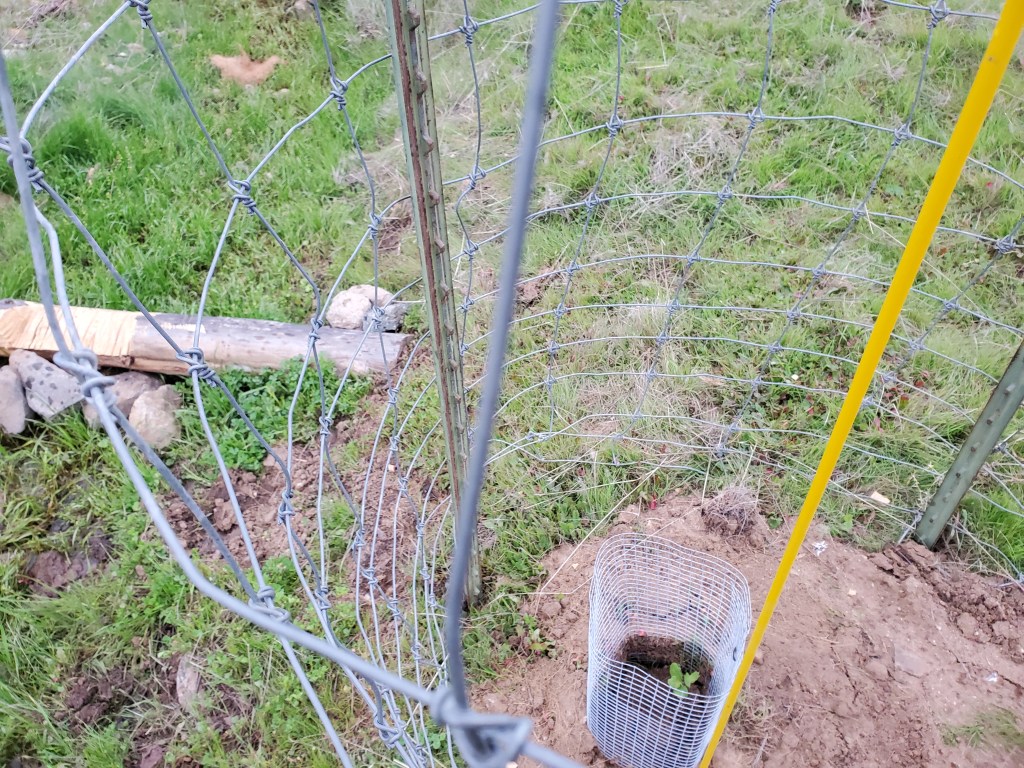
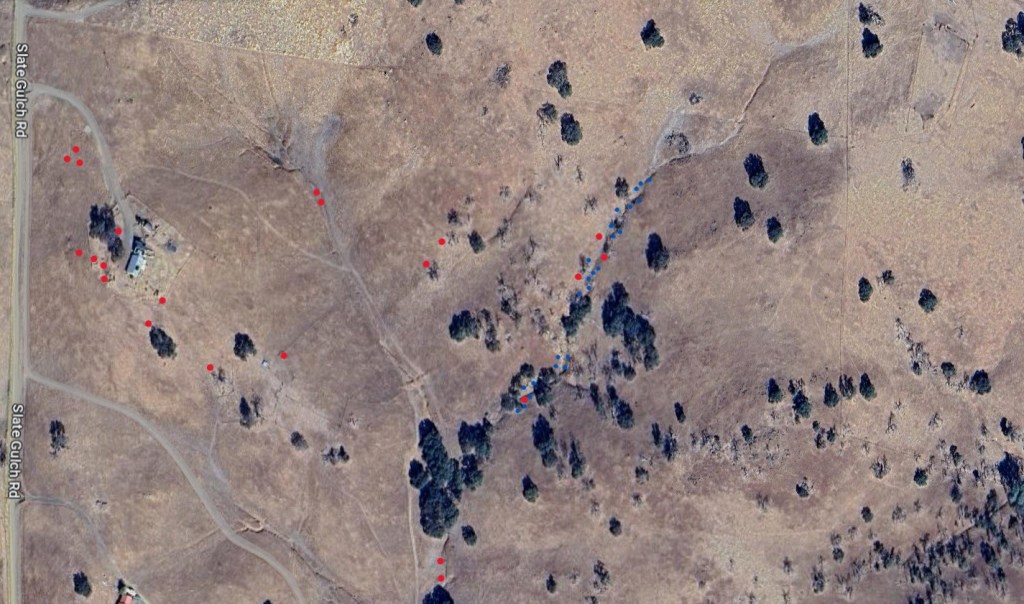
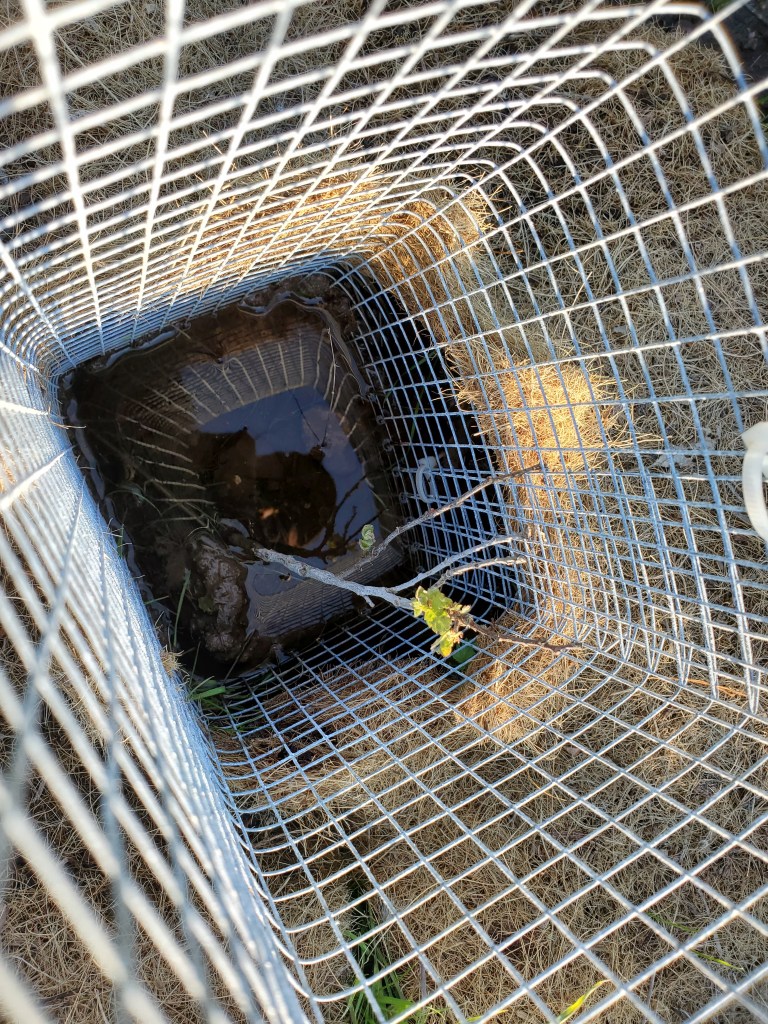
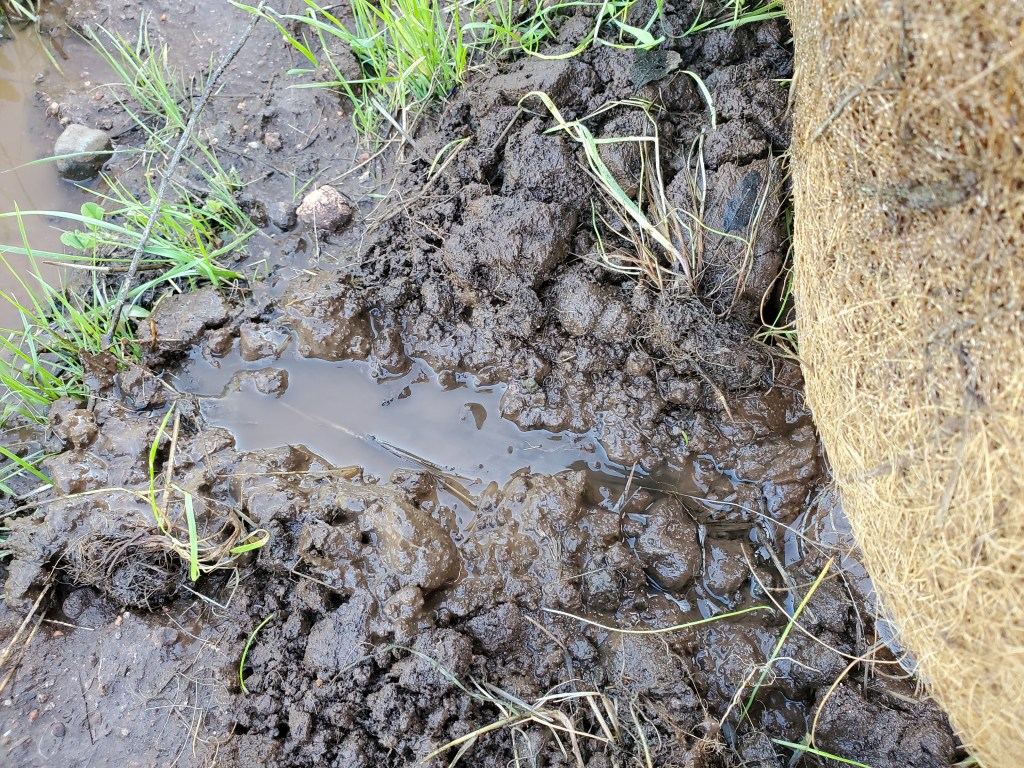
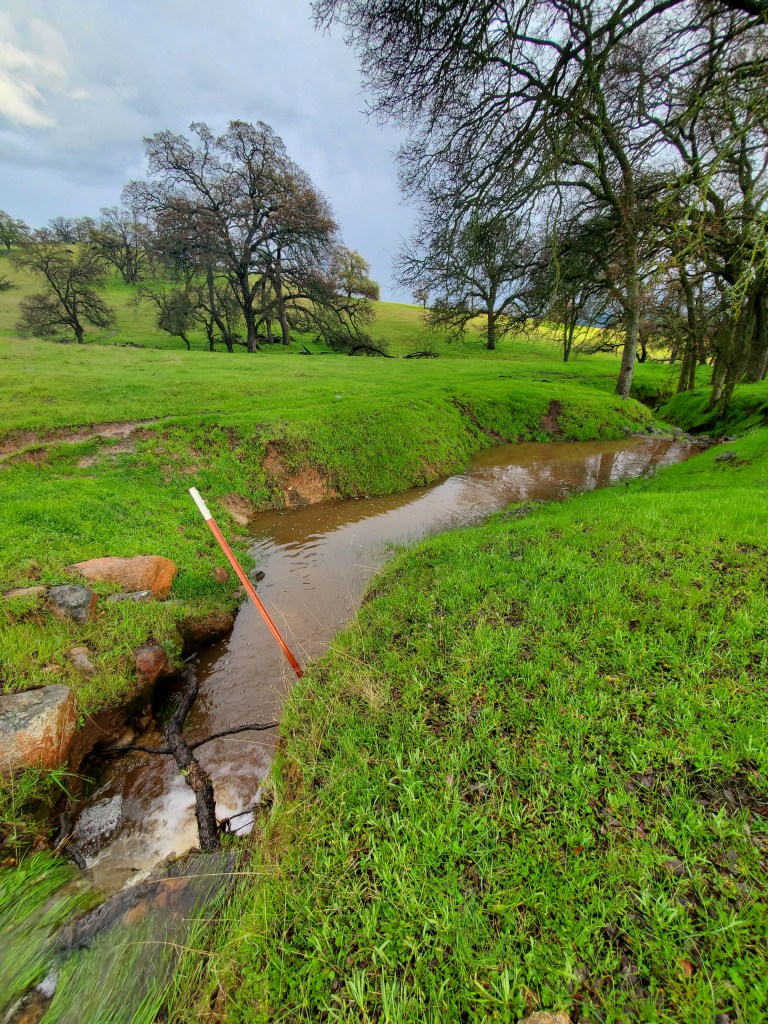
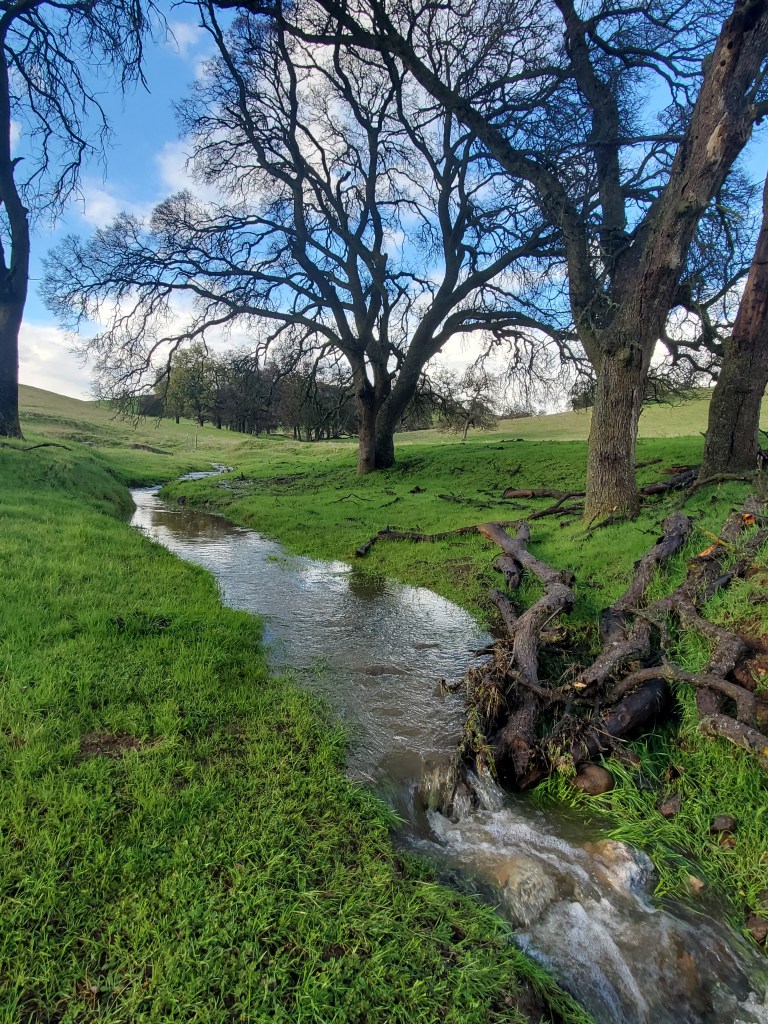
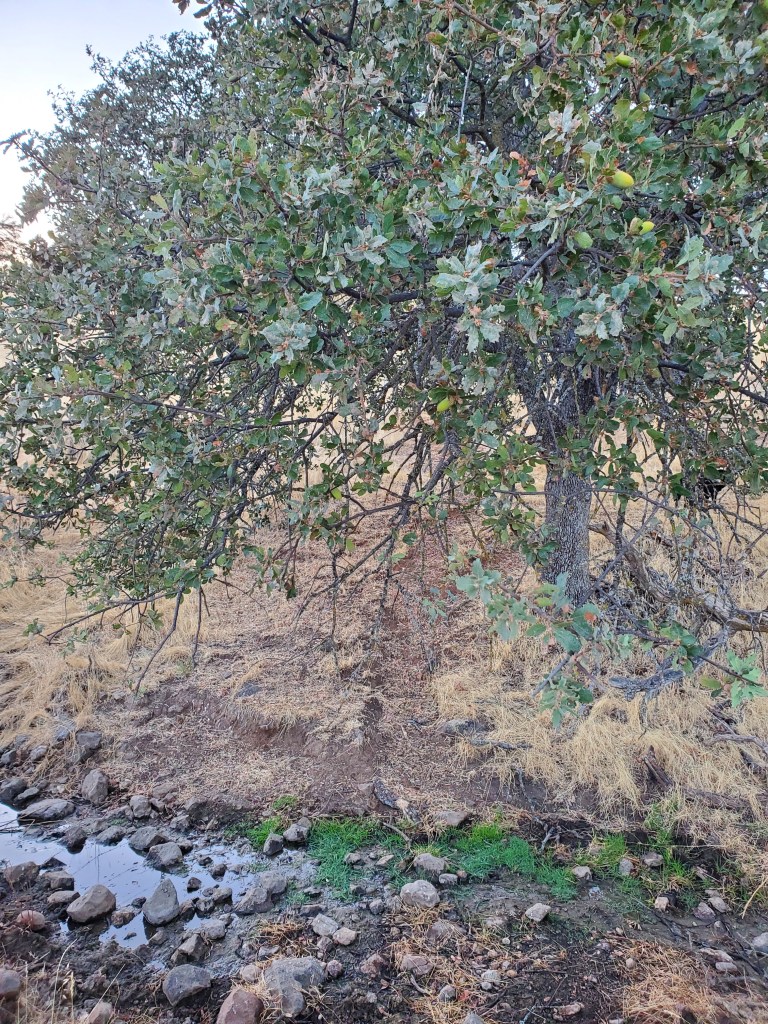
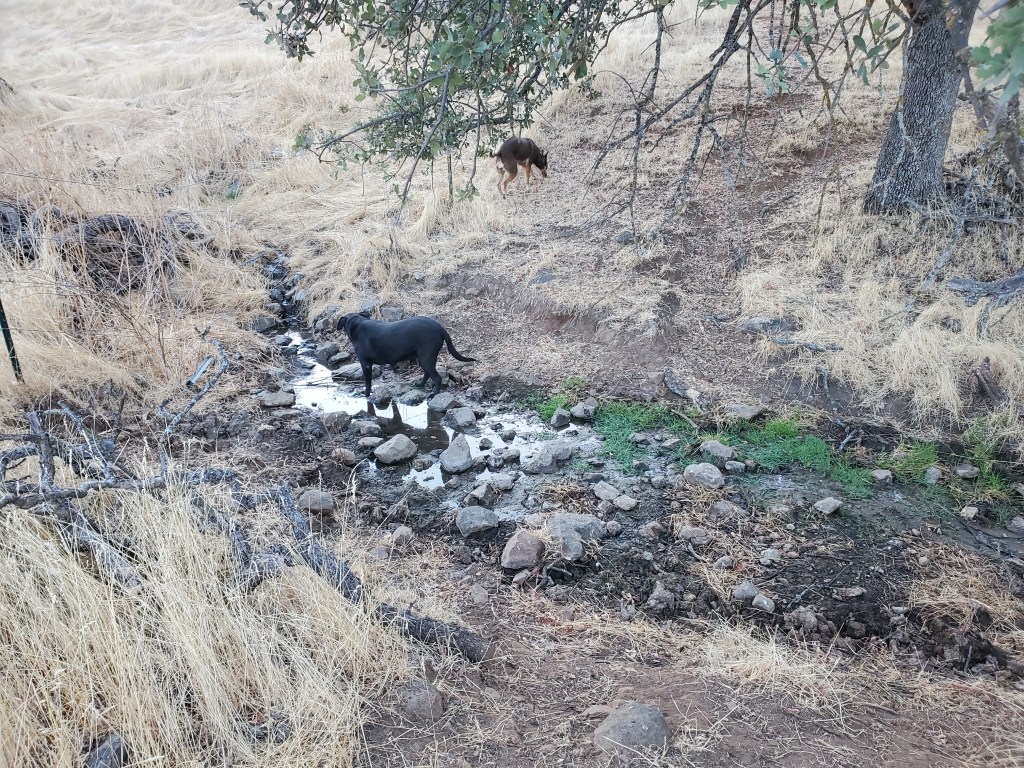
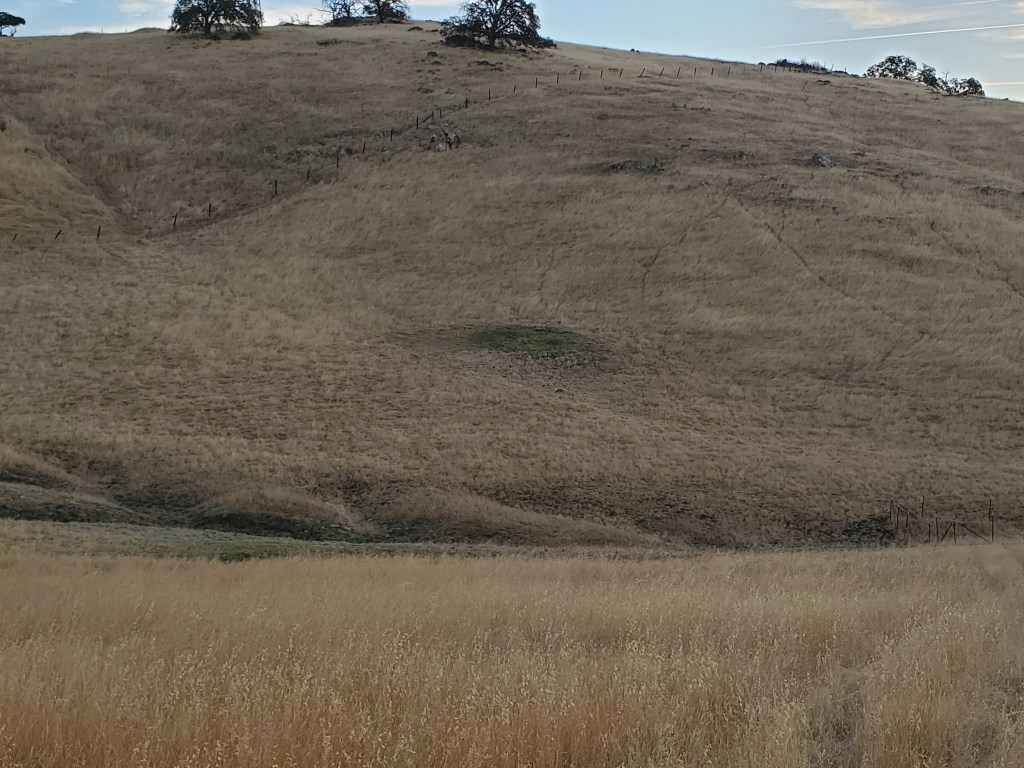
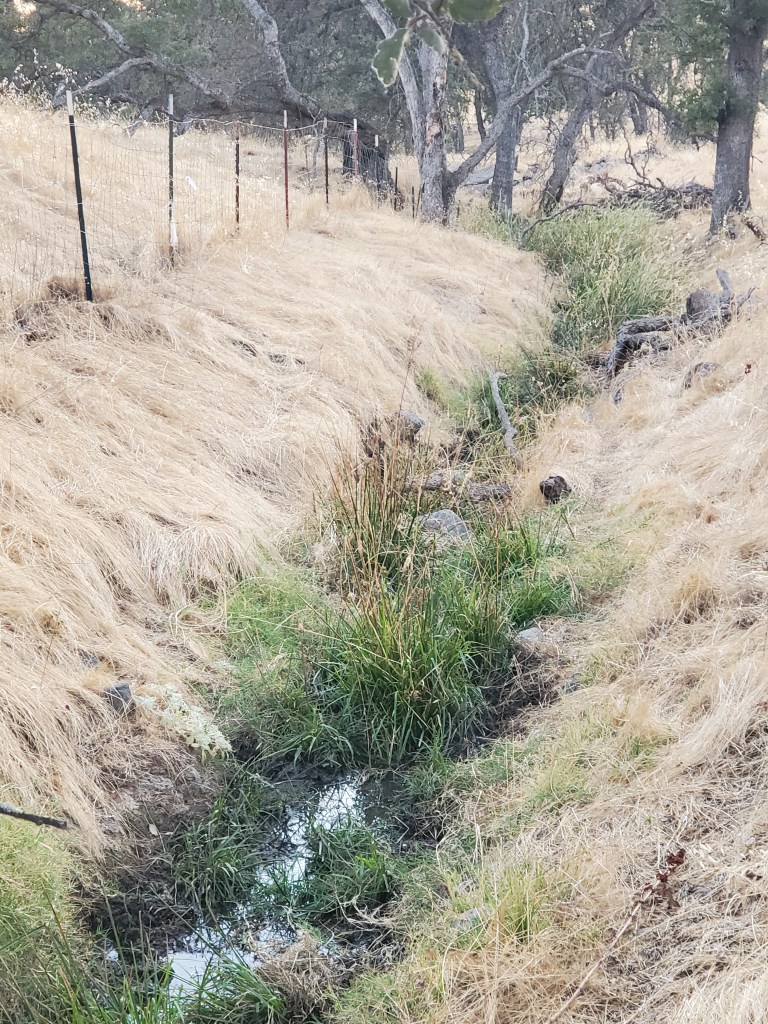
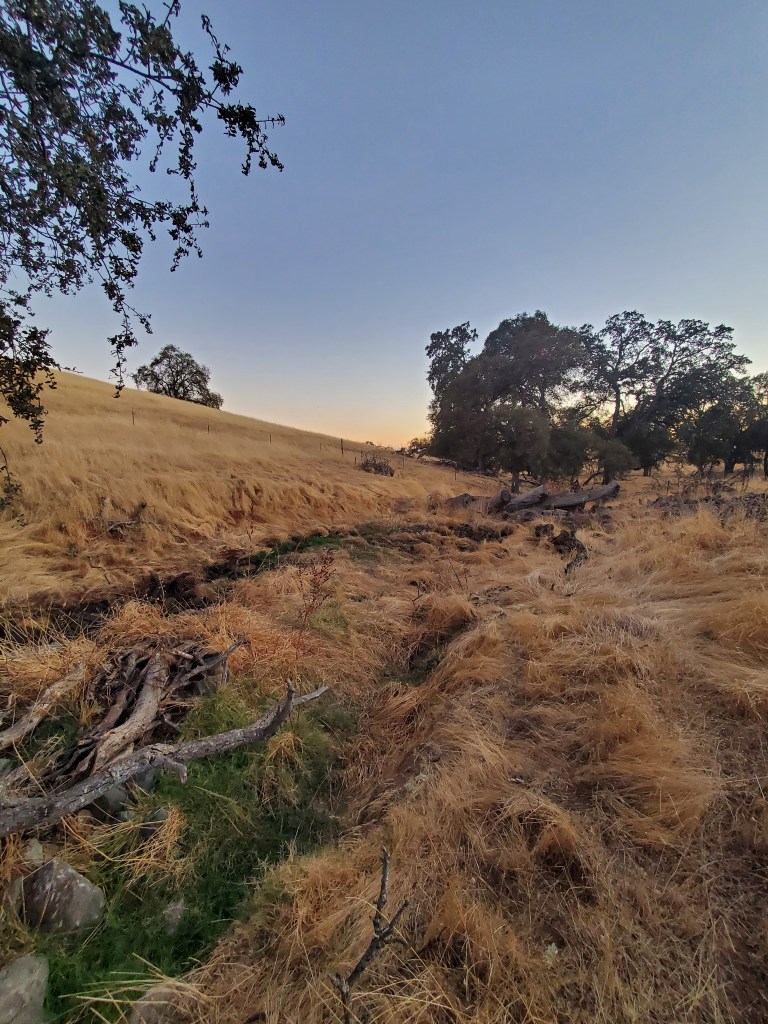
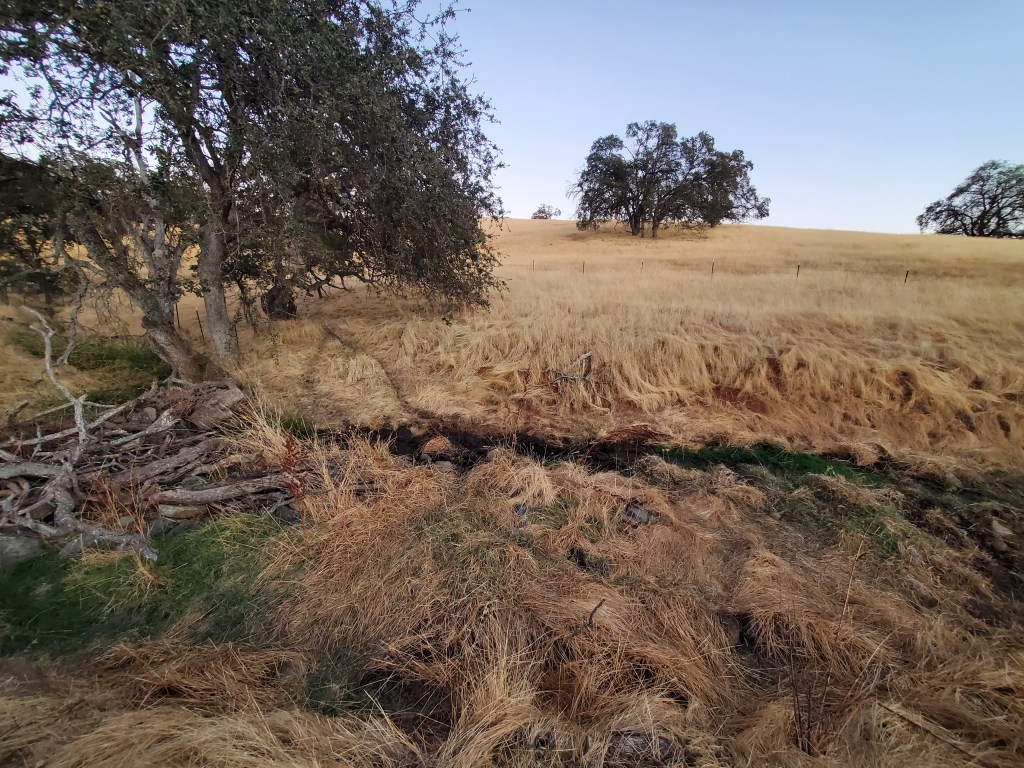
After one of the storms, I saw one of the seedlings I planted had its basin filled with standing water. Too much water, and oak roots can rot. One of the challenges of selecting a site is that I am considering access to water over the long term. As such, I have been planting near the creek or near a spring flow. One of the upstream oaks on Spring Creek is planted in a flow. It is west facing with other oak shade. The soil is predominantly clay. Excellent conditions for water accumulation.
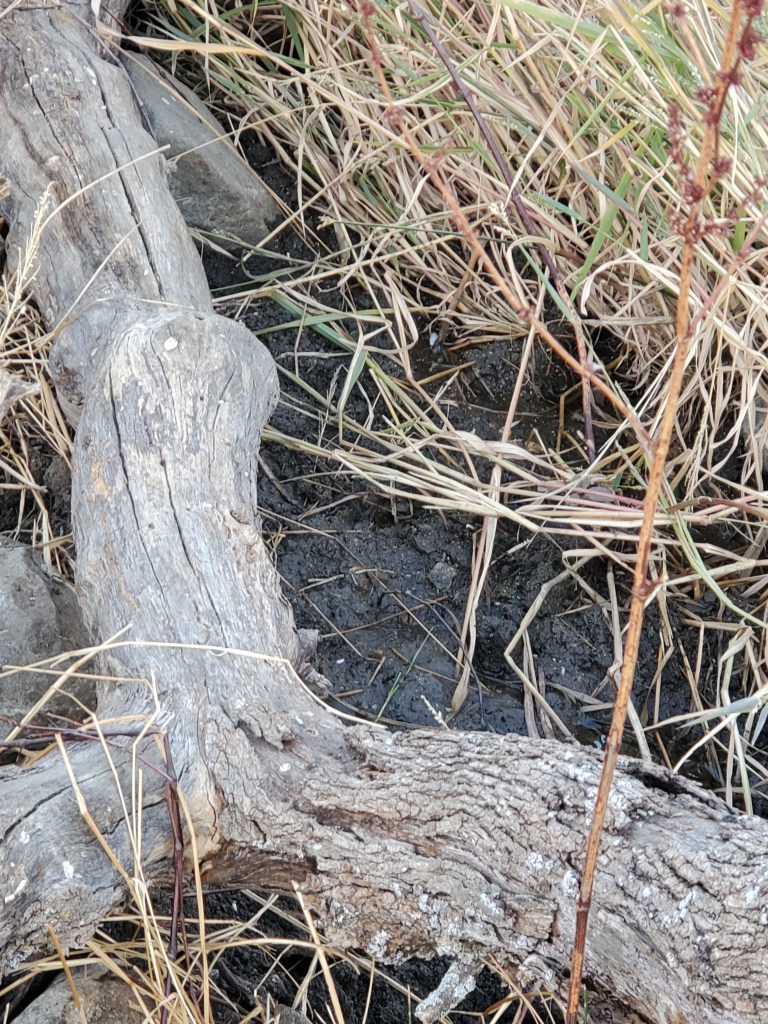
I lifted the coir pad, stuck my finger in the mud and created a channel to allow the standing water to flow out of the small basin I try to place around each planting. It mostly worked to alleviate the stand. Water is everywhere, and that section, because of the flow, is already saturated. However, I was able to get the water down low enough so it was not submerging part of the trunk. The weather will be dry this week, and I anticipate the remaining standing water will be gone within 24 hours. I will go back and recreate the basin wall for the next rain event.
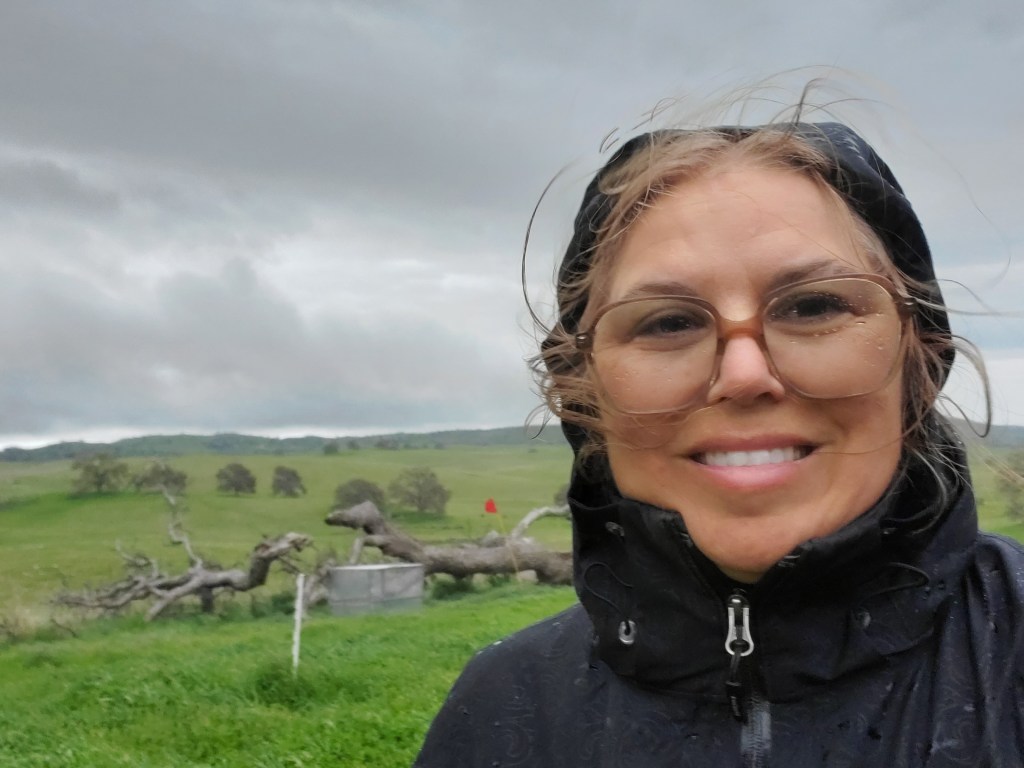
While out checking the oaks and maintaining their planted areas, I was quickly caught up in a storm. The wind was ferocious, bending the oak marking flags to almost 90 degrees. Fortunately, I was in my final section, which happened to be nearest the house. The rain started to pour. While I had a jacket on, I was wearing shorts (I know. I’m crazy). The wind whipped at my exposed legs, and then it started to pour. I typically traverse the ranch on foot to limit soil impacts from the quad or truck. I finished with the oak I was working on and bolted up the hill, through the gate, around to the front of the house, sloshing in mud (I had my muck boots on), mud splattering across my legs. Finally, I got to the front door – a soaked, muddy mess. Although I was almost denied entry to the house by my family, it was ok. I love this life.
Checking New Log Check Dam
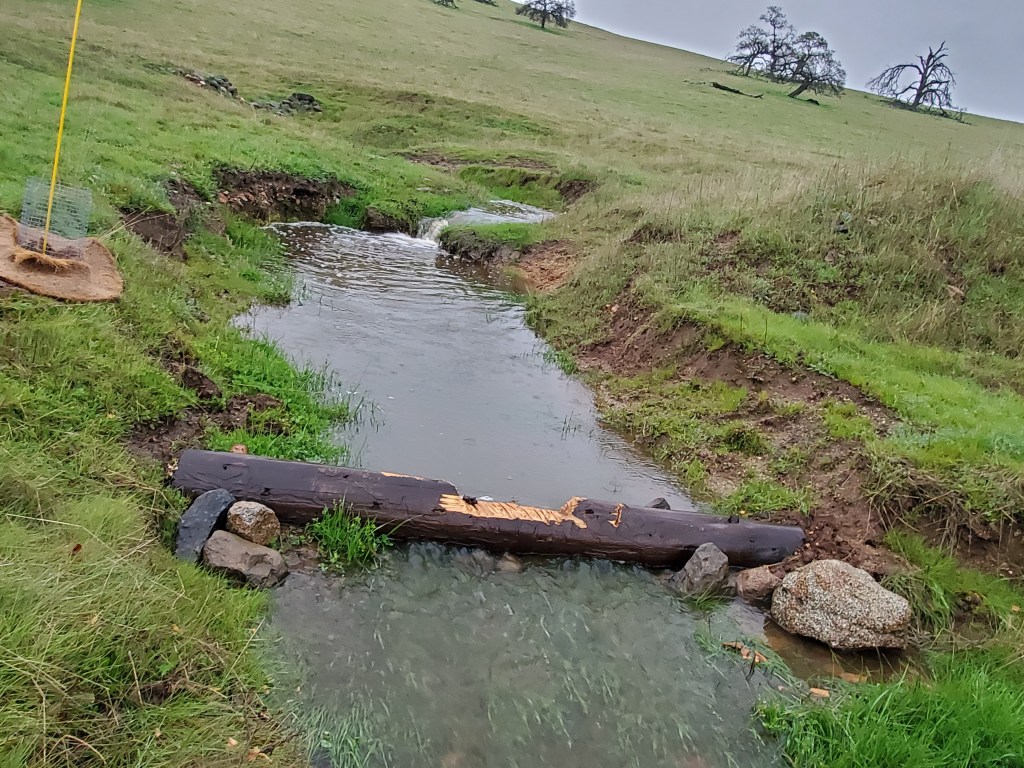
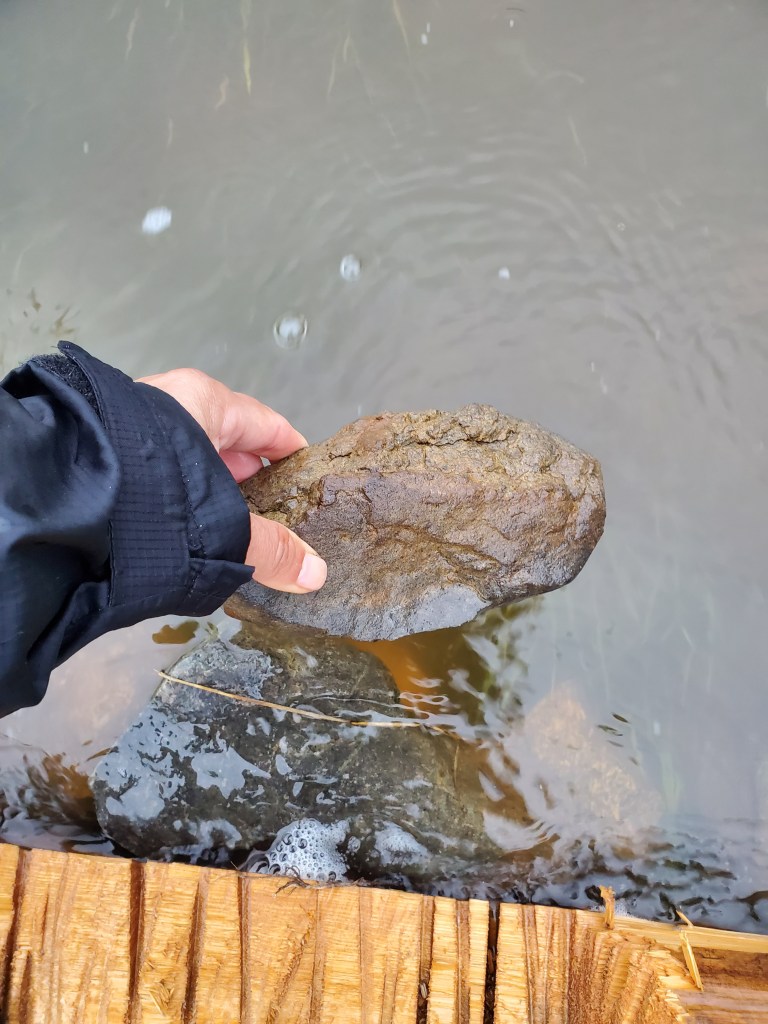
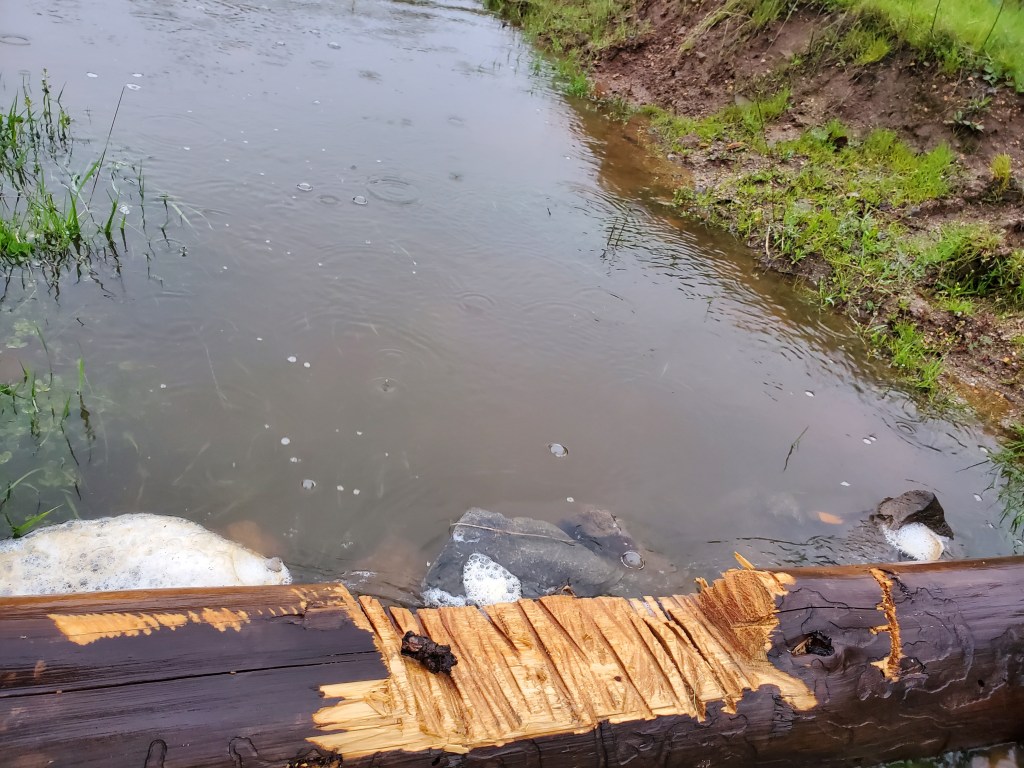
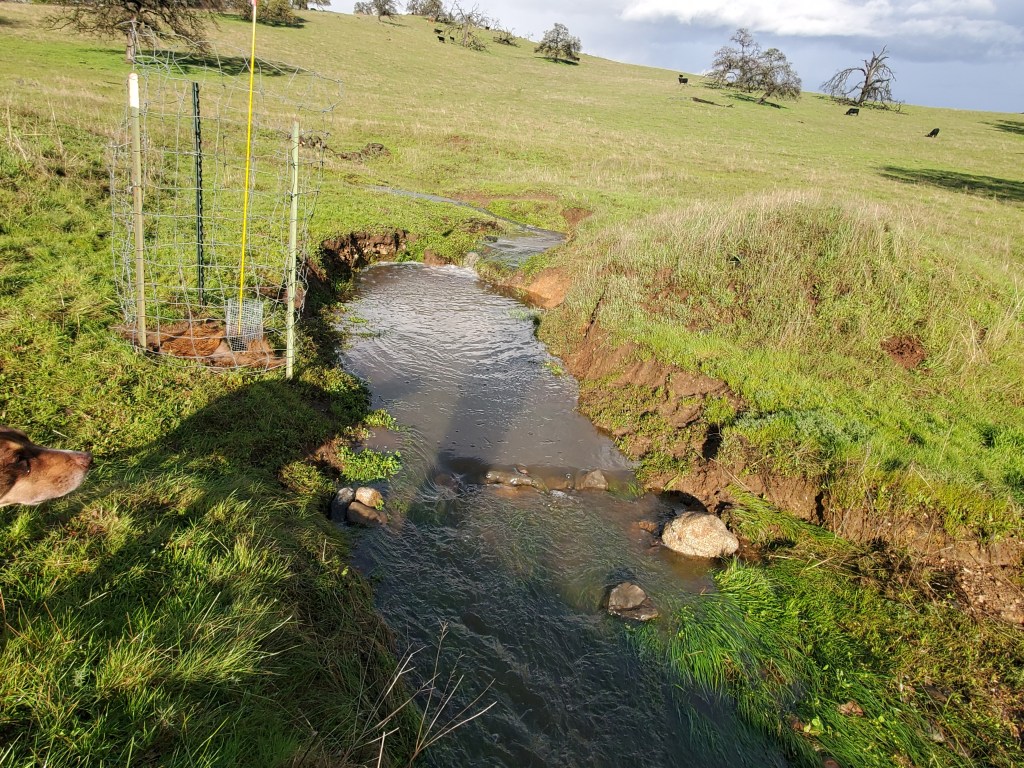
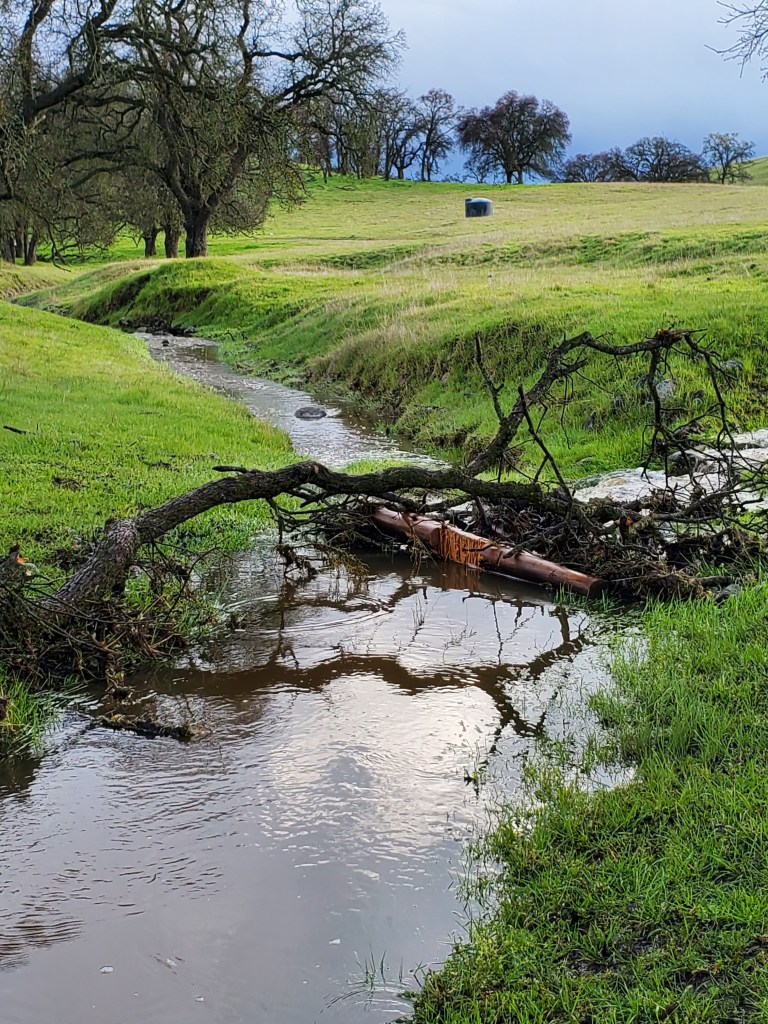
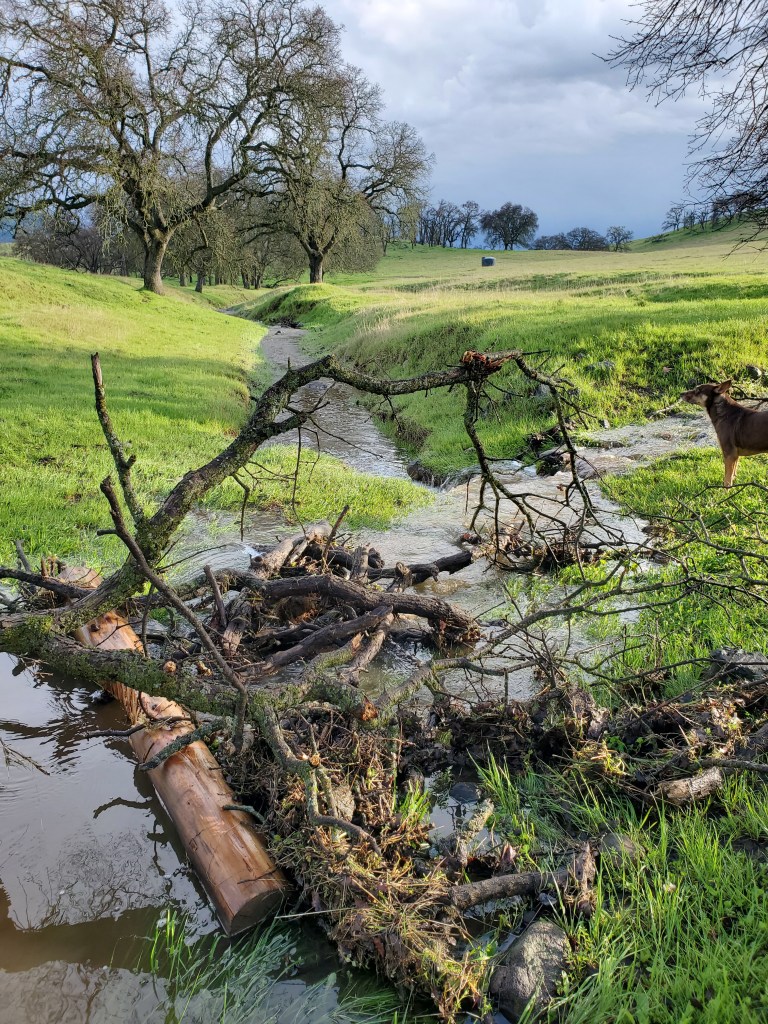
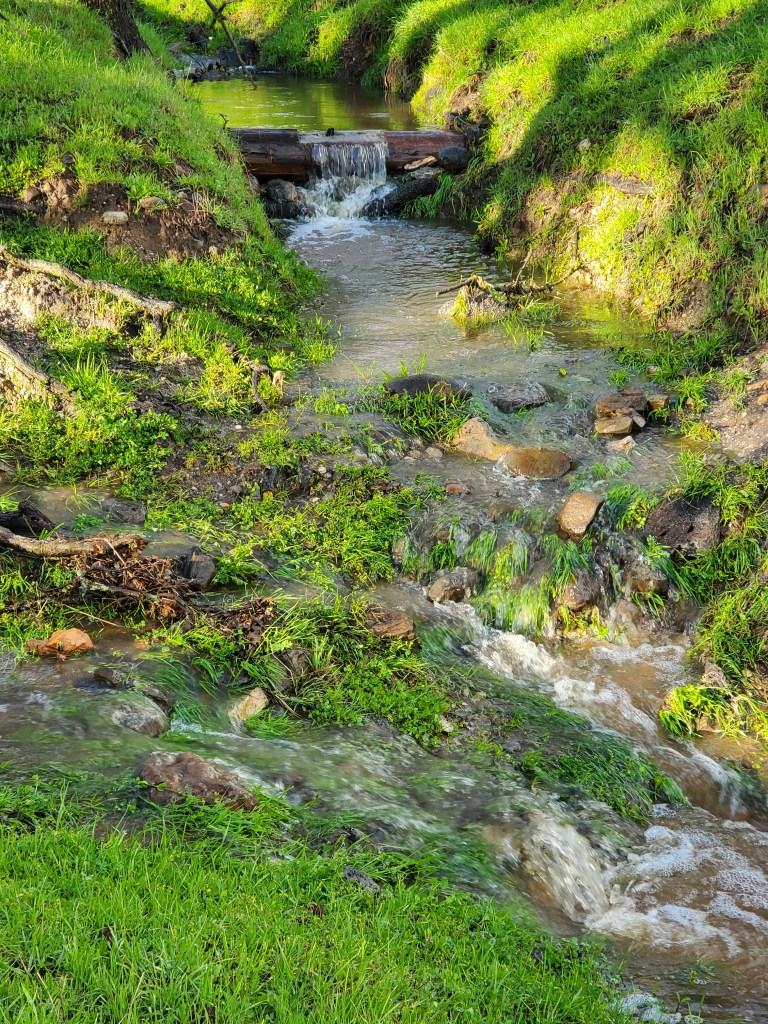
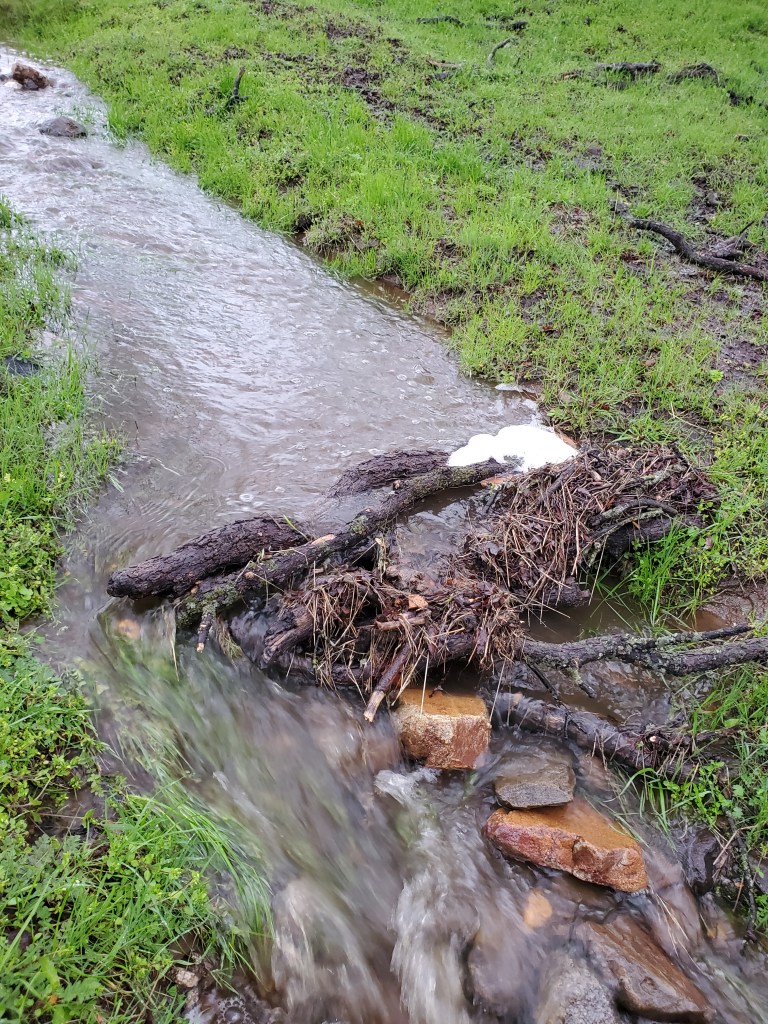
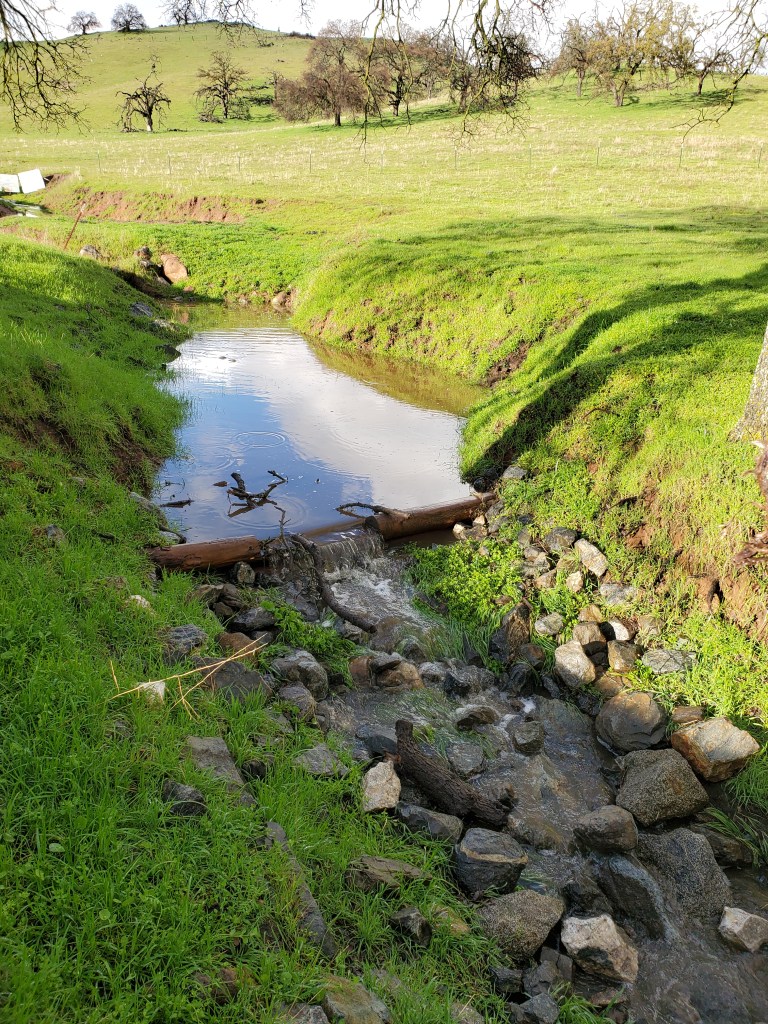
I was excited to see that the new, poorly connected log check dam was still in place after one of the storms. It was doing its job, pooling water behind it, slowing the runoff just enough to really soak the soil. Then, the large storm came with 2.25″ of rainfall. I checked the dam again. It was not there. The rocks I put in place to help the log were still there acting as a smaller check dam and pooling some water. I walked down stream and found the log. It was caught up in a tangle of branches, leaves and gunk about 60 feet downstream. Not to be deterred, I pulled it out from the makeshift dam and began to pull it toward its original location. The cedar log, typically lightweight, was heavy with absorbed water. David, who was walking with me then, took pity on me and picked up the log with the flick of his wrist, to show off, and returned it to its place. We will need to secure it much better in the coming days.


Gates Shut. North Field Belongs to the Milkweed Now
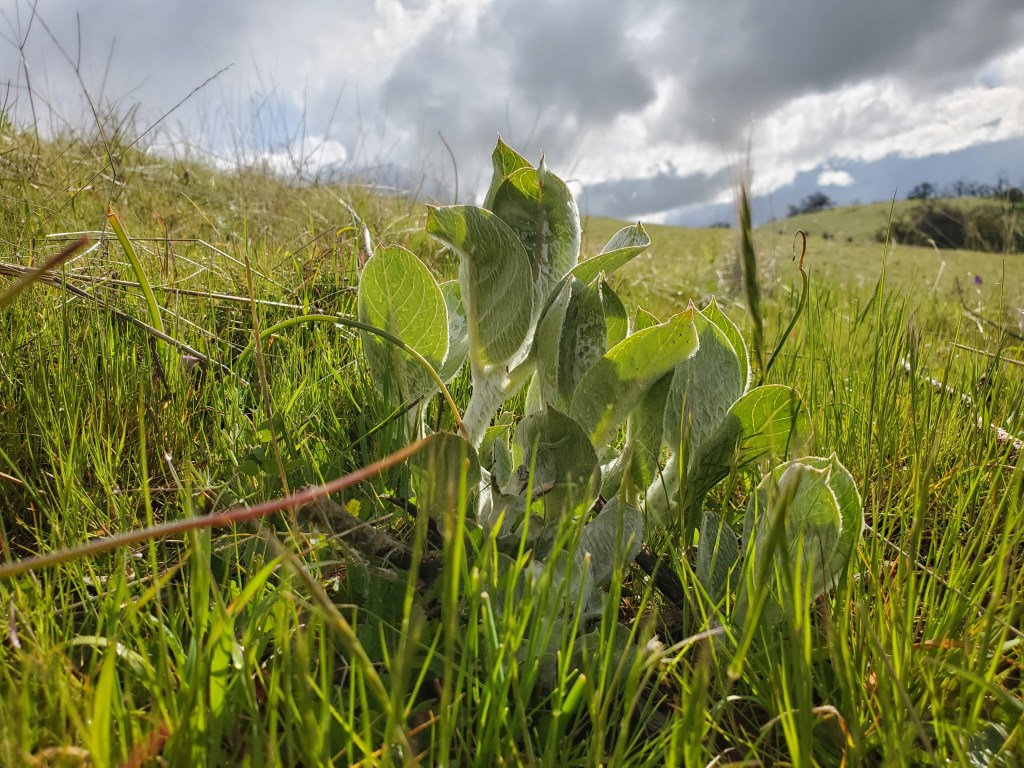
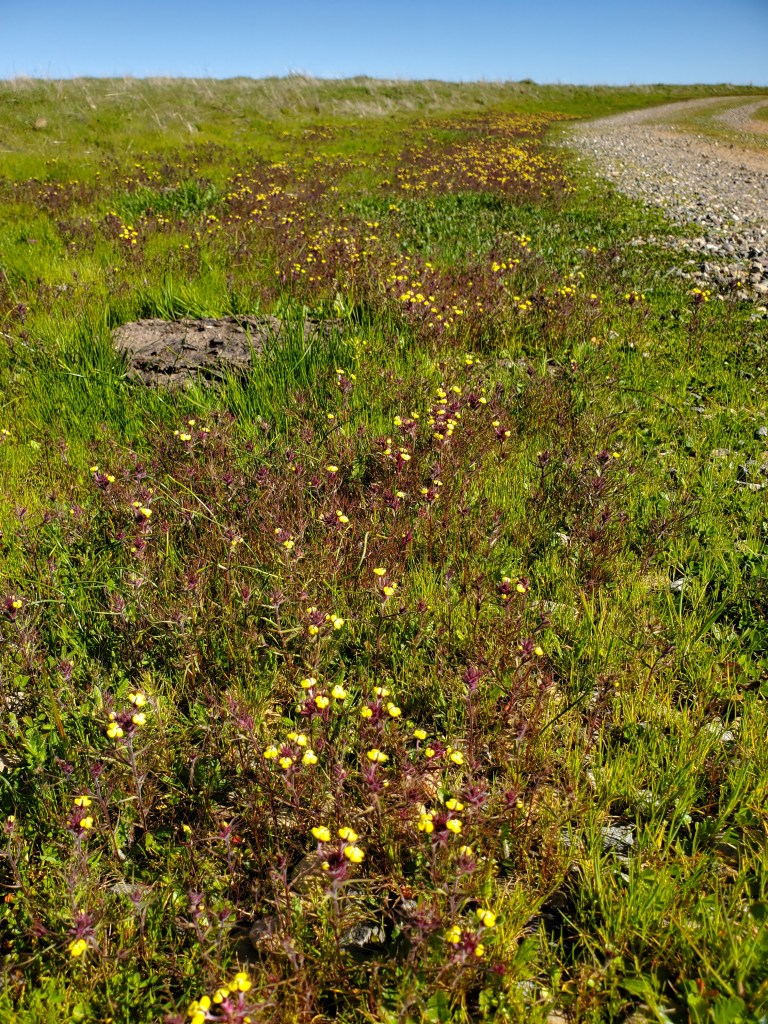
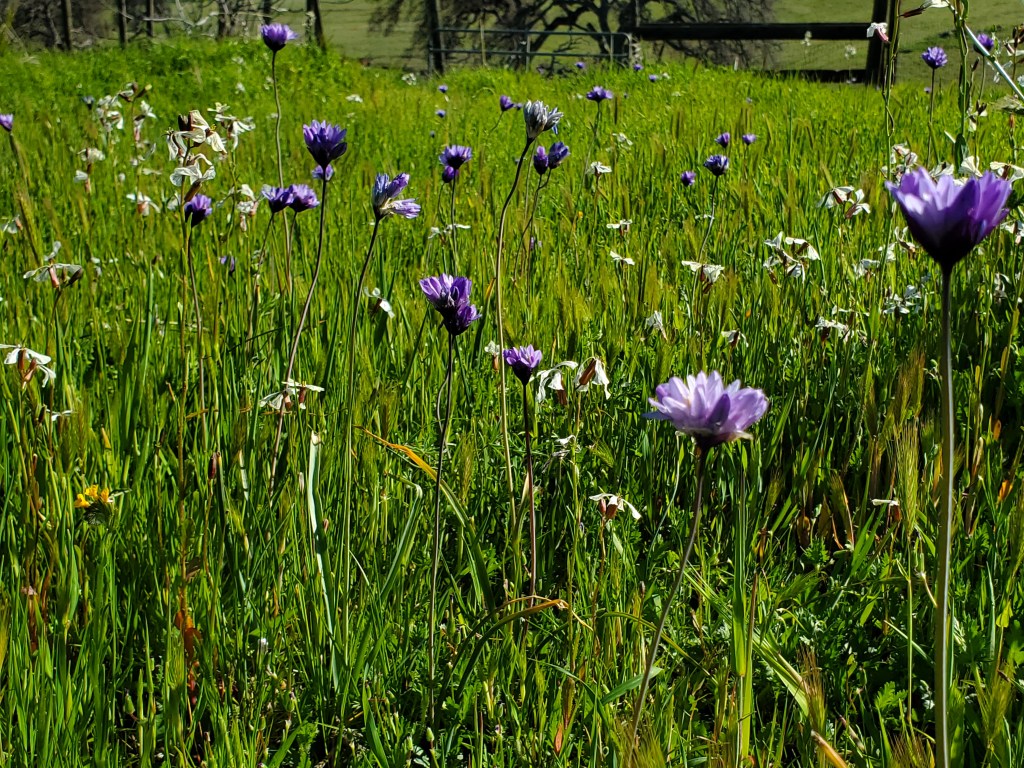
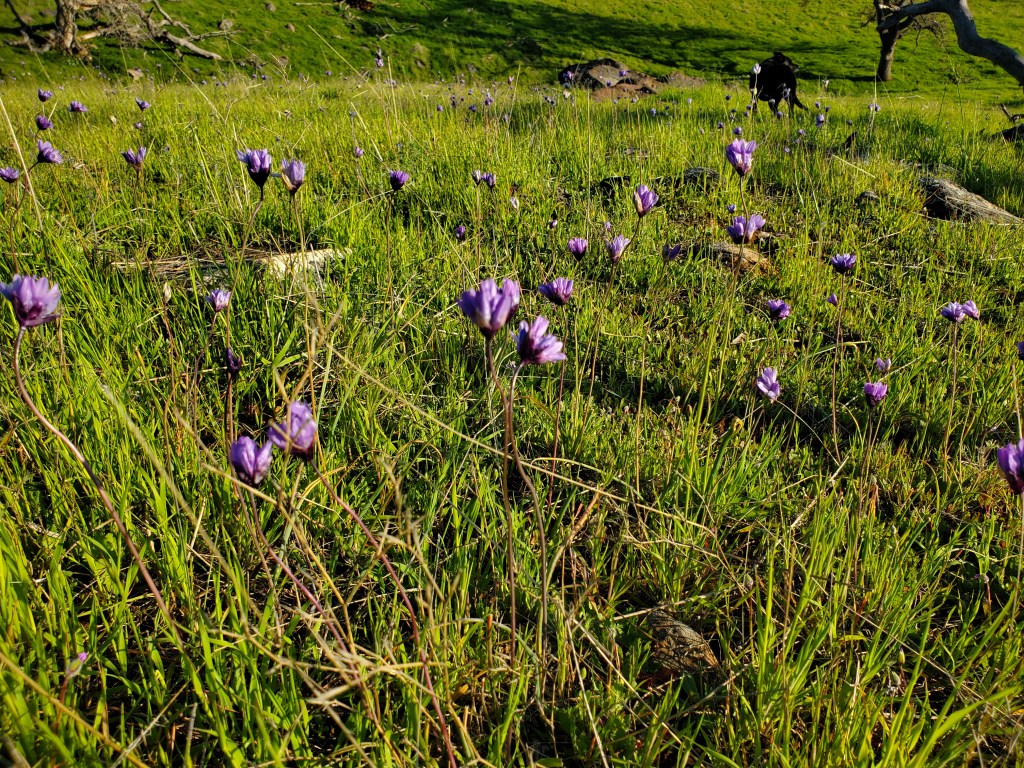
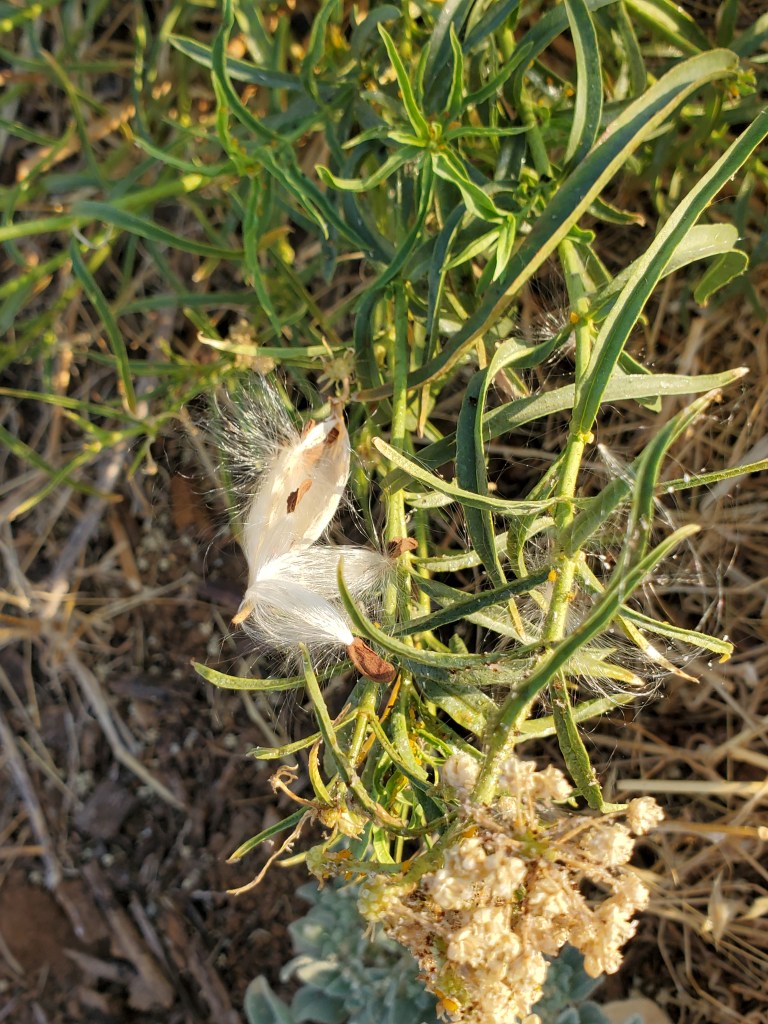
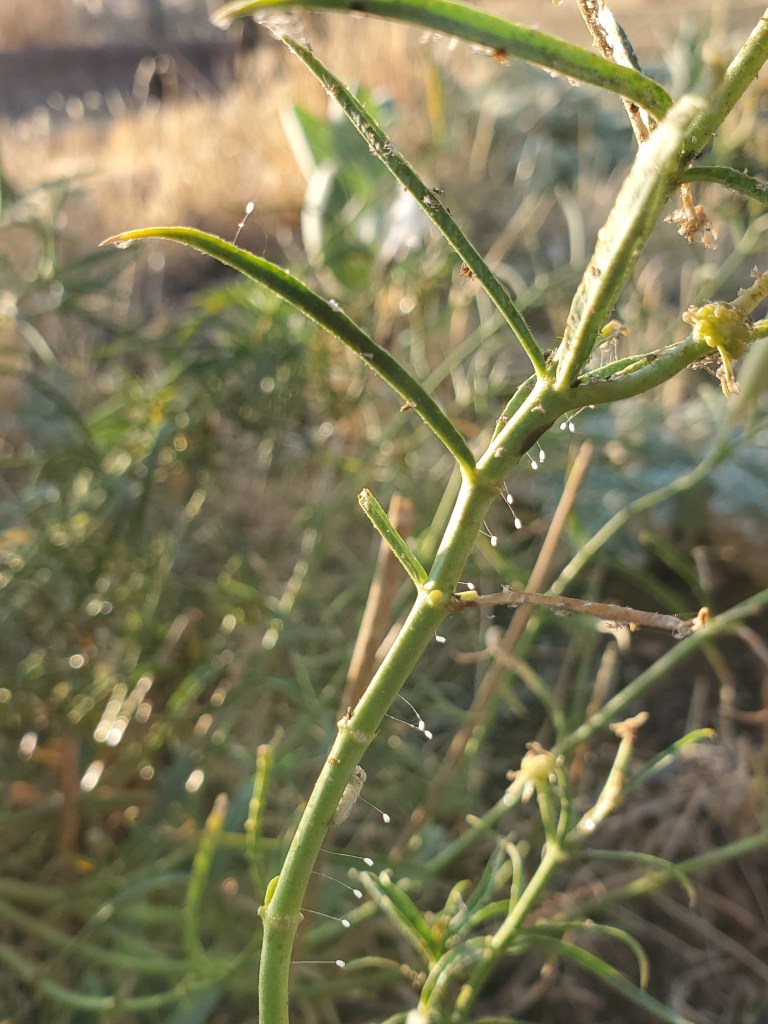
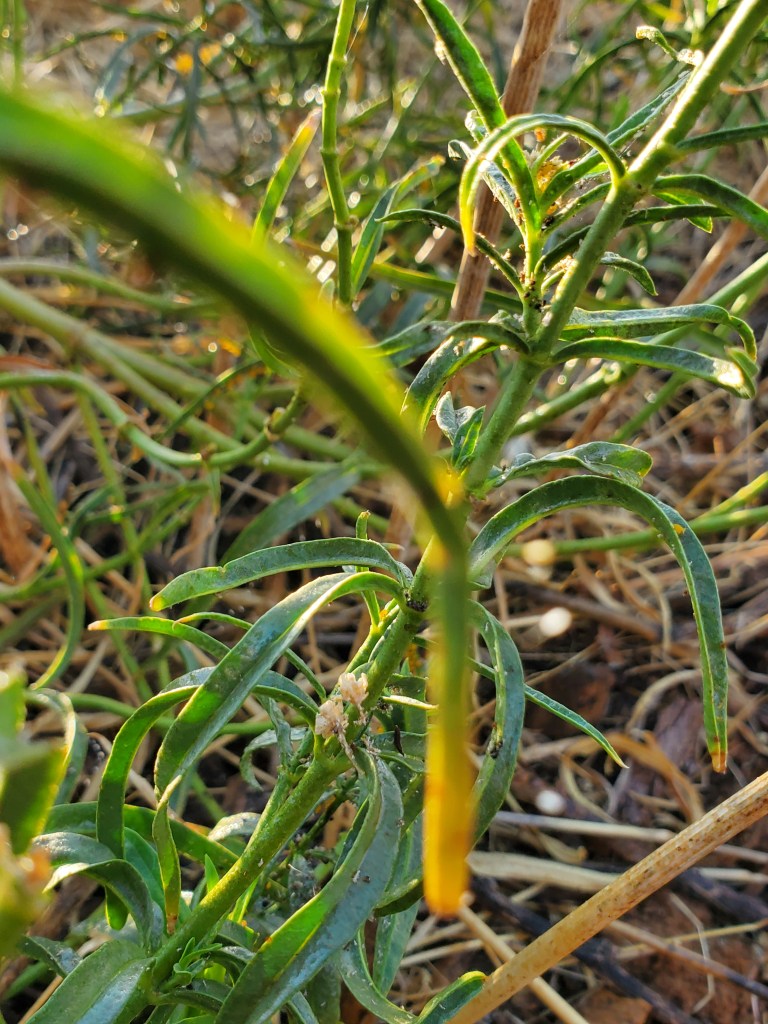
One of the best investments I’ve made in the last couple years is the cross fence to protect the California Milkweed. It is a critical, early emerging plant essential for post-overwintering monarch survival. Three of the four communities of plants are protected by this fence. In addition to protection of the California Milkweed, excluding the cattle during prime wildflower season has resulted in 40 acres filled with wildflowers of all types, sizes and colors. This means I have unbelievable amounts of nectar without having to plant another plant across a huge swath of land. Not only are the colors dazzling, the smell hangs in the air. It is like drinking perfume.
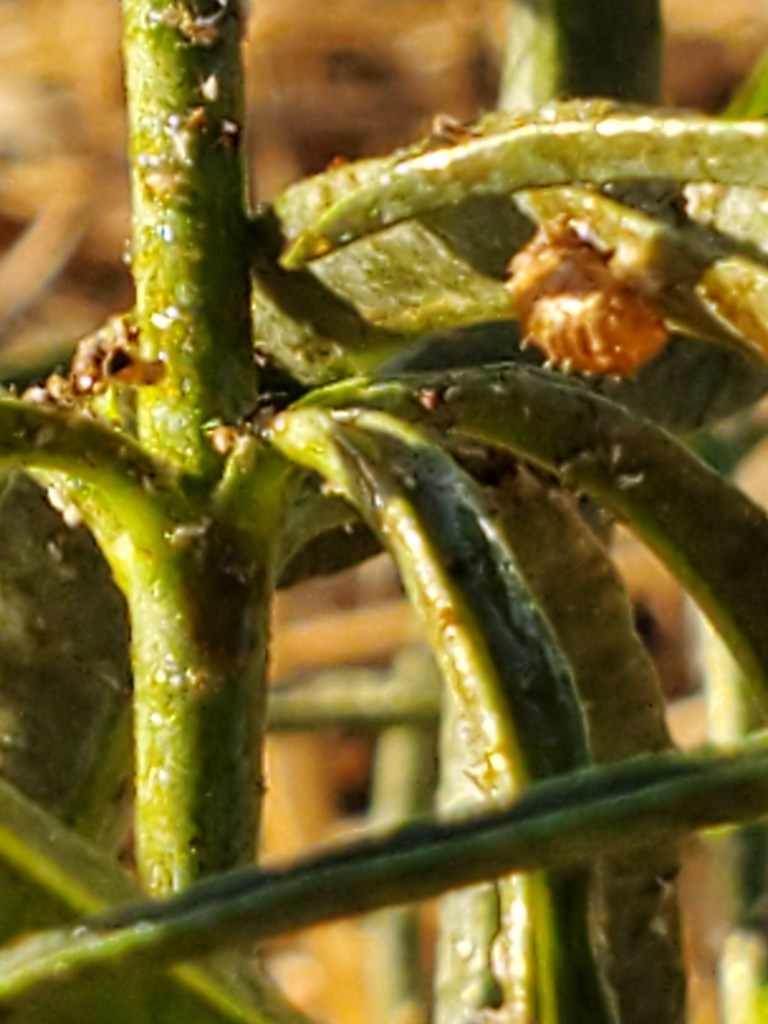
I think because of the weather whiplash, the California Milkweed is stunted. They are not their normal size for this time of year and are already producing flowers that will bloom in about a week. As of 3/20/2025, there are only four of the possible 21 emerged. Given that this past overwintering count of monarchs has been the second lowest on record, perhaps there will be fewer butterflies floating this way, and the stunted plants will be sufficient. I have not had an opportunity to place a camera up on the hill. The last time I tried, there was no signal for my special game cameras. I think I will use it in analog mode and grab the photos off later. This way, there is something up there as soon as possible.
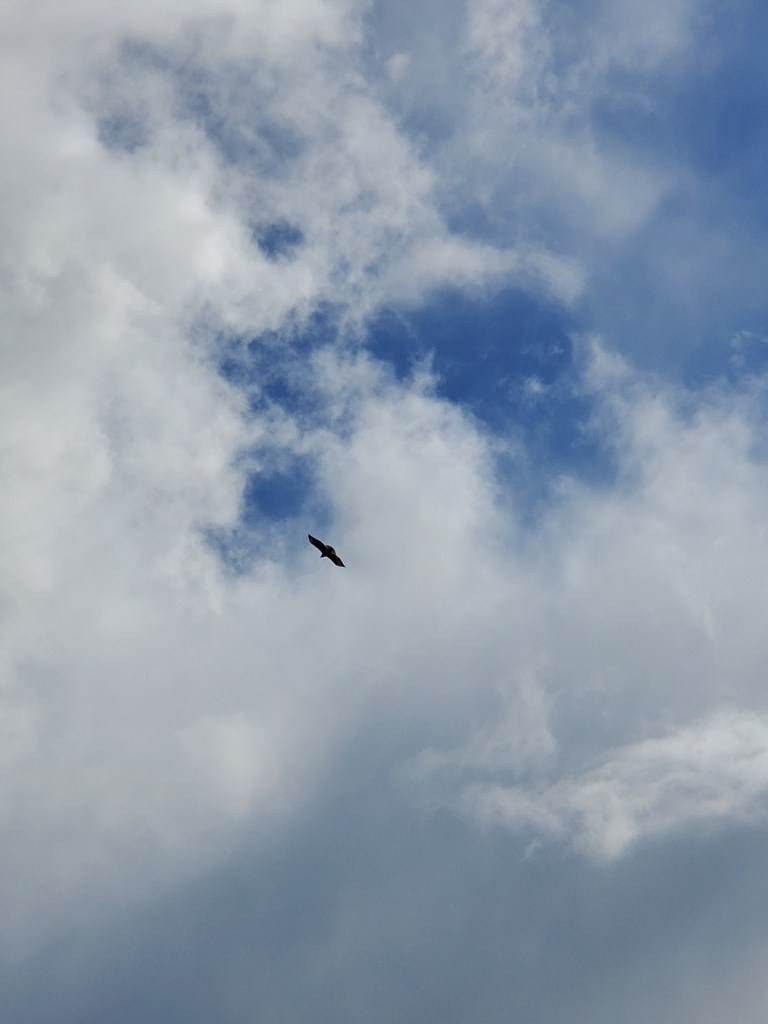
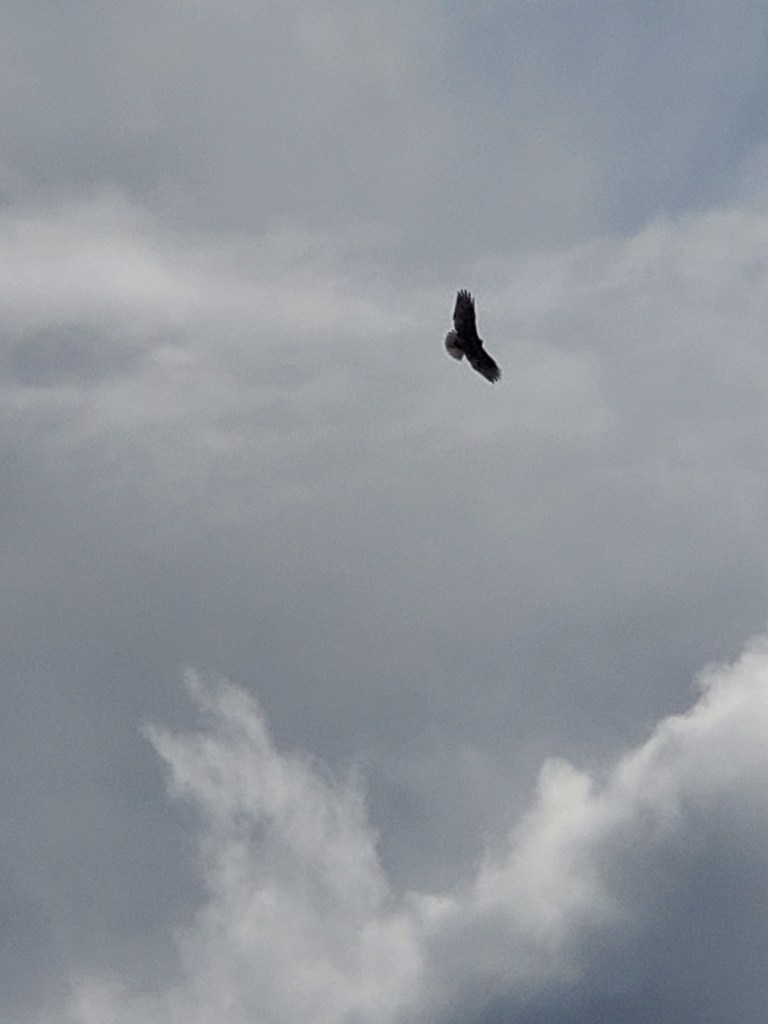
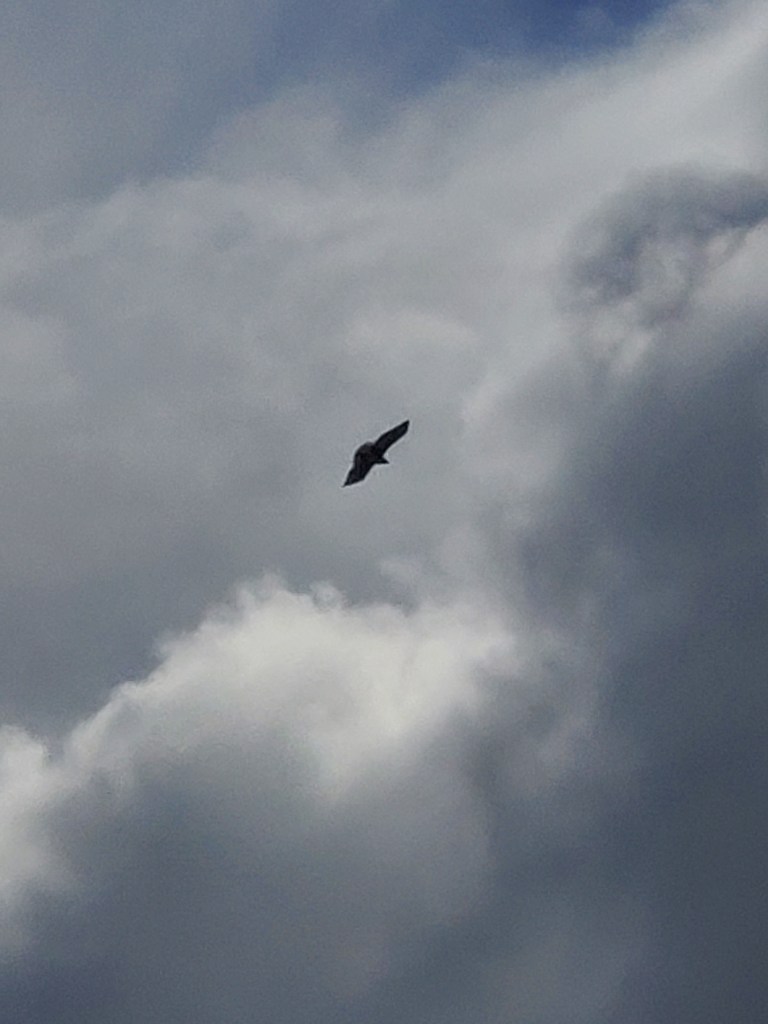
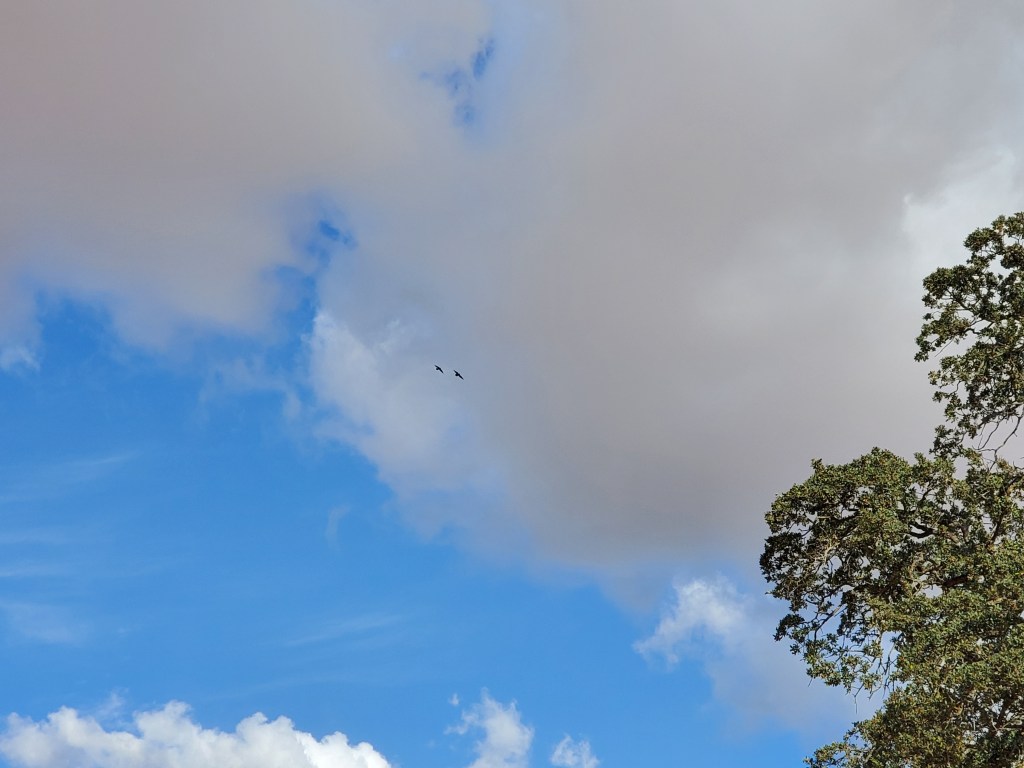
While I am on the hill checking each milkweed and looking for more emerging, I decide to take a break and sit, contemplate things. Out of nowhere comes Taawe (Hawk). They decide to come for a visit, flying close and low. Taawe is close enough to hear me, so I speak in my language. It’s an original language of this continent, co-evolved with the many relatives from this soil. We’ve all shifted around following a cycle of movement south to north, west to east, and back again. Taawe understands me; it circles, flits, plays with elevation, but always above me. It circles away. I call to it. Taawe circles back. We play this game for a few circles, then I lay back down on the cool grass, the smell of soil and moisture in my nose. It flies to the east, and I say “Chiokoe uttesia in weweria. Ito te vitne.” “Thank you my relative. See you soon.”




Guzzler Install Complete
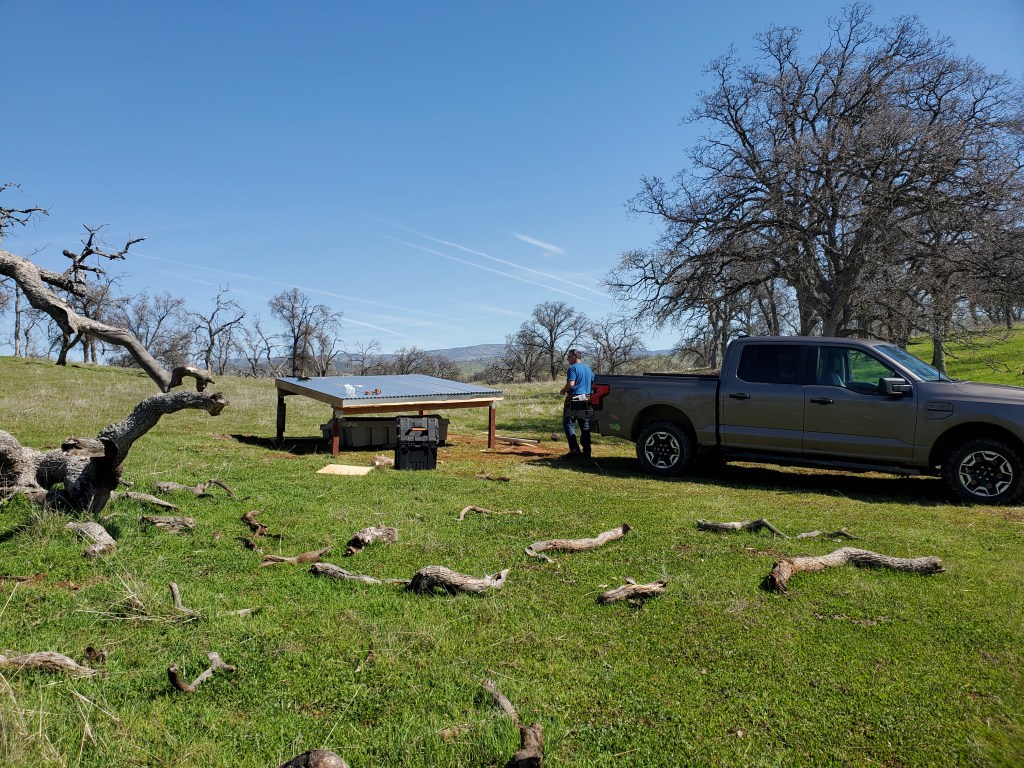
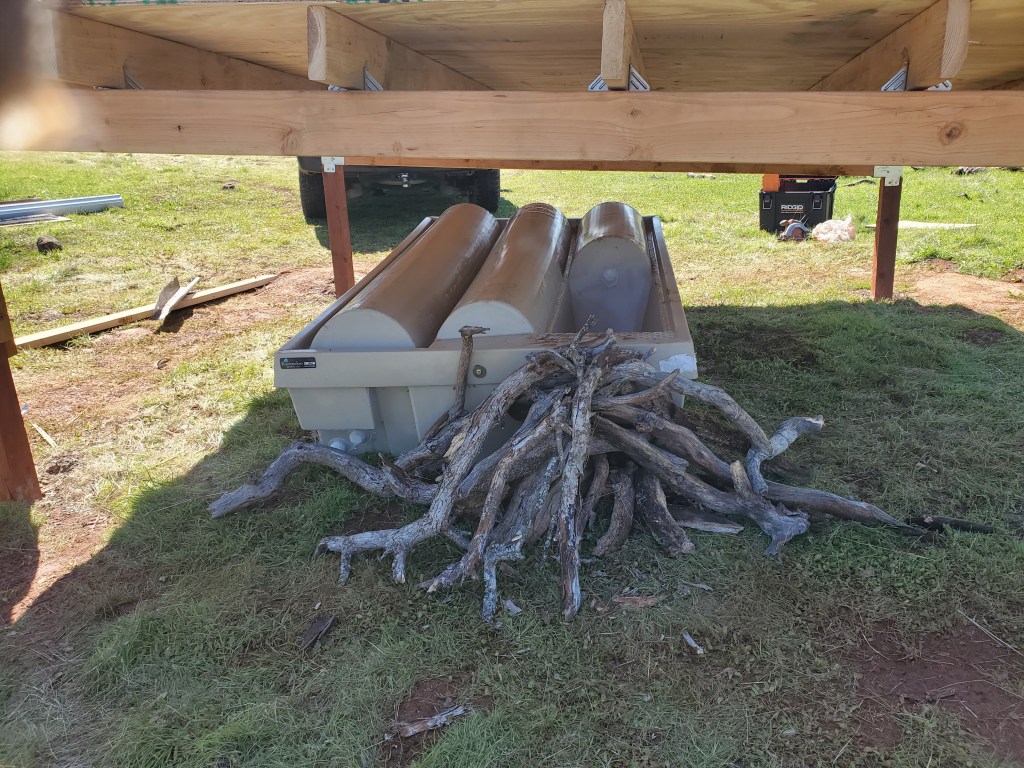
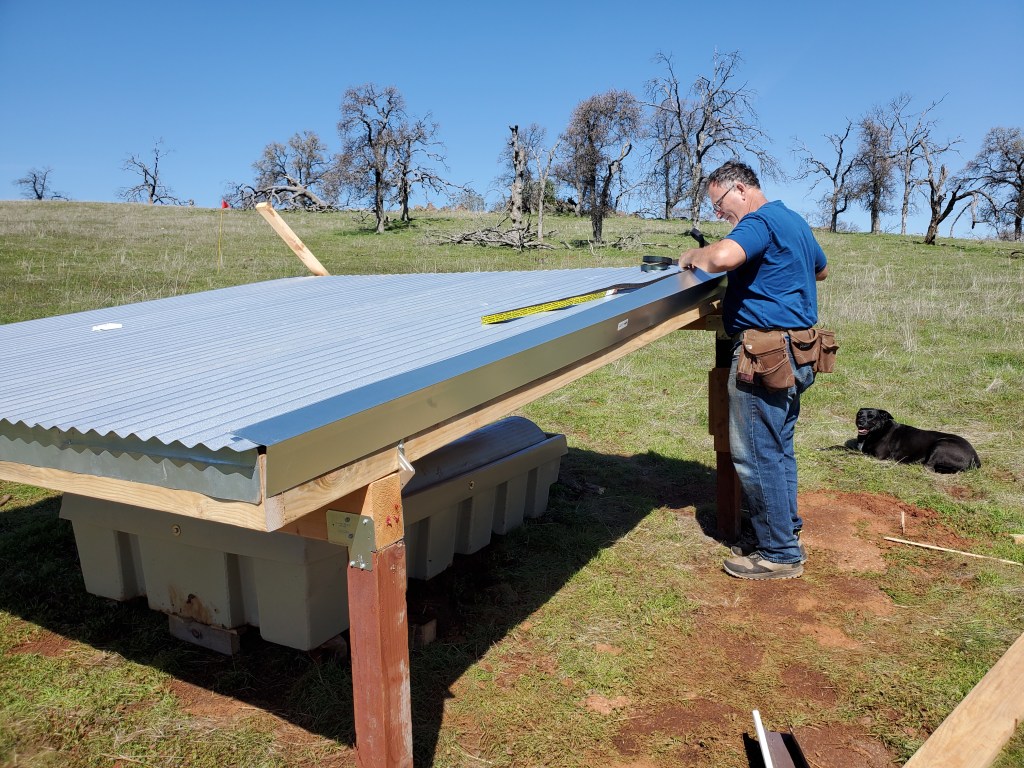
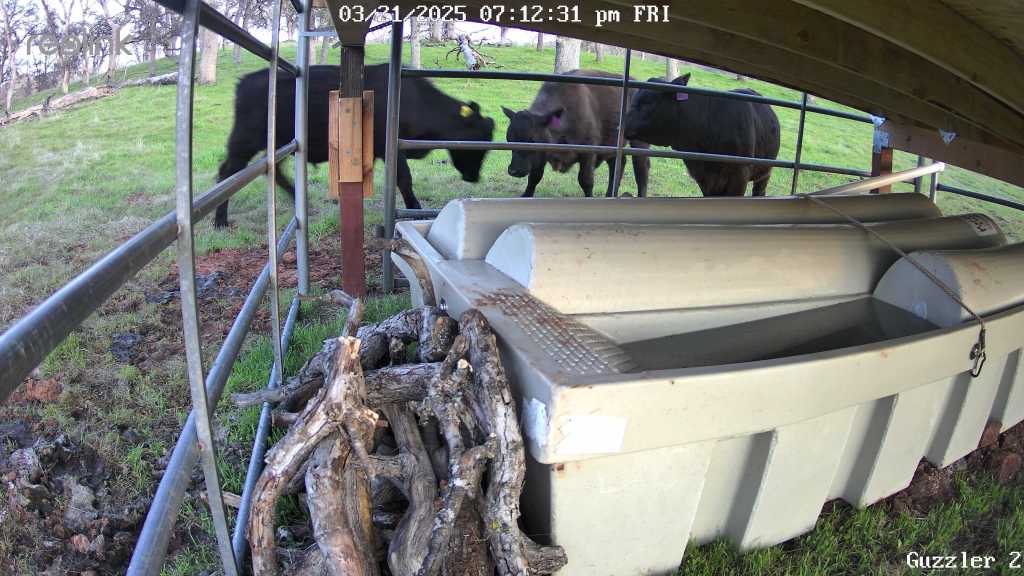
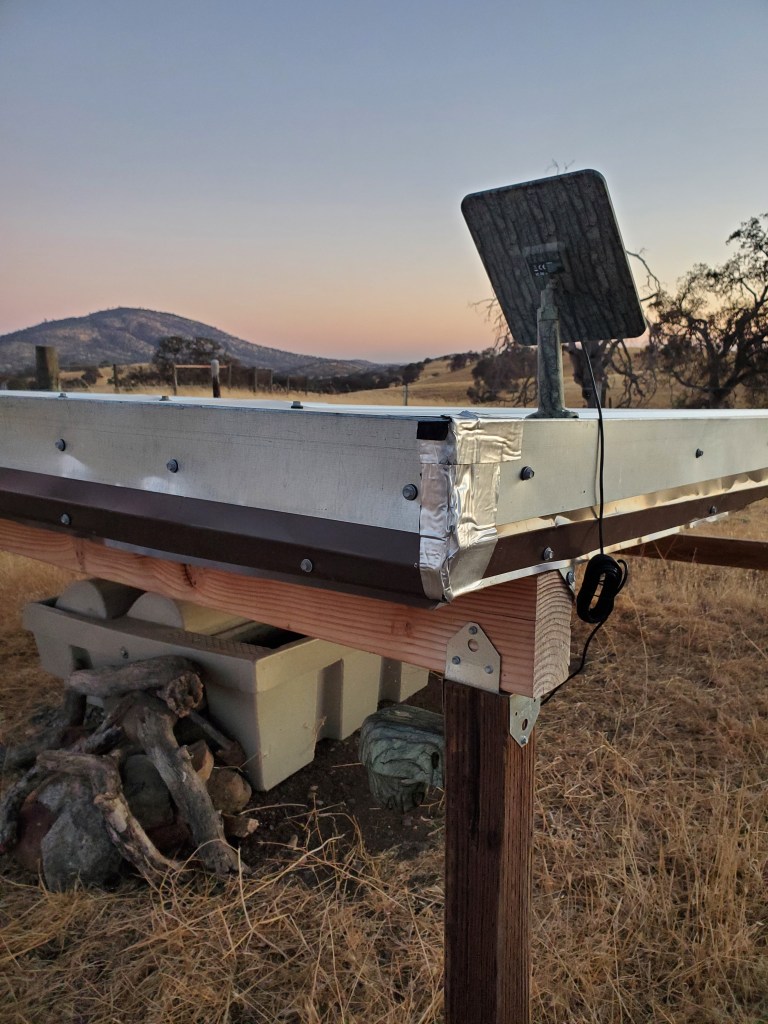
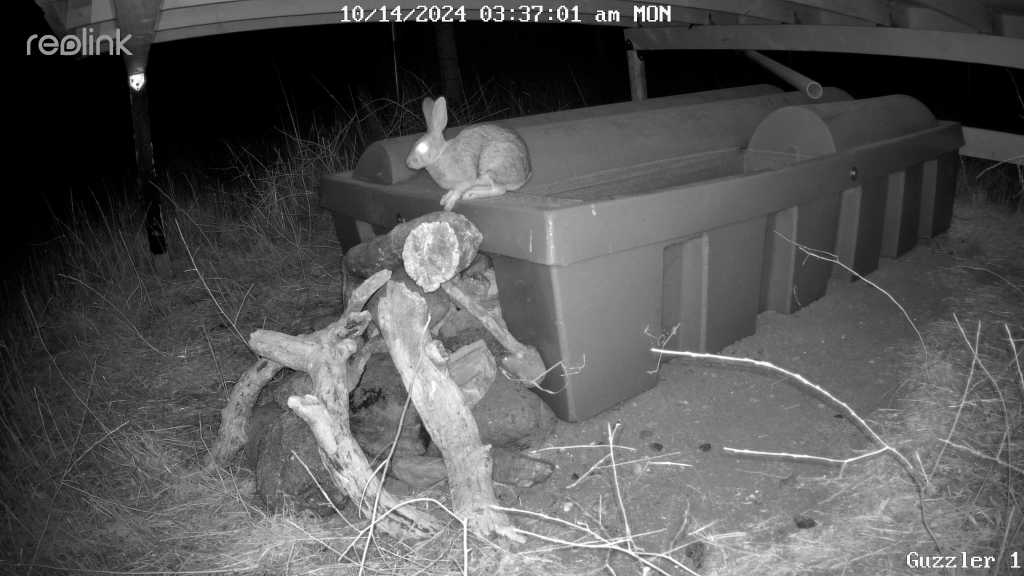
It took David nearly six days over two and a half weeks, but the guzzler is finally complete. We still need to build a fence around it to exclude the cows and build out the tank portion of the system to feed more clean water to the unit over time. Currently, there are stock panels attached to the overhang structure to keep the cow away from it as best as possible. Panels are ok since the gaps in them are large enough for most animals to move through. They are too small though for larger animals like deer. It is a priority for me to complete that fence to maximize its utility. The storms have filled the unit, and it is ready for wildlife to drink from. THANK YOU David!!
Dangers Realized
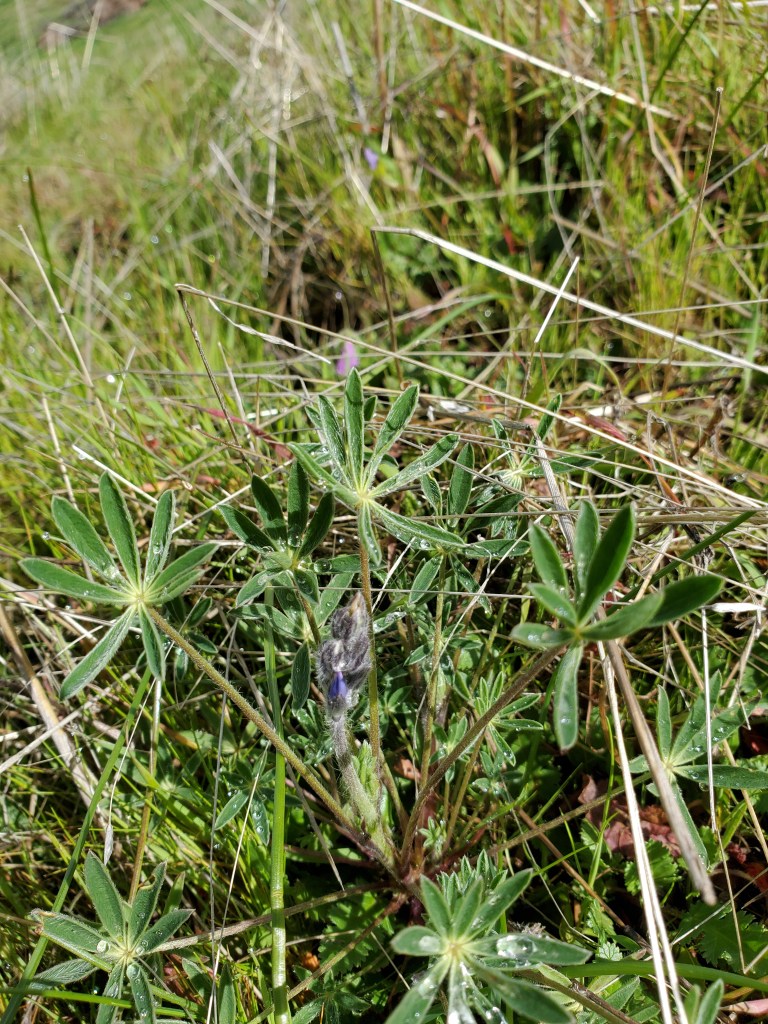
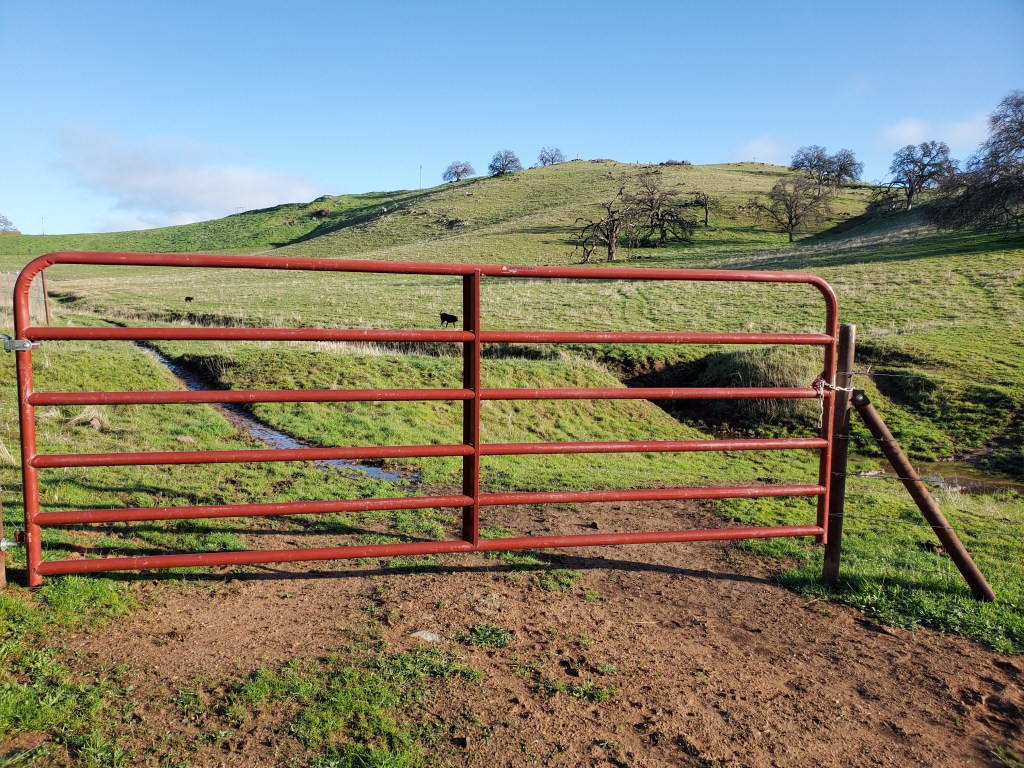
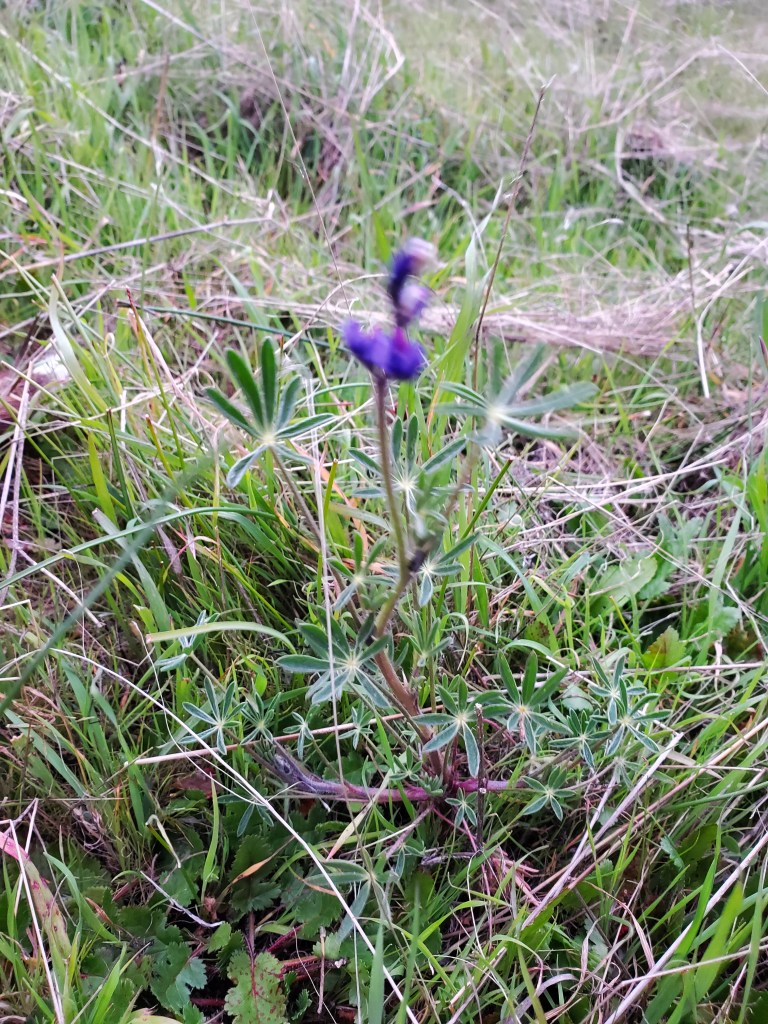
Although I have relaxed more with the fencing in place, catastrophes can still happen. Three times now I have gone outside to find cows where they shouldn’t be. Once, they jostled the gate open to the far north field. They jostled the gate open to guzzler 1, and yesterday I found them in the Spring Creek exclusion area. The wire gate had been squished down. In all cases, my heart sunk with concern that all I worked for could be lost in one accident with a poorly structured gate lock. Things were ok with the far north field. The Ca Milkweed was fine, and not too many of the blooms were up to be eaten. Guzzler one sustained significant damage. The solar panel connected to the game camera was severed. The wire had been snipped and stomped on. The stainless steel mesh over the gutter was folded up on both ends in tortuous fashion. Fortunately, we have an extra panel with wire and more gutter screen. We can fix that. I have yet to assess the damage to the exclusion area where large lupines, oak seedlings and larkspur are all just getting ready to develop blooms. It would be a catastrophe of large proportion if much of that was destroyed. In all cases, I secured the gate locks with a carabiner (cannot be licked open), twisted wire (cannot be jostled open), and a second loop securing the wire gate.
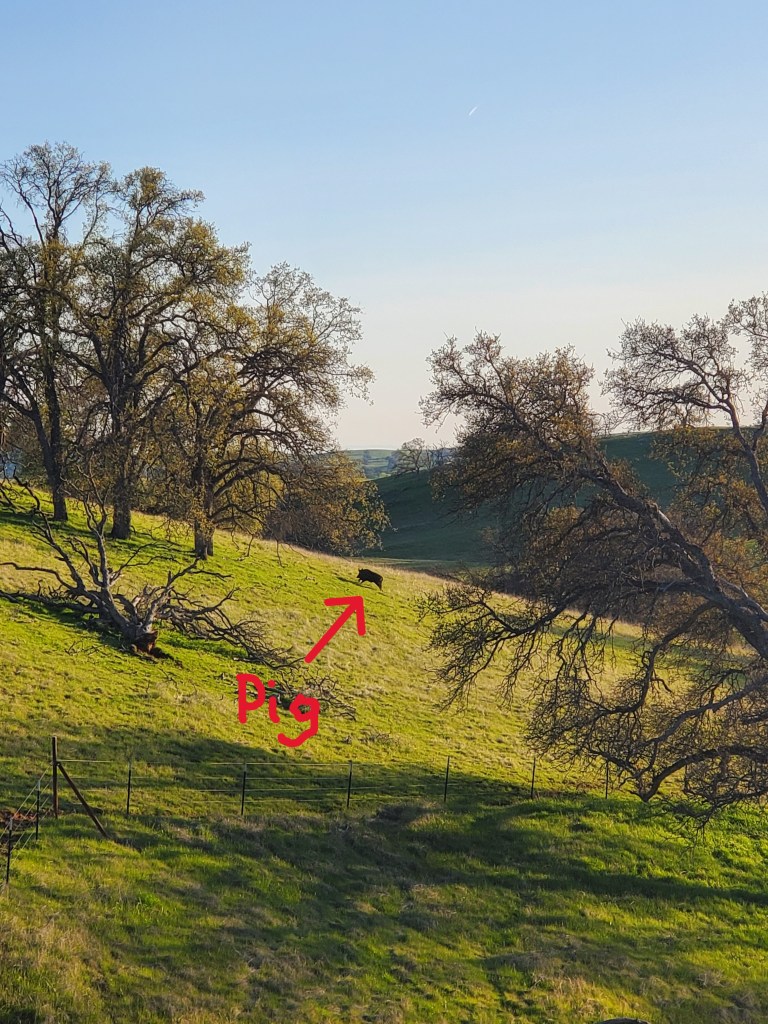
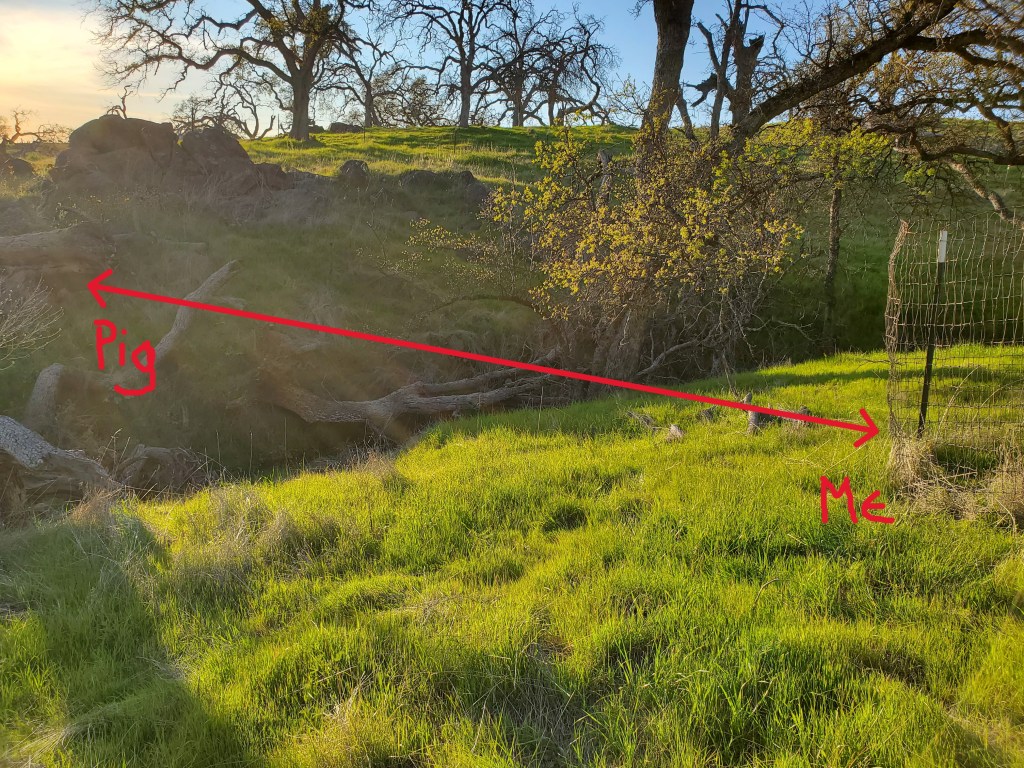
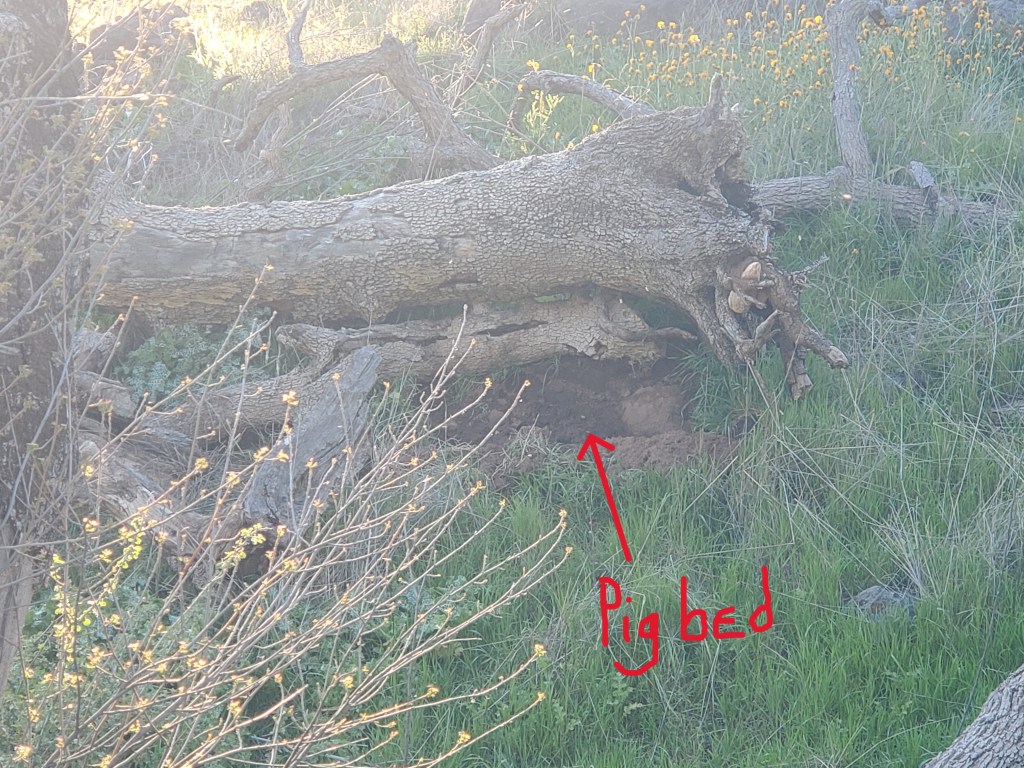
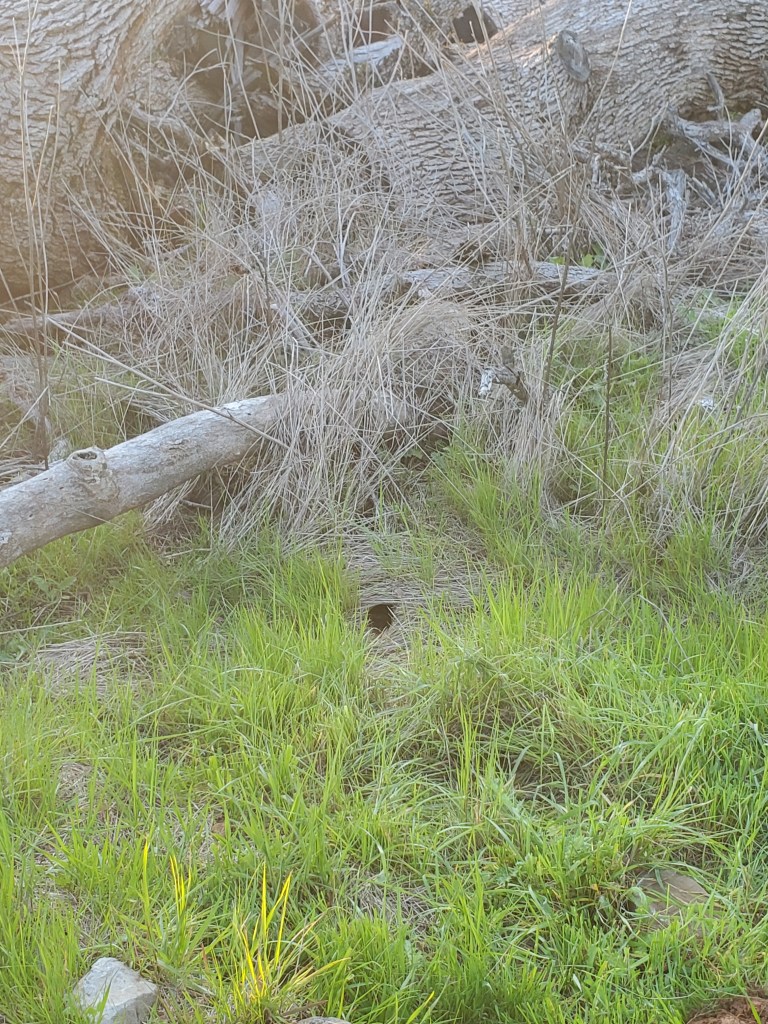
Cows are not my only problem. The other day when I was assessing the Spring Creek planting areas, I opened the caging of a small oak to thin grass that had grown around it. I was on my knees peacefully pulling the grass away from the oak when I heard a thrash across the creek. It was a single wild pig. She was small, about 250 lbs, and had been laying in a hollow between downed tree limbs. She must have been assessing me for a while. There were at least 15 minutes that transpired as I walked, dogs at my feet, into the area, then to the caged oak, and then the time it took to open the cage and sit there for a while pulling grasses.
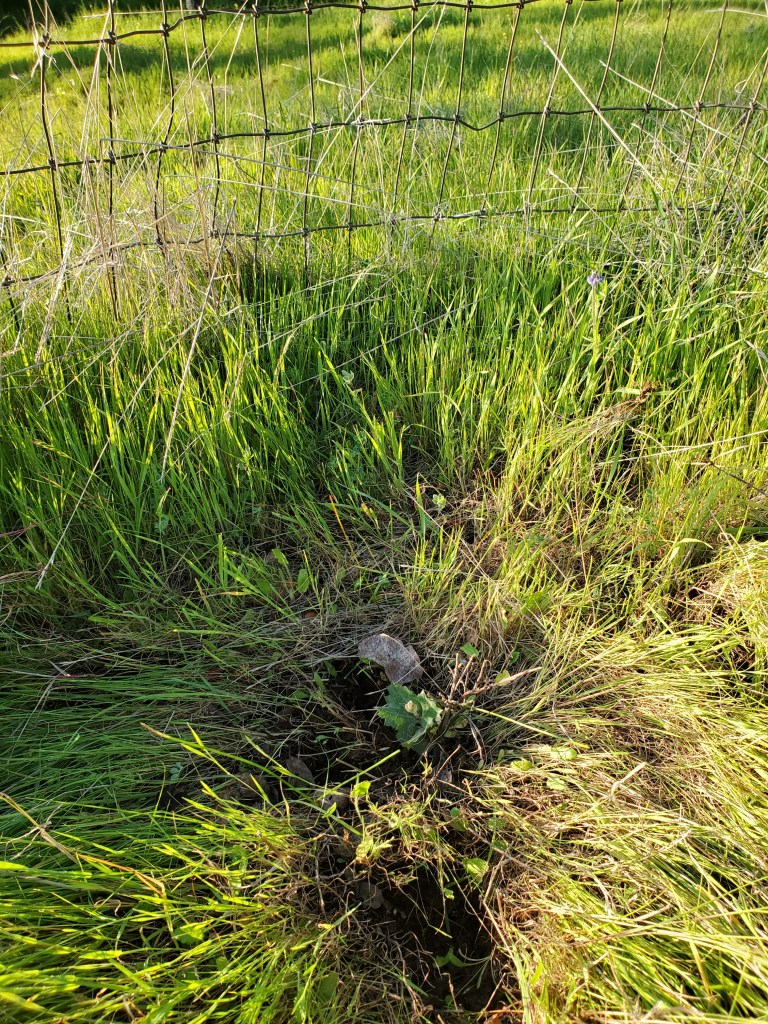
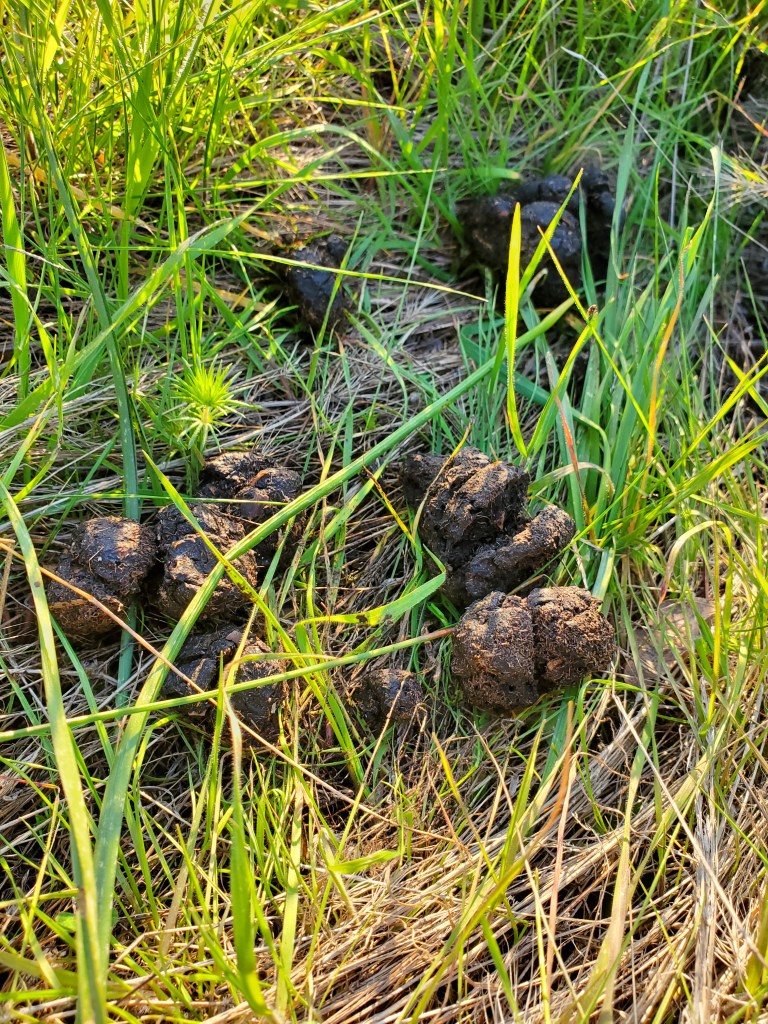
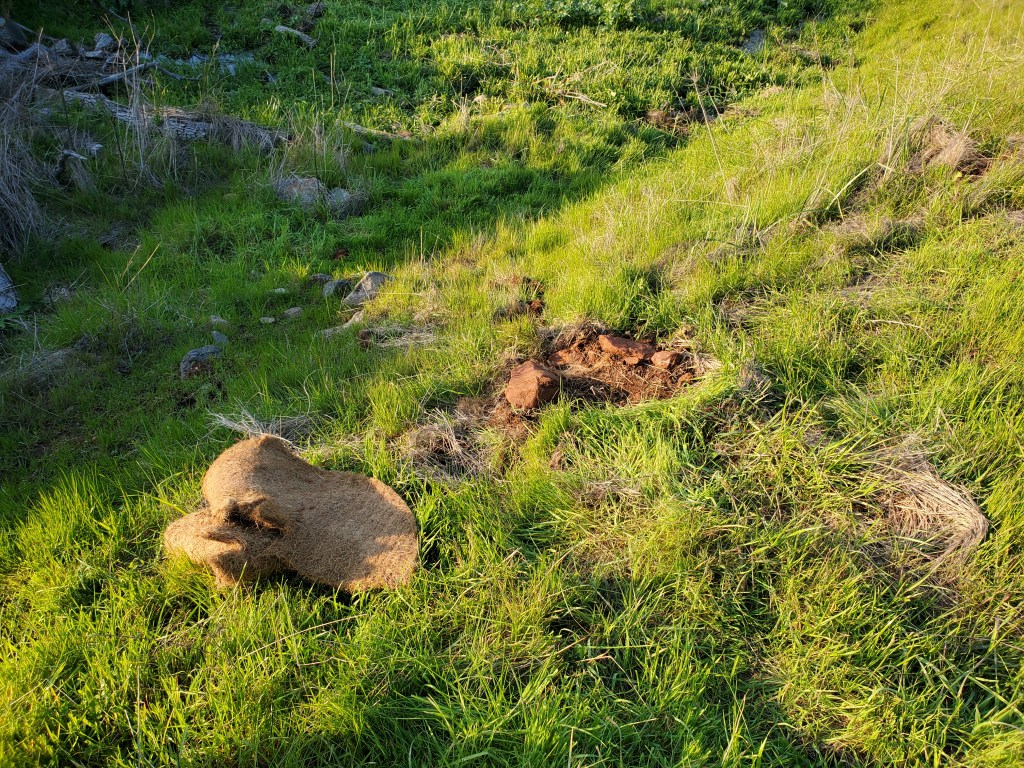
I immediately got to my feet and watched her run downstream, then across the creek, under the fence, up and over the hill. I didn’t think much of it until I followed downstream and found upturned soil from pig rooting, hoof marks sliding down the creek banks, a missing seedling from the slide, and then I worried about all the acorn I planted. Could she have rooted them out and eaten them? All that hard work for nothing? Pigs are non-Native and are very destructive. As a lover of all life, I have long pondered what to do about this issue. I hate the idea of killing them, but I may need to seriously consider that. With them in this area as often as they are, I may not ever be able to make headway on habitat. The survival of my Native relatives, monarchs, bumble bees, grasses, oaks and milkweed are paramount to me.





Wildlife and Flowers Abound
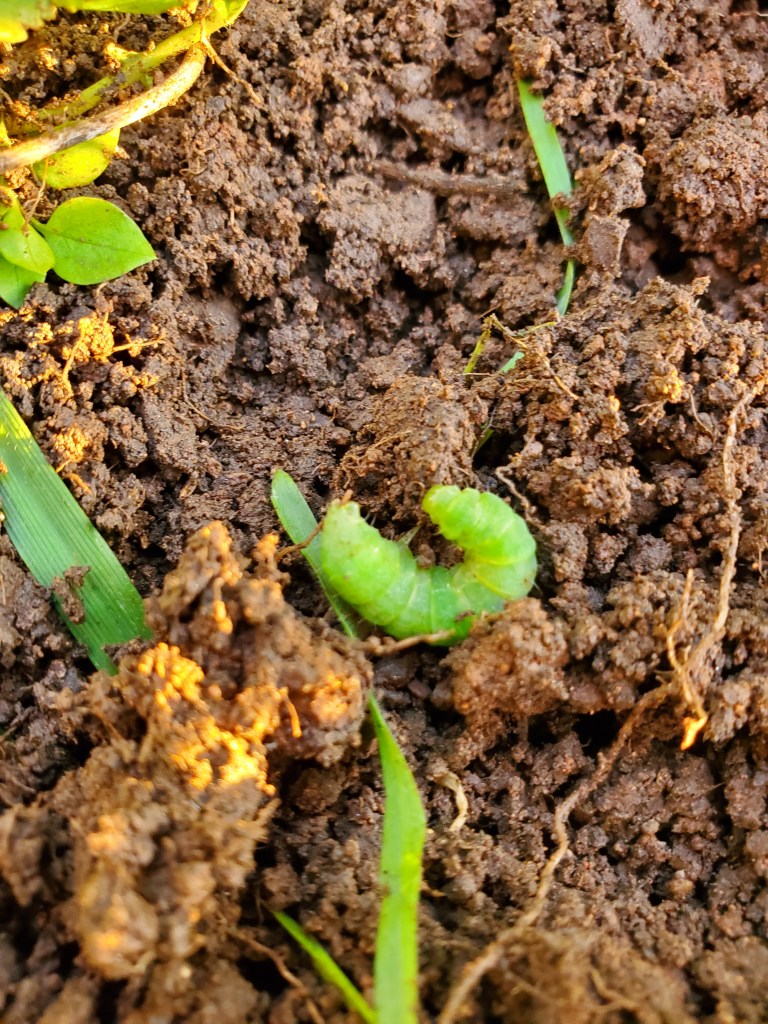
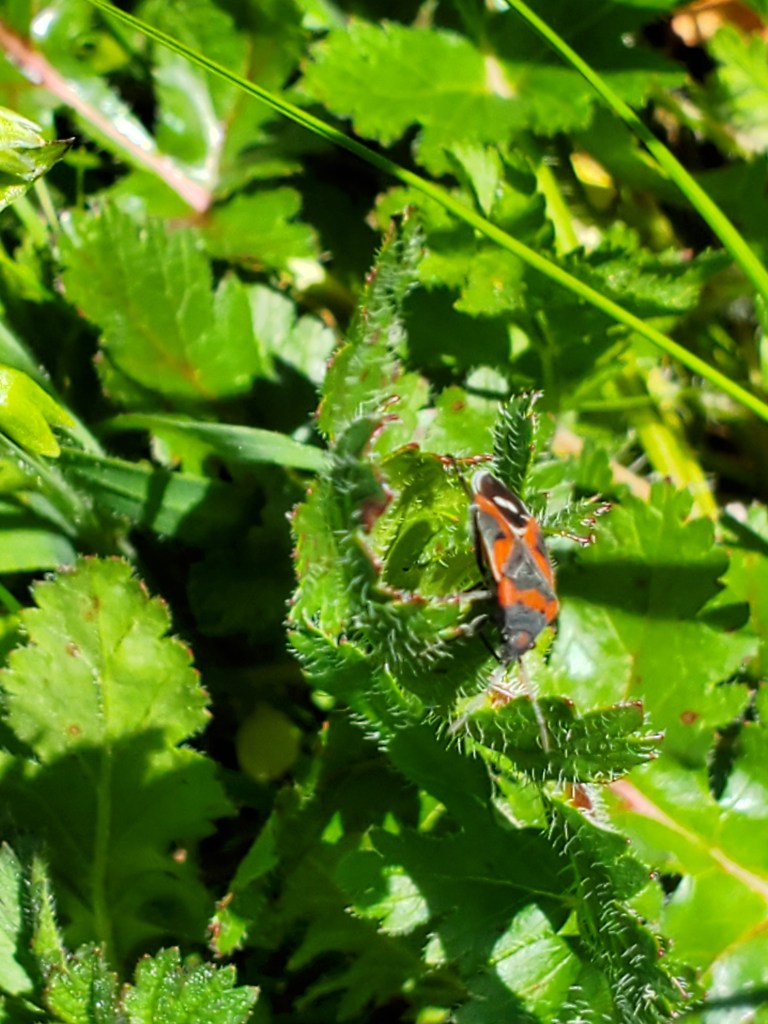
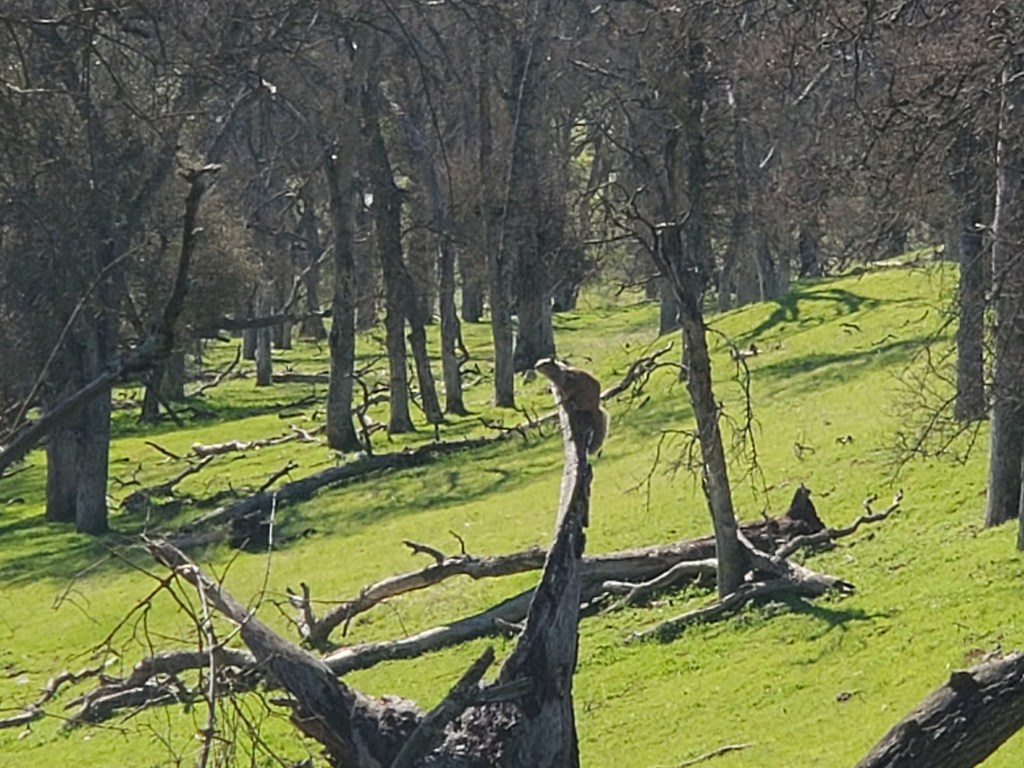
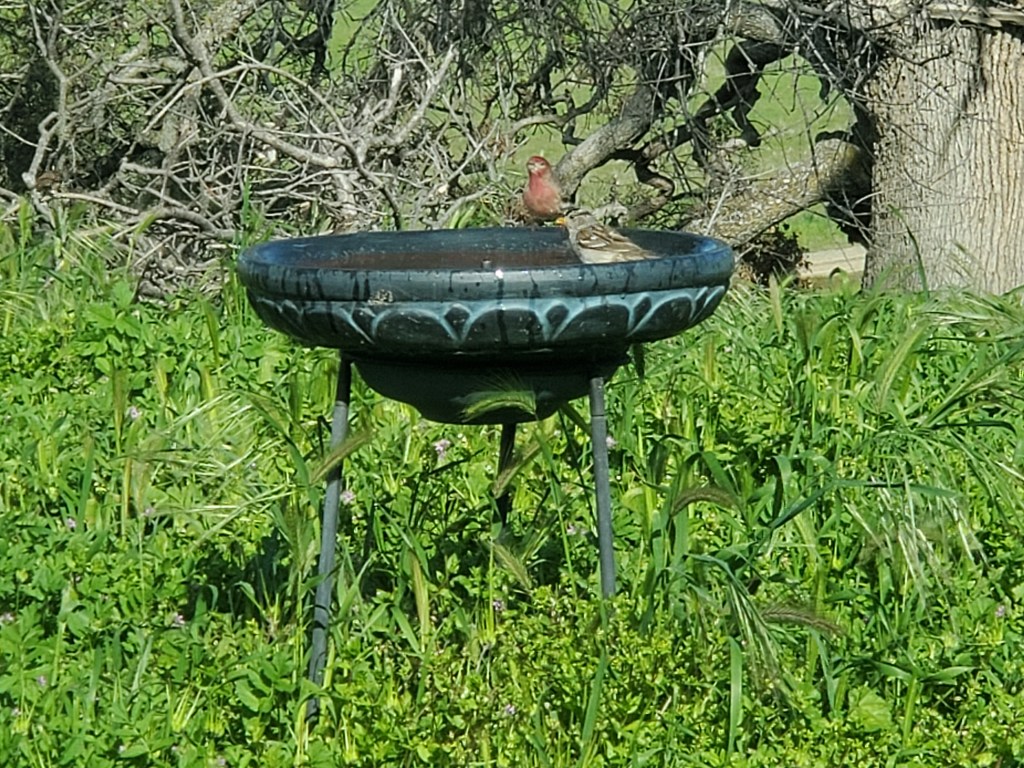
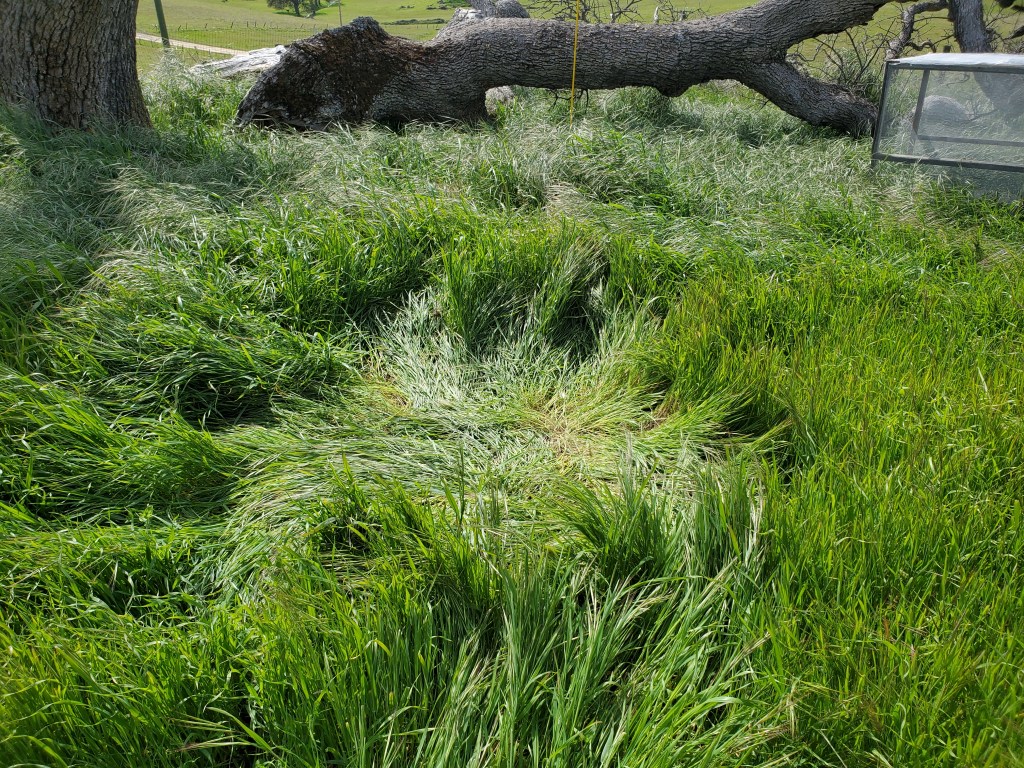
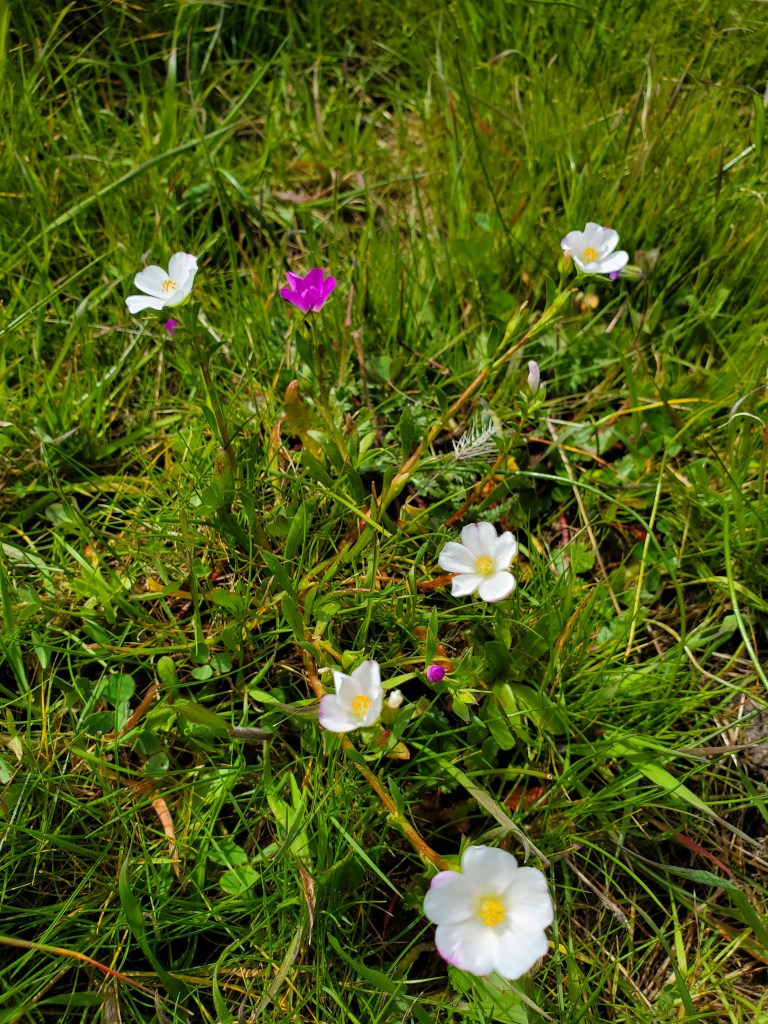
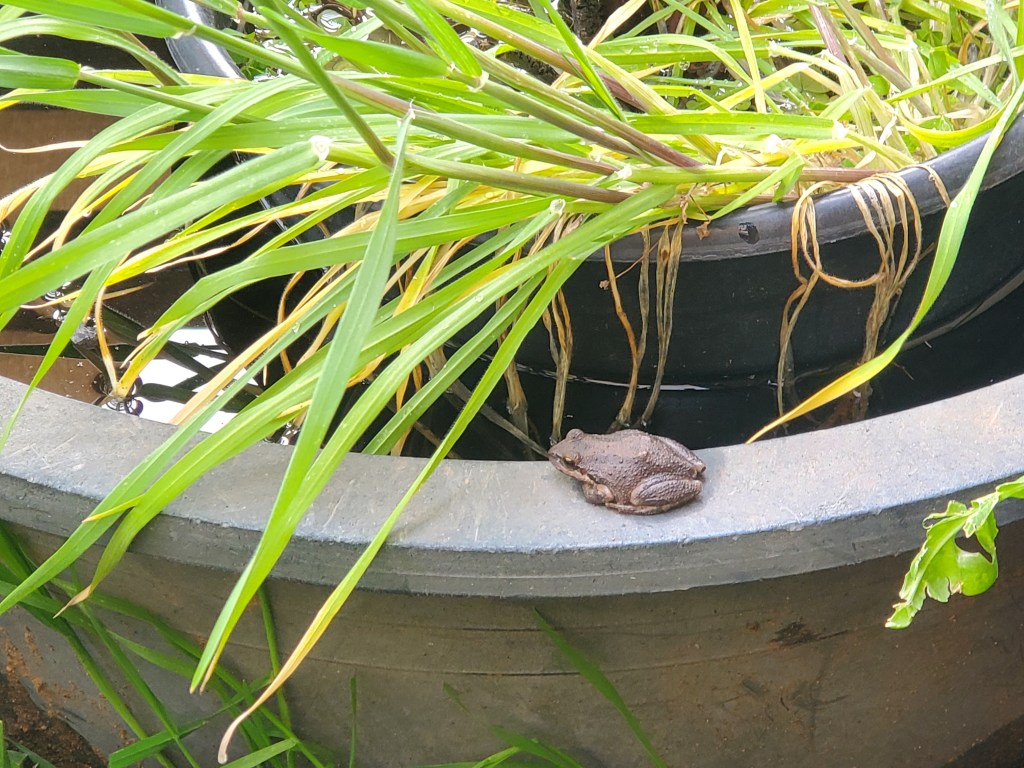
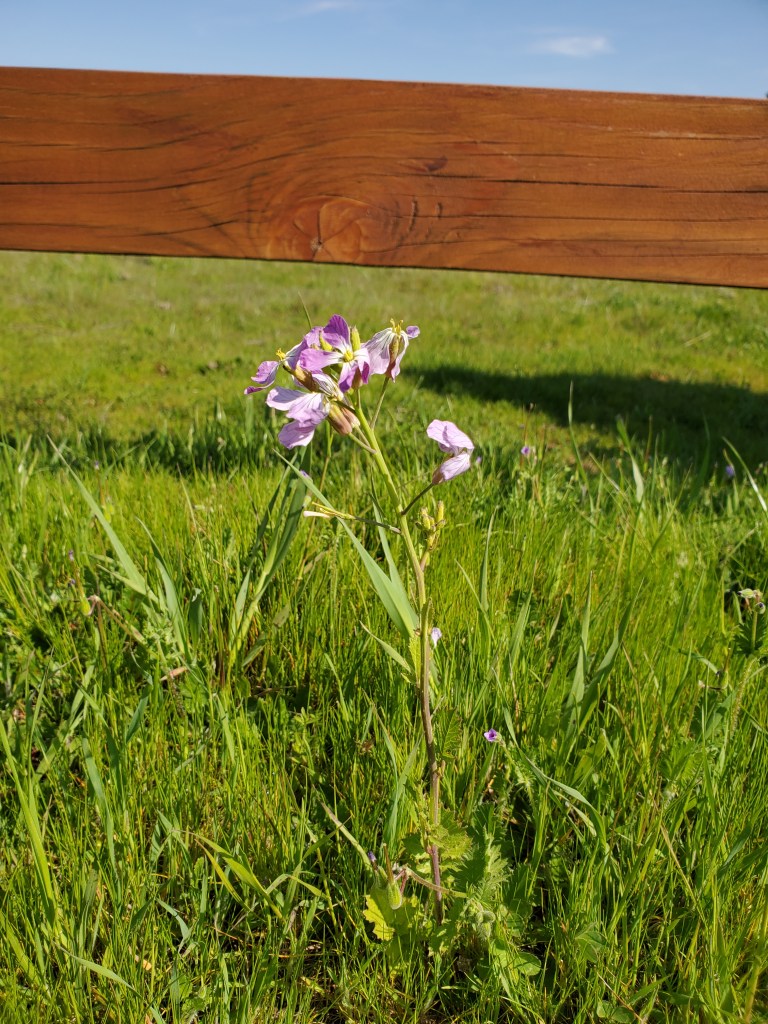
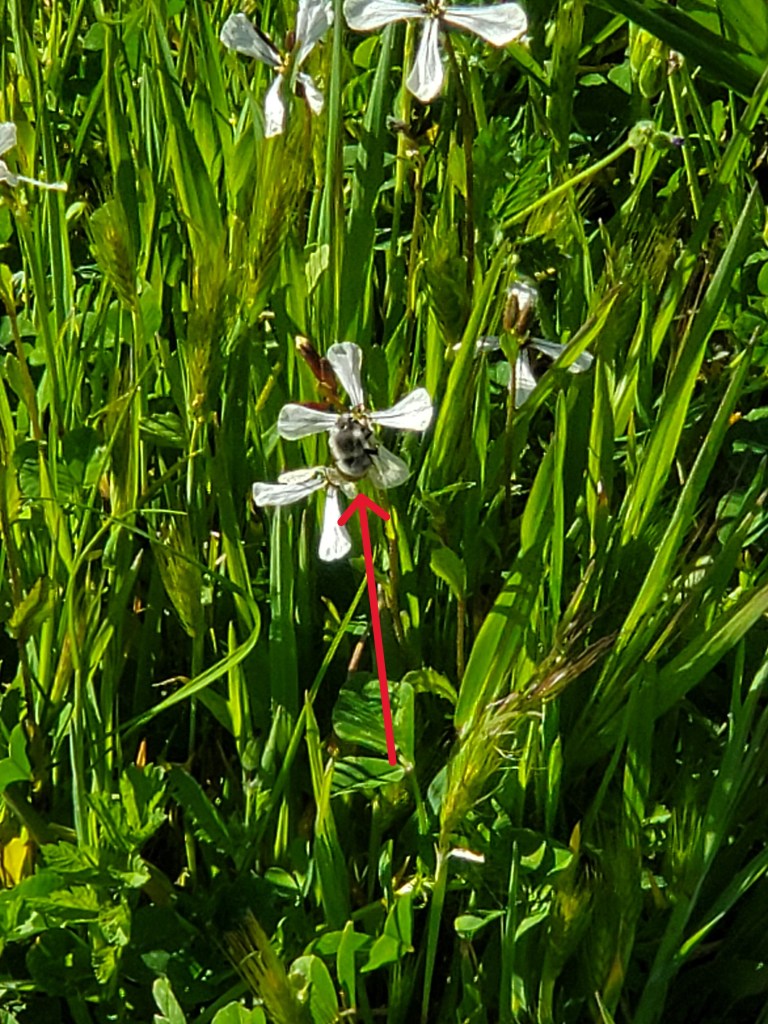
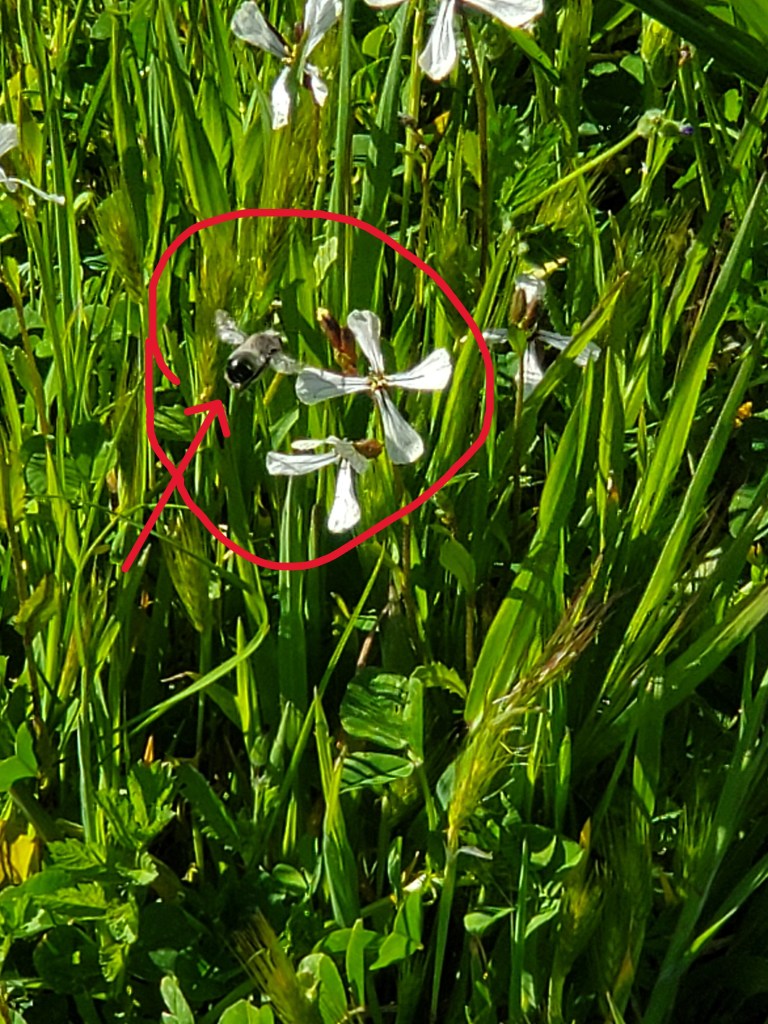
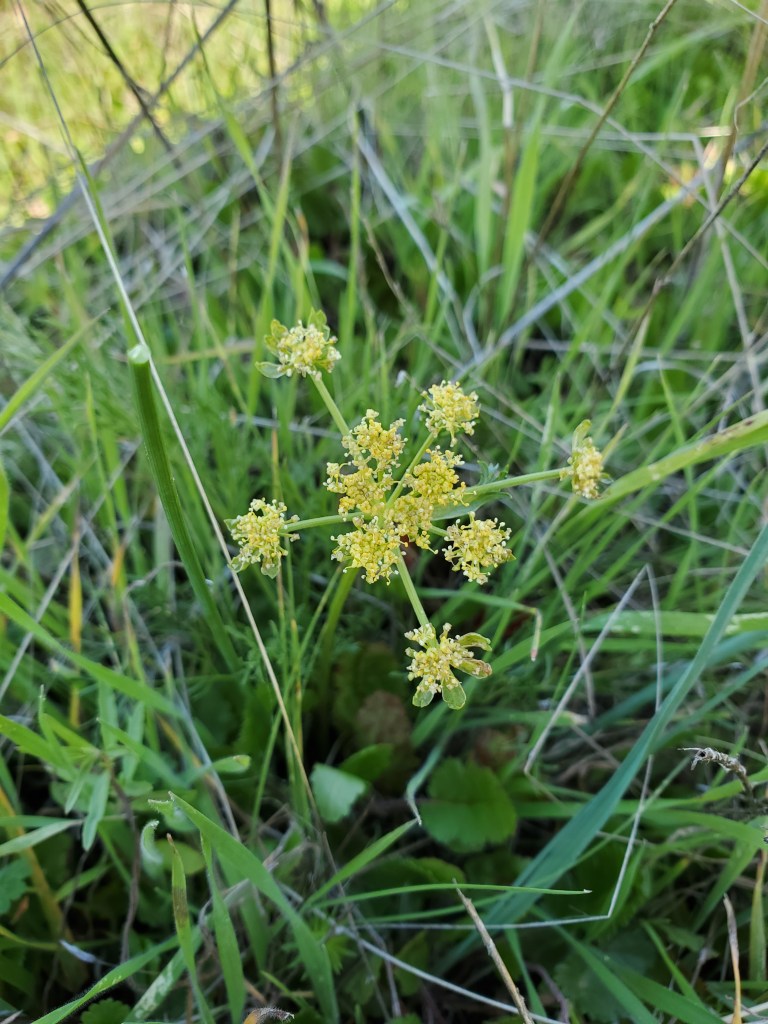
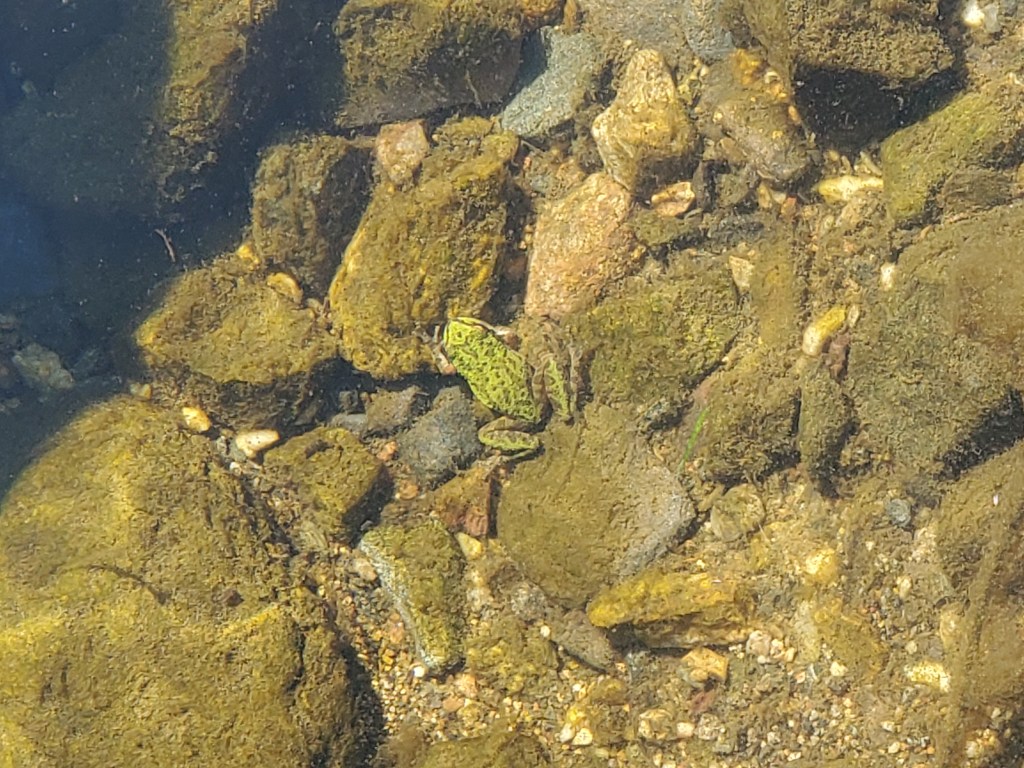
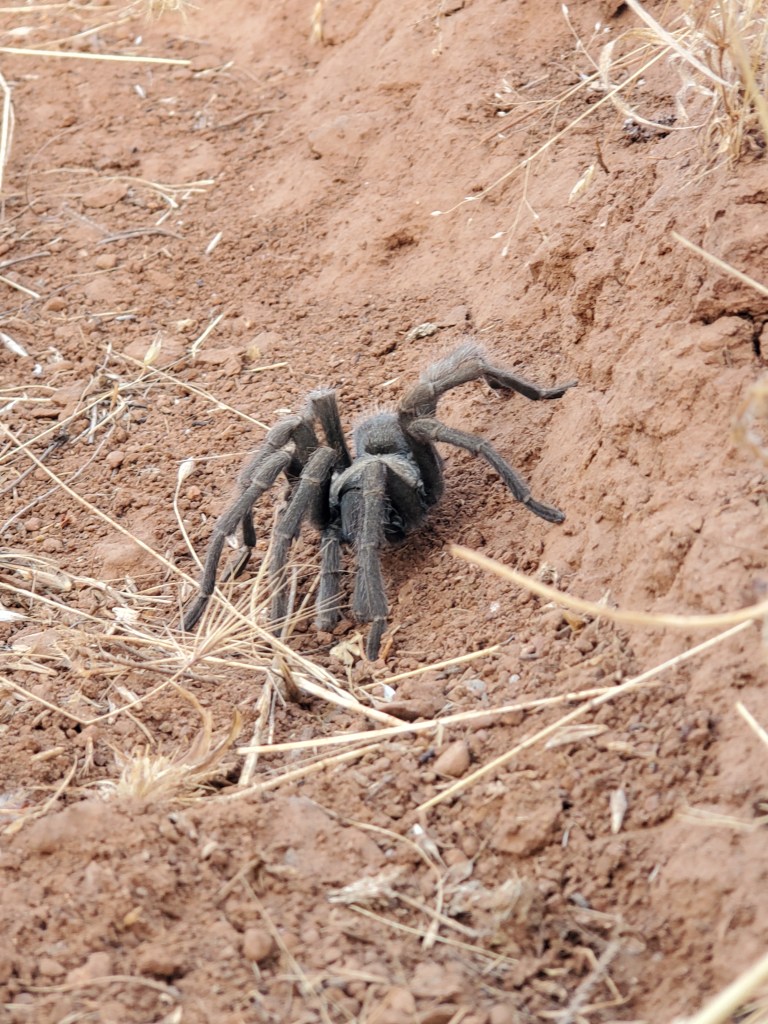
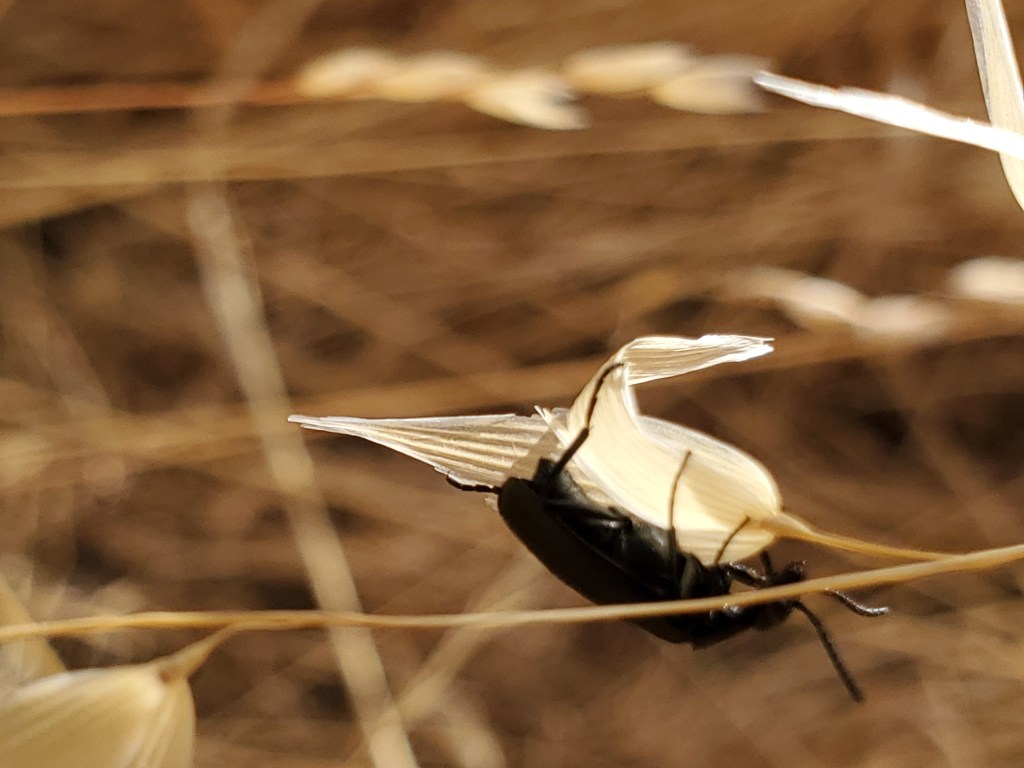
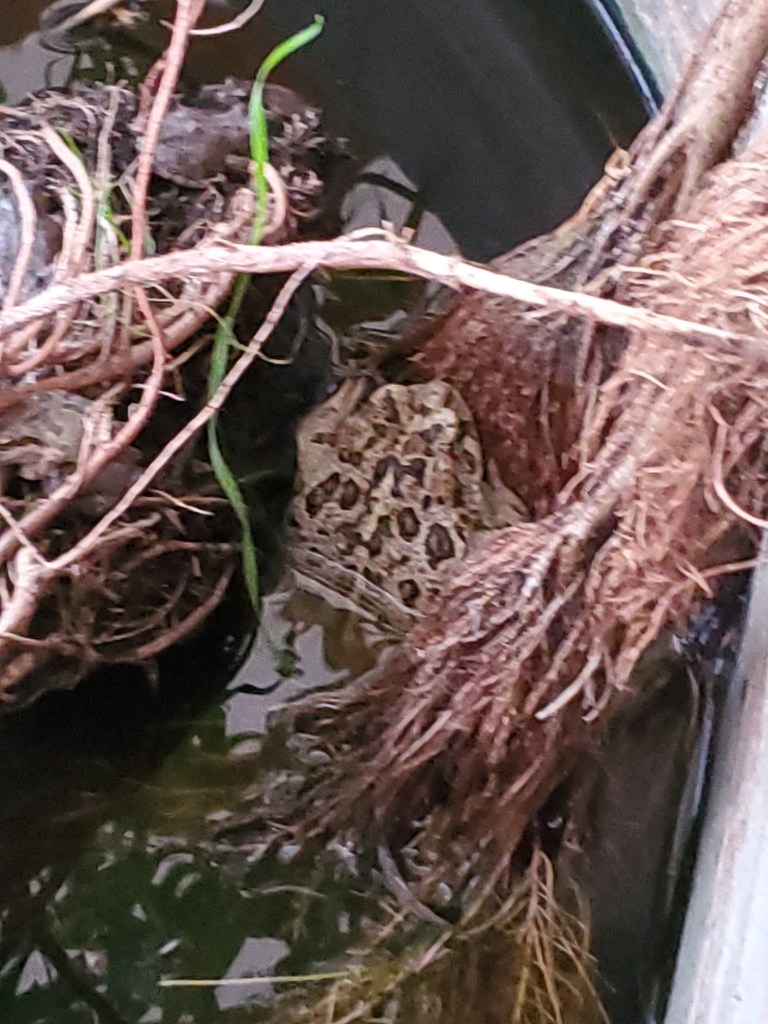
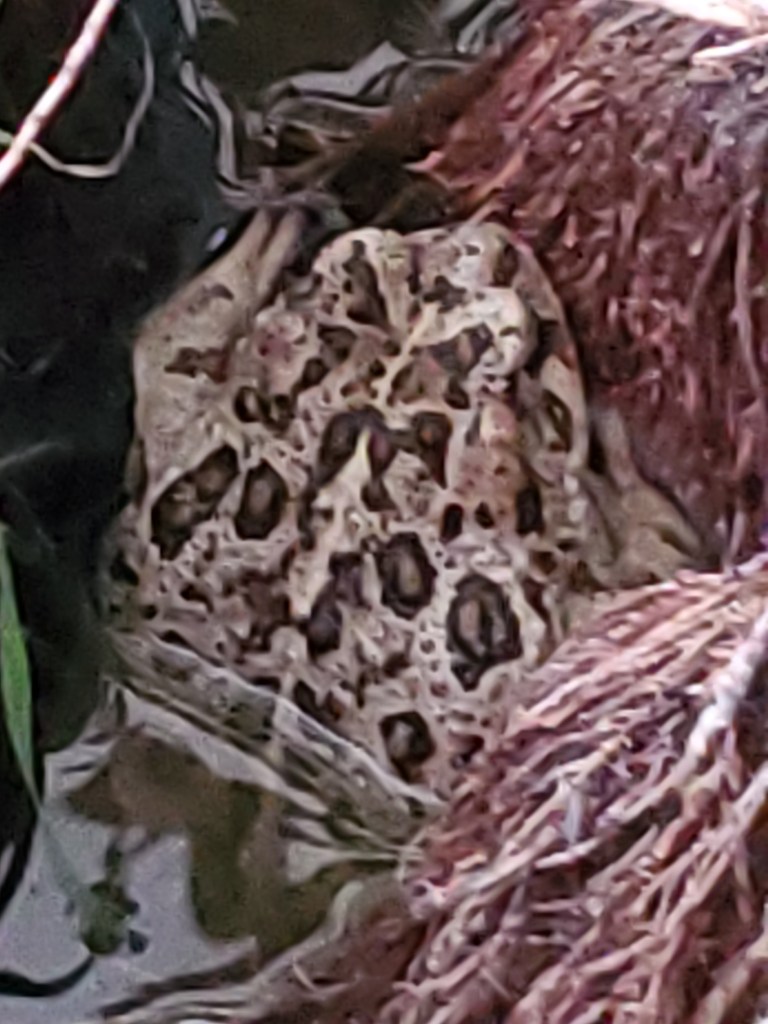
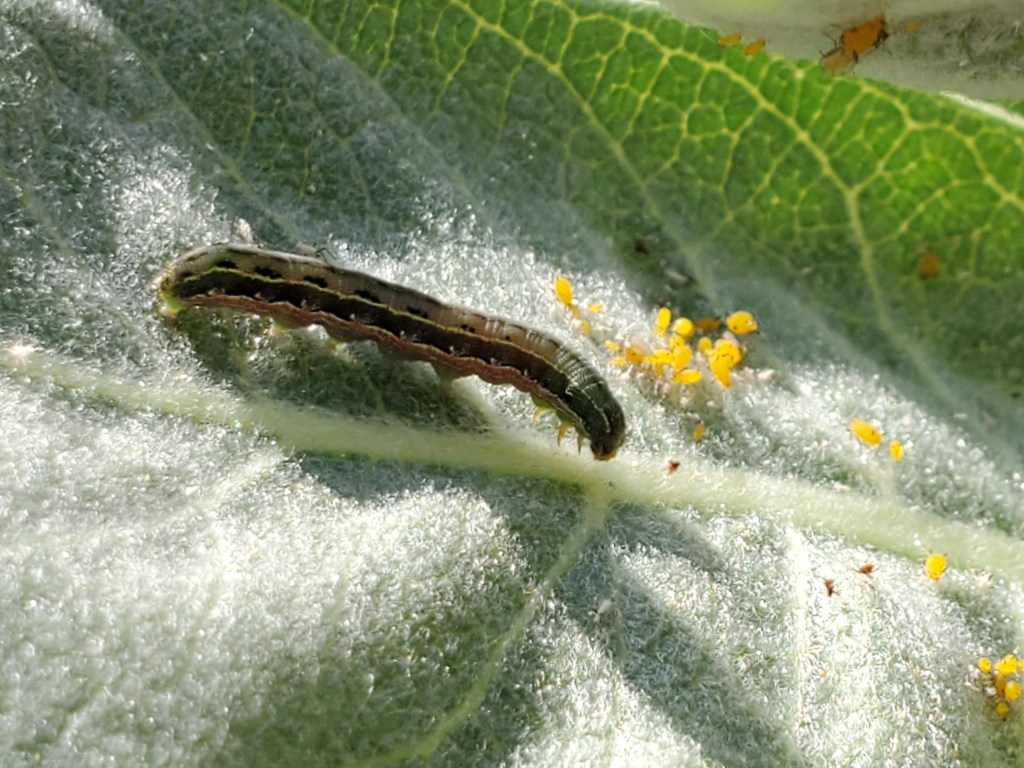
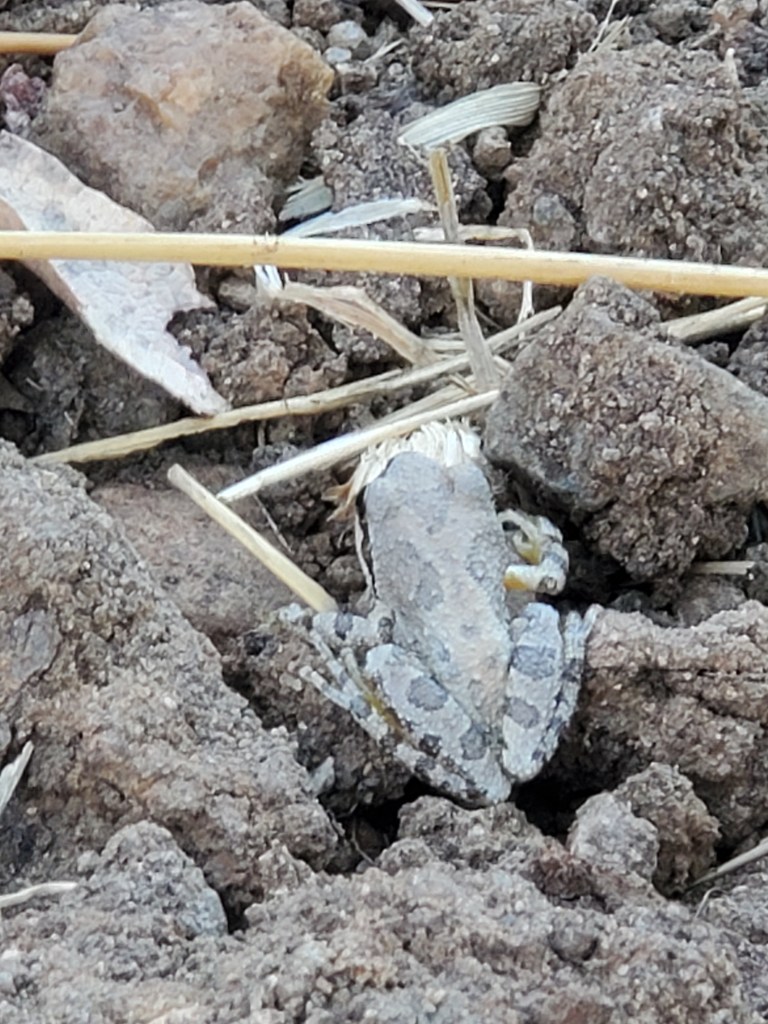
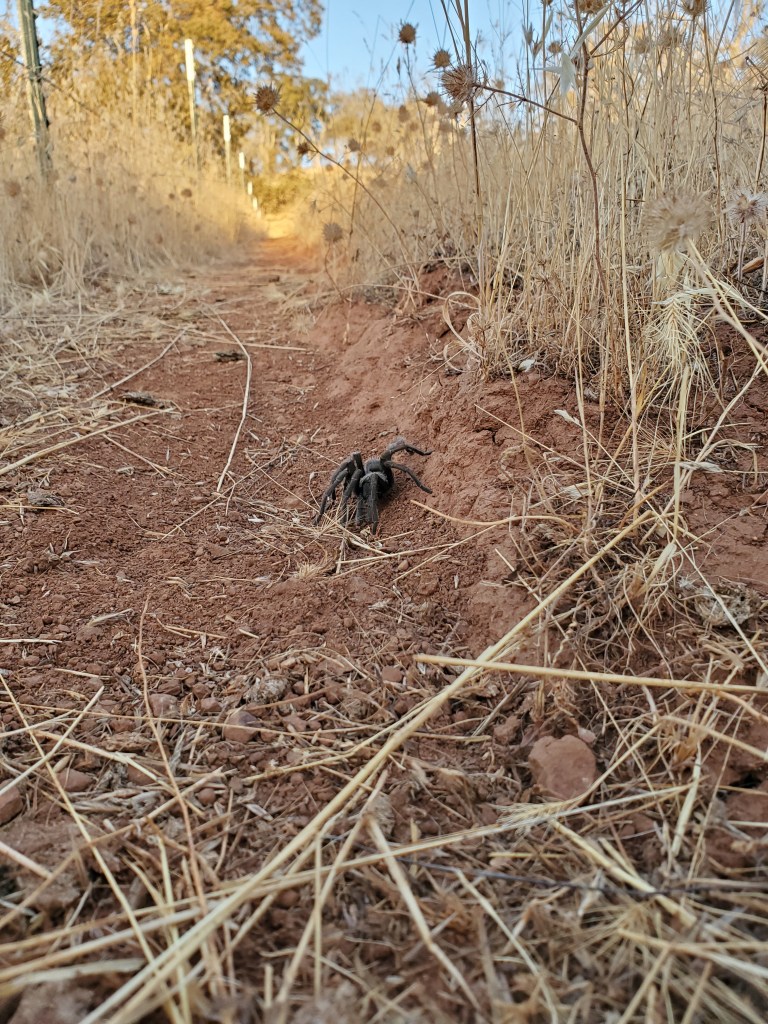
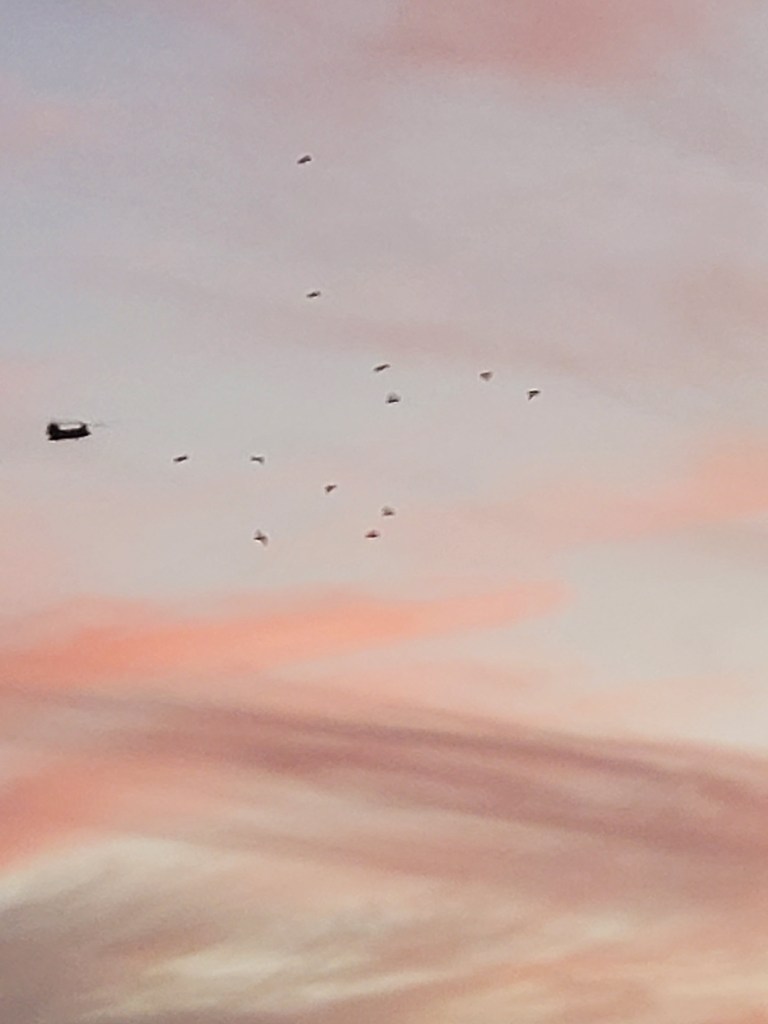
In addition to the pig and worms, I have seen interesting bugs, a ground squirrel, lots of various types of song birds and raptors, frogs, a silver bee, and most excitingly a couple swallowtail butterflies. I did not get a photo of them, but they are beautiful. It flew over me when I was lounging in the garden.

Water Everywhere
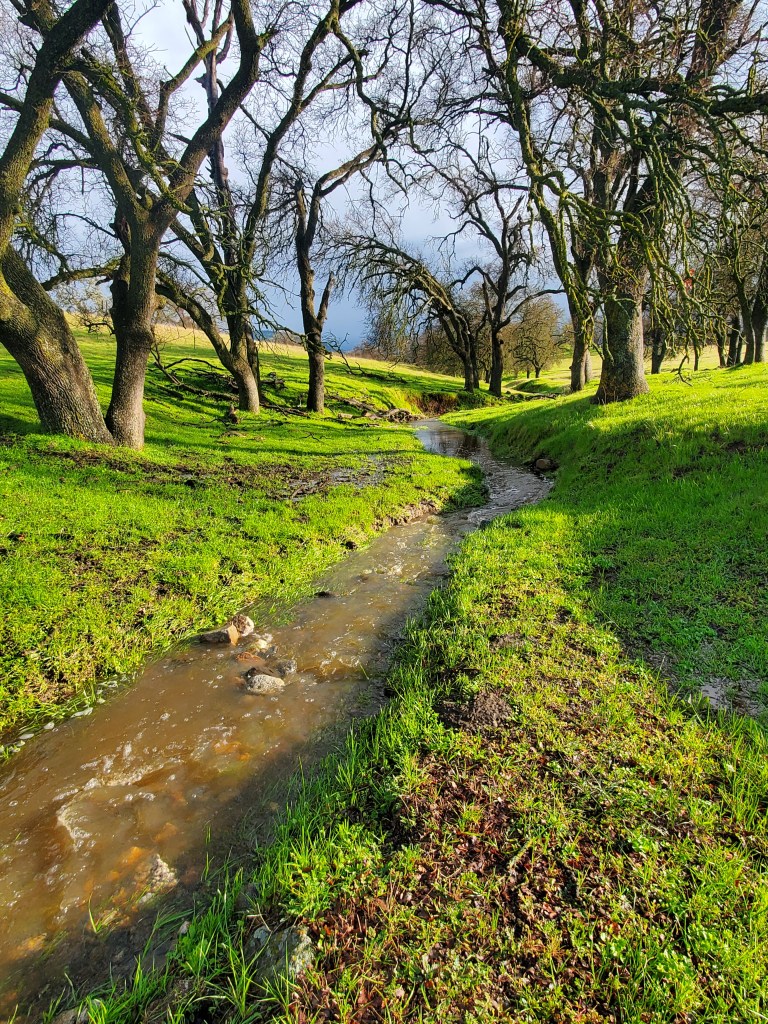
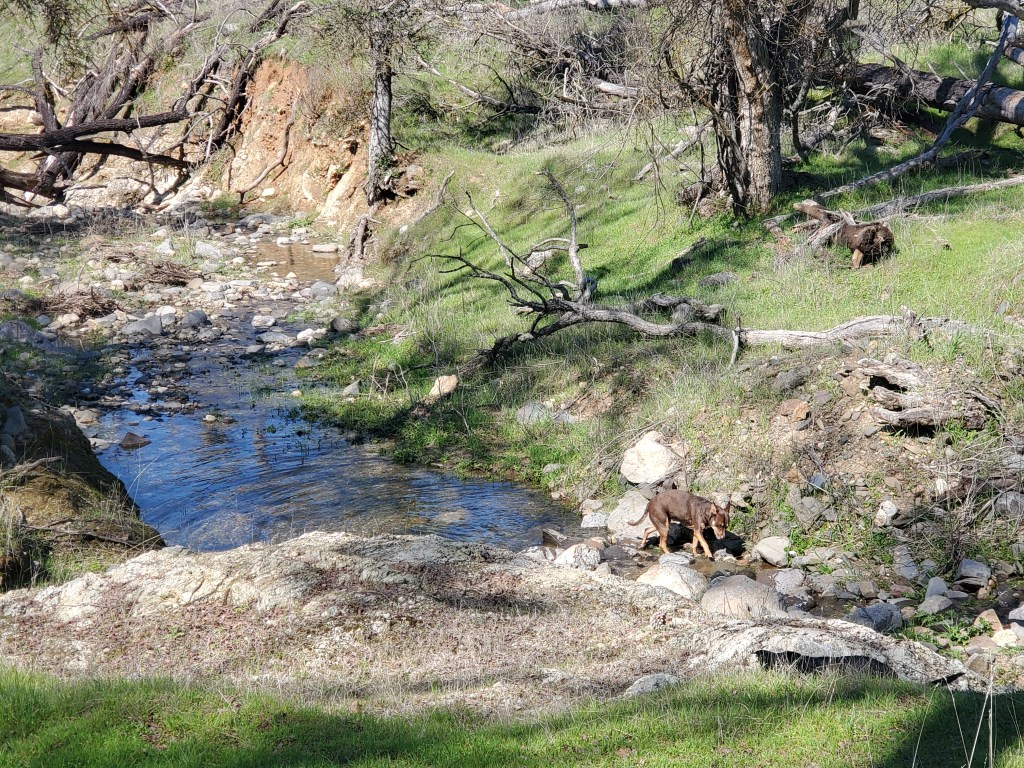
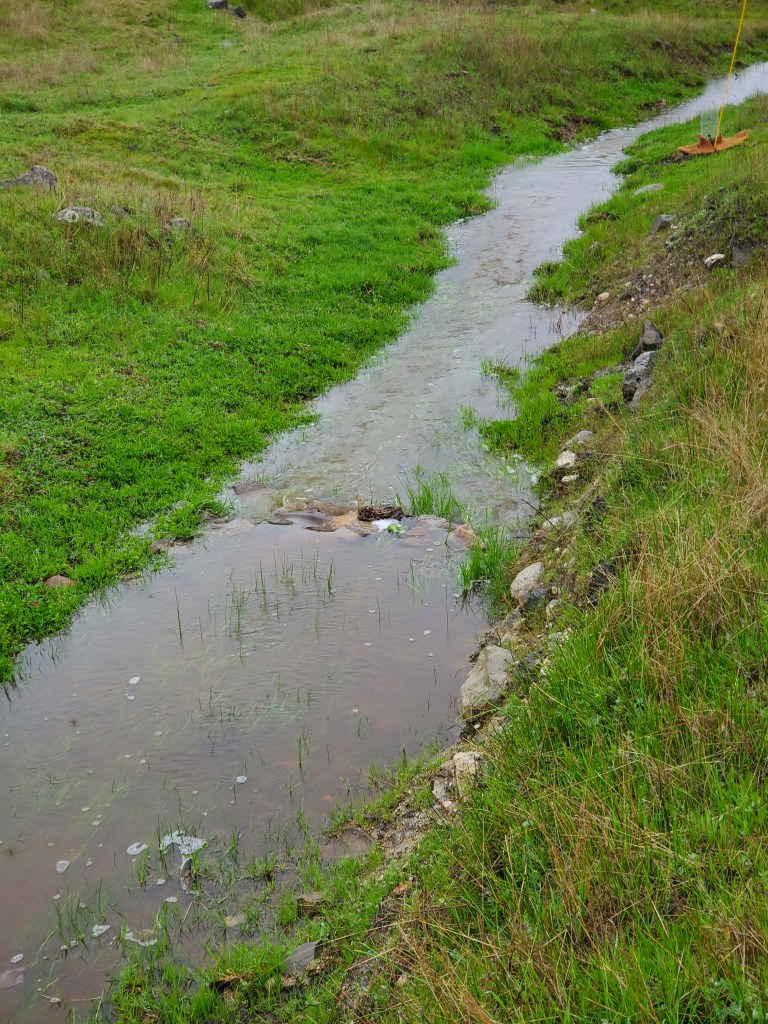
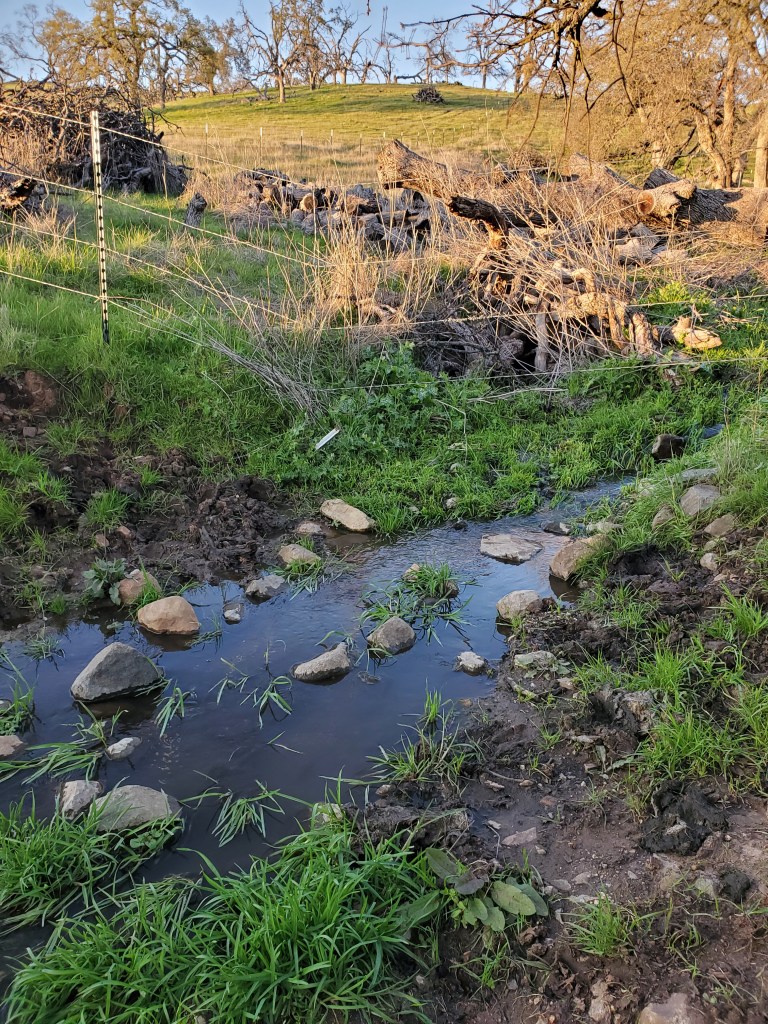
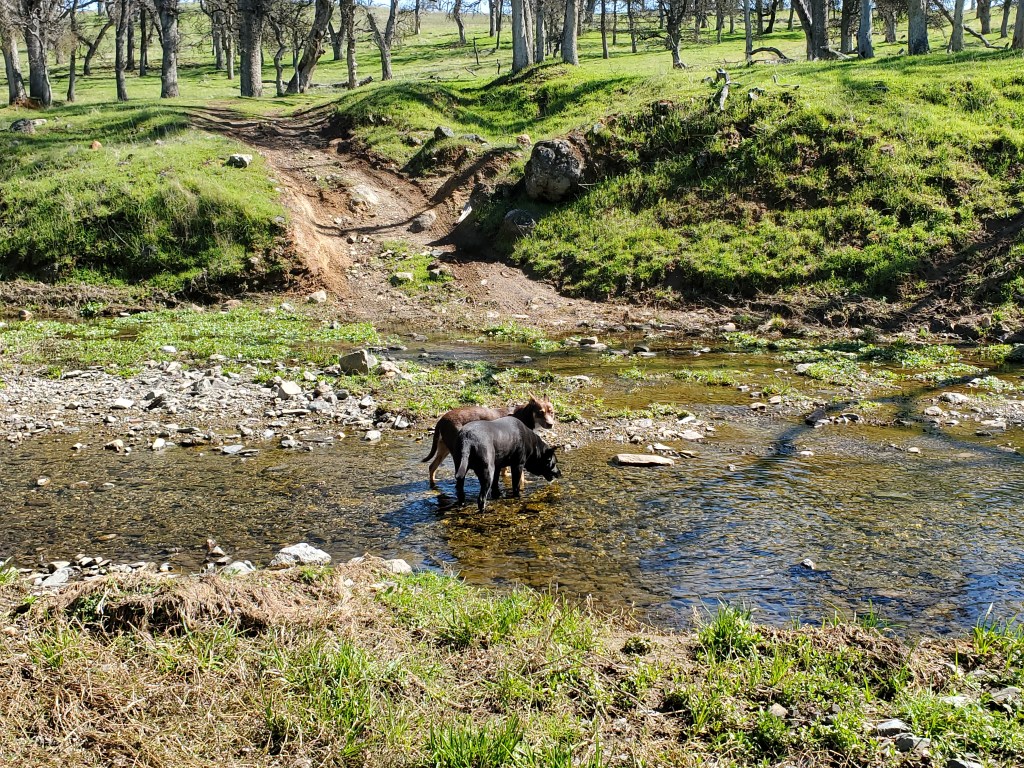
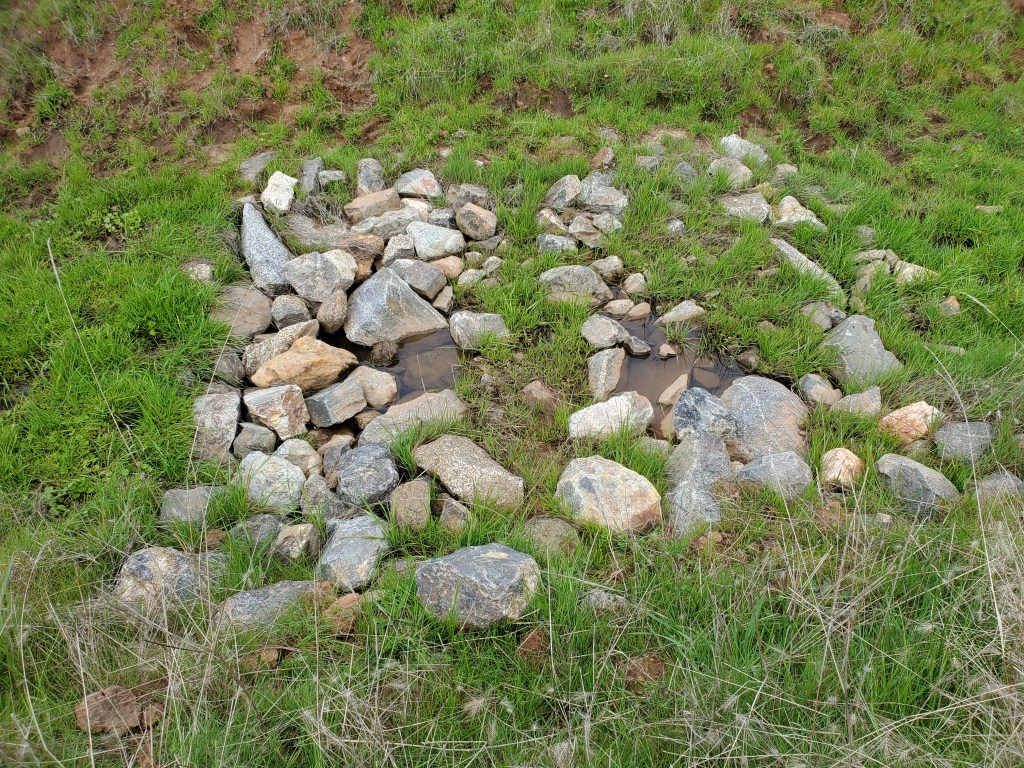
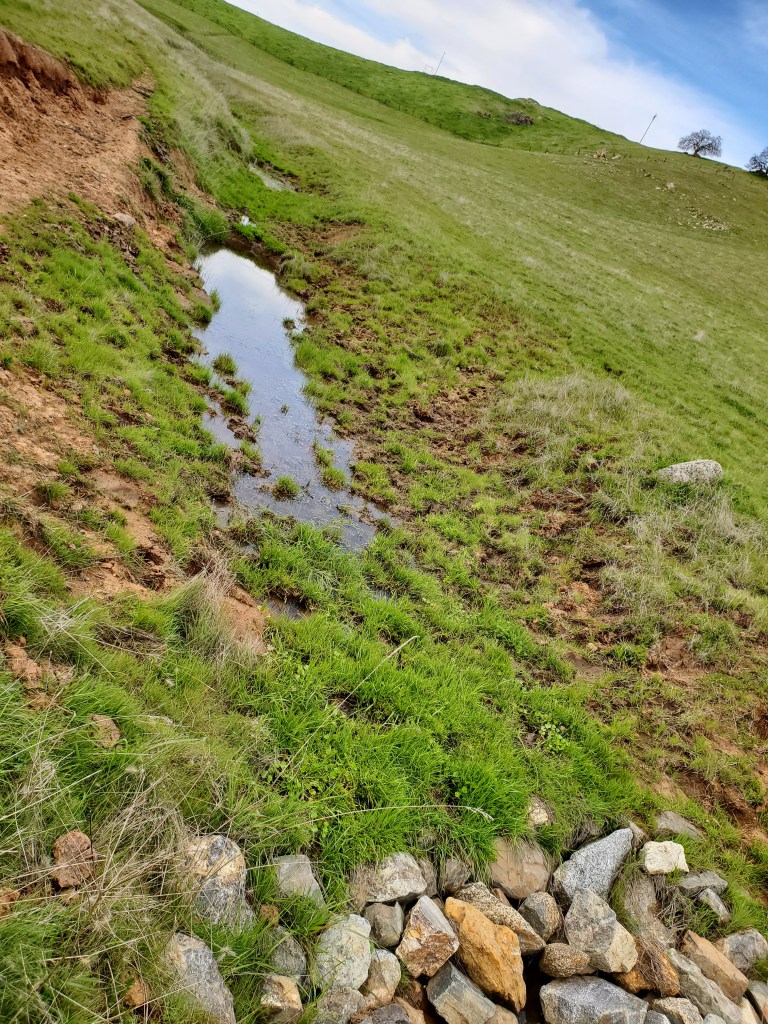
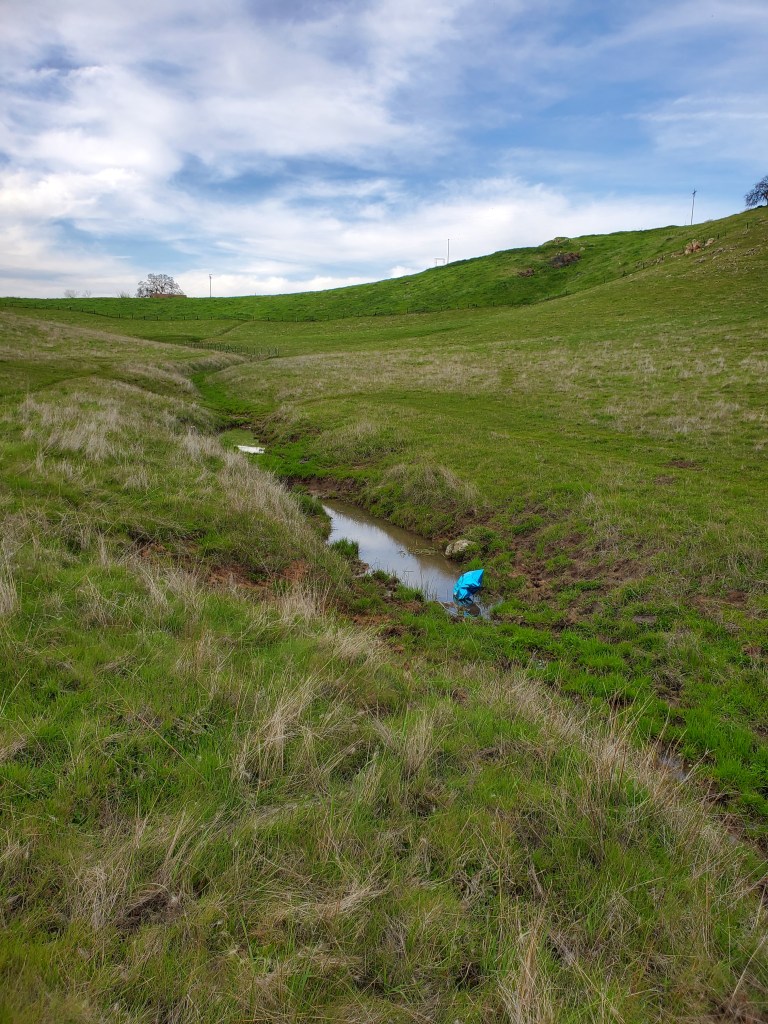
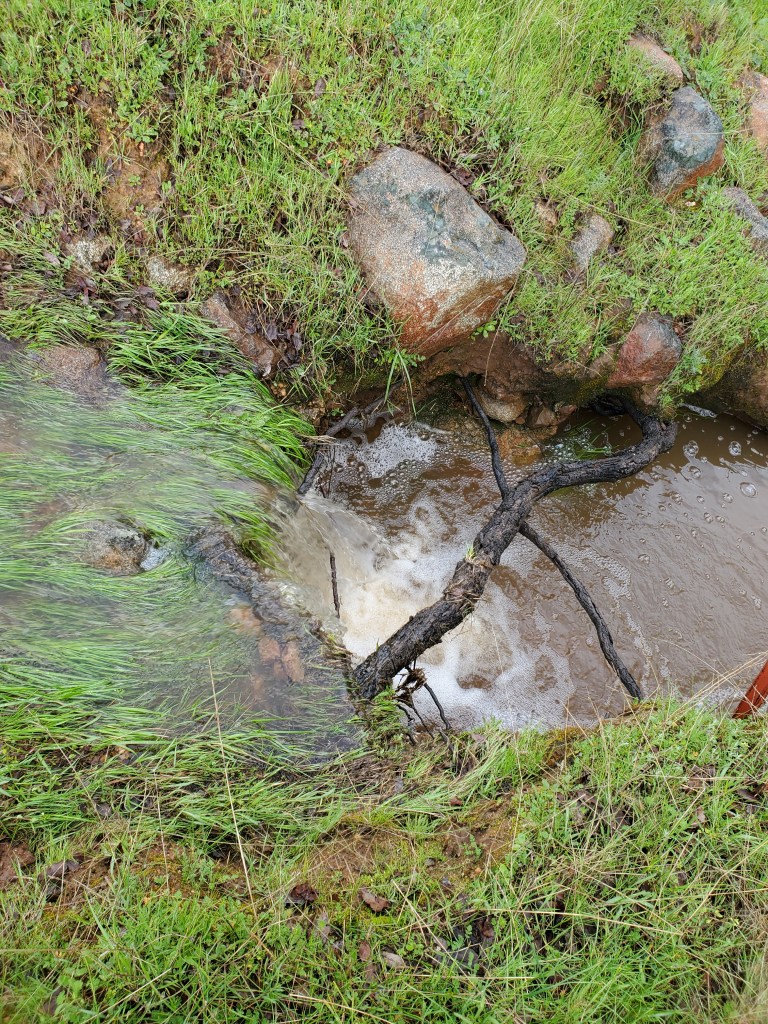
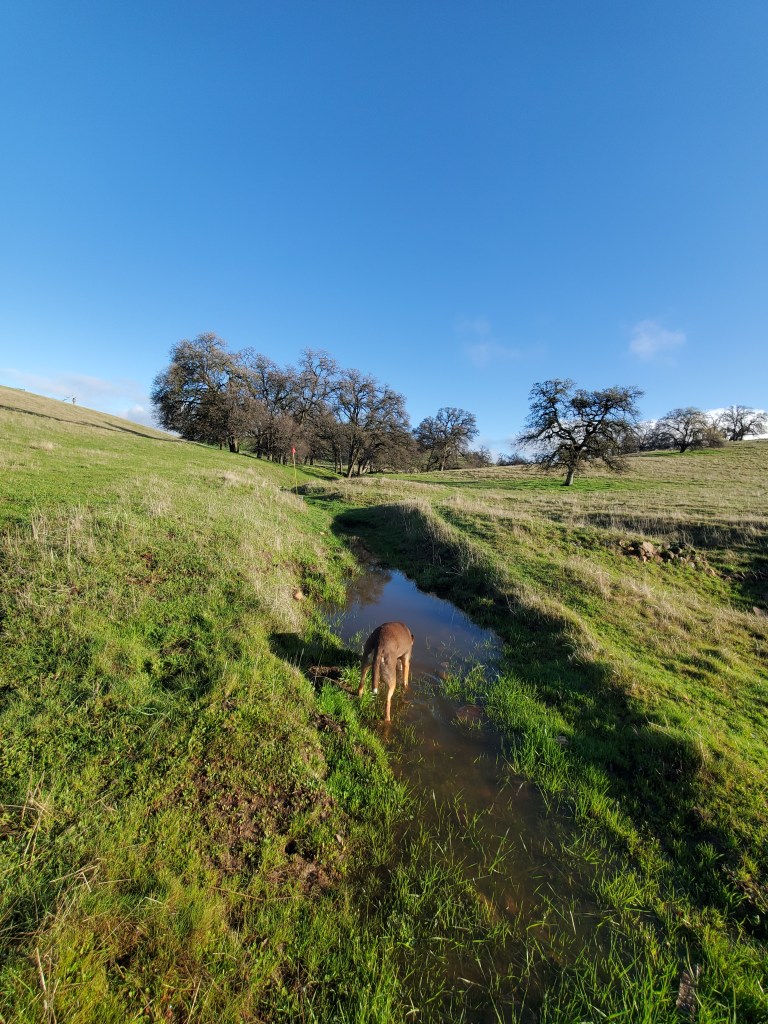
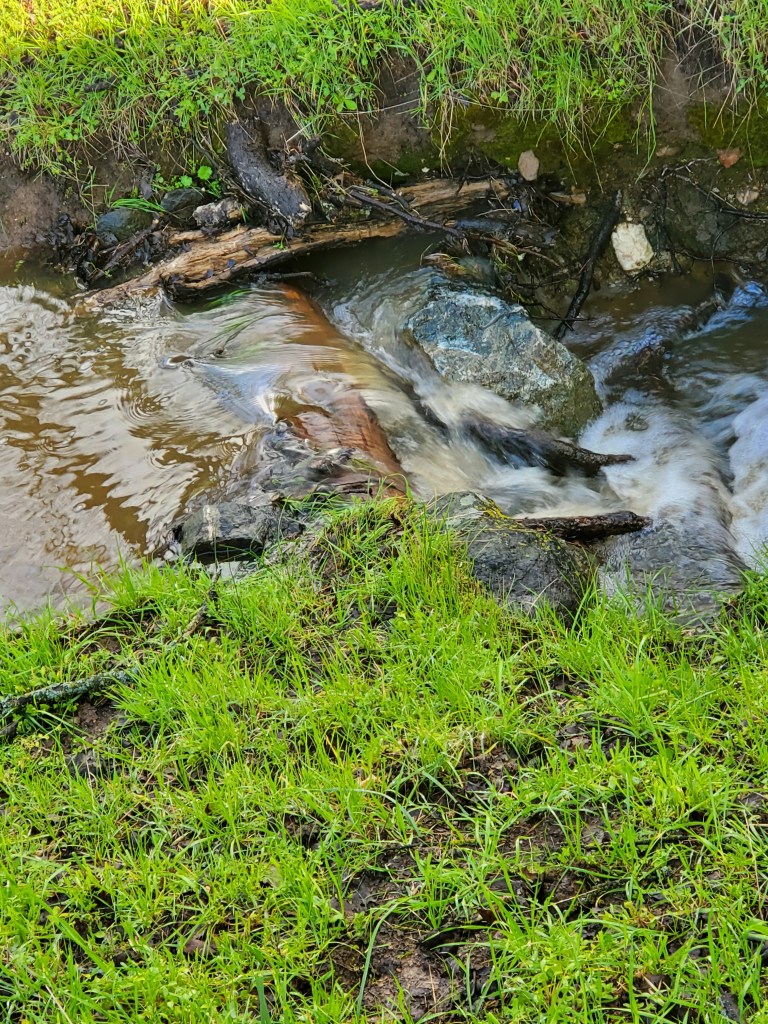
My neighbor said to me the other day that she has never heard so many frog songs in her entire time owning her ranch, which has been longer than me. They have been loud, joyful and seemingly from every direction. She thought it was due to my work. I don’t know if that is true, but I cannot help feel a sense of happiness that perhaps I contributed at least a little by creating lots of eddies, moist areas and long lasting puddles with the check dams. Thank you Kim for noticing that something was different.


Tornado Warning
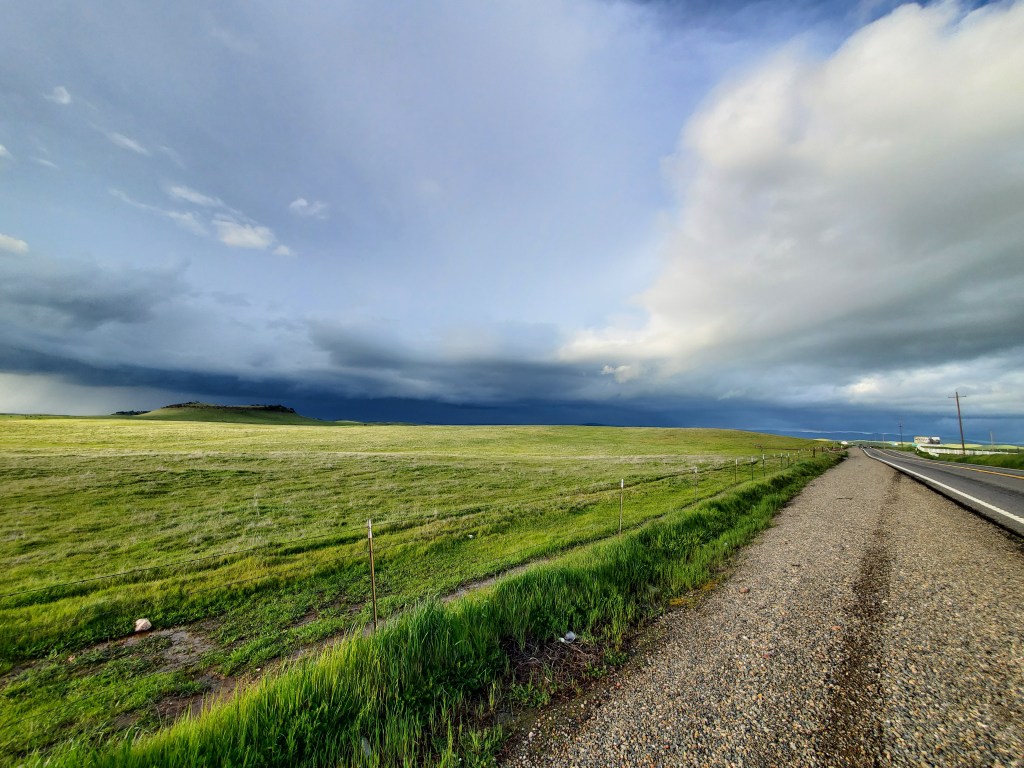
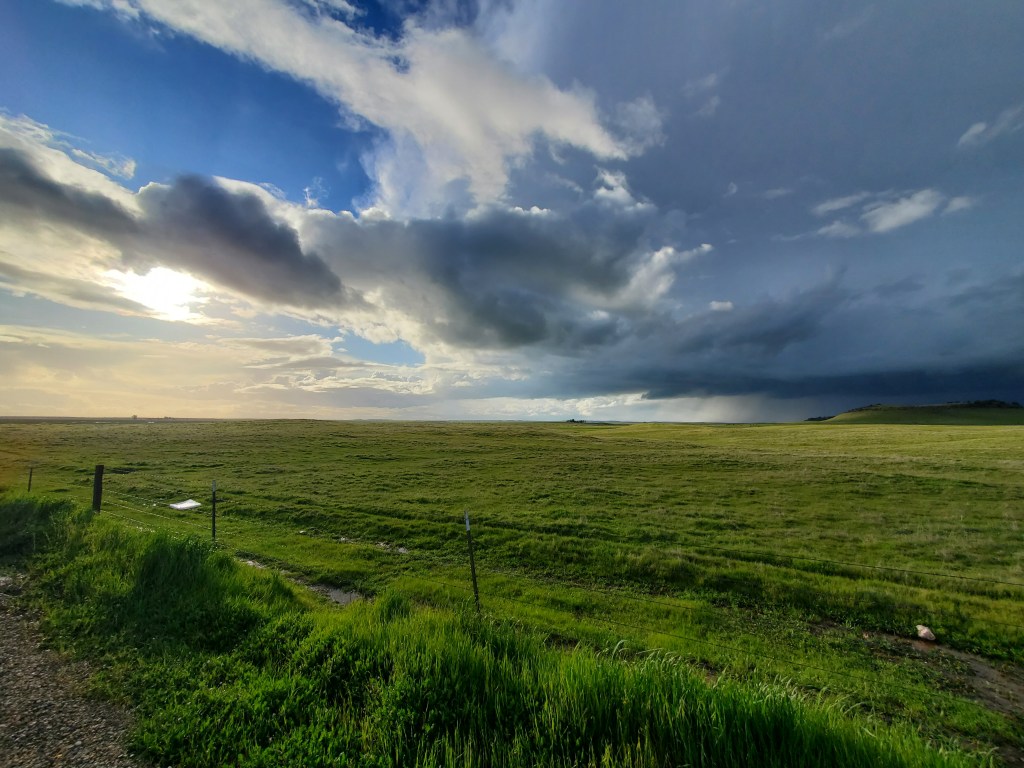
Tornadoes have never been a California staple. For all my cognitive years, I’ve not heard of anything like this until the early 2000s when there was a funnel cloud sighting in Livermore. In the last three years, we have had a real tornado in Santa Cruz, a warning in San Francisco, a warning in south Mariposa, one for some other counties in the Valley, and now, on Tuesday, March 17, 2025, two in one afternoon, both in my vicinity. This is not normal.
David looked at the radar and saw the first cell would be well north of us. He said not to worry. I was of course still worried and making a plan in my head – a California girl with no tornado experience except The Wizard of Oz, Day After Tomorrow and some documentaries I watched a million years ago. I remembered that you should take shelter in a room without a window, or a place with the most framing, or possibly in the middle of the house. Who remembered? Like most Californians, we don’t have a basement — and we are on the top of the hill to boot.
I had just started to calm down when I heard my phone beep loudly again. It was another tornado warning. David was home by then and looked at the radar. It appeared that the severe storm cell was going to be headed straight for us. I ordered everyone in the house to shelter in the laundry room, and to bring the cats and dogs. I called my neighbor to encourage her to move from her RV into her home.
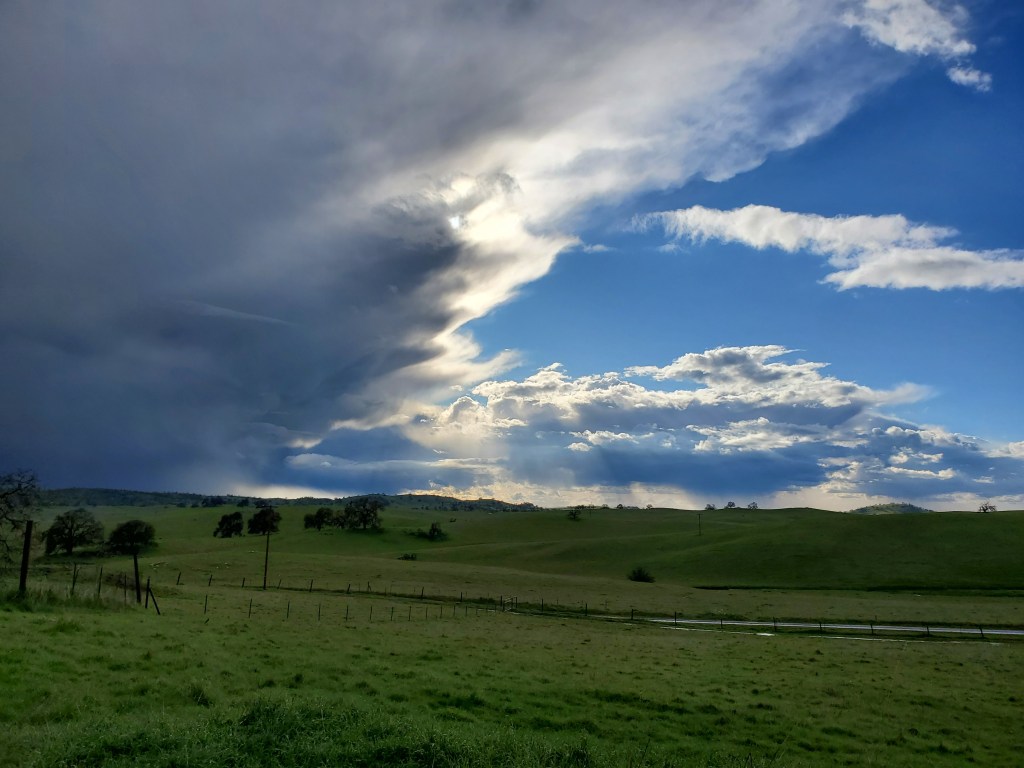
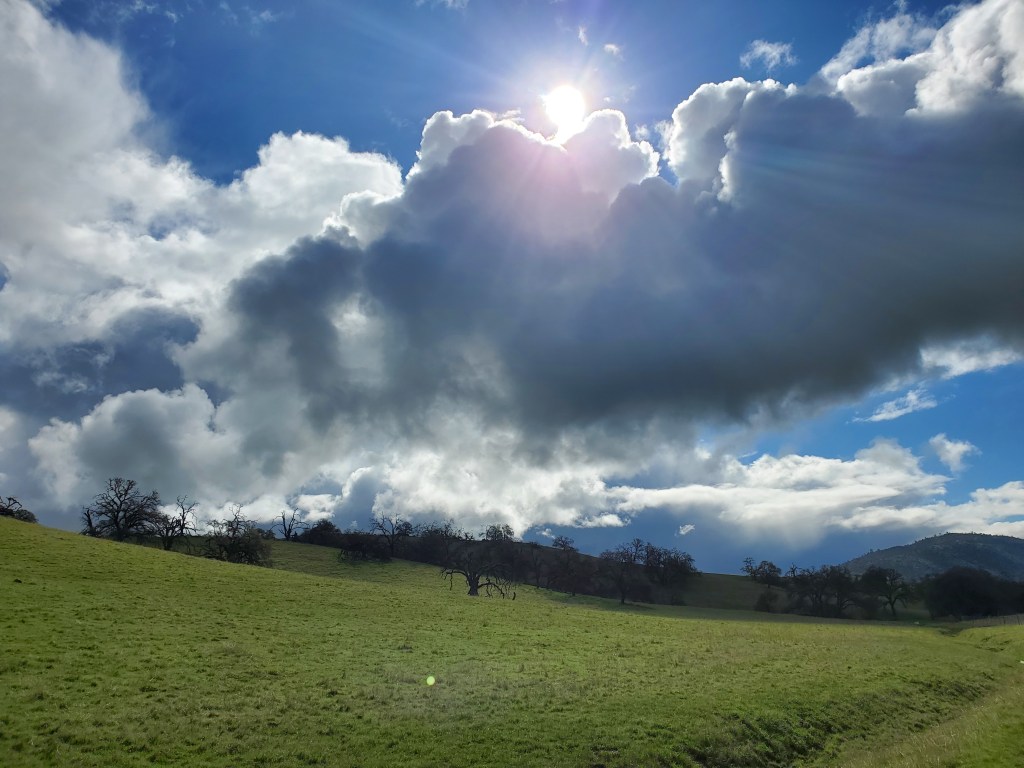
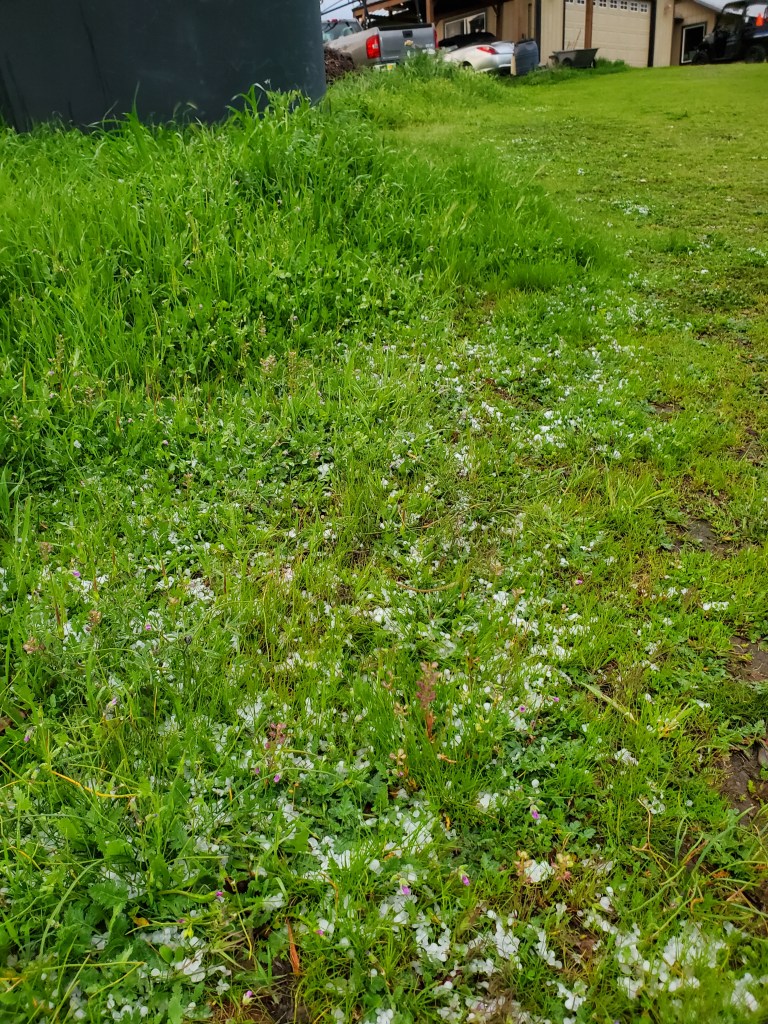
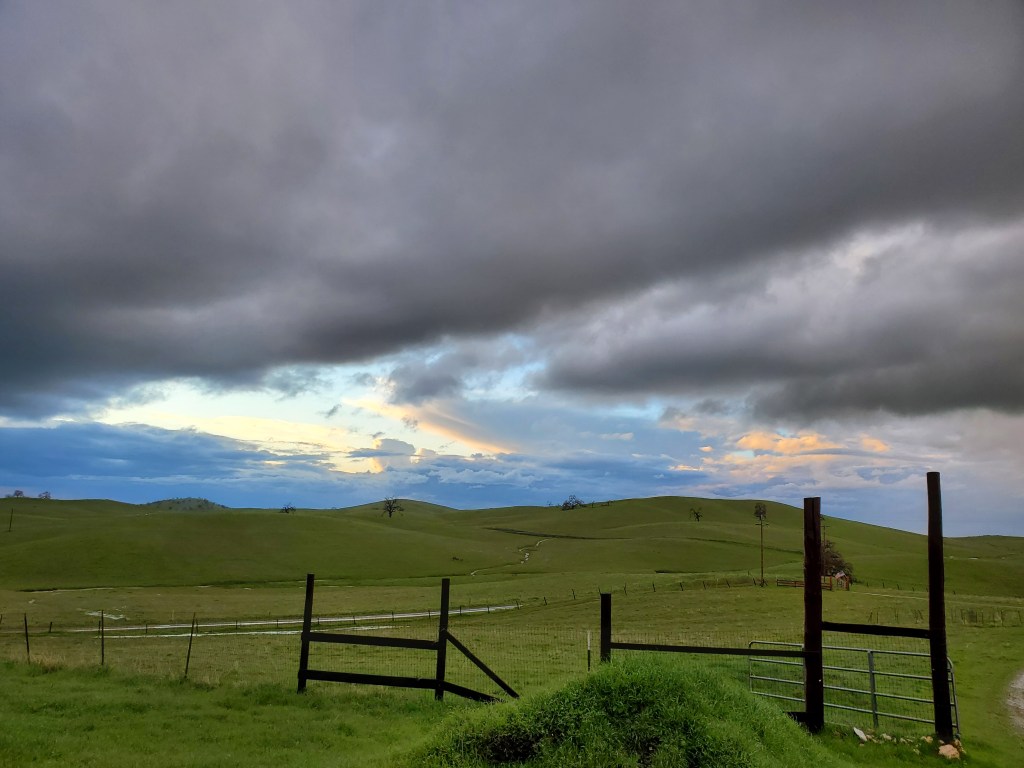
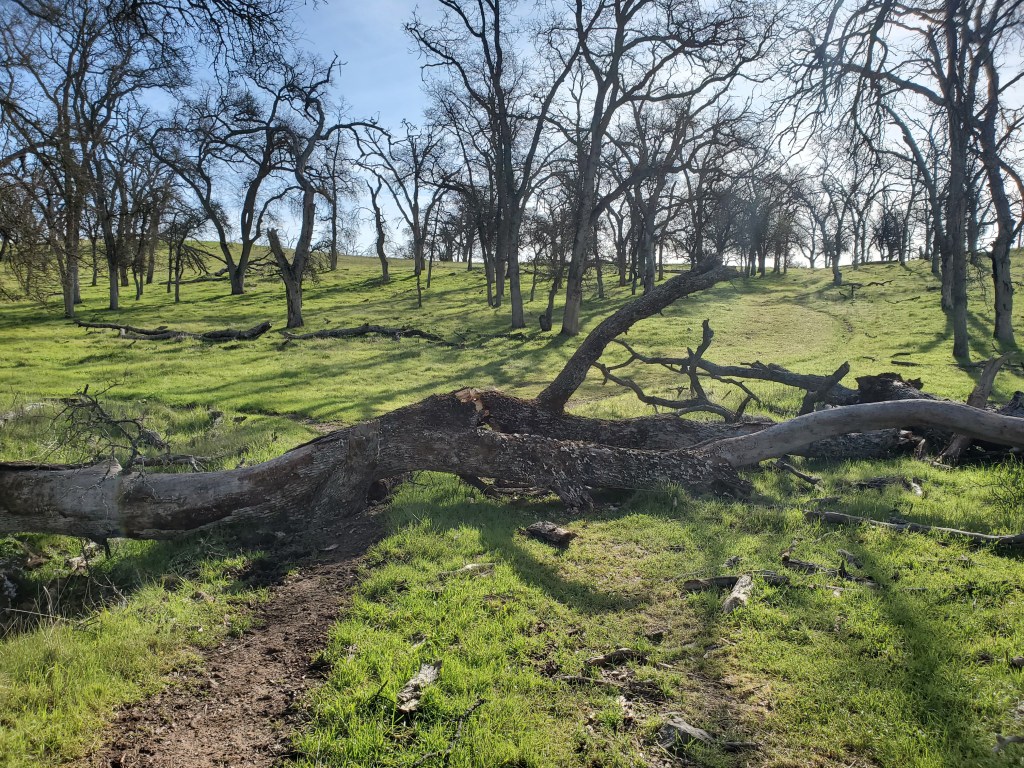
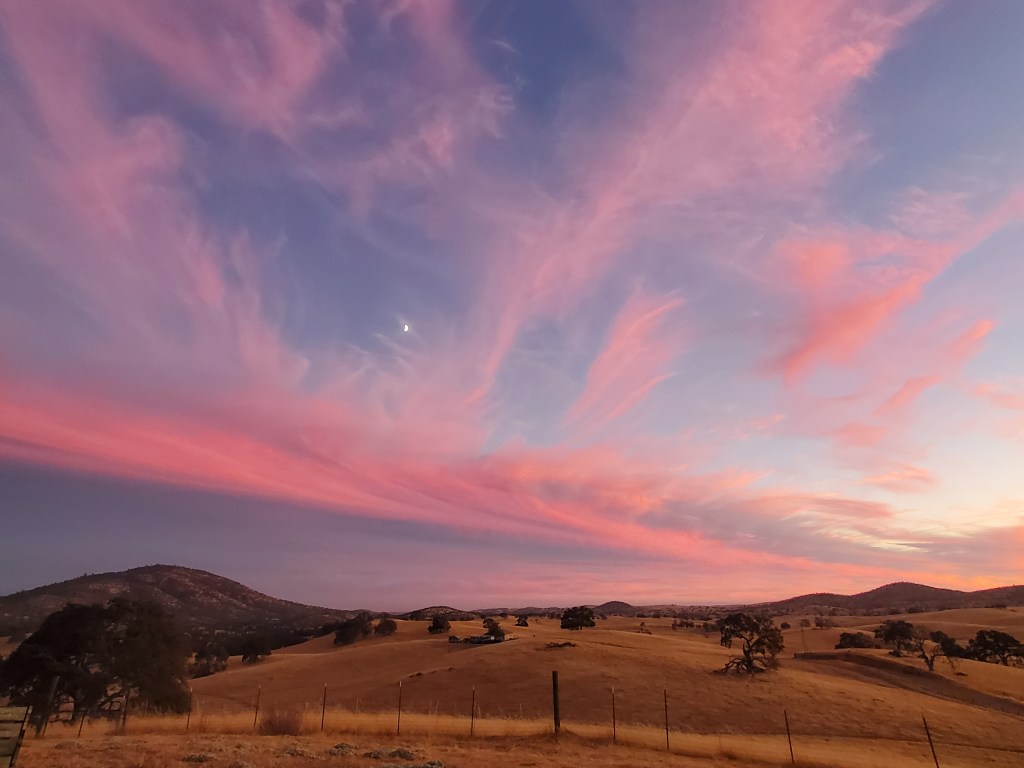
The cell reached the house 15 minutes later. The thunder was remarkable, booming so loud overhead and shaking the house. Then, the hail fell, hitting our metal roof like an angry teenager slamming a million doors over and over. In just 10 minutes, the storm had moved on. Light filtered through the clouds once more. Besides the ground being littered with hail stones, several of the long dead oak trees toppled. I found one across the cattle road a day later. Chainsaw work is in my future for sure.



I feel grateful that mother nature is warning us instead of simply squishing us. We have an opportunity to act, to care, to show respect for all living things – to change the course of our life and be in greater balance. “How can I respond even more than I am already doing?” is the question I ask myself regularly. Two tornado warnings in one afternoon? What will it take to wake people up to care? For me, I am going to double down on milkweed, consume less, choose even less packaging, fly less, walk more … and … look into building a basement.

 PolliNative