Milkweed Establishes in Creek After 5 Years | High Workload | Cow Break-Out

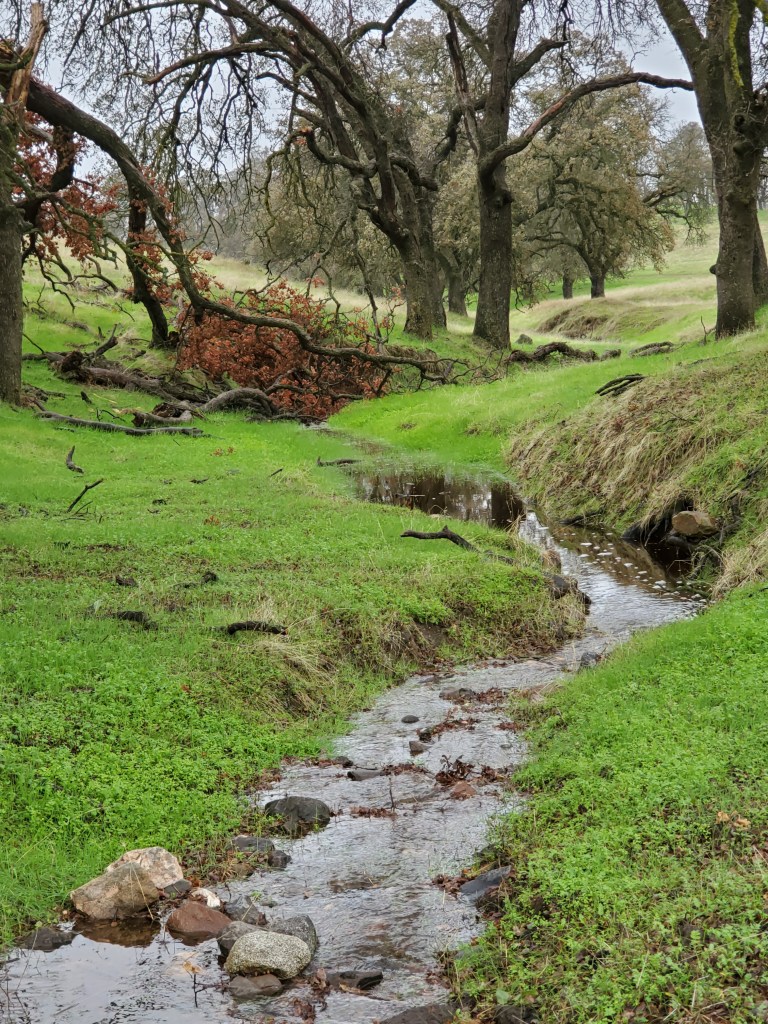
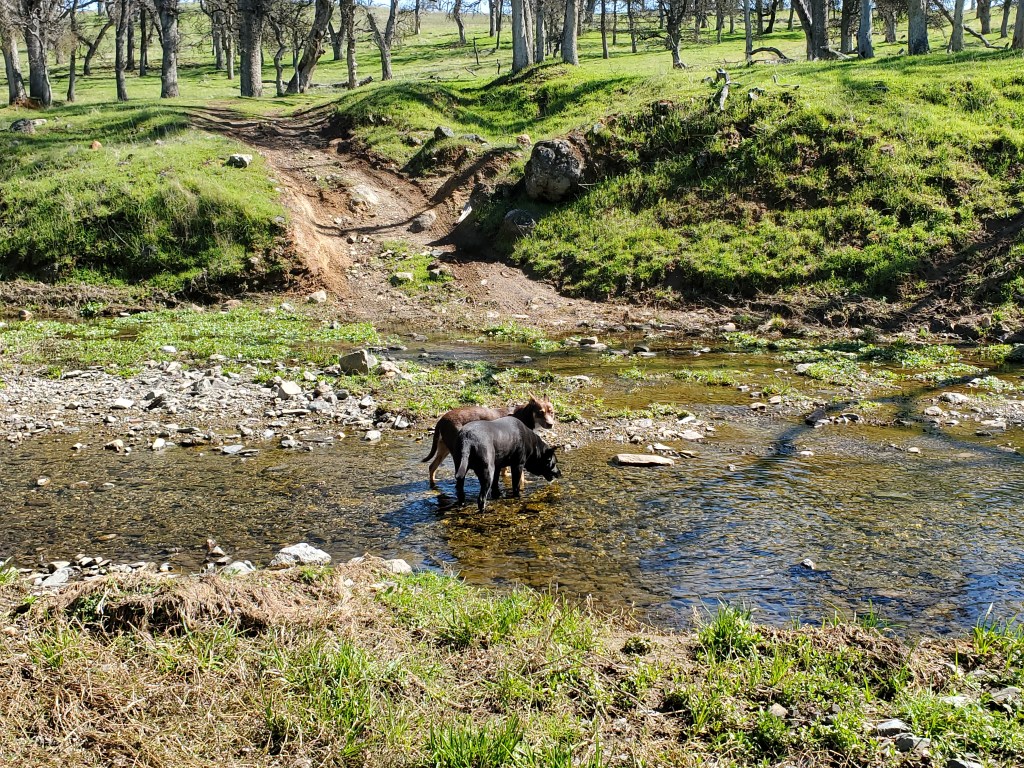
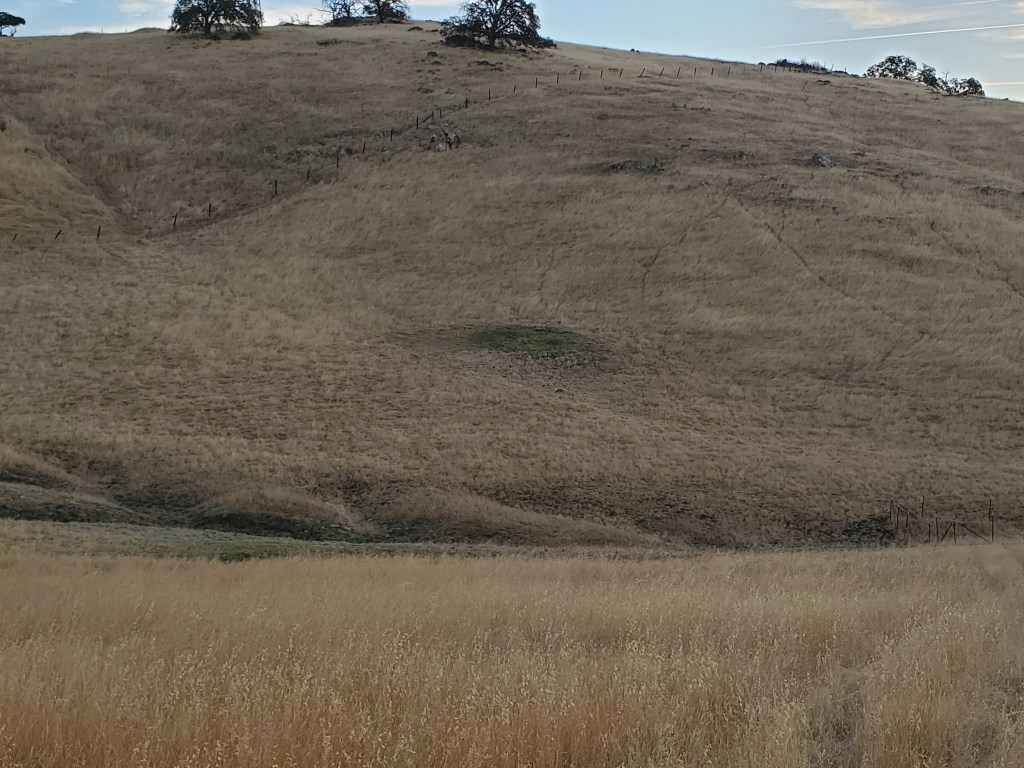
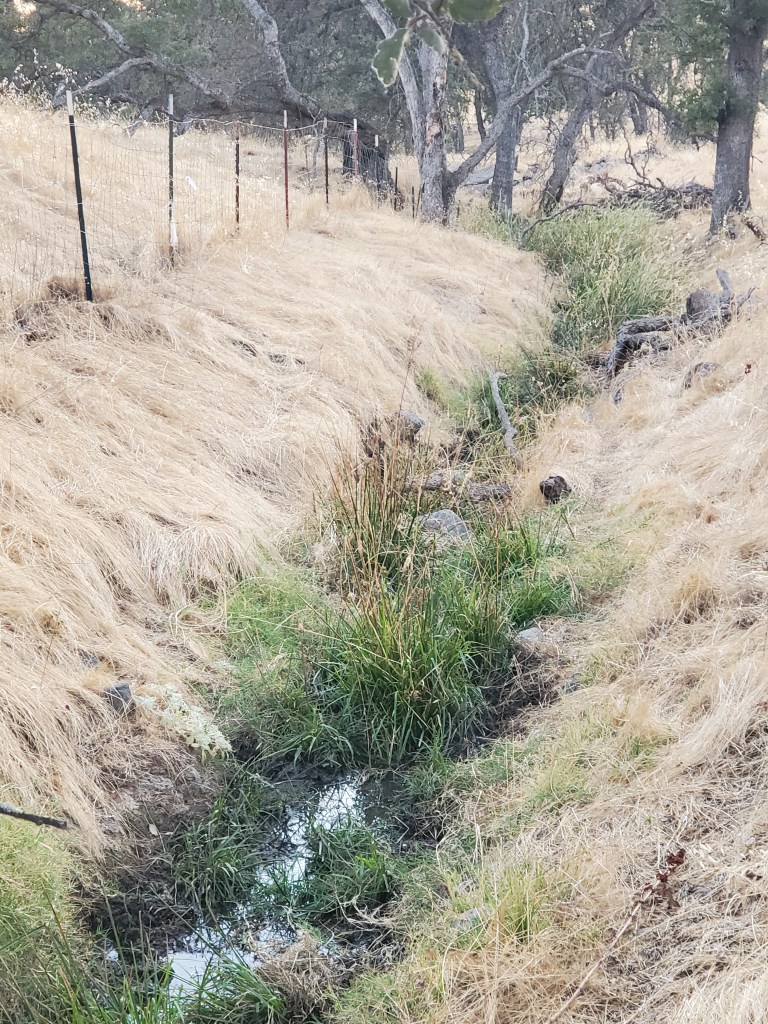
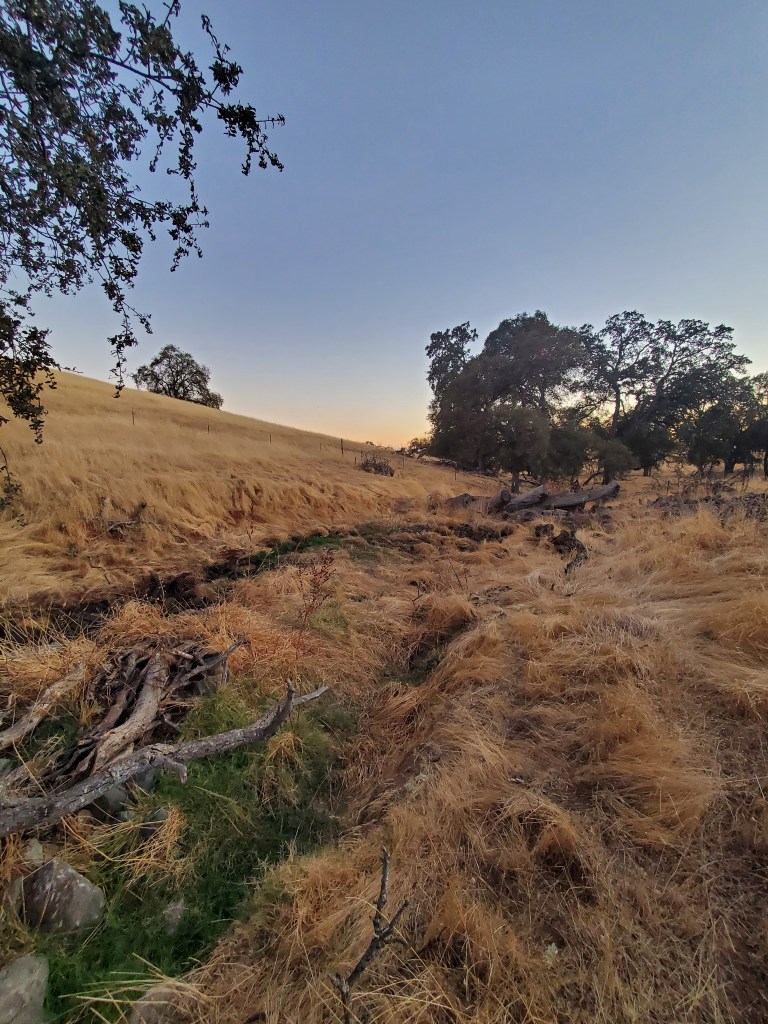
I planted my first milkweed plugs in the Spring Creek riparian exclusion zone in 2020. Since then, I’ve planted more plugs and seeded the heck out of the area. Every year, there is something more I do to make that riparian space a monarch, and other pollinators, paradise. Flood waters, epic flows likely upending seeds and plants, wild pigs, grasshoppers, and extreme heat have all thwarted the success of the plantings.

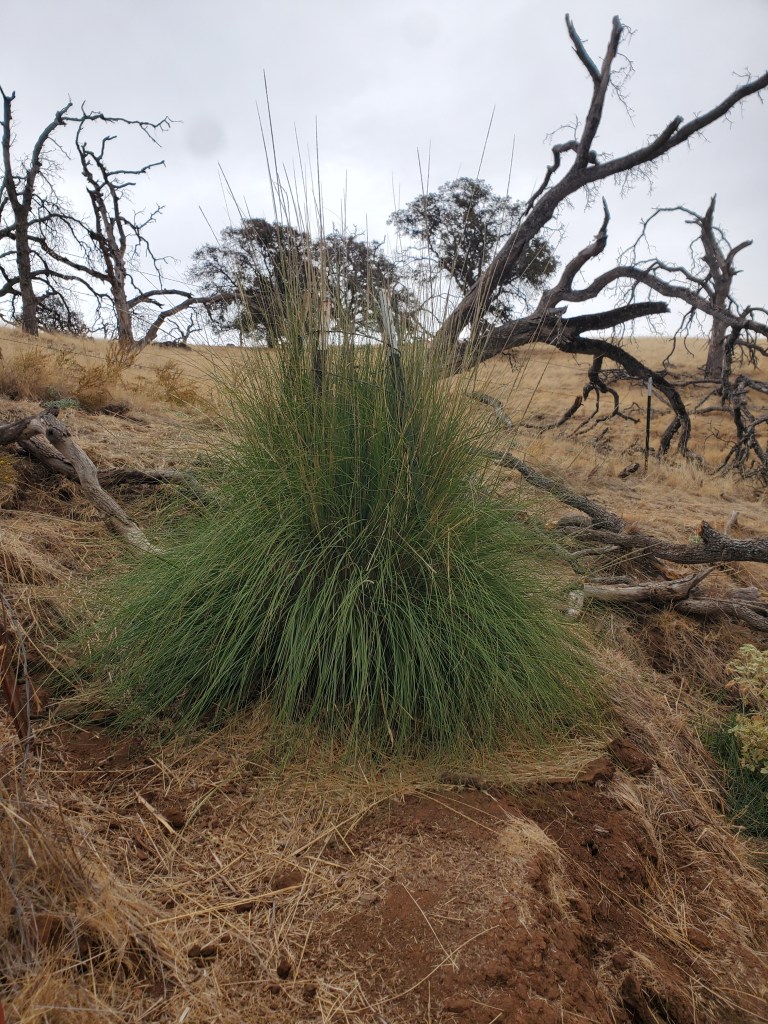
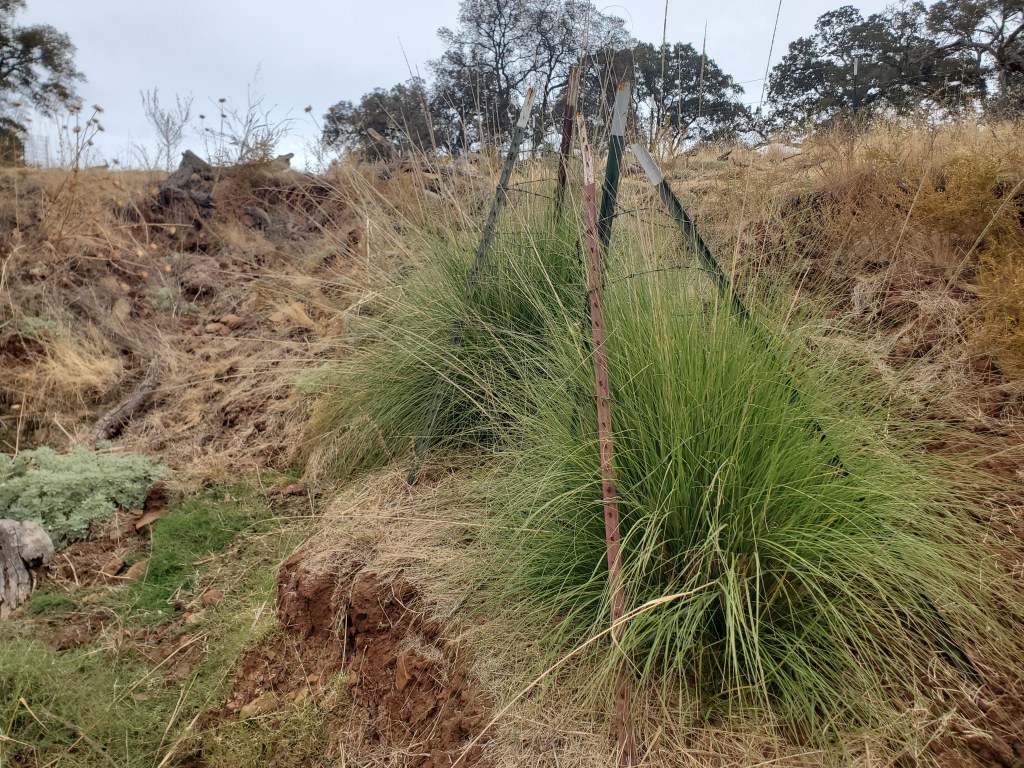
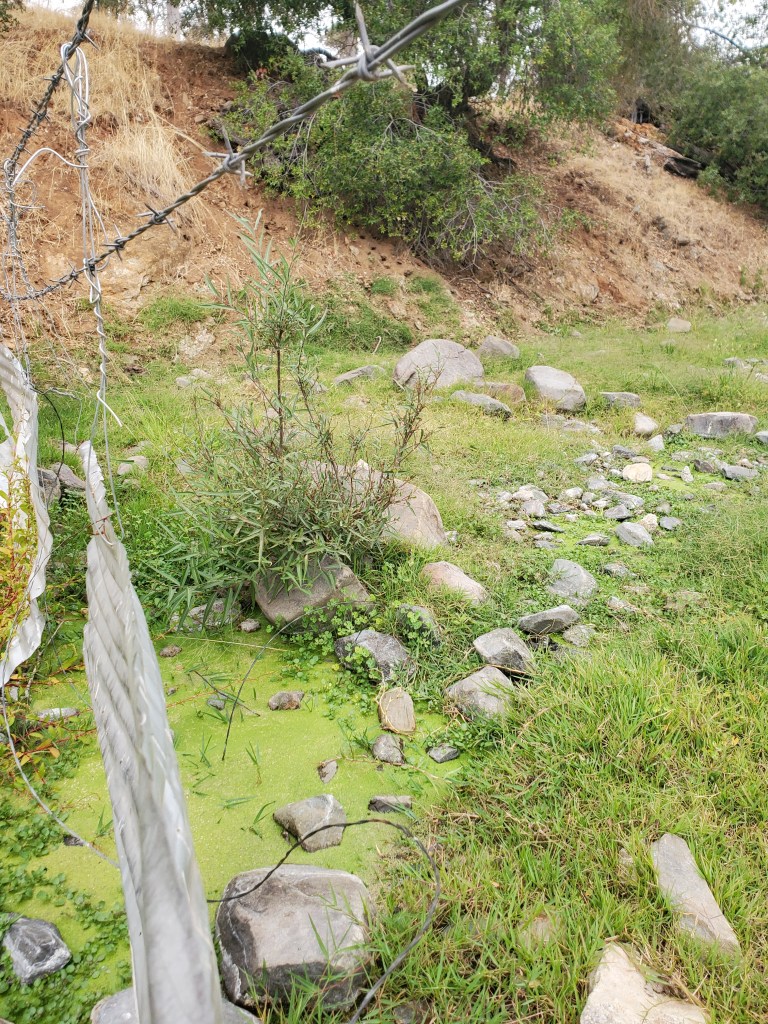
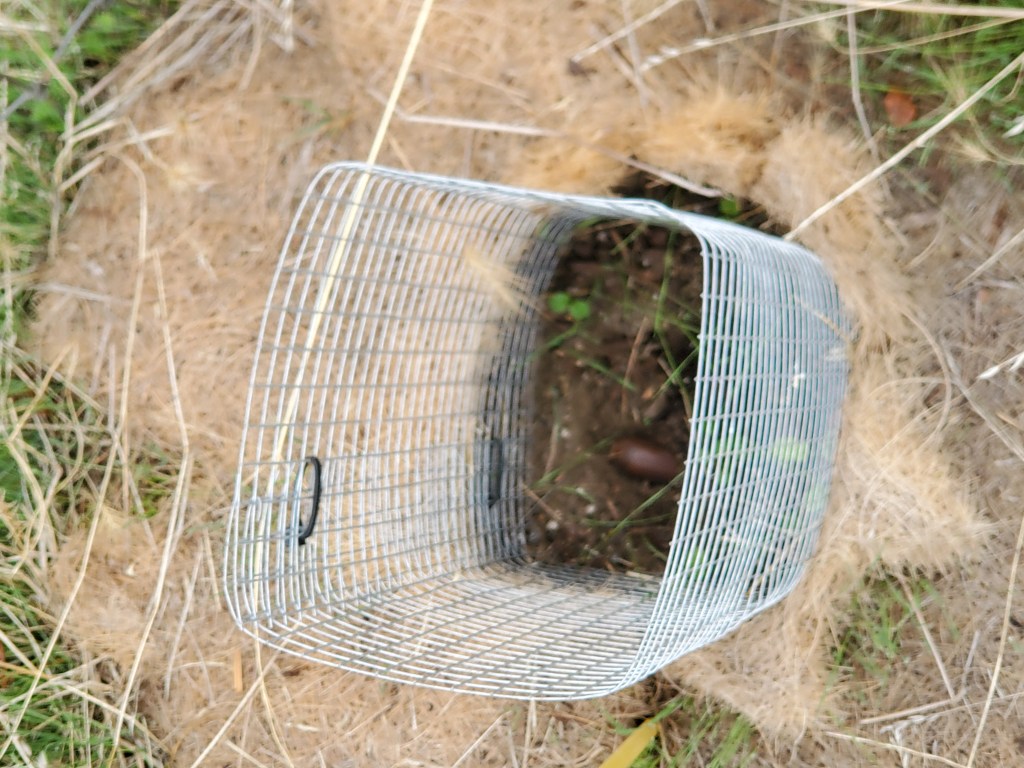
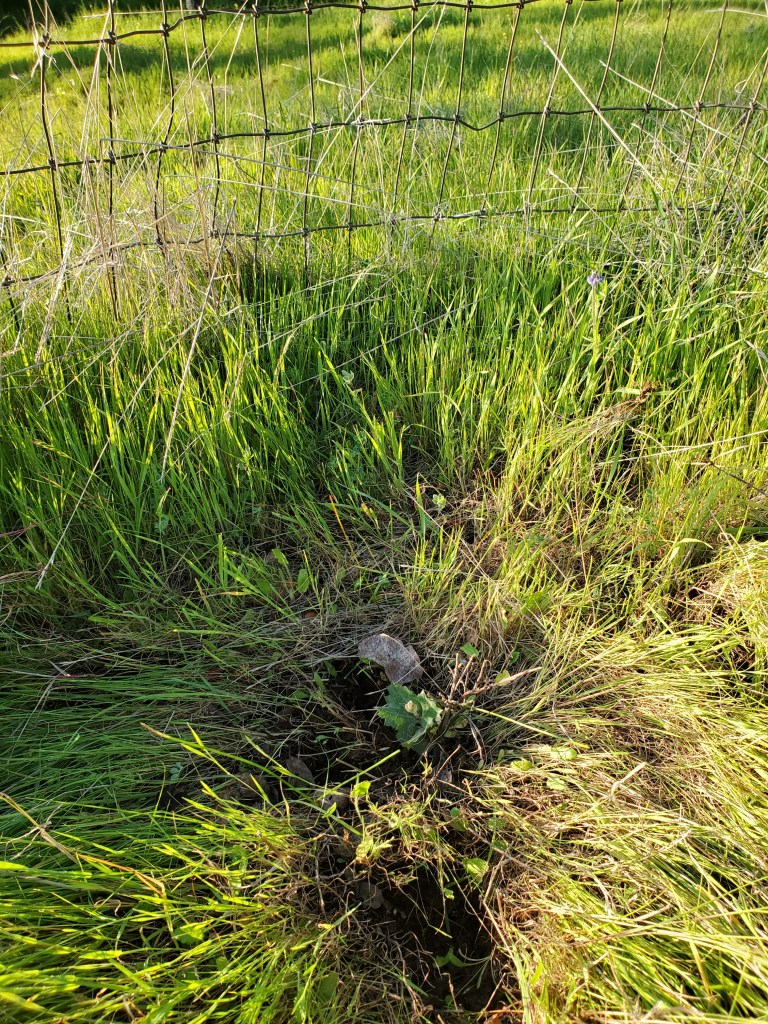
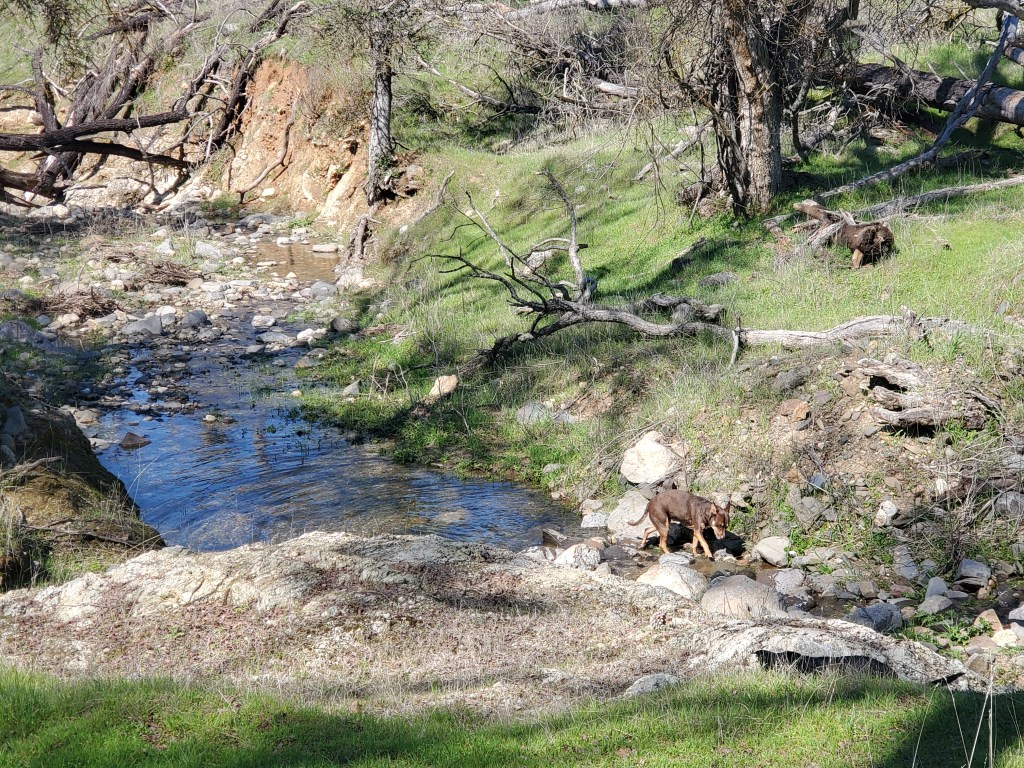
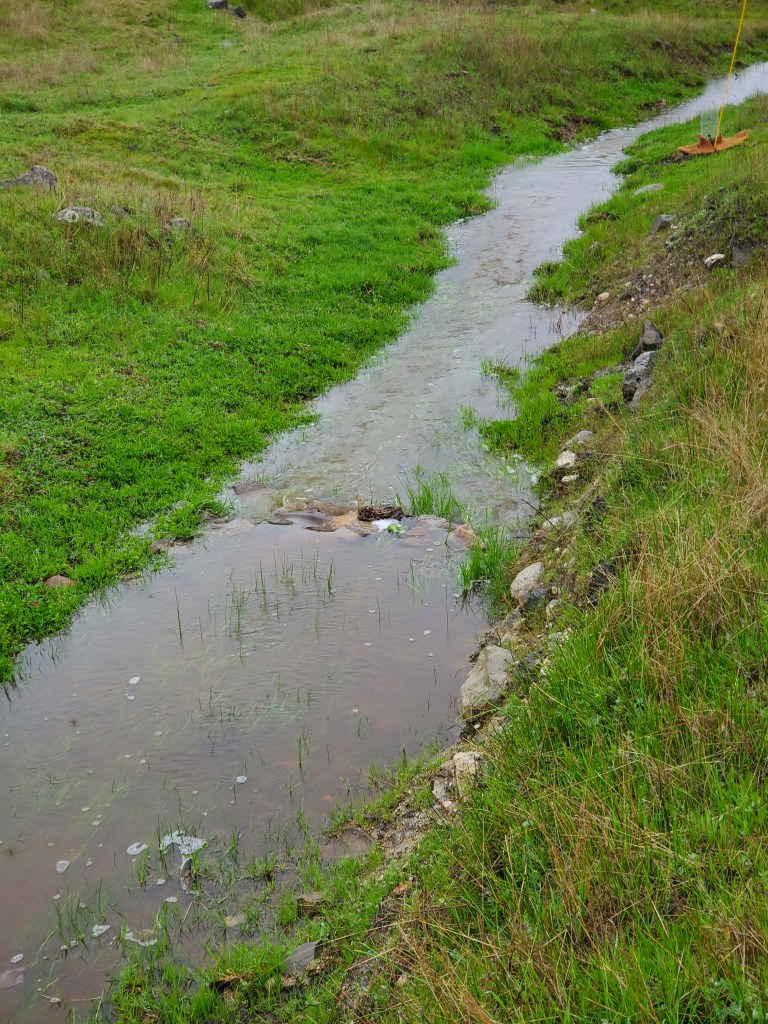
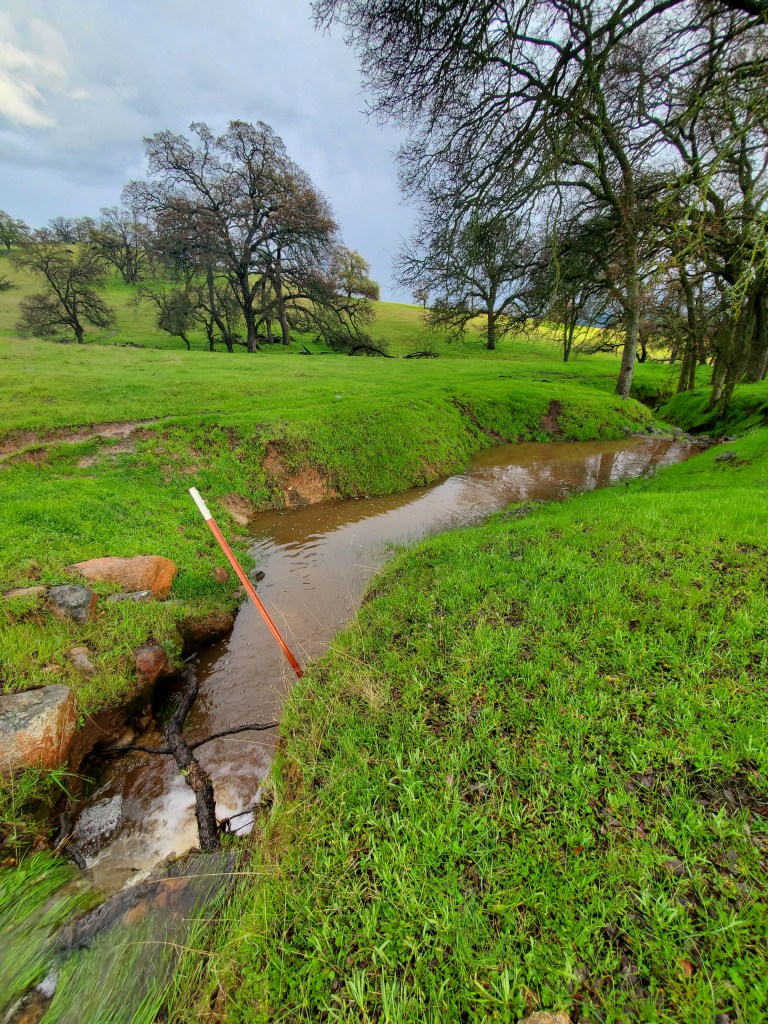
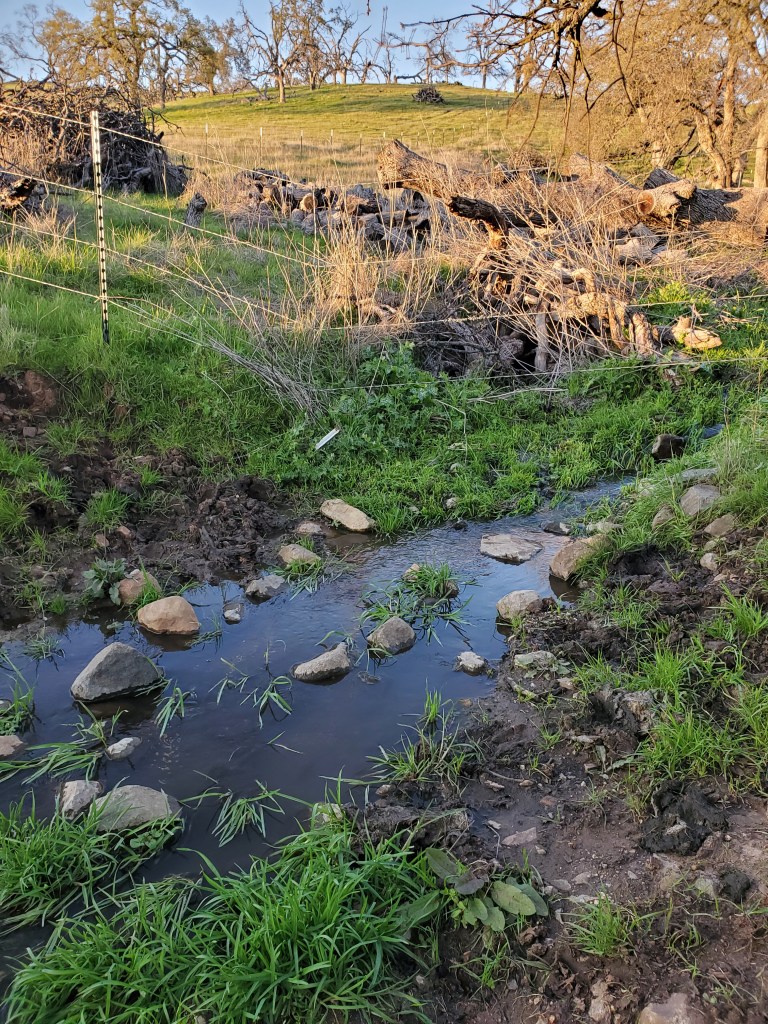
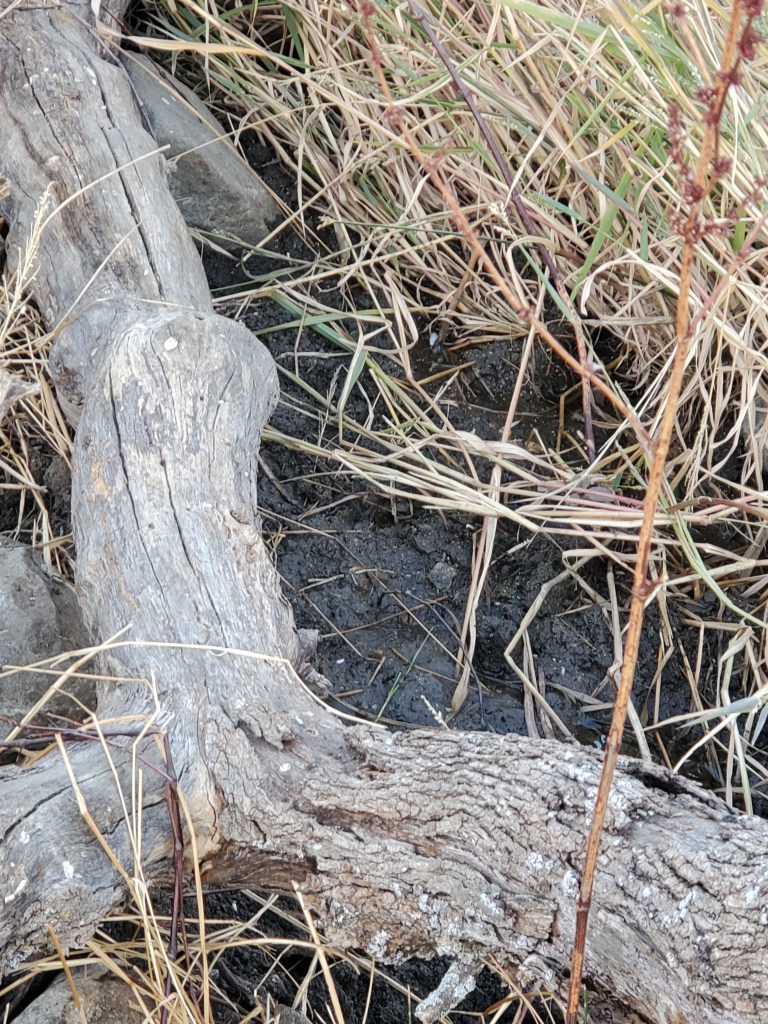
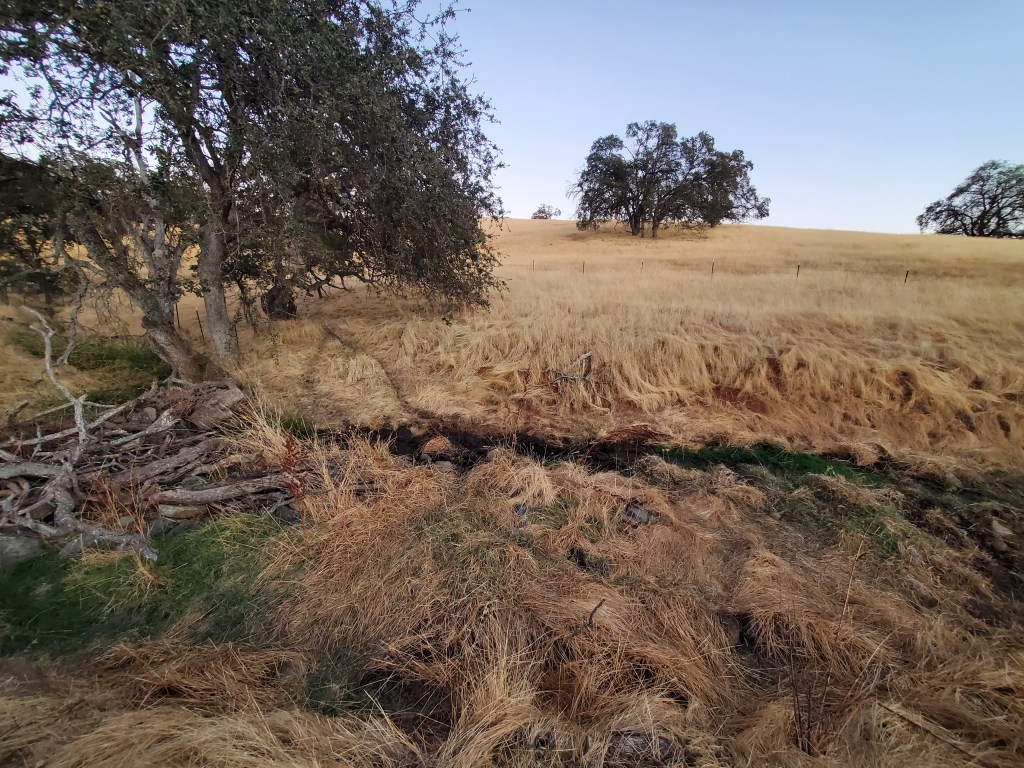
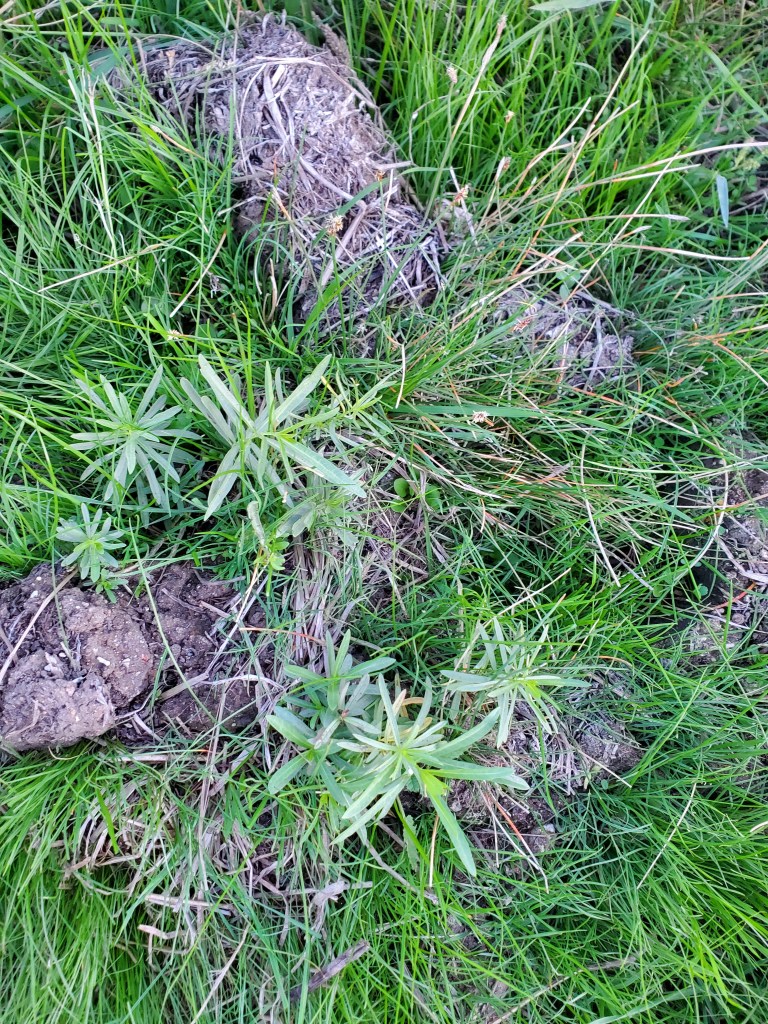
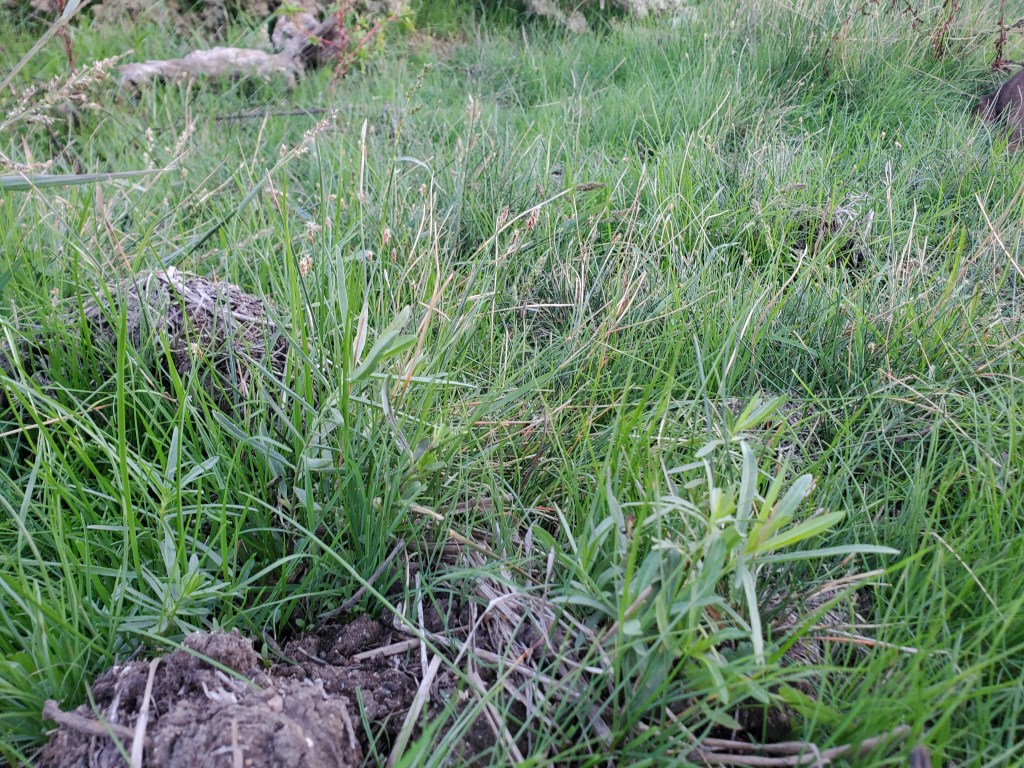
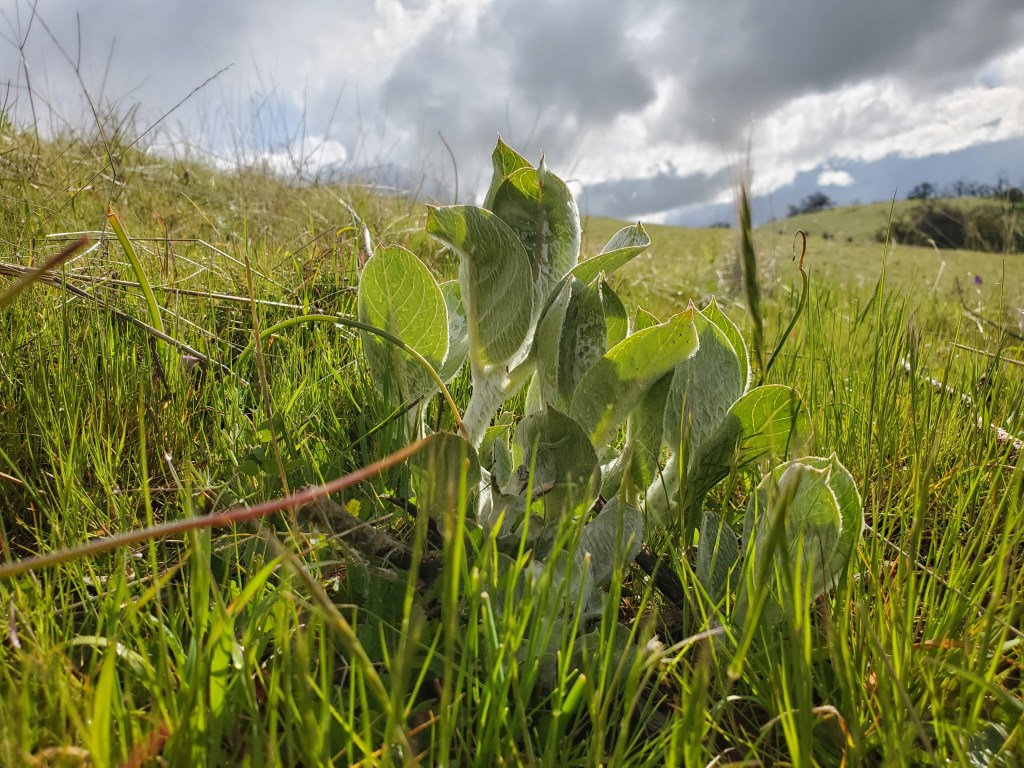
Finally, as I was monitoring the area last month, I found milkweed in the creek, well downstream from the 20lbs of milkweed seed I planted last December 2024/January 2025! It was interesting that it was still healthy looking and green. All others have shriveled up by now. In truth, it has been a mild autumn with some fairly warm days. Even my tomato plants are still delivering. It has been a dream for me to establish milkweed in that riparian area. With all the hardship, you would think my mood would be tempered. Absolutely not! With one plant seen, my joy is uncontainable.
October: Wildlife and Work

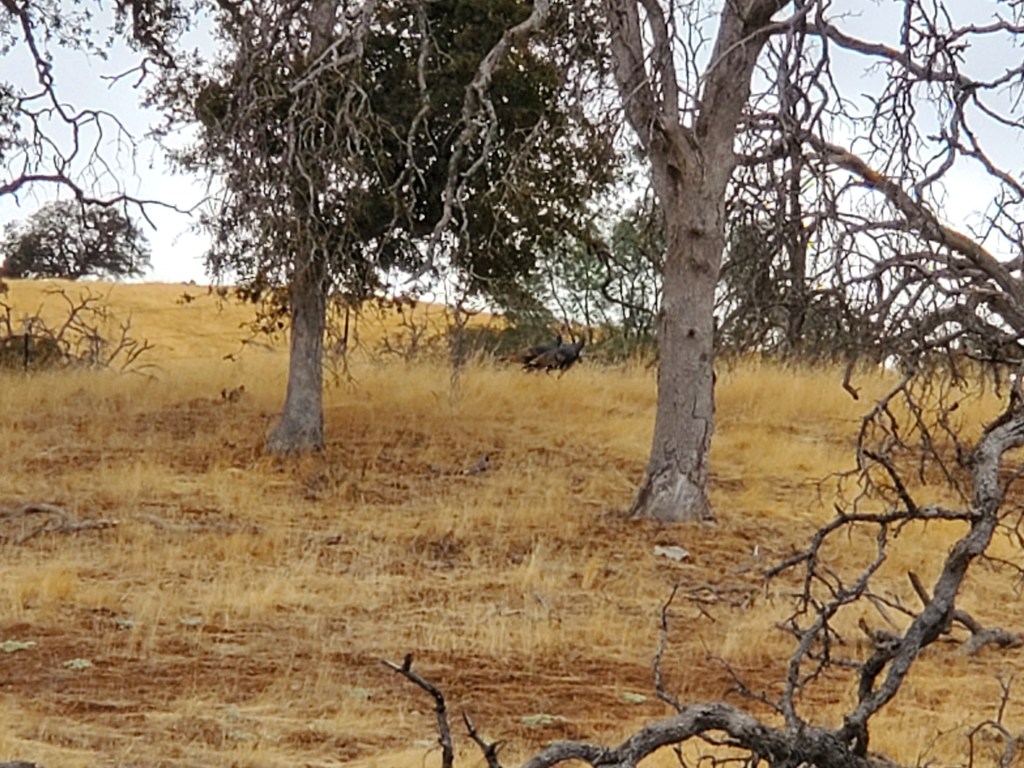
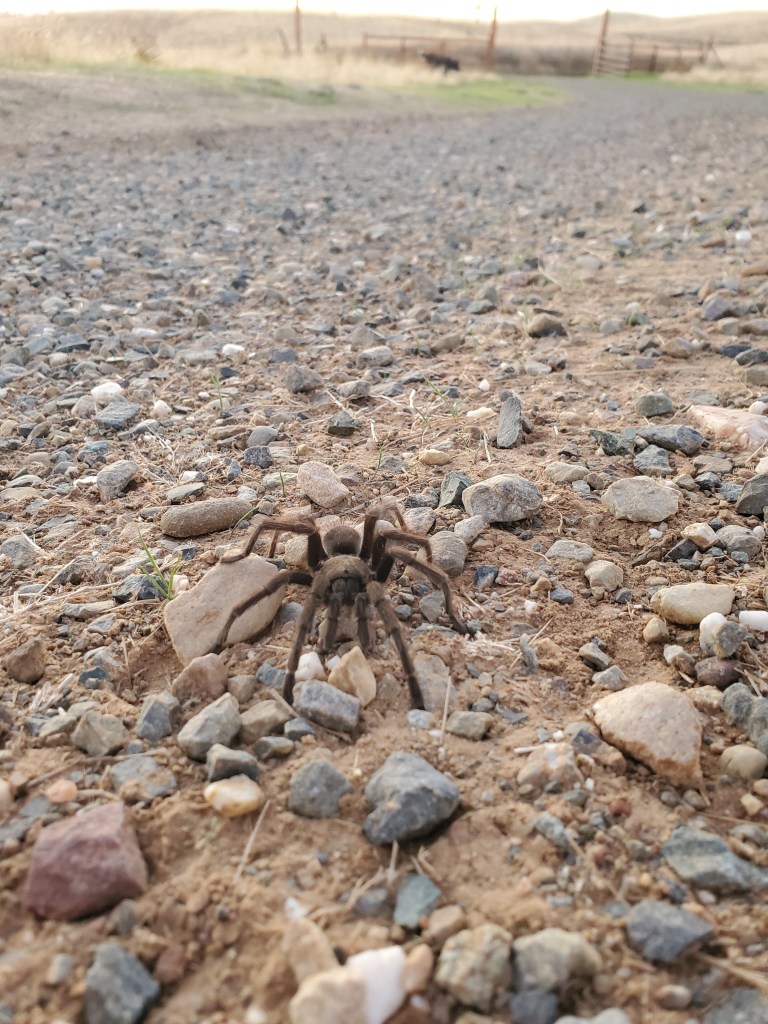
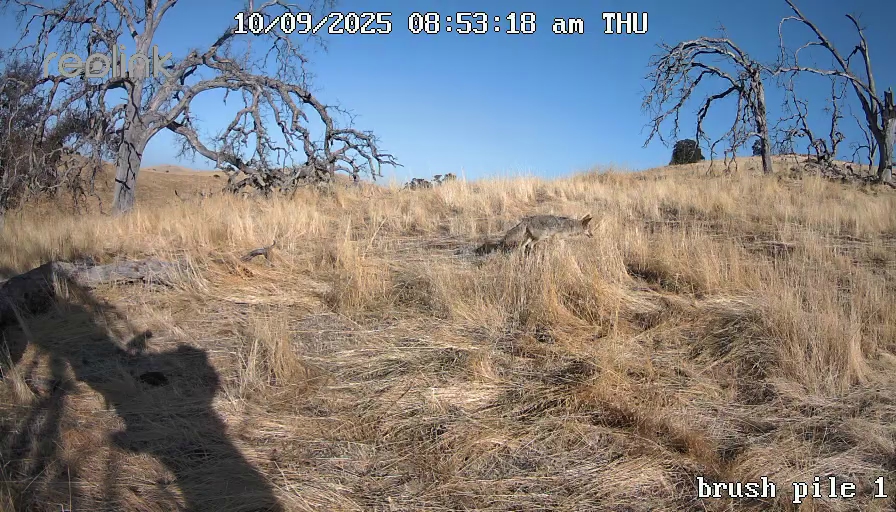
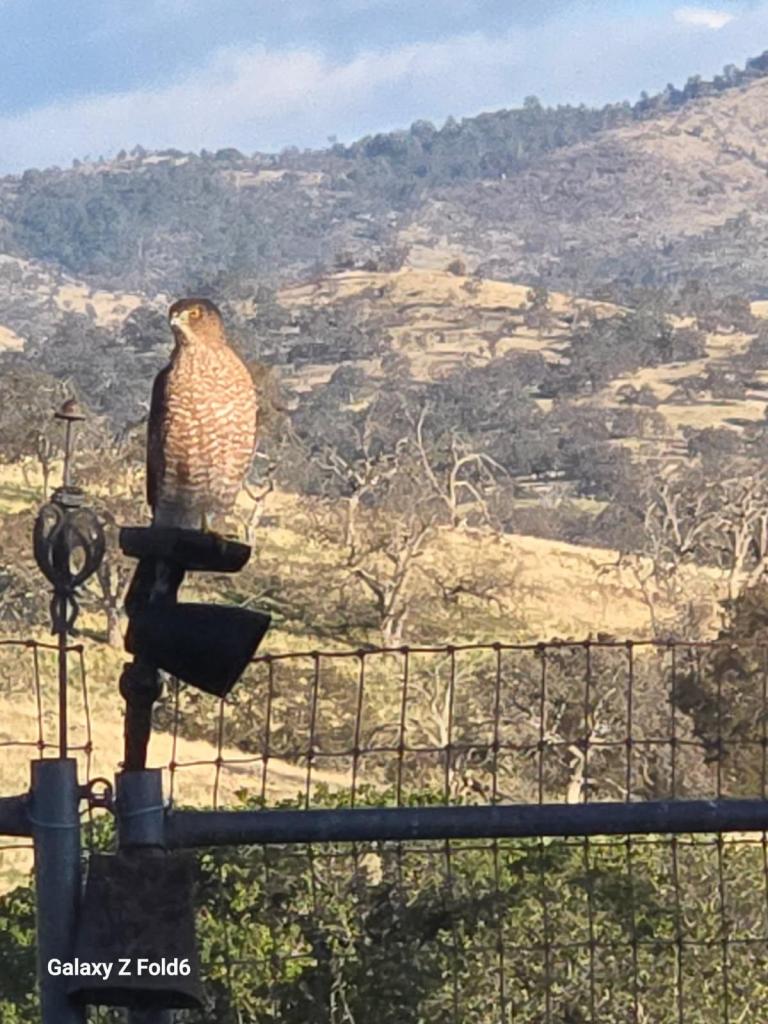
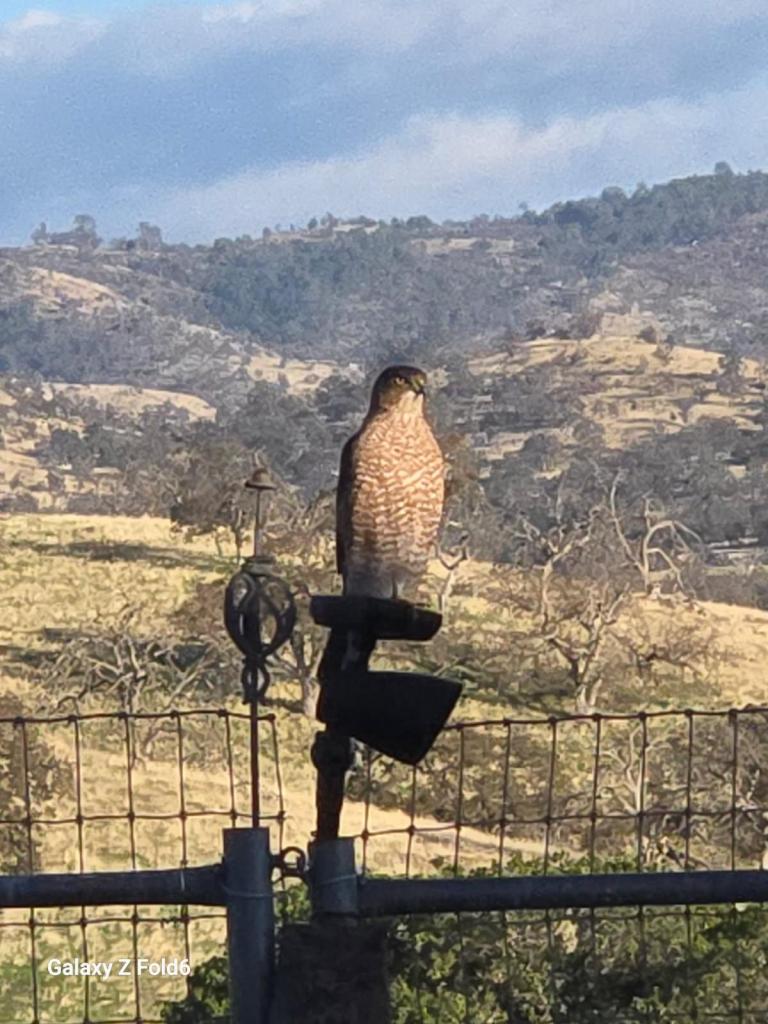
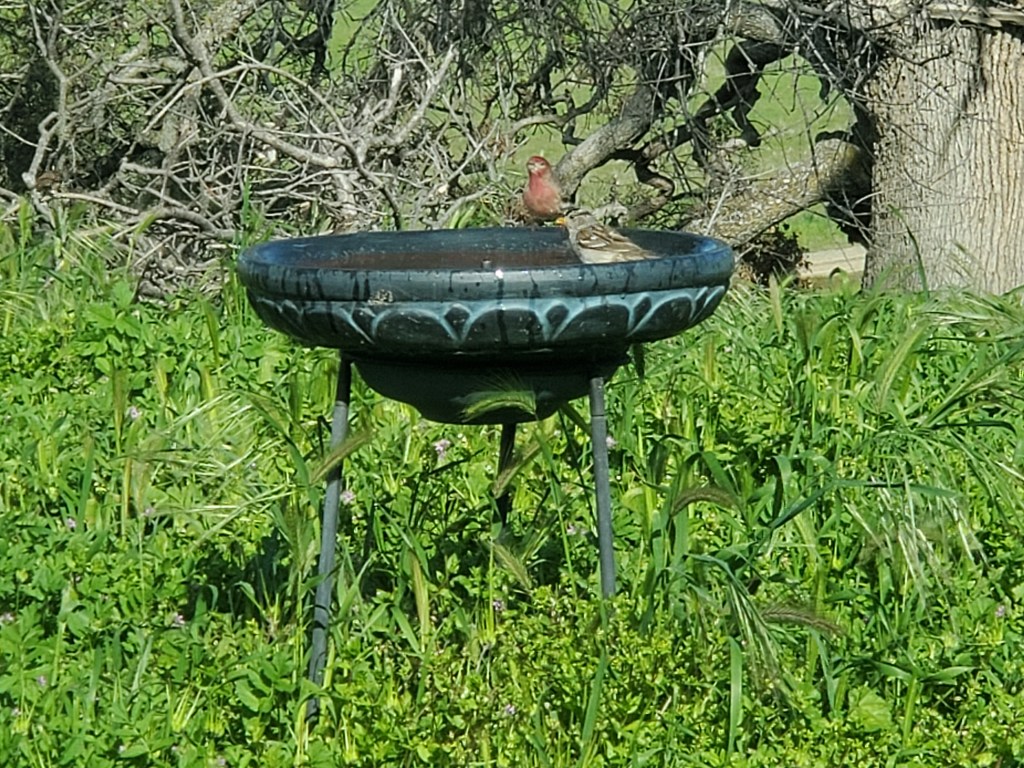
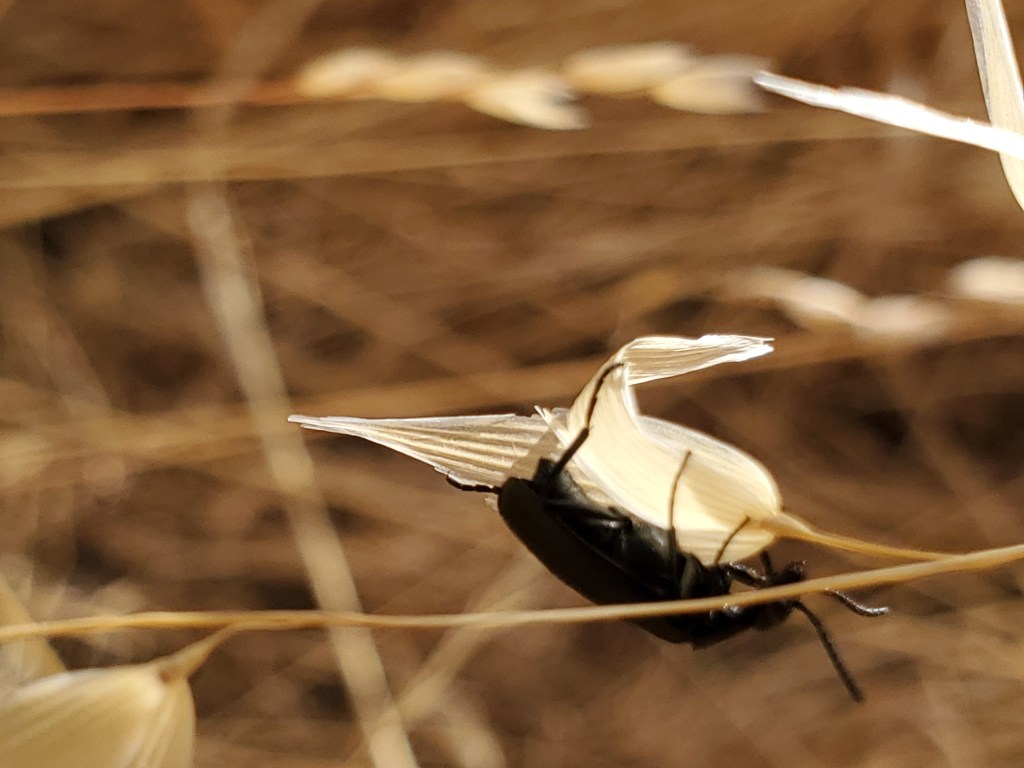
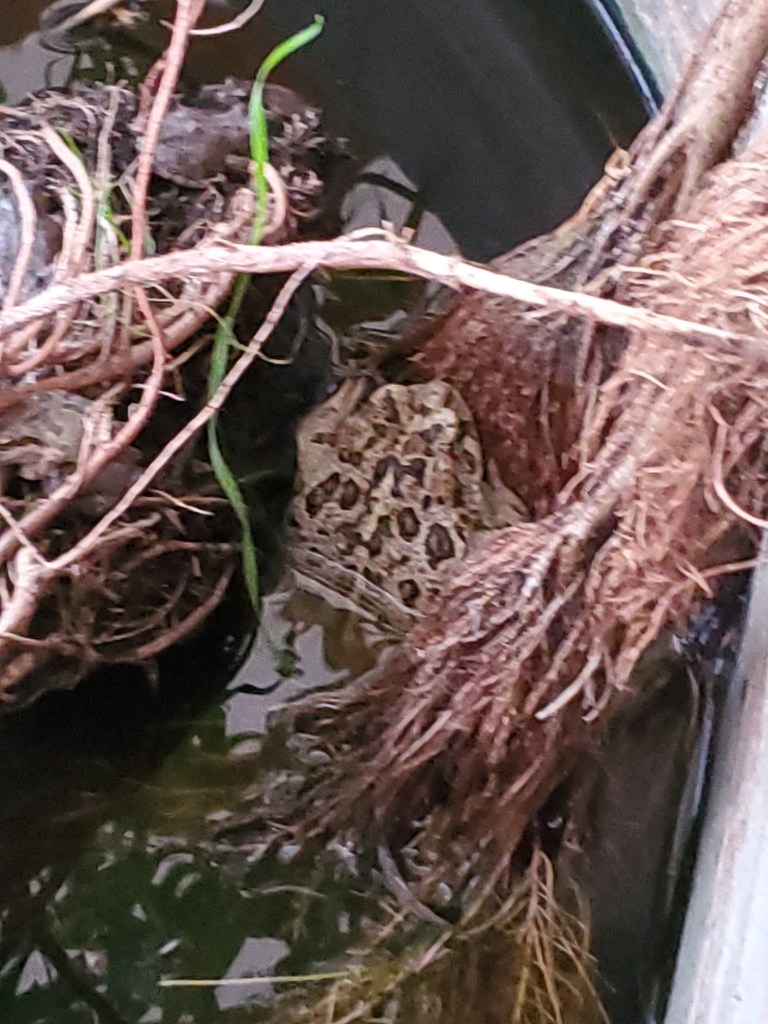
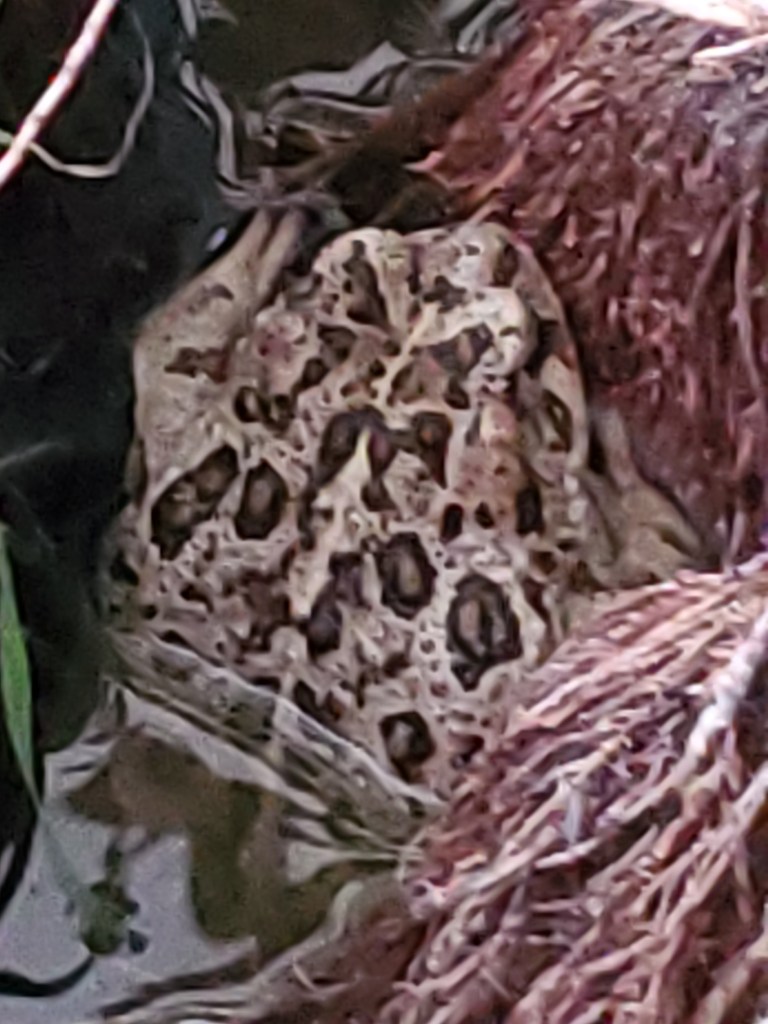
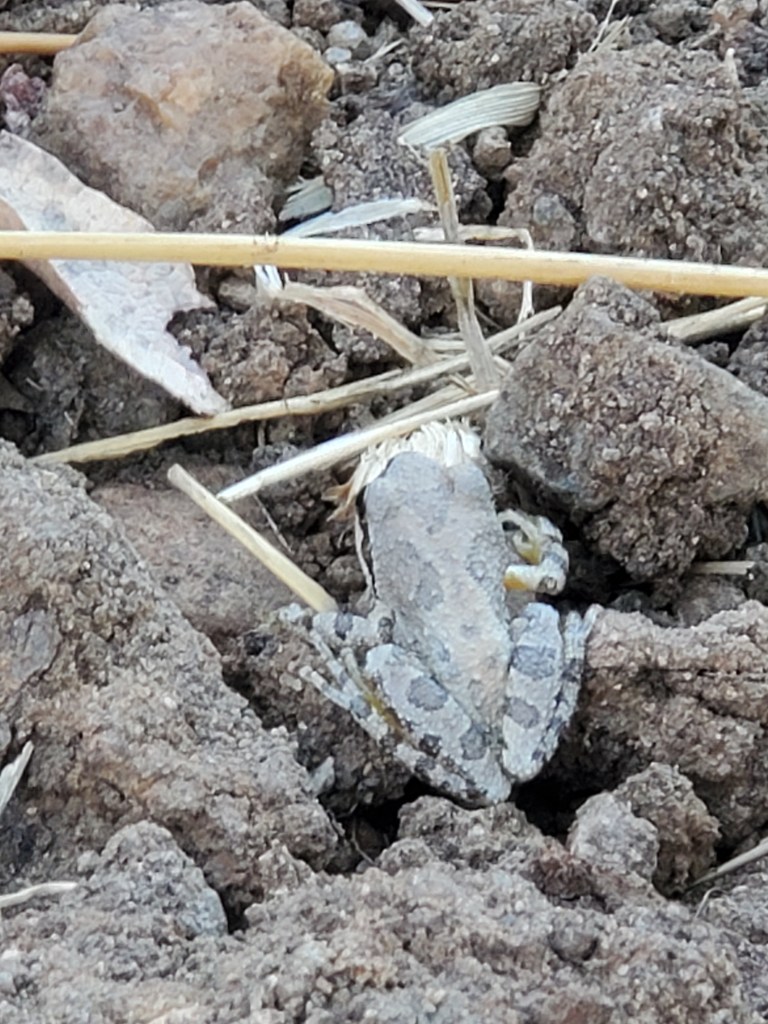
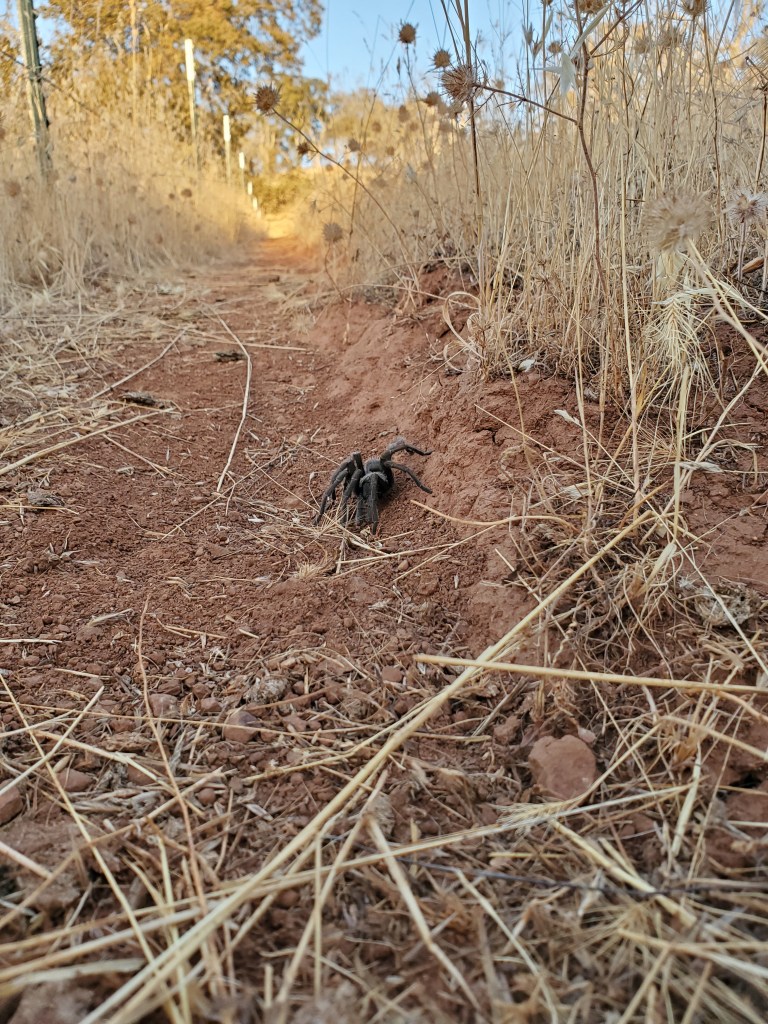
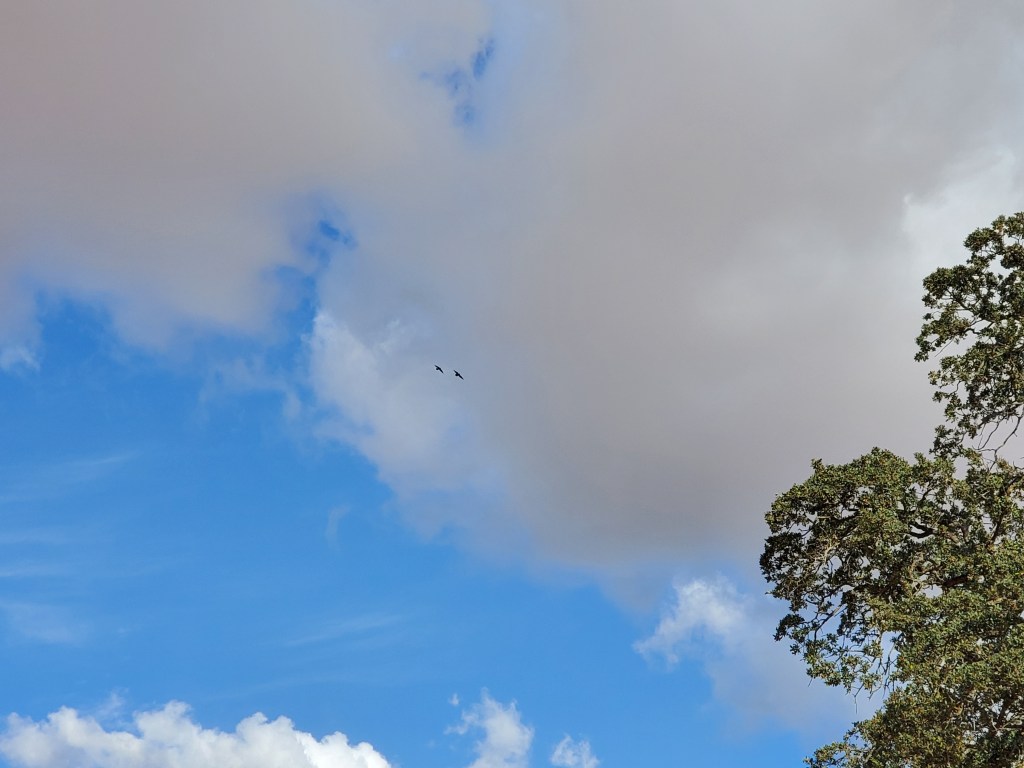
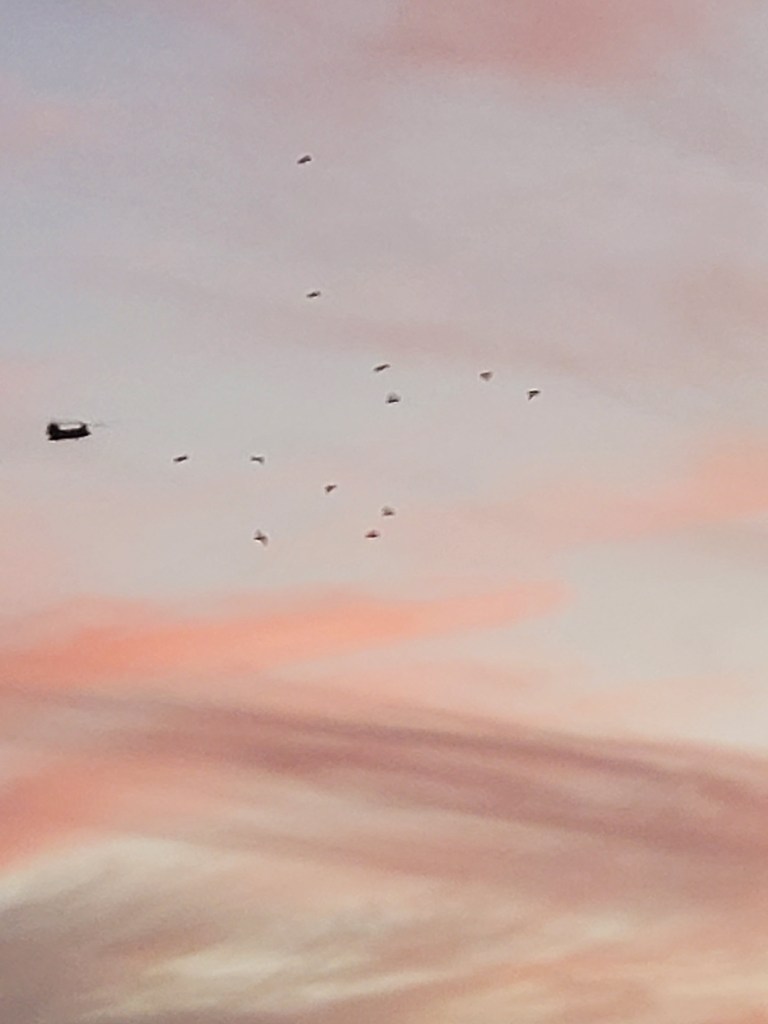
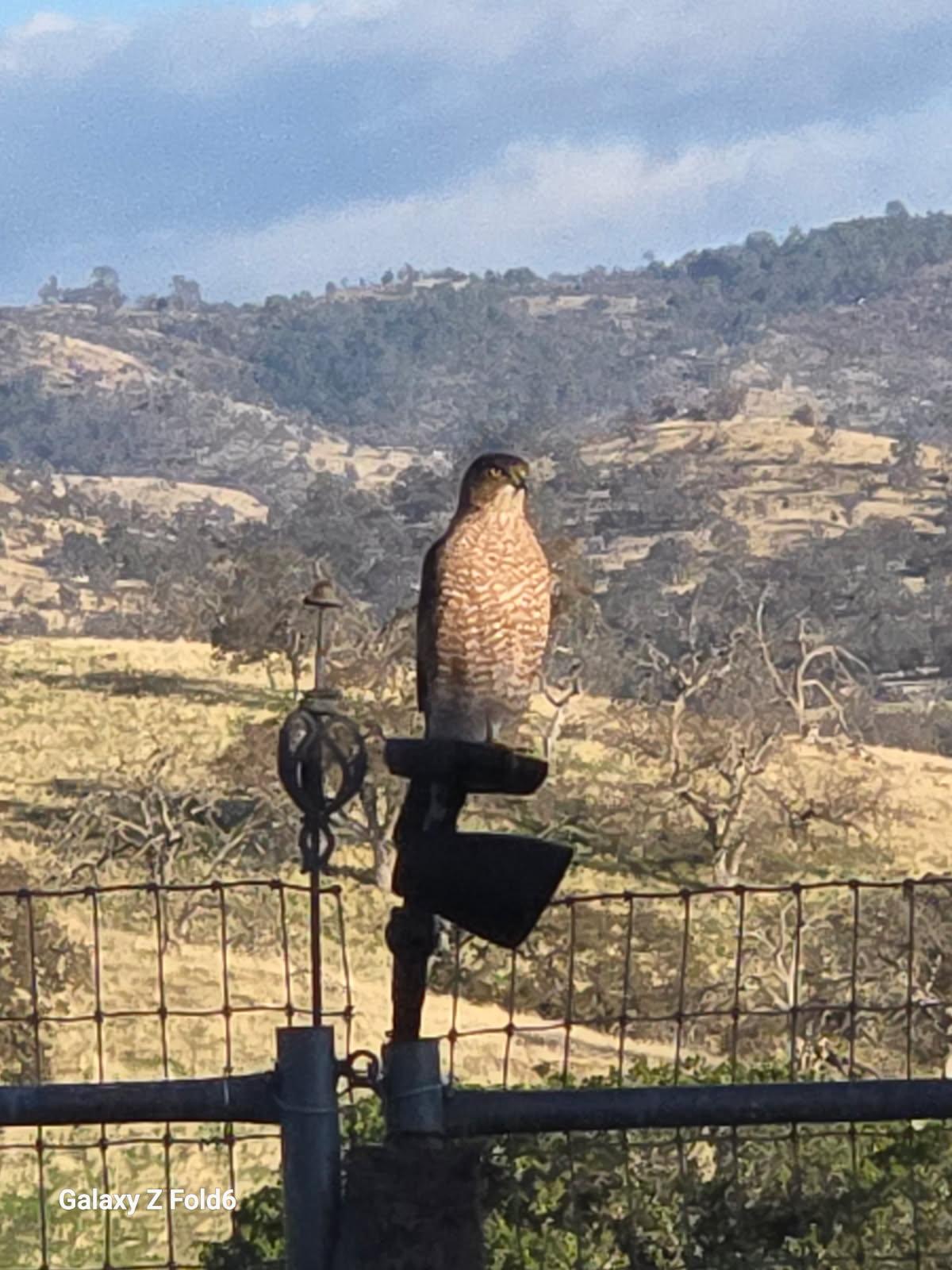
October was an incredible month for wildlife sightings. I saw: two mule deer doe, a group of turkeys, a large group of wild pig, tarantula, a few butterflies, a colorful moth, beetles, and the game cam caught more racoon, an opossum and a coyote. The toads are back croaking. I have seen several kestrel, sometimes two at a time. I hope this means they are going to make a home here. I see them each year, but this is the first time I’ve seen a pair.

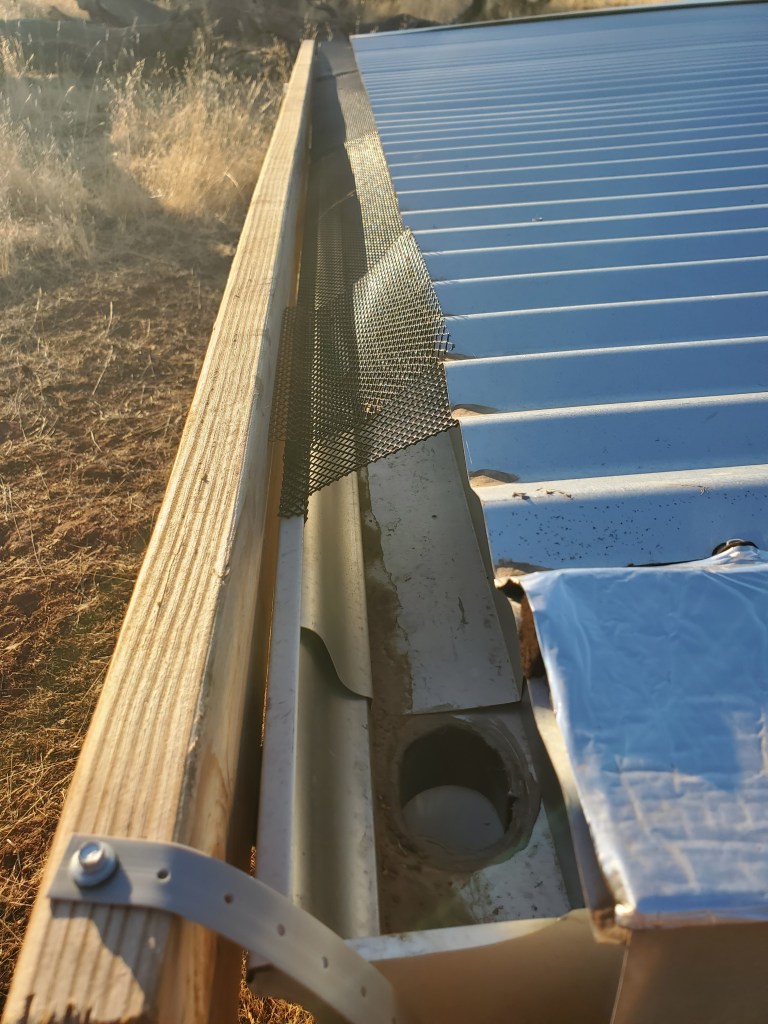
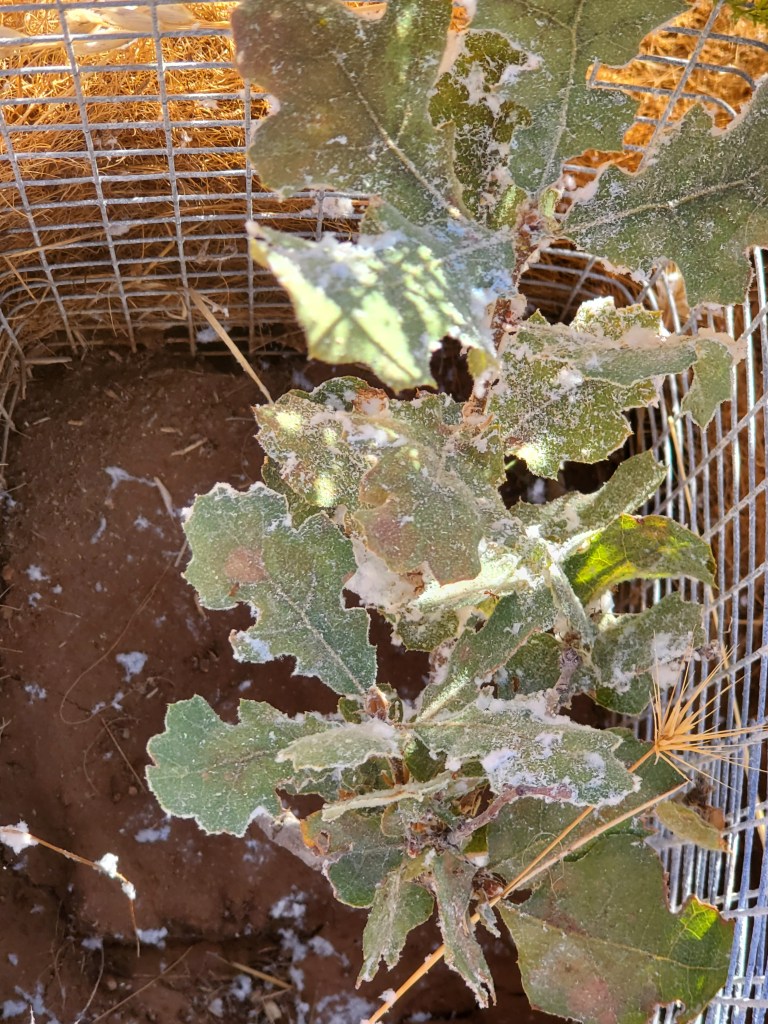
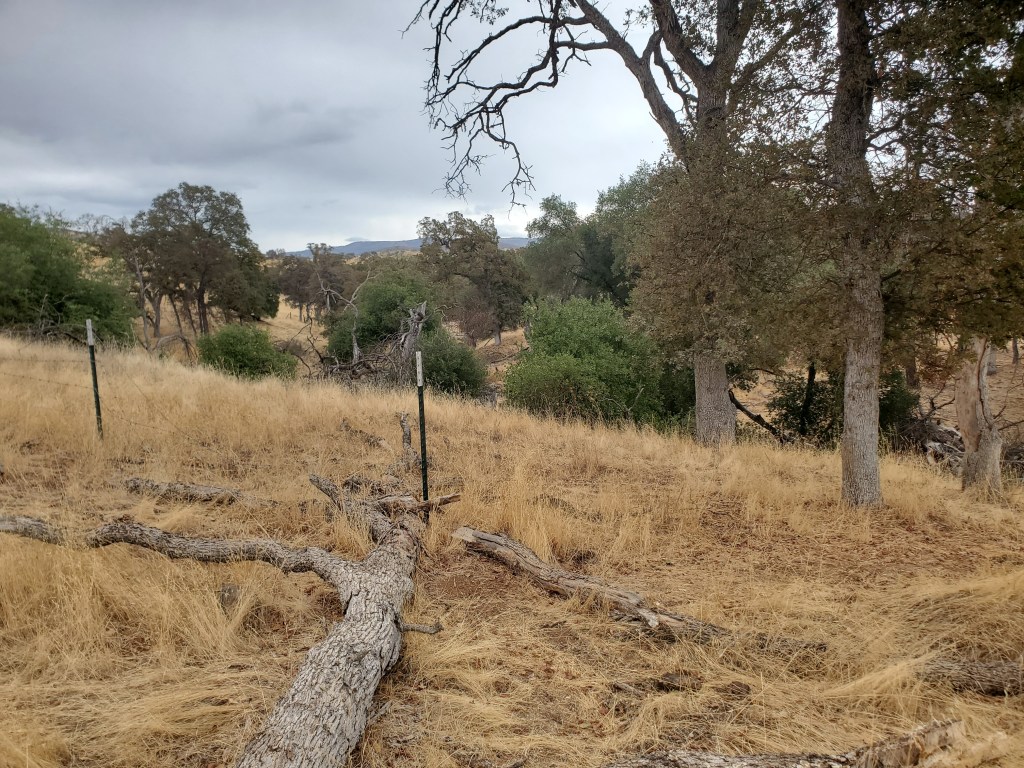
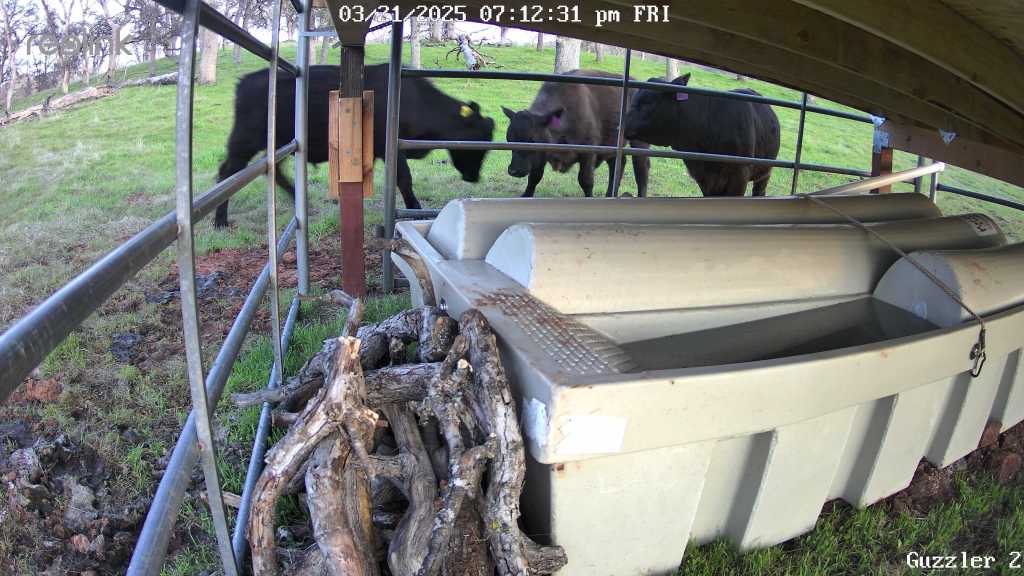
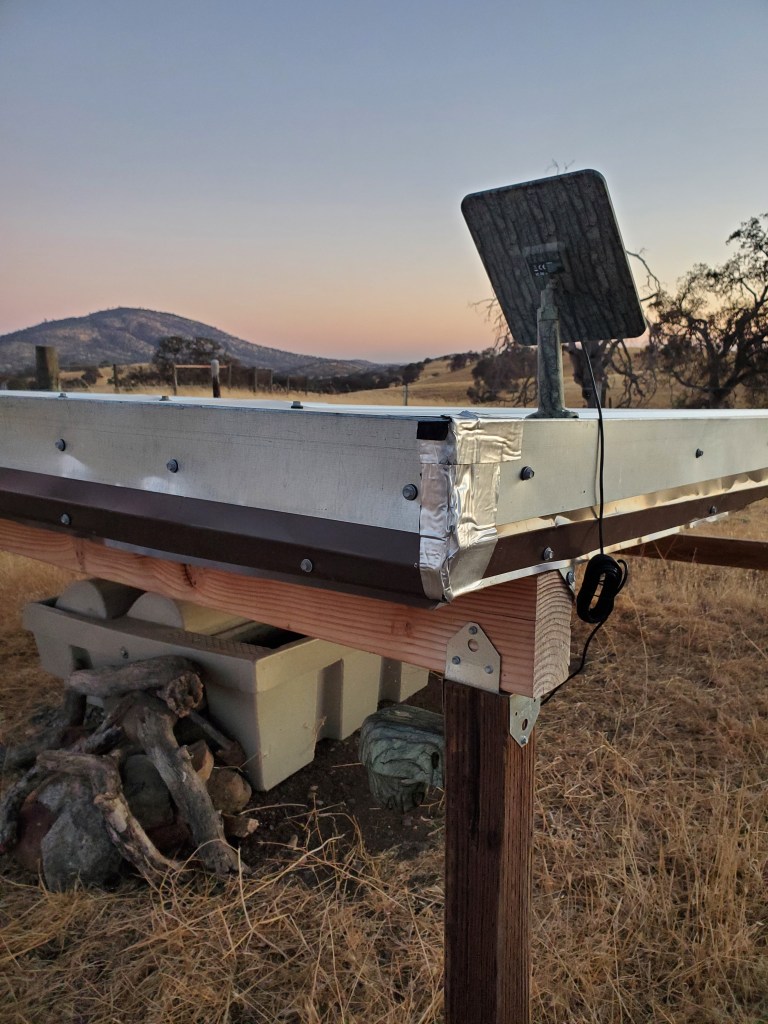
I checked fence and found more down at the Odom exclosure. The guzzlers needed some attention as well. I replaced the return back onto the unit at Guzzler 2. The screen and gutter were bent on Guzzler 1. I re-bent it back, but it will need to be replaced. Water is still able to be caught, but leaves could get into the water system. I took the screens and burlap off the oaks and freed them. They were all gorgeous and seemed to feel really great to have the open air. The one oak with the thick fungus on it is still alive, but has a mildew residue.
November Rain and Lots of Work

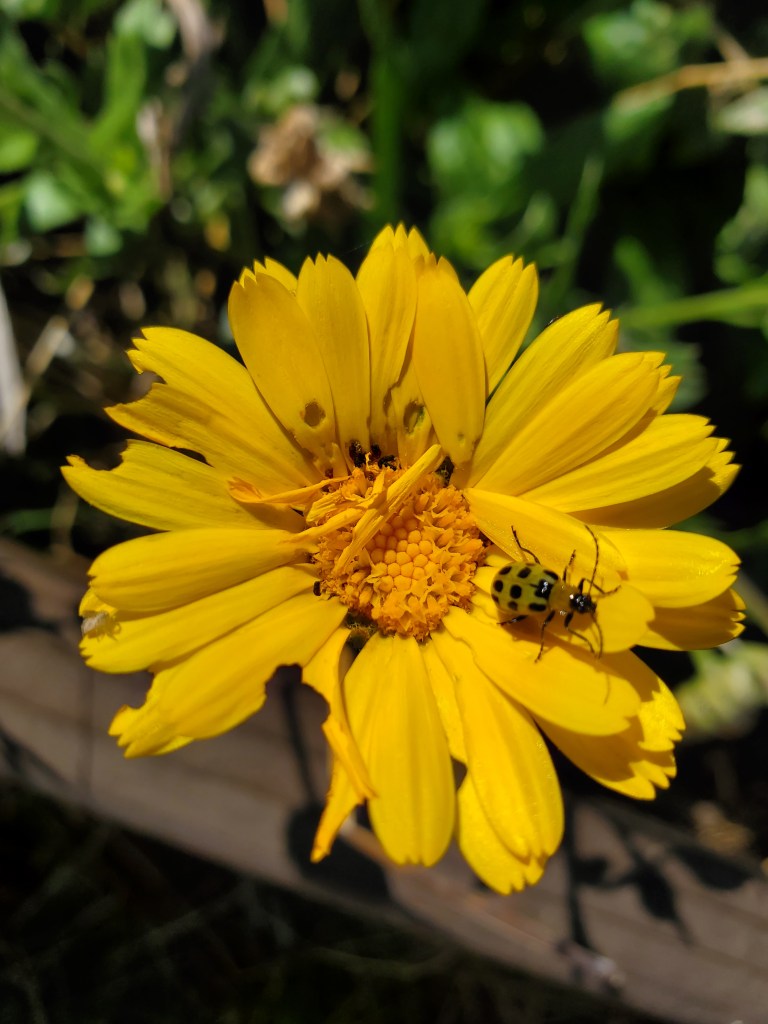
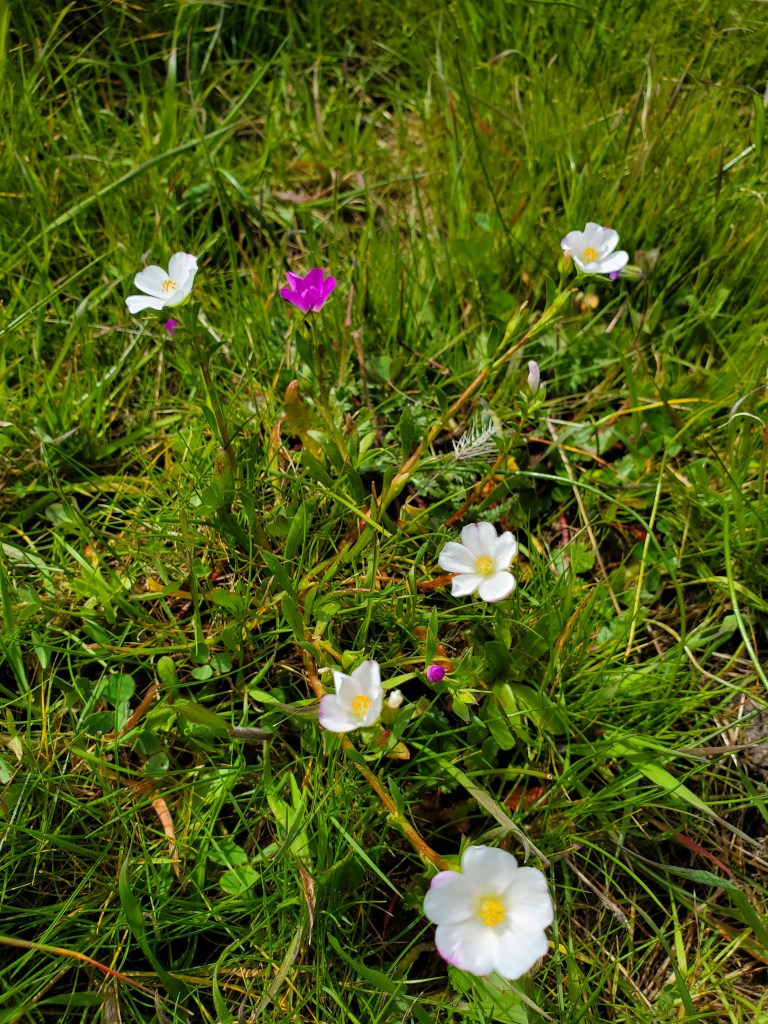
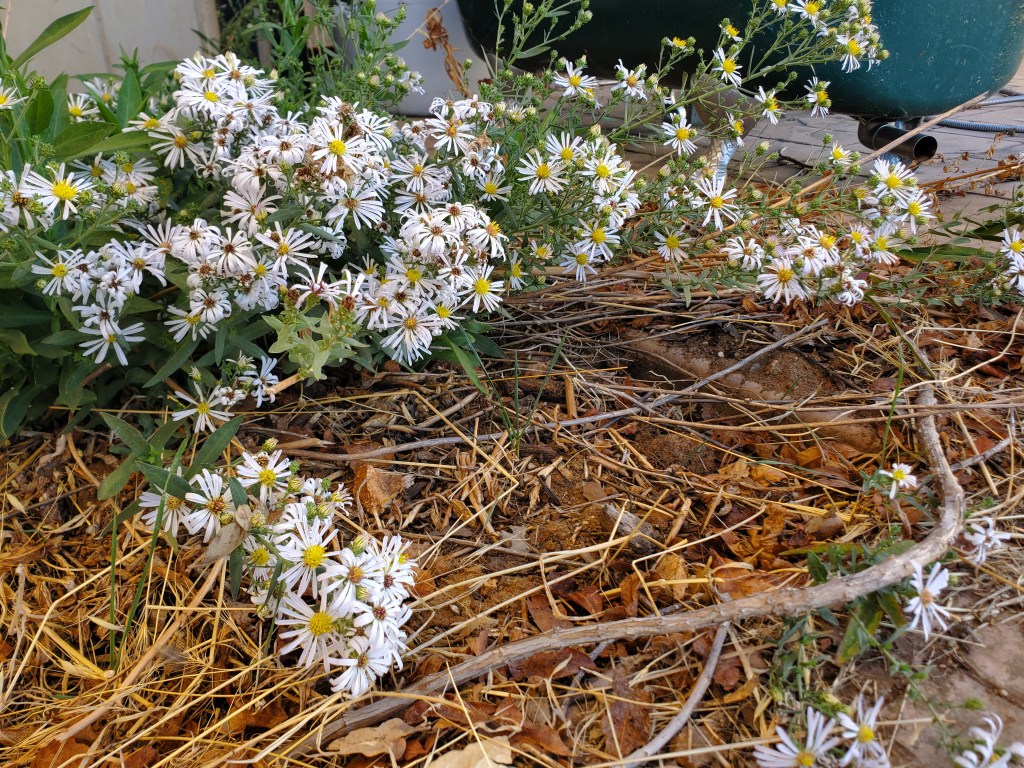
November has been a wet one. Thus far, I have measured 6.75 inches of rainfall this November. All together, with rain in October and some in September, I have measured 8.9 inches. The wetness along with several weeks of higher temperatures with sunshine has caused the grass to green up and grow like crazy. I am afraid I will need to mow soon to ensure native plants are not crowded out. We still have flowers blooming – yarrow, verbena, a few CA fuchsias and marigolds.

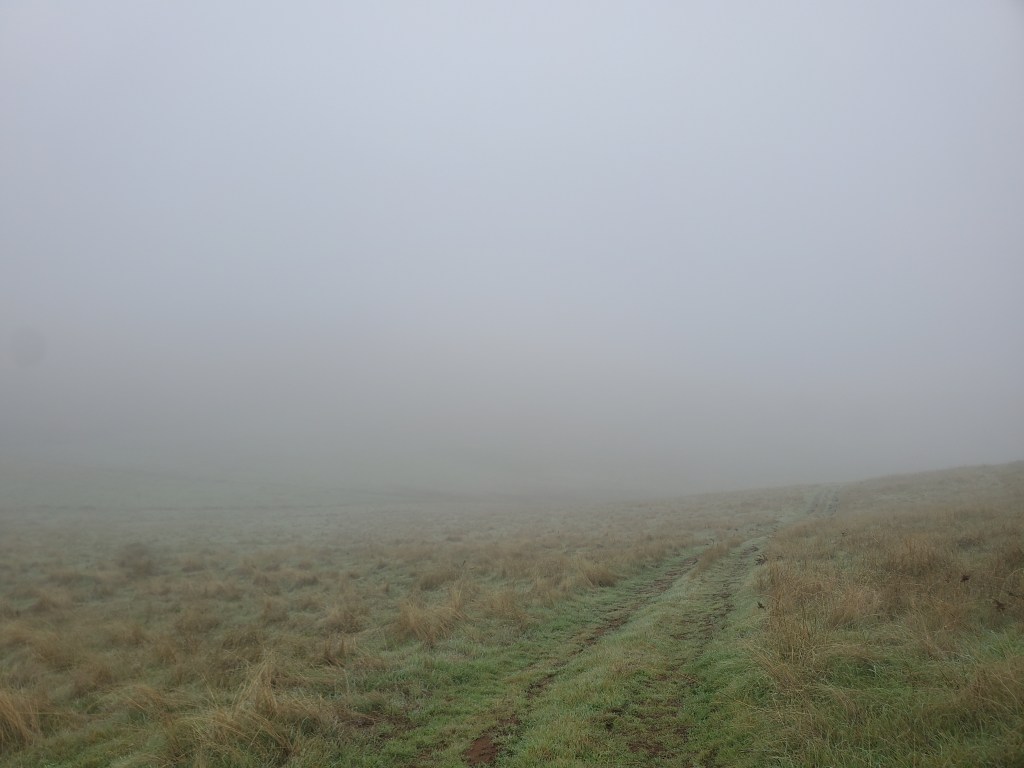
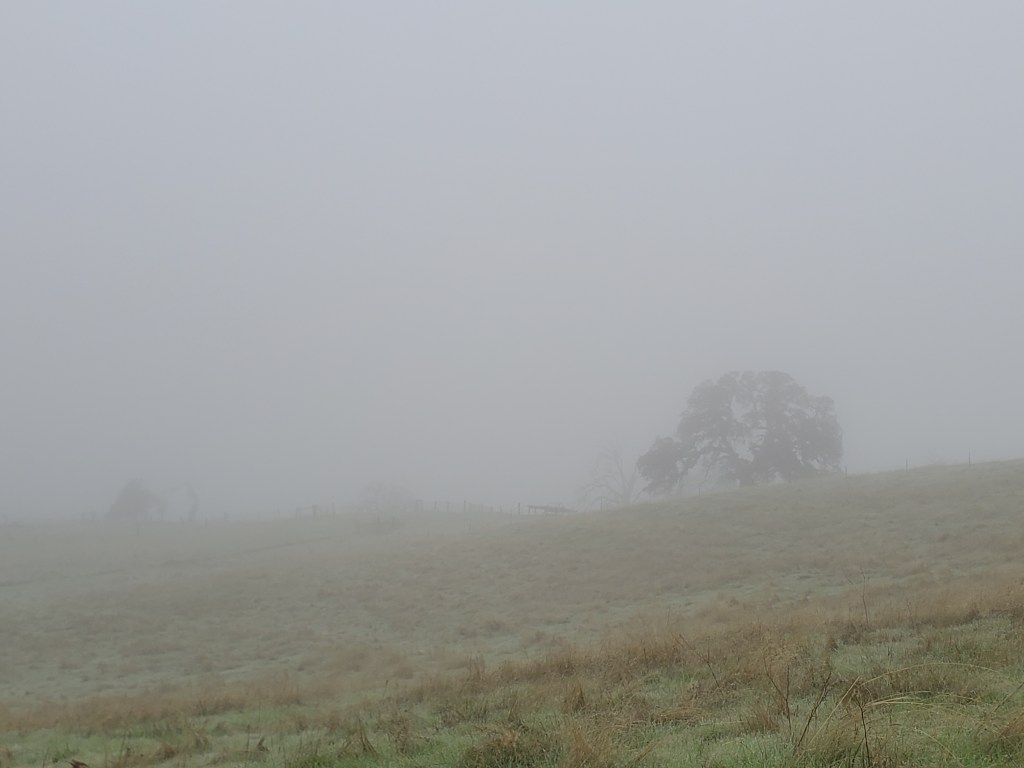
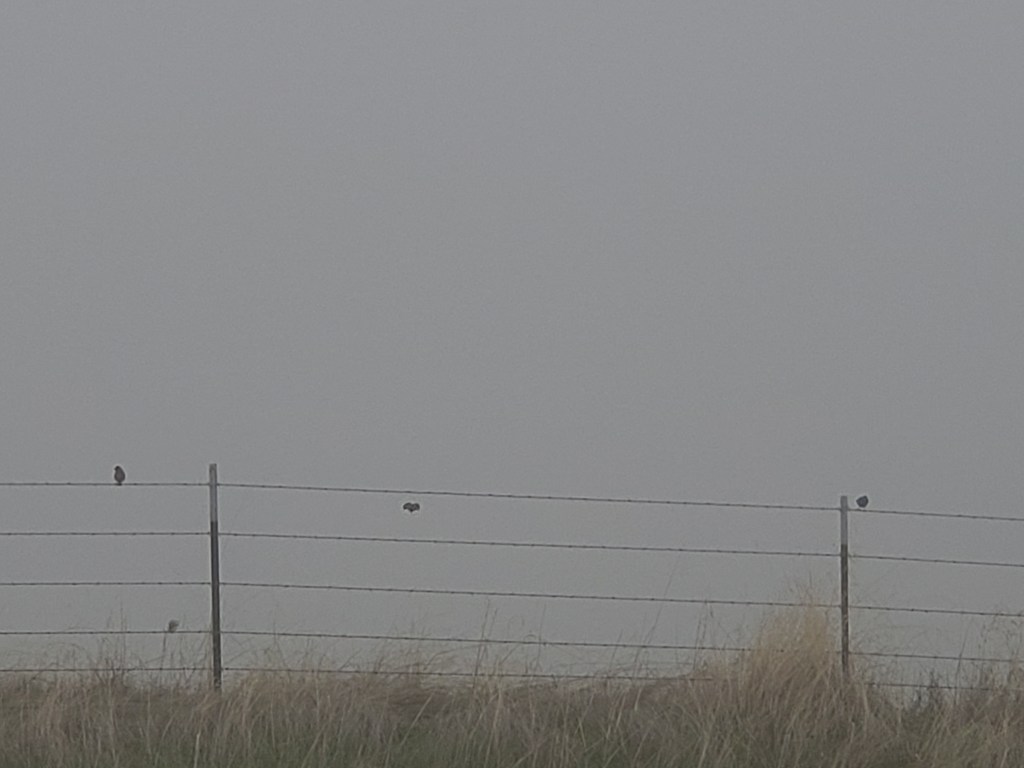
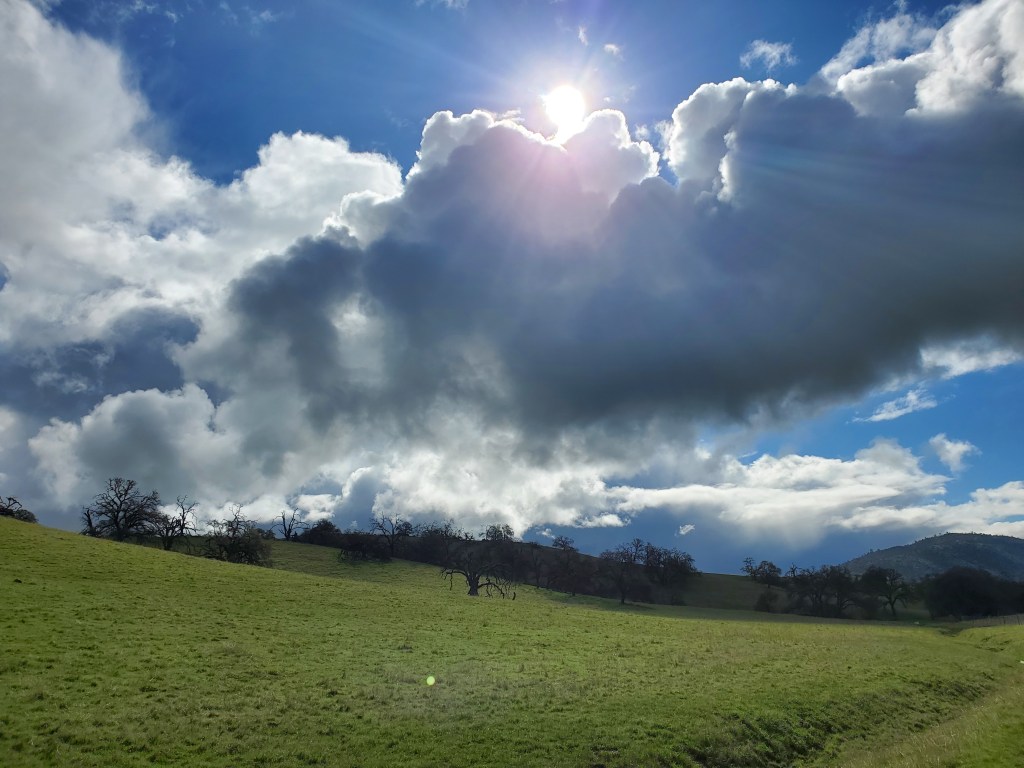
It has also been foggy recently. Typically, we are above the fog line. This layer of fog has helped keep the plants, and my garden, watered. It is beautiful and cold. As I was driving out of the driveway the other day, I disturbed a large group of birds sitting on the ground. They were blue birds. They alighted and perched on the fence across the street. They were so beautiful and in such a large group. I was taken aback.
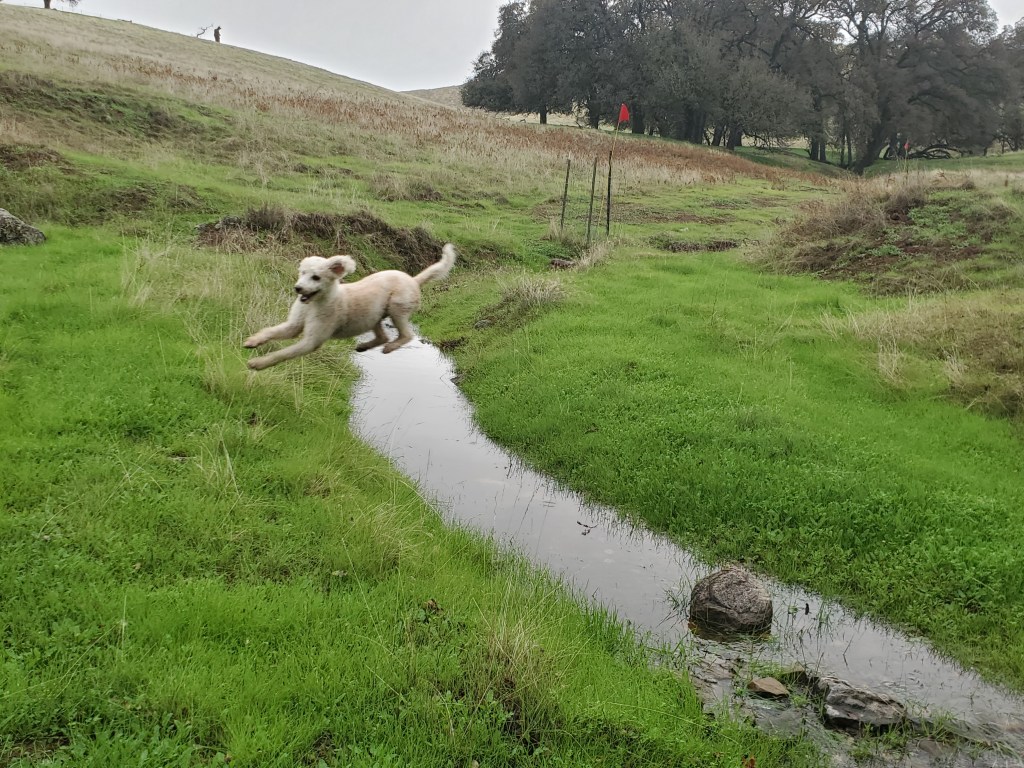
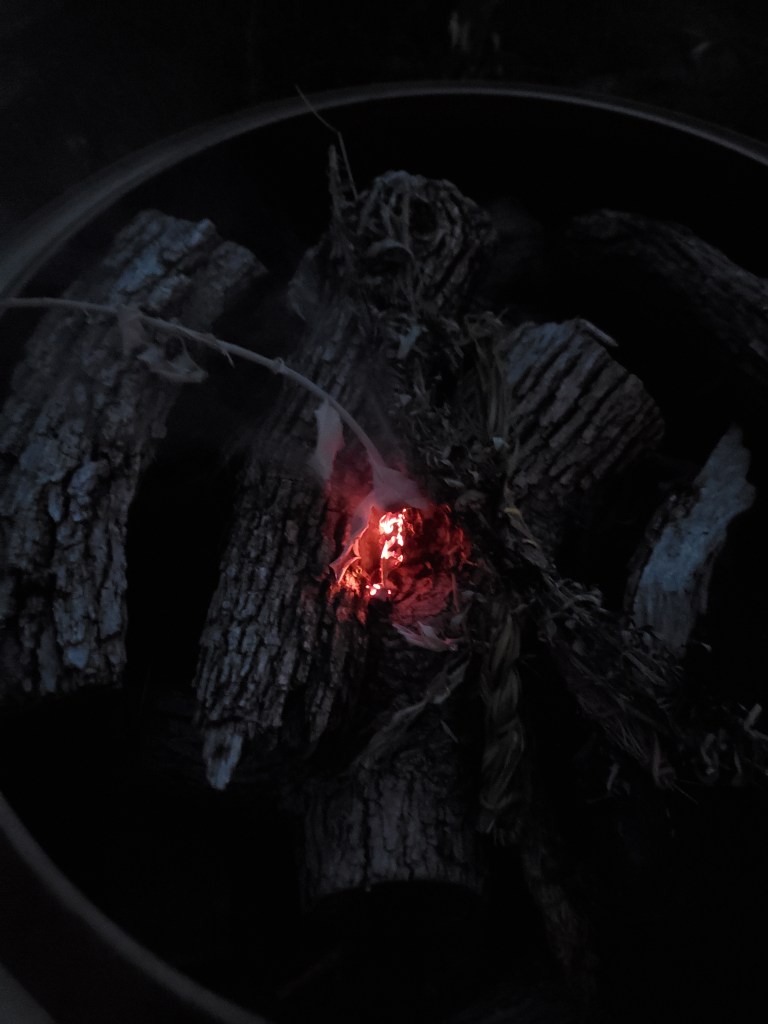
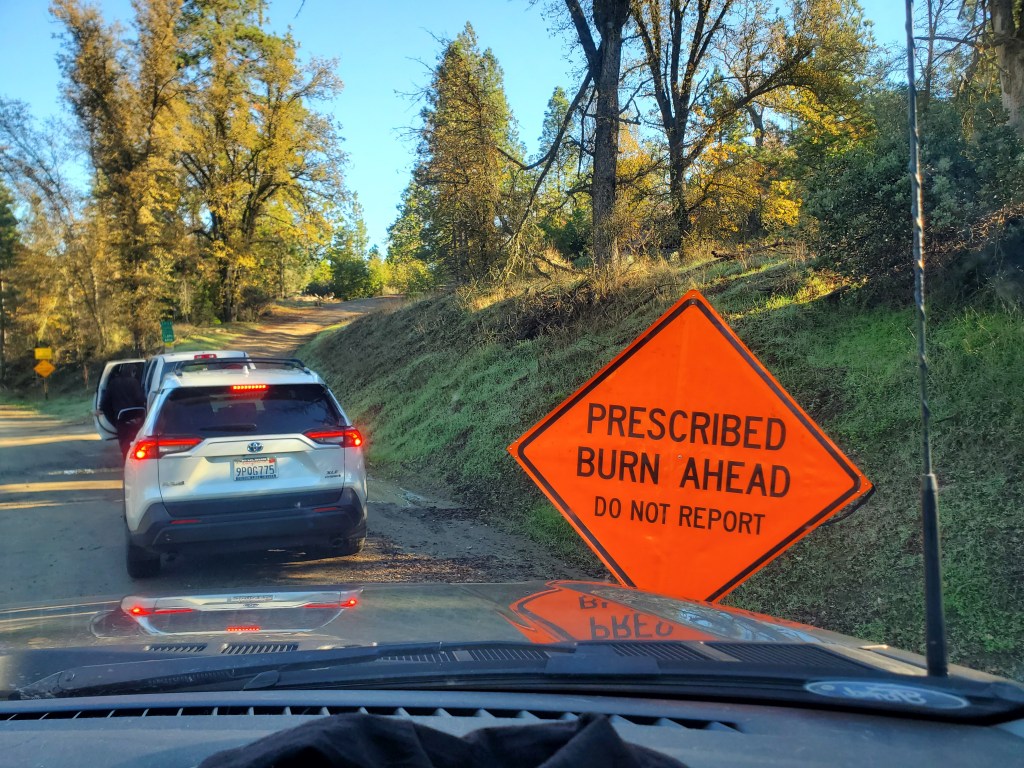
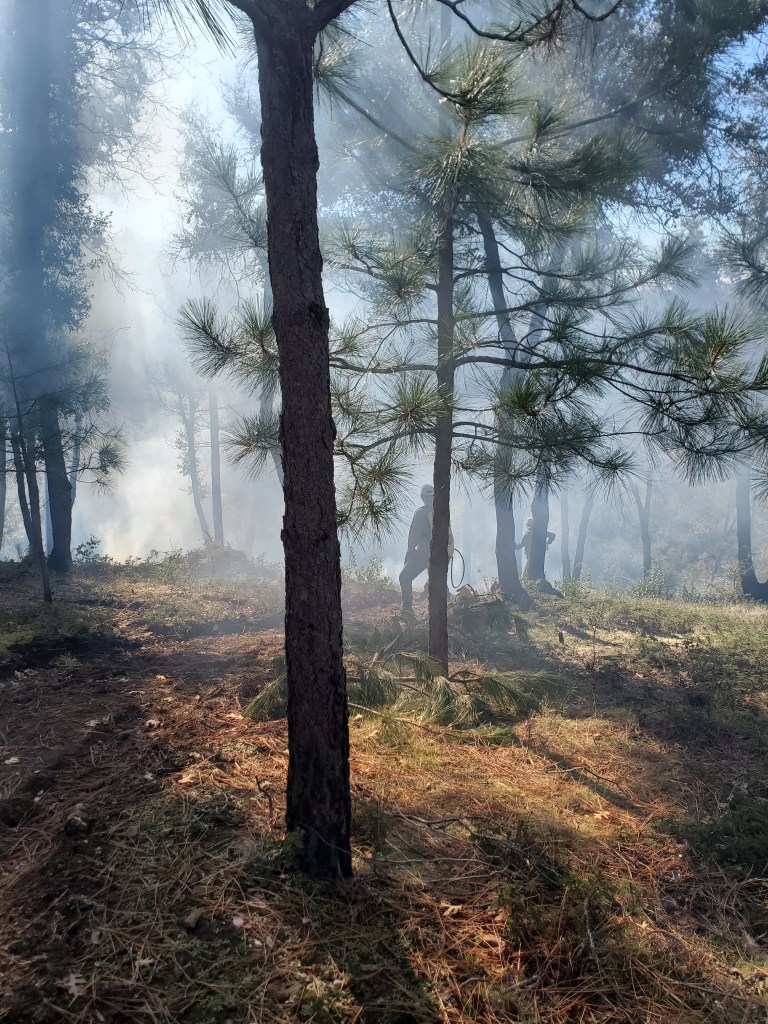
We are planning to do a burn with the local prescribed fire co-op. I am burning for the health of the soil and to help de-compete medusa head and other European grasses from the California Milkweed. We weed-eated fire breaks and had to attend another burn in order to be scheduled. I have been attending burns with the Southern Sierra Miwuk as well. There is something about cleaning up the ground, healing it that feels really good. I plan to start the fire traditionally and not use any gas torches. We will see how it goes – or even if I will be able to do it. The grass is so wet and green now.
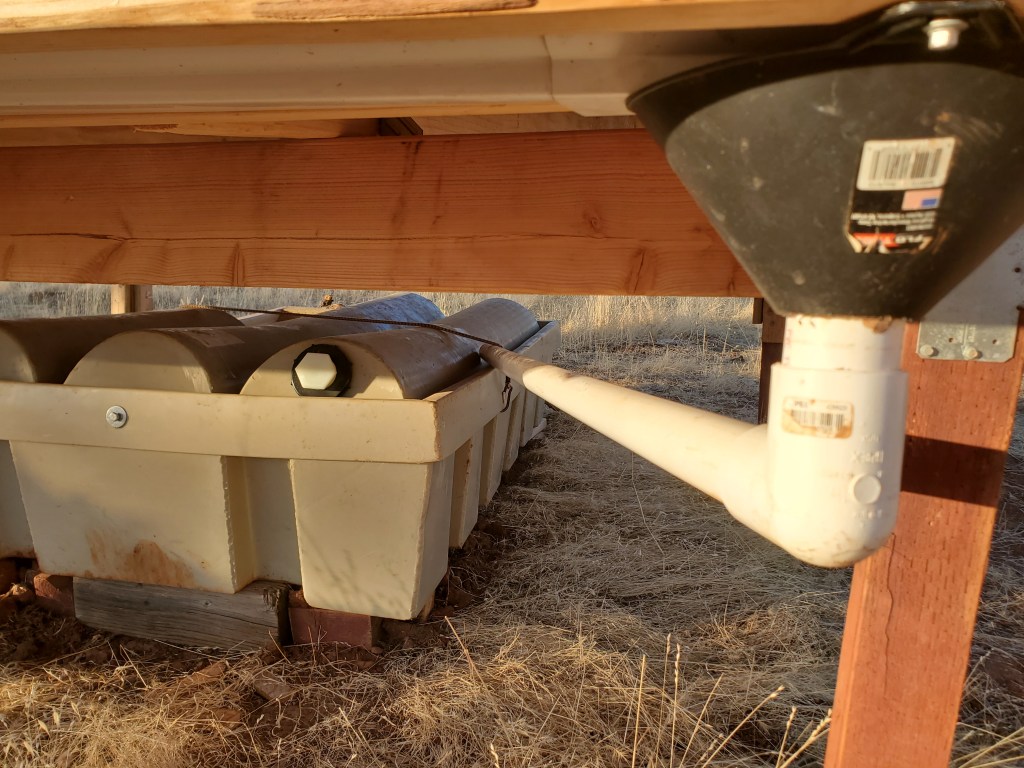
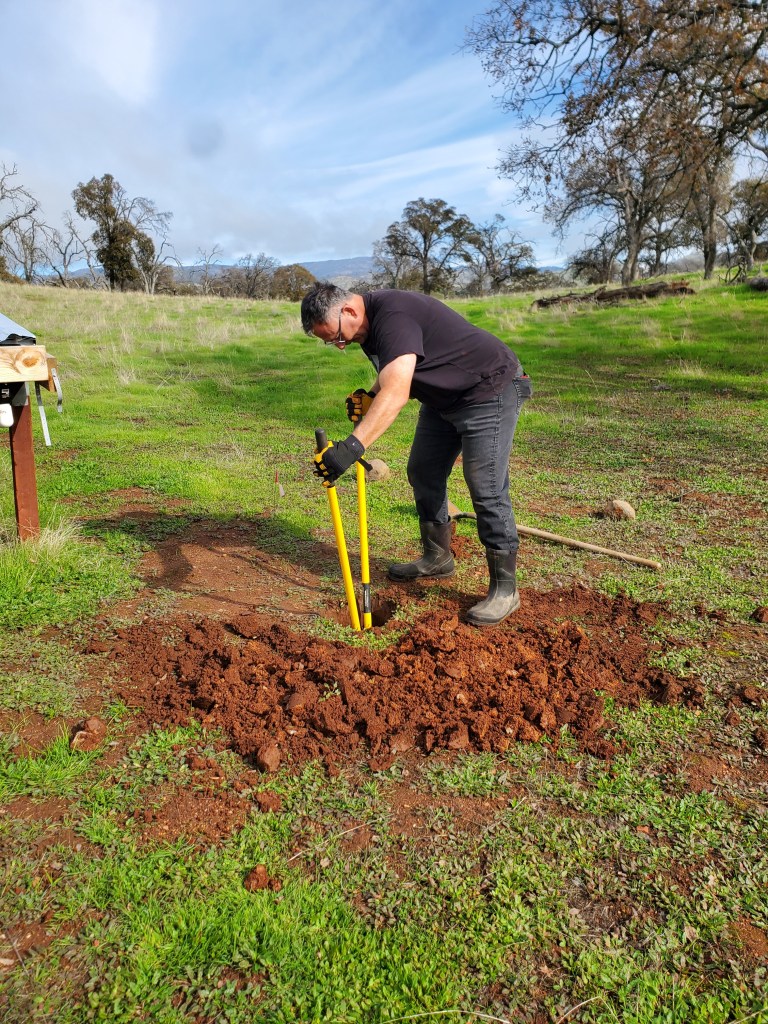
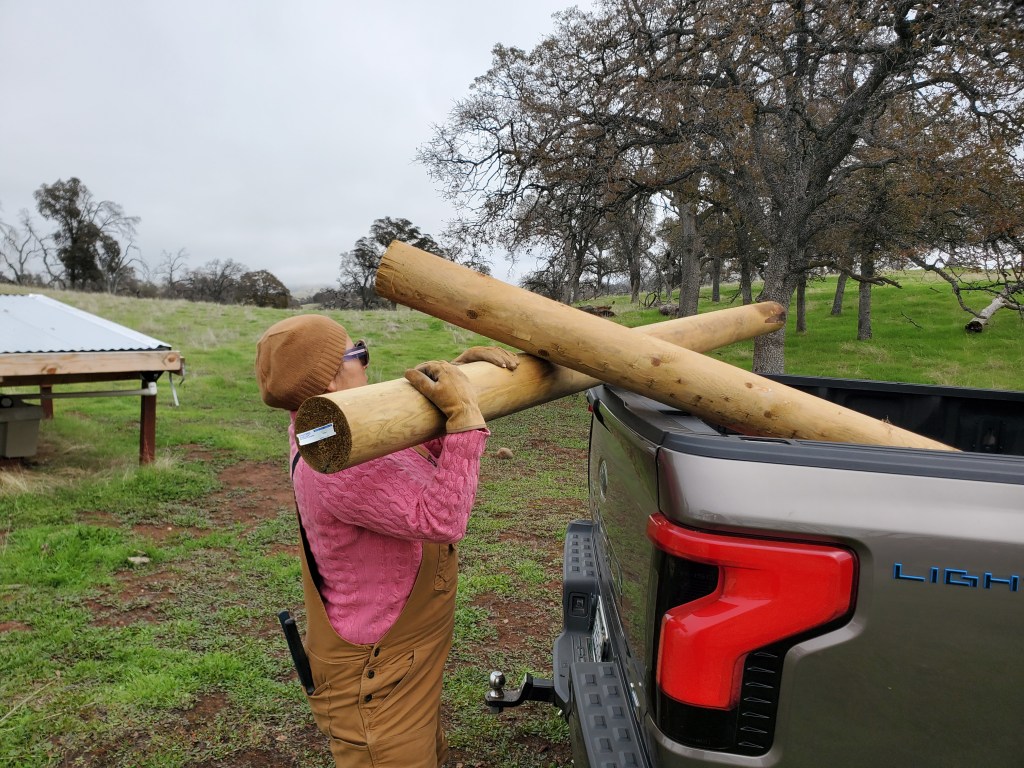
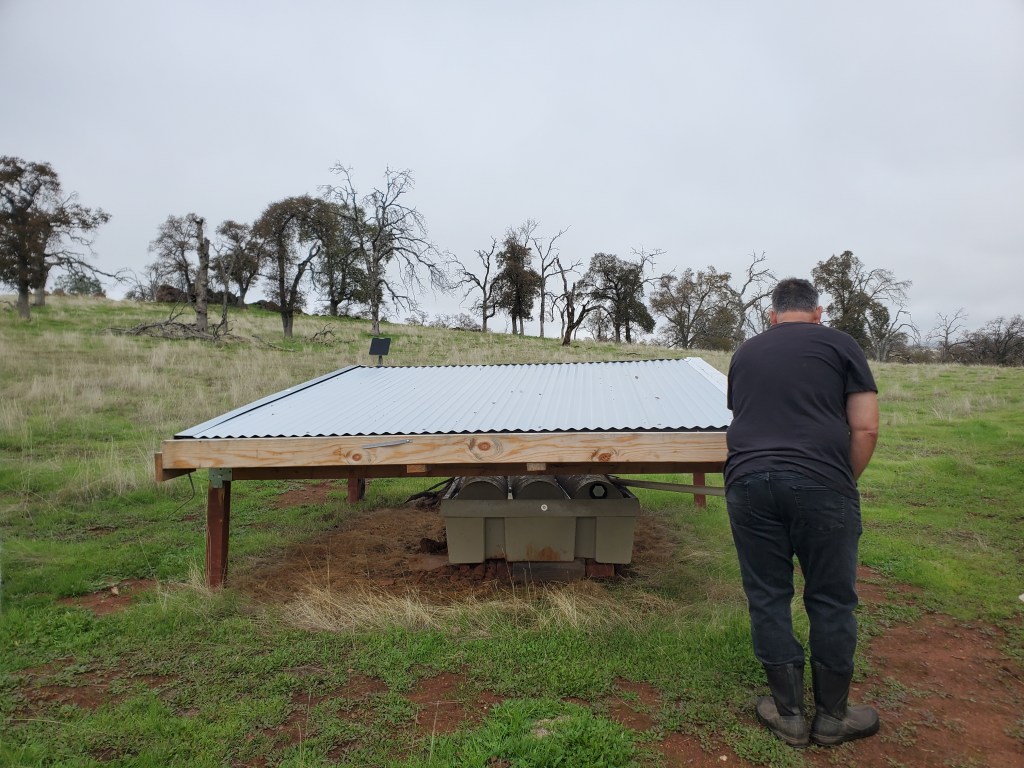
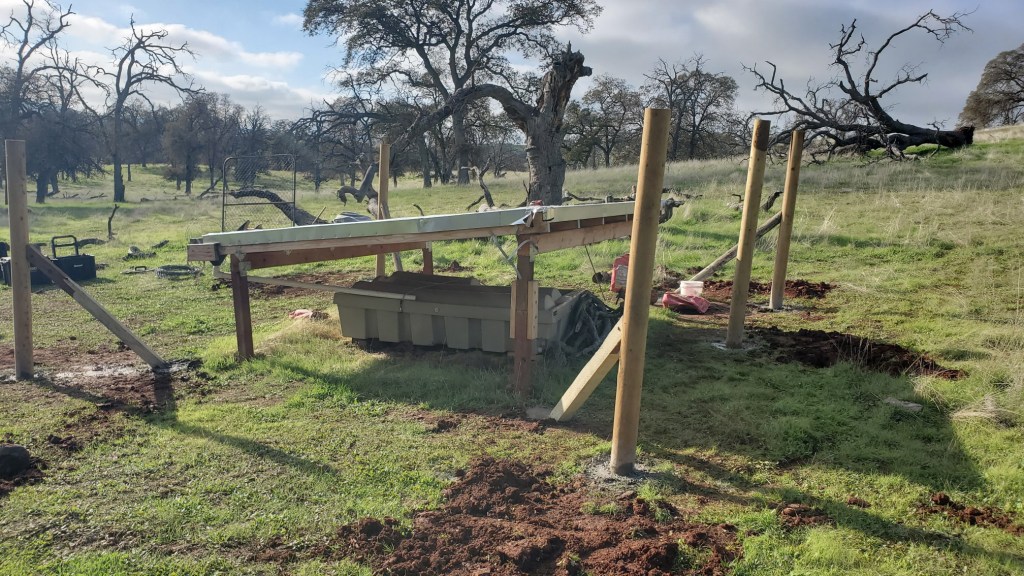
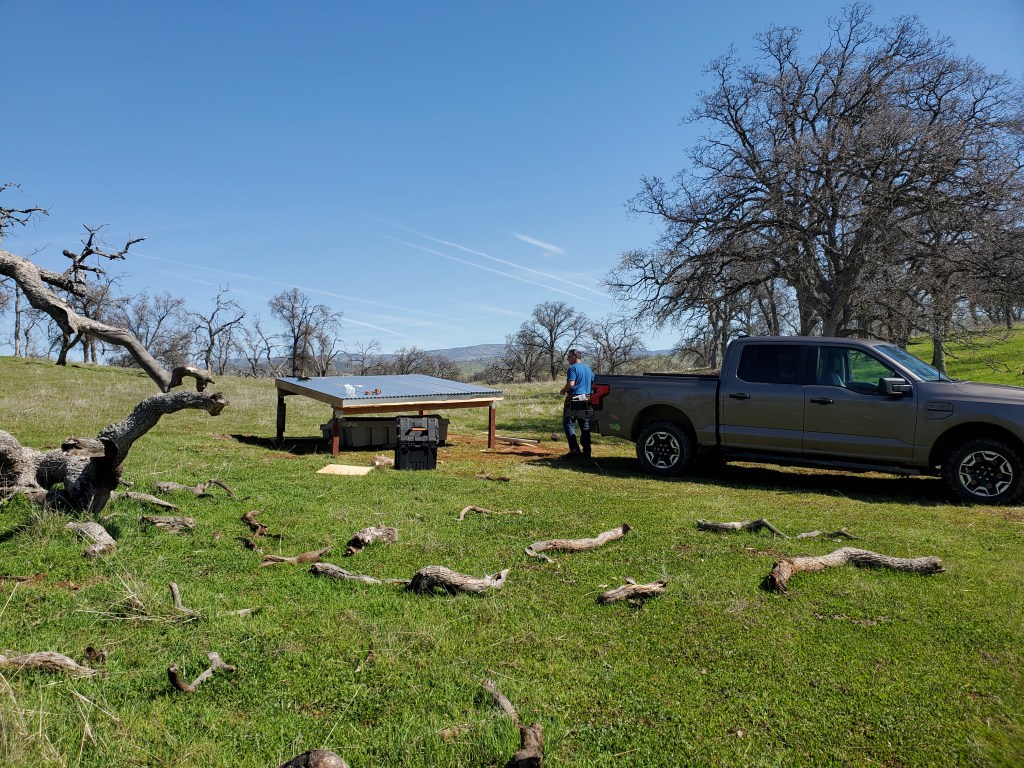
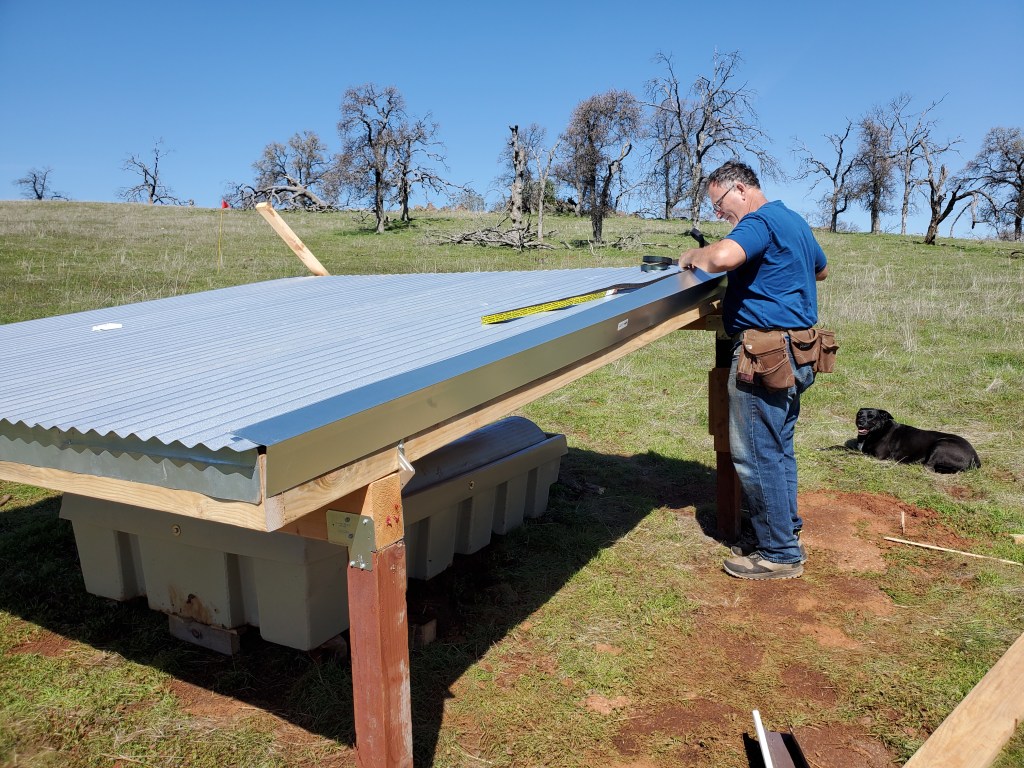
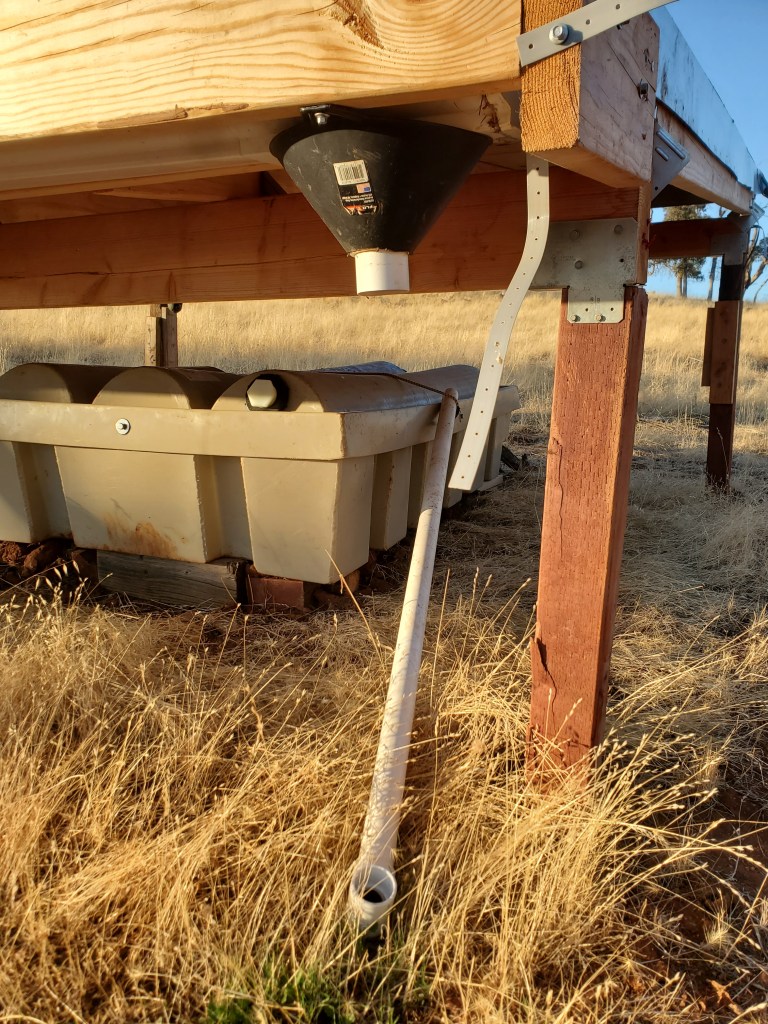
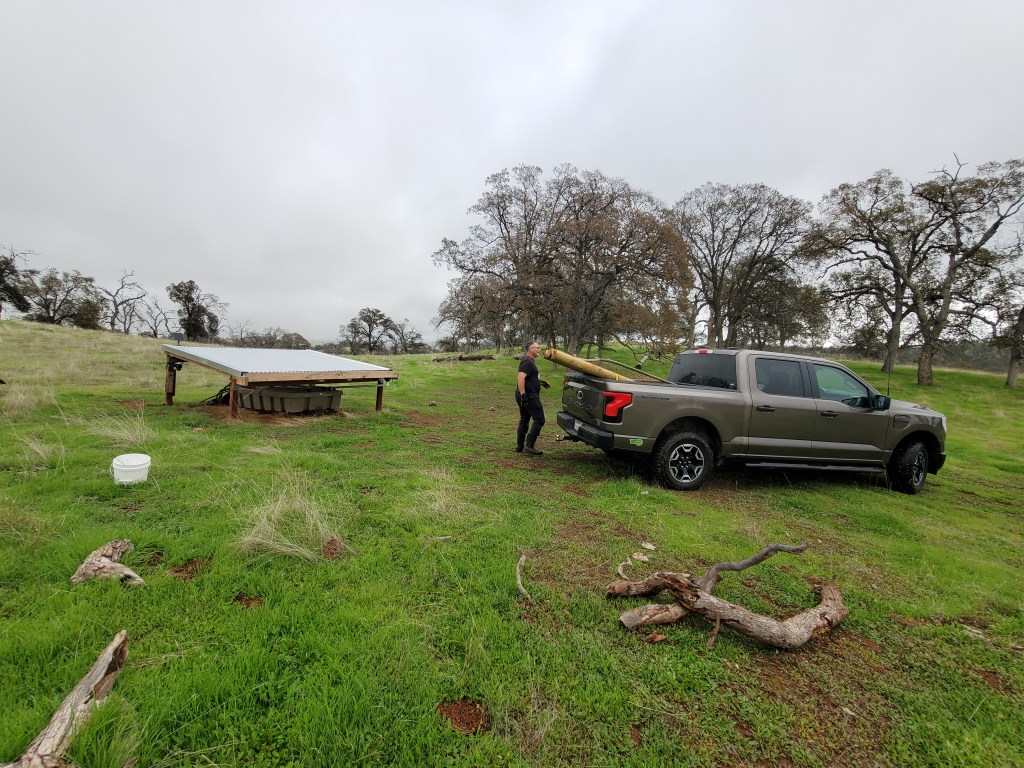
David and I have been building the protection fence around Guzzler 2 and prepping the ground and materials for the rainwater shelter over the tank that will feed the guzzler. We have gotten three bids to do the fence for us over the last few months because we have so many other projects. The first bid was outrageously expensive. The second contractor ended up in rehab (good for him!), and the third completely disappeared after sending a bid and communicating consistently. I started looking in the obits – grim I know – but I liked the kid. What is happening?

Time is running out, so David and I pivoted from other projects to focus on this one exclusively. Cows will be on the ranch in December. I had hoped to save David’s back and my neck by hiring out, but this must get done (and not for crazy money). If you are a regular reader, you may recall that I was hit by a car while biking in May. Unlike the movies where everything seems to end up perfect post an accident, in real life, everything is not ok. It remains difficult for me to work for long periods of time, my neck muscles ball up (which is very painful), my right thumb (which was broken) starts to throb and my leg, where it was tangled in the bike and still bruised, begins to sting. I share not to complain, but to ensure that the story is honest. Poor David is such a wonderful help. He digs and lifts, and lifts and digs. We have some spunk left in us for sure, but it ends up getting used faster than when we were younger.

Cows to Cocktails – a long story if you care to read it

Life in the country is a joy. Where else can you spend two hours rounding up your neighbor’s loose cows, then jump in the shower, throw on a dress and enjoy a holiday season fundraiser event? Go from manure on your boots to sparkles on your shoes?

Last week, in the cold, early morning, around 6am, I went to let the dogs out to begin their day. The light was just beginning to illuminate the trees and hills. Frosted grass twinkled in the very dim light. I had a fundraiser to go to that evening, so had to think about my plan for the day. Nothing is close in rural California. If you have to do errands, even the closest commerce location is nearly a hour round trip – so you must plan your day well to get things done in time. As I went through my day’s list in my head, opening the door, letting the dogs out, in rote, I saw a dark blob in the near field. Then, there was another.

We have not had cows on the ranch since August. It was then my cattleman decided to retire out of the cattle business. He sold everything, and at a good time. Cattle prices are almost like gold on a hoof. As a result, we’ve kept the gates to the ranch and to the small enclosure around our home open for ease of coming and going.

I rubbed my eyes, looked again. As the light grew more, saw there were more in the field. I stepped out onto my concrete patio in my pajamas and sock covered feet, shivering a little at the shock of cold, and saw two more cows next to the trucks. Ok – I was fully awake now. What the heck was going on?

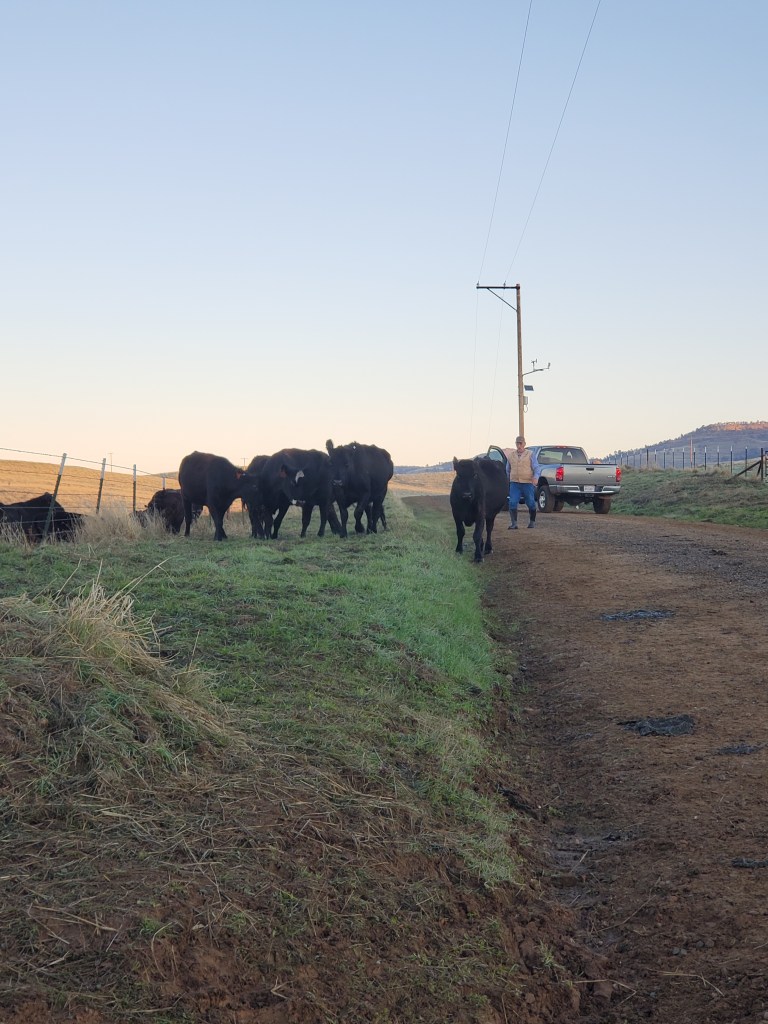
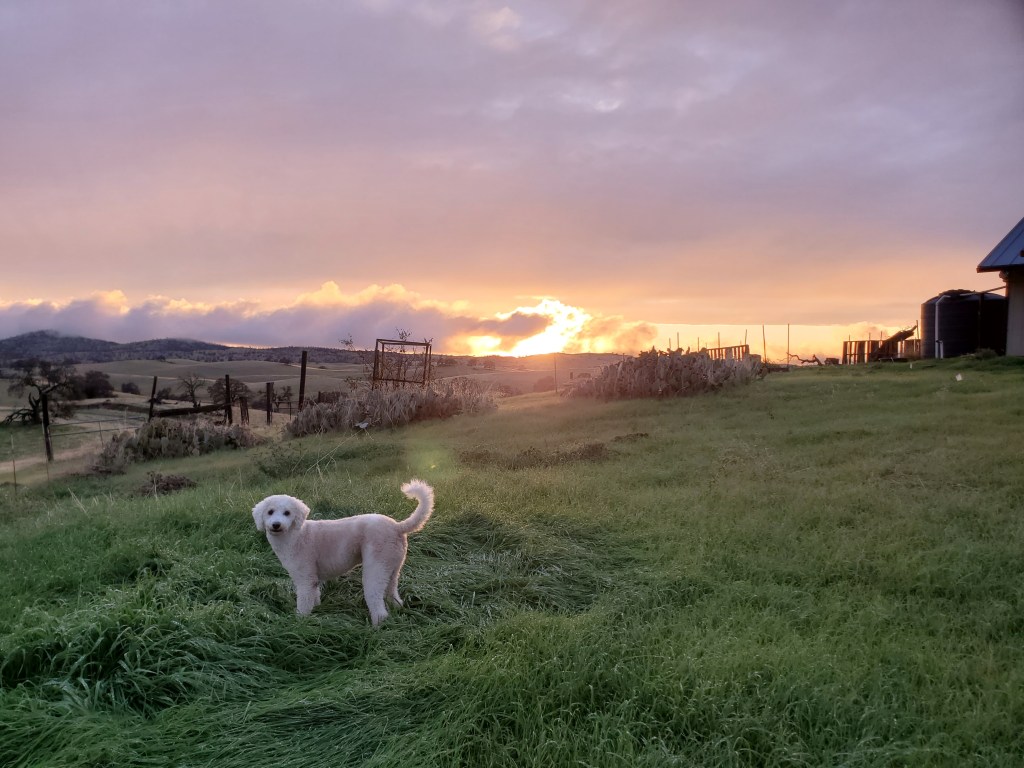
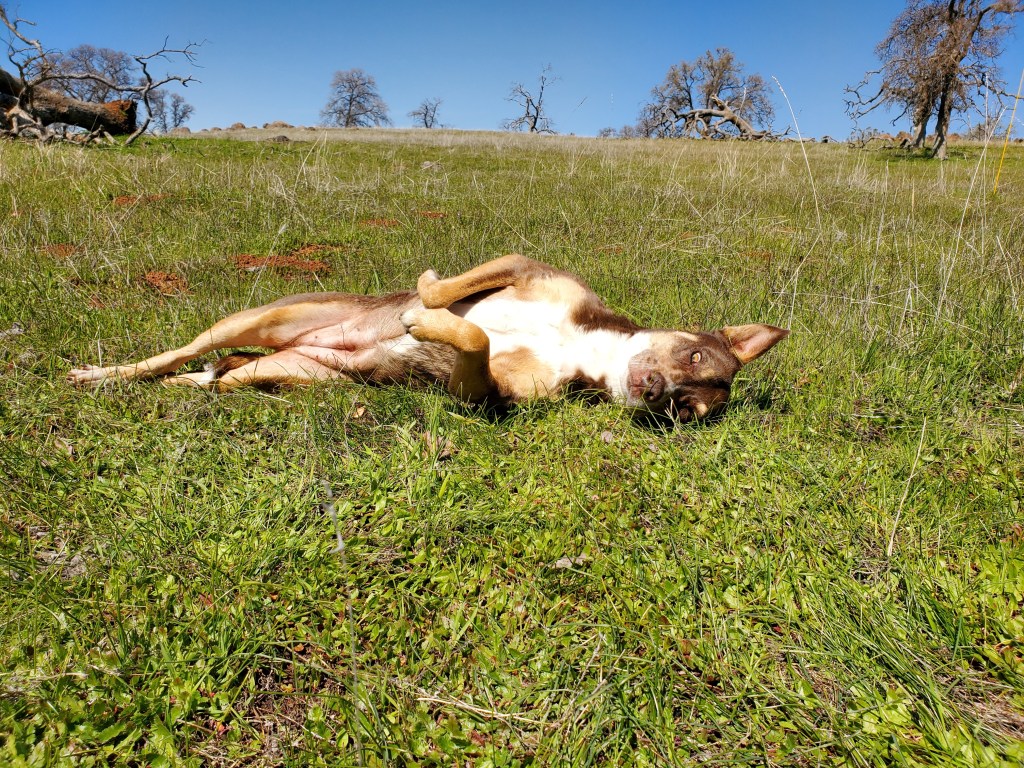
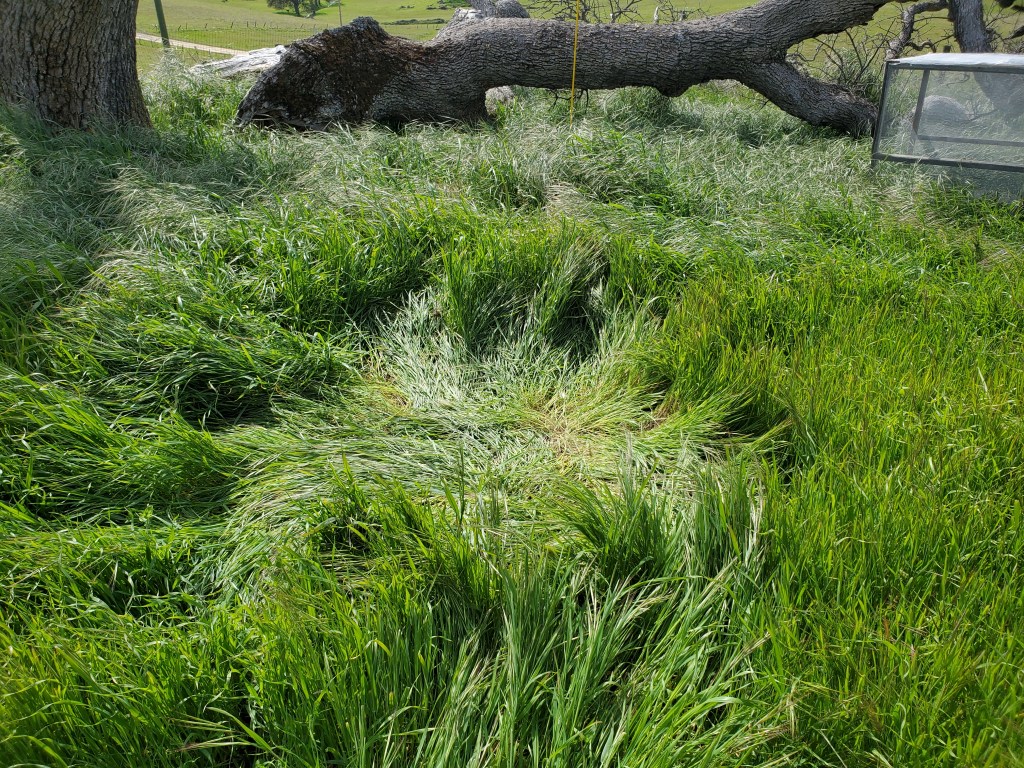
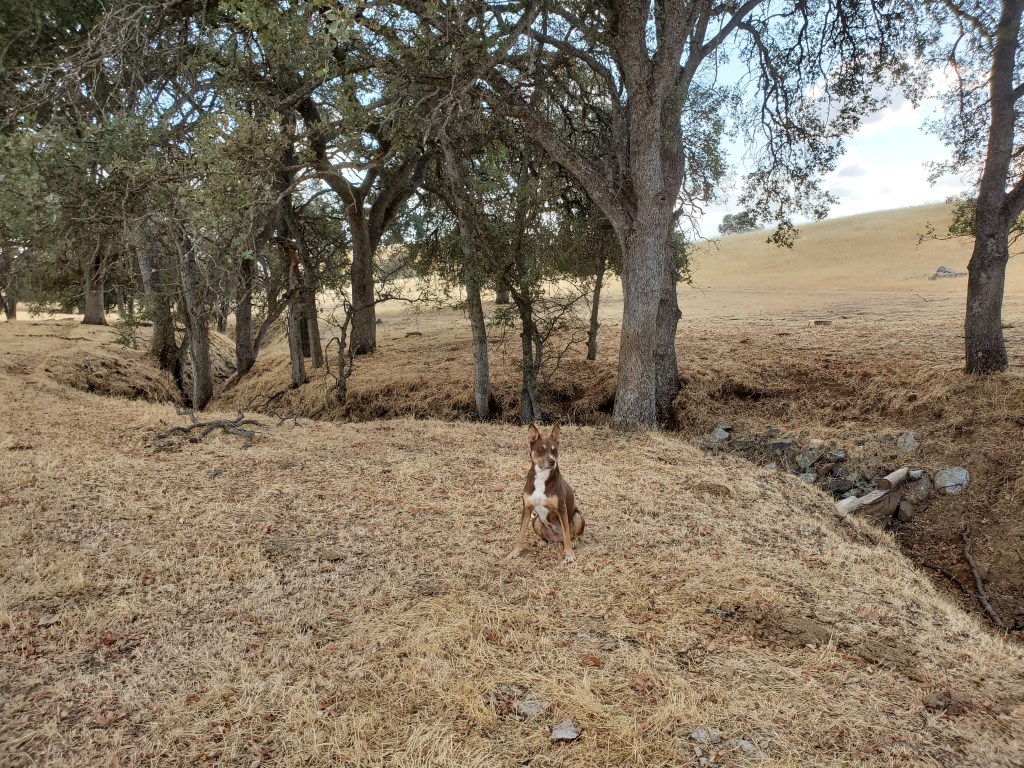
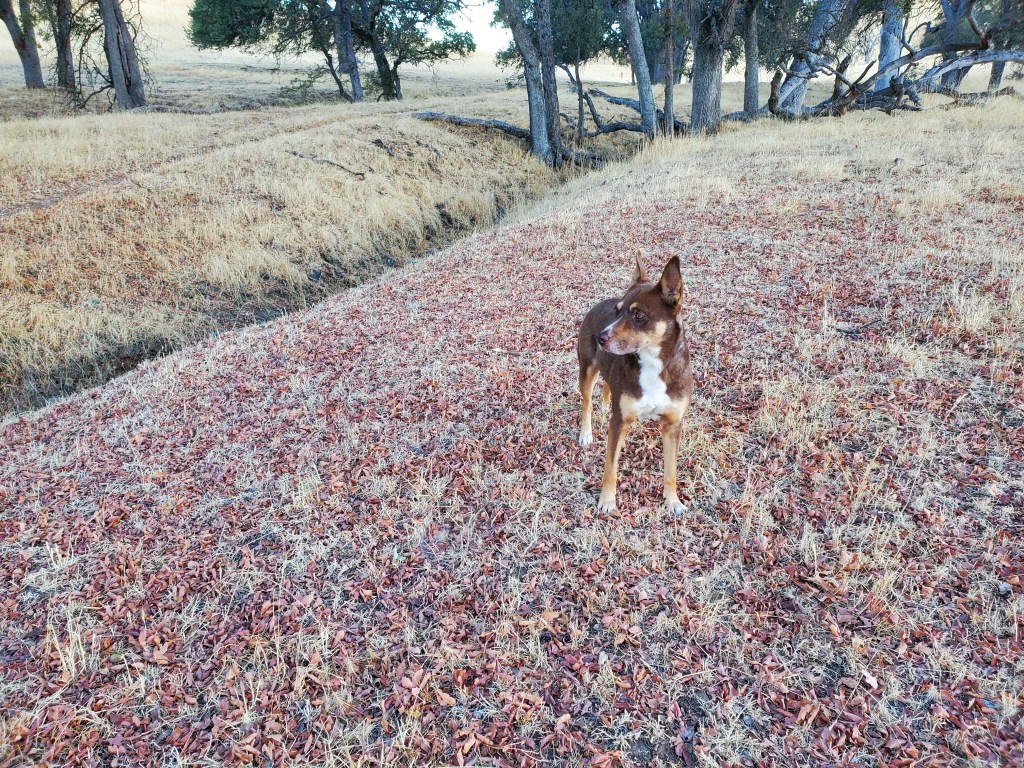
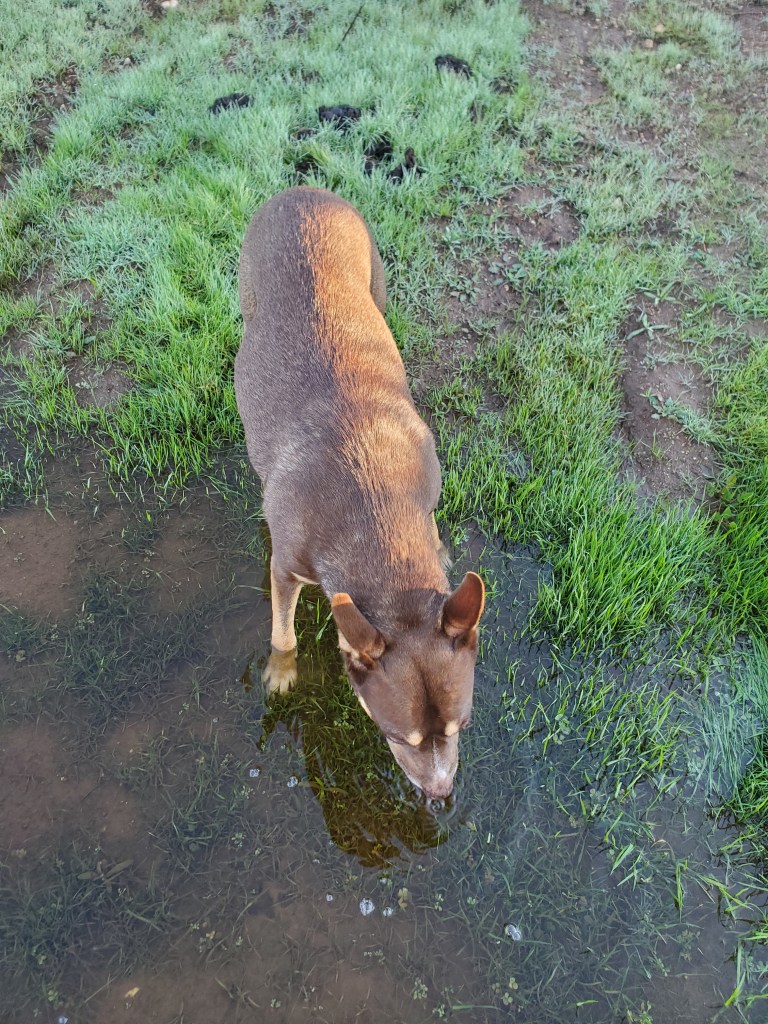
The dogs had done their business, and I hustled them in. They would be of no use to me. Millie, my nearly 12 year old kelpie, is arthritic and retired. The newer poodle, Pongito, is completely useless when it comes to cows. Better for him to be inside. I grabbed my hat, coat and jumped into my boots, in that order, and rushed outside. The neighbors had gathered the day before and left the cows overnight in a small, fenced in field. When I say small, it is about 20 acres with a small pond, on the corner of our rural intersection. There were over 100 of them. They had been mooing all night, protesting their enclosure away from wide open fields full of green grass.

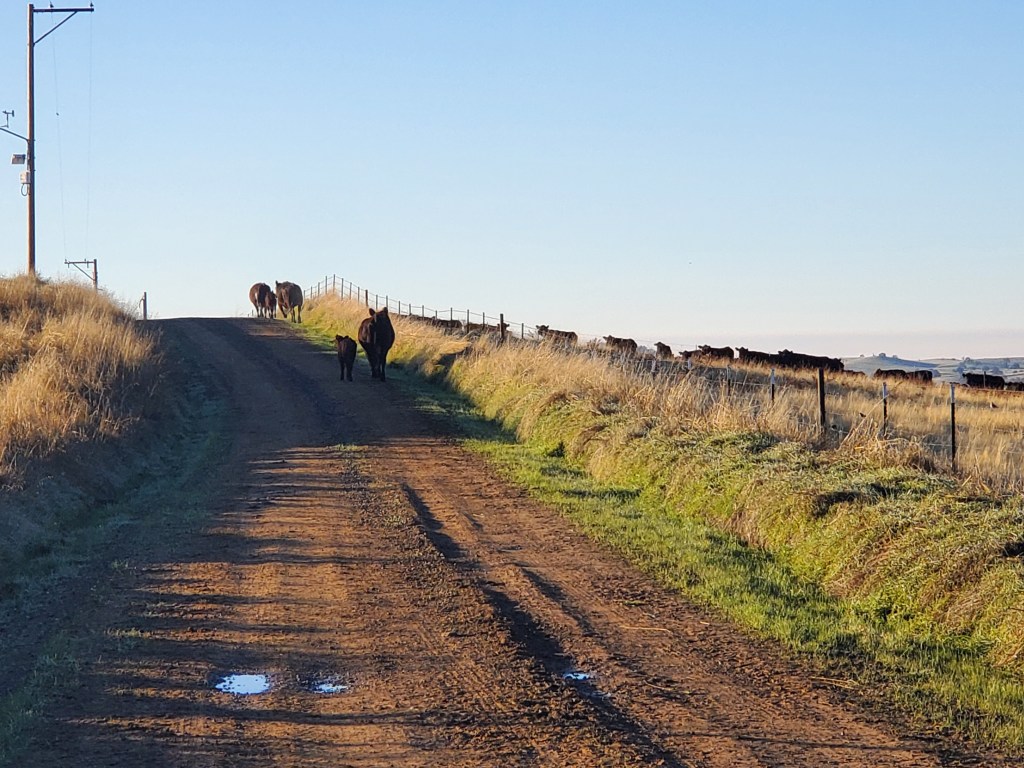
From my vantage, I can see the field clearly. My small home is on the top of a hill, and I have a fairly good view of the region. As I was well outside, moving the cows from my enclosure into the field, I could see the mass of cows had gotten loose and some had spilled into the road and into my neighbor’s ranch as well as my own. It is not how I wanted to spend my morning, but having loose cows on the road, especially so many with small calves, was a dangerous hazard for both cow, babe and motorists. Imagine driving 55 to 65 mph on a paved road, coming around a corner, and seeing a mamma and calf. Calves are not grown enough to have a sense of the road. As a unit, they move slower than just a single cow. I had to act fast.

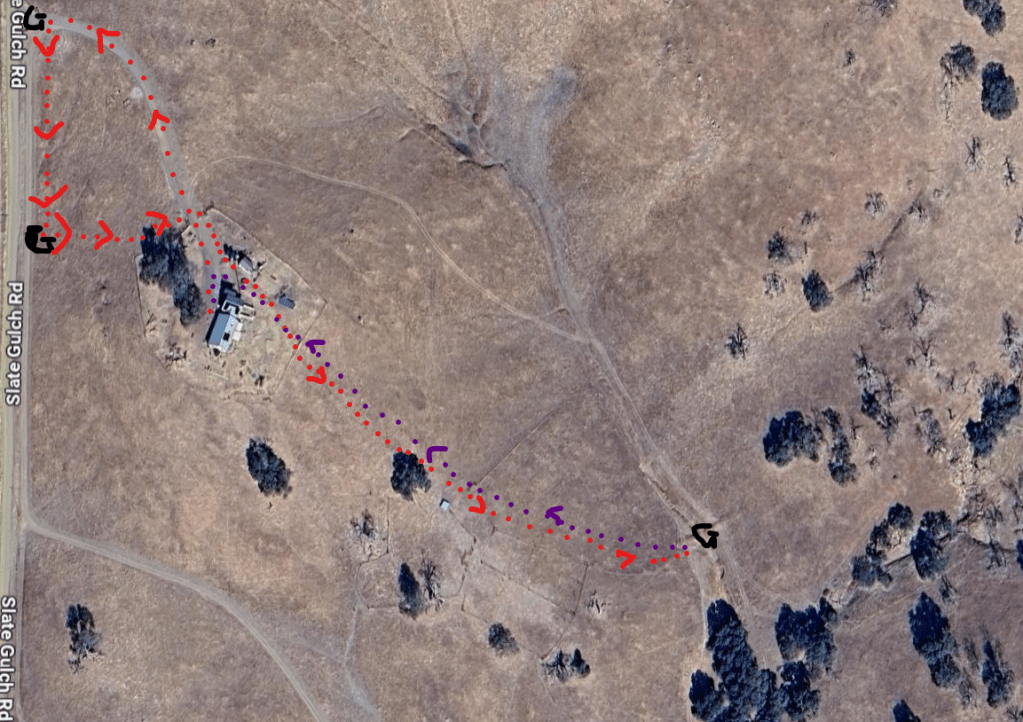
First, I got the cows out from next to my house. I was on foot, so ran to the bottom of the driveway, 1/8th a mile from the house, and closed the gate. Ok, this group would be safe from the road and could be gathered and moved later. However, I did not want them to disburse across 360 acres of ranch, so I would need to close off the far north field. The small group of 3 cows and 5 calves were walking toward the cattle road and the open gate to the rest of the ranch. I quickly headed to the gate to shut it. Remember, these cows don’t know me. I cannot just out run them. They can spook, and worse, since it is a mamma and baby already in a tense, unfamiliar situation, mamma could get upset. It is a delicate situation. You have to more feel their energy, their direction, than see it. Too fast and you can push them right through the gate. They are faster than you after all. Too slow and they will beat you to the gate. Too close and they can get upset. Too far, and you have no pressure on them. It’s delicate.

I moved quickly, not fast. I kept a wide, but forward movement. That stopped them advancing and bought me more time to gain more ground. They watched me intently from their uphill vantage, finally turning away as I made it to the gate and swung it shut. One down. Next, I had to run back up the hill toward the house. The cows had turned the opposite direction and began walking toward the drainage, Swale Pond and Spring Creek where there was another open gate. I had to cut them off, which meant going to the top and over the hill.

As I got to the top of the hill, I saw that the pack had kept close to the fence line and was headed for the open gate. Luckily, they had crossed the drainage, swinging them wide, buying me more time. The green grass too was tempting -slowing them down as they would grab a mouthful and continue to move. Please remember, I am not the most fit person. I’m chubby, filled with too great a love of peanut butter. Moving my mass is not an insignificant task. I fast walk in a trudge more than alight. By now, although 49 degrees F, I am sweating in my pajamas, boots muddy and wet.

Seeing them still headed straight for the gate, I let out a yip so they could see me, and know I was there coming toward them. They stopped to look. I had the advantage now. I was higher than them, and “trudging” as quickly as possible down the hill. They about turned and headed north up another hill away from the gate. That was great. I got to there, closed it, turned around and headed back up hill to deal with the rest of the cows on the road.
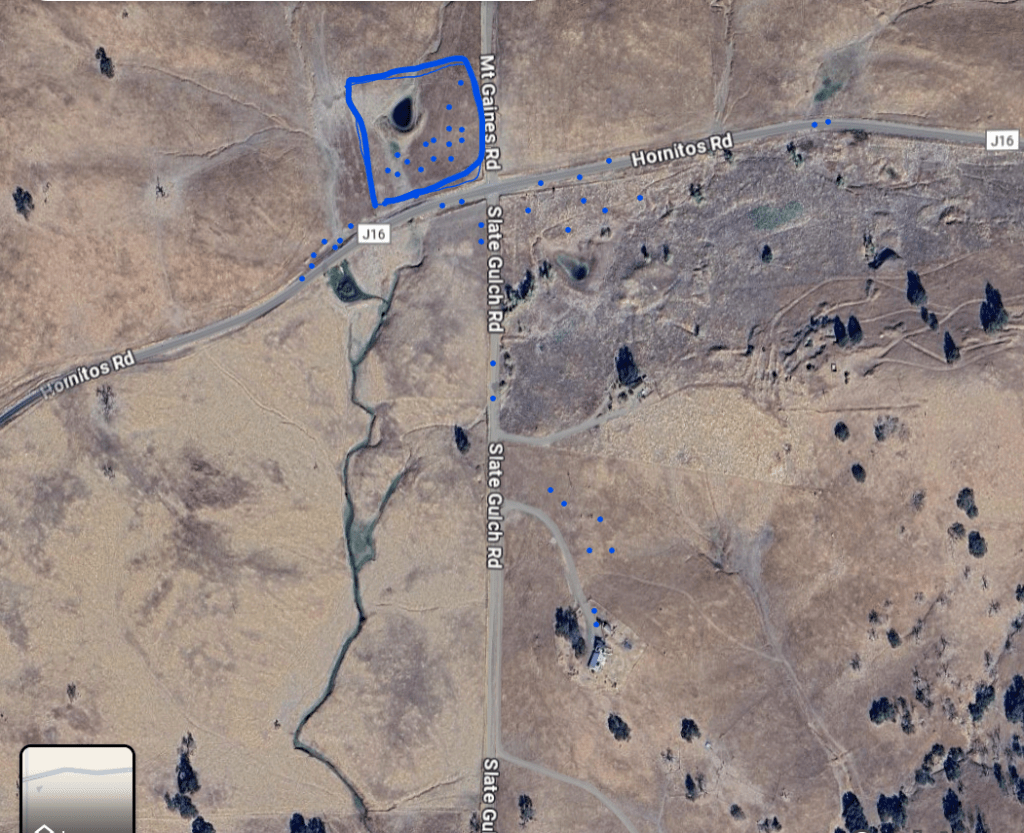
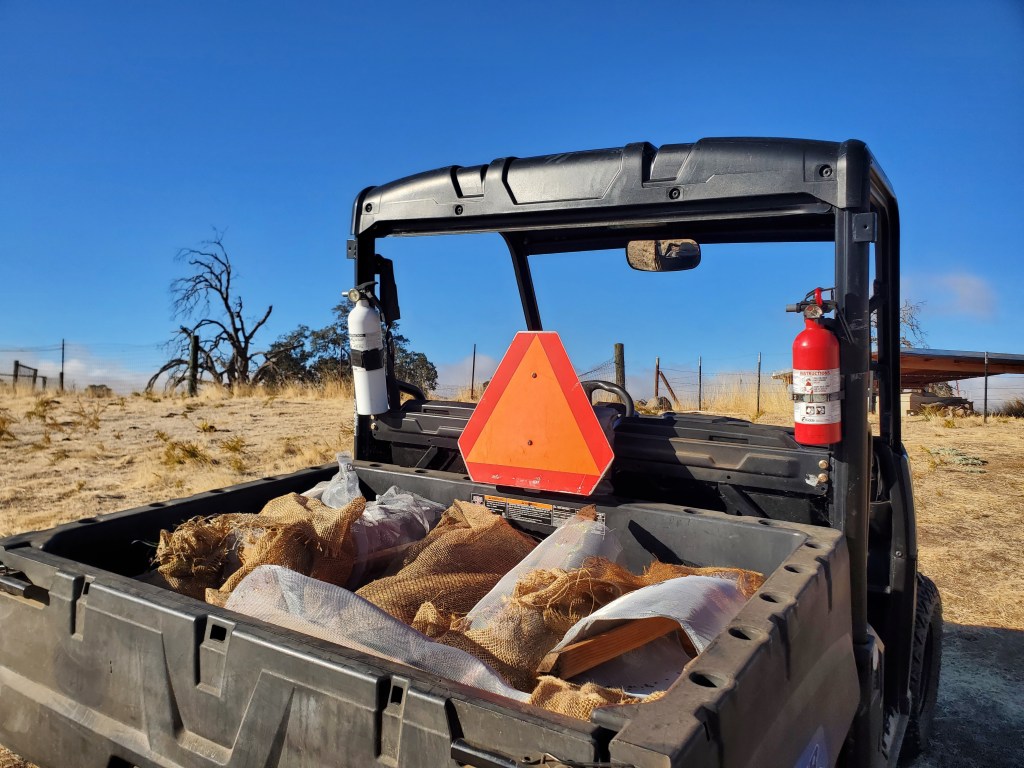
Once back at the top of the hill, I jumped into the polaris and headed toward the main road. I saw a bunch to the left on Hornitos Road, so turned left, and sped by them. I made a “u” turn and slowly walked them back to the dirt road of Mt Gaines. As I approached the intersection, I parked the polaris, jumped out and went out wide to convince them to turn up the dirt road rather than stay on Hornitos Road. As I was walking back towards them, an old friend Joel drove by. He saw the mess and pulled over to help. Joel is our retired Under Sheriff and husband of our retired (and excellent) county supervisor, Janet. They are also cattle people. He and his brother in law (BIL) Timmy were on their way to help another neighbor work their cattle that morning. Timmy was well behind him, so Joel called to let him know what was going on. Joel went up the dirt road and brought them back down where I had opened the gate to the smaller field where all the others were gathered. It is a trick to keep the cows in while the gate is open. Together we managed it, and got most off the road. Joel went on, and I waited for Timmy, who had called to let us know that there were more down the road.
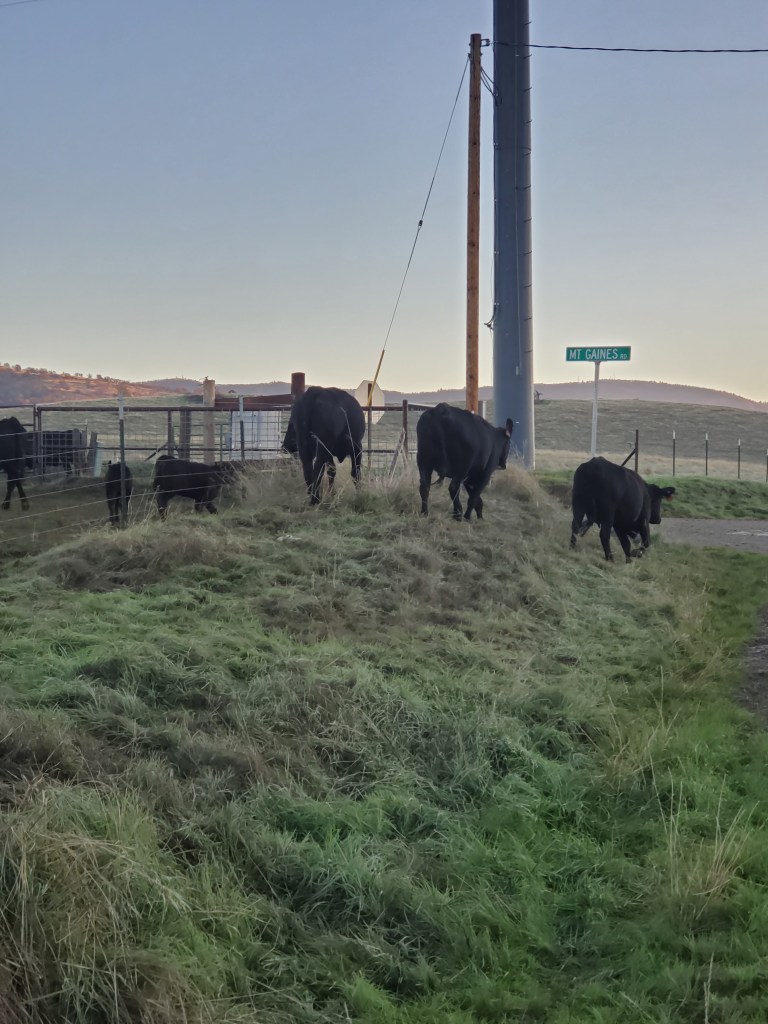
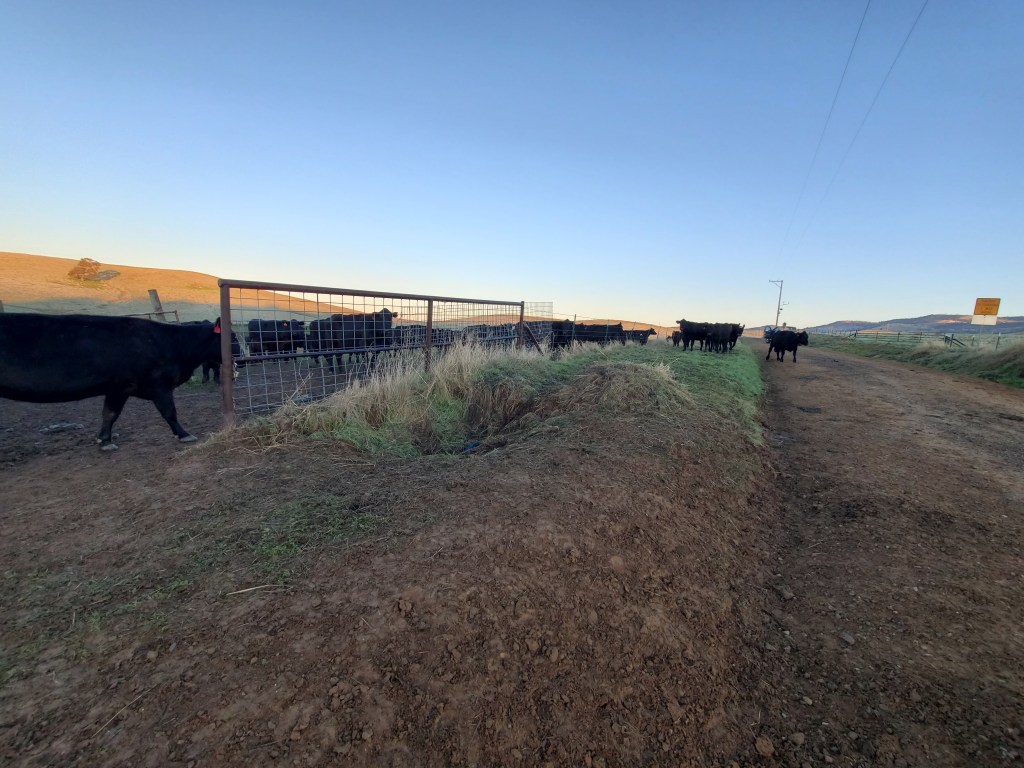
I finally saw Timmy cresting the hill, slowly driving the cow and calf he found toward the pasture. He got them onto the dirt road, pulled over, and after some discussion, decided he would gather the 5 or 6 that were on my neighbors ranch. She bought her place recently, and the prior owner really let it fall apart. As a result, the fences were wrecked, which enabled the cows to get onto it. Knowing that the cows would likely get back onto the road to go back to the gathering pasture where they likely left their calves, Timmy pulled his horse out of his trailer, and rode onto the ranch to gather the cows. I hid out of site and he was able to bring them out and onto the dirt road. They moved up the dirt road. Timmy said he would stay and open the gate if I could go up the road and move them back. I took the polaris up the road, and brought them back, pushed them into the open gate. Timmy shut it, and we were finally done.

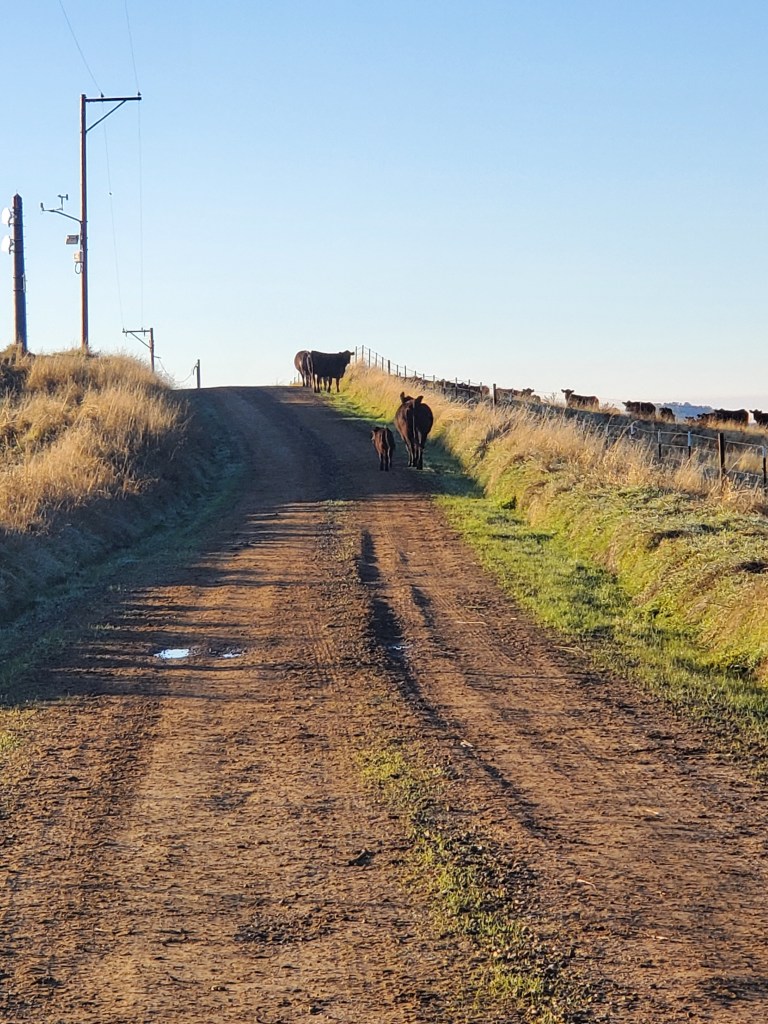
Later, the neighbors who owned the cattle came to assess the situation and gather the last of the cows off my piece and herd them onto theirs. Evidently, a gate was left open. They don’t know how. They said it had been locked. At least they were off the road, and everyone – cow, calf, human – was safe.

I went home, ate breakfast, did chores and then got ready for the event. Never a dull moment here!

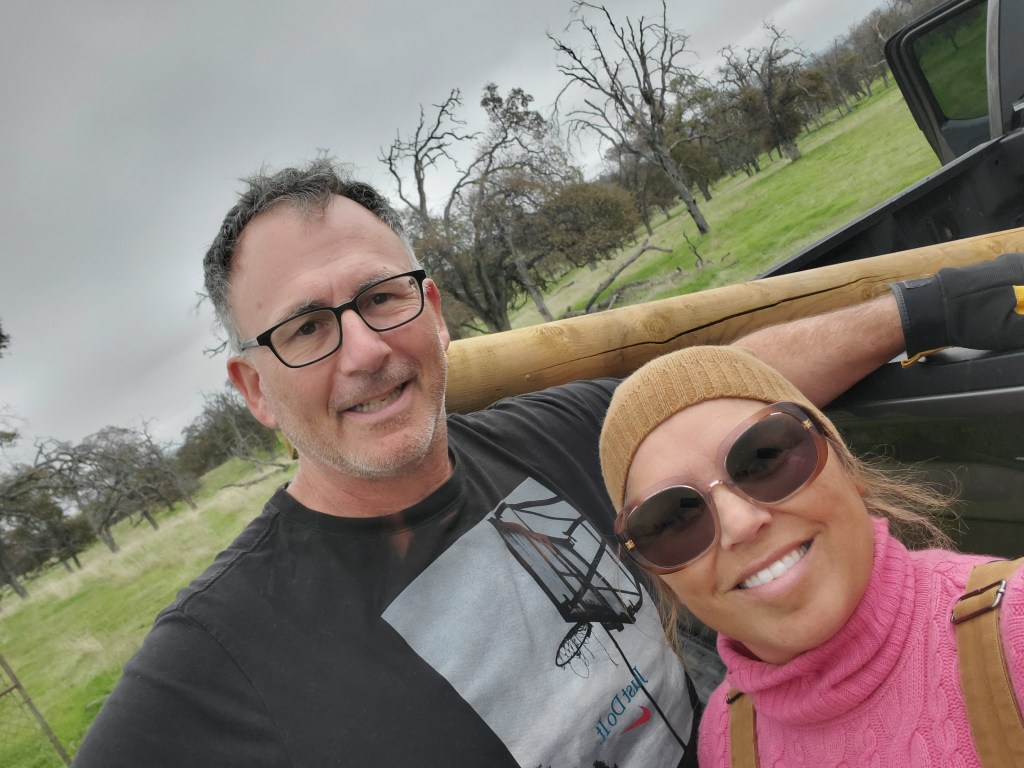
My love and I – a photo from the fundraising event. We clean up quick and decent!

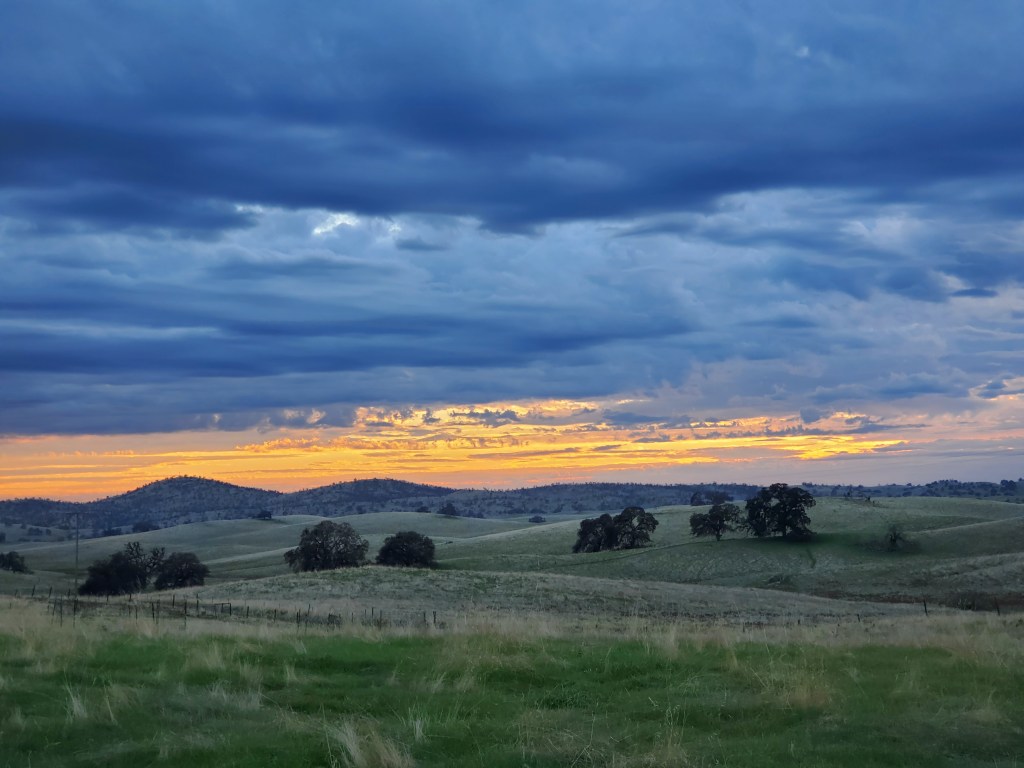
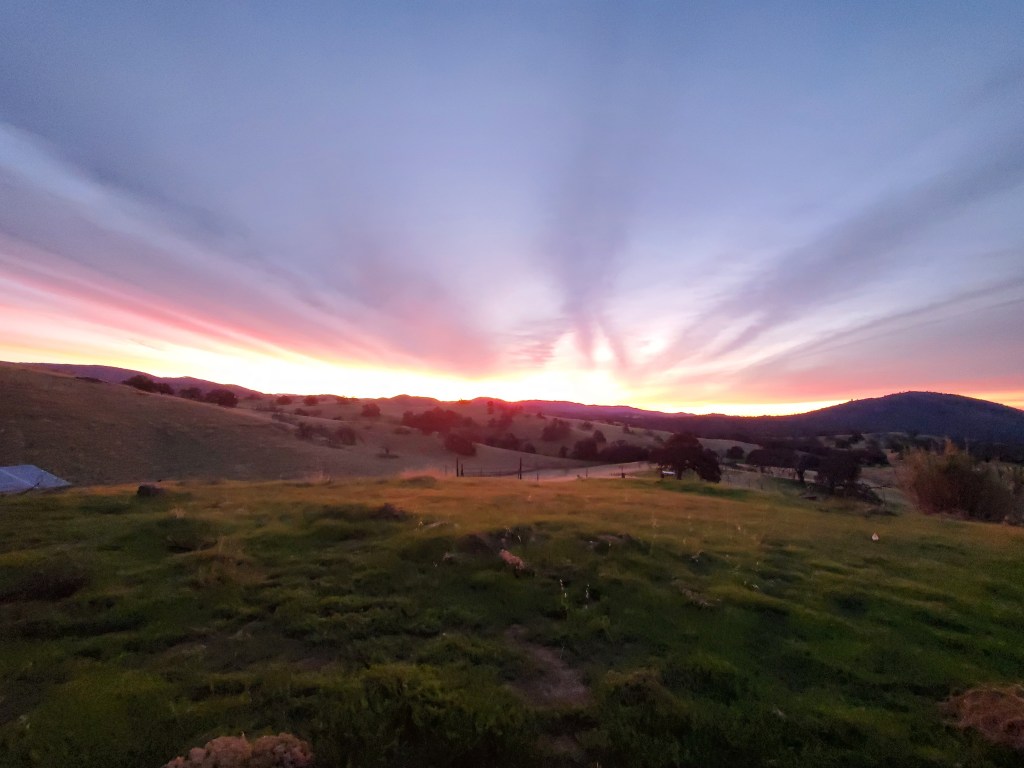
The Beauty of this Planet

This incredible planet is so worth us doing better by her…
Water | Oaks | Tornado Warning!

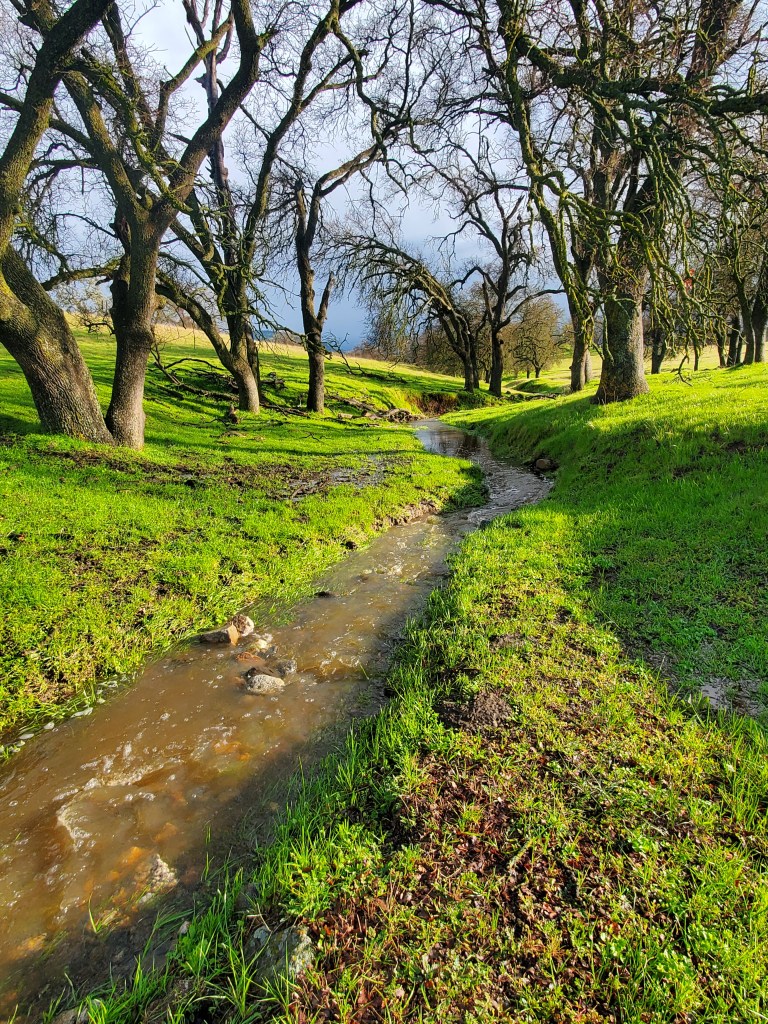
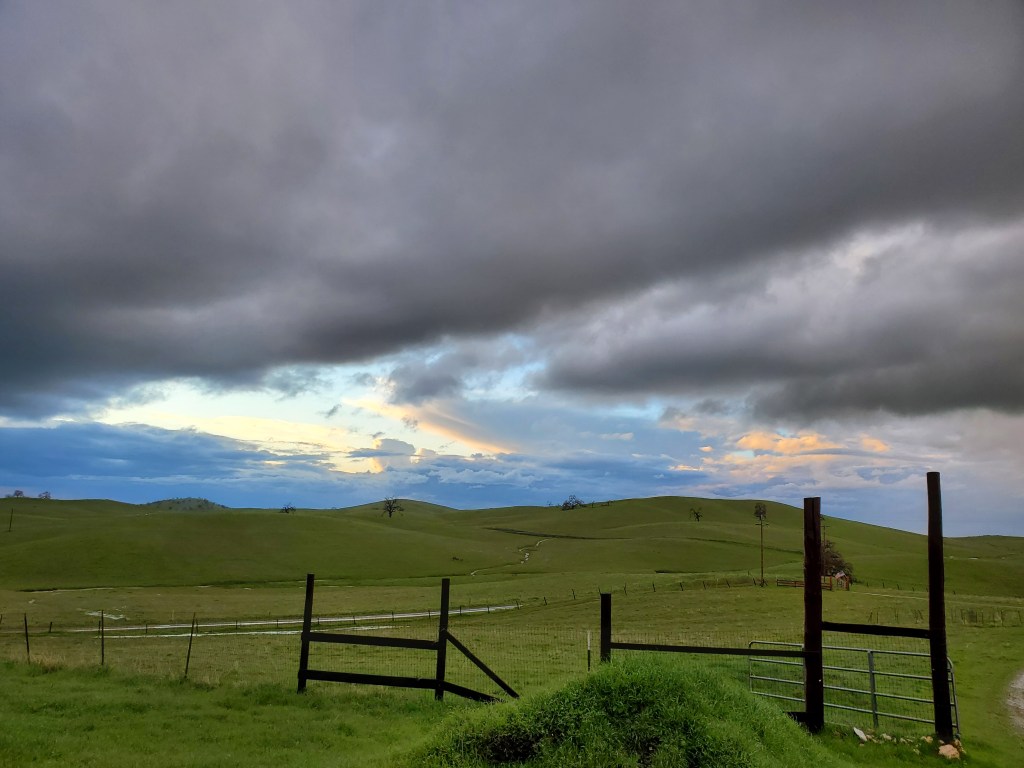
Another storm brings much needed water

I ate two bars of chocolate for breakfast, and I was lit. No one said I was perfect – eggs, oatmeal, too hard for me to think about preparing that day, and I succumbed to the ease of – go to the fridge, grab a bar, open a wrapper, and eat. Then, again. Not proud, but true.

Lately, the intense investment of time, energy, thought and emotion over the last 12 months are catching up with me. My dad is improving; though there are still back-slides, he can do more for himself. As a result, I collapse into a heap of less usefulness and find myself tired all the time, getting out of routine, or filling those moments of routine with non-dad items long ago neglected.

This transition period is messy. Some days my brain is so out of sync I cannot put two words together thoughtfully. My diet of chocolate, peanuts and jam and, if I had some energy earlier in the week, basic salad, is not the finest to promote optimal brain function. Some days my husband will take pity on me and make me a smoothy, or an egg. This day, I am up earliest and on my own. Chocolate it is. Caffeine and I do not mix. I know this. I am hungry, lazy and just love the taste. Jitters take hold, and my plan to plant more oaks just got an accelerant.

Oak Planting Nearly Done

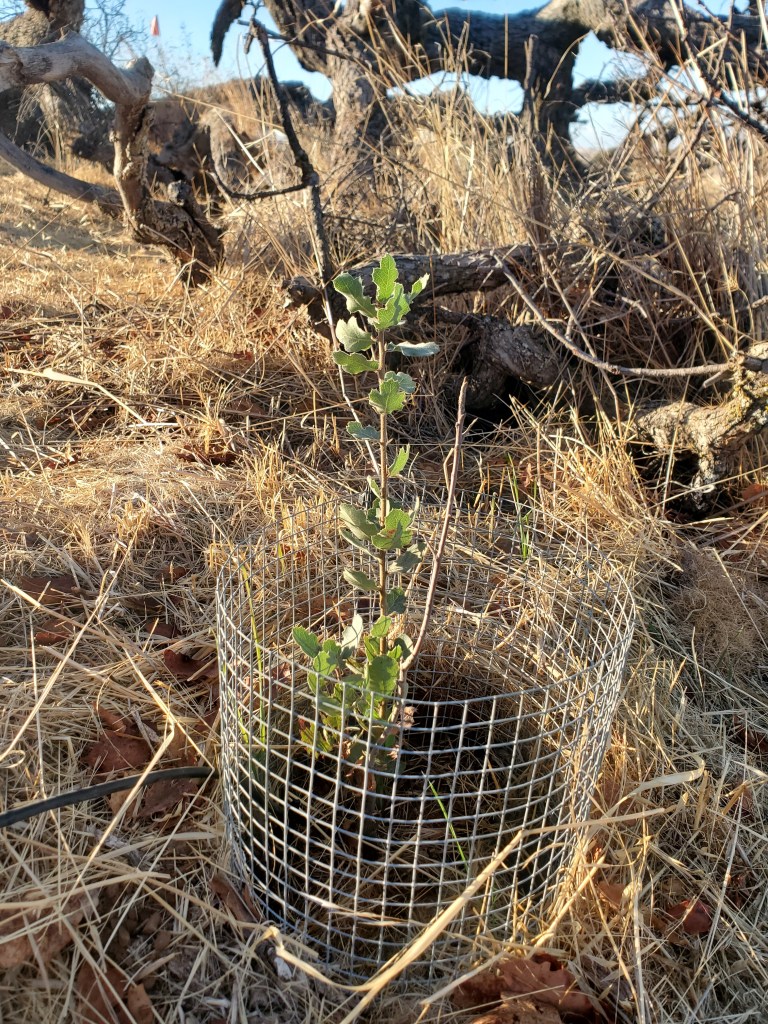
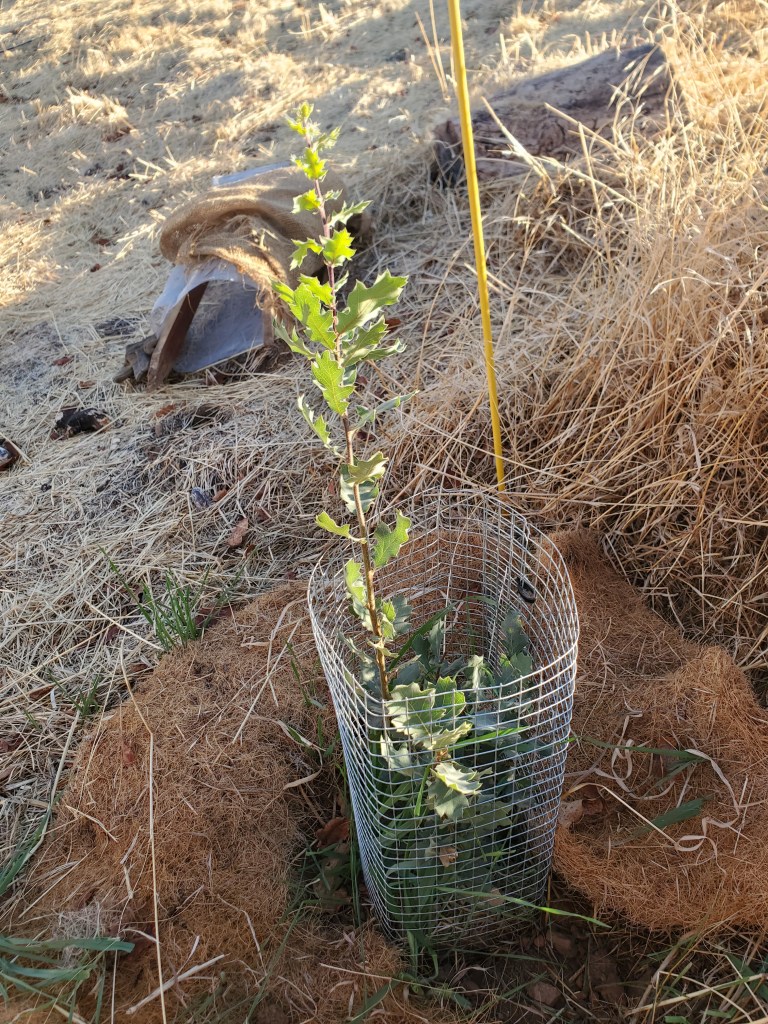
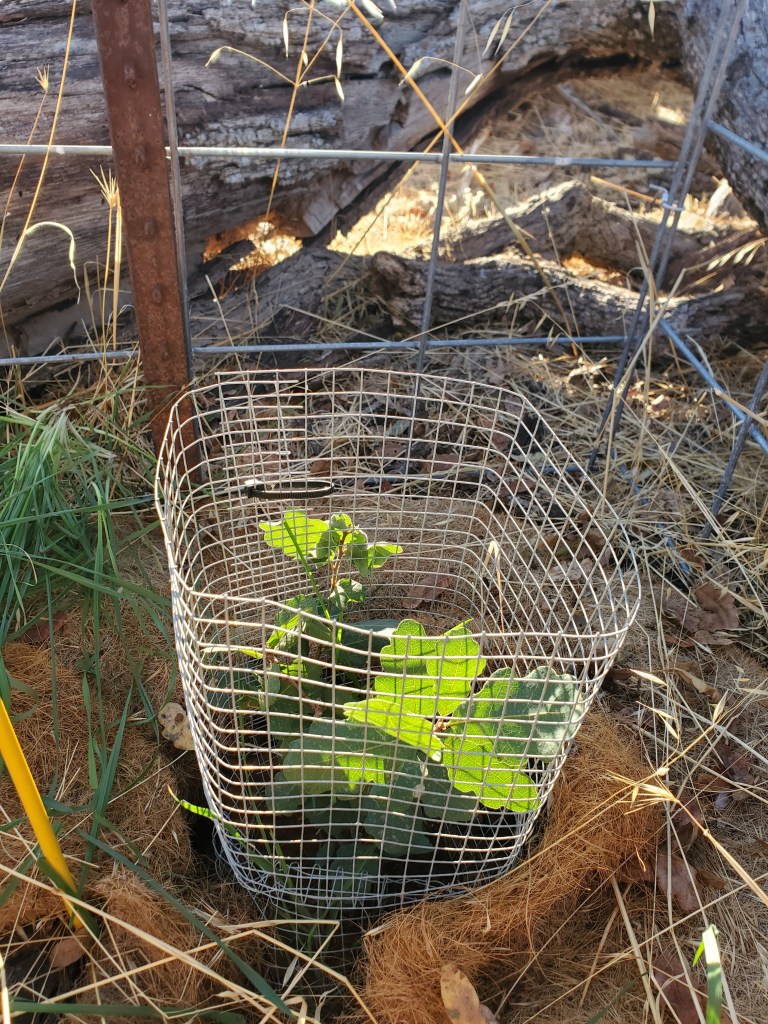
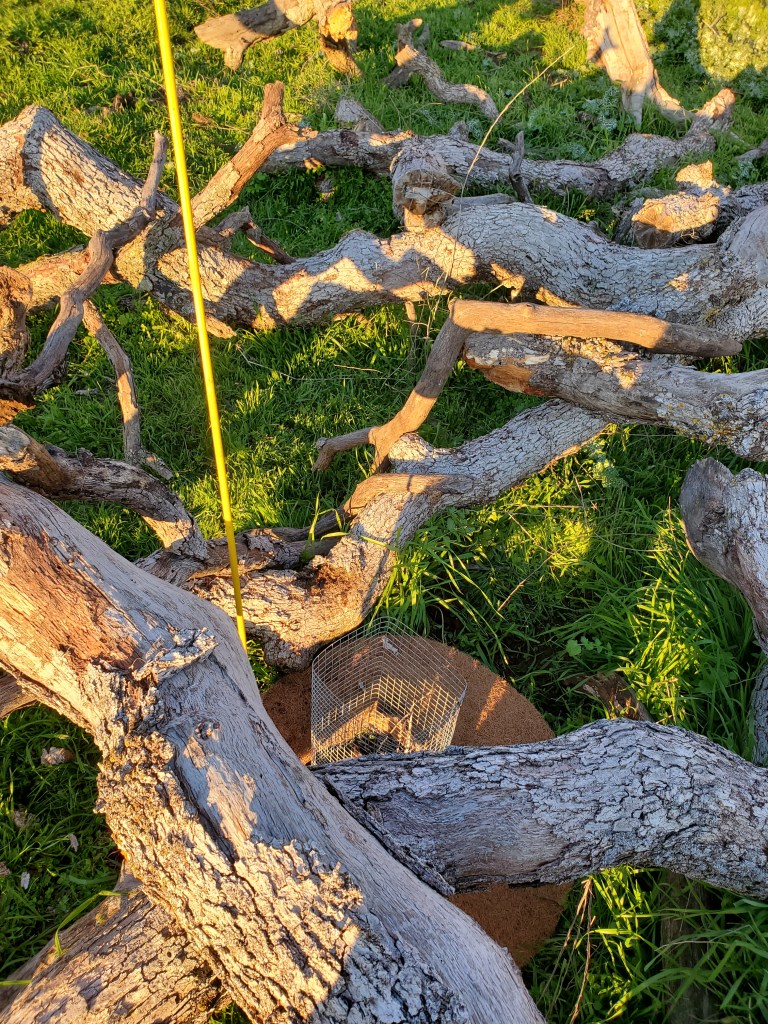
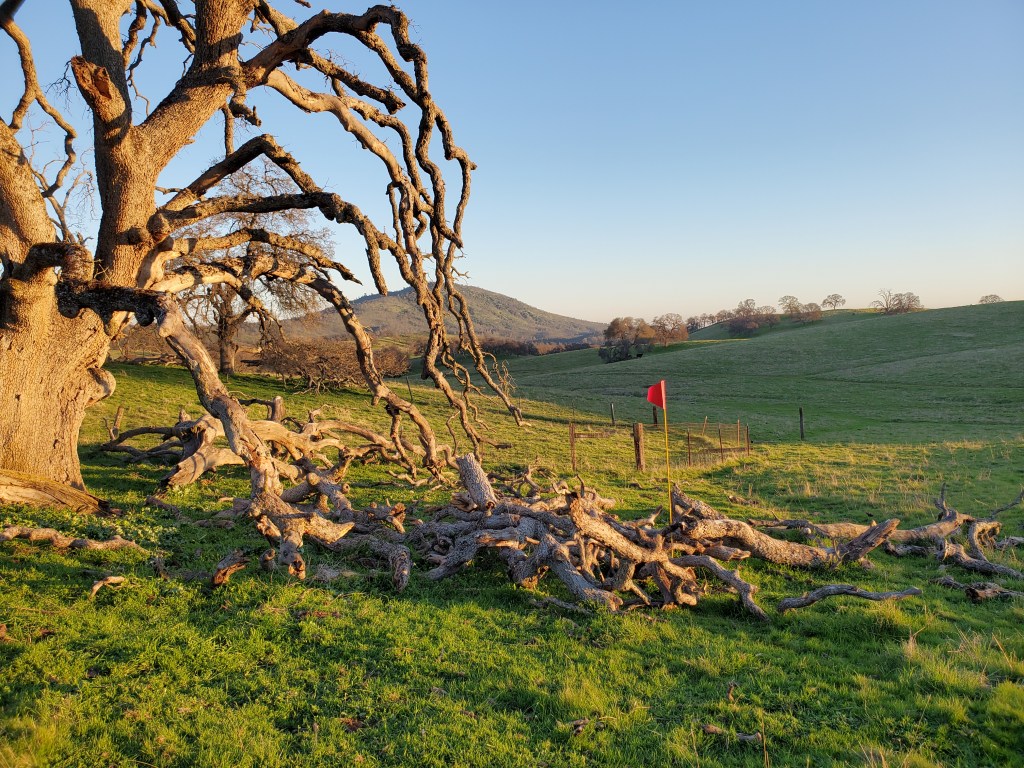
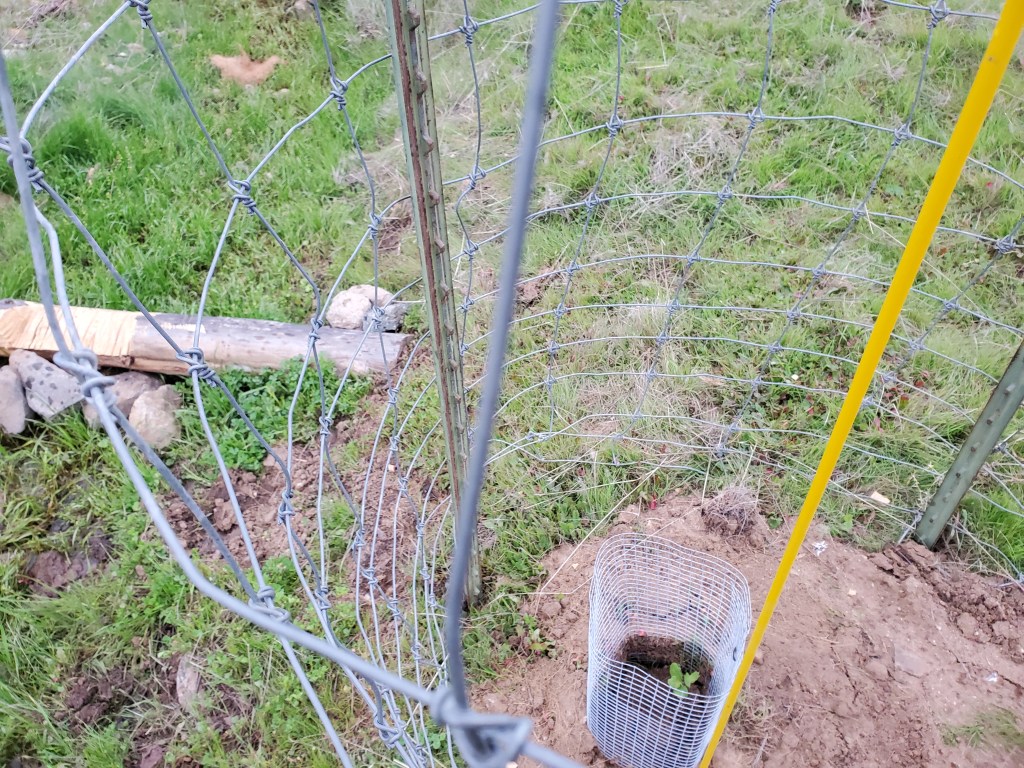
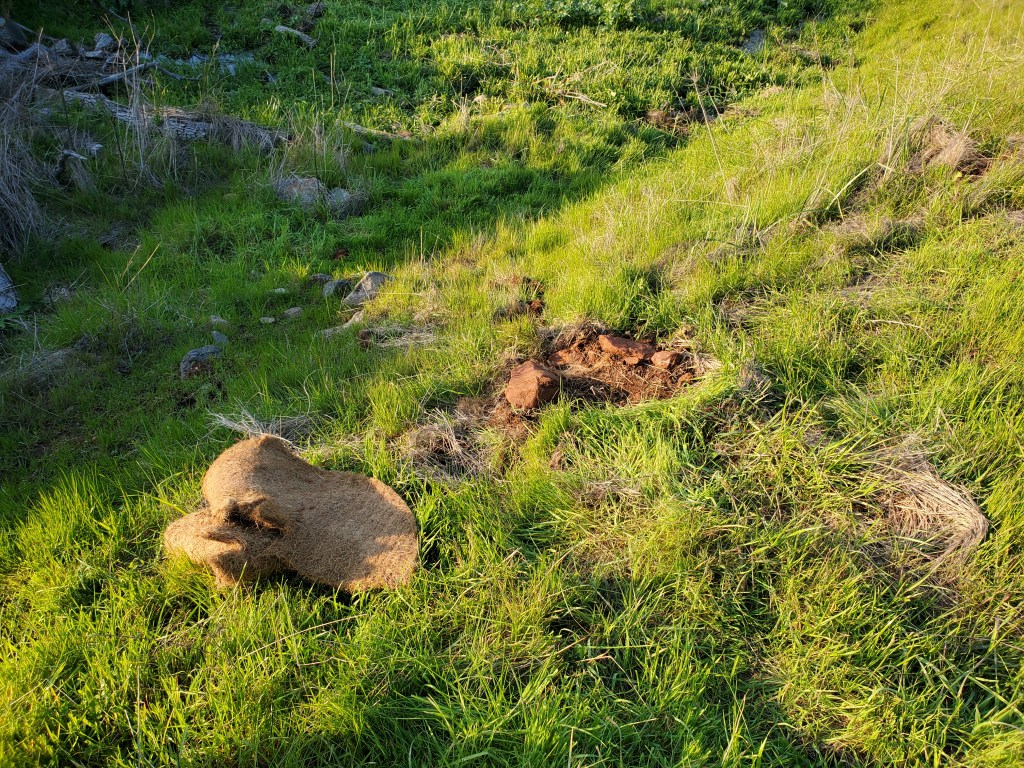
I planted all of the oak seedlings except one, planted all of the riparian oak acorns, and planted half of the elder oak acorn. The rest of the elder oak acorn I saved for acorn flour. I checked the plantings done earlier in the month and February. The cows got their snouts through the fencing on one and pulled the coconut coir. I put it back. Some of the flags were askew. I straightened them. I placed flags on others. I weeded away from new growth in the already enclosed plantings. Maintenance is important to ensure better outcomes.

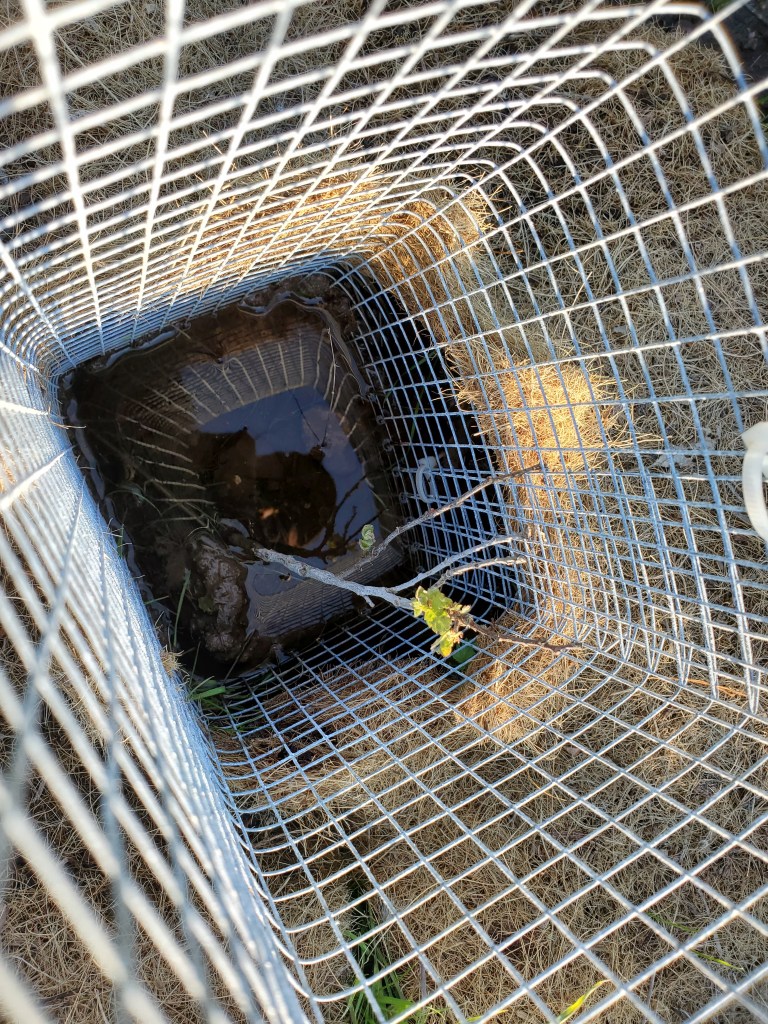
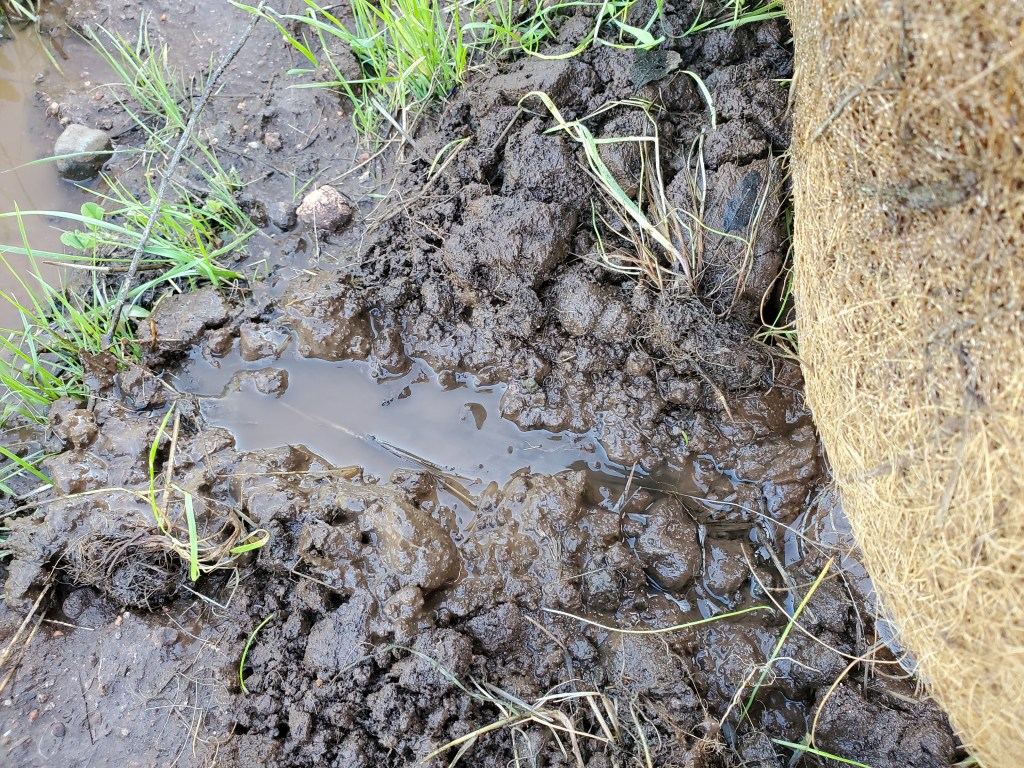
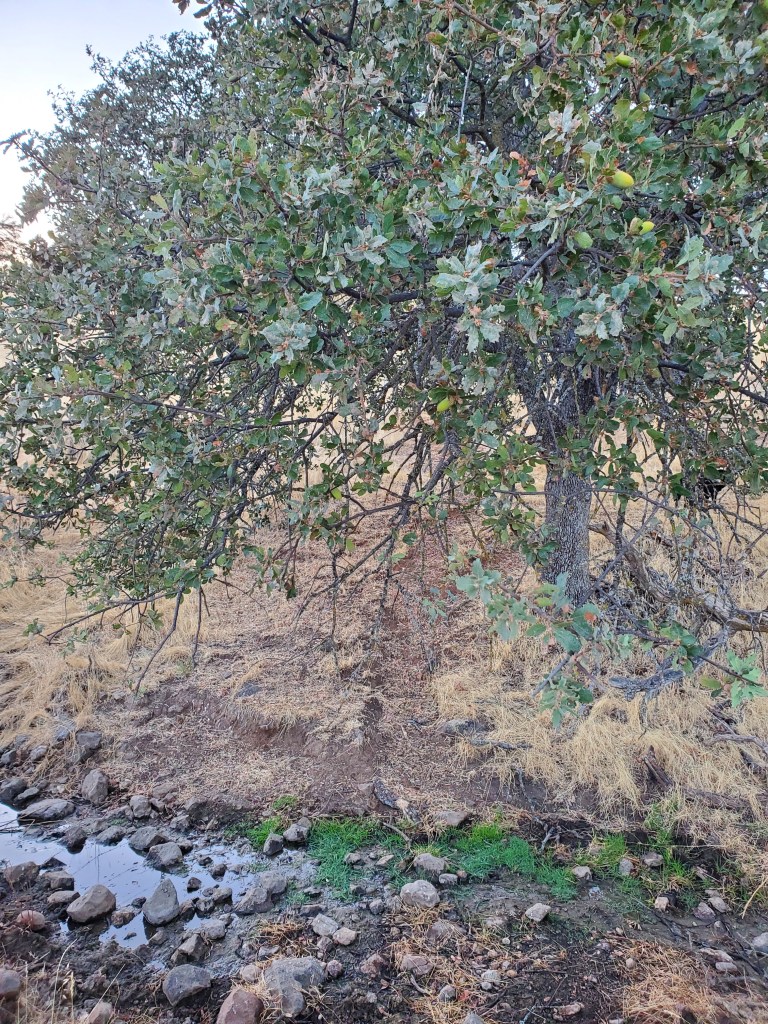
After one of the storms, I saw one of the seedlings I planted had its basin filled with standing water. Too much water, and oak roots can rot. One of the challenges of selecting a site is that I am considering access to water over the long term. As such, I have been planting near the creek or near a spring flow. One of the upstream oaks on Spring Creek is planted in a flow. It is west facing with other oak shade. The soil is predominantly clay. Excellent conditions for water accumulation.

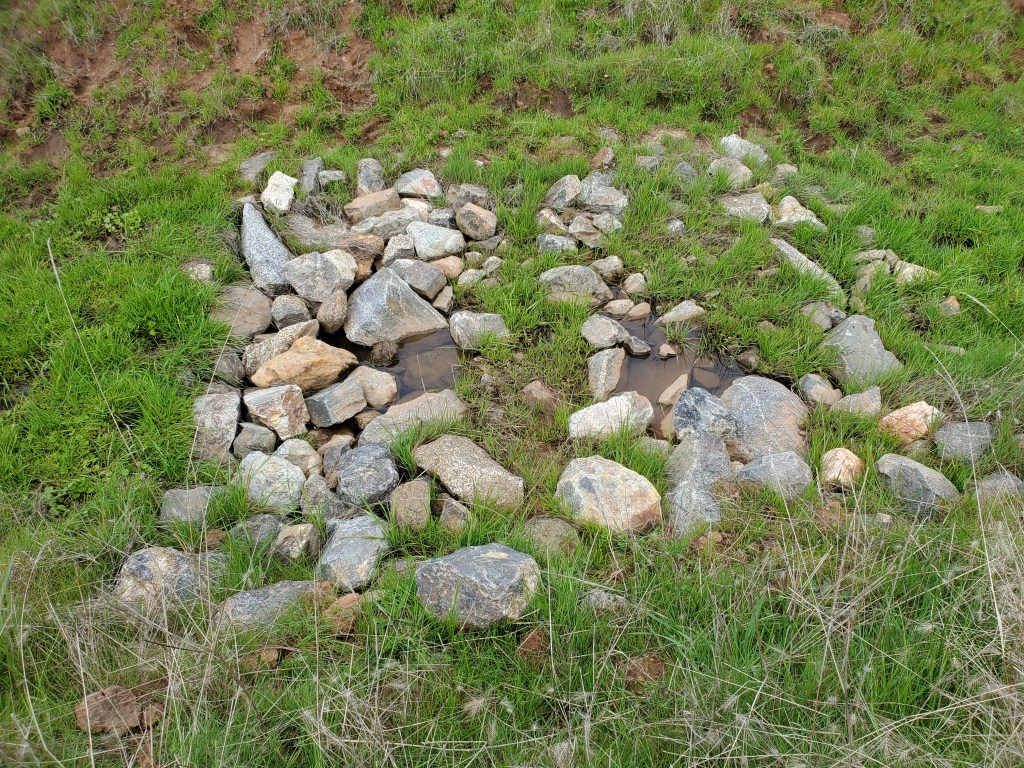
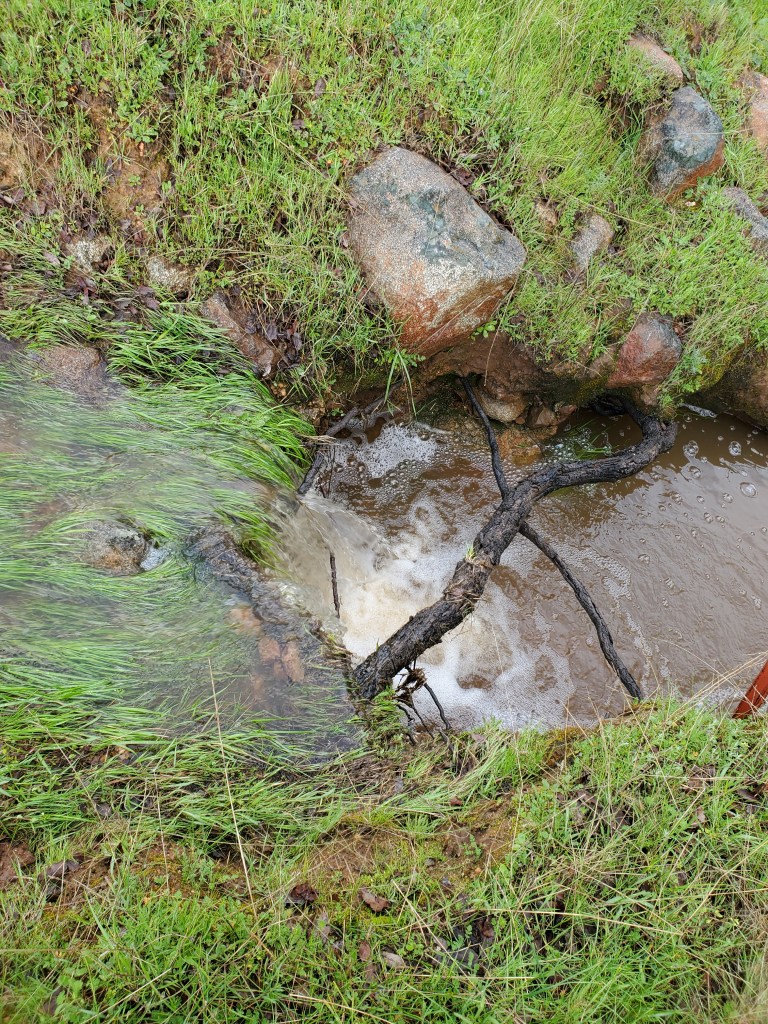
I lifted the coir pad, stuck my finger in the mud and created a channel to allow the standing water to flow out of the small basin I try to place around each planting. It mostly worked to alleviate the stand. Water is everywhere, and that section, because of the flow, is already saturated. However, I was able to get the water down low enough so it was not submerging part of the trunk. The weather will be dry this week, and I anticipate the remaining standing water will be gone within 24 hours. I will go back and recreate the basin wall for the next rain event.

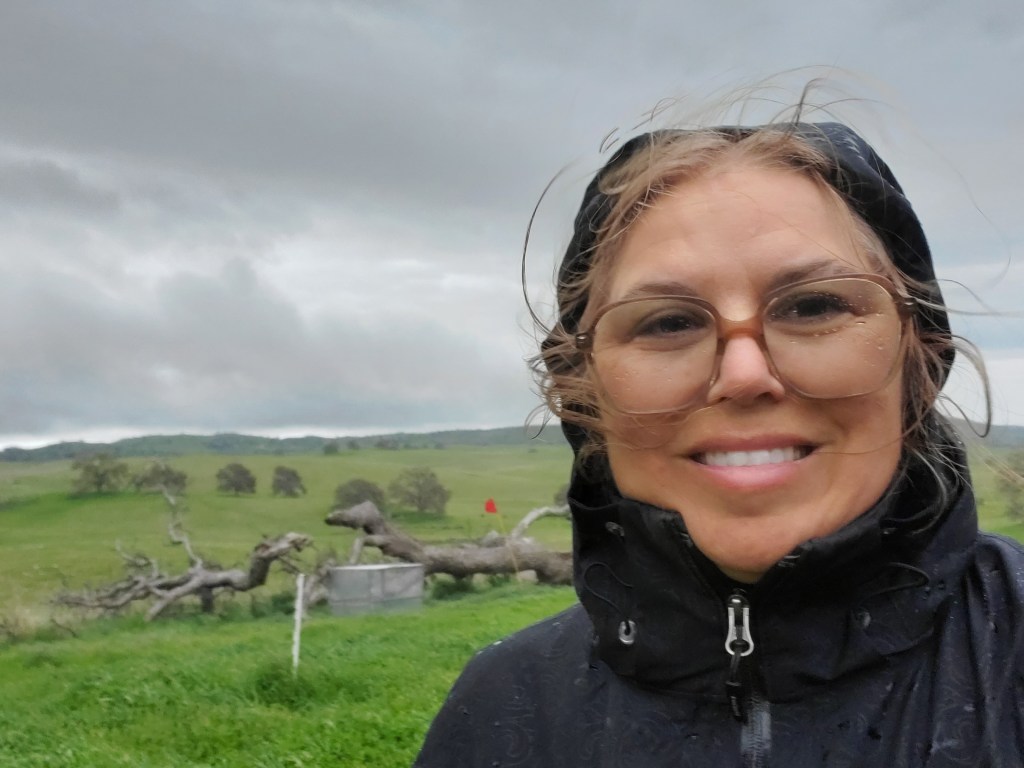
While out checking the oaks and maintaining their planted areas, I was quickly caught up in a storm. The wind was ferocious, bending the oak marking flags to almost 90 degrees. Fortunately, I was in my final section, which happened to be nearest the house. The rain started to pour. While I had a jacket on, I was wearing shorts (I know. I’m crazy). The wind whipped at my exposed legs, and then it started to pour. I typically traverse the ranch on foot to limit soil impacts from the quad or truck. I finished with the oak I was working on and bolted up the hill, through the gate, around to the front of the house, sloshing in mud (I had my muck boots on), mud splattering across my legs. Finally, I got to the front door – a soaked, muddy mess. Although I was almost denied entry to the house by my family, it was ok. I love this life.

Checking New Log Check Dam

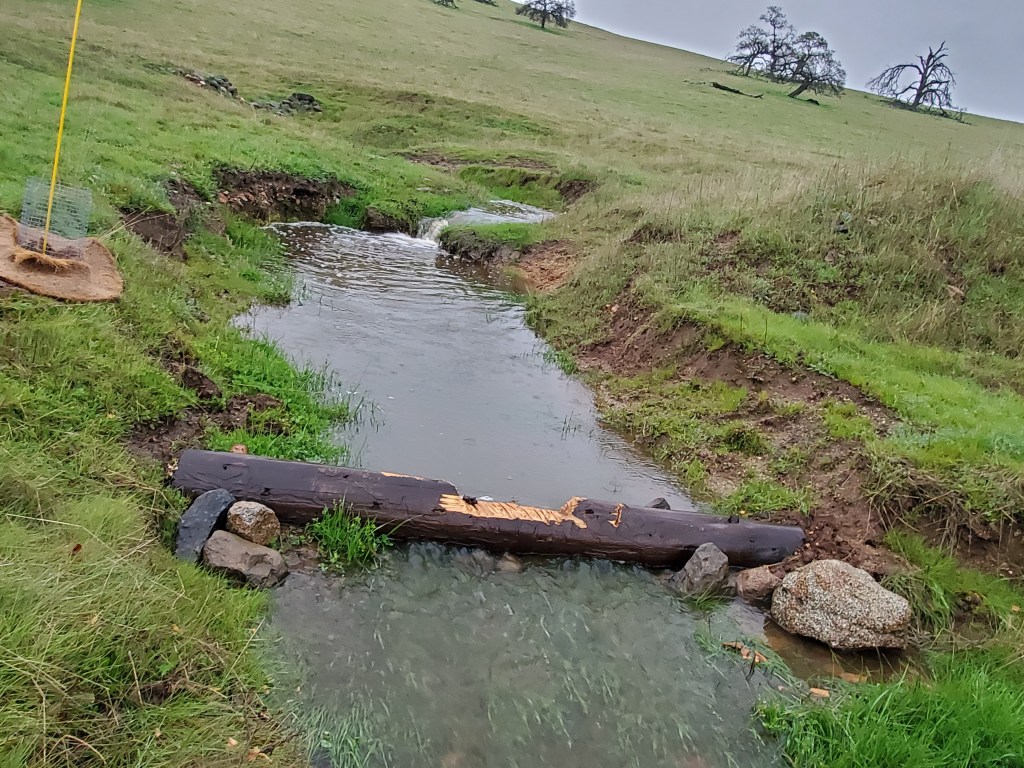
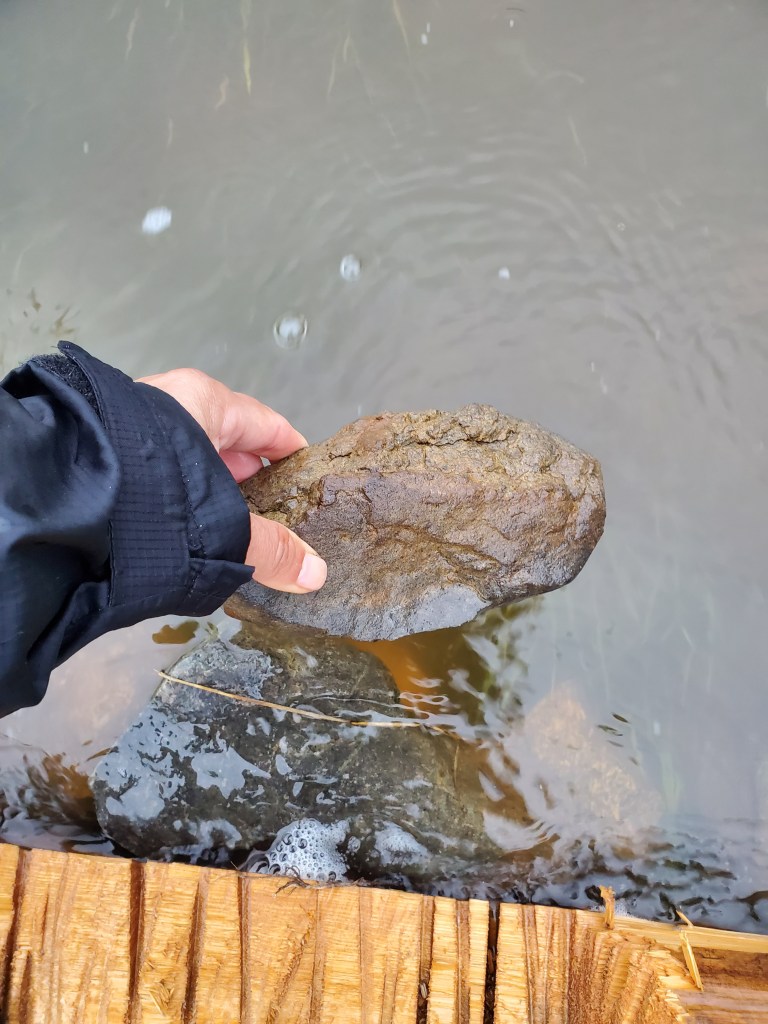
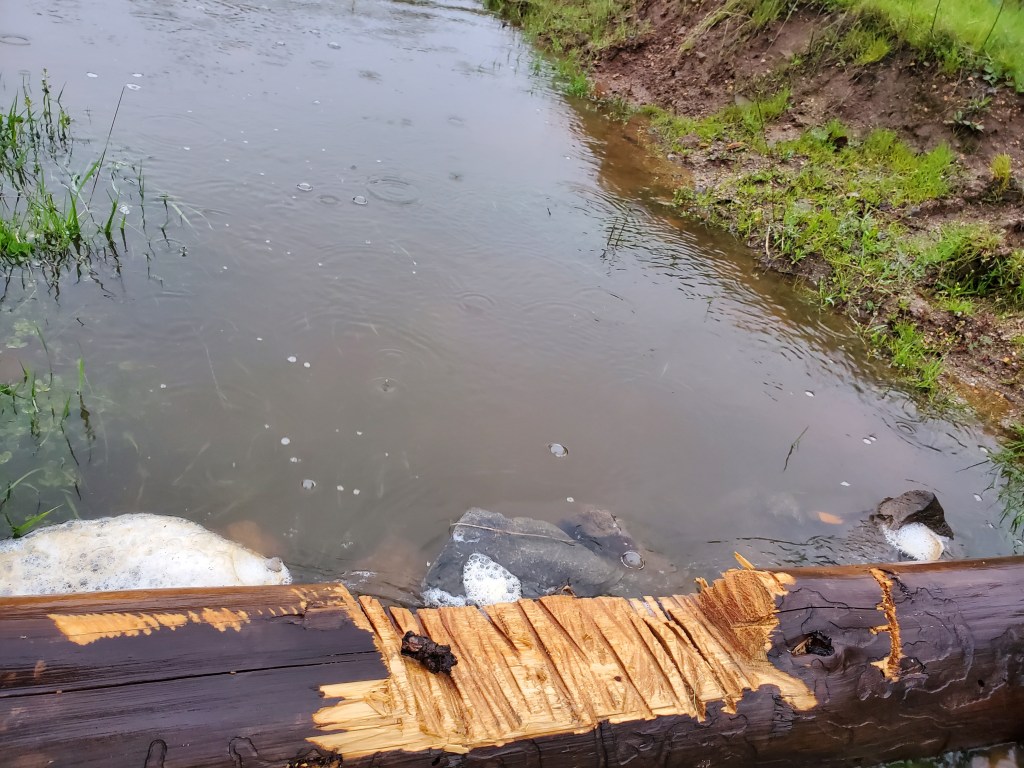
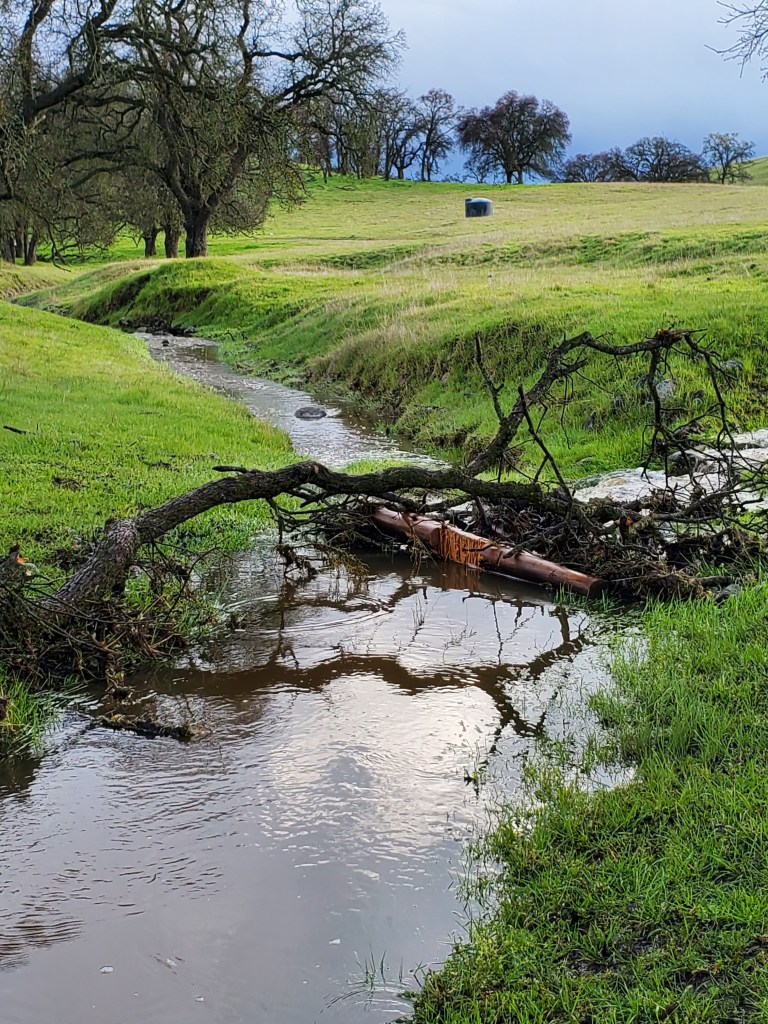
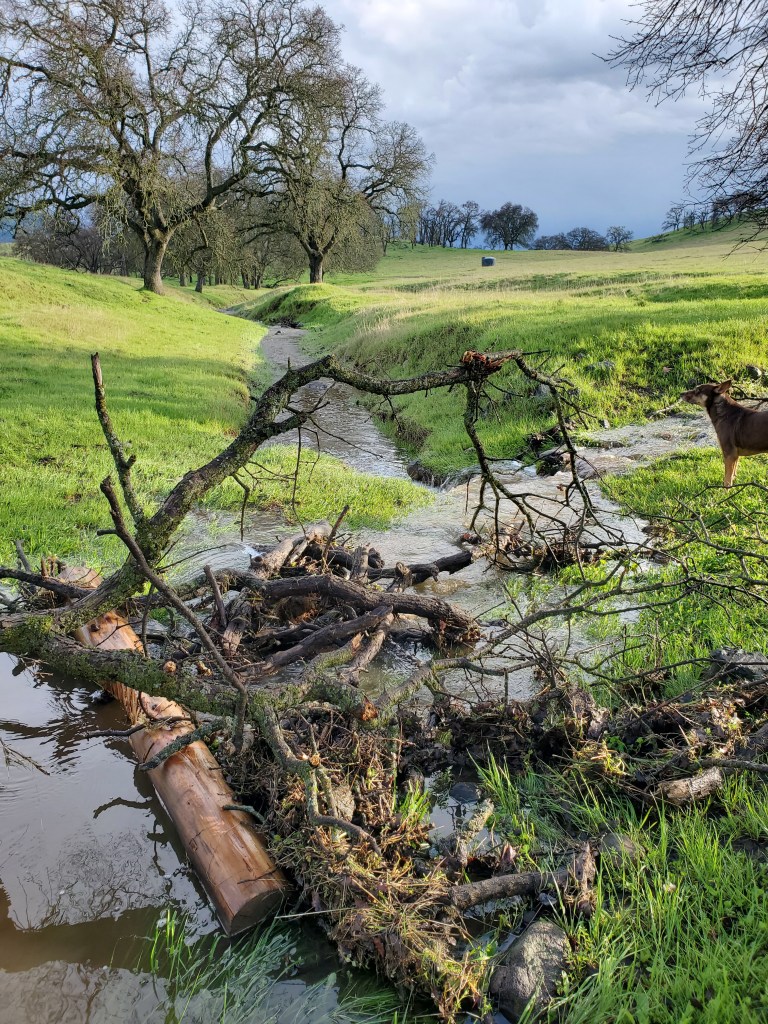
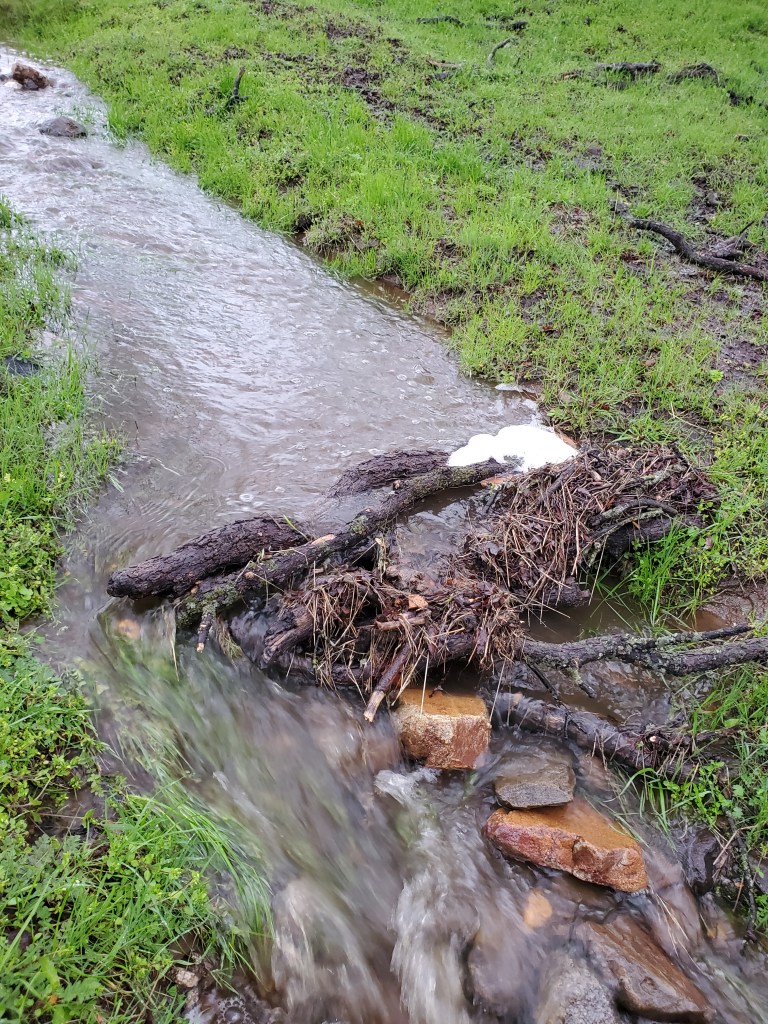
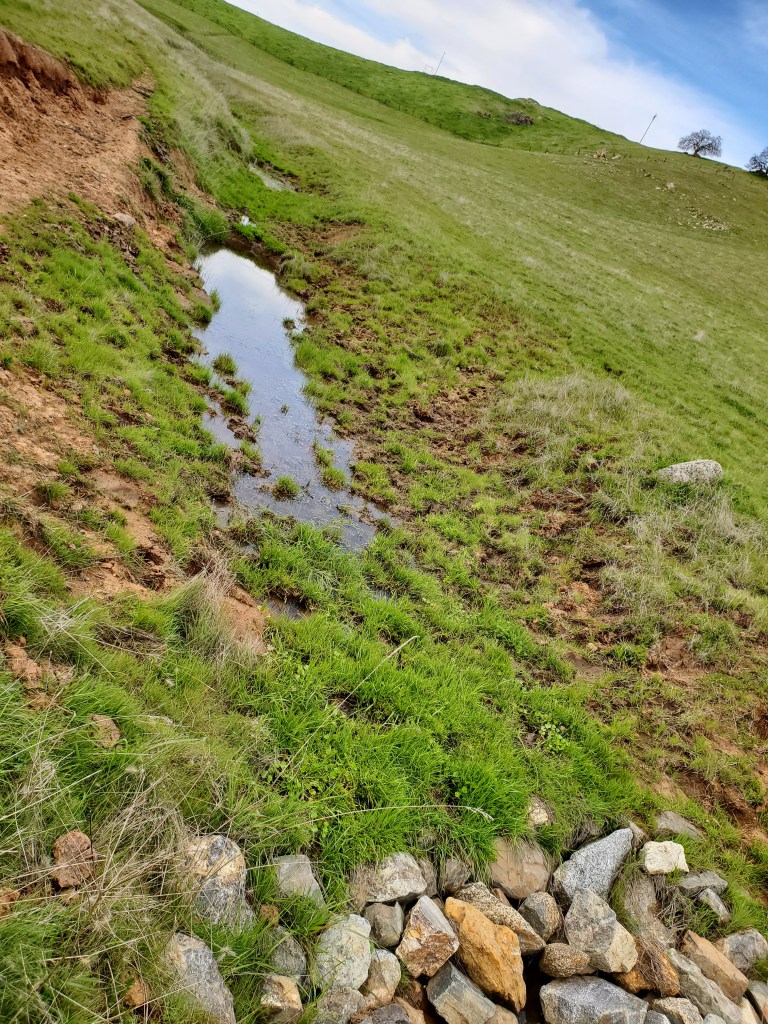
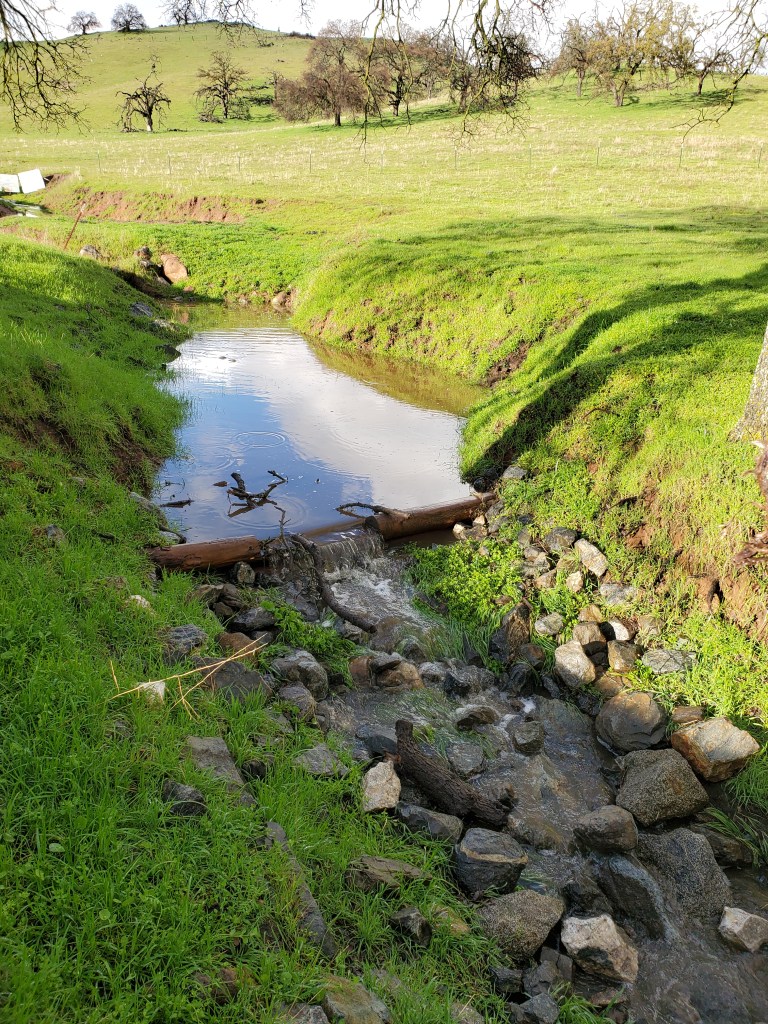
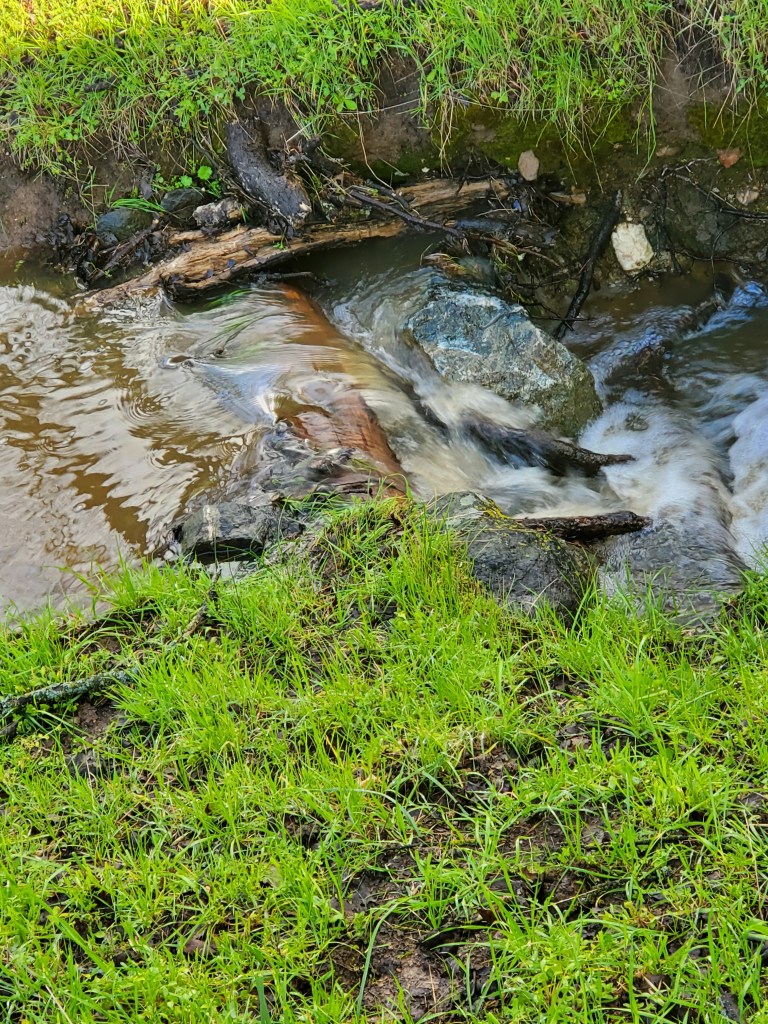
I was excited to see that the new, poorly connected log check dam was still in place after one of the storms. It was doing its job, pooling water behind it, slowing the runoff just enough to really soak the soil. Then, the large storm came with 2.25″ of rainfall. I checked the dam again. It was not there. The rocks I put in place to help the log were still there acting as a smaller check dam and pooling some water. I walked down stream and found the log. It was caught up in a tangle of branches, leaves and gunk about 60 feet downstream. Not to be deterred, I pulled it out from the makeshift dam and began to pull it toward its original location. The cedar log, typically lightweight, was heavy with absorbed water. David, who was walking with me then, took pity on me and picked up the log with the flick of his wrist, to show off, and returned it to its place. We will need to secure it much better in the coming days.

Gates Shut. North Field Belongs to the Milkweed Now

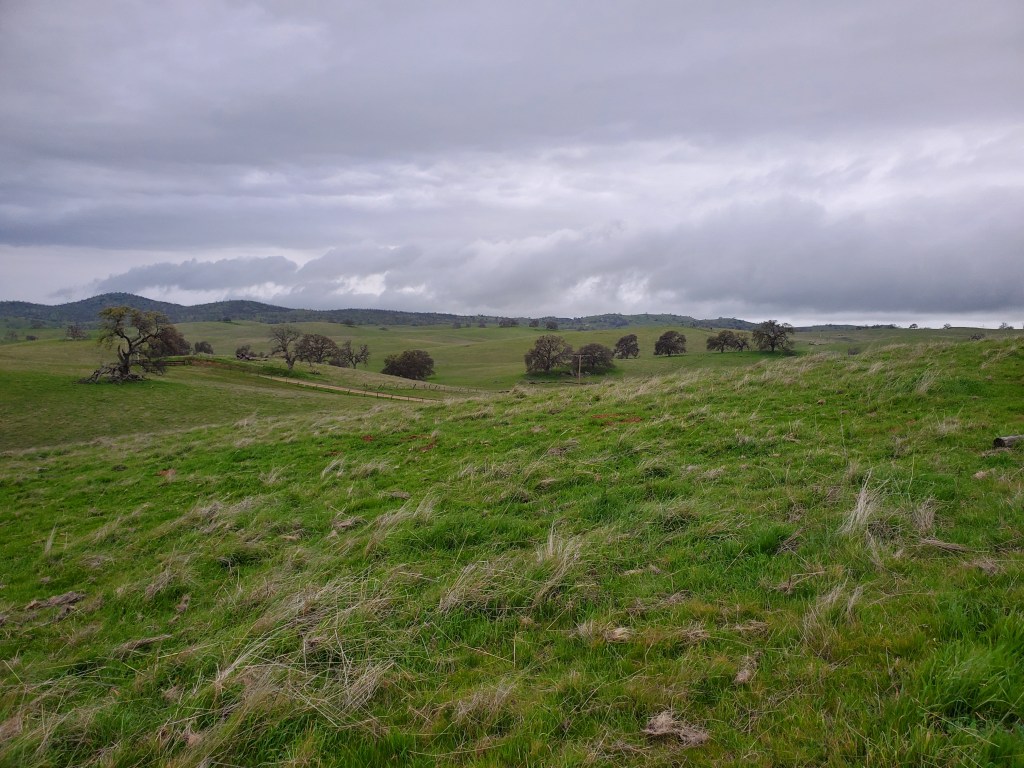
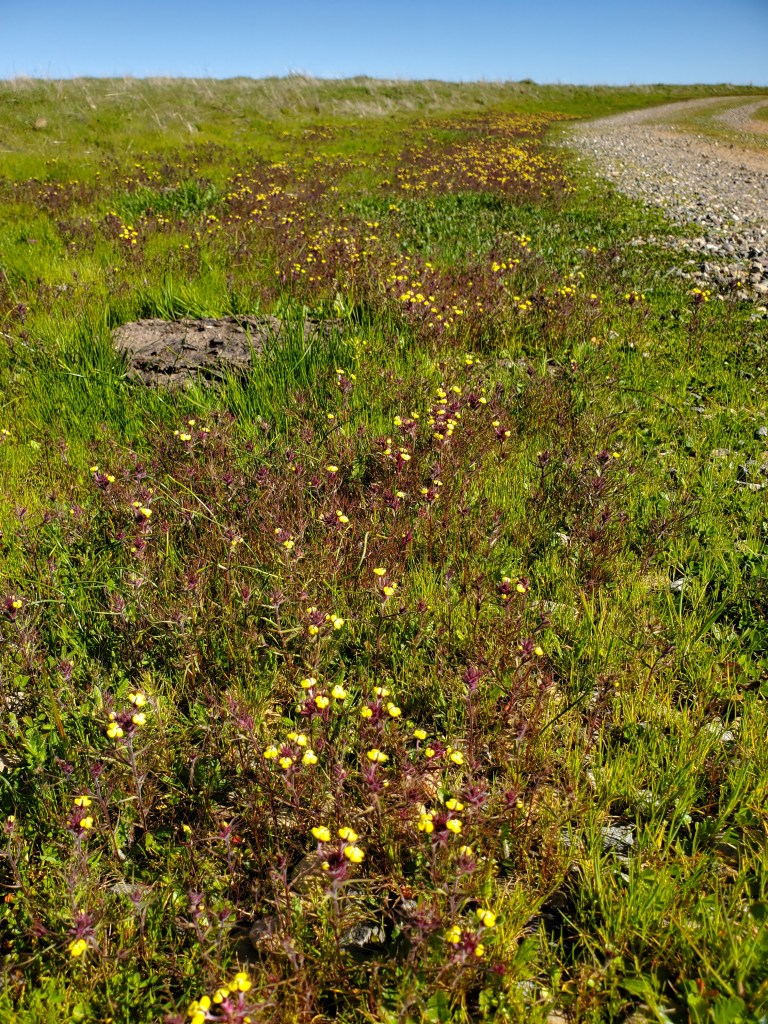
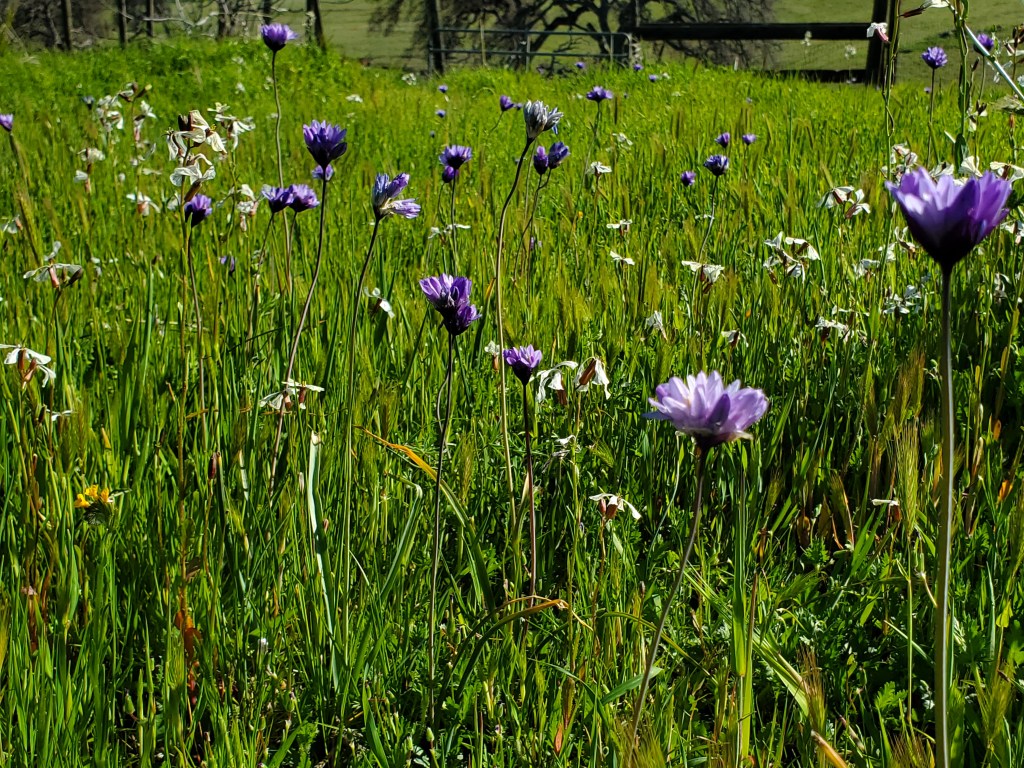
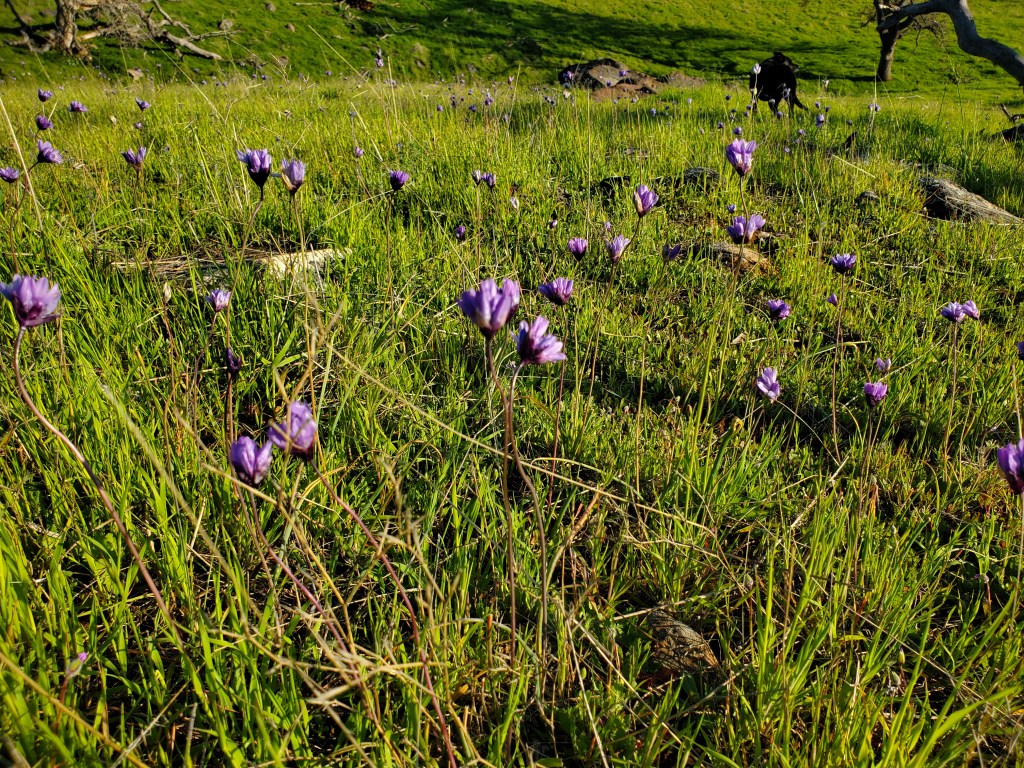
One of the best investments I’ve made in the last couple years is the cross fence to protect the California Milkweed. It is a critical, early emerging plant essential for post-overwintering monarch survival. Three of the four communities of plants are protected by this fence. In addition to protection of the California Milkweed, excluding the cattle during prime wildflower season has resulted in 40 acres filled with wildflowers of all types, sizes and colors. This means I have unbelievable amounts of nectar without having to plant another plant across a huge swath of land. Not only are the colors dazzling, the smell hangs in the air. It is like drinking perfume.

I think because of the weather whiplash, the California Milkweed is stunted. They are not their normal size for this time of year and are already producing flowers that will bloom in about a week. As of 3/20/2025, there are only four of the possible 21 emerged. Given that this past overwintering count of monarchs has been the second lowest on record, perhaps there will be fewer butterflies floating this way, and the stunted plants will be sufficient. I have not had an opportunity to place a camera up on the hill. The last time I tried, there was no signal for my special game cameras. I think I will use it in analog mode and grab the photos off later. This way, there is something up there as soon as possible.

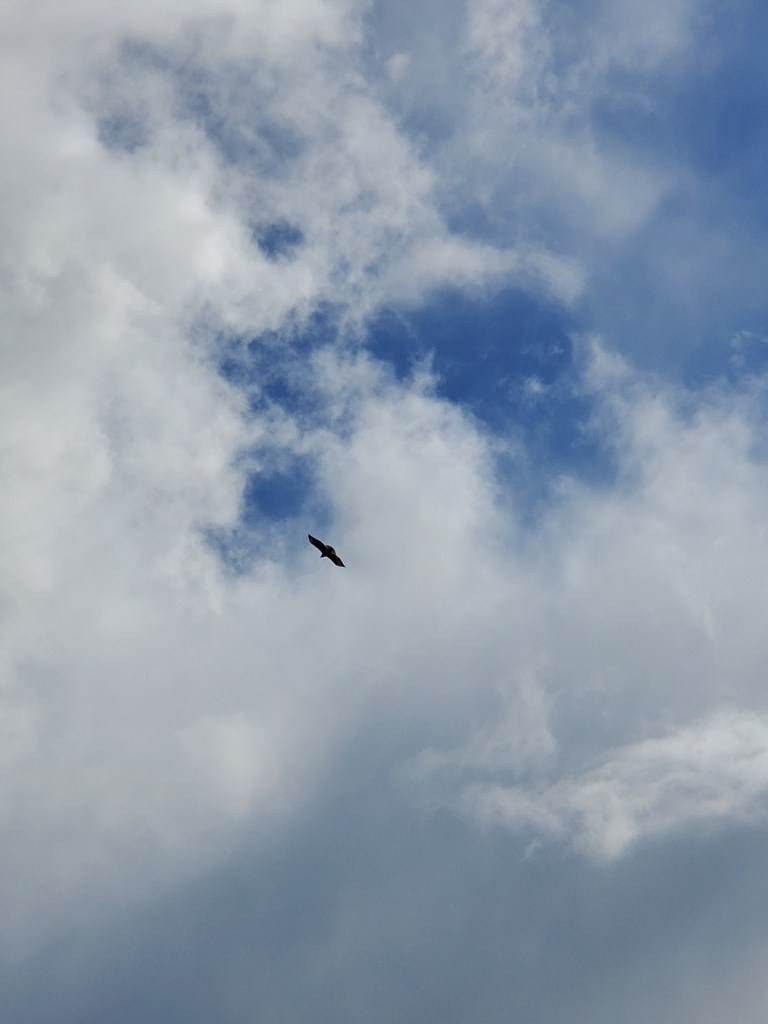
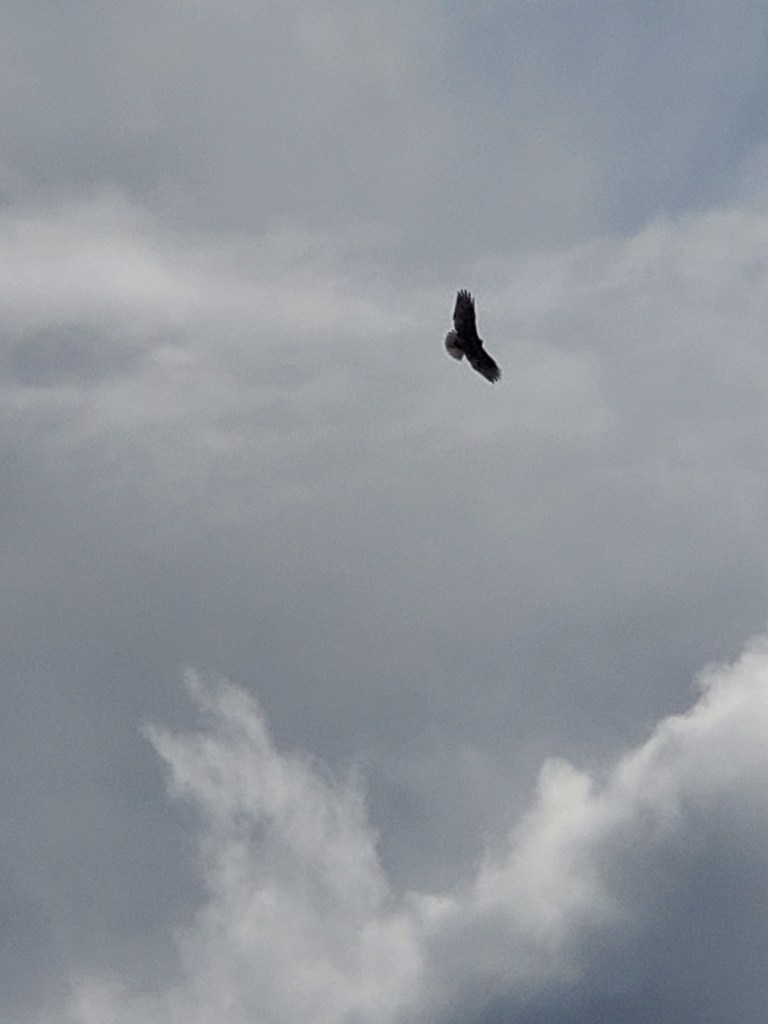
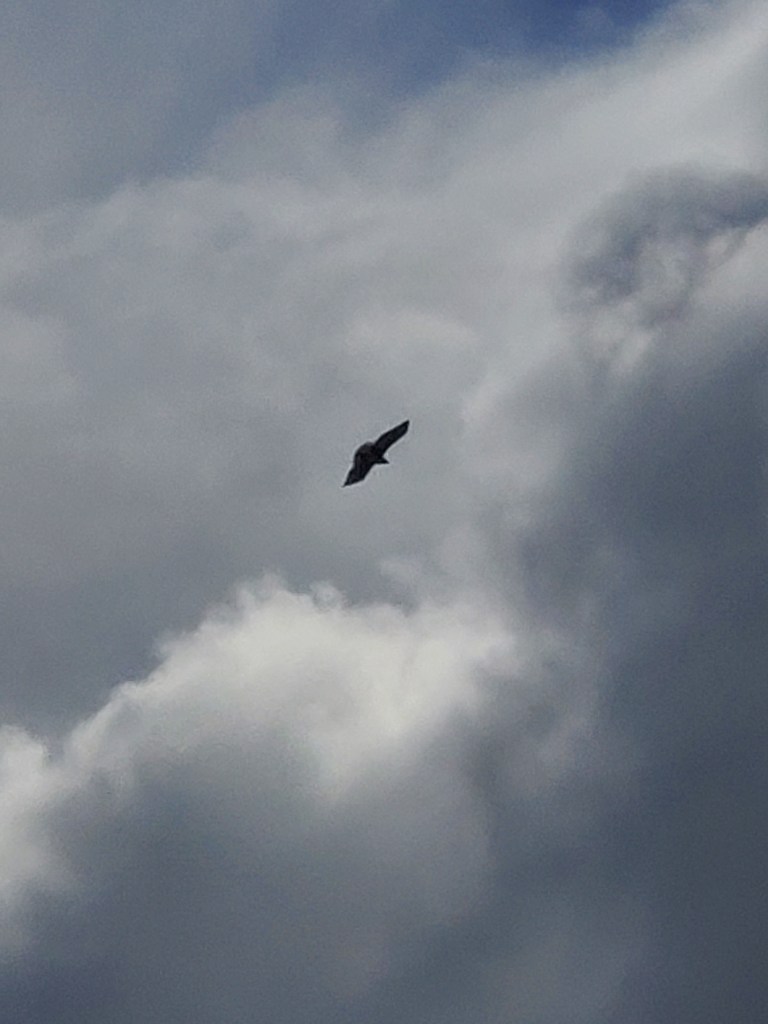
While I am on the hill checking each milkweed and looking for more emerging, I decide to take a break and sit, contemplate things. Out of nowhere comes Taawe (Hawk). They decide to come for a visit, flying close and low. Taawe is close enough to hear me, so I speak in my language. It’s an original language of this continent, co-evolved with the many relatives from this soil. We’ve all shifted around following a cycle of movement south to north, west to east, and back again. Taawe understands me; it circles, flits, plays with elevation, but always above me. It circles away. I call to it. Taawe circles back. We play this game for a few circles, then I lay back down on the cool grass, the smell of soil and moisture in my nose. It flies to the east, and I say “Chiokoe uttesia in weweria. Ito te vitne.” “Thank you my relative. See you soon.”

Guzzler Install Complete

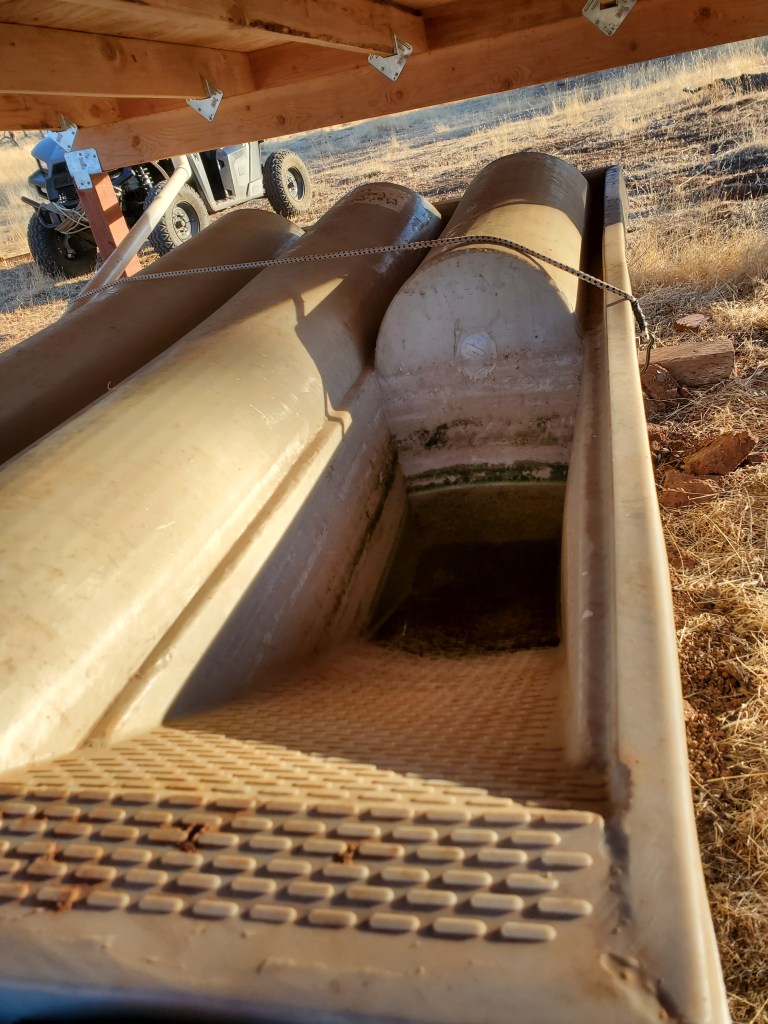
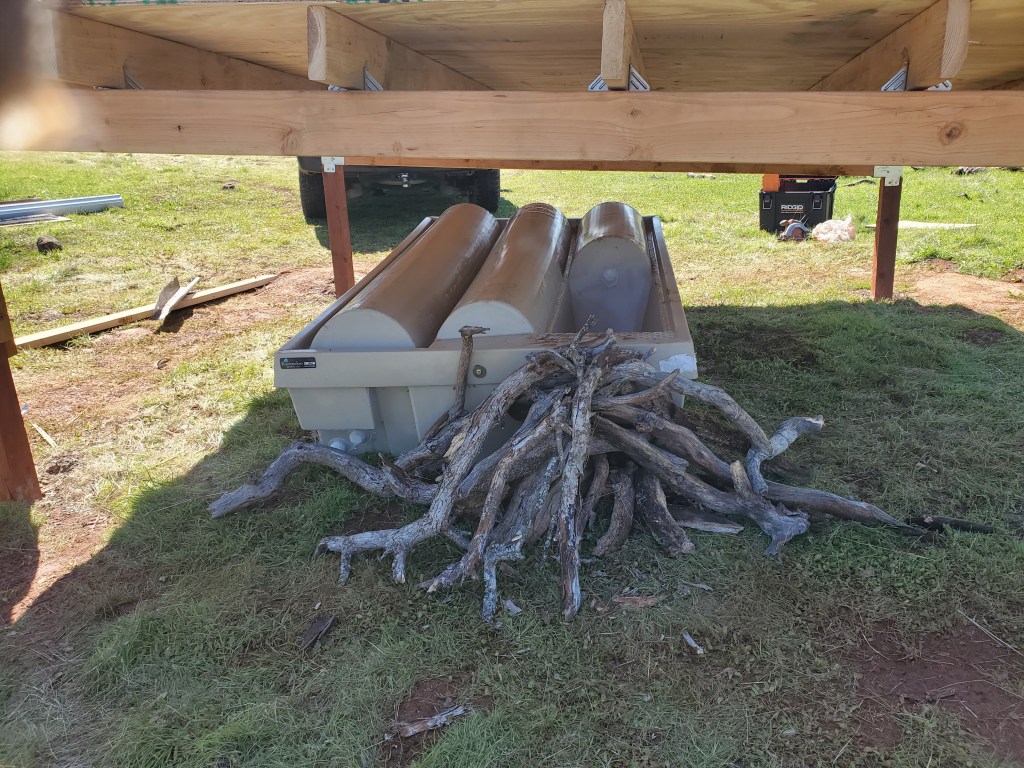
It took David nearly six days over two and a half weeks, but the guzzler is finally complete. We still need to build a fence around it to exclude the cows and build out the tank portion of the system to feed more clean water to the unit over time. Currently, there are stock panels attached to the overhang structure to keep the cow away from it as best as possible. Panels are ok since the gaps in them are large enough for most animals to move through. They are too small though for larger animals like deer. It is a priority for me to complete that fence to maximize its utility. The storms have filled the unit, and it is ready for wildlife to drink from. THANK YOU David!!

Dangers Realized

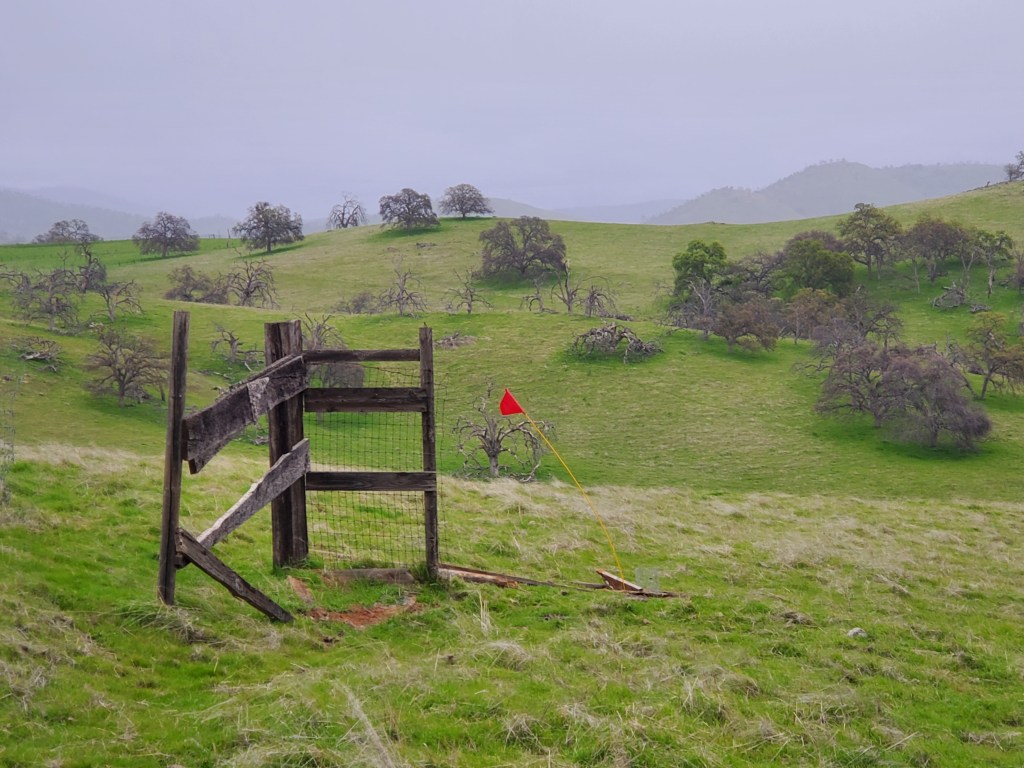
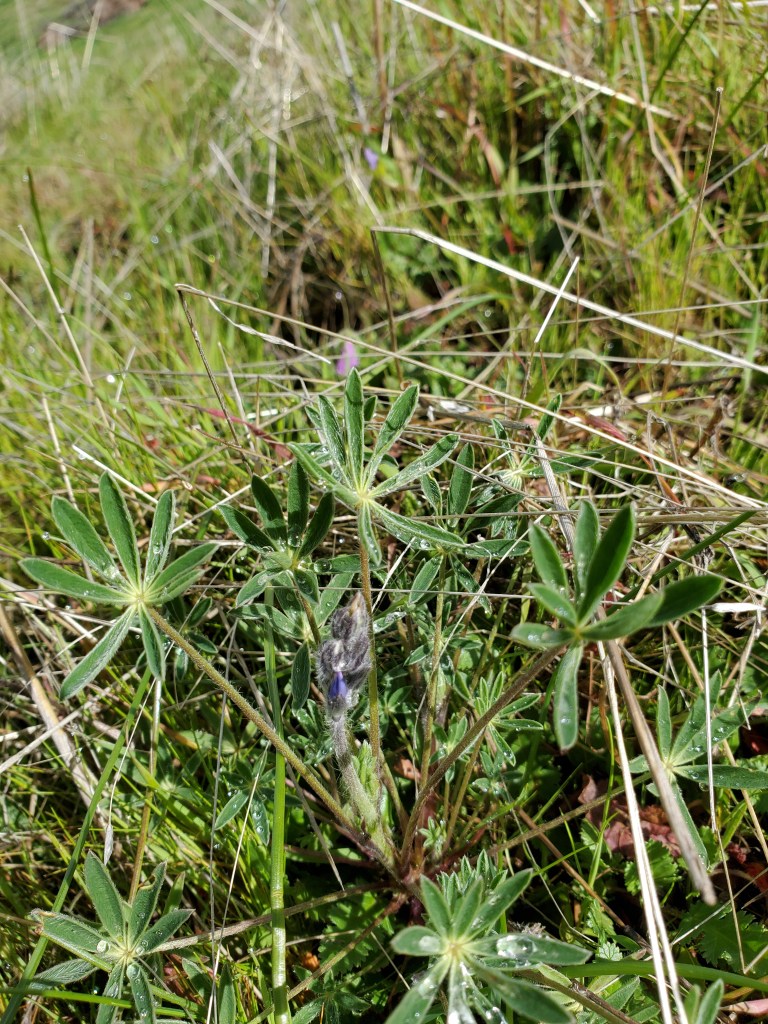
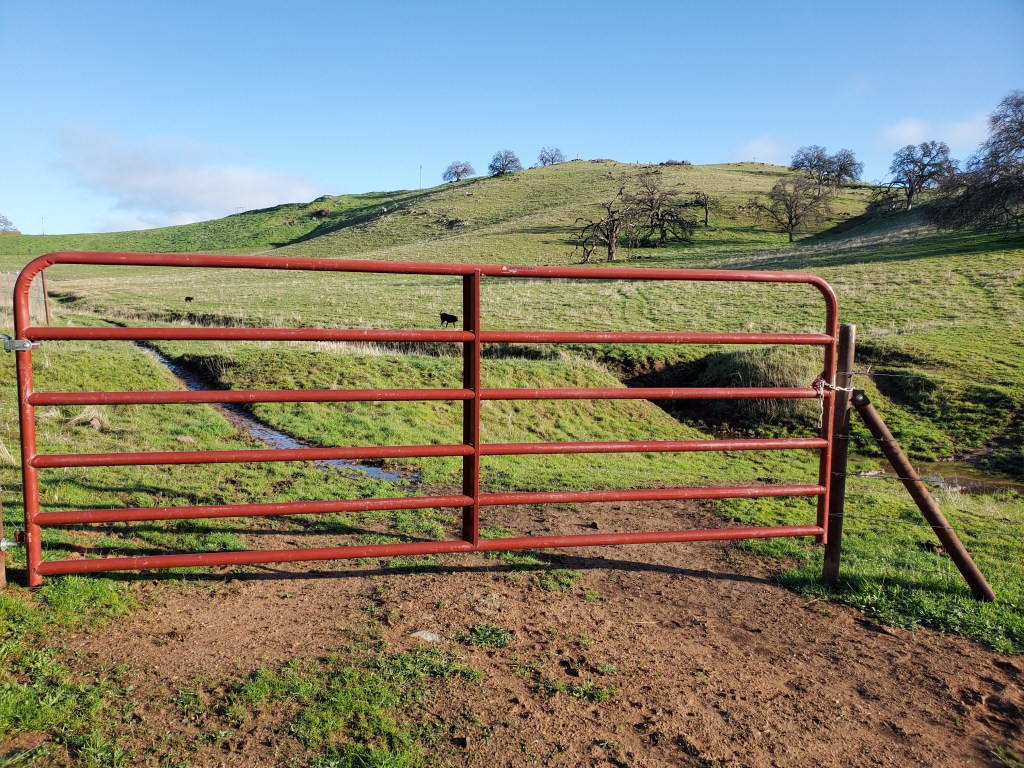
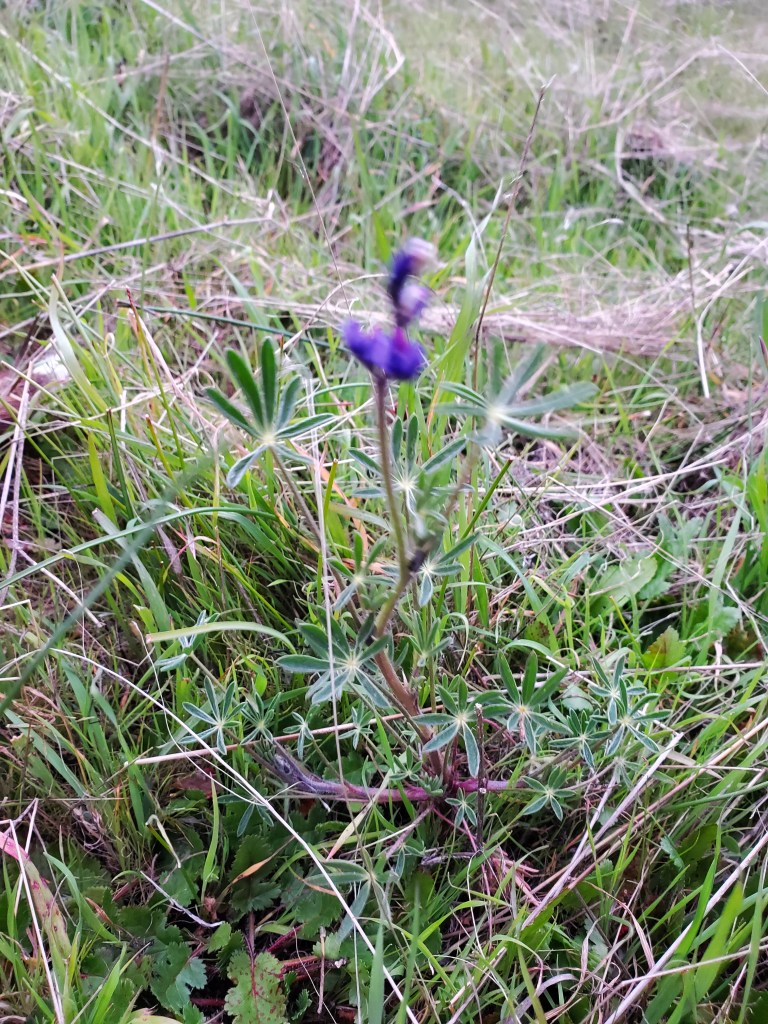
Although I have relaxed more with the fencing in place, catastrophes can still happen. Three times now I have gone outside to find cows where they shouldn’t be. Once, they jostled the gate open to the far north field. They jostled the gate open to guzzler 1, and yesterday I found them in the Spring Creek exclusion area. The wire gate had been squished down. In all cases, my heart sunk with concern that all I worked for could be lost in one accident with a poorly structured gate lock. Things were ok with the far north field. The Ca Milkweed was fine, and not too many of the blooms were up to be eaten. Guzzler one sustained significant damage. The solar panel connected to the game camera was severed. The wire had been snipped and stomped on. The stainless steel mesh over the gutter was folded up on both ends in tortuous fashion. Fortunately, we have an extra panel with wire and more gutter screen. We can fix that. I have yet to assess the damage to the exclusion area where large lupines, oak seedlings and larkspur are all just getting ready to develop blooms. It would be a catastrophe of large proportion if much of that was destroyed. In all cases, I secured the gate locks with a carabiner (cannot be licked open), twisted wire (cannot be jostled open), and a second loop securing the wire gate.

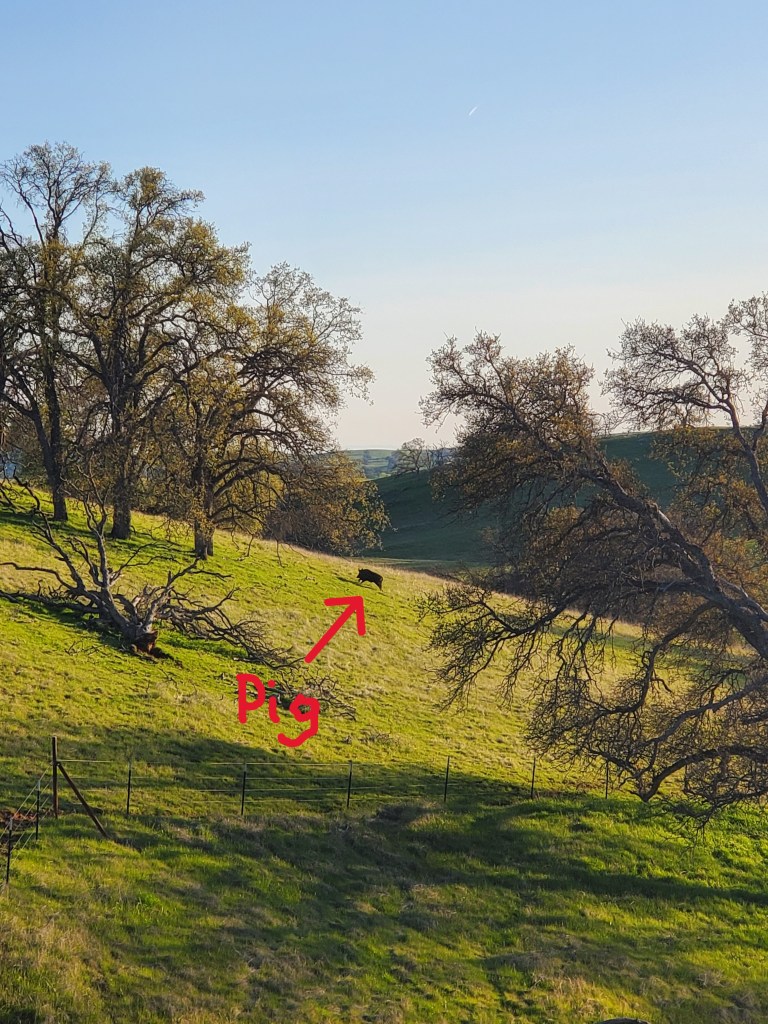
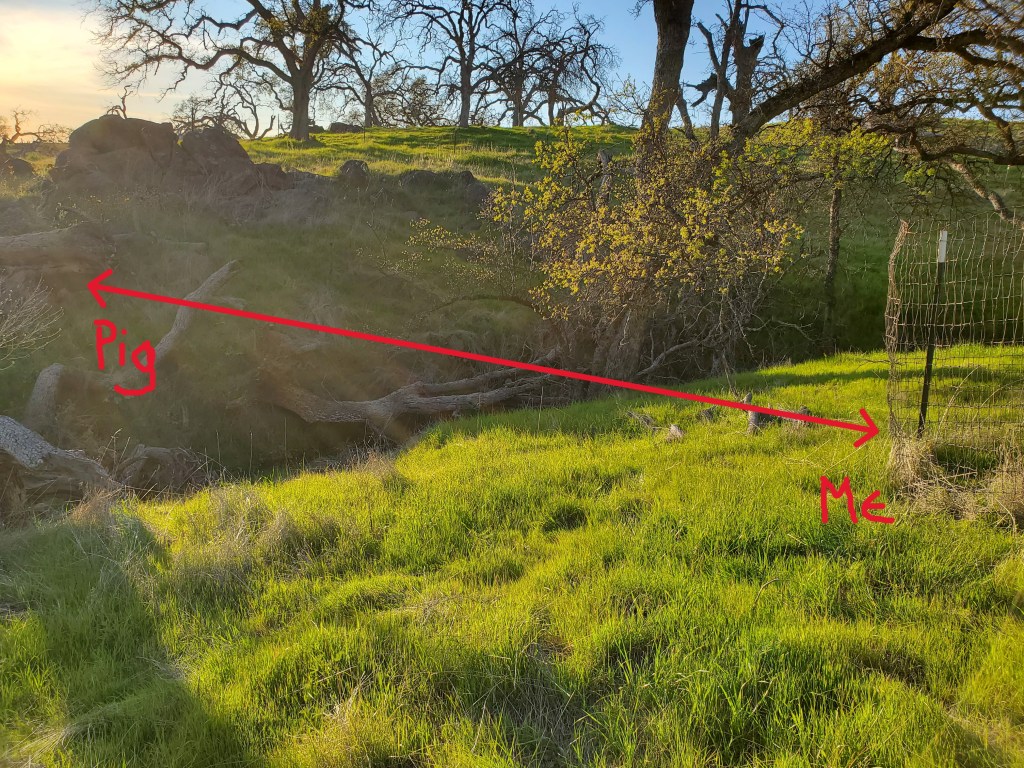
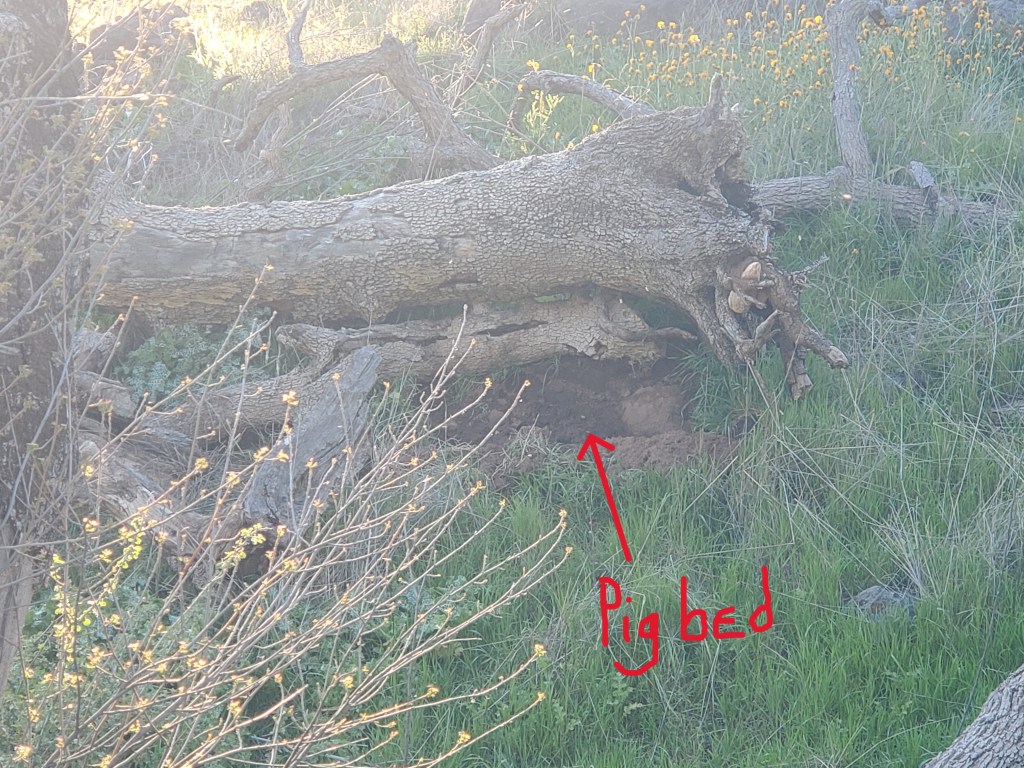
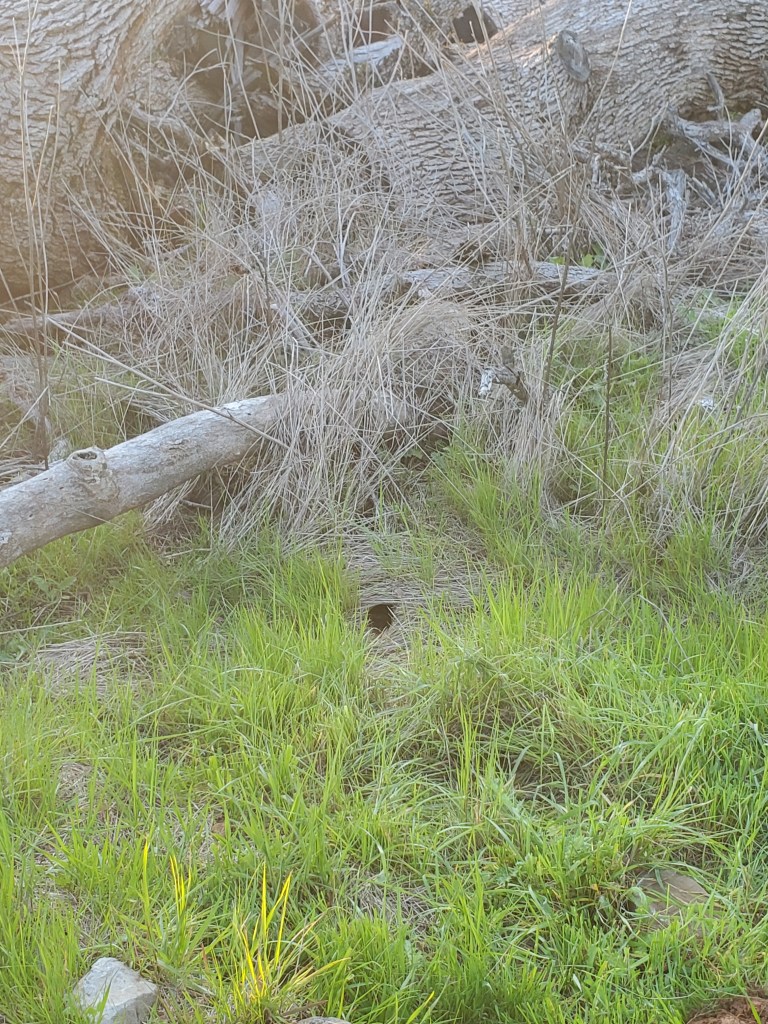
Cows are not my only problem. The other day when I was assessing the Spring Creek planting areas, I opened the caging of a small oak to thin grass that had grown around it. I was on my knees peacefully pulling the grass away from the oak when I heard a thrash across the creek. It was a single wild pig. She was small, about 250 lbs, and had been laying in a hollow between downed tree limbs. She must have been assessing me for a while. There were at least 15 minutes that transpired as I walked, dogs at my feet, into the area, then to the caged oak, and then the time it took to open the cage and sit there for a while pulling grasses.

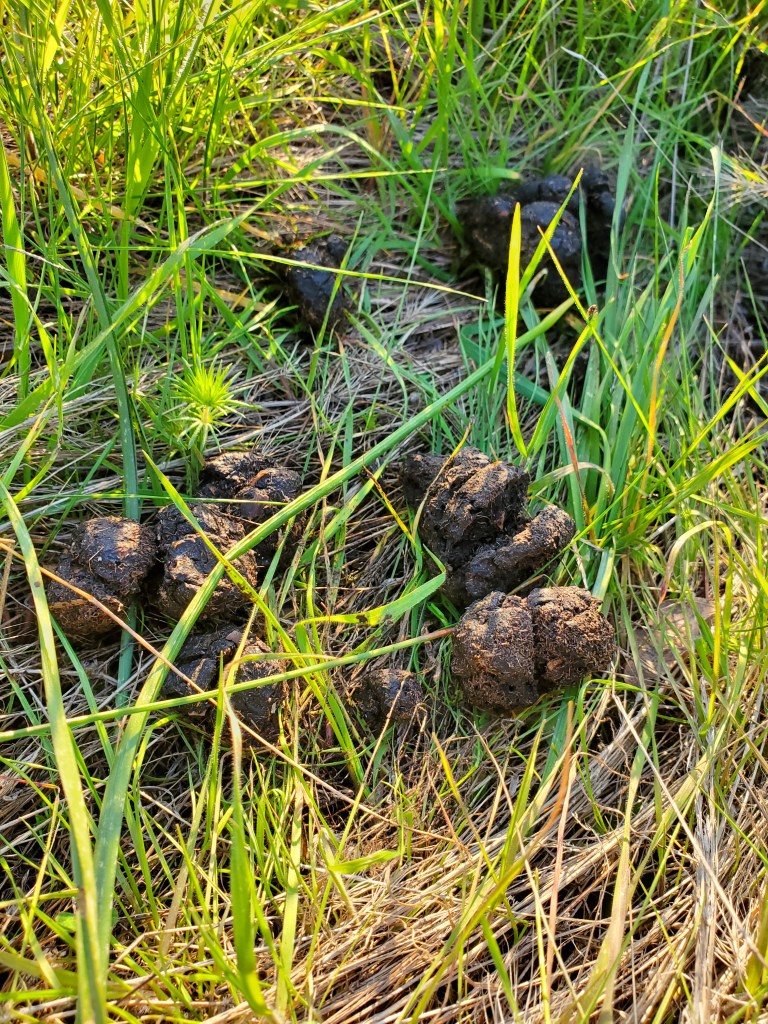
I immediately got to my feet and watched her run downstream, then across the creek, under the fence, up and over the hill. I didn’t think much of it until I followed downstream and found upturned soil from pig rooting, hoof marks sliding down the creek banks, a missing seedling from the slide, and then I worried about all the acorn I planted. Could she have rooted them out and eaten them? All that hard work for nothing? Pigs are non-Native and are very destructive. As a lover of all life, I have long pondered what to do about this issue. I hate the idea of killing them, but I may need to seriously consider that. With them in this area as often as they are, I may not ever be able to make headway on habitat. The survival of my Native relatives, monarchs, bumble bees, grasses, oaks and milkweed are paramount to me.

Wildlife and Flowers Abound

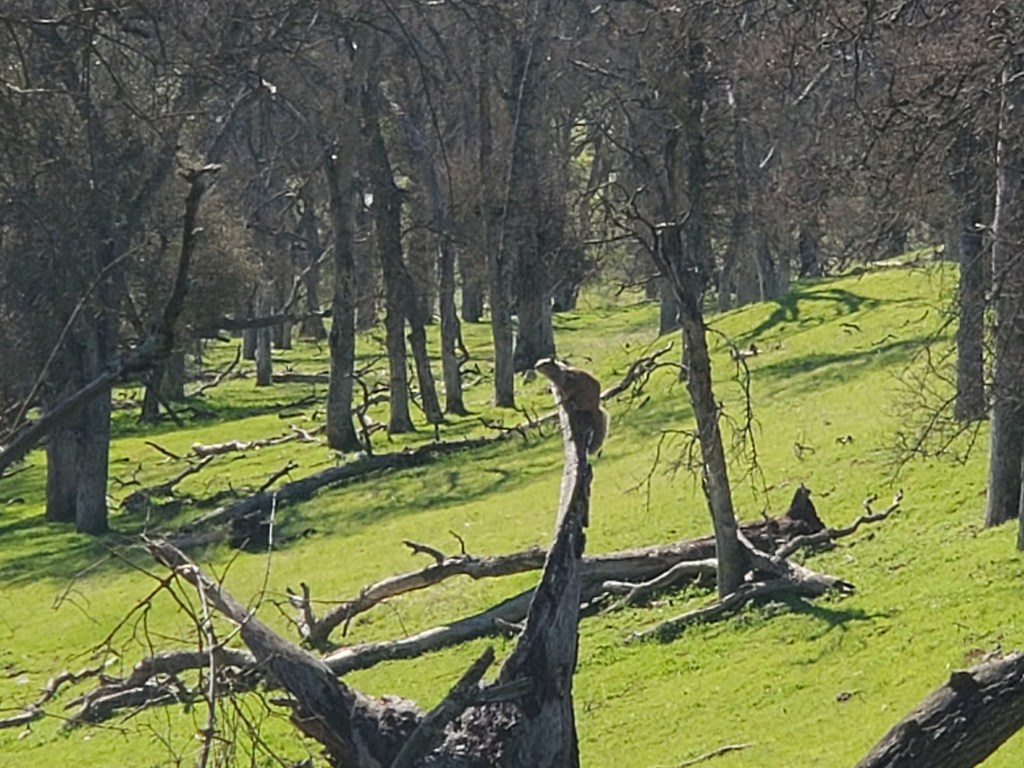
In addition to the pig and worms, I have seen interesting bugs, a ground squirrel, lots of various types of song birds and raptors, frogs, a silver bee, and most excitingly a couple swallowtail butterflies. I did not get a photo of them, but they are beautiful. It flew over me when I was lounging in the garden.

Water Everywhere

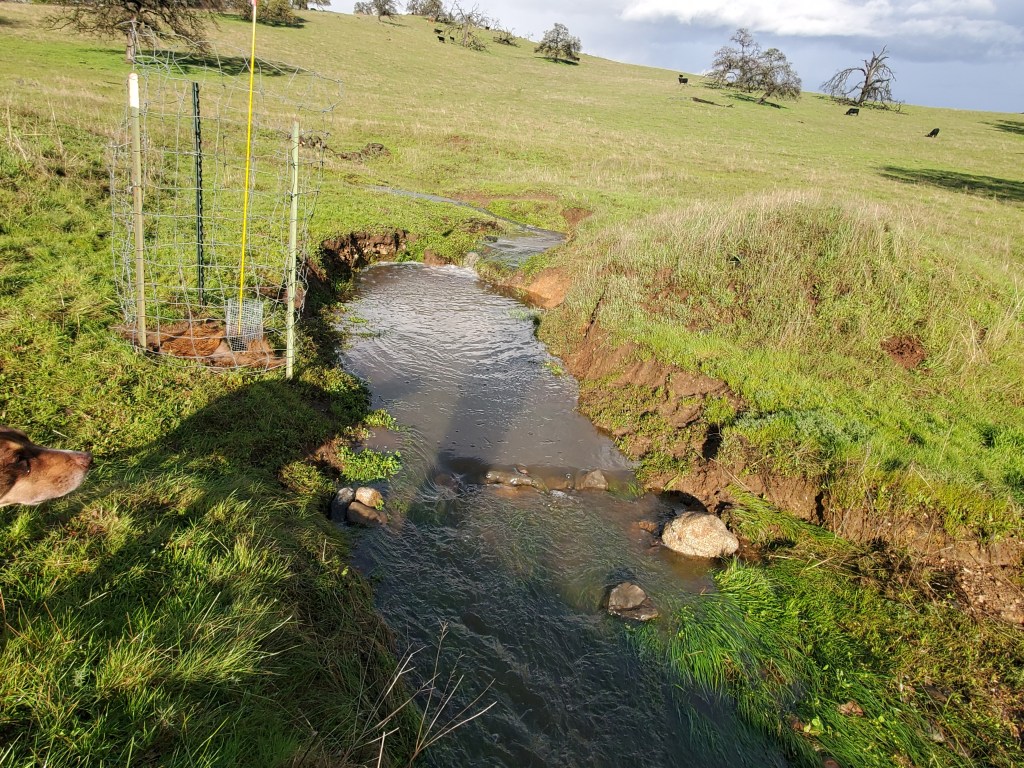
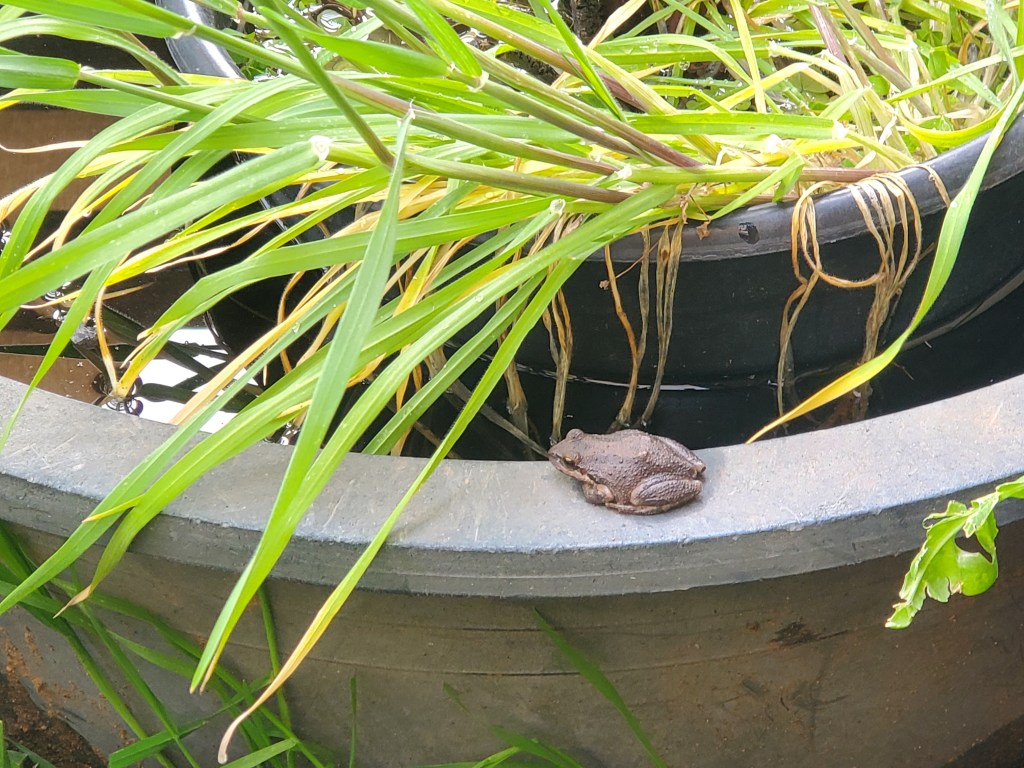
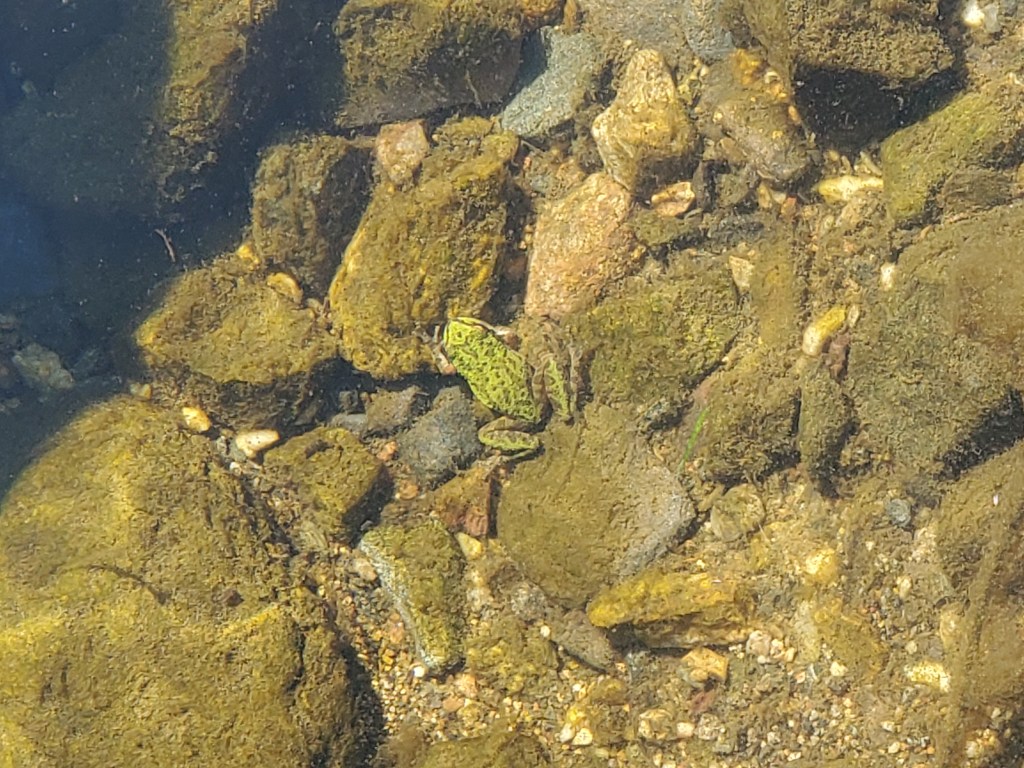
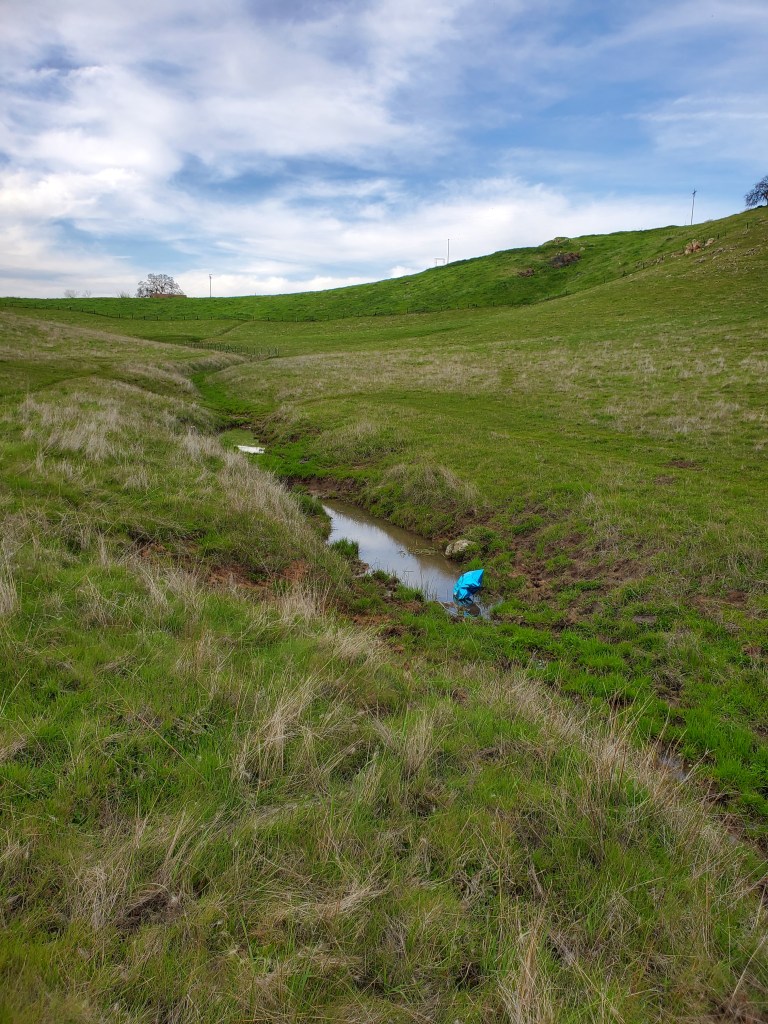
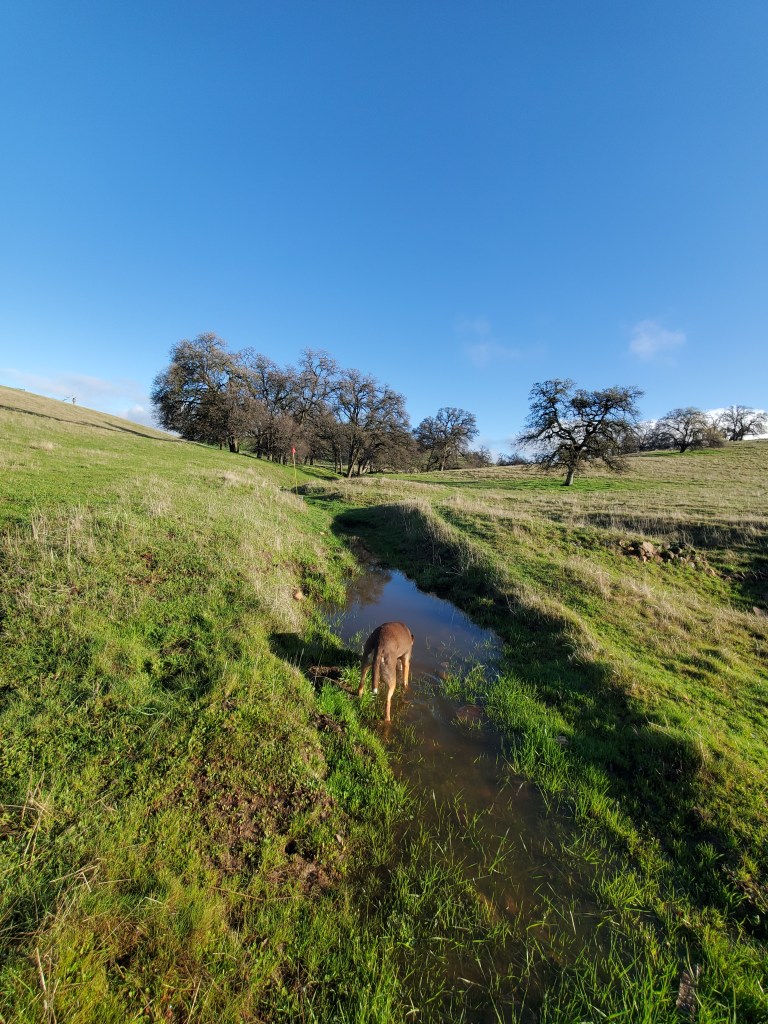
My neighbor said to me the other day that she has never heard so many frog songs in her entire time owning her ranch, which has been longer than me. They have been loud, joyful and seemingly from every direction. She thought it was due to my work. I don’t know if that is true, but I cannot help feel a sense of happiness that perhaps I contributed at least a little by creating lots of eddies, moist areas and long lasting puddles with the check dams. Thank you Kim for noticing that something was different.

Tornado Warning

Tornadoes have never been a California staple. For all my cognitive years, I’ve not heard of anything like this until the early 2000s when there was a funnel cloud sighting in Livermore. In the last three years, we have had a real tornado in Santa Cruz, a warning in San Francisco, a warning in south Mariposa, one for some other counties in the Valley, and now, on Tuesday, March 17, 2025, two in one afternoon, both in my vicinity. This is not normal.

David looked at the radar and saw the first cell would be well north of us. He said not to worry. I was of course still worried and making a plan in my head – a California girl with no tornado experience except The Wizard of Oz, Day After Tomorrow and some documentaries I watched a million years ago. I remembered that you should take shelter in a room without a window, or a place with the most framing, or possibly in the middle of the house. Who remembered? Like most Californians, we don’t have a basement — and we are on the top of the hill to boot.

I had just started to calm down when I heard my phone beep loudly again. It was another tornado warning. David was home by then and looked at the radar. It appeared that the severe storm cell was going to be headed straight for us. I ordered everyone in the house to shelter in the laundry room, and to bring the cats and dogs. I called my neighbor to encourage her to move from her RV into her home.

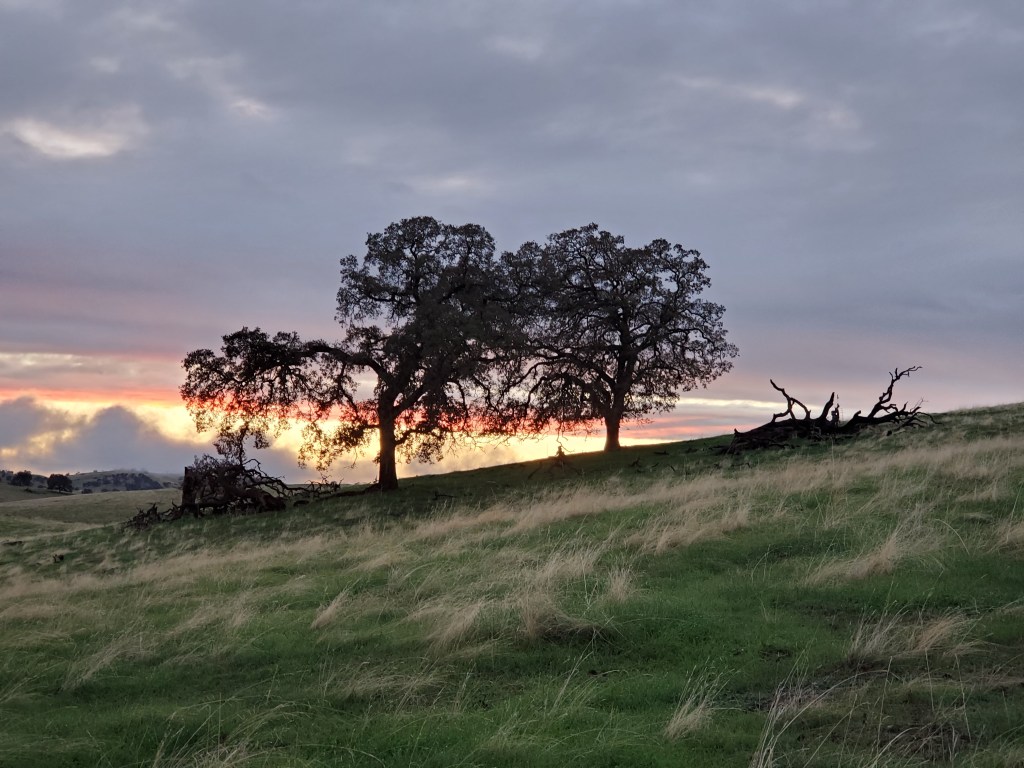
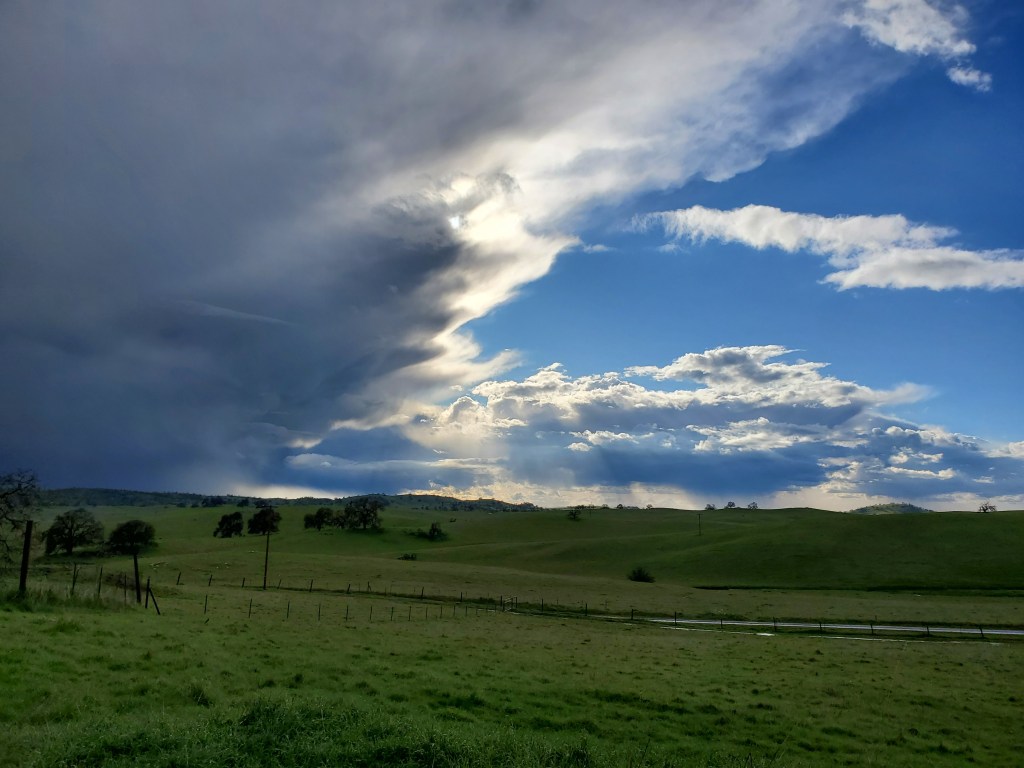
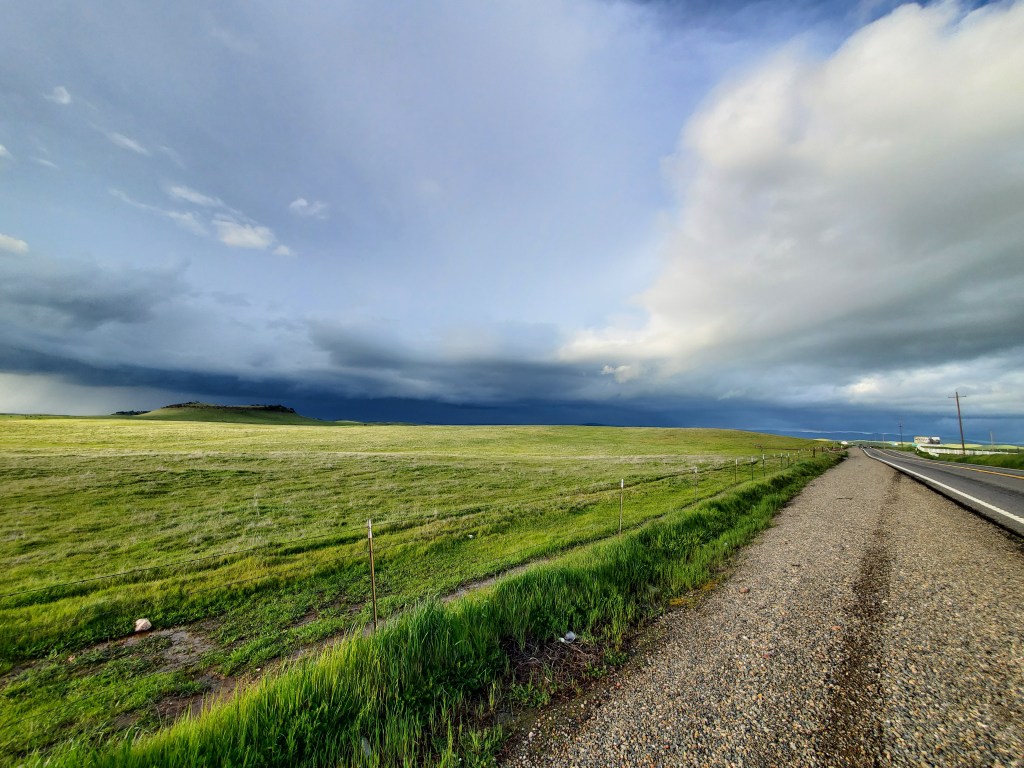
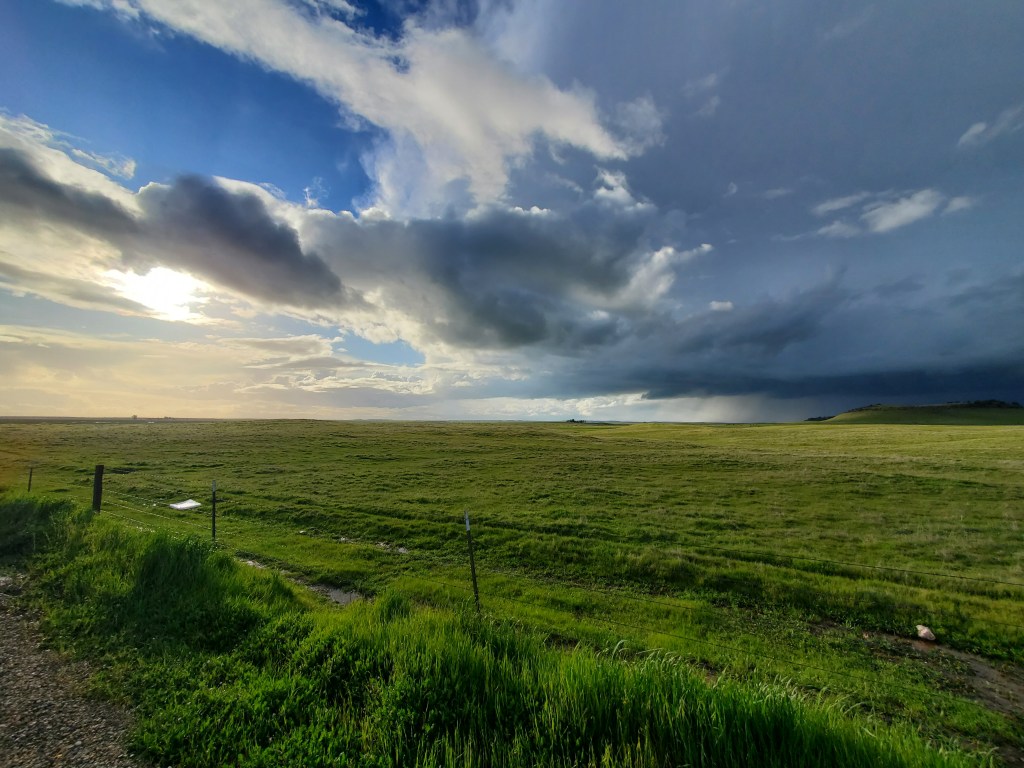
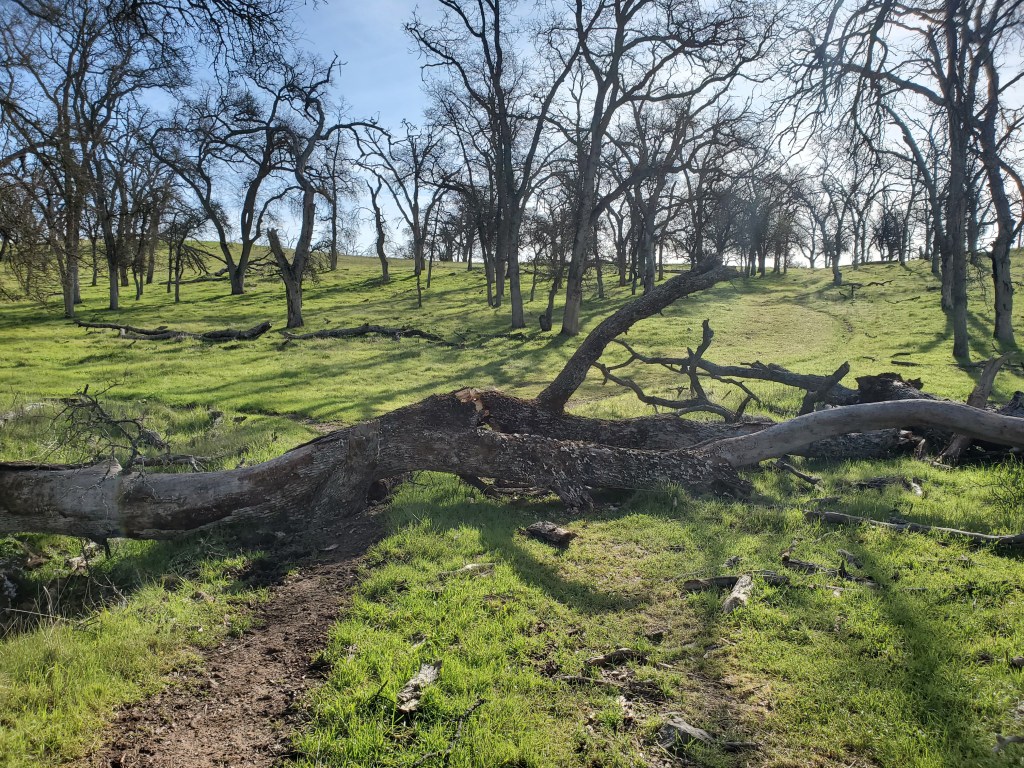
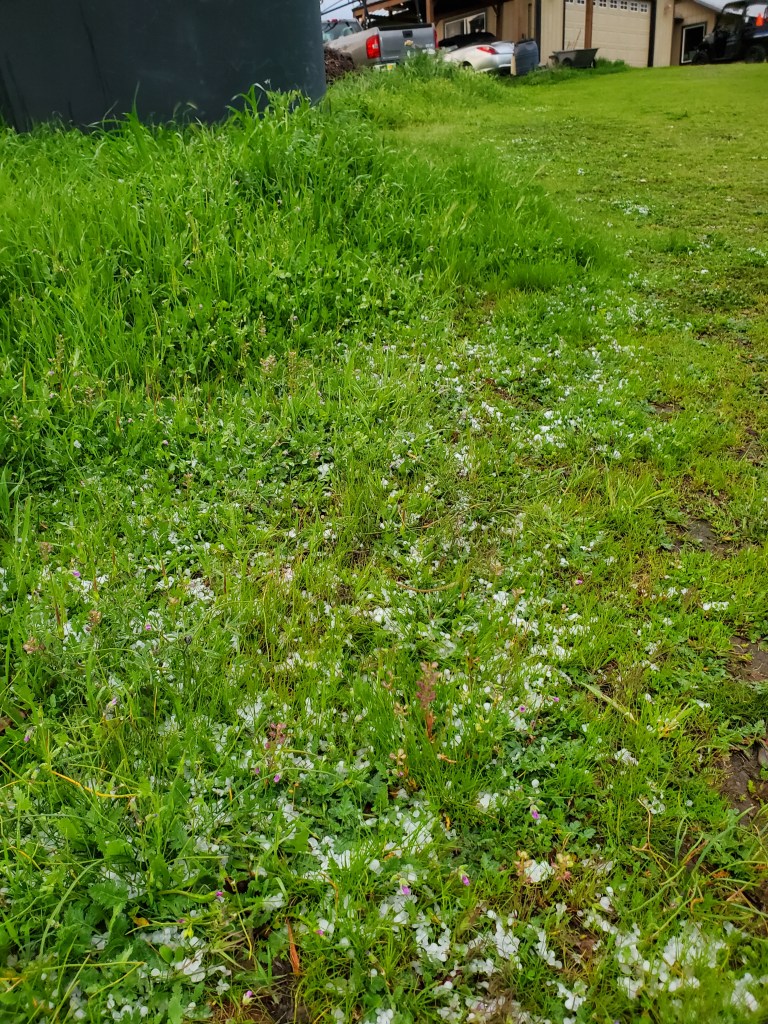
The cell reached the house 15 minutes later. The thunder was remarkable, booming so loud overhead and shaking the house. Then, the hail fell, hitting our metal roof like an angry teenager slamming a million doors over and over. In just 10 minutes, the storm had moved on. Light filtered through the clouds once more. Besides the ground being littered with hail stones, several of the long dead oak trees toppled. I found one across the cattle road a day later. Chainsaw work is in my future for sure.

I feel grateful that mother nature is warning us instead of simply squishing us. We have an opportunity to act, to care, to show respect for all living things – to change the course of our life and be in greater balance. “How can I respond even more than I am already doing?” is the question I ask myself regularly. Two tornado warnings in one afternoon? What will it take to wake people up to care? For me, I am going to double down on milkweed, consume less, choose even less packaging, fly less, walk more … and … look into building a basement.
Endless Summer

A rare day in September when the clouds came and temperatures went down, but otherwise, hot and dry

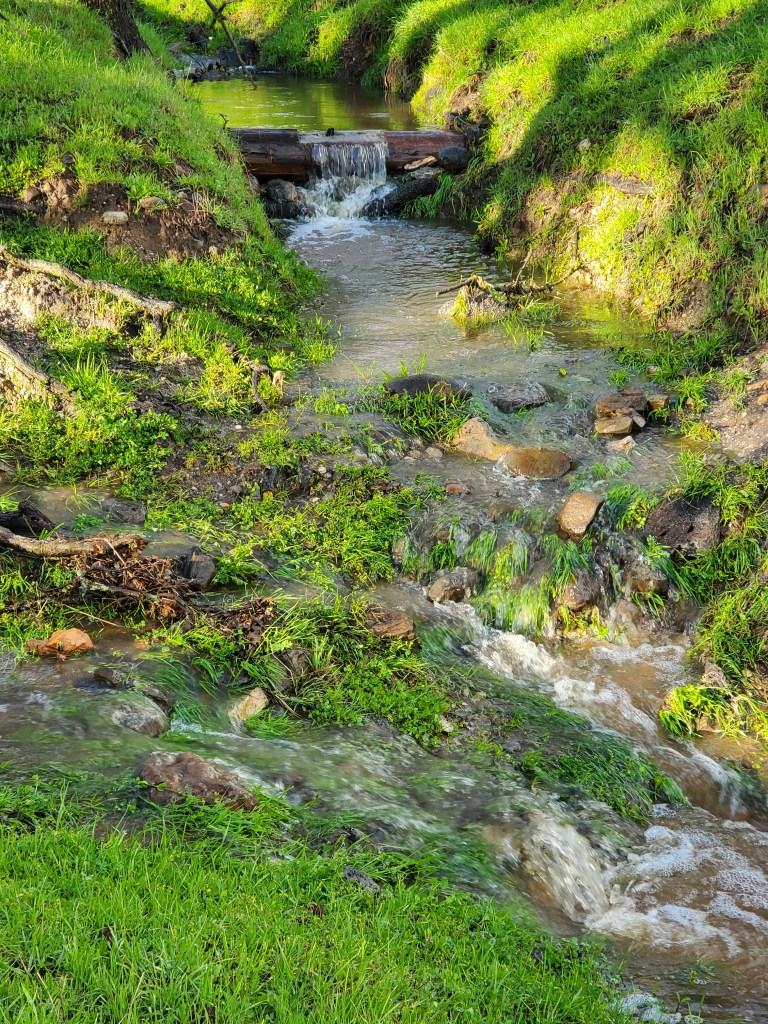
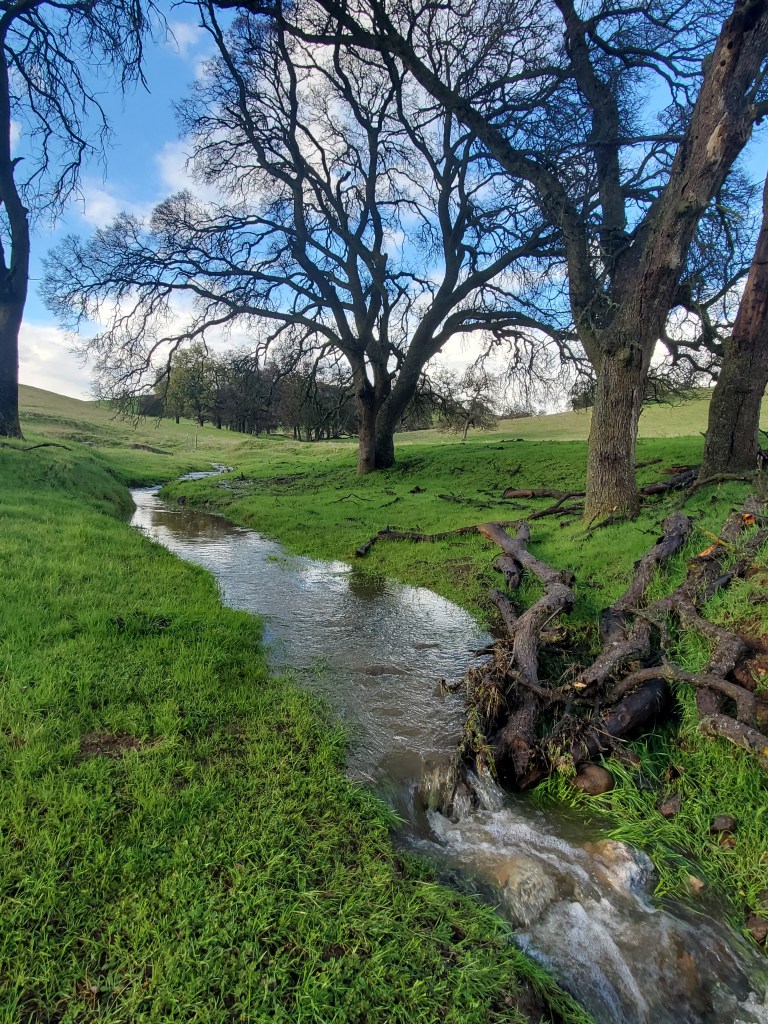
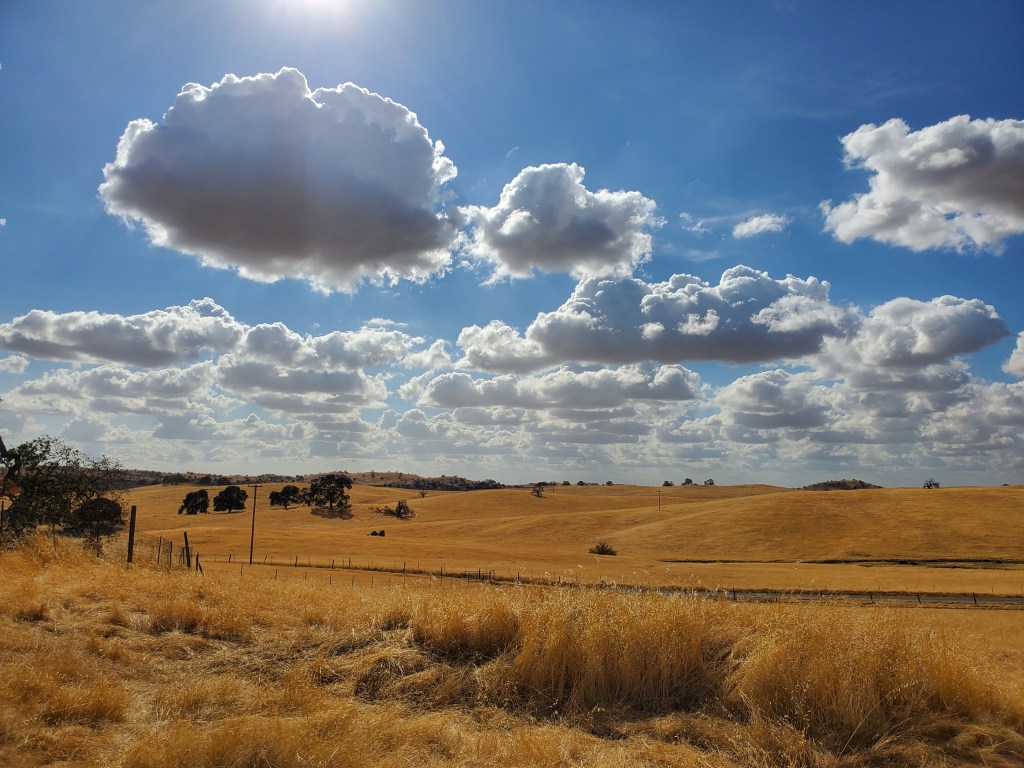
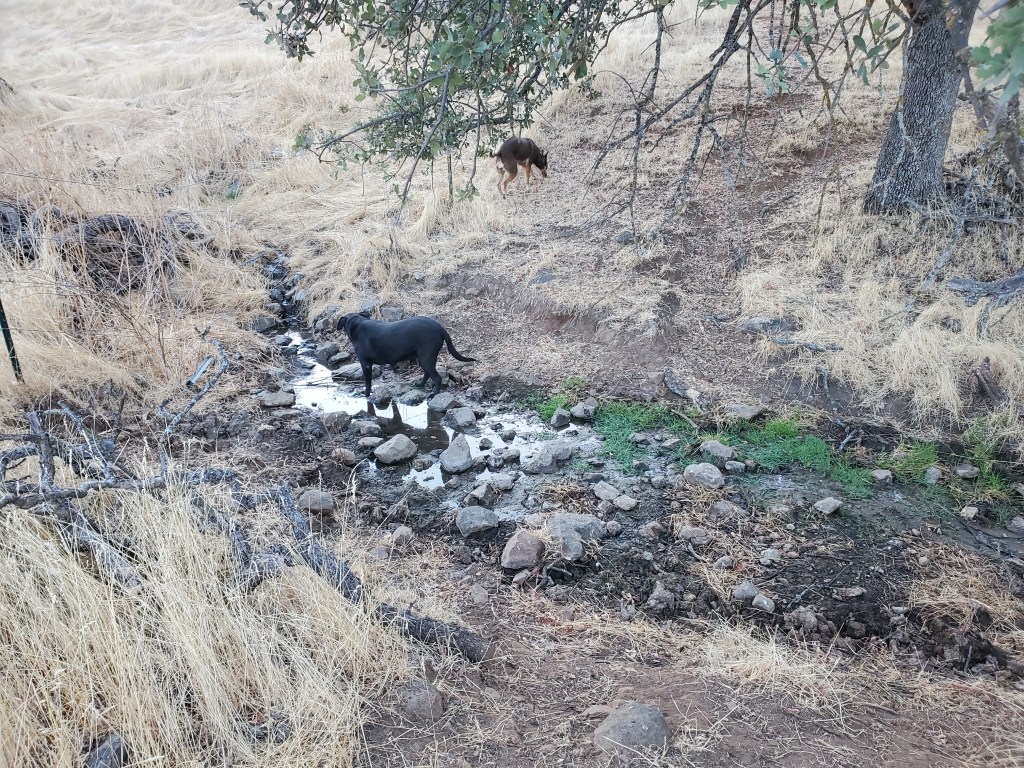
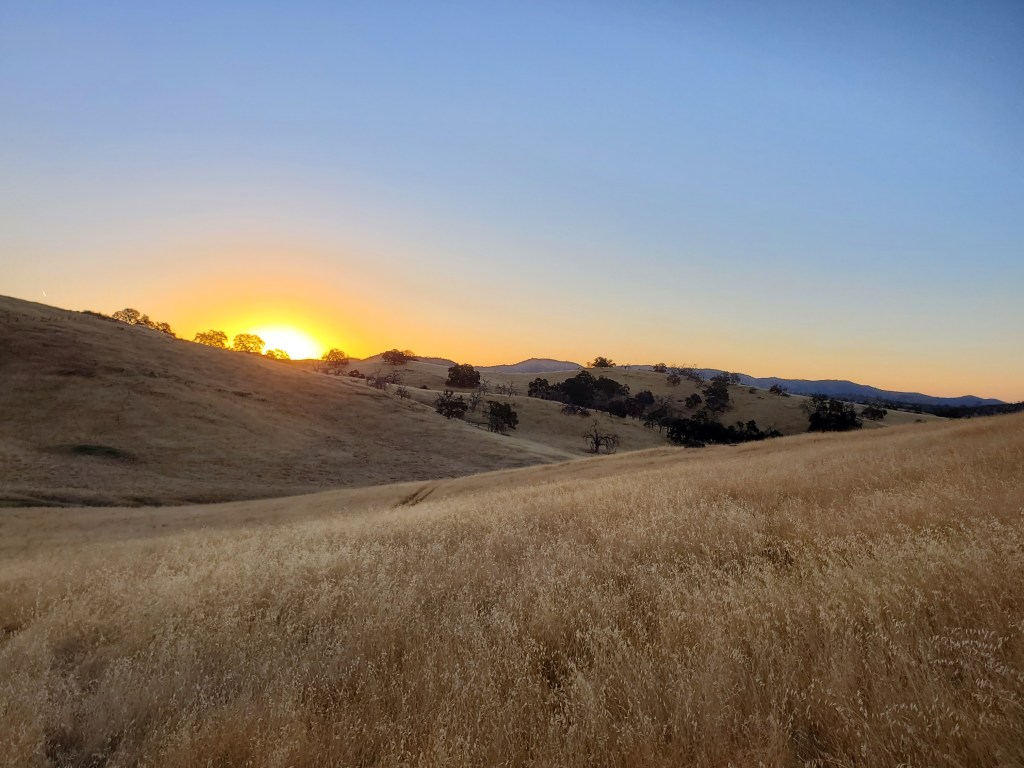
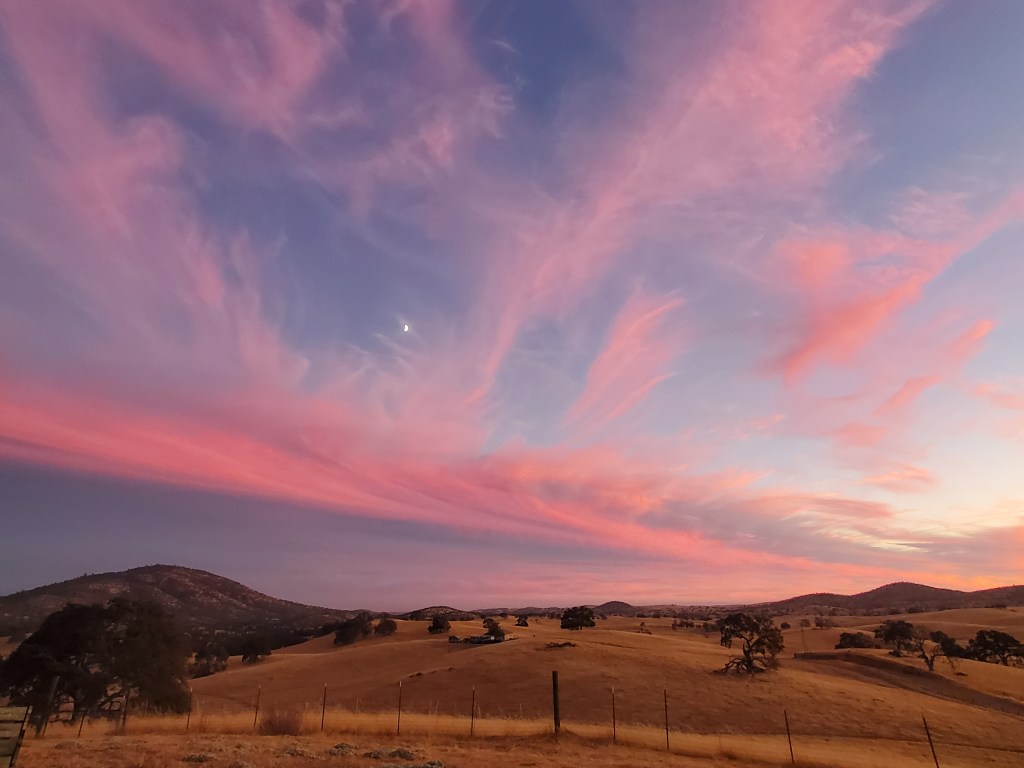
It is October 24th, and we are still seeing 80 F + days. My body is tired of being warm. Surprisingly, there is still water in the seep and in the spring creek, but their reach is far less than just four weeks ago.

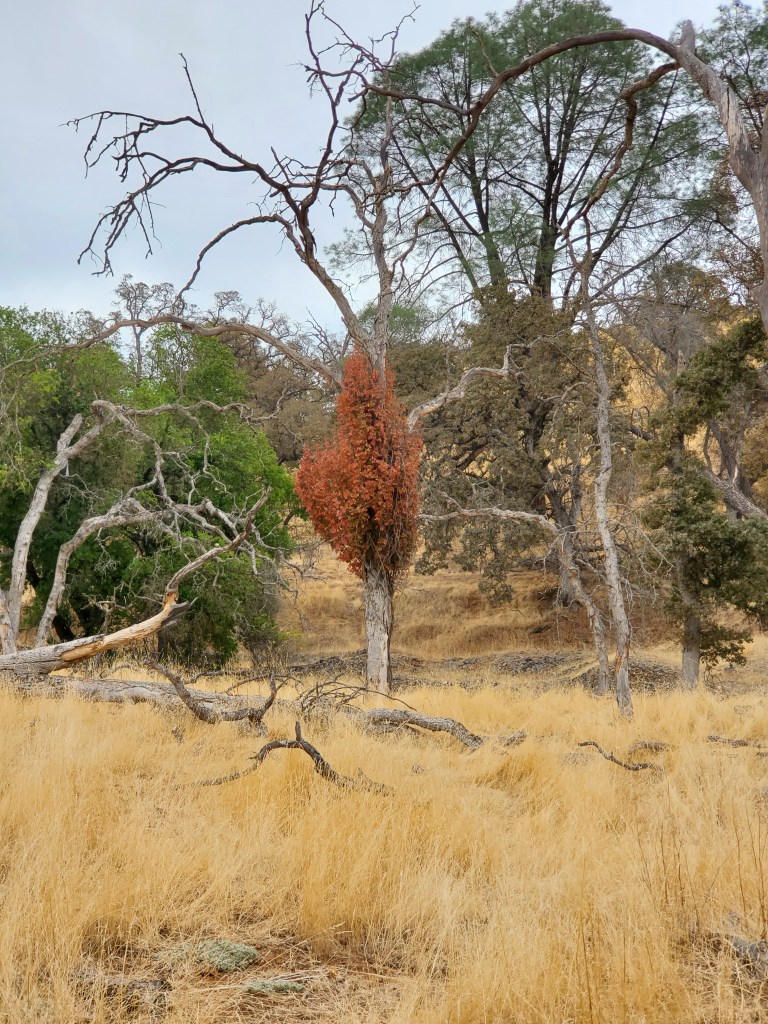
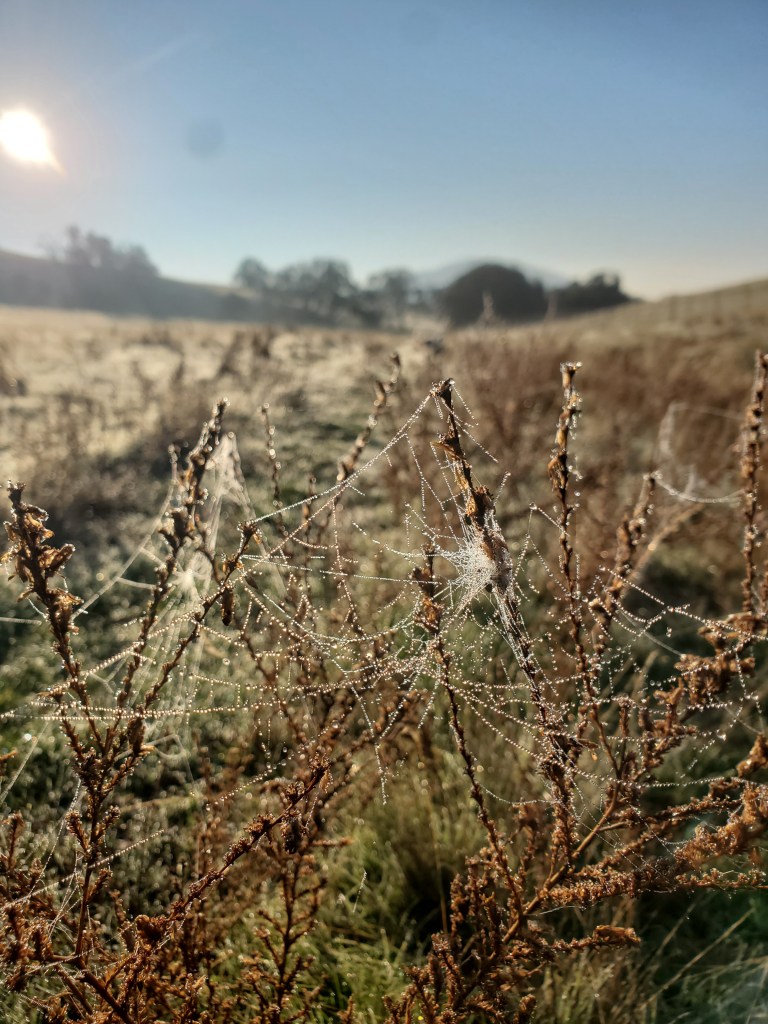
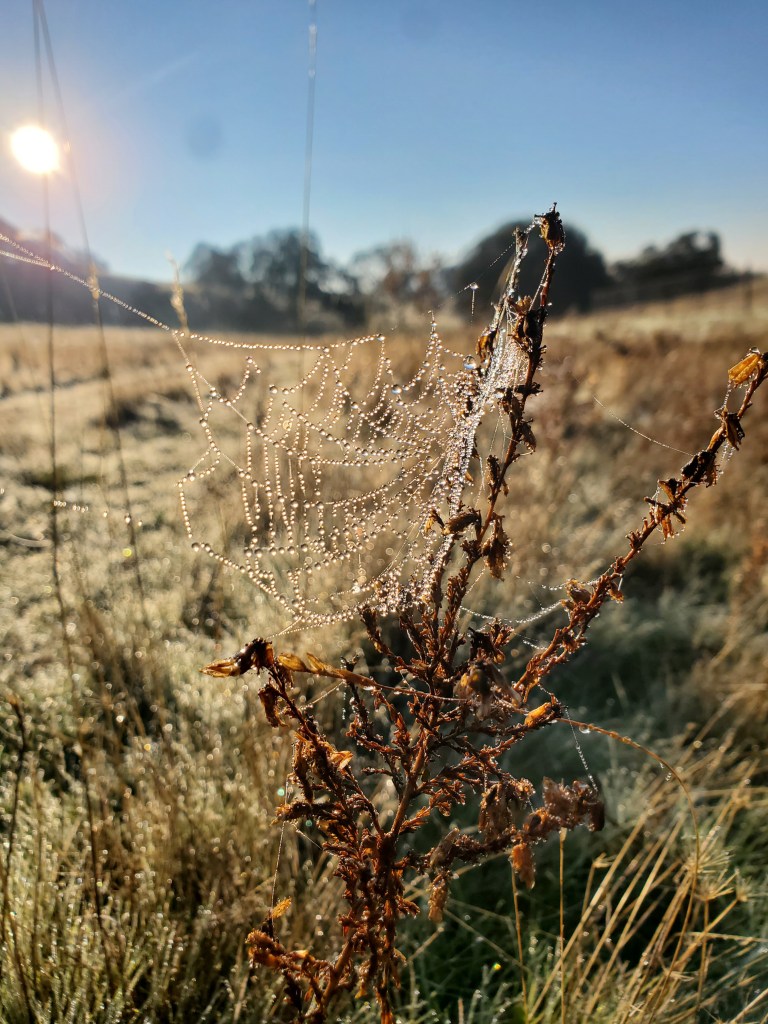
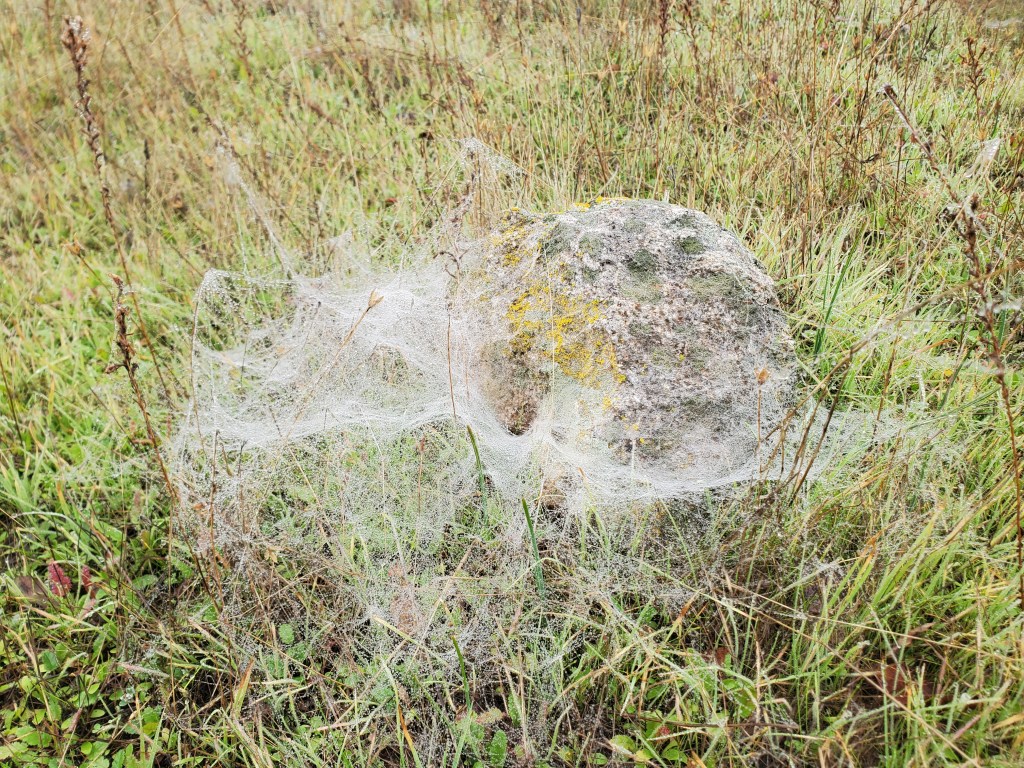
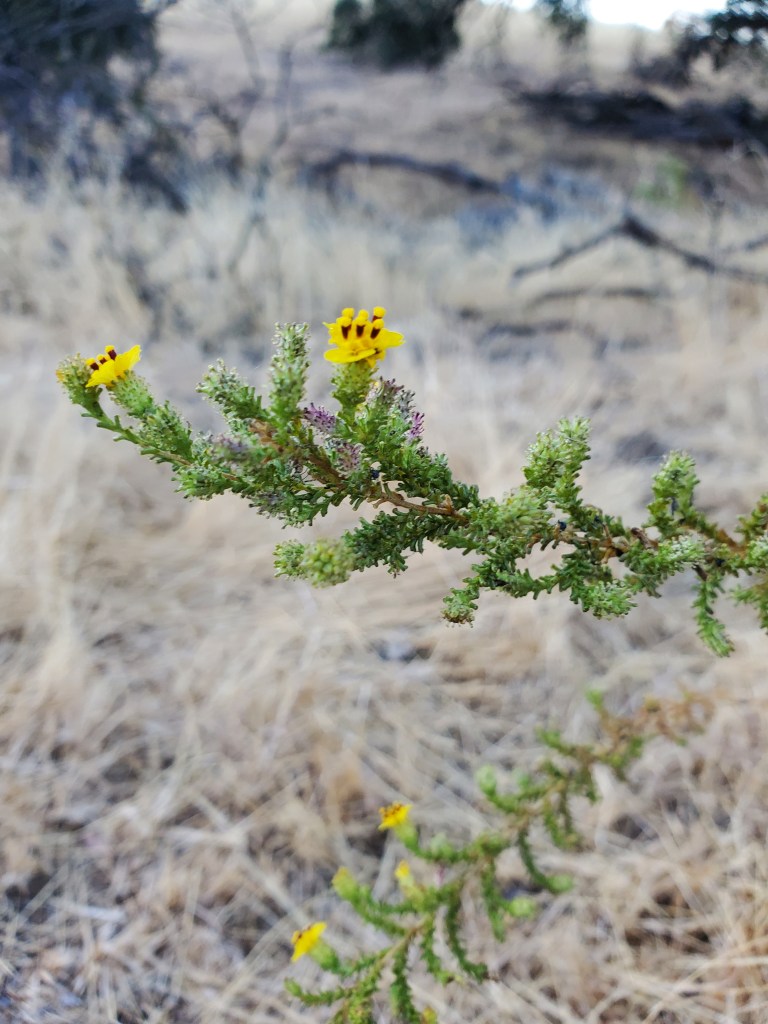
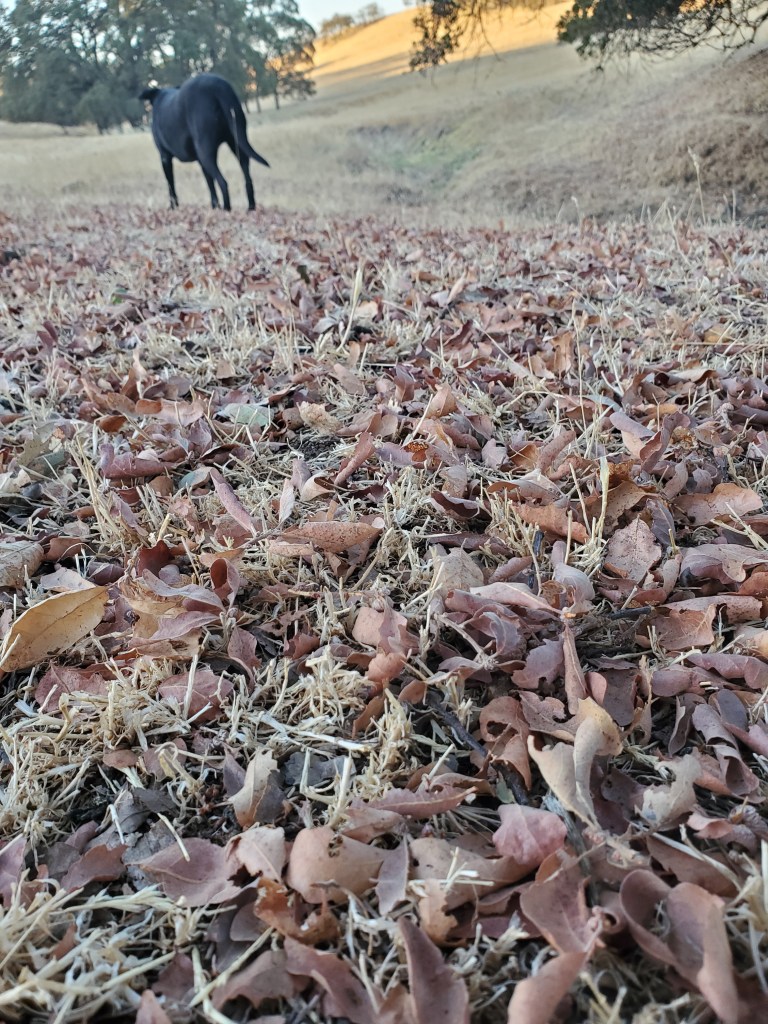
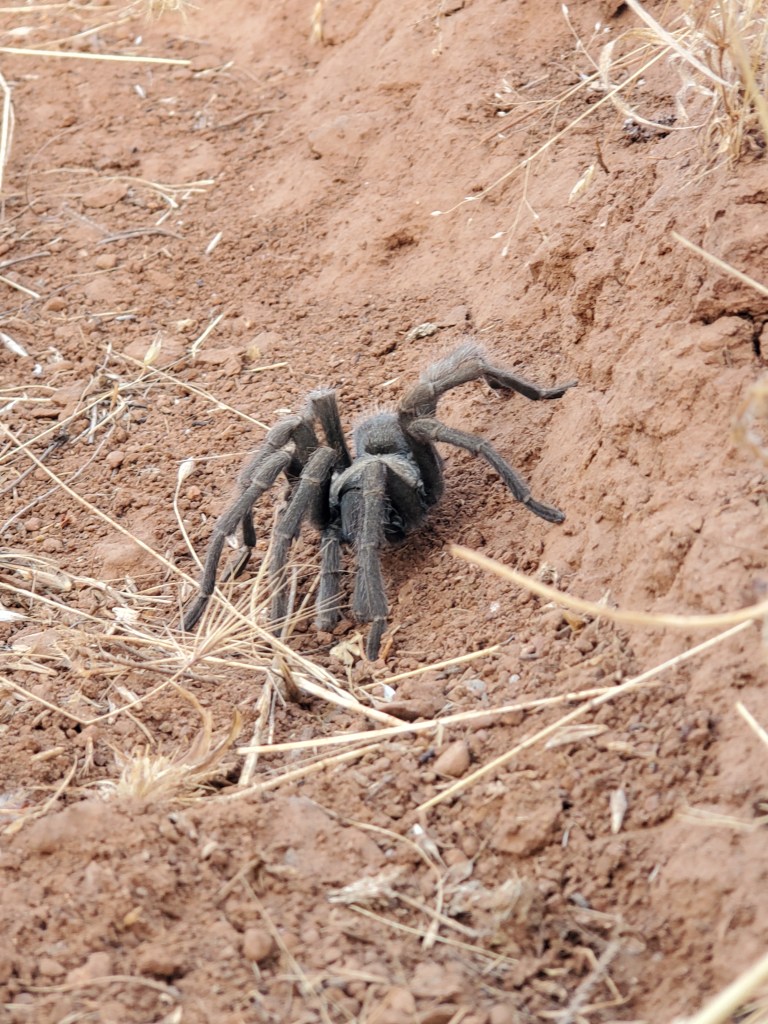
With the exception of the temperature, autumn is all around us. The ground is littered with leaves, webs float through the air only to get tangled among the grass, and tarantulas are out looking for mates. Sadly, the grasshoppers ate much of the tarweed on the west side of the ranch. Consequently, the air is not heavy with their perfume, one of my favorites.

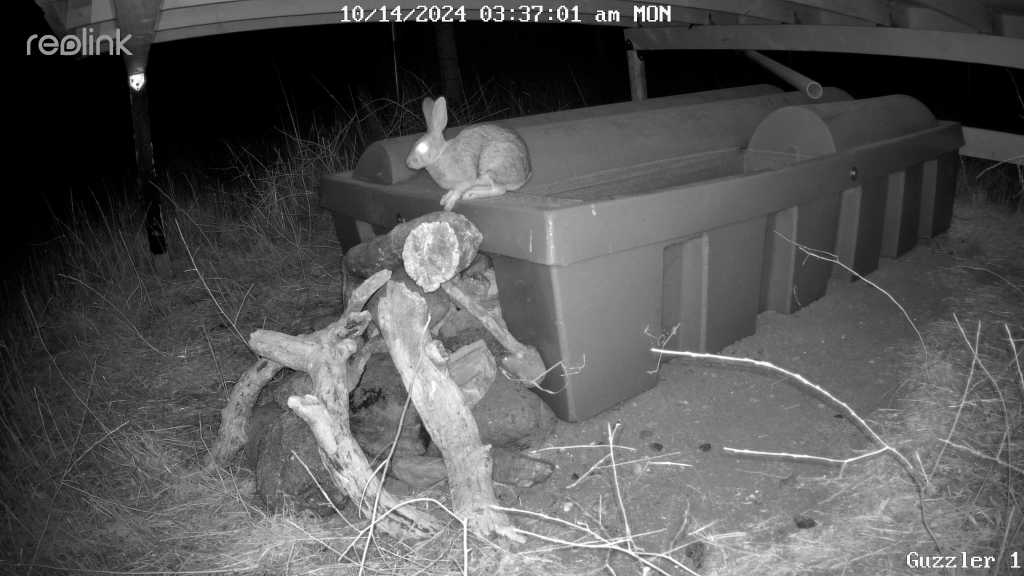
When the temperatures cooled, more animals and insects came out or at least appeared more active. I hear coyotes singing much more since the nights cooled. More raptors in the air, more bees and of course, the spiders. David and I installed a game camera on the wildlife guzzler overhang to see who was using it for water, and a large hare climbed up the wood pile and down the ramp to take a sip. That was exciting.

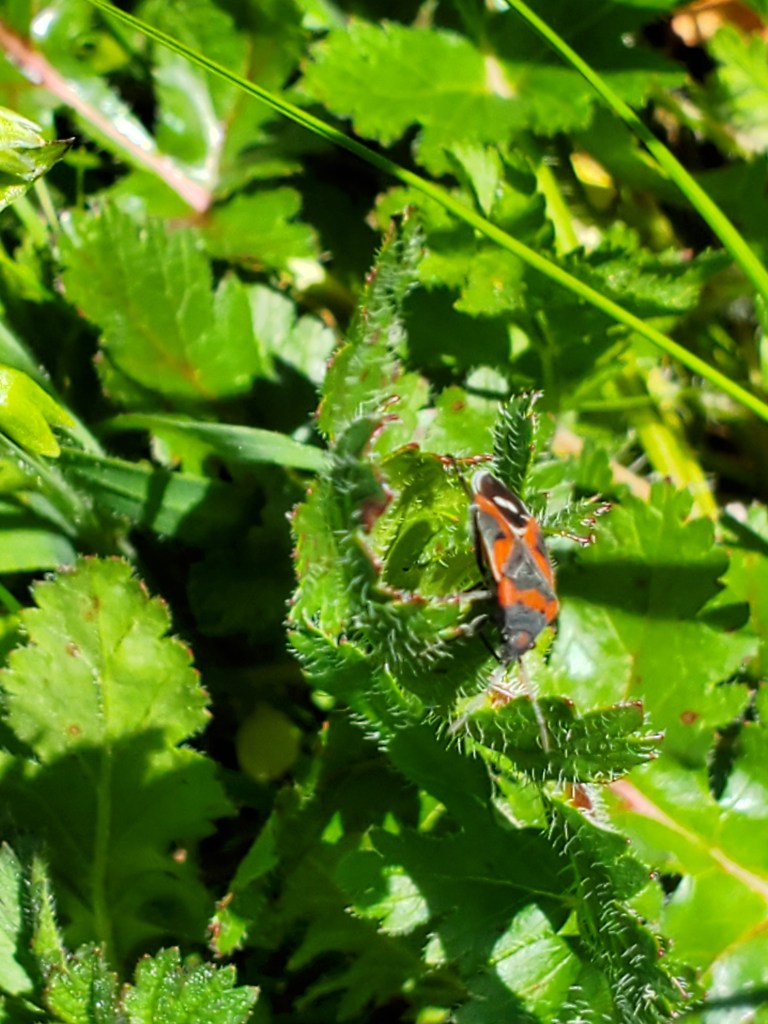
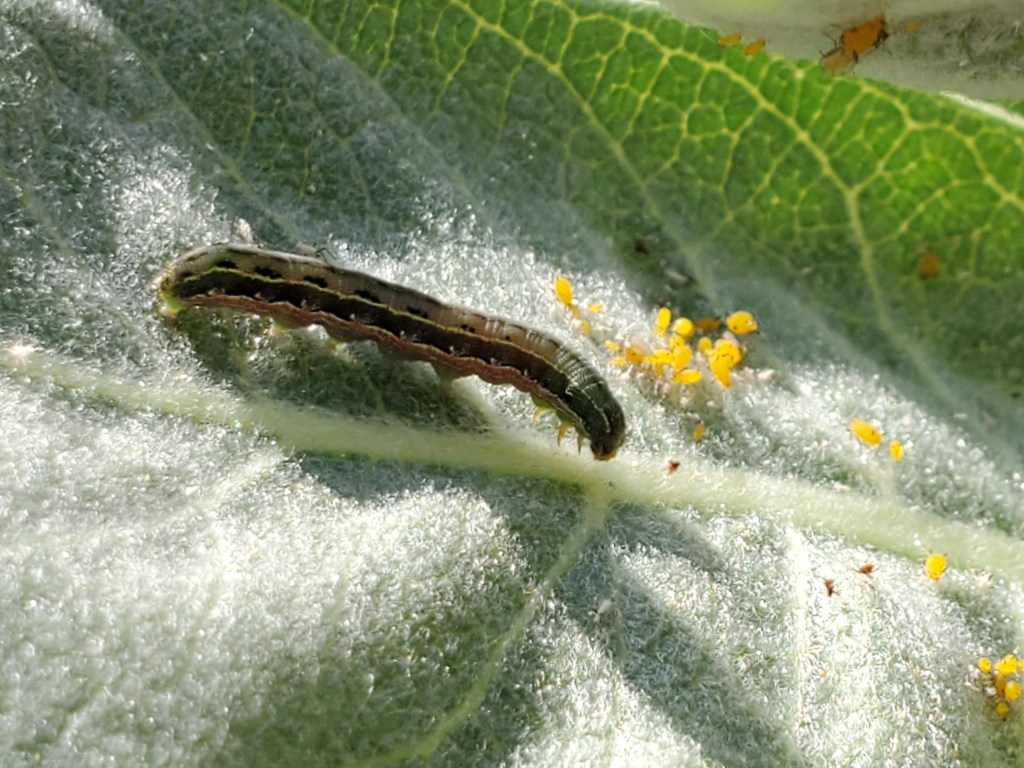
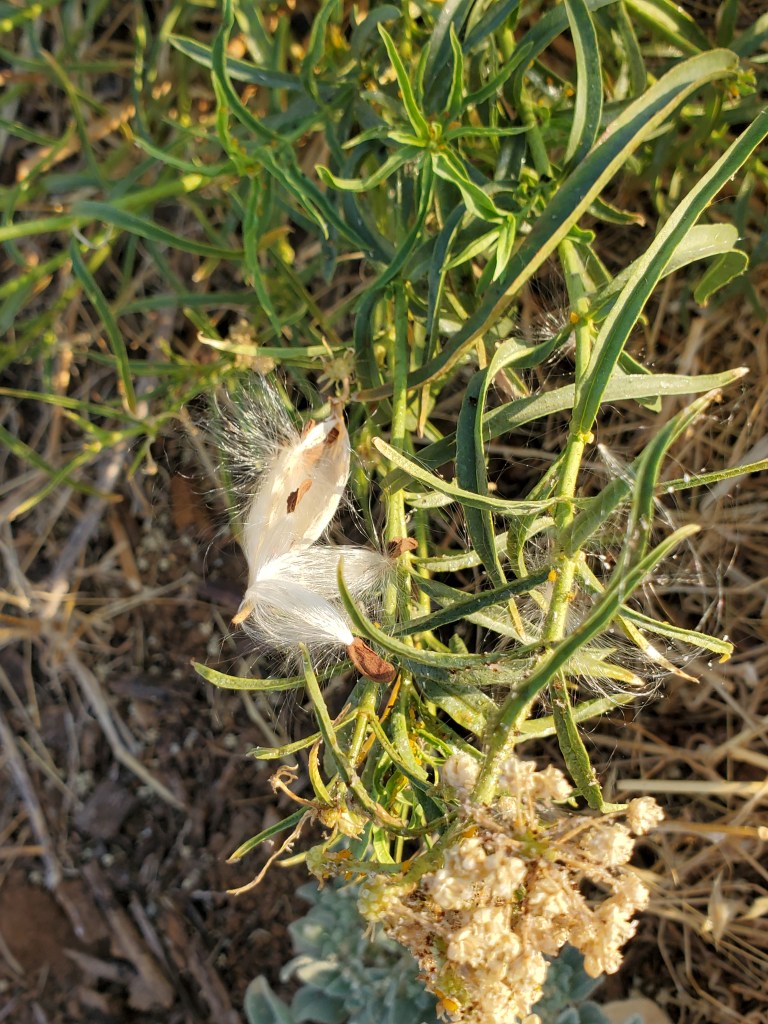
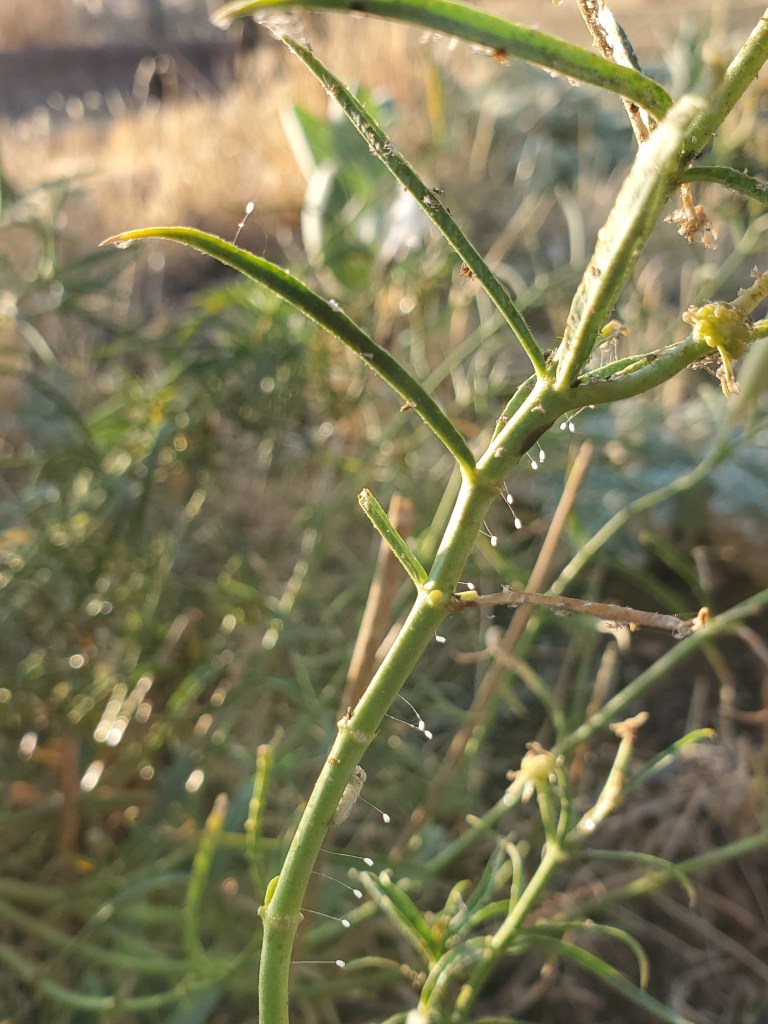
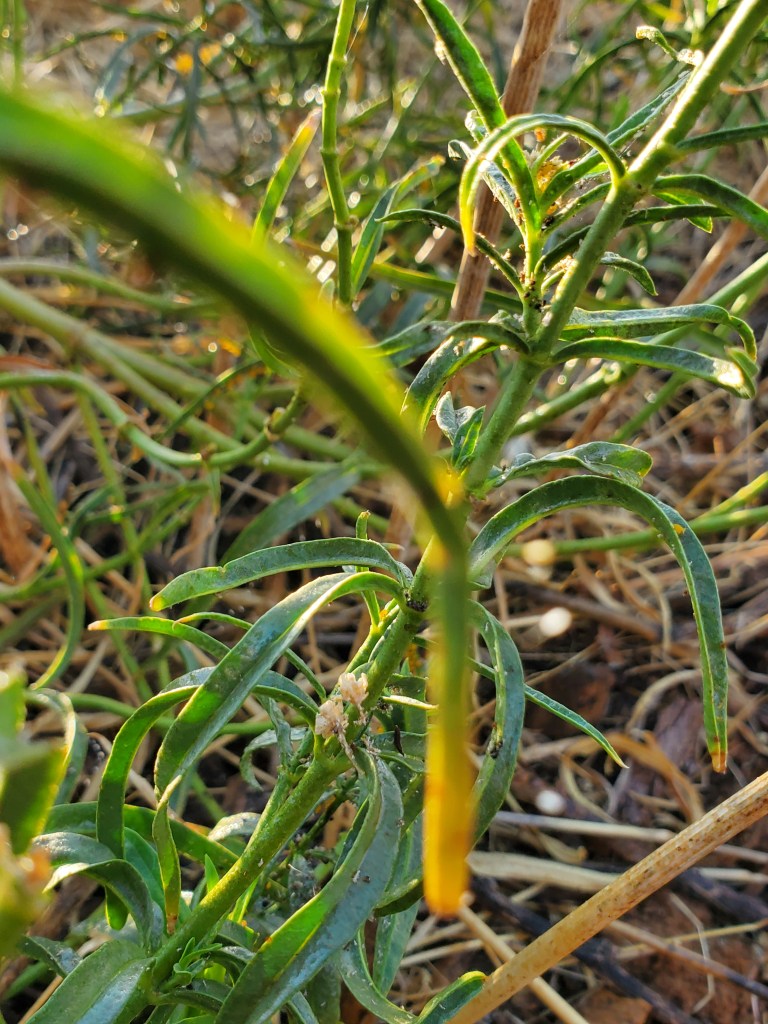
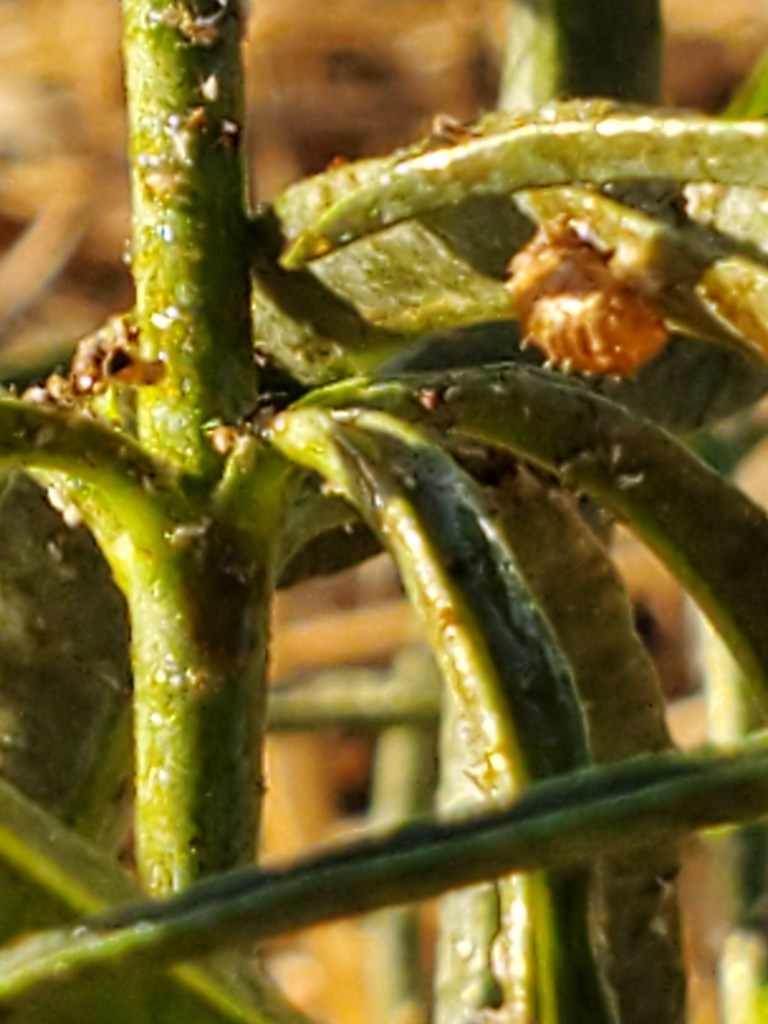
There is also considerable activity on the milkweed plants. I have looked at them daily for signs of monarchs, but there has been nothing. It has been too hot, and now the window is closing. The plants are winding down, and seed pods are opening. I did see a remarkable sight however. It was lacewing eggs. The lacewings love aphids, of which there are many on milkweed. They lay their eggs perpendicular to the stem of the milkweed and place the egg on the very tip. A special shout out to friend and bug knowledge bearer extraordinaire, Sean Werle. He helps identify the many things I do not know.

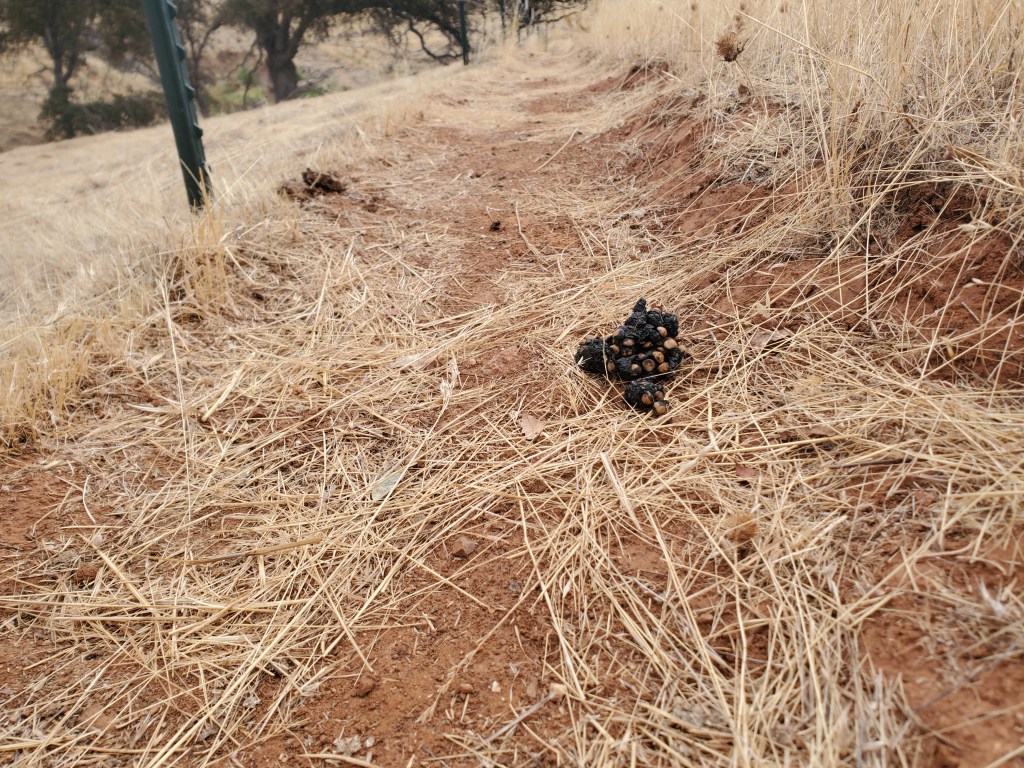
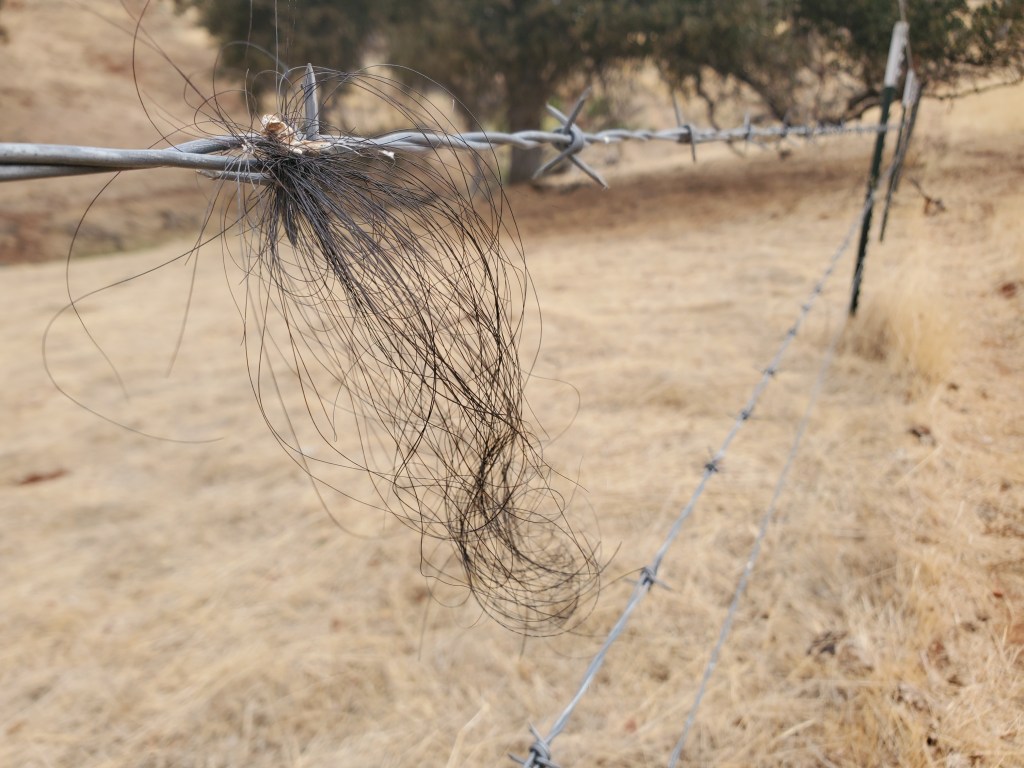
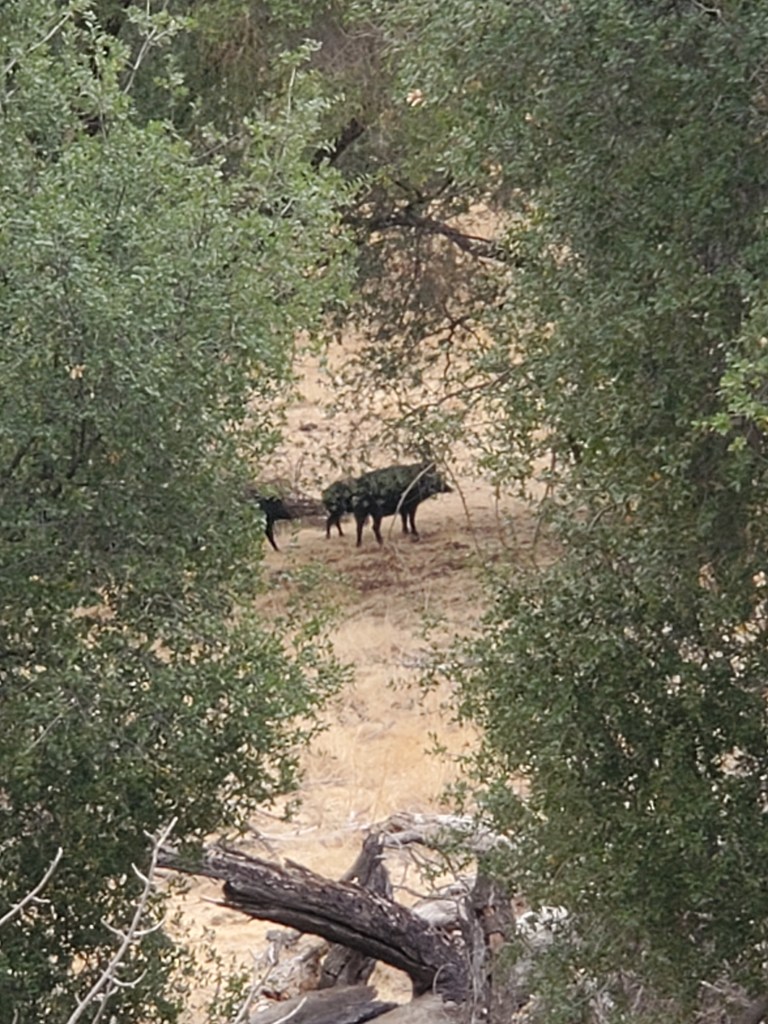
The other day, I was washing dishes and looked out the window to the east. I saw some large black specks on the side of the hill. I thought, “Oh, that’s where the cows are now.” As I looked, I saw them move much more agilely than a cow. Then, the shape was wrong as they made their way further up the hillside. I ran to get my binoculars and confirmed what I thought; it was wild hogs. There were several adults that had to be 400lbs and a lot of babies. My neighbor saw them too, and they counted 20 in the unit. They had been down in the spring creek ravine. I wondered what havoc they were engaged in. After they were well-over the ridge, I walked to the creek and found the entire lower half of it rooted out. All the vegetation was gone and the soil turned up. Where it was dry just the other day, was now wet with the removal of the plants and grasses. On the bright side, there is more space for animals to find water along the creek. On the down side, how can I ever expect to re-vegetate that space with oak saplings and milkweed if the pigs can come in and destroy all vegetation in an hour or less?

Wanderings

Oh the heat. Each year, it seems to get worse on some level. I feel so bad for the nature relatives that depend on us to use our sense in maintaining this beautiful world. I cannot tell if this year is more miserable than the one before. With the grasshopper incursion and my father’s illness, everyday is just something to move through – not much time for soaking up the joy of stewardship.

Although there is a great deal on my to do list, my priority is my family. Dad has been in the hospital twice since I last wrote and the list of medications, doctors, support staff and paperwork grows exponentially. I only have time for the ranch “must dos” and not the “wish list”. With good medicine, a will to survive and a little luck, Dad may get more stable, and a predictable schedule will be established. Until then, I will look longingly across the ranch and at photos of times past wishing for the best of health for all of us – monarchs and mammals, dads and daughters – all of us.