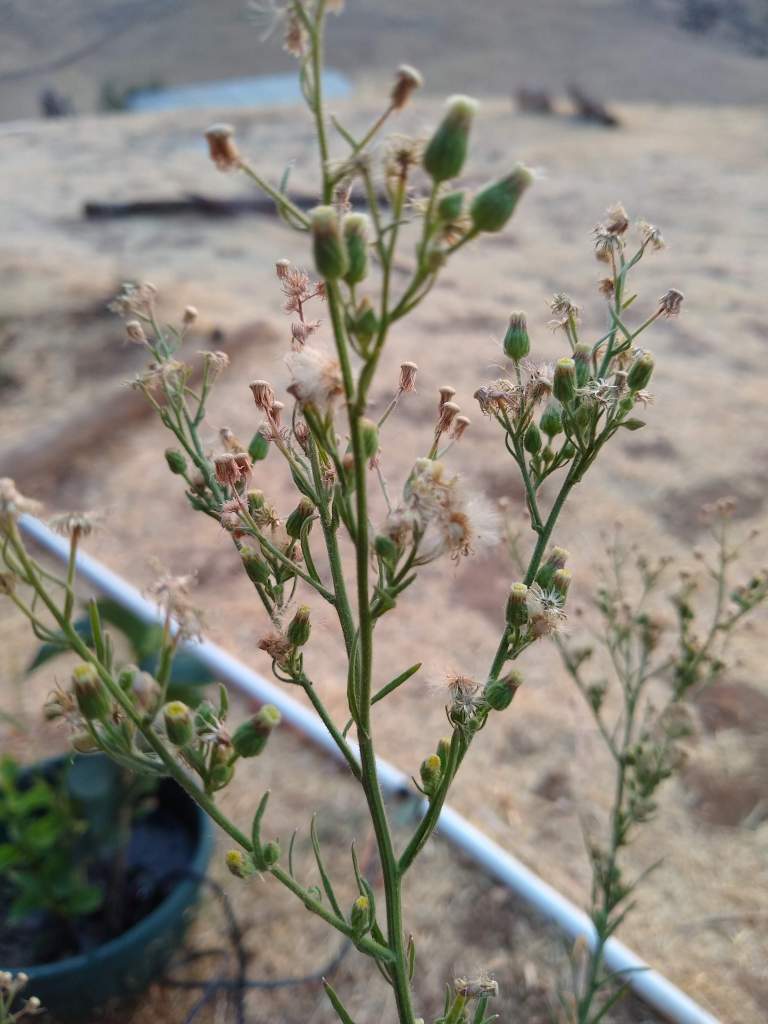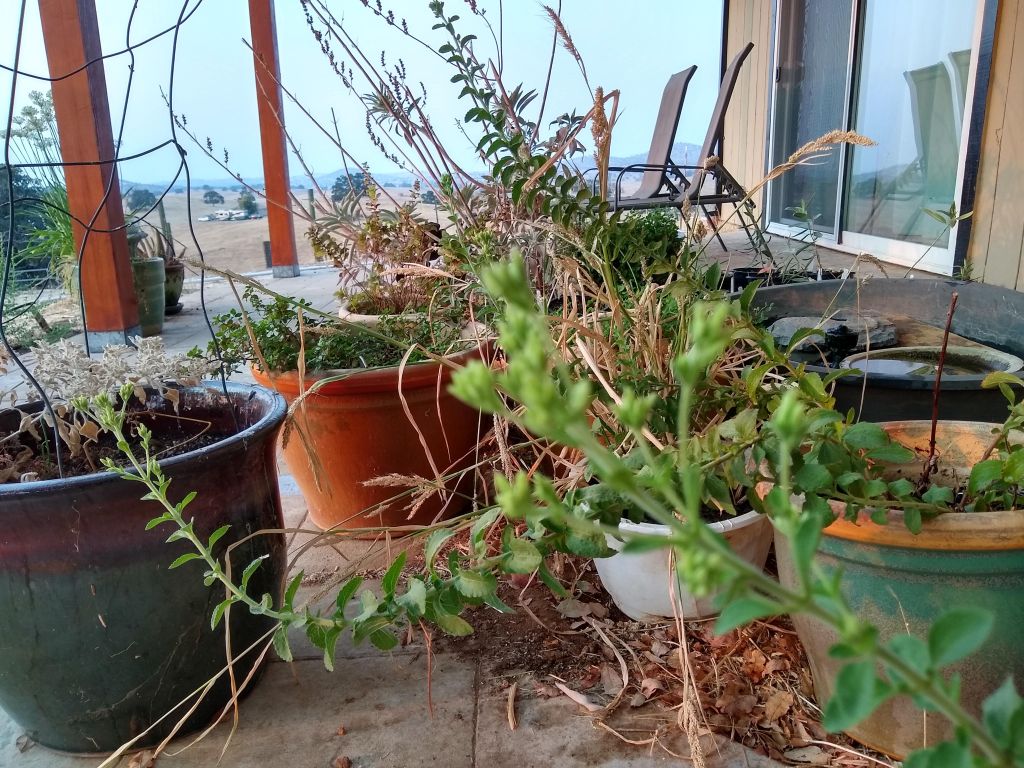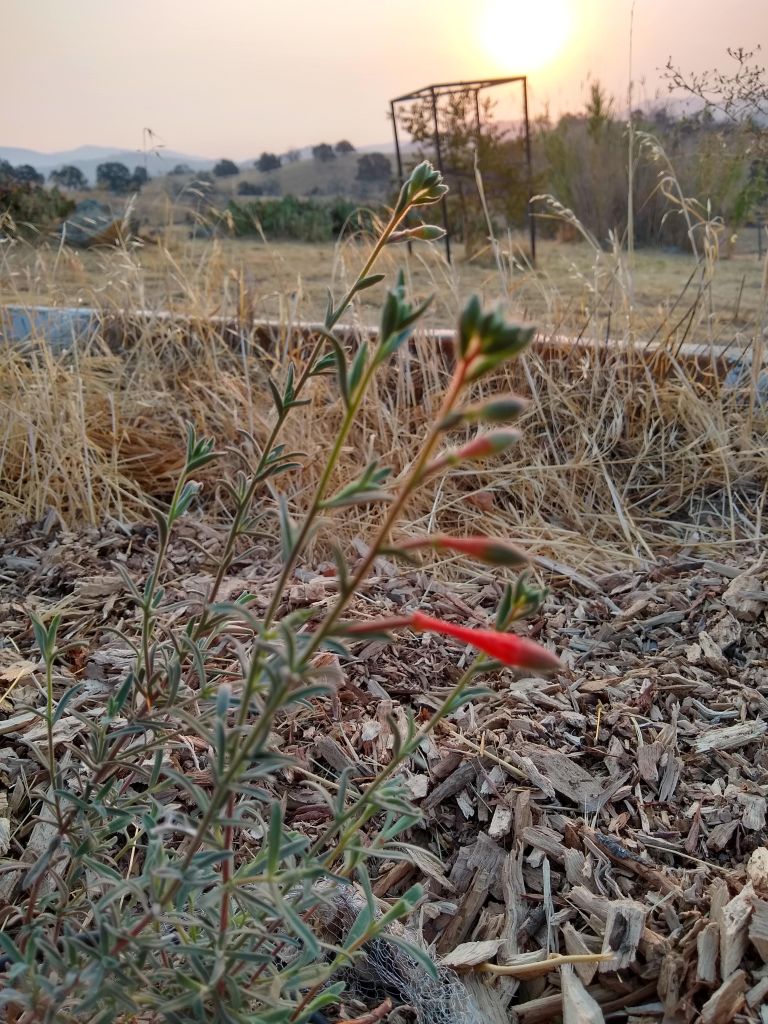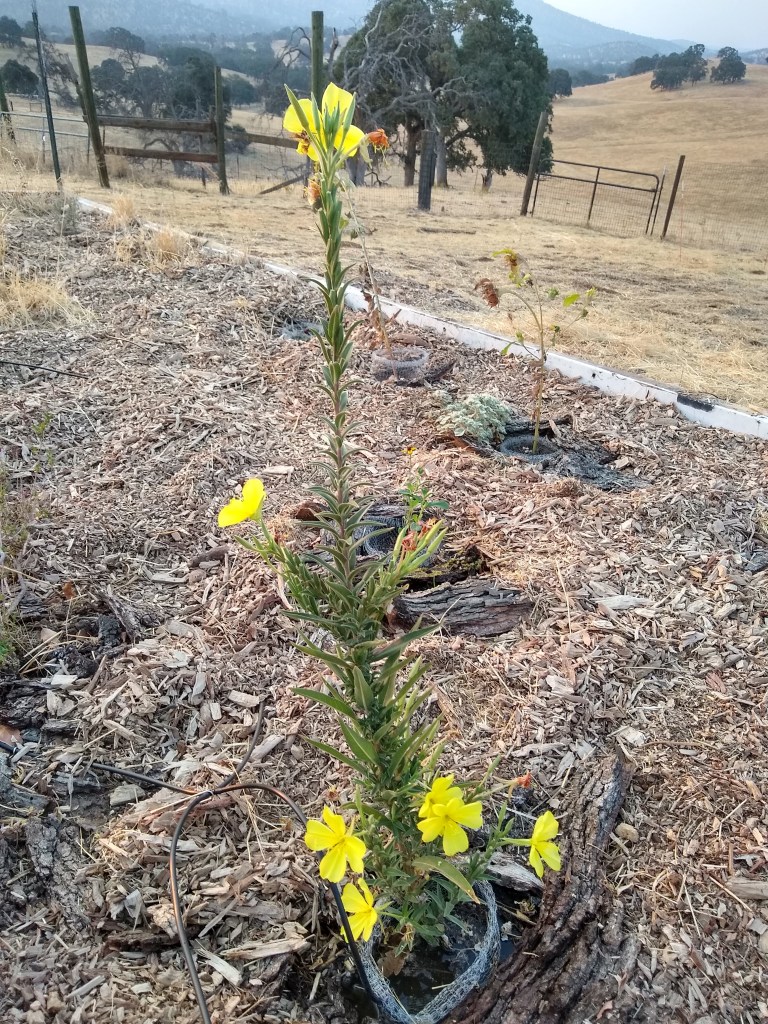
Wildflowers, A. Californica Emerges, Drought and Handing Off

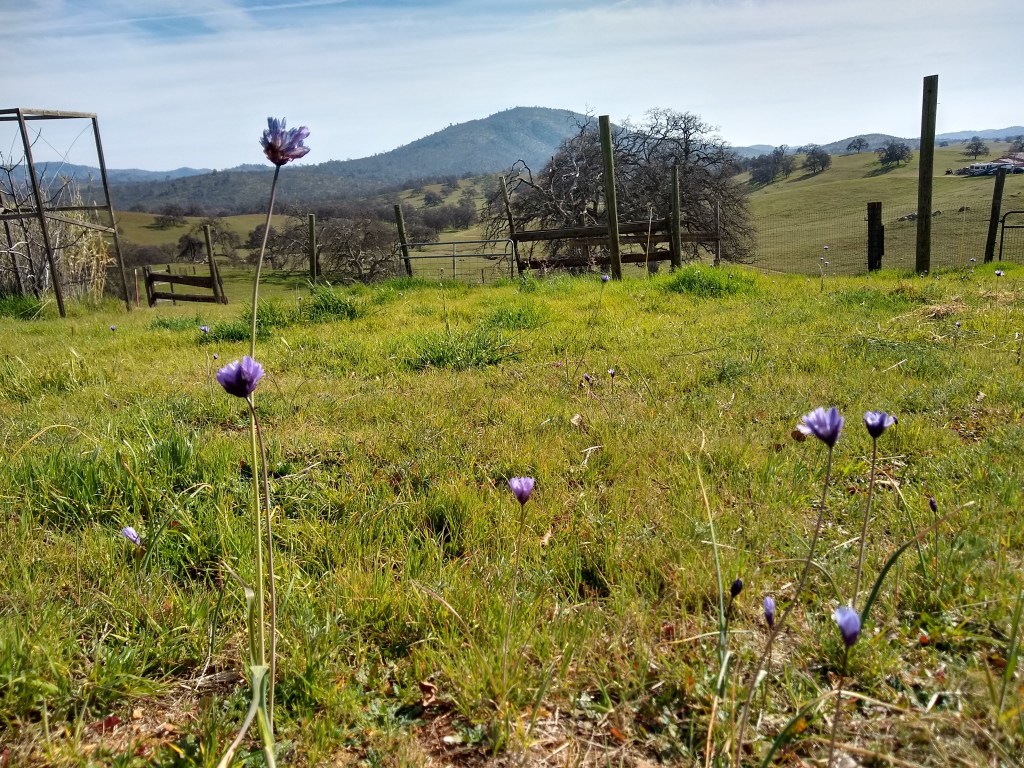
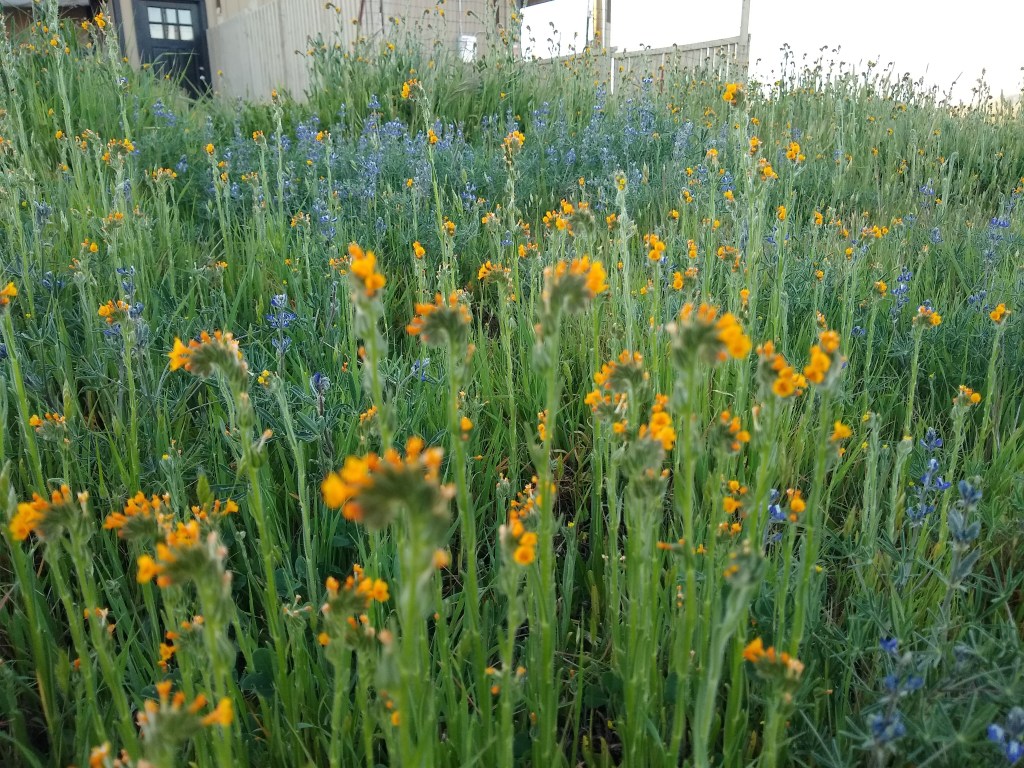
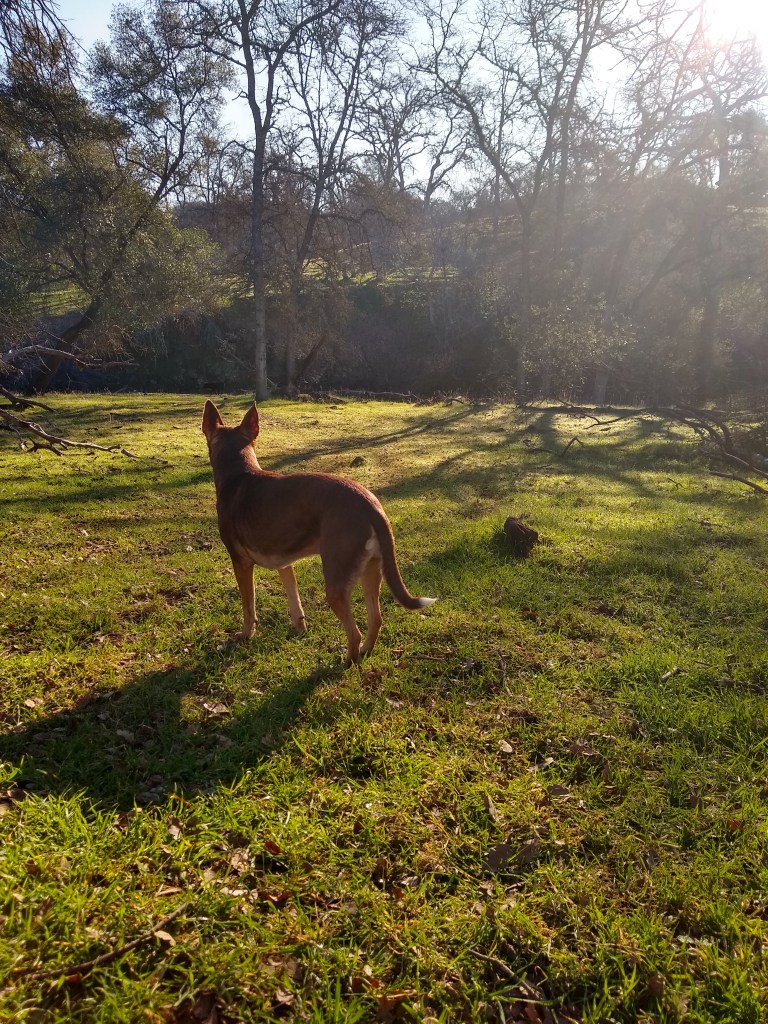
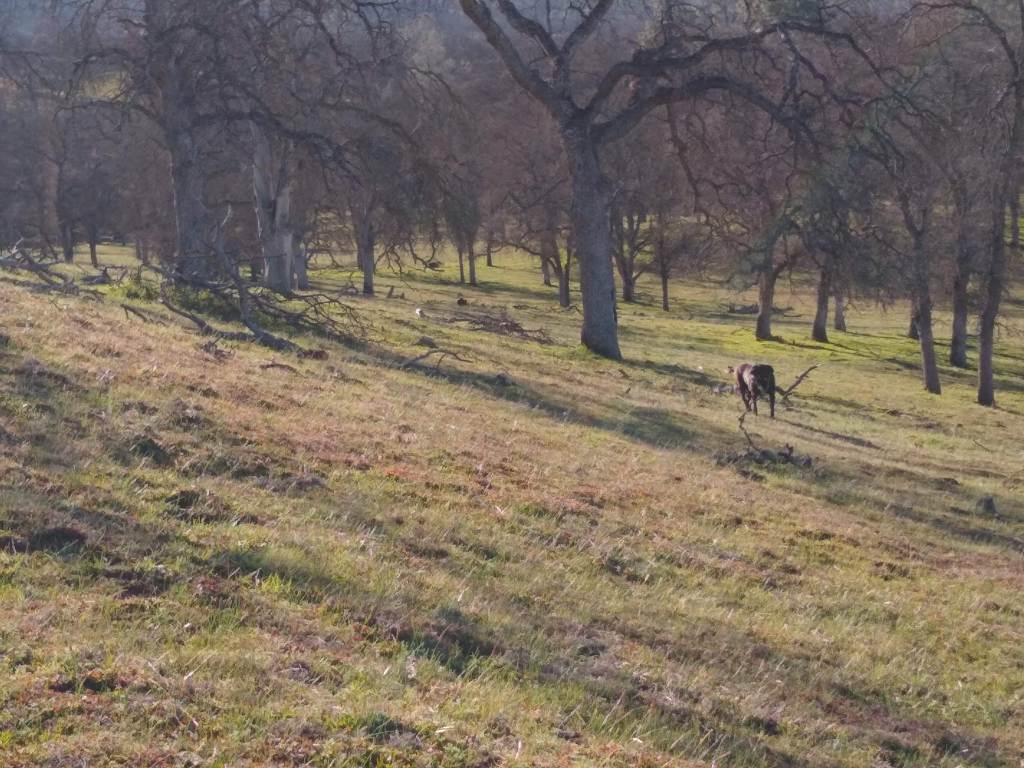
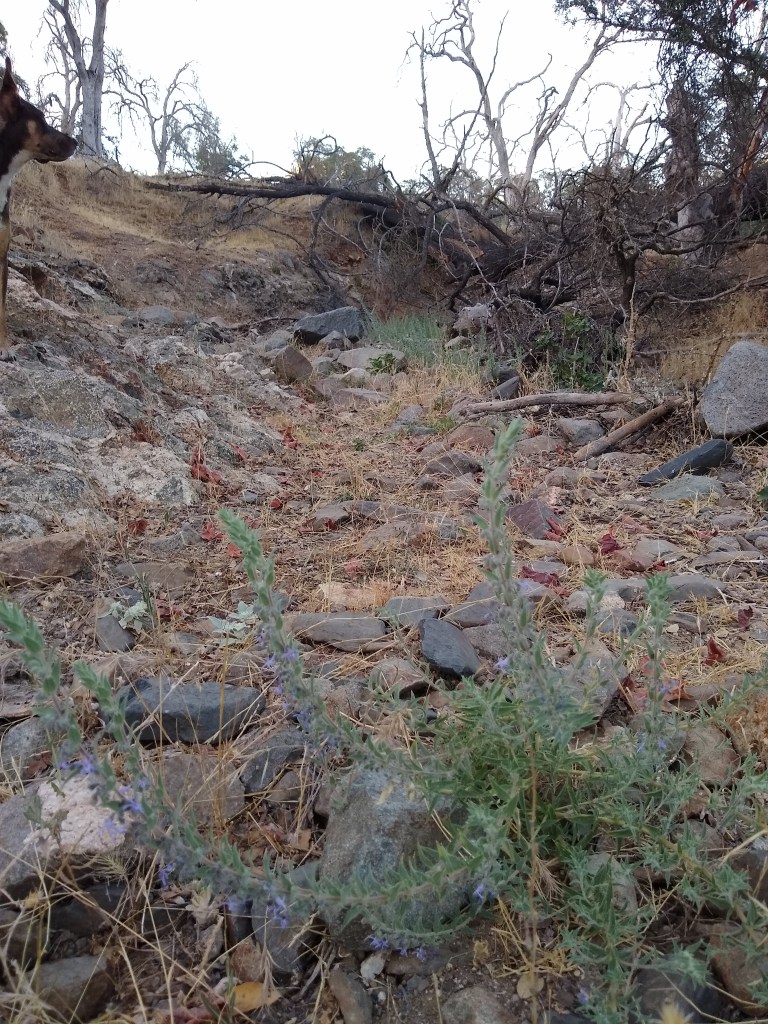
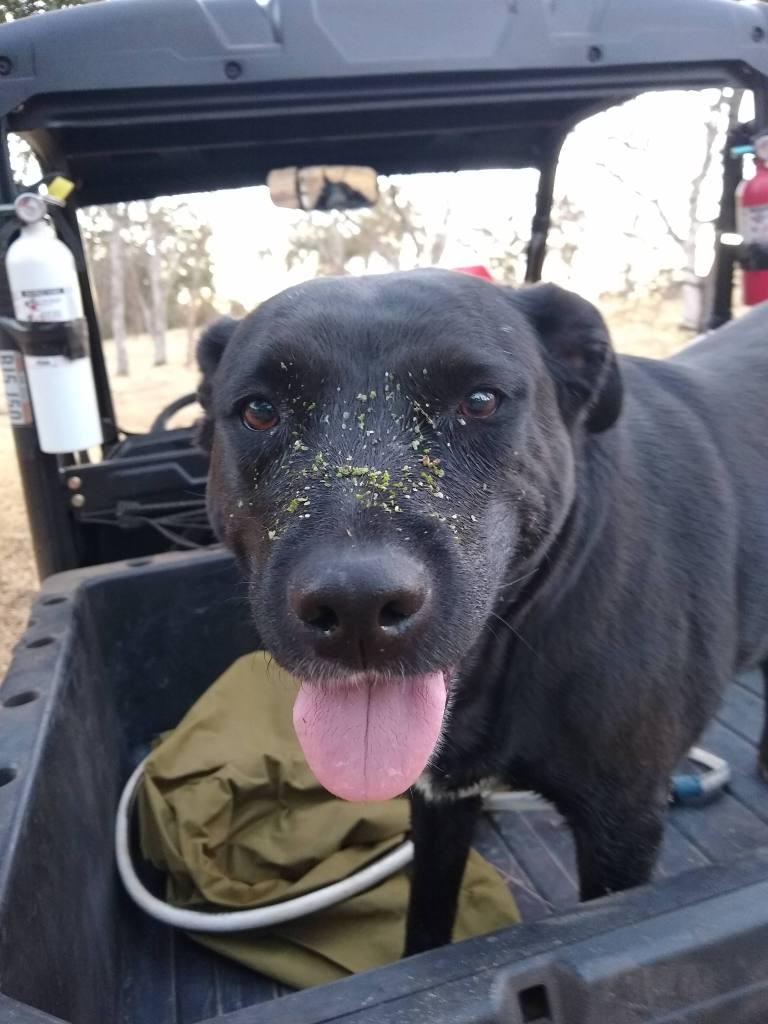
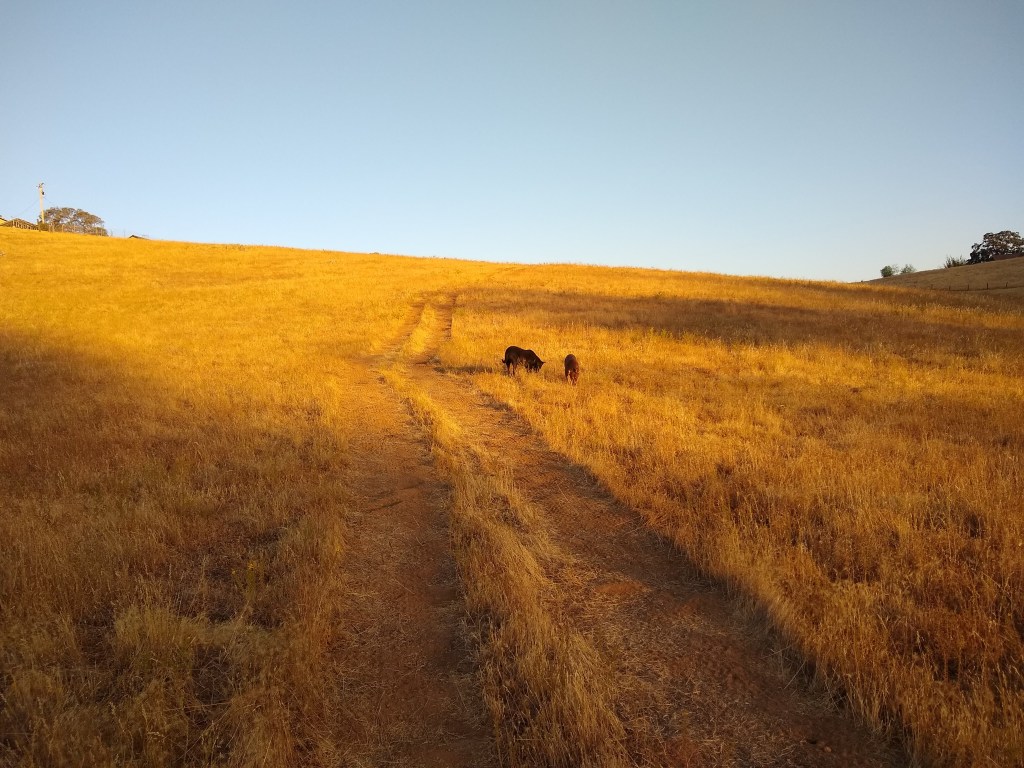
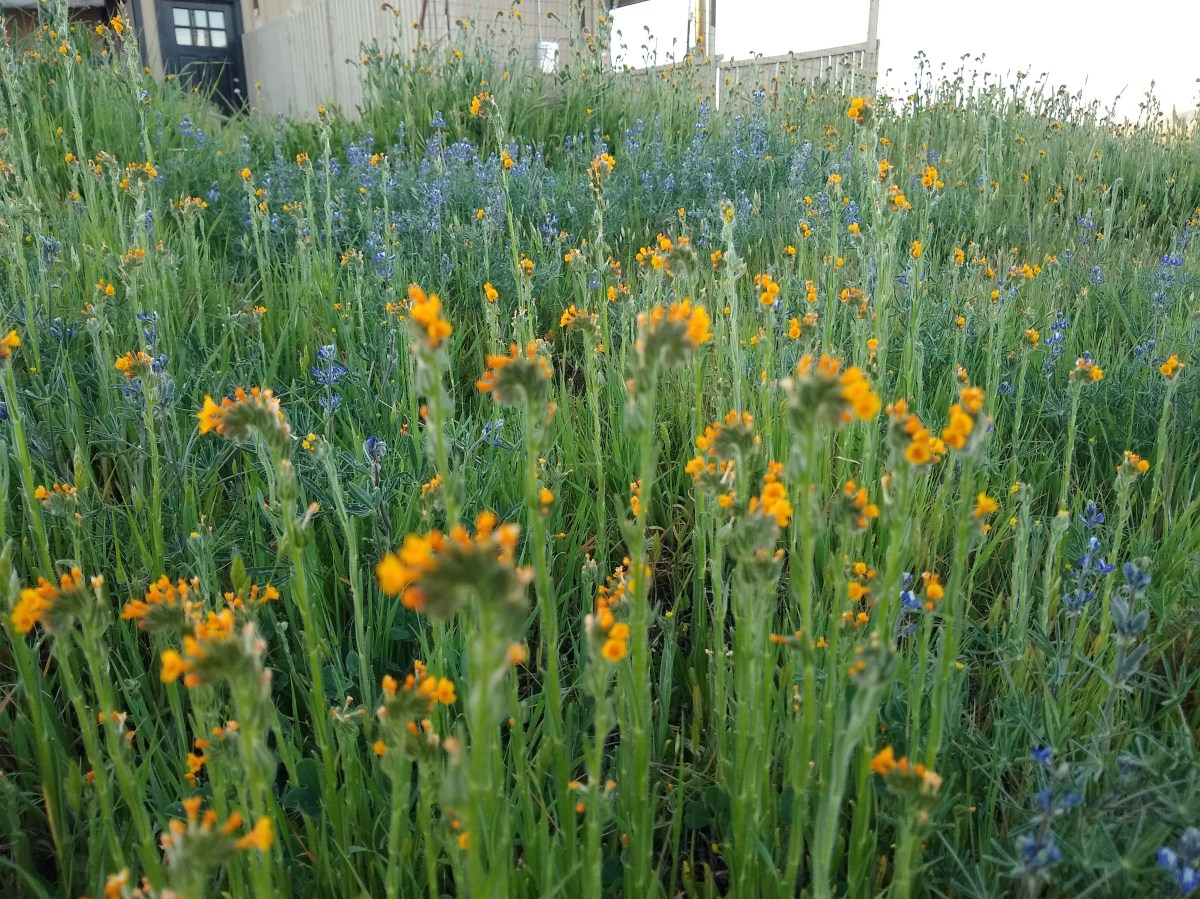
Millie watches Beau kitten walk through the wildflowers (lupine and fiddleneck)

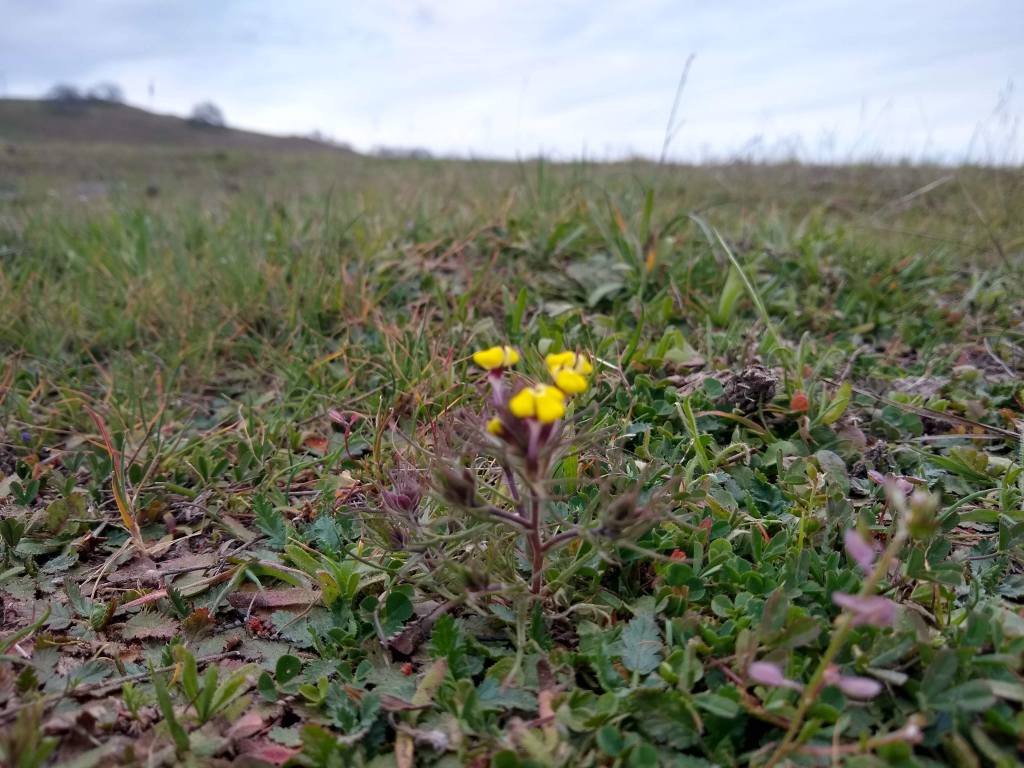
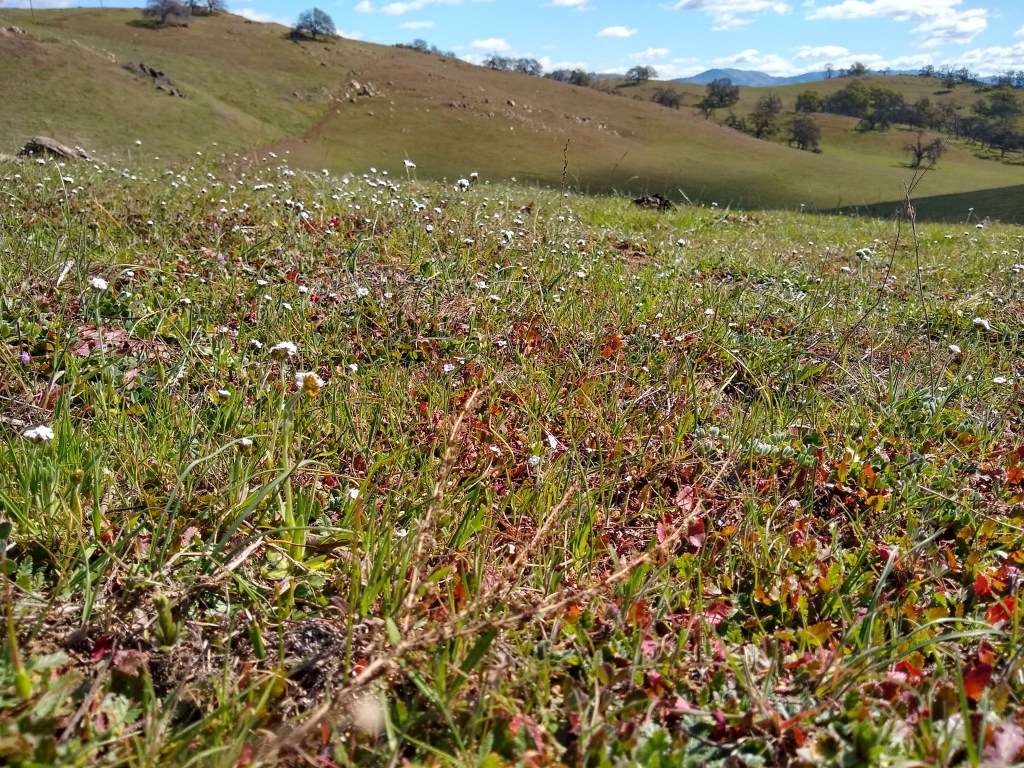
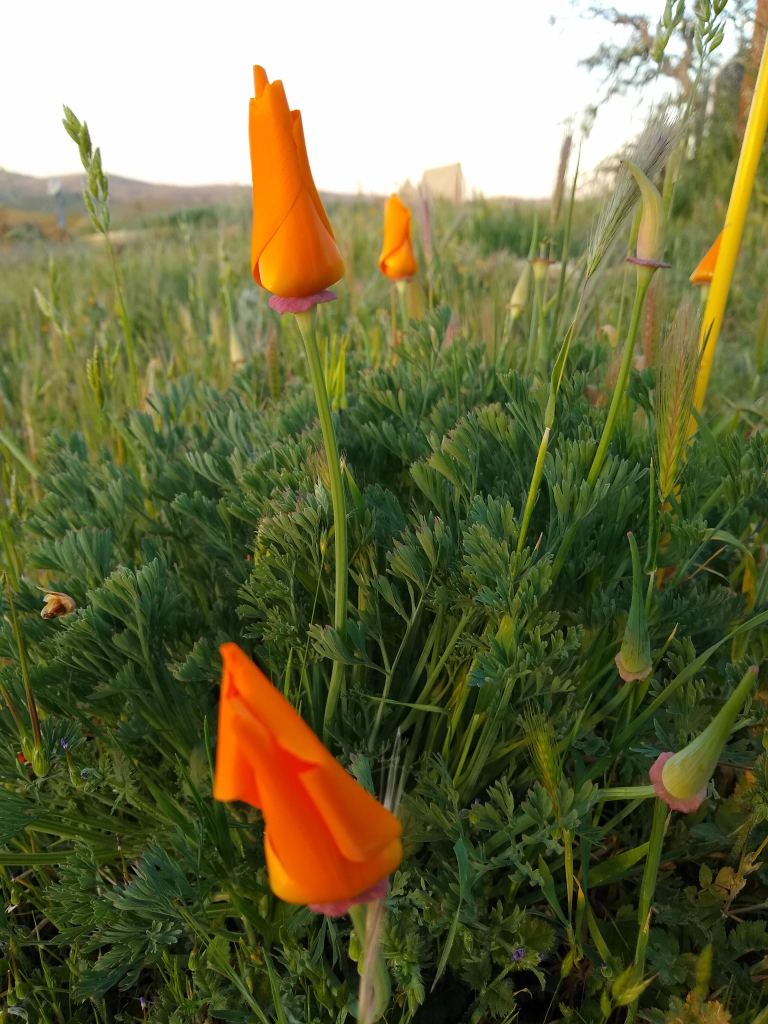
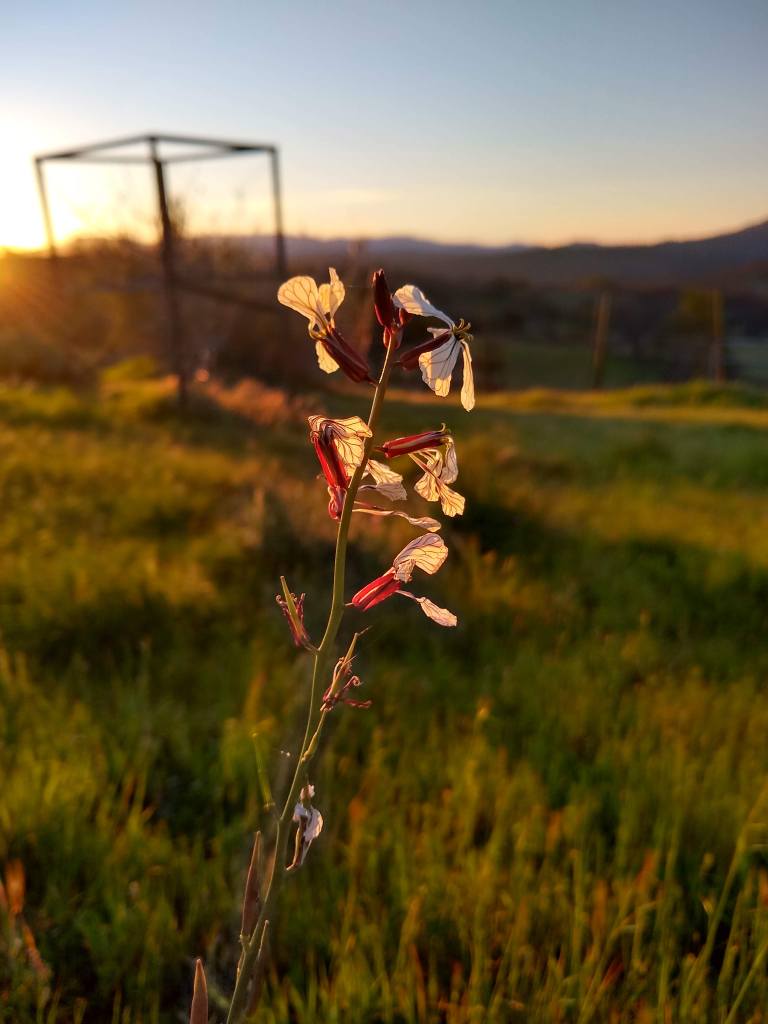
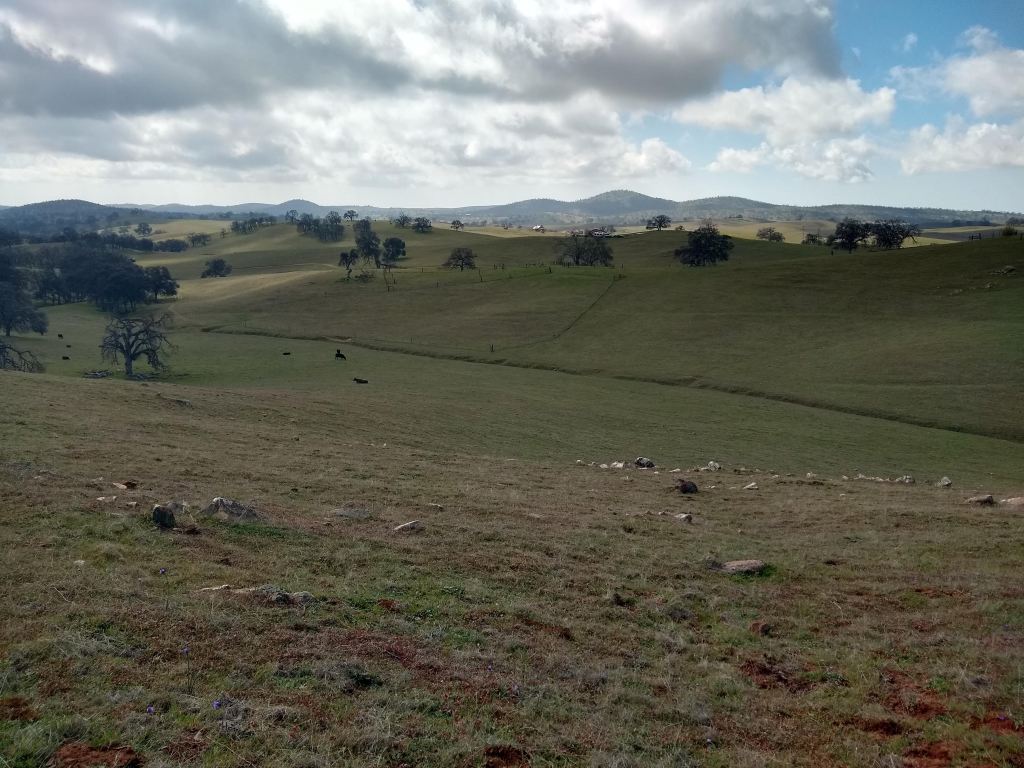
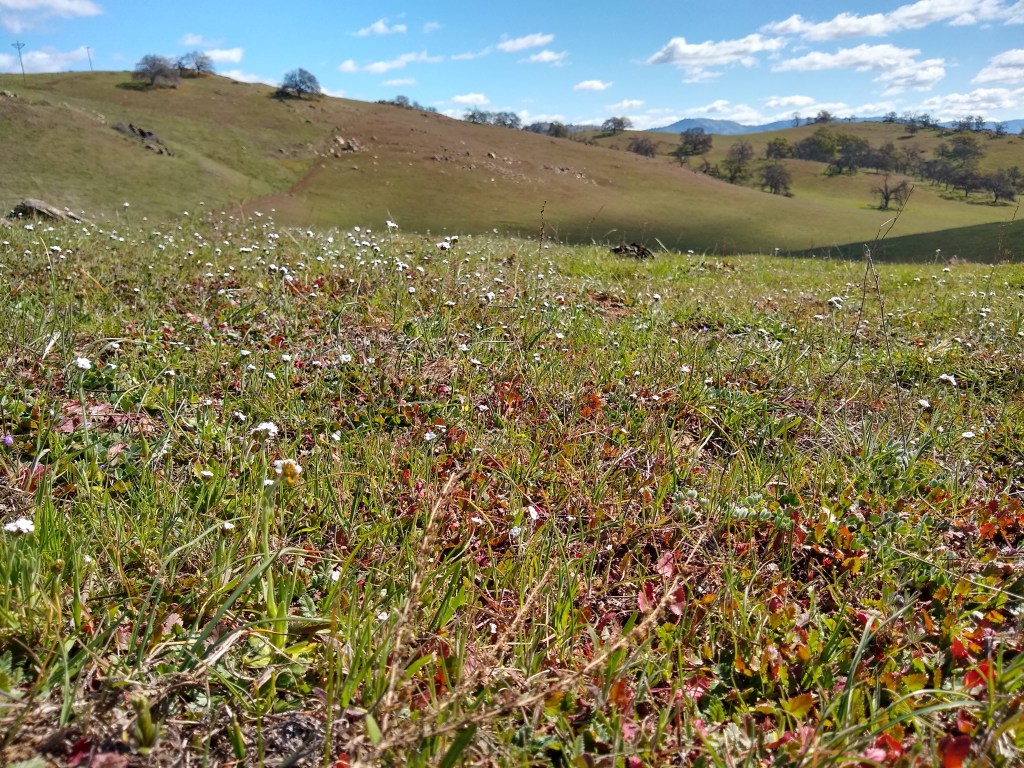
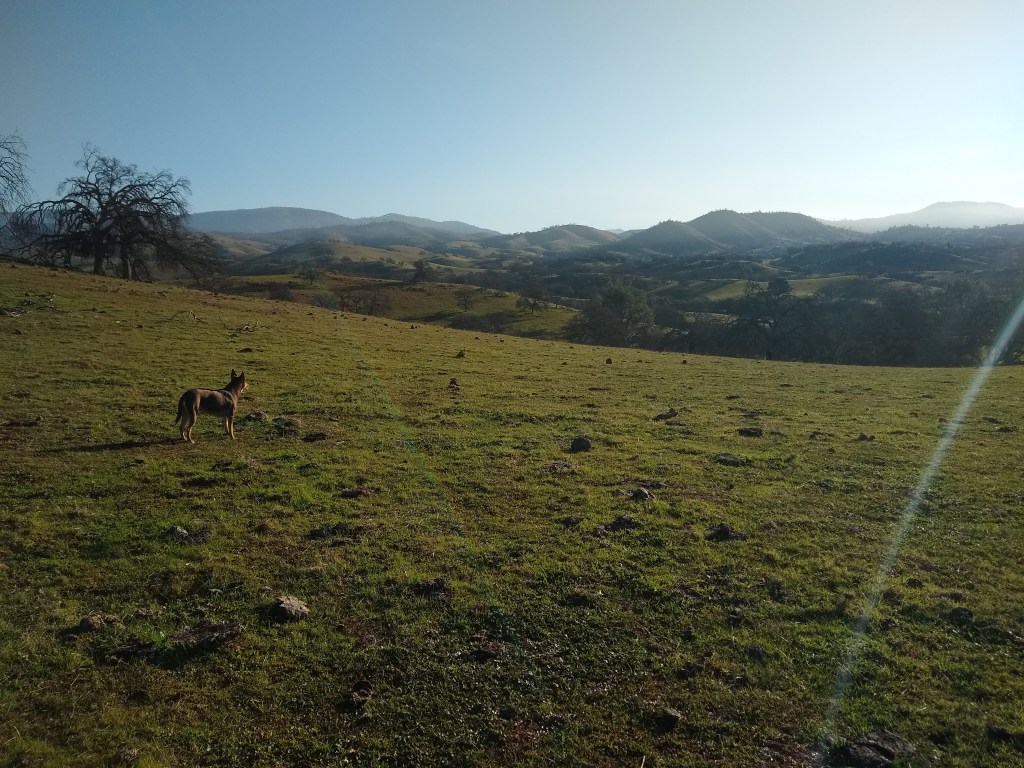
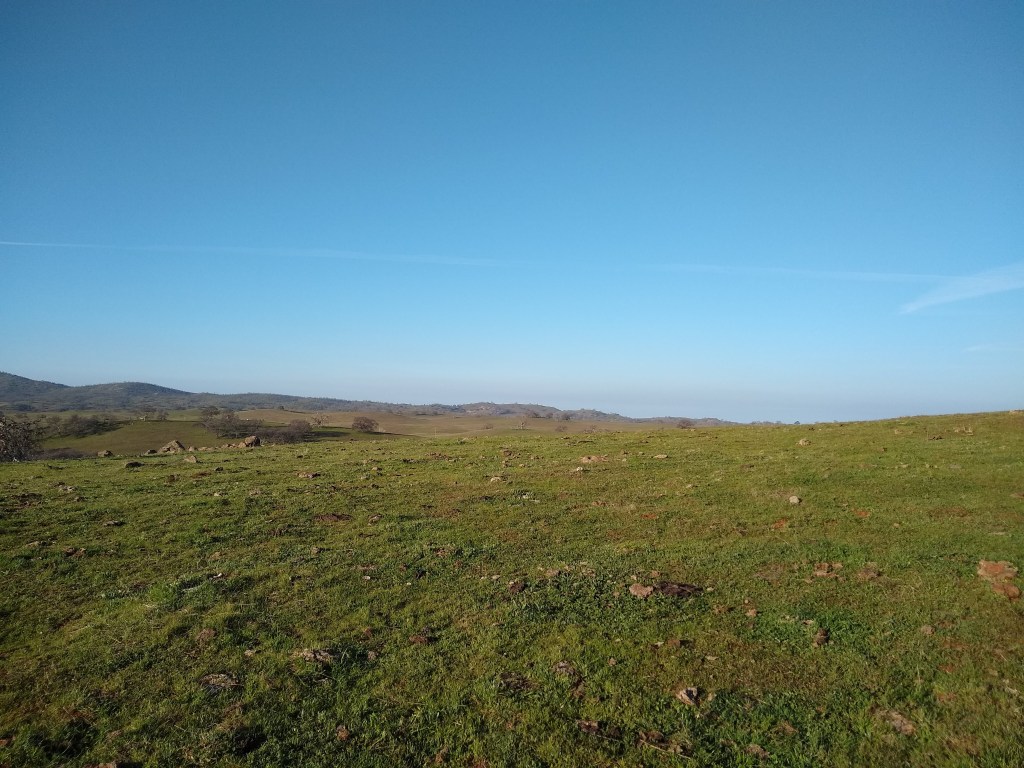
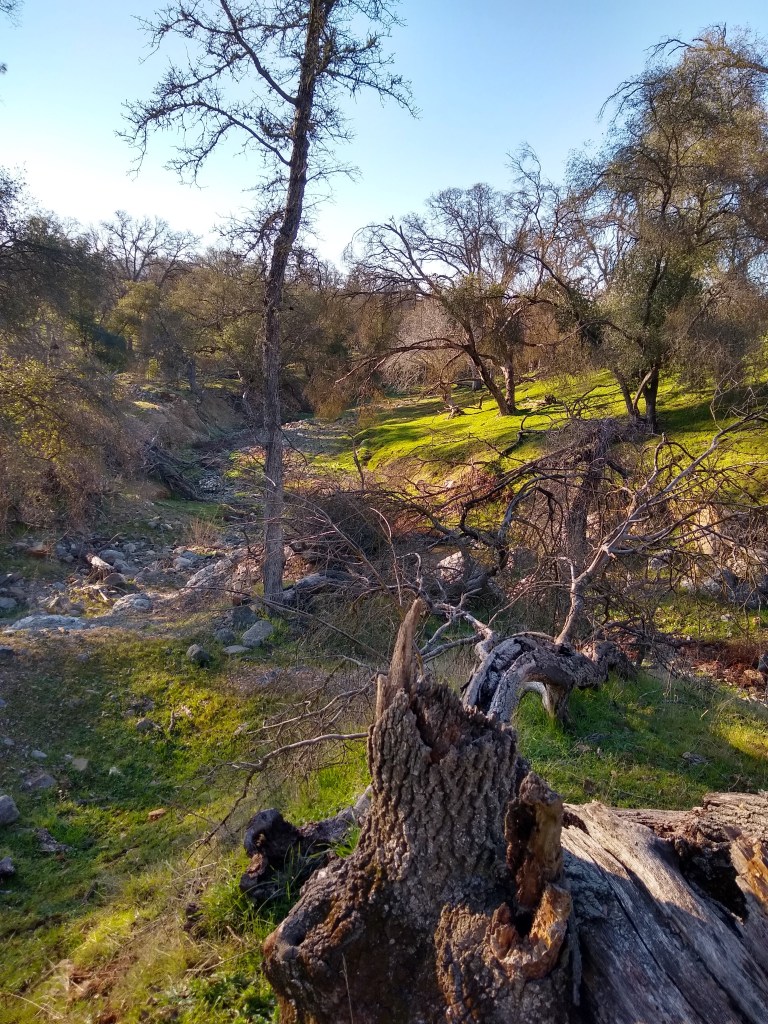
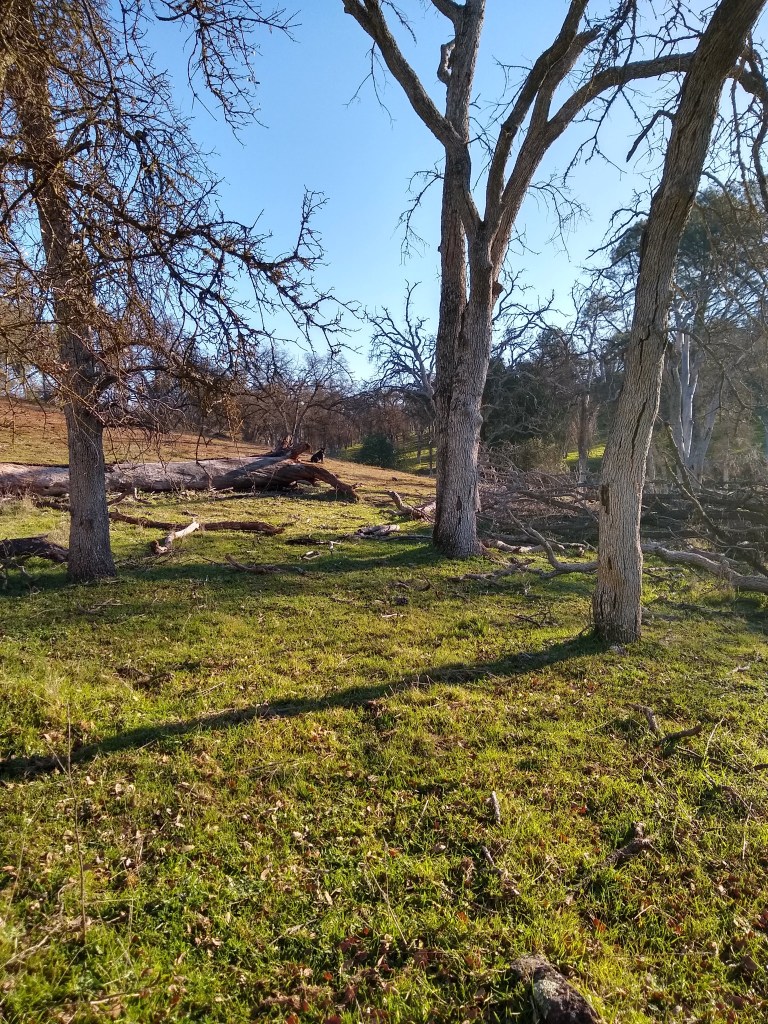
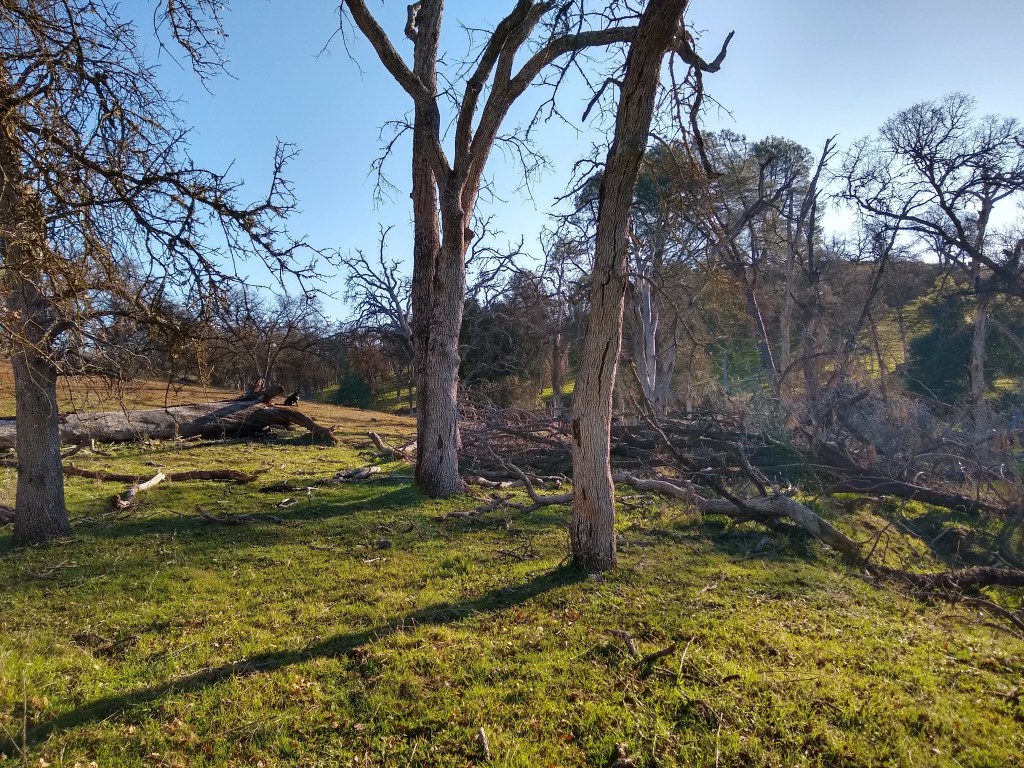
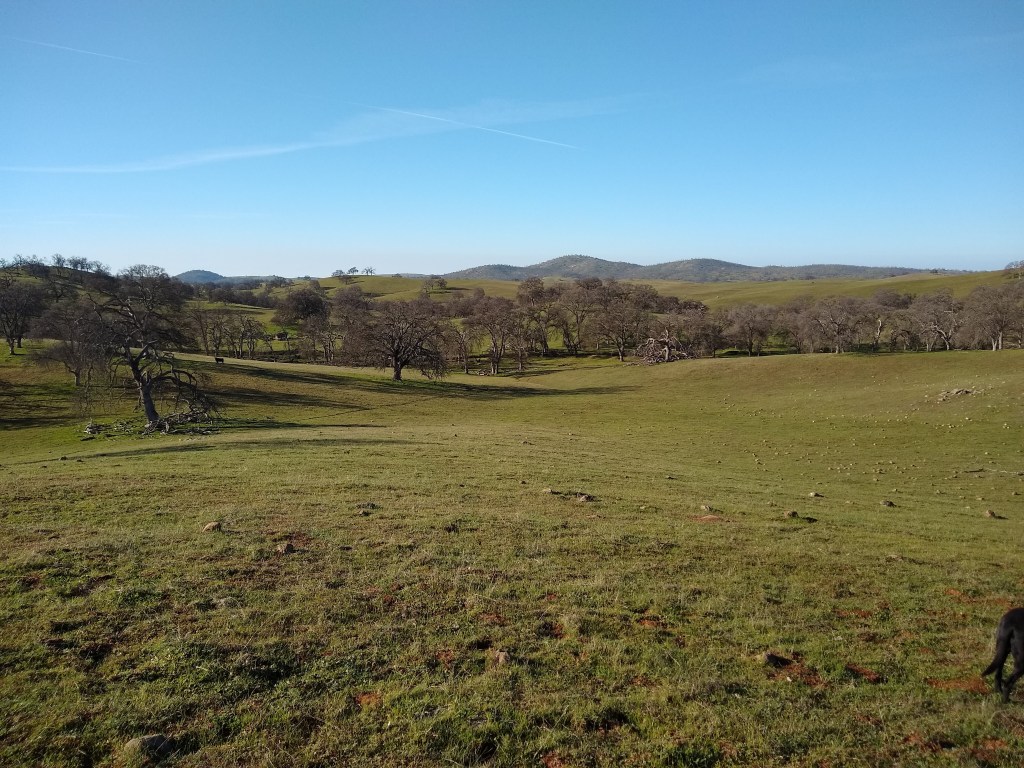
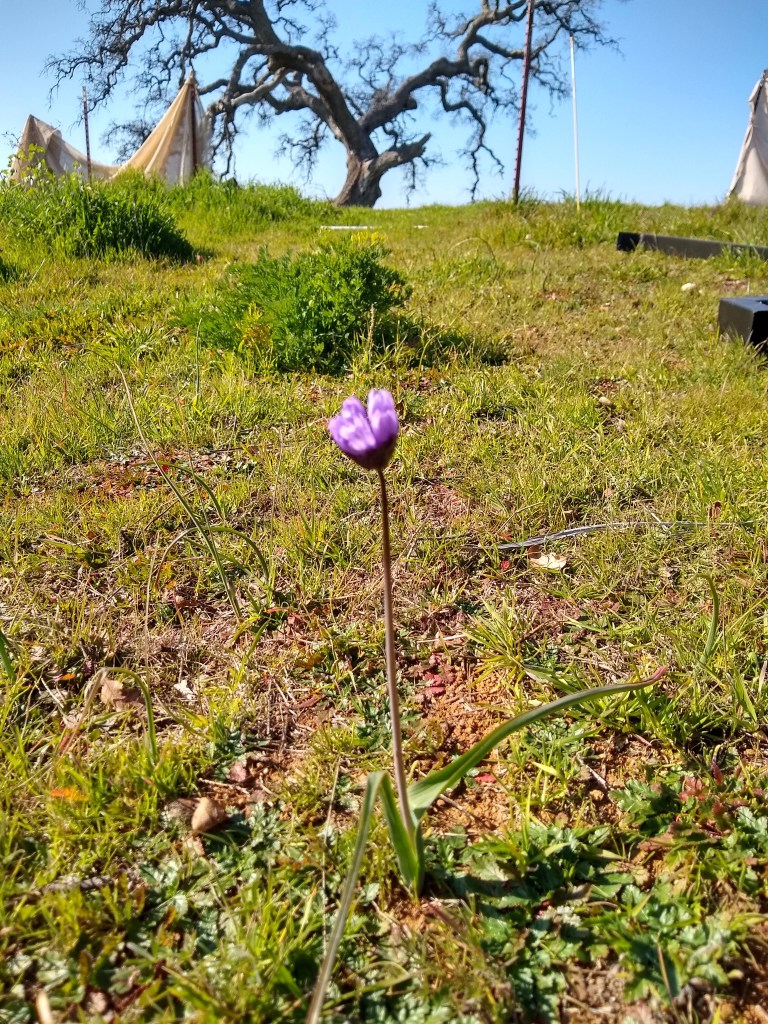
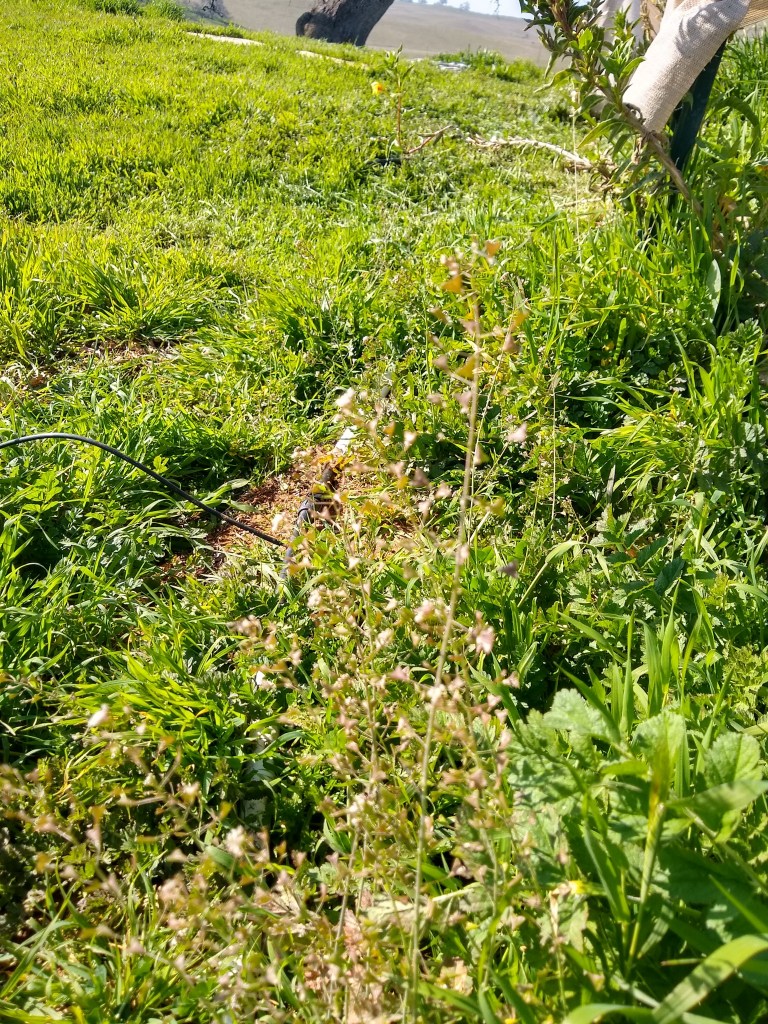
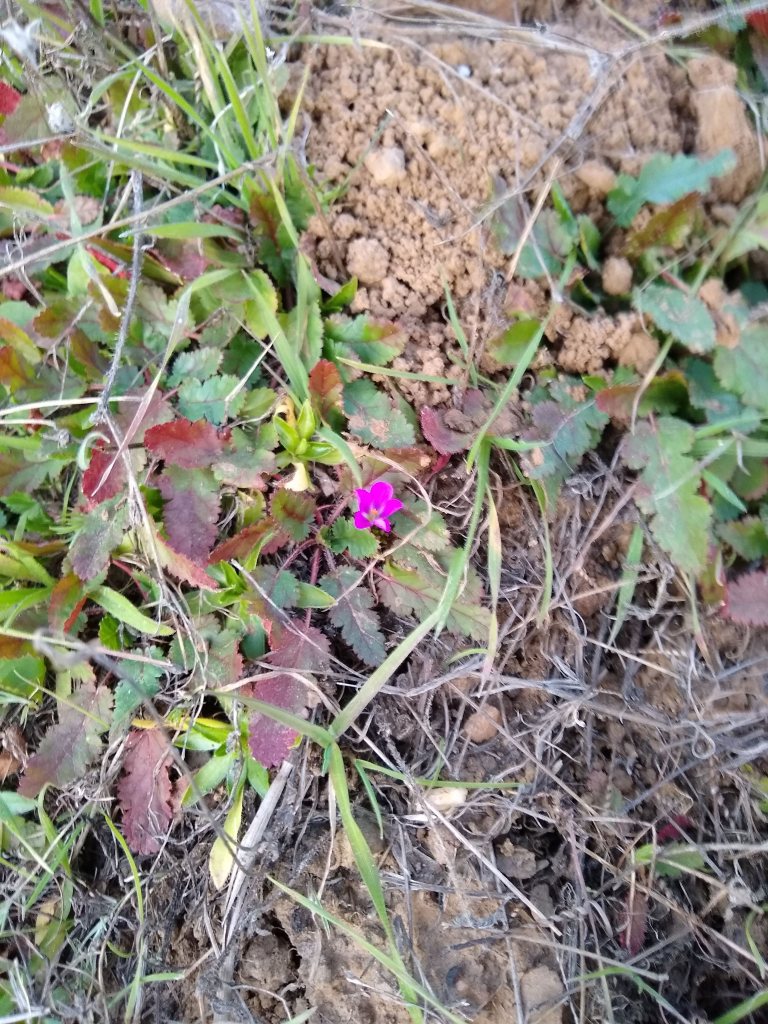
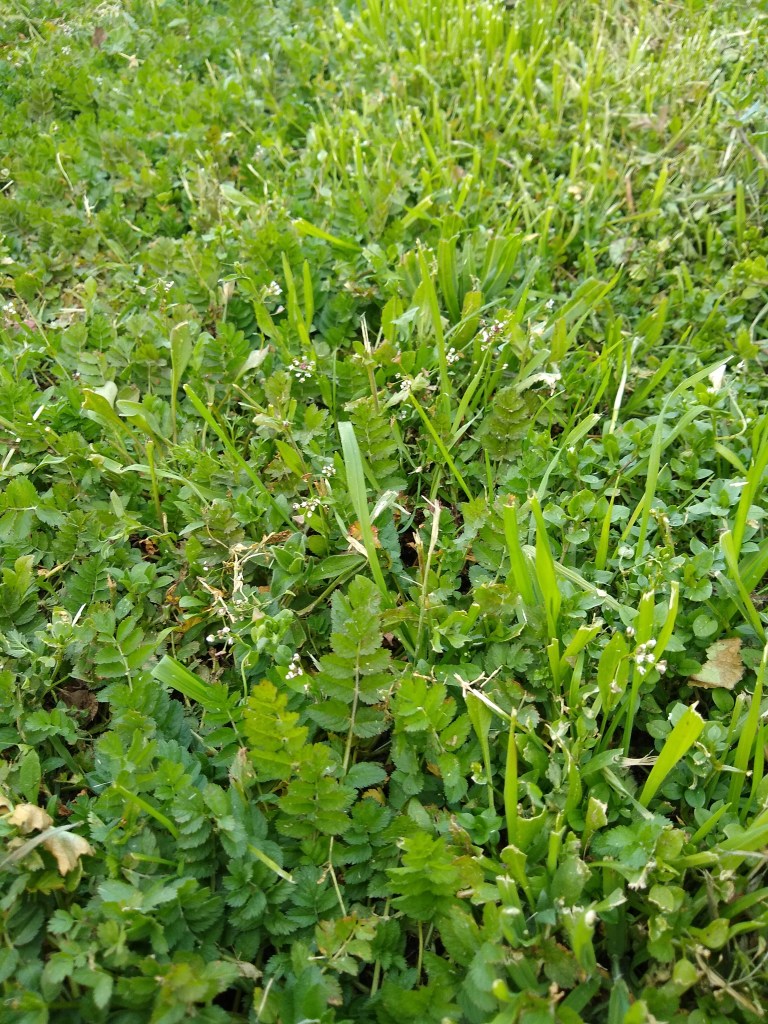
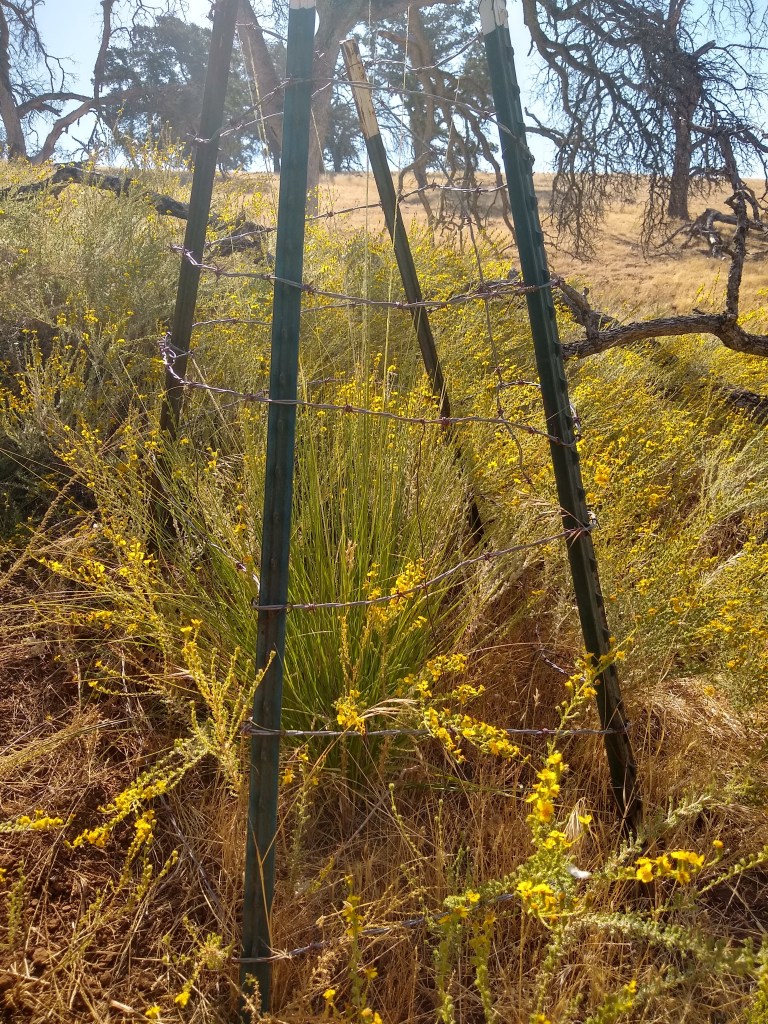
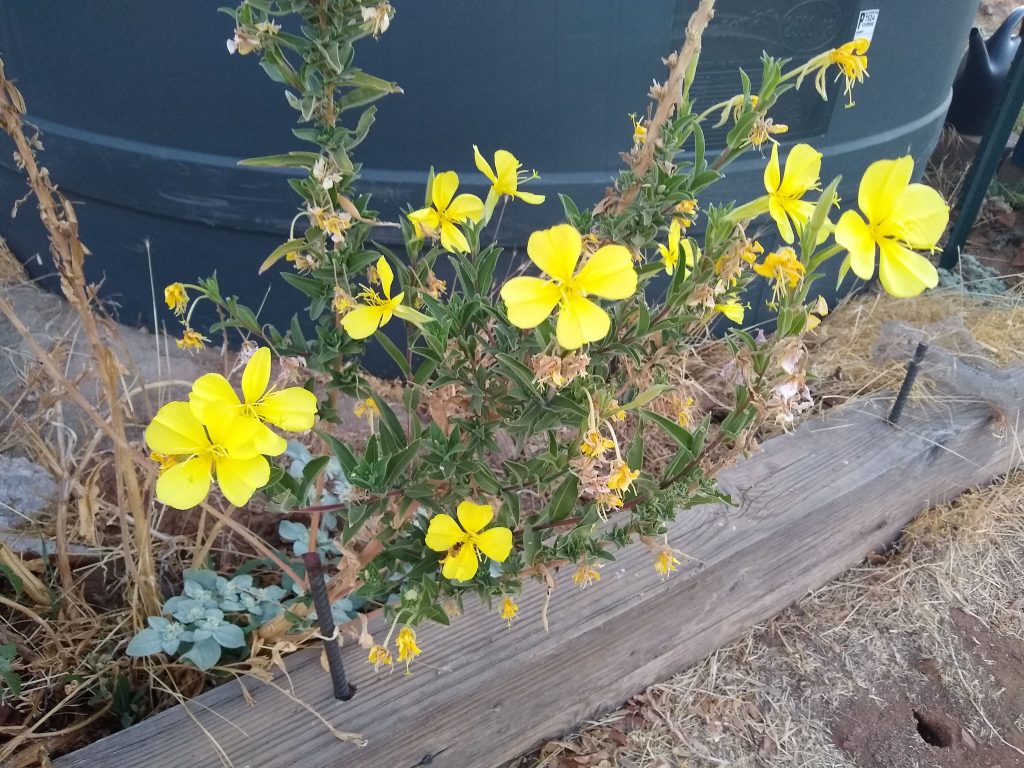
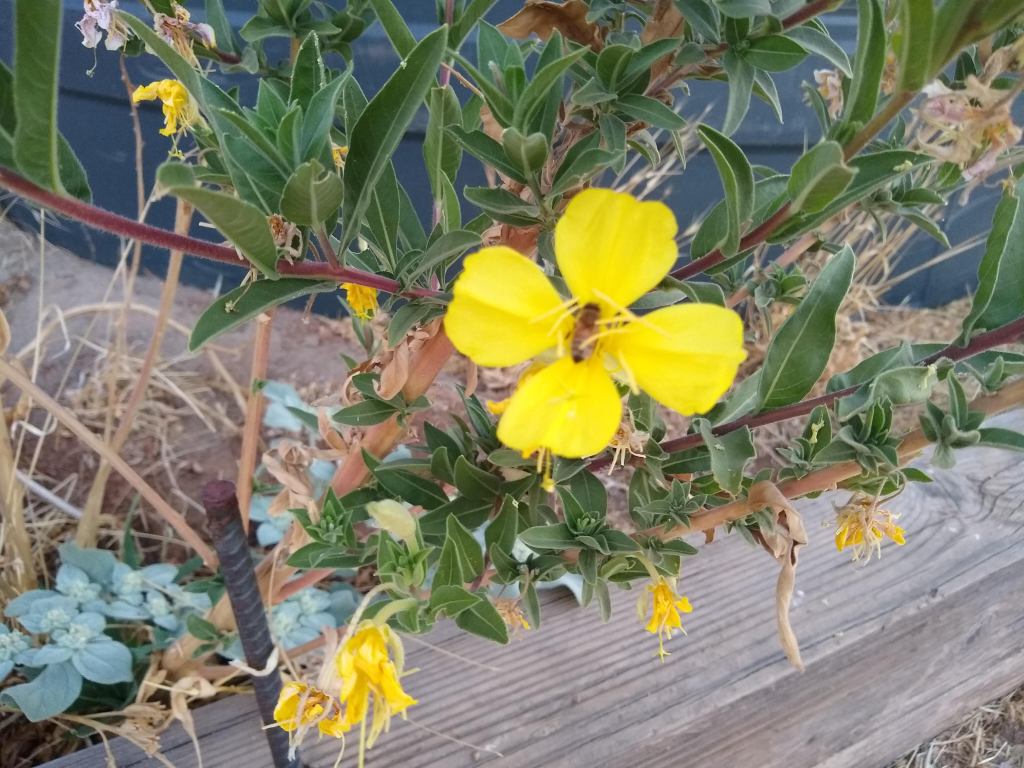
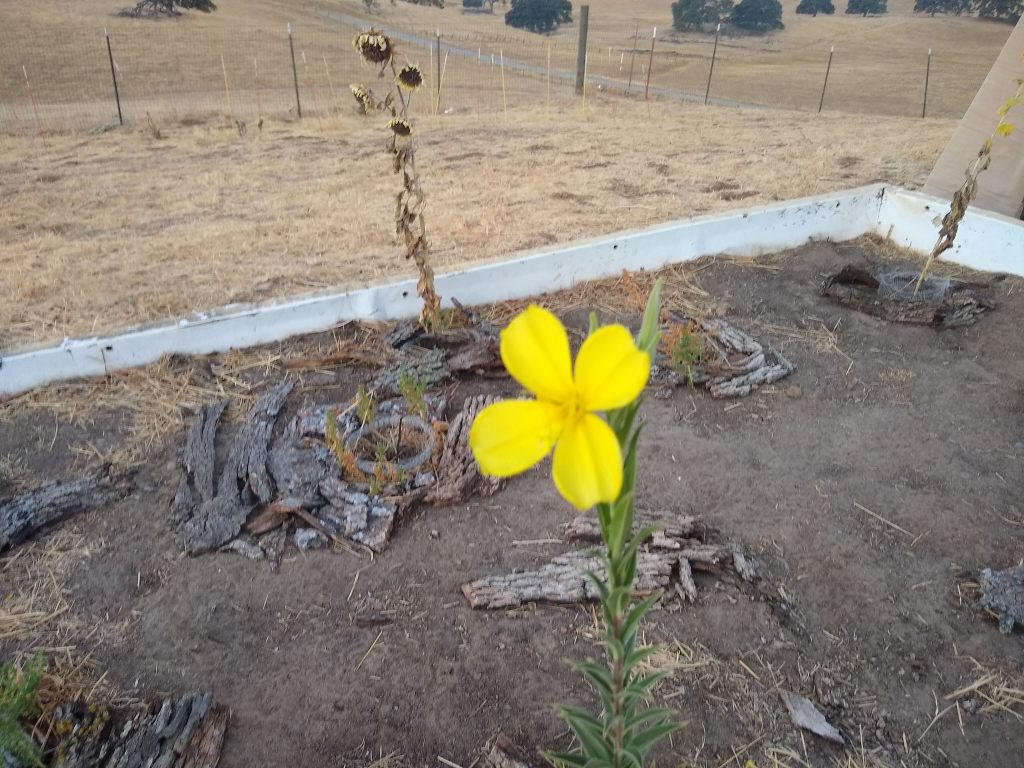
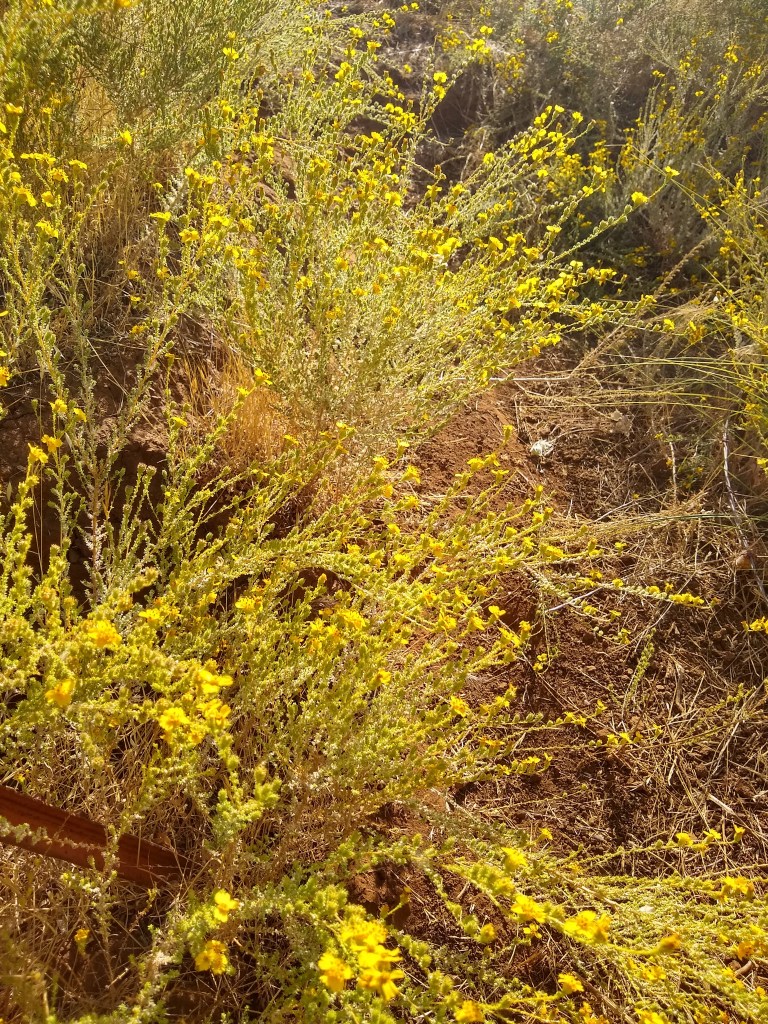
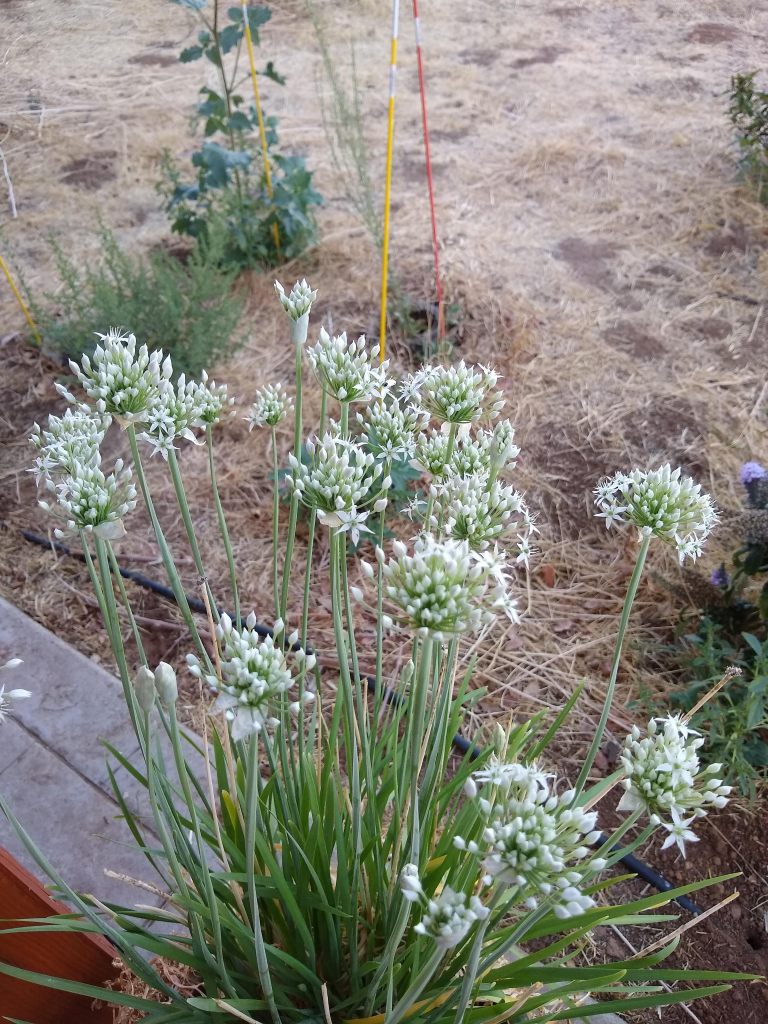
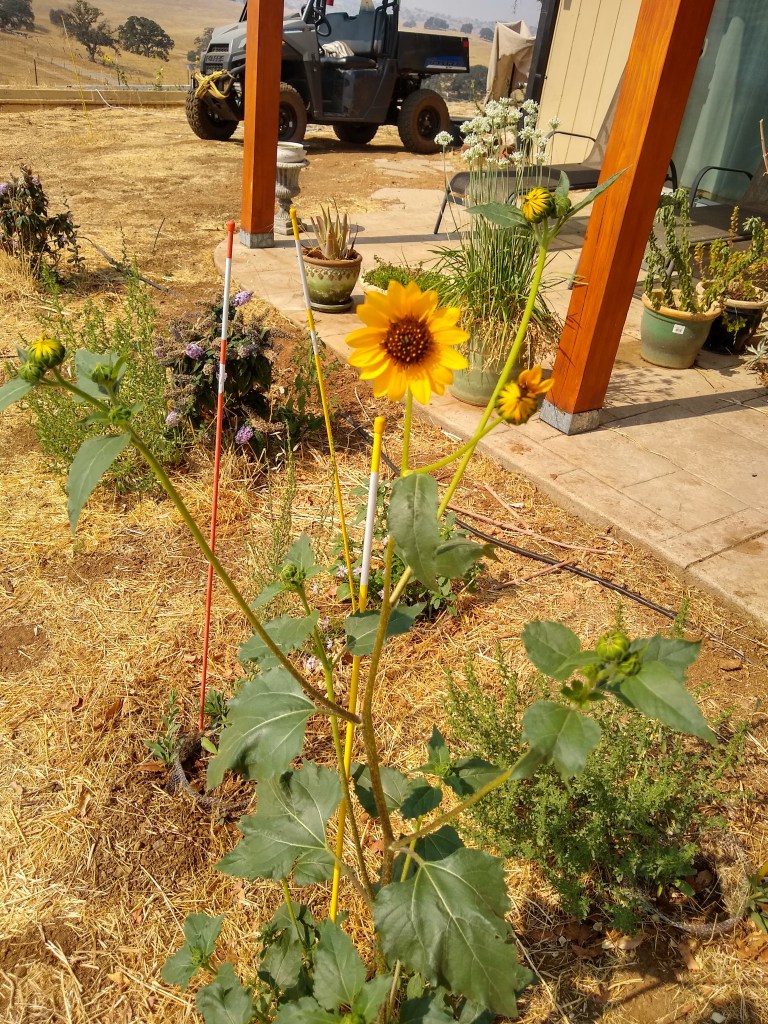
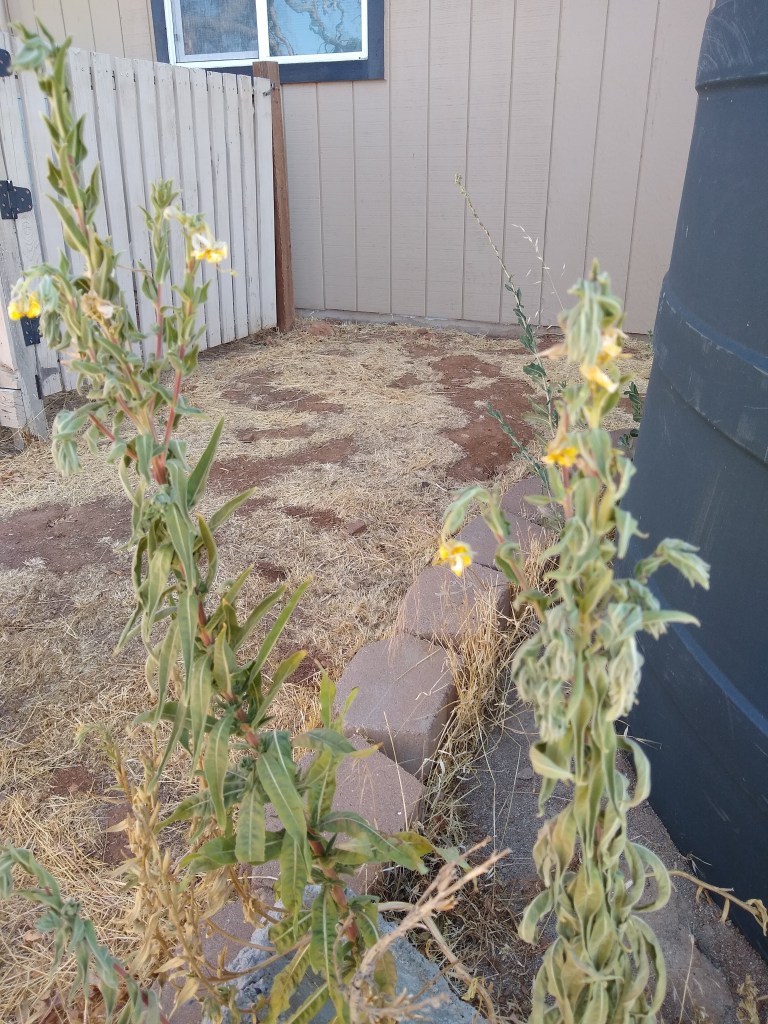
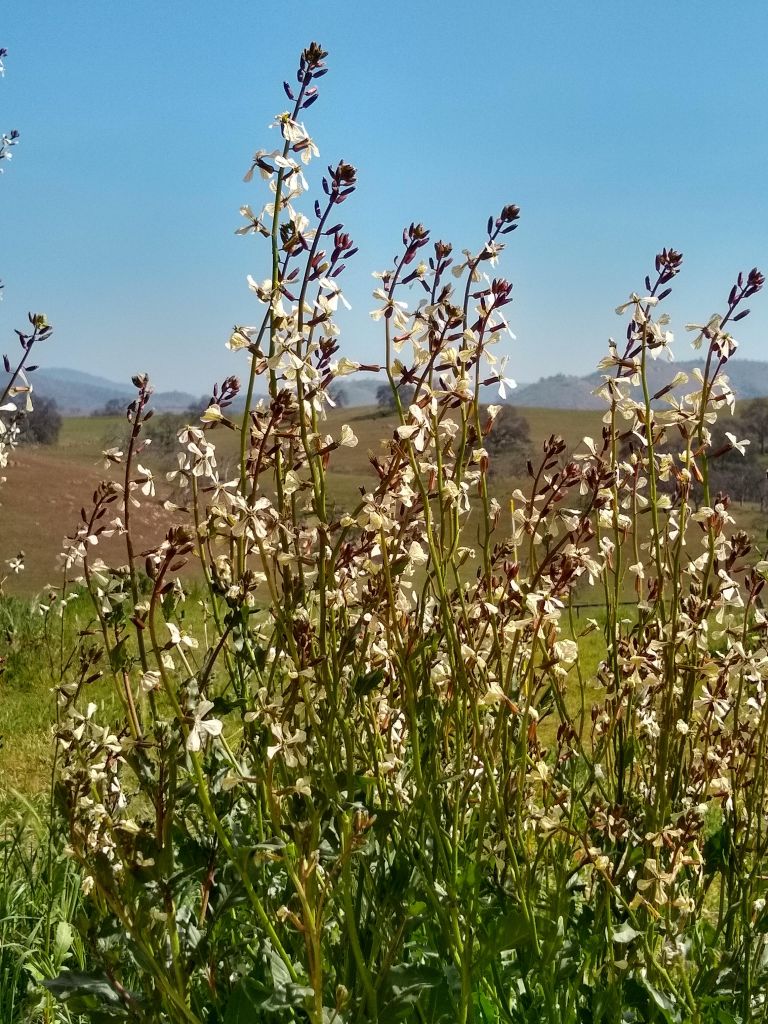
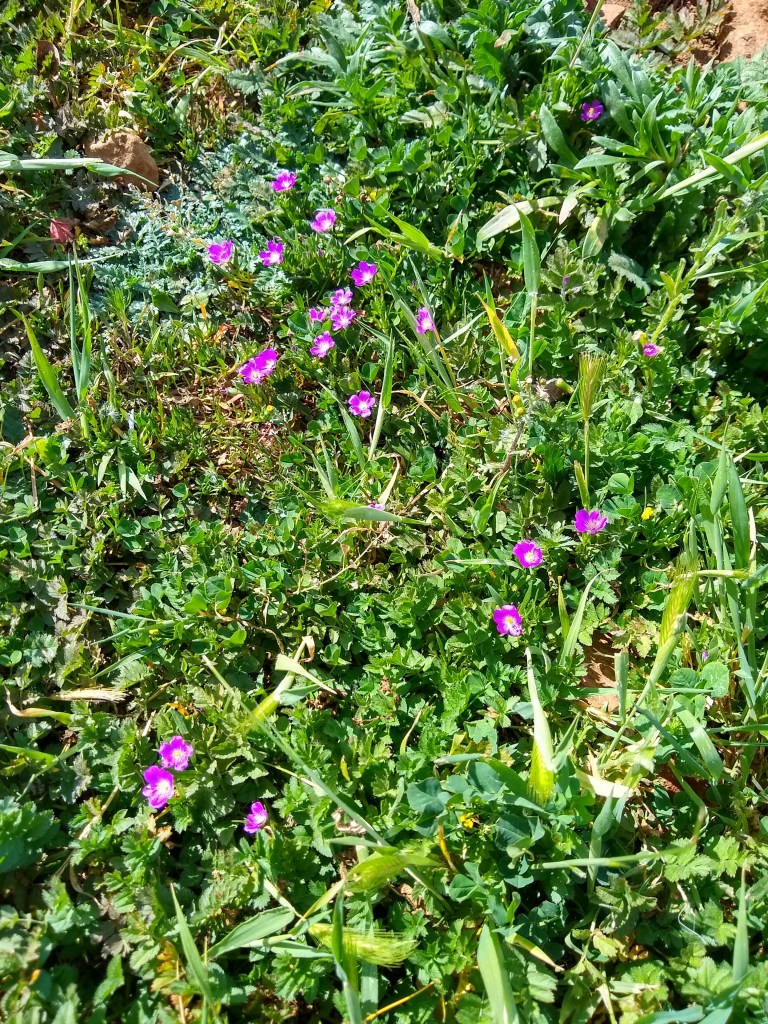
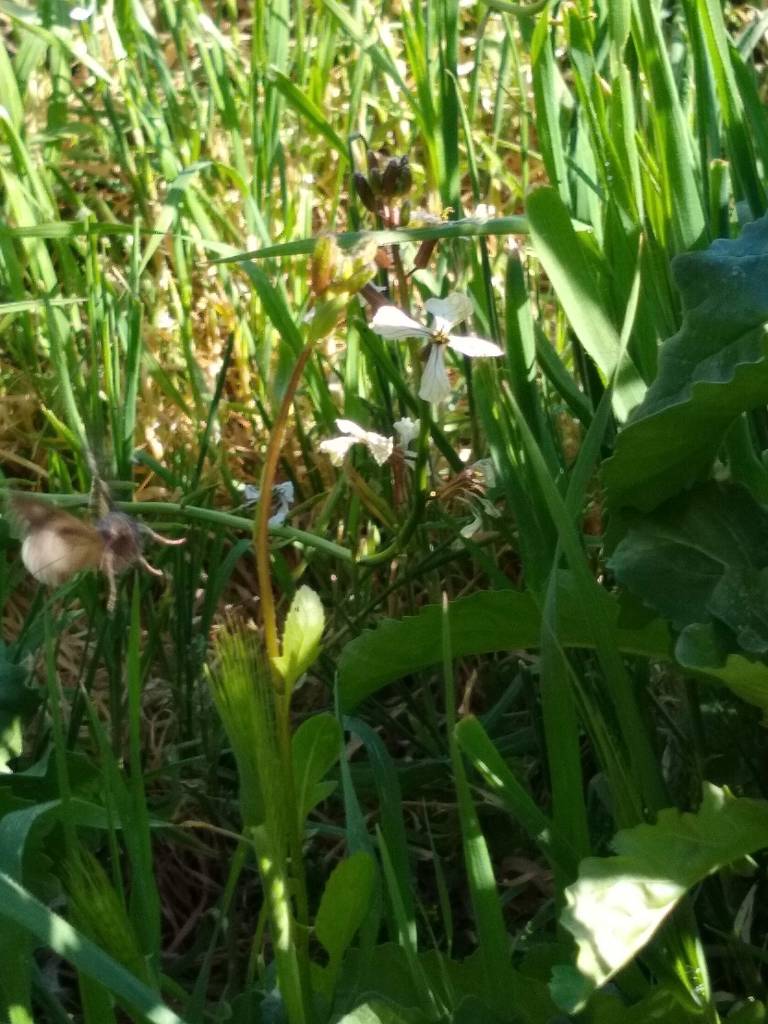
Wildflowers of all colors and sizes abound here in the foothills. It is like spring. I welcomed the thick scent of nectar into my home by keeping the doors and windows open the entire day last week. I never tire of the joy the olfactory experience brings me. Tempering my joy is the notable lack of bees across the range. I recall when I first came to this place that there would be plethora of different bees on the flowers – chunky bumble bees of different colors, thin, agile pollinating flies, and European honey bees of course. Fortunately, near the house is a different situation. There are honey bees, silver native bees, thin flies and every now and again a bumble bee on the arugula flowers. I love to lay on my chaise next to my towering stands of arugula, with the bees flying around me and listen to their hypnotic hum.
A. Californica Emerges…Partially

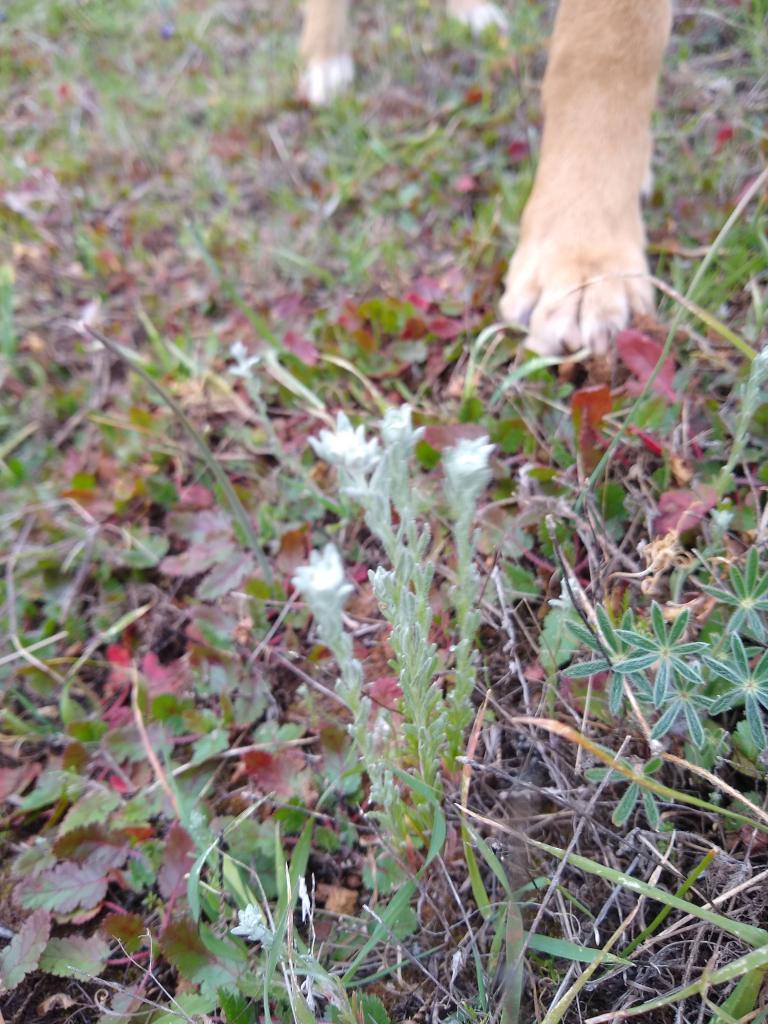
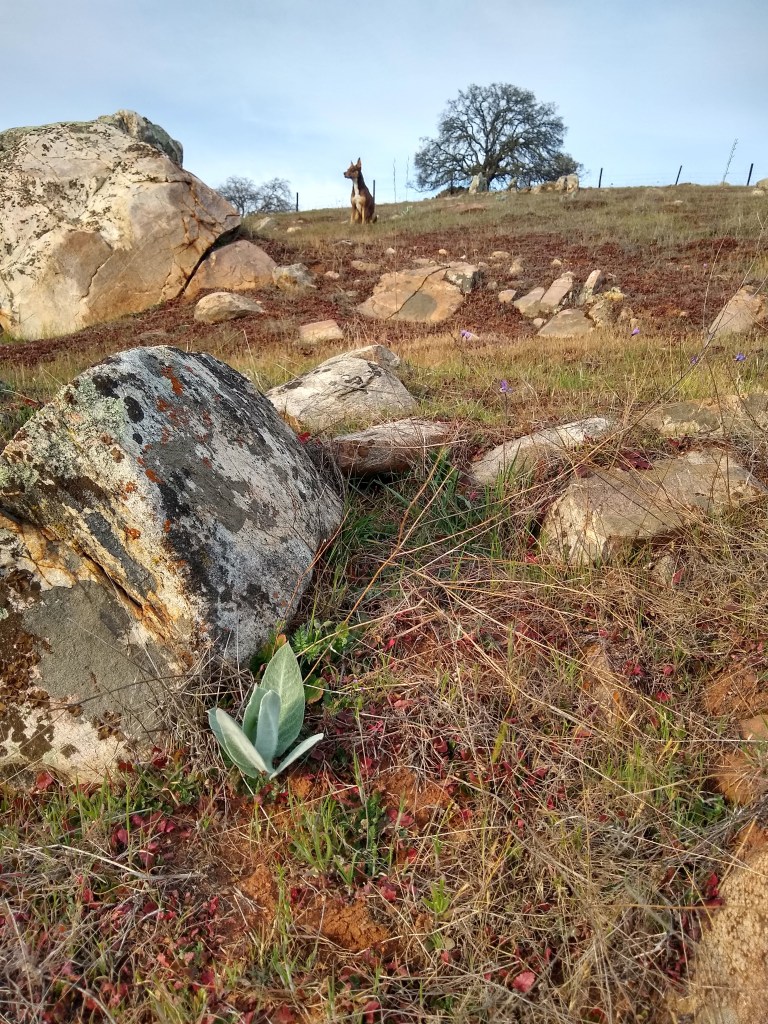
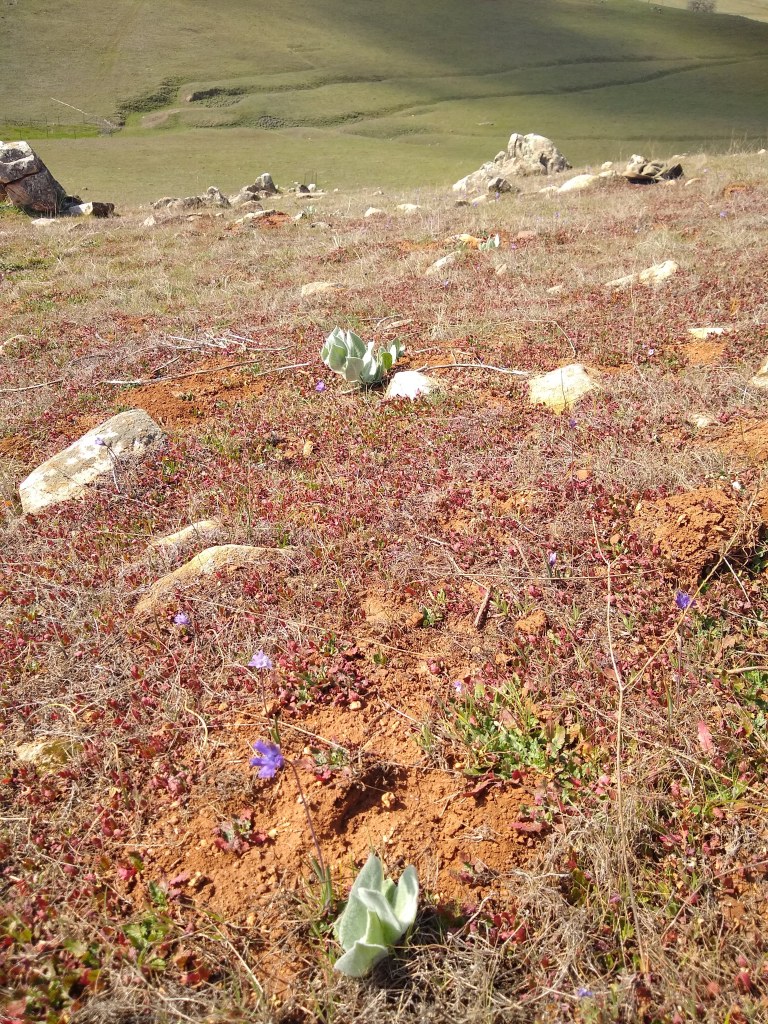
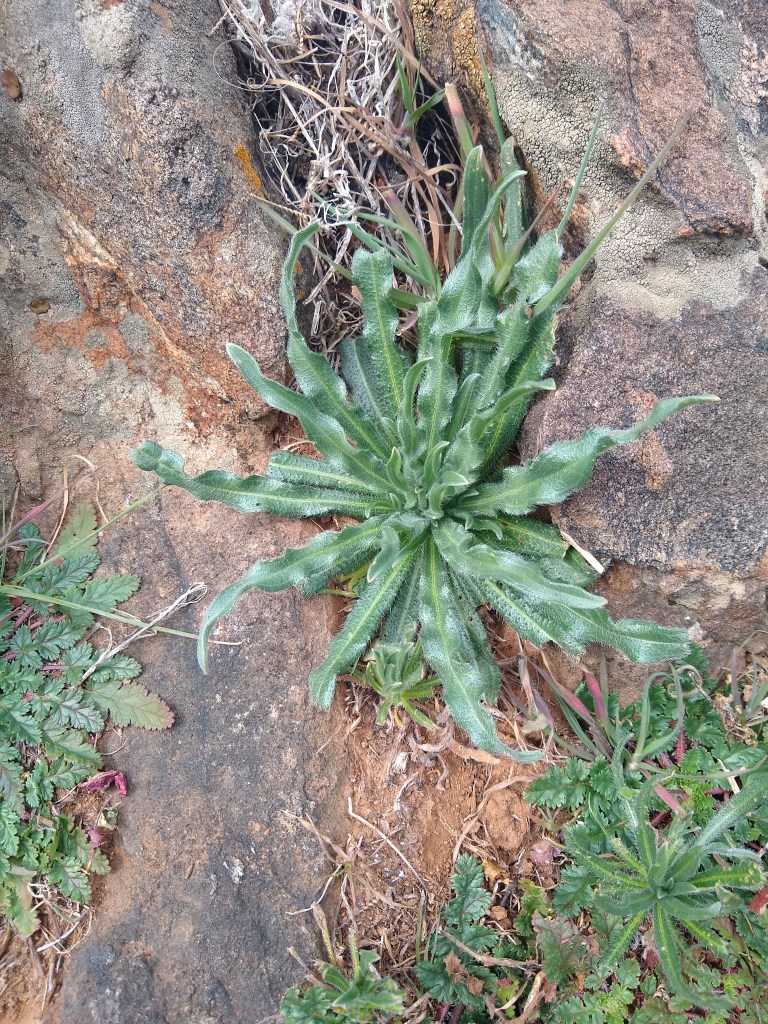
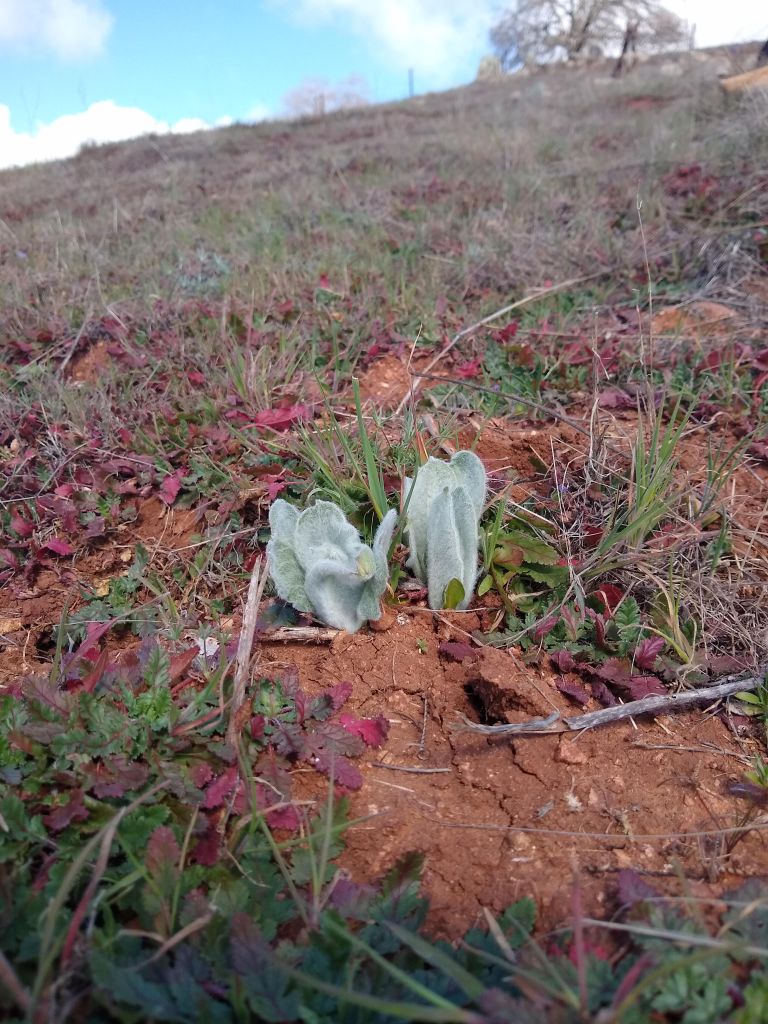
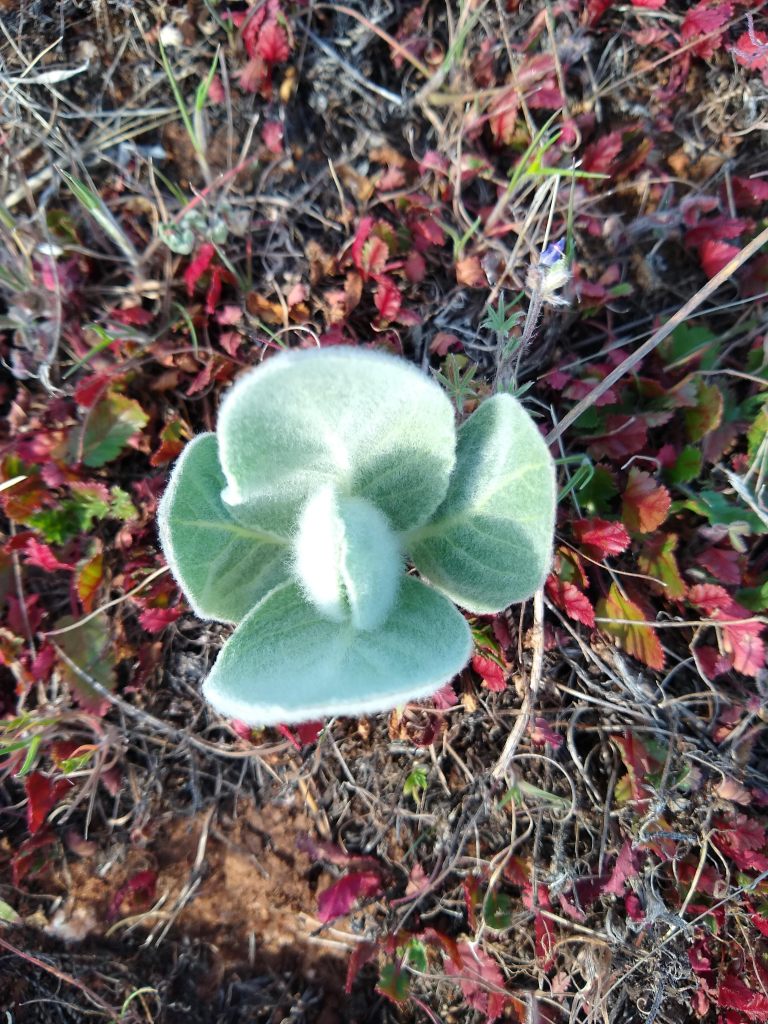
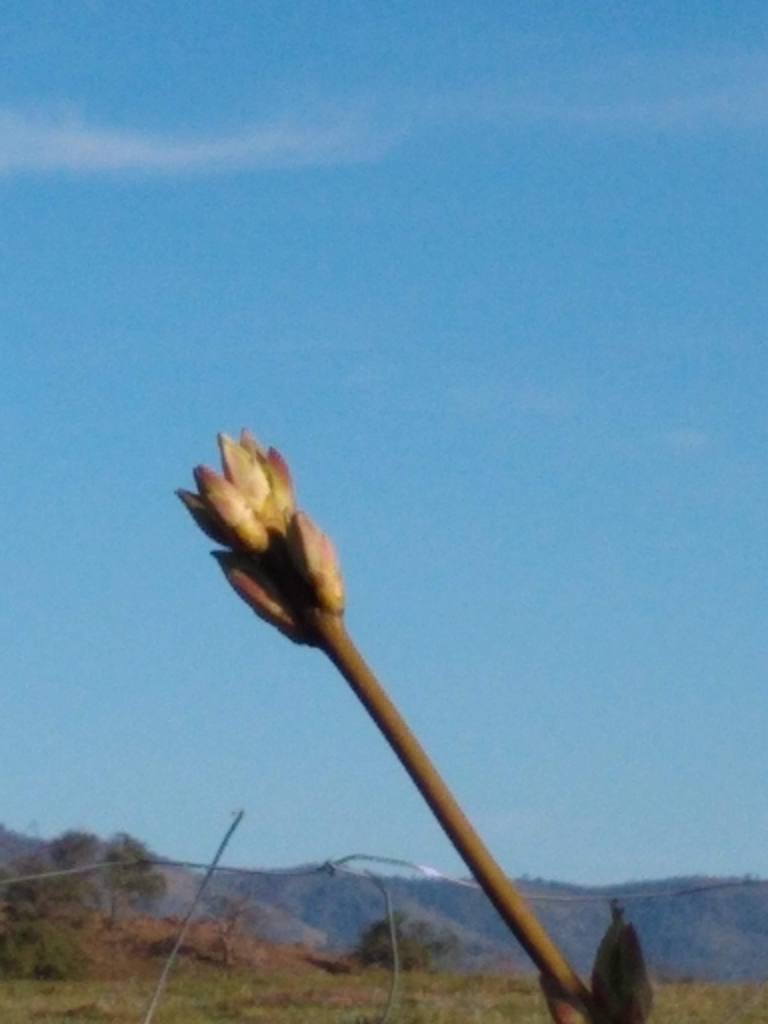
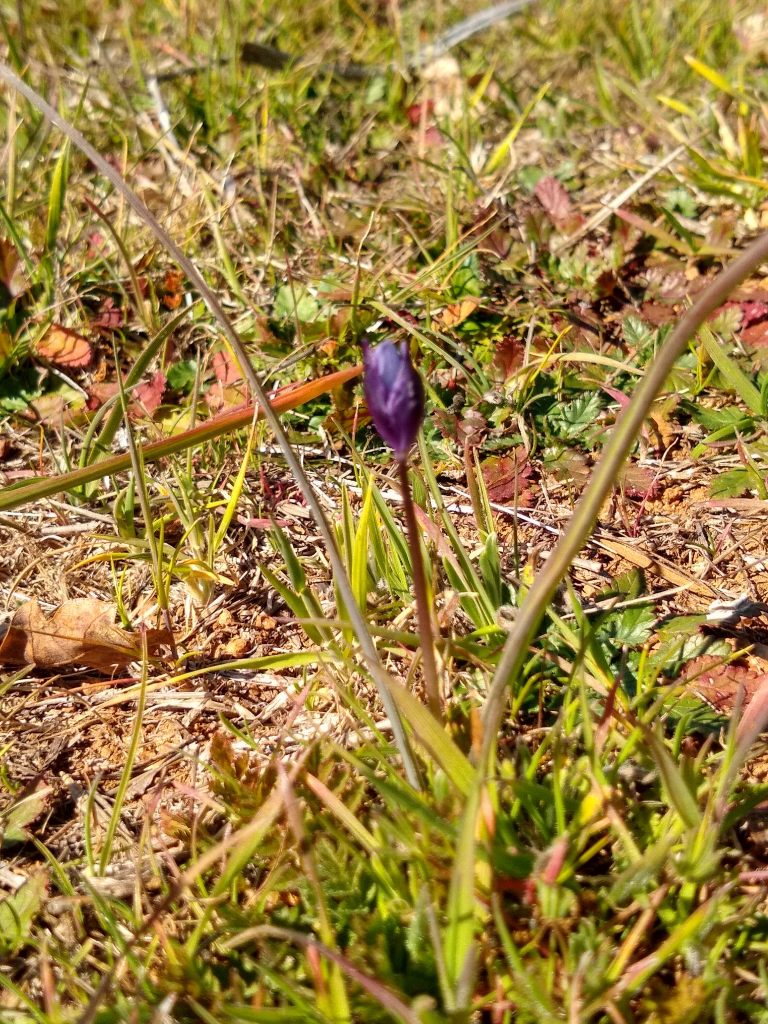
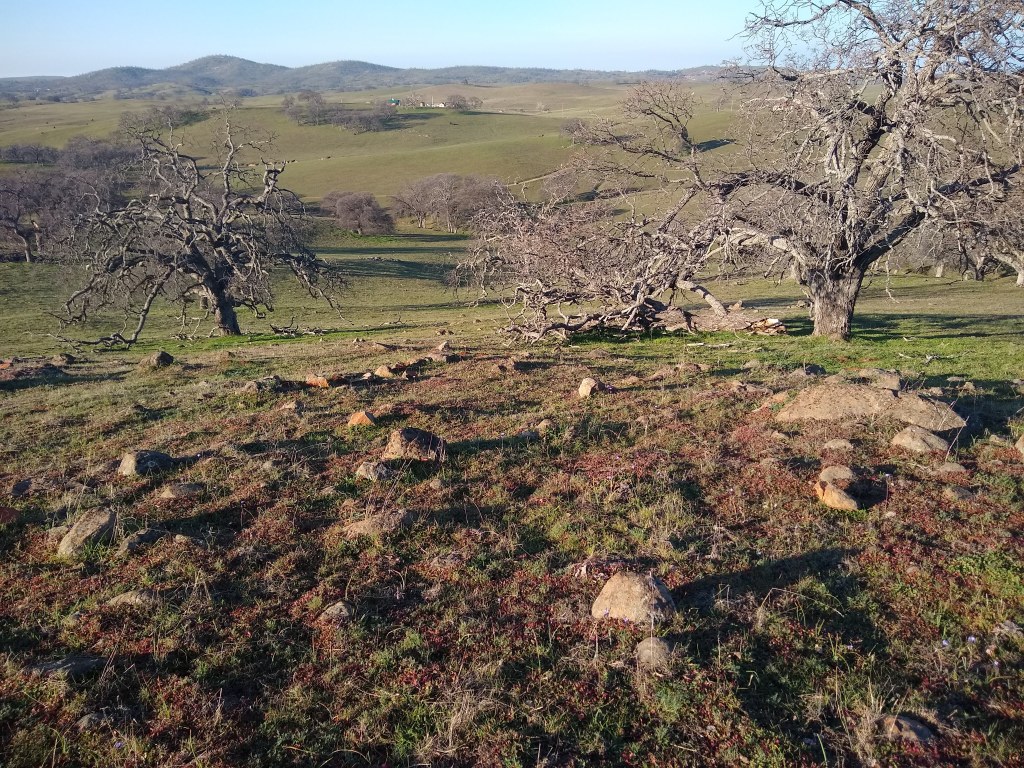
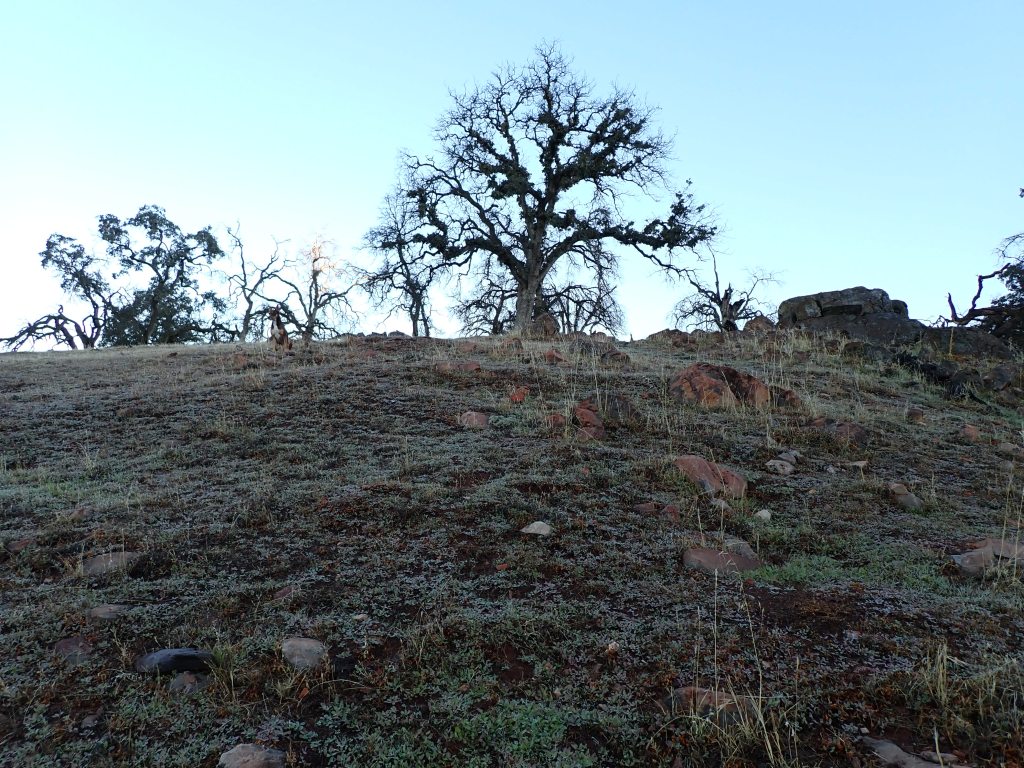
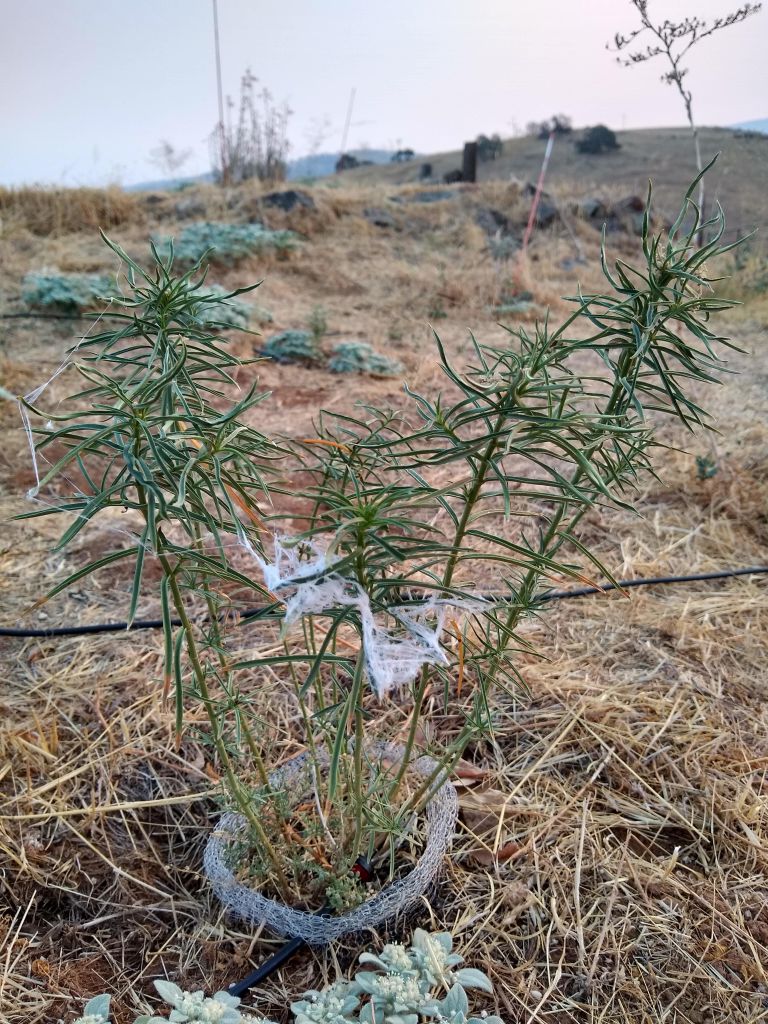
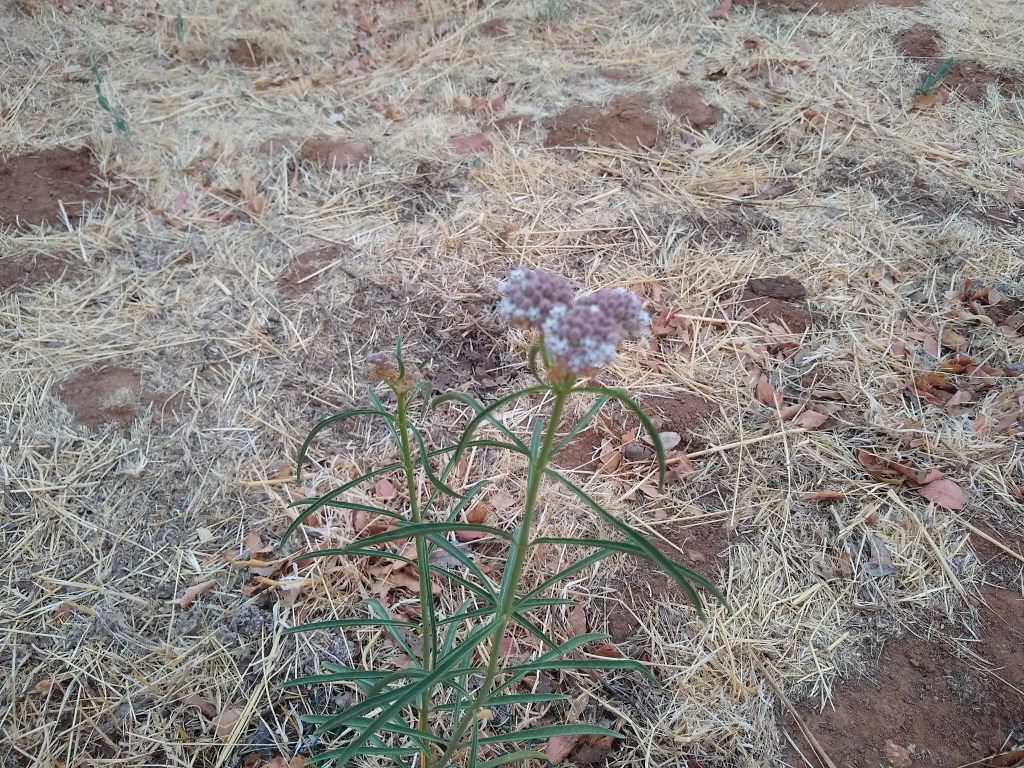
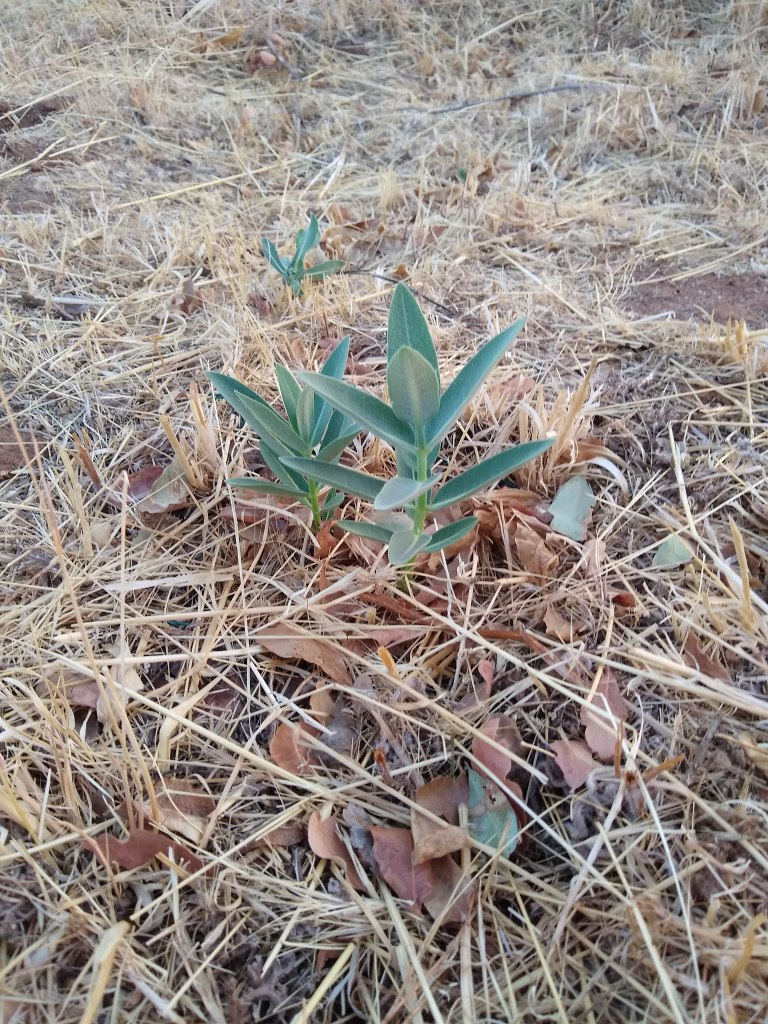
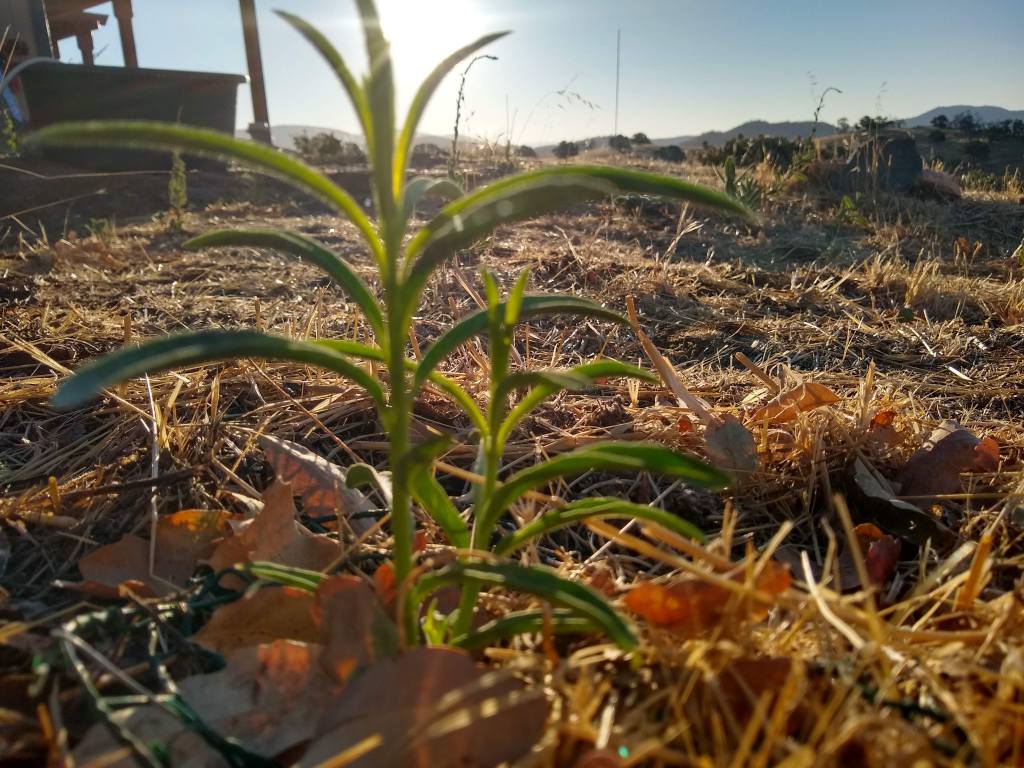
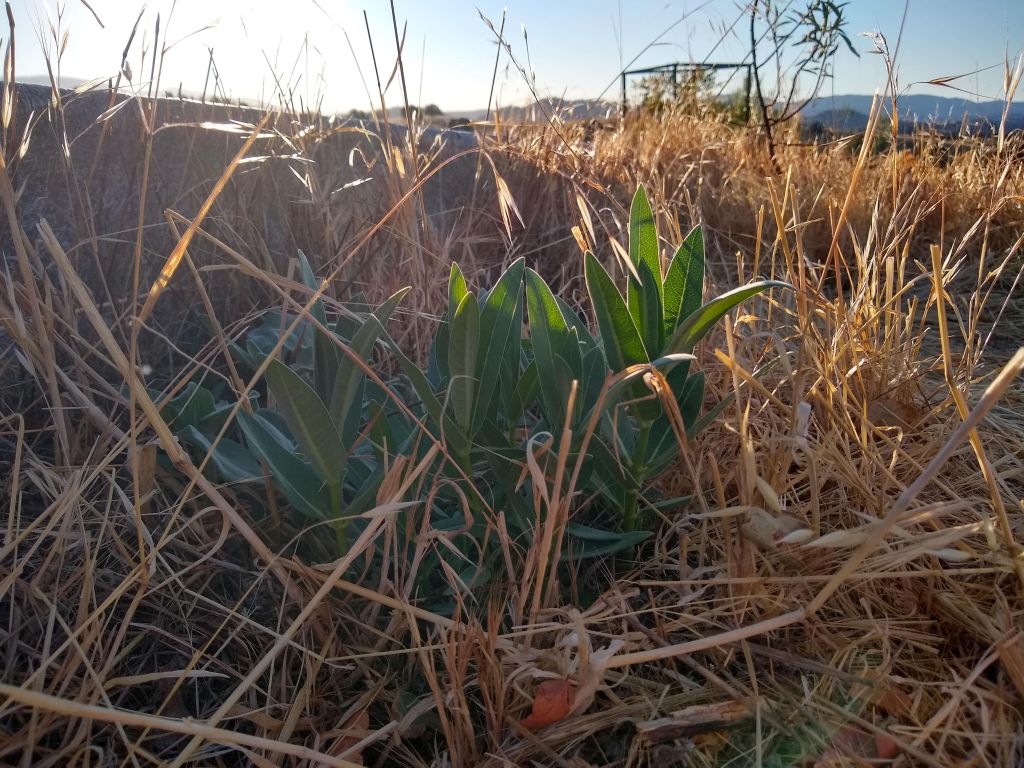
My plant obsession emerged in late February on the south facing slope – A. Californica (AC), California milkweed. What a tricky friend it is! I have been monitoring the emergence of early milkweeds for Ron as part of a larger program he is involved in. I must have walked by the rocks on the south facing slope twice in the latter part of February. I never saw anything.

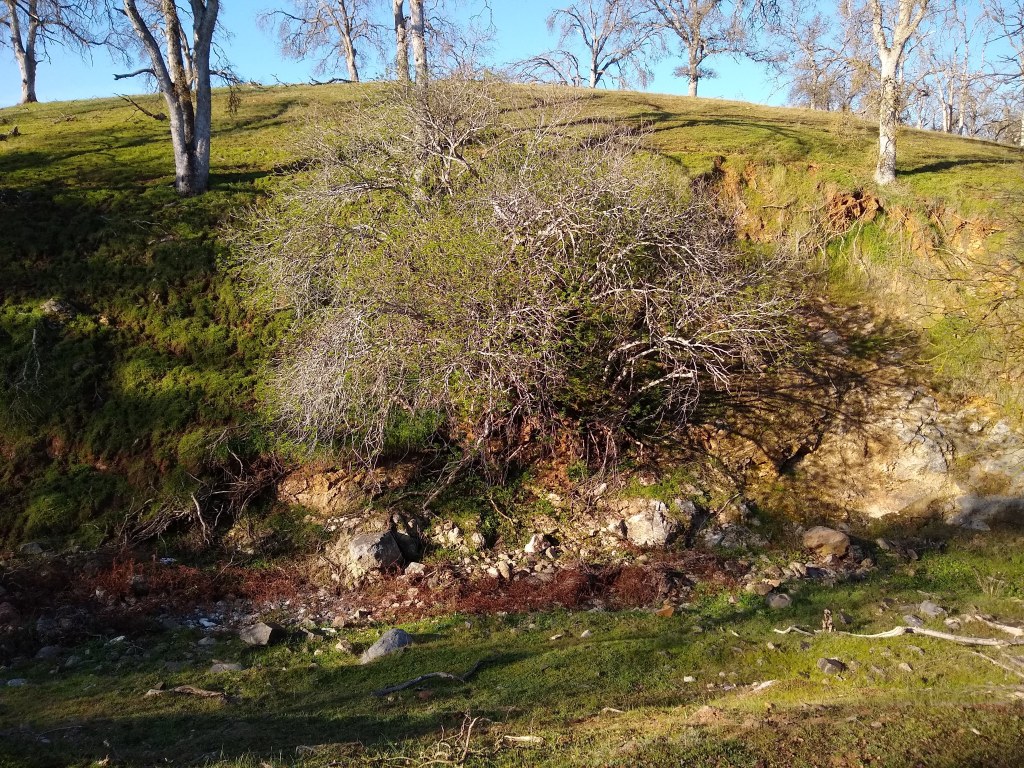
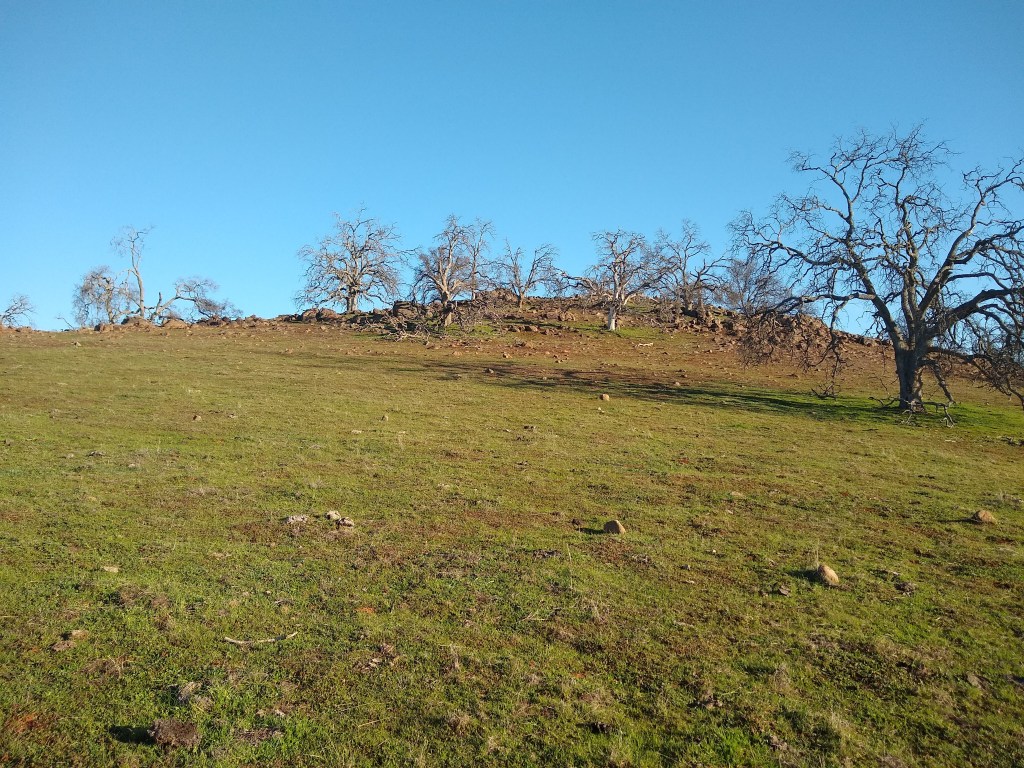
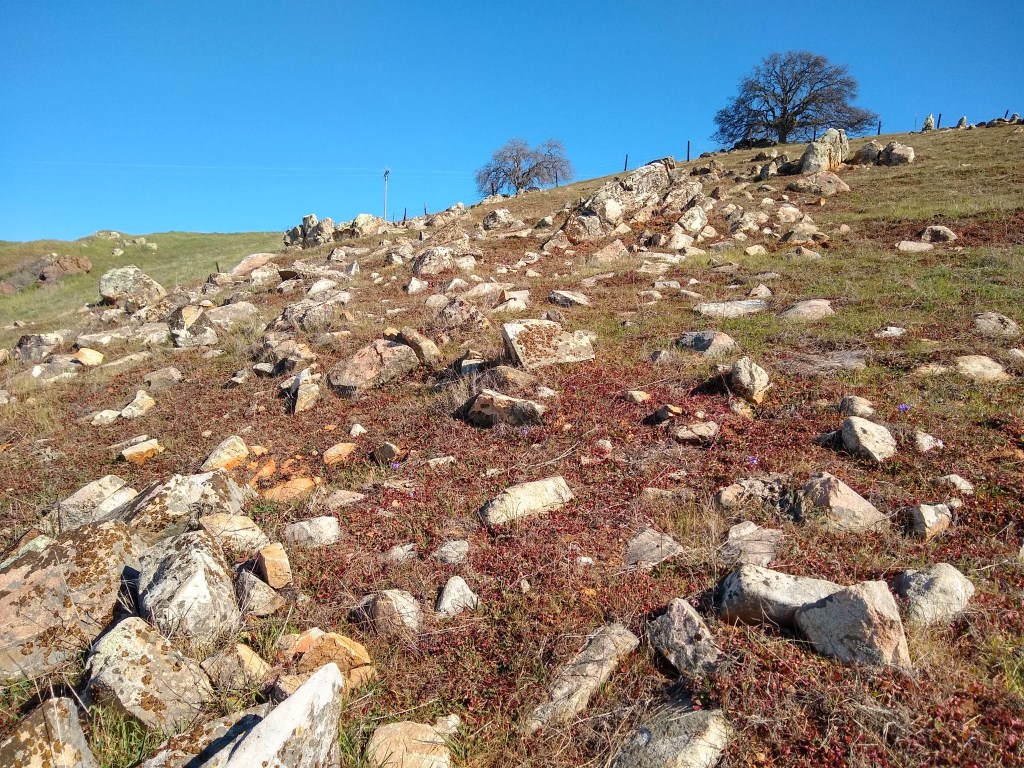
In the early days of March , on a cool day, after checking the area, I headed home, down the very steep slope that leads to Site 2. I decided to pull some weeds around the baskets of Site 2 since I was there. I reached into the pocket of my jacket and found no gloves. The gloves were a yellow tan color, much like some of the rocks that protruded on the landscape. Looking left and right, I saw nothing. Although I dreaded it, I began to make a slow climb back up the steep south facing slope in search of my gloves. You must understand, the gloves were not cheapos. David got me a special pair that he thought would last longer and fit better since I work so much with my hands. Very sweet of him. But, this meant I was determined to find them.

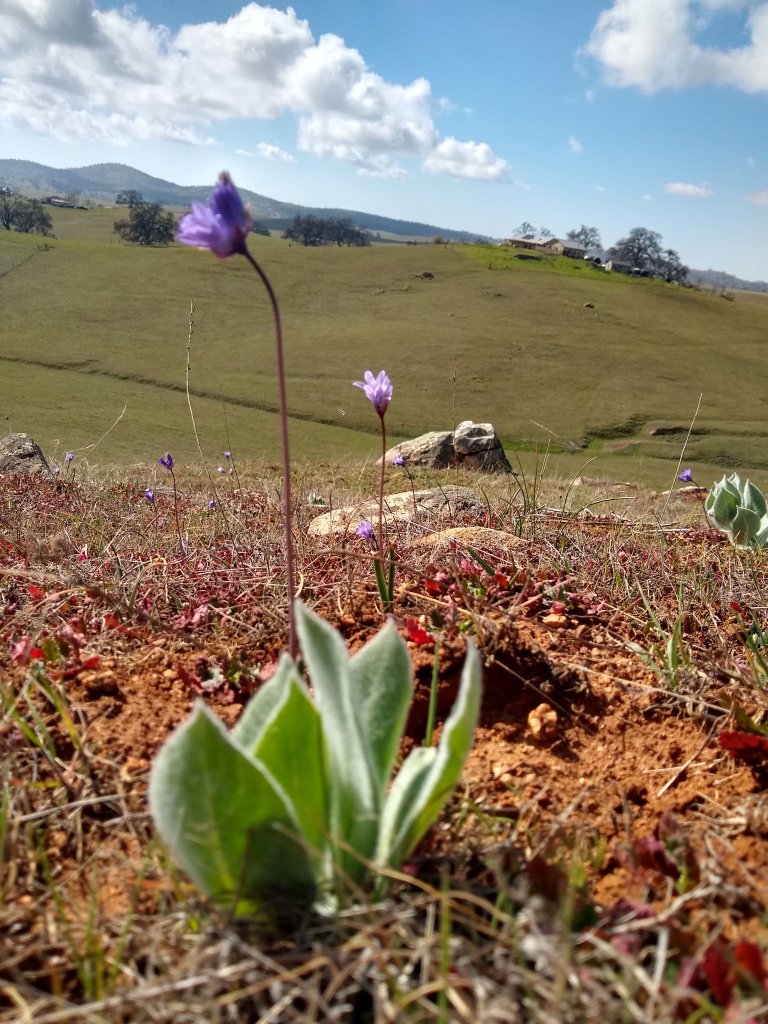
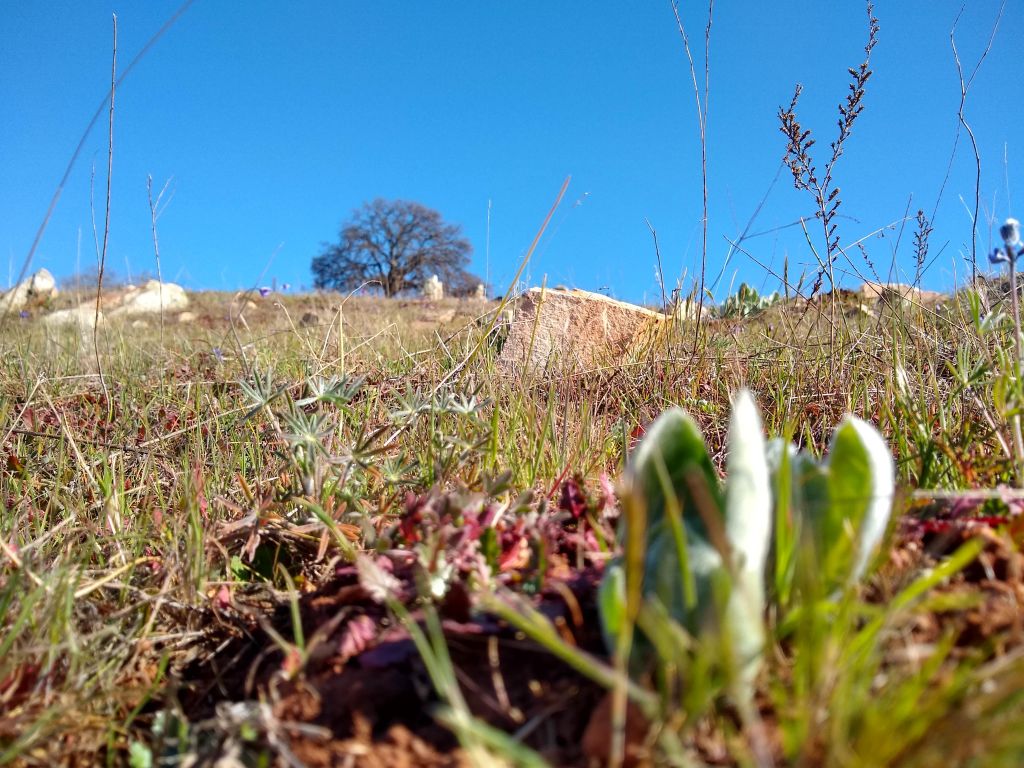
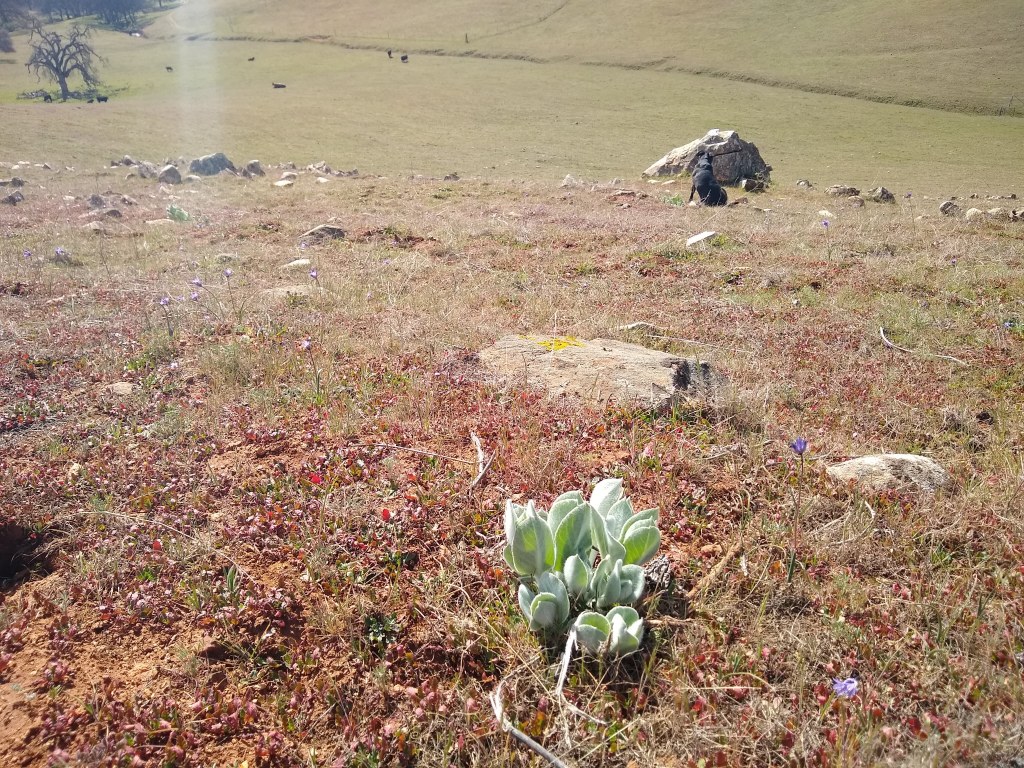
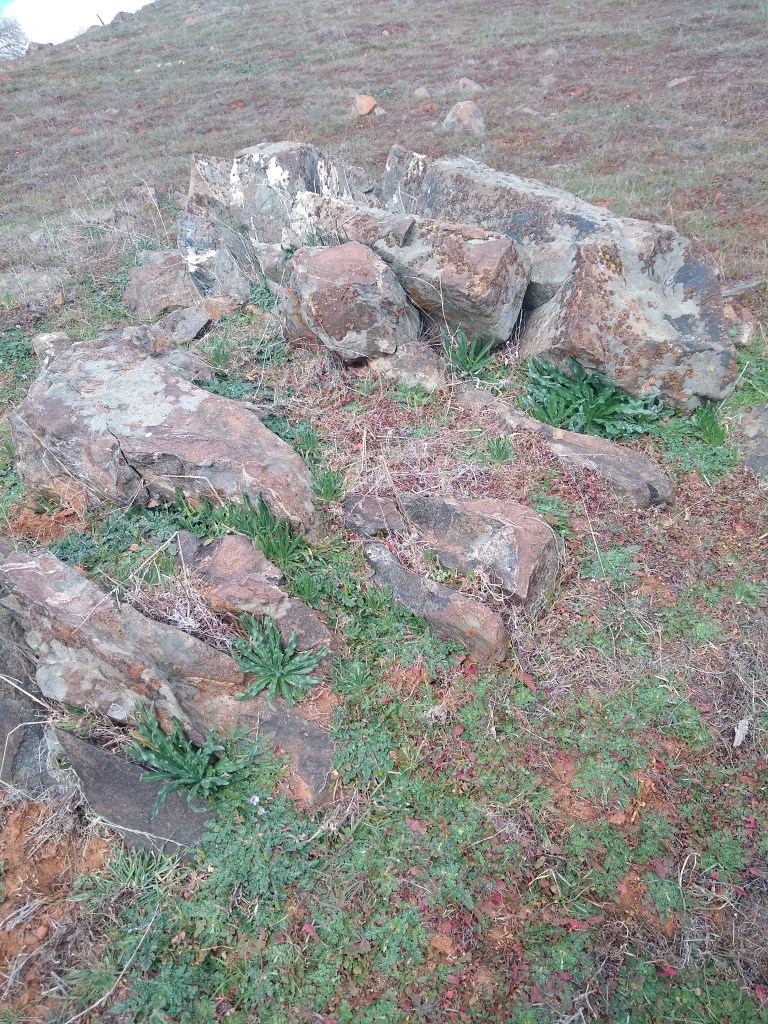
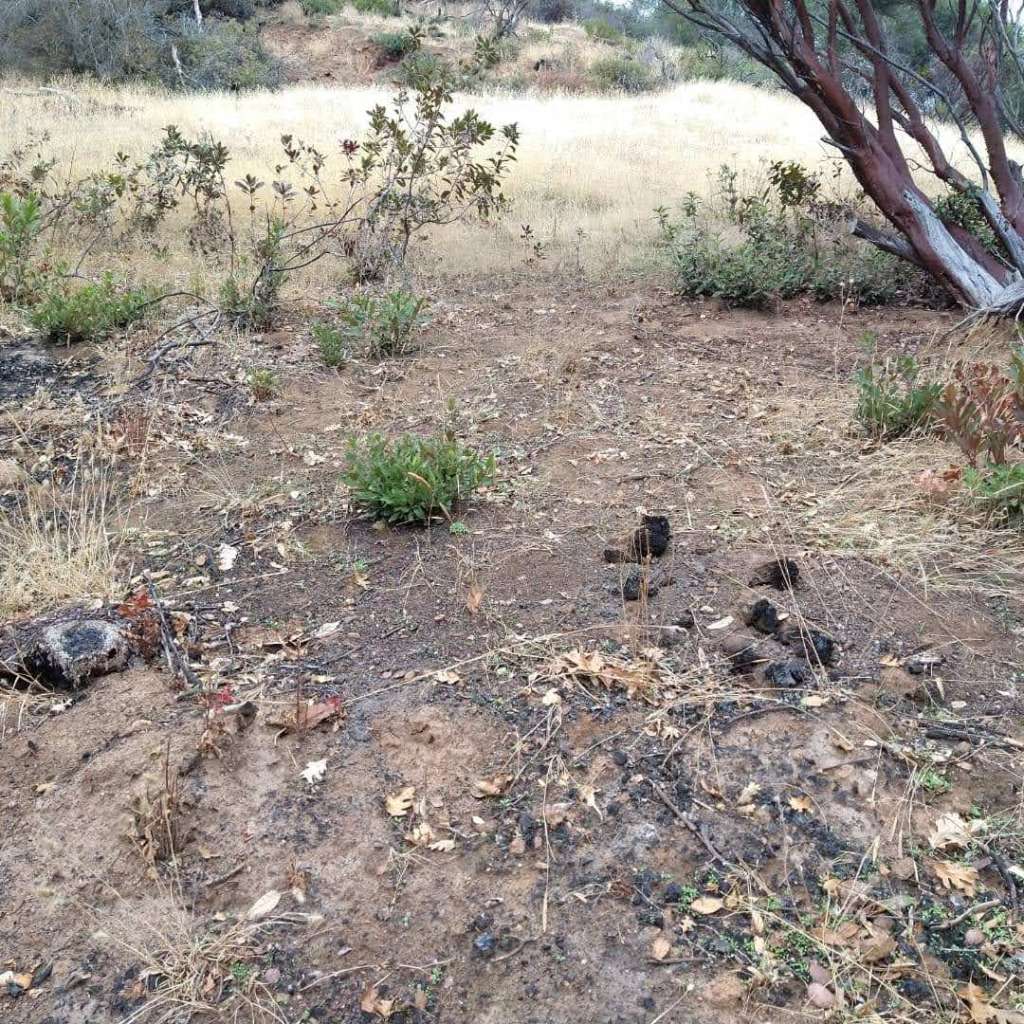
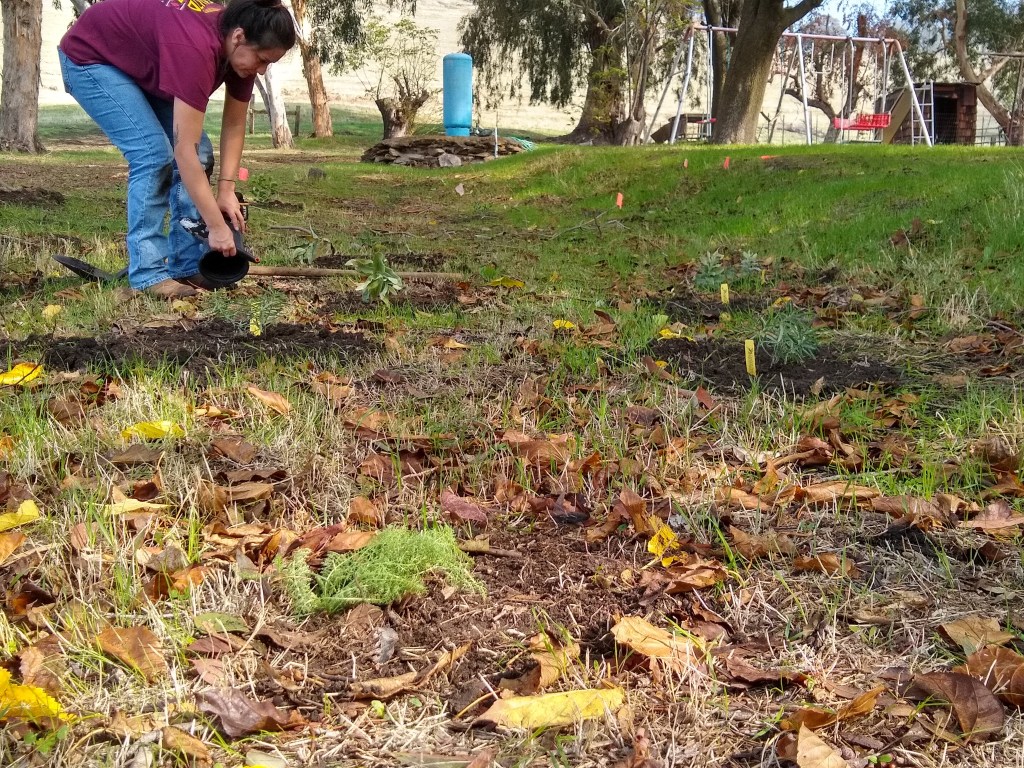
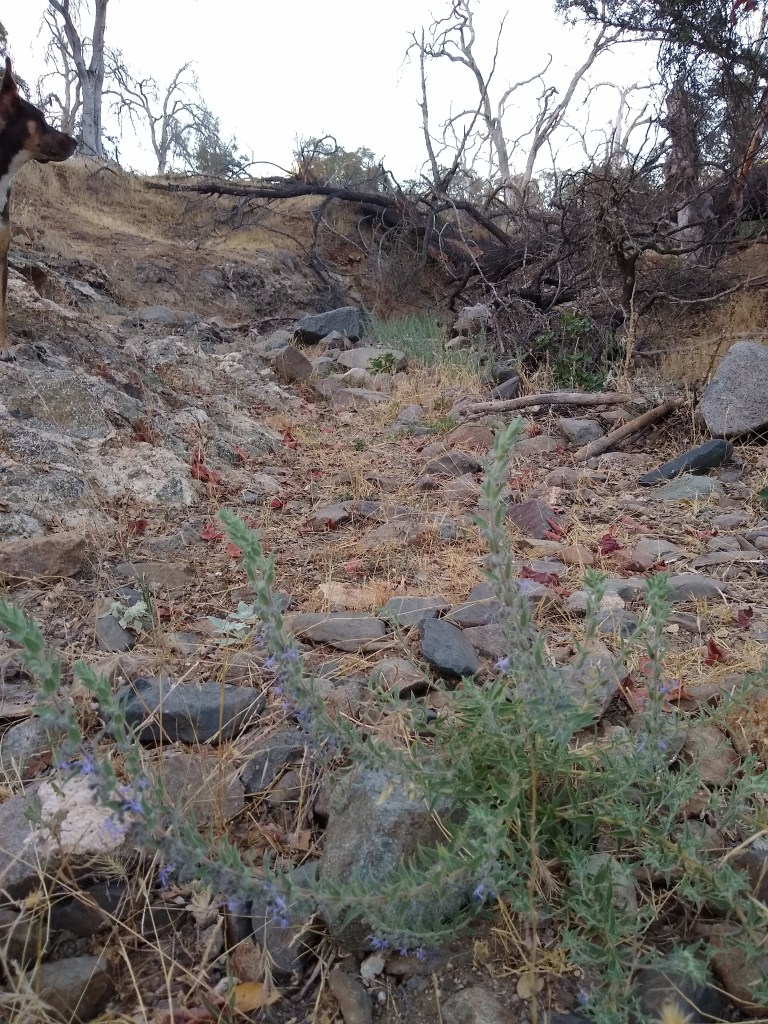
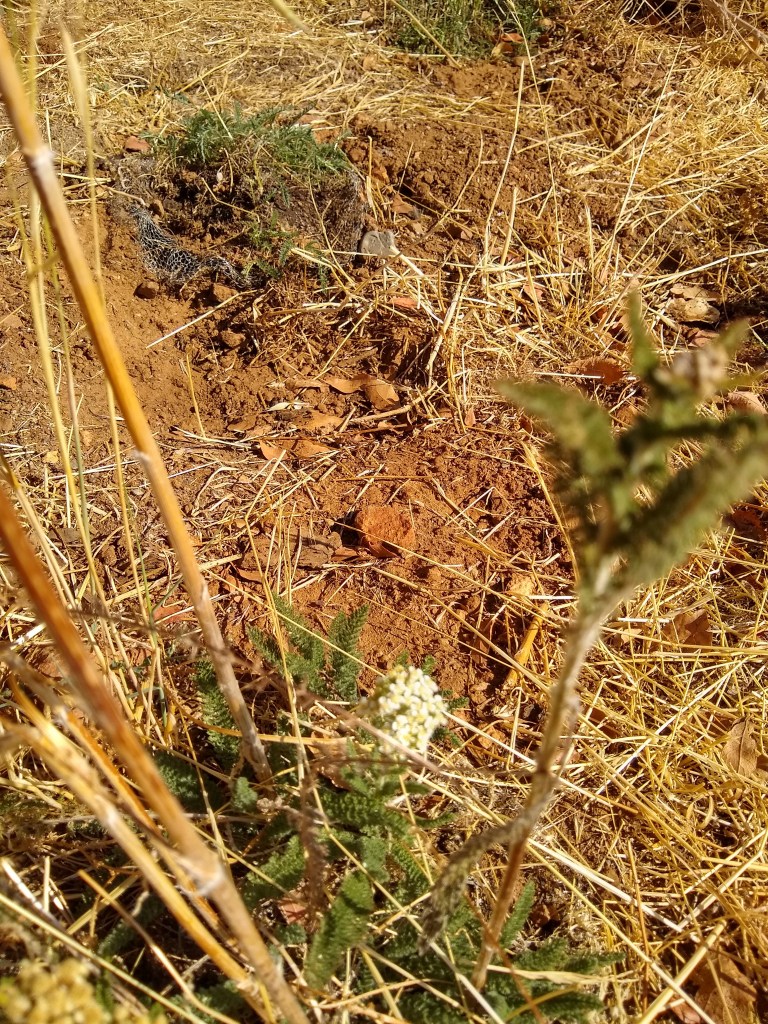
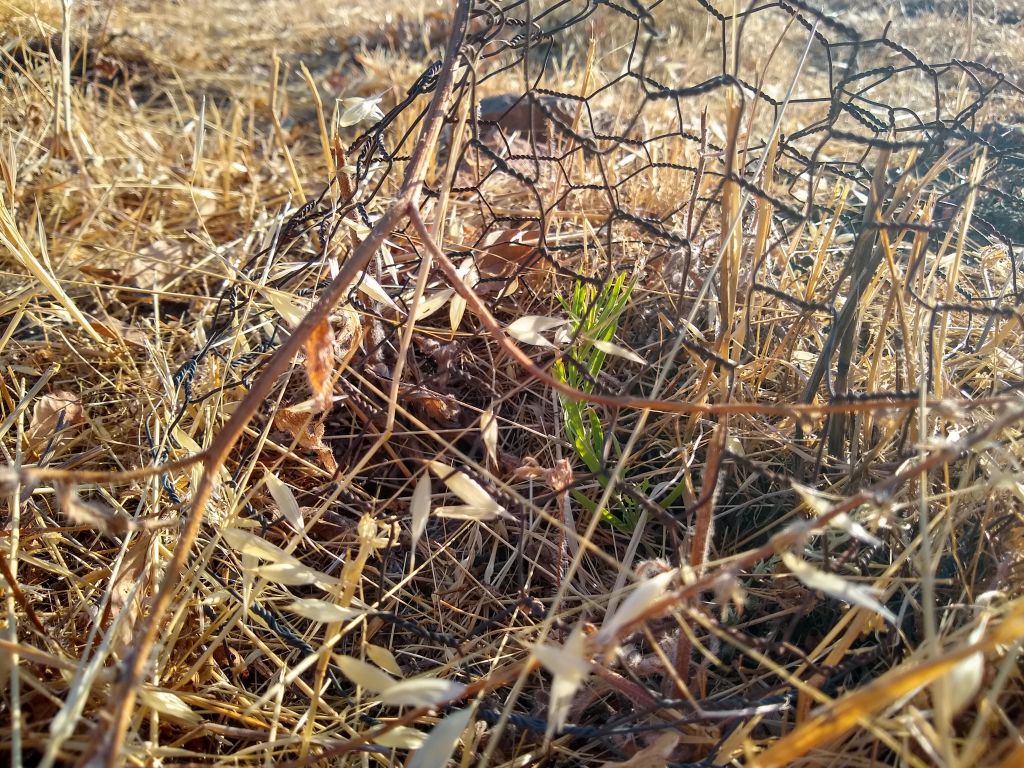
Everything happens for a reason I suppose. Trudging back up the slope, about halfway up the hill, I saw a glimpse of light green on the dark green, brown, and red colored background almost glowing in the light. Could it be? No. I had wandered this area just a moment ago, and twice over the last two weeks. But yes! There is was, slightly moving in the breeze, a gorgeous puff of AC. As much as possible, I picked up my pace to get to it. Indeed, it was a large specimen of AC. It had to have been there, camouflaged against the moss on the rocks, for weeks. I began to look around and like prairie dogs peeking out of their holes there were another 3, no — 5, no –10, albeit smaller ACs. My heart beat more from the excitement than the 6% slope I had just loped up. Everywhere I turned there was AC. In all, after counting 6 times to ensure I got it right, there were 16 individuals in total in that community of plants. I could not help but grin so wide the sides of my mouth ached. What a great day.
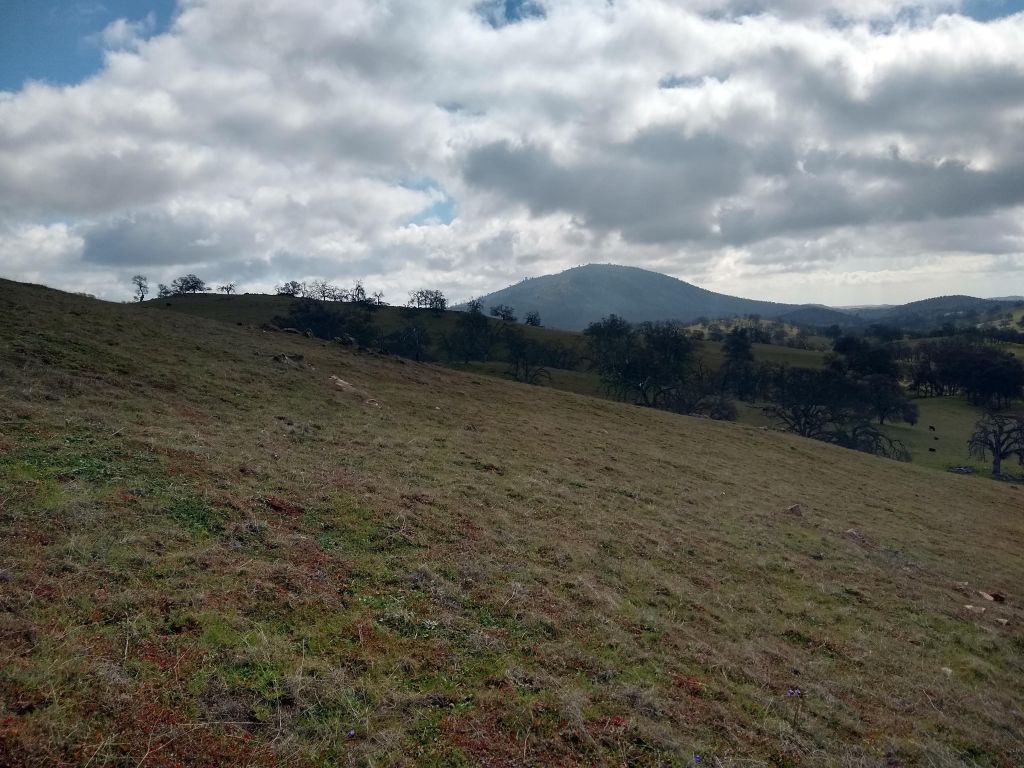
I have been monitoring all AC sites where I have found the plants previously. Of the four, two have emerging plants. The other AC site has one very strong plant with three sprouts. Last year, this site had one plant with one sprout. The older the plants are, the stronger the roots become and the larger the sprouts get. I have seen smaller plants that get a later start never get to bloom. This is why it is really important to protect the older growth ACs.

Hopefully, we will begin to see some emergence in the other sites soon. The other sites are north and west facing (as opposed to south) – so this may be a factor.

Drought Worsens

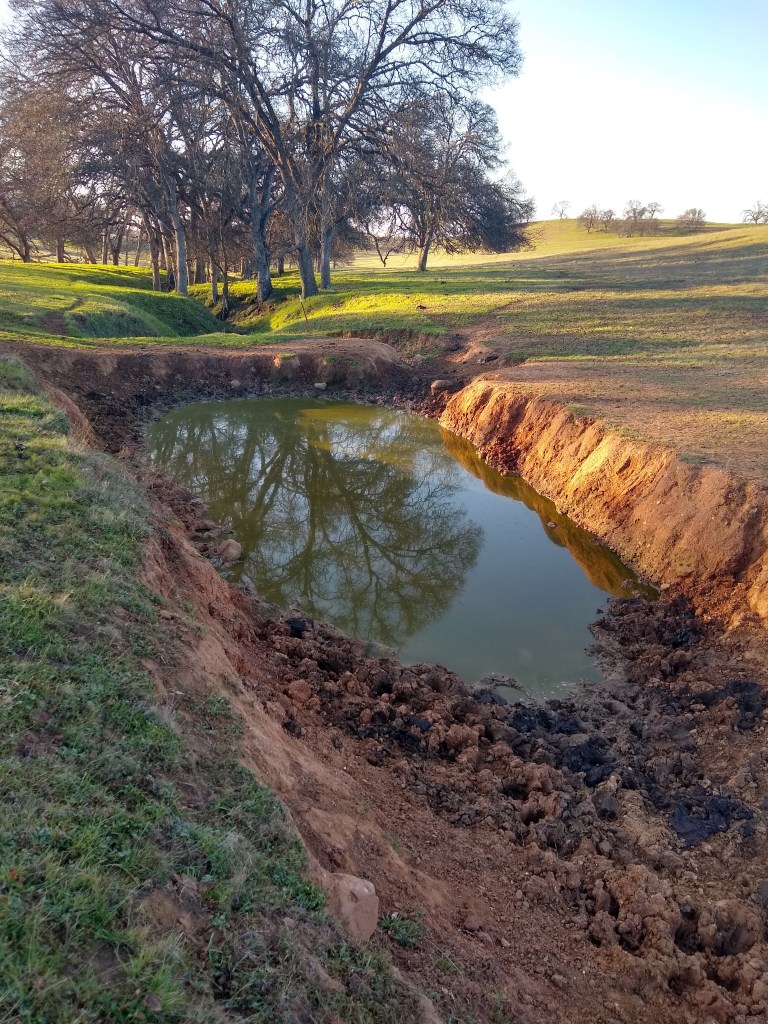
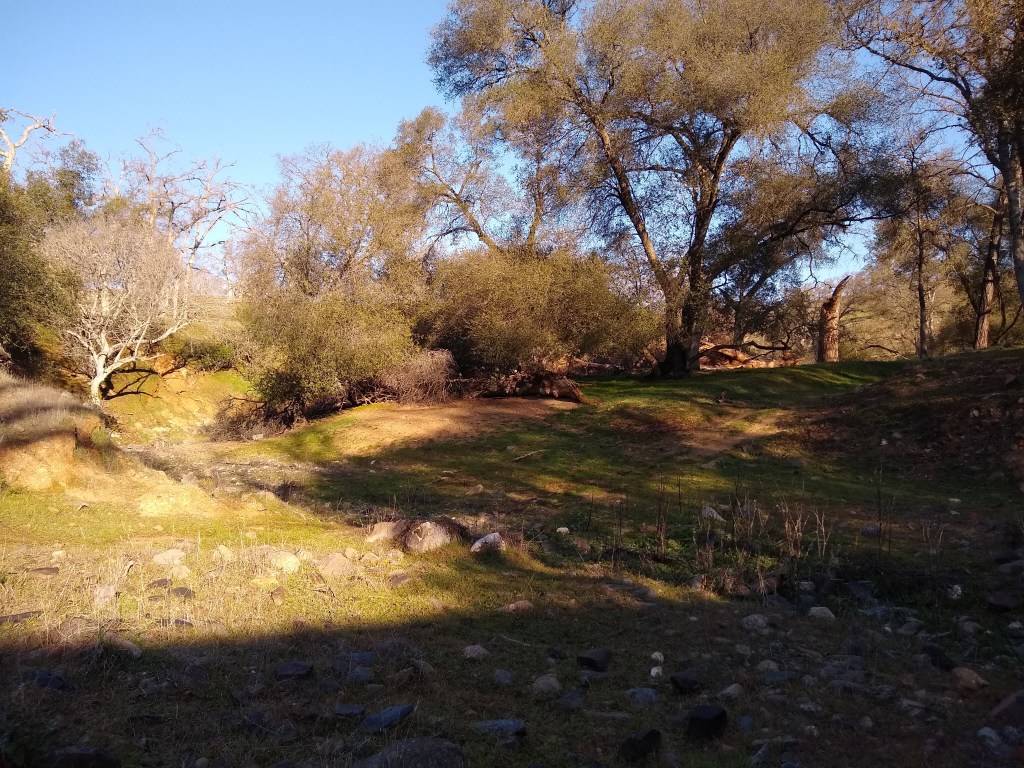
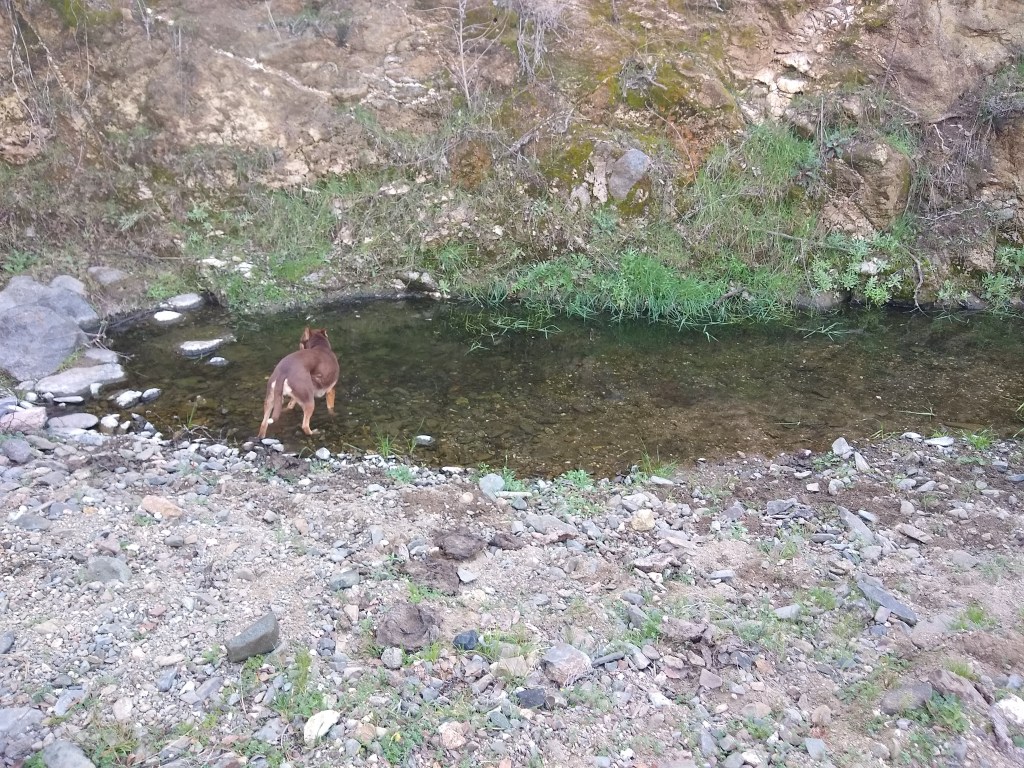
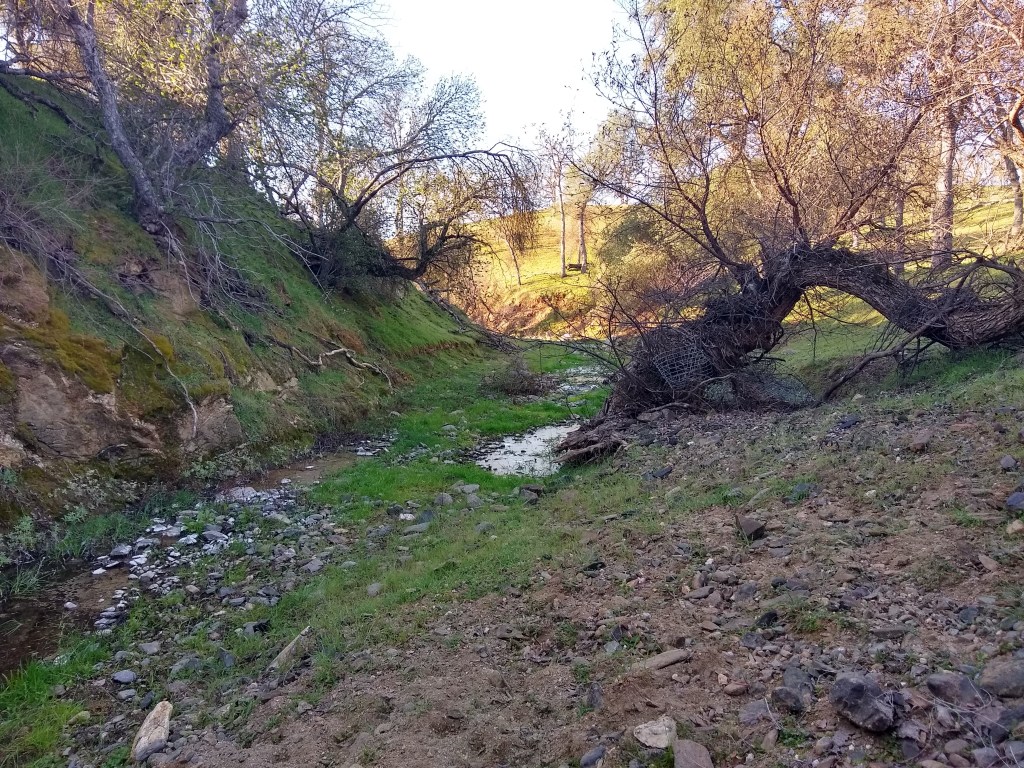
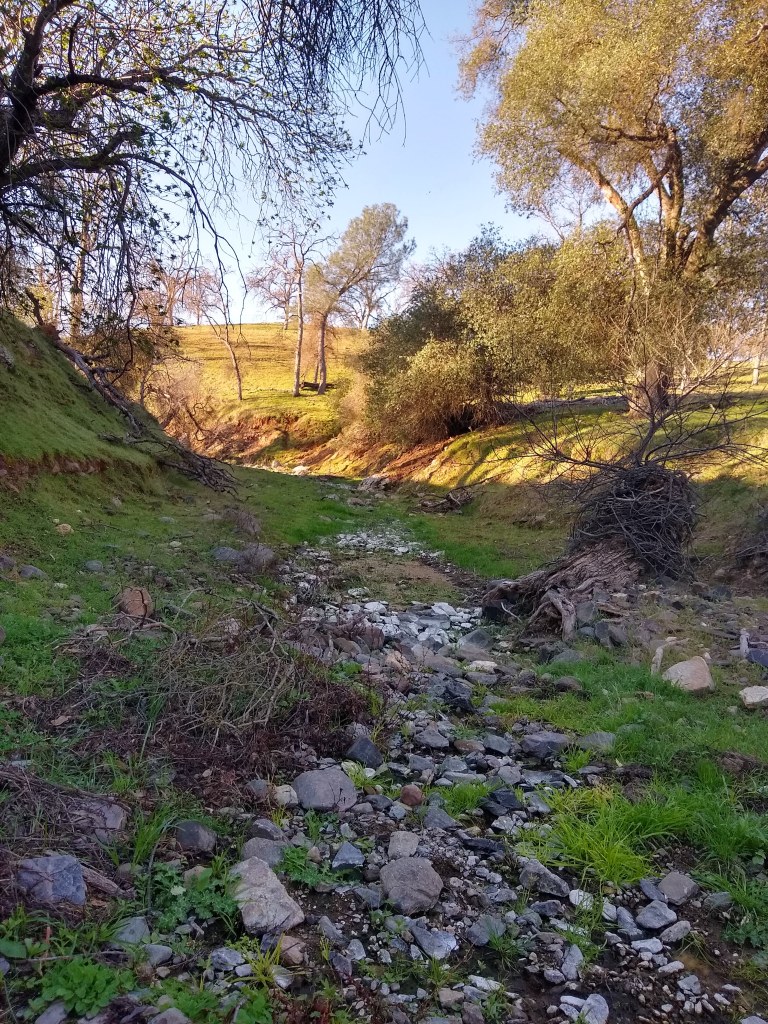
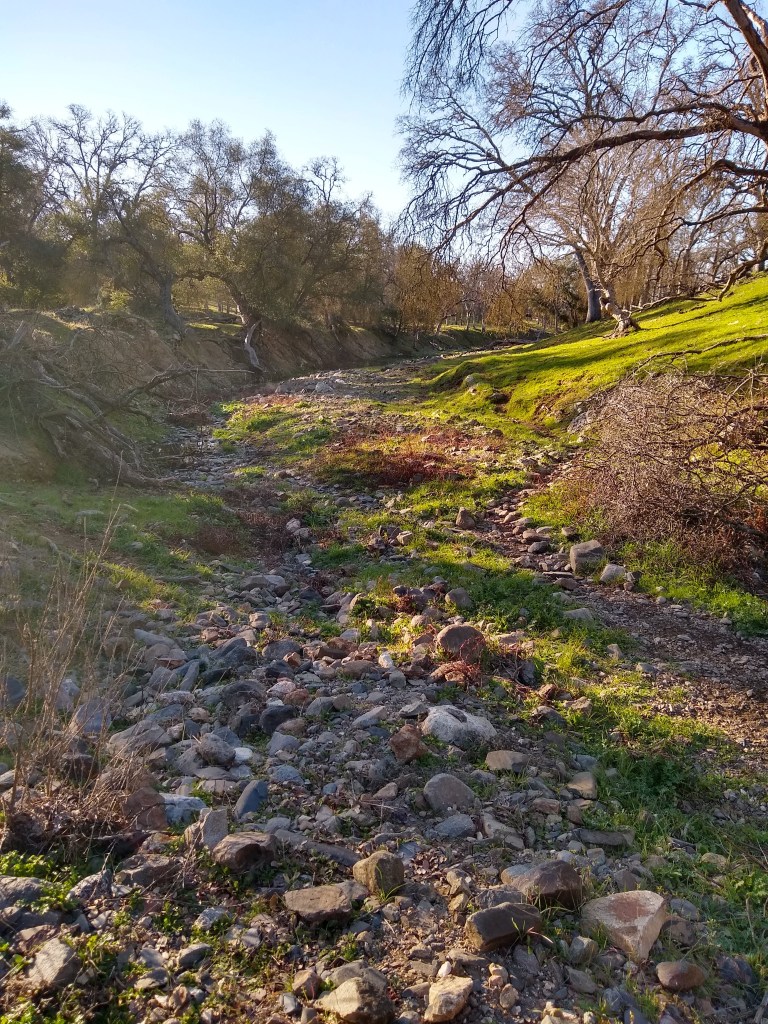
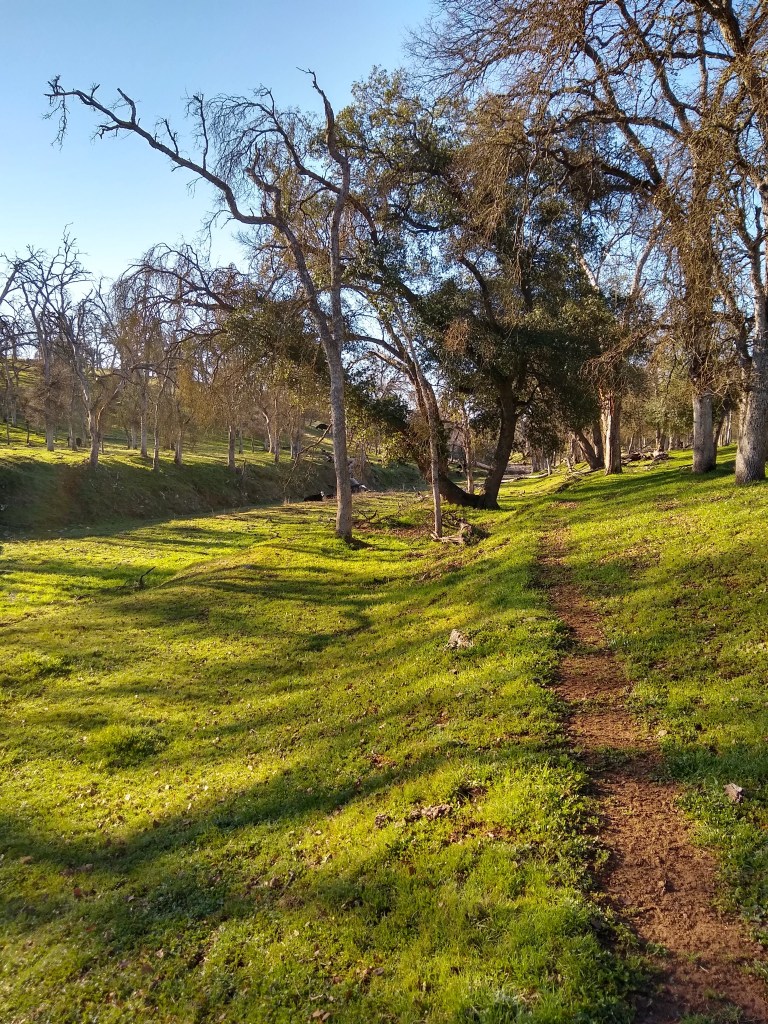
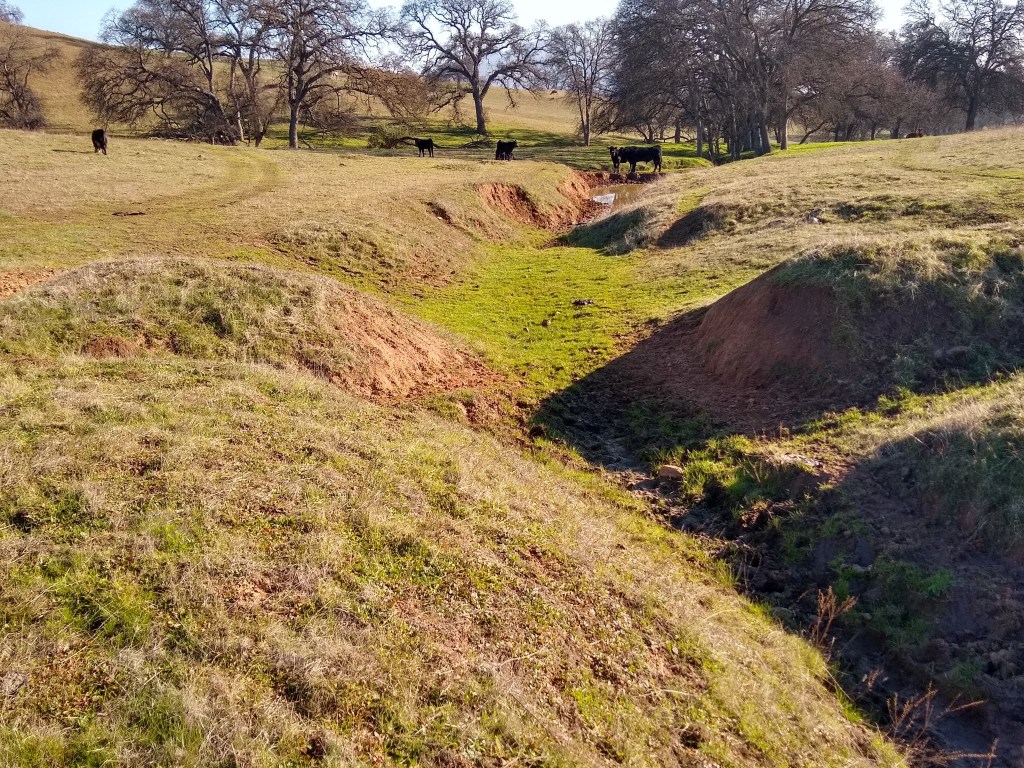
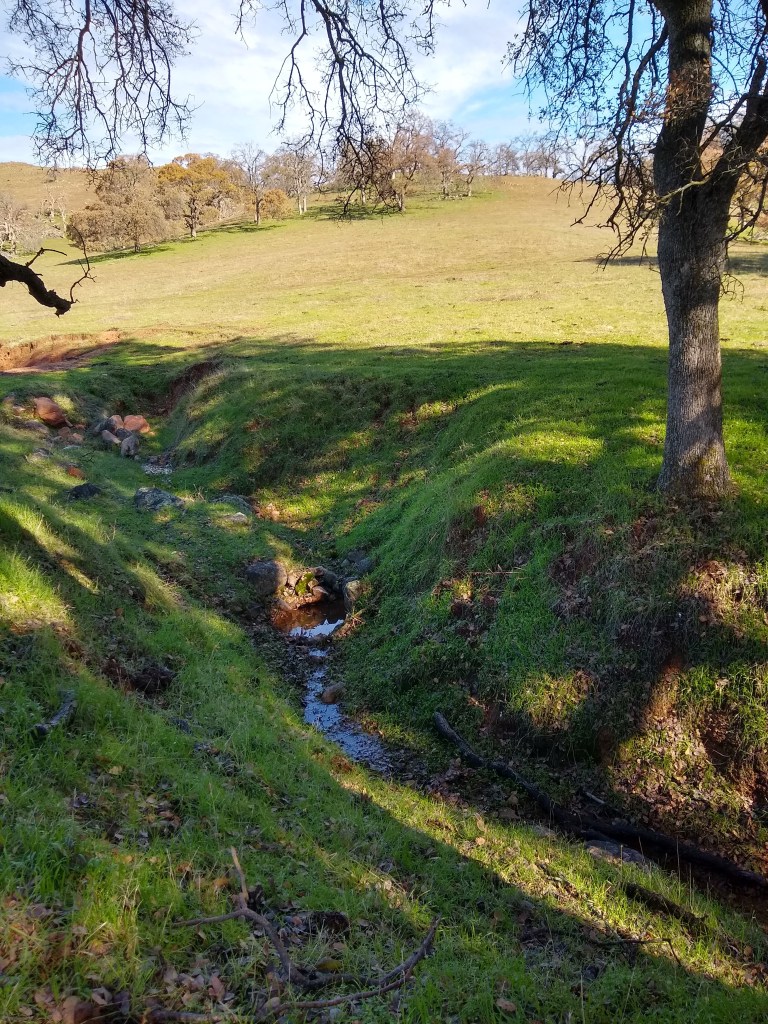
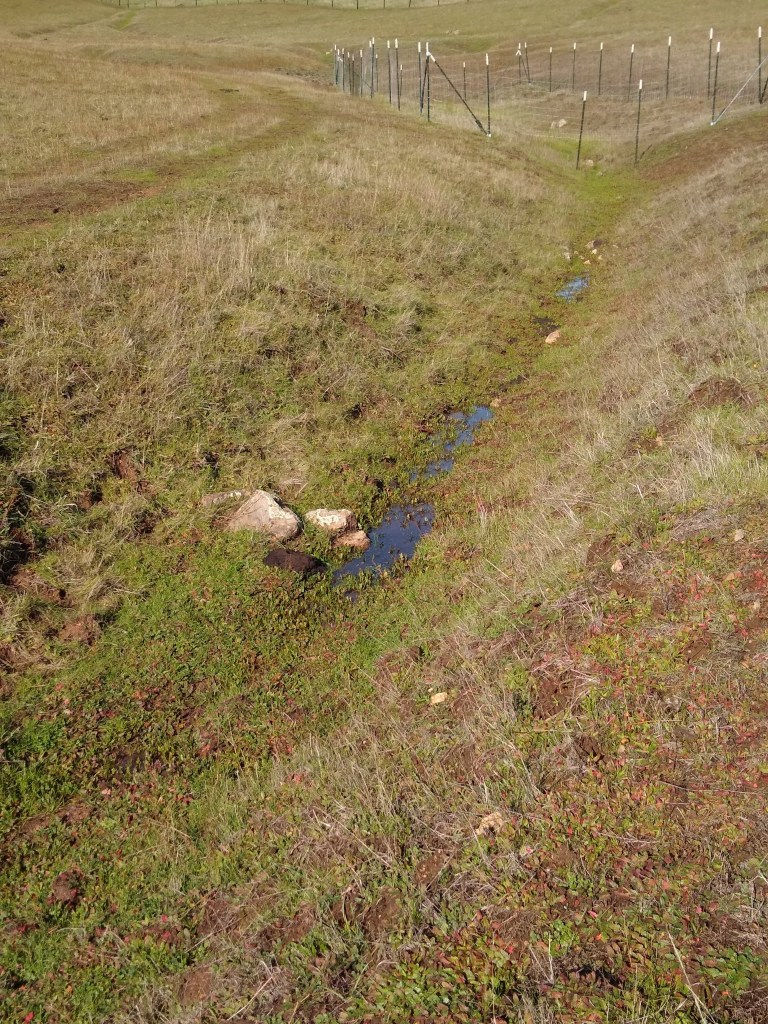
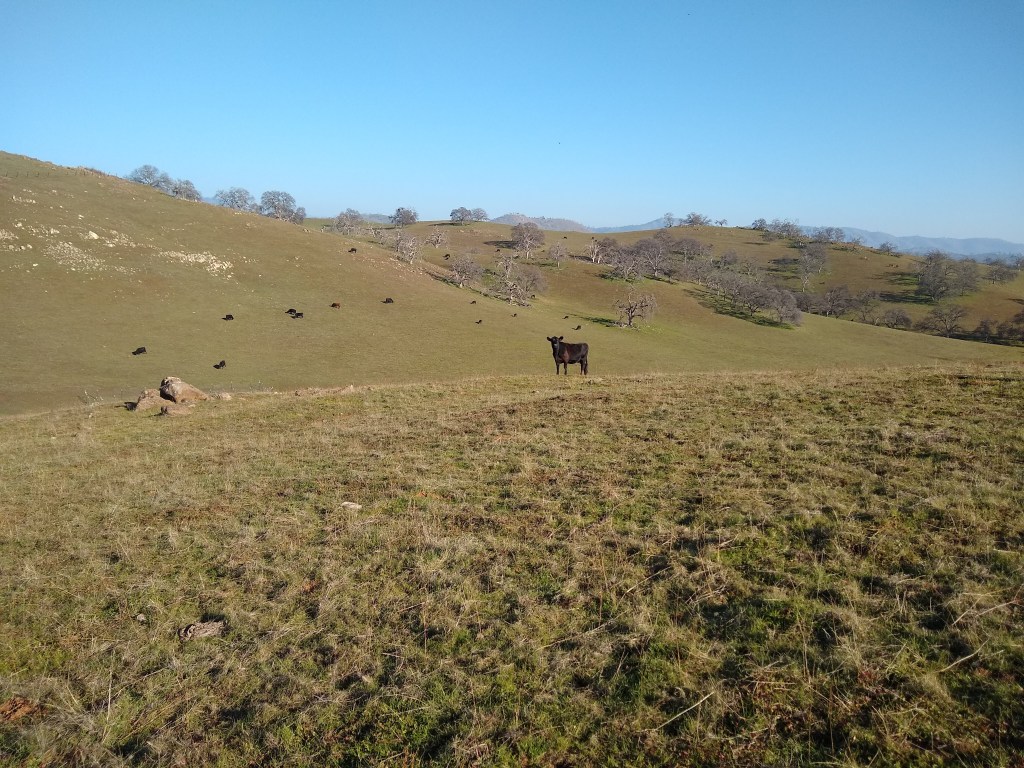
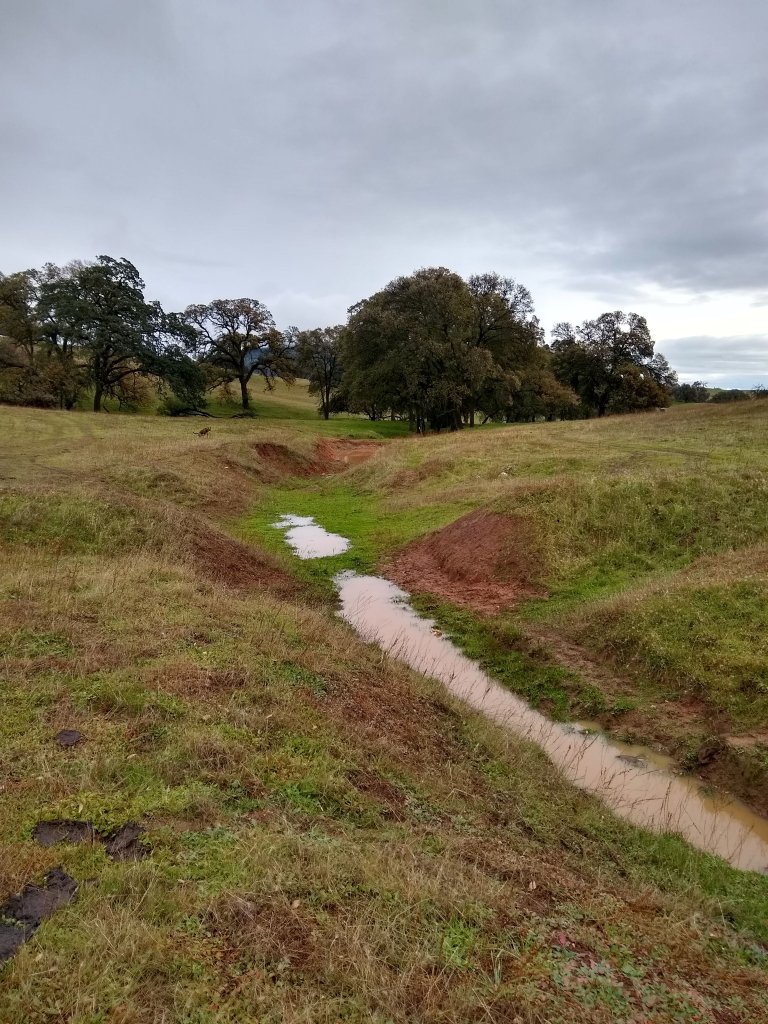
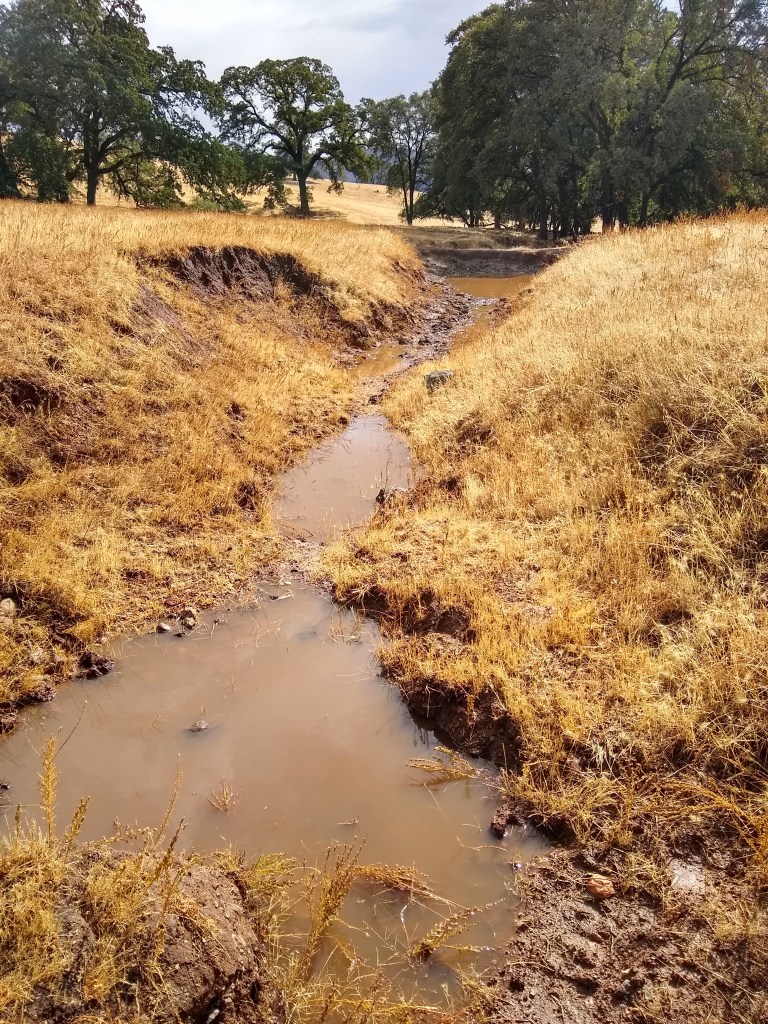
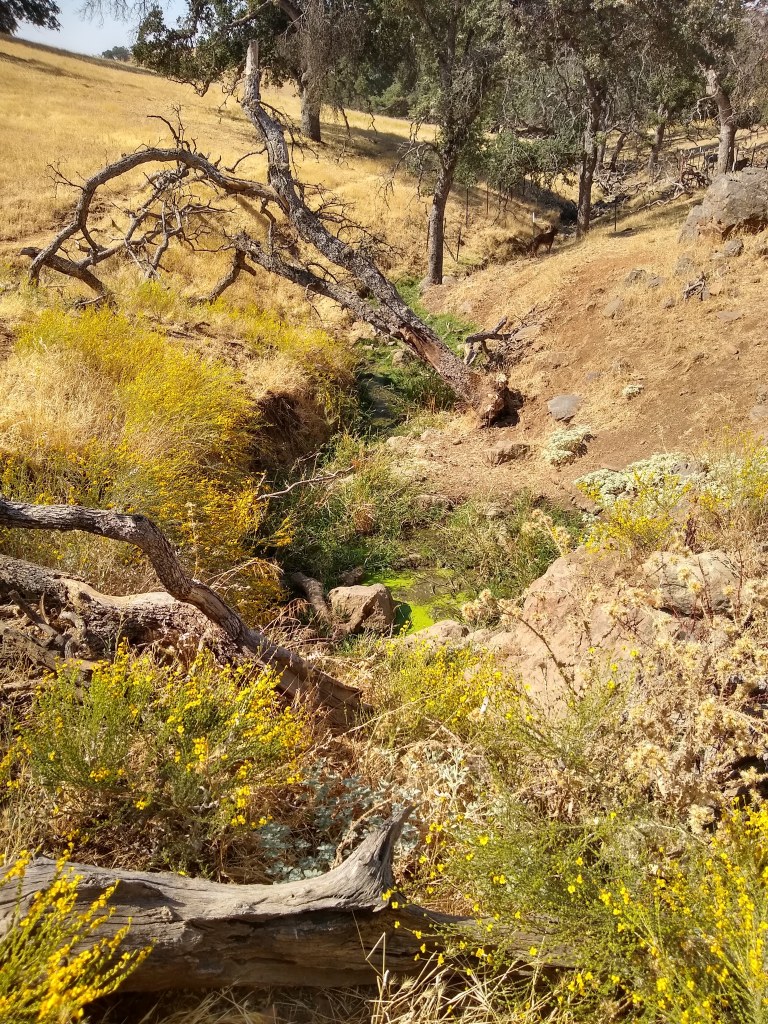
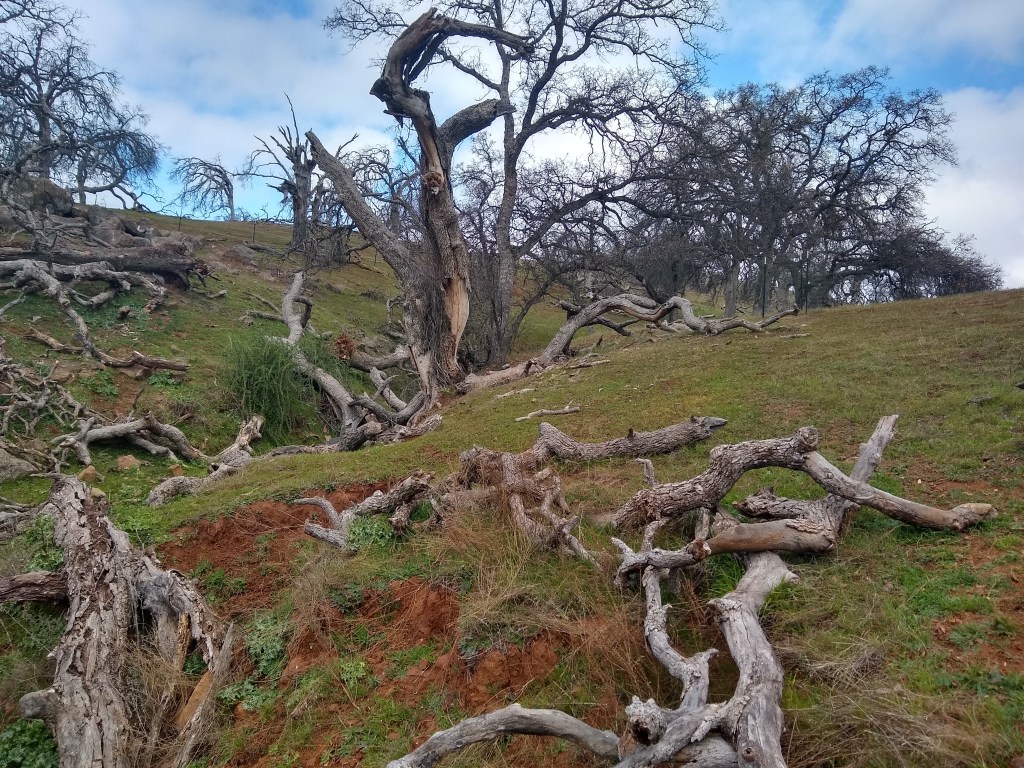
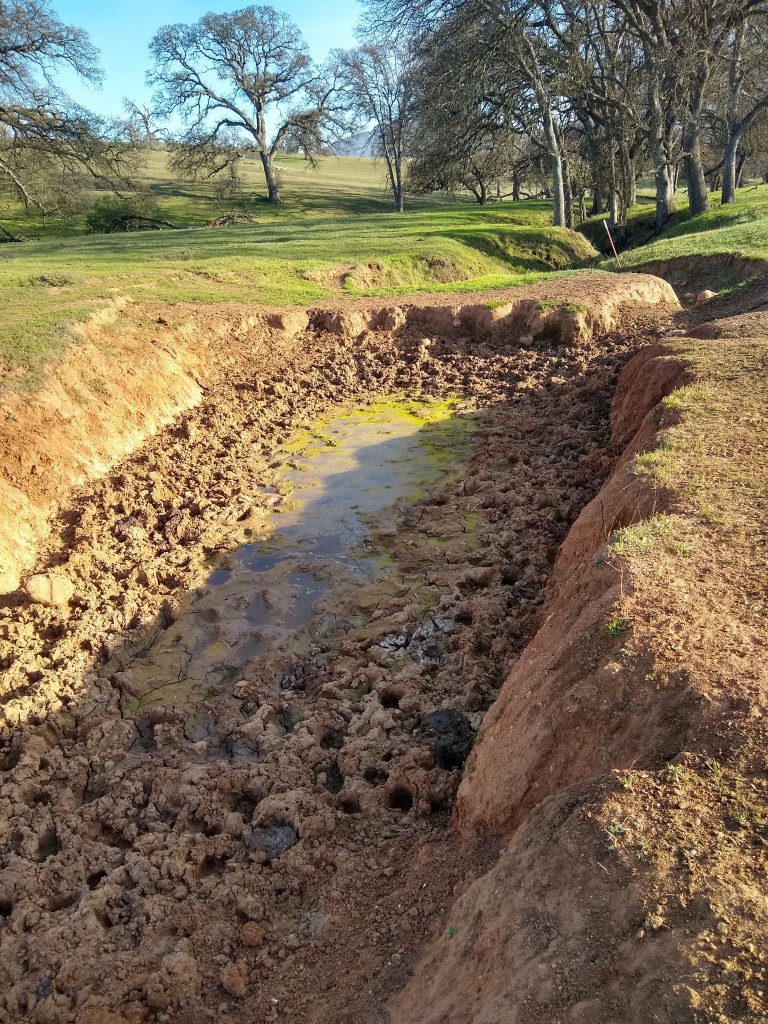
There has not been any appreciable precipitation since my last post. Tanks one and two are still unfilled because of the defective rainwater system part from December. Such a lost opportunity. This means I continue waiting for a large rain event to make up for that issue. There are large swaths of red and brown patches all over the ranch. These are areas where no additional vegetation has grown and the existing vegetation has already run its life span. No water = no grass growth. The water is now completely gone in the swale pond. The springs are still running. It is not pooling in the spring creek since there was no good water saturation down stream. We still have standing water in Odom creek, but not as extensively as is typical.
Butterflies Visit

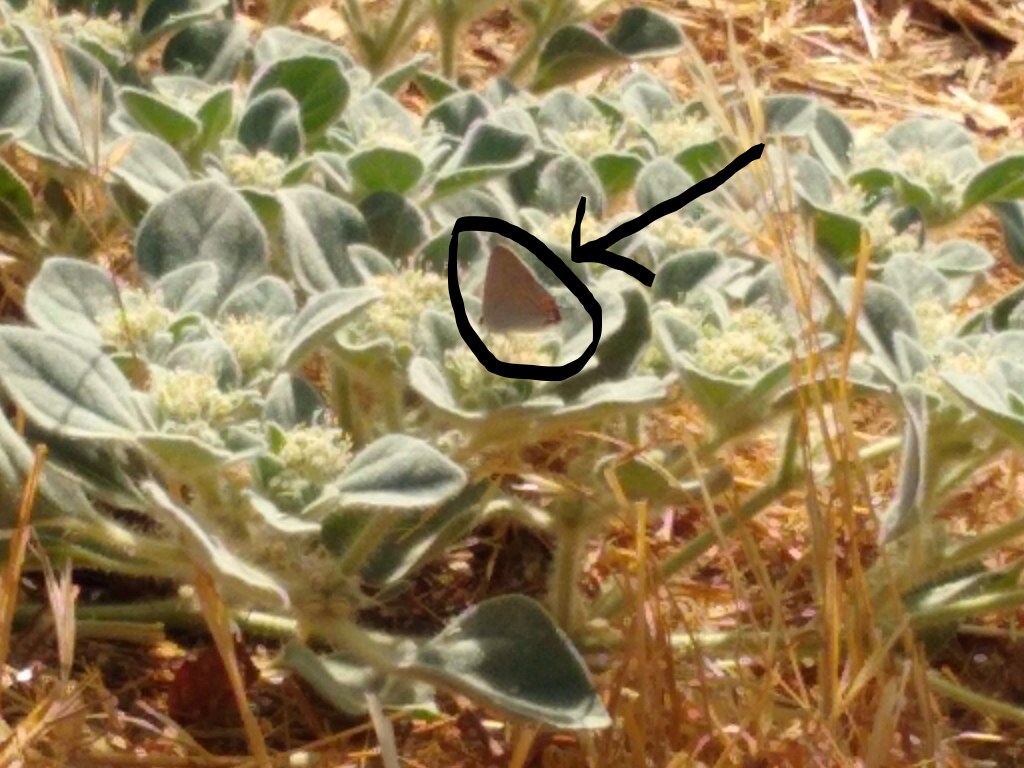
We have had more butterfly visitors, but not as many as in the past for this time of year. There have been several painted lady butterflies, some gray hairstreaks, a white and/or pale blue sulphur butterfly (I could not get a good look). There are so many flowers but not as many butterflies to utilize them.

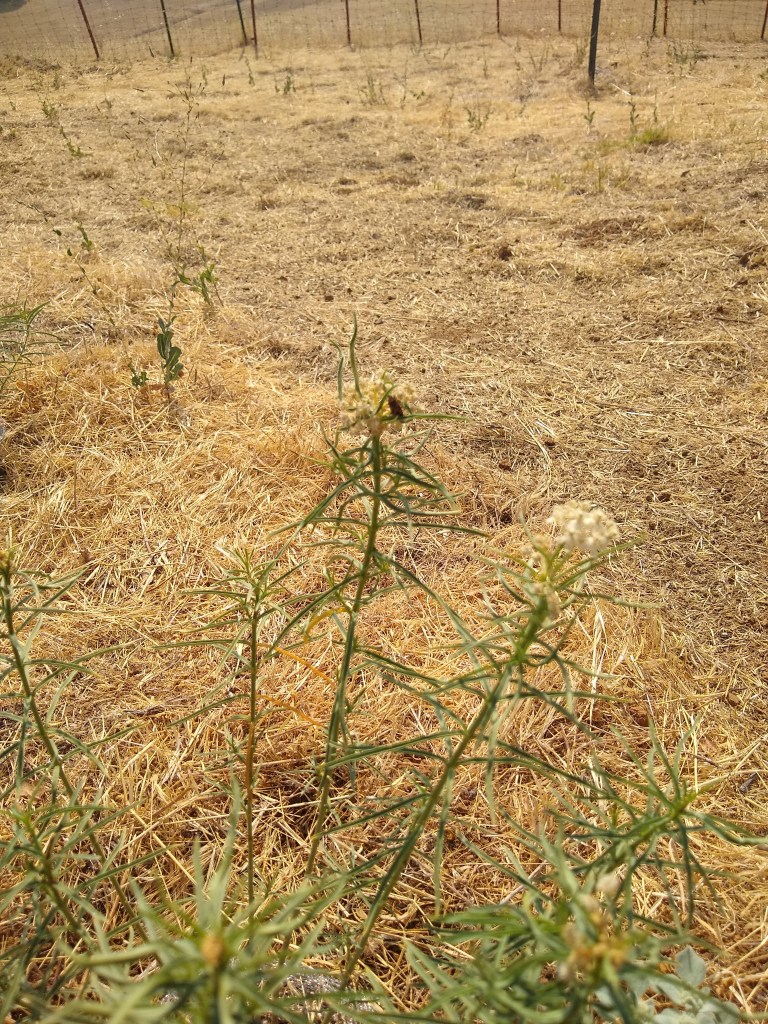
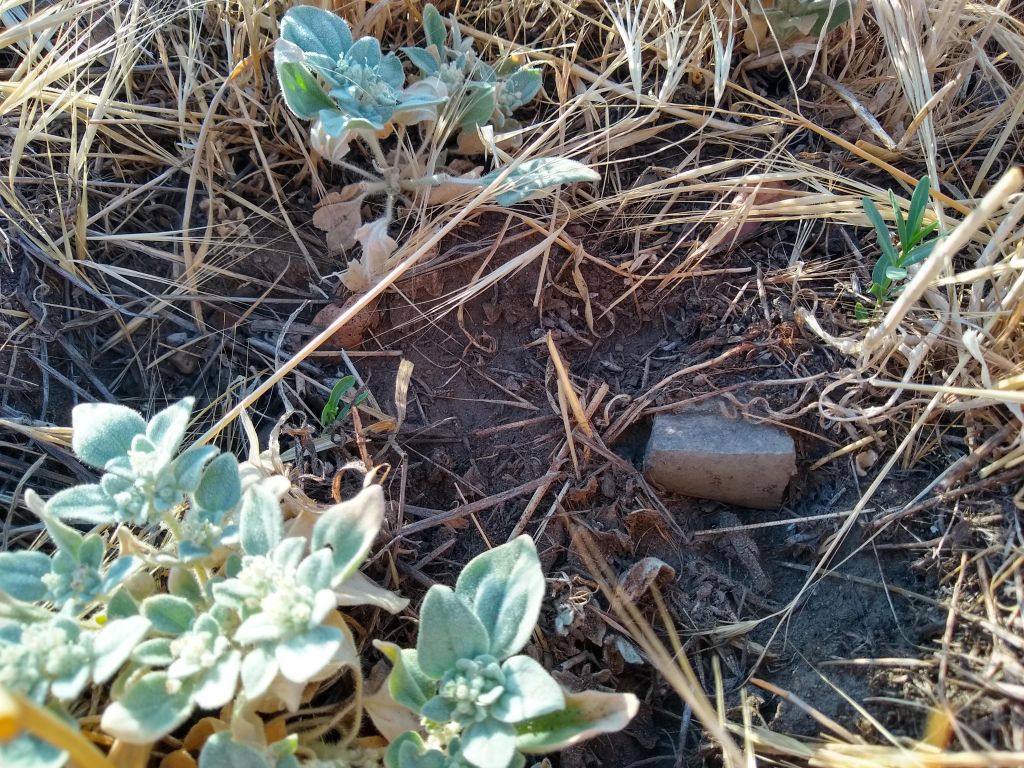
Narrowleaf and Indian milkweeds have also begun to emerge. They will be good for many butterflies and not just the monarchs. I don’t know if any monarchs will stop by. A friend saw a monarch in the Merced River canyon area, which is farther east and higher in elevation. Maybe I will get some stragglers.
Odds and Ends

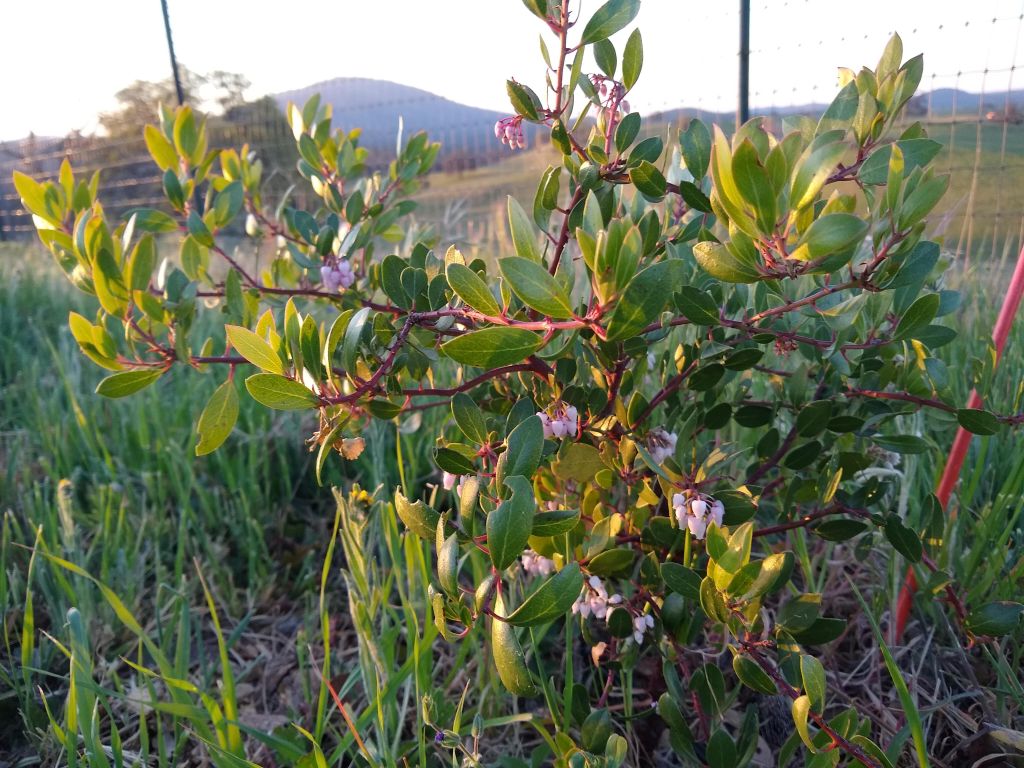
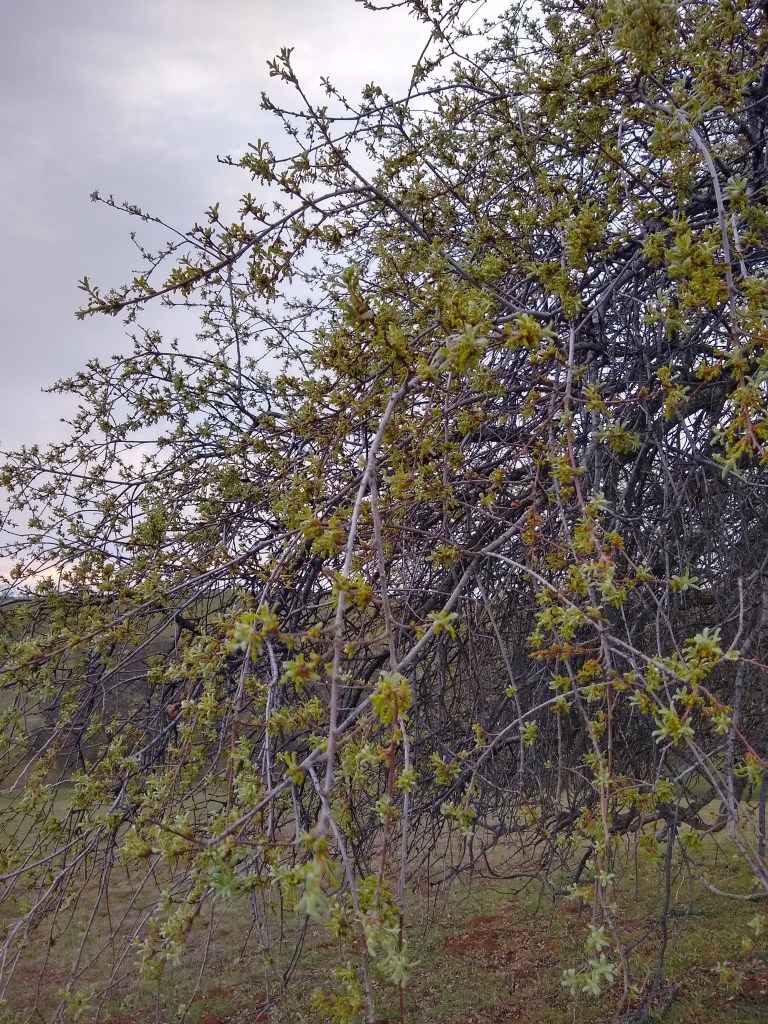
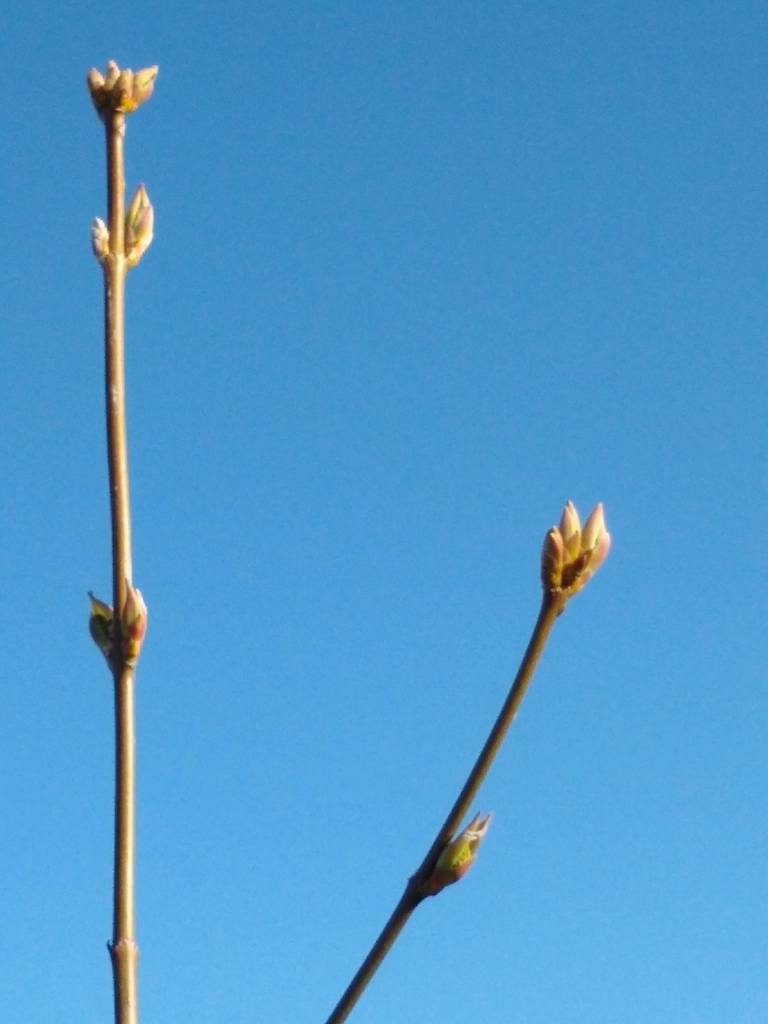
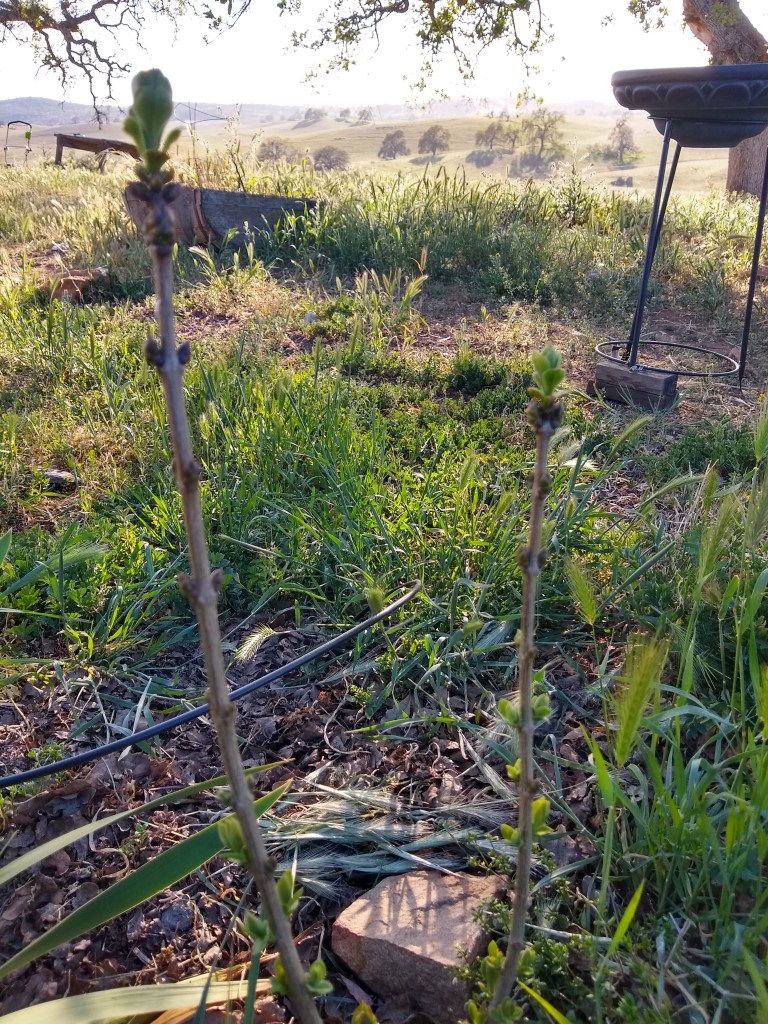
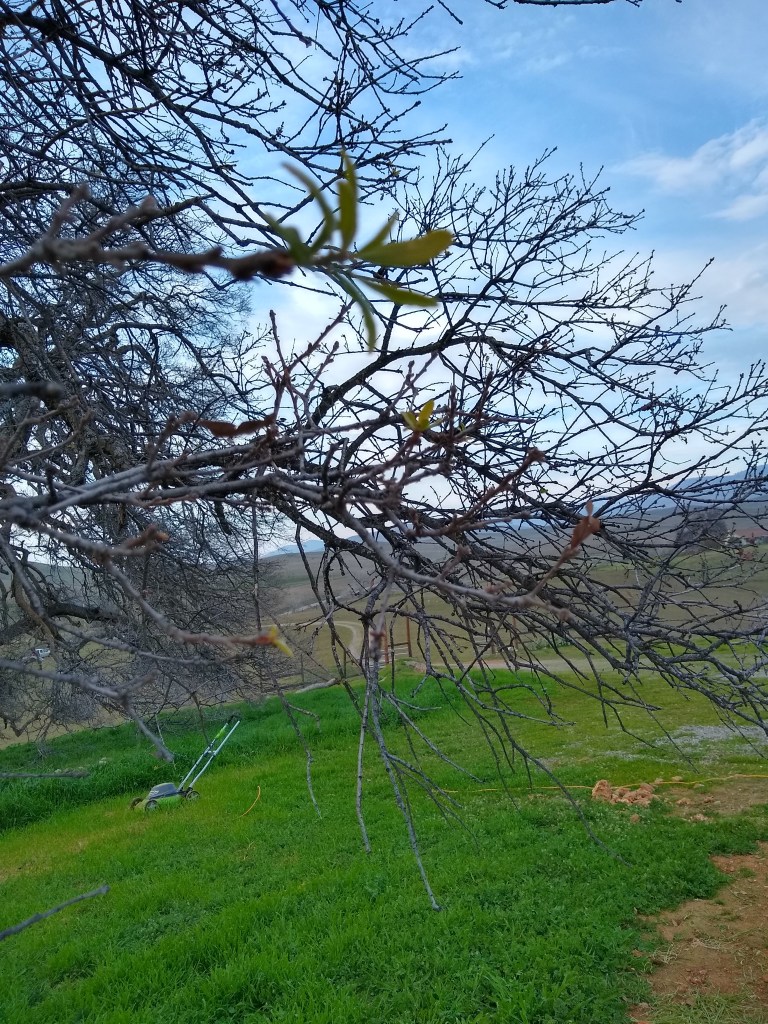
Most things that were not leafing out or growing, are now showing leaves or leaf buds. No showy milkweeds, but I don’t expect them until later. We expanded the protection fencing around the big leaf maples, and they are already being used. Just yesterday I was checking the enclosures and was stopped in my tracks. The bluest birds I’ve ever seen here were flitting around, roosting on trees, roosting on the fences and then dropping to peck into the ground. They were stunning. Fortunately, the dogs were not with me. I was able to get a closer look without scaring them away. Rounded heads, iridescent blue, no blush of rust on the wings or chest. They were mountain bluebirds! I have only seen western bluebirds here and only in the riparian areas. What a joy that they have already found the new trees.

I also pulled out the solar fountain and filled it with water. Within a day, the basin was being used by a bird to bathe. There has been considerable preening, nest building, dating and coupling going on around here. It is spring!
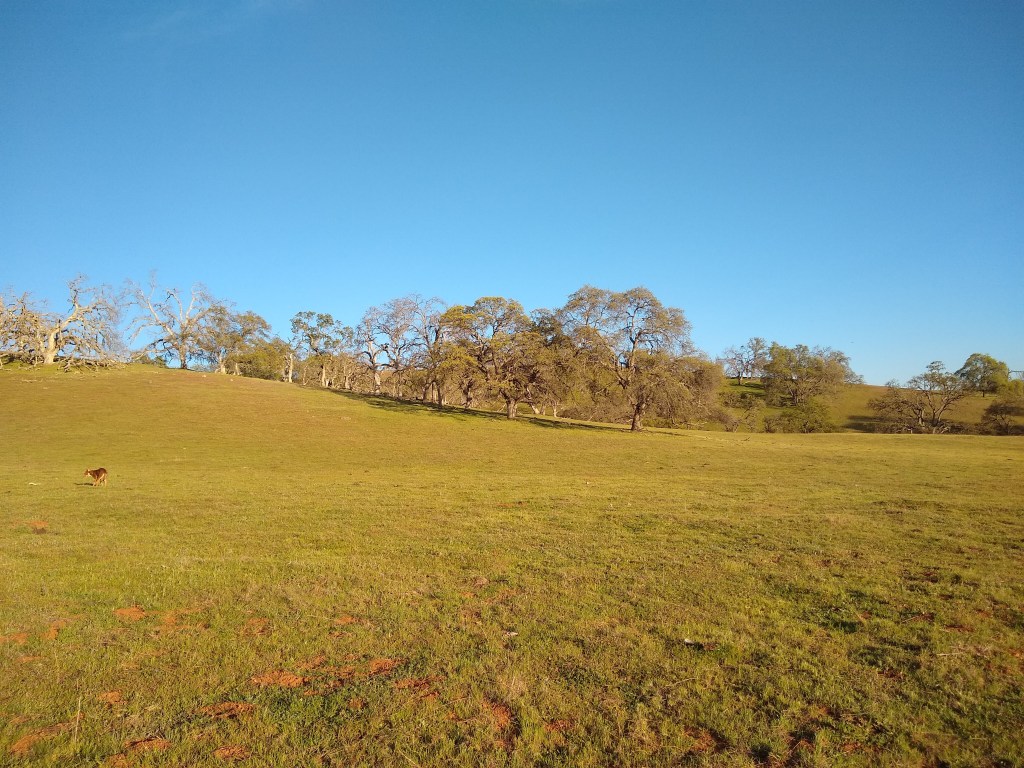
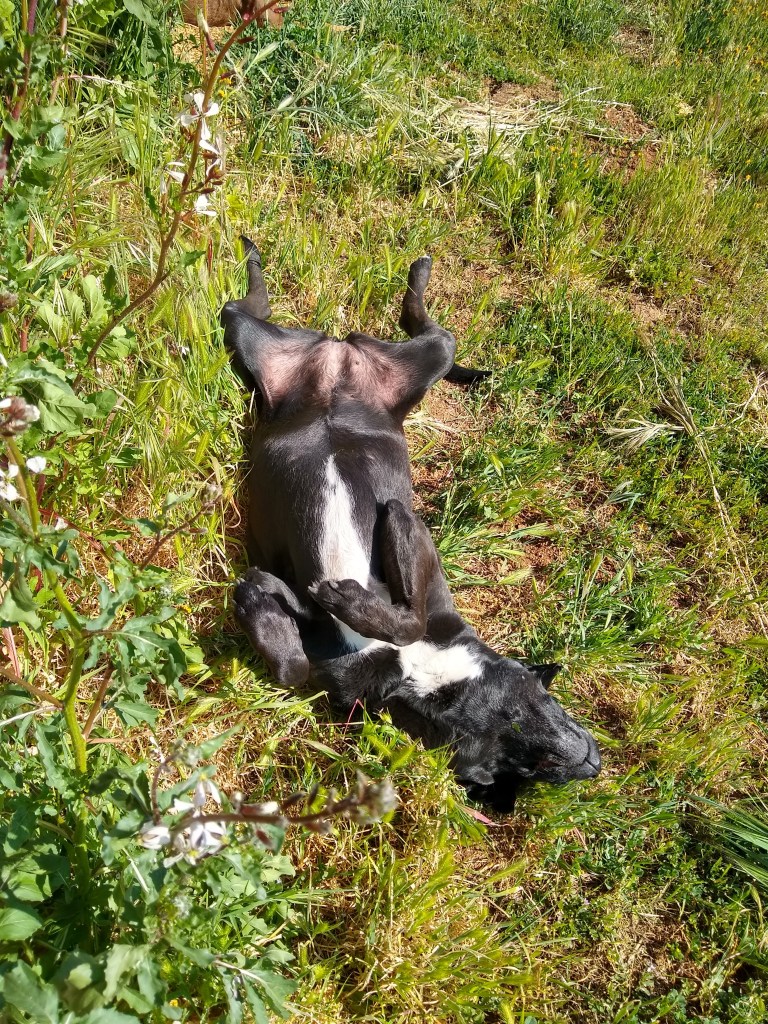
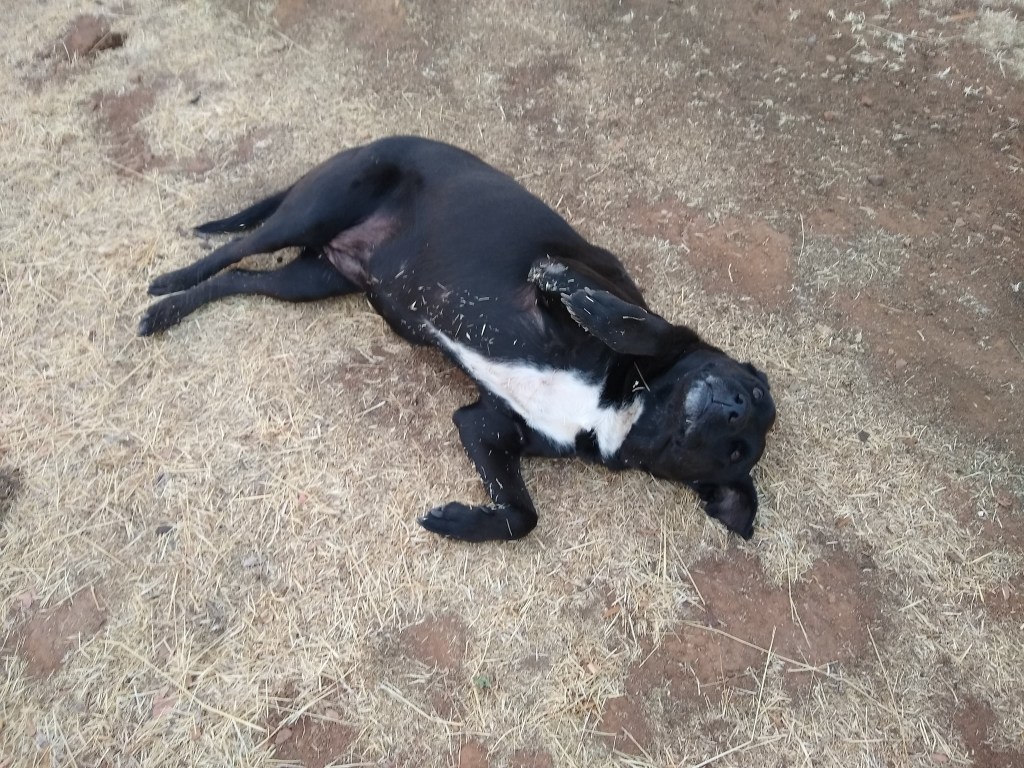
Warm sun and soft grass – nap time

Handing Off

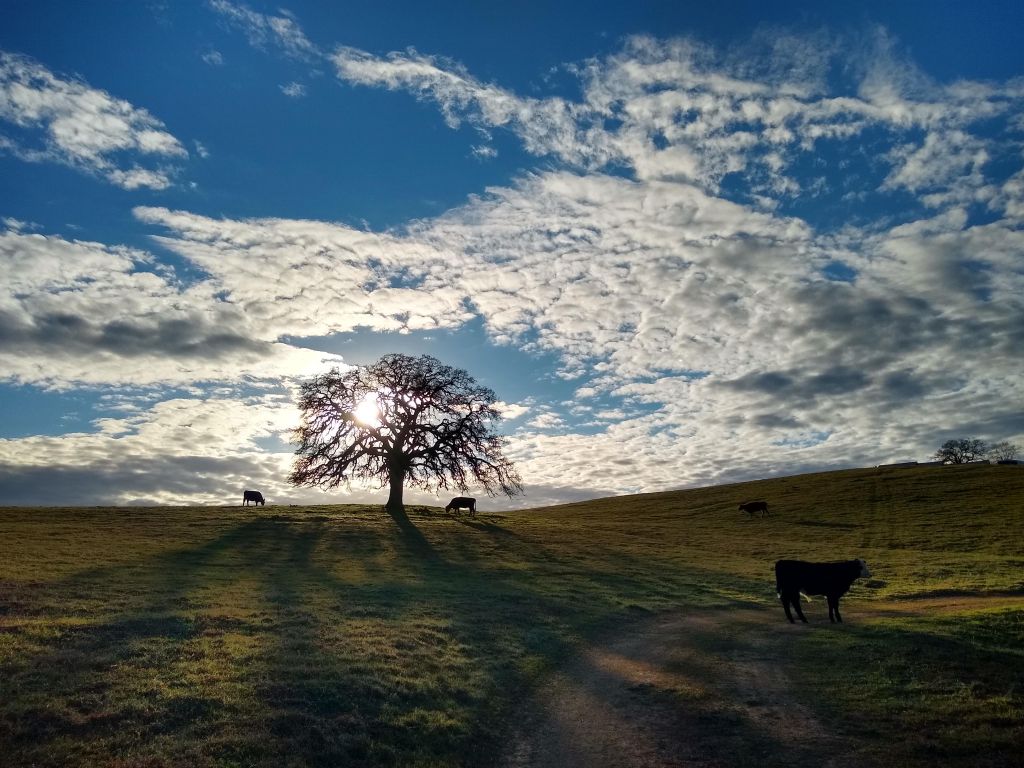
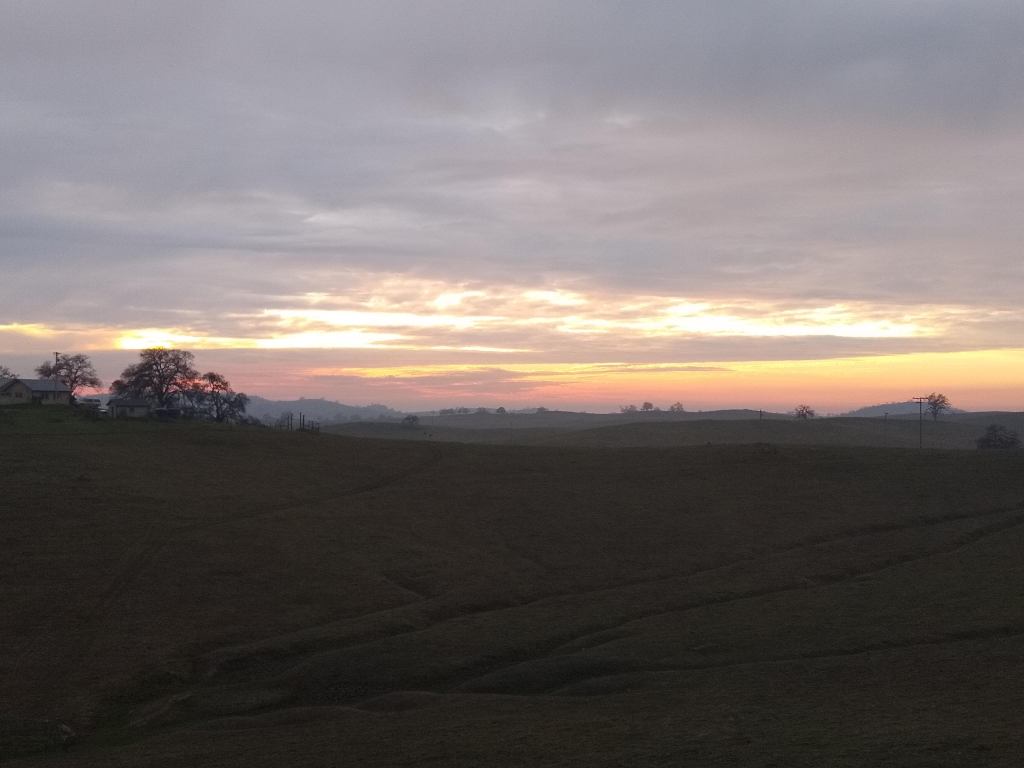
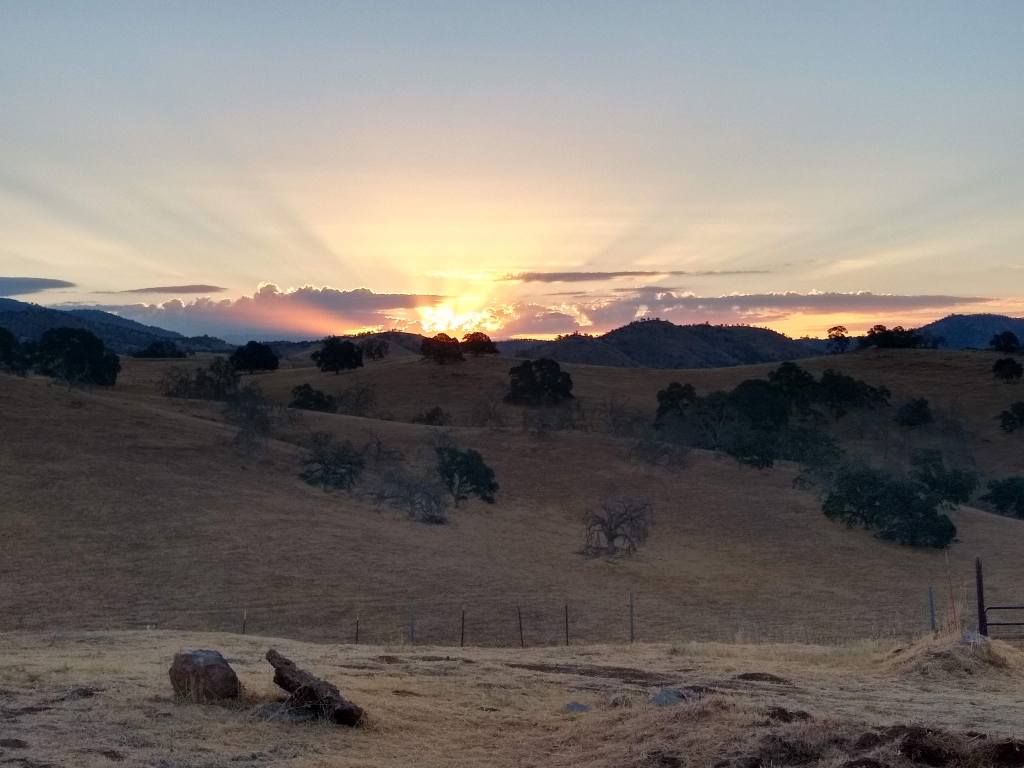
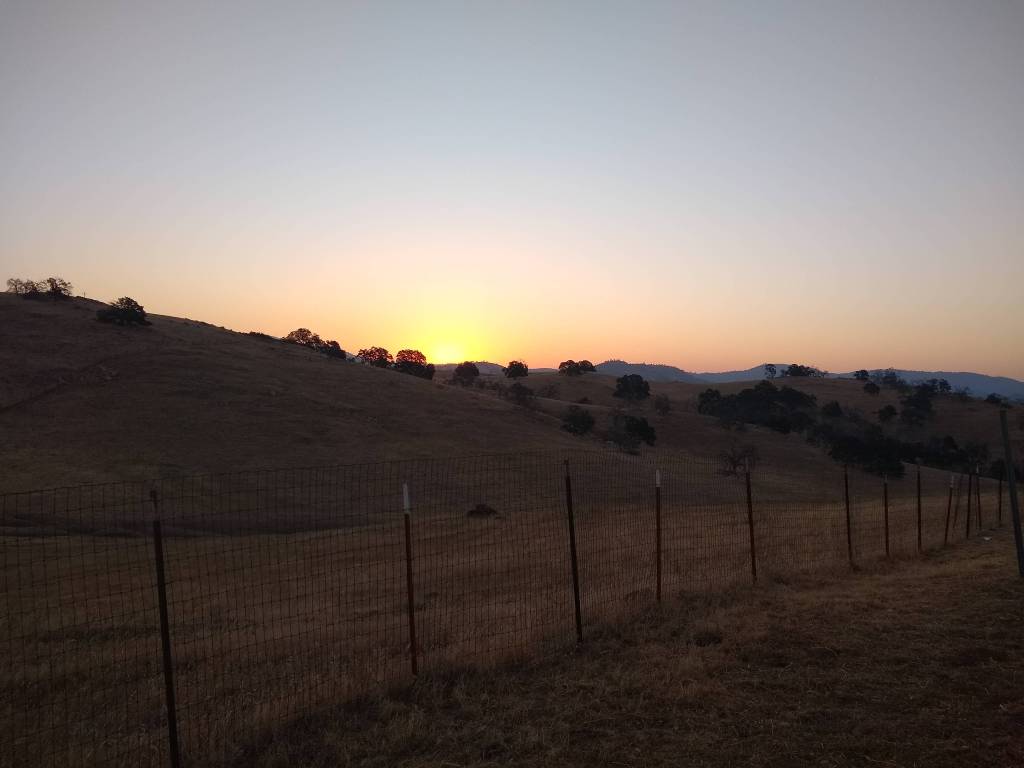
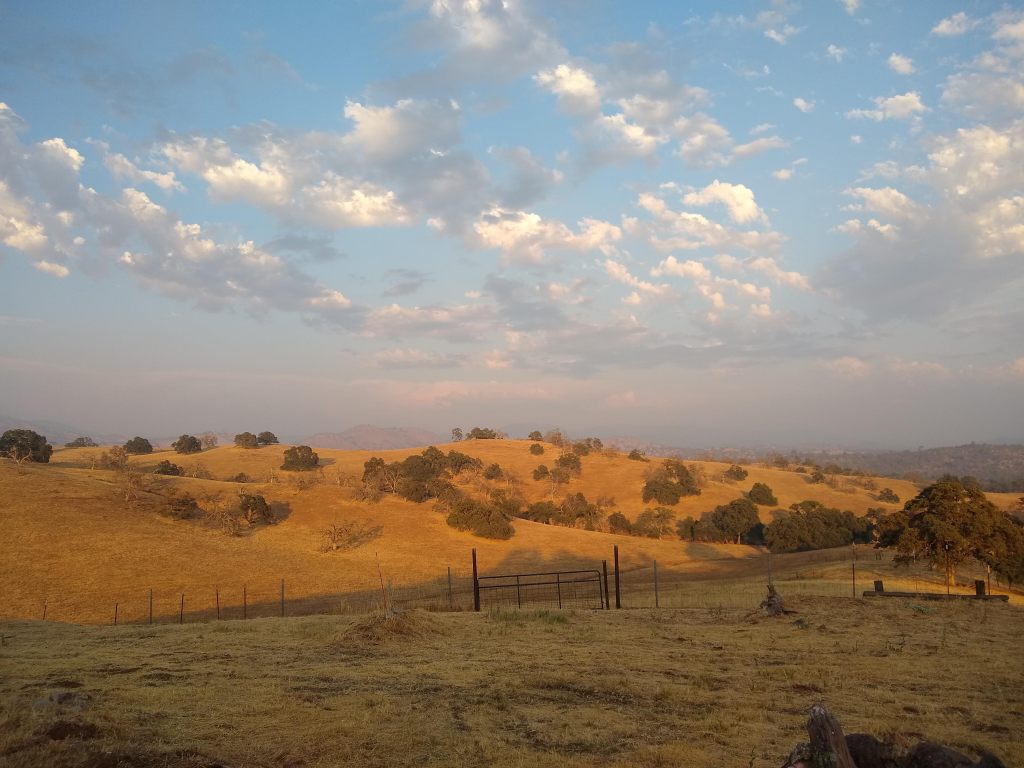
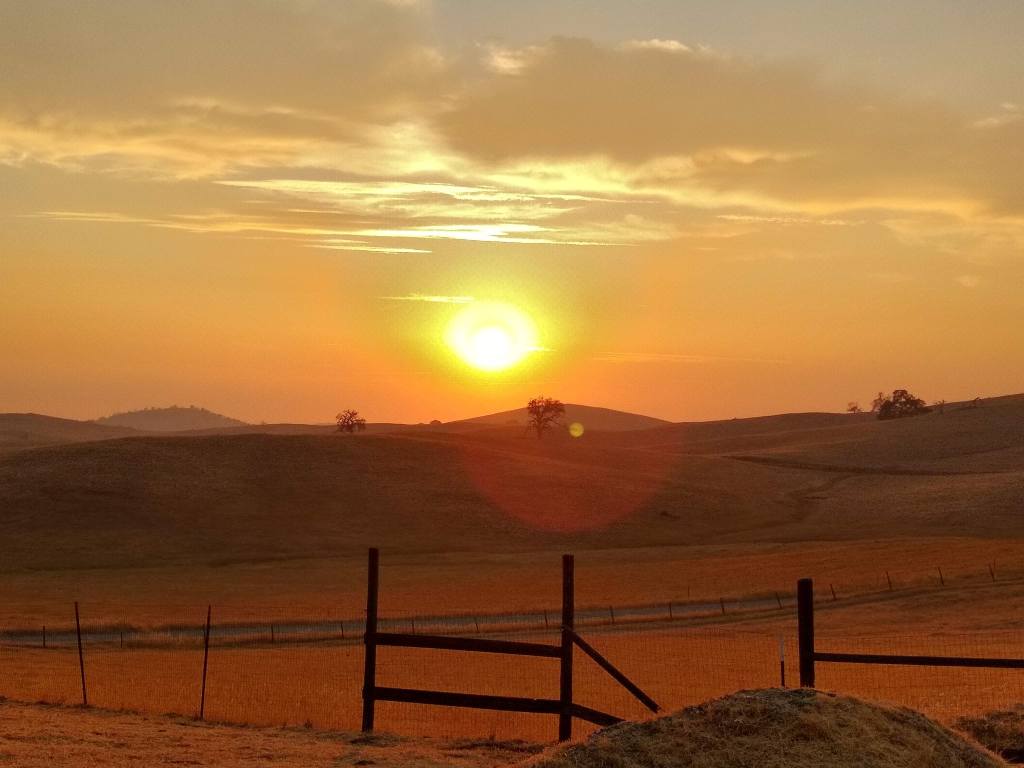
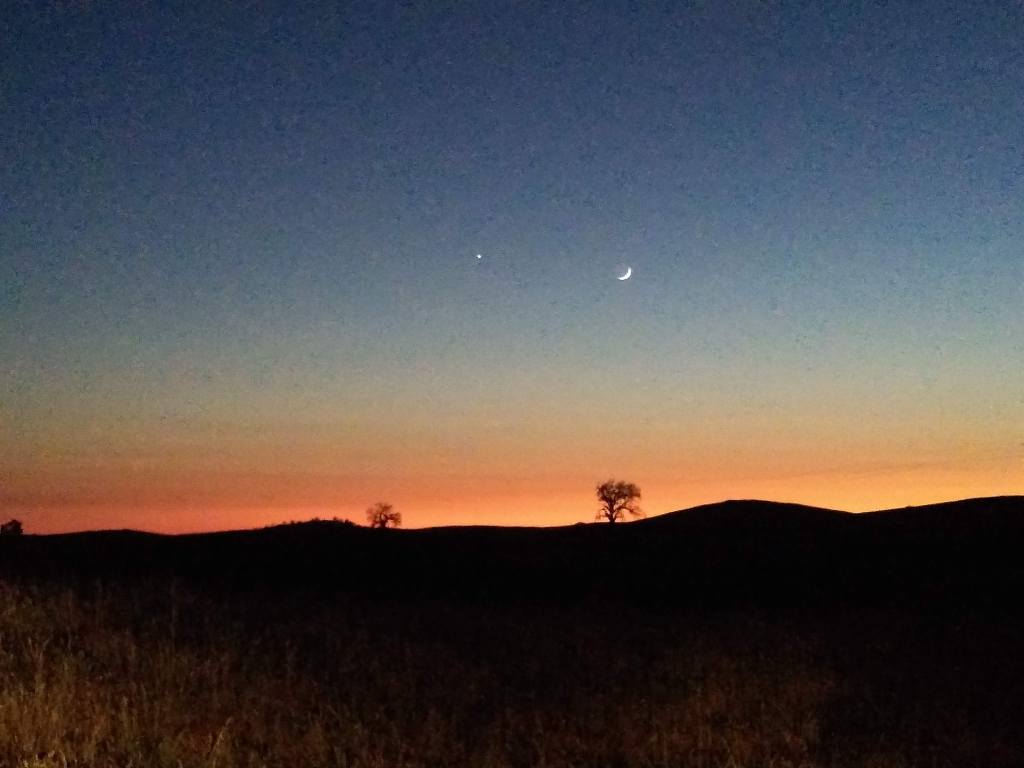
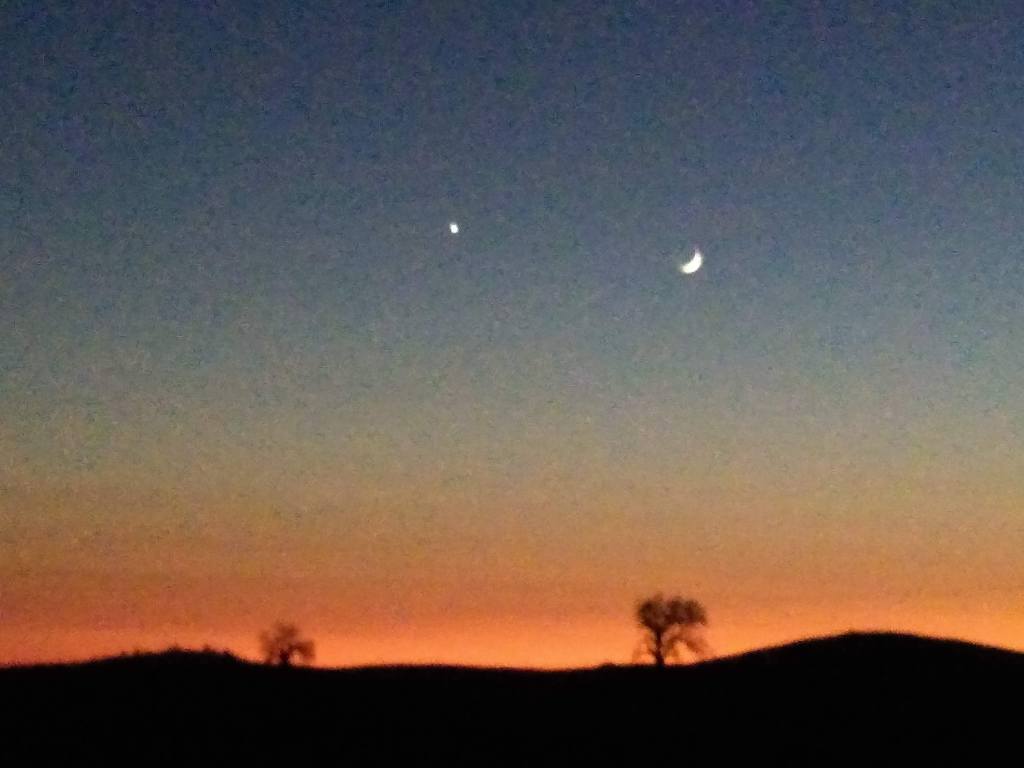
Sunset at the ranch

Walappu’ ‘Uuchuthuu is officially handed off to the Southern Sierra Miwuk Nation. The California Association of Resource Conversation Districts grant is now complete. While I will continue stewarding and building habitat where I live, I will only stay loosely involved as a volunteer under the thoughtful, caring and deeply passionate leadership of Kristie with support from Nellie and Tara (and of course Clay from Miwumati, Deedee from Xerces and Ron from Mariposa Native Plants). With schools interested in presentations, residents wanting to plant pollinator gardens, the Butterfly Festival coming up in April and the Pow Wow soon after that in May, the Team still much work to do. I could not be happier.

As an Indigenous person, I feel a deep and intrinsic connection to stewardship of the planet as well as this specific place. However, there is no one more suited to stewardship of this region than the progeny of the first peoples themselves – the Southern Sierra Miwuk. When you live by, for and because of your non-human relations for tens of thousands of years, you unconsciously become one – you know one another extremely well and are part of the collective whole. This knowledge will be central in ensuring the survival of the monarchs and all of our pollinator family.

Ito te vitne in weweriam. Amand te tevote naabuihatia ini tui tekipanoa. Se osi enchi nake.

Good luck my relations. Best wishes with this good work. I very much appreciate you.
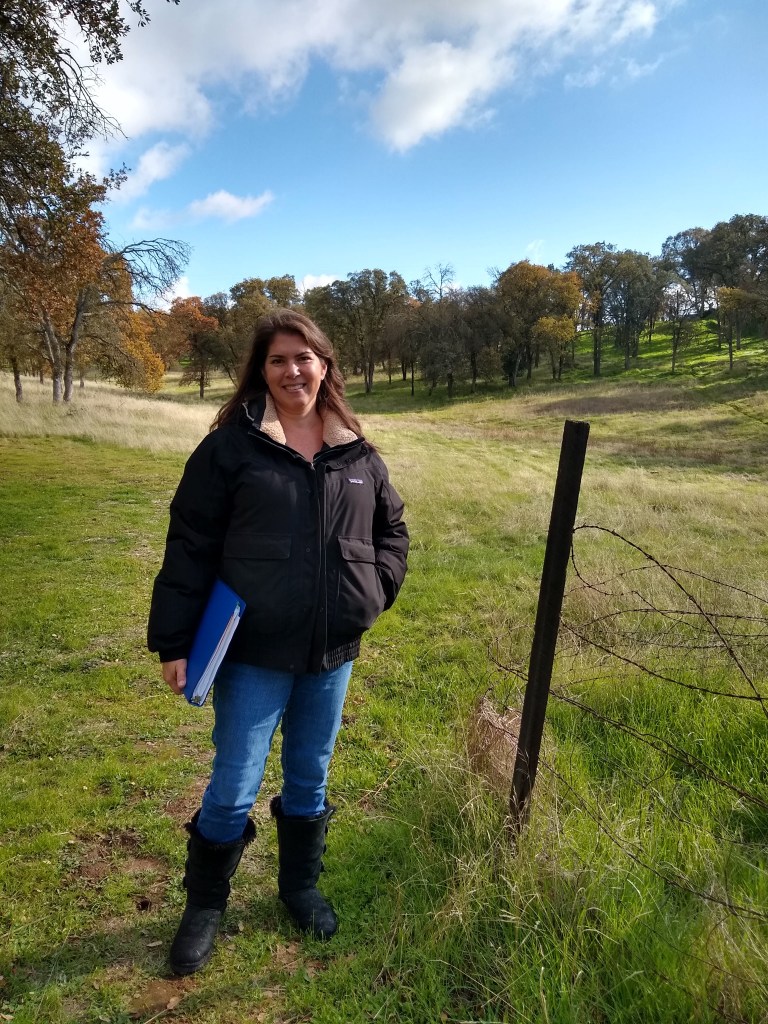
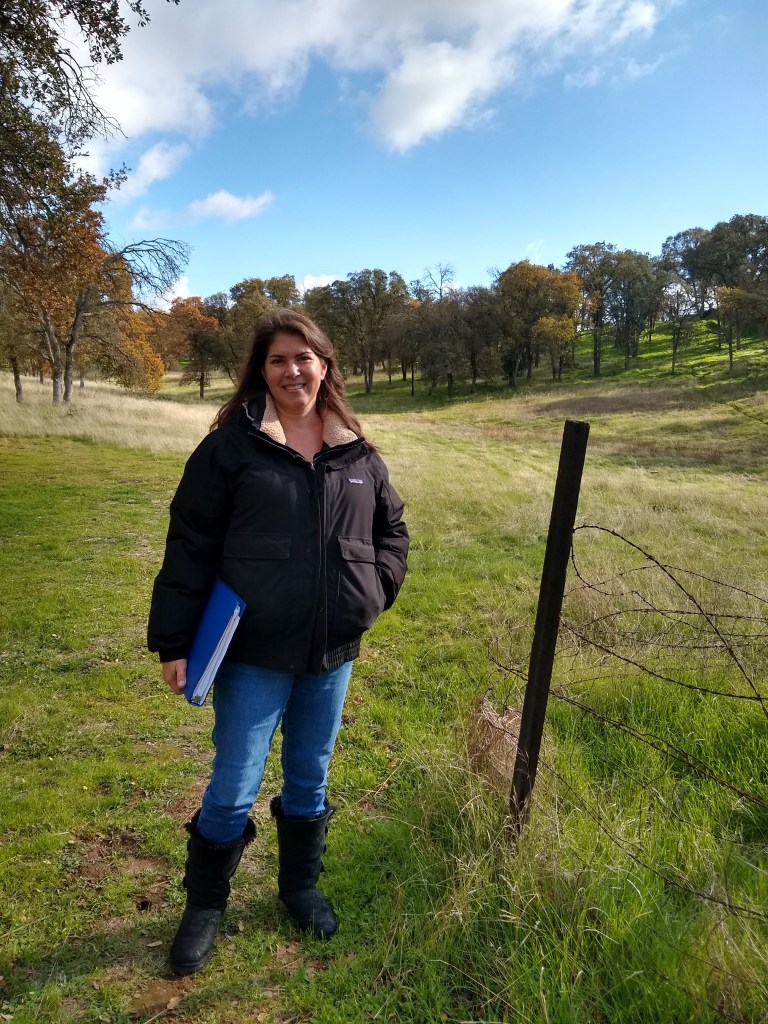
Kristie at a site assessment and intake
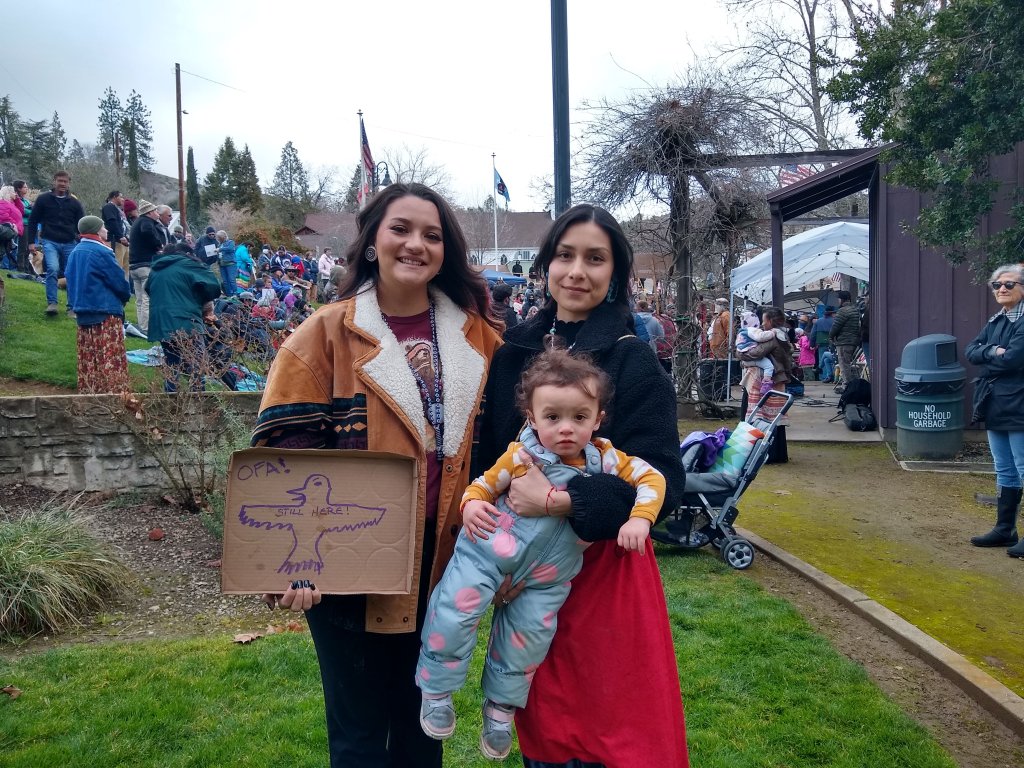
Nellie at March for Federal Recognition with friends and next generation stewards Miwa and Willow
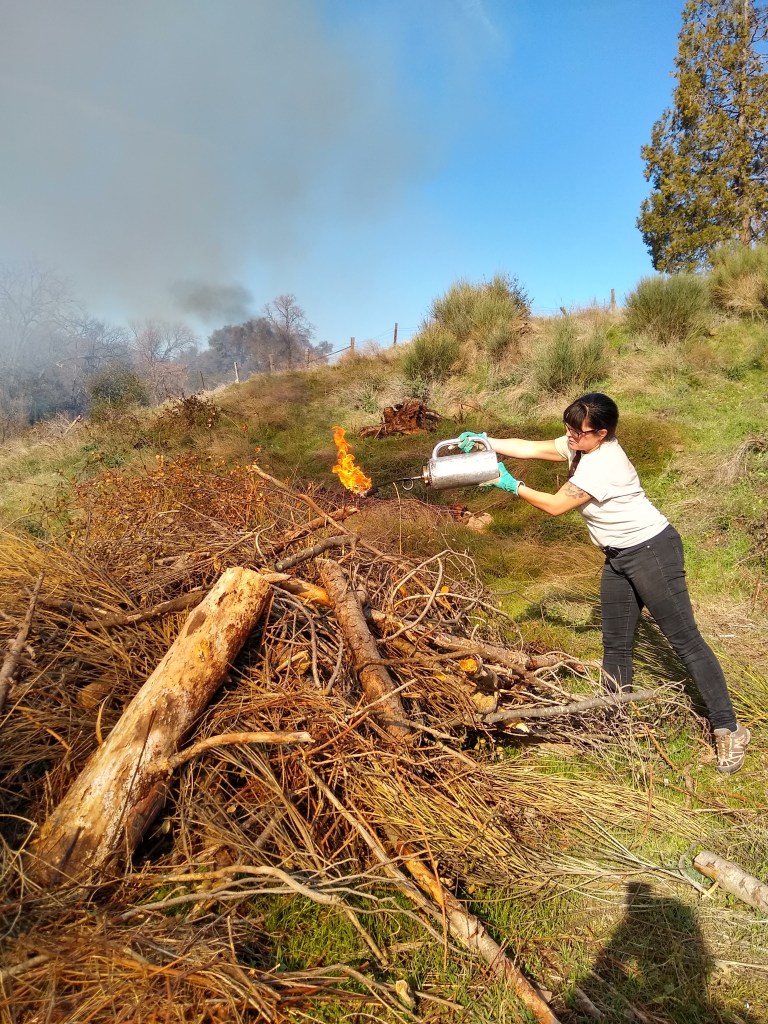
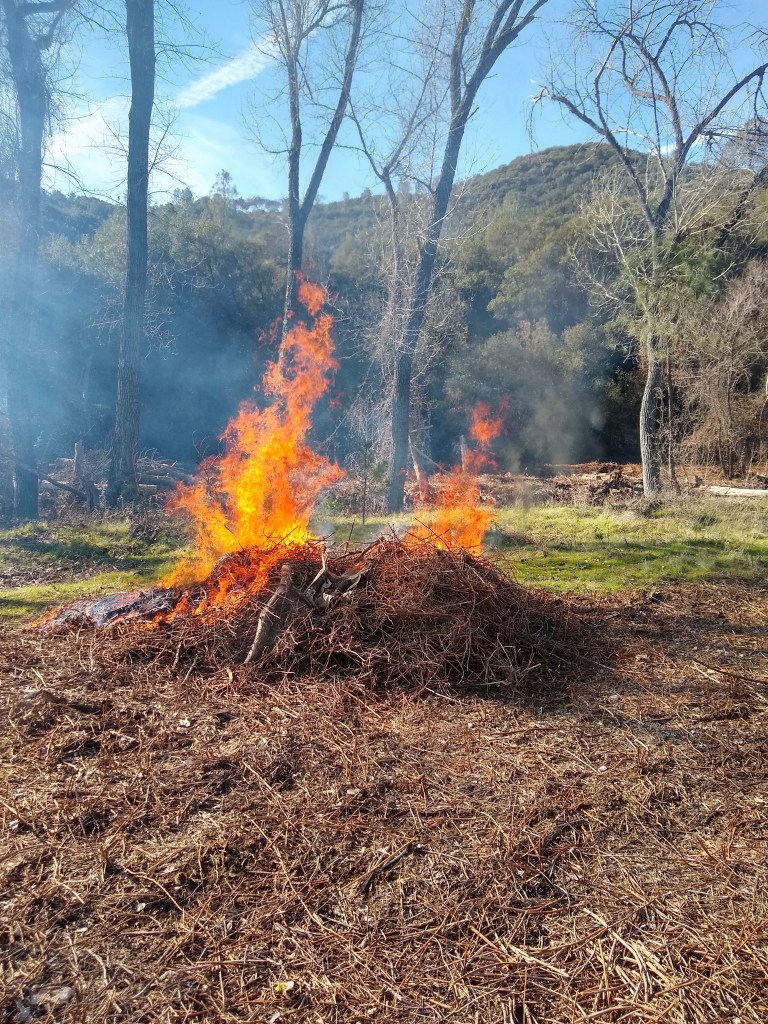
Tara burning for the health of the land

Drought Heavy On My Mind. Monarchs on Their Way

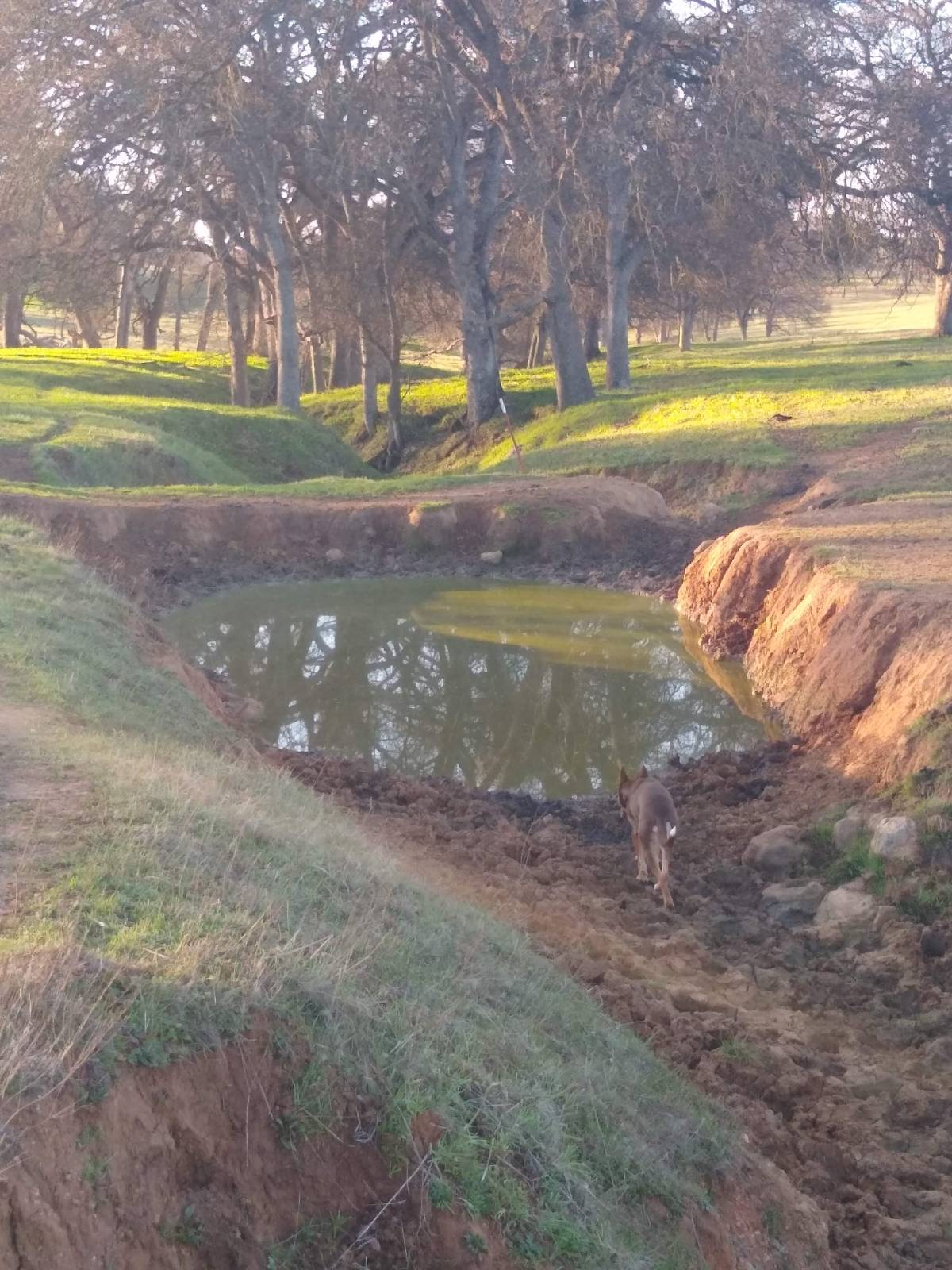
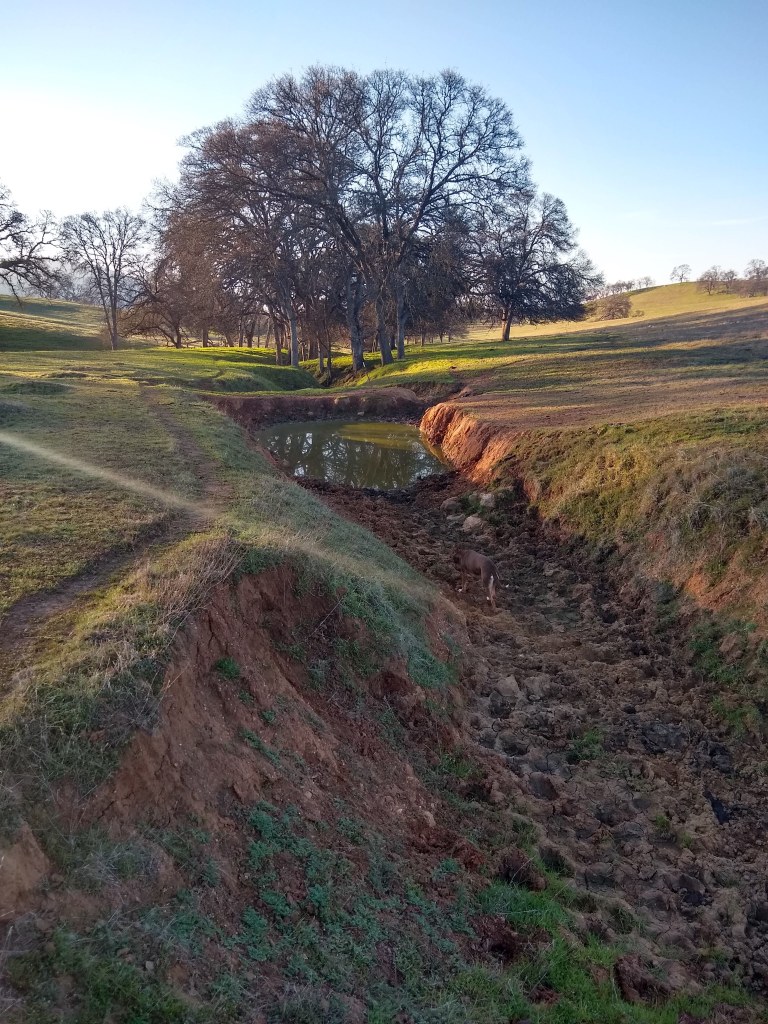
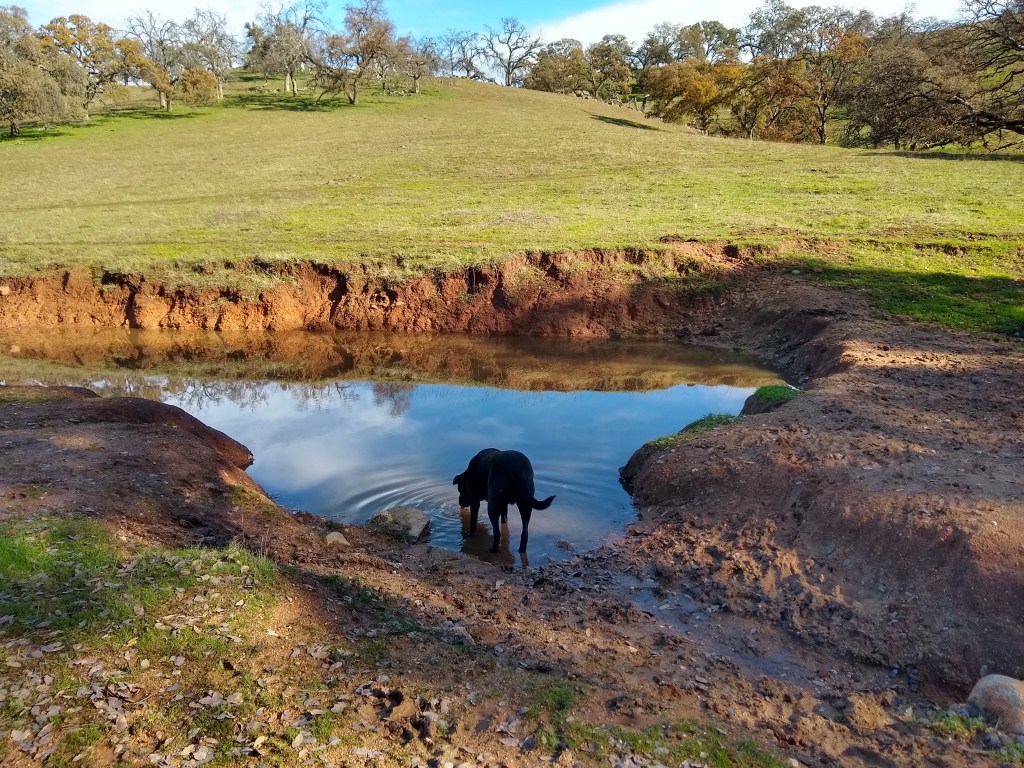
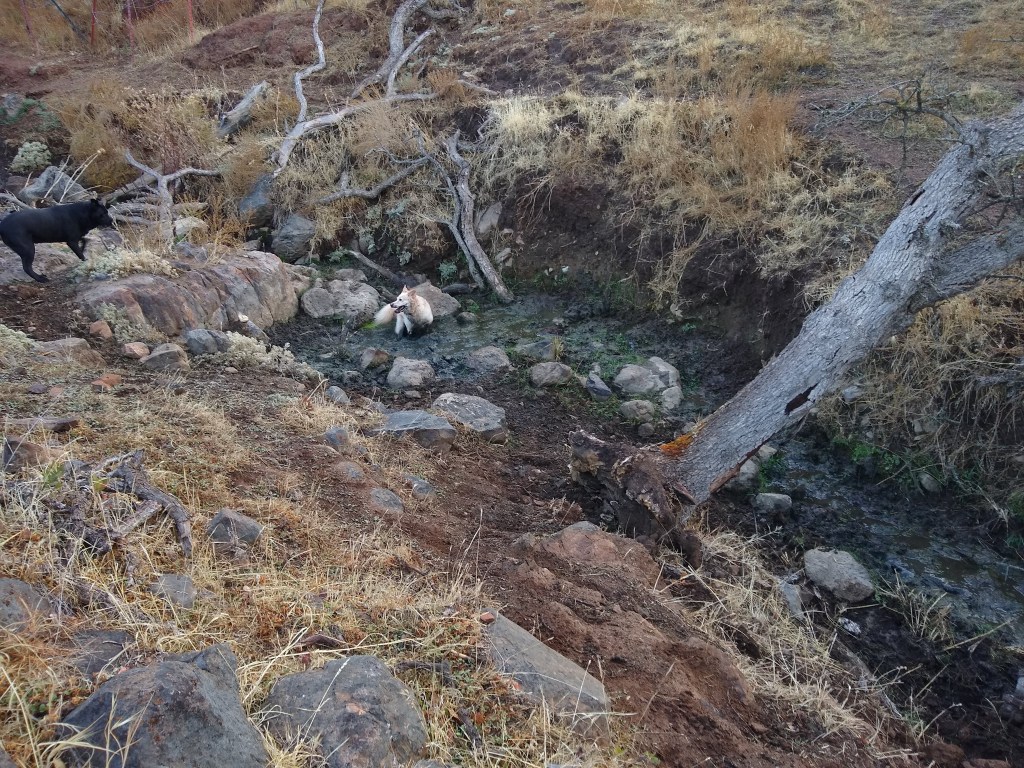
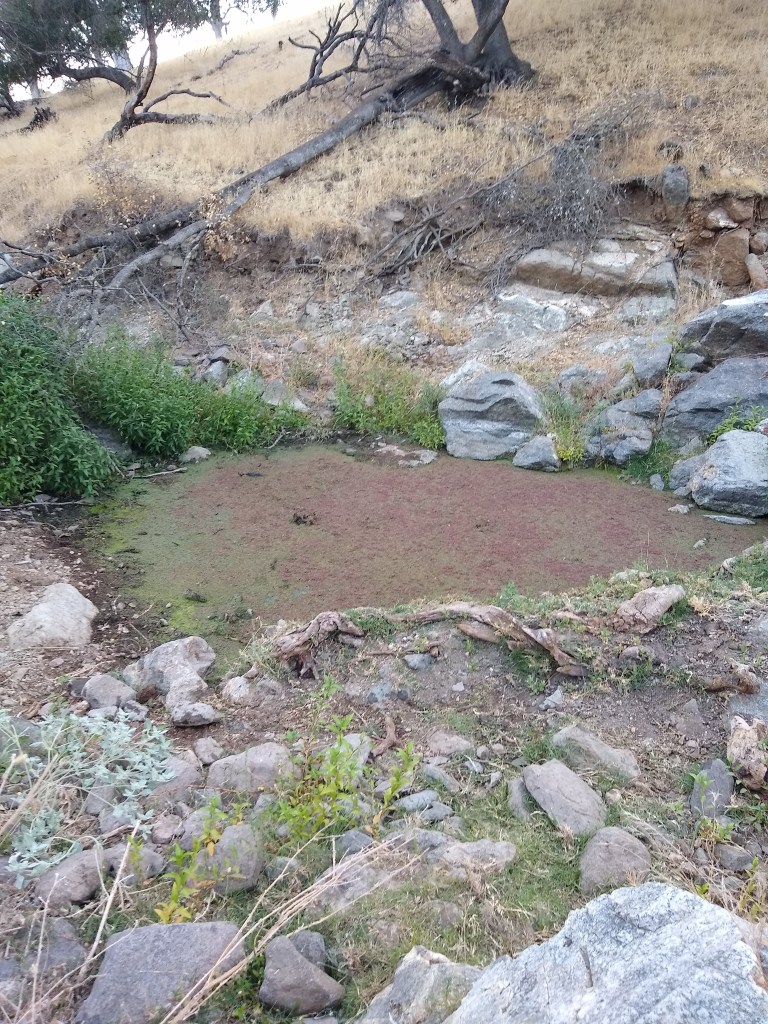
Swale Pond continues to shrink in the heat

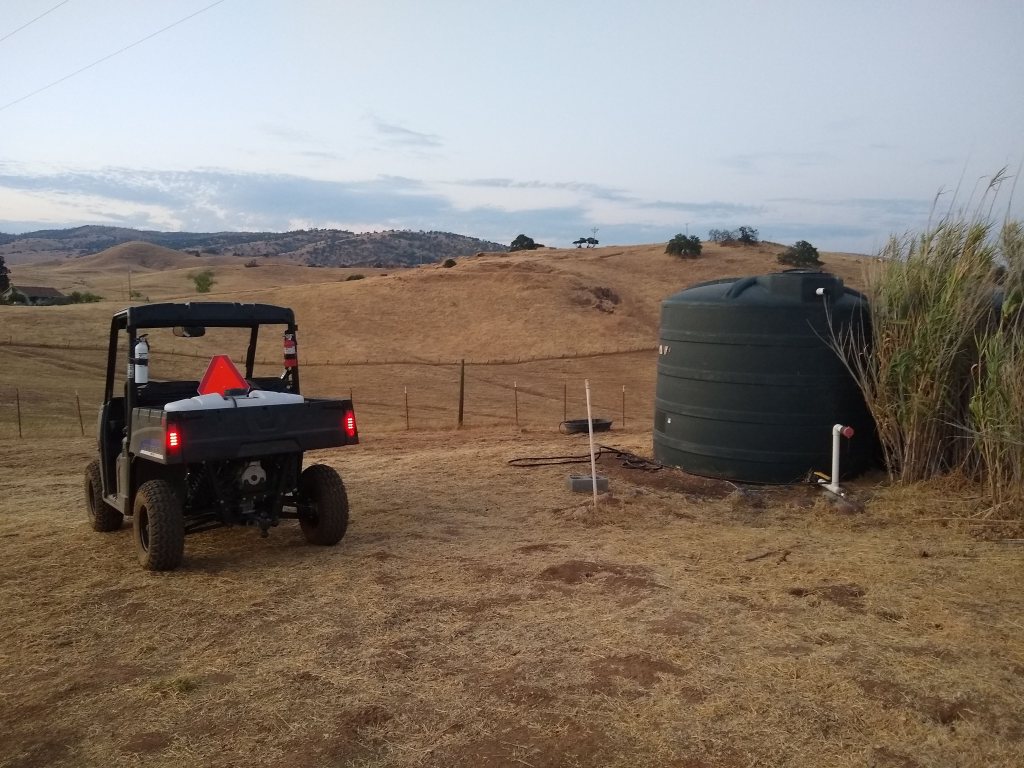
I am getting nervous. There has been no rain, with none in the forecast. I’ve already begun to water some plants that are in drier soil and looking thirsty. The south rainwater tank is getting early use. We need a good storm. I would feel better if my two main tanks were filled, but recall, a defective part used in the professional rainwater install allowed thousands of gallons of water to flow away from the tanks instead of into them. Without them filled, I am unable to water everything that needs watering.

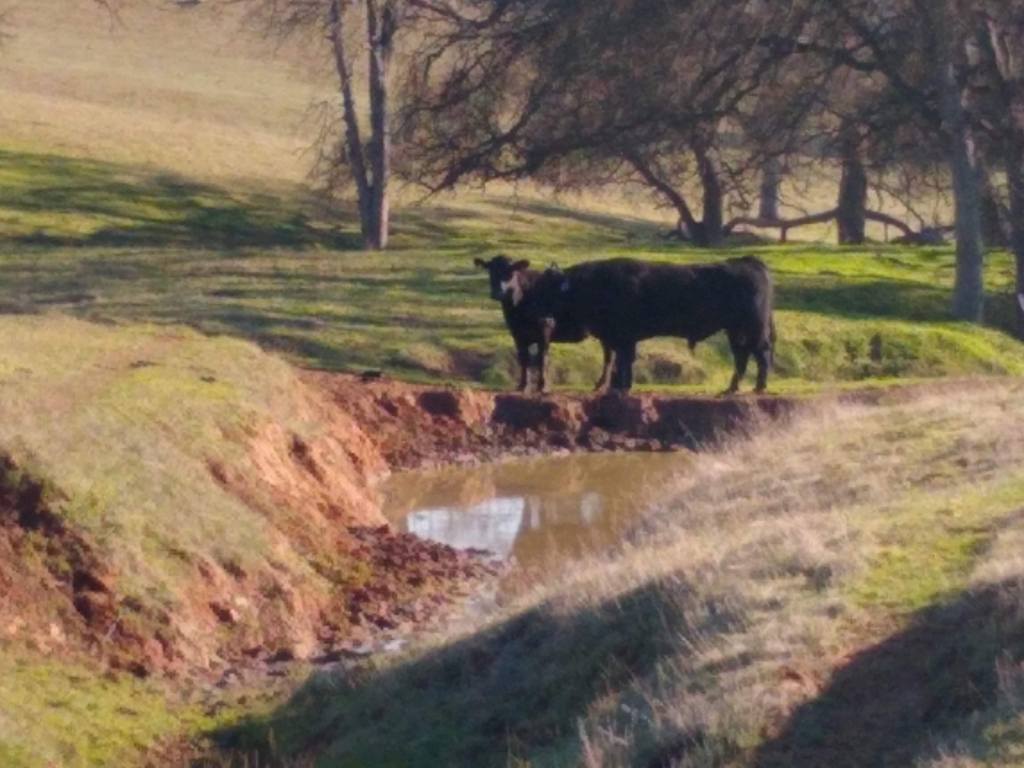
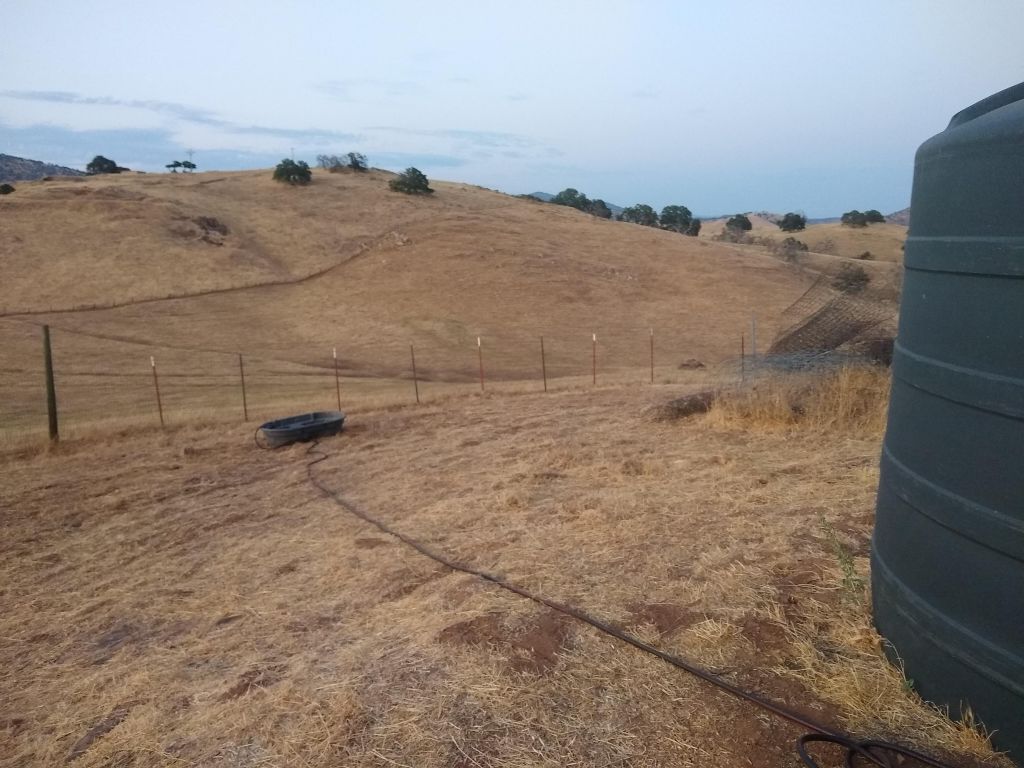
The Swale Pond is shrinking with absorption, evaporation and use by cattle and wildlife. It is the main deep source of water on the NW side of the ranch. We are still getting a little dew in the mornings, which helps the grasses. Mayflies, ants, honey bees, and fly pollinators are out and busy. Fortunately, it is still cold at night and in the morning. We had overcast skies the other day and no wind for some time, which also helps slow evaporation. The grasses are still green, but we are getting patches of brown where plants have died back with no other growth to take their place. The system here is teetering on the edge. On a good note, I saw a bald eagle a week ago Sunday. I saw another one in the Valley near my home. Both sightings were pure joy.

For the Future

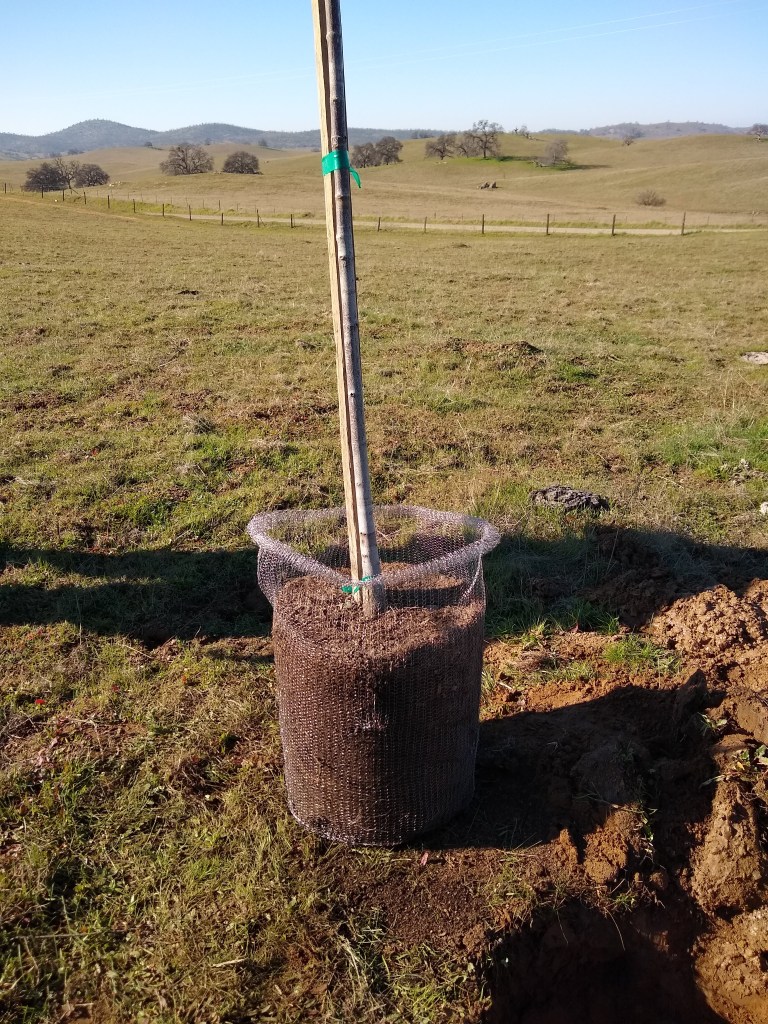
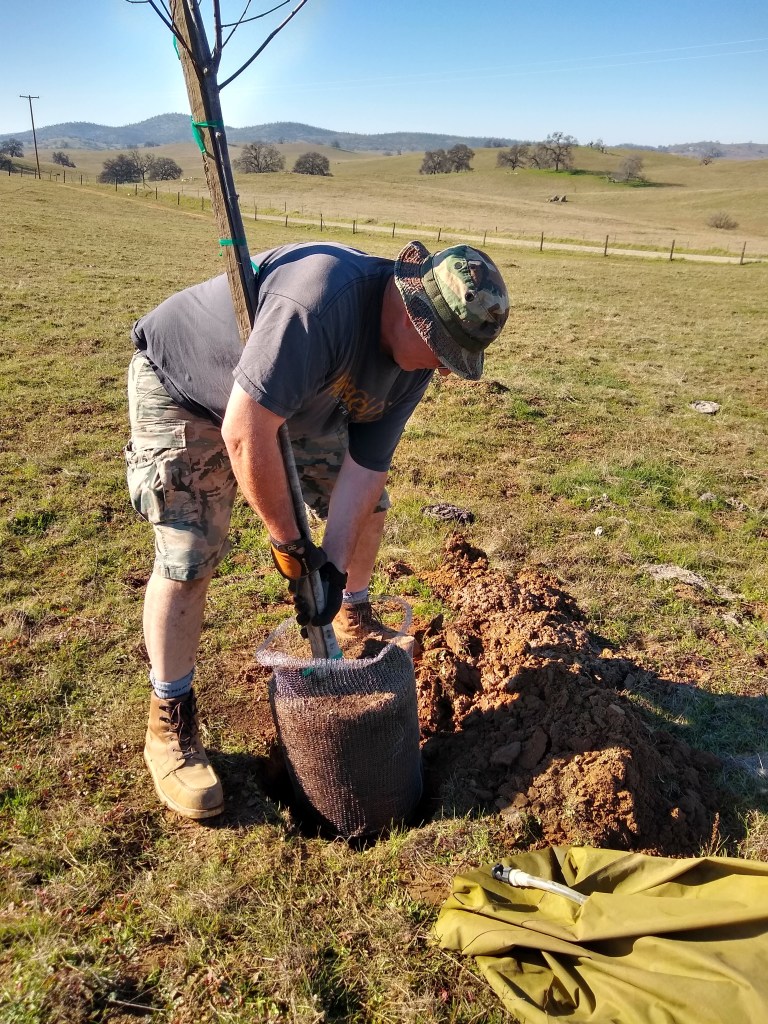
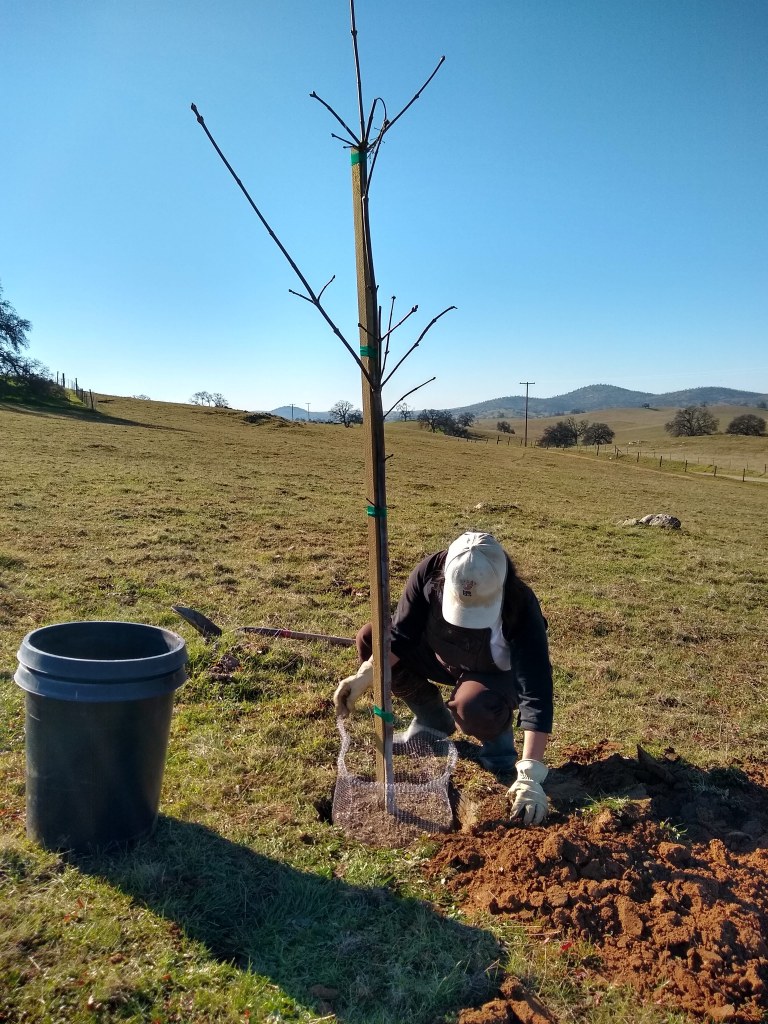
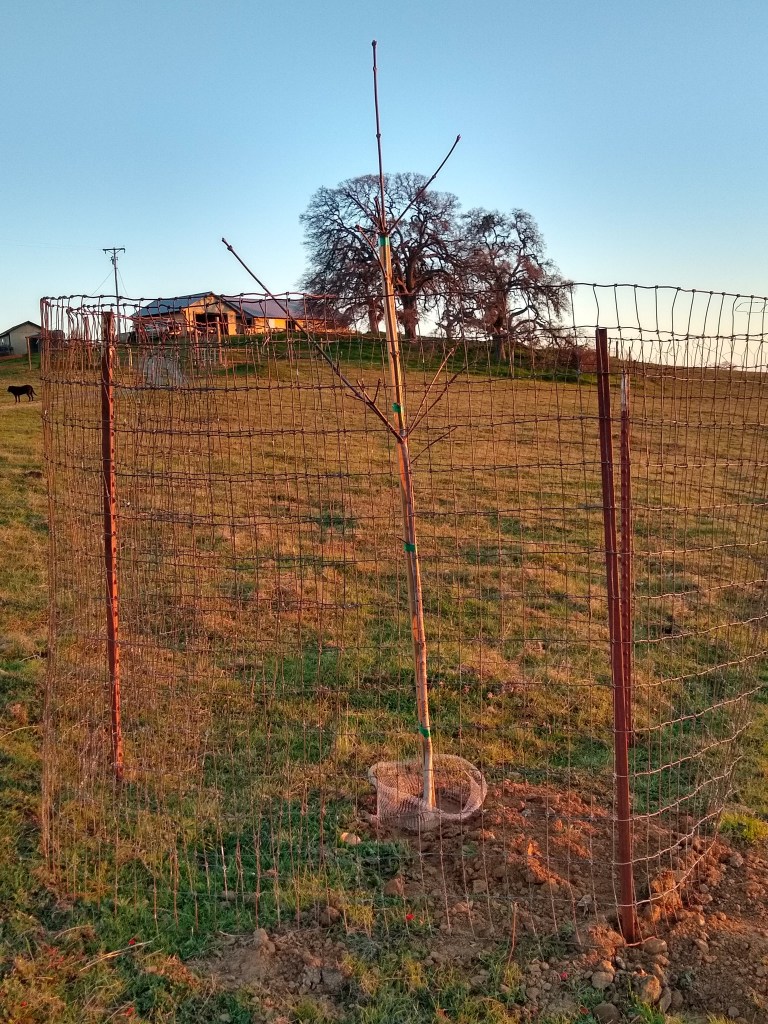
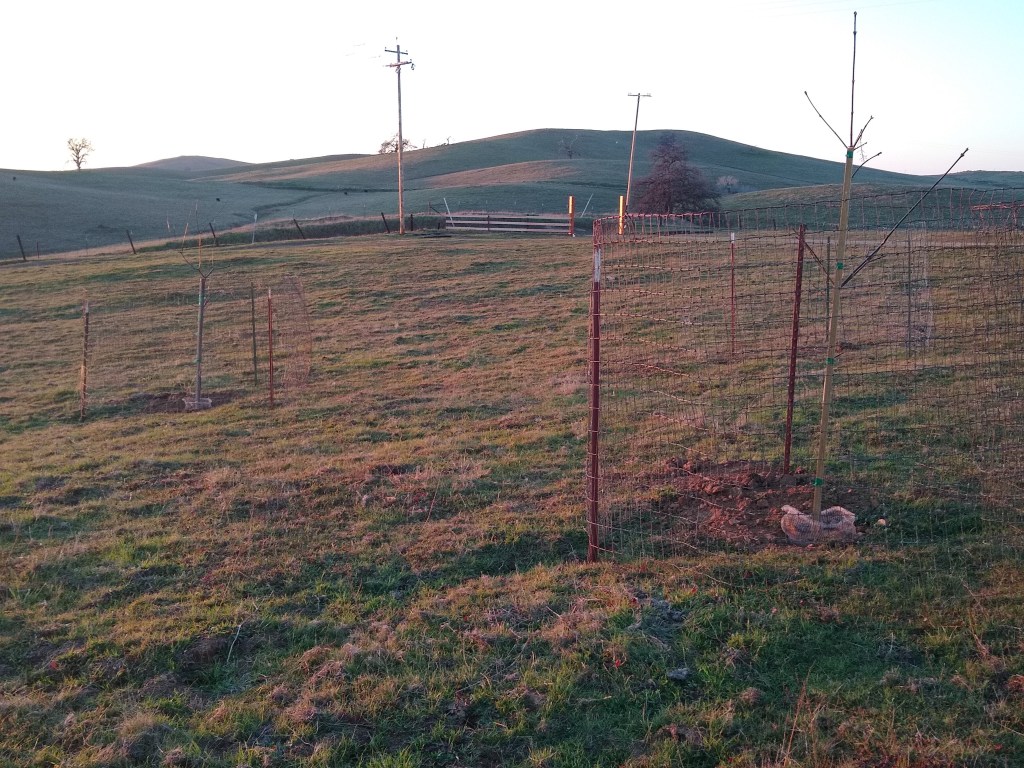
I planted three big leaf maples last weekend. David helped with the larger trees given their weight. I purchased them before I knew I wouldn’t have water in the rainwater tanks. You may think, “Girl, you’re crazy. Your blog is filled with freak-outs about drought. You’re a nervous wreck. Why plant trees that require much more water than bushes or plants?” That is a great question. There are several reasons:

1. Trees can change an ecosystem. A biologist told me that due to their shade and function of bringing water closer to the top of the soil, more moisture can end up being present providing an important resource for other plants to thrive. Monarchs, and many other butterflies, often roost in trees to avoid predation, and rest.

2. Trees provide shade. This can help grasses and larger plants survive the worsening heat.

3. Trees are an important part of sequestering carbon. They uptake carbon from the air and push out oxygen.

4. Finally, these trees are more drought tolerant that most others. Ron Allen of Mariposa Native Plants and a UC Master Gardener said they grow in arroyos in much more arid Southern California.

I am going to give them more of a try. I planted three others last year in different places on the ranch. Grasshoppers ate two, and the cattle got to the other before I could get protection around it. This time, I purchased more mature trees, planted them closer to the house (thus my new water system), and built fencing around them the same day they were planted. I planted them in a shallow draw as opposed to an arroyo. Let’s see if all of these things make a difference. I would really love shade in this section of the ranch and another place for butterflies to roost. It is humbling to plant a tree – especially at my age. It is a true act of love to know that what you are doing is not necessarily for you. This tree will outlive me by many years providing shade, shelter, beauty and cool soil for generations to come.

Blooms

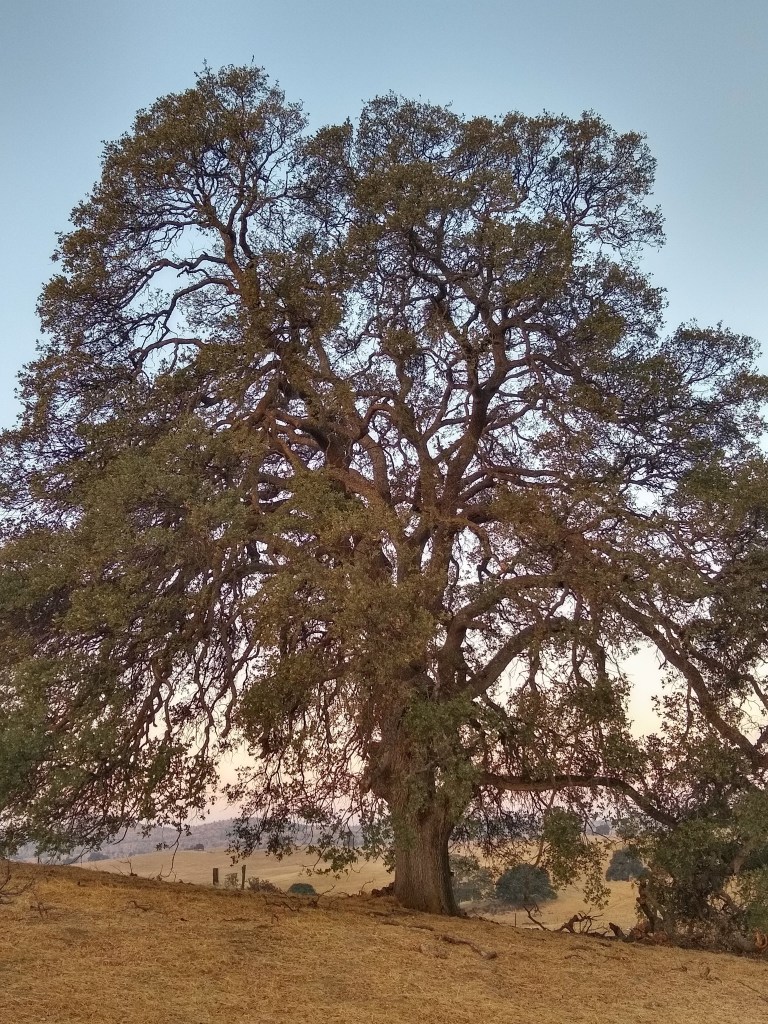
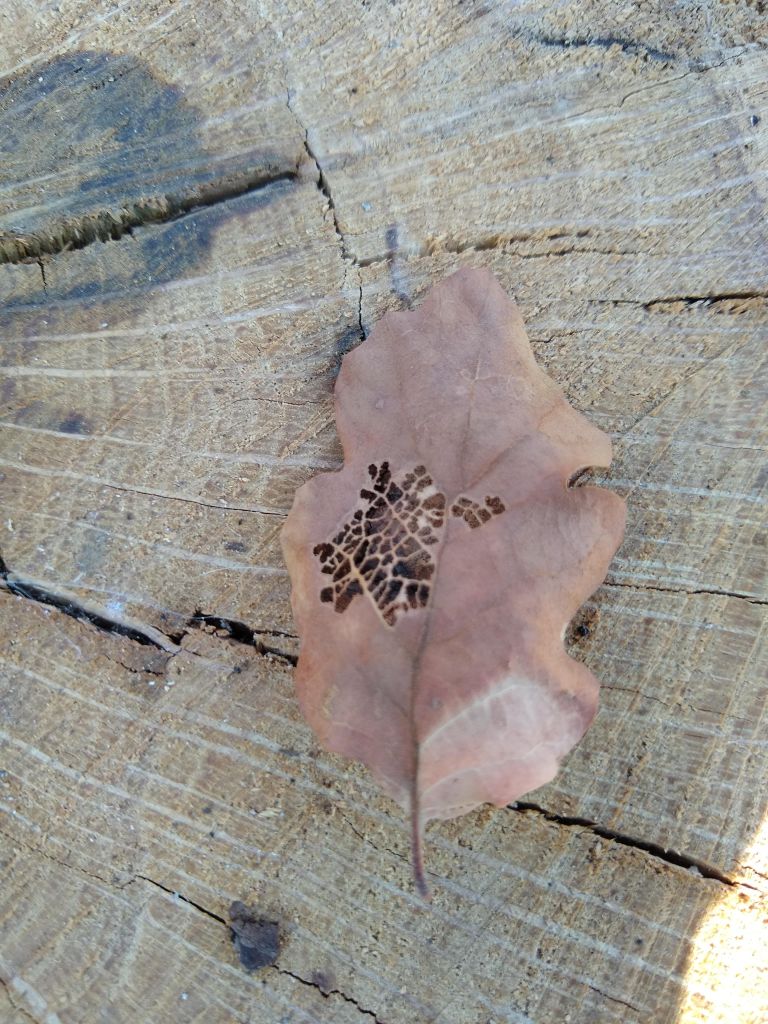
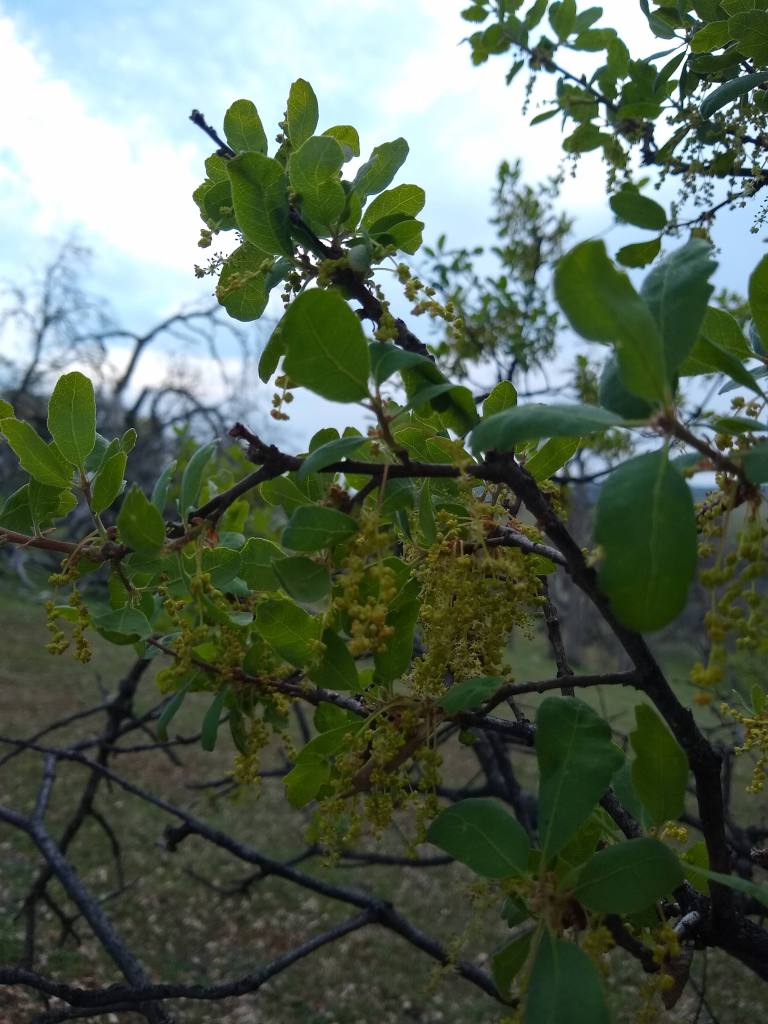
New oak leaves emerge

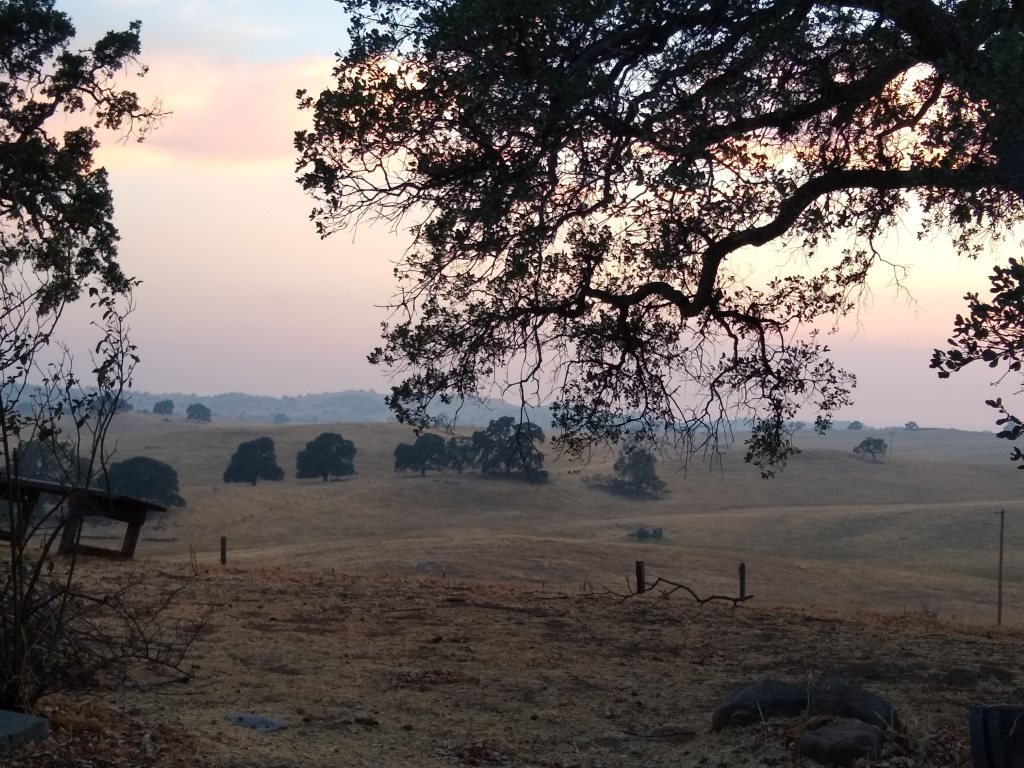
Many things are early this year. The heat and sunlight have given cues to the plants and insects to start living their above ground, visible lives again. Most of the wildflowers are coming out all at the same time – not following their typical cadence. Given climate change and the lack of moisture overall, this may be a self-preservation thing. It also may be a good thing. I understand, from a monarch expert on the coast, that, as of this writing, the female monarchs are for the most part gone from the overwintering sites. They have begun their northeast journey to summer sites. This means they are on their way this direction. There is much danger – more than usual. The early departure during the heart of winter means that they can get caught in a cold snap and freeze. They also may get to certain locations before food is available. They will be passing through the largely toxic fields of the Central Valley during a time of dormant spraying of nut trees. It is a difficult passage, which I hope they will navigate successfully. I anticipate having more nectar for them in a couple weeks. Perhaps they will get here in mid March. I will keep my eyes open.

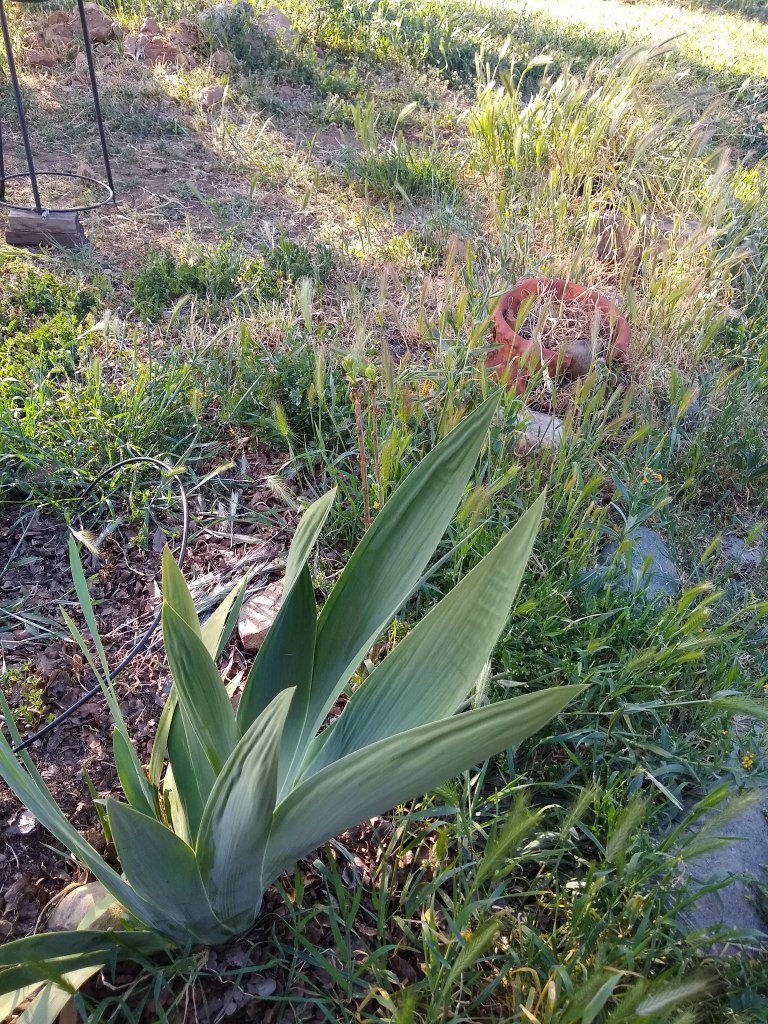
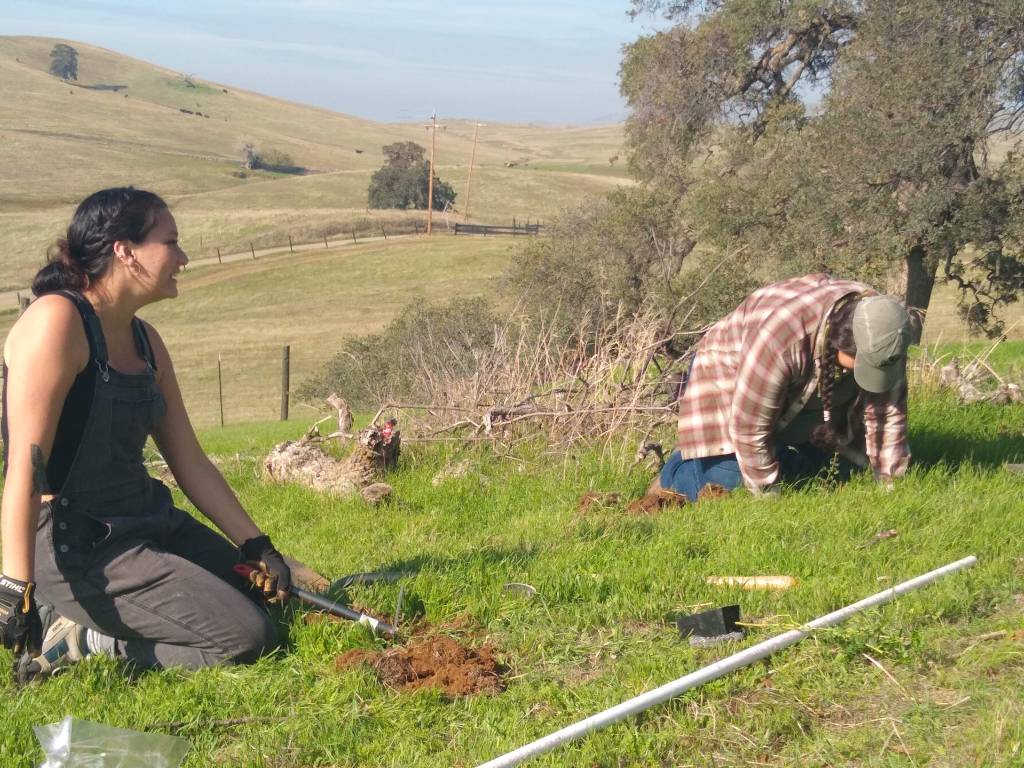
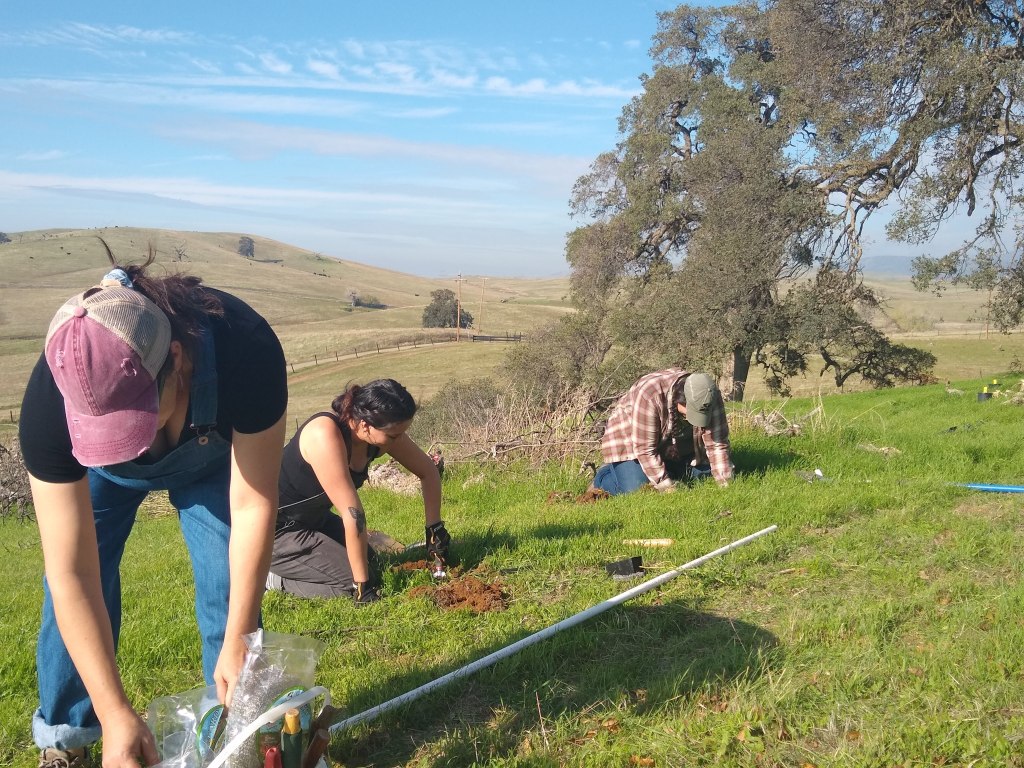
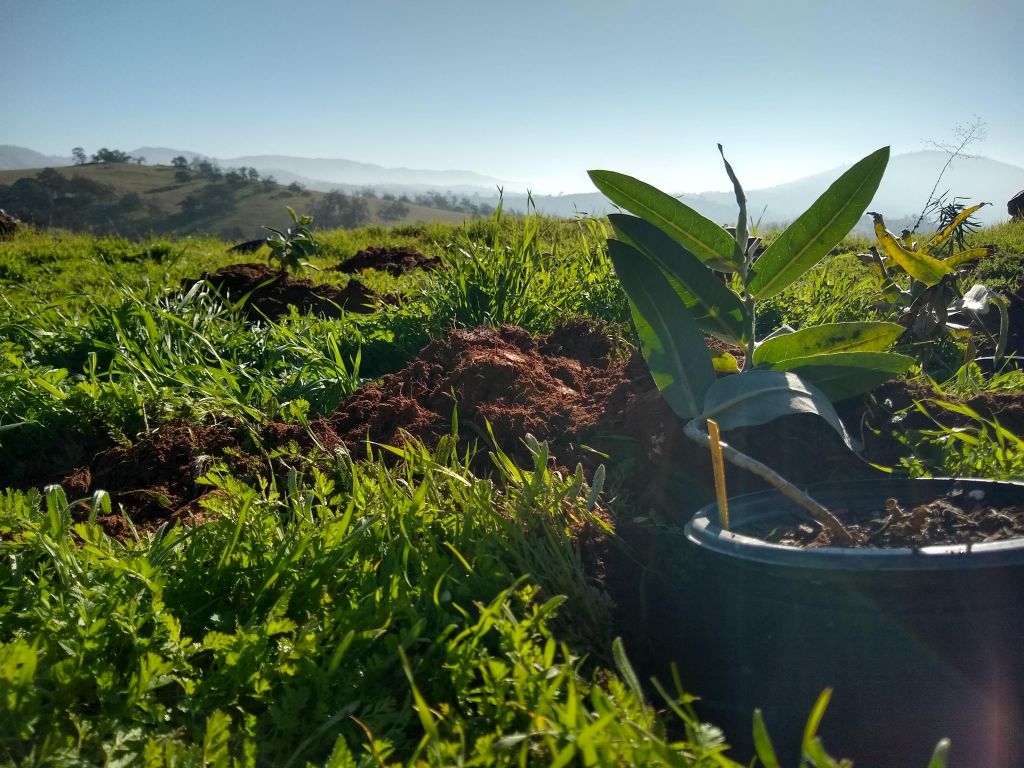
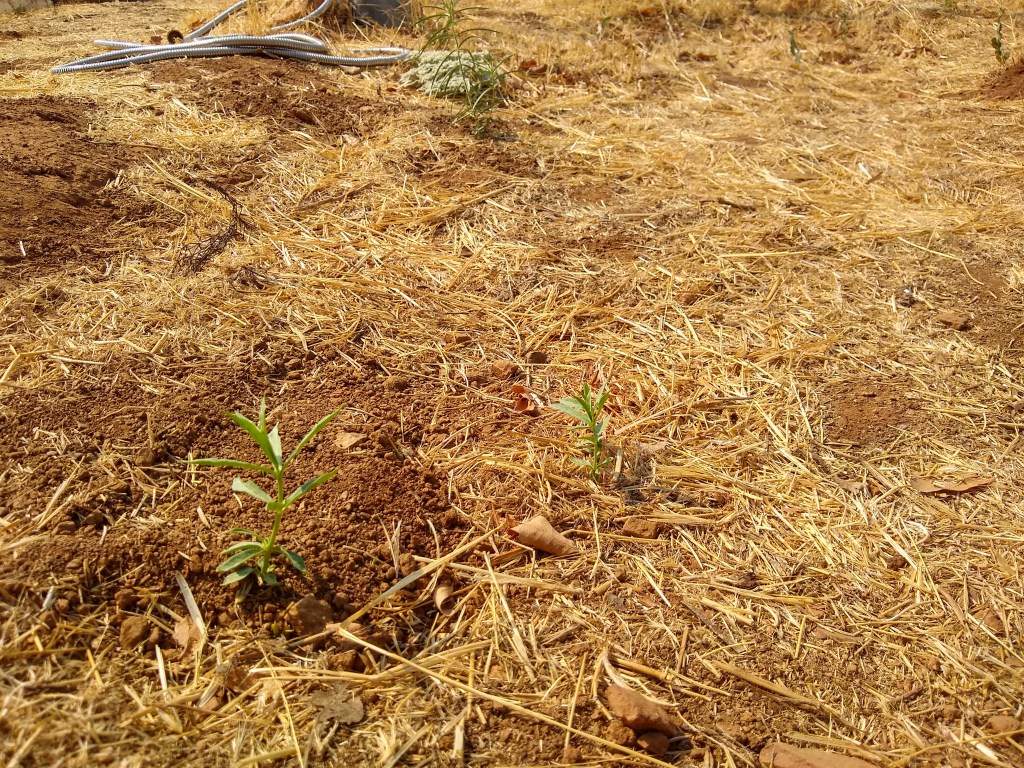
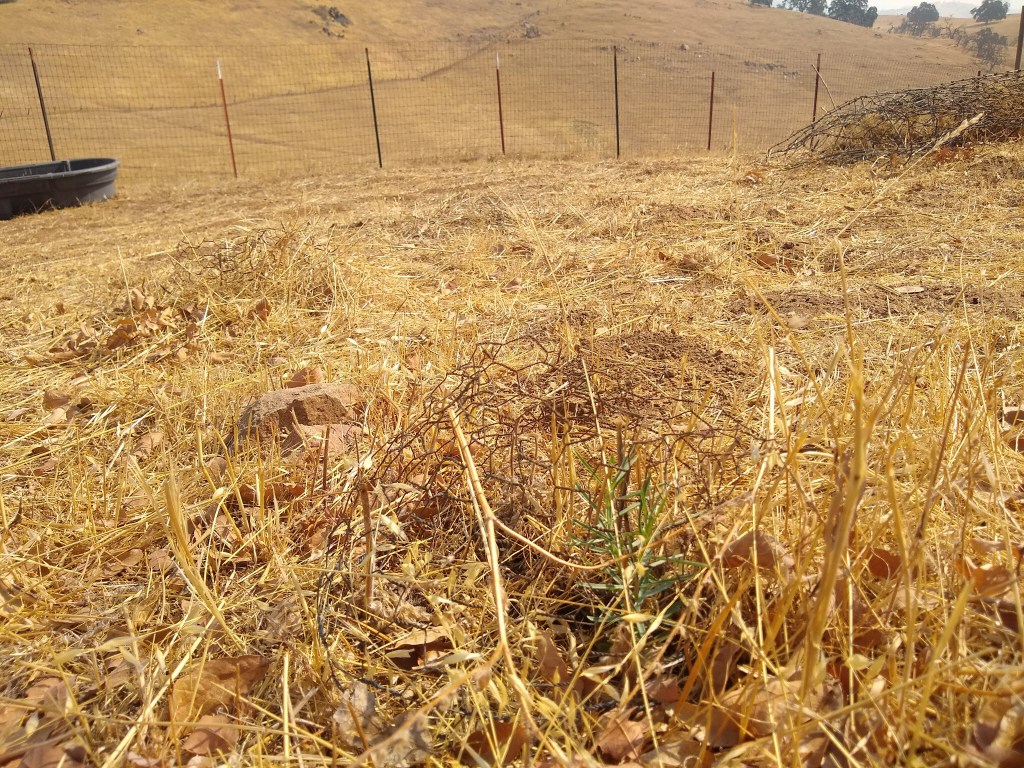
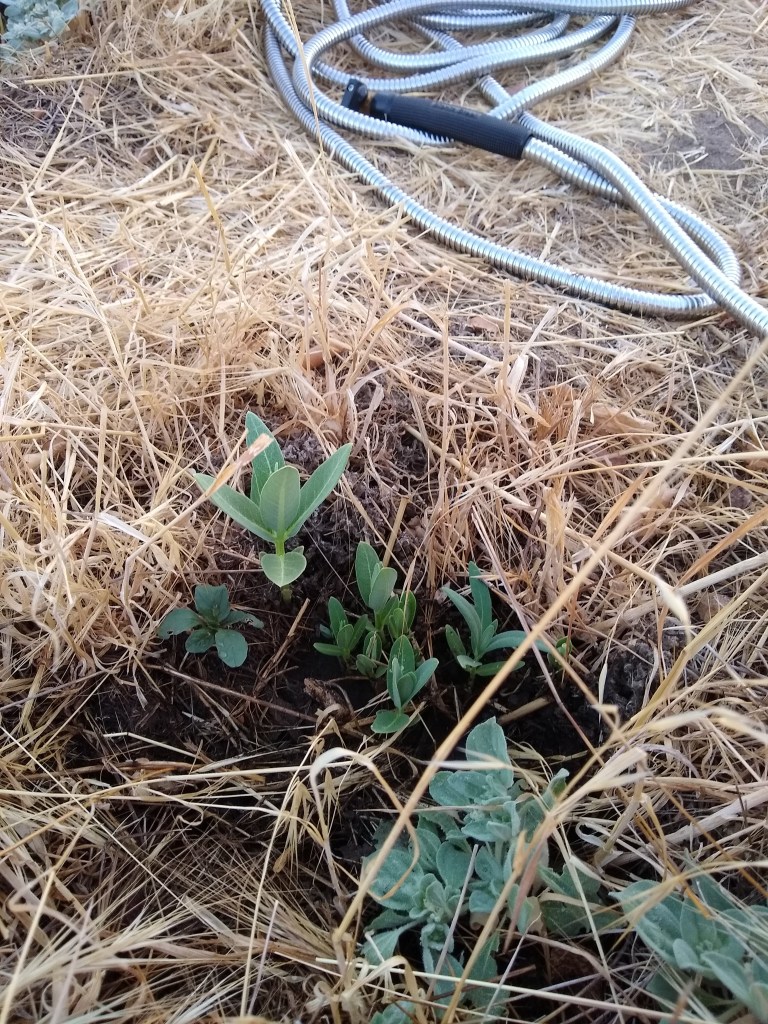
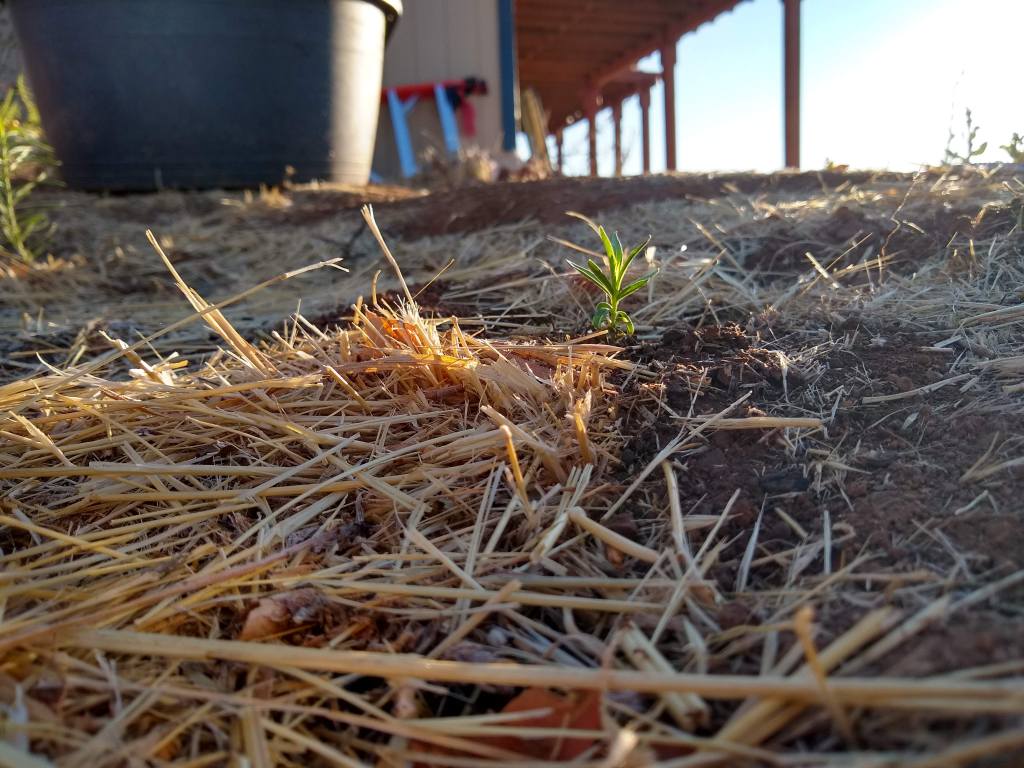
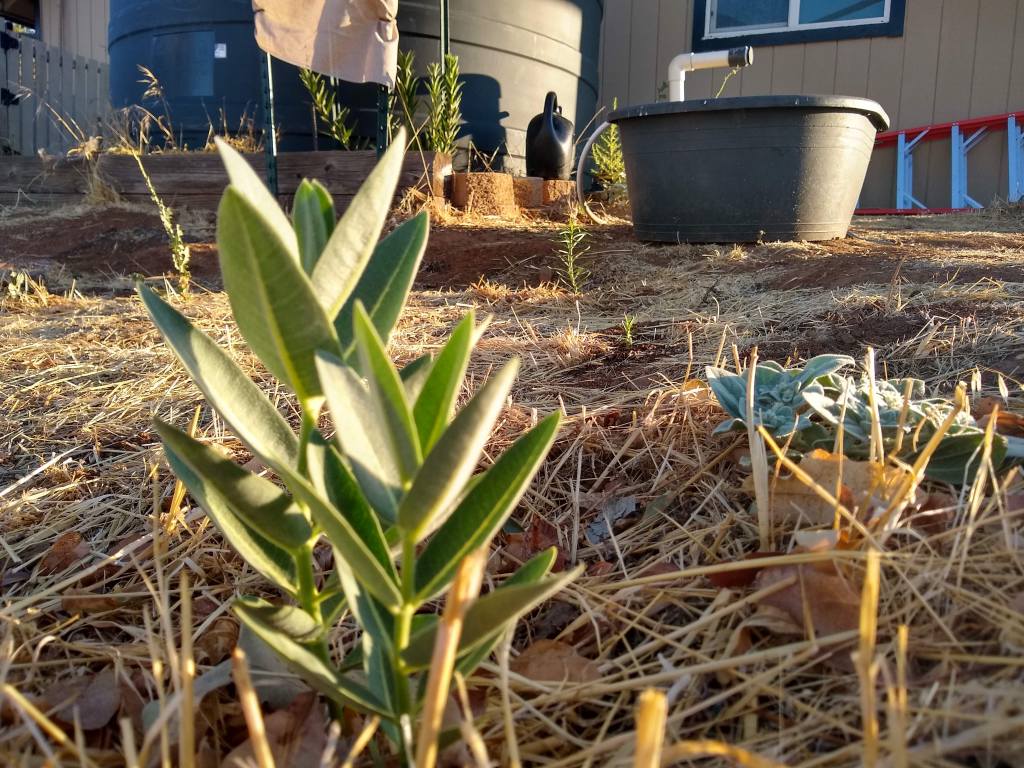
As I mentioned in my last blog, I am helping a team of scientists monitor for early emerging milkweeds. They are interested in A. Californica (and A. Cordifolia, which I’ve not seen here). So far, I have not see any of my native A. Californica emerge. I am seeing some of my potted and newly planted milkweeds emerge however (Indian milkweed and narrowleaf). I expect to see the A. Californicas emerge in late February or March. I just hope they will be large enough to entice monarchs to lay eggs.

Riparian Fence Nearly Done

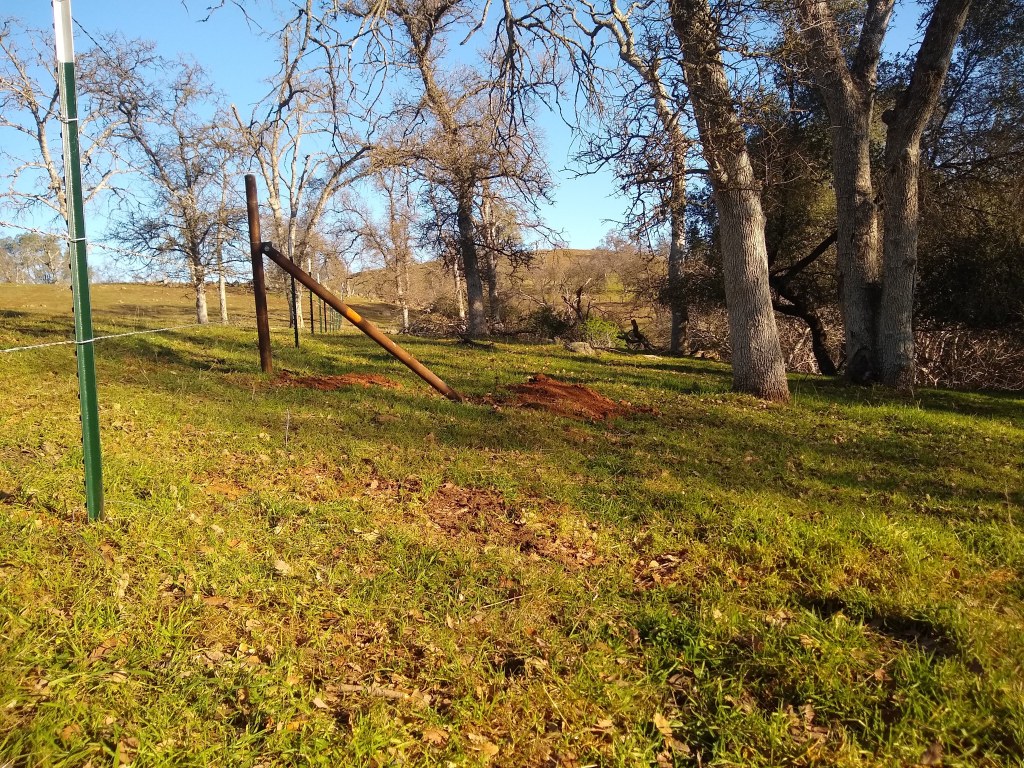
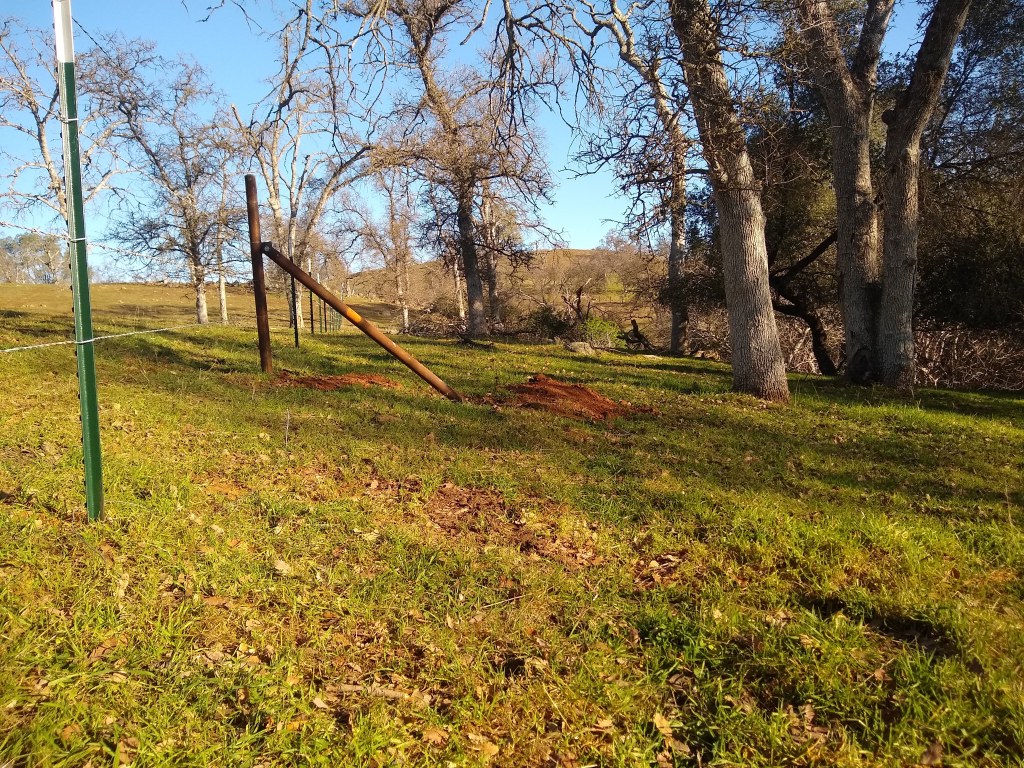
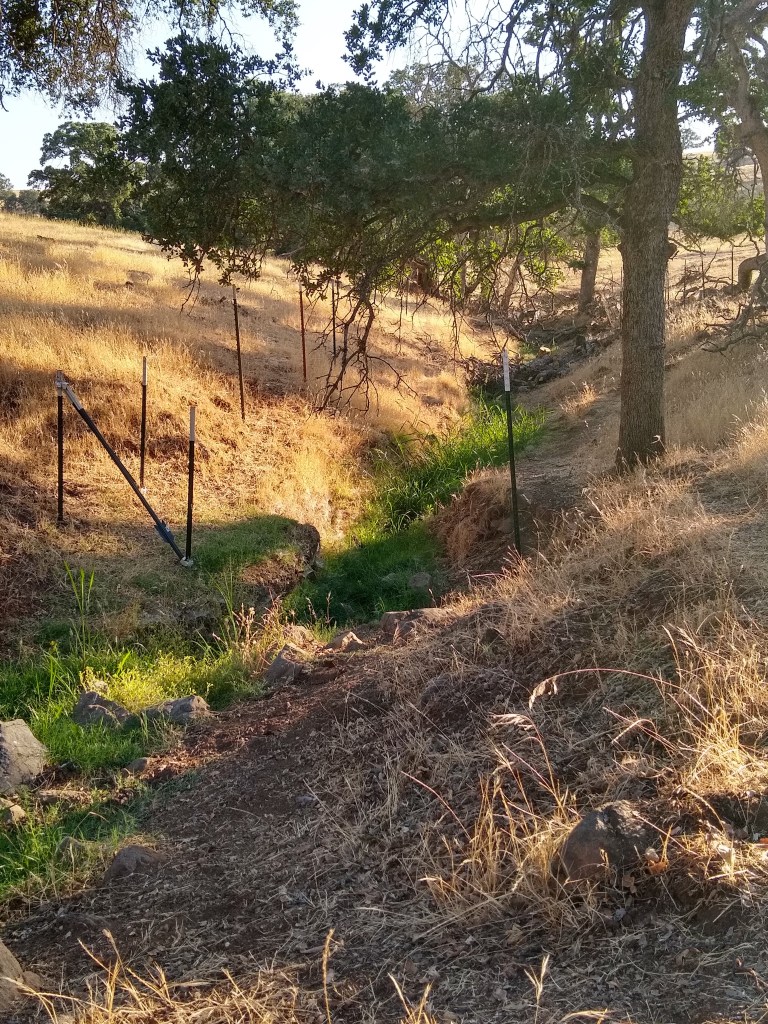
Riparian fence at Odom Creek with brace post

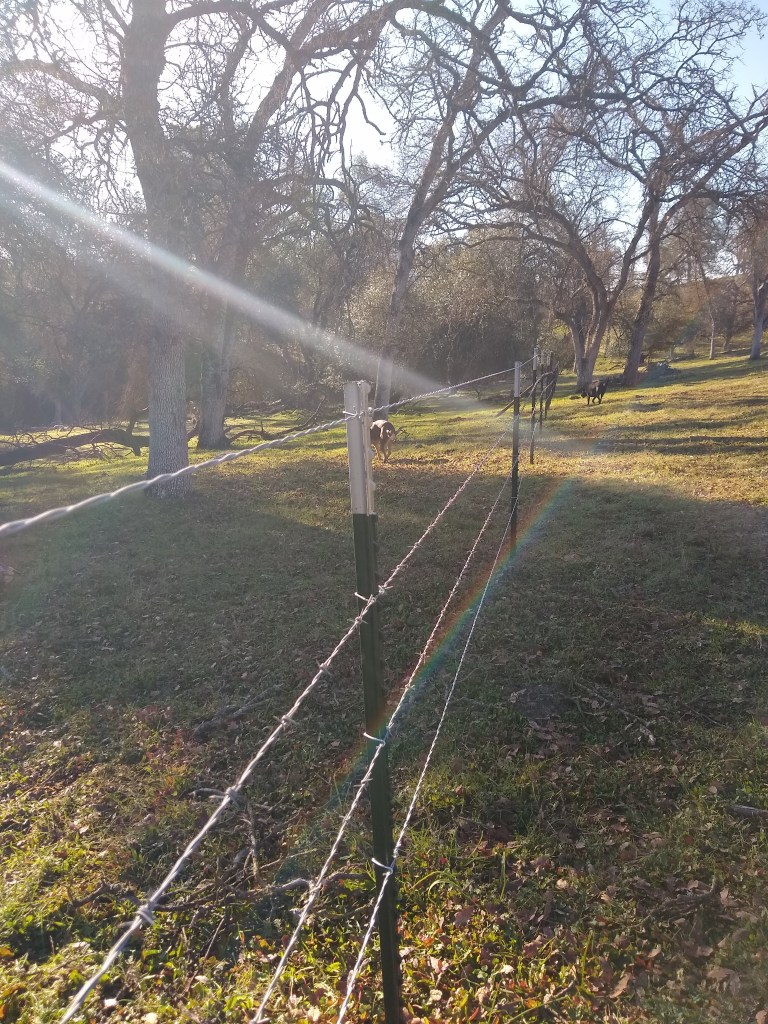
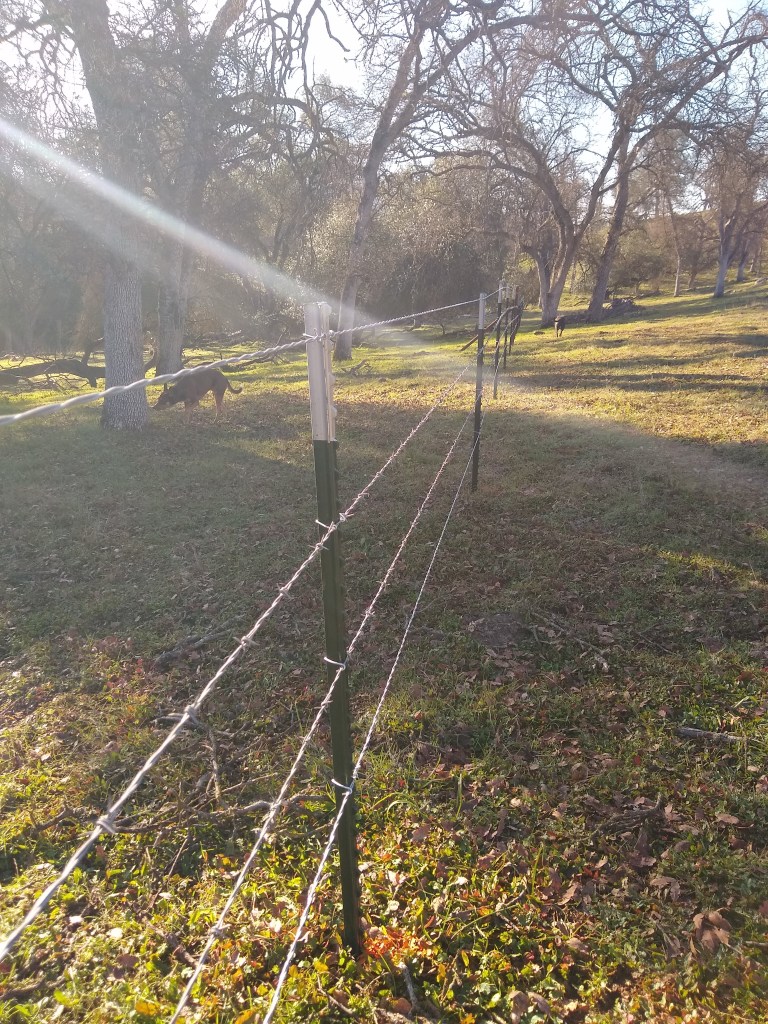
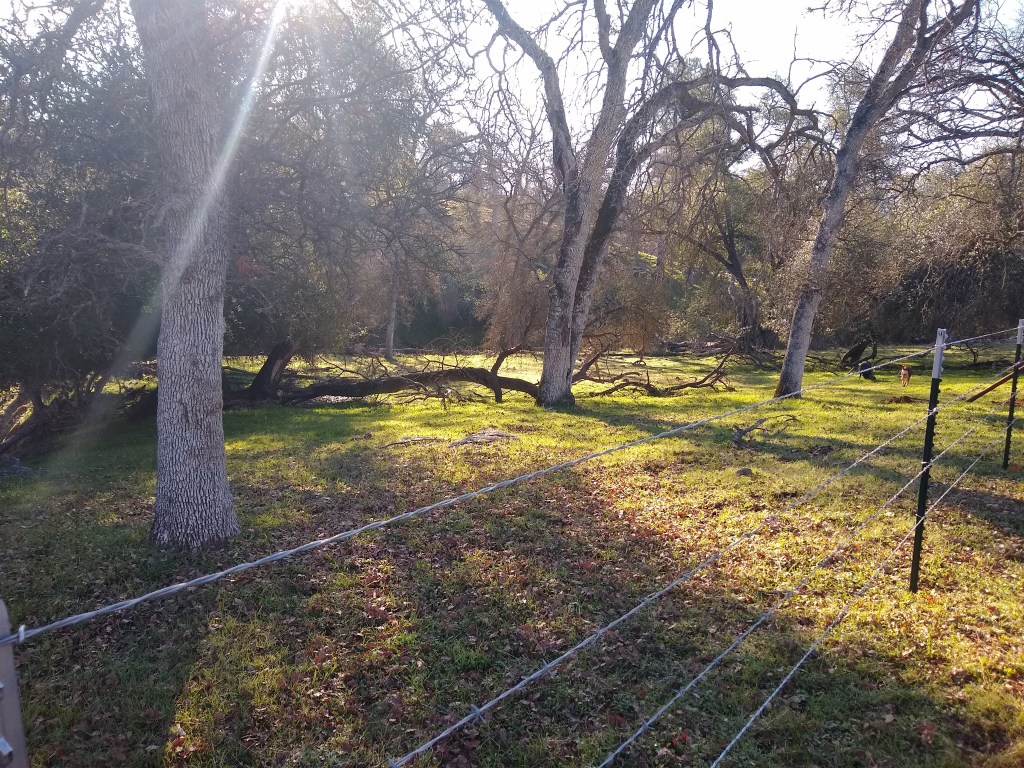
Regular, long time readers of this blog will know that fencing has been the bane of my existence. So much effort, consternation and “ink” in this blog have been dedicated to discussing the protection of milkweed and nectar planting sites throughout the ranch. Oh my, so many different attempts, failures, and cow break-ins have been chronicled. Finally, I have gotten a professional to perform the long, arduous task of installing the riparian fence to exclude cattle from portions of the creeks. Say it with me…hip…hip…hooray. You will now be spared my fencing complaints and dejection!

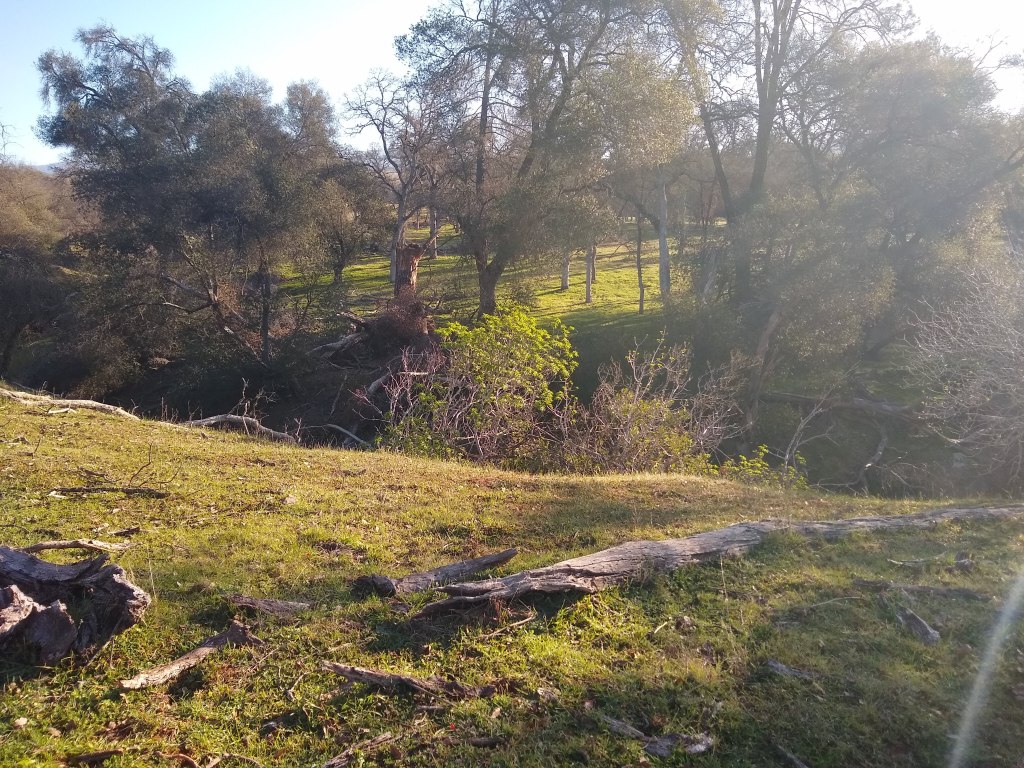
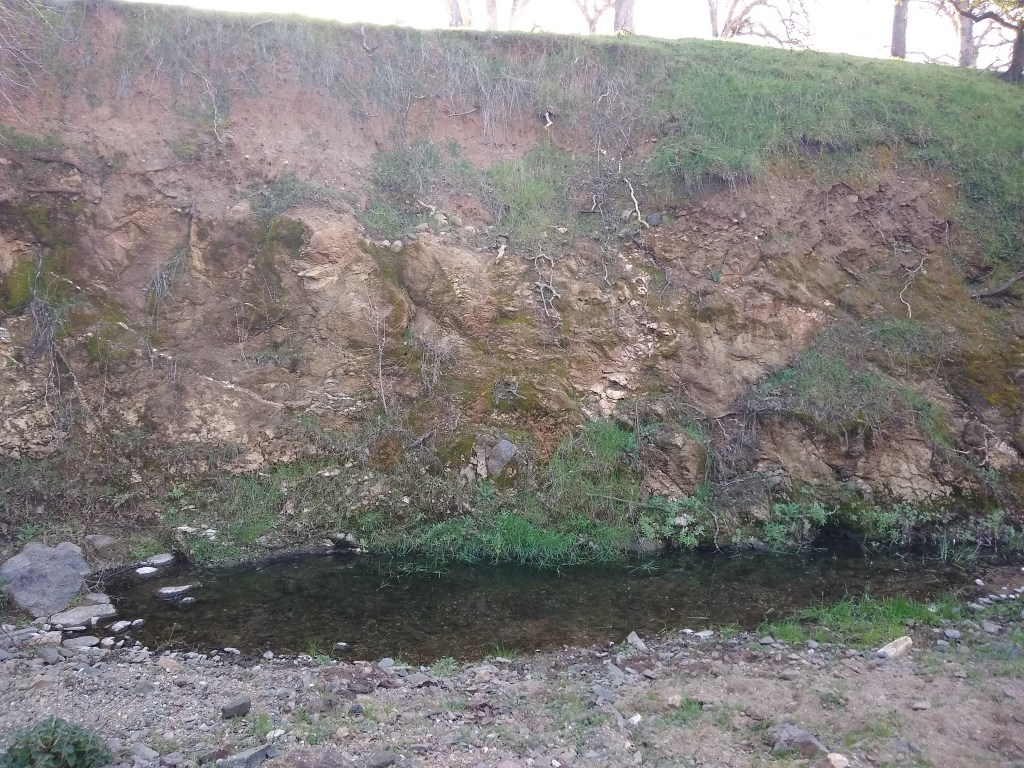
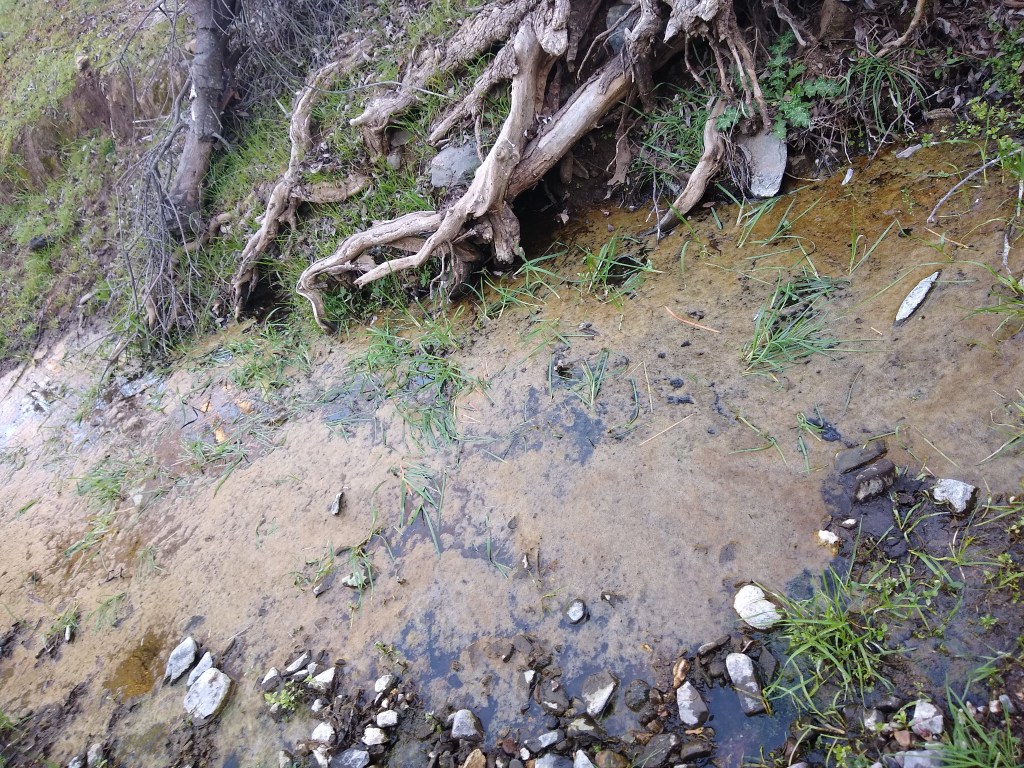
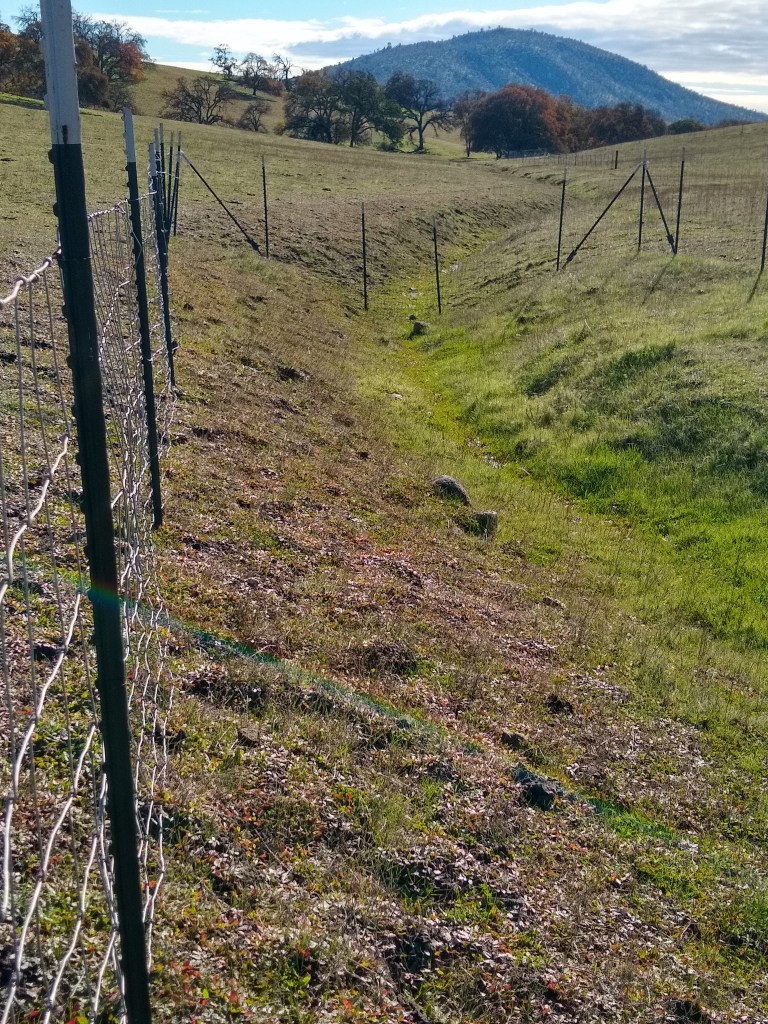
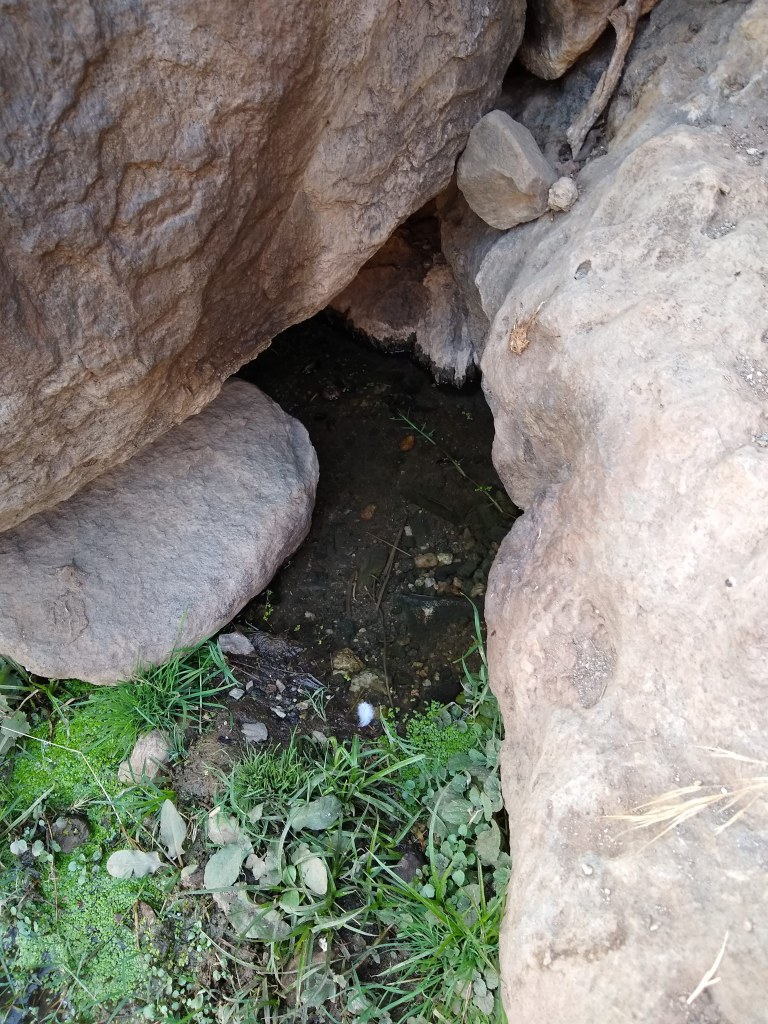
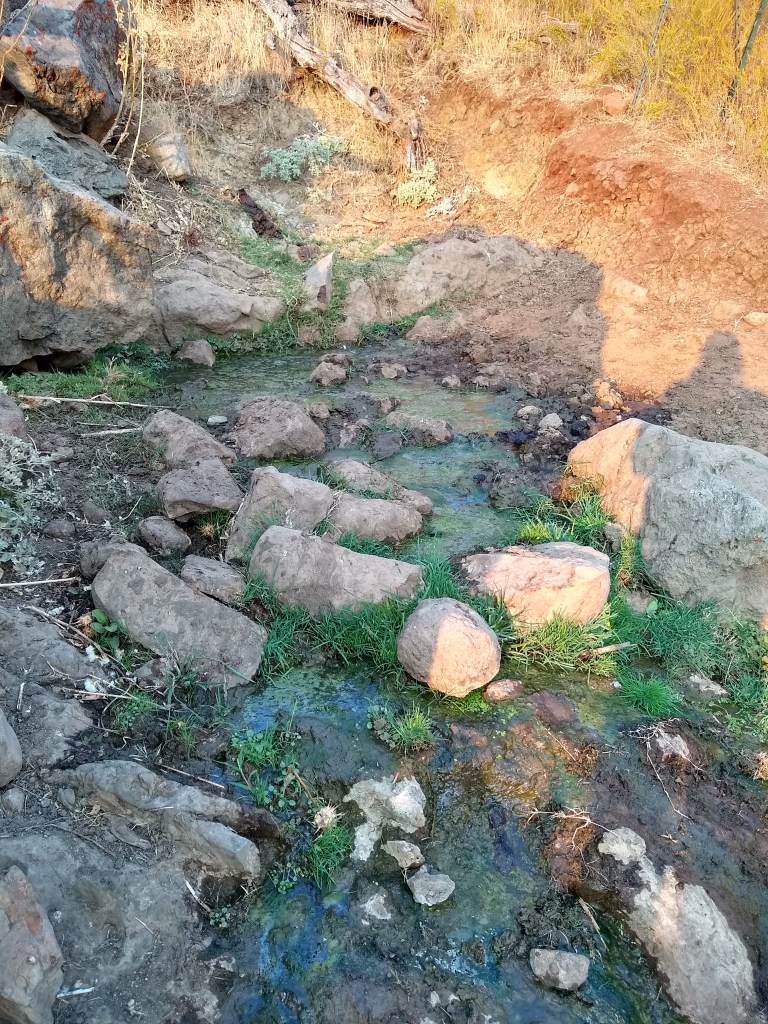
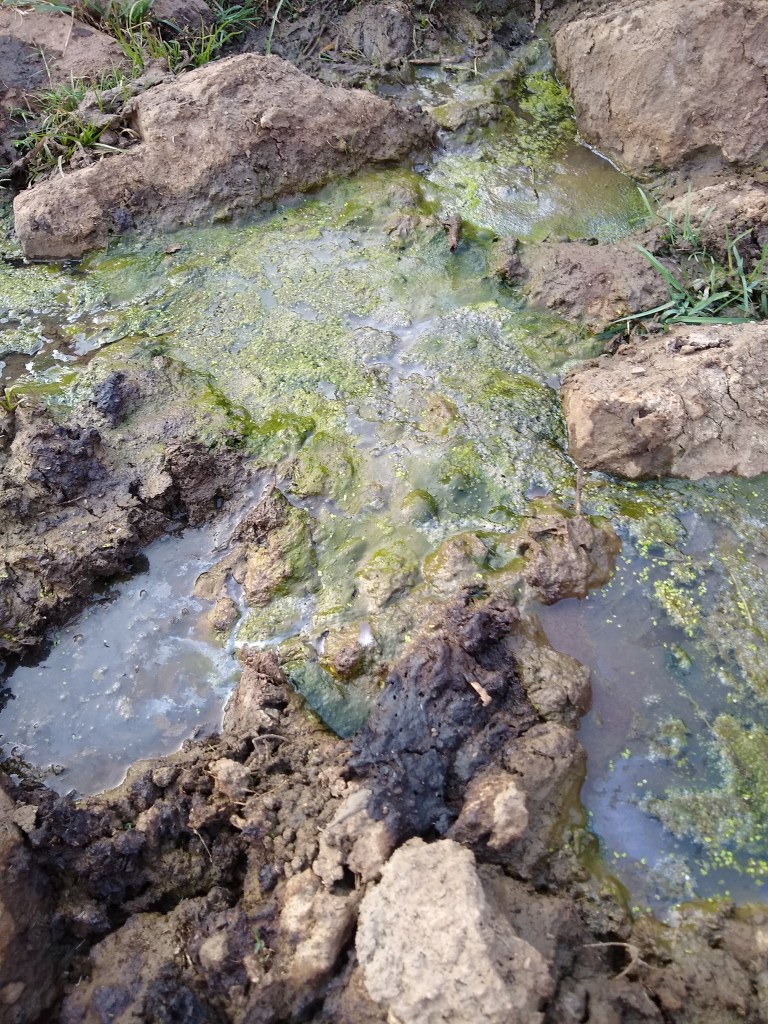
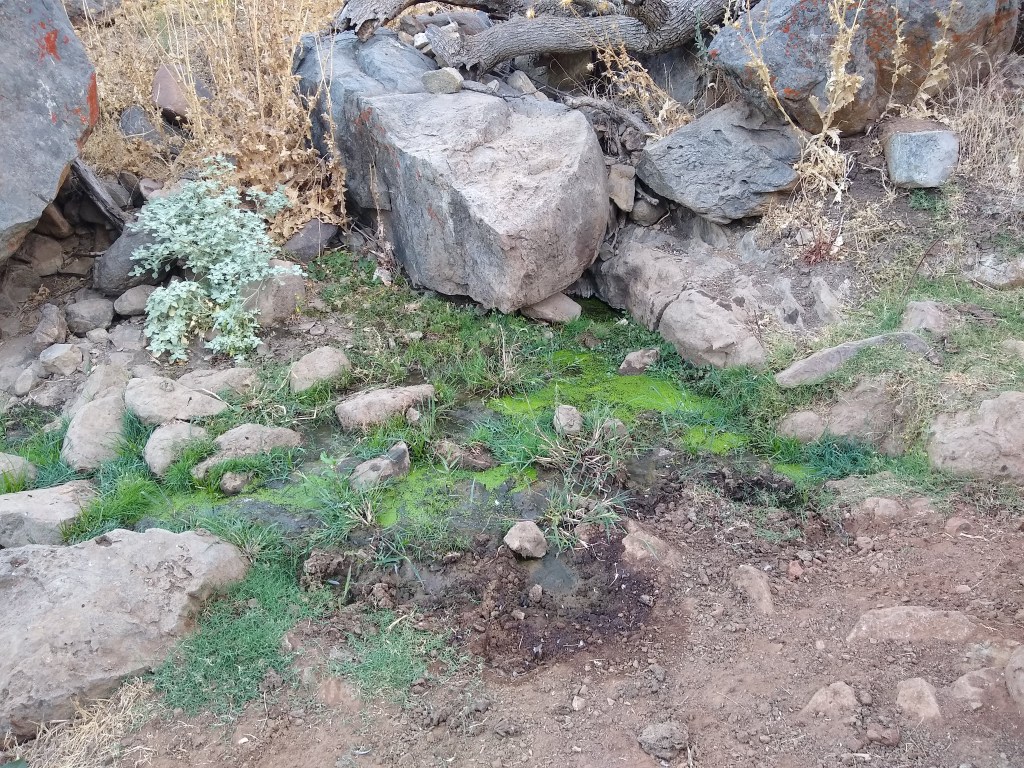
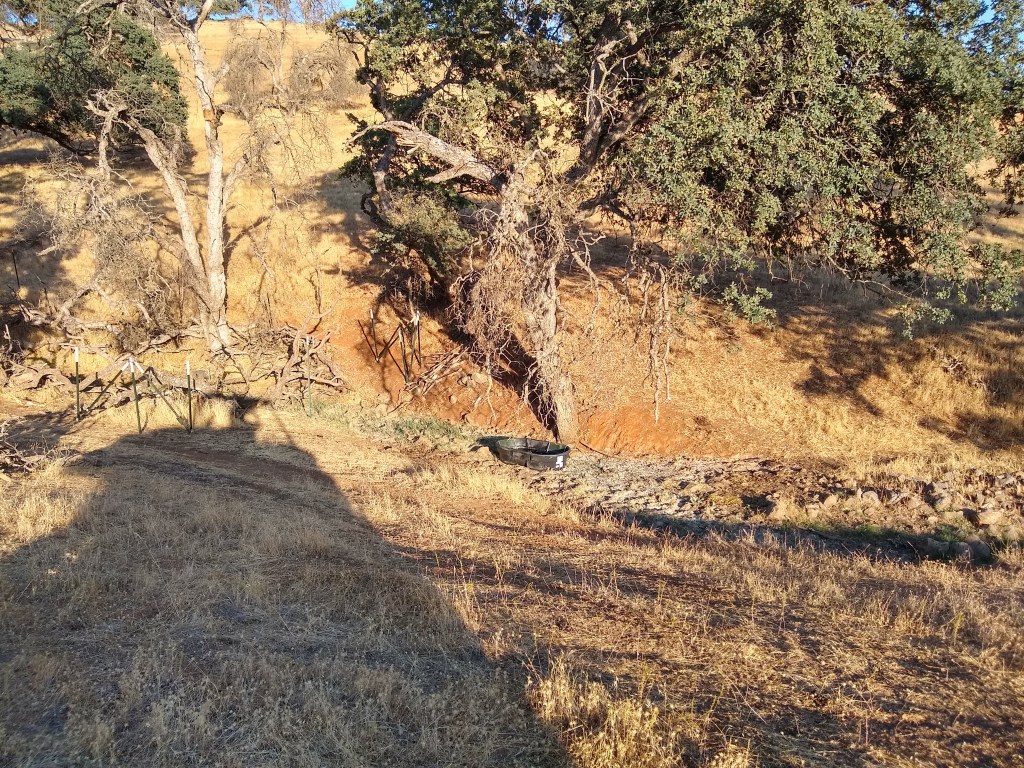
Two of the many reasons for excluding the cattle from the creeks is to protect the water quality (see photos below) and prevent erosion of creek banks. High organics, from poop and pee, create excessive nutrients that algae feed on. Too much algae on the surface can prevent the transfer of life-sustaining oxygen into the water and make it less possible for fish and amphibians to live and less healthy for mammal and avian wildlife. Excluding cattle for a time also gives the ground an opportunity to rest and for me to see what grows without the impact of livestock. I am excited to see what happens. We will graze these enclosures after monarchs would have left and the native plants have seeded. We want the grasses to be grazed down for health of the ecosystem and fuel load reduction for wildfire.

The Joy of Walking the Ranch

There is the smell of life all around – growing grass, nectar from wildflowers, trees leafing, cold, moist air in the arroyos. The air has been clean and the temperature temperate. These are the days you live for, the days you want to walk the hills for miles, sit, breath, contemplate. Our life is so hurried. The shift to remote and online meetings has only encouraged the blurring of the boundary between home and work and the push to be even more productive since one need not travel to attend meetings and conferences. I heard from a colleague that she actually attends two meetings at once sometimes. We are reaching a breaking point as a society. We need to get back to connecting with one another, outside, in natural places, over food, to live once again.

Monarchs Bounce Back a Bit and Preparing for the Next Push

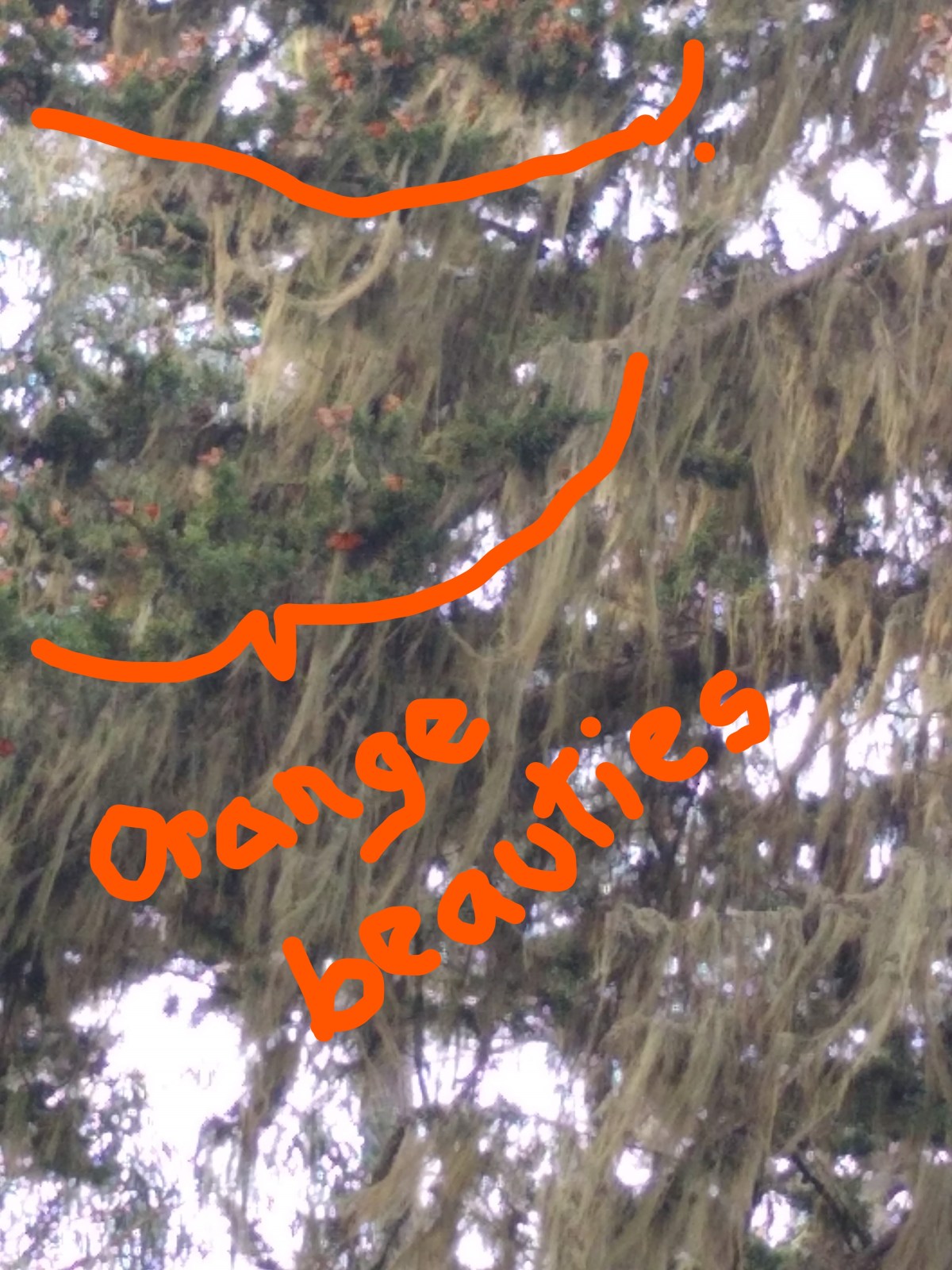
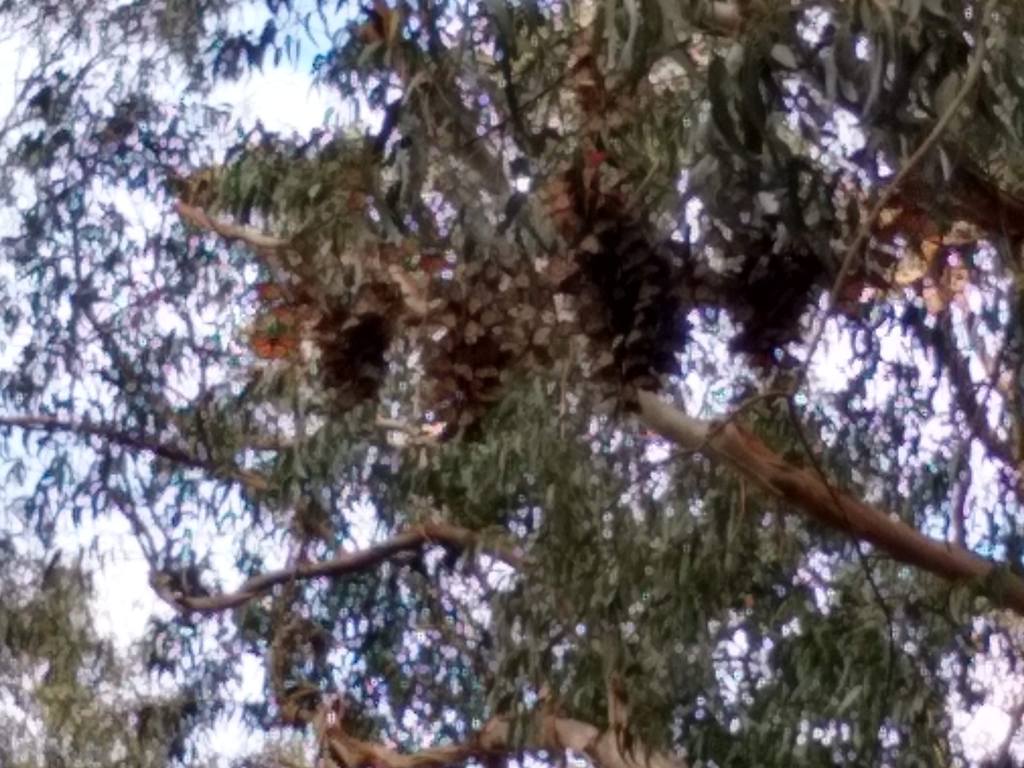
Monarchs in overwintering sites cling to the branches of this tree

Monarch numbers bounced up considerably this year. The only other news in recent times that gave me as much joy and comfort was when the doctor said my brother was going to be ok a year ago this month. I could breathe a little more freely then and now. Although it has been all over the news, if you have not heard, the official Thanksgiving count of monarchs was at 247,237 overwintering adults. This is up from 1900+ last year, but still far lower than the millions of adults they had in the 1980s. There still is a need for a monumental, all-hands-on-deck effort to save the western monarch and its iconic migration. Please do what you can. Read the Xerces Society Call to Action for great, doable ideas for you and your family.

Worth the Fight

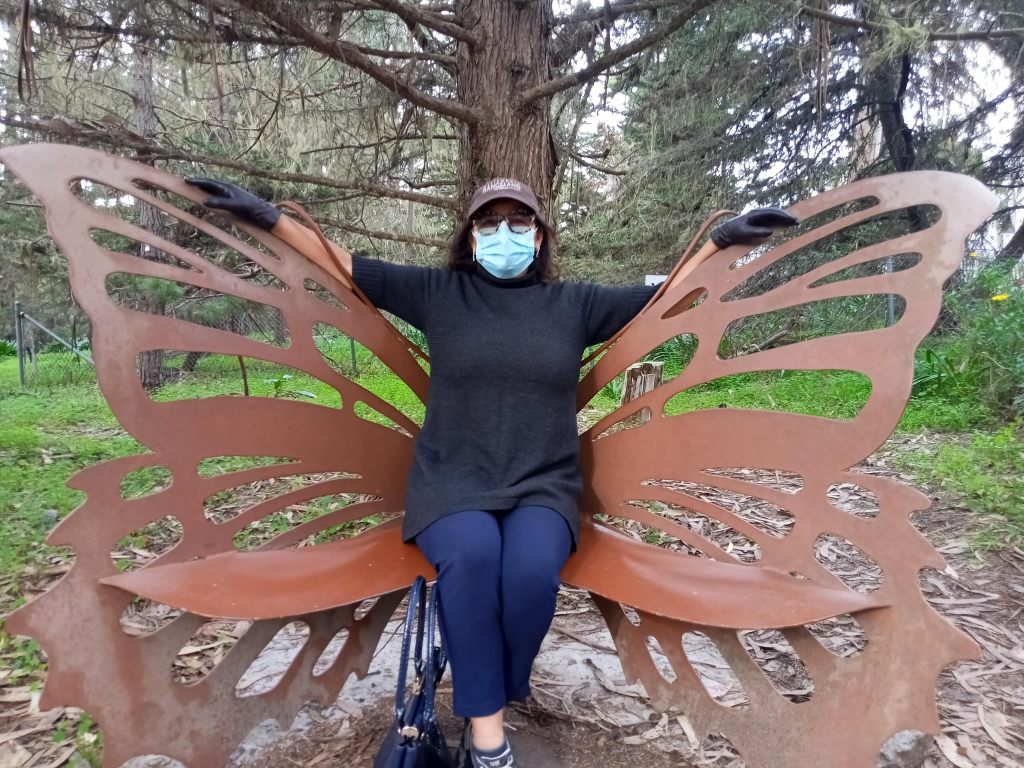
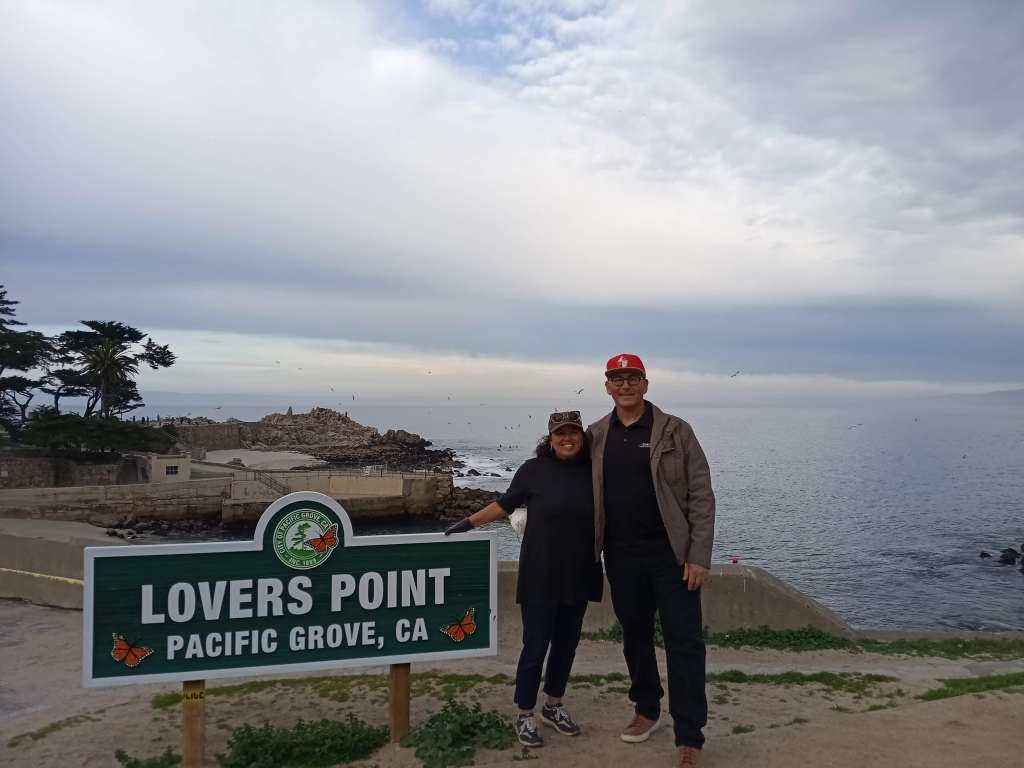
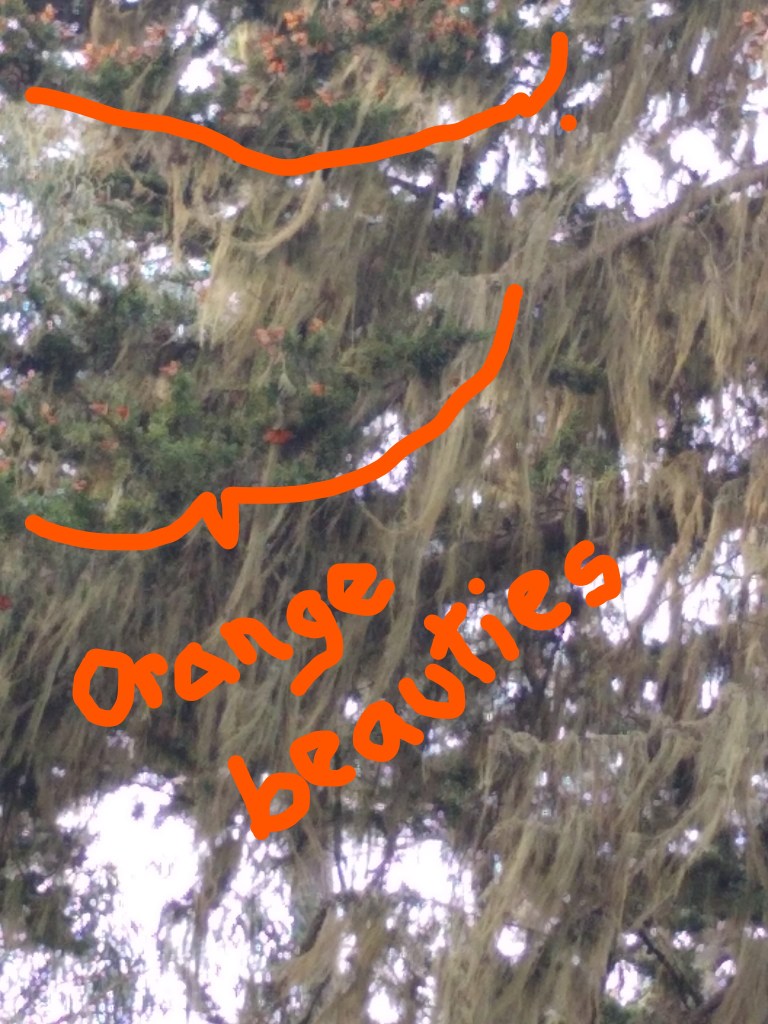
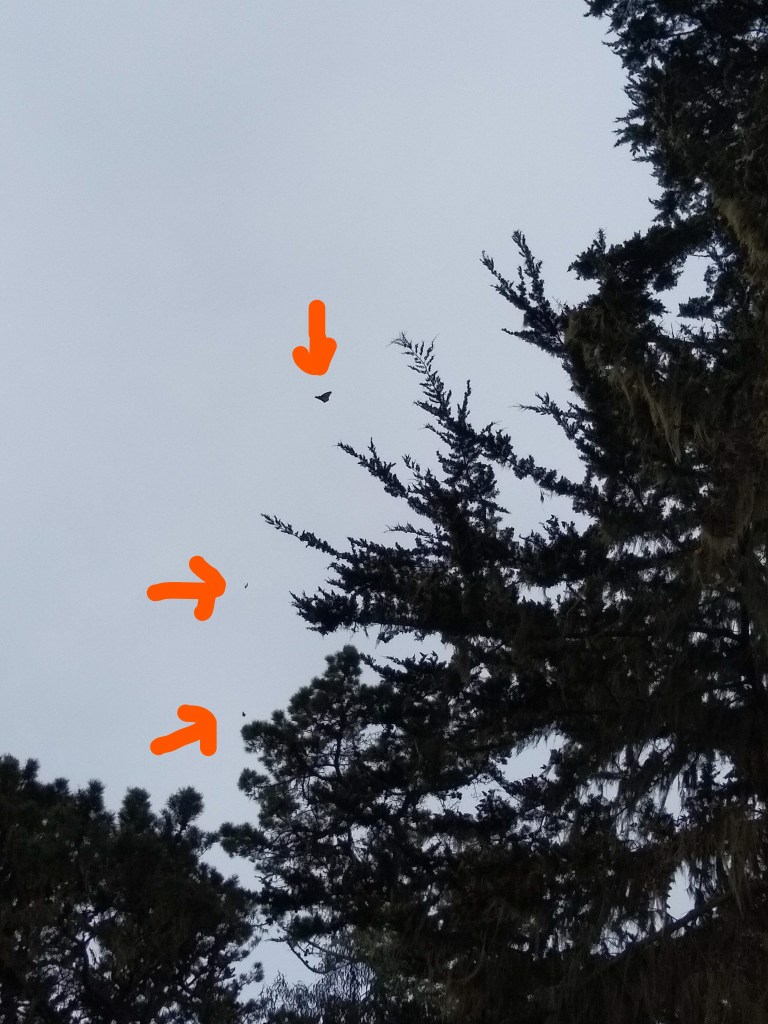
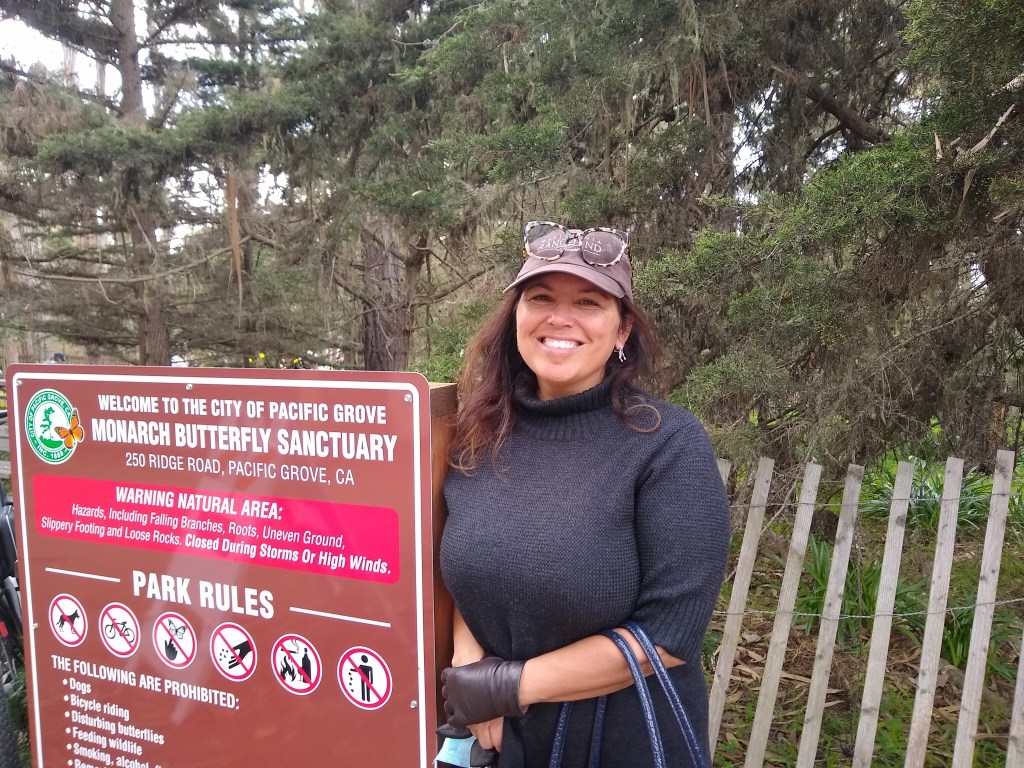
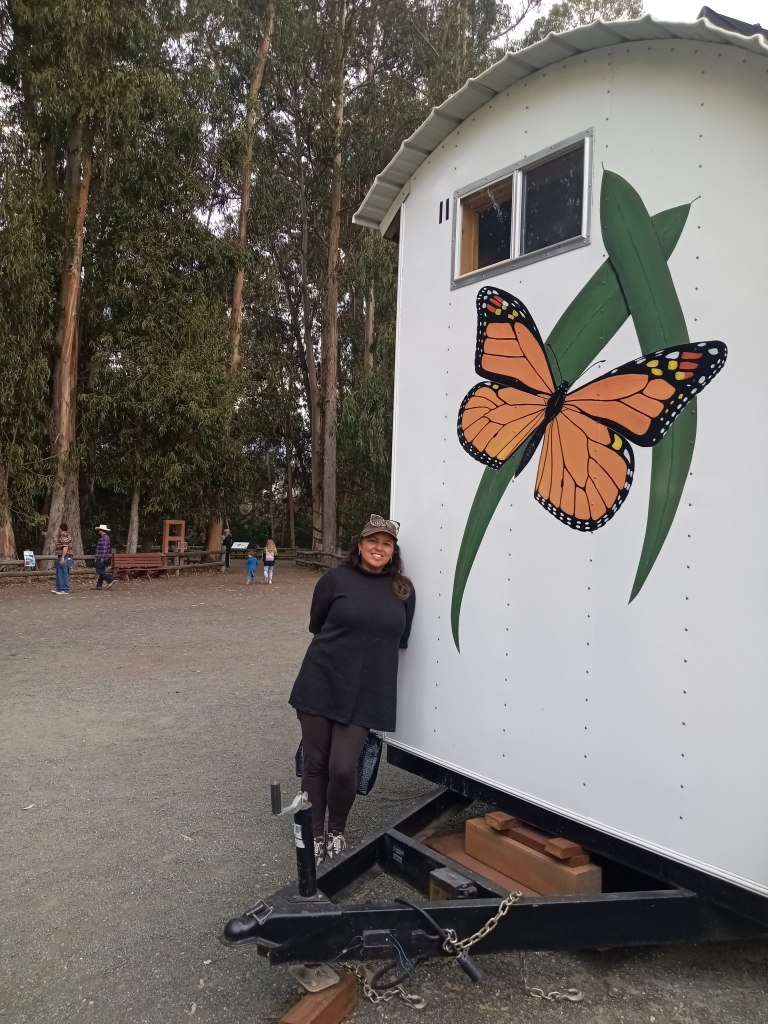
The monarchs are worth my time. They are worth my effort. It takes but one glimpse of stained glass fluttering in the sky for a person to fall in love. I encourage everyone to visit he overwintering sites to see what we are fighting for. David and I went on a road trip in mid January to both the Pacific Grove and Pismo Beach sites. We witnessed the miracle of 10s of thousands of butterflies clinging to branches, butterflies that will fly thousands of miles for better food, weather and to make babies. The monarchs have been leaving earlier due to climate change, and we saw many monarchs awake, flitting around, leaving their perches and then heading back into their bundles. The sky was filled – not like the Tribal elders told me of the times before Europeans – but in the 100s at various elevations. It was incredible. I thought they were smart to stay well away from humans far up in the sky. It was profound to know that one or more of these miracles could beat the odds and arrive at my location to feast and lay eggs. I spoke to them in a language so ancient I knew they had to understand – the language of my ancestors who must have seen these baise’ebolim in such large numbers as they flew across the Sonoran Desert. “Amand te tevote in weweriam. Se si enchi nake. Ito te vitne. (Greetings, I acknowledge you my relatives. I appreciate you very much. Good luck and see you soon.” It was humbling. David held my hand, and I softly cried.

No Rain in Sight

We have been dry for over a month. Well, there was one rain in January that was so little it was immeasurable. There was not even a full drop in the rain gauge. I have a feeling February might be the same. We are just over 8 inches here – horribly below normal. I walk the arroyos and creeks to take stock of the amount of water left. Putting in Swale Pond 8 years ago was such a good move. It has enabled more pooling in the arroyo. Even those little spots of water can be a boon for wildlife and livestock. My cattleman told me that he was able to start grazing the ranch earlier because of the existing pools last year. As of last week, all of the little pools on the arroyo are dry. Just the swale pond is left.

Grazing and other Ranch Planning

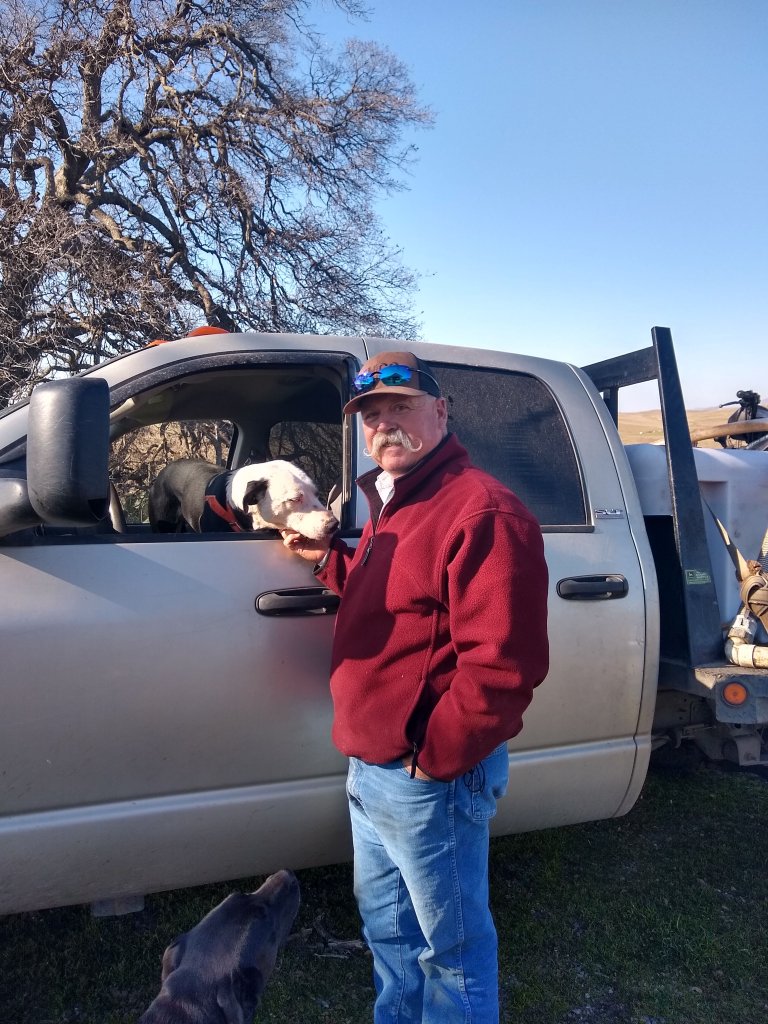
Several times a year I get together with my cattleman, Tom Fane, to discuss ranch needs, his grazing plan and ecosystem services work. Last week, we discussed timing for grazing the soon-to-be enclosed riparian areas. We are thinking of the Fall and/or early Spring to graze the European grasses depending on native plant emergence. We will carefully watch how things go. Along with his son Chaz, we are also designing the riparian fencing together. I trust his knowledge, and want to ensure that the things I do on the ranch don’t make grazing too difficult. The grasses out-compete the early native plants that butterflies and other native pollinators need to survive in the Spring. In fact, the drought this year, lack of sunlight last year and grazing the year before all resulted in better than average early milkweed growth.

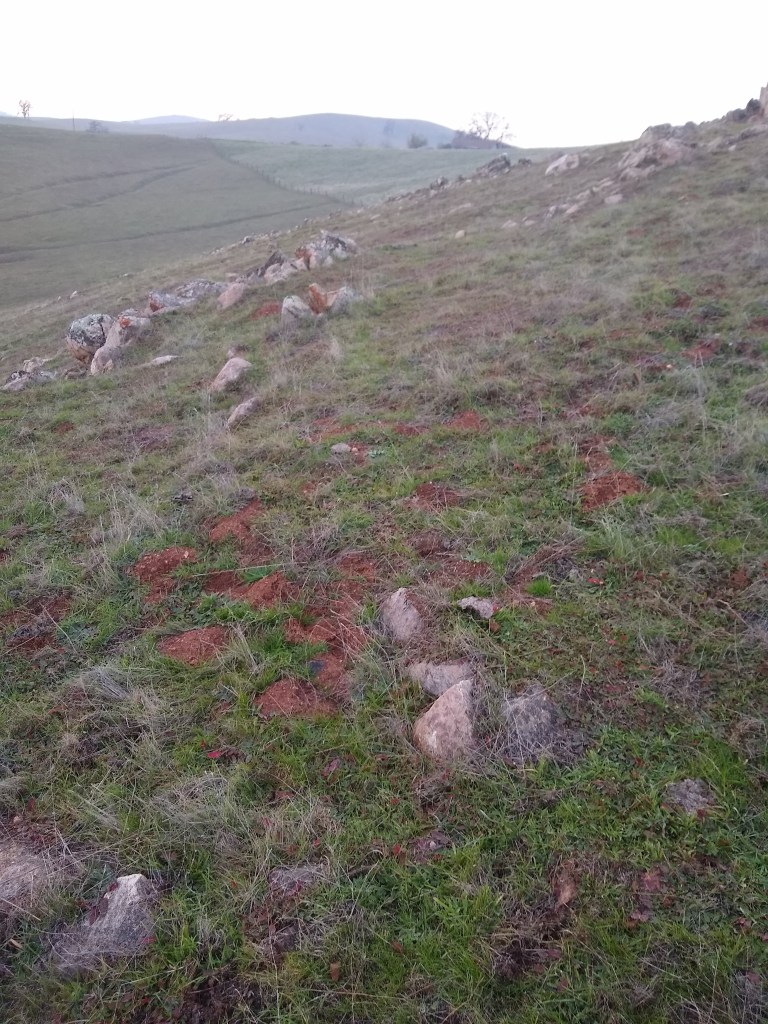
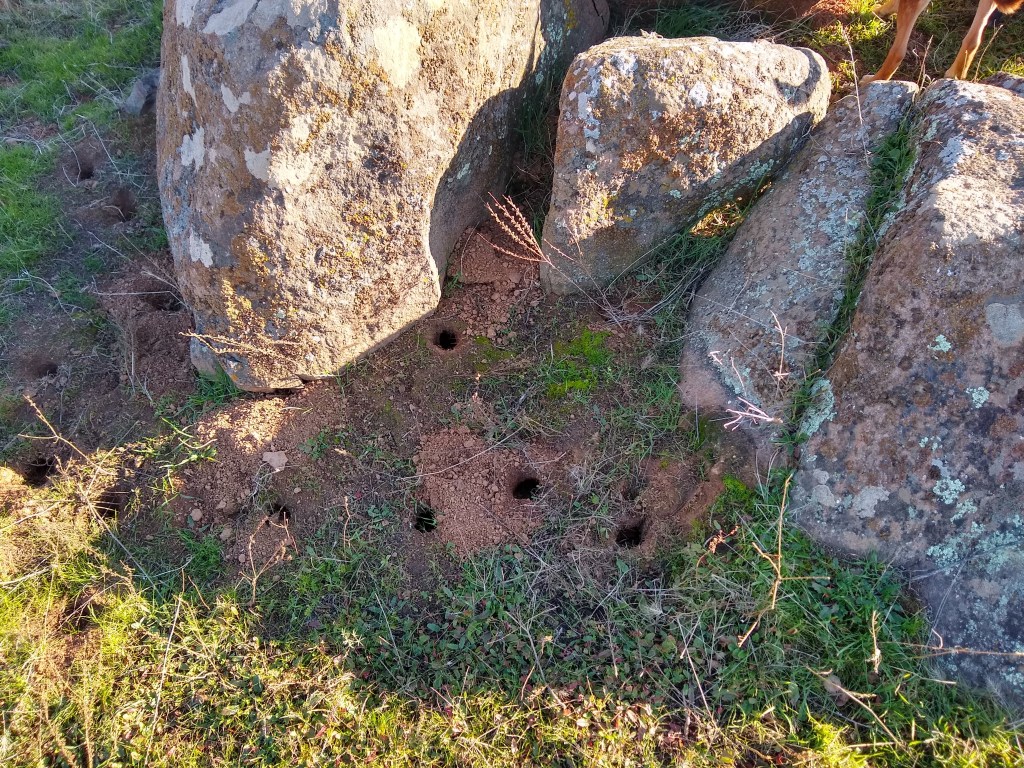
Ron Allen, UC Master Gardener and my native plan supplier, asked me to help with a study looking at emergence and blooming of early milkweed species. I of course said “Yes”. With the monarch females leaving the overwintering sites early due to changes in the climate, they are going to need milkweeds to lay eggs on. I have been monitoring the sites since last month, but know, from my data over the last two years, that they did not emerge until late March. I did see much gopher activity in the area, though Ron says that should not impact the A. Californica. We will see how it goes this year. Indeed, we are experiencing the earliest wildflower blooms I have ever seen and not in the typical cadence. They all seem to be coming in rapidly one after the other. We had the first emerge in December! Perhaps the flowers and butterflies all sense what we do not – a three day winter, a two month Spring, and a long, hotter summer than ever before.

Beneficial Fire

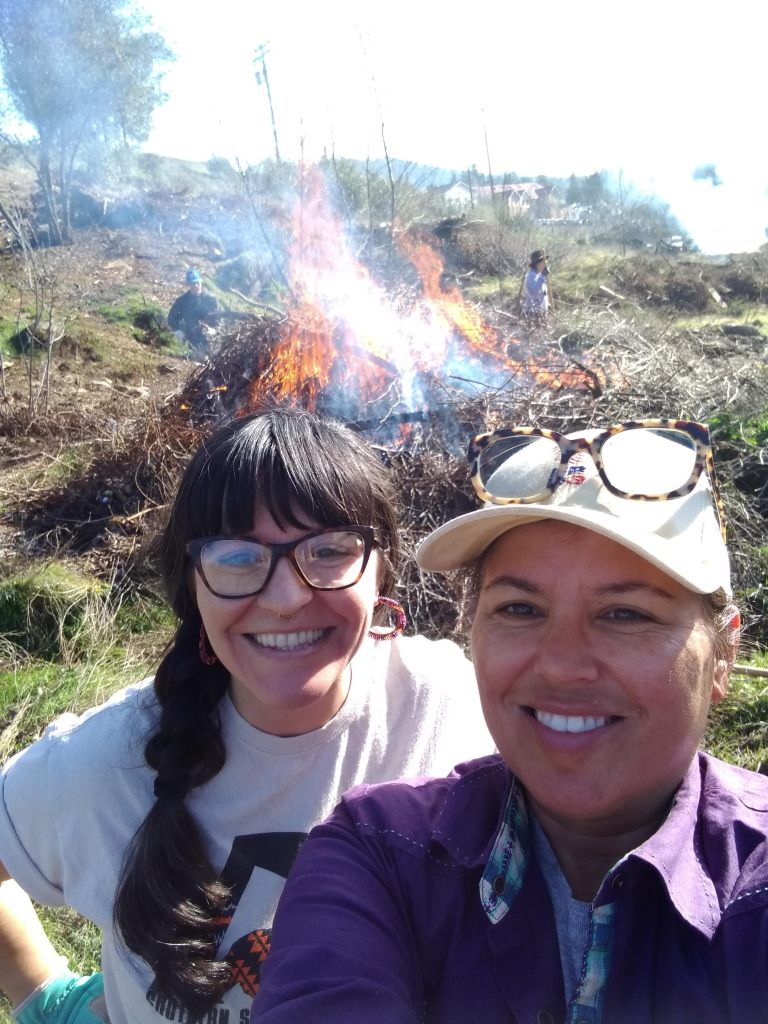
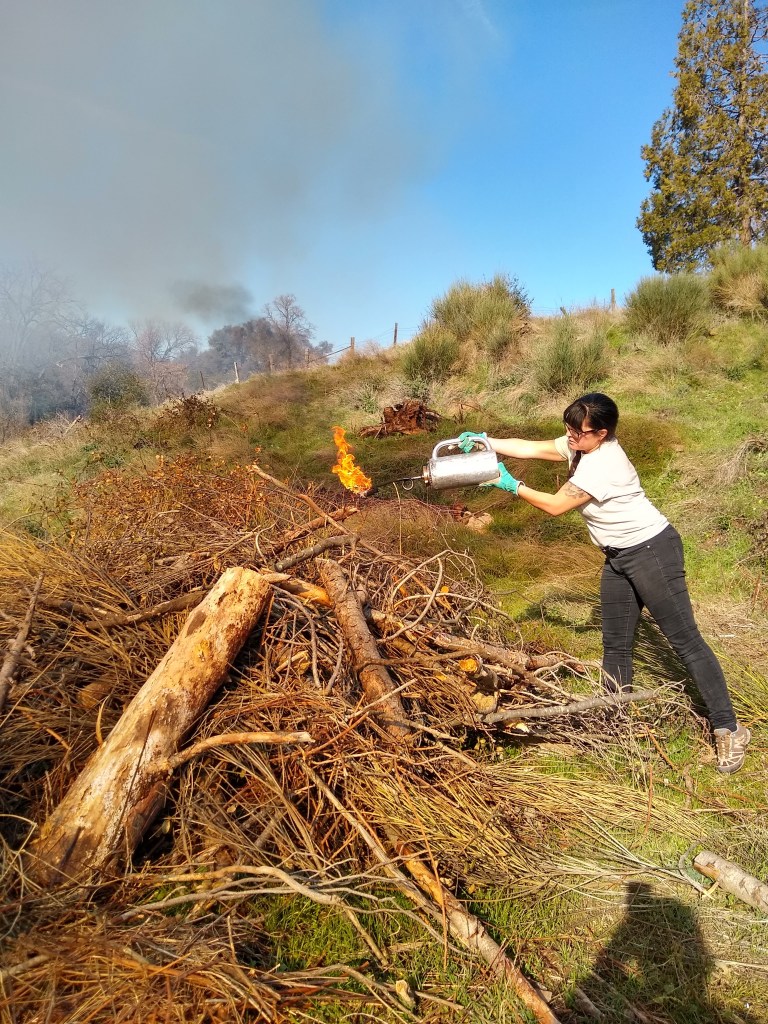
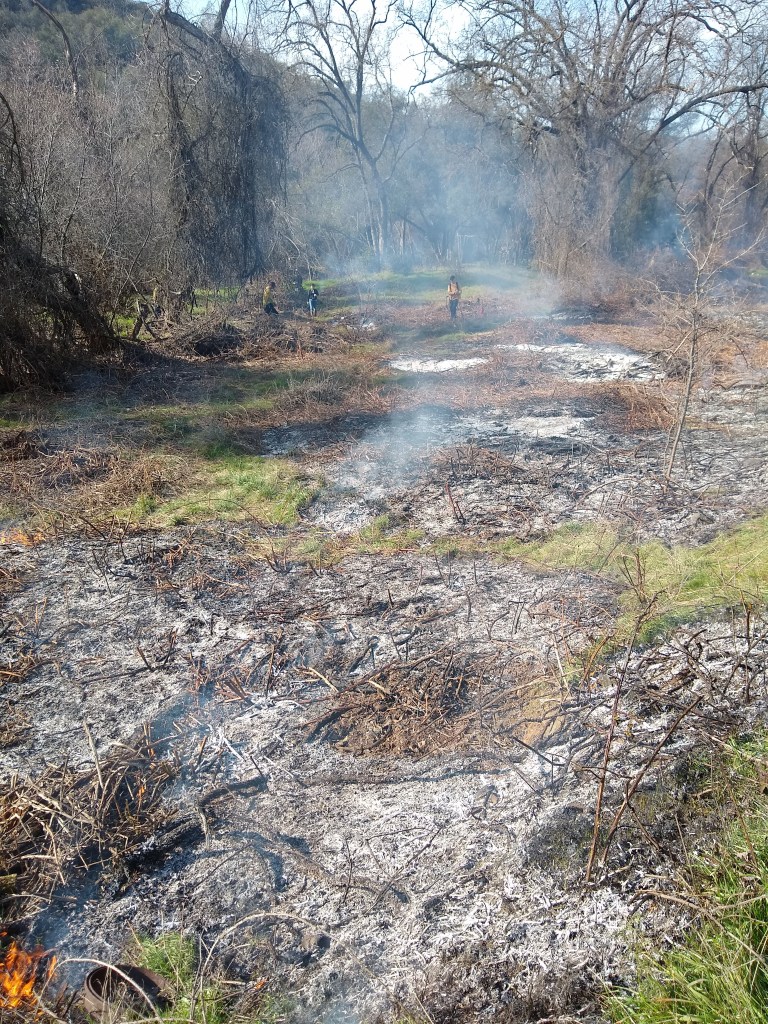
I joined the Southern Sierra Miwuk Nation (SSMN) at a burn along the Mariposa Creek Parkway. They are partnering with the Sierra Foothill Conservancy, Arts Council and others on restoration of the Creek for land health and public recreation. I wanted to learn more about putting good fire on the land. This is something I have been wanting to do here at the ranch for a while. I know every blade of grass burning is like burning money for my cattlemen. However, if we are working to get rid of invasive, non-nutrient rich grasses, like medusahead, and replace the area with natives and more nutrient rich feed, Tom could be brought along. He was the foreman on the million+ acre Tejon Pass Ranch, and knows a few things about fire. He has seen it in action and seen it work to control species that are problematic and getting out of control. He is tacitly on board for now.

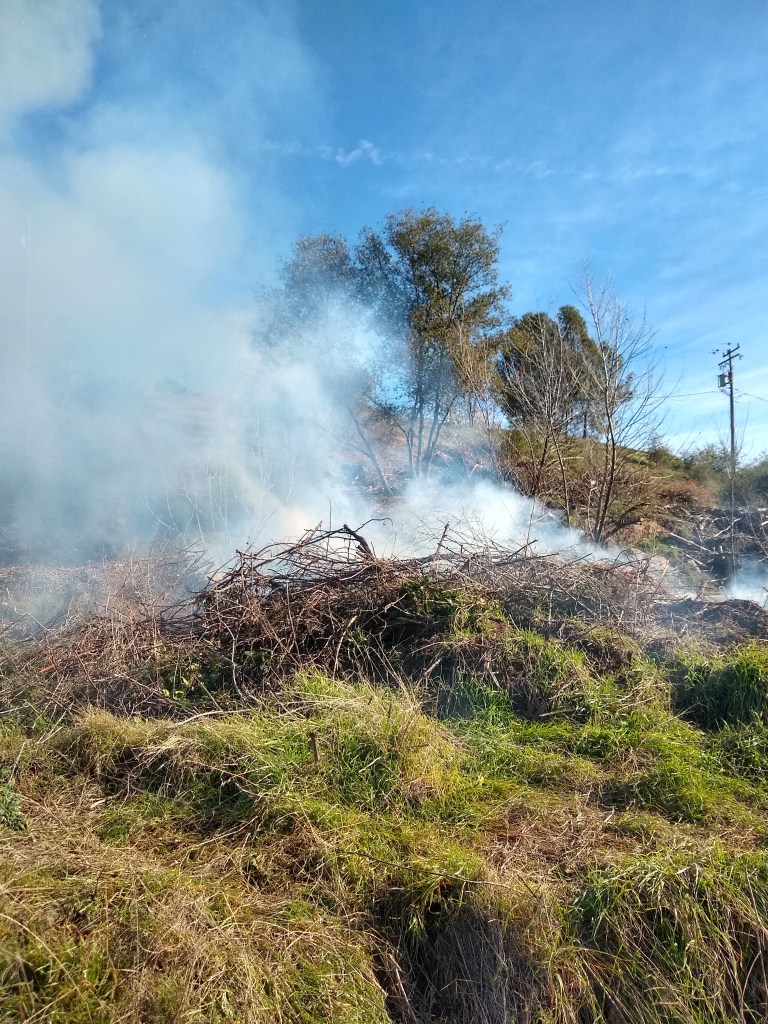
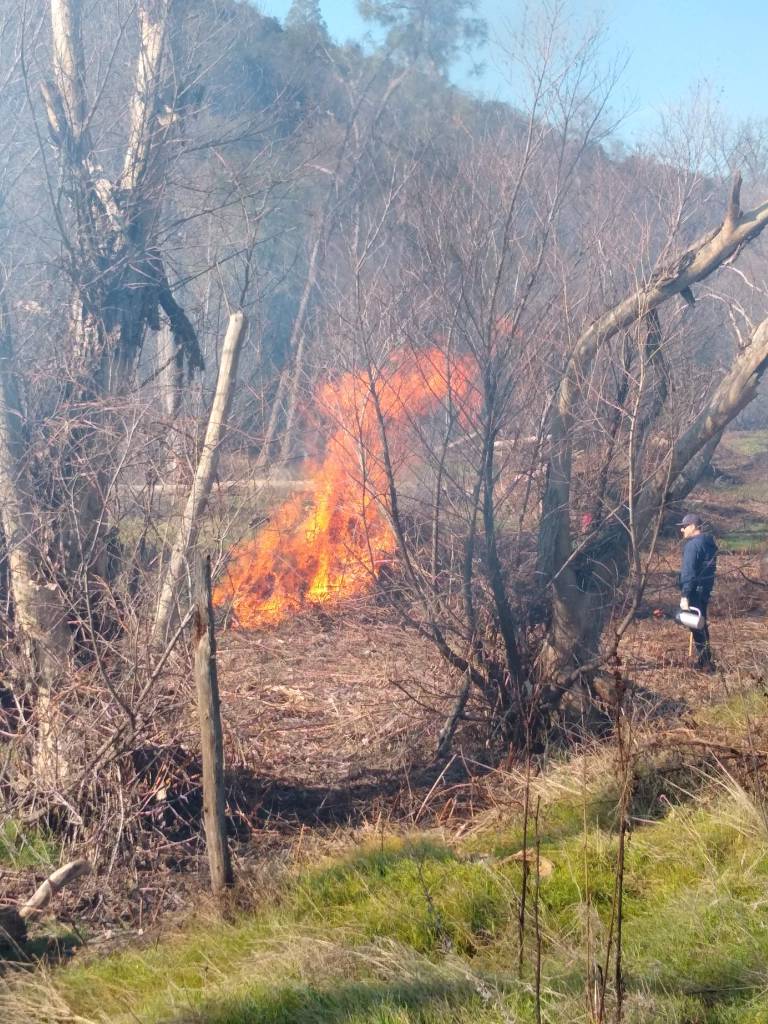
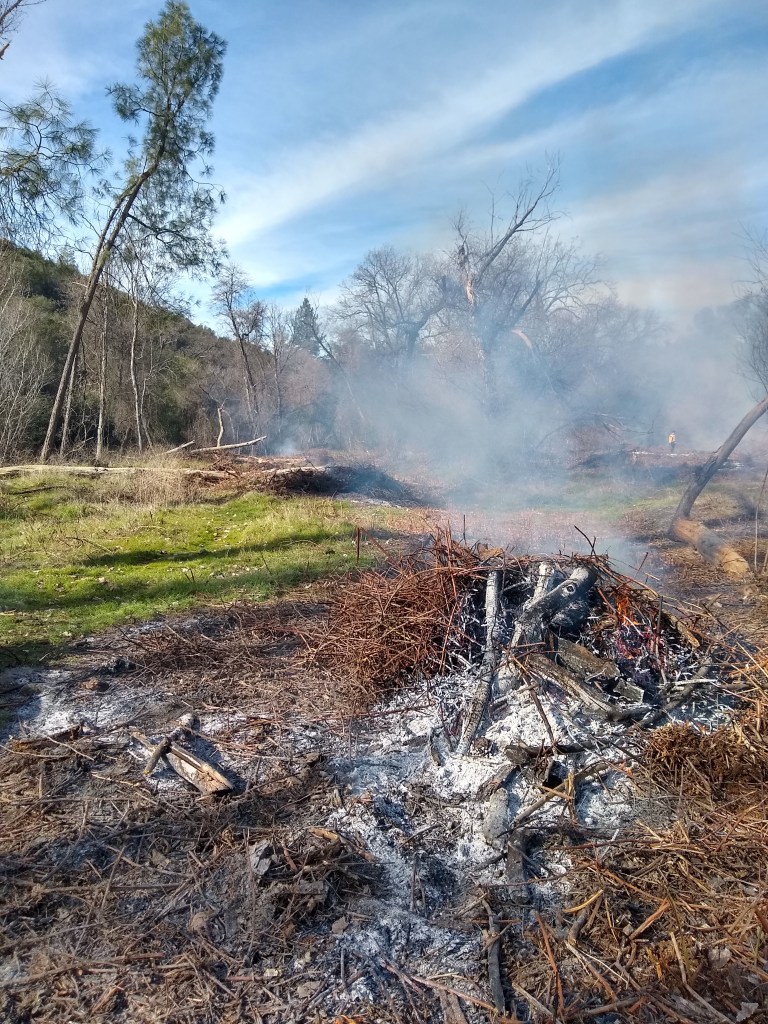
I learned a lot at the Mariposa Creek fire – mostly to not be afraid when professionals are around. Some of the piles were so big the heat and smoke curled as the material caught fire. Fortunately, they rapidly burned through the material and became more like the typical burn pile you see allover rural California. I can handle that!

Carrying On

There is always much work even outside of the normal planting season. As a mentor, I meet with the Pollinator Team once per week for project updates, thinking through opportunities and co-working on materials. We wrote a grant together with the RCD last week (Hope we get it) in an effort to continue this important work. They are getting ready for their big push to encourage more people to plant butterfly gardens. We are also beginning planning for the Butterfly Festival and the Pow Wow. They have some really cool ideas for performing monarch education with the schools. I cannot wait to share some images from those events when they happen.

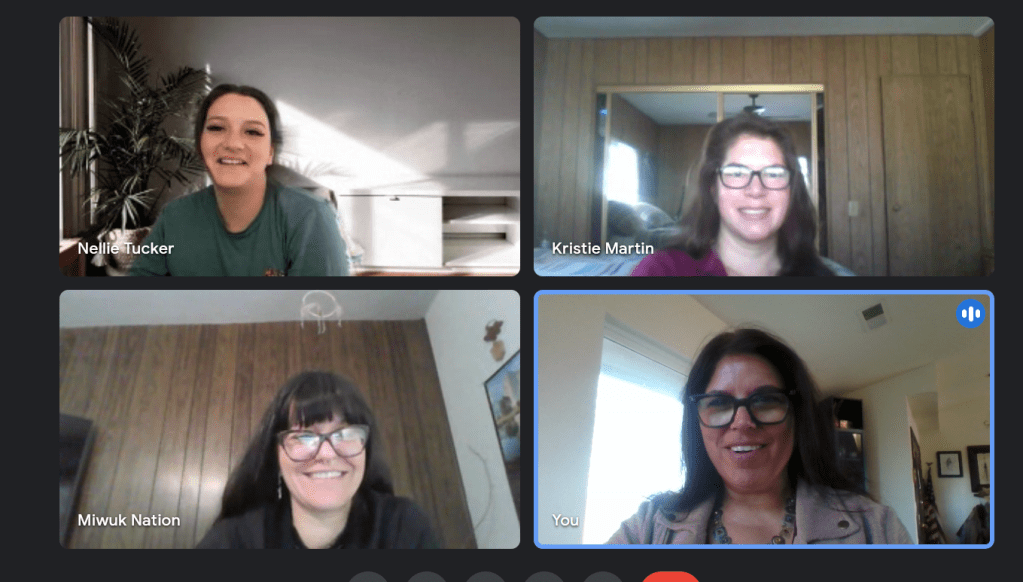
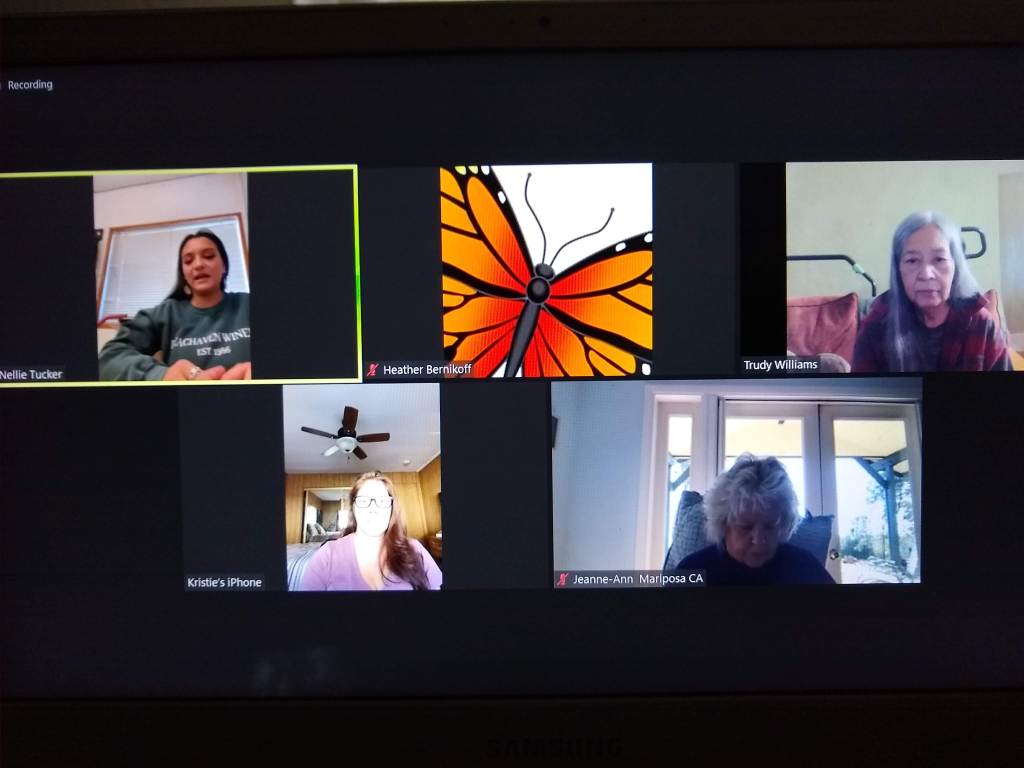
A meeting of the core team the other day -clockwise from top left: Nellie, Kristie, Heather and Tara. Not pictured are other Team members that join when needed – Deedee Soto of Xerces, Melinda Barrett from Mariposa Resource Conservation District, Ron Allen, Mariposa Native Plants, and Clay River Miwumati Family Healing Center Managing Director.

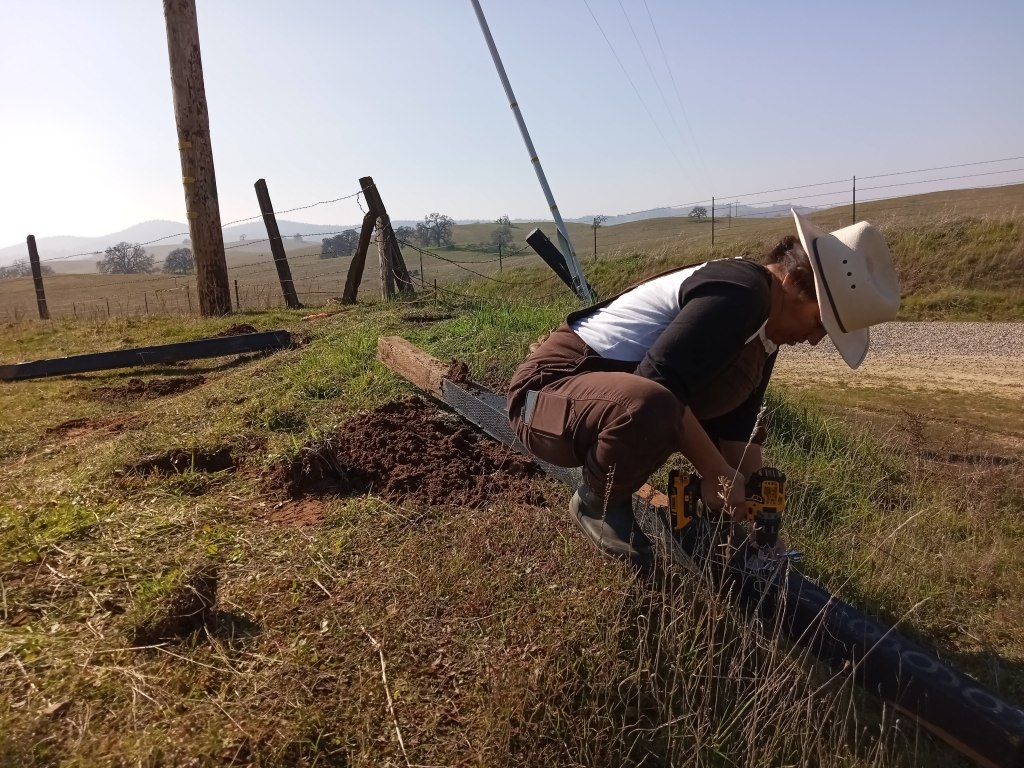
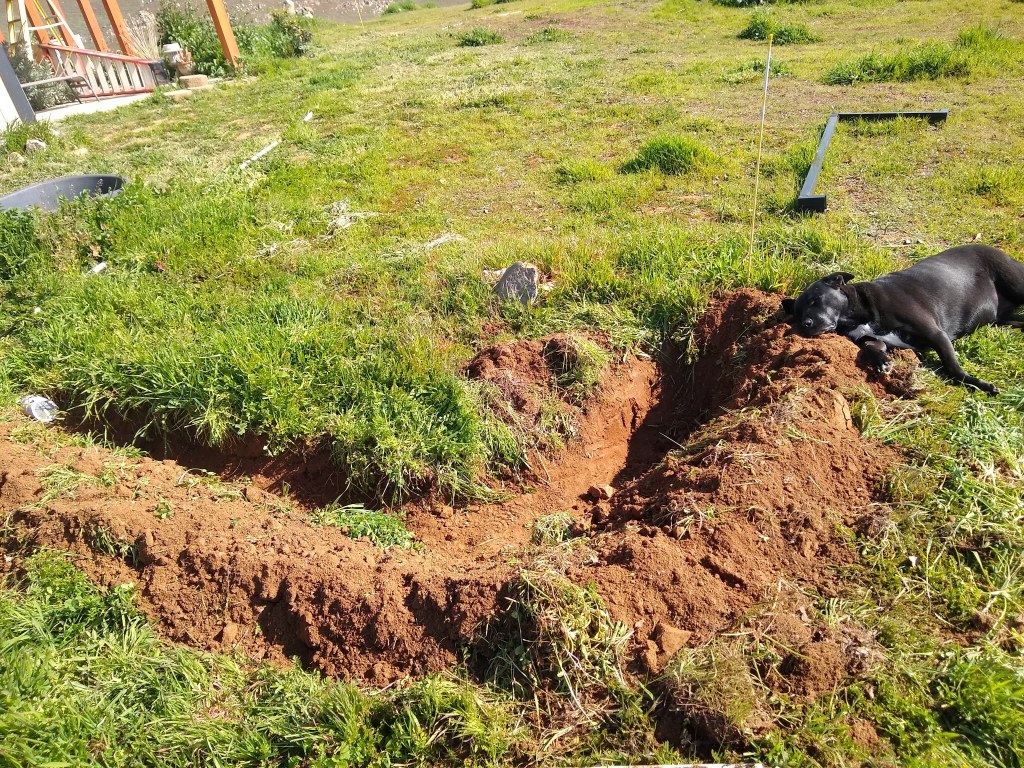
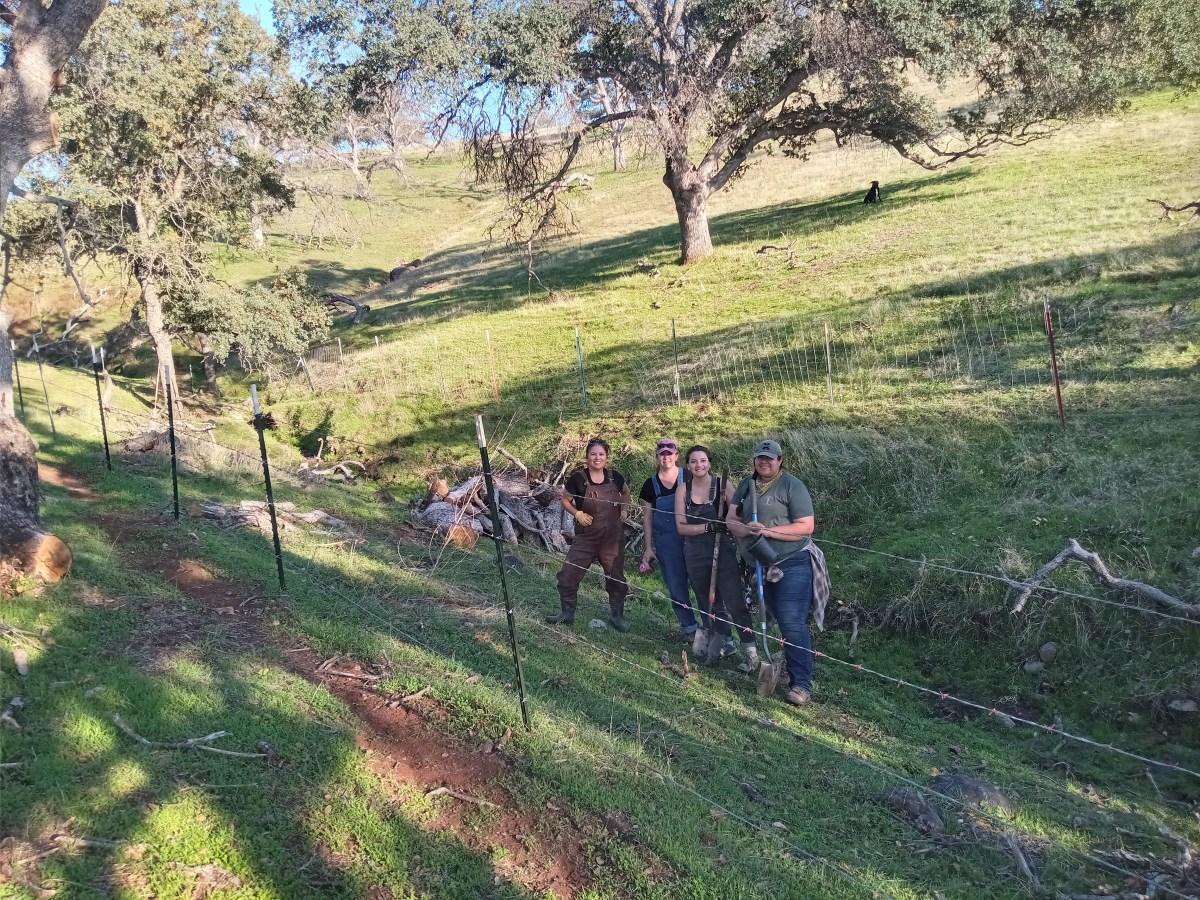
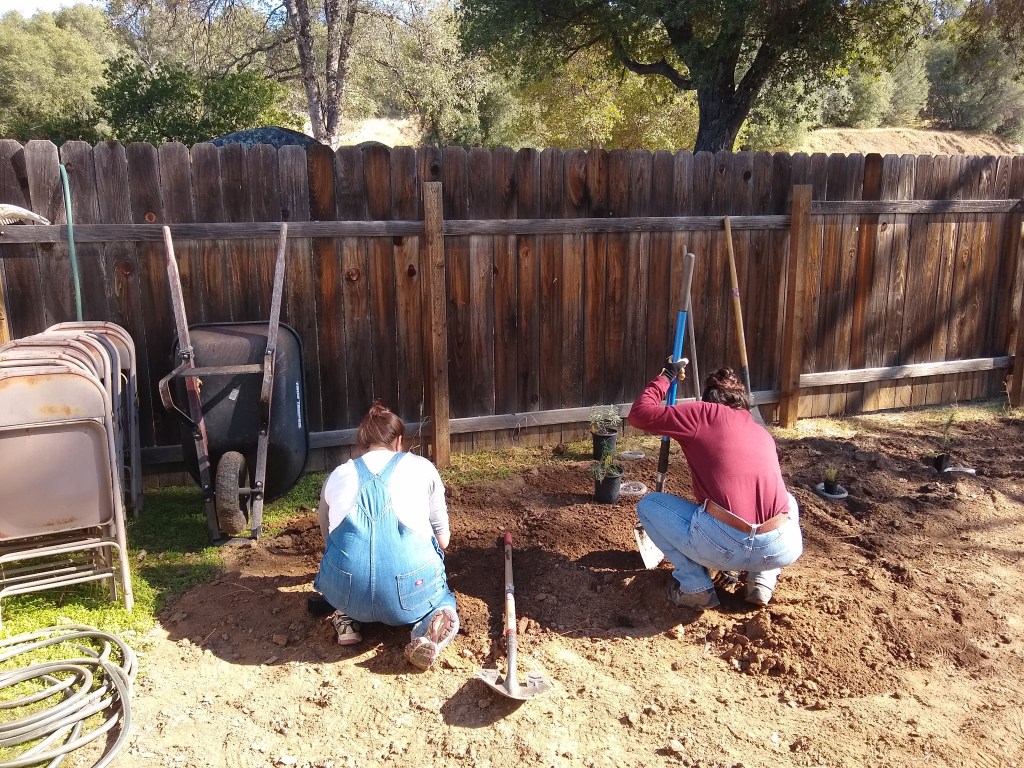
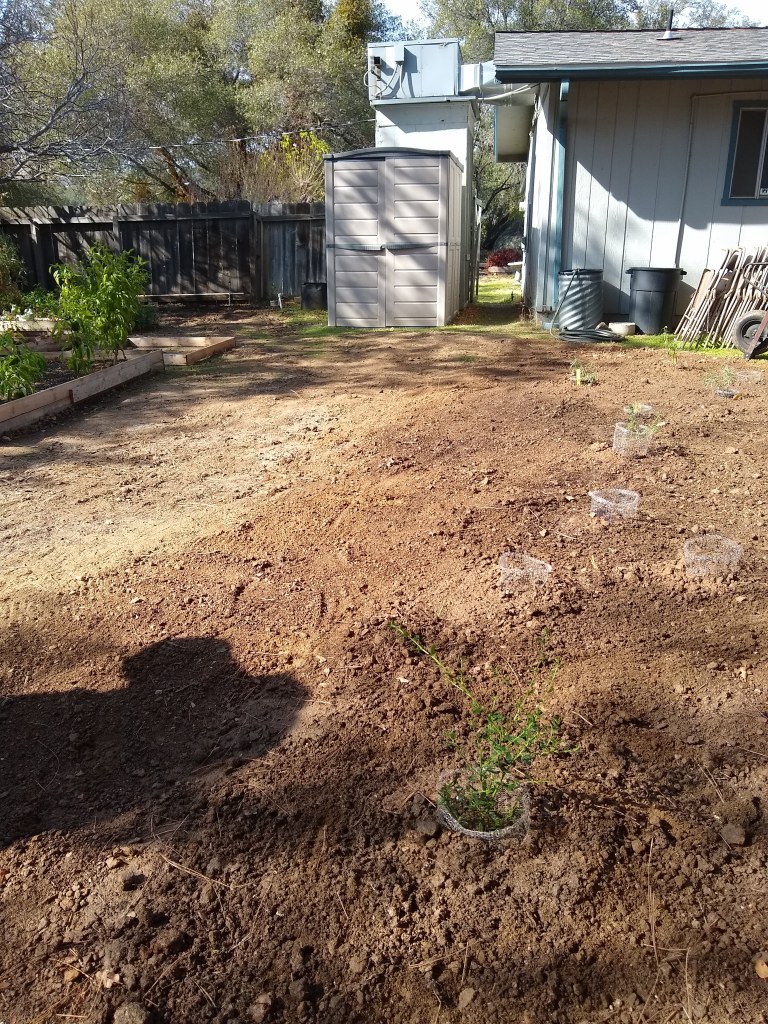
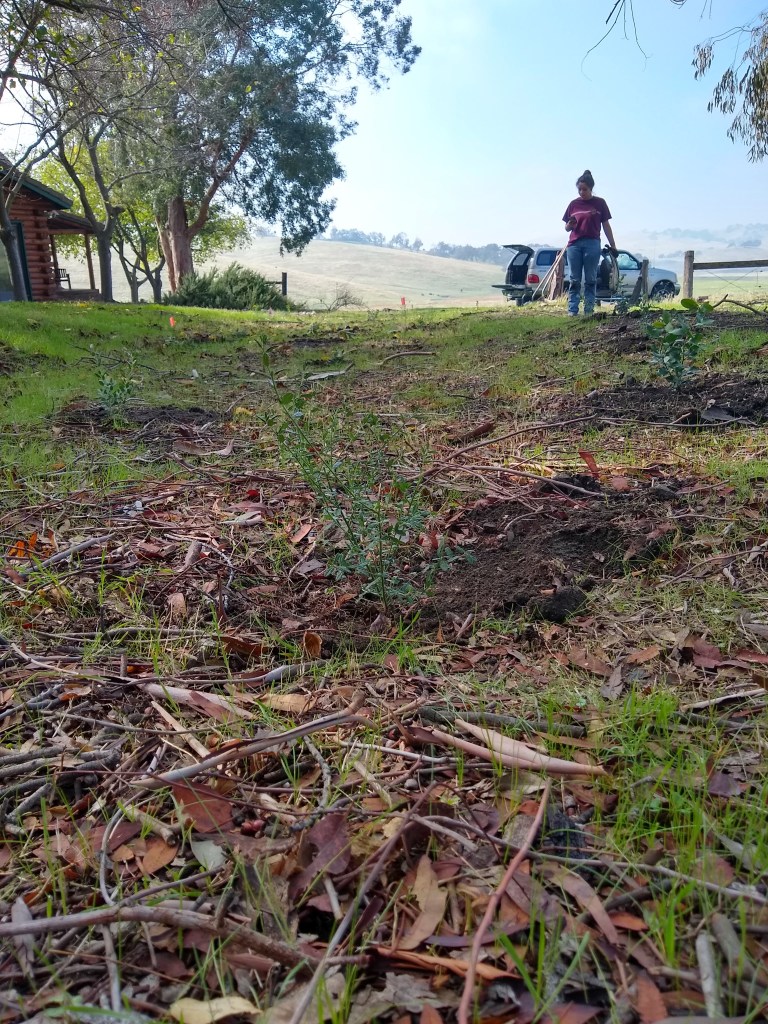
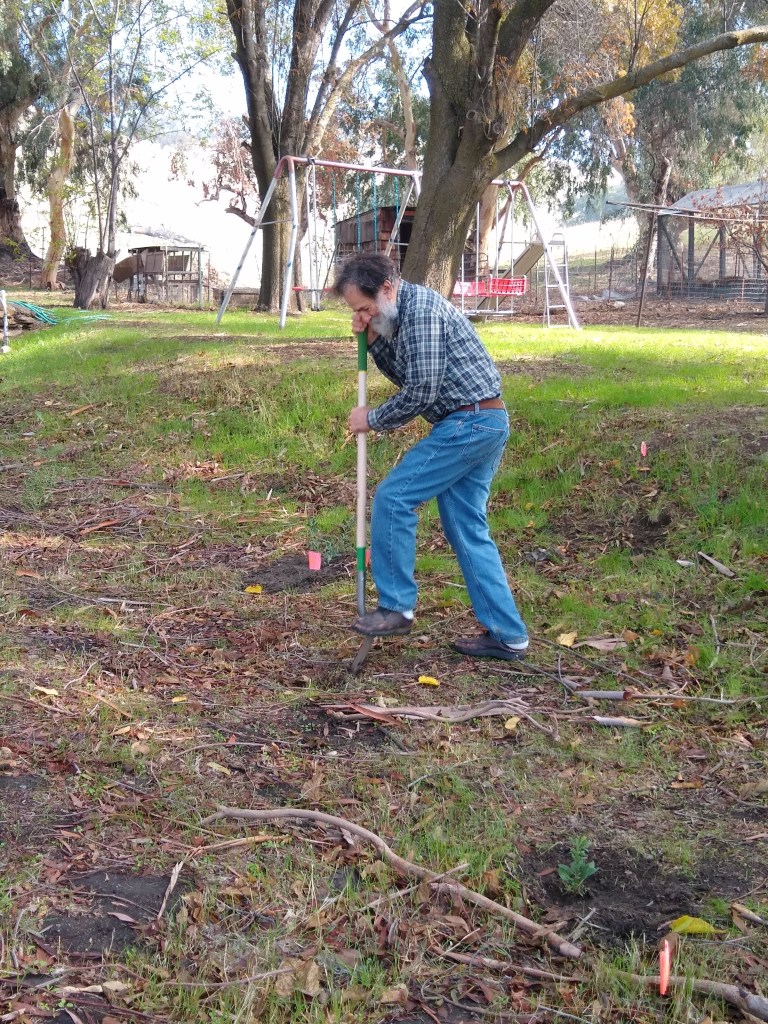
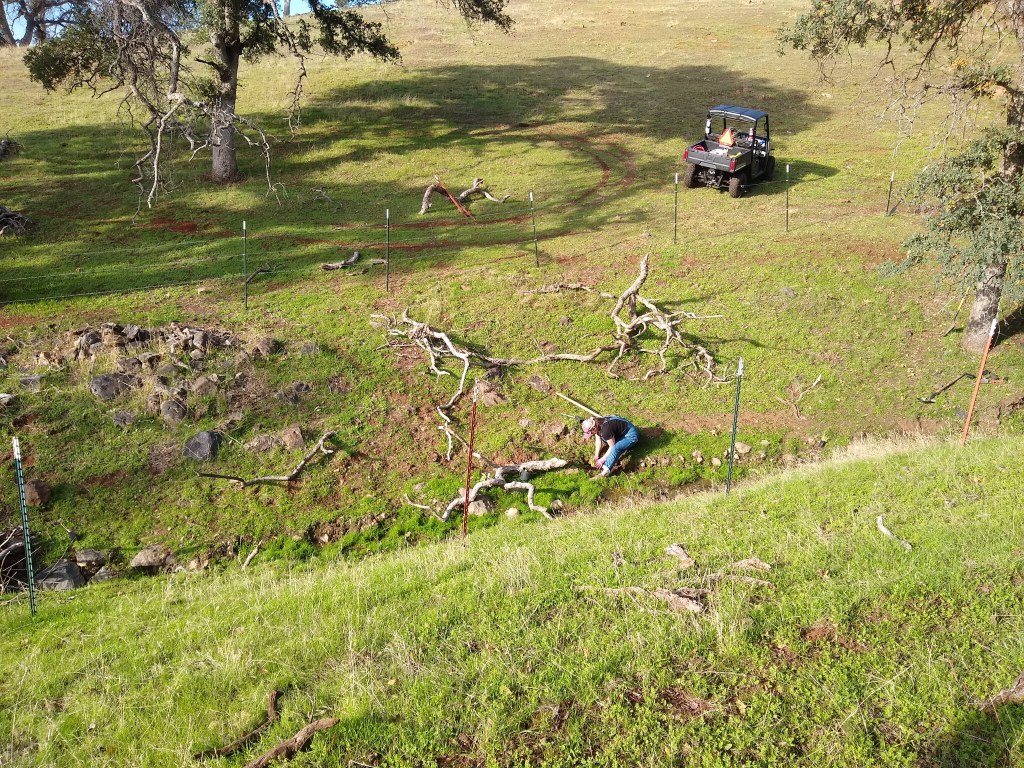
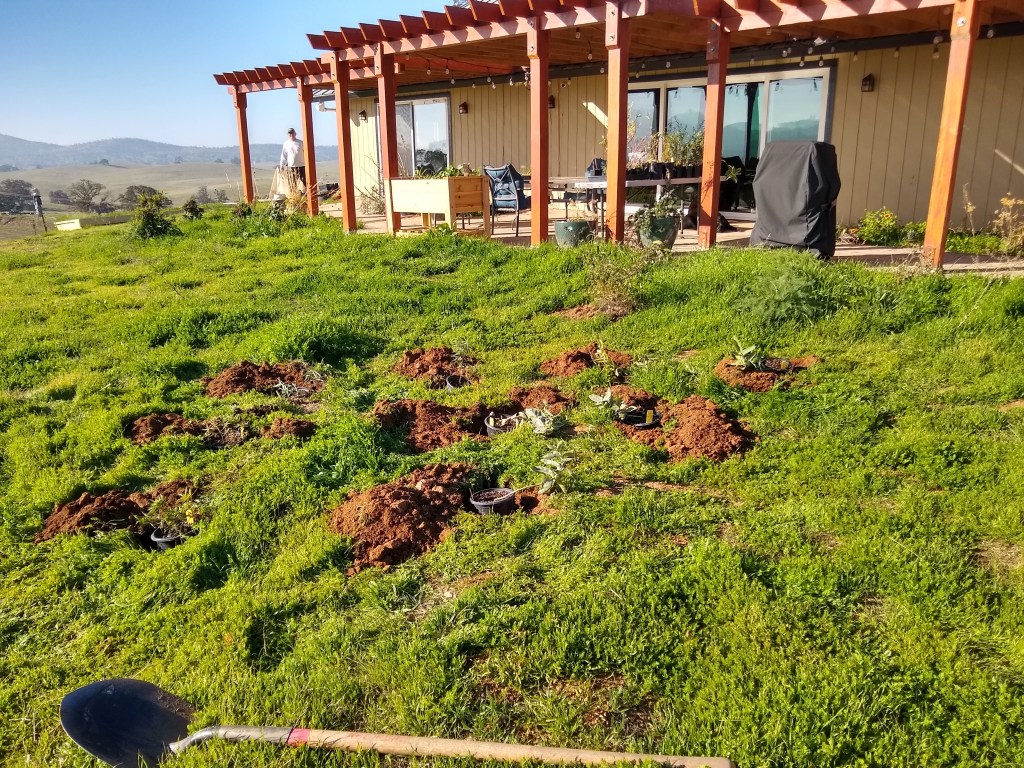
I have been taking down the fence that has been protecting Site 8 in anticipation of the new, professional riparian fence. The front fencing has also began sagging. David and I have been working on dismantling and rebuilding it. I dug three holes for the big leaf maples. I finally got around to digging out the other rain garden – the area that takes the overflow from the rainwater catchment tank. It is smaller than it needs to be, but that was all the energy I could give it at the time. At least Beatrix found a new soft place to lay her head! I weeded all the butterfly gardens, cleaned up the little pollinator fountain, and made a list of the next items to work on: more fence removal at Site 8, cutting downed oak for chipping into mulch, more weeding, build a rock barrier to shield the hedgerow from the wind, continue to monitor AC 1 and AC 2. Plant the maples, plant the rain garden mounds, build protective fencing around the maples, spread mulch into the rain gardens and around plants — oh, and start some food seeds like more radish and carrots. The list never ends, but I would not want to live any other way.

Ancestor and good friend does a close fly-by

Indigenous Reciprocity: Habitat Expansion Goes Into Overdrive

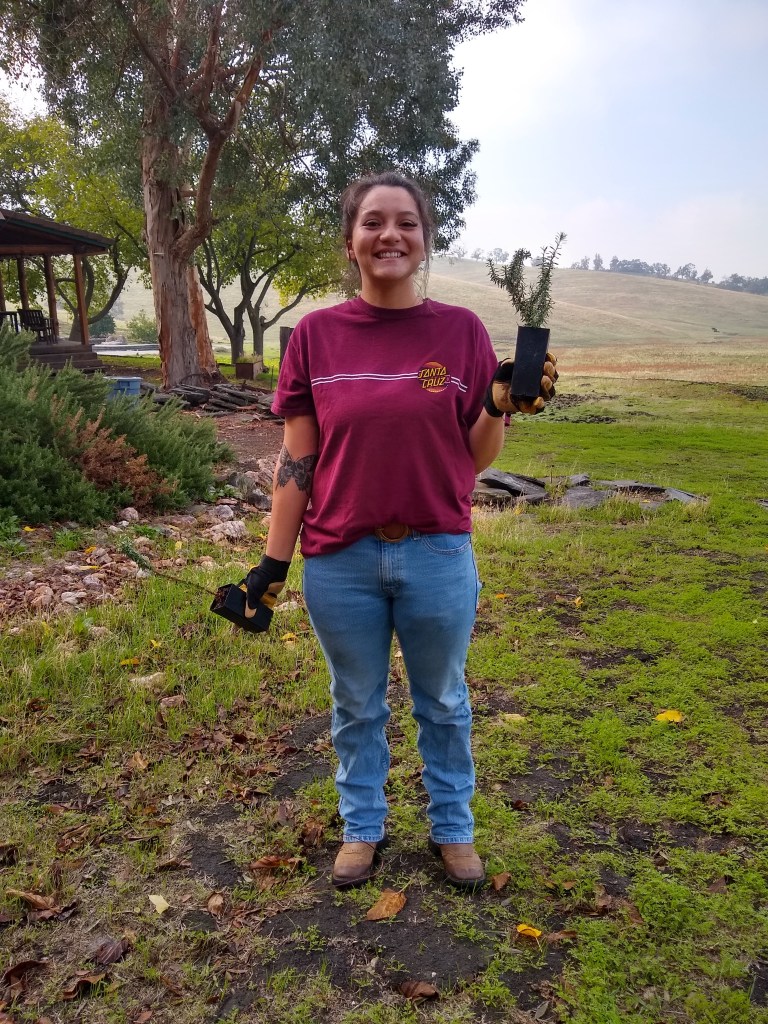
Strong, Indigenous Women expanding habitat

I love my Indiginaity (Is that even a word? Well, I proclaim it so…). I love that there is an innate piece of me that is so deeply connected to the lands of the North American west that it is indistinguishable from any corporeal piece of me – whether blood, bone or memory. It is what drives me forward when I am tired, and comforts me with a sense of oneness. The Earth loves me, and I love her back. Reciprocity.

Reciprocity. Harmony. Balance. These are all critical values to the Indigenous communities I have met in my life as well as my own people. This is why it is particularly important that Indigenous hands are helping build back lost habitat, restoring balance that was lost through colonization. I see so many projects across Indian Country that are working on some version of restoration in a huge variety of fields. It is a renaissance, a reemergence, a reckoning – and often, it is young people leading the way. This has not always been so. This society has made it more than challenging to claim, feel and live ones Indiginaity.

There are systems as well as individuals that work, intentionally and unintentionally, to limit the success of our young people and their ability to live Indigenously in the modern world. One systemic notion that is beginning to be challenged at scale is that Native people should contribute their time, labor and expertise for free if it relates to work with the environment. People need to earn a living wage to live in the modern world while doing work that is tightly aligned with their values, culture and psyche as Native people. We are trying to disrupt this through Walappu’ ‘Uuchuthuu. We honor the innate desire to care for the land by paying for people’s service. Paying for people to set aside the time has rapidly ramped up the scale and pace of habitat expansion. Every day, the young women of the Pollinator Team impress, expand and build a better tomorrow for pollinators – and all of us.
The Walappu’ ‘Uuchuthuu Pollinator Team

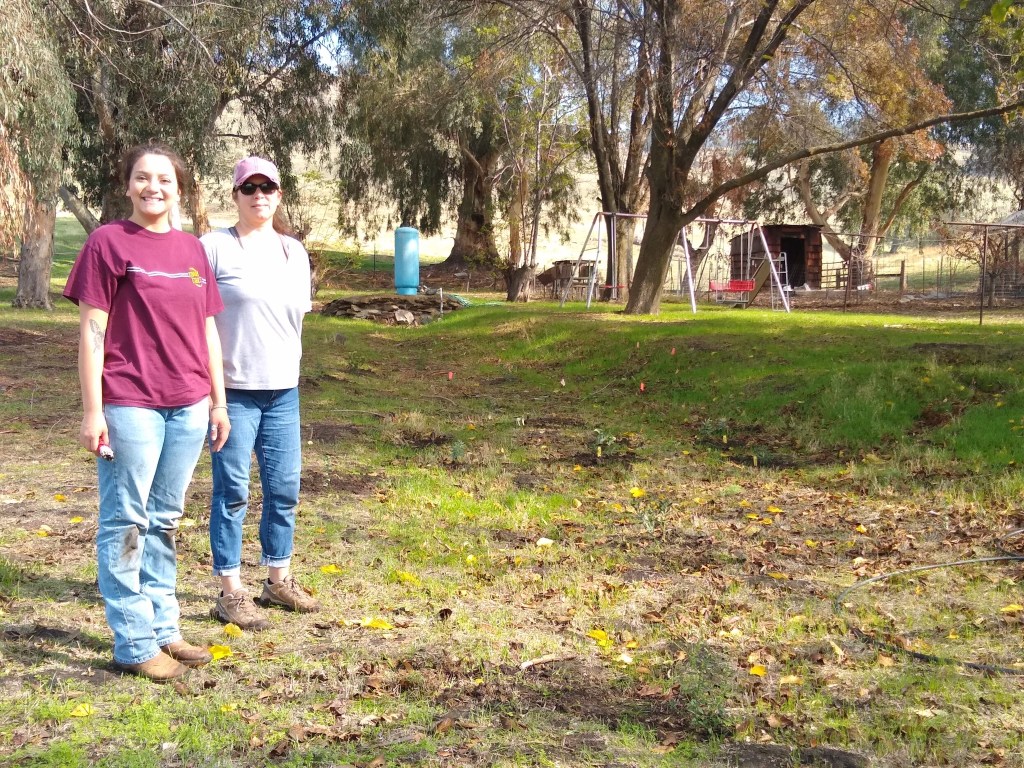
As we age, it is important to support, mentor and transfer knowledge to the next generation. The CARCD grant that I helped write with Melinda Barrett at the Mariposa County Resource Conservation District (RCD) included technical assistance as an activity. Melinda skillfully included this to help scale the work of habitat expansion. My contribution to this effort was to build a contract with the Southern Sierra Miwuk nonprofit to hire contractors that would learn about pollinators, plants and then help educate others and install native pollinator plants. In August, a contract was effectuated and contractors hired. We now have two additional hands and brains to advance this work. Kristie is the green thumb. She has experience with plants, a good eye for design and is well-organized. Nellie has experience with outreach, working with children and has a creative flair for visual communication. Both are hard workers and have been passionate about habitat expansion, traditional food gardening and native plants. I cannot believe the work they accomplished in just the first few weeks!

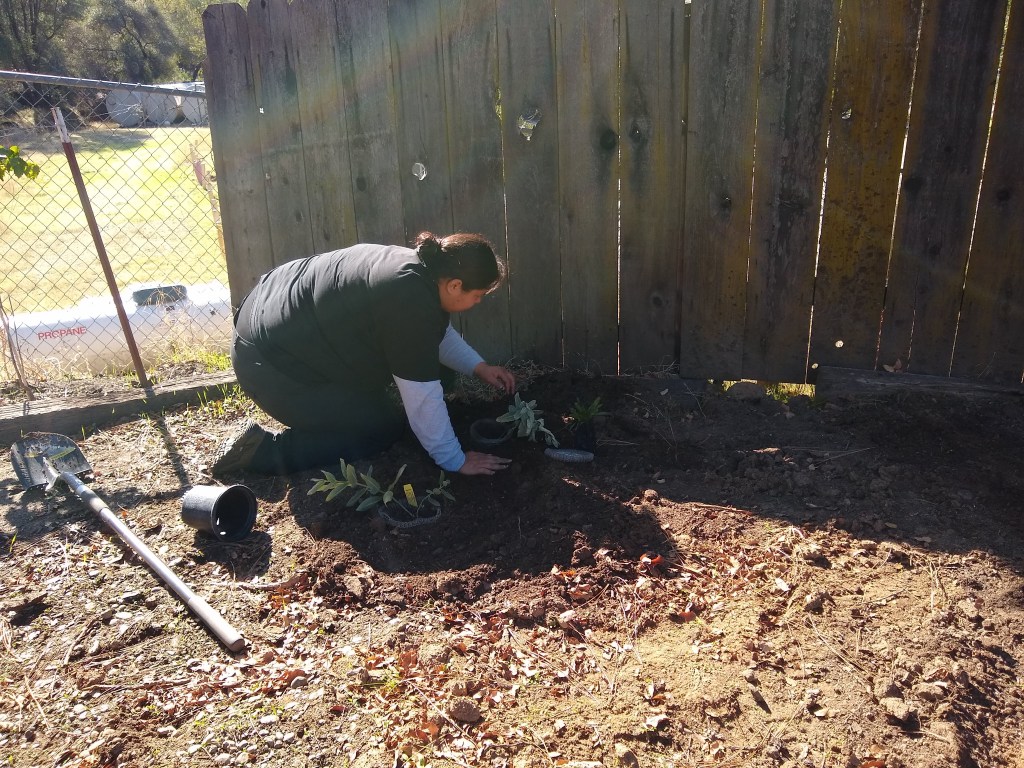
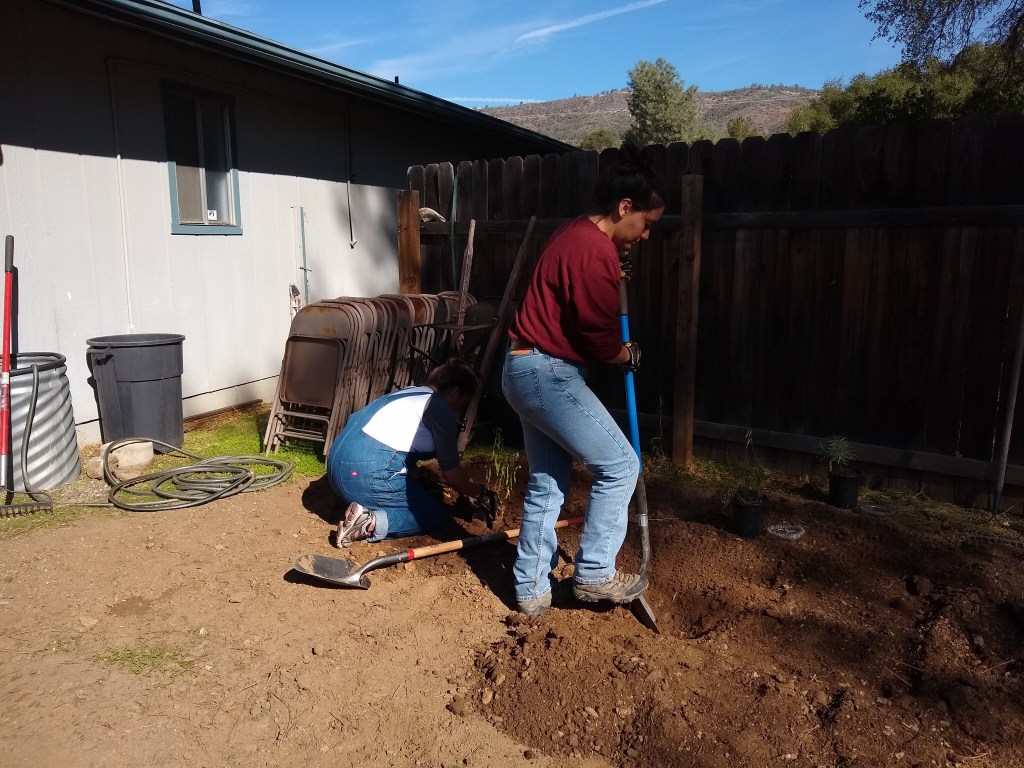
First, they prepared the rear of the Tribe’s Miwumati Family Healing Center to expand the food garden and install the pollinator plants. We planted the first of the Xerces Kits there. Fortunately, we had the additional help and skill of Deedee Soto, NRCS Partner Biologist with the Xerces Society and regular knowledge bearer to the Walappu’ ‘Uuchuthuu Project. She taught me so much, and is helping teach the others on the Pollinator Team.

Deedee working at Miwumati

The entire team, including Deedee, when available, has continued to install the kits at their intended locations. At the time of this writing, all kits except for three, have been planted. We are planting the last three at a ranch in Bear Valley later this week. The Xerces Kit grant was requested separate from the CARCD grant and had a focus of creating a migration path for the monarchs through Mariposa County. In the gallery below, you will see three maps. The monarch icon represents where we have planted plants – or the Project had an influence on the planting of pollinator plants at that site, such as the provision of free plants or technical assistance. The sites are not exact – approximating the areas. The purple pins represent existing natural or planted habitat. There is much more natural and planted habitat in Mariposa County, but these are just areas of note I wanted to share. Walappu’ ‘Uuchuthuu has been busy, and we are just starting with the formal outreach portion of this work.

The two grants have been a great confluence of projects. The Pollinator Team has been able to gain experience planting, designing, selecting, and identifying these plants before launching their own outreach project for the CARCD grant. I am grateful to these young women every day!

Site 8 Temporary Fence Complete

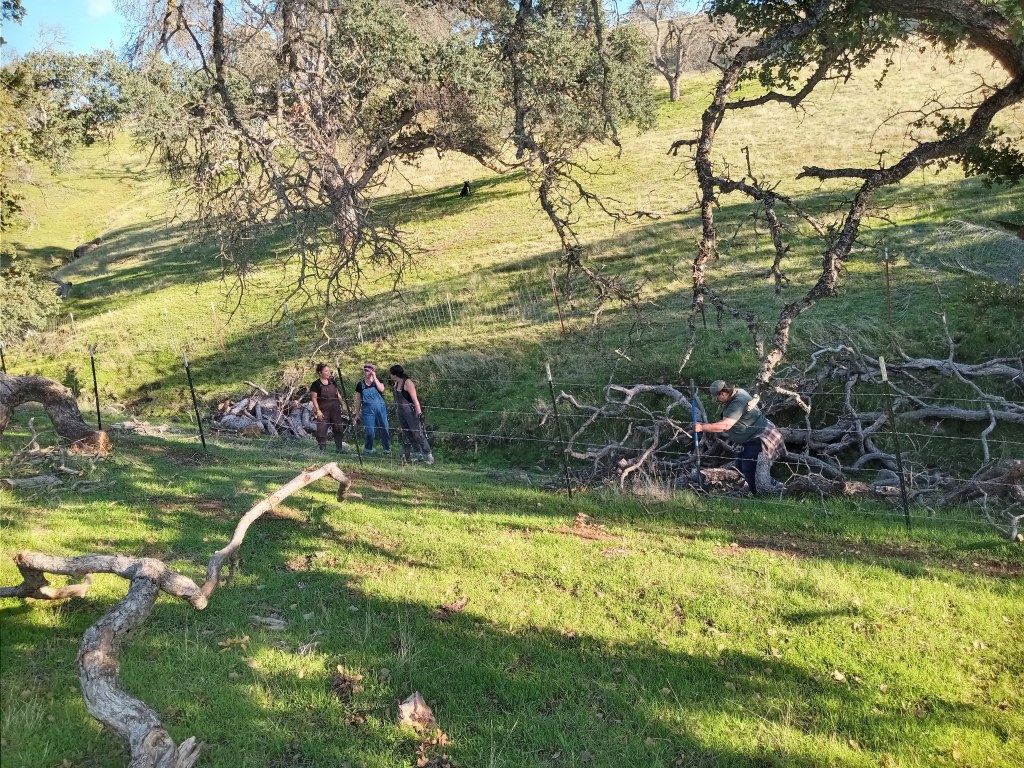
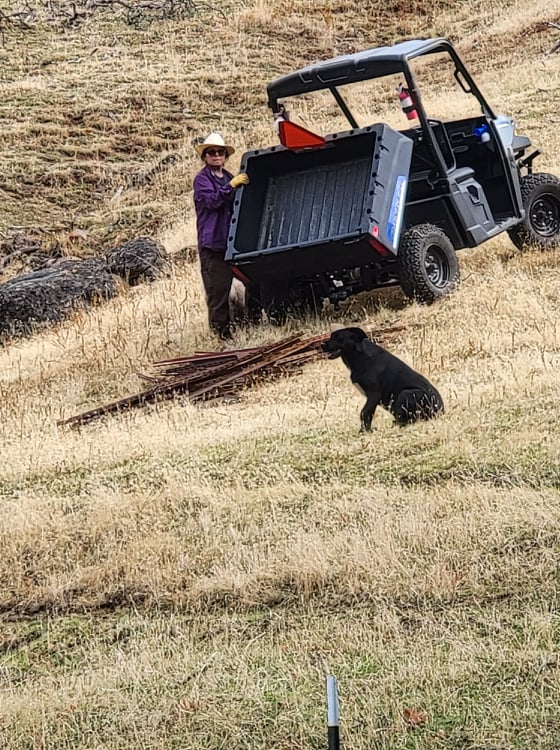
After a year and a half of trying various barriers, we finally got a temporary fence up around Site 8. I had planned to install a 4-strand wildlife friendly fence, but I ran out of time. The 4-strand requires me to have help, which is not always available. The planting had gotten done, and the plants needed to be protected from the cattle. I made a pivot back to installing no-climb fencing. I just need help with the huge roll, but can generally stretch and clip the fencing to the posts myself. After the Pollinator Team minus me left, David and I went back out to Site 8 and finished the fencing. It isn’t pretty, but the plants are safe from hungry cattle. In January, I will be getting a professional fence installed that will fence off the spring all the way down to the bottom of Site 8. It will be such a welcome piece of infrastructure, which will allow me to plant as much as I want without fear of cattle intrusion. Thanks to David, once again, for coming to the rescue helping me work with a 300lb roll of no-climb fencing!

I got the last Xerces hedgerow kit planted this weekend. I was working until dark and used my headlamp to fill in the last few holes and water the newly planted friends. I have just a few plants left from the riparian kit to install. They are willows, which will require some protection since they are outside of the temporary fence. Friday, I will receive three big leaf maple trees and hope to get those planted next weekend. Trees help to provide shade and retain moisture in the soil. I have found that having multiple heights in the plantings help to make the smaller plants thrive.

Rain Needed But Fog Helps

If you don’t have to drive in it, fog is a really beautiful weather event. Not only does it lend mystery to the landscape, but it has been critical to ensuring the soil and plants stay moist – especially given the soaring heat during the afternoons. It is way too hot for November. Flowers are still blooming; grass is growing. Ants and flies emerged. Honey bees are still buzzing around but look really tired. I even saw a bumble bee the other day. All of this is not good. The cold is supposed to be a time of rest for many insects and plants. Like humans, they need their rest to be healthy and thrive in the Spring. Although we are still getting dew in the morning, and we had the first hard freeze on Thanksgiving Day, we have not had any rain since early November. The hillsides are browning up. We need water.

Odds and Ends

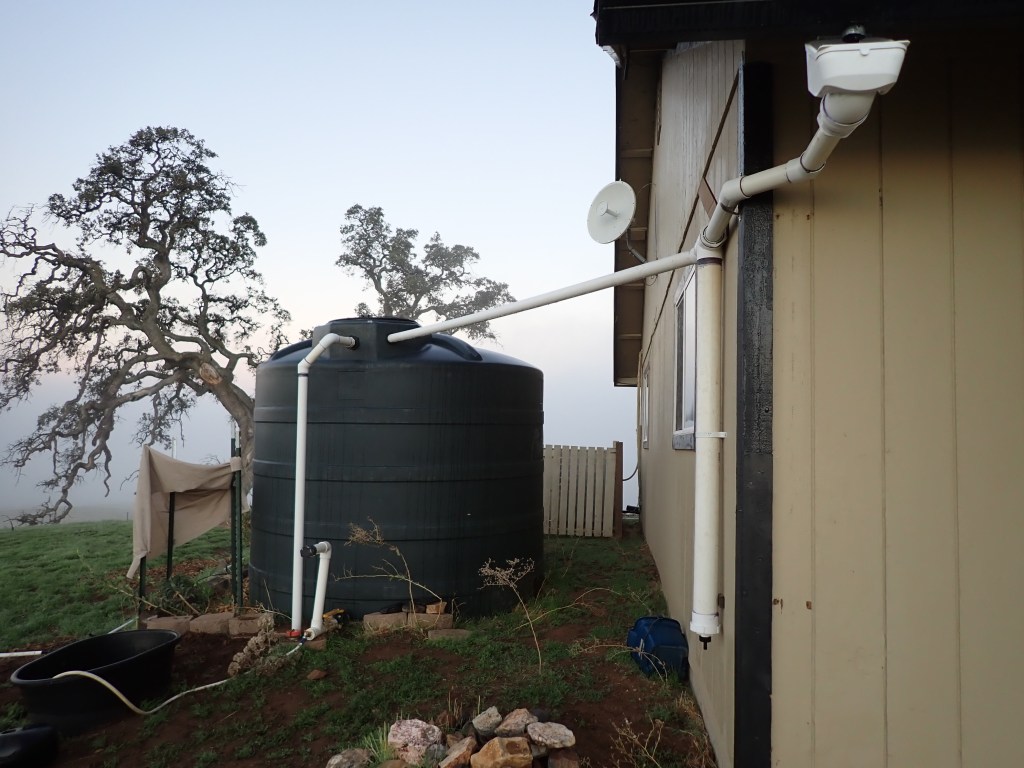
My rainwater system is nearly complete. We are doing some of the work ourselves to help cut costs. I am hoping it will be done before the next storm (whenever that is).

Tank three

I checked the rhizome test site Deedee installed earlier this year. She had seen some growth this past early summer. I went to check on them for her the other day. There was no sign of milkweed stems or dropped leaves. Possibly, the cattle pulled out the ones that did grow. I also saw signs of wild pigs. There were two areas where you could see the very destructive rooting, and one was one of the test sites. It makes me nervous. Two years ago wild pigs rooted out nearly all of the plants in Site 7. They better not touch Site 8. It was so much work by the Pollinator Team to plant in that area.

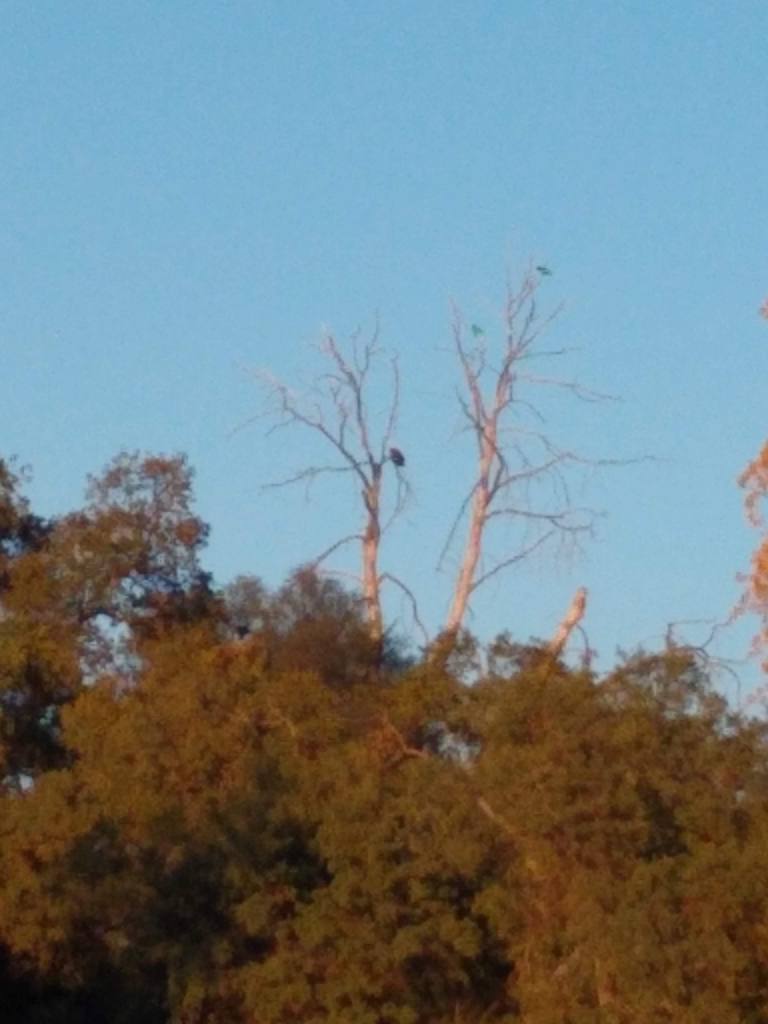
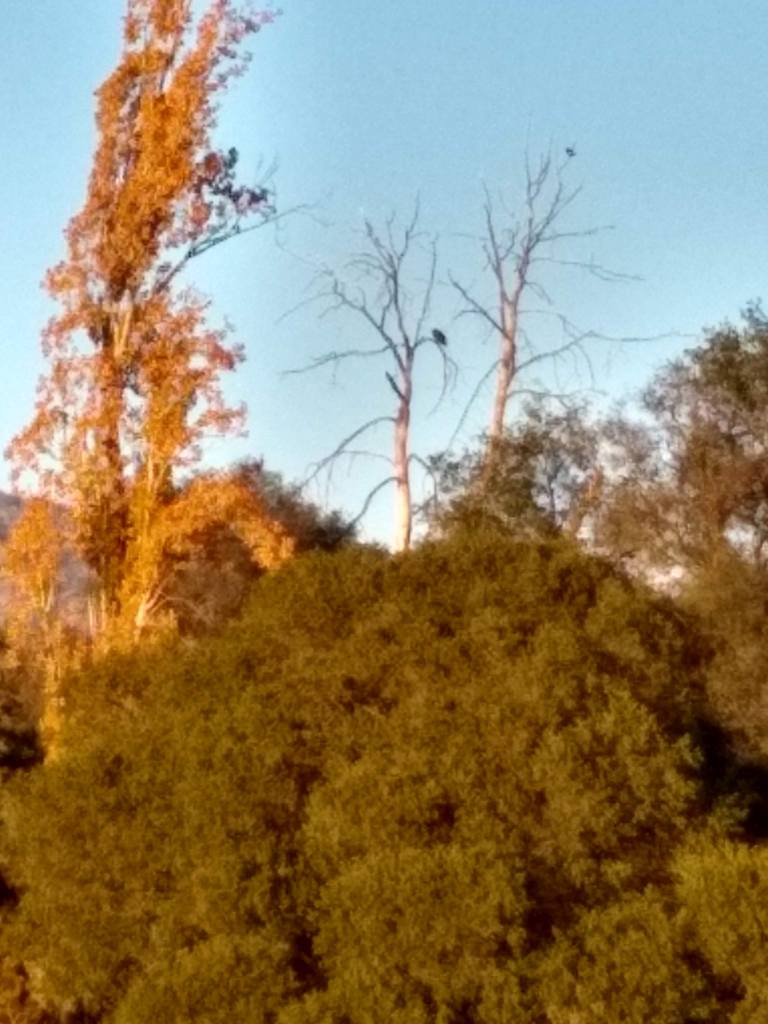
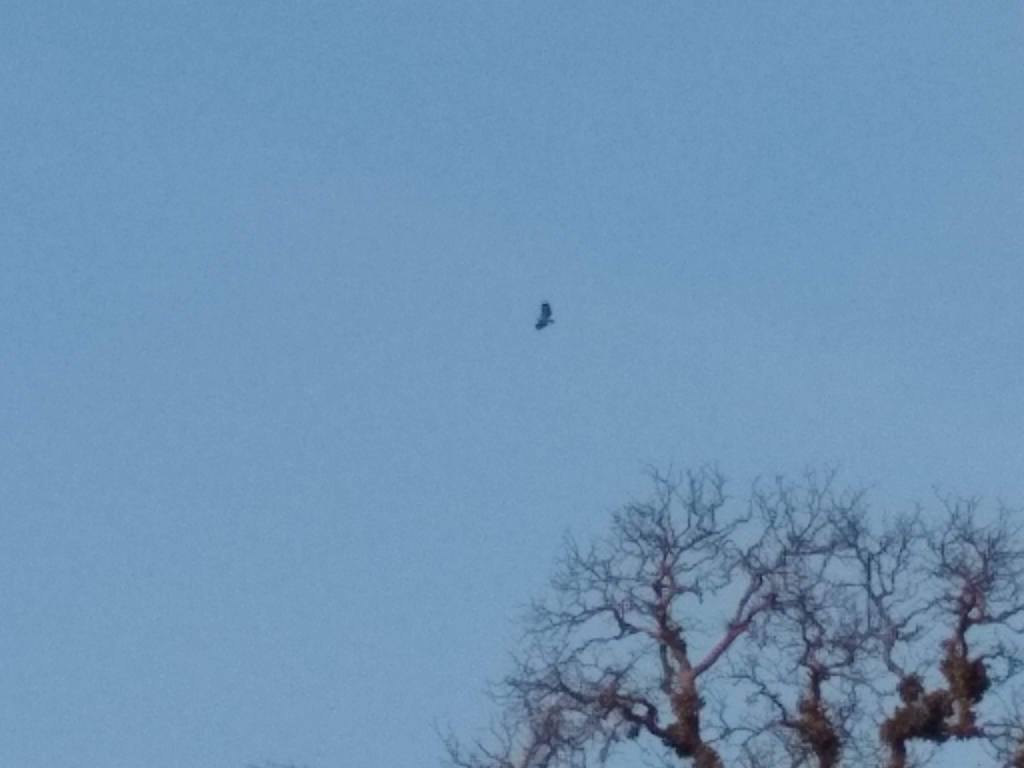
An exciting note – while looking at Deedee’s test site, I heard an avian ruckus. I looked to the north and saw a bald eagle sitting in the tree. The ravens did not want its company and made sure s/he knew it. Apologies for the poor, far away photo. I don’t have a good telephoto lens, but note the major size difference as compared to the raven, which is a fairly large bird itself. The white head and tail were visible to my eye – but sadly, not to my cell camera.

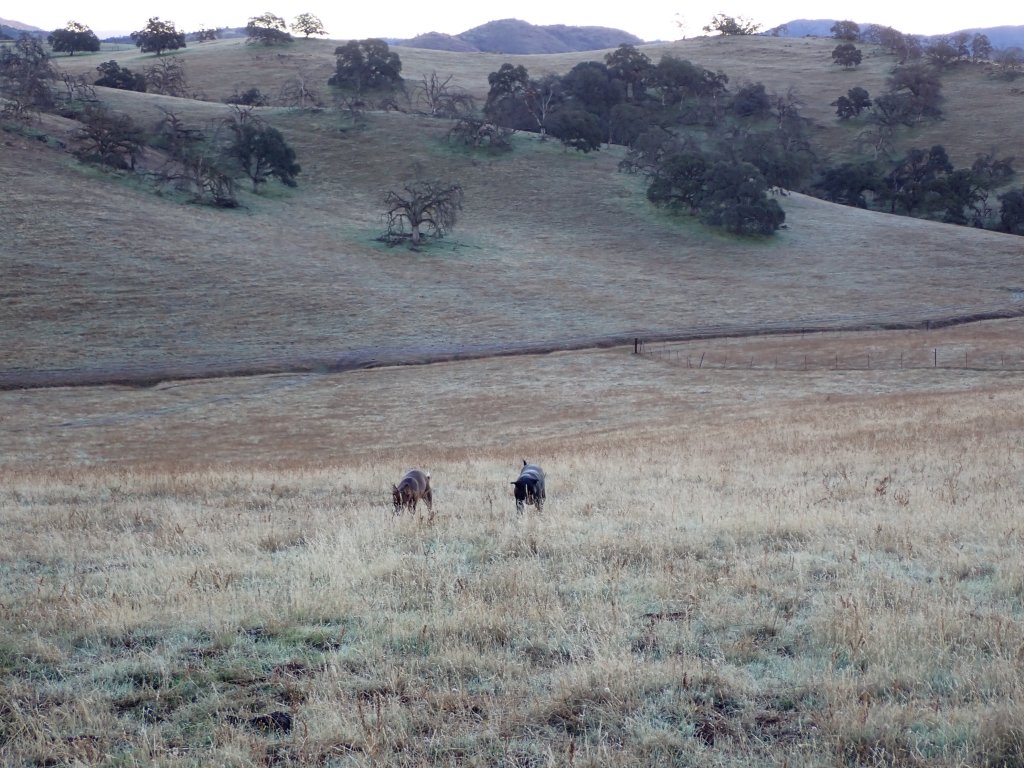
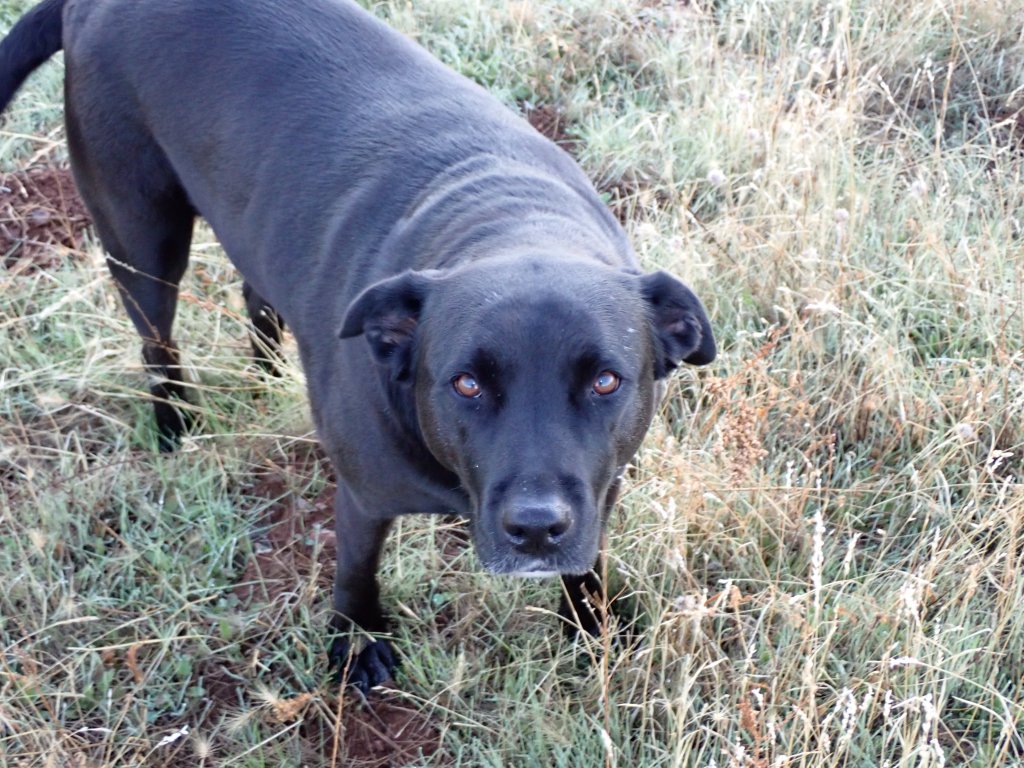
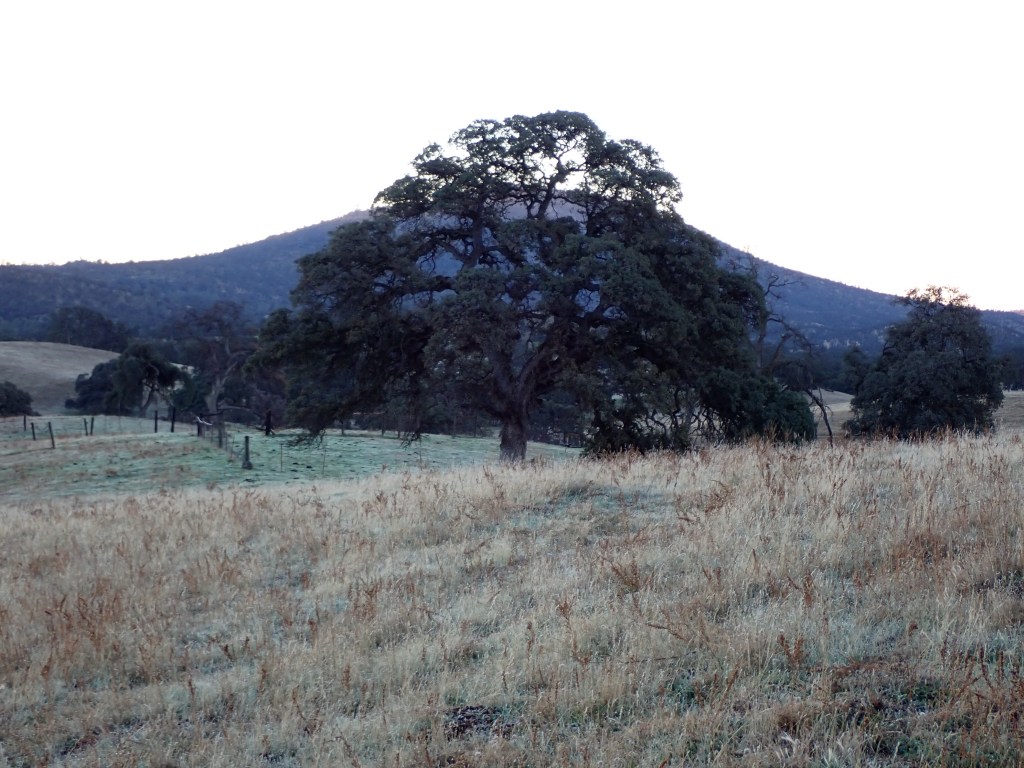
After seeing that pathetic shot above, you may be delighted to know that David gifted me a camera. Unfortunately, the telephoto is only a 4x. His intent was to get me a great macro lens so I can take better photos of butterflies. He is such a wonderful, thoughtful partner. I have not learned how to take the best photos yet. There are many more settings than my old, cracked cell phone camera. Some test shots are below.

The holidays are upon us. I wish you and yours a season of good health, delicious food, copious laughter and many, many butterfly plants waiting to emerge in the spring!

Waiting for Monarchs, Water Quality and Rain Comes

Gathering storm clouds

Since turning around, dumping my vacation for a chance to see more monarchs, I waited on my patio for days. No monarchs. One remarkable note is that my neighbor said she saw a monarch flying down hill from my house the day after the turn around. There is nothing else this time of year that could look like a monarch, so I decided she wasn’t mistaken. I celebrated! I have not seen a monarch in Hornitos in nearly 10 years – so no matter what, this was incredible. The sighting preceded the news that monarchs have been seen in greater numbers at the overwintering sites than last year, and it is still several weeks before the traditional “Thanksgiving Day Count”. Let’s be clear, the numbers are still abysmally low. Intervention remains critical. I am very grateful to Xerces Society and other monarch supporting organizations for their relentless work to expand habitat and get the word out about the decimation of this crucial and iconic butterfly.

Recently, I have seen a painted lady, two admirals, several of what I think are a hairstreaks, yellow cabbage and some white sulfur butterflies. Combined with the other butterflies earlier in the year, though less in number than last year, I am calling the work I have done here a win.

Spoiling Water

As much as I love cattle, they have no awareness to not urinate and defecate in their water. They also trample the banks making soil tumble into the creek. It makes the water go from clear to muddy and promotes algae growth from all of the organic material. This is why there are programs to help ranchers fence off riparian areas – to help keep water clean, give plants a chance to grow and propagate and stabilize banks.

American Indian Council of Mariposa County Starts their Pollinator Program

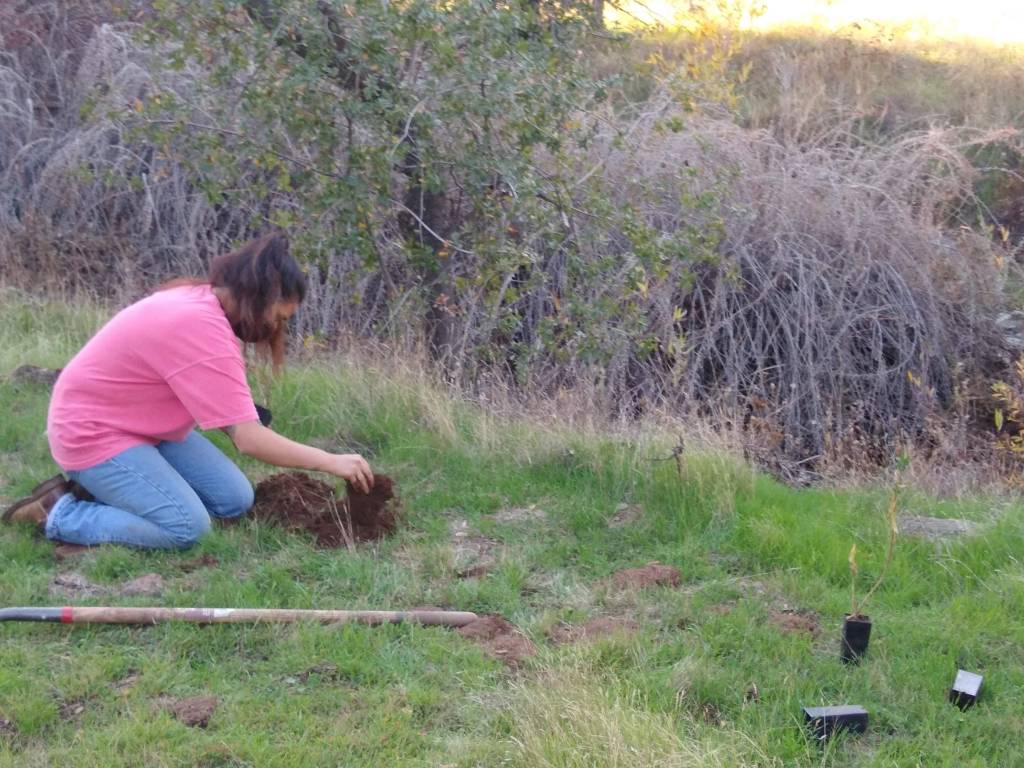
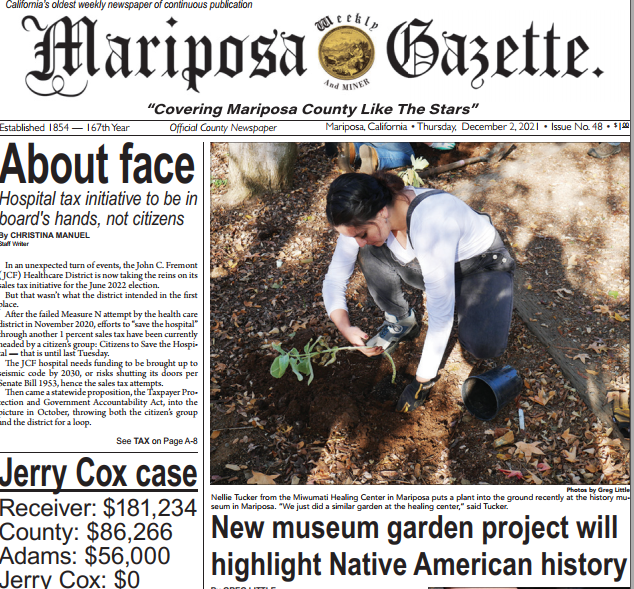
Earlier this month the American Indian Council of Mariposa County hired two young women – Nellie and Kristie – one as a Pollinator Advisor and one as the Garden Designer. Both are young, strong Southern Sierra Miwuk women and will contribute much to the Council’s vision of starting a garden to help feed elders and using the garden as well as their Healing Center focus to expand pollinator habitat, especially for the declining monarch butterfly. These positions were made possible by the Resource Conservation Grant awarded in part to support the Walappu’ ‘Uuchuthuu project. Their first projects will be to design a garden, plant Xerces Plant kits, and install a native plant garden at the Mariposa History Museum. I am so excited to see what these young women do! Stay tuned for more on this technical assistance part of the project.

Xerces Society Does It Again

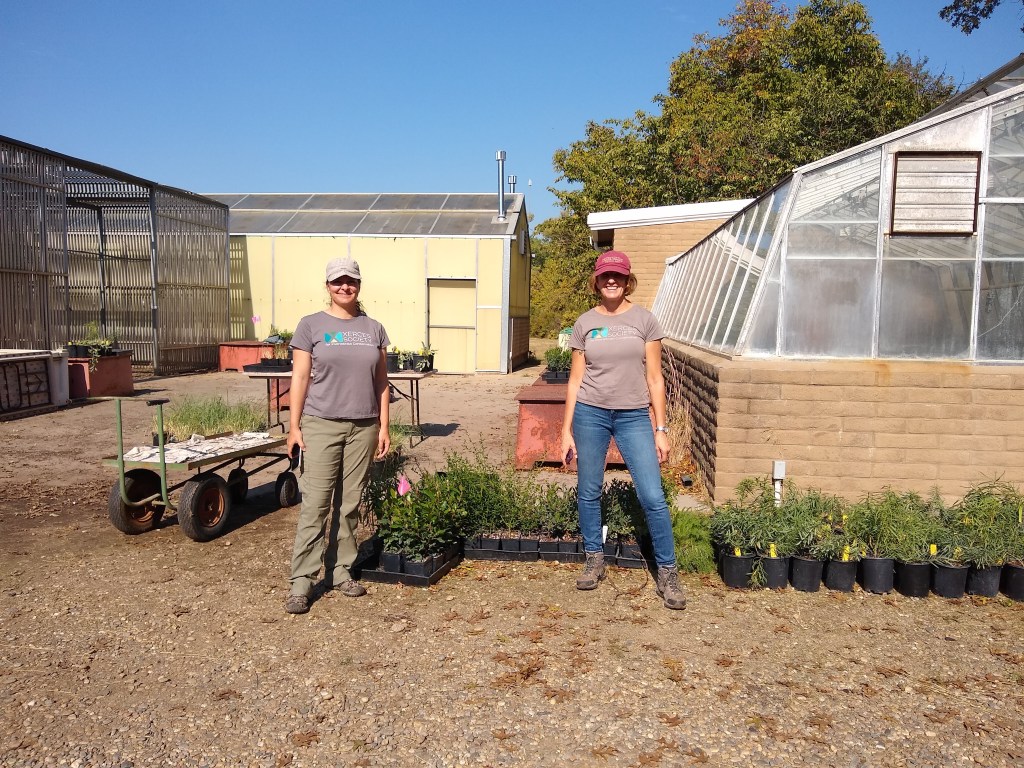
Angela Laws (Left) and Jessa Kay Cruz of Xerces Society distributing pollinator plant kits

There are a number of groups and individuals doing what they can to help increase the numbers of the monarch butterfly population. From my perspective, one of the most effective and exciting efforts has been the Xerces Society pollinator plant kits program. They have scaled their plant work into the 10s of thousands of plants, with corresponding increases in the number of individuals partnering with them and acres planted. These women, including Deedee Soto (the Xerces biologist who has been mentioned many times before in this blog for her outstanding assistance to me on my Walappu’ project), are truly heroes for their tireless work to help many pollinator species come back from the bring of extinction.

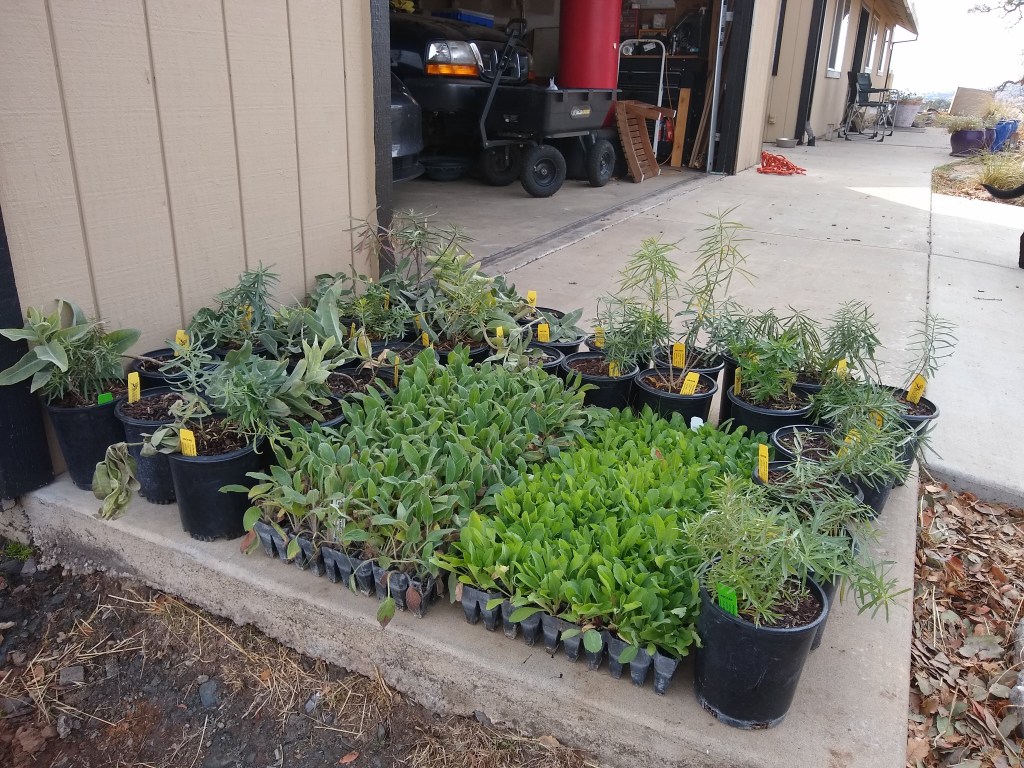
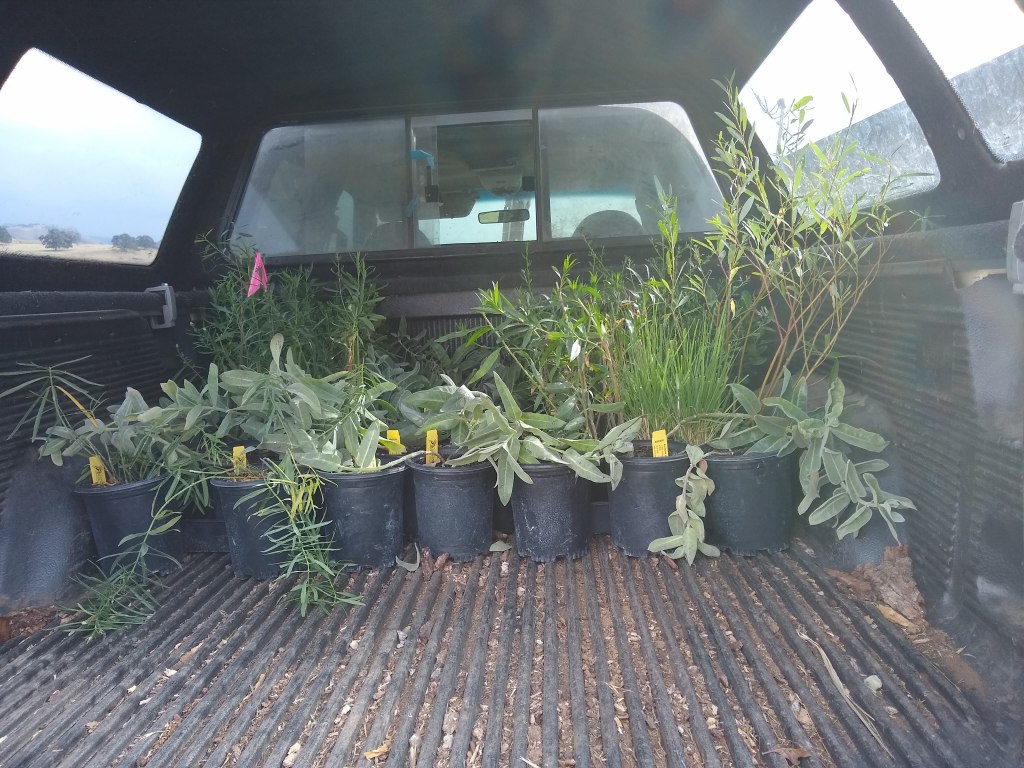
I picked up the pollinator kits for me, the Tribe and Irene, a young Southern Sierra Miwuk woman doing her own restoration work. My truck was completely FULL. The two hour drive home from the distribution site smelled great. Thank you Xerces Society!

Water for the New Plants

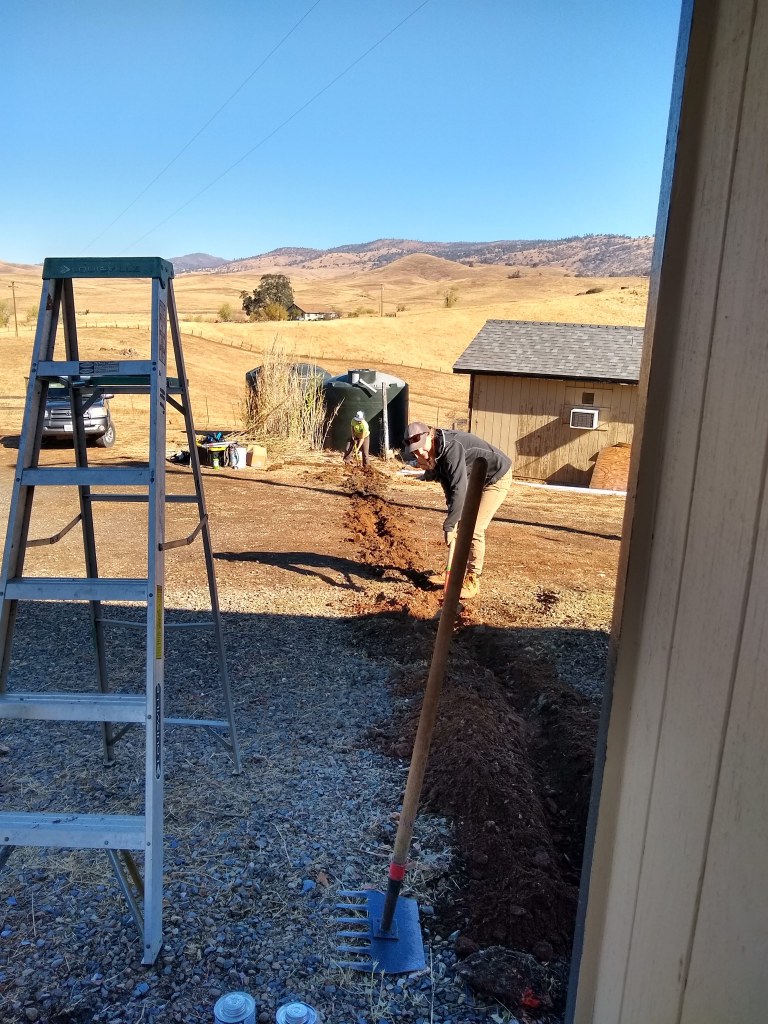
I am finally growing up. I am getting an adult rainwater catchment system – well almost adult. It has only taken me 20 years to find the right firm and have enough financial resources to get it done. It is just in time too. My body just cannot make it through another year of hauling water all around. I hired local Watershed Progressive to perform the design and work for the system. Two young women came out to dig trenches and do all the plumbing work. It was great meeting these strong young women who know so much about water. I plan to showcase this system to folks who want to learn more about rainwater catchment. We all really need to be capturing some rain water to irrigate our plants in the west. Drought conditions are too frequent and destructive.

Fencing to Protect the New Plants

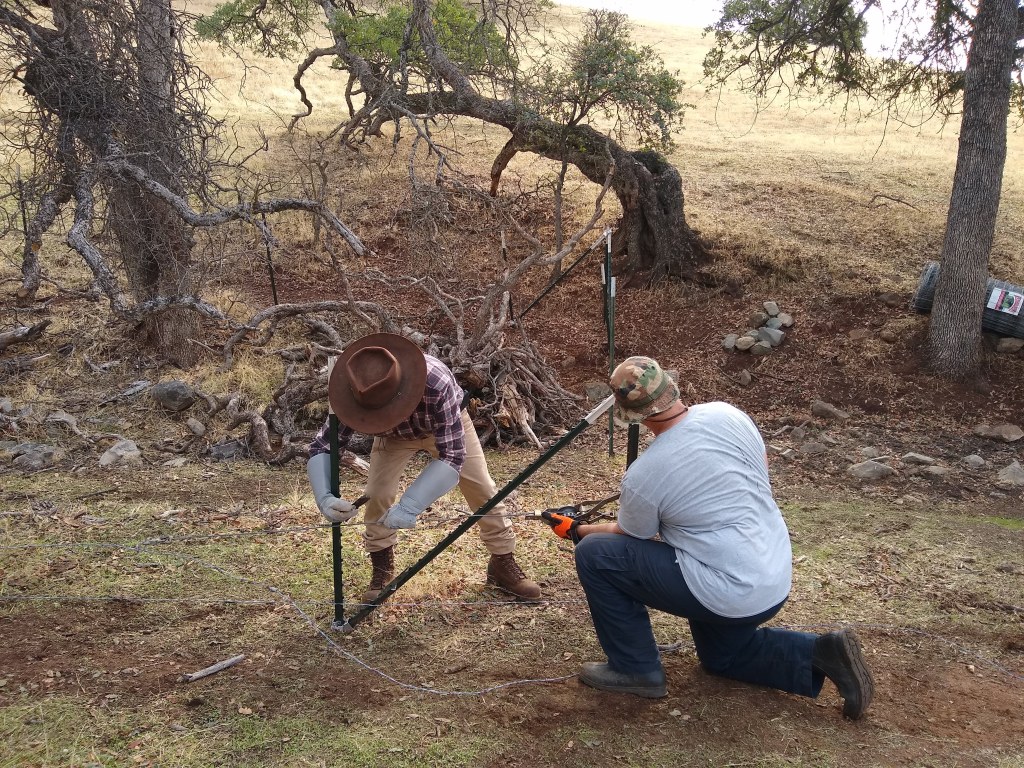
David and neighbor Ric stretching fence

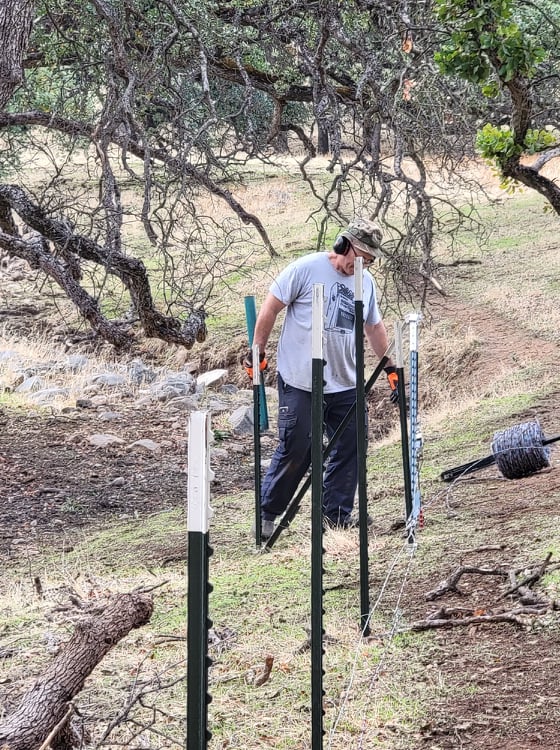
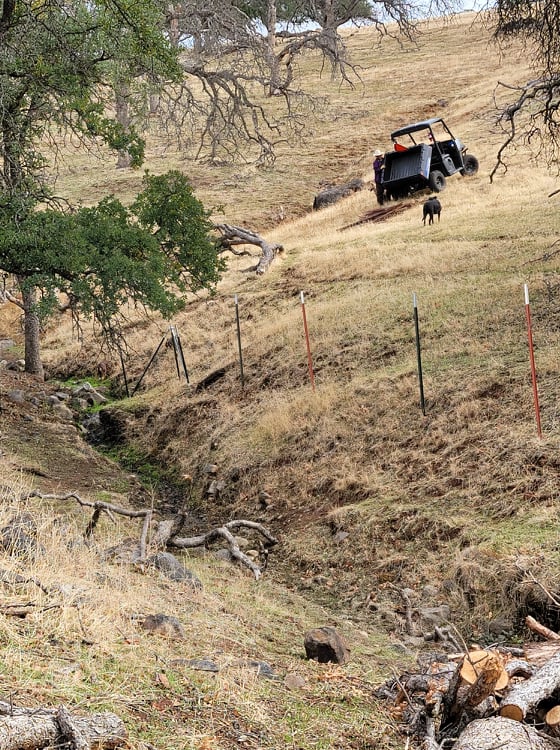
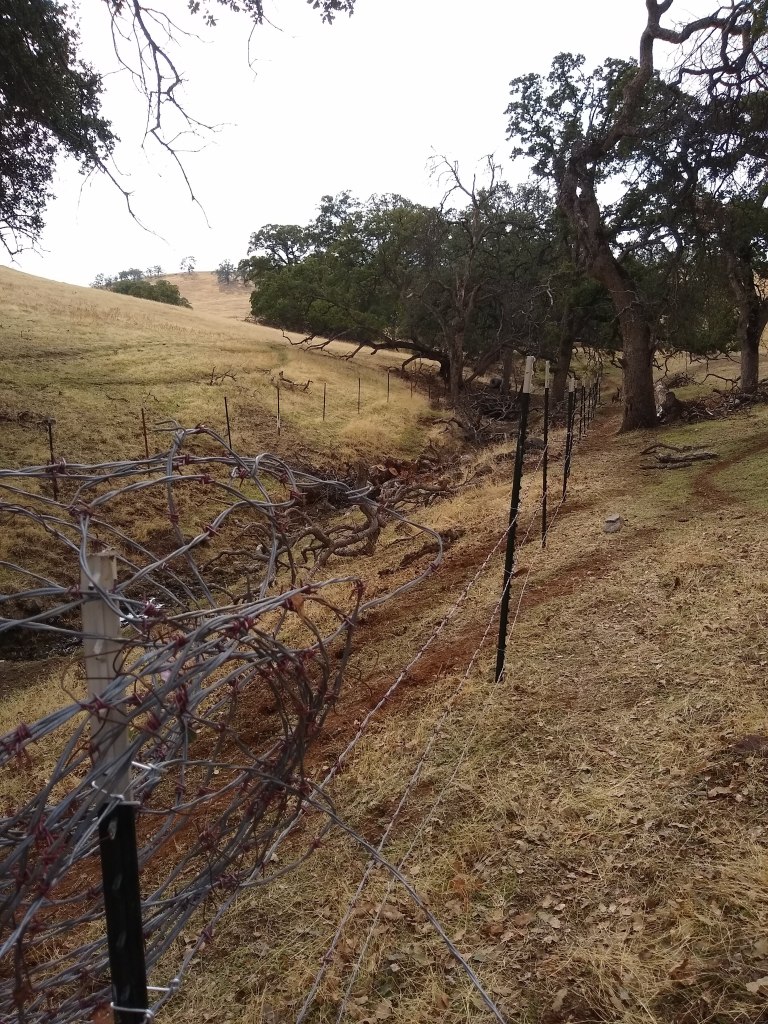
It has been quite the journey at Site 8. I have thought through so many fencing types to protect the plants, spring and creek banks from the cattle. What a circuitous road! We finally settled on a t-post fence with Wedge-Loc corner systems to allow for strength across the entire span of fence. While I did finally get an NRCS contract to build permanent riparian fencing, it is expensive to build that type of fence, and I have to front the money and get paid in arrears. This t-post fencing is a good stop-gap fence – although it is so much work I am thinking maybe it will be permanent!

Originally, I had planned to use field fencing to fence off a section of the creek from the cattle and do wildlife friendly fencing up stream where access to the spring was critical for wildlife. Since we were going to stretch wire anyway, I thought, “Let’s just do the wire for the entire span.” This is the final configuration.

A wildlife friendly fence is essentially having a smooth wire at the top and bottom of the fence instead of barbed wire. This way wildlife can scoot under or jump over the fence with no catching or scrapes. The barbed wire comprises the center two wires in between to discourage cattle. This creek will be planted with all kinds of milkweed and nectar plants. Hopefully, the Xerces kit plants I planted last year along the creek will reemerge next Spring. That was a huge amount of work last year, including building the branch fence.

For those cattle ranchers that read this blog, and I know there are at least two of you, you will be thinking, “Oh no! How will cattle get to the water?” Great question. Here is the plan. Just below the fenced off area, you may recall a flatter area where the spring water and rain water pools. This is where I want to drive the cattle to access water. In this way, they are not crushing soil off steep banks and into the creek. I am also hoping for wider access to water so more than a few head at a time can access water. Here are the key elements to accomplish this: 1. With less soil intrusion, and even with more plantings, the spring water will have greater volume, be cleaner and pool in the watering area. 2. I plan to build a beaver dam analog (essentially a human created beaver dam type structure) early next year to slow runoff and retain moisture in the soil behind the dam, which will allow for pooling of water. I cannot wait to share the results of the beaver dam analog. I am planning to host a clinic here for other ranchers and property owners. After doing much research on these, I think this solution can be a game-changer for drought resilience, feed growth (which equals weight gain) and pollinator habitat. Thanks to Jesse Bahm of NRCS who first mentioned this once mysterious concept to me back in 2019.

Rain Comes and Log Pile Dams Work

Post storm clouds

The series of three storms came last week, including the “bomb cyclone” predicted to drop an enormous amount of rain. Well, it didn’t do quite that, but the resulting rain was greatly appreciated. We spent the Saturday before the storm cleaning up and putting things away. I had to roll the 250lb field fencing out of the creek where a cow kicked it – in case we did have a massive rainfall. Fortunately, I have really good leg strength to roll/push it up the bank and lodged it between two oaks. Per my rain gauge, the first storm was maybe 2 drops. The second was about an 1/8th of an inch. The third, and largest, was 2.25″. I’ll take it.

A day or two after the rains, I walked the ranch to see what had happened. The filed fencing stayed put (hurray), but the most incredible thing was that the log pile “dams” I had created along the Spring Creek worked. There was not enough water to move the logs. The piles had slowed the rain runoff to such an extent that there was standing water before each dam as compared to other similar sections on the creek that had no standing water. The standing water was not influenced by the spring. The heat had beaten the spring back quite a bit, and the standing water was much further downstream. The soil was very thirsty, but with the nearly 2.5″, standing water was possible. I am so encouraged and cannot wait to make that beaver dam further downstream.

Dogs, Odds and [Tail] Ends

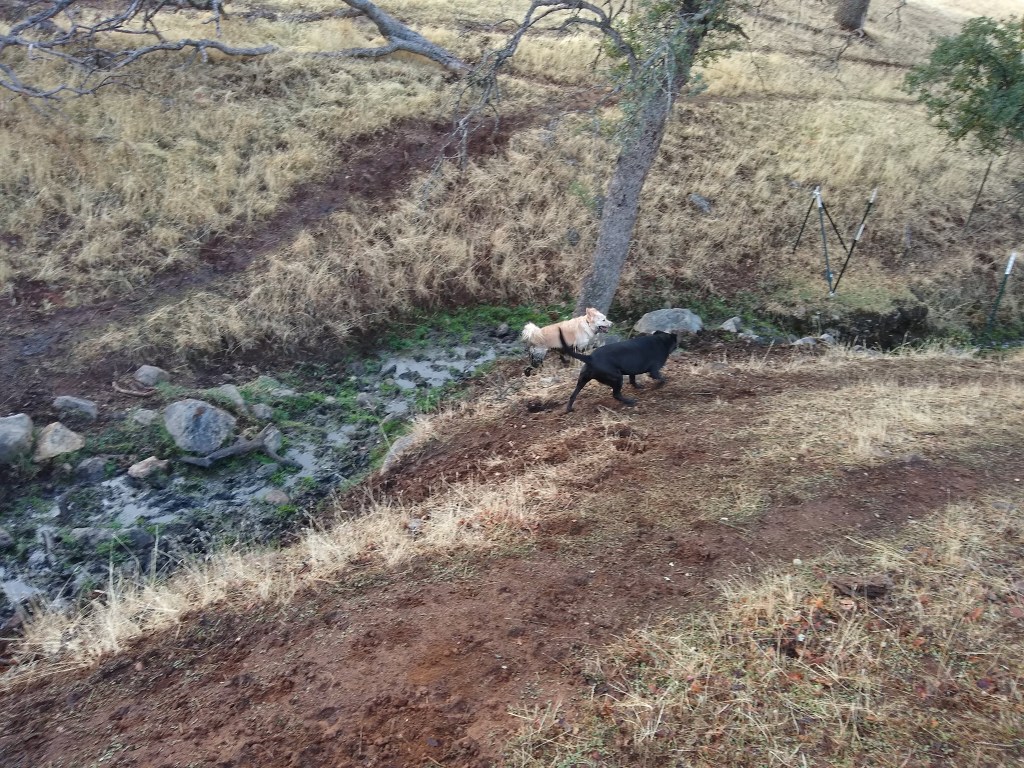
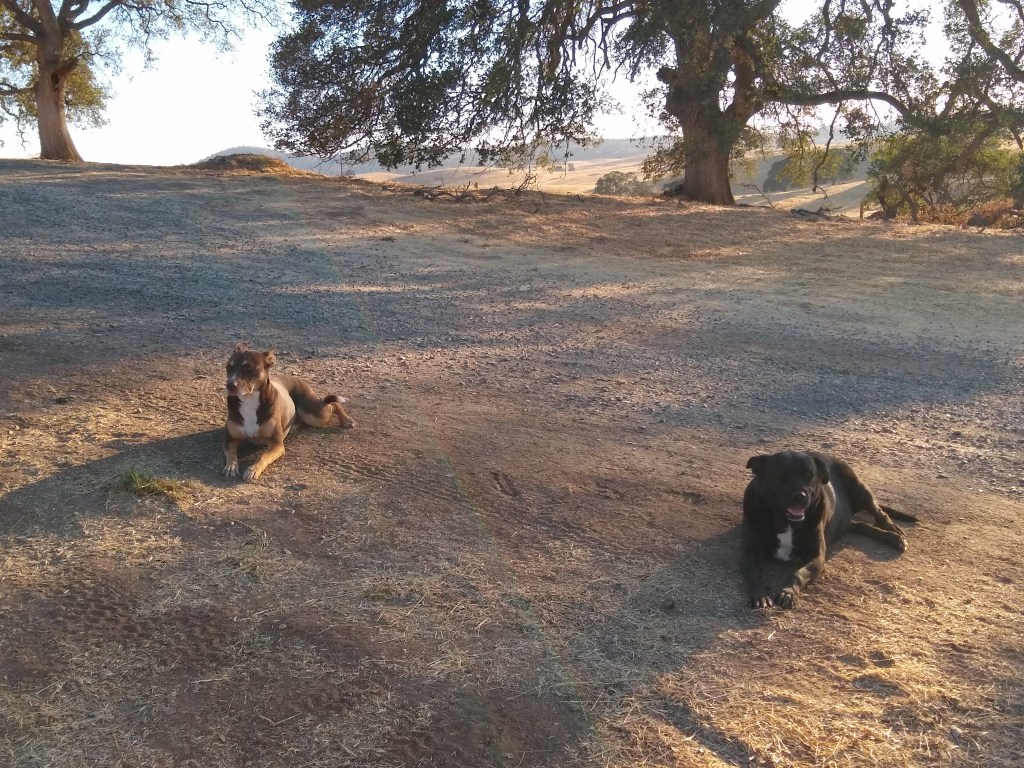
The days are finally cooler, with sweater weather at night. I love the smell of tarweed, moist soil and grass. It lifts me; it keeps me going to the next day, and then the next. I even like the smell of my neighbor’s fireplace. Smoke in smaller quantities and wood only (as opposed to buildings) reminds me of my youth, far away from most people on the edge of the Stanislaus National Forest. I would be gone all day, just my dog and I, a bota bag of water and a sandwich in my pocket for us to share, observing life, the movement of water, insects, birds and animal tracks. The smells of the forest make up the organics of my brain, its tissues and neurotransmitters. It is such a part of me that I can hardly remember a time without that memory. Walking with a dog (or two or three, or…) is so pleasurable – getting lost in memory, yet not being alone. Now that is living.

Fall Can’t Come Soon Enough and A Monarch Sighting in Hornitos!

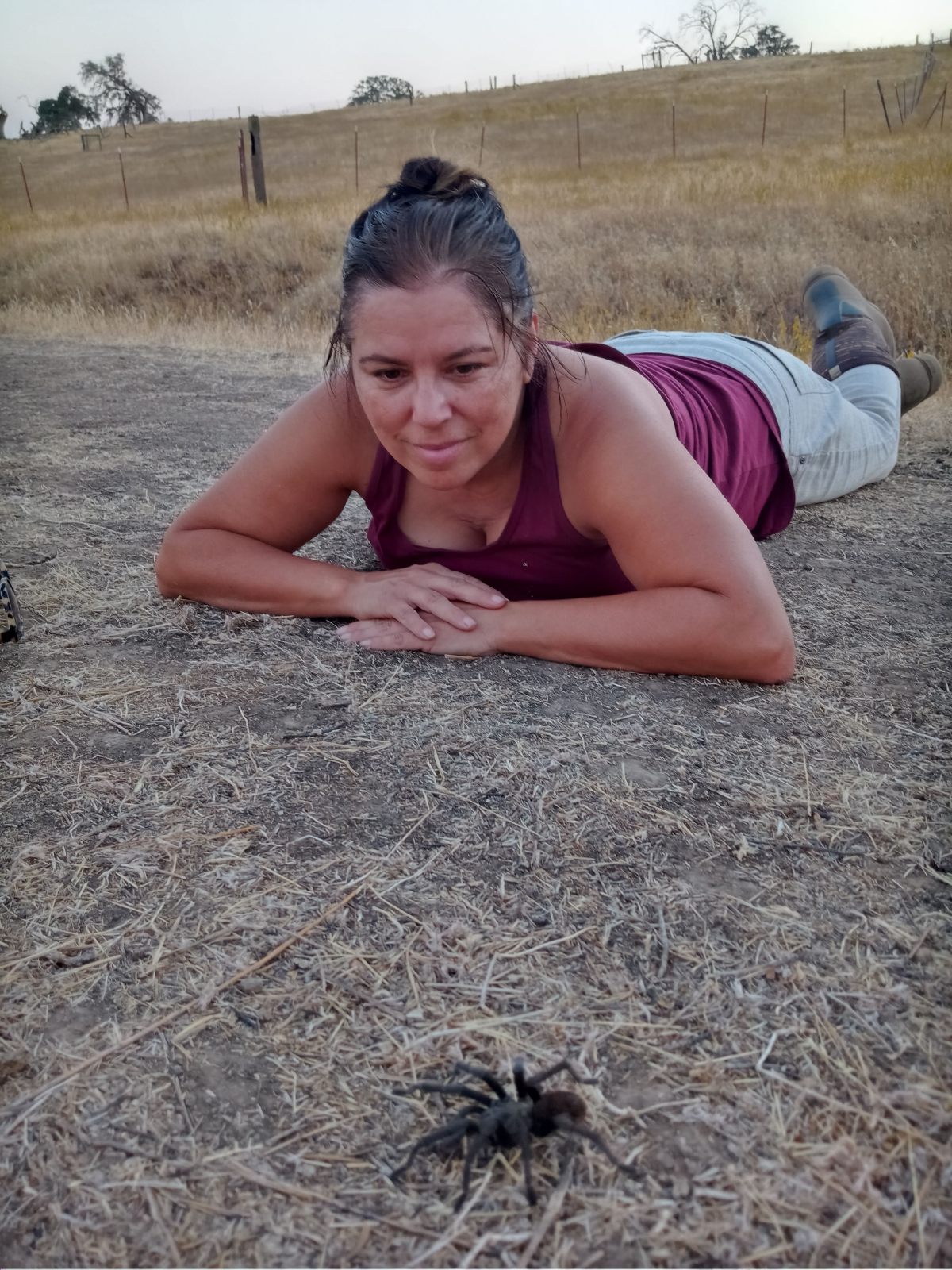
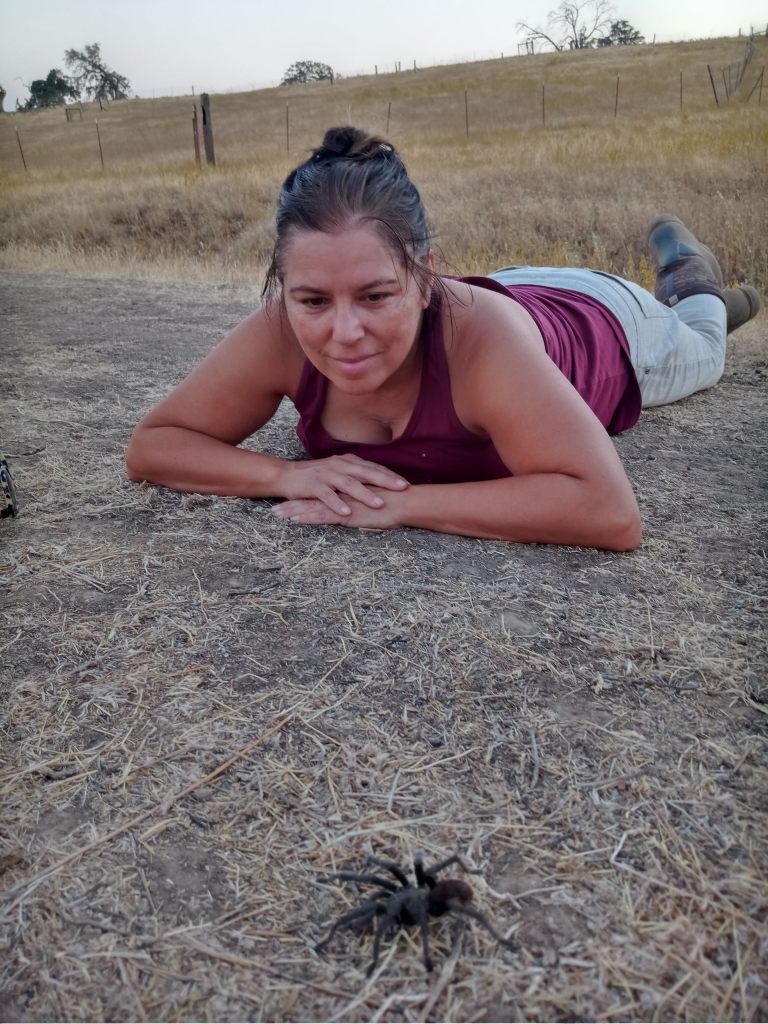
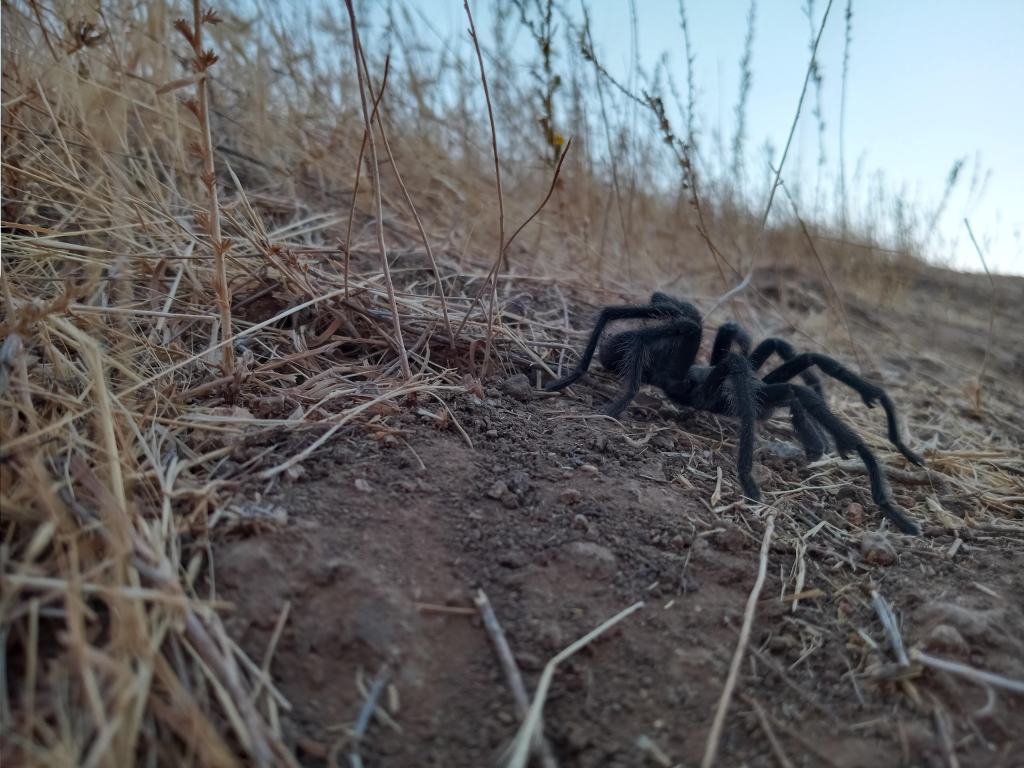
Studying the first tarantula of the season. There were two on my walk, and they both looked extremely healthy.

It is no secret among my friends that I LOVE spiders – especially tarantulas. Not only are they amazing predators eating their weight and more of flies and gnats, but they are a harbinger of Fall with its cooler weather. Oh my goodness, am I desperate for rain and cold.

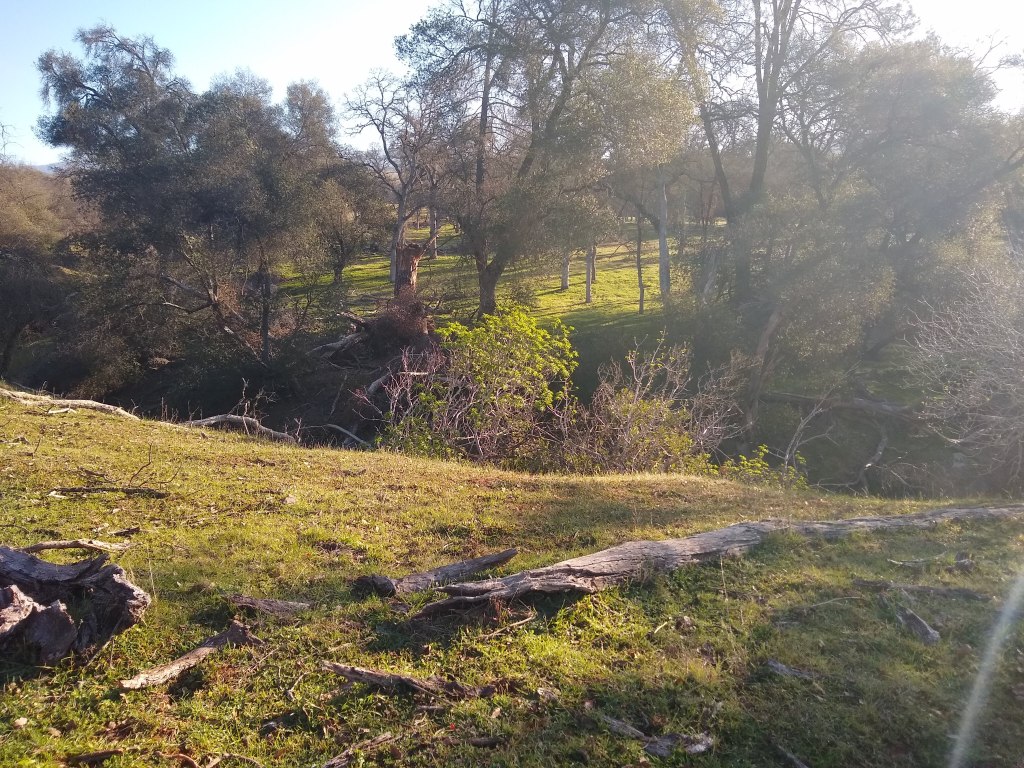
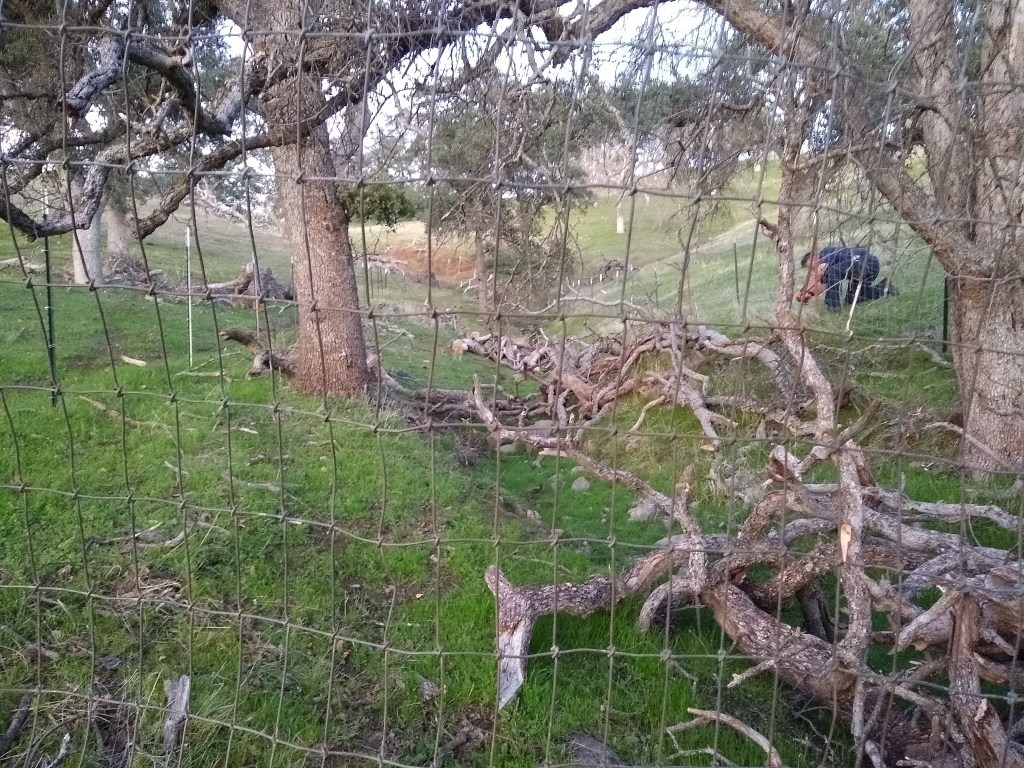
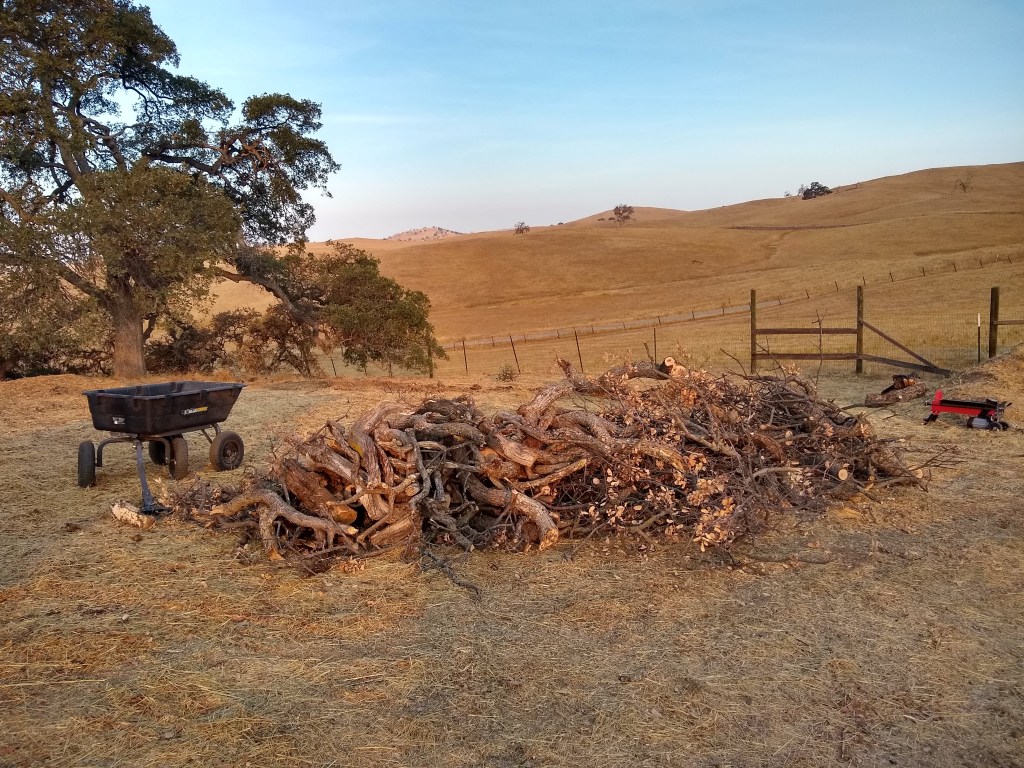
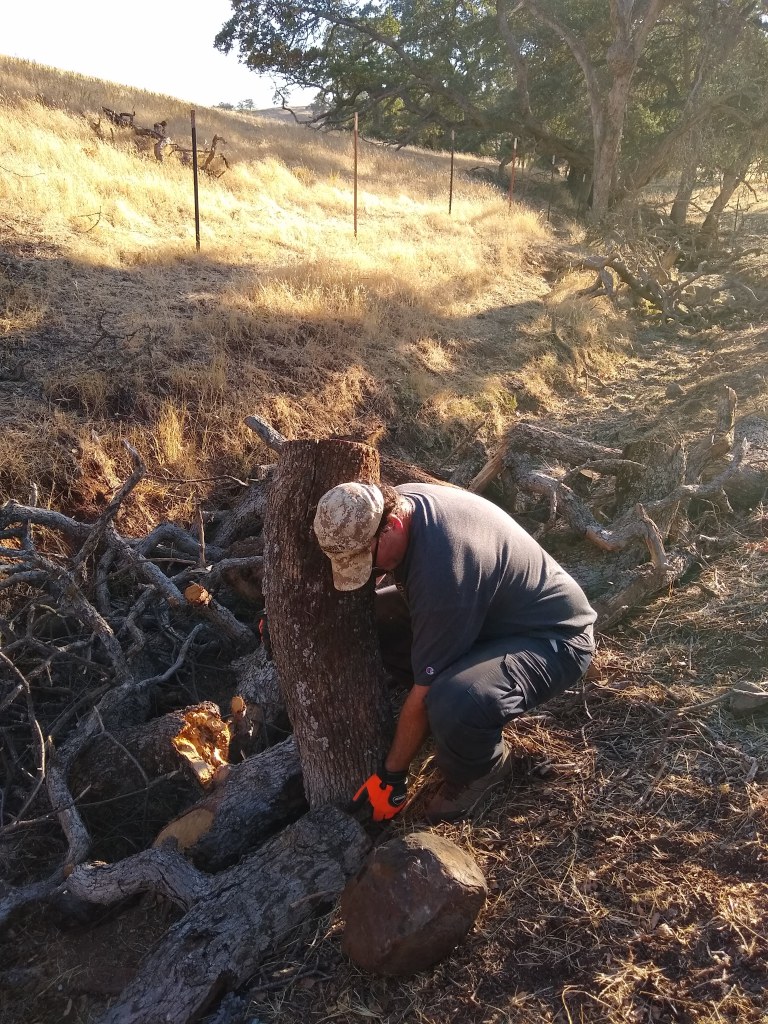
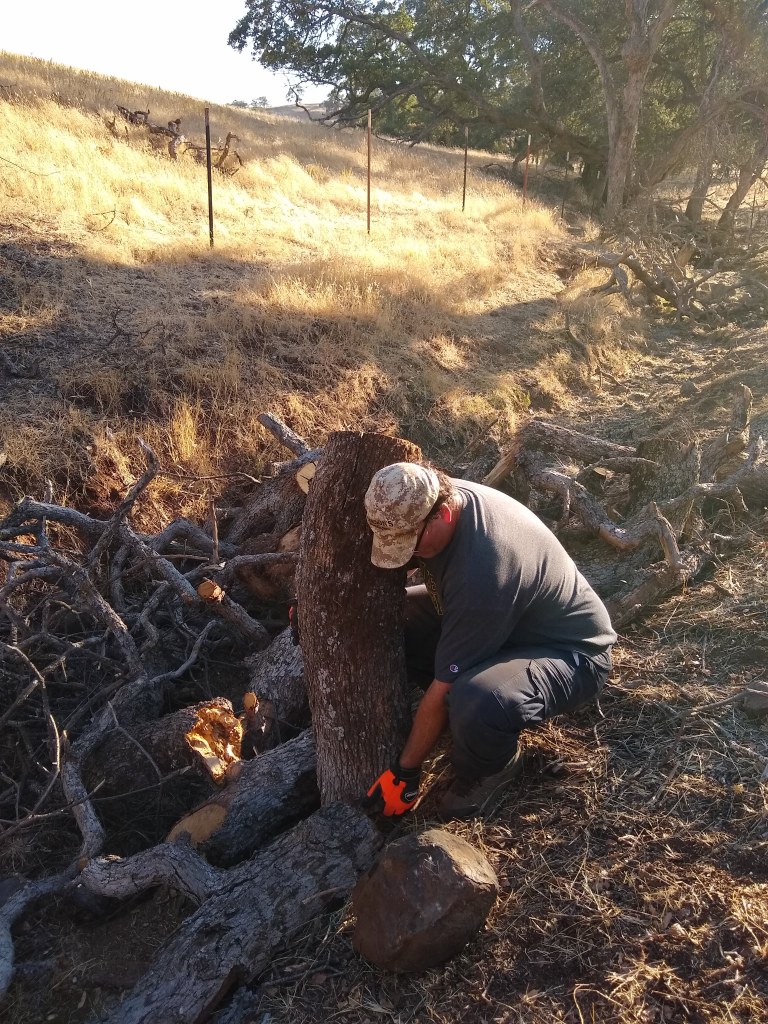
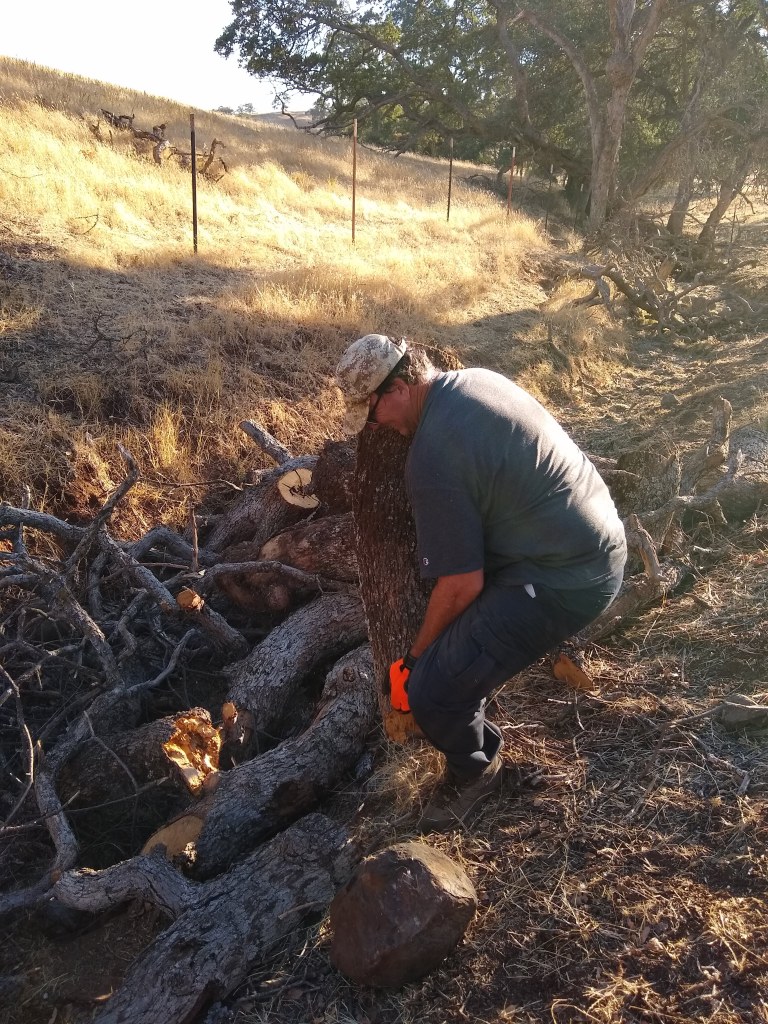
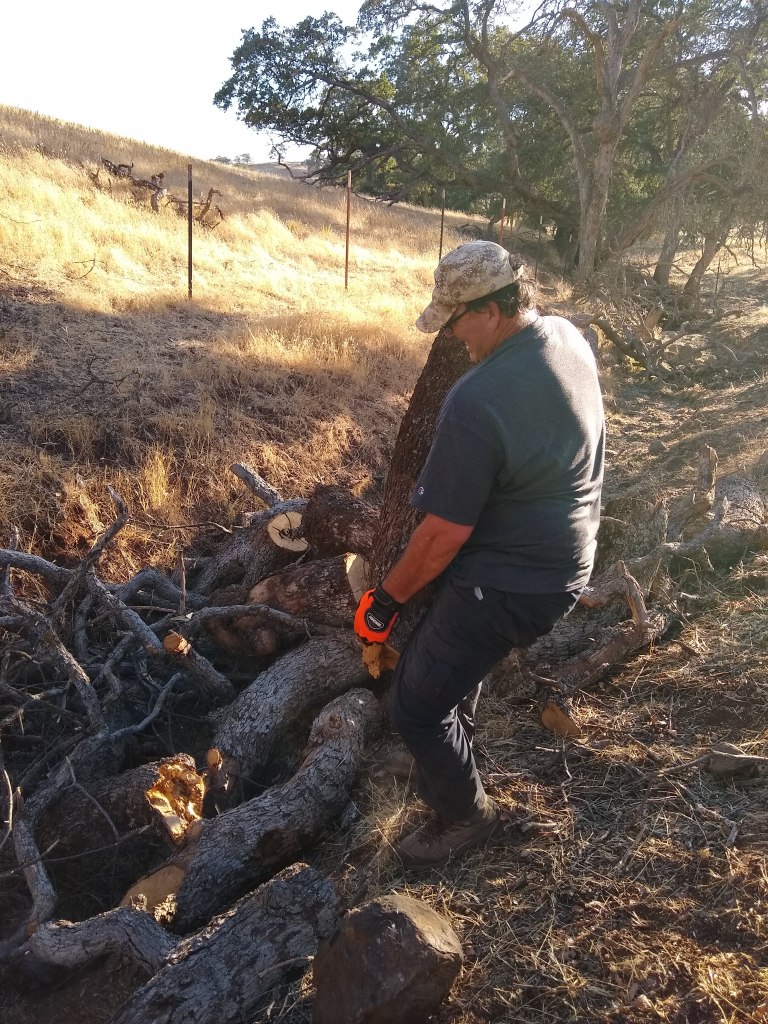
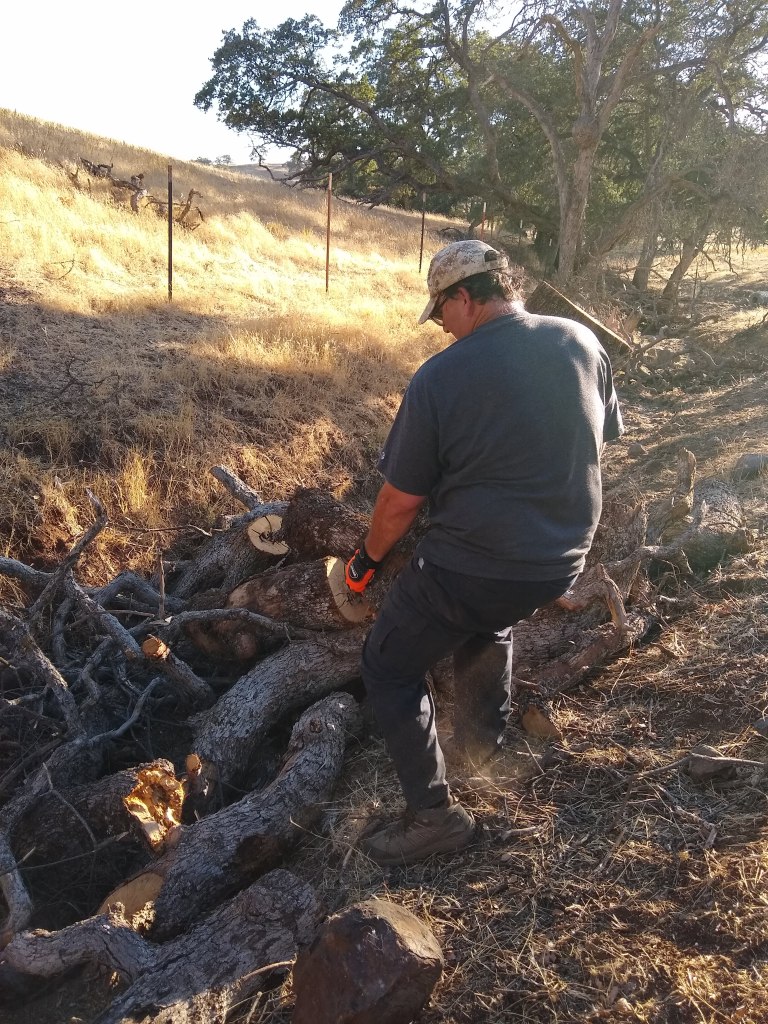
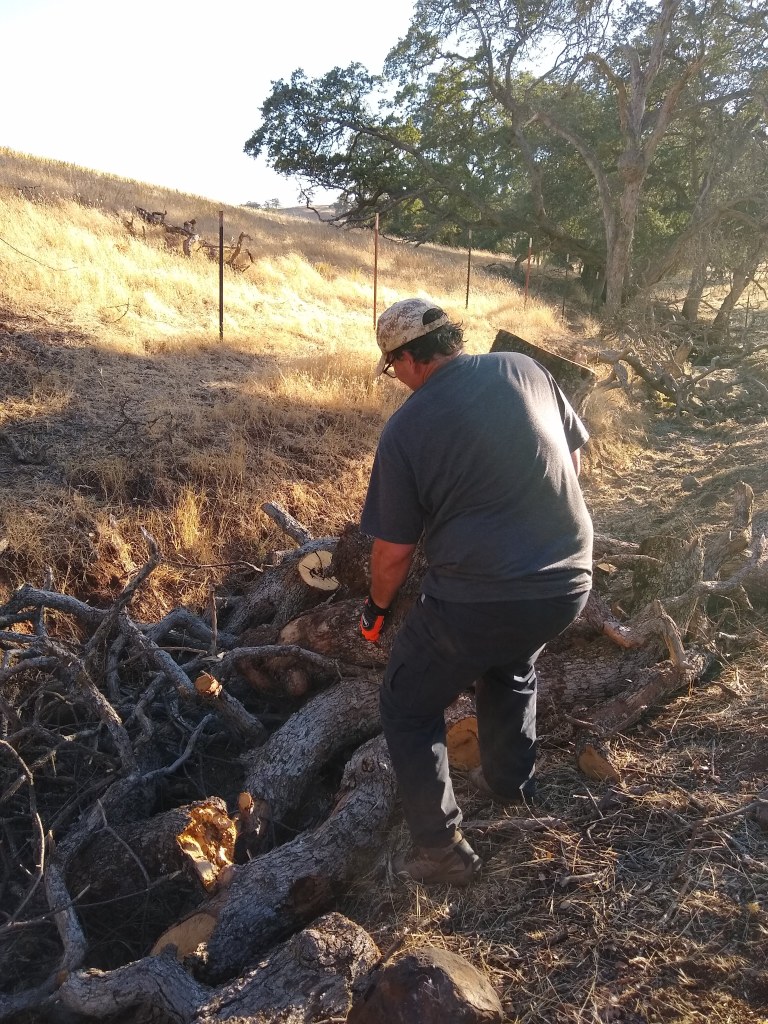
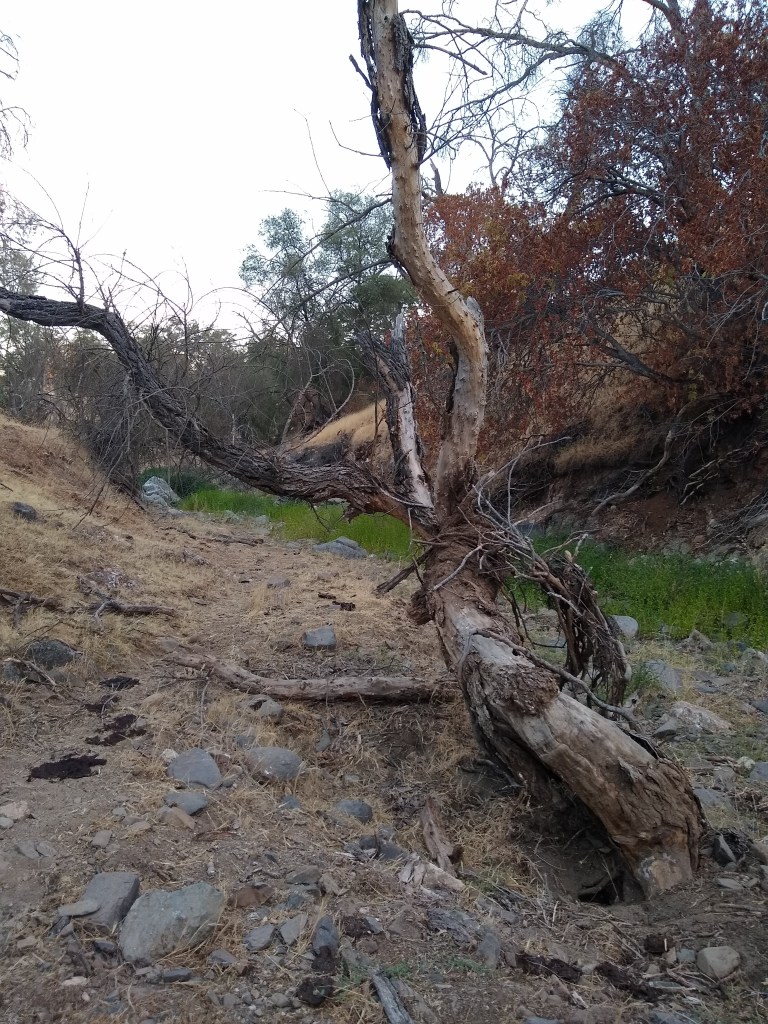
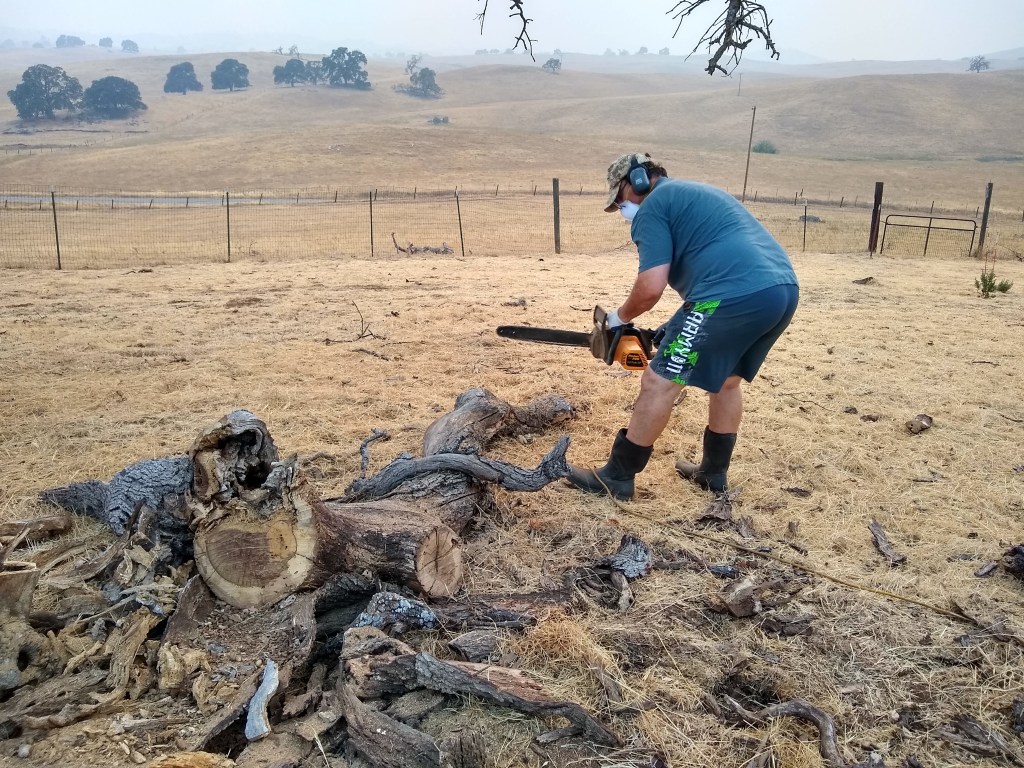
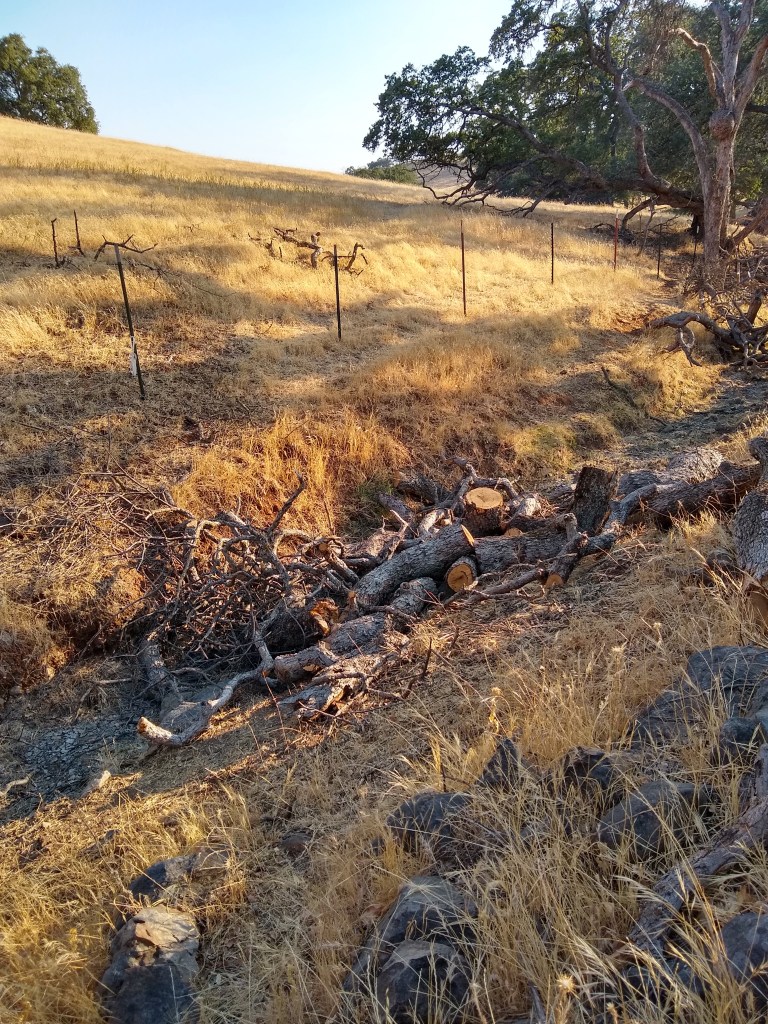
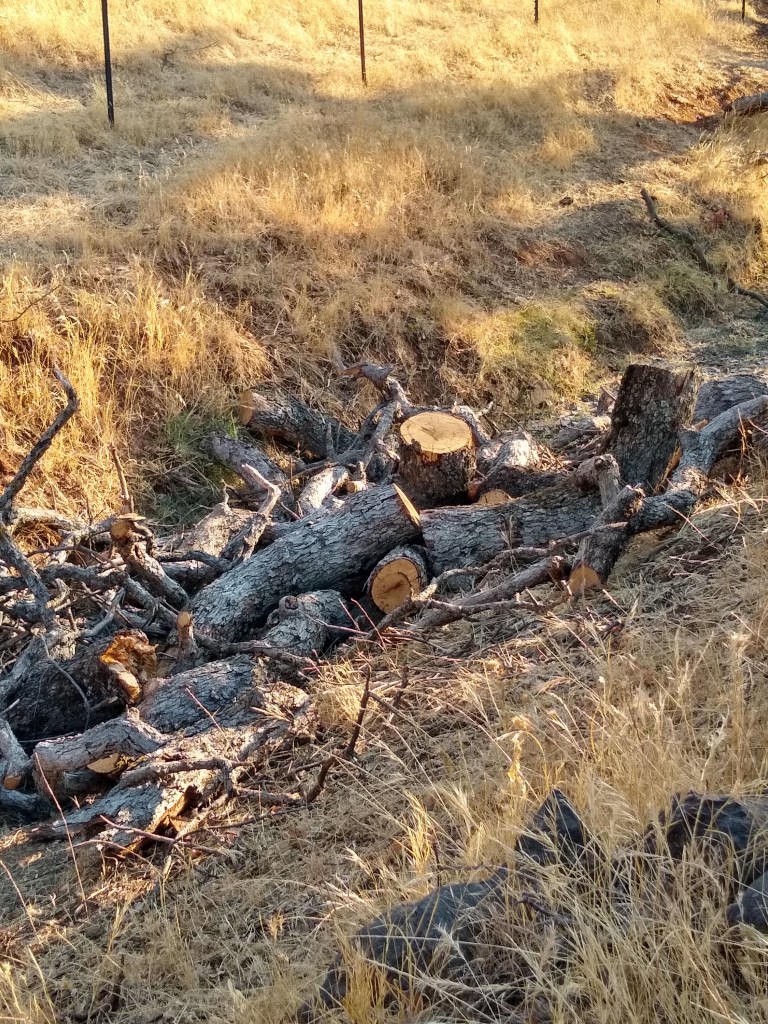
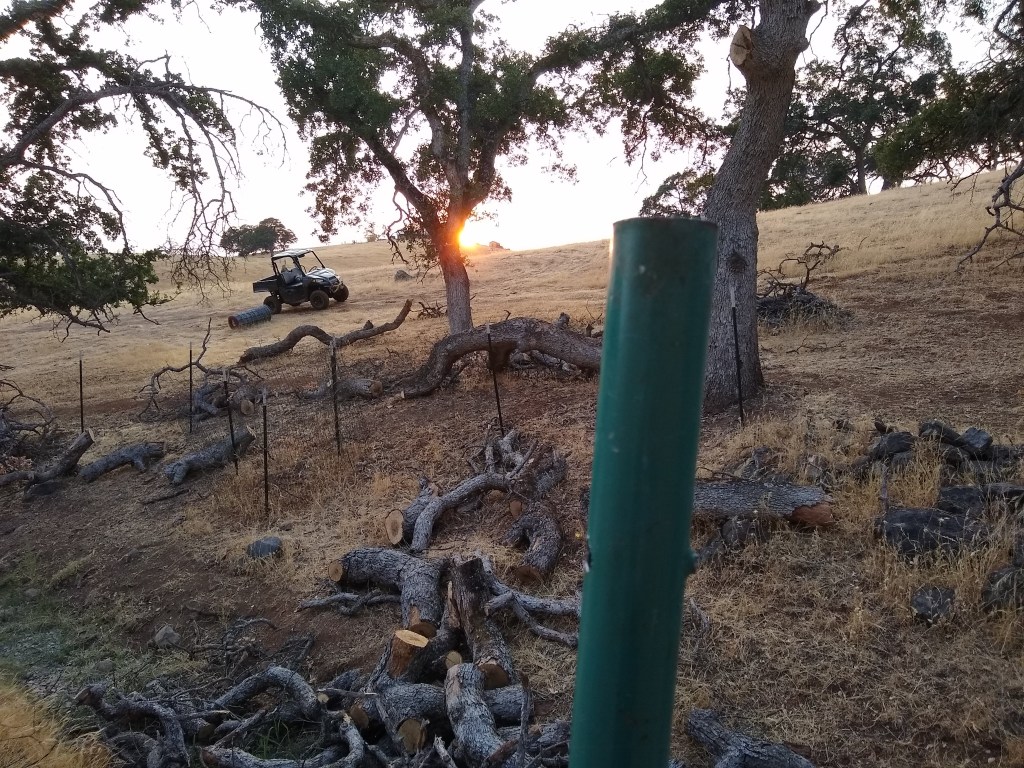
David and I have been busily preparing for the Fall. In addition to building log dams in the Spring Creek, we have been chopping downed oak branches. Often, these large oaks will drop branches in an attempt to stay alive by needing less water. It leaves some of the trees looking lopsided and the ground covered in branches and leaves. The large thud can be frightening if it is unexpected. One of the large oaks dropped a very large branch unexpectedly. The tree looked really healthy, and I had hoped it would stay fully intact despite this horrid drought.

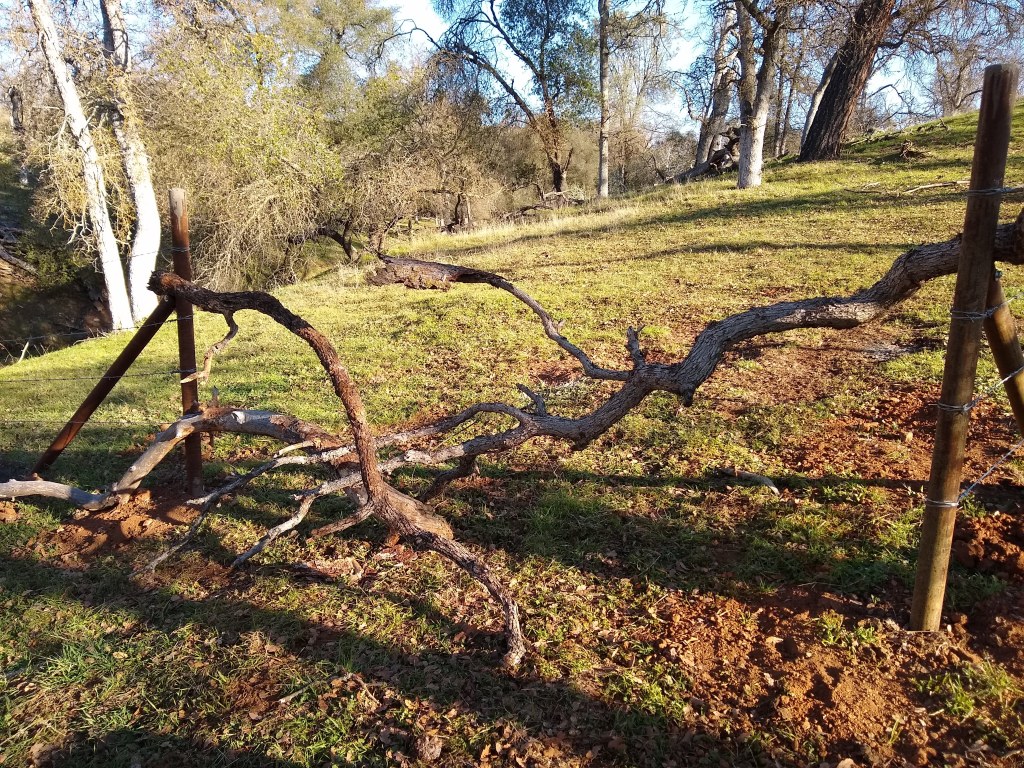
Grand oak branch down

David has been pulling the branches from under the tree with a chain and truck. These last two branches (pictured above) were too heavy and too tangled for the truck to dislodge them and pull them out, so he has been carefully cutting them in place. He needs to be very watchful and not be under the canopy too long given the branches dropping. They call oak branches connected to trees but sagging toward the ground “widow-makers”. For real…

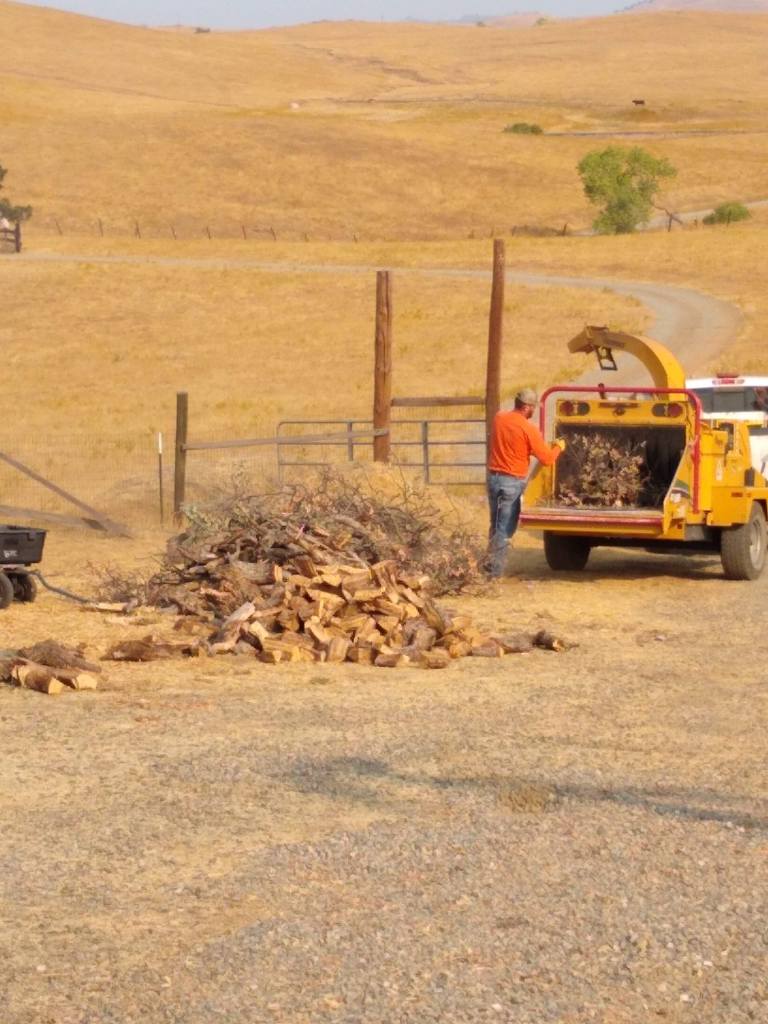
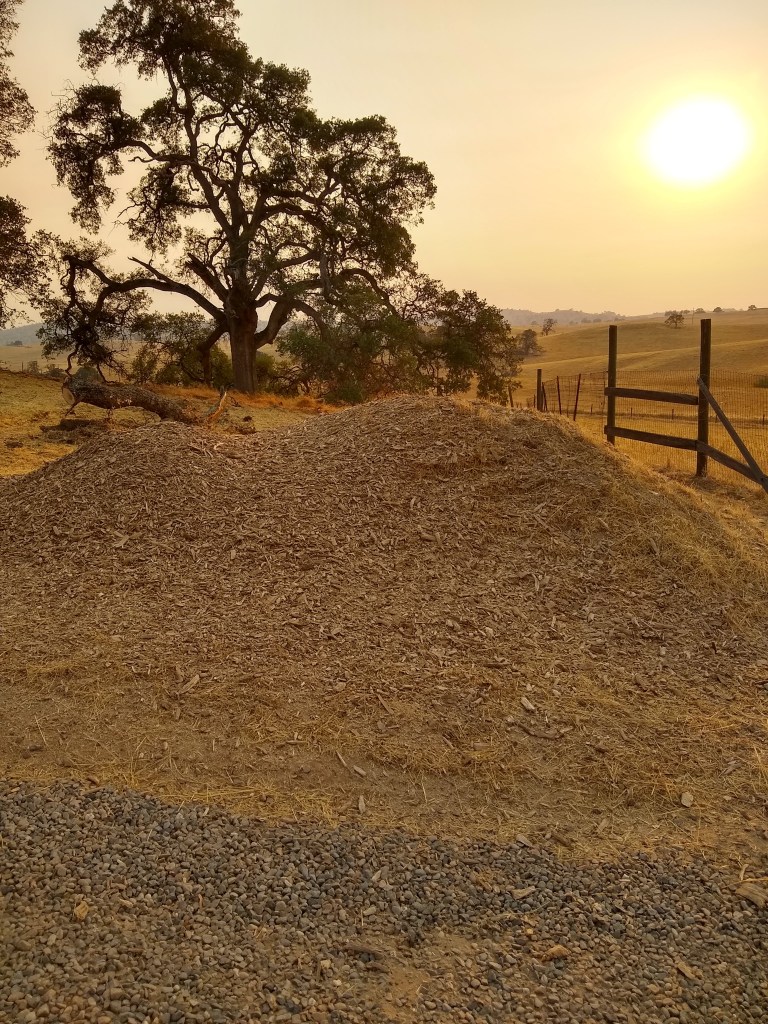
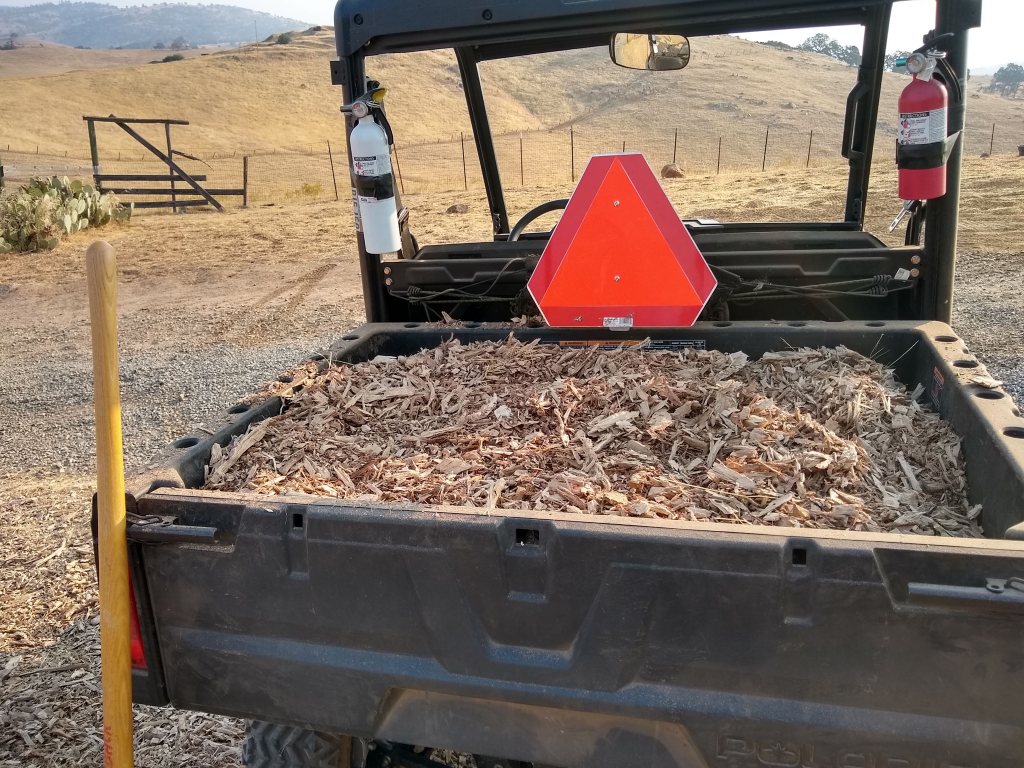
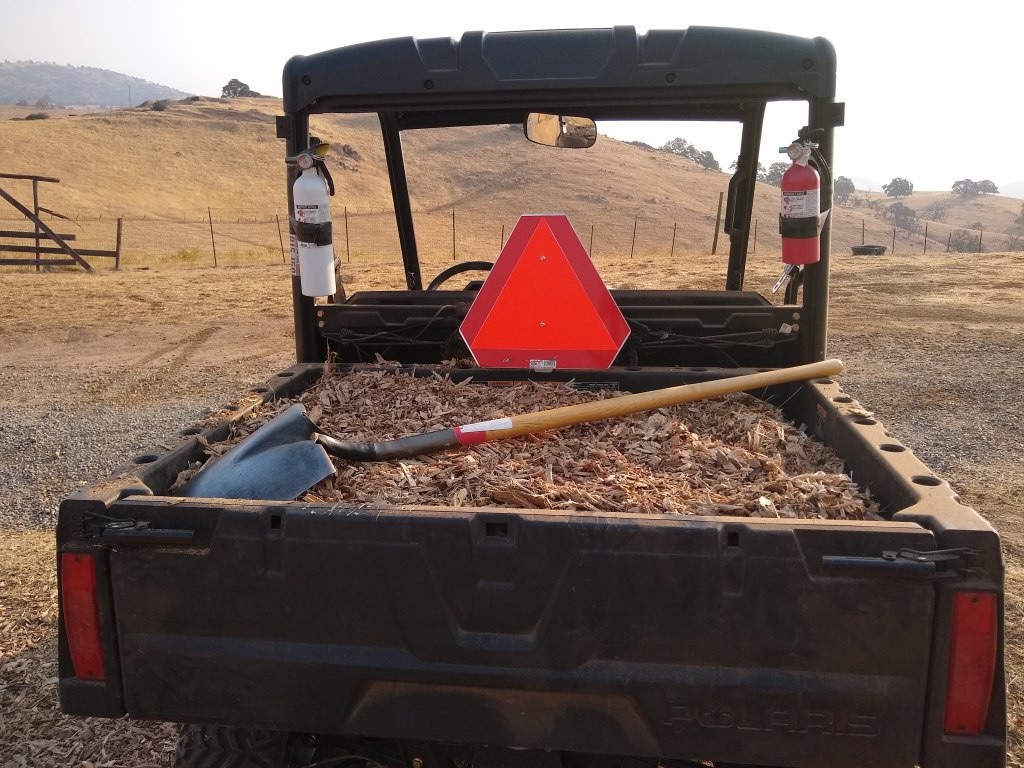
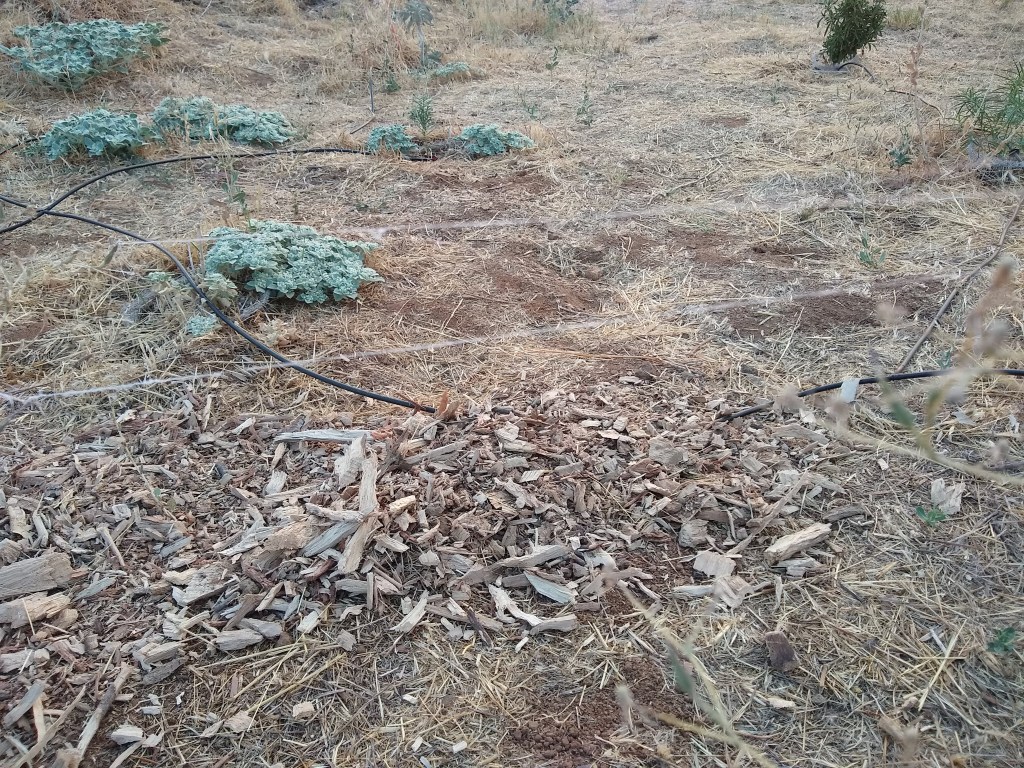
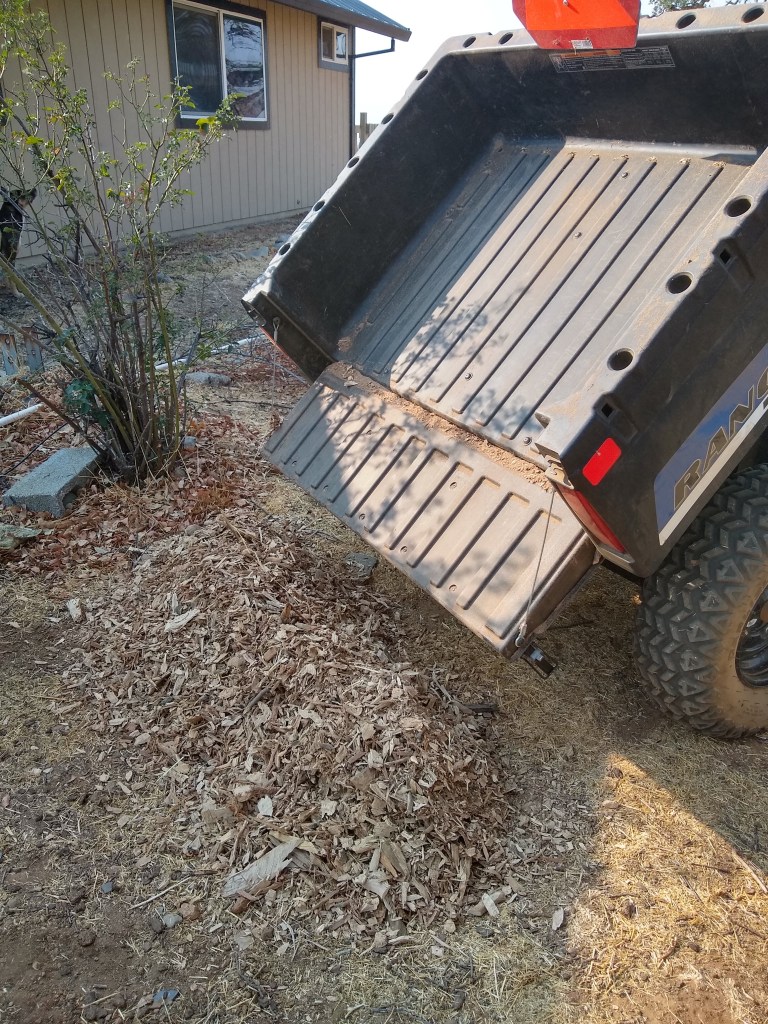
Instead of burning all wood material, we prefer chipping. Not only is it better for air quality, but it provides a (very) local source of mulch for around the plants helping the soil to retain precious moisture. We neatly stacked the logs so that they could be handled by the chipping vendor. A huge thanks to the Mariposa County Fire Safe Council for offering this chipping program as a way to reduce fire fuel load near homes. Often, the chipping jobs are too small for the large vendors or too expensive, so this program is a huge benefit for our community.

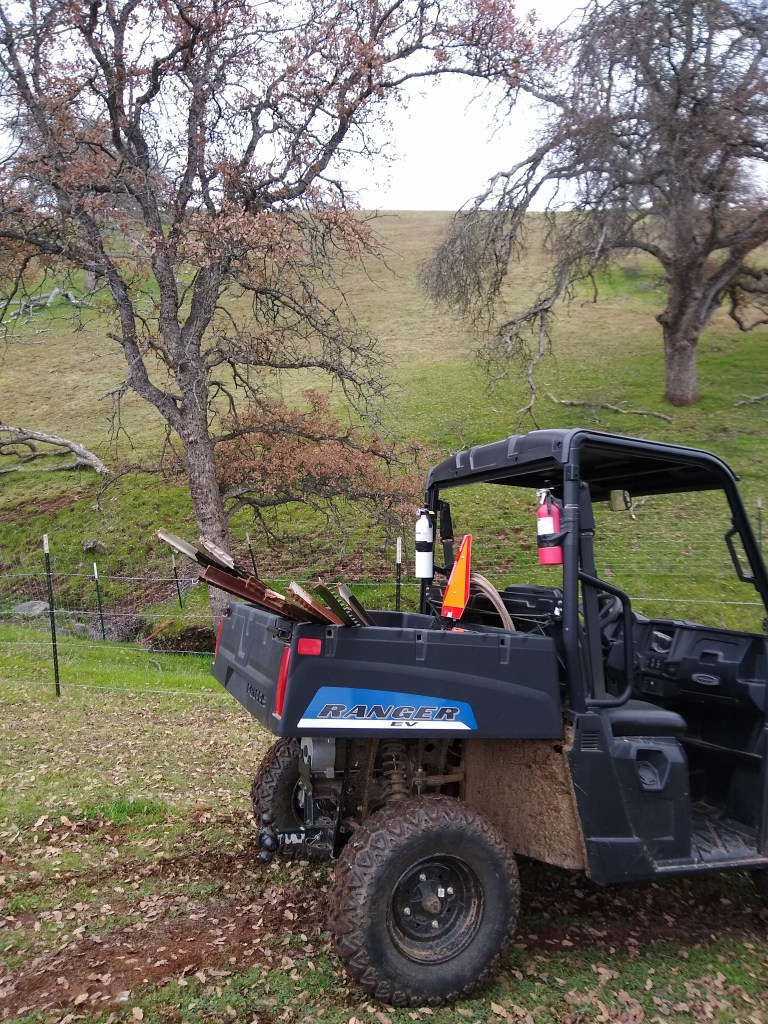
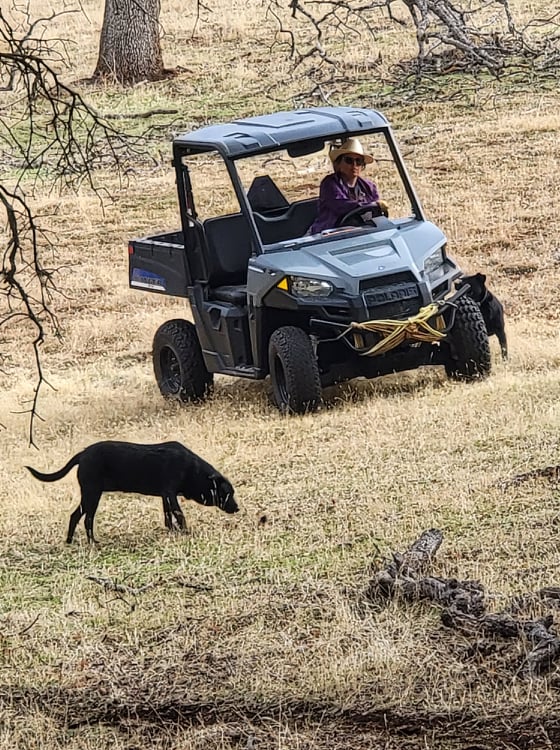
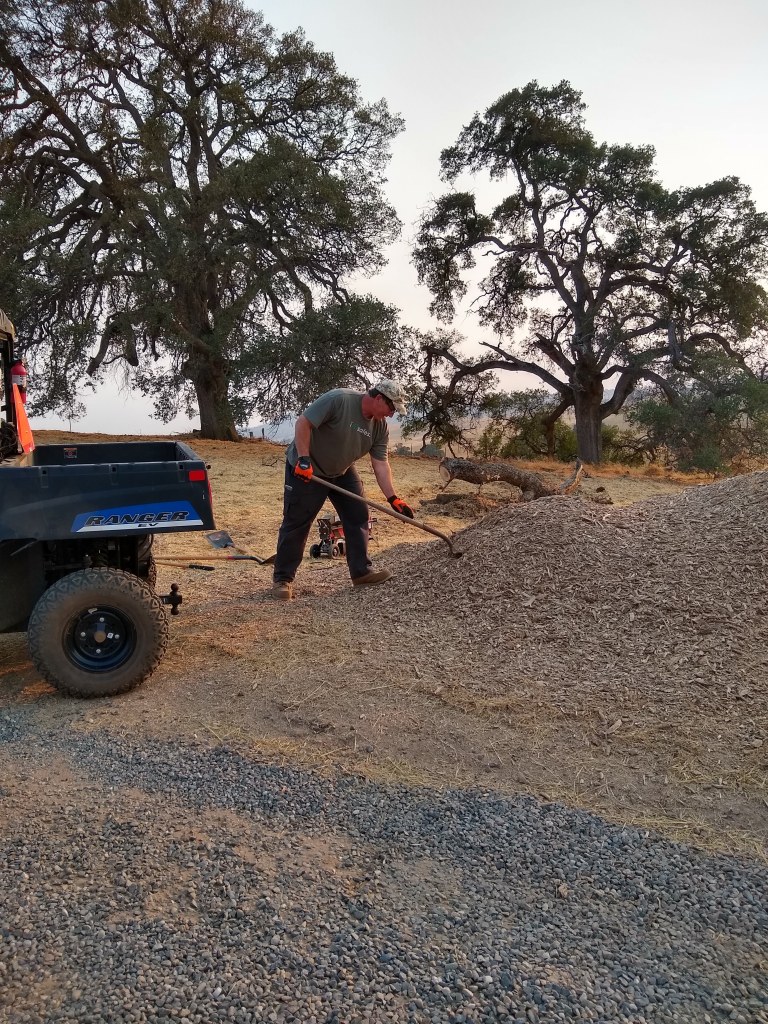
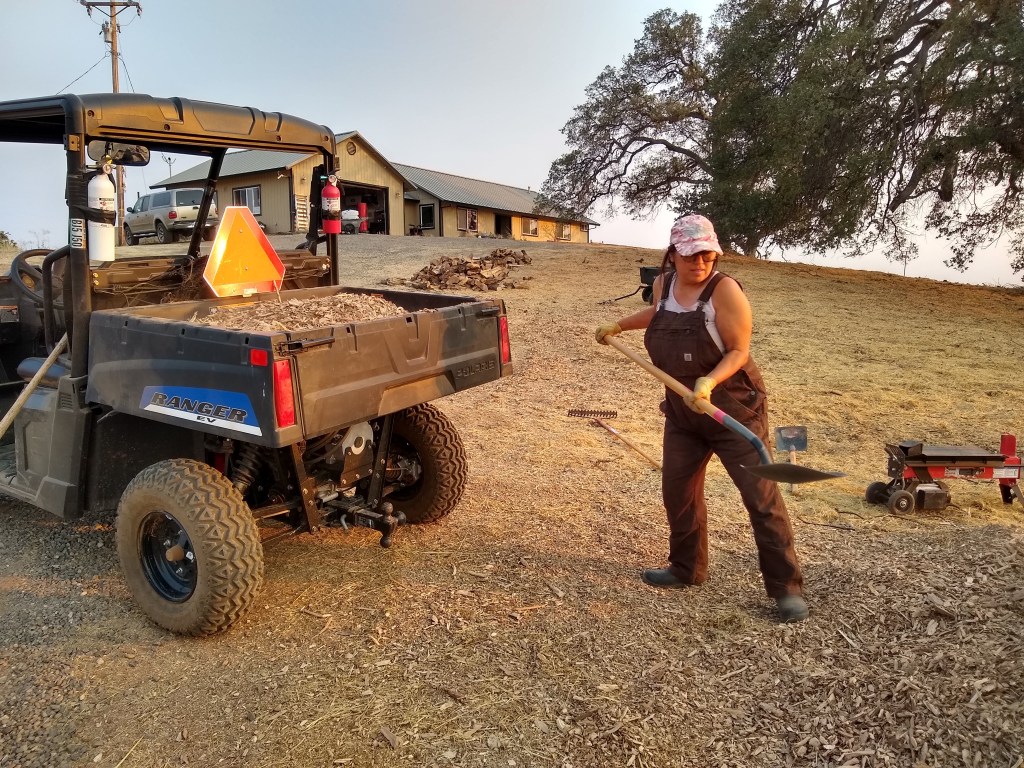
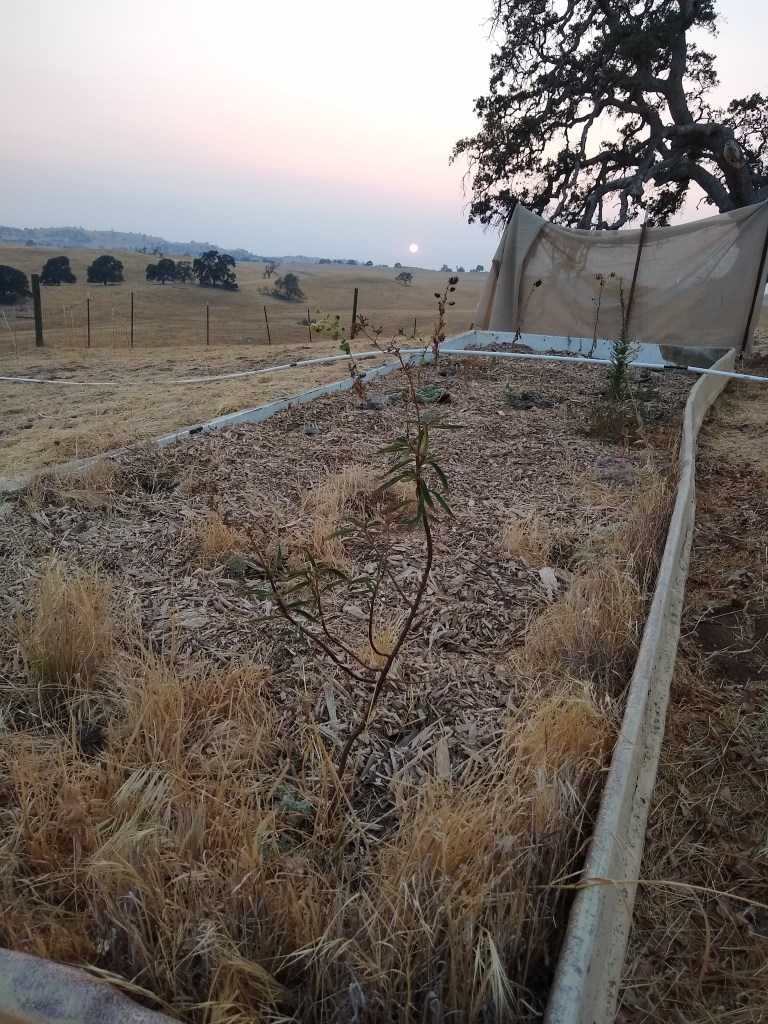
Once the pile of chips was complete, David and I began filling the Polaris, and I spread it within the planting sites. There were six loads in total. Dave gave up after two loads and sat on the porch with a beer watching me work. It was a well-deserved break for him after all the branch hauling and sawing.

Spider Season

It is no wonder Halloween mainstays are pumpkins and spiders. It is nearly October, and I have begun to see the webs floating through the air. On those webs are baby spiders lifting off from wherever to begin a new life in a new territory. The webs will get lodged in plants, trees, vehicles, structures – pretty much anything they come in contact with. And, that is where they will begin their new life. As I was watering and mulching, I saw several stuck webs on the plants. To be certain, we will have a solid line of defense against any bugs.

On my walk a week ago today, I saw two tarantulas. They were the first living ones I’ve seen this year. Typically, I will begin to see them in August, but, this year, it is late September. They both looked healthy. The life of a male tarantula is one of being darned if you do and darned if you don’t. They are meals for tarantula wasp babies or a meal for the female tarantula after fertilization. I love them so much and feel bad for their fate, but that is how nature intended.

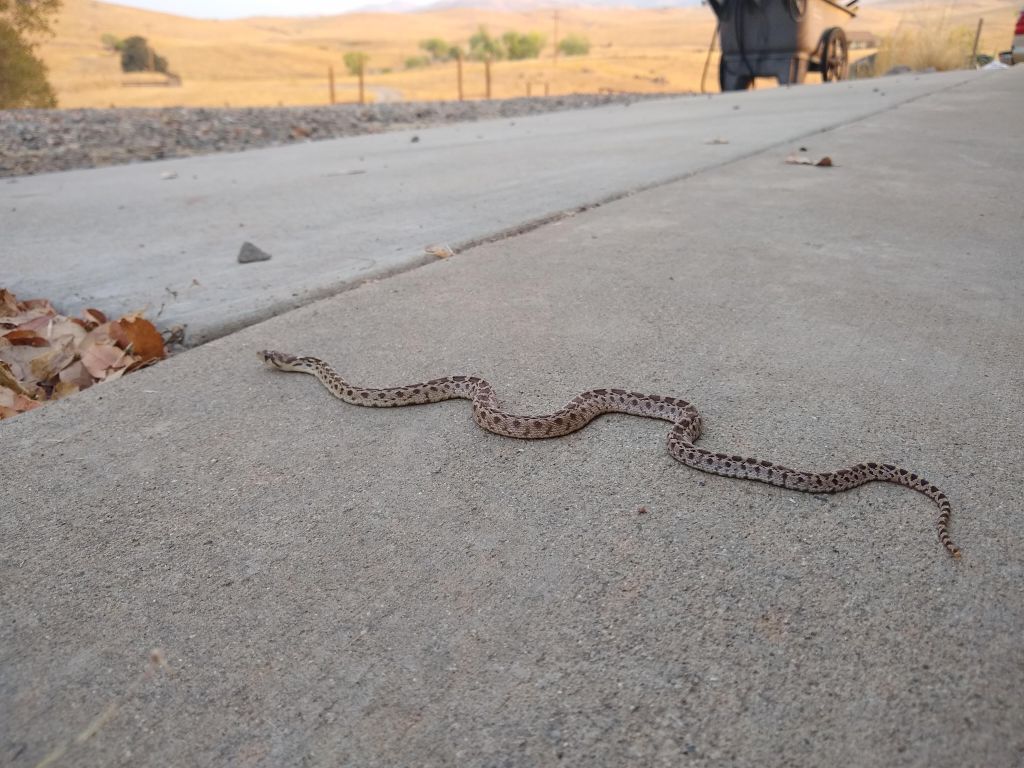
Some other good friends I have seen a lot recently are snakes. They are so important, and I protect them from getting picked off by raptors as much as I can. I try to scoot them off the cement or the roads into the grass or leaves so they are not as easily seen by the remarkable eyes of hawks.

Gently nudging this beauty to exit the patio into the leaf litter

Late Blooms

One of the crucial elements of establishing a well-rounded pollinator garden is to ensure diverse plantings and plants that bloom at different times of the Spring, Summer and Fall. Although it is late September, I am still getting blooms on the plants. I was rewarded today with a sighting of two admiral butterflies. They moved so fast that I could not get a photo. I saw their distinctive markings and was overjoyed. They are larger than the other butterflies I have been seeing lately, which is fun.

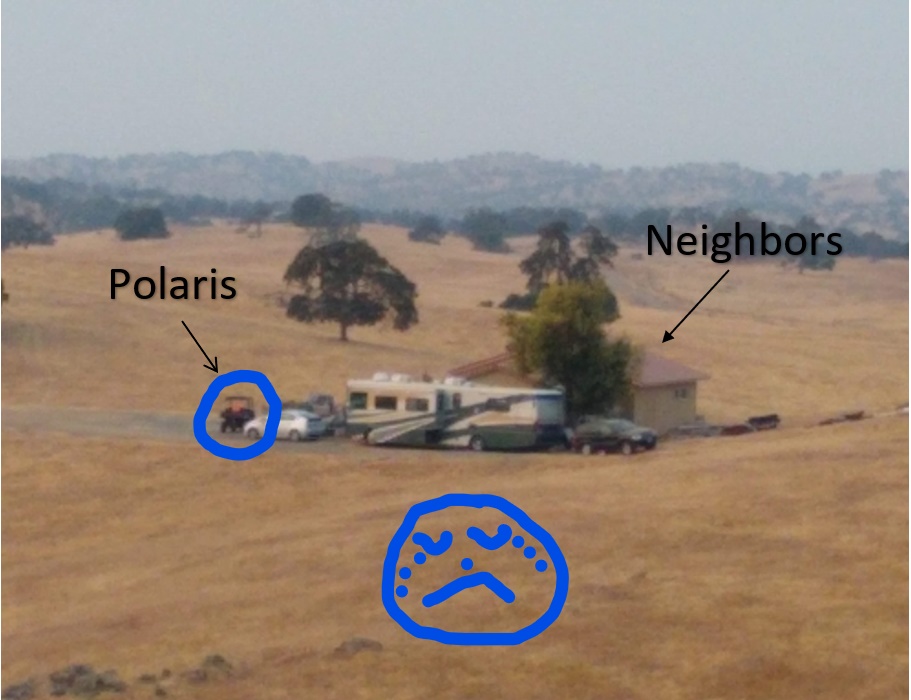
A Heartfelt Goodbye to the Polaris

Polaris back home

I gave the Polaris back to its rightful owners the other day. My neighbors have been incredibly generous with me, allowing me to use it for so many weeks. It has been a reliable friend making my work so much easier. I won’t lie; I miss the gosh darn thing. I am back to hauling my water with the Gorilla cart since the part for my electric ATV is still MIA from Canada.

MONARCH SIGHTING Drives U-Turn!!

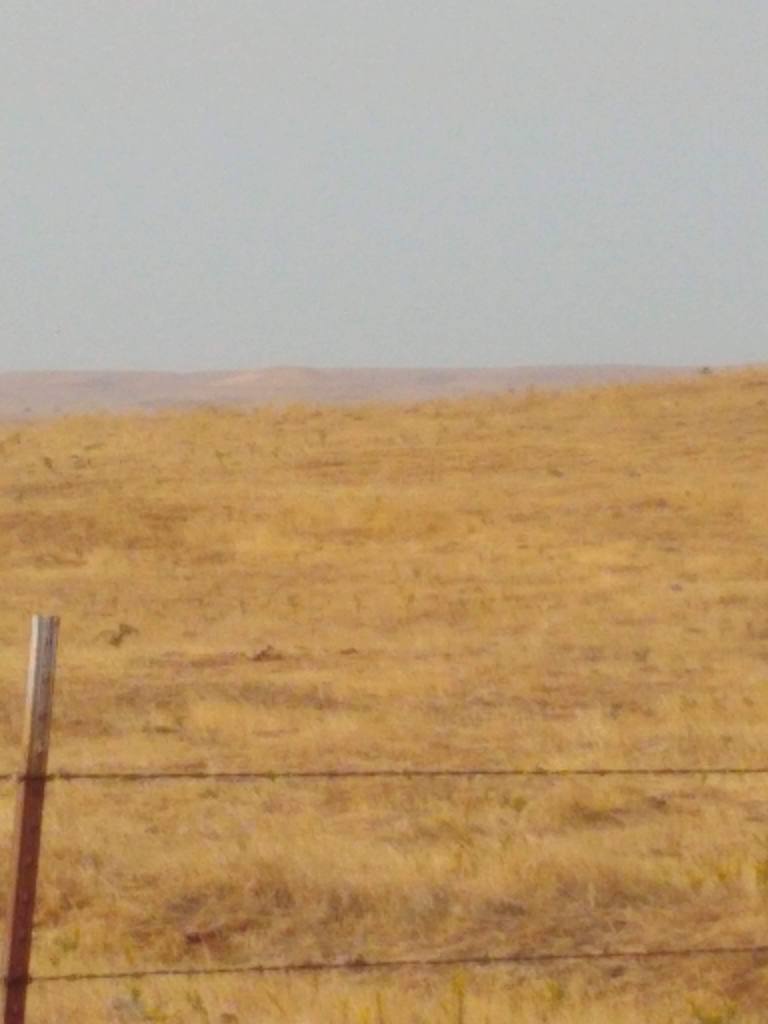
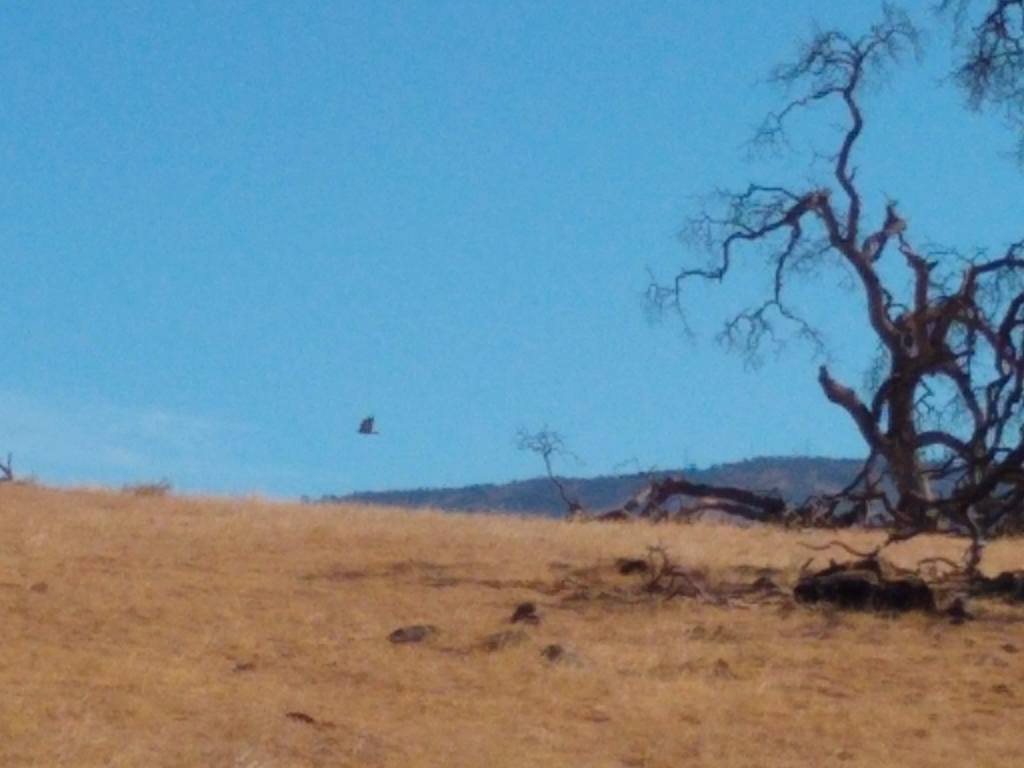
Monarch flutters away into the field. Can you find it?

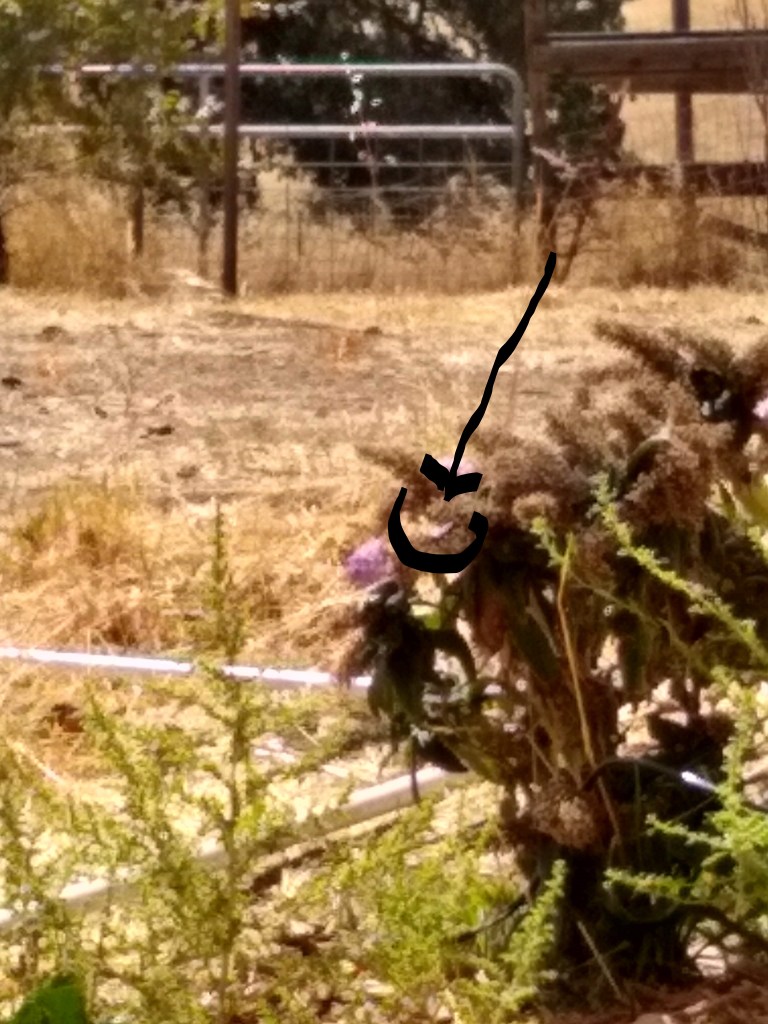
I haven’t been on a vacation in years. This week, David and I were set to leave for the coast. We had the car packed, the bikes on the back and the dogs situated comfortably for the long ride. We drove to Hornitos, made the tight curve, climbed up the hill out of town and made our way down the winding road toward the vast expanse of the Central Valley. Just a mile outside of town, we pulled over on La Paloma Road to check the bike rack. It was fortuitous. –My hands are trembling as I write.– As I sat in the car, a single, large orange and black butterfly fluttered right over the car. It was a MONARCH! I grabbed my phone and bolted out out of the car like I was a 20 year old and ran down the dirt road as fast as I could, following the large erratic flutter, side to side, yet forward, of this magnificent creature. I ran until it flew over the ranch fence into the field, skirting the rangeland, just over the grass. My heart was racing, and I snapped three sad, far off photos. It was the best I could do. Then, my elation sunk in parallel with my heart. I was leaving. There were monarchs in Mariposa, along the rangeland, finally, and I was leaving town. David yelled to me to get into the car and lets go. Reluctantly, turning back every so often, as if I was a child again, called home too soon, leaving my joyful friends playing behind, I made my way back up the dirt road and got into the car.

I certainly wanted to leave town. The smoke and heat have been toxic to my body. It has been too many days of working hard in this situation. I wanted the clean, cool air of the coast. I wanted to see my siblings and make my husband happy to have the smell of redwoods in his nose. I was conflicted. Could I leave now after seeing this? Had I worked so hard since 2019, not seeing any monarchs, to leave now that there was a real, tangible chance to see them use this habitat? What if the watering system David constructed got a leak, and water did not make it to the milkweed or nectar and the plants died? A tear quietly rolled down my cheek as I ruminated. David, driving, caught this resigned defeat out of the corner of his eye. He grabbed my hand and said, “HB, do you want to go back home? We are only an hour and a half down the road. I am ok with it if you do. I know how hard you’ve worked.” I said, “Really? You would give up your beautiful trip?” He said, “Yes. I am totally fine with a stay-cation.” I said, “I love you.” He made the u-turn, and we started back for home.

I called my sister and brother to make sure they were ok. I asked, “Is it lunacy for me to cancel my vacation for a butterfly?” Both my sister and brother encouraged me to shift my plans. They said, in turns, “It would be crazy if you didn’t do all that work, saw a butterfly and cancelled your trip. You worked on this project for years, literally giving your blood, sweat and tears. We think it is crazy for you not to stay!” I promised to visit soon and hung up as David and I made our way across the Valley, the glorious Sierra foothills, and home, in our sights.

Taking Time to Appreciate

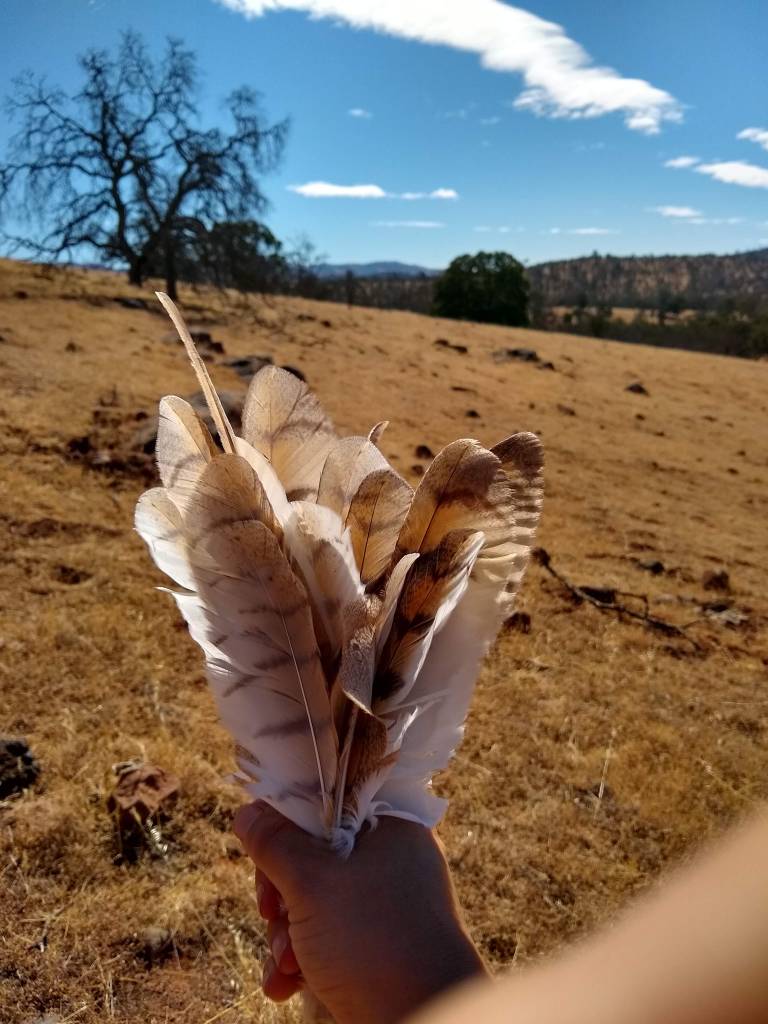
Juvenile red tail hawk feathers found

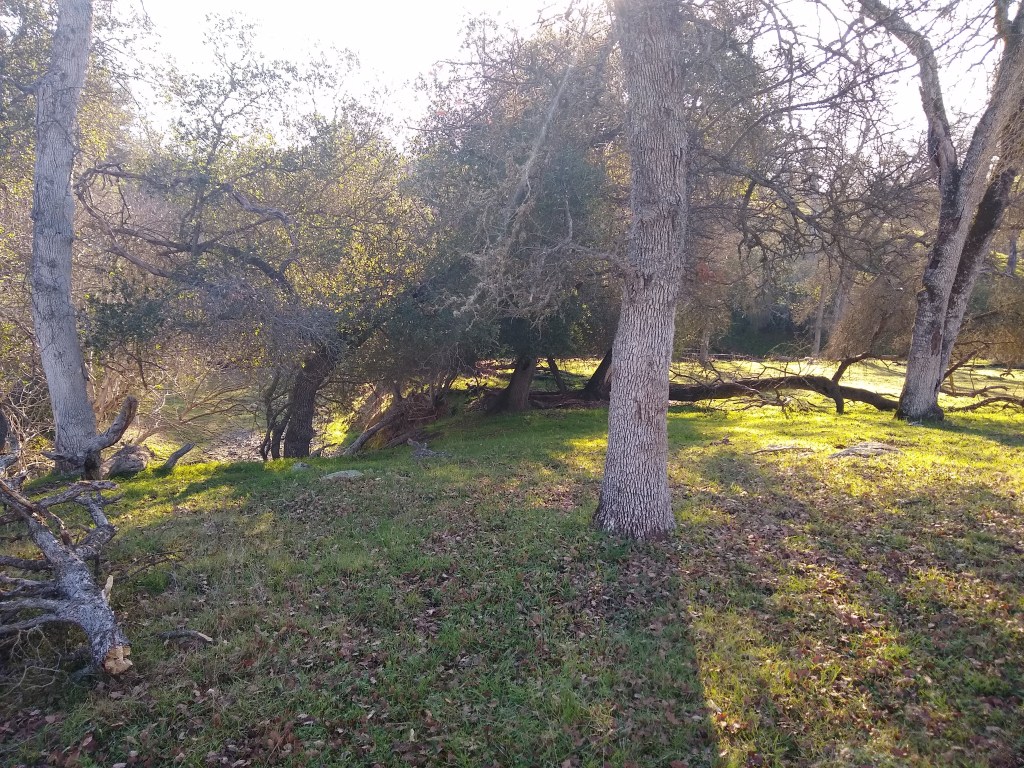
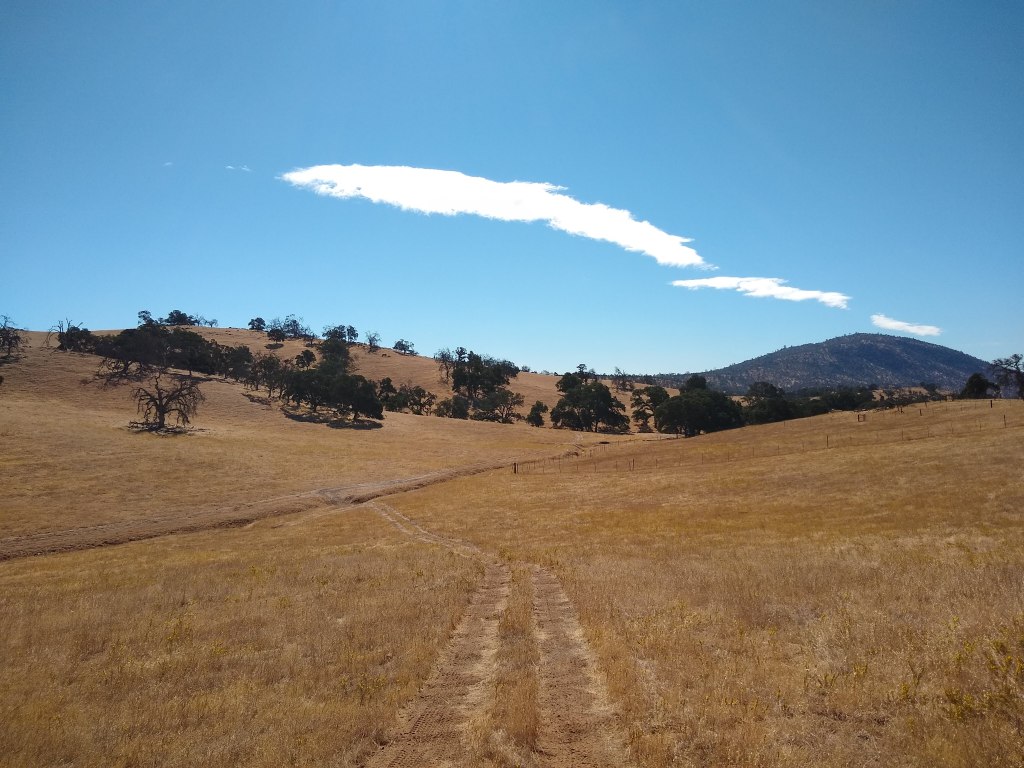
The weather is cooling. The wind is blowing the smoke away. It is a beautiful day on the ranch this Sunday. There is always so much work to do, but on such a special day, I had to take time to appreciate the honor I have to caretake this land, in this place, at this time. There is no better way to process these feelings than to walk the ranch. The smell of tarweed mixes with the dust of soil that is way too dry. Then cow pie. Then warmed oak bark. A little smell of stagnant water as I cross the Spring Creek and head up the hill. I notice the crunch of grass made brittle by drought. Top soil kicks up with each step of my feet and dog paws. As I get closer to the ridge, the wind kicks up tickling my skin. Although there is a lick of cool in the air, the sun is up higher now. The heat feels like a rug burn on my bare arms – hot and focused. As long as I keep walking, the breeze cools my skin. The dappling on the hillside give the dogs respite from the sun. Then, overhead, the call of a red tail hawk. It floats aggressively on the whipping wind – up high, then suddenly gliding close over the earth. As I watch in awe, a second red tail calls and floats close, over me. The dogs want to give chase, but they instantly know they are defeated as the wind takes the second hawk away as rapidly as it came. I come upon a slope of dead oak trees, victims to the last 5-year drought; there is a temporary grave site of a young hawk that likely chose the wrong territory to settle. Its flesh is no longer there, but its feathers are spread across the grass, reflective in the light. I give an offering and my thanks to the young hawk for its life and its feathers. Chiokoe uttesia in werweria, in jali’i. Se enchi nake. Se enchi nake. Ne te visawame. Its feathers will be used to do good, and in that way, its life will continue.

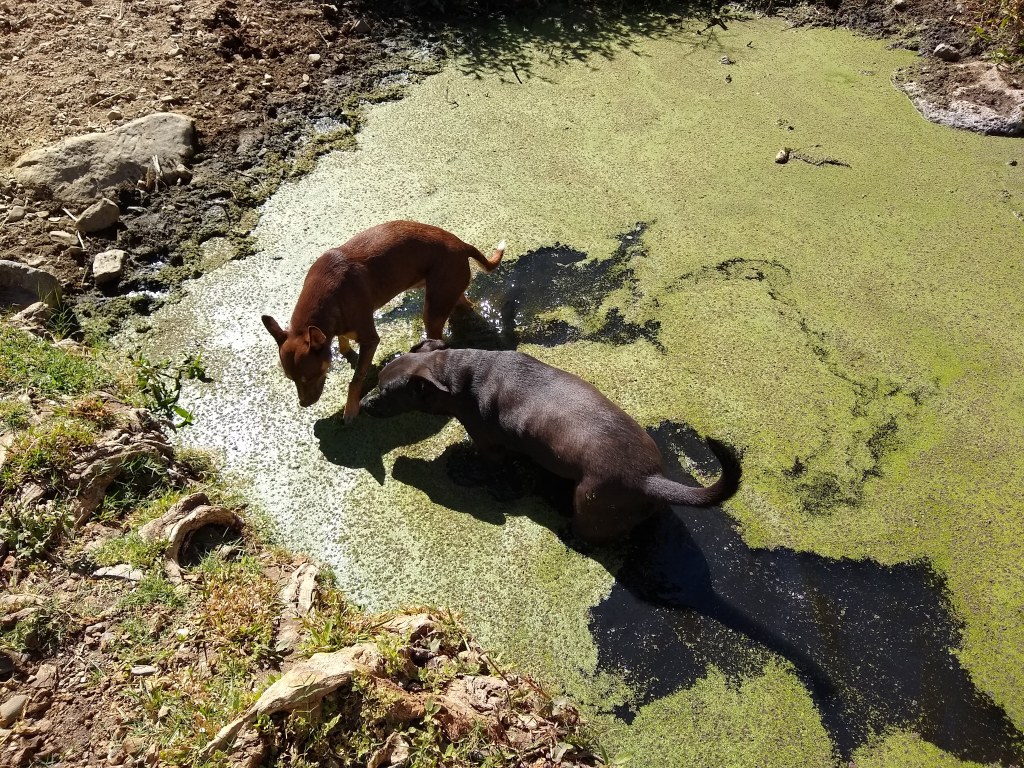
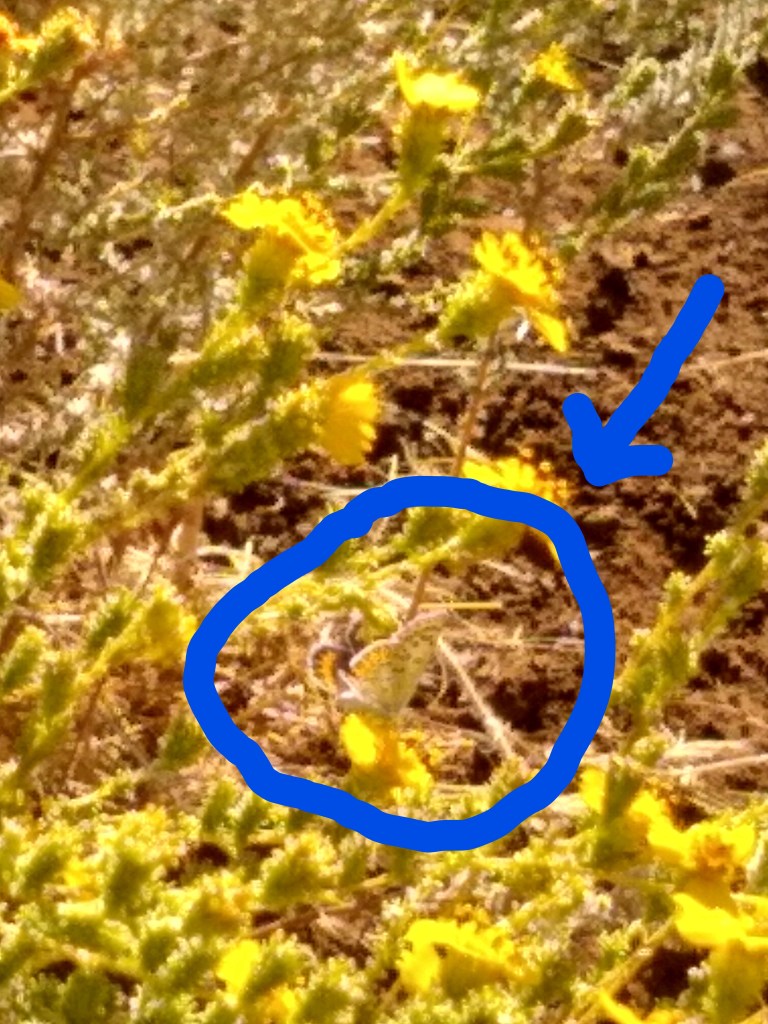
I saw just one butterfly when I got to Odom Creek. It was a little blue copper. I love those. The dogs took a swim in the large spring. It was a great morning.

Log Pile Dam Structure

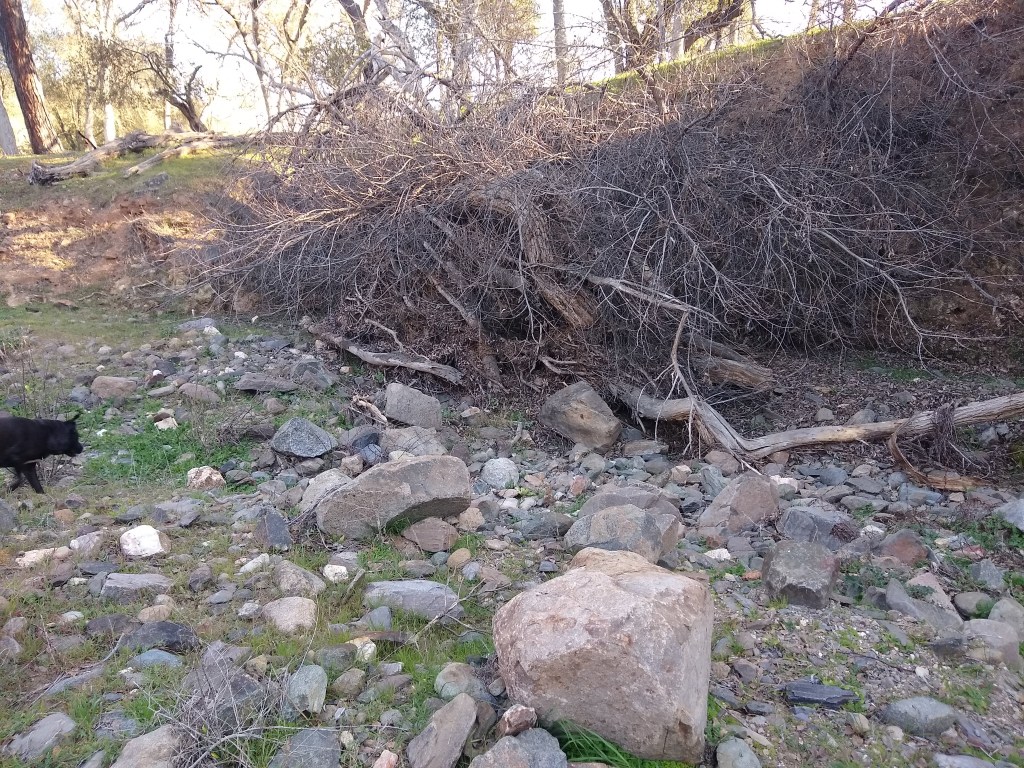
A log pile dam is a low cost, low hardware method of slowing water down in a stream. I was able to build the pile mostly on my own. To get the larger logs into the pile in the creekbed, I used other narrower branches as leverage. Then, I used brute strength to edge one side or another of the log into place. Even with all the progress, there were several large, heavy logs I did not have the strength to move, but were needed for the top of the dam. I needed a stronger person than me — HEEYYY DAAAAVVVE!!

I am anxious for rain so that I can see how well this will work to back up water, even a little, in the creek. Thank you David for your help. I really needed it.

Va’am into Sewam (Water and Flowers)

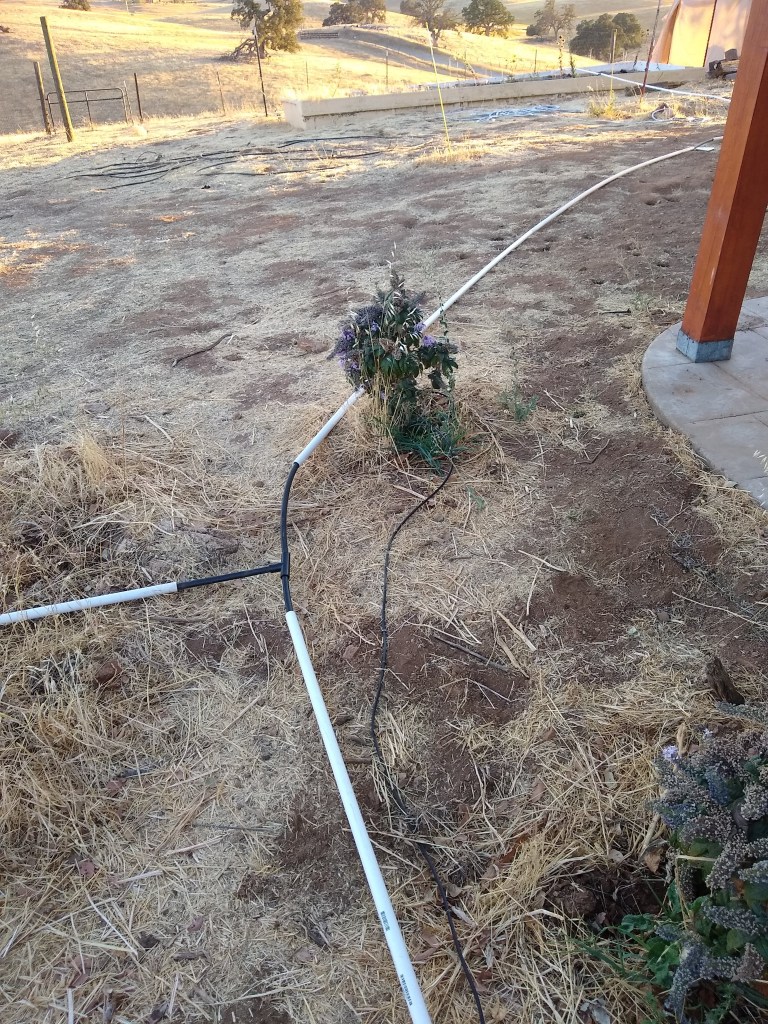
In my last post, I lamented about a water dilemma. I am running out of rainwater but do not want to irrigate from my well. Finally, I made the heartbreaking decision to irrigate with the well water. In the end, I decided I could be super miserly on household water usage. This way, I would create less impact on the well and the oaks that depend on the groundwater. I am so close to the rainy season and so close to the dormant time for many of these native plans that it made sense to do this. David built the irrigation lines, and all the plants have a 1/2 gallon dripper on them. The system will be set to water so that the plants get 1/4 gallon maximum. Hopefully, the rain will come soon, and I will not need it long.

A wonderful advancement of this project will be working with the Watershed Progressive. They will be installing a professional rainwater irrigation system. We will also be adding another 2,500 gallon tank. The system will have high tech features to know the weather and the soil moisture so that water will be added only if needed. It also comes with an app so that I will be able to monitor system performance and needs. I am very excited. The system should be installed early in the “rain year”. I don’t want to miss too much rain storage. David is so happy to not have to set up my “poor girl’s” rainwater catchment system. The new system will allow me to expand my plantings, especially as the earlier plants mature and need less or no supplemental water. It will also enable me to continue to do this work without the limitation of the watering effort and the break down of my body. I cannot underscore how important this is to my continuation of this work.

TA Portion of the RCD Grant Gains Steam

Staff at the Miwumati Family Healing Center, a program of the American Indian Council of Mariposa County (aka Southern Sierra Miwuk Nation, have been collaborating with me on the hiring of a Pollinator and Garden Advisor for the Center. The Tribe has been focusing on Indigenous food sovereignty programming, including starting a garden. The new hire will not only focus on traditional food systems, but will be learning about pollinators. They will then help others in the community expand their pollinator habitat. I will be working with this person as well as other experts to build this capacity. This is very exciting.

Thinking of the Future

As the growing season nears its end, I have a little more time to think about the future. The Xerces Kits will arrive in November. The Tribe’s Pollinator and Garden Advisor will assist me in helping others get the dormant plants into the ground. We will be focused on planting in typically wet locations – like creekbeds and springs. I also would really like to create a beaver dam analog on Odom Creek. I spoke with the Watershed Progressive about this. They are learning how to do this work themselves. There may be the opportunity to have a clinic on the ranch to help others learn about implementing these on their parcels for the benefit of wildlife as well as livestock, which can benefit from the flooded areas that will grow more grass. There is always so much to do, so many ideas. No matter the workload, it truly is an honor and a privilege to be on this land, to work with so many outstanding humans, and to be doing work that makes – at least this small part of the world – more habitable for butterflies and other pollinators.

Nassua (Fight)

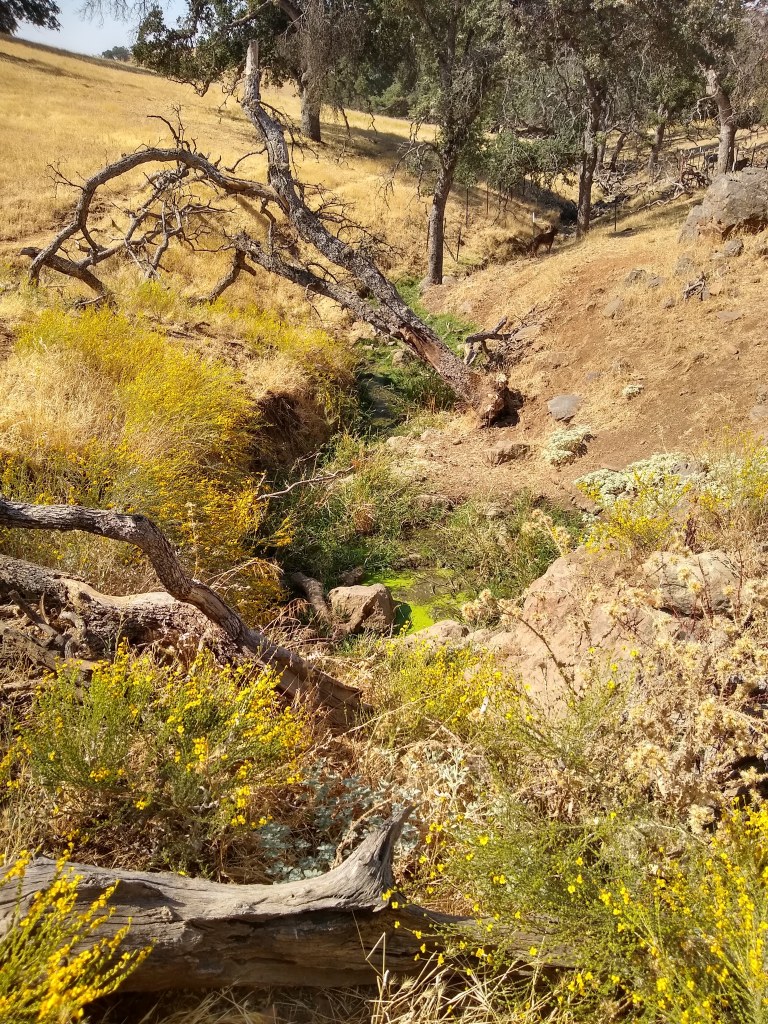
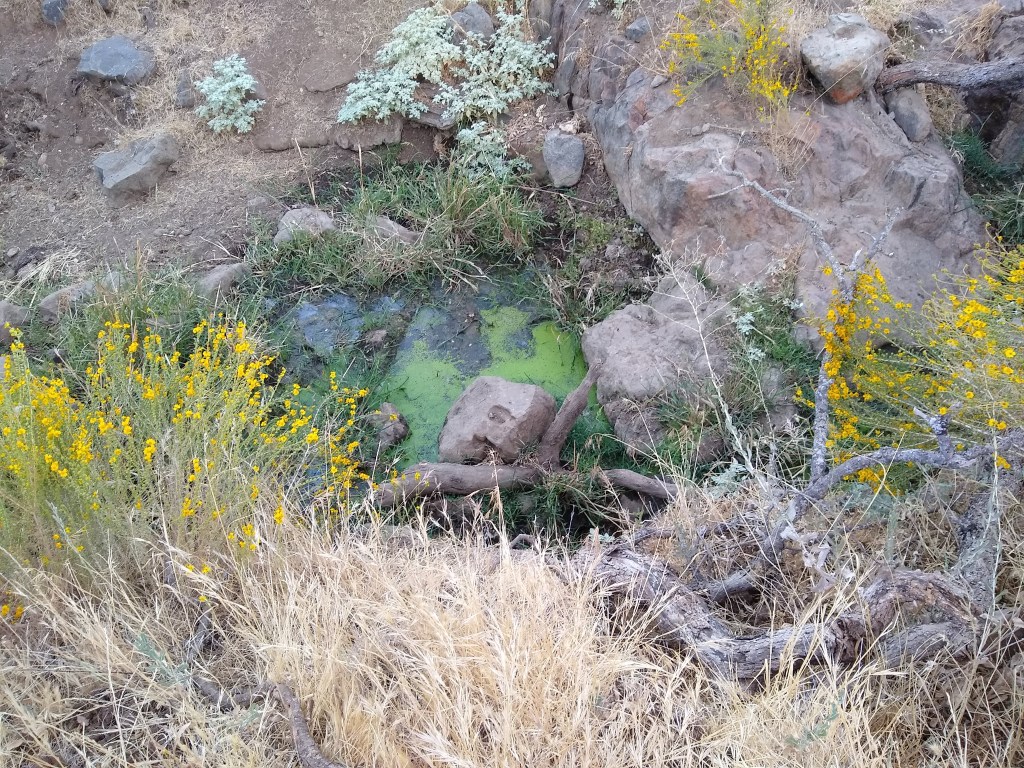
The spring along Spring Creek fights back from the heat wave and created two new pools

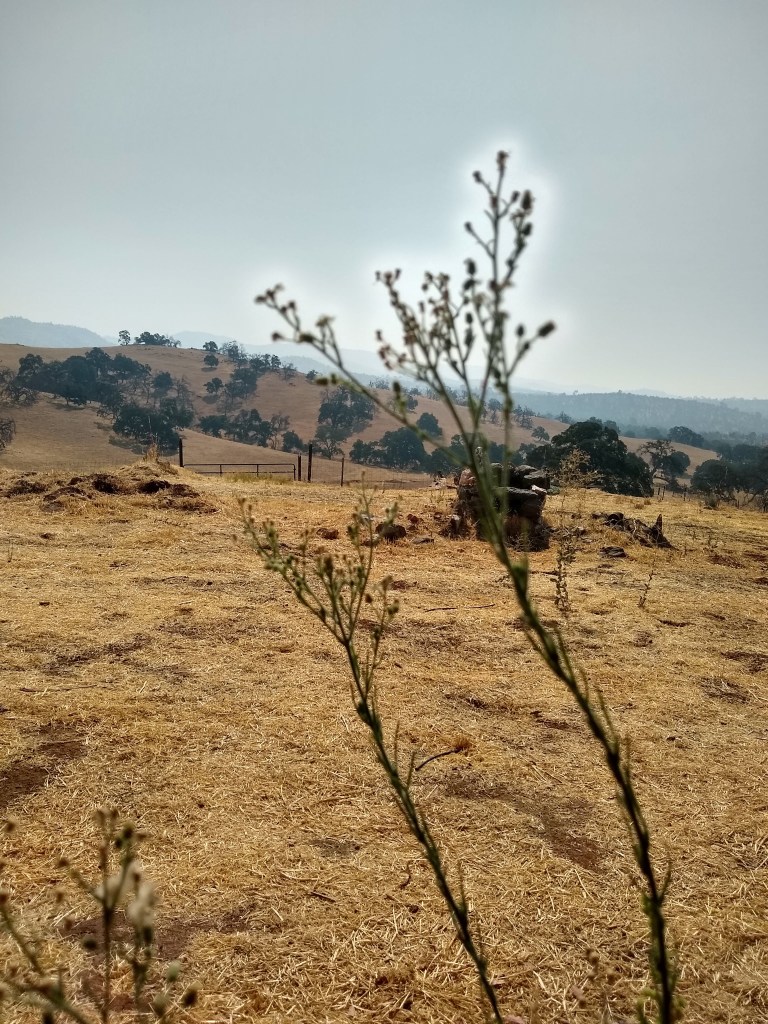
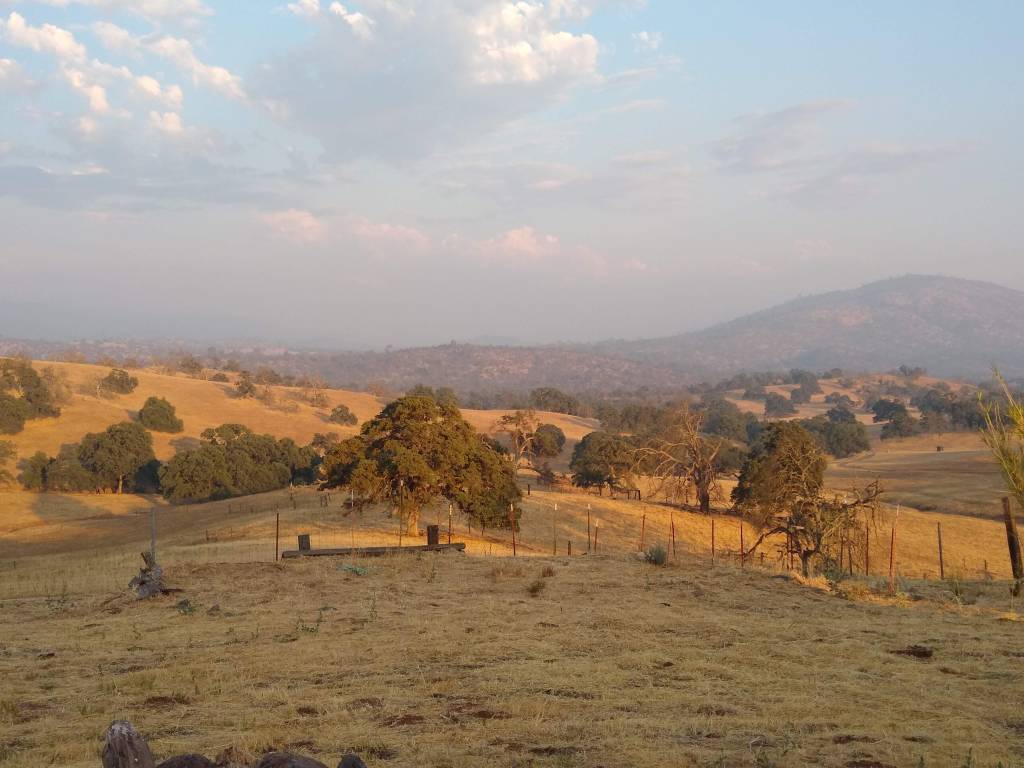
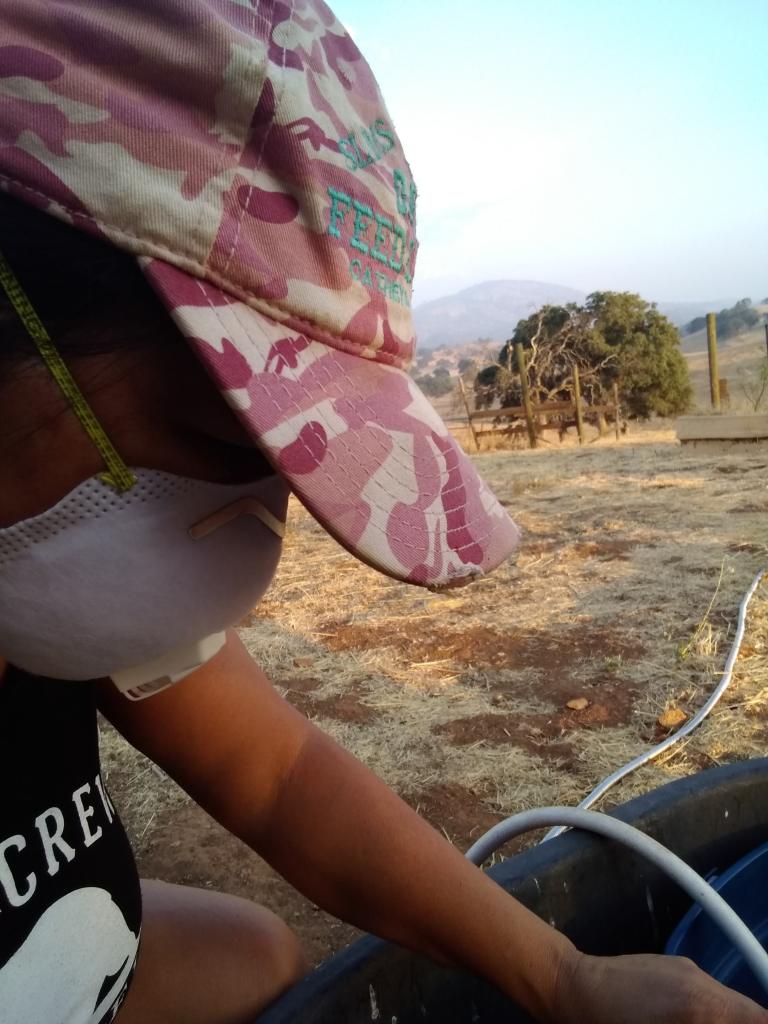
I almost did not use “fight” as the blog title. Like many people, I am sick of all the division – the fighting over everything – like masks, which should be basic decency and thoughtfulness. The heat has been deadly, and everything, including humans, are fighting to survive. In my nearly 20 years on this parcel of land, I have never seen this level of quiet, this few birds, insects — and no butterflies. Even ants, which are hardy and reliable visitors, have been largely missing in the house, along the patios and near the house. I know it is the heat because when the temperatures dropped back into the 90s with cooling overnight, there were more bugs, and yes, we had ants inside all of the sudden. One of the most visible shifts when the heat cools, is the presence of birds – more flitting about and singing. It was a horror, truly, to see several birds during the heat wave panting, just standing on the patio with their beaks open. The filled water troughs and consistent, albeit low volume, water production in the Spring Creek have been life savers. One of the greatest miseries over the mass of 100+ degree days was the was the 9 week absence of any butterflies. On August 31, I saw my first butterfly in those 2.25 months. The next day I saw another one, and over the weekend there was another one. There should be so many more, but I am glad to see any.

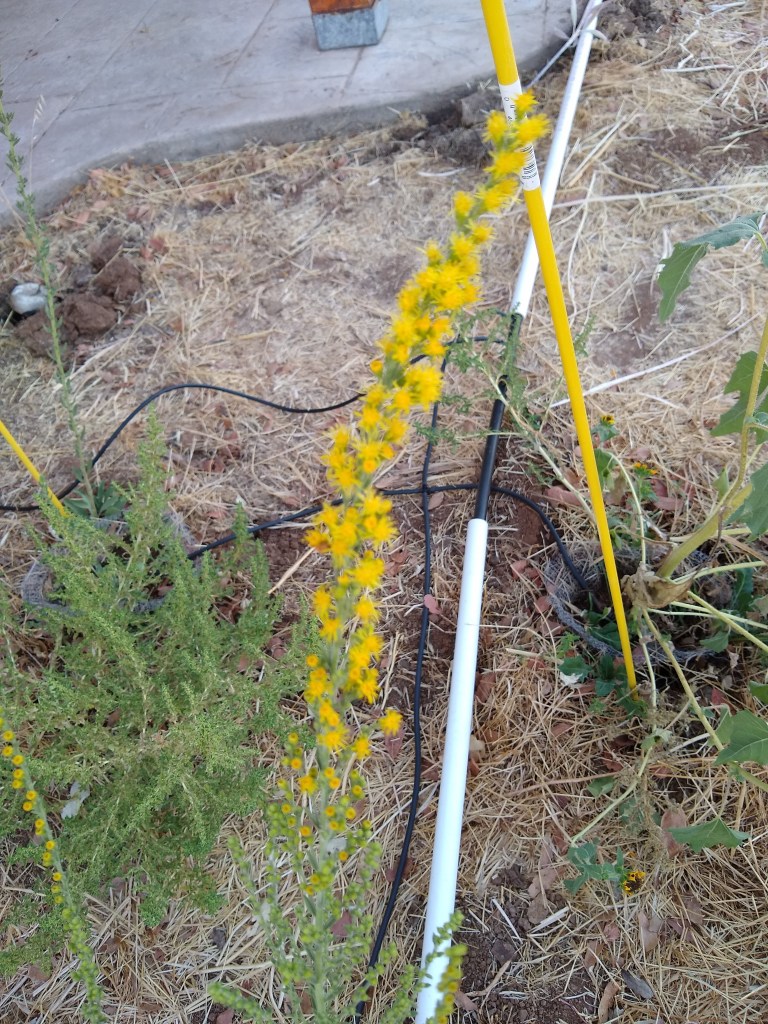
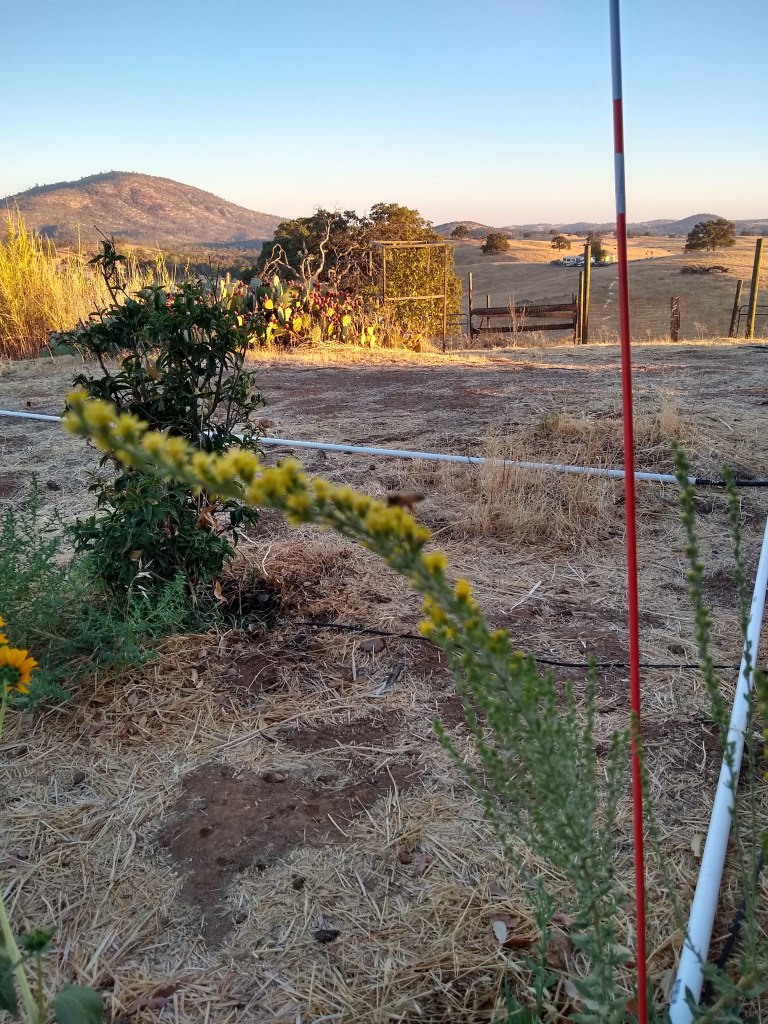
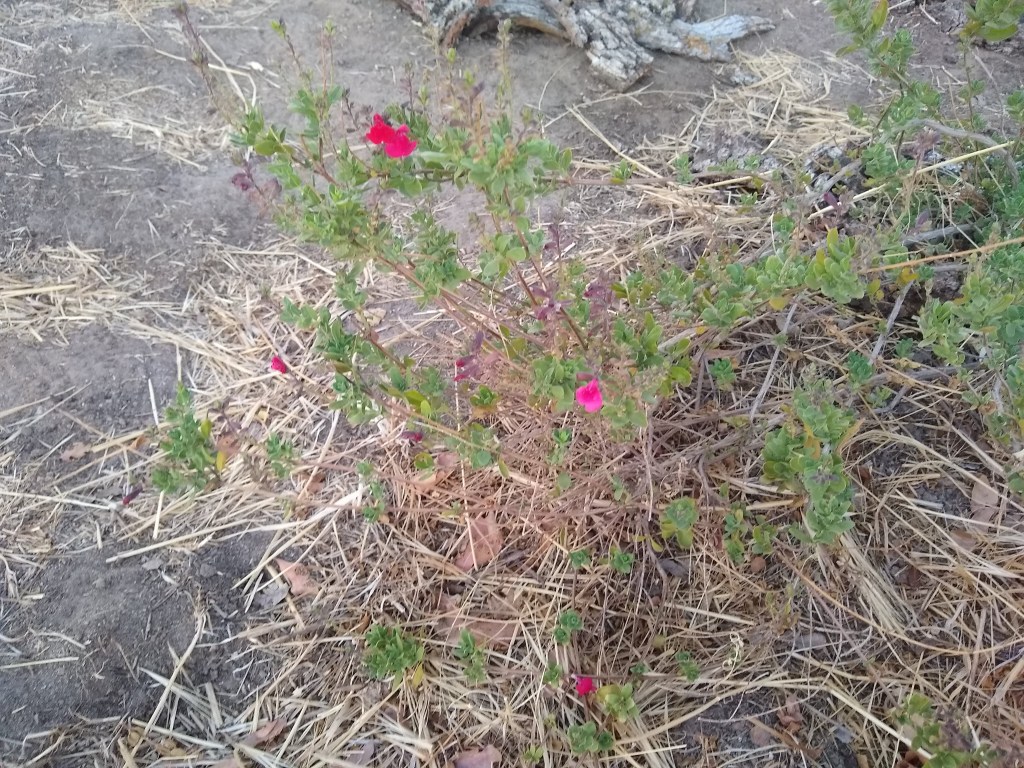
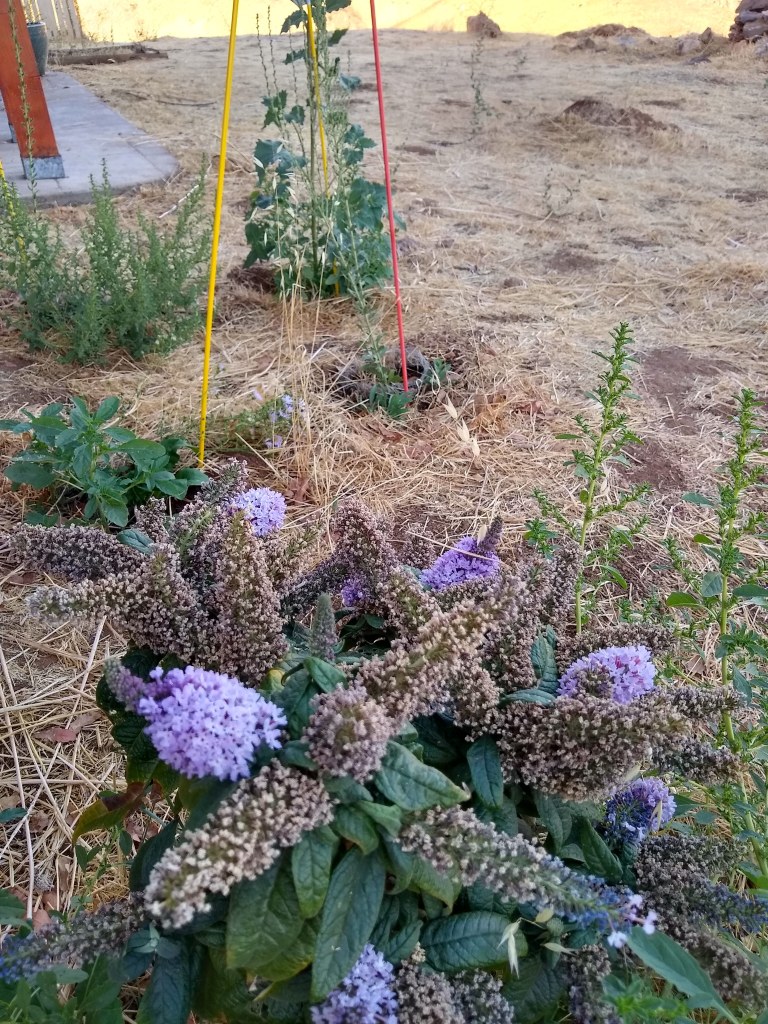
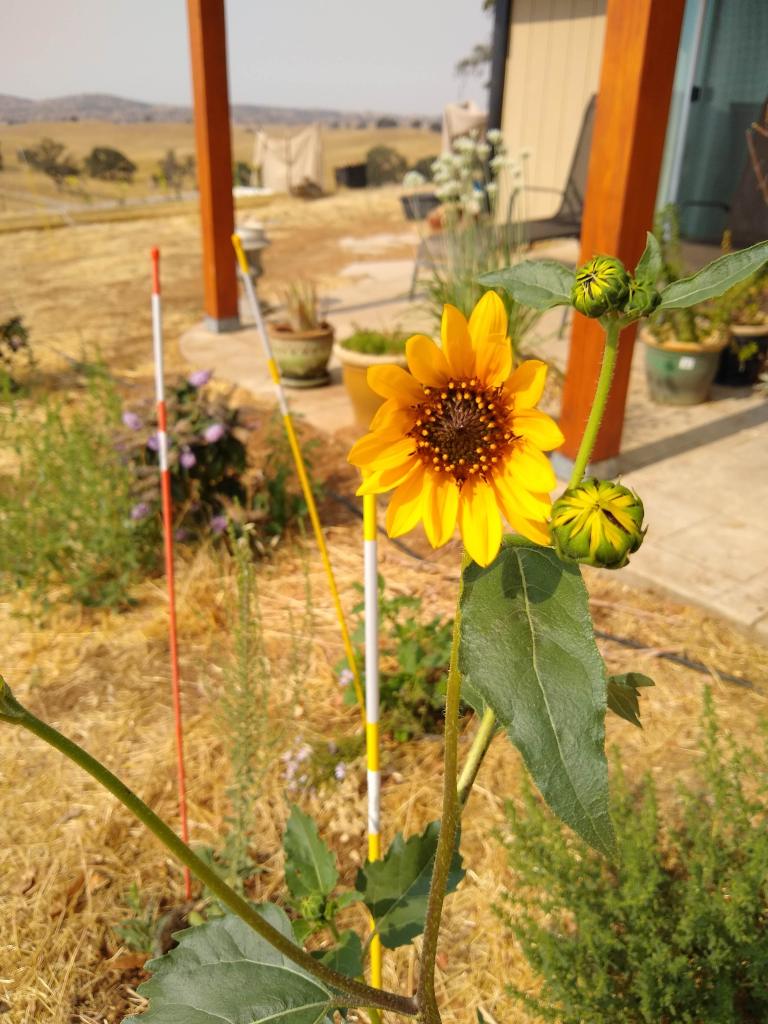
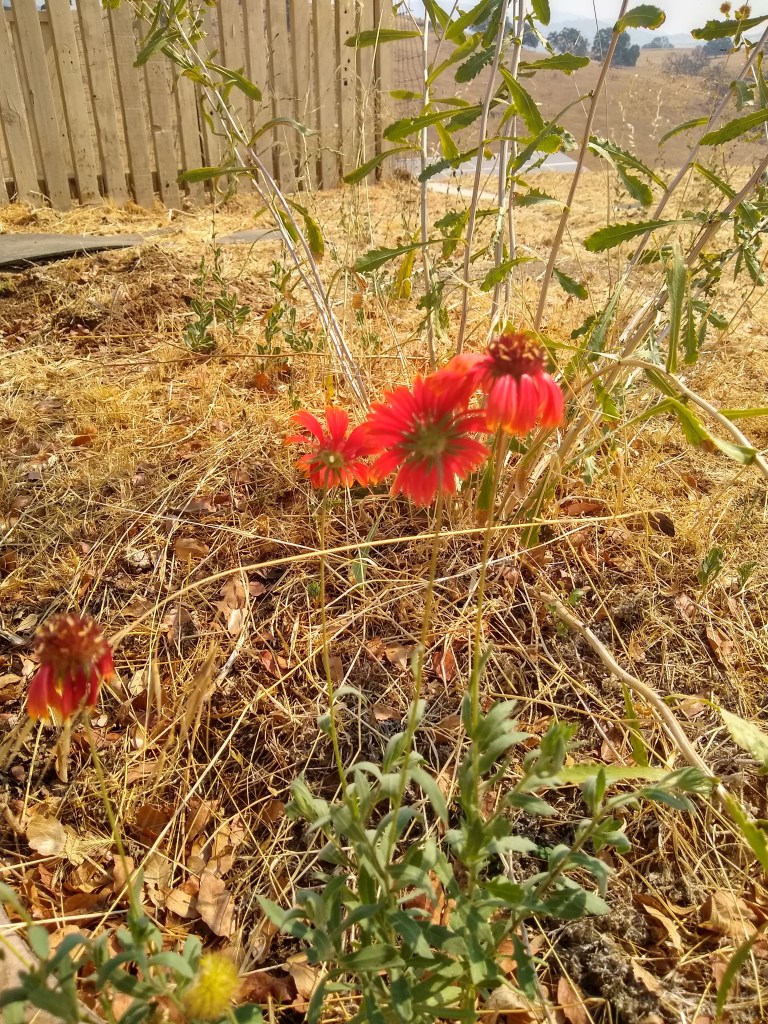
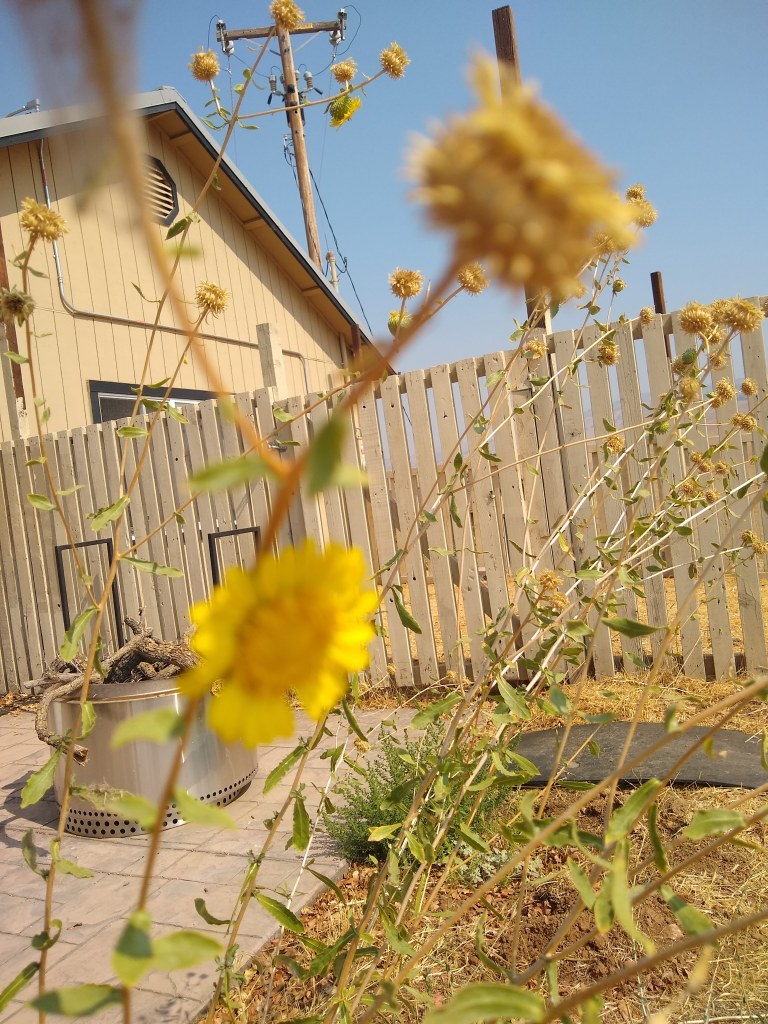
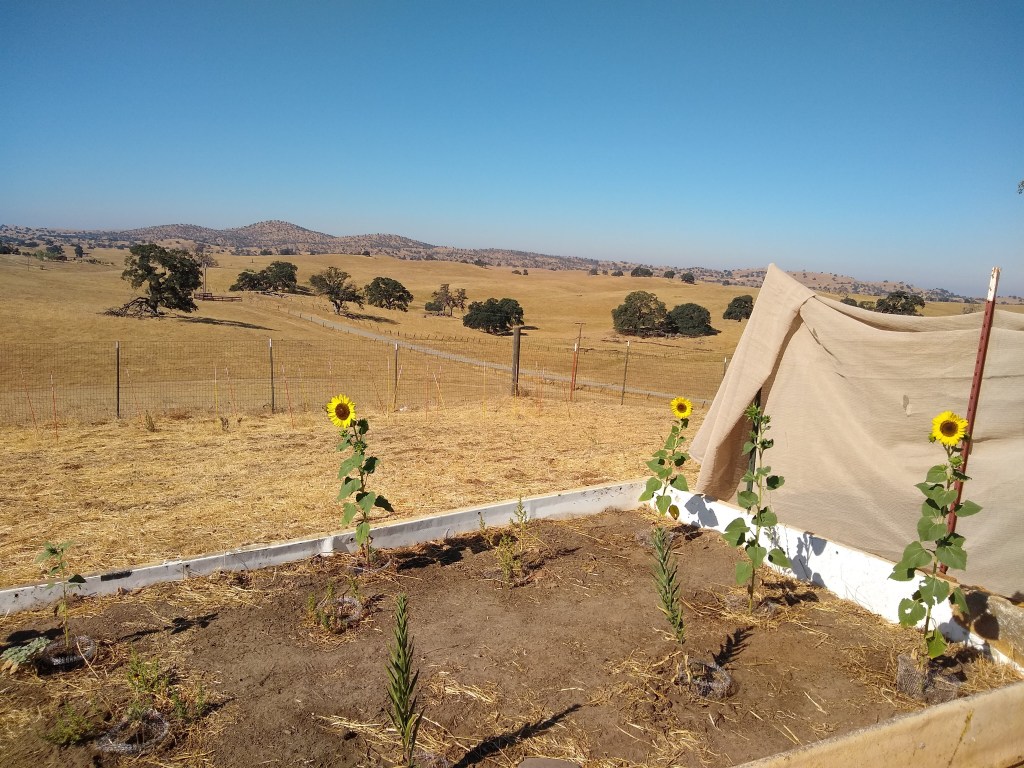
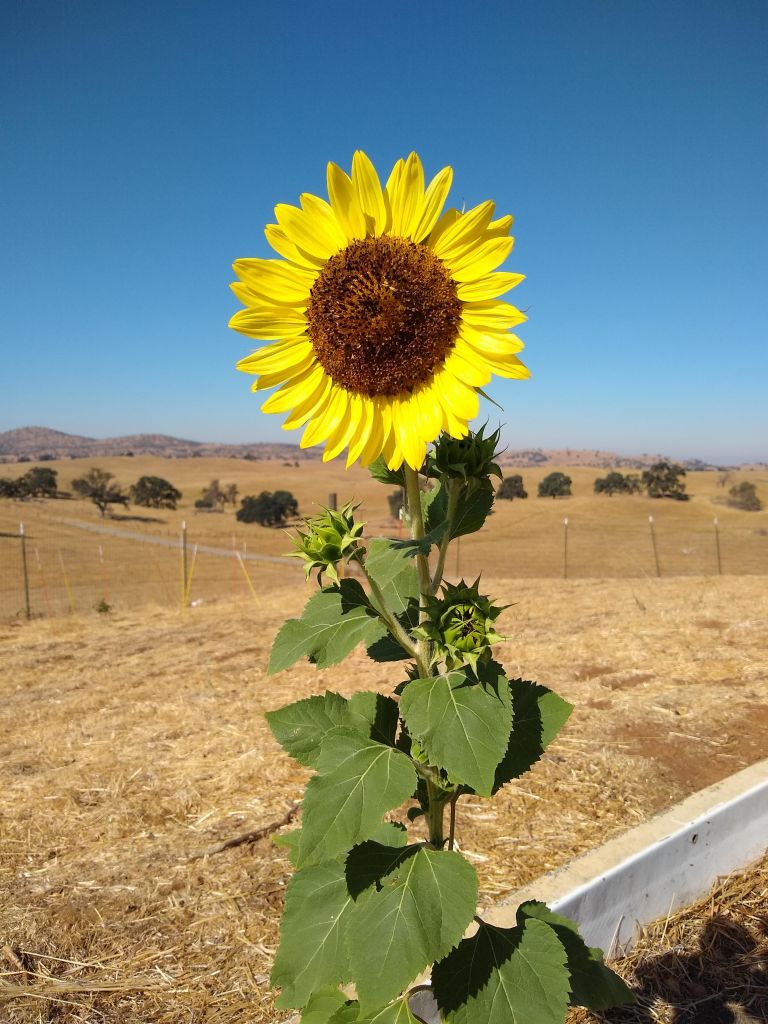
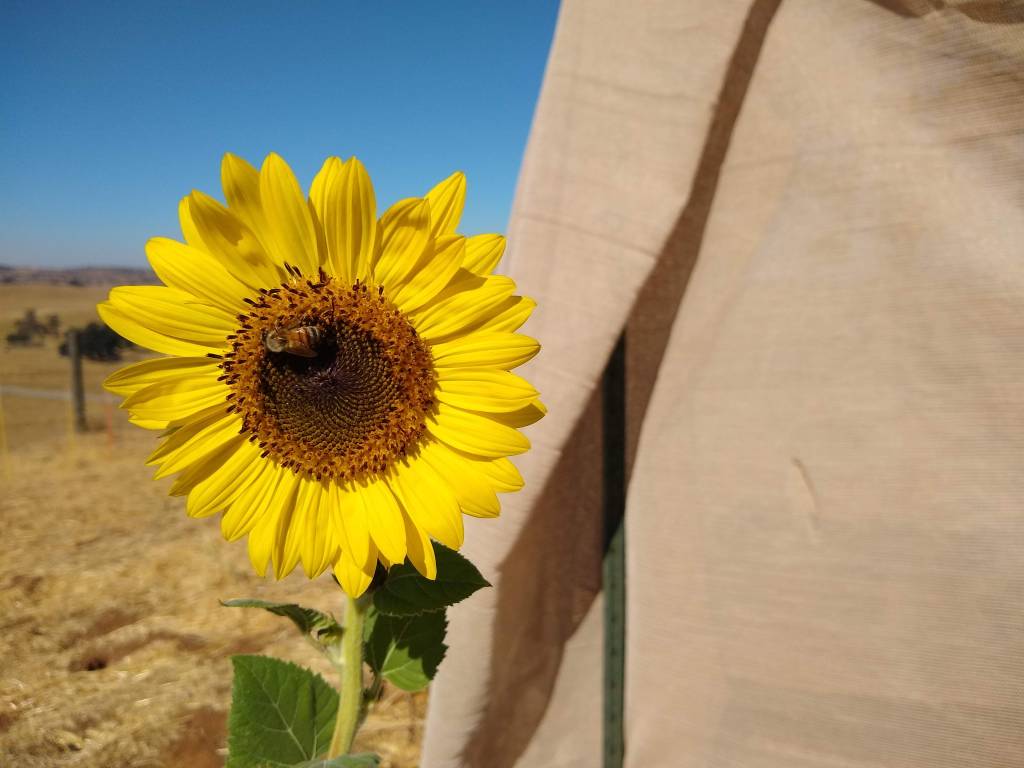
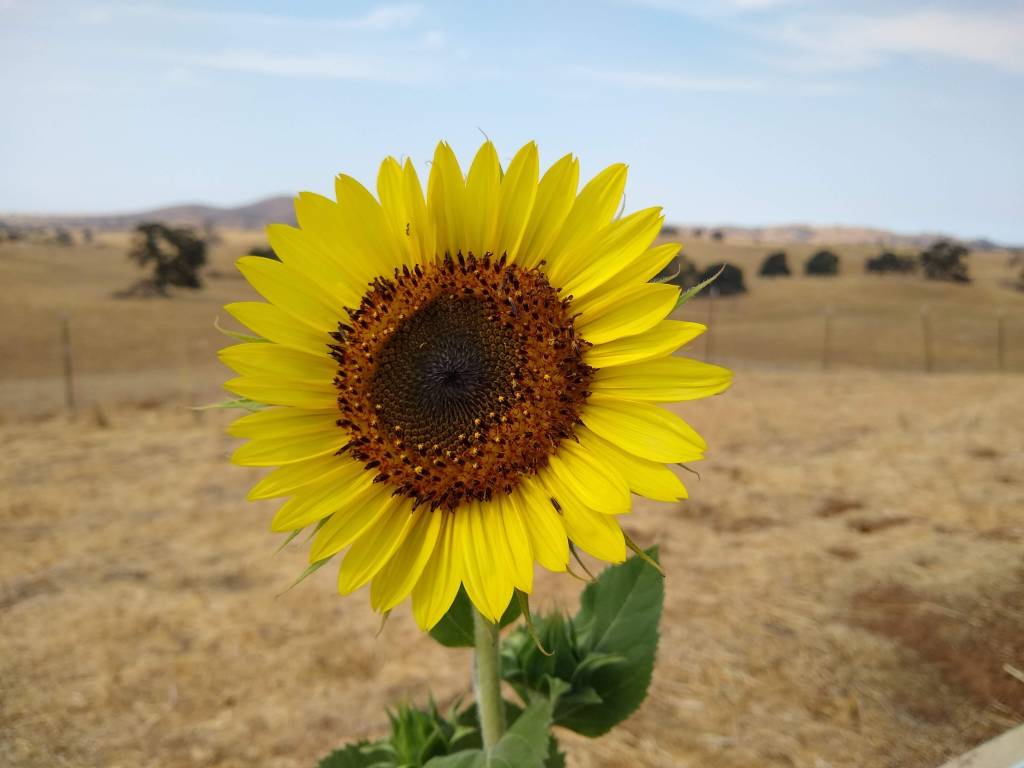
I have three narrow leaf milkweeds blooming currently. The others are a little further behind. There are milkweeds that continue to grow 2, 3 even 4 times after being eaten by gophers. They inspire me to keep working, to keep watering. The narrow leaf milkweeds seem to have the most growth potential and speed than the broad leaf milkweeds. The spring continues to fight the heat to keep water moving and pooling down the creek bed. There are somehow sunflowers, lilies, and other plants that have appeared despite the heat and lack of moisture. With all of these examples of determination from in werweriam (my relatives), I must continue to have hope and some grit to keep going. I see bird poop and feathers on and adjacent to troughs. I see tracks adjacent to and shifted boulders in the creek trough. The water is making a difference. So – I get up each morning before the sunrise to check on things and work each evening until just after sunset watering and filling troughs. David is helping me cut wood so we can create mulch for the beds. The wind has blown the grass mulch off and exposed the soil. The mulch will be help retain moisture. We have to keep going and get these plants, animals and insects through to the rainy time, which we all hope is soon.

Va’am Hiapsa (Water is Life)

Without water, nothing is possible. There are only 780 gallons left in Tank 2. This equates to approximately 23 days of water. Do I use well water until the rain comes? Do I let most of the plants try to survive on their own? Do I cull the native plants that have bloomed and are closest to their dormant period despite them being green – so that other plants can continue to live longer with regular watering? Am I too over concerned about the oaks’ and their access to ground water? Can I watch all my hard work and these plants that I love so much whither and die? As I watch my tank water level decrease every day, it reminds me that I will need to make some tough choices soon.

We are making headway here. There are plants that have established very well, lots of plants in bloom and plants that grew from naturally distributed seed. Although there has been attrition due to gophers, extreme heat and simply failure to thrive, the system is functioning. It is on a much smaller scale than I anticipated when I started, but I am seeing modest progress.

Checking-In on Friends

I went to Caroline Korn’s home to check in with her and see how the broad leaf milkweeds were doing. Caroline is one of the finest gardeners I know, and sure enough, the milkweeds were doing very well. I could not believe that she pulled out all of the runners from the plant that was in the adjacent spot. She is remarkable! Caroline realized most of her blooms were from food plants and has decided to plant more native nectar plants. We will be sure to “hook her up” with some from the Xerces Kits in November. Being near a creek and having existing habitat, she is a good candidate for the kit.

Next Steps

With the acorn falling, it is time to think about the waterways and preparing for rain. I am going to work on some modest log dam structures or beaver dam analogs. I still need to find a good plan for how to make them. I have the logs from the couple dangling branches I had cut, and set into the creek bed. I cleared out the smaller logs so I have room to work and can build the foundation. I don’t want to create a pond. I want to slow the runoff down and back the water up a little so the soil gets a good dose of moisture.

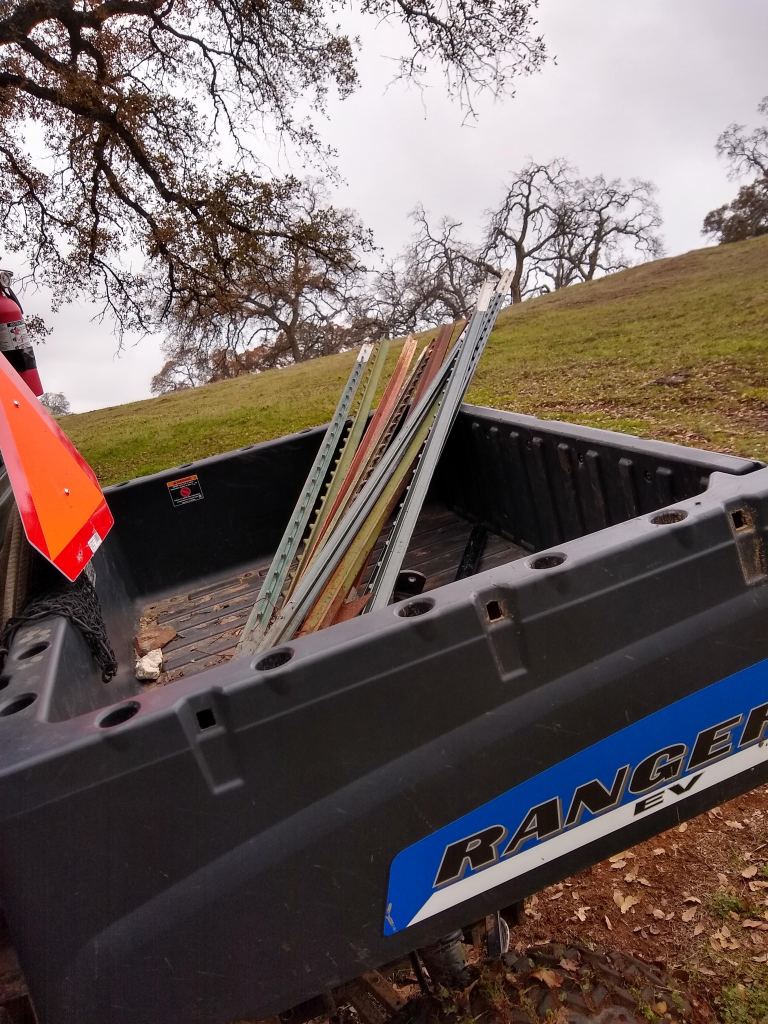
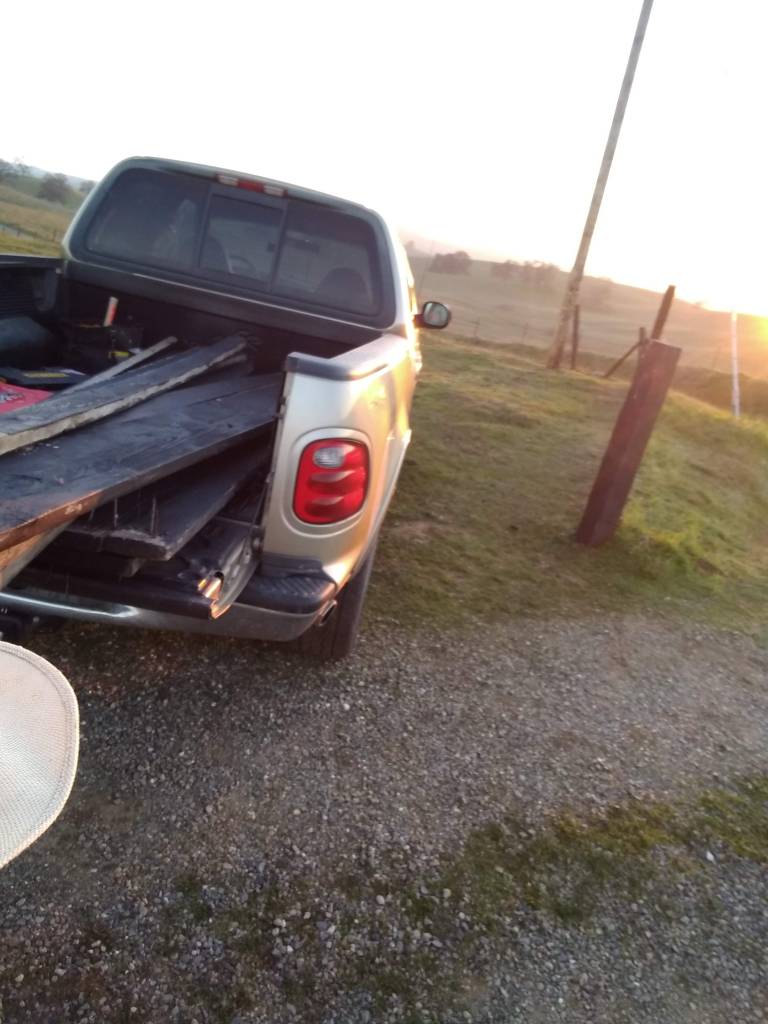
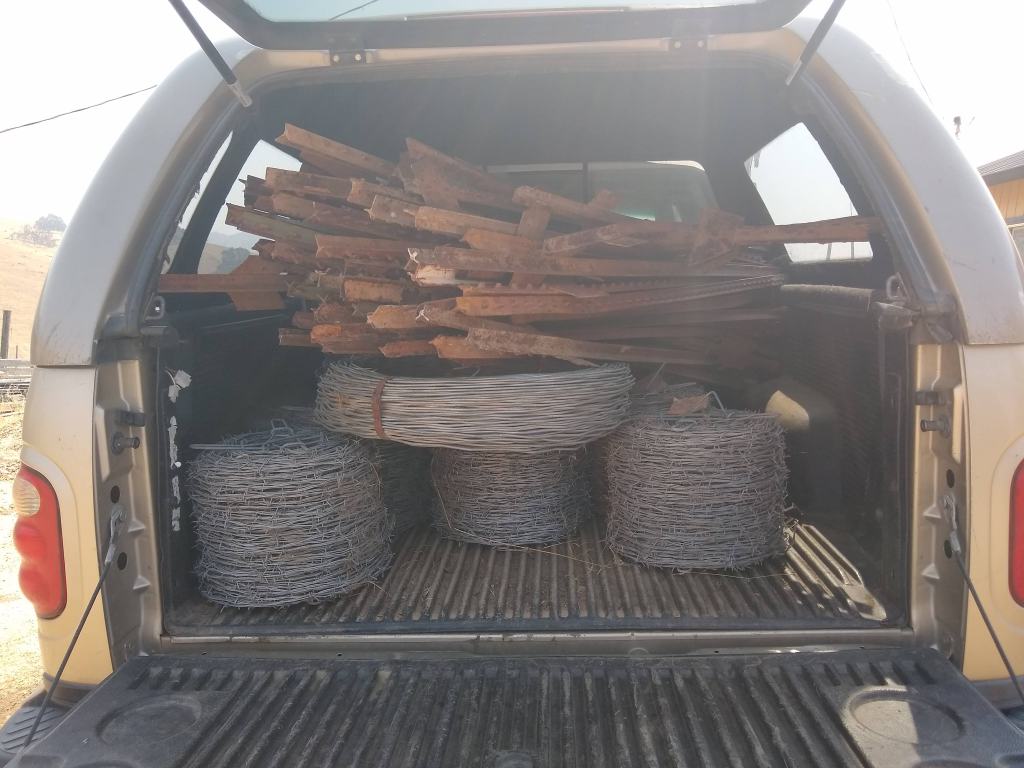
David helped me pick up a massive load of new commercial grade barbed wire, well-used t-posts, smooth wire and clips from a friend’s family that was selling their ranch and equipment. The truck was loaded down. This trip, even with current gas prices, was well worth it. I will now have enough barbed wire to build the two riparian protection fences at a fraction of the cost. Thank you Arturo and Carolina. We wish you well in your next chapter of life!

Packed truck

Even with all the dust, heat and wind, there is so much beauty here. It is a constant reminder to be grateful, and it gives me the courage to even consider that the rough days will pass.

Resilience

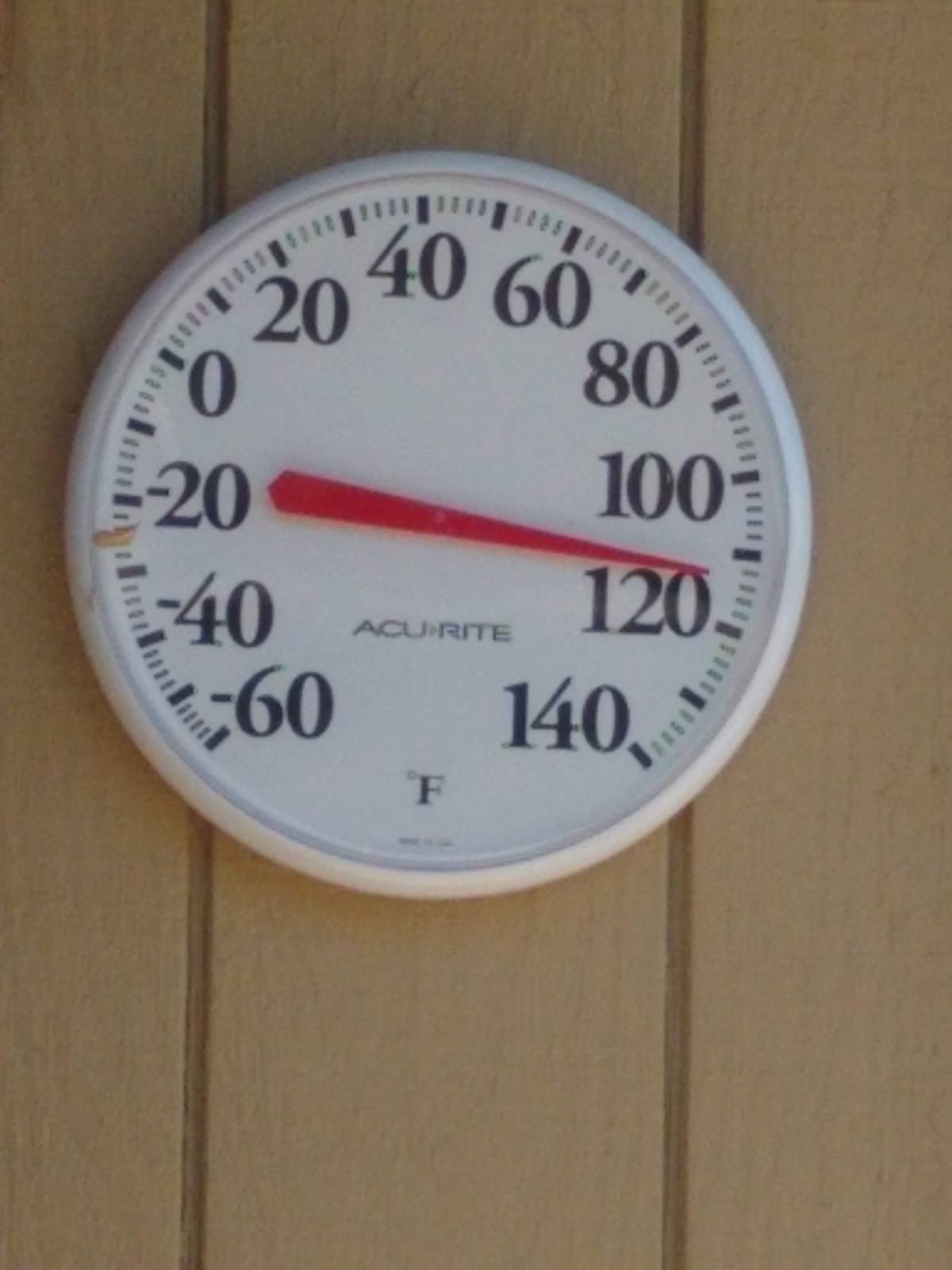
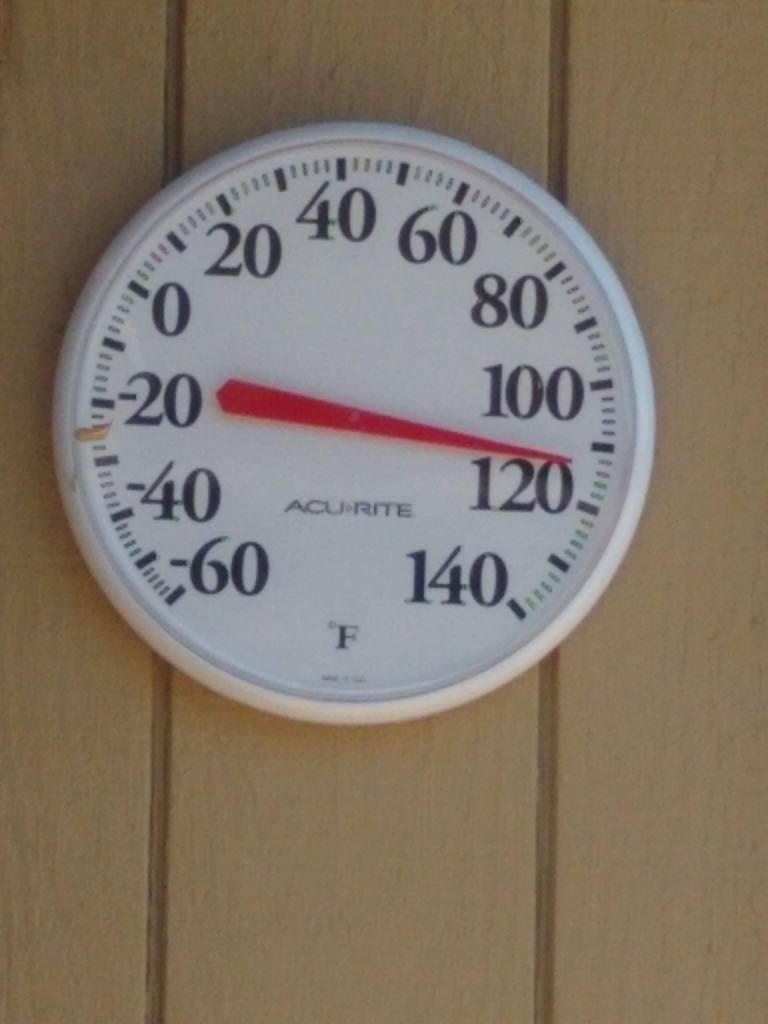
The temperature in the shade, Sunday, July 11, 2021.

We are all just trying to survive – me, the plants, the animals, the insects. The heat has been unbearable. Have you ever opened an oven and were real close to to the inside? That is what it feels like…like being completely enveloped in a pod of heat. Several plants just had enough and died despite my regular watering. We have had, based on my temperature gauge, over 40 consecutive days of 100+ degrees. We finally caught a break last week with temps dipping into the 90s (who would have thought that would seem cool???), and on Friday, August 6, I was able to go for a walk with my dogs in the morning. I felt so good…that is…until the smoke from the fires rolled in. We had been mostly spared, but now have smoke to contend with.

My previous post was just over one month ago. With the heat, I have not been able to muster the energy to write. Even with air conditioning, the ongoing heat seems to melt through the walls and infiltrate the house. When it does not cool at night, the soil, the cement and the house stay hot and nothing gets a break. This is how people die, by unrelenting heat capturing inches of body as soldiers capture inches of ground during war. We, plants, animal, insects and me, need to conserve the energy we have to live another day.

I have not seen any butterflies in over 7 weeks and few bees despite many blooming plants. The nectar appears wasted with the wind, heat and now smoke as deterrents. It is easy to get discouraged as climate change ravages this place. Watching other creatures suffer even though you are doing everything in your power to make things better is difficult. All you can do is wait and hope that your efforts will help bring a better future.

A. Californica Seeds SAVED

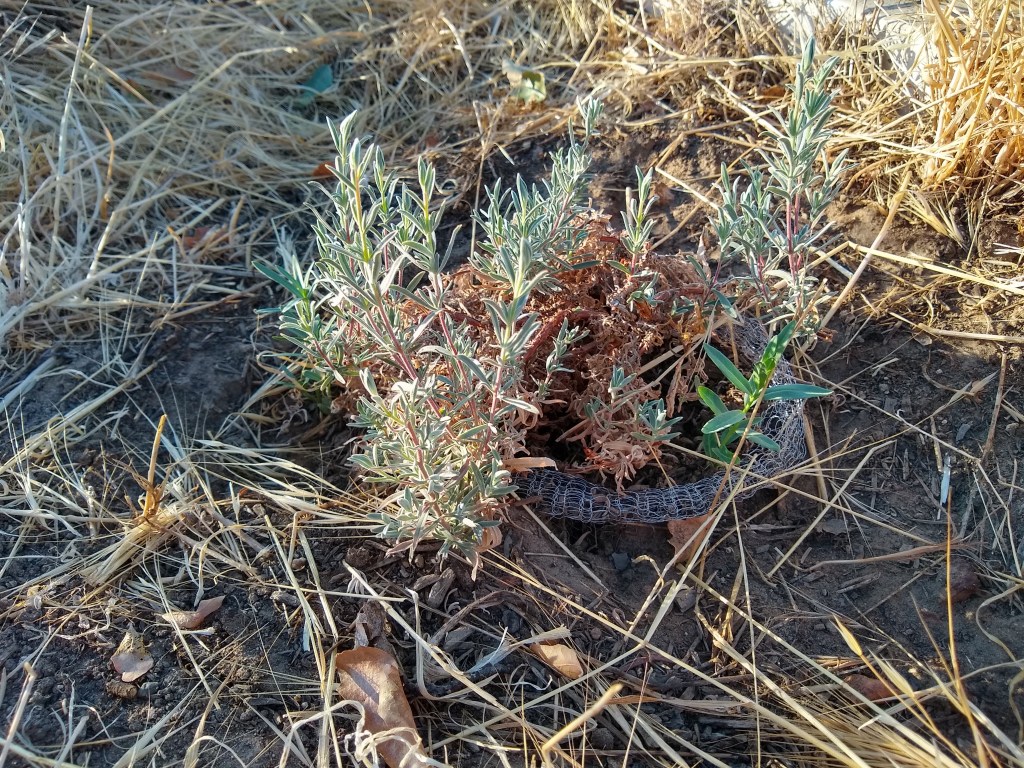
Deedee Soto, from Xerces Society, came to the ranch to retrieve the seed pods from the A. Californica. In the previous post a month ago, I discussed how Deedee came to the rescue and hiked to all the plants to place mesh bags over the pods. The idea was to keep the seeds from being destroyed by the grasshoppers. It worked! I monitored the bags every day, morning and night, looking for signs of breech. Finally, in early July, I let Deedee know that the pods were ready. She came up on July 9 to collect them…and not a moment too soon. Some of the bags had holes in them from grasshoppers. The seeds, however, were still there and looked great. Thank you to Deedee, as always, for her passion and commitment to pollinators. We let some seeds fall to the ground. She took some for propagation, and I kept some to plant over the next few years. Deedee told me that scientists have been finding that aged A. Californica seeds appear to have a higher percent of propagation success when they are older. I have a paper bag of them in my pantry now!

The 45 Minute Dash

During the hottest days, which was most of July, I had only 45 minutes to get the watering chores done. This meant I was having to be as quick and efficient as possible to get all done before nightfall. Every day for two weeks, I would return after sunset. Fortunately, my neighbor’s Polaris has good headlights. One major drawback of this is that the animals are beginning to come out too. They have been hold-up conserving energy during the heat of day. In one unfortunate occurrence, Millie crossed paths with a skunk. I heard barking, then running through grass. All of the sudden, Millie appeared in the headlights, eyes squinted and pushing her face into the mud of the creek bed. Then the smell hit. Millie had taken a shot right to the face. I rinsed her face with the water I had on the Polaris, then made the trek home to wash her. Needless to say, I kept the dogs in the house when I knew I would be staying out after dark. For those interested, I used a skunk wash recipe, which included an entire bottle of hydrogen peroxide, a cup of baking soda and a teaspoon of dish soap. It really helped, but she has a light stench, and it is a month later.

Heat Wave Battles With Spring. The Spring is Losing.

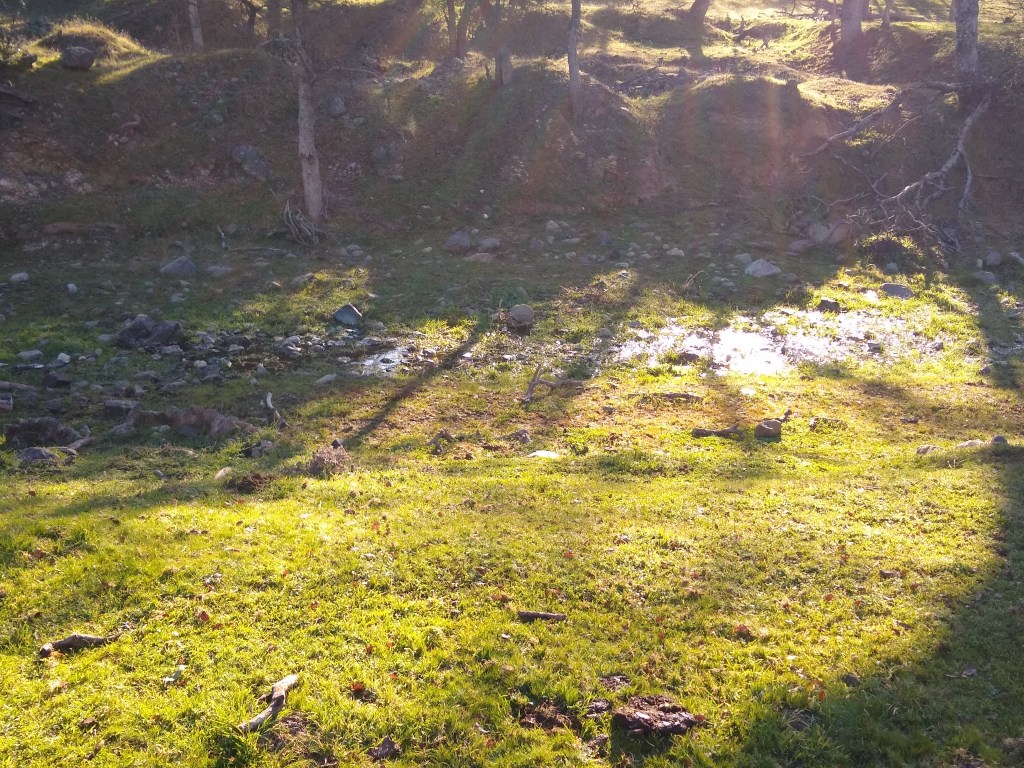
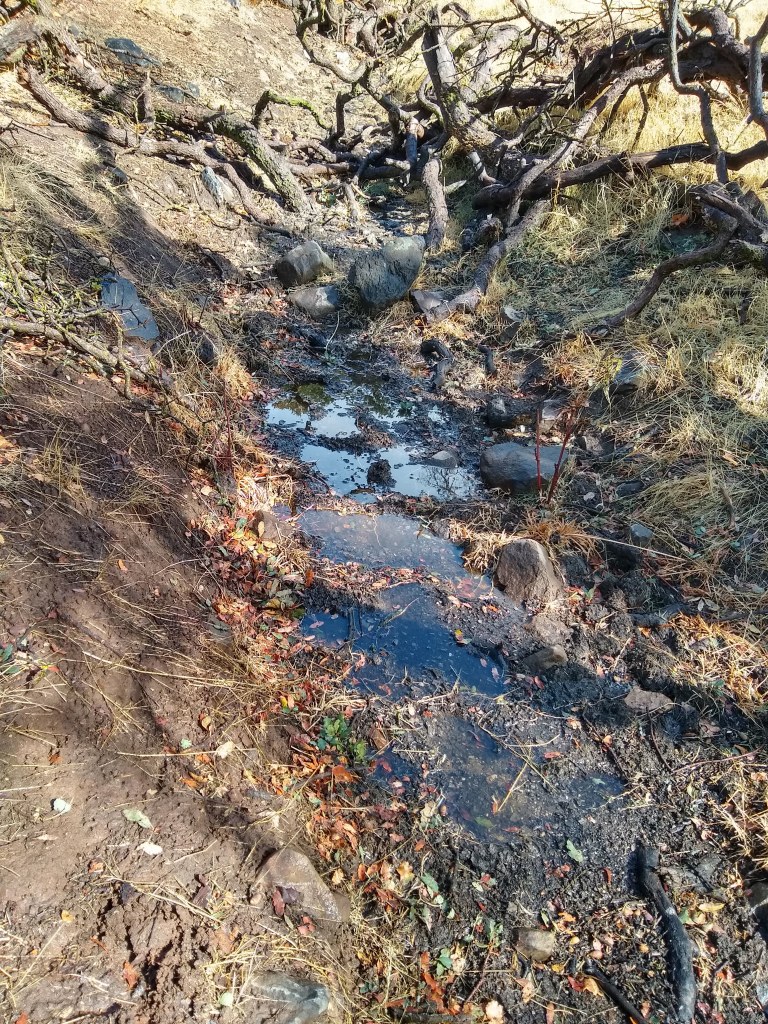
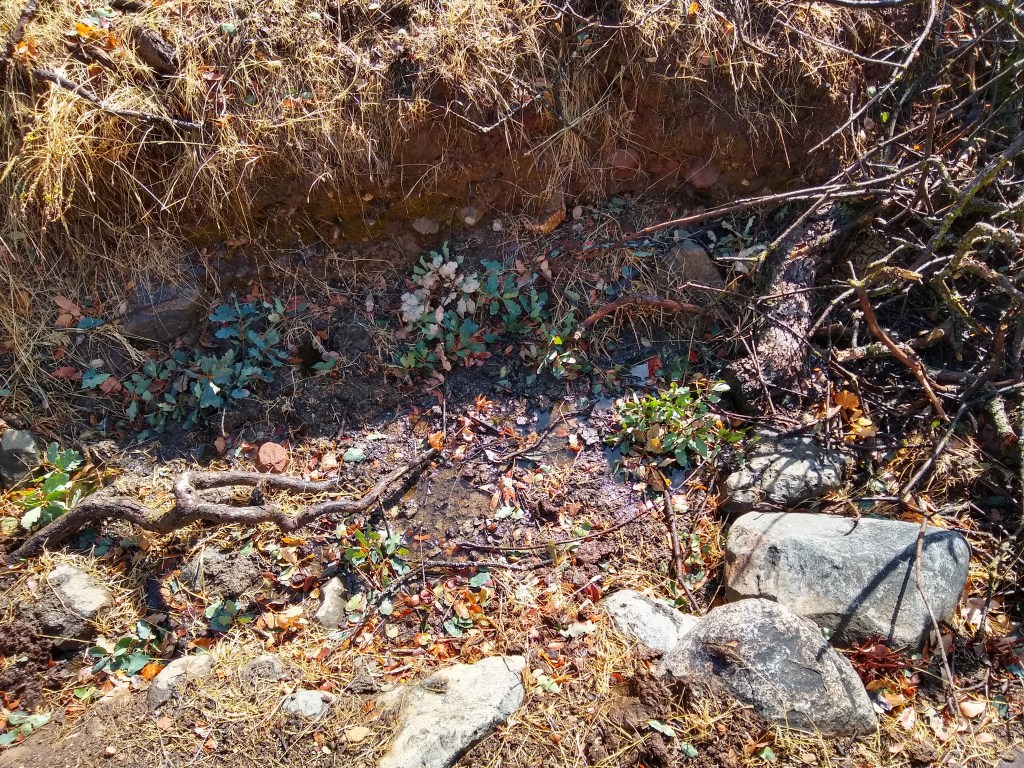
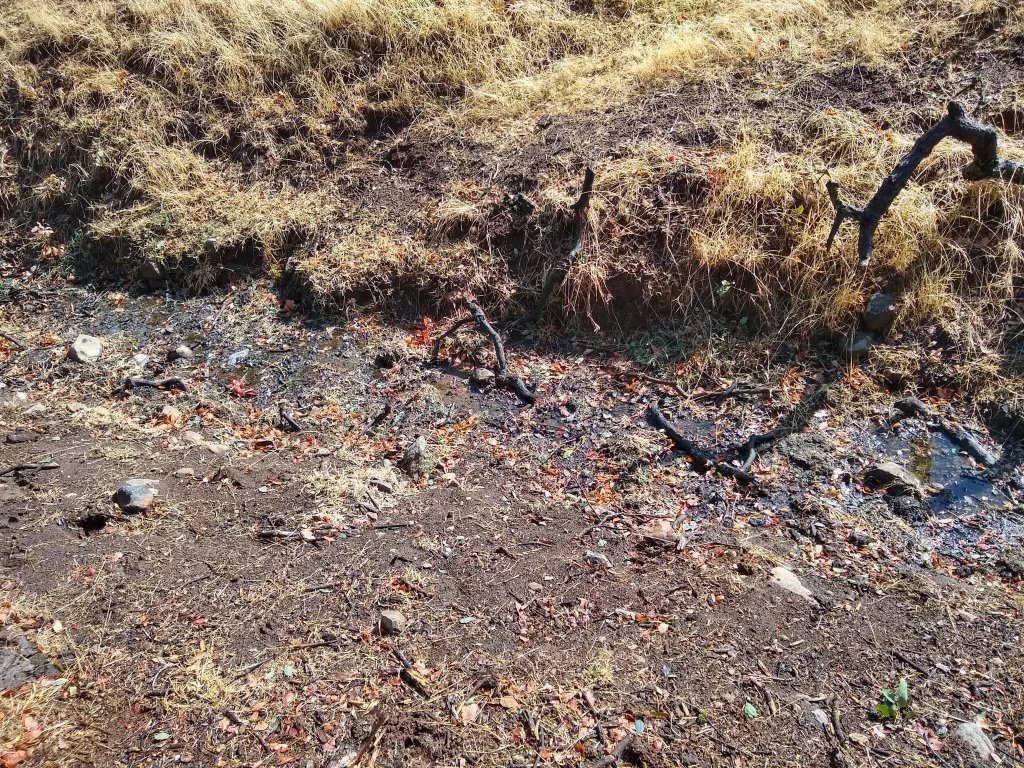
The above photos, although recent, are now out of date. They show more green than exists today. The heat wave has been aggressive. It dried up the small pool overnight and continued to beat back the small trickle of moisture that fed the pool. Although the spring continues to trickle down the creek bed, the heat dries it up before it can make it very far. The once lush 300′ section of creek with its flowers, grasses and moist soil, intermittent shallow puddles that quenched the thirst of insects, birds and mammals is now a cracked, dry space with yellowed , withered plants. Only about 50′ of creek continues to be moist. That little spring is a life-line.

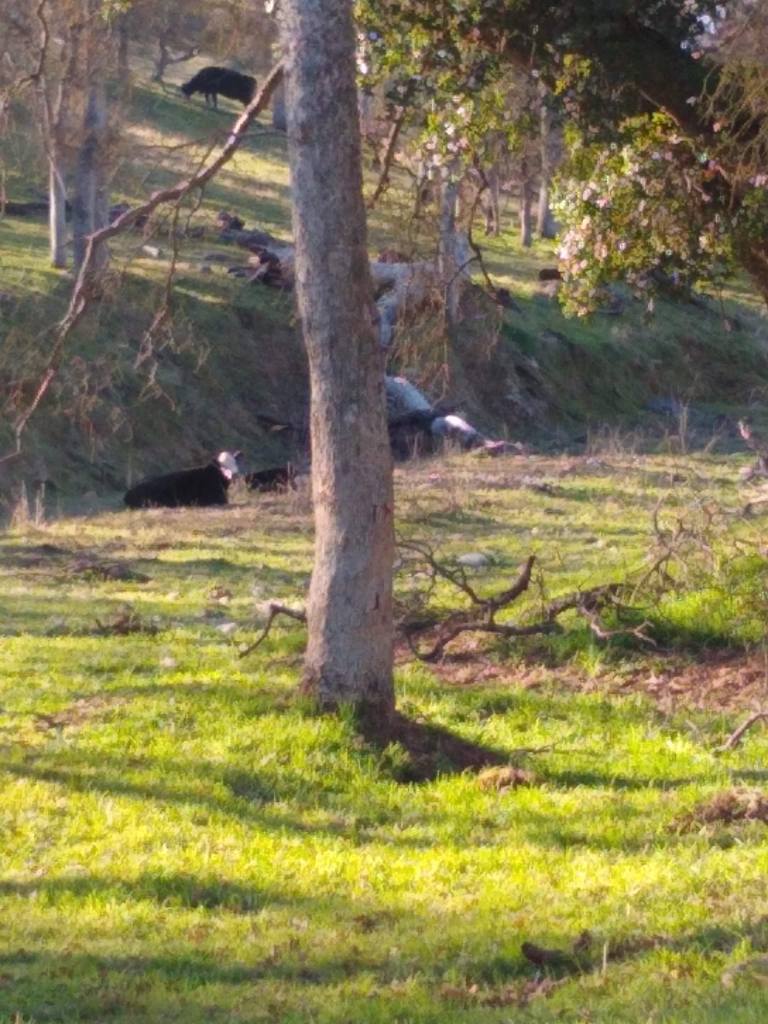
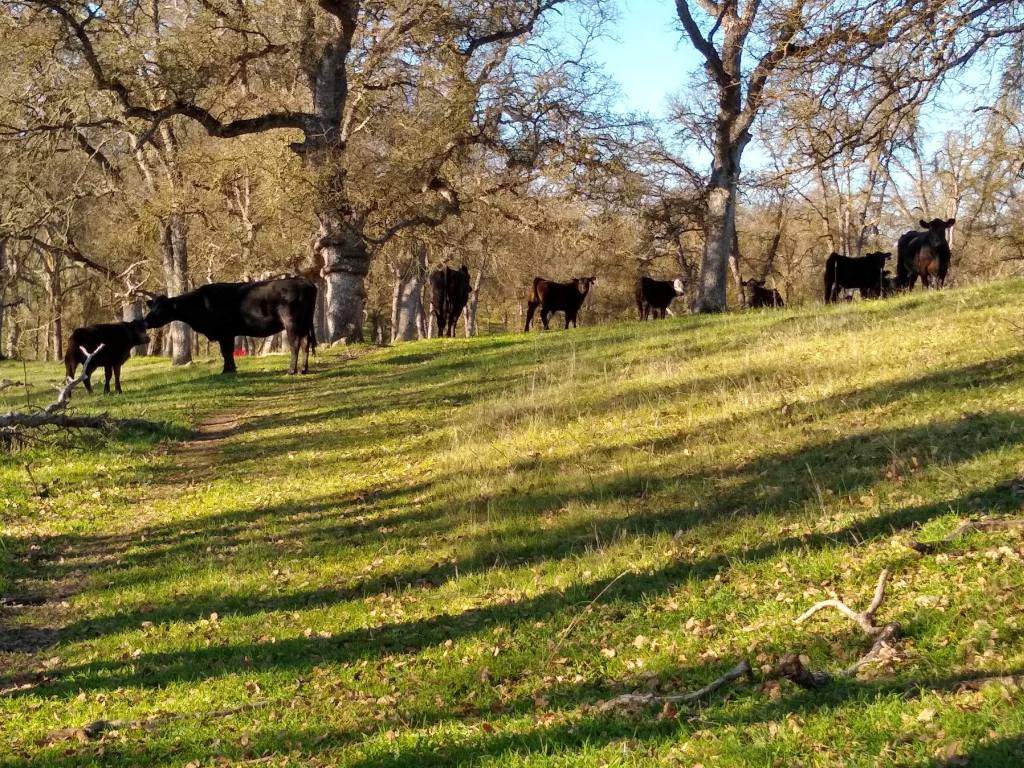
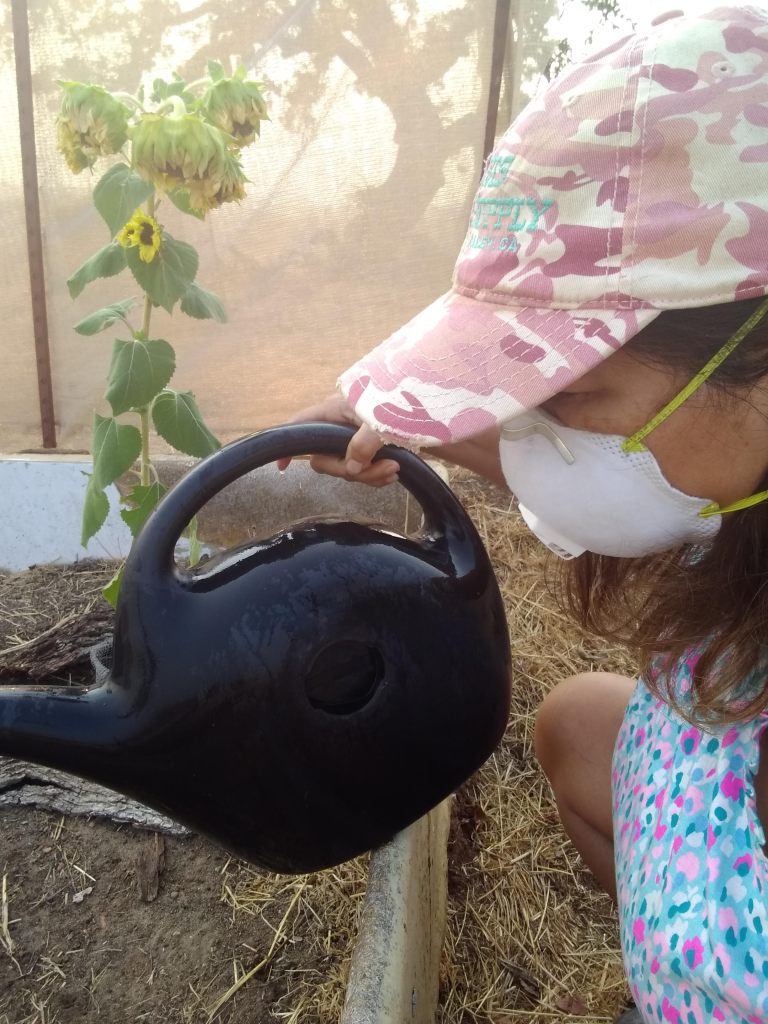
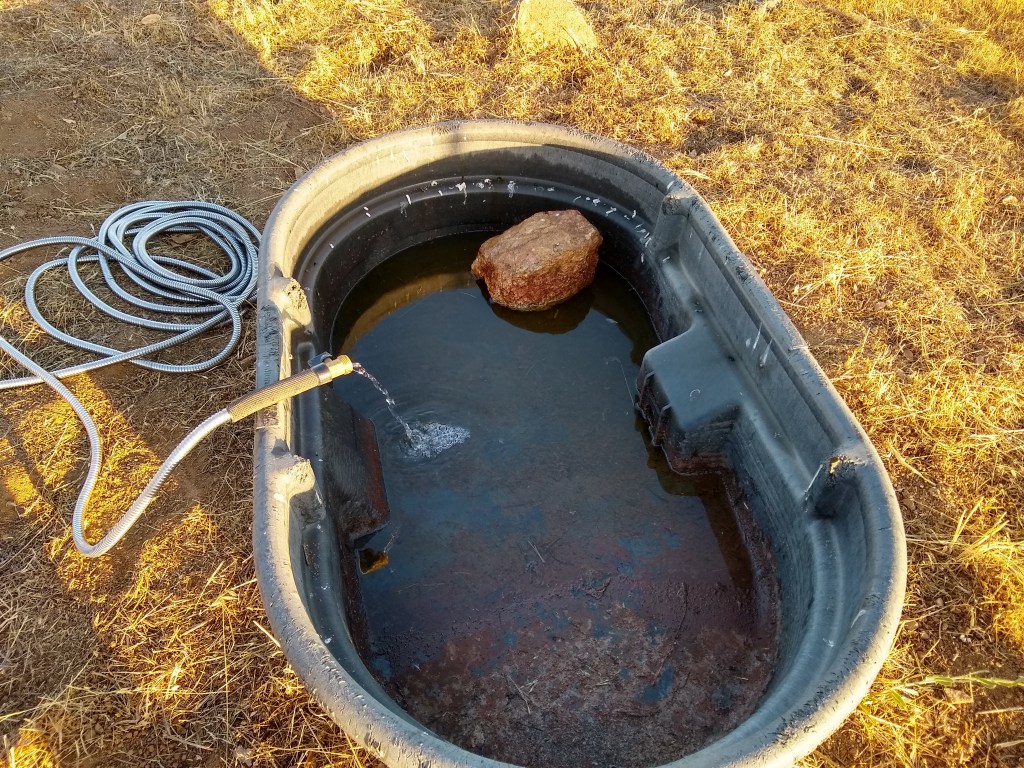
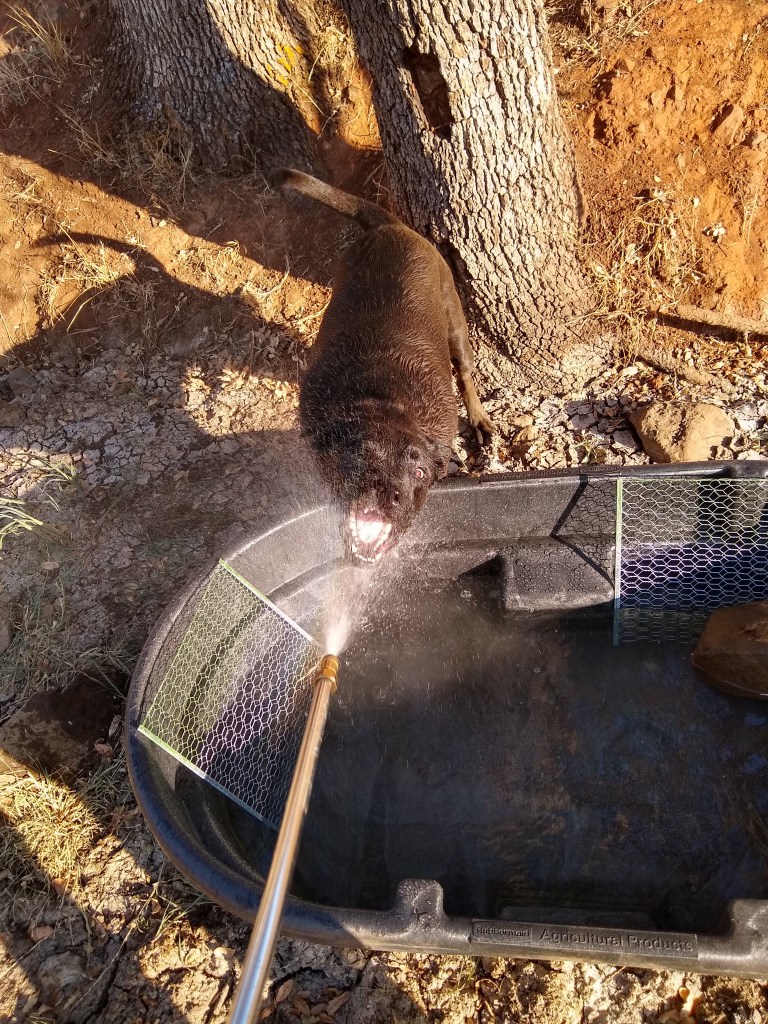
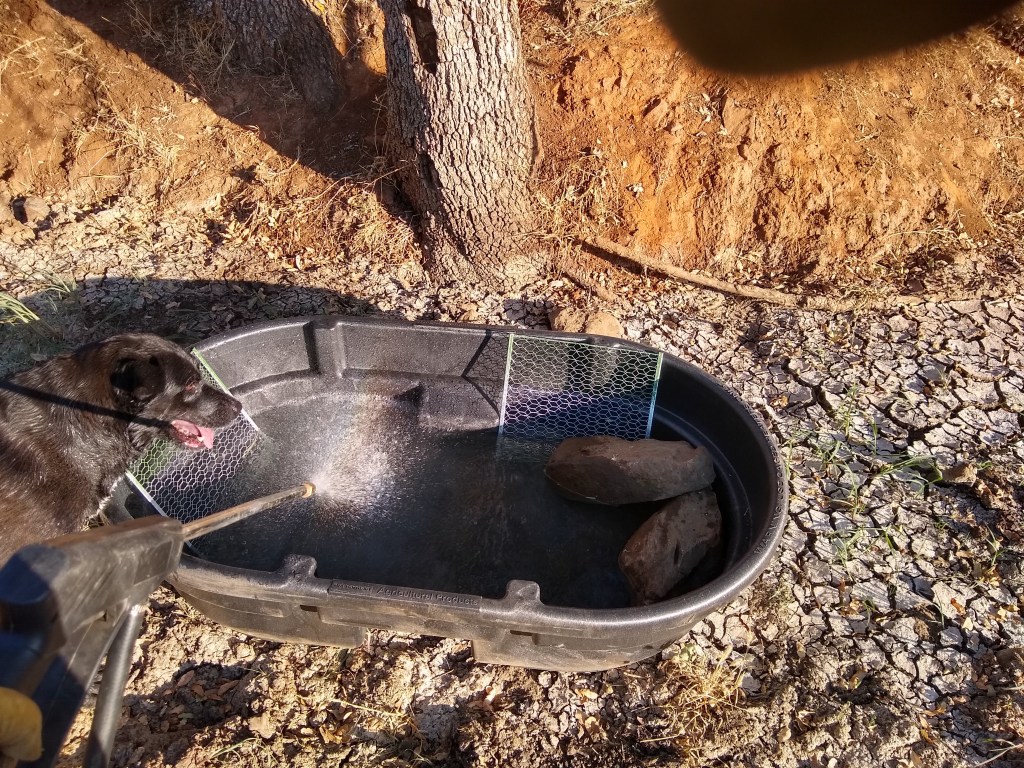
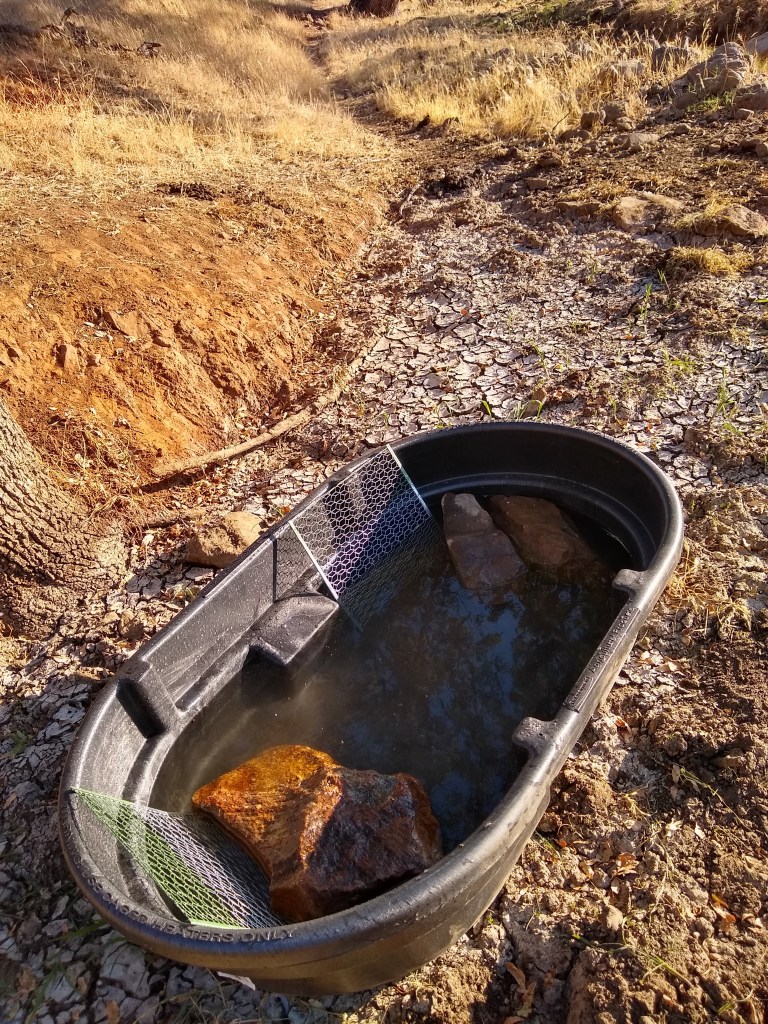
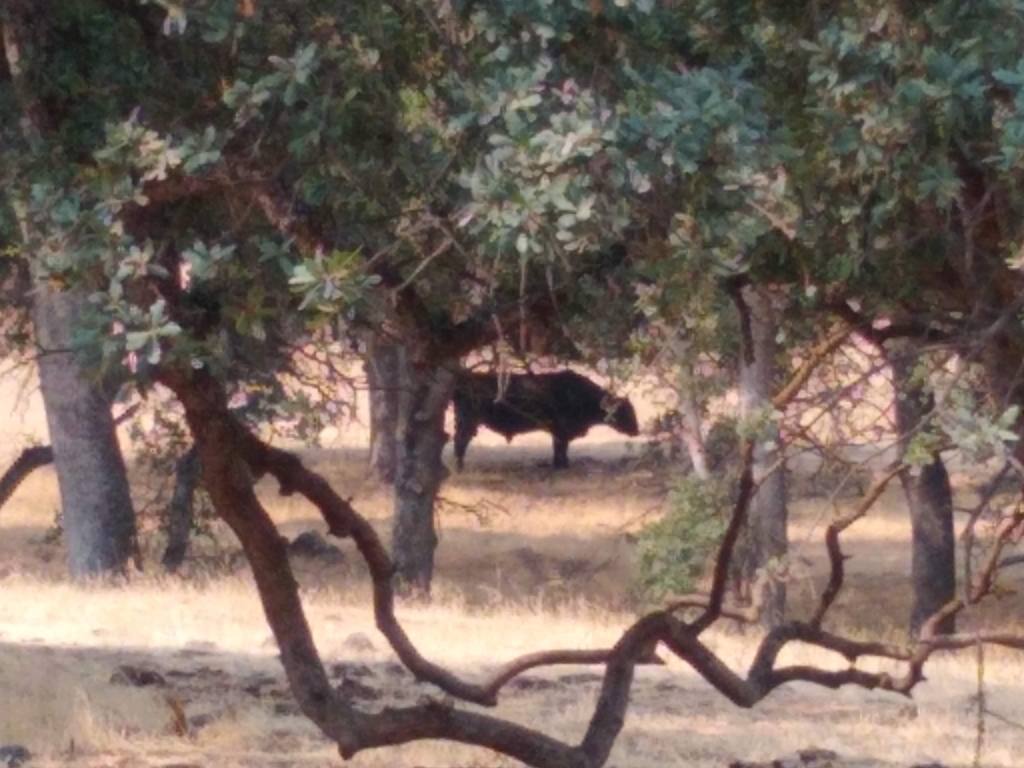
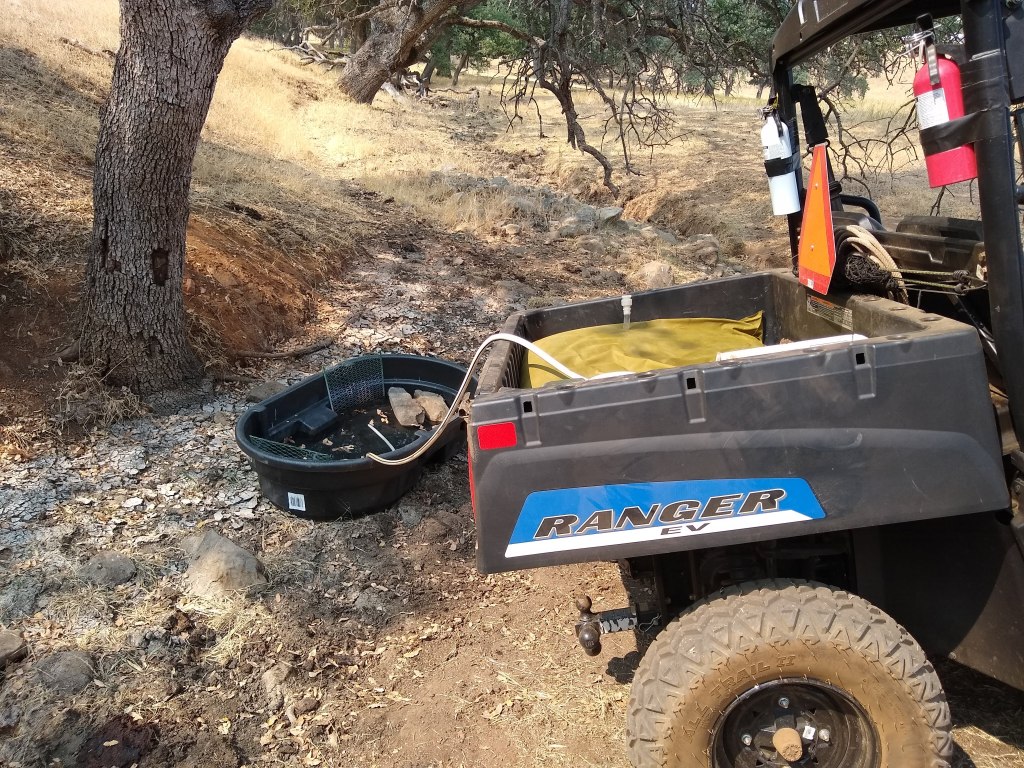
In order to help the animals, I moved a water trough to the location where the pool dried-up. I have been providing about 15 gallons of water as needed to the trough. Monitoring it, I found bird droppings, a feather and witnessed dragonflies, bees and flies using it. I even saw a native bee the other day! Each day I came to the site there was a large owl that I disturbed. It has clearly been useful for my relations. One day, coming to water Site 8, I noticed the trough was completely dry. We have not had cows on the property for over a month, and I had not seen any of the three bulls that were left on the approximately 740 acres of ranch they had access to. I assumed they were hanging close to the larger spring at the mid section of the north ranch, or down by the one pond with water on the south section of the ranch. Well, I turned to look down stream into the forested area, and saw some handsome guys lounging in the shade. The bulls drank it all. Oh well…they need water too. Because I am running low on rainwater, I will wait until they move on to fill the trough again. The wildlife will need to wait just a little longer for these big guys to mosey along.

Water Running Low Requires Fallowing Choices

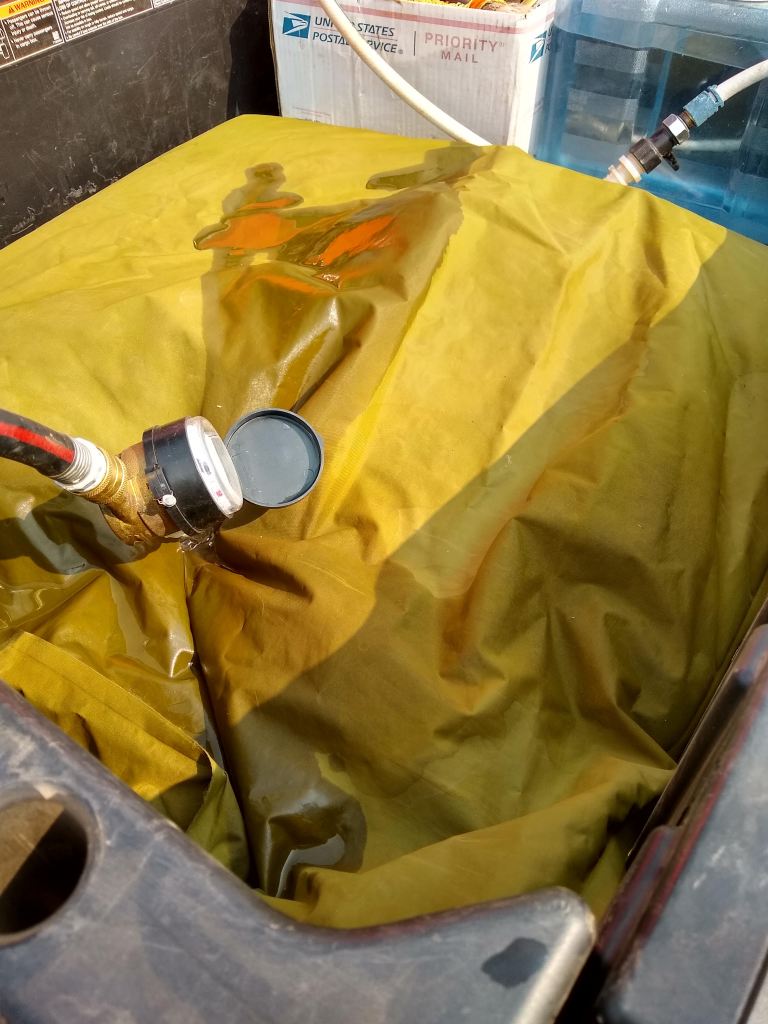
With the leak in Tank 1 early in the year, I have had to economize but thought I would still have plenty to get me through the Summer and early Fall. Although I over planned my water resources including calculating twice weekly watering for native plants in my water budget (They typically require once a week watering), I had not anticipated the brutality and unrelenting number of days of heat wave and will not water from my well. I have had to increase watering to three, sometimes four times per week. This has taken a toll on my body as well as my water resources. To make matters worse, my water spray system broke. It leaks and no longer pumps. It isn’t the battery. That was fully charged recently, and the unit was working well until a few days ago. I am back to using the water bladder and filling a vessel from the bladder to pour at the roots of each plant.

Tank 3 is now gone. Tank 1 has only 150 gallons. Tank 2 has about 1,600 gallons remaining. Watering will now require more time. I will need to pull water from Tank 2 daily to fill the trough adjacent to Tank 3 so that I can conveniently water Sites 1a-g. With the water situation, I have had to make some easy and some tough choices. Two months ago, before the heat wave, but knowing I would need to economize, I stopped watering the poppies, the small rose bush and seeded pots. Last month, I stopped watering the Xerces plants that never produced. I had thought that maybe there were some roots there that I could keep alive for next year. I also stopped watering Site 10 in the midsection of the ranch -the four willows and one mulefat. Two of the plants were grazed back, one dried up before I could get to it with water and one willow and one mulefat were continuing to do well with the existing moisture. They are likely dried up now too. I’ve not been back there to monitor. It has been too hot and not enough time in the evening. This month, I made the choice to stop watering what is left of the plants in Site 1 and Site 2 that were massacred by the grasshoppers. Again, my original rationale to continue watering was to keep the roots alive for next year. I think that was possibly a faulty thought for some of the plants, like the sages, elderberries and the maple trees. Once the hoppers got them before they had enough time to strongly root, they were likely done. I also let the one resilient milkweed from the original North Plot test site grow on its own without water from me. It did not make it.

I plan to run a new calculation this week based on the remaining plants to see if I will have enough to get through September. By current calculations, with providing water for thirsty wildlife, I will be in a deficit by the third week of September. I still have tank 3 hooked to the gutter system, so if we get any level of productive summer rain, I will be able to add that into the water calculation.

I am not counting on it.

Some plants have just up and died. The sulfur buckwheat in Site 1f mysteriously dried up despite regular watering. I am also skipping watering some days, letting the soils fully dry when the temps are in the 90s, which has been only four days now. We were back in the 100s yesterday and will be for the foreseeable week I think. This has worked fine, and many of the native plants seem to be doing good with that. The other lemonade out of lemons story is that the massive die off of oak leaves has left considerable mulch on top of the soil in some places. This allows for moisture to be retained in the soil. I have plants in several locations that need less water because of this mulch. I actually should get moving on creating more mulch, but it has been too hot for me to do that kind of labor. Next cooler break it will be my priority.

Earthquake Helps Me Relocate Some Frienemies

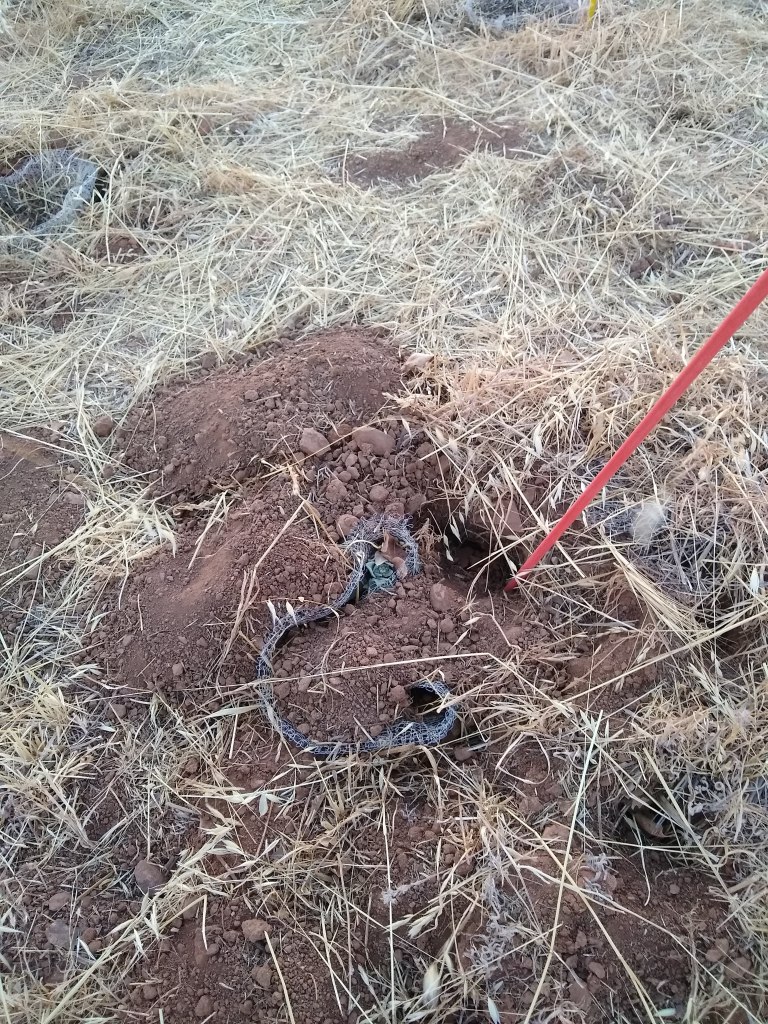
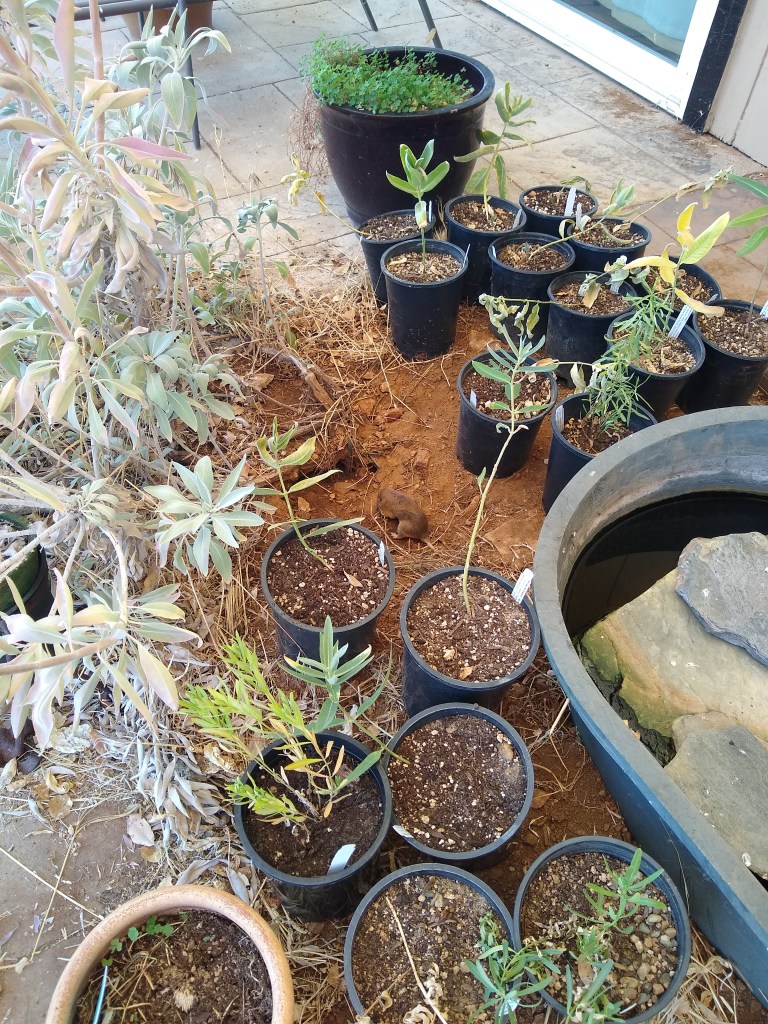
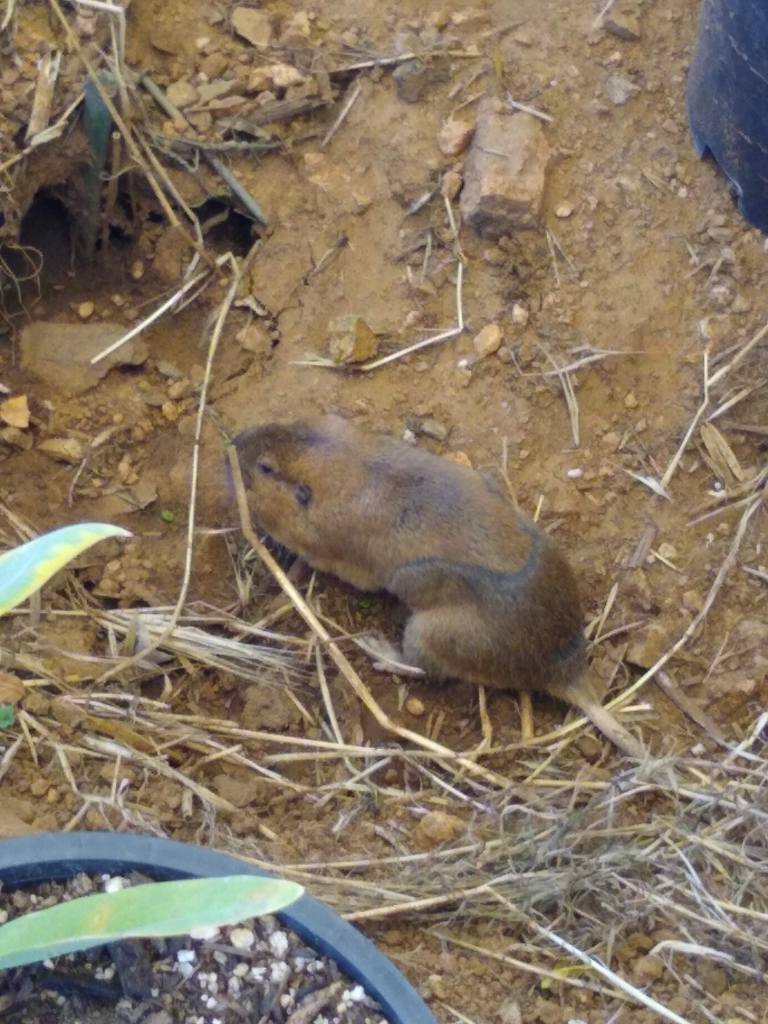
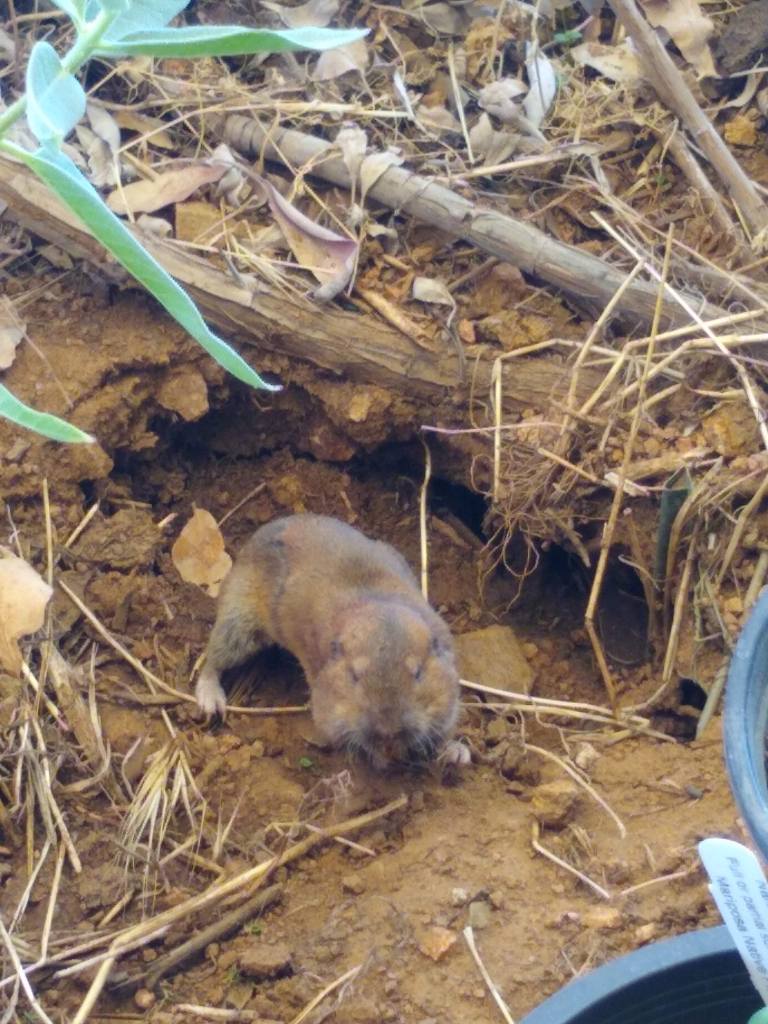
Any ongoing readers of this blog know I have a love-hate relationship with gophers. I love all animals and appreciate the loose dirt they create, which I have redeployed around the garden. However, I also hate the ongoing destruction they wrought on my plants. They have recently gotten smarter and tipped over small planters with their mounds and created small avalanches with their mounds into the gopher cage root protectors so they have a “land bridge” into the cage. Wow. Well, in an amazing twist of fate, an earthquake sent vibrations through the ground. All of the sudden, over a couple of days, I would see gophers just walking around above ground. This was probably the reason for the large great horned owl I saw flying around several nights in a row. I seized my opportunity, grabbed a shovel and gently moved three gophers from sensitive areas to gopher hole areas outside of my fence line about 200′ away. They are cute, and so vulnerable above ground – I had to give them a chance – so placed them near areas with lots of holes. I will probably regret my soft heart eventually. But, so far, I have not seen evidence that they returned to the areas close to the house.

Resilience

I have been in a psychological battle with myself since January. Depression, hope and everything in between shift like a kite in the wind with news stories, personal achievements, family tragedies, decimation and rebirth on the ranch. When you have agency, a sense that you can help, fix things, build something useful, the pain is greater, as are the shifts in emotion because you have to live with yourself if you cannot deliver or even try. You have a sideline seat to watch others struggle in a system larger than you have the capacity to address – and it is difficult. Plants are teachers. We all need to listen. They can tell us when they need things, when things are not quite right. If you are really paying attention, they will tell you that life goes on, that just when you think it is over, a small, green sprout appears. Yes, some things are gone, but some things persist. That is the space I need to occupy, acknowledging the assets of my work and learning from, not dwelling in, the deficits.