Milkweed Establishes in Creek After 5 Years | High Workload | Cow Break-Out

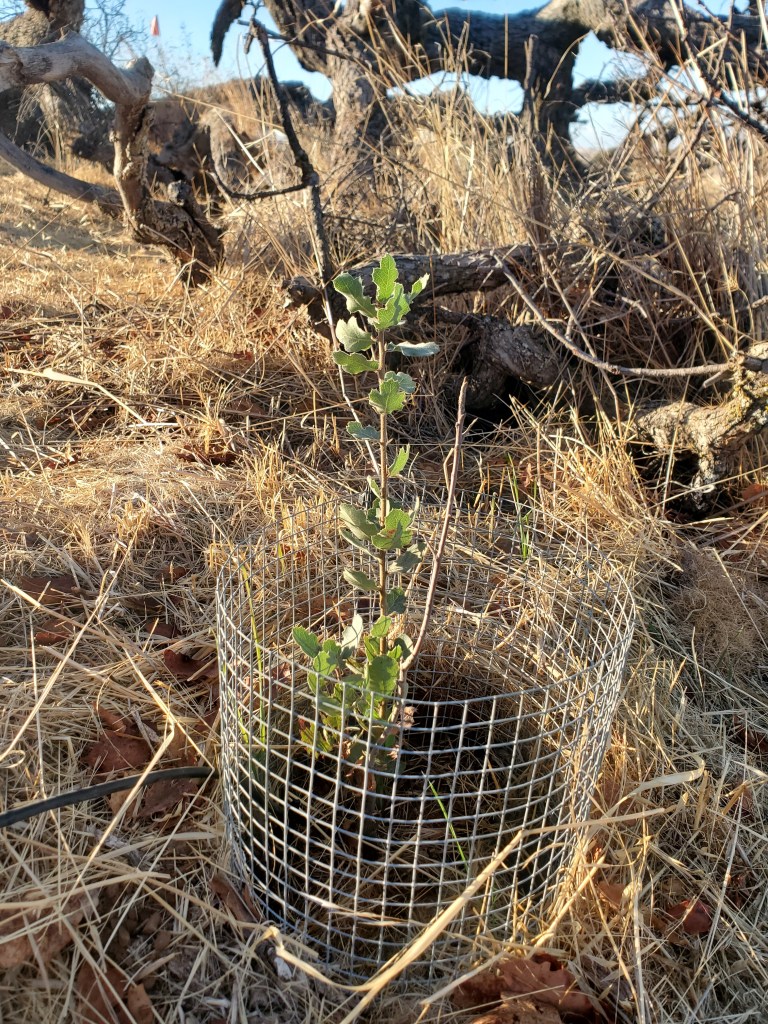
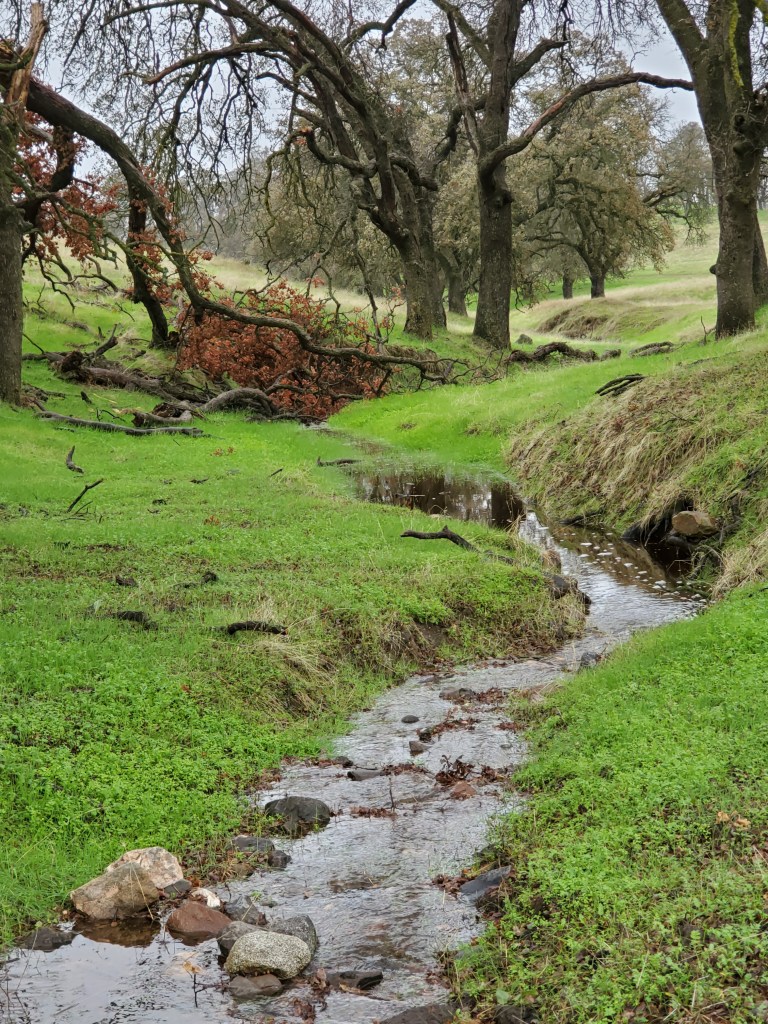
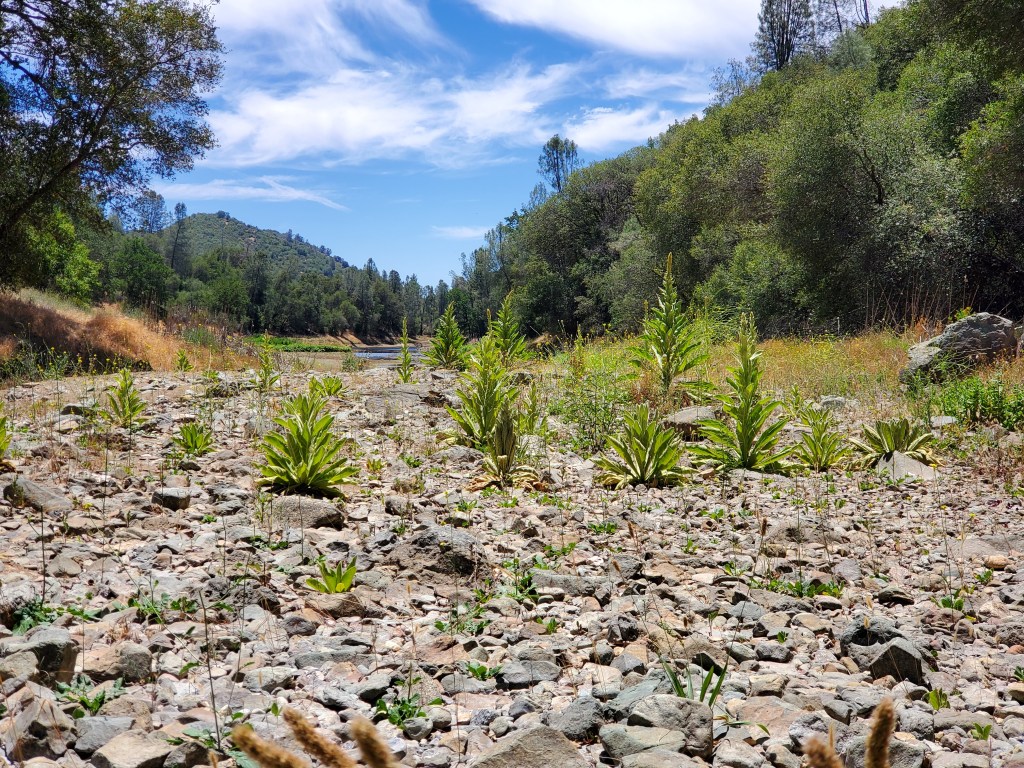
I planted my first milkweed plugs in the Spring Creek riparian exclusion zone in 2020. Since then, I’ve planted more plugs and seeded the heck out of the area. Every year, there is something more I do to make that riparian space a monarch, and other pollinators, paradise. Flood waters, epic flows likely upending seeds and plants, wild pigs, grasshoppers, and extreme heat have all thwarted the success of the plantings.

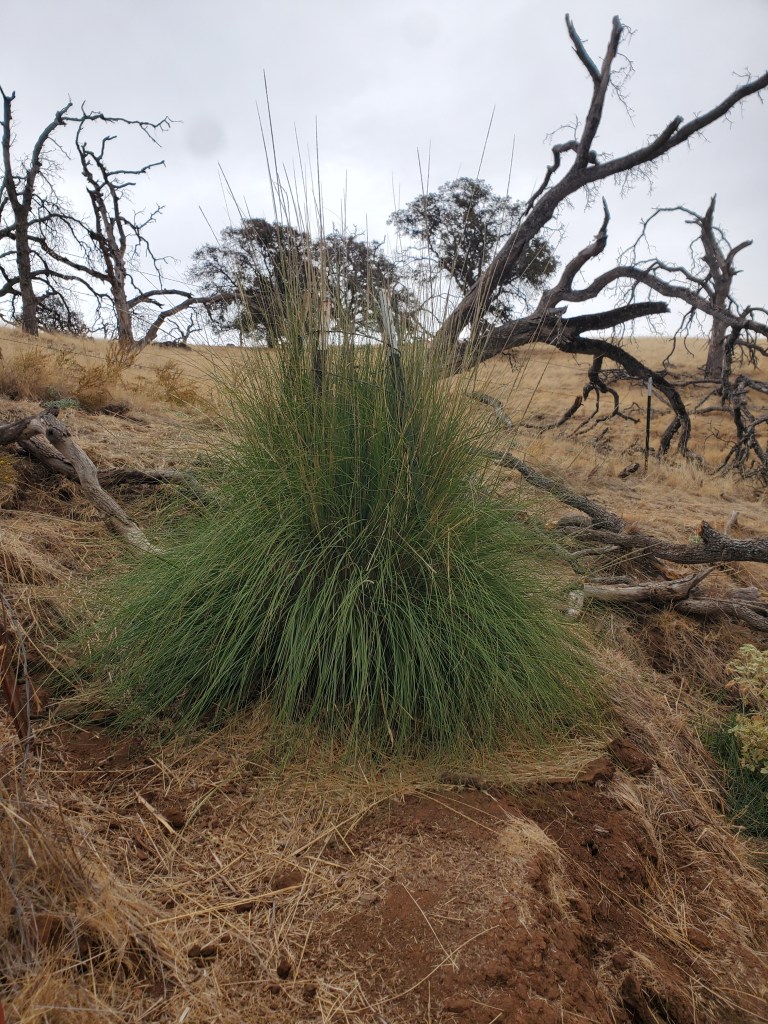
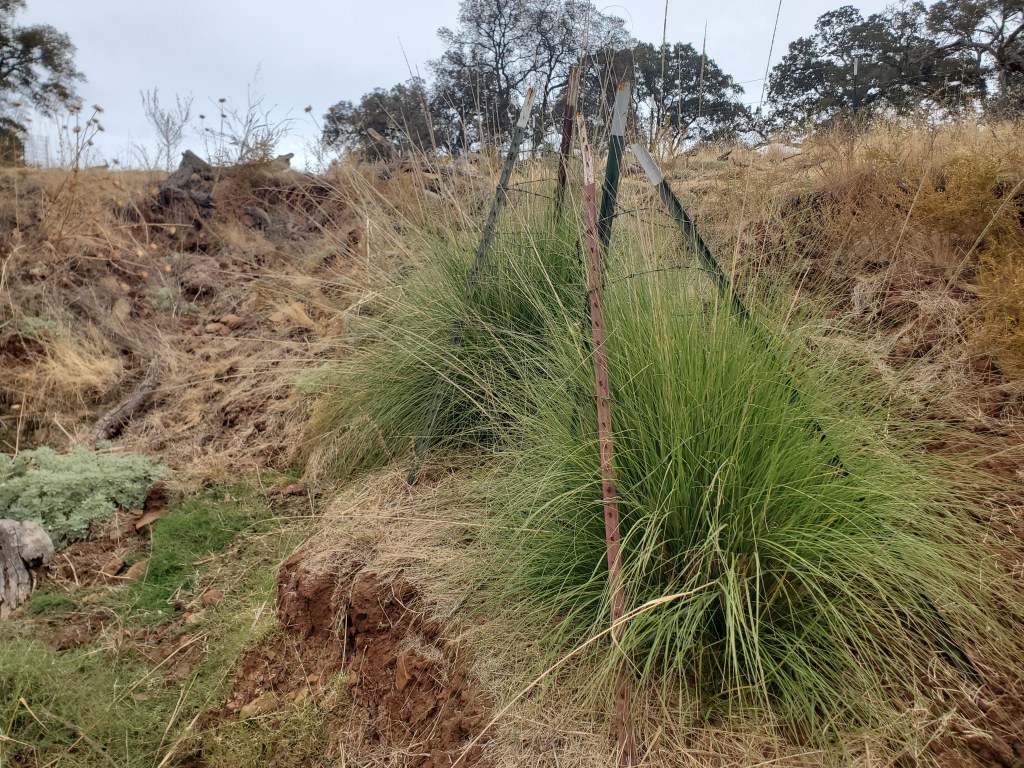
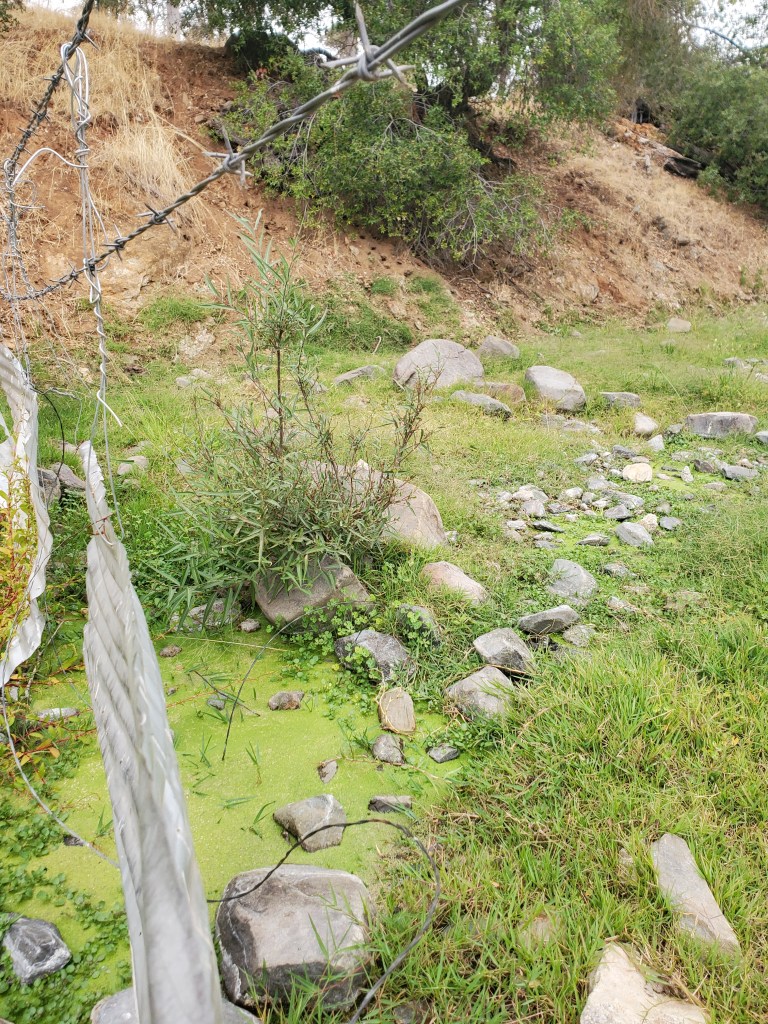
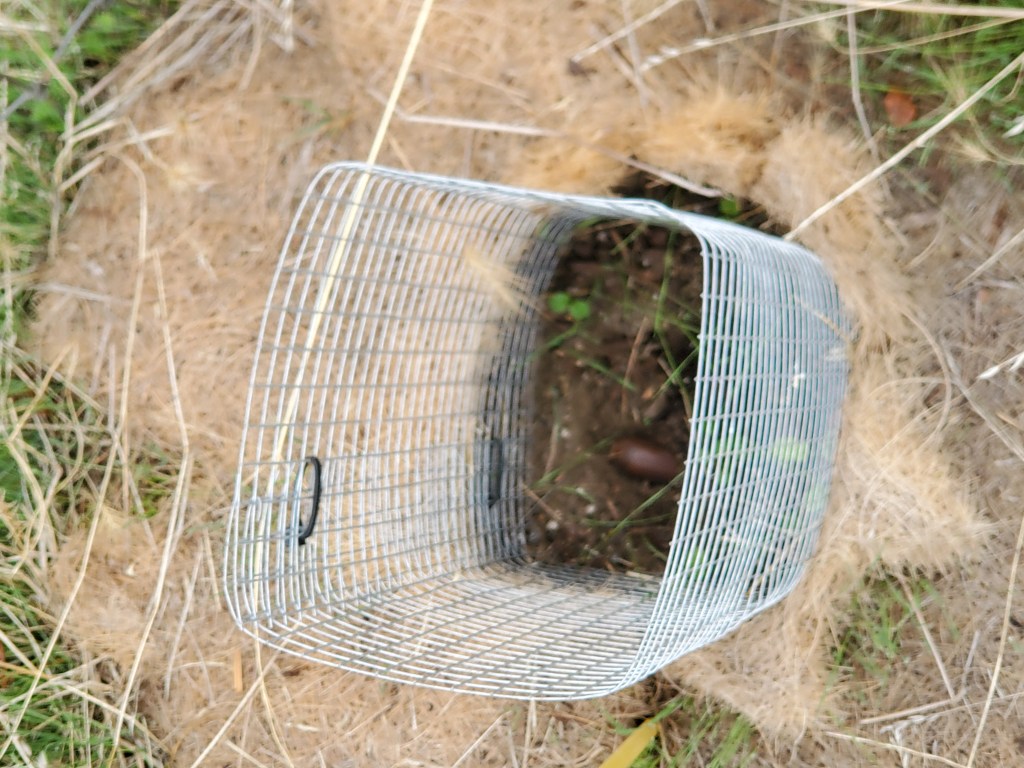
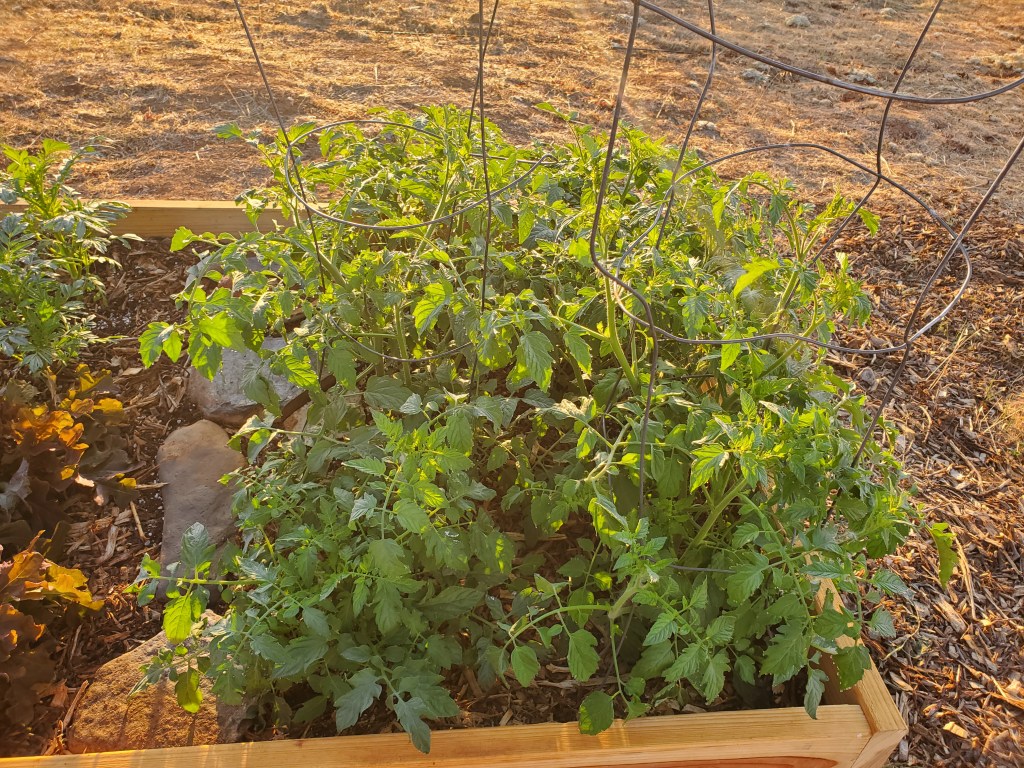
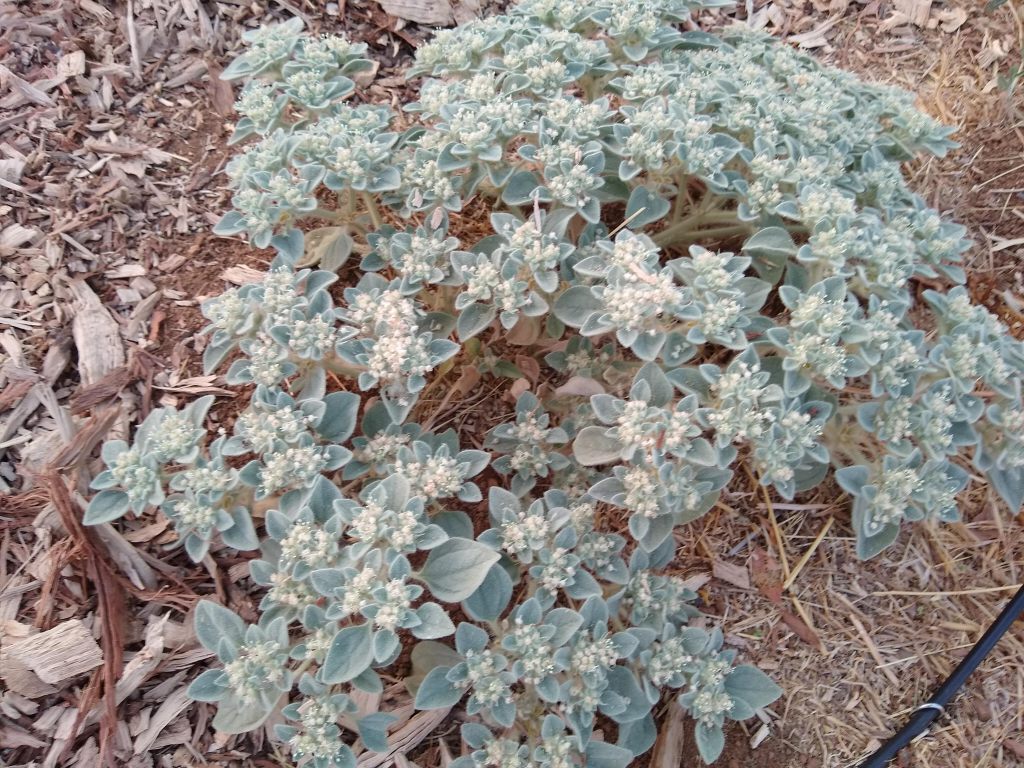
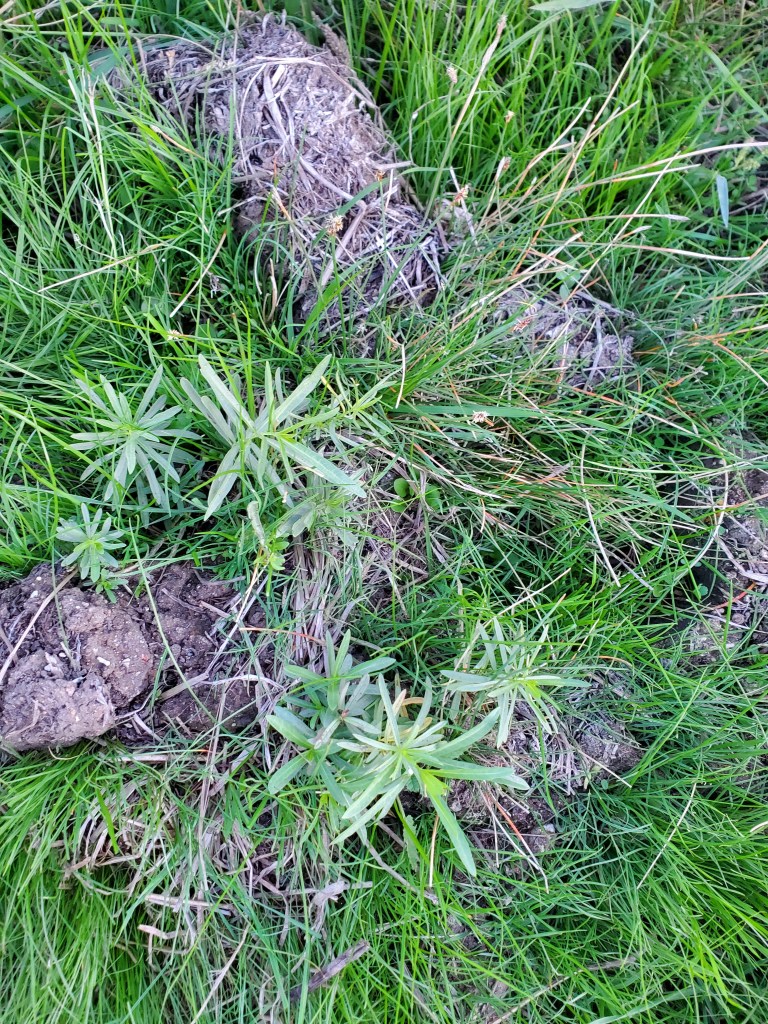
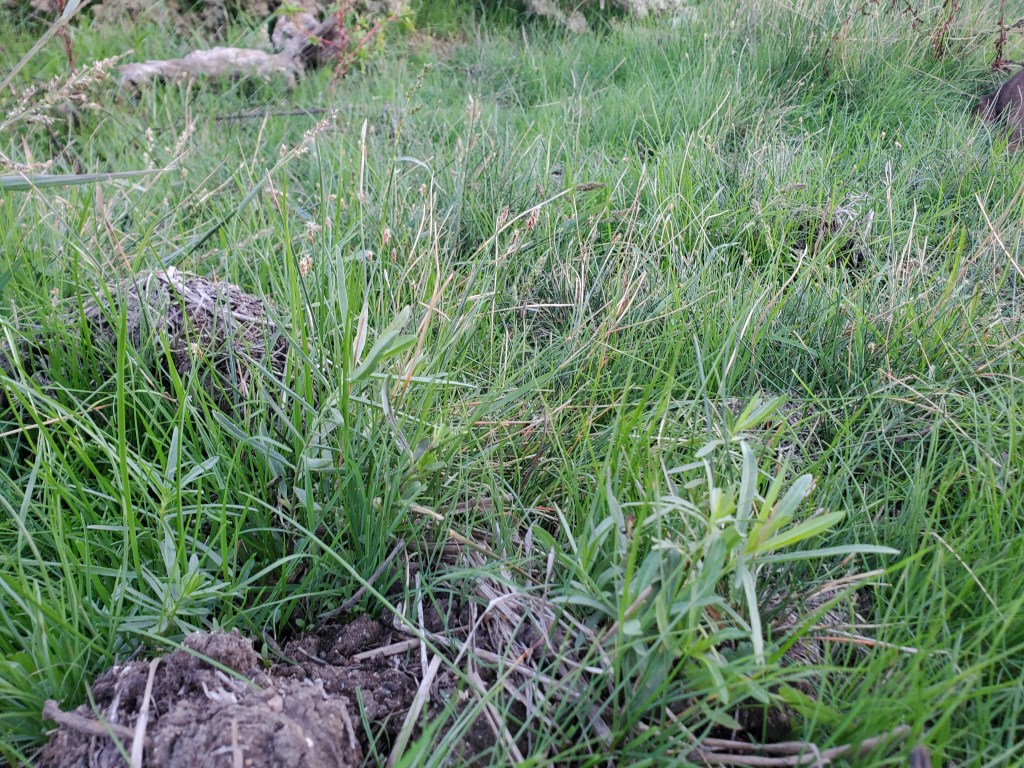
Finally, as I was monitoring the area last month, I found milkweed in the creek, well downstream from the 20lbs of milkweed seed I planted last December 2024/January 2025! It was interesting that it was still healthy looking and green. All others have shriveled up by now. In truth, it has been a mild autumn with some fairly warm days. Even my tomato plants are still delivering. It has been a dream for me to establish milkweed in that riparian area. With all the hardship, you would think my mood would be tempered. Absolutely not! With one plant seen, my joy is uncontainable.
October: Wildlife and Work

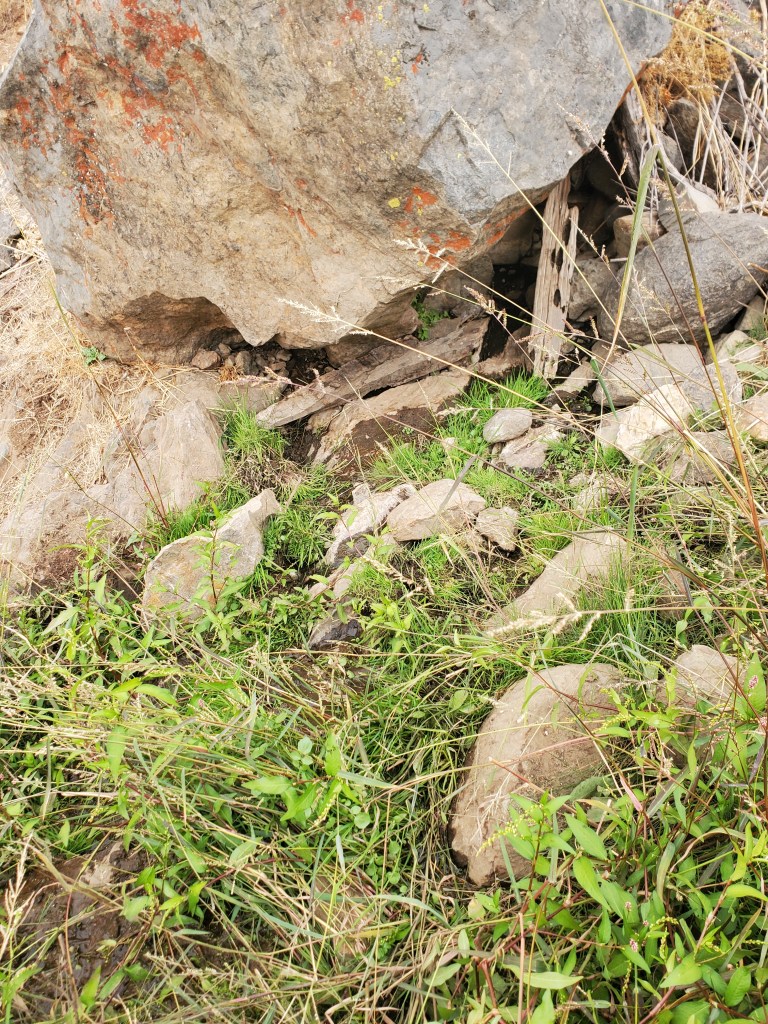
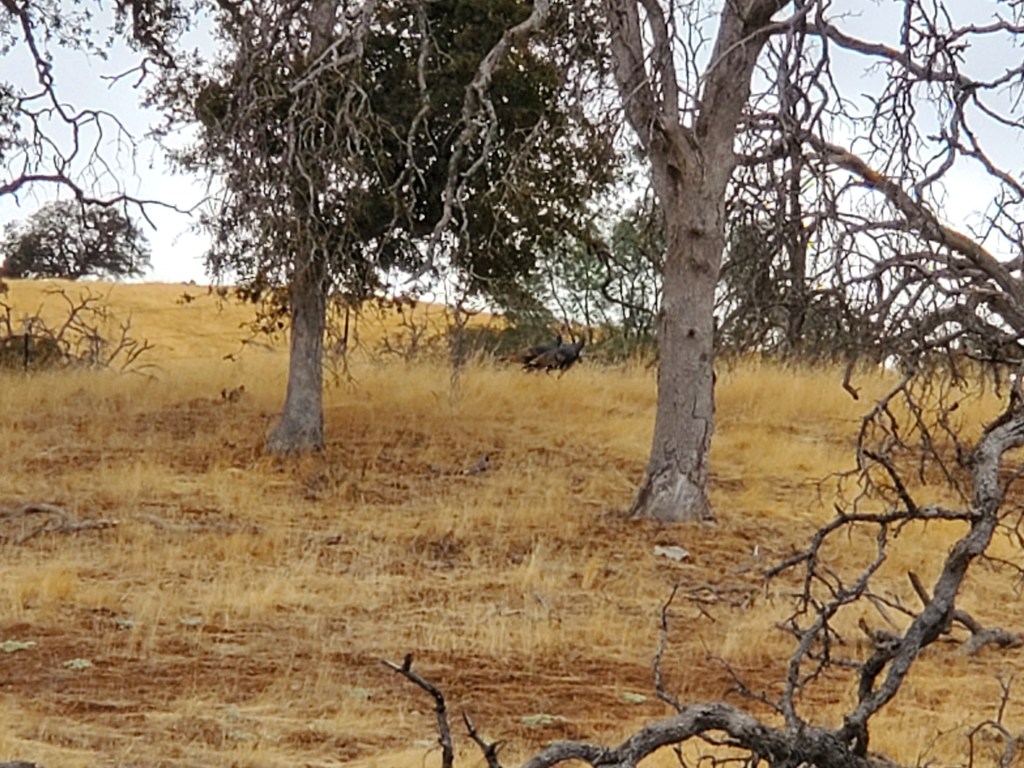
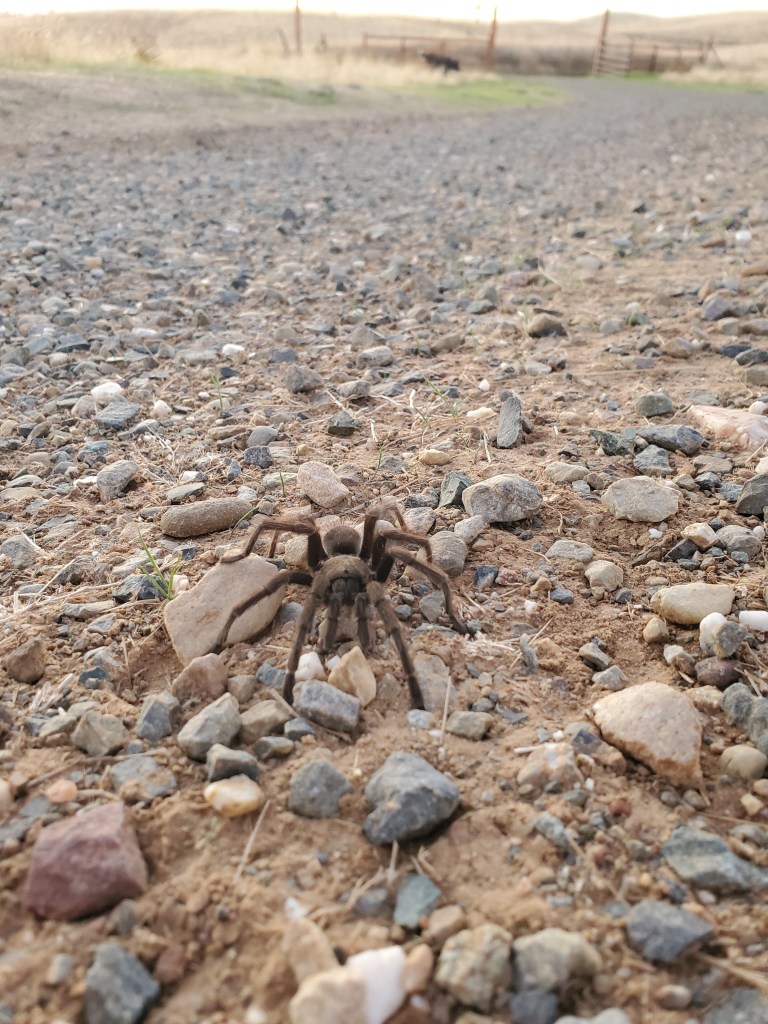
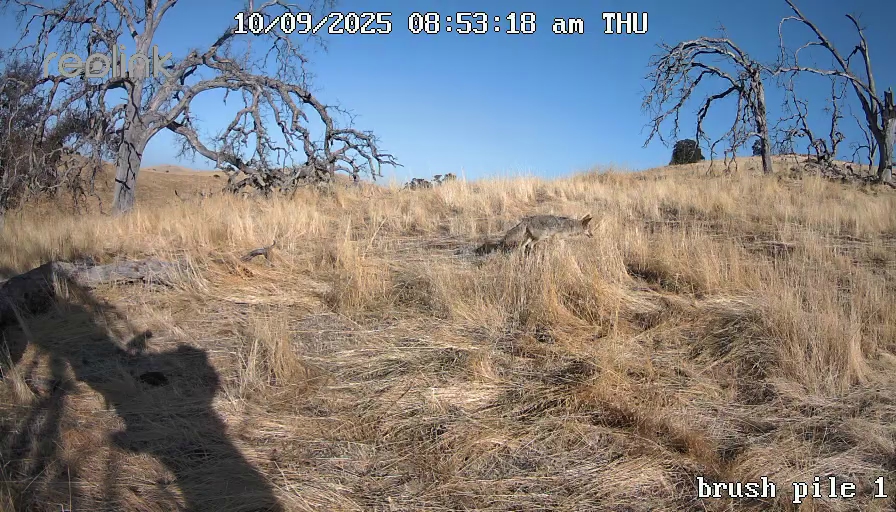
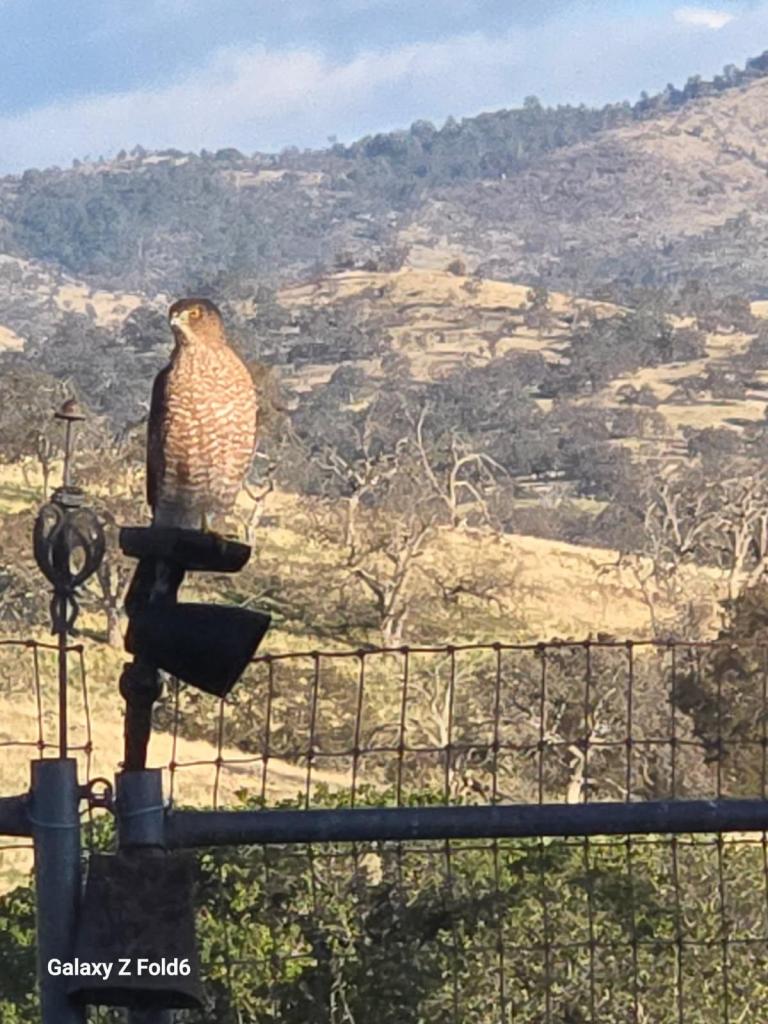
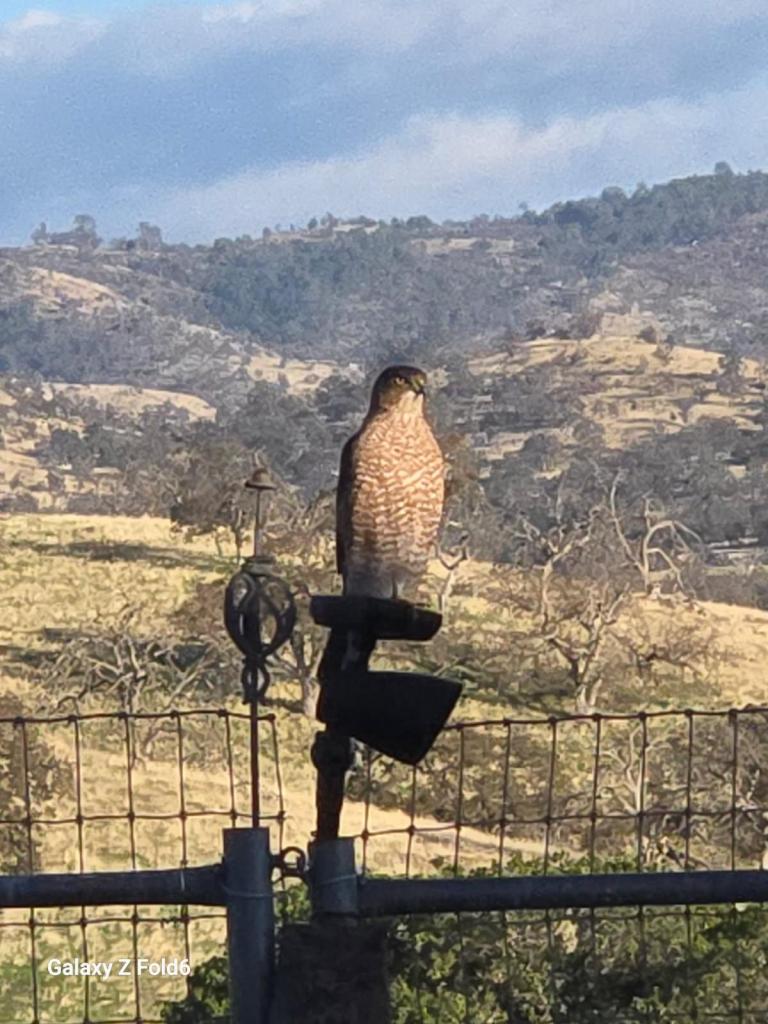
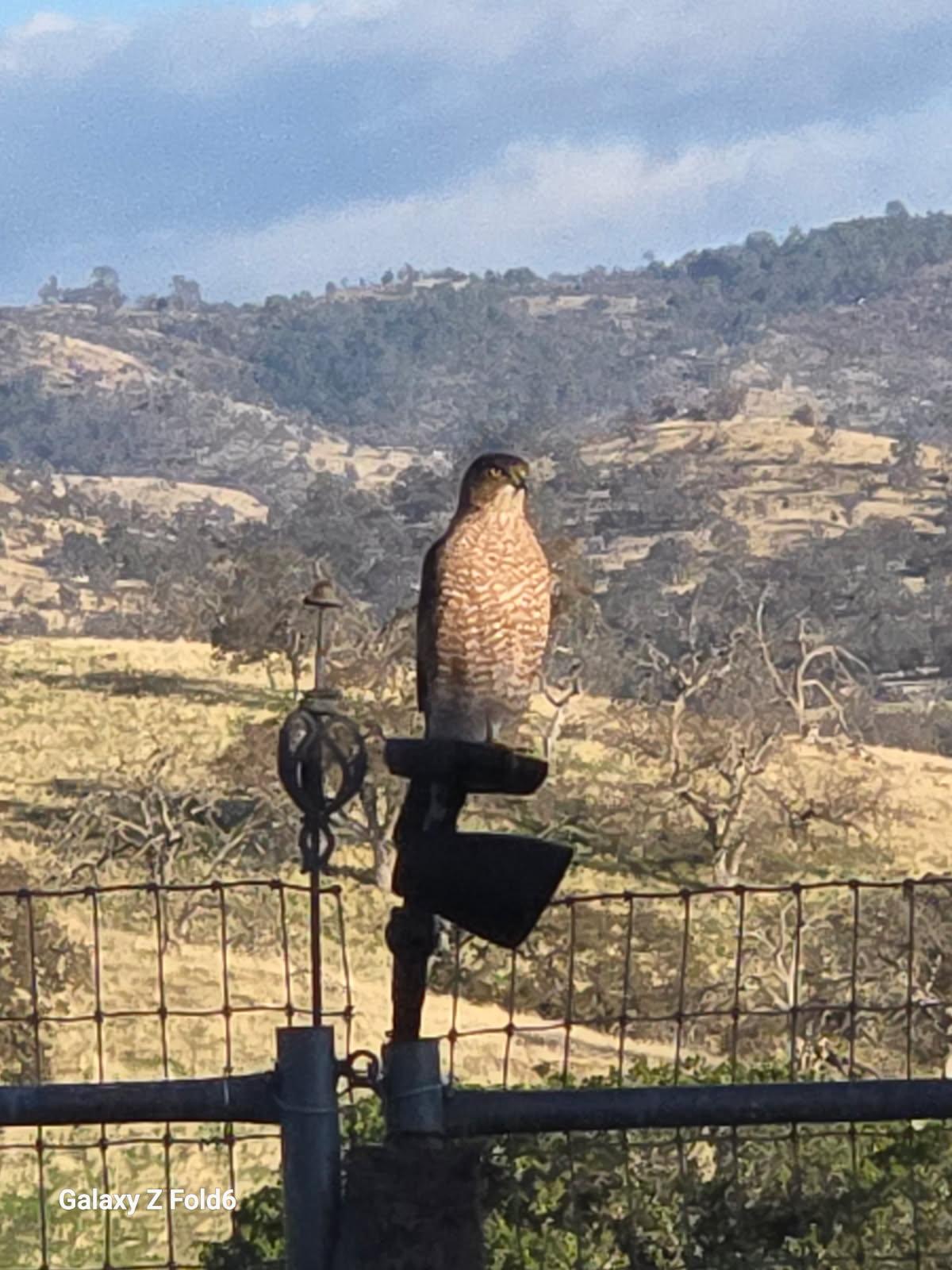
October was an incredible month for wildlife sightings. I saw: two mule deer doe, a group of turkeys, a large group of wild pig, tarantula, a few butterflies, a colorful moth, beetles, and the game cam caught more racoon, an opossum and a coyote. The toads are back croaking. I have seen several kestrel, sometimes two at a time. I hope this means they are going to make a home here. I see them each year, but this is the first time I’ve seen a pair.

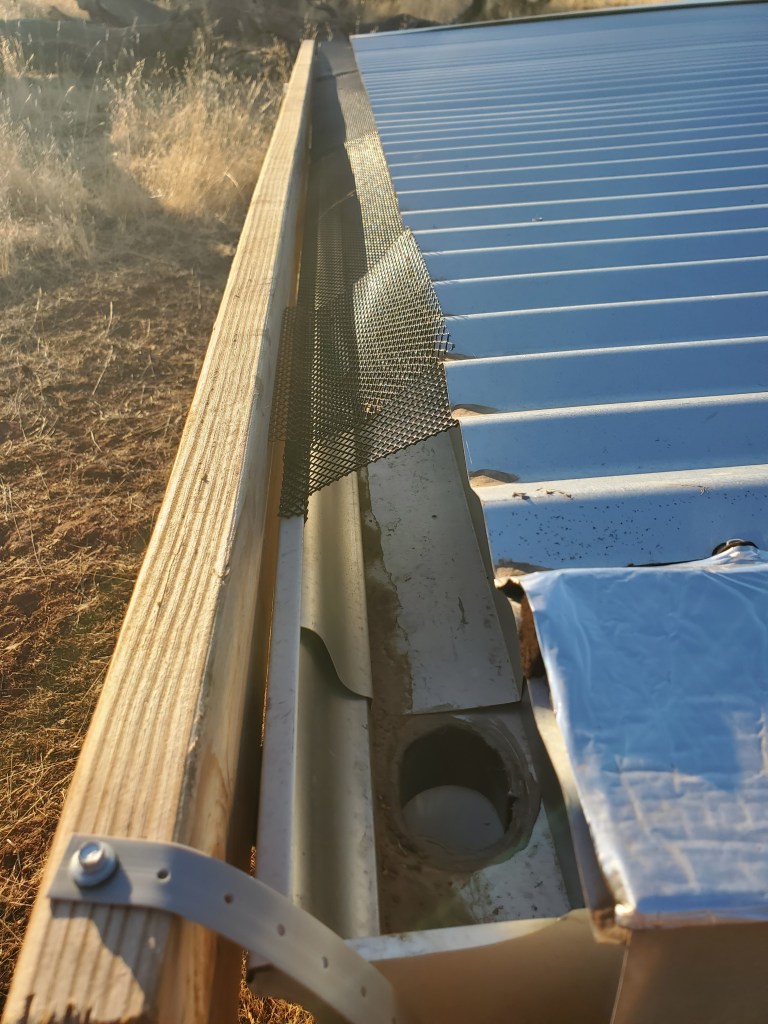
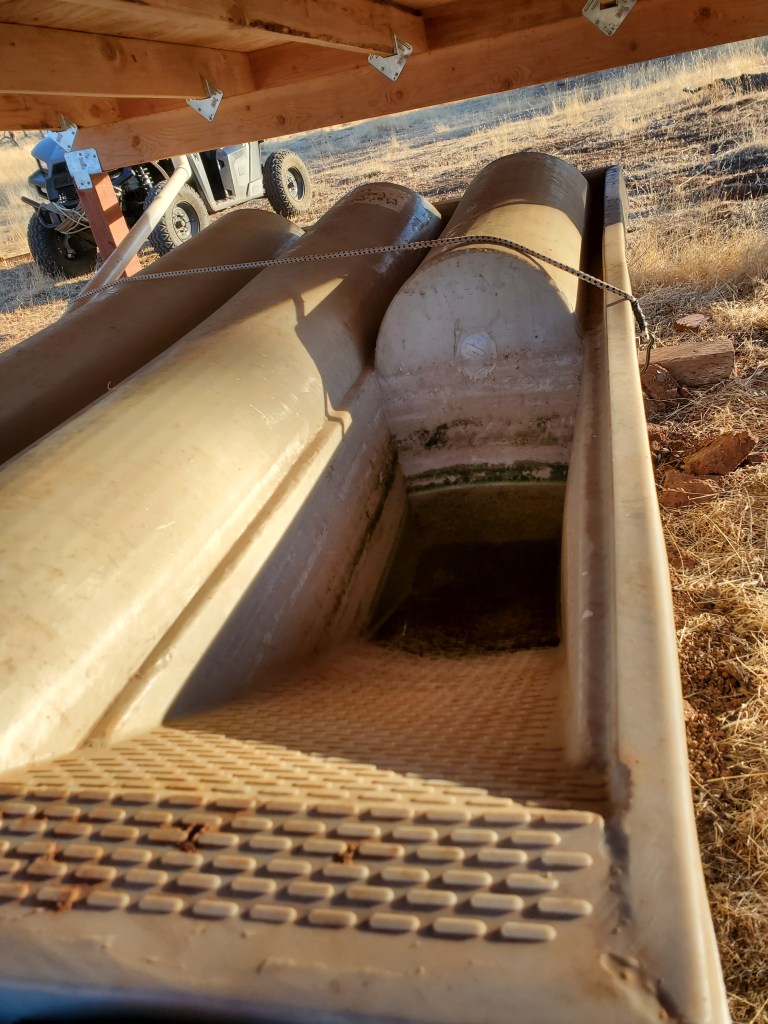
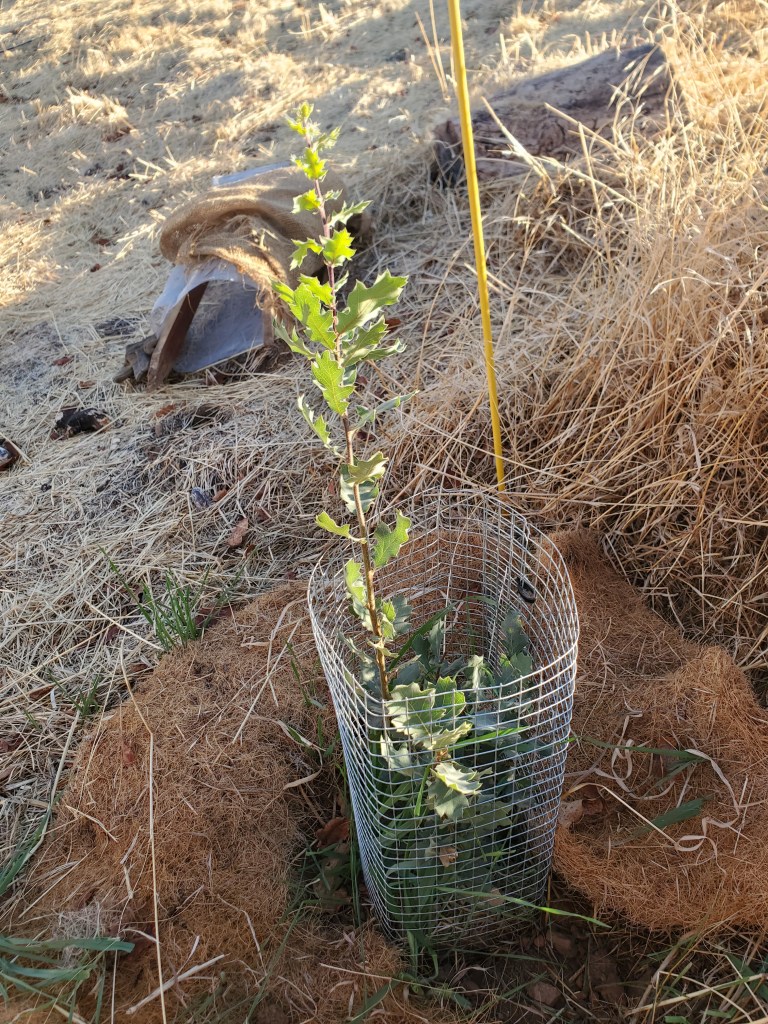
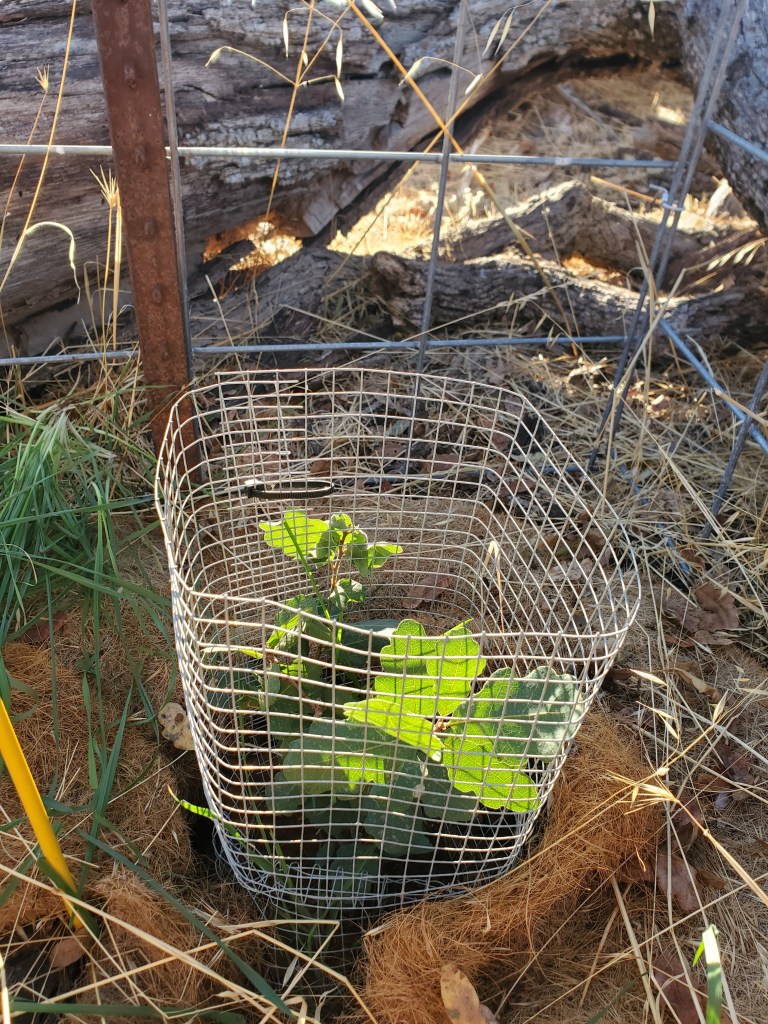
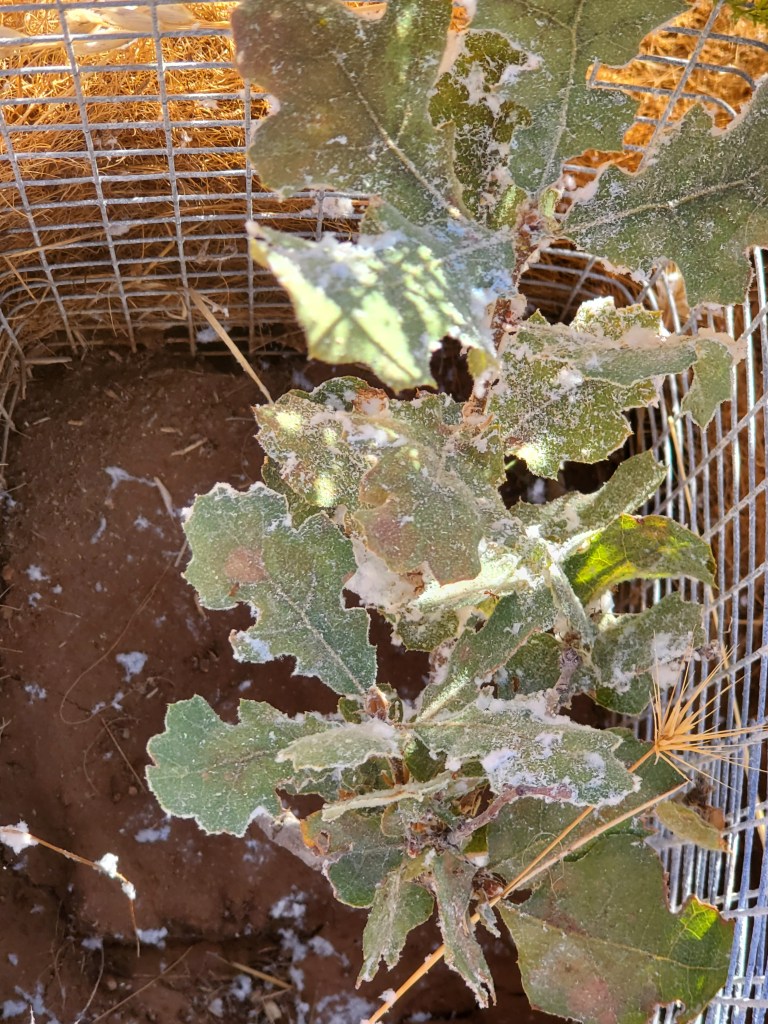
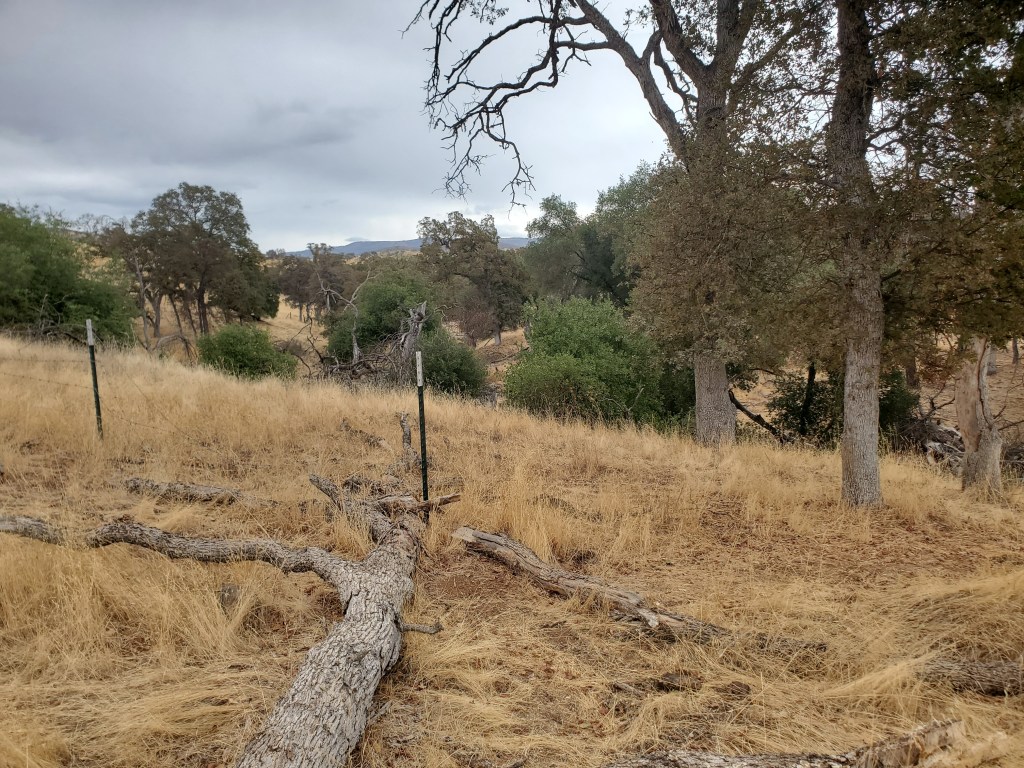
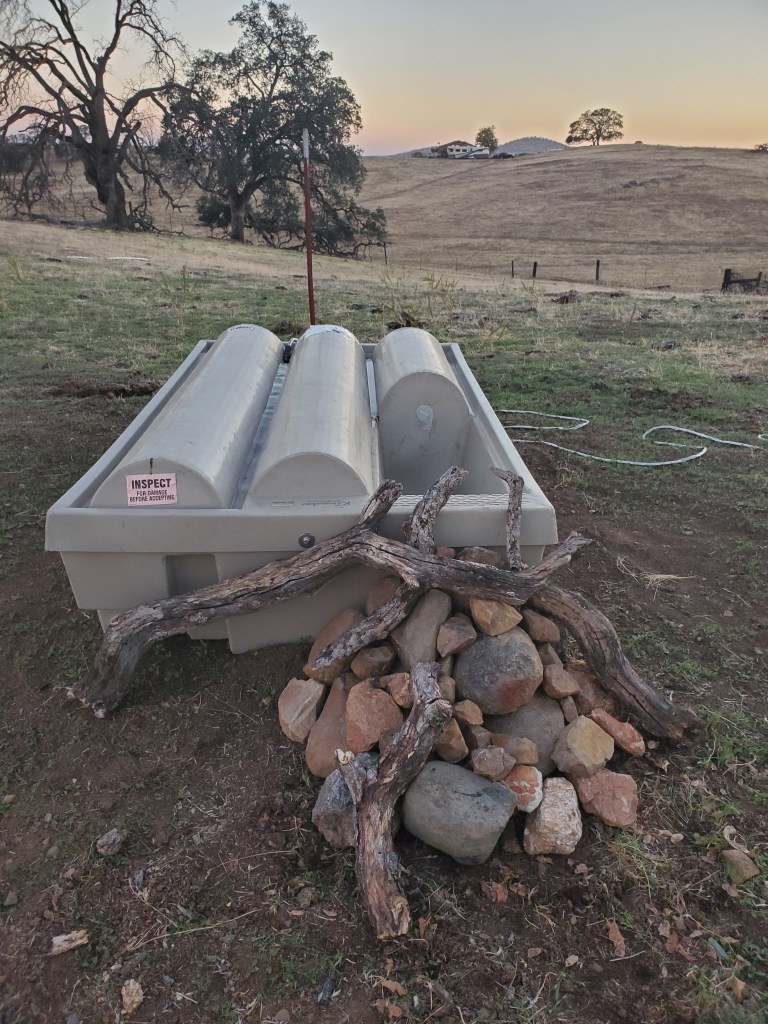
I checked fence and found more down at the Odom exclosure. The guzzlers needed some attention as well. I replaced the return back onto the unit at Guzzler 2. The screen and gutter were bent on Guzzler 1. I re-bent it back, but it will need to be replaced. Water is still able to be caught, but leaves could get into the water system. I took the screens and burlap off the oaks and freed them. They were all gorgeous and seemed to feel really great to have the open air. The one oak with the thick fungus on it is still alive, but has a mildew residue.
November Rain and Lots of Work

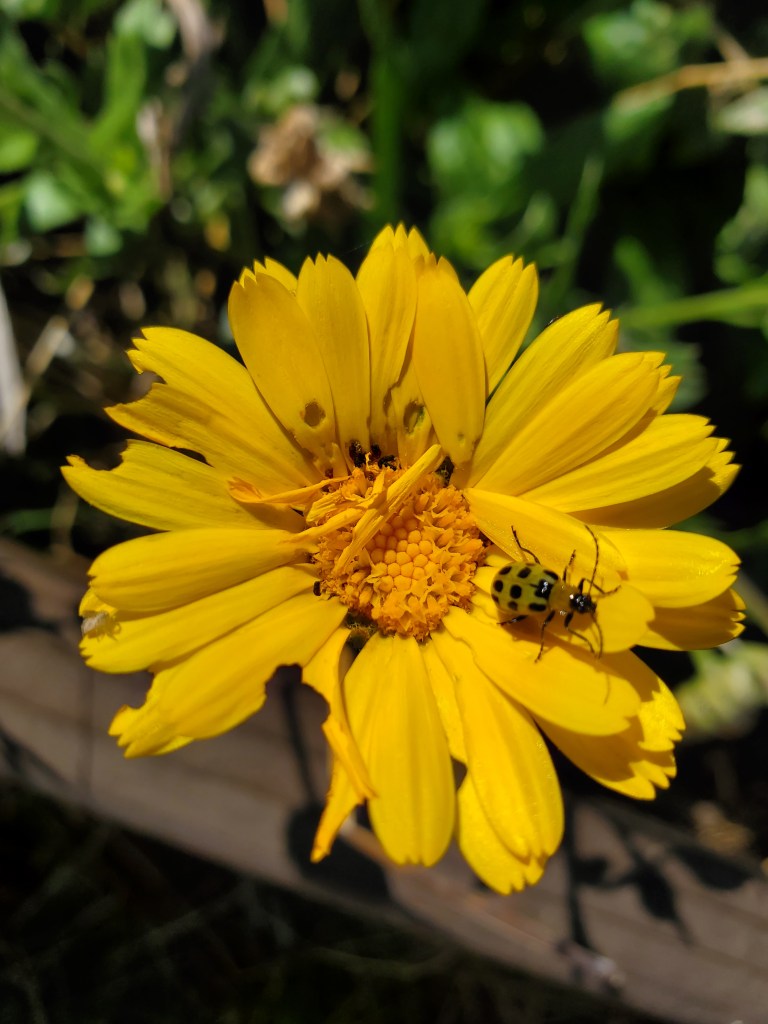
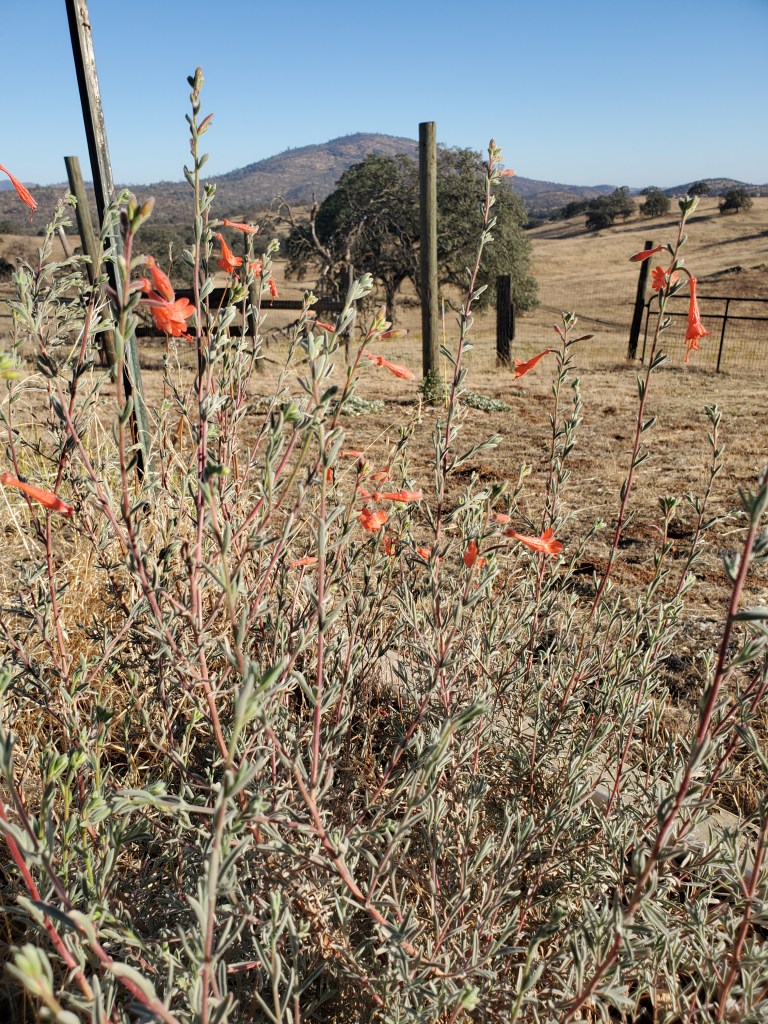
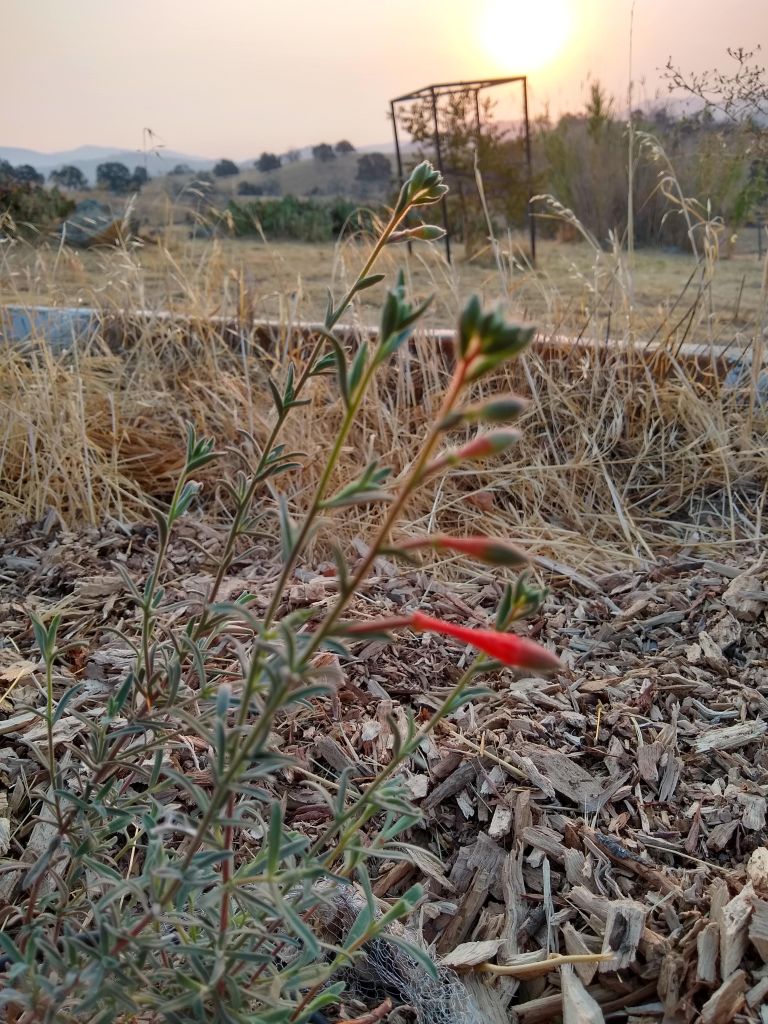
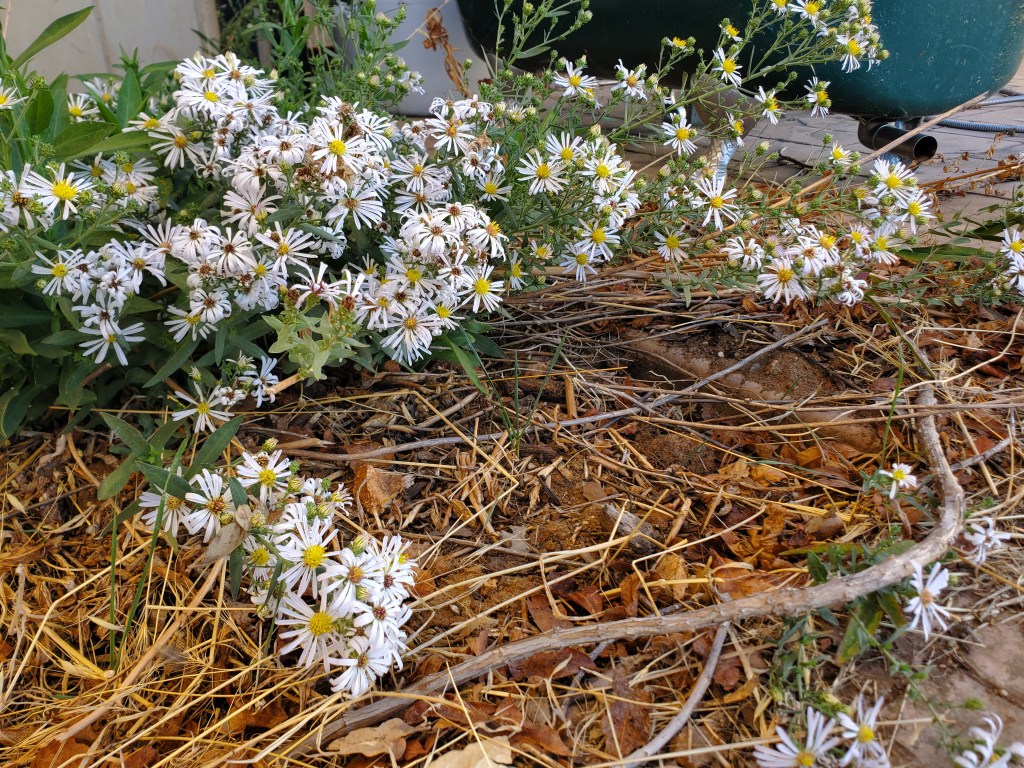
November has been a wet one. Thus far, I have measured 6.75 inches of rainfall this November. All together, with rain in October and some in September, I have measured 8.9 inches. The wetness along with several weeks of higher temperatures with sunshine has caused the grass to green up and grow like crazy. I am afraid I will need to mow soon to ensure native plants are not crowded out. We still have flowers blooming – yarrow, verbena, a few CA fuchsias and marigolds.

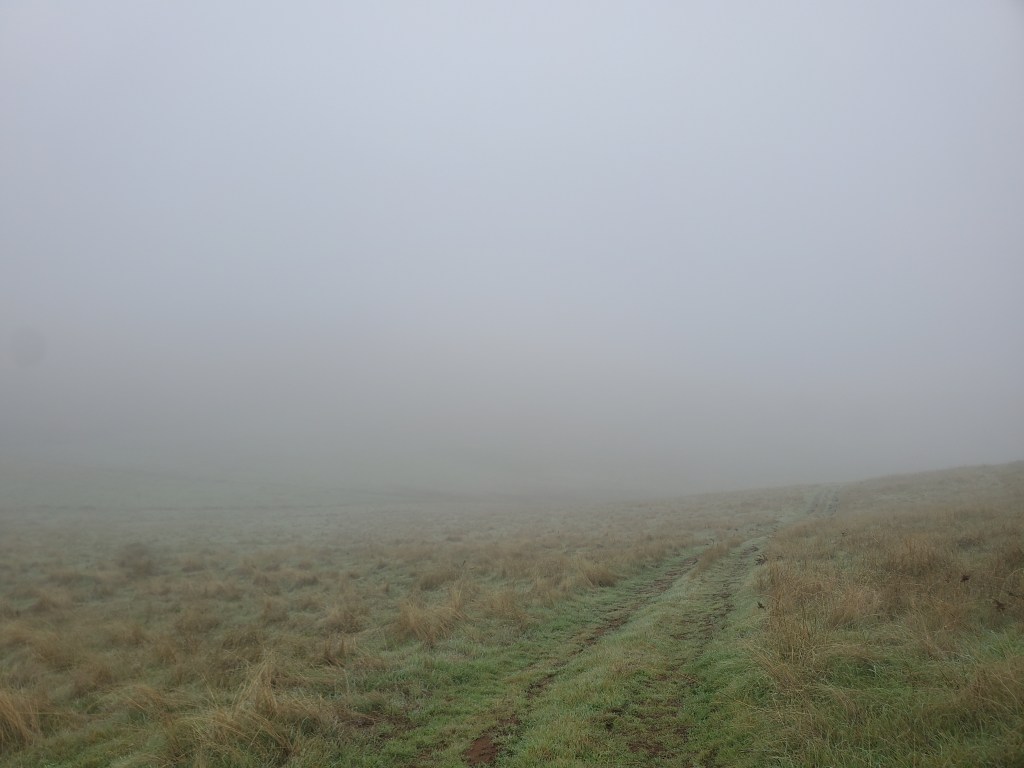
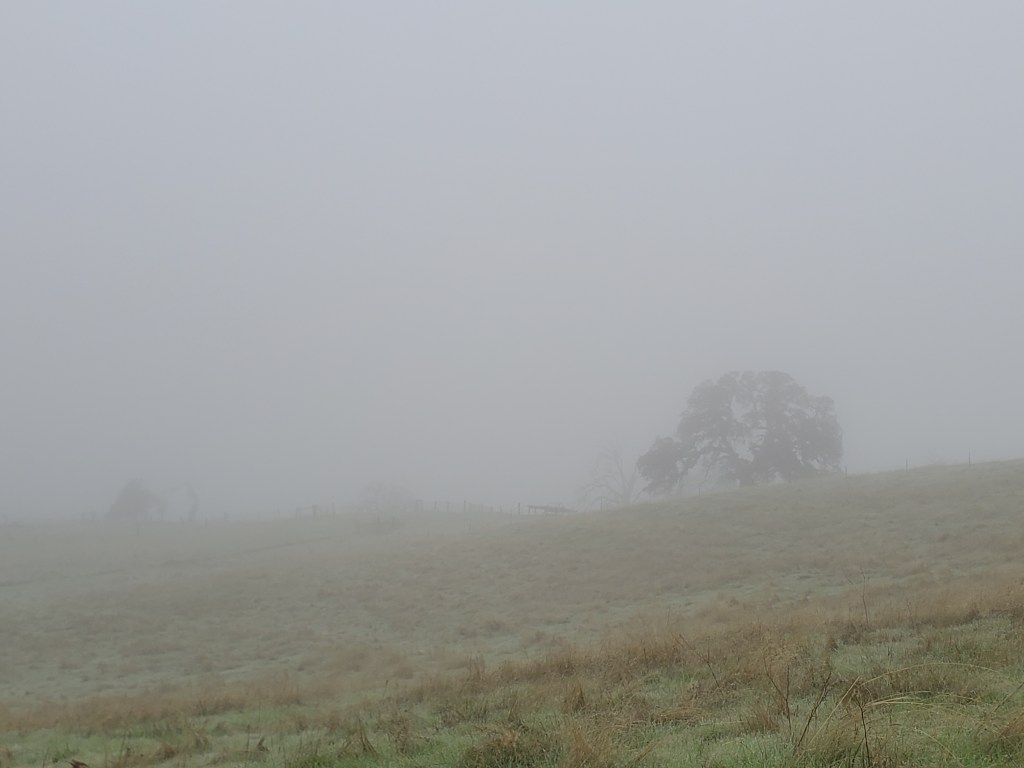
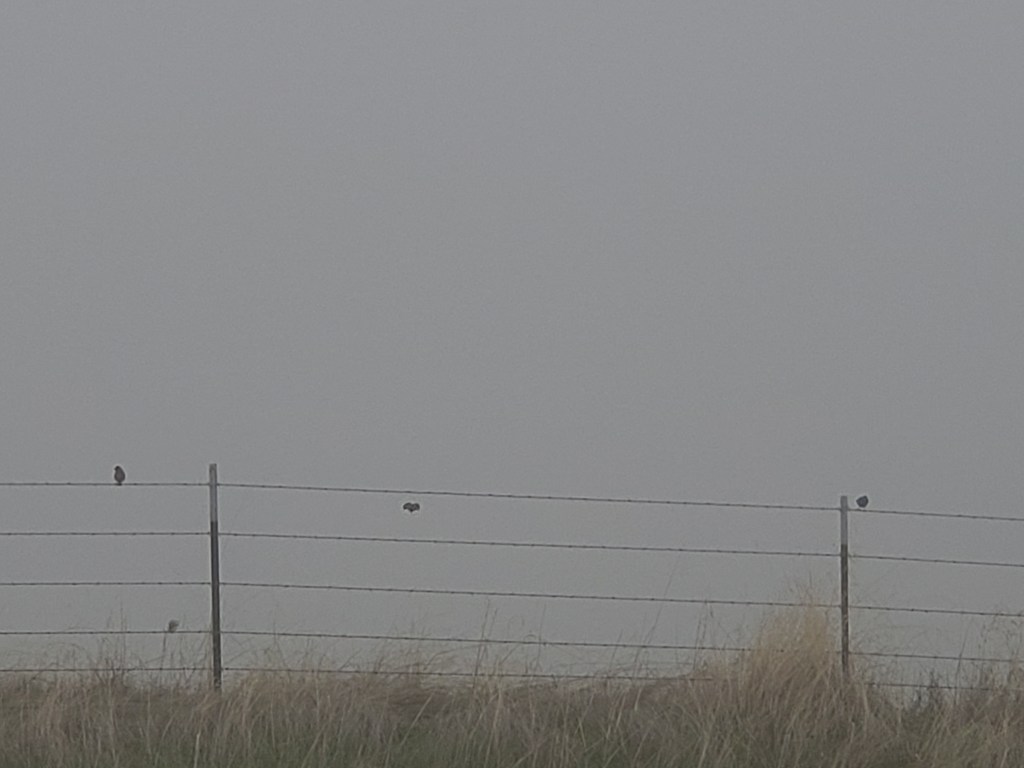
It has also been foggy recently. Typically, we are above the fog line. This layer of fog has helped keep the plants, and my garden, watered. It is beautiful and cold. As I was driving out of the driveway the other day, I disturbed a large group of birds sitting on the ground. They were blue birds. They alighted and perched on the fence across the street. They were so beautiful and in such a large group. I was taken aback.
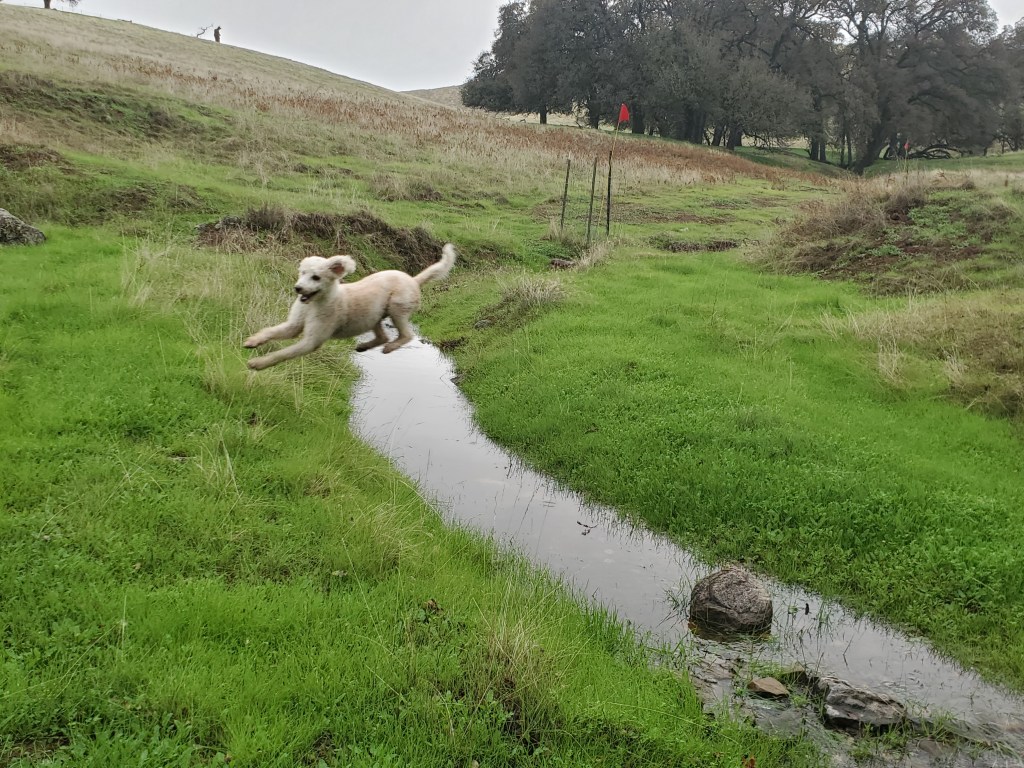
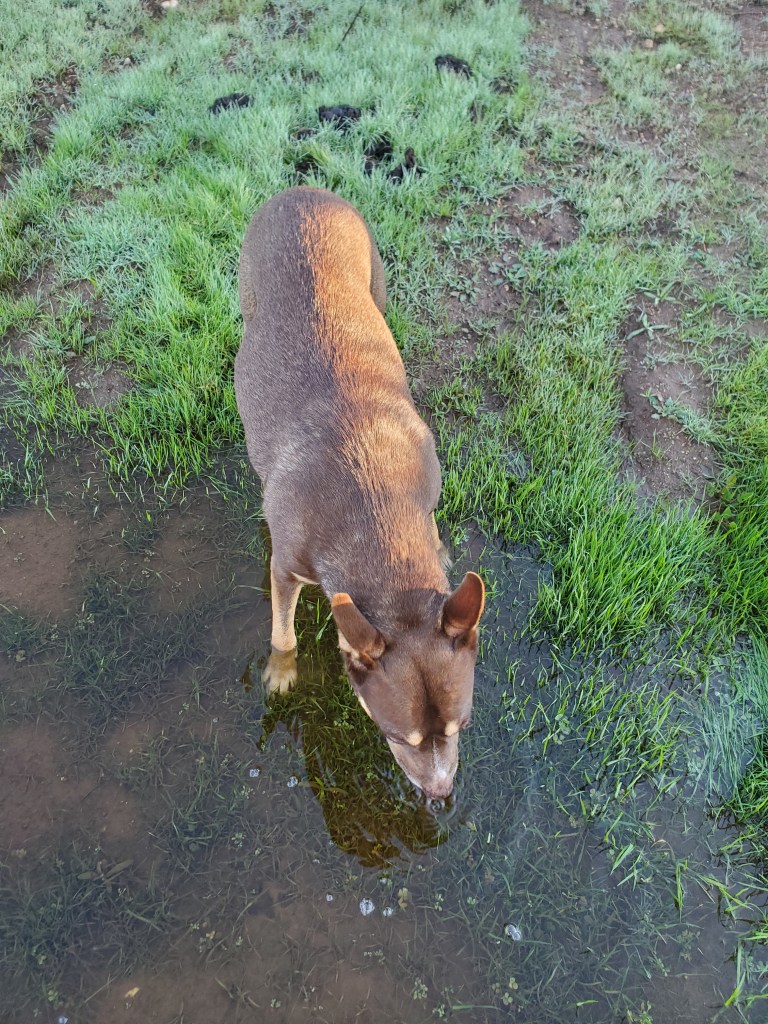
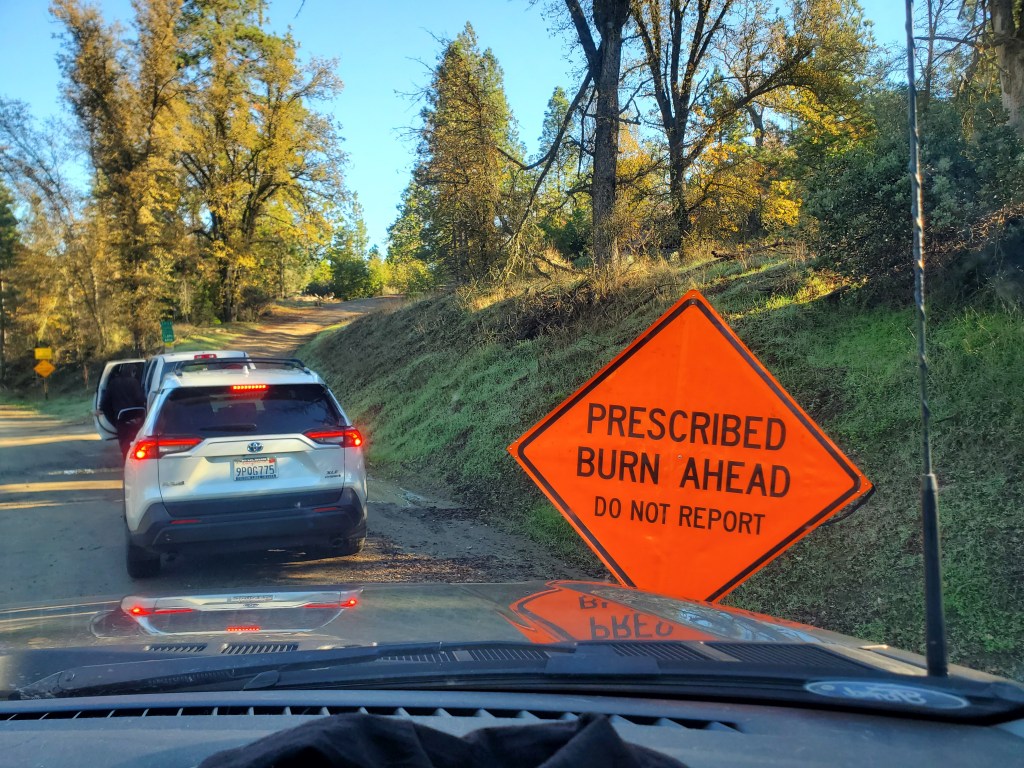
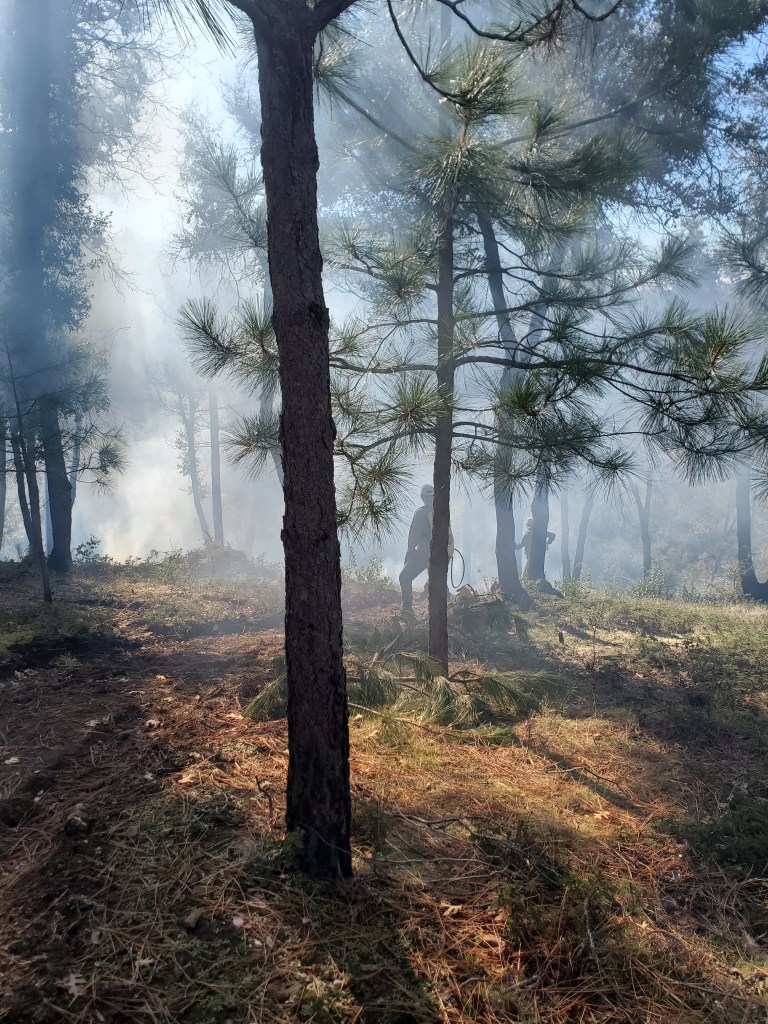
We are planning to do a burn with the local prescribed fire co-op. I am burning for the health of the soil and to help de-compete medusa head and other European grasses from the California Milkweed. We weed-eated fire breaks and had to attend another burn in order to be scheduled. I have been attending burns with the Southern Sierra Miwuk as well. There is something about cleaning up the ground, healing it that feels really good. I plan to start the fire traditionally and not use any gas torches. We will see how it goes – or even if I will be able to do it. The grass is so wet and green now.
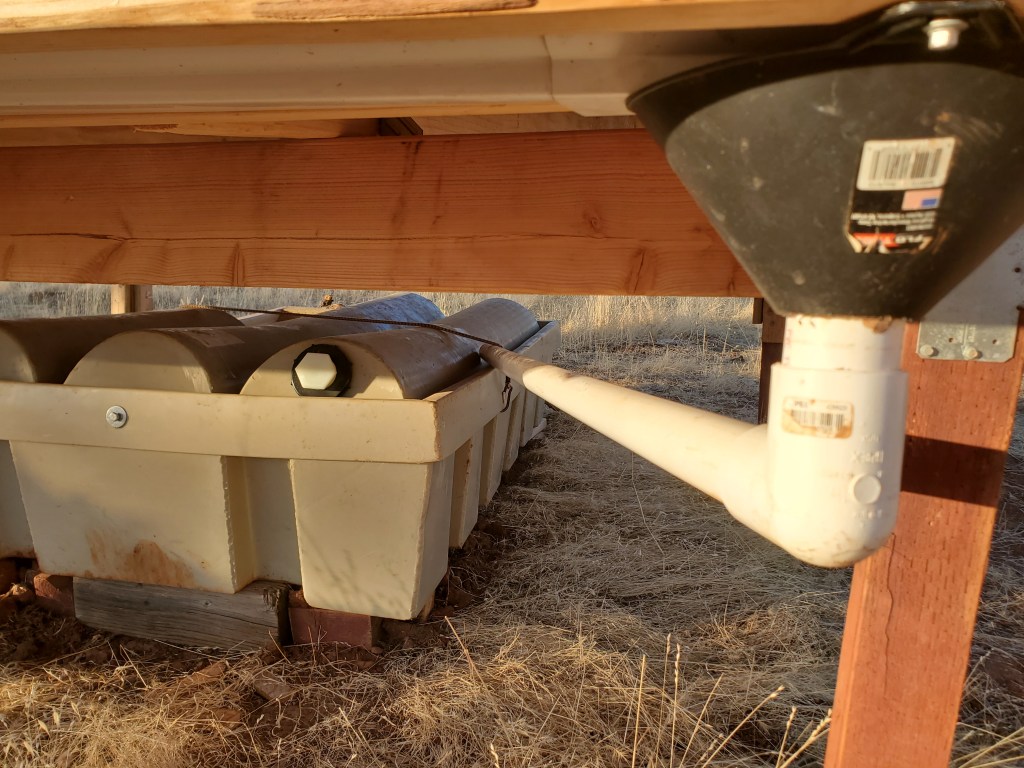
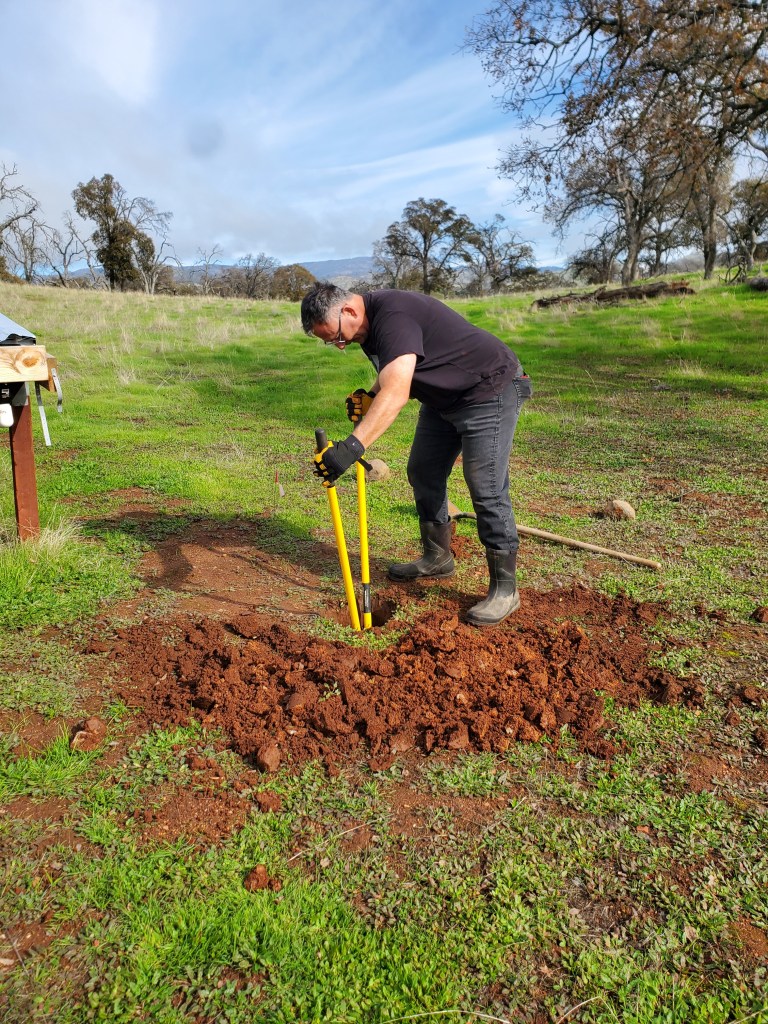
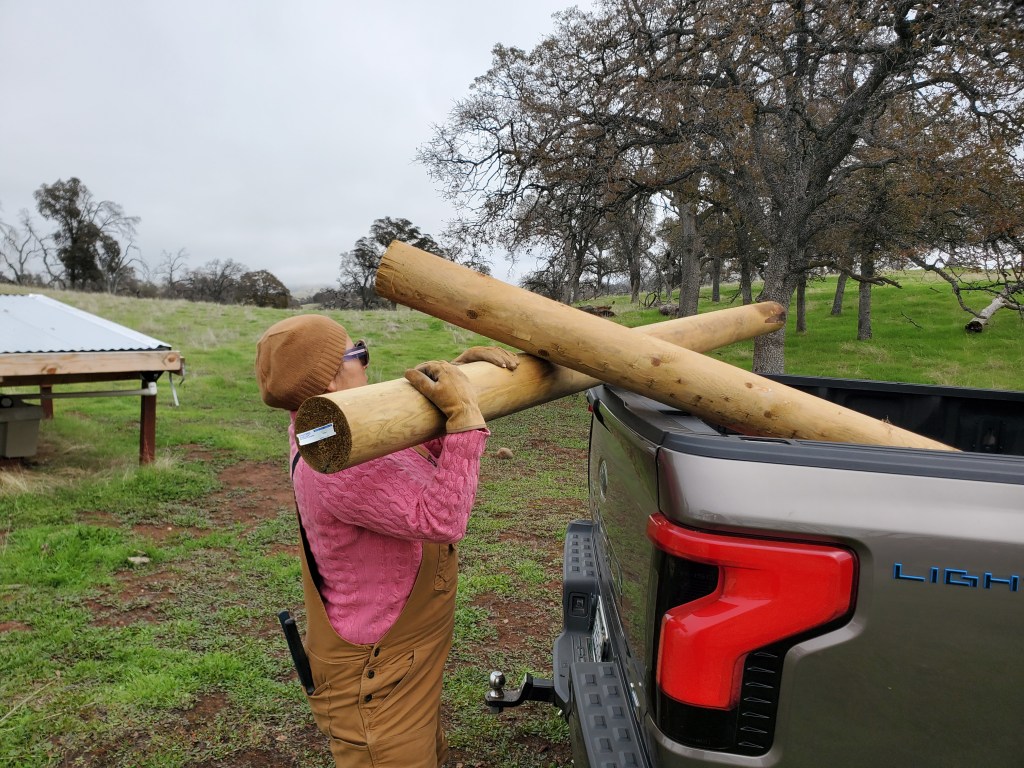
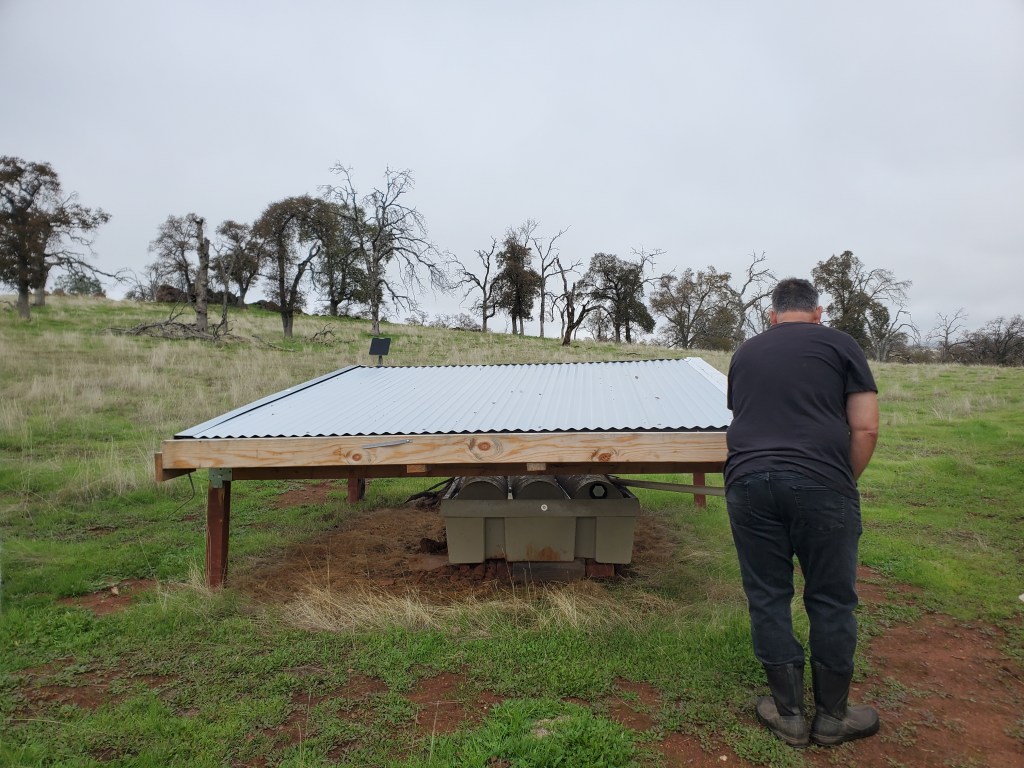
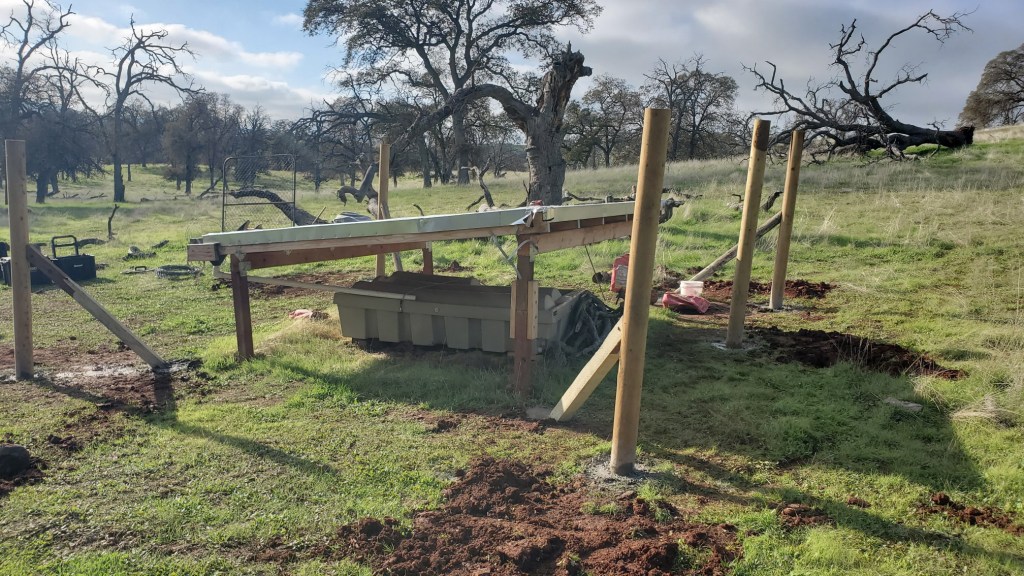
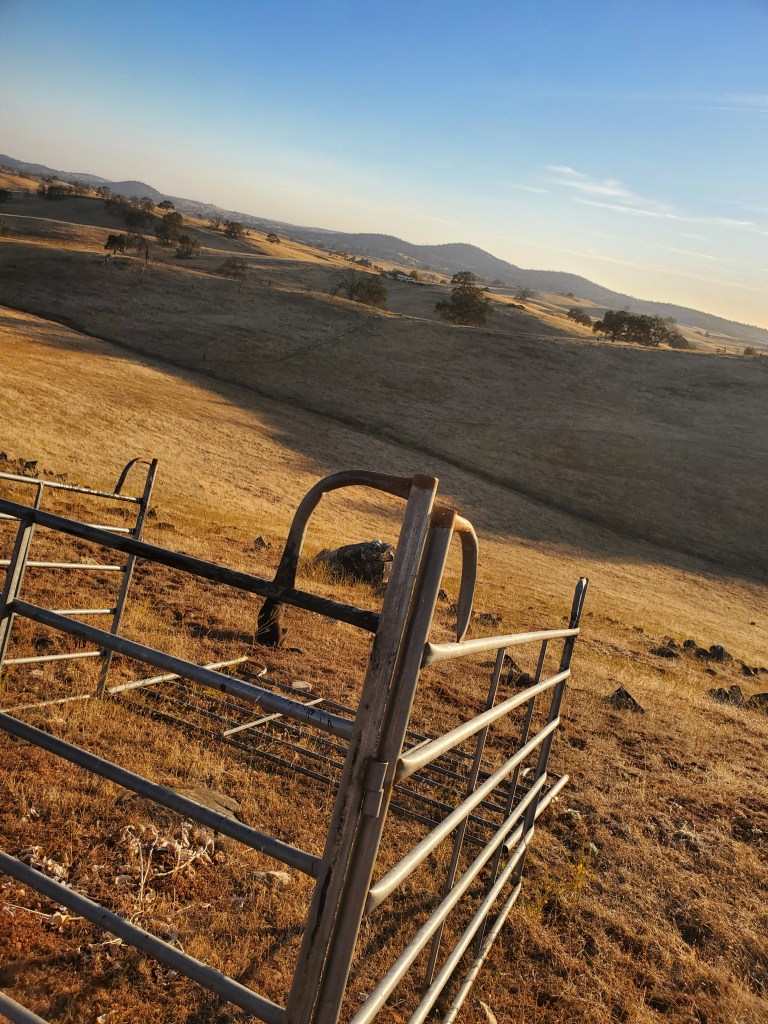
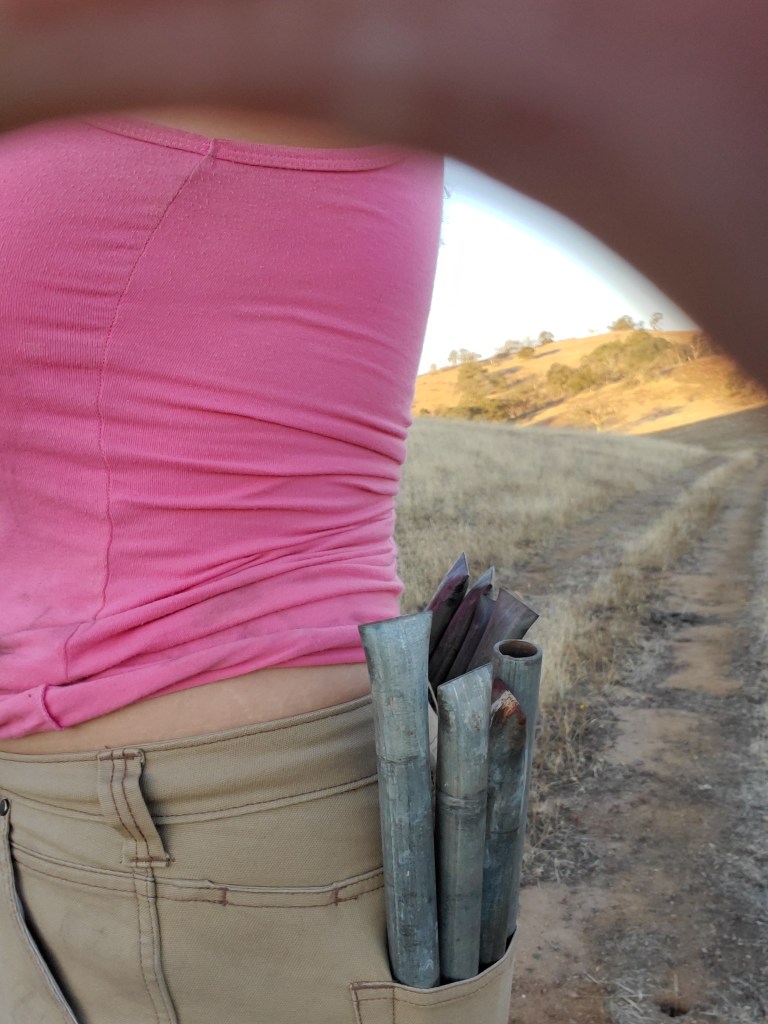
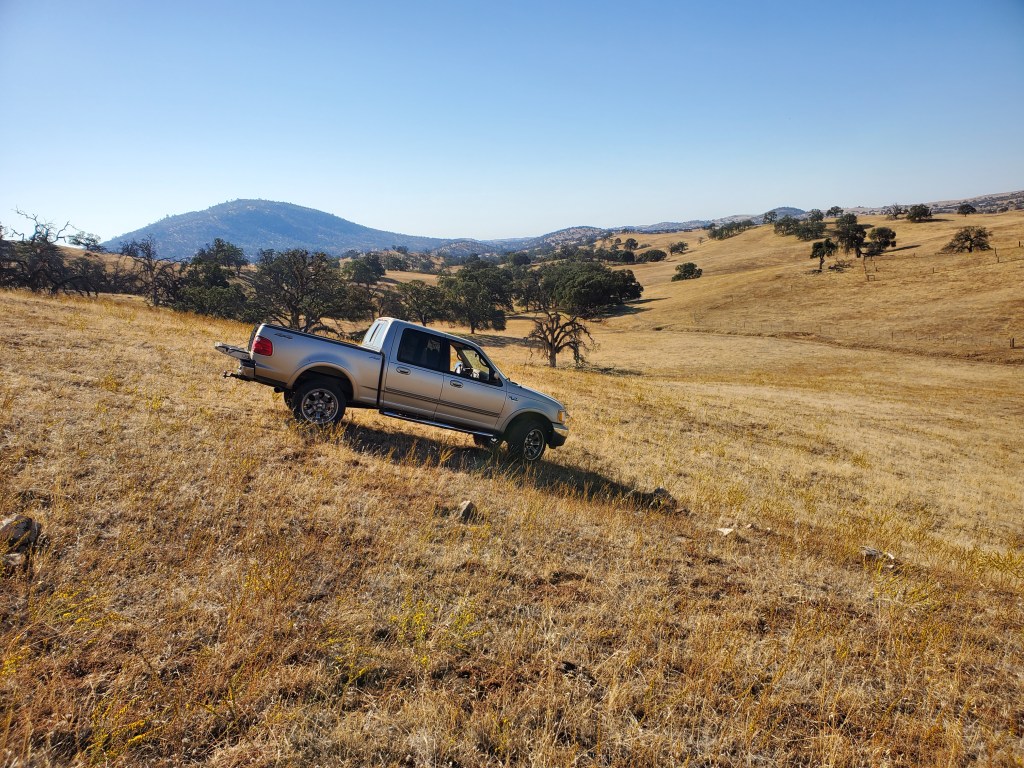
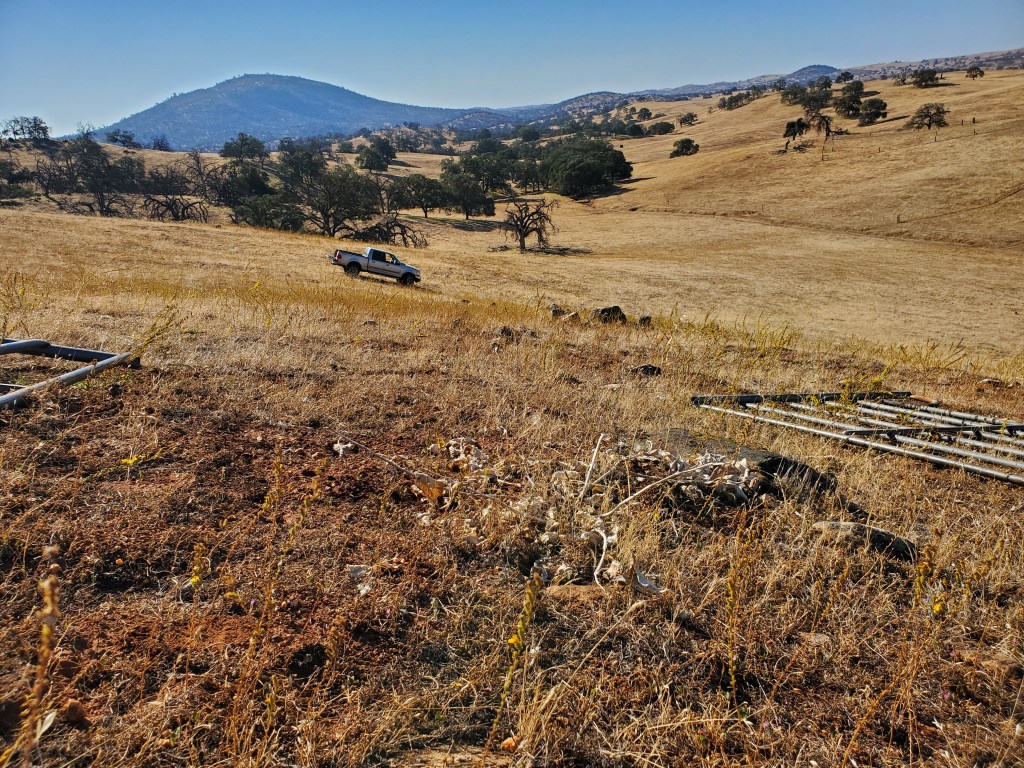
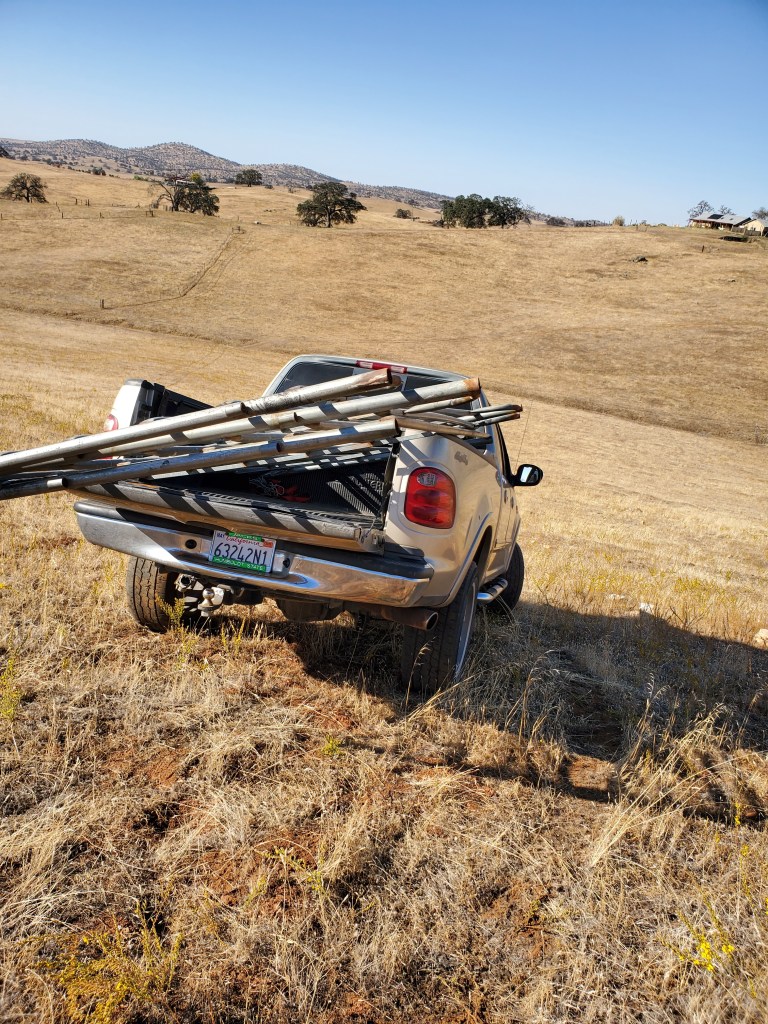
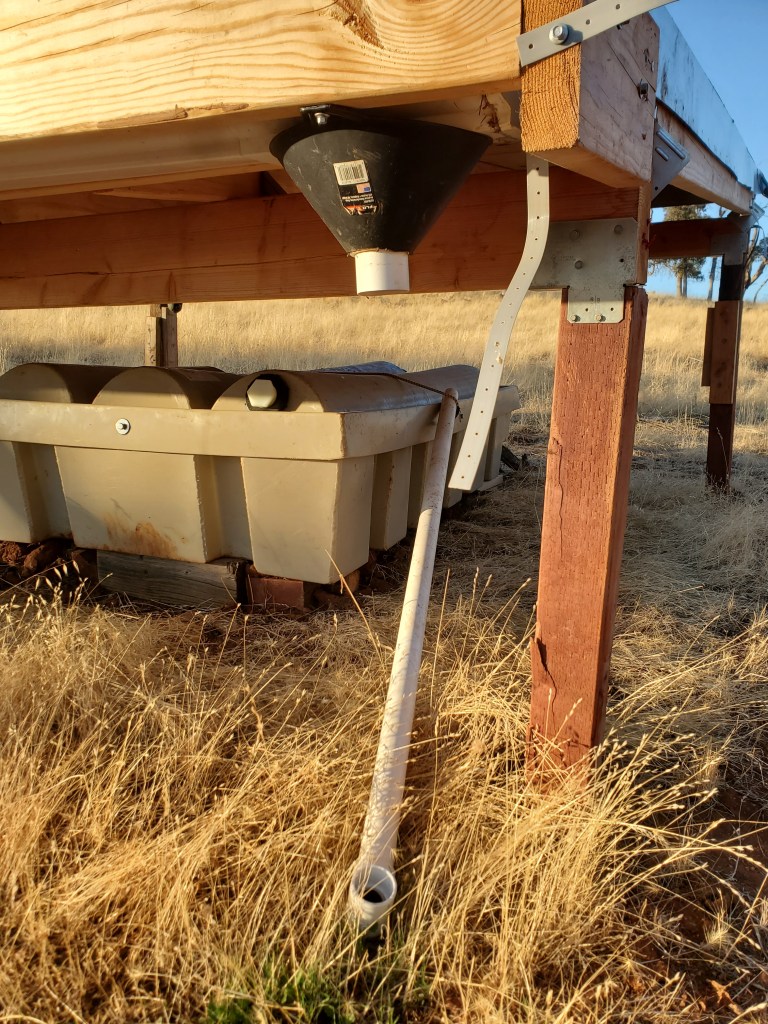
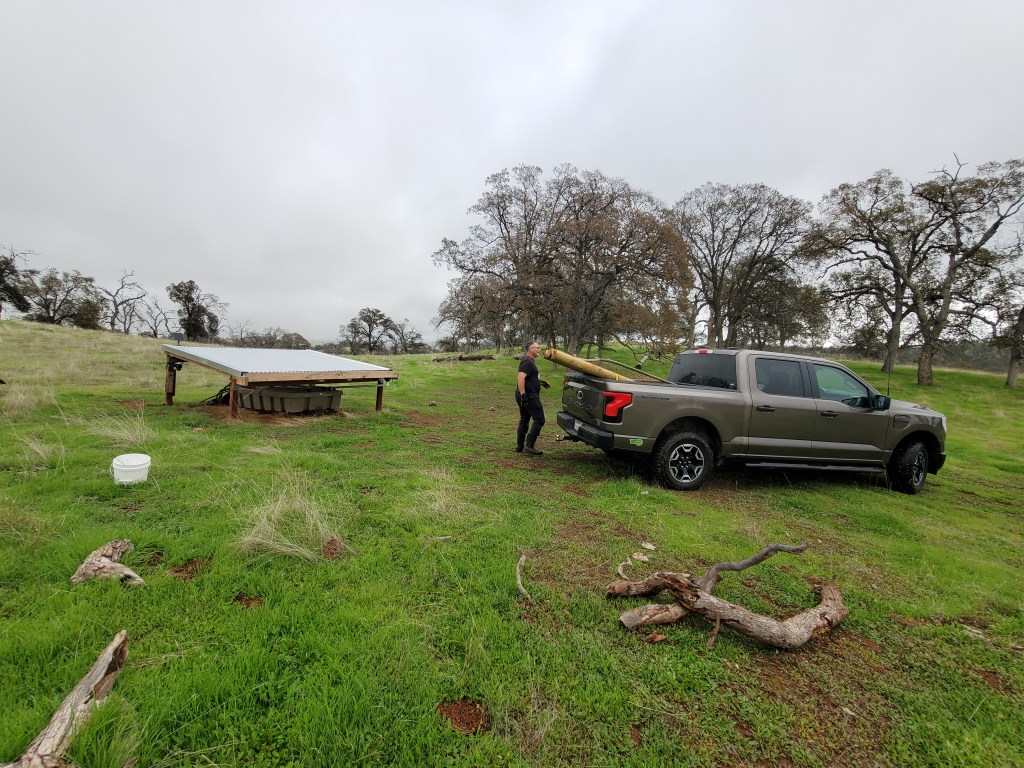
David and I have been building the protection fence around Guzzler 2 and prepping the ground and materials for the rainwater shelter over the tank that will feed the guzzler. We have gotten three bids to do the fence for us over the last few months because we have so many other projects. The first bid was outrageously expensive. The second contractor ended up in rehab (good for him!), and the third completely disappeared after sending a bid and communicating consistently. I started looking in the obits – grim I know – but I liked the kid. What is happening?

Time is running out, so David and I pivoted from other projects to focus on this one exclusively. Cows will be on the ranch in December. I had hoped to save David’s back and my neck by hiring out, but this must get done (and not for crazy money). If you are a regular reader, you may recall that I was hit by a car while biking in May. Unlike the movies where everything seems to end up perfect post an accident, in real life, everything is not ok. It remains difficult for me to work for long periods of time, my neck muscles ball up (which is very painful), my right thumb (which was broken) starts to throb and my leg, where it was tangled in the bike and still bruised, begins to sting. I share not to complain, but to ensure that the story is honest. Poor David is such a wonderful help. He digs and lifts, and lifts and digs. We have some spunk left in us for sure, but it ends up getting used faster than when we were younger.

Cows to Cocktails – a long story if you care to read it

Life in the country is a joy. Where else can you spend two hours rounding up your neighbor’s loose cows, then jump in the shower, throw on a dress and enjoy a holiday season fundraiser event? Go from manure on your boots to sparkles on your shoes?

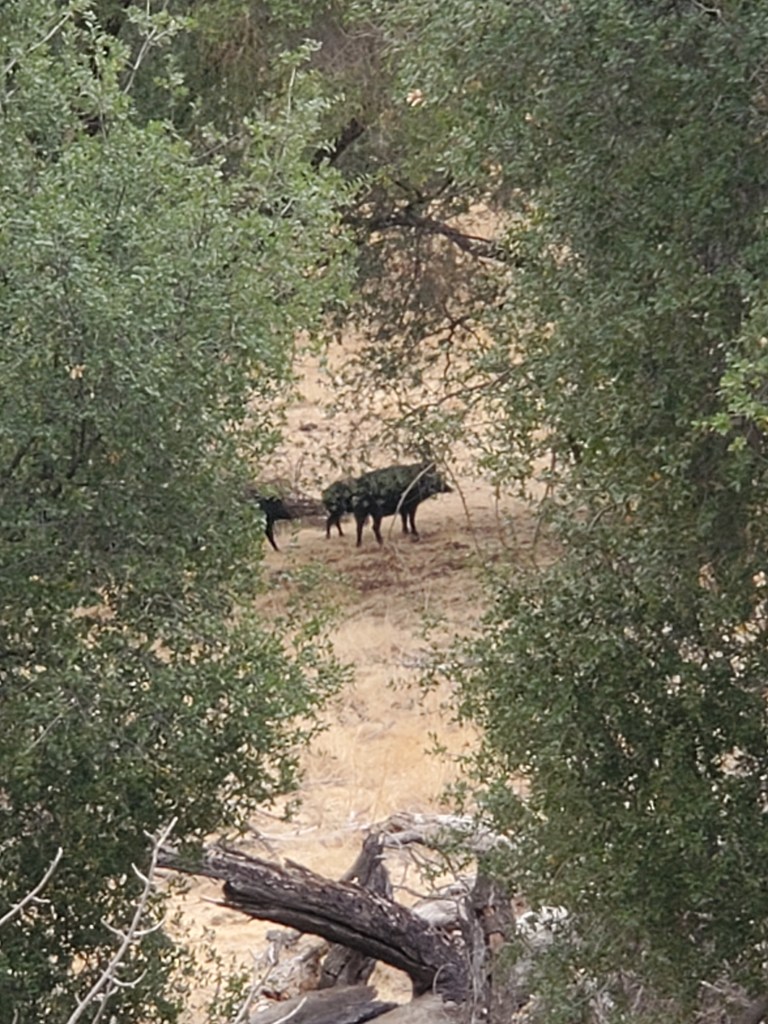
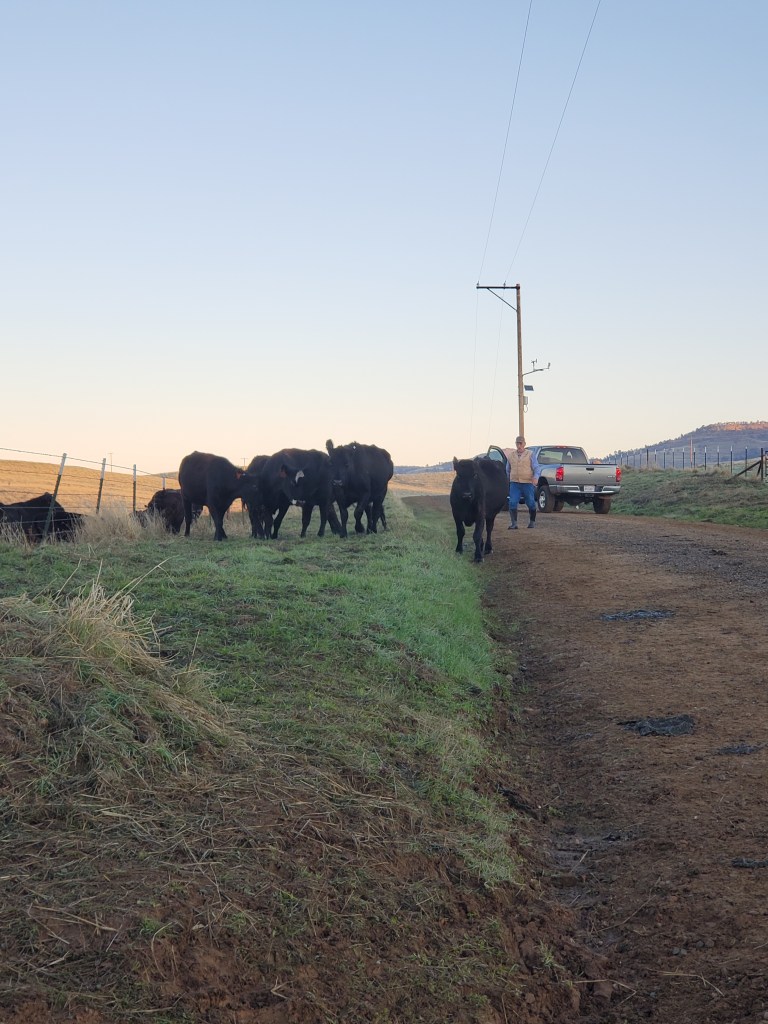
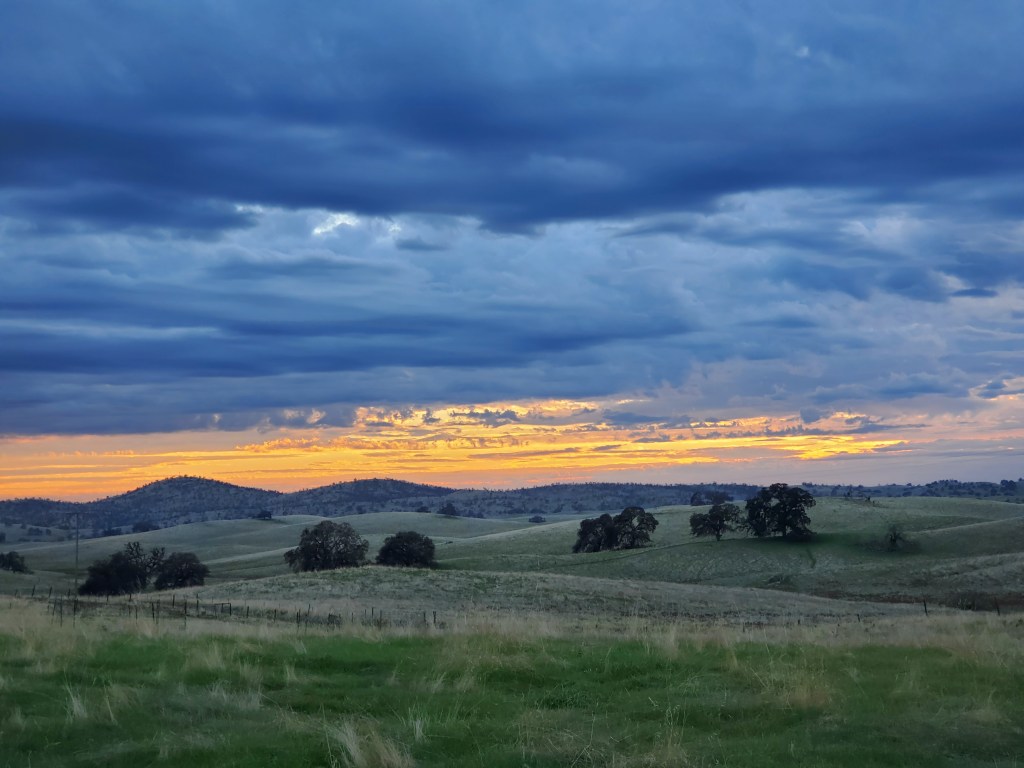
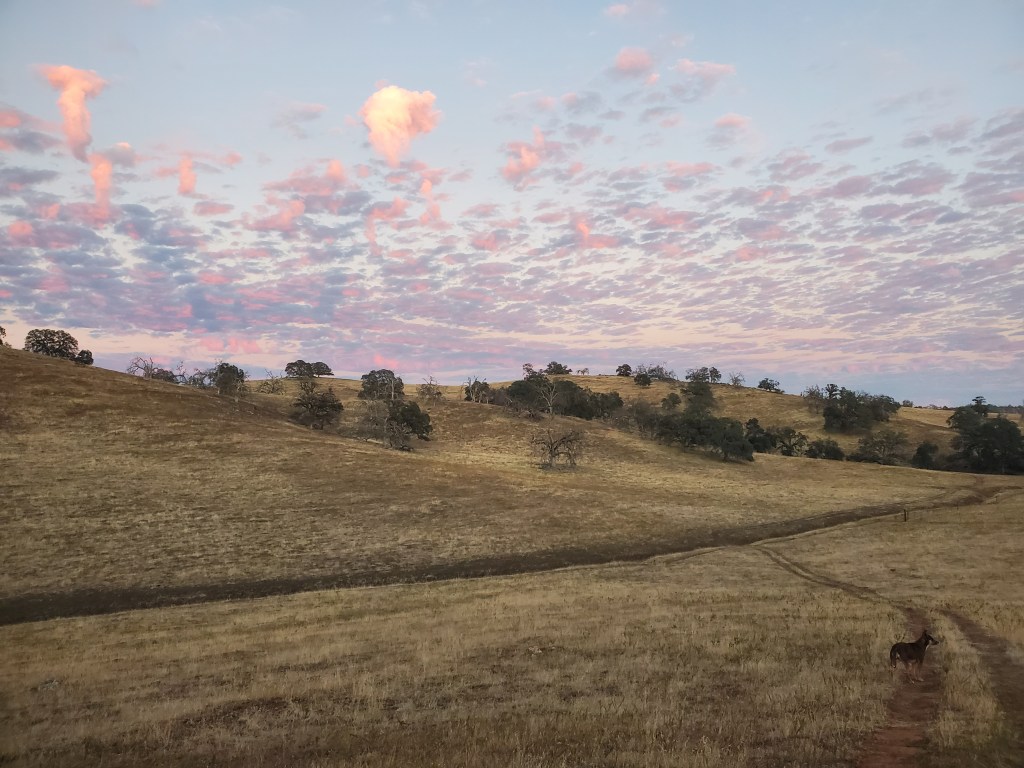
Last week, in the cold, early morning, around 6am, I went to let the dogs out to begin their day. The light was just beginning to illuminate the trees and hills. Frosted grass twinkled in the very dim light. I had a fundraiser to go to that evening, so had to think about my plan for the day. Nothing is close in rural California. If you have to do errands, even the closest commerce location is nearly a hour round trip – so you must plan your day well to get things done in time. As I went through my day’s list in my head, opening the door, letting the dogs out, in rote, I saw a dark blob in the near field. Then, there was another.

We have not had cows on the ranch since August. It was then my cattleman decided to retire out of the cattle business. He sold everything, and at a good time. Cattle prices are almost like gold on a hoof. As a result, we’ve kept the gates to the ranch and to the small enclosure around our home open for ease of coming and going.

I rubbed my eyes, looked again. As the light grew more, saw there were more in the field. I stepped out onto my concrete patio in my pajamas and sock covered feet, shivering a little at the shock of cold, and saw two more cows next to the trucks. Ok – I was fully awake now. What the heck was going on?

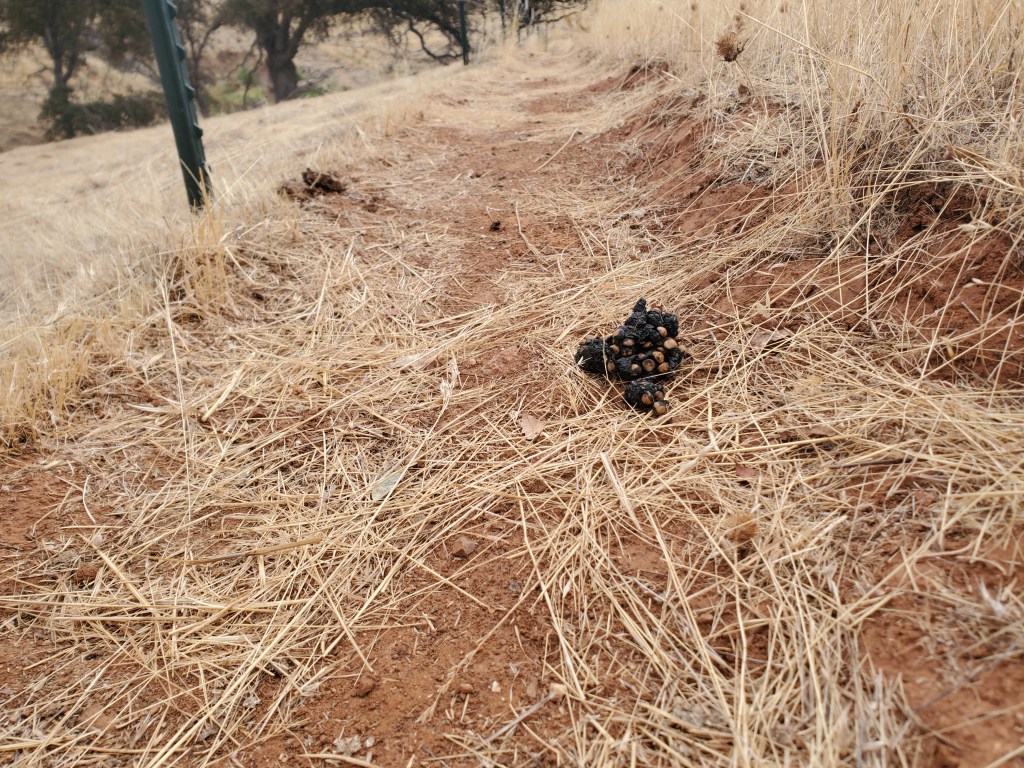
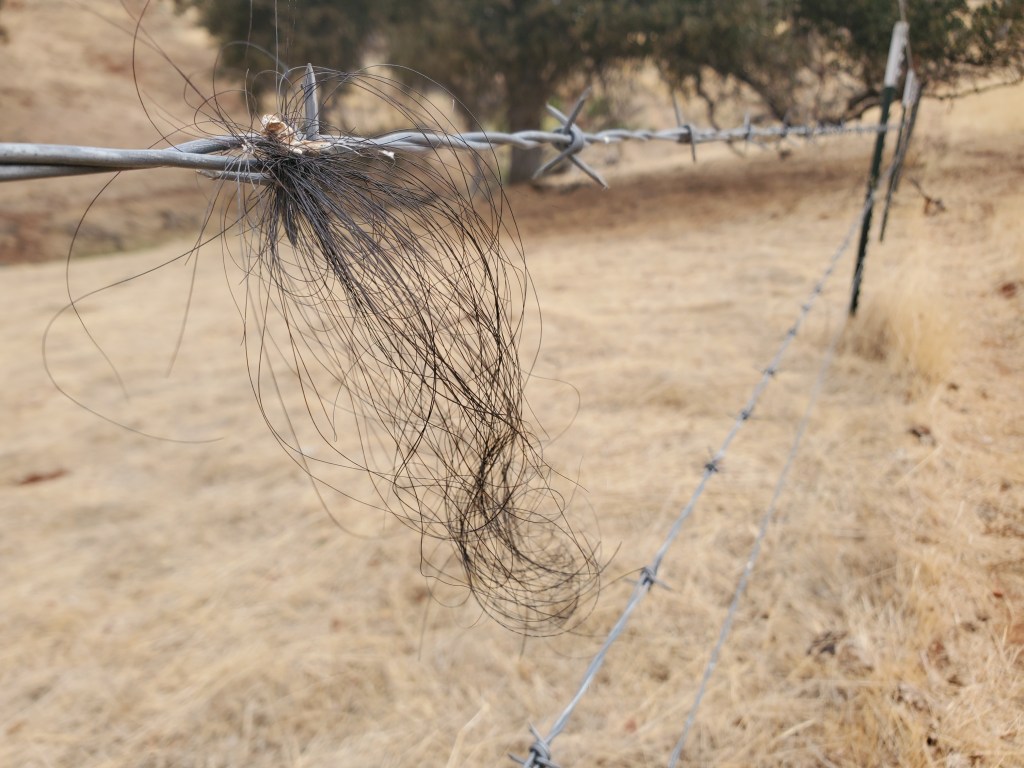
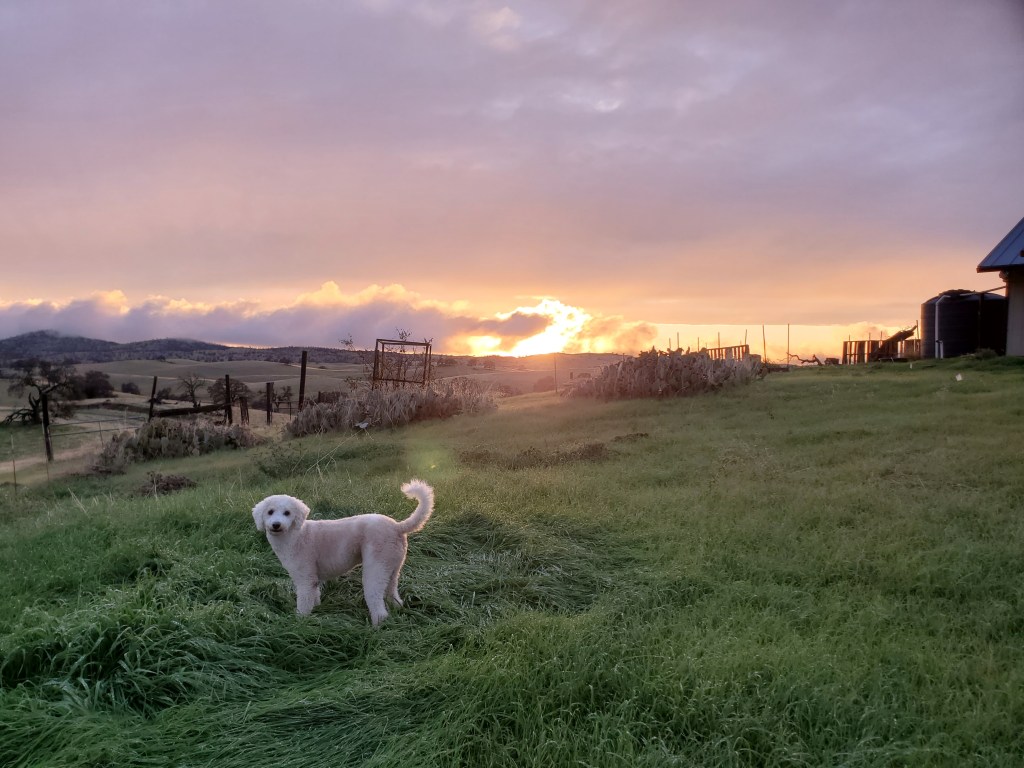
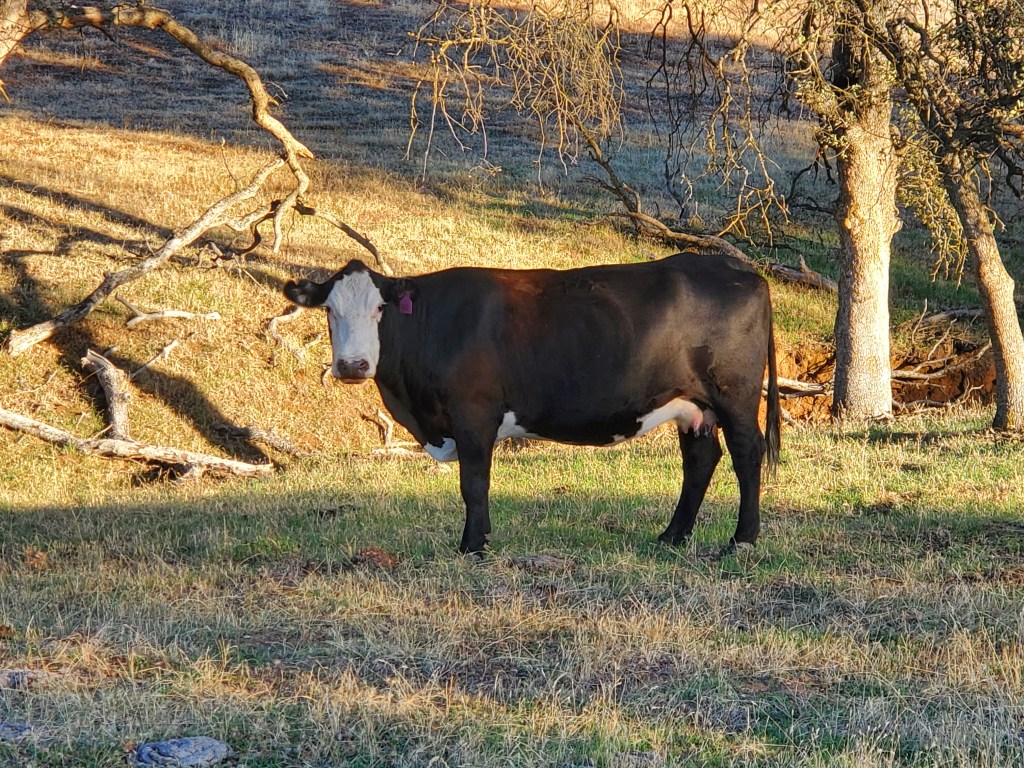
The dogs had done their business, and I hustled them in. They would be of no use to me. Millie, my nearly 12 year old kelpie, is arthritic and retired. The newer poodle, Pongito, is completely useless when it comes to cows. Better for him to be inside. I grabbed my hat, coat and jumped into my boots, in that order, and rushed outside. The neighbors had gathered the day before and left the cows overnight in a small, fenced in field. When I say small, it is about 20 acres with a small pond, on the corner of our rural intersection. There were over 100 of them. They had been mooing all night, protesting their enclosure away from wide open fields full of green grass.

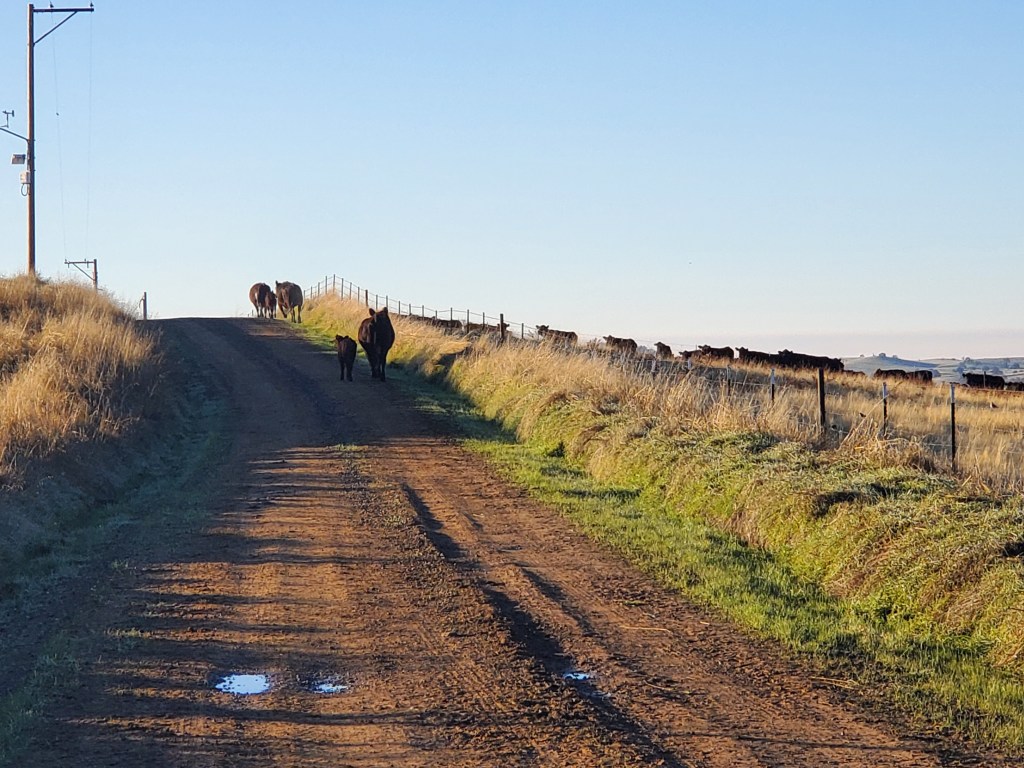
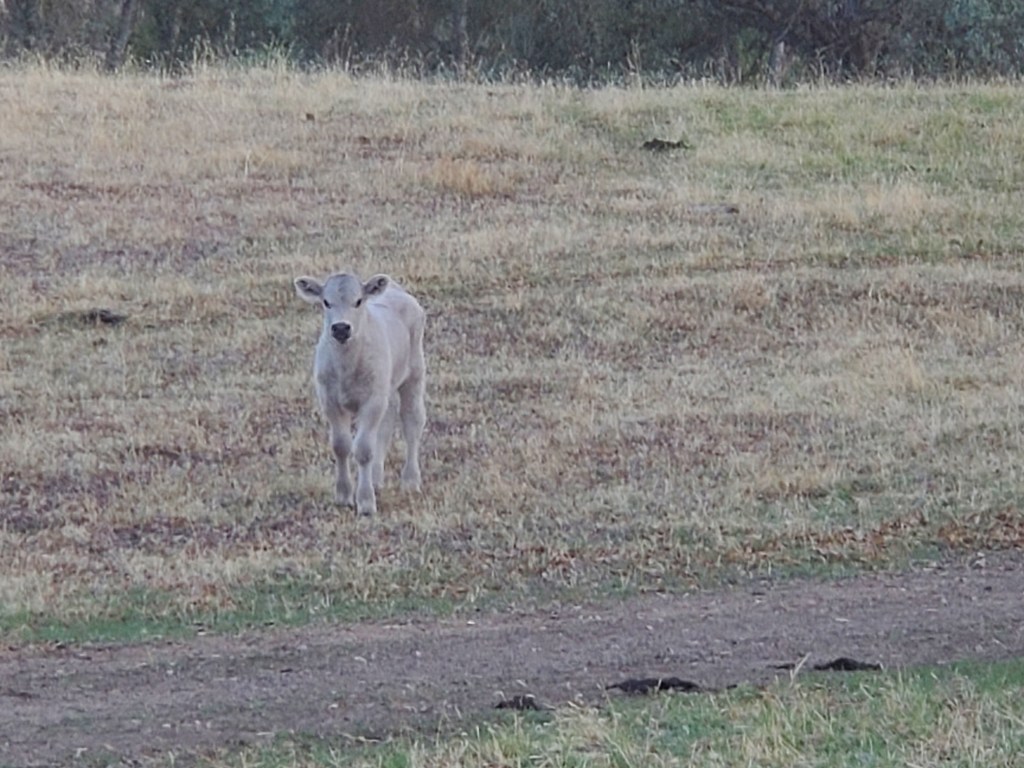
From my vantage, I can see the field clearly. My small home is on the top of a hill, and I have a fairly good view of the region. As I was well outside, moving the cows from my enclosure into the field, I could see the mass of cows had gotten loose and some had spilled into the road and into my neighbor’s ranch as well as my own. It is not how I wanted to spend my morning, but having loose cows on the road, especially so many with small calves, was a dangerous hazard for both cow, babe and motorists. Imagine driving 55 to 65 mph on a paved road, coming around a corner, and seeing a mamma and calf. Calves are not grown enough to have a sense of the road. As a unit, they move slower than just a single cow. I had to act fast.

First, I got the cows out from next to my house. I was on foot, so ran to the bottom of the driveway, 1/8th a mile from the house, and closed the gate. Ok, this group would be safe from the road and could be gathered and moved later. However, I did not want them to disburse across 360 acres of ranch, so I would need to close off the far north field. The small group of 3 cows and 5 calves were walking toward the cattle road and the open gate to the rest of the ranch. I quickly headed to the gate to shut it. Remember, these cows don’t know me. I cannot just out run them. They can spook, and worse, since it is a mamma and baby already in a tense, unfamiliar situation, mamma could get upset. It is a delicate situation. You have to more feel their energy, their direction, than see it. Too fast and you can push them right through the gate. They are faster than you after all. Too slow and they will beat you to the gate. Too close and they can get upset. Too far, and you have no pressure on them. It’s delicate.

I moved quickly, not fast. I kept a wide, but forward movement. That stopped them advancing and bought me more time to gain more ground. They watched me intently from their uphill vantage, finally turning away as I made it to the gate and swung it shut. One down. Next, I had to run back up the hill toward the house. The cows had turned the opposite direction and began walking toward the drainage, Swale Pond and Spring Creek where there was another open gate. I had to cut them off, which meant going to the top and over the hill.

As I got to the top of the hill, I saw that the pack had kept close to the fence line and was headed for the open gate. Luckily, they had crossed the drainage, swinging them wide, buying me more time. The green grass too was tempting -slowing them down as they would grab a mouthful and continue to move. Please remember, I am not the most fit person. I’m chubby, filled with too great a love of peanut butter. Moving my mass is not an insignificant task. I fast walk in a trudge more than alight. By now, although 49 degrees F, I am sweating in my pajamas, boots muddy and wet.

Seeing them still headed straight for the gate, I let out a yip so they could see me, and know I was there coming toward them. They stopped to look. I had the advantage now. I was higher than them, and “trudging” as quickly as possible down the hill. They about turned and headed north up another hill away from the gate. That was great. I got to there, closed it, turned around and headed back up hill to deal with the rest of the cows on the road.
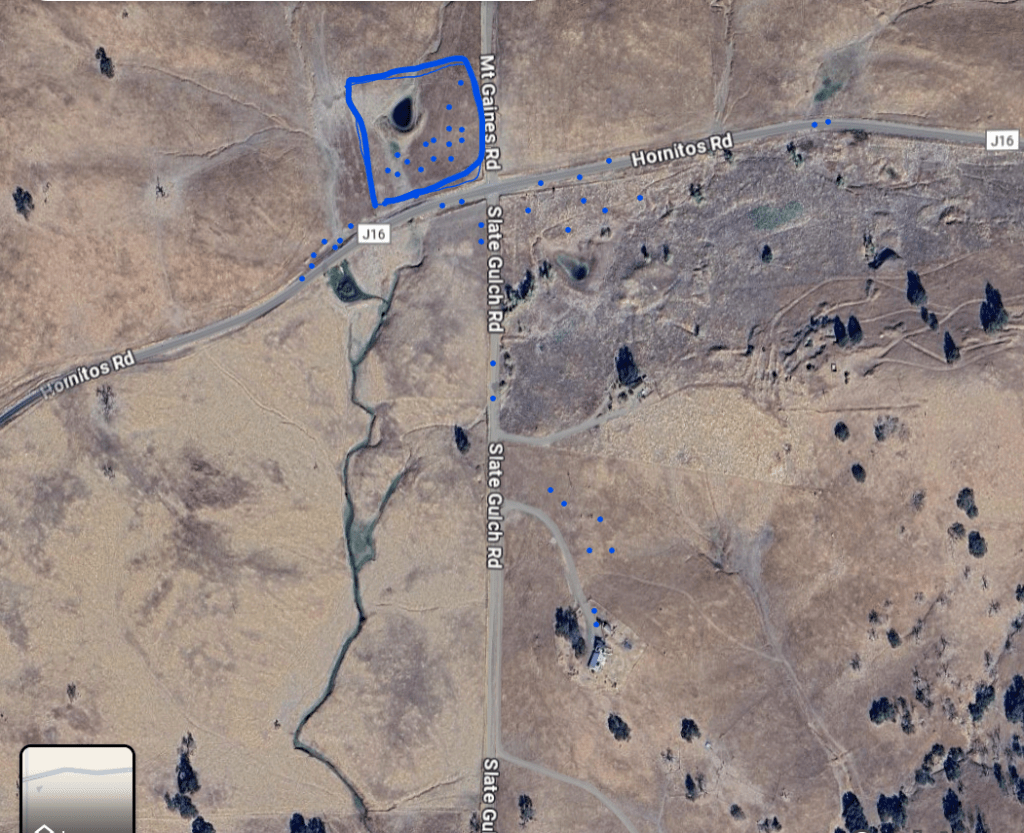
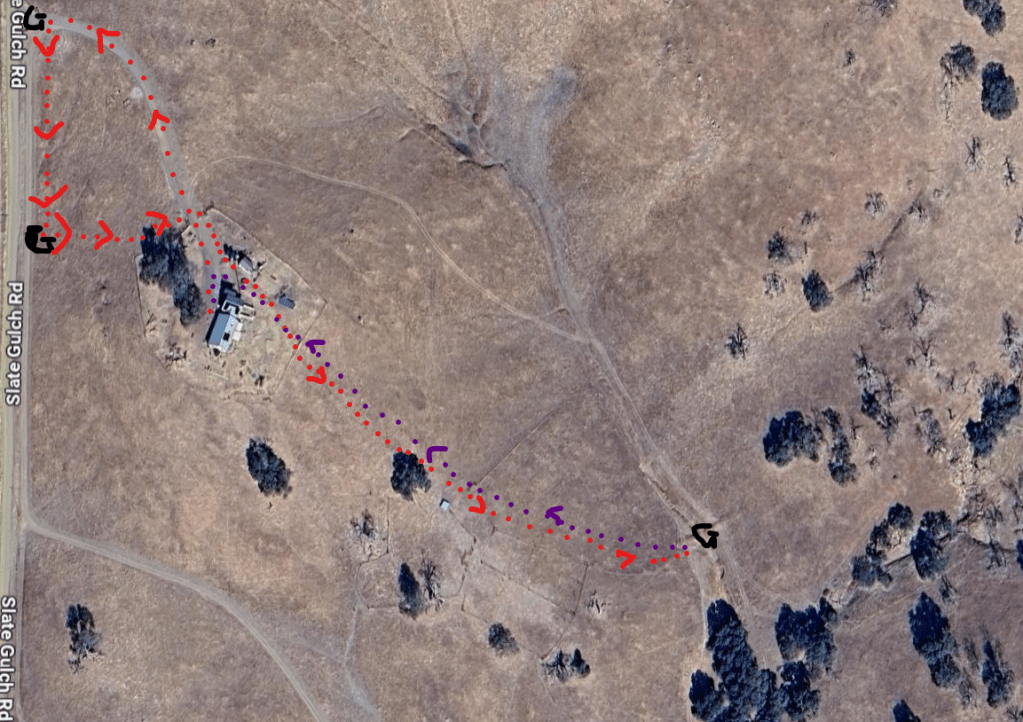
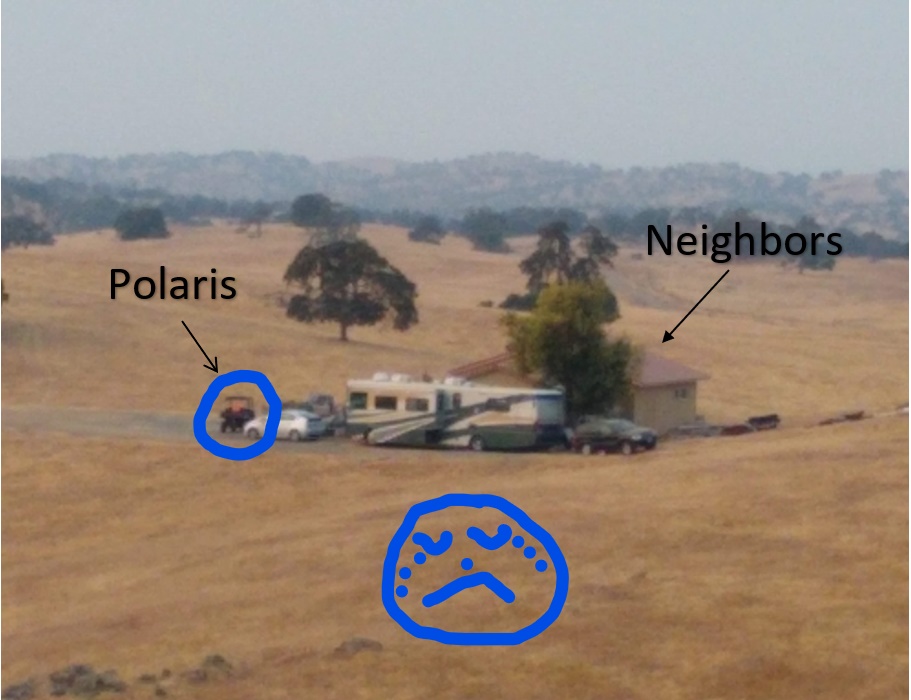
Once back at the top of the hill, I jumped into the polaris and headed toward the main road. I saw a bunch to the left on Hornitos Road, so turned left, and sped by them. I made a “u” turn and slowly walked them back to the dirt road of Mt Gaines. As I approached the intersection, I parked the polaris, jumped out and went out wide to convince them to turn up the dirt road rather than stay on Hornitos Road. As I was walking back towards them, an old friend Joel drove by. He saw the mess and pulled over to help. Joel is our retired Under Sheriff and husband of our retired (and excellent) county supervisor, Janet. They are also cattle people. He and his brother in law (BIL) Timmy were on their way to help another neighbor work their cattle that morning. Timmy was well behind him, so Joel called to let him know what was going on. Joel went up the dirt road and brought them back down where I had opened the gate to the smaller field where all the others were gathered. It is a trick to keep the cows in while the gate is open. Together we managed it, and got most off the road. Joel went on, and I waited for Timmy, who had called to let us know that there were more down the road.
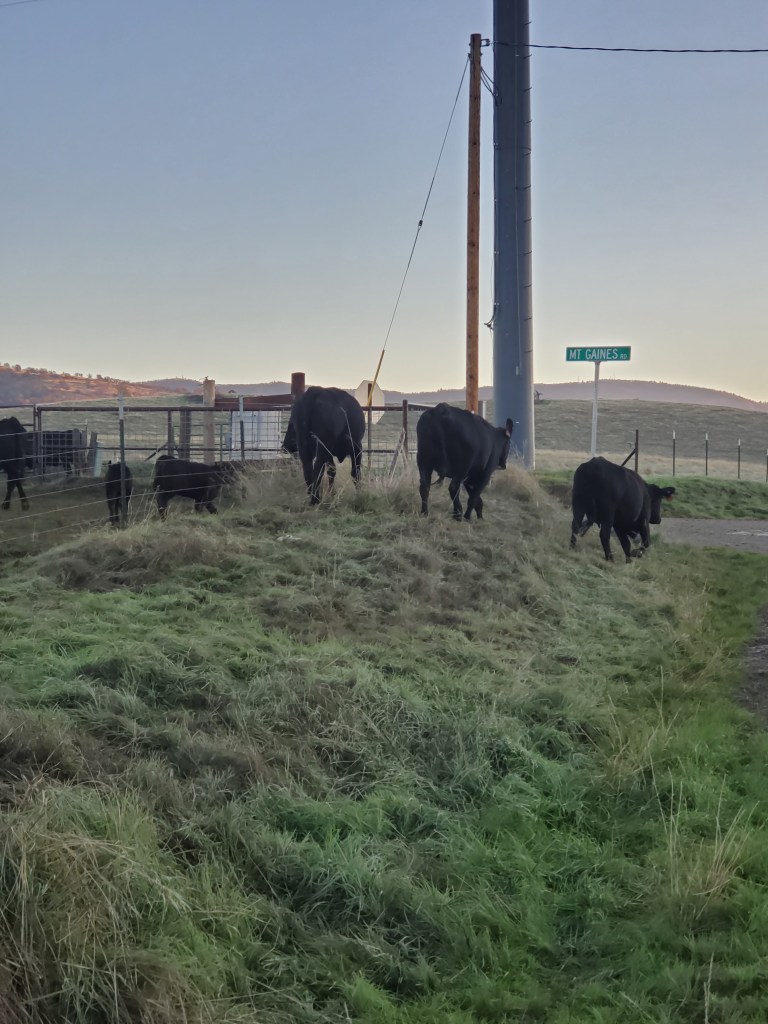
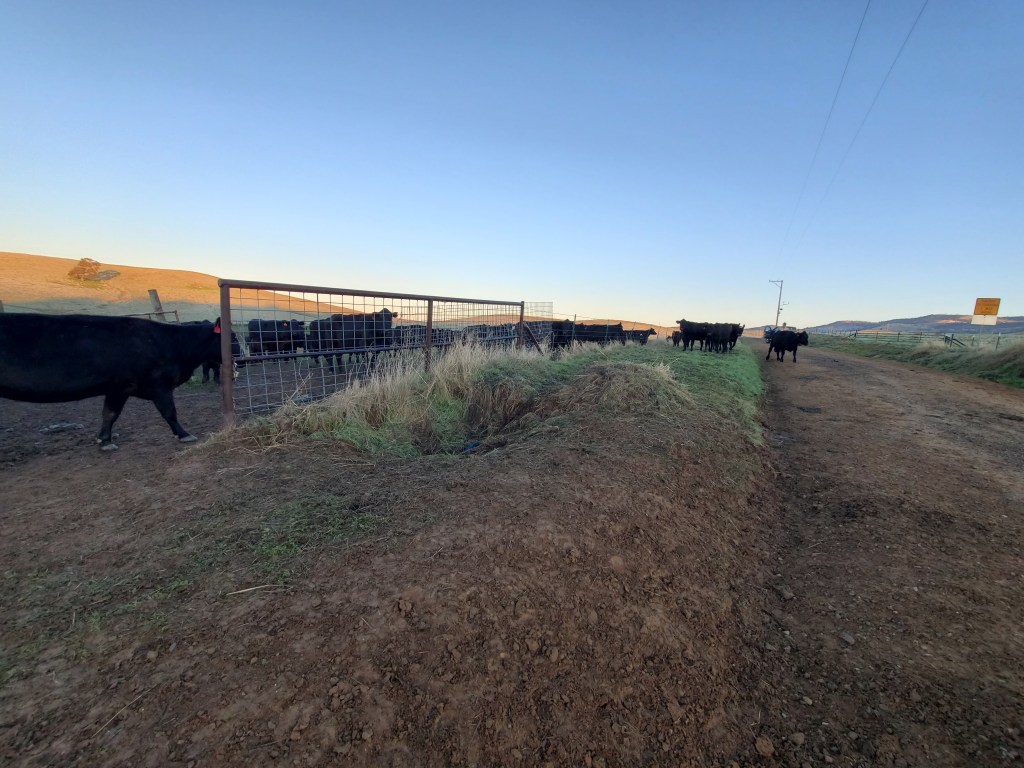
I finally saw Timmy cresting the hill, slowly driving the cow and calf he found toward the pasture. He got them onto the dirt road, pulled over, and after some discussion, decided he would gather the 5 or 6 that were on my neighbors ranch. She bought her place recently, and the prior owner really let it fall apart. As a result, the fences were wrecked, which enabled the cows to get onto it. Knowing that the cows would likely get back onto the road to go back to the gathering pasture where they likely left their calves, Timmy pulled his horse out of his trailer, and rode onto the ranch to gather the cows. I hid out of site and he was able to bring them out and onto the dirt road. They moved up the dirt road. Timmy said he would stay and open the gate if I could go up the road and move them back. I took the polaris up the road, and brought them back, pushed them into the open gate. Timmy shut it, and we were finally done.

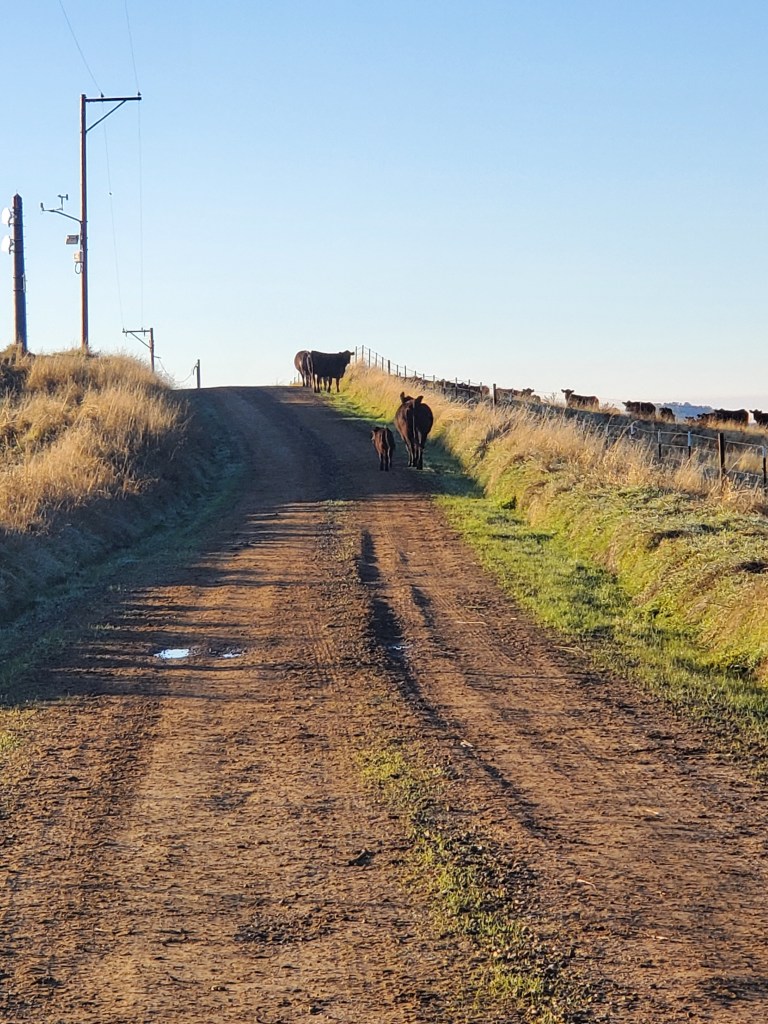
Later, the neighbors who owned the cattle came to assess the situation and gather the last of the cows off my piece and herd them onto theirs. Evidently, a gate was left open. They don’t know how. They said it had been locked. At least they were off the road, and everyone – cow, calf, human – was safe.

I went home, ate breakfast, did chores and then got ready for the event. Never a dull moment here!

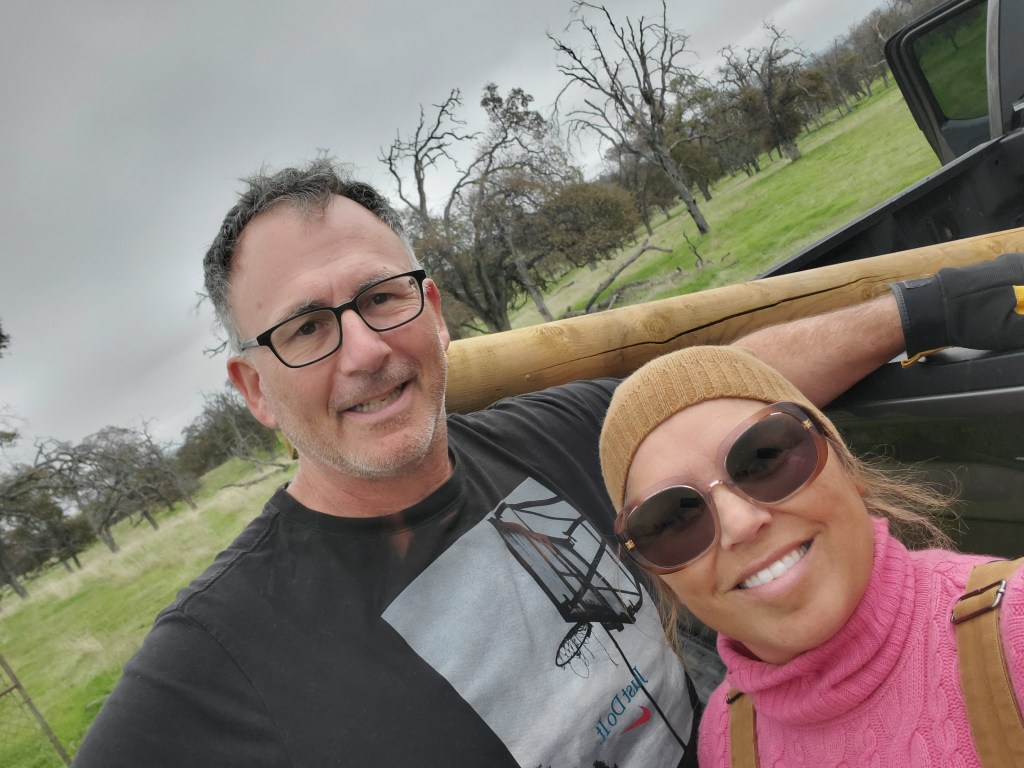
My love and I – a photo from the fundraising event. We clean up quick and decent!

The Beauty of this Planet

This incredible planet is so worth us doing better by her…
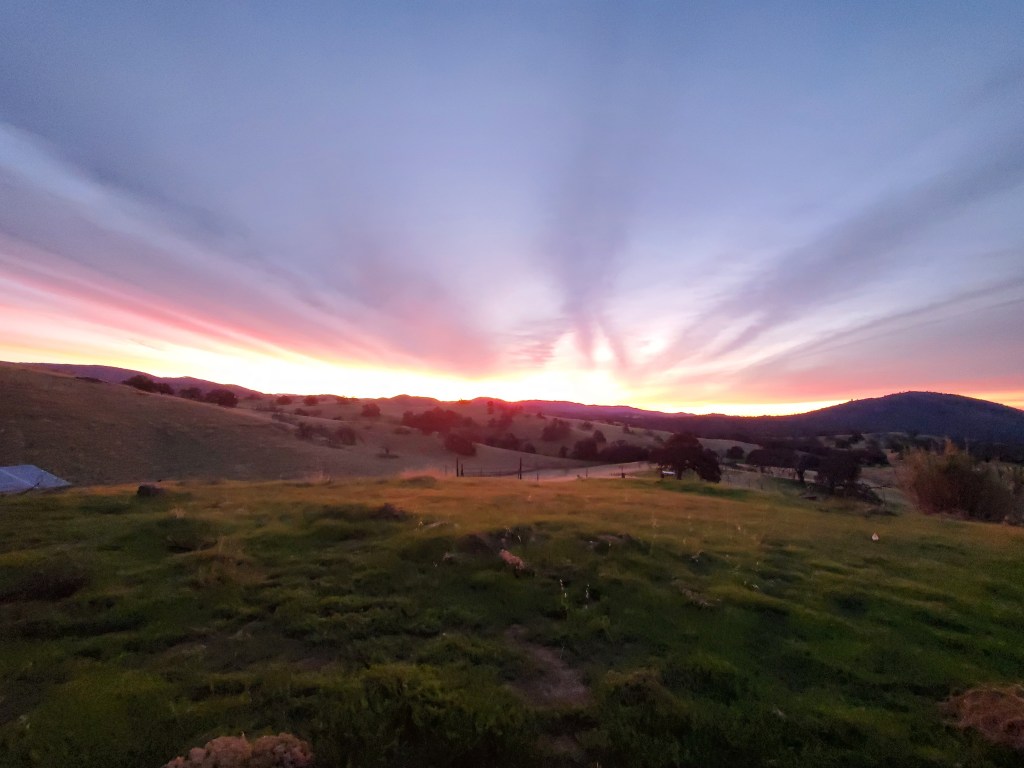
Rebalancing: A Way of Life

Two monarchs eat and pass through on October 12, 2022

Stop reading for a moment. Breathe deep. Now, take another breath. Feel better? Remember when you were a child? If not, reflect on any child you know. We all start with love – love of nature, love of animals – an innate empathy that is part of our DNA – because we are comprised of our world. Find that place again, find that love, if you’ve lost it. Breathe. Refocus your thoughts on your natural space. It doesn’t matter where you live – apartment, suburb, room in another’s house, a large ranch – there is always something you can do to improve the natural environment, thus your health, our health and the health of the planet. What did you decide to do, or what more did you decide to do? We each have the power to make decisions on re-balancing how we live — how much we take on, how much more time outside of typical hours we give to work or volunteering, what we choose to spent time on. Sometimes they are big changes, but most times they are small, but make a difference. Rebalancing your life can lead you to wonderful experiences.

A major choice I made was to focus more of my time on the ranch, with a particular focus on climate resilience. It has been some of the best work of my life, building habitat piece by painstaking piece and building new structures to scale the work. It was not always clear that this work would be successful. If you are a regular reader, you know my failures and emotional troughs! Yet, mother nature, with a little partnership from humans, delivers, and she delivers every time.

Monarchs Going and Coming + More Butterflies in October

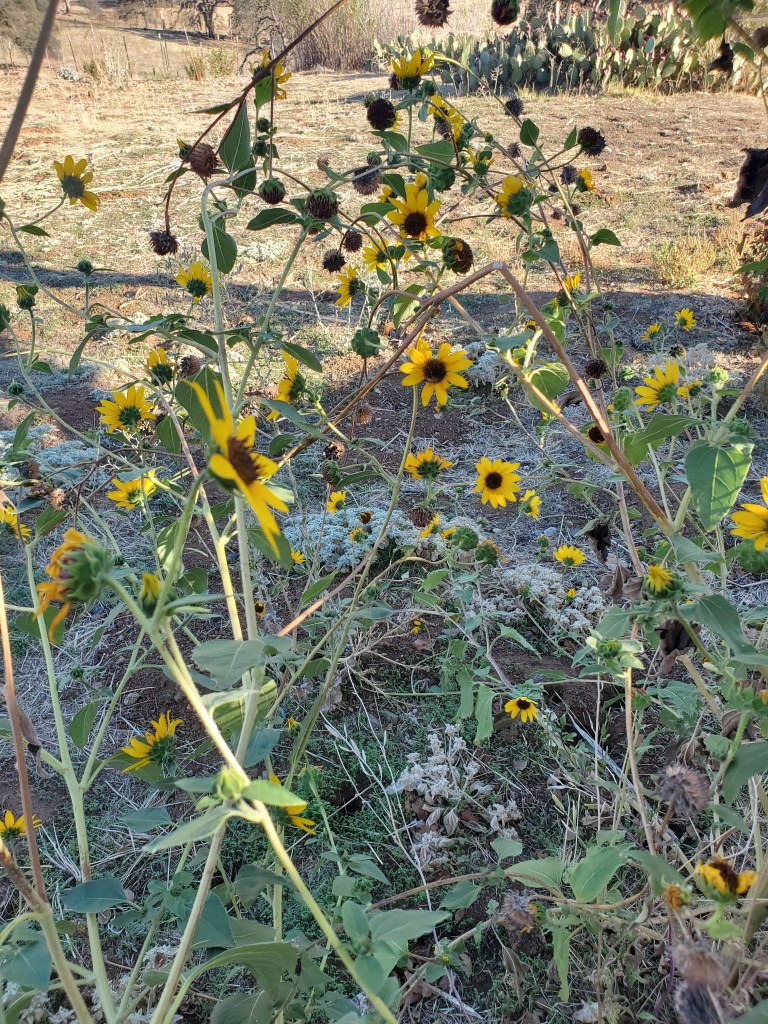
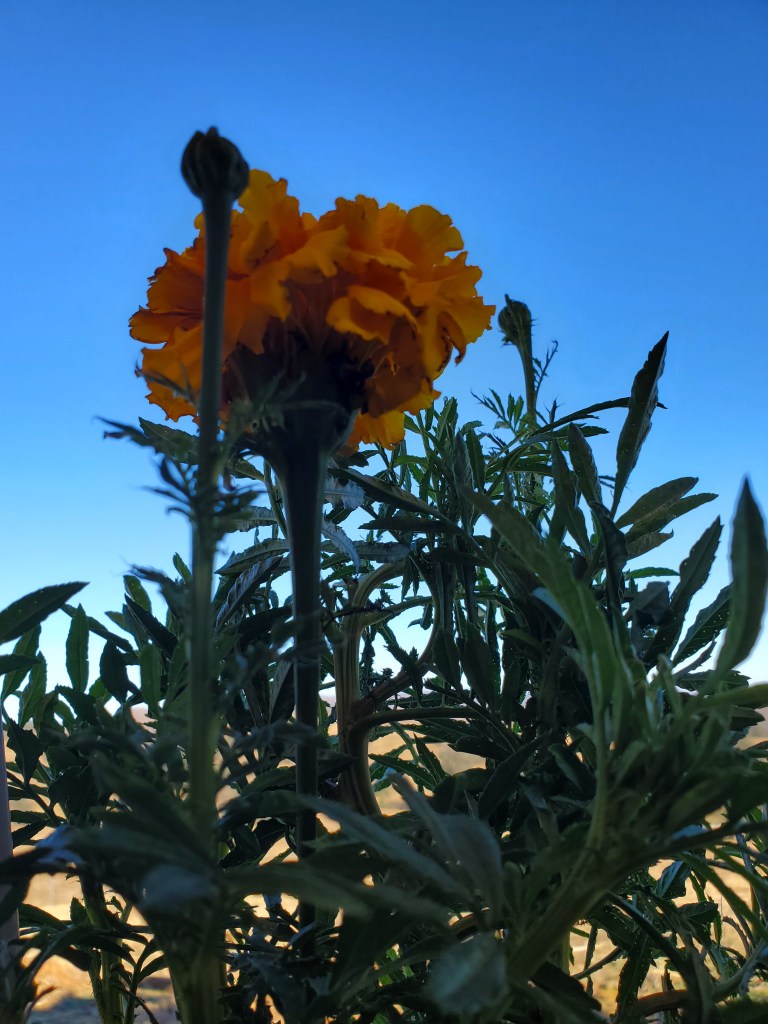
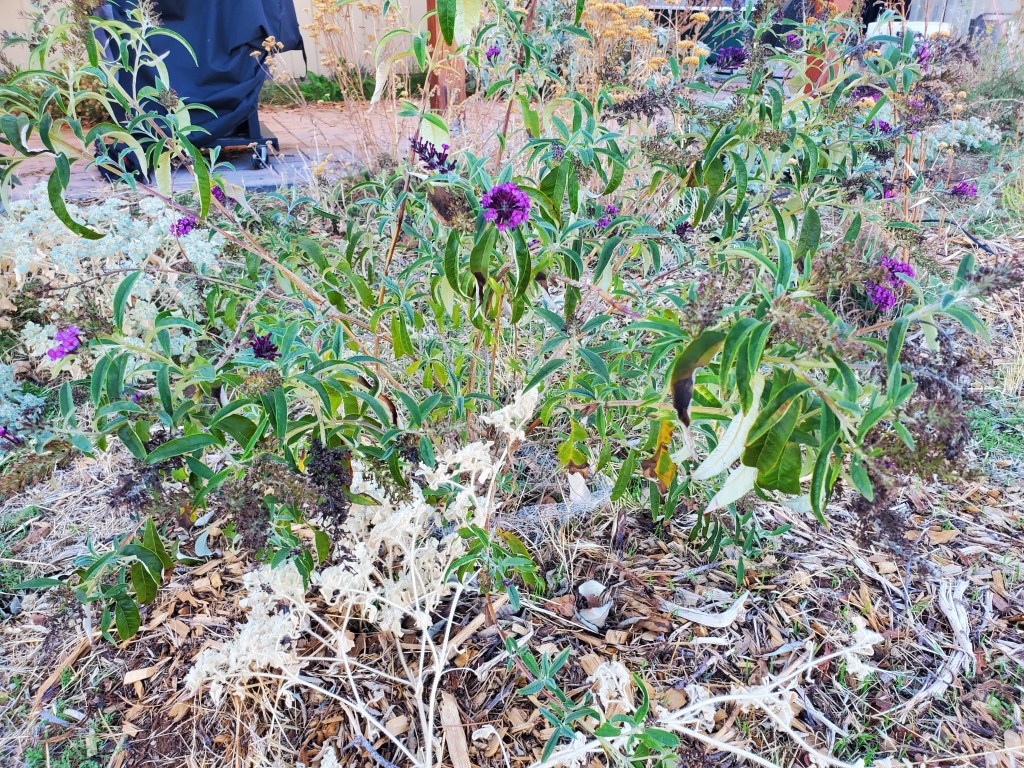
It was overwhelming on October 12 when I saw two monarchs nectaring and flying around the garden. They appeared out of nowhere, flitted on the marigold, then the sunflowers, then the butterfly bush. As quick I as saw them, they were gone. Whoa. I had to catch my breath. “Did I really see them”, I asked myself. Fortunately, I took a multitude of photos and found one that I could zoom and see the distinctive markings. Yes! We are back on the monarch migration route!

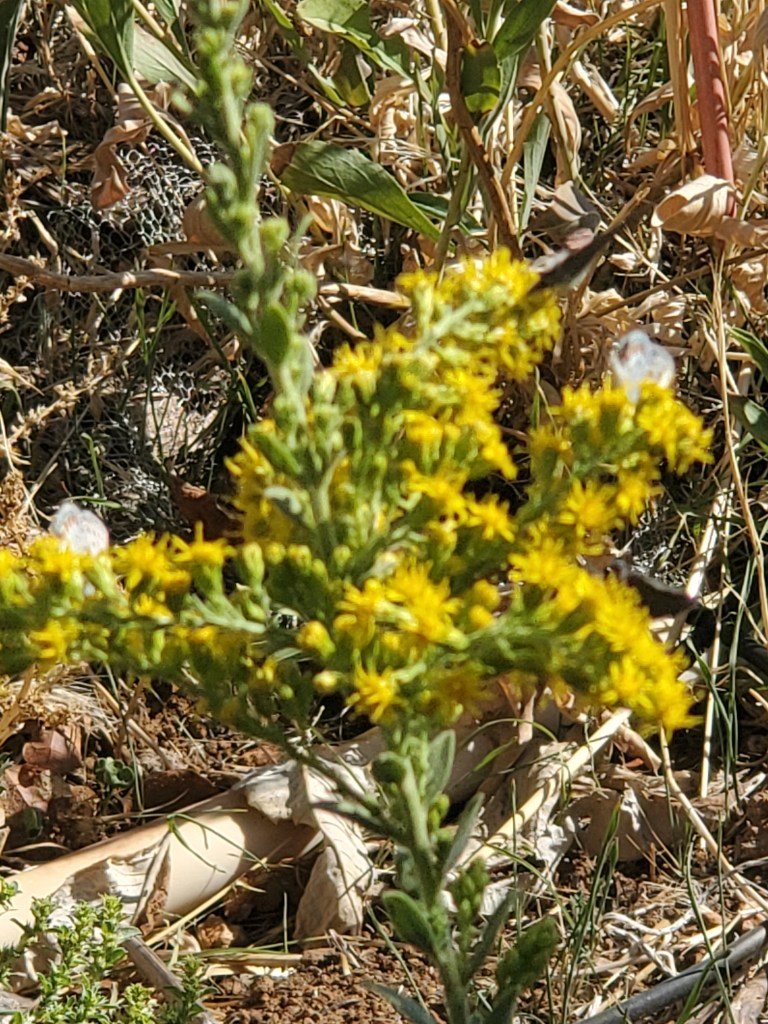
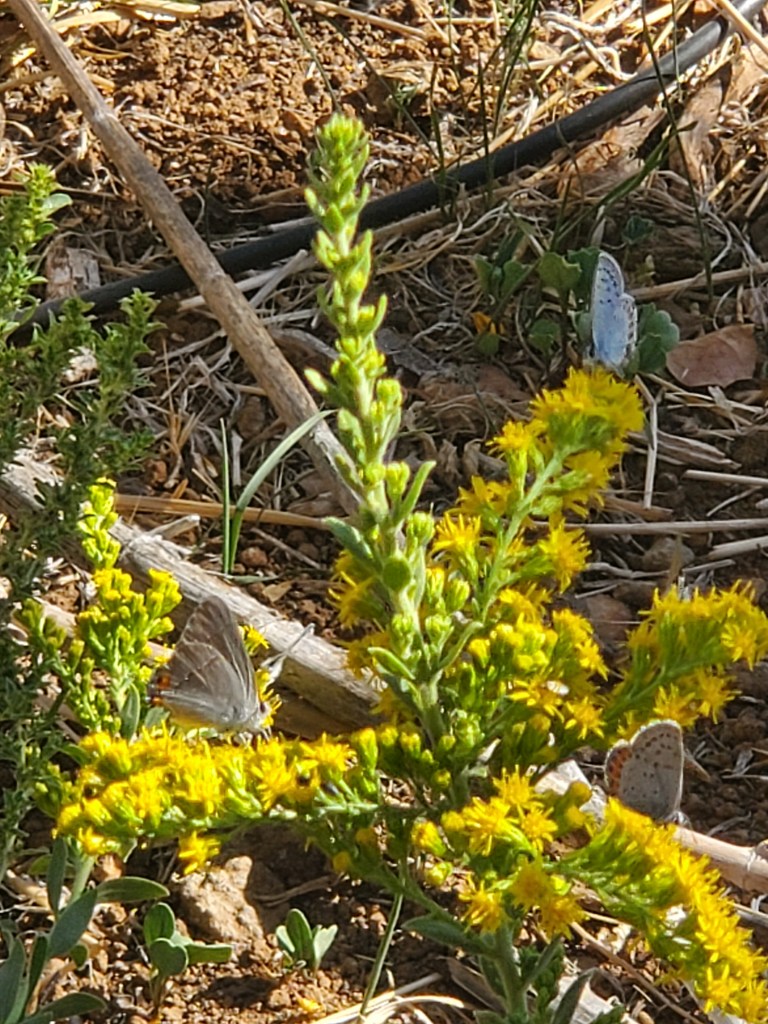
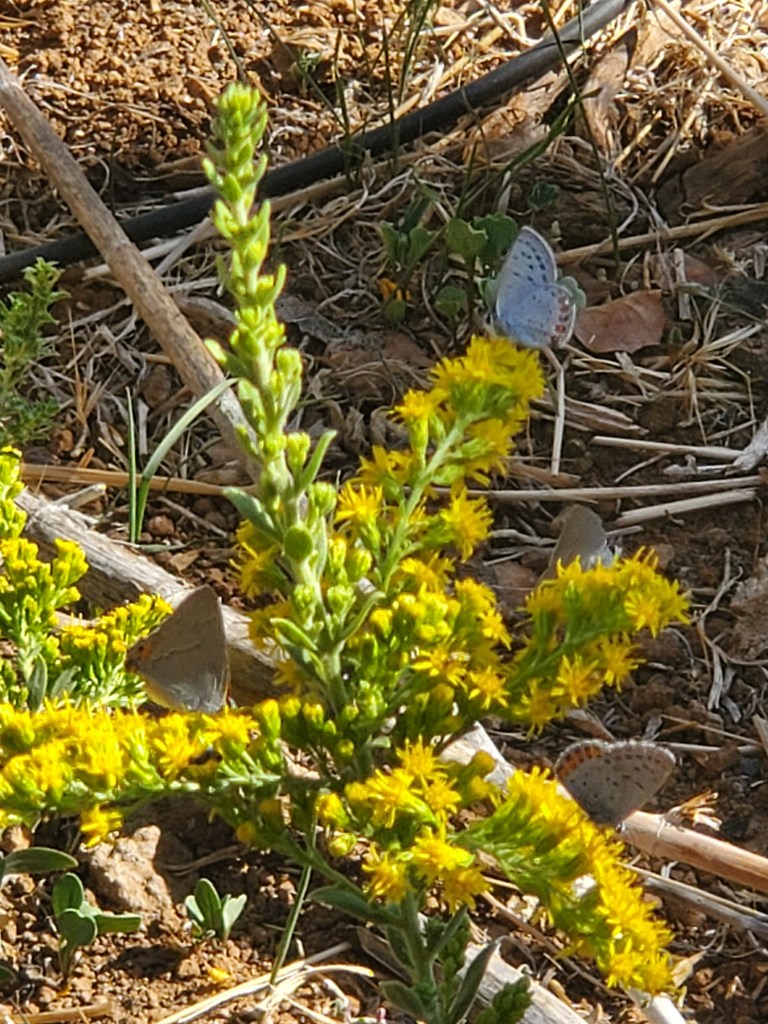
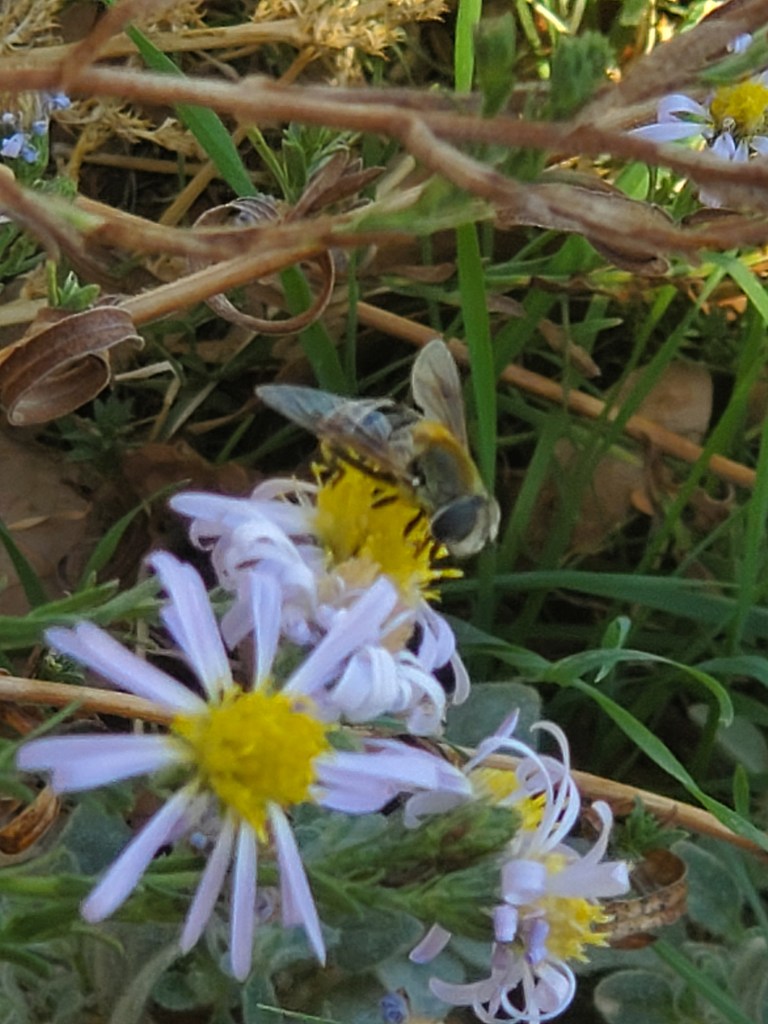
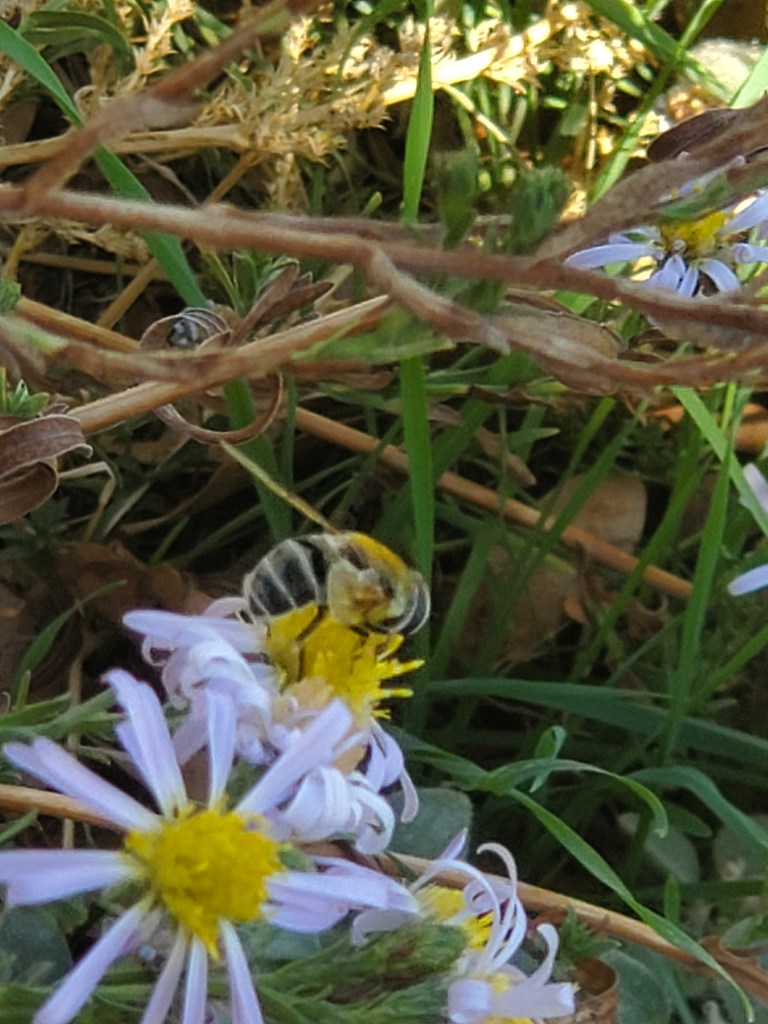
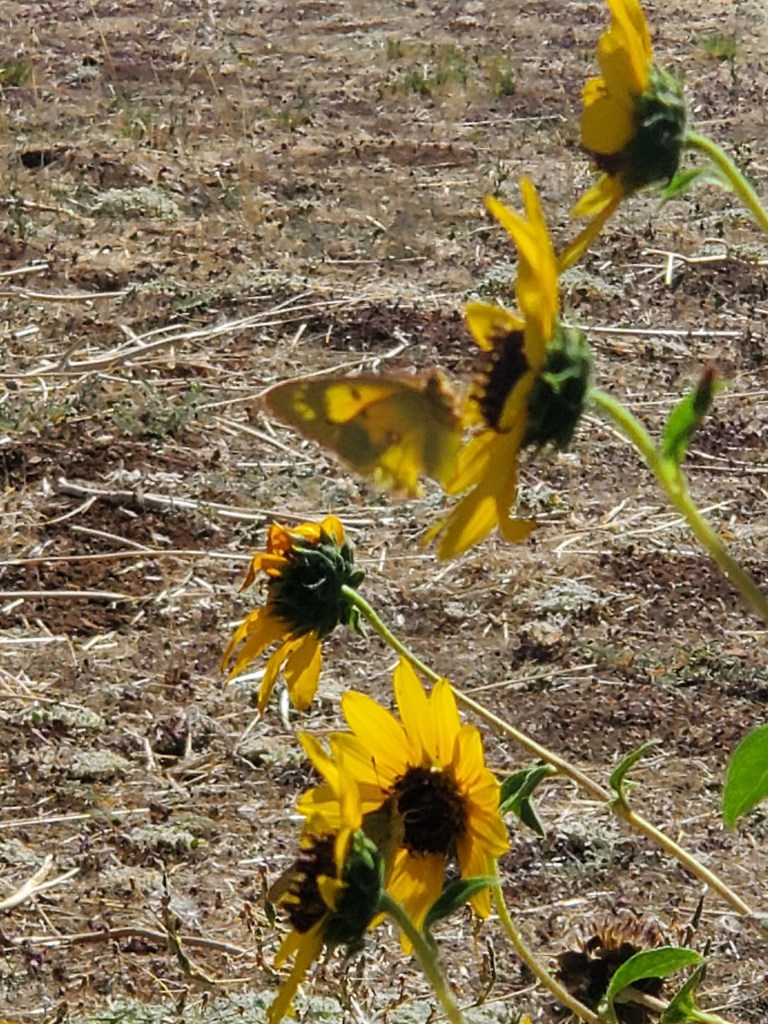
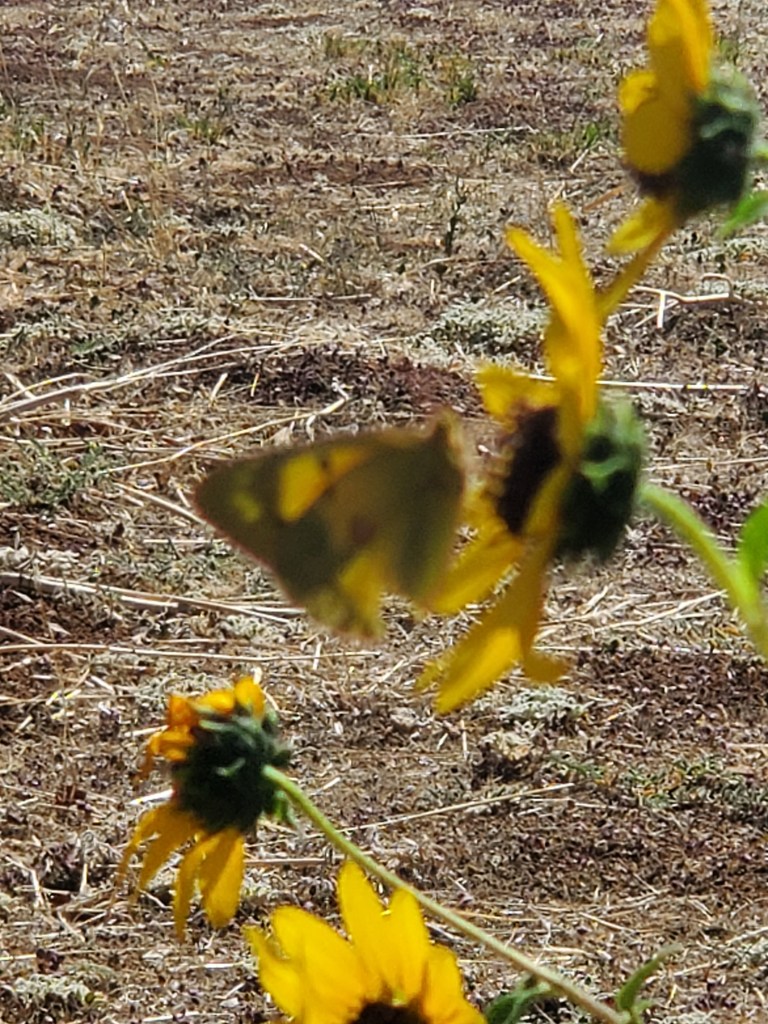
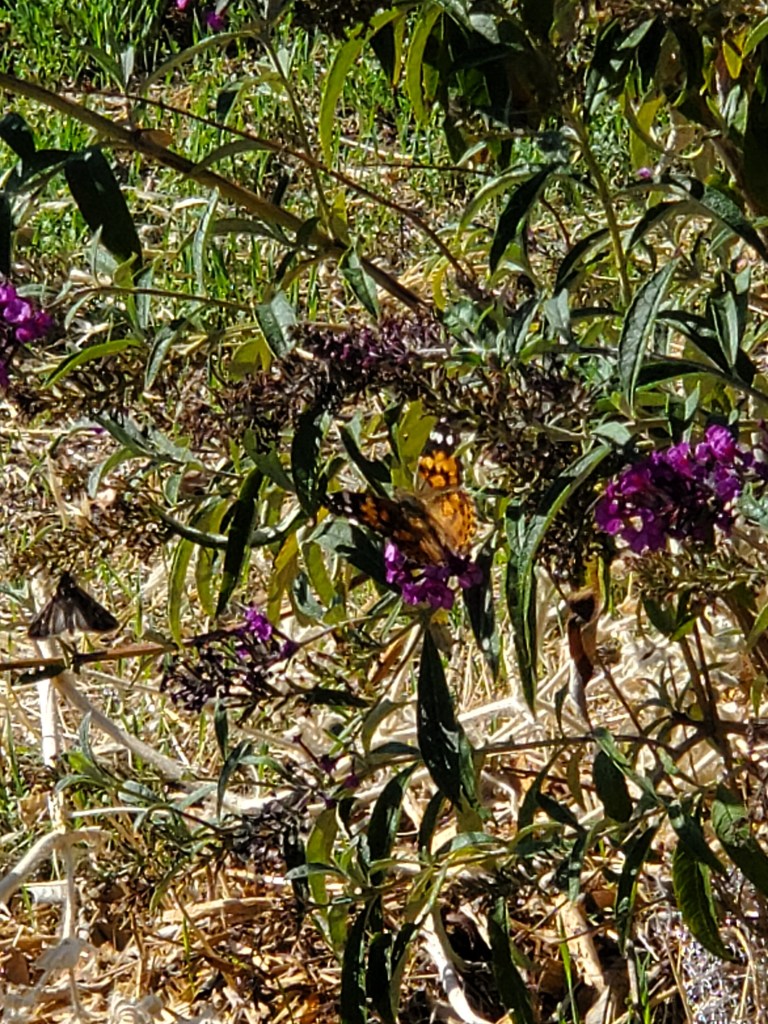
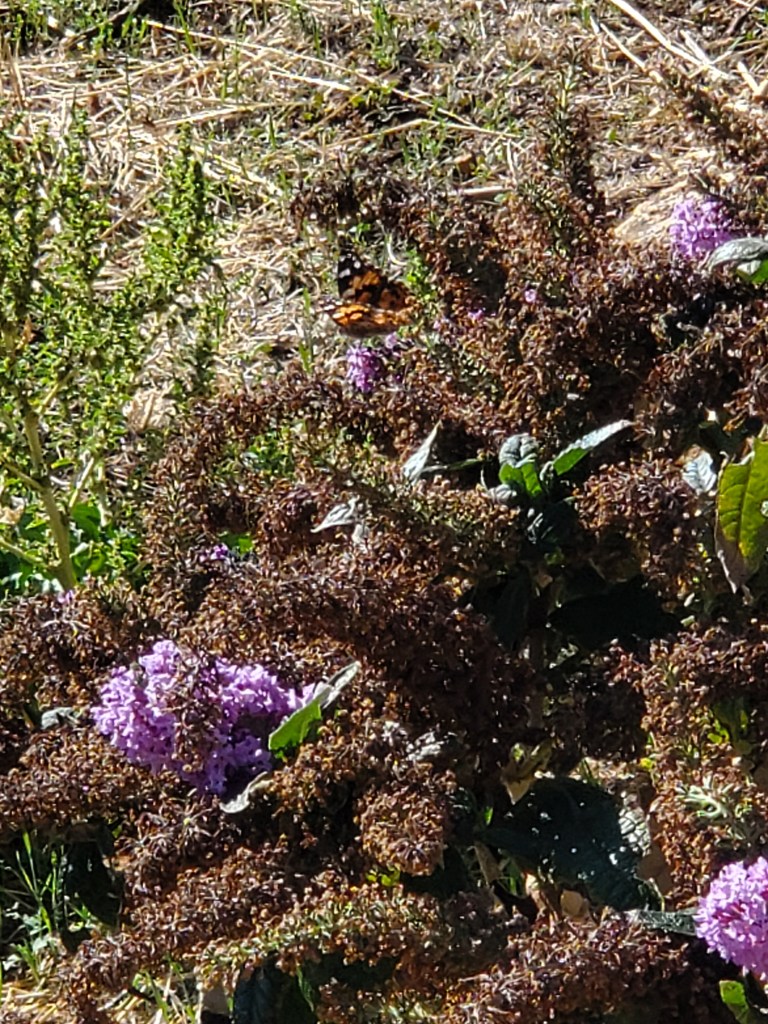
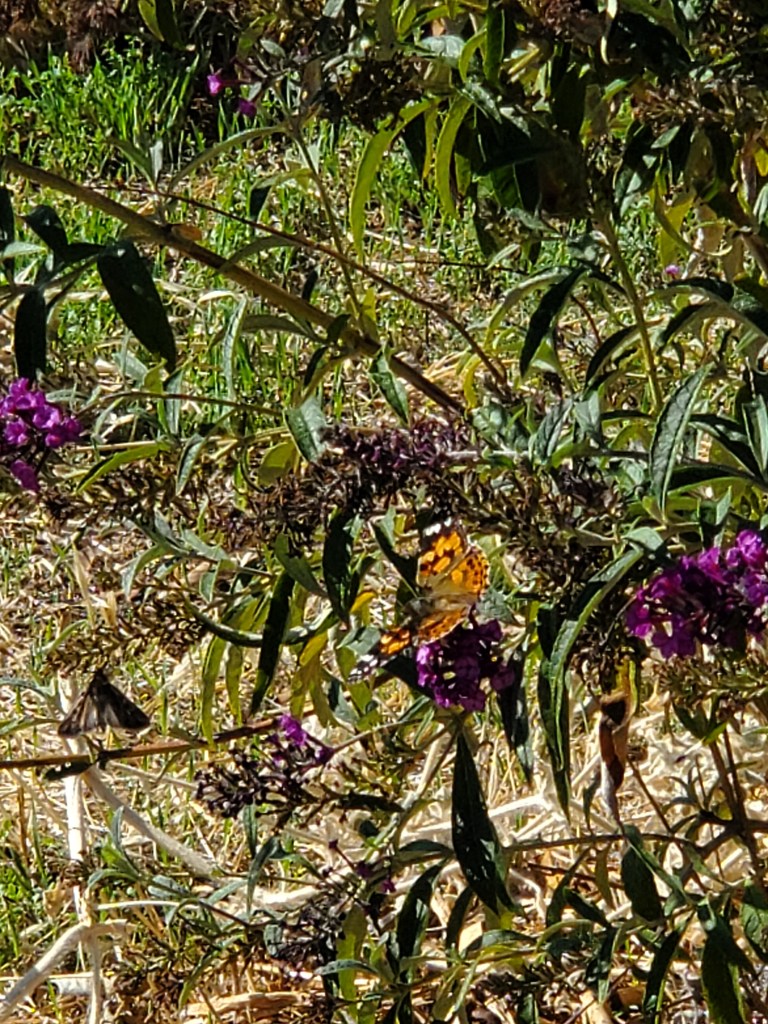
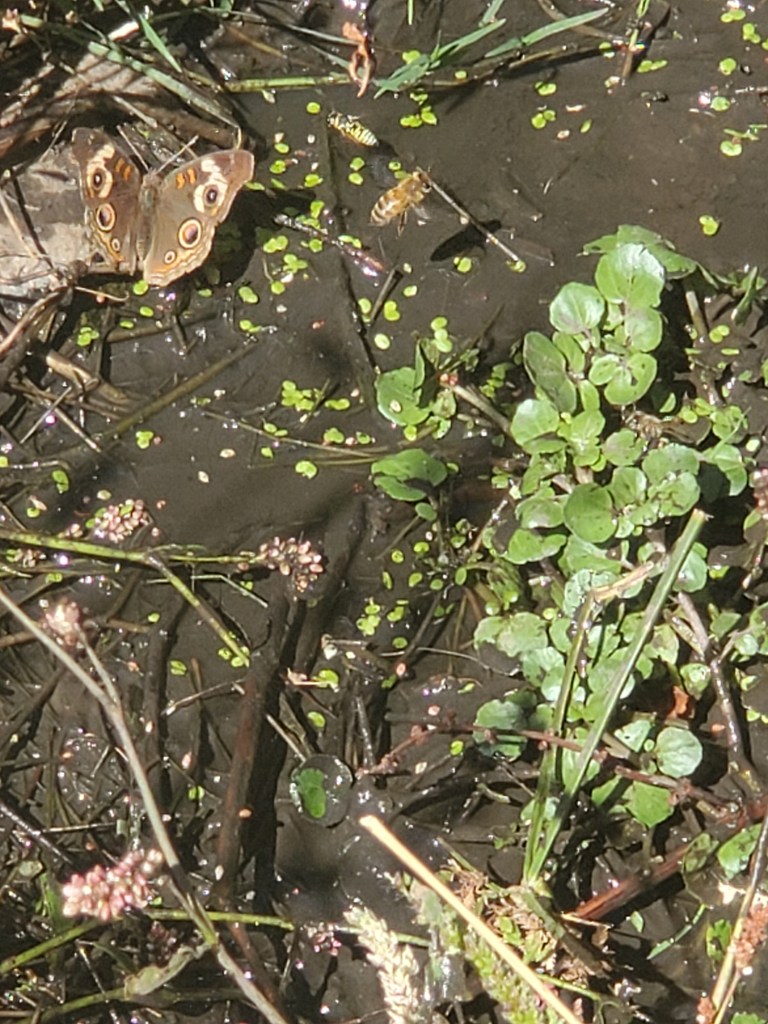
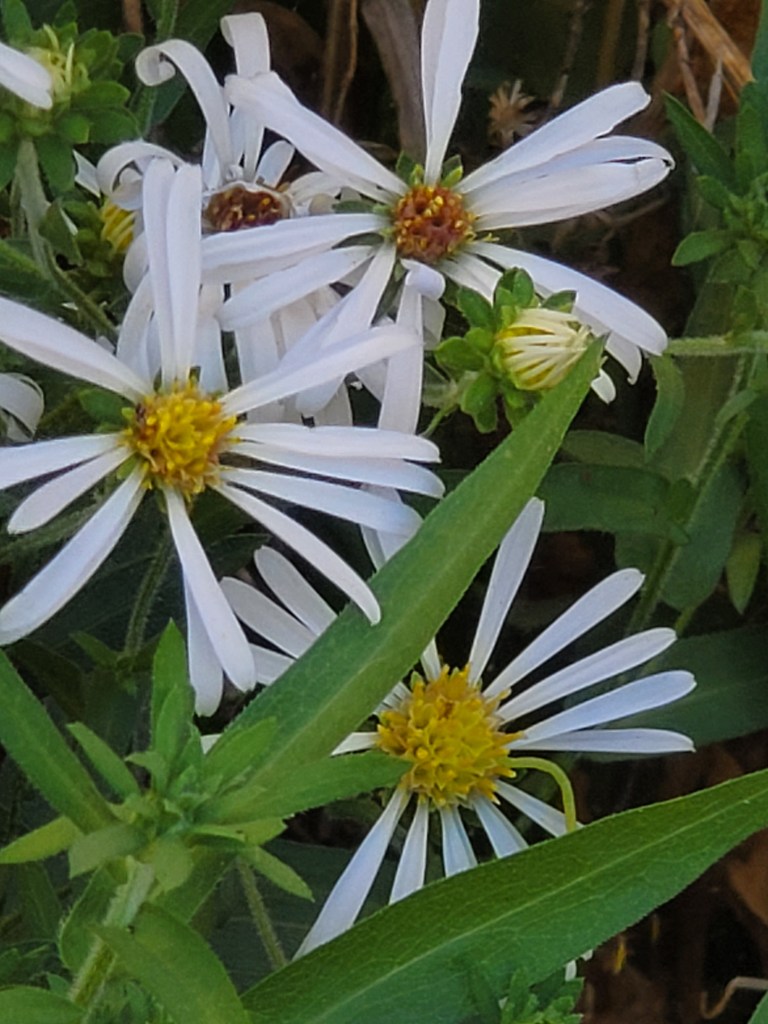
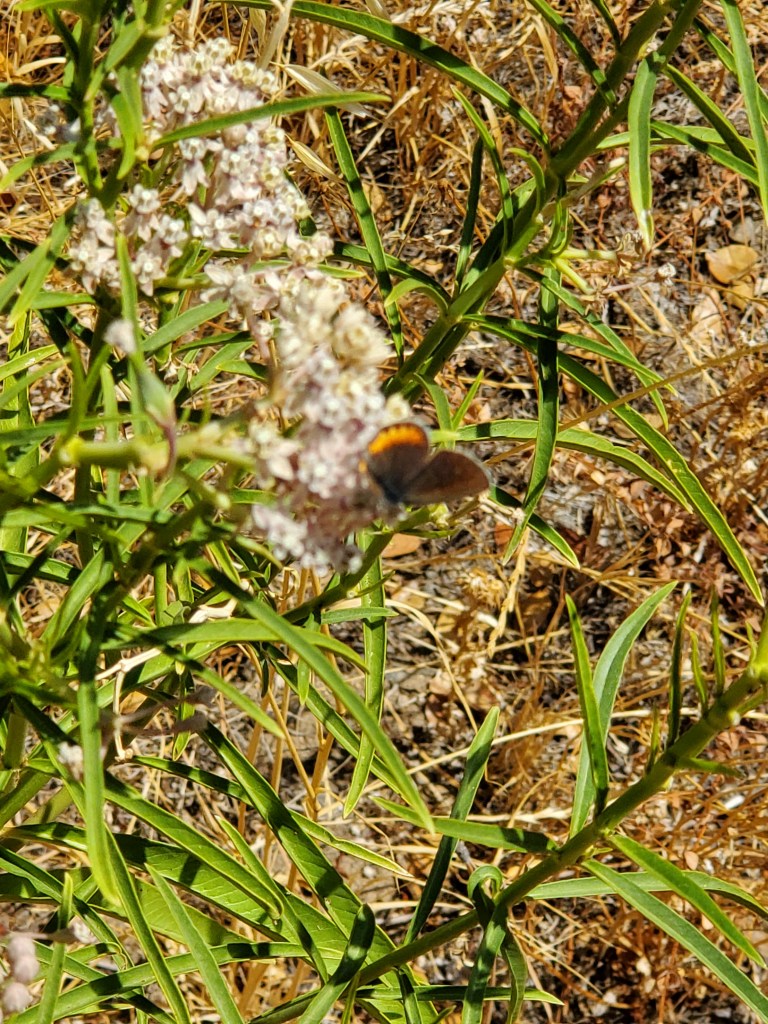
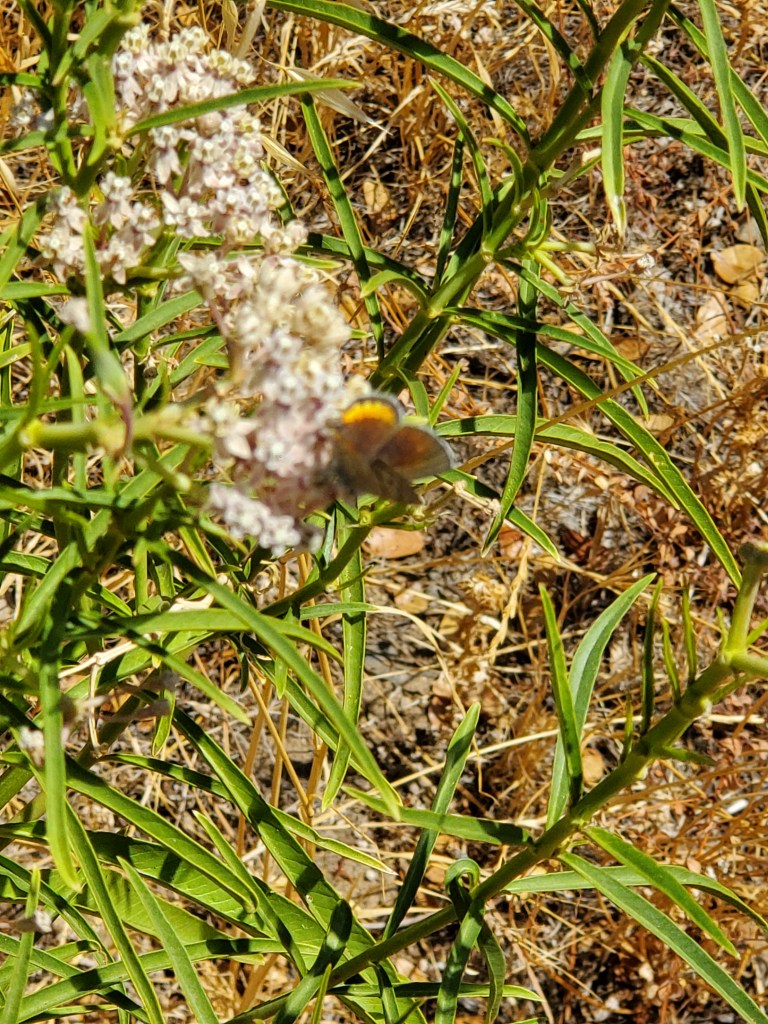
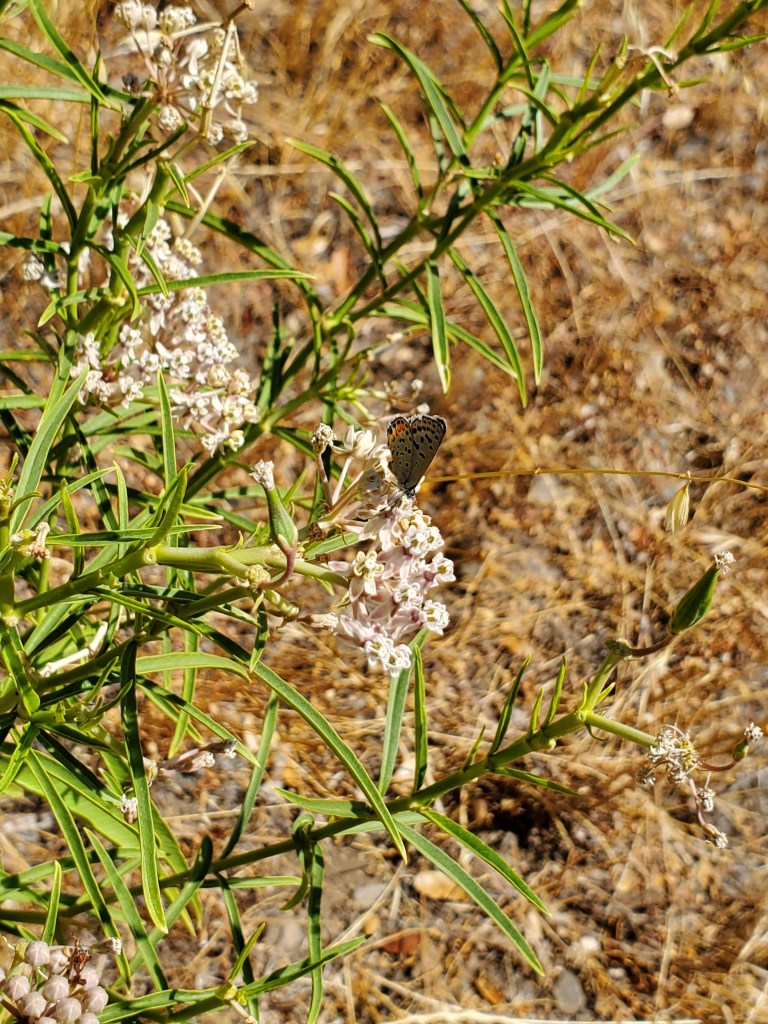
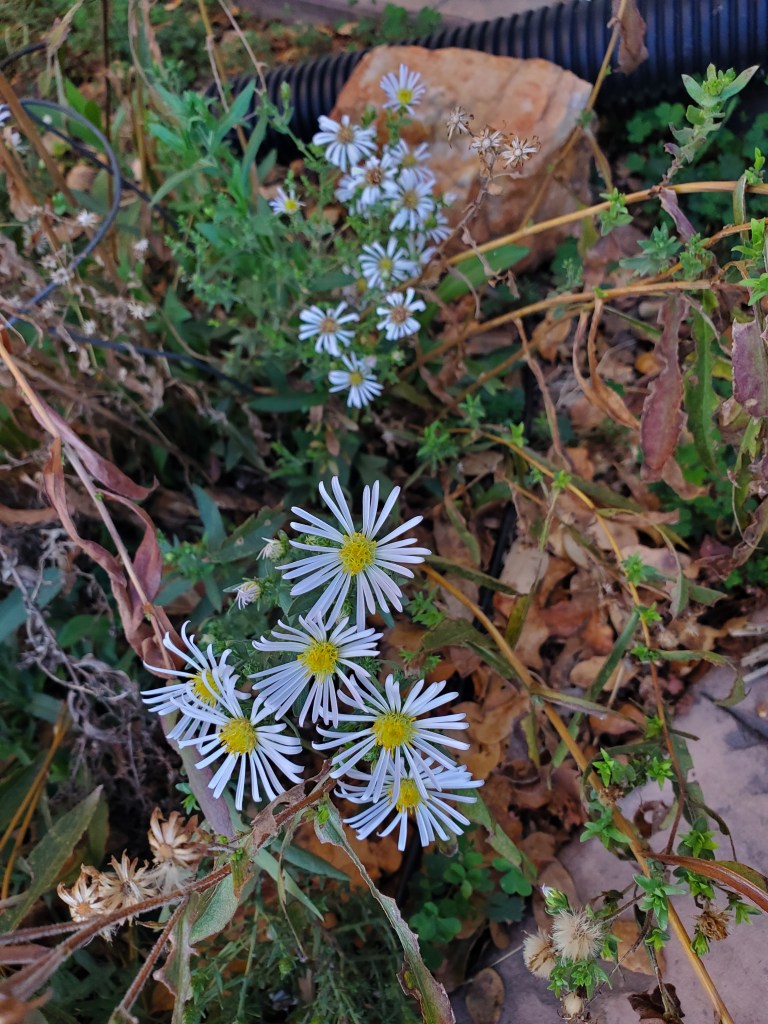
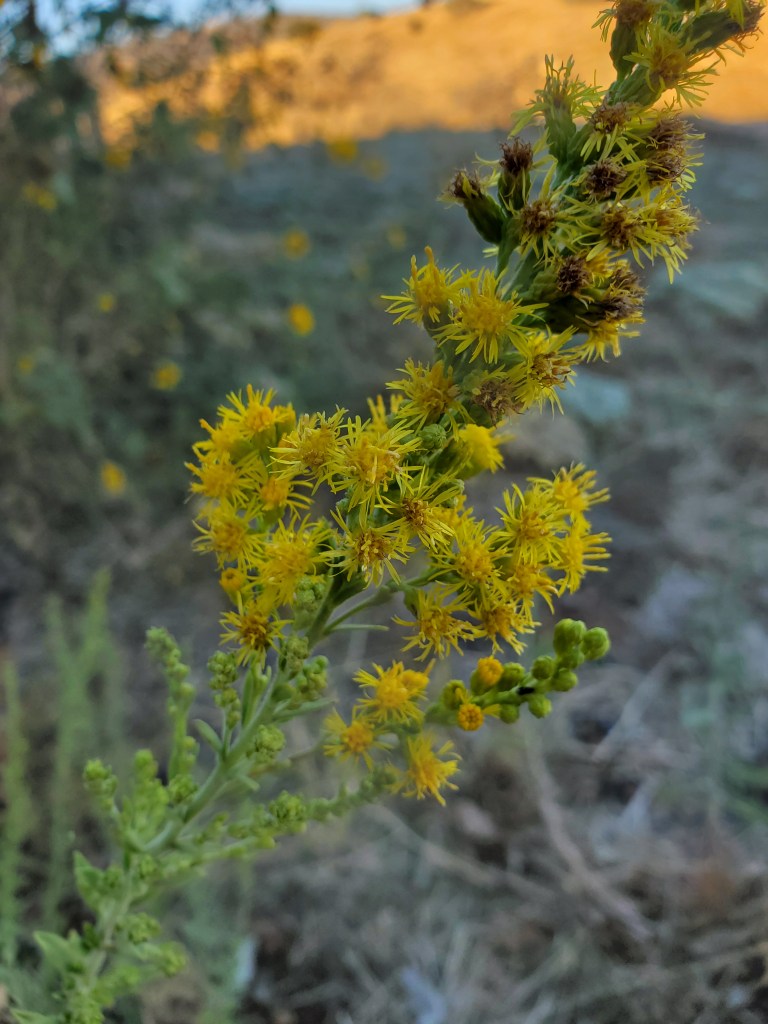
Not only monarchs, but other beautiful butterflies have visited the plants. I was losing hope last month with the ongoing heat, but October has been the best month so far for butterfly spotting. It cooled just a little, and then they all started showing up. There was the one buckeye at the Spring Creek spring. It was hanging with several California hairstreaks. We have had a procession of sulphurs in white and yellow and some large painted ladies. We had one or two red admirals, which was fun to see. The goldenrod and pacific aster attracted the visit of a large number of Caliofrnia hairstreaks. Finally, I saw what I thought could be a parnassian, but I really need an expert look. It was not the right color for those, so maybe not.

Ranch Health

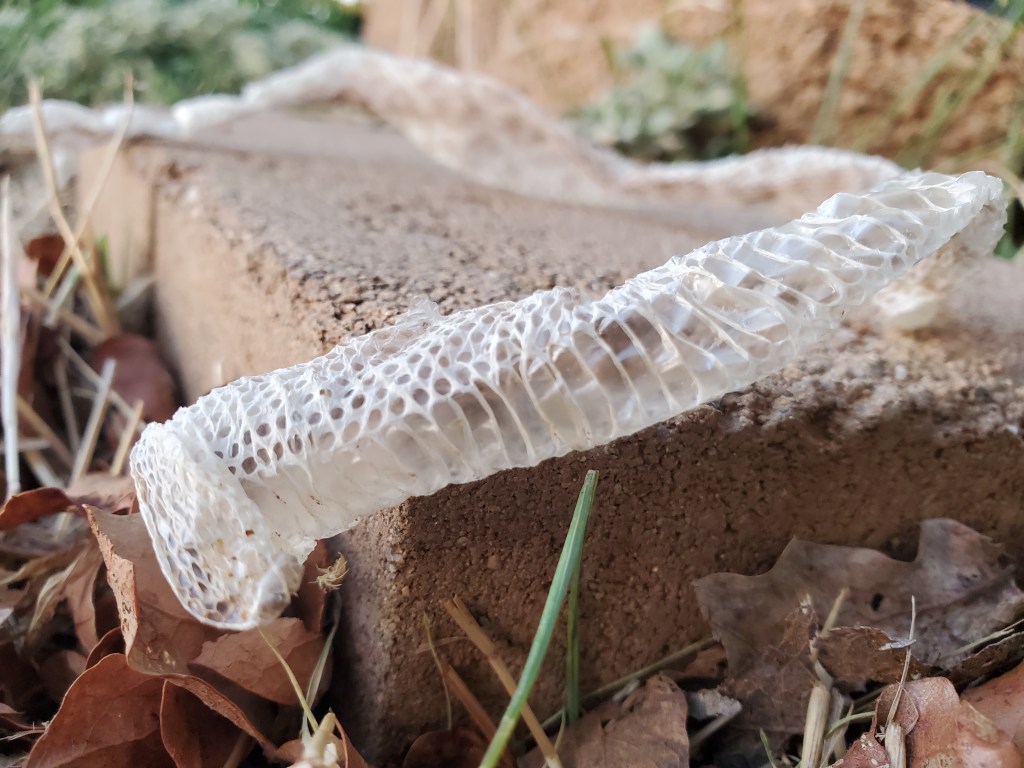
Shed snake skin – nice big one. Good sign of health!

Beyond butterflies, the ecosystem seems to be functioning despite the ongoing heat. Only recently has the air cooled significantly overnight. Daytime temperatures were in the 90s in September and have finally decreased into the 80s in October. That is still warm. Plants continue to grow, bees continue to harvest. The growing season is longer. Nothing is resting just yet.

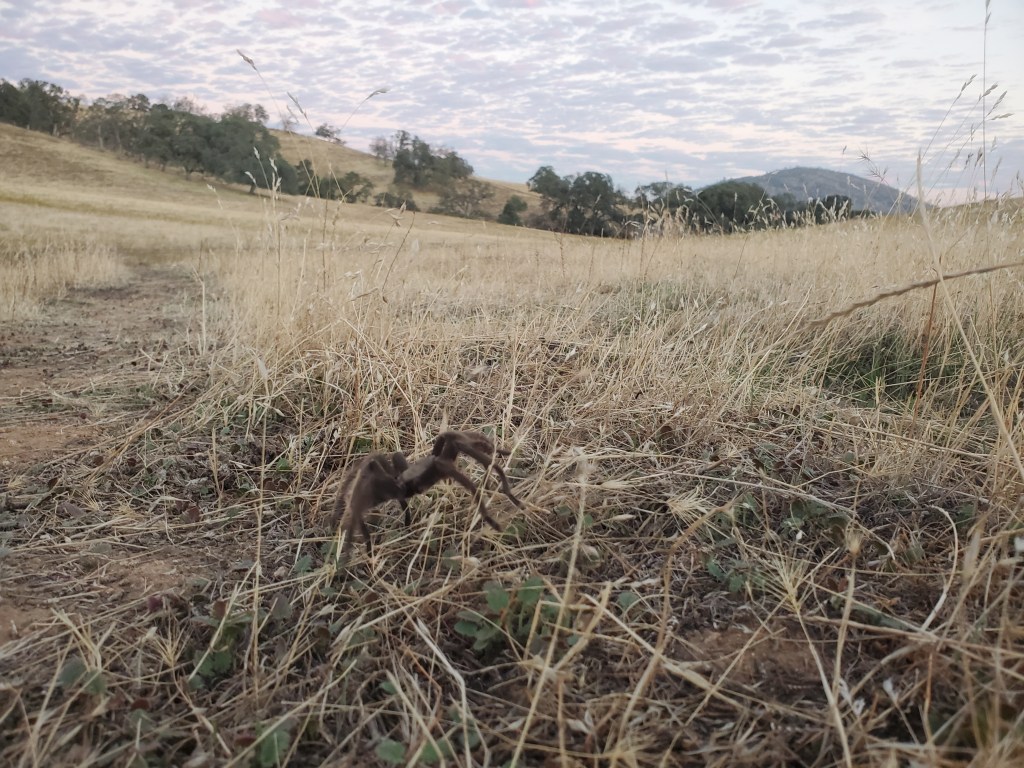
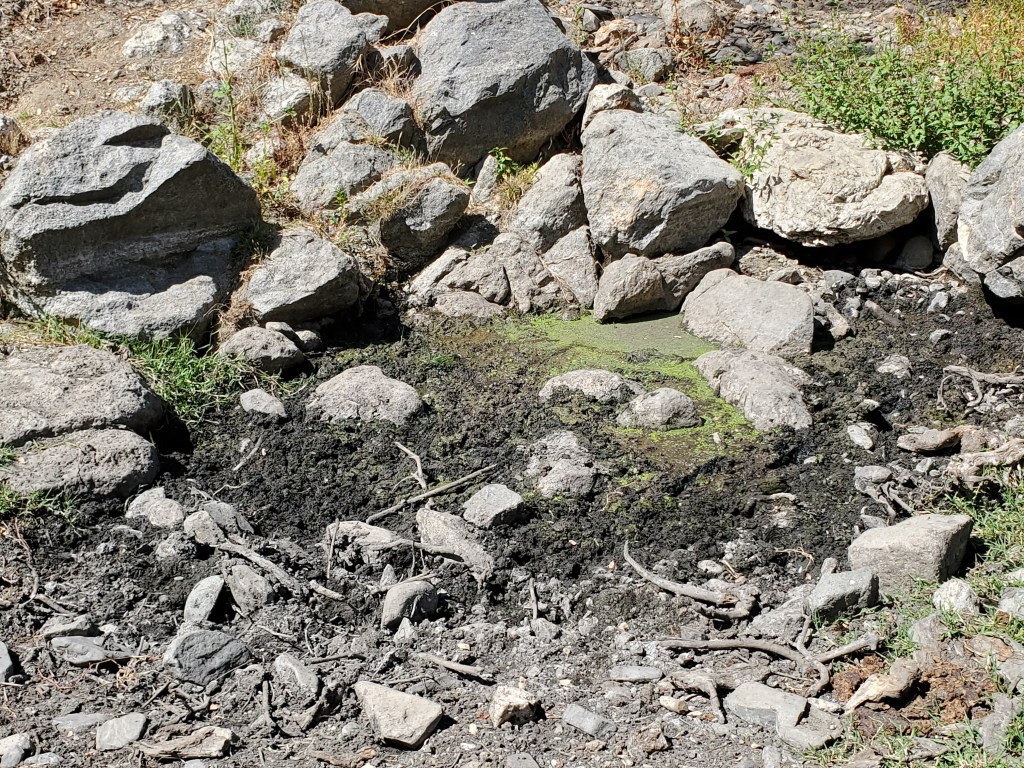
I have only counted 10 tarantula sightings. That is low. The ongoing heat has kept them in their holes I think, or perhaps the profusion of tarantual hawks earlier in the season (yikes!) reduced their population. Everything still needs water. The springs are still shrunken. The neighbor’s pond is dry. This continues to make the guzzler project extremely important for wildlife: mammal, bird and reptile water access. It is still in place with water, but no overhang or permanent fence yet – a work in progress. The cows are back on and did hit the guzzler a few times emptying it. The cows have plenty of water on the south side of the ranch, where another neighbor’s ponds are still wet. They need the water too. They are calving and need to produce milk. Fortunately, we had that rain in September. I was only able to refill the guzzler because of those 1.25″, which half filled the rainwater tanks. That storm has helped me continue not only wildlife watering but irrigation – since I do not use my well water for that purpose.

To keep the cattle out of the guzzler, I repurposed the panels I used to protect the incubator milkweed in June. Thanks again to my neighbors for the loan! I will build the required overhang and exclusion fencing before the end of the year. The panels were a nice, quick remedy.

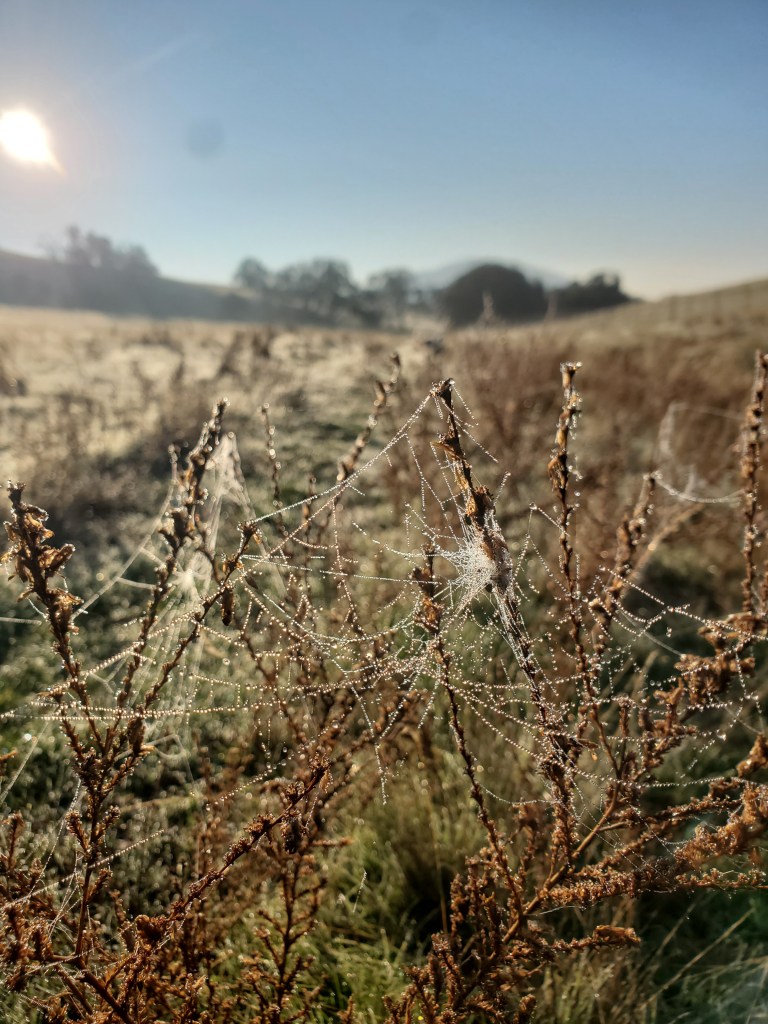
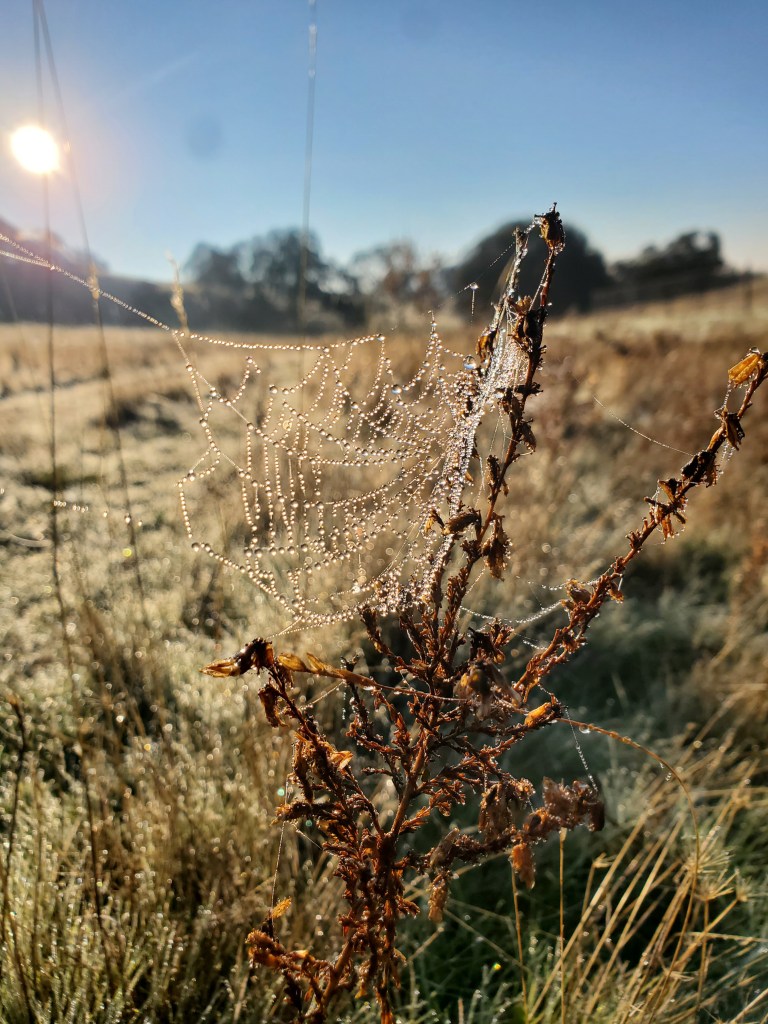
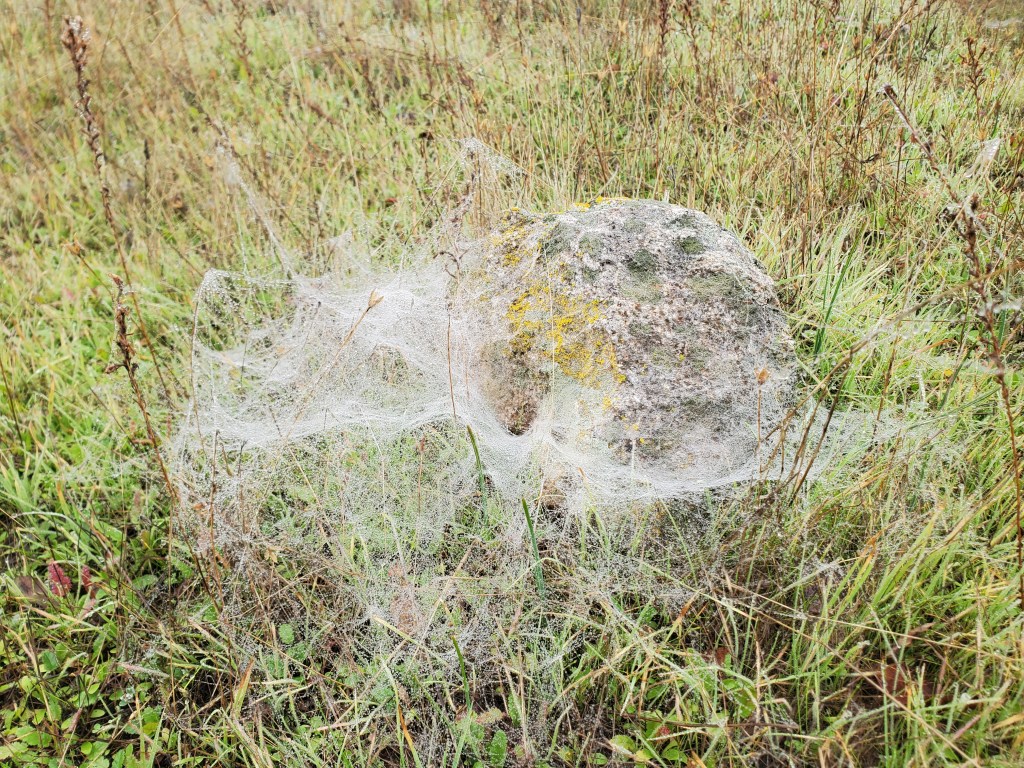
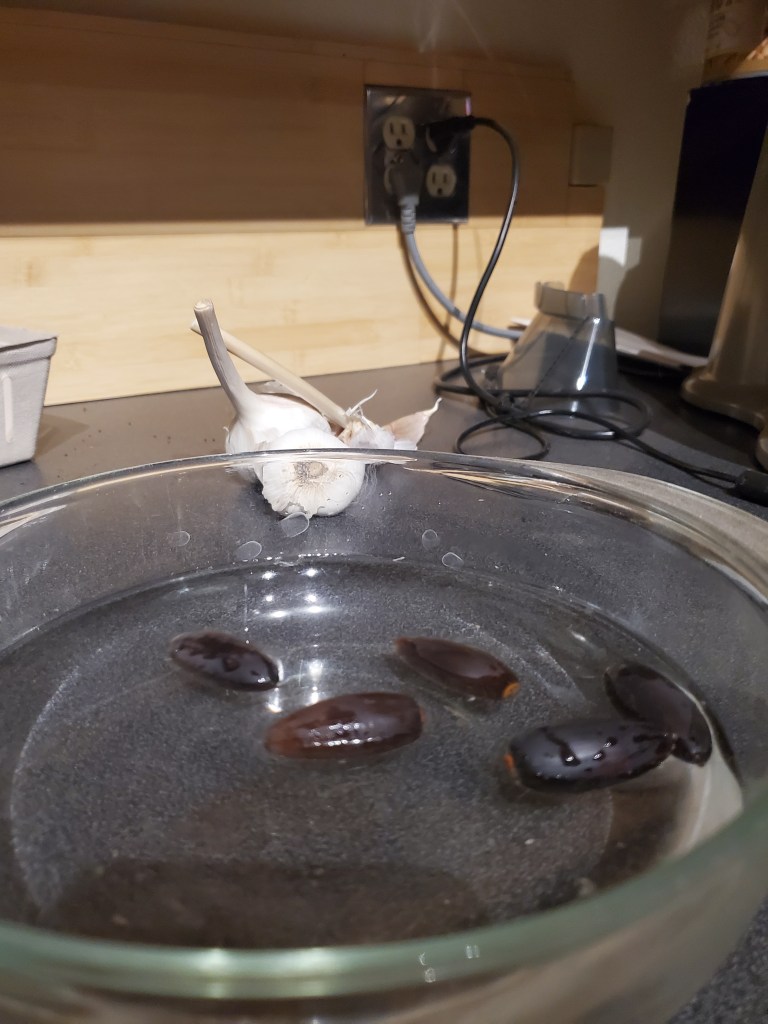
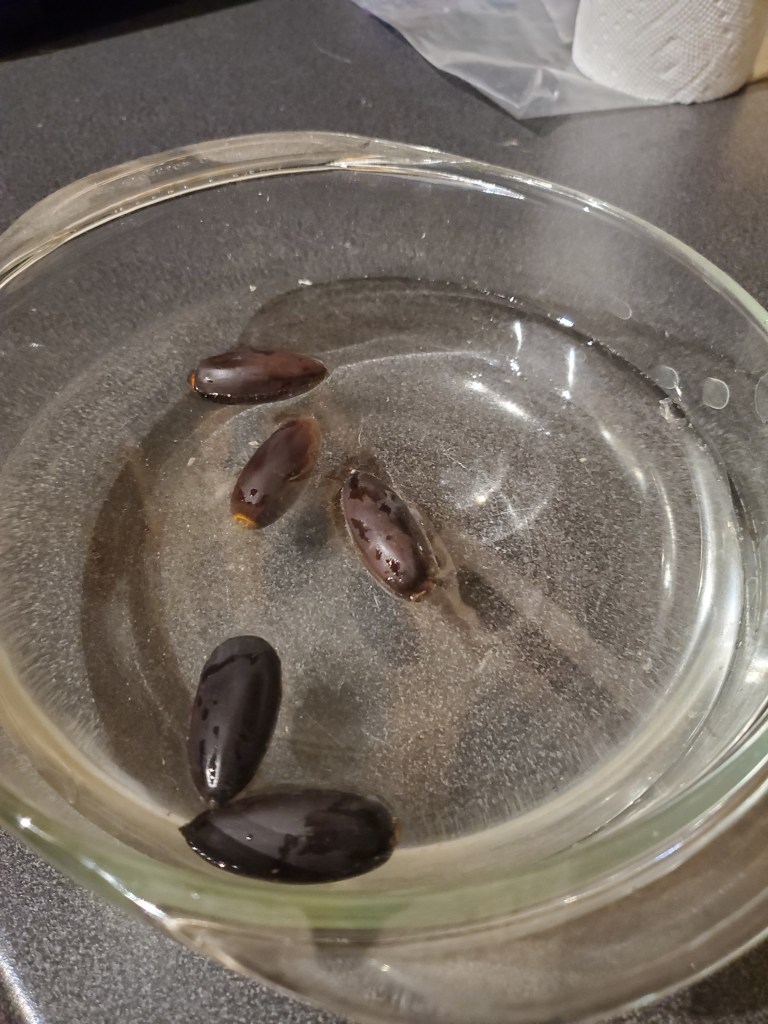
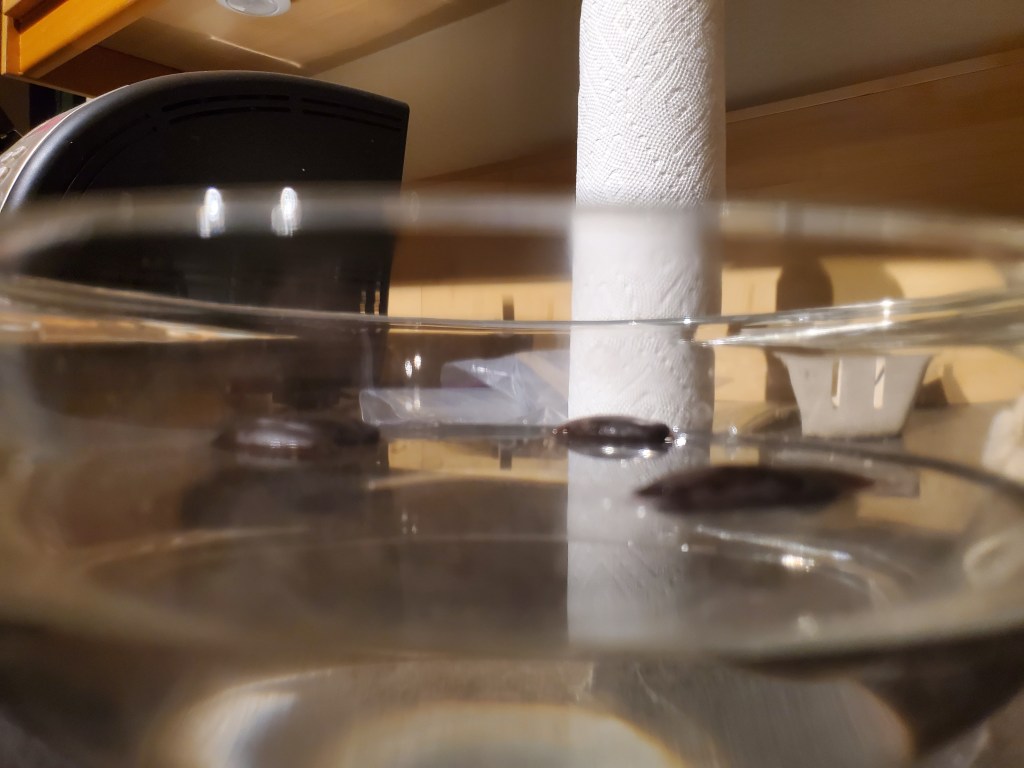
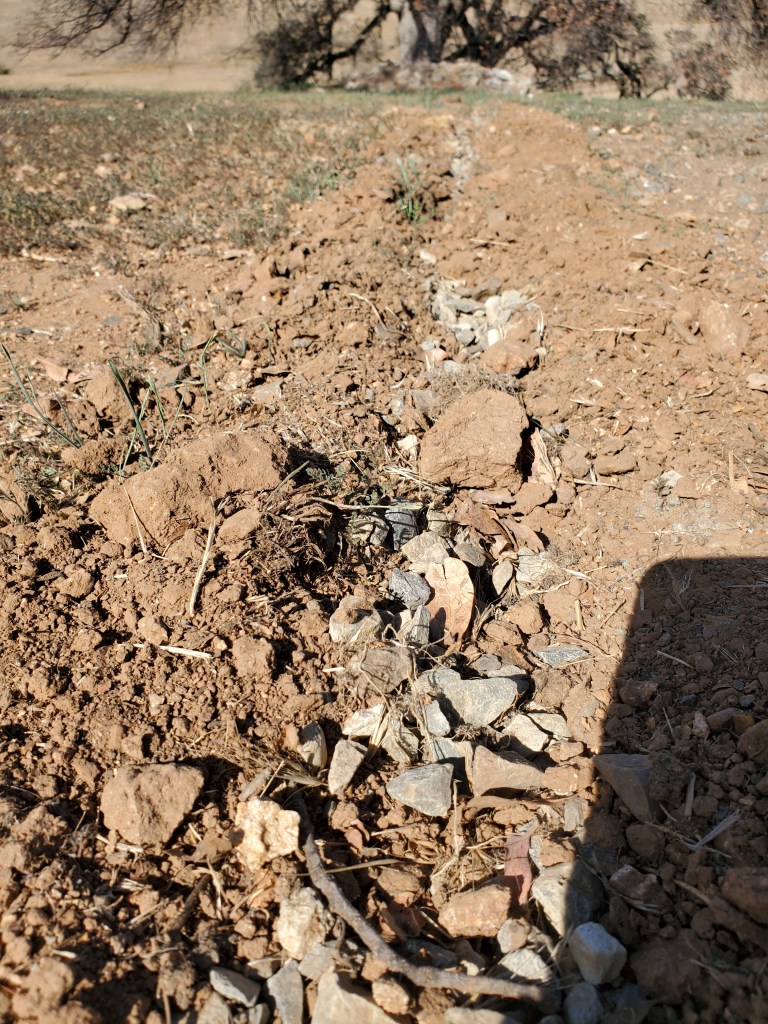
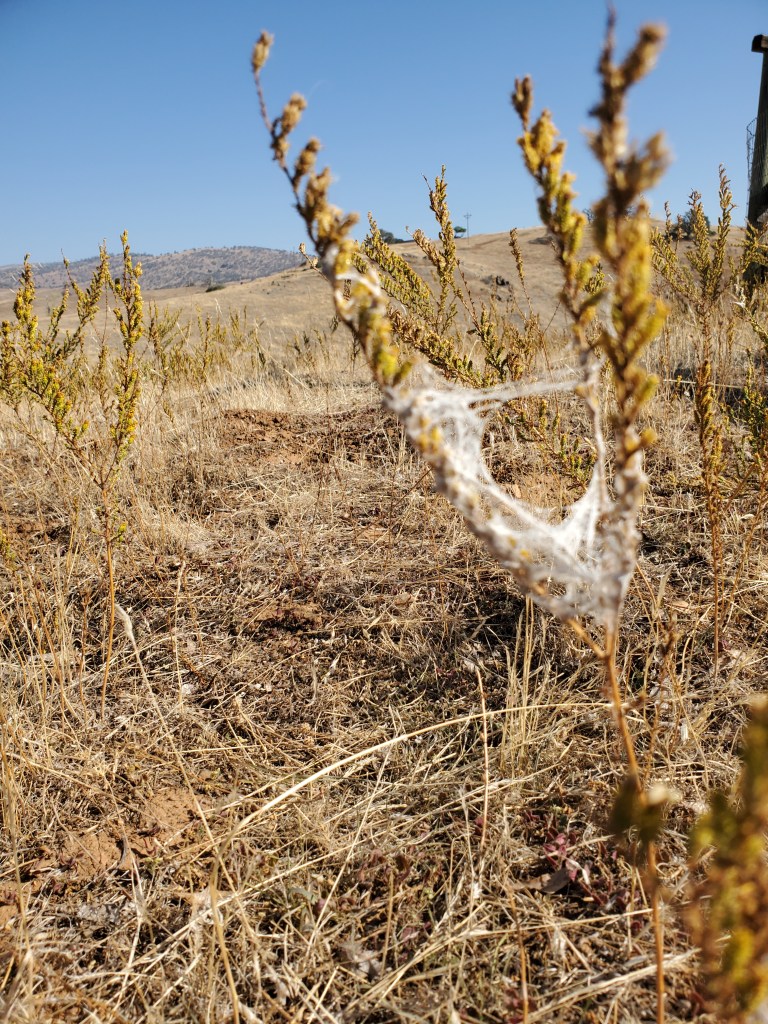
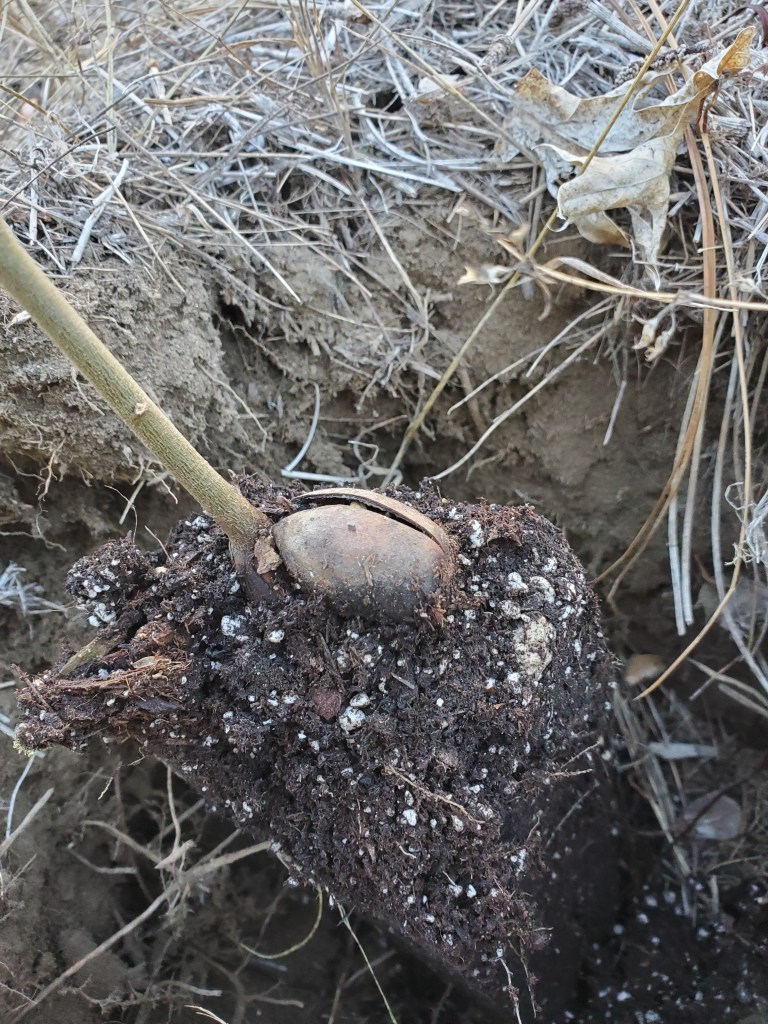
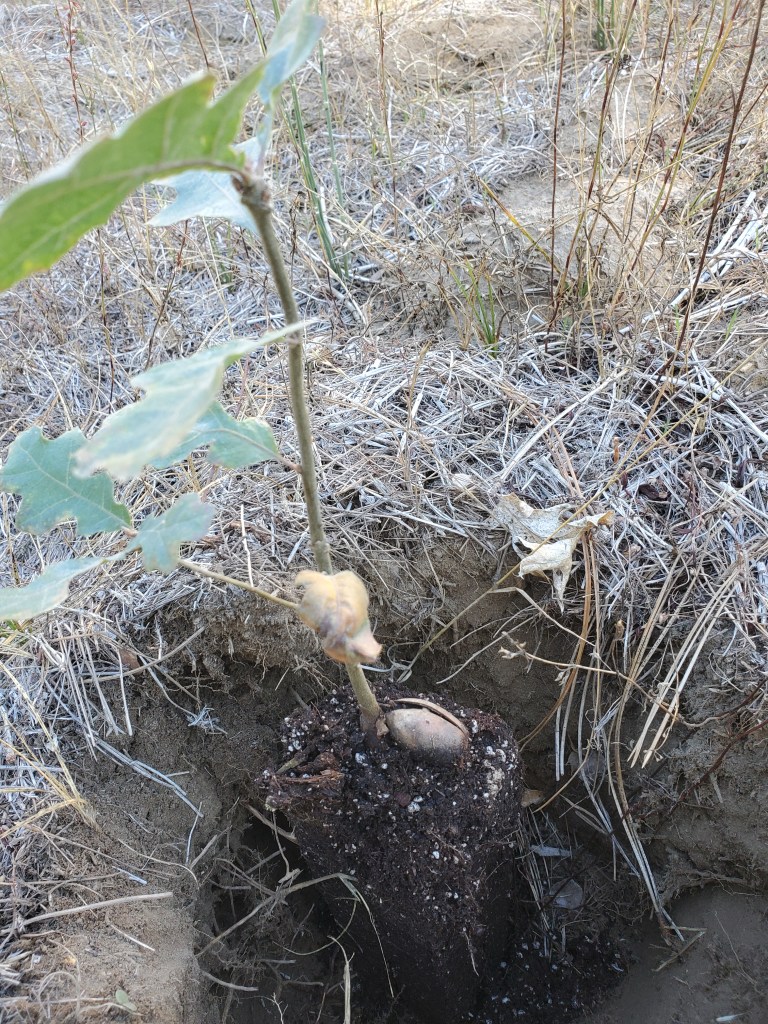
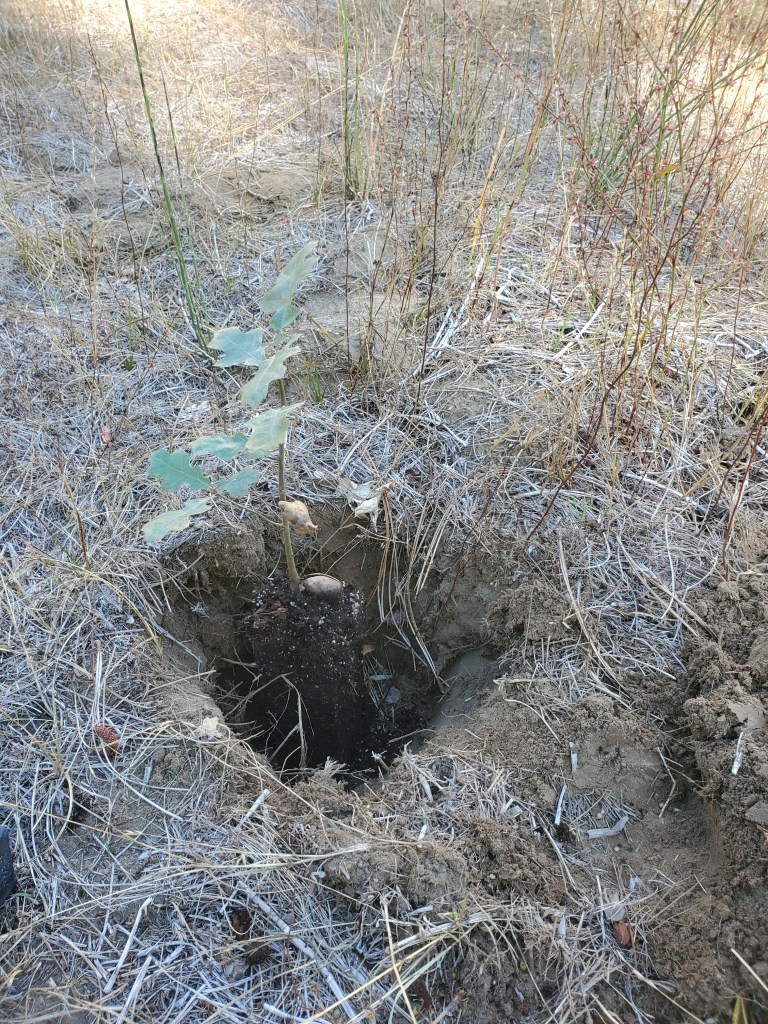
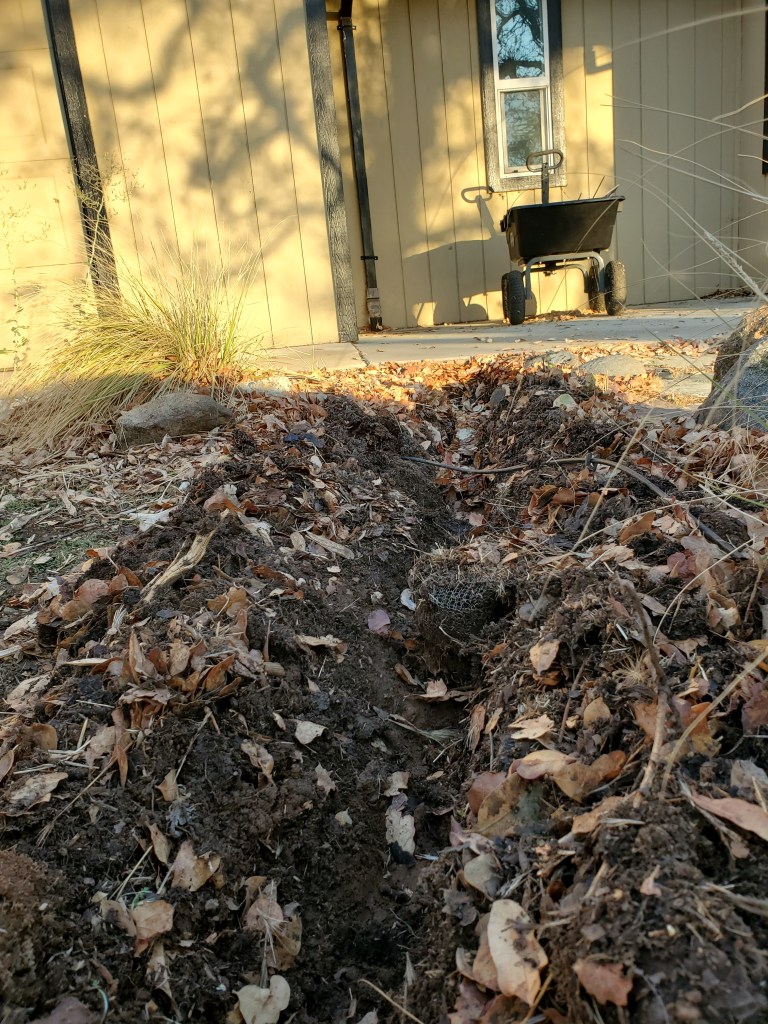
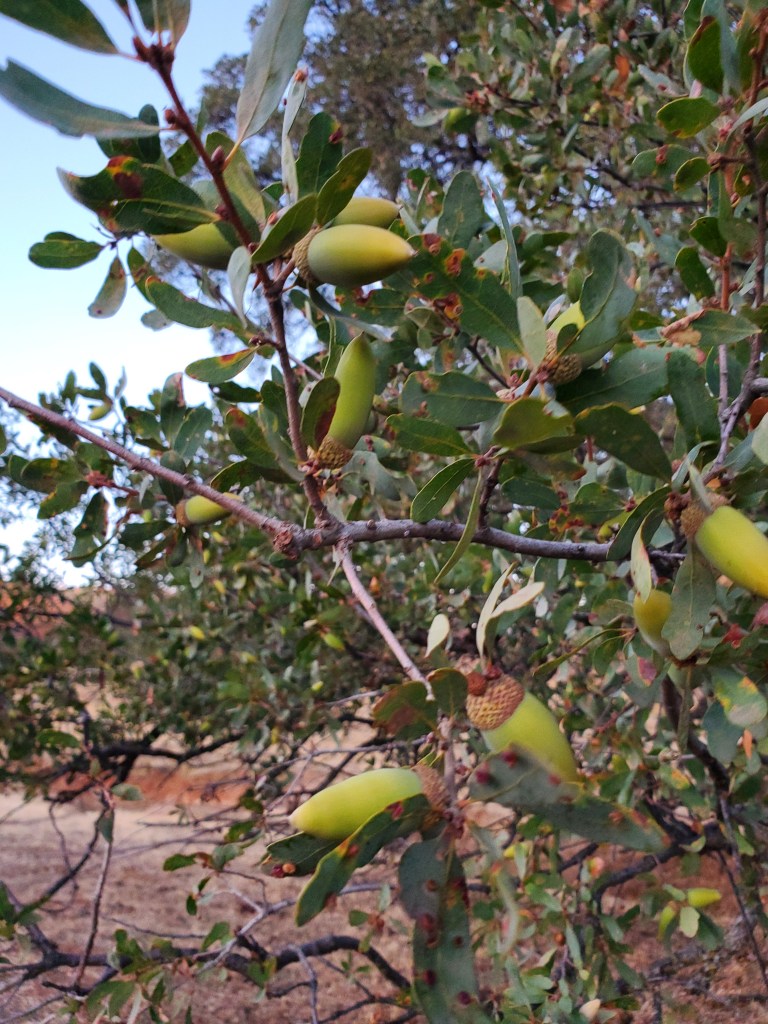
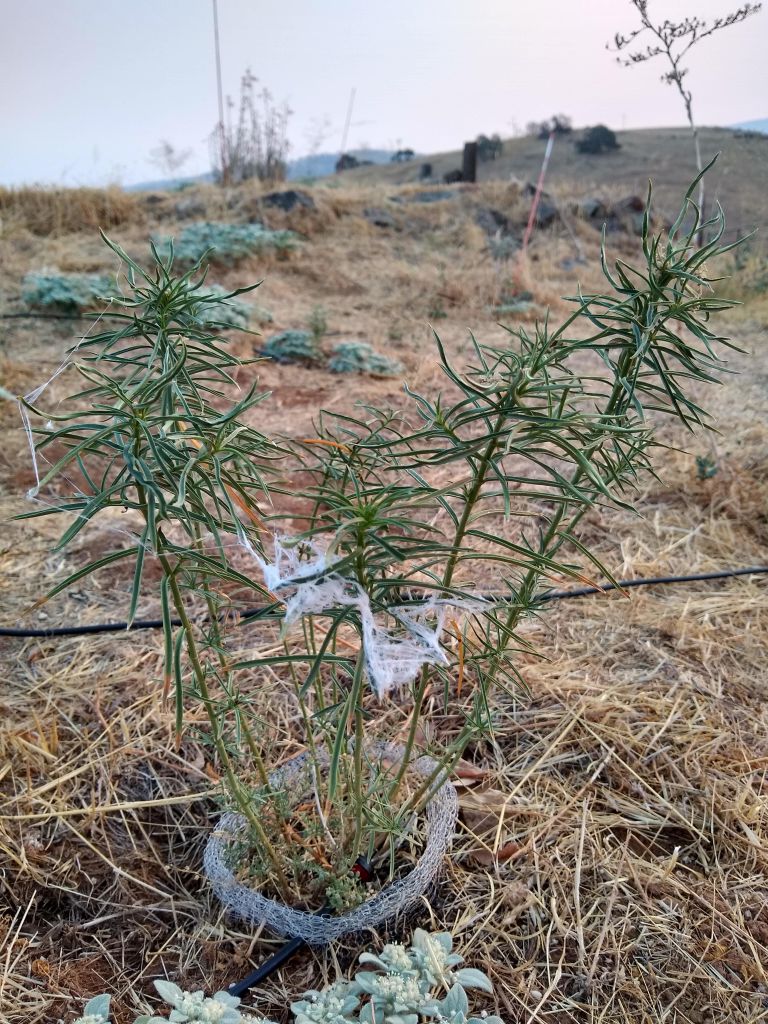
October definitely means spiders. We have had webs flying through the air with their precious cargo, thousands of baby spiders. They are tangled into everything: tarweed, grass, boulders, fence posts – you name it. I did have some time to fill the trench I dug to the oak tree (see last blog post) with gravel. It needs another two or three passes to fill the trench. The rock helps maintain open space for the rain water to move through in a rain event all to deliver more water to the large old oaks. I have been collecting acorn as well. As mentioned in the last blog, it is slim pickings for acorns this year. I am desperate to start some seedlings from my acorns so we have younger trees growing and available to take the place of the grand old ones in front of the house when their life span is at an end. To choose the ones most likely to germinate, you float them in water. The acorn that sinks to the bottom will be the healthiest to use. The lighter the acorn, the less energy it has stored or the more likely bugs have already gotten into them to eat. I did try to start about 10 trees 10 years ago. I was not successful. I have more expert help now. That makes a difference.

Winter Garden Growing Well

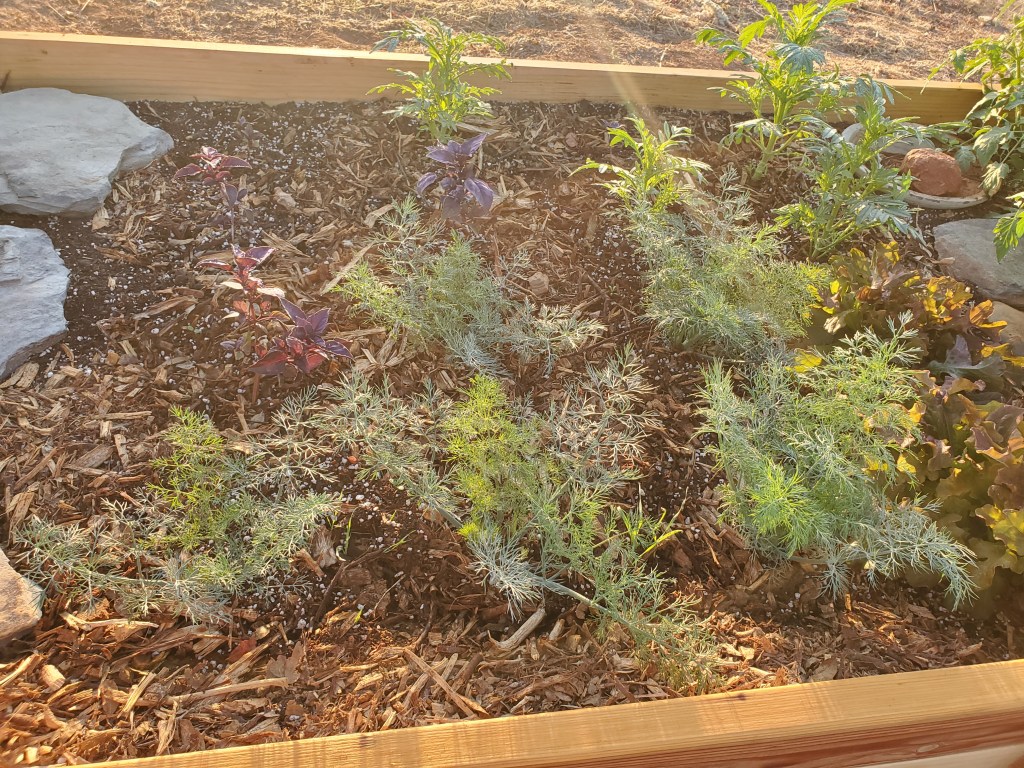
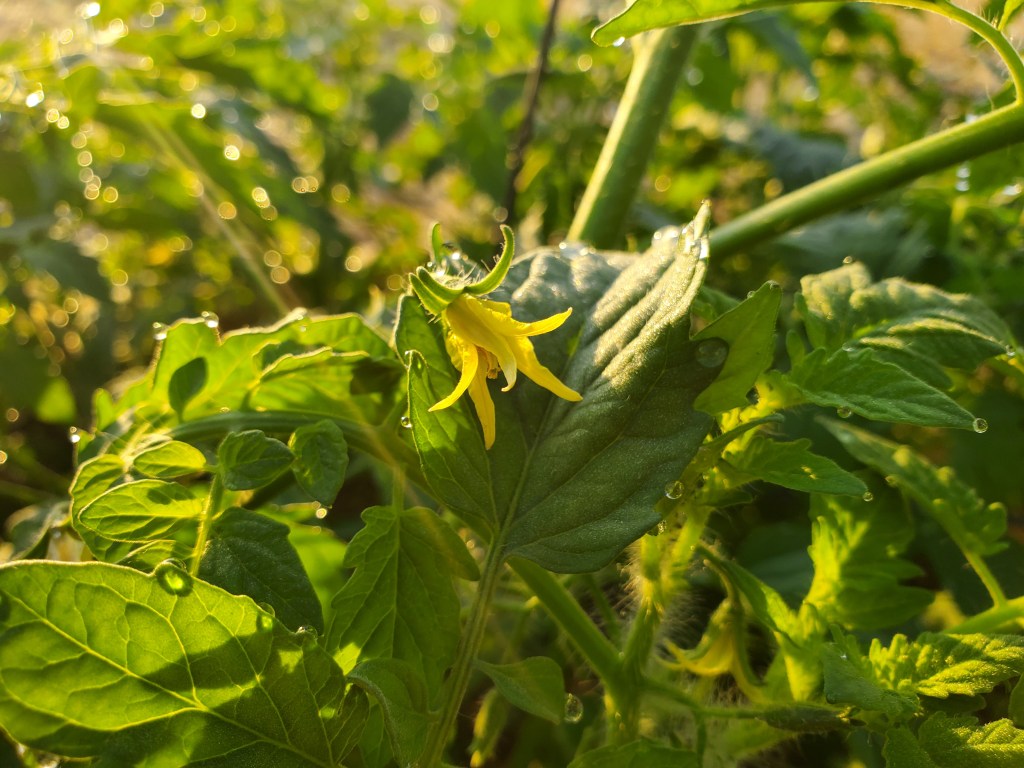
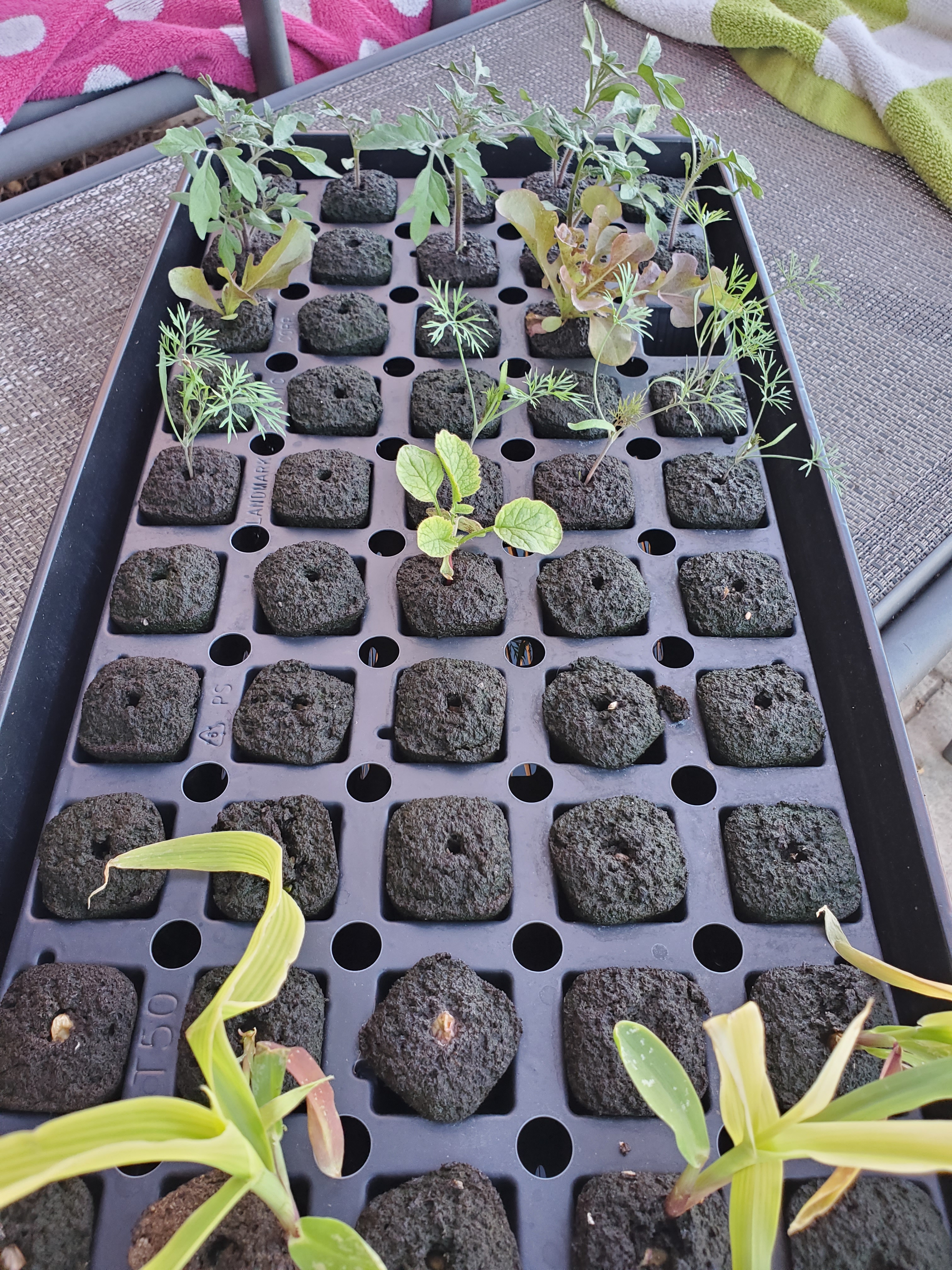
I have already been able to harvest red leaf lettuce, basil and dill for salads. We will see if I get any tomatoes and corn. With the decrease in sunlight and the cooler nights, I don’t know if they will produce. As I mentioned in the previous blog post, since it was still hot, I thought I would make the most of it and see if I could extend those crops. There are some blooms on the tomato plants. Very exciting. I will see if the plants can beat the clock. I will also continue to look for free or low cost greenhouse elements for me to piece together something that can amplify the heat. I will likely add spinach, radish and carrots later. For the in-between time, I will add oats and peas as nitrogen fixing cover crops.

Rebalancing Off Ranch

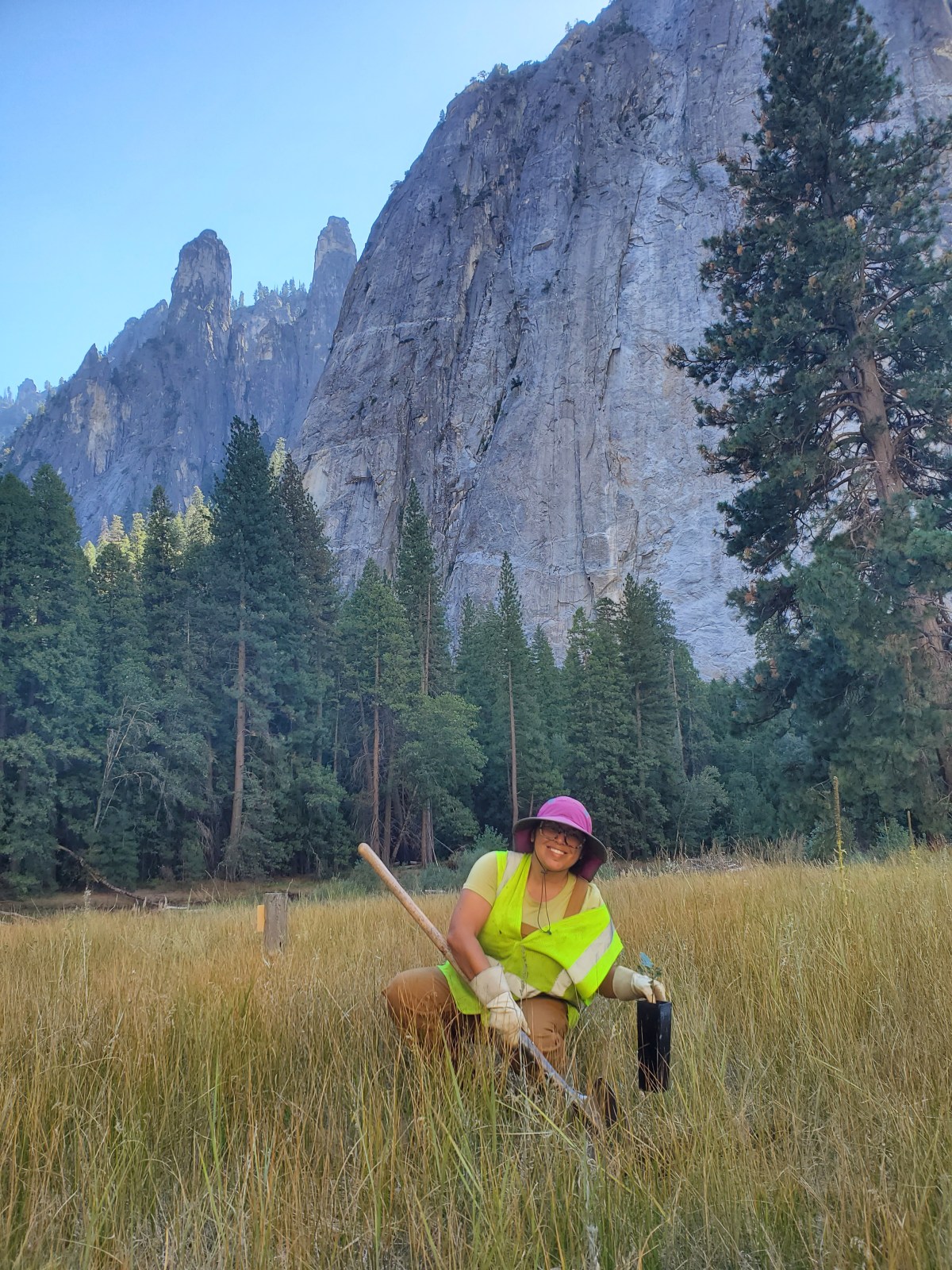
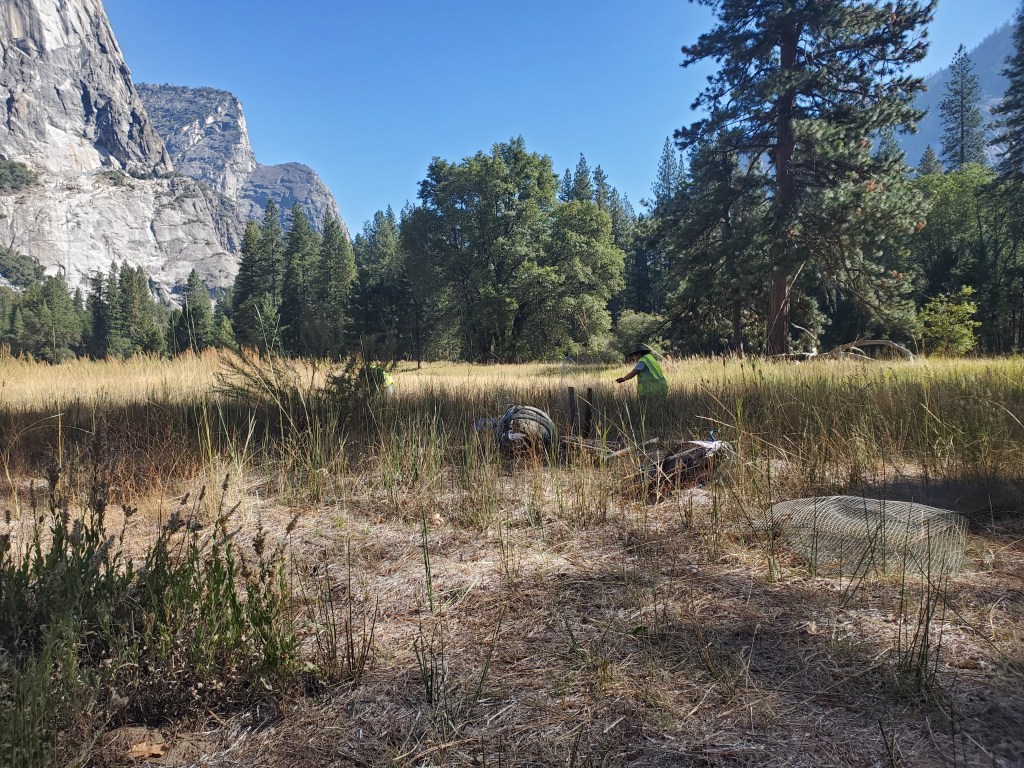
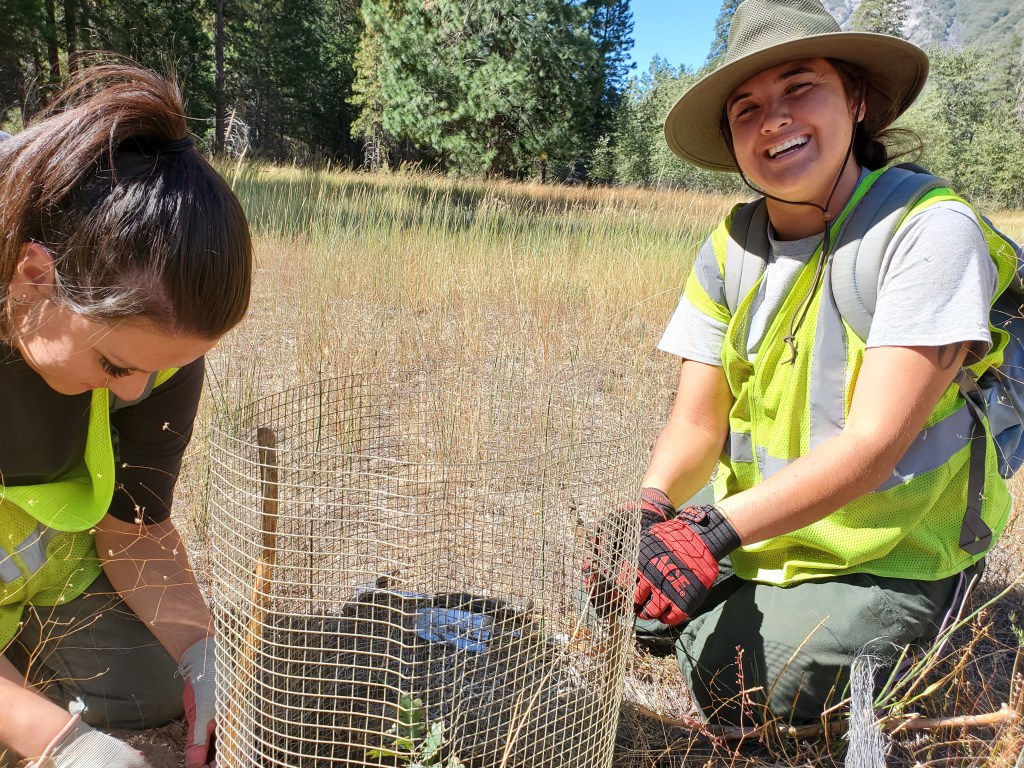
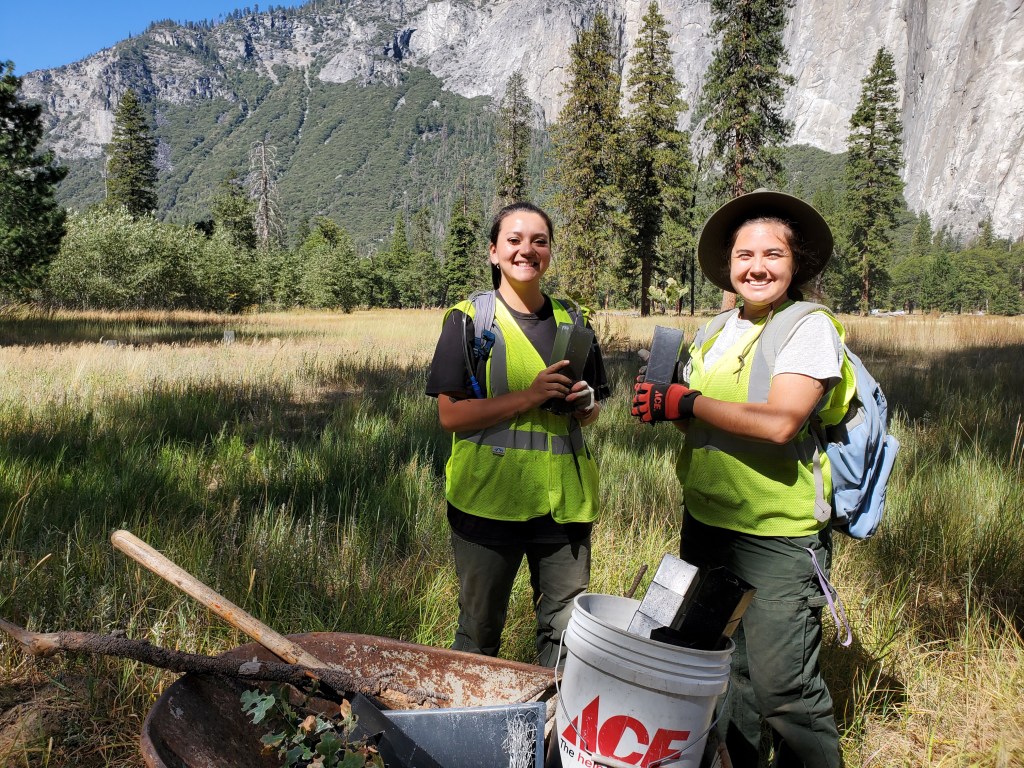
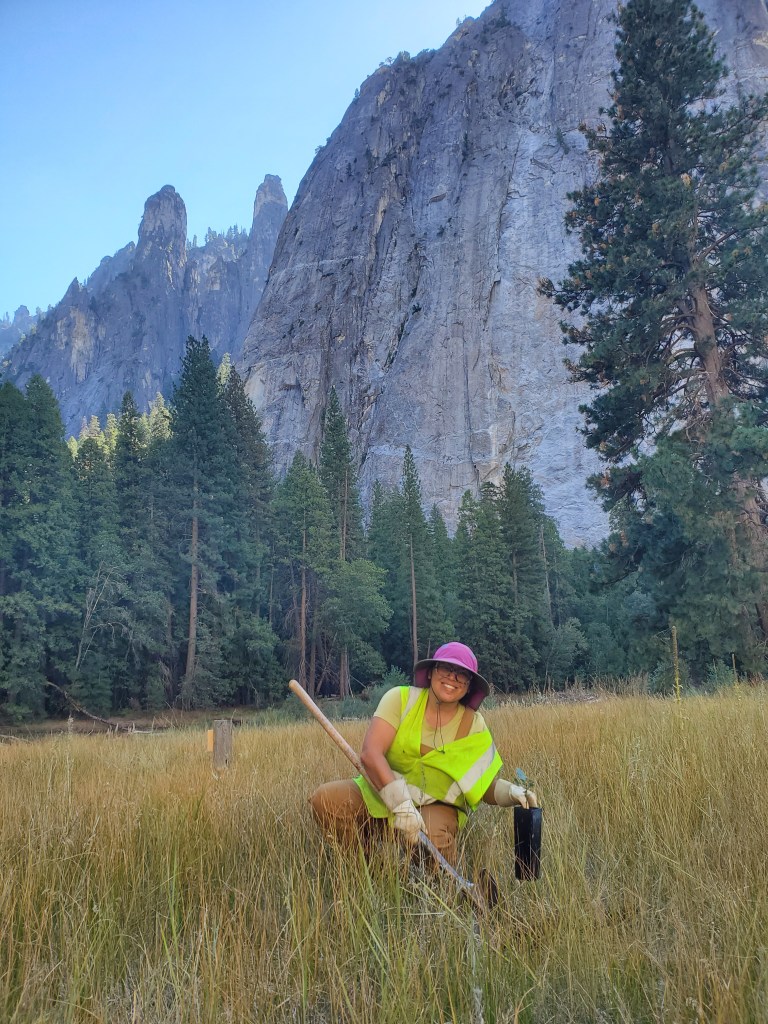
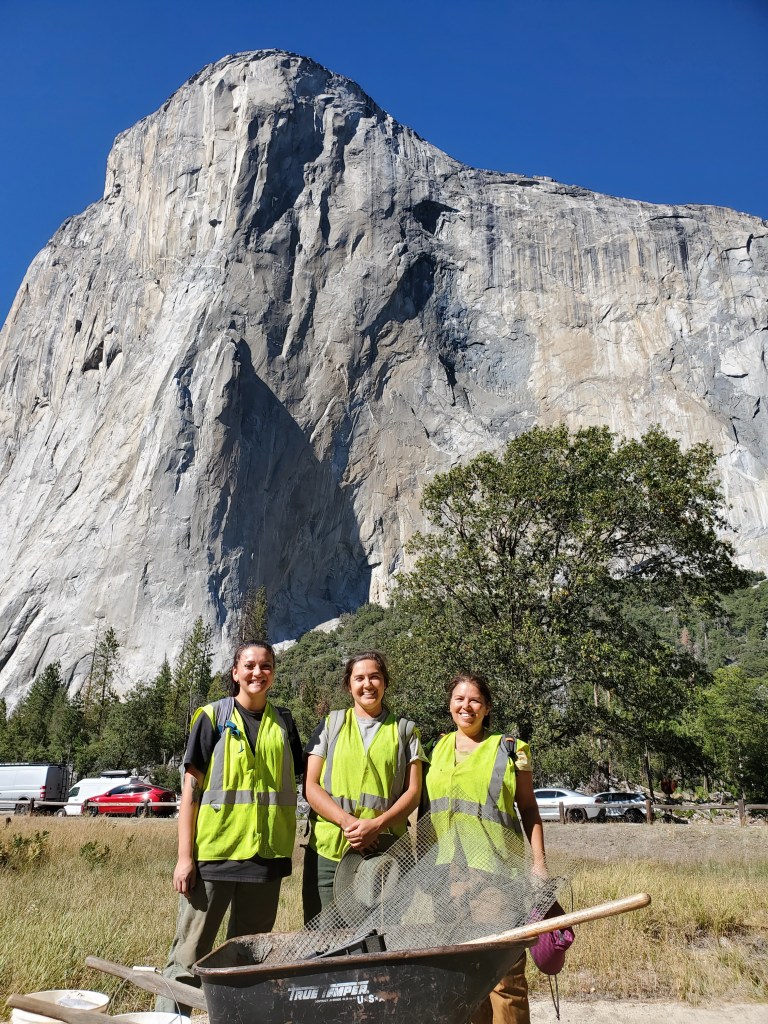
The Southern Sierra Miwuk Tribe has been working on meadow restoration in Yosemite. Before colonization, their people would burn the meadows to clear the conifers and encourage greater black oak proliferation, thus acorns. Due to the attempted extermination of Indigenous people from the area and then wrong-sighted conservation policies, the meadows have been disappearing, and with them their remarkable ability to recharge groundwater. More recently, the National Park Service has understood the importance of First People’s knowledge and activities prior to Park status. Once again, Indigenous people are leading the restoration work in our most cherished wild spaces. The Tribes may get to use fire in the future, but for now, all of the work is by hand. This autumn, I joined my Native cousins in planting black oak seedlings and removing pine seedlings. Don’t worry dear readers who love pine trees (I love them too), there are many other places where they flourish. They grow like weeds and are not in any danger of extinction. The meadows, on the other hand, are.

Thank you to the wonderful young people who are leading the way in so many efforts around the world and to our elders everywhere for keeping ecological knowledge and parts of our culture intact under great stress and not so good odds. Chiokoe uttesia in weweriam (Thank you my relatives).

Any of us can join efforts of restoration, conservation and rebalancing. Look for them in the places near you and make a commitment for one day a month to start. If you love it, if it reconnects you, if you are feeling the rebalance happen, commit to more time. If you aren’t feeling it, try a different effort – beach clean-ups, campaigns for better climate policy, implementation of Green New Deal efforts. It is an all hands on deck moment, and you are one of the many hands we need. If mother nature, me and a small group of supporters, can bring monarchs back to the ranch in less than three years, imagine what ALL of us can do across every aspect of climate. Let’s be good relatives now for our future generations and all living things. Aho.

Climate, Heat and Wildfire Smoke = Change for Pollinators

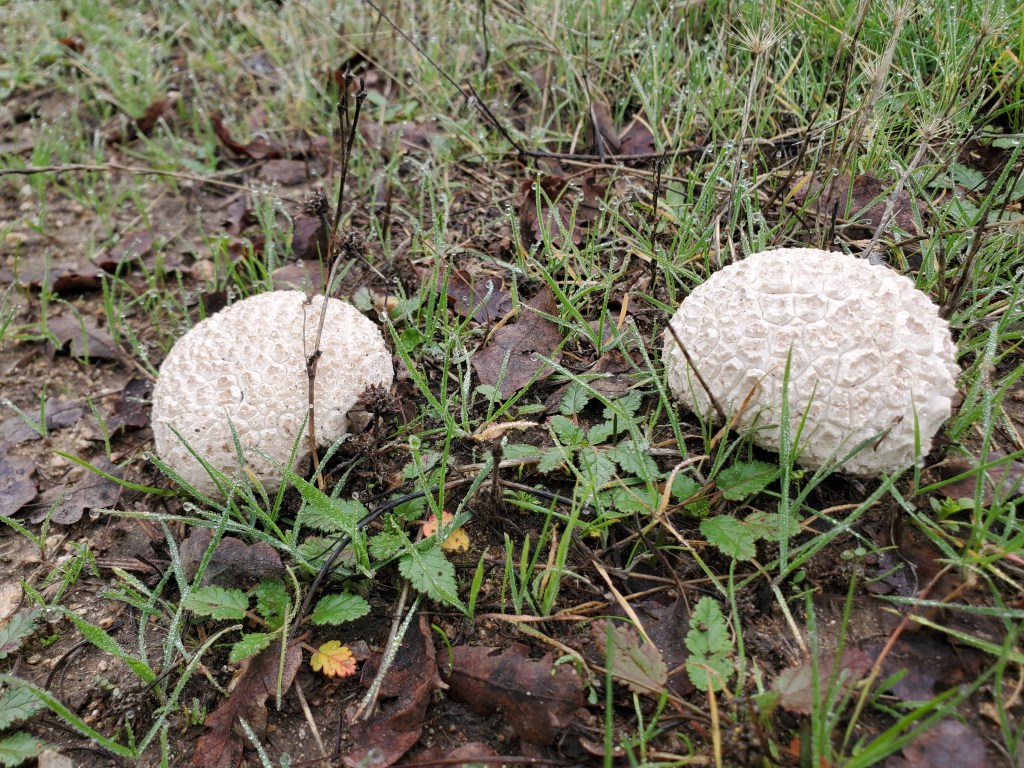
Oak Fire in July mushrooms

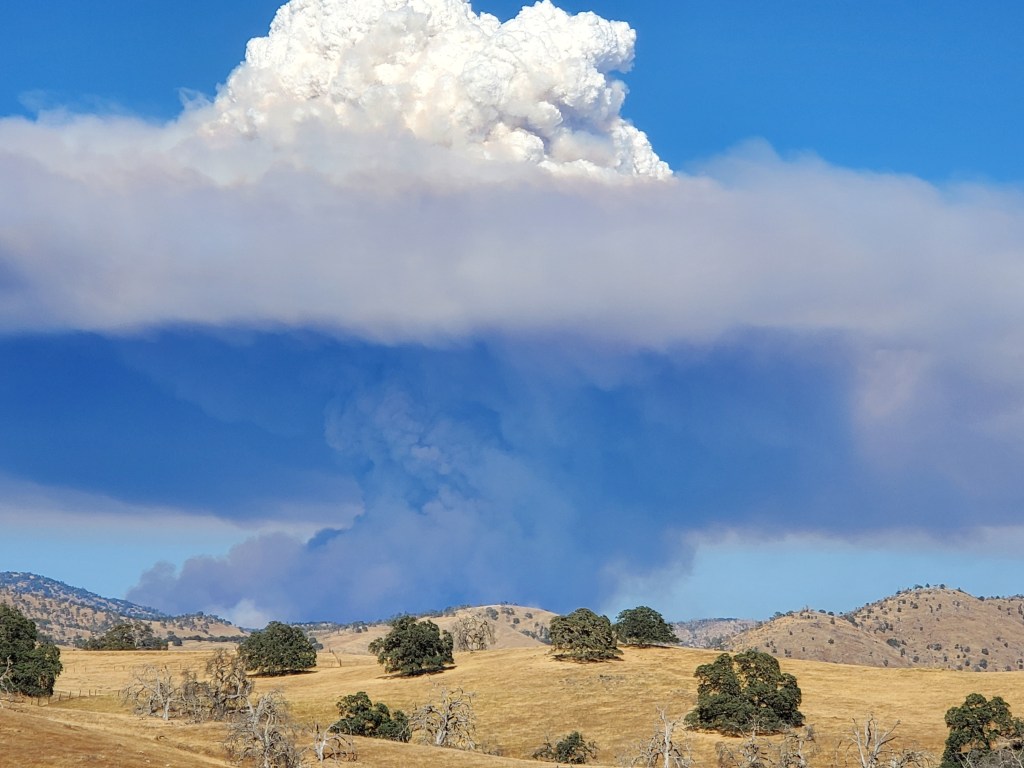
Please forgive me for complaining a little at the start of this blog. I know it is meant to discuss my pollinator work, and I am sorry to be a downer. All the things we do are entwined as elements of our life -so the bleed over and into is all part of the same narrative I guess. It has been a very difficult last three months. If you were wondering why a post had not been published in a while, I did not have the energy. A close, dear friend fell, became ill and died. It was a rapid, difficult, frustrating experience made worse by a fragmented healthcare system. His fall was in June, and by July he was gone. COVID finally caught up to me in June despite my being extremely careful. Although it was mild for me, I was positive for 10 days and had to put many things on hold. In July, wildfire hit just east of us displacing many friends with several losing everything. We took on evacuees at the ranch with their animals. The emotional exhaustion was evident among everyone – evacuees, responders and the average community member. The compassion fatigue, overwhelming sadness for all living things and extreme, ongoing heat has gotten to everyone I think. I could not believe my temperature gauge when driving home from a meeting in the Central Valley. It said 118F.

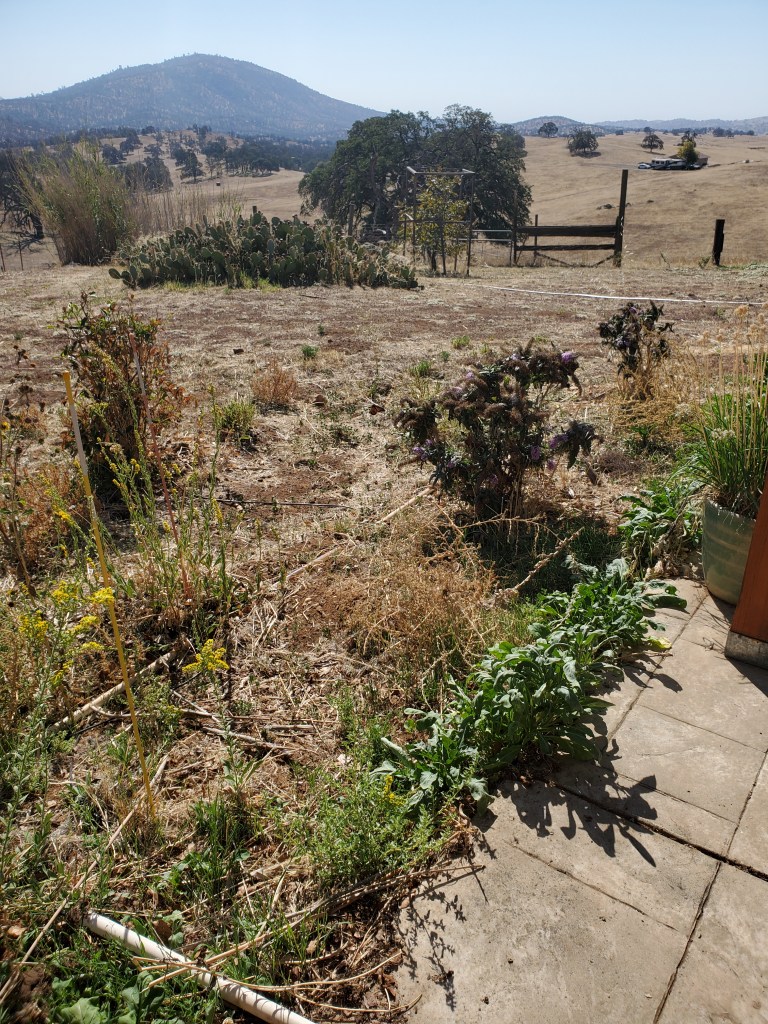
I find it remarkable that anything can exist in these circumstances of heat, smoke, drought and extremes. It is no surprise that very few butterflies have visited the ranch despite plenty of blooms. All is not depressing. We have had a proliferation of tarantula hawks and more dragonflies than have been here in years. Perhaps the increase in dragonflies, a natural predator of butterflies, is part of the reason for limited sightings. I don’t think we have gotten to a place of balance at the ranch yet. Regular drip irrigation has increased soil moisture around the house, but the drought has taken its toll on everything, soil, plants, trees, humans.

Milkweed Established!

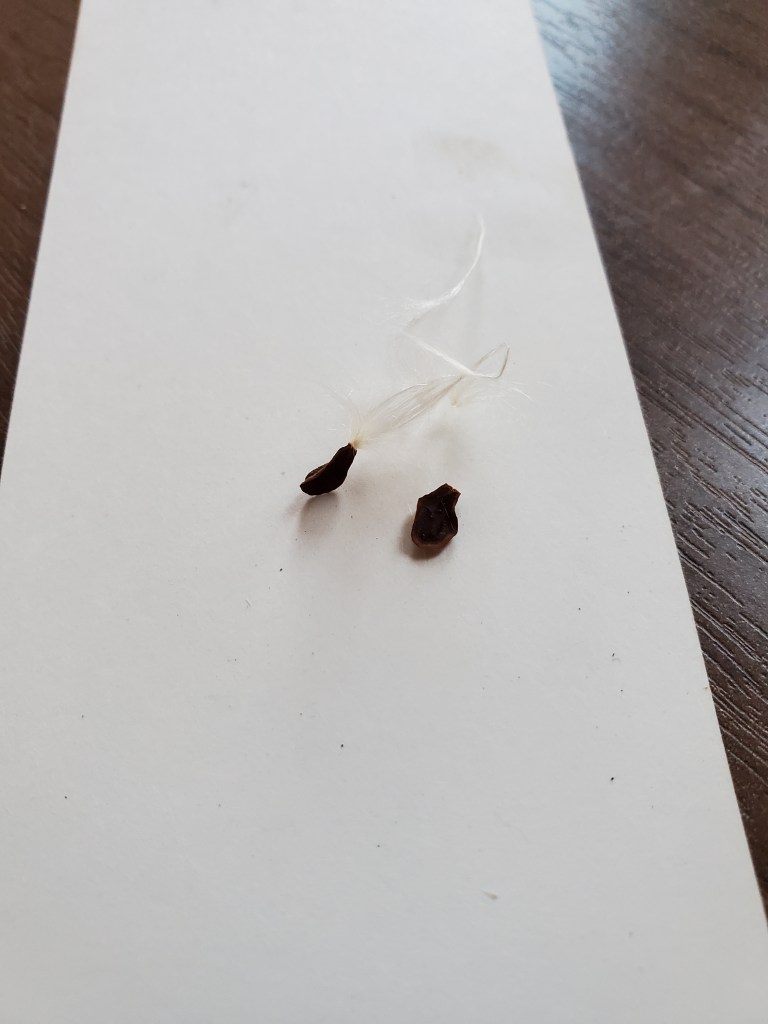
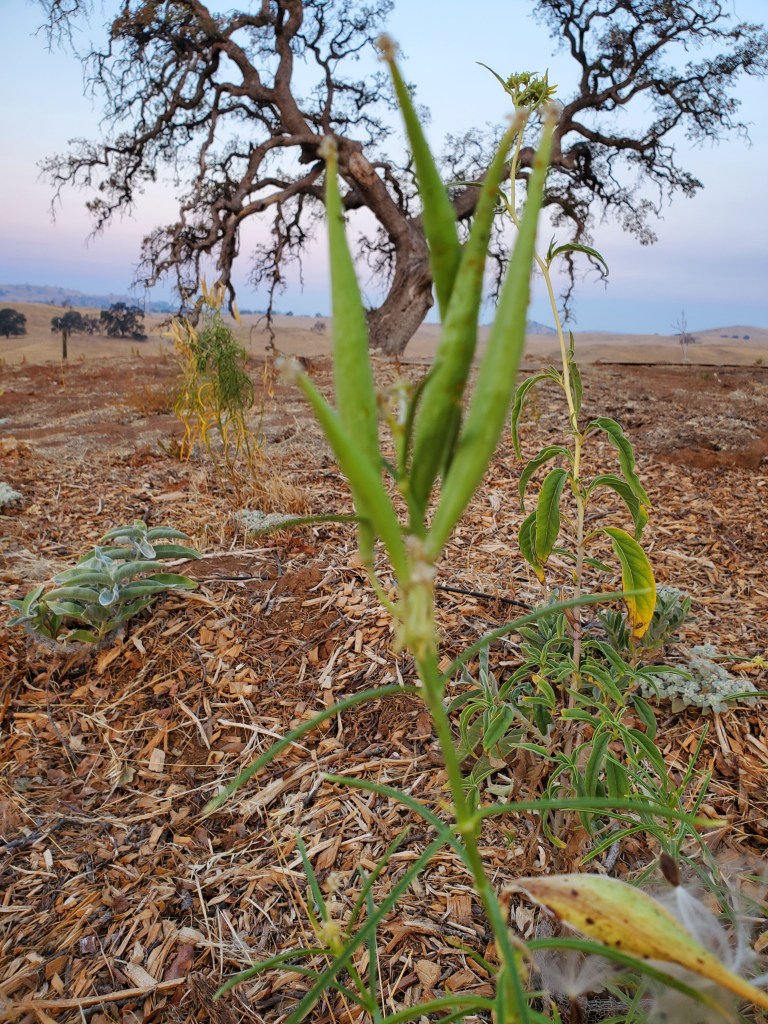
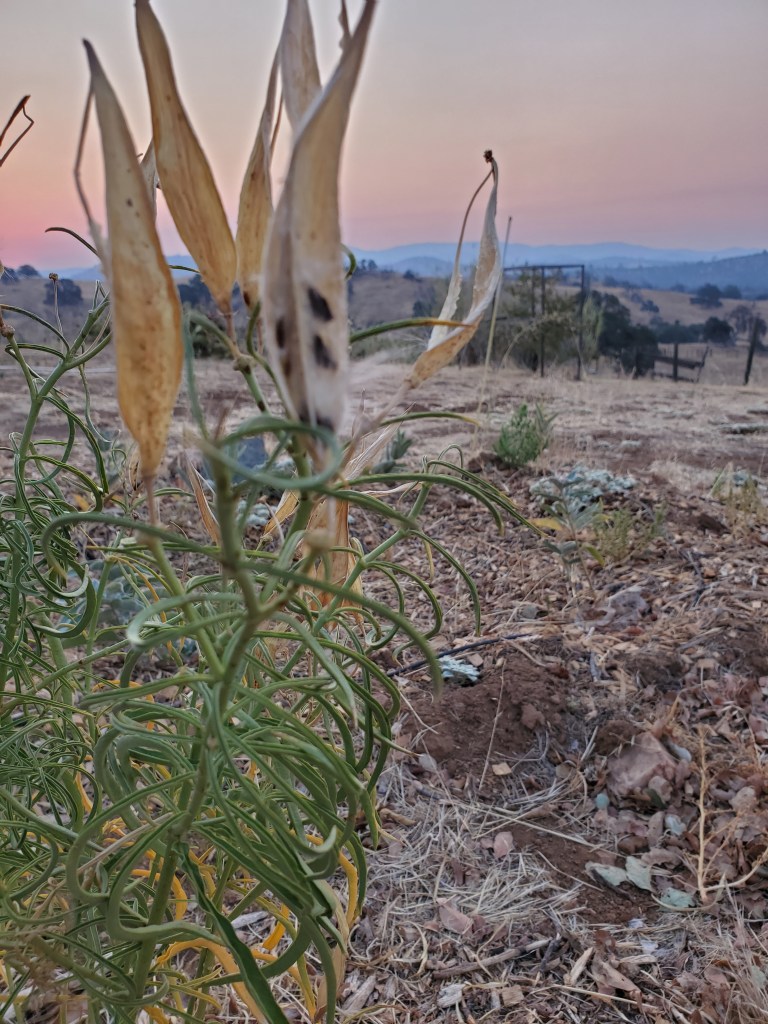
The milkweed in the older plots were mature enough to produce seed pods. It was a joy to see them healthy and doing well despite gopher attacks over the past 3 years.

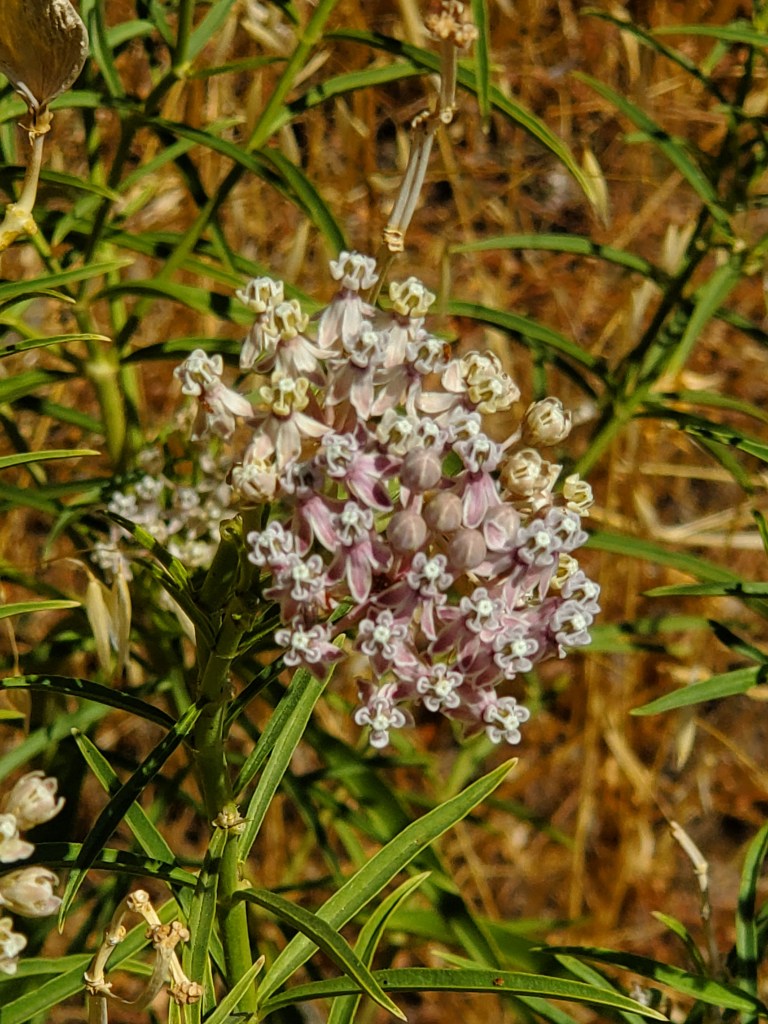
I am now able to identify narrow leaf milkweed in the wild and have seen several plants in my creek bed and on the side of the road around the county. It is very interesting that they often appear alone or quite a distance from one another. I wonder if that has to do with years of grazing and pesticide use (on the major highways). On a monitoring excursion to Odom Creek last week, I found two or three milkweeds in bloom in the creek bed. There were several California Hairstreak butterflies around each plant. I saw a buttery yellow cabbage or sulfur butterfly and one buckeye butterfly.

Blooms

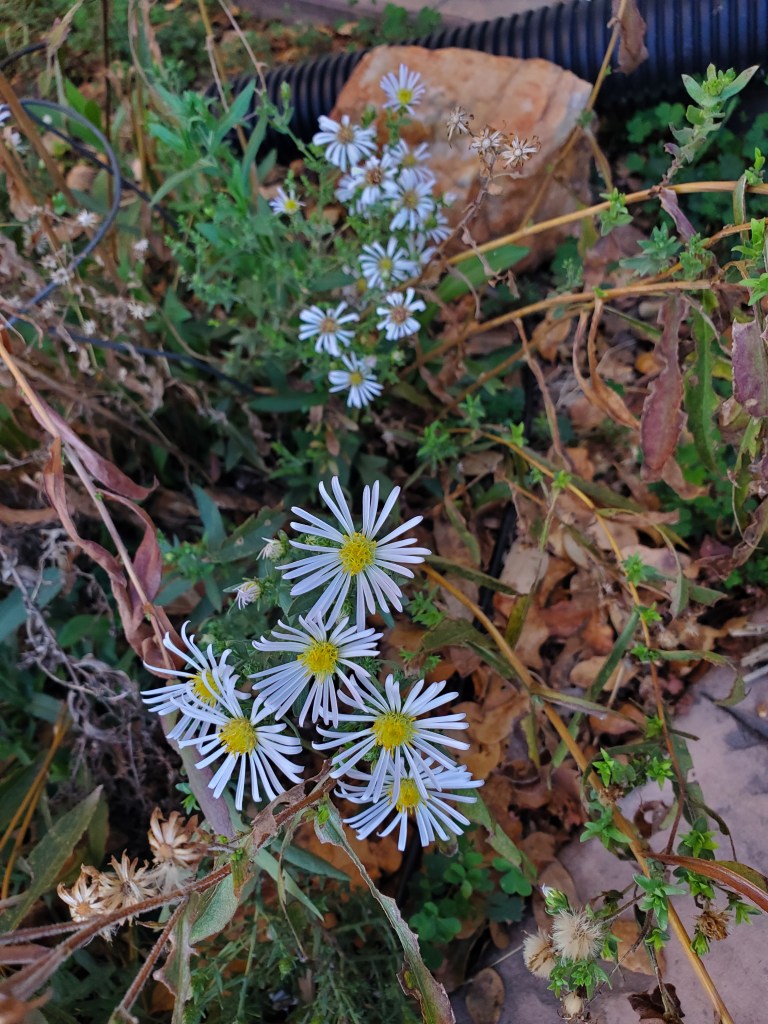
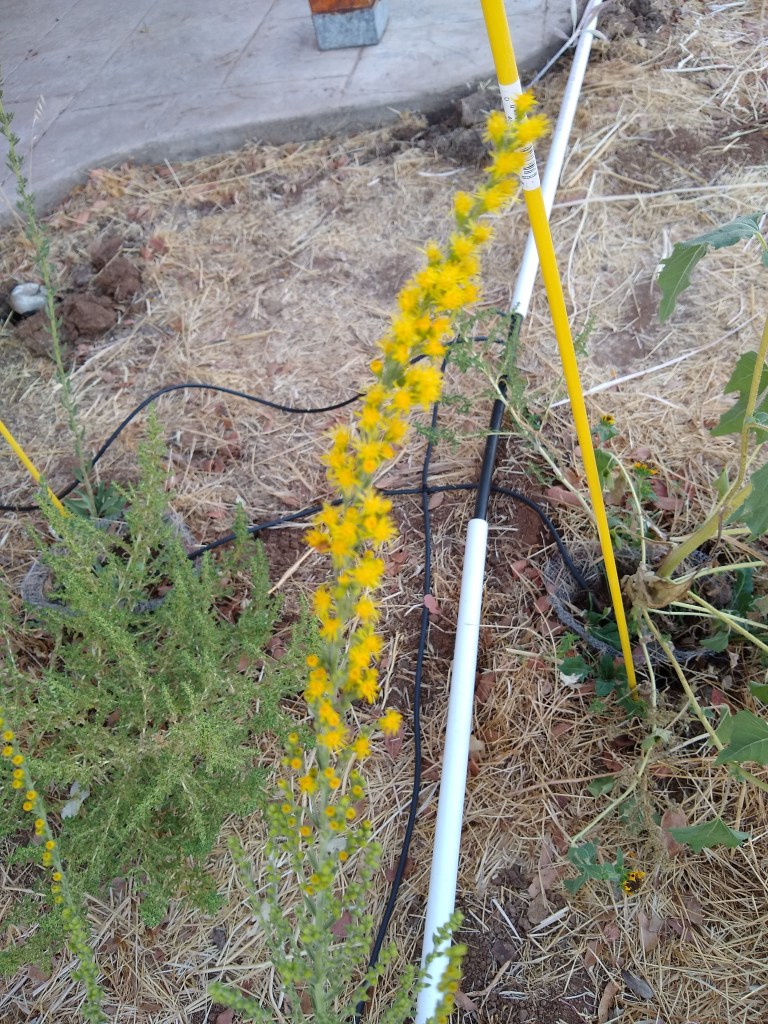
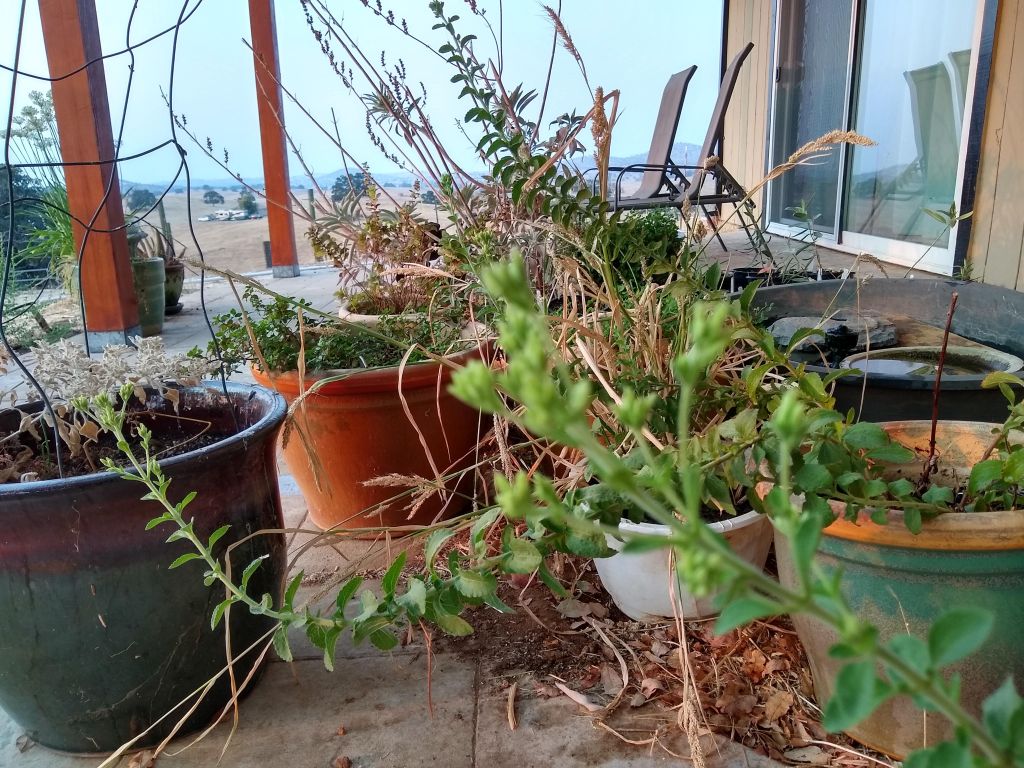
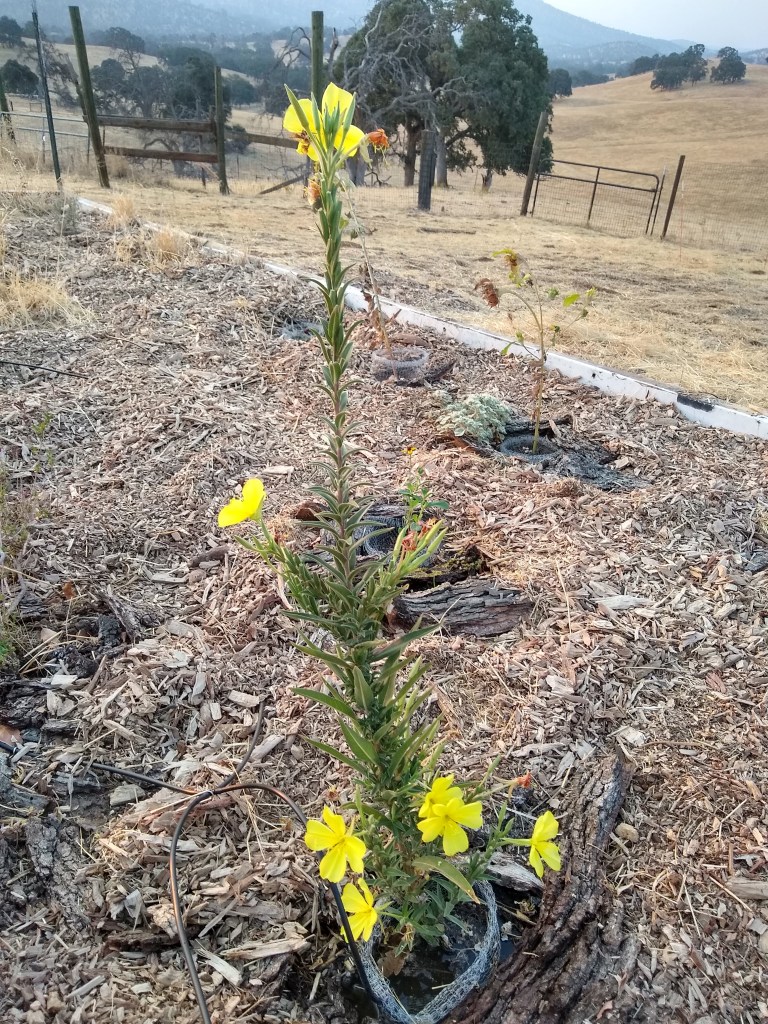
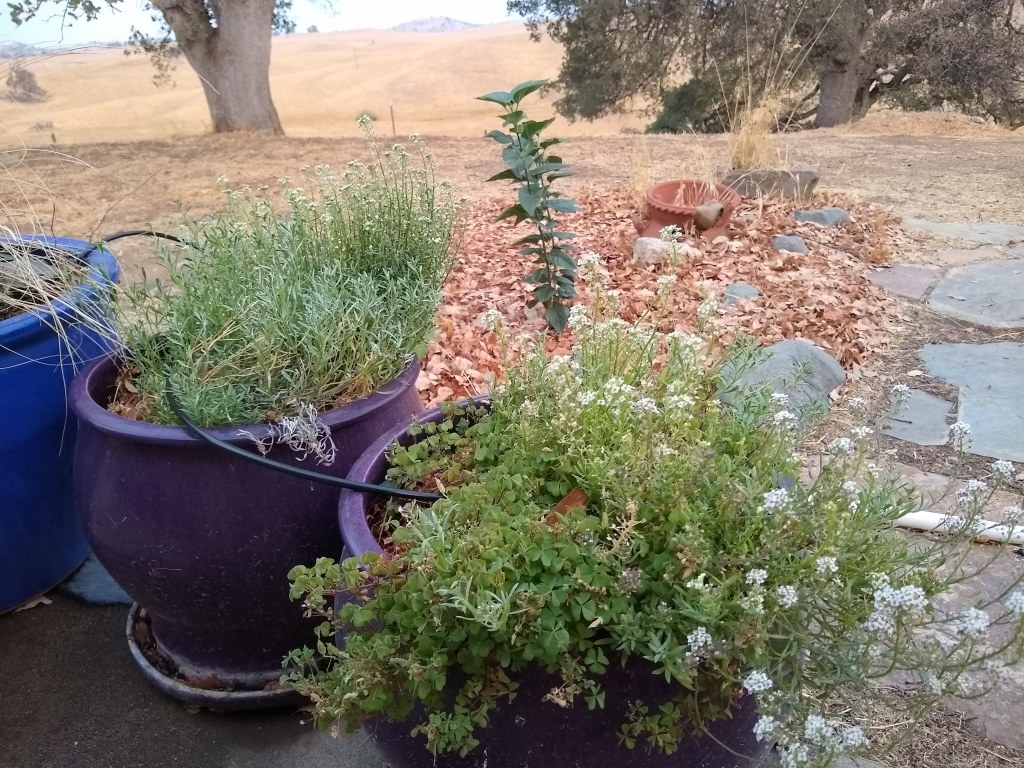
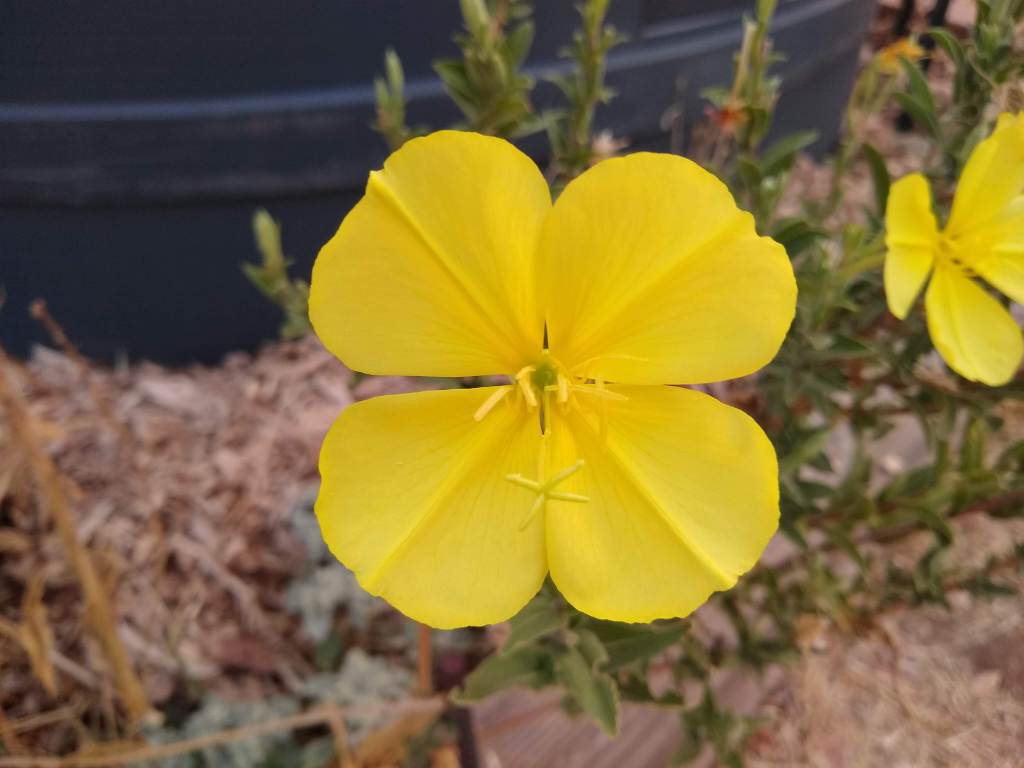
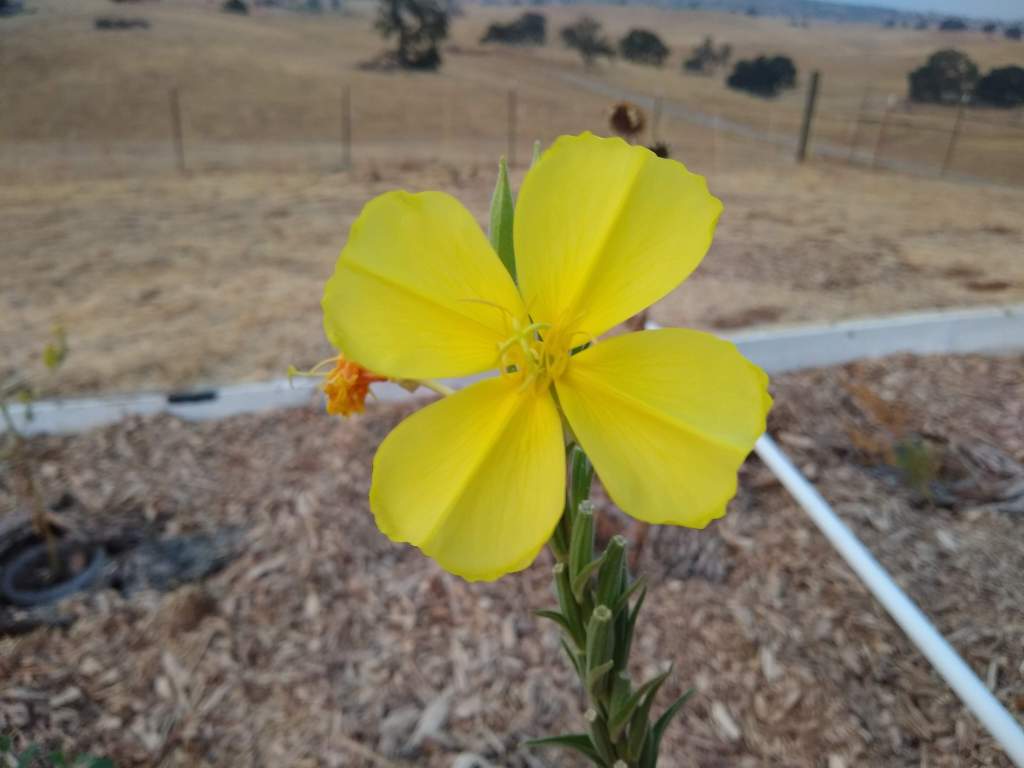
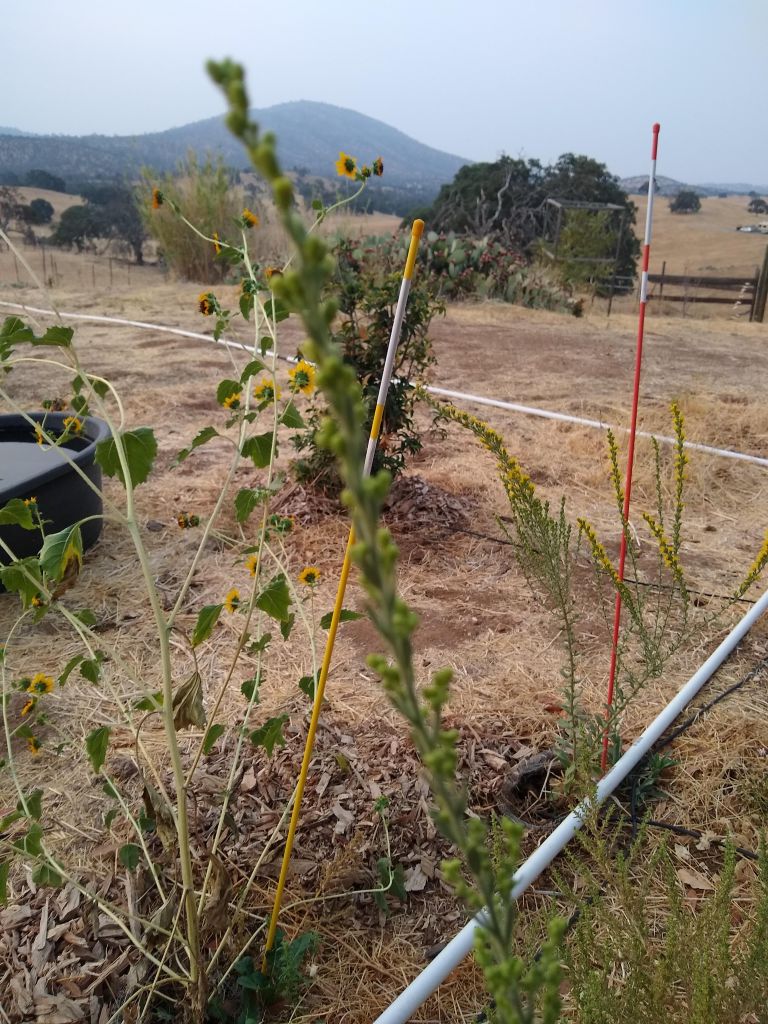
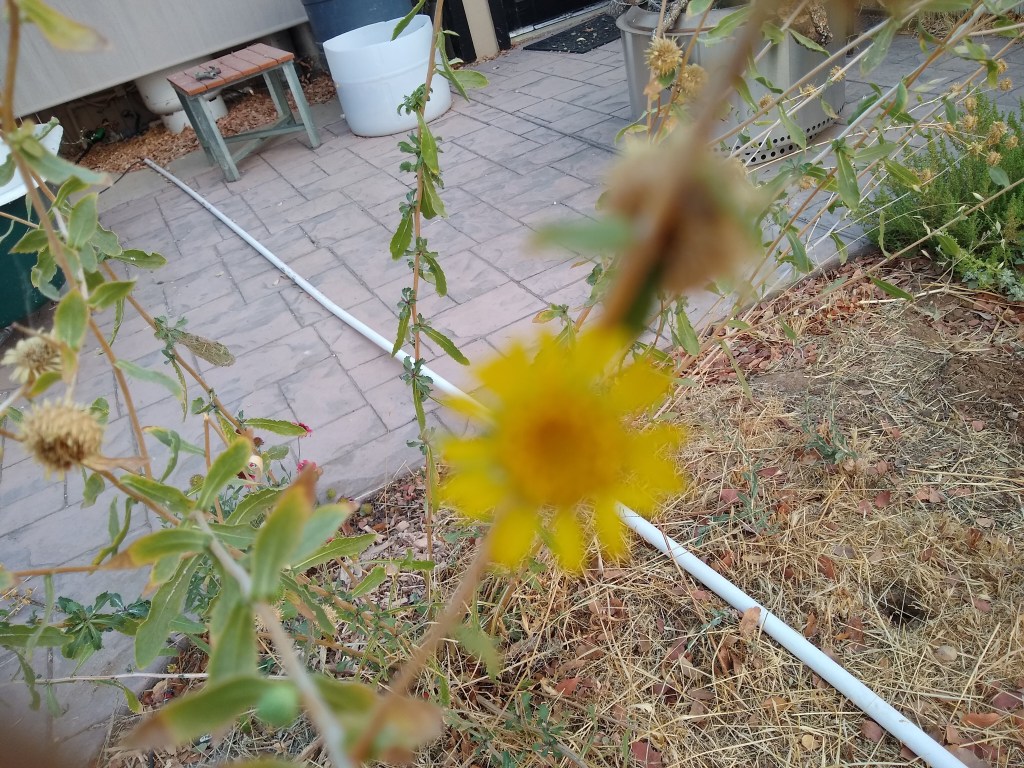
As planned, we have plants in bloom from the beginning of Spring throughout Fall. In bloom currently are California fuchsia, goldenrod (just opening), marigold, sunflower (still going!), pacific aster, a few gum weed and Mexican sunflower blooms, buddleia, vinegarweed (lots of these plants this year), and tarweed. There are even several herbs and onions blooming. There are many options for the pollinators to choose from.

Concern for the Grand Blue Oak

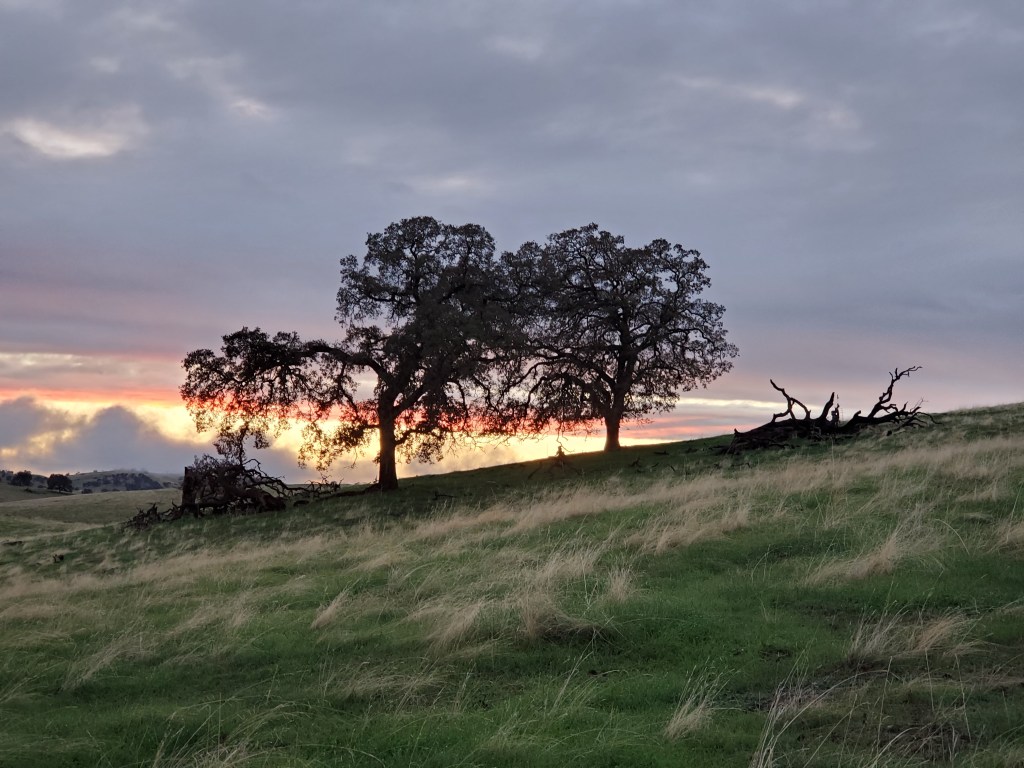
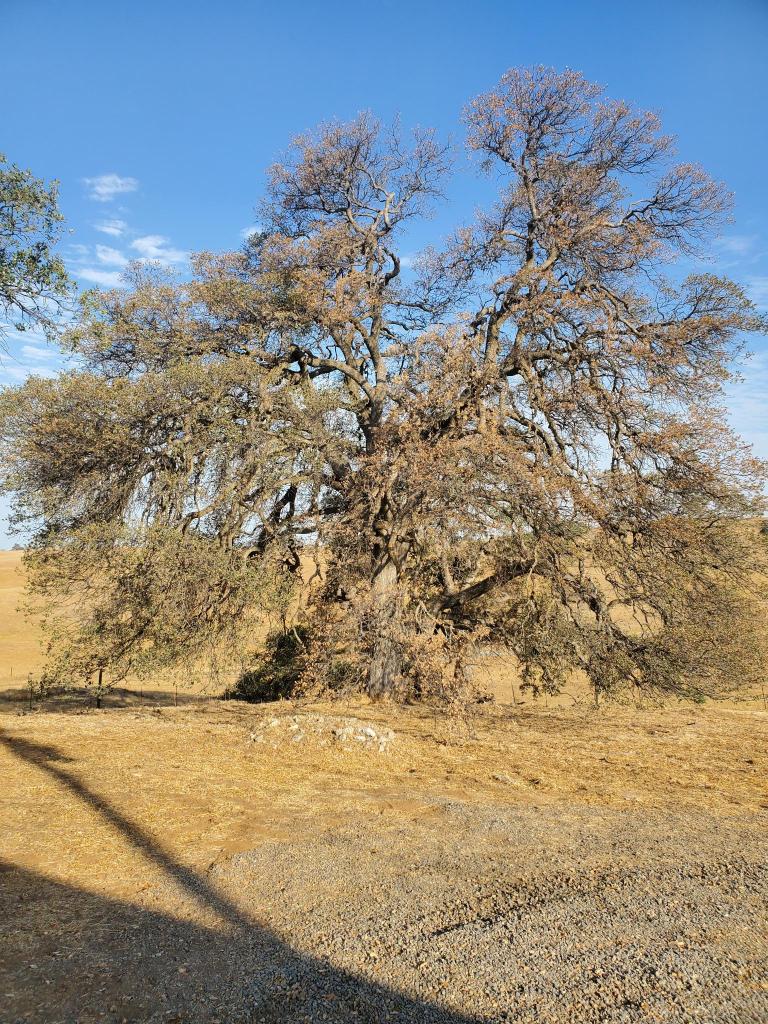
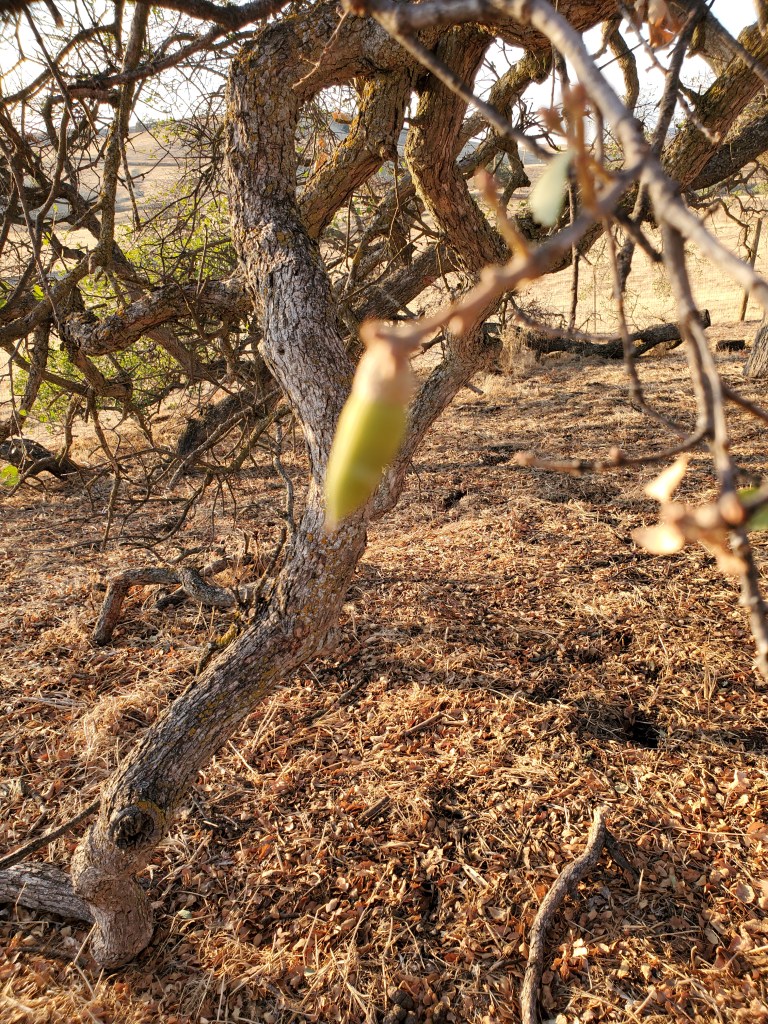
It is normal for oaks to conserve their energy during drought. They kill off their leaves and drop limbs. It can be very dangerous to walk under stressed oaks. I mentioned one of the large oaks in the front of the house in my last post and earlier in this post. It started with one branch having all its leaves dead in May. Then, almost overnight, all the leaves were brown and falling by August. A small branch dropped earlier this month. It has been incredibly distressing. These trees in the front of my home are over 200 years old, and they just cannot die on my watch.

Several years ago, a landscape and water expert was at my house when another tree in the front was extremely stressed. She recommended digging a trench just outside the drip line of the tree crown so that rain water would be stopped and recharge the area around the tree. Not only did I do that for two of the four oaks in front of the house, I ran my front gutters into the trenches. It worked! The branches I thought were dead all came back except for one.

I did this exact same thing for the newest tree in crisis. I am hopeful it will work too.

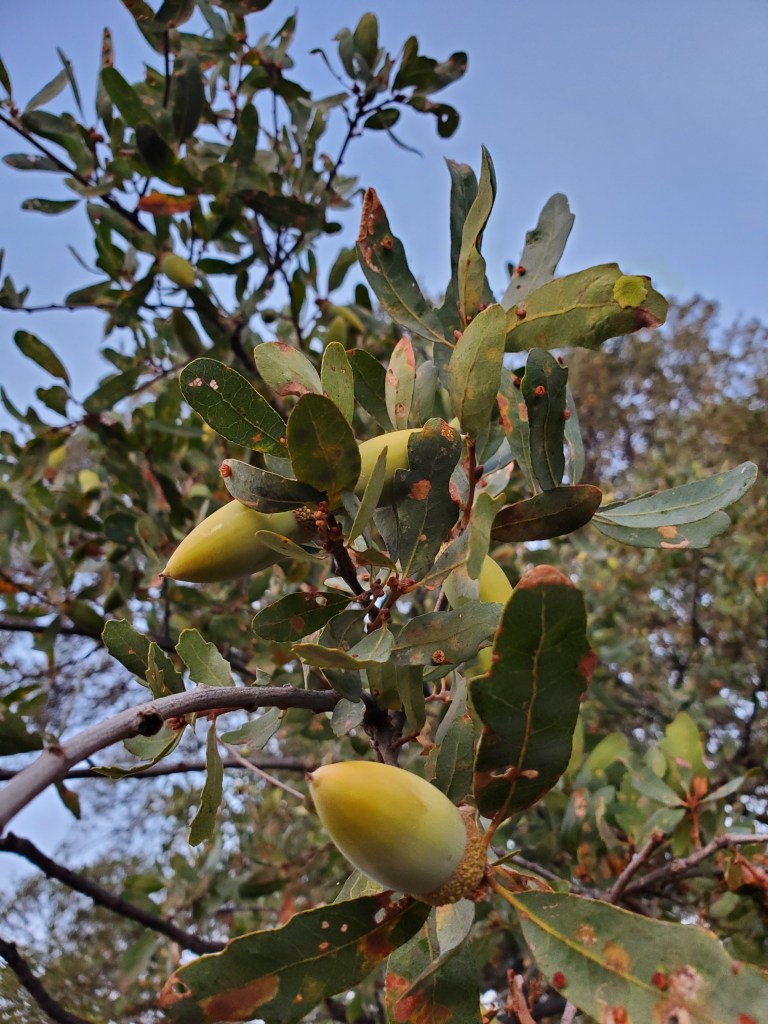
The other issue with the oaks and drought is reduced production of acorns, a critical food source for animals and humans alike. It is also the next generation of oak babies. We need to have an overwhelming number of acorns just to get a handful of seedlings. Sadly, most of the oaks on the ranch do not have many acorns, and many that are growing are still very green and undersized. I want to see those acorns mature and drop. All I can do is implement good land practices, swales to slow rainwater runoff, and hope for better next year. Land restoration is a patient practice. Stewardship is a way of life anyone can adopt anywhere they live.

New Raised Bed

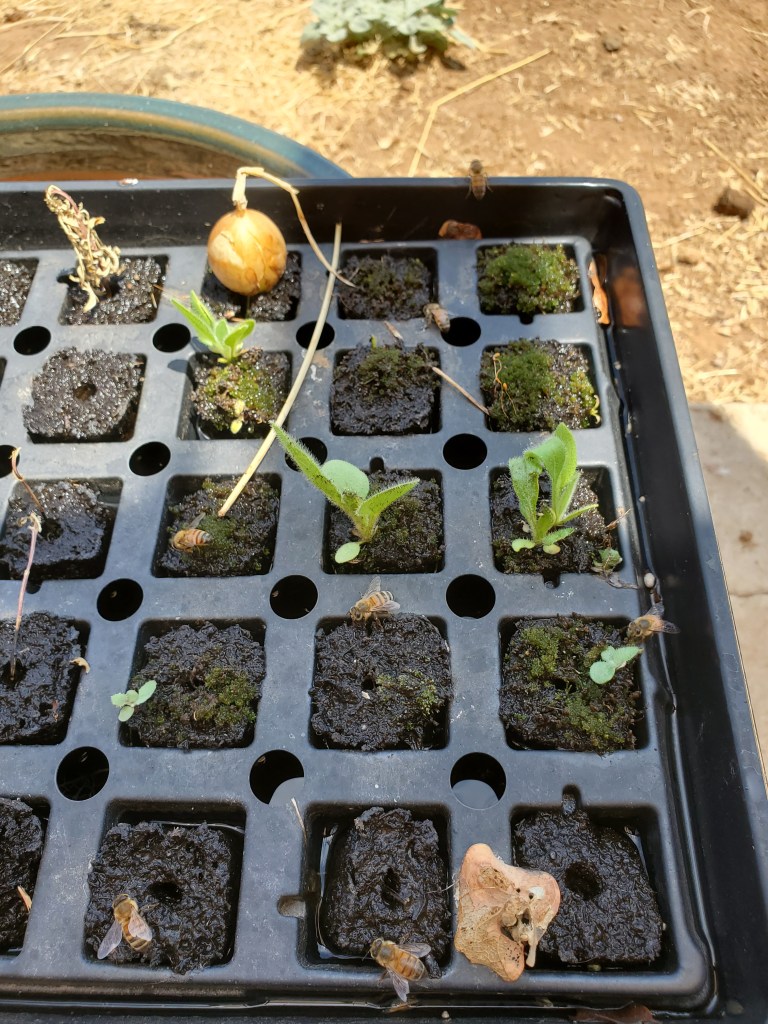
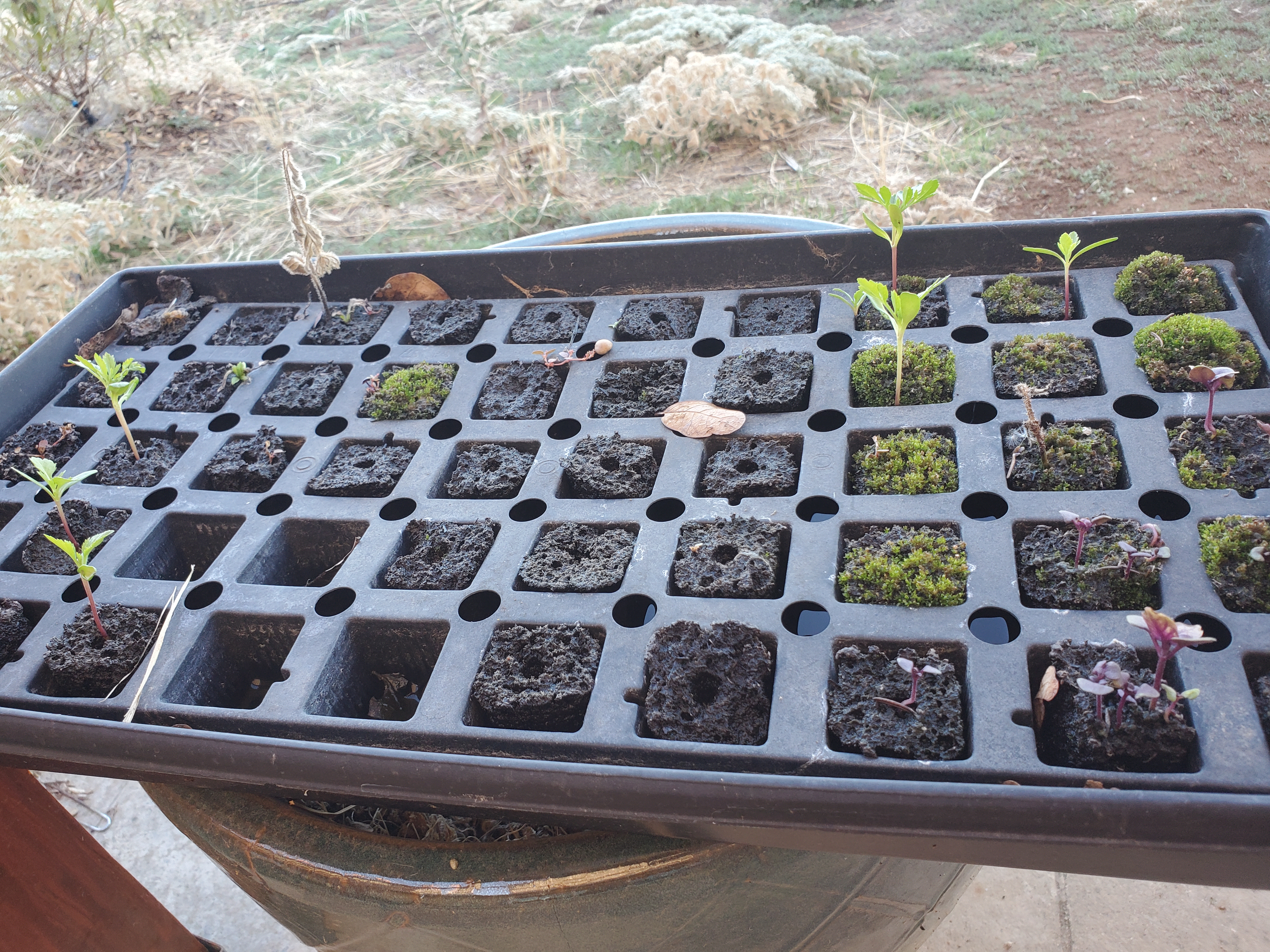
I raise a number of plants from high quality organic/non-GMO seed or seed gathered from my plants. Not only its it more cost effective, but I receive great joy from starting them and watching them grow. The seedling trays have also served as an important source of water for bees this year. Even birds have dropped by to visit. When the birds come by, I can be assured it is not just for water but seed snacks. Every seeding batch, several never start. For some, the seed just is not viable. For others, they become a snack for birds. I am ok with that. Fortunately, I don’t depend on my garden as my only source of food. If I did, I am sure I would feel differently. Additionally, I grow native plant starts, herbs and flowers. All of these, including my food, will become blooms for pollinators. It is a tripe win for everyone.

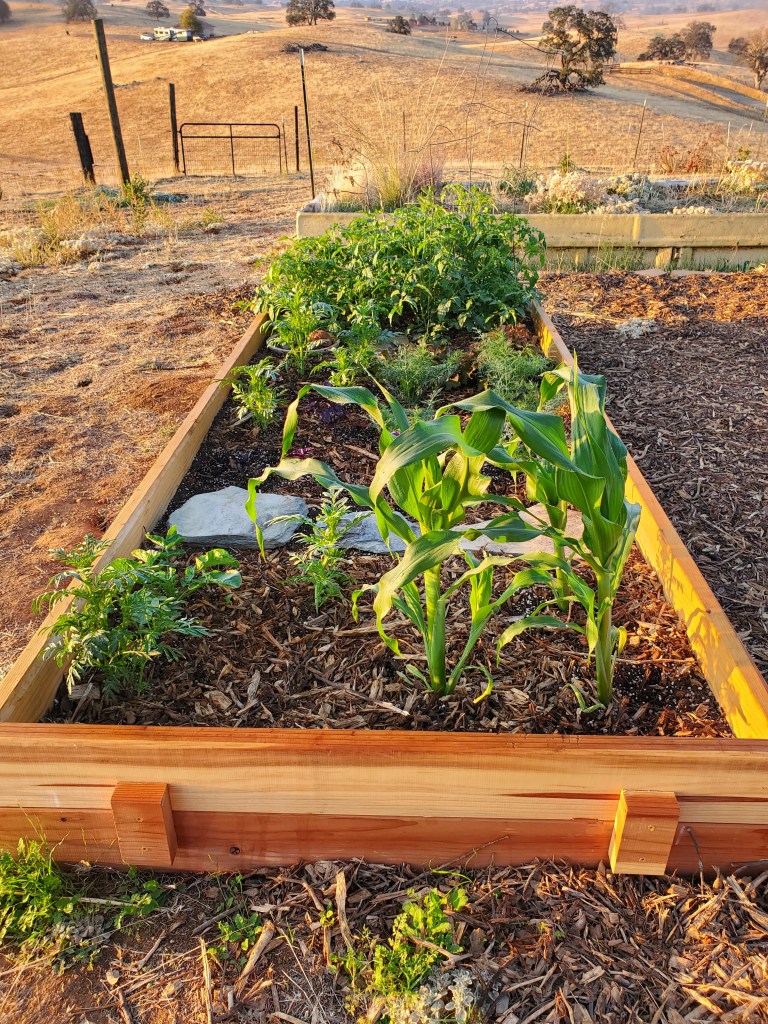
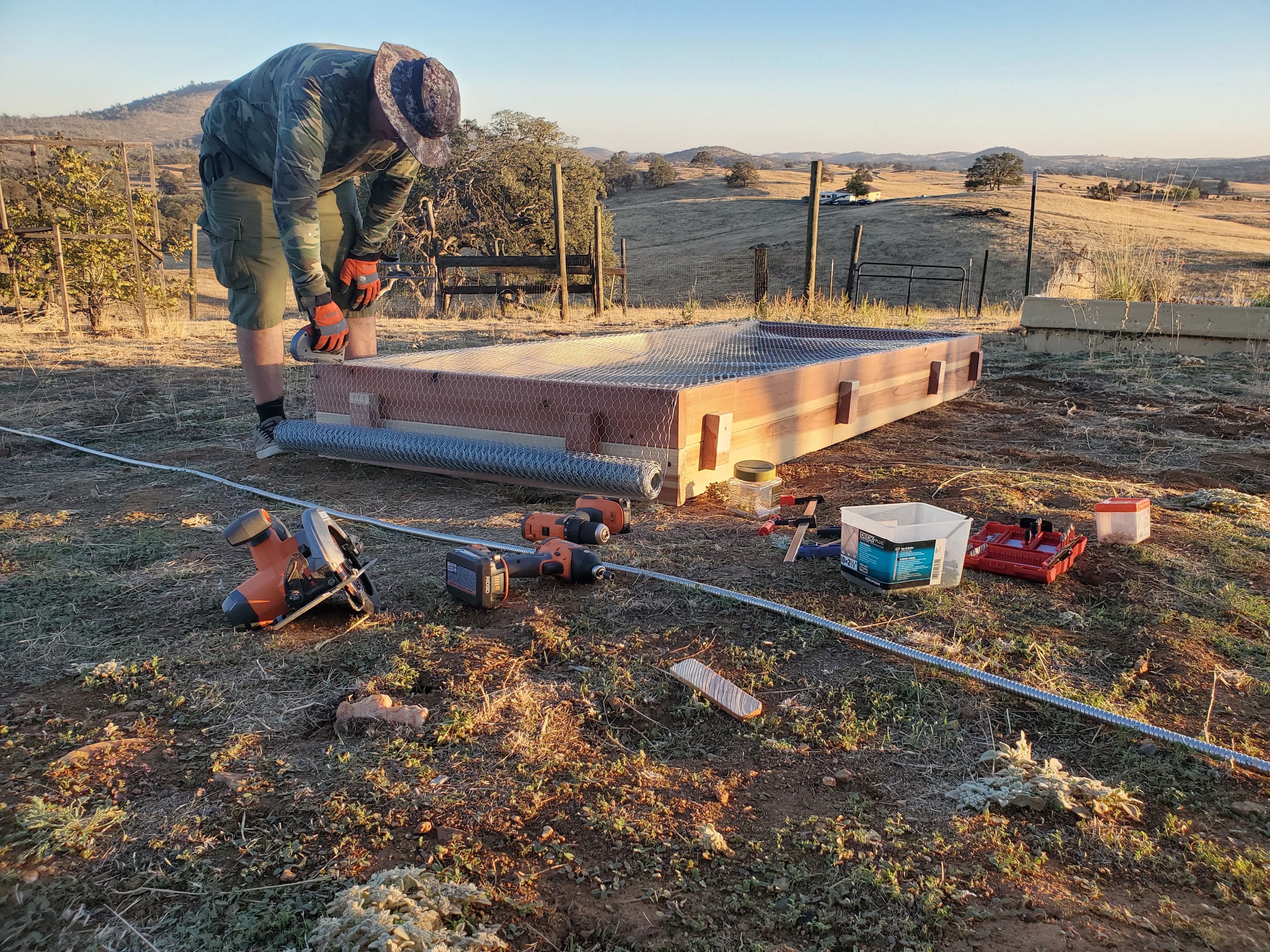
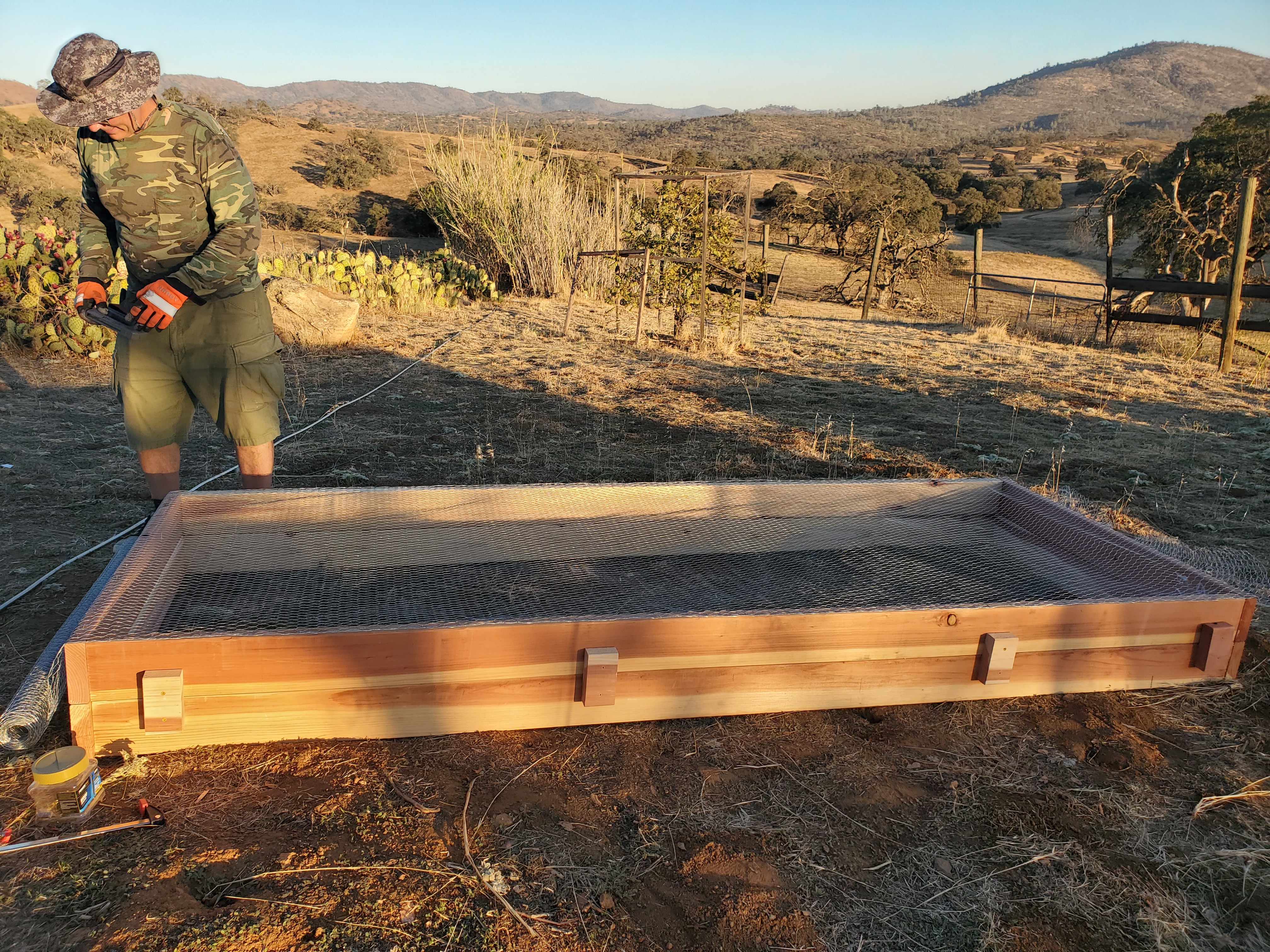
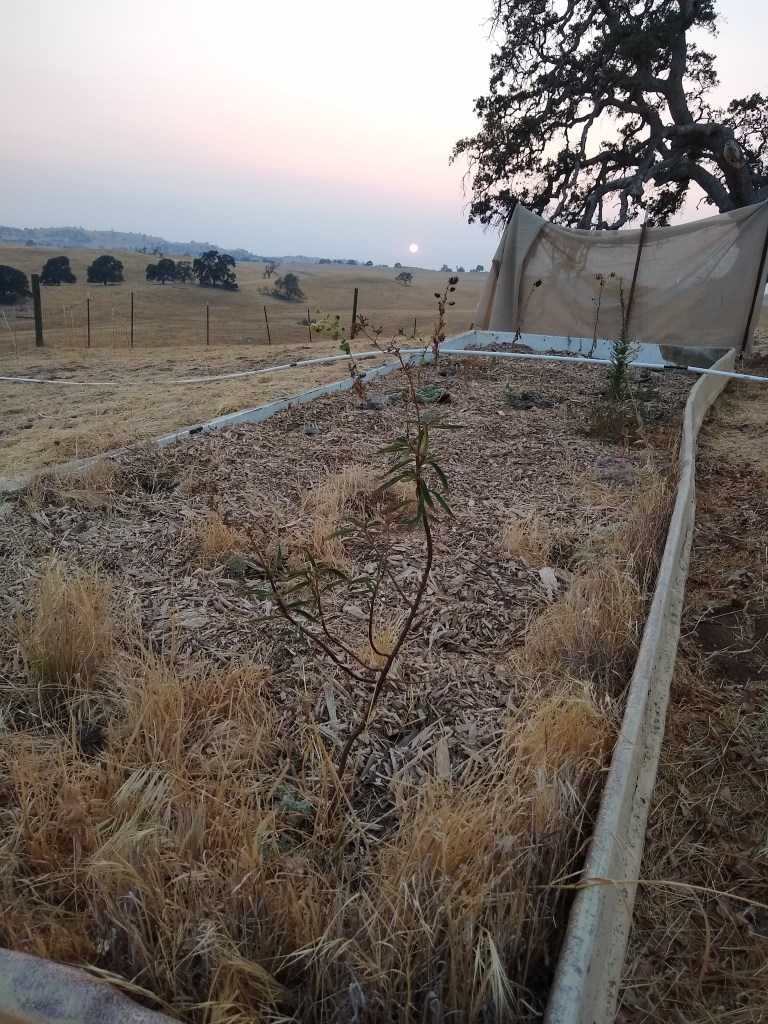
The weather has been so warm I decided to start a winter garden with plants that should have been full grown by now and producing food – like tomatoes. I am also including vegetables, herbs and flowers that should be ok late and/or over winter normally – like lettuce and spinach. I have a number of strong looking seedlings, but will not plant in my tomato tub raised bed due to the ongoing gopher intrusion. There is no other place cultivated to plant, so I asked my darling husband to build me a new raised bed. Truthfully, I can do this myself, but David loves to work with wood and is much handier than I am. So- he gets the job. David built me a gorgeous raised bed using redwood and secured it with a roll of Diggers double galvanized mesh (same company I get the speed baskets from to plant my native plants). Because I am raising vegetables, I needed richer soil and did not have time to bring my local soil up in nutrients (bad planning on my part). I had to purchase soil, which was costly. I have a couple of old french doors I salvaged, which I will use to make a greenhouse over the tomato part of the bed. I am hoping this will help bring the tomatoes to maturity. It is all an experiment.

I use a square foot gardening method. In this way, I can make the most use of the garden space, water with efficiency and co-locate natural pest deterrents, such as marigolds. See the link for more information about how many vegetables you can plant per square foot. In my situation, most of the seedlings I have are plants that need space, so you will see that I generally have one plant per square foot. For some, I could probably get more, but I was too lazy to pull out my book to check planting amounts per sq ft. There is definitely a cost to being impatient!

Last Days of Summer Bring Rain and Fall has Arrived

On September 18 and 19, we received .75″ and .5″ respectively of rain. It was a delightful late summer storm. The smell brought me as much joy and anticipation as being hungry smelling baking bread or BBQ meat. You cannot wait to get outside to work, take a walk, just breathe. I think most of the area hoped this meant cooler temperatures from then out, but the miserable heat came back a few days later. It has been in the high 80s and high 90s for the past several days. Air conditioner is on again. Not good.

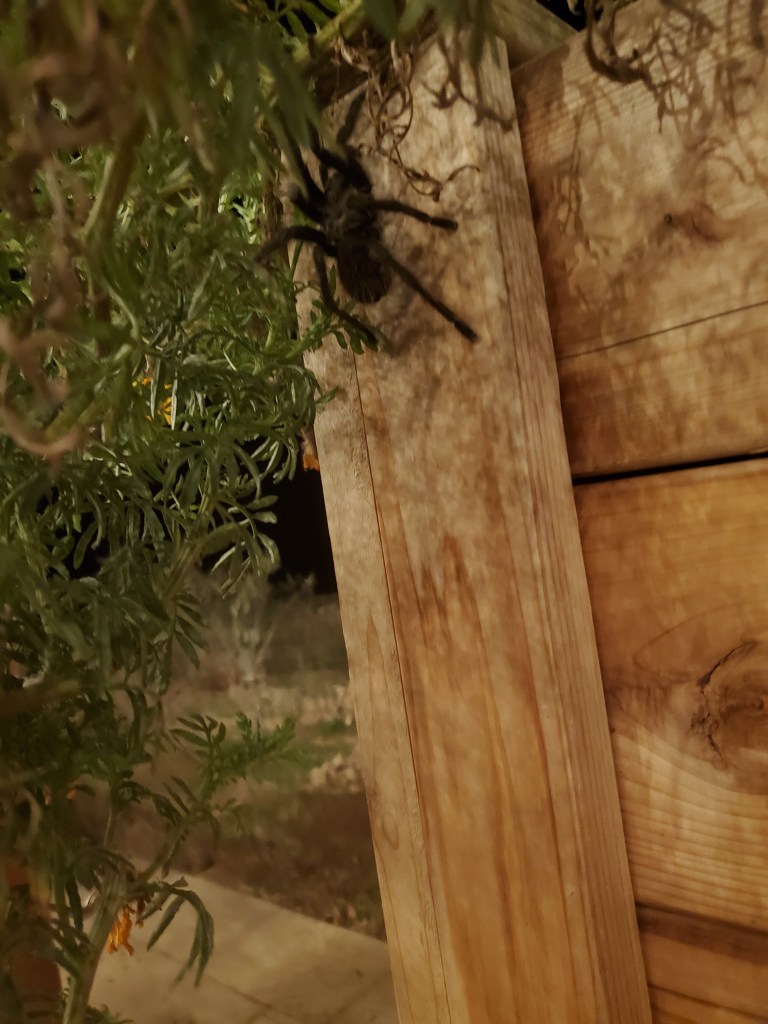
Still, the temperatures are cooler than 115 – something to be grateful for. Besides the temperatures cooling, Fall is heralded by my dear loves, the tarantulas (Ok, some people determine the beginning of Fall when pumpkin drinks appear at Starbucks; I prefer spiders.). I have counted 5 so far. It is an imprecise, unscientific count, but it has helped me to understand their populations by counting the number of sightings. We had several healthy, large ones at the ranch.

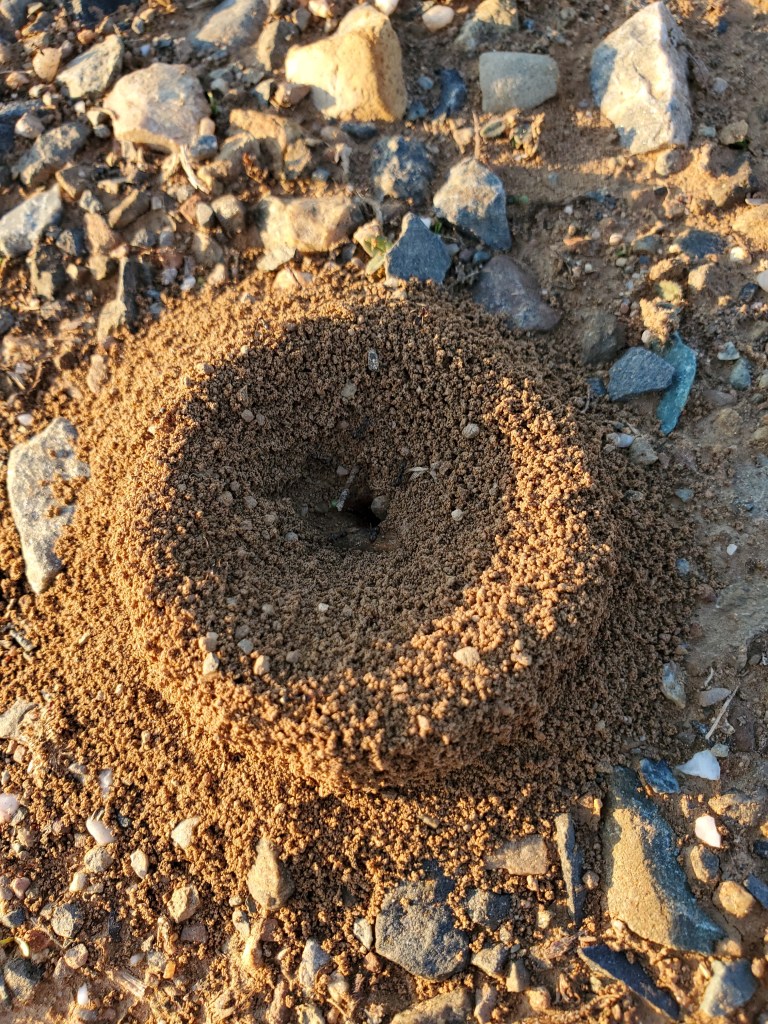
I am seeing a number of small ant holes in close proximity. I think I am living on top of ant LA. To think my bucolic, slow-paced surroundings are directly above a bustling, major metropolis of a billion small, vicious, biting red ants is a bit unnerving. People think I have too much coffee, but now you know why I keep moving and don’t stay in one place for too long.

Fall Can’t Come Soon Enough and A Monarch Sighting in Hornitos!

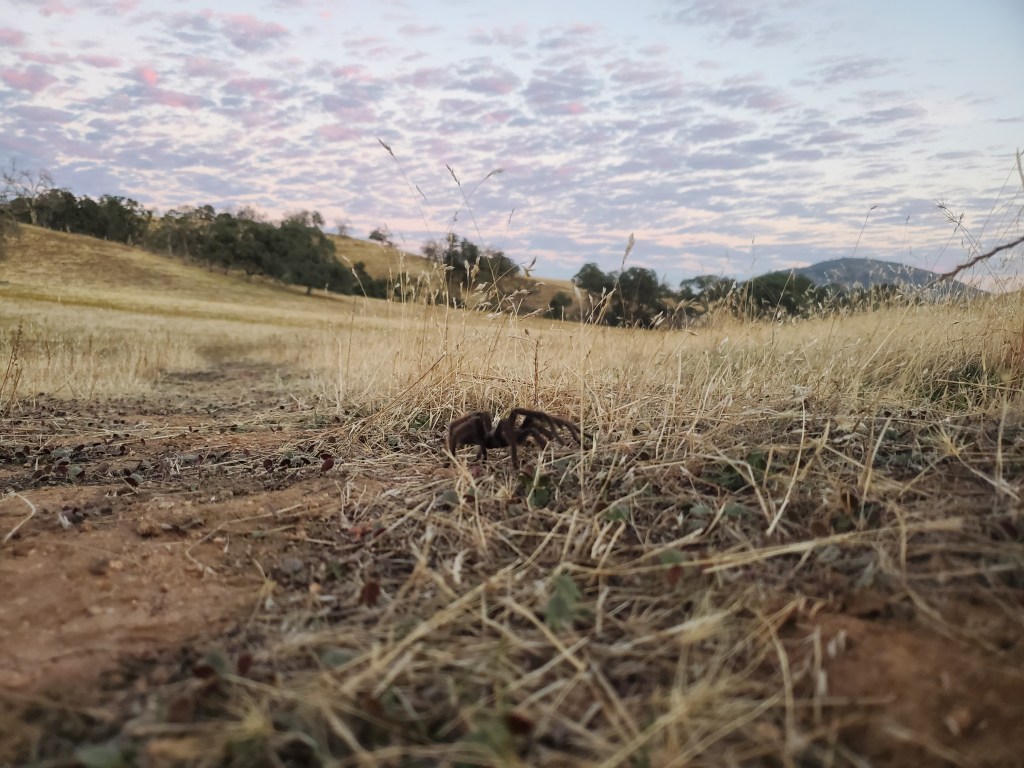
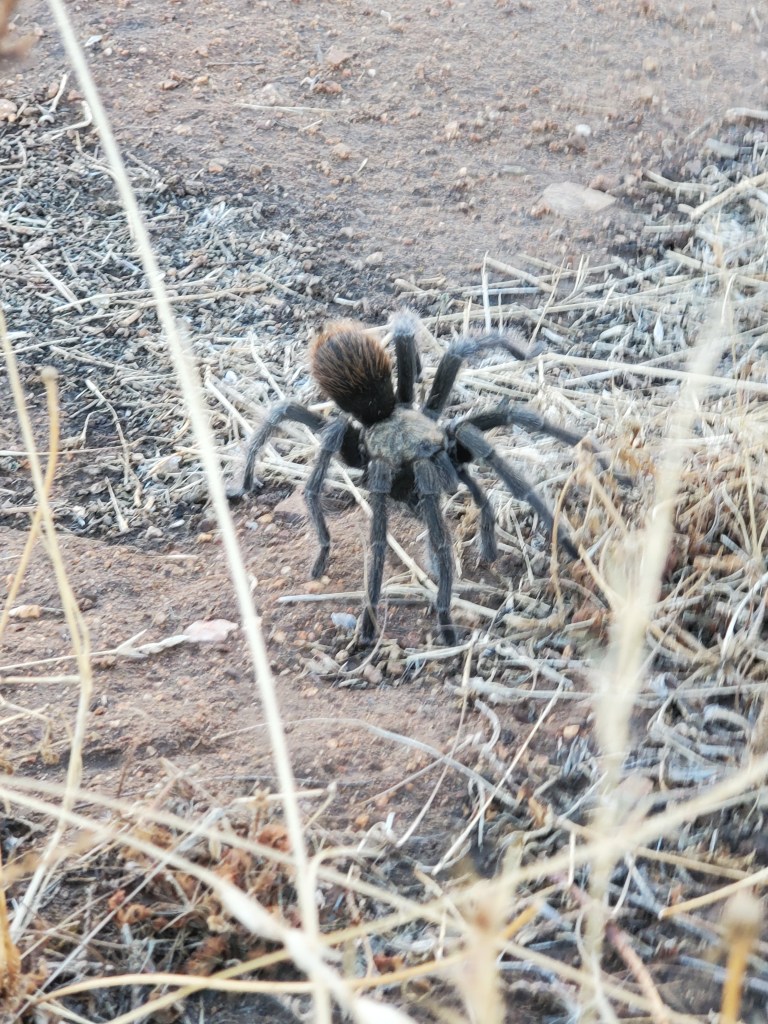
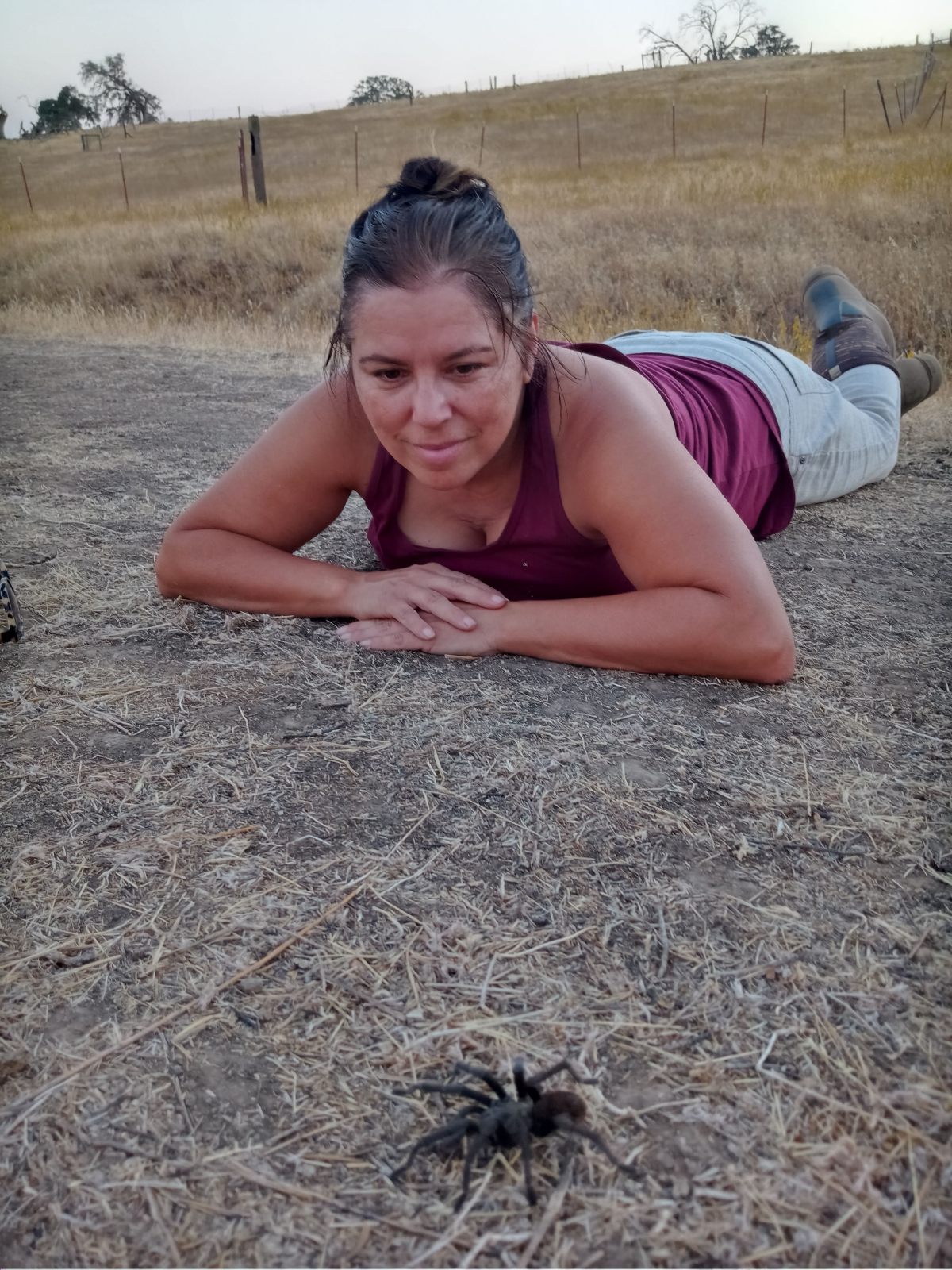
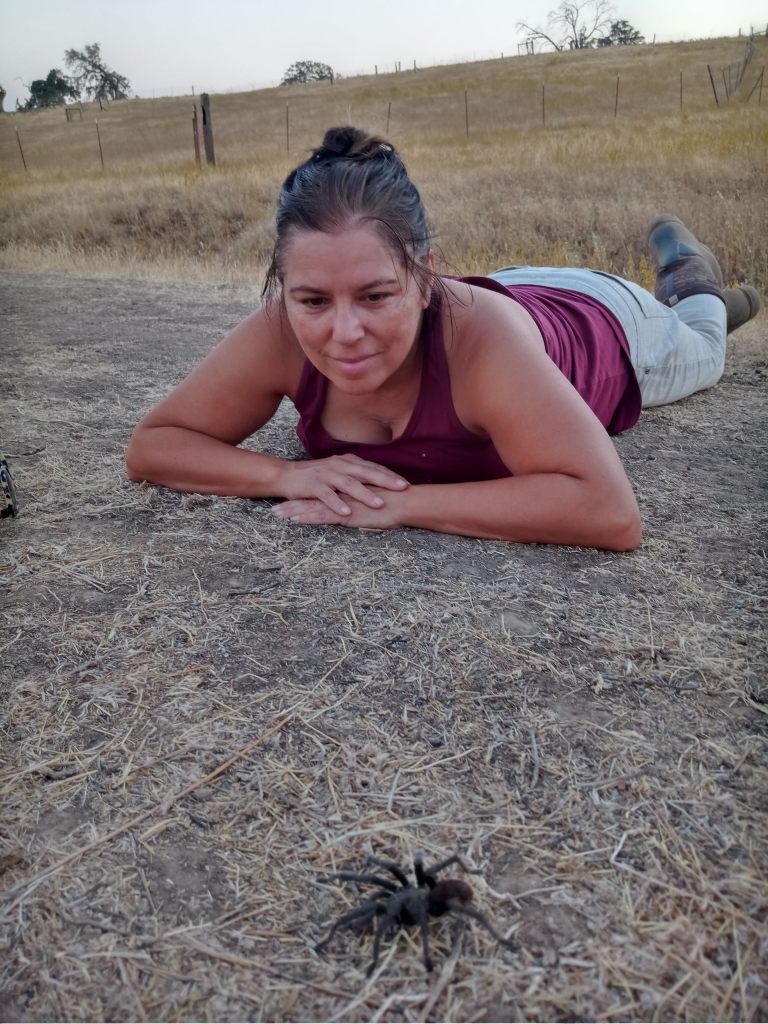
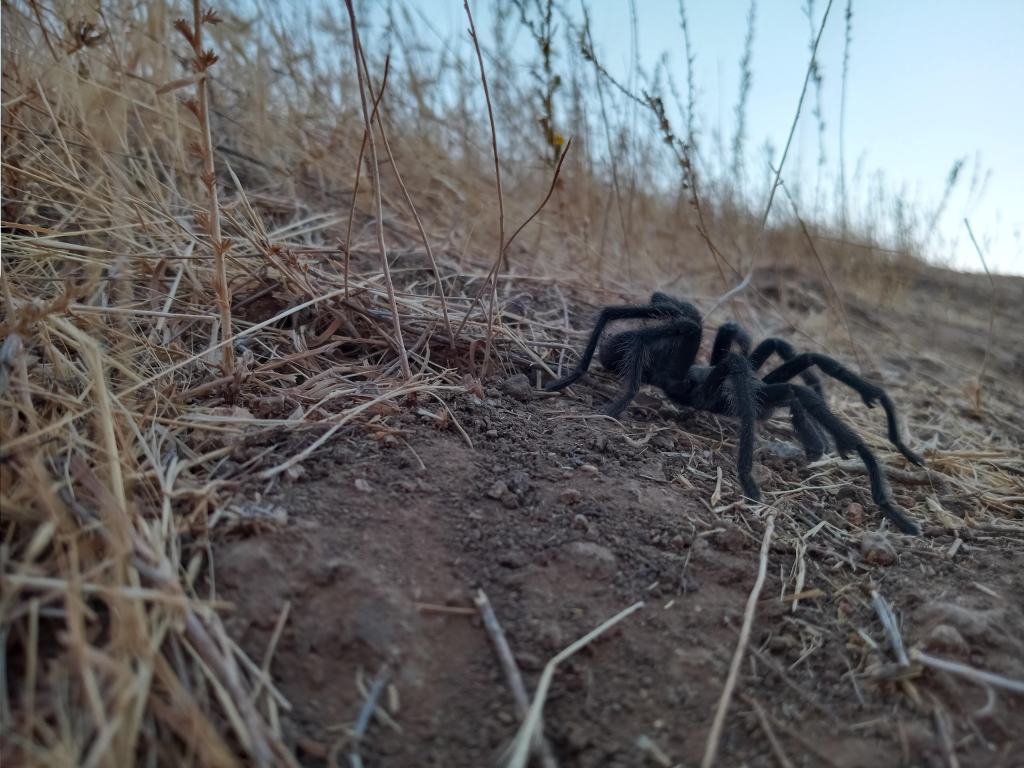
Studying the first tarantula of the season. There were two on my walk, and they both looked extremely healthy.

It is no secret among my friends that I LOVE spiders – especially tarantulas. Not only are they amazing predators eating their weight and more of flies and gnats, but they are a harbinger of Fall with its cooler weather. Oh my goodness, am I desperate for rain and cold.

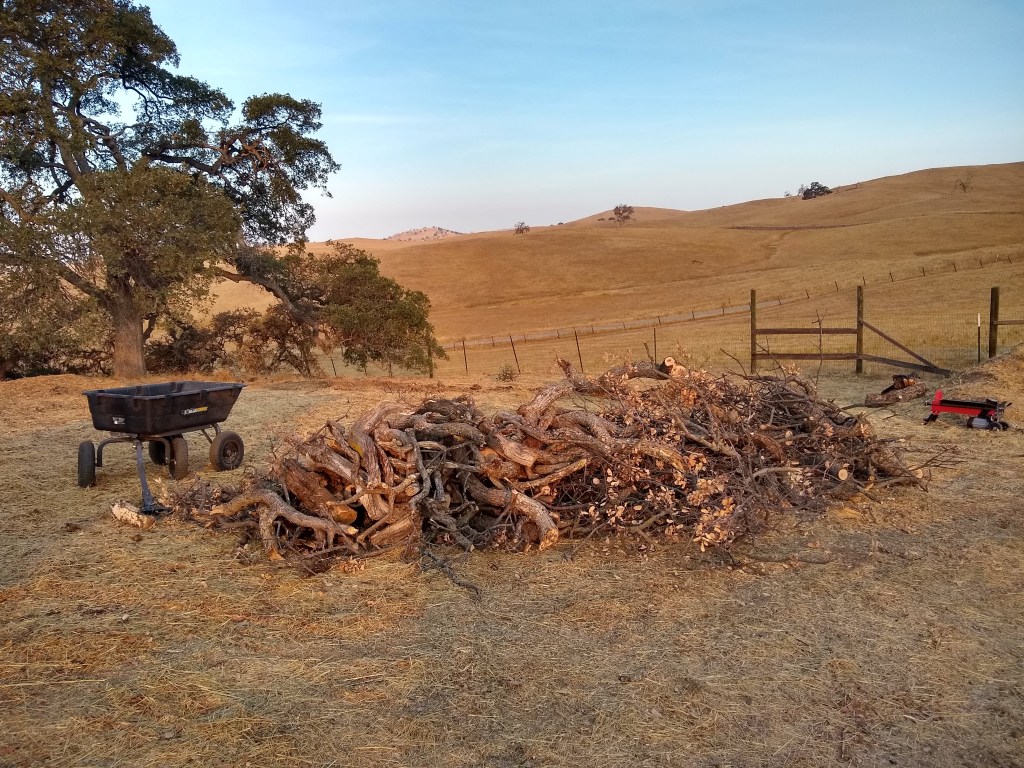
David and I have been busily preparing for the Fall. In addition to building log dams in the Spring Creek, we have been chopping downed oak branches. Often, these large oaks will drop branches in an attempt to stay alive by needing less water. It leaves some of the trees looking lopsided and the ground covered in branches and leaves. The large thud can be frightening if it is unexpected. One of the large oaks dropped a very large branch unexpectedly. The tree looked really healthy, and I had hoped it would stay fully intact despite this horrid drought.

Grand oak branch down

David has been pulling the branches from under the tree with a chain and truck. These last two branches (pictured above) were too heavy and too tangled for the truck to dislodge them and pull them out, so he has been carefully cutting them in place. He needs to be very watchful and not be under the canopy too long given the branches dropping. They call oak branches connected to trees but sagging toward the ground “widow-makers”. For real…
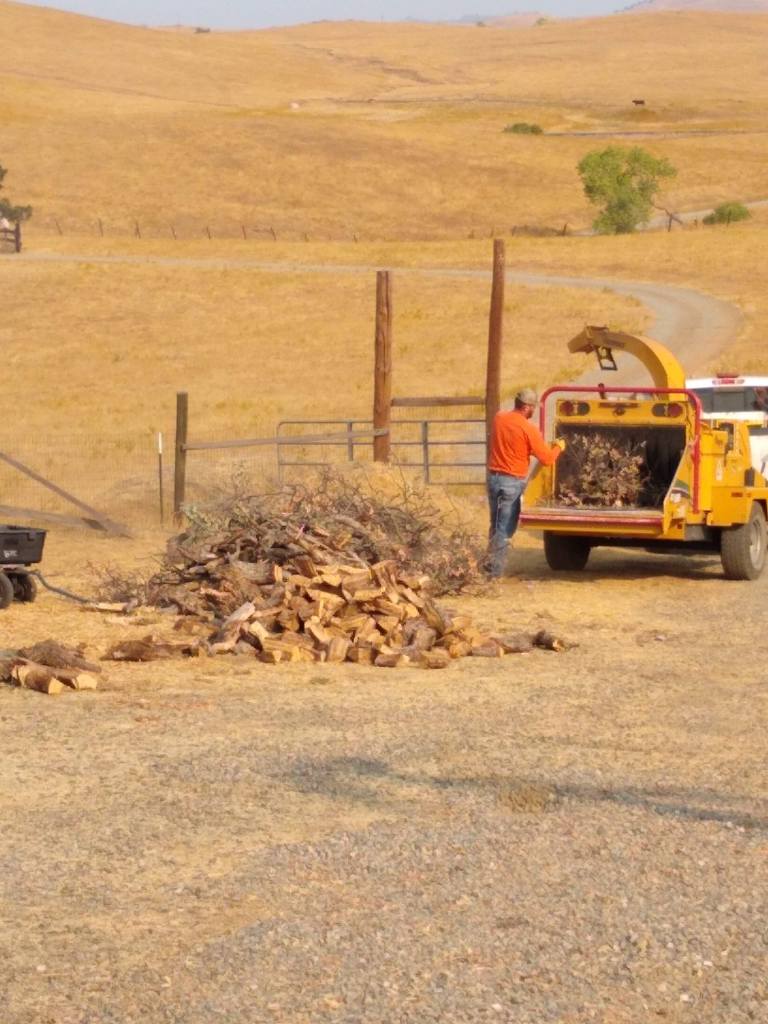
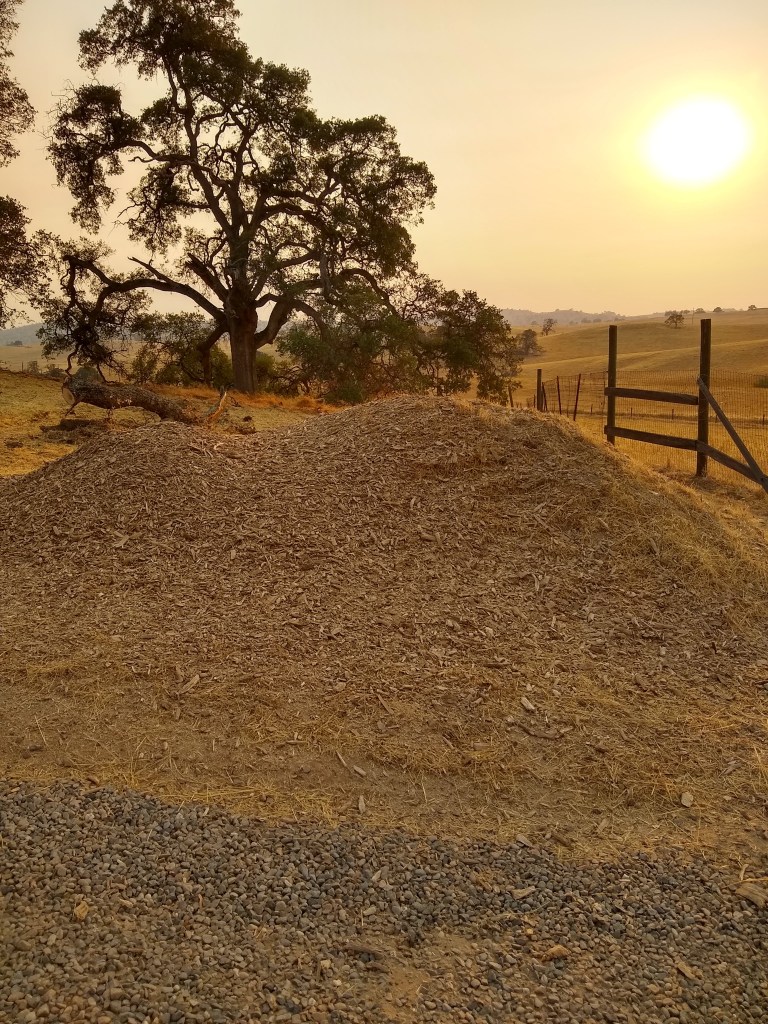
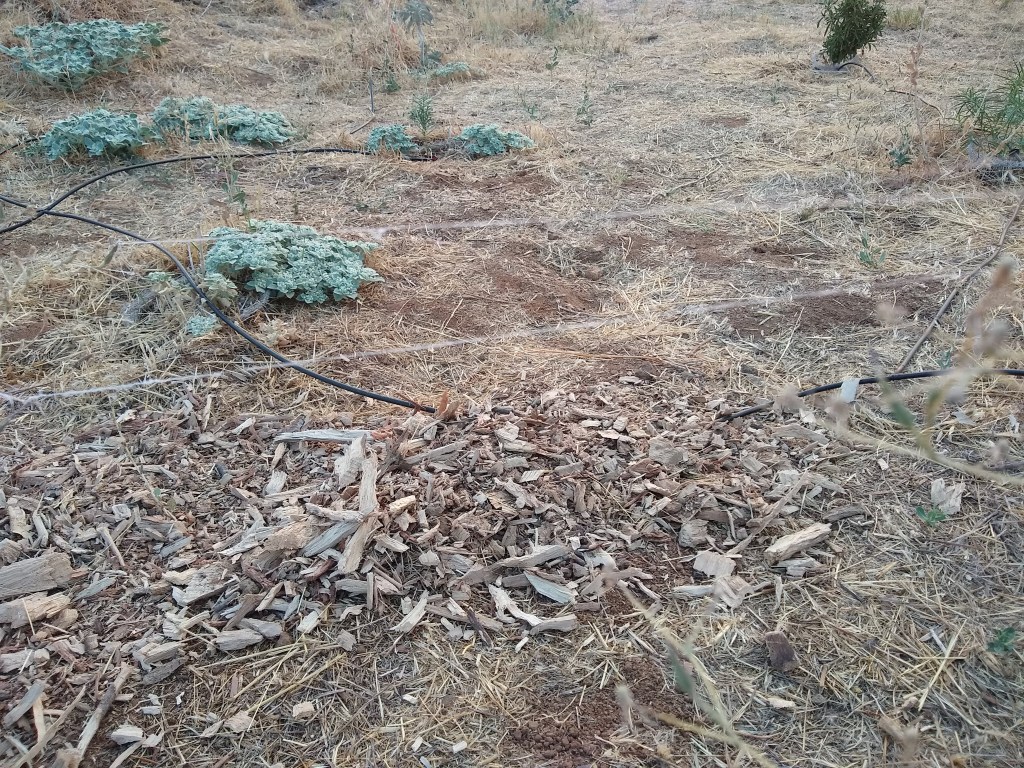
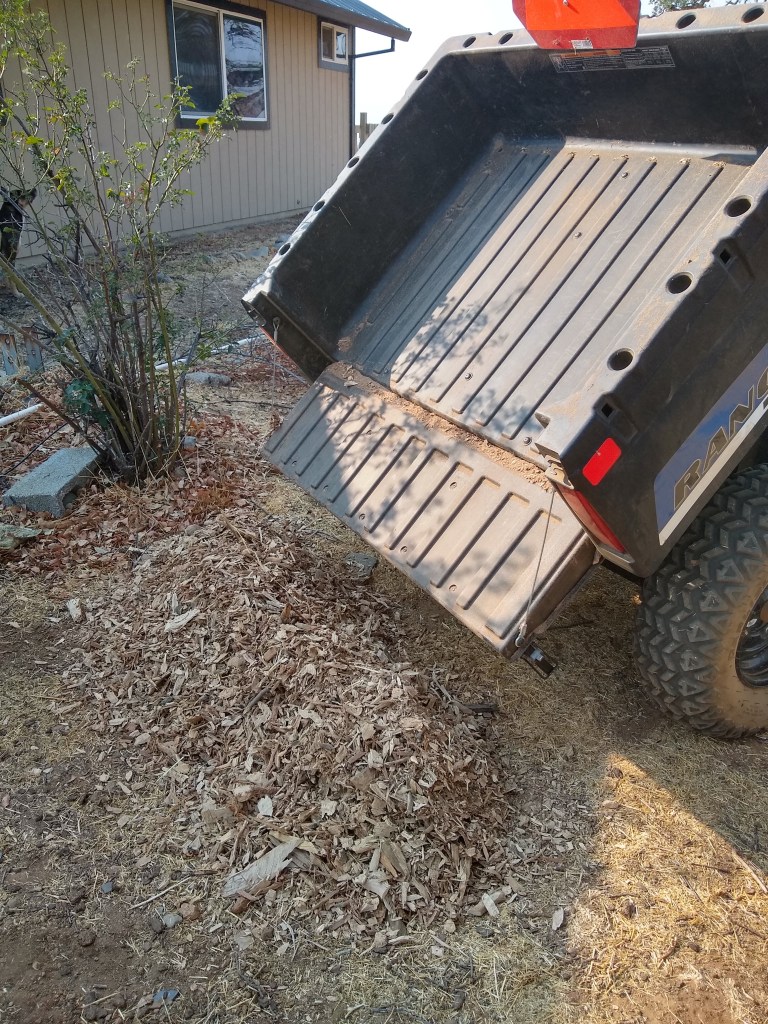
Instead of burning all wood material, we prefer chipping. Not only is it better for air quality, but it provides a (very) local source of mulch for around the plants helping the soil to retain precious moisture. We neatly stacked the logs so that they could be handled by the chipping vendor. A huge thanks to the Mariposa County Fire Safe Council for offering this chipping program as a way to reduce fire fuel load near homes. Often, the chipping jobs are too small for the large vendors or too expensive, so this program is a huge benefit for our community.

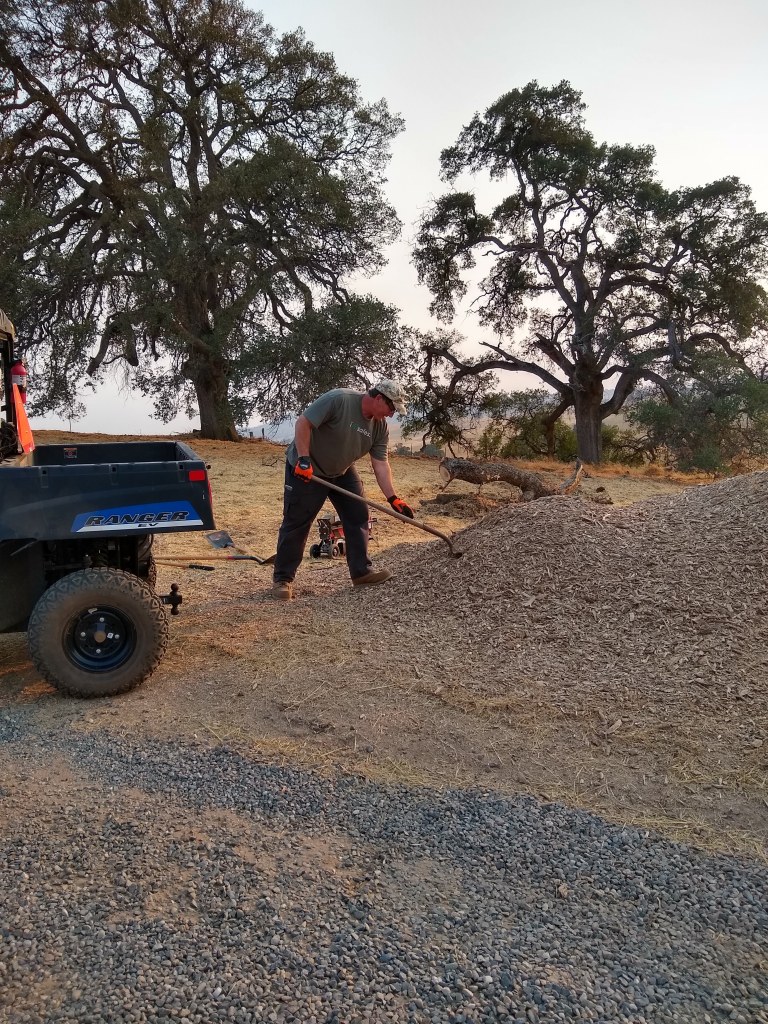
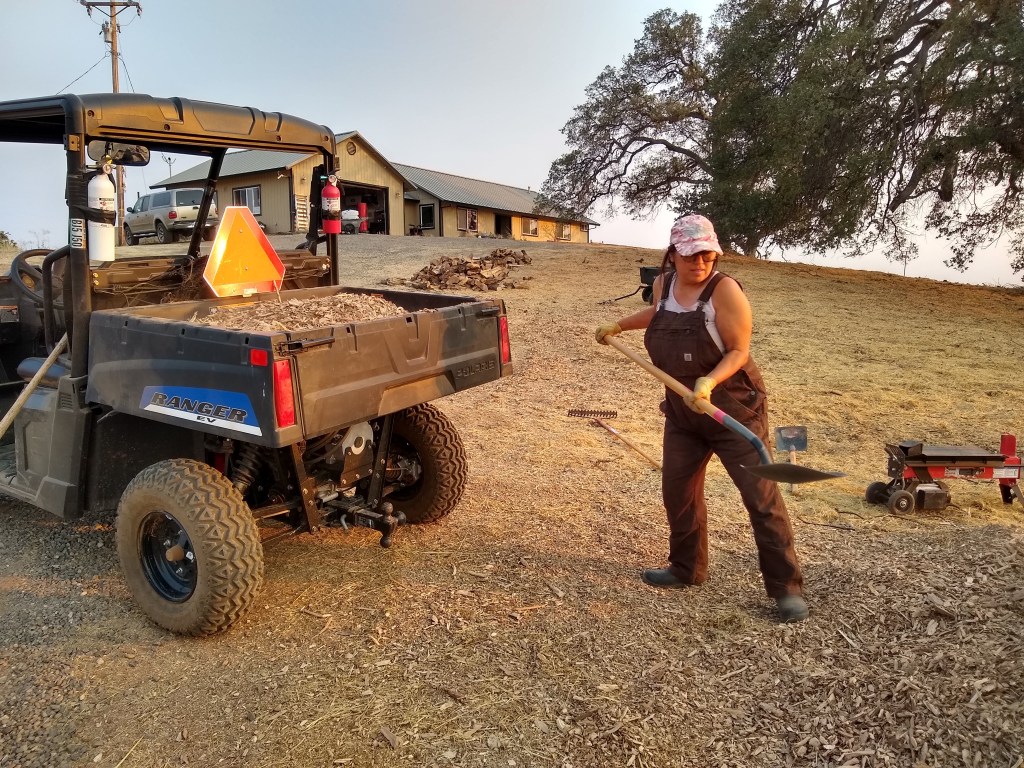
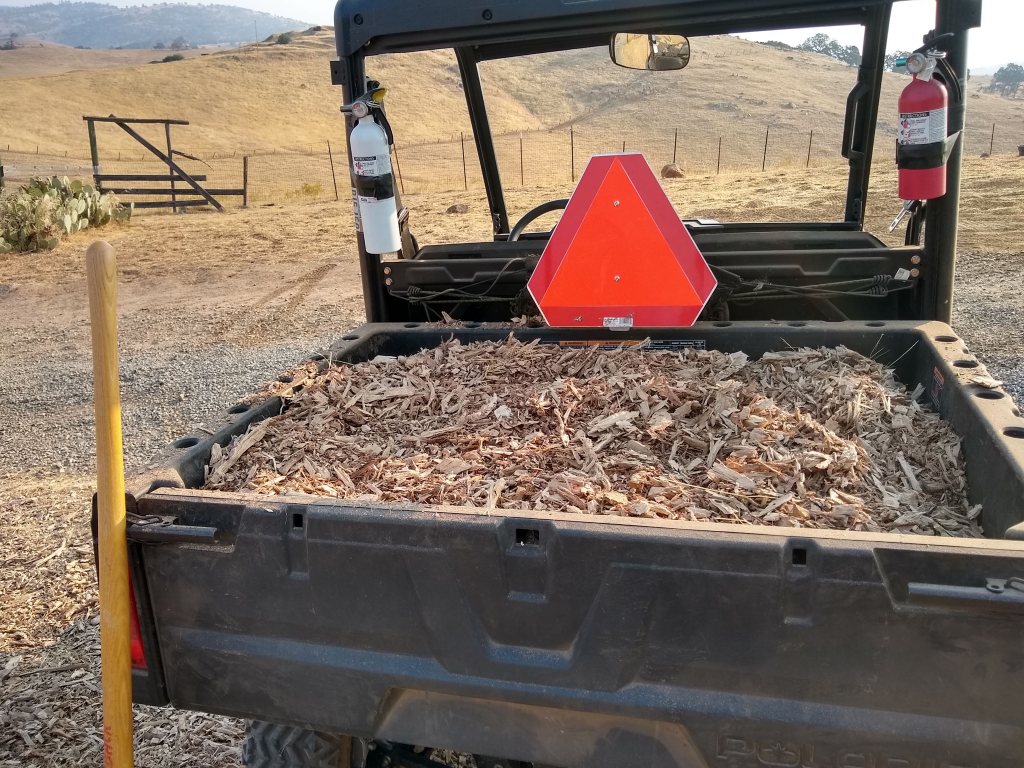
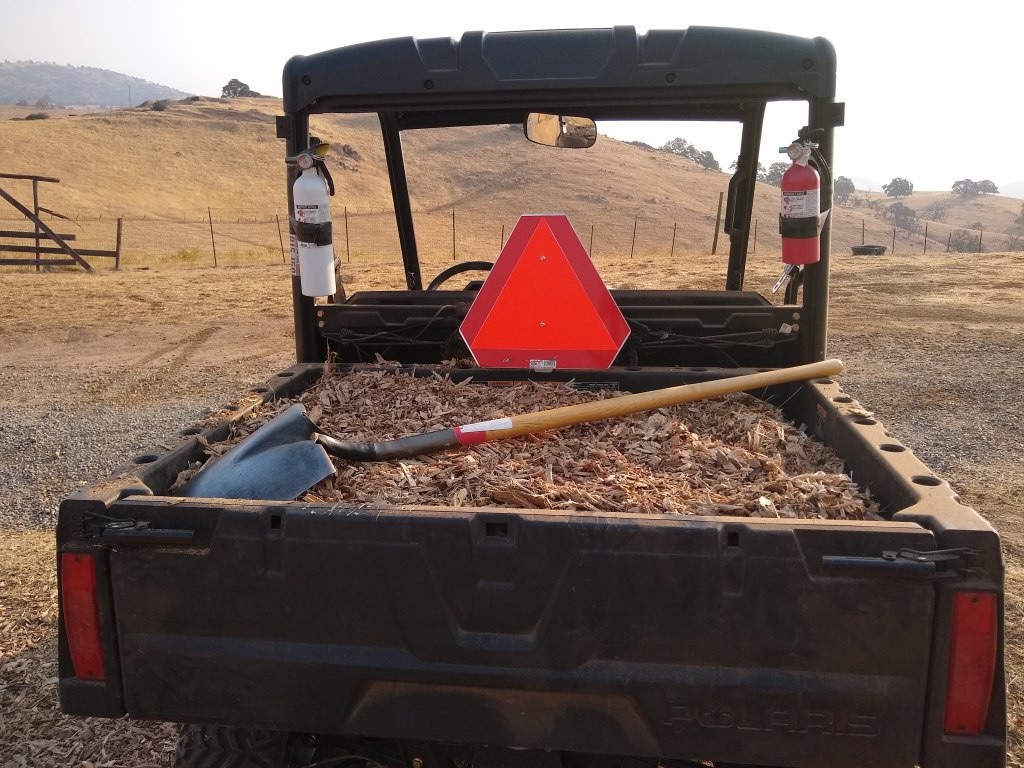
Once the pile of chips was complete, David and I began filling the Polaris, and I spread it within the planting sites. There were six loads in total. Dave gave up after two loads and sat on the porch with a beer watching me work. It was a well-deserved break for him after all the branch hauling and sawing.

Spider Season

It is no wonder Halloween mainstays are pumpkins and spiders. It is nearly October, and I have begun to see the webs floating through the air. On those webs are baby spiders lifting off from wherever to begin a new life in a new territory. The webs will get lodged in plants, trees, vehicles, structures – pretty much anything they come in contact with. And, that is where they will begin their new life. As I was watering and mulching, I saw several stuck webs on the plants. To be certain, we will have a solid line of defense against any bugs.

On my walk a week ago today, I saw two tarantulas. They were the first living ones I’ve seen this year. Typically, I will begin to see them in August, but, this year, it is late September. They both looked healthy. The life of a male tarantula is one of being darned if you do and darned if you don’t. They are meals for tarantula wasp babies or a meal for the female tarantula after fertilization. I love them so much and feel bad for their fate, but that is how nature intended.

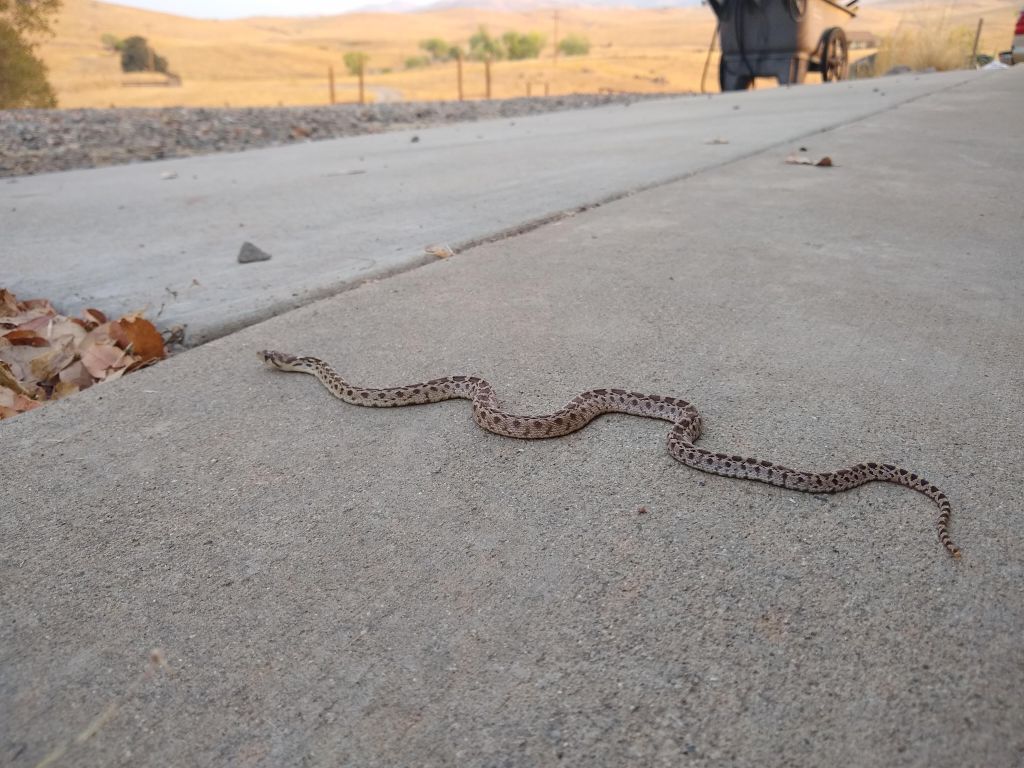
Some other good friends I have seen a lot recently are snakes. They are so important, and I protect them from getting picked off by raptors as much as I can. I try to scoot them off the cement or the roads into the grass or leaves so they are not as easily seen by the remarkable eyes of hawks.

Gently nudging this beauty to exit the patio into the leaf litter

Late Blooms

One of the crucial elements of establishing a well-rounded pollinator garden is to ensure diverse plantings and plants that bloom at different times of the Spring, Summer and Fall. Although it is late September, I am still getting blooms on the plants. I was rewarded today with a sighting of two admiral butterflies. They moved so fast that I could not get a photo. I saw their distinctive markings and was overjoyed. They are larger than the other butterflies I have been seeing lately, which is fun.

A Heartfelt Goodbye to the Polaris

Polaris back home

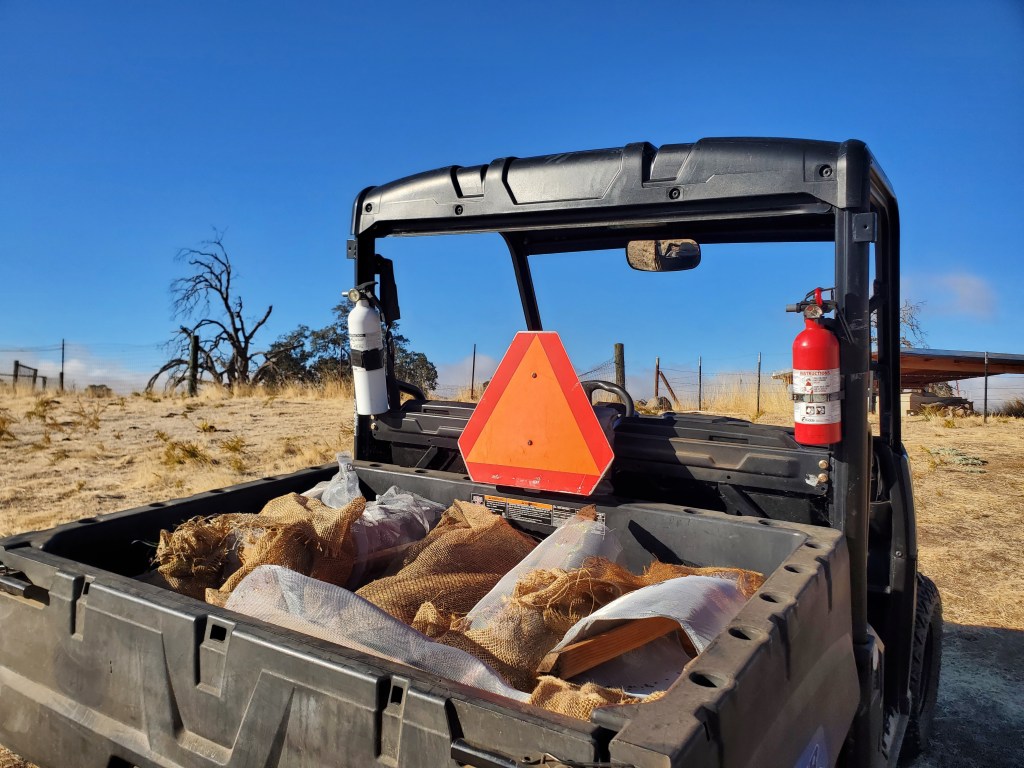
I gave the Polaris back to its rightful owners the other day. My neighbors have been incredibly generous with me, allowing me to use it for so many weeks. It has been a reliable friend making my work so much easier. I won’t lie; I miss the gosh darn thing. I am back to hauling my water with the Gorilla cart since the part for my electric ATV is still MIA from Canada.

MONARCH SIGHTING Drives U-Turn!!

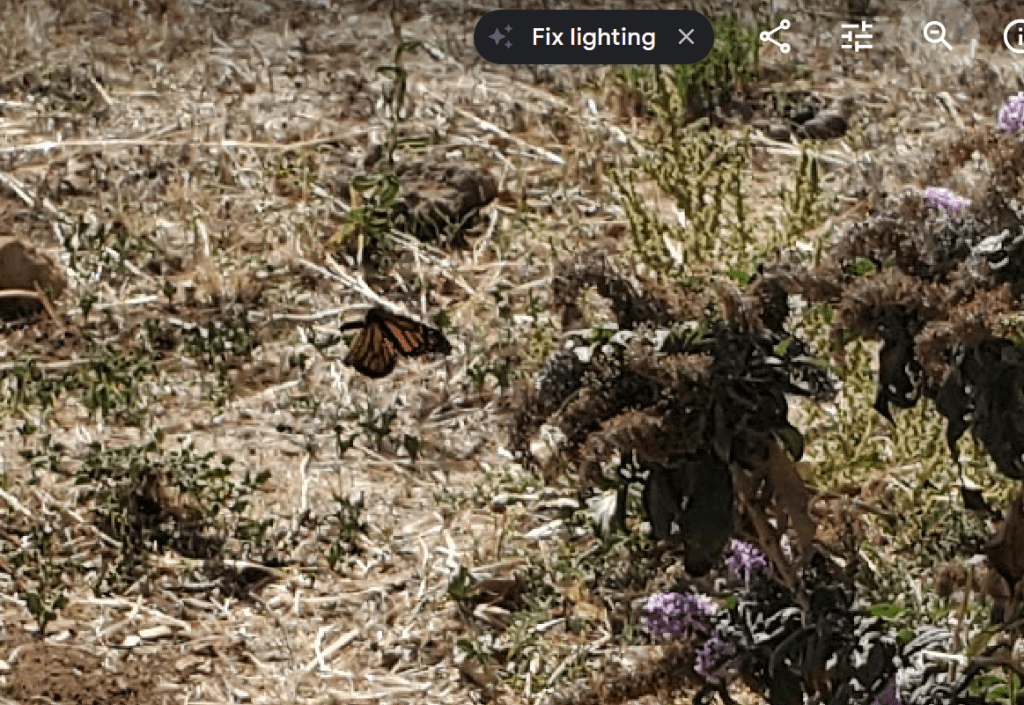
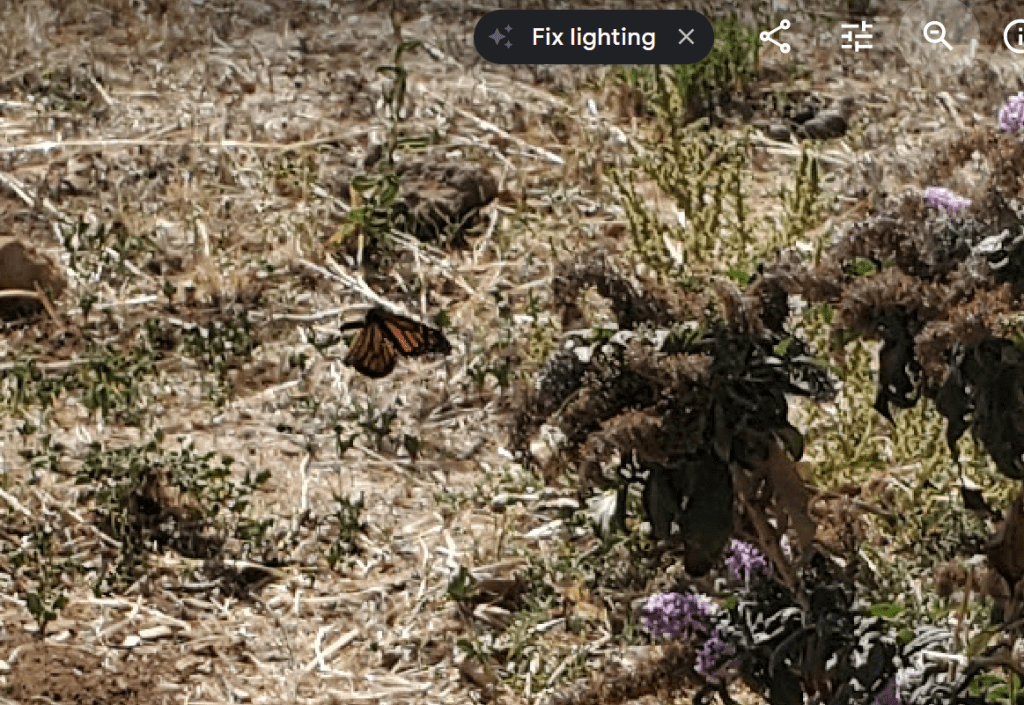
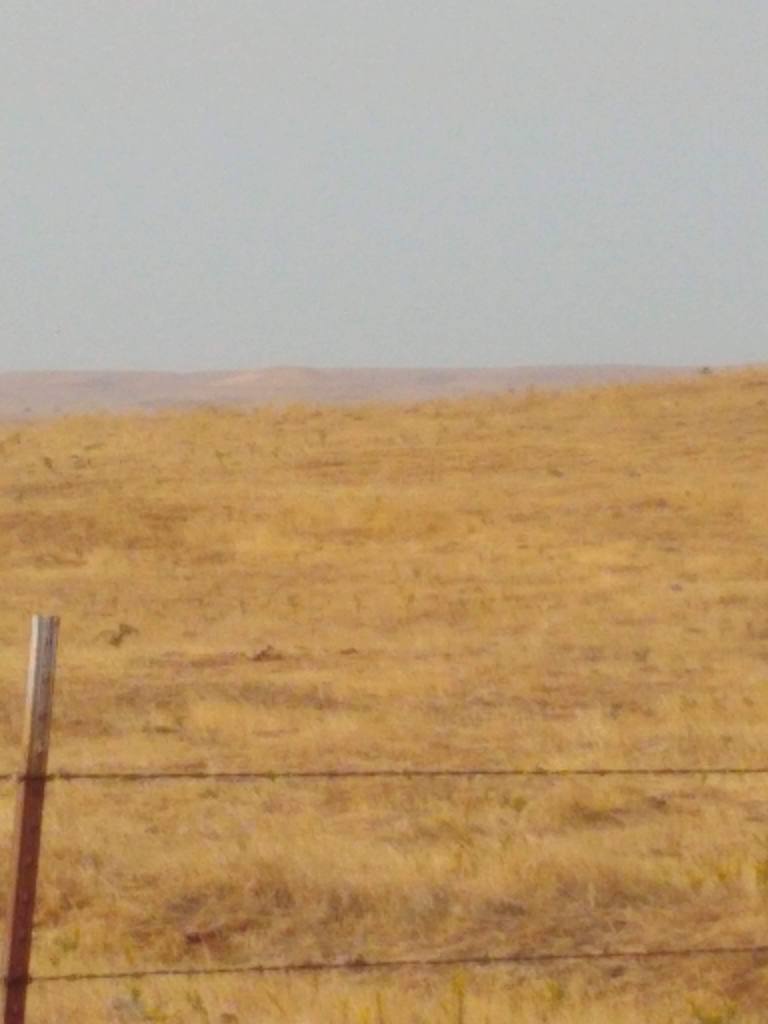
Monarch flutters away into the field. Can you find it?

I haven’t been on a vacation in years. This week, David and I were set to leave for the coast. We had the car packed, the bikes on the back and the dogs situated comfortably for the long ride. We drove to Hornitos, made the tight curve, climbed up the hill out of town and made our way down the winding road toward the vast expanse of the Central Valley. Just a mile outside of town, we pulled over on La Paloma Road to check the bike rack. It was fortuitous. –My hands are trembling as I write.– As I sat in the car, a single, large orange and black butterfly fluttered right over the car. It was a MONARCH! I grabbed my phone and bolted out out of the car like I was a 20 year old and ran down the dirt road as fast as I could, following the large erratic flutter, side to side, yet forward, of this magnificent creature. I ran until it flew over the ranch fence into the field, skirting the rangeland, just over the grass. My heart was racing, and I snapped three sad, far off photos. It was the best I could do. Then, my elation sunk in parallel with my heart. I was leaving. There were monarchs in Mariposa, along the rangeland, finally, and I was leaving town. David yelled to me to get into the car and lets go. Reluctantly, turning back every so often, as if I was a child again, called home too soon, leaving my joyful friends playing behind, I made my way back up the dirt road and got into the car.

I certainly wanted to leave town. The smoke and heat have been toxic to my body. It has been too many days of working hard in this situation. I wanted the clean, cool air of the coast. I wanted to see my siblings and make my husband happy to have the smell of redwoods in his nose. I was conflicted. Could I leave now after seeing this? Had I worked so hard since 2019, not seeing any monarchs, to leave now that there was a real, tangible chance to see them use this habitat? What if the watering system David constructed got a leak, and water did not make it to the milkweed or nectar and the plants died? A tear quietly rolled down my cheek as I ruminated. David, driving, caught this resigned defeat out of the corner of his eye. He grabbed my hand and said, “HB, do you want to go back home? We are only an hour and a half down the road. I am ok with it if you do. I know how hard you’ve worked.” I said, “Really? You would give up your beautiful trip?” He said, “Yes. I am totally fine with a stay-cation.” I said, “I love you.” He made the u-turn, and we started back for home.

I called my sister and brother to make sure they were ok. I asked, “Is it lunacy for me to cancel my vacation for a butterfly?” Both my sister and brother encouraged me to shift my plans. They said, in turns, “It would be crazy if you didn’t do all that work, saw a butterfly and cancelled your trip. You worked on this project for years, literally giving your blood, sweat and tears. We think it is crazy for you not to stay!” I promised to visit soon and hung up as David and I made our way across the Valley, the glorious Sierra foothills, and home, in our sights.